window.__IS_SSR__=true
window.__INITIAL_STATE__={
"attachmentsReducer": {
"audio_0": {
"type": "attachments",
"id": "audio_0",
"imgSizes": {
"kqedFullSize": {
"file": "https://ww2.kqed.org/news/wp-content/themes/KQED-unified/img/audio_bgs/background0.jpg"
}
}
},
"audio_1": {
"type": "attachments",
"id": "audio_1",
"imgSizes": {
"kqedFullSize": {
"file": "https://ww2.kqed.org/news/wp-content/themes/KQED-unified/img/audio_bgs/background1.jpg"
}
}
},
"audio_2": {
"type": "attachments",
"id": "audio_2",
"imgSizes": {
"kqedFullSize": {
"file": "https://ww2.kqed.org/news/wp-content/themes/KQED-unified/img/audio_bgs/background2.jpg"
}
}
},
"audio_3": {
"type": "attachments",
"id": "audio_3",
"imgSizes": {
"kqedFullSize": {
"file": "https://ww2.kqed.org/news/wp-content/themes/KQED-unified/img/audio_bgs/background3.jpg"
}
}
},
"audio_4": {
"type": "attachments",
"id": "audio_4",
"imgSizes": {
"kqedFullSize": {
"file": "https://ww2.kqed.org/news/wp-content/themes/KQED-unified/img/audio_bgs/background4.jpg"
}
}
},
"placeholder": {
"type": "attachments",
"id": "placeholder",
"imgSizes": {
"thumbnail": {
"file": "https://cdn.kqed.org/wp-content/uploads/2024/12/KQED-Default-Image-816638274-2000x1333-1-160x107.jpg",
"width": 160,
"height": 107,
"mimeType": "image/jpeg"
},
"medium": {
"file": "https://cdn.kqed.org/wp-content/uploads/2024/12/KQED-Default-Image-816638274-2000x1333-1-800x533.jpg",
"width": 800,
"height": 533,
"mimeType": "image/jpeg"
},
"medium_large": {
"file": "https://cdn.kqed.org/wp-content/uploads/2024/12/KQED-Default-Image-816638274-2000x1333-1-768x512.jpg",
"width": 768,
"height": 512,
"mimeType": "image/jpeg"
},
"large": {
"file": "https://cdn.kqed.org/wp-content/uploads/2024/12/KQED-Default-Image-816638274-2000x1333-1-1020x680.jpg",
"width": 1020,
"height": 680,
"mimeType": "image/jpeg"
},
"1536x1536": {
"file": "https://cdn.kqed.org/wp-content/uploads/2024/12/KQED-Default-Image-816638274-2000x1333-1-1536x1024.jpg",
"width": 1536,
"height": 1024,
"mimeType": "image/jpeg"
},
"fd-lrg": {
"file": "https://cdn.kqed.org/wp-content/uploads/2024/12/KQED-Default-Image-816638274-2000x1333-1-1536x1024.jpg",
"width": 1536,
"height": 1024,
"mimeType": "image/jpeg"
},
"fd-med": {
"file": "https://cdn.kqed.org/wp-content/uploads/2024/12/KQED-Default-Image-816638274-2000x1333-1-1020x680.jpg",
"width": 1020,
"height": 680,
"mimeType": "image/jpeg"
},
"fd-sm": {
"file": "https://cdn.kqed.org/wp-content/uploads/2024/12/KQED-Default-Image-816638274-2000x1333-1-800x533.jpg",
"width": 800,
"height": 533,
"mimeType": "image/jpeg"
},
"post-thumbnail": {
"file": "https://cdn.kqed.org/wp-content/uploads/2024/12/KQED-Default-Image-816638274-2000x1333-1-672x372.jpg",
"width": 672,
"height": 372,
"mimeType": "image/jpeg"
},
"twentyfourteen-full-width": {
"file": "https://cdn.kqed.org/wp-content/uploads/2024/12/KQED-Default-Image-816638274-2000x1333-1-1038x576.jpg",
"width": 1038,
"height": 576,
"mimeType": "image/jpeg"
},
"xxsmall": {
"file": "https://cdn.kqed.org/wp-content/uploads/2024/12/KQED-Default-Image-816638274-2000x1333-1-160x107.jpg",
"width": 160,
"height": 107,
"mimeType": "image/jpeg"
},
"xsmall": {
"file": "https://cdn.kqed.org/wp-content/uploads/2024/12/KQED-Default-Image-816638274-2000x1333-1-672x372.jpg",
"width": 672,
"height": 372,
"mimeType": "image/jpeg"
},
"small": {
"file": "https://cdn.kqed.org/wp-content/uploads/2024/12/KQED-Default-Image-816638274-2000x1333-1-672x372.jpg",
"width": 672,
"height": 372,
"mimeType": "image/jpeg"
},
"xlarge": {
"file": "https://cdn.kqed.org/wp-content/uploads/2024/12/KQED-Default-Image-816638274-2000x1333-1-1020x680.jpg",
"width": 1020,
"height": 680,
"mimeType": "image/jpeg"
},
"full-width": {
"file": "https://cdn.kqed.org/wp-content/uploads/2024/12/KQED-Default-Image-816638274-2000x1333-1-1920x1280.jpg",
"width": 1920,
"height": 1280,
"mimeType": "image/jpeg"
},
"guest-author-32": {
"file": "https://cdn.kqed.org/wp-content/uploads/2025/01/KQED-Default-Image-816638274-1333x1333-1-160x160.jpg",
"width": 32,
"height": 32,
"mimeType": "image/jpeg"
},
"guest-author-50": {
"file": "https://cdn.kqed.org/wp-content/uploads/2025/01/KQED-Default-Image-816638274-1333x1333-1-160x160.jpg",
"width": 50,
"height": 50,
"mimeType": "image/jpeg"
},
"guest-author-64": {
"file": "https://cdn.kqed.org/wp-content/uploads/2025/01/KQED-Default-Image-816638274-1333x1333-1-160x160.jpg",
"width": 64,
"height": 64,
"mimeType": "image/jpeg"
},
"guest-author-96": {
"file": "https://cdn.kqed.org/wp-content/uploads/2025/01/KQED-Default-Image-816638274-1333x1333-1-160x160.jpg",
"width": 96,
"height": 96,
"mimeType": "image/jpeg"
},
"guest-author-128": {
"file": "https://cdn.kqed.org/wp-content/uploads/2025/01/KQED-Default-Image-816638274-1333x1333-1-160x160.jpg",
"width": 128,
"height": 128,
"mimeType": "image/jpeg"
},
"detail": {
"file": "https://cdn.kqed.org/wp-content/uploads/2025/01/KQED-Default-Image-816638274-1333x1333-1-160x160.jpg",
"width": 160,
"height": 160,
"mimeType": "image/jpeg"
},
"kqedFullSize": {
"file": "https://cdn.kqed.org/wp-content/uploads/2024/12/KQED-Default-Image-816638274-2000x1333-1.jpg",
"width": 2000,
"height": 1333
}
}
},
"news_11980500": {
"type": "attachments",
"id": "news_11980500",
"meta": {
"index": "attachments_1716263798",
"site": "news",
"id": "11980500",
"found": true
},
"parent": 11980492,
"imgSizes": {
"twentyfourteen-full-width": {
"file": "https://cdn.kqed.org/wp-content/uploads/sites/10/2024/03/001_KQED_KristaGulbransenBPOA_10252022_qut-1038x576.jpg",
"width": 1038,
"mimeType": "image/jpeg",
"height": 576
},
"thumbnail": {
"file": "https://cdn.kqed.org/wp-content/uploads/sites/10/2024/03/001_KQED_KristaGulbransenBPOA_10252022_qut-160x107.jpg",
"width": 160,
"mimeType": "image/jpeg",
"height": 107
},
"post-thumbnail": {
"file": "https://cdn.kqed.org/wp-content/uploads/sites/10/2024/03/001_KQED_KristaGulbransenBPOA_10252022_qut-672x372.jpg",
"width": 672,
"mimeType": "image/jpeg",
"height": 372
},
"kqedFullSize": {
"file": "https://cdn.kqed.org/wp-content/uploads/sites/10/2024/03/001_KQED_KristaGulbransenBPOA_10252022_qut.jpg",
"width": 1920,
"height": 1280
},
"large": {
"file": "https://cdn.kqed.org/wp-content/uploads/sites/10/2024/03/001_KQED_KristaGulbransenBPOA_10252022_qut-1020x680.jpg",
"width": 1020,
"mimeType": "image/jpeg",
"height": 680
},
"1536x1536": {
"file": "https://cdn.kqed.org/wp-content/uploads/sites/10/2024/03/001_KQED_KristaGulbransenBPOA_10252022_qut-1536x1024.jpg",
"width": 1536,
"mimeType": "image/jpeg",
"height": 1024
},
"medium": {
"file": "https://cdn.kqed.org/wp-content/uploads/sites/10/2024/03/001_KQED_KristaGulbransenBPOA_10252022_qut-800x533.jpg",
"width": 800,
"mimeType": "image/jpeg",
"height": 533
}
},
"publishDate": 1711135726,
"modified": 1711136003,
"caption": "Krista Gulbransen, executive director of the Berkeley Property Owners Association, poses for a portrait at their offices in Berkeley on Oct. 25, 2022.",
"description": null,
"title": "001_KQED_KristaGulbransenBPOA_10252022_qut",
"credit": "Beth LaBerge/KQED",
"status": "inherit",
"altTag": "A middle-aged white woman with a sweater stands in a doorway, behind her a sign that says \"No on 1!\"",
"isLoading": false,
"fetchFailed": false
},
"news_11977283": {
"type": "attachments",
"id": "news_11977283",
"meta": {
"index": "attachments_1716263798",
"site": "news",
"id": "11977283",
"found": true
},
"parent": 11977258,
"imgSizes": {
"twentyfourteen-full-width": {
"file": "https://cdn.kqed.org/wp-content/uploads/sites/10/2024/02/GettyImages-1238901343-1024x576.jpg",
"width": 1024,
"mimeType": "image/jpeg",
"height": 576
},
"thumbnail": {
"file": "https://cdn.kqed.org/wp-content/uploads/sites/10/2024/02/GettyImages-1238901343-160x107.jpg",
"width": 160,
"mimeType": "image/jpeg",
"height": 107
},
"post-thumbnail": {
"file": "https://cdn.kqed.org/wp-content/uploads/sites/10/2024/02/GettyImages-1238901343-672x372.jpg",
"width": 672,
"mimeType": "image/jpeg",
"height": 372
},
"kqedFullSize": {
"file": "https://cdn.kqed.org/wp-content/uploads/sites/10/2024/02/GettyImages-1238901343.jpg",
"width": 1024,
"height": 683
},
"large": {
"file": "https://cdn.kqed.org/wp-content/uploads/sites/10/2024/02/GettyImages-1238901343-1020x680.jpg",
"width": 1020,
"mimeType": "image/jpeg",
"height": 680
},
"medium": {
"file": "https://cdn.kqed.org/wp-content/uploads/sites/10/2024/02/GettyImages-1238901343-800x534.jpg",
"width": 800,
"mimeType": "image/jpeg",
"height": 534
}
},
"publishDate": 1709067682,
"modified": 1709067775,
"caption": "A homeless encampment is photographed on Wednesday, Feb. 23, 2022, in San Jose.",
"description": null,
"title": "Point in Time San Jose Count",
"credit": "Aric Crabb/MediaNews Group/East Bay Times via Getty Images",
"status": "inherit",
"altTag": "A collection of bikes, tarps and other materials forming an encampment.",
"isLoading": false,
"fetchFailed": false
},
"news_11976596": {
"type": "attachments",
"id": "news_11976596",
"meta": {
"index": "attachments_1716263798",
"site": "news",
"id": "11976596",
"found": true
},
"parent": 0,
"imgSizes": {
"twentyfourteen-full-width": {
"file": "https://cdn.kqed.org/wp-content/uploads/sites/10/2024/02/240217-LARKSPUR-RENT-CONTROL-KSM-10-KQED-2-1038x576.jpg",
"width": 1038,
"mimeType": "image/jpeg",
"height": 576
},
"thumbnail": {
"file": "https://cdn.kqed.org/wp-content/uploads/sites/10/2024/02/240217-LARKSPUR-RENT-CONTROL-KSM-10-KQED-2-160x107.jpg",
"width": 160,
"mimeType": "image/jpeg",
"height": 107
},
"post-thumbnail": {
"file": "https://cdn.kqed.org/wp-content/uploads/sites/10/2024/02/240217-LARKSPUR-RENT-CONTROL-KSM-10-KQED-2-672x372.jpg",
"width": 672,
"mimeType": "image/jpeg",
"height": 372
},
"kqedFullSize": {
"file": "https://cdn.kqed.org/wp-content/uploads/sites/10/2024/02/240217-LARKSPUR-RENT-CONTROL-KSM-10-KQED-2.jpg",
"width": 2000,
"height": 1333
},
"large": {
"file": "https://cdn.kqed.org/wp-content/uploads/sites/10/2024/02/240217-LARKSPUR-RENT-CONTROL-KSM-10-KQED-2-1020x680.jpg",
"width": 1020,
"mimeType": "image/jpeg",
"height": 680
},
"1536x1536": {
"file": "https://cdn.kqed.org/wp-content/uploads/sites/10/2024/02/240217-LARKSPUR-RENT-CONTROL-KSM-10-KQED-2-1536x1024.jpg",
"width": 1536,
"mimeType": "image/jpeg",
"height": 1024
},
"full-width": {
"file": "https://cdn.kqed.org/wp-content/uploads/sites/10/2024/02/240217-LARKSPUR-RENT-CONTROL-KSM-10-KQED-2-1920x1280.jpg",
"width": 1920,
"mimeType": "image/jpeg",
"height": 1280
},
"medium": {
"file": "https://cdn.kqed.org/wp-content/uploads/sites/10/2024/02/240217-LARKSPUR-RENT-CONTROL-KSM-10-KQED-2-800x533.jpg",
"width": 800,
"mimeType": "image/jpeg",
"height": 533
}
},
"publishDate": 1708551706,
"modified": 1708977548,
"caption": "Dorothy O'Leary looks through the sliding glass door of her apartment in Larkspur on Feb. 17 2024. O'Leary is an organizer with Keep Larkspur Fair and Affordable, the group working to bring rent control to Larkspur.",
"description": null,
"title": "240217-LARKSPUR-RENT-CONTROL-KSM-10-KQED",
"credit": "Kathryn Styer Martínez/KQED",
"status": "inherit",
"altTag": "A white woman wearing a dark green sweater and necklace looks out a window.",
"isLoading": false,
"fetchFailed": false
},
"news_11976962": {
"type": "attachments",
"id": "news_11976962",
"meta": {
"index": "attachments_1716263798",
"site": "news",
"id": "11976962",
"found": true
},
"parent": 11976959,
"imgSizes": {
"twentyfourteen-full-width": {
"file": "https://cdn.kqed.org/wp-content/uploads/sites/10/2024/02/003_KQED_HousingSanFrancisco_02102020_qut-1038x576.jpg",
"width": 1038,
"mimeType": "image/jpeg",
"height": 576
},
"thumbnail": {
"file": "https://cdn.kqed.org/wp-content/uploads/sites/10/2024/02/003_KQED_HousingSanFrancisco_02102020_qut-160x107.jpg",
"width": 160,
"mimeType": "image/jpeg",
"height": 107
},
"post-thumbnail": {
"file": "https://cdn.kqed.org/wp-content/uploads/sites/10/2024/02/003_KQED_HousingSanFrancisco_02102020_qut-672x372.jpg",
"width": 672,
"mimeType": "image/jpeg",
"height": 372
},
"kqedFullSize": {
"file": "https://cdn.kqed.org/wp-content/uploads/sites/10/2024/02/003_KQED_HousingSanFrancisco_02102020_qut.jpg",
"width": 1920,
"height": 1280
},
"large": {
"file": "https://cdn.kqed.org/wp-content/uploads/sites/10/2024/02/003_KQED_HousingSanFrancisco_02102020_qut-1020x680.jpg",
"width": 1020,
"mimeType": "image/jpeg",
"height": 680
},
"1536x1536": {
"file": "https://cdn.kqed.org/wp-content/uploads/sites/10/2024/02/003_KQED_HousingSanFrancisco_02102020_qut-1536x1024.jpg",
"width": 1536,
"mimeType": "image/jpeg",
"height": 1024
},
"medium": {
"file": "https://cdn.kqed.org/wp-content/uploads/sites/10/2024/02/003_KQED_HousingSanFrancisco_02102020_qut-800x533.jpg",
"width": 800,
"mimeType": "image/jpeg",
"height": 533
}
},
"publishDate": 1708726134,
"modified": 1708735847,
"caption": "Proposition A asks San Francisco voters to approve a bond to fund affordable housing.",
"description": null,
"title": "003_KQED_HousingSanFrancisco_02102020_qut",
"credit": "Beth LaBerge/KQED",
"status": "inherit",
"altTag": "Houses in San Francisco, surrounded by trees, are seen from above.",
"isLoading": false,
"fetchFailed": false
},
"news_11975970": {
"type": "attachments",
"id": "news_11975970",
"meta": {
"index": "attachments_1716263798",
"site": "news",
"id": "11975970",
"found": true
},
"parent": 11975969,
"imgSizes": {
"twentyfourteen-full-width": {
"file": "https://cdn.kqed.org/wp-content/uploads/sites/10/2024/02/image-2-1038x576.png",
"width": 1038,
"mimeType": "image/png",
"height": 576
},
"thumbnail": {
"file": "https://cdn.kqed.org/wp-content/uploads/sites/10/2024/02/image-2-160x107.png",
"width": 160,
"mimeType": "image/png",
"height": 107
},
"post-thumbnail": {
"file": "https://cdn.kqed.org/wp-content/uploads/sites/10/2024/02/image-2-672x372.png",
"width": 672,
"mimeType": "image/png",
"height": 372
},
"kqedFullSize": {
"file": "https://cdn.kqed.org/wp-content/uploads/sites/10/2024/02/image-2.png",
"width": 1316,
"height": 878
},
"large": {
"file": "https://cdn.kqed.org/wp-content/uploads/sites/10/2024/02/image-2-1020x681.png",
"width": 1020,
"mimeType": "image/png",
"height": 681
},
"medium": {
"file": "https://cdn.kqed.org/wp-content/uploads/sites/10/2024/02/image-2-800x534.png",
"width": 800,
"mimeType": "image/png",
"height": 534
}
},
"publishDate": 1707955397,
"modified": 1707959654,
"caption": "Gabi Rivas, policy advocacy manager for Rising Juntos, addresses a crowd outside a Concord City Council meeting on Jan. 30.",
"description": null,
"title": "image (2)",
"credit": "Courtesy of Rising Juntos",
"status": "inherit",
"altTag": "A woman speaks with a microphone.",
"isLoading": false,
"fetchFailed": false
},
"news_11923436": {
"type": "attachments",
"id": "news_11923436",
"meta": {
"index": "attachments_1716263798",
"site": "news",
"id": "11923436",
"found": true
},
"parent": 11923467,
"imgSizes": {
"twentyfourteen-full-width": {
"file": "https://ww2.kqed.org/app/uploads/sites/10/2022/08/RS57863_019_KQED_RichmondHousing_08162022-qut-1038x576.jpg",
"width": 1038,
"mimeType": "image/jpeg",
"height": 576
},
"thumbnail": {
"file": "https://ww2.kqed.org/app/uploads/sites/10/2022/08/RS57863_019_KQED_RichmondHousing_08162022-qut-160x107.jpg",
"width": 160,
"mimeType": "image/jpeg",
"height": 107
},
"post-thumbnail": {
"file": "https://ww2.kqed.org/app/uploads/sites/10/2022/08/RS57863_019_KQED_RichmondHousing_08162022-qut-672x372.jpg",
"width": 672,
"mimeType": "image/jpeg",
"height": 372
},
"kqedFullSize": {
"file": "https://ww2.kqed.org/app/uploads/sites/10/2022/08/RS57863_019_KQED_RichmondHousing_08162022-qut.jpg",
"width": 1920,
"height": 1280
},
"large": {
"file": "https://ww2.kqed.org/app/uploads/sites/10/2022/08/RS57863_019_KQED_RichmondHousing_08162022-qut-1020x680.jpg",
"width": 1020,
"mimeType": "image/jpeg",
"height": 680
},
"1536x1536": {
"file": "https://ww2.kqed.org/app/uploads/sites/10/2022/08/RS57863_019_KQED_RichmondHousing_08162022-qut-1536x1024.jpg",
"width": 1536,
"mimeType": "image/jpeg",
"height": 1024
},
"medium": {
"file": "https://ww2.kqed.org/app/uploads/sites/10/2022/08/RS57863_019_KQED_RichmondHousing_08162022-qut-800x533.jpg",
"width": 800,
"mimeType": "image/jpeg",
"height": 533
}
},
"publishDate": 1661372450,
"modified": 1661380100,
"caption": "Cynthia Osorio-Hernandez walks with her family on the street in front of her home in Richmond on Aug. 16, 2022.",
"description": null,
"title": "RS57863_019_KQED_RichmondHousing_08162022-qut",
"credit": "Beth LaBerge/KQED",
"status": "inherit",
"altTag": "Two people holding the hands of a child to lift them up in the air.",
"isLoading": false,
"fetchFailed": false
},
"news_11973661": {
"type": "attachments",
"id": "news_11973661",
"meta": {
"index": "attachments_1716263798",
"site": "news",
"id": "11973661",
"found": true
},
"parent": 11973653,
"imgSizes": {
"twentyfourteen-full-width": {
"file": "https://cdn.kqed.org/wp-content/uploads/sites/10/2024/01/071223_San-Francisco_Housing_SN_CM_19-1038x576.jpg",
"width": 1038,
"mimeType": "image/jpeg",
"height": 576
},
"thumbnail": {
"file": "https://cdn.kqed.org/wp-content/uploads/sites/10/2024/01/071223_San-Francisco_Housing_SN_CM_19-160x107.jpg",
"width": 160,
"mimeType": "image/jpeg",
"height": 107
},
"post-thumbnail": {
"file": "https://cdn.kqed.org/wp-content/uploads/sites/10/2024/01/071223_San-Francisco_Housing_SN_CM_19-672x372.jpg",
"width": 672,
"mimeType": "image/jpeg",
"height": 372
},
"kqedFullSize": {
"file": "https://cdn.kqed.org/wp-content/uploads/sites/10/2024/01/071223_San-Francisco_Housing_SN_CM_19.jpg",
"width": 2000,
"height": 1333
},
"large": {
"file": "https://cdn.kqed.org/wp-content/uploads/sites/10/2024/01/071223_San-Francisco_Housing_SN_CM_19-1020x680.jpg",
"width": 1020,
"mimeType": "image/jpeg",
"height": 680
},
"1536x1536": {
"file": "https://cdn.kqed.org/wp-content/uploads/sites/10/2024/01/071223_San-Francisco_Housing_SN_CM_19-1536x1024.jpg",
"width": 1536,
"mimeType": "image/jpeg",
"height": 1024
},
"full-width": {
"file": "https://cdn.kqed.org/wp-content/uploads/sites/10/2024/01/071223_San-Francisco_Housing_SN_CM_19-1920x1280.jpg",
"width": 1920,
"mimeType": "image/jpeg",
"height": 1280
},
"medium": {
"file": "https://cdn.kqed.org/wp-content/uploads/sites/10/2024/01/071223_San-Francisco_Housing_SN_CM_19-800x533.jpg",
"width": 800,
"mimeType": "image/jpeg",
"height": 533
}
},
"publishDate": 1706208111,
"modified": 1706208201,
"caption": "Housing construction in San Francisco on July 12, 2023. ",
"description": null,
"title": "071223_San-Francisco_Housing_SN_CM_19",
"credit": "Semantha Norris/CalMatters",
"status": "inherit",
"altTag": "A construction crane over a building.",
"isLoading": false,
"fetchFailed": false
},
"news_11971733": {
"type": "attachments",
"id": "news_11971733",
"meta": {
"index": "attachments_1716263798",
"site": "news",
"id": "11971733",
"found": true
},
"title": "240104-PEOPLE'S PARK-MD-05",
"publishDate": 1704419716,
"status": "inherit",
"parent": 11971577,
"modified": 1775002315,
"caption": "Construction crews work in People’s Park in Berkeley on Jan. 4, 2024.",
"credit": "Martin do Nascimento/KQED",
"altTag": "Two construction workers stand on-site at People's Park in Berkeley.",
"description": null,
"imgSizes": {
"medium": {
"file": "https://cdn.kqed.org/wp-content/uploads/sites/10/2024/01/240104-PEOPLES-PARK-MD-05-800x533.jpg",
"width": 800,
"height": 533,
"mimeType": "image/jpeg"
},
"large": {
"file": "https://cdn.kqed.org/wp-content/uploads/sites/10/2024/01/240104-PEOPLES-PARK-MD-05-1020x680.jpg",
"width": 1020,
"height": 680,
"mimeType": "image/jpeg"
},
"thumbnail": {
"file": "https://cdn.kqed.org/wp-content/uploads/sites/10/2024/01/240104-PEOPLES-PARK-MD-05-160x107.jpg",
"width": 160,
"height": 107,
"mimeType": "image/jpeg"
},
"1536x1536": {
"file": "https://cdn.kqed.org/wp-content/uploads/sites/10/2024/01/240104-PEOPLES-PARK-MD-05-1536x1024.jpg",
"width": 1536,
"height": 1024,
"mimeType": "image/jpeg"
},
"2048x2048": {
"file": "https://cdn.kqed.org/wp-content/uploads/sites/10/2024/01/240104-PEOPLES-PARK-MD-05-2048x1365.jpg",
"width": 2048,
"height": 1365,
"mimeType": "image/jpeg"
},
"post-thumbnail": {
"file": "https://cdn.kqed.org/wp-content/uploads/sites/10/2024/01/240104-PEOPLES-PARK-MD-05-672x372.jpg",
"width": 672,
"height": 372,
"mimeType": "image/jpeg"
},
"twentyfourteen-full-width": {
"file": "https://cdn.kqed.org/wp-content/uploads/sites/10/2024/01/240104-PEOPLES-PARK-MD-05-1038x576.jpg",
"width": 1038,
"height": 576,
"mimeType": "image/jpeg"
},
"full-width": {
"file": "https://cdn.kqed.org/wp-content/uploads/sites/10/2024/01/240104-PEOPLES-PARK-MD-05-1920x1280.jpg",
"width": 1920,
"height": 1280,
"mimeType": "image/jpeg"
},
"kqedFullSize": {
"file": "https://cdn.kqed.org/wp-content/uploads/sites/10/2024/01/240104-PEOPLES-PARK-MD-05-scaled-e1775001183210.jpg",
"width": 2000,
"height": 1334
}
},
"isLoading": false,
"fetchFailed": false
},
"news_11971737": {
"type": "attachments",
"id": "news_11971737",
"meta": {
"index": "attachments_1716263798",
"site": "news",
"id": "11971737",
"found": true
},
"parent": 11971577,
"imgSizes": {
"twentyfourteen-full-width": {
"file": "https://cdn.kqed.org/wp-content/uploads/sites/10/2024/01/240104-PEOPLES-PARK-MD-02-KQED-1038x576.jpg",
"width": 1038,
"mimeType": "image/jpeg",
"height": 576
},
"thumbnail": {
"file": "https://cdn.kqed.org/wp-content/uploads/sites/10/2024/01/240104-PEOPLES-PARK-MD-02-KQED-160x107.jpg",
"width": 160,
"mimeType": "image/jpeg",
"height": 107
},
"post-thumbnail": {
"file": "https://cdn.kqed.org/wp-content/uploads/sites/10/2024/01/240104-PEOPLES-PARK-MD-02-KQED-672x372.jpg",
"width": 672,
"mimeType": "image/jpeg",
"height": 372
},
"kqedFullSize": {
"file": "https://cdn.kqed.org/wp-content/uploads/sites/10/2024/01/240104-PEOPLES-PARK-MD-02-KQED.jpg?ver=1704910052",
"width": 2000,
"height": 1333
},
"large": {
"file": "https://cdn.kqed.org/wp-content/uploads/sites/10/2024/01/240104-PEOPLES-PARK-MD-02-KQED-1020x680.jpg",
"width": 1020,
"mimeType": "image/jpeg",
"height": 680
},
"1536x1536": {
"file": "https://cdn.kqed.org/wp-content/uploads/sites/10/2024/01/240104-PEOPLES-PARK-MD-02-KQED-1536x1024.jpg",
"width": 1536,
"mimeType": "image/jpeg",
"height": 1024
},
"full-width": {
"file": "https://cdn.kqed.org/wp-content/uploads/sites/10/2024/01/240104-PEOPLES-PARK-MD-02-KQED-1920x1280.jpg",
"width": 1920,
"mimeType": "image/jpeg",
"height": 1280
},
"medium": {
"file": "https://cdn.kqed.org/wp-content/uploads/sites/10/2024/01/240104-PEOPLES-PARK-MD-02-KQED-800x533.jpg",
"width": 800,
"mimeType": "image/jpeg",
"height": 533
}
},
"publishDate": 1704424820,
"modified": 1704910068,
"caption": "Construction crews work in People’s Park in Berkeley on Jan. 4, 2024.",
"description": null,
"title": "Construction crews work at People’s Park in Berkeley on Jan. 4, 2024.",
"credit": "Martin do Nascimento/KQED",
"status": "inherit",
"altTag": null,
"isLoading": false,
"fetchFailed": false
},
"news_11971982": {
"type": "attachments",
"id": "news_11971982",
"meta": {
"index": "attachments_1716263798",
"site": "news",
"id": "11971982",
"found": true
},
"parent": 0,
"imgSizes": {
"twentyfourteen-full-width": {
"file": "https://cdn.kqed.org/wp-content/uploads/sites/10/2024/01/240108-LEV-MARCUS-MD-01-KQED-1038x576.jpg",
"width": 1038,
"mimeType": "image/jpeg",
"height": 576
},
"thumbnail": {
"file": "https://cdn.kqed.org/wp-content/uploads/sites/10/2024/01/240108-LEV-MARCUS-MD-01-KQED-160x107.jpg",
"width": 160,
"mimeType": "image/jpeg",
"height": 107
},
"post-thumbnail": {
"file": "https://cdn.kqed.org/wp-content/uploads/sites/10/2024/01/240108-LEV-MARCUS-MD-01-KQED-672x372.jpg",
"width": 672,
"mimeType": "image/jpeg",
"height": 372
},
"kqedFullSize": {
"file": "https://cdn.kqed.org/wp-content/uploads/sites/10/2024/01/240108-LEV-MARCUS-MD-01-KQED.jpg",
"width": 2000,
"height": 1333
},
"large": {
"file": "https://cdn.kqed.org/wp-content/uploads/sites/10/2024/01/240108-LEV-MARCUS-MD-01-KQED-1020x680.jpg",
"width": 1020,
"mimeType": "image/jpeg",
"height": 680
},
"1536x1536": {
"file": "https://cdn.kqed.org/wp-content/uploads/sites/10/2024/01/240108-LEV-MARCUS-MD-01-KQED-1536x1024.jpg",
"width": 1536,
"mimeType": "image/jpeg",
"height": 1024
},
"full-width": {
"file": "https://cdn.kqed.org/wp-content/uploads/sites/10/2024/01/240108-LEV-MARCUS-MD-01-KQED-1920x1280.jpg",
"width": 1920,
"mimeType": "image/jpeg",
"height": 1280
},
"medium": {
"file": "https://cdn.kqed.org/wp-content/uploads/sites/10/2024/01/240108-LEV-MARCUS-MD-01-KQED-800x533.jpg",
"width": 800,
"mimeType": "image/jpeg",
"height": 533
}
},
"publishDate": 1704759863,
"modified": 1704770420,
"caption": "Lev Marcus stands on the corner of Telegraph and Haste in Berkeley on Jan. 8, 2024.",
"description": null,
"title": "240108-LEV MARCUS-MD-01-KQED",
"credit": "Martin do Nascimento/KQED",
"status": "inherit",
"altTag": "A person in a light brown jacket stands on a street corner.",
"isLoading": false,
"fetchFailed": false
},
"news_11971820": {
"type": "attachments",
"id": "news_11971820",
"meta": {
"index": "attachments_1716263798",
"site": "news",
"id": "11971820",
"found": true
},
"parent": 0,
"imgSizes": {
"twentyfourteen-full-width": {
"file": "https://cdn.kqed.org/wp-content/uploads/sites/10/2024/01/240105-LANAIAPARTMENTS-12-BL-KQED-1038x576.jpg",
"width": 1038,
"mimeType": "image/jpeg",
"height": 576
},
"thumbnail": {
"file": "https://cdn.kqed.org/wp-content/uploads/sites/10/2024/01/240105-LANAIAPARTMENTS-12-BL-KQED-160x107.jpg",
"width": 160,
"mimeType": "image/jpeg",
"height": 107
},
"post-thumbnail": {
"file": "https://cdn.kqed.org/wp-content/uploads/sites/10/2024/01/240105-LANAIAPARTMENTS-12-BL-KQED-672x372.jpg",
"width": 672,
"mimeType": "image/jpeg",
"height": 372
},
"kqedFullSize": {
"file": "https://cdn.kqed.org/wp-content/uploads/sites/10/2024/01/240105-LANAIAPARTMENTS-12-BL-KQED.jpg",
"width": 2000,
"height": 1333
},
"large": {
"file": "https://cdn.kqed.org/wp-content/uploads/sites/10/2024/01/240105-LANAIAPARTMENTS-12-BL-KQED-1020x680.jpg",
"width": 1020,
"mimeType": "image/jpeg",
"height": 680
},
"1536x1536": {
"file": "https://cdn.kqed.org/wp-content/uploads/sites/10/2024/01/240105-LANAIAPARTMENTS-12-BL-KQED-1536x1024.jpg",
"width": 1536,
"mimeType": "image/jpeg",
"height": 1024
},
"full-width": {
"file": "https://cdn.kqed.org/wp-content/uploads/sites/10/2024/01/240105-LANAIAPARTMENTS-12-BL-KQED-1920x1280.jpg",
"width": 1920,
"mimeType": "image/jpeg",
"height": 1280
},
"medium": {
"file": "https://cdn.kqed.org/wp-content/uploads/sites/10/2024/01/240105-LANAIAPARTMENTS-12-BL-KQED-800x533.jpg",
"width": 800,
"mimeType": "image/jpeg",
"height": 533
}
},
"publishDate": 1704499750,
"modified": 1704743598,
"caption": "Resident Liliana Lavezzo stands in the courtyard at Lanai Apartments in Fairfax on Jan. 5, 2024.",
"description": null,
"title": "240105-LANAIAPARTMENTS-12-BL-KQED",
"credit": "Beth LaBerge/KQED",
"status": "inherit",
"altTag": "A person with long hair stands in front of a two-story building.",
"isLoading": false,
"fetchFailed": false
},
"news_11971724": {
"type": "attachments",
"id": "news_11971724",
"meta": {
"index": "attachments_1716263798",
"site": "news",
"id": "11971724",
"found": true
},
"parent": 11971577,
"imgSizes": {
"twentyfourteen-full-width": {
"file": "https://cdn.kqed.org/wp-content/uploads/sites/10/2024/01/240104-PEOPLES-PARK-MD-13-KQED-1038x576.jpg",
"width": 1038,
"mimeType": "image/jpeg",
"height": 576
},
"thumbnail": {
"file": "https://cdn.kqed.org/wp-content/uploads/sites/10/2024/01/240104-PEOPLES-PARK-MD-13-KQED-160x107.jpg",
"width": 160,
"mimeType": "image/jpeg",
"height": 107
},
"post-thumbnail": {
"file": "https://cdn.kqed.org/wp-content/uploads/sites/10/2024/01/240104-PEOPLES-PARK-MD-13-KQED-672x372.jpg",
"width": 672,
"mimeType": "image/jpeg",
"height": 372
},
"kqedFullSize": {
"file": "https://cdn.kqed.org/wp-content/uploads/sites/10/2024/01/240104-PEOPLES-PARK-MD-13-KQED.jpg",
"width": 2000,
"height": 1333
},
"large": {
"file": "https://cdn.kqed.org/wp-content/uploads/sites/10/2024/01/240104-PEOPLES-PARK-MD-13-KQED-1020x680.jpg",
"width": 1020,
"mimeType": "image/jpeg",
"height": 680
},
"1536x1536": {
"file": "https://cdn.kqed.org/wp-content/uploads/sites/10/2024/01/240104-PEOPLES-PARK-MD-13-KQED-1536x1024.jpg",
"width": 1536,
"mimeType": "image/jpeg",
"height": 1024
},
"full-width": {
"file": "https://cdn.kqed.org/wp-content/uploads/sites/10/2024/01/240104-PEOPLES-PARK-MD-13-KQED-1920x1280.jpg",
"width": 1920,
"mimeType": "image/jpeg",
"height": 1280
},
"medium": {
"file": "https://cdn.kqed.org/wp-content/uploads/sites/10/2024/01/240104-PEOPLES-PARK-MD-13-KQED-800x533.jpg",
"width": 800,
"mimeType": "image/jpeg",
"height": 533
}
},
"publishDate": 1704417693,
"modified": 1704417717,
"caption": "Aidan Hill and others demonstrate outside of People's Park in Berkeley on Jan. 4, 2024.",
"description": null,
"title": "240104-PEOPLE'S PARK-MD-13-KQED",
"credit": "Martin do Nascimento/KQED",
"status": "inherit",
"altTag": null,
"isLoading": false,
"fetchFailed": false
}
},
"audioPlayerReducer": {
"postId": "stream_live",
"isPaused": true,
"isPlaying": false,
"pfsActive": false,
"pledgeModalIsOpen": true,
"playerDrawerIsOpen": false,
"liveAudioPlayStartedAt": 0,
"liveAudioPlayContext": ""
},
"authorsReducer": {
"byline_news_11973653": {
"type": "authors",
"id": "byline_news_11973653",
"meta": {
"override": true
},
"slug": "byline_news_11973653",
"name": "Ben Christopher",
"isLoading": false
},
"ecruzguevarra": {
"type": "authors",
"id": "8654",
"meta": {
"index": "authors_1716337520",
"id": "8654",
"found": true
},
"name": "Ericka Cruz Guevarra",
"firstName": "Ericka",
"lastName": "Cruz Guevarra",
"slug": "ecruzguevarra",
"email": "ecruzguevarra@kqed.org",
"display_author_email": true,
"staff_mastheads": [
"news"
],
"title": "Producer, The Bay Podcast",
"bio": "Ericka Cruz Guevarra is host of \u003ca href=\"https://www.kqed.org/podcasts/thebay\">\u003cem>The Bay\u003c/em>\u003c/a> podcast at KQED. Before host, she was the show’s producer. Her work in that capacity includes a three-part reported series on policing in Vallejo, which won a 2020 excellence in journalism award from the Society of Professional Journalists. Ericka has worked as a breaking news reporter at Oregon Public Broadcasting, helped produce the Code Switch podcast, and was KQED’s inaugural Raul Ramirez Diversity Fund intern. She’s also an alumna of NPR’s Next Generation Radio program. Send her an email if you have strong feelings about whether Fairfield and Suisun City are the Bay. Ericka is represented by SAG-AFTRA.",
"avatar": "https://secure.gravatar.com/avatar/accefc1de4bafc7e234b69bcb9b6f6536c130fd84709bc3069ef11a78787e1bb?s=600&d=blank&r=g",
"twitter": "NotoriousECG",
"bluesky": null,
"facebook": null,
"instagram": null,
"linkedin": null,
"sites": [
{
"site": "arts",
"roles": [
"subscriber"
]
},
{
"site": "news",
"roles": [
"editor",
"manage_categories"
]
},
{
"site": "futureofyou",
"roles": [
"subscriber"
]
},
{
"site": "stateofhealth",
"roles": [
"subscriber"
]
},
{
"site": "science",
"roles": [
"editor"
]
},
{
"site": "forum",
"roles": [
"subscriber"
]
}
],
"headData": {
"title": "Ericka Cruz Guevarra | KQED",
"description": "Producer, The Bay Podcast",
"ogImgSrc": "https://secure.gravatar.com/avatar/accefc1de4bafc7e234b69bcb9b6f6536c130fd84709bc3069ef11a78787e1bb?s=600&d=blank&r=g",
"twImgSrc": "https://secure.gravatar.com/avatar/accefc1de4bafc7e234b69bcb9b6f6536c130fd84709bc3069ef11a78787e1bb?s=600&d=blank&r=g"
},
"isLoading": false,
"link": "/author/ecruzguevarra"
},
"vrancano": {
"type": "authors",
"id": "11276",
"meta": {
"index": "authors_1716337520",
"id": "11276",
"found": true
},
"name": "Vanessa Rancaño",
"firstName": "Vanessa",
"lastName": "Rancaño",
"slug": "vrancano",
"email": "vrancano@kqed.org",
"display_author_email": false,
"staff_mastheads": [
"news"
],
"title": "Reporter",
"bio": "Vanessa Rancaño is a features reporter for KQED. She’s also covered homelessness and education for the station and reported from the Central Valley. Her work has aired across public radio, from flagship national news shows to longform narrative podcasts. Before taking up a mic, she worked as a freelance print journalist. She’s been recognized with a number of national and regional awards. Vanessa grew up in California's Central Valley. She's a former NPR Kroc Fellow, and a graduate of the UC Berkeley Graduate School of Journalism.",
"avatar": "https://secure.gravatar.com/avatar/b3a383dfb0e7ee1c17568f2cf067904ab654d6e3de9743fc661f3c788ade1bed?s=600&d=blank&r=g",
"twitter": "vanessarancano",
"bluesky": null,
"facebook": null,
"instagram": null,
"linkedin": null,
"sites": [
{
"site": "arts",
"roles": [
"editor"
]
},
{
"site": "news",
"roles": [
"editor"
]
},
{
"site": "liveblog",
"roles": [
"contributor"
]
}
],
"headData": {
"title": "Vanessa Rancaño | KQED",
"description": "Reporter",
"ogImgSrc": "https://secure.gravatar.com/avatar/b3a383dfb0e7ee1c17568f2cf067904ab654d6e3de9743fc661f3c788ade1bed?s=600&d=blank&r=g",
"twImgSrc": "https://secure.gravatar.com/avatar/b3a383dfb0e7ee1c17568f2cf067904ab654d6e3de9743fc661f3c788ade1bed?s=600&d=blank&r=g"
},
"isLoading": false,
"link": "/author/vrancano"
},
"hmcdede": {
"type": "authors",
"id": "11635",
"meta": {
"index": "authors_1716337520",
"id": "11635",
"found": true
},
"name": "Holly McDede",
"firstName": "Holly",
"lastName": "McDede",
"slug": "hmcdede",
"email": "hmcdede@KQED.org",
"display_author_email": false,
"staff_mastheads": [],
"title": "KQED Contributor",
"bio": null,
"avatar": "https://secure.gravatar.com/avatar/999d9bf31bb3a2f0511932d99526cb3e?s=600&d=blank&r=g",
"twitter": null,
"facebook": null,
"instagram": null,
"linkedin": null,
"sites": [
{
"site": "arts",
"roles": [
"editor"
]
},
{
"site": "news",
"roles": [
"edit_others_posts",
"editor"
]
},
{
"site": "science",
"roles": [
"editor"
]
},
{
"site": "forum",
"roles": [
"editor"
]
},
{
"site": "perspectives",
"roles": [
"administrator"
]
}
],
"headData": {
"title": "Holly McDede | KQED",
"description": "KQED Contributor",
"ogImgSrc": "https://secure.gravatar.com/avatar/999d9bf31bb3a2f0511932d99526cb3e?s=600&d=blank&r=g",
"twImgSrc": "https://secure.gravatar.com/avatar/999d9bf31bb3a2f0511932d99526cb3e?s=600&d=blank&r=g"
},
"isLoading": false,
"link": "/author/hmcdede"
},
"amontecillo": {
"type": "authors",
"id": "11649",
"meta": {
"index": "authors_1716337520",
"id": "11649",
"found": true
},
"name": "Alan Montecillo",
"firstName": "Alan",
"lastName": "Montecillo",
"slug": "amontecillo",
"email": "amontecillo@kqed.org",
"display_author_email": false,
"staff_mastheads": [
"news"
],
"title": "KQED Contributor",
"bio": "Alan Montecillo is the senior editor of \u003cem>\u003ca href=\"http://kqed.org/thebay\">The Bay\u003c/a>, \u003c/em> KQED's local news podcast. Before moving to the Bay Area, he worked as a senior talk show producer for WILL in Champaign-Urbana, Illinois and at Oregon Public Broadcasting in Portland, Oregon. He has won journalism awards from the Society of Professional Journalists Northern California, the Public Media Journalists Association, The Signal Awards, and has also received a regional Edward R. Murrow award. Alan is a Filipino American from Hong Kong and a graduate of Reed College.",
"avatar": "https://secure.gravatar.com/avatar/268f53a2066899ea9efdd8a5900218b17c822d9862cbc9326cccec53ef41d349?s=600&d=blank&r=g",
"twitter": "alanmontecillo",
"bluesky": null,
"facebook": null,
"instagram": null,
"linkedin": null,
"sites": [
{
"site": "",
"roles": [
"editor"
]
},
{
"site": "news",
"roles": [
"editor",
"manage_categories"
]
}
],
"headData": {
"title": "Alan Montecillo | KQED",
"description": "KQED Contributor",
"ogImgSrc": "https://secure.gravatar.com/avatar/268f53a2066899ea9efdd8a5900218b17c822d9862cbc9326cccec53ef41d349?s=600&d=blank&r=g",
"twImgSrc": "https://secure.gravatar.com/avatar/268f53a2066899ea9efdd8a5900218b17c822d9862cbc9326cccec53ef41d349?s=600&d=blank&r=g"
},
"isLoading": false,
"link": "/author/amontecillo"
},
"ebaldassari": {
"type": "authors",
"id": "11652",
"meta": {
"index": "authors_1716337520",
"id": "11652",
"found": true
},
"name": "Erin Baldassari",
"firstName": "Erin",
"lastName": "Baldassari",
"slug": "ebaldassari",
"email": "ebaldassari@KQED.org",
"display_author_email": true,
"staff_mastheads": [
"news"
],
"title": "Staff Writer",
"bio": "Erin Baldassari covers housing for KQED. She's a former print journalist and most recently worked as the transportation reporter for the \u003cem>Mercury News\u003c/em> and \u003cem>East Bay Times. \u003c/em>There, she focused on how the Bay Area’s housing shortage has changed the way people move around the region. She also served on the \u003cem>East Bay Times\u003c/em>’ 2017 Pulitzer Prize-winning team for coverage of the Ghost Ship Fire in Oakland. Prior to that, Erin worked as a breaking news and general assignment reporter for a variety of outlets in the Bay Area and the greater Boston area. A Tufts University alumna, Erin grew up in the foothills of the Sierra Nevada mountains and in Sonoma County. She is a life-long KQED listener.",
"avatar": "https://secure.gravatar.com/avatar/5e95cad64a8ca08288082212e199d2b0cbeb4fd8e8ef5339395f361032bbe005?s=600&d=blank&r=g",
"twitter": "e_baldi",
"bluesky": null,
"facebook": null,
"instagram": null,
"linkedin": null,
"sites": [
{
"site": "news",
"roles": [
"edit_others_posts",
"editor"
]
},
{
"site": "science",
"roles": [
"editor"
]
},
{
"site": "liveblog",
"roles": [
"editor"
]
}
],
"headData": {
"title": "Erin Baldassari | KQED",
"description": "Staff Writer",
"ogImgSrc": "https://secure.gravatar.com/avatar/5e95cad64a8ca08288082212e199d2b0cbeb4fd8e8ef5339395f361032bbe005?s=600&d=blank&r=g",
"twImgSrc": "https://secure.gravatar.com/avatar/5e95cad64a8ca08288082212e199d2b0cbeb4fd8e8ef5339395f361032bbe005?s=600&d=blank&r=g"
},
"isLoading": false,
"link": "/author/ebaldassari"
},
"abandlamudi": {
"type": "authors",
"id": "11672",
"meta": {
"index": "authors_1716337520",
"id": "11672",
"found": true
},
"name": "Adhiti Bandlamudi",
"firstName": "Adhiti",
"lastName": "Bandlamudi",
"slug": "abandlamudi",
"email": "abandlamudi@kqed.org",
"display_author_email": false,
"staff_mastheads": [
"news"
],
"title": "KQED Housing Reporter",
"bio": "Adhiti Bandlamudi reports for KQED's Housing desk. She focuses on how housing gets built across the Bay Area. Before joining KQED in 2020, she reported for WUNC in Durham, North Carolina, WABE in Atlanta, Georgia and Capital Public Radio in Sacramento. In 2017, she was awarded a Kroc Fellowship at NPR where she reported on everything from sprinkles to the Golden State Killer's arrest. When she's not reporting, she's baking new recipes in her kitchen or watching movies with friends and family. She's originally from Georgia and has strong opinions about Great British Bake Off.",
"avatar": "https://secure.gravatar.com/avatar/868129c8b257bb99a3500e2c86a65400?s=600&d=mm&r=g",
"twitter": "oddity_adhiti",
"facebook": null,
"instagram": null,
"linkedin": null,
"sites": [
{
"site": "arts",
"roles": [
"author"
]
},
{
"site": "news",
"roles": [
"editor"
]
},
{
"site": "liveblog",
"roles": [
"author"
]
}
],
"headData": {
"title": "Adhiti Bandlamudi | KQED",
"description": "KQED Housing Reporter",
"ogImgSrc": "https://secure.gravatar.com/avatar/868129c8b257bb99a3500e2c86a65400?s=600&d=mm&r=g",
"twImgSrc": "https://secure.gravatar.com/avatar/868129c8b257bb99a3500e2c86a65400?s=600&d=mm&r=g"
},
"isLoading": false,
"link": "/author/abandlamudi"
},
"jlara": {
"type": "authors",
"id": "11761",
"meta": {
"index": "authors_1716337520",
"id": "11761",
"found": true
},
"name": "Juan Carlos Lara",
"firstName": "Juan Carlos",
"lastName": "Lara",
"slug": "jlara",
"email": "jlara@kqed.org",
"display_author_email": false,
"staff_mastheads": [],
"title": "KQED Contributor",
"bio": null,
"avatar": "https://secure.gravatar.com/avatar/19e2052b9b05657c5ff2af2121846e9c?s=600&d=blank&r=g",
"twitter": null,
"facebook": null,
"instagram": null,
"linkedin": null,
"sites": [
{
"site": "arts",
"roles": [
"editor"
]
},
{
"site": "news",
"roles": [
"editor"
]
},
{
"site": "forum",
"roles": [
"editor"
]
},
{
"site": "liveblog",
"roles": [
"contributor"
]
}
],
"headData": {
"title": "Juan Carlos Lara | KQED",
"description": "KQED Contributor",
"ogImgSrc": "https://secure.gravatar.com/avatar/19e2052b9b05657c5ff2af2121846e9c?s=600&d=blank&r=g",
"twImgSrc": "https://secure.gravatar.com/avatar/19e2052b9b05657c5ff2af2121846e9c?s=600&d=blank&r=g"
},
"isLoading": false,
"link": "/author/jlara"
},
"mesquinca": {
"type": "authors",
"id": "11802",
"meta": {
"index": "authors_1716337520",
"id": "11802",
"found": true
},
"name": "Maria Esquinca",
"firstName": "Maria",
"lastName": "Esquinca",
"slug": "mesquinca",
"email": "mesquinca@kqed.org",
"display_author_email": false,
"staff_mastheads": [],
"title": "Producer, The Bay",
"bio": "María Esquinca is a producer of The Bay. Before that, she was a New York Women’s Foundation IGNITE Fellow at Latino USA. She worked at Radio Bilingue where she covered the San Joaquin Valley. Maria has interned at WLRN, News 21, The New York Times Student Journalism Institute and at Crain’s Detroit Business as a Dow Jones News Fund Business Reporting Intern. She is an MFA graduate from the University of Miami. In 2017, she graduated from the Walter Cronkite School of Journalism and Mass Communication with a Master of Mass Communication. A fronteriza, she was born in Ciudad Juárez, Chihuahua, Mexico and grew up in El Paso, Texas.",
"avatar": "https://secure.gravatar.com/avatar/77cedba18aae91da775038ba06dcd8d0?s=600&d=blank&r=g",
"twitter": "@m_esquinca",
"facebook": null,
"instagram": null,
"linkedin": null,
"sites": [
{
"site": "news",
"roles": []
}
],
"headData": {
"title": "Maria Esquinca | KQED",
"description": "Producer, The Bay",
"ogImgSrc": "https://secure.gravatar.com/avatar/77cedba18aae91da775038ba06dcd8d0?s=600&d=blank&r=g",
"twImgSrc": "https://secure.gravatar.com/avatar/77cedba18aae91da775038ba06dcd8d0?s=600&d=blank&r=g"
},
"isLoading": false,
"link": "/author/mesquinca"
},
"naltenberg": {
"type": "authors",
"id": "11896",
"meta": {
"index": "authors_1716337520",
"id": "11896",
"found": true
},
"name": "Nik Altenberg",
"firstName": "Nik",
"lastName": "Altenberg",
"slug": "naltenberg",
"email": "naltenberg@kqed.org",
"display_author_email": false,
"staff_mastheads": [],
"title": "KQED Contributor",
"bio": "Nik Altenberg is an on-call reporter for KQED and a copy editor and fact checker for Santa Cruz Local. Nik’s reporting interests include policing, public health, environment, immigration, housing and the places where these issues intersect.",
"avatar": "https://secure.gravatar.com/avatar/e391b3a18ce4a53a7ca3f3065c74418b?s=600&d=blank&r=g",
"twitter": null,
"facebook": null,
"instagram": "https://www.instagram.com/nikaltenberg/",
"linkedin": null,
"sites": [
{
"site": "news",
"roles": []
}
],
"headData": {
"title": "Nik Altenberg | KQED",
"description": "KQED Contributor",
"ogImgSrc": "https://secure.gravatar.com/avatar/e391b3a18ce4a53a7ca3f3065c74418b?s=600&d=blank&r=g",
"twImgSrc": "https://secure.gravatar.com/avatar/e391b3a18ce4a53a7ca3f3065c74418b?s=600&d=blank&r=g"
},
"isLoading": false,
"link": "/author/naltenberg"
}
},
"pagesReducer": {
"news_tag_affordable-housing": {
"type": "terms",
"id": "news_3921",
"meta": {
"index": "terms_1716263798",
"site": "news",
"id": "3921",
"score": 9.304576
},
"featImg": null,
"name": "affordable housing",
"description": null,
"taxonomy": "tag",
"headData": {
"twImgId": null,
"twTitle": null,
"ogTitle": null,
"ogImgId": null,
"twDescription": null,
"description": null,
"title": "affordable housing Archives | KQED News",
"ogDescription": null
},
"ttid": 3940,
"slug": "affordable-housing",
"isLoading": false,
"title": "affordable housing",
"pageMeta": {
"site": "news",
"WpPageTemplate": "page-topic-editorial",
"currentPage": 23
},
"blocks": [
{
"blockName": "kqed/post-list",
"attrs": {
"layout": "cardArticle2",
"query": "posts/news?tag=affordable-housing",
"seeMore": false,
"paginated": true,
"page": 23
}
},
{
"blockName": "kqed/ad"
}
]
}
},
"pfsSessionReducer": {},
"postsReducer": {
"stream_live": {
"type": "live",
"id": "stream_live",
"audioUrl": "https://streams.kqed.org/kqedradio",
"title": "Live Stream",
"excerpt": "Live Stream information currently unavailable.",
"link": "/radio",
"featImg": "",
"label": {
"name": "KQED Live",
"link": "/"
}
},
"stream_kqedNewscast": {
"type": "posts",
"id": "stream_kqedNewscast",
"audioUrl": "https://www.kqed.org/.stream/anon/radio/RDnews/newscast.mp3?_=1",
"title": "KQED Newscast",
"featImg": "",
"label": {
"name": "88.5 FM",
"link": "/"
}
},
"news_11980492": {
"type": "posts",
"id": "news_11980492",
"meta": {
"index": "posts_1716263798",
"site": "news",
"id": "11980492",
"score": null,
"sort": [
1711139574000
]
},
"guestAuthors": [],
"slug": "berkeley-voters-could-face-competing-tenant-protection-measures-in-november",
"title": "Berkeley Voters Could Face Competing Tenant Protection Measures in November",
"publishDate": 1711139574,
"format": "standard",
"headTitle": "Berkeley Voters Could Face Competing Tenant Protection Measures in November | KQED",
"labelTerm": {
"site": "news"
},
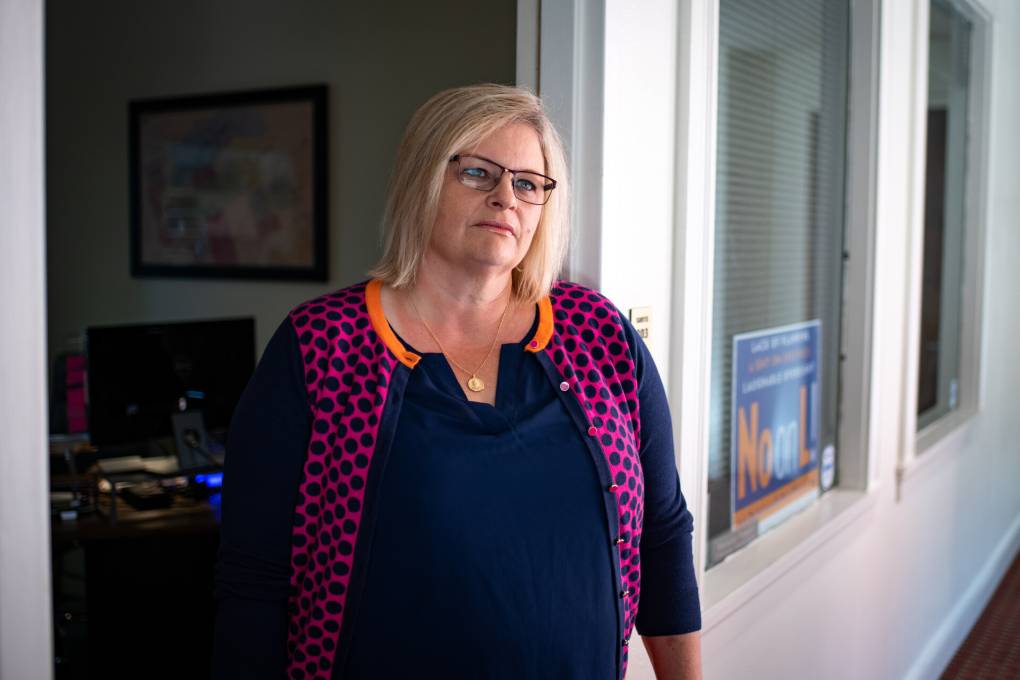
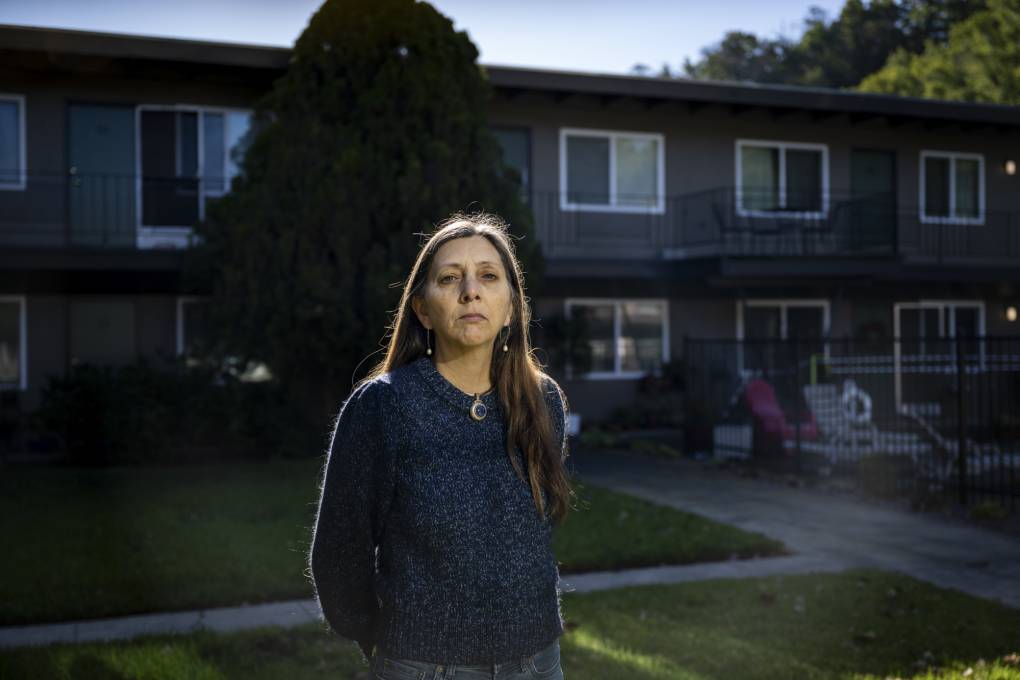
"content": "\u003cp>Berkeley landlords aim to get a measure on the November ballot that would de-fang the city’s rent board and dedicate more money for rent relief — an initiative that could potentially set the stage for dueling ballot measures between landlord and tenant groups.\u003c/p>\n\u003cp>It’s the latest effort by Bay Area property owners to fight tenant protections at the ballot box. In Concord, a referendum drive is underway to undo the city’s recently adopted rent control plan. A \u003ca href=\"https://www.kqed.org/news/11977071/larkspur-voters-to-decide-future-of-rent-control-in-their-city\">similar referendum\u003c/a> in Larkspur narrowly failed earlier this month.\u003c/p>\n\u003cp>[pullquote align=\"right\" size=\"medium\" citation=\"Krista Gulbransen, executive director, Berkeley Property Owners Association\"]‘I think the voters are ready for a citizens’ initiative like this one. I do believe very strongly that a lot of citizens of Berkeley are pretty fed up with some of the overregulation of the government on small businesses and small property owners.’[/pullquote]Property owners in Berkeley began gathering signatures on Thursday in hopes of putting their own initiative on the ballot that would make sweeping changes to the city’s rent board, modify grounds for evictions, and exempt more properties from the city’s rent stabilization and eviction ordinance. The plan also calls for a rent relief fund for certain tenants who can’t pay, among other changes.\u003c/p>\n\u003cp>“I think the voters are ready for a citizens’ initiative like this one,” said Krista Gulbransen, executive director of the Berkeley Property Owners Association, which is behind the effort. “I do believe very strongly that a lot of citizens of Berkeley are pretty fed up with some of the overregulation of the government on small businesses and small property owners.”\u003c/p>\n\u003cp>The effort follows one from renters’ advocates, who have been collecting signatures since early March for their own measure that would strengthen the city’s tenant protections. In a statement, rent board chair Leah Simon-Weisberg blasted the property owners’ proposal.\u003c/p>\n\u003cp>[ad fullwidth]\u003c/p>\n\u003cp>“I am confident that Berkeley voters will see through the corporate landlords’ strategy of chaos,” Simon-Weisberg said. “Time and again, corporate money flows into Berkeley elections, only to be defeated by community organizing and the grassroots.”\u003c/p>\n\u003cp>The property owners’ initiative would exempt more owner-occupied properties from the city’s rent stabilization and eviction ordinance, raise the rent cap slightly to 7.1%, and allow landlords to negotiate with tenants for even higher increases in exchange for more services or amenities.\u003c/p>\n\u003cp>[pullquote align=\"right\" size=\"medium\" citation=\"Leah Simon-Weisberg, chair, Berkeley Rent Board\"]‘I am confident that Berkeley voters will see through the corporate landlords’ strategy of chaos. Time and again, corporate money flows into Berkeley elections, only to be defeated by community organizing and the grassroots.’[/pullquote]But perhaps the most substantial of its proposed changes are to the city’s rent board. It would strip the rent board of certain powers, including eliminating its ability to reduce rents in the case of tenant relocation or repairs, determine whether property owners comply with health and safety laws, and intervene as an interested party in lawsuits. It would also eliminate commissioners’ salaries and require the board to be audited every three years.\u003c/p>\n\u003cp>Should the proposal be challenged in court, the city must defend the initiative and protect its proponents from damages.\u003c/p>\n\u003cp>For the rent relief fund proposed in the initiative, Gulbransen said property owners are still reeling from rents lost during the pandemic.\u003c/p>\n\u003cp>“This rent relief fund is critical,” she said. “I have property owners who are still struggling.”\u003c/p>\n\u003cp>The proposed program would rely on an existing tax on large landlords that voters approved in 2016, called Measure U1.\u003c/p>\n\u003cp>[aside label=\"Related Stories\" postID=\"news_11977071,news_11970062,news_11975969\"]Gulbransen has \u003ca href=\"https://www.berkeleyside.org/2017/03/31/opinion-berkeley-done-bait-switch-using-housing-funds-buy-new-council-chambers\">criticized city leaders\u003c/a> for misusing money from the measure. The Berkeley Property Owners Association sponsored a competing initiative at the time, Measure DD, that would have implemented a more modest tax increase. Voters rejected that measure \u003ca href=\"https://www.berkeleyside.org/2016/10/12/real-estate-interests-spend-big-in-berkeley-to-defeat-spike-in-rental-tax\">despite landlords spending over $780,000\u003c/a>.\u003c/p>\n\u003cp>The association’s initiative would ensure that a portion of the 2016 tax is dedicated to rent relief, raising an estimated $1.2 million annually and creating a new committee to oversee the program.\u003c/p>\n\u003cp>Berkeley’s current rent relief fund, the \u003ca href=\"https://berkeleyca.gov/community-recreation/affordable-housing-berkeley/housing-retention-program\">Housing Retention Program\u003c/a>, is administered by the Eviction Defense Center. Anne Tamiko Omura, Executive Director of the center, called the program one of the best in the Bay Area.\u003c/p>\n\u003cp>“It has put millions of dollars into landlord pockets and kept hundreds of low-income tenants housed,” she wrote in an email to KQED. “My gut reaction is, ‘If it ain’t broken, don’t fix it.'”\u003c/p>\n\u003cp>Berkeley Rent Board Vice Chair Soli Alpert said he wants to see more money dedicated to the city’s existing rent relief fund, but he’s critical of the association’s proposal, dismissing it as “a distraction.”\u003c/p>\n\u003cp>[pullquote align=\"right\" size=\"medium\" citation=\"Anne Tamiko Omura, executive director, Eviction Defense Center\"]‘My gut reaction is, ‘If it ain’t broken, don’t fix it.”[/pullquote]“I don’t think the landlords should be in charge of what happens with the landlord tax,” he said. “Pardon me if I don’t think that landlords have the best interests of tenants in mind when they’re talking about the use of these funds.”\u003c/p>\n\u003cp>Simon-Weisberg and Alpert are the proponents behind another ballot measure, developed and approved by the rent board. It would strengthen existing renter protections by removing an exception for two-unit rentals that were grandfathered into the Berkeley Rent Stabilization Ordinance, subjecting them to both rent control and just-cause protections.\u003c/p>\n\u003cp>The proposed Berkeley Tenant Protection and Right to Organize Act would also establish the right to form tenant associations. With support from 50% plus one occupied units in a complex, tenants could form a union and demand their landlord negotiate over grievances.\u003c/p>\n\u003cp>San Francisco became the first city in the country to pass such \u003ca href=\"https://www.sf.gov/news/new-legislation-tenant-organizing-and-tenant-associations#:~:text=The%20Right%2DTo%2DOrganize%20legislation,surveys)%20to%20ascertain%20interest%20in\">right-to-organize legislation\u003c/a> in 2022.\u003c/p>\n\u003cp>[pullquote align=\"right\" size=\"medium\" citation=\"Soli Alpert, vice chair, Berkeley Rent Board\"]‘I don’t think the landlords should be in charge of what happens with the landlord tax. Pardon me if I don’t think that landlords have the best interests of tenants in mind when they’re talking about the use of these funds.’[/pullquote]The initiative by the Berkeley Property Owners Association would establish a higher threshold for creating a tenants’ union, requiring two-thirds of occupied rental units to sign on. Owners would have to confer with associations in good faith, but unlike the tenant advocates’ proposal, the rent board wouldn’t have the authority to define the terms of a “good faith” negotiation.\u003c/p>\n\u003cp>The property owners’ proposal also seeks a less restrictive form of eviction protection than what the tenant advocates are seeking. Under the tenants’ plan, renters couldn’t be evicted if they owe less than the equivalent of one month’s fair market rent — an amount determined by the federal Department of Housing and Urban Development.\u003c/p>\n\u003cp>Under the property owners’ proposal, evictions would be prohibited if the tenant owes less than one month of the rent outlined in their lease agreement unless they haven’t paid for more than 90 days, among a few other modifications.\u003c/p>\n\u003cp>Gulbransen said the association added these changes in response to the tenants’ proposed ballot initiative in the hopes that it would entice more voters to support their competing proposal.\u003c/p>\n\u003cp>[ad floatright]\u003c/p>\n",
"blocks": [],
"excerpt": "Landlords and tenant advocates are gathering signatures to put competing rent control and tenant protection measures on the November ballot.",
"status": "publish",
"parent": 0,
"modified": 1738785049,
"stats": {
"hasAudio": false,
"hasVideo": false,
"hasChartOrMap": false,
"iframeSrcs": [],
"hasGoogleForm": false,
"hasGallery": false,
"hasHearkenModule": false,
"hasPolis": false,
"paragraphCount": 27,
"wordCount": 1302
},
"headData": {
"title": "Berkeley Voters Could Face Competing Tenant Protection Measures in November | KQED",
"description": "Landlords and tenant advocates are gathering signatures to put competing rent control and tenant protection measures on the November ballot.",
"ogTitle": "",
"ogDescription": "",
"ogImgId": "",
"twTitle": "",
"twDescription": "",
"twImgId": "",
"schema": {
"@context": "https://schema.org",
"@type": "NewsArticle",
"headline": "Berkeley Voters Could Face Competing Tenant Protection Measures in November",
"datePublished": "2024-03-22T13:32:54-07:00",
"dateModified": "2025-02-05T11:50:49-08:00",
"image": "https://cdn.kqed.org/wp-content/uploads/2020/02/KQED-OG-Image@1x.png",
"isAccessibleForFree": "True",
"publisher": {
"@type": "NewsMediaOrganization",
"@id": "https://www.kqed.org/#organization",
"name": "KQED",
"logo": "https://cdn.kqed.org/wp-content/uploads/2020/02/KQED-OG-Image@1x.png",
"url": "https://www.kqed.org",
"sameAs": [
"https://www.facebook.com/KQED",
"https://twitter.com/KQED",
"https://www.instagram.com/kqed/",
"https://www.tiktok.com/@kqedofficial",
"https://www.linkedin.com/company/kqed",
"https://www.youtube.com/channel/UCeC0IOo7i1P_61zVUWbJ4nw"
]
}
}
},
"sticky": false,
"excludeFromSiteSearch": "Include",
"articleAge": "0",
"path": "/news/11980492/berkeley-voters-could-face-competing-tenant-protection-measures-in-november",
"audioTrackLength": null,
"parsedContent": [
{
"type": "contentString",
"content": "\u003cdiv class=\"post-body\">\u003cp>\u003cp>Berkeley landlords aim to get a measure on the November ballot that would de-fang the city’s rent board and dedicate more money for rent relief — an initiative that could potentially set the stage for dueling ballot measures between landlord and tenant groups.\u003c/p>\n\u003cp>It’s the latest effort by Bay Area property owners to fight tenant protections at the ballot box. In Concord, a referendum drive is underway to undo the city’s recently adopted rent control plan. A \u003ca href=\"https://www.kqed.org/news/11977071/larkspur-voters-to-decide-future-of-rent-control-in-their-city\">similar referendum\u003c/a> in Larkspur narrowly failed earlier this month.\u003c/p>\n\u003cp>\u003c/p>\u003c/div>",
"attributes": {
"named": {},
"numeric": []
}
},
{
"type": "component",
"content": "‘I think the voters are ready for a citizens’ initiative like this one. I do believe very strongly that a lot of citizens of Berkeley are pretty fed up with some of the overregulation of the government on small businesses and small property owners.’",
"name": "pullquote",
"attributes": {
"named": {
"align": "right",
"size": "medium",
"citation": "Krista Gulbransen, executive director, Berkeley Property Owners Association",
"label": ""
},
"numeric": []
}
},
{
"type": "contentString",
"content": "\u003cdiv class=\"post-body\">\u003cp>Property owners in Berkeley began gathering signatures on Thursday in hopes of putting their own initiative on the ballot that would make sweeping changes to the city’s rent board, modify grounds for evictions, and exempt more properties from the city’s rent stabilization and eviction ordinance. The plan also calls for a rent relief fund for certain tenants who can’t pay, among other changes.\u003c/p>\n\u003cp>“I think the voters are ready for a citizens’ initiative like this one,” said Krista Gulbransen, executive director of the Berkeley Property Owners Association, which is behind the effort. “I do believe very strongly that a lot of citizens of Berkeley are pretty fed up with some of the overregulation of the government on small businesses and small property owners.”\u003c/p>\n\u003cp>The effort follows one from renters’ advocates, who have been collecting signatures since early March for their own measure that would strengthen the city’s tenant protections. In a statement, rent board chair Leah Simon-Weisberg blasted the property owners’ proposal.\u003c/p>\n\u003cp>\u003c/p>\u003c/div>",
"attributes": {
"named": {},
"numeric": []
}
},
{
"type": "component",
"content": "",
"name": "ad",
"attributes": {
"named": {
"label": "fullwidth"
},
"numeric": [
"fullwidth"
]
}
},
{
"type": "contentString",
"content": "\u003cdiv class=\"post-body\">\u003cp>\u003c/p>\n\u003cp>“I am confident that Berkeley voters will see through the corporate landlords’ strategy of chaos,” Simon-Weisberg said. “Time and again, corporate money flows into Berkeley elections, only to be defeated by community organizing and the grassroots.”\u003c/p>\n\u003cp>The property owners’ initiative would exempt more owner-occupied properties from the city’s rent stabilization and eviction ordinance, raise the rent cap slightly to 7.1%, and allow landlords to negotiate with tenants for even higher increases in exchange for more services or amenities.\u003c/p>\n\u003cp>\u003c/p>\u003c/div>",
"attributes": {
"named": {},
"numeric": []
}
},
{
"type": "component",
"content": "‘I am confident that Berkeley voters will see through the corporate landlords’ strategy of chaos. Time and again, corporate money flows into Berkeley elections, only to be defeated by community organizing and the grassroots.’",
"name": "pullquote",
"attributes": {
"named": {
"align": "right",
"size": "medium",
"citation": "Leah Simon-Weisberg, chair, Berkeley Rent Board",
"label": ""
},
"numeric": []
}
},
{
"type": "contentString",
"content": "\u003cdiv class=\"post-body\">\u003cp>But perhaps the most substantial of its proposed changes are to the city’s rent board. It would strip the rent board of certain powers, including eliminating its ability to reduce rents in the case of tenant relocation or repairs, determine whether property owners comply with health and safety laws, and intervene as an interested party in lawsuits. It would also eliminate commissioners’ salaries and require the board to be audited every three years.\u003c/p>\n\u003cp>Should the proposal be challenged in court, the city must defend the initiative and protect its proponents from damages.\u003c/p>\n\u003cp>For the rent relief fund proposed in the initiative, Gulbransen said property owners are still reeling from rents lost during the pandemic.\u003c/p>\n\u003cp>“This rent relief fund is critical,” she said. “I have property owners who are still struggling.”\u003c/p>\n\u003cp>The proposed program would rely on an existing tax on large landlords that voters approved in 2016, called Measure U1.\u003c/p>\n\u003cp>\u003c/p>\u003c/div>",
"attributes": {
"named": {},
"numeric": []
}
},
{
"type": "component",
"content": "",
"name": "aside",
"attributes": {
"named": {
"label": "Related Stories ",
"postid": "news_11977071,news_11970062,news_11975969"
},
"numeric": []
}
},
{
"type": "contentString",
"content": "\u003cdiv class=\"post-body\">\u003cp>Gulbransen has \u003ca href=\"https://www.berkeleyside.org/2017/03/31/opinion-berkeley-done-bait-switch-using-housing-funds-buy-new-council-chambers\">criticized city leaders\u003c/a> for misusing money from the measure. The Berkeley Property Owners Association sponsored a competing initiative at the time, Measure DD, that would have implemented a more modest tax increase. Voters rejected that measure \u003ca href=\"https://www.berkeleyside.org/2016/10/12/real-estate-interests-spend-big-in-berkeley-to-defeat-spike-in-rental-tax\">despite landlords spending over $780,000\u003c/a>.\u003c/p>\n\u003cp>The association’s initiative would ensure that a portion of the 2016 tax is dedicated to rent relief, raising an estimated $1.2 million annually and creating a new committee to oversee the program.\u003c/p>\n\u003cp>Berkeley’s current rent relief fund, the \u003ca href=\"https://berkeleyca.gov/community-recreation/affordable-housing-berkeley/housing-retention-program\">Housing Retention Program\u003c/a>, is administered by the Eviction Defense Center. Anne Tamiko Omura, Executive Director of the center, called the program one of the best in the Bay Area.\u003c/p>\n\u003cp>“It has put millions of dollars into landlord pockets and kept hundreds of low-income tenants housed,” she wrote in an email to KQED. “My gut reaction is, ‘If it ain’t broken, don’t fix it.'”\u003c/p>\n\u003cp>Berkeley Rent Board Vice Chair Soli Alpert said he wants to see more money dedicated to the city’s existing rent relief fund, but he’s critical of the association’s proposal, dismissing it as “a distraction.”\u003c/p>\n\u003cp>\u003c/p>\u003c/div>",
"attributes": {
"named": {},
"numeric": []
}
},
{
"type": "component",
"content": "‘My gut reaction is, ‘If it ain’t broken, don’t fix it.”",
"name": "pullquote",
"attributes": {
"named": {
"align": "right",
"size": "medium",
"citation": "Anne Tamiko Omura, executive director, Eviction Defense Center",
"label": ""
},
"numeric": []
}
},
{
"type": "contentString",
"content": "\u003cdiv class=\"post-body\">\u003cp>“I don’t think the landlords should be in charge of what happens with the landlord tax,” he said. “Pardon me if I don’t think that landlords have the best interests of tenants in mind when they’re talking about the use of these funds.”\u003c/p>\n\u003cp>Simon-Weisberg and Alpert are the proponents behind another ballot measure, developed and approved by the rent board. It would strengthen existing renter protections by removing an exception for two-unit rentals that were grandfathered into the Berkeley Rent Stabilization Ordinance, subjecting them to both rent control and just-cause protections.\u003c/p>\n\u003cp>The proposed Berkeley Tenant Protection and Right to Organize Act would also establish the right to form tenant associations. With support from 50% plus one occupied units in a complex, tenants could form a union and demand their landlord negotiate over grievances.\u003c/p>\n\u003cp>San Francisco became the first city in the country to pass such \u003ca href=\"https://www.sf.gov/news/new-legislation-tenant-organizing-and-tenant-associations#:~:text=The%20Right%2DTo%2DOrganize%20legislation,surveys)%20to%20ascertain%20interest%20in\">right-to-organize legislation\u003c/a> in 2022.\u003c/p>\n\u003cp>\u003c/p>\u003c/div>",
"attributes": {
"named": {},
"numeric": []
}
},
{
"type": "component",
"content": "‘I don’t think the landlords should be in charge of what happens with the landlord tax. Pardon me if I don’t think that landlords have the best interests of tenants in mind when they’re talking about the use of these funds.’",
"name": "pullquote",
"attributes": {
"named": {
"align": "right",
"size": "medium",
"citation": "Soli Alpert, vice chair, Berkeley Rent Board",
"label": ""
},
"numeric": []
}
},
{
"type": "contentString",
"content": "\u003cdiv class=\"post-body\">\u003cp>The initiative by the Berkeley Property Owners Association would establish a higher threshold for creating a tenants’ union, requiring two-thirds of occupied rental units to sign on. Owners would have to confer with associations in good faith, but unlike the tenant advocates’ proposal, the rent board wouldn’t have the authority to define the terms of a “good faith” negotiation.\u003c/p>\n\u003cp>The property owners’ proposal also seeks a less restrictive form of eviction protection than what the tenant advocates are seeking. Under the tenants’ plan, renters couldn’t be evicted if they owe less than the equivalent of one month’s fair market rent — an amount determined by the federal Department of Housing and Urban Development.\u003c/p>\n\u003cp>Under the property owners’ proposal, evictions would be prohibited if the tenant owes less than one month of the rent outlined in their lease agreement unless they haven’t paid for more than 90 days, among a few other modifications.\u003c/p>\n\u003cp>Gulbransen said the association added these changes in response to the tenants’ proposed ballot initiative in the hopes that it would entice more voters to support their competing proposal.\u003c/p>\n\u003cp>\u003c/p>\u003c/div>",
"attributes": {
"named": {},
"numeric": []
}
},
{
"type": "component",
"content": "",
"name": "ad",
"attributes": {
"named": {
"label": "floatright"
},
"numeric": [
"floatright"
]
}
},
{
"type": "contentString",
"content": "\u003cdiv class=\"post-body\">\u003cp>\u003c/p>\n\u003c/div>\u003c/p>",
"attributes": {
"named": {},
"numeric": []
}
}
],
"link": "/news/11980492/berkeley-voters-could-face-competing-tenant-protection-measures-in-november",
"authors": [
"11276"
],
"categories": [
"news_6266",
"news_8"
],
"tags": [
"news_3921",
"news_129",
"news_32839",
"news_21883",
"news_27626",
"news_1775",
"news_27208",
"news_3924",
"news_27707"
],
"featImg": "news_11980500",
"label": "news"
},
"news_11977258": {
"type": "posts",
"id": "news_11977258",
"meta": {
"index": "posts_1716263798",
"site": "news",
"id": "11977258",
"score": null,
"sort": [
1709071234000
]
},
"parent": 0,
"labelTerm": {
"site": "news"
},
"blocks": [],
"publishDate": 1709071234,
"format": "standard",
"title": "Despite Progress, Santa Clara County Sees Sharp Rise in First-Time Homelessness",
"headTitle": "Despite Progress, Santa Clara County Sees Sharp Rise in First-Time Homelessness | KQED",
"content": "\u003cp>The rate of new people falling into homelessness in Santa Clara County spiked 24% last year, even as the county housed more people than ever before in a single year, according to a \u003ca href=\"https://destinationhomesv.org/documents/2024/02/2023-year-end-progress-report.pdf/\">report released Tuesday\u003c/a>.\u003c/p>\n\u003cp>The report from The Santa Clara County Continuum of Care and Destination Home details the county’s progress toward meeting the goals of its 2020–25 Community Plan to End Homelessness. It found that the county was able to place nearly 4,500 people into permanent homes in 2023, a 29% increase from 2022. But more people were falling into homelessness.\u003c/p>\n\u003cp>“What this data tells us is families are under a great deal of stress,” said Jennifer Loving, CEO of Destination Home, a research and advocacy organization that helps implement the county plan.\u003c/p>\n\u003cp>[pullquote size=\"medium\" align=\"right\" citation=\"Consuelo Hernandez, director, Santa Clara County Office of Supportive Housing\"]‘Our countywide efforts to create new housing and end experiences of homelessness are clearly working, but we need more investments in these scalable solutions to keep pace with the increase in people being pushed into homelessness.’[/pullquote]The number of households becoming unhoused for the first time in Santa Clara County rose by 824. Loving said the jump is the result of ongoing rent increases, stagnant wages, and the expiration of pandemic-era protections that aren’t just impacting Santa Clara County but the entire nation. A \u003ca href=\"https://www.jchs.harvard.edu/americas-rental-housing-2024\">recent report\u003c/a> from Harvard’s Joint Center for Housing Studies found half of Americans cannot pay their rent.\u003c/p>\n\u003cp>“It’s not a surprise because we as a nation have not ever in our nation’s history prioritized the building of deeply affordable housing at scale,” she said. “This is not about individual failings. This is not about crime. This is not about any of the myths that people like to throw in the way of simply addressing our affordable housing crisis.”\u003c/p>\n\u003cp>[ad fullwidth]\u003c/p>\n\u003cp>[aside postID=\"news_11974385,news_11975319,news_11973859\" label=\"Related Stories\"]Despite the recent spike in people becoming unhoused, Tuesday’s report shows the rate is still an improvement since 2019. For every household placed into housing in 2019, 2.5 became unhoused. In 2023, the ratio was 1 to 1.7. Officials credit those gains to a significant investment in housing production and subsidies over the past decade.\u003c/p>\n\u003cp>“We will never be able to catch up to the need if we don’t get more pragmatic with our approach,” San Jose Mayor Matt Mahan said in a statement. “We need to treat homelessness like the crisis it is — and that means challenging the status quo approach that says the only solution to the situation on our streets is standing up brand new apartments that cost $1 million per door and take five-plus years to build. We need to pivot fast and prioritize prevention and basic, safe shelter that takes a fraction of the time and cost.”\u003c/p>\n\u003cp>Since 2020, the county has moved 13,817 people into permanent housing, 19,575 people into temporary housing and shelter, and provided homelessness prevention assistance to 28,235 people. Shelter options have increased 44% since 2020.\u003c/p>\n\u003cp>“Our countywide efforts to create new housing and end experiences of homelessness are clearly working, but we need more investments in these scalable solutions to keep pace with the increase in people being pushed into homelessness,” Consuelo Hernandez, director of the Santa Clara County Office of Supportive Housing, said in a statement.\u003c/p>\n\u003cp>Loving is an advocate for cash aid and guaranteed income programs that prevent homelessness. A \u003ca href=\"https://destinationhomesv.org/news/2023/08/02/new-6-year-randomized-control-trial-prevention-is-a-proven-solution-to-keeping-families-from-becoming-homeless/\">six-year study\u003c/a> of the Santa Clara County Homelessness Prevention System, which Destination Home helps administer, found that giving $2,000 each month to people who were at imminent risk of getting evicted or becoming homeless reduced their chances of ending up unhoused by 81% within six months and 73% within a year.\u003c/p>\n\u003cp>“It’s far cheaper than what it costs to address the needs of a family once they become unhoused, and it is far more humane to keep a family home rather than having them enter homelessness,” Loving said, noting that Santa Clara County is investing in a number of guaranteed income pilot programs.\u003c/p>\n\u003cp>\u003c/p>\n\u003cp>The Community Plan to End Homelessness calls for reducing the annual inflow into homelessness by 30%, doubling temporary housing and shelter capacity, and housing 20,000 people by 2025.\u003c/p>\n\n",
"stats": {
"hasVideo": false,
"hasChartOrMap": false,
"hasAudio": false,
"hasPolis": false,
"wordCount": 744,
"hasGoogleForm": false,
"hasGallery": false,
"hasHearkenModule": false,
"iframeSrcs": [],
"paragraphCount": 14
},
"modified": 1709168747,
"excerpt": "The number of households becoming homeless for the first time spiked last year. Advocates say ongoing rent increases, stagnant wages and the expiration of pandemic-era protections are to blame.",
"headData": {
"twImgId": "",
"twTitle": "",
"ogTitle": "",
"ogImgId": "",
"twDescription": "",
"description": "The number of households becoming homeless for the first time spiked last year. Advocates say ongoing rent increases, stagnant wages and the expiration of pandemic-era protections are to blame.",
"title": "Despite Progress, Santa Clara County Sees Sharp Rise in First-Time Homelessness | KQED",
"ogDescription": "",
"schema": {
"@context": "https://schema.org",
"@type": "NewsArticle",
"headline": "Despite Progress, Santa Clara County Sees Sharp Rise in First-Time Homelessness",
"datePublished": "2024-02-27T14:00:34-08:00",
"dateModified": "2024-02-28T17:05:47-08:00",
"image": "https://cdn.kqed.org/wp-content/uploads/2020/02/KQED-OG-Image@1x.png",
"isAccessibleForFree": "True",
"publisher": {
"@type": "NewsMediaOrganization",
"@id": "https://www.kqed.org/#organization",
"name": "KQED",
"logo": "https://cdn.kqed.org/wp-content/uploads/2020/02/KQED-OG-Image@1x.png",
"url": "https://www.kqed.org",
"sameAs": [
"https://www.facebook.com/KQED",
"https://twitter.com/KQED",
"https://www.instagram.com/kqed/",
"https://www.tiktok.com/@kqedofficial",
"https://www.linkedin.com/company/kqed",
"https://www.youtube.com/channel/UCeC0IOo7i1P_61zVUWbJ4nw"
]
}
}
},
"guestAuthors": [],
"slug": "despite-progress-santa-clara-county-sees-sharp-rise-in-first-time-homelessness",
"status": "publish",
"excludeFromSiteSearch": "Include",
"sticky": false,
"articleAge": "0",
"path": "/news/11977258/despite-progress-santa-clara-county-sees-sharp-rise-in-first-time-homelessness",
"audioTrackLength": null,
"parsedContent": [
{
"type": "contentString",
"content": "\u003cdiv class=\"post-body\">\u003cp>\u003cp>The rate of new people falling into homelessness in Santa Clara County spiked 24% last year, even as the county housed more people than ever before in a single year, according to a \u003ca href=\"https://destinationhomesv.org/documents/2024/02/2023-year-end-progress-report.pdf/\">report released Tuesday\u003c/a>.\u003c/p>\n\u003cp>The report from The Santa Clara County Continuum of Care and Destination Home details the county’s progress toward meeting the goals of its 2020–25 Community Plan to End Homelessness. It found that the county was able to place nearly 4,500 people into permanent homes in 2023, a 29% increase from 2022. But more people were falling into homelessness.\u003c/p>\n\u003cp>“What this data tells us is families are under a great deal of stress,” said Jennifer Loving, CEO of Destination Home, a research and advocacy organization that helps implement the county plan.\u003c/p>\n\u003cp>\u003c/p>\u003c/div>",
"attributes": {
"named": {},
"numeric": []
}
},
{
"type": "component",
"content": "‘Our countywide efforts to create new housing and end experiences of homelessness are clearly working, but we need more investments in these scalable solutions to keep pace with the increase in people being pushed into homelessness.’",
"name": "pullquote",
"attributes": {
"named": {
"size": "medium",
"align": "right",
"citation": "Consuelo Hernandez, director, Santa Clara County Office of Supportive Housing",
"label": ""
},
"numeric": []
}
},
{
"type": "contentString",
"content": "\u003cdiv class=\"post-body\">\u003cp>The number of households becoming unhoused for the first time in Santa Clara County rose by 824. Loving said the jump is the result of ongoing rent increases, stagnant wages, and the expiration of pandemic-era protections that aren’t just impacting Santa Clara County but the entire nation. A \u003ca href=\"https://www.jchs.harvard.edu/americas-rental-housing-2024\">recent report\u003c/a> from Harvard’s Joint Center for Housing Studies found half of Americans cannot pay their rent.\u003c/p>\n\u003cp>“It’s not a surprise because we as a nation have not ever in our nation’s history prioritized the building of deeply affordable housing at scale,” she said. “This is not about individual failings. This is not about crime. This is not about any of the myths that people like to throw in the way of simply addressing our affordable housing crisis.”\u003c/p>\n\u003cp>\u003c/p>\u003c/div>",
"attributes": {
"named": {},
"numeric": []
}
},
{
"type": "component",
"content": "",
"name": "ad",
"attributes": {
"named": {
"label": "fullwidth"
},
"numeric": [
"fullwidth"
]
}
},
{
"type": "contentString",
"content": "\u003cdiv class=\"post-body\">\u003cp>\u003c/p>\n\u003cp>\u003c/p>\u003c/div>",
"attributes": {
"named": {},
"numeric": []
}
},
{
"type": "component",
"content": "",
"name": "aside",
"attributes": {
"named": {
"postid": "news_11974385,news_11975319,news_11973859",
"label": "Related Stories "
},
"numeric": []
}
},
{
"type": "contentString",
"content": "\u003cdiv class=\"post-body\">\u003cp>Despite the recent spike in people becoming unhoused, Tuesday’s report shows the rate is still an improvement since 2019. For every household placed into housing in 2019, 2.5 became unhoused. In 2023, the ratio was 1 to 1.7. Officials credit those gains to a significant investment in housing production and subsidies over the past decade.\u003c/p>\n\u003cp>“We will never be able to catch up to the need if we don’t get more pragmatic with our approach,” San Jose Mayor Matt Mahan said in a statement. “We need to treat homelessness like the crisis it is — and that means challenging the status quo approach that says the only solution to the situation on our streets is standing up brand new apartments that cost $1 million per door and take five-plus years to build. We need to pivot fast and prioritize prevention and basic, safe shelter that takes a fraction of the time and cost.”\u003c/p>\n\u003cp>Since 2020, the county has moved 13,817 people into permanent housing, 19,575 people into temporary housing and shelter, and provided homelessness prevention assistance to 28,235 people. Shelter options have increased 44% since 2020.\u003c/p>\n\u003cp>“Our countywide efforts to create new housing and end experiences of homelessness are clearly working, but we need more investments in these scalable solutions to keep pace with the increase in people being pushed into homelessness,” Consuelo Hernandez, director of the Santa Clara County Office of Supportive Housing, said in a statement.\u003c/p>\n\u003cp>Loving is an advocate for cash aid and guaranteed income programs that prevent homelessness. A \u003ca href=\"https://destinationhomesv.org/news/2023/08/02/new-6-year-randomized-control-trial-prevention-is-a-proven-solution-to-keeping-families-from-becoming-homeless/\">six-year study\u003c/a> of the Santa Clara County Homelessness Prevention System, which Destination Home helps administer, found that giving $2,000 each month to people who were at imminent risk of getting evicted or becoming homeless reduced their chances of ending up unhoused by 81% within six months and 73% within a year.\u003c/p>\n\u003cp>“It’s far cheaper than what it costs to address the needs of a family once they become unhoused, and it is far more humane to keep a family home rather than having them enter homelessness,” Loving said, noting that Santa Clara County is investing in a number of guaranteed income pilot programs.\u003c/p>\n\u003cp>\u003c/p>\n\u003cp>The Community Plan to End Homelessness calls for reducing the annual inflow into homelessness by 30%, doubling temporary housing and shelter capacity, and housing 20,000 people by 2025.\u003c/p>\n\n\u003c/div>\u003c/p>",
"attributes": {
"named": {},
"numeric": []
}
}
],
"link": "/news/11977258/despite-progress-santa-clara-county-sees-sharp-rise-in-first-time-homelessness",
"authors": [
"11276"
],
"categories": [
"news_6266",
"news_8"
],
"tags": [
"news_3921",
"news_27626",
"news_4020",
"news_1775",
"news_18188"
],
"featImg": "news_11977283",
"label": "news"
},
"news_11977071": {
"type": "posts",
"id": "news_11977071",
"meta": {
"index": "posts_1716263798",
"site": "news",
"id": "11977071",
"score": null,
"sort": [
1708989603000
]
},
"parent": 0,
"labelTerm": {
"site": "news"
},
"blocks": [],
"publishDate": 1708989603,
"format": "audio",
"title": "Larkspur Voters to Decide Future of Rent Control in Their City",
"headTitle": "Larkspur Voters to Decide Future of Rent Control in Their City | KQED",
"content": "\u003cp>\u003cem>Note: This story contains a clarification.\u003c/em>\u003c/p>\n\u003cp>After heated city council meetings and a months-long referendum campaign rife with accusations of fraud, voters in Larkspur next week will decide the fate of rent control in their city.\u003c/p>\n\u003cp>They’ll be asked to vote on Measure D, a 7% rent cap.\u003c/p>\n\u003cp>“Rent control is almost a loaded word,” said City Councilmember Gabe Paulson, who championed the rent stabilization plan in the picturesque Marin County community. “It just creates an emotional reaction.”\u003c/p>\n\u003cp>[pullquote size=\"medium\" align=\"right\" citation=\"Gabe Paulson, Larkspur City Council member\"]‘What really matters now is on March 5, will the 8,000 or so voters in Larkspur understand what’s really being voted on, and what it means to them?’[/pullquote]Led by Paulson, the City Council voted last September to cap annual residential rent increases at 5% plus inflation, or 7%, whichever is lower, bringing the ceiling down from the state cap of 10%. The city manager \u003ca href=\"https://www.cityoflarkspur.org/DocumentCenter/View/16407/41-Rent-Workshop\">estimates\u003c/a> it will cost up to $400,000 in its first year and roughly $200,000 per year thereafter. Landlords would pay an estimated $100 to $200 annual fee per unit to cover the bulk of those costs.\u003c/p>\n\u003cp>[ad fullwidth]\u003c/p>\n\u003cp>That plan would have gone into effect last October, but opponents launched a petition to \u003ca href=\"https://cityoflarkspur.org/DocumentCenter/View/18442/Item-81---Referendum-for-1067\">send a referendum on the plan to voters as Measure D\u003c/a>. Former Larkspur mayor Bill Howard supports the referendum and called the city’s proposed rent cap “deeply flawed.”\u003c/p>\n\u003cfigure id=\"attachment_11976593\" class=\"wp-caption aligncenter\" style=\"max-width: 2000px\">\u003ca href=\"https://cdn.kqed.org/wp-content/uploads/sites/10/2024/02/240217-LARKSPUR-RENT-CONTROL-KSM-03-KQED-2.jpg\">\u003cimg loading=\"lazy\" decoding=\"async\" class=\"wp-image-11976593 size-full\" src=\"https://cdn.kqed.org/wp-content/uploads/sites/10/2024/02/240217-LARKSPUR-RENT-CONTROL-KSM-03-KQED-2.jpg\" alt=\"A closeup of a white man wearing a white hat and glasses. \" width=\"2000\" height=\"1333\" srcset=\"https://cdn.kqed.org/wp-content/uploads/sites/10/2024/02/240217-LARKSPUR-RENT-CONTROL-KSM-03-KQED-2.jpg 2000w, https://cdn.kqed.org/wp-content/uploads/sites/10/2024/02/240217-LARKSPUR-RENT-CONTROL-KSM-03-KQED-2-800x533.jpg 800w, https://cdn.kqed.org/wp-content/uploads/sites/10/2024/02/240217-LARKSPUR-RENT-CONTROL-KSM-03-KQED-2-1020x680.jpg 1020w, https://cdn.kqed.org/wp-content/uploads/sites/10/2024/02/240217-LARKSPUR-RENT-CONTROL-KSM-03-KQED-2-160x107.jpg 160w, https://cdn.kqed.org/wp-content/uploads/sites/10/2024/02/240217-LARKSPUR-RENT-CONTROL-KSM-03-KQED-2-1536x1024.jpg 1536w, https://cdn.kqed.org/wp-content/uploads/sites/10/2024/02/240217-LARKSPUR-RENT-CONTROL-KSM-03-KQED-2-1920x1280.jpg 1920w\" sizes=\"(max-width: 2000px) 100vw, 2000px\">\u003c/a>\u003cfigcaption class=\"wp-caption-text\">Bill Howard stands outside of an 8-unit apartment complex he owns, 30 Locust Avenue Apartments, in Larkspur on Feb. 17, 2024. Howard is opposed to Measure D, which is scheduled to appear on the March 2024 ballot. \u003ccite>(Kathryn Styer Martínez/KQED)\u003c/cite>\u003c/figcaption>\u003c/figure>\n\u003cp>“It’s just a dangerous thing to regulate the market,” he said.\u003c/p>\n\u003cp>[aside postID=\"news_11970062,news_11976600\" label=\"Related Stories\"]The campaign to overturn the city’s ordinance has been loudly criticized by supporters of the city’s plan. Opponents \u003ca href=\"https://www.marinij.com/2024/02/12/marin-elections-larkspur-rent-control-opposition-leads-donation-list/\">spent over $90,000 to gather signatures\u003c/a> for the referendum, employing some tactics that raised alarm bells for tenant advocates.\u003c/p>\n\u003cp>Residents complained to the city that the signature-gatherers were misrepresenting the petition, and Paulson said one resident even filed a police report. Doorbell camera footage shared with KQED by tenant advocates appears to show a signature gatherer wrongly telling a resident that supporting the petition would establish rent control in the city. The company hired to manage signature gathering, On the Ground Inc., did not respond to a request for comment.\u003c/p>\n\u003cp>“What really matters now is on March 5, will the 8,000 or so voters in Larkspur understand what’s really being voted on and what it means to them?” Paulson said.\u003c/p>\n\u003cp>He sees rent control as a necessary tool for keeping seniors on a fixed income and essential workers from being displaced amid the city’s housing shortage. The apartment listing website, \u003ca href=\"https://www.zillow.com/rental-manager/market-trends/larkspur-ca/\">Zillow, estimates\u003c/a> “typical” rents in Marin County have gone up 33% since 2015, from $2,760 to $3,680.\u003c/p>\n\u003cp>“What everybody is waiting for is more housing,” Paulson said, adding that until that housing is built, “The question is how many people are we going to displace?”\u003c/p>\n\u003cp>The Tenant Protection Act, which the state legislature approved in 2019, covers most rental units that are more than 15 years old and caps rental increases at 10% annually. Local rent control ordinances are subject to the Costa-Hawkins Rental Housing Act, which excludes units built after 1995. In Larkspur, the \u003ca href=\"https://www.cityoflarkspur.org/DocumentCenter/View/16407/41-Rent-Workshop\">city manager estimates\u003c/a> that would leave 1,825 rental units subject to the city’s proposed cap.\u003c/p>\n\u003cfigure id=\"attachment_11976597\" class=\"wp-caption aligncenter\" style=\"max-width: 2000px\">\u003ca href=\"https://cdn.kqed.org/wp-content/uploads/sites/10/2024/02/240217-LARKSPUR-RENT-CONTROL-KSM-16-KQED-2.jpg\">\u003cimg loading=\"lazy\" decoding=\"async\" class=\"wp-image-11976597 size-full\" src=\"https://cdn.kqed.org/wp-content/uploads/sites/10/2024/02/240217-LARKSPUR-RENT-CONTROL-KSM-16-KQED-2.jpg\" alt=\"A white woman wearing a dark green sweater and necklace stands inside a home.\" width=\"2000\" height=\"1333\" srcset=\"https://cdn.kqed.org/wp-content/uploads/sites/10/2024/02/240217-LARKSPUR-RENT-CONTROL-KSM-16-KQED-2.jpg 2000w, https://cdn.kqed.org/wp-content/uploads/sites/10/2024/02/240217-LARKSPUR-RENT-CONTROL-KSM-16-KQED-2-800x533.jpg 800w, https://cdn.kqed.org/wp-content/uploads/sites/10/2024/02/240217-LARKSPUR-RENT-CONTROL-KSM-16-KQED-2-1020x680.jpg 1020w, https://cdn.kqed.org/wp-content/uploads/sites/10/2024/02/240217-LARKSPUR-RENT-CONTROL-KSM-16-KQED-2-160x107.jpg 160w, https://cdn.kqed.org/wp-content/uploads/sites/10/2024/02/240217-LARKSPUR-RENT-CONTROL-KSM-16-KQED-2-1536x1024.jpg 1536w, https://cdn.kqed.org/wp-content/uploads/sites/10/2024/02/240217-LARKSPUR-RENT-CONTROL-KSM-16-KQED-2-1920x1280.jpg 1920w\" sizes=\"(max-width: 2000px) 100vw, 2000px\">\u003c/a>\u003cfigcaption class=\"wp-caption-text\">Dorothy O’Leary stands in the 1-bedroom apartment she shares with her cat Mara in Larkspur on Feb. 17, 2024. O’Leary said she is organizing with residents from her apartment complex, Skylark Apartments, as well as renters from Bon Air Apartments, Woodlark Residences and Serenity Knolls. \u003ccite>(Kathryn Styer Martínez/KQED)\u003c/cite>\u003c/figcaption>\u003c/figure>\n\u003cp>Dorothy O’Leary is one of them and an avid supporter of Measure D.\u003c/p>\n\u003cp>A couple of years ago, a new owner, Prime Residential, took over the sprawling apartment complex where she lives. O’Leary said the company increased tenants’ rents every year since, and her most recent annual increase added $186 to her monthly bill.\u003c/p>\n\u003cp>“That might not sound like a lot to some people, but it’s significant to me,” she said. “They are maximizing rent increases at an exponential rate that people can’t tolerate, and all over the place, people started moving out.”\u003c/p>\n\u003cp>Daniel Goldstein, a spokesperson for Prime Residential, said that when the company took over the property, some longtime tenants were paying rents that were 30% to 50% below those at similar properties in the area. The spokesperson said Prime has undertaken significant renovations, including seismic retrofits, and average rents at the complex are less than 25% of median household income.\u003c/p>\n\u003cp>O’Leary and her neighbors began to organize and drew in residents from other apartment complexes to form what they’ve dubbed the Keep Larkspur Fair and Affordable movement. They put pressure on the City Council, O’Leary said, “begging for help.”\u003c/p>\n\u003cp>The 7% cap Paulson eventually put forward was a disappointment to the group because, she said, it was too weak. The tenants group is now gathering signatures to put \u003ca href=\"https://www.larkspur4rentcontrol.com/\">a stronger rent control measure on the November ballot\u003c/a>. It would limit annual increases to 3%.\u003c/p>\n\u003cp>But even the proposed 7% ceiling has met fervent opposition from property owners, with the No on Measure D campaign \u003ca href=\"https://www.cityoflarkspur.org/840/Campaign-Disclosures\">raising some $300,000\u003c/a>.\u003c/p>\n\u003cfigure id=\"attachment_11976594\" class=\"wp-caption aligncenter\" style=\"max-width: 2000px\">\u003ca href=\"https://cdn.kqed.org/wp-content/uploads/sites/10/2024/02/240217-LARKSPUR-RENT-CONTROL-KSM-08-KQED-2.jpg\">\u003cimg loading=\"lazy\" decoding=\"async\" class=\"wp-image-11976594 size-full\" src=\"https://cdn.kqed.org/wp-content/uploads/sites/10/2024/02/240217-LARKSPUR-RENT-CONTROL-KSM-08-KQED-2.jpg\" alt=\"A white man wearing glasses and a dark jacket stands outside a building in a parking lot.\" width=\"2000\" height=\"1333\" srcset=\"https://cdn.kqed.org/wp-content/uploads/sites/10/2024/02/240217-LARKSPUR-RENT-CONTROL-KSM-08-KQED-2.jpg 2000w, https://cdn.kqed.org/wp-content/uploads/sites/10/2024/02/240217-LARKSPUR-RENT-CONTROL-KSM-08-KQED-2-800x533.jpg 800w, https://cdn.kqed.org/wp-content/uploads/sites/10/2024/02/240217-LARKSPUR-RENT-CONTROL-KSM-08-KQED-2-1020x680.jpg 1020w, https://cdn.kqed.org/wp-content/uploads/sites/10/2024/02/240217-LARKSPUR-RENT-CONTROL-KSM-08-KQED-2-160x107.jpg 160w, https://cdn.kqed.org/wp-content/uploads/sites/10/2024/02/240217-LARKSPUR-RENT-CONTROL-KSM-08-KQED-2-1536x1024.jpg 1536w, https://cdn.kqed.org/wp-content/uploads/sites/10/2024/02/240217-LARKSPUR-RENT-CONTROL-KSM-08-KQED-2-1920x1280.jpg 1920w\" sizes=\"(max-width: 2000px) 100vw, 2000px\">\u003c/a>\u003cfigcaption class=\"wp-caption-text\">Bill Howard, 89, of Larkspur, stands outside of an 8-unit apartment complex he owns, 30 Locust Avenue Apartments, in Larkspur on Feb. 17, 2024. Howard is opposed to Measure D, which would establish rent control in Larkspur and is scheduled to appear on the March 2024 ballot. \u003ccite>(Kathryn Styer Martínez/KQED)\u003c/cite>\u003c/figcaption>\u003c/figure>\n\u003cp>Howard acknowledged that in the short term, the city’s proposed rent cap wouldn’t impact his rental business; he typically raises rents each year by 2% to 4%, which is already below the city’s proposed threshold. His opposition to the measure is rooted in what he sees as negative long-term impacts on the city’s housing market.\u003c/p>\n\u003cp>“The only way you’re going to beat the problems associated with the cost of housing and rentals is to build more housing,” he said, arguing that curbing owners’ ability to turn a profit ultimately discourages new construction and only exacerbates the housing affordability crisis.\u003c/p>\n\u003cp>“Why would somebody want to build something if they know that they’re going to get tagged for all kinds of controls?” he said. “Smart money doesn’t do that.”\u003c/p>\n\u003cp>\u003ca href=\"https://dornsife.usc.edu/eri/publications/rent-matters/\">Researchers have reached\u003c/a> mixed \u003ca href=\"https://www.urban.org/sites/default/files/publication/99646/rent_control._what_does_the_research_tell_us_about_the_effectiveness_of_local_action_1.pdf\">conclusions on the subject (PDF)\u003c/a>. \u003ca href=\"https://www.gsb.stanford.edu/faculty-research/publications/effects-rent-control-expansion-tenants-landlords-inequality-evidence\">Some studies\u003c/a> find rent control reduces tenant displacement in the short run but deters\u003ca href=\"https://www.sciencedirect.com/science/article/abs/pii/S0166046213000641\"> landlords from investing in maintenance\u003c/a> and drives up rents in the long term; others find \u003ca href=\"https://www.sciencedirect.com/science/article/abs/pii/S0264275115001122\">no impact on housing markets\u003c/a>; some \u003ca href=\"https://www.gsb.stanford.edu/faculty-research/publications/effects-rent-control-expansion-tenants-landlords-inequality-evidence\">find people of color are more likely to benefit\u003c/a>, while others conclude \u003ca href=\"https://ideas.repec.org/a/bpj/bejeap/v11y2011i1n27.html\">white, wealthier people are\u003c/a>.\u003c/p>\n\u003cp>Larkspur’s rent control push is part of a broader trend across California as cities struggle to rein in rising housing costs. In 2016, a wave of rent stabilization measures went before Bay Area voters, with about half approved.\u003c/p>\n\u003cp>More recently, \u003ca href=\"https://www.kqed.org/news/11971884/fairfax-tenants-rally-against-what-they-say-are-unlawful-rent-hikes\">Fairfax\u003c/a> became the first city in Marin County to enact a rent cap. In Contra Costa County, Antioch adopted, and \u003ca href=\"https://www.kqed.org/news/11975969/concord-tenants-claim-victory-with-passage-of-new-renter-protections\">Concord is poised to adopt\u003c/a> its own limits. In three other Bay Area cities this year — \u003ca href=\"https://www.kqed.org/news/11970062/these-4-bay-area-cities-could-see-rent-control-measures-on-2024-ballot\">Pittsburg, San Pablo and Redwood City\u003c/a> — proponents are collecting signatures to put rent control measures on the November ballot. Voters statewide will also weigh in on a November \u003ca href=\"https://justiceforrenters.org/\">measure\u003c/a> that would allow cities to expand local rent control measures by repealing the Costa-Hawkins Rental Housing Act.\u003c/p>\n\u003cp>Russell Lowery, executive director of the California Rental Housing Association, has watched with disillusionment as the momentum builds for rent control — something he views as a counterproductive strategy.\u003c/p>\n\u003cp>“As people look for answers to California’s housing crisis, they look at good ideas and bad ideas,” he said. “This is one of the bad ideas.”\u003c/p>\n\u003cfigure id=\"attachment_11976595\" class=\"wp-caption aligncenter\" style=\"max-width: 2000px\">\u003ca href=\"https://cdn.kqed.org/wp-content/uploads/sites/10/2024/02/240217-LARKSPUR-RENT-CONTROL-KSM-09-KQED-2.jpg\">\u003cimg loading=\"lazy\" decoding=\"async\" class=\"size-full wp-image-11976595\" src=\"https://cdn.kqed.org/wp-content/uploads/sites/10/2024/02/240217-LARKSPUR-RENT-CONTROL-KSM-09-KQED-2.jpg\" alt=\"An apartment building.\" width=\"2000\" height=\"1333\" srcset=\"https://cdn.kqed.org/wp-content/uploads/sites/10/2024/02/240217-LARKSPUR-RENT-CONTROL-KSM-09-KQED-2.jpg 2000w, https://cdn.kqed.org/wp-content/uploads/sites/10/2024/02/240217-LARKSPUR-RENT-CONTROL-KSM-09-KQED-2-800x533.jpg 800w, https://cdn.kqed.org/wp-content/uploads/sites/10/2024/02/240217-LARKSPUR-RENT-CONTROL-KSM-09-KQED-2-1020x680.jpg 1020w, https://cdn.kqed.org/wp-content/uploads/sites/10/2024/02/240217-LARKSPUR-RENT-CONTROL-KSM-09-KQED-2-160x107.jpg 160w, https://cdn.kqed.org/wp-content/uploads/sites/10/2024/02/240217-LARKSPUR-RENT-CONTROL-KSM-09-KQED-2-1536x1024.jpg 1536w, https://cdn.kqed.org/wp-content/uploads/sites/10/2024/02/240217-LARKSPUR-RENT-CONTROL-KSM-09-KQED-2-1920x1280.jpg 1920w\" sizes=\"(max-width: 2000px) 100vw, 2000px\">\u003c/a>\u003cfigcaption class=\"wp-caption-text\">30 Locust Avenue Apartments in Larkspur on Feb. 17, 2024. \u003ccite>(Kathryn Styer Martínez/KQED)\u003c/cite>\u003c/figcaption>\u003c/figure>\n\u003cp>His organization decried a \u003ca href=\"https://www.reuters.com/legal/us-supreme-court-wont-hear-challenge-rent-stabilization-laws-2024-02-20/\">February Supreme Court decision\u003c/a> that upheld New York’s rent control ordinance. He advocates for rental assistance programs, either public or private, as a better solution.\u003c/p>\n\u003cp>In response to the concerns of tenants and City Council members, the company that took over the management of O’Leary’s apartment complex tried this strategy. Prime Residential began offering 15% monthly discounts to tenants whose incomes fell below 50% of the area’s median income — or $65,250 for an individual — and limited their annual rent increases to inflation.\u003c/p>\n\u003cp>Goldstein said 100 households out of the 456 apartments are enrolled today.\u003c/p>\n\u003cp>In a \u003ca href=\"https://www.cityoflarkspur.org/DocumentCenter/View/16407/41-Rent-Workshop\">report last year\u003c/a>, some participants told city staff the subsidy offered a bit of relief, but they still wanted rent control.\u003c/p>\n\u003cp>[ad floatright]\u003c/p>\n\u003cp>\u003cem>Editor’s note: This story has been updated to clarify that the $100 to $200 estimated annual registration fees for landlords would be charged per unit.\u003c/em>\u003c/p>\n\n",
"stats": {
"hasVideo": false,
"hasChartOrMap": false,
"hasAudio": false,
"hasPolis": false,
"wordCount": 1590,
"hasGoogleForm": false,
"hasGallery": false,
"hasHearkenModule": false,
"iframeSrcs": [],
"paragraphCount": 35
},
"modified": 1709757200,
"excerpt": "Larkspur landlords are spending big to take down Measure D, which would impose rent control in the city, but tenant activists say it doesn’t go far enough.",
"headData": {
"twImgId": "",
"twTitle": "",
"ogTitle": "",
"ogImgId": "",
"twDescription": "",
"description": "Larkspur landlords are spending big to take down Measure D, which would impose rent control in the city, but tenant activists say it doesn’t go far enough.",
"title": "Larkspur Voters to Decide Future of Rent Control in Their City | KQED",
"ogDescription": "",
"schema": {
"@context": "https://schema.org",
"@type": "NewsArticle",
"headline": "Larkspur Voters to Decide Future of Rent Control in Their City",
"datePublished": "2024-02-26T15:20:03-08:00",
"dateModified": "2024-03-06T12:33:20-08:00",
"image": "https://cdn.kqed.org/wp-content/uploads/2020/02/KQED-OG-Image@1x.png",
"isAccessibleForFree": "True",
"publisher": {
"@type": "NewsMediaOrganization",
"@id": "https://www.kqed.org/#organization",
"name": "KQED",
"logo": "https://cdn.kqed.org/wp-content/uploads/2020/02/KQED-OG-Image@1x.png",
"url": "https://www.kqed.org",
"sameAs": [
"https://www.facebook.com/KQED",
"https://twitter.com/KQED",
"https://www.instagram.com/kqed/",
"https://www.tiktok.com/@kqedofficial",
"https://www.linkedin.com/company/kqed",
"https://www.youtube.com/channel/UCeC0IOo7i1P_61zVUWbJ4nw"
]
}
}
},
"guestAuthors": [],
"slug": "larkspur-voters-to-decide-future-of-rent-control-in-their-city",
"status": "publish",
"audioUrl": "https://traffic.omny.fm/d/clips/0af137ef-751e-4b19-a055-aaef00d2d578/ffca7e9f-6831-41c5-bcaf-aaef00f5a073/5928626f-ddc5-496d-a6a2-b12601193040/audio.mp3",
"excludeFromSiteSearch": "Include",
"sticky": false,
"articleAge": "0",
"path": "/news/11977071/larkspur-voters-to-decide-future-of-rent-control-in-their-city",
"audioTrackLength": null,
"parsedContent": [
{
"type": "contentString",
"content": "\u003cdiv class=\"post-body\">\u003cp>\u003cp>\u003cem>Note: This story contains a clarification.\u003c/em>\u003c/p>\n\u003cp>After heated city council meetings and a months-long referendum campaign rife with accusations of fraud, voters in Larkspur next week will decide the fate of rent control in their city.\u003c/p>\n\u003cp>They’ll be asked to vote on Measure D, a 7% rent cap.\u003c/p>\n\u003cp>“Rent control is almost a loaded word,” said City Councilmember Gabe Paulson, who championed the rent stabilization plan in the picturesque Marin County community. “It just creates an emotional reaction.”\u003c/p>\n\u003cp>\u003c/p>\u003c/div>",
"attributes": {
"named": {},
"numeric": []
}
},
{
"type": "component",
"content": "‘What really matters now is on March 5, will the 8,000 or so voters in Larkspur understand what’s really being voted on, and what it means to them?’",
"name": "pullquote",
"attributes": {
"named": {
"size": "medium",
"align": "right",
"citation": "Gabe Paulson, Larkspur City Council member",
"label": ""
},
"numeric": []
}
},
{
"type": "contentString",
"content": "\u003cdiv class=\"post-body\">\u003cp>Led by Paulson, the City Council voted last September to cap annual residential rent increases at 5% plus inflation, or 7%, whichever is lower, bringing the ceiling down from the state cap of 10%. The city manager \u003ca href=\"https://www.cityoflarkspur.org/DocumentCenter/View/16407/41-Rent-Workshop\">estimates\u003c/a> it will cost up to $400,000 in its first year and roughly $200,000 per year thereafter. Landlords would pay an estimated $100 to $200 annual fee per unit to cover the bulk of those costs.\u003c/p>\n\u003cp>\u003c/p>\u003c/div>",
"attributes": {
"named": {},
"numeric": []
}
},
{
"type": "component",
"content": "",
"name": "ad",
"attributes": {
"named": {
"label": "fullwidth"
},
"numeric": [
"fullwidth"
]
}
},
{
"type": "contentString",
"content": "\u003cdiv class=\"post-body\">\u003cp>\u003c/p>\n\u003cp>That plan would have gone into effect last October, but opponents launched a petition to \u003ca href=\"https://cityoflarkspur.org/DocumentCenter/View/18442/Item-81---Referendum-for-1067\">send a referendum on the plan to voters as Measure D\u003c/a>. Former Larkspur mayor Bill Howard supports the referendum and called the city’s proposed rent cap “deeply flawed.”\u003c/p>\n\u003cfigure id=\"attachment_11976593\" class=\"wp-caption aligncenter\" style=\"max-width: 2000px\">\u003ca href=\"https://cdn.kqed.org/wp-content/uploads/sites/10/2024/02/240217-LARKSPUR-RENT-CONTROL-KSM-03-KQED-2.jpg\">\u003cimg loading=\"lazy\" decoding=\"async\" class=\"wp-image-11976593 size-full\" src=\"https://cdn.kqed.org/wp-content/uploads/sites/10/2024/02/240217-LARKSPUR-RENT-CONTROL-KSM-03-KQED-2.jpg\" alt=\"A closeup of a white man wearing a white hat and glasses. \" width=\"2000\" height=\"1333\" srcset=\"https://cdn.kqed.org/wp-content/uploads/sites/10/2024/02/240217-LARKSPUR-RENT-CONTROL-KSM-03-KQED-2.jpg 2000w, https://cdn.kqed.org/wp-content/uploads/sites/10/2024/02/240217-LARKSPUR-RENT-CONTROL-KSM-03-KQED-2-800x533.jpg 800w, https://cdn.kqed.org/wp-content/uploads/sites/10/2024/02/240217-LARKSPUR-RENT-CONTROL-KSM-03-KQED-2-1020x680.jpg 1020w, https://cdn.kqed.org/wp-content/uploads/sites/10/2024/02/240217-LARKSPUR-RENT-CONTROL-KSM-03-KQED-2-160x107.jpg 160w, https://cdn.kqed.org/wp-content/uploads/sites/10/2024/02/240217-LARKSPUR-RENT-CONTROL-KSM-03-KQED-2-1536x1024.jpg 1536w, https://cdn.kqed.org/wp-content/uploads/sites/10/2024/02/240217-LARKSPUR-RENT-CONTROL-KSM-03-KQED-2-1920x1280.jpg 1920w\" sizes=\"(max-width: 2000px) 100vw, 2000px\">\u003c/a>\u003cfigcaption class=\"wp-caption-text\">Bill Howard stands outside of an 8-unit apartment complex he owns, 30 Locust Avenue Apartments, in Larkspur on Feb. 17, 2024. Howard is opposed to Measure D, which is scheduled to appear on the March 2024 ballot. \u003ccite>(Kathryn Styer Martínez/KQED)\u003c/cite>\u003c/figcaption>\u003c/figure>\n\u003cp>“It’s just a dangerous thing to regulate the market,” he said.\u003c/p>\n\u003cp>\u003c/p>\u003c/div>",
"attributes": {
"named": {},
"numeric": []
}
},
{
"type": "component",
"content": "",
"name": "aside",
"attributes": {
"named": {
"postid": "news_11970062,news_11976600",
"label": "Related Stories "
},
"numeric": []
}
},
{
"type": "contentString",
"content": "\u003cdiv class=\"post-body\">\u003cp>The campaign to overturn the city’s ordinance has been loudly criticized by supporters of the city’s plan. Opponents \u003ca href=\"https://www.marinij.com/2024/02/12/marin-elections-larkspur-rent-control-opposition-leads-donation-list/\">spent over $90,000 to gather signatures\u003c/a> for the referendum, employing some tactics that raised alarm bells for tenant advocates.\u003c/p>\n\u003cp>Residents complained to the city that the signature-gatherers were misrepresenting the petition, and Paulson said one resident even filed a police report. Doorbell camera footage shared with KQED by tenant advocates appears to show a signature gatherer wrongly telling a resident that supporting the petition would establish rent control in the city. The company hired to manage signature gathering, On the Ground Inc., did not respond to a request for comment.\u003c/p>\n\u003cp>“What really matters now is on March 5, will the 8,000 or so voters in Larkspur understand what’s really being voted on and what it means to them?” Paulson said.\u003c/p>\n\u003cp>He sees rent control as a necessary tool for keeping seniors on a fixed income and essential workers from being displaced amid the city’s housing shortage. The apartment listing website, \u003ca href=\"https://www.zillow.com/rental-manager/market-trends/larkspur-ca/\">Zillow, estimates\u003c/a> “typical” rents in Marin County have gone up 33% since 2015, from $2,760 to $3,680.\u003c/p>\n\u003cp>“What everybody is waiting for is more housing,” Paulson said, adding that until that housing is built, “The question is how many people are we going to displace?”\u003c/p>\n\u003cp>The Tenant Protection Act, which the state legislature approved in 2019, covers most rental units that are more than 15 years old and caps rental increases at 10% annually. Local rent control ordinances are subject to the Costa-Hawkins Rental Housing Act, which excludes units built after 1995. In Larkspur, the \u003ca href=\"https://www.cityoflarkspur.org/DocumentCenter/View/16407/41-Rent-Workshop\">city manager estimates\u003c/a> that would leave 1,825 rental units subject to the city’s proposed cap.\u003c/p>\n\u003cfigure id=\"attachment_11976597\" class=\"wp-caption aligncenter\" style=\"max-width: 2000px\">\u003ca href=\"https://cdn.kqed.org/wp-content/uploads/sites/10/2024/02/240217-LARKSPUR-RENT-CONTROL-KSM-16-KQED-2.jpg\">\u003cimg loading=\"lazy\" decoding=\"async\" class=\"wp-image-11976597 size-full\" src=\"https://cdn.kqed.org/wp-content/uploads/sites/10/2024/02/240217-LARKSPUR-RENT-CONTROL-KSM-16-KQED-2.jpg\" alt=\"A white woman wearing a dark green sweater and necklace stands inside a home.\" width=\"2000\" height=\"1333\" srcset=\"https://cdn.kqed.org/wp-content/uploads/sites/10/2024/02/240217-LARKSPUR-RENT-CONTROL-KSM-16-KQED-2.jpg 2000w, https://cdn.kqed.org/wp-content/uploads/sites/10/2024/02/240217-LARKSPUR-RENT-CONTROL-KSM-16-KQED-2-800x533.jpg 800w, https://cdn.kqed.org/wp-content/uploads/sites/10/2024/02/240217-LARKSPUR-RENT-CONTROL-KSM-16-KQED-2-1020x680.jpg 1020w, https://cdn.kqed.org/wp-content/uploads/sites/10/2024/02/240217-LARKSPUR-RENT-CONTROL-KSM-16-KQED-2-160x107.jpg 160w, https://cdn.kqed.org/wp-content/uploads/sites/10/2024/02/240217-LARKSPUR-RENT-CONTROL-KSM-16-KQED-2-1536x1024.jpg 1536w, https://cdn.kqed.org/wp-content/uploads/sites/10/2024/02/240217-LARKSPUR-RENT-CONTROL-KSM-16-KQED-2-1920x1280.jpg 1920w\" sizes=\"(max-width: 2000px) 100vw, 2000px\">\u003c/a>\u003cfigcaption class=\"wp-caption-text\">Dorothy O’Leary stands in the 1-bedroom apartment she shares with her cat Mara in Larkspur on Feb. 17, 2024. O’Leary said she is organizing with residents from her apartment complex, Skylark Apartments, as well as renters from Bon Air Apartments, Woodlark Residences and Serenity Knolls. \u003ccite>(Kathryn Styer Martínez/KQED)\u003c/cite>\u003c/figcaption>\u003c/figure>\n\u003cp>Dorothy O’Leary is one of them and an avid supporter of Measure D.\u003c/p>\n\u003cp>A couple of years ago, a new owner, Prime Residential, took over the sprawling apartment complex where she lives. O’Leary said the company increased tenants’ rents every year since, and her most recent annual increase added $186 to her monthly bill.\u003c/p>\n\u003cp>“That might not sound like a lot to some people, but it’s significant to me,” she said. “They are maximizing rent increases at an exponential rate that people can’t tolerate, and all over the place, people started moving out.”\u003c/p>\n\u003cp>Daniel Goldstein, a spokesperson for Prime Residential, said that when the company took over the property, some longtime tenants were paying rents that were 30% to 50% below those at similar properties in the area. The spokesperson said Prime has undertaken significant renovations, including seismic retrofits, and average rents at the complex are less than 25% of median household income.\u003c/p>\n\u003cp>O’Leary and her neighbors began to organize and drew in residents from other apartment complexes to form what they’ve dubbed the Keep Larkspur Fair and Affordable movement. They put pressure on the City Council, O’Leary said, “begging for help.”\u003c/p>\n\u003cp>The 7% cap Paulson eventually put forward was a disappointment to the group because, she said, it was too weak. The tenants group is now gathering signatures to put \u003ca href=\"https://www.larkspur4rentcontrol.com/\">a stronger rent control measure on the November ballot\u003c/a>. It would limit annual increases to 3%.\u003c/p>\n\u003cp>But even the proposed 7% ceiling has met fervent opposition from property owners, with the No on Measure D campaign \u003ca href=\"https://www.cityoflarkspur.org/840/Campaign-Disclosures\">raising some $300,000\u003c/a>.\u003c/p>\n\u003cfigure id=\"attachment_11976594\" class=\"wp-caption aligncenter\" style=\"max-width: 2000px\">\u003ca href=\"https://cdn.kqed.org/wp-content/uploads/sites/10/2024/02/240217-LARKSPUR-RENT-CONTROL-KSM-08-KQED-2.jpg\">\u003cimg loading=\"lazy\" decoding=\"async\" class=\"wp-image-11976594 size-full\" src=\"https://cdn.kqed.org/wp-content/uploads/sites/10/2024/02/240217-LARKSPUR-RENT-CONTROL-KSM-08-KQED-2.jpg\" alt=\"A white man wearing glasses and a dark jacket stands outside a building in a parking lot.\" width=\"2000\" height=\"1333\" srcset=\"https://cdn.kqed.org/wp-content/uploads/sites/10/2024/02/240217-LARKSPUR-RENT-CONTROL-KSM-08-KQED-2.jpg 2000w, https://cdn.kqed.org/wp-content/uploads/sites/10/2024/02/240217-LARKSPUR-RENT-CONTROL-KSM-08-KQED-2-800x533.jpg 800w, https://cdn.kqed.org/wp-content/uploads/sites/10/2024/02/240217-LARKSPUR-RENT-CONTROL-KSM-08-KQED-2-1020x680.jpg 1020w, https://cdn.kqed.org/wp-content/uploads/sites/10/2024/02/240217-LARKSPUR-RENT-CONTROL-KSM-08-KQED-2-160x107.jpg 160w, https://cdn.kqed.org/wp-content/uploads/sites/10/2024/02/240217-LARKSPUR-RENT-CONTROL-KSM-08-KQED-2-1536x1024.jpg 1536w, https://cdn.kqed.org/wp-content/uploads/sites/10/2024/02/240217-LARKSPUR-RENT-CONTROL-KSM-08-KQED-2-1920x1280.jpg 1920w\" sizes=\"(max-width: 2000px) 100vw, 2000px\">\u003c/a>\u003cfigcaption class=\"wp-caption-text\">Bill Howard, 89, of Larkspur, stands outside of an 8-unit apartment complex he owns, 30 Locust Avenue Apartments, in Larkspur on Feb. 17, 2024. Howard is opposed to Measure D, which would establish rent control in Larkspur and is scheduled to appear on the March 2024 ballot. \u003ccite>(Kathryn Styer Martínez/KQED)\u003c/cite>\u003c/figcaption>\u003c/figure>\n\u003cp>Howard acknowledged that in the short term, the city’s proposed rent cap wouldn’t impact his rental business; he typically raises rents each year by 2% to 4%, which is already below the city’s proposed threshold. His opposition to the measure is rooted in what he sees as negative long-term impacts on the city’s housing market.\u003c/p>\n\u003cp>“The only way you’re going to beat the problems associated with the cost of housing and rentals is to build more housing,” he said, arguing that curbing owners’ ability to turn a profit ultimately discourages new construction and only exacerbates the housing affordability crisis.\u003c/p>\n\u003cp>“Why would somebody want to build something if they know that they’re going to get tagged for all kinds of controls?” he said. “Smart money doesn’t do that.”\u003c/p>\n\u003cp>\u003ca href=\"https://dornsife.usc.edu/eri/publications/rent-matters/\">Researchers have reached\u003c/a> mixed \u003ca href=\"https://www.urban.org/sites/default/files/publication/99646/rent_control._what_does_the_research_tell_us_about_the_effectiveness_of_local_action_1.pdf\">conclusions on the subject (PDF)\u003c/a>. \u003ca href=\"https://www.gsb.stanford.edu/faculty-research/publications/effects-rent-control-expansion-tenants-landlords-inequality-evidence\">Some studies\u003c/a> find rent control reduces tenant displacement in the short run but deters\u003ca href=\"https://www.sciencedirect.com/science/article/abs/pii/S0166046213000641\"> landlords from investing in maintenance\u003c/a> and drives up rents in the long term; others find \u003ca href=\"https://www.sciencedirect.com/science/article/abs/pii/S0264275115001122\">no impact on housing markets\u003c/a>; some \u003ca href=\"https://www.gsb.stanford.edu/faculty-research/publications/effects-rent-control-expansion-tenants-landlords-inequality-evidence\">find people of color are more likely to benefit\u003c/a>, while others conclude \u003ca href=\"https://ideas.repec.org/a/bpj/bejeap/v11y2011i1n27.html\">white, wealthier people are\u003c/a>.\u003c/p>\n\u003cp>Larkspur’s rent control push is part of a broader trend across California as cities struggle to rein in rising housing costs. In 2016, a wave of rent stabilization measures went before Bay Area voters, with about half approved.\u003c/p>\n\u003cp>More recently, \u003ca href=\"https://www.kqed.org/news/11971884/fairfax-tenants-rally-against-what-they-say-are-unlawful-rent-hikes\">Fairfax\u003c/a> became the first city in Marin County to enact a rent cap. In Contra Costa County, Antioch adopted, and \u003ca href=\"https://www.kqed.org/news/11975969/concord-tenants-claim-victory-with-passage-of-new-renter-protections\">Concord is poised to adopt\u003c/a> its own limits. In three other Bay Area cities this year — \u003ca href=\"https://www.kqed.org/news/11970062/these-4-bay-area-cities-could-see-rent-control-measures-on-2024-ballot\">Pittsburg, San Pablo and Redwood City\u003c/a> — proponents are collecting signatures to put rent control measures on the November ballot. Voters statewide will also weigh in on a November \u003ca href=\"https://justiceforrenters.org/\">measure\u003c/a> that would allow cities to expand local rent control measures by repealing the Costa-Hawkins Rental Housing Act.\u003c/p>\n\u003cp>Russell Lowery, executive director of the California Rental Housing Association, has watched with disillusionment as the momentum builds for rent control — something he views as a counterproductive strategy.\u003c/p>\n\u003cp>“As people look for answers to California’s housing crisis, they look at good ideas and bad ideas,” he said. “This is one of the bad ideas.”\u003c/p>\n\u003cfigure id=\"attachment_11976595\" class=\"wp-caption aligncenter\" style=\"max-width: 2000px\">\u003ca href=\"https://cdn.kqed.org/wp-content/uploads/sites/10/2024/02/240217-LARKSPUR-RENT-CONTROL-KSM-09-KQED-2.jpg\">\u003cimg loading=\"lazy\" decoding=\"async\" class=\"size-full wp-image-11976595\" src=\"https://cdn.kqed.org/wp-content/uploads/sites/10/2024/02/240217-LARKSPUR-RENT-CONTROL-KSM-09-KQED-2.jpg\" alt=\"An apartment building.\" width=\"2000\" height=\"1333\" srcset=\"https://cdn.kqed.org/wp-content/uploads/sites/10/2024/02/240217-LARKSPUR-RENT-CONTROL-KSM-09-KQED-2.jpg 2000w, https://cdn.kqed.org/wp-content/uploads/sites/10/2024/02/240217-LARKSPUR-RENT-CONTROL-KSM-09-KQED-2-800x533.jpg 800w, https://cdn.kqed.org/wp-content/uploads/sites/10/2024/02/240217-LARKSPUR-RENT-CONTROL-KSM-09-KQED-2-1020x680.jpg 1020w, https://cdn.kqed.org/wp-content/uploads/sites/10/2024/02/240217-LARKSPUR-RENT-CONTROL-KSM-09-KQED-2-160x107.jpg 160w, https://cdn.kqed.org/wp-content/uploads/sites/10/2024/02/240217-LARKSPUR-RENT-CONTROL-KSM-09-KQED-2-1536x1024.jpg 1536w, https://cdn.kqed.org/wp-content/uploads/sites/10/2024/02/240217-LARKSPUR-RENT-CONTROL-KSM-09-KQED-2-1920x1280.jpg 1920w\" sizes=\"(max-width: 2000px) 100vw, 2000px\">\u003c/a>\u003cfigcaption class=\"wp-caption-text\">30 Locust Avenue Apartments in Larkspur on Feb. 17, 2024. \u003ccite>(Kathryn Styer Martínez/KQED)\u003c/cite>\u003c/figcaption>\u003c/figure>\n\u003cp>His organization decried a \u003ca href=\"https://www.reuters.com/legal/us-supreme-court-wont-hear-challenge-rent-stabilization-laws-2024-02-20/\">February Supreme Court decision\u003c/a> that upheld New York’s rent control ordinance. He advocates for rental assistance programs, either public or private, as a better solution.\u003c/p>\n\u003cp>In response to the concerns of tenants and City Council members, the company that took over the management of O’Leary’s apartment complex tried this strategy. Prime Residential began offering 15% monthly discounts to tenants whose incomes fell below 50% of the area’s median income — or $65,250 for an individual — and limited their annual rent increases to inflation.\u003c/p>\n\u003cp>Goldstein said 100 households out of the 456 apartments are enrolled today.\u003c/p>\n\u003cp>In a \u003ca href=\"https://www.cityoflarkspur.org/DocumentCenter/View/16407/41-Rent-Workshop\">report last year\u003c/a>, some participants told city staff the subsidy offered a bit of relief, but they still wanted rent control.\u003c/p>\n\u003cp>\u003c/p>\u003c/div>",
"attributes": {
"named": {},
"numeric": []
}
},
{
"type": "component",
"content": "",
"name": "ad",
"attributes": {
"named": {
"label": "floatright"
},
"numeric": [
"floatright"
]
}
},
{
"type": "contentString",
"content": "\u003cdiv class=\"post-body\">\u003cp>\u003c/p>\n\u003cp>\u003cem>Editor’s note: This story has been updated to clarify that the $100 to $200 estimated annual registration fees for landlords would be charged per unit.\u003c/em>\u003c/p>\n\n\u003c/div>\u003c/p>",
"attributes": {
"named": {},
"numeric": []
}
}
],
"link": "/news/11977071/larkspur-voters-to-decide-future-of-rent-control-in-their-city",
"authors": [
"11276"
],
"categories": [
"news_6266",
"news_8"
],
"tags": [
"news_3921",
"news_27626",
"news_1775",
"news_21358",
"news_3463",
"news_3924"
],
"featImg": "news_11976596",
"label": "news"
},
"news_11976959": {
"type": "posts",
"id": "news_11976959",
"meta": {
"index": "posts_1716263798",
"site": "news",
"id": "11976959",
"score": null,
"sort": [
1708948820000
]
},
"guestAuthors": [],
"slug": "proposition-a-why-sf-is-asking-voters-for-a-300-million-affordable-housing-bond",
"title": "Proposition A: Why SF Is Asking Voters For a $300 Million Affordable Housing Bond",
"publishDate": 1708948820,
"format": "standard",
"headTitle": "Proposition A: Why SF Is Asking Voters For a $300 Million Affordable Housing Bond | KQED",
"labelTerm": {
"site": "news"
},
"content": "\u003cp>In next week’s election, San Francisco voters are being asked to approve a $300 million affordable housing bond that supporters say is desperately needed, but critics worry won’t be efficiently used.\u003c/p>\n\u003cp>Proposition A promises to create more than 1,600 new homes and apartments for low-income residents of San Francisco, including housing specifically for seniors and survivors of domestic violence. The measure requires a citizen’s oversight committee to audit how the bond money is spent annually. It needs a two-thirds supermajority to pass.\u003c/p>\n\u003cp>Supporters — including Mayor London Breed, the San Francisco Labor Council and the Council of Community Housing Organizations — say the funding is critical to meet the state’s mandate of building 46,000 affordable houses and apartments by 2031. Critics, however, point to the almost $1 billion in affordable housing bonds voters approved over the past decade that they say has done little to solve the city’s housing crisis.\u003c/p>\n\u003cp>[aside label='What to Know About the March 5 Election' link1='https://www.kqed.org/voterguide,KQED 2024 Voter Guide' link2='https://www.kqed.org/news/11973915/california-primary-election-2024-find-your-early-voting-site-or-ballot-drop-off-location,Find Your Early Voting Sites and Ballot Dropoff Locations' link3='https://www.kqed.org/news/11974134/no-party-preference-how-to-vote-california-presidential-primary,How Do I Vote As No Party Prefernce?' hero='https://cdn.kqed.org/wp-content/uploads/sites/80/2024/01/KQED-Presidential-Primary-2024-Election-1200x675@2x-1020x574.png']General obligation bonds are a type of municipal bond that allow the city to borrow money at a fixed interest rate. Though cities sometimes increase property taxes through these kinds of bonds, San Francisco’s policy requires the city to issue new bonds only as prior bonds are paid off, and if property taxes were to rise, they could only rise to 2006 levels.\u003c/p>\n\u003cp>San Francisco Board of Supervisors President Aaron Peskin, who recently rallied in support of the measure, told KQED he’s fairly confident Proposition A will get voter approval.\u003c/p>\n\u003cp>San Franciscans have voted on — and approved — a bevy of measures to fund affordable housing over the past decade. In 2015 and 2019, voters approved $310 million and $600 million bonds, respectively. Then, in 2016, voters also passed a $260 seismic safety bond, which was partly dedicated to funding the preservation and rehabilitation of existing affordable apartments. And, although it wasn’t a bond measure, voters in 2018 also approved Proposition C, which imposed a tax on individuals and businesses that earn more than $50 million in annual income to fund services and housing for people experiencing homelessness.\u003c/p>\n\u003cp>But in the years since those measures passed, the housing crisis has worsened, and residents are expressing frustration over how long it has taken to build more affordable housing in the city. Peskin said he and other elected officials are working hard to ensure Proposition A passes.\u003c/p>\n\u003cp>“These are complicated times,” Peskin told KQED. “People see a $300 million bond, and even though it doesn’t cost them any additional money, doesn’t raise their taxes, people are in a cranky mood these days.”\u003c/p>\n\u003cp>[ad fullwidth]\u003c/p>\n\u003cp>Between 2018 and 2022, local revenue sources, such as general obligation bonds and special taxes, contributed \u003ca href=\"https://onesanfrancisco.org/sites/default/files/2023-08/Agenda%20Item%205%20-%202024%20Affordable%20Housing%20Bond%20Presentation.pdf\">about $200 million annually in funding for affordable housing (PDF)\u003c/a>. Of that, general obligation bonds made up 36% — making them the single largest source of local funding for housing.\u003c/p>\n\u003cp>Annie Fryman, director of special projects at the think tank and housing advocacy group, SPUR, said San Francisco, like many other big cities across the country, has a cyclical boom-and-bust style economy. Unlike many other revenue sources, which she said depend on that cycle’s whims, general obligation bonds offer a source of stability.\u003c/p>\n\u003cp>“If you fund affordable housing with a general obligation bond, that investment in affordable housing is not necessarily bound to that year’s budget deficit or budget surplus,” she said. “It allows nonprofit housing developers to have reliability about the amount of local money going into affordable housing.”\u003c/p>\n\u003cp>The rest of the city’s affordable housing funding comes from state and federal agencies, which provide a bevy of tax credits and competitive grant programs that can also vary in amount from year to year.\u003c/p>\n\u003cp>This year, as the state faced a nearly $40 billion budget shortfall, Gov. Gavin Newsom proposed \u003ca href=\"https://www.kqed.org/news/11937777/newsoms-proposed-budget-keeps-most-housing-homeless-funding-intact-advocates-want-more\">cuts to affordable housing programs\u003c/a>. Especially in times like these where state funding is uncertain, Fryman said it’s important to have access to steady, reliable funding.\u003c/p>\n\u003cp>But opponents like Larry Marso, a member of the San Francisco Republican County Central Committee, argue adding more dense housing for low-income people could fundamentally change the character of every San Francisco neighborhood. And, despite all the measures voters have approved over the past decade to fund affordable housing, he said the problem is as dire as ever.\u003c/p>\n\u003cp>“Our government has proven incompetent at managing the problems of homelessness, drug abuse and mental health on the streets, particularly in our highest-density neighborhoods,” Marso said. “Voting ‘No’ on Prop A is really the only opportunity San Francisco voters have to say, ‘We need to change the direction of housing policy.’”\u003c/p>\n\u003cp>Advocates for Proposition A say the housing built with funding from general obligations bonds takes years before tenants can move in. In 2015 — the first time in a decade that San Francisco residents voted on a general obligation bond for housing — officials promised it would create 1,568 homes and apartments. \u003ca href=\"https://www.sf.gov/sites/default/files/2023-10/CGOBOC%202015%20Housing%20Bond%20Report%20063023.pdf\">As of a 2023 city report (PDF)\u003c/a>, 1,015 of those homes have been built, while 553 remain under construction or are in the pre-development phase.\u003c/p>\n\u003cp>The 2019 general obligation bond proposed 2,770 new homes and apartments. According to \u003ca href=\"https://onesanfrancisco.org/sites/default/files/2023-08/Agenda%20Item%205%20-%202024%20Affordable%20Housing%20GO%20Bond%20Report.pdf\">an August report published by the city (PDF)\u003c/a>, most of those new units won’t be completed until 2028.\u003c/p>\n\u003cp>Fryman said to think of funding affordable housing like other kinds of infrastructure, which requires a constant stream of revenue to support it. In fact, over a decade ago, the city government started viewing deed-restricted affordable housing as a form of public infrastructure.\u003c/p>\n\u003cp>“Just think of the American freeway system or our public transit systems — there’s not one investment that’s made, and transportation is solved forever,” she said. “We need to constantly invest in affordable housing.”\u003c/p>\n\u003cp>\u003c/p>\n",
"blocks": [],
"excerpt": "It’s the third time in a decade that San Francisco voters will be asked to approve a general obligation bond for affordable housing. ",
"status": "publish",
"parent": 0,
"modified": 1725928101,
"stats": {
"hasAudio": false,
"hasVideo": false,
"hasChartOrMap": false,
"iframeSrcs": [],
"hasGoogleForm": false,
"hasGallery": false,
"hasHearkenModule": false,
"hasPolis": false,
"paragraphCount": 21,
"wordCount": 1102
},
"headData": {
"title": "Proposition A: Why SF Is Asking Voters For a $300 Million Affordable Housing Bond | KQED",
"description": "It’s the third time in a decade that San Francisco voters will be asked to approve a general obligation bond for affordable housing. ",
"ogTitle": "",
"ogDescription": "",
"ogImgId": "",
"twTitle": "",
"twDescription": "",
"twImgId": "",
"schema": {
"@context": "https://schema.org",
"@type": "NewsArticle",
"headline": "Proposition A: Why SF Is Asking Voters For a $300 Million Affordable Housing Bond",
"datePublished": "2024-02-26T04:00:20-08:00",
"dateModified": "2024-09-09T17:28:21-07:00",
"image": "https://cdn.kqed.org/wp-content/uploads/2020/02/KQED-OG-Image@1x.png",
"isAccessibleForFree": "True",
"publisher": {
"@type": "NewsMediaOrganization",
"@id": "https://www.kqed.org/#organization",
"name": "KQED",
"logo": "https://cdn.kqed.org/wp-content/uploads/2020/02/KQED-OG-Image@1x.png",
"url": "https://www.kqed.org",
"sameAs": [
"https://www.facebook.com/KQED",
"https://twitter.com/KQED",
"https://www.instagram.com/kqed/",
"https://www.tiktok.com/@kqedofficial",
"https://www.linkedin.com/company/kqed",
"https://www.youtube.com/channel/UCeC0IOo7i1P_61zVUWbJ4nw"
]
}
}
},
"sticky": false,
"excludeFromSiteSearch": "Include",
"articleAge": "0",
"path": "/news/11976959/proposition-a-why-sf-is-asking-voters-for-a-300-million-affordable-housing-bond",
"audioTrackLength": null,
"parsedContent": [
{
"type": "contentString",
"content": "\u003cdiv class=\"post-body\">\u003cp>\u003cp>In next week’s election, San Francisco voters are being asked to approve a $300 million affordable housing bond that supporters say is desperately needed, but critics worry won’t be efficiently used.\u003c/p>\n\u003cp>Proposition A promises to create more than 1,600 new homes and apartments for low-income residents of San Francisco, including housing specifically for seniors and survivors of domestic violence. The measure requires a citizen’s oversight committee to audit how the bond money is spent annually. It needs a two-thirds supermajority to pass.\u003c/p>\n\u003cp>Supporters — including Mayor London Breed, the San Francisco Labor Council and the Council of Community Housing Organizations — say the funding is critical to meet the state’s mandate of building 46,000 affordable houses and apartments by 2031. Critics, however, point to the almost $1 billion in affordable housing bonds voters approved over the past decade that they say has done little to solve the city’s housing crisis.\u003c/p>\n\u003cp>\u003c/p>\u003c/div>",
"attributes": {
"named": {},
"numeric": []
}
},
{
"type": "component",
"content": "",
"name": "aside",
"attributes": {
"named": {
"label": "What to Know About the March 5 Election ",
"link1": "https://www.kqed.org/voterguide,KQED 2024 Voter Guide",
"link2": "https://www.kqed.org/news/11973915/california-primary-election-2024-find-your-early-voting-site-or-ballot-drop-off-location,Find Your Early Voting Sites and Ballot Dropoff Locations",
"link3": "https://www.kqed.org/news/11974134/no-party-preference-how-to-vote-california-presidential-primary,How Do I Vote As No Party Prefernce?",
"hero": "https://cdn.kqed.org/wp-content/uploads/sites/80/2024/01/KQED-Presidential-Primary-2024-Election-1200x675@2x-1020x574.png"
},
"numeric": []
}
},
{
"type": "contentString",
"content": "\u003cdiv class=\"post-body\">\u003cp>General obligation bonds are a type of municipal bond that allow the city to borrow money at a fixed interest rate. Though cities sometimes increase property taxes through these kinds of bonds, San Francisco’s policy requires the city to issue new bonds only as prior bonds are paid off, and if property taxes were to rise, they could only rise to 2006 levels.\u003c/p>\n\u003cp>San Francisco Board of Supervisors President Aaron Peskin, who recently rallied in support of the measure, told KQED he’s fairly confident Proposition A will get voter approval.\u003c/p>\n\u003cp>San Franciscans have voted on — and approved — a bevy of measures to fund affordable housing over the past decade. In 2015 and 2019, voters approved $310 million and $600 million bonds, respectively. Then, in 2016, voters also passed a $260 seismic safety bond, which was partly dedicated to funding the preservation and rehabilitation of existing affordable apartments. And, although it wasn’t a bond measure, voters in 2018 also approved Proposition C, which imposed a tax on individuals and businesses that earn more than $50 million in annual income to fund services and housing for people experiencing homelessness.\u003c/p>\n\u003cp>But in the years since those measures passed, the housing crisis has worsened, and residents are expressing frustration over how long it has taken to build more affordable housing in the city. Peskin said he and other elected officials are working hard to ensure Proposition A passes.\u003c/p>\n\u003cp>“These are complicated times,” Peskin told KQED. “People see a $300 million bond, and even though it doesn’t cost them any additional money, doesn’t raise their taxes, people are in a cranky mood these days.”\u003c/p>\n\u003cp>\u003c/p>\u003c/div>",
"attributes": {
"named": {},
"numeric": []
}
},
{
"type": "component",
"content": "",
"name": "ad",
"attributes": {
"named": {
"label": "fullwidth"
},
"numeric": [
"fullwidth"
]
}
},
{
"type": "contentString",
"content": "\u003cdiv class=\"post-body\">\u003cp>\u003c/p>\n\u003cp>Between 2018 and 2022, local revenue sources, such as general obligation bonds and special taxes, contributed \u003ca href=\"https://onesanfrancisco.org/sites/default/files/2023-08/Agenda%20Item%205%20-%202024%20Affordable%20Housing%20Bond%20Presentation.pdf\">about $200 million annually in funding for affordable housing (PDF)\u003c/a>. Of that, general obligation bonds made up 36% — making them the single largest source of local funding for housing.\u003c/p>\n\u003cp>Annie Fryman, director of special projects at the think tank and housing advocacy group, SPUR, said San Francisco, like many other big cities across the country, has a cyclical boom-and-bust style economy. Unlike many other revenue sources, which she said depend on that cycle’s whims, general obligation bonds offer a source of stability.\u003c/p>\n\u003cp>“If you fund affordable housing with a general obligation bond, that investment in affordable housing is not necessarily bound to that year’s budget deficit or budget surplus,” she said. “It allows nonprofit housing developers to have reliability about the amount of local money going into affordable housing.”\u003c/p>\n\u003cp>The rest of the city’s affordable housing funding comes from state and federal agencies, which provide a bevy of tax credits and competitive grant programs that can also vary in amount from year to year.\u003c/p>\n\u003cp>This year, as the state faced a nearly $40 billion budget shortfall, Gov. Gavin Newsom proposed \u003ca href=\"https://www.kqed.org/news/11937777/newsoms-proposed-budget-keeps-most-housing-homeless-funding-intact-advocates-want-more\">cuts to affordable housing programs\u003c/a>. Especially in times like these where state funding is uncertain, Fryman said it’s important to have access to steady, reliable funding.\u003c/p>\n\u003cp>But opponents like Larry Marso, a member of the San Francisco Republican County Central Committee, argue adding more dense housing for low-income people could fundamentally change the character of every San Francisco neighborhood. And, despite all the measures voters have approved over the past decade to fund affordable housing, he said the problem is as dire as ever.\u003c/p>\n\u003cp>“Our government has proven incompetent at managing the problems of homelessness, drug abuse and mental health on the streets, particularly in our highest-density neighborhoods,” Marso said. “Voting ‘No’ on Prop A is really the only opportunity San Francisco voters have to say, ‘We need to change the direction of housing policy.’”\u003c/p>\n\u003cp>Advocates for Proposition A say the housing built with funding from general obligations bonds takes years before tenants can move in. In 2015 — the first time in a decade that San Francisco residents voted on a general obligation bond for housing — officials promised it would create 1,568 homes and apartments. \u003ca href=\"https://www.sf.gov/sites/default/files/2023-10/CGOBOC%202015%20Housing%20Bond%20Report%20063023.pdf\">As of a 2023 city report (PDF)\u003c/a>, 1,015 of those homes have been built, while 553 remain under construction or are in the pre-development phase.\u003c/p>\n\u003cp>The 2019 general obligation bond proposed 2,770 new homes and apartments. According to \u003ca href=\"https://onesanfrancisco.org/sites/default/files/2023-08/Agenda%20Item%205%20-%202024%20Affordable%20Housing%20GO%20Bond%20Report.pdf\">an August report published by the city (PDF)\u003c/a>, most of those new units won’t be completed until 2028.\u003c/p>\n\u003cp>Fryman said to think of funding affordable housing like other kinds of infrastructure, which requires a constant stream of revenue to support it. In fact, over a decade ago, the city government started viewing deed-restricted affordable housing as a form of public infrastructure.\u003c/p>\n\u003cp>“Just think of the American freeway system or our public transit systems — there’s not one investment that’s made, and transportation is solved forever,” she said. “We need to constantly invest in affordable housing.”\u003c/p>\n\u003cp>\u003c/p>\n\u003c/div>\u003c/p>",
"attributes": {
"named": {},
"numeric": []
}
}
],
"link": "/news/11976959/proposition-a-why-sf-is-asking-voters-for-a-300-million-affordable-housing-bond",
"authors": [
"11672"
],
"categories": [
"news_6266",
"news_8",
"news_13"
],
"tags": [
"news_3921",
"news_27626",
"news_1775",
"news_27208",
"news_17968",
"news_38"
],
"featImg": "news_11976962",
"label": "news"
},
"news_11975969": {
"type": "posts",
"id": "news_11975969",
"meta": {
"index": "posts_1716263798",
"site": "news",
"id": "11975969",
"score": null,
"sort": [
1707957338000
]
},
"parent": 0,
"labelTerm": {
"site": "news"
},
"blocks": [],
"publishDate": 1707957338,
"format": "standard",
"title": "Concord Tenants Claim Victory With Council Approval of New Renter Protections",
"headTitle": "Concord Tenants Claim Victory With Council Approval of New Renter Protections | KQED",
"content": "\u003cp>Concord is poised to enact a rent stabilization and tenant protection ordinance that advocates say is a victory seven years in the making.\u003c/p>\n\u003cp>The Concord City Council voted 4–1 Tuesday night in favor of the new rules after a more than five-hour meeting that at times got heated. The council plans to review Tuesday’s changes at a second meeting on March 5. If approved, the ordinance would go into effect on April 4.\u003c/p>\n\u003cp>The ordinance would strengthen eviction protections for most rentals and cap rent increases on about half of the rental units in the city at 3% annually or 60% of the Consumer Price Index, whichever is lower, according to a city staff report.\u003c/p>\n\u003cp>[ad fullwidth]\u003c/p>\n\u003cp>The potential new rules come as a push to enact greater protections for renters has been building in the city since 2017 — and as landlords lobbied hard in recent months to oppose them. During hourslong city council meetings in December and January, tenants and landlords butted heads as the council made amendments and adjustments to the proposed ordinance.\u003c/p>\n\u003cp>The discussion got so acrimonious that Concord Mayor Edi Birsan said council members received threats and personal attacks. [pullquote size=\"medium\" align=\"right\" citation=\"Concord Mayor Edi Birsan\"]‘We were post-pandemic trying to figure out how to do something that answers the crisis that we are recognizing in our community.’[/pullquote]“It has been like running blindfolded through a cactus patch,” he said.\u003c/p>\n\u003cp>Birsan said the ordinance is meant to address a “real crisis” that tenants in the city are experiencing, including “excessive” rent increases.\u003c/p>\n\u003cp>“We were post-pandemic trying to figure out how to do something that answers the crisis that we are recognizing in our community,” he said.\u003c/p>\n\u003cp>Landlord groups staunchly opposed the measure and said it would result in “unintended consequences” for the city, including discouraging developers from building more housing.\u003c/p>\n\u003cfigure id=\"attachment_11975979\" class=\"wp-caption aligncenter\" style=\"max-width: 1171px\">\u003cimg loading=\"lazy\" decoding=\"async\" class=\"size-full wp-image-11975979\" src=\"https://cdn.kqed.org/wp-content/uploads/sites/10/2024/02/image-3.png\" alt=\"A group of advocates hold signs and pose for a photo.\" width=\"1171\" height=\"878\" srcset=\"https://cdn.kqed.org/wp-content/uploads/sites/10/2024/02/image-3.png 1171w, https://cdn.kqed.org/wp-content/uploads/sites/10/2024/02/image-3-800x600.png 800w, https://cdn.kqed.org/wp-content/uploads/sites/10/2024/02/image-3-1020x765.png 1020w, https://cdn.kqed.org/wp-content/uploads/sites/10/2024/02/image-3-160x120.png 160w\" sizes=\"(max-width: 1171px) 100vw, 1171px\">\u003cfigcaption class=\"wp-caption-text\">Tenants and advocates in support of the ordinance rally in front of Concord City Hall before the meeting on Tuesday. \u003ccite>(Courtesy of Rising Juntos)\u003c/cite>\u003c/figcaption>\u003c/figure>\n\u003cp>“Places where rent control is, we see a serious deterioration in the rental housing market,” said Chris Tipton, a spokesperson for East Bay Rental Housing Association.\u003c/p>\n\u003cp>The rent control portion of the measure would apply to rentals with two or more units built before Feb.1, 1995. The cap would also apply retroactively to the amount of rent charged one year before the ordinance goes into effect. [pullquote size=\"medium\" align=\"right\" citation=\"Rhea Laughlin, executive director, Rising Juntos\"]‘Renters will no longer have to guess if their next rent increase will be what leaves them homeless.’[/pullquote]“Renters will no longer have to guess if their next rent increase will be what leaves them homeless,” said Rhea Laughlin, executive director of Rising Juntos, a tenant advocacy group.\u003c/p>\n\u003cp>The ordinance also extends eviction protections to single-family homes and condominiums, which state just-cause eviction rules do not cover. It doesn’t apply to in-law units or duplexes where the owner lives in one of the units.\u003c/p>\n\u003cp>In addition, the new rules would shore up what advocates have called a “loophole” in just-cause eviction protections: the “owner move-in” clause.\u003c/p>\n\u003cp>With the new protections, a tenant could only be evicted when an owner wants to move in if that individual has at least 25% ownership of the property and will live in the unit for at least 24 months. [aside label='More on Housing' tag='housing']Laughlin said these eviction protections could help “curb abuse from landlords that may be using evictions as a way to get families out so they can raise the rent for the next renter.”\u003c/p>\n\u003cp>If a no-fault eviction, such as an owner move-in, does occur, the new ordinance would require landlords to pay relocation assistance. Owners would have to pay up to three months’ rent plus up to $3,000.\u003c/p>\n\u003cp>Advocates for landlords have said the eviction protections and relocation assistance could especially hurt owners of single-family homes.\u003c/p>\n\u003cp>“That’s a lot of money to pay a renter just because you want to have a family member or someone move into a property that you own,” Tipton said.\u003c/p>\n\u003cp>If the second reading of the ordinance passes, Laughlin said the tenant advocacy work will continue.\u003c/p>\n\u003cp>“From there, we will be hitting the streets and the community to ensure that renters know about this policy, they’re informed of their rights, they know how to access the petition process if they face any abuses of the policy,” she said. “We’ll be working in partnership with our allies to be sure that the policy is enforced.”\u003c/p>\n\u003cp>\u003c/p>\n",
"stats": {
"hasVideo": false,
"hasChartOrMap": false,
"hasAudio": false,
"hasPolis": false,
"wordCount": 809,
"hasGoogleForm": false,
"hasGallery": false,
"hasHearkenModule": false,
"iframeSrcs": [],
"paragraphCount": 20
},
"modified": 1708019583,
"excerpt": "The protections include a 3% cap on annual rent increases, just cause for eviction protections and more stringent owner move-in requirements. ",
"headData": {
"twImgId": "",
"twTitle": "",
"ogTitle": "",
"ogImgId": "",
"twDescription": "",
"description": "The protections include a 3% cap on annual rent increases, just cause for eviction protections and more stringent owner move-in requirements. ",
"title": "Concord Tenants Claim Victory With Council Approval of New Renter Protections | KQED",
"ogDescription": "",
"schema": {
"@context": "https://schema.org",
"@type": "NewsArticle",
"headline": "Concord Tenants Claim Victory With Council Approval of New Renter Protections",
"datePublished": "2024-02-14T16:35:38-08:00",
"dateModified": "2024-02-15T09:53:03-08:00",
"image": "https://cdn.kqed.org/wp-content/uploads/2020/02/KQED-OG-Image@1x.png",
"isAccessibleForFree": "True",
"publisher": {
"@type": "NewsMediaOrganization",
"@id": "https://www.kqed.org/#organization",
"name": "KQED",
"logo": "https://cdn.kqed.org/wp-content/uploads/2020/02/KQED-OG-Image@1x.png",
"url": "https://www.kqed.org",
"sameAs": [
"https://www.facebook.com/KQED",
"https://twitter.com/KQED",
"https://www.instagram.com/kqed/",
"https://www.tiktok.com/@kqedofficial",
"https://www.linkedin.com/company/kqed",
"https://www.youtube.com/channel/UCeC0IOo7i1P_61zVUWbJ4nw"
]
}
}
},
"guestAuthors": [],
"slug": "concord-tenants-claim-victory-with-passage-of-new-renter-protections",
"status": "publish",
"excludeFromSiteSearch": "Include",
"sticky": false,
"articleAge": "0",
"path": "/news/11975969/concord-tenants-claim-victory-with-passage-of-new-renter-protections",
"audioTrackLength": null,
"parsedContent": [
{
"type": "contentString",
"content": "\u003cdiv class=\"post-body\">\u003cp>\u003cp>Concord is poised to enact a rent stabilization and tenant protection ordinance that advocates say is a victory seven years in the making.\u003c/p>\n\u003cp>The Concord City Council voted 4–1 Tuesday night in favor of the new rules after a more than five-hour meeting that at times got heated. The council plans to review Tuesday’s changes at a second meeting on March 5. If approved, the ordinance would go into effect on April 4.\u003c/p>\n\u003cp>The ordinance would strengthen eviction protections for most rentals and cap rent increases on about half of the rental units in the city at 3% annually or 60% of the Consumer Price Index, whichever is lower, according to a city staff report.\u003c/p>\n\u003cp>\u003c/p>\u003c/div>",
"attributes": {
"named": {},
"numeric": []
}
},
{
"type": "component",
"content": "",
"name": "ad",
"attributes": {
"named": {
"label": "fullwidth"
},
"numeric": [
"fullwidth"
]
}
},
{
"type": "contentString",
"content": "\u003cdiv class=\"post-body\">\u003cp>\u003c/p>\n\u003cp>The potential new rules come as a push to enact greater protections for renters has been building in the city since 2017 — and as landlords lobbied hard in recent months to oppose them. During hourslong city council meetings in December and January, tenants and landlords butted heads as the council made amendments and adjustments to the proposed ordinance.\u003c/p>\n\u003cp>The discussion got so acrimonious that Concord Mayor Edi Birsan said council members received threats and personal attacks. \u003c/p>\u003c/div>",
"attributes": {
"named": {},
"numeric": []
}
},
{
"type": "component",
"content": "‘We were post-pandemic trying to figure out how to do something that answers the crisis that we are recognizing in our community.’",
"name": "pullquote",
"attributes": {
"named": {
"size": "medium",
"align": "right",
"citation": "Concord Mayor Edi Birsan",
"label": ""
},
"numeric": []
}
},
{
"type": "contentString",
"content": "\u003cdiv class=\"post-body\">\u003cp>“It has been like running blindfolded through a cactus patch,” he said.\u003c/p>\n\u003cp>Birsan said the ordinance is meant to address a “real crisis” that tenants in the city are experiencing, including “excessive” rent increases.\u003c/p>\n\u003cp>“We were post-pandemic trying to figure out how to do something that answers the crisis that we are recognizing in our community,” he said.\u003c/p>\n\u003cp>Landlord groups staunchly opposed the measure and said it would result in “unintended consequences” for the city, including discouraging developers from building more housing.\u003c/p>\n\u003cfigure id=\"attachment_11975979\" class=\"wp-caption aligncenter\" style=\"max-width: 1171px\">\u003cimg loading=\"lazy\" decoding=\"async\" class=\"size-full wp-image-11975979\" src=\"https://cdn.kqed.org/wp-content/uploads/sites/10/2024/02/image-3.png\" alt=\"A group of advocates hold signs and pose for a photo.\" width=\"1171\" height=\"878\" srcset=\"https://cdn.kqed.org/wp-content/uploads/sites/10/2024/02/image-3.png 1171w, https://cdn.kqed.org/wp-content/uploads/sites/10/2024/02/image-3-800x600.png 800w, https://cdn.kqed.org/wp-content/uploads/sites/10/2024/02/image-3-1020x765.png 1020w, https://cdn.kqed.org/wp-content/uploads/sites/10/2024/02/image-3-160x120.png 160w\" sizes=\"(max-width: 1171px) 100vw, 1171px\">\u003cfigcaption class=\"wp-caption-text\">Tenants and advocates in support of the ordinance rally in front of Concord City Hall before the meeting on Tuesday. \u003ccite>(Courtesy of Rising Juntos)\u003c/cite>\u003c/figcaption>\u003c/figure>\n\u003cp>“Places where rent control is, we see a serious deterioration in the rental housing market,” said Chris Tipton, a spokesperson for East Bay Rental Housing Association.\u003c/p>\n\u003cp>The rent control portion of the measure would apply to rentals with two or more units built before Feb.1, 1995. The cap would also apply retroactively to the amount of rent charged one year before the ordinance goes into effect. \u003c/p>\u003c/div>",
"attributes": {
"named": {},
"numeric": []
}
},
{
"type": "component",
"content": "‘Renters will no longer have to guess if their next rent increase will be what leaves them homeless.’",
"name": "pullquote",
"attributes": {
"named": {
"size": "medium",
"align": "right",
"citation": "Rhea Laughlin, executive director, Rising Juntos",
"label": ""
},
"numeric": []
}
},
{
"type": "contentString",
"content": "\u003cdiv class=\"post-body\">\u003cp>“Renters will no longer have to guess if their next rent increase will be what leaves them homeless,” said Rhea Laughlin, executive director of Rising Juntos, a tenant advocacy group.\u003c/p>\n\u003cp>The ordinance also extends eviction protections to single-family homes and condominiums, which state just-cause eviction rules do not cover. It doesn’t apply to in-law units or duplexes where the owner lives in one of the units.\u003c/p>\n\u003cp>In addition, the new rules would shore up what advocates have called a “loophole” in just-cause eviction protections: the “owner move-in” clause.\u003c/p>\n\u003cp>With the new protections, a tenant could only be evicted when an owner wants to move in if that individual has at least 25% ownership of the property and will live in the unit for at least 24 months. \u003c/p>\u003c/div>",
"attributes": {
"named": {},
"numeric": []
}
},
{
"type": "component",
"content": "",
"name": "aside",
"attributes": {
"named": {
"label": "More on Housing ",
"tag": "housing"
},
"numeric": []
}
},
{
"type": "contentString",
"content": "\u003cdiv class=\"post-body\">\u003cp>Laughlin said these eviction protections could help “curb abuse from landlords that may be using evictions as a way to get families out so they can raise the rent for the next renter.”\u003c/p>\n\u003cp>If a no-fault eviction, such as an owner move-in, does occur, the new ordinance would require landlords to pay relocation assistance. Owners would have to pay up to three months’ rent plus up to $3,000.\u003c/p>\n\u003cp>Advocates for landlords have said the eviction protections and relocation assistance could especially hurt owners of single-family homes.\u003c/p>\n\u003cp>“That’s a lot of money to pay a renter just because you want to have a family member or someone move into a property that you own,” Tipton said.\u003c/p>\n\u003cp>If the second reading of the ordinance passes, Laughlin said the tenant advocacy work will continue.\u003c/p>\n\u003cp>“From there, we will be hitting the streets and the community to ensure that renters know about this policy, they’re informed of their rights, they know how to access the petition process if they face any abuses of the policy,” she said. “We’ll be working in partnership with our allies to be sure that the policy is enforced.”\u003c/p>\n\u003cp>\u003c/p>\n\u003c/div>\u003c/p>",
"attributes": {
"named": {},
"numeric": []
}
}
],
"link": "/news/11975969/concord-tenants-claim-victory-with-passage-of-new-renter-protections",
"authors": [
"11896"
],
"categories": [
"news_6266",
"news_8"
],
"tags": [
"news_3921",
"news_18053",
"news_27626",
"news_1775",
"news_3924"
],
"featImg": "news_11975970",
"label": "news"
},
"news_11975039": {
"type": "posts",
"id": "news_11975039",
"meta": {
"index": "posts_1716263798",
"site": "news",
"id": "11975039",
"score": null,
"sort": [
1707406214000
]
},
"guestAuthors": [],
"slug": "californias-middle-class-declines-as-low-and-high-incomes-surge-study-shows",
"title": "California's Middle Class Declines as Low and High Incomes Surge, Study Shows",
"publishDate": 1707406214,
"format": "standard",
"headTitle": "California’s Middle Class Declines as Low and High Incomes Surge, Study Shows | KQED",
"labelTerm": {
"site": "news"
},
"content": "\u003cp>California is losing its middle-income earners, often referred to as “middle class,” according to \u003ca href=\"https://www.ccbuilders.org/moderate-middle-income-california-racial-wealth-gap\">new research\u003c/a> released Thursday by California Community Builders, a nonprofit housing research and advocacy organization.[pullquote size=\"medium\" align=\"right\" citation=\"Adam Briones, CEO, California Community Builders\"]‘Just the fact that our state is becoming both a state for the very poor and for the very rich is something that we believe should be shocking to policymakers and really needs a lot more attention.’[/pullquote]\u003c/p>\n\u003cp>The researchers found that the state lost 7% of residents in this demographic between 2000 and 2019. They defined middle income as those making between 80% and 200% of the area median income, which varies depending on location. For a family of four, \u003ca href=\"https://www.hcd.ca.gov/sites/default/files/docs/grants-and-funding/income-limits-2023.pdf\">that can range\u003c/a> from $137,100 to $362,600 in high-priced Santa Clara County to between $65,950 to $167,600 in more rural and agricultural areas of the state, such as Humboldt and Fresno counties.\u003c/p>\n\u003cp>“That’s a huge amount of people when you consider the size of California,” said Adam Briones, CEO of California Community Builders. “Just the fact that our state is becoming both a state for the very poor and for the very rich is something that we believe should be shocking to policymakers and really needs a lot more attention.”\u003c/p>\n\u003cp>\u003ca href=\"https://cdn.kqed.org/wp-content/uploads/sites/10/2024/02/Screenshot-2024-02-07-at-2.37.40-PM.png\">\u003cimg loading=\"lazy\" decoding=\"async\" class=\"aligncenter size-full wp-image-11975044\" src=\"https://cdn.kqed.org/wp-content/uploads/sites/10/2024/02/Screenshot-2024-02-07-at-2.37.40-PM.png\" alt=\"\" width=\"1316\" height=\"420\" srcset=\"https://cdn.kqed.org/wp-content/uploads/sites/10/2024/02/Screenshot-2024-02-07-at-2.37.40-PM.png 1316w, https://cdn.kqed.org/wp-content/uploads/sites/10/2024/02/Screenshot-2024-02-07-at-2.37.40-PM-800x255.png 800w, https://cdn.kqed.org/wp-content/uploads/sites/10/2024/02/Screenshot-2024-02-07-at-2.37.40-PM-1020x326.png 1020w, https://cdn.kqed.org/wp-content/uploads/sites/10/2024/02/Screenshot-2024-02-07-at-2.37.40-PM-160x51.png 160w\" sizes=\"(max-width: 1316px) 100vw, 1316px\">\u003c/a>\u003c/p>\n\u003cp>It’s also an incredibly diverse group of residents, Briones said. Sixty percent of middle-income earners are people of color, according to the report.\u003c/p>\n\u003cp>[ad fullwidth]\u003c/p>\n\u003cp>“We really, really want to get away from the narrative that all people of color are low income,” Briones said. “That’s really just not the case.”\u003c/p>\n\u003cp>[aside postID=\"news_11969623,news_11973653,news_11970993\" label=\"Related Stories\"]The trend is even more pronounced among families that are considered lower middle income, with that population seeing a 35% drop in population. That includes families earning between 80% and 120% of area median income.\u003c/p>\n\u003cp>The report didn’t look at why people were leaving, but other studies have \u003ca href=\"https://siepr.stanford.edu/publications/policy-brief/californias-population-drain\">pointed to high housing costs\u003c/a> as one \u003ca href=\"https://www.ppic.org/publication/whats-behind-californias-recent-population-decline-and-why-it-matters/\">main driver\u003c/a> for middle-income residents, and especially lower-middle-income residents, to leave the state.\u003c/p>\n\u003cp>Eric McGhee, at the Public Policy Institute of California, said \u003ca href=\"https://www.ppic.org/blog/whos-leaving-california-and-whos-moving-in/\">his organization’s research\u003c/a> into the trend also found it was especially pronounced among lower- and middle-income residents. The researchers used a different definition of middle income, capping it at $137,500 for a family of four.\u003c/p>\n\u003cp>“We do see over time that as the cost of housing increases in California relative to the rest of the country, we do see people moving out at higher rates,” he said.\u003c/p>\n\u003cp>That’s been true since at least 2010, McGhee said, but he said the trend has become more pronounced in the past 10 years.\u003c/p>\n\u003cp>During the pandemic, higher-income residents were leaving the state at a higher rate than in the past, according to McGhee and other researchers at the Public Policy Institute of California. The rise in remote work precipitated that trend, he said, but it has recently slowed.\u003c/p>\n\u003cp>“We’re also seeing that particular part of it dial back,” he said.\u003c/p>\n\u003cp>When it comes to policy recommendations for retaining lower- and middle-income residents, Briones said more research is needed. His organization helped shape a down-payment assistance program, California Dream For All, that rolled out last year. It provided loans for up to 20% of the down payment on homes for residents who made up to 150% of the area median income that is repaid when the homeowner sells the house, along with 20% of the home’s appreciation.\u003c/p>\n\u003cp>That program had so much demand its \u003ca href=\"https://calmatters.org/housing/2023/04/california-first-time-homebuyer-assistance-demographics/\">funding was exhausted within 11 days\u003c/a> of its launch. A \u003ca href=\"https://www.calhfa.ca.gov/dream/\">second round\u003c/a> of funding is scheduled to roll out in April.\u003c/p>\n\u003cp>California Community Builders is also sponsoring a bill, \u003ca href=\"https://leginfo.legislature.ca.gov/faces/billTextClient.xhtml?bill_id=202320240AB2140\">Assembly Bill 2140\u003c/a>, that would direct the state to study the creation of a large-scale homeownership financing program for middle-income residents. Briones emphasized the intent of the legislation is not to propose any programs that would be funded at the expense of supporting low-income residents.\u003c/p>\n\u003cp>\u003c/p>\n\u003cp>“We truly don’t think that those two groups are at odds,” Briones said, adding the policy question the legislation hopes to consider is, “How do we create more resources for affordable homeownership that does not reduce resources for affordable rental housing?”\u003c/p>\n\n",
"blocks": [],
"excerpt": "Over the past two decades, the state lost 7% of its middle-income earners while its low- and high-income population grew, new research shows. ",
"status": "publish",
"parent": 0,
"modified": 1721113551,
"stats": {
"hasAudio": false,
"hasVideo": false,
"hasChartOrMap": false,
"iframeSrcs": [],
"hasGoogleForm": false,
"hasGallery": false,
"hasHearkenModule": false,
"hasPolis": false,
"paragraphCount": 19,
"wordCount": 750
},
"headData": {
"title": "California's Middle Class Declines as Low and High Incomes Surge, Study Shows | KQED",
"description": "Over the past two decades, the state lost 7% of its middle-income earners while its low- and high-income population grew, new research shows. ",
"ogTitle": "",
"ogDescription": "",
"ogImgId": "",
"twTitle": "",
"twDescription": "",
"twImgId": "",
"schema": {
"@context": "https://schema.org",
"@type": "NewsArticle",
"headline": "California's Middle Class Declines as Low and High Incomes Surge, Study Shows",
"datePublished": "2024-02-08T07:30:14-08:00",
"dateModified": "2024-07-16T00:05:51-07:00",
"image": "https://cdn.kqed.org/wp-content/uploads/2020/02/KQED-OG-Image@1x.png",
"isAccessibleForFree": "True",
"publisher": {
"@type": "NewsMediaOrganization",
"@id": "https://www.kqed.org/#organization",
"name": "KQED",
"logo": "https://cdn.kqed.org/wp-content/uploads/2020/02/KQED-OG-Image@1x.png",
"url": "https://www.kqed.org",
"sameAs": [
"https://www.facebook.com/KQED",
"https://twitter.com/KQED",
"https://www.instagram.com/kqed/",
"https://www.tiktok.com/@kqedofficial",
"https://www.linkedin.com/company/kqed",
"https://www.youtube.com/channel/UCeC0IOo7i1P_61zVUWbJ4nw"
]
}
}
},
"audioUrl": "https://omny.fm/shows/kqed-segmented-audio/why-middle-income-californians-are-leaving-the-sta",
"sticky": false,
"excludeFromSiteSearch": "Include",
"articleAge": "0",
"path": "/news/11975039/californias-middle-class-declines-as-low-and-high-incomes-surge-study-shows",
"audioTrackLength": null,
"parsedContent": [
{
"type": "contentString",
"content": "\u003cdiv class=\"post-body\">\u003cp>\u003cp>California is losing its middle-income earners, often referred to as “middle class,” according to \u003ca href=\"https://www.ccbuilders.org/moderate-middle-income-california-racial-wealth-gap\">new research\u003c/a> released Thursday by California Community Builders, a nonprofit housing research and advocacy organization.\u003c/p>\u003c/div>",
"attributes": {
"named": {},
"numeric": []
}
},
{
"type": "component",
"content": "‘Just the fact that our state is becoming both a state for the very poor and for the very rich is something that we believe should be shocking to policymakers and really needs a lot more attention.’",
"name": "pullquote",
"attributes": {
"named": {
"size": "medium",
"align": "right",
"citation": "Adam Briones, CEO, California Community Builders",
"label": ""
},
"numeric": []
}
},
{
"type": "contentString",
"content": "\u003cdiv class=\"post-body\">\u003cp>\u003c/p>\n\u003cp>The researchers found that the state lost 7% of residents in this demographic between 2000 and 2019. They defined middle income as those making between 80% and 200% of the area median income, which varies depending on location. For a family of four, \u003ca href=\"https://www.hcd.ca.gov/sites/default/files/docs/grants-and-funding/income-limits-2023.pdf\">that can range\u003c/a> from $137,100 to $362,600 in high-priced Santa Clara County to between $65,950 to $167,600 in more rural and agricultural areas of the state, such as Humboldt and Fresno counties.\u003c/p>\n\u003cp>“That’s a huge amount of people when you consider the size of California,” said Adam Briones, CEO of California Community Builders. “Just the fact that our state is becoming both a state for the very poor and for the very rich is something that we believe should be shocking to policymakers and really needs a lot more attention.”\u003c/p>\n\u003cp>\u003ca href=\"https://cdn.kqed.org/wp-content/uploads/sites/10/2024/02/Screenshot-2024-02-07-at-2.37.40-PM.png\">\u003cimg loading=\"lazy\" decoding=\"async\" class=\"aligncenter size-full wp-image-11975044\" src=\"https://cdn.kqed.org/wp-content/uploads/sites/10/2024/02/Screenshot-2024-02-07-at-2.37.40-PM.png\" alt=\"\" width=\"1316\" height=\"420\" srcset=\"https://cdn.kqed.org/wp-content/uploads/sites/10/2024/02/Screenshot-2024-02-07-at-2.37.40-PM.png 1316w, https://cdn.kqed.org/wp-content/uploads/sites/10/2024/02/Screenshot-2024-02-07-at-2.37.40-PM-800x255.png 800w, https://cdn.kqed.org/wp-content/uploads/sites/10/2024/02/Screenshot-2024-02-07-at-2.37.40-PM-1020x326.png 1020w, https://cdn.kqed.org/wp-content/uploads/sites/10/2024/02/Screenshot-2024-02-07-at-2.37.40-PM-160x51.png 160w\" sizes=\"(max-width: 1316px) 100vw, 1316px\">\u003c/a>\u003c/p>\n\u003cp>It’s also an incredibly diverse group of residents, Briones said. Sixty percent of middle-income earners are people of color, according to the report.\u003c/p>\n\u003cp>\u003c/p>\u003c/div>",
"attributes": {
"named": {},
"numeric": []
}
},
{
"type": "component",
"content": "",
"name": "ad",
"attributes": {
"named": {
"label": "fullwidth"
},
"numeric": [
"fullwidth"
]
}
},
{
"type": "contentString",
"content": "\u003cdiv class=\"post-body\">\u003cp>\u003c/p>\n\u003cp>“We really, really want to get away from the narrative that all people of color are low income,” Briones said. “That’s really just not the case.”\u003c/p>\n\u003cp>\u003c/p>\u003c/div>",
"attributes": {
"named": {},
"numeric": []
}
},
{
"type": "component",
"content": "",
"name": "aside",
"attributes": {
"named": {
"postid": "news_11969623,news_11973653,news_11970993",
"label": "Related Stories "
},
"numeric": []
}
},
{
"type": "contentString",
"content": "\u003cdiv class=\"post-body\">\u003cp>The trend is even more pronounced among families that are considered lower middle income, with that population seeing a 35% drop in population. That includes families earning between 80% and 120% of area median income.\u003c/p>\n\u003cp>The report didn’t look at why people were leaving, but other studies have \u003ca href=\"https://siepr.stanford.edu/publications/policy-brief/californias-population-drain\">pointed to high housing costs\u003c/a> as one \u003ca href=\"https://www.ppic.org/publication/whats-behind-californias-recent-population-decline-and-why-it-matters/\">main driver\u003c/a> for middle-income residents, and especially lower-middle-income residents, to leave the state.\u003c/p>\n\u003cp>Eric McGhee, at the Public Policy Institute of California, said \u003ca href=\"https://www.ppic.org/blog/whos-leaving-california-and-whos-moving-in/\">his organization’s research\u003c/a> into the trend also found it was especially pronounced among lower- and middle-income residents. The researchers used a different definition of middle income, capping it at $137,500 for a family of four.\u003c/p>\n\u003cp>“We do see over time that as the cost of housing increases in California relative to the rest of the country, we do see people moving out at higher rates,” he said.\u003c/p>\n\u003cp>That’s been true since at least 2010, McGhee said, but he said the trend has become more pronounced in the past 10 years.\u003c/p>\n\u003cp>During the pandemic, higher-income residents were leaving the state at a higher rate than in the past, according to McGhee and other researchers at the Public Policy Institute of California. The rise in remote work precipitated that trend, he said, but it has recently slowed.\u003c/p>\n\u003cp>“We’re also seeing that particular part of it dial back,” he said.\u003c/p>\n\u003cp>When it comes to policy recommendations for retaining lower- and middle-income residents, Briones said more research is needed. His organization helped shape a down-payment assistance program, California Dream For All, that rolled out last year. It provided loans for up to 20% of the down payment on homes for residents who made up to 150% of the area median income that is repaid when the homeowner sells the house, along with 20% of the home’s appreciation.\u003c/p>\n\u003cp>That program had so much demand its \u003ca href=\"https://calmatters.org/housing/2023/04/california-first-time-homebuyer-assistance-demographics/\">funding was exhausted within 11 days\u003c/a> of its launch. A \u003ca href=\"https://www.calhfa.ca.gov/dream/\">second round\u003c/a> of funding is scheduled to roll out in April.\u003c/p>\n\u003cp>California Community Builders is also sponsoring a bill, \u003ca href=\"https://leginfo.legislature.ca.gov/faces/billTextClient.xhtml?bill_id=202320240AB2140\">Assembly Bill 2140\u003c/a>, that would direct the state to study the creation of a large-scale homeownership financing program for middle-income residents. Briones emphasized the intent of the legislation is not to propose any programs that would be funded at the expense of supporting low-income residents.\u003c/p>\n\u003cp>\u003c/p>\n\u003cp>“We truly don’t think that those two groups are at odds,” Briones said, adding the policy question the legislation hopes to consider is, “How do we create more resources for affordable homeownership that does not reduce resources for affordable rental housing?”\u003c/p>\n\n\u003c/div>\u003c/p>",
"attributes": {
"named": {},
"numeric": []
}
}
],
"link": "/news/11975039/californias-middle-class-declines-as-low-and-high-incomes-surge-study-shows",
"authors": [
"11652"
],
"categories": [
"news_6266",
"news_8"
],
"tags": [
"news_3921",
"news_20472",
"news_27626",
"news_1775",
"news_17968"
],
"featImg": "news_11923436",
"label": "news"
},
"news_11973653": {
"type": "posts",
"id": "news_11973653",
"meta": {
"index": "posts_1716263798",
"site": "news",
"id": "11973653",
"score": null,
"sort": [
1706212836000
]
},
"parent": 0,
"labelTerm": {
"site": "news",
"term": 18481
},
"blocks": [],
"publishDate": 1706212836,
"format": "standard",
"title": "Imminent Bay Area Rezoning Deadline a Crucial Test for California's Housing Crisis",
"headTitle": "Imminent Bay Area Rezoning Deadline a Crucial Test for California’s Housing Crisis | KQED",
"content": "\u003cp>It’s put up or shut up time for dozens of cities across the San Francisco Bay Area.\u003c/p>\n\u003cp>Last January, local governments across the region were required to submit “housing elements” to state regulators — future development blueprints that spell out how each jurisdiction intends to make room for its share of the \u003ca href=\"https://calmatters.org/housing/2023/05/california-exodus-housing-cost/#:~:text=And%20last%20year%2C%20in%20putting,(or%20315%2C000%20per%20year).\">more than 2.5 million new homes\u003c/a> the Newsom administration wants to see built across California by the end of the decade.\u003c/p>\n\u003cp>One year later, on Jan. 31, many of those same jurisdictions are now required to turn key components of those blueprints into law. That means re-inking their zoning maps, converting thousands of suburban-style tracts into apartment-ready parcels and proving to the state that they are, in fact, going to do what they said they would do to address California’s chronic housing shortage.\u003c/p>\n\u003cp>[pullquote size=\"medium\" align=\"right\" citation=\"Michael Brilliot, deputy planning director, San Jose\"]‘We’re going to have to have a conversation about revising the sacredness of single-family zoning…This is just the beginning. There’s a lot of work to do.’[/pullquote]The Bay Area zoning crunch is just the latest inflection point in a yearslong tussle between California’s housing agency and local governments over how many new homes California needs to plan for and where this anticipated influx of development ought to go. The Bay Area’s end-of-month due date is the first big one in a series of rolling regional deadlines. Next up: Santa Barbara County on Feb. 15.\u003c/p>\n\u003cp>Whether Bay Area local governments comply — and how the state responds to those that don’t — could indicate just how seriously the Newsom administration takes its ambitious housing goals.\u003c/p>\n\u003cp>“This is kind of the test case,” said Will Sterling, a land use attorney with the San Francisco firm Holland & Knight, which regularly represents real estate interests in cases against development-averse cities. “It’s going to be interesting to see what (the state) does, how firm they are.”\u003c/p>\n\u003cp>[ad fullwidth]\u003c/p>\n\u003cp>Developers, attorneys, elected officials and housing advocates are watching closely because this is uncharted territory. For more than 50 years, California’s Department of Housing and Community Development has been setting eight-year planning goals for cities and counties, but only recently have state bureaucrats had the legal and political backing to drop the hammer of serious litigation and funding cuts on municipalities that don’t play along.\u003c/p>\n\u003cp>[aside postID=\"news_11970993,news_11970242,news_11965492\" label=\"Related Stories\"]Suddenly, everyone is taking the \u003ca href=\"https://www.latimes.com/projects/la-pol-ca-housing-supply/\">once-obscure “Regional Housing Needs Allocation”\u003c/a> process seriously.\u003c/p>\n\u003cp>“It’s been a doozy this time,” said Michael Brilliot, deputy planning director for San Jose. On Tuesday, the city council raced through a final round of zoning changes to beat the end-of-the-month deadline. Compared to past cycles, Brilliot said the city had to triple the number of employees tasked with planning San Jose’s housing future from two to six.\u003c/p>\n\u003cp>How forcefully Newsom’s housing department plans to wield its new hammer is an open question, though its special treatment of San Francisco earlier this winter may offer a hint.\u003c/p>\n\u003cp>After conducting an \u003ca href=\"https://calmatters.org/newsletter/domestic-violence-children/#wm-story-3\">unprecedented audit\u003c/a> of the city last year, the department called upon San Francisco to overhaul its ponderous permitting process under threat of litigation, funding cuts and the \u003ca href=\"https://calmatters.org/housing/2023/06/california-builders-remedy/\">possible revocation of its local planning authority\u003c/a>. The city’s Board of Supervisors ultimately blinked, passing \u003ca href=\"https://www.sfchronicle.com/bayarea/article/s-f-housing-ordinance-state-approves-18550114.php\">Mayor London Breed’s proposed reform package\u003c/a>. The state’s housing department \u003ca href=\"https://calmatters.org/wp-content/uploads/2024/01/San-Francisco-successful-corrective-action-011624.pdf\">signed off on the changes last week (PDF)\u003c/a>.\u003c/p>\n\u003cp>Bay Area cities and counties “know that they’ll take on a lot of risk by blatantly not complying” come Jan. 31, said Jenny Silva, an advocate for denser development in Marin County and board chair for the Marin Environmental Housing Collaborative. “They see what happens in San Francisco. They hear what happens elsewhere.”\u003c/p>\n\u003ch2>Nuts and bolts\u003c/h2>\n\u003cp>Even with the state breathing down its neck, meeting the deadline has proven to be a “heavy lift” for pint-sized Fairfax in Marin County, Mayor Barbara Coler said.\u003c/p>\n\u003cp>At a recent town council meeting, where \u003ca href=\"https://www.townoffairfax.org/meetings/special-town-council-meeting-january-10-2024/#/tab-video\">discussion and debate lasted three hours\u003c/a>, public commenters agonized over what denser construction would do to the “heart and soul” of the town of less than 7,500, long-defined by its “village-like quality.” Some raised concerns about heightened fire risk, while others promised litigation and threatened the elected officials at the dais with recall campaigns.\u003c/p>\n\u003cp>Coler said she, too, would have preferred the state require Fairfax to plan for fewer homes (the town is setting aside space for 540) and that she and her colleagues had the power to require new developments to set aside more units for lower-income residents.\u003c/p>\n\u003cp>But when locals encourage the city to fight back, she said she points to the community’s sheer need for extra places to live. “What I tell folks is, ‘Who do you think is waiting on you in the restaurant? Don’t you want them to live here?’” Coler said.\u003c/p>\n\u003cp>Unsurprisingly, so many local officials across the region are facing a special kind of political pressure as the rezoning deadline approaches.\u003c/p>\n\u003cp>Housing elements are big-picture plans that identify development sites and commit to future policy changes. In their high-level abstraction, they can sometimes read like the urban planning equivalent of a vision board.\u003c/p>\n\u003cp>Zoning rules, in contrast, are “the nuts and bolts of how to take a site and get a certain number of units on it…rezoning is really where the rubber meets the road,” said Martha Battaglia, a planner with the nearby city of Corte Madera, which has already met the state’s upcoming deadline.\u003c/p>\n\u003cp>Changing a zoning code puts to paper a city’s decision to raise maximum building heights, reduce parking requirements or increase the allowable density of a specific parcel. These are changes that neighbors can readily identify, envision and, frequently enough, dread, bemoan and rally against.\u003c/p>\n\u003ch2>Nuclear options on the table\u003c/h2>\n\u003cp>Not every city and county is feeling the heat equally. State law gives jurisdictions that followed the rules earlier in the process a more leisurely schedule while tightening the screws on scofflaws.\u003c/p>\n\u003cp>That places cities around the state into three buckets:\u003c/p>\n\u003cul>\n\u003cli>\u003cb>On-time: \u003c/b>Cities that had their housing plans certified prior to a drop-dead deadline — which varies across the state — have another three years to make any necessary zoning changes. Of the Bay Area’s 109 cities and counties, which had until May 31, 2023, fewer than 30 fall into that category.\u003c/li>\n\u003cli>\u003cb>Forgivably late:\u003c/b> Those that got their elements approved but after that deadline have just one year to follow up with zoning changes, if required. In the Bay Area, that’s Jan. 31.\u003c/li>\n\u003cli>\u003cstrong>Unforgivably late\u003c/strong>: Cities and counties that still don’t have certified housing plans by the end of that one-year deadline will be deemed out of compliance and open to a slew of possible legal and financial penalties until they do their rezoning, too.\u003c/li>\n\u003c/ul>\n\u003cp>Most of Southern California faced an earlier compliance deadline, but all jurisdictions except those in the “unforgivably late” category received a legislative extension and now have until next year.\u003c/p>\n\u003cp>The state plans to review the work of the Bay Area cities and counties that are on the hook for rezoning, said housing department spokesperson Alicia Murillo in an email. If found lacking, those jurisdictions will be issued a warning and given 30 days to catch up. After that, the department “will revoke” its findings that those local governments comply with state housing law.\u003c/p>\n\u003cp>The consequences for that will depend in part on how tough the state decides to be. For local governments, they range from irksome to catastrophic.\u003c/p>\n\u003cp>Included among the possible penalties listed in state law are cuts in state funding for affordable housing and transportation. The state’s housing department could also refer a city to the state Attorney General, who has shown a past eagerness to take local governments, like \u003ca href=\"https://calmatters.org/newsletters/2023/03/california-housing-battles-huntington-beach/\">Huntington Beach\u003c/a>, \u003ca href=\"https://therealdeal.com/la/2023/08/30/san-bernardino-settles-with-state-on-housing-plan/\">San Bernardino\u003c/a> and \u003ca href=\"https://www.latimes.com/homeless-housing/story/2023-10-20/island-city-agrees-to-support-more-affordable-housing-after-state-pressure\">Coronado\u003c/a>, to court over failure to plan for enough new housing.\u003c/p>\n\u003cp>More extreme consequences — sitting, mostly dormant, in the \u003ca href=\"https://leginfo.legislature.ca.gov/faces/codes_displaySection.xhtml?sectionNum=65583&lawCode=GOV\">state’s government code\u003c/a> — include the automatic approval of certain proposed affordable housing developments. The state could also ask a court to either entirely suspend a city’s ability to issue new permits until it follows the rules or to put its entire planning apparatus into receivership.\u003c/p>\n\u003cp>Jurisdictions without certified housing plans also open themselves up to the \u003ca href=\"https://calmatters.org/housing/2023/06/california-builders-remedy/\">so-called builder’s remedy\u003c/a>, in which developers can completely ignore a city’s zoning map, building as much as they like wherever they like, so long as 20% of the units are designated affordable.\u003c/p>\n\u003cp>“There’s quite a bit of discretion built into whether HCD wants to go nuclear on a jurisdiction,” said Sterling with Holland & Knight. But if not for political reasons, the state’s housing department may be limited in how aggressive it can be state-wide.\u003c/p>\n\u003cp>“They certainly have cities that are more on their radar than other cities. They don’t have all the staff in the world,” Sterling said. “If only everyone got the San Francisco treatment.”\u003c/p>\n\u003ch2>Next stage, but not the final one\u003c/h2>\n\u003cp>Where the state declines to step in, other sheriffs are in town.\u003c/p>\n\u003cp>Matt Gelfand, an attorney with the legal nonprofit Californians for Homeownership, said he doesn’t expect the state to be “ultra-aggressive” in looking over each jurisdiction’s shoulder as it redraws its zoning maps. “Nor do I think that’s necessarily the role of the state,” he said.\u003c/p>\n\u003cp>That, in Gelfand’s view, is his job. “We are ultra, ultra-aggressive,” he said.\u003c/p>\n\u003cp>The nonprofit, sponsored by the California Association of Realtors, has sued roughly a dozen cities across the state for failing to plan or zone for enough housing. Last month, they secured a judgment from a Southern California judge against Beverly Hills for that city’s failure to pass a state-sanctioned housing plan on time. The penalty: The government of the tony enclave \u003ca href=\"https://www.latimes.com/homeless-housing/story/2024-01-18/beverly-hills-affordable-housing-permit-moratorium\">lost its ability to issue any new construction and remodeling permits\u003c/a>, save those that would bring it into compliance with state law.\u003c/p>\n\u003cp>The group also took La Cañada Flintridge and Hawaiian Gardens to court last year, forcing both to re-do their zoning maps. In December, Gelfand asked a court to subject the city of South Pasadena to the Beverly Hills permit moratorium treatment, but rescinded the request after city officials agreed to conduct more rezoning.\u003c/p>\n\u003cp>“That is ultimately the point: To provide the right carrots and sticks to get folks to come into compliance,” Gelfand said.\u003c/p>\n\u003cp>Last week, South Pasadena’s city council voted to \u003ca href=\"https://www.southpasadenaca.gov/home/showpublisheddocument/34183/638410089271570000\">nearly double the number of new units\u003c/a> that can be constructed in parcels in some of the city’s denser neighborhoods. Mayor Jon Primuth said it was the city’s “intent all along” to do so, lawsuit or not.\u003c/p>\n\u003cp>South Pasadena’s housing element still hasn’t been certified by state regulators, a fact the mayor attributed in part to the state’s approval process itself. “I think everyone would have to agree, given the number of revisions cities have had to make over and over, that there was a lack of clarity,” he said.\u003c/p>\n\u003cp>City officials in the Bay Area may ultimately have the plight of Beverly Hills and South Pasadena in mind as Jan. 31 approaches. That, anyway, is the hope of Leora Tanjuatco Ross, organizing director with YIMBY Law, another regular on the housing element lawsuit circuit.\u003c/p>\n\u003cp>“Historically these have just been paper exercises; they’ve been empty promises,” she said of the state’s planning process. “What we’re trying to do is make sure that these housing element policies are actually implemented this time.”\u003c/p>\n\u003cp>“If a city commits to doing a policy and they don’t pass it, that is grounds for a lawsuit,” she said.\u003c/p>\n\u003cp>In San Jose, the city is facing double deadline pressure. The Bay Area’s largest city has yet to have its housing element certified by the state, though a draft is under review by the housing department. With a final change to its zoning code, enacted with a unanimous early-evening vote by the council, city officials hope to convince state regulators to sign off on both plan and zoning maps before Jan. 31.\u003c/p>\n\u003cp>But even if the city can get everything squared away in time, there are more housing debates to come, said Brilliot, the planning director. Housing elements are more than just a list of sites ripe for development. They also include pledged policy changes for the coming years. San Jose has \u003ca href=\"https://www.sanjoseca.gov/home/showpublisheddocument/107420/638370204948130000\">more than 130 of them in its draft proposal\u003c/a> — and there are some biggies.\u003c/p>\n\u003cp>They include cutting local restrictions on infill development, allowing for taller and denser buildings if developers include affordable units and allowing small multifamily housing projects across most of the city’s traditionally suburban-style neighborhoods.\u003c/p>\n\u003cp>“When we come back down the road, it’s going to be messy,” Brilliot said. “We’re going to have to have a conversation about revising the sacredness of single-family zoning…This is just the beginning. There’s a lot of work to do.”\u003c/p>\n\u003cp>[ad floatright]\u003c/p>\n",
"stats": {
"hasVideo": false,
"hasChartOrMap": false,
"hasAudio": false,
"hasPolis": false,
"wordCount": 2319,
"hasGoogleForm": false,
"hasGallery": false,
"hasHearkenModule": false,
"iframeSrcs": [],
"paragraphCount": 47
},
"modified": 1706247590,
"excerpt": "On Jan. 31, dozens of cities and counties are expected to convert thousands of suburban-style tracts into apartment-ready parcels. Will the state hold them to it?",
"headData": {
"twImgId": "",
"twTitle": "",
"ogTitle": "",
"ogImgId": "",
"twDescription": "",
"description": "On Jan. 31, dozens of cities and counties are expected to convert thousands of suburban-style tracts into apartment-ready parcels. Will the state hold them to it?",
"title": "Imminent Bay Area Rezoning Deadline a Crucial Test for California's Housing Crisis | KQED",
"ogDescription": "",
"schema": {
"@context": "https://schema.org",
"@type": "NewsArticle",
"headline": "Imminent Bay Area Rezoning Deadline a Crucial Test for California's Housing Crisis",
"datePublished": "2024-01-25T12:00:36-08:00",
"dateModified": "2024-01-25T21:39:50-08:00",
"image": "https://cdn.kqed.org/wp-content/uploads/2020/02/KQED-OG-Image@1x.png",
"isAccessibleForFree": "True",
"publisher": {
"@type": "NewsMediaOrganization",
"@id": "https://www.kqed.org/#organization",
"name": "KQED",
"logo": "https://cdn.kqed.org/wp-content/uploads/2020/02/KQED-OG-Image@1x.png",
"url": "https://www.kqed.org",
"sameAs": [
"https://www.facebook.com/KQED",
"https://twitter.com/KQED",
"https://www.instagram.com/kqed/",
"https://www.tiktok.com/@kqedofficial",
"https://www.linkedin.com/company/kqed",
"https://www.youtube.com/channel/UCeC0IOo7i1P_61zVUWbJ4nw"
]
}
}
},
"guestAuthors": [],
"slug": "bay-area-deadline-a-crucial-test-for-californias-housing-crisis",
"status": "publish",
"nprByline": "Ben Christopher",
"excludeFromSiteSearch": "Include",
"sticky": false,
"showOnAuthorArchivePages": "No",
"articleAge": "0",
"path": "/news/11973653/bay-area-deadline-a-crucial-test-for-californias-housing-crisis",
"audioTrackLength": null,
"parsedContent": [
{
"type": "contentString",
"content": "\u003cdiv class=\"post-body\">\u003cp>\u003cp>It’s put up or shut up time for dozens of cities across the San Francisco Bay Area.\u003c/p>\n\u003cp>Last January, local governments across the region were required to submit “housing elements” to state regulators — future development blueprints that spell out how each jurisdiction intends to make room for its share of the \u003ca href=\"https://calmatters.org/housing/2023/05/california-exodus-housing-cost/#:~:text=And%20last%20year%2C%20in%20putting,(or%20315%2C000%20per%20year).\">more than 2.5 million new homes\u003c/a> the Newsom administration wants to see built across California by the end of the decade.\u003c/p>\n\u003cp>One year later, on Jan. 31, many of those same jurisdictions are now required to turn key components of those blueprints into law. That means re-inking their zoning maps, converting thousands of suburban-style tracts into apartment-ready parcels and proving to the state that they are, in fact, going to do what they said they would do to address California’s chronic housing shortage.\u003c/p>\n\u003cp>\u003c/p>\u003c/div>",
"attributes": {
"named": {},
"numeric": []
}
},
{
"type": "component",
"content": "‘We’re going to have to have a conversation about revising the sacredness of single-family zoning…This is just the beginning. There’s a lot of work to do.’",
"name": "pullquote",
"attributes": {
"named": {
"size": "medium",
"align": "right",
"citation": "Michael Brilliot, deputy planning director, San Jose",
"label": ""
},
"numeric": []
}
},
{
"type": "contentString",
"content": "\u003cdiv class=\"post-body\">\u003cp>The Bay Area zoning crunch is just the latest inflection point in a yearslong tussle between California’s housing agency and local governments over how many new homes California needs to plan for and where this anticipated influx of development ought to go. The Bay Area’s end-of-month due date is the first big one in a series of rolling regional deadlines. Next up: Santa Barbara County on Feb. 15.\u003c/p>\n\u003cp>Whether Bay Area local governments comply — and how the state responds to those that don’t — could indicate just how seriously the Newsom administration takes its ambitious housing goals.\u003c/p>\n\u003cp>“This is kind of the test case,” said Will Sterling, a land use attorney with the San Francisco firm Holland & Knight, which regularly represents real estate interests in cases against development-averse cities. “It’s going to be interesting to see what (the state) does, how firm they are.”\u003c/p>\n\u003cp>\u003c/p>\u003c/div>",
"attributes": {
"named": {},
"numeric": []
}
},
{
"type": "component",
"content": "",
"name": "ad",
"attributes": {
"named": {
"label": "fullwidth"
},
"numeric": [
"fullwidth"
]
}
},
{
"type": "contentString",
"content": "\u003cdiv class=\"post-body\">\u003cp>\u003c/p>\n\u003cp>Developers, attorneys, elected officials and housing advocates are watching closely because this is uncharted territory. For more than 50 years, California’s Department of Housing and Community Development has been setting eight-year planning goals for cities and counties, but only recently have state bureaucrats had the legal and political backing to drop the hammer of serious litigation and funding cuts on municipalities that don’t play along.\u003c/p>\n\u003cp>\u003c/p>\u003c/div>",
"attributes": {
"named": {},
"numeric": []
}
},
{
"type": "component",
"content": "",
"name": "aside",
"attributes": {
"named": {
"postid": "news_11970993,news_11970242,news_11965492",
"label": "Related Stories "
},
"numeric": []
}
},
{
"type": "contentString",
"content": "\u003cdiv class=\"post-body\">\u003cp>Suddenly, everyone is taking the \u003ca href=\"https://www.latimes.com/projects/la-pol-ca-housing-supply/\">once-obscure “Regional Housing Needs Allocation”\u003c/a> process seriously.\u003c/p>\n\u003cp>“It’s been a doozy this time,” said Michael Brilliot, deputy planning director for San Jose. On Tuesday, the city council raced through a final round of zoning changes to beat the end-of-the-month deadline. Compared to past cycles, Brilliot said the city had to triple the number of employees tasked with planning San Jose’s housing future from two to six.\u003c/p>\n\u003cp>How forcefully Newsom’s housing department plans to wield its new hammer is an open question, though its special treatment of San Francisco earlier this winter may offer a hint.\u003c/p>\n\u003cp>After conducting an \u003ca href=\"https://calmatters.org/newsletter/domestic-violence-children/#wm-story-3\">unprecedented audit\u003c/a> of the city last year, the department called upon San Francisco to overhaul its ponderous permitting process under threat of litigation, funding cuts and the \u003ca href=\"https://calmatters.org/housing/2023/06/california-builders-remedy/\">possible revocation of its local planning authority\u003c/a>. The city’s Board of Supervisors ultimately blinked, passing \u003ca href=\"https://www.sfchronicle.com/bayarea/article/s-f-housing-ordinance-state-approves-18550114.php\">Mayor London Breed’s proposed reform package\u003c/a>. The state’s housing department \u003ca href=\"https://calmatters.org/wp-content/uploads/2024/01/San-Francisco-successful-corrective-action-011624.pdf\">signed off on the changes last week (PDF)\u003c/a>.\u003c/p>\n\u003cp>Bay Area cities and counties “know that they’ll take on a lot of risk by blatantly not complying” come Jan. 31, said Jenny Silva, an advocate for denser development in Marin County and board chair for the Marin Environmental Housing Collaborative. “They see what happens in San Francisco. They hear what happens elsewhere.”\u003c/p>\n\u003ch2>Nuts and bolts\u003c/h2>\n\u003cp>Even with the state breathing down its neck, meeting the deadline has proven to be a “heavy lift” for pint-sized Fairfax in Marin County, Mayor Barbara Coler said.\u003c/p>\n\u003cp>At a recent town council meeting, where \u003ca href=\"https://www.townoffairfax.org/meetings/special-town-council-meeting-january-10-2024/#/tab-video\">discussion and debate lasted three hours\u003c/a>, public commenters agonized over what denser construction would do to the “heart and soul” of the town of less than 7,500, long-defined by its “village-like quality.” Some raised concerns about heightened fire risk, while others promised litigation and threatened the elected officials at the dais with recall campaigns.\u003c/p>\n\u003cp>Coler said she, too, would have preferred the state require Fairfax to plan for fewer homes (the town is setting aside space for 540) and that she and her colleagues had the power to require new developments to set aside more units for lower-income residents.\u003c/p>\n\u003cp>But when locals encourage the city to fight back, she said she points to the community’s sheer need for extra places to live. “What I tell folks is, ‘Who do you think is waiting on you in the restaurant? Don’t you want them to live here?’” Coler said.\u003c/p>\n\u003cp>Unsurprisingly, so many local officials across the region are facing a special kind of political pressure as the rezoning deadline approaches.\u003c/p>\n\u003cp>Housing elements are big-picture plans that identify development sites and commit to future policy changes. In their high-level abstraction, they can sometimes read like the urban planning equivalent of a vision board.\u003c/p>\n\u003cp>Zoning rules, in contrast, are “the nuts and bolts of how to take a site and get a certain number of units on it…rezoning is really where the rubber meets the road,” said Martha Battaglia, a planner with the nearby city of Corte Madera, which has already met the state’s upcoming deadline.\u003c/p>\n\u003cp>Changing a zoning code puts to paper a city’s decision to raise maximum building heights, reduce parking requirements or increase the allowable density of a specific parcel. These are changes that neighbors can readily identify, envision and, frequently enough, dread, bemoan and rally against.\u003c/p>\n\u003ch2>Nuclear options on the table\u003c/h2>\n\u003cp>Not every city and county is feeling the heat equally. State law gives jurisdictions that followed the rules earlier in the process a more leisurely schedule while tightening the screws on scofflaws.\u003c/p>\n\u003cp>That places cities around the state into three buckets:\u003c/p>\n\u003cul>\n\u003cli>\u003cb>On-time: \u003c/b>Cities that had their housing plans certified prior to a drop-dead deadline — which varies across the state — have another three years to make any necessary zoning changes. Of the Bay Area’s 109 cities and counties, which had until May 31, 2023, fewer than 30 fall into that category.\u003c/li>\n\u003cli>\u003cb>Forgivably late:\u003c/b> Those that got their elements approved but after that deadline have just one year to follow up with zoning changes, if required. In the Bay Area, that’s Jan. 31.\u003c/li>\n\u003cli>\u003cstrong>Unforgivably late\u003c/strong>: Cities and counties that still don’t have certified housing plans by the end of that one-year deadline will be deemed out of compliance and open to a slew of possible legal and financial penalties until they do their rezoning, too.\u003c/li>\n\u003c/ul>\n\u003cp>Most of Southern California faced an earlier compliance deadline, but all jurisdictions except those in the “unforgivably late” category received a legislative extension and now have until next year.\u003c/p>\n\u003cp>The state plans to review the work of the Bay Area cities and counties that are on the hook for rezoning, said housing department spokesperson Alicia Murillo in an email. If found lacking, those jurisdictions will be issued a warning and given 30 days to catch up. After that, the department “will revoke” its findings that those local governments comply with state housing law.\u003c/p>\n\u003cp>The consequences for that will depend in part on how tough the state decides to be. For local governments, they range from irksome to catastrophic.\u003c/p>\n\u003cp>Included among the possible penalties listed in state law are cuts in state funding for affordable housing and transportation. The state’s housing department could also refer a city to the state Attorney General, who has shown a past eagerness to take local governments, like \u003ca href=\"https://calmatters.org/newsletters/2023/03/california-housing-battles-huntington-beach/\">Huntington Beach\u003c/a>, \u003ca href=\"https://therealdeal.com/la/2023/08/30/san-bernardino-settles-with-state-on-housing-plan/\">San Bernardino\u003c/a> and \u003ca href=\"https://www.latimes.com/homeless-housing/story/2023-10-20/island-city-agrees-to-support-more-affordable-housing-after-state-pressure\">Coronado\u003c/a>, to court over failure to plan for enough new housing.\u003c/p>\n\u003cp>More extreme consequences — sitting, mostly dormant, in the \u003ca href=\"https://leginfo.legislature.ca.gov/faces/codes_displaySection.xhtml?sectionNum=65583&lawCode=GOV\">state’s government code\u003c/a> — include the automatic approval of certain proposed affordable housing developments. The state could also ask a court to either entirely suspend a city’s ability to issue new permits until it follows the rules or to put its entire planning apparatus into receivership.\u003c/p>\n\u003cp>Jurisdictions without certified housing plans also open themselves up to the \u003ca href=\"https://calmatters.org/housing/2023/06/california-builders-remedy/\">so-called builder’s remedy\u003c/a>, in which developers can completely ignore a city’s zoning map, building as much as they like wherever they like, so long as 20% of the units are designated affordable.\u003c/p>\n\u003cp>“There’s quite a bit of discretion built into whether HCD wants to go nuclear on a jurisdiction,” said Sterling with Holland & Knight. But if not for political reasons, the state’s housing department may be limited in how aggressive it can be state-wide.\u003c/p>\n\u003cp>“They certainly have cities that are more on their radar than other cities. They don’t have all the staff in the world,” Sterling said. “If only everyone got the San Francisco treatment.”\u003c/p>\n\u003ch2>Next stage, but not the final one\u003c/h2>\n\u003cp>Where the state declines to step in, other sheriffs are in town.\u003c/p>\n\u003cp>Matt Gelfand, an attorney with the legal nonprofit Californians for Homeownership, said he doesn’t expect the state to be “ultra-aggressive” in looking over each jurisdiction’s shoulder as it redraws its zoning maps. “Nor do I think that’s necessarily the role of the state,” he said.\u003c/p>\n\u003cp>That, in Gelfand’s view, is his job. “We are ultra, ultra-aggressive,” he said.\u003c/p>\n\u003cp>The nonprofit, sponsored by the California Association of Realtors, has sued roughly a dozen cities across the state for failing to plan or zone for enough housing. Last month, they secured a judgment from a Southern California judge against Beverly Hills for that city’s failure to pass a state-sanctioned housing plan on time. The penalty: The government of the tony enclave \u003ca href=\"https://www.latimes.com/homeless-housing/story/2024-01-18/beverly-hills-affordable-housing-permit-moratorium\">lost its ability to issue any new construction and remodeling permits\u003c/a>, save those that would bring it into compliance with state law.\u003c/p>\n\u003cp>The group also took La Cañada Flintridge and Hawaiian Gardens to court last year, forcing both to re-do their zoning maps. In December, Gelfand asked a court to subject the city of South Pasadena to the Beverly Hills permit moratorium treatment, but rescinded the request after city officials agreed to conduct more rezoning.\u003c/p>\n\u003cp>“That is ultimately the point: To provide the right carrots and sticks to get folks to come into compliance,” Gelfand said.\u003c/p>\n\u003cp>Last week, South Pasadena’s city council voted to \u003ca href=\"https://www.southpasadenaca.gov/home/showpublisheddocument/34183/638410089271570000\">nearly double the number of new units\u003c/a> that can be constructed in parcels in some of the city’s denser neighborhoods. Mayor Jon Primuth said it was the city’s “intent all along” to do so, lawsuit or not.\u003c/p>\n\u003cp>South Pasadena’s housing element still hasn’t been certified by state regulators, a fact the mayor attributed in part to the state’s approval process itself. “I think everyone would have to agree, given the number of revisions cities have had to make over and over, that there was a lack of clarity,” he said.\u003c/p>\n\u003cp>City officials in the Bay Area may ultimately have the plight of Beverly Hills and South Pasadena in mind as Jan. 31 approaches. That, anyway, is the hope of Leora Tanjuatco Ross, organizing director with YIMBY Law, another regular on the housing element lawsuit circuit.\u003c/p>\n\u003cp>“Historically these have just been paper exercises; they’ve been empty promises,” she said of the state’s planning process. “What we’re trying to do is make sure that these housing element policies are actually implemented this time.”\u003c/p>\n\u003cp>“If a city commits to doing a policy and they don’t pass it, that is grounds for a lawsuit,” she said.\u003c/p>\n\u003cp>In San Jose, the city is facing double deadline pressure. The Bay Area’s largest city has yet to have its housing element certified by the state, though a draft is under review by the housing department. With a final change to its zoning code, enacted with a unanimous early-evening vote by the council, city officials hope to convince state regulators to sign off on both plan and zoning maps before Jan. 31.\u003c/p>\n\u003cp>But even if the city can get everything squared away in time, there are more housing debates to come, said Brilliot, the planning director. Housing elements are more than just a list of sites ripe for development. They also include pledged policy changes for the coming years. San Jose has \u003ca href=\"https://www.sanjoseca.gov/home/showpublisheddocument/107420/638370204948130000\">more than 130 of them in its draft proposal\u003c/a> — and there are some biggies.\u003c/p>\n\u003cp>They include cutting local restrictions on infill development, allowing for taller and denser buildings if developers include affordable units and allowing small multifamily housing projects across most of the city’s traditionally suburban-style neighborhoods.\u003c/p>\n\u003cp>“When we come back down the road, it’s going to be messy,” Brilliot said. “We’re going to have to have a conversation about revising the sacredness of single-family zoning…This is just the beginning. There’s a lot of work to do.”\u003c/p>\n\u003cp>\u003c/p>\u003c/div>",
"attributes": {
"named": {},
"numeric": []
}
},
{
"type": "component",
"content": "",
"name": "ad",
"attributes": {
"named": {
"label": "floatright"
},
"numeric": [
"floatright"
]
}
},
{
"type": "contentString",
"content": "\u003cdiv class=\"post-body\">\u003cp>\u003c/p>\n\u003c/div>\u003c/p>",
"attributes": {
"named": {},
"numeric": []
}
}
],
"link": "/news/11973653/bay-area-deadline-a-crucial-test-for-californias-housing-crisis",
"authors": [
"byline_news_11973653"
],
"categories": [
"news_6266",
"news_8"
],
"tags": [
"news_3921",
"news_27626"
],
"affiliates": [
"news_18481"
],
"featImg": "news_11973661",
"label": "news_18481"
},
"news_11972108": {
"type": "posts",
"id": "news_11972108",
"meta": {
"index": "posts_1716263798",
"site": "news",
"id": "11972108",
"score": null,
"sort": [
1704900655000
]
},
"parent": 0,
"labelTerm": {
"site": "news"
},
"blocks": [],
"publishDate": 1704900655,
"format": "standard",
"title": "UC Berkeley's Promised Supportive Housing in People's Park Still Doesn't Have a Developer",
"headTitle": "UC Berkeley’s Promised Supportive Housing in People’s Park Still Doesn’t Have a Developer | KQED",
"content": "\u003cp>As part of its plans to redevelop People’s Park, UC Berkeley has long vowed to build about 100 units of housing for low-income and unhoused people alongside a thousand units for students.\u003c/p>\n\u003cp>The developer for the low-income housing, however, exited the project last spring, and the university has not selected a new one to take its place.\u003c/p>\n\u003cp>Resources for Community Development (RCD) left the project just months after \u003ca href=\"https://www.kqed.org/news/11941907/appeals-court-sends-uc-berkeley-back-to-the-drawing-board-on-peoples-park-development\">an appellate court\u003c/a> ruled UC Berkeley couldn’t move forward with construction until it evaluated other possible development sites and assessed potential noise impacts to students and other neighbors as part of its environmental review. [pullquote size=\"medium\" align=\"right\" citation=\"Dan Mogulof, assistant vice chancellor, UC Berkeley\"]‘As soon as the legal issues are settled, we’ll work to find a developer.’[/pullquote]In a statement, RCD spokesperson Lauren Lyon said the company reallocated its “limited resources to other developments,” citing delays caused by the appellate court decision. She added that the ruling “sets a dangerous precedent for housing development, especially for the creation of new affordable housing which is so desperately needed.”\u003c/p>\n\u003cp>“It’s clear that the legal issues have to be addressed, then the developers don’t have to worry about delays,” said Dan Mogulof, the assistant vice chancellor of the university. “As soon as the legal issues are settled, we’ll work to find a developer.”\u003c/p>\n\u003cp>The appellate court decision stems from a 2021 lawsuit filed by neighbors and activists who were concerned the students and residents in the new housing developments would negatively impact the neighborhood. The university has appealed the case to the state supreme court and is still awaiting a hearing.\u003c/p>\n\u003cp>[ad fullwidth]\u003c/p>\n\u003cp>The decision could be affected by legislation signed by Gov. Gavin Newsom in September. AB 1307, written specifically to help UC Berkeley in its quest to build at People’s Park, states that noise generated by a building’s future residents doesn’t qualify as a significant environmental impact and eliminates the need for public universities to consider alternative sites for certain projects.\u003c/p>\n\u003cp>UC Berkeley is steadfast in its plan to build the 1,100-unit student housing and 125-unit supportive housing project. The university plans to develop the student housing itself. As for the supportive housing, it plans to offer the land, worth millions of dollars, to a third-party developer at no cost.\u003c/p>\n\u003cp>“The project is not just about student housing,” Mogulof said. “Supportive housing is an inseparable part of the project. We can find a developer to handle that part of the project.” [aside label='More on People’s Park' tag='peoples-park']UC Berkeley currently provides housing to only 22% of its more than 40,000 undergraduate and graduate students, the smallest percentage out of all schools in the UC system. In 2017, the university launched a Student Housing Initiative aiming to add 9,000 student beds. The project on People’s Park is part of that plan.\u003c/p>\n\u003cp>The plan to build housing at People’s Park has support from local city leaders. In December 2021, the City of Berkeley allocated $14 million for the project as part of a package of $67 million that included six other affordable housing developments across the city.\u003c/p>\n\u003cp>“The proposed student housing is urgently needed to alleviate our housing crisis and the permanent supportive housing at People’s Park will be the most significant homeless services and affordable housing project in the history of the neighborhood,” said former councilmember and mayoral candidate Rigel Robinson, who represents the district.\u003c/p>\n\u003cp>On Tuesday, Robinson resigned from his seat on the city council and quit the mayoral race after facing harassment, stalking and threats — often from those opposing his position on the park’s development.\u003c/p>\n\u003cfigure id=\"attachment_11971863\" class=\"wp-caption aligncenter\" style=\"max-width: 1920px\">\u003cimg loading=\"lazy\" decoding=\"async\" class=\"size-full wp-image-11971863\" src=\"https://cdn.kqed.org/wp-content/uploads/sites/10/2024/01/240104-PEOPLES-PARK-MD-17-qut.jpg\" alt=\"Several people hold signs outdoors.\" width=\"1920\" height=\"1280\" srcset=\"https://cdn.kqed.org/wp-content/uploads/sites/10/2024/01/240104-PEOPLES-PARK-MD-17-qut.jpg 1920w, https://cdn.kqed.org/wp-content/uploads/sites/10/2024/01/240104-PEOPLES-PARK-MD-17-qut-800x533.jpg 800w, https://cdn.kqed.org/wp-content/uploads/sites/10/2024/01/240104-PEOPLES-PARK-MD-17-qut-1020x680.jpg 1020w, https://cdn.kqed.org/wp-content/uploads/sites/10/2024/01/240104-PEOPLES-PARK-MD-17-qut-160x107.jpg 160w, https://cdn.kqed.org/wp-content/uploads/sites/10/2024/01/240104-PEOPLES-PARK-MD-17-qut-1536x1024.jpg 1536w\" sizes=\"(max-width: 1920px) 100vw, 1920px\">\u003cfigcaption class=\"wp-caption-text\">People demonstrate outside of People’s Park as law enforcement prevent them from entering the premises in Berkeley on Jan. 4, 2024. \u003ccite>(Martin do Nascimento/KQED)\u003c/cite>\u003c/figcaption>\u003c/figure>\n\u003cp>“Generally, I have accepted this as simply being part of the job,” he said in an \u003ca href=\"https://www.berkeleyside.org/2024/01/09/opinion-why-i-am-stepping-down-from-the-berkeley-city-council\">op-ed published in Berkeleyside\u003c/a>. “But when these behaviors affect my loved ones, I have to draw the line. It’s time for me to prioritize my well-being and my family.”\u003c/p>\n\u003cp>UC Berkeley offered housing, transportation and social services to unhoused residents of the park, according to Mogulof. Still, the decision to clear People’s Park before the court decided on the case seemed sinister to activists seeking to protect the park.\u003c/p>\n\u003cp>Lisa Teague, an organizer with the People’s Park Committee said they felt the university was trying to “fake it until they make it” by removing encampments and makeshift tree houses and hoping the state’s supreme court rules in their favor. [pullquote size=\"medium\" align=\"right\" citation=\"Lisa Teague, organizer, People’s Park Committee\"]‘[The university’s] desire to build on People’s Park is stronger than their desire to actually put up student housing. Any other site would have [been built] with relatively little controversy.’[/pullquote]“[The university’s] desire to build on People’s Park is stronger than their desire to actually put up student housing,” Teague said. “Any other site would have [been built] with relatively little controversy.”\u003c/p>\n\u003cp>Now part of the National Register of Historic Places, People’s Park was the site of anti-war and environmental justice demonstrations in the 1960s and 1970s and has long been a place for homeless residents to camp and find services. Some Berkeley residents worry that history will be erased, despite the university’s promise to create permanent commemorations onsite.\u003c/p>\n\u003cp>Harvey Smith, the president of the People’s Park Historic District Advocacy Group, said the site is an international destination.\u003c/p>\n\u003cp>“[Our group is] not privileged NIMBY neighbors, we’re people all over Berkeley and California that support People’s Park,” he said. “The issues that the park represents, whether it’s environmental, antiwar or free speech — so much of that is relevant right now to what we’re dealing with today.”\u003c/p>\n\u003cp>While the university and those hoping to protect the park wait for the court’s decision, the large shipping containers surrounding the site will remain in place.\u003c/p>\n\u003cp>“They will stay there until construction is finished,” said Mogulof, which could continue for the next several years.\u003c/p>\n\u003cp>[ad floatright]\u003c/p>\n",
"stats": {
"hasVideo": false,
"hasChartOrMap": false,
"hasAudio": false,
"hasPolis": false,
"wordCount": 1106,
"hasGoogleForm": false,
"hasGallery": false,
"hasHearkenModule": false,
"iframeSrcs": [],
"paragraphCount": 21
},
"modified": 1705469631,
"excerpt": "Despite throngs of protesters and activists who want to protect People’s Park, UC Berkeley is steadfast in its plan to build thousands of housing units for students and those exiting homelessness. One of those projects still needs a developer. ",
"headData": {
"twImgId": "",
"twTitle": "",
"ogTitle": "",
"ogImgId": "",
"twDescription": "",
"description": "Despite throngs of protesters and activists who want to protect People’s Park, UC Berkeley is steadfast in its plan to build thousands of housing units for students and those exiting homelessness. One of those projects still needs a developer. ",
"title": "UC Berkeley's Promised Supportive Housing in People's Park Still Doesn't Have a Developer | KQED",
"ogDescription": "",
"schema": {
"@context": "https://schema.org",
"@type": "NewsArticle",
"headline": "UC Berkeley's Promised Supportive Housing in People's Park Still Doesn't Have a Developer",
"datePublished": "2024-01-10T07:30:55-08:00",
"dateModified": "2024-01-16T21:33:51-08:00",
"image": "https://cdn.kqed.org/wp-content/uploads/2020/02/KQED-OG-Image@1x.png",
"isAccessibleForFree": "True",
"publisher": {
"@type": "NewsMediaOrganization",
"@id": "https://www.kqed.org/#organization",
"name": "KQED",
"logo": "https://cdn.kqed.org/wp-content/uploads/2020/02/KQED-OG-Image@1x.png",
"url": "https://www.kqed.org",
"sameAs": [
"https://www.facebook.com/KQED",
"https://twitter.com/KQED",
"https://www.instagram.com/kqed/",
"https://www.tiktok.com/@kqedofficial",
"https://www.linkedin.com/company/kqed",
"https://www.youtube.com/channel/UCeC0IOo7i1P_61zVUWbJ4nw"
]
}
}
},
"guestAuthors": [],
"slug": "uc-berkeleys-housing-project-in-peoples-park-still-needs-a-developer",
"status": "publish",
"excludeFromSiteSearch": "Include",
"sticky": false,
"articleAge": "0",
"path": "/news/11972108/uc-berkeleys-housing-project-in-peoples-park-still-needs-a-developer",
"audioTrackLength": null,
"parsedContent": [
{
"type": "contentString",
"content": "\u003cdiv class=\"post-body\">\u003cp>\u003cp>As part of its plans to redevelop People’s Park, UC Berkeley has long vowed to build about 100 units of housing for low-income and unhoused people alongside a thousand units for students.\u003c/p>\n\u003cp>The developer for the low-income housing, however, exited the project last spring, and the university has not selected a new one to take its place.\u003c/p>\n\u003cp>Resources for Community Development (RCD) left the project just months after \u003ca href=\"https://www.kqed.org/news/11941907/appeals-court-sends-uc-berkeley-back-to-the-drawing-board-on-peoples-park-development\">an appellate court\u003c/a> ruled UC Berkeley couldn’t move forward with construction until it evaluated other possible development sites and assessed potential noise impacts to students and other neighbors as part of its environmental review. \u003c/p>\u003c/div>",
"attributes": {
"named": {},
"numeric": []
}
},
{
"type": "component",
"content": "‘As soon as the legal issues are settled, we’ll work to find a developer.’",
"name": "pullquote",
"attributes": {
"named": {
"size": "medium",
"align": "right",
"citation": "Dan Mogulof, assistant vice chancellor, UC Berkeley",
"label": ""
},
"numeric": []
}
},
{
"type": "contentString",
"content": "\u003cdiv class=\"post-body\">\u003cp>In a statement, RCD spokesperson Lauren Lyon said the company reallocated its “limited resources to other developments,” citing delays caused by the appellate court decision. She added that the ruling “sets a dangerous precedent for housing development, especially for the creation of new affordable housing which is so desperately needed.”\u003c/p>\n\u003cp>“It’s clear that the legal issues have to be addressed, then the developers don’t have to worry about delays,” said Dan Mogulof, the assistant vice chancellor of the university. “As soon as the legal issues are settled, we’ll work to find a developer.”\u003c/p>\n\u003cp>The appellate court decision stems from a 2021 lawsuit filed by neighbors and activists who were concerned the students and residents in the new housing developments would negatively impact the neighborhood. The university has appealed the case to the state supreme court and is still awaiting a hearing.\u003c/p>\n\u003cp>\u003c/p>\u003c/div>",
"attributes": {
"named": {},
"numeric": []
}
},
{
"type": "component",
"content": "",
"name": "ad",
"attributes": {
"named": {
"label": "fullwidth"
},
"numeric": [
"fullwidth"
]
}
},
{
"type": "contentString",
"content": "\u003cdiv class=\"post-body\">\u003cp>\u003c/p>\n\u003cp>The decision could be affected by legislation signed by Gov. Gavin Newsom in September. AB 1307, written specifically to help UC Berkeley in its quest to build at People’s Park, states that noise generated by a building’s future residents doesn’t qualify as a significant environmental impact and eliminates the need for public universities to consider alternative sites for certain projects.\u003c/p>\n\u003cp>UC Berkeley is steadfast in its plan to build the 1,100-unit student housing and 125-unit supportive housing project. The university plans to develop the student housing itself. As for the supportive housing, it plans to offer the land, worth millions of dollars, to a third-party developer at no cost.\u003c/p>\n\u003cp>“The project is not just about student housing,” Mogulof said. “Supportive housing is an inseparable part of the project. We can find a developer to handle that part of the project.” \u003c/p>\u003c/div>",
"attributes": {
"named": {},
"numeric": []
}
},
{
"type": "component",
"content": "",
"name": "aside",
"attributes": {
"named": {
"label": "More on Peoples Park ",
"tag": "peoples-park"
},
"numeric": []
}
},
{
"type": "contentString",
"content": "\u003cdiv class=\"post-body\">\u003cp>UC Berkeley currently provides housing to only 22% of its more than 40,000 undergraduate and graduate students, the smallest percentage out of all schools in the UC system. In 2017, the university launched a Student Housing Initiative aiming to add 9,000 student beds. The project on People’s Park is part of that plan.\u003c/p>\n\u003cp>The plan to build housing at People’s Park has support from local city leaders. In December 2021, the City of Berkeley allocated $14 million for the project as part of a package of $67 million that included six other affordable housing developments across the city.\u003c/p>\n\u003cp>“The proposed student housing is urgently needed to alleviate our housing crisis and the permanent supportive housing at People’s Park will be the most significant homeless services and affordable housing project in the history of the neighborhood,” said former councilmember and mayoral candidate Rigel Robinson, who represents the district.\u003c/p>\n\u003cp>On Tuesday, Robinson resigned from his seat on the city council and quit the mayoral race after facing harassment, stalking and threats — often from those opposing his position on the park’s development.\u003c/p>\n\u003cfigure id=\"attachment_11971863\" class=\"wp-caption aligncenter\" style=\"max-width: 1920px\">\u003cimg loading=\"lazy\" decoding=\"async\" class=\"size-full wp-image-11971863\" src=\"https://cdn.kqed.org/wp-content/uploads/sites/10/2024/01/240104-PEOPLES-PARK-MD-17-qut.jpg\" alt=\"Several people hold signs outdoors.\" width=\"1920\" height=\"1280\" srcset=\"https://cdn.kqed.org/wp-content/uploads/sites/10/2024/01/240104-PEOPLES-PARK-MD-17-qut.jpg 1920w, https://cdn.kqed.org/wp-content/uploads/sites/10/2024/01/240104-PEOPLES-PARK-MD-17-qut-800x533.jpg 800w, https://cdn.kqed.org/wp-content/uploads/sites/10/2024/01/240104-PEOPLES-PARK-MD-17-qut-1020x680.jpg 1020w, https://cdn.kqed.org/wp-content/uploads/sites/10/2024/01/240104-PEOPLES-PARK-MD-17-qut-160x107.jpg 160w, https://cdn.kqed.org/wp-content/uploads/sites/10/2024/01/240104-PEOPLES-PARK-MD-17-qut-1536x1024.jpg 1536w\" sizes=\"(max-width: 1920px) 100vw, 1920px\">\u003cfigcaption class=\"wp-caption-text\">People demonstrate outside of People’s Park as law enforcement prevent them from entering the premises in Berkeley on Jan. 4, 2024. \u003ccite>(Martin do Nascimento/KQED)\u003c/cite>\u003c/figcaption>\u003c/figure>\n\u003cp>“Generally, I have accepted this as simply being part of the job,” he said in an \u003ca href=\"https://www.berkeleyside.org/2024/01/09/opinion-why-i-am-stepping-down-from-the-berkeley-city-council\">op-ed published in Berkeleyside\u003c/a>. “But when these behaviors affect my loved ones, I have to draw the line. It’s time for me to prioritize my well-being and my family.”\u003c/p>\n\u003cp>UC Berkeley offered housing, transportation and social services to unhoused residents of the park, according to Mogulof. Still, the decision to clear People’s Park before the court decided on the case seemed sinister to activists seeking to protect the park.\u003c/p>\n\u003cp>Lisa Teague, an organizer with the People’s Park Committee said they felt the university was trying to “fake it until they make it” by removing encampments and makeshift tree houses and hoping the state’s supreme court rules in their favor. \u003c/p>\u003c/div>",
"attributes": {
"named": {},
"numeric": []
}
},
{
"type": "component",
"content": "‘[The university’s] desire to build on People’s Park is stronger than their desire to actually put up student housing. Any other site would have [been built] with relatively little controversy.’",
"name": "pullquote",
"attributes": {
"named": {
"size": "medium",
"align": "right",
"citation": "Lisa Teague, organizer, People’s Park Committee",
"label": ""
},
"numeric": []
}
},
{
"type": "contentString",
"content": "\u003cdiv class=\"post-body\">\u003cp>“[The university’s] desire to build on People’s Park is stronger than their desire to actually put up student housing,” Teague said. “Any other site would have [been built] with relatively little controversy.”\u003c/p>\n\u003cp>Now part of the National Register of Historic Places, People’s Park was the site of anti-war and environmental justice demonstrations in the 1960s and 1970s and has long been a place for homeless residents to camp and find services. Some Berkeley residents worry that history will be erased, despite the university’s promise to create permanent commemorations onsite.\u003c/p>\n\u003cp>Harvey Smith, the president of the People’s Park Historic District Advocacy Group, said the site is an international destination.\u003c/p>\n\u003cp>“[Our group is] not privileged NIMBY neighbors, we’re people all over Berkeley and California that support People’s Park,” he said. “The issues that the park represents, whether it’s environmental, antiwar or free speech — so much of that is relevant right now to what we’re dealing with today.”\u003c/p>\n\u003cp>While the university and those hoping to protect the park wait for the court’s decision, the large shipping containers surrounding the site will remain in place.\u003c/p>\n\u003cp>“They will stay there until construction is finished,” said Mogulof, which could continue for the next several years.\u003c/p>\n\u003cp>\u003c/p>\u003c/div>",
"attributes": {
"named": {},
"numeric": []
}
},
{
"type": "component",
"content": "",
"name": "ad",
"attributes": {
"named": {
"label": "floatright"
},
"numeric": [
"floatright"
]
}
},
{
"type": "contentString",
"content": "\u003cdiv class=\"post-body\">\u003cp>\u003c/p>\n\u003c/div>\u003c/p>",
"attributes": {
"named": {},
"numeric": []
}
}
],
"link": "/news/11972108/uc-berkeleys-housing-project-in-peoples-park-still-needs-a-developer",
"authors": [
"11672"
],
"categories": [
"news_6266",
"news_8"
],
"tags": [
"news_3921",
"news_129",
"news_27626",
"news_1775",
"news_29198",
"news_17597"
],
"featImg": "news_11971733",
"label": "news"
},
"news_11972091": {
"type": "posts",
"id": "news_11972091",
"meta": {
"index": "posts_1716263798",
"site": "news",
"id": "11972091",
"score": null,
"sort": [
1704884443000
]
},
"guestAuthors": [],
"slug": "will-uc-berkeley-finally-win-the-battle-over-peoples-park",
"title": "Will UC Berkeley Finally Win the Battle Over People’s Park?",
"publishDate": 1704884443,
"format": "audio",
"headTitle": "Will UC Berkeley Finally Win the Battle Over People’s Park? | KQED",
"labelTerm": {},
"content": "\u003cp>\u003ca href=\"#episode-transcript\">\u003ci>\u003cspan style=\"font-weight: 400\">View the full episode transcript.\u003c/span>\u003c/i>\u003c/a>\u003c/p>\n\u003cp>Since its founding in 1969, People’s Park has been a symbol of Berkeley’s radical history of protest, resistance and mutual aid. But after years of efforts by UC Berkeley to build on the land, the university is getting closer and closer to taking back control. KQED’s Vanessa Rancaño breaks it down.\u003c/p>\n\u003cp>\u003c!-- iframe plugin v.4.3 wordpress.org/plugins/iframe/ -->\u003cbr>\n\u003ciframe loading=\"lazy\" frameborder=\"0\" height=\"200\" scrolling=\"no\" src=\"https://playlist.megaphone.fm/?e=KQINC3961822451\" width=\"100%\" class=\"iframe-class\">\u003c/iframe>\u003c/p>\n\u003cp>\u003cstrong>Links:\u003c/strong>\u003c/p>\n\u003cul>\n\u003cli style=\"font-weight: 400\">\u003ca href=\"https://www.kqed.org/arts/13917145/a-brief-history-battle-peoples-park-berkeley-protests\">A Brief History of the Never-Ending Battle for People’s Park\u003c/a>\u003c/li>\n\u003cli style=\"font-weight: 400\">\u003ca href=\"https://www.kqed.org/news/11971858/berkeley-locals-lament-the-closure-of-peoples-park-as-shipping-container-barricades-go-up\">Berkeley Locals Lament the Closure of People’s Park as Shipping Container Barricades Go Up\u003c/a>\u003c/li>\n\u003c/ul>\n\u003ch2 id=\"episode-transcript\">Episode Transcript\u003c/h2>\n\u003cp>\u003ci>\u003cspan style=\"font-weight: 400\">This is a computer-generated transcript. While our team has reviewed it, there may be errors.\u003c/span>\u003c/i>\u003c/p>\n\u003cp>[ad fullwidth]\u003c/p>\n\u003cp>\u003cstrong>Ericka Cruz Guevarra: \u003c/strong>I’m Ericka Cruz Guevarra and welcome to the Bay. Local news to keep you rooted. People’s Park looks much different than how locals might remember it. This once public green space and symbol of Berkeley’s history of protest, resistance and mutual aid is now surrounded on all sides by shipping containers.\u003c/p>\n\u003cp>\u003cstrong>\u003cem> \u003c/em>\u003c/strong>\u003cem>[protest audio] \u003c/em>\u003c/p>\n\u003cp>\u003cstrong>Ericka Cruz Guevarra: \u003c/strong>But not before protests by defenders of the park who came face to face with police in riot gear in an attempt to stop UC Berkeley from closing off the area in order to build student housing.\u003c/p>\n\u003cp>\u003cstrong>Enrique Marisol: \u003c/strong>They’ve mutilated what it was, but, like, give me the park, how it was 4 or 5 years ago. Like that was beautiful. I don’t know why we can’t work toward restoring that.\u003c/p>\n\u003cp>\u003cstrong>Ericka Cruz Guevarra: \u003c/strong>Since its founding in 1969, People’s Park has always been a contested space. UC Berkeley has tried to take back control of the land for years, but this time around, the university is closer than it’s ever been to doing what it wants with the land.\u003c/p>\n\u003cp>\u003cstrong>Kyle Gibson: \u003c/strong>We’re looking at taking more than just 1100 students with this project alone out of the private Berkeley rental market. So that not only helps our students, but helps raise up over a thousand units of housing for the broader Berkeley community.\u003c/p>\n\u003cp>\u003cstrong>Ericka Cruz Guevarra: \u003c/strong>Today, the latest battle over People’s Park.\u003c/p>\n\u003cp>\u003cstrong>Vanessa Rancaño: \u003c/strong>This is the university’s latest attempt to prepare the land for development.\u003c/p>\n\u003cp>\u003cstrong>Ericka Cruz Guevarra: \u003c/strong>Vanessa Rancaño is a housing reporter for KQED.\u003c/p>\n\u003cp>\u003cstrong>Vanessa Rancaño: \u003c/strong>It was pretty wild to see what the park looked like after law enforcement had cleared it early that Thursday morning. There was a ton of law enforcement like at one point, this failing of officers was like 20 or 30 or in riot gear. They had helmets, face shields, these padded vests, pads strapped to their arms and legs. They were carrying batons.\u003c/p>\n\u003cp>\u003cstrong>Vanessa Rancaño: \u003c/strong>Meanwhile, these enormous shipping containers are getting stacked, uh, along the edge of the park and inside at the park itself had largely been raised. There were these huge piles of debris. Trees that had been cut down were piled up, heavy machinery in their tire tracks all over the place. And you could see some remnants of the people who’d spent time there, like I saw a crumpled Palestinian flag on the ground. And it was weirdly quiet, kind of eerily quiet.\u003c/p>\n\u003cp>\u003cem>[protest audio]\u003c/em>\u003c/p>\n\u003cp>\u003cstrong>Vanessa Rancaño: \u003c/strong>And then around 11 a.m., more protesters started showing up outside the barricade on Telegraph. You know, around 100 people chanting and passion speeches and the 100ft or so behind these barricades, there was just a line of officers in riot gear facing the protesters.\u003c/p>\n\u003cp>\u003cstrong>Ericka Cruz Guevarra: \u003c/strong>Who’d you talk to while you were at the park, Vanessa?\u003c/p>\n\u003cp>\u003cstrong>Vanessa Rancaño: \u003c/strong>One of the people I talked to was Enrique Marisol, they’re 23 years old and just graduated from Cal.\u003c/p>\n\u003cp>\u003cstrong>Enrique Marisol: \u003c/strong>I live two blocks down. I mean, I’ve slept in the park a lot. I’ve been homeless for sporadic periods myself, but, um, I currently have an apartment. Yeah.\u003c/p>\n\u003cp>\u003cstrong>Vanessa Rancaño: \u003c/strong>The night before I met Enrique, they were in the park, in the building that functioned as the kitchen with a few other people. When they got a call that law enforcement was on the way.\u003c/p>\n\u003cp>\u003cstrong>Enrique Marisol: \u003c/strong>And then I heard a bunch of screaming and yelling from outside. And before I could even, like, climb back up to get out of the kitchen, there was two more people climbing in and slamming the door behind them. And like we locked in.\u003c/p>\n\u003cp>\u003cstrong>Vanessa Rancaño: \u003c/strong>They said they were surrounded by law enforcement. Officials started using a chainsaw to try to get into this building.\u003c/p>\n\u003cp>\u003cstrong>Enrique Marisol: \u003c/strong>They they were hitting screws and stuff, so it was causing sparks and smoke and flames and like we had a fire extinguisher in there because obviously it’s a kitchen. We need to be prepared. Um, so I picked up the fire extinguisher and I was holding it like pointing it out where they were cutting, because that’s where the flames were coming from.\u003c/p>\n\u003cp>\u003cstrong>Vanessa Rancaño: \u003c/strong>One of the law enforcement officials and pointed a gun, a rifle. I think they said at them.\u003c/p>\n\u003cp>\u003cstrong>Enrique Marisol: \u003c/strong>They had cut a hole like a little window where they could look through. And when I was holding up the extinguisher, one of the police pointed his rifle like in my face and told me to drop the extinguisher and put my hands up. So we were just like standing there.\u003c/p>\n\u003cp>\u003cstrong>Vanessa Rancaño: \u003c/strong>It was very scary for them and they did end up getting arrested.\u003c/p>\n\u003cp>\u003cstrong>Ericka Cruz Guevarra: \u003c/strong>Especially if you’re in Berkeley, you’re probably very familiar with People’s Park and the role it’s played in Berkeley’s radical history. But just remind us, why is what’s happening to this plot of land in Berkeley so contentious in this city specifically?\u003c/p>\n\u003cp>\u003cstrong>Vanessa Rancaño: \u003c/strong>This space has been contested since its creation. The university bought this plot of land back in 1967. Initially, they intended to build some kind of playing field on it. They didn’t get very far before they ran out of money, and then this lot just sat empty and became sort of a dumping ground. And then a couple years later, in 1969, this group of locals, young people, hippies, artists, they planted trees and flowers and made it into a park.\u003c/p>\n\u003cp>I’m Chief Beale of the Berkeley Police Department. At five minutes of nine, we declared this to be an unlawful assembly. There is no permit for this meeting.\u003c/p>\n\u003cp>\u003cstrong>Vanessa Rancaño: \u003c/strong>The university tried to take it back. And there were these major protests that have gone down in history. There was a lot of tear gas. Someone ended up getting killed. Governor Ronald Reagan at the time called in the National Guard. And really, ever since then, the fight over the future of this park has existed in some form. The university has made other attempts to build, and the park, meanwhile, has acted as this site of protest and community organizing.\u003c/p>\n\u003cp>\u003cem>[protest audio]\u003c/em>\u003c/p>\n\u003cp>\u003cstrong>Vanessa Rancaño: \u003c/strong>The fight for the park has often been tied to bigger fights against what I think people see as abuses of state power, like anti-Vietnam protests, freedom in South Africa. And out there today you hear people talking about Gaza.\u003c/p>\n\u003cp>\u003cstrong>Ericka Cruz Guevarra: \u003c/strong>Okay, so it has that history. And that’s sort of roots in Berkeley’s radical history. But the university, as you were just saying, has always wanted to use this land for something else. What does the university plan to build on this land, exactly?\u003c/p>\n\u003cp>\u003cstrong>Vanessa Rancaño: \u003c/strong>UC Berkeley is planning to build a housing complex that would include apartments for about 1100 students, plus some permanent supportive housing for very low income and formerly unhoused people. This particular effort goes back to around 2018, and the plan does call for leaving about two thirds of the space as a park, but a much more developed park that includes, like cement walkways and some kind of tribute to the park’s history.\u003c/p>\n\u003cp>\u003cstrong>Ericka Cruz Guevarra: \u003c/strong>And what does the university say about why it wants to build on this land?\u003c/p>\n\u003cp>\u003cstrong>Vanessa Rancaño: \u003c/strong>Now, they say this is primarily about the fact that there’s a dire housing shortage in California and a student housing shortage. UC Berkeley has the lowest percentage of beds for students of any campus in the UC system.\u003c/p>\n\u003cp>\u003cstrong>Kyle Gibson: \u003c/strong>At this point, we’ve had a very successful morning. We are closing the park, and our goal is to close the park and not pause this operation.\u003c/p>\n\u003cp>\u003cstrong>Vanessa Rancaño: \u003c/strong>Kyle Gibson is the communications director for the university. And yeah, he talks about the need for student housing. He says they are building on other available sites, but that they really have to move on every piece of land that they have the potential to build on because the situation is so serious.\u003c/p>\n\u003cp>\u003cstrong>Kyle Gibson: \u003c/strong>The housing we looking at building here, including at People’s Park, is where the students who are already here. And I would emphasize part of the reason that we’re doing that is not for enrollment growth, but we’re looking at taking more than just 1100 students with this project alone out of the private Berkeley rental market.\u003c/p>\n\u003cp>\u003cstrong>Vanessa Rancaño: \u003c/strong>That’s the main thing. But they also argue that this is about safety. They point to this increase in criminal activity in People’s Park in the last few years or so.\u003c/p>\n\u003cp>\u003cstrong>Kyle Gibson: \u003c/strong>We need to close the site for public safety when construction begins. And the best time to do that is at a moment when there is as few people around as possible. So we can basically control the streets like we are currently doing. These are large vehicles, large pieces of equipment, and doing this a time when our students and a lot of the City of Berkeley population not around is a good thing.\u003c/p>\n\u003cp>\u003cstrong>Vanessa Rancaño: \u003c/strong>There have been unhoused folks on this land for a long time, but during the pandemic, there was a real change, um, an encampment of the kind that we had not seen previously on this park developed. And there were complaints. You know, the way that we see complaints about encampments all over the state, and this has become part of their argument for why the project is necessary.\u003c/p>\n\u003cp>\u003cstrong>Ericka Cruz Guevarra: \u003c/strong>Coming up, why UC Berkeley might be closer than it’s ever been to building housing on People’s Park.\u003c/p>\n\u003cp>\u003cstrong>Ericka Cruz Guevarra: \u003c/strong>Well, I mean, Vanessa, if you’re a student in the Bay area, I feel like you know very well the need for housing, how difficult it can be to find housing. And I know that the university tried to break ground on this development before, including back in August of 2022. Can you remind us briefly what happened then and how this moment compares?\u003c/p>\n\u003cp>\u003cstrong>Vanessa Rancaño: \u003c/strong>There were big protests back then. People tore down the fencing around the park that the university have had put up. They vandalized construction equipment in there. A handful of people were arrested, and ultimately a court order was issued that temporarily halted construction.\u003c/p>\n\u003cp>\u003cstrong>Ericka Cruz Guevarra: \u003c/strong>Why does it seem like the university is actually getting closer to actually starting development on this land this time around?\u003c/p>\n\u003cp>\u003cstrong>Vanessa Rancaño: \u003c/strong>This project has been mired in legal challenges for years, and it now looks like the university may have gotten a break. Um, there’s this case moving through the state Supreme Court that stems back to a 2021 lawsuit arguing that the university should have considered alternative sites for this project. An appeals court sided with them and said that student noise in this housing complex could violate the state’s environmental law. What’s happened since then is that Assembly member Buffy Wicks introduced a piece of legislation that Governor Newsom signed this past fall.\u003c/p>\n\u003cp>\u003cstrong>Vanessa Rancaño: \u003c/strong>That seems like it could clear the way for this housing to go forward. And a lot of people think that it undermines the appeals court’s ruling. So we still got to wait for a decision. Um, the university can’t start building until we have one, but it looks like they’re in a better position than they have been in years. I think you can see from the pretty major action that they’re taking here that they are really, uh, setting themselves up to be able to move as soon as they get a decision, which they, uh, seem to expect is going to go in their favor.\u003c/p>\n\u003cp>\u003cstrong>Ericka Cruz Guevarra: \u003c/strong>Well, Vanessa, I can’t imagine that the folks who have been defending People’s Park for decades are very happy. Who are the people protesting this project now? And who are the what are the objections that you’re hearing from from those protesters?\u003c/p>\n\u003cp>\u003cstrong>Vanessa Rancaño: \u003c/strong>It’s a mix of Berkeley ites who know and love the park from growing up with it. Folks who have come to Berkeley from all corners and found community in this park, and young people, students, former students, and Marisol was one of them.\u003c/p>\n\u003cp>\u003cstrong>Enrique Marisol: \u003c/strong>It’s horrible to see what they’ve done to the park in just the last three years with I mean, I don’t even know how many trees they cut down last night because we haven’t been able to go in and do it count. But they cut down 47 last year.\u003c/p>\n\u003cp>\u003cstrong>Vanessa Rancaño: \u003c/strong>They told me something that I heard from a lot of people out there, which is that they they feel like the university has really neglected the park, failed to manage it. They talked about all the trees that have been cut down over the years, a lack of maintenance. And they see this as like a deliberate effort to undermine the park, to make a stronger case, uh, for, for developing the land.\u003c/p>\n\u003cp>\u003cstrong>Enrique Marisol: \u003c/strong>Like the vast majority of the problems in the park are caused by either larger social problems that occur everywhere, or specific actions by the university to undermine the health of the community here.\u003c/p>\n\u003cp>\u003cstrong>Ericka Cruz Guevarra: \u003c/strong>Well, I know you also spoke with someone in student government who has concerns about the university’s plan for People’s Park. Can you tell me about Nick Grosh?\u003c/p>\n\u003cp>\u003cstrong>Vanessa Rancaño: \u003c/strong>Nick Grosh is a third year student at Cal, and he chairs the student government’s housing commission.\u003c/p>\n\u003cp>\u003cstrong>Nick Grosh \u003c/strong>I I’m, I like I was saying, in support of new housing, I’m not necessarily in support of the housing that’s going on in People’s Park.\u003c/p>\n\u003cp>\u003cstrong>Vanessa Rancaño: \u003c/strong>He says the university should have moved on every other possible site available to them first. Um, he talked about feeling like there wasn’t enough of an effort to get community input in and buy in.\u003c/p>\n\u003cp>\u003cstrong>Nick Grosh: \u003c/strong>Students aren’t the only group that’s invested in that area. He said, there’s a there’s a history to it. There are people living on it, and I don’t think they were taking their consideration, the opinions of those people.\u003c/p>\n\u003cp>\u003cstrong>Vanessa Rancaño: \u003c/strong>And he expressed doubts that the housing will actually end up being affordable for students. One of the other things that he and other folks have expressed concerns about is the fact that the nonprofit developer that was partnered with the university to build the permanent supportive housing for low income and unhoused folks has pulled out of the project, and the university has yet to select another developer.\u003c/p>\n\u003cp>\u003cstrong>Ericka Cruz Guevarra: \u003c/strong>I mean, Vanessa, this has been an ongoing fight on this land since the 1960s and since the creation of People’s Park. And in many ways, what we’re seeing now seems to be kind of the same fight. But do you think it’s safe to say that the university is closer than it’s ever been to finally building housing on People’s Park?\u003c/p>\n\u003cp>\u003cstrong>Vanessa Rancaño: \u003c/strong>It does feel that way, and we’ll see what the court decides. We’ll see what activists throw at this. But the university is making a stronger stand than we’ve seen. It looks like they are closer to taking back control of this land than they have been for many decades.\u003c/p>\n\u003cp>\u003cstrong>Ericka Cruz Guevarra: \u003c/strong>What do you think is, uh, at the heart of this conflict?\u003c/p>\n\u003cp>\u003cstrong>Vanessa Rancaño: \u003c/strong>I think the park is really meaningful for some people, both symbolically and practically. People talk about finding meaning there in the community that it draws. They see it as a place where outsiders belong. And one of the last remaining vestiges of a radical Berkeley that has largely faded away.\u003c/p>\n\u003cp>\u003cem>[protest audio]\u003c/em>\u003c/p>\n\u003cp>\u003cstrong>Vanessa Rancaño: \u003c/strong>So I went by Monday night to see where things stand.\u003c/p>\n\u003cp>\u003cem>[protest audio]\u003c/em>\u003c/p>\n\u003cp>\u003cstrong>Vanessa Rancaño: \u003c/strong>And there was a guy in front of one of the barricades performing music, and he was talking about what it had meant for him to be able to come to the park as a young person and get free meals and to be able to perform on the stage in the park. So I think for some people, that’s the crux of it.\u003c/p>\n\u003cp>\u003cem>[protest audio]\u003c/em>\u003c/p>\n\u003cp>\u003cstrong>Ericka Cruz Guevarra: \u003c/strong>Vanessa, thank you so much.\u003c/p>\n\u003cp>\u003cstrong>Vanessa Rancaño: \u003c/strong>Thank you.\u003c/p>\n\u003cp>\u003cstrong>Ericka Cruz Guevarra: \u003c/strong>That was Vanessa Rancaño, a housing reporter for KQED. This 40 minute conversation with Vanessa was cut down and edited by producer Maria Esquinca. Alan Montecillo is our senior editor. He scored this episode and added all the tape music courtesy of First Calm Music and Blue Dot sessions. If you’re new to the Bay, welcome.\u003c/p>\n\u003cp>[ad floatright]\u003c/p>\n\u003cp>\u003cstrong>Ericka Cruz Guevarra: \u003c/strong>Maybe it is a goal of yours in the New Year to be more informed about what’s happening in the Bay area on everything from local politics to schools to climate change. The biggest stories, really, of our region. I’m here to tell you, you have come to the right place, my friend. If you haven’t already, make sure you hit that subscribe button so you never miss a beat. The Bay is a production of member supported KQED Public Media in San Francisco. I’m Ericka Cruz Guevarra. Thank you for listening. Talk to you next time.\u003c/p>\n\n",
"blocks": [],
"excerpt": "UC Berkeley has gotten closer than it ever has in recent days to taking back control of People's Park",
"status": "publish",
"parent": 0,
"modified": 1725927159,
"stats": {
"hasAudio": true,
"hasVideo": false,
"hasChartOrMap": false,
"iframeSrcs": [],
"hasGoogleForm": false,
"hasGallery": false,
"hasHearkenModule": false,
"hasPolis": false,
"paragraphCount": 75,
"wordCount": 3212
},
"headData": {
"title": "Will UC Berkeley Finally Win the Battle Over People’s Park? | KQED",
"description": "UC Berkeley has gotten closer than it ever has in recent days to taking back control of People's Park",
"ogTitle": "",
"ogDescription": "",
"ogImgId": "",
"twTitle": "",
"twDescription": "",
"twImgId": "",
"schema": {
"@context": "https://schema.org",
"@type": "NewsArticle",
"headline": "Will UC Berkeley Finally Win the Battle Over People’s Park?",
"datePublished": "2024-01-10T03:00:43-08:00",
"dateModified": "2024-09-09T17:12:39-07:00",
"image": "https://cdn.kqed.org/wp-content/uploads/2020/02/KQED-OG-Image@1x.png",
"isAccessibleForFree": "True",
"publisher": {
"@type": "NewsMediaOrganization",
"@id": "https://www.kqed.org/#organization",
"name": "KQED",
"logo": "https://cdn.kqed.org/wp-content/uploads/2020/02/KQED-OG-Image@1x.png",
"url": "https://www.kqed.org",
"sameAs": [
"https://www.facebook.com/KQED",
"https://twitter.com/KQED",
"https://www.instagram.com/kqed/",
"https://www.tiktok.com/@kqedofficial",
"https://www.linkedin.com/company/kqed",
"https://www.youtube.com/channel/UCeC0IOo7i1P_61zVUWbJ4nw"
]
}
}
},
"source": "The Bay",
"sourceUrl": "https://www.kqed.org/podcasts/thebay",
"audioUrl": "https://www.podtrac.com/pts/redirect.mp3/chrt.fm/track/G6C7C3/traffic.megaphone.fm/KQINC3961822451.mp3?updated=1704835624",
"sticky": false,
"excludeFromSiteSearch": "Include",
"articleAge": "0",
"path": "/news/11972091/will-uc-berkeley-finally-win-the-battle-over-peoples-park",
"audioTrackLength": null,
"parsedContent": [
{
"type": "contentString",
"content": "\u003cdiv class=\"post-body\">\u003cp>\u003cp>\u003ca href=\"#episode-transcript\">\u003ci>\u003cspan style=\"font-weight: 400\">View the full episode transcript.\u003c/span>\u003c/i>\u003c/a>\u003c/p>\n\u003cp>Since its founding in 1969, People’s Park has been a symbol of Berkeley’s radical history of protest, resistance and mutual aid. But after years of efforts by UC Berkeley to build on the land, the university is getting closer and closer to taking back control. KQED’s Vanessa Rancaño breaks it down.\u003c/p>\n\u003cp>\u003c!-- iframe plugin v.4.3 wordpress.org/plugins/iframe/ -->\u003cbr>\n\u003ciframe loading=\"lazy\" frameborder=\"0\" height=\"200\" scrolling=\"no\" src=\"https://playlist.megaphone.fm/?e=KQINC3961822451\" width=\"100%\" class=\"iframe-class\">\u003c/iframe>\u003c/p>\n\u003cp>\u003cstrong>Links:\u003c/strong>\u003c/p>\n\u003cul>\n\u003cli style=\"font-weight: 400\">\u003ca href=\"https://www.kqed.org/arts/13917145/a-brief-history-battle-peoples-park-berkeley-protests\">A Brief History of the Never-Ending Battle for People’s Park\u003c/a>\u003c/li>\n\u003cli style=\"font-weight: 400\">\u003ca href=\"https://www.kqed.org/news/11971858/berkeley-locals-lament-the-closure-of-peoples-park-as-shipping-container-barricades-go-up\">Berkeley Locals Lament the Closure of People’s Park as Shipping Container Barricades Go Up\u003c/a>\u003c/li>\n\u003c/ul>\u003c/div>",
"attributes": {
"named": {},
"numeric": []
}
},
{
"type": "contentString",
"content": "\u003cdiv class=\"post-content post-body\">\u003ch2 id=\"episode-transcript\">Episode Transcript\u003c/h2>\n\u003cp>\u003ci>\u003cspan style=\"font-weight: 400\">This is a computer-generated transcript. While our team has reviewed it, there may be errors.\u003c/span>\u003c/i>\u003c/p>\n\u003cp>\u003c/p>\n\u003cp>\u003cstrong>Ericka Cruz Guevarra: \u003c/strong>I’m Ericka Cruz Guevarra and welcome to the Bay. Local news to keep you rooted. People’s Park looks much different than how locals might remember it. This once public green space and symbol of Berkeley’s history of protest, resistance and mutual aid is now surrounded on all sides by shipping containers.\u003c/p>\n\u003cp>\u003cstrong>\u003cem> \u003c/em>\u003c/strong>\u003cem>[protest audio] \u003c/em>\u003c/p>\n\u003cp>\u003cstrong>Ericka Cruz Guevarra: \u003c/strong>But not before protests by defenders of the park who came face to face with police in riot gear in an attempt to stop UC Berkeley from closing off the area in order to build student housing.\u003c/p>\n\u003cp>\u003cstrong>Enrique Marisol: \u003c/strong>They’ve mutilated what it was, but, like, give me the park, how it was 4 or 5 years ago. Like that was beautiful. I don’t know why we can’t work toward restoring that.\u003c/p>\n\u003cp>\u003cstrong>Ericka Cruz Guevarra: \u003c/strong>Since its founding in 1969, People’s Park has always been a contested space. UC Berkeley has tried to take back control of the land for years, but this time around, the university is closer than it’s ever been to doing what it wants with the land.\u003c/p>\n\u003cp>\u003cstrong>Kyle Gibson: \u003c/strong>We’re looking at taking more than just 1100 students with this project alone out of the private Berkeley rental market. So that not only helps our students, but helps raise up over a thousand units of housing for the broader Berkeley community.\u003c/p>\n\u003cp>\u003cstrong>Ericka Cruz Guevarra: \u003c/strong>Today, the latest battle over People’s Park.\u003c/p>\n\u003cp>\u003cstrong>Vanessa Rancaño: \u003c/strong>This is the university’s latest attempt to prepare the land for development.\u003c/p>\n\u003cp>\u003cstrong>Ericka Cruz Guevarra: \u003c/strong>Vanessa Rancaño is a housing reporter for KQED.\u003c/p>\n\u003cp>\u003cstrong>Vanessa Rancaño: \u003c/strong>It was pretty wild to see what the park looked like after law enforcement had cleared it early that Thursday morning. There was a ton of law enforcement like at one point, this failing of officers was like 20 or 30 or in riot gear. They had helmets, face shields, these padded vests, pads strapped to their arms and legs. They were carrying batons.\u003c/p>\n\u003cp>\u003cstrong>Vanessa Rancaño: \u003c/strong>Meanwhile, these enormous shipping containers are getting stacked, uh, along the edge of the park and inside at the park itself had largely been raised. There were these huge piles of debris. Trees that had been cut down were piled up, heavy machinery in their tire tracks all over the place. And you could see some remnants of the people who’d spent time there, like I saw a crumpled Palestinian flag on the ground. And it was weirdly quiet, kind of eerily quiet.\u003c/p>\n\u003cp>\u003cem>[protest audio]\u003c/em>\u003c/p>\n\u003cp>\u003cstrong>Vanessa Rancaño: \u003c/strong>And then around 11 a.m., more protesters started showing up outside the barricade on Telegraph. You know, around 100 people chanting and passion speeches and the 100ft or so behind these barricades, there was just a line of officers in riot gear facing the protesters.\u003c/p>\n\u003cp>\u003cstrong>Ericka Cruz Guevarra: \u003c/strong>Who’d you talk to while you were at the park, Vanessa?\u003c/p>\n\u003cp>\u003cstrong>Vanessa Rancaño: \u003c/strong>One of the people I talked to was Enrique Marisol, they’re 23 years old and just graduated from Cal.\u003c/p>\n\u003cp>\u003cstrong>Enrique Marisol: \u003c/strong>I live two blocks down. I mean, I’ve slept in the park a lot. I’ve been homeless for sporadic periods myself, but, um, I currently have an apartment. Yeah.\u003c/p>\n\u003cp>\u003cstrong>Vanessa Rancaño: \u003c/strong>The night before I met Enrique, they were in the park, in the building that functioned as the kitchen with a few other people. When they got a call that law enforcement was on the way.\u003c/p>\n\u003cp>\u003cstrong>Enrique Marisol: \u003c/strong>And then I heard a bunch of screaming and yelling from outside. And before I could even, like, climb back up to get out of the kitchen, there was two more people climbing in and slamming the door behind them. And like we locked in.\u003c/p>\n\u003cp>\u003cstrong>Vanessa Rancaño: \u003c/strong>They said they were surrounded by law enforcement. Officials started using a chainsaw to try to get into this building.\u003c/p>\n\u003cp>\u003cstrong>Enrique Marisol: \u003c/strong>They they were hitting screws and stuff, so it was causing sparks and smoke and flames and like we had a fire extinguisher in there because obviously it’s a kitchen. We need to be prepared. Um, so I picked up the fire extinguisher and I was holding it like pointing it out where they were cutting, because that’s where the flames were coming from.\u003c/p>\n\u003cp>\u003cstrong>Vanessa Rancaño: \u003c/strong>One of the law enforcement officials and pointed a gun, a rifle. I think they said at them.\u003c/p>\n\u003cp>\u003cstrong>Enrique Marisol: \u003c/strong>They had cut a hole like a little window where they could look through. And when I was holding up the extinguisher, one of the police pointed his rifle like in my face and told me to drop the extinguisher and put my hands up. So we were just like standing there.\u003c/p>\n\u003cp>\u003cstrong>Vanessa Rancaño: \u003c/strong>It was very scary for them and they did end up getting arrested.\u003c/p>\n\u003cp>\u003cstrong>Ericka Cruz Guevarra: \u003c/strong>Especially if you’re in Berkeley, you’re probably very familiar with People’s Park and the role it’s played in Berkeley’s radical history. But just remind us, why is what’s happening to this plot of land in Berkeley so contentious in this city specifically?\u003c/p>\n\u003cp>\u003cstrong>Vanessa Rancaño: \u003c/strong>This space has been contested since its creation. The university bought this plot of land back in 1967. Initially, they intended to build some kind of playing field on it. They didn’t get very far before they ran out of money, and then this lot just sat empty and became sort of a dumping ground. And then a couple years later, in 1969, this group of locals, young people, hippies, artists, they planted trees and flowers and made it into a park.\u003c/p>\n\u003cp>I’m Chief Beale of the Berkeley Police Department. At five minutes of nine, we declared this to be an unlawful assembly. There is no permit for this meeting.\u003c/p>\n\u003cp>\u003cstrong>Vanessa Rancaño: \u003c/strong>The university tried to take it back. And there were these major protests that have gone down in history. There was a lot of tear gas. Someone ended up getting killed. Governor Ronald Reagan at the time called in the National Guard. And really, ever since then, the fight over the future of this park has existed in some form. The university has made other attempts to build, and the park, meanwhile, has acted as this site of protest and community organizing.\u003c/p>\n\u003cp>\u003cem>[protest audio]\u003c/em>\u003c/p>\n\u003cp>\u003cstrong>Vanessa Rancaño: \u003c/strong>The fight for the park has often been tied to bigger fights against what I think people see as abuses of state power, like anti-Vietnam protests, freedom in South Africa. And out there today you hear people talking about Gaza.\u003c/p>\n\u003cp>\u003cstrong>Ericka Cruz Guevarra: \u003c/strong>Okay, so it has that history. And that’s sort of roots in Berkeley’s radical history. But the university, as you were just saying, has always wanted to use this land for something else. What does the university plan to build on this land, exactly?\u003c/p>\n\u003cp>\u003cstrong>Vanessa Rancaño: \u003c/strong>UC Berkeley is planning to build a housing complex that would include apartments for about 1100 students, plus some permanent supportive housing for very low income and formerly unhoused people. This particular effort goes back to around 2018, and the plan does call for leaving about two thirds of the space as a park, but a much more developed park that includes, like cement walkways and some kind of tribute to the park’s history.\u003c/p>\n\u003cp>\u003cstrong>Ericka Cruz Guevarra: \u003c/strong>And what does the university say about why it wants to build on this land?\u003c/p>\n\u003cp>\u003cstrong>Vanessa Rancaño: \u003c/strong>Now, they say this is primarily about the fact that there’s a dire housing shortage in California and a student housing shortage. UC Berkeley has the lowest percentage of beds for students of any campus in the UC system.\u003c/p>\n\u003cp>\u003cstrong>Kyle Gibson: \u003c/strong>At this point, we’ve had a very successful morning. We are closing the park, and our goal is to close the park and not pause this operation.\u003c/p>\n\u003cp>\u003cstrong>Vanessa Rancaño: \u003c/strong>Kyle Gibson is the communications director for the university. And yeah, he talks about the need for student housing. He says they are building on other available sites, but that they really have to move on every piece of land that they have the potential to build on because the situation is so serious.\u003c/p>\n\u003cp>\u003cstrong>Kyle Gibson: \u003c/strong>The housing we looking at building here, including at People’s Park, is where the students who are already here. And I would emphasize part of the reason that we’re doing that is not for enrollment growth, but we’re looking at taking more than just 1100 students with this project alone out of the private Berkeley rental market.\u003c/p>\n\u003cp>\u003cstrong>Vanessa Rancaño: \u003c/strong>That’s the main thing. But they also argue that this is about safety. They point to this increase in criminal activity in People’s Park in the last few years or so.\u003c/p>\n\u003cp>\u003cstrong>Kyle Gibson: \u003c/strong>We need to close the site for public safety when construction begins. And the best time to do that is at a moment when there is as few people around as possible. So we can basically control the streets like we are currently doing. These are large vehicles, large pieces of equipment, and doing this a time when our students and a lot of the City of Berkeley population not around is a good thing.\u003c/p>\n\u003cp>\u003cstrong>Vanessa Rancaño: \u003c/strong>There have been unhoused folks on this land for a long time, but during the pandemic, there was a real change, um, an encampment of the kind that we had not seen previously on this park developed. And there were complaints. You know, the way that we see complaints about encampments all over the state, and this has become part of their argument for why the project is necessary.\u003c/p>\n\u003cp>\u003cstrong>Ericka Cruz Guevarra: \u003c/strong>Coming up, why UC Berkeley might be closer than it’s ever been to building housing on People’s Park.\u003c/p>\n\u003cp>\u003cstrong>Ericka Cruz Guevarra: \u003c/strong>Well, I mean, Vanessa, if you’re a student in the Bay area, I feel like you know very well the need for housing, how difficult it can be to find housing. And I know that the university tried to break ground on this development before, including back in August of 2022. Can you remind us briefly what happened then and how this moment compares?\u003c/p>\n\u003cp>\u003cstrong>Vanessa Rancaño: \u003c/strong>There were big protests back then. People tore down the fencing around the park that the university have had put up. They vandalized construction equipment in there. A handful of people were arrested, and ultimately a court order was issued that temporarily halted construction.\u003c/p>\n\u003cp>\u003cstrong>Ericka Cruz Guevarra: \u003c/strong>Why does it seem like the university is actually getting closer to actually starting development on this land this time around?\u003c/p>\n\u003cp>\u003cstrong>Vanessa Rancaño: \u003c/strong>This project has been mired in legal challenges for years, and it now looks like the university may have gotten a break. Um, there’s this case moving through the state Supreme Court that stems back to a 2021 lawsuit arguing that the university should have considered alternative sites for this project. An appeals court sided with them and said that student noise in this housing complex could violate the state’s environmental law. What’s happened since then is that Assembly member Buffy Wicks introduced a piece of legislation that Governor Newsom signed this past fall.\u003c/p>\n\u003cp>\u003cstrong>Vanessa Rancaño: \u003c/strong>That seems like it could clear the way for this housing to go forward. And a lot of people think that it undermines the appeals court’s ruling. So we still got to wait for a decision. Um, the university can’t start building until we have one, but it looks like they’re in a better position than they have been in years. I think you can see from the pretty major action that they’re taking here that they are really, uh, setting themselves up to be able to move as soon as they get a decision, which they, uh, seem to expect is going to go in their favor.\u003c/p>\n\u003cp>\u003cstrong>Ericka Cruz Guevarra: \u003c/strong>Well, Vanessa, I can’t imagine that the folks who have been defending People’s Park for decades are very happy. Who are the people protesting this project now? And who are the what are the objections that you’re hearing from from those protesters?\u003c/p>\n\u003cp>\u003cstrong>Vanessa Rancaño: \u003c/strong>It’s a mix of Berkeley ites who know and love the park from growing up with it. Folks who have come to Berkeley from all corners and found community in this park, and young people, students, former students, and Marisol was one of them.\u003c/p>\n\u003cp>\u003cstrong>Enrique Marisol: \u003c/strong>It’s horrible to see what they’ve done to the park in just the last three years with I mean, I don’t even know how many trees they cut down last night because we haven’t been able to go in and do it count. But they cut down 47 last year.\u003c/p>\n\u003cp>\u003cstrong>Vanessa Rancaño: \u003c/strong>They told me something that I heard from a lot of people out there, which is that they they feel like the university has really neglected the park, failed to manage it. They talked about all the trees that have been cut down over the years, a lack of maintenance. And they see this as like a deliberate effort to undermine the park, to make a stronger case, uh, for, for developing the land.\u003c/p>\n\u003cp>\u003cstrong>Enrique Marisol: \u003c/strong>Like the vast majority of the problems in the park are caused by either larger social problems that occur everywhere, or specific actions by the university to undermine the health of the community here.\u003c/p>\n\u003cp>\u003cstrong>Ericka Cruz Guevarra: \u003c/strong>Well, I know you also spoke with someone in student government who has concerns about the university’s plan for People’s Park. Can you tell me about Nick Grosh?\u003c/p>\n\u003cp>\u003cstrong>Vanessa Rancaño: \u003c/strong>Nick Grosh is a third year student at Cal, and he chairs the student government’s housing commission.\u003c/p>\n\u003cp>\u003cstrong>Nick Grosh \u003c/strong>I I’m, I like I was saying, in support of new housing, I’m not necessarily in support of the housing that’s going on in People’s Park.\u003c/p>\n\u003cp>\u003cstrong>Vanessa Rancaño: \u003c/strong>He says the university should have moved on every other possible site available to them first. Um, he talked about feeling like there wasn’t enough of an effort to get community input in and buy in.\u003c/p>\n\u003cp>\u003cstrong>Nick Grosh: \u003c/strong>Students aren’t the only group that’s invested in that area. He said, there’s a there’s a history to it. There are people living on it, and I don’t think they were taking their consideration, the opinions of those people.\u003c/p>\n\u003cp>\u003cstrong>Vanessa Rancaño: \u003c/strong>And he expressed doubts that the housing will actually end up being affordable for students. One of the other things that he and other folks have expressed concerns about is the fact that the nonprofit developer that was partnered with the university to build the permanent supportive housing for low income and unhoused folks has pulled out of the project, and the university has yet to select another developer.\u003c/p>\n\u003cp>\u003cstrong>Ericka Cruz Guevarra: \u003c/strong>I mean, Vanessa, this has been an ongoing fight on this land since the 1960s and since the creation of People’s Park. And in many ways, what we’re seeing now seems to be kind of the same fight. But do you think it’s safe to say that the university is closer than it’s ever been to finally building housing on People’s Park?\u003c/p>\n\u003cp>\u003cstrong>Vanessa Rancaño: \u003c/strong>It does feel that way, and we’ll see what the court decides. We’ll see what activists throw at this. But the university is making a stronger stand than we’ve seen. It looks like they are closer to taking back control of this land than they have been for many decades.\u003c/p>\n\u003cp>\u003cstrong>Ericka Cruz Guevarra: \u003c/strong>What do you think is, uh, at the heart of this conflict?\u003c/p>\n\u003cp>\u003cstrong>Vanessa Rancaño: \u003c/strong>I think the park is really meaningful for some people, both symbolically and practically. People talk about finding meaning there in the community that it draws. They see it as a place where outsiders belong. And one of the last remaining vestiges of a radical Berkeley that has largely faded away.\u003c/p>\n\u003cp>\u003cem>[protest audio]\u003c/em>\u003c/p>\n\u003cp>\u003cstrong>Vanessa Rancaño: \u003c/strong>So I went by Monday night to see where things stand.\u003c/p>\n\u003cp>\u003cem>[protest audio]\u003c/em>\u003c/p>\n\u003cp>\u003cstrong>Vanessa Rancaño: \u003c/strong>And there was a guy in front of one of the barricades performing music, and he was talking about what it had meant for him to be able to come to the park as a young person and get free meals and to be able to perform on the stage in the park. So I think for some people, that’s the crux of it.\u003c/p>\n\u003cp>\u003cem>[protest audio]\u003c/em>\u003c/p>\n\u003cp>\u003cstrong>Ericka Cruz Guevarra: \u003c/strong>Vanessa, thank you so much.\u003c/p>\n\u003cp>\u003cstrong>Vanessa Rancaño: \u003c/strong>Thank you.\u003c/p>\n\u003cp>\u003cstrong>Ericka Cruz Guevarra: \u003c/strong>That was Vanessa Rancaño, a housing reporter for KQED. This 40 minute conversation with Vanessa was cut down and edited by producer Maria Esquinca. Alan Montecillo is our senior editor. He scored this episode and added all the tape music courtesy of First Calm Music and Blue Dot sessions. If you’re new to the Bay, welcome.\u003c/p>\n\u003cp>\u003c/p>\n\u003cp>\u003cstrong>Ericka Cruz Guevarra: \u003c/strong>Maybe it is a goal of yours in the New Year to be more informed about what’s happening in the Bay area on everything from local politics to schools to climate change. The biggest stories, really, of our region. I’m here to tell you, you have come to the right place, my friend. If you haven’t already, make sure you hit that subscribe button so you never miss a beat. The Bay is a production of member supported KQED Public Media in San Francisco. I’m Ericka Cruz Guevarra. Thank you for listening. Talk to you next time.\u003c/p>\n\n\u003c/div>"
}
],
"link": "/news/11972091/will-uc-berkeley-finally-win-the-battle-over-peoples-park",
"authors": [
"8654",
"11276",
"11802",
"11649"
],
"categories": [
"news_6266",
"news_8"
],
"tags": [
"news_3921",
"news_29198",
"news_22598",
"news_17597"
],
"featImg": "news_11971737",
"label": "source_news_11972091"
},
"news_11971915": {
"type": "posts",
"id": "news_11971915",
"meta": {
"index": "posts_1716263798",
"site": "news",
"id": "11971915",
"score": null,
"sort": [
1704801622000
]
},
"parent": 0,
"labelTerm": {
"site": "news"
},
"blocks": [],
"publishDate": 1704801622,
"format": "standard",
"title": "People's Park Fight Pits Housing Against History",
"headTitle": "People’s Park Fight Pits Housing Against History | KQED",
"content": "\u003cp>When protesters gathered last week at People’s Park, facing law enforcement officials in riot gear, Lev Marcus’s voice was one of the loudest in the crowd.\u003c/p>\n\u003cp>As a Berkeley kid, Marcus grew up with People’s Park as part of his cultural identity. “People’s Park is definitely a special place,” the 28-year-old said.\u003cbr>\n[pullquote size=\"medium\" align=\"right\" citation=\"Nick Grosh, UC Berkeley student and chair of the student government’s Housing Commission\"] ‘I think that there is a future where there could be housing on People’s Park if it’s done right. But the way the university is going about it is, I think it’s the wrong way to do it.’[/pullquote]\u003c/p>\n\u003cp>Nearly a dozen activists protesting a yearslong effort to build new student housing there were arrested last week as law enforcement cleared the site and crews walled it off with a barricade of shipping containers.\u003c/p>\n\u003cp>It’s only the latest flashpoint for a historic park that has been the \u003ca href=\"https://www.kqed.org/arts/13917145/a-brief-history-battle-peoples-park-berkeley-protests\">site of controversy for over 50 years\u003c/a>.\u003c/p>\n\u003cp>The University of California \u003ca href=\"https://guides.lib.berkeley.edu/peoplespark/home\">bought the lot\u003c/a> where the park now sits in the late ’60s, knocked down a few buildings, then ran out of money for development. The land became a dump, full of trash and abandoned cars.\u003c/p>\n\u003cfigure id=\"attachment_11972289\" class=\"wp-caption alignnone\" style=\"max-width: 2000px\">\u003cimg loading=\"lazy\" decoding=\"async\" class=\"wp-image-11972289 size-full\" src=\"https://cdn.kqed.org/wp-content/uploads/sites/10/2024/01/240110-PEOPLES-PARK-ARCHIVAL-01-KQED.jpg\" alt=\"People's Park in Berkeley on July 28, 1972.\" width=\"2000\" height=\"1303\" srcset=\"https://cdn.kqed.org/wp-content/uploads/sites/10/2024/01/240110-PEOPLES-PARK-ARCHIVAL-01-KQED.jpg 2000w, https://cdn.kqed.org/wp-content/uploads/sites/10/2024/01/240110-PEOPLES-PARK-ARCHIVAL-01-KQED-800x521.jpg 800w, https://cdn.kqed.org/wp-content/uploads/sites/10/2024/01/240110-PEOPLES-PARK-ARCHIVAL-01-KQED-1020x665.jpg 1020w, https://cdn.kqed.org/wp-content/uploads/sites/10/2024/01/240110-PEOPLES-PARK-ARCHIVAL-01-KQED-160x104.jpg 160w, https://cdn.kqed.org/wp-content/uploads/sites/10/2024/01/240110-PEOPLES-PARK-ARCHIVAL-01-KQED-1536x1001.jpg 1536w, https://cdn.kqed.org/wp-content/uploads/sites/10/2024/01/240110-PEOPLES-PARK-ARCHIVAL-01-KQED-1920x1251.jpg 1920w\" sizes=\"(max-width: 2000px) 100vw, 2000px\">\u003cfigcaption class=\"wp-caption-text\">People’s Park in Berkeley on July 28, 1972. \u003ccite>(Jim Edelen/Bay Area News Group/Bay Area News via Getty Images)\u003c/cite>\u003c/figcaption>\u003c/figure>\n\u003cp>In 1969, residents turned it into a park. They planted trees, made artwork and held anti-war protests. Marcus’s parents were among them.\u003c/p>\n\u003cp>“It was a place I heard about growing up. It was where my parents’ generation did a lot of their protesting,” he said.[aside postID=arts_13917145]When the University fought to reclaim the land, a confrontation between protestors and law enforcement broke out that came to be known as Bloody Thursday.\u003c/p>\n\u003cp>Sheriff’s deputies killed one man, another was blinded. Then-Gov. Ronald Reagan declared a state of emergency in Berkeley and sent in 2,000 National Guard troops, who stayed more than two weeks. A curfew was imposed and tear gas filled the streets.\u003c/p>\n\u003cfigure id=\"attachment_11971937\" class=\"wp-caption alignnone\" style=\"max-width: 800px\">\u003cimg loading=\"lazy\" decoding=\"async\" class=\"size-full wp-image-11971937\" src=\"https://cdn.kqed.org/wp-content/uploads/sites/10/2024/01/GettyImages-514677964-800x538-1.jpg\" alt=\"Black and white photo of several people running on a street with smoke behind them.\" width=\"800\" height=\"538\" srcset=\"https://cdn.kqed.org/wp-content/uploads/sites/10/2024/01/GettyImages-514677964-800x538-1.jpg 800w, https://cdn.kqed.org/wp-content/uploads/sites/10/2024/01/GettyImages-514677964-800x538-1-160x108.jpg 160w\" sizes=\"(max-width: 800px) 100vw, 800px\">\u003cfigcaption class=\"wp-caption-text\">1969: Demonstrators running from tear gas deployed by police during a protest over People’s Park. \u003ccite>(Bettmann/Getty Images Contributor)\u003c/cite>\u003c/figcaption>\u003c/figure>\n\u003cp>In the decades since tensions over control of the park have continued. The park has recently been home to a community garden and kitchen. Unhoused people have long camped in the park, and it’s been a hub for homeless services. University officials say there’s been an \u003ca href=\"https://peoplesparkhousing.berkeley.edu/safety#:~:text=Criminal%20activity%20at%20the%20park,been%20charged%20with%20attempted%20murder.\">increase in criminal activity\u003c/a>. Still, it’s remained an important gathering place for Berkeleyites like Lev Marcus.\u003c/p>\n\u003cp>“It’s a place where I’ve met a lot of really cool, interesting people that I wouldn’t have been able to otherwise,” he said. It’s where he started playing chess during the pandemic, a hobby he keeps up. “The park has always been a place for outsiders,” he said.\u003c/p>\n\u003cp>https://www.instagram.com/reel/C1vWqNPrRyl/\u003c/p>\n\u003cp>People’s Park is now \u003ca href=\"https://www.nps.gov/subjects/nationalregister/database-research.htm\">on the National Register of Historic Places\u003c/a>. But California has a dire housing shortage, and students aren’t immune.\u003c/p>\n\u003cp>A \u003ca href=\"https://www.csac.ca.gov/food-and-housing-survey\">recent survey\u003c/a> from the California Student Aid Commission found over half of college students who applied for financial aid don’t have secure housing.\u003c/p>\n\u003cp>UC Berkeley’s response to the crisis calls for adding more than 9,000 new beds for students, said Kyle Gibson, director of communications for the university.\u003c/p>\n\u003cp>As part of that effort, the university has been trying to build a student housing complex on People’s Park \u003ca href=\"https://guides.lib.berkeley.edu/peoplespark/history_aftermath\">since 2018\u003c/a>.\u003c/p>\n\u003cp>“We’re looking at taking more than just 1,100 students with this project alone out of the private Berkeley rental market,” Gibson said. “So that not only helps our students but helps free up over a thousand units of housing for the broader Berkeley community.”\u003c/p>\n\u003cp>There will also be permanent supportive housing for about \u003ca href=\"https://peoplesparkhousing.berkeley.edu/\">100 unhoused people\u003c/a>.\u003c/p>\n\u003cp>UC Berkeley third-year Nick Grosh thinks a lot about his classmates’ housing needs as chair of the student government’s \u003ca href=\"https://housingcomm.berkeley.edu/about/\">Housing Commission\u003c/a>. But he has reservations about this project.[aside tag=\"berkeley, housing\" label=\"More Related Stories\"]“Just because I’m in support of student housing…it doesn’t mean that all student housing, no matter the context, is good,” he said.\u003c/p>\n\u003cp>Grosh says he would have liked to see the university do more to include community input in the process. And he’s concerned that the new student housing might not wind up being affordable.\u003c/p>\n\u003cp>“I think that there is a future where there could be housing on People’s Park if it’s done right,” he said. “But the way the university is going about it is, I think it’s the wrong way to do it.”\u003c/p>\n\u003cp>The university’s Gibson counters that extensive community outreach informed the final shape of the housing project and said all school housing is below market rate.\u003c/p>\n\u003cp>They plan to keep two-thirds of the site as a public park. But objectors say it won’t be the same.\u003c/p>\n\u003cp>While the university prepares the lot for development, it’s blocked from beginning construction by an ongoing lawsuit in the state Supreme Court.\u003c/p>\n\u003cp>[ad fullwidth]\u003c/p>\n\u003cp>\u003c/p>\n",
"stats": {
"hasVideo": false,
"hasChartOrMap": false,
"hasAudio": false,
"hasPolis": false,
"wordCount": 927,
"hasGoogleForm": false,
"hasGallery": false,
"hasHearkenModule": false,
"iframeSrcs": [],
"paragraphCount": 24
},
"modified": 1705107831,
"excerpt": "While the university is preparing the lot for development, it’s blocked from beginning construction by an ongoing lawsuit in the state Supreme Court.",
"headData": {
"twImgId": "",
"twTitle": "",
"ogTitle": "",
"ogImgId": "",
"twDescription": "",
"description": "While the university is preparing the lot for development, it’s blocked from beginning construction by an ongoing lawsuit in the state Supreme Court.",
"title": "People's Park Fight Pits Housing Against History | KQED",
"ogDescription": "",
"schema": {
"@context": "https://schema.org",
"@type": "NewsArticle",
"headline": "People's Park Fight Pits Housing Against History",
"datePublished": "2024-01-09T04:00:22-08:00",
"dateModified": "2024-01-12T17:03:51-08:00",
"image": "https://cdn.kqed.org/wp-content/uploads/2020/02/KQED-OG-Image@1x.png",
"isAccessibleForFree": "True",
"publisher": {
"@type": "NewsMediaOrganization",
"@id": "https://www.kqed.org/#organization",
"name": "KQED",
"logo": "https://cdn.kqed.org/wp-content/uploads/2020/02/KQED-OG-Image@1x.png",
"url": "https://www.kqed.org",
"sameAs": [
"https://www.facebook.com/KQED",
"https://twitter.com/KQED",
"https://www.instagram.com/kqed/",
"https://www.tiktok.com/@kqedofficial",
"https://www.linkedin.com/company/kqed",
"https://www.youtube.com/channel/UCeC0IOo7i1P_61zVUWbJ4nw"
]
}
}
},
"guestAuthors": [],
"slug": "peoples-park-fight-pits-housing-against-history",
"status": "publish",
"audioUrl": "https://traffic.omny.fm/d/clips/0af137ef-751e-4b19-a055-aaef00d2d578/ffca7e9f-6831-4[…]f-aaef00f5a073/2708721c-cf1c-45ad-8fa9-b0f20150f893/audio.mp3",
"excludeFromSiteSearch": "Include",
"sticky": false,
"articleAge": "0",
"path": "/news/11971915/peoples-park-fight-pits-housing-against-history",
"audioTrackLength": null,
"parsedContent": [
{
"type": "contentString",
"content": "\u003cdiv class=\"post-body\">\u003cp>\u003cp>When protesters gathered last week at People’s Park, facing law enforcement officials in riot gear, Lev Marcus’s voice was one of the loudest in the crowd.\u003c/p>\n\u003cp>As a Berkeley kid, Marcus grew up with People’s Park as part of his cultural identity. “People’s Park is definitely a special place,” the 28-year-old said.\u003cbr>\n\u003c/p>\u003c/div>",
"attributes": {
"named": {},
"numeric": []
}
},
{
"type": "component",
"content": " ‘I think that there is a future where there could be housing on People’s Park if it’s done right. But the way the university is going about it is, I think it’s the wrong way to do it.’",
"name": "pullquote",
"attributes": {
"named": {
"size": "medium",
"align": "right",
"citation": "Nick Grosh, UC Berkeley student and chair of the student government’s Housing Commission",
"label": ""
},
"numeric": []
}
},
{
"type": "contentString",
"content": "\u003cdiv class=\"post-body\">\u003cp>\u003c/p>\n\u003cp>Nearly a dozen activists protesting a yearslong effort to build new student housing there were arrested last week as law enforcement cleared the site and crews walled it off with a barricade of shipping containers.\u003c/p>\n\u003cp>It’s only the latest flashpoint for a historic park that has been the \u003ca href=\"https://www.kqed.org/arts/13917145/a-brief-history-battle-peoples-park-berkeley-protests\">site of controversy for over 50 years\u003c/a>.\u003c/p>\n\u003cp>The University of California \u003ca href=\"https://guides.lib.berkeley.edu/peoplespark/home\">bought the lot\u003c/a> where the park now sits in the late ’60s, knocked down a few buildings, then ran out of money for development. The land became a dump, full of trash and abandoned cars.\u003c/p>\n\u003cfigure id=\"attachment_11972289\" class=\"wp-caption alignnone\" style=\"max-width: 2000px\">\u003cimg loading=\"lazy\" decoding=\"async\" class=\"wp-image-11972289 size-full\" src=\"https://cdn.kqed.org/wp-content/uploads/sites/10/2024/01/240110-PEOPLES-PARK-ARCHIVAL-01-KQED.jpg\" alt=\"People's Park in Berkeley on July 28, 1972.\" width=\"2000\" height=\"1303\" srcset=\"https://cdn.kqed.org/wp-content/uploads/sites/10/2024/01/240110-PEOPLES-PARK-ARCHIVAL-01-KQED.jpg 2000w, https://cdn.kqed.org/wp-content/uploads/sites/10/2024/01/240110-PEOPLES-PARK-ARCHIVAL-01-KQED-800x521.jpg 800w, https://cdn.kqed.org/wp-content/uploads/sites/10/2024/01/240110-PEOPLES-PARK-ARCHIVAL-01-KQED-1020x665.jpg 1020w, https://cdn.kqed.org/wp-content/uploads/sites/10/2024/01/240110-PEOPLES-PARK-ARCHIVAL-01-KQED-160x104.jpg 160w, https://cdn.kqed.org/wp-content/uploads/sites/10/2024/01/240110-PEOPLES-PARK-ARCHIVAL-01-KQED-1536x1001.jpg 1536w, https://cdn.kqed.org/wp-content/uploads/sites/10/2024/01/240110-PEOPLES-PARK-ARCHIVAL-01-KQED-1920x1251.jpg 1920w\" sizes=\"(max-width: 2000px) 100vw, 2000px\">\u003cfigcaption class=\"wp-caption-text\">People’s Park in Berkeley on July 28, 1972. \u003ccite>(Jim Edelen/Bay Area News Group/Bay Area News via Getty Images)\u003c/cite>\u003c/figcaption>\u003c/figure>\n\u003cp>In 1969, residents turned it into a park. They planted trees, made artwork and held anti-war protests. Marcus’s parents were among them.\u003c/p>\n\u003cp>“It was a place I heard about growing up. It was where my parents’ generation did a lot of their protesting,” he said.\u003c/p>\u003c/div>",
"attributes": {
"named": {},
"numeric": []
}
},
{
"type": "component",
"content": "",
"name": "aside",
"attributes": {
"named": {
"postid": "arts_13917145",
"label": ""
},
"numeric": []
}
},
{
"type": "contentString",
"content": "\u003cdiv class=\"post-body\">\u003cp>When the University fought to reclaim the land, a confrontation between protestors and law enforcement broke out that came to be known as Bloody Thursday.\u003c/p>\n\u003cp>Sheriff’s deputies killed one man, another was blinded. Then-Gov. Ronald Reagan declared a state of emergency in Berkeley and sent in 2,000 National Guard troops, who stayed more than two weeks. A curfew was imposed and tear gas filled the streets.\u003c/p>\n\u003cfigure id=\"attachment_11971937\" class=\"wp-caption alignnone\" style=\"max-width: 800px\">\u003cimg loading=\"lazy\" decoding=\"async\" class=\"size-full wp-image-11971937\" src=\"https://cdn.kqed.org/wp-content/uploads/sites/10/2024/01/GettyImages-514677964-800x538-1.jpg\" alt=\"Black and white photo of several people running on a street with smoke behind them.\" width=\"800\" height=\"538\" srcset=\"https://cdn.kqed.org/wp-content/uploads/sites/10/2024/01/GettyImages-514677964-800x538-1.jpg 800w, https://cdn.kqed.org/wp-content/uploads/sites/10/2024/01/GettyImages-514677964-800x538-1-160x108.jpg 160w\" sizes=\"(max-width: 800px) 100vw, 800px\">\u003cfigcaption class=\"wp-caption-text\">1969: Demonstrators running from tear gas deployed by police during a protest over People’s Park. \u003ccite>(Bettmann/Getty Images Contributor)\u003c/cite>\u003c/figcaption>\u003c/figure>\n\u003cp>In the decades since tensions over control of the park have continued. The park has recently been home to a community garden and kitchen. Unhoused people have long camped in the park, and it’s been a hub for homeless services. University officials say there’s been an \u003ca href=\"https://peoplesparkhousing.berkeley.edu/safety#:~:text=Criminal%20activity%20at%20the%20park,been%20charged%20with%20attempted%20murder.\">increase in criminal activity\u003c/a>. Still, it’s remained an important gathering place for Berkeleyites like Lev Marcus.\u003c/p>\n\u003cp>“It’s a place where I’ve met a lot of really cool, interesting people that I wouldn’t have been able to otherwise,” he said. It’s where he started playing chess during the pandemic, a hobby he keeps up. “The park has always been a place for outsiders,” he said.\u003c/p>\u003c/p>\u003c/div>",
"attributes": {
"named": {},
"numeric": []
}
},
{
"type": "component",
"content": "",
"name": "instagramLink",
"attributes": {
"named": {
"instagramUrl": "https://www.instagram.com/reel/C1vWqNPrRyl/"
},
"numeric": []
}
},
{
"type": "contentString",
"content": "\u003cdiv class=\"post-body\">\u003cp>\u003cp>People’s Park is now \u003ca href=\"https://www.nps.gov/subjects/nationalregister/database-research.htm\">on the National Register of Historic Places\u003c/a>. But California has a dire housing shortage, and students aren’t immune.\u003c/p>\n\u003cp>A \u003ca href=\"https://www.csac.ca.gov/food-and-housing-survey\">recent survey\u003c/a> from the California Student Aid Commission found over half of college students who applied for financial aid don’t have secure housing.\u003c/p>\n\u003cp>UC Berkeley’s response to the crisis calls for adding more than 9,000 new beds for students, said Kyle Gibson, director of communications for the university.\u003c/p>\n\u003cp>As part of that effort, the university has been trying to build a student housing complex on People’s Park \u003ca href=\"https://guides.lib.berkeley.edu/peoplespark/history_aftermath\">since 2018\u003c/a>.\u003c/p>\n\u003cp>“We’re looking at taking more than just 1,100 students with this project alone out of the private Berkeley rental market,” Gibson said. “So that not only helps our students but helps free up over a thousand units of housing for the broader Berkeley community.”\u003c/p>\n\u003cp>There will also be permanent supportive housing for about \u003ca href=\"https://peoplesparkhousing.berkeley.edu/\">100 unhoused people\u003c/a>.\u003c/p>\n\u003cp>UC Berkeley third-year Nick Grosh thinks a lot about his classmates’ housing needs as chair of the student government’s \u003ca href=\"https://housingcomm.berkeley.edu/about/\">Housing Commission\u003c/a>. But he has reservations about this project.\u003c/p>\u003c/div>",
"attributes": {
"named": {},
"numeric": []
}
},
{
"type": "component",
"content": "",
"name": "aside",
"attributes": {
"named": {
"tag": "berkeley, housing",
"label": "More Related Stories "
},
"numeric": []
}
},
{
"type": "contentString",
"content": "\u003cdiv class=\"post-body\">\u003cp>“Just because I’m in support of student housing…it doesn’t mean that all student housing, no matter the context, is good,” he said.\u003c/p>\n\u003cp>Grosh says he would have liked to see the university do more to include community input in the process. And he’s concerned that the new student housing might not wind up being affordable.\u003c/p>\n\u003cp>“I think that there is a future where there could be housing on People’s Park if it’s done right,” he said. “But the way the university is going about it is, I think it’s the wrong way to do it.”\u003c/p>\n\u003cp>The university’s Gibson counters that extensive community outreach informed the final shape of the housing project and said all school housing is below market rate.\u003c/p>\n\u003cp>They plan to keep two-thirds of the site as a public park. But objectors say it won’t be the same.\u003c/p>\n\u003cp>While the university prepares the lot for development, it’s blocked from beginning construction by an ongoing lawsuit in the state Supreme Court.\u003c/p>\n\u003cp>\u003c/p>\u003c/div>",
"attributes": {
"named": {},
"numeric": []
}
},
{
"type": "component",
"content": "",
"name": "ad",
"attributes": {
"named": {
"label": "fullwidth"
},
"numeric": [
"fullwidth"
]
}
},
{
"type": "contentString",
"content": "\u003cdiv class=\"post-body\">\u003cp>\u003c/p>\n\u003cp>\u003c/p>\n\u003c/div>\u003c/p>",
"attributes": {
"named": {},
"numeric": []
}
}
],
"link": "/news/11971915/peoples-park-fight-pits-housing-against-history",
"authors": [
"11276"
],
"categories": [
"news_6266",
"news_28250",
"news_8"
],
"tags": [
"news_3921",
"news_129",
"news_27626",
"news_1775",
"news_29198",
"news_17597"
],
"featImg": "news_11971982",
"label": "news"
},
"news_11971884": {
"type": "posts",
"id": "news_11971884",
"meta": {
"index": "posts_1716263798",
"site": "news",
"id": "11971884",
"score": null,
"sort": [
1704744008000
]
},
"guestAuthors": [],
"slug": "fairfax-tenants-rally-against-what-they-say-are-unlawful-rent-hikes",
"title": "Fairfax Tenants Accuse Landlord of Ignoring Rent Control Law",
"publishDate": 1704744008,
"format": "standard",
"headTitle": "Fairfax Tenants Accuse Landlord of Ignoring Rent Control Law | KQED",
"labelTerm": {
"site": "news"
},
"content": "\u003cp>A newly formed tenant’s association is accusing their landlord of raising rent at their Fairfax apartments in defiance of the town’s rent control law.\u003c/p>\n\u003cp>The town’s rent stabilization ordinance, passed by the town of Fairfax in November 2022, currently caps rent increases at about 2.5% through next summer, with some exceptions. [pullquote size=\"medium\" align=\"right\" citation=\"Liliana Lavezzo, president, Lanai Tenants Association\"]‘They’re scared of being kicked out, being evicted. To find a place here in Marin that’s affordable is complicated.’[/pullquote]But the Lanai Tenants Association says most tenants living at the 33-unit complex, the Lanai, for at least a year received notice their rent would increase by about 5% at the start of this year. \u003c/p>\n\u003cp>Liliana Lavezzo, president of the Lanai Tenants Association, said some residents refuse to pay more than they say is lawful, and many are scared.\u003c/p>\n\u003cp>“They’re scared of being kicked out, being evicted,” Lavezzo said. “To find a place here in Marin that’s affordable is complicated.” \u003c/p>\n\u003cp>Lavezzo lives at the Lanai with her sister while serving as her caregiver. She joined nearly 20 tenants and supporters in a New Year’s Eve rally outside the Lanai Apartments to protest the rent increase. She said rent went up $100 for a one-bedroom to about $2,050 per month.\u003c/p>\n\u003cp>[ad fullwidth]\u003c/p>\n\u003cp>“I felt like it’s our duty to fight,” Lavezzo said. \u003c/p>\n\u003cp>The Lanai Tenants Association has the backing of the California Center for Movement Legal Services, which, in a Dec. 24 letter, has called on the landlord to rescind all unlawful rent increases and issue appropriate refunds, writing that “failure to comply with the law will result in my office filing a legal action against you.”\u003c/p>\n\u003cp>The executive director of the California Center for Movement Legal Services, Leah Simon-Weisberg, said, as of Jan. 4, she has received no response from the landlord, who was given a five-day deadline to confirm in writing they would be “rescinding all unlawful rent increases.”\u003c/p>\n\u003cfigure id=\"attachment_11971818\" class=\"wp-caption aligncenter\" style=\"max-width: 2000px\">\u003cimg loading=\"lazy\" decoding=\"async\" class=\"size-full wp-image-11971818\" src=\"https://cdn.kqed.org/wp-content/uploads/sites/10/2024/01/240105-LANAIAPARTMENTS-01-BL-KQED.jpg\" alt=\"A group of seven people stand in front of a two story building holding signs and looking at the camera.\" width=\"2000\" height=\"1333\" srcset=\"https://cdn.kqed.org/wp-content/uploads/sites/10/2024/01/240105-LANAIAPARTMENTS-01-BL-KQED.jpg 2000w, https://cdn.kqed.org/wp-content/uploads/sites/10/2024/01/240105-LANAIAPARTMENTS-01-BL-KQED-800x533.jpg 800w, https://cdn.kqed.org/wp-content/uploads/sites/10/2024/01/240105-LANAIAPARTMENTS-01-BL-KQED-1020x680.jpg 1020w, https://cdn.kqed.org/wp-content/uploads/sites/10/2024/01/240105-LANAIAPARTMENTS-01-BL-KQED-160x107.jpg 160w, https://cdn.kqed.org/wp-content/uploads/sites/10/2024/01/240105-LANAIAPARTMENTS-01-BL-KQED-1536x1024.jpg 1536w, https://cdn.kqed.org/wp-content/uploads/sites/10/2024/01/240105-LANAIAPARTMENTS-01-BL-KQED-1920x1280.jpg 1920w\" sizes=\"auto, (max-width: 2000px) 100vw, 2000px\">\u003cfigcaption class=\"wp-caption-text\">(From left) Resident Anlor Davin, Marin DSA member Curt Ries, Fairfax Town Council member Stephanie Hellman, residents Liliana Lavezzo, Gregory Yates, and Kathryn Wong, and Fairfax Town Council member Chance Cutrano, a subset of the newly formed tenants association, stand in front of Lanai Apartments in Fairfax on Jan. 5, 2024. \u003ccite>(Beth LaBerge/KQED)\u003c/cite>\u003c/figcaption>\u003c/figure>\n\u003cp>Simon-Weisberg said the landlord’s behavior is troubling but not an isolated case. \u003c/p>\n\u003cp>“It appears that several landlords in town are just completely ignoring the new ordinance,” Simon-Weisberg said in an interview. “In the United States, people have to follow the law, and that includes landlords.” [pullquote size=\"medium\" align=\"right\" citation=\"Leah Simon-Weisberg, executive director, California Center for Movement Legal Services\"]‘In the United States, people have to follow the law, and that includes landlords.’[/pullquote]If a landlord is not making a reasonable return on their investment, Simon-Weisberg said, they can follow the appropriate process to determine whether they have the right to raise rent. \u003c/p>\n\u003cp>The Lanai landlord, Cathy Canine-Black, donated over $950 to the Keep Fairfax Fair Act, a November ballot initiative to repeal the town’s rent control and just-cause-for-eviction ordinances.\u003c/p>\n\u003cp>Canine-Black declined to comment. \u003c/p>\n\u003cp>A copy of a letter from the Lanai Apartments resident manager announcing the rent increase contends operating and maintenance costs for the property, such as water and heat, continue to rise, and property insurance has increased by 300% because of wildfire risks. \u003c/p>\n\u003cp>For 71-year-old Gregory Yates, the Lanai is like a slice of paradise. He said the space is well-maintained, the grounds filled with flowers and plants of all kinds. The location is beautiful, includes a pool, and is right by the hills where he and his partner, who is living on disability as an autistic person, love to walk.\u003c/p>\n\u003cp>But receiving the notice of rent increase filled him with dread. \u003c/p>\n\u003cp>“I’ve actually lived on the street for a short period of time years ago. I know what that’s like, and that’s what looms into view,” Yates said.\u003c/p>\n\u003cfigure id=\"attachment_11971819\" class=\"wp-caption aligncenter\" style=\"max-width: 2000px\">\u003cimg loading=\"lazy\" decoding=\"async\" class=\"size-full wp-image-11971819\" src=\"https://cdn.kqed.org/wp-content/uploads/sites/10/2024/01/240105-LANAIAPARTMENTS-11-BL-KQED.jpg\" alt=\"A person with short hair and a beard stands in front of a two story building.\" width=\"2000\" height=\"1333\" srcset=\"https://cdn.kqed.org/wp-content/uploads/sites/10/2024/01/240105-LANAIAPARTMENTS-11-BL-KQED.jpg 2000w, https://cdn.kqed.org/wp-content/uploads/sites/10/2024/01/240105-LANAIAPARTMENTS-11-BL-KQED-800x533.jpg 800w, https://cdn.kqed.org/wp-content/uploads/sites/10/2024/01/240105-LANAIAPARTMENTS-11-BL-KQED-1020x680.jpg 1020w, https://cdn.kqed.org/wp-content/uploads/sites/10/2024/01/240105-LANAIAPARTMENTS-11-BL-KQED-160x107.jpg 160w, https://cdn.kqed.org/wp-content/uploads/sites/10/2024/01/240105-LANAIAPARTMENTS-11-BL-KQED-1536x1024.jpg 1536w, https://cdn.kqed.org/wp-content/uploads/sites/10/2024/01/240105-LANAIAPARTMENTS-11-BL-KQED-1920x1280.jpg 1920w\" sizes=\"auto, (max-width: 2000px) 100vw, 2000px\">\u003cfigcaption class=\"wp-caption-text\">Resident Gregory Yates stands in front of Lanai Apartments in Fairfax on Jan. 5, 2024. \u003ccite>(Beth LaBerge/KQED)\u003c/cite>\u003c/figcaption>\u003c/figure>\n\u003cp>That transformed into relief when he learned about the rent control ordinance. \u003c/p>\n\u003cp>“I was shocked that there was hope on the horizon. Frankly, it was like the cavalry coming charging in,” Yates said. “It’s not like we have endless reserves and endless resources to go to if our rent goes beyond our ability to pay it.” [pullquote size=\"medium\" align=\"right\" citation=\"Gregory Yates, tenant, Lanai Apartments in Fairfax\"]‘It’s not like we have endless reserves and endless resources to go to if our rent goes beyond our ability to pay it.’[/pullquote]Come November, Fairfax residents will weigh whether to overturn the rent stabilization ordinance and its “just cause” eviction ordinance, which aims to protect tenants from arbitrary evictions. \u003c/p>\n\u003cp>Fairfax Councilmember Stephanie Hellman said the tenant protections came in response to community members who were being displaced and priced out.\u003c/p>\n\u003cp>The rent stabilization ordinance notes that approximately 36% of Fairfax rental households are extremely low-income, and 68% of Fairfax householders who identify as Hispanic or Latino are renters. \u003c/p>\n\u003cp>That initiative to overturn those efforts, called the Keep Fairfax Fair Act, aims to “bring the decision of additional rent controls and just cause back to the citizens of Fairfax.” [aside label='More Stories on Housing' tag='housing']Michael Sexton, who wrote the majority of the preamble for the initiative, is the director of MarinResidents.org, an organization that argues that local rent control measures are unnecessary and create barriers to rental affordability. The group also has a PAC associated with it. \u003c/p>\n\u003cp>Sexton said the local rent control measures hurt both landlords and renters. He argued that local rent control does not help housing affordability for anyone “except those that want to stay in their apartments for the next 20 years.” \u003c/p>\n\u003cp>He said the ordinances divided the small town of Fairfax, and the community deserves a say. \u003c/p>\n\u003cp>“It’s not Oakland, it’s not San Francisco, it’s not Berkeley. And so these extra rent control regulations worried a lot of mom-and-pop landlords who depend on rental income,” Sexton said. “Marin has been a very expensive place to live, there’s no doubt about that. But the one way that you have an economic effect to make it less expensive is to create more housing.” \u003c/p>\n\u003cp>The Lanai Tenants Association is now determining its next steps. Gregory Yates, the longtime tenant, said he’s still grateful to live at the Lanai. But he also strongly advocates rent control and feels compelled to speak out against unlawful rent increases. \u003c/p>\n\u003cp>“There’s too many vulnerable people out here, and they are very important to me in my heart,” Yates said. \u003c/p>\n\u003cp>[ad floatright]\u003c/p>\n",
"blocks": [],
"excerpt": "The Lanai Tenant's Association in Fairfax, a small city in Marin County, is accusing its landlord of violating the town's rent control law by imposing increases above 2.5%, prompting some to resist payment and causing anxiety among renters.",
"status": "publish",
"parent": 0,
"modified": 1738783832,
"stats": {
"hasAudio": false,
"hasVideo": false,
"hasChartOrMap": false,
"iframeSrcs": [],
"hasGoogleForm": false,
"hasGallery": false,
"hasHearkenModule": false,
"hasPolis": false,
"paragraphCount": 28,
"wordCount": 1223
},
"headData": {
"title": "Fairfax Tenants Accuse Landlord of Ignoring Rent Control Law | KQED",
"description": "The Lanai Tenant's Association in Fairfax, a small city in Marin County, is accusing its landlord of violating the town's rent control law by imposing increases above 2.5%, prompting some to resist payment and causing anxiety among renters.",
"ogTitle": "",
"ogDescription": "",
"ogImgId": "",
"twTitle": "",
"twDescription": "",
"twImgId": "",
"schema": {
"@context": "https://schema.org",
"@type": "NewsArticle",
"headline": "Fairfax Tenants Accuse Landlord of Ignoring Rent Control Law",
"datePublished": "2024-01-08T12:00:08-08:00",
"dateModified": "2025-02-05T11:30:32-08:00",
"image": "https://cdn.kqed.org/wp-content/uploads/2020/02/KQED-OG-Image@1x.png",
"isAccessibleForFree": "True",
"publisher": {
"@type": "NewsMediaOrganization",
"@id": "https://www.kqed.org/#organization",
"name": "KQED",
"logo": "https://cdn.kqed.org/wp-content/uploads/2020/02/KQED-OG-Image@1x.png",
"url": "https://www.kqed.org",
"sameAs": [
"https://www.facebook.com/KQED",
"https://twitter.com/KQED",
"https://www.instagram.com/kqed/",
"https://www.tiktok.com/@kqedofficial",
"https://www.linkedin.com/company/kqed",
"https://www.youtube.com/channel/UCeC0IOo7i1P_61zVUWbJ4nw"
]
}
}
},
"sticky": false,
"excludeFromSiteSearch": "Include",
"articleAge": "0",
"path": "/news/11971884/fairfax-tenants-rally-against-what-they-say-are-unlawful-rent-hikes",
"audioTrackLength": null,
"parsedContent": [
{
"type": "contentString",
"content": "\u003cdiv class=\"post-body\">\u003cp>\u003cp>A newly formed tenant’s association is accusing their landlord of raising rent at their Fairfax apartments in defiance of the town’s rent control law.\u003c/p>\n\u003cp>The town’s rent stabilization ordinance, passed by the town of Fairfax in November 2022, currently caps rent increases at about 2.5% through next summer, with some exceptions. \u003c/p>\u003c/div>",
"attributes": {
"named": {},
"numeric": []
}
},
{
"type": "component",
"content": "‘They’re scared of being kicked out, being evicted. To find a place here in Marin that’s affordable is complicated.’",
"name": "pullquote",
"attributes": {
"named": {
"size": "medium",
"align": "right",
"citation": "Liliana Lavezzo, president, Lanai Tenants Association",
"label": ""
},
"numeric": []
}
},
{
"type": "contentString",
"content": "\u003cdiv class=\"post-body\">\u003cp>But the Lanai Tenants Association says most tenants living at the 33-unit complex, the Lanai, for at least a year received notice their rent would increase by about 5% at the start of this year. \u003c/p>\n\u003cp>Liliana Lavezzo, president of the Lanai Tenants Association, said some residents refuse to pay more than they say is lawful, and many are scared.\u003c/p>\n\u003cp>“They’re scared of being kicked out, being evicted,” Lavezzo said. “To find a place here in Marin that’s affordable is complicated.” \u003c/p>\n\u003cp>Lavezzo lives at the Lanai with her sister while serving as her caregiver. She joined nearly 20 tenants and supporters in a New Year’s Eve rally outside the Lanai Apartments to protest the rent increase. She said rent went up $100 for a one-bedroom to about $2,050 per month.\u003c/p>\n\u003cp>\u003c/p>\u003c/div>",
"attributes": {
"named": {},
"numeric": []
}
},
{
"type": "component",
"content": "",
"name": "ad",
"attributes": {
"named": {
"label": "fullwidth"
},
"numeric": [
"fullwidth"
]
}
},
{
"type": "contentString",
"content": "\u003cdiv class=\"post-body\">\u003cp>\u003c/p>\n\u003cp>“I felt like it’s our duty to fight,” Lavezzo said. \u003c/p>\n\u003cp>The Lanai Tenants Association has the backing of the California Center for Movement Legal Services, which, in a Dec. 24 letter, has called on the landlord to rescind all unlawful rent increases and issue appropriate refunds, writing that “failure to comply with the law will result in my office filing a legal action against you.”\u003c/p>\n\u003cp>The executive director of the California Center for Movement Legal Services, Leah Simon-Weisberg, said, as of Jan. 4, she has received no response from the landlord, who was given a five-day deadline to confirm in writing they would be “rescinding all unlawful rent increases.”\u003c/p>\n\u003cfigure id=\"attachment_11971818\" class=\"wp-caption aligncenter\" style=\"max-width: 2000px\">\u003cimg loading=\"lazy\" decoding=\"async\" class=\"size-full wp-image-11971818\" src=\"https://cdn.kqed.org/wp-content/uploads/sites/10/2024/01/240105-LANAIAPARTMENTS-01-BL-KQED.jpg\" alt=\"A group of seven people stand in front of a two story building holding signs and looking at the camera.\" width=\"2000\" height=\"1333\" srcset=\"https://cdn.kqed.org/wp-content/uploads/sites/10/2024/01/240105-LANAIAPARTMENTS-01-BL-KQED.jpg 2000w, https://cdn.kqed.org/wp-content/uploads/sites/10/2024/01/240105-LANAIAPARTMENTS-01-BL-KQED-800x533.jpg 800w, https://cdn.kqed.org/wp-content/uploads/sites/10/2024/01/240105-LANAIAPARTMENTS-01-BL-KQED-1020x680.jpg 1020w, https://cdn.kqed.org/wp-content/uploads/sites/10/2024/01/240105-LANAIAPARTMENTS-01-BL-KQED-160x107.jpg 160w, https://cdn.kqed.org/wp-content/uploads/sites/10/2024/01/240105-LANAIAPARTMENTS-01-BL-KQED-1536x1024.jpg 1536w, https://cdn.kqed.org/wp-content/uploads/sites/10/2024/01/240105-LANAIAPARTMENTS-01-BL-KQED-1920x1280.jpg 1920w\" sizes=\"auto, (max-width: 2000px) 100vw, 2000px\">\u003cfigcaption class=\"wp-caption-text\">(From left) Resident Anlor Davin, Marin DSA member Curt Ries, Fairfax Town Council member Stephanie Hellman, residents Liliana Lavezzo, Gregory Yates, and Kathryn Wong, and Fairfax Town Council member Chance Cutrano, a subset of the newly formed tenants association, stand in front of Lanai Apartments in Fairfax on Jan. 5, 2024. \u003ccite>(Beth LaBerge/KQED)\u003c/cite>\u003c/figcaption>\u003c/figure>\n\u003cp>Simon-Weisberg said the landlord’s behavior is troubling but not an isolated case. \u003c/p>\n\u003cp>“It appears that several landlords in town are just completely ignoring the new ordinance,” Simon-Weisberg said in an interview. “In the United States, people have to follow the law, and that includes landlords.” \u003c/p>\u003c/div>",
"attributes": {
"named": {},
"numeric": []
}
},
{
"type": "component",
"content": "‘In the United States, people have to follow the law, and that includes landlords.’",
"name": "pullquote",
"attributes": {
"named": {
"size": "medium",
"align": "right",
"citation": "Leah Simon-Weisberg, executive director, California Center for Movement Legal Services",
"label": ""
},
"numeric": []
}
},
{
"type": "contentString",
"content": "\u003cdiv class=\"post-body\">\u003cp>If a landlord is not making a reasonable return on their investment, Simon-Weisberg said, they can follow the appropriate process to determine whether they have the right to raise rent. \u003c/p>\n\u003cp>The Lanai landlord, Cathy Canine-Black, donated over $950 to the Keep Fairfax Fair Act, a November ballot initiative to repeal the town’s rent control and just-cause-for-eviction ordinances.\u003c/p>\n\u003cp>Canine-Black declined to comment. \u003c/p>\n\u003cp>A copy of a letter from the Lanai Apartments resident manager announcing the rent increase contends operating and maintenance costs for the property, such as water and heat, continue to rise, and property insurance has increased by 300% because of wildfire risks. \u003c/p>\n\u003cp>For 71-year-old Gregory Yates, the Lanai is like a slice of paradise. He said the space is well-maintained, the grounds filled with flowers and plants of all kinds. The location is beautiful, includes a pool, and is right by the hills where he and his partner, who is living on disability as an autistic person, love to walk.\u003c/p>\n\u003cp>But receiving the notice of rent increase filled him with dread. \u003c/p>\n\u003cp>“I’ve actually lived on the street for a short period of time years ago. I know what that’s like, and that’s what looms into view,” Yates said.\u003c/p>\n\u003cfigure id=\"attachment_11971819\" class=\"wp-caption aligncenter\" style=\"max-width: 2000px\">\u003cimg loading=\"lazy\" decoding=\"async\" class=\"size-full wp-image-11971819\" src=\"https://cdn.kqed.org/wp-content/uploads/sites/10/2024/01/240105-LANAIAPARTMENTS-11-BL-KQED.jpg\" alt=\"A person with short hair and a beard stands in front of a two story building.\" width=\"2000\" height=\"1333\" srcset=\"https://cdn.kqed.org/wp-content/uploads/sites/10/2024/01/240105-LANAIAPARTMENTS-11-BL-KQED.jpg 2000w, https://cdn.kqed.org/wp-content/uploads/sites/10/2024/01/240105-LANAIAPARTMENTS-11-BL-KQED-800x533.jpg 800w, https://cdn.kqed.org/wp-content/uploads/sites/10/2024/01/240105-LANAIAPARTMENTS-11-BL-KQED-1020x680.jpg 1020w, https://cdn.kqed.org/wp-content/uploads/sites/10/2024/01/240105-LANAIAPARTMENTS-11-BL-KQED-160x107.jpg 160w, https://cdn.kqed.org/wp-content/uploads/sites/10/2024/01/240105-LANAIAPARTMENTS-11-BL-KQED-1536x1024.jpg 1536w, https://cdn.kqed.org/wp-content/uploads/sites/10/2024/01/240105-LANAIAPARTMENTS-11-BL-KQED-1920x1280.jpg 1920w\" sizes=\"auto, (max-width: 2000px) 100vw, 2000px\">\u003cfigcaption class=\"wp-caption-text\">Resident Gregory Yates stands in front of Lanai Apartments in Fairfax on Jan. 5, 2024. \u003ccite>(Beth LaBerge/KQED)\u003c/cite>\u003c/figcaption>\u003c/figure>\n\u003cp>That transformed into relief when he learned about the rent control ordinance. \u003c/p>\n\u003cp>“I was shocked that there was hope on the horizon. Frankly, it was like the cavalry coming charging in,” Yates said. “It’s not like we have endless reserves and endless resources to go to if our rent goes beyond our ability to pay it.” \u003c/p>\u003c/div>",
"attributes": {
"named": {},
"numeric": []
}
},
{
"type": "component",
"content": "‘It’s not like we have endless reserves and endless resources to go to if our rent goes beyond our ability to pay it.’",
"name": "pullquote",
"attributes": {
"named": {
"size": "medium",
"align": "right",
"citation": "Gregory Yates, tenant, Lanai Apartments in Fairfax",
"label": ""
},
"numeric": []
}
},
{
"type": "contentString",
"content": "\u003cdiv class=\"post-body\">\u003cp>Come November, Fairfax residents will weigh whether to overturn the rent stabilization ordinance and its “just cause” eviction ordinance, which aims to protect tenants from arbitrary evictions. \u003c/p>\n\u003cp>Fairfax Councilmember Stephanie Hellman said the tenant protections came in response to community members who were being displaced and priced out.\u003c/p>\n\u003cp>The rent stabilization ordinance notes that approximately 36% of Fairfax rental households are extremely low-income, and 68% of Fairfax householders who identify as Hispanic or Latino are renters. \u003c/p>\n\u003cp>That initiative to overturn those efforts, called the Keep Fairfax Fair Act, aims to “bring the decision of additional rent controls and just cause back to the citizens of Fairfax.” \u003c/p>\u003c/div>",
"attributes": {
"named": {},
"numeric": []
}
},
{
"type": "component",
"content": "",
"name": "aside",
"attributes": {
"named": {
"label": "More Stories on Housing ",
"tag": "housing"
},
"numeric": []
}
},
{
"type": "contentString",
"content": "\u003cdiv class=\"post-body\">\u003cp>Michael Sexton, who wrote the majority of the preamble for the initiative, is the director of MarinResidents.org, an organization that argues that local rent control measures are unnecessary and create barriers to rental affordability. The group also has a PAC associated with it. \u003c/p>\n\u003cp>Sexton said the local rent control measures hurt both landlords and renters. He argued that local rent control does not help housing affordability for anyone “except those that want to stay in their apartments for the next 20 years.” \u003c/p>\n\u003cp>He said the ordinances divided the small town of Fairfax, and the community deserves a say. \u003c/p>\n\u003cp>“It’s not Oakland, it’s not San Francisco, it’s not Berkeley. And so these extra rent control regulations worried a lot of mom-and-pop landlords who depend on rental income,” Sexton said. “Marin has been a very expensive place to live, there’s no doubt about that. But the one way that you have an economic effect to make it less expensive is to create more housing.” \u003c/p>\n\u003cp>The Lanai Tenants Association is now determining its next steps. Gregory Yates, the longtime tenant, said he’s still grateful to live at the Lanai. But he also strongly advocates rent control and feels compelled to speak out against unlawful rent increases. \u003c/p>\n\u003cp>“There’s too many vulnerable people out here, and they are very important to me in my heart,” Yates said. \u003c/p>\n\u003cp>\u003c/p>\u003c/div>",
"attributes": {
"named": {},
"numeric": []
}
},
{
"type": "component",
"content": "",
"name": "ad",
"attributes": {
"named": {
"label": "floatright"
},
"numeric": [
"floatright"
]
}
},
{
"type": "contentString",
"content": "\u003cdiv class=\"post-body\">\u003cp>\u003c/p>\n\u003c/div>\u003c/p>",
"attributes": {
"named": {},
"numeric": []
}
}
],
"link": "/news/11971884/fairfax-tenants-rally-against-what-they-say-are-unlawful-rent-hikes",
"authors": [
"11635"
],
"categories": [
"news_6266",
"news_8"
],
"tags": [
"news_3921",
"news_27626",
"news_1775",
"news_27707"
],
"featImg": "news_11971820",
"label": "news"
},
"news_11971577": {
"type": "posts",
"id": "news_11971577",
"meta": {
"index": "posts_1716263798",
"site": "news",
"id": "11971577",
"score": null,
"sort": [
1704389564000
]
},
"guestAuthors": [],
"slug": "berkeleys-peoples-park-cleared-by-police-7-arrested",
"title": "Berkeley Update: 3 More Arrested During People's Park Protest",
"publishDate": 1704389564,
"format": "standard",
"headTitle": "Berkeley Update: 3 More Arrested During People’s Park Protest | KQED",
"labelTerm": {
"site": "news"
},
"content": "\u003cp>\u003ci>\u003cspan style=\"font-weight: 400\">Updated 7:55 p.m. Thursday\u003c/span>\u003c/i>\u003c/p>\n\u003cp>\u003cspan style=\"font-weight: 400\">Three people were arrested late Thursday afternoon following a skirmish with police – the latest of nearly a dozen arrests made throughout the day as activists squared off with police at and around People’s Park in Berkeley. \u003c/span>\u003c/p>\n\u003cp>\u003cspan style=\"font-weight: 400\">Hundreds of officers arrived in the middle of the night to clear the site of its occupants in preparation for building student housing at the park. Officers at the time arrested seven people on charges of trespassing, with two cited on additional charges of failure to disperse, said Dan Mogulof, a spokesperson for UC Berkeley, which owns the property. \u003c/span>\u003c/p>\n\u003cp>\u003cspan style=\"font-weight: 400\">Throughout the day, construction crews began installing 160 double-stacked shipping containers around the park’s perimeters, as demonstrators gathered at the intersection of Telegraph and Haste avenues outside the park. \u003c/span>\u003c/p>\n\u003cfigure id=\"attachment_11971737\" class=\"wp-caption alignnone\" style=\"max-width: 2000px\">\u003cimg loading=\"lazy\" decoding=\"async\" class=\"wp-image-11971737 size-full\" src=\"https://ww2.kqed.org/app/uploads/sites/10/2024/01/240104-PEOPLES-PARK-MD-02-KQED.jpg\" alt=\"\" width=\"2000\" height=\"1333\" srcset=\"https://cdn.kqed.org/wp-content/uploads/sites/10/2024/01/240104-PEOPLES-PARK-MD-02-KQED.jpg 2000w, https://cdn.kqed.org/wp-content/uploads/sites/10/2024/01/240104-PEOPLES-PARK-MD-02-KQED-800x533.jpg 800w, https://cdn.kqed.org/wp-content/uploads/sites/10/2024/01/240104-PEOPLES-PARK-MD-02-KQED-1020x680.jpg 1020w, https://cdn.kqed.org/wp-content/uploads/sites/10/2024/01/240104-PEOPLES-PARK-MD-02-KQED-160x107.jpg 160w, https://cdn.kqed.org/wp-content/uploads/sites/10/2024/01/240104-PEOPLES-PARK-MD-02-KQED-1536x1024.jpg 1536w, https://cdn.kqed.org/wp-content/uploads/sites/10/2024/01/240104-PEOPLES-PARK-MD-02-KQED-1920x1280.jpg 1920w\" sizes=\"auto, (max-width: 2000px) 100vw, 2000px\">\u003cfigcaption class=\"wp-caption-text\">Recently installed shipping containers line Bowditch Street on the eastern side of People’s Park in Berkeley on Jan. 4, 2024. \u003ccite>(Martin do Nascimento/KQED)\u003c/cite>\u003c/figcaption>\u003c/figure>\n\u003cp>\u003cspan style=\"font-weight: 400\">While “very peaceful” throughout the day, Berkeley police Officer Jessica Perry said one other person was arrested around 1:10 p.m. on charges of theft and resisting arrest after they moved a barricade, bringing the total number of arrests for the day to 11, according to UC Berkeley and Berkeley police. \u003c/span>\u003c/p>\n\u003cp>\u003cspan style=\"font-weight: 400\">Up until the skirmish in the late afternoon, the demonstrators had been playing music and eating donated pizza and cookies. Some were making or holding signs reading, “The people are the park,” and “Our people, our park” as several dozen officers in riot gear faced them from behind a barricade.\u003c/span>\u003c/p>\n\u003cp>Berkeley police said protesters were attempting to remove barricades at the perimeter of the park, and an “altercation occurred” with officers at 4:40 p.m. Two women and one man were arrested on charges including resisting arrest and battery, according to police.\u003c/p>\n\u003cp>\u003cspan style=\"font-weight: 400\">“What else can I do besides bring food for people?” said Alejandro Garcia, 31, pizza boxes in tow. “So they can spend time here and at least try to put some pressure, at least congregate, at least show we aren’t happy about this.”\u003c/span>\u003c/p>\n\u003cp>\u003cspan style=\"font-weight: 400\">Hundreds of officers were still on scene as of late Thursday afternoon. Mogulof said the officers would remain there until construction of the barricade is complete, after which security guards would patrol the area. He couldn’t give an exact estimate for when that would happen.\u003c/span>\u003c/p>\n\u003cp>\u003cspan style=\"font-weight: 400\">“Work is proceeding faster than expected,” he said. “We have some reasonable optimism it will be sooner than our original projection [of three-to-four days].”\u003c/span>\u003c/p>\n\u003cp>https://twitter.com/vanessarancano/status/1742970222506828121\u003c/p>\n\u003cp>\u003cspan style=\"font-weight: 400\">The standoff is the latest in a half-century-long battle over the park’s fate. The university intends to build 1,100 units of student housing on the park, with at least 100 units of housing for people exiting homelessness. Roughly 60% of the 2.8-acre site will remain open to the public,\u003c/span>\u003ca href=\"https://peoplesparkhousing.berkeley.edu/\"> \u003cspan style=\"font-weight: 400\">according to UC Berkeley\u003c/span>\u003c/a>\u003cspan style=\"font-weight: 400\">.\u003c/span>\u003c/p>\n\u003cp>\u003cspan style=\"font-weight: 400\">Janette Reid, a Berkeley resident and former Cal student, came to UC Berkeley in 1967. She was there in 1969, when the park became a landmark for the antiwar and Free Speech movements and when thousands of protestors faced off with police in the deadly confrontation known as “Bloody Thursday.”\u003c/span>\u003c/p>\n\u003cp>\u003cspan style=\"font-weight: 400\">“All this was so unnecessary,” Reid said. “If you told me back then that more than a half century later, we would still be squabbling over this plot of ground, I would have said, ‘That’s insane.'”\u003c/span>\u003c/p>\n\u003cp>\u003cspan style=\"font-weight: 400\">For Coco Rosos, 21, who grew up in Berkeley with the park as a historical landmark for political activism and as a refuge for unhoused people who camp there, the park is a vital piece of the city’s identity. \u003c/span>\u003c/p>\n\u003cp>\u003cspan style=\"font-weight: 400\">“It’s important for people in Berkeley to understand that there is a location where people can come to where there are no prerequisites,” Rosos said. “You don’t need anything else other than being human.”\u003c/span>\u003c/p>\n\u003cfigure id=\"attachment_11971731\" class=\"wp-caption aligncenter\" style=\"max-width: 2000px\">\u003ca href=\"https://cdn.kqed.org/wp-content/uploads/sites/10/2024/01/240104-PEOPLES-PARK-MD-12-KQED.jpg\">\u003cimg loading=\"lazy\" decoding=\"async\" class=\"size-full wp-image-11971731\" src=\"https://cdn.kqed.org/wp-content/uploads/sites/10/2024/01/240104-PEOPLES-PARK-MD-12-KQED.jpg\" alt=\"\" width=\"2000\" height=\"1333\" srcset=\"https://cdn.kqed.org/wp-content/uploads/sites/10/2024/01/240104-PEOPLES-PARK-MD-12-KQED.jpg 2000w, https://cdn.kqed.org/wp-content/uploads/sites/10/2024/01/240104-PEOPLES-PARK-MD-12-KQED-800x533.jpg 800w, https://cdn.kqed.org/wp-content/uploads/sites/10/2024/01/240104-PEOPLES-PARK-MD-12-KQED-1020x680.jpg 1020w, https://cdn.kqed.org/wp-content/uploads/sites/10/2024/01/240104-PEOPLES-PARK-MD-12-KQED-160x107.jpg 160w, https://cdn.kqed.org/wp-content/uploads/sites/10/2024/01/240104-PEOPLES-PARK-MD-12-KQED-1536x1024.jpg 1536w, https://cdn.kqed.org/wp-content/uploads/sites/10/2024/01/240104-PEOPLES-PARK-MD-12-KQED-1920x1280.jpg 1920w\" sizes=\"auto, (max-width: 2000px) 100vw, 2000px\">\u003c/a>\u003cfigcaption class=\"wp-caption-text\">Andrea Pritchett leads a crowd of demonstrators in chanting ‘Whose park? Our park,’ outside of People’s Park in Berkeley on Jan. 4, 2024. \u003ccite>(Martin do Nascimento/KQED)\u003c/cite>\u003c/figcaption>\u003c/figure>\n\u003cp>\u003cspan style=\"font-weight: 400\">In an email to students, UC Berkeley Chancellor Carol Christ said the housing at this site is part of its broader Student Housing Initiative launched in 2017. The initiative aims to add 9,000 student beds, doubling the number available in university-owned and operated housing. \u003c/span>\u003c/p>\n\u003cp>\u003cspan style=\"font-weight: 400\">“That, in turn, means the university must build on every feasible university-owned site in close proximity to the campus,” she wrote. “The housing planned for the People’s Park site is an essential and inseparable part of our efforts to ensure there is equity of experience for every student.”\u003c/span>\u003c/p>\n\u003cp>\u003cspan style=\"font-weight: 400\">[pullquote size=\"medium\" align=\"right\" citation=\"Enrique Marisol, a UC Berkeley graduate\"]‘[The officers are] cutting into the kitchen from three different directions, yelling all three directions, yelling different things at us, telling us to back up in different spaces, and we’re like, ‘We can’t back up anymore.”[/pullquote]Enrique Marisol, 23, was inside a makeshift kitchen at the park Wednesday evening when officers arrived. They described a chaotic scene as officers used chainsaws to enter the kitchen.\u003c/span>\u003c/p>\n\u003cp>\u003cspan style=\"font-weight: 400\">“I heard a bunch of screaming and yelling from outside, and before I could even climb back up to get out of the kitchen, there were two more people climbing in and slamming the door behind them,” they said. “[The officers are] cutting into the kitchen from three different directions, yelling all three directions, yelling different things at us, telling us to back up in different spaces, and we’re like, ‘We can’t back up anymore.'”\u003c/span>\u003c/p>\n\u003cp>\u003cspan style=\"font-weight: 400\">Marisol said they were one of the seven arrested on trespassing charges. \u003c/span>\u003c/p>\n\u003cp>\u003cspan style=\"font-weight: 400\">UC Berkeley spokesperson Kyle Gibson said the university’s goal is to ensure the park’s closure is “as peaceful as possible.”\u003c/span>\u003c/p>\n\u003cp>\u003cspan style=\"font-weight: 400\">“We’ve had a very successful morning,” Gibson said, adding that the park would reopen after construction is complete. “Over two-thirds of this site will be a brand new public park that will be open to the community and will not be fenced.”\u003c/span>\u003c/p>\n\u003cp>\u003cspan style=\"font-weight: 400\">Work to construct the planned student housing at the park stalled in February 2023 after\u003c/span>\u003ca href=\"https://www.kqed.org/news/11941907/appeals-court-sends-uc-berkeley-back-to-the-drawing-board-on-peoples-park-development\"> \u003cspan style=\"font-weight: 400\">an appeals court ruled\u003c/span>\u003c/a>\u003cspan style=\"font-weight: 400\"> UC Berkeley could not move forward with construction until it evaluated other possible sites for the housing and addressed concerns that noise pollution from students would impact neighbors.\u003c/span>\u003c/p>\n\u003cp>\u003cspan style=\"font-weight: 400\">But in September, Gov. Gavin Newsom signed a bill by Berkeley Democratic Asm. Buffy Wicks that effectively makes that ruling moot. AB 1307 amends California’s sweeping Environmental Quality Act (CEQA) by no longer requiring housing developers to first study potential noise levels generated by future tenants. \u003c/span>\u003c/p>\n\u003cfigure id=\"attachment_11971733\" class=\"wp-caption aligncenter\" style=\"max-width: 2560px\">\u003ca href=\"https://cdn.kqed.org/wp-content/uploads/sites/10/2024/01/240104-PEOPLES-PARK-MD-05-scaled.jpg\">\u003cimg loading=\"lazy\" decoding=\"async\" class=\"wp-image-11971733 size-full\" src=\"https://cdn.kqed.org/wp-content/uploads/sites/10/2024/01/240104-PEOPLES-PARK-MD-05-scaled.jpg\" alt=\"\" width=\"2560\" height=\"1707\" srcset=\"https://cdn.kqed.org/wp-content/uploads/sites/10/2024/01/240104-PEOPLES-PARK-MD-05-scaled.jpg 2560w, https://cdn.kqed.org/wp-content/uploads/sites/10/2024/01/240104-PEOPLES-PARK-MD-05-800x533.jpg 800w, https://cdn.kqed.org/wp-content/uploads/sites/10/2024/01/240104-PEOPLES-PARK-MD-05-1020x680.jpg 1020w, https://cdn.kqed.org/wp-content/uploads/sites/10/2024/01/240104-PEOPLES-PARK-MD-05-160x107.jpg 160w, https://cdn.kqed.org/wp-content/uploads/sites/10/2024/01/240104-PEOPLES-PARK-MD-05-1536x1024.jpg 1536w, https://cdn.kqed.org/wp-content/uploads/sites/10/2024/01/240104-PEOPLES-PARK-MD-05-2048x1365.jpg 2048w, https://cdn.kqed.org/wp-content/uploads/sites/10/2024/01/240104-PEOPLES-PARK-MD-05-1920x1280.jpg 1920w\" sizes=\"auto, (max-width: 2560px) 100vw, 2560px\">\u003c/a>\u003cfigcaption class=\"wp-caption-text\">Construction crews work in People’s Park in Berkeley on Jan. 4, 2024. \u003ccite>(Martin do Nascimento/KQED)\u003c/cite>\u003c/figcaption>\u003c/figure>\n\u003cp>\u003cspan style=\"font-weight: 400\">Lev Marcus, a 28-year-old who said he grew up in Berkeley, understands the need for more housing in the area but also sees a need for more open space as the city adds new residents. \u003c/span>\u003c/p>\n\u003cp>\u003cspan style=\"font-weight: 400\">“I totally sympathize with wanting to build more student housing,” he said. “I just think that with the more people we have, the more parks we need. We shouldn’t be taking away parks, we should be adding more.”\u003c/span>\u003c/p>\n\u003cp>\u003cspan style=\"font-weight: 400\">Marc Allen Louis Don, 42, spent time living in the park, beginning in 2014 during a bout of homelessness and at various points since then. \u003c/span>\u003c/p>\n\u003cp>\u003cspan style=\"font-weight: 400\">“It was very helpful,” he said. “I got acquainted and familiar with a lot of the people who were communally permanent here, and they had no other place to go.”\u003c/span>\u003c/p>\n\u003cp>\u003cspan style=\"font-weight: 400\">Christ said that between the summer of 2022 and October 2023, 89 people living at the park had accepted offers of transitional housing. In November 2023, a census of the site found 25 people living at the park. The university then partnered with the city on a $1 million lease of the Quality Inn motel, which includes social and other supportive services provided by the Dorothy Day House. \u003c/span>\u003c/p>\n\u003cp>\u003cspan style=\"font-weight: 400\">“Twenty-one of the 25 unhoused people on the site accepted the offer and are now on the path to permanent housing,” she said. “[Wednesday] night, alternative transitional housing, and storage for belongings were offered to every unhoused person when the park was closed, an offer that remains available for all who need and want it.”\u003c/span>\u003c/p>\n\u003cp>\u003cspan style=\"font-weight: 400\">[pullquote size=\"medium\" align=\"right\" citation=\"UC Berkeley Chancellor Carol Christ\"]‘We decided to take this necessary step during winter break to minimize the possibility of disruption for the public and our students when we are eventually cleared to resume construction.’[/pullquote]\u003c/span>\u003cspan style=\"font-weight: 400\">Although construction cannot begin until the legal case is resolved, Christ said she believes the courts have “repeatedly affirmed the university’s ability to enforce the site’s legal status as a closed construction zone.” Construction crews planned Thursday to continue working to set up shipping containers around the park, she said. \u003c/span>\u003c/p>\n\u003cp>\u003cspan style=\"font-weight: 400\">“We decided to take this necessary step during winter break to minimize the possibility of disruption for the public and our students when we are eventually cleared to resume construction,” she wrote.\u003c/span>\u003c/p>\n\u003cp>\u003ci>\u003cspan style=\"font-weight: 400\">KQED’s Holly McDede, Adhiti Bandlamudi and Brian Krans contributed to this report. \u003c/span>\u003c/i>\u003c/p>\n\u003cp>\u003cspan style=\"font-weight: 400\">[ad fullwidth]\u003c/span>\u003c/p>\n\u003cp>[ad floatright]\u003c/p>\n",
"blocks": [],
"excerpt": "Seven people were arrested early Thursday morning after dozens of police officers surrounded People's Park in Berkeley and faced off with activists occupying the site. ",
"status": "publish",
"parent": 0,
"modified": 1740517044,
"stats": {
"hasAudio": false,
"hasVideo": false,
"hasChartOrMap": false,
"iframeSrcs": [],
"hasGoogleForm": false,
"hasGallery": false,
"hasHearkenModule": false,
"hasPolis": false,
"paragraphCount": 35,
"wordCount": 1619
},
"headData": {
"title": "Berkeley Update: 3 More Arrested During People's Park Protest | KQED",
"description": "Seven people were arrested early Thursday morning after dozens of police officers surrounded People's Park in Berkeley and faced off with activists occupying the site. ",
"ogTitle": "",
"ogDescription": "",
"ogImgId": "",
"twTitle": "",
"twDescription": "",
"twImgId": "",
"schema": {
"@context": "https://schema.org",
"@type": "NewsArticle",
"headline": "Berkeley Update: 3 More Arrested During People's Park Protest",
"datePublished": "2024-01-04T09:32:44-08:00",
"dateModified": "2025-02-25T12:57:24-08:00",
"image": "https://cdn.kqed.org/wp-content/uploads/2020/02/KQED-OG-Image@1x.png",
"isAccessibleForFree": "True",
"publisher": {
"@type": "NewsMediaOrganization",
"@id": "https://www.kqed.org/#organization",
"name": "KQED",
"logo": "https://cdn.kqed.org/wp-content/uploads/2020/02/KQED-OG-Image@1x.png",
"url": "https://www.kqed.org",
"sameAs": [
"https://www.facebook.com/KQED",
"https://twitter.com/KQED",
"https://www.instagram.com/kqed/",
"https://www.tiktok.com/@kqedofficial",
"https://www.linkedin.com/company/kqed",
"https://www.youtube.com/channel/UCeC0IOo7i1P_61zVUWbJ4nw"
]
}
}
},
"sticky": false,
"excludeFromSiteSearch": "Include",
"articleAge": "0",
"path": "/news/11971577/berkeleys-peoples-park-cleared-by-police-7-arrested",
"audioTrackLength": null,
"parsedContent": [
{
"type": "contentString",
"content": "\u003cdiv class=\"post-body\">\u003cp>\u003cp>\u003ci>\u003cspan style=\"font-weight: 400\">Updated 7:55 p.m. Thursday\u003c/span>\u003c/i>\u003c/p>\n\u003cp>\u003cspan style=\"font-weight: 400\">Three people were arrested late Thursday afternoon following a skirmish with police – the latest of nearly a dozen arrests made throughout the day as activists squared off with police at and around People’s Park in Berkeley. \u003c/span>\u003c/p>\n\u003cp>\u003cspan style=\"font-weight: 400\">Hundreds of officers arrived in the middle of the night to clear the site of its occupants in preparation for building student housing at the park. Officers at the time arrested seven people on charges of trespassing, with two cited on additional charges of failure to disperse, said Dan Mogulof, a spokesperson for UC Berkeley, which owns the property. \u003c/span>\u003c/p>\n\u003cp>\u003cspan style=\"font-weight: 400\">Throughout the day, construction crews began installing 160 double-stacked shipping containers around the park’s perimeters, as demonstrators gathered at the intersection of Telegraph and Haste avenues outside the park. \u003c/span>\u003c/p>\n\u003cfigure id=\"attachment_11971737\" class=\"wp-caption alignnone\" style=\"max-width: 2000px\">\u003cimg loading=\"lazy\" decoding=\"async\" class=\"wp-image-11971737 size-full\" src=\"https://ww2.kqed.org/app/uploads/sites/10/2024/01/240104-PEOPLES-PARK-MD-02-KQED.jpg\" alt=\"\" width=\"2000\" height=\"1333\" srcset=\"https://cdn.kqed.org/wp-content/uploads/sites/10/2024/01/240104-PEOPLES-PARK-MD-02-KQED.jpg 2000w, https://cdn.kqed.org/wp-content/uploads/sites/10/2024/01/240104-PEOPLES-PARK-MD-02-KQED-800x533.jpg 800w, https://cdn.kqed.org/wp-content/uploads/sites/10/2024/01/240104-PEOPLES-PARK-MD-02-KQED-1020x680.jpg 1020w, https://cdn.kqed.org/wp-content/uploads/sites/10/2024/01/240104-PEOPLES-PARK-MD-02-KQED-160x107.jpg 160w, https://cdn.kqed.org/wp-content/uploads/sites/10/2024/01/240104-PEOPLES-PARK-MD-02-KQED-1536x1024.jpg 1536w, https://cdn.kqed.org/wp-content/uploads/sites/10/2024/01/240104-PEOPLES-PARK-MD-02-KQED-1920x1280.jpg 1920w\" sizes=\"auto, (max-width: 2000px) 100vw, 2000px\">\u003cfigcaption class=\"wp-caption-text\">Recently installed shipping containers line Bowditch Street on the eastern side of People’s Park in Berkeley on Jan. 4, 2024. \u003ccite>(Martin do Nascimento/KQED)\u003c/cite>\u003c/figcaption>\u003c/figure>\n\u003cp>\u003cspan style=\"font-weight: 400\">While “very peaceful” throughout the day, Berkeley police Officer Jessica Perry said one other person was arrested around 1:10 p.m. on charges of theft and resisting arrest after they moved a barricade, bringing the total number of arrests for the day to 11, according to UC Berkeley and Berkeley police. \u003c/span>\u003c/p>\n\u003cp>\u003cspan style=\"font-weight: 400\">Up until the skirmish in the late afternoon, the demonstrators had been playing music and eating donated pizza and cookies. Some were making or holding signs reading, “The people are the park,” and “Our people, our park” as several dozen officers in riot gear faced them from behind a barricade.\u003c/span>\u003c/p>\n\u003cp>Berkeley police said protesters were attempting to remove barricades at the perimeter of the park, and an “altercation occurred” with officers at 4:40 p.m. Two women and one man were arrested on charges including resisting arrest and battery, according to police.\u003c/p>\n\u003cp>\u003cspan style=\"font-weight: 400\">“What else can I do besides bring food for people?” said Alejandro Garcia, 31, pizza boxes in tow. “So they can spend time here and at least try to put some pressure, at least congregate, at least show we aren’t happy about this.”\u003c/span>\u003c/p>\n\u003cp>\u003cspan style=\"font-weight: 400\">Hundreds of officers were still on scene as of late Thursday afternoon. Mogulof said the officers would remain there until construction of the barricade is complete, after which security guards would patrol the area. He couldn’t give an exact estimate for when that would happen.\u003c/span>\u003c/p>\n\u003cp>\u003cspan style=\"font-weight: 400\">“Work is proceeding faster than expected,” he said. “We have some reasonable optimism it will be sooner than our original projection [of three-to-four days].”\u003c/span>\u003c/p>\u003c/p>\u003c/div>",
"attributes": {
"named": {},
"numeric": []
}
},
{
"type": "component",
"content": "",
"name": "singleTwitterStatus",
"attributes": {
"named": {
"id": "1742970222506828121"
},
"numeric": []
}
},
{
"type": "contentString",
"content": "\u003cdiv class=\"post-body\">\u003cp>\n\u003cp>\u003cspan style=\"font-weight: 400\">The standoff is the latest in a half-century-long battle over the park’s fate. The university intends to build 1,100 units of student housing on the park, with at least 100 units of housing for people exiting homelessness. Roughly 60% of the 2.8-acre site will remain open to the public,\u003c/span>\u003ca href=\"https://peoplesparkhousing.berkeley.edu/\"> \u003cspan style=\"font-weight: 400\">according to UC Berkeley\u003c/span>\u003c/a>\u003cspan style=\"font-weight: 400\">.\u003c/span>\u003c/p>\n\u003cp>\u003cspan style=\"font-weight: 400\">Janette Reid, a Berkeley resident and former Cal student, came to UC Berkeley in 1967. She was there in 1969, when the park became a landmark for the antiwar and Free Speech movements and when thousands of protestors faced off with police in the deadly confrontation known as “Bloody Thursday.”\u003c/span>\u003c/p>\n\u003cp>\u003cspan style=\"font-weight: 400\">“All this was so unnecessary,” Reid said. “If you told me back then that more than a half century later, we would still be squabbling over this plot of ground, I would have said, ‘That’s insane.'”\u003c/span>\u003c/p>\n\u003cp>\u003cspan style=\"font-weight: 400\">For Coco Rosos, 21, who grew up in Berkeley with the park as a historical landmark for political activism and as a refuge for unhoused people who camp there, the park is a vital piece of the city’s identity. \u003c/span>\u003c/p>\n\u003cp>\u003cspan style=\"font-weight: 400\">“It’s important for people in Berkeley to understand that there is a location where people can come to where there are no prerequisites,” Rosos said. “You don’t need anything else other than being human.”\u003c/span>\u003c/p>\n\u003cfigure id=\"attachment_11971731\" class=\"wp-caption aligncenter\" style=\"max-width: 2000px\">\u003ca href=\"https://cdn.kqed.org/wp-content/uploads/sites/10/2024/01/240104-PEOPLES-PARK-MD-12-KQED.jpg\">\u003cimg loading=\"lazy\" decoding=\"async\" class=\"size-full wp-image-11971731\" src=\"https://cdn.kqed.org/wp-content/uploads/sites/10/2024/01/240104-PEOPLES-PARK-MD-12-KQED.jpg\" alt=\"\" width=\"2000\" height=\"1333\" srcset=\"https://cdn.kqed.org/wp-content/uploads/sites/10/2024/01/240104-PEOPLES-PARK-MD-12-KQED.jpg 2000w, https://cdn.kqed.org/wp-content/uploads/sites/10/2024/01/240104-PEOPLES-PARK-MD-12-KQED-800x533.jpg 800w, https://cdn.kqed.org/wp-content/uploads/sites/10/2024/01/240104-PEOPLES-PARK-MD-12-KQED-1020x680.jpg 1020w, https://cdn.kqed.org/wp-content/uploads/sites/10/2024/01/240104-PEOPLES-PARK-MD-12-KQED-160x107.jpg 160w, https://cdn.kqed.org/wp-content/uploads/sites/10/2024/01/240104-PEOPLES-PARK-MD-12-KQED-1536x1024.jpg 1536w, https://cdn.kqed.org/wp-content/uploads/sites/10/2024/01/240104-PEOPLES-PARK-MD-12-KQED-1920x1280.jpg 1920w\" sizes=\"auto, (max-width: 2000px) 100vw, 2000px\">\u003c/a>\u003cfigcaption class=\"wp-caption-text\">Andrea Pritchett leads a crowd of demonstrators in chanting ‘Whose park? Our park,’ outside of People’s Park in Berkeley on Jan. 4, 2024. \u003ccite>(Martin do Nascimento/KQED)\u003c/cite>\u003c/figcaption>\u003c/figure>\n\u003cp>\u003cspan style=\"font-weight: 400\">In an email to students, UC Berkeley Chancellor Carol Christ said the housing at this site is part of its broader Student Housing Initiative launched in 2017. The initiative aims to add 9,000 student beds, doubling the number available in university-owned and operated housing. \u003c/span>\u003c/p>\n\u003cp>\u003cspan style=\"font-weight: 400\">“That, in turn, means the university must build on every feasible university-owned site in close proximity to the campus,” she wrote. “The housing planned for the People’s Park site is an essential and inseparable part of our efforts to ensure there is equity of experience for every student.”\u003c/span>\u003c/p>\n\u003cp>\u003cspan style=\"font-weight: 400\">\u003c/p>\u003c/div>",
"attributes": {
"named": {},
"numeric": []
}
},
{
"type": "component",
"content": "‘[The officers are] cutting into the kitchen from three different directions, yelling all three directions, yelling different things at us, telling us to back up in different spaces, and we’re like, ‘We can’t back up anymore.”",
"name": "pullquote",
"attributes": {
"named": {
"size": "medium",
"align": "right",
"citation": "Enrique Marisol, a UC Berkeley graduate",
"label": ""
},
"numeric": []
}
},
{
"type": "contentString",
"content": "\u003cdiv class=\"post-body\">\u003cp>Enrique Marisol, 23, was inside a makeshift kitchen at the park Wednesday evening when officers arrived. They described a chaotic scene as officers used chainsaws to enter the kitchen.\u003c/span>\u003c/p>\n\u003cp>\u003cspan style=\"font-weight: 400\">“I heard a bunch of screaming and yelling from outside, and before I could even climb back up to get out of the kitchen, there were two more people climbing in and slamming the door behind them,” they said. “[The officers are] cutting into the kitchen from three different directions, yelling all three directions, yelling different things at us, telling us to back up in different spaces, and we’re like, ‘We can’t back up anymore.'”\u003c/span>\u003c/p>\n\u003cp>\u003cspan style=\"font-weight: 400\">Marisol said they were one of the seven arrested on trespassing charges. \u003c/span>\u003c/p>\n\u003cp>\u003cspan style=\"font-weight: 400\">UC Berkeley spokesperson Kyle Gibson said the university’s goal is to ensure the park’s closure is “as peaceful as possible.”\u003c/span>\u003c/p>\n\u003cp>\u003cspan style=\"font-weight: 400\">“We’ve had a very successful morning,” Gibson said, adding that the park would reopen after construction is complete. “Over two-thirds of this site will be a brand new public park that will be open to the community and will not be fenced.”\u003c/span>\u003c/p>\n\u003cp>\u003cspan style=\"font-weight: 400\">Work to construct the planned student housing at the park stalled in February 2023 after\u003c/span>\u003ca href=\"https://www.kqed.org/news/11941907/appeals-court-sends-uc-berkeley-back-to-the-drawing-board-on-peoples-park-development\"> \u003cspan style=\"font-weight: 400\">an appeals court ruled\u003c/span>\u003c/a>\u003cspan style=\"font-weight: 400\"> UC Berkeley could not move forward with construction until it evaluated other possible sites for the housing and addressed concerns that noise pollution from students would impact neighbors.\u003c/span>\u003c/p>\n\u003cp>\u003cspan style=\"font-weight: 400\">But in September, Gov. Gavin Newsom signed a bill by Berkeley Democratic Asm. Buffy Wicks that effectively makes that ruling moot. AB 1307 amends California’s sweeping Environmental Quality Act (CEQA) by no longer requiring housing developers to first study potential noise levels generated by future tenants. \u003c/span>\u003c/p>\n\u003cfigure id=\"attachment_11971733\" class=\"wp-caption aligncenter\" style=\"max-width: 2560px\">\u003ca href=\"https://cdn.kqed.org/wp-content/uploads/sites/10/2024/01/240104-PEOPLES-PARK-MD-05-scaled.jpg\">\u003cimg loading=\"lazy\" decoding=\"async\" class=\"wp-image-11971733 size-full\" src=\"https://cdn.kqed.org/wp-content/uploads/sites/10/2024/01/240104-PEOPLES-PARK-MD-05-scaled.jpg\" alt=\"\" width=\"2560\" height=\"1707\" srcset=\"https://cdn.kqed.org/wp-content/uploads/sites/10/2024/01/240104-PEOPLES-PARK-MD-05-scaled.jpg 2560w, https://cdn.kqed.org/wp-content/uploads/sites/10/2024/01/240104-PEOPLES-PARK-MD-05-800x533.jpg 800w, https://cdn.kqed.org/wp-content/uploads/sites/10/2024/01/240104-PEOPLES-PARK-MD-05-1020x680.jpg 1020w, https://cdn.kqed.org/wp-content/uploads/sites/10/2024/01/240104-PEOPLES-PARK-MD-05-160x107.jpg 160w, https://cdn.kqed.org/wp-content/uploads/sites/10/2024/01/240104-PEOPLES-PARK-MD-05-1536x1024.jpg 1536w, https://cdn.kqed.org/wp-content/uploads/sites/10/2024/01/240104-PEOPLES-PARK-MD-05-2048x1365.jpg 2048w, https://cdn.kqed.org/wp-content/uploads/sites/10/2024/01/240104-PEOPLES-PARK-MD-05-1920x1280.jpg 1920w\" sizes=\"auto, (max-width: 2560px) 100vw, 2560px\">\u003c/a>\u003cfigcaption class=\"wp-caption-text\">Construction crews work in People’s Park in Berkeley on Jan. 4, 2024. \u003ccite>(Martin do Nascimento/KQED)\u003c/cite>\u003c/figcaption>\u003c/figure>\n\u003cp>\u003cspan style=\"font-weight: 400\">Lev Marcus, a 28-year-old who said he grew up in Berkeley, understands the need for more housing in the area but also sees a need for more open space as the city adds new residents. \u003c/span>\u003c/p>\n\u003cp>\u003cspan style=\"font-weight: 400\">“I totally sympathize with wanting to build more student housing,” he said. “I just think that with the more people we have, the more parks we need. We shouldn’t be taking away parks, we should be adding more.”\u003c/span>\u003c/p>\n\u003cp>\u003cspan style=\"font-weight: 400\">Marc Allen Louis Don, 42, spent time living in the park, beginning in 2014 during a bout of homelessness and at various points since then. \u003c/span>\u003c/p>\n\u003cp>\u003cspan style=\"font-weight: 400\">“It was very helpful,” he said. “I got acquainted and familiar with a lot of the people who were communally permanent here, and they had no other place to go.”\u003c/span>\u003c/p>\n\u003cp>\u003cspan style=\"font-weight: 400\">Christ said that between the summer of 2022 and October 2023, 89 people living at the park had accepted offers of transitional housing. In November 2023, a census of the site found 25 people living at the park. The university then partnered with the city on a $1 million lease of the Quality Inn motel, which includes social and other supportive services provided by the Dorothy Day House. \u003c/span>\u003c/p>\n\u003cp>\u003cspan style=\"font-weight: 400\">“Twenty-one of the 25 unhoused people on the site accepted the offer and are now on the path to permanent housing,” she said. “[Wednesday] night, alternative transitional housing, and storage for belongings were offered to every unhoused person when the park was closed, an offer that remains available for all who need and want it.”\u003c/span>\u003c/p>\n\u003cp>\u003cspan style=\"font-weight: 400\">\u003c/p>\u003c/div>",
"attributes": {
"named": {},
"numeric": []
}
},
{
"type": "component",
"content": "‘We decided to take this necessary step during winter break to minimize the possibility of disruption for the public and our students when we are eventually cleared to resume construction.’",
"name": "pullquote",
"attributes": {
"named": {
"size": "medium",
"align": "right",
"citation": "UC Berkeley Chancellor Carol Christ",
"label": ""
},
"numeric": []
}
},
{
"type": "contentString",
"content": "\u003cdiv class=\"post-body\">\u003cp>\u003c/span>\u003cspan style=\"font-weight: 400\">Although construction cannot begin until the legal case is resolved, Christ said she believes the courts have “repeatedly affirmed the university’s ability to enforce the site’s legal status as a closed construction zone.” Construction crews planned Thursday to continue working to set up shipping containers around the park, she said. \u003c/span>\u003c/p>\n\u003cp>\u003cspan style=\"font-weight: 400\">“We decided to take this necessary step during winter break to minimize the possibility of disruption for the public and our students when we are eventually cleared to resume construction,” she wrote.\u003c/span>\u003c/p>\n\u003cp>\u003ci>\u003cspan style=\"font-weight: 400\">KQED’s Holly McDede, Adhiti Bandlamudi and Brian Krans contributed to this report. \u003c/span>\u003c/i>\u003c/p>\n\u003cp>\u003cspan style=\"font-weight: 400\">\u003c/p>\u003c/div>",
"attributes": {
"named": {},
"numeric": []
}
},
{
"type": "component",
"content": "",
"name": "ad",
"attributes": {
"named": {
"label": "fullwidth"
},
"numeric": [
"fullwidth"
]
}
},
{
"type": "contentString",
"content": "\u003cdiv class=\"post-body\">\u003cp>\u003c/span>\u003c/p>\n\u003cp>\u003c/p>\u003c/div>",
"attributes": {
"named": {},
"numeric": []
}
},
{
"type": "component",
"content": "",
"name": "ad",
"attributes": {
"named": {
"label": "floatright"
},
"numeric": [
"floatright"
]
}
},
{
"type": "contentString",
"content": "\u003cdiv class=\"post-body\">\u003cp>\u003c/p>\n\u003c/div>\u003c/p>",
"attributes": {
"named": {},
"numeric": []
}
}
],
"link": "/news/11971577/berkeleys-peoples-park-cleared-by-police-7-arrested",
"authors": [
"11652",
"11276",
"11761"
],
"categories": [
"news_6266",
"news_8"
],
"tags": [
"news_3921",
"news_31473",
"news_27626",
"news_4020",
"news_1775",
"news_29198"
],
"featImg": "news_11971724",
"label": "news"
}
},
"podcastsReducer": {
"isFetching": false,
"fetchFailed": false,
"hasFetched": false,
"podcasts": {}
},
"radioProgramsReducer": {
"isFetching": false,
"fetchFailed": false,
"hasFetched": false,
"radioPrograms": {}
},
"radioSearchSegmentsReducer": {},
"programsReducer": {
"all-things-considered": {
"id": "all-things-considered",
"title": "All Things Considered",
"info": "Every weekday, \u003cem>All Things Considered\u003c/em> hosts Robert Siegel, Audie Cornish, Ari Shapiro, and Kelly McEvers present the program's trademark mix of news, interviews, commentaries, reviews, and offbeat features. Michel Martin hosts on the weekends.",
"airtime": "MON-FRI 1pm-2pm, 4:30pm-6:30pm\u003cbr />SAT-SUN 5pm-6pm",
"imageSrc": "https://cdn.kqed.org/wp-content/uploads/2024/04/All-Things-Considered-Podcast-Tile-360x360-1.jpg",
"officialWebsiteLink": "https://www.npr.org/programs/all-things-considered/",
"meta": {
"site": "news",
"source": "npr"
},
"link": "/radio/program/all-things-considered"
},
"american-suburb-podcast": {
"id": "american-suburb-podcast",
"title": "American Suburb: The Podcast",
"tagline": "The flip side of gentrification, told through one town",
"info": "Gentrification is changing cities across America, forcing people from neighborhoods they have long called home. Call them the displaced. Now those priced out of the Bay Area are looking for a better life in an unlikely place. American Suburb follows this migration to one California town along the Delta, 45 miles from San Francisco. But is this once sleepy suburb ready for them?",
"imageSrc": "https://cdn.kqed.org/wp-content/uploads/2024/04/American-Suburb-Podcast-Tile-703x703-1.jpg",
"officialWebsiteLink": "/news/series/american-suburb-podcast",
"meta": {
"site": "news",
"source": "kqed",
"order": 19
},
"link": "/news/series/american-suburb-podcast/",
"subscribe": {
"npr": "https://rpb3r.app.goo.gl/RBrW",
"apple": "https://itunes.apple.com/WebObjects/MZStore.woa/wa/viewPodcast?mt=2&id=1287748328",
"tuneIn": "https://tunein.com/radio/American-Suburb-p1086805/",
"rss": "https://ww2.kqed.org/news/series/american-suburb-podcast/feed/podcast",
"google": "https://podcasts.google.com/feed/aHR0cHM6Ly9mZWVkcy5tZWdhcGhvbmUuZm0vS1FJTkMzMDExODgxNjA5"
}
},
"baycurious": {
"id": "baycurious",
"title": "Bay Curious",
"tagline": "Exploring the Bay Area, one question at a time",
"info": "KQED’s new podcast, Bay Curious, gets to the bottom of the mysteries — both profound and peculiar — that give the Bay Area its unique identity. And we’ll do it with your help! You ask the questions. You decide what Bay Curious investigates. And you join us on the journey to find the answers.",
"imageSrc": "https://cdn.kqed.org/wp-content/uploads/2024/04/Bay-Curious-Podcast-Tile-703x703-1.jpg",
"imageAlt": "KQED Bay Curious",
"officialWebsiteLink": "/news/series/baycurious",
"meta": {
"site": "news",
"source": "kqed",
"order": 3
},
"link": "/podcasts/baycurious",
"subscribe": {
"apple": "https://podcasts.apple.com/us/podcast/bay-curious/id1172473406",
"npr": "https://www.npr.org/podcasts/500557090/bay-curious",
"rss": "https://ww2.kqed.org/news/category/bay-curious-podcast/feed/podcast",
"amazon": "https://music.amazon.com/podcasts/9a90d476-aa04-455d-9a4c-0871ed6216d4/bay-curious",
"stitcher": "https://www.stitcher.com/podcast/kqed/bay-curious",
"spotify": "https://open.spotify.com/show/6O76IdmhixfijmhTZLIJ8k"
}
},
"bbc-world-service": {
"id": "bbc-world-service",
"title": "BBC World Service",
"info": "The day's top stories from BBC News compiled twice daily in the week, once at weekends.",
"airtime": "MON-FRI 9pm-10pm, TUE-FRI 1am-2am",
"imageSrc": "https://cdn.kqed.org/wp-content/uploads/2024/04/BBC-World-Service-Podcast-Tile-360x360-1.jpg",
"officialWebsiteLink": "https://www.bbc.co.uk/sounds/play/live:bbc_world_service",
"meta": {
"site": "news",
"source": "BBC World Service"
},
"link": "/radio/program/bbc-world-service",
"subscribe": {
"apple": "https://itunes.apple.com/us/podcast/global-news-podcast/id135067274?mt=2",
"tuneIn": "https://tunein.com/radio/BBC-World-Service-p455581/",
"rss": "https://podcasts.files.bbci.co.uk/p02nq0gn.rss"
}
},
"californiareport": {
"id": "californiareport",
"title": "The California Report",
"tagline": "California, day by day",
"info": "KQED’s statewide radio news program providing daily coverage of issues, trends and public policy decisions.",
"imageSrc": "https://cdn.kqed.org/wp-content/uploads/2024/04/The-California-Report-Podcast-Tile-703x703-1.jpg",
"imageAlt": "KQED The California Report",
"officialWebsiteLink": "/californiareport",
"meta": {
"site": "news",
"source": "kqed",
"order": 8
},
"link": "/californiareport",
"subscribe": {
"apple": "https://podcasts.apple.com/us/podcast/kqeds-the-california-report/id79681292",
"amazon": "https://music.amazon.com/podcasts/26099305-72af-4542-9dde-ac1807fe36d5/kqed-s-the-california-report",
"npr": "https://www.npr.org/podcasts/432285393/the-california-report",
"stitcher": "https://www.stitcher.com/podcast/kqedfm-kqeds-the-california-report-podcast-8838",
"rss": "https://ww2.kqed.org/news/tag/tcram/feed/podcast"
}
},
"californiareportmagazine": {
"id": "californiareportmagazine",
"title": "The California Report Magazine",
"tagline": "Your state, your stories",
"info": "Every week, The California Report Magazine takes you on a road trip for the ears: to visit the places and meet the people who make California unique. The in-depth storytelling podcast from the California Report.",
"airtime": "FRI 4:30pm-5pm, 6:30pm-7pm, 11pm-11:30pm",
"imageSrc": "https://cdn.kqed.org/wp-content/uploads/2024/04/The-California-Report-Magazine-Podcast-Tile-703x703-1.jpg",
"imageAlt": "KQED The California Report Magazine",
"officialWebsiteLink": "/californiareportmagazine",
"meta": {
"site": "news",
"source": "kqed",
"order": 10
},
"link": "/californiareportmagazine",
"subscribe": {
"apple": "https://podcasts.apple.com/us/podcast/the-california-report-magazine/id1314750545",
"google": "https://podcasts.google.com/feed/aHR0cHM6Ly9mZWVkcy5tZWdhcGhvbmUuZm0vS1FJTkM3NjkwNjk1OTAz",
"npr": "https://www.npr.org/podcasts/564733126/the-california-report-magazine",
"stitcher": "https://www.stitcher.com/podcast/kqed/the-california-report-magazine",
"rss": "https://ww2.kqed.org/news/tag/tcrmag/feed/podcast"
}
},
"city-arts": {
"id": "city-arts",
"title": "City Arts & Lectures",
"info": "A one-hour radio program to hear celebrated writers, artists and thinkers address contemporary ideas and values, often discussing the creative process. Please note: tapes or transcripts are not available",
"imageSrc": "https://ww2.kqed.org/radio/wp-content/uploads/sites/50/2018/05/cityartsandlecture-300x300.jpg",
"officialWebsiteLink": "https://www.cityarts.net/",
"airtime": "SUN 1pm-2pm, TUE 10pm, WED 1am",
"meta": {
"site": "news",
"source": "City Arts & Lectures"
},
"link": "https://www.cityarts.net",
"subscribe": {
"tuneIn": "https://tunein.com/radio/City-Arts-and-Lectures-p692/",
"rss": "https://www.cityarts.net/feed/"
}
},
"closealltabs": {
"id": "closealltabs",
"title": "Close All Tabs",
"tagline": "Your irreverent guide to the trends redefining our world",
"info": "Close All Tabs breaks down how digital culture shapes our world through thoughtful insights and irreverent humor.",
"imageSrc": "https://cdn.kqed.org/wp-content/uploads/2025/02/CAT_2_Tile-scaled.jpg",
"imageAlt": "KQED Close All Tabs",
"officialWebsiteLink": "/podcasts/closealltabs",
"meta": {
"site": "news",
"source": "kqed",
"order": 1
},
"link": "/podcasts/closealltabs",
"subscribe": {
"apple": "https://podcasts.apple.com/us/podcast/close-all-tabs/id214663465",
"rss": "https://feeds.megaphone.fm/KQINC6993880386",
"amazon": "https://music.amazon.com/podcasts/92d9d4ac-67a3-4eed-b10a-fb45d45b1ef2/close-all-tabs",
"spotify": "https://open.spotify.com/show/6LAJFHnGK1pYXYzv6SIol6?si=deb0cae19813417c"
}
},
"code-switch-life-kit": {
"id": "code-switch-life-kit",
"title": "Code Switch / Life Kit",
"info": "\u003cem>Code Switch\u003c/em>, which listeners will hear in the first part of the hour, has fearless and much-needed conversations about race. Hosted by journalists of color, the show tackles the subject of race head-on, exploring how it impacts every part of society — from politics and pop culture to history, sports and more.\u003cbr />\u003cbr />\u003cem>Life Kit\u003c/em>, which will be in the second part of the hour, guides you through spaces and feelings no one prepares you for — from finances to mental health, from workplace microaggressions to imposter syndrome, from relationships to parenting. The show features experts with real world experience and shares their knowledge. Because everyone needs a little help being human.\u003cbr />\u003cbr />\u003ca href=\"https://www.npr.org/podcasts/510312/codeswitch\">\u003cem>Code Switch\u003c/em> offical site and podcast\u003c/a>\u003cbr />\u003ca href=\"https://www.npr.org/lifekit\">\u003cem>Life Kit\u003c/em> offical site and podcast\u003c/a>\u003cbr />",
"airtime": "SUN 9pm-10pm",
"imageSrc": "https://cdn.kqed.org/wp-content/uploads/2024/04/Code-Switch-Life-Kit-Podcast-Tile-360x360-1.jpg",
"meta": {
"site": "radio",
"source": "npr"
},
"link": "/radio/program/code-switch-life-kit",
"subscribe": {
"apple": "https://podcasts.apple.com/podcast/1112190608?mt=2&at=11l79Y&ct=nprdirectory",
"google": "https://podcasts.google.com/feed/aHR0cHM6Ly93d3cubnByLm9yZy9yc3MvcG9kY2FzdC5waHA_aWQ9NTEwMzEy",
"spotify": "https://open.spotify.com/show/3bExJ9JQpkwNhoHvaIIuyV",
"rss": "https://feeds.npr.org/510312/podcast.xml"
}
},
"commonwealth-club": {
"id": "commonwealth-club",
"title": "Commonwealth Club of California Podcast",
"info": "The Commonwealth Club of California is the nation's oldest and largest public affairs forum. As a non-partisan forum, The Club brings to the public airwaves diverse viewpoints on important topics. The Club's weekly radio broadcast - the oldest in the U.S., dating back to 1924 - is carried across the nation on public radio stations and is now podcasting. Our website archive features audio of our recent programs, as well as selected speeches from our long and distinguished history. This podcast feed is usually updated twice a week and is always un-edited.",
"airtime": "THU 10pm, FRI 1am",
"imageSrc": "https://cdn.kqed.org/wp-content/uploads/2024/04/Commonwealth-Club-Podcast-Tile-360x360-1.jpg",
"officialWebsiteLink": "https://www.commonwealthclub.org/podcasts",
"meta": {
"site": "news",
"source": "Commonwealth Club of California"
},
"link": "/radio/program/commonwealth-club",
"subscribe": {
"apple": "https://itunes.apple.com/us/podcast/commonwealth-club-of-california-podcast/id976334034?mt=2",
"google": "https://podcasts.google.com/feed/aHR0cDovL3d3dy5jb21tb253ZWFsdGhjbHViLm9yZy9hdWRpby9wb2RjYXN0L3dlZWtseS54bWw",
"tuneIn": "https://tunein.com/radio/Commonwealth-Club-of-California-p1060/"
}
},
"forum": {
"id": "forum",
"title": "Forum",
"tagline": "The conversation starts here",
"info": "KQED’s live call-in program discussing local, state, national and international issues, as well as in-depth interviews.",
"airtime": "MON-FRI 9am-11am, 10pm-11pm",
"imageSrc": "https://cdn.kqed.org/wp-content/uploads/2024/04/Forum-Podcast-Tile-703x703-1.jpg",
"imageAlt": "KQED Forum with Mina Kim and Alexis Madrigal",
"officialWebsiteLink": "/forum",
"meta": {
"site": "news",
"source": "kqed",
"order": 9
},
"link": "/forum",
"subscribe": {
"apple": "https://podcasts.apple.com/us/podcast/kqeds-forum/id73329719",
"google": "https://podcasts.google.com/feed/aHR0cHM6Ly9mZWVkcy5tZWdhcGhvbmUuZm0vS1FJTkM5NTU3MzgxNjMz",
"npr": "https://www.npr.org/podcasts/432307980/forum",
"stitcher": "https://www.stitcher.com/podcast/kqedfm-kqeds-forum-podcast",
"rss": "https://feeds.megaphone.fm/KQINC9557381633"
}
},
"freakonomics-radio": {
"id": "freakonomics-radio",
"title": "Freakonomics Radio",
"info": "Freakonomics Radio is a one-hour award-winning podcast and public-radio project hosted by Stephen Dubner, with co-author Steve Levitt as a regular guest. It is produced in partnership with WNYC.",
"imageSrc": "https://ww2.kqed.org/news/wp-content/uploads/sites/10/2018/05/freakonomicsRadio.png",
"officialWebsiteLink": "http://freakonomics.com/",
"airtime": "SUN 1am-2am, SAT 3pm-4pm",
"meta": {
"site": "radio",
"source": "WNYC"
},
"link": "/radio/program/freakonomics-radio",
"subscribe": {
"npr": "https://rpb3r.app.goo.gl/4s8b",
"apple": "https://itunes.apple.com/us/podcast/freakonomics-radio/id354668519",
"tuneIn": "https://tunein.com/podcasts/WNYC-Podcasts/Freakonomics-Radio-p272293/",
"rss": "https://feeds.feedburner.com/freakonomicsradio"
}
},
"fresh-air": {
"id": "fresh-air",
"title": "Fresh Air",
"info": "Hosted by Terry Gross, \u003cem>Fresh Air from WHYY\u003c/em> is the Peabody Award-winning weekday magazine of contemporary arts and issues. One of public radio's most popular programs, Fresh Air features intimate conversations with today's biggest luminaries.",
"airtime": "MON-FRI 7pm-8pm",
"imageSrc": "https://cdn.kqed.org/wp-content/uploads/2024/04/Fresh-Air-Podcast-Tile-360x360-1.jpg",
"officialWebsiteLink": "https://www.npr.org/programs/fresh-air/",
"meta": {
"site": "radio",
"source": "npr"
},
"link": "/radio/program/fresh-air",
"subscribe": {
"npr": "https://rpb3r.app.goo.gl/4s8b",
"apple": "https://itunes.apple.com/WebObjects/MZStore.woa/wa/viewPodcast?s=143441&mt=2&id=214089682&at=11l79Y&ct=nprdirectory",
"tuneIn": "https://tunein.com/radio/Fresh-Air-p17/",
"rss": "https://feeds.npr.org/381444908/podcast.xml"
}
},
"here-and-now": {
"id": "here-and-now",
"title": "Here & Now",
"info": "A live production of NPR and WBUR Boston, in collaboration with stations across the country, Here & Now reflects the fluid world of news as it's happening in the middle of the day, with timely, in-depth news, interviews and conversation. Hosted by Robin Young, Jeremy Hobson and Tonya Mosley.",
"airtime": "MON-THU 11am-12pm",
"imageSrc": "https://cdn.kqed.org/wp-content/uploads/2024/04/Here-And-Now-Podcast-Tile-360x360-1.jpg",
"officialWebsiteLink": "http://www.wbur.org/hereandnow",
"meta": {
"site": "news",
"source": "npr"
},
"link": "/radio/program/here-and-now",
"subsdcribe": {
"apple": "https://itunes.apple.com/WebObjects/MZStore.woa/wa/viewPodcast?mt=2&id=426698661",
"tuneIn": "https://tunein.com/radio/Here--Now-p211/",
"rss": "https://feeds.npr.org/510051/podcast.xml"
}
},
"hidden-brain": {
"id": "hidden-brain",
"title": "Hidden Brain",
"info": "Shankar Vedantam uses science and storytelling to reveal the unconscious patterns that drive human behavior, shape our choices and direct our relationships.",
"imageSrc": "https://ww2.kqed.org/radio/wp-content/uploads/sites/50/2018/05/hiddenbrain.jpg",
"officialWebsiteLink": "https://www.npr.org/series/423302056/hidden-brain",
"airtime": "SUN 7pm-8pm",
"meta": {
"site": "news",
"source": "NPR"
},
"link": "/radio/program/hidden-brain",
"subscribe": {
"apple": "https://itunes.apple.com/us/podcast/hidden-brain/id1028908750?mt=2",
"tuneIn": "https://tunein.com/podcasts/Science-Podcasts/Hidden-Brain-p787503/",
"rss": "https://feeds.npr.org/510308/podcast.xml"
}
},
"how-i-built-this": {
"id": "how-i-built-this",
"title": "How I Built This with Guy Raz",
"info": "Guy Raz dives into the stories behind some of the world's best known companies. How I Built This weaves a narrative journey about innovators, entrepreneurs and idealists—and the movements they built.",
"imageSrc": "https://ww2.kqed.org/news/wp-content/uploads/sites/10/2018/05/howIBuiltThis.png",
"officialWebsiteLink": "https://www.npr.org/podcasts/510313/how-i-built-this",
"airtime": "SUN 7:30pm-8pm",
"meta": {
"site": "news",
"source": "npr"
},
"link": "/radio/program/how-i-built-this",
"subscribe": {
"npr": "https://rpb3r.app.goo.gl/3zxy",
"apple": "https://itunes.apple.com/us/podcast/how-i-built-this-with-guy-raz/id1150510297?mt=2",
"tuneIn": "https://tunein.com/podcasts/Arts--Culture-Podcasts/How-I-Built-This-p910896/",
"rss": "https://feeds.npr.org/510313/podcast.xml"
}
},
"hyphenacion": {
"id": "hyphenacion",
"title": "Hyphenación",
"tagline": "Where conversation and cultura meet",
"info": "What kind of no sabo word is Hyphenación? For us, it’s about living within a hyphenation. Like being a third-gen Mexican-American from the Texas border now living that Bay Area Chicano life. Like Xorje! Each week we bring together a couple of hyphenated Latinos to talk all about personal life choices: family, careers, relationships, belonging … everything is on the table. ",
"imageSrc": "https://cdn.kqed.org/wp-content/uploads/2025/03/Hyphenacion_FinalAssets_PodcastTile.png",
"imageAlt": "KQED Hyphenación",
"officialWebsiteLink": "/podcasts/hyphenacion",
"meta": {
"site": "news",
"source": "kqed",
"order": 15
},
"link": "/podcasts/hyphenacion",
"subscribe": {
"apple": "https://podcasts.apple.com/us/podcast/hyphenaci%C3%B3n/id1191591838",
"spotify": "https://open.spotify.com/show/2p3Fifq96nw9BPcmFdIq0o?si=39209f7b25774f38",
"youtube": "https://www.youtube.com/c/kqedarts",
"amazon": "https://music.amazon.com/podcasts/6c3dd23c-93fb-4aab-97ba-1725fa6315f1/hyphenaci%C3%B3n",
"rss": "https://feeds.megaphone.fm/KQINC2275451163"
}
},
"jerrybrown": {
"id": "jerrybrown",
"title": "The Political Mind of Jerry Brown",
"tagline": "Lessons from a lifetime in politics",
"info": "The Political Mind of Jerry Brown brings listeners the wisdom of the former Governor, Mayor, and presidential candidate. Scott Shafer interviewed Brown for more than 40 hours, covering the former governor's life and half-century in the political game – and Brown has some lessons he'd like to share. ",
"imageSrc": "https://cdn.kqed.org/wp-content/uploads/2024/04/The-Political-Mind-of-Jerry-Brown-Podcast-Tile-703x703-1.jpg",
"imageAlt": "KQED The Political Mind of Jerry Brown",
"officialWebsiteLink": "/podcasts/jerrybrown",
"meta": {
"site": "news",
"source": "kqed",
"order": 18
},
"link": "/podcasts/jerrybrown",
"subscribe": {
"npr": "https://www.npr.org/podcasts/790253322/the-political-mind-of-jerry-brown",
"apple": "https://itunes.apple.com/us/podcast/id1492194549",
"rss": "https://ww2.kqed.org/news/series/jerrybrown/feed/podcast/",
"tuneIn": "http://tun.in/pjGcK",
"stitcher": "https://www.stitcher.com/podcast/kqed/the-political-mind-of-jerry-brown",
"spotify": "https://open.spotify.com/show/54C1dmuyFyKMFttY6X2j6r?si=K8SgRCoISNK6ZbjpXrX5-w",
"amazon": "https://music.amazon.com/podcasts/44420f75-3b0e-4301-ab3b-16da6b09e543/the-political-mind-of-jerry-brown"
}
},
"latino-usa": {
"id": "latino-usa",
"title": "Latino USA",
"airtime": "MON 1am-2am, SUN 6pm-7pm",
"info": "Latino USA, the radio journal of news and culture, is the only national, English-language radio program produced from a Latino perspective.",
"imageSrc": "https://ww2.kqed.org/radio/wp-content/uploads/sites/50/2018/04/latinoUsa.jpg",
"officialWebsiteLink": "http://latinousa.org/",
"meta": {
"site": "news",
"source": "npr"
},
"link": "/radio/program/latino-usa",
"subscribe": {
"npr": "https://rpb3r.app.goo.gl/xtTd",
"apple": "https://itunes.apple.com/WebObjects/MZStore.woa/wa/viewPodcast?s=143441&mt=2&id=79681317&at=11l79Y&ct=nprdirectory",
"tuneIn": "https://tunein.com/radio/Latino-USA-p621/",
"rss": "https://feeds.npr.org/510016/podcast.xml"
}
},
"marketplace": {
"id": "marketplace",
"title": "Marketplace",
"info": "Our flagship program, helmed by Kai Ryssdal, examines what the day in money delivered, through stories, conversations, newsworthy numbers and more. Updated Monday through Friday at about 3:30 p.m. PT.",
"airtime": "MON-FRI 4pm-4:30pm, MON-WED 6:30pm-7pm",
"imageSrc": "https://cdn.kqed.org/wp-content/uploads/2024/04/Marketplace-Podcast-Tile-360x360-1.jpg",
"officialWebsiteLink": "https://www.marketplace.org/",
"meta": {
"site": "news",
"source": "American Public Media"
},
"link": "/radio/program/marketplace",
"subscribe": {
"apple": "https://itunes.apple.com/WebObjects/MZStore.woa/wa/viewPodcast?s=143441&mt=2&id=201853034&at=11l79Y&ct=nprdirectory",
"tuneIn": "https://tunein.com/radio/APM-Marketplace-p88/",
"rss": "https://feeds.publicradio.org/public_feeds/marketplace-pm/rss/rss"
}
},
"masters-of-scale": {
"id": "masters-of-scale",
"title": "Masters of Scale",
"info": "Masters of Scale is an original podcast in which LinkedIn co-founder and Greylock Partner Reid Hoffman sets out to describe and prove theories that explain how great entrepreneurs take their companies from zero to a gazillion in ingenious fashion.",
"airtime": "Every other Wednesday June 12 through October 16 at 8pm (repeats Thursdays at 2am)",
"imageSrc": "https://cdn.kqed.org/wp-content/uploads/2024/04/Masters-of-Scale-Podcast-Tile-360x360-1.jpg",
"officialWebsiteLink": "https://mastersofscale.com/",
"meta": {
"site": "radio",
"source": "WaitWhat"
},
"link": "/radio/program/masters-of-scale",
"subscribe": {
"apple": "http://mastersofscale.app.link/",
"rss": "https://rss.art19.com/masters-of-scale"
}
},
"mindshift": {
"id": "mindshift",
"title": "MindShift",
"tagline": "A podcast about the future of learning and how we raise our kids",
"info": "The MindShift podcast explores the innovations in education that are shaping how kids learn. Hosts Ki Sung and Katrina Schwartz introduce listeners to educators, researchers, parents and students who are developing effective ways to improve how kids learn. We cover topics like how fed-up administrators are developing surprising tactics to deal with classroom disruptions; how listening to podcasts are helping kids develop reading skills; the consequences of overparenting; and why interdisciplinary learning can engage students on all ends of the traditional achievement spectrum. This podcast is part of the MindShift education site, a division of KQED News. KQED is an NPR/PBS member station based in San Francisco. You can also visit the MindShift website for episodes and supplemental blog posts or tweet us \u003ca href=\"https://twitter.com/MindShiftKQED\">@MindShiftKQED\u003c/a> or visit us at \u003ca href=\"/mindshift\">MindShift.KQED.org\u003c/a>",
"imageSrc": "https://cdn.kqed.org/wp-content/uploads/2024/04/Mindshift-Podcast-Tile-703x703-1.jpg",
"imageAlt": "KQED MindShift: How We Will Learn",
"officialWebsiteLink": "/mindshift/",
"meta": {
"site": "news",
"source": "kqed",
"order": 12
},
"link": "/podcasts/mindshift",
"subscribe": {
"apple": "https://podcasts.apple.com/us/podcast/mindshift-podcast/id1078765985",
"google": "https://podcasts.google.com/feed/aHR0cHM6Ly9mZWVkcy5tZWdhcGhvbmUuZm0vS1FJTkM1NzY0NjAwNDI5",
"npr": "https://www.npr.org/podcasts/464615685/mind-shift-podcast",
"stitcher": "https://www.stitcher.com/podcast/kqed/stories-teachers-share",
"spotify": "https://open.spotify.com/show/0MxSpNYZKNprFLCl7eEtyx"
}
},
"morning-edition": {
"id": "morning-edition",
"title": "Morning Edition",
"info": "\u003cem>Morning Edition\u003c/em> takes listeners around the country and the world with multi-faceted stories and commentaries every weekday. Hosts Steve Inskeep, David Greene and Rachel Martin bring you the latest breaking news and features to prepare you for the day.",
"airtime": "MON-FRI 3am-9am",
"imageSrc": "https://cdn.kqed.org/wp-content/uploads/2024/04/Morning-Edition-Podcast-Tile-360x360-1.jpg",
"officialWebsiteLink": "https://www.npr.org/programs/morning-edition/",
"meta": {
"site": "news",
"source": "npr"
},
"link": "/radio/program/morning-edition"
},
"onourwatch": {
"id": "onourwatch",
"title": "On Our Watch",
"tagline": "Deeply-reported investigative journalism",
"info": "For decades, the process for how police police themselves has been inconsistent – if not opaque. In some states, like California, these proceedings were completely hidden. After a new police transparency law unsealed scores of internal affairs files, our reporters set out to examine these cases and the shadow world of police discipline. On Our Watch brings listeners into the rooms where officers are questioned and witnesses are interrogated to find out who this system is really protecting. Is it the officers, or the public they've sworn to serve?",
"imageSrc": "https://cdn.kqed.org/wp-content/uploads/2024/04/On-Our-Watch-Podcast-Tile-703x703-1.jpg",
"imageAlt": "On Our Watch from NPR and KQED",
"officialWebsiteLink": "/podcasts/onourwatch",
"meta": {
"site": "news",
"source": "kqed",
"order": 11
},
"link": "/podcasts/onourwatch",
"subscribe": {
"apple": "https://podcasts.apple.com/podcast/id1567098962",
"google": "https://podcasts.google.com/feed/aHR0cHM6Ly9mZWVkcy5ucHIub3JnLzUxMDM2MC9wb2RjYXN0LnhtbD9zYz1nb29nbGVwb2RjYXN0cw",
"npr": "https://rpb3r.app.goo.gl/onourwatch",
"spotify": "https://open.spotify.com/show/0OLWoyizopu6tY1XiuX70x",
"tuneIn": "https://tunein.com/radio/On-Our-Watch-p1436229/",
"stitcher": "https://www.stitcher.com/show/on-our-watch",
"rss": "https://feeds.npr.org/510360/podcast.xml"
}
},
"on-the-media": {
"id": "on-the-media",
"title": "On The Media",
"info": "Our weekly podcast explores how the media 'sausage' is made, casts an incisive eye on fluctuations in the marketplace of ideas, and examines threats to the freedom of information and expression in America and abroad. For one hour a week, the show tries to lift the veil from the process of \"making media,\" especially news media, because it's through that lens that we see the world and the world sees us",
"airtime": "SUN 2pm-3pm, MON 12am-1am",
"imageSrc": "https://ww2.kqed.org/radio/wp-content/uploads/sites/50/2018/04/onTheMedia.png",
"officialWebsiteLink": "https://www.wnycstudios.org/shows/otm",
"meta": {
"site": "news",
"source": "wnyc"
},
"link": "/radio/program/on-the-media",
"subscribe": {
"apple": "https://itunes.apple.com/us/podcast/on-the-media/id73330715?mt=2",
"tuneIn": "https://tunein.com/radio/On-the-Media-p69/",
"rss": "http://feeds.wnyc.org/onthemedia"
}
},
"pbs-newshour": {
"id": "pbs-newshour",
"title": "PBS NewsHour",
"info": "Analysis, background reports and updates from the PBS NewsHour putting today's news in context.",
"airtime": "MON-FRI 3pm-4pm",
"imageSrc": "https://cdn.kqed.org/wp-content/uploads/2024/04/PBS-News-Hour-Podcast-Tile-360x360-1.jpg",
"officialWebsiteLink": "https://www.pbs.org/newshour/",
"meta": {
"site": "news",
"source": "pbs"
},
"link": "/radio/program/pbs-newshour",
"subscribe": {
"apple": "https://itunes.apple.com/us/podcast/pbs-newshour-full-show/id394432287?mt=2",
"tuneIn": "https://tunein.com/radio/PBS-NewsHour---Full-Show-p425698/",
"rss": "https://www.pbs.org/newshour/feeds/rss/podcasts/show"
}
},
"perspectives": {
"id": "perspectives",
"title": "Perspectives",
"tagline": "KQED's series of daily listener commentaries since 1991",
"info": "KQED's series of daily listener commentaries since 1991.",
"imageSrc": "https://cdn.kqed.org/wp-content/uploads/2025/01/Perspectives_Tile_Final.jpg",
"imageAlt": "KQED Perspectives",
"officialWebsiteLink": "/perspectives/",
"meta": {
"site": "radio",
"source": "kqed",
"order": 14
},
"link": "/perspectives",
"subscribe": {
"apple": "https://podcasts.apple.com/us/podcast/id73801135",
"npr": "https://www.npr.org/podcasts/432309616/perspectives",
"rss": "https://ww2.kqed.org/perspectives/category/perspectives/feed/",
"google": "https://podcasts.google.com/feed/aHR0cHM6Ly93dzIua3FlZC5vcmcvcGVyc3BlY3RpdmVzL2NhdGVnb3J5L3BlcnNwZWN0aXZlcy9mZWVkLw"
}
},
"planet-money": {
"id": "planet-money",
"title": "Planet Money",
"info": "The economy explained. Imagine you could call up a friend and say, Meet me at the bar and tell me what's going on with the economy. Now imagine that's actually a fun evening.",
"airtime": "SUN 3pm-4pm",
"imageSrc": "https://ww2.kqed.org/radio/wp-content/uploads/sites/50/2018/04/planetmoney.jpg",
"officialWebsiteLink": "https://www.npr.org/sections/money/",
"meta": {
"site": "news",
"source": "npr"
},
"link": "/radio/program/planet-money",
"subscribe": {
"npr": "https://rpb3r.app.goo.gl/M4f5",
"apple": "https://itunes.apple.com/us/podcast/planet-money/id290783428?mt=2",
"tuneIn": "https://tunein.com/podcasts/Business--Economics-Podcasts/Planet-Money-p164680/",
"rss": "https://feeds.npr.org/510289/podcast.xml"
}
},
"politicalbreakdown": {
"id": "politicalbreakdown",
"title": "Political Breakdown",
"tagline": "Politics from a personal perspective",
"info": "Political Breakdown is a new series that explores the political intersection of California and the nation. Each week hosts Scott Shafer and Marisa Lagos are joined with a new special guest to unpack politics -- with personality — and offer an insider’s glimpse at how politics happens.",
"airtime": "THU 6:30pm-7pm",
"imageSrc": "https://cdn.kqed.org/wp-content/uploads/2024/04/Political-Breakdown-2024-Podcast-Tile-703x703-1.jpg",
"imageAlt": "KQED Political Breakdown",
"officialWebsiteLink": "/podcasts/politicalbreakdown",
"meta": {
"site": "radio",
"source": "kqed",
"order": 5
},
"link": "/podcasts/politicalbreakdown",
"subscribe": {
"apple": "https://podcasts.apple.com/us/podcast/political-breakdown/id1327641087",
"amazon": "https://music.amazon.com/podcasts/e0c2d153-ad36-4c8d-901d-f1da6a724824/political-breakdown",
"npr": "https://www.npr.org/podcasts/572155894/political-breakdown",
"stitcher": "https://www.stitcher.com/podcast/kqed/political-breakdown",
"spotify": "https://open.spotify.com/show/07RVyIjIdk2WDuVehvBMoN",
"rss": "https://ww2.kqed.org/news/tag/political-breakdown/feed/podcast"
}
},
"possible": {
"id": "possible",
"title": "Possible",
"info": "Possible is hosted by entrepreneur Reid Hoffman and writer Aria Finger. Together in Possible, Hoffman and Finger lead enlightening discussions about building a brighter collective future. The show features interviews with visionary guests like Trevor Noah, Sam Altman and Janette Sadik-Khan. Possible paints an optimistic portrait of the world we can create through science, policy, business, art and our shared humanity. It asks: What if everything goes right for once? How can we get there? Each episode also includes a short fiction story generated by advanced AI GPT-4, serving as a thought-provoking springboard to speculate how humanity could leverage technology for good.",
"airtime": "SUN 2pm",
"imageSrc": "https://cdn.kqed.org/wp-content/uploads/2024/04/Possible-Podcast-Tile-360x360-1.jpg",
"officialWebsiteLink": "https://www.possible.fm/",
"meta": {
"site": "news",
"source": "Possible"
},
"link": "/radio/program/possible",
"subscribe": {
"apple": "https://podcasts.apple.com/us/podcast/possible/id1677184070",
"spotify": "https://open.spotify.com/show/730YpdUSNlMyPQwNnyjp4k"
}
},
"pri-the-world": {
"id": "pri-the-world",
"title": "PRI's The World: Latest Edition",
"info": "Each weekday, host Marco Werman and his team of producers bring you the world's most interesting stories in an hour of radio that reminds us just how small our planet really is.",
"airtime": "MON-FRI 2pm-3pm",
"imageSrc": "https://cdn.kqed.org/wp-content/uploads/2024/04/The-World-Podcast-Tile-360x360-1.jpg",
"officialWebsiteLink": "https://www.pri.org/programs/the-world",
"meta": {
"site": "news",
"source": "PRI"
},
"link": "/radio/program/pri-the-world",
"subscribe": {
"apple": "https://itunes.apple.com/us/podcast/pris-the-world-latest-edition/id278196007?mt=2",
"tuneIn": "https://tunein.com/podcasts/News--Politics-Podcasts/PRIs-The-World-p24/",
"rss": "http://feeds.feedburner.com/pri/theworld"
}
},
"radiolab": {
"id": "radiolab",
"title": "Radiolab",
"info": "A two-time Peabody Award-winner, Radiolab is an investigation told through sounds and stories, and centered around one big idea. In the Radiolab world, information sounds like music and science and culture collide. Hosted by Jad Abumrad and Robert Krulwich, the show is designed for listeners who demand skepticism, but appreciate wonder. WNYC Studios is the producer of other leading podcasts including Freakonomics Radio, Death, Sex & Money, On the Media and many more.",
"airtime": "SUN 12am-1am, SAT 2pm-3pm",
"imageSrc": "https://ww2.kqed.org/radio/wp-content/uploads/sites/50/2018/04/radiolab1400.png",
"officialWebsiteLink": "https://www.wnycstudios.org/shows/radiolab/",
"meta": {
"site": "science",
"source": "WNYC"
},
"link": "/radio/program/radiolab",
"subscribe": {
"apple": "https://itunes.apple.com/us/podcast/radiolab/id152249110?mt=2",
"tuneIn": "https://tunein.com/radio/RadioLab-p68032/",
"rss": "https://feeds.wnyc.org/radiolab"
}
},
"reveal": {
"id": "reveal",
"title": "Reveal",
"info": "Created by The Center for Investigative Reporting and PRX, Reveal is public radios first one-hour weekly radio show and podcast dedicated to investigative reporting. Credible, fact based and without a partisan agenda, Reveal combines the power and artistry of driveway moment storytelling with data-rich reporting on critically important issues. The result is stories that inform and inspire, arming our listeners with information to right injustices, hold the powerful accountable and improve lives.Reveal is hosted by Al Letson and showcases the award-winning work of CIR and newsrooms large and small across the nation. In a radio and podcast market crowded with choices, Reveal focuses on important and often surprising stories that illuminate the world for our listeners.",
"airtime": "SAT 4pm-5pm",
"imageSrc": "https://ww2.kqed.org/radio/wp-content/uploads/sites/50/2018/04/reveal300px.png",
"officialWebsiteLink": "https://www.revealnews.org/episodes/",
"meta": {
"site": "news",
"source": "npr"
},
"link": "/radio/program/reveal",
"subscribe": {
"apple": "https://itunes.apple.com/us/podcast/reveal/id886009669",
"tuneIn": "https://tunein.com/radio/Reveal-p679597/",
"rss": "http://feeds.revealradio.org/revealpodcast"
}
},
"rightnowish": {
"id": "rightnowish",
"title": "Rightnowish",
"tagline": "Art is where you find it",
"info": "Rightnowish digs into life in the Bay Area right now… ish. Journalist Pendarvis Harshaw takes us to galleries painted on the sides of liquor stores in West Oakland. We'll dance in warehouses in the Bayview, make smoothies with kids in South Berkeley, and listen to classical music in a 1984 Cutlass Supreme in Richmond. Every week, Pen talks to movers and shakers about how the Bay Area shapes what they create, and how they shape the place we call home.",
"imageSrc": "https://cdn.kqed.org/wp-content/uploads/2024/04/Rightnowish-Podcast-Tile-500x500-1.jpg",
"imageAlt": "KQED Rightnowish with Pendarvis Harshaw",
"officialWebsiteLink": "/podcasts/rightnowish",
"meta": {
"site": "arts",
"source": "kqed",
"order": 16
},
"link": "/podcasts/rightnowish",
"subscribe": {
"npr": "https://www.npr.org/podcasts/721590300/rightnowish",
"rss": "https://ww2.kqed.org/arts/programs/rightnowish/feed/podcast",
"apple": "https://podcasts.apple.com/us/podcast/rightnowish/id1482187648",
"stitcher": "https://www.stitcher.com/podcast/kqed/rightnowish",
"google": "https://podcasts.google.com/feed/aHR0cHM6Ly9mZWVkcy5tZWdhcGhvbmUuZm0vS1FJTkMxMjU5MTY3NDc4",
"spotify": "https://open.spotify.com/show/7kEJuafTzTVan7B78ttz1I"
}
},
"science-friday": {
"id": "science-friday",
"title": "Science Friday",
"info": "Science Friday is a weekly science talk show, broadcast live over public radio stations nationwide. Each week, the show focuses on science topics that are in the news and tries to bring an educated, balanced discussion to bear on the scientific issues at hand. Panels of expert guests join host Ira Flatow, a veteran science journalist, to discuss science and to take questions from listeners during the call-in portion of the program.",
"airtime": "FRI 11am-1pm",
"imageSrc": "https://cdn.kqed.org/wp-content/uploads/2024/04/Science-Friday-Podcast-Tile-360x360-1.jpg",
"officialWebsiteLink": "https://www.wnycstudios.org/shows/science-friday",
"meta": {
"site": "news",
"source": "npr"
},
"link": "/radio/program/science-friday",
"subscribe": {
"apple": "https://itunes.apple.com/WebObjects/MZStore.woa/wa/viewPodcast?s=143441&mt=2&id=73329284&at=11l79Y&ct=nprdirectory",
"tuneIn": "https://tunein.com/radio/Science-Friday-p394/",
"rss": "http://feeds.wnyc.org/science-friday"
}
},
"snap-judgment": {
"id": "snap-judgment",
"title": "Snap Judgment",
"tagline": "Real stories with killer beats",
"info": "The Snap Judgment radio show and podcast mixes real stories with killer beats to produce cinematic, dramatic radio. Snap's musical brand of storytelling dares listeners to see the world through the eyes of another. This is storytelling... with a BEAT!! Snap first aired on public radio stations nationwide in July 2010. Today, Snap Judgment airs on over 450 public radio stations and is brought to the airwaves by KQED & PRX.",
"airtime": "SAT 1pm-2pm, 9pm-10pm",
"imageSrc": "https://cdn.kqed.org/wp-content/uploads/2024/05/Snap-Judgment-Podcast-Tile-703x703-1.jpg",
"imageAlt": "KQED Snap Judgment",
"officialWebsiteLink": "https://snapjudgment.org",
"meta": {
"site": "arts",
"source": "kqed",
"order": 4
},
"link": "https://snapjudgment.org",
"subscribe": {
"apple": "https://podcasts.apple.com/us/podcast/snap-judgment/id283657561",
"npr": "https://www.npr.org/podcasts/449018144/snap-judgment",
"stitcher": "https://www.pandora.com/podcast/snap-judgment/PC:241?source=stitcher-sunset",
"spotify": "https://open.spotify.com/show/3Cct7ZWmxHNAtLgBTqjC5v",
"rss": "https://snap.feed.snapjudgment.org/"
}
},
"soldout": {
"id": "soldout",
"title": "SOLD OUT: Rethinking Housing in America",
"tagline": "A new future for housing",
"info": "Sold Out: Rethinking Housing in America",
"imageSrc": "https://cdn.kqed.org/wp-content/uploads/2024/04/Sold-Out-Podcast-Tile-703x703-1.jpg",
"imageAlt": "KQED Sold Out: Rethinking Housing in America",
"officialWebsiteLink": "/podcasts/soldout",
"meta": {
"site": "news",
"source": "kqed",
"order": 13
},
"link": "/podcasts/soldout",
"subscribe": {
"npr": "https://www.npr.org/podcasts/911586047/s-o-l-d-o-u-t-a-new-future-for-housing",
"apple": "https://podcasts.apple.com/us/podcast/introducing-sold-out-rethinking-housing-in-america/id1531354937",
"rss": "https://feeds.megaphone.fm/soldout",
"spotify": "https://open.spotify.com/show/38dTBSk2ISFoPiyYNoKn1X",
"stitcher": "https://www.stitcher.com/podcast/kqed/sold-out-rethinking-housing-in-america",
"tunein": "https://tunein.com/radio/SOLD-OUT-Rethinking-Housing-in-America-p1365871/"
}
},
"spooked": {
"id": "spooked",
"title": "Spooked",
"tagline": "True-life supernatural stories",
"info": "",
"imageSrc": "https://cdn.kqed.org/wp-content/uploads/2024/10/Spooked-Podcast-Tile-703x703-1.jpg",
"imageAlt": "KQED Spooked",
"officialWebsiteLink": "https://spookedpodcast.org/",
"meta": {
"site": "news",
"source": "kqed",
"order": 7
},
"link": "https://spookedpodcast.org/",
"subscribe": {
"apple": "https://podcasts.apple.com/us/podcast/spooked/id1279361017",
"npr": "https://www.npr.org/podcasts/549547848/snap-judgment-presents-spooked",
"spotify": "https://open.spotify.com/show/76571Rfl3m7PLJQZKQIGCT",
"rss": "https://feeds.simplecast.com/TBotaapn"
}
},
"tech-nation": {
"id": "tech-nation",
"title": "Tech Nation Radio Podcast",
"info": "Tech Nation is a weekly public radio program, hosted by Dr. Moira Gunn. Founded in 1993, it has grown from a simple interview show to a multi-faceted production, featuring conversations with noted technology and science leaders, and a weekly science and technology-related commentary.",
"airtime": "FRI 10pm",
"imageSrc": "https://cdn.kqed.org/wp-content/uploads/2024/04/Tech-Nation-Radio-Podcast-Tile-360x360-1.jpg",
"officialWebsiteLink": "http://technation.podomatic.com/",
"meta": {
"site": "science",
"source": "Tech Nation Media"
},
"link": "/radio/program/tech-nation",
"subscribe": {
"rss": "https://technation.podomatic.com/rss2.xml"
}
},
"ted-radio-hour": {
"id": "ted-radio-hour",
"title": "TED Radio Hour",
"info": "The TED Radio Hour is a journey through fascinating ideas, astonishing inventions, fresh approaches to old problems, and new ways to think and create.",
"airtime": "SUN 3pm-4pm, SAT 10pm-11pm",
"imageSrc": "https://ww2.kqed.org/radio/wp-content/uploads/sites/50/2018/04/tedRadioHour.jpg",
"officialWebsiteLink": "https://www.npr.org/programs/ted-radio-hour/?showDate=2018-06-22",
"meta": {
"site": "news",
"source": "npr"
},
"link": "/radio/program/ted-radio-hour",
"subscribe": {
"npr": "https://rpb3r.app.goo.gl/8vsS",
"apple": "https://itunes.apple.com/WebObjects/MZStore.woa/wa/viewPodcast?s=143441&mt=2&id=523121474&at=11l79Y&ct=nprdirectory",
"tuneIn": "https://tunein.com/radio/TED-Radio-Hour-p418021/",
"rss": "https://feeds.npr.org/510298/podcast.xml"
}
},
"thebay": {
"id": "thebay",
"title": "The Bay",
"tagline": "Local news to keep you rooted",
"info": "Host Devin Katayama walks you through the biggest story of the day with reporters and newsmakers.",
"imageSrc": "https://cdn.kqed.org/wp-content/uploads/2024/04/The-Bay-Podcast-Tile-703x703-1.jpg",
"imageAlt": "KQED The Bay",
"officialWebsiteLink": "/podcasts/thebay",
"meta": {
"site": "radio",
"source": "kqed",
"order": 2
},
"link": "/podcasts/thebay",
"subscribe": {
"apple": "https://podcasts.apple.com/us/podcast/the-bay/id1350043452",
"amazon": "https://music.amazon.com/podcasts/d800ea4c-7a2c-42f2-b861-edaf78a5db0b/the-bay",
"npr": "https://www.npr.org/podcasts/586725995/the-bay",
"stitcher": "https://www.stitcher.com/podcast/kqed/the-bay",
"spotify": "https://open.spotify.com/show/4BIKBKIujizLHlIlBNaAqQ",
"rss": "https://feeds.megaphone.fm/KQINC8259786327"
}
},
"thelatest": {
"id": "thelatest",
"title": "The Latest",
"tagline": "Trusted local news in real time",
"info": "",
"imageSrc": "https://cdn.kqed.org/wp-content/uploads/2025/05/The-Latest-2025-Podcast-Tile-703x703-1.jpg",
"imageAlt": "KQED The Latest",
"officialWebsiteLink": "/thelatest",
"meta": {
"site": "news",
"source": "kqed",
"order": 6
},
"link": "/thelatest",
"subscribe": {
"apple": "https://podcasts.apple.com/us/podcast/the-latest-from-kqed/id1197721799",
"npr": "https://www.npr.org/podcasts/1257949365/the-latest-from-k-q-e-d",
"spotify": "https://open.spotify.com/show/5KIIXMgM9GTi5AepwOYvIZ?si=bd3053fec7244dba",
"rss": "https://feeds.megaphone.fm/KQINC9137121918"
}
},
"theleap": {
"id": "theleap",
"title": "The Leap",
"tagline": "What if you closed your eyes, and jumped?",
"info": "Stories about people making dramatic, risky changes, told by award-winning public radio reporter Judy Campbell.",
"imageSrc": "https://cdn.kqed.org/wp-content/uploads/2024/04/The-Leap-Podcast-Tile-703x703-1.jpg",
"imageAlt": "KQED The Leap",
"officialWebsiteLink": "/podcasts/theleap",
"meta": {
"site": "news",
"source": "kqed",
"order": 17
},
"link": "/podcasts/theleap",
"subscribe": {
"apple": "https://podcasts.apple.com/us/podcast/the-leap/id1046668171",
"npr": "https://www.npr.org/podcasts/447248267/the-leap",
"stitcher": "https://www.stitcher.com/podcast/kqed/the-leap",
"spotify": "https://open.spotify.com/show/3sSlVHHzU0ytLwuGs1SD1U",
"rss": "https://ww2.kqed.org/news/programs/the-leap/feed/podcast"
}
},
"the-moth-radio-hour": {
"id": "the-moth-radio-hour",
"title": "The Moth Radio Hour",
"info": "Since its launch in 1997, The Moth has presented thousands of true stories, told live and without notes, to standing-room-only crowds worldwide. Moth storytellers stand alone, under a spotlight, with only a microphone and a roomful of strangers. The storyteller and the audience embark on a high-wire act of shared experience which is both terrifying and exhilarating. Since 2008, The Moth podcast has featured many of our favorite stories told live on Moth stages around the country. For information on all of our programs and live events, visit themoth.org.",
"airtime": "SAT 8pm-9pm and SUN 11am-12pm",
"imageSrc": "https://ww2.kqed.org/radio/wp-content/uploads/sites/50/2018/04/theMoth.jpg",
"officialWebsiteLink": "https://themoth.org/",
"meta": {
"site": "arts",
"source": "prx"
},
"link": "/radio/program/the-moth-radio-hour",
"subscribe": {
"apple": "https://itunes.apple.com/us/podcast/the-moth-podcast/id275699983?mt=2",
"tuneIn": "https://tunein.com/radio/The-Moth-p273888/",
"rss": "http://feeds.themoth.org/themothpodcast"
}
},
"the-new-yorker-radio-hour": {
"id": "the-new-yorker-radio-hour",
"title": "The New Yorker Radio Hour",
"info": "The New Yorker Radio Hour is a weekly program presented by the magazine's editor, David Remnick, and produced by WNYC Studios and The New Yorker. Each episode features a diverse mix of interviews, profiles, storytelling, and an occasional burst of humor inspired by the magazine, and shaped by its writers, artists, and editors. This isn't a radio version of a magazine, but something all its own, reflecting the rich possibilities of audio storytelling and conversation. Theme music for the show was composed and performed by Merrill Garbus of tUnE-YArDs.",
"airtime": "SAT 10am-11am",
"imageSrc": "https://cdn.kqed.org/wp-content/uploads/2024/04/The-New-Yorker-Podcast-Tile-360x360-1.jpg",
"officialWebsiteLink": "https://www.wnycstudios.org/shows/tnyradiohour",
"meta": {
"site": "arts",
"source": "WNYC"
},
"link": "/radio/program/the-new-yorker-radio-hour",
"subscribe": {
"apple": "https://itunes.apple.com/us/podcast/id1050430296",
"tuneIn": "https://tunein.com/podcasts/WNYC-Podcasts/New-Yorker-Radio-Hour-p803804/",
"rss": "https://feeds.feedburner.com/newyorkerradiohour"
}
},
"the-sam-sanders-show": {
"id": "the-sam-sanders-show",
"title": "The Sam Sanders Show",
"info": "One of public radio's most dynamic voices, Sam Sanders helped launch The NPR Politics Podcast and hosted NPR's hit show It's Been A Minute. Now, the award-winning host returns with something brand new, The Sam Sanders Show. Every week, Sam Sanders and friends dig into the culture that shapes our lives: what's driving the biggest trends, how artists really think, and even the memes you can't stop scrolling past. Sam is beloved for his way of unpacking the world and bringing you up close to fresh currents and engaging conversations. The Sam Sanders Show is smart, funny and always a good time.",
"airtime": "FRI 12-1pm AND SAT 11am-12pm",
"imageSrc": "https://cdn.kqed.org/wp-content/uploads/2025/11/The-Sam-Sanders-Show-Podcast-Tile-400x400-1.jpg",
"officialWebsiteLink": "https://www.kcrw.com/shows/the-sam-sanders-show/latest",
"meta": {
"site": "arts",
"source": "KCRW"
},
"link": "https://www.kcrw.com/shows/the-sam-sanders-show/latest",
"subscribe": {
"rss": "https://feed.cdnstream1.com/zjb/feed/download/ac/28/59/ac28594c-e1d0-4231-8728-61865cdc80e8.xml"
}
},
"the-splendid-table": {
"id": "the-splendid-table",
"title": "The Splendid Table",
"info": "\u003cem>The Splendid Table\u003c/em> hosts our nation's conversations about cooking, sustainability and food culture.",
"imageSrc": "https://cdn.kqed.org/wp-content/uploads/2024/04/The-Splendid-Table-Podcast-Tile-360x360-1.jpg",
"officialWebsiteLink": "https://www.splendidtable.org/",
"airtime": "SUN 10-11 pm",
"meta": {
"site": "radio",
"source": "npr"
},
"link": "/radio/program/the-splendid-table"
},
"this-american-life": {
"id": "this-american-life",
"title": "This American Life",
"info": "This American Life is a weekly public radio show, heard by 2.2 million people on more than 500 stations. Another 2.5 million people download the weekly podcast. It is hosted by Ira Glass, produced in collaboration with Chicago Public Media, delivered to stations by PRX The Public Radio Exchange, and has won all of the major broadcasting awards.",
"airtime": "SAT 12pm-1pm, 7pm-8pm",
"imageSrc": "https://ww2.kqed.org/radio/wp-content/uploads/sites/50/2018/04/thisAmericanLife.png",
"officialWebsiteLink": "https://www.thisamericanlife.org/",
"meta": {
"site": "news",
"source": "wbez"
},
"link": "/radio/program/this-american-life",
"subscribe": {
"apple": "https://itunes.apple.com/WebObjects/MZStore.woa/wa/viewPodcast?s=143441&mt=2&id=201671138&at=11l79Y&ct=nprdirectory",
"rss": "https://www.thisamericanlife.org/podcast/rss.xml"
}
},
"tinydeskradio": {
"id": "tinydeskradio",
"title": "Tiny Desk Radio",
"info": "We're bringing the best of Tiny Desk to the airwaves, only on public radio.",
"airtime": "SUN 8pm and SAT 9pm",
"imageSrc": "https://cdn.kqed.org/wp-content/uploads/2025/04/300x300-For-Member-Station-Logo-Tiny-Desk-Radio-@2x.png",
"officialWebsiteLink": "https://www.npr.org/series/g-s1-52030/tiny-desk-radio",
"meta": {
"site": "news",
"source": "npr"
},
"link": "/radio/program/tinydeskradio",
"subscribe": {
"rss": "https://feeds.npr.org/g-s1-52030/rss.xml"
}
},
"wait-wait-dont-tell-me": {
"id": "wait-wait-dont-tell-me",
"title": "Wait Wait... Don't Tell Me!",
"info": "Peter Sagal and Bill Kurtis host the weekly NPR News quiz show alongside some of the best and brightest news and entertainment personalities.",
"airtime": "SUN 10am-11am, SAT 11am-12pm, SAT 6pm-7pm",
"imageSrc": "https://cdn.kqed.org/wp-content/uploads/2024/04/Wait-Wait-Podcast-Tile-300x300-1.jpg",
"officialWebsiteLink": "https://www.npr.org/programs/wait-wait-dont-tell-me/",
"meta": {
"site": "news",
"source": "npr"
},
"link": "/radio/program/wait-wait-dont-tell-me",
"subscribe": {
"npr": "https://rpb3r.app.goo.gl/Xogv",
"apple": "https://itunes.apple.com/WebObjects/MZStore.woa/wa/viewPodcast?s=143441&mt=2&id=121493804&at=11l79Y&ct=nprdirectory",
"tuneIn": "https://tunein.com/radio/Wait-Wait-Dont-Tell-Me-p46/",
"rss": "https://feeds.npr.org/344098539/podcast.xml"
}
},
"weekend-edition-saturday": {
"id": "weekend-edition-saturday",
"title": "Weekend Edition Saturday",
"info": "Weekend Edition Saturday wraps up the week's news and offers a mix of analysis and features on a wide range of topics, including arts, sports, entertainment, and human interest stories. The two-hour program is hosted by NPR's Peabody Award-winning Scott Simon.",
"airtime": "SAT 5am-10am",
"imageSrc": "https://cdn.kqed.org/wp-content/uploads/2024/04/Weekend-Edition-Podcast-Tile-360x360-1.jpg",
"officialWebsiteLink": "https://www.npr.org/programs/weekend-edition-saturday/",
"meta": {
"site": "news",
"source": "npr"
},
"link": "/radio/program/weekend-edition-saturday"
},
"weekend-edition-sunday": {
"id": "weekend-edition-sunday",
"title": "Weekend Edition Sunday",
"info": "Weekend Edition Sunday features interviews with newsmakers, artists, scientists, politicians, musicians, writers, theologians and historians. The program has covered news events from Nelson Mandela's 1990 release from a South African prison to the capture of Saddam Hussein.",
"airtime": "SUN 5am-10am",
"imageSrc": "https://cdn.kqed.org/wp-content/uploads/2024/04/Weekend-Edition-Podcast-Tile-360x360-1.jpg",
"officialWebsiteLink": "https://www.npr.org/programs/weekend-edition-sunday/",
"meta": {
"site": "news",
"source": "npr"
},
"link": "/radio/program/weekend-edition-sunday"
}
},
"racesReducer": {},
"racesGenElectionReducer": {},
"racesGenElection2026Reducer": {},
"radioSchedulesReducer": {},
"listsReducer": {
"posts/news?tag=affordable-housing": {
"isFetching": false,
"latestQuery": {
"from": 264,
"size": 12
},
"vitalsOnly": false,
"totalRequested": 12,
"isLoading": false,
"isLoadingMore": true,
"total": {
"value": 645,
"relation": "eq"
},
"items": [
"news_11980492",
"news_11977258",
"news_11977071",
"news_11976959",
"news_11975969",
"news_11975039",
"news_11973653",
"news_11972108",
"news_11972091",
"news_11971915",
"news_11971884",
"news_11971577"
],
"complete": true
}
},
"recallGuideReducer": {
"intros": {},
"policy": {},
"candidates": {}
},
"savedArticleReducer": {
"articles": [],
"status": {}
},
"newslettersReducer": {
"isFetching": false,
"fetchFailed": false,
"hasFetched": false,
"newsletters": {},
"isSubscribing": false,
"isUnsubscribing": false,
"subscribedNewsletters": {}
},
"termsReducer": {
"about": {
"name": "About",
"type": "terms",
"id": "about",
"slug": "about",
"link": "/about",
"taxonomy": "site"
},
"arts": {
"name": "Arts & Culture",
"grouping": [
"arts",
"pop",
"trulyca"
],
"description": "KQED Arts provides daily in-depth coverage of the Bay Area's music, art, film, performing arts, literature and arts news, as well as cultural commentary and criticism.",
"type": "terms",
"id": "arts",
"slug": "arts",
"link": "/arts",
"taxonomy": "site"
},
"artschool": {
"name": "Art School",
"parent": "arts",
"type": "terms",
"id": "artschool",
"slug": "artschool",
"link": "/artschool",
"taxonomy": "site"
},
"bayareabites": {
"name": "KQED food",
"grouping": [
"food",
"bayareabites",
"checkplease"
],
"parent": "food",
"type": "terms",
"id": "bayareabites",
"slug": "bayareabites",
"link": "/food",
"taxonomy": "site"
},
"bayareahiphop": {
"name": "Bay Area Hiphop",
"type": "terms",
"id": "bayareahiphop",
"slug": "bayareahiphop",
"link": "/bayareahiphop",
"taxonomy": "site"
},
"campaign21": {
"name": "Campaign 21",
"type": "terms",
"id": "campaign21",
"slug": "campaign21",
"link": "/campaign21",
"taxonomy": "site"
},
"careers": {
"name": "Careers",
"type": "terms",
"id": "careers",
"slug": "careers",
"link": "/careers",
"taxonomy": "site"
},
"checkplease": {
"name": "KQED food",
"grouping": [
"food",
"bayareabites",
"checkplease"
],
"parent": "food",
"type": "terms",
"id": "checkplease",
"slug": "checkplease",
"link": "/food",
"taxonomy": "site"
},
"education": {
"name": "Education",
"grouping": [
"education"
],
"type": "terms",
"id": "education",
"slug": "education",
"link": "/education",
"taxonomy": "site"
},
"elections": {
"name": "Elections",
"type": "terms",
"id": "elections",
"slug": "elections",
"link": "/elections",
"taxonomy": "site"
},
"events": {
"name": "Events",
"type": "terms",
"id": "events",
"slug": "events",
"link": "/events",
"taxonomy": "site"
},
"event": {
"name": "Event",
"alias": "events",
"type": "terms",
"id": "event",
"slug": "event",
"link": "/event",
"taxonomy": "site"
},
"filmschoolshorts": {
"name": "Film School Shorts",
"type": "terms",
"id": "filmschoolshorts",
"slug": "filmschoolshorts",
"link": "/filmschoolshorts",
"taxonomy": "site"
},
"food": {
"name": "KQED food",
"grouping": [
"food",
"bayareabites",
"checkplease"
],
"type": "terms",
"id": "food",
"slug": "food",
"link": "/food",
"taxonomy": "site"
},
"forum": {
"name": "Forum",
"relatedContentQuery": "posts/forum?",
"parent": "news",
"type": "terms",
"id": "forum",
"slug": "forum",
"link": "/forum",
"taxonomy": "site"
},
"futureofyou": {
"name": "Future of You",
"grouping": [
"science",
"futureofyou"
],
"parent": "science",
"type": "terms",
"id": "futureofyou",
"slug": "futureofyou",
"link": "/futureofyou",
"taxonomy": "site"
},
"jpepinheart": {
"name": "KQED food",
"relatedContentQuery": "posts/food,bayareabites,checkplease",
"parent": "food",
"type": "terms",
"id": "jpepinheart",
"slug": "jpepinheart",
"link": "/food",
"taxonomy": "site"
},
"liveblog": {
"name": "Live Blog",
"type": "terms",
"id": "liveblog",
"slug": "liveblog",
"link": "/liveblog",
"taxonomy": "site"
},
"livetv": {
"name": "Live TV",
"parent": "tv",
"type": "terms",
"id": "livetv",
"slug": "livetv",
"link": "/livetv",
"taxonomy": "site"
},
"lowdown": {
"name": "The Lowdown",
"relatedContentQuery": "posts/lowdown?",
"parent": "news",
"type": "terms",
"id": "lowdown",
"slug": "lowdown",
"link": "/lowdown",
"taxonomy": "site"
},
"mindshift": {
"name": "Mindshift",
"parent": "news",
"description": "MindShift explores the future of education by highlighting the innovative – and sometimes counterintuitive – ways educators and parents are helping all children succeed.",
"type": "terms",
"id": "mindshift",
"slug": "mindshift",
"link": "/mindshift",
"taxonomy": "site"
},
"news": {
"name": "News",
"grouping": [
"news",
"forum"
],
"type": "terms",
"id": "news",
"slug": "news",
"link": "/news",
"taxonomy": "site"
},
"newsletters": {
"name": "newsletters",
"type": "terms",
"id": "newsletters",
"slug": "newsletters",
"link": "/newsletters",
"taxonomy": "site"
},
"perspectives": {
"name": "Perspectives",
"parent": "radio",
"type": "terms",
"id": "perspectives",
"slug": "perspectives",
"link": "/perspectives",
"taxonomy": "site"
},
"podcasts": {
"name": "Podcasts",
"type": "terms",
"id": "podcasts",
"slug": "podcasts",
"link": "/podcasts",
"taxonomy": "site"
},
"pop": {
"name": "Pop",
"parent": "arts",
"type": "terms",
"id": "pop",
"slug": "pop",
"link": "/pop",
"taxonomy": "site"
},
"pressroom": {
"name": "Pressroom",
"type": "terms",
"id": "pressroom",
"slug": "pressroom",
"link": "/pressroom",
"taxonomy": "site"
},
"quest": {
"name": "Quest",
"parent": "science",
"type": "terms",
"id": "quest",
"slug": "quest",
"link": "/quest",
"taxonomy": "site"
},
"radio": {
"name": "Radio",
"grouping": [
"forum",
"perspectives"
],
"description": "Listen to KQED Public Radio – home of Forum and The California Report – on 88.5 FM in San Francisco, 89.3 FM in Sacramento, 88.3 FM in Santa Rosa and 88.1 FM in Martinez.",
"type": "terms",
"id": "radio",
"slug": "radio",
"link": "/radio",
"taxonomy": "site"
},
"root": {
"name": "KQED",
"image": "https://ww2.kqed.org/app/uploads/2020/02/KQED-OG-Image@1x.png",
"imageWidth": 1200,
"imageHeight": 630,
"headData": {
"title": "KQED | News, Radio, Podcasts, TV | Public Media for Northern California",
"description": "KQED provides public radio, television, and independent reporting on issues that matter to the Bay Area. We’re the NPR and PBS member station for Northern California."
},
"type": "terms",
"id": "root",
"slug": "root",
"link": "/root",
"taxonomy": "site"
},
"science": {
"name": "Science",
"grouping": [
"science",
"futureofyou"
],
"description": "KQED Science brings you award-winning science and environment coverage from the Bay Area and beyond.",
"type": "terms",
"id": "science",
"slug": "science",
"link": "/science",
"taxonomy": "site"
},
"stateofhealth": {
"name": "State of Health",
"parent": "science",
"type": "terms",
"id": "stateofhealth",
"slug": "stateofhealth",
"link": "/stateofhealth",
"taxonomy": "site"
},
"support": {
"name": "Support",
"type": "terms",
"id": "support",
"slug": "support",
"link": "/support",
"taxonomy": "site"
},
"thedolist": {
"name": "The Do List",
"parent": "arts",
"type": "terms",
"id": "thedolist",
"slug": "thedolist",
"link": "/thedolist",
"taxonomy": "site"
},
"trulyca": {
"name": "Truly CA",
"grouping": [
"arts",
"pop",
"trulyca"
],
"parent": "arts",
"type": "terms",
"id": "trulyca",
"slug": "trulyca",
"link": "/trulyca",
"taxonomy": "site"
},
"tv": {
"name": "TV",
"type": "terms",
"id": "tv",
"slug": "tv",
"link": "/tv",
"taxonomy": "site"
},
"voterguide": {
"name": "Voter Guide",
"parent": "elections",
"alias": "elections",
"type": "terms",
"id": "voterguide",
"slug": "voterguide",
"link": "/voterguide",
"taxonomy": "site"
},
"guiaelectoral": {
"name": "Guia Electoral",
"parent": "elections",
"alias": "elections",
"type": "terms",
"id": "guiaelectoral",
"slug": "guiaelectoral",
"link": "/guiaelectoral",
"taxonomy": "site"
},
"news_tag_affordable-housing": {
"isLoading": true
},
"news_3921": {
"type": "terms",
"id": "news_3921",
"meta": {
"index": "terms_1716263798",
"site": "news",
"id": "3921",
"found": true
},
"relationships": {},
"featImg": null,
"name": "affordable housing",
"description": null,
"taxonomy": "tag",
"headData": {
"twImgId": null,
"twTitle": null,
"ogTitle": null,
"ogImgId": null,
"twDescription": null,
"description": null,
"title": "affordable housing Archives | KQED News",
"ogDescription": null
},
"ttid": 3940,
"slug": "affordable-housing",
"isLoading": false,
"link": "/news/tag/affordable-housing"
},
"source_news_11972091": {
"type": "terms",
"id": "source_news_11972091",
"meta": {
"override": true
},
"name": "The Bay",
"link": "https://www.kqed.org/podcasts/thebay",
"isLoading": false
},
"news_6266": {
"type": "terms",
"id": "news_6266",
"meta": {
"index": "terms_1716263798",
"site": "news",
"id": "6266",
"found": true
},
"relationships": {},
"featImg": null,
"name": "Housing",
"description": null,
"taxonomy": "category",
"headData": {
"twImgId": null,
"twTitle": null,
"ogTitle": null,
"ogImgId": null,
"twDescription": null,
"description": null,
"title": "Housing Archives | KQED News",
"ogDescription": null
},
"ttid": 6290,
"slug": "housing",
"isLoading": false,
"link": "/news/category/housing"
},
"news_8": {
"type": "terms",
"id": "news_8",
"meta": {
"index": "terms_1716263798",
"site": "news",
"id": "8",
"found": true
},
"relationships": {},
"featImg": null,
"name": "News",
"description": null,
"taxonomy": "category",
"headData": {
"twImgId": null,
"twTitle": null,
"ogTitle": null,
"ogImgId": null,
"twDescription": null,
"description": null,
"title": "News Archives | KQED News",
"ogDescription": null
},
"ttid": 8,
"slug": "news",
"isLoading": false,
"link": "/news/category/news"
},
"news_129": {
"type": "terms",
"id": "news_129",
"meta": {
"index": "terms_1716263798",
"site": "news",
"id": "129",
"found": true
},
"relationships": {},
"featImg": null,
"name": "Berkeley",
"description": null,
"taxonomy": "tag",
"headData": {
"twImgId": null,
"twTitle": null,
"ogTitle": null,
"ogImgId": null,
"twDescription": null,
"description": null,
"title": "Berkeley Archives | KQED News",
"ogDescription": null
},
"ttid": 133,
"slug": "berkeley",
"isLoading": false,
"link": "/news/tag/berkeley"
},
"news_32839": {
"type": "terms",
"id": "news_32839",
"meta": {
"index": "terms_1716263798",
"site": "news",
"id": "32839",
"found": true
},
"relationships": {},
"featImg": null,
"name": "Election 2024",
"description": null,
"taxonomy": "tag",
"headData": {
"twImgId": null,
"twTitle": null,
"ogTitle": null,
"ogImgId": null,
"twDescription": null,
"description": null,
"title": "Election 2024 Archives | KQED News",
"ogDescription": null
},
"ttid": 32856,
"slug": "election-2024",
"isLoading": false,
"link": "/news/tag/election-2024"
},
"news_21883": {
"type": "terms",
"id": "news_21883",
"meta": {
"index": "terms_1716263798",
"site": "news",
"id": "21883",
"found": true
},
"relationships": {},
"featImg": null,
"name": "eviction",
"description": null,
"taxonomy": "tag",
"headData": {
"twImgId": null,
"twTitle": null,
"ogTitle": null,
"ogImgId": null,
"twDescription": null,
"description": null,
"title": "eviction Archives | KQED News",
"ogDescription": null
},
"ttid": 21900,
"slug": "eviction",
"isLoading": false,
"link": "/news/tag/eviction"
},
"news_27626": {
"type": "terms",
"id": "news_27626",
"meta": {
"index": "terms_1716263798",
"site": "news",
"id": "27626",
"found": true
},
"relationships": {},
"featImg": null,
"name": "featured-news",
"description": null,
"taxonomy": "tag",
"headData": {
"twImgId": null,
"twTitle": null,
"ogTitle": null,
"ogImgId": null,
"twDescription": null,
"description": null,
"title": "featured-news Archives | KQED News",
"ogDescription": null
},
"ttid": 27643,
"slug": "featured-news",
"isLoading": false,
"link": "/news/tag/featured-news"
},
"news_1775": {
"type": "terms",
"id": "news_1775",
"meta": {
"index": "terms_1716263798",
"site": "news",
"id": "1775",
"found": true
},
"relationships": {},
"featImg": null,
"name": "housing",
"description": null,
"taxonomy": "tag",
"headData": {
"twImgId": null,
"twTitle": null,
"ogTitle": null,
"ogImgId": null,
"twDescription": null,
"description": null,
"title": "housing Archives | KQED News",
"ogDescription": null
},
"ttid": 1790,
"slug": "housing",
"isLoading": false,
"link": "/news/tag/housing"
},
"news_27208": {
"type": "terms",
"id": "news_27208",
"meta": {
"index": "terms_1716263798",
"site": "news",
"id": "27208",
"found": true
},
"relationships": {},
"featImg": null,
"name": "housing affordability",
"description": null,
"taxonomy": "tag",
"headData": {
"twImgId": null,
"twTitle": null,
"ogTitle": null,
"ogImgId": null,
"twDescription": null,
"description": null,
"title": "housing affordability Archives | KQED News",
"ogDescription": null
},
"ttid": 27225,
"slug": "housing-affordability",
"isLoading": false,
"link": "/news/tag/housing-affordability"
},
"news_3924": {
"type": "terms",
"id": "news_3924",
"meta": {
"index": "terms_1716263798",
"site": "news",
"id": "3924",
"found": true
},
"relationships": {},
"name": "Rent Control",
"slug": "rent-control",
"taxonomy": "tag",
"description": null,
"featImg": null,
"headData": {
"title": "Rent Control | KQED News",
"description": null,
"ogTitle": null,
"ogDescription": null,
"ogImgId": null,
"twTitle": null,
"twDescription": null,
"twImgId": null
},
"ttid": 3943,
"isLoading": false,
"link": "/news/tag/rent-control"
},
"news_27707": {
"type": "terms",
"id": "news_27707",
"meta": {
"index": "terms_1716263798",
"site": "news",
"id": "27707",
"found": true
},
"relationships": {},
"featImg": null,
"name": "tenants",
"description": null,
"taxonomy": "tag",
"headData": {
"twImgId": null,
"twTitle": null,
"ogTitle": null,
"ogImgId": null,
"twDescription": null,
"description": null,
"title": "tenants Archives | KQED News",
"ogDescription": null
},
"ttid": 27724,
"slug": "tenants",
"isLoading": false,
"link": "/news/tag/tenants"
},
"news_33742": {
"type": "terms",
"id": "news_33742",
"meta": {
"index": "terms_1716263798",
"site": "news",
"id": "33742",
"found": true
},
"relationships": {},
"featImg": null,
"name": "Berkeley",
"description": null,
"taxonomy": "interest",
"headData": {
"twImgId": null,
"twTitle": null,
"ogTitle": null,
"ogImgId": null,
"twDescription": null,
"description": null,
"title": "Berkeley Archives | KQED News",
"ogDescription": null
},
"ttid": 33759,
"slug": "berkeley",
"isLoading": false,
"link": "/news/interest/berkeley"
},
"news_33739": {
"type": "terms",
"id": "news_33739",
"meta": {
"index": "terms_1716263798",
"site": "news",
"id": "33739",
"found": true
},
"relationships": {},
"featImg": null,
"name": "Housing",
"description": null,
"taxonomy": "interest",
"headData": {
"twImgId": null,
"twTitle": null,
"ogTitle": null,
"ogImgId": null,
"twDescription": null,
"description": null,
"title": "Housing Archives | KQED News",
"ogDescription": null
},
"ttid": 33756,
"slug": "housing",
"isLoading": false,
"link": "/news/interest/housing"
},
"news_33733": {
"type": "terms",
"id": "news_33733",
"meta": {
"index": "terms_1716263798",
"site": "news",
"id": "33733",
"found": true
},
"relationships": {},
"featImg": null,
"name": "News",
"description": null,
"taxonomy": "interest",
"headData": {
"twImgId": null,
"twTitle": null,
"ogTitle": null,
"ogImgId": null,
"twDescription": null,
"description": null,
"title": "News Archives | KQED News",
"ogDescription": null
},
"ttid": 33750,
"slug": "news",
"isLoading": false,
"link": "/news/interest/news"
},
"news_4020": {
"type": "terms",
"id": "news_4020",
"meta": {
"index": "terms_1716263798",
"site": "news",
"id": "4020",
"found": true
},
"relationships": {},
"name": "Homelessness",
"slug": "homelessness",
"taxonomy": "tag",
"description": null,
"featImg": null,
"headData": {
"title": "Homelessness | KQED News",
"description": null,
"ogTitle": null,
"ogDescription": null,
"ogImgId": null,
"twTitle": null,
"twDescription": null,
"twImgId": null,
"metaRobotsNoIndex": "index"
},
"ttid": 4039,
"isLoading": false,
"link": "/news/tag/homelessness"
},
"news_18188": {
"type": "terms",
"id": "news_18188",
"meta": {
"index": "terms_1716263798",
"site": "news",
"id": "18188",
"found": true
},
"relationships": {},
"featImg": null,
"name": "Santa Clara County",
"description": null,
"taxonomy": "tag",
"headData": {
"twImgId": null,
"twTitle": null,
"ogTitle": null,
"ogImgId": null,
"twDescription": null,
"description": null,
"title": "Santa Clara County Archives | KQED News",
"ogDescription": null
},
"ttid": 18222,
"slug": "santa-clara-county",
"isLoading": false,
"link": "/news/tag/santa-clara-county"
},
"news_33731": {
"type": "terms",
"id": "news_33731",
"meta": {
"index": "terms_1716263798",
"site": "news",
"id": "33731",
"found": true
},
"relationships": {},
"featImg": null,
"name": "South Bay",
"description": null,
"taxonomy": "interest",
"headData": {
"twImgId": null,
"twTitle": null,
"ogTitle": null,
"ogImgId": null,
"twDescription": null,
"description": null,
"title": "South Bay Archives | KQED News",
"ogDescription": null
},
"ttid": 33748,
"slug": "south-bay",
"isLoading": false,
"link": "/news/interest/south-bay"
},
"news_21358": {
"type": "terms",
"id": "news_21358",
"meta": {
"index": "terms_1716263798",
"site": "news",
"id": "21358",
"found": true
},
"relationships": {},
"featImg": null,
"name": "housing crisis",
"description": null,
"taxonomy": "tag",
"headData": {
"twImgId": null,
"twTitle": null,
"ogTitle": null,
"ogImgId": null,
"twDescription": null,
"description": null,
"title": "housing crisis Archives | KQED News",
"ogDescription": null
},
"ttid": 21375,
"slug": "housing-crisis",
"isLoading": false,
"link": "/news/tag/housing-crisis"
},
"news_3463": {
"type": "terms",
"id": "news_3463",
"meta": {
"index": "terms_1716263798",
"site": "news",
"id": "3463",
"found": true
},
"relationships": {},
"name": "Larkspur",
"slug": "larkspur",
"taxonomy": "tag",
"description": null,
"featImg": null,
"headData": {
"title": "Larkspur | KQED News",
"description": null,
"ogTitle": null,
"ogDescription": null,
"ogImgId": null,
"twTitle": null,
"twDescription": null,
"twImgId": null,
"metaRobotsNoIndex": "noindex"
},
"ttid": 3481,
"isLoading": false,
"link": "/news/tag/larkspur"
},
"news_13": {
"type": "terms",
"id": "news_13",
"meta": {
"index": "terms_1716263798",
"site": "news",
"id": "13",
"found": true
},
"relationships": {},
"name": "Politics",
"slug": "politics",
"taxonomy": "category",
"description": null,
"featImg": null,
"headData": {
"title": "Politics | KQED News",
"description": null,
"ogTitle": null,
"ogDescription": null,
"ogImgId": null,
"twTitle": null,
"twDescription": null,
"twImgId": null
},
"ttid": 13,
"isLoading": false,
"link": "/news/category/politics"
},
"news_17968": {
"type": "terms",
"id": "news_17968",
"meta": {
"index": "terms_1716263798",
"site": "news",
"id": "17968",
"found": true
},
"relationships": {},
"name": "Politics",
"slug": "politics",
"taxonomy": "tag",
"description": null,
"featImg": null,
"headData": {
"title": "Politics | KQED News",
"description": null,
"ogTitle": null,
"ogDescription": null,
"ogImgId": null,
"twTitle": null,
"twDescription": null,
"twImgId": null
},
"ttid": 18002,
"isLoading": false,
"link": "/news/tag/politics"
},
"news_38": {
"type": "terms",
"id": "news_38",
"meta": {
"index": "terms_1716263798",
"site": "news",
"id": "38",
"found": true
},
"relationships": {},
"featImg": null,
"name": "San Francisco",
"description": null,
"taxonomy": "tag",
"headData": {
"twImgId": null,
"twTitle": null,
"ogTitle": null,
"ogImgId": null,
"twDescription": null,
"description": null,
"title": "San Francisco Archives | KQED News",
"ogDescription": null
},
"ttid": 58,
"slug": "san-francisco",
"isLoading": false,
"link": "/news/tag/san-francisco"
},
"news_18053": {
"type": "terms",
"id": "news_18053",
"meta": {
"index": "terms_1716263798",
"site": "news",
"id": "18053",
"found": true
},
"relationships": {},
"featImg": null,
"name": "Concord",
"description": null,
"taxonomy": "tag",
"headData": {
"twImgId": null,
"twTitle": null,
"ogTitle": null,
"ogImgId": null,
"twDescription": null,
"description": null,
"title": "Concord Archives | KQED News",
"ogDescription": null
},
"ttid": 18087,
"slug": "concord",
"isLoading": false,
"link": "/news/tag/concord"
},
"news_20472": {
"type": "terms",
"id": "news_20472",
"meta": {
"index": "terms_1716263798",
"site": "news",
"id": "20472",
"found": true
},
"relationships": {},
"featImg": null,
"name": "california housing",
"description": null,
"taxonomy": "tag",
"headData": {
"twImgId": null,
"twTitle": null,
"ogTitle": null,
"ogImgId": null,
"twDescription": null,
"description": null,
"title": "california housing Archives | KQED News",
"ogDescription": null
},
"ttid": 20489,
"slug": "california-housing",
"isLoading": false,
"link": "/news/tag/california-housing"
},
"news_18481": {
"type": "terms",
"id": "news_18481",
"meta": {
"index": "terms_1716263798",
"site": "news",
"id": "18481",
"found": true
},
"relationships": {},
"featImg": null,
"name": "CALmatters",
"description": null,
"taxonomy": "affiliate",
"headData": {
"twImgId": null,
"twTitle": null,
"ogTitle": null,
"ogImgId": null,
"twDescription": null,
"description": null,
"title": "CALmatters Archives | KQED Arts",
"ogDescription": null
},
"ttid": 18515,
"slug": "calmatters",
"isLoading": false,
"link": "/news/affiliate/calmatters"
},
"news_29198": {
"type": "terms",
"id": "news_29198",
"meta": {
"index": "terms_1716263798",
"site": "news",
"id": "29198",
"found": true
},
"relationships": {},
"featImg": null,
"name": "people's park",
"description": null,
"taxonomy": "tag",
"headData": {
"twImgId": null,
"twTitle": null,
"ogTitle": null,
"ogImgId": null,
"twDescription": null,
"description": null,
"title": "people's park Archives | KQED News",
"ogDescription": null
},
"ttid": 29215,
"slug": "peoples-park",
"isLoading": false,
"link": "/news/tag/peoples-park"
},
"news_17597": {
"type": "terms",
"id": "news_17597",
"meta": {
"index": "terms_1716263798",
"site": "news",
"id": "17597",
"found": true
},
"relationships": {},
"featImg": null,
"name": "UC Berkeley",
"description": null,
"taxonomy": "tag",
"headData": {
"twImgId": null,
"twTitle": null,
"ogTitle": null,
"ogImgId": null,
"twDescription": null,
"description": null,
"title": "UC Berkeley Archives | KQED News",
"ogDescription": null
},
"ttid": 17631,
"slug": "uc-berkeley",
"isLoading": false,
"link": "/news/tag/uc-berkeley"
},
"news_22598": {
"type": "terms",
"id": "news_22598",
"meta": {
"index": "terms_1716263798",
"site": "news",
"id": "22598",
"found": true
},
"relationships": {},
"featImg": null,
"name": "The Bay",
"description": "\u003cimg class=\"alignnone size-medium wp-image-11638190\" src=\"https://ww2.kqed.org/news/wp-content/uploads/sites/10/2018/02/TheBay_1200x6301.png\" alt=\"\" />\r\n\u003cbr/>\r\n\r\nEvery good story starts local. So that’s where we start. \u003ci>The Bay\u003c/i> is storytelling for daily news. KQED host Devin Katayama talks with reporters to help us make sense of what’s happening in the Bay Area. One story. One conversation. One idea.\r\n\r\n\u003cstrong>Subscribe to The Bay:\u003c/strong>\r\n\r\n\u003ca href=\"https://itunes.apple.com/us/podcast/the-bay/id1350043452?mt=2\">\u003cimg src=\"https://ww2.kqed.org/news/wp-content/uploads/sites/10/2018/01/Listen_on_Apple_Podcasts_sRGB_US-e1515635079510.png\" />\u003c/a>",
"taxonomy": "tag",
"headData": {
"twImgId": null,
"twTitle": null,
"ogTitle": null,
"ogImgId": null,
"twDescription": null,
"description": "Every good story starts local. So that’s where we start. The Bay is storytelling for daily news. KQED host Devin Katayama talks with reporters to help us make sense of what’s happening in the Bay Area. One story. One conversation. One idea. Subscribe to The Bay:",
"title": "The Bay Archives | KQED News",
"ogDescription": null
},
"ttid": 22615,
"slug": "the-bay",
"isLoading": false,
"link": "/news/tag/the-bay"
},
"news_28250": {
"type": "terms",
"id": "news_28250",
"meta": {
"index": "terms_1716263798",
"site": "news",
"id": "28250",
"found": true
},
"relationships": {},
"featImg": null,
"name": "Local",
"description": null,
"taxonomy": "category",
"headData": {
"twImgId": null,
"twTitle": null,
"ogTitle": null,
"ogImgId": null,
"twDescription": null,
"description": null,
"title": "Local Archives | KQED News",
"ogDescription": null
},
"ttid": 28267,
"slug": "local",
"isLoading": false,
"link": "/news/category/local"
},
"news_31473": {
"type": "terms",
"id": "news_31473",
"meta": {
"index": "terms_1716263798",
"site": "news",
"id": "31473",
"found": true
},
"relationships": {},
"name": "defend people's park",
"slug": "defend-peoples-park",
"taxonomy": "tag",
"description": null,
"featImg": null,
"headData": {
"title": "defend people's park | KQED News",
"description": null,
"ogTitle": null,
"ogDescription": null,
"ogImgId": null,
"twTitle": null,
"twDescription": null,
"twImgId": null,
"metaRobotsNoIndex": "noindex"
},
"ttid": 31490,
"isLoading": false,
"link": "/news/tag/defend-peoples-park"
}
},
"userPermissionsReducer": {
"wpLoggedIn": false
},
"eventsReducer": {},
"fssReducer": {},
"tvDailyScheduleReducer": {},
"tvWeeklyScheduleReducer": {},
"tvPrimetimeScheduleReducer": {},
"tvMonthlyScheduleReducer": {},
"userAccountReducer": {
"user": {
"email": null,
"emailStatus": "EMAIL_UNVALIDATED",
"loggedStatus": "LOGGED_OUT",
"loggingChecked": false,
"articles": [],
"firstName": null,
"lastName": null,
"phoneNumber": null,
"fetchingMembership": false,
"membershipError": false,
"memberships": [
{
"id": null,
"startDate": null,
"firstName": null,
"lastName": null,
"familyNumber": null,
"memberNumber": null,
"memberSince": null,
"expirationDate": null,
"pfsEligible": false,
"isSustaining": false,
"membershipLevel": "Prospect",
"membershipStatus": "Non Member",
"lastGiftDate": null,
"renewalDate": null,
"lastDonationAmount": null
}
]
},
"authModal": {
"isOpen": false,
"view": "LANDING_VIEW"
},
"error": null
},
"youthMediaReducer": {},
"checkPleaseReducer": {
"filterData": {
"region": {
"key": "Restaurant Region",
"filters": [
"Any Region"
]
},
"cuisine": {
"key": "Restaurant Cuisine",
"filters": [
"Any Cuisine"
]
}
},
"restaurantDataById": {},
"restaurantIdsSorted": [],
"error": null
},
"userAgentReducer": {
"userAgent": "Mozilla/5.0 AppleWebKit/537.36 (KHTML, like Gecko; compatible; ClaudeBot/1.0; +claudebot@anthropic.com)",
"isBot": true
},
"requestOutcomesReducer": {
"notFound": []
}
}