window.__IS_SSR__=true
window.__INITIAL_STATE__={
"attachmentsReducer": {
"audio_0": {
"type": "attachments",
"id": "audio_0",
"imgSizes": {
"kqedFullSize": {
"file": "https://ww2.kqed.org/news/wp-content/themes/KQED-unified/img/audio_bgs/background0.jpg"
}
}
},
"audio_1": {
"type": "attachments",
"id": "audio_1",
"imgSizes": {
"kqedFullSize": {
"file": "https://ww2.kqed.org/news/wp-content/themes/KQED-unified/img/audio_bgs/background1.jpg"
}
}
},
"audio_2": {
"type": "attachments",
"id": "audio_2",
"imgSizes": {
"kqedFullSize": {
"file": "https://ww2.kqed.org/news/wp-content/themes/KQED-unified/img/audio_bgs/background2.jpg"
}
}
},
"audio_3": {
"type": "attachments",
"id": "audio_3",
"imgSizes": {
"kqedFullSize": {
"file": "https://ww2.kqed.org/news/wp-content/themes/KQED-unified/img/audio_bgs/background3.jpg"
}
}
},
"audio_4": {
"type": "attachments",
"id": "audio_4",
"imgSizes": {
"kqedFullSize": {
"file": "https://ww2.kqed.org/news/wp-content/themes/KQED-unified/img/audio_bgs/background4.jpg"
}
}
},
"placeholder": {
"type": "attachments",
"id": "placeholder",
"imgSizes": {
"thumbnail": {
"file": "https://cdn.kqed.org/wp-content/uploads/2024/12/KQED-Default-Image-816638274-2000x1333-1-160x107.jpg",
"width": 160,
"height": 107,
"mimeType": "image/jpeg"
},
"medium": {
"file": "https://cdn.kqed.org/wp-content/uploads/2024/12/KQED-Default-Image-816638274-2000x1333-1-800x533.jpg",
"width": 800,
"height": 533,
"mimeType": "image/jpeg"
},
"medium_large": {
"file": "https://cdn.kqed.org/wp-content/uploads/2024/12/KQED-Default-Image-816638274-2000x1333-1-768x512.jpg",
"width": 768,
"height": 512,
"mimeType": "image/jpeg"
},
"large": {
"file": "https://cdn.kqed.org/wp-content/uploads/2024/12/KQED-Default-Image-816638274-2000x1333-1-1020x680.jpg",
"width": 1020,
"height": 680,
"mimeType": "image/jpeg"
},
"1536x1536": {
"file": "https://cdn.kqed.org/wp-content/uploads/2024/12/KQED-Default-Image-816638274-2000x1333-1-1536x1024.jpg",
"width": 1536,
"height": 1024,
"mimeType": "image/jpeg"
},
"fd-lrg": {
"file": "https://cdn.kqed.org/wp-content/uploads/2024/12/KQED-Default-Image-816638274-2000x1333-1-1536x1024.jpg",
"width": 1536,
"height": 1024,
"mimeType": "image/jpeg"
},
"fd-med": {
"file": "https://cdn.kqed.org/wp-content/uploads/2024/12/KQED-Default-Image-816638274-2000x1333-1-1020x680.jpg",
"width": 1020,
"height": 680,
"mimeType": "image/jpeg"
},
"fd-sm": {
"file": "https://cdn.kqed.org/wp-content/uploads/2024/12/KQED-Default-Image-816638274-2000x1333-1-800x533.jpg",
"width": 800,
"height": 533,
"mimeType": "image/jpeg"
},
"post-thumbnail": {
"file": "https://cdn.kqed.org/wp-content/uploads/2024/12/KQED-Default-Image-816638274-2000x1333-1-672x372.jpg",
"width": 672,
"height": 372,
"mimeType": "image/jpeg"
},
"twentyfourteen-full-width": {
"file": "https://cdn.kqed.org/wp-content/uploads/2024/12/KQED-Default-Image-816638274-2000x1333-1-1038x576.jpg",
"width": 1038,
"height": 576,
"mimeType": "image/jpeg"
},
"xxsmall": {
"file": "https://cdn.kqed.org/wp-content/uploads/2024/12/KQED-Default-Image-816638274-2000x1333-1-160x107.jpg",
"width": 160,
"height": 107,
"mimeType": "image/jpeg"
},
"xsmall": {
"file": "https://cdn.kqed.org/wp-content/uploads/2024/12/KQED-Default-Image-816638274-2000x1333-1-672x372.jpg",
"width": 672,
"height": 372,
"mimeType": "image/jpeg"
},
"small": {
"file": "https://cdn.kqed.org/wp-content/uploads/2024/12/KQED-Default-Image-816638274-2000x1333-1-672x372.jpg",
"width": 672,
"height": 372,
"mimeType": "image/jpeg"
},
"xlarge": {
"file": "https://cdn.kqed.org/wp-content/uploads/2024/12/KQED-Default-Image-816638274-2000x1333-1-1020x680.jpg",
"width": 1020,
"height": 680,
"mimeType": "image/jpeg"
},
"full-width": {
"file": "https://cdn.kqed.org/wp-content/uploads/2024/12/KQED-Default-Image-816638274-2000x1333-1-1920x1280.jpg",
"width": 1920,
"height": 1280,
"mimeType": "image/jpeg"
},
"guest-author-32": {
"file": "https://cdn.kqed.org/wp-content/uploads/2025/01/KQED-Default-Image-816638274-1333x1333-1-160x160.jpg",
"width": 32,
"height": 32,
"mimeType": "image/jpeg"
},
"guest-author-50": {
"file": "https://cdn.kqed.org/wp-content/uploads/2025/01/KQED-Default-Image-816638274-1333x1333-1-160x160.jpg",
"width": 50,
"height": 50,
"mimeType": "image/jpeg"
},
"guest-author-64": {
"file": "https://cdn.kqed.org/wp-content/uploads/2025/01/KQED-Default-Image-816638274-1333x1333-1-160x160.jpg",
"width": 64,
"height": 64,
"mimeType": "image/jpeg"
},
"guest-author-96": {
"file": "https://cdn.kqed.org/wp-content/uploads/2025/01/KQED-Default-Image-816638274-1333x1333-1-160x160.jpg",
"width": 96,
"height": 96,
"mimeType": "image/jpeg"
},
"guest-author-128": {
"file": "https://cdn.kqed.org/wp-content/uploads/2025/01/KQED-Default-Image-816638274-1333x1333-1-160x160.jpg",
"width": 128,
"height": 128,
"mimeType": "image/jpeg"
},
"detail": {
"file": "https://cdn.kqed.org/wp-content/uploads/2025/01/KQED-Default-Image-816638274-1333x1333-1-160x160.jpg",
"width": 160,
"height": 160,
"mimeType": "image/jpeg"
},
"kqedFullSize": {
"file": "https://cdn.kqed.org/wp-content/uploads/2024/12/KQED-Default-Image-816638274-2000x1333-1.jpg",
"width": 2000,
"height": 1333
}
}
},
"news_11846757": {
"type": "attachments",
"id": "news_11846757",
"meta": {
"index": "attachments_1716263798",
"site": "news",
"id": "11846757",
"found": true
},
"parent": 11846750,
"imgSizes": {
"apple_news_ca_landscape_5_5": {
"file": "https://ww2.kqed.org/app/uploads/sites/10/2020/11/RS44172_GettyImages-1181924353-qut-1044x783.jpg",
"width": 1044,
"mimeType": "image/jpeg",
"height": 783
},
"apple_news_ca_square_4_0": {
"file": "https://ww2.kqed.org/app/uploads/sites/10/2020/11/RS44172_GettyImages-1181924353-qut-470x470.jpg",
"width": 470,
"mimeType": "image/jpeg",
"height": 470
},
"twentyfourteen-full-width": {
"file": "https://ww2.kqed.org/app/uploads/sites/10/2020/11/RS44172_GettyImages-1181924353-qut-1038x576.jpg",
"width": 1038,
"mimeType": "image/jpeg",
"height": 576
},
"thumbnail": {
"file": "https://ww2.kqed.org/app/uploads/sites/10/2020/11/RS44172_GettyImages-1181924353-qut-160x110.jpg",
"width": 160,
"mimeType": "image/jpeg",
"height": 110
},
"post-thumbnail": {
"file": "https://ww2.kqed.org/app/uploads/sites/10/2020/11/RS44172_GettyImages-1181924353-qut-672x372.jpg",
"width": 672,
"mimeType": "image/jpeg",
"height": 372
},
"kqedFullSize": {
"file": "https://ww2.kqed.org/app/uploads/sites/10/2020/11/RS44172_GettyImages-1181924353-qut.jpg",
"width": 1920,
"height": 1316
},
"apple_news_ca_landscape_4_7": {
"file": "https://ww2.kqed.org/app/uploads/sites/10/2020/11/RS44172_GettyImages-1181924353-qut-632x474.jpg",
"width": 632,
"mimeType": "image/jpeg",
"height": 474
},
"large": {
"file": "https://ww2.kqed.org/app/uploads/sites/10/2020/11/RS44172_GettyImages-1181924353-qut-1020x699.jpg",
"width": 1020,
"mimeType": "image/jpeg",
"height": 699
},
"apple_news_ca_landscape_4_0": {
"file": "https://ww2.kqed.org/app/uploads/sites/10/2020/11/RS44172_GettyImages-1181924353-qut-536x402.jpg",
"width": 536,
"mimeType": "image/jpeg",
"height": 402
},
"apple_news_ca_portrait_12_9": {
"file": "https://ww2.kqed.org/app/uploads/sites/10/2020/11/RS44172_GettyImages-1181924353-qut-1122x1316.jpg",
"width": 1122,
"mimeType": "image/jpeg",
"height": 1316
},
"medium": {
"file": "https://ww2.kqed.org/app/uploads/sites/10/2020/11/RS44172_GettyImages-1181924353-qut-800x548.jpg",
"width": 800,
"mimeType": "image/jpeg",
"height": 548
},
"apple_news_ca_portrait_4_0": {
"file": "https://ww2.kqed.org/app/uploads/sites/10/2020/11/RS44172_GettyImages-1181924353-qut-354x472.jpg",
"width": 354,
"mimeType": "image/jpeg",
"height": 472
},
"apple_news_ca_portrait_9_7": {
"file": "https://ww2.kqed.org/app/uploads/sites/10/2020/11/RS44172_GettyImages-1181924353-qut-840x1120.jpg",
"width": 840,
"mimeType": "image/jpeg",
"height": 1120
},
"apple_news_ca_landscape_12_9": {
"file": "https://ww2.kqed.org/app/uploads/sites/10/2020/11/RS44172_GettyImages-1181924353-qut-1832x1316.jpg",
"width": 1832,
"mimeType": "image/jpeg",
"height": 1316
},
"apple_news_ca_square_9_7": {
"file": "https://ww2.kqed.org/app/uploads/sites/10/2020/11/RS44172_GettyImages-1181924353-qut-1104x1104.jpg",
"width": 1104,
"mimeType": "image/jpeg",
"height": 1104
},
"1536x1536": {
"file": "https://ww2.kqed.org/app/uploads/sites/10/2020/11/RS44172_GettyImages-1181924353-qut-1536x1053.jpg",
"width": 1536,
"mimeType": "image/jpeg",
"height": 1053
},
"apple_news_ca_portrait_4_7": {
"file": "https://ww2.kqed.org/app/uploads/sites/10/2020/11/RS44172_GettyImages-1181924353-qut-414x552.jpg",
"width": 414,
"mimeType": "image/jpeg",
"height": 552
},
"apple_news_ca_square_12_9": {
"file": "https://ww2.kqed.org/app/uploads/sites/10/2020/11/RS44172_GettyImages-1181924353-qut-1472x1316.jpg",
"width": 1472,
"mimeType": "image/jpeg",
"height": 1316
},
"apple_news_ca_portrait_5_5": {
"file": "https://ww2.kqed.org/app/uploads/sites/10/2020/11/RS44172_GettyImages-1181924353-qut-687x916.jpg",
"width": 687,
"mimeType": "image/jpeg",
"height": 916
},
"apple_news_ca_square_4_7": {
"file": "https://ww2.kqed.org/app/uploads/sites/10/2020/11/RS44172_GettyImages-1181924353-qut-550x550.jpg",
"width": 550,
"mimeType": "image/jpeg",
"height": 550
},
"apple_news_ca_landscape_9_7": {
"file": "https://ww2.kqed.org/app/uploads/sites/10/2020/11/RS44172_GettyImages-1181924353-qut-1376x1032.jpg",
"width": 1376,
"mimeType": "image/jpeg",
"height": 1032
},
"apple_news_ca_square_5_5": {
"file": "https://ww2.kqed.org/app/uploads/sites/10/2020/11/RS44172_GettyImages-1181924353-qut-912x912.jpg",
"width": 912,
"mimeType": "image/jpeg",
"height": 912
}
},
"publishDate": 1604968550,
"modified": 1614088825,
"caption": null,
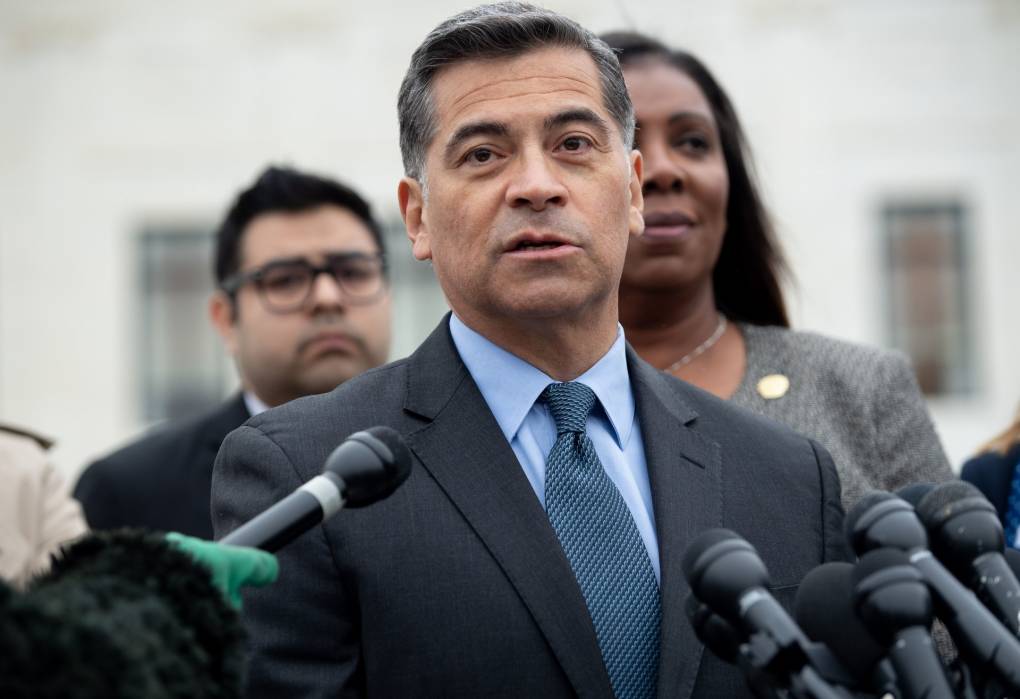
"description": "California Attorney General Xavier Becerra, backed by more than 20 other states, is defending the Affordable Care Act against the challenge brought by a coalition of Republican state officials two years ago.",
"title": "US-COURT-IMMIGRATION-DREAMERS",
"credit": "SAUL LOEB/AFP via Getty Images",
"status": "inherit",
"altTag": "Xavier Becerra",
"isLoading": false,
"fetchFailed": false
},
"news_11807686": {
"type": "attachments",
"id": "news_11807686",
"meta": {
"index": "attachments_1716263798",
"site": "news",
"id": "11807686",
"found": true
},
"parent": 11807676,
"imgSizes": {
"apple_news_ca_landscape_5_5": {
"file": "https://ww2.kqed.org/app/uploads/sites/10/2020/03/Getty-871023806-CoveredCA-1044x783.jpg",
"width": 1044,
"mimeType": "image/jpeg",
"height": 783
},
"apple_news_ca_square_4_0": {
"file": "https://ww2.kqed.org/app/uploads/sites/10/2020/03/Getty-871023806-CoveredCA-470x470.jpg",
"width": 470,
"mimeType": "image/jpeg",
"height": 470
},
"twentyfourteen-full-width": {
"file": "https://ww2.kqed.org/app/uploads/sites/10/2020/03/Getty-871023806-CoveredCA-1038x576.jpg",
"width": 1038,
"mimeType": "image/jpeg",
"height": 576
},
"thumbnail": {
"file": "https://ww2.kqed.org/app/uploads/sites/10/2020/03/Getty-871023806-CoveredCA-160x107.jpg",
"width": 160,
"mimeType": "image/jpeg",
"height": 107
},
"post-thumbnail": {
"file": "https://ww2.kqed.org/app/uploads/sites/10/2020/03/Getty-871023806-CoveredCA-672x372.jpg",
"width": 672,
"mimeType": "image/jpeg",
"height": 372
},
"kqedFullSize": {
"file": "https://ww2.kqed.org/app/uploads/sites/10/2020/03/Getty-871023806-CoveredCA.jpg",
"width": 1920,
"height": 1287
},
"apple_news_ca_landscape_4_7": {
"file": "https://ww2.kqed.org/app/uploads/sites/10/2020/03/Getty-871023806-CoveredCA-632x474.jpg",
"width": 632,
"mimeType": "image/jpeg",
"height": 474
},
"large": {
"file": "https://ww2.kqed.org/app/uploads/sites/10/2020/03/Getty-871023806-CoveredCA-1020x684.jpg",
"width": 1020,
"mimeType": "image/jpeg",
"height": 684
},
"apple_news_ca_landscape_4_0": {
"file": "https://ww2.kqed.org/app/uploads/sites/10/2020/03/Getty-871023806-CoveredCA-536x402.jpg",
"width": 536,
"mimeType": "image/jpeg",
"height": 402
},
"apple_news_ca_portrait_12_9": {
"file": "https://ww2.kqed.org/app/uploads/sites/10/2020/03/Getty-871023806-CoveredCA-1122x1287.jpg",
"width": 1122,
"mimeType": "image/jpeg",
"height": 1287
},
"medium": {
"file": "https://ww2.kqed.org/app/uploads/sites/10/2020/03/Getty-871023806-CoveredCA-800x536.jpg",
"width": 800,
"mimeType": "image/jpeg",
"height": 536
},
"apple_news_ca_portrait_4_0": {
"file": "https://ww2.kqed.org/app/uploads/sites/10/2020/03/Getty-871023806-CoveredCA-354x472.jpg",
"width": 354,
"mimeType": "image/jpeg",
"height": 472
},
"apple_news_ca_portrait_9_7": {
"file": "https://ww2.kqed.org/app/uploads/sites/10/2020/03/Getty-871023806-CoveredCA-840x1120.jpg",
"width": 840,
"mimeType": "image/jpeg",
"height": 1120
},
"apple_news_ca_landscape_12_9": {
"file": "https://ww2.kqed.org/app/uploads/sites/10/2020/03/Getty-871023806-CoveredCA-1832x1287.jpg",
"width": 1832,
"mimeType": "image/jpeg",
"height": 1287
},
"apple_news_ca_square_9_7": {
"file": "https://ww2.kqed.org/app/uploads/sites/10/2020/03/Getty-871023806-CoveredCA-1104x1104.jpg",
"width": 1104,
"mimeType": "image/jpeg",
"height": 1104
},
"apple_news_ca_portrait_4_7": {
"file": "https://ww2.kqed.org/app/uploads/sites/10/2020/03/Getty-871023806-CoveredCA-414x552.jpg",
"width": 414,
"mimeType": "image/jpeg",
"height": 552
},
"apple_news_ca_square_12_9": {
"file": "https://ww2.kqed.org/app/uploads/sites/10/2020/03/Getty-871023806-CoveredCA-1472x1287.jpg",
"width": 1472,
"mimeType": "image/jpeg",
"height": 1287
},
"apple_news_ca_portrait_5_5": {
"file": "https://ww2.kqed.org/app/uploads/sites/10/2020/03/Getty-871023806-CoveredCA-687x916.jpg",
"width": 687,
"mimeType": "image/jpeg",
"height": 916
},
"full-width": {
"file": "https://ww2.kqed.org/app/uploads/sites/10/2020/03/Getty-871023806-CoveredCA-1920x1287.jpg",
"width": 1920,
"mimeType": "image/jpeg",
"height": 1287
},
"apple_news_ca_square_4_7": {
"file": "https://ww2.kqed.org/app/uploads/sites/10/2020/03/Getty-871023806-CoveredCA-550x550.jpg",
"width": 550,
"mimeType": "image/jpeg",
"height": 550
},
"apple_news_ca_landscape_9_7": {
"file": "https://ww2.kqed.org/app/uploads/sites/10/2020/03/Getty-871023806-CoveredCA-1376x1032.jpg",
"width": 1376,
"mimeType": "image/jpeg",
"height": 1032
},
"apple_news_ca_square_5_5": {
"file": "https://ww2.kqed.org/app/uploads/sites/10/2020/03/Getty-871023806-CoveredCA-912x912.jpg",
"width": 912,
"mimeType": "image/jpeg",
"height": 912
}
},
"publishDate": 1584679538,
"modified": 1584721626,
"caption": "An attendee wears a button promoting open enrollment with Covered California during a news conference on Nov. 6, 2017 in San Francisco.",
"description": "An attendee wears a button promoting open enrollment with Covered California during a news conference on Nov. 6, 2017 in San Francisco.",
"title": "Getty-871023806-CoveredCA",
"credit": "Justin Sullivan/Getty Images",
"status": "inherit",
"isLoading": false,
"fetchFailed": false
},
"news_11736647": {
"type": "attachments",
"id": "news_11736647",
"meta": {
"index": "attachments_1716263798",
"site": "news",
"id": "11736647",
"found": true
},
"parent": 11736464,
"imgSizes": {
"apple_news_ca_landscape_5_5": {
"file": "https://ww2.kqed.org/app/uploads/sites/10/2019/03/NR622_MARQUEE-1044x720.jpg",
"width": 1044,
"mimeType": "image/jpeg",
"height": 720
},
"apple_news_ca_square_4_0": {
"file": "https://ww2.kqed.org/app/uploads/sites/10/2019/03/NR622_MARQUEE-470x470.jpg",
"width": 470,
"mimeType": "image/jpeg",
"height": 470
},
"twentyfourteen-full-width": {
"file": "https://ww2.kqed.org/app/uploads/sites/10/2019/03/NR622_MARQUEE-1038x576.jpg",
"width": 1038,
"mimeType": "image/jpeg",
"height": 576
},
"thumbnail": {
"file": "https://ww2.kqed.org/app/uploads/sites/10/2019/03/NR622_MARQUEE-160x90.jpg",
"width": 160,
"mimeType": "image/jpeg",
"height": 90
},
"post-thumbnail": {
"file": "https://ww2.kqed.org/app/uploads/sites/10/2019/03/NR622_MARQUEE-672x372.jpg",
"width": 672,
"mimeType": "image/jpeg",
"height": 372
},
"kqedFullSize": {
"file": "https://ww2.kqed.org/app/uploads/sites/10/2019/03/NR622_MARQUEE.jpg",
"width": 1280,
"height": 720
},
"apple_news_ca_landscape_4_7": {
"file": "https://ww2.kqed.org/app/uploads/sites/10/2019/03/NR622_MARQUEE-632x474.jpg",
"width": 632,
"mimeType": "image/jpeg",
"height": 474
},
"large": {
"file": "https://ww2.kqed.org/app/uploads/sites/10/2019/03/NR622_MARQUEE-1020x574.jpg",
"width": 1020,
"mimeType": "image/jpeg",
"height": 574
},
"complete_open_graph": {
"file": "https://ww2.kqed.org/app/uploads/sites/10/2019/03/NR622_MARQUEE-1200x675.jpg",
"width": 1200,
"mimeType": "image/jpeg",
"height": 675
},
"guest-author-50": {
"file": "https://ww2.kqed.org/app/uploads/sites/10/2019/03/NR622_MARQUEE-50x50.jpg",
"width": 50,
"mimeType": "image/jpeg",
"height": 50
},
"guest-author-96": {
"file": "https://ww2.kqed.org/app/uploads/sites/10/2019/03/NR622_MARQUEE-96x96.jpg",
"width": 96,
"mimeType": "image/jpeg",
"height": 96
},
"apple_news_ca_landscape_4_0": {
"file": "https://ww2.kqed.org/app/uploads/sites/10/2019/03/NR622_MARQUEE-536x402.jpg",
"width": 536,
"mimeType": "image/jpeg",
"height": 402
},
"apple_news_ca_portrait_12_9": {
"file": "https://ww2.kqed.org/app/uploads/sites/10/2019/03/NR622_MARQUEE-1122x720.jpg",
"width": 1122,
"mimeType": "image/jpeg",
"height": 720
},
"medium": {
"file": "https://ww2.kqed.org/app/uploads/sites/10/2019/03/NR622_MARQUEE-800x450.jpg",
"width": 800,
"mimeType": "image/jpeg",
"height": 450
},
"guest-author-64": {
"file": "https://ww2.kqed.org/app/uploads/sites/10/2019/03/NR622_MARQUEE-64x64.jpg",
"width": 64,
"mimeType": "image/jpeg",
"height": 64
},
"guest-author-32": {
"file": "https://ww2.kqed.org/app/uploads/sites/10/2019/03/NR622_MARQUEE-32x32.jpg",
"width": 32,
"mimeType": "image/jpeg",
"height": 32
},
"apple_news_ca_portrait_4_0": {
"file": "https://ww2.kqed.org/app/uploads/sites/10/2019/03/NR622_MARQUEE-354x472.jpg",
"width": 354,
"mimeType": "image/jpeg",
"height": 472
},
"apple_news_ca_portrait_9_7": {
"file": "https://ww2.kqed.org/app/uploads/sites/10/2019/03/NR622_MARQUEE-840x720.jpg",
"width": 840,
"mimeType": "image/jpeg",
"height": 720
},
"apple_news_ca_square_9_7": {
"file": "https://ww2.kqed.org/app/uploads/sites/10/2019/03/NR622_MARQUEE-1104x720.jpg",
"width": 1104,
"mimeType": "image/jpeg",
"height": 720
},
"apple_news_ca_portrait_4_7": {
"file": "https://ww2.kqed.org/app/uploads/sites/10/2019/03/NR622_MARQUEE-414x552.jpg",
"width": 414,
"mimeType": "image/jpeg",
"height": 552
},
"apple_news_ca_portrait_5_5": {
"file": "https://ww2.kqed.org/app/uploads/sites/10/2019/03/NR622_MARQUEE-687x720.jpg",
"width": 687,
"mimeType": "image/jpeg",
"height": 720
},
"apple_news_ca_square_4_7": {
"file": "https://ww2.kqed.org/app/uploads/sites/10/2019/03/NR622_MARQUEE-550x550.jpg",
"width": 550,
"mimeType": "image/jpeg",
"height": 550
},
"guest-author-128": {
"file": "https://ww2.kqed.org/app/uploads/sites/10/2019/03/NR622_MARQUEE-128x128.jpg",
"width": 128,
"mimeType": "image/jpeg",
"height": 128
},
"apple_news_ca_square_5_5": {
"file": "https://ww2.kqed.org/app/uploads/sites/10/2019/03/NR622_MARQUEE-912x720.jpg",
"width": 912,
"mimeType": "image/jpeg",
"height": 720
}
},
"publishDate": 1553905146,
"modified": 1553905146,
"caption": null,
"description": null,
"title": "NR622_MARQUEE",
"credit": null,
"status": "inherit",
"isLoading": false,
"fetchFailed": false
},
"news_11726817": {
"type": "attachments",
"id": "news_11726817",
"meta": {
"index": "attachments_1716263798",
"site": "news",
"id": "11726817",
"found": true
},
"parent": 11726603,
"imgSizes": {
"twentyfourteen-full-width": {
"file": "https://ww2.kqed.org/app/uploads/sites/10/2019/02/NR617_MARQUE-1038x576.jpg",
"width": 1038,
"mimeType": "image/jpeg",
"height": 576
},
"thumbnail": {
"file": "https://ww2.kqed.org/app/uploads/sites/10/2019/02/NR617_MARQUE-160x90.jpg",
"width": 160,
"mimeType": "image/jpeg",
"height": 90
},
"post-thumbnail": {
"file": "https://ww2.kqed.org/app/uploads/sites/10/2019/02/NR617_MARQUE-672x372.jpg",
"width": 672,
"mimeType": "image/jpeg",
"height": 372
},
"kqedFullSize": {
"file": "https://ww2.kqed.org/app/uploads/sites/10/2019/02/NR617_MARQUE.jpg",
"width": 1280,
"height": 720
},
"large": {
"file": "https://ww2.kqed.org/app/uploads/sites/10/2019/02/NR617_MARQUE-1020x574.jpg",
"width": 1020,
"mimeType": "image/jpeg",
"height": 574
},
"complete_open_graph": {
"file": "https://ww2.kqed.org/app/uploads/sites/10/2019/02/NR617_MARQUE-1200x675.jpg",
"width": 1200,
"mimeType": "image/jpeg",
"height": 675
},
"guest-author-50": {
"file": "https://ww2.kqed.org/app/uploads/sites/10/2019/02/NR617_MARQUE-50x50.jpg",
"width": 50,
"mimeType": "image/jpeg",
"height": 50
},
"guest-author-96": {
"file": "https://ww2.kqed.org/app/uploads/sites/10/2019/02/NR617_MARQUE-96x96.jpg",
"width": 96,
"mimeType": "image/jpeg",
"height": 96
},
"medium": {
"file": "https://ww2.kqed.org/app/uploads/sites/10/2019/02/NR617_MARQUE-800x450.jpg",
"width": 800,
"mimeType": "image/jpeg",
"height": 450
},
"guest-author-64": {
"file": "https://ww2.kqed.org/app/uploads/sites/10/2019/02/NR617_MARQUE-64x64.jpg",
"width": 64,
"mimeType": "image/jpeg",
"height": 64
},
"guest-author-32": {
"file": "https://ww2.kqed.org/app/uploads/sites/10/2019/02/NR617_MARQUE-32x32.jpg",
"width": 32,
"mimeType": "image/jpeg",
"height": 32
},
"detail": {
"file": "https://ww2.kqed.org/app/uploads/sites/10/2019/02/NR617_MARQUE-150x150.jpg",
"width": 150,
"mimeType": "image/jpeg",
"height": 150
},
"guest-author-128": {
"file": "https://ww2.kqed.org/app/uploads/sites/10/2019/02/NR617_MARQUE-128x128.jpg",
"width": 128,
"mimeType": "image/jpeg",
"height": 128
}
},
"publishDate": 1550281509,
"modified": 1550281509,
"caption": null,
"description": null,
"title": "NR617_MARQUE",
"credit": null,
"status": "inherit",
"isLoading": false,
"fetchFailed": false
},
"news_11717940": {
"type": "attachments",
"id": "news_11717940",
"meta": {
"index": "attachments_1716263798",
"site": "news",
"id": "11717940",
"found": true
},
"parent": 11717917,
"imgSizes": {
"twentyfourteen-full-width": {
"file": "https://ww2.kqed.org/app/uploads/sites/10/2019/01/GettyImages-120224663-e1547435300290-1038x576.jpg",
"width": 1038,
"mimeType": "image/jpeg",
"height": 576
},
"thumbnail": {
"file": "https://ww2.kqed.org/app/uploads/sites/10/2019/01/GettyImages-120224663-e1547435300290-160x111.jpg",
"width": 160,
"mimeType": "image/jpeg",
"height": 111
},
"post-thumbnail": {
"file": "https://ww2.kqed.org/app/uploads/sites/10/2019/01/GettyImages-120224663-e1547435300290-672x372.jpg",
"width": 672,
"mimeType": "image/jpeg",
"height": 372
},
"kqedFullSize": {
"file": "https://ww2.kqed.org/app/uploads/sites/10/2019/01/GettyImages-120224663-e1547435300290.jpg",
"width": 1920,
"height": 1329
},
"large": {
"file": "https://ww2.kqed.org/app/uploads/sites/10/2019/01/GettyImages-120224663-e1547435300290-1020x706.jpg",
"width": 1020,
"mimeType": "image/jpeg",
"height": 706
},
"complete_open_graph": {
"file": "https://ww2.kqed.org/app/uploads/sites/10/2019/01/GettyImages-120224663-e1547435300290-1200x831.jpg",
"width": 1200,
"mimeType": "image/jpeg",
"height": 831
},
"guest-author-50": {
"file": "https://ww2.kqed.org/app/uploads/sites/10/2019/01/GettyImages-120224663-e1547435300290-50x50.jpg",
"width": 50,
"mimeType": "image/jpeg",
"height": 50
},
"guest-author-96": {
"file": "https://ww2.kqed.org/app/uploads/sites/10/2019/01/GettyImages-120224663-e1547435300290-96x96.jpg",
"width": 96,
"mimeType": "image/jpeg",
"height": 96
},
"medium": {
"file": "https://ww2.kqed.org/app/uploads/sites/10/2019/01/GettyImages-120224663-e1547435300290-800x554.jpg",
"width": 800,
"mimeType": "image/jpeg",
"height": 554
},
"guest-author-64": {
"file": "https://ww2.kqed.org/app/uploads/sites/10/2019/01/GettyImages-120224663-e1547435300290-64x64.jpg",
"width": 64,
"mimeType": "image/jpeg",
"height": 64
},
"guest-author-32": {
"file": "https://ww2.kqed.org/app/uploads/sites/10/2019/01/GettyImages-120224663-e1547435300290-32x32.jpg",
"width": 32,
"mimeType": "image/jpeg",
"height": 32
},
"full-width": {
"file": "https://ww2.kqed.org/app/uploads/sites/10/2019/01/GettyImages-120224663-e1547435300290-1920x1329.jpg",
"width": 1920,
"mimeType": "image/jpeg",
"height": 1329
},
"detail": {
"file": "https://ww2.kqed.org/app/uploads/sites/10/2019/01/GettyImages-120224663-e1547435300290-150x150.jpg",
"width": 150,
"mimeType": "image/jpeg",
"height": 150
},
"guest-author-128": {
"file": "https://ww2.kqed.org/app/uploads/sites/10/2019/01/GettyImages-120224663-e1547435300290-128x128.jpg",
"width": 128,
"mimeType": "image/jpeg",
"height": 128
}
},
"publishDate": 1547435247,
"modified": 1547435292,
"caption": "Prescription contraceptives for women sit on the counter of a drug store in Los Angeles, California. ",
"description": null,
"title": "Health And Human Services Dept. Approves Free Birth Control For Women",
"credit": "Kevork Djansezian/Getty Images",
"status": "inherit",
"isLoading": false,
"fetchFailed": false
},
"news_11716568": {
"type": "attachments",
"id": "news_11716568",
"meta": {
"index": "attachments_1716263798",
"site": "news",
"id": "11716568",
"found": true
},
"parent": 0,
"imgSizes": {
"twentyfourteen-full-width": {
"file": "https://ww2.kqed.org/app/uploads/sites/10/2019/01/NewsomInaugWaving-1038x576.jpg",
"width": 1038,
"mimeType": "image/jpeg",
"height": 576
},
"thumbnail": {
"file": "https://ww2.kqed.org/app/uploads/sites/10/2019/01/NewsomInaugWaving-160x108.jpg",
"width": 160,
"mimeType": "image/jpeg",
"height": 108
},
"post-thumbnail": {
"file": "https://ww2.kqed.org/app/uploads/sites/10/2019/01/NewsomInaugWaving-672x372.jpg",
"width": 672,
"mimeType": "image/jpeg",
"height": 372
},
"kqedFullSize": {
"file": "https://ww2.kqed.org/app/uploads/sites/10/2019/01/NewsomInaugWaving.jpg",
"width": 1920,
"height": 1300
},
"large": {
"file": "https://ww2.kqed.org/app/uploads/sites/10/2019/01/NewsomInaugWaving-1020x691.jpg",
"width": 1020,
"mimeType": "image/jpeg",
"height": 691
},
"complete_open_graph": {
"file": "https://ww2.kqed.org/app/uploads/sites/10/2019/01/NewsomInaugWaving-1200x813.jpg",
"width": 1200,
"mimeType": "image/jpeg",
"height": 813
},
"guest-author-50": {
"file": "https://ww2.kqed.org/app/uploads/sites/10/2019/01/NewsomInaugWaving-50x50.jpg",
"width": 50,
"mimeType": "image/jpeg",
"height": 50
},
"guest-author-96": {
"file": "https://ww2.kqed.org/app/uploads/sites/10/2019/01/NewsomInaugWaving-96x96.jpg",
"width": 96,
"mimeType": "image/jpeg",
"height": 96
},
"medium": {
"file": "https://ww2.kqed.org/app/uploads/sites/10/2019/01/NewsomInaugWaving-800x542.jpg",
"width": 800,
"mimeType": "image/jpeg",
"height": 542
},
"guest-author-64": {
"file": "https://ww2.kqed.org/app/uploads/sites/10/2019/01/NewsomInaugWaving-64x64.jpg",
"width": 64,
"mimeType": "image/jpeg",
"height": 64
},
"guest-author-32": {
"file": "https://ww2.kqed.org/app/uploads/sites/10/2019/01/NewsomInaugWaving-32x32.jpg",
"width": 32,
"mimeType": "image/jpeg",
"height": 32
},
"full-width": {
"file": "https://ww2.kqed.org/app/uploads/sites/10/2019/01/NewsomInaugWaving-1920x1300.jpg",
"width": 1920,
"mimeType": "image/jpeg",
"height": 1300
},
"detail": {
"file": "https://ww2.kqed.org/app/uploads/sites/10/2019/01/NewsomInaugWaving-150x150.jpg",
"width": 150,
"mimeType": "image/jpeg",
"height": 150
},
"guest-author-128": {
"file": "https://ww2.kqed.org/app/uploads/sites/10/2019/01/NewsomInaugWaving-128x128.jpg",
"width": 128,
"mimeType": "image/jpeg",
"height": 128
}
},
"publishDate": 1546910074,
"modified": 1546910144,
"caption": "Gov. Gavin Newsom gestures to the crowd alongside wife Jennifer Siebel Newsom and children (L-R) Dutch, Montana, and Brooklynn on January 7, 2019 in Sacramento.",
"description": "Gov. Gavin Newsom gestures to the crowd alongside wife Jennifer Siebel Newsom and children (L-R) Dutch, Montana, and Brooklynn on January 7, 2019 in Sacramento.",
"title": "NewsomInaugWaving",
"credit": "Stephen Lam/Getty Images",
"status": "inherit",
"isLoading": false,
"fetchFailed": false
},
"news_11715751": {
"type": "attachments",
"id": "news_11715751",
"meta": {
"index": "attachments_1716263798",
"site": "news",
"id": "11715751",
"found": true
},
"parent": 11715748,
"imgSizes": {
"twentyfourteen-full-width": {
"file": "https://ww2.kqed.org/app/uploads/sites/10/2019/01/XavierBecerra-1038x576.jpg",
"width": 1038,
"mimeType": "image/jpeg",
"height": 576
},
"thumbnail": {
"file": "https://ww2.kqed.org/app/uploads/sites/10/2019/01/XavierBecerra-160x105.jpg",
"width": 160,
"mimeType": "image/jpeg",
"height": 105
},
"post-thumbnail": {
"file": "https://ww2.kqed.org/app/uploads/sites/10/2019/01/XavierBecerra-672x372.jpg",
"width": 672,
"mimeType": "image/jpeg",
"height": 372
},
"kqedFullSize": {
"file": "https://ww2.kqed.org/app/uploads/sites/10/2019/01/XavierBecerra.jpg",
"width": 1920,
"height": 1254
},
"large": {
"file": "https://ww2.kqed.org/app/uploads/sites/10/2019/01/XavierBecerra-1020x666.jpg",
"width": 1020,
"mimeType": "image/jpeg",
"height": 666
},
"complete_open_graph": {
"file": "https://ww2.kqed.org/app/uploads/sites/10/2019/01/XavierBecerra-1200x784.jpg",
"width": 1200,
"mimeType": "image/jpeg",
"height": 784
},
"guest-author-50": {
"file": "https://ww2.kqed.org/app/uploads/sites/10/2019/01/XavierBecerra-50x50.jpg",
"width": 50,
"mimeType": "image/jpeg",
"height": 50
},
"guest-author-96": {
"file": "https://ww2.kqed.org/app/uploads/sites/10/2019/01/XavierBecerra-96x96.jpg",
"width": 96,
"mimeType": "image/jpeg",
"height": 96
},
"medium": {
"file": "https://ww2.kqed.org/app/uploads/sites/10/2019/01/XavierBecerra-800x523.jpg",
"width": 800,
"mimeType": "image/jpeg",
"height": 523
},
"guest-author-64": {
"file": "https://ww2.kqed.org/app/uploads/sites/10/2019/01/XavierBecerra-64x64.jpg",
"width": 64,
"mimeType": "image/jpeg",
"height": 64
},
"guest-author-32": {
"file": "https://ww2.kqed.org/app/uploads/sites/10/2019/01/XavierBecerra-32x32.jpg",
"width": 32,
"mimeType": "image/jpeg",
"height": 32
},
"full-width": {
"file": "https://ww2.kqed.org/app/uploads/sites/10/2019/01/XavierBecerra-1920x1254.jpg",
"width": 1920,
"mimeType": "image/jpeg",
"height": 1254
},
"detail": {
"file": "https://ww2.kqed.org/app/uploads/sites/10/2019/01/XavierBecerra-150x150.jpg",
"width": 150,
"mimeType": "image/jpeg",
"height": 150
},
"guest-author-128": {
"file": "https://ww2.kqed.org/app/uploads/sites/10/2019/01/XavierBecerra-128x128.jpg",
"width": 128,
"mimeType": "image/jpeg",
"height": 128
}
},
"publishDate": 1546551524,
"modified": 1559590452,
"caption": "California Attorney General Xavier Becerra.",
"description": "California Attorney General Xavier Becerra.",
"title": "Xavier Becerra opioids Purdue Pharma Richard Sackler",
"credit": "Anne Wernikoff/KQED",
"status": "inherit",
"isLoading": false,
"fetchFailed": false
},
"news_11712855": {
"type": "attachments",
"id": "news_11712855",
"meta": {
"index": "attachments_1716263798",
"site": "news",
"id": "11712855",
"found": true
},
"parent": 11712847,
"imgSizes": {
"twentyfourteen-full-width": {
"file": "https://ww2.kqed.org/app/uploads/sites/10/2018/12/RS10854_481763249-e1544904787552-1038x576.jpg",
"width": 1038,
"mimeType": "image/jpeg",
"height": 576
},
"thumbnail": {
"file": "https://ww2.kqed.org/app/uploads/sites/10/2018/12/RS10854_481763249-e1544904787552-160x107.jpg",
"width": 160,
"mimeType": "image/jpeg",
"height": 107
},
"post-thumbnail": {
"file": "https://ww2.kqed.org/app/uploads/sites/10/2018/12/RS10854_481763249-e1544904787552-672x372.jpg",
"width": 672,
"mimeType": "image/jpeg",
"height": 372
},
"kqedFullSize": {
"file": "https://ww2.kqed.org/app/uploads/sites/10/2018/12/RS10854_481763249-e1544904787552.jpg",
"width": 1920,
"height": 1281
},
"large": {
"file": "https://ww2.kqed.org/app/uploads/sites/10/2018/12/RS10854_481763249-e1544904787552-1020x681.jpg",
"width": 1020,
"mimeType": "image/jpeg",
"height": 681
},
"complete_open_graph": {
"file": "https://ww2.kqed.org/app/uploads/sites/10/2018/12/RS10854_481763249-e1544904787552-1200x801.jpg",
"width": 1200,
"mimeType": "image/jpeg",
"height": 801
},
"guest-author-50": {
"file": "https://ww2.kqed.org/app/uploads/sites/10/2018/12/RS10854_481763249-e1544904787552-50x50.jpg",
"width": 50,
"mimeType": "image/jpeg",
"height": 50
},
"guest-author-96": {
"file": "https://ww2.kqed.org/app/uploads/sites/10/2018/12/RS10854_481763249-e1544904787552-96x96.jpg",
"width": 96,
"mimeType": "image/jpeg",
"height": 96
},
"medium": {
"file": "https://ww2.kqed.org/app/uploads/sites/10/2018/12/RS10854_481763249-e1544904787552-800x534.jpg",
"width": 800,
"mimeType": "image/jpeg",
"height": 534
},
"guest-author-64": {
"file": "https://ww2.kqed.org/app/uploads/sites/10/2018/12/RS10854_481763249-e1544904787552-64x64.jpg",
"width": 64,
"mimeType": "image/jpeg",
"height": 64
},
"guest-author-32": {
"file": "https://ww2.kqed.org/app/uploads/sites/10/2018/12/RS10854_481763249-e1544904787552-32x32.jpg",
"width": 32,
"mimeType": "image/jpeg",
"height": 32
},
"full-width": {
"file": "https://ww2.kqed.org/app/uploads/sites/10/2018/12/RS10854_481763249-e1544904787552-1920x1281.jpg",
"width": 1920,
"mimeType": "image/jpeg",
"height": 1281
},
"detail": {
"file": "https://ww2.kqed.org/app/uploads/sites/10/2018/12/RS10854_481763249-e1544904787552-150x150.jpg",
"width": 150,
"mimeType": "image/jpeg",
"height": 150
},
"guest-author-128": {
"file": "https://ww2.kqed.org/app/uploads/sites/10/2018/12/RS10854_481763249-e1544904787552-128x128.jpg",
"width": 128,
"mimeType": "image/jpeg",
"height": 128
}
},
"publishDate": 1544904712,
"modified": 1544904780,
"caption": "Californians have until Jan. 15 to enroll for health coverage through Covered California, but consumers looking for coverage starting Jan. 1 need to enroll by Dec. 15.",
"description": "Californians have until Jan. 15 to enroll for health coverage through Covered California, but consumers looking for coverage starting Jan. 1 need to enroll by Dec. 15.",
"title": "Americans Register For Health Care On Final Day of ACA Enrollment Drive",
"credit": "Justin Sullivan/Getty Images",
"status": "inherit",
"isLoading": false,
"fetchFailed": false
},
"news_11712828": {
"type": "attachments",
"id": "news_11712828",
"meta": {
"index": "attachments_1716263798",
"site": "news",
"id": "11712828",
"found": true
},
"parent": 11712827,
"imgSizes": {
"twentyfourteen-full-width": {
"file": "https://ww2.kqed.org/app/uploads/sites/10/2018/12/ap_594758090617-d35047b6f87367223503258a8d02b3816a54b1e0-e1544899309922-1038x576.jpg",
"width": 1038,
"mimeType": "image/jpeg",
"height": 576
},
"thumbnail": {
"file": "https://ww2.kqed.org/app/uploads/sites/10/2018/12/ap_594758090617-d35047b6f87367223503258a8d02b3816a54b1e0-e1544899309922-160x120.jpg",
"width": 160,
"mimeType": "image/jpeg",
"height": 120
},
"post-thumbnail": {
"file": "https://ww2.kqed.org/app/uploads/sites/10/2018/12/ap_594758090617-d35047b6f87367223503258a8d02b3816a54b1e0-e1544899309922-672x372.jpg",
"width": 672,
"mimeType": "image/jpeg",
"height": 372
},
"kqedFullSize": {
"file": "https://ww2.kqed.org/app/uploads/sites/10/2018/12/ap_594758090617-d35047b6f87367223503258a8d02b3816a54b1e0-e1544899309922.jpg",
"width": 1920,
"height": 1440
},
"large": {
"file": "https://ww2.kqed.org/app/uploads/sites/10/2018/12/ap_594758090617-d35047b6f87367223503258a8d02b3816a54b1e0-e1544899309922-1020x765.jpg",
"width": 1020,
"mimeType": "image/jpeg",
"height": 765
},
"complete_open_graph": {
"file": "https://ww2.kqed.org/app/uploads/sites/10/2018/12/ap_594758090617-d35047b6f87367223503258a8d02b3816a54b1e0-e1544899309922-1200x900.jpg",
"width": 1200,
"mimeType": "image/jpeg",
"height": 900
},
"guest-author-50": {
"file": "https://ww2.kqed.org/app/uploads/sites/10/2018/12/ap_594758090617-d35047b6f87367223503258a8d02b3816a54b1e0-e1544899309922-50x50.jpg",
"width": 50,
"mimeType": "image/jpeg",
"height": 50
},
"guest-author-96": {
"file": "https://ww2.kqed.org/app/uploads/sites/10/2018/12/ap_594758090617-d35047b6f87367223503258a8d02b3816a54b1e0-e1544899309922-96x96.jpg",
"width": 96,
"mimeType": "image/jpeg",
"height": 96
},
"medium": {
"file": "https://ww2.kqed.org/app/uploads/sites/10/2018/12/ap_594758090617-d35047b6f87367223503258a8d02b3816a54b1e0-e1544899309922-800x600.jpg",
"width": 800,
"mimeType": "image/jpeg",
"height": 600
},
"guest-author-64": {
"file": "https://ww2.kqed.org/app/uploads/sites/10/2018/12/ap_594758090617-d35047b6f87367223503258a8d02b3816a54b1e0-e1544899309922-64x64.jpg",
"width": 64,
"mimeType": "image/jpeg",
"height": 64
},
"guest-author-32": {
"file": "https://ww2.kqed.org/app/uploads/sites/10/2018/12/ap_594758090617-d35047b6f87367223503258a8d02b3816a54b1e0-e1544899309922-32x32.jpg",
"width": 32,
"mimeType": "image/jpeg",
"height": 32
},
"full-width": {
"file": "https://ww2.kqed.org/app/uploads/sites/10/2018/12/ap_594758090617-d35047b6f87367223503258a8d02b3816a54b1e0-e1544899309922-1920x1440.jpg",
"width": 1920,
"mimeType": "image/jpeg",
"height": 1440
},
"detail": {
"file": "https://ww2.kqed.org/app/uploads/sites/10/2018/12/ap_594758090617-d35047b6f87367223503258a8d02b3816a54b1e0-e1544899309922-150x150.jpg",
"width": 150,
"mimeType": "image/jpeg",
"height": 150
},
"guest-author-128": {
"file": "https://ww2.kqed.org/app/uploads/sites/10/2018/12/ap_594758090617-d35047b6f87367223503258a8d02b3816a54b1e0-e1544899309922-128x128.jpg",
"width": 128,
"mimeType": "image/jpeg",
"height": 128
}
},
"publishDate": 1544890260,
"modified": 1544890353,
"caption": "Information cards displayed during an Affordable Care Act enrollment event in San Antonio, Texas, in 2016. A federal judge struck down the health insurance law as unconstitutional Friday.",
"description": "Information cards displayed during an Affordable Care Act enrollment event in San Antonio, Texas, in 2016. A federal judge struck down the health insurance law as unconstitutional Friday.",
"title": "Information cards displayed during an Affordable Care Act enrollment event in San Antonio, Texas, in 2016. A federal judge struck down the health insurance law as unconstitutional Friday.",
"credit": "Eric Gay/AP",
"status": "inherit",
"isLoading": false,
"fetchFailed": false
},
"news_11712106": {
"type": "attachments",
"id": "news_11712106",
"meta": {
"index": "attachments_1716263798",
"site": "news",
"id": "11712106",
"found": true
},
"parent": 11711387,
"imgSizes": {
"twentyfourteen-full-width": {
"file": "https://ww2.kqed.org/app/uploads/sites/10/2018/12/Doctor-1038x576.jpg",
"width": 1038,
"mimeType": "image/jpeg",
"height": 576
},
"thumbnail": {
"file": "https://ww2.kqed.org/app/uploads/sites/10/2018/12/Doctor-160x104.jpg",
"width": 160,
"mimeType": "image/jpeg",
"height": 104
},
"post-thumbnail": {
"file": "https://ww2.kqed.org/app/uploads/sites/10/2018/12/Doctor-672x372.jpg",
"width": 672,
"mimeType": "image/jpeg",
"height": 372
},
"kqedFullSize": {
"file": "https://ww2.kqed.org/app/uploads/sites/10/2018/12/Doctor.jpg",
"width": 1920,
"height": 1251
},
"large": {
"file": "https://ww2.kqed.org/app/uploads/sites/10/2018/12/Doctor-1020x665.jpg",
"width": 1020,
"mimeType": "image/jpeg",
"height": 665
},
"complete_open_graph": {
"file": "https://ww2.kqed.org/app/uploads/sites/10/2018/12/Doctor-1200x782.jpg",
"width": 1200,
"mimeType": "image/jpeg",
"height": 782
},
"guest-author-50": {
"file": "https://ww2.kqed.org/app/uploads/sites/10/2018/12/Doctor-50x50.jpg",
"width": 50,
"mimeType": "image/jpeg",
"height": 50
},
"guest-author-96": {
"file": "https://ww2.kqed.org/app/uploads/sites/10/2018/12/Doctor-96x96.jpg",
"width": 96,
"mimeType": "image/jpeg",
"height": 96
},
"medium": {
"file": "https://ww2.kqed.org/app/uploads/sites/10/2018/12/Doctor-800x521.jpg",
"width": 800,
"mimeType": "image/jpeg",
"height": 521
},
"guest-author-64": {
"file": "https://ww2.kqed.org/app/uploads/sites/10/2018/12/Doctor-64x64.jpg",
"width": 64,
"mimeType": "image/jpeg",
"height": 64
},
"guest-author-32": {
"file": "https://ww2.kqed.org/app/uploads/sites/10/2018/12/Doctor-32x32.jpg",
"width": 32,
"mimeType": "image/jpeg",
"height": 32
},
"full-width": {
"file": "https://ww2.kqed.org/app/uploads/sites/10/2018/12/Doctor-1920x1251.jpg",
"width": 1920,
"mimeType": "image/jpeg",
"height": 1251
},
"detail": {
"file": "https://ww2.kqed.org/app/uploads/sites/10/2018/12/Doctor-150x150.jpg",
"width": 150,
"mimeType": "image/jpeg",
"height": 150
},
"guest-author-128": {
"file": "https://ww2.kqed.org/app/uploads/sites/10/2018/12/Doctor-128x128.jpg",
"width": 128,
"mimeType": "image/jpeg",
"height": 128
}
},
"publishDate": 1544655456,
"modified": 1544655469,
"caption": null,
"description": null,
"title": "Doctor",
"credit": "Getty Images",
"status": "inherit",
"isLoading": false,
"fetchFailed": false
},
"news_11698900": {
"type": "attachments",
"id": "news_11698900",
"meta": {
"index": "attachments_1716263798",
"site": "news",
"id": "11698900",
"found": true
},
"parent": 11698852,
"imgSizes": {
"small": {
"file": "https://ww2.kqed.org/app/uploads/sites/10/2018/10/RS11278_479421059-520x347.jpg",
"width": 520,
"mimeType": "image/jpeg",
"height": 347
},
"twentyfourteen-full-width": {
"file": "https://ww2.kqed.org/app/uploads/sites/10/2018/10/RS11278_479421059-1038x576.jpg",
"width": 1038,
"mimeType": "image/jpeg",
"height": 576
},
"thumbnail": {
"file": "https://ww2.kqed.org/app/uploads/sites/10/2018/10/RS11278_479421059-160x107.jpg",
"width": 160,
"mimeType": "image/jpeg",
"height": 107
},
"fd-sm": {
"file": "https://ww2.kqed.org/app/uploads/sites/10/2018/10/RS11278_479421059-960x640.jpg",
"width": 960,
"mimeType": "image/jpeg",
"height": 640
},
"post-thumbnail": {
"file": "https://ww2.kqed.org/app/uploads/sites/10/2018/10/RS11278_479421059-672x372.jpg",
"width": 672,
"mimeType": "image/jpeg",
"height": 372
},
"xsmall": {
"file": "https://ww2.kqed.org/app/uploads/sites/10/2018/10/RS11278_479421059-375x250.jpg",
"width": 375,
"mimeType": "image/jpeg",
"height": 250
},
"kqedFullSize": {
"file": "https://ww2.kqed.org/app/uploads/sites/10/2018/10/RS11278_479421059.jpg",
"width": 3000,
"height": 2001
},
"large": {
"file": "https://ww2.kqed.org/app/uploads/sites/10/2018/10/RS11278_479421059-1020x680.jpg",
"width": 1020,
"mimeType": "image/jpeg",
"height": 680
},
"xlarge": {
"file": "https://ww2.kqed.org/app/uploads/sites/10/2018/10/RS11278_479421059-1180x787.jpg",
"width": 1180,
"mimeType": "image/jpeg",
"height": 787
},
"complete_open_graph": {
"file": "https://ww2.kqed.org/app/uploads/sites/10/2018/10/RS11278_479421059-1200x800.jpg",
"width": 1200,
"mimeType": "image/jpeg",
"height": 800
},
"guest-author-50": {
"file": "https://ww2.kqed.org/app/uploads/sites/10/2018/10/RS11278_479421059-50x50.jpg",
"width": 50,
"mimeType": "image/jpeg",
"height": 50
},
"guest-author-96": {
"file": "https://ww2.kqed.org/app/uploads/sites/10/2018/10/RS11278_479421059-96x96.jpg",
"width": 96,
"mimeType": "image/jpeg",
"height": 96
},
"medium": {
"file": "https://ww2.kqed.org/app/uploads/sites/10/2018/10/RS11278_479421059-800x534.jpg",
"width": 800,
"mimeType": "image/jpeg",
"height": 534
},
"guest-author-64": {
"file": "https://ww2.kqed.org/app/uploads/sites/10/2018/10/RS11278_479421059-64x64.jpg",
"width": 64,
"mimeType": "image/jpeg",
"height": 64
},
"guest-author-32": {
"file": "https://ww2.kqed.org/app/uploads/sites/10/2018/10/RS11278_479421059-32x32.jpg",
"width": 32,
"mimeType": "image/jpeg",
"height": 32
},
"fd-lrg": {
"file": "https://ww2.kqed.org/app/uploads/sites/10/2018/10/RS11278_479421059-1920x1281.jpg",
"width": 1920,
"mimeType": "image/jpeg",
"height": 1281
},
"fd-med": {
"file": "https://ww2.kqed.org/app/uploads/sites/10/2018/10/RS11278_479421059-1180x787.jpg",
"width": 1180,
"mimeType": "image/jpeg",
"height": 787
},
"full-width": {
"file": "https://ww2.kqed.org/app/uploads/sites/10/2018/10/RS11278_479421059-1920x1281.jpg",
"width": 1920,
"mimeType": "image/jpeg",
"height": 1281
},
"detail": {
"file": "https://ww2.kqed.org/app/uploads/sites/10/2018/10/RS11278_479421059-150x150.jpg",
"width": 150,
"mimeType": "image/jpeg",
"height": 150
},
"guest-author-128": {
"file": "https://ww2.kqed.org/app/uploads/sites/10/2018/10/RS11278_479421059-128x128.jpg",
"width": 128,
"mimeType": "image/jpeg",
"height": 128
},
"xxsmall": {
"file": "https://ww2.kqed.org/app/uploads/sites/10/2018/10/RS11278_479421059-240x160.jpg",
"width": 240,
"mimeType": "image/jpeg",
"height": 160
}
},
"publishDate": 1539556616,
"modified": 1539556659,
"caption": "The Covered California website is displayed during a health care enrollment fair at the office of SEIU-United Healthcare Workers West on March 18, 2014 in San Francisco.",
"description": "The Covered California website is displayed during a health care enrollment fair at the office of SEIU-United Healthcare Workers West on March 18, 2014 in San Francisco.",
"title": "SEIU Hosts Healthcare Enrollment Fair In Bay Area",
"credit": "Justin Sullivan/Getty Images",
"status": "inherit",
"isLoading": false,
"fetchFailed": false
},
"news_11650965": {
"type": "attachments",
"id": "news_11650965",
"meta": {
"index": "attachments_1716263798",
"site": "news",
"id": "11650965",
"found": true
},
"parent": 11650961,
"imgSizes": {
"small": {
"file": "https://ww2.kqed.org/app/uploads/sites/10/2018/02/RS25430_20170515_StateCapitol_AG_XavierBecerra_credit_BertJohnson-3-qut-520x347.jpg",
"width": 520,
"mimeType": "image/jpeg",
"height": 347
},
"twentyfourteen-full-width": {
"file": "https://ww2.kqed.org/app/uploads/sites/10/2018/02/RS25430_20170515_StateCapitol_AG_XavierBecerra_credit_BertJohnson-3-qut-1038x576.jpg",
"width": 1038,
"mimeType": "image/jpeg",
"height": 576
},
"thumbnail": {
"file": "https://ww2.kqed.org/app/uploads/sites/10/2018/02/RS25430_20170515_StateCapitol_AG_XavierBecerra_credit_BertJohnson-3-qut-160x107.jpg",
"width": 160,
"mimeType": "image/jpeg",
"height": 107
},
"fd-sm": {
"file": "https://ww2.kqed.org/app/uploads/sites/10/2018/02/RS25430_20170515_StateCapitol_AG_XavierBecerra_credit_BertJohnson-3-qut-960x640.jpg",
"width": 960,
"mimeType": "image/jpeg",
"height": 640
},
"post-thumbnail": {
"file": "https://ww2.kqed.org/app/uploads/sites/10/2018/02/RS25430_20170515_StateCapitol_AG_XavierBecerra_credit_BertJohnson-3-qut-672x372.jpg",
"width": 672,
"mimeType": "image/jpeg",
"height": 372
},
"xsmall": {
"file": "https://ww2.kqed.org/app/uploads/sites/10/2018/02/RS25430_20170515_StateCapitol_AG_XavierBecerra_credit_BertJohnson-3-qut-375x250.jpg",
"width": 375,
"mimeType": "image/jpeg",
"height": 250
},
"kqedFullSize": {
"file": "https://ww2.kqed.org/app/uploads/sites/10/2018/02/RS25430_20170515_StateCapitol_AG_XavierBecerra_credit_BertJohnson-3-qut.jpg",
"width": 1920,
"height": 1280
},
"large": {
"file": "https://ww2.kqed.org/app/uploads/sites/10/2018/02/RS25430_20170515_StateCapitol_AG_XavierBecerra_credit_BertJohnson-3-qut-1020x680.jpg",
"width": 1020,
"mimeType": "image/jpeg",
"height": 680
},
"xlarge": {
"file": "https://ww2.kqed.org/app/uploads/sites/10/2018/02/RS25430_20170515_StateCapitol_AG_XavierBecerra_credit_BertJohnson-3-qut-1180x787.jpg",
"width": 1180,
"mimeType": "image/jpeg",
"height": 787
},
"guest-author-50": {
"file": "https://ww2.kqed.org/app/uploads/sites/10/2018/02/RS25430_20170515_StateCapitol_AG_XavierBecerra_credit_BertJohnson-3-qut-50x50.jpg",
"width": 50,
"mimeType": "image/jpeg",
"height": 50
},
"guest-author-96": {
"file": "https://ww2.kqed.org/app/uploads/sites/10/2018/02/RS25430_20170515_StateCapitol_AG_XavierBecerra_credit_BertJohnson-3-qut-96x96.jpg",
"width": 96,
"mimeType": "image/jpeg",
"height": 96
},
"medium": {
"file": "https://ww2.kqed.org/app/uploads/sites/10/2018/02/RS25430_20170515_StateCapitol_AG_XavierBecerra_credit_BertJohnson-3-qut-800x533.jpg",
"width": 800,
"mimeType": "image/jpeg",
"height": 533
},
"guest-author-64": {
"file": "https://ww2.kqed.org/app/uploads/sites/10/2018/02/RS25430_20170515_StateCapitol_AG_XavierBecerra_credit_BertJohnson-3-qut-64x64.jpg",
"width": 64,
"mimeType": "image/jpeg",
"height": 64
},
"guest-author-32": {
"file": "https://ww2.kqed.org/app/uploads/sites/10/2018/02/RS25430_20170515_StateCapitol_AG_XavierBecerra_credit_BertJohnson-3-qut-32x32.jpg",
"width": 32,
"mimeType": "image/jpeg",
"height": 32
},
"fd-lrg": {
"file": "https://ww2.kqed.org/app/uploads/sites/10/2018/02/RS25430_20170515_StateCapitol_AG_XavierBecerra_credit_BertJohnson-3-qut-1920x1280.jpg",
"width": 1920,
"mimeType": "image/jpeg",
"height": 1280
},
"fd-med": {
"file": "https://ww2.kqed.org/app/uploads/sites/10/2018/02/RS25430_20170515_StateCapitol_AG_XavierBecerra_credit_BertJohnson-3-qut-1180x787.jpg",
"width": 1180,
"mimeType": "image/jpeg",
"height": 787
},
"full-width": {
"file": "https://ww2.kqed.org/app/uploads/sites/10/2018/02/RS25430_20170515_StateCapitol_AG_XavierBecerra_credit_BertJohnson-3-qut-1920x1280.jpg",
"width": 1920,
"mimeType": "image/jpeg",
"height": 1280
},
"detail": {
"file": "https://ww2.kqed.org/app/uploads/sites/10/2018/02/RS25430_20170515_StateCapitol_AG_XavierBecerra_credit_BertJohnson-3-qut-150x150.jpg",
"width": 150,
"mimeType": "image/jpeg",
"height": 150
},
"guest-author-128": {
"file": "https://ww2.kqed.org/app/uploads/sites/10/2018/02/RS25430_20170515_StateCapitol_AG_XavierBecerra_credit_BertJohnson-3-qut-128x128.jpg",
"width": 128,
"mimeType": "image/jpeg",
"height": 128
},
"xxsmall": {
"file": "https://ww2.kqed.org/app/uploads/sites/10/2018/02/RS25430_20170515_StateCapitol_AG_XavierBecerra_credit_BertJohnson-3-qut-240x160.jpg",
"width": 240,
"mimeType": "image/jpeg",
"height": 160
}
},
"publishDate": 1518985603,
"modified": 1518987244,
"caption": "FILE PHOTO: California Attorney General Xavier Becerra spoke to journalists in Sacramento in May of 2017. Becerra sued the Trump administration in October challenging the new rules and on Friday, Feb. 16, 2018, he said that the changes unjustly target women. ",
"description": "FILE PHOTO: California Attorney General Xavier Becerra spoke to journalists in Sacramento in May of 2017. Becerra sued the Trump administration in October challenging the new rules and on Friday, Feb. 16, 2018, he said that the changes unjustly target women. ",
"title": "RS25430_20170515_StateCapitol_AG_XavierBecerra_credit_BertJohnson-3-qut",
"credit": "Bert Johnson/KQED",
"status": "inherit",
"isLoading": false,
"fetchFailed": false
}
},
"audioPlayerReducer": {
"postId": "stream_live",
"isPaused": true,
"isPlaying": false,
"pfsActive": false,
"pledgeModalIsOpen": true,
"playerDrawerIsOpen": false,
"liveAudioPlayStartedAt": 0,
"liveAudioPlayContext": ""
},
"authorsReducer": {
"byline_news_11846750": {
"type": "authors",
"id": "byline_news_11846750",
"meta": {
"override": true
},
"slug": "byline_news_11846750",
"name": "\u003ca href=\"https://khn.org/news/author/samantha-young/\">Samantha Young\u003c/a>",
"isLoading": false
},
"byline_news_11715748": {
"type": "authors",
"id": "byline_news_11715748",
"meta": {
"override": true
},
"slug": "byline_news_11715748",
"name": "\u003ca href=\"https://calmatters.org/articles/author/ben-christopher/\">Ben Christopher\u003c/a> \u003cbr> \u003ca href=\"https://calmatters.org/articles/author/elizabeth-aguilera/\">Elizabeth Aguilera\u003c/a>",
"isLoading": false
},
"byline_news_11712827": {
"type": "authors",
"id": "byline_news_11712827",
"meta": {
"override": true
},
"slug": "byline_news_11712827",
"name": "NPR",
"isLoading": false
},
"byline_news_11711387": {
"type": "authors",
"id": "byline_news_11711387",
"meta": {
"override": true
},
"slug": "byline_news_11711387",
"name": "\u003cstrong>\u003ca href=\"https://calmatters.org/articles/author/elizabeth-aguilera/\">Elizabeth Aguilera\u003c/a>\u003c/strong>",
"isLoading": false
},
"byline_news_11650961": {
"type": "authors",
"id": "byline_news_11650961",
"meta": {
"override": true
},
"slug": "byline_news_11650961",
"name": "Associated Press",
"isLoading": false
},
"kqed": {
"type": "authors",
"id": "236",
"meta": {
"index": "authors_1716337520",
"id": "236",
"found": true
},
"name": "KQED News Staff",
"firstName": "KQED News Staff",
"lastName": null,
"slug": "kqed",
"email": "faq@kqed.org",
"display_author_email": false,
"staff_mastheads": [],
"title": null,
"bio": null,
"avatar": "https://secure.gravatar.com/avatar/ef0e801a68c4c54afa9180db14084167?s=600&d=blank&r=g",
"twitter": null,
"facebook": null,
"instagram": null,
"linkedin": null,
"sites": [
{
"site": "arts",
"roles": [
"contributor"
]
},
{
"site": "news",
"roles": [
"editor"
]
},
{
"site": "futureofyou",
"roles": [
"author"
]
}
],
"headData": {
"title": "KQED News Staff | KQED",
"description": null,
"ogImgSrc": "https://secure.gravatar.com/avatar/ef0e801a68c4c54afa9180db14084167?s=600&d=blank&r=g",
"twImgSrc": "https://secure.gravatar.com/avatar/ef0e801a68c4c54afa9180db14084167?s=600&d=blank&r=g"
},
"isLoading": false,
"link": "/author/kqed"
},
"adembosky": {
"type": "authors",
"id": "3205",
"meta": {
"index": "authors_1716337520",
"id": "3205",
"found": true
},
"name": "April Dembosky",
"firstName": "April",
"lastName": "Dembosky",
"slug": "adembosky",
"email": "adembosky@kqed.org",
"display_author_email": false,
"staff_mastheads": [
"news",
"science"
],
"title": "KQED Health Correspondent",
"bio": "April Dembosky is the health correspondent for KQED News and a regular contributor to NPR. She specializes in covering altered states of mind, from postpartum depression to methamphetamine-induced psychosis to the insanity defense. Her investigative series on insurance companies sidestepping mental health laws won multiple awards, including first place in beat reporting from the national Association of Health Care Journalists. She is the recipient of numerous other prizes and fellowships, including a national Edward R. Murrow award for investigative reporting, a Society of Professional Journalists award for long-form storytelling, and a Carter Center Fellowship for Mental Health Journalism.\r\n\r\nDembosky reported and produced \u003cem>Soundtrack of Silence\u003c/em>, an audio documentary about music and memory that is currently being made into a feature film by Paramount Pictures.\r\n\r\nBefore joining KQED in 2013, Dembosky covered technology and Silicon Valley for \u003cem>The Financial Times of London,\u003c/em> and contributed business and arts stories to \u003cem>Marketplace \u003c/em>and \u003cem>The New York Times.\u003c/em> She got her undergraduate degree in philosophy from Smith College and her master's in journalism from the University of California, Berkeley. She is a classically trained violinist and proud alum of the first symphony orchestra at Burning Man.",
"avatar": "https://secure.gravatar.com/avatar/ef92999be4ceb9ea60701e7dc276f813?s=600&d=blank&r=g",
"twitter": "adembosky",
"facebook": null,
"instagram": null,
"linkedin": null,
"sites": [
{
"site": "arts",
"roles": [
"author"
]
},
{
"site": "news",
"roles": [
"editor"
]
},
{
"site": "futureofyou",
"roles": [
"author"
]
},
{
"site": "stateofhealth",
"roles": [
"editor"
]
},
{
"site": "science",
"roles": [
"editor"
]
},
{
"site": "forum",
"roles": [
"editor"
]
}
],
"headData": {
"title": "April Dembosky | KQED",
"description": "KQED Health Correspondent",
"ogImgSrc": "https://secure.gravatar.com/avatar/ef92999be4ceb9ea60701e7dc276f813?s=600&d=blank&r=g",
"twImgSrc": "https://secure.gravatar.com/avatar/ef92999be4ceb9ea60701e7dc276f813?s=600&d=blank&r=g"
},
"isLoading": false,
"link": "/author/adembosky"
},
"mlagos": {
"type": "authors",
"id": "3239",
"meta": {
"index": "authors_1716337520",
"id": "3239",
"found": true
},
"name": "Marisa Lagos",
"firstName": "Marisa",
"lastName": "Lagos",
"slug": "mlagos",
"email": "mlagos@kqed.org",
"display_author_email": false,
"staff_mastheads": [
"news"
],
"title": "KQED Contributor",
"bio": "Marisa Lagos is a correspondent for KQED’s California Politics and Government Desk and co-hosts the award-winning show and podcast, Political Breakdown. At KQED, Lagos also conducts reporting, analysis and investigations into state, local and national politics for radio, TV, online and onstage. In 2022, she and co-host, Scott Shafer, moderated the only gubernatorial debate in California. In 2020, the \u003ci>Washington Post\u003c/i> named her one of the top political journalists in California; she was nominated for a Peabody and won several other awards for her work investigating the 2017 California wildfires. She has worked at the \u003ci>San Francisco Chronicle\u003c/i>, \u003ci>San Francisco Examiner\u003c/i> and \u003ci>Los Angeles Times\u003c/i>. A UC Santa Barbara graduate, she lives in San Francisco with her two sons and husband.",
"avatar": "https://secure.gravatar.com/avatar/a261a0d3696fc066871ef96b85b5e7d2?s=600&d=blank&r=g",
"twitter": "@mlagos",
"facebook": null,
"instagram": null,
"linkedin": null,
"sites": [
{
"site": "arts",
"roles": [
"author"
]
},
{
"site": "news",
"roles": [
"editor"
]
},
{
"site": "science",
"roles": [
"editor"
]
},
{
"site": "forum",
"roles": [
"author"
]
},
{
"site": "liveblog",
"roles": [
"author"
]
}
],
"headData": {
"title": "Marisa Lagos | KQED",
"description": "KQED Contributor",
"ogImgSrc": "https://secure.gravatar.com/avatar/a261a0d3696fc066871ef96b85b5e7d2?s=600&d=blank&r=g",
"twImgSrc": "https://secure.gravatar.com/avatar/a261a0d3696fc066871ef96b85b5e7d2?s=600&d=blank&r=g"
},
"isLoading": false,
"link": "/author/mlagos"
},
"rlevi": {
"type": "authors",
"id": "11260",
"meta": {
"index": "authors_1716337520",
"id": "11260",
"found": true
},
"name": "Ryan Levi",
"firstName": "Ryan",
"lastName": "Levi",
"slug": "rlevi",
"email": "rlevi@KQED.org",
"display_author_email": false,
"staff_mastheads": [],
"title": "KQED Contributor",
"bio": "Ryan Levi was a reporter and podcast producer at KQED News from 2016-2019. He worked on \u003ca href=\"https://www.kqed.org/news/series/baycurious\">Bay Curious\u003c/a>, \u003ca href=\"https://www.kqed.org/news/tag/the-bay/\">The Bay, \u003c/a>and \u003ca href=\"https://podcasts.apple.com/us/podcast/the-california-report-magazine/id1314750545\">The California Report Magazine\u003c/a>, as well as hosting and producing the weekly \u003ca href=\"https://www.kqed.org/news/program/qedup/\">Q'ed Up podcast. \u003c/a>He also helped inaugurate KQED's weekend news coverage in 2017 as one of two original digital producers. Ryan holds degrees in multimedia journalism and Spanish from the University of Missouri.",
"avatar": "https://secure.gravatar.com/avatar/4cb2ddd028ac8807d1adf09609c5555d?s=600&d=blank&r=g",
"twitter": "ryan_levi",
"facebook": null,
"instagram": null,
"linkedin": null,
"sites": [
{
"site": "arts",
"roles": [
"editor"
]
},
{
"site": "news",
"roles": [
"subscriber"
]
},
{
"site": "stateofhealth",
"roles": [
"editor"
]
},
{
"site": "science",
"roles": [
"editor"
]
},
{
"site": "forum",
"roles": [
"administrator"
]
},
{
"site": "perspectives",
"roles": [
"administrator"
]
}
],
"headData": {
"title": "Ryan Levi | KQED",
"description": "KQED Contributor",
"ogImgSrc": "https://secure.gravatar.com/avatar/4cb2ddd028ac8807d1adf09609c5555d?s=600&d=blank&r=g",
"twImgSrc": "https://secure.gravatar.com/avatar/4cb2ddd028ac8807d1adf09609c5555d?s=600&d=blank&r=g"
},
"isLoading": false,
"link": "/author/rlevi"
},
"cchamplin": {
"type": "authors",
"id": "11408",
"meta": {
"index": "authors_1716337520",
"id": "11408",
"found": true
},
"name": "Caroline Champlin",
"firstName": null,
"lastName": null,
"slug": "cchamplin",
"email": "cchamplin@kqed.org",
"display_author_email": false,
"staff_mastheads": [],
"title": null,
"bio": null,
"avatar": "https://secure.gravatar.com/avatar/78d8654d3fedda8393a51d63c1042215?s=600&d=blank&r=g",
"twitter": null,
"facebook": null,
"instagram": null,
"linkedin": null,
"sites": [
{
"site": "news",
"roles": [
"author",
"edit_others_posts"
]
}
],
"headData": {
"title": "Caroline Champlin | KQED",
"description": null,
"ogImgSrc": "https://secure.gravatar.com/avatar/78d8654d3fedda8393a51d63c1042215?s=600&d=blank&r=g",
"twImgSrc": "https://secure.gravatar.com/avatar/78d8654d3fedda8393a51d63c1042215?s=600&d=blank&r=g"
},
"isLoading": false,
"link": "/author/cchamplin"
}
},
"pagesReducer": {
"news_tag_affordable-care-act": {
"type": "terms",
"id": "news_2409",
"meta": {
"index": "terms_1716263798",
"site": "news",
"id": "2409",
"score": 9.103885
},
"featImg": null,
"name": "Affordable Care Act",
"description": null,
"taxonomy": "tag",
"headData": {
"twImgId": null,
"twTitle": null,
"ogTitle": null,
"ogImgId": null,
"twDescription": null,
"description": null,
"title": "Affordable Care Act Archives | KQED News",
"ogDescription": null
},
"ttid": 2424,
"slug": "affordable-care-act",
"isLoading": false,
"title": "Affordable Care Act",
"pageMeta": {
"site": "news",
"WpPageTemplate": "page-topic-editorial",
"currentPage": 2
},
"blocks": [
{
"blockName": "kqed/post-list",
"attrs": {
"layout": "cardArticle2",
"query": "posts/news?tag=affordable-care-act",
"seeMore": false,
"paginated": true,
"page": 2
}
},
{
"blockName": "kqed/ad"
}
]
}
},
"pfsSessionReducer": {},
"postsReducer": {
"stream_live": {
"type": "live",
"id": "stream_live",
"audioUrl": "https://streams.kqed.org/kqedradio",
"title": "Live Stream",
"excerpt": "Live Stream information currently unavailable.",
"link": "/radio",
"featImg": "",
"label": {
"name": "KQED Live",
"link": "/"
}
},
"stream_kqedNewscast": {
"type": "posts",
"id": "stream_kqedNewscast",
"audioUrl": "https://www.kqed.org/.stream/anon/radio/RDnews/newscast.mp3?_=1",
"title": "KQED Newscast",
"featImg": "",
"label": {
"name": "88.5 FM",
"link": "/"
}
},
"news_11846750": {
"type": "posts",
"id": "news_11846750",
"meta": {
"index": "posts_1716263798",
"site": "news",
"id": "11846750",
"score": null,
"sort": [
1604979045000
]
},
"parent": 0,
"labelTerm": {},
"blocks": [],
"publishDate": 1604979045,
"format": "audio",
"disqusTitle": "As the Supreme Court Takes Up the ACA Again, California Is Leading the Defense",
"title": "As the Supreme Court Takes Up the ACA Again, California Is Leading the Defense",
"headTitle": "KQED News",
"content": "\u003cp>When the U.S. Supreme Court hears a case Tuesday that could decide the fate of the Affordable Care Act, California will be leading the defense to uphold the federal law that touches nearly every aspect of the country’s health care system.\u003c/p>\n\u003cp>It’s usually the federal government’s job to defend a federal law, but President Donald Trump’s administration wants this law, also known as Obamacare, to be overturned.\u003c/p>\n\u003cp>So California Attorney General Xavier Becerra, backed by more than 20 other states, is defending the law against the challenge brought by a coalition of Republican state officials two years ago.\u003c/p>\n\u003cp>Becerra has been one of Trump’s most formidable adversaries, taking the administration to court scores of times over its policies, ranging from immigration and birth control to climate change. He is considered one of the leading \u003ca href=\"https://www.kqed.org/news/11846531/replacement-for-kamala-harris-a-very-long-list-of-contenders\">contenders\u003c/a> to fill the Senate vacancy that will open now that Sen. Kamala Harris of California has been elected vice president.\u003c/p>\n\u003cp>[pullquote size=\"medium\" align=\"right\" citation=\"Xavier Becerra\"]'[The ACA] has been upheld by the Supreme Court as constitutional twice before. And we are optimistic that it will withstand this challenge as well.'[/pullquote]\u003c/p>\n\u003cp>“Just as vigorously as a president and his administration are fighting to destroy the Affordable Care Act, we are fighting to save it for every American,” Becerra told reporters in a press conference Monday.\u003c/p>\n\u003cp>\"It has been upheld by the Supreme Court as constitutional twice before. And we are optimistic that it will withstand this challenge as well. It has to: American lives depend on it.\"\u003c/p>\n\u003cp>Should the court overturn the entire law, the impact would be felt widely. The law provides health insurance to more than 23 million Americans. It allows qualified people to buy subsidized insurance through federal or state insurance exchanges; permits states to expand their Medicaid programs to more people; prevents insurance companies from denying coverage to people with preexisting medical conditions; bans lifetime limits on coverage; adds benefits to Medicare; and allows children to stay on their parents’ plans up to age 26. [aside tag=\"health\" label=\"More Related Coverage\"]\u003c/p>\n\u003cp>At issue in \u003ca href=\"https://www.kff.org/health-reform/issue-brief/explaining-california-v-texas-a-guide-to-the-case-challenging-the-aca/https:/www.kff.org/health-reform/issue-brief/explaining-california-v-texas-a-guide-to-the-case-challenging-the-aca/\">\u003cem>California v. Texas\u003c/em>\u003c/a> is the federal tax penalty for not having health insurance, as the law requires. The Republican-led Congress in 2017 zeroed out the penalty but kept the rest of the health law intact, a move Becerra and some other legal experts say shows congressional intent to support the law. The Republican state officials, however, say the loss of the tax invalidates the mandate to have insurance — as well as the entire law.\u003c/p>\n\u003cp>Becerra said it’s possible the court may determine that the challengers don’t have standing to sue the government because no one has been harmed by a zero-tax penalty.\u003c/p>\n\u003cp>Although the court has twice upheld the federal health care law, the composition of the court has changed since its last ACA ruling in 2015. Trump has appointed three conservative judges since then. Two replaced other conservatives, but Amy Coney Barrett, who was confirmed in late October, took the seat of a liberal icon, Justice Ruth Bader Ginsburg.\u003c/p>\n\u003cp>Abbe Gluck, faculty director of the Solomon Center for Health Law and Policy at Yale Law School, said that if the court believes the health insurance requirement is unconstitutional without the penalty, it should just hold that section of the law invalid but not overturn the entire law.\u003c/p>\n\u003cp>But “I have learned that you can never predict what happens in court when it comes to the Affordable Care Act,” Gluck said. “And that is why there is this heightened sense of concern, because the statute has become so fundamentally important to one-fifth of our economy and the health care of virtually all Americans.”\u003c/p>\n\u003cp>[ad fullwidth]\u003c/p>\n\u003cp>\u003cem>Becerra spoke with California Healthline’s Samantha Young about his defense of Obamacare and the far-reaching influence of the law. The interview has been edited for length and clarity.\u003c/em>\u003c/p>\n\u003cp>\u003cstrong>Q: What are the chances the Supreme Court could overturn the Affordable Care Act?\u003c/strong>\u003c/p>\n\u003cp>We’re confident they will see not just the legal logic behind it, but the wisdom and the practical success of the Affordable Care Act — all of which weigh heavily in favor of the justices recognizing that it’s not only legal but indispensable. When the justices look to the fundamentals of the Affordable Care Act, they’re going to find that it is constitutional.\u003c/p>\n\u003cp>\u003cstrong>Q: The makeup of the U.S. Supreme Court has changed since it last ruled on the ACA. Why do you think these justices will rule the same way?\u003c/strong>\u003c/p>\n\u003cp>That shouldn’t change the fact that the fundamentals of the law have remained the same. The fundamentals of the ACA are grounded, they’re solid and they work. I would hope that nine justices reviewing the same law would look at that precedent.\u003c/p>\n\u003cp>\u003cstrong>Q: What should the public pay attention to during the oral arguments? \u003c/strong>\u003c/p>\n\u003cp>One interesting thing to watch is how the court interprets the actions taken by Congress in 2017 when they passed the tax break bill and zeroed out the individual mandate fee or penalty. Now, we’re looking at a president and at least one house in Congress that’s prepared to defend the Affordable Care Act. How might the court look at the fact that another Congress could reinstitute part of that mandate?\u003c/p>\n\u003cp>What does that do to the legal argument that having zeroed out the mandate somehow triggered the unconstitutionality of the entire law? I think that’s a question the court will have to examine.\u003c/p>\n\u003cp>\u003cstrong>Q: What happens if the U.S. Supreme Court declares the Affordable Care Act unconstitutional?\u003c/strong>\u003c/p>\n\u003cp>The worries return. Preventative care under Medicare would be gone. The days when Americans don’t have to worry about going personally bankrupt for having visited a hospital would pretty much be gone.\u003c/p>\n\u003cp>I’ve got three daughters. There was a time when all three of them as adults were on our health care coverage. That would be gone because the provision that allows adult children under the age of 26 to remain on a parent’s coverage would disappear. I could go on and on.\u003c/p>\n\u003cp>\u003cstrong>Q: Could states, including California, afford to step in on their own? \u003c/strong>\u003c/p>\n\u003cp>I don’t know if there’s any state who has the capacity to replace what the Affordable Care Act does. It’d be almost insurmountable. Part of that is because we can’t replicate some of the things that the federal government can do. We don’t have that federal jurisdiction, we don’t have that breadth and depth of reach.\u003c/p>\n\u003cp>\u003cstrong>Q: If the court overturns the ACA, can’t Congress pass piecemeal protections that have Republican support, such as coverage for preexisting conditions?\u003c/strong>\u003c/p>\n\u003cp>We have heard Republicans say “repeal and replace” for more than 10 years, and it’s been empty rhetoric from the beginning. I’ve gotta tell you that for parents who have children with preexisting medical conditions, it is no comfort to have someone promise you that they will replace a right that you know you now have for your child to visit a hospital. And, why would you throw that away for an empty promise that’s 10 years old?\u003c/p>\n\u003cp>Most Americans would say, keep building on the Affordable Care Act. Let’s make it better, but don’t scrap what’s worked.\u003c/p>\n\u003cp>\u003cstrong>Q: How do you know the Affordable Care Act is working?\u003c/strong>\u003c/p>\n\u003cp>My former congressional district in Los Angeles ranked among the most uninsured congressional districts in the nation. In a matter of years, once the Affordable Care Act took place, the uninsured rate in that congressional district had gone down by 50%. It was just astronomical.\u003c/p>\n\u003cp>The Affordable Care Act made it possible for working families to secure coverage and that’s huge. That’s the kind of burden that’s lifted off your soul.\u003c/p>\n\u003cp>\u003cstrong>Q: Do you think having a President Joe Biden and a Vice President Kamala Harris in the White House will lead to an improved Affordable Care Act?\u003c/strong>\u003c/p>\n\u003cp>As a candidate for president, Joe Biden said that he would build on the success of the Obama-Biden presidency and make sure that we continue to increase the number of Americans who have access to affordable health care. The good thing is you finally have someone at the top of the totem pole who says we’re going to make it better. And that’s why this election was so important.\u003c/p>\n\u003cp>\u003ca href=\"https://khn.org/morning-briefing/\">Subscribe\u003c/a> to KHN's free Morning Briefing.\u003c/p>\n\u003cp>[ad floatright]\u003c/p>\n",
"disqusIdentifier": "11846750 https://ww2.kqed.org/news/?p=11846750",
"disqusUrl": "https://ww2.kqed.org/news/2020/11/09/as-the-supreme-court-takes-up-the-aca-again-california-is-leading-the-defense/",
"stats": {
"hasVideo": false,
"hasChartOrMap": false,
"hasAudio": false,
"hasPolis": false,
"wordCount": 1467,
"hasGoogleForm": false,
"hasGallery": false,
"hasHearkenModule": false,
"iframeSrcs": [],
"paragraphCount": 37
},
"modified": 1605038154,
"excerpt": "When the U.S. Supreme Court hears a case Tuesday that could decide the fate of the Affordable Care Act, California Attorney General Xavier Becerra will be leading the defense.",
"headData": {
"twImgId": "",
"twTitle": "",
"ogTitle": "",
"ogImgId": "",
"twDescription": "",
"description": "When the U.S. Supreme Court hears a case Tuesday that could decide the fate of the Affordable Care Act, California Attorney General Xavier Becerra will be leading the defense.",
"title": "As the Supreme Court Takes Up the ACA Again, California Is Leading the Defense | KQED",
"ogDescription": "",
"schema": {
"@context": "https://schema.org",
"@type": "NewsArticle",
"headline": "As the Supreme Court Takes Up the ACA Again, California Is Leading the Defense",
"datePublished": "2020-11-09T19:30:45-08:00",
"dateModified": "2020-11-10T11:55:54-08:00",
"image": "https://cdn.kqed.org/wp-content/uploads/2020/02/KQED-OG-Image@1x.png",
"isAccessibleForFree": "True",
"publisher": {
"@type": "NewsMediaOrganization",
"@id": "https://www.kqed.org/#organization",
"name": "KQED",
"logo": "https://cdn.kqed.org/wp-content/uploads/2020/02/KQED-OG-Image@1x.png",
"url": "https://www.kqed.org",
"sameAs": [
"https://www.facebook.com/KQED",
"https://twitter.com/KQED",
"https://www.instagram.com/kqed/",
"https://www.tiktok.com/@kqedofficial",
"https://www.linkedin.com/company/kqed",
"https://www.youtube.com/channel/UCeC0IOo7i1P_61zVUWbJ4nw"
]
}
}
},
"guestAuthors": [],
"slug": "as-the-supreme-court-takes-up-the-aca-again-california-is-leading-the-defense",
"status": "publish",
"sourceUrl": "https://khn.org/",
"audioUrl": "https://traffic.omny.fm/d/clips/0af137ef-751e-4b19-a055-aaef00d2d578/ffca7e9f-6831-41c5-bcaf-aaef00f5a073/1338ad64-dc8d-4f63-8770-ac6f0133eba7/audio.mp3",
"nprByline": "\u003ca href=\"https://khn.org/news/author/samantha-young/\">Samantha Young\u003c/a>",
"source": "KHN",
"path": "/news/11846750/as-the-supreme-court-takes-up-the-aca-again-california-is-leading-the-defense",
"audioDuration": 161000,
"audioTrackLength": null,
"parsedContent": [
{
"type": "contentString",
"content": "\u003cdiv class=\"post-body\">\u003cp>\u003cp>When the U.S. Supreme Court hears a case Tuesday that could decide the fate of the Affordable Care Act, California will be leading the defense to uphold the federal law that touches nearly every aspect of the country’s health care system.\u003c/p>\n\u003cp>It’s usually the federal government’s job to defend a federal law, but President Donald Trump’s administration wants this law, also known as Obamacare, to be overturned.\u003c/p>\n\u003cp>So California Attorney General Xavier Becerra, backed by more than 20 other states, is defending the law against the challenge brought by a coalition of Republican state officials two years ago.\u003c/p>\n\u003cp>Becerra has been one of Trump’s most formidable adversaries, taking the administration to court scores of times over its policies, ranging from immigration and birth control to climate change. He is considered one of the leading \u003ca href=\"https://www.kqed.org/news/11846531/replacement-for-kamala-harris-a-very-long-list-of-contenders\">contenders\u003c/a> to fill the Senate vacancy that will open now that Sen. Kamala Harris of California has been elected vice president.\u003c/p>\n\u003cp>\u003c/p>\u003c/div>",
"attributes": {
"named": {},
"numeric": []
}
},
{
"type": "component",
"content": "'[The ACA] has been upheld by the Supreme Court as constitutional twice before. And we are optimistic that it will withstand this challenge as well.'",
"name": "pullquote",
"attributes": {
"named": {
"size": "medium",
"align": "right",
"citation": "Xavier Becerra",
"label": ""
},
"numeric": []
}
},
{
"type": "contentString",
"content": "\u003cdiv class=\"post-body\">\u003cp>\u003c/p>\n\u003cp>“Just as vigorously as a president and his administration are fighting to destroy the Affordable Care Act, we are fighting to save it for every American,” Becerra told reporters in a press conference Monday.\u003c/p>\n\u003cp>\"It has been upheld by the Supreme Court as constitutional twice before. And we are optimistic that it will withstand this challenge as well. It has to: American lives depend on it.\"\u003c/p>\n\u003cp>Should the court overturn the entire law, the impact would be felt widely. The law provides health insurance to more than 23 million Americans. It allows qualified people to buy subsidized insurance through federal or state insurance exchanges; permits states to expand their Medicaid programs to more people; prevents insurance companies from denying coverage to people with preexisting medical conditions; bans lifetime limits on coverage; adds benefits to Medicare; and allows children to stay on their parents’ plans up to age 26. \u003c/p>\u003c/div>",
"attributes": {
"named": {},
"numeric": []
}
},
{
"type": "component",
"content": "",
"name": "aside",
"attributes": {
"named": {
"tag": "health",
"label": "More Related Coverage "
},
"numeric": []
}
},
{
"type": "contentString",
"content": "\u003cdiv class=\"post-body\">\u003cp>\u003c/p>\n\u003cp>At issue in \u003ca href=\"https://www.kff.org/health-reform/issue-brief/explaining-california-v-texas-a-guide-to-the-case-challenging-the-aca/https:/www.kff.org/health-reform/issue-brief/explaining-california-v-texas-a-guide-to-the-case-challenging-the-aca/\">\u003cem>California v. Texas\u003c/em>\u003c/a> is the federal tax penalty for not having health insurance, as the law requires. The Republican-led Congress in 2017 zeroed out the penalty but kept the rest of the health law intact, a move Becerra and some other legal experts say shows congressional intent to support the law. The Republican state officials, however, say the loss of the tax invalidates the mandate to have insurance — as well as the entire law.\u003c/p>\n\u003cp>Becerra said it’s possible the court may determine that the challengers don’t have standing to sue the government because no one has been harmed by a zero-tax penalty.\u003c/p>\n\u003cp>Although the court has twice upheld the federal health care law, the composition of the court has changed since its last ACA ruling in 2015. Trump has appointed three conservative judges since then. Two replaced other conservatives, but Amy Coney Barrett, who was confirmed in late October, took the seat of a liberal icon, Justice Ruth Bader Ginsburg.\u003c/p>\n\u003cp>Abbe Gluck, faculty director of the Solomon Center for Health Law and Policy at Yale Law School, said that if the court believes the health insurance requirement is unconstitutional without the penalty, it should just hold that section of the law invalid but not overturn the entire law.\u003c/p>\n\u003cp>But “I have learned that you can never predict what happens in court when it comes to the Affordable Care Act,” Gluck said. “And that is why there is this heightened sense of concern, because the statute has become so fundamentally important to one-fifth of our economy and the health care of virtually all Americans.”\u003c/p>\n\u003cp>\u003c/p>\u003c/div>",
"attributes": {
"named": {},
"numeric": []
}
},
{
"type": "component",
"content": "",
"name": "ad",
"attributes": {
"named": {
"label": "fullwidth"
},
"numeric": [
"fullwidth"
]
}
},
{
"type": "contentString",
"content": "\u003cdiv class=\"post-body\">\u003cp>\u003c/p>\n\u003cp>\u003cem>Becerra spoke with California Healthline’s Samantha Young about his defense of Obamacare and the far-reaching influence of the law. The interview has been edited for length and clarity.\u003c/em>\u003c/p>\n\u003cp>\u003cstrong>Q: What are the chances the Supreme Court could overturn the Affordable Care Act?\u003c/strong>\u003c/p>\n\u003cp>We’re confident they will see not just the legal logic behind it, but the wisdom and the practical success of the Affordable Care Act — all of which weigh heavily in favor of the justices recognizing that it’s not only legal but indispensable. When the justices look to the fundamentals of the Affordable Care Act, they’re going to find that it is constitutional.\u003c/p>\n\u003cp>\u003cstrong>Q: The makeup of the U.S. Supreme Court has changed since it last ruled on the ACA. Why do you think these justices will rule the same way?\u003c/strong>\u003c/p>\n\u003cp>That shouldn’t change the fact that the fundamentals of the law have remained the same. The fundamentals of the ACA are grounded, they’re solid and they work. I would hope that nine justices reviewing the same law would look at that precedent.\u003c/p>\n\u003cp>\u003cstrong>Q: What should the public pay attention to during the oral arguments? \u003c/strong>\u003c/p>\n\u003cp>One interesting thing to watch is how the court interprets the actions taken by Congress in 2017 when they passed the tax break bill and zeroed out the individual mandate fee or penalty. Now, we’re looking at a president and at least one house in Congress that’s prepared to defend the Affordable Care Act. How might the court look at the fact that another Congress could reinstitute part of that mandate?\u003c/p>\n\u003cp>What does that do to the legal argument that having zeroed out the mandate somehow triggered the unconstitutionality of the entire law? I think that’s a question the court will have to examine.\u003c/p>\n\u003cp>\u003cstrong>Q: What happens if the U.S. Supreme Court declares the Affordable Care Act unconstitutional?\u003c/strong>\u003c/p>\n\u003cp>The worries return. Preventative care under Medicare would be gone. The days when Americans don’t have to worry about going personally bankrupt for having visited a hospital would pretty much be gone.\u003c/p>\n\u003cp>I’ve got three daughters. There was a time when all three of them as adults were on our health care coverage. That would be gone because the provision that allows adult children under the age of 26 to remain on a parent’s coverage would disappear. I could go on and on.\u003c/p>\n\u003cp>\u003cstrong>Q: Could states, including California, afford to step in on their own? \u003c/strong>\u003c/p>\n\u003cp>I don’t know if there’s any state who has the capacity to replace what the Affordable Care Act does. It’d be almost insurmountable. Part of that is because we can’t replicate some of the things that the federal government can do. We don’t have that federal jurisdiction, we don’t have that breadth and depth of reach.\u003c/p>\n\u003cp>\u003cstrong>Q: If the court overturns the ACA, can’t Congress pass piecemeal protections that have Republican support, such as coverage for preexisting conditions?\u003c/strong>\u003c/p>\n\u003cp>We have heard Republicans say “repeal and replace” for more than 10 years, and it’s been empty rhetoric from the beginning. I’ve gotta tell you that for parents who have children with preexisting medical conditions, it is no comfort to have someone promise you that they will replace a right that you know you now have for your child to visit a hospital. And, why would you throw that away for an empty promise that’s 10 years old?\u003c/p>\n\u003cp>Most Americans would say, keep building on the Affordable Care Act. Let’s make it better, but don’t scrap what’s worked.\u003c/p>\n\u003cp>\u003cstrong>Q: How do you know the Affordable Care Act is working?\u003c/strong>\u003c/p>\n\u003cp>My former congressional district in Los Angeles ranked among the most uninsured congressional districts in the nation. In a matter of years, once the Affordable Care Act took place, the uninsured rate in that congressional district had gone down by 50%. It was just astronomical.\u003c/p>\n\u003cp>The Affordable Care Act made it possible for working families to secure coverage and that’s huge. That’s the kind of burden that’s lifted off your soul.\u003c/p>\n\u003cp>\u003cstrong>Q: Do you think having a President Joe Biden and a Vice President Kamala Harris in the White House will lead to an improved Affordable Care Act?\u003c/strong>\u003c/p>\n\u003cp>As a candidate for president, Joe Biden said that he would build on the success of the Obama-Biden presidency and make sure that we continue to increase the number of Americans who have access to affordable health care. The good thing is you finally have someone at the top of the totem pole who says we’re going to make it better. And that’s why this election was so important.\u003c/p>\n\u003cp>\u003ca href=\"https://khn.org/morning-briefing/\">Subscribe\u003c/a> to KHN's free Morning Briefing.\u003c/p>\n\u003cp>\u003c/p>\u003c/div>",
"attributes": {
"named": {},
"numeric": []
}
},
{
"type": "component",
"content": "",
"name": "ad",
"attributes": {
"named": {
"label": "floatright"
},
"numeric": [
"floatright"
]
}
},
{
"type": "contentString",
"content": "\u003cdiv class=\"post-body\">\u003cp>\u003c/p>\n\u003c/div>\u003c/p>",
"attributes": {
"named": {},
"numeric": []
}
}
],
"link": "/news/11846750/as-the-supreme-court-takes-up-the-aca-again-california-is-leading-the-defense",
"authors": [
"byline_news_11846750"
],
"categories": [
"news_457",
"news_8",
"news_13"
],
"tags": [
"news_20578",
"news_2409",
"news_17968",
"news_1172",
"news_20378"
],
"featImg": "news_11846757",
"label": "source_news_11846750"
},
"news_11807676": {
"type": "posts",
"id": "news_11807676",
"meta": {
"index": "posts_1716263798",
"site": "news",
"id": "11807676",
"score": null,
"sort": [
1584723709000
]
},
"parent": 0,
"labelTerm": {},
"blocks": [],
"publishDate": 1584723709,
"format": "standard",
"disqusTitle": "Covered California Opens Special Enrollment Period in Response to Coronavirus Crisis",
"title": "Covered California Opens Special Enrollment Period in Response to Coronavirus Crisis",
"headTitle": "The California Report | KQED News",
"content": "\u003cp>California health officials are now allowing anyone who lost a job or work hours because of business closures related to the coronavirus to sign up for health insurance, making it the seventh state to do so.\u003c/p>\n\u003cp>Earlier this week, 80,000 Californians filed for unemployment in one day – the normal rate is 2,000 a day – and many of them lost their health coverage along with their jobs. Officials at Covered California, the state’s Affordable Care Act marketplace, are expecting hundreds of thousands of people to seek coverage due to job loss through the course of the pandemic.\u003c/p>\n\u003cp>“We think there’s so much fear, so much confusion that we need to step up,” said Peter Lee, executive director of Covered California, in announcing the new special enrollment period that will last through June. “If we need to extend it after that, we will.”\u003c/p>\n\u003cp>More broadly, experts believe the collision of a global health pandemic with an economic downturn will be a stress test for the Affordable Care Act, with favorability likely to grow as more people need and use it. Monday marks 10 years since the health reforms were signed into law.\u003c/p>\n\u003cp>“This will be the first recession since the Affordable Care Act went into place,” said Larry Levitt, a health policy expert at the Kaiser Family Foundation. “There’s a safety net for people who lose employer-based insurance that never existed in previous recessions.”\u003c/p>\n\u003cp>California has various protections in place for people who may find themselves in need of a new plan or struggling to pay their premiums.\u003c/p>\n\u003cp>[ad fullwidth]\u003c/p>\n\u003cp>\u003cstrong>How do I get coverage if I lost my job?\u003c/strong>\u003cbr>\nStart with Covered California. If you’ve lost your job and have no income, most likely you will qualify for free or low-cost coverage through Medi-Cal, the state’s insurance program for low-income Californians. If you lost hours at work and are earning less money, you may qualify for a subsidy to help you pay for a new plan; if you already have a plan through Covered California, you will likely qualify for additional financial aid.\u003c/p>\n\u003cp>Even if you didn’t have insurance when you were employed, you can still buy a new plan now. Previously, only people who lost a health plan after losing their job could sign up through the individual marketplace anytime. During the special enrollment period, anyone can sign up.\u003c/p>\n\u003cp>\u003cstrong>What if I have a health plan but I miss a payment?\u003c/strong>\u003cbr>\nCalifornia and most other states have a three-month grace period on paying health premiums. If you miss a monthly payment, your insurer will continue to pay your health care bills. If you miss a second or third payment, your insurer can stop paying claims, but can’t cancel your coverage. You have three months to catch up on your payments.\u003c/p>\n\u003cp>[aside label=\"Coronavirus Coverage\" tag=\"coronavirus\"]\u003c/p>\n\u003cp>\u003cstrong>If I get the coronavirus, will I be facing a big medical bill?\u003c/strong>\u003cbr>\nCalifornia regulators now require insurers to cover the complete cost of testing for the virus, so no copays for consumers. On the other hand, experts estimate the cost of a hospital stay for coronavirus is about $20,000. If you’re insured, out-of-pocket costs are an estimated $1,300. But if you have a high-deductible plan, which a lot of people do, you may be required to pay the maximum annual out-of-pocket cost, which is $6,000 in California.\u003c/p>\n\u003cp>Still, Levitt points out, that’s better than having no insurance.\u003c/p>\n\u003cp>“We’re hearing stories out of Italy, of hospitals needing to ration care,” Levitt said. “We’re not hearing stories of people getting enormous hospital bills in the mail and we are going to see those stories here.”\u003c/p>\n\u003cp>\u003cstrong>Is this outbreak going to bankrupt the health insurance industry?\u003c/strong>\u003cbr>\nHealth insurance companies are very concerned about the costs they are facing in this pandemic, says Peter Lee. They are required to spend 80% of their revenues on patient care, so they’re operating on slim profit margins. Companies may be able to offset some of the costs of coronavirus treatment because they won’t have to pay for many elective surgeries that have been canceled. But insurers are already looking to Congress and federal officials for financial help, just like the airlines industry.\u003c/p>\n\u003cp>\u003cstrong>Will my premiums go up next year?\u003c/strong>\u003cbr>\nProbably. It all depends on how many people become severely ill from the virus. If the costs are extreme and insurers see their financial reserves dwindle, they are allowed to raise premiums the following year to refill them.\u003c/p>\n\u003cp>\u003cstrong>What could this mean for the political future of the Affordable Care Act?\u003c/strong>\u003cbr>\nWhile public sentiment toward the health law was generally low in the early years, that changed when Republicans tried to repeal it in 2017. Millions of Americans had come to depend on its protections, and experts believe millions more will come to benefit from it this year.\u003c/p>\n\u003cp>“Americans are historically ambivalent about government,” said Jonathan Oberlander, a political science professor at the University of North Carolina-Chapel Hill. “In times of desperation, they’re not afraid to embrace high doses of government intervention.”\u003c/p>\n\u003cp>Similarly, Oberlander believes the Supreme Court will be very unlikely to strike down the law in the case currently before it. “It is unimaginable to me that the court will rule that the Affordable Care Act is unconstitutional and throw out the law in the middle of this pandemic,” he said. “That would devastate the legitimacy of the Supreme Court, and the human toll of that decision would be awful.”\u003c/p>\n\u003cp>\u003c/p>\n",
"disqusIdentifier": "11807676 https://ww2.kqed.org/news/?p=11807676",
"disqusUrl": "https://ww2.kqed.org/news/2020/03/20/covered-california-opens-special-enrollment-period-in-wake-of-coronavirus-crisis/",
"stats": {
"hasVideo": false,
"hasChartOrMap": false,
"hasAudio": false,
"hasPolis": false,
"wordCount": 967,
"hasGoogleForm": false,
"hasGallery": false,
"hasHearkenModule": false,
"iframeSrcs": [],
"paragraphCount": 20
},
"modified": 1587494873,
"excerpt": "As the Affordable Care Act approaches its 10-year anniversary, it faces its biggest stress test yet, as millions of Americans lose jobs - and their health insurance - in the middle of a global health pandemic. ",
"headData": {
"twImgId": "",
"twTitle": "",
"ogTitle": "",
"ogImgId": "",
"twDescription": "",
"description": "Californians who have lost a job or work hours because of coronavirus closures will be allowed to sign up for the state's Affordable Care Act marketplace.",
"title": "Covered California Opens Special Enrollment Period in Response to Coronavirus Crisis | KQED",
"ogDescription": "",
"schema": {
"@context": "https://schema.org",
"@type": "NewsArticle",
"headline": "Covered California Opens Special Enrollment Period in Response to Coronavirus Crisis",
"datePublished": "2020-03-20T10:01:49-07:00",
"dateModified": "2020-04-21T11:47:53-07:00",
"image": "https://cdn.kqed.org/wp-content/uploads/2020/02/KQED-OG-Image@1x.png",
"isAccessibleForFree": "True",
"publisher": {
"@type": "NewsMediaOrganization",
"@id": "https://www.kqed.org/#organization",
"name": "KQED",
"logo": "https://cdn.kqed.org/wp-content/uploads/2020/02/KQED-OG-Image@1x.png",
"url": "https://www.kqed.org",
"sameAs": [
"https://www.facebook.com/KQED",
"https://twitter.com/KQED",
"https://www.instagram.com/kqed/",
"https://www.tiktok.com/@kqedofficial",
"https://www.linkedin.com/company/kqed",
"https://www.youtube.com/channel/UCeC0IOo7i1P_61zVUWbJ4nw"
]
}
}
},
"guestAuthors": [],
"slug": "covered-california-opens-special-enrollment-period-in-wake-of-coronavirus-crisis",
"status": "publish",
"sourceUrl": "https://www.kqed.org/coronavirus",
"source": "Coronavirus",
"path": "/news/11807676/covered-california-opens-special-enrollment-period-in-wake-of-coronavirus-crisis",
"audioTrackLength": null,
"parsedContent": [
{
"type": "contentString",
"content": "\u003cdiv class=\"post-body\">\u003cp>\u003cp>California health officials are now allowing anyone who lost a job or work hours because of business closures related to the coronavirus to sign up for health insurance, making it the seventh state to do so.\u003c/p>\n\u003cp>Earlier this week, 80,000 Californians filed for unemployment in one day – the normal rate is 2,000 a day – and many of them lost their health coverage along with their jobs. Officials at Covered California, the state’s Affordable Care Act marketplace, are expecting hundreds of thousands of people to seek coverage due to job loss through the course of the pandemic.\u003c/p>\n\u003cp>“We think there’s so much fear, so much confusion that we need to step up,” said Peter Lee, executive director of Covered California, in announcing the new special enrollment period that will last through June. “If we need to extend it after that, we will.”\u003c/p>\n\u003cp>More broadly, experts believe the collision of a global health pandemic with an economic downturn will be a stress test for the Affordable Care Act, with favorability likely to grow as more people need and use it. Monday marks 10 years since the health reforms were signed into law.\u003c/p>\n\u003cp>“This will be the first recession since the Affordable Care Act went into place,” said Larry Levitt, a health policy expert at the Kaiser Family Foundation. “There’s a safety net for people who lose employer-based insurance that never existed in previous recessions.”\u003c/p>\n\u003cp>California has various protections in place for people who may find themselves in need of a new plan or struggling to pay their premiums.\u003c/p>\n\u003cp>\u003c/p>\u003c/div>",
"attributes": {
"named": {},
"numeric": []
}
},
{
"type": "component",
"content": "",
"name": "ad",
"attributes": {
"named": {
"label": "fullwidth"
},
"numeric": [
"fullwidth"
]
}
},
{
"type": "contentString",
"content": "\u003cdiv class=\"post-body\">\u003cp>\u003c/p>\n\u003cp>\u003cstrong>How do I get coverage if I lost my job?\u003c/strong>\u003cbr>\nStart with Covered California. If you’ve lost your job and have no income, most likely you will qualify for free or low-cost coverage through Medi-Cal, the state’s insurance program for low-income Californians. If you lost hours at work and are earning less money, you may qualify for a subsidy to help you pay for a new plan; if you already have a plan through Covered California, you will likely qualify for additional financial aid.\u003c/p>\n\u003cp>Even if you didn’t have insurance when you were employed, you can still buy a new plan now. Previously, only people who lost a health plan after losing their job could sign up through the individual marketplace anytime. During the special enrollment period, anyone can sign up.\u003c/p>\n\u003cp>\u003cstrong>What if I have a health plan but I miss a payment?\u003c/strong>\u003cbr>\nCalifornia and most other states have a three-month grace period on paying health premiums. If you miss a monthly payment, your insurer will continue to pay your health care bills. If you miss a second or third payment, your insurer can stop paying claims, but can’t cancel your coverage. You have three months to catch up on your payments.\u003c/p>\n\u003cp>\u003c/p>\u003c/div>",
"attributes": {
"named": {},
"numeric": []
}
},
{
"type": "component",
"content": "",
"name": "aside",
"attributes": {
"named": {
"label": "Coronavirus Coverage ",
"tag": "coronavirus"
},
"numeric": []
}
},
{
"type": "contentString",
"content": "\u003cdiv class=\"post-body\">\u003cp>\u003c/p>\n\u003cp>\u003cstrong>If I get the coronavirus, will I be facing a big medical bill?\u003c/strong>\u003cbr>\nCalifornia regulators now require insurers to cover the complete cost of testing for the virus, so no copays for consumers. On the other hand, experts estimate the cost of a hospital stay for coronavirus is about $20,000. If you’re insured, out-of-pocket costs are an estimated $1,300. But if you have a high-deductible plan, which a lot of people do, you may be required to pay the maximum annual out-of-pocket cost, which is $6,000 in California.\u003c/p>\n\u003cp>Still, Levitt points out, that’s better than having no insurance.\u003c/p>\n\u003cp>“We’re hearing stories out of Italy, of hospitals needing to ration care,” Levitt said. “We’re not hearing stories of people getting enormous hospital bills in the mail and we are going to see those stories here.”\u003c/p>\n\u003cp>\u003cstrong>Is this outbreak going to bankrupt the health insurance industry?\u003c/strong>\u003cbr>\nHealth insurance companies are very concerned about the costs they are facing in this pandemic, says Peter Lee. They are required to spend 80% of their revenues on patient care, so they’re operating on slim profit margins. Companies may be able to offset some of the costs of coronavirus treatment because they won’t have to pay for many elective surgeries that have been canceled. But insurers are already looking to Congress and federal officials for financial help, just like the airlines industry.\u003c/p>\n\u003cp>\u003cstrong>Will my premiums go up next year?\u003c/strong>\u003cbr>\nProbably. It all depends on how many people become severely ill from the virus. If the costs are extreme and insurers see their financial reserves dwindle, they are allowed to raise premiums the following year to refill them.\u003c/p>\n\u003cp>\u003cstrong>What could this mean for the political future of the Affordable Care Act?\u003c/strong>\u003cbr>\nWhile public sentiment toward the health law was generally low in the early years, that changed when Republicans tried to repeal it in 2017. Millions of Americans had come to depend on its protections, and experts believe millions more will come to benefit from it this year.\u003c/p>\n\u003cp>“Americans are historically ambivalent about government,” said Jonathan Oberlander, a political science professor at the University of North Carolina-Chapel Hill. “In times of desperation, they’re not afraid to embrace high doses of government intervention.”\u003c/p>\n\u003cp>Similarly, Oberlander believes the Supreme Court will be very unlikely to strike down the law in the case currently before it. “It is unimaginable to me that the court will rule that the Affordable Care Act is unconstitutional and throw out the law in the middle of this pandemic,” he said. “That would devastate the legitimacy of the Supreme Court, and the human toll of that decision would be awful.”\u003c/p>\n\u003cp>\u003c/p>\n\u003c/div>\u003c/p>",
"attributes": {
"named": {},
"numeric": []
}
}
],
"link": "/news/11807676/covered-california-opens-special-enrollment-period-in-wake-of-coronavirus-crisis",
"authors": [
"3205"
],
"programs": [
"news_72"
],
"categories": [
"news_457",
"news_8"
],
"tags": [
"news_2409",
"news_18538",
"news_27350",
"news_5164",
"news_27504",
"news_27626",
"news_1054",
"news_27808"
],
"featImg": "news_11807686",
"label": "source_news_11807676"
},
"news_11736464": {
"type": "posts",
"id": "news_11736464",
"meta": {
"index": "posts_1716263798",
"site": "news",
"id": "11736464",
"score": null,
"sort": [
1553906919000
]
},
"guestAuthors": [],
"slug": "health-care-and-college-scam-fixes-housing-and-traffic-woes-mamas-last-hug",
"title": "Health Care and College Scam Fixes, Housing and Traffic Woes, “Mama’s Last Hug”",
"publishDate": 1553906919,
"format": "video",
"headTitle": "Health Care and College Scam Fixes, Housing and Traffic Woes, “Mama’s Last Hug” | KQED",
"labelTerm": {
"term": 7052,
"site": "news"
},
"content": "\u003cp>\u003cb>Health Care and College Admissions Scam Fixes\u003cbr>\n\u003c/b>\u003cspan style=\"font-weight: 400\">Lawmakers in Sacramento introduced a set of bills in response to the college admissions scandal involving Stanford, USC and other elite universities. One of the proposals would require three academic administrators to sign off on special admissions. Also this week, the Trump administration revealed it now wants the entire Affordable Care Act struck down, including the provision that protects people with pre-existing conditions from being denied coverage. Meanwhile, measles outbreaks in California, New York and other states are intensifying the debate over vaccinations. Pediatrician and California state Sen. Richard Pan introduced a bill this week that would require the state health department to approve all medical exemptions, which have tripled in the state in the past few years. \u003c/span>\u003c/p>\n\u003cp>\u003cb>Guests\u003c/b>\u003cspan style=\"font-weight: 400\">: \u003c/span>\u003c/p>\n\u003cul>\n\u003cli style=\"font-weight: 400\">\u003cspan style=\"font-weight: 400\">Scott Shafer, KQED politics and government senior editor \u003c/span>\u003c/li>\n\u003cli style=\"font-weight: 400\">\u003cspan style=\"font-weight: 400\">Lanhee Chen, fellow, Hoover Institution \u003c/span>\u003c/li>\n\u003cli style=\"font-weight: 400\">\u003cspan style=\"font-weight: 400\">Alexei Koseff, state Capitol reporter, San Francisco Chronicle \u003c/span>\u003c/li>\n\u003c/ul>\n\u003cp>\u003cb>Bay Area Traffic and Housing Woes\u003cbr>\n\u003c/b>\u003cspan style=\"font-weight: 400\">Two polls released this week found 65 percent of Bay Area residents surveyed feel the quality of life in the region has gotten worse in the last five years. Forty-four percent are considering leaving the area in the near future. Among their top sources of frustration: homelessness, the high cost of living and traffic congestion. The second poll found that a large majority of respondents, however, were willing to help pay for transportation improvements. \u003c/span>\u003c/p>\n\u003cp>\u003cb>Guests:\u003c/b>\u003c/p>\n\u003cul>\n\u003cli style=\"font-weight: 400\">\u003cspan style=\"font-weight: 400\">Guy Marzorati, KQED politics and government reporter\u003c/span>\u003c/li>\n\u003cli style=\"font-weight: 400\">\u003cspan style=\"font-weight: 400\">Carl Guardino, president and CEO, Silicon Valley Leadership Group \u003c/span>\u003c/li>\n\u003c/ul>\n\u003cp>\u003cb>“Mama’s Last Hug”\u003cbr>\n\u003c/b>\u003cspan style=\"font-weight: 400\">For more than 40 years, Dutch scientist Frans de Waal has been studying such primates as chimps, our closest biological relative. He has tracked and documented their social behavior, from acts of cooperation to fierce power struggles between rivals. But it was a poignant embrace shared between his mentor and an elderly chimp named Mama that inspired de Waal to write about emotions in the animal world. In his new book, he says it’s not just humans who are capable of joy, guilt and other complex emotions that have evolved across species and helped them to survive. KQED politics correspondent Marisa Lagos spoke with de Waal, a professor of psychology at Emory University and the author of “Mama’s Last Hug.” \u003c/span>\u003c/p>\n\u003cp>[ad fullwidth]\u003c/p>\u003cp>\u003c/p>\n",
"blocks": [],
"excerpt": "Lawmakers in Sacramento introduced a set of bills in response to the college admissions scandal involving Stanford, USC and other elite universities.",
"status": "publish",
"parent": 0,
"modified": 1727475754,
"stats": {
"hasAudio": false,
"hasVideo": false,
"hasChartOrMap": false,
"iframeSrcs": [],
"hasGoogleForm": false,
"hasGallery": false,
"hasHearkenModule": false,
"hasPolis": false,
"paragraphCount": 7,
"wordCount": 383
},
"headData": {
"title": "Health Care and College Scam Fixes, Housing and Traffic Woes, “Mama’s Last Hug” | KQED",
"description": "Lawmakers in Sacramento introduced a set of bills in response to the college admissions scandal involving Stanford, USC and other elite universities.",
"ogTitle": "",
"ogDescription": "",
"ogImgId": "",
"twTitle": "",
"twDescription": "",
"twImgId": "",
"schema": {
"@context": "https://schema.org",
"@type": "NewsArticle",
"headline": "Health Care and College Scam Fixes, Housing and Traffic Woes, “Mama’s Last Hug”",
"datePublished": "2019-03-29T17:48:39-07:00",
"dateModified": "2024-09-27T15:22:34-07:00",
"image": "https://cdn.kqed.org/wp-content/uploads/2020/02/KQED-OG-Image@1x.png",
"isAccessibleForFree": "True",
"publisher": {
"@type": "NewsMediaOrganization",
"@id": "https://www.kqed.org/#organization",
"name": "KQED",
"logo": "https://cdn.kqed.org/wp-content/uploads/2020/02/KQED-OG-Image@1x.png",
"url": "https://www.kqed.org",
"sameAs": [
"https://www.facebook.com/KQED",
"https://twitter.com/KQED",
"https://www.instagram.com/kqed/",
"https://www.tiktok.com/@kqedofficial",
"https://www.linkedin.com/company/kqed",
"https://www.youtube.com/channel/UCeC0IOo7i1P_61zVUWbJ4nw"
]
}
}
},
"videoEmbed": "https://youtu.be/i5BlfY9GZSI",
"sticky": false,
"path": "/news/11736464/health-care-and-college-scam-fixes-housing-and-traffic-woes-mamas-last-hug",
"audioTrackLength": null,
"parsedContent": [
{
"type": "contentString",
"content": "\u003cdiv class=\"post-body\">\u003cp>\u003cp>\u003cb>Health Care and College Admissions Scam Fixes\u003cbr>\n\u003c/b>\u003cspan style=\"font-weight: 400\">Lawmakers in Sacramento introduced a set of bills in response to the college admissions scandal involving Stanford, USC and other elite universities. One of the proposals would require three academic administrators to sign off on special admissions. Also this week, the Trump administration revealed it now wants the entire Affordable Care Act struck down, including the provision that protects people with pre-existing conditions from being denied coverage. Meanwhile, measles outbreaks in California, New York and other states are intensifying the debate over vaccinations. Pediatrician and California state Sen. Richard Pan introduced a bill this week that would require the state health department to approve all medical exemptions, which have tripled in the state in the past few years. \u003c/span>\u003c/p>\n\u003cp>\u003cb>Guests\u003c/b>\u003cspan style=\"font-weight: 400\">: \u003c/span>\u003c/p>\n\u003cul>\n\u003cli style=\"font-weight: 400\">\u003cspan style=\"font-weight: 400\">Scott Shafer, KQED politics and government senior editor \u003c/span>\u003c/li>\n\u003cli style=\"font-weight: 400\">\u003cspan style=\"font-weight: 400\">Lanhee Chen, fellow, Hoover Institution \u003c/span>\u003c/li>\n\u003cli style=\"font-weight: 400\">\u003cspan style=\"font-weight: 400\">Alexei Koseff, state Capitol reporter, San Francisco Chronicle \u003c/span>\u003c/li>\n\u003c/ul>\n\u003cp>\u003cb>Bay Area Traffic and Housing Woes\u003cbr>\n\u003c/b>\u003cspan style=\"font-weight: 400\">Two polls released this week found 65 percent of Bay Area residents surveyed feel the quality of life in the region has gotten worse in the last five years. Forty-four percent are considering leaving the area in the near future. Among their top sources of frustration: homelessness, the high cost of living and traffic congestion. The second poll found that a large majority of respondents, however, were willing to help pay for transportation improvements. \u003c/span>\u003c/p>\n\u003cp>\u003cb>Guests:\u003c/b>\u003c/p>\n\u003cul>\n\u003cli style=\"font-weight: 400\">\u003cspan style=\"font-weight: 400\">Guy Marzorati, KQED politics and government reporter\u003c/span>\u003c/li>\n\u003cli style=\"font-weight: 400\">\u003cspan style=\"font-weight: 400\">Carl Guardino, president and CEO, Silicon Valley Leadership Group \u003c/span>\u003c/li>\n\u003c/ul>\n\u003cp>\u003cb>“Mama’s Last Hug”\u003cbr>\n\u003c/b>\u003cspan style=\"font-weight: 400\">For more than 40 years, Dutch scientist Frans de Waal has been studying such primates as chimps, our closest biological relative. He has tracked and documented their social behavior, from acts of cooperation to fierce power struggles between rivals. But it was a poignant embrace shared between his mentor and an elderly chimp named Mama that inspired de Waal to write about emotions in the animal world. In his new book, he says it’s not just humans who are capable of joy, guilt and other complex emotions that have evolved across species and helped them to survive. KQED politics correspondent Marisa Lagos spoke with de Waal, a professor of psychology at Emory University and the author of “Mama’s Last Hug.” \u003c/span>\u003c/p>\n\u003cp>\u003c/p>\u003c/div>",
"attributes": {
"named": {},
"numeric": []
}
},
{
"type": "component",
"content": "",
"name": "ad",
"attributes": {
"named": {
"label": "fullwidth"
},
"numeric": [
"fullwidth"
]
}
},
{
"type": "contentString",
"content": "\u003cdiv class=\"post-body\">\u003cp>\u003c/p>\u003cp>\u003c/p>\n\u003c/div>\u003c/p>",
"attributes": {
"named": {},
"numeric": []
}
}
],
"link": "/news/11736464/health-care-and-college-scam-fixes-housing-and-traffic-woes-mamas-last-hug",
"authors": [
"236"
],
"programs": [
"news_7052"
],
"categories": [
"news_18540",
"news_457",
"news_6266",
"news_6188",
"news_8",
"news_13",
"news_356",
"news_1397"
],
"tags": [
"news_2409",
"news_1386",
"news_1323",
"news_20013",
"news_23289",
"news_1775",
"news_20297",
"news_19177",
"news_21899",
"news_17604",
"news_163"
],
"featImg": "news_11736647",
"label": "news_7052"
},
"news_11726603": {
"type": "posts",
"id": "news_11726603",
"meta": {
"index": "posts_1716263798",
"site": "news",
"id": "11726603",
"score": null,
"sort": [
1550281544000
]
},
"guestAuthors": [],
"slug": "national-emergency-and-state-of-the-state-congresswoman-anna-eshoo-zucked",
"title": "National Emergency and State of the State, Congresswoman Anna Eshoo, “Zucked”",
"publishDate": 1550281544,
"format": "video",
"headTitle": "National Emergency and State of the State, Congresswoman Anna Eshoo, “Zucked” | KQED",
"labelTerm": {
"term": 7052,
"site": "news"
},
"content": "\u003cp>\u003cb>National Emergency and State of the State\u003cbr>\n\u003c/b>\u003cspan style=\"font-weight: 400\">Citing “an invasion of our country,” President Trump declared a national emergency today to circumvent Congress and obtain additional funds to build a wall at the U.S.-Mexico border. The declaration allows him to access roughly $8 billion, including nearly $4 billion earmarked for military construction projects. California Gov. Gavin Newsom called the president’s declaration “a national disgrace” and vowed legal action. Also this week, the governor delivered his first State of the State speech from Sacramento. He scaled back costly projects championed by his predecessor, Jerry Brown, including high-speed rail and the construction of two tunnels to move water from the Delta, while championing state funding incentives to spur local communities to build affordable housing. \u003c/span>\u003c/p>\n\u003cp>\u003cb>Guests:\u003c/b>\u003c/p>\n\u003cul>\n\u003cli style=\"font-weight: 400\">\u003cspan style=\"font-weight: 400\">Katie Orr, KQED politics and government reporter\u003c/span>\u003c/li>\n\u003cli style=\"font-weight: 400\">\u003cspan style=\"font-weight: 400\">Tal Kopan, Washington correspondent, San Francisco Chronicle\u003c/span>\u003c/li>\n\u003cli style=\"font-weight: 400\">\u003cspan style=\"font-weight: 400\">Sean Walsh, GOP political strategist, Wilson Walsh George Ross Consulting \u003c/span>\u003c/li>\n\u003c/ul>\n\u003cp>\u003cb>Congresswoman Anna Eshoo\u003cbr>\n\u003c/b>\u003cspan style=\"font-weight: 400\">The new Congress boasts a record number of women lawmakers on Capitol Hill and many of them are in key leadership positions, including Anna Eshoo. The Palo Alto congresswoman is chair of the Health Subcommittee of the House Energy and Commerce Committee. This week, she held a hearing to discuss four bills introduced by her and fellow Democrats to shore up protections for people with pre-existing conditions and to educate consumers about the risks of short-term medical plans being promoted by the Trump administration. Meanwhile, divisions are emerging among congressional Democrats over single-payer “Medicare for All” legislation. \u003c/span>\u003c/p>\n\u003cp>\u003cb>Guest:\u003c/b>\u003cspan style=\"font-weight: 400\"> U.S. Rep. Anna Eshoo (D-Palo Alto)\u003cbr>\n\u003c/span>\u003c/p>\n\u003cp>\u003cb>“Zucked”\u003cbr>\n\u003c/b>\u003cspan style=\"font-weight: 400\">More than 2 billion people around the world log onto Facebook to do everything from sharing family vacation photos to scrolling through news feeds and streaming live events. But its explosive growth since its launch 15 years ago has come at a price. Multiple data breaches, including one last year affecting tens of millions of users, as well as the proliferation of misinformation campaigns to influence national elections, have prompted congressional hearings and public backlash to Facebook and its CEO, Mark Zuckerberg. Now, a new book by a venture capitalist and early Facebook investor explains why he thinks Facebook is a “clear and present danger to democracy” and what can be done about it.\u003cbr>\n\u003c/span>\u003cb>Guest:\u003c/b>\u003cspan style=\"font-weight: 400\"> Roger McNamee, author, “Zucked”\u003c/span> \u003cspan style=\"font-weight: 400\"> \u003c/span>\u003c/p>\n\u003cp>[ad fullwidth]\u003c/p>\u003cp>\u003c/p>\n",
"blocks": [],
"excerpt": "President Trump declared a national emergency, citing “an invasion of our country”, to circumvent Congress and access roughly eight billion dollars to build a wall at the U.S.-Mexico border. ",
"status": "publish",
"parent": 0,
"modified": 1727475778,
"stats": {
"hasAudio": false,
"hasVideo": false,
"hasChartOrMap": false,
"iframeSrcs": [],
"hasGoogleForm": false,
"hasGallery": false,
"hasHearkenModule": false,
"hasPolis": false,
"paragraphCount": 7,
"wordCount": 405
},
"headData": {
"title": "National Emergency and State of the State, Congresswoman Anna Eshoo, “Zucked” | KQED",
"description": "President Trump declared a national emergency, citing “an invasion of our country”, to circumvent Congress and access roughly eight billion dollars to build a wall at the U.S.-Mexico border. ",
"ogTitle": "",
"ogDescription": "",
"ogImgId": "",
"twTitle": "",
"twDescription": "",
"twImgId": "",
"schema": {
"@context": "https://schema.org",
"@type": "NewsArticle",
"headline": "National Emergency and State of the State, Congresswoman Anna Eshoo, “Zucked”",
"datePublished": "2019-02-15T17:45:44-08:00",
"dateModified": "2024-09-27T15:22:58-07:00",
"image": "https://cdn.kqed.org/wp-content/uploads/2020/02/KQED-OG-Image@1x.png",
"isAccessibleForFree": "True",
"publisher": {
"@type": "NewsMediaOrganization",
"@id": "https://www.kqed.org/#organization",
"name": "KQED",
"logo": "https://cdn.kqed.org/wp-content/uploads/2020/02/KQED-OG-Image@1x.png",
"url": "https://www.kqed.org",
"sameAs": [
"https://www.facebook.com/KQED",
"https://twitter.com/KQED",
"https://www.instagram.com/kqed/",
"https://www.tiktok.com/@kqedofficial",
"https://www.linkedin.com/company/kqed",
"https://www.youtube.com/channel/UCeC0IOo7i1P_61zVUWbJ4nw"
]
}
}
},
"videoEmbed": "https://youtu.be/feWvxaSmWo4",
"sticky": false,
"path": "/news/11726603/national-emergency-and-state-of-the-state-congresswoman-anna-eshoo-zucked",
"audioTrackLength": null,
"parsedContent": [
{
"type": "contentString",
"content": "\u003cdiv class=\"post-body\">\u003cp>\u003cp>\u003cb>National Emergency and State of the State\u003cbr>\n\u003c/b>\u003cspan style=\"font-weight: 400\">Citing “an invasion of our country,” President Trump declared a national emergency today to circumvent Congress and obtain additional funds to build a wall at the U.S.-Mexico border. The declaration allows him to access roughly $8 billion, including nearly $4 billion earmarked for military construction projects. California Gov. Gavin Newsom called the president’s declaration “a national disgrace” and vowed legal action. Also this week, the governor delivered his first State of the State speech from Sacramento. He scaled back costly projects championed by his predecessor, Jerry Brown, including high-speed rail and the construction of two tunnels to move water from the Delta, while championing state funding incentives to spur local communities to build affordable housing. \u003c/span>\u003c/p>\n\u003cp>\u003cb>Guests:\u003c/b>\u003c/p>\n\u003cul>\n\u003cli style=\"font-weight: 400\">\u003cspan style=\"font-weight: 400\">Katie Orr, KQED politics and government reporter\u003c/span>\u003c/li>\n\u003cli style=\"font-weight: 400\">\u003cspan style=\"font-weight: 400\">Tal Kopan, Washington correspondent, San Francisco Chronicle\u003c/span>\u003c/li>\n\u003cli style=\"font-weight: 400\">\u003cspan style=\"font-weight: 400\">Sean Walsh, GOP political strategist, Wilson Walsh George Ross Consulting \u003c/span>\u003c/li>\n\u003c/ul>\n\u003cp>\u003cb>Congresswoman Anna Eshoo\u003cbr>\n\u003c/b>\u003cspan style=\"font-weight: 400\">The new Congress boasts a record number of women lawmakers on Capitol Hill and many of them are in key leadership positions, including Anna Eshoo. The Palo Alto congresswoman is chair of the Health Subcommittee of the House Energy and Commerce Committee. This week, she held a hearing to discuss four bills introduced by her and fellow Democrats to shore up protections for people with pre-existing conditions and to educate consumers about the risks of short-term medical plans being promoted by the Trump administration. Meanwhile, divisions are emerging among congressional Democrats over single-payer “Medicare for All” legislation. \u003c/span>\u003c/p>\n\u003cp>\u003cb>Guest:\u003c/b>\u003cspan style=\"font-weight: 400\"> U.S. Rep. Anna Eshoo (D-Palo Alto)\u003cbr>\n\u003c/span>\u003c/p>\n\u003cp>\u003cb>“Zucked”\u003cbr>\n\u003c/b>\u003cspan style=\"font-weight: 400\">More than 2 billion people around the world log onto Facebook to do everything from sharing family vacation photos to scrolling through news feeds and streaming live events. But its explosive growth since its launch 15 years ago has come at a price. Multiple data breaches, including one last year affecting tens of millions of users, as well as the proliferation of misinformation campaigns to influence national elections, have prompted congressional hearings and public backlash to Facebook and its CEO, Mark Zuckerberg. Now, a new book by a venture capitalist and early Facebook investor explains why he thinks Facebook is a “clear and present danger to democracy” and what can be done about it.\u003cbr>\n\u003c/span>\u003cb>Guest:\u003c/b>\u003cspan style=\"font-weight: 400\"> Roger McNamee, author, “Zucked”\u003c/span> \u003cspan style=\"font-weight: 400\"> \u003c/span>\u003c/p>\n\u003cp>\u003c/p>\u003c/div>",
"attributes": {
"named": {},
"numeric": []
}
},
{
"type": "component",
"content": "",
"name": "ad",
"attributes": {
"named": {
"label": "fullwidth"
},
"numeric": [
"fullwidth"
]
}
},
{
"type": "contentString",
"content": "\u003cdiv class=\"post-body\">\u003cp>\u003c/p>\u003cp>\u003c/p>\n\u003c/div>\u003c/p>",
"attributes": {
"named": {},
"numeric": []
}
}
],
"link": "/news/11726603/national-emergency-and-state-of-the-state-congresswoman-anna-eshoo-zucked",
"authors": [
"236"
],
"programs": [
"news_7052"
],
"categories": [
"news_1169",
"news_6188",
"news_8",
"news_13",
"news_248"
],
"tags": [
"news_2409",
"news_21275",
"news_20594",
"news_1323",
"news_249",
"news_16",
"news_20870",
"news_20297",
"news_19177",
"news_25048",
"news_17968",
"news_20871",
"news_720",
"news_25049",
"news_21628"
],
"featImg": "news_11726817",
"label": "news_7052"
},
"news_11717917": {
"type": "posts",
"id": "news_11717917",
"meta": {
"index": "posts_1716263798",
"site": "news",
"id": "11717917",
"score": null,
"sort": [
1547435889000
]
},
"parent": 0,
"labelTerm": {
"site": "news",
"term": 72
},
"blocks": [],
"publishDate": 1547435889,
"format": "audio",
"disqusTitle": "Federal Judge Blocks Trump's Birth Control Policy",
"title": "Federal Judge Blocks Trump's Birth Control Policy",
"headTitle": "The California Report | KQED News",
"content": "\u003cp>A federal judge in Oakland has granted a preliminary injunction blocking a new Trump administration regulation that would let more employers opt out of birth control coverage for their workers. The policy would have gone into effect starting Monday.\u003c/p>\n\u003cp>On Friday, California, 12 other states, and the District of Colombia spoke in federal court in Oakland, asking Judge Haywood Gilliam to temporarily block rules that would let a wide variety of businesses and nonprofit organizations decline to offer free contraceptive coverage guaranteed to their workers under the Affordable Care Act.\u003c/p>\n\u003caside class=\"alignright\">\n\u003ch3>\u003ca href=\"https://www.kqed.org/news/11682795/california-may-soon-be-first-state-to-require-public-universities-to-offer-abortion-pills\">California May Soon be First State to Require Public Universities to Offer Abortion Pills\u003c/a>\u003c/h3>\n\u003cfigure>\u003ca href=\"https://www.kqed.org/news/11682795/california-may-soon-be-first-state-to-require-public-universities-to-offer-abortion-pills/\">\u003cimg src=\"https://ww2.kqed.org/news/wp-content/uploads/sites/10/2018/07/GettyImages-80028702-1180x757.jpg\" alt=\"\">\u003c/a>\u003c/figure>\n\u003c/aside>\n\u003cp>Previously, only religious organizations and private for-profit businesses citing specific religious grounds were exempt from offering contraception coverage to employees. \u003c/p>\n\u003cp>The new rules would expand the exemption to a larger group of employers, including publicly traded companies, to opt out of providing no-cost contraceptive coverage to women by claiming religious objections. Some private employers -- but not publicly traded companies -- could also opt out by citing moral objections.\u003c/p>\n\u003cp>The states said the rules discriminates against women and would be a barrier to care. Judge Gilliam agreed, saying equities and public interest tipped in their favor.\u003c/p>\n\u003cp>[ad fullwidth]\u003c/p>\n\u003cp>\"Plaintiffs face substantial costs stemming from a higher rate of unintended pregnancies that are likely to occur if women lose access to the seamless, no-cost contraceptive coverage afforded under the rules now in place,\" Judge Gilliam said in his ruling.\u003cbr>\nHe added that upholding the new rule could have dire public health and fiscal consequences.\u003c/p>\n\u003caside class=\"pullquote alignright\">'Today's ruling stops another attempt by the Trump administration to trample on women's access to basic reproductive care.'\u003ccite>California Attorney General Xavier Becerra\u003c/cite>\u003c/aside>\n\u003cp>\"The law couldn't be clearer -- employers have no business interfering in women's healthcare decisions,\" California Attorney General Xavier Becerra said in a statement. \"Today's ruling stops another attempt by the Trump administration to trample on women's access to basic reproductive care.\"\u003c/p>\n\u003cp>Though the plaintiff states sought a nationwide injunction, Gilliam's decision will only apply to the 14 jurisdictions.\u003c/p>\n\u003cp>Last year, \u003ca href=\"https://www.kqed.org/news/11650961/trump-appeals-california-judges-curb-on-birth-control-rules\">Becerra sought and was granted\u003c/a> an injunction to an interim version of the contraceptive mandate. This was appealed, but ultimately upheld in December.\u003c/p>\n\u003cp>\u003c/p>\n\u003cp>The next hearing in the case is scheduled for Jan. 23. \u003c/p>\n\n",
"disqusIdentifier": "11717917 https://ww2.kqed.org/news/?p=11717917",
"disqusUrl": "https://ww2.kqed.org/news/2019/01/13/federal-judge-blocks-trumps-birth-control-policy/",
"stats": {
"hasVideo": false,
"hasChartOrMap": false,
"hasAudio": false,
"hasPolis": false,
"wordCount": 382,
"hasGoogleForm": false,
"hasGallery": false,
"hasHearkenModule": false,
"iframeSrcs": [],
"paragraphCount": 12
},
"modified": 1547497024,
"excerpt": "A federal judge in Oakland has granted a preliminary injunction blocking a regulation that would let more employers opt out of birth control coverage for their workers.",
"headData": {
"twImgId": "",
"twTitle": "",
"ogTitle": "",
"ogImgId": "",
"twDescription": "",
"description": "A federal judge in Oakland has granted a preliminary injunction blocking a regulation that would let more employers opt out of birth control coverage for their workers.",
"title": "Federal Judge Blocks Trump's Birth Control Policy | KQED",
"ogDescription": "",
"schema": {
"@context": "https://schema.org",
"@type": "NewsArticle",
"headline": "Federal Judge Blocks Trump's Birth Control Policy",
"datePublished": "2019-01-13T19:18:09-08:00",
"dateModified": "2019-01-14T12:17:04-08:00",
"image": "https://cdn.kqed.org/wp-content/uploads/2020/02/KQED-OG-Image@1x.png",
"isAccessibleForFree": "True",
"publisher": {
"@type": "NewsMediaOrganization",
"@id": "https://www.kqed.org/#organization",
"name": "KQED",
"logo": "https://cdn.kqed.org/wp-content/uploads/2020/02/KQED-OG-Image@1x.png",
"url": "https://www.kqed.org",
"sameAs": [
"https://www.facebook.com/KQED",
"https://twitter.com/KQED",
"https://www.instagram.com/kqed/",
"https://www.tiktok.com/@kqedofficial",
"https://www.linkedin.com/company/kqed",
"https://www.youtube.com/channel/UCeC0IOo7i1P_61zVUWbJ4nw"
]
}
}
},
"guestAuthors": [],
"slug": "federal-judge-blocks-trumps-birth-control-policy",
"status": "publish",
"audioUrl": "https://www.kqed.org/.stream/anon/radio/tcr/2019/01/ChamplinBirthControlTCR.mp3",
"audioTrackLength": 72,
"path": "/news/11717917/federal-judge-blocks-trumps-birth-control-policy",
"audioDuration": 75000,
"parsedContent": [
{
"type": "contentString",
"content": "\u003cdiv class=\"post-body\">\u003cp>\u003cp>A federal judge in Oakland has granted a preliminary injunction blocking a new Trump administration regulation that would let more employers opt out of birth control coverage for their workers. The policy would have gone into effect starting Monday.\u003c/p>\n\u003cp>On Friday, California, 12 other states, and the District of Colombia spoke in federal court in Oakland, asking Judge Haywood Gilliam to temporarily block rules that would let a wide variety of businesses and nonprofit organizations decline to offer free contraceptive coverage guaranteed to their workers under the Affordable Care Act.\u003c/p>\n\u003caside class=\"alignright\">\n\u003ch3>\u003ca href=\"https://www.kqed.org/news/11682795/california-may-soon-be-first-state-to-require-public-universities-to-offer-abortion-pills\">California May Soon be First State to Require Public Universities to Offer Abortion Pills\u003c/a>\u003c/h3>\n\u003cfigure>\u003ca href=\"https://www.kqed.org/news/11682795/california-may-soon-be-first-state-to-require-public-universities-to-offer-abortion-pills/\">\u003cimg src=\"https://ww2.kqed.org/news/wp-content/uploads/sites/10/2018/07/GettyImages-80028702-1180x757.jpg\" alt=\"\">\u003c/a>\u003c/figure>\n\u003c/aside>\n\u003cp>Previously, only religious organizations and private for-profit businesses citing specific religious grounds were exempt from offering contraception coverage to employees. \u003c/p>\n\u003cp>The new rules would expand the exemption to a larger group of employers, including publicly traded companies, to opt out of providing no-cost contraceptive coverage to women by claiming religious objections. Some private employers -- but not publicly traded companies -- could also opt out by citing moral objections.\u003c/p>\n\u003cp>The states said the rules discriminates against women and would be a barrier to care. Judge Gilliam agreed, saying equities and public interest tipped in their favor.\u003c/p>\n\u003cp>\u003c/p>\u003c/div>",
"attributes": {
"named": {},
"numeric": []
}
},
{
"type": "component",
"content": "",
"name": "ad",
"attributes": {
"named": {
"label": "fullwidth"
},
"numeric": [
"fullwidth"
]
}
},
{
"type": "contentString",
"content": "\u003cdiv class=\"post-body\">\u003cp>\u003c/p>\n\u003cp>\"Plaintiffs face substantial costs stemming from a higher rate of unintended pregnancies that are likely to occur if women lose access to the seamless, no-cost contraceptive coverage afforded under the rules now in place,\" Judge Gilliam said in his ruling.\u003cbr>\nHe added that upholding the new rule could have dire public health and fiscal consequences.\u003c/p>\n\u003caside class=\"pullquote alignright\">'Today's ruling stops another attempt by the Trump administration to trample on women's access to basic reproductive care.'\u003ccite>California Attorney General Xavier Becerra\u003c/cite>\u003c/aside>\n\u003cp>\"The law couldn't be clearer -- employers have no business interfering in women's healthcare decisions,\" California Attorney General Xavier Becerra said in a statement. \"Today's ruling stops another attempt by the Trump administration to trample on women's access to basic reproductive care.\"\u003c/p>\n\u003cp>Though the plaintiff states sought a nationwide injunction, Gilliam's decision will only apply to the 14 jurisdictions.\u003c/p>\n\u003cp>Last year, \u003ca href=\"https://www.kqed.org/news/11650961/trump-appeals-california-judges-curb-on-birth-control-rules\">Becerra sought and was granted\u003c/a> an injunction to an interim version of the contraceptive mandate. This was appealed, but ultimately upheld in December.\u003c/p>\n\u003cp>\u003c/p>\n\u003cp>The next hearing in the case is scheduled for Jan. 23. \u003c/p>\n\n\u003c/div>\u003c/p>",
"attributes": {
"named": {},
"numeric": []
}
}
],
"link": "/news/11717917/federal-judge-blocks-trumps-birth-control-policy",
"authors": [
"11408"
],
"programs": [
"news_72"
],
"categories": [
"news_457",
"news_6188",
"news_8",
"news_13"
],
"tags": [
"news_2409",
"news_19985",
"news_1323"
],
"featImg": "news_11717940",
"label": "news_72"
},
"news_11716531": {
"type": "posts",
"id": "news_11716531",
"meta": {
"index": "posts_1716263798",
"site": "news",
"id": "11716531",
"score": null,
"sort": [
1546912811000
]
},
"guestAuthors": [],
"slug": "newsoms-first-act-as-governor-expanding-health-coverage",
"title": "Newsom's First Act as Governor? Expanding Health Coverage",
"publishDate": 1546912811,
"format": "audio",
"headTitle": "Newsom’s First Act as Governor? Expanding Health Coverage | KQED",
"labelTerm": {
"term": 72,
"site": "news"
},
"content": "\u003cp>California’s newly sworn-in governor didn’t waste any time tackling one of his key campaign pledges: expanding health care access in the Golden State.\u003c/p>\n\u003cp>Gov. Gavin Newsom \u003ca href=\"https://www.facebook.com/GavinNewsom/videos/349455942557314/\">rolled out a package of health care proposals and policies\u003c/a> a few hours after his inauguration, including an \u003ca href=\"https://www.gov.ca.gov/wp-content/uploads/2019/01/1.7.19-EO-N-01-19-1.pdf\">executive order\u003c/a> to create a new California surgeon general, and another that would consolidate the state’s prescription drug negotiating power.\u003c/p>\n\u003cp>Right now, state health care programs like Medi-Cal for low-income Californians, CalPERS for retirees and the prison system all negotiate drug prices separately. Gov. Newsom’s order directs state agencies to bargain together, and opens the door for private employers to join them, creating what Newsom’s office calls the “biggest single-purchaser system for drugs.”\u003c/p>\n\u003cp>The new governor also wants to expand subsidies to help people buy medical coverage through Covered California — the Affordable Care Act marketplace — by both increasing the amount of financial assistance given to current eligible families and expanding access to middle-income families. Under the proposal, individuals who earn $72,000 a year, and a family of four that earns $150,000 could qualify for subsidies.\u003c/p>\n\u003cp>Newsom also wants to give undocumented young adults the ability to stay on Medi-Cal, the state’s Medicaid program, longer. \u003c/p>\n\u003cp>[ad fullwidth]\u003c/p>\n\u003cp>California already covers undocumented children through Medi-Cal until they turn 19. Newsom’s proposal would extend that to age 26, which is a compromise with health advocates who wanted coverage for all undocumented adults. Because the Affordable Care Act prohibits the use of federal funds to cover people in the country illegally, the entire cost of the Medi-Cal expansion would be shouldered by the state — one reason former Gov. Jerry Brown declined to allocate money for this during his tenure.\u003c/p>\n\u003cp>The expansion of Medi-Cal and the marketplace subsidy changes will all be part of Newsom’s first state budget, set to be unveiled Thursday.\u003c/p>\n\u003cp>In a statement, Newsom said he would pay for the expansions in part by restoring the individual mandate — the requirement that all adults carry health insurance — something Congressional Republicans eliminated with the passage of their tax bill in late 2017.\u003c/p>\n\u003cp>“Every person should have access to quality, affordable health care,” Newsom said in his inaugural address. “Far-away judges and politicians may turn back our progress. But we will never waver in our pursuit of guaranteed health care for all Californians. We will use both our market power and our moral power to demand fairer prices for prescription drugs. We will stop stigmatizing mental health and start supporting it. And we will always protect a woman’s right to choose.”\u003c/p>\n\u003cp>Health care advocates cheered Newsom’s proposals as steps in the right direction.\u003c/p>\n\u003cp>“Our health system is stronger when everyone is included. These steps outlined today would put California on an aspirational and achievable path to universal coverage,” said Anthony Wright, executive director of Health Access California. \u003c/p>\n\u003cp>\u003c/p>\n\u003cp>“Last year, voters supported Governor Newsom in a health care election, and were clamoring not just to protect their care, but for the real, tangible steps to improve access and affordability to care.”\u003c/p>\n\n",
"blocks": [],
"excerpt": "Gov. Gavin Newsom rolled out a package of health care proposals just hours after his inauguration, including orders to create a new California surgeon general and to consolidate the state's prescription drug negotiating power.",
"status": "publish",
"parent": 0,
"modified": 1738186944,
"stats": {
"hasAudio": false,
"hasVideo": false,
"hasChartOrMap": false,
"iframeSrcs": [],
"hasGoogleForm": false,
"hasGallery": false,
"hasHearkenModule": false,
"hasPolis": false,
"paragraphCount": 14,
"wordCount": 546
},
"headData": {
"title": "Newsom's First Act as Governor? Expanding Health Coverage | KQED",
"description": "Gov. Gavin Newsom rolled out a package of health care proposals just hours after his inauguration, including orders to create a new California surgeon general and to consolidate the state's prescription drug negotiating power.",
"ogTitle": "",
"ogDescription": "",
"ogImgId": "",
"twTitle": "",
"twDescription": "",
"twImgId": "",
"schema": {
"@context": "https://schema.org",
"@type": "NewsArticle",
"headline": "Newsom's First Act as Governor? Expanding Health Coverage",
"datePublished": "2019-01-07T18:00:11-08:00",
"dateModified": "2025-01-29T13:42:24-08:00",
"image": "https://cdn.kqed.org/wp-content/uploads/2020/02/KQED-OG-Image@1x.png",
"isAccessibleForFree": "True",
"publisher": {
"@type": "NewsMediaOrganization",
"@id": "https://www.kqed.org/#organization",
"name": "KQED",
"logo": "https://cdn.kqed.org/wp-content/uploads/2020/02/KQED-OG-Image@1x.png",
"url": "https://www.kqed.org",
"sameAs": [
"https://www.facebook.com/KQED",
"https://twitter.com/KQED",
"https://www.instagram.com/kqed/",
"https://www.tiktok.com/@kqedofficial",
"https://www.linkedin.com/company/kqed",
"https://www.youtube.com/channel/UCeC0IOo7i1P_61zVUWbJ4nw"
]
}
}
},
"audioUrl": "https://www.kqed.org/.stream/anon/radio/tcr/2019/01/NewsomPharmaDemboskytcram190110.mp3",
"sticky": false,
"audioTrackLength": 134,
"path": "/news/11716531/newsoms-first-act-as-governor-expanding-health-coverage",
"audioDuration": 137000,
"parsedContent": [
{
"type": "contentString",
"content": "\u003cdiv class=\"post-body\">\u003cp>\u003cp>California’s newly sworn-in governor didn’t waste any time tackling one of his key campaign pledges: expanding health care access in the Golden State.\u003c/p>\n\u003cp>Gov. Gavin Newsom \u003ca href=\"https://www.facebook.com/GavinNewsom/videos/349455942557314/\">rolled out a package of health care proposals and policies\u003c/a> a few hours after his inauguration, including an \u003ca href=\"https://www.gov.ca.gov/wp-content/uploads/2019/01/1.7.19-EO-N-01-19-1.pdf\">executive order\u003c/a> to create a new California surgeon general, and another that would consolidate the state’s prescription drug negotiating power.\u003c/p>\n\u003cp>Right now, state health care programs like Medi-Cal for low-income Californians, CalPERS for retirees and the prison system all negotiate drug prices separately. Gov. Newsom’s order directs state agencies to bargain together, and opens the door for private employers to join them, creating what Newsom’s office calls the “biggest single-purchaser system for drugs.”\u003c/p>\n\u003cp>The new governor also wants to expand subsidies to help people buy medical coverage through Covered California — the Affordable Care Act marketplace — by both increasing the amount of financial assistance given to current eligible families and expanding access to middle-income families. Under the proposal, individuals who earn $72,000 a year, and a family of four that earns $150,000 could qualify for subsidies.\u003c/p>\n\u003cp>Newsom also wants to give undocumented young adults the ability to stay on Medi-Cal, the state’s Medicaid program, longer. \u003c/p>\n\u003cp>\u003c/p>\u003c/div>",
"attributes": {
"named": {},
"numeric": []
}
},
{
"type": "component",
"content": "",
"name": "ad",
"attributes": {
"named": {
"label": "fullwidth"
},
"numeric": [
"fullwidth"
]
}
},
{
"type": "contentString",
"content": "\u003cdiv class=\"post-body\">\u003cp>\u003c/p>\n\u003cp>California already covers undocumented children through Medi-Cal until they turn 19. Newsom’s proposal would extend that to age 26, which is a compromise with health advocates who wanted coverage for all undocumented adults. Because the Affordable Care Act prohibits the use of federal funds to cover people in the country illegally, the entire cost of the Medi-Cal expansion would be shouldered by the state — one reason former Gov. Jerry Brown declined to allocate money for this during his tenure.\u003c/p>\n\u003cp>The expansion of Medi-Cal and the marketplace subsidy changes will all be part of Newsom’s first state budget, set to be unveiled Thursday.\u003c/p>\n\u003cp>In a statement, Newsom said he would pay for the expansions in part by restoring the individual mandate — the requirement that all adults carry health insurance — something Congressional Republicans eliminated with the passage of their tax bill in late 2017.\u003c/p>\n\u003cp>“Every person should have access to quality, affordable health care,” Newsom said in his inaugural address. “Far-away judges and politicians may turn back our progress. But we will never waver in our pursuit of guaranteed health care for all Californians. We will use both our market power and our moral power to demand fairer prices for prescription drugs. We will stop stigmatizing mental health and start supporting it. And we will always protect a woman’s right to choose.”\u003c/p>\n\u003cp>Health care advocates cheered Newsom’s proposals as steps in the right direction.\u003c/p>\n\u003cp>“Our health system is stronger when everyone is included. These steps outlined today would put California on an aspirational and achievable path to universal coverage,” said Anthony Wright, executive director of Health Access California. \u003c/p>\n\u003cp>\u003c/p>\n\u003cp>“Last year, voters supported Governor Newsom in a health care election, and were clamoring not just to protect their care, but for the real, tangible steps to improve access and affordability to care.”\u003c/p>\n\n\u003c/div>\u003c/p>",
"attributes": {
"named": {},
"numeric": []
}
}
],
"link": "/news/11716531/newsoms-first-act-as-governor-expanding-health-coverage",
"authors": [
"3239",
"3205"
],
"programs": [
"news_72"
],
"categories": [
"news_1758",
"news_457",
"news_8",
"news_33520",
"news_13"
],
"tags": [
"news_2409",
"news_5164",
"news_16",
"news_18543",
"news_3890"
],
"featImg": "news_11716568",
"label": "news_72"
},
"news_11715748": {
"type": "posts",
"id": "news_11715748",
"meta": {
"index": "posts_1716263798",
"site": "news",
"id": "11715748",
"score": null,
"sort": [
1546552089000
]
},
"parent": 0,
"labelTerm": {},
"blocks": [],
"publishDate": 1546552089,
"format": "standard",
"disqusTitle": "California Leaps to Obamacare's Defense in Fight Pitting Blue States Against Red Ones",
"title": "California Leaps to Obamacare's Defense in Fight Pitting Blue States Against Red Ones",
"headTitle": "The California Report | KQED News",
"content": "\u003cp>California is once again defending the Affordable Care Act, leading a coalition of Democratic states against a small army of Republican lawmakers seeking to undo the Obama administration’s signature health care law.\u003c/p>\n\u003cp>Thursday morning, state Attorney General Xavier Becerra and 16 other attorneys general \u003ca href=\"https://oag.ca.gov/system/files/attachments/press-docs/224_0.pdf\" target=\"_blank\" rel=\"noopener\">appealed\u003c/a> last month’s ruling by a federal judge in Texas that declared the entirety of the Affordable Care Act, also known as Obamacare, unconstitutional.\u003c/p>\n\u003cp>\"I’ve seen how the ACA has transformed lives and I’ve seen it up close,\" Becerra said in a phone call with the press. \"That is why so many of us are committed to defending the ACA.\"\u003c/p>\n\u003cp>Many legal experts, both liberal and conservative, have predicted that the Texas ruling will be overturned by a higher court.\u003c/p>\n\u003cp>Last month, Judge Reed O’Connor of Fort Worth ruled on a lawsuit filed against the federal government by top law enforcement officers and other elected leaders of 20 states, including Texas and Florida. That legal coalition of red states argued that the individual mandate, which requires people to either buy insurance or pay a fee, was unconstitutional. The Texas judge \u003ca href=\"https://www.nytimes.com/2018/12/14/health/obamacare-unconstitutional-texas-judge.html\" target=\"_blank\" rel=\"noopener\">agreed\u003c/a> — and argued that the health care law should be nixed in its entirety.\u003c/p>\n\u003cp>[ad fullwidth]\u003c/p>\n\u003cp>In 2012, the United States Supreme Court gave the green light to the mandate, arguing that Congress had the right to penalize the uninsured through its power to impose taxes. When Congress eliminated that fee as part of its sweeping change to the federal tax code last year, Republican lawmakers argued that the mandate could no longer be upheld as a tax.\u003c/p>\n\u003cp>Though the federal Justice Department disagreed that the entire law should be struck down, it declined to defend either the individual mandate or the requirement that insurance providers offer coverage to those with pre-existing medical conditions.\u003c/p>\n\u003cp>Last month, Becerra and this same blue coalition of lawmakers requested that the Texas court’s decision be suspended while the legal challenge makes its way through the court system. That process takes another step today as the 5th U.S. Circuit Court of Appeals must now decide whether to take up the challenge.\u003c/p>\n\u003cp>\"We are going to take it wherever we need to take it,\" said Becerra.\u003c/p>\n\u003cp>Since passage of the Affordable Care Act eight years ago, some 5 million more Californians get coverage through expanded Medi-Cal, private plans under the state’s Covered California exchange, and the ability of young people under age 26 to stay under their parents’ insurance.\u003c/p>\n\u003cp>That represents a \u003ca href=\"https://www.chcf.org/publication/facts-and-figures-on-the-aca-in-california-what-weve-gained-and-what-we-stand-to-lose/\" target=\"_blank\" rel=\"noopener\">quarter\u003c/a> of all Americans covered under the law. In addition, about an eighth of the state’s budget is derived from the $25 billion the federal government provides to subsidize Affordable Healthcare Act plans and the expansion of Medi-Cal.\u003c/p>\n\u003cp>\u003c/p>\n\u003cp>\u003cem>CALmatters.org is a nonprofit, nonpartisan media venture explaining California policies and politics.\u003c/em>\u003c/p>\n\n",
"disqusIdentifier": "11715748 https://ww2.kqed.org/news/?p=11715748",
"disqusUrl": "https://ww2.kqed.org/news/2019/01/03/california-leaps-to-obamacares-defense-in-fight-pitting-blue-states-against-red-ones/",
"stats": {
"hasVideo": false,
"hasChartOrMap": false,
"hasAudio": false,
"hasPolis": false,
"wordCount": 490,
"hasGoogleForm": false,
"hasGallery": false,
"hasHearkenModule": false,
"iframeSrcs": [],
"paragraphCount": 14
},
"modified": 1546558212,
"excerpt": "State Attorney General Xavier Becerra and 16 other attorneys general appealed last month’s ruling by a federal judge in Texas that declared the entirety of the Affordable Care Act unconstitutional.",
"headData": {
"twImgId": "",
"twTitle": "",
"ogTitle": "",
"ogImgId": "",
"twDescription": "",
"description": "State Attorney General Xavier Becerra and 16 other attorneys general appealed last month’s ruling by a federal judge in Texas that declared the entirety of the Affordable Care Act unconstitutional.",
"title": "California Leaps to Obamacare's Defense in Fight Pitting Blue States Against Red Ones | KQED",
"ogDescription": "",
"schema": {
"@context": "https://schema.org",
"@type": "NewsArticle",
"headline": "California Leaps to Obamacare's Defense in Fight Pitting Blue States Against Red Ones",
"datePublished": "2019-01-03T13:48:09-08:00",
"dateModified": "2019-01-03T15:30:12-08:00",
"image": "https://cdn.kqed.org/wp-content/uploads/2020/02/KQED-OG-Image@1x.png",
"isAccessibleForFree": "True",
"publisher": {
"@type": "NewsMediaOrganization",
"@id": "https://www.kqed.org/#organization",
"name": "KQED",
"logo": "https://cdn.kqed.org/wp-content/uploads/2020/02/KQED-OG-Image@1x.png",
"url": "https://www.kqed.org",
"sameAs": [
"https://www.facebook.com/KQED",
"https://twitter.com/KQED",
"https://www.instagram.com/kqed/",
"https://www.tiktok.com/@kqedofficial",
"https://www.linkedin.com/company/kqed",
"https://www.youtube.com/channel/UCeC0IOo7i1P_61zVUWbJ4nw"
]
}
}
},
"guestAuthors": [],
"slug": "california-leaps-to-obamacares-defense-in-fight-pitting-blue-states-against-red-ones",
"status": "publish",
"sourceUrl": "https://calmatters.org/",
"nprByline": "\u003ca href=\"https://calmatters.org/articles/author/ben-christopher/\">Ben Christopher\u003c/a> \u003cbr> \u003ca href=\"https://calmatters.org/articles/author/elizabeth-aguilera/\">Elizabeth Aguilera\u003c/a>",
"source": "CALmatters",
"path": "/news/11715748/california-leaps-to-obamacares-defense-in-fight-pitting-blue-states-against-red-ones",
"audioTrackLength": null,
"parsedContent": [
{
"type": "contentString",
"content": "\u003cdiv class=\"post-body\">\u003cp>\u003cp>California is once again defending the Affordable Care Act, leading a coalition of Democratic states against a small army of Republican lawmakers seeking to undo the Obama administration’s signature health care law.\u003c/p>\n\u003cp>Thursday morning, state Attorney General Xavier Becerra and 16 other attorneys general \u003ca href=\"https://oag.ca.gov/system/files/attachments/press-docs/224_0.pdf\" target=\"_blank\" rel=\"noopener\">appealed\u003c/a> last month’s ruling by a federal judge in Texas that declared the entirety of the Affordable Care Act, also known as Obamacare, unconstitutional.\u003c/p>\n\u003cp>\"I’ve seen how the ACA has transformed lives and I’ve seen it up close,\" Becerra said in a phone call with the press. \"That is why so many of us are committed to defending the ACA.\"\u003c/p>\n\u003cp>Many legal experts, both liberal and conservative, have predicted that the Texas ruling will be overturned by a higher court.\u003c/p>\n\u003cp>Last month, Judge Reed O’Connor of Fort Worth ruled on a lawsuit filed against the federal government by top law enforcement officers and other elected leaders of 20 states, including Texas and Florida. That legal coalition of red states argued that the individual mandate, which requires people to either buy insurance or pay a fee, was unconstitutional. The Texas judge \u003ca href=\"https://www.nytimes.com/2018/12/14/health/obamacare-unconstitutional-texas-judge.html\" target=\"_blank\" rel=\"noopener\">agreed\u003c/a> — and argued that the health care law should be nixed in its entirety.\u003c/p>\n\u003cp>\u003c/p>\u003c/div>",
"attributes": {
"named": {},
"numeric": []
}
},
{
"type": "component",
"content": "",
"name": "ad",
"attributes": {
"named": {
"label": "fullwidth"
},
"numeric": [
"fullwidth"
]
}
},
{
"type": "contentString",
"content": "\u003cdiv class=\"post-body\">\u003cp>\u003c/p>\n\u003cp>In 2012, the United States Supreme Court gave the green light to the mandate, arguing that Congress had the right to penalize the uninsured through its power to impose taxes. When Congress eliminated that fee as part of its sweeping change to the federal tax code last year, Republican lawmakers argued that the mandate could no longer be upheld as a tax.\u003c/p>\n\u003cp>Though the federal Justice Department disagreed that the entire law should be struck down, it declined to defend either the individual mandate or the requirement that insurance providers offer coverage to those with pre-existing medical conditions.\u003c/p>\n\u003cp>Last month, Becerra and this same blue coalition of lawmakers requested that the Texas court’s decision be suspended while the legal challenge makes its way through the court system. That process takes another step today as the 5th U.S. Circuit Court of Appeals must now decide whether to take up the challenge.\u003c/p>\n\u003cp>\"We are going to take it wherever we need to take it,\" said Becerra.\u003c/p>\n\u003cp>Since passage of the Affordable Care Act eight years ago, some 5 million more Californians get coverage through expanded Medi-Cal, private plans under the state’s Covered California exchange, and the ability of young people under age 26 to stay under their parents’ insurance.\u003c/p>\n\u003cp>That represents a \u003ca href=\"https://www.chcf.org/publication/facts-and-figures-on-the-aca-in-california-what-weve-gained-and-what-we-stand-to-lose/\" target=\"_blank\" rel=\"noopener\">quarter\u003c/a> of all Americans covered under the law. In addition, about an eighth of the state’s budget is derived from the $25 billion the federal government provides to subsidize Affordable Healthcare Act plans and the expansion of Medi-Cal.\u003c/p>\n\u003cp>\u003c/p>\n\u003cp>\u003cem>CALmatters.org is a nonprofit, nonpartisan media venture explaining California policies and politics.\u003c/em>\u003c/p>\n\n\u003c/div>\u003c/p>",
"attributes": {
"named": {},
"numeric": []
}
}
],
"link": "/news/11715748/california-leaps-to-obamacares-defense-in-fight-pitting-blue-states-against-red-ones",
"authors": [
"byline_news_11715748"
],
"programs": [
"news_72"
],
"categories": [
"news_457",
"news_6188",
"news_8",
"news_13"
],
"tags": [
"news_2409",
"news_3890",
"news_1172",
"news_20378"
],
"featImg": "news_11715751",
"label": "source_news_11715748"
},
"news_11712847": {
"type": "posts",
"id": "news_11712847",
"meta": {
"index": "posts_1716263798",
"site": "news",
"id": "11712847",
"score": null,
"sort": [
1544908704000
]
},
"guestAuthors": [],
"slug": "no-changes-for-californians-looking-for-obamacare-despite-federal-court-ruling",
"title": "Covered California Extends Deadline After Anti-Obamacare Federal Court Ruling",
"publishDate": 1544908704,
"format": "standard",
"headTitle": "Covered California Extends Deadline After Anti-Obamacare Federal Court Ruling | KQED",
"labelTerm": {
"term": 72,
"site": "news"
},
"content": "\u003cp>\u003cem>Updated Saturday, 5:30 p.m.\u003c/em>\u003c/p>\n\u003cp>California’s health care marketplace has extended the deadline for people to sign up for insurance that will start on Jan. 1, 2019, in response to a federal court ruling handed down on Friday that invalidated the Affordable Care Act.\u003c/p>\n\u003caside class=\"alignright\">\n\u003ch2>\u003ca href=\"https://www.kqed.org/news/11698852/6-things-to-know-about-covered-california-open-enrollment-for-2019\" rel=\"noopener\" target=\"_blank\">6 Things To Know About Covered California Open Enrollment for 2019\u003c/a>\u003c/h2>\n\u003cp>\u003ca href=\"https://www.kqed.org/news/11698852/6-things-to-know-about-covered-california-open-enrollment-for-2019\" rel=\"noopener\" target=\"_blank\">\u003cimg decoding=\"async\" src=\"https://ww2.kqed.org/news/wp-content/uploads/sites/10/2018/10/RS11278_479421059-800x534.jpg\">\u003c/a>\u003cbr>\n\u003c/p>\u003c/aside>\n\u003cp>Saturday was supposed to be the cutoff for Californians looking to \u003ca href=\"https://www.kqed.org/news/11698852/6-things-to-know-about-covered-california-open-enrollment-for-2019\" rel=\"noopener\" target=\"_blank\">enroll in health coverage\u003c/a> through Covered California that would kick in at the beginning of the year. But that deadline has been extended nearly a week to Friday, Dec. 21 after a federal district court judge in Texas declared the Affordable Care Act (often referred to as Obamacare) \u003ca href=\"https://www.kqed.org/news/11712827/federal-judge-strikes-down-affordable-care-act-as-unconstitutional\" rel=\"noopener\" target=\"_blank\">unconstitutional\u003c/a>.\u003c/p>\n\u003cp>Covered California chose to extend the deadline after the extensive media coverage of the court decision led to fears that it could cause confusion for Californians over how it would impact their coverage. \u003c/p>\n\u003cp>“We have seen tens of thousands of people flood into Covered California over the past week, and we want to make sure everyone can start the new year off right by being covered,” said Peter Lee, executive director of \u003ca href=\"https://www.coveredca.com/\" rel=\"noopener\" target=\"_blank\">Covered California\u003c/a>, in a statement.\u003c/p>\n\u003cp>[ad fullwidth]\u003c/p>\n\u003cp>Open enrollment in Covered California runs through Jan. 15, 2019, making it one of seven marketplaces that has a longer open enrollment period than the federal one, which ends today. Anyone enrolling between Dec. 22 and Jan. 15 will see their coverage start on Feb. 1. \u003c/p>\n\u003cp>U.S. District Judge Reed O’Connor ruled that the landmark health care law was unconstitutional because Congress earlier this year repealed the tax penalty for people who did not buy health insurance, often referred to as the individual mandate. \u003c/p>\n\u003cp>U.S. Supreme Court Chief Justice John Roberts had upheld the constitutionality of the law in 2012 in part based on it falling under Congress’ power to tax. With the mandate repealed, O’Connor sided with 19 Republican attorneys general and one governor who argued that the law was no longer constitutional.\u003c/p>\n\u003cp>“For the forseeable future, this ruling has absolutely no effect,” Lee told KQED. “If people are thinking about signing up for coverage in 2019, now is the time to do it, and their coverage will go live and apply throughout next year.”\u003c/p>\n\u003caside class=\"alignright\">\n\u003ch2>\u003ca href=\"https://www.kqed.org/news/11711387/the-obamacare-mandate-is-ending-if-california-does-nothing-1-million-could-lose-health-care\" rel=\"noopener\" target=\"_blank\">The Obamacare Mandate Is Ending. If California Does Nothing, 1 Million Could Lose Health Care\u003c/a>\u003c/h2>\n\u003cp>\u003ca href=\"https://www.kqed.org/news/11711387/the-obamacare-mandate-is-ending-if-california-does-nothing-1-million-could-lose-health-care\" rel=\"noopener\" target=\"_blank\">\u003cimg decoding=\"async\" src=\"https://ww2.kqed.org/news/wp-content/uploads/sites/10/2018/12/Doctor.jpg\">\u003c/a>\u003cbr>\n\u003c/p>\u003c/aside>\n\u003cp>The insurance marketplace had already been considering extending the deadline due to a surge in last-minute sign ups. According to Lee, 58,000 people have signed up in the past week, and nearly 180,000 people have enrolled for 2019 coverage overall, in addition to another 1.2 million who have renewed their existing plans for 2019.\u003c/p>\n\u003cp>But enrollment is down about 10 percent compared to last year, which Lee attributes to some healthy Californians choosing not to buy insurance because Congress repealed the individual mandate.\u003c/p>\n\u003cp>“I want to be really clear: every one of those people is rolling the dice because some of them are going to end up in the emergency room and walking out with a $150,000 debt,” Lee said.\u003c/p>\n\u003cp>California Attorney General Xavier Becerra, who has led a group of Democratic attorneys general defending the ACA, said in a statement Friday that “our coalition will continue to fight in court” to \u003ca href=\"https://oag.ca.gov/news/press-releases/attorney-general-becerra-denounces-court-ruling-declaring-aca-unconstitutional\" rel=\"noopener\" target=\"_blank\">defend the law\u003c/a>, which the White House said will stay in effect pending appeal.\u003c/p>\n\u003cp>The case is expected to end up in front of the U.S. Supreme Court, a process that could take months. Lee said if the decision is upheld, it would have devastating consequences for Californians covered by all types of insurance: private, Medicare and Medi-Cal.\u003c/p>\n\u003cp>\u003c/p>\n\u003cp>“This is really a decision which is truly beyond the pale,” Lee said.\u003c/p>\n\n",
"blocks": [],
"excerpt": "The deadline to secure coverage starting Jan. 1 was supposed to be today, but it has been extended to Friday, Dec. 21.",
"status": "publish",
"parent": 0,
"modified": 1738186950,
"stats": {
"hasAudio": false,
"hasVideo": false,
"hasChartOrMap": false,
"iframeSrcs": [],
"hasGoogleForm": false,
"hasGallery": false,
"hasHearkenModule": false,
"hasPolis": false,
"paragraphCount": 19,
"wordCount": 637
},
"headData": {
"title": "Covered California Extends Deadline After Anti-Obamacare Federal Court Ruling | KQED",
"description": "The deadline to secure coverage starting Jan. 1 was supposed to be today, but it has been extended to Friday, Dec. 21.",
"ogTitle": "",
"ogDescription": "",
"ogImgId": "",
"twTitle": "",
"twDescription": "",
"twImgId": "",
"schema": {
"@context": "https://schema.org",
"@type": "NewsArticle",
"headline": "Covered California Extends Deadline After Anti-Obamacare Federal Court Ruling",
"datePublished": "2018-12-15T13:18:24-08:00",
"dateModified": "2025-01-29T13:42:30-08:00",
"image": "https://cdn.kqed.org/wp-content/uploads/2020/02/KQED-OG-Image@1x.png",
"isAccessibleForFree": "True",
"publisher": {
"@type": "NewsMediaOrganization",
"@id": "https://www.kqed.org/#organization",
"name": "KQED",
"logo": "https://cdn.kqed.org/wp-content/uploads/2020/02/KQED-OG-Image@1x.png",
"url": "https://www.kqed.org",
"sameAs": [
"https://www.facebook.com/KQED",
"https://twitter.com/KQED",
"https://www.instagram.com/kqed/",
"https://www.tiktok.com/@kqedofficial",
"https://www.linkedin.com/company/kqed",
"https://www.youtube.com/channel/UCeC0IOo7i1P_61zVUWbJ4nw"
]
}
}
},
"sticky": false,
"path": "/news/11712847/no-changes-for-californians-looking-for-obamacare-despite-federal-court-ruling",
"audioTrackLength": null,
"parsedContent": [
{
"type": "contentString",
"content": "\u003cdiv class=\"post-body\">\u003cp>\u003cp>\u003cem>Updated Saturday, 5:30 p.m.\u003c/em>\u003c/p>\n\u003cp>California’s health care marketplace has extended the deadline for people to sign up for insurance that will start on Jan. 1, 2019, in response to a federal court ruling handed down on Friday that invalidated the Affordable Care Act.\u003c/p>\n\u003caside class=\"alignright\">\n\u003ch2>\u003ca href=\"https://www.kqed.org/news/11698852/6-things-to-know-about-covered-california-open-enrollment-for-2019\" rel=\"noopener\" target=\"_blank\">6 Things To Know About Covered California Open Enrollment for 2019\u003c/a>\u003c/h2>\n\u003cp>\u003ca href=\"https://www.kqed.org/news/11698852/6-things-to-know-about-covered-california-open-enrollment-for-2019\" rel=\"noopener\" target=\"_blank\">\u003cimg decoding=\"async\" src=\"https://ww2.kqed.org/news/wp-content/uploads/sites/10/2018/10/RS11278_479421059-800x534.jpg\">\u003c/a>\u003cbr>\n\u003c/p>\u003c/aside>\n\u003cp>Saturday was supposed to be the cutoff for Californians looking to \u003ca href=\"https://www.kqed.org/news/11698852/6-things-to-know-about-covered-california-open-enrollment-for-2019\" rel=\"noopener\" target=\"_blank\">enroll in health coverage\u003c/a> through Covered California that would kick in at the beginning of the year. But that deadline has been extended nearly a week to Friday, Dec. 21 after a federal district court judge in Texas declared the Affordable Care Act (often referred to as Obamacare) \u003ca href=\"https://www.kqed.org/news/11712827/federal-judge-strikes-down-affordable-care-act-as-unconstitutional\" rel=\"noopener\" target=\"_blank\">unconstitutional\u003c/a>.\u003c/p>\n\u003cp>Covered California chose to extend the deadline after the extensive media coverage of the court decision led to fears that it could cause confusion for Californians over how it would impact their coverage. \u003c/p>\n\u003cp>“We have seen tens of thousands of people flood into Covered California over the past week, and we want to make sure everyone can start the new year off right by being covered,” said Peter Lee, executive director of \u003ca href=\"https://www.coveredca.com/\" rel=\"noopener\" target=\"_blank\">Covered California\u003c/a>, in a statement.\u003c/p>\n\u003cp>\u003c/p>\u003c/div>",
"attributes": {
"named": {},
"numeric": []
}
},
{
"type": "component",
"content": "",
"name": "ad",
"attributes": {
"named": {
"label": "fullwidth"
},
"numeric": [
"fullwidth"
]
}
},
{
"type": "contentString",
"content": "\u003cdiv class=\"post-body\">\u003cp>\u003c/p>\n\u003cp>Open enrollment in Covered California runs through Jan. 15, 2019, making it one of seven marketplaces that has a longer open enrollment period than the federal one, which ends today. Anyone enrolling between Dec. 22 and Jan. 15 will see their coverage start on Feb. 1. \u003c/p>\n\u003cp>U.S. District Judge Reed O’Connor ruled that the landmark health care law was unconstitutional because Congress earlier this year repealed the tax penalty for people who did not buy health insurance, often referred to as the individual mandate. \u003c/p>\n\u003cp>U.S. Supreme Court Chief Justice John Roberts had upheld the constitutionality of the law in 2012 in part based on it falling under Congress’ power to tax. With the mandate repealed, O’Connor sided with 19 Republican attorneys general and one governor who argued that the law was no longer constitutional.\u003c/p>\n\u003cp>“For the forseeable future, this ruling has absolutely no effect,” Lee told KQED. “If people are thinking about signing up for coverage in 2019, now is the time to do it, and their coverage will go live and apply throughout next year.”\u003c/p>\n\u003caside class=\"alignright\">\n\u003ch2>\u003ca href=\"https://www.kqed.org/news/11711387/the-obamacare-mandate-is-ending-if-california-does-nothing-1-million-could-lose-health-care\" rel=\"noopener\" target=\"_blank\">The Obamacare Mandate Is Ending. If California Does Nothing, 1 Million Could Lose Health Care\u003c/a>\u003c/h2>\n\u003cp>\u003ca href=\"https://www.kqed.org/news/11711387/the-obamacare-mandate-is-ending-if-california-does-nothing-1-million-could-lose-health-care\" rel=\"noopener\" target=\"_blank\">\u003cimg decoding=\"async\" src=\"https://ww2.kqed.org/news/wp-content/uploads/sites/10/2018/12/Doctor.jpg\">\u003c/a>\u003cbr>\n\u003c/p>\u003c/aside>\n\u003cp>The insurance marketplace had already been considering extending the deadline due to a surge in last-minute sign ups. According to Lee, 58,000 people have signed up in the past week, and nearly 180,000 people have enrolled for 2019 coverage overall, in addition to another 1.2 million who have renewed their existing plans for 2019.\u003c/p>\n\u003cp>But enrollment is down about 10 percent compared to last year, which Lee attributes to some healthy Californians choosing not to buy insurance because Congress repealed the individual mandate.\u003c/p>\n\u003cp>“I want to be really clear: every one of those people is rolling the dice because some of them are going to end up in the emergency room and walking out with a $150,000 debt,” Lee said.\u003c/p>\n\u003cp>California Attorney General Xavier Becerra, who has led a group of Democratic attorneys general defending the ACA, said in a statement Friday that “our coalition will continue to fight in court” to \u003ca href=\"https://oag.ca.gov/news/press-releases/attorney-general-becerra-denounces-court-ruling-declaring-aca-unconstitutional\" rel=\"noopener\" target=\"_blank\">defend the law\u003c/a>, which the White House said will stay in effect pending appeal.\u003c/p>\n\u003cp>The case is expected to end up in front of the U.S. Supreme Court, a process that could take months. Lee said if the decision is upheld, it would have devastating consequences for Californians covered by all types of insurance: private, Medicare and Medi-Cal.\u003c/p>\n\u003cp>\u003c/p>\n\u003cp>“This is really a decision which is truly beyond the pale,” Lee said.\u003c/p>\n\n\u003c/div>\u003c/p>",
"attributes": {
"named": {},
"numeric": []
}
}
],
"link": "/news/11712847/no-changes-for-californians-looking-for-obamacare-despite-federal-court-ruling",
"authors": [
"11260"
],
"programs": [
"news_72"
],
"categories": [
"news_457",
"news_8",
"news_33520"
],
"tags": [
"news_2409",
"news_5164",
"news_19542",
"news_18543",
"news_3890"
],
"featImg": "news_11712855",
"label": "news_72"
},
"news_11712827": {
"type": "posts",
"id": "news_11712827",
"meta": {
"index": "posts_1716263798",
"site": "news",
"id": "11712827",
"score": null,
"sort": [
1544890395000
]
},
"parent": 0,
"labelTerm": {},
"blocks": [],
"publishDate": 1544890395,
"format": "standard",
"disqusTitle": "Federal Judge Strikes Down Affordable Care Act as Unconstitutional",
"title": "Federal Judge Strikes Down Affordable Care Act as Unconstitutional",
"headTitle": "The California Report | KQED News",
"content": "\u003cp>A federal judge in Texas issued a ruling Friday declaring the Affordable Care Act unconstitutional, apparently setting the stage for another hearing on the health care law by the U.S. Supreme Court.\u003c/p>\n\u003cp>The \u003ca href=\"https://www.documentcloud.org/documents/5629711-Texas-v-US-Partial-Summary-Judgment.html\">ruling\u003c/a> by U.S. District Judge Reed O'Connor invalidates what's commonly referred to as Obamacare nationwide, and casts into doubt the survival of the law on the eve of the deadline for tens of millions of Americans to sign up for health care coverage in 2019.\u003c/p>\n\u003cp>The ruling comes in a lawsuit brought against what was one of the major domestic achievements of the Obama administration. An alliance of 19 Republican attorneys general and a governor led by Texas Attorney General Ken Paxton challenged the law.\u003c/p>\n\u003cp>As NPR's Alison Kodjak explained on \u003cem>All Things Considered,\u003c/em>\u003c/p>\n\u003cblockquote>\n\u003cp>\"The lawsuit had to do with whether when Congress last year repealed or eliminated the penalty for not having insurance — it was a tax penalty for people who didn't have insurance — whether that meant the rest of the law didn't apply anymore. The court case argued that all of the pieces of the law were dependent upon each other, so by eliminating the penalty the rest of the law fell apart. The judge agreed with that opinion.\"\u003c/p>\n\u003c/blockquote>\n\u003cp>In his 55-page opinion, Judge O'Connor said the debate over the ACA's interlocking provisions is \"like watching a slow game of Jenga, each party poking at a different provision to see if the ACA falls.\"\u003c/p>\n\u003cp>[ad fullwidth]\u003c/p>\n\u003cp>In a statement, White House press secretary Sarah Sanders praised the ruling.\u003c/p>\n\u003cblockquote>\n\u003cp>\"Obamacare has been struck down by a highly respected judge. The judge's decision vindicates President Trump's position that Obamacare is unconstitutional. Once again, the President calls on Congress to replace Obamacare and act to protect people with preexisting conditions and provide Americans with quality affordable healthcare. We expect this ruling will be appealed to the Supreme Court. Pending the appeal process, the law remains in place.\"\u003c/p>\n\u003c/blockquote>\n\u003cp>Shortly afterwards, President Trump \u003ca href=\"https://twitter.com/realDonaldTrump/status/1073761497866747904\">tweeted\u003c/a>, \"As I predicted all along, Obamacare has been struck down as an UNCONSTITUTIONAL disaster! Now Congress must pass a STRONG law that provides GREAT healthcare and protects pre-existing conditions.\"\u003c/p>\n\u003cp>California Attorney General Xavier Becerra, who led the coalition of states that defended the ACA \u003ca href=\"https://oag.ca.gov/news/press-releases/attorney-general-becerra-denounces-court-ruling-declaring-aca-unconstitutional\">promised to continue the court fight\u003c/a> to preserve the law.\u003c/p>\n\u003cp>\u003c/p>\n\u003cp>Rep. Nancy Pelosi, who is expected to be House speaker when Democrats come into the majority next month, \u003ca href=\"https://twitter.com/NancyPelosi/status/1073780352714461185\">tweeted\u003c/a>, \"Tonight's absurd ruling exposes the monstrous endgame of the GOP's all-out assault on people w/ pre-existing conditions & the ACA. When \u003ca href=\"https://twitter.com/HouseDemocrats\">@\u003cstrong>HouseDemocrats\u003c/strong>\u003c/a> take the gavel, the House will swiftly intervene in the appeals process to \u003ca href=\"https://twitter.com/hashtag/ProtectOurCare?src=hash\">#\u003cstrong>ProtectOurCare\u003c/strong>\u003c/a>!\"\u003c/p>\n\n",
"disqusIdentifier": "11712827 https://ww2.kqed.org/news/?p=11712827",
"disqusUrl": "https://ww2.kqed.org/news/2018/12/15/federal-judge-strikes-down-affordable-care-act-as-unconstitutional/",
"stats": {
"hasVideo": false,
"hasChartOrMap": false,
"hasAudio": false,
"hasPolis": false,
"wordCount": 452,
"hasGoogleForm": false,
"hasGallery": false,
"hasHearkenModule": false,
"iframeSrcs": [],
"paragraphCount": 13
},
"modified": 1544900079,
"excerpt": "President Trump praised the ruling by a court in Texas as supporters of the ACA said they will appeal.",
"headData": {
"twImgId": "",
"twTitle": "",
"ogTitle": "",
"ogImgId": "",
"twDescription": "",
"description": "President Trump praised the ruling by a court in Texas as supporters of the ACA said they will appeal.",
"title": "Federal Judge Strikes Down Affordable Care Act as Unconstitutional | KQED",
"ogDescription": "",
"schema": {
"@context": "https://schema.org",
"@type": "NewsArticle",
"headline": "Federal Judge Strikes Down Affordable Care Act as Unconstitutional",
"datePublished": "2018-12-15T08:13:15-08:00",
"dateModified": "2018-12-15T10:54:39-08:00",
"image": "https://cdn.kqed.org/wp-content/uploads/2020/02/KQED-OG-Image@1x.png",
"isAccessibleForFree": "True",
"publisher": {
"@type": "NewsMediaOrganization",
"@id": "https://www.kqed.org/#organization",
"name": "KQED",
"logo": "https://cdn.kqed.org/wp-content/uploads/2020/02/KQED-OG-Image@1x.png",
"url": "https://www.kqed.org",
"sameAs": [
"https://www.facebook.com/KQED",
"https://twitter.com/KQED",
"https://www.instagram.com/kqed/",
"https://www.tiktok.com/@kqedofficial",
"https://www.linkedin.com/company/kqed",
"https://www.youtube.com/channel/UCeC0IOo7i1P_61zVUWbJ4nw"
]
}
}
},
"guestAuthors": [],
"slug": "federal-judge-strikes-down-affordable-care-act-as-unconstitutional",
"status": "publish",
"sourceUrl": "https://www.npr.org/",
"nprApiLink": "http://api.npr.org/query?id=677000626&apiKey=MDAxOTAwOTE4MDEyMTkxMDAzNjczZDljZA004",
"nprByline": "NPR",
"nprStoryDate": "Fri, 14 Dec 2018 23:18:00 -0500",
"nprLastModifiedDate": "Sat, 15 Dec 2018 08:49:27 -0500",
"nprHtmlLink": "https://www.npr.org/2018/12/14/677000626/federal-judge-strikes-down-affordable-care-act-as-unconstitutional?ft=nprml&f=677000626",
"nprImageAgency": "AP",
"nprImageCredit": "Eric Gay",
"source": "NPR",
"nprStoryId": "677000626",
"nprRetrievedStory": "1",
"nprPubDate": "Sat, 15 Dec 2018 08:49:00 -0500",
"path": "/news/11712827/federal-judge-strikes-down-affordable-care-act-as-unconstitutional",
"audioTrackLength": null,
"parsedContent": [
{
"type": "contentString",
"content": "\u003cdiv class=\"post-body\">\u003cp>\u003cp>A federal judge in Texas issued a ruling Friday declaring the Affordable Care Act unconstitutional, apparently setting the stage for another hearing on the health care law by the U.S. Supreme Court.\u003c/p>\n\u003cp>The \u003ca href=\"https://www.documentcloud.org/documents/5629711-Texas-v-US-Partial-Summary-Judgment.html\">ruling\u003c/a> by U.S. District Judge Reed O'Connor invalidates what's commonly referred to as Obamacare nationwide, and casts into doubt the survival of the law on the eve of the deadline for tens of millions of Americans to sign up for health care coverage in 2019.\u003c/p>\n\u003cp>The ruling comes in a lawsuit brought against what was one of the major domestic achievements of the Obama administration. An alliance of 19 Republican attorneys general and a governor led by Texas Attorney General Ken Paxton challenged the law.\u003c/p>\n\u003cp>As NPR's Alison Kodjak explained on \u003cem>All Things Considered,\u003c/em>\u003c/p>\n\u003cblockquote>\n\u003cp>\"The lawsuit had to do with whether when Congress last year repealed or eliminated the penalty for not having insurance — it was a tax penalty for people who didn't have insurance — whether that meant the rest of the law didn't apply anymore. The court case argued that all of the pieces of the law were dependent upon each other, so by eliminating the penalty the rest of the law fell apart. The judge agreed with that opinion.\"\u003c/p>\n\u003c/blockquote>\n\u003cp>In his 55-page opinion, Judge O'Connor said the debate over the ACA's interlocking provisions is \"like watching a slow game of Jenga, each party poking at a different provision to see if the ACA falls.\"\u003c/p>\n\u003cp>\u003c/p>\u003c/div>",
"attributes": {
"named": {},
"numeric": []
}
},
{
"type": "component",
"content": "",
"name": "ad",
"attributes": {
"named": {
"label": "fullwidth"
},
"numeric": [
"fullwidth"
]
}
},
{
"type": "contentString",
"content": "\u003cdiv class=\"post-body\">\u003cp>\u003c/p>\n\u003cp>In a statement, White House press secretary Sarah Sanders praised the ruling.\u003c/p>\n\u003cblockquote>\n\u003cp>\"Obamacare has been struck down by a highly respected judge. The judge's decision vindicates President Trump's position that Obamacare is unconstitutional. Once again, the President calls on Congress to replace Obamacare and act to protect people with preexisting conditions and provide Americans with quality affordable healthcare. We expect this ruling will be appealed to the Supreme Court. Pending the appeal process, the law remains in place.\"\u003c/p>\n\u003c/blockquote>\n\u003cp>Shortly afterwards, President Trump \u003ca href=\"https://twitter.com/realDonaldTrump/status/1073761497866747904\">tweeted\u003c/a>, \"As I predicted all along, Obamacare has been struck down as an UNCONSTITUTIONAL disaster! Now Congress must pass a STRONG law that provides GREAT healthcare and protects pre-existing conditions.\"\u003c/p>\n\u003cp>California Attorney General Xavier Becerra, who led the coalition of states that defended the ACA \u003ca href=\"https://oag.ca.gov/news/press-releases/attorney-general-becerra-denounces-court-ruling-declaring-aca-unconstitutional\">promised to continue the court fight\u003c/a> to preserve the law.\u003c/p>\n\u003cp>\u003c/p>\n\u003cp>Rep. Nancy Pelosi, who is expected to be House speaker when Democrats come into the majority next month, \u003ca href=\"https://twitter.com/NancyPelosi/status/1073780352714461185\">tweeted\u003c/a>, \"Tonight's absurd ruling exposes the monstrous endgame of the GOP's all-out assault on people w/ pre-existing conditions & the ACA. When \u003ca href=\"https://twitter.com/HouseDemocrats\">@\u003cstrong>HouseDemocrats\u003c/strong>\u003c/a> take the gavel, the House will swiftly intervene in the appeals process to \u003ca href=\"https://twitter.com/hashtag/ProtectOurCare?src=hash\">#\u003cstrong>ProtectOurCare\u003c/strong>\u003c/a>!\"\u003c/p>\n\n\u003c/div>\u003c/p>",
"attributes": {
"named": {},
"numeric": []
}
}
],
"link": "/news/11712827/federal-judge-strikes-down-affordable-care-act-as-unconstitutional",
"authors": [
"byline_news_11712827"
],
"programs": [
"news_72"
],
"categories": [
"news_457",
"news_8"
],
"tags": [
"news_2409",
"news_19542",
"news_3890"
],
"featImg": "news_11712828",
"label": "source_news_11712827"
},
"news_11711387": {
"type": "posts",
"id": "news_11711387",
"meta": {
"index": "posts_1716263798",
"site": "news",
"id": "11711387",
"score": null,
"sort": [
1544656312000
]
},
"guestAuthors": [],
"slug": "the-obamacare-mandate-is-ending-if-california-does-nothing-1-million-could-lose-health-care",
"title": "The Obamacare Mandate Is Ending. If California Does Nothing, 1 Million Could Lose Health Care",
"publishDate": 1544656312,
"format": "image",
"headTitle": "The Obamacare Mandate Is Ending. If California Does Nothing, 1 Million Could Lose Health Care | KQED",
"labelTerm": {},
"content": "\u003cp>[dropcap]I[/dropcap]n a scramble to keep people enrolled in health care plans, what did New Jersey, Vermont and the District of Columbia do earlier this year that California has not done?\u003c/p>\n\u003cp>They began requiring that their residents carry health coverage or face a state penalty for going without it. Such “individual mandates” aim to replace the federal mandate—perhaps the most controversial but essential part of the Affordable Care Act, often called Obamacare—that sought to force people to sign up for health insurance or pay a tax penalty. The Republican Congress and the Trump administration have repealed that federal penalty, effective next year.\u003c/p>\n\u003cp>The clock is ticking. Obamacare has led to a record number of Californians having medical coverage. But a new study warns that if the state does nothing to counteract the Trump administration’s moves to undermine Obamacare, up to 1 million more Californians could be without health insurance within the next five years.\u003c/p>\n\u003cp>What’s kept California from enacting its own mandate? Some state Democratic leaders are wary of enacting a state mandate without also making health insurance cheaper for Californians.\u003c/p>\n\u003cp>“Providing subsidies is a better reality for members of our community than providing penalties,” said Assemblyman Joaquin Arambula, a Fresno Democrat who co-chaired the select committee on universal health care that conducted town halls across the state last summer. “It’s the carrot versus the stick.”\u003c/p>\n\u003cp>[ad fullwidth]\u003c/p>\n\u003cp>Sacramento state Sen. Richard Pan, a Democrat who chairs the Senate Health Committee, said the Legislature is focused on keeping the state’s insurance market exchange, known as Covered California, strong. Some 2 million Californians buy health coverage through the exchange, which provides federal subsidies to low-income purchasers.\u003c/p>\n\u003cp>“We are going to do what we can in California to stabilize the insurance market, to do what we can to make health insurance, particularly on Covered California, affordable,” said Pan, who has not yet endorsed any particular remedy. “We are up against a federal administration that is doing the opposite and forcing people to pay higher premiums.\u003c/p>\n\u003cp>“As we look at options, like do we want to do an individual mandate, we also need to recognize part of what is driving that is not only the removal of the federal mandate, but also actions taken to increase insurance premiums,” Pan continued.\u003c/p>\n\u003cp>Since the Affordable Care Act was implemented in 2013, the state’s uninsured rate has dropped from 20 percent to 7 percent. Currently 3.4 million Californians are uninsured, undocumented immigrant adults making up the majority of that group.\u003c/p>\n\u003caside class=\"pullquote alignright\">“We don’t want to require people to buy coverage that they can’t afford.”\u003cbr>\n— \u003cspan style=\"font-style: italic\">Anthony Wright, executive director of HealthAccess, which advocates for consumers\u003c/span>\u003c/aside>\n\u003cp>But without more aggressive state intervention to counter Washington’s retreat from the program, an estimated 500,000 to 800,000 more Californians under 65 will be uninsured by 2023, according to a new study from the UC Berkeley Center for Labor Research and Education and the UCLA Center for Health Policy Research.\u003c/p>\n\u003cp>A mandate and state subsidies are among options the Legislature will be exploring to combat the expected exodus from insurance. But both are controversial. An Economist/YouGov poll found that 66 percent of Americans oppose a mandate. And although a few other states such as Vermont and Massachusetts do offer state subsidies, in California state subsidies could cost up to an estimated $500 million, at a time when an incoming Democratic governor and Democratic supermajorities in the Legislature have promised pricey programs such as universal health care and universal preschool.\u003c/p>\n\u003cp>So far, Covered California enrollment, now underway through Jan. 15, is meeting projections—with a big caveat. As of the end of November, more than 90,000 newly insured people signed up, said Peter Lee, its executive director. But those projections already were lowered by 10 to 12 percent compared to last year because it was unknown what effect the removal of the penalty would have on sign-ups.\u003c/p>\n\u003cp>“There’s no question that a penalty imposed on individuals for whom health insurance is affordable is a good policy,” said Lee, who said he would follow whatever rules the Legislature adopts. “The penalty encourages people to participate in a system that, if they don’t, we all bear the cost. And it encourages people to do the right thing for themselves.”\u003c/p>\n\u003caside class=\"alignright\">\n\u003ch3>\u003ca href=\"https://www.kqed.org/news/11698852/6-things-to-know-about-covered-california-open-enrollment-for-2019\">6 Things To Know About Covered California Open Enrollment for 2019\u003c/a>\u003c/h3>\n\u003cfigure>\u003ca href=\"https://www.kqed.org/news/11698852/6-things-to-know-about-covered-california-open-enrollment-for-2019\">\u003cimg decoding=\"async\" src=\"https://ww2.kqed.org/news/wp-content/uploads/sites/10/2018/10/RS11278_479421059-1038x576.jpg\" alt=\"\">\u003c/a>\u003c/figure>\n\u003c/aside>\n\u003cp>Covered California is working on a report commissioned by the Legislature on how to best bolster the system. It’s due in February, and Lee said a variety of options are on the table, including a mandate, expanding subsidies and using state money to lower premiums, a process called reinsurance.\u003c/p>\n\u003cp>Some of those ideas echo the recommendations UC researchers offered in their study: incorporate a state mandate with penalty funds going toward making insurance more affordable, state-funded subsidies in addition to the existing federal subsidies, and a Medi-Cal expansion to include low-income undocumented immigrants.\u003c/p>\n\u003cp>These are not new ideas but they are politically and financially costly, said Gerald Kominski, a fellow at the UCLA Center for Health Policy Research.“We know that the mandate drives people into the market,” said Kominski. “If you’re going to pay a tax penalty and not have health insurance, why not look for insurance when almost 90 percent of those who buy in through Covered California received some sort of subsidy.”\u003c/p>\n\u003cp>“The state could consider bringing the whole threshold down for everybody,” he continued. “The point is to lower the thresholds and make people pay less out of pocket. That would increase affordability for lots of families.” Some advocates agree that a potential state mandate must also include a mechanism for making insurance more attainable.\u003c/p>\n\u003cfigure id=\"attachment_11712113\" class=\"wp-caption aligncenter\" style=\"max-width: 800px\">\u003cimg loading=\"lazy\" decoding=\"async\" class=\"size-medium wp-image-11712113\" src=\"https://ww2.kqed.org/news/wp-content/uploads/sites/10/2018/12/HealthCareSignups-800x535.jpg\" alt=\"People wait to register for helath care insurance during an enrollment fair on March 28, 2014 in Bay Point.\" width=\"800\" height=\"535\" srcset=\"https://cdn.kqed.org/wp-content/uploads/sites/10/2018/12/HealthCareSignups-800x535.jpg 800w, https://cdn.kqed.org/wp-content/uploads/sites/10/2018/12/HealthCareSignups-160x107.jpg 160w, https://cdn.kqed.org/wp-content/uploads/sites/10/2018/12/HealthCareSignups-1020x682.jpg 1020w, https://cdn.kqed.org/wp-content/uploads/sites/10/2018/12/HealthCareSignups-1200x802.jpg 1200w, https://cdn.kqed.org/wp-content/uploads/sites/10/2018/12/HealthCareSignups.jpg 1920w\" sizes=\"auto, (max-width: 800px) 100vw, 800px\">\u003cfigcaption class=\"wp-caption-text\">People wait to register for health care insurance during an enrollment fair on March 28, 2014, in Bay Point. \u003ccite>(Justin Sullivan/Getty Images)\u003c/cite>\u003c/figcaption>\u003c/figure>\n\u003cp>“We don’t want to require people to buy coverage that they can’t afford. And what they can afford may be different in a high-cost-of-living state like California,” said Anthony Wright, executive director of HealthAccess, which advocates for consumers. “That’s why it’s hard to have a conversation about a mandate without affordability assistance.”\u003c/p>\n\u003cp>Under the federal mandate, Americans were compelled to carry health insurance or pay a penalty of $695 per adult or 2.5 percent of household income, whichever is higher, unless insurance costs more than 8 percent of a household’s income.\u003c/p>\n\u003cp>With the repeal of that ultimatum, California is bracing for the biggest dropouts among its residents who have been buying insurance through the subsidized Covered California program. The program projects it could lose 10 to 30 percent of its participants.\u003c/p>\n\u003caside class=\"pullquote alignright\">“There’s no question that a penalty imposed on individuals for whom health insurance is affordable is a good policy.” \u003ccite>Peter Lee, executive director for Covered California\u003c/cite>\u003c/aside>\n\u003cp>But the state also expects wider losses, including among the 46 percent of Californians who get insurance through employers, because they also will no longer be required to have it. Even Medi-Cal, the state-paid program for low-income Californians, will lose about 350,000 people, the study estimates, because the lack of a federal mandate may deter people from seeking health coverage at all—meaning they’ll never discover if they qualify for Medi-Cal. Last year the California Legislature considered creating a state mandate as part of budget discussions that included making insurance more affordable, but neither idea made it into the final budget proposal submitted to the governor.\u003c/p>\n\u003cp>Experts and advocates are hopeful that these ideas may gain traction under Gov.-elect Gavin Newsom, who has talked a big game on health care and access, pledging during his campaign to support single payer and universal coverage. If more Californians drop their health insurance, everyone pays. People most likely to drop out are the young and the healthy, experts say. But they are critical to keeping the whole operation afloat because the system cannot be made up of only sick people.\u003c/p>\n\u003cp>California already has taken steps to shore up the Affordable Care Act: banning short-term health plans, adopting legislation barring work requirements for Medi-Cal and offering a longer open enrollment period.\u003c/p>\n\u003cp>“Legislators tell us to expect a fresh look at state initiatives to stabilize the insurance market,” said Richard Cauchi who oversees health initiatives for the National Conference of State Legislatures. “So ‘stay tuned’ to see how many states will create their own solutions.”\u003c/p>\n\u003cp>[ad floatright]\u003c/p>\n\u003cp>\u003ca href=\"https://calmatters.org/\">CALmatters.org\u003c/a> is a nonprofit, nonpartisan media venture explaining California policies and politics.\u003c/p>\n\n",
"blocks": [],
"excerpt": "Obamacare required people to sign up for health insurance or pay a penalty. Congress has repealed that federal penalty, effective next year. And the clock is ticking.",
"status": "publish",
"parent": 0,
"modified": 1738186952,
"stats": {
"hasAudio": false,
"hasVideo": false,
"hasChartOrMap": false,
"iframeSrcs": [],
"hasGoogleForm": false,
"hasGallery": false,
"hasHearkenModule": false,
"hasPolis": false,
"paragraphCount": 27,
"wordCount": 1498
},
"headData": {
"title": "The Obamacare Mandate Is Ending. If California Does Nothing, 1 Million Could Lose Health Care | KQED",
"description": "Obamacare required people to sign up for health insurance or pay a penalty. Congress has repealed that federal penalty, effective next year. And the clock is ticking.",
"ogTitle": "",
"ogDescription": "",
"ogImgId": "",
"twTitle": "",
"twDescription": "",
"twImgId": "",
"schema": {
"@context": "https://schema.org",
"@type": "NewsArticle",
"headline": "The Obamacare Mandate Is Ending. If California Does Nothing, 1 Million Could Lose Health Care",
"datePublished": "2018-12-12T15:11:52-08:00",
"dateModified": "2025-01-29T13:42:32-08:00",
"image": "https://cdn.kqed.org/wp-content/uploads/2020/02/KQED-OG-Image@1x.png",
"isAccessibleForFree": "True",
"publisher": {
"@type": "NewsMediaOrganization",
"@id": "https://www.kqed.org/#organization",
"name": "KQED",
"logo": "https://cdn.kqed.org/wp-content/uploads/2020/02/KQED-OG-Image@1x.png",
"url": "https://www.kqed.org",
"sameAs": [
"https://www.facebook.com/KQED",
"https://twitter.com/KQED",
"https://www.instagram.com/kqed/",
"https://www.tiktok.com/@kqedofficial",
"https://www.linkedin.com/company/kqed",
"https://www.youtube.com/channel/UCeC0IOo7i1P_61zVUWbJ4nw"
]
}
}
},
"source": "CALMatters",
"sourceUrl": "https://calmatters.org/",
"sticky": false,
"nprByline": "\u003cstrong>\u003ca href=\"https://calmatters.org/articles/author/elizabeth-aguilera/\">Elizabeth Aguilera\u003c/a>\u003c/strong>",
"path": "/news/11711387/the-obamacare-mandate-is-ending-if-california-does-nothing-1-million-could-lose-health-care",
"audioTrackLength": null,
"parsedContent": [
{
"type": "contentString",
"content": "\u003cdiv class=\"post-body\">\u003cp>\u003cp>\u003c/p>\u003cp>\u003cspan class=\"utils-parseShortcode-shortcodes-__dropcapShortcode__dropcap\">I\u003c/span>\u003c/p>\u003cp>n a scramble to keep people enrolled in health care plans, what did New Jersey, Vermont and the District of Columbia do earlier this year that California has not done?\u003c/p>\n\u003cp>They began requiring that their residents carry health coverage or face a state penalty for going without it. Such “individual mandates” aim to replace the federal mandate—perhaps the most controversial but essential part of the Affordable Care Act, often called Obamacare—that sought to force people to sign up for health insurance or pay a tax penalty. The Republican Congress and the Trump administration have repealed that federal penalty, effective next year.\u003c/p>\n\u003cp>The clock is ticking. Obamacare has led to a record number of Californians having medical coverage. But a new study warns that if the state does nothing to counteract the Trump administration’s moves to undermine Obamacare, up to 1 million more Californians could be without health insurance within the next five years.\u003c/p>\n\u003cp>What’s kept California from enacting its own mandate? Some state Democratic leaders are wary of enacting a state mandate without also making health insurance cheaper for Californians.\u003c/p>\n\u003cp>“Providing subsidies is a better reality for members of our community than providing penalties,” said Assemblyman Joaquin Arambula, a Fresno Democrat who co-chaired the select committee on universal health care that conducted town halls across the state last summer. “It’s the carrot versus the stick.”\u003c/p>\n\u003cp>\u003c/p>\u003c/div>",
"attributes": {
"named": {},
"numeric": []
}
},
{
"type": "component",
"content": "",
"name": "ad",
"attributes": {
"named": {
"label": "fullwidth"
},
"numeric": [
"fullwidth"
]
}
},
{
"type": "contentString",
"content": "\u003cdiv class=\"post-body\">\u003cp>\u003c/p>\n\u003cp>Sacramento state Sen. Richard Pan, a Democrat who chairs the Senate Health Committee, said the Legislature is focused on keeping the state’s insurance market exchange, known as Covered California, strong. Some 2 million Californians buy health coverage through the exchange, which provides federal subsidies to low-income purchasers.\u003c/p>\n\u003cp>“We are going to do what we can in California to stabilize the insurance market, to do what we can to make health insurance, particularly on Covered California, affordable,” said Pan, who has not yet endorsed any particular remedy. “We are up against a federal administration that is doing the opposite and forcing people to pay higher premiums.\u003c/p>\n\u003cp>“As we look at options, like do we want to do an individual mandate, we also need to recognize part of what is driving that is not only the removal of the federal mandate, but also actions taken to increase insurance premiums,” Pan continued.\u003c/p>\n\u003cp>Since the Affordable Care Act was implemented in 2013, the state’s uninsured rate has dropped from 20 percent to 7 percent. Currently 3.4 million Californians are uninsured, undocumented immigrant adults making up the majority of that group.\u003c/p>\n\u003caside class=\"pullquote alignright\">“We don’t want to require people to buy coverage that they can’t afford.”\u003cbr>\n— \u003cspan style=\"font-style: italic\">Anthony Wright, executive director of HealthAccess, which advocates for consumers\u003c/span>\u003c/aside>\n\u003cp>But without more aggressive state intervention to counter Washington’s retreat from the program, an estimated 500,000 to 800,000 more Californians under 65 will be uninsured by 2023, according to a new study from the UC Berkeley Center for Labor Research and Education and the UCLA Center for Health Policy Research.\u003c/p>\n\u003cp>A mandate and state subsidies are among options the Legislature will be exploring to combat the expected exodus from insurance. But both are controversial. An Economist/YouGov poll found that 66 percent of Americans oppose a mandate. And although a few other states such as Vermont and Massachusetts do offer state subsidies, in California state subsidies could cost up to an estimated $500 million, at a time when an incoming Democratic governor and Democratic supermajorities in the Legislature have promised pricey programs such as universal health care and universal preschool.\u003c/p>\n\u003cp>So far, Covered California enrollment, now underway through Jan. 15, is meeting projections—with a big caveat. As of the end of November, more than 90,000 newly insured people signed up, said Peter Lee, its executive director. But those projections already were lowered by 10 to 12 percent compared to last year because it was unknown what effect the removal of the penalty would have on sign-ups.\u003c/p>\n\u003cp>“There’s no question that a penalty imposed on individuals for whom health insurance is affordable is a good policy,” said Lee, who said he would follow whatever rules the Legislature adopts. “The penalty encourages people to participate in a system that, if they don’t, we all bear the cost. And it encourages people to do the right thing for themselves.”\u003c/p>\n\u003caside class=\"alignright\">\n\u003ch3>\u003ca href=\"https://www.kqed.org/news/11698852/6-things-to-know-about-covered-california-open-enrollment-for-2019\">6 Things To Know About Covered California Open Enrollment for 2019\u003c/a>\u003c/h3>\n\u003cfigure>\u003ca href=\"https://www.kqed.org/news/11698852/6-things-to-know-about-covered-california-open-enrollment-for-2019\">\u003cimg decoding=\"async\" src=\"https://ww2.kqed.org/news/wp-content/uploads/sites/10/2018/10/RS11278_479421059-1038x576.jpg\" alt=\"\">\u003c/a>\u003c/figure>\n\u003c/aside>\n\u003cp>Covered California is working on a report commissioned by the Legislature on how to best bolster the system. It’s due in February, and Lee said a variety of options are on the table, including a mandate, expanding subsidies and using state money to lower premiums, a process called reinsurance.\u003c/p>\n\u003cp>Some of those ideas echo the recommendations UC researchers offered in their study: incorporate a state mandate with penalty funds going toward making insurance more affordable, state-funded subsidies in addition to the existing federal subsidies, and a Medi-Cal expansion to include low-income undocumented immigrants.\u003c/p>\n\u003cp>These are not new ideas but they are politically and financially costly, said Gerald Kominski, a fellow at the UCLA Center for Health Policy Research.“We know that the mandate drives people into the market,” said Kominski. “If you’re going to pay a tax penalty and not have health insurance, why not look for insurance when almost 90 percent of those who buy in through Covered California received some sort of subsidy.”\u003c/p>\n\u003cp>“The state could consider bringing the whole threshold down for everybody,” he continued. “The point is to lower the thresholds and make people pay less out of pocket. That would increase affordability for lots of families.” Some advocates agree that a potential state mandate must also include a mechanism for making insurance more attainable.\u003c/p>\n\u003cfigure id=\"attachment_11712113\" class=\"wp-caption aligncenter\" style=\"max-width: 800px\">\u003cimg loading=\"lazy\" decoding=\"async\" class=\"size-medium wp-image-11712113\" src=\"https://ww2.kqed.org/news/wp-content/uploads/sites/10/2018/12/HealthCareSignups-800x535.jpg\" alt=\"People wait to register for helath care insurance during an enrollment fair on March 28, 2014 in Bay Point.\" width=\"800\" height=\"535\" srcset=\"https://cdn.kqed.org/wp-content/uploads/sites/10/2018/12/HealthCareSignups-800x535.jpg 800w, https://cdn.kqed.org/wp-content/uploads/sites/10/2018/12/HealthCareSignups-160x107.jpg 160w, https://cdn.kqed.org/wp-content/uploads/sites/10/2018/12/HealthCareSignups-1020x682.jpg 1020w, https://cdn.kqed.org/wp-content/uploads/sites/10/2018/12/HealthCareSignups-1200x802.jpg 1200w, https://cdn.kqed.org/wp-content/uploads/sites/10/2018/12/HealthCareSignups.jpg 1920w\" sizes=\"auto, (max-width: 800px) 100vw, 800px\">\u003cfigcaption class=\"wp-caption-text\">People wait to register for health care insurance during an enrollment fair on March 28, 2014, in Bay Point. \u003ccite>(Justin Sullivan/Getty Images)\u003c/cite>\u003c/figcaption>\u003c/figure>\n\u003cp>“We don’t want to require people to buy coverage that they can’t afford. And what they can afford may be different in a high-cost-of-living state like California,” said Anthony Wright, executive director of HealthAccess, which advocates for consumers. “That’s why it’s hard to have a conversation about a mandate without affordability assistance.”\u003c/p>\n\u003cp>Under the federal mandate, Americans were compelled to carry health insurance or pay a penalty of $695 per adult or 2.5 percent of household income, whichever is higher, unless insurance costs more than 8 percent of a household’s income.\u003c/p>\n\u003cp>With the repeal of that ultimatum, California is bracing for the biggest dropouts among its residents who have been buying insurance through the subsidized Covered California program. The program projects it could lose 10 to 30 percent of its participants.\u003c/p>\n\u003caside class=\"pullquote alignright\">“There’s no question that a penalty imposed on individuals for whom health insurance is affordable is a good policy.” \u003ccite>Peter Lee, executive director for Covered California\u003c/cite>\u003c/aside>\n\u003cp>But the state also expects wider losses, including among the 46 percent of Californians who get insurance through employers, because they also will no longer be required to have it. Even Medi-Cal, the state-paid program for low-income Californians, will lose about 350,000 people, the study estimates, because the lack of a federal mandate may deter people from seeking health coverage at all—meaning they’ll never discover if they qualify for Medi-Cal. Last year the California Legislature considered creating a state mandate as part of budget discussions that included making insurance more affordable, but neither idea made it into the final budget proposal submitted to the governor.\u003c/p>\n\u003cp>Experts and advocates are hopeful that these ideas may gain traction under Gov.-elect Gavin Newsom, who has talked a big game on health care and access, pledging during his campaign to support single payer and universal coverage. If more Californians drop their health insurance, everyone pays. People most likely to drop out are the young and the healthy, experts say. But they are critical to keeping the whole operation afloat because the system cannot be made up of only sick people.\u003c/p>\n\u003cp>California already has taken steps to shore up the Affordable Care Act: banning short-term health plans, adopting legislation barring work requirements for Medi-Cal and offering a longer open enrollment period.\u003c/p>\n\u003cp>“Legislators tell us to expect a fresh look at state initiatives to stabilize the insurance market,” said Richard Cauchi who oversees health initiatives for the National Conference of State Legislatures. “So ‘stay tuned’ to see how many states will create their own solutions.”\u003c/p>\n\u003cp>\u003c/p>\u003c/div>",
"attributes": {
"named": {},
"numeric": []
}
},
{
"type": "component",
"content": "",
"name": "ad",
"attributes": {
"named": {
"label": "floatright"
},
"numeric": [
"floatright"
]
}
},
{
"type": "contentString",
"content": "\u003cdiv class=\"post-body\">\u003cp>\u003c/p>\n\u003cp>\u003ca href=\"https://calmatters.org/\">CALmatters.org\u003c/a> is a nonprofit, nonpartisan media venture explaining California policies and politics.\u003c/p>\n\n\u003c/div>\u003c/p>",
"attributes": {
"named": {},
"numeric": []
}
}
],
"link": "/news/11711387/the-obamacare-mandate-is-ending-if-california-does-nothing-1-million-could-lose-health-care",
"authors": [
"byline_news_11711387"
],
"programs": [
"news_72"
],
"categories": [
"news_457",
"news_8",
"news_33520",
"news_13"
],
"tags": [
"news_2409",
"news_5164",
"news_1323",
"news_18543",
"news_1054",
"news_2605",
"news_3890"
],
"affiliates": [
"news_18481"
],
"featImg": "news_11712106",
"label": "source_news_11711387"
},
"news_11698852": {
"type": "posts",
"id": "news_11698852",
"meta": {
"index": "posts_1716263798",
"site": "news",
"id": "11698852",
"score": null,
"sort": [
1539619267000
]
},
"parent": 0,
"labelTerm": {
"site": "news",
"term": 72
},
"blocks": [],
"publishDate": 1539619267,
"format": "image",
"disqusTitle": "6 Things To Know About Covered California Open Enrollment for 2019",
"title": "6 Things To Know About Covered California Open Enrollment for 2019",
"headTitle": "The California Report | KQED News",
"content": "\u003cp>Health care played a major role in the first year of President Trump's administration. \u003c/p>\n\u003cp>Last summer, Trump and congressional Republicans \u003ca href=\"https://www.kqed.org/news/11597836/republican-health-care-efforts-dealt-potential-death-blow-as-mccain-votes-no\" rel=\"noopener\" target=\"_blank\">failed to repeal\u003c/a> the Affordable Care Act, but a few months later, they were able to repeal the ACA's individual mandate as part of their tax bill, meaning that individuals will \u003ca href=\"https://www.kqed.org/lowdown/28919/six-solid-resources-for-making-some-sense-of-the-republican-tax-plan\" rel=\"noopener\" target=\"_blank\">no longer face a penalty\u003c/a> if they choose not to buy health insurance.\u003c/p>\n\u003caside class=\"alignright\">\n\u003ch2>\u003ca href=\"https://www.kqed.org/news/11698592/health-care-is-top-issue-in-california-swing-districts-search-data-shows\" rel=\"noopener\" target=\"_blank\">Health Care Is Top Issue in California Swing Districts, Search Data Shows\u003c/a>\u003c/h2>\n\u003cp>\u003cimg src=\"https://ww2.kqed.org/news/wp-content/uploads/sites/10/2018/02/RS29270_GettyImages-886515806-qut-1-800x533.jpg\">\u003cbr>\n\u003c/p>\u003c/aside>\n\u003cp>Since then, the Trump administration has also announced that it would again \u003ca href=\"http://time.com/5335462/trump-administration-cuts-26-million-in-funds-for-organizations-that-help-people-sign-up-for-obamacare/\" rel=\"noopener\" target=\"_blank\">decrease the amount it spends on marketing\u003c/a> to encourage people to sign up for insurance, and that it would \u003ca href=\"https://www.npr.org/sections/health-shots/2018/09/04/644529224/whats-at-stake-in-the-latest-affordable-care-act-court-battle\" rel=\"noopener\" target=\"_blank\">not defend the ACA\u003c/a> in a lawsuit arguing much of the health care law to be unconstitutional. (Instead, a group of Democrat attorneys general led by California's Xavier Becerra have stepped in to defend it.)\u003c/p>\n\u003cp>With that as the backdrop, individuals in California today will be able to start choosing their insurance plans for 2019 when the open enrollment period begins for \u003ca href=\"https://www.coveredca.com/\" rel=\"noopener\" target=\"_blank\">Covered California\u003c/a>, California's insurance marketplace set up under the ACA. \u003c/p>\n\u003cp>So what do all the changes coming from Washington mean for Californians looking for coverage through Covered California? Here's what you need to know.\u003c/p>\n\u003ch2>1. You have three months to enroll\u003c/h2>\n\u003cp>The Covered California \u003ca href=\"https://www.coveredca.com/apply/\" rel=\"noopener\" target=\"_blank\">open enrollment period\u003c/a> starts on Oct. 15, 2018, and goes until Jan. 15, 2019. This is twice as long as the enrollment period for the \u003ca href=\"https://www.healthcare.gov/\" rel=\"noopener\" target=\"_blank\">federal exchange\u003c/a>, which the Trump administration cut to just six weeks (Nov. 1-Dec. 15) in early 2017. Many states have also shortened their enrollment periods, but California's remains at three months.\u003c/p>\n\u003ch2>2. The same insurers are still participating\u003c/h2>\n\u003cp>Covered California includes plans from \u003ca href=\"https://www.coveredca.com/individuals-and-families/getting-covered/health-insurance-through-covered-california/\" rel=\"noopener\" target=\"_blank\">11 different insurance providers\u003c/a>, including large companies like Kaiser Permanente and Anthem Blue Cross, as well as smaller companies. These are the same 11 insurers that participated last year, and they offer plans at four different \u003ca href=\"https://www.coveredca.com/individuals-and-families/getting-covered/coverage-basics/coverage-levels/\" rel=\"noopener\" target=\"_blank\">coverage levels\u003c/a>: bronze, silver, gold and platinum. \u003c/p>\n\u003ch2>3. Premiums have gone up\u003c/h2>\n\u003cp>Average premiums for Covered California plans have gone up 8.7 percent from last year. \u003c/p>\n\u003cp>[ad fullwidth]\u003c/p>\n\u003cp>Covered California said the repeal of the individual mandate penalty \u003ca href=\"https://www.calhospital.org/sites/main/files/file-attachments/07-19-18_coveredca_-_2019_plans_and_rates_-_final.pdf\" rel=\"noopener\" target=\"_blank\">added on average 3.5 percent\u003c/a> to premiums \"due to concerns that the removal of the penalty will lead to a less healthy and costlier consumer pool.\"\u003c/p>\n\u003cp>But advocates say consumers could avoid that rate hike by switching to a lower-cost plan in the same coverage level.\u003c/p>\n\u003cp>\"That average 8 percent premium increase is if you stay with the exact same plan,\" said Anthony Wright, executive director of Health Access California. \"If you're willing or able to switch plans, you can get that premium increase to be 1 percent, 0 percent or even a little bit of a reduction.\"\u003c/p>\n\u003cp>Because of this, Wright encourages everyone to take advantage of the open enrollment period to \u003ca href=\"https://apply.coveredca.com/lw-shopandcompare/\" rel=\"noopener\" target=\"_blank\">shop and compare plans\u003c/a>, even if they were happy with the cost of their coverage this past year.\u003c/p>\n\u003cp>\"The best deal last year is not necessarily the best deal next year,\" he said.\u003c/p>\n\u003ch2>4. You may be eligible for subsidies through Covered California\u003c/h2>\n\u003cp>Covered California says about 90 percent of its consumers are eligible for \u003ca href=\"https://www.coveredca.com/individuals-and-families/getting-covered/health-care-costs/#premium-assistance\" rel=\"noopener\" target=\"_blank\">financial assistance\u003c/a> to help pay for their insurance coverage. \u003c/p>\n\u003cp>Californians with a household income between 138 percent and 400 percent of the \u003ca href=\"https://www.coveredca.com/PDFs/FPL-chart.pdf\" rel=\"noopener\" target=\"_blank\">federal poverty level\u003c/a> and who qualify for other public health coverage (like Medi-Cal) are eligible for a tax credit to help reduce the cost of their monthly premiums.\u003c/p>\n\u003cp>People who qualify for the premium assistance tax credit and have a household income up to 250 percent of the federal poverty level can also be eligible for cost-sharing reductions, which are subsidies that lower out-of-pocket costs including co-pays and deductibles.\u003c/p>\n\u003cp>There is a cost-sharing reduction surcharge, which was added after the Trump administration said it would stop paying these subsidies. This surcharge will increase premiums, but Covered California says \"most consumers will see their financial assistance rise to help cover the increase, meaning no significant impact on a consumer’s monthly cost.\"\u003c/p>\n\u003ch2>5. You don't have to buy through Covered California\u003c/h2>\n\u003cp>Anyone who buys insurance as an individual—as opposed to getting it through their employer or a public program like Medicare or Medi-Cal—can buy it through Covered California. But that doesn't mean they're required to do so. \u003c/p>\n\u003cp>Wright said of the around 2.5 million Californians that buy insurance as an individual, 1.4 million do it through Covered California, meaning more than 1 million purchase it outside the marketplace. \u003c/p>\n\u003cp>But, he said, people who don't go through Covered California do not have access to government subsidies.\u003c/p>\n\u003ch2>6. There are multiple ways to sign up\u003c/h2>\n\u003cp>\u003c/p>\n\u003cp>You can enroll \u003ca href=\"https://www.coveredca.com/apply/\" rel=\"noopener\" target=\"_blank\">online\u003c/a>, download a paper application, or you can be \u003ca href=\"https://www.coveredca.com/find-help/\" rel=\"noopener\" target=\"_blank\">walked through the process\u003c/a> in person or over the phone.\u003c/p>\n\n",
"disqusIdentifier": "11698852 https://ww2.kqed.org/news/?p=11698852",
"disqusUrl": "https://ww2.kqed.org/news/2018/10/15/6-things-to-know-about-covered-california-open-enrollment-for-2019/",
"stats": {
"hasVideo": false,
"hasChartOrMap": false,
"hasAudio": false,
"hasPolis": false,
"wordCount": 817,
"hasGoogleForm": false,
"hasGallery": false,
"hasHearkenModule": false,
"iframeSrcs": [],
"paragraphCount": 24
},
"modified": 1539628801,
"excerpt": "Californians buying insurance on the state's health care marketplace have three months to compare and select a plan.",
"headData": {
"twImgId": "",
"twTitle": "",
"ogTitle": "",
"ogImgId": "",
"twDescription": "",
"description": "Californians buying insurance on the state's health care marketplace have three months to compare and select a plan.",
"title": "6 Things To Know About Covered California Open Enrollment for 2019 | KQED",
"ogDescription": "",
"schema": {
"@context": "https://schema.org",
"@type": "NewsArticle",
"headline": "6 Things To Know About Covered California Open Enrollment for 2019",
"datePublished": "2018-10-15T09:01:07-07:00",
"dateModified": "2018-10-15T11:40:01-07:00",
"image": "https://cdn.kqed.org/wp-content/uploads/2020/02/KQED-OG-Image@1x.png",
"isAccessibleForFree": "True",
"publisher": {
"@type": "NewsMediaOrganization",
"@id": "https://www.kqed.org/#organization",
"name": "KQED",
"logo": "https://cdn.kqed.org/wp-content/uploads/2020/02/KQED-OG-Image@1x.png",
"url": "https://www.kqed.org",
"sameAs": [
"https://www.facebook.com/KQED",
"https://twitter.com/KQED",
"https://www.instagram.com/kqed/",
"https://www.tiktok.com/@kqedofficial",
"https://www.linkedin.com/company/kqed",
"https://www.youtube.com/channel/UCeC0IOo7i1P_61zVUWbJ4nw"
]
}
}
},
"guestAuthors": [],
"slug": "6-things-to-know-about-covered-california-open-enrollment-for-2019",
"status": "publish",
"path": "/news/11698852/6-things-to-know-about-covered-california-open-enrollment-for-2019",
"audioTrackLength": null,
"parsedContent": [
{
"type": "contentString",
"content": "\u003cdiv class=\"post-body\">\u003cp>\u003cp>Health care played a major role in the first year of President Trump's administration. \u003c/p>\n\u003cp>Last summer, Trump and congressional Republicans \u003ca href=\"https://www.kqed.org/news/11597836/republican-health-care-efforts-dealt-potential-death-blow-as-mccain-votes-no\" rel=\"noopener\" target=\"_blank\">failed to repeal\u003c/a> the Affordable Care Act, but a few months later, they were able to repeal the ACA's individual mandate as part of their tax bill, meaning that individuals will \u003ca href=\"https://www.kqed.org/lowdown/28919/six-solid-resources-for-making-some-sense-of-the-republican-tax-plan\" rel=\"noopener\" target=\"_blank\">no longer face a penalty\u003c/a> if they choose not to buy health insurance.\u003c/p>\n\u003caside class=\"alignright\">\n\u003ch2>\u003ca href=\"https://www.kqed.org/news/11698592/health-care-is-top-issue-in-california-swing-districts-search-data-shows\" rel=\"noopener\" target=\"_blank\">Health Care Is Top Issue in California Swing Districts, Search Data Shows\u003c/a>\u003c/h2>\n\u003cp>\u003cimg src=\"https://ww2.kqed.org/news/wp-content/uploads/sites/10/2018/02/RS29270_GettyImages-886515806-qut-1-800x533.jpg\">\u003cbr>\n\u003c/p>\u003c/aside>\n\u003cp>Since then, the Trump administration has also announced that it would again \u003ca href=\"http://time.com/5335462/trump-administration-cuts-26-million-in-funds-for-organizations-that-help-people-sign-up-for-obamacare/\" rel=\"noopener\" target=\"_blank\">decrease the amount it spends on marketing\u003c/a> to encourage people to sign up for insurance, and that it would \u003ca href=\"https://www.npr.org/sections/health-shots/2018/09/04/644529224/whats-at-stake-in-the-latest-affordable-care-act-court-battle\" rel=\"noopener\" target=\"_blank\">not defend the ACA\u003c/a> in a lawsuit arguing much of the health care law to be unconstitutional. (Instead, a group of Democrat attorneys general led by California's Xavier Becerra have stepped in to defend it.)\u003c/p>\n\u003cp>With that as the backdrop, individuals in California today will be able to start choosing their insurance plans for 2019 when the open enrollment period begins for \u003ca href=\"https://www.coveredca.com/\" rel=\"noopener\" target=\"_blank\">Covered California\u003c/a>, California's insurance marketplace set up under the ACA. \u003c/p>\n\u003cp>So what do all the changes coming from Washington mean for Californians looking for coverage through Covered California? Here's what you need to know.\u003c/p>\n\u003ch2>1. You have three months to enroll\u003c/h2>\n\u003cp>The Covered California \u003ca href=\"https://www.coveredca.com/apply/\" rel=\"noopener\" target=\"_blank\">open enrollment period\u003c/a> starts on Oct. 15, 2018, and goes until Jan. 15, 2019. This is twice as long as the enrollment period for the \u003ca href=\"https://www.healthcare.gov/\" rel=\"noopener\" target=\"_blank\">federal exchange\u003c/a>, which the Trump administration cut to just six weeks (Nov. 1-Dec. 15) in early 2017. Many states have also shortened their enrollment periods, but California's remains at three months.\u003c/p>\n\u003ch2>2. The same insurers are still participating\u003c/h2>\n\u003cp>Covered California includes plans from \u003ca href=\"https://www.coveredca.com/individuals-and-families/getting-covered/health-insurance-through-covered-california/\" rel=\"noopener\" target=\"_blank\">11 different insurance providers\u003c/a>, including large companies like Kaiser Permanente and Anthem Blue Cross, as well as smaller companies. These are the same 11 insurers that participated last year, and they offer plans at four different \u003ca href=\"https://www.coveredca.com/individuals-and-families/getting-covered/coverage-basics/coverage-levels/\" rel=\"noopener\" target=\"_blank\">coverage levels\u003c/a>: bronze, silver, gold and platinum. \u003c/p>\n\u003ch2>3. Premiums have gone up\u003c/h2>\n\u003cp>Average premiums for Covered California plans have gone up 8.7 percent from last year. \u003c/p>\n\u003cp>\u003c/p>\u003c/div>",
"attributes": {
"named": {},
"numeric": []
}
},
{
"type": "component",
"content": "",
"name": "ad",
"attributes": {
"named": {
"label": "fullwidth"
},
"numeric": [
"fullwidth"
]
}
},
{
"type": "contentString",
"content": "\u003cdiv class=\"post-body\">\u003cp>\u003c/p>\n\u003cp>Covered California said the repeal of the individual mandate penalty \u003ca href=\"https://www.calhospital.org/sites/main/files/file-attachments/07-19-18_coveredca_-_2019_plans_and_rates_-_final.pdf\" rel=\"noopener\" target=\"_blank\">added on average 3.5 percent\u003c/a> to premiums \"due to concerns that the removal of the penalty will lead to a less healthy and costlier consumer pool.\"\u003c/p>\n\u003cp>But advocates say consumers could avoid that rate hike by switching to a lower-cost plan in the same coverage level.\u003c/p>\n\u003cp>\"That average 8 percent premium increase is if you stay with the exact same plan,\" said Anthony Wright, executive director of Health Access California. \"If you're willing or able to switch plans, you can get that premium increase to be 1 percent, 0 percent or even a little bit of a reduction.\"\u003c/p>\n\u003cp>Because of this, Wright encourages everyone to take advantage of the open enrollment period to \u003ca href=\"https://apply.coveredca.com/lw-shopandcompare/\" rel=\"noopener\" target=\"_blank\">shop and compare plans\u003c/a>, even if they were happy with the cost of their coverage this past year.\u003c/p>\n\u003cp>\"The best deal last year is not necessarily the best deal next year,\" he said.\u003c/p>\n\u003ch2>4. You may be eligible for subsidies through Covered California\u003c/h2>\n\u003cp>Covered California says about 90 percent of its consumers are eligible for \u003ca href=\"https://www.coveredca.com/individuals-and-families/getting-covered/health-care-costs/#premium-assistance\" rel=\"noopener\" target=\"_blank\">financial assistance\u003c/a> to help pay for their insurance coverage. \u003c/p>\n\u003cp>Californians with a household income between 138 percent and 400 percent of the \u003ca href=\"https://www.coveredca.com/PDFs/FPL-chart.pdf\" rel=\"noopener\" target=\"_blank\">federal poverty level\u003c/a> and who qualify for other public health coverage (like Medi-Cal) are eligible for a tax credit to help reduce the cost of their monthly premiums.\u003c/p>\n\u003cp>People who qualify for the premium assistance tax credit and have a household income up to 250 percent of the federal poverty level can also be eligible for cost-sharing reductions, which are subsidies that lower out-of-pocket costs including co-pays and deductibles.\u003c/p>\n\u003cp>There is a cost-sharing reduction surcharge, which was added after the Trump administration said it would stop paying these subsidies. This surcharge will increase premiums, but Covered California says \"most consumers will see their financial assistance rise to help cover the increase, meaning no significant impact on a consumer’s monthly cost.\"\u003c/p>\n\u003ch2>5. You don't have to buy through Covered California\u003c/h2>\n\u003cp>Anyone who buys insurance as an individual—as opposed to getting it through their employer or a public program like Medicare or Medi-Cal—can buy it through Covered California. But that doesn't mean they're required to do so. \u003c/p>\n\u003cp>Wright said of the around 2.5 million Californians that buy insurance as an individual, 1.4 million do it through Covered California, meaning more than 1 million purchase it outside the marketplace. \u003c/p>\n\u003cp>But, he said, people who don't go through Covered California do not have access to government subsidies.\u003c/p>\n\u003ch2>6. There are multiple ways to sign up\u003c/h2>\n\u003cp>\u003c/p>\n\u003cp>You can enroll \u003ca href=\"https://www.coveredca.com/apply/\" rel=\"noopener\" target=\"_blank\">online\u003c/a>, download a paper application, or you can be \u003ca href=\"https://www.coveredca.com/find-help/\" rel=\"noopener\" target=\"_blank\">walked through the process\u003c/a> in person or over the phone.\u003c/p>\n\n\u003c/div>\u003c/p>",
"attributes": {
"named": {},
"numeric": []
}
}
],
"link": "/news/11698852/6-things-to-know-about-covered-california-open-enrollment-for-2019",
"authors": [
"11260"
],
"programs": [
"news_72"
],
"categories": [
"news_457",
"news_8",
"news_13"
],
"tags": [
"news_2409",
"news_5164",
"news_3890"
],
"featImg": "news_11698900",
"label": "news_72"
},
"news_11650961": {
"type": "posts",
"id": "news_11650961",
"meta": {
"index": "posts_1716263798",
"site": "news",
"id": "11650961",
"score": null,
"sort": [
1518987293000
]
},
"parent": 0,
"labelTerm": {
"site": "news",
"term": 72
},
"blocks": [],
"publishDate": 1518987293,
"format": "standard",
"disqusTitle": "Trump Appeals California Judge's Curb on Birth Control Rules",
"title": "Trump Appeals California Judge's Curb on Birth Control Rules",
"headTitle": "The California Report | KQED News",
"content": "\u003cp>The U.S. Department of Justice is appealing a California judge's decision to temporarily block new Trump administration rules allowing more employers to opt out of providing no-cost birth control to women.\u003c/p>\n\u003cp>Lawyers filed the notice of appeal to the 9th District Court of Appeals on Friday, nearly two months after Oakland-based U.S. District Judge Haywood Gilliam blocked the changes to President Barack Obama's health care law.\u003c/p>\n\u003cp>The Obama appointee said the Trump administration failed to follow notice and public comment requirements before implementing the changes. A federal judge in Philadelphia cited similar reasons in issuing her nationwide injunction, also in December.\u003c/p>\n\u003cp>[contextly_sidebar id=\"YSELrFiO1PEbWIzYRl7HAlNgPIq5eQyq\"]\u003c/p>\n\u003cp>The Affordable Care Act required most companies to cover birth control at no additional cost, though it included exemptions for religious organizations. The new policy would allow more categories of employers to opt out of providing contraception by claiming religious objections.\u003c/p>\n\u003cp>[ad fullwidth]\u003c/p>\n\u003cp>California Attorney General Xavier Becerra sued the Trump administration in October challenging the new rules, saying the policy discriminated against women.\u003c/p>\n\u003cp>His lawsuit was joined by attorneys general in Delaware, Maryland, New York and Virginia.\u003c/p>\n\u003cp>California argued that the change could result in millions of women losing free birth control services and lead to unintended pregnancies that would tax the state's health care and other social programs.\u003c/p>\n\u003cp>A lawyer with the U.S. Department of Justice, Ethan Davis, said at a hearing that it was not clear that any women would lose no-cost contraception coverage.\u003c/p>\n\u003cp>\u003c/p>\n\u003cp>But in issuing the injunction, Gilliam said the rule changes transform contraceptive coverage from an entitlement to a benefit subject to employer discretion.\u003c/p>\n\n",
"disqusIdentifier": "11650961 https://ww2.kqed.org/news/?p=11650961",
"disqusUrl": "https://ww2.kqed.org/news/2018/02/18/trump-appeals-california-judges-curb-on-birth-control-rules/",
"stats": {
"hasVideo": false,
"hasChartOrMap": false,
"hasAudio": false,
"hasPolis": false,
"wordCount": 274,
"hasGoogleForm": false,
"hasGallery": false,
"hasHearkenModule": false,
"iframeSrcs": [],
"paragraphCount": 12
},
"modified": 1518987293,
"excerpt": "Attorney General Xavier Becerra sued the Trump administration last year, saying the birth control rules discriminated against women.",
"headData": {
"twImgId": "",
"twTitle": "",
"ogTitle": "",
"ogImgId": "",
"twDescription": "",
"description": "Attorney General Xavier Becerra sued the Trump administration last year, saying the birth control rules discriminated against women.",
"title": "Trump Appeals California Judge's Curb on Birth Control Rules | KQED",
"ogDescription": "",
"schema": {
"@context": "https://schema.org",
"@type": "NewsArticle",
"headline": "Trump Appeals California Judge's Curb on Birth Control Rules",
"datePublished": "2018-02-18T12:54:53-08:00",
"dateModified": "2018-02-18T12:54:53-08:00",
"image": "https://cdn.kqed.org/wp-content/uploads/2020/02/KQED-OG-Image@1x.png",
"isAccessibleForFree": "True",
"publisher": {
"@type": "NewsMediaOrganization",
"@id": "https://www.kqed.org/#organization",
"name": "KQED",
"logo": "https://cdn.kqed.org/wp-content/uploads/2020/02/KQED-OG-Image@1x.png",
"url": "https://www.kqed.org",
"sameAs": [
"https://www.facebook.com/KQED",
"https://twitter.com/KQED",
"https://www.instagram.com/kqed/",
"https://www.tiktok.com/@kqedofficial",
"https://www.linkedin.com/company/kqed",
"https://www.youtube.com/channel/UCeC0IOo7i1P_61zVUWbJ4nw"
]
}
}
},
"guestAuthors": [],
"slug": "trump-appeals-california-judges-curb-on-birth-control-rules",
"status": "publish",
"nprByline": "Associated Press",
"path": "/news/11650961/trump-appeals-california-judges-curb-on-birth-control-rules",
"audioTrackLength": null,
"parsedContent": [
{
"type": "contentString",
"content": "\u003cdiv class=\"post-body\">\u003cp>\u003cp>The U.S. Department of Justice is appealing a California judge's decision to temporarily block new Trump administration rules allowing more employers to opt out of providing no-cost birth control to women.\u003c/p>\n\u003cp>Lawyers filed the notice of appeal to the 9th District Court of Appeals on Friday, nearly two months after Oakland-based U.S. District Judge Haywood Gilliam blocked the changes to President Barack Obama's health care law.\u003c/p>\n\u003cp>The Obama appointee said the Trump administration failed to follow notice and public comment requirements before implementing the changes. A federal judge in Philadelphia cited similar reasons in issuing her nationwide injunction, also in December.\u003c/p>\n\u003cp>\u003c/p>\u003cp>\u003c/p>\u003cp>\u003c/p>\n\u003cp>The Affordable Care Act required most companies to cover birth control at no additional cost, though it included exemptions for religious organizations. The new policy would allow more categories of employers to opt out of providing contraception by claiming religious objections.\u003c/p>\n\u003cp>\u003c/p>\u003c/div>",
"attributes": {
"named": {},
"numeric": []
}
},
{
"type": "component",
"content": "",
"name": "ad",
"attributes": {
"named": {
"label": "fullwidth"
},
"numeric": [
"fullwidth"
]
}
},
{
"type": "contentString",
"content": "\u003cdiv class=\"post-body\">\u003cp>\u003c/p>\n\u003cp>California Attorney General Xavier Becerra sued the Trump administration in October challenging the new rules, saying the policy discriminated against women.\u003c/p>\n\u003cp>His lawsuit was joined by attorneys general in Delaware, Maryland, New York and Virginia.\u003c/p>\n\u003cp>California argued that the change could result in millions of women losing free birth control services and lead to unintended pregnancies that would tax the state's health care and other social programs.\u003c/p>\n\u003cp>A lawyer with the U.S. Department of Justice, Ethan Davis, said at a hearing that it was not clear that any women would lose no-cost contraception coverage.\u003c/p>\n\u003cp>\u003c/p>\n\u003cp>But in issuing the injunction, Gilliam said the rule changes transform contraceptive coverage from an entitlement to a benefit subject to employer discretion.\u003c/p>\n\n\u003c/div>\u003c/p>",
"attributes": {
"named": {},
"numeric": []
}
}
],
"link": "/news/11650961/trump-appeals-california-judges-curb-on-birth-control-rules",
"authors": [
"byline_news_11650961"
],
"programs": [
"news_6944",
"news_72"
],
"categories": [
"news_457",
"news_8"
],
"tags": [
"news_2409",
"news_19985",
"news_17286",
"news_20378"
],
"featImg": "news_11650965",
"label": "news_72"
}
},
"podcastsReducer": {
"isFetching": false,
"fetchFailed": false,
"hasFetched": false,
"podcasts": {}
},
"radioProgramsReducer": {
"isFetching": false,
"fetchFailed": false,
"hasFetched": false,
"radioPrograms": {}
},
"radioSearchSegmentsReducer": {},
"programsReducer": {
"all-things-considered": {
"id": "all-things-considered",
"title": "All Things Considered",
"info": "Every weekday, \u003cem>All Things Considered\u003c/em> hosts Robert Siegel, Audie Cornish, Ari Shapiro, and Kelly McEvers present the program's trademark mix of news, interviews, commentaries, reviews, and offbeat features. Michel Martin hosts on the weekends.",
"airtime": "MON-FRI 1pm-2pm, 4:30pm-6:30pm\u003cbr />SAT-SUN 5pm-6pm",
"imageSrc": "https://cdn.kqed.org/wp-content/uploads/2024/04/All-Things-Considered-Podcast-Tile-360x360-1.jpg",
"officialWebsiteLink": "https://www.npr.org/programs/all-things-considered/",
"meta": {
"site": "news",
"source": "npr"
},
"link": "/radio/program/all-things-considered"
},
"american-suburb-podcast": {
"id": "american-suburb-podcast",
"title": "American Suburb: The Podcast",
"tagline": "The flip side of gentrification, told through one town",
"info": "Gentrification is changing cities across America, forcing people from neighborhoods they have long called home. Call them the displaced. Now those priced out of the Bay Area are looking for a better life in an unlikely place. American Suburb follows this migration to one California town along the Delta, 45 miles from San Francisco. But is this once sleepy suburb ready for them?",
"imageSrc": "https://cdn.kqed.org/wp-content/uploads/2024/04/American-Suburb-Podcast-Tile-703x703-1.jpg",
"officialWebsiteLink": "/news/series/american-suburb-podcast",
"meta": {
"site": "news",
"source": "kqed",
"order": 19
},
"link": "/news/series/american-suburb-podcast/",
"subscribe": {
"npr": "https://rpb3r.app.goo.gl/RBrW",
"apple": "https://itunes.apple.com/WebObjects/MZStore.woa/wa/viewPodcast?mt=2&id=1287748328",
"tuneIn": "https://tunein.com/radio/American-Suburb-p1086805/",
"rss": "https://ww2.kqed.org/news/series/american-suburb-podcast/feed/podcast",
"google": "https://podcasts.google.com/feed/aHR0cHM6Ly9mZWVkcy5tZWdhcGhvbmUuZm0vS1FJTkMzMDExODgxNjA5"
}
},
"baycurious": {
"id": "baycurious",
"title": "Bay Curious",
"tagline": "Exploring the Bay Area, one question at a time",
"info": "KQED’s new podcast, Bay Curious, gets to the bottom of the mysteries — both profound and peculiar — that give the Bay Area its unique identity. And we’ll do it with your help! You ask the questions. You decide what Bay Curious investigates. And you join us on the journey to find the answers.",
"imageSrc": "https://cdn.kqed.org/wp-content/uploads/2024/04/Bay-Curious-Podcast-Tile-703x703-1.jpg",
"imageAlt": "KQED Bay Curious",
"officialWebsiteLink": "/news/series/baycurious",
"meta": {
"site": "news",
"source": "kqed",
"order": 3
},
"link": "/podcasts/baycurious",
"subscribe": {
"apple": "https://podcasts.apple.com/us/podcast/bay-curious/id1172473406",
"npr": "https://www.npr.org/podcasts/500557090/bay-curious",
"rss": "https://ww2.kqed.org/news/category/bay-curious-podcast/feed/podcast",
"amazon": "https://music.amazon.com/podcasts/9a90d476-aa04-455d-9a4c-0871ed6216d4/bay-curious",
"stitcher": "https://www.stitcher.com/podcast/kqed/bay-curious",
"spotify": "https://open.spotify.com/show/6O76IdmhixfijmhTZLIJ8k"
}
},
"bbc-world-service": {
"id": "bbc-world-service",
"title": "BBC World Service",
"info": "The day's top stories from BBC News compiled twice daily in the week, once at weekends.",
"airtime": "MON-FRI 9pm-10pm, TUE-FRI 1am-2am",
"imageSrc": "https://cdn.kqed.org/wp-content/uploads/2024/04/BBC-World-Service-Podcast-Tile-360x360-1.jpg",
"officialWebsiteLink": "https://www.bbc.co.uk/sounds/play/live:bbc_world_service",
"meta": {
"site": "news",
"source": "BBC World Service"
},
"link": "/radio/program/bbc-world-service",
"subscribe": {
"apple": "https://itunes.apple.com/us/podcast/global-news-podcast/id135067274?mt=2",
"tuneIn": "https://tunein.com/radio/BBC-World-Service-p455581/",
"rss": "https://podcasts.files.bbci.co.uk/p02nq0gn.rss"
}
},
"californiareport": {
"id": "californiareport",
"title": "The California Report",
"tagline": "California, day by day",
"info": "KQED’s statewide radio news program providing daily coverage of issues, trends and public policy decisions.",
"imageSrc": "https://cdn.kqed.org/wp-content/uploads/2024/04/The-California-Report-Podcast-Tile-703x703-1.jpg",
"imageAlt": "KQED The California Report",
"officialWebsiteLink": "/californiareport",
"meta": {
"site": "news",
"source": "kqed",
"order": 8
},
"link": "/californiareport",
"subscribe": {
"apple": "https://podcasts.apple.com/us/podcast/kqeds-the-california-report/id79681292",
"amazon": "https://music.amazon.com/podcasts/26099305-72af-4542-9dde-ac1807fe36d5/kqed-s-the-california-report",
"npr": "https://www.npr.org/podcasts/432285393/the-california-report",
"stitcher": "https://www.stitcher.com/podcast/kqedfm-kqeds-the-california-report-podcast-8838",
"rss": "https://ww2.kqed.org/news/tag/tcram/feed/podcast"
}
},
"californiareportmagazine": {
"id": "californiareportmagazine",
"title": "The California Report Magazine",
"tagline": "Your state, your stories",
"info": "Every week, The California Report Magazine takes you on a road trip for the ears: to visit the places and meet the people who make California unique. The in-depth storytelling podcast from the California Report.",
"airtime": "FRI 4:30pm-5pm, 6:30pm-7pm, 11pm-11:30pm",
"imageSrc": "https://cdn.kqed.org/wp-content/uploads/2024/04/The-California-Report-Magazine-Podcast-Tile-703x703-1.jpg",
"imageAlt": "KQED The California Report Magazine",
"officialWebsiteLink": "/californiareportmagazine",
"meta": {
"site": "news",
"source": "kqed",
"order": 10
},
"link": "/californiareportmagazine",
"subscribe": {
"apple": "https://podcasts.apple.com/us/podcast/the-california-report-magazine/id1314750545",
"google": "https://podcasts.google.com/feed/aHR0cHM6Ly9mZWVkcy5tZWdhcGhvbmUuZm0vS1FJTkM3NjkwNjk1OTAz",
"npr": "https://www.npr.org/podcasts/564733126/the-california-report-magazine",
"stitcher": "https://www.stitcher.com/podcast/kqed/the-california-report-magazine",
"rss": "https://ww2.kqed.org/news/tag/tcrmag/feed/podcast"
}
},
"city-arts": {
"id": "city-arts",
"title": "City Arts & Lectures",
"info": "A one-hour radio program to hear celebrated writers, artists and thinkers address contemporary ideas and values, often discussing the creative process. Please note: tapes or transcripts are not available",
"imageSrc": "https://ww2.kqed.org/radio/wp-content/uploads/sites/50/2018/05/cityartsandlecture-300x300.jpg",
"officialWebsiteLink": "https://www.cityarts.net/",
"airtime": "SUN 1pm-2pm, TUE 10pm, WED 1am",
"meta": {
"site": "news",
"source": "City Arts & Lectures"
},
"link": "https://www.cityarts.net",
"subscribe": {
"tuneIn": "https://tunein.com/radio/City-Arts-and-Lectures-p692/",
"rss": "https://www.cityarts.net/feed/"
}
},
"closealltabs": {
"id": "closealltabs",
"title": "Close All Tabs",
"tagline": "Your irreverent guide to the trends redefining our world",
"info": "Close All Tabs breaks down how digital culture shapes our world through thoughtful insights and irreverent humor.",
"imageSrc": "https://cdn.kqed.org/wp-content/uploads/2025/02/CAT_2_Tile-scaled.jpg",
"imageAlt": "KQED Close All Tabs",
"officialWebsiteLink": "/podcasts/closealltabs",
"meta": {
"site": "news",
"source": "kqed",
"order": 1
},
"link": "/podcasts/closealltabs",
"subscribe": {
"apple": "https://podcasts.apple.com/us/podcast/close-all-tabs/id214663465",
"rss": "https://feeds.megaphone.fm/KQINC6993880386",
"amazon": "https://music.amazon.com/podcasts/92d9d4ac-67a3-4eed-b10a-fb45d45b1ef2/close-all-tabs",
"spotify": "https://open.spotify.com/show/6LAJFHnGK1pYXYzv6SIol6?si=deb0cae19813417c"
}
},
"code-switch-life-kit": {
"id": "code-switch-life-kit",
"title": "Code Switch / Life Kit",
"info": "\u003cem>Code Switch\u003c/em>, which listeners will hear in the first part of the hour, has fearless and much-needed conversations about race. Hosted by journalists of color, the show tackles the subject of race head-on, exploring how it impacts every part of society — from politics and pop culture to history, sports and more.\u003cbr />\u003cbr />\u003cem>Life Kit\u003c/em>, which will be in the second part of the hour, guides you through spaces and feelings no one prepares you for — from finances to mental health, from workplace microaggressions to imposter syndrome, from relationships to parenting. The show features experts with real world experience and shares their knowledge. Because everyone needs a little help being human.\u003cbr />\u003cbr />\u003ca href=\"https://www.npr.org/podcasts/510312/codeswitch\">\u003cem>Code Switch\u003c/em> offical site and podcast\u003c/a>\u003cbr />\u003ca href=\"https://www.npr.org/lifekit\">\u003cem>Life Kit\u003c/em> offical site and podcast\u003c/a>\u003cbr />",
"airtime": "SUN 9pm-10pm",
"imageSrc": "https://cdn.kqed.org/wp-content/uploads/2024/04/Code-Switch-Life-Kit-Podcast-Tile-360x360-1.jpg",
"meta": {
"site": "radio",
"source": "npr"
},
"link": "/radio/program/code-switch-life-kit",
"subscribe": {
"apple": "https://podcasts.apple.com/podcast/1112190608?mt=2&at=11l79Y&ct=nprdirectory",
"google": "https://podcasts.google.com/feed/aHR0cHM6Ly93d3cubnByLm9yZy9yc3MvcG9kY2FzdC5waHA_aWQ9NTEwMzEy",
"spotify": "https://open.spotify.com/show/3bExJ9JQpkwNhoHvaIIuyV",
"rss": "https://feeds.npr.org/510312/podcast.xml"
}
},
"commonwealth-club": {
"id": "commonwealth-club",
"title": "Commonwealth Club of California Podcast",
"info": "The Commonwealth Club of California is the nation's oldest and largest public affairs forum. As a non-partisan forum, The Club brings to the public airwaves diverse viewpoints on important topics. The Club's weekly radio broadcast - the oldest in the U.S., dating back to 1924 - is carried across the nation on public radio stations and is now podcasting. Our website archive features audio of our recent programs, as well as selected speeches from our long and distinguished history. This podcast feed is usually updated twice a week and is always un-edited.",
"airtime": "THU 10pm, FRI 1am",
"imageSrc": "https://cdn.kqed.org/wp-content/uploads/2024/04/Commonwealth-Club-Podcast-Tile-360x360-1.jpg",
"officialWebsiteLink": "https://www.commonwealthclub.org/podcasts",
"meta": {
"site": "news",
"source": "Commonwealth Club of California"
},
"link": "/radio/program/commonwealth-club",
"subscribe": {
"apple": "https://itunes.apple.com/us/podcast/commonwealth-club-of-california-podcast/id976334034?mt=2",
"google": "https://podcasts.google.com/feed/aHR0cDovL3d3dy5jb21tb253ZWFsdGhjbHViLm9yZy9hdWRpby9wb2RjYXN0L3dlZWtseS54bWw",
"tuneIn": "https://tunein.com/radio/Commonwealth-Club-of-California-p1060/"
}
},
"forum": {
"id": "forum",
"title": "Forum",
"tagline": "The conversation starts here",
"info": "KQED’s live call-in program discussing local, state, national and international issues, as well as in-depth interviews.",
"airtime": "MON-FRI 9am-11am, 10pm-11pm",
"imageSrc": "https://cdn.kqed.org/wp-content/uploads/2024/04/Forum-Podcast-Tile-703x703-1.jpg",
"imageAlt": "KQED Forum with Mina Kim and Alexis Madrigal",
"officialWebsiteLink": "/forum",
"meta": {
"site": "news",
"source": "kqed",
"order": 9
},
"link": "/forum",
"subscribe": {
"apple": "https://podcasts.apple.com/us/podcast/kqeds-forum/id73329719",
"google": "https://podcasts.google.com/feed/aHR0cHM6Ly9mZWVkcy5tZWdhcGhvbmUuZm0vS1FJTkM5NTU3MzgxNjMz",
"npr": "https://www.npr.org/podcasts/432307980/forum",
"stitcher": "https://www.stitcher.com/podcast/kqedfm-kqeds-forum-podcast",
"rss": "https://feeds.megaphone.fm/KQINC9557381633"
}
},
"freakonomics-radio": {
"id": "freakonomics-radio",
"title": "Freakonomics Radio",
"info": "Freakonomics Radio is a one-hour award-winning podcast and public-radio project hosted by Stephen Dubner, with co-author Steve Levitt as a regular guest. It is produced in partnership with WNYC.",
"imageSrc": "https://ww2.kqed.org/news/wp-content/uploads/sites/10/2018/05/freakonomicsRadio.png",
"officialWebsiteLink": "http://freakonomics.com/",
"airtime": "SUN 1am-2am, SAT 3pm-4pm",
"meta": {
"site": "radio",
"source": "WNYC"
},
"link": "/radio/program/freakonomics-radio",
"subscribe": {
"npr": "https://rpb3r.app.goo.gl/4s8b",
"apple": "https://itunes.apple.com/us/podcast/freakonomics-radio/id354668519",
"tuneIn": "https://tunein.com/podcasts/WNYC-Podcasts/Freakonomics-Radio-p272293/",
"rss": "https://feeds.feedburner.com/freakonomicsradio"
}
},
"fresh-air": {
"id": "fresh-air",
"title": "Fresh Air",
"info": "Hosted by Terry Gross, \u003cem>Fresh Air from WHYY\u003c/em> is the Peabody Award-winning weekday magazine of contemporary arts and issues. One of public radio's most popular programs, Fresh Air features intimate conversations with today's biggest luminaries.",
"airtime": "MON-FRI 7pm-8pm",
"imageSrc": "https://cdn.kqed.org/wp-content/uploads/2024/04/Fresh-Air-Podcast-Tile-360x360-1.jpg",
"officialWebsiteLink": "https://www.npr.org/programs/fresh-air/",
"meta": {
"site": "radio",
"source": "npr"
},
"link": "/radio/program/fresh-air",
"subscribe": {
"npr": "https://rpb3r.app.goo.gl/4s8b",
"apple": "https://itunes.apple.com/WebObjects/MZStore.woa/wa/viewPodcast?s=143441&mt=2&id=214089682&at=11l79Y&ct=nprdirectory",
"tuneIn": "https://tunein.com/radio/Fresh-Air-p17/",
"rss": "https://feeds.npr.org/381444908/podcast.xml"
}
},
"here-and-now": {
"id": "here-and-now",
"title": "Here & Now",
"info": "A live production of NPR and WBUR Boston, in collaboration with stations across the country, Here & Now reflects the fluid world of news as it's happening in the middle of the day, with timely, in-depth news, interviews and conversation. Hosted by Robin Young, Jeremy Hobson and Tonya Mosley.",
"airtime": "MON-THU 11am-12pm",
"imageSrc": "https://cdn.kqed.org/wp-content/uploads/2024/04/Here-And-Now-Podcast-Tile-360x360-1.jpg",
"officialWebsiteLink": "http://www.wbur.org/hereandnow",
"meta": {
"site": "news",
"source": "npr"
},
"link": "/radio/program/here-and-now",
"subsdcribe": {
"apple": "https://itunes.apple.com/WebObjects/MZStore.woa/wa/viewPodcast?mt=2&id=426698661",
"tuneIn": "https://tunein.com/radio/Here--Now-p211/",
"rss": "https://feeds.npr.org/510051/podcast.xml"
}
},
"hidden-brain": {
"id": "hidden-brain",
"title": "Hidden Brain",
"info": "Shankar Vedantam uses science and storytelling to reveal the unconscious patterns that drive human behavior, shape our choices and direct our relationships.",
"imageSrc": "https://ww2.kqed.org/radio/wp-content/uploads/sites/50/2018/05/hiddenbrain.jpg",
"officialWebsiteLink": "https://www.npr.org/series/423302056/hidden-brain",
"airtime": "SUN 7pm-8pm",
"meta": {
"site": "news",
"source": "NPR"
},
"link": "/radio/program/hidden-brain",
"subscribe": {
"apple": "https://itunes.apple.com/us/podcast/hidden-brain/id1028908750?mt=2",
"tuneIn": "https://tunein.com/podcasts/Science-Podcasts/Hidden-Brain-p787503/",
"rss": "https://feeds.npr.org/510308/podcast.xml"
}
},
"how-i-built-this": {
"id": "how-i-built-this",
"title": "How I Built This with Guy Raz",
"info": "Guy Raz dives into the stories behind some of the world's best known companies. How I Built This weaves a narrative journey about innovators, entrepreneurs and idealists—and the movements they built.",
"imageSrc": "https://ww2.kqed.org/news/wp-content/uploads/sites/10/2018/05/howIBuiltThis.png",
"officialWebsiteLink": "https://www.npr.org/podcasts/510313/how-i-built-this",
"airtime": "SUN 7:30pm-8pm",
"meta": {
"site": "news",
"source": "npr"
},
"link": "/radio/program/how-i-built-this",
"subscribe": {
"npr": "https://rpb3r.app.goo.gl/3zxy",
"apple": "https://itunes.apple.com/us/podcast/how-i-built-this-with-guy-raz/id1150510297?mt=2",
"tuneIn": "https://tunein.com/podcasts/Arts--Culture-Podcasts/How-I-Built-This-p910896/",
"rss": "https://feeds.npr.org/510313/podcast.xml"
}
},
"hyphenacion": {
"id": "hyphenacion",
"title": "Hyphenación",
"tagline": "Where conversation and cultura meet",
"info": "What kind of no sabo word is Hyphenación? For us, it’s about living within a hyphenation. Like being a third-gen Mexican-American from the Texas border now living that Bay Area Chicano life. Like Xorje! Each week we bring together a couple of hyphenated Latinos to talk all about personal life choices: family, careers, relationships, belonging … everything is on the table. ",
"imageSrc": "https://cdn.kqed.org/wp-content/uploads/2025/03/Hyphenacion_FinalAssets_PodcastTile.png",
"imageAlt": "KQED Hyphenación",
"officialWebsiteLink": "/podcasts/hyphenacion",
"meta": {
"site": "news",
"source": "kqed",
"order": 15
},
"link": "/podcasts/hyphenacion",
"subscribe": {
"apple": "https://podcasts.apple.com/us/podcast/hyphenaci%C3%B3n/id1191591838",
"spotify": "https://open.spotify.com/show/2p3Fifq96nw9BPcmFdIq0o?si=39209f7b25774f38",
"youtube": "https://www.youtube.com/c/kqedarts",
"amazon": "https://music.amazon.com/podcasts/6c3dd23c-93fb-4aab-97ba-1725fa6315f1/hyphenaci%C3%B3n",
"rss": "https://feeds.megaphone.fm/KQINC2275451163"
}
},
"jerrybrown": {
"id": "jerrybrown",
"title": "The Political Mind of Jerry Brown",
"tagline": "Lessons from a lifetime in politics",
"info": "The Political Mind of Jerry Brown brings listeners the wisdom of the former Governor, Mayor, and presidential candidate. Scott Shafer interviewed Brown for more than 40 hours, covering the former governor's life and half-century in the political game – and Brown has some lessons he'd like to share. ",
"imageSrc": "https://cdn.kqed.org/wp-content/uploads/2024/04/The-Political-Mind-of-Jerry-Brown-Podcast-Tile-703x703-1.jpg",
"imageAlt": "KQED The Political Mind of Jerry Brown",
"officialWebsiteLink": "/podcasts/jerrybrown",
"meta": {
"site": "news",
"source": "kqed",
"order": 18
},
"link": "/podcasts/jerrybrown",
"subscribe": {
"npr": "https://www.npr.org/podcasts/790253322/the-political-mind-of-jerry-brown",
"apple": "https://itunes.apple.com/us/podcast/id1492194549",
"rss": "https://ww2.kqed.org/news/series/jerrybrown/feed/podcast/",
"tuneIn": "http://tun.in/pjGcK",
"stitcher": "https://www.stitcher.com/podcast/kqed/the-political-mind-of-jerry-brown",
"spotify": "https://open.spotify.com/show/54C1dmuyFyKMFttY6X2j6r?si=K8SgRCoISNK6ZbjpXrX5-w",
"amazon": "https://music.amazon.com/podcasts/44420f75-3b0e-4301-ab3b-16da6b09e543/the-political-mind-of-jerry-brown"
}
},
"latino-usa": {
"id": "latino-usa",
"title": "Latino USA",
"airtime": "MON 1am-2am, SUN 6pm-7pm",
"info": "Latino USA, the radio journal of news and culture, is the only national, English-language radio program produced from a Latino perspective.",
"imageSrc": "https://ww2.kqed.org/radio/wp-content/uploads/sites/50/2018/04/latinoUsa.jpg",
"officialWebsiteLink": "http://latinousa.org/",
"meta": {
"site": "news",
"source": "npr"
},
"link": "/radio/program/latino-usa",
"subscribe": {
"npr": "https://rpb3r.app.goo.gl/xtTd",
"apple": "https://itunes.apple.com/WebObjects/MZStore.woa/wa/viewPodcast?s=143441&mt=2&id=79681317&at=11l79Y&ct=nprdirectory",
"tuneIn": "https://tunein.com/radio/Latino-USA-p621/",
"rss": "https://feeds.npr.org/510016/podcast.xml"
}
},
"marketplace": {
"id": "marketplace",
"title": "Marketplace",
"info": "Our flagship program, helmed by Kai Ryssdal, examines what the day in money delivered, through stories, conversations, newsworthy numbers and more. Updated Monday through Friday at about 3:30 p.m. PT.",
"airtime": "MON-FRI 4pm-4:30pm, MON-WED 6:30pm-7pm",
"imageSrc": "https://cdn.kqed.org/wp-content/uploads/2024/04/Marketplace-Podcast-Tile-360x360-1.jpg",
"officialWebsiteLink": "https://www.marketplace.org/",
"meta": {
"site": "news",
"source": "American Public Media"
},
"link": "/radio/program/marketplace",
"subscribe": {
"apple": "https://itunes.apple.com/WebObjects/MZStore.woa/wa/viewPodcast?s=143441&mt=2&id=201853034&at=11l79Y&ct=nprdirectory",
"tuneIn": "https://tunein.com/radio/APM-Marketplace-p88/",
"rss": "https://feeds.publicradio.org/public_feeds/marketplace-pm/rss/rss"
}
},
"masters-of-scale": {
"id": "masters-of-scale",
"title": "Masters of Scale",
"info": "Masters of Scale is an original podcast in which LinkedIn co-founder and Greylock Partner Reid Hoffman sets out to describe and prove theories that explain how great entrepreneurs take their companies from zero to a gazillion in ingenious fashion.",
"airtime": "Every other Wednesday June 12 through October 16 at 8pm (repeats Thursdays at 2am)",
"imageSrc": "https://cdn.kqed.org/wp-content/uploads/2024/04/Masters-of-Scale-Podcast-Tile-360x360-1.jpg",
"officialWebsiteLink": "https://mastersofscale.com/",
"meta": {
"site": "radio",
"source": "WaitWhat"
},
"link": "/radio/program/masters-of-scale",
"subscribe": {
"apple": "http://mastersofscale.app.link/",
"rss": "https://rss.art19.com/masters-of-scale"
}
},
"mindshift": {
"id": "mindshift",
"title": "MindShift",
"tagline": "A podcast about the future of learning and how we raise our kids",
"info": "The MindShift podcast explores the innovations in education that are shaping how kids learn. Hosts Ki Sung and Katrina Schwartz introduce listeners to educators, researchers, parents and students who are developing effective ways to improve how kids learn. We cover topics like how fed-up administrators are developing surprising tactics to deal with classroom disruptions; how listening to podcasts are helping kids develop reading skills; the consequences of overparenting; and why interdisciplinary learning can engage students on all ends of the traditional achievement spectrum. This podcast is part of the MindShift education site, a division of KQED News. KQED is an NPR/PBS member station based in San Francisco. You can also visit the MindShift website for episodes and supplemental blog posts or tweet us \u003ca href=\"https://twitter.com/MindShiftKQED\">@MindShiftKQED\u003c/a> or visit us at \u003ca href=\"/mindshift\">MindShift.KQED.org\u003c/a>",
"imageSrc": "https://cdn.kqed.org/wp-content/uploads/2024/04/Mindshift-Podcast-Tile-703x703-1.jpg",
"imageAlt": "KQED MindShift: How We Will Learn",
"officialWebsiteLink": "/mindshift/",
"meta": {
"site": "news",
"source": "kqed",
"order": 12
},
"link": "/podcasts/mindshift",
"subscribe": {
"apple": "https://podcasts.apple.com/us/podcast/mindshift-podcast/id1078765985",
"google": "https://podcasts.google.com/feed/aHR0cHM6Ly9mZWVkcy5tZWdhcGhvbmUuZm0vS1FJTkM1NzY0NjAwNDI5",
"npr": "https://www.npr.org/podcasts/464615685/mind-shift-podcast",
"stitcher": "https://www.stitcher.com/podcast/kqed/stories-teachers-share",
"spotify": "https://open.spotify.com/show/0MxSpNYZKNprFLCl7eEtyx"
}
},
"morning-edition": {
"id": "morning-edition",
"title": "Morning Edition",
"info": "\u003cem>Morning Edition\u003c/em> takes listeners around the country and the world with multi-faceted stories and commentaries every weekday. Hosts Steve Inskeep, David Greene and Rachel Martin bring you the latest breaking news and features to prepare you for the day.",
"airtime": "MON-FRI 3am-9am",
"imageSrc": "https://cdn.kqed.org/wp-content/uploads/2024/04/Morning-Edition-Podcast-Tile-360x360-1.jpg",
"officialWebsiteLink": "https://www.npr.org/programs/morning-edition/",
"meta": {
"site": "news",
"source": "npr"
},
"link": "/radio/program/morning-edition"
},
"onourwatch": {
"id": "onourwatch",
"title": "On Our Watch",
"tagline": "Deeply-reported investigative journalism",
"info": "For decades, the process for how police police themselves has been inconsistent – if not opaque. In some states, like California, these proceedings were completely hidden. After a new police transparency law unsealed scores of internal affairs files, our reporters set out to examine these cases and the shadow world of police discipline. On Our Watch brings listeners into the rooms where officers are questioned and witnesses are interrogated to find out who this system is really protecting. Is it the officers, or the public they've sworn to serve?",
"imageSrc": "https://cdn.kqed.org/wp-content/uploads/2024/04/On-Our-Watch-Podcast-Tile-703x703-1.jpg",
"imageAlt": "On Our Watch from NPR and KQED",
"officialWebsiteLink": "/podcasts/onourwatch",
"meta": {
"site": "news",
"source": "kqed",
"order": 11
},
"link": "/podcasts/onourwatch",
"subscribe": {
"apple": "https://podcasts.apple.com/podcast/id1567098962",
"google": "https://podcasts.google.com/feed/aHR0cHM6Ly9mZWVkcy5ucHIub3JnLzUxMDM2MC9wb2RjYXN0LnhtbD9zYz1nb29nbGVwb2RjYXN0cw",
"npr": "https://rpb3r.app.goo.gl/onourwatch",
"spotify": "https://open.spotify.com/show/0OLWoyizopu6tY1XiuX70x",
"tuneIn": "https://tunein.com/radio/On-Our-Watch-p1436229/",
"stitcher": "https://www.stitcher.com/show/on-our-watch",
"rss": "https://feeds.npr.org/510360/podcast.xml"
}
},
"on-the-media": {
"id": "on-the-media",
"title": "On The Media",
"info": "Our weekly podcast explores how the media 'sausage' is made, casts an incisive eye on fluctuations in the marketplace of ideas, and examines threats to the freedom of information and expression in America and abroad. For one hour a week, the show tries to lift the veil from the process of \"making media,\" especially news media, because it's through that lens that we see the world and the world sees us",
"airtime": "SUN 2pm-3pm, MON 12am-1am",
"imageSrc": "https://ww2.kqed.org/radio/wp-content/uploads/sites/50/2018/04/onTheMedia.png",
"officialWebsiteLink": "https://www.wnycstudios.org/shows/otm",
"meta": {
"site": "news",
"source": "wnyc"
},
"link": "/radio/program/on-the-media",
"subscribe": {
"apple": "https://itunes.apple.com/us/podcast/on-the-media/id73330715?mt=2",
"tuneIn": "https://tunein.com/radio/On-the-Media-p69/",
"rss": "http://feeds.wnyc.org/onthemedia"
}
},
"pbs-newshour": {
"id": "pbs-newshour",
"title": "PBS NewsHour",
"info": "Analysis, background reports and updates from the PBS NewsHour putting today's news in context.",
"airtime": "MON-FRI 3pm-4pm",
"imageSrc": "https://cdn.kqed.org/wp-content/uploads/2024/04/PBS-News-Hour-Podcast-Tile-360x360-1.jpg",
"officialWebsiteLink": "https://www.pbs.org/newshour/",
"meta": {
"site": "news",
"source": "pbs"
},
"link": "/radio/program/pbs-newshour",
"subscribe": {
"apple": "https://itunes.apple.com/us/podcast/pbs-newshour-full-show/id394432287?mt=2",
"tuneIn": "https://tunein.com/radio/PBS-NewsHour---Full-Show-p425698/",
"rss": "https://www.pbs.org/newshour/feeds/rss/podcasts/show"
}
},
"perspectives": {
"id": "perspectives",
"title": "Perspectives",
"tagline": "KQED's series of daily listener commentaries since 1991",
"info": "KQED's series of daily listener commentaries since 1991.",
"imageSrc": "https://cdn.kqed.org/wp-content/uploads/2025/01/Perspectives_Tile_Final.jpg",
"imageAlt": "KQED Perspectives",
"officialWebsiteLink": "/perspectives/",
"meta": {
"site": "radio",
"source": "kqed",
"order": 14
},
"link": "/perspectives",
"subscribe": {
"apple": "https://podcasts.apple.com/us/podcast/id73801135",
"npr": "https://www.npr.org/podcasts/432309616/perspectives",
"rss": "https://ww2.kqed.org/perspectives/category/perspectives/feed/",
"google": "https://podcasts.google.com/feed/aHR0cHM6Ly93dzIua3FlZC5vcmcvcGVyc3BlY3RpdmVzL2NhdGVnb3J5L3BlcnNwZWN0aXZlcy9mZWVkLw"
}
},
"planet-money": {
"id": "planet-money",
"title": "Planet Money",
"info": "The economy explained. Imagine you could call up a friend and say, Meet me at the bar and tell me what's going on with the economy. Now imagine that's actually a fun evening.",
"airtime": "SUN 3pm-4pm",
"imageSrc": "https://ww2.kqed.org/radio/wp-content/uploads/sites/50/2018/04/planetmoney.jpg",
"officialWebsiteLink": "https://www.npr.org/sections/money/",
"meta": {
"site": "news",
"source": "npr"
},
"link": "/radio/program/planet-money",
"subscribe": {
"npr": "https://rpb3r.app.goo.gl/M4f5",
"apple": "https://itunes.apple.com/us/podcast/planet-money/id290783428?mt=2",
"tuneIn": "https://tunein.com/podcasts/Business--Economics-Podcasts/Planet-Money-p164680/",
"rss": "https://feeds.npr.org/510289/podcast.xml"
}
},
"politicalbreakdown": {
"id": "politicalbreakdown",
"title": "Political Breakdown",
"tagline": "Politics from a personal perspective",
"info": "Political Breakdown is a new series that explores the political intersection of California and the nation. Each week hosts Scott Shafer and Marisa Lagos are joined with a new special guest to unpack politics -- with personality — and offer an insider’s glimpse at how politics happens.",
"airtime": "THU 6:30pm-7pm",
"imageSrc": "https://cdn.kqed.org/wp-content/uploads/2024/04/Political-Breakdown-2024-Podcast-Tile-703x703-1.jpg",
"imageAlt": "KQED Political Breakdown",
"officialWebsiteLink": "/podcasts/politicalbreakdown",
"meta": {
"site": "radio",
"source": "kqed",
"order": 5
},
"link": "/podcasts/politicalbreakdown",
"subscribe": {
"apple": "https://podcasts.apple.com/us/podcast/political-breakdown/id1327641087",
"amazon": "https://music.amazon.com/podcasts/e0c2d153-ad36-4c8d-901d-f1da6a724824/political-breakdown",
"npr": "https://www.npr.org/podcasts/572155894/political-breakdown",
"stitcher": "https://www.stitcher.com/podcast/kqed/political-breakdown",
"spotify": "https://open.spotify.com/show/07RVyIjIdk2WDuVehvBMoN",
"rss": "https://ww2.kqed.org/news/tag/political-breakdown/feed/podcast"
}
},
"possible": {
"id": "possible",
"title": "Possible",
"info": "Possible is hosted by entrepreneur Reid Hoffman and writer Aria Finger. Together in Possible, Hoffman and Finger lead enlightening discussions about building a brighter collective future. The show features interviews with visionary guests like Trevor Noah, Sam Altman and Janette Sadik-Khan. Possible paints an optimistic portrait of the world we can create through science, policy, business, art and our shared humanity. It asks: What if everything goes right for once? How can we get there? Each episode also includes a short fiction story generated by advanced AI GPT-4, serving as a thought-provoking springboard to speculate how humanity could leverage technology for good.",
"airtime": "SUN 2pm",
"imageSrc": "https://cdn.kqed.org/wp-content/uploads/2024/04/Possible-Podcast-Tile-360x360-1.jpg",
"officialWebsiteLink": "https://www.possible.fm/",
"meta": {
"site": "news",
"source": "Possible"
},
"link": "/radio/program/possible",
"subscribe": {
"apple": "https://podcasts.apple.com/us/podcast/possible/id1677184070",
"spotify": "https://open.spotify.com/show/730YpdUSNlMyPQwNnyjp4k"
}
},
"pri-the-world": {
"id": "pri-the-world",
"title": "PRI's The World: Latest Edition",
"info": "Each weekday, host Marco Werman and his team of producers bring you the world's most interesting stories in an hour of radio that reminds us just how small our planet really is.",
"airtime": "MON-FRI 2pm-3pm",
"imageSrc": "https://cdn.kqed.org/wp-content/uploads/2024/04/The-World-Podcast-Tile-360x360-1.jpg",
"officialWebsiteLink": "https://www.pri.org/programs/the-world",
"meta": {
"site": "news",
"source": "PRI"
},
"link": "/radio/program/pri-the-world",
"subscribe": {
"apple": "https://itunes.apple.com/us/podcast/pris-the-world-latest-edition/id278196007?mt=2",
"tuneIn": "https://tunein.com/podcasts/News--Politics-Podcasts/PRIs-The-World-p24/",
"rss": "http://feeds.feedburner.com/pri/theworld"
}
},
"radiolab": {
"id": "radiolab",
"title": "Radiolab",
"info": "A two-time Peabody Award-winner, Radiolab is an investigation told through sounds and stories, and centered around one big idea. In the Radiolab world, information sounds like music and science and culture collide. Hosted by Jad Abumrad and Robert Krulwich, the show is designed for listeners who demand skepticism, but appreciate wonder. WNYC Studios is the producer of other leading podcasts including Freakonomics Radio, Death, Sex & Money, On the Media and many more.",
"airtime": "SUN 12am-1am, SAT 2pm-3pm",
"imageSrc": "https://ww2.kqed.org/radio/wp-content/uploads/sites/50/2018/04/radiolab1400.png",
"officialWebsiteLink": "https://www.wnycstudios.org/shows/radiolab/",
"meta": {
"site": "science",
"source": "WNYC"
},
"link": "/radio/program/radiolab",
"subscribe": {
"apple": "https://itunes.apple.com/us/podcast/radiolab/id152249110?mt=2",
"tuneIn": "https://tunein.com/radio/RadioLab-p68032/",
"rss": "https://feeds.wnyc.org/radiolab"
}
},
"reveal": {
"id": "reveal",
"title": "Reveal",
"info": "Created by The Center for Investigative Reporting and PRX, Reveal is public radios first one-hour weekly radio show and podcast dedicated to investigative reporting. Credible, fact based and without a partisan agenda, Reveal combines the power and artistry of driveway moment storytelling with data-rich reporting on critically important issues. The result is stories that inform and inspire, arming our listeners with information to right injustices, hold the powerful accountable and improve lives.Reveal is hosted by Al Letson and showcases the award-winning work of CIR and newsrooms large and small across the nation. In a radio and podcast market crowded with choices, Reveal focuses on important and often surprising stories that illuminate the world for our listeners.",
"airtime": "SAT 4pm-5pm",
"imageSrc": "https://ww2.kqed.org/radio/wp-content/uploads/sites/50/2018/04/reveal300px.png",
"officialWebsiteLink": "https://www.revealnews.org/episodes/",
"meta": {
"site": "news",
"source": "npr"
},
"link": "/radio/program/reveal",
"subscribe": {
"apple": "https://itunes.apple.com/us/podcast/reveal/id886009669",
"tuneIn": "https://tunein.com/radio/Reveal-p679597/",
"rss": "http://feeds.revealradio.org/revealpodcast"
}
},
"rightnowish": {
"id": "rightnowish",
"title": "Rightnowish",
"tagline": "Art is where you find it",
"info": "Rightnowish digs into life in the Bay Area right now… ish. Journalist Pendarvis Harshaw takes us to galleries painted on the sides of liquor stores in West Oakland. We'll dance in warehouses in the Bayview, make smoothies with kids in South Berkeley, and listen to classical music in a 1984 Cutlass Supreme in Richmond. Every week, Pen talks to movers and shakers about how the Bay Area shapes what they create, and how they shape the place we call home.",
"imageSrc": "https://cdn.kqed.org/wp-content/uploads/2024/04/Rightnowish-Podcast-Tile-500x500-1.jpg",
"imageAlt": "KQED Rightnowish with Pendarvis Harshaw",
"officialWebsiteLink": "/podcasts/rightnowish",
"meta": {
"site": "arts",
"source": "kqed",
"order": 16
},
"link": "/podcasts/rightnowish",
"subscribe": {
"npr": "https://www.npr.org/podcasts/721590300/rightnowish",
"rss": "https://ww2.kqed.org/arts/programs/rightnowish/feed/podcast",
"apple": "https://podcasts.apple.com/us/podcast/rightnowish/id1482187648",
"stitcher": "https://www.stitcher.com/podcast/kqed/rightnowish",
"google": "https://podcasts.google.com/feed/aHR0cHM6Ly9mZWVkcy5tZWdhcGhvbmUuZm0vS1FJTkMxMjU5MTY3NDc4",
"spotify": "https://open.spotify.com/show/7kEJuafTzTVan7B78ttz1I"
}
},
"science-friday": {
"id": "science-friday",
"title": "Science Friday",
"info": "Science Friday is a weekly science talk show, broadcast live over public radio stations nationwide. Each week, the show focuses on science topics that are in the news and tries to bring an educated, balanced discussion to bear on the scientific issues at hand. Panels of expert guests join host Ira Flatow, a veteran science journalist, to discuss science and to take questions from listeners during the call-in portion of the program.",
"airtime": "FRI 11am-1pm",
"imageSrc": "https://cdn.kqed.org/wp-content/uploads/2024/04/Science-Friday-Podcast-Tile-360x360-1.jpg",
"officialWebsiteLink": "https://www.wnycstudios.org/shows/science-friday",
"meta": {
"site": "news",
"source": "npr"
},
"link": "/radio/program/science-friday",
"subscribe": {
"apple": "https://itunes.apple.com/WebObjects/MZStore.woa/wa/viewPodcast?s=143441&mt=2&id=73329284&at=11l79Y&ct=nprdirectory",
"tuneIn": "https://tunein.com/radio/Science-Friday-p394/",
"rss": "http://feeds.wnyc.org/science-friday"
}
},
"snap-judgment": {
"id": "snap-judgment",
"title": "Snap Judgment",
"tagline": "Real stories with killer beats",
"info": "The Snap Judgment radio show and podcast mixes real stories with killer beats to produce cinematic, dramatic radio. Snap's musical brand of storytelling dares listeners to see the world through the eyes of another. This is storytelling... with a BEAT!! Snap first aired on public radio stations nationwide in July 2010. Today, Snap Judgment airs on over 450 public radio stations and is brought to the airwaves by KQED & PRX.",
"airtime": "SAT 1pm-2pm, 9pm-10pm",
"imageSrc": "https://cdn.kqed.org/wp-content/uploads/2024/05/Snap-Judgment-Podcast-Tile-703x703-1.jpg",
"imageAlt": "KQED Snap Judgment",
"officialWebsiteLink": "https://snapjudgment.org",
"meta": {
"site": "arts",
"source": "kqed",
"order": 4
},
"link": "https://snapjudgment.org",
"subscribe": {
"apple": "https://podcasts.apple.com/us/podcast/snap-judgment/id283657561",
"npr": "https://www.npr.org/podcasts/449018144/snap-judgment",
"stitcher": "https://www.pandora.com/podcast/snap-judgment/PC:241?source=stitcher-sunset",
"spotify": "https://open.spotify.com/show/3Cct7ZWmxHNAtLgBTqjC5v",
"rss": "https://snap.feed.snapjudgment.org/"
}
},
"soldout": {
"id": "soldout",
"title": "SOLD OUT: Rethinking Housing in America",
"tagline": "A new future for housing",
"info": "Sold Out: Rethinking Housing in America",
"imageSrc": "https://cdn.kqed.org/wp-content/uploads/2024/04/Sold-Out-Podcast-Tile-703x703-1.jpg",
"imageAlt": "KQED Sold Out: Rethinking Housing in America",
"officialWebsiteLink": "/podcasts/soldout",
"meta": {
"site": "news",
"source": "kqed",
"order": 13
},
"link": "/podcasts/soldout",
"subscribe": {
"npr": "https://www.npr.org/podcasts/911586047/s-o-l-d-o-u-t-a-new-future-for-housing",
"apple": "https://podcasts.apple.com/us/podcast/introducing-sold-out-rethinking-housing-in-america/id1531354937",
"rss": "https://feeds.megaphone.fm/soldout",
"spotify": "https://open.spotify.com/show/38dTBSk2ISFoPiyYNoKn1X",
"stitcher": "https://www.stitcher.com/podcast/kqed/sold-out-rethinking-housing-in-america",
"tunein": "https://tunein.com/radio/SOLD-OUT-Rethinking-Housing-in-America-p1365871/"
}
},
"spooked": {
"id": "spooked",
"title": "Spooked",
"tagline": "True-life supernatural stories",
"info": "",
"imageSrc": "https://cdn.kqed.org/wp-content/uploads/2024/10/Spooked-Podcast-Tile-703x703-1.jpg",
"imageAlt": "KQED Spooked",
"officialWebsiteLink": "https://spookedpodcast.org/",
"meta": {
"site": "news",
"source": "kqed",
"order": 7
},
"link": "https://spookedpodcast.org/",
"subscribe": {
"apple": "https://podcasts.apple.com/us/podcast/spooked/id1279361017",
"npr": "https://www.npr.org/podcasts/549547848/snap-judgment-presents-spooked",
"spotify": "https://open.spotify.com/show/76571Rfl3m7PLJQZKQIGCT",
"rss": "https://feeds.simplecast.com/TBotaapn"
}
},
"tech-nation": {
"id": "tech-nation",
"title": "Tech Nation Radio Podcast",
"info": "Tech Nation is a weekly public radio program, hosted by Dr. Moira Gunn. Founded in 1993, it has grown from a simple interview show to a multi-faceted production, featuring conversations with noted technology and science leaders, and a weekly science and technology-related commentary.",
"airtime": "FRI 10pm",
"imageSrc": "https://cdn.kqed.org/wp-content/uploads/2024/04/Tech-Nation-Radio-Podcast-Tile-360x360-1.jpg",
"officialWebsiteLink": "http://technation.podomatic.com/",
"meta": {
"site": "science",
"source": "Tech Nation Media"
},
"link": "/radio/program/tech-nation",
"subscribe": {
"rss": "https://technation.podomatic.com/rss2.xml"
}
},
"ted-radio-hour": {
"id": "ted-radio-hour",
"title": "TED Radio Hour",
"info": "The TED Radio Hour is a journey through fascinating ideas, astonishing inventions, fresh approaches to old problems, and new ways to think and create.",
"airtime": "SUN 3pm-4pm, SAT 10pm-11pm",
"imageSrc": "https://ww2.kqed.org/radio/wp-content/uploads/sites/50/2018/04/tedRadioHour.jpg",
"officialWebsiteLink": "https://www.npr.org/programs/ted-radio-hour/?showDate=2018-06-22",
"meta": {
"site": "news",
"source": "npr"
},
"link": "/radio/program/ted-radio-hour",
"subscribe": {
"npr": "https://rpb3r.app.goo.gl/8vsS",
"apple": "https://itunes.apple.com/WebObjects/MZStore.woa/wa/viewPodcast?s=143441&mt=2&id=523121474&at=11l79Y&ct=nprdirectory",
"tuneIn": "https://tunein.com/radio/TED-Radio-Hour-p418021/",
"rss": "https://feeds.npr.org/510298/podcast.xml"
}
},
"thebay": {
"id": "thebay",
"title": "The Bay",
"tagline": "Local news to keep you rooted",
"info": "Host Devin Katayama walks you through the biggest story of the day with reporters and newsmakers.",
"imageSrc": "https://cdn.kqed.org/wp-content/uploads/2024/04/The-Bay-Podcast-Tile-703x703-1.jpg",
"imageAlt": "KQED The Bay",
"officialWebsiteLink": "/podcasts/thebay",
"meta": {
"site": "radio",
"source": "kqed",
"order": 2
},
"link": "/podcasts/thebay",
"subscribe": {
"apple": "https://podcasts.apple.com/us/podcast/the-bay/id1350043452",
"amazon": "https://music.amazon.com/podcasts/d800ea4c-7a2c-42f2-b861-edaf78a5db0b/the-bay",
"npr": "https://www.npr.org/podcasts/586725995/the-bay",
"stitcher": "https://www.stitcher.com/podcast/kqed/the-bay",
"spotify": "https://open.spotify.com/show/4BIKBKIujizLHlIlBNaAqQ",
"rss": "https://feeds.megaphone.fm/KQINC8259786327"
}
},
"thelatest": {
"id": "thelatest",
"title": "The Latest",
"tagline": "Trusted local news in real time",
"info": "",
"imageSrc": "https://cdn.kqed.org/wp-content/uploads/2025/05/The-Latest-2025-Podcast-Tile-703x703-1.jpg",
"imageAlt": "KQED The Latest",
"officialWebsiteLink": "/thelatest",
"meta": {
"site": "news",
"source": "kqed",
"order": 6
},
"link": "/thelatest",
"subscribe": {
"apple": "https://podcasts.apple.com/us/podcast/the-latest-from-kqed/id1197721799",
"npr": "https://www.npr.org/podcasts/1257949365/the-latest-from-k-q-e-d",
"spotify": "https://open.spotify.com/show/5KIIXMgM9GTi5AepwOYvIZ?si=bd3053fec7244dba",
"rss": "https://feeds.megaphone.fm/KQINC9137121918"
}
},
"theleap": {
"id": "theleap",
"title": "The Leap",
"tagline": "What if you closed your eyes, and jumped?",
"info": "Stories about people making dramatic, risky changes, told by award-winning public radio reporter Judy Campbell.",
"imageSrc": "https://cdn.kqed.org/wp-content/uploads/2024/04/The-Leap-Podcast-Tile-703x703-1.jpg",
"imageAlt": "KQED The Leap",
"officialWebsiteLink": "/podcasts/theleap",
"meta": {
"site": "news",
"source": "kqed",
"order": 17
},
"link": "/podcasts/theleap",
"subscribe": {
"apple": "https://podcasts.apple.com/us/podcast/the-leap/id1046668171",
"npr": "https://www.npr.org/podcasts/447248267/the-leap",
"stitcher": "https://www.stitcher.com/podcast/kqed/the-leap",
"spotify": "https://open.spotify.com/show/3sSlVHHzU0ytLwuGs1SD1U",
"rss": "https://ww2.kqed.org/news/programs/the-leap/feed/podcast"
}
},
"the-moth-radio-hour": {
"id": "the-moth-radio-hour",
"title": "The Moth Radio Hour",
"info": "Since its launch in 1997, The Moth has presented thousands of true stories, told live and without notes, to standing-room-only crowds worldwide. Moth storytellers stand alone, under a spotlight, with only a microphone and a roomful of strangers. The storyteller and the audience embark on a high-wire act of shared experience which is both terrifying and exhilarating. Since 2008, The Moth podcast has featured many of our favorite stories told live on Moth stages around the country. For information on all of our programs and live events, visit themoth.org.",
"airtime": "SAT 8pm-9pm and SUN 11am-12pm",
"imageSrc": "https://ww2.kqed.org/radio/wp-content/uploads/sites/50/2018/04/theMoth.jpg",
"officialWebsiteLink": "https://themoth.org/",
"meta": {
"site": "arts",
"source": "prx"
},
"link": "/radio/program/the-moth-radio-hour",
"subscribe": {
"apple": "https://itunes.apple.com/us/podcast/the-moth-podcast/id275699983?mt=2",
"tuneIn": "https://tunein.com/radio/The-Moth-p273888/",
"rss": "http://feeds.themoth.org/themothpodcast"
}
},
"the-new-yorker-radio-hour": {
"id": "the-new-yorker-radio-hour",
"title": "The New Yorker Radio Hour",
"info": "The New Yorker Radio Hour is a weekly program presented by the magazine's editor, David Remnick, and produced by WNYC Studios and The New Yorker. Each episode features a diverse mix of interviews, profiles, storytelling, and an occasional burst of humor inspired by the magazine, and shaped by its writers, artists, and editors. This isn't a radio version of a magazine, but something all its own, reflecting the rich possibilities of audio storytelling and conversation. Theme music for the show was composed and performed by Merrill Garbus of tUnE-YArDs.",
"airtime": "SAT 10am-11am",
"imageSrc": "https://cdn.kqed.org/wp-content/uploads/2024/04/The-New-Yorker-Podcast-Tile-360x360-1.jpg",
"officialWebsiteLink": "https://www.wnycstudios.org/shows/tnyradiohour",
"meta": {
"site": "arts",
"source": "WNYC"
},
"link": "/radio/program/the-new-yorker-radio-hour",
"subscribe": {
"apple": "https://itunes.apple.com/us/podcast/id1050430296",
"tuneIn": "https://tunein.com/podcasts/WNYC-Podcasts/New-Yorker-Radio-Hour-p803804/",
"rss": "https://feeds.feedburner.com/newyorkerradiohour"
}
},
"the-sam-sanders-show": {
"id": "the-sam-sanders-show",
"title": "The Sam Sanders Show",
"info": "One of public radio's most dynamic voices, Sam Sanders helped launch The NPR Politics Podcast and hosted NPR's hit show It's Been A Minute. Now, the award-winning host returns with something brand new, The Sam Sanders Show. Every week, Sam Sanders and friends dig into the culture that shapes our lives: what's driving the biggest trends, how artists really think, and even the memes you can't stop scrolling past. Sam is beloved for his way of unpacking the world and bringing you up close to fresh currents and engaging conversations. The Sam Sanders Show is smart, funny and always a good time.",
"airtime": "FRI 12-1pm AND SAT 11am-12pm",
"imageSrc": "https://cdn.kqed.org/wp-content/uploads/2025/11/The-Sam-Sanders-Show-Podcast-Tile-400x400-1.jpg",
"officialWebsiteLink": "https://www.kcrw.com/shows/the-sam-sanders-show/latest",
"meta": {
"site": "arts",
"source": "KCRW"
},
"link": "https://www.kcrw.com/shows/the-sam-sanders-show/latest",
"subscribe": {
"rss": "https://feed.cdnstream1.com/zjb/feed/download/ac/28/59/ac28594c-e1d0-4231-8728-61865cdc80e8.xml"
}
},
"the-splendid-table": {
"id": "the-splendid-table",
"title": "The Splendid Table",
"info": "\u003cem>The Splendid Table\u003c/em> hosts our nation's conversations about cooking, sustainability and food culture.",
"imageSrc": "https://cdn.kqed.org/wp-content/uploads/2024/04/The-Splendid-Table-Podcast-Tile-360x360-1.jpg",
"officialWebsiteLink": "https://www.splendidtable.org/",
"airtime": "SUN 10-11 pm",
"meta": {
"site": "radio",
"source": "npr"
},
"link": "/radio/program/the-splendid-table"
},
"this-american-life": {
"id": "this-american-life",
"title": "This American Life",
"info": "This American Life is a weekly public radio show, heard by 2.2 million people on more than 500 stations. Another 2.5 million people download the weekly podcast. It is hosted by Ira Glass, produced in collaboration with Chicago Public Media, delivered to stations by PRX The Public Radio Exchange, and has won all of the major broadcasting awards.",
"airtime": "SAT 12pm-1pm, 7pm-8pm",
"imageSrc": "https://ww2.kqed.org/radio/wp-content/uploads/sites/50/2018/04/thisAmericanLife.png",
"officialWebsiteLink": "https://www.thisamericanlife.org/",
"meta": {
"site": "news",
"source": "wbez"
},
"link": "/radio/program/this-american-life",
"subscribe": {
"apple": "https://itunes.apple.com/WebObjects/MZStore.woa/wa/viewPodcast?s=143441&mt=2&id=201671138&at=11l79Y&ct=nprdirectory",
"rss": "https://www.thisamericanlife.org/podcast/rss.xml"
}
},
"tinydeskradio": {
"id": "tinydeskradio",
"title": "Tiny Desk Radio",
"info": "We're bringing the best of Tiny Desk to the airwaves, only on public radio.",
"airtime": "SUN 8pm and SAT 9pm",
"imageSrc": "https://cdn.kqed.org/wp-content/uploads/2025/04/300x300-For-Member-Station-Logo-Tiny-Desk-Radio-@2x.png",
"officialWebsiteLink": "https://www.npr.org/series/g-s1-52030/tiny-desk-radio",
"meta": {
"site": "news",
"source": "npr"
},
"link": "/radio/program/tinydeskradio",
"subscribe": {
"rss": "https://feeds.npr.org/g-s1-52030/rss.xml"
}
},
"wait-wait-dont-tell-me": {
"id": "wait-wait-dont-tell-me",
"title": "Wait Wait... Don't Tell Me!",
"info": "Peter Sagal and Bill Kurtis host the weekly NPR News quiz show alongside some of the best and brightest news and entertainment personalities.",
"airtime": "SUN 10am-11am, SAT 11am-12pm, SAT 6pm-7pm",
"imageSrc": "https://cdn.kqed.org/wp-content/uploads/2024/04/Wait-Wait-Podcast-Tile-300x300-1.jpg",
"officialWebsiteLink": "https://www.npr.org/programs/wait-wait-dont-tell-me/",
"meta": {
"site": "news",
"source": "npr"
},
"link": "/radio/program/wait-wait-dont-tell-me",
"subscribe": {
"npr": "https://rpb3r.app.goo.gl/Xogv",
"apple": "https://itunes.apple.com/WebObjects/MZStore.woa/wa/viewPodcast?s=143441&mt=2&id=121493804&at=11l79Y&ct=nprdirectory",
"tuneIn": "https://tunein.com/radio/Wait-Wait-Dont-Tell-Me-p46/",
"rss": "https://feeds.npr.org/344098539/podcast.xml"
}
},
"weekend-edition-saturday": {
"id": "weekend-edition-saturday",
"title": "Weekend Edition Saturday",
"info": "Weekend Edition Saturday wraps up the week's news and offers a mix of analysis and features on a wide range of topics, including arts, sports, entertainment, and human interest stories. The two-hour program is hosted by NPR's Peabody Award-winning Scott Simon.",
"airtime": "SAT 5am-10am",
"imageSrc": "https://cdn.kqed.org/wp-content/uploads/2024/04/Weekend-Edition-Podcast-Tile-360x360-1.jpg",
"officialWebsiteLink": "https://www.npr.org/programs/weekend-edition-saturday/",
"meta": {
"site": "news",
"source": "npr"
},
"link": "/radio/program/weekend-edition-saturday"
},
"weekend-edition-sunday": {
"id": "weekend-edition-sunday",
"title": "Weekend Edition Sunday",
"info": "Weekend Edition Sunday features interviews with newsmakers, artists, scientists, politicians, musicians, writers, theologians and historians. The program has covered news events from Nelson Mandela's 1990 release from a South African prison to the capture of Saddam Hussein.",
"airtime": "SUN 5am-10am",
"imageSrc": "https://cdn.kqed.org/wp-content/uploads/2024/04/Weekend-Edition-Podcast-Tile-360x360-1.jpg",
"officialWebsiteLink": "https://www.npr.org/programs/weekend-edition-sunday/",
"meta": {
"site": "news",
"source": "npr"
},
"link": "/radio/program/weekend-edition-sunday"
}
},
"racesReducer": {},
"racesGenElectionReducer": {},
"racesGenElection2026Reducer": {},
"radioSchedulesReducer": {},
"listsReducer": {
"posts/news?tag=affordable-care-act": {
"isFetching": false,
"latestQuery": {
"from": 12,
"size": 12
},
"vitalsOnly": false,
"totalRequested": 12,
"isLoading": false,
"isLoadingMore": true,
"total": {
"value": 104,
"relation": "eq"
},
"items": [
"news_11846750",
"news_11807676",
"news_11736464",
"news_11726603",
"news_11717917",
"news_11716531",
"news_11715748",
"news_11712847",
"news_11712827",
"news_11711387",
"news_11698852",
"news_11650961"
],
"complete": true
}
},
"recallGuideReducer": {
"intros": {},
"policy": {},
"candidates": {}
},
"savedArticleReducer": {
"articles": [],
"status": {}
},
"newslettersReducer": {
"isFetching": false,
"fetchFailed": false,
"hasFetched": false,
"newsletters": {},
"isSubscribing": false,
"isUnsubscribing": false,
"subscribedNewsletters": {}
},
"termsReducer": {
"about": {
"name": "About",
"type": "terms",
"id": "about",
"slug": "about",
"link": "/about",
"taxonomy": "site"
},
"arts": {
"name": "Arts & Culture",
"grouping": [
"arts",
"pop",
"trulyca"
],
"description": "KQED Arts provides daily in-depth coverage of the Bay Area's music, art, film, performing arts, literature and arts news, as well as cultural commentary and criticism.",
"type": "terms",
"id": "arts",
"slug": "arts",
"link": "/arts",
"taxonomy": "site"
},
"artschool": {
"name": "Art School",
"parent": "arts",
"type": "terms",
"id": "artschool",
"slug": "artschool",
"link": "/artschool",
"taxonomy": "site"
},
"bayareabites": {
"name": "KQED food",
"grouping": [
"food",
"bayareabites",
"checkplease"
],
"parent": "food",
"type": "terms",
"id": "bayareabites",
"slug": "bayareabites",
"link": "/food",
"taxonomy": "site"
},
"bayareahiphop": {
"name": "Bay Area Hiphop",
"type": "terms",
"id": "bayareahiphop",
"slug": "bayareahiphop",
"link": "/bayareahiphop",
"taxonomy": "site"
},
"campaign21": {
"name": "Campaign 21",
"type": "terms",
"id": "campaign21",
"slug": "campaign21",
"link": "/campaign21",
"taxonomy": "site"
},
"careers": {
"name": "Careers",
"type": "terms",
"id": "careers",
"slug": "careers",
"link": "/careers",
"taxonomy": "site"
},
"checkplease": {
"name": "KQED food",
"grouping": [
"food",
"bayareabites",
"checkplease"
],
"parent": "food",
"type": "terms",
"id": "checkplease",
"slug": "checkplease",
"link": "/food",
"taxonomy": "site"
},
"education": {
"name": "Education",
"grouping": [
"education"
],
"type": "terms",
"id": "education",
"slug": "education",
"link": "/education",
"taxonomy": "site"
},
"elections": {
"name": "Elections",
"type": "terms",
"id": "elections",
"slug": "elections",
"link": "/elections",
"taxonomy": "site"
},
"events": {
"name": "Events",
"type": "terms",
"id": "events",
"slug": "events",
"link": "/events",
"taxonomy": "site"
},
"event": {
"name": "Event",
"alias": "events",
"type": "terms",
"id": "event",
"slug": "event",
"link": "/event",
"taxonomy": "site"
},
"filmschoolshorts": {
"name": "Film School Shorts",
"type": "terms",
"id": "filmschoolshorts",
"slug": "filmschoolshorts",
"link": "/filmschoolshorts",
"taxonomy": "site"
},
"food": {
"name": "KQED food",
"grouping": [
"food",
"bayareabites",
"checkplease"
],
"type": "terms",
"id": "food",
"slug": "food",
"link": "/food",
"taxonomy": "site"
},
"forum": {
"name": "Forum",
"relatedContentQuery": "posts/forum?",
"parent": "news",
"type": "terms",
"id": "forum",
"slug": "forum",
"link": "/forum",
"taxonomy": "site"
},
"futureofyou": {
"name": "Future of You",
"grouping": [
"science",
"futureofyou"
],
"parent": "science",
"type": "terms",
"id": "futureofyou",
"slug": "futureofyou",
"link": "/futureofyou",
"taxonomy": "site"
},
"jpepinheart": {
"name": "KQED food",
"relatedContentQuery": "posts/food,bayareabites,checkplease",
"parent": "food",
"type": "terms",
"id": "jpepinheart",
"slug": "jpepinheart",
"link": "/food",
"taxonomy": "site"
},
"liveblog": {
"name": "Live Blog",
"type": "terms",
"id": "liveblog",
"slug": "liveblog",
"link": "/liveblog",
"taxonomy": "site"
},
"livetv": {
"name": "Live TV",
"parent": "tv",
"type": "terms",
"id": "livetv",
"slug": "livetv",
"link": "/livetv",
"taxonomy": "site"
},
"lowdown": {
"name": "The Lowdown",
"relatedContentQuery": "posts/lowdown?",
"parent": "news",
"type": "terms",
"id": "lowdown",
"slug": "lowdown",
"link": "/lowdown",
"taxonomy": "site"
},
"mindshift": {
"name": "Mindshift",
"parent": "news",
"description": "MindShift explores the future of education by highlighting the innovative – and sometimes counterintuitive – ways educators and parents are helping all children succeed.",
"type": "terms",
"id": "mindshift",
"slug": "mindshift",
"link": "/mindshift",
"taxonomy": "site"
},
"news": {
"name": "News",
"grouping": [
"news",
"forum"
],
"type": "terms",
"id": "news",
"slug": "news",
"link": "/news",
"taxonomy": "site"
},
"newsletters": {
"name": "newsletters",
"type": "terms",
"id": "newsletters",
"slug": "newsletters",
"link": "/newsletters",
"taxonomy": "site"
},
"perspectives": {
"name": "Perspectives",
"parent": "radio",
"type": "terms",
"id": "perspectives",
"slug": "perspectives",
"link": "/perspectives",
"taxonomy": "site"
},
"podcasts": {
"name": "Podcasts",
"type": "terms",
"id": "podcasts",
"slug": "podcasts",
"link": "/podcasts",
"taxonomy": "site"
},
"pop": {
"name": "Pop",
"parent": "arts",
"type": "terms",
"id": "pop",
"slug": "pop",
"link": "/pop",
"taxonomy": "site"
},
"pressroom": {
"name": "Pressroom",
"type": "terms",
"id": "pressroom",
"slug": "pressroom",
"link": "/pressroom",
"taxonomy": "site"
},
"quest": {
"name": "Quest",
"parent": "science",
"type": "terms",
"id": "quest",
"slug": "quest",
"link": "/quest",
"taxonomy": "site"
},
"radio": {
"name": "Radio",
"grouping": [
"forum",
"perspectives"
],
"description": "Listen to KQED Public Radio – home of Forum and The California Report – on 88.5 FM in San Francisco, 89.3 FM in Sacramento, 88.3 FM in Santa Rosa and 88.1 FM in Martinez.",
"type": "terms",
"id": "radio",
"slug": "radio",
"link": "/radio",
"taxonomy": "site"
},
"root": {
"name": "KQED",
"image": "https://ww2.kqed.org/app/uploads/2020/02/KQED-OG-Image@1x.png",
"imageWidth": 1200,
"imageHeight": 630,
"headData": {
"title": "KQED | News, Radio, Podcasts, TV | Public Media for Northern California",
"description": "KQED provides public radio, television, and independent reporting on issues that matter to the Bay Area. We’re the NPR and PBS member station for Northern California."
},
"type": "terms",
"id": "root",
"slug": "root",
"link": "/root",
"taxonomy": "site"
},
"science": {
"name": "Science",
"grouping": [
"science",
"futureofyou"
],
"description": "KQED Science brings you award-winning science and environment coverage from the Bay Area and beyond.",
"type": "terms",
"id": "science",
"slug": "science",
"link": "/science",
"taxonomy": "site"
},
"stateofhealth": {
"name": "State of Health",
"parent": "science",
"type": "terms",
"id": "stateofhealth",
"slug": "stateofhealth",
"link": "/stateofhealth",
"taxonomy": "site"
},
"support": {
"name": "Support",
"type": "terms",
"id": "support",
"slug": "support",
"link": "/support",
"taxonomy": "site"
},
"thedolist": {
"name": "The Do List",
"parent": "arts",
"type": "terms",
"id": "thedolist",
"slug": "thedolist",
"link": "/thedolist",
"taxonomy": "site"
},
"trulyca": {
"name": "Truly CA",
"grouping": [
"arts",
"pop",
"trulyca"
],
"parent": "arts",
"type": "terms",
"id": "trulyca",
"slug": "trulyca",
"link": "/trulyca",
"taxonomy": "site"
},
"tv": {
"name": "TV",
"type": "terms",
"id": "tv",
"slug": "tv",
"link": "/tv",
"taxonomy": "site"
},
"voterguide": {
"name": "Voter Guide",
"parent": "elections",
"alias": "elections",
"type": "terms",
"id": "voterguide",
"slug": "voterguide",
"link": "/voterguide",
"taxonomy": "site"
},
"guiaelectoral": {
"name": "Guia Electoral",
"parent": "elections",
"alias": "elections",
"type": "terms",
"id": "guiaelectoral",
"slug": "guiaelectoral",
"link": "/guiaelectoral",
"taxonomy": "site"
},
"news_tag_affordable-care-act": {
"isLoading": true
},
"news_2409": {
"type": "terms",
"id": "news_2409",
"meta": {
"index": "terms_1716263798",
"site": "news",
"id": "2409",
"found": true
},
"relationships": {},
"featImg": null,
"name": "Affordable Care Act",
"description": null,
"taxonomy": "tag",
"headData": {
"twImgId": null,
"twTitle": null,
"ogTitle": null,
"ogImgId": null,
"twDescription": null,
"description": null,
"title": "Affordable Care Act Archives | KQED News",
"ogDescription": null
},
"ttid": 2424,
"slug": "affordable-care-act",
"isLoading": false,
"link": "/news/tag/affordable-care-act"
},
"source_news_11846750": {
"type": "terms",
"id": "source_news_11846750",
"meta": {
"override": true
},
"name": "KHN",
"link": "https://khn.org/",
"isLoading": false
},
"source_news_11807676": {
"type": "terms",
"id": "source_news_11807676",
"meta": {
"override": true
},
"name": "Coronavirus",
"link": "https://www.kqed.org/coronavirus",
"isLoading": false
},
"source_news_11715748": {
"type": "terms",
"id": "source_news_11715748",
"meta": {
"override": true
},
"name": "CALmatters",
"link": "https://calmatters.org/",
"isLoading": false
},
"source_news_11712827": {
"type": "terms",
"id": "source_news_11712827",
"meta": {
"override": true
},
"name": "NPR",
"link": "https://www.npr.org/",
"isLoading": false
},
"source_news_11711387": {
"type": "terms",
"id": "source_news_11711387",
"meta": {
"override": true
},
"name": "CALMatters",
"link": "https://calmatters.org/",
"isLoading": false
},
"news_457": {
"type": "terms",
"id": "news_457",
"meta": {
"index": "terms_1716263798",
"site": "news",
"id": "457",
"found": true
},
"relationships": {},
"featImg": null,
"name": "Health",
"description": null,
"taxonomy": "category",
"headData": {
"twImgId": null,
"twTitle": null,
"ogTitle": null,
"ogImgId": null,
"twDescription": null,
"description": null,
"title": "Health Archives | KQED News",
"ogDescription": null
},
"ttid": 16998,
"slug": "health",
"isLoading": false,
"link": "/news/category/health"
},
"news_8": {
"type": "terms",
"id": "news_8",
"meta": {
"index": "terms_1716263798",
"site": "news",
"id": "8",
"found": true
},
"relationships": {},
"featImg": null,
"name": "News",
"description": null,
"taxonomy": "category",
"headData": {
"twImgId": null,
"twTitle": null,
"ogTitle": null,
"ogImgId": null,
"twDescription": null,
"description": null,
"title": "News Archives | KQED News",
"ogDescription": null
},
"ttid": 8,
"slug": "news",
"isLoading": false,
"link": "/news/category/news"
},
"news_13": {
"type": "terms",
"id": "news_13",
"meta": {
"index": "terms_1716263798",
"site": "news",
"id": "13",
"found": true
},
"relationships": {},
"name": "Politics",
"slug": "politics",
"taxonomy": "category",
"description": null,
"featImg": null,
"headData": {
"title": "Politics | KQED News",
"description": null,
"ogTitle": null,
"ogDescription": null,
"ogImgId": null,
"twTitle": null,
"twDescription": null,
"twImgId": null
},
"ttid": 13,
"isLoading": false,
"link": "/news/category/politics"
},
"news_20578": {
"type": "terms",
"id": "news_20578",
"meta": {
"index": "terms_1716263798",
"site": "news",
"id": "20578",
"found": true
},
"relationships": {},
"featImg": null,
"name": "ACA",
"description": null,
"taxonomy": "tag",
"headData": {
"twImgId": null,
"twTitle": null,
"ogTitle": null,
"ogImgId": null,
"twDescription": null,
"description": null,
"title": "ACA Archives | KQED News",
"ogDescription": null
},
"ttid": 20595,
"slug": "aca",
"isLoading": false,
"link": "/news/tag/aca"
},
"news_17968": {
"type": "terms",
"id": "news_17968",
"meta": {
"index": "terms_1716263798",
"site": "news",
"id": "17968",
"found": true
},
"relationships": {},
"name": "Politics",
"slug": "politics",
"taxonomy": "tag",
"description": null,
"featImg": null,
"headData": {
"title": "Politics | KQED News",
"description": null,
"ogTitle": null,
"ogDescription": null,
"ogImgId": null,
"twTitle": null,
"twDescription": null,
"twImgId": null
},
"ttid": 18002,
"isLoading": false,
"link": "/news/tag/politics"
},
"news_1172": {
"type": "terms",
"id": "news_1172",
"meta": {
"index": "terms_1716263798",
"site": "news",
"id": "1172",
"found": true
},
"relationships": {},
"featImg": null,
"name": "U.S. Supreme Court",
"description": null,
"taxonomy": "tag",
"headData": {
"twImgId": null,
"twTitle": null,
"ogTitle": null,
"ogImgId": null,
"twDescription": null,
"description": null,
"title": "U.S. Supreme Court Archives | KQED News",
"ogDescription": null
},
"ttid": 1183,
"slug": "u-s-supreme-court",
"isLoading": false,
"link": "/news/tag/u-s-supreme-court"
},
"news_20378": {
"type": "terms",
"id": "news_20378",
"meta": {
"index": "terms_1716263798",
"site": "news",
"id": "20378",
"found": true
},
"relationships": {},
"featImg": null,
"name": "Xavier Becerra",
"description": null,
"taxonomy": "tag",
"headData": {
"twImgId": null,
"twTitle": null,
"ogTitle": null,
"ogImgId": null,
"twDescription": null,
"description": null,
"title": "Xavier Becerra Archives | KQED News",
"ogDescription": null
},
"ttid": 20395,
"slug": "xavier-becerra",
"isLoading": false,
"link": "/news/tag/xavier-becerra"
},
"news_72": {
"type": "terms",
"id": "news_72",
"meta": {
"index": "terms_1716263798",
"site": "news",
"id": "72",
"found": true
},
"relationships": {},
"featImg": "https://ww2.kqed.org/app/uploads/sites/10/2014/10/TCR-2-Logo-Web-Banners-03.png",
"name": "The California Report",
"description": null,
"taxonomy": "program",
"headData": {
"twImgId": null,
"twTitle": null,
"ogTitle": null,
"ogImgId": null,
"twDescription": null,
"description": null,
"title": "The California Report Archives | KQED News",
"ogDescription": null
},
"ttid": 6969,
"slug": "the-california-report",
"isLoading": false,
"link": "/news/program/the-california-report"
},
"news_18538": {
"type": "terms",
"id": "news_18538",
"meta": {
"index": "terms_1716263798",
"site": "news",
"id": "18538",
"found": true
},
"relationships": {},
"featImg": null,
"name": "California",
"description": null,
"taxonomy": "tag",
"headData": {
"twImgId": null,
"twTitle": null,
"ogTitle": null,
"ogImgId": null,
"twDescription": null,
"description": null,
"title": "California Archives | KQED News",
"ogDescription": null
},
"ttid": 31,
"slug": "california",
"isLoading": false,
"link": "/news/tag/california"
},
"news_27350": {
"type": "terms",
"id": "news_27350",
"meta": {
"index": "terms_1716263798",
"site": "news",
"id": "27350",
"found": true
},
"relationships": {},
"featImg": null,
"name": "coronavirus",
"description": null,
"taxonomy": "tag",
"headData": {
"twImgId": null,
"twTitle": null,
"ogTitle": null,
"ogImgId": null,
"twDescription": null,
"description": null,
"title": "coronavirus Archives | KQED News",
"ogDescription": null
},
"ttid": 27367,
"slug": "coronavirus",
"isLoading": false,
"link": "/news/tag/coronavirus"
},
"news_5164": {
"type": "terms",
"id": "news_5164",
"meta": {
"index": "terms_1716263798",
"site": "news",
"id": "5164",
"found": true
},
"relationships": {},
"featImg": null,
"name": "Covered California",
"description": null,
"taxonomy": "tag",
"headData": {
"twImgId": null,
"twTitle": null,
"ogTitle": null,
"ogImgId": null,
"twDescription": null,
"description": null,
"title": "Covered California Archives | KQED News",
"ogDescription": null
},
"ttid": 5185,
"slug": "covered-california",
"isLoading": false,
"link": "/news/tag/covered-california"
},
"news_27504": {
"type": "terms",
"id": "news_27504",
"meta": {
"index": "terms_1716263798",
"site": "news",
"id": "27504",
"found": true
},
"relationships": {},
"featImg": null,
"name": "covid-19",
"description": null,
"taxonomy": "tag",
"headData": {
"twImgId": null,
"twTitle": null,
"ogTitle": null,
"ogImgId": null,
"twDescription": null,
"description": null,
"title": "covid-19 Archives | KQED News",
"ogDescription": null
},
"ttid": 27521,
"slug": "covid-19",
"isLoading": false,
"link": "/news/tag/covid-19"
},
"news_27626": {
"type": "terms",
"id": "news_27626",
"meta": {
"index": "terms_1716263798",
"site": "news",
"id": "27626",
"found": true
},
"relationships": {},
"featImg": null,
"name": "featured-news",
"description": null,
"taxonomy": "tag",
"headData": {
"twImgId": null,
"twTitle": null,
"ogTitle": null,
"ogImgId": null,
"twDescription": null,
"description": null,
"title": "featured-news Archives | KQED News",
"ogDescription": null
},
"ttid": 27643,
"slug": "featured-news",
"isLoading": false,
"link": "/news/tag/featured-news"
},
"news_1054": {
"type": "terms",
"id": "news_1054",
"meta": {
"index": "terms_1716263798",
"site": "news",
"id": "1054",
"found": true
},
"relationships": {},
"featImg": null,
"name": "health insurance",
"description": null,
"taxonomy": "tag",
"headData": {
"twImgId": null,
"twTitle": null,
"ogTitle": null,
"ogImgId": null,
"twDescription": null,
"description": null,
"title": "health insurance Archives | KQED News",
"ogDescription": null
},
"ttid": 1065,
"slug": "health-insurance",
"isLoading": false,
"link": "/news/tag/health-insurance"
},
"news_27808": {
"type": "terms",
"id": "news_27808",
"meta": {
"index": "terms_1716263798",
"site": "news",
"id": "27808",
"found": true
},
"relationships": {},
"featImg": null,
"name": "resource",
"description": null,
"taxonomy": "tag",
"headData": {
"twImgId": null,
"twTitle": null,
"ogTitle": null,
"ogImgId": null,
"twDescription": null,
"description": null,
"title": "resource Archives | KQED News",
"ogDescription": null
},
"ttid": 27825,
"slug": "resource",
"isLoading": false,
"link": "/news/tag/resource"
},
"news_7052": {
"type": "terms",
"id": "news_7052",
"meta": {
"index": "terms_1716263798",
"site": "news",
"id": "7052",
"found": true
},
"relationships": {
"ogImgId": {
"data": {
"type": "attachments",
"id": "news_117396"
}
}
},
"featImg": "https://ww2.kqed.org/app/uploads/sites/10/2014/10/KQED-Newsroom-Logo-Web-Banners-051.png",
"name": "KQED Newsroom",
"description": null,
"taxonomy": "program",
"headData": {
"twImgId": null,
"twTitle": null,
"ogTitle": "KQED Newsroom",
"ogImgId": "news_117396",
"twDescription": null,
"description": "KQED Newsroom airs every Friday on KQED-9",
"title": "KQED Newsroom | KQED Arts",
"ogDescription": "KQED Newsroom is our weekly show highlighting the issues that matter most to the people of Northern California."
},
"ttid": 7078,
"slug": "kqed-newsroom",
"isLoading": false,
"link": "/news/program/kqed-newsroom"
},
"news_18540": {
"type": "terms",
"id": "news_18540",
"meta": {
"index": "terms_1716263798",
"site": "news",
"id": "18540",
"found": true
},
"relationships": {},
"featImg": null,
"name": "Education",
"description": null,
"taxonomy": "category",
"headData": {
"twImgId": null,
"twTitle": null,
"ogTitle": null,
"ogImgId": null,
"twDescription": null,
"description": null,
"title": "Education Archives | KQED News",
"ogDescription": null
},
"ttid": 2595,
"slug": "education",
"isLoading": false,
"link": "/news/category/education"
},
"news_6266": {
"type": "terms",
"id": "news_6266",
"meta": {
"index": "terms_1716263798",
"site": "news",
"id": "6266",
"found": true
},
"relationships": {},
"featImg": null,
"name": "Housing",
"description": null,
"taxonomy": "category",
"headData": {
"twImgId": null,
"twTitle": null,
"ogTitle": null,
"ogImgId": null,
"twDescription": null,
"description": null,
"title": "Housing Archives | KQED News",
"ogDescription": null
},
"ttid": 6290,
"slug": "housing",
"isLoading": false,
"link": "/news/category/housing"
},
"news_6188": {
"type": "terms",
"id": "news_6188",
"meta": {
"index": "terms_1716263798",
"site": "news",
"id": "6188",
"found": true
},
"relationships": {},
"featImg": null,
"name": "Law and Justice",
"description": null,
"taxonomy": "category",
"headData": {
"twImgId": null,
"twTitle": null,
"ogTitle": null,
"ogImgId": null,
"twDescription": null,
"description": null,
"title": "Law and Justice Archives | KQED News",
"ogDescription": null
},
"ttid": 6212,
"slug": "law-and-justice",
"isLoading": false,
"link": "/news/category/law-and-justice"
},
"news_356": {
"type": "terms",
"id": "news_356",
"meta": {
"index": "terms_1716263798",
"site": "news",
"id": "356",
"found": true
},
"relationships": {},
"featImg": null,
"name": "Science",
"description": null,
"taxonomy": "category",
"headData": {
"twImgId": null,
"twTitle": null,
"ogTitle": null,
"ogImgId": null,
"twDescription": null,
"description": null,
"title": "Science Archives | KQED News",
"ogDescription": null
},
"ttid": 364,
"slug": "science",
"isLoading": false,
"link": "/news/category/science"
},
"news_1397": {
"type": "terms",
"id": "news_1397",
"meta": {
"index": "terms_1716263798",
"site": "news",
"id": "1397",
"found": true
},
"relationships": {},
"featImg": null,
"name": "Transportation",
"description": null,
"taxonomy": "category",
"headData": {
"twImgId": null,
"twTitle": null,
"ogTitle": null,
"ogImgId": null,
"twDescription": null,
"description": null,
"title": "Transportation Archives | KQED News",
"ogDescription": null
},
"ttid": 1409,
"slug": "transportation",
"isLoading": false,
"link": "/news/category/transportation"
},
"news_1386": {
"type": "terms",
"id": "news_1386",
"meta": {
"index": "terms_1716263798",
"site": "news",
"id": "1386",
"found": true
},
"relationships": {},
"featImg": null,
"name": "Bay Area",
"description": null,
"taxonomy": "tag",
"headData": {
"twImgId": null,
"twTitle": null,
"ogTitle": null,
"ogImgId": null,
"twDescription": null,
"description": null,
"title": "Bay Area Archives | KQED News",
"ogDescription": null
},
"ttid": 1398,
"slug": "bay-area",
"isLoading": false,
"link": "/news/tag/bay-area"
},
"news_1323": {
"type": "terms",
"id": "news_1323",
"meta": {
"index": "terms_1716263798",
"site": "news",
"id": "1323",
"found": true
},
"relationships": {},
"featImg": null,
"name": "Donald Trump",
"description": null,
"taxonomy": "tag",
"headData": {
"twImgId": null,
"twTitle": null,
"ogTitle": null,
"ogImgId": null,
"twDescription": null,
"description": null,
"title": "Donald Trump Archives | KQED News",
"ogDescription": null
},
"ttid": 1335,
"slug": "donald-trump",
"isLoading": false,
"link": "/news/tag/donald-trump"
},
"news_20013": {
"type": "terms",
"id": "news_20013",
"meta": {
"index": "terms_1716263798",
"site": "news",
"id": "20013",
"found": true
},
"relationships": {},
"featImg": null,
"name": "education",
"description": null,
"taxonomy": "tag",
"headData": {
"twImgId": null,
"twTitle": null,
"ogTitle": null,
"ogImgId": null,
"twDescription": null,
"description": null,
"title": "education Archives | KQED News",
"ogDescription": null
},
"ttid": 20030,
"slug": "education",
"isLoading": false,
"link": "/news/tag/education"
},
"news_23289": {
"type": "terms",
"id": "news_23289",
"meta": {
"index": "terms_1716263798",
"site": "news",
"id": "23289",
"found": true
},
"relationships": {},
"featImg": null,
"name": "Guy Marzorati",
"description": null,
"taxonomy": "tag",
"headData": {
"twImgId": null,
"twTitle": null,
"ogTitle": null,
"ogImgId": null,
"twDescription": null,
"description": null,
"title": "Guy Marzorati Archives | KQED News",
"ogDescription": null
},
"ttid": 23306,
"slug": "guy-marzorati",
"isLoading": false,
"link": "/news/tag/guy-marzorati"
},
"news_1775": {
"type": "terms",
"id": "news_1775",
"meta": {
"index": "terms_1716263798",
"site": "news",
"id": "1775",
"found": true
},
"relationships": {},
"featImg": null,
"name": "housing",
"description": null,
"taxonomy": "tag",
"headData": {
"twImgId": null,
"twTitle": null,
"ogTitle": null,
"ogImgId": null,
"twDescription": null,
"description": null,
"title": "housing Archives | KQED News",
"ogDescription": null
},
"ttid": 1790,
"slug": "housing",
"isLoading": false,
"link": "/news/tag/housing"
},
"news_20297": {
"type": "terms",
"id": "news_20297",
"meta": {
"index": "terms_1716263798",
"site": "news",
"id": "20297",
"found": true
},
"relationships": {},
"featImg": "https://ww2.kqed.org/app/uploads/sites/10/2014/10/KQED-Newsroom-Logo-Web-Banners-051.png",
"name": "KQED Newsroom Full Episodes",
"description": null,
"taxonomy": "tag",
"headData": {
"twImgId": null,
"twTitle": null,
"ogTitle": null,
"ogImgId": null,
"twDescription": null,
"description": null,
"title": "KQED Newsroom Full Episodes Archives | KQED News",
"ogDescription": null
},
"ttid": 20314,
"slug": "kqed-newsroom-episode",
"isLoading": false,
"link": "/news/tag/kqed-newsroom-episode"
},
"news_19177": {
"type": "terms",
"id": "news_19177",
"meta": {
"index": "terms_1716263798",
"site": "news",
"id": "19177",
"found": true
},
"relationships": {},
"featImg": null,
"name": "kqed-newsroom-featured",
"description": null,
"taxonomy": "tag",
"headData": {
"twImgId": null,
"twTitle": null,
"ogTitle": null,
"ogImgId": null,
"twDescription": null,
"description": null,
"title": "kqed-newsroom-featured Archives | KQED News",
"ogDescription": null
},
"ttid": 19194,
"slug": "kqed-newsroom-featured",
"isLoading": false,
"link": "/news/tag/kqed-newsroom-featured"
},
"news_21899": {
"type": "terms",
"id": "news_21899",
"meta": {
"index": "terms_1716263798",
"site": "news",
"id": "21899",
"found": true
},
"relationships": {},
"featImg": null,
"name": "Lanhee Chen",
"description": null,
"taxonomy": "tag",
"headData": {
"twImgId": null,
"twTitle": null,
"ogTitle": null,
"ogImgId": null,
"twDescription": null,
"description": null,
"title": "Lanhee Chen Archives | KQED News",
"ogDescription": null
},
"ttid": 21916,
"slug": "lanhee-chen",
"isLoading": false,
"link": "/news/tag/lanhee-chen"
},
"news_17604": {
"type": "terms",
"id": "news_17604",
"meta": {
"index": "terms_1716263798",
"site": "news",
"id": "17604",
"found": true
},
"relationships": {},
"featImg": null,
"name": "measles",
"description": null,
"taxonomy": "tag",
"headData": {
"twImgId": null,
"twTitle": null,
"ogTitle": null,
"ogImgId": null,
"twDescription": null,
"description": null,
"title": "measles Archives | KQED News",
"ogDescription": null
},
"ttid": 17638,
"slug": "measles",
"isLoading": false,
"link": "/news/tag/measles"
},
"news_163": {
"type": "terms",
"id": "news_163",
"meta": {
"index": "terms_1716263798",
"site": "news",
"id": "163",
"found": true
},
"relationships": {},
"featImg": null,
"name": "Scott Shafer",
"description": null,
"taxonomy": "tag",
"headData": {
"twImgId": null,
"twTitle": null,
"ogTitle": null,
"ogImgId": null,
"twDescription": null,
"description": null,
"title": "Scott Shafer Archives | KQED News",
"ogDescription": null
},
"ttid": 170,
"slug": "scott-shafer",
"isLoading": false,
"link": "/news/tag/scott-shafer"
},
"news_1169": {
"type": "terms",
"id": "news_1169",
"meta": {
"index": "terms_1716263798",
"site": "news",
"id": "1169",
"found": true
},
"relationships": {},
"featImg": null,
"name": "Immigration",
"description": null,
"taxonomy": "category",
"headData": {
"twImgId": null,
"twTitle": null,
"ogTitle": null,
"ogImgId": null,
"twDescription": null,
"description": null,
"title": "Immigration Archives | KQED News",
"ogDescription": null
},
"ttid": 1180,
"slug": "immigration",
"isLoading": false,
"link": "/news/category/immigration"
},
"news_248": {
"type": "terms",
"id": "news_248",
"meta": {
"index": "terms_1716263798",
"site": "news",
"id": "248",
"found": true
},
"relationships": {},
"featImg": null,
"name": "Technology",
"description": null,
"taxonomy": "category",
"headData": {
"twImgId": null,
"twTitle": null,
"ogTitle": null,
"ogImgId": null,
"twDescription": null,
"description": null,
"title": "Technology Archives | KQED News",
"ogDescription": null
},
"ttid": 256,
"slug": "technology",
"isLoading": false,
"link": "/news/category/technology"
},
"news_21275": {
"type": "terms",
"id": "news_21275",
"meta": {
"index": "terms_1716263798",
"site": "news",
"id": "21275",
"found": true
},
"relationships": {},
"featImg": null,
"name": "anna eshoo",
"description": null,
"taxonomy": "tag",
"headData": {
"twImgId": null,
"twTitle": null,
"ogTitle": null,
"ogImgId": null,
"twDescription": null,
"description": null,
"title": "anna eshoo Archives | KQED News",
"ogDescription": null
},
"ttid": 21292,
"slug": "anna-eshoo",
"isLoading": false,
"link": "/news/tag/anna-eshoo"
},
"news_20594": {
"type": "terms",
"id": "news_20594",
"meta": {
"index": "terms_1716263798",
"site": "news",
"id": "20594",
"found": true
},
"relationships": {},
"featImg": null,
"name": "border security",
"description": null,
"taxonomy": "tag",
"headData": {
"twImgId": null,
"twTitle": null,
"ogTitle": null,
"ogImgId": null,
"twDescription": null,
"description": null,
"title": "border security Archives | KQED News",
"ogDescription": null
},
"ttid": 20611,
"slug": "border-security",
"isLoading": false,
"link": "/news/tag/border-security"
},
"news_249": {
"type": "terms",
"id": "news_249",
"meta": {
"index": "terms_1716263798",
"site": "news",
"id": "249",
"found": true
},
"relationships": {},
"featImg": null,
"name": "Facebook",
"description": null,
"taxonomy": "tag",
"headData": {
"twImgId": null,
"twTitle": null,
"ogTitle": null,
"ogImgId": null,
"twDescription": null,
"description": null,
"title": "Facebook Archives | KQED News",
"ogDescription": null
},
"ttid": 257,
"slug": "facebook",
"isLoading": false,
"link": "/news/tag/facebook"
},
"news_16": {
"type": "terms",
"id": "news_16",
"meta": {
"index": "terms_1716263798",
"site": "news",
"id": "16",
"found": true
},
"relationships": {},
"featImg": null,
"name": "Gavin Newsom",
"description": null,
"taxonomy": "tag",
"headData": {
"twImgId": null,
"twTitle": null,
"ogTitle": null,
"ogImgId": null,
"twDescription": null,
"description": null,
"title": "Gavin Newsom Archives | KQED News",
"ogDescription": null
},
"ttid": 16,
"slug": "gavin-newsom",
"isLoading": false,
"link": "/news/tag/gavin-newsom"
},
"news_20870": {
"type": "terms",
"id": "news_20870",
"meta": {
"index": "terms_1716263798",
"site": "news",
"id": "20870",
"found": true
},
"relationships": {},
"featImg": null,
"name": "katie orr",
"description": null,
"taxonomy": "tag",
"headData": {
"twImgId": null,
"twTitle": null,
"ogTitle": null,
"ogImgId": null,
"twDescription": null,
"description": null,
"title": "katie orr Archives | KQED News",
"ogDescription": null
},
"ttid": 20887,
"slug": "katie-orr",
"isLoading": false,
"link": "/news/tag/katie-orr"
},
"news_25048": {
"type": "terms",
"id": "news_25048",
"meta": {
"index": "terms_1716263798",
"site": "news",
"id": "25048",
"found": true
},
"relationships": {},
"featImg": null,
"name": "national emergency",
"description": null,
"taxonomy": "tag",
"headData": {
"twImgId": null,
"twTitle": null,
"ogTitle": null,
"ogImgId": null,
"twDescription": null,
"description": null,
"title": "national emergency Archives | KQED News",
"ogDescription": null
},
"ttid": 25065,
"slug": "national-emergency",
"isLoading": false,
"link": "/news/tag/national-emergency"
},
"news_20871": {
"type": "terms",
"id": "news_20871",
"meta": {
"index": "terms_1716263798",
"site": "news",
"id": "20871",
"found": true
},
"relationships": {},
"featImg": null,
"name": "sean walsh",
"description": null,
"taxonomy": "tag",
"headData": {
"twImgId": null,
"twTitle": null,
"ogTitle": null,
"ogImgId": null,
"twDescription": null,
"description": null,
"title": "sean walsh Archives | KQED News",
"ogDescription": null
},
"ttid": 20888,
"slug": "sean-walsh",
"isLoading": false,
"link": "/news/tag/sean-walsh"
},
"news_720": {
"type": "terms",
"id": "news_720",
"meta": {
"index": "terms_1716263798",
"site": "news",
"id": "720",
"found": true
},
"relationships": {},
"featImg": null,
"name": "State of the State",
"description": null,
"taxonomy": "tag",
"headData": {
"twImgId": null,
"twTitle": null,
"ogTitle": null,
"ogImgId": null,
"twDescription": null,
"description": null,
"title": "State of the State Archives | KQED News",
"ogDescription": null
},
"ttid": 729,
"slug": "state-of-the-state",
"isLoading": false,
"link": "/news/tag/state-of-the-state"
},
"news_25049": {
"type": "terms",
"id": "news_25049",
"meta": {
"index": "terms_1716263798",
"site": "news",
"id": "25049",
"found": true
},
"relationships": {},
"featImg": null,
"name": "tal kopan",
"description": null,
"taxonomy": "tag",
"headData": {
"twImgId": null,
"twTitle": null,
"ogTitle": null,
"ogImgId": null,
"twDescription": null,
"description": null,
"title": "tal kopan Archives | KQED News",
"ogDescription": null
},
"ttid": 25066,
"slug": "tal-kopan",
"isLoading": false,
"link": "/news/tag/tal-kopan"
},
"news_21628": {
"type": "terms",
"id": "news_21628",
"meta": {
"index": "terms_1716263798",
"site": "news",
"id": "21628",
"found": true
},
"relationships": {},
"featImg": null,
"name": "US Mexico border",
"description": null,
"taxonomy": "tag",
"headData": {
"twImgId": null,
"twTitle": null,
"ogTitle": null,
"ogImgId": null,
"twDescription": null,
"description": null,
"title": "US Mexico border Archives | KQED News",
"ogDescription": null
},
"ttid": 21645,
"slug": "us-mexico-border",
"isLoading": false,
"link": "/news/tag/us-mexico-border"
},
"news_19985": {
"type": "terms",
"id": "news_19985",
"meta": {
"index": "terms_1716263798",
"site": "news",
"id": "19985",
"found": true
},
"relationships": {},
"featImg": null,
"name": "birth control",
"description": null,
"taxonomy": "tag",
"headData": {
"twImgId": null,
"twTitle": null,
"ogTitle": null,
"ogImgId": null,
"twDescription": null,
"description": null,
"title": "birth control Archives | KQED News",
"ogDescription": null
},
"ttid": 20002,
"slug": "birth-control",
"isLoading": false,
"link": "/news/tag/birth-control"
},
"news_1758": {
"type": "terms",
"id": "news_1758",
"meta": {
"index": "terms_1716263798",
"site": "news",
"id": "1758",
"found": true
},
"relationships": {},
"featImg": null,
"name": "Economy",
"description": null,
"taxonomy": "category",
"headData": {
"twImgId": null,
"twTitle": null,
"ogTitle": null,
"ogImgId": null,
"twDescription": null,
"description": "Full coverage of the economy",
"title": "Economy Archives | KQED News",
"ogDescription": null
},
"ttid": 2648,
"slug": "economy",
"isLoading": false,
"link": "/news/category/economy"
},
"news_33520": {
"type": "terms",
"id": "news_33520",
"meta": {
"index": "terms_1716263798",
"site": "news",
"id": "33520",
"found": true
},
"relationships": {},
"featImg": null,
"name": "Podcast",
"description": null,
"taxonomy": "category",
"headData": {
"twImgId": null,
"twTitle": null,
"ogTitle": null,
"ogImgId": null,
"twDescription": null,
"description": null,
"title": "Podcast Archives | KQED News",
"ogDescription": null
},
"ttid": 33537,
"slug": "podcast",
"isLoading": false,
"link": "/news/category/podcast"
},
"news_18543": {
"type": "terms",
"id": "news_18543",
"meta": {
"index": "terms_1716263798",
"site": "news",
"id": "18543",
"found": true
},
"relationships": {},
"featImg": null,
"name": "Health",
"description": null,
"taxonomy": "tag",
"headData": {
"twImgId": null,
"twTitle": null,
"ogTitle": null,
"ogImgId": null,
"twDescription": null,
"description": null,
"title": "Health Archives | KQED News",
"ogDescription": null
},
"ttid": 466,
"slug": "health",
"isLoading": false,
"link": "/news/tag/health"
},
"news_3890": {
"type": "terms",
"id": "news_3890",
"meta": {
"index": "terms_1716263798",
"site": "news",
"id": "3890",
"found": true
},
"relationships": {},
"featImg": null,
"name": "Obamacare",
"description": null,
"taxonomy": "tag",
"headData": {
"twImgId": null,
"twTitle": null,
"ogTitle": null,
"ogImgId": null,
"twDescription": null,
"description": null,
"title": "Obamacare Archives | KQED News",
"ogDescription": null
},
"ttid": 3909,
"slug": "obamacare",
"isLoading": false,
"link": "/news/tag/obamacare"
},
"news_19542": {
"type": "terms",
"id": "news_19542",
"meta": {
"index": "terms_1716263798",
"site": "news",
"id": "19542",
"found": true
},
"relationships": {},
"featImg": null,
"name": "featured",
"description": null,
"taxonomy": "tag",
"headData": {
"twImgId": null,
"twTitle": null,
"ogTitle": null,
"ogImgId": null,
"twDescription": null,
"description": null,
"title": "featured Archives | KQED News",
"ogDescription": null
},
"ttid": 19559,
"slug": "featured",
"isLoading": false,
"link": "/news/tag/featured"
},
"news_2605": {
"type": "terms",
"id": "news_2605",
"meta": {
"index": "terms_1716263798",
"site": "news",
"id": "2605",
"found": true
},
"relationships": {},
"featImg": null,
"name": "Medi-Cal",
"description": null,
"taxonomy": "tag",
"headData": {
"twImgId": null,
"twTitle": null,
"ogTitle": null,
"ogImgId": null,
"twDescription": null,
"description": null,
"title": "Medi-Cal Archives | KQED News",
"ogDescription": null
},
"ttid": 2621,
"slug": "medi-cal",
"isLoading": false,
"link": "/news/tag/medi-cal"
},
"news_18481": {
"type": "terms",
"id": "news_18481",
"meta": {
"index": "terms_1716263798",
"site": "news",
"id": "18481",
"found": true
},
"relationships": {},
"featImg": null,
"name": "CALmatters",
"description": null,
"taxonomy": "affiliate",
"headData": {
"twImgId": null,
"twTitle": null,
"ogTitle": null,
"ogImgId": null,
"twDescription": null,
"description": null,
"title": "CALmatters Archives | KQED Arts",
"ogDescription": null
},
"ttid": 18515,
"slug": "calmatters",
"isLoading": false,
"link": "/news/affiliate/calmatters"
},
"news_6944": {
"type": "terms",
"id": "news_6944",
"meta": {
"index": "terms_1716263798",
"site": "news",
"id": "6944",
"found": true
},
"relationships": {},
"featImg": "https://ww2.kqed.org/app/uploads/sites/10/2014/10/News-Fix-Logo-Web-Banners-04.png",
"name": "News Fix",
"description": null,
"taxonomy": "program",
"headData": {
"twImgId": null,
"twTitle": null,
"ogTitle": null,
"ogImgId": null,
"twDescription": null,
"description": "The News Fix is a daily news podcast from KQED that breaks down the latest headlines and provides in-depth analysis of the stories that matter to the Bay Area.",
"title": "News Fix - Daily Dose of Bay Area News | KQED",
"ogDescription": null
},
"ttid": 6968,
"slug": "news-fix",
"isLoading": false,
"link": "/news/program/news-fix"
},
"news_17286": {
"type": "terms",
"id": "news_17286",
"meta": {
"index": "terms_1716263798",
"site": "news",
"id": "17286",
"found": true
},
"relationships": {},
"featImg": null,
"name": "tcr",
"description": null,
"taxonomy": "tag",
"headData": {
"twImgId": null,
"twTitle": null,
"ogTitle": null,
"ogImgId": null,
"twDescription": null,
"description": null,
"title": "tcr Archives | KQED News",
"ogDescription": null
},
"ttid": 17318,
"slug": "tcr",
"isLoading": false,
"link": "/news/tag/tcr"
}
},
"userPermissionsReducer": {
"wpLoggedIn": false
},
"eventsReducer": {},
"fssReducer": {},
"tvDailyScheduleReducer": {},
"tvWeeklyScheduleReducer": {},
"tvPrimetimeScheduleReducer": {},
"tvMonthlyScheduleReducer": {},
"userAccountReducer": {
"user": {
"email": null,
"emailStatus": "EMAIL_UNVALIDATED",
"loggedStatus": "LOGGED_OUT",
"loggingChecked": false,
"articles": [],
"firstName": null,
"lastName": null,
"phoneNumber": null,
"fetchingMembership": false,
"membershipError": false,
"memberships": [
{
"id": null,
"startDate": null,
"firstName": null,
"lastName": null,
"familyNumber": null,
"memberNumber": null,
"memberSince": null,
"expirationDate": null,
"pfsEligible": false,
"isSustaining": false,
"membershipLevel": "Prospect",
"membershipStatus": "Non Member",
"lastGiftDate": null,
"renewalDate": null,
"lastDonationAmount": null
}
]
},
"authModal": {
"isOpen": false,
"view": "LANDING_VIEW"
},
"error": null
},
"youthMediaReducer": {},
"checkPleaseReducer": {
"filterData": {
"region": {
"key": "Restaurant Region",
"filters": [
"Any Region"
]
},
"cuisine": {
"key": "Restaurant Cuisine",
"filters": [
"Any Cuisine"
]
}
},
"restaurantDataById": {},
"restaurantIdsSorted": [],
"error": null
},
"userAgentReducer": {
"userAgent": "Mozilla/5.0 AppleWebKit/537.36 (KHTML, like Gecko; compatible; ClaudeBot/1.0; +claudebot@anthropic.com)",
"isBot": true
},
"requestOutcomesReducer": {
"notFound": []
}
}