window.__IS_SSR__=true
window.__INITIAL_STATE__={
"attachmentsReducer": {
"audio_0": {
"type": "attachments",
"id": "audio_0",
"imgSizes": {
"kqedFullSize": {
"file": "https://ww2.kqed.org/news/wp-content/themes/KQED-unified/img/audio_bgs/background0.jpg"
}
}
},
"audio_1": {
"type": "attachments",
"id": "audio_1",
"imgSizes": {
"kqedFullSize": {
"file": "https://ww2.kqed.org/news/wp-content/themes/KQED-unified/img/audio_bgs/background1.jpg"
}
}
},
"audio_2": {
"type": "attachments",
"id": "audio_2",
"imgSizes": {
"kqedFullSize": {
"file": "https://ww2.kqed.org/news/wp-content/themes/KQED-unified/img/audio_bgs/background2.jpg"
}
}
},
"audio_3": {
"type": "attachments",
"id": "audio_3",
"imgSizes": {
"kqedFullSize": {
"file": "https://ww2.kqed.org/news/wp-content/themes/KQED-unified/img/audio_bgs/background3.jpg"
}
}
},
"audio_4": {
"type": "attachments",
"id": "audio_4",
"imgSizes": {
"kqedFullSize": {
"file": "https://ww2.kqed.org/news/wp-content/themes/KQED-unified/img/audio_bgs/background4.jpg"
}
}
},
"placeholder": {
"type": "attachments",
"id": "placeholder",
"imgSizes": {
"thumbnail": {
"file": "https://cdn.kqed.org/wp-content/uploads/2024/12/KQED-Default-Image-816638274-2000x1333-1-160x107.jpg",
"width": 160,
"height": 107,
"mimeType": "image/jpeg"
},
"medium": {
"file": "https://cdn.kqed.org/wp-content/uploads/2024/12/KQED-Default-Image-816638274-2000x1333-1-800x533.jpg",
"width": 800,
"height": 533,
"mimeType": "image/jpeg"
},
"medium_large": {
"file": "https://cdn.kqed.org/wp-content/uploads/2024/12/KQED-Default-Image-816638274-2000x1333-1-768x512.jpg",
"width": 768,
"height": 512,
"mimeType": "image/jpeg"
},
"large": {
"file": "https://cdn.kqed.org/wp-content/uploads/2024/12/KQED-Default-Image-816638274-2000x1333-1-1020x680.jpg",
"width": 1020,
"height": 680,
"mimeType": "image/jpeg"
},
"1536x1536": {
"file": "https://cdn.kqed.org/wp-content/uploads/2024/12/KQED-Default-Image-816638274-2000x1333-1-1536x1024.jpg",
"width": 1536,
"height": 1024,
"mimeType": "image/jpeg"
},
"fd-lrg": {
"file": "https://cdn.kqed.org/wp-content/uploads/2024/12/KQED-Default-Image-816638274-2000x1333-1-1536x1024.jpg",
"width": 1536,
"height": 1024,
"mimeType": "image/jpeg"
},
"fd-med": {
"file": "https://cdn.kqed.org/wp-content/uploads/2024/12/KQED-Default-Image-816638274-2000x1333-1-1020x680.jpg",
"width": 1020,
"height": 680,
"mimeType": "image/jpeg"
},
"fd-sm": {
"file": "https://cdn.kqed.org/wp-content/uploads/2024/12/KQED-Default-Image-816638274-2000x1333-1-800x533.jpg",
"width": 800,
"height": 533,
"mimeType": "image/jpeg"
},
"post-thumbnail": {
"file": "https://cdn.kqed.org/wp-content/uploads/2024/12/KQED-Default-Image-816638274-2000x1333-1-672x372.jpg",
"width": 672,
"height": 372,
"mimeType": "image/jpeg"
},
"twentyfourteen-full-width": {
"file": "https://cdn.kqed.org/wp-content/uploads/2024/12/KQED-Default-Image-816638274-2000x1333-1-1038x576.jpg",
"width": 1038,
"height": 576,
"mimeType": "image/jpeg"
},
"xxsmall": {
"file": "https://cdn.kqed.org/wp-content/uploads/2024/12/KQED-Default-Image-816638274-2000x1333-1-160x107.jpg",
"width": 160,
"height": 107,
"mimeType": "image/jpeg"
},
"xsmall": {
"file": "https://cdn.kqed.org/wp-content/uploads/2024/12/KQED-Default-Image-816638274-2000x1333-1-672x372.jpg",
"width": 672,
"height": 372,
"mimeType": "image/jpeg"
},
"small": {
"file": "https://cdn.kqed.org/wp-content/uploads/2024/12/KQED-Default-Image-816638274-2000x1333-1-672x372.jpg",
"width": 672,
"height": 372,
"mimeType": "image/jpeg"
},
"xlarge": {
"file": "https://cdn.kqed.org/wp-content/uploads/2024/12/KQED-Default-Image-816638274-2000x1333-1-1020x680.jpg",
"width": 1020,
"height": 680,
"mimeType": "image/jpeg"
},
"full-width": {
"file": "https://cdn.kqed.org/wp-content/uploads/2024/12/KQED-Default-Image-816638274-2000x1333-1-1920x1280.jpg",
"width": 1920,
"height": 1280,
"mimeType": "image/jpeg"
},
"guest-author-32": {
"file": "https://cdn.kqed.org/wp-content/uploads/2025/01/KQED-Default-Image-816638274-1333x1333-1-160x160.jpg",
"width": 32,
"height": 32,
"mimeType": "image/jpeg"
},
"guest-author-50": {
"file": "https://cdn.kqed.org/wp-content/uploads/2025/01/KQED-Default-Image-816638274-1333x1333-1-160x160.jpg",
"width": 50,
"height": 50,
"mimeType": "image/jpeg"
},
"guest-author-64": {
"file": "https://cdn.kqed.org/wp-content/uploads/2025/01/KQED-Default-Image-816638274-1333x1333-1-160x160.jpg",
"width": 64,
"height": 64,
"mimeType": "image/jpeg"
},
"guest-author-96": {
"file": "https://cdn.kqed.org/wp-content/uploads/2025/01/KQED-Default-Image-816638274-1333x1333-1-160x160.jpg",
"width": 96,
"height": 96,
"mimeType": "image/jpeg"
},
"guest-author-128": {
"file": "https://cdn.kqed.org/wp-content/uploads/2025/01/KQED-Default-Image-816638274-1333x1333-1-160x160.jpg",
"width": 128,
"height": 128,
"mimeType": "image/jpeg"
},
"detail": {
"file": "https://cdn.kqed.org/wp-content/uploads/2025/01/KQED-Default-Image-816638274-1333x1333-1-160x160.jpg",
"width": 160,
"height": 160,
"mimeType": "image/jpeg"
},
"kqedFullSize": {
"file": "https://cdn.kqed.org/wp-content/uploads/2024/12/KQED-Default-Image-816638274-2000x1333-1.jpg",
"width": 2000,
"height": 1333
}
}
},
"news_11638984": {
"type": "attachments",
"id": "news_11638984",
"meta": {
"index": "attachments_1716263798",
"site": "news",
"id": "11638984",
"found": true
},
"parent": 11638983,
"imgSizes": {
"small": {
"file": "https://ww2.kqed.org/app/uploads/sites/10/2017/12/gettyimages-893690068_custom-47dec34cdbdccf9e5576cf8cfa13a56656da32b5-520x344.jpg",
"width": 520,
"mimeType": "image/jpeg",
"height": 344
},
"twentyfourteen-full-width": {
"file": "https://ww2.kqed.org/app/uploads/sites/10/2017/12/gettyimages-893690068_custom-47dec34cdbdccf9e5576cf8cfa13a56656da32b5-1024x576.jpg",
"width": 1024,
"mimeType": "image/jpeg",
"height": 576
},
"thumbnail": {
"file": "https://ww2.kqed.org/app/uploads/sites/10/2017/12/gettyimages-893690068_custom-47dec34cdbdccf9e5576cf8cfa13a56656da32b5-160x106.jpg",
"width": 160,
"mimeType": "image/jpeg",
"height": 106
},
"fd-sm": {
"file": "https://ww2.kqed.org/app/uploads/sites/10/2017/12/gettyimages-893690068_custom-47dec34cdbdccf9e5576cf8cfa13a56656da32b5-960x636.jpg",
"width": 960,
"mimeType": "image/jpeg",
"height": 636
},
"post-thumbnail": {
"file": "https://ww2.kqed.org/app/uploads/sites/10/2017/12/gettyimages-893690068_custom-47dec34cdbdccf9e5576cf8cfa13a56656da32b5-672x372.jpg",
"width": 672,
"mimeType": "image/jpeg",
"height": 372
},
"xsmall": {
"file": "https://ww2.kqed.org/app/uploads/sites/10/2017/12/gettyimages-893690068_custom-47dec34cdbdccf9e5576cf8cfa13a56656da32b5-375x248.jpg",
"width": 375,
"mimeType": "image/jpeg",
"height": 248
},
"kqedFullSize": {
"file": "https://ww2.kqed.org/app/uploads/sites/10/2017/12/gettyimages-893690068_custom-47dec34cdbdccf9e5576cf8cfa13a56656da32b5-e1513962168800.jpg",
"width": 1024,
"height": 678
},
"large": {
"file": "https://ww2.kqed.org/app/uploads/sites/10/2017/12/gettyimages-893690068_custom-47dec34cdbdccf9e5576cf8cfa13a56656da32b5-1020x675.jpg",
"width": 1020,
"mimeType": "image/jpeg",
"height": 675
},
"guest-author-50": {
"file": "https://ww2.kqed.org/app/uploads/sites/10/2017/12/gettyimages-893690068_custom-47dec34cdbdccf9e5576cf8cfa13a56656da32b5-50x50.jpg",
"width": 50,
"mimeType": "image/jpeg",
"height": 50
},
"guest-author-96": {
"file": "https://ww2.kqed.org/app/uploads/sites/10/2017/12/gettyimages-893690068_custom-47dec34cdbdccf9e5576cf8cfa13a56656da32b5-96x96.jpg",
"width": 96,
"mimeType": "image/jpeg",
"height": 96
},
"medium": {
"file": "https://ww2.kqed.org/app/uploads/sites/10/2017/12/gettyimages-893690068_custom-47dec34cdbdccf9e5576cf8cfa13a56656da32b5-800x530.jpg",
"width": 800,
"mimeType": "image/jpeg",
"height": 530
},
"guest-author-64": {
"file": "https://ww2.kqed.org/app/uploads/sites/10/2017/12/gettyimages-893690068_custom-47dec34cdbdccf9e5576cf8cfa13a56656da32b5-64x64.jpg",
"width": 64,
"mimeType": "image/jpeg",
"height": 64
},
"guest-author-32": {
"file": "https://ww2.kqed.org/app/uploads/sites/10/2017/12/gettyimages-893690068_custom-47dec34cdbdccf9e5576cf8cfa13a56656da32b5-32x32.jpg",
"width": 32,
"mimeType": "image/jpeg",
"height": 32
},
"detail": {
"file": "https://ww2.kqed.org/app/uploads/sites/10/2017/12/gettyimages-893690068_custom-47dec34cdbdccf9e5576cf8cfa13a56656da32b5-150x150.jpg",
"width": 150,
"mimeType": "image/jpeg",
"height": 150
},
"guest-author-128": {
"file": "https://ww2.kqed.org/app/uploads/sites/10/2017/12/gettyimages-893690068_custom-47dec34cdbdccf9e5576cf8cfa13a56656da32b5-128x128.jpg",
"width": 128,
"mimeType": "image/jpeg",
"height": 128
},
"xxsmall": {
"file": "https://ww2.kqed.org/app/uploads/sites/10/2017/12/gettyimages-893690068_custom-47dec34cdbdccf9e5576cf8cfa13a56656da32b5-240x159.jpg",
"width": 240,
"mimeType": "image/jpeg",
"height": 159
}
},
"publishDate": 1513962044,
"modified": 1513962397,
"caption": "Kelley Mui helps a client sign up for health insurance through the Affordable Care Act on Dec. 15, 2013, at the Midwest Asian Health Association in Chicago.",
"description": "Kelley Mui helps a client sign up for health insurance through the Affordable Care Act on Dec. 15 at the Midwest Asian Health Association in Chicago.",
"title": "Kelley Mui helps a client sign up for health insurance through the Affordable Care Act on Dec. 15 at the Midwest Asian Health Association in Chicago.",
"credit": "David McNew/Getty Images",
"status": "inherit",
"isLoading": false,
"fetchFailed": false
},
"news_11630995": {
"type": "attachments",
"id": "news_11630995",
"meta": {
"index": "attachments_1716263798",
"site": "news",
"id": "11630995",
"found": true
},
"parent": 11630989,
"imgSizes": {
"small": {
"file": "https://ww2.kqed.org/app/uploads/sites/10/2017/11/MitchM-520x380.jpg",
"width": 520,
"mimeType": "image/jpeg",
"height": 380
},
"twentyfourteen-full-width": {
"file": "https://ww2.kqed.org/app/uploads/sites/10/2017/11/MitchM-1038x576.jpg",
"width": 1038,
"mimeType": "image/jpeg",
"height": 576
},
"thumbnail": {
"file": "https://ww2.kqed.org/app/uploads/sites/10/2017/11/MitchM-160x117.jpg",
"width": 160,
"mimeType": "image/jpeg",
"height": 117
},
"fd-sm": {
"file": "https://ww2.kqed.org/app/uploads/sites/10/2017/11/MitchM-960x702.jpg",
"width": 960,
"mimeType": "image/jpeg",
"height": 702
},
"post-thumbnail": {
"file": "https://ww2.kqed.org/app/uploads/sites/10/2017/11/MitchM-672x372.jpg",
"width": 672,
"mimeType": "image/jpeg",
"height": 372
},
"xsmall": {
"file": "https://ww2.kqed.org/app/uploads/sites/10/2017/11/MitchM-375x274.jpg",
"width": 375,
"mimeType": "image/jpeg",
"height": 274
},
"kqedFullSize": {
"file": "https://ww2.kqed.org/app/uploads/sites/10/2017/11/MitchM.jpg",
"width": 1920,
"height": 1404
},
"large": {
"file": "https://ww2.kqed.org/app/uploads/sites/10/2017/11/MitchM-1020x746.jpg",
"width": 1020,
"mimeType": "image/jpeg",
"height": 746
},
"xlarge": {
"file": "https://ww2.kqed.org/app/uploads/sites/10/2017/11/MitchM-1180x863.jpg",
"width": 1180,
"mimeType": "image/jpeg",
"height": 863
},
"guest-author-50": {
"file": "https://ww2.kqed.org/app/uploads/sites/10/2017/11/MitchM-50x50.jpg",
"width": 50,
"mimeType": "image/jpeg",
"height": 50
},
"guest-author-96": {
"file": "https://ww2.kqed.org/app/uploads/sites/10/2017/11/MitchM-96x96.jpg",
"width": 96,
"mimeType": "image/jpeg",
"height": 96
},
"medium": {
"file": "https://ww2.kqed.org/app/uploads/sites/10/2017/11/MitchM-800x585.jpg",
"width": 800,
"mimeType": "image/jpeg",
"height": 585
},
"guest-author-64": {
"file": "https://ww2.kqed.org/app/uploads/sites/10/2017/11/MitchM-64x64.jpg",
"width": 64,
"mimeType": "image/jpeg",
"height": 64
},
"guest-author-32": {
"file": "https://ww2.kqed.org/app/uploads/sites/10/2017/11/MitchM-32x32.jpg",
"width": 32,
"mimeType": "image/jpeg",
"height": 32
},
"fd-lrg": {
"file": "https://ww2.kqed.org/app/uploads/sites/10/2017/11/MitchM-1920x1404.jpg",
"width": 1920,
"mimeType": "image/jpeg",
"height": 1404
},
"fd-med": {
"file": "https://ww2.kqed.org/app/uploads/sites/10/2017/11/MitchM-1180x863.jpg",
"width": 1180,
"mimeType": "image/jpeg",
"height": 863
},
"full-width": {
"file": "https://ww2.kqed.org/app/uploads/sites/10/2017/11/MitchM-1920x1404.jpg",
"width": 1920,
"mimeType": "image/jpeg",
"height": 1404
},
"detail": {
"file": "https://ww2.kqed.org/app/uploads/sites/10/2017/11/MitchM-150x150.jpg",
"width": 150,
"mimeType": "image/jpeg",
"height": 150
},
"guest-author-128": {
"file": "https://ww2.kqed.org/app/uploads/sites/10/2017/11/MitchM-128x128.jpg",
"width": 128,
"mimeType": "image/jpeg",
"height": 128
},
"xxsmall": {
"file": "https://ww2.kqed.org/app/uploads/sites/10/2017/11/MitchM-240x176.jpg",
"width": 240,
"mimeType": "image/jpeg",
"height": 176
}
},
"publishDate": 1510712420,
"modified": 1510712517,
"caption": "Senate Majority Leader Mitch McConnell, R-Ky., speaks to reporters about the proposed Senate Republican tax bill on Tuesday, Nov. 14.",
"description": "Senate Majority Leader Mitch McConnell, R-Ky., speaks to reporters about the proposed Senate Republican tax bill on Tuesday, Nov. 14.",
"title": "MitchM",
"credit": "Mark Wilson/Getty Images",
"status": "inherit",
"isLoading": false,
"fetchFailed": false
},
"stateofhealth_361591": {
"type": "attachments",
"id": "stateofhealth_361591",
"meta": {
"index": "attachments_1716263798",
"site": "stateofhealth",
"id": "361591",
"found": true
},
"parent": 361586,
"imgSizes": {
"small": {
"file": "https://ww2.kqed.org/app/uploads/sites/27/2017/10/GettyImages-862490468-520x360.jpg",
"width": 520,
"mimeType": "image/jpeg",
"height": 360
},
"twentyfourteen-full-width": {
"file": "https://ww2.kqed.org/app/uploads/sites/27/2017/10/GettyImages-862490468-1024x576.jpg",
"width": 1024,
"mimeType": "image/jpeg",
"height": 576
},
"thumbnail": {
"file": "https://ww2.kqed.org/app/uploads/sites/27/2017/10/GettyImages-862490468-160x111.jpg",
"width": 160,
"mimeType": "image/jpeg",
"height": 111
},
"fd-sm": {
"file": "https://ww2.kqed.org/app/uploads/sites/27/2017/10/GettyImages-862490468-960x664.jpg",
"width": 960,
"mimeType": "image/jpeg",
"height": 664
},
"post-thumbnail": {
"file": "https://ww2.kqed.org/app/uploads/sites/27/2017/10/GettyImages-862490468-672x372.jpg",
"width": 672,
"mimeType": "image/jpeg",
"height": 372
},
"xsmall": {
"file": "https://ww2.kqed.org/app/uploads/sites/27/2017/10/GettyImages-862490468-375x259.jpg",
"width": 375,
"mimeType": "image/jpeg",
"height": 259
},
"kqedFullSize": {
"file": "https://ww2.kqed.org/app/uploads/sites/27/2017/10/GettyImages-862490468.jpg",
"width": 1024,
"height": 708
},
"large": {
"file": "https://ww2.kqed.org/app/uploads/sites/27/2017/10/GettyImages-862490468-1020x705.jpg",
"width": 1020,
"mimeType": "image/jpeg",
"height": 705
},
"guest-author-50": {
"file": "https://ww2.kqed.org/app/uploads/sites/27/2017/10/GettyImages-862490468-50x50.jpg",
"width": 50,
"mimeType": "image/jpeg",
"height": 50
},
"guest-author-96": {
"file": "https://ww2.kqed.org/app/uploads/sites/27/2017/10/GettyImages-862490468-96x96.jpg",
"width": 96,
"mimeType": "image/jpeg",
"height": 96
},
"medium": {
"file": "https://ww2.kqed.org/app/uploads/sites/27/2017/10/GettyImages-862490468-800x553.jpg",
"width": 800,
"mimeType": "image/jpeg",
"height": 553
},
"guest-author-64": {
"file": "https://ww2.kqed.org/app/uploads/sites/27/2017/10/GettyImages-862490468-64x64.jpg",
"width": 64,
"mimeType": "image/jpeg",
"height": 64
},
"guest-author-32": {
"file": "https://ww2.kqed.org/app/uploads/sites/27/2017/10/GettyImages-862490468-32x32.jpg",
"width": 32,
"mimeType": "image/jpeg",
"height": 32
},
"detail": {
"file": "https://ww2.kqed.org/app/uploads/sites/27/2017/10/GettyImages-862490468-150x150.jpg",
"width": 150,
"mimeType": "image/jpeg",
"height": 150
},
"medium_large": {
"file": "https://ww2.kqed.org/app/uploads/sites/27/2017/10/GettyImages-862490468-768x531.jpg",
"width": 768,
"mimeType": "image/jpeg",
"height": 531
},
"guest-author-128": {
"file": "https://ww2.kqed.org/app/uploads/sites/27/2017/10/GettyImages-862490468-128x128.jpg",
"width": 128,
"mimeType": "image/jpeg",
"height": 128
},
"xxsmall": {
"file": "https://ww2.kqed.org/app/uploads/sites/27/2017/10/GettyImages-862490468-240x166.jpg",
"width": 240,
"mimeType": "image/jpeg",
"height": 166
}
},
"publishDate": 1508286957,
"modified": 1508287032,
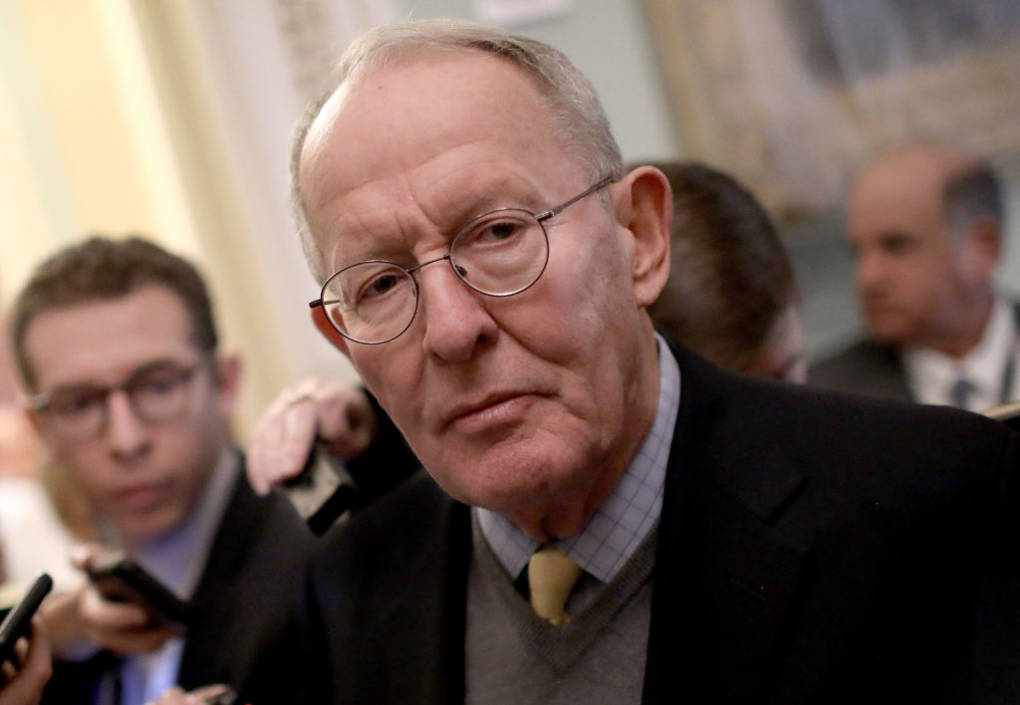
"caption": "Sen. Lamar Alexander (R-TN) answers questions following the weekly Republican policy luncheon at the U.S. Capitol on October 17, 2017 in Washington, DC. Alexander and Sen. Patty Murray (D-WA) reportedly reached a bipartisan agreement on a key insurance subsidy program related to the Affordable Care Act. ",
"description": null,
"title": "Senate GOP And Democrats Address Press After Weekly Policy Luncheons",
"credit": "Win McNamee/Getty Images",
"status": "inherit",
"isLoading": false,
"fetchFailed": false
},
"news_11623252": {
"type": "attachments",
"id": "news_11623252",
"meta": {
"index": "attachments_1716263798",
"site": "news",
"id": "11623252",
"found": true
},
"parent": 11623224,
"imgSizes": {
"small": {
"file": "https://ww2.kqed.org/app/uploads/sites/10/2017/10/Becerra-520x347.jpg",
"width": 520,
"mimeType": "image/jpeg",
"height": 347
},
"twentyfourteen-full-width": {
"file": "https://ww2.kqed.org/app/uploads/sites/10/2017/10/Becerra-1038x576.jpg",
"width": 1038,
"mimeType": "image/jpeg",
"height": 576
},
"thumbnail": {
"file": "https://ww2.kqed.org/app/uploads/sites/10/2017/10/Becerra-160x107.jpg",
"width": 160,
"mimeType": "image/jpeg",
"height": 107
},
"fd-sm": {
"file": "https://ww2.kqed.org/app/uploads/sites/10/2017/10/Becerra-960x640.jpg",
"width": 960,
"mimeType": "image/jpeg",
"height": 640
},
"post-thumbnail": {
"file": "https://ww2.kqed.org/app/uploads/sites/10/2017/10/Becerra-672x372.jpg",
"width": 672,
"mimeType": "image/jpeg",
"height": 372
},
"xsmall": {
"file": "https://ww2.kqed.org/app/uploads/sites/10/2017/10/Becerra-375x250.jpg",
"width": 375,
"mimeType": "image/jpeg",
"height": 250
},
"kqedFullSize": {
"file": "https://ww2.kqed.org/app/uploads/sites/10/2017/10/Becerra.jpg",
"width": 1920,
"height": 1280
},
"large": {
"file": "https://ww2.kqed.org/app/uploads/sites/10/2017/10/Becerra-1020x680.jpg",
"width": 1020,
"mimeType": "image/jpeg",
"height": 680
},
"xlarge": {
"file": "https://ww2.kqed.org/app/uploads/sites/10/2017/10/Becerra-1180x787.jpg",
"width": 1180,
"mimeType": "image/jpeg",
"height": 787
},
"guest-author-50": {
"file": "https://ww2.kqed.org/app/uploads/sites/10/2017/10/Becerra-50x50.jpg",
"width": 50,
"mimeType": "image/jpeg",
"height": 50
},
"guest-author-96": {
"file": "https://ww2.kqed.org/app/uploads/sites/10/2017/10/Becerra-96x96.jpg",
"width": 96,
"mimeType": "image/jpeg",
"height": 96
},
"medium": {
"file": "https://ww2.kqed.org/app/uploads/sites/10/2017/10/Becerra-800x533.jpg",
"width": 800,
"mimeType": "image/jpeg",
"height": 533
},
"guest-author-64": {
"file": "https://ww2.kqed.org/app/uploads/sites/10/2017/10/Becerra-64x64.jpg",
"width": 64,
"mimeType": "image/jpeg",
"height": 64
},
"guest-author-32": {
"file": "https://ww2.kqed.org/app/uploads/sites/10/2017/10/Becerra-32x32.jpg",
"width": 32,
"mimeType": "image/jpeg",
"height": 32
},
"fd-lrg": {
"file": "https://ww2.kqed.org/app/uploads/sites/10/2017/10/Becerra-1920x1280.jpg",
"width": 1920,
"mimeType": "image/jpeg",
"height": 1280
},
"fd-med": {
"file": "https://ww2.kqed.org/app/uploads/sites/10/2017/10/Becerra-1180x787.jpg",
"width": 1180,
"mimeType": "image/jpeg",
"height": 787
},
"full-width": {
"file": "https://ww2.kqed.org/app/uploads/sites/10/2017/10/Becerra-1920x1280.jpg",
"width": 1920,
"mimeType": "image/jpeg",
"height": 1280
},
"detail": {
"file": "https://ww2.kqed.org/app/uploads/sites/10/2017/10/Becerra-150x150.jpg",
"width": 150,
"mimeType": "image/jpeg",
"height": 150
},
"guest-author-128": {
"file": "https://ww2.kqed.org/app/uploads/sites/10/2017/10/Becerra-128x128.jpg",
"width": 128,
"mimeType": "image/jpeg",
"height": 128
},
"xxsmall": {
"file": "https://ww2.kqed.org/app/uploads/sites/10/2017/10/Becerra-240x160.jpg",
"width": 240,
"mimeType": "image/jpeg",
"height": 160
}
},
"publishDate": 1507922996,
"modified": 1507923053,
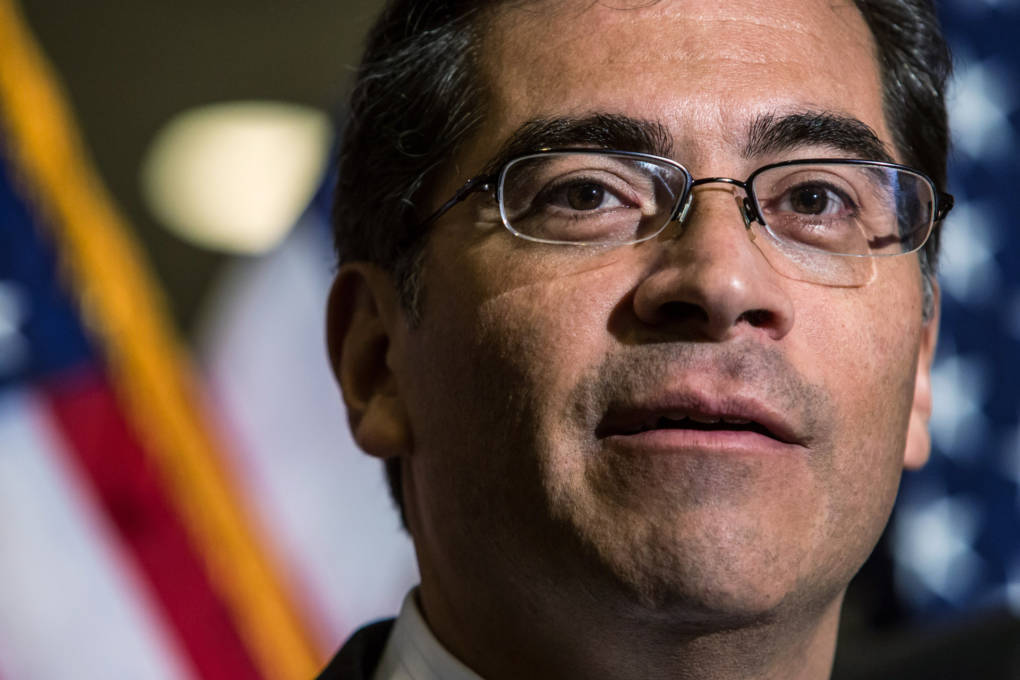
"caption": "California Attorney General Xavier Becerra",
"description": "California Attorney General Xavier Becerra",
"title": "Becerra",
"credit": "Brendan Hoffman/Getty Images",
"status": "inherit",
"isLoading": false,
"fetchFailed": false
},
"news_11622928": {
"type": "attachments",
"id": "news_11622928",
"meta": {
"index": "attachments_1716263798",
"site": "news",
"id": "11622928",
"found": true
},
"parent": 11622922,
"imgSizes": {
"small": {
"file": "https://ww2.kqed.org/app/uploads/sites/10/2017/10/GettyImages-860576262-520x347.jpg",
"width": 520,
"mimeType": "image/jpeg",
"height": 347
},
"twentyfourteen-full-width": {
"file": "https://ww2.kqed.org/app/uploads/sites/10/2017/10/GettyImages-860576262-1038x576.jpg",
"width": 1038,
"mimeType": "image/jpeg",
"height": 576
},
"thumbnail": {
"file": "https://ww2.kqed.org/app/uploads/sites/10/2017/10/GettyImages-860576262-160x107.jpg",
"width": 160,
"mimeType": "image/jpeg",
"height": 107
},
"fd-sm": {
"file": "https://ww2.kqed.org/app/uploads/sites/10/2017/10/GettyImages-860576262-960x640.jpg",
"width": 960,
"mimeType": "image/jpeg",
"height": 640
},
"post-thumbnail": {
"file": "https://ww2.kqed.org/app/uploads/sites/10/2017/10/GettyImages-860576262-672x372.jpg",
"width": 672,
"mimeType": "image/jpeg",
"height": 372
},
"xsmall": {
"file": "https://ww2.kqed.org/app/uploads/sites/10/2017/10/GettyImages-860576262-375x250.jpg",
"width": 375,
"mimeType": "image/jpeg",
"height": 250
},
"kqedFullSize": {
"file": "https://ww2.kqed.org/app/uploads/sites/10/2017/10/GettyImages-860576262-e1507840088511.jpg",
"width": 1920,
"height": 1280
},
"large": {
"file": "https://ww2.kqed.org/app/uploads/sites/10/2017/10/GettyImages-860576262-1020x680.jpg",
"width": 1020,
"mimeType": "image/jpeg",
"height": 680
},
"xlarge": {
"file": "https://ww2.kqed.org/app/uploads/sites/10/2017/10/GettyImages-860576262-1180x787.jpg",
"width": 1180,
"mimeType": "image/jpeg",
"height": 787
},
"guest-author-50": {
"file": "https://ww2.kqed.org/app/uploads/sites/10/2017/10/GettyImages-860576262-50x50.jpg",
"width": 50,
"mimeType": "image/jpeg",
"height": 50
},
"guest-author-96": {
"file": "https://ww2.kqed.org/app/uploads/sites/10/2017/10/GettyImages-860576262-96x96.jpg",
"width": 96,
"mimeType": "image/jpeg",
"height": 96
},
"medium": {
"file": "https://ww2.kqed.org/app/uploads/sites/10/2017/10/GettyImages-860576262-800x533.jpg",
"width": 800,
"mimeType": "image/jpeg",
"height": 533
},
"guest-author-64": {
"file": "https://ww2.kqed.org/app/uploads/sites/10/2017/10/GettyImages-860576262-64x64.jpg",
"width": 64,
"mimeType": "image/jpeg",
"height": 64
},
"guest-author-32": {
"file": "https://ww2.kqed.org/app/uploads/sites/10/2017/10/GettyImages-860576262-32x32.jpg",
"width": 32,
"mimeType": "image/jpeg",
"height": 32
},
"fd-lrg": {
"file": "https://ww2.kqed.org/app/uploads/sites/10/2017/10/GettyImages-860576262-1920x1280.jpg",
"width": 1920,
"mimeType": "image/jpeg",
"height": 1280
},
"fd-med": {
"file": "https://ww2.kqed.org/app/uploads/sites/10/2017/10/GettyImages-860576262-1180x787.jpg",
"width": 1180,
"mimeType": "image/jpeg",
"height": 787
},
"full-width": {
"file": "https://ww2.kqed.org/app/uploads/sites/10/2017/10/GettyImages-860576262-1920x1280.jpg",
"width": 1920,
"mimeType": "image/jpeg",
"height": 1280
},
"detail": {
"file": "https://ww2.kqed.org/app/uploads/sites/10/2017/10/GettyImages-860576262-150x150.jpg",
"width": 150,
"mimeType": "image/jpeg",
"height": 150
},
"guest-author-128": {
"file": "https://ww2.kqed.org/app/uploads/sites/10/2017/10/GettyImages-860576262-128x128.jpg",
"width": 128,
"mimeType": "image/jpeg",
"height": 128
},
"xxsmall": {
"file": "https://ww2.kqed.org/app/uploads/sites/10/2017/10/GettyImages-860576262-240x160.jpg",
"width": 240,
"mimeType": "image/jpeg",
"height": 160
}
},
"publishDate": 1507840005,
"modified": 1507848355,
"caption": "President Trump signs an executive order as Sen. Rand Paul (R-KY), Vice President Mike Pence, Rep. Virginia Foxx (R-NC) and Secretary of Labor Alexander Acosta look on during an event in the Roosevelt Room of the White House on Oct. 12, 2017, in Washington, D.C. Trump signed the executive order to loosen restrictions on Affordable Care Act \"to promote health care choice and competition.\"",
"description": null,
"title": "President Trump Signs Executive Order To Promote Healthcare Choice",
"credit": "Alex Wong/Getty Images",
"status": "inherit",
"isLoading": false,
"fetchFailed": false
},
"news_11539279": {
"type": "attachments",
"id": "news_11539279",
"meta": {
"index": "attachments_1716263798",
"site": "news",
"id": "11539279",
"found": true
},
"parent": 11539035,
"imgSizes": {
"small": {
"file": "https://ww2.kqed.org/app/uploads/sites/10/2017/06/RS24780_GettyImages-157556522-qut-520x347.jpg",
"width": 520,
"mimeType": "image/jpeg",
"height": 347
},
"twentyfourteen-full-width": {
"file": "https://ww2.kqed.org/app/uploads/sites/10/2017/06/RS24780_GettyImages-157556522-qut-1038x576.jpg",
"width": 1038,
"mimeType": "image/jpeg",
"height": 576
},
"thumbnail": {
"file": "https://ww2.kqed.org/app/uploads/sites/10/2017/06/RS24780_GettyImages-157556522-qut-160x107.jpg",
"width": 160,
"mimeType": "image/jpeg",
"height": 107
},
"fd-sm": {
"file": "https://ww2.kqed.org/app/uploads/sites/10/2017/06/RS24780_GettyImages-157556522-qut-960x640.jpg",
"width": 960,
"mimeType": "image/jpeg",
"height": 640
},
"post-thumbnail": {
"file": "https://ww2.kqed.org/app/uploads/sites/10/2017/06/RS24780_GettyImages-157556522-qut-672x372.jpg",
"width": 672,
"mimeType": "image/jpeg",
"height": 372
},
"xsmall": {
"file": "https://ww2.kqed.org/app/uploads/sites/10/2017/06/RS24780_GettyImages-157556522-qut-375x250.jpg",
"width": 375,
"mimeType": "image/jpeg",
"height": 250
},
"kqedFullSize": {
"file": "https://ww2.kqed.org/app/uploads/sites/10/2017/06/RS24780_GettyImages-157556522-qut.jpg",
"width": 1920,
"height": 1280
},
"large": {
"file": "https://ww2.kqed.org/app/uploads/sites/10/2017/06/RS24780_GettyImages-157556522-qut-1020x680.jpg",
"width": 1020,
"mimeType": "image/jpeg",
"height": 680
},
"xlarge": {
"file": "https://ww2.kqed.org/app/uploads/sites/10/2017/06/RS24780_GettyImages-157556522-qut-1180x787.jpg",
"width": 1180,
"mimeType": "image/jpeg",
"height": 787
},
"guest-author-50": {
"file": "https://ww2.kqed.org/app/uploads/sites/10/2017/06/RS24780_GettyImages-157556522-qut-50x50.jpg",
"width": 50,
"mimeType": "image/jpeg",
"height": 50
},
"guest-author-96": {
"file": "https://ww2.kqed.org/app/uploads/sites/10/2017/06/RS24780_GettyImages-157556522-qut-96x96.jpg",
"width": 96,
"mimeType": "image/jpeg",
"height": 96
},
"medium": {
"file": "https://ww2.kqed.org/app/uploads/sites/10/2017/06/RS24780_GettyImages-157556522-qut-800x533.jpg",
"width": 800,
"mimeType": "image/jpeg",
"height": 533
},
"guest-author-64": {
"file": "https://ww2.kqed.org/app/uploads/sites/10/2017/06/RS24780_GettyImages-157556522-qut-64x64.jpg",
"width": 64,
"mimeType": "image/jpeg",
"height": 64
},
"guest-author-32": {
"file": "https://ww2.kqed.org/app/uploads/sites/10/2017/06/RS24780_GettyImages-157556522-qut-32x32.jpg",
"width": 32,
"mimeType": "image/jpeg",
"height": 32
},
"fd-lrg": {
"file": "https://ww2.kqed.org/app/uploads/sites/10/2017/06/RS24780_GettyImages-157556522-qut-1920x1280.jpg",
"width": 1920,
"mimeType": "image/jpeg",
"height": 1280
},
"fd-med": {
"file": "https://ww2.kqed.org/app/uploads/sites/10/2017/06/RS24780_GettyImages-157556522-qut-1180x787.jpg",
"width": 1180,
"mimeType": "image/jpeg",
"height": 787
},
"full-width": {
"file": "https://ww2.kqed.org/app/uploads/sites/10/2017/06/RS24780_GettyImages-157556522-qut-1920x1280.jpg",
"width": 1920,
"mimeType": "image/jpeg",
"height": 1280
},
"detail": {
"file": "https://ww2.kqed.org/app/uploads/sites/10/2017/06/RS24780_GettyImages-157556522-qut-150x150.jpg",
"width": 150,
"mimeType": "image/jpeg",
"height": 150
},
"guest-author-128": {
"file": "https://ww2.kqed.org/app/uploads/sites/10/2017/06/RS24780_GettyImages-157556522-qut-128x128.jpg",
"width": 128,
"mimeType": "image/jpeg",
"height": 128
},
"xxsmall": {
"file": "https://ww2.kqed.org/app/uploads/sites/10/2017/06/RS24780_GettyImages-157556522-qut-240x160.jpg",
"width": 240,
"mimeType": "image/jpeg",
"height": 160
}
},
"publishDate": 1498775017,
"modified": 1507398430,
"caption": "California Attorney General Xavier Becerra.",
"description": null,
"title": "RS24780_GettyImages-157556522-qut",
"credit": "Brendan Hoffman/Getty Images",
"status": "inherit",
"isLoading": false,
"fetchFailed": false
},
"news_11621446": {
"type": "attachments",
"id": "news_11621446",
"meta": {
"index": "attachments_1716263798",
"site": "news",
"id": "11621446",
"found": true
},
"parent": 11621442,
"imgSizes": {
"small": {
"file": "https://ww2.kqed.org/app/uploads/sites/10/2017/10/GettyImages-141772868-520x335.jpg",
"width": 520,
"mimeType": "image/jpeg",
"height": 335
},
"twentyfourteen-full-width": {
"file": "https://ww2.kqed.org/app/uploads/sites/10/2017/10/GettyImages-141772868-1038x576.jpg",
"width": 1038,
"mimeType": "image/jpeg",
"height": 576
},
"thumbnail": {
"file": "https://ww2.kqed.org/app/uploads/sites/10/2017/10/GettyImages-141772868-160x103.jpg",
"width": 160,
"mimeType": "image/jpeg",
"height": 103
},
"fd-sm": {
"file": "https://ww2.kqed.org/app/uploads/sites/10/2017/10/GettyImages-141772868-960x619.jpg",
"width": 960,
"mimeType": "image/jpeg",
"height": 619
},
"post-thumbnail": {
"file": "https://ww2.kqed.org/app/uploads/sites/10/2017/10/GettyImages-141772868-672x372.jpg",
"width": 672,
"mimeType": "image/jpeg",
"height": 372
},
"xsmall": {
"file": "https://ww2.kqed.org/app/uploads/sites/10/2017/10/GettyImages-141772868-375x242.jpg",
"width": 375,
"mimeType": "image/jpeg",
"height": 242
},
"kqedFullSize": {
"file": "https://ww2.kqed.org/app/uploads/sites/10/2017/10/GettyImages-141772868-e1507306204933.jpg",
"width": 1920,
"height": 1239
},
"large": {
"file": "https://ww2.kqed.org/app/uploads/sites/10/2017/10/GettyImages-141772868-1020x658.jpg",
"width": 1020,
"mimeType": "image/jpeg",
"height": 658
},
"xlarge": {
"file": "https://ww2.kqed.org/app/uploads/sites/10/2017/10/GettyImages-141772868-1180x761.jpg",
"width": 1180,
"mimeType": "image/jpeg",
"height": 761
},
"guest-author-50": {
"file": "https://ww2.kqed.org/app/uploads/sites/10/2017/10/GettyImages-141772868-50x50.jpg",
"width": 50,
"mimeType": "image/jpeg",
"height": 50
},
"guest-author-96": {
"file": "https://ww2.kqed.org/app/uploads/sites/10/2017/10/GettyImages-141772868-96x96.jpg",
"width": 96,
"mimeType": "image/jpeg",
"height": 96
},
"medium": {
"file": "https://ww2.kqed.org/app/uploads/sites/10/2017/10/GettyImages-141772868-800x516.jpg",
"width": 800,
"mimeType": "image/jpeg",
"height": 516
},
"guest-author-64": {
"file": "https://ww2.kqed.org/app/uploads/sites/10/2017/10/GettyImages-141772868-64x64.jpg",
"width": 64,
"mimeType": "image/jpeg",
"height": 64
},
"guest-author-32": {
"file": "https://ww2.kqed.org/app/uploads/sites/10/2017/10/GettyImages-141772868-32x32.jpg",
"width": 32,
"mimeType": "image/jpeg",
"height": 32
},
"fd-lrg": {
"file": "https://ww2.kqed.org/app/uploads/sites/10/2017/10/GettyImages-141772868-1920x1239.jpg",
"width": 1920,
"mimeType": "image/jpeg",
"height": 1239
},
"fd-med": {
"file": "https://ww2.kqed.org/app/uploads/sites/10/2017/10/GettyImages-141772868-1180x761.jpg",
"width": 1180,
"mimeType": "image/jpeg",
"height": 761
},
"full-width": {
"file": "https://ww2.kqed.org/app/uploads/sites/10/2017/10/GettyImages-141772868-1920x1239.jpg",
"width": 1920,
"mimeType": "image/jpeg",
"height": 1239
},
"detail": {
"file": "https://ww2.kqed.org/app/uploads/sites/10/2017/10/GettyImages-141772868-150x150.jpg",
"width": 150,
"mimeType": "image/jpeg",
"height": 150
},
"guest-author-128": {
"file": "https://ww2.kqed.org/app/uploads/sites/10/2017/10/GettyImages-141772868-128x128.jpg",
"width": 128,
"mimeType": "image/jpeg",
"height": 128
},
"xxsmall": {
"file": "https://ww2.kqed.org/app/uploads/sites/10/2017/10/GettyImages-141772868-240x155.jpg",
"width": 240,
"mimeType": "image/jpeg",
"height": 155
}
},
"publishDate": 1507306139,
"modified": 1507328200,
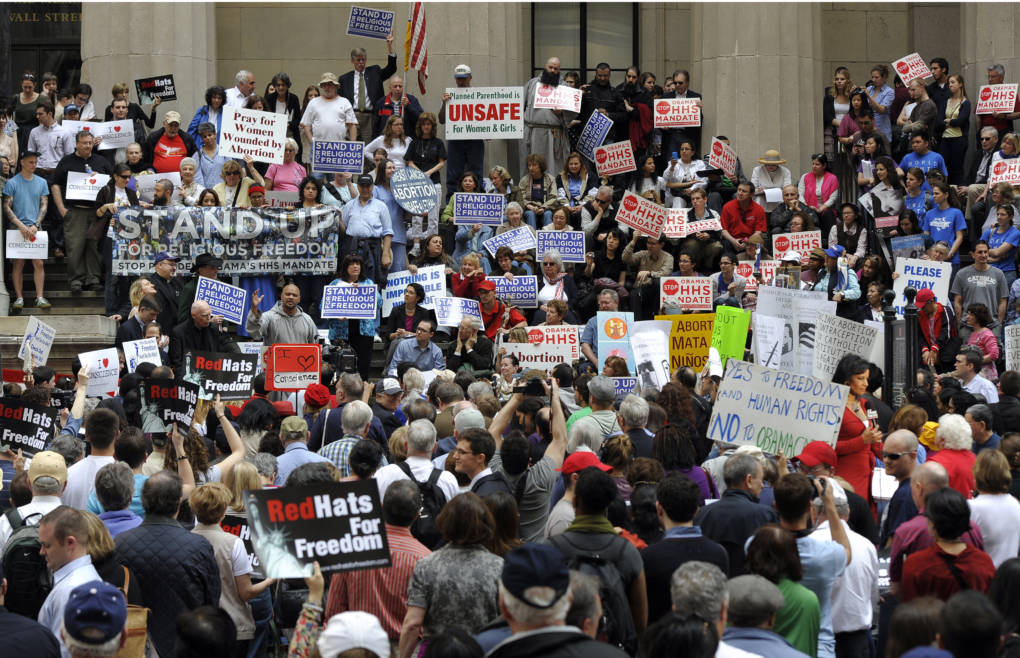
"caption": "Demonstrators protest a requirement that most employers provide health care insurance coverage for contraception and sterilization as part of the federal health care overhaul, during a \"Stand Up for Religious Freedom\" rally in New York on March 23, 2012. ",
"description": null,
"title": "Demonstrators protest a requirement that",
"credit": "Timothy A. Clary/AFP/Getty Images",
"status": "inherit",
"isLoading": false,
"fetchFailed": false
},
"news_11619128": {
"type": "attachments",
"id": "news_11619128",
"meta": {
"index": "attachments_1716263798",
"site": "news",
"id": "11619128",
"found": true
},
"parent": 11619127,
"imgSizes": {
"small": {
"file": "https://ww2.kqed.org/app/uploads/sites/10/2017/09/gettyimages-8127475561_wide-7dfa9d989235d5917375f3e976a9d829d0ae4996-520x292.jpg",
"width": 520,
"mimeType": "image/jpeg",
"height": 292
},
"twentyfourteen-full-width": {
"file": "https://ww2.kqed.org/app/uploads/sites/10/2017/09/gettyimages-8127475561_wide-7dfa9d989235d5917375f3e976a9d829d0ae4996-1038x576.jpg",
"width": 1038,
"mimeType": "image/jpeg",
"height": 576
},
"thumbnail": {
"file": "https://ww2.kqed.org/app/uploads/sites/10/2017/09/gettyimages-8127475561_wide-7dfa9d989235d5917375f3e976a9d829d0ae4996-160x90.jpg",
"width": 160,
"mimeType": "image/jpeg",
"height": 90
},
"fd-sm": {
"file": "https://ww2.kqed.org/app/uploads/sites/10/2017/09/gettyimages-8127475561_wide-7dfa9d989235d5917375f3e976a9d829d0ae4996-960x540.jpg",
"width": 960,
"mimeType": "image/jpeg",
"height": 540
},
"post-thumbnail": {
"file": "https://ww2.kqed.org/app/uploads/sites/10/2017/09/gettyimages-8127475561_wide-7dfa9d989235d5917375f3e976a9d829d0ae4996-672x372.jpg",
"width": 672,
"mimeType": "image/jpeg",
"height": 372
},
"xsmall": {
"file": "https://ww2.kqed.org/app/uploads/sites/10/2017/09/gettyimages-8127475561_wide-7dfa9d989235d5917375f3e976a9d829d0ae4996-375x211.jpg",
"width": 375,
"mimeType": "image/jpeg",
"height": 211
},
"kqedFullSize": {
"file": "https://ww2.kqed.org/app/uploads/sites/10/2017/09/gettyimages-8127475561_wide-7dfa9d989235d5917375f3e976a9d829d0ae4996-e1506452107190.jpg",
"width": 1920,
"height": 1080
},
"large": {
"file": "https://ww2.kqed.org/app/uploads/sites/10/2017/09/gettyimages-8127475561_wide-7dfa9d989235d5917375f3e976a9d829d0ae4996-1020x574.jpg",
"width": 1020,
"mimeType": "image/jpeg",
"height": 574
},
"xlarge": {
"file": "https://ww2.kqed.org/app/uploads/sites/10/2017/09/gettyimages-8127475561_wide-7dfa9d989235d5917375f3e976a9d829d0ae4996-1180x664.jpg",
"width": 1180,
"mimeType": "image/jpeg",
"height": 664
},
"guest-author-50": {
"file": "https://ww2.kqed.org/app/uploads/sites/10/2017/09/gettyimages-8127475561_wide-7dfa9d989235d5917375f3e976a9d829d0ae4996-50x50.jpg",
"width": 50,
"mimeType": "image/jpeg",
"height": 50
},
"guest-author-96": {
"file": "https://ww2.kqed.org/app/uploads/sites/10/2017/09/gettyimages-8127475561_wide-7dfa9d989235d5917375f3e976a9d829d0ae4996-96x96.jpg",
"width": 96,
"mimeType": "image/jpeg",
"height": 96
},
"medium": {
"file": "https://ww2.kqed.org/app/uploads/sites/10/2017/09/gettyimages-8127475561_wide-7dfa9d989235d5917375f3e976a9d829d0ae4996-800x450.jpg",
"width": 800,
"mimeType": "image/jpeg",
"height": 450
},
"guest-author-64": {
"file": "https://ww2.kqed.org/app/uploads/sites/10/2017/09/gettyimages-8127475561_wide-7dfa9d989235d5917375f3e976a9d829d0ae4996-64x64.jpg",
"width": 64,
"mimeType": "image/jpeg",
"height": 64
},
"guest-author-32": {
"file": "https://ww2.kqed.org/app/uploads/sites/10/2017/09/gettyimages-8127475561_wide-7dfa9d989235d5917375f3e976a9d829d0ae4996-32x32.jpg",
"width": 32,
"mimeType": "image/jpeg",
"height": 32
},
"fd-lrg": {
"file": "https://ww2.kqed.org/app/uploads/sites/10/2017/09/gettyimages-8127475561_wide-7dfa9d989235d5917375f3e976a9d829d0ae4996-1920x1080.jpg",
"width": 1920,
"mimeType": "image/jpeg",
"height": 1080
},
"fd-med": {
"file": "https://ww2.kqed.org/app/uploads/sites/10/2017/09/gettyimages-8127475561_wide-7dfa9d989235d5917375f3e976a9d829d0ae4996-1180x664.jpg",
"width": 1180,
"mimeType": "image/jpeg",
"height": 664
},
"full-width": {
"file": "https://ww2.kqed.org/app/uploads/sites/10/2017/09/gettyimages-8127475561_wide-7dfa9d989235d5917375f3e976a9d829d0ae4996-1920x1080.jpg",
"width": 1920,
"mimeType": "image/jpeg",
"height": 1080
},
"detail": {
"file": "https://ww2.kqed.org/app/uploads/sites/10/2017/09/gettyimages-8127475561_wide-7dfa9d989235d5917375f3e976a9d829d0ae4996-150x150.jpg",
"width": 150,
"mimeType": "image/jpeg",
"height": 150
},
"guest-author-128": {
"file": "https://ww2.kqed.org/app/uploads/sites/10/2017/09/gettyimages-8127475561_wide-7dfa9d989235d5917375f3e976a9d829d0ae4996-128x128.jpg",
"width": 128,
"mimeType": "image/jpeg",
"height": 128
},
"xxsmall": {
"file": "https://ww2.kqed.org/app/uploads/sites/10/2017/09/gettyimages-8127475561_wide-7dfa9d989235d5917375f3e976a9d829d0ae4996-240x135.jpg",
"width": 240,
"mimeType": "image/jpeg",
"height": 135
}
},
"publishDate": 1506451209,
"modified": 1506452101,
"caption": "Senate Majority Leader Mitch McConnell of Kentucky.",
"description": "Senate Majority Leader Mitch McConnell of Kentucky.",
"title": "Senate Majority Leader Mitch McConnell of Kentucky is in the hot seat, as Senate Republicans appear to be on the precipice of yet another health care failure.",
"credit": "Alex Wong/Getty Images",
"status": "inherit",
"isLoading": false,
"fetchFailed": false
},
"news_11619033": {
"type": "attachments",
"id": "news_11619033",
"meta": {
"index": "attachments_1716263798",
"site": "news",
"id": "11619033",
"found": true
},
"parent": 11619032,
"imgSizes": {
"small": {
"file": "https://ww2.kqed.org/app/uploads/sites/10/2017/09/gettyimages-184774651_wide-5c9dffc6e0e07ce9cd0fcf4e459a2b7f987858c0-520x293.jpg",
"width": 520,
"mimeType": "image/jpeg",
"height": 293
},
"twentyfourteen-full-width": {
"file": "https://ww2.kqed.org/app/uploads/sites/10/2017/09/gettyimages-184774651_wide-5c9dffc6e0e07ce9cd0fcf4e459a2b7f987858c0-1038x576.jpg",
"width": 1038,
"mimeType": "image/jpeg",
"height": 576
},
"thumbnail": {
"file": "https://ww2.kqed.org/app/uploads/sites/10/2017/09/gettyimages-184774651_wide-5c9dffc6e0e07ce9cd0fcf4e459a2b7f987858c0-160x90.jpg",
"width": 160,
"mimeType": "image/jpeg",
"height": 90
},
"fd-sm": {
"file": "https://ww2.kqed.org/app/uploads/sites/10/2017/09/gettyimages-184774651_wide-5c9dffc6e0e07ce9cd0fcf4e459a2b7f987858c0-960x540.jpg",
"width": 960,
"mimeType": "image/jpeg",
"height": 540
},
"post-thumbnail": {
"file": "https://ww2.kqed.org/app/uploads/sites/10/2017/09/gettyimages-184774651_wide-5c9dffc6e0e07ce9cd0fcf4e459a2b7f987858c0-672x372.jpg",
"width": 672,
"mimeType": "image/jpeg",
"height": 372
},
"xsmall": {
"file": "https://ww2.kqed.org/app/uploads/sites/10/2017/09/gettyimages-184774651_wide-5c9dffc6e0e07ce9cd0fcf4e459a2b7f987858c0-375x211.jpg",
"width": 375,
"mimeType": "image/jpeg",
"height": 211
},
"kqedFullSize": {
"file": "https://ww2.kqed.org/app/uploads/sites/10/2017/09/gettyimages-184774651_wide-5c9dffc6e0e07ce9cd0fcf4e459a2b7f987858c0-e1506380312538.jpg",
"width": 1920,
"height": 1080
},
"large": {
"file": "https://ww2.kqed.org/app/uploads/sites/10/2017/09/gettyimages-184774651_wide-5c9dffc6e0e07ce9cd0fcf4e459a2b7f987858c0-1020x574.jpg",
"width": 1020,
"mimeType": "image/jpeg",
"height": 574
},
"xlarge": {
"file": "https://ww2.kqed.org/app/uploads/sites/10/2017/09/gettyimages-184774651_wide-5c9dffc6e0e07ce9cd0fcf4e459a2b7f987858c0-1180x664.jpg",
"width": 1180,
"mimeType": "image/jpeg",
"height": 664
},
"guest-author-50": {
"file": "https://ww2.kqed.org/app/uploads/sites/10/2017/09/gettyimages-184774651_wide-5c9dffc6e0e07ce9cd0fcf4e459a2b7f987858c0-50x50.jpg",
"width": 50,
"mimeType": "image/jpeg",
"height": 50
},
"guest-author-96": {
"file": "https://ww2.kqed.org/app/uploads/sites/10/2017/09/gettyimages-184774651_wide-5c9dffc6e0e07ce9cd0fcf4e459a2b7f987858c0-96x96.jpg",
"width": 96,
"mimeType": "image/jpeg",
"height": 96
},
"medium": {
"file": "https://ww2.kqed.org/app/uploads/sites/10/2017/09/gettyimages-184774651_wide-5c9dffc6e0e07ce9cd0fcf4e459a2b7f987858c0-800x450.jpg",
"width": 800,
"mimeType": "image/jpeg",
"height": 450
},
"guest-author-64": {
"file": "https://ww2.kqed.org/app/uploads/sites/10/2017/09/gettyimages-184774651_wide-5c9dffc6e0e07ce9cd0fcf4e459a2b7f987858c0-64x64.jpg",
"width": 64,
"mimeType": "image/jpeg",
"height": 64
},
"guest-author-32": {
"file": "https://ww2.kqed.org/app/uploads/sites/10/2017/09/gettyimages-184774651_wide-5c9dffc6e0e07ce9cd0fcf4e459a2b7f987858c0-32x32.jpg",
"width": 32,
"mimeType": "image/jpeg",
"height": 32
},
"fd-lrg": {
"file": "https://ww2.kqed.org/app/uploads/sites/10/2017/09/gettyimages-184774651_wide-5c9dffc6e0e07ce9cd0fcf4e459a2b7f987858c0-1920x1080.jpg",
"width": 1920,
"mimeType": "image/jpeg",
"height": 1080
},
"fd-med": {
"file": "https://ww2.kqed.org/app/uploads/sites/10/2017/09/gettyimages-184774651_wide-5c9dffc6e0e07ce9cd0fcf4e459a2b7f987858c0-1180x664.jpg",
"width": 1180,
"mimeType": "image/jpeg",
"height": 664
},
"full-width": {
"file": "https://ww2.kqed.org/app/uploads/sites/10/2017/09/gettyimages-184774651_wide-5c9dffc6e0e07ce9cd0fcf4e459a2b7f987858c0-1920x1080.jpg",
"width": 1920,
"mimeType": "image/jpeg",
"height": 1080
},
"detail": {
"file": "https://ww2.kqed.org/app/uploads/sites/10/2017/09/gettyimages-184774651_wide-5c9dffc6e0e07ce9cd0fcf4e459a2b7f987858c0-150x150.jpg",
"width": 150,
"mimeType": "image/jpeg",
"height": 150
},
"guest-author-128": {
"file": "https://ww2.kqed.org/app/uploads/sites/10/2017/09/gettyimages-184774651_wide-5c9dffc6e0e07ce9cd0fcf4e459a2b7f987858c0-128x128.jpg",
"width": 128,
"mimeType": "image/jpeg",
"height": 128
},
"xxsmall": {
"file": "https://ww2.kqed.org/app/uploads/sites/10/2017/09/gettyimages-184774651_wide-5c9dffc6e0e07ce9cd0fcf4e459a2b7f987858c0-240x135.jpg",
"width": 240,
"mimeType": "image/jpeg",
"height": 135
}
},
"publishDate": 1506378054,
"modified": 1506378135,
"caption": "Sens. John McCain, R-Ariz., Susan Collins, R-Maine, in a 2013 file photo. They along with Sen. Rand Paul, R-Ky., have announced firm opposition to the latest GOP health care bill.",
"description": "Sens. John McCain, R-Ariz., Susan Collins, R-Maine, in a 2013 file photo. They along with Sen. Rand Paul, R-Ky., have announced firm opposition to the latest GOP health care bill",
"title": "Sens. John McCain, R-Ariz., Susan Collins, R-Maine, in a 2013 file photo. They along with Sen. Rand Paul, R-Ky., have announced firm opposition to the latest GOP health care bill.",
"credit": "Brendan Smialowski/AFP/Getty Images",
"status": "inherit",
"isLoading": false,
"fetchFailed": false
},
"news_11618983": {
"type": "attachments",
"id": "news_11618983",
"meta": {
"index": "attachments_1716263798",
"site": "news",
"id": "11618983",
"found": true
},
"parent": 11618969,
"imgSizes": {
"small": {
"file": "https://ww2.kqed.org/app/uploads/sites/10/2017/09/gettyimages-853706718_custom-269806da37bed3f58fa840569124606aba7bc476-s800-c85-520x324.jpg",
"width": 520,
"mimeType": "image/jpeg",
"height": 324
},
"thumbnail": {
"file": "https://ww2.kqed.org/app/uploads/sites/10/2017/09/gettyimages-853706718_custom-269806da37bed3f58fa840569124606aba7bc476-s800-c85-160x100.jpg",
"width": 160,
"mimeType": "image/jpeg",
"height": 100
},
"post-thumbnail": {
"file": "https://ww2.kqed.org/app/uploads/sites/10/2017/09/gettyimages-853706718_custom-269806da37bed3f58fa840569124606aba7bc476-s800-c85-672x372.jpg",
"width": 672,
"mimeType": "image/jpeg",
"height": 372
},
"xsmall": {
"file": "https://ww2.kqed.org/app/uploads/sites/10/2017/09/gettyimages-853706718_custom-269806da37bed3f58fa840569124606aba7bc476-s800-c85-375x234.jpg",
"width": 375,
"mimeType": "image/jpeg",
"height": 234
},
"kqedFullSize": {
"file": "https://ww2.kqed.org/app/uploads/sites/10/2017/09/gettyimages-853706718_custom-269806da37bed3f58fa840569124606aba7bc476-s800-c85.jpg",
"width": 800,
"height": 499
},
"guest-author-50": {
"file": "https://ww2.kqed.org/app/uploads/sites/10/2017/09/gettyimages-853706718_custom-269806da37bed3f58fa840569124606aba7bc476-s800-c85-50x50.jpg",
"width": 50,
"mimeType": "image/jpeg",
"height": 50
},
"guest-author-96": {
"file": "https://ww2.kqed.org/app/uploads/sites/10/2017/09/gettyimages-853706718_custom-269806da37bed3f58fa840569124606aba7bc476-s800-c85-96x96.jpg",
"width": 96,
"mimeType": "image/jpeg",
"height": 96
},
"medium": {
"file": "https://ww2.kqed.org/app/uploads/sites/10/2017/09/gettyimages-853706718_custom-269806da37bed3f58fa840569124606aba7bc476-s800-c85-800x499.jpg",
"width": 800,
"mimeType": "image/jpeg",
"height": 499
},
"guest-author-64": {
"file": "https://ww2.kqed.org/app/uploads/sites/10/2017/09/gettyimages-853706718_custom-269806da37bed3f58fa840569124606aba7bc476-s800-c85-64x64.jpg",
"width": 64,
"mimeType": "image/jpeg",
"height": 64
},
"guest-author-32": {
"file": "https://ww2.kqed.org/app/uploads/sites/10/2017/09/gettyimages-853706718_custom-269806da37bed3f58fa840569124606aba7bc476-s800-c85-32x32.jpg",
"width": 32,
"mimeType": "image/jpeg",
"height": 32
},
"detail": {
"file": "https://ww2.kqed.org/app/uploads/sites/10/2017/09/gettyimages-853706718_custom-269806da37bed3f58fa840569124606aba7bc476-s800-c85-150x150.jpg",
"width": 150,
"mimeType": "image/jpeg",
"height": 150
},
"guest-author-128": {
"file": "https://ww2.kqed.org/app/uploads/sites/10/2017/09/gettyimages-853706718_custom-269806da37bed3f58fa840569124606aba7bc476-s800-c85-128x128.jpg",
"width": 128,
"mimeType": "image/jpeg",
"height": 128
},
"xxsmall": {
"file": "https://ww2.kqed.org/app/uploads/sites/10/2017/09/gettyimages-853706718_custom-269806da37bed3f58fa840569124606aba7bc476-s800-c85-240x150.jpg",
"width": 240,
"mimeType": "image/jpeg",
"height": 150
}
},
"publishDate": 1506367471,
"modified": 1506367508,
"caption": "U.S. Capitol Police remove a protester from the Senate Finance Committee hearing on the Graham-Cassidy health care plan to repeal Obamacare on Capitol Hill on Monday.",
"description": "U.S. Capitol Police remove a protester from the Senate Finance Committee hearing on the Graham-Cassidy health care plan to repeal Obamacare on Capitol Hill on Monday.",
"title": "gettyimages-853706718_custom-269806da37bed3f58fa840569124606aba7bc476-s800-c85",
"credit": "Saul Loeb/AFP/Getty Images",
"status": "inherit",
"isLoading": false,
"fetchFailed": false
},
"stateofhealth_361209": {
"type": "attachments",
"id": "stateofhealth_361209",
"meta": {
"index": "attachments_1716263798",
"site": "stateofhealth",
"id": "361209",
"found": true
},
"parent": 361160,
"imgSizes": {
"small": {
"file": "https://ww2.kqed.org/app/uploads/sites/27/2017/09/GettyImages-853725330-520x347.jpg",
"width": 520,
"mimeType": "image/jpeg",
"height": 347
},
"twentyfourteen-full-width": {
"file": "https://ww2.kqed.org/app/uploads/sites/27/2017/09/GettyImages-853725330-1024x576.jpg",
"width": 1024,
"mimeType": "image/jpeg",
"height": 576
},
"thumbnail": {
"file": "https://ww2.kqed.org/app/uploads/sites/27/2017/09/GettyImages-853725330-160x107.jpg",
"width": 160,
"mimeType": "image/jpeg",
"height": 107
},
"fd-sm": {
"file": "https://ww2.kqed.org/app/uploads/sites/27/2017/09/GettyImages-853725330-960x640.jpg",
"width": 960,
"mimeType": "image/jpeg",
"height": 640
},
"post-thumbnail": {
"file": "https://ww2.kqed.org/app/uploads/sites/27/2017/09/GettyImages-853725330-672x372.jpg",
"width": 672,
"mimeType": "image/jpeg",
"height": 372
},
"xsmall": {
"file": "https://ww2.kqed.org/app/uploads/sites/27/2017/09/GettyImages-853725330-375x250.jpg",
"width": 375,
"mimeType": "image/jpeg",
"height": 250
},
"kqedFullSize": {
"file": "https://ww2.kqed.org/app/uploads/sites/27/2017/09/GettyImages-853725330.jpg",
"width": 1024,
"height": 683
},
"large": {
"file": "https://ww2.kqed.org/app/uploads/sites/27/2017/09/GettyImages-853725330-1020x680.jpg",
"width": 1020,
"mimeType": "image/jpeg",
"height": 680
},
"guest-author-50": {
"file": "https://ww2.kqed.org/app/uploads/sites/27/2017/09/GettyImages-853725330-50x50.jpg",
"width": 50,
"mimeType": "image/jpeg",
"height": 50
},
"guest-author-96": {
"file": "https://ww2.kqed.org/app/uploads/sites/27/2017/09/GettyImages-853725330-96x96.jpg",
"width": 96,
"mimeType": "image/jpeg",
"height": 96
},
"medium": {
"file": "https://ww2.kqed.org/app/uploads/sites/27/2017/09/GettyImages-853725330-800x534.jpg",
"width": 800,
"mimeType": "image/jpeg",
"height": 534
},
"guest-author-64": {
"file": "https://ww2.kqed.org/app/uploads/sites/27/2017/09/GettyImages-853725330-64x64.jpg",
"width": 64,
"mimeType": "image/jpeg",
"height": 64
},
"guest-author-32": {
"file": "https://ww2.kqed.org/app/uploads/sites/27/2017/09/GettyImages-853725330-32x32.jpg",
"width": 32,
"mimeType": "image/jpeg",
"height": 32
},
"detail": {
"file": "https://ww2.kqed.org/app/uploads/sites/27/2017/09/GettyImages-853725330-150x150.jpg",
"width": 150,
"mimeType": "image/jpeg",
"height": 150
},
"medium_large": {
"file": "https://ww2.kqed.org/app/uploads/sites/27/2017/09/GettyImages-853725330-768x512.jpg",
"width": 768,
"mimeType": "image/jpeg",
"height": 512
},
"guest-author-128": {
"file": "https://ww2.kqed.org/app/uploads/sites/27/2017/09/GettyImages-853725330-128x128.jpg",
"width": 128,
"mimeType": "image/jpeg",
"height": 128
},
"xxsmall": {
"file": "https://ww2.kqed.org/app/uploads/sites/27/2017/09/GettyImages-853725330-240x160.jpg",
"width": 240,
"mimeType": "image/jpeg",
"height": 160
}
},
"publishDate": 1506367913,
"modified": 1506367970,
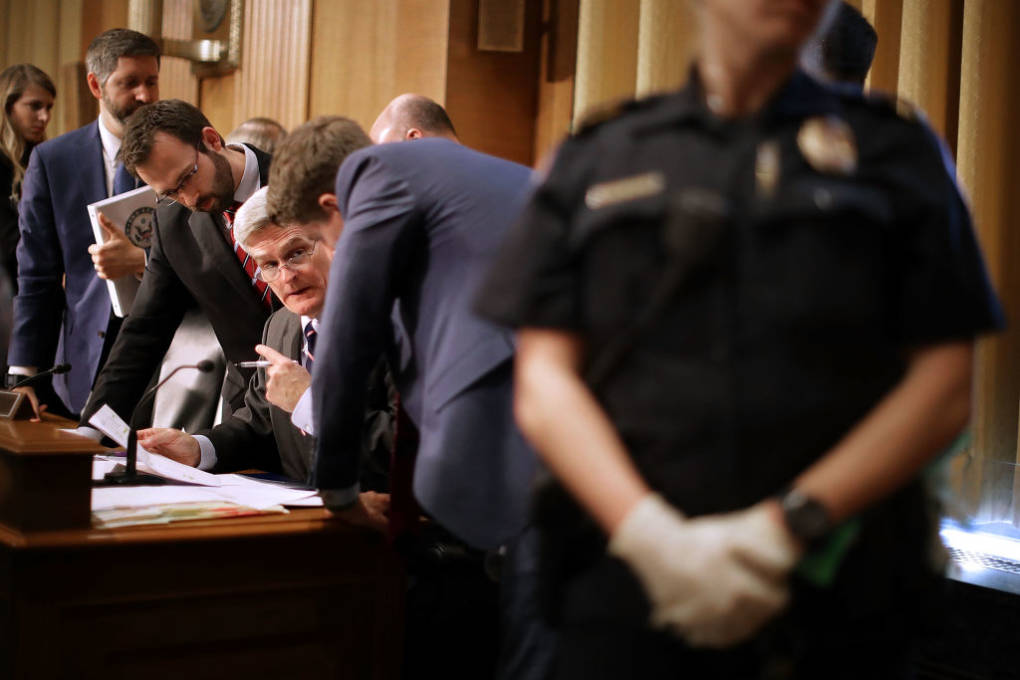
"caption": "Sen. Bill Cassidy (R-LA) talks with members of his staff as protesters interrupt a hearing Monday of the Senate Finance Committee about the proposed Graham-Cassidy healthcare bill.",
"description": null,
"title": "Senate Finance Committee Holds Hearing On Graham-Cassidy Healthcare Bill",
"credit": "Chip Somodevilla/Getty Images",
"status": "inherit",
"isLoading": false,
"fetchFailed": false
},
"stateofhealth_361149": {
"type": "attachments",
"id": "stateofhealth_361149",
"meta": {
"index": "attachments_1716263798",
"site": "stateofhealth",
"id": "361149",
"found": true
},
"parent": 361137,
"imgSizes": {
"small": {
"file": "https://ww2.kqed.org/app/uploads/sites/27/2017/09/GettyImages-Graham-Cassidy-intro-520x347.jpg",
"width": 520,
"mimeType": "image/jpeg",
"height": 347
},
"twentyfourteen-full-width": {
"file": "https://ww2.kqed.org/app/uploads/sites/27/2017/09/GettyImages-Graham-Cassidy-intro-1024x576.jpg",
"width": 1024,
"mimeType": "image/jpeg",
"height": 576
},
"thumbnail": {
"file": "https://ww2.kqed.org/app/uploads/sites/27/2017/09/GettyImages-Graham-Cassidy-intro-160x107.jpg",
"width": 160,
"mimeType": "image/jpeg",
"height": 107
},
"fd-sm": {
"file": "https://ww2.kqed.org/app/uploads/sites/27/2017/09/GettyImages-Graham-Cassidy-intro-960x640.jpg",
"width": 960,
"mimeType": "image/jpeg",
"height": 640
},
"post-thumbnail": {
"file": "https://ww2.kqed.org/app/uploads/sites/27/2017/09/GettyImages-Graham-Cassidy-intro-672x372.jpg",
"width": 672,
"mimeType": "image/jpeg",
"height": 372
},
"xsmall": {
"file": "https://ww2.kqed.org/app/uploads/sites/27/2017/09/GettyImages-Graham-Cassidy-intro-375x250.jpg",
"width": 375,
"mimeType": "image/jpeg",
"height": 250
},
"kqedFullSize": {
"file": "https://ww2.kqed.org/app/uploads/sites/27/2017/09/GettyImages-Graham-Cassidy-intro.jpg",
"width": 1024,
"height": 683
},
"large": {
"file": "https://ww2.kqed.org/app/uploads/sites/27/2017/09/GettyImages-Graham-Cassidy-intro-1020x680.jpg",
"width": 1020,
"mimeType": "image/jpeg",
"height": 680
},
"guest-author-50": {
"file": "https://ww2.kqed.org/app/uploads/sites/27/2017/09/GettyImages-Graham-Cassidy-intro-50x50.jpg",
"width": 50,
"mimeType": "image/jpeg",
"height": 50
},
"guest-author-96": {
"file": "https://ww2.kqed.org/app/uploads/sites/27/2017/09/GettyImages-Graham-Cassidy-intro-96x96.jpg",
"width": 96,
"mimeType": "image/jpeg",
"height": 96
},
"medium": {
"file": "https://ww2.kqed.org/app/uploads/sites/27/2017/09/GettyImages-Graham-Cassidy-intro-800x534.jpg",
"width": 800,
"mimeType": "image/jpeg",
"height": 534
},
"guest-author-64": {
"file": "https://ww2.kqed.org/app/uploads/sites/27/2017/09/GettyImages-Graham-Cassidy-intro-64x64.jpg",
"width": 64,
"mimeType": "image/jpeg",
"height": 64
},
"guest-author-32": {
"file": "https://ww2.kqed.org/app/uploads/sites/27/2017/09/GettyImages-Graham-Cassidy-intro-32x32.jpg",
"width": 32,
"mimeType": "image/jpeg",
"height": 32
},
"detail": {
"file": "https://ww2.kqed.org/app/uploads/sites/27/2017/09/GettyImages-Graham-Cassidy-intro-150x150.jpg",
"width": 150,
"mimeType": "image/jpeg",
"height": 150
},
"medium_large": {
"file": "https://ww2.kqed.org/app/uploads/sites/27/2017/09/GettyImages-Graham-Cassidy-intro-768x512.jpg",
"width": 768,
"mimeType": "image/jpeg",
"height": 512
},
"guest-author-128": {
"file": "https://ww2.kqed.org/app/uploads/sites/27/2017/09/GettyImages-Graham-Cassidy-intro-128x128.jpg",
"width": 128,
"mimeType": "image/jpeg",
"height": 128
},
"xxsmall": {
"file": "https://ww2.kqed.org/app/uploads/sites/27/2017/09/GettyImages-Graham-Cassidy-intro-240x160.jpg",
"width": 240,
"mimeType": "image/jpeg",
"height": 160
}
},
"publishDate": 1506112292,
"modified": 1506113729,
"caption": "Sen. Bill Cassidy (R-LA) unveils the newest Senate health care bill to \"repeal and replace\" Obamacare on Sept. 13 on Capitol Hill. Sen. Ron Johnson (R-WI) and Sen. Lindsey Graham (R-SC) are behind him. ",
"description": null,
"title": "Group Of Republican Senators Introduce The Graham-Cassidy-Heller-Johnson Proposal To Reform Healthcare",
"credit": "Photo by Alex Wong/Getty Images",
"status": "inherit",
"isLoading": false,
"fetchFailed": false
}
},
"audioPlayerReducer": {
"postId": "stream_live",
"isPaused": true,
"isPlaying": false,
"pfsActive": false,
"pledgeModalIsOpen": true,
"playerDrawerIsOpen": false,
"liveAudioPlayStartedAt": 0,
"liveAudioPlayContext": ""
},
"authorsReducer": {
"byline_news_11638983": {
"type": "authors",
"id": "byline_news_11638983",
"meta": {
"override": true
},
"slug": "byline_news_11638983",
"name": "Julie Rovner",
"isLoading": false
},
"byline_news_11630989": {
"type": "authors",
"id": "byline_news_11630989",
"meta": {
"override": true
},
"slug": "byline_news_11630989",
"name": "Kelsey Snell",
"isLoading": false
},
"byline_stateofhealth_361586": {
"type": "authors",
"id": "byline_stateofhealth_361586",
"meta": {
"override": true
},
"slug": "byline_stateofhealth_361586",
"name": "\u003cstrong>Julie Rovner\u003c/strong>, Kaiser Health News",
"isLoading": false
},
"byline_news_11622922": {
"type": "authors",
"id": "byline_news_11622922",
"meta": {
"override": true
},
"slug": "byline_news_11622922",
"name": "\u003cstrong>Scott Horsley\u003cbr />NPR\u003c/strong>",
"isLoading": false
},
"byline_news_11621695": {
"type": "authors",
"id": "byline_news_11621695",
"meta": {
"override": true
},
"slug": "byline_news_11621695",
"name": "\u003cstrong>Don Thompson\u003cbr/>Associated Press\u003c/strong>",
"isLoading": false
},
"byline_news_11621442": {
"type": "authors",
"id": "byline_news_11621442",
"meta": {
"override": true
},
"slug": "byline_news_11621442",
"name": "\u003cstrong/>Alison Kodjak\u003cbr/>NPR\u003cstrong>",
"isLoading": false
},
"byline_news_11619127": {
"type": "authors",
"id": "byline_news_11619127",
"meta": {
"override": true
},
"slug": "byline_news_11619127",
"name": "Susan Davis",
"isLoading": false
},
"byline_news_11619032": {
"type": "authors",
"id": "byline_news_11619032",
"meta": {
"override": true
},
"slug": "byline_news_11619032",
"name": "Scott Detrow",
"isLoading": false
},
"byline_news_11618969": {
"type": "authors",
"id": "byline_news_11618969",
"meta": {
"override": true
},
"slug": "byline_news_11618969",
"name": "Scott Horsley",
"isLoading": false
},
"byline_stateofhealth_361137": {
"type": "authors",
"id": "byline_stateofhealth_361137",
"meta": {
"override": true
},
"slug": "byline_stateofhealth_361137",
"name": "\u003cstrong>April Dembosky\u003c/strong>, KQED and \u003cstrong>Ashley Lopez\u003c/strong>, KUT",
"isLoading": false
},
"adembosky": {
"type": "authors",
"id": "3205",
"meta": {
"index": "authors_1716337520",
"id": "3205",
"found": true
},
"name": "April Dembosky",
"firstName": "April",
"lastName": "Dembosky",
"slug": "adembosky",
"email": "adembosky@kqed.org",
"display_author_email": false,
"staff_mastheads": [
"news",
"science"
],
"title": "KQED Health Correspondent",
"bio": "April Dembosky is the health correspondent for KQED News and a regular contributor to NPR. She specializes in covering altered states of mind, from postpartum depression to methamphetamine-induced psychosis to the insanity defense. Her investigative series on insurance companies sidestepping mental health laws won multiple awards, including first place in beat reporting from the national Association of Health Care Journalists. She is the recipient of numerous other prizes and fellowships, including a national Edward R. Murrow award for investigative reporting, a Society of Professional Journalists award for long-form storytelling, and a Carter Center Fellowship for Mental Health Journalism.\r\n\r\nDembosky reported and produced \u003cem>Soundtrack of Silence\u003c/em>, an audio documentary about music and memory that is currently being made into a feature film by Paramount Pictures.\r\n\r\nBefore joining KQED in 2013, Dembosky covered technology and Silicon Valley for \u003cem>The Financial Times of London,\u003c/em> and contributed business and arts stories to \u003cem>Marketplace \u003c/em>and \u003cem>The New York Times.\u003c/em> She got her undergraduate degree in philosophy from Smith College and her master's in journalism from the University of California, Berkeley. She is a classically trained violinist and proud alum of the first symphony orchestra at Burning Man.",
"avatar": "https://secure.gravatar.com/avatar/ef92999be4ceb9ea60701e7dc276f813?s=600&d=blank&r=g",
"twitter": "adembosky",
"facebook": null,
"instagram": null,
"linkedin": null,
"sites": [
{
"site": "arts",
"roles": [
"author"
]
},
{
"site": "news",
"roles": [
"editor"
]
},
{
"site": "futureofyou",
"roles": [
"author"
]
},
{
"site": "stateofhealth",
"roles": [
"editor"
]
},
{
"site": "science",
"roles": [
"editor"
]
},
{
"site": "forum",
"roles": [
"editor"
]
}
],
"headData": {
"title": "April Dembosky | KQED",
"description": "KQED Health Correspondent",
"ogImgSrc": "https://secure.gravatar.com/avatar/ef92999be4ceb9ea60701e7dc276f813?s=600&d=blank&r=g",
"twImgSrc": "https://secure.gravatar.com/avatar/ef92999be4ceb9ea60701e7dc276f813?s=600&d=blank&r=g"
},
"isLoading": false,
"link": "/author/adembosky"
},
"mlagos": {
"type": "authors",
"id": "3239",
"meta": {
"index": "authors_1716337520",
"id": "3239",
"found": true
},
"name": "Marisa Lagos",
"firstName": "Marisa",
"lastName": "Lagos",
"slug": "mlagos",
"email": "mlagos@kqed.org",
"display_author_email": false,
"staff_mastheads": [
"news"
],
"title": "KQED Contributor",
"bio": "Marisa Lagos is a correspondent for KQED’s California Politics and Government Desk and co-hosts the award-winning show and podcast, Political Breakdown. At KQED, Lagos also conducts reporting, analysis and investigations into state, local and national politics for radio, TV, online and onstage. In 2022, she and co-host, Scott Shafer, moderated the only gubernatorial debate in California. In 2020, the \u003ci>Washington Post\u003c/i> named her one of the top political journalists in California; she was nominated for a Peabody and won several other awards for her work investigating the 2017 California wildfires. She has worked at the \u003ci>San Francisco Chronicle\u003c/i>, \u003ci>San Francisco Examiner\u003c/i> and \u003ci>Los Angeles Times\u003c/i>. A UC Santa Barbara graduate, she lives in San Francisco with her two sons and husband.",
"avatar": "https://secure.gravatar.com/avatar/a261a0d3696fc066871ef96b85b5e7d2?s=600&d=blank&r=g",
"twitter": "@mlagos",
"facebook": null,
"instagram": null,
"linkedin": null,
"sites": [
{
"site": "arts",
"roles": [
"author"
]
},
{
"site": "news",
"roles": [
"editor"
]
},
{
"site": "science",
"roles": [
"editor"
]
},
{
"site": "forum",
"roles": [
"author"
]
},
{
"site": "liveblog",
"roles": [
"author"
]
}
],
"headData": {
"title": "Marisa Lagos | KQED",
"description": "KQED Contributor",
"ogImgSrc": "https://secure.gravatar.com/avatar/a261a0d3696fc066871ef96b85b5e7d2?s=600&d=blank&r=g",
"twImgSrc": "https://secure.gravatar.com/avatar/a261a0d3696fc066871ef96b85b5e7d2?s=600&d=blank&r=g"
},
"isLoading": false,
"link": "/author/mlagos"
},
"cfeibel": {
"type": "authors",
"id": "11314",
"meta": {
"index": "authors_1716337520",
"id": "11314",
"found": true
},
"name": "Carrie Feibel",
"firstName": "Carrie",
"lastName": "Feibel",
"slug": "cfeibel",
"email": "cfeibel@KQED.org",
"display_author_email": false,
"staff_mastheads": [],
"title": "KQED Contributor",
"bio": "Carrie Feibel is a former health editor at KQED, where she has also reported for radio and online. Her stories have appeared on the national NPR shows \u003cem>Morning Edition\u003c/em>, \u003cem>All Things Considered\u003c/em>, and \u003cem>Here & Now\u003c/em>, and on the national website, Kaiser Health News. Her print career included stints at the \u003cem>Houston Chronicle\u003c/em>, \u003cem>The (Bergen) Record,\u003c/em> and the Associated Press in New York City. A native of St. Louis, Feibel attended Cornell University, and earned a master's in journalism from Columbia University.",
"avatar": "https://secure.gravatar.com/avatar/c64a7e3c9a910e1bffd4ad32a5264aa9?s=600&d=blank&r=g",
"twitter": "KQEDHealth",
"facebook": null,
"instagram": null,
"linkedin": null,
"sites": [
{
"site": "news",
"roles": [
"subscriber"
]
},
{
"site": "stateofhealth",
"roles": [
"administrator"
]
}
],
"headData": {
"title": "Carrie Feibel | KQED",
"description": "KQED Contributor",
"ogImgSrc": "https://secure.gravatar.com/avatar/c64a7e3c9a910e1bffd4ad32a5264aa9?s=600&d=blank&r=g",
"twImgSrc": "https://secure.gravatar.com/avatar/c64a7e3c9a910e1bffd4ad32a5264aa9?s=600&d=blank&r=g"
},
"isLoading": false,
"link": "/author/cfeibel"
}
},
"pagesReducer": {
"news_tag_affordable-care-act": {
"type": "terms",
"id": "news_2409",
"meta": {
"index": "terms_1716263798",
"site": "news",
"id": "2409",
"score": 9.103885
},
"featImg": null,
"name": "Affordable Care Act",
"description": null,
"taxonomy": "tag",
"headData": {
"twImgId": null,
"twTitle": null,
"ogTitle": null,
"ogImgId": null,
"twDescription": null,
"description": null,
"title": "Affordable Care Act Archives | KQED News",
"ogDescription": null
},
"ttid": 2424,
"slug": "affordable-care-act",
"isLoading": false,
"title": "Affordable Care Act",
"pageMeta": {
"site": "news",
"WpPageTemplate": "page-topic-editorial",
"currentPage": 3
},
"blocks": [
{
"blockName": "kqed/post-list",
"attrs": {
"layout": "cardArticle2",
"query": "posts/news?tag=affordable-care-act",
"seeMore": false,
"paginated": true,
"page": 3
}
},
{
"blockName": "kqed/ad"
}
]
}
},
"pfsSessionReducer": {},
"postsReducer": {
"stream_live": {
"type": "live",
"id": "stream_live",
"audioUrl": "https://streams.kqed.org/kqedradio",
"title": "Live Stream",
"excerpt": "Live Stream information currently unavailable.",
"link": "/radio",
"featImg": "",
"label": {
"name": "KQED Live",
"link": "/"
}
},
"stream_kqedNewscast": {
"type": "posts",
"id": "stream_kqedNewscast",
"audioUrl": "https://www.kqed.org/.stream/anon/radio/RDnews/newscast.mp3?_=1",
"title": "KQED Newscast",
"featImg": "",
"label": {
"name": "88.5 FM",
"link": "/"
}
},
"news_11638983": {
"type": "posts",
"id": "news_11638983",
"meta": {
"index": "posts_1716263798",
"site": "news",
"id": "11638983",
"score": null,
"sort": [
1513962532000
]
},
"guestAuthors": [],
"slug": "robust-affordable-care-act-sign-ups-surprise-supporters-and-opponents",
"title": "Robust Affordable Care Act Sign-Ups Surprise Supporters and Opponents",
"publishDate": 1513962532,
"format": "standard",
"headTitle": "Robust Affordable Care Act Sign-Ups Surprise Supporters and Opponents | KQED",
"labelTerm": {},
"content": "\u003cp>A day after President Trump said the Affordable Care Act “has been repealed,” officials reported that 8.8 million Americans have signed up for coverage on the federal insurance exchange in 2018 — nearly reaching 2017’s number in half the sign-up time.\u003c/p>\n\u003cp>That total is far from complete. Enrollment is still open in parts of seven states, including Florida and Texas, that use the federal healthcare.gov exchange but were affected by hurricanes earlier this year.\u003c/p>\n\u003cp>The \u003ca href=\"https://www.cms.gov/Newsroom/MediaReleaseDatabase/Fact-sheets/2017-Fact-Sheet-items/2017-12-21.html\">numbers released Thursday\u003c/a> by the Department of Health and Human Services also did not include those who signed up between midnight Dec. 15 and 3 a.m. ET on Dec. 16, the final deadline for 2018 coverage, as well as those who could not finish enrolling before the deadline and left their phone number for a call back.\u003c/p>\n\u003cp>And enrollment has not yet closed in 11 states, including California and New York, as well as Washington, D.C., that run their own insurance exchanges. Those states are expected to add several million more enrollees.\u003c/p>\n\u003cp>The robust numbers for sign-ups on the federal exchange — 96 percent of last year’s total — surprised both supporters and opponents of the health law, who almost universally thought the numbers would be lower. Not only was the sign-up period reduced by half, but the Trump administration dramatically cut \u003ca href=\"https://www.politico.com/story/2017/10/29/obamacare-enrollment-confusion-republicans-trump-244267\">funding for advertising and enrollment aid\u003c/a>. Republicans in Congress spent much of the year trying to repeal and replace the law, while Trump repeatedly declared the health law dead, leading to widespread confusion.\u003c/p>\n\u003cp>[ad fullwidth]\u003c/p>\n\u003cp>On the other hand, a Trump decision aimed at hurting the exchanges may have backfired. When he canceled federal subsidies to help insurers offer discounts to their lowest-income customers, it produced some \u003ca href=\"https://www.apnews.com/9fc1b9c7854e499c837718a636fde988\">surprising bargains\u003c/a> for those who qualify for federal premium help. That may have boosted enrollment.\u003c/p>\n\u003cp>“Enrollment defied expectations, and the Trump administration’s efforts to undermine it,” says Lori Lodes, a former Obama administration health official who joined with other Obama alumni to try to promote enrollment in the absence of federal outreach efforts. “The demand for affordable coverage speaks volumes — proving yet again the staying power of the marketplaces.”\u003c/p>\n\u003cp>“The ACA is not repealed and not going away,” tweeted Andy Slavitt, who oversaw the ACA under President Barack Obama.\u003c/p>\n\u003cp>The tax bill passed by Congress this week repeals the fines for those who fail to obtain health coverage, but those fines do not go away until 2019. Still, that has added to the confusion surrounding 2018 coverage.\u003c/p>\n\u003cp>And it remains unclear whether Congress will make another attempt to repeal the law in 2018.\u003c/p>\n\u003cp>“I think we’ll probably move on to other issues,” Senate Majority Leader Mitch McConnell, R-Ky., said in an \u003ca href=\"https://www.npr.org/2017/12/21/572588692/mcconnell-wants-bipartisanship-in-2018-on-entitlements-immigration-and-more?utm_content=buffer70b7a&utm_medium=social&utm_source=twitter.com&utm_campaign=buffer\">interview Thursday with NPR\u003c/a>.\u003c/p>\n\u003cp>\u003c/p>\n\u003cp>\u003ca href=\"http://www.kaiserhealthnews.org/\">\u003cem>Kaiser Health News\u003c/em>\u003c/a>\u003cem> (KHN) is a national health policy news service. It is an editorially independent program of the \u003c/em>\u003ca href=\"http://www.kff.org/\">\u003cem>Henry J. Kaiser Family Foundation\u003c/em>\u003c/a>\u003cem>.\u003c/em>\u003c/p>\n\n",
"blocks": [],
"excerpt": "Nearly 9 million people have signed up for Obamacare so far in 2018 -- about the same as last year -- despite an enrollment period that was half as long.",
"status": "publish",
"parent": 0,
"modified": 1738187002,
"stats": {
"hasAudio": false,
"hasVideo": false,
"hasChartOrMap": false,
"iframeSrcs": [],
"hasGoogleForm": false,
"hasGallery": false,
"hasHearkenModule": false,
"hasPolis": false,
"paragraphCount": 14,
"wordCount": 501
},
"headData": {
"title": "Robust Affordable Care Act Sign-Ups Surprise Supporters and Opponents | KQED",
"description": "Nearly 9 million people have signed up for Obamacare so far in 2018 -- about the same as last year -- despite an enrollment period that was half as long.",
"ogTitle": "",
"ogDescription": "",
"ogImgId": "",
"twTitle": "",
"twDescription": "",
"twImgId": "",
"schema": {
"@context": "https://schema.org",
"@type": "NewsArticle",
"headline": "Robust Affordable Care Act Sign-Ups Surprise Supporters and Opponents",
"datePublished": "2017-12-22T09:08:52-08:00",
"dateModified": "2025-01-29T13:43:22-08:00",
"image": "https://cdn.kqed.org/wp-content/uploads/2020/02/KQED-OG-Image@1x.png",
"isAccessibleForFree": "True",
"publisher": {
"@type": "NewsMediaOrganization",
"@id": "https://www.kqed.org/#organization",
"name": "KQED",
"logo": "https://cdn.kqed.org/wp-content/uploads/2020/02/KQED-OG-Image@1x.png",
"url": "https://www.kqed.org",
"sameAs": [
"https://www.facebook.com/KQED",
"https://twitter.com/KQED",
"https://www.instagram.com/kqed/",
"https://www.tiktok.com/@kqedofficial",
"https://www.linkedin.com/company/kqed",
"https://www.youtube.com/channel/UCeC0IOo7i1P_61zVUWbJ4nw"
]
}
}
},
"source": "NPR",
"sourceUrl": "http://www.npr.org/",
"sticky": false,
"nprImageCredit": "Scott Olson",
"nprByline": "Julie Rovner",
"nprImageAgency": "Getty Images",
"nprStoryId": "572825803",
"nprApiLink": "http://api.npr.org/query?id=572825803&apiKey=MDAxOTAwOTE4MDEyMTkxMDAzNjczZDljZA004",
"nprHtmlLink": "https://www.npr.org/sections/health-shots/2017/12/22/572825803/robust-health-insurance-sign-ups-surprise-supporters-and-opponents?ft=nprml&f=572825803",
"nprRetrievedStory": "1",
"nprPubDate": "Fri, 22 Dec 2017 09:22:00 -0500",
"nprStoryDate": "Fri, 22 Dec 2017 09:09:00 -0500",
"nprLastModifiedDate": "Fri, 22 Dec 2017 09:23:13 -0500",
"path": "/news/11638983/robust-affordable-care-act-sign-ups-surprise-supporters-and-opponents",
"audioTrackLength": null,
"parsedContent": [
{
"type": "contentString",
"content": "\u003cdiv class=\"post-body\">\u003cp>\u003cp>A day after President Trump said the Affordable Care Act “has been repealed,” officials reported that 8.8 million Americans have signed up for coverage on the federal insurance exchange in 2018 — nearly reaching 2017’s number in half the sign-up time.\u003c/p>\n\u003cp>That total is far from complete. Enrollment is still open in parts of seven states, including Florida and Texas, that use the federal healthcare.gov exchange but were affected by hurricanes earlier this year.\u003c/p>\n\u003cp>The \u003ca href=\"https://www.cms.gov/Newsroom/MediaReleaseDatabase/Fact-sheets/2017-Fact-Sheet-items/2017-12-21.html\">numbers released Thursday\u003c/a> by the Department of Health and Human Services also did not include those who signed up between midnight Dec. 15 and 3 a.m. ET on Dec. 16, the final deadline for 2018 coverage, as well as those who could not finish enrolling before the deadline and left their phone number for a call back.\u003c/p>\n\u003cp>And enrollment has not yet closed in 11 states, including California and New York, as well as Washington, D.C., that run their own insurance exchanges. Those states are expected to add several million more enrollees.\u003c/p>\n\u003cp>The robust numbers for sign-ups on the federal exchange — 96 percent of last year’s total — surprised both supporters and opponents of the health law, who almost universally thought the numbers would be lower. Not only was the sign-up period reduced by half, but the Trump administration dramatically cut \u003ca href=\"https://www.politico.com/story/2017/10/29/obamacare-enrollment-confusion-republicans-trump-244267\">funding for advertising and enrollment aid\u003c/a>. Republicans in Congress spent much of the year trying to repeal and replace the law, while Trump repeatedly declared the health law dead, leading to widespread confusion.\u003c/p>\n\u003cp>\u003c/p>\u003c/div>",
"attributes": {
"named": {},
"numeric": []
}
},
{
"type": "component",
"content": "",
"name": "ad",
"attributes": {
"named": {
"label": "fullwidth"
},
"numeric": [
"fullwidth"
]
}
},
{
"type": "contentString",
"content": "\u003cdiv class=\"post-body\">\u003cp>\u003c/p>\n\u003cp>On the other hand, a Trump decision aimed at hurting the exchanges may have backfired. When he canceled federal subsidies to help insurers offer discounts to their lowest-income customers, it produced some \u003ca href=\"https://www.apnews.com/9fc1b9c7854e499c837718a636fde988\">surprising bargains\u003c/a> for those who qualify for federal premium help. That may have boosted enrollment.\u003c/p>\n\u003cp>“Enrollment defied expectations, and the Trump administration’s efforts to undermine it,” says Lori Lodes, a former Obama administration health official who joined with other Obama alumni to try to promote enrollment in the absence of federal outreach efforts. “The demand for affordable coverage speaks volumes — proving yet again the staying power of the marketplaces.”\u003c/p>\n\u003cp>“The ACA is not repealed and not going away,” tweeted Andy Slavitt, who oversaw the ACA under President Barack Obama.\u003c/p>\n\u003cp>The tax bill passed by Congress this week repeals the fines for those who fail to obtain health coverage, but those fines do not go away until 2019. Still, that has added to the confusion surrounding 2018 coverage.\u003c/p>\n\u003cp>And it remains unclear whether Congress will make another attempt to repeal the law in 2018.\u003c/p>\n\u003cp>“I think we’ll probably move on to other issues,” Senate Majority Leader Mitch McConnell, R-Ky., said in an \u003ca href=\"https://www.npr.org/2017/12/21/572588692/mcconnell-wants-bipartisanship-in-2018-on-entitlements-immigration-and-more?utm_content=buffer70b7a&utm_medium=social&utm_source=twitter.com&utm_campaign=buffer\">interview Thursday with NPR\u003c/a>.\u003c/p>\n\u003cp>\u003c/p>\n\u003cp>\u003ca href=\"http://www.kaiserhealthnews.org/\">\u003cem>Kaiser Health News\u003c/em>\u003c/a>\u003cem> (KHN) is a national health policy news service. It is an editorially independent program of the \u003c/em>\u003ca href=\"http://www.kff.org/\">\u003cem>Henry J. Kaiser Family Foundation\u003c/em>\u003c/a>\u003cem>.\u003c/em>\u003c/p>\n\n\u003c/div>\u003c/p>",
"attributes": {
"named": {},
"numeric": []
}
}
],
"link": "/news/11638983/robust-affordable-care-act-sign-ups-surprise-supporters-and-opponents",
"authors": [
"byline_news_11638983"
],
"programs": [
"news_6944",
"news_72"
],
"categories": [
"news_8",
"news_33520"
],
"tags": [
"news_2409",
"news_5164",
"news_18543",
"news_1054",
"news_3890"
],
"featImg": "news_11638984",
"label": "source_news_11638983"
},
"news_11630989": {
"type": "posts",
"id": "news_11630989",
"meta": {
"index": "posts_1716263798",
"site": "news",
"id": "11630989",
"score": null,
"sort": [
1510712897000
]
},
"parent": 0,
"labelTerm": {},
"blocks": [],
"publishDate": 1510712897,
"format": "standard",
"disqusTitle": "Republican Senators Add Repeal of Individual Health Care Mandate to Tax Bill",
"title": "Republican Senators Add Repeal of Individual Health Care Mandate to Tax Bill",
"headTitle": "The California Report | KQED News",
"content": "\u003cp>Senate Republicans now plan to try to repeal the Affordable Care Act's individual mandate as part of a tax overhaul bill.\u003c/p>\n\u003cp>Several Senate Republicans said Tuesday that including the repeal in tax legislation, currently making its way through a key Senate committee, would allow them to further reduce tax rates for individuals without adding more to the deficit.\u003c/p>\n\u003cp>The decision was a rapid change of direction for Republicans, who previously believed it would be politically dangerous to add any health care measure to the tax legislation.\u003c/p>\n\u003cp>Senate Majority Leader Mitch McConnell told reporters Tuesday that members of the Senate Finance Committee believe tacking on the repeal will ensure the bill has sufficient votes to pass when it comes up for a vote in the Senate.\u003c/p>\n\u003cp>\"We're optimistic that inserting the individual mandate repeal would be helpful,\" McConnell said, \"and that's obviously the view of the Senate Finance Committee Republicans as well.\"\u003c/p>\n\u003cp>[ad fullwidth]\u003c/p>\n\u003cp>The Congressional Budget Office \u003ca href=\"https://www.npr.org/sections/health-shots/2017/11/08/562923470/cbo-repealing-health-coverage-mandate-would-save-338-billion\" rel=\"noopener\" target=\"_blank\">said last week\u003c/a> that such a repeal would reduce federal deficits by $338 billion over the next 10 years, which would help the GOP avoid exceeding a $1.5 trillion cap on how much the tax bill can add to the deficit over the same time period. The repeal would also increase the number of uninsured by 13 million by 2027, according to the CBO.\u003c/p>\n\u003cp>[contextly_sidebar id=\"04ucsE5GgtEb0b5Wf35Vxo0QEQDhI1Ch\"]\u003c/p>\n\u003cp>Sen. John Thune, R-S.D., a top McConnell deputy, said the savings from the repeal would give Republicans more room to cut taxes for the middle class.\u003c/p>\n\u003cp>\"It will be distributed in the form of middle-income tax relief,\" Thune said. \"It will probably mean adjusting the rate structure as we have today. We'll probably still have seven brackets, but they would be at different rates.\"\u003c/p>\n\u003cp>Asked if he was confident such a bill could pass, Thune said yes, adding that leaders had already \"whipped\" the bill, meaning they already know how their colleagues will vote.\u003c/p>\n\u003cp>Not all Republicans agree with the decision. Moderate Sen. Susan Collins, R-Maine, said she had not decided how she will vote on the tax bill, but she worries that ending the individual mandate could increase health care premiums.\u003c/p>\n\u003cp>\"I personally think it complicates tax reform to put the repeal of the individual mandate in there,\" Collins said. \"I'm going to wait and see what the bill says.\"\u003c/p>\n\u003cp>But adding it in could appeal to other skeptics of the legislation, including Sen. Rand Paul, R-Ky., who supports the individual mandate repeal.\u003c/p>\n\u003cp>[contextly_sidebar id=\"rg5m3H5c8ZBmAdRX9PvAZsbak2rIBHp6\"]\u003c/p>\n\u003cp>The Senate Finance Committee is expected to release an updated version of the legislation Tuesday evening. The committee plans to approve the bill later this week in hopes of holding a vote in the full Senate before Thanksgiving.\u003c/p>\n\u003cp>Republicans on the Finance Committee worked around the clock in recent days to try to bring down the long-term cost of their tax bill. Republicans want to take advantage of complicated Senate budget rules, known as reconciliation, that would allow them to pass the tax bill with 51 votes rather than the 60 needed for most other legislation. That would allow the 52 Senate Republicans to pass the bill without the help of any Democrats.\u003c/p>\n\u003cp>But those same budget rules require that the tax overhaul not add to the deficit after 10 years. The Senate bill appeared to violate those regulations as recently as Tuesday morning. Repealing the individual mandate could help ease the fiscal pressure.\u003c/p>\n\u003cp>Democrats, enraged over McConnell's announcement, said adding the individual mandate to the legislation effectively ended any chance for bipartisan agreement on taxes. Sen. Ron Wyden, D-Ore., the top Democrat on the Finance Committee, said repealing the mandate would hurt the middle class. \u003c/p>\n\u003cp>\"In their desperation to secure an ideological trophy, no matter the consequences,\" Wyden said, \"Republicans are choosing to pay for corporate tax cuts by raising premiums for middle class families and ripping away health care altogether from millions more. \u003c/p>\n\u003cp>\u003c/p>\n\u003cp>\"This is a con job on the American people.\" \u003c/p>\n\u003cdiv class=\"fullattribution\">Copyright 2017 NPR. To see more, visit http://www.npr.org/.\u003cimg src=\"https://www.google-analytics.com/__utm.gif?utmac=UA-5828686-4&utmdt=Republican+Senators+Add+Repeal+Of+Individual+Health+Care+Mandate+To+Tax+Bill&utme=8(APIKey)9(MDAxOTAwOTE4MDEyMTkxMDAzNjczZDljZA004)\">\u003c/div>\n\n",
"disqusIdentifier": "11630989 https://ww2.kqed.org/news/?p=11630989",
"disqusUrl": "https://ww2.kqed.org/news/2017/11/14/republican-senators-add-repeal-of-individual-health-care-mandate-to-tax-bill/",
"stats": {
"hasVideo": false,
"hasChartOrMap": false,
"hasAudio": false,
"hasPolis": false,
"wordCount": 680,
"hasGoogleForm": false,
"hasGallery": false,
"hasHearkenModule": false,
"iframeSrcs": [],
"paragraphCount": 22
},
"modified": 1510712897,
"excerpt": "Republican leaders expressed confidence that the measure could pass the Senate. It is likely to face even fewer hurdles in the House, as the GOP aims to pass a tax bill by Christmas.",
"headData": {
"twImgId": "",
"twTitle": "",
"ogTitle": "",
"ogImgId": "",
"twDescription": "",
"description": "Republican leaders expressed confidence that the measure could pass the Senate. It is likely to face even fewer hurdles in the House, as the GOP aims to pass a tax bill by Christmas.",
"title": "Republican Senators Add Repeal of Individual Health Care Mandate to Tax Bill | KQED",
"ogDescription": "",
"schema": {
"@context": "https://schema.org",
"@type": "NewsArticle",
"headline": "Republican Senators Add Repeal of Individual Health Care Mandate to Tax Bill",
"datePublished": "2017-11-14T18:28:17-08:00",
"dateModified": "2017-11-14T18:28:17-08:00",
"image": "https://cdn.kqed.org/wp-content/uploads/2020/02/KQED-OG-Image@1x.png",
"isAccessibleForFree": "True",
"publisher": {
"@type": "NewsMediaOrganization",
"@id": "https://www.kqed.org/#organization",
"name": "KQED",
"logo": "https://cdn.kqed.org/wp-content/uploads/2020/02/KQED-OG-Image@1x.png",
"url": "https://www.kqed.org",
"sameAs": [
"https://www.facebook.com/KQED",
"https://twitter.com/KQED",
"https://www.instagram.com/kqed/",
"https://www.tiktok.com/@kqedofficial",
"https://www.linkedin.com/company/kqed",
"https://www.youtube.com/channel/UCeC0IOo7i1P_61zVUWbJ4nw"
]
}
}
},
"guestAuthors": [],
"slug": "republican-senators-add-repeal-of-individual-health-care-mandate-to-tax-bill",
"status": "publish",
"sourceUrl": "https://www.npr.org/",
"nprApiLink": "http://api.npr.org/query?id=564154614&apiKey=MDAxOTAwOTE4MDEyMTkxMDAzNjczZDljZA004",
"nprByline": "Kelsey Snell",
"nprStoryDate": "Tue, 14 Nov 2017 16:37:00 -0500",
"nprLastModifiedDate": "Tue, 14 Nov 2017 17:59:26 -0500",
"nprHtmlLink": "https://www.npr.org/2017/11/14/564154614/republican-senators-add-repeal-of-individual-health-care-mandate-to-tax-bill?ft=nprml&f=564154614",
"nprImageAgency": "AP",
"nprImageCredit": "J. Scott Applewhite",
"source": "NPR",
"nprStoryId": "564154614",
"nprRetrievedStory": "1",
"nprPubDate": "Tue, 14 Nov 2017 17:59:00 -0500",
"path": "/news/11630989/republican-senators-add-repeal-of-individual-health-care-mandate-to-tax-bill",
"audioTrackLength": null,
"parsedContent": [
{
"type": "contentString",
"content": "\u003cdiv class=\"post-body\">\u003cp>\u003cp>Senate Republicans now plan to try to repeal the Affordable Care Act's individual mandate as part of a tax overhaul bill.\u003c/p>\n\u003cp>Several Senate Republicans said Tuesday that including the repeal in tax legislation, currently making its way through a key Senate committee, would allow them to further reduce tax rates for individuals without adding more to the deficit.\u003c/p>\n\u003cp>The decision was a rapid change of direction for Republicans, who previously believed it would be politically dangerous to add any health care measure to the tax legislation.\u003c/p>\n\u003cp>Senate Majority Leader Mitch McConnell told reporters Tuesday that members of the Senate Finance Committee believe tacking on the repeal will ensure the bill has sufficient votes to pass when it comes up for a vote in the Senate.\u003c/p>\n\u003cp>\"We're optimistic that inserting the individual mandate repeal would be helpful,\" McConnell said, \"and that's obviously the view of the Senate Finance Committee Republicans as well.\"\u003c/p>\n\u003cp>\u003c/p>\u003c/div>",
"attributes": {
"named": {},
"numeric": []
}
},
{
"type": "component",
"content": "",
"name": "ad",
"attributes": {
"named": {
"label": "fullwidth"
},
"numeric": [
"fullwidth"
]
}
},
{
"type": "contentString",
"content": "\u003cdiv class=\"post-body\">\u003cp>\u003c/p>\n\u003cp>The Congressional Budget Office \u003ca href=\"https://www.npr.org/sections/health-shots/2017/11/08/562923470/cbo-repealing-health-coverage-mandate-would-save-338-billion\" rel=\"noopener\" target=\"_blank\">said last week\u003c/a> that such a repeal would reduce federal deficits by $338 billion over the next 10 years, which would help the GOP avoid exceeding a $1.5 trillion cap on how much the tax bill can add to the deficit over the same time period. The repeal would also increase the number of uninsured by 13 million by 2027, according to the CBO.\u003c/p>\n\u003cp>\u003c/p>\u003cp>\u003c/p>\u003cp>\u003c/p>\n\u003cp>Sen. John Thune, R-S.D., a top McConnell deputy, said the savings from the repeal would give Republicans more room to cut taxes for the middle class.\u003c/p>\n\u003cp>\"It will be distributed in the form of middle-income tax relief,\" Thune said. \"It will probably mean adjusting the rate structure as we have today. We'll probably still have seven brackets, but they would be at different rates.\"\u003c/p>\n\u003cp>Asked if he was confident such a bill could pass, Thune said yes, adding that leaders had already \"whipped\" the bill, meaning they already know how their colleagues will vote.\u003c/p>\n\u003cp>Not all Republicans agree with the decision. Moderate Sen. Susan Collins, R-Maine, said she had not decided how she will vote on the tax bill, but she worries that ending the individual mandate could increase health care premiums.\u003c/p>\n\u003cp>\"I personally think it complicates tax reform to put the repeal of the individual mandate in there,\" Collins said. \"I'm going to wait and see what the bill says.\"\u003c/p>\n\u003cp>But adding it in could appeal to other skeptics of the legislation, including Sen. Rand Paul, R-Ky., who supports the individual mandate repeal.\u003c/p>\n\u003cp>\u003c/p>\u003cp>\u003c/p>\u003cp>\u003c/p>\n\u003cp>The Senate Finance Committee is expected to release an updated version of the legislation Tuesday evening. The committee plans to approve the bill later this week in hopes of holding a vote in the full Senate before Thanksgiving.\u003c/p>\n\u003cp>Republicans on the Finance Committee worked around the clock in recent days to try to bring down the long-term cost of their tax bill. Republicans want to take advantage of complicated Senate budget rules, known as reconciliation, that would allow them to pass the tax bill with 51 votes rather than the 60 needed for most other legislation. That would allow the 52 Senate Republicans to pass the bill without the help of any Democrats.\u003c/p>\n\u003cp>But those same budget rules require that the tax overhaul not add to the deficit after 10 years. The Senate bill appeared to violate those regulations as recently as Tuesday morning. Repealing the individual mandate could help ease the fiscal pressure.\u003c/p>\n\u003cp>Democrats, enraged over McConnell's announcement, said adding the individual mandate to the legislation effectively ended any chance for bipartisan agreement on taxes. Sen. Ron Wyden, D-Ore., the top Democrat on the Finance Committee, said repealing the mandate would hurt the middle class. \u003c/p>\n\u003cp>\"In their desperation to secure an ideological trophy, no matter the consequences,\" Wyden said, \"Republicans are choosing to pay for corporate tax cuts by raising premiums for middle class families and ripping away health care altogether from millions more. \u003c/p>\n\u003cp>\u003c/p>\n\u003cp>\"This is a con job on the American people.\" \u003c/p>\n\u003cdiv class=\"fullattribution\">Copyright 2017 NPR. To see more, visit http://www.npr.org/.\u003cimg src=\"https://www.google-analytics.com/__utm.gif?utmac=UA-5828686-4&utmdt=Republican+Senators+Add+Repeal+Of+Individual+Health+Care+Mandate+To+Tax+Bill&utme=8(APIKey)9(MDAxOTAwOTE4MDEyMTkxMDAzNjczZDljZA004)\">\u003c/div>\n\n\u003c/div>\u003c/p>",
"attributes": {
"named": {},
"numeric": []
}
}
],
"link": "/news/11630989/republican-senators-add-repeal-of-individual-health-care-mandate-to-tax-bill",
"authors": [
"byline_news_11630989"
],
"programs": [
"news_6944",
"news_72"
],
"categories": [
"news_457",
"news_8",
"news_13"
],
"tags": [
"news_2409",
"news_21171",
"news_3890",
"news_423",
"news_17286"
],
"affiliates": [
"news_253"
],
"featImg": "news_11630995",
"label": "source_news_11630989"
},
"stateofhealth_361586": {
"type": "posts",
"id": "stateofhealth_361586",
"meta": {
"index": "posts_1716263798",
"site": "stateofhealth",
"id": "361586",
"score": null,
"sort": [
1508287091000
]
},
"parent": 0,
"labelTerm": {
"site": "stateofhealth",
"term": 3007
},
"blocks": [],
"publishDate": 1508287091,
"format": "standard",
"disqusTitle": "Two Senators Reach Deal On A Health Law Fix, But Bringing Congress Along Is Tricky",
"title": "Two Senators Reach Deal On A Health Law Fix, But Bringing Congress Along Is Tricky",
"headTitle": "Kaiser Health News | State of Health | KQED News",
"content": "\u003cp>After nearly two months of negotiations, key senators said Tuesday they have reached a bipartisan deal on a proposal intended to stabilize the Affordable Care Act’s insurance market, which has been rocked by recent actions by President Donald Trump.\u003c/p>\n\u003cp>Sens. Lamar Alexander (R-Tenn.) and Patty Murray (D-Wash.), respectively the chairman and the top Democrat of the Senate Health, Education, Labor and Pensions Committee, negotiated the emerging deal. The milestone agreement, they said, would guarantee payment of “cost-sharing reduction” subsidies that help some policyholders with low incomes afford their deductibles and other out-of-pocket costs for two years, 2018 and 2019.\u003c/p>\n\u003cp>Trump \u003ca href=\"https://khn.org/news/trump-acting-solo-what-you-need-to-know-about-changes-to-the-health-law/\">announced last week\u003c/a> that he would stop funding the subsidies, which have been the subject of a \u003ca href=\"https://khn.org/news/5-things-to-know-about-the-health-issue-that-could-shut-down-the-government/\">long-running lawsuit\u003c/a>. These subsidies are separate from the tax credit subsidies that help eligible consumers pay for their premiums. Those premium subsidies are not affected by Trump’s action.\u003c/p>\n\u003cp>Even if it fails to become law, the deal marks a singular achievement that has been almost completely missing in Congress for the past eight years — a bipartisan compromise on how to make the nation’s health insurance system work.\u003c/p>\n\u003cp>“This is an agreement I am proud to support,” said Murray on the Senate floor, “because of the message it sends about how to get things done.\u003c/p>\n\u003cp>[ad fullwidth]\u003c/p>\n\u003cp>The proposal — which will require 60 votes to pass the Senate and agreement from a still-dubious House of Representatives — would also restore $110 million in \u003ca href=\"https://khn.org/news/latest-snag-in-aca-sign-ups-those-who-guide-consumers-are-hitting-roadblocks/\">“outreach” funding\u003c/a> cut by the Trump administration. That funding would help guide eligible individuals to sign up for coverage on the health insurance exchanges during the open enrollment period that runs from Nov. 1 to Dec. 15.\u003c/p>\n\u003cp>In exchange for those provisions, urged by Democrats and \u003ca href=\"https://khn.org/news/5-governors-press-congress-for-fast-bucks-to-secure-obamacare-market-in-2018/\">state officials\u003c/a>, Republicans will win some changes to make it easier for states to apply for “waivers” that would let them experiment with alternative ways to provide and subsidize health insurance. The deal would also allow the sale of less comprehensive “catastrophic” plans in the health exchanges. Such plans currently can be sold only to those under age 30.\u003c/p>\n\u003cp>On the Senate floor Tuesday afternoon, Alexander said, “This agreement avoids chaos. I don’t know a Democrat or a Republican who benefits from chaos.”\u003c/p>\n\u003cp>Senate Majority Leader Mitch McConnell (R-Ky.) reserved judgment about the deal.\u003c/p>\n\u003cp>Both parties still have some major disagreements when it comes to health care, Senate Minority Leader Chuck Schumer (D-N.Y.) told reporters Tuesday afternoon, but “I think there’s a growing consensus that in the short term we need stability in the markets. So we’ve achieved stability if this agreement becomes law.”\u003c/p>\n\u003cp>More than 60 senators have already participated in the meetings that led to the deal, Alexander said on the Senate floor. But the path to passage in the House is uncertain — with many conservatives vehemently opposed to anything that could be construed as helping the law they call “Obamacare” succeed.\u003c/p>\n\u003cp>Tweeted Rep. Mark Walker (R-N.C.), chairman of the conservative Republican Study Committee, Tuesday: “The GOP should focus on repealing & replacing Obamacare, not trying to save it. This bailout is unacceptable.”\u003c/p>\n\u003cp>Both Murray and Alexander said Tuesday they were still struggling over language to make sure that if the cost-sharing payments are resumed, insurers would not receive a windfall by keeping both those payments and the higher premiums that many states are allowing in anticipation of the payments being ended.\u003c/p>\n\u003cp>“We want to make sure that the cost-sharing payments go to the benefit of consumers, not the insurance companies,” Alexander said.\u003c/p>\n\u003cp>Trump, who as \u003ca href=\"https://www.whitehouse.gov/the-press-office/2017/10/16/remarks-president-trump-cabinet-meeting\">recently as Monday\u003c/a> called the cost-sharing subsidies “a payoff” to insurance companies, took credit for the negotiations. “If I didn’t cut the CSR’s, they wouldn’t be meeting,” he said. That was not, in fact, the case. The negotiations had picked up \u003ca href=\"http://www.politico.com/story/2017/09/28/alexander-murray-obamacare-plan-243258\">some weeks ago\u003c/a> after being called off earlier in September while the Senate tried for one last-ditch repeal vote.\u003c/p>\n\u003cp>On Friday, White House Budget Director Mick Mulvaney told \u003ca href=\"http://www.politico.com/story/2017/10/13/trump-opposes-bipartisan-obamacare-rescue-plan-243752\">Politico\u003c/a> that the president would not allow a short-term fix, calling a restoration of the cost-sharing reduction funds “corporate welfare and bailouts for the insurance companies.”\u003c/p>\n\u003cp>\u003c/p>\n\u003cp>But on Tuesday the president hailed the deal. “We think it’s going to not only save money, but give people much better health care with a very, very much smaller premium spike,” he told reporters.\u003c/p>\n\n",
"disqusIdentifier": "361586 https://ww2.kqed.org/stateofhealth/?p=361586",
"disqusUrl": "https://ww2.kqed.org/stateofhealth/2017/10/17/two-senators-reach-deal-on-a-health-law-fix-but-bringing-congress-along-is-tricky/",
"stats": {
"hasVideo": false,
"hasChartOrMap": false,
"hasAudio": false,
"hasPolis": false,
"wordCount": 783,
"hasGoogleForm": false,
"hasGallery": false,
"hasHearkenModule": false,
"iframeSrcs": [],
"paragraphCount": 19
},
"modified": 1508287213,
"excerpt": "The proposal is intended to stabilize the Affordable Care Act’s insurance markets, which have been rocked by recent actions by President Donald Trump.",
"headData": {
"twImgId": "",
"twTitle": "",
"ogTitle": "",
"ogImgId": "",
"twDescription": "",
"description": "The proposal is intended to stabilize the Affordable Care Act’s insurance markets, which have been rocked by recent actions by President Donald Trump.",
"title": "Two Senators Reach Deal On A Health Law Fix, But Bringing Congress Along Is Tricky | KQED",
"ogDescription": "",
"schema": {
"@context": "https://schema.org",
"@type": "Article",
"headline": "Two Senators Reach Deal On A Health Law Fix, But Bringing Congress Along Is Tricky",
"datePublished": "2017-10-17T17:38:11-07:00",
"dateModified": "2017-10-17T17:40:13-07:00",
"image": "https://cdn.kqed.org/wp-content/uploads/2020/02/KQED-OG-Image@1x.png"
}
},
"guestAuthors": [],
"slug": "two-senators-reach-deal-on-a-health-law-fix-but-bringing-congress-along-is-tricky",
"status": "publish",
"nprByline": "\u003cstrong>Julie Rovner\u003c/strong>, Kaiser Health News",
"path": "/stateofhealth/361586/two-senators-reach-deal-on-a-health-law-fix-but-bringing-congress-along-is-tricky",
"audioTrackLength": null,
"parsedContent": [
{
"type": "contentString",
"content": "\u003cdiv class=\"post-body\">\u003cp>\u003cp>After nearly two months of negotiations, key senators said Tuesday they have reached a bipartisan deal on a proposal intended to stabilize the Affordable Care Act’s insurance market, which has been rocked by recent actions by President Donald Trump.\u003c/p>\n\u003cp>Sens. Lamar Alexander (R-Tenn.) and Patty Murray (D-Wash.), respectively the chairman and the top Democrat of the Senate Health, Education, Labor and Pensions Committee, negotiated the emerging deal. The milestone agreement, they said, would guarantee payment of “cost-sharing reduction” subsidies that help some policyholders with low incomes afford their deductibles and other out-of-pocket costs for two years, 2018 and 2019.\u003c/p>\n\u003cp>Trump \u003ca href=\"https://khn.org/news/trump-acting-solo-what-you-need-to-know-about-changes-to-the-health-law/\">announced last week\u003c/a> that he would stop funding the subsidies, which have been the subject of a \u003ca href=\"https://khn.org/news/5-things-to-know-about-the-health-issue-that-could-shut-down-the-government/\">long-running lawsuit\u003c/a>. These subsidies are separate from the tax credit subsidies that help eligible consumers pay for their premiums. Those premium subsidies are not affected by Trump’s action.\u003c/p>\n\u003cp>Even if it fails to become law, the deal marks a singular achievement that has been almost completely missing in Congress for the past eight years — a bipartisan compromise on how to make the nation’s health insurance system work.\u003c/p>\n\u003cp>“This is an agreement I am proud to support,” said Murray on the Senate floor, “because of the message it sends about how to get things done.\u003c/p>\n\u003cp>\u003c/p>\u003c/div>",
"attributes": {
"named": {},
"numeric": []
}
},
{
"type": "component",
"content": "",
"name": "ad",
"attributes": {
"named": {
"label": "fullwidth"
},
"numeric": [
"fullwidth"
]
}
},
{
"type": "contentString",
"content": "\u003cdiv class=\"post-body\">\u003cp>\u003c/p>\n\u003cp>The proposal — which will require 60 votes to pass the Senate and agreement from a still-dubious House of Representatives — would also restore $110 million in \u003ca href=\"https://khn.org/news/latest-snag-in-aca-sign-ups-those-who-guide-consumers-are-hitting-roadblocks/\">“outreach” funding\u003c/a> cut by the Trump administration. That funding would help guide eligible individuals to sign up for coverage on the health insurance exchanges during the open enrollment period that runs from Nov. 1 to Dec. 15.\u003c/p>\n\u003cp>In exchange for those provisions, urged by Democrats and \u003ca href=\"https://khn.org/news/5-governors-press-congress-for-fast-bucks-to-secure-obamacare-market-in-2018/\">state officials\u003c/a>, Republicans will win some changes to make it easier for states to apply for “waivers” that would let them experiment with alternative ways to provide and subsidize health insurance. The deal would also allow the sale of less comprehensive “catastrophic” plans in the health exchanges. Such plans currently can be sold only to those under age 30.\u003c/p>\n\u003cp>On the Senate floor Tuesday afternoon, Alexander said, “This agreement avoids chaos. I don’t know a Democrat or a Republican who benefits from chaos.”\u003c/p>\n\u003cp>Senate Majority Leader Mitch McConnell (R-Ky.) reserved judgment about the deal.\u003c/p>\n\u003cp>Both parties still have some major disagreements when it comes to health care, Senate Minority Leader Chuck Schumer (D-N.Y.) told reporters Tuesday afternoon, but “I think there’s a growing consensus that in the short term we need stability in the markets. So we’ve achieved stability if this agreement becomes law.”\u003c/p>\n\u003cp>More than 60 senators have already participated in the meetings that led to the deal, Alexander said on the Senate floor. But the path to passage in the House is uncertain — with many conservatives vehemently opposed to anything that could be construed as helping the law they call “Obamacare” succeed.\u003c/p>\n\u003cp>Tweeted Rep. Mark Walker (R-N.C.), chairman of the conservative Republican Study Committee, Tuesday: “The GOP should focus on repealing & replacing Obamacare, not trying to save it. This bailout is unacceptable.”\u003c/p>\n\u003cp>Both Murray and Alexander said Tuesday they were still struggling over language to make sure that if the cost-sharing payments are resumed, insurers would not receive a windfall by keeping both those payments and the higher premiums that many states are allowing in anticipation of the payments being ended.\u003c/p>\n\u003cp>“We want to make sure that the cost-sharing payments go to the benefit of consumers, not the insurance companies,” Alexander said.\u003c/p>\n\u003cp>Trump, who as \u003ca href=\"https://www.whitehouse.gov/the-press-office/2017/10/16/remarks-president-trump-cabinet-meeting\">recently as Monday\u003c/a> called the cost-sharing subsidies “a payoff” to insurance companies, took credit for the negotiations. “If I didn’t cut the CSR’s, they wouldn’t be meeting,” he said. That was not, in fact, the case. The negotiations had picked up \u003ca href=\"http://www.politico.com/story/2017/09/28/alexander-murray-obamacare-plan-243258\">some weeks ago\u003c/a> after being called off earlier in September while the Senate tried for one last-ditch repeal vote.\u003c/p>\n\u003cp>On Friday, White House Budget Director Mick Mulvaney told \u003ca href=\"http://www.politico.com/story/2017/10/13/trump-opposes-bipartisan-obamacare-rescue-plan-243752\">Politico\u003c/a> that the president would not allow a short-term fix, calling a restoration of the cost-sharing reduction funds “corporate welfare and bailouts for the insurance companies.”\u003c/p>\n\u003cp>\u003c/p>\n\u003cp>But on Tuesday the president hailed the deal. “We think it’s going to not only save money, but give people much better health care with a very, very much smaller premium spike,” he told reporters.\u003c/p>\n\n\u003c/div>\u003c/p>",
"attributes": {
"named": {},
"numeric": []
}
}
],
"link": "/stateofhealth/361586/two-senators-reach-deal-on-a-health-law-fix-but-bringing-congress-along-is-tricky",
"authors": [
"byline_stateofhealth_361586"
],
"categories": [
"stateofhealth_1"
],
"tags": [
"stateofhealth_38",
"stateofhealth_2808",
"stateofhealth_2519"
],
"affiliates": [
"stateofhealth_3007"
],
"featImg": "stateofhealth_361591",
"label": "stateofhealth_3007"
},
"news_11623224": {
"type": "posts",
"id": "news_11623224",
"meta": {
"index": "posts_1716263798",
"site": "news",
"id": "11623224",
"score": null,
"sort": [
1507923972000
]
},
"parent": 0,
"labelTerm": {
"site": "news",
"term": 72
},
"blocks": [],
"publishDate": 1507923972,
"format": "audio",
"disqusTitle": "California Sues Trump Administration Over Obamacare Payments",
"title": "California Sues Trump Administration Over Obamacare Payments",
"headTitle": "The California Report | KQED News",
"content": "\u003cp>California's attorney general filed a lawsuit Friday against the Trump administration over President Donald Trump's \u003ca href=\"http://www.npr.org/sections/health-shots/2017/10/13/557541856/halt-in-subsidies-for-health-insurers-expected-to-drive-up-costs-for-middle-clas\" target=\"_blank\" rel=\"noopener\">decision to stop paying insurers federal subsidies\u003c/a> that help some consumers afford their health care.\u003c/p>\n\u003cp>Trump has been \u003ca href=\"https://ww2.kqed.org/stateofhealth/2017/08/15/cbo-if-trump-cuts-payments-to-insurance-companies-it-will-cost-taxpayers/\">threatening for months to end the so-called cost sharing subsidies,\u003c/a> which totaled about $7 billion this year. The payments, made by the federal government, help reimburse insurance companies for discounts on co-payment and deductibles that they have to give to low-income customers by law under the Affordable Care Act.\u003c/p>\n\u003cp>Withdrawing the payments could put insurance companies in some states in the red, pushing them to exit the Obamacare marketplaces.\u003c/p>\n\u003cp>\"This is patently a decision that is reckless,\" state Attorney General Xavier Becerra said. \"It is sabotage plain and simple.\"\u003c/p>\n\u003cp>[contextly_sidebar id=\"9cvSMva0ALSfrXrFMzQJtVgWBBFL9QSs\"]\u003c/p>\n\u003cp>The President is constitutionally required to execute the laws of the United States in good faith, Becerra argued, including the Affordable Care Act. Moves that could undermine the health insurance markets, he reasoned, are unconstitutional.\u003c/p>\n\u003cp>[ad fullwidth]\u003c/p>\n\u003cp>\"It's long past time that President Trump learned that he doesn't just get to pick and choose which laws he'll follow or which bills he'll pay,\" Becerra said.\u003c/p>\n\u003cp>California filed the \u003ca href=\"https://oag.ca.gov/system/files/attachments/press_releases/Complaint_6.pdf\" target=\"_blank\" rel=\"noopener\">complaint\u003c/a> in federal court on Friday, with 17 other states and the District of Columbia joinining the lawsuit.\u003c/p>\n\u003cp>\"There are no winners in these policies prescriptions. The impact can be devastating around the nation,\" said Peter Lee, executive director of Covered California, the state's Affordable Care Act marketplace.\u003c/p>\n\u003cp>But other states' marketplaces are likely to be affected by the subsidy cuts more than California, he added, because of a workaround the state put in place in anticipation of the funding cuts.\u003c/p>\n\u003cp>Covered California directed health insurers to add a surcharge to the monthly premiums of some plans to make up for the subsidy cuts. But, because of the formulas for calculating consumer tax credits, that surcharge won't be passed on to consumers. Their monthly tax credits will go up in equal measure to the rise in premiums.\u003c/p>\n\u003cp>That means consumers won't forego health insurance because of a high price tag, and that will maintain a robust, attractive market that health insurance companies will want to do business in, Lee said.\u003c/p>\n\u003cp>Still, California is taking the lead on behalf of other states in challenging the decision to cut the funds.\u003c/p>\n\u003cp>\"Nearly everyone -- from California to Maine -- has family who can't afford health care,\" Becerra said. \"Without the Affordable Care Act and its subsidies for these families, millions more would be left in the cold without coverage.\"\u003c/p>\n\u003cp>California has already sued Trump multiple times for other policies, \u003ca href=\"https://ww2.kqed.org/news/2017/10/12/california-revives-lawsuit-against-trump-travel-ban/\" target=\"_blank\" rel=\"noopener\">including a new challenge this week\u003c/a> to the president's latest travel ban.\u003c/p>\n\u003cp>\u003c/p>\n\u003cp>Becerra said the state has \"taken the Trump administration to court before and won, and we're ready to do it again.\"\u003c/p>\n\n",
"disqusIdentifier": "11623224 https://ww2.kqed.org/news/?p=11623224",
"disqusUrl": "https://ww2.kqed.org/news/2017/10/13/california-prepared-to-sue-trump-administration-over-obamacare-payments/",
"stats": {
"hasVideo": false,
"hasChartOrMap": false,
"hasAudio": false,
"hasPolis": false,
"wordCount": 477,
"hasGoogleForm": false,
"hasGallery": false,
"hasHearkenModule": false,
"iframeSrcs": [],
"paragraphCount": 18
},
"modified": 1508263587,
"excerpt": "'This is sabotage,' said California's attorney general of President Trump’s decision to stop paying insurers subsidies that help some consumers afford their health care.",
"headData": {
"twImgId": "",
"twTitle": "",
"ogTitle": "",
"ogImgId": "",
"twDescription": "",
"description": "'This is sabotage,' said California's attorney general of President Trump’s decision to stop paying insurers subsidies that help some consumers afford their health care.",
"title": "California Sues Trump Administration Over Obamacare Payments | KQED",
"ogDescription": "",
"schema": {
"@context": "https://schema.org",
"@type": "NewsArticle",
"headline": "California Sues Trump Administration Over Obamacare Payments",
"datePublished": "2017-10-13T12:46:12-07:00",
"dateModified": "2017-10-17T11:06:27-07:00",
"image": "https://cdn.kqed.org/wp-content/uploads/2020/02/KQED-OG-Image@1x.png",
"isAccessibleForFree": "True",
"publisher": {
"@type": "NewsMediaOrganization",
"@id": "https://www.kqed.org/#organization",
"name": "KQED",
"logo": "https://cdn.kqed.org/wp-content/uploads/2020/02/KQED-OG-Image@1x.png",
"url": "https://www.kqed.org",
"sameAs": [
"https://www.facebook.com/KQED",
"https://twitter.com/KQED",
"https://www.instagram.com/kqed/",
"https://www.tiktok.com/@kqedofficial",
"https://www.linkedin.com/company/kqed",
"https://www.youtube.com/channel/UCeC0IOo7i1P_61zVUWbJ4nw"
]
}
}
},
"guestAuthors": [],
"slug": "california-prepared-to-sue-trump-administration-over-obamacare-payments",
"status": "publish",
"audioUrl": "https://www.kqed.org/.stream/anon/radio/tcr/2017/10/InsuranceSubsidiesDembosky.mp3",
"path": "/news/11623224/california-prepared-to-sue-trump-administration-over-obamacare-payments",
"audioDuration": 93000,
"audioTrackLength": null,
"parsedContent": [
{
"type": "contentString",
"content": "\u003cdiv class=\"post-body\">\u003cp>\u003cp>California's attorney general filed a lawsuit Friday against the Trump administration over President Donald Trump's \u003ca href=\"http://www.npr.org/sections/health-shots/2017/10/13/557541856/halt-in-subsidies-for-health-insurers-expected-to-drive-up-costs-for-middle-clas\" target=\"_blank\" rel=\"noopener\">decision to stop paying insurers federal subsidies\u003c/a> that help some consumers afford their health care.\u003c/p>\n\u003cp>Trump has been \u003ca href=\"https://ww2.kqed.org/stateofhealth/2017/08/15/cbo-if-trump-cuts-payments-to-insurance-companies-it-will-cost-taxpayers/\">threatening for months to end the so-called cost sharing subsidies,\u003c/a> which totaled about $7 billion this year. The payments, made by the federal government, help reimburse insurance companies for discounts on co-payment and deductibles that they have to give to low-income customers by law under the Affordable Care Act.\u003c/p>\n\u003cp>Withdrawing the payments could put insurance companies in some states in the red, pushing them to exit the Obamacare marketplaces.\u003c/p>\n\u003cp>\"This is patently a decision that is reckless,\" state Attorney General Xavier Becerra said. \"It is sabotage plain and simple.\"\u003c/p>\n\u003cp>\u003c/p>\u003cp>\u003c/p>\u003cp>\u003c/p>\n\u003cp>The President is constitutionally required to execute the laws of the United States in good faith, Becerra argued, including the Affordable Care Act. Moves that could undermine the health insurance markets, he reasoned, are unconstitutional.\u003c/p>\n\u003cp>\u003c/p>\u003c/div>",
"attributes": {
"named": {},
"numeric": []
}
},
{
"type": "component",
"content": "",
"name": "ad",
"attributes": {
"named": {
"label": "fullwidth"
},
"numeric": [
"fullwidth"
]
}
},
{
"type": "contentString",
"content": "\u003cdiv class=\"post-body\">\u003cp>\u003c/p>\n\u003cp>\"It's long past time that President Trump learned that he doesn't just get to pick and choose which laws he'll follow or which bills he'll pay,\" Becerra said.\u003c/p>\n\u003cp>California filed the \u003ca href=\"https://oag.ca.gov/system/files/attachments/press_releases/Complaint_6.pdf\" target=\"_blank\" rel=\"noopener\">complaint\u003c/a> in federal court on Friday, with 17 other states and the District of Columbia joinining the lawsuit.\u003c/p>\n\u003cp>\"There are no winners in these policies prescriptions. The impact can be devastating around the nation,\" said Peter Lee, executive director of Covered California, the state's Affordable Care Act marketplace.\u003c/p>\n\u003cp>But other states' marketplaces are likely to be affected by the subsidy cuts more than California, he added, because of a workaround the state put in place in anticipation of the funding cuts.\u003c/p>\n\u003cp>Covered California directed health insurers to add a surcharge to the monthly premiums of some plans to make up for the subsidy cuts. But, because of the formulas for calculating consumer tax credits, that surcharge won't be passed on to consumers. Their monthly tax credits will go up in equal measure to the rise in premiums.\u003c/p>\n\u003cp>That means consumers won't forego health insurance because of a high price tag, and that will maintain a robust, attractive market that health insurance companies will want to do business in, Lee said.\u003c/p>\n\u003cp>Still, California is taking the lead on behalf of other states in challenging the decision to cut the funds.\u003c/p>\n\u003cp>\"Nearly everyone -- from California to Maine -- has family who can't afford health care,\" Becerra said. \"Without the Affordable Care Act and its subsidies for these families, millions more would be left in the cold without coverage.\"\u003c/p>\n\u003cp>California has already sued Trump multiple times for other policies, \u003ca href=\"https://ww2.kqed.org/news/2017/10/12/california-revives-lawsuit-against-trump-travel-ban/\" target=\"_blank\" rel=\"noopener\">including a new challenge this week\u003c/a> to the president's latest travel ban.\u003c/p>\n\u003cp>\u003c/p>\n\u003cp>Becerra said the state has \"taken the Trump administration to court before and won, and we're ready to do it again.\"\u003c/p>\n\n\u003c/div>\u003c/p>",
"attributes": {
"named": {},
"numeric": []
}
}
],
"link": "/news/11623224/california-prepared-to-sue-trump-administration-over-obamacare-payments",
"authors": [
"3239",
"3205"
],
"programs": [
"news_6944",
"news_72"
],
"categories": [
"news_457",
"news_8",
"news_13"
],
"tags": [
"news_2409",
"news_1323",
"news_3890",
"news_17286",
"news_20378"
],
"featImg": "news_11623252",
"label": "news_72"
},
"news_11622922": {
"type": "posts",
"id": "news_11622922",
"meta": {
"index": "posts_1716263798",
"site": "news",
"id": "11622922",
"score": null,
"sort": [
1507840221000
]
},
"parent": 0,
"labelTerm": {},
"blocks": [],
"publishDate": 1507840221,
"format": "standard",
"disqusTitle": "Trump Uses Executive Pen to Chip Away at Obamacare",
"title": "Trump Uses Executive Pen to Chip Away at Obamacare",
"headTitle": "The California Report | KQED News",
"content": "\u003cp>President Trump signed an executive order Thursday that is intended to provide more options for people shopping for health insurance. The president invoked his power of the pen after repeated Republican efforts to repeal the Affordable Care Act, also known as Obamacare, have failed.\u003c/p>\n\u003cp>\"The competition will be staggering,\" Trump said. \"Insurance companies will be fighting to get every single person signed up. And you will be, hopefully, negotiating, negotiating, negotiating. And you will get such low prices for such great care.\"\u003c/p>\n\u003cp>The order directs the Labor Department to make it easier for groups of employers to band together for the purpose of offering insurance. In some cases, groups might purchase coverage across state lines -- a move that Republicans have long advocated as a way to lower costs.\u003c/p>\n\u003cp>Trump described his action as a response to reduced insurance offerings and rising premiums in Obamacare's individual market.\u003c/p>\n\u003cp>Critics complain the president's move could make matters worse -- offering a cheaper option for younger, healthier insurance customers but driving up prices for those who need coverage most.\u003c/p>\n\u003cp>[ad fullwidth]\u003c/p>\n\u003cp>Broader access to so-called association health plans, or AHPs, is an idea that has been promoted by Sen. Rand Paul, R-Ky.\u003c/p>\n\u003cp>\"President Trump is doing what I believe is the biggest free-market reform of health care in a generation,\" Paul said during a signing ceremony in the White House Roosevelt Room. \"This reform, if it works and goes as planned, will allow millions of people to get insurance across state lines at an inexpensive price.\"\u003c/p>\n\u003cp>State regulators and some insurance companies warn that association plans might cherry-pick the healthiest customers, offering discounted insurance to those who don't use a lot of medical care but driving up costs for others. Administration officials downplayed that concern, noting that association plans must offer coverage to any employee in a participating group.\u003c/p>\n\u003cp>The president's order also calls for expanding access to short-term insurance policies, which are not subject to some of Obamacare's coverage requirements. And it directs the Health and Human Services, Labor and Treasury departments to make it easier for employers to offer tax-free reimbursement to employees to help cover deductibles, copayments and other health care expenses.\u003c/p>\n\u003cp>All of the changes will be subject to a formal rule-making process, including a public comment period. Administration officials said any new insurance offerings would come in months, not weeks.\u003c/p>\n\u003cp>Trump said Thursday's order is not a substitute for congressional action, and he vowed to continue to press lawmakers to repeal the Affordable Care Act.\u003c/p>\n\u003cp>\"Today is only the beginning,\" Trump said. \"In the coming months, we plan to take new measures to provide our people with even more relief and more freedom.\"\u003c/p>\n\u003cp>Critics argue that the Trump administration has deliberately tried to sabotage the Obamacare exchanges. Trump has repeatedly threatened to withhold cost-sharing subsidies from insurance companies, and he has slashed spending on marketing efforts to bring more customers into the exchanges.\u003c/p>\n\u003cp>\u003c/p>\n\u003cp>Copyright 2017 NPR. To see more, visit http://www.npr.org.\u003c/p>\n\n",
"disqusIdentifier": "11622922 https://ww2.kqed.org/news/?p=11622922",
"disqusUrl": "https://ww2.kqed.org/news/2017/10/12/trump-uses-executive-pen-to-chip-away-at-obamacare/",
"stats": {
"hasVideo": false,
"hasChartOrMap": false,
"hasAudio": false,
"hasPolis": false,
"wordCount": 508,
"hasGoogleForm": false,
"hasGallery": false,
"hasHearkenModule": false,
"iframeSrcs": [],
"paragraphCount": 16
},
"modified": 1507848428,
"excerpt": "The president signed an executive order Thursday that aims to allow more insurance options. The plan is intended to lower costs, but critics warn it could hurt those who need insurance most.",
"headData": {
"twImgId": "",
"twTitle": "",
"ogTitle": "",
"ogImgId": "",
"twDescription": "",
"description": "The president signed an executive order Thursday that aims to allow more insurance options. The plan is intended to lower costs, but critics warn it could hurt those who need insurance most.",
"title": "Trump Uses Executive Pen to Chip Away at Obamacare | KQED",
"ogDescription": "",
"schema": {
"@context": "https://schema.org",
"@type": "NewsArticle",
"headline": "Trump Uses Executive Pen to Chip Away at Obamacare",
"datePublished": "2017-10-12T13:30:21-07:00",
"dateModified": "2017-10-12T15:47:08-07:00",
"image": "https://cdn.kqed.org/wp-content/uploads/2020/02/KQED-OG-Image@1x.png",
"isAccessibleForFree": "True",
"publisher": {
"@type": "NewsMediaOrganization",
"@id": "https://www.kqed.org/#organization",
"name": "KQED",
"logo": "https://cdn.kqed.org/wp-content/uploads/2020/02/KQED-OG-Image@1x.png",
"url": "https://www.kqed.org",
"sameAs": [
"https://www.facebook.com/KQED",
"https://twitter.com/KQED",
"https://www.instagram.com/kqed/",
"https://www.tiktok.com/@kqedofficial",
"https://www.linkedin.com/company/kqed",
"https://www.youtube.com/channel/UCeC0IOo7i1P_61zVUWbJ4nw"
]
}
}
},
"guestAuthors": [],
"slug": "trump-uses-executive-pen-to-chip-away-at-obamacare",
"status": "publish",
"sourceUrl": "http://www.npr.org/",
"nprApiLink": "http://api.npr.org/query?id=557349927&apiKey=MDAxOTAwOTE4MDEyMTkxMDAzNjczZDljZA004",
"nprByline": "\u003cstrong>Scott Horsley\u003cbr />NPR\u003c/strong>",
"nprStoryDate": "Thu, 12 Oct 2017 12:24:00 -0400",
"nprLastModifiedDate": "Thu, 12 Oct 2017 13:36:03 -0400",
"nprHtmlLink": "http://www.npr.org/2017/10/12/557349927/trump-uses-executive-pen-to-chip-away-at-obamacare?ft=nprml&f=557349927",
"nprImageAgency": "AP",
"nprImageCredit": "Evan Vucci",
"source": "NPR",
"nprStoryId": "557349927",
"nprRetrievedStory": "1",
"nprPubDate": "Thu, 12 Oct 2017 13:36:00 -0400",
"path": "/news/11622922/trump-uses-executive-pen-to-chip-away-at-obamacare",
"audioTrackLength": null,
"parsedContent": [
{
"type": "contentString",
"content": "\u003cdiv class=\"post-body\">\u003cp>\u003cp>President Trump signed an executive order Thursday that is intended to provide more options for people shopping for health insurance. The president invoked his power of the pen after repeated Republican efforts to repeal the Affordable Care Act, also known as Obamacare, have failed.\u003c/p>\n\u003cp>\"The competition will be staggering,\" Trump said. \"Insurance companies will be fighting to get every single person signed up. And you will be, hopefully, negotiating, negotiating, negotiating. And you will get such low prices for such great care.\"\u003c/p>\n\u003cp>The order directs the Labor Department to make it easier for groups of employers to band together for the purpose of offering insurance. In some cases, groups might purchase coverage across state lines -- a move that Republicans have long advocated as a way to lower costs.\u003c/p>\n\u003cp>Trump described his action as a response to reduced insurance offerings and rising premiums in Obamacare's individual market.\u003c/p>\n\u003cp>Critics complain the president's move could make matters worse -- offering a cheaper option for younger, healthier insurance customers but driving up prices for those who need coverage most.\u003c/p>\n\u003cp>\u003c/p>\u003c/div>",
"attributes": {
"named": {},
"numeric": []
}
},
{
"type": "component",
"content": "",
"name": "ad",
"attributes": {
"named": {
"label": "fullwidth"
},
"numeric": [
"fullwidth"
]
}
},
{
"type": "contentString",
"content": "\u003cdiv class=\"post-body\">\u003cp>\u003c/p>\n\u003cp>Broader access to so-called association health plans, or AHPs, is an idea that has been promoted by Sen. Rand Paul, R-Ky.\u003c/p>\n\u003cp>\"President Trump is doing what I believe is the biggest free-market reform of health care in a generation,\" Paul said during a signing ceremony in the White House Roosevelt Room. \"This reform, if it works and goes as planned, will allow millions of people to get insurance across state lines at an inexpensive price.\"\u003c/p>\n\u003cp>State regulators and some insurance companies warn that association plans might cherry-pick the healthiest customers, offering discounted insurance to those who don't use a lot of medical care but driving up costs for others. Administration officials downplayed that concern, noting that association plans must offer coverage to any employee in a participating group.\u003c/p>\n\u003cp>The president's order also calls for expanding access to short-term insurance policies, which are not subject to some of Obamacare's coverage requirements. And it directs the Health and Human Services, Labor and Treasury departments to make it easier for employers to offer tax-free reimbursement to employees to help cover deductibles, copayments and other health care expenses.\u003c/p>\n\u003cp>All of the changes will be subject to a formal rule-making process, including a public comment period. Administration officials said any new insurance offerings would come in months, not weeks.\u003c/p>\n\u003cp>Trump said Thursday's order is not a substitute for congressional action, and he vowed to continue to press lawmakers to repeal the Affordable Care Act.\u003c/p>\n\u003cp>\"Today is only the beginning,\" Trump said. \"In the coming months, we plan to take new measures to provide our people with even more relief and more freedom.\"\u003c/p>\n\u003cp>Critics argue that the Trump administration has deliberately tried to sabotage the Obamacare exchanges. Trump has repeatedly threatened to withhold cost-sharing subsidies from insurance companies, and he has slashed spending on marketing efforts to bring more customers into the exchanges.\u003c/p>\n\u003cp>\u003c/p>\n\u003cp>Copyright 2017 NPR. To see more, visit http://www.npr.org.\u003c/p>\n\n\u003c/div>\u003c/p>",
"attributes": {
"named": {},
"numeric": []
}
}
],
"link": "/news/11622922/trump-uses-executive-pen-to-chip-away-at-obamacare",
"authors": [
"byline_news_11622922"
],
"programs": [
"news_6944",
"news_72"
],
"categories": [
"news_457",
"news_8",
"news_13"
],
"tags": [
"news_2409",
"news_1323"
],
"affiliates": [
"news_253"
],
"featImg": "news_11622928",
"label": "source_news_11622922"
},
"news_11621695": {
"type": "posts",
"id": "news_11621695",
"meta": {
"index": "posts_1716263798",
"site": "news",
"id": "11621695",
"score": null,
"sort": [
1507398654000
]
},
"guestAuthors": [],
"slug": "california-sues-trump-over-rollback-of-birth-control-rules",
"title": "California Sues Trump Over Rollback of Birth Control Rules",
"publishDate": 1507398654,
"format": "standard",
"headTitle": "California Sues Trump Over Rollback of Birth Control Rules | KQED",
"labelTerm": {},
"content": "\u003cp>California’s attorney general sued the Trump administration Friday over \u003ca href=\"http://www.npr.org/sections/health-shots/2017/10/06/555970210/trump-ends-requirement-that-employer-health-plans-pay-for-birth-control\" target=\"_blank\" rel=\"noopener\">new rules\u003c/a> allowing more employers to opt out of providing no-cost birth control to women by claiming moral or religious objections, joining a flurry of lawsuits by other states and birth control advocacy groups.\u003c/p>\n\u003cp>Democratic Attorney General Xavier Becerra sued in federal court in San Francisco the same day the Republican administration announced it is giving employers more discretion as part of a broader rollback of the Affordable Care Act.\u003c/p>\n\u003cp>The lawsuit contends that the new rules violate the U.S. Constitution by allowing employers to use their religious beliefs to justify discrimination and to deny women equal protection under the law.. It says the administration also violated federal law by acting without allowing public comment and without providing a proper legal or factual basis for the change.\u003c/p>\n\u003cp>Becerra said the rollback could affect 13 million California women and their families, but he later said those women would still be protected by state law. California Department of Managed Health Care Director Shelley Rouillard said in a statement that California-regulated health plans must cover contraceptives for women without cost, with very narrow exceptions for religious employers.\u003c/p>\n\u003cp>“We’re not interested in going backwards,” Becerra said during a conference call with other contraception advocates, many of whom promised their own legal challenges. “We’re prepared in California to take all action, including legal action, to defend a woman’s rights against these unacceptable attacks.”\u003c/p>\n\u003cp>[ad fullwidth]\u003c/p>\n\u003cp>Massachusetts Attorney General Maura Healey, a fellow Democrat, also sued Friday, citing similar legal grounds.\u003c/p>\n\u003cp>Becerra said other attorneys general, whom he would not name, are preparing to file their own lawsuits or join existing suits.\u003c/p>\n\u003cp>He was one of 18 state attorneys general who signed a letter warning the Trump administration that it should expect legal action. The others are in Connecticut, Delaware, District of Columbia, Hawaii, Illinois, Iowa, Maine, Maryland, Massachusetts, New York, North Carolina, Oregon, Pennsylvania, Rhode Island, Vermont, Virginia and Washington.\u003c/p>\n\u003cp>\u003c/p>\n\u003cp>The American Civil Liberties Union also sued Friday in federal court in San Francisco on behalf of its members and members of Service Employee International Union-United Health Care Workers West whom it said were at risk of losing their contraception coverage.\u003c/p>\n\n",
"blocks": [],
"excerpt": "State Attorney General Xavier Becerra says the new rules are unconstitutional and deny women equal protection.",
"status": "publish",
"parent": 0,
"modified": 1738187021,
"stats": {
"hasAudio": false,
"hasVideo": false,
"hasChartOrMap": false,
"iframeSrcs": [],
"hasGoogleForm": false,
"hasGallery": false,
"hasHearkenModule": false,
"hasPolis": false,
"paragraphCount": 11,
"wordCount": 382
},
"headData": {
"title": "California Sues Trump Over Rollback of Birth Control Rules | KQED",
"description": "State Attorney General Xavier Becerra says the new rules are unconstitutional and deny women equal protection.",
"ogTitle": "",
"ogDescription": "",
"ogImgId": "",
"twTitle": "",
"twDescription": "",
"twImgId": "",
"schema": {
"@context": "https://schema.org",
"@type": "NewsArticle",
"headline": "California Sues Trump Over Rollback of Birth Control Rules",
"datePublished": "2017-10-07T10:50:54-07:00",
"dateModified": "2025-01-29T13:43:41-08:00",
"image": "https://cdn.kqed.org/wp-content/uploads/2020/02/KQED-OG-Image@1x.png",
"isAccessibleForFree": "True",
"publisher": {
"@type": "NewsMediaOrganization",
"@id": "https://www.kqed.org/#organization",
"name": "KQED",
"logo": "https://cdn.kqed.org/wp-content/uploads/2020/02/KQED-OG-Image@1x.png",
"url": "https://www.kqed.org",
"sameAs": [
"https://www.facebook.com/KQED",
"https://twitter.com/KQED",
"https://www.instagram.com/kqed/",
"https://www.tiktok.com/@kqedofficial",
"https://www.linkedin.com/company/kqed",
"https://www.youtube.com/channel/UCeC0IOo7i1P_61zVUWbJ4nw"
]
}
}
},
"source": "Associated Press",
"sticky": false,
"nprByline": "\u003cstrong>Don Thompson\u003cbr/>Associated Press\u003c/strong>",
"path": "/news/11621695/california-sues-trump-over-rollback-of-birth-control-rules",
"audioTrackLength": null,
"parsedContent": [
{
"type": "contentString",
"content": "\u003cdiv class=\"post-body\">\u003cp>\u003cp>California’s attorney general sued the Trump administration Friday over \u003ca href=\"http://www.npr.org/sections/health-shots/2017/10/06/555970210/trump-ends-requirement-that-employer-health-plans-pay-for-birth-control\" target=\"_blank\" rel=\"noopener\">new rules\u003c/a> allowing more employers to opt out of providing no-cost birth control to women by claiming moral or religious objections, joining a flurry of lawsuits by other states and birth control advocacy groups.\u003c/p>\n\u003cp>Democratic Attorney General Xavier Becerra sued in federal court in San Francisco the same day the Republican administration announced it is giving employers more discretion as part of a broader rollback of the Affordable Care Act.\u003c/p>\n\u003cp>The lawsuit contends that the new rules violate the U.S. Constitution by allowing employers to use their religious beliefs to justify discrimination and to deny women equal protection under the law.. It says the administration also violated federal law by acting without allowing public comment and without providing a proper legal or factual basis for the change.\u003c/p>\n\u003cp>Becerra said the rollback could affect 13 million California women and their families, but he later said those women would still be protected by state law. California Department of Managed Health Care Director Shelley Rouillard said in a statement that California-regulated health plans must cover contraceptives for women without cost, with very narrow exceptions for religious employers.\u003c/p>\n\u003cp>“We’re not interested in going backwards,” Becerra said during a conference call with other contraception advocates, many of whom promised their own legal challenges. “We’re prepared in California to take all action, including legal action, to defend a woman’s rights against these unacceptable attacks.”\u003c/p>\n\u003cp>\u003c/p>\u003c/div>",
"attributes": {
"named": {},
"numeric": []
}
},
{
"type": "component",
"content": "",
"name": "ad",
"attributes": {
"named": {
"label": "fullwidth"
},
"numeric": [
"fullwidth"
]
}
},
{
"type": "contentString",
"content": "\u003cdiv class=\"post-body\">\u003cp>\u003c/p>\n\u003cp>Massachusetts Attorney General Maura Healey, a fellow Democrat, also sued Friday, citing similar legal grounds.\u003c/p>\n\u003cp>Becerra said other attorneys general, whom he would not name, are preparing to file their own lawsuits or join existing suits.\u003c/p>\n\u003cp>He was one of 18 state attorneys general who signed a letter warning the Trump administration that it should expect legal action. The others are in Connecticut, Delaware, District of Columbia, Hawaii, Illinois, Iowa, Maine, Maryland, Massachusetts, New York, North Carolina, Oregon, Pennsylvania, Rhode Island, Vermont, Virginia and Washington.\u003c/p>\n\u003cp>\u003c/p>\n\u003cp>The American Civil Liberties Union also sued Friday in federal court in San Francisco on behalf of its members and members of Service Employee International Union-United Health Care Workers West whom it said were at risk of losing their contraception coverage.\u003c/p>\n\n\u003c/div>\u003c/p>",
"attributes": {
"named": {},
"numeric": []
}
}
],
"link": "/news/11621695/california-sues-trump-over-rollback-of-birth-control-rules",
"authors": [
"byline_news_11621695"
],
"programs": [
"news_72"
],
"categories": [
"news_457",
"news_8",
"news_33520",
"news_13"
],
"tags": [
"news_2409",
"news_19985",
"news_18543",
"news_17286"
],
"featImg": "news_11539279",
"label": "source_news_11621695"
},
"news_11621442": {
"type": "posts",
"id": "news_11621442",
"meta": {
"index": "posts_1716263798",
"site": "news",
"id": "11621442",
"score": null,
"sort": [
1507306243000
]
},
"parent": 0,
"labelTerm": {},
"blocks": [],
"publishDate": 1507306243,
"format": "standard",
"disqusTitle": "Trump Guts Requirement that Employer Health Plans Pay for Birth Control",
"title": "Trump Guts Requirement that Employer Health Plans Pay for Birth Control",
"headTitle": "The California Report | KQED News",
"content": "\u003cp>The Trump administration is rolling back the Obama-era requirement that employer-provided health insurance policies cover birth control methods at no cost to women.\u003c/p>\n\u003cp>According to senior officials with the Department of Health and Human Services, the goal of the new rule is to allow any company or nonprofit group to exclude the coverage for contraception if it has a religious or moral objection.\u003c/p>\n\u003cp>\"This provides an exemption and it's a limited one,\" said \u003ca href=\"https://www.hhs.gov/about/leadership/roger-severino/index.html\" target=\"_blank\" rel=\"noopener\">Roger Severino\u003c/a>, director of the HHS Office of Civil Rights. \"We should have space for organizations to live out their religious identity and not face discrimination.\"\u003c/p>\n\u003cp>He said he expects most companies will continue to provide coverage for birth control and that the changes will affect only a tiny percentage of U.S. women. The new rules are being published Friday in the Federal Register and go into effect immediately.\u003c/p>\n\u003cp>But some health policy analysts say the new rule creates a huge opening that lets any employer claim an exemption, leaving their female workers to pay the full cost of any birth control out of pocket.\u003c/p>\n\u003cp>[ad fullwidth]\u003c/p>\n\u003cp>\"It is a huge loophole for any employer that does not want to provide birth control coverage to their employees,\" says \u003ca href=\"https://chir.georgetown.edu/about/faculty_dania_palanker.html\" target=\"_blank\" rel=\"noopener\">Dania Palanker\u003c/a>, a professor at Georgetown's Center on Health Insurance Reform.\u003c/p>\n\u003cp>The change \u003ca href=\"http://www.npr.org/2017/05/04/526931929/trump-issues-executive-order-designed-to-protect-religious-freedom\" target=\"_blank\" rel=\"noopener\">fulfills a promise\u003c/a> Trump made in May to the Catholic religious order \u003ca href=\"http://littlesistersofthepoor.org/\" target=\"_blank\" rel=\"noopener\">The Little Sisters of the Poor\u003c/a> in a ceremony in the White House Rose Garden. The nuns had sued the Obama administration over the birth control requirement.\u003c/p>\n\u003cp>The Affordable Care Act requires employer-provided health insurance policies to include coverage for preventive health care. After the law passed, HHS used its regulatory authority to specify what \u003ca href=\"https://www.hrsa.gov/womens-guidelines/index.html\" target=\"_blank\" rel=\"noopener\">has to be included\u003c/a> in those preventive services. Birth control included \"all Food and Drug Administration approved contraceptive methods, sterilization procedures, and patient education and counseling for all women with reproductive capacity.\"\u003c/p>\n\u003cp>But the policy was controversial from the start.\u003c/p>\n\u003cp>Several companies and religious groups sued, saying the rule infringed on their religious freedom.\u003c/p>\n\u003cp>The Obama administration created an exemption for churches, and allowed other \"religious employers\" to opt out by notifying the government. When they did so, the administration would arrange with their insurance companies to provide the coverage directly, without the employers' involvement.\u003c/p>\n\u003cp>But the Little Sisters of the Poor weren't happy with that workaround and \u003ca href=\"http://www.npr.org/sections/health-shots/2016/03/23/471599946/supreme-court-takes-up-birth-control-access-yet-again\" target=\"_blank\" rel=\"noopener\">sued\u003c/a>.\u003c/p>\n\u003cp>The group's case, and a second one involving private businesses, including the \u003ca href=\"https://www.hobbylobby.com/\" target=\"_blank\" rel=\"noopener\">Hobby Lobby\u003c/a> chain of craft stores, went to the Supreme Court.\u003c/p>\n\u003cp>The court \u003ca href=\"http://www.npr.org/sections/thetwo-way/2014/06/30/326926331/companies-can-refuse-to-cover-contraception-supreme-court-says\" target=\"_blank\" rel=\"noopener\">ruled in favor\u003c/a> of Hobby Lobby in 2014, saying privately held companies could object on religious grounds. And then, last year, the court issued a split ruling in the Little Sisters case, saying the government shouldn't fine the nuns, but also ordering the two sides to work out an arrangement that accommodates their religious beliefs.\u003c/p>\n\u003cp>Before a deal was reached, Donald Trump became president.\u003c/p>\n\u003cp>At the Rose Garden ceremony in May, he told the Little Sisters of the Poor that he planned to change the rules. \"Your long ordeal will soon be over,\" he promised.\u003c/p>\n\u003cp>Under the new rule, women who work for Hobby Lobby or the religious group may no longer have access to birth control coverage through the Obama-era workaround. A Hobby Lobby spokesman said the company would have no comment on Friday, and the Little Sisters of the Poor didn't respond to NPR's emails seeking comment.\u003c/p>\n\u003cp>Hobby Lobby founder and CEO \u003ca href=\"https://www.hobbylobby.com/about-us/our-story\">David Green\u003c/a> \u003ca href=\"http://www.npr.org/sections/health-shots/2013/01/11/169136510/businesses-sue-government-over-birth-control-mandate\" target=\"_blank\" rel=\"noopener\">told reporters\u003c/a> in 2013, \"Our family is now being forced to choose between following the laws of the land that we love or maintaining the religious beliefs that have made our business successful and have supported our family and thousands of our employees and their families.\"\u003c/p>\n\u003cp>HHS officials said they don't expect many companies to seek waivers. They said the group seeking waivers will likely be limited to those approximately 200 companies and nonprofits that have already sued.\u003c/p>\n\u003cp>But Palanker says the impact could be a lot bigger. There are a lot of large private companies, she says, whose owners may hold strong religious beliefs but did not want the publicity and expense of suing the federal government.\u003c/p>\n\u003cp>Hobby Lobby has 32,000 employees.\u003c/p>\n\u003cp>\"A lot of women will retain birth control coverage,\" Palanker says, \"but there will be a lot of women who will lose that coverage.\"\u003c/p>\n\u003cp>That means they'll find themselves paying out of pocket. A one-month supply of birth control pills can cost anywhere from \u003ca href=\"https://www.goodrx.com/marlissa?drug-name=marlissa\" target=\"_blank\" rel=\"noopener\">$4\u003c/a> to \u003ca href=\"https://www.goodrx.com/ortho-tri-cyclen-lo?drug-name=ortho-tri-cyclen-lo\" target=\"_blank\" rel=\"noopener\">$55\u003c/a> or more, according to GoodRX.com.\u003c/p>\n\u003cp>Longer-acting contraception, like an IUD, \u003ca href=\"https://www.guttmacher.org/gpr/2017/01/what-stake-federal-contraceptive-coverage-guarantee\" target=\"_blank\" rel=\"noopener\">can cost more\u003c/a> than $1,000, says \u003ca href=\"http://www.nationalpartnership.org/about-us/staff/sarah-lipton-lubet.html\" target=\"_blank\" rel=\"noopener\">Sarah Lipton-Lubet\u003c/a>, a vice president of the National Partnership for Women and Families. She says the new rule is a tool for discrimination against women.\u003c/p>\n\u003cp>\"Women shouldn't be denied access to basic health care based on their employers' religious beliefs,\" she says. \"We all have the right to our religious beliefs. But the way that this rule treats religion is really an excuse to discriminate.\"\u003c/p>\n\u003cp>HHS officials say they also plan more stringent enforcement of a provision in the Affordable Care Act that prohibits federal subsidies from being used for insurance policies that cover abortion. The agency will issue guidelines for insurers today on how they have to charge women who want abortion coverage at least $12 a year more for such a policy, and they have to keep that money in a separate fund to be used only to pay for abortions.\u003c/p>\n\u003cp>\u003c/p>\n\u003cp>The Trump administration's rule is likely to face its own legal challenges from groups that favor contraception.\u003cstrong>\u003cbr>\n\u003c/strong>\u003c/p>\n\u003cdiv class=\"fullattribution\">Copyright 2017 NPR. To see more, visit http://www.npr.org/.\u003cimg src=\"https://www.google-analytics.com/__utm.gif?utmac=UA-5828686-4&utmdt=Trump+Guts+Requirement+That+Employer+Health+Plans+Pay+For+Birth+Control&utme=8(APIKey)9(MDAxOTAwOTE4MDEyMTkxMDAzNjczZDljZA004)\">\u003c/div>\n\n",
"disqusIdentifier": "11621442 https://ww2.kqed.org/news/?p=11621442",
"disqusUrl": "https://ww2.kqed.org/news/2017/10/06/trump-guts-requirement-that-employer-health-plans-pay-for-birth-control/",
"stats": {
"hasVideo": false,
"hasChartOrMap": false,
"hasAudio": false,
"hasPolis": false,
"wordCount": 950,
"hasGoogleForm": false,
"hasGallery": false,
"hasHearkenModule": false,
"iframeSrcs": [],
"paragraphCount": 29
},
"modified": 1507329001,
"excerpt": "With a new regulation, the administration will allow any company or nonprofit group to refuse to cover contraception by claiming a religious or moral exemption.",
"headData": {
"twImgId": "",
"twTitle": "",
"ogTitle": "",
"ogImgId": "",
"twDescription": "",
"description": "With a new regulation, the administration will allow any company or nonprofit group to refuse to cover contraception by claiming a religious or moral exemption.",
"title": "Trump Guts Requirement that Employer Health Plans Pay for Birth Control | KQED",
"ogDescription": "",
"schema": {
"@context": "https://schema.org",
"@type": "NewsArticle",
"headline": "Trump Guts Requirement that Employer Health Plans Pay for Birth Control",
"datePublished": "2017-10-06T09:10:43-07:00",
"dateModified": "2017-10-06T15:30:01-07:00",
"image": "https://cdn.kqed.org/wp-content/uploads/2020/02/KQED-OG-Image@1x.png",
"isAccessibleForFree": "True",
"publisher": {
"@type": "NewsMediaOrganization",
"@id": "https://www.kqed.org/#organization",
"name": "KQED",
"logo": "https://cdn.kqed.org/wp-content/uploads/2020/02/KQED-OG-Image@1x.png",
"url": "https://www.kqed.org",
"sameAs": [
"https://www.facebook.com/KQED",
"https://twitter.com/KQED",
"https://www.instagram.com/kqed/",
"https://www.tiktok.com/@kqedofficial",
"https://www.linkedin.com/company/kqed",
"https://www.youtube.com/channel/UCeC0IOo7i1P_61zVUWbJ4nw"
]
}
}
},
"guestAuthors": [],
"slug": "trump-guts-requirement-that-employer-health-plans-pay-for-birth-control",
"status": "publish",
"sourceUrl": "www.npr.org",
"nprApiLink": "http://api.npr.org/query?id=555970210&apiKey=MDAxOTAwOTE4MDEyMTkxMDAzNjczZDljZA004",
"nprByline": "\u003cstrong/>Alison Kodjak\u003cbr/>NPR\u003cstrong>",
"nprStoryDate": "Fri, 06 Oct 2017 11:15:00 -0400",
"nprLastModifiedDate": "Fri, 06 Oct 2017 11:30:48 -0400",
"nprHtmlLink": "http://www.npr.org/sections/health-shots/2017/10/06/555970210/trump-ends-requirement-that-employer-health-plans-pay-for-birth-control?ft=nprml&f=555970210",
"nprImageAgency": "AP",
"nprImageCredit": "Charles Dharapak",
"source": "NPR",
"nprStoryId": "555970210",
"nprRetrievedStory": "1",
"nprPubDate": "Fri, 06 Oct 2017 11:30:00 -0400",
"path": "/news/11621442/trump-guts-requirement-that-employer-health-plans-pay-for-birth-control",
"audioTrackLength": null,
"parsedContent": [
{
"type": "contentString",
"content": "\u003cdiv class=\"post-body\">\u003cp>\u003cp>The Trump administration is rolling back the Obama-era requirement that employer-provided health insurance policies cover birth control methods at no cost to women.\u003c/p>\n\u003cp>According to senior officials with the Department of Health and Human Services, the goal of the new rule is to allow any company or nonprofit group to exclude the coverage for contraception if it has a religious or moral objection.\u003c/p>\n\u003cp>\"This provides an exemption and it's a limited one,\" said \u003ca href=\"https://www.hhs.gov/about/leadership/roger-severino/index.html\" target=\"_blank\" rel=\"noopener\">Roger Severino\u003c/a>, director of the HHS Office of Civil Rights. \"We should have space for organizations to live out their religious identity and not face discrimination.\"\u003c/p>\n\u003cp>He said he expects most companies will continue to provide coverage for birth control and that the changes will affect only a tiny percentage of U.S. women. The new rules are being published Friday in the Federal Register and go into effect immediately.\u003c/p>\n\u003cp>But some health policy analysts say the new rule creates a huge opening that lets any employer claim an exemption, leaving their female workers to pay the full cost of any birth control out of pocket.\u003c/p>\n\u003cp>\u003c/p>\u003c/div>",
"attributes": {
"named": {},
"numeric": []
}
},
{
"type": "component",
"content": "",
"name": "ad",
"attributes": {
"named": {
"label": "fullwidth"
},
"numeric": [
"fullwidth"
]
}
},
{
"type": "contentString",
"content": "\u003cdiv class=\"post-body\">\u003cp>\u003c/p>\n\u003cp>\"It is a huge loophole for any employer that does not want to provide birth control coverage to their employees,\" says \u003ca href=\"https://chir.georgetown.edu/about/faculty_dania_palanker.html\" target=\"_blank\" rel=\"noopener\">Dania Palanker\u003c/a>, a professor at Georgetown's Center on Health Insurance Reform.\u003c/p>\n\u003cp>The change \u003ca href=\"http://www.npr.org/2017/05/04/526931929/trump-issues-executive-order-designed-to-protect-religious-freedom\" target=\"_blank\" rel=\"noopener\">fulfills a promise\u003c/a> Trump made in May to the Catholic religious order \u003ca href=\"http://littlesistersofthepoor.org/\" target=\"_blank\" rel=\"noopener\">The Little Sisters of the Poor\u003c/a> in a ceremony in the White House Rose Garden. The nuns had sued the Obama administration over the birth control requirement.\u003c/p>\n\u003cp>The Affordable Care Act requires employer-provided health insurance policies to include coverage for preventive health care. After the law passed, HHS used its regulatory authority to specify what \u003ca href=\"https://www.hrsa.gov/womens-guidelines/index.html\" target=\"_blank\" rel=\"noopener\">has to be included\u003c/a> in those preventive services. Birth control included \"all Food and Drug Administration approved contraceptive methods, sterilization procedures, and patient education and counseling for all women with reproductive capacity.\"\u003c/p>\n\u003cp>But the policy was controversial from the start.\u003c/p>\n\u003cp>Several companies and religious groups sued, saying the rule infringed on their religious freedom.\u003c/p>\n\u003cp>The Obama administration created an exemption for churches, and allowed other \"religious employers\" to opt out by notifying the government. When they did so, the administration would arrange with their insurance companies to provide the coverage directly, without the employers' involvement.\u003c/p>\n\u003cp>But the Little Sisters of the Poor weren't happy with that workaround and \u003ca href=\"http://www.npr.org/sections/health-shots/2016/03/23/471599946/supreme-court-takes-up-birth-control-access-yet-again\" target=\"_blank\" rel=\"noopener\">sued\u003c/a>.\u003c/p>\n\u003cp>The group's case, and a second one involving private businesses, including the \u003ca href=\"https://www.hobbylobby.com/\" target=\"_blank\" rel=\"noopener\">Hobby Lobby\u003c/a> chain of craft stores, went to the Supreme Court.\u003c/p>\n\u003cp>The court \u003ca href=\"http://www.npr.org/sections/thetwo-way/2014/06/30/326926331/companies-can-refuse-to-cover-contraception-supreme-court-says\" target=\"_blank\" rel=\"noopener\">ruled in favor\u003c/a> of Hobby Lobby in 2014, saying privately held companies could object on religious grounds. And then, last year, the court issued a split ruling in the Little Sisters case, saying the government shouldn't fine the nuns, but also ordering the two sides to work out an arrangement that accommodates their religious beliefs.\u003c/p>\n\u003cp>Before a deal was reached, Donald Trump became president.\u003c/p>\n\u003cp>At the Rose Garden ceremony in May, he told the Little Sisters of the Poor that he planned to change the rules. \"Your long ordeal will soon be over,\" he promised.\u003c/p>\n\u003cp>Under the new rule, women who work for Hobby Lobby or the religious group may no longer have access to birth control coverage through the Obama-era workaround. A Hobby Lobby spokesman said the company would have no comment on Friday, and the Little Sisters of the Poor didn't respond to NPR's emails seeking comment.\u003c/p>\n\u003cp>Hobby Lobby founder and CEO \u003ca href=\"https://www.hobbylobby.com/about-us/our-story\">David Green\u003c/a> \u003ca href=\"http://www.npr.org/sections/health-shots/2013/01/11/169136510/businesses-sue-government-over-birth-control-mandate\" target=\"_blank\" rel=\"noopener\">told reporters\u003c/a> in 2013, \"Our family is now being forced to choose between following the laws of the land that we love or maintaining the religious beliefs that have made our business successful and have supported our family and thousands of our employees and their families.\"\u003c/p>\n\u003cp>HHS officials said they don't expect many companies to seek waivers. They said the group seeking waivers will likely be limited to those approximately 200 companies and nonprofits that have already sued.\u003c/p>\n\u003cp>But Palanker says the impact could be a lot bigger. There are a lot of large private companies, she says, whose owners may hold strong religious beliefs but did not want the publicity and expense of suing the federal government.\u003c/p>\n\u003cp>Hobby Lobby has 32,000 employees.\u003c/p>\n\u003cp>\"A lot of women will retain birth control coverage,\" Palanker says, \"but there will be a lot of women who will lose that coverage.\"\u003c/p>\n\u003cp>That means they'll find themselves paying out of pocket. A one-month supply of birth control pills can cost anywhere from \u003ca href=\"https://www.goodrx.com/marlissa?drug-name=marlissa\" target=\"_blank\" rel=\"noopener\">$4\u003c/a> to \u003ca href=\"https://www.goodrx.com/ortho-tri-cyclen-lo?drug-name=ortho-tri-cyclen-lo\" target=\"_blank\" rel=\"noopener\">$55\u003c/a> or more, according to GoodRX.com.\u003c/p>\n\u003cp>Longer-acting contraception, like an IUD, \u003ca href=\"https://www.guttmacher.org/gpr/2017/01/what-stake-federal-contraceptive-coverage-guarantee\" target=\"_blank\" rel=\"noopener\">can cost more\u003c/a> than $1,000, says \u003ca href=\"http://www.nationalpartnership.org/about-us/staff/sarah-lipton-lubet.html\" target=\"_blank\" rel=\"noopener\">Sarah Lipton-Lubet\u003c/a>, a vice president of the National Partnership for Women and Families. She says the new rule is a tool for discrimination against women.\u003c/p>\n\u003cp>\"Women shouldn't be denied access to basic health care based on their employers' religious beliefs,\" she says. \"We all have the right to our religious beliefs. But the way that this rule treats religion is really an excuse to discriminate.\"\u003c/p>\n\u003cp>HHS officials say they also plan more stringent enforcement of a provision in the Affordable Care Act that prohibits federal subsidies from being used for insurance policies that cover abortion. The agency will issue guidelines for insurers today on how they have to charge women who want abortion coverage at least $12 a year more for such a policy, and they have to keep that money in a separate fund to be used only to pay for abortions.\u003c/p>\n\u003cp>\u003c/p>\n\u003cp>The Trump administration's rule is likely to face its own legal challenges from groups that favor contraception.\u003cstrong>\u003cbr>\n\u003c/strong>\u003c/p>\n\u003cdiv class=\"fullattribution\">Copyright 2017 NPR. To see more, visit http://www.npr.org/.\u003cimg src=\"https://www.google-analytics.com/__utm.gif?utmac=UA-5828686-4&utmdt=Trump+Guts+Requirement+That+Employer+Health+Plans+Pay+For+Birth+Control&utme=8(APIKey)9(MDAxOTAwOTE4MDEyMTkxMDAzNjczZDljZA004)\">\u003c/div>\n\n\u003c/div>\u003c/p>",
"attributes": {
"named": {},
"numeric": []
}
}
],
"link": "/news/11621442/trump-guts-requirement-that-employer-health-plans-pay-for-birth-control",
"authors": [
"byline_news_11621442"
],
"programs": [
"news_6944",
"news_72"
],
"categories": [
"news_457",
"news_8",
"news_13"
],
"tags": [
"news_2409",
"news_19985"
],
"featImg": "news_11621446",
"label": "source_news_11621442"
},
"news_11619127": {
"type": "posts",
"id": "news_11619127",
"meta": {
"index": "posts_1716263798",
"site": "news",
"id": "11619127",
"score": null,
"sort": [
1506454200000
]
},
"guestAuthors": [],
"slug": "republicans-scrapping-health-care-vote-again",
"title": "Republicans Scrap Health Care Vote — Again, Trump Blasts 'So-Called Republicans'",
"publishDate": 1506454200,
"format": "standard",
"headTitle": "Republicans Scrap Health Care Vote — Again, Trump Blasts ‘So-Called Republicans’ | KQED",
"labelTerm": {},
"content": "\u003cp>\u003cstrong>Updated at 3:35 p.m. ET\u003c/strong>\u003c/p>\n\u003cp>Republicans are once again waving the white flag on health care.\u003c/p>\n\u003cp>Senate Majority Leader Mitch McConnell announced that he is pulling the Republican health care bill because it does not have the votes.\u003c/p>\n\u003cp>Rather than endure another embarrassing vote that sees his caucus come up short, the senators agreed in a closed-door meeting to shelve the bill.\u003c/p>\n\u003cp>It’s another chapter in months of GOP failure to unite on a replacement for the current health care law, the Affordable Care Act, or Obamacare — despite a years-long galvanizing conservative push to do so.\u003c/p>\n\u003cp>[ad fullwidth]\u003c/p>\n\u003cp>With Republicans’ latest health care failure, there is a question of what it could mean for McConnell. He and Trump have not been on the same page and do not appear to have a warm relationship. Trump has criticized him on Twitter for previously being unable to pass health care, and there were reports of an intense, profanity-laced telephone call between the two.\u003c/p>\n\u003cp>Could this embarrassment for the GOP and president be the impetus for Trump to turn up the pressure even more on McConnell and try to seek a replacement?\u003c/p>\n\u003cp>[contextly_sidebar id=”NBC1ZxzINfmVOBY01eoopajardU9Bn9d”]\u003c/p>\n\u003cp>“[A]t some point,” Trump said at the White House before the announcement, “there will be a repeal and replace. … But we are disappointed in certain so-called Republicans.”\u003c/p>\n\u003cp>Three Republicans came out against the bill — Susan Collins of Maine, John McCain of Arizona and Rand Paul of Kentucky. Republicans could lose only two senators for the bill to pass through the budget process of reconciliation, which allows for a majority vote instead of the 60-vote threshold ordinarily needed to end a filibuster.\u003c/p>\n\u003cp>The legislation suffered a fatal blow Monday night when Collins declared her opposition. Collins lambasted the bill in a statement, citing her problems with the bill as threefold: “sweeping changes and cuts” to Medicaid, weakening “protections for people with pre-existing conditions,” and that it “would lead to higher premiums and reduced coverage for tens of millions of Americans.”\u003c/p>\n\u003cp>https://twitter.com/SenatorCollins/status/912440489013542912\u003c/p>\n\u003cp>The GOP bill would have fundamentally overhauled Medicaid from an open-ended federal guarantee to a system that caps funds to the states but would have given them more flexibility on how they spent those dollars.\u003c/p>\n\u003cp>House Speaker Paul Ryan said he and House Republicans were “a little frustrated the Senate has not acted on a seminal promise.”\u003c/p>\n\u003cp>Ryan noted that his conference had done its job, passing legislation in May.\u003c/p>\n\u003cp>Instead, congressional leaders and the president are ready to move on to overhauling the tax code.\u003c/p>\n\u003cp>They are set to unveil a “framework” for their legislation Wednesday, and McConnell said the Senate Budget Committee will mark up its resolution on taxes next week.\u003c/p>\n\u003cp>President Trump said Tuesday he had asked members of Congress from both parties to “discuss our framework for tax cuts and tax reform before it will be released tomorrow. We will be releasing a very comprehensive, very detailed report tomorrow. And it will be a very, very powerful document.”\u003c/p>\n\u003cp>Trump said the plan will be based on four principles:\u003c/p>\n\u003cp>\u003cstrong>1. “Make our tax code simple and fair.”\u003c/strong> (He promised Americans would be able to file their taxes on a “single page.”)\u003c/p>\n\u003cp>\u003cstrong>2. “Cut taxes tremendously for the middle class,\u003c/strong> not just a little bit but tremendously.” (Double the standard deduction and increase the child tax credit.)\u003c/p>\n\u003cp>\u003cstrong>3. Lower business taxes.\u003c/strong>\u003c/p>\n\u003cp>\u003cstrong>4. “Bring back trillions of dollars in wealth parked overseas.”\u003c/strong>\u003c/p>\n\u003cp>A comprehensive tax overhaul has not happened since 1986.\u003c/p>\n\u003cp>“Tomorrow is the beginning of a very important process that we are excited about here in Congress,” Ryan said.\u003c/p>\n\u003cp>As for health care, McConnell tried to paint the debate as one of the Graham-Cassidy bill versus a single-payer system. Sen. Lindsey Graham, one of the bill’s principal authors, had framed it as “federalism versus socialism.” Independent Sen. Bernie Sanders, as well as some Democrats, have touted a “Medicare for all” plan.\u003c/p>\n\u003cp>But Senate Minority Leader Chuck Schumer of New York took to the Senate floor Tuesday to knock McConnell’s argument as a “straw man” and a “false choice.”\u003c/p>\n\u003cp>“Democrats have a lot of ideas about how to improve health care,” Schumer said. “Each of them endeavors to increase coverage, improve the quality of care, and lower the cost of care. None — none of the Republican plans manage to achieve those goals. That’s the difference. The difference is one side wants to cut health care to average Americans, increase premiums, give the insurance companies far more freedom, and one side wants to increase care, the number of people covered, lower premiums, better coverage. That’s the divide.”\u003c/p>\n\u003cp>Schumer also accused Republicans of not wanting to have that debate on the merits and called for a “bipartisan way to improve the existing system.”\u003c/p>\n\u003cp>Later, after the announcement of the bill’s demise, Schumer called for a bipartisan approach. Standing next to Washington state Democratic Sen. Patty Murray, Schumer promoted the work of Murray and Republican Lamar Alexander of Tennessee, chairman of the Health, Education, Labor and Pensions Committee, to try to fix the current system.\u003c/p>\n\u003cp>\u003c/p>\n\u003cp>“I saw Sen. Alexander in the gym this morning,” Schumer said, “and he seemed open to it [working on a bipartisan deal].”\u003c/p>\n\u003cdiv class=\"fullattribution\">Copyright 2017 NPR. To see more, visit http://www.npr.org/.\u003cimg decoding=\"async\" src=\"https://www.google-analytics.com/__utm.gif?utmac=UA-5828686-4&utmdt=Republicans+Scrap+Health+Care+Vote+%E2%80%94+Again%2C+Trump+Blasts+%27So-Called+Republicans%27&utme=8(APIKey)9(MDAxOTAwOTE4MDEyMTkxMDAzNjczZDljZA004)\">\u003c/div>\n\n",
"blocks": [],
"excerpt": "Republicans conceded that their latest Obamacare repeal-and-replace push does not have the votes. It's yet another embarrassment to GOP leadership and President Trump.",
"status": "publish",
"parent": 0,
"modified": 1721110251,
"stats": {
"hasAudio": false,
"hasVideo": false,
"hasChartOrMap": false,
"iframeSrcs": [],
"hasGoogleForm": false,
"hasGallery": false,
"hasHearkenModule": false,
"hasPolis": false,
"paragraphCount": 32,
"wordCount": 948
},
"headData": {
"title": "Republicans Scrap Health Care Vote — Again, Trump Blasts 'So-Called Republicans' | KQED",
"description": "Republicans conceded that their latest Obamacare repeal-and-replace push does not have the votes. It's yet another embarrassment to GOP leadership and President Trump.",
"ogTitle": "",
"ogDescription": "",
"ogImgId": "",
"twTitle": "",
"twDescription": "",
"twImgId": "",
"schema": {
"@context": "https://schema.org",
"@type": "NewsArticle",
"headline": "Republicans Scrap Health Care Vote — Again, Trump Blasts 'So-Called Republicans'",
"datePublished": "2017-09-26T12:30:00-07:00",
"dateModified": "2024-07-15T23:10:51-07:00",
"image": "https://cdn.kqed.org/wp-content/uploads/2020/02/KQED-OG-Image@1x.png",
"isAccessibleForFree": "True",
"publisher": {
"@type": "NewsMediaOrganization",
"@id": "https://www.kqed.org/#organization",
"name": "KQED",
"logo": "https://cdn.kqed.org/wp-content/uploads/2020/02/KQED-OG-Image@1x.png",
"url": "https://www.kqed.org",
"sameAs": [
"https://www.facebook.com/KQED",
"https://twitter.com/KQED",
"https://www.instagram.com/kqed/",
"https://www.tiktok.com/@kqedofficial",
"https://www.linkedin.com/company/kqed",
"https://www.youtube.com/channel/UCeC0IOo7i1P_61zVUWbJ4nw"
]
}
}
},
"source": "NPR",
"sourceUrl": "http://www.npr.org/",
"sticky": false,
"nprImageCredit": "Alex Wong",
"nprByline": "Susan Davis",
"nprImageAgency": "Getty Images",
"nprStoryId": "553712561",
"nprApiLink": "http://api.npr.org/query?id=553712561&apiKey=MDAxOTAwOTE4MDEyMTkxMDAzNjczZDljZA004",
"nprHtmlLink": "http://www.npr.org/2017/09/26/553712561/republicans-scrapping-health-care-vote-again?ft=nprml&f=553712561",
"nprRetrievedStory": "1",
"nprPubDate": "Tue, 26 Sep 2017 15:39:00 -0400",
"nprStoryDate": "Tue, 26 Sep 2017 11:05:00 -0400",
"nprLastModifiedDate": "Tue, 26 Sep 2017 15:39:20 -0400",
"path": "/news/11619127/republicans-scrapping-health-care-vote-again",
"audioTrackLength": null,
"parsedContent": [
{
"type": "contentString",
"content": "\u003cdiv class=\"post-body\">\u003cp>\u003cp>\u003cstrong>Updated at 3:35 p.m. ET\u003c/strong>\u003c/p>\n\u003cp>Republicans are once again waving the white flag on health care.\u003c/p>\n\u003cp>Senate Majority Leader Mitch McConnell announced that he is pulling the Republican health care bill because it does not have the votes.\u003c/p>\n\u003cp>Rather than endure another embarrassing vote that sees his caucus come up short, the senators agreed in a closed-door meeting to shelve the bill.\u003c/p>\n\u003cp>It’s another chapter in months of GOP failure to unite on a replacement for the current health care law, the Affordable Care Act, or Obamacare — despite a years-long galvanizing conservative push to do so.\u003c/p>\n\u003cp>\u003c/p>\u003c/div>",
"attributes": {
"named": {},
"numeric": []
}
},
{
"type": "component",
"content": "",
"name": "ad",
"attributes": {
"named": {
"label": "fullwidth"
},
"numeric": [
"fullwidth"
]
}
},
{
"type": "contentString",
"content": "\u003cdiv class=\"post-body\">\u003cp>\u003c/p>\n\u003cp>With Republicans’ latest health care failure, there is a question of what it could mean for McConnell. He and Trump have not been on the same page and do not appear to have a warm relationship. Trump has criticized him on Twitter for previously being unable to pass health care, and there were reports of an intense, profanity-laced telephone call between the two.\u003c/p>\n\u003cp>Could this embarrassment for the GOP and president be the impetus for Trump to turn up the pressure even more on McConnell and try to seek a replacement?\u003c/p>\n\u003cp>\u003c/p>\u003cp>\u003c/p>\u003cp>\u003c/p>\n\u003cp>“[A]t some point,” Trump said at the White House before the announcement, “there will be a repeal and replace. … But we are disappointed in certain so-called Republicans.”\u003c/p>\n\u003cp>Three Republicans came out against the bill — Susan Collins of Maine, John McCain of Arizona and Rand Paul of Kentucky. Republicans could lose only two senators for the bill to pass through the budget process of reconciliation, which allows for a majority vote instead of the 60-vote threshold ordinarily needed to end a filibuster.\u003c/p>\n\u003cp>The legislation suffered a fatal blow Monday night when Collins declared her opposition. Collins lambasted the bill in a statement, citing her problems with the bill as threefold: “sweeping changes and cuts” to Medicaid, weakening “protections for people with pre-existing conditions,” and that it “would lead to higher premiums and reduced coverage for tens of millions of Americans.”\u003c/p>\u003c/p>\u003c/div>",
"attributes": {
"named": {},
"numeric": []
}
},
{
"type": "component",
"content": "",
"name": "singleTwitterStatus",
"attributes": {
"named": {
"id": "912440489013542912"
},
"numeric": []
}
},
{
"type": "contentString",
"content": "\u003cdiv class=\"post-body\">\u003cp>\n\u003cp>The GOP bill would have fundamentally overhauled Medicaid from an open-ended federal guarantee to a system that caps funds to the states but would have given them more flexibility on how they spent those dollars.\u003c/p>\n\u003cp>House Speaker Paul Ryan said he and House Republicans were “a little frustrated the Senate has not acted on a seminal promise.”\u003c/p>\n\u003cp>Ryan noted that his conference had done its job, passing legislation in May.\u003c/p>\n\u003cp>Instead, congressional leaders and the president are ready to move on to overhauling the tax code.\u003c/p>\n\u003cp>They are set to unveil a “framework” for their legislation Wednesday, and McConnell said the Senate Budget Committee will mark up its resolution on taxes next week.\u003c/p>\n\u003cp>President Trump said Tuesday he had asked members of Congress from both parties to “discuss our framework for tax cuts and tax reform before it will be released tomorrow. We will be releasing a very comprehensive, very detailed report tomorrow. And it will be a very, very powerful document.”\u003c/p>\n\u003cp>Trump said the plan will be based on four principles:\u003c/p>\n\u003cp>\u003cstrong>1. “Make our tax code simple and fair.”\u003c/strong> (He promised Americans would be able to file their taxes on a “single page.”)\u003c/p>\n\u003cp>\u003cstrong>2. “Cut taxes tremendously for the middle class,\u003c/strong> not just a little bit but tremendously.” (Double the standard deduction and increase the child tax credit.)\u003c/p>\n\u003cp>\u003cstrong>3. Lower business taxes.\u003c/strong>\u003c/p>\n\u003cp>\u003cstrong>4. “Bring back trillions of dollars in wealth parked overseas.”\u003c/strong>\u003c/p>\n\u003cp>A comprehensive tax overhaul has not happened since 1986.\u003c/p>\n\u003cp>“Tomorrow is the beginning of a very important process that we are excited about here in Congress,” Ryan said.\u003c/p>\n\u003cp>As for health care, McConnell tried to paint the debate as one of the Graham-Cassidy bill versus a single-payer system. Sen. Lindsey Graham, one of the bill’s principal authors, had framed it as “federalism versus socialism.” Independent Sen. Bernie Sanders, as well as some Democrats, have touted a “Medicare for all” plan.\u003c/p>\n\u003cp>But Senate Minority Leader Chuck Schumer of New York took to the Senate floor Tuesday to knock McConnell’s argument as a “straw man” and a “false choice.”\u003c/p>\n\u003cp>“Democrats have a lot of ideas about how to improve health care,” Schumer said. “Each of them endeavors to increase coverage, improve the quality of care, and lower the cost of care. None — none of the Republican plans manage to achieve those goals. That’s the difference. The difference is one side wants to cut health care to average Americans, increase premiums, give the insurance companies far more freedom, and one side wants to increase care, the number of people covered, lower premiums, better coverage. That’s the divide.”\u003c/p>\n\u003cp>Schumer also accused Republicans of not wanting to have that debate on the merits and called for a “bipartisan way to improve the existing system.”\u003c/p>\n\u003cp>Later, after the announcement of the bill’s demise, Schumer called for a bipartisan approach. Standing next to Washington state Democratic Sen. Patty Murray, Schumer promoted the work of Murray and Republican Lamar Alexander of Tennessee, chairman of the Health, Education, Labor and Pensions Committee, to try to fix the current system.\u003c/p>\n\u003cp>\u003c/p>\n\u003cp>“I saw Sen. Alexander in the gym this morning,” Schumer said, “and he seemed open to it [working on a bipartisan deal].”\u003c/p>\n\u003cdiv class=\"fullattribution\">Copyright 2017 NPR. To see more, visit http://www.npr.org/.\u003cimg decoding=\"async\" src=\"https://www.google-analytics.com/__utm.gif?utmac=UA-5828686-4&utmdt=Republicans+Scrap+Health+Care+Vote+%E2%80%94+Again%2C+Trump+Blasts+%27So-Called+Republicans%27&utme=8(APIKey)9(MDAxOTAwOTE4MDEyMTkxMDAzNjczZDljZA004)\">\u003c/div>\n\n\u003c/div>\u003c/p>",
"attributes": {
"named": {},
"numeric": []
}
}
],
"link": "/news/11619127/republicans-scrapping-health-care-vote-again",
"authors": [
"byline_news_11619127"
],
"programs": [
"news_6944",
"news_72"
],
"categories": [
"news_457",
"news_8",
"news_13"
],
"tags": [
"news_2409",
"news_1323",
"news_19542",
"news_21171",
"news_3890",
"news_17041"
],
"featImg": "news_11619128",
"label": "source_news_11619127"
},
"news_11619032": {
"type": "posts",
"id": "news_11619032",
"meta": {
"index": "posts_1716263798",
"site": "news",
"id": "11619032",
"score": null,
"sort": [
1506378371000
]
},
"guestAuthors": [],
"slug": "3-gop-senators-oppose-graham-cassidy-effectively-blocking-health-care-bill",
"title": "3 GOP Senators Oppose Graham-Cassidy, Effectively Blocking Health Care Bill",
"publishDate": 1506378371,
"format": "standard",
"headTitle": "3 GOP Senators Oppose Graham-Cassidy, Effectively Blocking Health Care Bill | KQED",
"labelTerm": {},
"content": "\u003cp>The latest Republican push to repeal key parts of the Affordable Care Act appears to have met the fate of all previous Senate repeal efforts this year — it doesn’t have the votes needed to pass the chamber.\u003c/p>\n\u003cp>Maine Sen. Susan Collins announced Monday that she’ll oppose the bill, authored by South Carolina Sen. Lindsey Graham and Louisiana Sen. Bill Cassidy. Collins’ decision means three Republicans have now publicly said they are against the bill — and that’s one more than the GOP could afford to lose.\u003c/p>\n\u003cp>In a statement, Collins said, “Sweeping reforms to our health care system and to Medicaid can’t be done well in a compressed time frame, especially when the actual bill is a moving target.”\u003c/p>\n\u003cp>https://twitter.com/SenatorCollins/status/912440489013542912\u003c/p>\n\u003cp>Cassidy was asked earlier Monday on CNN whether Collins’ opposition would mean it’s over for the bill and said, “Yes, it is.”\u003c/p>\n\u003cp>[ad fullwidth]\u003c/p>\n\u003cp>Collins has been a steady skeptic of the Republican repeal push all year, regularly raising concerns about how the various repeal incarnations would affect the millions of people who rely on Medicaid, especially in states that chose to expand their Medicaid programs under the Affordable Care Act. She had previously indicated she’d likely vote no, but said she’d withhold a final judgement until after the Congressional Budget Office released its analysis.\u003c/p>\n\u003cp>That analysis came out Monday evening, and found the bill would reduce the federal deficit by $133 billion by 2026, but was only a partial analysis due to the limited time CBO has had to examine it. The analysis does not have specific projections on how the bill would affect coverage, but says “millions” fewer people would be covered as funding decreases for Medicaid, subsidies for exchanges and the elimination of the individual mandate to have coverage.\u003c/p>\n\u003cp>The Graham-Cassidy bill would transform Medicaid, giving states, not the federal government, control over how the bulk of billions of dollars in funding is spent. It would also allow states to waive key Obamacare regulations and protections, including the bill’s trademark ban on insurance companies charging higher rates to people with pre-existing conditions.\u003c/p>\n\u003cp>Collins joins Arizona Sen. John McCain and Kentucky Sen. Rand Paul as firm “no” votes on Graham-Cassidy. While Republicans have until Saturday to pass the bill with a simple majority, and Cassidy has already announced changes to the measure’s text, it’s hard to see how any of the three lawmakers change their mind.\u003c/p>\n\u003cp>[contextly_sidebar id=”F3PStKrhETCoMBqjqO8lmk7YQfDxILDl”]\u003c/p>\n\u003cp>President Trump called into the \u003cem>Rick & Bubba Show\u003c/em>, a talk radio program in Alabama, to discuss the GOP Senate primary happening there on Tuesday and took the opportunity to criticize Republicans as the bill looked imperiled.\u003c/p>\n\u003cp>“What McCain has done is a tremendous slap in the face of the Republican Party,” Trump said, after again criticizing the GOP for campaigning on a promise to repeal Obamacare for seven years. The president also seemed resigned to the bill’s defeat on Monday morning when he said, “So we’re gonna lose two or three votes and that’s the end of that.”\u003c/p>\n\u003cp>Collins, McCain and Paul have each voiced separate, fundamental problems with either the bill’s content or the repeal process as a whole. None of their concerns could be easily fixed by changing funding formulas. What’s more — a move to assuage Paul’s concerns would likely make Collins more opposed, since Paul’s chief complaint is the measure keeps too much of Obamacare in place, and Collins is worried it would erode key protections promised by the law.\u003c/p>\n\u003cp>Indeed, Paul’s office has already said that, having seen the new amendments, Paul remains opposed to the bill. “My main concern is that the main thing this bill does is reshuffle the money from Democrat states to Republican states but doesn’t fix the problem,” Paul told reporters, calling for more “freedom in the marketplace,” including the ability to buy insurance over state lines and allow people to buy cheaper plans that provide less coverage for care.\u003c/p>\n\u003cp>Other Republicans are wavering, too. Texas Sen. Ted Cruz said over the weekend that he’s not yet ready to publicly support the bill. Alaska Sen. Lisa Murkowski — who along with Collins has been a prominent skeptic of the entire repeal process — hasn’t announced where she stands either.\u003c/p>\n\u003cp>Still, given the immense pressure Republicans are facing from their base constituents and conservative donors to repeal Obamacare — not to mention constant criticism from President Trump — the Senate could still proceed to a vote later this week.\u003c/p>\n\u003cp>\u003c/p>\n\u003cp>Iowa Sen. Chuck Grassley summed up the GOP political calculation in a call with reporters last week. “I could have — maybe give you 10 reasons why this bill shouldn’t be considered,” Grassley said. “But Republicans campaigned on this so often that we have — you have a responsibility to carry out what you said in a campaign.”\u003c/p>\n\n",
"blocks": [],
"excerpt": "While Republicans have until Saturday to pass the bill with a simple majority, it’s hard to see how any of the three lawmakers change their mind.",
"status": "publish",
"parent": 0,
"modified": 1721110257,
"stats": {
"hasAudio": false,
"hasVideo": false,
"hasChartOrMap": false,
"iframeSrcs": [],
"hasGoogleForm": false,
"hasGallery": false,
"hasHearkenModule": false,
"hasPolis": false,
"paragraphCount": 18,
"wordCount": 875
},
"headData": {
"title": "3 GOP Senators Oppose Graham-Cassidy, Effectively Blocking Health Care Bill | KQED",
"description": "While Republicans have until Saturday to pass the bill with a simple majority, it’s hard to see how any of the three lawmakers change their mind.",
"ogTitle": "",
"ogDescription": "",
"ogImgId": "",
"twTitle": "",
"twDescription": "",
"twImgId": "",
"schema": {
"@context": "https://schema.org",
"@type": "NewsArticle",
"headline": "3 GOP Senators Oppose Graham-Cassidy, Effectively Blocking Health Care Bill",
"datePublished": "2017-09-25T15:26:11-07:00",
"dateModified": "2024-07-15T23:10:57-07:00",
"image": "https://cdn.kqed.org/wp-content/uploads/2020/02/KQED-OG-Image@1x.png",
"isAccessibleForFree": "True",
"publisher": {
"@type": "NewsMediaOrganization",
"@id": "https://www.kqed.org/#organization",
"name": "KQED",
"logo": "https://cdn.kqed.org/wp-content/uploads/2020/02/KQED-OG-Image@1x.png",
"url": "https://www.kqed.org",
"sameAs": [
"https://www.facebook.com/KQED",
"https://twitter.com/KQED",
"https://www.instagram.com/kqed/",
"https://www.tiktok.com/@kqedofficial",
"https://www.linkedin.com/company/kqed",
"https://www.youtube.com/channel/UCeC0IOo7i1P_61zVUWbJ4nw"
]
}
}
},
"source": "NPR",
"sourceUrl": "http://www.npr.org/",
"sticky": false,
"nprImageCredit": "Brendan Smialowski",
"nprByline": "Scott Detrow",
"nprImageAgency": "AFP/Getty Images",
"nprStoryId": "553429714",
"nprApiLink": "http://api.npr.org/query?id=553429714&apiKey=MDAxOTAwOTE4MDEyMTkxMDAzNjczZDljZA004",
"nprHtmlLink": "http://www.npr.org/2017/09/25/553429714/3-gop-senators-oppose-graham-cassidy-effectively-blocking-health-care-bill?ft=nprml&f=553429714",
"nprRetrievedStory": "1",
"nprPubDate": "Mon, 25 Sep 2017 18:13:00 -0400",
"nprStoryDate": "Mon, 25 Sep 2017 18:13:46 -0400",
"nprLastModifiedDate": "Mon, 25 Sep 2017 18:14:23 -0400",
"path": "/news/11619032/3-gop-senators-oppose-graham-cassidy-effectively-blocking-health-care-bill",
"audioTrackLength": null,
"parsedContent": [
{
"type": "contentString",
"content": "\u003cdiv class=\"post-body\">\u003cp>\u003cp>The latest Republican push to repeal key parts of the Affordable Care Act appears to have met the fate of all previous Senate repeal efforts this year — it doesn’t have the votes needed to pass the chamber.\u003c/p>\n\u003cp>Maine Sen. Susan Collins announced Monday that she’ll oppose the bill, authored by South Carolina Sen. Lindsey Graham and Louisiana Sen. Bill Cassidy. Collins’ decision means three Republicans have now publicly said they are against the bill — and that’s one more than the GOP could afford to lose.\u003c/p>\n\u003cp>In a statement, Collins said, “Sweeping reforms to our health care system and to Medicaid can’t be done well in a compressed time frame, especially when the actual bill is a moving target.”\u003c/p>\u003c/p>\u003c/div>",
"attributes": {
"named": {},
"numeric": []
}
},
{
"type": "component",
"content": "",
"name": "singleTwitterStatus",
"attributes": {
"named": {
"id": "912440489013542912"
},
"numeric": []
}
},
{
"type": "contentString",
"content": "\u003cdiv class=\"post-body\">\u003cp>\n\u003cp>Cassidy was asked earlier Monday on CNN whether Collins’ opposition would mean it’s over for the bill and said, “Yes, it is.”\u003c/p>\n\u003cp>\u003c/p>\u003c/div>",
"attributes": {
"named": {},
"numeric": []
}
},
{
"type": "component",
"content": "",
"name": "ad",
"attributes": {
"named": {
"label": "fullwidth"
},
"numeric": [
"fullwidth"
]
}
},
{
"type": "contentString",
"content": "\u003cdiv class=\"post-body\">\u003cp>\u003c/p>\n\u003cp>Collins has been a steady skeptic of the Republican repeal push all year, regularly raising concerns about how the various repeal incarnations would affect the millions of people who rely on Medicaid, especially in states that chose to expand their Medicaid programs under the Affordable Care Act. She had previously indicated she’d likely vote no, but said she’d withhold a final judgement until after the Congressional Budget Office released its analysis.\u003c/p>\n\u003cp>That analysis came out Monday evening, and found the bill would reduce the federal deficit by $133 billion by 2026, but was only a partial analysis due to the limited time CBO has had to examine it. The analysis does not have specific projections on how the bill would affect coverage, but says “millions” fewer people would be covered as funding decreases for Medicaid, subsidies for exchanges and the elimination of the individual mandate to have coverage.\u003c/p>\n\u003cp>The Graham-Cassidy bill would transform Medicaid, giving states, not the federal government, control over how the bulk of billions of dollars in funding is spent. It would also allow states to waive key Obamacare regulations and protections, including the bill’s trademark ban on insurance companies charging higher rates to people with pre-existing conditions.\u003c/p>\n\u003cp>Collins joins Arizona Sen. John McCain and Kentucky Sen. Rand Paul as firm “no” votes on Graham-Cassidy. While Republicans have until Saturday to pass the bill with a simple majority, and Cassidy has already announced changes to the measure’s text, it’s hard to see how any of the three lawmakers change their mind.\u003c/p>\n\u003cp>\u003c/p>\u003cp>\u003c/p>\u003cp>\u003c/p>\n\u003cp>President Trump called into the \u003cem>Rick & Bubba Show\u003c/em>, a talk radio program in Alabama, to discuss the GOP Senate primary happening there on Tuesday and took the opportunity to criticize Republicans as the bill looked imperiled.\u003c/p>\n\u003cp>“What McCain has done is a tremendous slap in the face of the Republican Party,” Trump said, after again criticizing the GOP for campaigning on a promise to repeal Obamacare for seven years. The president also seemed resigned to the bill’s defeat on Monday morning when he said, “So we’re gonna lose two or three votes and that’s the end of that.”\u003c/p>\n\u003cp>Collins, McCain and Paul have each voiced separate, fundamental problems with either the bill’s content or the repeal process as a whole. None of their concerns could be easily fixed by changing funding formulas. What’s more — a move to assuage Paul’s concerns would likely make Collins more opposed, since Paul’s chief complaint is the measure keeps too much of Obamacare in place, and Collins is worried it would erode key protections promised by the law.\u003c/p>\n\u003cp>Indeed, Paul’s office has already said that, having seen the new amendments, Paul remains opposed to the bill. “My main concern is that the main thing this bill does is reshuffle the money from Democrat states to Republican states but doesn’t fix the problem,” Paul told reporters, calling for more “freedom in the marketplace,” including the ability to buy insurance over state lines and allow people to buy cheaper plans that provide less coverage for care.\u003c/p>\n\u003cp>Other Republicans are wavering, too. Texas Sen. Ted Cruz said over the weekend that he’s not yet ready to publicly support the bill. Alaska Sen. Lisa Murkowski — who along with Collins has been a prominent skeptic of the entire repeal process — hasn’t announced where she stands either.\u003c/p>\n\u003cp>Still, given the immense pressure Republicans are facing from their base constituents and conservative donors to repeal Obamacare — not to mention constant criticism from President Trump — the Senate could still proceed to a vote later this week.\u003c/p>\n\u003cp>\u003c/p>\n\u003cp>Iowa Sen. Chuck Grassley summed up the GOP political calculation in a call with reporters last week. “I could have — maybe give you 10 reasons why this bill shouldn’t be considered,” Grassley said. “But Republicans campaigned on this so often that we have — you have a responsibility to carry out what you said in a campaign.”\u003c/p>\n\n\u003c/div>\u003c/p>",
"attributes": {
"named": {},
"numeric": []
}
}
],
"link": "/news/11619032/3-gop-senators-oppose-graham-cassidy-effectively-blocking-health-care-bill",
"authors": [
"byline_news_11619032"
],
"programs": [
"news_6944",
"news_72"
],
"categories": [
"news_457",
"news_8",
"news_13"
],
"tags": [
"news_2409",
"news_1323",
"news_3890"
],
"featImg": "news_11619033",
"label": "source_news_11619032"
},
"news_11618969": {
"type": "posts",
"id": "news_11618969",
"meta": {
"index": "posts_1716263798",
"site": "news",
"id": "11618969",
"score": null,
"sort": [
1506372960000
]
},
"parent": 0,
"labelTerm": {},
"blocks": [],
"publishDate": 1506372960,
"format": "aside",
"disqusTitle": "Graham-Cassidy Health Care Hearing Starts With Eruption of Protests",
"title": "Graham-Cassidy Health Care Hearing Starts With Eruption of Protests",
"headTitle": "The California Report | KQED News",
"content": "\u003cp>\u003c!-- iframe plugin v.4.3 wordpress.org/plugins/iframe/ -->\u003cbr>\n\u003ciframe width=\"800\" height=\"500\" src=\"https://www.npr.org/templates/event/embeddedVideo.php?storyId=553024686&mediaId=553026934\" frameborder=\"0\" scrolling=\"no\" class=\"iframe-class\">\u003c/iframe>\u003c/p>\n\u003cp>\u003cstrong>Updated at 6:20 p.m. ET\u003c/strong>\u003c/p>\n\u003cp>Republican Sens. Lindsey Graham of South Carolina and Bill Cassidy of Louisiana defended their namesake health care bill Monday even as the measure ran into potentially fatal opposition from a third Senate colleague.\u003c/p>\n\u003cp>Sen. Susan Collins, R-Maine, came out against the bill, joining fellow Republicans Rand Paul of Kentucky and John McCain of Arizona. That leaves the GOP majority at least one vote short of the 50 votes they need to pass the bill over unified Democratic opposition.\u003c/p>\n\u003cp>Collins' \u003ca href=\"https://www.collins.senate.gov/newsroom/senator-collins-opposes-graham-cassidy-health-care-bills\">announcement\u003c/a> came after the nonpartisan \u003ca href=\"https://www.cbo.gov/system/files/115th-congress-2017-2018/costestimate/53126-health.pdf\">Congressional Budget Office\u003c/a> (CBO) released an analysis saying the bill would leave millions more Americans without comprehensive insurance. The CBO did not have time to provide a precise estimate. CBO forecasts of a spike in the number of uninsured people were a factor in the defeat of earlier Obamacare repeal efforts.\u003c/p>\n\u003cfigure id=\"attachment_11618983\" class=\"wp-caption aligncenter\" style=\"max-width: 800px\">\u003cimg src=\"https://ww2.kqed.org/news/wp-content/uploads/sites/10/2017/09/gettyimages-853706718_custom-269806da37bed3f58fa840569124606aba7bc476-s800-c85-800x499.jpg\" alt=\"U.S. Capitol Police remove a protester from the Senate Finance Committee hearing on the Graham-Cassidy health care plan to repeal Obamacare on Capitol Hill on Monday.\" width=\"800\" height=\"499\" class=\"size-medium wp-image-11618983\" srcset=\"https://ww2.kqed.org/app/uploads/sites/10/2017/09/gettyimages-853706718_custom-269806da37bed3f58fa840569124606aba7bc476-s800-c85.jpg 800w, https://ww2.kqed.org/app/uploads/sites/10/2017/09/gettyimages-853706718_custom-269806da37bed3f58fa840569124606aba7bc476-s800-c85-160x100.jpg 160w, https://ww2.kqed.org/app/uploads/sites/10/2017/09/gettyimages-853706718_custom-269806da37bed3f58fa840569124606aba7bc476-s800-c85-240x150.jpg 240w, https://ww2.kqed.org/app/uploads/sites/10/2017/09/gettyimages-853706718_custom-269806da37bed3f58fa840569124606aba7bc476-s800-c85-375x234.jpg 375w, https://ww2.kqed.org/app/uploads/sites/10/2017/09/gettyimages-853706718_custom-269806da37bed3f58fa840569124606aba7bc476-s800-c85-520x324.jpg 520w\" sizes=\"(max-width: 800px) 100vw, 800px\">\u003cfigcaption class=\"wp-caption-text\">U.S. Capitol Police remove a protester from the Senate Finance Committee hearing on the Graham-Cassidy health care plan to repeal Obamacare on Capitol Hill on Monday. \u003ccite>(Saul Loeb/AFP/Getty Images)\u003c/cite>\u003c/figcaption>\u003c/figure>\n\u003cp>Separately, researchers at the \u003ca href=\"https://www.brookings.edu/research/how-will-the-graham-cassidy-proposal-affect-the-number-of-people-with-health-insurance-coverage/\">Brookings Institution predicted\u003c/a> the Graham-Cassidy bill would leave 32 million more Americans without health insurance by 2027.\u003c/p>\n\u003cp>[ad fullwidth]\u003c/p>\n\u003cp>The research firm S&P Global also predicted the bill would leave more people uninsured, cost 580,000 jobs over the next decade, and be a drag on U.S. economic growth.\u003c/p>\n\u003cp>Monday's hearing was immediately interrupted by protesters chanting, \"No cuts to Medicaid. Save our liberty.\"\u003c/p>\n\u003cp>Committee Chairman Orrin Hatch, R-Utah, suspended the hearing for about 15 minutes while the demonstrators — some in wheelchairs — were dragged from the room.\u003c/p>\n\u003cp>\"If the hearing is going to devolve into a sideshow or a forum for simply putting partisan points on the board, there's absolutely no reason for us to be here,\" Hatch said.\u003c/p>\n\u003cp>The bill's authors made changes to the legislation in hopes of winning over holdouts, but that effort appeared to be in vain.\u003c/p>\n\u003cp>[contextly_sidebar id=\"gcyHBbj8ButV7HafIaQq4lQ1JWh0eHFL\"]\u003c/p>\n\u003cp>Oregon Sen. Ron Wyden, the ranking Democrat on the committee, complained that Republicans are trying to push through an inadequate bill to beat a deadline Saturday and avoid a Democratic filibuster.\u003c/p>\n\u003cp>\"Nobody has got to buy a lemon just because it's the last car on the lot,\" Wyden said.\u003c/p>\n\u003cp>The bill would eliminate federally financed subsidies for people buying insurance on the individual market as well as the Medicaid expansion. Some of that federal money would be repackaged as \"block grants\" for the states.\u003c/p>\n\u003cp>\"My goal is to get the money and power out of Washington, closer to where people live, so they'll have a voice about the most important thing in their life,\" Graham said.\u003c/p>\n\u003cp>The bill would also make major changes to traditional Medicaid, capping the federal government's contribution. Over time, federal expenditures on Medicaid could grow more slowly than health care costs, shifting responsibility for those bills to state governments or patients themselves.\u003c/p>\n\u003cp>Graham argued that unless Congress is able to put the brakes on health care spending, it will consume an ever-growing portion of the federal budget.\u003c/p>\n\u003cfigure id=\"attachment_11618970\" class=\"wp-caption aligncenter\" style=\"max-width: 800px\">\u003cimg src=\"https://ww2.kqed.org/news/wp-content/uploads/sites/10/2017/09/gettyimages-853650934_custom-4972ed04a25970d56964aa98cd5e919559cf081c-800x490.jpg\" alt=\"Activists and members of the public wait for a Senate Committee on Finance hearing on the latest GOP health care proposal on Capitol Hill on Monday. Once inside the hearing, activists began chanting and temporarily suspended the hearing.\" width=\"800\" height=\"490\" class=\"size-medium wp-image-11618970\">\u003cfigcaption class=\"wp-caption-text\">Activists and members of the public wait for a Senate Committee on Finance hearing on the latest GOP health care proposal on Capitol Hill on Monday. Once inside the hearing, activists began chanting and temporarily suspended the hearing. \u003ccite>(Saul Loeb/AFP/Getty Images)\u003c/cite>\u003c/figcaption>\u003c/figure>\n\u003cp>The acting secretary of Pennsylvania's Department of Human Services said she welcomes flexibility, but not if it comes with a smaller budget.\u003c/p>\n\u003cp>\"Cutting billions of dollars from Medicaid and giving states reduced funding in the form of block grants — funding that goes away after seven years — is not the kind of flexibility that we're looking for,\" said Teresa Miller.\u003c/p>\n\u003cp>She added such cuts would force governors to make agonizing choices.\u003c/p>\n\u003cp>\"Who should receive health care?\" Miller asked. \"A child born with a disability? A young adult struggling with an opioid addiction? A mom fighting breast cancer? A senior who's worked hard all his life and needs access to quality health care to age with dignity?\"\u003c/p>\n\u003cp>The bill would eliminate the requirement that most Americans obtain health insurance or pay a penalty. It would also allow states to ease restrictions on the insurance market, which critics say would lead to higher prices for people with pre-existing medical conditions.\u003c/p>\n\u003cp>\"This bill is an all-out assault on vital consumer protections,\" Wyden said. \"It's going to make the health care that many people need unaffordable.\"\u003c/p>\n\u003cp>He pointed to the wide variety of industry and consumer groups that have come out against the Graham-Cassidy bill, including the American Medical Association, America's Health Insurance Plans and AARP.\u003c/p>\n\u003cp>\"You managed to bring together people and organizations in the health care field who rarely agree,\" Wyden told Cassidy. \"I guess congratulations are in order because they all think what you're talking about is a disaster.\"\u003c/p>\n\u003cp>More than 200 protesters had lined up outside the hearing room hours before it started — many arrived as early as 6 a.m.\u003c/p>\n\u003cp>\"If Medicaid is cut so dramatically, it will force people into institutions,\" said Bruce Darling, an organizer from New York with the disability rights group ADAPT, ahead of the hearing. \"For people with disabilities, Medicaid is our life and our liberty,\" he added.\u003c/p>\n\u003cp>\u003c/p>\n\u003cp>\u003cem>NPR producer Barbara Sprunt contributed to this report.\u003c/em> \u003c/p>\n\u003cdiv class=\"fullattribution\">Copyright 2017 NPR. To see more, visit http://www.npr.org/.\u003cimg src=\"https://www.google-analytics.com/__utm.gif?utmac=UA-5828686-4&utmdt=Graham-Cassidy+Health+Care+Hearing+Starts+With+Eruption+Of+Protests&utme=8(APIKey)9(MDAxOTAwOTE4MDEyMTkxMDAzNjczZDljZA004)\">\u003c/div>\n\n",
"disqusIdentifier": "11618969 https://ww2.kqed.org/news/?p=11618969",
"disqusUrl": "https://ww2.kqed.org/news/2017/09/25/graham-cassidy-health-care-hearing-starts-with-eruption-of-protests/",
"stats": {
"hasVideo": false,
"hasChartOrMap": false,
"hasAudio": false,
"hasPolis": false,
"wordCount": 906,
"hasGoogleForm": false,
"hasGallery": false,
"hasHearkenModule": false,
"iframeSrcs": [],
"paragraphCount": 31
},
"modified": 1506379269,
"excerpt": "The Senate Finance Committee is holding a hearing on Monday on Republicans' last-ditch effort to repeal the Affordable Care Act. Supporters of the bill cannot afford to lose any more GOP votes.",
"headData": {
"twImgId": "",
"twTitle": "",
"ogTitle": "",
"ogImgId": "",
"twDescription": "",
"description": "The Senate Finance Committee is holding a hearing on Monday on Republicans' last-ditch effort to repeal the Affordable Care Act. Supporters of the bill cannot afford to lose any more GOP votes.",
"title": "Graham-Cassidy Health Care Hearing Starts With Eruption of Protests | KQED",
"ogDescription": "",
"schema": {
"@context": "https://schema.org",
"@type": "NewsArticle",
"headline": "Graham-Cassidy Health Care Hearing Starts With Eruption of Protests",
"datePublished": "2017-09-25T13:56:00-07:00",
"dateModified": "2017-09-25T15:41:09-07:00",
"image": "https://cdn.kqed.org/wp-content/uploads/2020/02/KQED-OG-Image@1x.png",
"isAccessibleForFree": "True",
"publisher": {
"@type": "NewsMediaOrganization",
"@id": "https://www.kqed.org/#organization",
"name": "KQED",
"logo": "https://cdn.kqed.org/wp-content/uploads/2020/02/KQED-OG-Image@1x.png",
"url": "https://www.kqed.org",
"sameAs": [
"https://www.facebook.com/KQED",
"https://twitter.com/KQED",
"https://www.instagram.com/kqed/",
"https://www.tiktok.com/@kqedofficial",
"https://www.linkedin.com/company/kqed",
"https://www.youtube.com/channel/UCeC0IOo7i1P_61zVUWbJ4nw"
]
}
}
},
"guestAuthors": [],
"slug": "graham-cassidy-health-care-hearing-starts-with-eruption-of-protests",
"status": "publish",
"sourceUrl": "http://www.npr.org/",
"nprApiLink": "http://api.npr.org/query?id=553024686&apiKey=MDAxOTAwOTE4MDEyMTkxMDAzNjczZDljZA004",
"nprByline": "Scott Horsley",
"nprStoryDate": "Mon, 25 Sep 2017 13:56:00 -0400",
"nprLastModifiedDate": "Mon, 25 Sep 2017 18:37:24 -0400",
"nprHtmlLink": "http://www.npr.org/2017/09/25/553024686/in-hearing-sens-graham-and-cassidy-defend-their-namesake-bill-to-repeal-obamacar?ft=nprml&f=553024686",
"nprImageAgency": "AFP/Getty Images",
"nprImageCredit": "Saul Loeb",
"source": "NPR",
"nprStoryId": "553024686",
"nprRetrievedStory": "1",
"nprPubDate": "Mon, 25 Sep 2017 18:37:00 -0400",
"path": "/news/11618969/graham-cassidy-health-care-hearing-starts-with-eruption-of-protests",
"audioTrackLength": null,
"parsedContent": [
{
"type": "contentString",
"content": "\u003cdiv class=\"post-body\">\u003cp>\u003cp>\u003c!-- iframe plugin v.4.3 wordpress.org/plugins/iframe/ -->\u003cbr>\n\u003ciframe width=\"800\" height=\"500\" src=\"https://www.npr.org/templates/event/embeddedVideo.php?storyId=553024686&mediaId=553026934\" frameborder=\"0\" scrolling=\"no\" class=\"iframe-class\">\u003c/iframe>\u003c/p>\n\u003cp>\u003cstrong>Updated at 6:20 p.m. ET\u003c/strong>\u003c/p>\n\u003cp>Republican Sens. Lindsey Graham of South Carolina and Bill Cassidy of Louisiana defended their namesake health care bill Monday even as the measure ran into potentially fatal opposition from a third Senate colleague.\u003c/p>\n\u003cp>Sen. Susan Collins, R-Maine, came out against the bill, joining fellow Republicans Rand Paul of Kentucky and John McCain of Arizona. That leaves the GOP majority at least one vote short of the 50 votes they need to pass the bill over unified Democratic opposition.\u003c/p>\n\u003cp>Collins' \u003ca href=\"https://www.collins.senate.gov/newsroom/senator-collins-opposes-graham-cassidy-health-care-bills\">announcement\u003c/a> came after the nonpartisan \u003ca href=\"https://www.cbo.gov/system/files/115th-congress-2017-2018/costestimate/53126-health.pdf\">Congressional Budget Office\u003c/a> (CBO) released an analysis saying the bill would leave millions more Americans without comprehensive insurance. The CBO did not have time to provide a precise estimate. CBO forecasts of a spike in the number of uninsured people were a factor in the defeat of earlier Obamacare repeal efforts.\u003c/p>\n\u003cfigure id=\"attachment_11618983\" class=\"wp-caption aligncenter\" style=\"max-width: 800px\">\u003cimg src=\"https://ww2.kqed.org/news/wp-content/uploads/sites/10/2017/09/gettyimages-853706718_custom-269806da37bed3f58fa840569124606aba7bc476-s800-c85-800x499.jpg\" alt=\"U.S. Capitol Police remove a protester from the Senate Finance Committee hearing on the Graham-Cassidy health care plan to repeal Obamacare on Capitol Hill on Monday.\" width=\"800\" height=\"499\" class=\"size-medium wp-image-11618983\" srcset=\"https://ww2.kqed.org/app/uploads/sites/10/2017/09/gettyimages-853706718_custom-269806da37bed3f58fa840569124606aba7bc476-s800-c85.jpg 800w, https://ww2.kqed.org/app/uploads/sites/10/2017/09/gettyimages-853706718_custom-269806da37bed3f58fa840569124606aba7bc476-s800-c85-160x100.jpg 160w, https://ww2.kqed.org/app/uploads/sites/10/2017/09/gettyimages-853706718_custom-269806da37bed3f58fa840569124606aba7bc476-s800-c85-240x150.jpg 240w, https://ww2.kqed.org/app/uploads/sites/10/2017/09/gettyimages-853706718_custom-269806da37bed3f58fa840569124606aba7bc476-s800-c85-375x234.jpg 375w, https://ww2.kqed.org/app/uploads/sites/10/2017/09/gettyimages-853706718_custom-269806da37bed3f58fa840569124606aba7bc476-s800-c85-520x324.jpg 520w\" sizes=\"(max-width: 800px) 100vw, 800px\">\u003cfigcaption class=\"wp-caption-text\">U.S. Capitol Police remove a protester from the Senate Finance Committee hearing on the Graham-Cassidy health care plan to repeal Obamacare on Capitol Hill on Monday. \u003ccite>(Saul Loeb/AFP/Getty Images)\u003c/cite>\u003c/figcaption>\u003c/figure>\n\u003cp>Separately, researchers at the \u003ca href=\"https://www.brookings.edu/research/how-will-the-graham-cassidy-proposal-affect-the-number-of-people-with-health-insurance-coverage/\">Brookings Institution predicted\u003c/a> the Graham-Cassidy bill would leave 32 million more Americans without health insurance by 2027.\u003c/p>\n\u003cp>\u003c/p>\u003c/div>",
"attributes": {
"named": {},
"numeric": []
}
},
{
"type": "component",
"content": "",
"name": "ad",
"attributes": {
"named": {
"label": "fullwidth"
},
"numeric": [
"fullwidth"
]
}
},
{
"type": "contentString",
"content": "\u003cdiv class=\"post-body\">\u003cp>\u003c/p>\n\u003cp>The research firm S&P Global also predicted the bill would leave more people uninsured, cost 580,000 jobs over the next decade, and be a drag on U.S. economic growth.\u003c/p>\n\u003cp>Monday's hearing was immediately interrupted by protesters chanting, \"No cuts to Medicaid. Save our liberty.\"\u003c/p>\n\u003cp>Committee Chairman Orrin Hatch, R-Utah, suspended the hearing for about 15 minutes while the demonstrators — some in wheelchairs — were dragged from the room.\u003c/p>\n\u003cp>\"If the hearing is going to devolve into a sideshow or a forum for simply putting partisan points on the board, there's absolutely no reason for us to be here,\" Hatch said.\u003c/p>\n\u003cp>The bill's authors made changes to the legislation in hopes of winning over holdouts, but that effort appeared to be in vain.\u003c/p>\n\u003cp>\u003c/p>\u003cp>\u003c/p>\u003cp>\u003c/p>\n\u003cp>Oregon Sen. Ron Wyden, the ranking Democrat on the committee, complained that Republicans are trying to push through an inadequate bill to beat a deadline Saturday and avoid a Democratic filibuster.\u003c/p>\n\u003cp>\"Nobody has got to buy a lemon just because it's the last car on the lot,\" Wyden said.\u003c/p>\n\u003cp>The bill would eliminate federally financed subsidies for people buying insurance on the individual market as well as the Medicaid expansion. Some of that federal money would be repackaged as \"block grants\" for the states.\u003c/p>\n\u003cp>\"My goal is to get the money and power out of Washington, closer to where people live, so they'll have a voice about the most important thing in their life,\" Graham said.\u003c/p>\n\u003cp>The bill would also make major changes to traditional Medicaid, capping the federal government's contribution. Over time, federal expenditures on Medicaid could grow more slowly than health care costs, shifting responsibility for those bills to state governments or patients themselves.\u003c/p>\n\u003cp>Graham argued that unless Congress is able to put the brakes on health care spending, it will consume an ever-growing portion of the federal budget.\u003c/p>\n\u003cfigure id=\"attachment_11618970\" class=\"wp-caption aligncenter\" style=\"max-width: 800px\">\u003cimg src=\"https://ww2.kqed.org/news/wp-content/uploads/sites/10/2017/09/gettyimages-853650934_custom-4972ed04a25970d56964aa98cd5e919559cf081c-800x490.jpg\" alt=\"Activists and members of the public wait for a Senate Committee on Finance hearing on the latest GOP health care proposal on Capitol Hill on Monday. Once inside the hearing, activists began chanting and temporarily suspended the hearing.\" width=\"800\" height=\"490\" class=\"size-medium wp-image-11618970\">\u003cfigcaption class=\"wp-caption-text\">Activists and members of the public wait for a Senate Committee on Finance hearing on the latest GOP health care proposal on Capitol Hill on Monday. Once inside the hearing, activists began chanting and temporarily suspended the hearing. \u003ccite>(Saul Loeb/AFP/Getty Images)\u003c/cite>\u003c/figcaption>\u003c/figure>\n\u003cp>The acting secretary of Pennsylvania's Department of Human Services said she welcomes flexibility, but not if it comes with a smaller budget.\u003c/p>\n\u003cp>\"Cutting billions of dollars from Medicaid and giving states reduced funding in the form of block grants — funding that goes away after seven years — is not the kind of flexibility that we're looking for,\" said Teresa Miller.\u003c/p>\n\u003cp>She added such cuts would force governors to make agonizing choices.\u003c/p>\n\u003cp>\"Who should receive health care?\" Miller asked. \"A child born with a disability? A young adult struggling with an opioid addiction? A mom fighting breast cancer? A senior who's worked hard all his life and needs access to quality health care to age with dignity?\"\u003c/p>\n\u003cp>The bill would eliminate the requirement that most Americans obtain health insurance or pay a penalty. It would also allow states to ease restrictions on the insurance market, which critics say would lead to higher prices for people with pre-existing medical conditions.\u003c/p>\n\u003cp>\"This bill is an all-out assault on vital consumer protections,\" Wyden said. \"It's going to make the health care that many people need unaffordable.\"\u003c/p>\n\u003cp>He pointed to the wide variety of industry and consumer groups that have come out against the Graham-Cassidy bill, including the American Medical Association, America's Health Insurance Plans and AARP.\u003c/p>\n\u003cp>\"You managed to bring together people and organizations in the health care field who rarely agree,\" Wyden told Cassidy. \"I guess congratulations are in order because they all think what you're talking about is a disaster.\"\u003c/p>\n\u003cp>More than 200 protesters had lined up outside the hearing room hours before it started — many arrived as early as 6 a.m.\u003c/p>\n\u003cp>\"If Medicaid is cut so dramatically, it will force people into institutions,\" said Bruce Darling, an organizer from New York with the disability rights group ADAPT, ahead of the hearing. \"For people with disabilities, Medicaid is our life and our liberty,\" he added.\u003c/p>\n\u003cp>\u003c/p>\n\u003cp>\u003cem>NPR producer Barbara Sprunt contributed to this report.\u003c/em> \u003c/p>\n\u003cdiv class=\"fullattribution\">Copyright 2017 NPR. To see more, visit http://www.npr.org/.\u003cimg src=\"https://www.google-analytics.com/__utm.gif?utmac=UA-5828686-4&utmdt=Graham-Cassidy+Health+Care+Hearing+Starts+With+Eruption+Of+Protests&utme=8(APIKey)9(MDAxOTAwOTE4MDEyMTkxMDAzNjczZDljZA004)\">\u003c/div>\n\n\u003c/div>\u003c/p>",
"attributes": {
"named": {},
"numeric": []
}
}
],
"link": "/news/11618969/graham-cassidy-health-care-hearing-starts-with-eruption-of-protests",
"authors": [
"byline_news_11618969"
],
"programs": [
"news_6944",
"news_72"
],
"categories": [
"news_457",
"news_8",
"news_13"
],
"tags": [
"news_2409",
"news_19542",
"news_3890",
"news_17286",
"news_17041"
],
"featImg": "news_11618983",
"label": "source_news_11618969"
},
"stateofhealth_361160": {
"type": "posts",
"id": "stateofhealth_361160",
"meta": {
"index": "posts_1716263798",
"site": "stateofhealth",
"id": "361160",
"score": null,
"sort": [
1506368071000
]
},
"parent": 0,
"labelTerm": {
"site": "stateofhealth"
},
"blocks": [],
"publishDate": 1506368071,
"format": "standard",
"disqusTitle": "'Devastating' Cuts to Come: How California Would Suffer Under GOP Health Plan",
"title": "'Devastating' Cuts to Come: How California Would Suffer Under GOP Health Plan",
"headTitle": "State of Health | KQED News",
"content": "\u003cp>State officials are sounding the alarm over a last-minute push by Republican Senators to \"replace and replace\" the Affordable Care Act. Health officials warn it's the worst proposal yet, with California set to \u003ca href=\"http://www.dhcs.ca.gov/Documents/Graham_Cassidy_Impact_Memo_DHCS_092217.pdf\" target=\"_blank\" rel=\"noopener noreferrer\">lose billions of dollars\u003c/a>.\u003c/p>\n\u003cp>\"Simply stated, this proposal is the most devastating of the three federal health care proposals that we have evaluated this year,\" said Jennifer Kent, Director of the Department of Health Care Services.\u003c/p>\n\u003cp>The two previous plans debated in Congress only partially dismantled the structures that undergird the Affordable Care Act.\u003c/p>\n\u003cp>But the new Graham-Cassidy proposal would blow up those ACA structures, and retract the money that currently pays for them, starting in 2020. After lopping off more than $200 billion from the retracted money, the federal government would use a new formula to scatter the remaining funds across the 50 states and District of Columbia.\u003c/p>\n\u003cp>Prominent losers in this scenario include states like California that eagerly embraced the Affordable Care Act. Health consulting firm Avalere \u003ca href=\"http://avalere.com/expertise/life-sciences/insights/graham-cassidy-heller-johnson-bill-would-reduce-federal-funding-to-sta\" target=\"_blank\" rel=\"noopener noreferrer\">predicts\u003c/a> 34 states and DC would experience funding cuts, and 16 states would see an increase.\u003c/p>\n\u003cp>[ad fullwidth]\u003c/p>\n\u003cp>\u003cstrong>What Graham-Cassidy does, starting in 2020:\u003c/strong>\u003c/p>\n\u003cp>\u003cspan style=\"text-decoration: underline\">Ends payments\u003c/span> for Medicaid expansion, which allowed 3.8 million Californians to join Medi-Cal.\u003c/p>\n\u003cp>\u003cspan style=\"text-decoration: underline\">Ends federal subsidies\u003c/span> for private insurance coverage sold through \"Covered California,\" which cover more than one million Californians.\u003c/p>\n\u003cp>\u003cspan style=\"text-decoration: underline\">Removes guarantees\u003c/span> that insurance plans cannot charge higher prices to patients with pre-existing conditions to pay more for coverage, or must offer plans that include a basic suite of services, such as prescriptions, maternity care, and mental health treatment. States could opt out of many of these protections, although most experts agree that California would try to maintain them.\u003c/p>\n\u003cp>But that could be an empty promise, warns Peter Lee, executive director of Covered California. Even if California continued the protections for sick people, the insurance market could collapse as healthy people stop buying coverage when federal subsidies end.\u003c/p>\n\u003cp>\u003cstrong>California's \u003ca href=\"http://laborcenter.berkeley.edu/the-gops-last-ditch-effort-to-repeal-the-affordable-care-act-is-the-worst-one-yet-for-california/\" target=\"_blank\" rel=\"noopener noreferrer\">projected losses\u003c/a>:\u003c/strong>\u003c/p>\n\u003cp>\u003cspan style=\"text-decoration: underline\">Number of uninsured:\u003c/span> More than 10 million Californians will lose health coverage by 2027, according to an \u003ca href=\"http://www.coveredca.com/news/pdfs/CoveredCA_Potential_Impacts_Graham-Cassidy-9-25-17.pdf\" target=\"_blank\" rel=\"noopener noreferrer\">new analysis \u003c/a>by Covered California. (UC Berkeley has a \u003ca href=\"http://laborcenter.berkeley.edu/projected-health-insurance-coverage-loss-by-county-2027-under-graham-cassidy/\" target=\"_blank\" rel=\"noopener noreferrer\">breakdown\u003c/a> by Congressional district and county).\u003c/p>\n\u003cp>\u003cem>That's nearly 1 in 4 Californians under age 65, worse than pre-Obamacare levels. \u003c/em>\u003c/p>\n\u003cp>\u003cspan style=\"text-decoration: underline\">Federal funds loss:\u003c/span> Total losses for health care in California ratchet up to $28 billion/year by 2026, then increase dramatically to $57.5 billion a year later, in 2027. That's equivalent to more than a third of all General Fund spending in California's budget.\u003c/p>\n\u003cp>\u003cspan style=\"text-decoration: underline\">Medi-Cal changes:\u003c/span> In addition to changes to the Affordable Care Act, the Graham-Cassidy proposal radically changes how traditional Medicaid, dating back to 1965, is funded. 14 million Californians depend on Medi-Cal coverage, and it's particularly critical for people with disabilities and residents of nursing homes.\u003c/p>\n\u003cp>California stands to lose the most money of all the states.\u003c/p>\n\u003cp>Supporters of the new plan's redistribution formulas explain that it's a matter of fairness to all states.\u003c/p>\n\u003cp>“Four states get 40 percent of the money under Obamacare: New York, California, Massachusetts, and Maryland,\" said Senator Lindsey Graham. \"Our goal is by 2026 to make sure every patient in every state gets the same contribution, roughly, from the federal government.”\u003c/p>\n\u003cp>Opponents of the repeal efforts point out that California gets more money under the law because it has the largest population in the country, and because it embraced the Affordable Care Act's funding opportunities.\u003c/p>\n\u003cp>\u003c/p>\n\u003cp>Other states such as Texas didn't get as much money under the ACA not because the distribution wasn't fair, but because officials in those states refused to expand Medicaid to more residents, so they didn’t pull down the federal money to pay for that. Under the new plan, Texas will get $35 billion more in federal funds by 2026.\u003c/p>\n\n",
"disqusIdentifier": "361160 https://ww2.kqed.org/stateofhealth/?p=361160",
"disqusUrl": "https://ww2.kqed.org/stateofhealth/2017/09/25/devastating-cuts-to-come-how-california-would-suffer-under-gop-health-plan/",
"stats": {
"hasVideo": false,
"hasChartOrMap": false,
"hasAudio": false,
"hasPolis": false,
"wordCount": 650,
"hasGoogleForm": false,
"hasGallery": false,
"hasHearkenModule": false,
"iframeSrcs": [],
"paragraphCount": 22
},
"modified": 1506374897,
"excerpt": "After a decade, more than 10 million Californians will lose insurance coverage as money moves to other states. ",
"headData": {
"twImgId": "",
"twTitle": "",
"ogTitle": "",
"ogImgId": "",
"twDescription": "",
"description": "After a decade, more than 10 million Californians will lose insurance coverage as money moves to other states. ",
"title": "'Devastating' Cuts to Come: How California Would Suffer Under GOP Health Plan | KQED",
"ogDescription": "",
"schema": {
"@context": "https://schema.org",
"@type": "Article",
"headline": "'Devastating' Cuts to Come: How California Would Suffer Under GOP Health Plan",
"datePublished": "2017-09-25T12:34:31-07:00",
"dateModified": "2017-09-25T14:28:17-07:00",
"image": "https://cdn.kqed.org/wp-content/uploads/2020/02/KQED-OG-Image@1x.png"
}
},
"guestAuthors": [],
"slug": "devastating-cuts-to-come-how-california-would-suffer-under-gop-health-plan",
"status": "publish",
"path": "/stateofhealth/361160/devastating-cuts-to-come-how-california-would-suffer-under-gop-health-plan",
"audioTrackLength": null,
"parsedContent": [
{
"type": "contentString",
"content": "\u003cdiv class=\"post-body\">\u003cp>\u003cp>State officials are sounding the alarm over a last-minute push by Republican Senators to \"replace and replace\" the Affordable Care Act. Health officials warn it's the worst proposal yet, with California set to \u003ca href=\"http://www.dhcs.ca.gov/Documents/Graham_Cassidy_Impact_Memo_DHCS_092217.pdf\" target=\"_blank\" rel=\"noopener noreferrer\">lose billions of dollars\u003c/a>.\u003c/p>\n\u003cp>\"Simply stated, this proposal is the most devastating of the three federal health care proposals that we have evaluated this year,\" said Jennifer Kent, Director of the Department of Health Care Services.\u003c/p>\n\u003cp>The two previous plans debated in Congress only partially dismantled the structures that undergird the Affordable Care Act.\u003c/p>\n\u003cp>But the new Graham-Cassidy proposal would blow up those ACA structures, and retract the money that currently pays for them, starting in 2020. After lopping off more than $200 billion from the retracted money, the federal government would use a new formula to scatter the remaining funds across the 50 states and District of Columbia.\u003c/p>\n\u003cp>Prominent losers in this scenario include states like California that eagerly embraced the Affordable Care Act. Health consulting firm Avalere \u003ca href=\"http://avalere.com/expertise/life-sciences/insights/graham-cassidy-heller-johnson-bill-would-reduce-federal-funding-to-sta\" target=\"_blank\" rel=\"noopener noreferrer\">predicts\u003c/a> 34 states and DC would experience funding cuts, and 16 states would see an increase.\u003c/p>\n\u003cp>\u003c/p>\u003c/div>",
"attributes": {
"named": {},
"numeric": []
}
},
{
"type": "component",
"content": "",
"name": "ad",
"attributes": {
"named": {
"label": "fullwidth"
},
"numeric": [
"fullwidth"
]
}
},
{
"type": "contentString",
"content": "\u003cdiv class=\"post-body\">\u003cp>\u003c/p>\n\u003cp>\u003cstrong>What Graham-Cassidy does, starting in 2020:\u003c/strong>\u003c/p>\n\u003cp>\u003cspan style=\"text-decoration: underline\">Ends payments\u003c/span> for Medicaid expansion, which allowed 3.8 million Californians to join Medi-Cal.\u003c/p>\n\u003cp>\u003cspan style=\"text-decoration: underline\">Ends federal subsidies\u003c/span> for private insurance coverage sold through \"Covered California,\" which cover more than one million Californians.\u003c/p>\n\u003cp>\u003cspan style=\"text-decoration: underline\">Removes guarantees\u003c/span> that insurance plans cannot charge higher prices to patients with pre-existing conditions to pay more for coverage, or must offer plans that include a basic suite of services, such as prescriptions, maternity care, and mental health treatment. States could opt out of many of these protections, although most experts agree that California would try to maintain them.\u003c/p>\n\u003cp>But that could be an empty promise, warns Peter Lee, executive director of Covered California. Even if California continued the protections for sick people, the insurance market could collapse as healthy people stop buying coverage when federal subsidies end.\u003c/p>\n\u003cp>\u003cstrong>California's \u003ca href=\"http://laborcenter.berkeley.edu/the-gops-last-ditch-effort-to-repeal-the-affordable-care-act-is-the-worst-one-yet-for-california/\" target=\"_blank\" rel=\"noopener noreferrer\">projected losses\u003c/a>:\u003c/strong>\u003c/p>\n\u003cp>\u003cspan style=\"text-decoration: underline\">Number of uninsured:\u003c/span> More than 10 million Californians will lose health coverage by 2027, according to an \u003ca href=\"http://www.coveredca.com/news/pdfs/CoveredCA_Potential_Impacts_Graham-Cassidy-9-25-17.pdf\" target=\"_blank\" rel=\"noopener noreferrer\">new analysis \u003c/a>by Covered California. (UC Berkeley has a \u003ca href=\"http://laborcenter.berkeley.edu/projected-health-insurance-coverage-loss-by-county-2027-under-graham-cassidy/\" target=\"_blank\" rel=\"noopener noreferrer\">breakdown\u003c/a> by Congressional district and county).\u003c/p>\n\u003cp>\u003cem>That's nearly 1 in 4 Californians under age 65, worse than pre-Obamacare levels. \u003c/em>\u003c/p>\n\u003cp>\u003cspan style=\"text-decoration: underline\">Federal funds loss:\u003c/span> Total losses for health care in California ratchet up to $28 billion/year by 2026, then increase dramatically to $57.5 billion a year later, in 2027. That's equivalent to more than a third of all General Fund spending in California's budget.\u003c/p>\n\u003cp>\u003cspan style=\"text-decoration: underline\">Medi-Cal changes:\u003c/span> In addition to changes to the Affordable Care Act, the Graham-Cassidy proposal radically changes how traditional Medicaid, dating back to 1965, is funded. 14 million Californians depend on Medi-Cal coverage, and it's particularly critical for people with disabilities and residents of nursing homes.\u003c/p>\n\u003cp>California stands to lose the most money of all the states.\u003c/p>\n\u003cp>Supporters of the new plan's redistribution formulas explain that it's a matter of fairness to all states.\u003c/p>\n\u003cp>“Four states get 40 percent of the money under Obamacare: New York, California, Massachusetts, and Maryland,\" said Senator Lindsey Graham. \"Our goal is by 2026 to make sure every patient in every state gets the same contribution, roughly, from the federal government.”\u003c/p>\n\u003cp>Opponents of the repeal efforts point out that California gets more money under the law because it has the largest population in the country, and because it embraced the Affordable Care Act's funding opportunities.\u003c/p>\n\u003cp>\u003c/p>\n\u003cp>Other states such as Texas didn't get as much money under the ACA not because the distribution wasn't fair, but because officials in those states refused to expand Medicaid to more residents, so they didn’t pull down the federal money to pay for that. Under the new plan, Texas will get $35 billion more in federal funds by 2026.\u003c/p>\n\n\u003c/div>\u003c/p>",
"attributes": {
"named": {},
"numeric": []
}
}
],
"link": "/stateofhealth/361160/devastating-cuts-to-come-how-california-would-suffer-under-gop-health-plan",
"authors": [
"11314"
],
"categories": [
"stateofhealth_15",
"stateofhealth_14",
"stateofhealth_1"
],
"tags": [
"stateofhealth_294",
"stateofhealth_2808",
"stateofhealth_99",
"stateofhealth_2519",
"stateofhealth_3105"
],
"featImg": "stateofhealth_361209",
"label": "stateofhealth"
},
"stateofhealth_361137": {
"type": "posts",
"id": "stateofhealth_361137",
"meta": {
"index": "posts_1716263798",
"site": "stateofhealth",
"id": "361137",
"score": null,
"sort": [
1506114368000
]
},
"parent": 0,
"labelTerm": {
"site": "stateofhealth"
},
"blocks": [],
"publishDate": 1506114368,
"format": "standard",
"disqusTitle": "A Tale of Two States: California Loses and Texas Wins Under GOP Health Plan",
"title": "A Tale of Two States: California Loses and Texas Wins Under GOP Health Plan",
"headTitle": "State of Health | KQED News",
"content": "\u003cp>California stands to lose billions in health care funding under the GOP’s latest plan to repeal and replace the Affordable Care Act, resulting in millions of Californians losing coverage.\u003c/p>\n\u003cp>The Graham-Cassidy legislation under discussion in the Senate would redistribute the funds now used to pay for the Affordable Care Act, effectively taking money from states that embraced all aspects of the law, like California, and redistributing it to other states, that didn't, like Texas.\u003c/p>\n\u003cp style=\"font-style: inherit;font-weight: inherit\">“For a state like California or a Massachusetts or a New York, exactly the states that might be most motivated to at least try to preserve the ACA coverage gains - those are the states that would face the deepest cuts to their federal resources,” said Aviva Aron-Dine, senior fellow at the \u003ca href=\"https://www.cbpp.org/\">Center on Budget and Policy Priorities\u003c/a>.\u003c/p>\n\u003cp style=\"font-style: inherit;font-weight: inherit\">The bill's Republican authors say redistributing the health funds is about fairness, and will give states more \"flexibility\" to redesign their own health systems.\u003c/p>\n\u003cp style=\"font-style: inherit;font-weight: inherit\">But health officials in California predict dire consequences if the measure were to pass.\u003c/p>\n\u003cp>[ad fullwidth]\u003c/p>\n\u003cp>“Simply stated, this proposal is the most devastating of the three federal health care proposals that we have evaluated this year,” top officials from the state Department of Health Care Services wrote in \u003ca href=\"https://californiahealthline.files.wordpress.com/2017/09/graham_cassidy_impact_memo_dhcs_092217.pdf\" target=\"_blank\" rel=\"noopener noreferrer\">an analysis\u003c/a> released Friday. “If this amendment is adopted and becomes law, California will be faced with tens of billions of dollars in new costs [and] will require difficult decisions regarding the populations and benefits we choose to cover and how much we pay providers and plans for the services they provide.”\u003c/p>\n\u003cp> \u003c/p>\n\u003cp style=\"font-style: inherit;font-weight: inherit\">By 2026, California would lose $85.7 billion in federal funds, and by 2027 it would lose $138.8 billion, according to the analysis. That could cause 6.7 million Californians to lose insurance coverage, according to \u003ca href=\"http://laborcenter.berkeley.edu/the-gops-last-ditch-effort-to-repeal-the-affordable-care-act-is-the-worst-one-yet-for-california/\">estimates\u003c/a> from the The UC Berkeley Labor Center.\u003c/p>\n\u003cp>A lot of those people are entrepreneurs or their employees. Under the Affordable Care Act in California, half a million self-employed entrepreneurs -- and a million employees who work for small businesses -- got health coverage because of the ACA, either through the expansion of Medi-Cal, or through a subsidized personal insurance plan on the state exchange, Covered California.\u003c/p>\n\u003cp>\"It would be very difficult for entrepreneurs and self employed folks to access some level of coverage,\" said Mark Herbert, California director for the \u003ca href=\"http://www.smallbusinessmajority.org/states/california\" target=\"_blank\" rel=\"noopener noreferrer\">Small Business Majority\u003c/a>. \"So it would be massively destabilizing to the ability of small employers to attract talent.\"\u003c/p>\n\u003cp>Beyond that, there would be damaging ripple effects, Herbert added: \"There's no way that you can remove those sorts of dollars out of our local communities and not see some sort of economic impact on small businesses.\"\u003c/p>\n\u003cp>Under the Graham-Cassidy bill’s redistribution formula, several states that shunned the Affordable Care Act would get more money, according to a \u003ca href=\"http://avalere.com/expertise/life-sciences/insights/graham-cassidy-heller-johnson-bill-would-reduce-federal-funding-to-sta\" target=\"_blank\" rel=\"noopener noreferrer\">study\u003c/a> by health consulting firm Avalare.\u003c/p>\n\u003cp>Texas will get a windfall of $35 billion in health funding over the next ten years, more than any other state. State officials would get to decide how they want to spend that money. But advocates and analysts say more money for Texas doesn't necessarily guarantee an improved health care system.\u003c/p>\n\u003cp style=\"font-style: inherit;font-weight: inherit\">“Regardless of the size of the block grant, there's just no assurance that it would translate into good coverage, or coverage that's as affordable as what we have today,” said Stacey Pogue with the \u003ca href=\"http://bettertexasblog.org/2017/09/harmful-medicaid-cutaca-repeal-bill-resurfaces-senate/\" target=\"_blank\" rel=\"noopener noreferrer\">Center for Public Policy Priorities \u003c/a>in Austin.\u003c/p>\n\u003cp style=\"font-style: inherit;font-weight: inherit\">Texas already has the highest number of uninsured folks, and Pogue says the state just doesn't have the infrastructure in place to expand coverage to more people. It didn't expand Medicaid in 2014, which was optional under the ACA, and the state didn't set up its own exchange, like California did with \"Covered California.\" Texans who wanted subsidized insurance plans had to use the federal exchange, healthcare.gov, which meant Texas had less flexibility when it came to regulating insurers.\u003c/p>\n\u003cp style=\"font-style: inherit;font-weight: inherit\">“There's no planning and no thought put into, 'How would we create affordable coverage for low-income Texans?\" Pogue said, \"Unlike the 31 states that have expanded Medicaid, have done some central planning. And Texas would be starting from scratch.”\u003c/p>\n\u003cp style=\"font-style: inherit;font-weight: inherit\">It would also take a lot of political will to make sure the state is actually expanding health care, Pogue added, and that motivation has been lacking among state lawmakers for years. In order to get the block grant, states would need to create a workable health infrastructure by 2020. For comparison, it took Massachusetts four years to set up its pre-Obamacare statewide insurance market.\u003c/p>\n\u003cp style=\"font-style: inherit;font-weight: inherit\">“We are very concerned,” said Stacy Wilson, president of the Children's Hospital Association of Texas.\u003c/p>\n\u003cp>Wilson said this pot of money from Cassidy-Graham wouldn't solve chronic problems with Medicaid, 70 percent of which covers children. Wilson explained that's because the federal government would pay a fixed amount per person, under a per capita cap. That formula locks in how much the state gets per Medicaid enrollee, no matter how much treatment those enrollees need.\u003c/p>\n\u003cp style=\"font-style: inherit;font-weight: inherit\">“We have very low per-capita costs already, and we get locked into that forever,” Wilson said.\u003c/p>\n\u003cp>\u003c/p>\n\u003cp style=\"font-style: inherit;font-weight: inherit\">A conservative policy group in Texas, \u003ca href=\"https://www.texaspolicy.com/press_release/detail/tppf-statement-on-graham-cassidy-health-care-bill\" target=\"_blank\" rel=\"noopener noreferrer\">The Texas Public Policy Foundation\u003c/a>, is also not happy about the bill, but their concern is that it doesn't go far enough to repeal Obamacare.\u003c/p>\n\n",
"disqusIdentifier": "361137 https://ww2.kqed.org/stateofhealth/?p=361137",
"disqusUrl": "https://ww2.kqed.org/stateofhealth/2017/09/22/a-tale-of-two-states-california-loses-and-texas-wins-under-gop-health-plan/",
"stats": {
"hasVideo": false,
"hasChartOrMap": false,
"hasAudio": false,
"hasPolis": false,
"wordCount": 915,
"hasGoogleForm": false,
"hasGallery": false,
"hasHearkenModule": false,
"iframeSrcs": [],
"paragraphCount": 11
},
"modified": 1506126021,
"excerpt": "The Graham-Cassidy bill to repeal and replace the Affordable Care Act redistributes money from states that worked hard to implement Obamacare and gives it to states that refused Obamacare funding. ",
"headData": {
"twImgId": "",
"twTitle": "",
"ogTitle": "",
"ogImgId": "",
"twDescription": "",
"description": "The Graham-Cassidy bill to repeal and replace the Affordable Care Act redistributes money from states that worked hard to implement Obamacare and gives it to states that refused Obamacare funding. ",
"title": "A Tale of Two States: California Loses and Texas Wins Under GOP Health Plan | KQED",
"ogDescription": "",
"schema": {
"@context": "https://schema.org",
"@type": "Article",
"headline": "A Tale of Two States: California Loses and Texas Wins Under GOP Health Plan",
"datePublished": "2017-09-22T14:06:08-07:00",
"dateModified": "2017-09-22T17:20:21-07:00",
"image": "https://cdn.kqed.org/wp-content/uploads/2020/02/KQED-OG-Image@1x.png"
}
},
"guestAuthors": [],
"slug": "a-tale-of-two-states-california-loses-and-texas-wins-under-gop-health-plan",
"status": "publish",
"nprByline": "\u003cstrong>April Dembosky\u003c/strong>, KQED and \u003cstrong>Ashley Lopez\u003c/strong>, KUT",
"path": "/stateofhealth/361137/a-tale-of-two-states-california-loses-and-texas-wins-under-gop-health-plan",
"audioTrackLength": null,
"parsedContent": [
{
"type": "contentString",
"content": "\u003cdiv class=\"post-body\">\u003cp>\u003cp>California stands to lose billions in health care funding under the GOP’s latest plan to repeal and replace the Affordable Care Act, resulting in millions of Californians losing coverage.\u003c/p>\n\u003cp>The Graham-Cassidy legislation under discussion in the Senate would redistribute the funds now used to pay for the Affordable Care Act, effectively taking money from states that embraced all aspects of the law, like California, and redistributing it to other states, that didn't, like Texas.\u003c/p>\n\u003cp style=\"font-style: inherit;font-weight: inherit\">“For a state like California or a Massachusetts or a New York, exactly the states that might be most motivated to at least try to preserve the ACA coverage gains - those are the states that would face the deepest cuts to their federal resources,” said Aviva Aron-Dine, senior fellow at the \u003ca href=\"https://www.cbpp.org/\">Center on Budget and Policy Priorities\u003c/a>.\u003c/p>\n\u003cp style=\"font-style: inherit;font-weight: inherit\">The bill's Republican authors say redistributing the health funds is about fairness, and will give states more \"flexibility\" to redesign their own health systems.\u003c/p>\n\u003cp style=\"font-style: inherit;font-weight: inherit\">But health officials in California predict dire consequences if the measure were to pass.\u003c/p>\n\u003cp>\u003c/p>\u003c/div>",
"attributes": {
"named": {},
"numeric": []
}
},
{
"type": "component",
"content": "",
"name": "ad",
"attributes": {
"named": {
"label": "fullwidth"
},
"numeric": [
"fullwidth"
]
}
},
{
"type": "contentString",
"content": "\u003cdiv class=\"post-body\">\u003cp>\u003c/p>\n\u003cp>“Simply stated, this proposal is the most devastating of the three federal health care proposals that we have evaluated this year,” top officials from the state Department of Health Care Services wrote in \u003ca href=\"https://californiahealthline.files.wordpress.com/2017/09/graham_cassidy_impact_memo_dhcs_092217.pdf\" target=\"_blank\" rel=\"noopener noreferrer\">an analysis\u003c/a> released Friday. “If this amendment is adopted and becomes law, California will be faced with tens of billions of dollars in new costs [and] will require difficult decisions regarding the populations and benefits we choose to cover and how much we pay providers and plans for the services they provide.”\u003c/p>\n\u003cp> \u003c/p>\n\u003cp style=\"font-style: inherit;font-weight: inherit\">By 2026, California would lose $85.7 billion in federal funds, and by 2027 it would lose $138.8 billion, according to the analysis. That could cause 6.7 million Californians to lose insurance coverage, according to \u003ca href=\"http://laborcenter.berkeley.edu/the-gops-last-ditch-effort-to-repeal-the-affordable-care-act-is-the-worst-one-yet-for-california/\">estimates\u003c/a> from the The UC Berkeley Labor Center.\u003c/p>\n\u003cp>A lot of those people are entrepreneurs or their employees. Under the Affordable Care Act in California, half a million self-employed entrepreneurs -- and a million employees who work for small businesses -- got health coverage because of the ACA, either through the expansion of Medi-Cal, or through a subsidized personal insurance plan on the state exchange, Covered California.\u003c/p>\n\u003cp>\"It would be very difficult for entrepreneurs and self employed folks to access some level of coverage,\" said Mark Herbert, California director for the \u003ca href=\"http://www.smallbusinessmajority.org/states/california\" target=\"_blank\" rel=\"noopener noreferrer\">Small Business Majority\u003c/a>. \"So it would be massively destabilizing to the ability of small employers to attract talent.\"\u003c/p>\n\u003cp>Beyond that, there would be damaging ripple effects, Herbert added: \"There's no way that you can remove those sorts of dollars out of our local communities and not see some sort of economic impact on small businesses.\"\u003c/p>\n\u003cp>Under the Graham-Cassidy bill’s redistribution formula, several states that shunned the Affordable Care Act would get more money, according to a \u003ca href=\"http://avalere.com/expertise/life-sciences/insights/graham-cassidy-heller-johnson-bill-would-reduce-federal-funding-to-sta\" target=\"_blank\" rel=\"noopener noreferrer\">study\u003c/a> by health consulting firm Avalare.\u003c/p>\n\u003cp>Texas will get a windfall of $35 billion in health funding over the next ten years, more than any other state. State officials would get to decide how they want to spend that money. But advocates and analysts say more money for Texas doesn't necessarily guarantee an improved health care system.\u003c/p>\n\u003cp style=\"font-style: inherit;font-weight: inherit\">“Regardless of the size of the block grant, there's just no assurance that it would translate into good coverage, or coverage that's as affordable as what we have today,” said Stacey Pogue with the \u003ca href=\"http://bettertexasblog.org/2017/09/harmful-medicaid-cutaca-repeal-bill-resurfaces-senate/\" target=\"_blank\" rel=\"noopener noreferrer\">Center for Public Policy Priorities \u003c/a>in Austin.\u003c/p>\n\u003cp style=\"font-style: inherit;font-weight: inherit\">Texas already has the highest number of uninsured folks, and Pogue says the state just doesn't have the infrastructure in place to expand coverage to more people. It didn't expand Medicaid in 2014, which was optional under the ACA, and the state didn't set up its own exchange, like California did with \"Covered California.\" Texans who wanted subsidized insurance plans had to use the federal exchange, healthcare.gov, which meant Texas had less flexibility when it came to regulating insurers.\u003c/p>\n\u003cp style=\"font-style: inherit;font-weight: inherit\">“There's no planning and no thought put into, 'How would we create affordable coverage for low-income Texans?\" Pogue said, \"Unlike the 31 states that have expanded Medicaid, have done some central planning. And Texas would be starting from scratch.”\u003c/p>\n\u003cp style=\"font-style: inherit;font-weight: inherit\">It would also take a lot of political will to make sure the state is actually expanding health care, Pogue added, and that motivation has been lacking among state lawmakers for years. In order to get the block grant, states would need to create a workable health infrastructure by 2020. For comparison, it took Massachusetts four years to set up its pre-Obamacare statewide insurance market.\u003c/p>\n\u003cp style=\"font-style: inherit;font-weight: inherit\">“We are very concerned,” said Stacy Wilson, president of the Children's Hospital Association of Texas.\u003c/p>\n\u003cp>Wilson said this pot of money from Cassidy-Graham wouldn't solve chronic problems with Medicaid, 70 percent of which covers children. Wilson explained that's because the federal government would pay a fixed amount per person, under a per capita cap. That formula locks in how much the state gets per Medicaid enrollee, no matter how much treatment those enrollees need.\u003c/p>\n\u003cp style=\"font-style: inherit;font-weight: inherit\">“We have very low per-capita costs already, and we get locked into that forever,” Wilson said.\u003c/p>\n\u003cp>\u003c/p>\n\u003cp style=\"font-style: inherit;font-weight: inherit\">A conservative policy group in Texas, \u003ca href=\"https://www.texaspolicy.com/press_release/detail/tppf-statement-on-graham-cassidy-health-care-bill\" target=\"_blank\" rel=\"noopener noreferrer\">The Texas Public Policy Foundation\u003c/a>, is also not happy about the bill, but their concern is that it doesn't go far enough to repeal Obamacare.\u003c/p>\n\n\u003c/div>\u003c/p>",
"attributes": {
"named": {},
"numeric": []
}
}
],
"link": "/stateofhealth/361137/a-tale-of-two-states-california-loses-and-texas-wins-under-gop-health-plan",
"authors": [
"byline_stateofhealth_361137"
],
"categories": [
"stateofhealth_2442",
"stateofhealth_15",
"stateofhealth_14",
"stateofhealth_1"
],
"tags": [
"stateofhealth_294",
"stateofhealth_368",
"stateofhealth_2808",
"stateofhealth_3169",
"stateofhealth_2519",
"stateofhealth_365",
"stateofhealth_3105"
],
"featImg": "stateofhealth_361149",
"label": "stateofhealth"
}
},
"podcastsReducer": {
"isFetching": false,
"fetchFailed": false,
"hasFetched": false,
"podcasts": {}
},
"radioProgramsReducer": {
"isFetching": false,
"fetchFailed": false,
"hasFetched": false,
"radioPrograms": {}
},
"radioSearchSegmentsReducer": {},
"programsReducer": {
"all-things-considered": {
"id": "all-things-considered",
"title": "All Things Considered",
"info": "Every weekday, \u003cem>All Things Considered\u003c/em> hosts Robert Siegel, Audie Cornish, Ari Shapiro, and Kelly McEvers present the program's trademark mix of news, interviews, commentaries, reviews, and offbeat features. Michel Martin hosts on the weekends.",
"airtime": "MON-FRI 1pm-2pm, 4:30pm-6:30pm\u003cbr />SAT-SUN 5pm-6pm",
"imageSrc": "https://cdn.kqed.org/wp-content/uploads/2024/04/All-Things-Considered-Podcast-Tile-360x360-1.jpg",
"officialWebsiteLink": "https://www.npr.org/programs/all-things-considered/",
"meta": {
"site": "news",
"source": "npr"
},
"link": "/radio/program/all-things-considered"
},
"american-suburb-podcast": {
"id": "american-suburb-podcast",
"title": "American Suburb: The Podcast",
"tagline": "The flip side of gentrification, told through one town",
"info": "Gentrification is changing cities across America, forcing people from neighborhoods they have long called home. Call them the displaced. Now those priced out of the Bay Area are looking for a better life in an unlikely place. American Suburb follows this migration to one California town along the Delta, 45 miles from San Francisco. But is this once sleepy suburb ready for them?",
"imageSrc": "https://cdn.kqed.org/wp-content/uploads/2024/04/American-Suburb-Podcast-Tile-703x703-1.jpg",
"officialWebsiteLink": "/news/series/american-suburb-podcast",
"meta": {
"site": "news",
"source": "kqed",
"order": 19
},
"link": "/news/series/american-suburb-podcast/",
"subscribe": {
"npr": "https://rpb3r.app.goo.gl/RBrW",
"apple": "https://itunes.apple.com/WebObjects/MZStore.woa/wa/viewPodcast?mt=2&id=1287748328",
"tuneIn": "https://tunein.com/radio/American-Suburb-p1086805/",
"rss": "https://ww2.kqed.org/news/series/american-suburb-podcast/feed/podcast",
"google": "https://podcasts.google.com/feed/aHR0cHM6Ly9mZWVkcy5tZWdhcGhvbmUuZm0vS1FJTkMzMDExODgxNjA5"
}
},
"baycurious": {
"id": "baycurious",
"title": "Bay Curious",
"tagline": "Exploring the Bay Area, one question at a time",
"info": "KQED’s new podcast, Bay Curious, gets to the bottom of the mysteries — both profound and peculiar — that give the Bay Area its unique identity. And we’ll do it with your help! You ask the questions. You decide what Bay Curious investigates. And you join us on the journey to find the answers.",
"imageSrc": "https://cdn.kqed.org/wp-content/uploads/2024/04/Bay-Curious-Podcast-Tile-703x703-1.jpg",
"imageAlt": "KQED Bay Curious",
"officialWebsiteLink": "/news/series/baycurious",
"meta": {
"site": "news",
"source": "kqed",
"order": 3
},
"link": "/podcasts/baycurious",
"subscribe": {
"apple": "https://podcasts.apple.com/us/podcast/bay-curious/id1172473406",
"npr": "https://www.npr.org/podcasts/500557090/bay-curious",
"rss": "https://ww2.kqed.org/news/category/bay-curious-podcast/feed/podcast",
"amazon": "https://music.amazon.com/podcasts/9a90d476-aa04-455d-9a4c-0871ed6216d4/bay-curious",
"stitcher": "https://www.stitcher.com/podcast/kqed/bay-curious",
"spotify": "https://open.spotify.com/show/6O76IdmhixfijmhTZLIJ8k"
}
},
"bbc-world-service": {
"id": "bbc-world-service",
"title": "BBC World Service",
"info": "The day's top stories from BBC News compiled twice daily in the week, once at weekends.",
"airtime": "MON-FRI 9pm-10pm, TUE-FRI 1am-2am",
"imageSrc": "https://cdn.kqed.org/wp-content/uploads/2024/04/BBC-World-Service-Podcast-Tile-360x360-1.jpg",
"officialWebsiteLink": "https://www.bbc.co.uk/sounds/play/live:bbc_world_service",
"meta": {
"site": "news",
"source": "BBC World Service"
},
"link": "/radio/program/bbc-world-service",
"subscribe": {
"apple": "https://itunes.apple.com/us/podcast/global-news-podcast/id135067274?mt=2",
"tuneIn": "https://tunein.com/radio/BBC-World-Service-p455581/",
"rss": "https://podcasts.files.bbci.co.uk/p02nq0gn.rss"
}
},
"californiareport": {
"id": "californiareport",
"title": "The California Report",
"tagline": "California, day by day",
"info": "KQED’s statewide radio news program providing daily coverage of issues, trends and public policy decisions.",
"imageSrc": "https://cdn.kqed.org/wp-content/uploads/2024/04/The-California-Report-Podcast-Tile-703x703-1.jpg",
"imageAlt": "KQED The California Report",
"officialWebsiteLink": "/californiareport",
"meta": {
"site": "news",
"source": "kqed",
"order": 8
},
"link": "/californiareport",
"subscribe": {
"apple": "https://podcasts.apple.com/us/podcast/kqeds-the-california-report/id79681292",
"amazon": "https://music.amazon.com/podcasts/26099305-72af-4542-9dde-ac1807fe36d5/kqed-s-the-california-report",
"npr": "https://www.npr.org/podcasts/432285393/the-california-report",
"stitcher": "https://www.stitcher.com/podcast/kqedfm-kqeds-the-california-report-podcast-8838",
"rss": "https://ww2.kqed.org/news/tag/tcram/feed/podcast"
}
},
"californiareportmagazine": {
"id": "californiareportmagazine",
"title": "The California Report Magazine",
"tagline": "Your state, your stories",
"info": "Every week, The California Report Magazine takes you on a road trip for the ears: to visit the places and meet the people who make California unique. The in-depth storytelling podcast from the California Report.",
"airtime": "FRI 4:30pm-5pm, 6:30pm-7pm, 11pm-11:30pm",
"imageSrc": "https://cdn.kqed.org/wp-content/uploads/2024/04/The-California-Report-Magazine-Podcast-Tile-703x703-1.jpg",
"imageAlt": "KQED The California Report Magazine",
"officialWebsiteLink": "/californiareportmagazine",
"meta": {
"site": "news",
"source": "kqed",
"order": 10
},
"link": "/californiareportmagazine",
"subscribe": {
"apple": "https://podcasts.apple.com/us/podcast/the-california-report-magazine/id1314750545",
"google": "https://podcasts.google.com/feed/aHR0cHM6Ly9mZWVkcy5tZWdhcGhvbmUuZm0vS1FJTkM3NjkwNjk1OTAz",
"npr": "https://www.npr.org/podcasts/564733126/the-california-report-magazine",
"stitcher": "https://www.stitcher.com/podcast/kqed/the-california-report-magazine",
"rss": "https://ww2.kqed.org/news/tag/tcrmag/feed/podcast"
}
},
"city-arts": {
"id": "city-arts",
"title": "City Arts & Lectures",
"info": "A one-hour radio program to hear celebrated writers, artists and thinkers address contemporary ideas and values, often discussing the creative process. Please note: tapes or transcripts are not available",
"imageSrc": "https://ww2.kqed.org/radio/wp-content/uploads/sites/50/2018/05/cityartsandlecture-300x300.jpg",
"officialWebsiteLink": "https://www.cityarts.net/",
"airtime": "SUN 1pm-2pm, TUE 10pm, WED 1am",
"meta": {
"site": "news",
"source": "City Arts & Lectures"
},
"link": "https://www.cityarts.net",
"subscribe": {
"tuneIn": "https://tunein.com/radio/City-Arts-and-Lectures-p692/",
"rss": "https://www.cityarts.net/feed/"
}
},
"closealltabs": {
"id": "closealltabs",
"title": "Close All Tabs",
"tagline": "Your irreverent guide to the trends redefining our world",
"info": "Close All Tabs breaks down how digital culture shapes our world through thoughtful insights and irreverent humor.",
"imageSrc": "https://cdn.kqed.org/wp-content/uploads/2025/02/CAT_2_Tile-scaled.jpg",
"imageAlt": "KQED Close All Tabs",
"officialWebsiteLink": "/podcasts/closealltabs",
"meta": {
"site": "news",
"source": "kqed",
"order": 1
},
"link": "/podcasts/closealltabs",
"subscribe": {
"apple": "https://podcasts.apple.com/us/podcast/close-all-tabs/id214663465",
"rss": "https://feeds.megaphone.fm/KQINC6993880386",
"amazon": "https://music.amazon.com/podcasts/92d9d4ac-67a3-4eed-b10a-fb45d45b1ef2/close-all-tabs",
"spotify": "https://open.spotify.com/show/6LAJFHnGK1pYXYzv6SIol6?si=deb0cae19813417c"
}
},
"code-switch-life-kit": {
"id": "code-switch-life-kit",
"title": "Code Switch / Life Kit",
"info": "\u003cem>Code Switch\u003c/em>, which listeners will hear in the first part of the hour, has fearless and much-needed conversations about race. Hosted by journalists of color, the show tackles the subject of race head-on, exploring how it impacts every part of society — from politics and pop culture to history, sports and more.\u003cbr />\u003cbr />\u003cem>Life Kit\u003c/em>, which will be in the second part of the hour, guides you through spaces and feelings no one prepares you for — from finances to mental health, from workplace microaggressions to imposter syndrome, from relationships to parenting. The show features experts with real world experience and shares their knowledge. Because everyone needs a little help being human.\u003cbr />\u003cbr />\u003ca href=\"https://www.npr.org/podcasts/510312/codeswitch\">\u003cem>Code Switch\u003c/em> offical site and podcast\u003c/a>\u003cbr />\u003ca href=\"https://www.npr.org/lifekit\">\u003cem>Life Kit\u003c/em> offical site and podcast\u003c/a>\u003cbr />",
"airtime": "SUN 9pm-10pm",
"imageSrc": "https://cdn.kqed.org/wp-content/uploads/2024/04/Code-Switch-Life-Kit-Podcast-Tile-360x360-1.jpg",
"meta": {
"site": "radio",
"source": "npr"
},
"link": "/radio/program/code-switch-life-kit",
"subscribe": {
"apple": "https://podcasts.apple.com/podcast/1112190608?mt=2&at=11l79Y&ct=nprdirectory",
"google": "https://podcasts.google.com/feed/aHR0cHM6Ly93d3cubnByLm9yZy9yc3MvcG9kY2FzdC5waHA_aWQ9NTEwMzEy",
"spotify": "https://open.spotify.com/show/3bExJ9JQpkwNhoHvaIIuyV",
"rss": "https://feeds.npr.org/510312/podcast.xml"
}
},
"commonwealth-club": {
"id": "commonwealth-club",
"title": "Commonwealth Club of California Podcast",
"info": "The Commonwealth Club of California is the nation's oldest and largest public affairs forum. As a non-partisan forum, The Club brings to the public airwaves diverse viewpoints on important topics. The Club's weekly radio broadcast - the oldest in the U.S., dating back to 1924 - is carried across the nation on public radio stations and is now podcasting. Our website archive features audio of our recent programs, as well as selected speeches from our long and distinguished history. This podcast feed is usually updated twice a week and is always un-edited.",
"airtime": "THU 10pm, FRI 1am",
"imageSrc": "https://cdn.kqed.org/wp-content/uploads/2024/04/Commonwealth-Club-Podcast-Tile-360x360-1.jpg",
"officialWebsiteLink": "https://www.commonwealthclub.org/podcasts",
"meta": {
"site": "news",
"source": "Commonwealth Club of California"
},
"link": "/radio/program/commonwealth-club",
"subscribe": {
"apple": "https://itunes.apple.com/us/podcast/commonwealth-club-of-california-podcast/id976334034?mt=2",
"google": "https://podcasts.google.com/feed/aHR0cDovL3d3dy5jb21tb253ZWFsdGhjbHViLm9yZy9hdWRpby9wb2RjYXN0L3dlZWtseS54bWw",
"tuneIn": "https://tunein.com/radio/Commonwealth-Club-of-California-p1060/"
}
},
"forum": {
"id": "forum",
"title": "Forum",
"tagline": "The conversation starts here",
"info": "KQED’s live call-in program discussing local, state, national and international issues, as well as in-depth interviews.",
"airtime": "MON-FRI 9am-11am, 10pm-11pm",
"imageSrc": "https://cdn.kqed.org/wp-content/uploads/2024/04/Forum-Podcast-Tile-703x703-1.jpg",
"imageAlt": "KQED Forum with Mina Kim and Alexis Madrigal",
"officialWebsiteLink": "/forum",
"meta": {
"site": "news",
"source": "kqed",
"order": 9
},
"link": "/forum",
"subscribe": {
"apple": "https://podcasts.apple.com/us/podcast/kqeds-forum/id73329719",
"google": "https://podcasts.google.com/feed/aHR0cHM6Ly9mZWVkcy5tZWdhcGhvbmUuZm0vS1FJTkM5NTU3MzgxNjMz",
"npr": "https://www.npr.org/podcasts/432307980/forum",
"stitcher": "https://www.stitcher.com/podcast/kqedfm-kqeds-forum-podcast",
"rss": "https://feeds.megaphone.fm/KQINC9557381633"
}
},
"freakonomics-radio": {
"id": "freakonomics-radio",
"title": "Freakonomics Radio",
"info": "Freakonomics Radio is a one-hour award-winning podcast and public-radio project hosted by Stephen Dubner, with co-author Steve Levitt as a regular guest. It is produced in partnership with WNYC.",
"imageSrc": "https://ww2.kqed.org/news/wp-content/uploads/sites/10/2018/05/freakonomicsRadio.png",
"officialWebsiteLink": "http://freakonomics.com/",
"airtime": "SUN 1am-2am, SAT 3pm-4pm",
"meta": {
"site": "radio",
"source": "WNYC"
},
"link": "/radio/program/freakonomics-radio",
"subscribe": {
"npr": "https://rpb3r.app.goo.gl/4s8b",
"apple": "https://itunes.apple.com/us/podcast/freakonomics-radio/id354668519",
"tuneIn": "https://tunein.com/podcasts/WNYC-Podcasts/Freakonomics-Radio-p272293/",
"rss": "https://feeds.feedburner.com/freakonomicsradio"
}
},
"fresh-air": {
"id": "fresh-air",
"title": "Fresh Air",
"info": "Hosted by Terry Gross, \u003cem>Fresh Air from WHYY\u003c/em> is the Peabody Award-winning weekday magazine of contemporary arts and issues. One of public radio's most popular programs, Fresh Air features intimate conversations with today's biggest luminaries.",
"airtime": "MON-FRI 7pm-8pm",
"imageSrc": "https://cdn.kqed.org/wp-content/uploads/2024/04/Fresh-Air-Podcast-Tile-360x360-1.jpg",
"officialWebsiteLink": "https://www.npr.org/programs/fresh-air/",
"meta": {
"site": "radio",
"source": "npr"
},
"link": "/radio/program/fresh-air",
"subscribe": {
"npr": "https://rpb3r.app.goo.gl/4s8b",
"apple": "https://itunes.apple.com/WebObjects/MZStore.woa/wa/viewPodcast?s=143441&mt=2&id=214089682&at=11l79Y&ct=nprdirectory",
"tuneIn": "https://tunein.com/radio/Fresh-Air-p17/",
"rss": "https://feeds.npr.org/381444908/podcast.xml"
}
},
"here-and-now": {
"id": "here-and-now",
"title": "Here & Now",
"info": "A live production of NPR and WBUR Boston, in collaboration with stations across the country, Here & Now reflects the fluid world of news as it's happening in the middle of the day, with timely, in-depth news, interviews and conversation. Hosted by Robin Young, Jeremy Hobson and Tonya Mosley.",
"airtime": "MON-THU 11am-12pm",
"imageSrc": "https://cdn.kqed.org/wp-content/uploads/2024/04/Here-And-Now-Podcast-Tile-360x360-1.jpg",
"officialWebsiteLink": "http://www.wbur.org/hereandnow",
"meta": {
"site": "news",
"source": "npr"
},
"link": "/radio/program/here-and-now",
"subsdcribe": {
"apple": "https://itunes.apple.com/WebObjects/MZStore.woa/wa/viewPodcast?mt=2&id=426698661",
"tuneIn": "https://tunein.com/radio/Here--Now-p211/",
"rss": "https://feeds.npr.org/510051/podcast.xml"
}
},
"hidden-brain": {
"id": "hidden-brain",
"title": "Hidden Brain",
"info": "Shankar Vedantam uses science and storytelling to reveal the unconscious patterns that drive human behavior, shape our choices and direct our relationships.",
"imageSrc": "https://ww2.kqed.org/radio/wp-content/uploads/sites/50/2018/05/hiddenbrain.jpg",
"officialWebsiteLink": "https://www.npr.org/series/423302056/hidden-brain",
"airtime": "SUN 7pm-8pm",
"meta": {
"site": "news",
"source": "NPR"
},
"link": "/radio/program/hidden-brain",
"subscribe": {
"apple": "https://itunes.apple.com/us/podcast/hidden-brain/id1028908750?mt=2",
"tuneIn": "https://tunein.com/podcasts/Science-Podcasts/Hidden-Brain-p787503/",
"rss": "https://feeds.npr.org/510308/podcast.xml"
}
},
"how-i-built-this": {
"id": "how-i-built-this",
"title": "How I Built This with Guy Raz",
"info": "Guy Raz dives into the stories behind some of the world's best known companies. How I Built This weaves a narrative journey about innovators, entrepreneurs and idealists—and the movements they built.",
"imageSrc": "https://ww2.kqed.org/news/wp-content/uploads/sites/10/2018/05/howIBuiltThis.png",
"officialWebsiteLink": "https://www.npr.org/podcasts/510313/how-i-built-this",
"airtime": "SUN 7:30pm-8pm",
"meta": {
"site": "news",
"source": "npr"
},
"link": "/radio/program/how-i-built-this",
"subscribe": {
"npr": "https://rpb3r.app.goo.gl/3zxy",
"apple": "https://itunes.apple.com/us/podcast/how-i-built-this-with-guy-raz/id1150510297?mt=2",
"tuneIn": "https://tunein.com/podcasts/Arts--Culture-Podcasts/How-I-Built-This-p910896/",
"rss": "https://feeds.npr.org/510313/podcast.xml"
}
},
"hyphenacion": {
"id": "hyphenacion",
"title": "Hyphenación",
"tagline": "Where conversation and cultura meet",
"info": "What kind of no sabo word is Hyphenación? For us, it’s about living within a hyphenation. Like being a third-gen Mexican-American from the Texas border now living that Bay Area Chicano life. Like Xorje! Each week we bring together a couple of hyphenated Latinos to talk all about personal life choices: family, careers, relationships, belonging … everything is on the table. ",
"imageSrc": "https://cdn.kqed.org/wp-content/uploads/2025/03/Hyphenacion_FinalAssets_PodcastTile.png",
"imageAlt": "KQED Hyphenación",
"officialWebsiteLink": "/podcasts/hyphenacion",
"meta": {
"site": "news",
"source": "kqed",
"order": 15
},
"link": "/podcasts/hyphenacion",
"subscribe": {
"apple": "https://podcasts.apple.com/us/podcast/hyphenaci%C3%B3n/id1191591838",
"spotify": "https://open.spotify.com/show/2p3Fifq96nw9BPcmFdIq0o?si=39209f7b25774f38",
"youtube": "https://www.youtube.com/c/kqedarts",
"amazon": "https://music.amazon.com/podcasts/6c3dd23c-93fb-4aab-97ba-1725fa6315f1/hyphenaci%C3%B3n",
"rss": "https://feeds.megaphone.fm/KQINC2275451163"
}
},
"jerrybrown": {
"id": "jerrybrown",
"title": "The Political Mind of Jerry Brown",
"tagline": "Lessons from a lifetime in politics",
"info": "The Political Mind of Jerry Brown brings listeners the wisdom of the former Governor, Mayor, and presidential candidate. Scott Shafer interviewed Brown for more than 40 hours, covering the former governor's life and half-century in the political game – and Brown has some lessons he'd like to share. ",
"imageSrc": "https://cdn.kqed.org/wp-content/uploads/2024/04/The-Political-Mind-of-Jerry-Brown-Podcast-Tile-703x703-1.jpg",
"imageAlt": "KQED The Political Mind of Jerry Brown",
"officialWebsiteLink": "/podcasts/jerrybrown",
"meta": {
"site": "news",
"source": "kqed",
"order": 18
},
"link": "/podcasts/jerrybrown",
"subscribe": {
"npr": "https://www.npr.org/podcasts/790253322/the-political-mind-of-jerry-brown",
"apple": "https://itunes.apple.com/us/podcast/id1492194549",
"rss": "https://ww2.kqed.org/news/series/jerrybrown/feed/podcast/",
"tuneIn": "http://tun.in/pjGcK",
"stitcher": "https://www.stitcher.com/podcast/kqed/the-political-mind-of-jerry-brown",
"spotify": "https://open.spotify.com/show/54C1dmuyFyKMFttY6X2j6r?si=K8SgRCoISNK6ZbjpXrX5-w",
"amazon": "https://music.amazon.com/podcasts/44420f75-3b0e-4301-ab3b-16da6b09e543/the-political-mind-of-jerry-brown"
}
},
"latino-usa": {
"id": "latino-usa",
"title": "Latino USA",
"airtime": "MON 1am-2am, SUN 6pm-7pm",
"info": "Latino USA, the radio journal of news and culture, is the only national, English-language radio program produced from a Latino perspective.",
"imageSrc": "https://ww2.kqed.org/radio/wp-content/uploads/sites/50/2018/04/latinoUsa.jpg",
"officialWebsiteLink": "http://latinousa.org/",
"meta": {
"site": "news",
"source": "npr"
},
"link": "/radio/program/latino-usa",
"subscribe": {
"npr": "https://rpb3r.app.goo.gl/xtTd",
"apple": "https://itunes.apple.com/WebObjects/MZStore.woa/wa/viewPodcast?s=143441&mt=2&id=79681317&at=11l79Y&ct=nprdirectory",
"tuneIn": "https://tunein.com/radio/Latino-USA-p621/",
"rss": "https://feeds.npr.org/510016/podcast.xml"
}
},
"marketplace": {
"id": "marketplace",
"title": "Marketplace",
"info": "Our flagship program, helmed by Kai Ryssdal, examines what the day in money delivered, through stories, conversations, newsworthy numbers and more. Updated Monday through Friday at about 3:30 p.m. PT.",
"airtime": "MON-FRI 4pm-4:30pm, MON-WED 6:30pm-7pm",
"imageSrc": "https://cdn.kqed.org/wp-content/uploads/2024/04/Marketplace-Podcast-Tile-360x360-1.jpg",
"officialWebsiteLink": "https://www.marketplace.org/",
"meta": {
"site": "news",
"source": "American Public Media"
},
"link": "/radio/program/marketplace",
"subscribe": {
"apple": "https://itunes.apple.com/WebObjects/MZStore.woa/wa/viewPodcast?s=143441&mt=2&id=201853034&at=11l79Y&ct=nprdirectory",
"tuneIn": "https://tunein.com/radio/APM-Marketplace-p88/",
"rss": "https://feeds.publicradio.org/public_feeds/marketplace-pm/rss/rss"
}
},
"masters-of-scale": {
"id": "masters-of-scale",
"title": "Masters of Scale",
"info": "Masters of Scale is an original podcast in which LinkedIn co-founder and Greylock Partner Reid Hoffman sets out to describe and prove theories that explain how great entrepreneurs take their companies from zero to a gazillion in ingenious fashion.",
"airtime": "Every other Wednesday June 12 through October 16 at 8pm (repeats Thursdays at 2am)",
"imageSrc": "https://cdn.kqed.org/wp-content/uploads/2024/04/Masters-of-Scale-Podcast-Tile-360x360-1.jpg",
"officialWebsiteLink": "https://mastersofscale.com/",
"meta": {
"site": "radio",
"source": "WaitWhat"
},
"link": "/radio/program/masters-of-scale",
"subscribe": {
"apple": "http://mastersofscale.app.link/",
"rss": "https://rss.art19.com/masters-of-scale"
}
},
"mindshift": {
"id": "mindshift",
"title": "MindShift",
"tagline": "A podcast about the future of learning and how we raise our kids",
"info": "The MindShift podcast explores the innovations in education that are shaping how kids learn. Hosts Ki Sung and Katrina Schwartz introduce listeners to educators, researchers, parents and students who are developing effective ways to improve how kids learn. We cover topics like how fed-up administrators are developing surprising tactics to deal with classroom disruptions; how listening to podcasts are helping kids develop reading skills; the consequences of overparenting; and why interdisciplinary learning can engage students on all ends of the traditional achievement spectrum. This podcast is part of the MindShift education site, a division of KQED News. KQED is an NPR/PBS member station based in San Francisco. You can also visit the MindShift website for episodes and supplemental blog posts or tweet us \u003ca href=\"https://twitter.com/MindShiftKQED\">@MindShiftKQED\u003c/a> or visit us at \u003ca href=\"/mindshift\">MindShift.KQED.org\u003c/a>",
"imageSrc": "https://cdn.kqed.org/wp-content/uploads/2024/04/Mindshift-Podcast-Tile-703x703-1.jpg",
"imageAlt": "KQED MindShift: How We Will Learn",
"officialWebsiteLink": "/mindshift/",
"meta": {
"site": "news",
"source": "kqed",
"order": 12
},
"link": "/podcasts/mindshift",
"subscribe": {
"apple": "https://podcasts.apple.com/us/podcast/mindshift-podcast/id1078765985",
"google": "https://podcasts.google.com/feed/aHR0cHM6Ly9mZWVkcy5tZWdhcGhvbmUuZm0vS1FJTkM1NzY0NjAwNDI5",
"npr": "https://www.npr.org/podcasts/464615685/mind-shift-podcast",
"stitcher": "https://www.stitcher.com/podcast/kqed/stories-teachers-share",
"spotify": "https://open.spotify.com/show/0MxSpNYZKNprFLCl7eEtyx"
}
},
"morning-edition": {
"id": "morning-edition",
"title": "Morning Edition",
"info": "\u003cem>Morning Edition\u003c/em> takes listeners around the country and the world with multi-faceted stories and commentaries every weekday. Hosts Steve Inskeep, David Greene and Rachel Martin bring you the latest breaking news and features to prepare you for the day.",
"airtime": "MON-FRI 3am-9am",
"imageSrc": "https://cdn.kqed.org/wp-content/uploads/2024/04/Morning-Edition-Podcast-Tile-360x360-1.jpg",
"officialWebsiteLink": "https://www.npr.org/programs/morning-edition/",
"meta": {
"site": "news",
"source": "npr"
},
"link": "/radio/program/morning-edition"
},
"onourwatch": {
"id": "onourwatch",
"title": "On Our Watch",
"tagline": "Deeply-reported investigative journalism",
"info": "For decades, the process for how police police themselves has been inconsistent – if not opaque. In some states, like California, these proceedings were completely hidden. After a new police transparency law unsealed scores of internal affairs files, our reporters set out to examine these cases and the shadow world of police discipline. On Our Watch brings listeners into the rooms where officers are questioned and witnesses are interrogated to find out who this system is really protecting. Is it the officers, or the public they've sworn to serve?",
"imageSrc": "https://cdn.kqed.org/wp-content/uploads/2024/04/On-Our-Watch-Podcast-Tile-703x703-1.jpg",
"imageAlt": "On Our Watch from NPR and KQED",
"officialWebsiteLink": "/podcasts/onourwatch",
"meta": {
"site": "news",
"source": "kqed",
"order": 11
},
"link": "/podcasts/onourwatch",
"subscribe": {
"apple": "https://podcasts.apple.com/podcast/id1567098962",
"google": "https://podcasts.google.com/feed/aHR0cHM6Ly9mZWVkcy5ucHIub3JnLzUxMDM2MC9wb2RjYXN0LnhtbD9zYz1nb29nbGVwb2RjYXN0cw",
"npr": "https://rpb3r.app.goo.gl/onourwatch",
"spotify": "https://open.spotify.com/show/0OLWoyizopu6tY1XiuX70x",
"tuneIn": "https://tunein.com/radio/On-Our-Watch-p1436229/",
"stitcher": "https://www.stitcher.com/show/on-our-watch",
"rss": "https://feeds.npr.org/510360/podcast.xml"
}
},
"on-the-media": {
"id": "on-the-media",
"title": "On The Media",
"info": "Our weekly podcast explores how the media 'sausage' is made, casts an incisive eye on fluctuations in the marketplace of ideas, and examines threats to the freedom of information and expression in America and abroad. For one hour a week, the show tries to lift the veil from the process of \"making media,\" especially news media, because it's through that lens that we see the world and the world sees us",
"airtime": "SUN 2pm-3pm, MON 12am-1am",
"imageSrc": "https://ww2.kqed.org/radio/wp-content/uploads/sites/50/2018/04/onTheMedia.png",
"officialWebsiteLink": "https://www.wnycstudios.org/shows/otm",
"meta": {
"site": "news",
"source": "wnyc"
},
"link": "/radio/program/on-the-media",
"subscribe": {
"apple": "https://itunes.apple.com/us/podcast/on-the-media/id73330715?mt=2",
"tuneIn": "https://tunein.com/radio/On-the-Media-p69/",
"rss": "http://feeds.wnyc.org/onthemedia"
}
},
"pbs-newshour": {
"id": "pbs-newshour",
"title": "PBS NewsHour",
"info": "Analysis, background reports and updates from the PBS NewsHour putting today's news in context.",
"airtime": "MON-FRI 3pm-4pm",
"imageSrc": "https://cdn.kqed.org/wp-content/uploads/2024/04/PBS-News-Hour-Podcast-Tile-360x360-1.jpg",
"officialWebsiteLink": "https://www.pbs.org/newshour/",
"meta": {
"site": "news",
"source": "pbs"
},
"link": "/radio/program/pbs-newshour",
"subscribe": {
"apple": "https://itunes.apple.com/us/podcast/pbs-newshour-full-show/id394432287?mt=2",
"tuneIn": "https://tunein.com/radio/PBS-NewsHour---Full-Show-p425698/",
"rss": "https://www.pbs.org/newshour/feeds/rss/podcasts/show"
}
},
"perspectives": {
"id": "perspectives",
"title": "Perspectives",
"tagline": "KQED's series of daily listener commentaries since 1991",
"info": "KQED's series of daily listener commentaries since 1991.",
"imageSrc": "https://cdn.kqed.org/wp-content/uploads/2025/01/Perspectives_Tile_Final.jpg",
"imageAlt": "KQED Perspectives",
"officialWebsiteLink": "/perspectives/",
"meta": {
"site": "radio",
"source": "kqed",
"order": 14
},
"link": "/perspectives",
"subscribe": {
"apple": "https://podcasts.apple.com/us/podcast/id73801135",
"npr": "https://www.npr.org/podcasts/432309616/perspectives",
"rss": "https://ww2.kqed.org/perspectives/category/perspectives/feed/",
"google": "https://podcasts.google.com/feed/aHR0cHM6Ly93dzIua3FlZC5vcmcvcGVyc3BlY3RpdmVzL2NhdGVnb3J5L3BlcnNwZWN0aXZlcy9mZWVkLw"
}
},
"planet-money": {
"id": "planet-money",
"title": "Planet Money",
"info": "The economy explained. Imagine you could call up a friend and say, Meet me at the bar and tell me what's going on with the economy. Now imagine that's actually a fun evening.",
"airtime": "SUN 3pm-4pm",
"imageSrc": "https://ww2.kqed.org/radio/wp-content/uploads/sites/50/2018/04/planetmoney.jpg",
"officialWebsiteLink": "https://www.npr.org/sections/money/",
"meta": {
"site": "news",
"source": "npr"
},
"link": "/radio/program/planet-money",
"subscribe": {
"npr": "https://rpb3r.app.goo.gl/M4f5",
"apple": "https://itunes.apple.com/us/podcast/planet-money/id290783428?mt=2",
"tuneIn": "https://tunein.com/podcasts/Business--Economics-Podcasts/Planet-Money-p164680/",
"rss": "https://feeds.npr.org/510289/podcast.xml"
}
},
"politicalbreakdown": {
"id": "politicalbreakdown",
"title": "Political Breakdown",
"tagline": "Politics from a personal perspective",
"info": "Political Breakdown is a new series that explores the political intersection of California and the nation. Each week hosts Scott Shafer and Marisa Lagos are joined with a new special guest to unpack politics -- with personality — and offer an insider’s glimpse at how politics happens.",
"airtime": "THU 6:30pm-7pm",
"imageSrc": "https://cdn.kqed.org/wp-content/uploads/2024/04/Political-Breakdown-2024-Podcast-Tile-703x703-1.jpg",
"imageAlt": "KQED Political Breakdown",
"officialWebsiteLink": "/podcasts/politicalbreakdown",
"meta": {
"site": "radio",
"source": "kqed",
"order": 5
},
"link": "/podcasts/politicalbreakdown",
"subscribe": {
"apple": "https://podcasts.apple.com/us/podcast/political-breakdown/id1327641087",
"amazon": "https://music.amazon.com/podcasts/e0c2d153-ad36-4c8d-901d-f1da6a724824/political-breakdown",
"npr": "https://www.npr.org/podcasts/572155894/political-breakdown",
"stitcher": "https://www.stitcher.com/podcast/kqed/political-breakdown",
"spotify": "https://open.spotify.com/show/07RVyIjIdk2WDuVehvBMoN",
"rss": "https://ww2.kqed.org/news/tag/political-breakdown/feed/podcast"
}
},
"possible": {
"id": "possible",
"title": "Possible",
"info": "Possible is hosted by entrepreneur Reid Hoffman and writer Aria Finger. Together in Possible, Hoffman and Finger lead enlightening discussions about building a brighter collective future. The show features interviews with visionary guests like Trevor Noah, Sam Altman and Janette Sadik-Khan. Possible paints an optimistic portrait of the world we can create through science, policy, business, art and our shared humanity. It asks: What if everything goes right for once? How can we get there? Each episode also includes a short fiction story generated by advanced AI GPT-4, serving as a thought-provoking springboard to speculate how humanity could leverage technology for good.",
"airtime": "SUN 2pm",
"imageSrc": "https://cdn.kqed.org/wp-content/uploads/2024/04/Possible-Podcast-Tile-360x360-1.jpg",
"officialWebsiteLink": "https://www.possible.fm/",
"meta": {
"site": "news",
"source": "Possible"
},
"link": "/radio/program/possible",
"subscribe": {
"apple": "https://podcasts.apple.com/us/podcast/possible/id1677184070",
"spotify": "https://open.spotify.com/show/730YpdUSNlMyPQwNnyjp4k"
}
},
"pri-the-world": {
"id": "pri-the-world",
"title": "PRI's The World: Latest Edition",
"info": "Each weekday, host Marco Werman and his team of producers bring you the world's most interesting stories in an hour of radio that reminds us just how small our planet really is.",
"airtime": "MON-FRI 2pm-3pm",
"imageSrc": "https://cdn.kqed.org/wp-content/uploads/2024/04/The-World-Podcast-Tile-360x360-1.jpg",
"officialWebsiteLink": "https://www.pri.org/programs/the-world",
"meta": {
"site": "news",
"source": "PRI"
},
"link": "/radio/program/pri-the-world",
"subscribe": {
"apple": "https://itunes.apple.com/us/podcast/pris-the-world-latest-edition/id278196007?mt=2",
"tuneIn": "https://tunein.com/podcasts/News--Politics-Podcasts/PRIs-The-World-p24/",
"rss": "http://feeds.feedburner.com/pri/theworld"
}
},
"radiolab": {
"id": "radiolab",
"title": "Radiolab",
"info": "A two-time Peabody Award-winner, Radiolab is an investigation told through sounds and stories, and centered around one big idea. In the Radiolab world, information sounds like music and science and culture collide. Hosted by Jad Abumrad and Robert Krulwich, the show is designed for listeners who demand skepticism, but appreciate wonder. WNYC Studios is the producer of other leading podcasts including Freakonomics Radio, Death, Sex & Money, On the Media and many more.",
"airtime": "SUN 12am-1am, SAT 2pm-3pm",
"imageSrc": "https://ww2.kqed.org/radio/wp-content/uploads/sites/50/2018/04/radiolab1400.png",
"officialWebsiteLink": "https://www.wnycstudios.org/shows/radiolab/",
"meta": {
"site": "science",
"source": "WNYC"
},
"link": "/radio/program/radiolab",
"subscribe": {
"apple": "https://itunes.apple.com/us/podcast/radiolab/id152249110?mt=2",
"tuneIn": "https://tunein.com/radio/RadioLab-p68032/",
"rss": "https://feeds.wnyc.org/radiolab"
}
},
"reveal": {
"id": "reveal",
"title": "Reveal",
"info": "Created by The Center for Investigative Reporting and PRX, Reveal is public radios first one-hour weekly radio show and podcast dedicated to investigative reporting. Credible, fact based and without a partisan agenda, Reveal combines the power and artistry of driveway moment storytelling with data-rich reporting on critically important issues. The result is stories that inform and inspire, arming our listeners with information to right injustices, hold the powerful accountable and improve lives.Reveal is hosted by Al Letson and showcases the award-winning work of CIR and newsrooms large and small across the nation. In a radio and podcast market crowded with choices, Reveal focuses on important and often surprising stories that illuminate the world for our listeners.",
"airtime": "SAT 4pm-5pm",
"imageSrc": "https://ww2.kqed.org/radio/wp-content/uploads/sites/50/2018/04/reveal300px.png",
"officialWebsiteLink": "https://www.revealnews.org/episodes/",
"meta": {
"site": "news",
"source": "npr"
},
"link": "/radio/program/reveal",
"subscribe": {
"apple": "https://itunes.apple.com/us/podcast/reveal/id886009669",
"tuneIn": "https://tunein.com/radio/Reveal-p679597/",
"rss": "http://feeds.revealradio.org/revealpodcast"
}
},
"rightnowish": {
"id": "rightnowish",
"title": "Rightnowish",
"tagline": "Art is where you find it",
"info": "Rightnowish digs into life in the Bay Area right now… ish. Journalist Pendarvis Harshaw takes us to galleries painted on the sides of liquor stores in West Oakland. We'll dance in warehouses in the Bayview, make smoothies with kids in South Berkeley, and listen to classical music in a 1984 Cutlass Supreme in Richmond. Every week, Pen talks to movers and shakers about how the Bay Area shapes what they create, and how they shape the place we call home.",
"imageSrc": "https://cdn.kqed.org/wp-content/uploads/2024/04/Rightnowish-Podcast-Tile-500x500-1.jpg",
"imageAlt": "KQED Rightnowish with Pendarvis Harshaw",
"officialWebsiteLink": "/podcasts/rightnowish",
"meta": {
"site": "arts",
"source": "kqed",
"order": 16
},
"link": "/podcasts/rightnowish",
"subscribe": {
"npr": "https://www.npr.org/podcasts/721590300/rightnowish",
"rss": "https://ww2.kqed.org/arts/programs/rightnowish/feed/podcast",
"apple": "https://podcasts.apple.com/us/podcast/rightnowish/id1482187648",
"stitcher": "https://www.stitcher.com/podcast/kqed/rightnowish",
"google": "https://podcasts.google.com/feed/aHR0cHM6Ly9mZWVkcy5tZWdhcGhvbmUuZm0vS1FJTkMxMjU5MTY3NDc4",
"spotify": "https://open.spotify.com/show/7kEJuafTzTVan7B78ttz1I"
}
},
"science-friday": {
"id": "science-friday",
"title": "Science Friday",
"info": "Science Friday is a weekly science talk show, broadcast live over public radio stations nationwide. Each week, the show focuses on science topics that are in the news and tries to bring an educated, balanced discussion to bear on the scientific issues at hand. Panels of expert guests join host Ira Flatow, a veteran science journalist, to discuss science and to take questions from listeners during the call-in portion of the program.",
"airtime": "FRI 11am-1pm",
"imageSrc": "https://cdn.kqed.org/wp-content/uploads/2024/04/Science-Friday-Podcast-Tile-360x360-1.jpg",
"officialWebsiteLink": "https://www.wnycstudios.org/shows/science-friday",
"meta": {
"site": "news",
"source": "npr"
},
"link": "/radio/program/science-friday",
"subscribe": {
"apple": "https://itunes.apple.com/WebObjects/MZStore.woa/wa/viewPodcast?s=143441&mt=2&id=73329284&at=11l79Y&ct=nprdirectory",
"tuneIn": "https://tunein.com/radio/Science-Friday-p394/",
"rss": "http://feeds.wnyc.org/science-friday"
}
},
"snap-judgment": {
"id": "snap-judgment",
"title": "Snap Judgment",
"tagline": "Real stories with killer beats",
"info": "The Snap Judgment radio show and podcast mixes real stories with killer beats to produce cinematic, dramatic radio. Snap's musical brand of storytelling dares listeners to see the world through the eyes of another. This is storytelling... with a BEAT!! Snap first aired on public radio stations nationwide in July 2010. Today, Snap Judgment airs on over 450 public radio stations and is brought to the airwaves by KQED & PRX.",
"airtime": "SAT 1pm-2pm, 9pm-10pm",
"imageSrc": "https://cdn.kqed.org/wp-content/uploads/2024/05/Snap-Judgment-Podcast-Tile-703x703-1.jpg",
"imageAlt": "KQED Snap Judgment",
"officialWebsiteLink": "https://snapjudgment.org",
"meta": {
"site": "arts",
"source": "kqed",
"order": 4
},
"link": "https://snapjudgment.org",
"subscribe": {
"apple": "https://podcasts.apple.com/us/podcast/snap-judgment/id283657561",
"npr": "https://www.npr.org/podcasts/449018144/snap-judgment",
"stitcher": "https://www.pandora.com/podcast/snap-judgment/PC:241?source=stitcher-sunset",
"spotify": "https://open.spotify.com/show/3Cct7ZWmxHNAtLgBTqjC5v",
"rss": "https://snap.feed.snapjudgment.org/"
}
},
"soldout": {
"id": "soldout",
"title": "SOLD OUT: Rethinking Housing in America",
"tagline": "A new future for housing",
"info": "Sold Out: Rethinking Housing in America",
"imageSrc": "https://cdn.kqed.org/wp-content/uploads/2024/04/Sold-Out-Podcast-Tile-703x703-1.jpg",
"imageAlt": "KQED Sold Out: Rethinking Housing in America",
"officialWebsiteLink": "/podcasts/soldout",
"meta": {
"site": "news",
"source": "kqed",
"order": 13
},
"link": "/podcasts/soldout",
"subscribe": {
"npr": "https://www.npr.org/podcasts/911586047/s-o-l-d-o-u-t-a-new-future-for-housing",
"apple": "https://podcasts.apple.com/us/podcast/introducing-sold-out-rethinking-housing-in-america/id1531354937",
"rss": "https://feeds.megaphone.fm/soldout",
"spotify": "https://open.spotify.com/show/38dTBSk2ISFoPiyYNoKn1X",
"stitcher": "https://www.stitcher.com/podcast/kqed/sold-out-rethinking-housing-in-america",
"tunein": "https://tunein.com/radio/SOLD-OUT-Rethinking-Housing-in-America-p1365871/"
}
},
"spooked": {
"id": "spooked",
"title": "Spooked",
"tagline": "True-life supernatural stories",
"info": "",
"imageSrc": "https://cdn.kqed.org/wp-content/uploads/2024/10/Spooked-Podcast-Tile-703x703-1.jpg",
"imageAlt": "KQED Spooked",
"officialWebsiteLink": "https://spookedpodcast.org/",
"meta": {
"site": "news",
"source": "kqed",
"order": 7
},
"link": "https://spookedpodcast.org/",
"subscribe": {
"apple": "https://podcasts.apple.com/us/podcast/spooked/id1279361017",
"npr": "https://www.npr.org/podcasts/549547848/snap-judgment-presents-spooked",
"spotify": "https://open.spotify.com/show/76571Rfl3m7PLJQZKQIGCT",
"rss": "https://feeds.simplecast.com/TBotaapn"
}
},
"tech-nation": {
"id": "tech-nation",
"title": "Tech Nation Radio Podcast",
"info": "Tech Nation is a weekly public radio program, hosted by Dr. Moira Gunn. Founded in 1993, it has grown from a simple interview show to a multi-faceted production, featuring conversations with noted technology and science leaders, and a weekly science and technology-related commentary.",
"airtime": "FRI 10pm",
"imageSrc": "https://cdn.kqed.org/wp-content/uploads/2024/04/Tech-Nation-Radio-Podcast-Tile-360x360-1.jpg",
"officialWebsiteLink": "http://technation.podomatic.com/",
"meta": {
"site": "science",
"source": "Tech Nation Media"
},
"link": "/radio/program/tech-nation",
"subscribe": {
"rss": "https://technation.podomatic.com/rss2.xml"
}
},
"ted-radio-hour": {
"id": "ted-radio-hour",
"title": "TED Radio Hour",
"info": "The TED Radio Hour is a journey through fascinating ideas, astonishing inventions, fresh approaches to old problems, and new ways to think and create.",
"airtime": "SUN 3pm-4pm, SAT 10pm-11pm",
"imageSrc": "https://ww2.kqed.org/radio/wp-content/uploads/sites/50/2018/04/tedRadioHour.jpg",
"officialWebsiteLink": "https://www.npr.org/programs/ted-radio-hour/?showDate=2018-06-22",
"meta": {
"site": "news",
"source": "npr"
},
"link": "/radio/program/ted-radio-hour",
"subscribe": {
"npr": "https://rpb3r.app.goo.gl/8vsS",
"apple": "https://itunes.apple.com/WebObjects/MZStore.woa/wa/viewPodcast?s=143441&mt=2&id=523121474&at=11l79Y&ct=nprdirectory",
"tuneIn": "https://tunein.com/radio/TED-Radio-Hour-p418021/",
"rss": "https://feeds.npr.org/510298/podcast.xml"
}
},
"thebay": {
"id": "thebay",
"title": "The Bay",
"tagline": "Local news to keep you rooted",
"info": "Host Devin Katayama walks you through the biggest story of the day with reporters and newsmakers.",
"imageSrc": "https://cdn.kqed.org/wp-content/uploads/2024/04/The-Bay-Podcast-Tile-703x703-1.jpg",
"imageAlt": "KQED The Bay",
"officialWebsiteLink": "/podcasts/thebay",
"meta": {
"site": "radio",
"source": "kqed",
"order": 2
},
"link": "/podcasts/thebay",
"subscribe": {
"apple": "https://podcasts.apple.com/us/podcast/the-bay/id1350043452",
"amazon": "https://music.amazon.com/podcasts/d800ea4c-7a2c-42f2-b861-edaf78a5db0b/the-bay",
"npr": "https://www.npr.org/podcasts/586725995/the-bay",
"stitcher": "https://www.stitcher.com/podcast/kqed/the-bay",
"spotify": "https://open.spotify.com/show/4BIKBKIujizLHlIlBNaAqQ",
"rss": "https://feeds.megaphone.fm/KQINC8259786327"
}
},
"thelatest": {
"id": "thelatest",
"title": "The Latest",
"tagline": "Trusted local news in real time",
"info": "",
"imageSrc": "https://cdn.kqed.org/wp-content/uploads/2025/05/The-Latest-2025-Podcast-Tile-703x703-1.jpg",
"imageAlt": "KQED The Latest",
"officialWebsiteLink": "/thelatest",
"meta": {
"site": "news",
"source": "kqed",
"order": 6
},
"link": "/thelatest",
"subscribe": {
"apple": "https://podcasts.apple.com/us/podcast/the-latest-from-kqed/id1197721799",
"npr": "https://www.npr.org/podcasts/1257949365/the-latest-from-k-q-e-d",
"spotify": "https://open.spotify.com/show/5KIIXMgM9GTi5AepwOYvIZ?si=bd3053fec7244dba",
"rss": "https://feeds.megaphone.fm/KQINC9137121918"
}
},
"theleap": {
"id": "theleap",
"title": "The Leap",
"tagline": "What if you closed your eyes, and jumped?",
"info": "Stories about people making dramatic, risky changes, told by award-winning public radio reporter Judy Campbell.",
"imageSrc": "https://cdn.kqed.org/wp-content/uploads/2024/04/The-Leap-Podcast-Tile-703x703-1.jpg",
"imageAlt": "KQED The Leap",
"officialWebsiteLink": "/podcasts/theleap",
"meta": {
"site": "news",
"source": "kqed",
"order": 17
},
"link": "/podcasts/theleap",
"subscribe": {
"apple": "https://podcasts.apple.com/us/podcast/the-leap/id1046668171",
"npr": "https://www.npr.org/podcasts/447248267/the-leap",
"stitcher": "https://www.stitcher.com/podcast/kqed/the-leap",
"spotify": "https://open.spotify.com/show/3sSlVHHzU0ytLwuGs1SD1U",
"rss": "https://ww2.kqed.org/news/programs/the-leap/feed/podcast"
}
},
"the-moth-radio-hour": {
"id": "the-moth-radio-hour",
"title": "The Moth Radio Hour",
"info": "Since its launch in 1997, The Moth has presented thousands of true stories, told live and without notes, to standing-room-only crowds worldwide. Moth storytellers stand alone, under a spotlight, with only a microphone and a roomful of strangers. The storyteller and the audience embark on a high-wire act of shared experience which is both terrifying and exhilarating. Since 2008, The Moth podcast has featured many of our favorite stories told live on Moth stages around the country. For information on all of our programs and live events, visit themoth.org.",
"airtime": "SAT 8pm-9pm and SUN 11am-12pm",
"imageSrc": "https://ww2.kqed.org/radio/wp-content/uploads/sites/50/2018/04/theMoth.jpg",
"officialWebsiteLink": "https://themoth.org/",
"meta": {
"site": "arts",
"source": "prx"
},
"link": "/radio/program/the-moth-radio-hour",
"subscribe": {
"apple": "https://itunes.apple.com/us/podcast/the-moth-podcast/id275699983?mt=2",
"tuneIn": "https://tunein.com/radio/The-Moth-p273888/",
"rss": "http://feeds.themoth.org/themothpodcast"
}
},
"the-new-yorker-radio-hour": {
"id": "the-new-yorker-radio-hour",
"title": "The New Yorker Radio Hour",
"info": "The New Yorker Radio Hour is a weekly program presented by the magazine's editor, David Remnick, and produced by WNYC Studios and The New Yorker. Each episode features a diverse mix of interviews, profiles, storytelling, and an occasional burst of humor inspired by the magazine, and shaped by its writers, artists, and editors. This isn't a radio version of a magazine, but something all its own, reflecting the rich possibilities of audio storytelling and conversation. Theme music for the show was composed and performed by Merrill Garbus of tUnE-YArDs.",
"airtime": "SAT 10am-11am",
"imageSrc": "https://cdn.kqed.org/wp-content/uploads/2024/04/The-New-Yorker-Podcast-Tile-360x360-1.jpg",
"officialWebsiteLink": "https://www.wnycstudios.org/shows/tnyradiohour",
"meta": {
"site": "arts",
"source": "WNYC"
},
"link": "/radio/program/the-new-yorker-radio-hour",
"subscribe": {
"apple": "https://itunes.apple.com/us/podcast/id1050430296",
"tuneIn": "https://tunein.com/podcasts/WNYC-Podcasts/New-Yorker-Radio-Hour-p803804/",
"rss": "https://feeds.feedburner.com/newyorkerradiohour"
}
},
"the-sam-sanders-show": {
"id": "the-sam-sanders-show",
"title": "The Sam Sanders Show",
"info": "One of public radio's most dynamic voices, Sam Sanders helped launch The NPR Politics Podcast and hosted NPR's hit show It's Been A Minute. Now, the award-winning host returns with something brand new, The Sam Sanders Show. Every week, Sam Sanders and friends dig into the culture that shapes our lives: what's driving the biggest trends, how artists really think, and even the memes you can't stop scrolling past. Sam is beloved for his way of unpacking the world and bringing you up close to fresh currents and engaging conversations. The Sam Sanders Show is smart, funny and always a good time.",
"airtime": "FRI 12-1pm AND SAT 11am-12pm",
"imageSrc": "https://cdn.kqed.org/wp-content/uploads/2025/11/The-Sam-Sanders-Show-Podcast-Tile-400x400-1.jpg",
"officialWebsiteLink": "https://www.kcrw.com/shows/the-sam-sanders-show/latest",
"meta": {
"site": "arts",
"source": "KCRW"
},
"link": "https://www.kcrw.com/shows/the-sam-sanders-show/latest",
"subscribe": {
"rss": "https://feed.cdnstream1.com/zjb/feed/download/ac/28/59/ac28594c-e1d0-4231-8728-61865cdc80e8.xml"
}
},
"the-splendid-table": {
"id": "the-splendid-table",
"title": "The Splendid Table",
"info": "\u003cem>The Splendid Table\u003c/em> hosts our nation's conversations about cooking, sustainability and food culture.",
"imageSrc": "https://cdn.kqed.org/wp-content/uploads/2024/04/The-Splendid-Table-Podcast-Tile-360x360-1.jpg",
"officialWebsiteLink": "https://www.splendidtable.org/",
"airtime": "SUN 10-11 pm",
"meta": {
"site": "radio",
"source": "npr"
},
"link": "/radio/program/the-splendid-table"
},
"this-american-life": {
"id": "this-american-life",
"title": "This American Life",
"info": "This American Life is a weekly public radio show, heard by 2.2 million people on more than 500 stations. Another 2.5 million people download the weekly podcast. It is hosted by Ira Glass, produced in collaboration with Chicago Public Media, delivered to stations by PRX The Public Radio Exchange, and has won all of the major broadcasting awards.",
"airtime": "SAT 12pm-1pm, 7pm-8pm",
"imageSrc": "https://ww2.kqed.org/radio/wp-content/uploads/sites/50/2018/04/thisAmericanLife.png",
"officialWebsiteLink": "https://www.thisamericanlife.org/",
"meta": {
"site": "news",
"source": "wbez"
},
"link": "/radio/program/this-american-life",
"subscribe": {
"apple": "https://itunes.apple.com/WebObjects/MZStore.woa/wa/viewPodcast?s=143441&mt=2&id=201671138&at=11l79Y&ct=nprdirectory",
"rss": "https://www.thisamericanlife.org/podcast/rss.xml"
}
},
"tinydeskradio": {
"id": "tinydeskradio",
"title": "Tiny Desk Radio",
"info": "We're bringing the best of Tiny Desk to the airwaves, only on public radio.",
"airtime": "SUN 8pm and SAT 9pm",
"imageSrc": "https://cdn.kqed.org/wp-content/uploads/2025/04/300x300-For-Member-Station-Logo-Tiny-Desk-Radio-@2x.png",
"officialWebsiteLink": "https://www.npr.org/series/g-s1-52030/tiny-desk-radio",
"meta": {
"site": "news",
"source": "npr"
},
"link": "/radio/program/tinydeskradio",
"subscribe": {
"rss": "https://feeds.npr.org/g-s1-52030/rss.xml"
}
},
"wait-wait-dont-tell-me": {
"id": "wait-wait-dont-tell-me",
"title": "Wait Wait... Don't Tell Me!",
"info": "Peter Sagal and Bill Kurtis host the weekly NPR News quiz show alongside some of the best and brightest news and entertainment personalities.",
"airtime": "SUN 10am-11am, SAT 11am-12pm, SAT 6pm-7pm",
"imageSrc": "https://cdn.kqed.org/wp-content/uploads/2024/04/Wait-Wait-Podcast-Tile-300x300-1.jpg",
"officialWebsiteLink": "https://www.npr.org/programs/wait-wait-dont-tell-me/",
"meta": {
"site": "news",
"source": "npr"
},
"link": "/radio/program/wait-wait-dont-tell-me",
"subscribe": {
"npr": "https://rpb3r.app.goo.gl/Xogv",
"apple": "https://itunes.apple.com/WebObjects/MZStore.woa/wa/viewPodcast?s=143441&mt=2&id=121493804&at=11l79Y&ct=nprdirectory",
"tuneIn": "https://tunein.com/radio/Wait-Wait-Dont-Tell-Me-p46/",
"rss": "https://feeds.npr.org/344098539/podcast.xml"
}
},
"weekend-edition-saturday": {
"id": "weekend-edition-saturday",
"title": "Weekend Edition Saturday",
"info": "Weekend Edition Saturday wraps up the week's news and offers a mix of analysis and features on a wide range of topics, including arts, sports, entertainment, and human interest stories. The two-hour program is hosted by NPR's Peabody Award-winning Scott Simon.",
"airtime": "SAT 5am-10am",
"imageSrc": "https://cdn.kqed.org/wp-content/uploads/2024/04/Weekend-Edition-Podcast-Tile-360x360-1.jpg",
"officialWebsiteLink": "https://www.npr.org/programs/weekend-edition-saturday/",
"meta": {
"site": "news",
"source": "npr"
},
"link": "/radio/program/weekend-edition-saturday"
},
"weekend-edition-sunday": {
"id": "weekend-edition-sunday",
"title": "Weekend Edition Sunday",
"info": "Weekend Edition Sunday features interviews with newsmakers, artists, scientists, politicians, musicians, writers, theologians and historians. The program has covered news events from Nelson Mandela's 1990 release from a South African prison to the capture of Saddam Hussein.",
"airtime": "SUN 5am-10am",
"imageSrc": "https://cdn.kqed.org/wp-content/uploads/2024/04/Weekend-Edition-Podcast-Tile-360x360-1.jpg",
"officialWebsiteLink": "https://www.npr.org/programs/weekend-edition-sunday/",
"meta": {
"site": "news",
"source": "npr"
},
"link": "/radio/program/weekend-edition-sunday"
}
},
"racesReducer": {},
"racesGenElectionReducer": {},
"racesGenElection2026Reducer": {},
"radioSchedulesReducer": {},
"listsReducer": {
"posts/news?tag=affordable-care-act": {
"isFetching": false,
"latestQuery": {
"from": 24,
"size": 12
},
"vitalsOnly": false,
"totalRequested": 12,
"isLoading": false,
"isLoadingMore": true,
"total": {
"value": 104,
"relation": "eq"
},
"items": [
"news_11638983",
"news_11630989",
"stateofhealth_361586",
"news_11623224",
"news_11622922",
"news_11621695",
"news_11621442",
"news_11619127",
"news_11619032",
"news_11618969",
"stateofhealth_361160",
"stateofhealth_361137"
],
"complete": true
}
},
"recallGuideReducer": {
"intros": {},
"policy": {},
"candidates": {}
},
"savedArticleReducer": {
"articles": [],
"status": {}
},
"newslettersReducer": {
"isFetching": false,
"fetchFailed": false,
"hasFetched": false,
"newsletters": {},
"isSubscribing": false,
"isUnsubscribing": false,
"subscribedNewsletters": {}
},
"termsReducer": {
"about": {
"name": "About",
"type": "terms",
"id": "about",
"slug": "about",
"link": "/about",
"taxonomy": "site"
},
"arts": {
"name": "Arts & Culture",
"grouping": [
"arts",
"pop",
"trulyca"
],
"description": "KQED Arts provides daily in-depth coverage of the Bay Area's music, art, film, performing arts, literature and arts news, as well as cultural commentary and criticism.",
"type": "terms",
"id": "arts",
"slug": "arts",
"link": "/arts",
"taxonomy": "site"
},
"artschool": {
"name": "Art School",
"parent": "arts",
"type": "terms",
"id": "artschool",
"slug": "artschool",
"link": "/artschool",
"taxonomy": "site"
},
"bayareabites": {
"name": "KQED food",
"grouping": [
"food",
"bayareabites",
"checkplease"
],
"parent": "food",
"type": "terms",
"id": "bayareabites",
"slug": "bayareabites",
"link": "/food",
"taxonomy": "site"
},
"bayareahiphop": {
"name": "Bay Area Hiphop",
"type": "terms",
"id": "bayareahiphop",
"slug": "bayareahiphop",
"link": "/bayareahiphop",
"taxonomy": "site"
},
"campaign21": {
"name": "Campaign 21",
"type": "terms",
"id": "campaign21",
"slug": "campaign21",
"link": "/campaign21",
"taxonomy": "site"
},
"careers": {
"name": "Careers",
"type": "terms",
"id": "careers",
"slug": "careers",
"link": "/careers",
"taxonomy": "site"
},
"checkplease": {
"name": "KQED food",
"grouping": [
"food",
"bayareabites",
"checkplease"
],
"parent": "food",
"type": "terms",
"id": "checkplease",
"slug": "checkplease",
"link": "/food",
"taxonomy": "site"
},
"education": {
"name": "Education",
"grouping": [
"education"
],
"type": "terms",
"id": "education",
"slug": "education",
"link": "/education",
"taxonomy": "site"
},
"elections": {
"name": "Elections",
"type": "terms",
"id": "elections",
"slug": "elections",
"link": "/elections",
"taxonomy": "site"
},
"events": {
"name": "Events",
"type": "terms",
"id": "events",
"slug": "events",
"link": "/events",
"taxonomy": "site"
},
"event": {
"name": "Event",
"alias": "events",
"type": "terms",
"id": "event",
"slug": "event",
"link": "/event",
"taxonomy": "site"
},
"filmschoolshorts": {
"name": "Film School Shorts",
"type": "terms",
"id": "filmschoolshorts",
"slug": "filmschoolshorts",
"link": "/filmschoolshorts",
"taxonomy": "site"
},
"food": {
"name": "KQED food",
"grouping": [
"food",
"bayareabites",
"checkplease"
],
"type": "terms",
"id": "food",
"slug": "food",
"link": "/food",
"taxonomy": "site"
},
"forum": {
"name": "Forum",
"relatedContentQuery": "posts/forum?",
"parent": "news",
"type": "terms",
"id": "forum",
"slug": "forum",
"link": "/forum",
"taxonomy": "site"
},
"futureofyou": {
"name": "Future of You",
"grouping": [
"science",
"futureofyou"
],
"parent": "science",
"type": "terms",
"id": "futureofyou",
"slug": "futureofyou",
"link": "/futureofyou",
"taxonomy": "site"
},
"jpepinheart": {
"name": "KQED food",
"relatedContentQuery": "posts/food,bayareabites,checkplease",
"parent": "food",
"type": "terms",
"id": "jpepinheart",
"slug": "jpepinheart",
"link": "/food",
"taxonomy": "site"
},
"liveblog": {
"name": "Live Blog",
"type": "terms",
"id": "liveblog",
"slug": "liveblog",
"link": "/liveblog",
"taxonomy": "site"
},
"livetv": {
"name": "Live TV",
"parent": "tv",
"type": "terms",
"id": "livetv",
"slug": "livetv",
"link": "/livetv",
"taxonomy": "site"
},
"lowdown": {
"name": "The Lowdown",
"relatedContentQuery": "posts/lowdown?",
"parent": "news",
"type": "terms",
"id": "lowdown",
"slug": "lowdown",
"link": "/lowdown",
"taxonomy": "site"
},
"mindshift": {
"name": "Mindshift",
"parent": "news",
"description": "MindShift explores the future of education by highlighting the innovative – and sometimes counterintuitive – ways educators and parents are helping all children succeed.",
"type": "terms",
"id": "mindshift",
"slug": "mindshift",
"link": "/mindshift",
"taxonomy": "site"
},
"news": {
"name": "News",
"grouping": [
"news",
"forum"
],
"type": "terms",
"id": "news",
"slug": "news",
"link": "/news",
"taxonomy": "site"
},
"newsletters": {
"name": "newsletters",
"type": "terms",
"id": "newsletters",
"slug": "newsletters",
"link": "/newsletters",
"taxonomy": "site"
},
"perspectives": {
"name": "Perspectives",
"parent": "radio",
"type": "terms",
"id": "perspectives",
"slug": "perspectives",
"link": "/perspectives",
"taxonomy": "site"
},
"podcasts": {
"name": "Podcasts",
"type": "terms",
"id": "podcasts",
"slug": "podcasts",
"link": "/podcasts",
"taxonomy": "site"
},
"pop": {
"name": "Pop",
"parent": "arts",
"type": "terms",
"id": "pop",
"slug": "pop",
"link": "/pop",
"taxonomy": "site"
},
"pressroom": {
"name": "Pressroom",
"type": "terms",
"id": "pressroom",
"slug": "pressroom",
"link": "/pressroom",
"taxonomy": "site"
},
"quest": {
"name": "Quest",
"parent": "science",
"type": "terms",
"id": "quest",
"slug": "quest",
"link": "/quest",
"taxonomy": "site"
},
"radio": {
"name": "Radio",
"grouping": [
"forum",
"perspectives"
],
"description": "Listen to KQED Public Radio – home of Forum and The California Report – on 88.5 FM in San Francisco, 89.3 FM in Sacramento, 88.3 FM in Santa Rosa and 88.1 FM in Martinez.",
"type": "terms",
"id": "radio",
"slug": "radio",
"link": "/radio",
"taxonomy": "site"
},
"root": {
"name": "KQED",
"image": "https://ww2.kqed.org/app/uploads/2020/02/KQED-OG-Image@1x.png",
"imageWidth": 1200,
"imageHeight": 630,
"headData": {
"title": "KQED | News, Radio, Podcasts, TV | Public Media for Northern California",
"description": "KQED provides public radio, television, and independent reporting on issues that matter to the Bay Area. We’re the NPR and PBS member station for Northern California."
},
"type": "terms",
"id": "root",
"slug": "root",
"link": "/root",
"taxonomy": "site"
},
"science": {
"name": "Science",
"grouping": [
"science",
"futureofyou"
],
"description": "KQED Science brings you award-winning science and environment coverage from the Bay Area and beyond.",
"type": "terms",
"id": "science",
"slug": "science",
"link": "/science",
"taxonomy": "site"
},
"stateofhealth": {
"name": "State of Health",
"parent": "science",
"type": "terms",
"id": "stateofhealth",
"slug": "stateofhealth",
"link": "/stateofhealth",
"taxonomy": "site"
},
"support": {
"name": "Support",
"type": "terms",
"id": "support",
"slug": "support",
"link": "/support",
"taxonomy": "site"
},
"thedolist": {
"name": "The Do List",
"parent": "arts",
"type": "terms",
"id": "thedolist",
"slug": "thedolist",
"link": "/thedolist",
"taxonomy": "site"
},
"trulyca": {
"name": "Truly CA",
"grouping": [
"arts",
"pop",
"trulyca"
],
"parent": "arts",
"type": "terms",
"id": "trulyca",
"slug": "trulyca",
"link": "/trulyca",
"taxonomy": "site"
},
"tv": {
"name": "TV",
"type": "terms",
"id": "tv",
"slug": "tv",
"link": "/tv",
"taxonomy": "site"
},
"voterguide": {
"name": "Voter Guide",
"parent": "elections",
"alias": "elections",
"type": "terms",
"id": "voterguide",
"slug": "voterguide",
"link": "/voterguide",
"taxonomy": "site"
},
"guiaelectoral": {
"name": "Guia Electoral",
"parent": "elections",
"alias": "elections",
"type": "terms",
"id": "guiaelectoral",
"slug": "guiaelectoral",
"link": "/guiaelectoral",
"taxonomy": "site"
},
"news_tag_affordable-care-act": {
"isLoading": true
},
"news_2409": {
"type": "terms",
"id": "news_2409",
"meta": {
"index": "terms_1716263798",
"site": "news",
"id": "2409",
"found": true
},
"relationships": {},
"featImg": null,
"name": "Affordable Care Act",
"description": null,
"taxonomy": "tag",
"headData": {
"twImgId": null,
"twTitle": null,
"ogTitle": null,
"ogImgId": null,
"twDescription": null,
"description": null,
"title": "Affordable Care Act Archives | KQED News",
"ogDescription": null
},
"ttid": 2424,
"slug": "affordable-care-act",
"isLoading": false,
"link": "/news/tag/affordable-care-act"
},
"source_news_11638983": {
"type": "terms",
"id": "source_news_11638983",
"meta": {
"override": true
},
"name": "NPR",
"link": "http://www.npr.org/",
"isLoading": false
},
"source_news_11630989": {
"type": "terms",
"id": "source_news_11630989",
"meta": {
"override": true
},
"name": "NPR",
"link": "https://www.npr.org/",
"isLoading": false
},
"source_news_11622922": {
"type": "terms",
"id": "source_news_11622922",
"meta": {
"override": true
},
"name": "NPR",
"link": "http://www.npr.org/",
"isLoading": false
},
"source_news_11621695": {
"type": "terms",
"id": "source_news_11621695",
"meta": {
"override": true
},
"name": "Associated Press",
"isLoading": false
},
"source_news_11621442": {
"type": "terms",
"id": "source_news_11621442",
"meta": {
"override": true
},
"name": "NPR",
"link": "www.npr.org",
"isLoading": false
},
"source_news_11619127": {
"type": "terms",
"id": "source_news_11619127",
"meta": {
"override": true
},
"name": "NPR",
"link": "http://www.npr.org/",
"isLoading": false
},
"source_news_11619032": {
"type": "terms",
"id": "source_news_11619032",
"meta": {
"override": true
},
"name": "NPR",
"link": "http://www.npr.org/",
"isLoading": false
},
"source_news_11618969": {
"type": "terms",
"id": "source_news_11618969",
"meta": {
"override": true
},
"name": "NPR",
"link": "http://www.npr.org/",
"isLoading": false
},
"news_6944": {
"type": "terms",
"id": "news_6944",
"meta": {
"index": "terms_1716263798",
"site": "news",
"id": "6944",
"found": true
},
"relationships": {},
"featImg": "https://ww2.kqed.org/app/uploads/sites/10/2014/10/News-Fix-Logo-Web-Banners-04.png",
"name": "News Fix",
"description": null,
"taxonomy": "program",
"headData": {
"twImgId": null,
"twTitle": null,
"ogTitle": null,
"ogImgId": null,
"twDescription": null,
"description": "The News Fix is a daily news podcast from KQED that breaks down the latest headlines and provides in-depth analysis of the stories that matter to the Bay Area.",
"title": "News Fix - Daily Dose of Bay Area News | KQED",
"ogDescription": null
},
"ttid": 6968,
"slug": "news-fix",
"isLoading": false,
"link": "/news/program/news-fix"
},
"news_72": {
"type": "terms",
"id": "news_72",
"meta": {
"index": "terms_1716263798",
"site": "news",
"id": "72",
"found": true
},
"relationships": {},
"featImg": "https://ww2.kqed.org/app/uploads/sites/10/2014/10/TCR-2-Logo-Web-Banners-03.png",
"name": "The California Report",
"description": null,
"taxonomy": "program",
"headData": {
"twImgId": null,
"twTitle": null,
"ogTitle": null,
"ogImgId": null,
"twDescription": null,
"description": null,
"title": "The California Report Archives | KQED News",
"ogDescription": null
},
"ttid": 6969,
"slug": "the-california-report",
"isLoading": false,
"link": "/news/program/the-california-report"
},
"news_8": {
"type": "terms",
"id": "news_8",
"meta": {
"index": "terms_1716263798",
"site": "news",
"id": "8",
"found": true
},
"relationships": {},
"featImg": null,
"name": "News",
"description": null,
"taxonomy": "category",
"headData": {
"twImgId": null,
"twTitle": null,
"ogTitle": null,
"ogImgId": null,
"twDescription": null,
"description": null,
"title": "News Archives | KQED News",
"ogDescription": null
},
"ttid": 8,
"slug": "news",
"isLoading": false,
"link": "/news/category/news"
},
"news_33520": {
"type": "terms",
"id": "news_33520",
"meta": {
"index": "terms_1716263798",
"site": "news",
"id": "33520",
"found": true
},
"relationships": {},
"featImg": null,
"name": "Podcast",
"description": null,
"taxonomy": "category",
"headData": {
"twImgId": null,
"twTitle": null,
"ogTitle": null,
"ogImgId": null,
"twDescription": null,
"description": null,
"title": "Podcast Archives | KQED News",
"ogDescription": null
},
"ttid": 33537,
"slug": "podcast",
"isLoading": false,
"link": "/news/category/podcast"
},
"news_5164": {
"type": "terms",
"id": "news_5164",
"meta": {
"index": "terms_1716263798",
"site": "news",
"id": "5164",
"found": true
},
"relationships": {},
"featImg": null,
"name": "Covered California",
"description": null,
"taxonomy": "tag",
"headData": {
"twImgId": null,
"twTitle": null,
"ogTitle": null,
"ogImgId": null,
"twDescription": null,
"description": null,
"title": "Covered California Archives | KQED News",
"ogDescription": null
},
"ttid": 5185,
"slug": "covered-california",
"isLoading": false,
"link": "/news/tag/covered-california"
},
"news_18543": {
"type": "terms",
"id": "news_18543",
"meta": {
"index": "terms_1716263798",
"site": "news",
"id": "18543",
"found": true
},
"relationships": {},
"featImg": null,
"name": "Health",
"description": null,
"taxonomy": "tag",
"headData": {
"twImgId": null,
"twTitle": null,
"ogTitle": null,
"ogImgId": null,
"twDescription": null,
"description": null,
"title": "Health Archives | KQED News",
"ogDescription": null
},
"ttid": 466,
"slug": "health",
"isLoading": false,
"link": "/news/tag/health"
},
"news_1054": {
"type": "terms",
"id": "news_1054",
"meta": {
"index": "terms_1716263798",
"site": "news",
"id": "1054",
"found": true
},
"relationships": {},
"featImg": null,
"name": "health insurance",
"description": null,
"taxonomy": "tag",
"headData": {
"twImgId": null,
"twTitle": null,
"ogTitle": null,
"ogImgId": null,
"twDescription": null,
"description": null,
"title": "health insurance Archives | KQED News",
"ogDescription": null
},
"ttid": 1065,
"slug": "health-insurance",
"isLoading": false,
"link": "/news/tag/health-insurance"
},
"news_3890": {
"type": "terms",
"id": "news_3890",
"meta": {
"index": "terms_1716263798",
"site": "news",
"id": "3890",
"found": true
},
"relationships": {},
"featImg": null,
"name": "Obamacare",
"description": null,
"taxonomy": "tag",
"headData": {
"twImgId": null,
"twTitle": null,
"ogTitle": null,
"ogImgId": null,
"twDescription": null,
"description": null,
"title": "Obamacare Archives | KQED News",
"ogDescription": null
},
"ttid": 3909,
"slug": "obamacare",
"isLoading": false,
"link": "/news/tag/obamacare"
},
"news_457": {
"type": "terms",
"id": "news_457",
"meta": {
"index": "terms_1716263798",
"site": "news",
"id": "457",
"found": true
},
"relationships": {},
"featImg": null,
"name": "Health",
"description": null,
"taxonomy": "category",
"headData": {
"twImgId": null,
"twTitle": null,
"ogTitle": null,
"ogImgId": null,
"twDescription": null,
"description": null,
"title": "Health Archives | KQED News",
"ogDescription": null
},
"ttid": 16998,
"slug": "health",
"isLoading": false,
"link": "/news/category/health"
},
"news_13": {
"type": "terms",
"id": "news_13",
"meta": {
"index": "terms_1716263798",
"site": "news",
"id": "13",
"found": true
},
"relationships": {},
"name": "Politics",
"slug": "politics",
"taxonomy": "category",
"description": null,
"featImg": null,
"headData": {
"title": "Politics | KQED News",
"description": null,
"ogTitle": null,
"ogDescription": null,
"ogImgId": null,
"twTitle": null,
"twDescription": null,
"twImgId": null
},
"ttid": 13,
"isLoading": false,
"link": "/news/category/politics"
},
"news_21171": {
"type": "terms",
"id": "news_21171",
"meta": {
"index": "terms_1716263798",
"site": "news",
"id": "21171",
"found": true
},
"relationships": {},
"featImg": null,
"name": "Mitch McConnell",
"description": null,
"taxonomy": "tag",
"headData": {
"twImgId": null,
"twTitle": null,
"ogTitle": null,
"ogImgId": null,
"twDescription": null,
"description": null,
"title": "Mitch McConnell Archives | KQED News",
"ogDescription": null
},
"ttid": 21188,
"slug": "mitch-mcconnell",
"isLoading": false,
"link": "/news/tag/mitch-mcconnell"
},
"news_423": {
"type": "terms",
"id": "news_423",
"meta": {
"index": "terms_1716263798",
"site": "news",
"id": "423",
"found": true
},
"relationships": {},
"featImg": null,
"name": "taxes",
"description": null,
"taxonomy": "tag",
"headData": {
"twImgId": null,
"twTitle": null,
"ogTitle": null,
"ogImgId": null,
"twDescription": null,
"description": null,
"title": "taxes Archives | KQED News",
"ogDescription": null
},
"ttid": 432,
"slug": "taxes",
"isLoading": false,
"link": "/news/tag/taxes"
},
"news_17286": {
"type": "terms",
"id": "news_17286",
"meta": {
"index": "terms_1716263798",
"site": "news",
"id": "17286",
"found": true
},
"relationships": {},
"featImg": null,
"name": "tcr",
"description": null,
"taxonomy": "tag",
"headData": {
"twImgId": null,
"twTitle": null,
"ogTitle": null,
"ogImgId": null,
"twDescription": null,
"description": null,
"title": "tcr Archives | KQED News",
"ogDescription": null
},
"ttid": 17318,
"slug": "tcr",
"isLoading": false,
"link": "/news/tag/tcr"
},
"news_253": {
"type": "terms",
"id": "news_253",
"meta": {
"index": "terms_1716263798",
"site": "news",
"id": "253",
"found": true
},
"relationships": {},
"featImg": null,
"name": "NPR",
"description": null,
"taxonomy": "affiliate",
"headData": {
"twImgId": null,
"twTitle": null,
"ogTitle": null,
"ogImgId": null,
"twDescription": null,
"description": "KQED is the NPR station for the Bay Area, providing award-winning news, programming, and community engagement.",
"title": "NPR Archives - Get the Latest News and Reports from California | KQED",
"ogDescription": null
},
"ttid": 7083,
"slug": "npr",
"isLoading": false,
"link": "/news/affiliate/npr"
},
"stateofhealth_1": {
"type": "terms",
"id": "stateofhealth_1",
"meta": {
"index": "terms_1716263798",
"site": "stateofhealth",
"id": "1",
"found": true
},
"relationships": {},
"featImg": null,
"name": "Uncategorized",
"description": null,
"taxonomy": "category",
"headData": {
"twImgId": null,
"twTitle": null,
"ogTitle": null,
"ogImgId": null,
"twDescription": null,
"description": null,
"title": "Uncategorized Archives | KQED Arts",
"ogDescription": null
},
"ttid": 1,
"slug": "uncategorized",
"isLoading": false,
"link": "/stateofhealth/category/uncategorized"
},
"stateofhealth_38": {
"type": "terms",
"id": "stateofhealth_38",
"meta": {
"index": "terms_1716263798",
"site": "stateofhealth",
"id": "38",
"found": true
},
"relationships": {},
"featImg": null,
"name": "Affordable Care Act",
"description": null,
"taxonomy": "tag",
"headData": {
"twImgId": null,
"twTitle": null,
"ogTitle": null,
"ogImgId": null,
"twDescription": null,
"description": null,
"title": "Affordable Care Act Archives | KQED Arts",
"ogDescription": null
},
"ttid": 38,
"slug": "affordable-care-act",
"isLoading": false,
"link": "/stateofhealth/tag/affordable-care-act"
},
"stateofhealth_2808": {
"type": "terms",
"id": "stateofhealth_2808",
"meta": {
"index": "terms_1716263798",
"site": "stateofhealth",
"id": "2808",
"found": true
},
"relationships": {},
"featImg": null,
"name": "featured",
"description": null,
"taxonomy": "tag",
"headData": {
"twImgId": null,
"twTitle": null,
"ogTitle": null,
"ogImgId": null,
"twDescription": null,
"description": null,
"title": "featured Archives | KQED Arts",
"ogDescription": null
},
"ttid": 2817,
"slug": "featured",
"isLoading": false,
"link": "/stateofhealth/tag/featured"
},
"stateofhealth_2519": {
"type": "terms",
"id": "stateofhealth_2519",
"meta": {
"index": "terms_1716263798",
"site": "stateofhealth",
"id": "2519",
"found": true
},
"relationships": {},
"featImg": null,
"name": "News",
"description": null,
"taxonomy": "tag",
"headData": {
"twImgId": null,
"twTitle": null,
"ogTitle": null,
"ogImgId": null,
"twDescription": null,
"description": null,
"title": "News Archives | KQED Arts",
"ogDescription": null
},
"ttid": 2528,
"slug": "news",
"isLoading": false,
"link": "/stateofhealth/tag/news"
},
"stateofhealth_3007": {
"type": "terms",
"id": "stateofhealth_3007",
"meta": {
"index": "terms_1716263798",
"site": "stateofhealth",
"id": "3007",
"found": true
},
"relationships": {},
"featImg": null,
"name": "Kaiser Health News",
"description": null,
"taxonomy": "affiliate",
"headData": {
"twImgId": null,
"twTitle": null,
"ogTitle": null,
"ogImgId": null,
"twDescription": null,
"description": null,
"title": "Kaiser Health News Archives | KQED Arts",
"ogDescription": null
},
"ttid": 3016,
"slug": "kaiser-health-news",
"isLoading": false,
"link": "/stateofhealth/affiliate/kaiser-health-news"
},
"news_1323": {
"type": "terms",
"id": "news_1323",
"meta": {
"index": "terms_1716263798",
"site": "news",
"id": "1323",
"found": true
},
"relationships": {},
"featImg": null,
"name": "Donald Trump",
"description": null,
"taxonomy": "tag",
"headData": {
"twImgId": null,
"twTitle": null,
"ogTitle": null,
"ogImgId": null,
"twDescription": null,
"description": null,
"title": "Donald Trump Archives | KQED News",
"ogDescription": null
},
"ttid": 1335,
"slug": "donald-trump",
"isLoading": false,
"link": "/news/tag/donald-trump"
},
"news_20378": {
"type": "terms",
"id": "news_20378",
"meta": {
"index": "terms_1716263798",
"site": "news",
"id": "20378",
"found": true
},
"relationships": {},
"featImg": null,
"name": "Xavier Becerra",
"description": null,
"taxonomy": "tag",
"headData": {
"twImgId": null,
"twTitle": null,
"ogTitle": null,
"ogImgId": null,
"twDescription": null,
"description": null,
"title": "Xavier Becerra Archives | KQED News",
"ogDescription": null
},
"ttid": 20395,
"slug": "xavier-becerra",
"isLoading": false,
"link": "/news/tag/xavier-becerra"
},
"news_19985": {
"type": "terms",
"id": "news_19985",
"meta": {
"index": "terms_1716263798",
"site": "news",
"id": "19985",
"found": true
},
"relationships": {},
"featImg": null,
"name": "birth control",
"description": null,
"taxonomy": "tag",
"headData": {
"twImgId": null,
"twTitle": null,
"ogTitle": null,
"ogImgId": null,
"twDescription": null,
"description": null,
"title": "birth control Archives | KQED News",
"ogDescription": null
},
"ttid": 20002,
"slug": "birth-control",
"isLoading": false,
"link": "/news/tag/birth-control"
},
"news_19542": {
"type": "terms",
"id": "news_19542",
"meta": {
"index": "terms_1716263798",
"site": "news",
"id": "19542",
"found": true
},
"relationships": {},
"featImg": null,
"name": "featured",
"description": null,
"taxonomy": "tag",
"headData": {
"twImgId": null,
"twTitle": null,
"ogTitle": null,
"ogImgId": null,
"twDescription": null,
"description": null,
"title": "featured Archives | KQED News",
"ogDescription": null
},
"ttid": 19559,
"slug": "featured",
"isLoading": false,
"link": "/news/tag/featured"
},
"news_17041": {
"type": "terms",
"id": "news_17041",
"meta": {
"index": "terms_1716263798",
"site": "news",
"id": "17041",
"found": true
},
"relationships": {},
"featImg": null,
"name": "the-california-report-featured",
"description": null,
"taxonomy": "tag",
"headData": {
"twImgId": null,
"twTitle": null,
"ogTitle": null,
"ogImgId": null,
"twDescription": null,
"description": null,
"title": "the-california-report-featured Archives | KQED News",
"ogDescription": null
},
"ttid": 17067,
"slug": "the-california-report-featured",
"isLoading": false,
"link": "/news/tag/the-california-report-featured"
},
"stateofhealth_15": {
"type": "terms",
"id": "stateofhealth_15",
"meta": {
"index": "terms_1716263798",
"site": "stateofhealth",
"id": "15",
"found": true
},
"relationships": {},
"featImg": null,
"name": "Obamacare",
"description": "The Affordable Care Act celebrates its seventh birthday this year. California has embraced the law, but will it survive a new Congress and President? \r\n",
"taxonomy": "category",
"headData": {
"twImgId": null,
"twTitle": null,
"ogTitle": null,
"ogImgId": null,
"twDescription": null,
"description": "The Affordable Care Act celebrates its seventh birthday this year. California has embraced the law, but will it survive a new Congress and President?",
"title": "Obamacare Archives | KQED Arts",
"ogDescription": null
},
"ttid": 15,
"slug": "reform",
"isLoading": false,
"link": "/stateofhealth/category/reform"
},
"stateofhealth_14": {
"type": "terms",
"id": "stateofhealth_14",
"meta": {
"index": "terms_1716263798",
"site": "stateofhealth",
"id": "14",
"found": true
},
"relationships": {},
"featImg": null,
"name": "Policy",
"description": "Actions by people in power – lawmakers, regulators and the like – can make a difference to your health, for better or for worse. We keep you informed",
"taxonomy": "category",
"headData": {
"twImgId": null,
"twTitle": null,
"ogTitle": null,
"ogImgId": null,
"twDescription": null,
"description": "Actions by people in power – lawmakers, regulators and the like – can make a difference to your health, for better or for worse. We keep you informed",
"title": "Policy Archives | KQED Arts",
"ogDescription": null
},
"ttid": 14,
"slug": "policy",
"isLoading": false,
"link": "/stateofhealth/category/policy"
},
"stateofhealth_294": {
"type": "terms",
"id": "stateofhealth_294",
"meta": {
"index": "terms_1716263798",
"site": "stateofhealth",
"id": "294",
"found": true
},
"relationships": {},
"featImg": null,
"name": "ACA",
"description": null,
"taxonomy": "tag",
"headData": {
"twImgId": null,
"twTitle": null,
"ogTitle": null,
"ogImgId": null,
"twDescription": null,
"description": null,
"title": "ACA Archives | KQED Arts",
"ogDescription": null
},
"ttid": 295,
"slug": "aca",
"isLoading": false,
"link": "/stateofhealth/tag/aca"
},
"stateofhealth_99": {
"type": "terms",
"id": "stateofhealth_99",
"meta": {
"index": "terms_1716263798",
"site": "stateofhealth",
"id": "99",
"found": true
},
"relationships": {},
"featImg": null,
"name": "Medi-Cal",
"description": null,
"taxonomy": "tag",
"headData": {
"twImgId": null,
"twTitle": null,
"ogTitle": null,
"ogImgId": null,
"twDescription": null,
"description": null,
"title": "Medi-Cal Archives | KQED Arts",
"ogDescription": null
},
"ttid": 99,
"slug": "medi-cal",
"isLoading": false,
"link": "/stateofhealth/tag/medi-cal"
},
"stateofhealth_3105": {
"type": "terms",
"id": "stateofhealth_3105",
"meta": {
"index": "terms_1716263798",
"site": "stateofhealth",
"id": "3105",
"found": true
},
"relationships": {},
"featImg": null,
"name": "repeal and replace",
"description": null,
"taxonomy": "tag",
"headData": {
"twImgId": null,
"twTitle": null,
"ogTitle": null,
"ogImgId": null,
"twDescription": null,
"description": null,
"title": "repeal and replace Archives | KQED Arts",
"ogDescription": null
},
"ttid": 3114,
"slug": "repeal-and-replace",
"isLoading": false,
"link": "/stateofhealth/tag/repeal-and-replace"
},
"stateofhealth_2442": {
"type": "terms",
"id": "stateofhealth_2442",
"meta": {
"index": "terms_1716263798",
"site": "stateofhealth",
"id": "2442",
"found": true
},
"relationships": {},
"featImg": null,
"name": "Health Insurance",
"description": null,
"taxonomy": "category",
"headData": {
"twImgId": null,
"twTitle": null,
"ogTitle": null,
"ogImgId": null,
"twDescription": null,
"description": null,
"title": "Health Insurance Archives | KQED Arts",
"ogDescription": null
},
"ttid": 2453,
"slug": "health-insurance",
"isLoading": false,
"link": "/stateofhealth/category/health-insurance"
},
"stateofhealth_368": {
"type": "terms",
"id": "stateofhealth_368",
"meta": {
"index": "terms_1716263798",
"site": "stateofhealth",
"id": "368",
"found": true
},
"relationships": {},
"featImg": null,
"name": "Covered California",
"description": null,
"taxonomy": "tag",
"headData": {
"twImgId": null,
"twTitle": null,
"ogTitle": null,
"ogImgId": null,
"twDescription": null,
"description": null,
"title": "Covered California Archives | KQED Arts",
"ogDescription": null
},
"ttid": 369,
"slug": "covered-california",
"isLoading": false,
"link": "/stateofhealth/tag/covered-california"
},
"stateofhealth_3169": {
"type": "terms",
"id": "stateofhealth_3169",
"meta": {
"index": "terms_1716263798",
"site": "stateofhealth",
"id": "3169",
"found": true
},
"relationships": {},
"featImg": null,
"name": "Graham-Cassidy",
"description": null,
"taxonomy": "tag",
"headData": {
"twImgId": null,
"twTitle": null,
"ogTitle": null,
"ogImgId": null,
"twDescription": null,
"description": null,
"title": "Graham-Cassidy Archives | KQED Arts",
"ogDescription": null
},
"ttid": 3178,
"slug": "graham-cassidy",
"isLoading": false,
"link": "/stateofhealth/tag/graham-cassidy"
},
"stateofhealth_365": {
"type": "terms",
"id": "stateofhealth_365",
"meta": {
"index": "terms_1716263798",
"site": "stateofhealth",
"id": "365",
"found": true
},
"relationships": {},
"featImg": null,
"name": "Obamacare",
"description": null,
"taxonomy": "tag",
"headData": {
"twImgId": null,
"twTitle": null,
"ogTitle": null,
"ogImgId": null,
"twDescription": null,
"description": null,
"title": "Obamacare Archives | KQED Arts",
"ogDescription": null
},
"ttid": 366,
"slug": "obamacare",
"isLoading": false,
"link": "/stateofhealth/tag/obamacare"
}
},
"userPermissionsReducer": {
"wpLoggedIn": false
},
"eventsReducer": {},
"fssReducer": {},
"tvDailyScheduleReducer": {},
"tvWeeklyScheduleReducer": {},
"tvPrimetimeScheduleReducer": {},
"tvMonthlyScheduleReducer": {},
"userAccountReducer": {
"user": {
"email": null,
"emailStatus": "EMAIL_UNVALIDATED",
"loggedStatus": "LOGGED_OUT",
"loggingChecked": false,
"articles": [],
"firstName": null,
"lastName": null,
"phoneNumber": null,
"fetchingMembership": false,
"membershipError": false,
"memberships": [
{
"id": null,
"startDate": null,
"firstName": null,
"lastName": null,
"familyNumber": null,
"memberNumber": null,
"memberSince": null,
"expirationDate": null,
"pfsEligible": false,
"isSustaining": false,
"membershipLevel": "Prospect",
"membershipStatus": "Non Member",
"lastGiftDate": null,
"renewalDate": null,
"lastDonationAmount": null
}
]
},
"authModal": {
"isOpen": false,
"view": "LANDING_VIEW"
},
"error": null
},
"youthMediaReducer": {},
"checkPleaseReducer": {
"filterData": {
"region": {
"key": "Restaurant Region",
"filters": [
"Any Region"
]
},
"cuisine": {
"key": "Restaurant Cuisine",
"filters": [
"Any Cuisine"
]
}
},
"restaurantDataById": {},
"restaurantIdsSorted": [],
"error": null
},
"userAgentReducer": {
"userAgent": "Mozilla/5.0 AppleWebKit/537.36 (KHTML, like Gecko; compatible; ClaudeBot/1.0; +claudebot@anthropic.com)",
"isBot": true
},
"requestOutcomesReducer": {
"notFound": []
}
}