Thousands of people are homeless in San Francisco, and even more throughout the Bay Area. Despite years of concern and millions of dollars of investment, the problem persists.
Who are the people who live on the streets and on the edge of homelessness? Why have we failed to create lasting change? And are there solutions that offer hope for the future? As part of a collaboration with dozens of Bay Area news organizations, KQED is exploring these questions, and more.
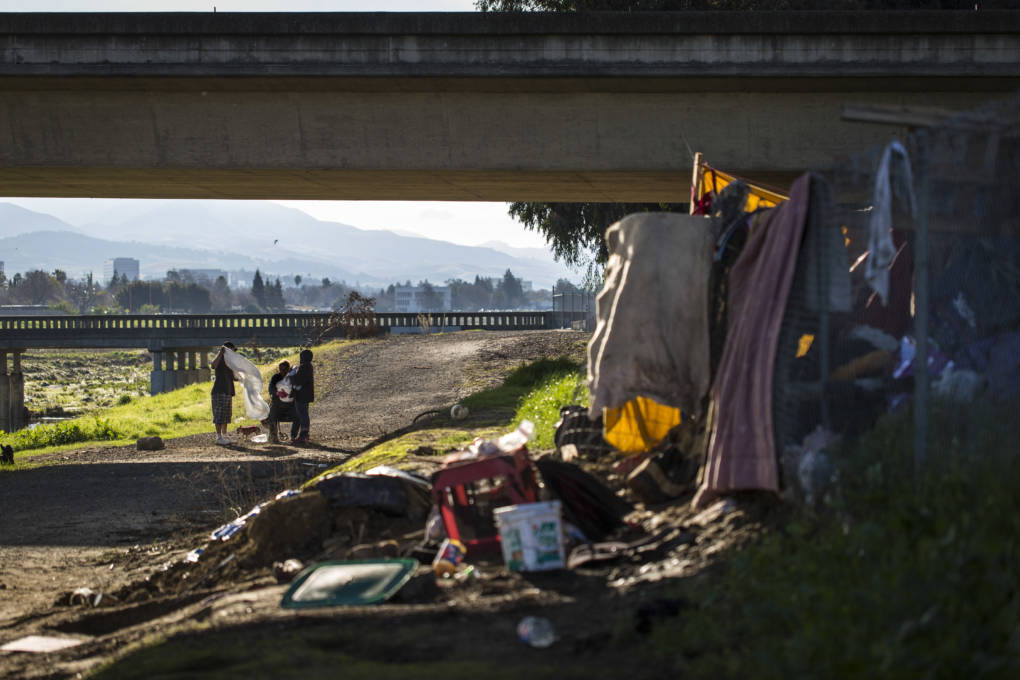
Alameda County's Homeless Population Climbs Dramatically Over Two Years
S.F.'s Newest Navigation Center Set to Take in Homeless Next Week
San Francisco Nonprofit Pledges $100 Million to Battle Homelessness
Oakland's Sanctioned Homeless Camp Project Ends on 'Sad' Note
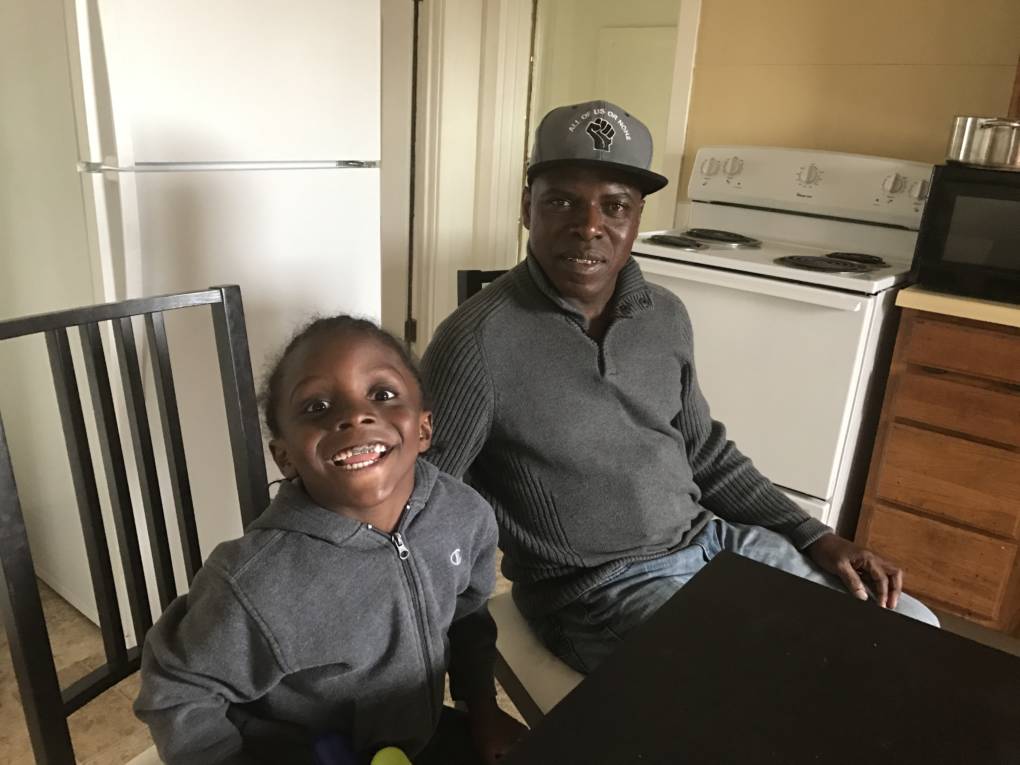
Formerly Homeless Oakland Father and His Son Find a Home
Oakland Dismantles Tiny Houses at Homeless 'Village'
Homeless Guides Help Volunteers Get Count in Alameda County
Leaving 'Homeless U' Behind, Brittany Jones Gets an Apartment
Volunteers Fan Out Across Contra Costa County to Count Homeless
Leaving 'Homeless U' Behind, Brittany Jones Gets an Apartment
Homeless U: First Shelter Just for College Students Opens Its Doors
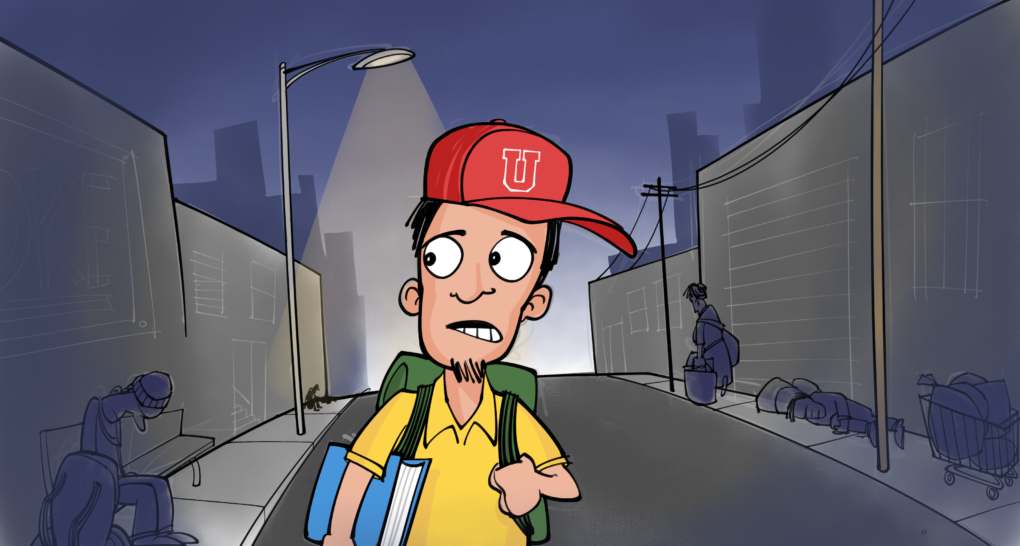
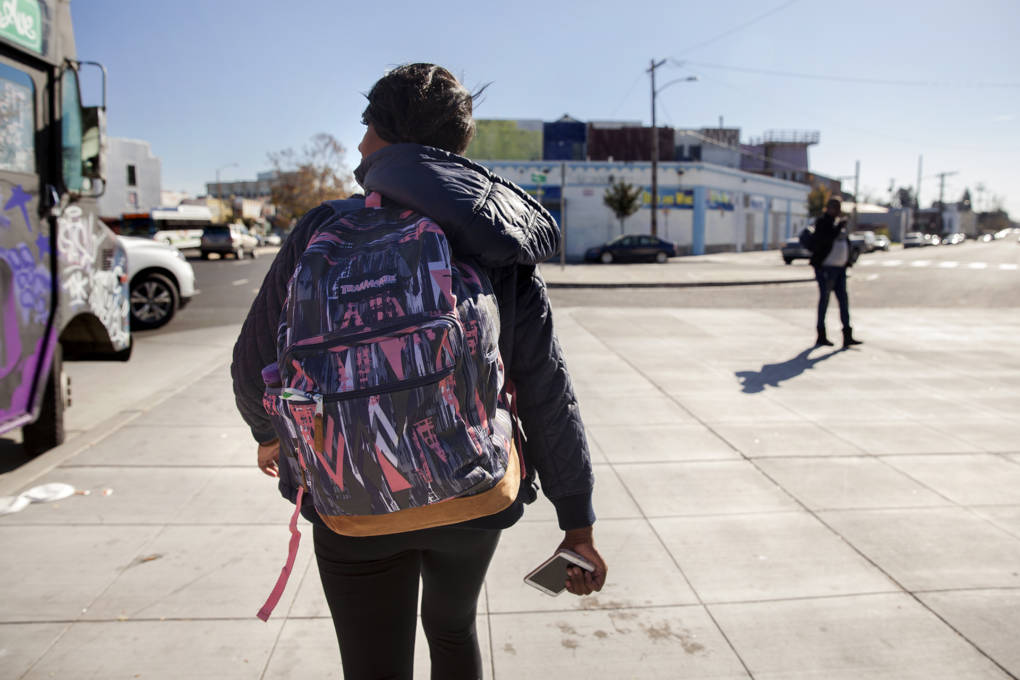
Homeless U: How Students Study and Survive on the Streets
window.__IS_SSR__=true
window.__INITIAL_STATE__={
"attachmentsReducer": {
"audio_0": {
"type": "attachments",
"id": "audio_0",
"imgSizes": {
"kqedFullSize": {
"file": "https://ww2.kqed.org/news/wp-content/themes/KQED-unified/img/audio_bgs/background0.jpg"
}
}
},
"audio_1": {
"type": "attachments",
"id": "audio_1",
"imgSizes": {
"kqedFullSize": {
"file": "https://ww2.kqed.org/news/wp-content/themes/KQED-unified/img/audio_bgs/background1.jpg"
}
}
},
"audio_2": {
"type": "attachments",
"id": "audio_2",
"imgSizes": {
"kqedFullSize": {
"file": "https://ww2.kqed.org/news/wp-content/themes/KQED-unified/img/audio_bgs/background2.jpg"
}
}
},
"audio_3": {
"type": "attachments",
"id": "audio_3",
"imgSizes": {
"kqedFullSize": {
"file": "https://ww2.kqed.org/news/wp-content/themes/KQED-unified/img/audio_bgs/background3.jpg"
}
}
},
"audio_4": {
"type": "attachments",
"id": "audio_4",
"imgSizes": {
"kqedFullSize": {
"file": "https://ww2.kqed.org/news/wp-content/themes/KQED-unified/img/audio_bgs/background4.jpg"
}
}
},
"placeholder": {
"type": "attachments",
"id": "placeholder",
"imgSizes": {
"thumbnail": {
"file": "https://cdn.kqed.org/wp-content/uploads/2024/12/KQED-Default-Image-816638274-2000x1333-1-160x107.jpg",
"width": 160,
"height": 107,
"mimeType": "image/jpeg"
},
"medium": {
"file": "https://cdn.kqed.org/wp-content/uploads/2024/12/KQED-Default-Image-816638274-2000x1333-1-800x533.jpg",
"width": 800,
"height": 533,
"mimeType": "image/jpeg"
},
"medium_large": {
"file": "https://cdn.kqed.org/wp-content/uploads/2024/12/KQED-Default-Image-816638274-2000x1333-1-768x512.jpg",
"width": 768,
"height": 512,
"mimeType": "image/jpeg"
},
"large": {
"file": "https://cdn.kqed.org/wp-content/uploads/2024/12/KQED-Default-Image-816638274-2000x1333-1-1020x680.jpg",
"width": 1020,
"height": 680,
"mimeType": "image/jpeg"
},
"1536x1536": {
"file": "https://cdn.kqed.org/wp-content/uploads/2024/12/KQED-Default-Image-816638274-2000x1333-1-1536x1024.jpg",
"width": 1536,
"height": 1024,
"mimeType": "image/jpeg"
},
"fd-lrg": {
"file": "https://cdn.kqed.org/wp-content/uploads/2024/12/KQED-Default-Image-816638274-2000x1333-1-1536x1024.jpg",
"width": 1536,
"height": 1024,
"mimeType": "image/jpeg"
},
"fd-med": {
"file": "https://cdn.kqed.org/wp-content/uploads/2024/12/KQED-Default-Image-816638274-2000x1333-1-1020x680.jpg",
"width": 1020,
"height": 680,
"mimeType": "image/jpeg"
},
"fd-sm": {
"file": "https://cdn.kqed.org/wp-content/uploads/2024/12/KQED-Default-Image-816638274-2000x1333-1-800x533.jpg",
"width": 800,
"height": 533,
"mimeType": "image/jpeg"
},
"post-thumbnail": {
"file": "https://cdn.kqed.org/wp-content/uploads/2024/12/KQED-Default-Image-816638274-2000x1333-1-672x372.jpg",
"width": 672,
"height": 372,
"mimeType": "image/jpeg"
},
"twentyfourteen-full-width": {
"file": "https://cdn.kqed.org/wp-content/uploads/2024/12/KQED-Default-Image-816638274-2000x1333-1-1038x576.jpg",
"width": 1038,
"height": 576,
"mimeType": "image/jpeg"
},
"xxsmall": {
"file": "https://cdn.kqed.org/wp-content/uploads/2024/12/KQED-Default-Image-816638274-2000x1333-1-160x107.jpg",
"width": 160,
"height": 107,
"mimeType": "image/jpeg"
},
"xsmall": {
"file": "https://cdn.kqed.org/wp-content/uploads/2024/12/KQED-Default-Image-816638274-2000x1333-1-672x372.jpg",
"width": 672,
"height": 372,
"mimeType": "image/jpeg"
},
"small": {
"file": "https://cdn.kqed.org/wp-content/uploads/2024/12/KQED-Default-Image-816638274-2000x1333-1-672x372.jpg",
"width": 672,
"height": 372,
"mimeType": "image/jpeg"
},
"xlarge": {
"file": "https://cdn.kqed.org/wp-content/uploads/2024/12/KQED-Default-Image-816638274-2000x1333-1-1020x680.jpg",
"width": 1020,
"height": 680,
"mimeType": "image/jpeg"
},
"full-width": {
"file": "https://cdn.kqed.org/wp-content/uploads/2024/12/KQED-Default-Image-816638274-2000x1333-1-1920x1280.jpg",
"width": 1920,
"height": 1280,
"mimeType": "image/jpeg"
},
"guest-author-32": {
"file": "https://cdn.kqed.org/wp-content/uploads/2025/01/KQED-Default-Image-816638274-1333x1333-1-160x160.jpg",
"width": 32,
"height": 32,
"mimeType": "image/jpeg"
},
"guest-author-50": {
"file": "https://cdn.kqed.org/wp-content/uploads/2025/01/KQED-Default-Image-816638274-1333x1333-1-160x160.jpg",
"width": 50,
"height": 50,
"mimeType": "image/jpeg"
},
"guest-author-64": {
"file": "https://cdn.kqed.org/wp-content/uploads/2025/01/KQED-Default-Image-816638274-1333x1333-1-160x160.jpg",
"width": 64,
"height": 64,
"mimeType": "image/jpeg"
},
"guest-author-96": {
"file": "https://cdn.kqed.org/wp-content/uploads/2025/01/KQED-Default-Image-816638274-1333x1333-1-160x160.jpg",
"width": 96,
"height": 96,
"mimeType": "image/jpeg"
},
"guest-author-128": {
"file": "https://cdn.kqed.org/wp-content/uploads/2025/01/KQED-Default-Image-816638274-1333x1333-1-160x160.jpg",
"width": 128,
"height": 128,
"mimeType": "image/jpeg"
},
"detail": {
"file": "https://cdn.kqed.org/wp-content/uploads/2025/01/KQED-Default-Image-816638274-1333x1333-1-160x160.jpg",
"width": 160,
"height": 160,
"mimeType": "image/jpeg"
},
"kqedFullSize": {
"file": "https://cdn.kqed.org/wp-content/uploads/2024/12/KQED-Default-Image-816638274-2000x1333-1.jpg",
"width": 2000,
"height": 1333
}
}
},
"news_11295318": {
"type": "attachments",
"id": "news_11295318",
"meta": {
"index": "attachments_1716263798",
"site": "news",
"id": "11295318",
"found": true
},
"parent": 11295066,
"imgSizes": {
"small": {
"file": "https://ww2.kqed.org/app/uploads/sites/10/2017/01/RS23938_20170131_AlamedaCountyHomelessCount_Credit_BertJohnson-4-qut-520x347.jpg",
"width": 520,
"mimeType": "image/jpeg",
"height": 347
},
"twentyfourteen-full-width": {
"file": "https://ww2.kqed.org/app/uploads/sites/10/2017/01/RS23938_20170131_AlamedaCountyHomelessCount_Credit_BertJohnson-4-qut-1038x576.jpg",
"width": 1038,
"mimeType": "image/jpeg",
"height": 576
},
"thumbnail": {
"file": "https://ww2.kqed.org/app/uploads/sites/10/2017/01/RS23938_20170131_AlamedaCountyHomelessCount_Credit_BertJohnson-4-qut-160x107.jpg",
"width": 160,
"mimeType": "image/jpeg",
"height": 107
},
"fd-sm": {
"file": "https://ww2.kqed.org/app/uploads/sites/10/2017/01/RS23938_20170131_AlamedaCountyHomelessCount_Credit_BertJohnson-4-qut-960x640.jpg",
"width": 960,
"mimeType": "image/jpeg",
"height": 640
},
"post-thumbnail": {
"file": "https://ww2.kqed.org/app/uploads/sites/10/2017/01/RS23938_20170131_AlamedaCountyHomelessCount_Credit_BertJohnson-4-qut-672x372.jpg",
"width": 672,
"mimeType": "image/jpeg",
"height": 372
},
"xsmall": {
"file": "https://ww2.kqed.org/app/uploads/sites/10/2017/01/RS23938_20170131_AlamedaCountyHomelessCount_Credit_BertJohnson-4-qut-375x250.jpg",
"width": 375,
"mimeType": "image/jpeg",
"height": 250
},
"kqedFullSize": {
"file": "https://ww2.kqed.org/app/uploads/sites/10/2017/01/RS23938_20170131_AlamedaCountyHomelessCount_Credit_BertJohnson-4-qut.jpg",
"width": 1920,
"height": 1280
},
"large": {
"file": "https://ww2.kqed.org/app/uploads/sites/10/2017/01/RS23938_20170131_AlamedaCountyHomelessCount_Credit_BertJohnson-4-qut-1020x680.jpg",
"width": 1020,
"mimeType": "image/jpeg",
"height": 680
},
"xlarge": {
"file": "https://ww2.kqed.org/app/uploads/sites/10/2017/01/RS23938_20170131_AlamedaCountyHomelessCount_Credit_BertJohnson-4-qut-1180x787.jpg",
"width": 1180,
"mimeType": "image/jpeg",
"height": 787
},
"guest-author-50": {
"file": "https://ww2.kqed.org/app/uploads/sites/10/2017/01/RS23938_20170131_AlamedaCountyHomelessCount_Credit_BertJohnson-4-qut-50x50.jpg",
"width": 50,
"mimeType": "image/jpeg",
"height": 50
},
"guest-author-96": {
"file": "https://ww2.kqed.org/app/uploads/sites/10/2017/01/RS23938_20170131_AlamedaCountyHomelessCount_Credit_BertJohnson-4-qut-96x96.jpg",
"width": 96,
"mimeType": "image/jpeg",
"height": 96
},
"medium": {
"file": "https://ww2.kqed.org/app/uploads/sites/10/2017/01/RS23938_20170131_AlamedaCountyHomelessCount_Credit_BertJohnson-4-qut-800x533.jpg",
"width": 800,
"mimeType": "image/jpeg",
"height": 533
},
"guest-author-64": {
"file": "https://ww2.kqed.org/app/uploads/sites/10/2017/01/RS23938_20170131_AlamedaCountyHomelessCount_Credit_BertJohnson-4-qut-64x64.jpg",
"width": 64,
"mimeType": "image/jpeg",
"height": 64
},
"guest-author-32": {
"file": "https://ww2.kqed.org/app/uploads/sites/10/2017/01/RS23938_20170131_AlamedaCountyHomelessCount_Credit_BertJohnson-4-qut-32x32.jpg",
"width": 32,
"mimeType": "image/jpeg",
"height": 32
},
"jmtc-small-thumb": {
"file": "https://ww2.kqed.org/app/uploads/sites/10/2017/01/RS23938_20170131_AlamedaCountyHomelessCount_Credit_BertJohnson-4-qut-280x150.jpg",
"width": 280,
"mimeType": "image/jpeg",
"height": 150
},
"fd-lrg": {
"file": "https://ww2.kqed.org/app/uploads/sites/10/2017/01/RS23938_20170131_AlamedaCountyHomelessCount_Credit_BertJohnson-4-qut-1920x1280.jpg",
"width": 1920,
"mimeType": "image/jpeg",
"height": 1280
},
"fd-med": {
"file": "https://ww2.kqed.org/app/uploads/sites/10/2017/01/RS23938_20170131_AlamedaCountyHomelessCount_Credit_BertJohnson-4-qut-1180x787.jpg",
"width": 1180,
"mimeType": "image/jpeg",
"height": 787
},
"full-width": {
"file": "https://ww2.kqed.org/app/uploads/sites/10/2017/01/RS23938_20170131_AlamedaCountyHomelessCount_Credit_BertJohnson-4-qut-1920x1280.jpg",
"width": 1920,
"mimeType": "image/jpeg",
"height": 1280
},
"detail": {
"file": "https://ww2.kqed.org/app/uploads/sites/10/2017/01/RS23938_20170131_AlamedaCountyHomelessCount_Credit_BertJohnson-4-qut-150x150.jpg",
"width": 150,
"mimeType": "image/jpeg",
"height": 150
},
"guest-author-128": {
"file": "https://ww2.kqed.org/app/uploads/sites/10/2017/01/RS23938_20170131_AlamedaCountyHomelessCount_Credit_BertJohnson-4-qut-128x128.jpg",
"width": 128,
"mimeType": "image/jpeg",
"height": 128
},
"xxsmall": {
"file": "https://ww2.kqed.org/app/uploads/sites/10/2017/01/RS23938_20170131_AlamedaCountyHomelessCount_Credit_BertJohnson-4-qut-240x160.jpg",
"width": 240,
"mimeType": "image/jpeg",
"height": 160
}
},
"publishDate": 1485907645,
"modified": 1485907674,
"caption": "A tent under a freeway overpass in Oakland, photographed on Tuesday, Jan. 31, 2017, the day of the Point-In-Time survey of Alameda County's homeless population.",
"description": null,
"title": "RS23938_20170131_AlamedaCountyHomelessCount_Credit_BertJohnson-4-qut",
"credit": "Bert Johnson/KQED",
"status": "inherit",
"isLoading": false,
"fetchFailed": false
},
"news_11477264": {
"type": "attachments",
"id": "news_11477264",
"meta": {
"index": "attachments_1716263798",
"site": "news",
"id": "11477264",
"found": true
},
"parent": 11477179,
"imgSizes": {
"small": {
"file": "https://ww2.kqed.org/app/uploads/sites/10/2017/05/lee-nav-center-1920-520x330.jpg",
"width": 520,
"mimeType": "image/jpeg",
"height": 330
},
"twentyfourteen-full-width": {
"file": "https://ww2.kqed.org/app/uploads/sites/10/2017/05/lee-nav-center-1920-1038x576.jpg",
"width": 1038,
"mimeType": "image/jpeg",
"height": 576
},
"thumbnail": {
"file": "https://ww2.kqed.org/app/uploads/sites/10/2017/05/lee-nav-center-1920-160x101.jpg",
"width": 160,
"mimeType": "image/jpeg",
"height": 101
},
"fd-sm": {
"file": "https://ww2.kqed.org/app/uploads/sites/10/2017/05/lee-nav-center-1920-960x609.jpg",
"width": 960,
"mimeType": "image/jpeg",
"height": 609
},
"post-thumbnail": {
"file": "https://ww2.kqed.org/app/uploads/sites/10/2017/05/lee-nav-center-1920-672x372.jpg",
"width": 672,
"mimeType": "image/jpeg",
"height": 372
},
"xsmall": {
"file": "https://ww2.kqed.org/app/uploads/sites/10/2017/05/lee-nav-center-1920-375x238.jpg",
"width": 375,
"mimeType": "image/jpeg",
"height": 238
},
"kqedFullSize": {
"file": "https://ww2.kqed.org/app/uploads/sites/10/2017/05/lee-nav-center-1920.jpg",
"width": 1920,
"height": 1217
},
"large": {
"file": "https://ww2.kqed.org/app/uploads/sites/10/2017/05/lee-nav-center-1920-1020x647.jpg",
"width": 1020,
"mimeType": "image/jpeg",
"height": 647
},
"xlarge": {
"file": "https://ww2.kqed.org/app/uploads/sites/10/2017/05/lee-nav-center-1920-1180x748.jpg",
"width": 1180,
"mimeType": "image/jpeg",
"height": 748
},
"guest-author-50": {
"file": "https://ww2.kqed.org/app/uploads/sites/10/2017/05/lee-nav-center-1920-50x50.jpg",
"width": 50,
"mimeType": "image/jpeg",
"height": 50
},
"guest-author-96": {
"file": "https://ww2.kqed.org/app/uploads/sites/10/2017/05/lee-nav-center-1920-96x96.jpg",
"width": 96,
"mimeType": "image/jpeg",
"height": 96
},
"medium": {
"file": "https://ww2.kqed.org/app/uploads/sites/10/2017/05/lee-nav-center-1920-800x507.jpg",
"width": 800,
"mimeType": "image/jpeg",
"height": 507
},
"guest-author-64": {
"file": "https://ww2.kqed.org/app/uploads/sites/10/2017/05/lee-nav-center-1920-64x64.jpg",
"width": 64,
"mimeType": "image/jpeg",
"height": 64
},
"guest-author-32": {
"file": "https://ww2.kqed.org/app/uploads/sites/10/2017/05/lee-nav-center-1920-32x32.jpg",
"width": 32,
"mimeType": "image/jpeg",
"height": 32
},
"fd-lrg": {
"file": "https://ww2.kqed.org/app/uploads/sites/10/2017/05/lee-nav-center-1920-1920x1217.jpg",
"width": 1920,
"mimeType": "image/jpeg",
"height": 1217
},
"fd-med": {
"file": "https://ww2.kqed.org/app/uploads/sites/10/2017/05/lee-nav-center-1920-1180x748.jpg",
"width": 1180,
"mimeType": "image/jpeg",
"height": 748
},
"full-width": {
"file": "https://ww2.kqed.org/app/uploads/sites/10/2017/05/lee-nav-center-1920-1920x1217.jpg",
"width": 1920,
"mimeType": "image/jpeg",
"height": 1217
},
"detail": {
"file": "https://ww2.kqed.org/app/uploads/sites/10/2017/05/lee-nav-center-1920-150x150.jpg",
"width": 150,
"mimeType": "image/jpeg",
"height": 150
},
"guest-author-128": {
"file": "https://ww2.kqed.org/app/uploads/sites/10/2017/05/lee-nav-center-1920-128x128.jpg",
"width": 128,
"mimeType": "image/jpeg",
"height": 128
},
"xxsmall": {
"file": "https://ww2.kqed.org/app/uploads/sites/10/2017/05/lee-nav-center-1920-240x152.jpg",
"width": 240,
"mimeType": "image/jpeg",
"height": 152
}
},
"publishDate": 1495735949,
"modified": 1495736035,
"caption": "San Francisco Mayor Ed Lee cut the ribbon for a new Navigation Center in the Dogpatch neighborhood on May 24, 2017. The center is slated to open next week.",
"description": null,
"title": "lee-nav-center-1920",
"credit": "Mariana Urban/KQED",
"status": "inherit",
"isLoading": false,
"fetchFailed": false
},
"news_11447048": {
"type": "attachments",
"id": "news_11447048",
"meta": {
"index": "attachments_1716263798",
"site": "news",
"id": "11447048",
"found": true
},
"parent": 11447046,
"imgSizes": {
"small": {
"file": "https://ww2.kqed.org/app/uploads/sites/10/2017/05/HomelessCamp-520x323.jpg",
"width": 520,
"mimeType": "image/jpeg",
"height": 323
},
"twentyfourteen-full-width": {
"file": "https://ww2.kqed.org/app/uploads/sites/10/2017/05/HomelessCamp-1038x576.jpg",
"width": 1038,
"mimeType": "image/jpeg",
"height": 576
},
"thumbnail": {
"file": "https://ww2.kqed.org/app/uploads/sites/10/2017/05/HomelessCamp-160x99.jpg",
"width": 160,
"mimeType": "image/jpeg",
"height": 99
},
"fd-sm": {
"file": "https://ww2.kqed.org/app/uploads/sites/10/2017/05/HomelessCamp-960x597.jpg",
"width": 960,
"mimeType": "image/jpeg",
"height": 597
},
"post-thumbnail": {
"file": "https://ww2.kqed.org/app/uploads/sites/10/2017/05/HomelessCamp-672x372.jpg",
"width": 672,
"mimeType": "image/jpeg",
"height": 372
},
"xsmall": {
"file": "https://ww2.kqed.org/app/uploads/sites/10/2017/05/HomelessCamp-375x233.jpg",
"width": 375,
"mimeType": "image/jpeg",
"height": 233
},
"kqedFullSize": {
"file": "https://ww2.kqed.org/app/uploads/sites/10/2017/05/HomelessCamp.jpg",
"width": 1920,
"height": 1193
},
"large": {
"file": "https://ww2.kqed.org/app/uploads/sites/10/2017/05/HomelessCamp-1020x634.jpg",
"width": 1020,
"mimeType": "image/jpeg",
"height": 634
},
"xlarge": {
"file": "https://ww2.kqed.org/app/uploads/sites/10/2017/05/HomelessCamp-1180x733.jpg",
"width": 1180,
"mimeType": "image/jpeg",
"height": 733
},
"guest-author-50": {
"file": "https://ww2.kqed.org/app/uploads/sites/10/2017/05/HomelessCamp-50x50.jpg",
"width": 50,
"mimeType": "image/jpeg",
"height": 50
},
"guest-author-96": {
"file": "https://ww2.kqed.org/app/uploads/sites/10/2017/05/HomelessCamp-96x96.jpg",
"width": 96,
"mimeType": "image/jpeg",
"height": 96
},
"medium": {
"file": "https://ww2.kqed.org/app/uploads/sites/10/2017/05/HomelessCamp-800x497.jpg",
"width": 800,
"mimeType": "image/jpeg",
"height": 497
},
"guest-author-64": {
"file": "https://ww2.kqed.org/app/uploads/sites/10/2017/05/HomelessCamp-64x64.jpg",
"width": 64,
"mimeType": "image/jpeg",
"height": 64
},
"guest-author-32": {
"file": "https://ww2.kqed.org/app/uploads/sites/10/2017/05/HomelessCamp-32x32.jpg",
"width": 32,
"mimeType": "image/jpeg",
"height": 32
},
"fd-lrg": {
"file": "https://ww2.kqed.org/app/uploads/sites/10/2017/05/HomelessCamp-1920x1193.jpg",
"width": 1920,
"mimeType": "image/jpeg",
"height": 1193
},
"fd-med": {
"file": "https://ww2.kqed.org/app/uploads/sites/10/2017/05/HomelessCamp-1180x733.jpg",
"width": 1180,
"mimeType": "image/jpeg",
"height": 733
},
"full-width": {
"file": "https://ww2.kqed.org/app/uploads/sites/10/2017/05/HomelessCamp-1920x1193.jpg",
"width": 1920,
"mimeType": "image/jpeg",
"height": 1193
},
"detail": {
"file": "https://ww2.kqed.org/app/uploads/sites/10/2017/05/HomelessCamp-150x150.jpg",
"width": 150,
"mimeType": "image/jpeg",
"height": 150
},
"guest-author-128": {
"file": "https://ww2.kqed.org/app/uploads/sites/10/2017/05/HomelessCamp-128x128.jpg",
"width": 128,
"mimeType": "image/jpeg",
"height": 128
},
"xxsmall": {
"file": "https://ww2.kqed.org/app/uploads/sites/10/2017/05/HomelessCamp-240x149.jpg",
"width": 240,
"mimeType": "image/jpeg",
"height": 149
}
},
"publishDate": 1494285829,
"modified": 1494285881,
"caption": "A homeless encampment in San Francisco's Mission District. ",
"description": "A homeless encampment in San Francisco's Mission District. ",
"title": "HomelessCamp",
"credit": "Brittany Hosea-Small/KQED",
"status": "inherit",
"isLoading": false,
"fetchFailed": false
},
"news_11442422": {
"type": "attachments",
"id": "news_11442422",
"meta": {
"index": "attachments_1716263798",
"site": "news",
"id": "11442422",
"found": true
},
"parent": 11442103,
"imgSizes": {
"small": {
"file": "https://ww2.kqed.org/app/uploads/sites/10/2017/05/IMG_1634-520x390.jpg",
"width": 520,
"mimeType": "image/jpeg",
"height": 390
},
"twentyfourteen-full-width": {
"file": "https://ww2.kqed.org/app/uploads/sites/10/2017/05/IMG_1634-1038x576.jpg",
"width": 1038,
"mimeType": "image/jpeg",
"height": 576
},
"thumbnail": {
"file": "https://ww2.kqed.org/app/uploads/sites/10/2017/05/IMG_1634-160x120.jpg",
"width": 160,
"mimeType": "image/jpeg",
"height": 120
},
"fd-sm": {
"file": "https://ww2.kqed.org/app/uploads/sites/10/2017/05/IMG_1634-960x720.jpg",
"width": 960,
"mimeType": "image/jpeg",
"height": 720
},
"post-thumbnail": {
"file": "https://ww2.kqed.org/app/uploads/sites/10/2017/05/IMG_1634-672x372.jpg",
"width": 672,
"mimeType": "image/jpeg",
"height": 372
},
"xsmall": {
"file": "https://ww2.kqed.org/app/uploads/sites/10/2017/05/IMG_1634-375x281.jpg",
"width": 375,
"mimeType": "image/jpeg",
"height": 281
},
"kqedFullSize": {
"file": "https://ww2.kqed.org/app/uploads/sites/10/2017/05/IMG_1634.jpg",
"width": 2048,
"height": 1536
},
"large": {
"file": "https://ww2.kqed.org/app/uploads/sites/10/2017/05/IMG_1634-1020x765.jpg",
"width": 1020,
"mimeType": "image/jpeg",
"height": 765
},
"xlarge": {
"file": "https://ww2.kqed.org/app/uploads/sites/10/2017/05/IMG_1634-1180x885.jpg",
"width": 1180,
"mimeType": "image/jpeg",
"height": 885
},
"guest-author-50": {
"file": "https://ww2.kqed.org/app/uploads/sites/10/2017/05/IMG_1634-50x50.jpg",
"width": 50,
"mimeType": "image/jpeg",
"height": 50
},
"guest-author-96": {
"file": "https://ww2.kqed.org/app/uploads/sites/10/2017/05/IMG_1634-96x96.jpg",
"width": 96,
"mimeType": "image/jpeg",
"height": 96
},
"medium": {
"file": "https://ww2.kqed.org/app/uploads/sites/10/2017/05/IMG_1634-800x600.jpg",
"width": 800,
"mimeType": "image/jpeg",
"height": 600
},
"guest-author-64": {
"file": "https://ww2.kqed.org/app/uploads/sites/10/2017/05/IMG_1634-64x64.jpg",
"width": 64,
"mimeType": "image/jpeg",
"height": 64
},
"guest-author-32": {
"file": "https://ww2.kqed.org/app/uploads/sites/10/2017/05/IMG_1634-32x32.jpg",
"width": 32,
"mimeType": "image/jpeg",
"height": 32
},
"fd-lrg": {
"file": "https://ww2.kqed.org/app/uploads/sites/10/2017/05/IMG_1634-1920x1440.jpg",
"width": 1920,
"mimeType": "image/jpeg",
"height": 1440
},
"fd-med": {
"file": "https://ww2.kqed.org/app/uploads/sites/10/2017/05/IMG_1634-1180x885.jpg",
"width": 1180,
"mimeType": "image/jpeg",
"height": 885
},
"full-width": {
"file": "https://ww2.kqed.org/app/uploads/sites/10/2017/05/IMG_1634-1920x1440.jpg",
"width": 1920,
"mimeType": "image/jpeg",
"height": 1440
},
"detail": {
"file": "https://ww2.kqed.org/app/uploads/sites/10/2017/05/IMG_1634-150x150.jpg",
"width": 150,
"mimeType": "image/jpeg",
"height": 150
},
"guest-author-128": {
"file": "https://ww2.kqed.org/app/uploads/sites/10/2017/05/IMG_1634-128x128.jpg",
"width": 128,
"mimeType": "image/jpeg",
"height": 128
},
"xxsmall": {
"file": "https://ww2.kqed.org/app/uploads/sites/10/2017/05/IMG_1634-240x180.jpg",
"width": 240,
"mimeType": "image/jpeg",
"height": 180
}
},
"publishDate": 1494032913,
"modified": 1543441802,
"caption": "A formerly sanctioned homeless encampment at 35th and Peralta streets that was cleared in 2017 after a fire broke out.",
"description": null,
"title": "IMG_1634",
"credit": "Devin Katayama/KQED",
"status": "inherit",
"isLoading": false,
"fetchFailed": false
},
"news_11416522": {
"type": "attachments",
"id": "news_11416522",
"meta": {
"index": "attachments_1716263798",
"site": "news",
"id": "11416522",
"found": true
},
"parent": 11416393,
"imgSizes": {
"small": {
"file": "https://ww2.kqed.org/app/uploads/sites/10/2017/04/IMG_1538-520x390.jpg",
"width": 520,
"mimeType": "image/jpeg",
"height": 390
},
"twentyfourteen-full-width": {
"file": "https://ww2.kqed.org/app/uploads/sites/10/2017/04/IMG_1538-1038x576.jpg",
"width": 1038,
"mimeType": "image/jpeg",
"height": 576
},
"thumbnail": {
"file": "https://ww2.kqed.org/app/uploads/sites/10/2017/04/IMG_1538-160x120.jpg",
"width": 160,
"mimeType": "image/jpeg",
"height": 120
},
"fd-sm": {
"file": "https://ww2.kqed.org/app/uploads/sites/10/2017/04/IMG_1538-960x720.jpg",
"width": 960,
"mimeType": "image/jpeg",
"height": 720
},
"post-thumbnail": {
"file": "https://ww2.kqed.org/app/uploads/sites/10/2017/04/IMG_1538-672x372.jpg",
"width": 672,
"mimeType": "image/jpeg",
"height": 372
},
"xsmall": {
"file": "https://ww2.kqed.org/app/uploads/sites/10/2017/04/IMG_1538-375x281.jpg",
"width": 375,
"mimeType": "image/jpeg",
"height": 281
},
"kqedFullSize": {
"file": "https://ww2.kqed.org/app/uploads/sites/10/2017/04/IMG_1538-e1493404050666.jpg",
"width": 1920,
"height": 1440
},
"large": {
"file": "https://ww2.kqed.org/app/uploads/sites/10/2017/04/IMG_1538-1020x765.jpg",
"width": 1020,
"mimeType": "image/jpeg",
"height": 765
},
"xlarge": {
"file": "https://ww2.kqed.org/app/uploads/sites/10/2017/04/IMG_1538-1180x885.jpg",
"width": 1180,
"mimeType": "image/jpeg",
"height": 885
},
"guest-author-50": {
"file": "https://ww2.kqed.org/app/uploads/sites/10/2017/04/IMG_1538-50x50.jpg",
"width": 50,
"mimeType": "image/jpeg",
"height": 50
},
"guest-author-96": {
"file": "https://ww2.kqed.org/app/uploads/sites/10/2017/04/IMG_1538-96x96.jpg",
"width": 96,
"mimeType": "image/jpeg",
"height": 96
},
"medium": {
"file": "https://ww2.kqed.org/app/uploads/sites/10/2017/04/IMG_1538-800x600.jpg",
"width": 800,
"mimeType": "image/jpeg",
"height": 600
},
"guest-author-64": {
"file": "https://ww2.kqed.org/app/uploads/sites/10/2017/04/IMG_1538-64x64.jpg",
"width": 64,
"mimeType": "image/jpeg",
"height": 64
},
"guest-author-32": {
"file": "https://ww2.kqed.org/app/uploads/sites/10/2017/04/IMG_1538-32x32.jpg",
"width": 32,
"mimeType": "image/jpeg",
"height": 32
},
"fd-lrg": {
"file": "https://ww2.kqed.org/app/uploads/sites/10/2017/04/IMG_1538-1920x1440.jpg",
"width": 1920,
"mimeType": "image/jpeg",
"height": 1440
},
"fd-med": {
"file": "https://ww2.kqed.org/app/uploads/sites/10/2017/04/IMG_1538-1180x885.jpg",
"width": 1180,
"mimeType": "image/jpeg",
"height": 885
},
"full-width": {
"file": "https://ww2.kqed.org/app/uploads/sites/10/2017/04/IMG_1538-1920x1440.jpg",
"width": 1920,
"mimeType": "image/jpeg",
"height": 1440
},
"detail": {
"file": "https://ww2.kqed.org/app/uploads/sites/10/2017/04/IMG_1538-150x150.jpg",
"width": 150,
"mimeType": "image/jpeg",
"height": 150
},
"guest-author-128": {
"file": "https://ww2.kqed.org/app/uploads/sites/10/2017/04/IMG_1538-128x128.jpg",
"width": 128,
"mimeType": "image/jpeg",
"height": 128
},
"xxsmall": {
"file": "https://ww2.kqed.org/app/uploads/sites/10/2017/04/IMG_1538-240x180.jpg",
"width": 240,
"mimeType": "image/jpeg",
"height": 180
}
},
"publishDate": 1492615515,
"modified": 1493414578,
"caption": "Marvin Jordan and his son, Marvin Jr., moved into their apartment in April 2016 with their Section 8 voucher.",
"description": "Marvin Jordan and his son Marvin Jr. moved into their apartment in April 2015 with their Section 8 voucher.",
"title": "IMG_1538",
"credit": "Devin Katayama/KQED",
"status": "inherit",
"isLoading": false,
"fetchFailed": false
},
"news_11300091": {
"type": "attachments",
"id": "news_11300091",
"meta": {
"index": "attachments_1716263798",
"site": "news",
"id": "11300091",
"found": true
},
"parent": 11299819,
"imgSizes": {
"small": {
"file": "https://ww2.kqed.org/app/uploads/sites/10/2017/02/red-1920-520x293.jpg",
"width": 520,
"mimeType": "image/jpeg",
"height": 293
},
"twentyfourteen-full-width": {
"file": "https://ww2.kqed.org/app/uploads/sites/10/2017/02/red-1920-1038x576.jpg",
"width": 1038,
"mimeType": "image/jpeg",
"height": 576
},
"thumbnail": {
"file": "https://ww2.kqed.org/app/uploads/sites/10/2017/02/red-1920-160x90.jpg",
"width": 160,
"mimeType": "image/jpeg",
"height": 90
},
"fd-sm": {
"file": "https://ww2.kqed.org/app/uploads/sites/10/2017/02/red-1920-960x540.jpg",
"width": 960,
"mimeType": "image/jpeg",
"height": 540
},
"post-thumbnail": {
"file": "https://ww2.kqed.org/app/uploads/sites/10/2017/02/red-1920-672x372.jpg",
"width": 672,
"mimeType": "image/jpeg",
"height": 372
},
"xsmall": {
"file": "https://ww2.kqed.org/app/uploads/sites/10/2017/02/red-1920-375x211.jpg",
"width": 375,
"mimeType": "image/jpeg",
"height": 211
},
"kqedFullSize": {
"file": "https://ww2.kqed.org/app/uploads/sites/10/2017/02/red-1920.jpg",
"width": 1920,
"height": 1080
},
"large": {
"file": "https://ww2.kqed.org/app/uploads/sites/10/2017/02/red-1920-1020x574.jpg",
"width": 1020,
"mimeType": "image/jpeg",
"height": 574
},
"xlarge": {
"file": "https://ww2.kqed.org/app/uploads/sites/10/2017/02/red-1920-1180x664.jpg",
"width": 1180,
"mimeType": "image/jpeg",
"height": 664
},
"guest-author-50": {
"file": "https://ww2.kqed.org/app/uploads/sites/10/2017/02/red-1920-50x50.jpg",
"width": 50,
"mimeType": "image/jpeg",
"height": 50
},
"guest-author-96": {
"file": "https://ww2.kqed.org/app/uploads/sites/10/2017/02/red-1920-96x96.jpg",
"width": 96,
"mimeType": "image/jpeg",
"height": 96
},
"medium": {
"file": "https://ww2.kqed.org/app/uploads/sites/10/2017/02/red-1920-800x450.jpg",
"width": 800,
"mimeType": "image/jpeg",
"height": 450
},
"guest-author-64": {
"file": "https://ww2.kqed.org/app/uploads/sites/10/2017/02/red-1920-64x64.jpg",
"width": 64,
"mimeType": "image/jpeg",
"height": 64
},
"guest-author-32": {
"file": "https://ww2.kqed.org/app/uploads/sites/10/2017/02/red-1920-32x32.jpg",
"width": 32,
"mimeType": "image/jpeg",
"height": 32
},
"jmtc-small-thumb": {
"file": "https://ww2.kqed.org/app/uploads/sites/10/2017/02/red-1920-280x150.jpg",
"width": 280,
"mimeType": "image/jpeg",
"height": 150
},
"fd-lrg": {
"file": "https://ww2.kqed.org/app/uploads/sites/10/2017/02/red-1920-1920x1080.jpg",
"width": 1920,
"mimeType": "image/jpeg",
"height": 1080
},
"fd-med": {
"file": "https://ww2.kqed.org/app/uploads/sites/10/2017/02/red-1920-1180x664.jpg",
"width": 1180,
"mimeType": "image/jpeg",
"height": 664
},
"full-width": {
"file": "https://ww2.kqed.org/app/uploads/sites/10/2017/02/red-1920-1920x1080.jpg",
"width": 1920,
"mimeType": "image/jpeg",
"height": 1080
},
"detail": {
"file": "https://ww2.kqed.org/app/uploads/sites/10/2017/02/red-1920-150x150.jpg",
"width": 150,
"mimeType": "image/jpeg",
"height": 150
},
"guest-author-128": {
"file": "https://ww2.kqed.org/app/uploads/sites/10/2017/02/red-1920-128x128.jpg",
"width": 128,
"mimeType": "image/jpeg",
"height": 128
},
"xxsmall": {
"file": "https://ww2.kqed.org/app/uploads/sites/10/2017/02/red-1920-240x135.jpg",
"width": 240,
"mimeType": "image/jpeg",
"height": 135
}
},
"publishDate": 1486167200,
"modified": 1486170943,
"caption": "Red, a former resident of \"The Village,\" worked on the second floor of his shelter one day before Oakland officials tore down the encampment.",
"description": null,
"title": "red-1920",
"credit": "Erasmo Martinez/KQED",
"status": "inherit",
"isLoading": false,
"fetchFailed": false
},
"news_11296504": {
"type": "attachments",
"id": "news_11296504",
"meta": {
"index": "attachments_1716263798",
"site": "news",
"id": "11296504",
"found": true
},
"parent": 11295066,
"imgSizes": {
"small": {
"file": "https://ww2.kqed.org/app/uploads/sites/10/2017/02/HeardGoldstein-520x341.jpg",
"width": 520,
"mimeType": "image/jpeg",
"height": 341
},
"twentyfourteen-full-width": {
"file": "https://ww2.kqed.org/app/uploads/sites/10/2017/02/HeardGoldstein-1038x576.jpg",
"width": 1038,
"mimeType": "image/jpeg",
"height": 576
},
"thumbnail": {
"file": "https://ww2.kqed.org/app/uploads/sites/10/2017/02/HeardGoldstein-160x105.jpg",
"width": 160,
"mimeType": "image/jpeg",
"height": 105
},
"fd-sm": {
"file": "https://ww2.kqed.org/app/uploads/sites/10/2017/02/HeardGoldstein-960x630.jpg",
"width": 960,
"mimeType": "image/jpeg",
"height": 630
},
"post-thumbnail": {
"file": "https://ww2.kqed.org/app/uploads/sites/10/2017/02/HeardGoldstein-672x372.jpg",
"width": 672,
"mimeType": "image/jpeg",
"height": 372
},
"xsmall": {
"file": "https://ww2.kqed.org/app/uploads/sites/10/2017/02/HeardGoldstein-375x246.jpg",
"width": 375,
"mimeType": "image/jpeg",
"height": 246
},
"kqedFullSize": {
"file": "https://ww2.kqed.org/app/uploads/sites/10/2017/02/HeardGoldstein.jpg",
"width": 1920,
"height": 1260
},
"large": {
"file": "https://ww2.kqed.org/app/uploads/sites/10/2017/02/HeardGoldstein-1020x669.jpg",
"width": 1020,
"mimeType": "image/jpeg",
"height": 669
},
"xlarge": {
"file": "https://ww2.kqed.org/app/uploads/sites/10/2017/02/HeardGoldstein-1180x774.jpg",
"width": 1180,
"mimeType": "image/jpeg",
"height": 774
},
"guest-author-50": {
"file": "https://ww2.kqed.org/app/uploads/sites/10/2017/02/HeardGoldstein-50x50.jpg",
"width": 50,
"mimeType": "image/jpeg",
"height": 50
},
"guest-author-96": {
"file": "https://ww2.kqed.org/app/uploads/sites/10/2017/02/HeardGoldstein-96x96.jpg",
"width": 96,
"mimeType": "image/jpeg",
"height": 96
},
"medium": {
"file": "https://ww2.kqed.org/app/uploads/sites/10/2017/02/HeardGoldstein-800x525.jpg",
"width": 800,
"mimeType": "image/jpeg",
"height": 525
},
"guest-author-64": {
"file": "https://ww2.kqed.org/app/uploads/sites/10/2017/02/HeardGoldstein-64x64.jpg",
"width": 64,
"mimeType": "image/jpeg",
"height": 64
},
"guest-author-32": {
"file": "https://ww2.kqed.org/app/uploads/sites/10/2017/02/HeardGoldstein-32x32.jpg",
"width": 32,
"mimeType": "image/jpeg",
"height": 32
},
"jmtc-small-thumb": {
"file": "https://ww2.kqed.org/app/uploads/sites/10/2017/02/HeardGoldstein-280x150.jpg",
"width": 280,
"mimeType": "image/jpeg",
"height": 150
},
"fd-lrg": {
"file": "https://ww2.kqed.org/app/uploads/sites/10/2017/02/HeardGoldstein-1920x1260.jpg",
"width": 1920,
"mimeType": "image/jpeg",
"height": 1260
},
"fd-med": {
"file": "https://ww2.kqed.org/app/uploads/sites/10/2017/02/HeardGoldstein-1180x774.jpg",
"width": 1180,
"mimeType": "image/jpeg",
"height": 774
},
"full-width": {
"file": "https://ww2.kqed.org/app/uploads/sites/10/2017/02/HeardGoldstein-1920x1260.jpg",
"width": 1920,
"mimeType": "image/jpeg",
"height": 1260
},
"detail": {
"file": "https://ww2.kqed.org/app/uploads/sites/10/2017/02/HeardGoldstein-150x150.jpg",
"width": 150,
"mimeType": "image/jpeg",
"height": 150
},
"guest-author-128": {
"file": "https://ww2.kqed.org/app/uploads/sites/10/2017/02/HeardGoldstein-128x128.jpg",
"width": 128,
"mimeType": "image/jpeg",
"height": 128
},
"xxsmall": {
"file": "https://ww2.kqed.org/app/uploads/sites/10/2017/02/HeardGoldstein-240x158.jpg",
"width": 240,
"mimeType": "image/jpeg",
"height": 158
}
},
"publishDate": 1485978942,
"modified": 1485979215,
"caption": "Eddie Heard, 48, and Brenda Goldstein, 57, discuss how to cover their assigned area during the Alameda County Point-In-Time homeless survey on Jan. 31, 2017. ",
"description": "Eddie Heard, 48, and Brenda Goldstein, 57, discuss how to cover their assigned area during the Alameda County Point-In-Time homeless survey on Jan. 31, 2017. ",
"title": "HeardGoldstein",
"credit": "Bert Johnson/KQED",
"status": "inherit",
"isLoading": false,
"fetchFailed": false
},
"news_11230211": {
"type": "attachments",
"id": "news_11230211",
"meta": {
"index": "attachments_1716263798",
"site": "news",
"id": "11230211",
"found": true
},
"parent": 11230145,
"imgSizes": {
"small": {
"file": "https://ww2.kqed.org/app/uploads/sites/10/2016/12/161217_JonesFollowUp_bhs06-520x347.jpg",
"width": 520,
"mimeType": "image/jpeg",
"height": 347
},
"twentyfourteen-full-width": {
"file": "https://ww2.kqed.org/app/uploads/sites/10/2016/12/161217_JonesFollowUp_bhs06-1038x576.jpg",
"width": 1038,
"mimeType": "image/jpeg",
"height": 576
},
"thumbnail": {
"file": "https://ww2.kqed.org/app/uploads/sites/10/2016/12/161217_JonesFollowUp_bhs06-160x107.jpg",
"width": 160,
"mimeType": "image/jpeg",
"height": 107
},
"fd-sm": {
"file": "https://ww2.kqed.org/app/uploads/sites/10/2016/12/161217_JonesFollowUp_bhs06-960x640.jpg",
"width": 960,
"mimeType": "image/jpeg",
"height": 640
},
"post-thumbnail": {
"file": "https://ww2.kqed.org/app/uploads/sites/10/2016/12/161217_JonesFollowUp_bhs06-672x372.jpg",
"width": 672,
"mimeType": "image/jpeg",
"height": 372
},
"xsmall": {
"file": "https://ww2.kqed.org/app/uploads/sites/10/2016/12/161217_JonesFollowUp_bhs06-375x250.jpg",
"width": 375,
"mimeType": "image/jpeg",
"height": 250
},
"kqedFullSize": {
"file": "https://ww2.kqed.org/app/uploads/sites/10/2016/12/161217_JonesFollowUp_bhs06.jpg",
"width": 1920,
"height": 1280
},
"large": {
"file": "https://ww2.kqed.org/app/uploads/sites/10/2016/12/161217_JonesFollowUp_bhs06-1020x680.jpg",
"width": 1020,
"mimeType": "image/jpeg",
"height": 680
},
"xlarge": {
"file": "https://ww2.kqed.org/app/uploads/sites/10/2016/12/161217_JonesFollowUp_bhs06-1180x787.jpg",
"width": 1180,
"mimeType": "image/jpeg",
"height": 787
},
"guest-author-50": {
"file": "https://ww2.kqed.org/app/uploads/sites/10/2016/12/161217_JonesFollowUp_bhs06-50x50.jpg",
"width": 50,
"mimeType": "image/jpeg",
"height": 50
},
"guest-author-96": {
"file": "https://ww2.kqed.org/app/uploads/sites/10/2016/12/161217_JonesFollowUp_bhs06-96x96.jpg",
"width": 96,
"mimeType": "image/jpeg",
"height": 96
},
"medium": {
"file": "https://ww2.kqed.org/app/uploads/sites/10/2016/12/161217_JonesFollowUp_bhs06-800x533.jpg",
"width": 800,
"mimeType": "image/jpeg",
"height": 533
},
"guest-author-64": {
"file": "https://ww2.kqed.org/app/uploads/sites/10/2016/12/161217_JonesFollowUp_bhs06-64x64.jpg",
"width": 64,
"mimeType": "image/jpeg",
"height": 64
},
"guest-author-32": {
"file": "https://ww2.kqed.org/app/uploads/sites/10/2016/12/161217_JonesFollowUp_bhs06-32x32.jpg",
"width": 32,
"mimeType": "image/jpeg",
"height": 32
},
"jmtc-small-thumb": {
"file": "https://ww2.kqed.org/app/uploads/sites/10/2016/12/161217_JonesFollowUp_bhs06-280x150.jpg",
"width": 280,
"mimeType": "image/jpeg",
"height": 150
},
"fd-lrg": {
"file": "https://ww2.kqed.org/app/uploads/sites/10/2016/12/161217_JonesFollowUp_bhs06-1920x1280.jpg",
"width": 1920,
"mimeType": "image/jpeg",
"height": 1280
},
"fd-med": {
"file": "https://ww2.kqed.org/app/uploads/sites/10/2016/12/161217_JonesFollowUp_bhs06-1180x787.jpg",
"width": 1180,
"mimeType": "image/jpeg",
"height": 787
},
"full-width": {
"file": "https://ww2.kqed.org/app/uploads/sites/10/2016/12/161217_JonesFollowUp_bhs06-1920x1280.jpg",
"width": 1920,
"mimeType": "image/jpeg",
"height": 1280
},
"detail": {
"file": "https://ww2.kqed.org/app/uploads/sites/10/2016/12/161217_JonesFollowUp_bhs06-150x150.jpg",
"width": 150,
"mimeType": "image/jpeg",
"height": 150
},
"guest-author-128": {
"file": "https://ww2.kqed.org/app/uploads/sites/10/2016/12/161217_JonesFollowUp_bhs06-128x128.jpg",
"width": 128,
"mimeType": "image/jpeg",
"height": 128
},
"xxsmall": {
"file": "https://ww2.kqed.org/app/uploads/sites/10/2016/12/161217_JonesFollowUp_bhs06-240x160.jpg",
"width": 240,
"mimeType": "image/jpeg",
"height": 160
}
},
"publishDate": 1482300282,
"modified": 1482363439,
"caption": "Brittany Jones relaxes in her new bed after spending the day moving into her new apartment. Jones is excited to have her own bed to sleep in after spending so many nights on friends' floors or seats on BART.",
"description": "Brittany Jones relaxes in her new bed after spending the day moving into her new apartment. Jones is excited to have her own bed to sleep in after spending so many nights on friend’s floors or seats on Bart.",
"title": "161217_jonesfollowup_bhs06",
"credit": "Brittany Hosea-Small/KQED",
"status": "inherit",
"isLoading": false,
"fetchFailed": false
},
"news_11287911": {
"type": "attachments",
"id": "news_11287911",
"meta": {
"index": "attachments_1716263798",
"site": "news",
"id": "11287911",
"found": true
},
"parent": 11287910,
"imgSizes": {
"small": {
"file": "https://ww2.kqed.org/app/uploads/sites/10/2017/01/20170126_CC_county_homeless_count_105-520x347.jpg",
"width": 520,
"mimeType": "image/jpeg",
"height": 347
},
"twentyfourteen-full-width": {
"file": "https://ww2.kqed.org/app/uploads/sites/10/2017/01/20170126_CC_county_homeless_count_105-1038x576.jpg",
"width": 1038,
"mimeType": "image/jpeg",
"height": 576
},
"thumbnail": {
"file": "https://ww2.kqed.org/app/uploads/sites/10/2017/01/20170126_CC_county_homeless_count_105-160x107.jpg",
"width": 160,
"mimeType": "image/jpeg",
"height": 107
},
"fd-sm": {
"file": "https://ww2.kqed.org/app/uploads/sites/10/2017/01/20170126_CC_county_homeless_count_105-960x640.jpg",
"width": 960,
"mimeType": "image/jpeg",
"height": 640
},
"post-thumbnail": {
"file": "https://ww2.kqed.org/app/uploads/sites/10/2017/01/20170126_CC_county_homeless_count_105-672x372.jpg",
"width": 672,
"mimeType": "image/jpeg",
"height": 372
},
"xsmall": {
"file": "https://ww2.kqed.org/app/uploads/sites/10/2017/01/20170126_CC_county_homeless_count_105-375x250.jpg",
"width": 375,
"mimeType": "image/jpeg",
"height": 250
},
"kqedFullSize": {
"file": "https://ww2.kqed.org/app/uploads/sites/10/2017/01/20170126_CC_county_homeless_count_105-e1485473617822.jpg",
"width": 1920,
"height": 1280
},
"large": {
"file": "https://ww2.kqed.org/app/uploads/sites/10/2017/01/20170126_CC_county_homeless_count_105-1020x680.jpg",
"width": 1020,
"mimeType": "image/jpeg",
"height": 680
},
"xlarge": {
"file": "https://ww2.kqed.org/app/uploads/sites/10/2017/01/20170126_CC_county_homeless_count_105-1180x787.jpg",
"width": 1180,
"mimeType": "image/jpeg",
"height": 787
},
"guest-author-50": {
"file": "https://ww2.kqed.org/app/uploads/sites/10/2017/01/20170126_CC_county_homeless_count_105-50x50.jpg",
"width": 50,
"mimeType": "image/jpeg",
"height": 50
},
"guest-author-96": {
"file": "https://ww2.kqed.org/app/uploads/sites/10/2017/01/20170126_CC_county_homeless_count_105-96x96.jpg",
"width": 96,
"mimeType": "image/jpeg",
"height": 96
},
"medium": {
"file": "https://ww2.kqed.org/app/uploads/sites/10/2017/01/20170126_CC_county_homeless_count_105-800x533.jpg",
"width": 800,
"mimeType": "image/jpeg",
"height": 533
},
"guest-author-64": {
"file": "https://ww2.kqed.org/app/uploads/sites/10/2017/01/20170126_CC_county_homeless_count_105-64x64.jpg",
"width": 64,
"mimeType": "image/jpeg",
"height": 64
},
"guest-author-32": {
"file": "https://ww2.kqed.org/app/uploads/sites/10/2017/01/20170126_CC_county_homeless_count_105-32x32.jpg",
"width": 32,
"mimeType": "image/jpeg",
"height": 32
},
"jmtc-small-thumb": {
"file": "https://ww2.kqed.org/app/uploads/sites/10/2017/01/20170126_CC_county_homeless_count_105-280x150.jpg",
"width": 280,
"mimeType": "image/jpeg",
"height": 150
},
"fd-lrg": {
"file": "https://ww2.kqed.org/app/uploads/sites/10/2017/01/20170126_CC_county_homeless_count_105-1920x1280.jpg",
"width": 1920,
"mimeType": "image/jpeg",
"height": 1280
},
"fd-med": {
"file": "https://ww2.kqed.org/app/uploads/sites/10/2017/01/20170126_CC_county_homeless_count_105-1180x787.jpg",
"width": 1180,
"mimeType": "image/jpeg",
"height": 787
},
"full-width": {
"file": "https://ww2.kqed.org/app/uploads/sites/10/2017/01/20170126_CC_county_homeless_count_105-1920x1280.jpg",
"width": 1920,
"mimeType": "image/jpeg",
"height": 1280
},
"detail": {
"file": "https://ww2.kqed.org/app/uploads/sites/10/2017/01/20170126_CC_county_homeless_count_105-150x150.jpg",
"width": 150,
"mimeType": "image/jpeg",
"height": 150
},
"guest-author-128": {
"file": "https://ww2.kqed.org/app/uploads/sites/10/2017/01/20170126_CC_county_homeless_count_105-128x128.jpg",
"width": 128,
"mimeType": "image/jpeg",
"height": 128
},
"xxsmall": {
"file": "https://ww2.kqed.org/app/uploads/sites/10/2017/01/20170126_CC_county_homeless_count_105-240x160.jpg",
"width": 240,
"mimeType": "image/jpeg",
"height": 160
}
},
"publishDate": 1485473590,
"modified": 1534540805,
"caption": "Jarrett Keesling, left, and Kelli Lengele, right, are among the hundreds of homeless Contra Costa Health Services interacted with as it conducts its annual count of homeless county residents Thursday, Jan. 26, 2017, in Contra Costa County. ",
"description": null,
"title": "KQED, homeless count, contra costa county, concord",
"credit": "Eric Kayne/KQED",
"status": "inherit",
"isLoading": false,
"fetchFailed": false
},
"news_11211748": {
"type": "attachments",
"id": "news_11211748",
"meta": {
"index": "attachments_1716263798",
"site": "news",
"id": "11211748",
"found": true
},
"parent": 11209974,
"imgSizes": {
"small": {
"file": "https://ww2.kqed.org/app/uploads/sites/10/2016/12/homeless_students_final01-520x278.png",
"width": 520,
"mimeType": "image/png",
"height": 278
},
"twentyfourteen-full-width": {
"file": "https://ww2.kqed.org/app/uploads/sites/10/2016/12/homeless_students_final01-1038x576.png",
"width": 1038,
"mimeType": "image/png",
"height": 576
},
"thumbnail": {
"file": "https://ww2.kqed.org/app/uploads/sites/10/2016/12/homeless_students_final01-160x86.png",
"width": 160,
"mimeType": "image/png",
"height": 86
},
"fd-sm": {
"file": "https://ww2.kqed.org/app/uploads/sites/10/2016/12/homeless_students_final01-960x514.png",
"width": 960,
"mimeType": "image/png",
"height": 514
},
"post-thumbnail": {
"file": "https://ww2.kqed.org/app/uploads/sites/10/2016/12/homeless_students_final01-672x372.png",
"width": 672,
"mimeType": "image/png",
"height": 372
},
"xsmall": {
"file": "https://ww2.kqed.org/app/uploads/sites/10/2016/12/homeless_students_final01-375x201.png",
"width": 375,
"mimeType": "image/png",
"height": 201
},
"kqedFullSize": {
"file": "https://ww2.kqed.org/app/uploads/sites/10/2016/12/homeless_students_final01.png",
"width": 3195,
"height": 1710
},
"large": {
"file": "https://ww2.kqed.org/app/uploads/sites/10/2016/12/homeless_students_final01-1020x546.png",
"width": 1020,
"mimeType": "image/png",
"height": 546
},
"xlarge": {
"file": "https://ww2.kqed.org/app/uploads/sites/10/2016/12/homeless_students_final01-1180x632.png",
"width": 1180,
"mimeType": "image/png",
"height": 632
},
"guest-author-50": {
"file": "https://ww2.kqed.org/app/uploads/sites/10/2016/12/homeless_students_final01-50x50.png",
"width": 50,
"mimeType": "image/png",
"height": 50
},
"guest-author-96": {
"file": "https://ww2.kqed.org/app/uploads/sites/10/2016/12/homeless_students_final01-96x96.png",
"width": 96,
"mimeType": "image/png",
"height": 96
},
"medium": {
"file": "https://ww2.kqed.org/app/uploads/sites/10/2016/12/homeless_students_final01-800x428.png",
"width": 800,
"mimeType": "image/png",
"height": 428
},
"guest-author-64": {
"file": "https://ww2.kqed.org/app/uploads/sites/10/2016/12/homeless_students_final01-64x64.png",
"width": 64,
"mimeType": "image/png",
"height": 64
},
"guest-author-32": {
"file": "https://ww2.kqed.org/app/uploads/sites/10/2016/12/homeless_students_final01-32x32.png",
"width": 32,
"mimeType": "image/png",
"height": 32
},
"jmtc-small-thumb": {
"file": "https://ww2.kqed.org/app/uploads/sites/10/2016/12/homeless_students_final01-280x150.png",
"width": 280,
"mimeType": "image/png",
"height": 150
},
"fd-lrg": {
"file": "https://ww2.kqed.org/app/uploads/sites/10/2016/12/homeless_students_final01-1920x1028.png",
"width": 1920,
"mimeType": "image/png",
"height": 1028
},
"fd-med": {
"file": "https://ww2.kqed.org/app/uploads/sites/10/2016/12/homeless_students_final01-1180x632.png",
"width": 1180,
"mimeType": "image/png",
"height": 632
},
"full-width": {
"file": "https://ww2.kqed.org/app/uploads/sites/10/2016/12/homeless_students_final01-1920x1028.png",
"width": 1920,
"mimeType": "image/png",
"height": 1028
},
"detail": {
"file": "https://ww2.kqed.org/app/uploads/sites/10/2016/12/homeless_students_final01-150x150.png",
"width": 150,
"mimeType": "image/png",
"height": 150
},
"guest-author-128": {
"file": "https://ww2.kqed.org/app/uploads/sites/10/2016/12/homeless_students_final01-128x128.png",
"width": 128,
"mimeType": "image/png",
"height": 128
},
"xxsmall": {
"file": "https://ww2.kqed.org/app/uploads/sites/10/2016/12/homeless_students_final01-240x128.png",
"width": 240,
"mimeType": "image/png",
"height": 128
}
},
"publishDate": 1481249149,
"modified": 1481325378,
"caption": null,
"description": null,
"title": "homeless_students_final01",
"credit": "Mark Fiore/KQED",
"status": "inherit",
"isLoading": false,
"fetchFailed": false
},
"news_11211344": {
"type": "attachments",
"id": "news_11211344",
"meta": {
"index": "attachments_1716263798",
"site": "news",
"id": "11211344",
"found": true
},
"parent": 11210060,
"imgSizes": {
"small": {
"file": "https://ww2.kqed.org/app/uploads/sites/10/2016/12/RS22970_161118_BrittanyJones_bhs15-520x347.jpg",
"width": 520,
"mimeType": "image/jpeg",
"height": 347
},
"twentyfourteen-full-width": {
"file": "https://ww2.kqed.org/app/uploads/sites/10/2016/12/RS22970_161118_BrittanyJones_bhs15-1038x576.jpg",
"width": 1038,
"mimeType": "image/jpeg",
"height": 576
},
"thumbnail": {
"file": "https://ww2.kqed.org/app/uploads/sites/10/2016/12/RS22970_161118_BrittanyJones_bhs15-160x107.jpg",
"width": 160,
"mimeType": "image/jpeg",
"height": 107
},
"fd-sm": {
"file": "https://ww2.kqed.org/app/uploads/sites/10/2016/12/RS22970_161118_BrittanyJones_bhs15-960x640.jpg",
"width": 960,
"mimeType": "image/jpeg",
"height": 640
},
"post-thumbnail": {
"file": "https://ww2.kqed.org/app/uploads/sites/10/2016/12/RS22970_161118_BrittanyJones_bhs15-672x372.jpg",
"width": 672,
"mimeType": "image/jpeg",
"height": 372
},
"xsmall": {
"file": "https://ww2.kqed.org/app/uploads/sites/10/2016/12/RS22970_161118_BrittanyJones_bhs15-375x250.jpg",
"width": 375,
"mimeType": "image/jpeg",
"height": 250
},
"kqedFullSize": {
"file": "https://ww2.kqed.org/app/uploads/sites/10/2016/12/RS22970_161118_BrittanyJones_bhs15.jpg",
"width": 1920,
"height": 1280
},
"large": {
"file": "https://ww2.kqed.org/app/uploads/sites/10/2016/12/RS22970_161118_BrittanyJones_bhs15-1020x680.jpg",
"width": 1020,
"mimeType": "image/jpeg",
"height": 680
},
"xlarge": {
"file": "https://ww2.kqed.org/app/uploads/sites/10/2016/12/RS22970_161118_BrittanyJones_bhs15-1180x787.jpg",
"width": 1180,
"mimeType": "image/jpeg",
"height": 787
},
"guest-author-50": {
"file": "https://ww2.kqed.org/app/uploads/sites/10/2016/12/RS22970_161118_BrittanyJones_bhs15-50x50.jpg",
"width": 50,
"mimeType": "image/jpeg",
"height": 50
},
"guest-author-96": {
"file": "https://ww2.kqed.org/app/uploads/sites/10/2016/12/RS22970_161118_BrittanyJones_bhs15-96x96.jpg",
"width": 96,
"mimeType": "image/jpeg",
"height": 96
},
"medium": {
"file": "https://ww2.kqed.org/app/uploads/sites/10/2016/12/RS22970_161118_BrittanyJones_bhs15-800x533.jpg",
"width": 800,
"mimeType": "image/jpeg",
"height": 533
},
"guest-author-64": {
"file": "https://ww2.kqed.org/app/uploads/sites/10/2016/12/RS22970_161118_BrittanyJones_bhs15-64x64.jpg",
"width": 64,
"mimeType": "image/jpeg",
"height": 64
},
"guest-author-32": {
"file": "https://ww2.kqed.org/app/uploads/sites/10/2016/12/RS22970_161118_BrittanyJones_bhs15-32x32.jpg",
"width": 32,
"mimeType": "image/jpeg",
"height": 32
},
"jmtc-small-thumb": {
"file": "https://ww2.kqed.org/app/uploads/sites/10/2016/12/RS22970_161118_BrittanyJones_bhs15-280x150.jpg",
"width": 280,
"mimeType": "image/jpeg",
"height": 150
},
"fd-lrg": {
"file": "https://ww2.kqed.org/app/uploads/sites/10/2016/12/RS22970_161118_BrittanyJones_bhs15-1920x1280.jpg",
"width": 1920,
"mimeType": "image/jpeg",
"height": 1280
},
"fd-med": {
"file": "https://ww2.kqed.org/app/uploads/sites/10/2016/12/RS22970_161118_BrittanyJones_bhs15-1180x787.jpg",
"width": 1180,
"mimeType": "image/jpeg",
"height": 787
},
"full-width": {
"file": "https://ww2.kqed.org/app/uploads/sites/10/2016/12/RS22970_161118_BrittanyJones_bhs15-1920x1280.jpg",
"width": 1920,
"mimeType": "image/jpeg",
"height": 1280
},
"detail": {
"file": "https://ww2.kqed.org/app/uploads/sites/10/2016/12/RS22970_161118_BrittanyJones_bhs15-150x150.jpg",
"width": 150,
"mimeType": "image/jpeg",
"height": 150
},
"guest-author-128": {
"file": "https://ww2.kqed.org/app/uploads/sites/10/2016/12/RS22970_161118_BrittanyJones_bhs15-128x128.jpg",
"width": 128,
"mimeType": "image/jpeg",
"height": 128
},
"xxsmall": {
"file": "https://ww2.kqed.org/app/uploads/sites/10/2016/12/RS22970_161118_BrittanyJones_bhs15-240x160.jpg",
"width": 240,
"mimeType": "image/jpeg",
"height": 160
}
},
"publishDate": 1481233609,
"modified": 1481245352,
"caption": "Brittany Jones, a student at Laney College, makes her way from class to her storage unit in West Oakland. Jones is currently homeless and spends up to three hours a day at her storage unit organizing her belongings, doing homework or relaxing.",
"description": null,
"title": "rs22970_161118_brittanyjones_bhs15",
"credit": "Brittany Hosea-Small/KQED",
"status": "inherit",
"isLoading": false,
"fetchFailed": false
}
},
"audioPlayerReducer": {
"postId": "stream_live",
"isPaused": true,
"isPlaying": false,
"pfsActive": false,
"pledgeModalIsOpen": true,
"playerDrawerIsOpen": false,
"liveAudioPlayStartedAt": 0,
"liveAudioPlayContext": ""
},
"authorsReducer": {
"byline_news_11477179": {
"type": "authors",
"id": "byline_news_11477179",
"meta": {
"override": true
},
"slug": "byline_news_11477179",
"name": "\u003cstrong>\u003ca href=\"https://twitter.com/marianaurbannew?lang=en\">Mariana Urban\u003c/a>\u003c/strong>",
"isLoading": false
},
"byline_news_11299819": {
"type": "authors",
"id": "byline_news_11299819",
"meta": {
"override": true
},
"slug": "byline_news_11299819",
"name": "\u003cstrong>\u003ca href=\"http://kalw.org/people/ali-budner#stream/0\">Ali Budner\u003c/a>\u003c/strong>",
"isLoading": false
},
"byline_news_11287910": {
"type": "authors",
"id": "byline_news_11287910",
"meta": {
"override": true
},
"slug": "byline_news_11287910",
"name": "\u003cstrong>Eric Kayne\u003c/strong>",
"isLoading": false
},
"byline_news_11210060": {
"type": "authors",
"id": "byline_news_11210060",
"meta": {
"override": true
},
"slug": "byline_news_11210060",
"name": "\u003cstrong>Laura Klivans & Carrie Feibel\u003c/strong>",
"isLoading": false
},
"kqednewsstaffandwires": {
"type": "authors",
"id": "237",
"meta": {
"index": "authors_1716337520",
"id": "237",
"found": true
},
"name": "KQED News Staff and Wires",
"firstName": "KQED News Staff and Wires",
"lastName": null,
"slug": "kqednewsstaffandwires",
"email": "onlinenewsstaff@kqed.org",
"display_author_email": false,
"staff_mastheads": [],
"title": null,
"bio": null,
"avatar": "https://secure.gravatar.com/avatar/72295af8ebbfbd19a4948f5271285664?s=600&d=blank&r=g",
"twitter": null,
"facebook": null,
"instagram": null,
"linkedin": null,
"sites": [
{
"site": "arts",
"roles": [
"contributor"
]
},
{
"site": "news",
"roles": [
"contributor"
]
},
{
"site": "lowdown",
"roles": [
"author"
]
},
{
"site": "stateofhealth",
"roles": [
"contributor"
]
},
{
"site": "food",
"roles": [
"author"
]
}
],
"headData": {
"title": "KQED News Staff and Wires | KQED",
"description": null,
"ogImgSrc": "https://secure.gravatar.com/avatar/72295af8ebbfbd19a4948f5271285664?s=600&d=blank&r=g",
"twImgSrc": "https://secure.gravatar.com/avatar/72295af8ebbfbd19a4948f5271285664?s=600&d=blank&r=g"
},
"isLoading": false,
"link": "/author/kqednewsstaffandwires"
},
"adembosky": {
"type": "authors",
"id": "3205",
"meta": {
"index": "authors_1716337520",
"id": "3205",
"found": true
},
"name": "April Dembosky",
"firstName": "April",
"lastName": "Dembosky",
"slug": "adembosky",
"email": "adembosky@kqed.org",
"display_author_email": false,
"staff_mastheads": [
"news",
"science"
],
"title": "KQED Health Correspondent",
"bio": "April Dembosky is the health correspondent for KQED News and a regular contributor to NPR. She specializes in covering altered states of mind, from postpartum depression to methamphetamine-induced psychosis to the insanity defense. Her investigative series on insurance companies sidestepping mental health laws won multiple awards, including first place in beat reporting from the national Association of Health Care Journalists. She is the recipient of numerous other prizes and fellowships, including a national Edward R. Murrow award for investigative reporting, a Society of Professional Journalists award for long-form storytelling, and a Carter Center Fellowship for Mental Health Journalism.\r\n\r\nDembosky reported and produced \u003cem>Soundtrack of Silence\u003c/em>, an audio documentary about music and memory that is currently being made into a feature film by Paramount Pictures.\r\n\r\nBefore joining KQED in 2013, Dembosky covered technology and Silicon Valley for \u003cem>The Financial Times of London,\u003c/em> and contributed business and arts stories to \u003cem>Marketplace \u003c/em>and \u003cem>The New York Times.\u003c/em> She got her undergraduate degree in philosophy from Smith College and her master's in journalism from the University of California, Berkeley. She is a classically trained violinist and proud alum of the first symphony orchestra at Burning Man.",
"avatar": "https://secure.gravatar.com/avatar/d6593cd737b732102fe0b6250b5351c2d3bc9b2987566514aa3c9a106494d684?s=600&d=blank&r=g",
"twitter": "adembosky",
"bluesky": null,
"facebook": null,
"instagram": null,
"linkedin": null,
"sites": [
{
"site": "arts",
"roles": [
"author"
]
},
{
"site": "news",
"roles": [
"editor"
]
},
{
"site": "futureofyou",
"roles": [
"author"
]
},
{
"site": "stateofhealth",
"roles": [
"editor"
]
},
{
"site": "science",
"roles": [
"editor"
]
},
{
"site": "forum",
"roles": [
"editor"
]
}
],
"headData": {
"title": "April Dembosky | KQED",
"description": "KQED Health Correspondent",
"ogImgSrc": "https://secure.gravatar.com/avatar/d6593cd737b732102fe0b6250b5351c2d3bc9b2987566514aa3c9a106494d684?s=600&d=blank&r=g",
"twImgSrc": "https://secure.gravatar.com/avatar/d6593cd737b732102fe0b6250b5351c2d3bc9b2987566514aa3c9a106494d684?s=600&d=blank&r=g"
},
"isLoading": false,
"link": "/author/adembosky"
},
"zstavely": {
"type": "authors",
"id": "3225",
"meta": {
"index": "authors_1716337520",
"id": "3225",
"found": true
},
"name": "Zaidee Stavely",
"firstName": "Zaidee",
"lastName": "Stavely",
"slug": "zstavely",
"email": "zstavely@gmail.com",
"display_author_email": false,
"staff_mastheads": [],
"title": "KQED Contributor",
"bio": "Zaidee Stavely is an award-winning reporter who writes about race, equity, immigration, and education.",
"avatar": "https://secure.gravatar.com/avatar/5154b3ee56a721c916ca429372ae629c?s=600&d=blank&r=g",
"twitter": null,
"facebook": null,
"instagram": null,
"linkedin": null,
"sites": [
{
"site": "news",
"roles": [
"subscriber"
]
},
{
"site": "mindshift",
"roles": [
"contributor"
]
}
],
"headData": {
"title": "Zaidee Stavely | KQED",
"description": "KQED Contributor",
"ogImgSrc": "https://secure.gravatar.com/avatar/5154b3ee56a721c916ca429372ae629c?s=600&d=blank&r=g",
"twImgSrc": "https://secure.gravatar.com/avatar/5154b3ee56a721c916ca429372ae629c?s=600&d=blank&r=g"
},
"isLoading": false,
"link": "/author/zstavely"
},
"dkatayama": {
"type": "authors",
"id": "7240",
"meta": {
"index": "authors_1716337520",
"id": "7240",
"found": true
},
"name": "Devin Katayama",
"firstName": "Devin",
"lastName": "Katayama",
"slug": "dkatayama",
"email": "dkatayama@kqed.org",
"display_author_email": true,
"staff_mastheads": [
"news"
],
"title": "Editor of Talent and Development",
"bio": "Devin Katayama is former Editor of Talent and Development for KQED. He supported our internship program and on-call staff by looking for equitable opportunities to improve the newsroom.\r\n\r\nHe previously hosted The Bay and American Suburb podcasts from KQED News. Prior to returning to the Bay Area in 2015, Devin was the education reporter for WFPL in Louisville and worked as a producer with radio stations in Chicago and Portland, OR. His work has appeared on NPR’s \u003cem>Morning Edition, All Things Considered, The Takeaway\u003c/em> and \u003cem>Here and Now.\u003c/em>\r\n\r\nDevin earned his MA in Journalism from Columbia College Chicago, where he was a Follett Fellow and the recipient of the 2011 Studs Terkel Community Media Workshop Scholarship for his story on Chicago's homeless youth. He won WBUR's 2014 Daniel Schorr award and a regional RTNDA Edward R. Murrow Award for his documentary \"At Risk\" that looked at issues facing some of Louisville's students. Devin has also received numerous local awards from the Associated Press and the Society of Professional Journalists.",
"avatar": "https://secure.gravatar.com/avatar/d0d2978a31002fb2de107921a8e18405?s=600&d=blank&r=g",
"twitter": "RadioDevin",
"facebook": null,
"instagram": null,
"linkedin": null,
"sites": [
{
"site": "arts",
"roles": []
},
{
"site": "news",
"roles": [
"author"
]
},
{
"site": "stateofhealth",
"roles": [
"author"
]
},
{
"site": "forum",
"roles": [
"editor"
]
},
{
"site": "perspectives",
"roles": [
"editor"
]
}
],
"headData": {
"title": "Devin Katayama | KQED",
"description": "Editor of Talent and Development",
"ogImgSrc": "https://secure.gravatar.com/avatar/d0d2978a31002fb2de107921a8e18405?s=600&d=blank&r=g",
"twImgSrc": "https://secure.gravatar.com/avatar/d0d2978a31002fb2de107921a8e18405?s=600&d=blank&r=g"
},
"isLoading": false,
"link": "/author/dkatayama"
},
"bhoseasmall": {
"type": "authors",
"id": "11256",
"meta": {
"index": "authors_1716337520",
"id": "11256",
"found": true
},
"name": "Brittany Hosea-Small",
"firstName": "Brittany",
"lastName": "Hosea-Small",
"slug": "bhoseasmall",
"email": "bhoseasmall@KQED.org",
"display_author_email": false,
"staff_mastheads": [],
"title": "KQED Contributor",
"bio": "Brittany Hosea-Small is a former KQED News visual journalism intern focusing on photography and videography. Brittany started her journalism career at UC Berkeley’s Graduate school of Journalism, where she is specializing in Photojournalism and will be graduating in May of 2017. Prior to coming to KQED Brittany worked as a photography intern for the San Francisco Chronicle where she covered news stories ranging from local bay area celebrations, to the arrival of President Barack Obama on Airforce One in San Francisco. Recently Brittany was awarded the 2016 Bob Schmidt Scholarship from the Sacramento Press Club. You can reach her by email at bhoseasmall@kqed.org or follow her on Instragram (@brittanykirstinphoto) and Twitter (@brittanykirstin).",
"avatar": "https://secure.gravatar.com/avatar/84f2bbcb9d027b6db40e86c761c8ff65?s=600&d=blank&r=g",
"twitter": "@BrittanyKirstin",
"facebook": null,
"instagram": null,
"linkedin": null,
"sites": [
{
"site": "news",
"roles": [
"subscriber"
]
}
],
"headData": {
"title": "Brittany Hosea-Small | KQED",
"description": "KQED Contributor",
"ogImgSrc": "https://secure.gravatar.com/avatar/84f2bbcb9d027b6db40e86c761c8ff65?s=600&d=blank&r=g",
"twImgSrc": "https://secure.gravatar.com/avatar/84f2bbcb9d027b6db40e86c761c8ff65?s=600&d=blank&r=g"
},
"isLoading": false,
"link": "/author/bhoseasmall"
},
"bjohnson": {
"type": "authors",
"id": "11328",
"meta": {
"index": "authors_1716337520",
"id": "11328",
"found": true
},
"name": "Bert Johnson",
"firstName": "Bert",
"lastName": "Johnson",
"slug": "bjohnson",
"email": "bjohnson@KQED.org",
"display_author_email": false,
"staff_mastheads": [],
"title": "KQED Contributor",
"bio": "Bert Johnson is a multimedia journalist and KQED contributor. His work has also been published in the \u003cem>Sacramento News & Review\u003c/em> and he was previously the Multimedia Editor at the \u003cem>East Bay Express. \u003c/em>He covers social movements, the justice system and extremism. Email: bjohnson@kqed.org Twitter: @bertjohnsonfoto Instagram: @bertjohnsonfoto",
"avatar": "https://secure.gravatar.com/avatar/68b1d4bfae2eff83ac1d5c2ca0d0a936?s=600&d=blank&r=g",
"twitter": null,
"facebook": null,
"instagram": null,
"linkedin": null,
"sites": [
{
"site": "news",
"roles": [
"edit_others_posts",
"subscriber"
]
}
],
"headData": {
"title": "Bert Johnson | KQED",
"description": "KQED Contributor",
"ogImgSrc": "https://secure.gravatar.com/avatar/68b1d4bfae2eff83ac1d5c2ca0d0a936?s=600&d=blank&r=g",
"twImgSrc": "https://secure.gravatar.com/avatar/68b1d4bfae2eff83ac1d5c2ca0d0a936?s=600&d=blank&r=g"
},
"isLoading": false,
"link": "/author/bjohnson"
}
},
"pagesReducer": {
"news_series_sf-homeless-project": {
"type": "terms",
"id": "news_19491",
"meta": {
"index": "terms_1716263798",
"site": "news",
"id": "19491",
"score": 14.283614
},
"featImg": "https://ww2.kqed.org/app/uploads/sites/10/2016/06/SFHomeless_long_Horizontal-02-e1467163328567.png",
"name": "SF Homeless Project",
"description": "Thousands of people are homeless in San Francisco, and even more throughout the Bay Area. Despite years of concern and millions of dollars of investment, the problem persists.\r\n\r\nWho are the people who live on the streets and on the edge of homelessness? Why have we failed to create lasting change? And are there solutions that offer hope for the future? \u003cstrong>As part of a collaboration with dozens of Bay Area news organizations, KQED is exploring these questions, and more.\u003c/strong>",
"taxonomy": "series",
"headData": {
"twImgId": null,
"twTitle": null,
"ogTitle": null,
"ogImgId": null,
"twDescription": null,
"description": "KQED's SF Homeless Project is an in-depth look at homelessness in SF. We explore the causes, the challenges, and the efforts being made to address this crisis.",
"title": "SF Homeless Project: Diving into Homelessness in SF | KQED",
"ogDescription": null
},
"ttid": 19508,
"slug": "sf-homeless-project",
"isLoading": false,
"title": "SF Homeless Project",
"pageMeta": {
"site": "news",
"WpPageTemplate": "page-topic-editorial",
"currentPage": 3
},
"blocks": [
{
"blockName": "kqed/company-paragraph",
"content": "Thousands of people are homeless in San Francisco, and even more throughout the Bay Area. Despite years of concern and millions of dollars of investment, the problem persists.\r\n\r\nWho are the people who live on the streets and on the edge of homelessness? Why have we failed to create lasting change? And are there solutions that offer hope for the future? \u003cstrong>As part of a collaboration with dozens of Bay Area news organizations, KQED is exploring these questions, and more.\u003c/strong>"
},
{
"blockName": "kqed/post-list",
"attrs": {
"layout": "cardArticle2",
"query": "posts/news?series=sf-homeless-project",
"seeMore": false,
"paginated": true,
"page": 3
}
},
{
"blockName": "kqed/ad"
}
]
}
},
"pfsSessionReducer": {},
"postsReducer": {
"stream_live": {
"type": "live",
"id": "stream_live",
"audioUrl": "https://streams.kqed.org/kqedradio",
"title": "Live Stream",
"excerpt": "Live Stream information currently unavailable.",
"link": "/radio",
"featImg": "",
"label": {
"name": "KQED Live",
"link": "/"
}
},
"stream_kqedNewscast": {
"type": "posts",
"id": "stream_kqedNewscast",
"audioUrl": "https://www.kqed.org/.stream/anon/radio/RDnews/newscast.mp3?_=1",
"title": "KQED Newscast",
"featImg": "",
"label": {
"name": "88.5 FM",
"link": "/"
}
},
"news_11477036": {
"type": "posts",
"id": "news_11477036",
"meta": {
"index": "posts_1716263798",
"site": "news",
"id": "11477036",
"score": null,
"sort": [
1495835556000
]
},
"parent": 0,
"labelTerm": {
"site": "news",
"term": 72
},
"blocks": [],
"publishDate": 1495835556,
"format": "audio",
"disqusTitle": "Alameda County's Homeless Population Climbs Dramatically Over Two Years",
"title": "Alameda County's Homeless Population Climbs Dramatically Over Two Years",
"headTitle": "SF Homeless Project | The California Report | KQED News",
"content": "\u003cp>Alameda County's homeless population grew by 39 percent over the past two years, according to biennial data released Thursday.\u003c/p>\n\u003cp>The estimated number of people on streets and in shelters in 2015 was 4,040, and now it's up to 5,629. Part of the increase is because Alameda County changed the way it conducts the count, which led to more accurate numbers. But officials are mainly pointing fingers at high rents and the lack of affordable housing. It's a problem that needs short- and long-term solutions, they say.\u003c/p>\n\u003cp>\"We know that housing is what will end homelessness, but in the meantime we’ve got people living on the streets now,\" said Elaine de Coligny, executive director of EveryOne Home, which conducts the county's homeless count.\u003c/p>\n\u003cp>\u003cstrong>Some Takeaways From the Survey\u003c/strong>\u003c/p>\n\u003cp>The homeless count is conducted every two years on a night in late January. For the count on Jan. 30, 2017, Alameda County used 345 volunteers and paid 99 currently or recently homeless people to help volunteers walk individual census tracts, which allowed the county to cover more ground and get a more accurate count, de Coligny said.\u003c/p>\n\u003cp>[ad fullwidth]\u003c/p>\n\u003cp>Four cities -- Oakland, Berkeley, Hayward and Fremont -- will receive more personalized reports soon that detail specifics for their respective cities. The county data released Thursday will be followed by a more comprehensive report in the summer. But here are some takeaways from the report:\u003c/p>\n\u003cul>\n\u003cli>There were 4,040 homeless people counted in 2015. That number increased to 5,629 in 2017.\u003c/li>\n\u003cli>69 percent of the people counted were not sheltered (living on streets, in cars, etc.), which is about a 10 percent increase from 2015.\u003c/li>\n\u003cli>82 percent of those surveyed said their prior residence was in Alameda County.\u003c/li>\n\u003cli>58 percent have been homeless for at least one year.\u003c/li>\n\u003cli>The number of homeless veterans increase from 388 in 2015 to 531 in 2017.\u003c/li>\n\u003c/ul>\n\u003cp>\u003ca href=\"http://everyonehome.org/everyone-counts/\" target=\"_blank\" rel=\"noopener noreferrer\">See the full brief here\u003c/a>.\u003c/p>\n\u003cp>\u003ca href=\"http://everyonehome.org/wp-content/uploads/2016/02/EOC_Full2.pdf\" target=\"_blank\" rel=\"noopener noreferrer\">Here is the 2015 report\u003c/a>.\u003c/p>\n\u003cp>\u003cstrong>What Led to the Increase\u003c/strong>\u003c/p>\n\u003cp>In Alameda County, median rents have increased 25 percent since 2015, while median household income increased only by 5 percent, according to EveryOne Home. Stories about evictions and displacement have become commonplace as Bay Area cities react with temporary solutions like sanctioned encampments, rent control or other eviction protections.\u003c/p>\n\u003cp>The report found that 82 percent of people were living in Alameda County before they lost their home.\u003c/p>\n\u003cp>\"This data remind us that people who are homeless are our neighbors. They lived in Alameda County before they lost their homes and they stay here because this is home to them,\" de Coligny said.\u003c/p>\n\u003cp>But homeless shelters and other programs are having trouble helping people find apartments and other homes because of the stiff competition. Many of those with housing vouchers are \u003ca href=\"https://ww2.kqed.org/news/2017/04/28/the-challenges-of-finding-bay-area-housing-through-a-fathers-eyes/\" target=\"_blank\" rel=\"noopener noreferrer\">taking months to find a place\u003c/a>.\u003c/p>\n\u003cp>De Coligny also believes that Proposition 57, which allows the early release of some nonviolent felons, has played a part in the higher number of homeless in Alameda County.\u003c/p>\n\u003cp>\"We haven't put the return infrastructure in place to help people reintegrate, find housing and get jobs,\" she said.\u003c/p>\n\u003cp>What might also be contributing to the growing encampments in places like Oakland is the development happening in areas that have long been dormant, de Coligny said.\u003c/p>\n\u003cp>\"People who could be invisible during their homelessness are now being pushed into big encampments,\" she said.\u003c/p>\n\u003cp>\u003cstrong>Growing Encampments, Growing Problems\u003c/strong>\u003c/p>\n\u003cp>There have been several fires at homeless encampments around Oakland. Acting Oakland Fire Chief Mark Hoffmann recalls at least four fires in the last month alone.\u003c/p>\n\u003cp>\"It's a trend of the times,\" he said. \"The encampments are higher density, and they’ve been longer-lived camps. So you’ve got a lot more debris and junk built up.”\u003c/p>\n\u003cp>A major fire burned several tents \u003ca href=\"https://ww2.kqed.org/news/2017/05/08/oaklands-sanctioned-homeless-camp-project-ends-on-sad-note/\" target=\"_blank\" rel=\"noopener noreferrer\">earlier this month\u003c/a> at an encampment in West Oakland, which the city was previously using as a sanctioned site to deliver sanitation and housing counseling services. Another fire occurred early Wednesday morning under the BART tracks near the West Oakland stop.\u003c/p>\n\u003cp>\u003cstrong>What the County and Cities Are Doing\u003c/strong>\u003c/p>\n\u003cp>There are several initiatives and programs that Alameda County and its cities are implementing or considering to help alleviate homelessness.\u003c/p>\n\u003cp>Alameda County voters approved a \u003ca href=\"https://ww2.kqed.org/news/2016/11/09/bay-area-voters-approving-most-affordable-housing-measures-by-wide-margins/\" target=\"_blank\" rel=\"noopener noreferrer\">$580 million housing bond\u003c/a> in 2016 to help build thousands of affordable housing units, including supportive housing for the homeless. Voters in Berkeley and Oakland also approved bond measures that will help build affordable housing.\u003c/p>\n\u003cp>Alameda County is also one of 18 pilots \u003ca href=\"http://www.achch.org/ac-care-connect.html\" target=\"_blank\" rel=\"noopener noreferrer\">granted more than $140 million\u003c/a> last year from the state to implement \"Whole Person Care,\" to address homeless people who need extra help. The county has launched a campaign to get more landlords to rent to low-income residents, de Coligny said. EveryOne Home is also \u003ca href=\"https://connect.clickandpledge.com/w/Form/aadb20e7-54b2-4fe5-ac60-0929b21e333a?prv=369805\" target=\"_blank\" rel=\"noopener noreferrer\">seeking donations from the public \u003c/a>to help the homeless transition into housing.\u003c/p>\n\u003cp>\u003c/p>\n\u003cp>Half of Alameda County's homeless population resides in Oakland. The City Council is currently considering which of the many homeless programs should be part of the next budget.\u003c/p>\n\n",
"disqusIdentifier": "11477036 https://ww2.kqed.org/news/?p=11477036",
"disqusUrl": "https://ww2.kqed.org/news/2017/05/26/alameda-countys-homeless-population-climbs-dramatically-over-two-years/",
"stats": {
"hasVideo": false,
"hasChartOrMap": false,
"hasAudio": false,
"hasPolis": false,
"wordCount": 852,
"hasGoogleForm": false,
"hasGallery": false,
"hasHearkenModule": false,
"iframeSrcs": [],
"paragraphCount": 28
},
"modified": 1498658780,
"excerpt": "The counting method changed, but the main problem remains -- lack of housing.",
"headData": {
"twImgId": "",
"twTitle": "",
"ogTitle": "",
"ogImgId": "",
"twDescription": "",
"description": "The counting method changed, but the main problem remains -- lack of housing.",
"title": "Alameda County's Homeless Population Climbs Dramatically Over Two Years | KQED",
"ogDescription": "",
"schema": {
"@context": "https://schema.org",
"@type": "NewsArticle",
"headline": "Alameda County's Homeless Population Climbs Dramatically Over Two Years",
"datePublished": "2017-05-26T14:52:36-07:00",
"dateModified": "2017-06-28T07:06:20-07:00",
"image": "https://cdn.kqed.org/wp-content/uploads/2020/02/KQED-OG-Image@1x.png",
"isAccessibleForFree": "True",
"publisher": {
"@type": "NewsMediaOrganization",
"@id": "https://www.kqed.org/#organization",
"name": "KQED",
"logo": "https://cdn.kqed.org/wp-content/uploads/2020/02/KQED-OG-Image@1x.png",
"url": "https://www.kqed.org",
"sameAs": [
"https://www.facebook.com/KQED",
"https://twitter.com/KQED",
"https://www.instagram.com/kqed/",
"https://www.tiktok.com/@kqedofficial",
"https://www.linkedin.com/company/kqed",
"https://www.youtube.com/channel/UCeC0IOo7i1P_61zVUWbJ4nw"
]
}
}
},
"guestAuthors": [],
"slug": "alameda-countys-homeless-population-climbs-dramatically-over-two-years",
"status": "publish",
"audioUrl": "http://www.kqed.org/.stream/anon/radio/RDnews/2017/05/20170525katayama.mp3",
"guestFields": "0",
"path": "/news/11477036/alameda-countys-homeless-population-climbs-dramatically-over-two-years",
"audioTrackLength": null,
"parsedContent": [
{
"type": "contentString",
"content": "\u003cdiv class=\"post-body\">\u003cp>\u003cp>Alameda County's homeless population grew by 39 percent over the past two years, according to biennial data released Thursday.\u003c/p>\n\u003cp>The estimated number of people on streets and in shelters in 2015 was 4,040, and now it's up to 5,629. Part of the increase is because Alameda County changed the way it conducts the count, which led to more accurate numbers. But officials are mainly pointing fingers at high rents and the lack of affordable housing. It's a problem that needs short- and long-term solutions, they say.\u003c/p>\n\u003cp>\"We know that housing is what will end homelessness, but in the meantime we’ve got people living on the streets now,\" said Elaine de Coligny, executive director of EveryOne Home, which conducts the county's homeless count.\u003c/p>\n\u003cp>\u003cstrong>Some Takeaways From the Survey\u003c/strong>\u003c/p>\n\u003cp>The homeless count is conducted every two years on a night in late January. For the count on Jan. 30, 2017, Alameda County used 345 volunteers and paid 99 currently or recently homeless people to help volunteers walk individual census tracts, which allowed the county to cover more ground and get a more accurate count, de Coligny said.\u003c/p>\n\u003cp>\u003c/p>\u003c/div>",
"attributes": {
"named": {},
"numeric": []
}
},
{
"type": "component",
"content": "",
"name": "ad",
"attributes": {
"named": {
"label": "fullwidth"
},
"numeric": [
"fullwidth"
]
}
},
{
"type": "contentString",
"content": "\u003cdiv class=\"post-body\">\u003cp>\u003c/p>\n\u003cp>Four cities -- Oakland, Berkeley, Hayward and Fremont -- will receive more personalized reports soon that detail specifics for their respective cities. The county data released Thursday will be followed by a more comprehensive report in the summer. But here are some takeaways from the report:\u003c/p>\n\u003cul>\n\u003cli>There were 4,040 homeless people counted in 2015. That number increased to 5,629 in 2017.\u003c/li>\n\u003cli>69 percent of the people counted were not sheltered (living on streets, in cars, etc.), which is about a 10 percent increase from 2015.\u003c/li>\n\u003cli>82 percent of those surveyed said their prior residence was in Alameda County.\u003c/li>\n\u003cli>58 percent have been homeless for at least one year.\u003c/li>\n\u003cli>The number of homeless veterans increase from 388 in 2015 to 531 in 2017.\u003c/li>\n\u003c/ul>\n\u003cp>\u003ca href=\"http://everyonehome.org/everyone-counts/\" target=\"_blank\" rel=\"noopener noreferrer\">See the full brief here\u003c/a>.\u003c/p>\n\u003cp>\u003ca href=\"http://everyonehome.org/wp-content/uploads/2016/02/EOC_Full2.pdf\" target=\"_blank\" rel=\"noopener noreferrer\">Here is the 2015 report\u003c/a>.\u003c/p>\n\u003cp>\u003cstrong>What Led to the Increase\u003c/strong>\u003c/p>\n\u003cp>In Alameda County, median rents have increased 25 percent since 2015, while median household income increased only by 5 percent, according to EveryOne Home. Stories about evictions and displacement have become commonplace as Bay Area cities react with temporary solutions like sanctioned encampments, rent control or other eviction protections.\u003c/p>\n\u003cp>The report found that 82 percent of people were living in Alameda County before they lost their home.\u003c/p>\n\u003cp>\"This data remind us that people who are homeless are our neighbors. They lived in Alameda County before they lost their homes and they stay here because this is home to them,\" de Coligny said.\u003c/p>\n\u003cp>But homeless shelters and other programs are having trouble helping people find apartments and other homes because of the stiff competition. Many of those with housing vouchers are \u003ca href=\"https://ww2.kqed.org/news/2017/04/28/the-challenges-of-finding-bay-area-housing-through-a-fathers-eyes/\" target=\"_blank\" rel=\"noopener noreferrer\">taking months to find a place\u003c/a>.\u003c/p>\n\u003cp>De Coligny also believes that Proposition 57, which allows the early release of some nonviolent felons, has played a part in the higher number of homeless in Alameda County.\u003c/p>\n\u003cp>\"We haven't put the return infrastructure in place to help people reintegrate, find housing and get jobs,\" she said.\u003c/p>\n\u003cp>What might also be contributing to the growing encampments in places like Oakland is the development happening in areas that have long been dormant, de Coligny said.\u003c/p>\n\u003cp>\"People who could be invisible during their homelessness are now being pushed into big encampments,\" she said.\u003c/p>\n\u003cp>\u003cstrong>Growing Encampments, Growing Problems\u003c/strong>\u003c/p>\n\u003cp>There have been several fires at homeless encampments around Oakland. Acting Oakland Fire Chief Mark Hoffmann recalls at least four fires in the last month alone.\u003c/p>\n\u003cp>\"It's a trend of the times,\" he said. \"The encampments are higher density, and they’ve been longer-lived camps. So you’ve got a lot more debris and junk built up.”\u003c/p>\n\u003cp>A major fire burned several tents \u003ca href=\"https://ww2.kqed.org/news/2017/05/08/oaklands-sanctioned-homeless-camp-project-ends-on-sad-note/\" target=\"_blank\" rel=\"noopener noreferrer\">earlier this month\u003c/a> at an encampment in West Oakland, which the city was previously using as a sanctioned site to deliver sanitation and housing counseling services. Another fire occurred early Wednesday morning under the BART tracks near the West Oakland stop.\u003c/p>\n\u003cp>\u003cstrong>What the County and Cities Are Doing\u003c/strong>\u003c/p>\n\u003cp>There are several initiatives and programs that Alameda County and its cities are implementing or considering to help alleviate homelessness.\u003c/p>\n\u003cp>Alameda County voters approved a \u003ca href=\"https://ww2.kqed.org/news/2016/11/09/bay-area-voters-approving-most-affordable-housing-measures-by-wide-margins/\" target=\"_blank\" rel=\"noopener noreferrer\">$580 million housing bond\u003c/a> in 2016 to help build thousands of affordable housing units, including supportive housing for the homeless. Voters in Berkeley and Oakland also approved bond measures that will help build affordable housing.\u003c/p>\n\u003cp>Alameda County is also one of 18 pilots \u003ca href=\"http://www.achch.org/ac-care-connect.html\" target=\"_blank\" rel=\"noopener noreferrer\">granted more than $140 million\u003c/a> last year from the state to implement \"Whole Person Care,\" to address homeless people who need extra help. The county has launched a campaign to get more landlords to rent to low-income residents, de Coligny said. EveryOne Home is also \u003ca href=\"https://connect.clickandpledge.com/w/Form/aadb20e7-54b2-4fe5-ac60-0929b21e333a?prv=369805\" target=\"_blank\" rel=\"noopener noreferrer\">seeking donations from the public \u003c/a>to help the homeless transition into housing.\u003c/p>\n\u003cp>\u003c/p>\n\u003cp>Half of Alameda County's homeless population resides in Oakland. The City Council is currently considering which of the many homeless programs should be part of the next budget.\u003c/p>\n\n\u003c/div>\u003c/p>",
"attributes": {
"named": {},
"numeric": []
}
}
],
"link": "/news/11477036/alameda-countys-homeless-population-climbs-dramatically-over-two-years",
"authors": [
"7240"
],
"programs": [
"news_6944",
"news_72"
],
"series": [
"news_19491"
],
"categories": [
"news_6266",
"news_8"
],
"tags": [
"news_260",
"news_4020"
],
"featImg": "news_11295318",
"label": "news_72"
},
"news_11477179": {
"type": "posts",
"id": "news_11477179",
"meta": {
"index": "posts_1716263798",
"site": "news",
"id": "11477179",
"score": null,
"sort": [
1495751853000
]
},
"parent": 0,
"labelTerm": {
"site": "news",
"term": 6944
},
"blocks": [],
"publishDate": 1495751853,
"format": "standard",
"disqusTitle": "S.F.'s Newest Navigation Center Set to Take in Homeless Next Week",
"title": "S.F.'s Newest Navigation Center Set to Take in Homeless Next Week",
"headTitle": "SF Homeless Project | News Fix | KQED News",
"content": "\u003cp>San Francisco Mayor Ed Lee cut the ribbon Wednesday on the latest homeless Navigation Center -- the third the city has opened. They are integral to Lee's mission of fighting an epidemic of homelessness.\u003c/p>\n\u003cp>“We are responding to the situations on our streets by taking bold steps to move our residents into settings where they can reclaim their lives,” Lee said.\u003c/p>\n\u003cp>The facility, located on 25th Street in the Dogpatch neighborhood, will provide 64 beds for the homeless, beginning next week. Navigation Centers are different from normal shelters because they allow residents to bring in their partners, pets and all of their possessions. Residents will have access to case management, health care and drug treatment programs.\u003c/p>\n\u003cp>[contextly_sidebar id=\"A3vNlzvln6dPcd65RGuPnr1AD3hDmg0d\"]\u003c/p>\n\u003cp>Jeff Kositsky, director of the Department of Homelessness and Supportive Housing, said the opening of the Dogpatch center has been a collaborative effort between the Department of Public Works, the Port of San Francisco, Episcopal Community Services, the Providence Foundation and the neighbors of Dogpatch.\u003c/p>\n\u003cp>[ad fullwidth]\u003c/p>\n\u003cp>A fourth Navigation Center with 120 beds is scheduled to open in the Mission District on June 19. Three additional Navigation Centers will open after that in the South of Market area, on South Van Ness Avenue and at San Francisco General Hospital.\u003c/p>\n\u003cp>The first Navigation Center opened in March 2015 at 16th and Mission streets, and the second set up shop at Market and 12th streets in June 2016.\u003c/p>\n\u003cp>\u003c/p>\n\u003cp>From Kevin Fagan of the \u003ca href=\"http://www.sfchronicle.com/bayarea/article/SF-s-newest-Navigation-Center-open-in-Dogpatch-11171369.php\">San Francisco Chronicle\u003c/a>:\u003c/p>\n\u003cblockquote>\u003cp>Combined with conventional shelters, the city will then have 2,105 temporary beds to offer street people -- the first time the total will top 2,000.\u003c/p>\n\u003cp>San Francisco’s last official street count, taken in 2015, listed 3,500 people who had no temporary beds, jail cells or other shelter among the total of 6,700 people in various forms of homelessness. Among those without shelter, 1,700 were chronically homeless, meaning they’d been on the street a year or more and struggled with substance abuse or other difficulties.\u003c/p>\u003c/blockquote>\n\n",
"disqusIdentifier": "11477179 https://ww2.kqed.org/news/?p=11477179",
"disqusUrl": "https://ww2.kqed.org/news/2017/05/25/s-f-s-newest-navigation-center-set-to-take-in-homeless-next-week/",
"stats": {
"hasVideo": false,
"hasChartOrMap": false,
"hasAudio": false,
"hasPolis": false,
"wordCount": 338,
"hasGoogleForm": false,
"hasGallery": false,
"hasHearkenModule": false,
"iframeSrcs": [],
"paragraphCount": 12
},
"modified": 1498658830,
"excerpt": "The facility, located in the Dogpatch neighborhood, will provide 64 beds for the homeless, beginning next week.",
"headData": {
"twImgId": "",
"twTitle": "",
"ogTitle": "",
"ogImgId": "",
"twDescription": "",
"description": "The facility, located in the Dogpatch neighborhood, will provide 64 beds for the homeless, beginning next week.",
"title": "S.F.'s Newest Navigation Center Set to Take in Homeless Next Week | KQED",
"ogDescription": "",
"schema": {
"@context": "https://schema.org",
"@type": "NewsArticle",
"headline": "S.F.'s Newest Navigation Center Set to Take in Homeless Next Week",
"datePublished": "2017-05-25T15:37:33-07:00",
"dateModified": "2017-06-28T07:07:10-07:00",
"image": "https://cdn.kqed.org/wp-content/uploads/2020/02/KQED-OG-Image@1x.png",
"isAccessibleForFree": "True",
"publisher": {
"@type": "NewsMediaOrganization",
"@id": "https://www.kqed.org/#organization",
"name": "KQED",
"logo": "https://cdn.kqed.org/wp-content/uploads/2020/02/KQED-OG-Image@1x.png",
"url": "https://www.kqed.org",
"sameAs": [
"https://www.facebook.com/KQED",
"https://twitter.com/KQED",
"https://www.instagram.com/kqed/",
"https://www.tiktok.com/@kqedofficial",
"https://www.linkedin.com/company/kqed",
"https://www.youtube.com/channel/UCeC0IOo7i1P_61zVUWbJ4nw"
]
}
}
},
"guestAuthors": [],
"slug": "s-f-s-newest-navigation-center-set-to-take-in-homeless-next-week",
"status": "publish",
"nprByline": "\u003cstrong>\u003ca href=\"https://twitter.com/marianaurbannew?lang=en\">Mariana Urban\u003c/a>\u003c/strong>",
"path": "/news/11477179/s-f-s-newest-navigation-center-set-to-take-in-homeless-next-week",
"audioTrackLength": null,
"parsedContent": [
{
"type": "contentString",
"content": "\u003cdiv class=\"post-body\">\u003cp>\u003cp>San Francisco Mayor Ed Lee cut the ribbon Wednesday on the latest homeless Navigation Center -- the third the city has opened. They are integral to Lee's mission of fighting an epidemic of homelessness.\u003c/p>\n\u003cp>“We are responding to the situations on our streets by taking bold steps to move our residents into settings where they can reclaim their lives,” Lee said.\u003c/p>\n\u003cp>The facility, located on 25th Street in the Dogpatch neighborhood, will provide 64 beds for the homeless, beginning next week. Navigation Centers are different from normal shelters because they allow residents to bring in their partners, pets and all of their possessions. Residents will have access to case management, health care and drug treatment programs.\u003c/p>\n\u003cp>\u003c/p>\u003cp>\u003c/p>\u003cp>\u003c/p>\n\u003cp>Jeff Kositsky, director of the Department of Homelessness and Supportive Housing, said the opening of the Dogpatch center has been a collaborative effort between the Department of Public Works, the Port of San Francisco, Episcopal Community Services, the Providence Foundation and the neighbors of Dogpatch.\u003c/p>\n\u003cp>\u003c/p>\u003c/div>",
"attributes": {
"named": {},
"numeric": []
}
},
{
"type": "component",
"content": "",
"name": "ad",
"attributes": {
"named": {
"label": "fullwidth"
},
"numeric": [
"fullwidth"
]
}
},
{
"type": "contentString",
"content": "\u003cdiv class=\"post-body\">\u003cp>\u003c/p>\n\u003cp>A fourth Navigation Center with 120 beds is scheduled to open in the Mission District on June 19. Three additional Navigation Centers will open after that in the South of Market area, on South Van Ness Avenue and at San Francisco General Hospital.\u003c/p>\n\u003cp>The first Navigation Center opened in March 2015 at 16th and Mission streets, and the second set up shop at Market and 12th streets in June 2016.\u003c/p>\n\u003cp>\u003c/p>\n\u003cp>From Kevin Fagan of the \u003ca href=\"http://www.sfchronicle.com/bayarea/article/SF-s-newest-Navigation-Center-open-in-Dogpatch-11171369.php\">San Francisco Chronicle\u003c/a>:\u003c/p>\n\u003cblockquote>\u003cp>Combined with conventional shelters, the city will then have 2,105 temporary beds to offer street people -- the first time the total will top 2,000.\u003c/p>\n\u003cp>San Francisco’s last official street count, taken in 2015, listed 3,500 people who had no temporary beds, jail cells or other shelter among the total of 6,700 people in various forms of homelessness. Among those without shelter, 1,700 were chronically homeless, meaning they’d been on the street a year or more and struggled with substance abuse or other difficulties.\u003c/p>\u003c/blockquote>\n\n\u003c/div>\u003c/p>",
"attributes": {
"named": {},
"numeric": []
}
}
],
"link": "/news/11477179/s-f-s-newest-navigation-center-set-to-take-in-homeless-next-week",
"authors": [
"byline_news_11477179"
],
"programs": [
"news_6944"
],
"series": [
"news_19491"
],
"categories": [
"news_6266",
"news_8"
],
"tags": [
"news_4020",
"news_18229",
"news_38"
],
"featImg": "news_11477264",
"label": "news_6944"
},
"news_11447046": {
"type": "posts",
"id": "news_11447046",
"meta": {
"index": "posts_1716263798",
"site": "news",
"id": "11447046",
"score": null,
"sort": [
1494287171000
]
},
"parent": 0,
"labelTerm": {
"site": "news",
"term": 72
},
"blocks": [],
"publishDate": 1494287171,
"format": "standard",
"disqusTitle": "San Francisco Nonprofit Pledges $100 Million to Battle Homelessness",
"title": "San Francisco Nonprofit Pledges $100 Million to Battle Homelessness",
"headTitle": "SF Homeless Project | The California Report | KQED News",
"content": "\u003cp>A San Francisco-based nonprofit has pledged to raise $100 million to reduce chronic homelessness in the city, widely known for its sidewalk tent encampments amid multimillion-dollar homes.\u003c/p>\n\u003cp>\u003ca href=\"https://tippingpoint.org/\" target=\"_blank\" rel=\"noopener noreferrer\">Tipping Point Community\u003c/a> said the money will come from private donations and go toward affordable housing and homeless services provided by other nonprofit groups as well as government.\u003c/p>\n\u003cp>The office of Mayor Ed Lee says it's the largest private commitment ever made in the city to combat homelessness.\u003c/p>\n\u003cp>\"There is no silver bullet to confronting homelessness. We need new ideas to address this issue and must tackle it from all angles,\" Lee said in a statement. \"We’re going to ... work hard on the fact that we have private sector participation. That makes everybody lift their game up.\"\u003c/p>\n\u003cp>[audio src=\"http://www.kqed.org/.stream/anon/radio/RDnews/2017/05/201705085302way.mp3\" Image=\"https://ww2.kqed.org/news/wp-content/uploads/sites/10/2016/12/29090734782_7887b79aa5_o-1920x1440.jpg\" Title=\"San Francisco Nonprofit Pledges $100 Million to Battle Homelessness\" program=\"KQED News\"]\u003c/p>\n\u003cp>The mayor's office reports there are about 2,000 people in the city who are chronically homeless.\u003c/p>\n\u003cp>[ad fullwidth]\u003c/p>\n\u003cp>The U.S. Department of Housing and Urban Development defines the chronically homeless as people who have been living on the streets for more than a year and have a disability such as drug addiction or mental health issues.\u003c/p>\n\u003cp>Daniel Lurie, Tipping Point's chief executive and founder, wants to cut the number of chronically homeless in half. He says such poverty is unacceptable in such a wealthy region.\u003c/p>\n\u003cp>\"Homelessness is a humanitarian crisis and the issue of our time,\" Lurie said in a statement.\u003c/p>\n\u003cp>In an interview with KQED, Lurie noted the high costs of building housing, and indicated and openness to finding other solutions.\u003c/p>\n\u003cp>\"Right now it costs $500,000 and five years to build one unit of supportive housing, that cannot stand,\" he said. \"There’s new ways of building these days. There’s modular. We want to work with unions. We want to work with the city to find sites that are available. There are options.\"\u003c/p>\n\u003cp>\u003c/p>\n\u003cp>Tipping Point said in a press release that it has already raised $60 million. The group's board of directors will oversee the money.\u003c/p>\n\n",
"disqusIdentifier": "11447046 https://ww2.kqed.org/news/?p=11447046",
"disqusUrl": "https://ww2.kqed.org/news/2017/05/08/san-francisco-nonprofit-pledges-100-million-to-battle-homelessness/",
"stats": {
"hasVideo": false,
"hasChartOrMap": false,
"hasAudio": true,
"hasPolis": false,
"wordCount": 378,
"hasGoogleForm": false,
"hasGallery": false,
"hasHearkenModule": false,
"iframeSrcs": [],
"paragraphCount": 13
},
"modified": 1498658844,
"excerpt": "Tipping Point Community said the money will come from private donations and go toward affordable housing and homeless services.",
"headData": {
"twImgId": "",
"twTitle": "",
"ogTitle": "",
"ogImgId": "",
"twDescription": "",
"description": "Tipping Point Community said the money will come from private donations and go toward affordable housing and homeless services.",
"title": "San Francisco Nonprofit Pledges $100 Million to Battle Homelessness | KQED",
"ogDescription": "",
"schema": {
"@context": "https://schema.org",
"@type": "NewsArticle",
"headline": "San Francisco Nonprofit Pledges $100 Million to Battle Homelessness",
"datePublished": "2017-05-08T16:46:11-07:00",
"dateModified": "2017-06-28T07:07:24-07:00",
"image": "https://cdn.kqed.org/wp-content/uploads/2020/02/KQED-OG-Image@1x.png",
"isAccessibleForFree": "True",
"publisher": {
"@type": "NewsMediaOrganization",
"@id": "https://www.kqed.org/#organization",
"name": "KQED",
"logo": "https://cdn.kqed.org/wp-content/uploads/2020/02/KQED-OG-Image@1x.png",
"url": "https://www.kqed.org",
"sameAs": [
"https://www.facebook.com/KQED",
"https://twitter.com/KQED",
"https://www.instagram.com/kqed/",
"https://www.tiktok.com/@kqedofficial",
"https://www.linkedin.com/company/kqed",
"https://www.youtube.com/channel/UCeC0IOo7i1P_61zVUWbJ4nw"
]
}
}
},
"guestAuthors": [],
"slug": "san-francisco-nonprofit-pledges-100-million-to-battle-homelessness",
"status": "publish",
"path": "/news/11447046/san-francisco-nonprofit-pledges-100-million-to-battle-homelessness",
"audioTrackLength": null,
"parsedContent": [
{
"type": "contentString",
"content": "\u003cdiv class=\"post-body\">\u003cp>\u003cp>A San Francisco-based nonprofit has pledged to raise $100 million to reduce chronic homelessness in the city, widely known for its sidewalk tent encampments amid multimillion-dollar homes.\u003c/p>\n\u003cp>\u003ca href=\"https://tippingpoint.org/\" target=\"_blank\" rel=\"noopener noreferrer\">Tipping Point Community\u003c/a> said the money will come from private donations and go toward affordable housing and homeless services provided by other nonprofit groups as well as government.\u003c/p>\n\u003cp>The office of Mayor Ed Lee says it's the largest private commitment ever made in the city to combat homelessness.\u003c/p>\n\u003cp>\"There is no silver bullet to confronting homelessness. We need new ideas to address this issue and must tackle it from all angles,\" Lee said in a statement. \"We’re going to ... work hard on the fact that we have private sector participation. That makes everybody lift their game up.\"\u003c/p>\n\u003cp>\u003c/p>\u003c/div>",
"attributes": {
"named": {},
"numeric": []
}
},
{
"type": "component",
"content": "",
"name": "audio",
"attributes": {
"named": {
"src": "http://www.kqed.org/.stream/anon/radio/RDnews/2017/05/201705085302way.mp3",
"image": "https://ww2.kqed.org/news/wp-content/uploads/sites/10/2016/12/29090734782_7887b79aa5_o-1920x1440.jpg",
"title": "San Francisco Nonprofit Pledges $100 Million to Battle Homelessness",
"program": "KQED News",
"label": ""
},
"numeric": []
}
},
{
"type": "contentString",
"content": "\u003cdiv class=\"post-body\">\u003cp>\u003c/p>\n\u003cp>The mayor's office reports there are about 2,000 people in the city who are chronically homeless.\u003c/p>\n\u003cp>\u003c/p>\u003c/div>",
"attributes": {
"named": {},
"numeric": []
}
},
{
"type": "component",
"content": "",
"name": "ad",
"attributes": {
"named": {
"label": "fullwidth"
},
"numeric": [
"fullwidth"
]
}
},
{
"type": "contentString",
"content": "\u003cdiv class=\"post-body\">\u003cp>\u003c/p>\n\u003cp>The U.S. Department of Housing and Urban Development defines the chronically homeless as people who have been living on the streets for more than a year and have a disability such as drug addiction or mental health issues.\u003c/p>\n\u003cp>Daniel Lurie, Tipping Point's chief executive and founder, wants to cut the number of chronically homeless in half. He says such poverty is unacceptable in such a wealthy region.\u003c/p>\n\u003cp>\"Homelessness is a humanitarian crisis and the issue of our time,\" Lurie said in a statement.\u003c/p>\n\u003cp>In an interview with KQED, Lurie noted the high costs of building housing, and indicated and openness to finding other solutions.\u003c/p>\n\u003cp>\"Right now it costs $500,000 and five years to build one unit of supportive housing, that cannot stand,\" he said. \"There’s new ways of building these days. There’s modular. We want to work with unions. We want to work with the city to find sites that are available. There are options.\"\u003c/p>\n\u003cp>\u003c/p>\n\u003cp>Tipping Point said in a press release that it has already raised $60 million. The group's board of directors will oversee the money.\u003c/p>\n\n\u003c/div>\u003c/p>",
"attributes": {
"named": {},
"numeric": []
}
}
],
"link": "/news/11447046/san-francisco-nonprofit-pledges-100-million-to-battle-homelessness",
"authors": [
"237"
],
"programs": [
"news_6944",
"news_72"
],
"series": [
"news_19491"
],
"categories": [
"news_1758",
"news_6266",
"news_8"
],
"tags": [
"news_19542",
"news_4020",
"news_17286"
],
"featImg": "news_11447048",
"label": "news_72"
},
"news_11442103": {
"type": "posts",
"id": "news_11442103",
"meta": {
"index": "posts_1716263798",
"site": "news",
"id": "11442103",
"score": null,
"sort": [
1494283936000
]
},
"guestAuthors": [],
"slug": "oaklands-sanctioned-homeless-camp-project-ends-on-sad-note",
"title": "Oakland's Sanctioned Homeless Camp Project Ends on 'Sad' Note",
"publishDate": 1494283936,
"format": "standard",
"headTitle": "Oakland’s Sanctioned Homeless Camp Project Ends on ‘Sad’ Note | KQED",
"labelTerm": {
"term": 6944,
"site": "news"
},
"content": "\u003cp>\u003cem>Updated Tuesday, 12:00 p.m.\u003c/em>\u003c/p>\n\u003cp>The underpass that Oakland officials dedicated as a sanctioned homeless encampment was cleared on Friday after a fire broke out earlier in the week, bringing a sour end to the project at a time when cities around the Bay Area have struggled to deal with homelessness.\u003c/p>\n\u003cp>More than a dozen residents stood by while homeless advocates, police, a council member and city representative discussed next steps — clearing the site at 35th and Peralta streets near the Emeryville border.\u003c/p>\n\u003cp>“We’ve spent two Christmases out here. That’s two years accumulating things like clothes and a lot of stuff,” said Mario Clemente. “We all respect one another. No fights or violence. We just want community.”\u003c/p>\n\u003cp>Despite hundreds of millions of dollars and decades of fighting homelessness, the Bay Area is struggling to find ways to build programs that work. The same month San Francisco received $100 million to reduce chronic homelessness — its largest ever private donation for the cause — this city-sanctioned encampment in Oakland was cleared out, bringing attention to the ever-present long-term problem that remains: no permanent housing.\u003c/p>\n\u003cp>[ad fullwidth]\u003c/p>\n\u003cp>[contextly_sidebar id=”hqslKgOpS6jpmleE4Btf07maAey57CrZ”]\u003c/p>\n\u003cp>Oakland began piloting the six-month $130,000 project last October. A small section of street was blocked off to create the tent community. The city and county partnered to bring health services like portable bathrooms and garbage pickup, while trying to find around 40 people housing through case management. But more people kept showing up, said Joe DeVries, assistant to the city administrator.\u003c/p>\n\u003cp>“We made it very clear to the individuals that had moved in that we didn’t have housing for them, we didn’t have intensive case management services for them,” he said.\u003c/p>\n\u003cp>Of the original residents, around 30 of them are currently in housing thanks to the city, according to Councilwoman Lynette Gibson McElhaney, who represents District 1, where the sanctioned camp is located. Some of the remaining residents will receive temporary shelter.\u003c/p>\n\u003cp>The camp wasn’t intended to be a permanent solution. But McElhaney said the failure to replicate the model elsewhere, the inability to manage extra residents moving in, and two recent fires that caused the city to close the camp is a “sad” ending.\u003c/p>\n\u003cp>“This is not an elegant ending. This is a crisis ending,” she said.\u003c/p>\n\u003cfigure id=\"attachment_11442435\" class=\"wp-caption alignright\" style=\"max-width: 800px\">\u003cimg loading=\"lazy\" decoding=\"async\" class=\"size-medium wp-image-11442435\" src=\"https://ww2.kqed.org/news/wp-content/uploads/sites/10/2017/05/IMG_1637-800x600.jpg\" alt=\"\" width=\"800\" height=\"600\" srcset=\"https://cdn.kqed.org/wp-content/uploads/sites/10/2017/05/IMG_1637-800x600.jpg 800w, https://cdn.kqed.org/wp-content/uploads/sites/10/2017/05/IMG_1637-160x120.jpg 160w, https://cdn.kqed.org/wp-content/uploads/sites/10/2017/05/IMG_1637-1020x765.jpg 1020w, https://cdn.kqed.org/wp-content/uploads/sites/10/2017/05/IMG_1637-1920x1440.jpg 1920w, https://cdn.kqed.org/wp-content/uploads/sites/10/2017/05/IMG_1637-1180x885.jpg 1180w, https://cdn.kqed.org/wp-content/uploads/sites/10/2017/05/IMG_1637-960x720.jpg 960w, https://cdn.kqed.org/wp-content/uploads/sites/10/2017/05/IMG_1637-240x180.jpg 240w, https://cdn.kqed.org/wp-content/uploads/sites/10/2017/05/IMG_1637-375x281.jpg 375w, https://cdn.kqed.org/wp-content/uploads/sites/10/2017/05/IMG_1637-520x390.jpg 520w, https://cdn.kqed.org/wp-content/uploads/sites/10/2017/05/IMG_1637.jpg 2048w\" sizes=\"auto, (max-width: 800px) 100vw, 800px\">\u003cfigcaption class=\"wp-caption-text\">Sonny Dawkins has been living at the encampment at 35th and Peralta streets since July 2006. \u003ccite>(Devin Katayama/KQED)\u003c/cite>\u003c/figcaption>\u003c/figure>\n\u003cp>Sonny Dawkins has been living in the camp since last July. He doesn’t feel like he should have to move and calls himself a resident of that particular camp.\u003c/p>\n\u003cp>“If you go somewhere else, to another campsite, you might not be welcome there,” he said.\u003c/p>\n\u003cp>Council members have expressed interest in additional funding for homeless services now that budget talks have begun. Oakland also has tens of thousands of dollars to invest in homeless services, which will be discussed later this month in a city council committee, said DeVries.\u003c/p>\n\u003cp>“The way to solve this problem is through more housing and we don’t have it. And that’s a reality that the entire Bay Area, in fact the entire West Coast region is facing.”\u003c/p>\n\u003cp>\u003c/p>\n\u003cp>\u003cem>This post has been updated.\u003c/em>\u003c/p>\n\n",
"blocks": [],
"excerpt": "Dozens of homeless residents were served, but many more need help.",
"status": "publish",
"parent": 0,
"modified": 1740517796,
"stats": {
"hasAudio": false,
"hasVideo": false,
"hasChartOrMap": false,
"iframeSrcs": [],
"hasGoogleForm": false,
"hasGallery": false,
"hasHearkenModule": false,
"hasPolis": false,
"paragraphCount": 18,
"wordCount": 574
},
"headData": {
"title": "Oakland's Sanctioned Homeless Camp Project Ends on 'Sad' Note | KQED",
"description": "Dozens of homeless residents were served, but many more need help.",
"ogTitle": "",
"ogDescription": "",
"ogImgId": "",
"twTitle": "",
"twDescription": "",
"twImgId": "",
"schema": {
"@context": "https://schema.org",
"@type": "NewsArticle",
"headline": "Oakland's Sanctioned Homeless Camp Project Ends on 'Sad' Note",
"datePublished": "2017-05-08T15:52:16-07:00",
"dateModified": "2025-02-25T13:09:56-08:00",
"image": "https://cdn.kqed.org/wp-content/uploads/2020/02/KQED-OG-Image@1x.png",
"isAccessibleForFree": "True",
"publisher": {
"@type": "NewsMediaOrganization",
"@id": "https://www.kqed.org/#organization",
"name": "KQED",
"logo": "https://cdn.kqed.org/wp-content/uploads/2020/02/KQED-OG-Image@1x.png",
"url": "https://www.kqed.org",
"sameAs": [
"https://www.facebook.com/KQED",
"https://twitter.com/KQED",
"https://www.instagram.com/kqed/",
"https://www.tiktok.com/@kqedofficial",
"https://www.linkedin.com/company/kqed",
"https://www.youtube.com/channel/UCeC0IOo7i1P_61zVUWbJ4nw"
]
}
}
},
"sticky": false,
"path": "/news/11442103/oaklands-sanctioned-homeless-camp-project-ends-on-sad-note",
"audioTrackLength": null,
"parsedContent": [
{
"type": "contentString",
"content": "\u003cdiv class=\"post-body\">\u003cp>\u003cp>\u003cem>Updated Tuesday, 12:00 p.m.\u003c/em>\u003c/p>\n\u003cp>The underpass that Oakland officials dedicated as a sanctioned homeless encampment was cleared on Friday after a fire broke out earlier in the week, bringing a sour end to the project at a time when cities around the Bay Area have struggled to deal with homelessness.\u003c/p>\n\u003cp>More than a dozen residents stood by while homeless advocates, police, a council member and city representative discussed next steps — clearing the site at 35th and Peralta streets near the Emeryville border.\u003c/p>\n\u003cp>“We’ve spent two Christmases out here. That’s two years accumulating things like clothes and a lot of stuff,” said Mario Clemente. “We all respect one another. No fights or violence. We just want community.”\u003c/p>\n\u003cp>Despite hundreds of millions of dollars and decades of fighting homelessness, the Bay Area is struggling to find ways to build programs that work. The same month San Francisco received $100 million to reduce chronic homelessness — its largest ever private donation for the cause — this city-sanctioned encampment in Oakland was cleared out, bringing attention to the ever-present long-term problem that remains: no permanent housing.\u003c/p>\n\u003cp>\u003c/p>\u003c/div>",
"attributes": {
"named": {},
"numeric": []
}
},
{
"type": "component",
"content": "",
"name": "ad",
"attributes": {
"named": {
"label": "fullwidth"
},
"numeric": [
"fullwidth"
]
}
},
{
"type": "contentString",
"content": "\u003cdiv class=\"post-body\">\u003cp>\u003c/p>\n\u003cp>\u003c/p>\u003cp>\u003c/p>\u003cp>\u003c/p>\n\u003cp>Oakland began piloting the six-month $130,000 project last October. A small section of street was blocked off to create the tent community. The city and county partnered to bring health services like portable bathrooms and garbage pickup, while trying to find around 40 people housing through case management. But more people kept showing up, said Joe DeVries, assistant to the city administrator.\u003c/p>\n\u003cp>“We made it very clear to the individuals that had moved in that we didn’t have housing for them, we didn’t have intensive case management services for them,” he said.\u003c/p>\n\u003cp>Of the original residents, around 30 of them are currently in housing thanks to the city, according to Councilwoman Lynette Gibson McElhaney, who represents District 1, where the sanctioned camp is located. Some of the remaining residents will receive temporary shelter.\u003c/p>\n\u003cp>The camp wasn’t intended to be a permanent solution. But McElhaney said the failure to replicate the model elsewhere, the inability to manage extra residents moving in, and two recent fires that caused the city to close the camp is a “sad” ending.\u003c/p>\n\u003cp>“This is not an elegant ending. This is a crisis ending,” she said.\u003c/p>\n\u003cfigure id=\"attachment_11442435\" class=\"wp-caption alignright\" style=\"max-width: 800px\">\u003cimg loading=\"lazy\" decoding=\"async\" class=\"size-medium wp-image-11442435\" src=\"https://ww2.kqed.org/news/wp-content/uploads/sites/10/2017/05/IMG_1637-800x600.jpg\" alt=\"\" width=\"800\" height=\"600\" srcset=\"https://cdn.kqed.org/wp-content/uploads/sites/10/2017/05/IMG_1637-800x600.jpg 800w, https://cdn.kqed.org/wp-content/uploads/sites/10/2017/05/IMG_1637-160x120.jpg 160w, https://cdn.kqed.org/wp-content/uploads/sites/10/2017/05/IMG_1637-1020x765.jpg 1020w, https://cdn.kqed.org/wp-content/uploads/sites/10/2017/05/IMG_1637-1920x1440.jpg 1920w, https://cdn.kqed.org/wp-content/uploads/sites/10/2017/05/IMG_1637-1180x885.jpg 1180w, https://cdn.kqed.org/wp-content/uploads/sites/10/2017/05/IMG_1637-960x720.jpg 960w, https://cdn.kqed.org/wp-content/uploads/sites/10/2017/05/IMG_1637-240x180.jpg 240w, https://cdn.kqed.org/wp-content/uploads/sites/10/2017/05/IMG_1637-375x281.jpg 375w, https://cdn.kqed.org/wp-content/uploads/sites/10/2017/05/IMG_1637-520x390.jpg 520w, https://cdn.kqed.org/wp-content/uploads/sites/10/2017/05/IMG_1637.jpg 2048w\" sizes=\"auto, (max-width: 800px) 100vw, 800px\">\u003cfigcaption class=\"wp-caption-text\">Sonny Dawkins has been living at the encampment at 35th and Peralta streets since July 2006. \u003ccite>(Devin Katayama/KQED)\u003c/cite>\u003c/figcaption>\u003c/figure>\n\u003cp>Sonny Dawkins has been living in the camp since last July. He doesn’t feel like he should have to move and calls himself a resident of that particular camp.\u003c/p>\n\u003cp>“If you go somewhere else, to another campsite, you might not be welcome there,” he said.\u003c/p>\n\u003cp>Council members have expressed interest in additional funding for homeless services now that budget talks have begun. Oakland also has tens of thousands of dollars to invest in homeless services, which will be discussed later this month in a city council committee, said DeVries.\u003c/p>\n\u003cp>“The way to solve this problem is through more housing and we don’t have it. And that’s a reality that the entire Bay Area, in fact the entire West Coast region is facing.”\u003c/p>\n\u003cp>\u003c/p>\n\u003cp>\u003cem>This post has been updated.\u003c/em>\u003c/p>\n\n\u003c/div>\u003c/p>",
"attributes": {
"named": {},
"numeric": []
}
}
],
"link": "/news/11442103/oaklands-sanctioned-homeless-camp-project-ends-on-sad-note",
"authors": [
"7240"
],
"programs": [
"news_6944"
],
"series": [
"news_19491"
],
"categories": [
"news_18540",
"news_6266",
"news_8"
],
"tags": [
"news_20013",
"news_4020"
],
"featImg": "news_11442422",
"label": "news_6944"
},
"news_11416393": {
"type": "posts",
"id": "news_11416393",
"meta": {
"index": "posts_1716263798",
"site": "news",
"id": "11416393",
"score": null,
"sort": [
1493395494000
]
},
"parent": 0,
"labelTerm": {
"site": "news",
"term": 6944
},
"blocks": [],
"publishDate": 1493395494,
"format": "standard",
"disqusTitle": "Formerly Homeless Oakland Father and His Son Find a Home",
"title": "Formerly Homeless Oakland Father and His Son Find a Home",
"headTitle": "SF Homeless Project | News Fix | KQED News",
"content": "\u003cp>Marvin Jordan called KQED recently with some good news: He found an apartment in Oakland.\u003c/p>\n\u003cp>That was a big deal, because \u003ca href=\"https://ww2.kqed.org/news/2015/11/17/for-one-man-looking-for-housing-means-putting-fatherhood-on-hold/\">when we met him\u003c/a> in 2015, Jordan was homeless. He was walking the streets, knocking on doors and leaving letters for landlords, trying to find anyone who would accept his Section 8 housing voucher.\u003c/p>\n\u003caside class=\"pullquote alignright\">“To Whom It May Concern: My name is Marvin Jordan Sr. I’m a 54-year-old homeless man raising a three-year-old and looking for housing.”\u003cbr>\n\u003ccite>The introduction of a note left for a landlord\u003c/cite>\u003c/aside>\n\u003cp>Getting a voucher is partly a matter of luck. The application periods are years apart and waitlists in cities like Oakland can be thousands of people deep. Plus, in the current housing shortage, landlords have been leaving the voluntary Section 8 program because they can get more money on the open market than the vouchers can cover.\u003c/p>\n\u003cp>So, it's taking people longer to find apartments. The Oakland Housing Authority (OHA), which distributes Section 8 vouchers, gives people a few months to find a place before their vouchers expire.\u003c/p>\n\u003cp>OHA has been granting extensions for up to a year for people like Jordan to find a place. It wasn't until the last day of his final extension that he got a call from a property management group that he'd been reaching out to almost daily. They had a place for him.\u003c/p>\n\u003cp>[ad fullwidth]\u003c/p>\n\u003cp>\"It brought tears to me eyes,\" he said.\u003c/p>\n\u003cp>Jordan said telling his story to the property management group helped: How he was once addicted to drugs and alcohol. How he spent time in jail. How he was homeless, but determined to take care of his kid, Marvin Jordan Jr.\u003c/p>\n\u003cfigure id=\"attachment_10760411\" class=\"wp-caption aligncenter\" style=\"max-width: 800px\">\u003cimg class=\"size-medium wp-image-10760411\" src=\"https://ww2.kqed.org/news/wp-content/uploads/sites/10/2015/11/IMG_0725-800x600.jpg\" alt=\"in 2015, Marvin Jordan leaves a note at an apartment in Berkeley to try and convince a landlord to rent to him using his Section 8 voucher.\" width=\"800\" height=\"600\" srcset=\"https://ww2.kqed.org/app/uploads/sites/10/2015/11/IMG_0725-800x600.jpg 800w, https://ww2.kqed.org/app/uploads/sites/10/2015/11/IMG_0725-400x300.jpg 400w, https://ww2.kqed.org/app/uploads/sites/10/2015/11/IMG_0725-1440x1080.jpg 1440w, https://ww2.kqed.org/app/uploads/sites/10/2015/11/IMG_0725-1920x1440.jpg 1920w, https://ww2.kqed.org/app/uploads/sites/10/2015/11/IMG_0725-1180x885.jpg 1180w, https://ww2.kqed.org/app/uploads/sites/10/2015/11/IMG_0725-960x720.jpg 960w\" sizes=\"(max-width: 800px) 100vw, 800px\">\u003cfigcaption class=\"wp-caption-text\">in 2015, Marvin Jordan leaves a note at an apartment in Berkeley to try to convince a landlord to rent to him using his Section 8 voucher. \u003ccite>(Devin Katayama/KQED )\u003c/cite>\u003c/figcaption>\u003c/figure>\n\u003cp>Since April 2016, Jordan and his son have been living in his two-bedroom apartment on 105th Avenue in Oakland. His $1,500 rent is subsidized by his voucher. He's not too fond of his East Oakland neighborhood, but he's grateful to have a place.\u003c/p>\n\u003cp>\"When I got in here I said to myself, 'When we close our doors, this is our neighborhood,' \" Jordan said.\u003c/p>\n\u003cp>[contextly_sidebar id=\"aqnTiSe8ipBlHoRgFYtfhqdzm2KhErOS\"]\u003c/p>\n\u003cp>Oakland's rents have seen some of the steepest increases in the nation in recent years, although \u003ca href=\"http://www.sfgate.com/rentals/article/Bay-Area-2017-rents-are-falling-everywhere-except-11023345.php\" target=\"_blank\" rel=\"noopener noreferrer\">there are some signs\u003c/a> the housing market is cooling off. One more small, but positive sign, is the number of landlords participating in the Section 8 program.\u003c/p>\n\u003cp>Between June 2015 and June 2016, 310 landlords in Oakland dropped out of the Section 8 program, according to OHA. But in the first few months of 2017, a couple of dozen landlords have been added to the program, said OHA Executive Director Eric Johnson.\u003c/p>\n\u003cp>Plus, out of the 580 voucher holders who found apartments between July 2016 and April 2017, 40 percent leased in the last three months, Johnson said.\u003c/p>\n\u003cp>Oakland isn't alone. The Housing Authority of the County of Alameda has also seen a small increase in landlord participation and tenants who are leasing up, according to Executive Director Christine Gouig.\u003c/p>\n\u003cp>\"The market does seem to be leveling off,\" Gouig wrote in an email. \"Of course, the level remains very high, but we are not seeing the requests for rent increases of $400-$500 that we once were.\"\u003c/p>\n\u003cp>It also helped when a number of Bay Area housing authorities won approval from the federal Department of Housing and Urban Development to increase the rent amounts that vouchers could cover.\u003c/p>\n\u003cp>But it still takes a voucher holder in Oakland between four to six months on average to find a place, Johnson said.\u003c/p>\n\u003cp>OHA is aware that convincing landlords to participate in the Section 8 program can be a tough sell. The paperwork and government bureaucracy can be tedious, Johnson said.\u003c/p>\n\u003cp>But keeping and growing the roughly 4,254 Oakland landlords in the program is the goal. HUD recently granted OHA approval for a number of incentives to keep and attract more landlords.\u003c/p>\n\u003cp>Among the incentives are rent increases for certain neighborhoods, a one-time $500 payment for new landlords, an expedited inspection process, payments for participating landlords searching for new tenants, and capital improvement loans.\u003c/p>\n\u003cp>“We did this specifically because we have to address what’s happening in this market,\" Johnson said.\u003c/p>\n\u003cp>OHA has also partnered with a number of single-room-occupancy (SRO) property owners to subsidize operating costs in exchange for renting to residents with lower incomes.\u003c/p>\n\u003cp>“If we’re going to have long-term affordability, if we’re really going to make sure we have economic diversity in this city going forward, we really feel you have to lock down as many hard units as you can,\" Johnson said.\u003c/p>\n\u003cp>Marvin Jordan is grateful to have found an apartment. Around the same time, he also found a job working with people who are trying to navigate social services. He's able to share his experiences with them, he said. And since he and his son moved into their place, he's noticed dramatic improvements in Marvin Jr.'s mood, he said.\u003c/p>\n\u003cp>Still, Jordan said he's having trouble saving money. He puts $50 from every paycheck into a savings account that's supposed to be used for his son. But after paying for his subsidized rent, car insurance and other bills, he often needs to dip into that pot.\u003c/p>\n\u003cp>\u003c/p>\n\u003cp>\"I thought I could have a savings,\" Jordan said. \"But I end up spending it because we have to live, and we have to eat.\"\u003c/p>\n\n",
"disqusIdentifier": "11416393 https://ww2.kqed.org/news/?p=11416393",
"disqusUrl": "https://ww2.kqed.org/news/2017/04/28/the-challenges-of-finding-bay-area-housing-through-a-fathers-eyes/",
"stats": {
"hasVideo": false,
"hasChartOrMap": false,
"hasAudio": false,
"hasPolis": false,
"wordCount": 969,
"hasGoogleForm": false,
"hasGallery": false,
"hasHearkenModule": false,
"iframeSrcs": [],
"paragraphCount": 28
},
"modified": 1498658861,
"excerpt": "Getting a Section 8 voucher is partly a matter of luck. The application periods are years apart and waitlists can be thousands of people deep.",
"headData": {
"twImgId": "",
"twTitle": "",
"ogTitle": "",
"ogImgId": "",
"twDescription": "",
"description": "Getting a Section 8 voucher is partly a matter of luck. The application periods are years apart and waitlists can be thousands of people deep.",
"title": "Formerly Homeless Oakland Father and His Son Find a Home | KQED",
"ogDescription": "",
"schema": {
"@context": "https://schema.org",
"@type": "NewsArticle",
"headline": "Formerly Homeless Oakland Father and His Son Find a Home",
"datePublished": "2017-04-28T09:04:54-07:00",
"dateModified": "2017-06-28T07:07:41-07:00",
"image": "https://cdn.kqed.org/wp-content/uploads/2020/02/KQED-OG-Image@1x.png",
"isAccessibleForFree": "True",
"publisher": {
"@type": "NewsMediaOrganization",
"@id": "https://www.kqed.org/#organization",
"name": "KQED",
"logo": "https://cdn.kqed.org/wp-content/uploads/2020/02/KQED-OG-Image@1x.png",
"url": "https://www.kqed.org",
"sameAs": [
"https://www.facebook.com/KQED",
"https://twitter.com/KQED",
"https://www.instagram.com/kqed/",
"https://www.tiktok.com/@kqedofficial",
"https://www.linkedin.com/company/kqed",
"https://www.youtube.com/channel/UCeC0IOo7i1P_61zVUWbJ4nw"
]
}
}
},
"guestAuthors": [],
"slug": "the-challenges-of-finding-bay-area-housing-through-a-fathers-eyes",
"status": "publish",
"path": "/news/11416393/the-challenges-of-finding-bay-area-housing-through-a-fathers-eyes",
"audioTrackLength": null,
"parsedContent": [
{
"type": "contentString",
"content": "\u003cdiv class=\"post-body\">\u003cp>\u003cp>Marvin Jordan called KQED recently with some good news: He found an apartment in Oakland.\u003c/p>\n\u003cp>That was a big deal, because \u003ca href=\"https://ww2.kqed.org/news/2015/11/17/for-one-man-looking-for-housing-means-putting-fatherhood-on-hold/\">when we met him\u003c/a> in 2015, Jordan was homeless. He was walking the streets, knocking on doors and leaving letters for landlords, trying to find anyone who would accept his Section 8 housing voucher.\u003c/p>\n\u003caside class=\"pullquote alignright\">“To Whom It May Concern: My name is Marvin Jordan Sr. I’m a 54-year-old homeless man raising a three-year-old and looking for housing.”\u003cbr>\n\u003ccite>The introduction of a note left for a landlord\u003c/cite>\u003c/aside>\n\u003cp>Getting a voucher is partly a matter of luck. The application periods are years apart and waitlists in cities like Oakland can be thousands of people deep. Plus, in the current housing shortage, landlords have been leaving the voluntary Section 8 program because they can get more money on the open market than the vouchers can cover.\u003c/p>\n\u003cp>So, it's taking people longer to find apartments. The Oakland Housing Authority (OHA), which distributes Section 8 vouchers, gives people a few months to find a place before their vouchers expire.\u003c/p>\n\u003cp>OHA has been granting extensions for up to a year for people like Jordan to find a place. It wasn't until the last day of his final extension that he got a call from a property management group that he'd been reaching out to almost daily. They had a place for him.\u003c/p>\n\u003cp>\u003c/p>\u003c/div>",
"attributes": {
"named": {},
"numeric": []
}
},
{
"type": "component",
"content": "",
"name": "ad",
"attributes": {
"named": {
"label": "fullwidth"
},
"numeric": [
"fullwidth"
]
}
},
{
"type": "contentString",
"content": "\u003cdiv class=\"post-body\">\u003cp>\u003c/p>\n\u003cp>\"It brought tears to me eyes,\" he said.\u003c/p>\n\u003cp>Jordan said telling his story to the property management group helped: How he was once addicted to drugs and alcohol. How he spent time in jail. How he was homeless, but determined to take care of his kid, Marvin Jordan Jr.\u003c/p>\n\u003cfigure id=\"attachment_10760411\" class=\"wp-caption aligncenter\" style=\"max-width: 800px\">\u003cimg class=\"size-medium wp-image-10760411\" src=\"https://ww2.kqed.org/news/wp-content/uploads/sites/10/2015/11/IMG_0725-800x600.jpg\" alt=\"in 2015, Marvin Jordan leaves a note at an apartment in Berkeley to try and convince a landlord to rent to him using his Section 8 voucher.\" width=\"800\" height=\"600\" srcset=\"https://ww2.kqed.org/app/uploads/sites/10/2015/11/IMG_0725-800x600.jpg 800w, https://ww2.kqed.org/app/uploads/sites/10/2015/11/IMG_0725-400x300.jpg 400w, https://ww2.kqed.org/app/uploads/sites/10/2015/11/IMG_0725-1440x1080.jpg 1440w, https://ww2.kqed.org/app/uploads/sites/10/2015/11/IMG_0725-1920x1440.jpg 1920w, https://ww2.kqed.org/app/uploads/sites/10/2015/11/IMG_0725-1180x885.jpg 1180w, https://ww2.kqed.org/app/uploads/sites/10/2015/11/IMG_0725-960x720.jpg 960w\" sizes=\"(max-width: 800px) 100vw, 800px\">\u003cfigcaption class=\"wp-caption-text\">in 2015, Marvin Jordan leaves a note at an apartment in Berkeley to try to convince a landlord to rent to him using his Section 8 voucher. \u003ccite>(Devin Katayama/KQED )\u003c/cite>\u003c/figcaption>\u003c/figure>\n\u003cp>Since April 2016, Jordan and his son have been living in his two-bedroom apartment on 105th Avenue in Oakland. His $1,500 rent is subsidized by his voucher. He's not too fond of his East Oakland neighborhood, but he's grateful to have a place.\u003c/p>\n\u003cp>\"When I got in here I said to myself, 'When we close our doors, this is our neighborhood,' \" Jordan said.\u003c/p>\n\u003cp>\u003c/p>\u003cp>\u003c/p>\u003cp>\u003c/p>\n\u003cp>Oakland's rents have seen some of the steepest increases in the nation in recent years, although \u003ca href=\"http://www.sfgate.com/rentals/article/Bay-Area-2017-rents-are-falling-everywhere-except-11023345.php\" target=\"_blank\" rel=\"noopener noreferrer\">there are some signs\u003c/a> the housing market is cooling off. One more small, but positive sign, is the number of landlords participating in the Section 8 program.\u003c/p>\n\u003cp>Between June 2015 and June 2016, 310 landlords in Oakland dropped out of the Section 8 program, according to OHA. But in the first few months of 2017, a couple of dozen landlords have been added to the program, said OHA Executive Director Eric Johnson.\u003c/p>\n\u003cp>Plus, out of the 580 voucher holders who found apartments between July 2016 and April 2017, 40 percent leased in the last three months, Johnson said.\u003c/p>\n\u003cp>Oakland isn't alone. The Housing Authority of the County of Alameda has also seen a small increase in landlord participation and tenants who are leasing up, according to Executive Director Christine Gouig.\u003c/p>\n\u003cp>\"The market does seem to be leveling off,\" Gouig wrote in an email. \"Of course, the level remains very high, but we are not seeing the requests for rent increases of $400-$500 that we once were.\"\u003c/p>\n\u003cp>It also helped when a number of Bay Area housing authorities won approval from the federal Department of Housing and Urban Development to increase the rent amounts that vouchers could cover.\u003c/p>\n\u003cp>But it still takes a voucher holder in Oakland between four to six months on average to find a place, Johnson said.\u003c/p>\n\u003cp>OHA is aware that convincing landlords to participate in the Section 8 program can be a tough sell. The paperwork and government bureaucracy can be tedious, Johnson said.\u003c/p>\n\u003cp>But keeping and growing the roughly 4,254 Oakland landlords in the program is the goal. HUD recently granted OHA approval for a number of incentives to keep and attract more landlords.\u003c/p>\n\u003cp>Among the incentives are rent increases for certain neighborhoods, a one-time $500 payment for new landlords, an expedited inspection process, payments for participating landlords searching for new tenants, and capital improvement loans.\u003c/p>\n\u003cp>“We did this specifically because we have to address what’s happening in this market,\" Johnson said.\u003c/p>\n\u003cp>OHA has also partnered with a number of single-room-occupancy (SRO) property owners to subsidize operating costs in exchange for renting to residents with lower incomes.\u003c/p>\n\u003cp>“If we’re going to have long-term affordability, if we’re really going to make sure we have economic diversity in this city going forward, we really feel you have to lock down as many hard units as you can,\" Johnson said.\u003c/p>\n\u003cp>Marvin Jordan is grateful to have found an apartment. Around the same time, he also found a job working with people who are trying to navigate social services. He's able to share his experiences with them, he said. And since he and his son moved into their place, he's noticed dramatic improvements in Marvin Jr.'s mood, he said.\u003c/p>\n\u003cp>Still, Jordan said he's having trouble saving money. He puts $50 from every paycheck into a savings account that's supposed to be used for his son. But after paying for his subsidized rent, car insurance and other bills, he often needs to dip into that pot.\u003c/p>\n\u003cp>\u003c/p>\n\u003cp>\"I thought I could have a savings,\" Jordan said. \"But I end up spending it because we have to live, and we have to eat.\"\u003c/p>\n\n\u003c/div>\u003c/p>",
"attributes": {
"named": {},
"numeric": []
}
}
],
"link": "/news/11416393/the-challenges-of-finding-bay-area-housing-through-a-fathers-eyes",
"authors": [
"7240"
],
"programs": [
"news_6944"
],
"series": [
"news_19491"
],
"categories": [
"news_6266",
"news_8"
],
"tags": [
"news_4613",
"news_20809"
],
"featImg": "news_11416522",
"label": "news_6944"
},
"news_11299819": {
"type": "posts",
"id": "news_11299819",
"meta": {
"index": "posts_1716263798",
"site": "news",
"id": "11299819",
"score": null,
"sort": [
1486169183000
]
},
"guestAuthors": [],
"slug": "oakland-dismantles-tiny-houses-at-homeless-village",
"title": "Oakland Dismantles Tiny Houses at Homeless 'Village'",
"publishDate": 1486169183,
"format": "video",
"headTitle": "Oakland Dismantles Tiny Houses at Homeless ‘Village’ | KQED",
"labelTerm": {
"term": 72,
"site": "news"
},
"content": "\u003cp>On Thursday morning, scores of Oakland police officers in tandem with the Department of Public works, showed up to clear a unique homeless encampment called “The Village” at 36th Street and Martin Luther King Jr. Way, near the MacArthur BART Station. The camp had been a grassroots partnership between homeless residents, local neighbors, and activist groups like Feed the People and Asians for Black Lives. \u003c/p>\n\u003cp>On inauguration weekend, they had begun building tiny homes and other amenities here in a public park, which they say the city had neglected for decades. They say this camp was in direct response to the homelessness crisis in the Bay Area and that around 16 people had taken up full-time residence here.\u003c/p>\n\u003cp>For nearly two weeks, scores of volunteers had helped build four tiny homes from pallets and plywood. Others had served hot meals from a makeshift kitchen, spread mulch over muddy grass to prepare for edible landscaping and provided 24/7 security for the dozen or so homeless people they say were residing there full time. They had also pulled together a donations tent, an information tent and a medical tent — all run by volunteers. Some had started calling it “The Promised Land.”\u003c/p>\n\u003cp>So when police and city workers arrived to vacate and demolish it, they were met by a passionate crowd of nearly 100 of the encampment’s supporters — some wearing neon-green “legal observer” caps from the National Lawyers Guild and others chanting and carrying signs that said “homelessness is not a crime.”\u003c/p>\n\u003cp>One of the camp’s regular volunteers is Linda Grant. She’s an Oakland-born mother of six children. She said she’s been homeless before and understands how hard it is to survive on the street.\u003c/p>\n\u003cp>[ad fullwidth]\u003c/p>\n\u003cp>“For the city to say we can’t make this type of village … well, what else are you guys doing with it? You turned it into a dog park. Dogs before humans?” she said, referring to the dog run that borders one edge of the park. “I don’t get it.”\u003c/p>\n\u003cfigure id=\"attachment_11300091\" class=\"wp-caption aligncenter\" style=\"max-width: 800px\">\u003cimg loading=\"lazy\" decoding=\"async\" class=\"wp-image-11300091 size-medium\" src=\"https://ww2.kqed.org/news/wp-content/uploads/sites/10/2017/02/red-1920-800x450.jpg\" alt='Red, a former resident of \"The Village,\" works on the second floor of his shelter one day before Oakland officials tore down the encampment.' width=\"800\" height=\"450\" srcset=\"https://cdn.kqed.org/wp-content/uploads/sites/10/2017/02/red-1920-800x450.jpg 800w, https://cdn.kqed.org/wp-content/uploads/sites/10/2017/02/red-1920-160x90.jpg 160w, https://cdn.kqed.org/wp-content/uploads/sites/10/2017/02/red-1920-1020x574.jpg 1020w, https://cdn.kqed.org/wp-content/uploads/sites/10/2017/02/red-1920.jpg 1920w, https://cdn.kqed.org/wp-content/uploads/sites/10/2017/02/red-1920-1180x664.jpg 1180w, https://cdn.kqed.org/wp-content/uploads/sites/10/2017/02/red-1920-960x540.jpg 960w, https://cdn.kqed.org/wp-content/uploads/sites/10/2017/02/red-1920-240x135.jpg 240w, https://cdn.kqed.org/wp-content/uploads/sites/10/2017/02/red-1920-375x211.jpg 375w, https://cdn.kqed.org/wp-content/uploads/sites/10/2017/02/red-1920-520x293.jpg 520w\" sizes=\"(max-width: 800px) 100vw, 800px\">\u003cfigcaption class=\"wp-caption-text\">Red, a former resident of “The Village,” worked on the second floor of his shelter one day before Oakland officials tore down the encampment. \u003ccite>(Erasmo Martinez/KQED)\u003c/cite>\u003c/figcaption>\u003c/figure>\n\u003cp>Oakland spokeswoman Karen Boyd said the encampment was in violation of 18 health, safety and fire codes. She said the city had also received several complaints from neighbors.\u003c/p>\n\u003cp>Boyd was on-site as Oakland police working with the Department of Public Works dismantled The Village with large machines Thursday. She said the solution to homelessness is permanent housing. But taking over public parks without permission is not the way to go about it.\u003c/p>\n\u003cp>“Had they come to us with ideas and said, ‘We have money for porta-potties. What can we do? Where can we do it? Where would be a safe place?’ That would have been different,” Boyd said.\u003c/p>\n\u003cp>She pointed out that the city has a pilot program called Compassionate Communities, which has sanctioned a homeless encampment at 35th and Peralta streets for a six-month trial period, sending in sanitation and social service workers to get people into housing.\u003c/p>\n\u003cp>But residents of the now-destroyed Promised Land said other homeless encampments, including the one at 35th and Peralta streets, are plagued by drugs and violence. This one, many of them said, was the best home they had found in a long time because it was founded on principles of self-determination, love and mutual respect.\u003c/p>\n\u003cp>One Village resident named Red, who didn’t want to give his last name, said he’s been homeless since 2010. He was building his own tiny home in the far corner of the park.\u003c/p>\n\u003cp>“You can always replace the wood,” Red said. “But you can’t replace the people and the hearts.”\u003c/p>\n\u003cp>As the Bay Area heads into more than a week of forecast rains, most of the homeless residents here, several sitting on the sidewalk with their few belongings stacked up beside them, said they have no idea where they will go to find shelter.\u003c/p>\n\u003cp>\u003c/p>\n\u003cp>\u003cem>Above video produced by Erasmo Martinez.\u003c/em>\u003c/p>\n\n",
"blocks": [],
"excerpt": "The encampment, alternately referred to as 'The Village' or 'The Promised Land,' sprang up in Oakland’s Grove Shafter Park over inauguration weekend nearly two weeks ago.",
"status": "publish",
"parent": 0,
"modified": 1721152080,
"stats": {
"hasAudio": false,
"hasVideo": false,
"hasChartOrMap": false,
"iframeSrcs": [],
"hasGoogleForm": false,
"hasGallery": false,
"hasHearkenModule": false,
"hasPolis": false,
"paragraphCount": 17,
"wordCount": 715
},
"headData": {
"title": "Oakland Dismantles Tiny Houses at Homeless 'Village' | KQED",
"description": "The encampment, alternately referred to as 'The Village' or 'The Promised Land,' sprang up in Oakland’s Grove Shafter Park over inauguration weekend nearly two weeks ago.",
"ogTitle": "",
"ogDescription": "",
"ogImgId": "",
"twTitle": "",
"twDescription": "",
"twImgId": "",
"schema": {
"@context": "https://schema.org",
"@type": "NewsArticle",
"headline": "Oakland Dismantles Tiny Houses at Homeless 'Village'",
"datePublished": "2017-02-03T16:46:23-08:00",
"dateModified": "2024-07-16T10:48:00-07:00",
"image": "https://cdn.kqed.org/wp-content/uploads/2020/02/KQED-OG-Image@1x.png",
"isAccessibleForFree": "True",
"publisher": {
"@type": "NewsMediaOrganization",
"@id": "https://www.kqed.org/#organization",
"name": "KQED",
"logo": "https://cdn.kqed.org/wp-content/uploads/2020/02/KQED-OG-Image@1x.png",
"url": "https://www.kqed.org",
"sameAs": [
"https://www.facebook.com/KQED",
"https://twitter.com/KQED",
"https://www.instagram.com/kqed/",
"https://www.tiktok.com/@kqedofficial",
"https://www.linkedin.com/company/kqed",
"https://www.youtube.com/channel/UCeC0IOo7i1P_61zVUWbJ4nw"
]
}
}
},
"videoEmbed": "https://youtu.be/W8uZShe8mxY",
"sticky": false,
"nprByline": "\u003cstrong>\u003ca href=\"http://kalw.org/people/ali-budner#stream/0\">Ali Budner\u003c/a>\u003c/strong>",
"path": "/news/11299819/oakland-dismantles-tiny-houses-at-homeless-village",
"audioTrackLength": null,
"parsedContent": [
{
"type": "contentString",
"content": "\u003cdiv class=\"post-body\">\u003cp>\u003cp>On Thursday morning, scores of Oakland police officers in tandem with the Department of Public works, showed up to clear a unique homeless encampment called “The Village” at 36th Street and Martin Luther King Jr. Way, near the MacArthur BART Station. The camp had been a grassroots partnership between homeless residents, local neighbors, and activist groups like Feed the People and Asians for Black Lives. \u003c/p>\n\u003cp>On inauguration weekend, they had begun building tiny homes and other amenities here in a public park, which they say the city had neglected for decades. They say this camp was in direct response to the homelessness crisis in the Bay Area and that around 16 people had taken up full-time residence here.\u003c/p>\n\u003cp>For nearly two weeks, scores of volunteers had helped build four tiny homes from pallets and plywood. Others had served hot meals from a makeshift kitchen, spread mulch over muddy grass to prepare for edible landscaping and provided 24/7 security for the dozen or so homeless people they say were residing there full time. They had also pulled together a donations tent, an information tent and a medical tent — all run by volunteers. Some had started calling it “The Promised Land.”\u003c/p>\n\u003cp>So when police and city workers arrived to vacate and demolish it, they were met by a passionate crowd of nearly 100 of the encampment’s supporters — some wearing neon-green “legal observer” caps from the National Lawyers Guild and others chanting and carrying signs that said “homelessness is not a crime.”\u003c/p>\n\u003cp>One of the camp’s regular volunteers is Linda Grant. She’s an Oakland-born mother of six children. She said she’s been homeless before and understands how hard it is to survive on the street.\u003c/p>\n\u003cp>\u003c/p>\u003c/div>",
"attributes": {
"named": {},
"numeric": []
}
},
{
"type": "component",
"content": "",
"name": "ad",
"attributes": {
"named": {
"label": "fullwidth"
},
"numeric": [
"fullwidth"
]
}
},
{
"type": "contentString",
"content": "\u003cdiv class=\"post-body\">\u003cp>\u003c/p>\n\u003cp>“For the city to say we can’t make this type of village … well, what else are you guys doing with it? You turned it into a dog park. Dogs before humans?” she said, referring to the dog run that borders one edge of the park. “I don’t get it.”\u003c/p>\n\u003cfigure id=\"attachment_11300091\" class=\"wp-caption aligncenter\" style=\"max-width: 800px\">\u003cimg loading=\"lazy\" decoding=\"async\" class=\"wp-image-11300091 size-medium\" src=\"https://ww2.kqed.org/news/wp-content/uploads/sites/10/2017/02/red-1920-800x450.jpg\" alt='Red, a former resident of \"The Village,\" works on the second floor of his shelter one day before Oakland officials tore down the encampment.' width=\"800\" height=\"450\" srcset=\"https://cdn.kqed.org/wp-content/uploads/sites/10/2017/02/red-1920-800x450.jpg 800w, https://cdn.kqed.org/wp-content/uploads/sites/10/2017/02/red-1920-160x90.jpg 160w, https://cdn.kqed.org/wp-content/uploads/sites/10/2017/02/red-1920-1020x574.jpg 1020w, https://cdn.kqed.org/wp-content/uploads/sites/10/2017/02/red-1920.jpg 1920w, https://cdn.kqed.org/wp-content/uploads/sites/10/2017/02/red-1920-1180x664.jpg 1180w, https://cdn.kqed.org/wp-content/uploads/sites/10/2017/02/red-1920-960x540.jpg 960w, https://cdn.kqed.org/wp-content/uploads/sites/10/2017/02/red-1920-240x135.jpg 240w, https://cdn.kqed.org/wp-content/uploads/sites/10/2017/02/red-1920-375x211.jpg 375w, https://cdn.kqed.org/wp-content/uploads/sites/10/2017/02/red-1920-520x293.jpg 520w\" sizes=\"(max-width: 800px) 100vw, 800px\">\u003cfigcaption class=\"wp-caption-text\">Red, a former resident of “The Village,” worked on the second floor of his shelter one day before Oakland officials tore down the encampment. \u003ccite>(Erasmo Martinez/KQED)\u003c/cite>\u003c/figcaption>\u003c/figure>\n\u003cp>Oakland spokeswoman Karen Boyd said the encampment was in violation of 18 health, safety and fire codes. She said the city had also received several complaints from neighbors.\u003c/p>\n\u003cp>Boyd was on-site as Oakland police working with the Department of Public Works dismantled The Village with large machines Thursday. She said the solution to homelessness is permanent housing. But taking over public parks without permission is not the way to go about it.\u003c/p>\n\u003cp>“Had they come to us with ideas and said, ‘We have money for porta-potties. What can we do? Where can we do it? Where would be a safe place?’ That would have been different,” Boyd said.\u003c/p>\n\u003cp>She pointed out that the city has a pilot program called Compassionate Communities, which has sanctioned a homeless encampment at 35th and Peralta streets for a six-month trial period, sending in sanitation and social service workers to get people into housing.\u003c/p>\n\u003cp>But residents of the now-destroyed Promised Land said other homeless encampments, including the one at 35th and Peralta streets, are plagued by drugs and violence. This one, many of them said, was the best home they had found in a long time because it was founded on principles of self-determination, love and mutual respect.\u003c/p>\n\u003cp>One Village resident named Red, who didn’t want to give his last name, said he’s been homeless since 2010. He was building his own tiny home in the far corner of the park.\u003c/p>\n\u003cp>“You can always replace the wood,” Red said. “But you can’t replace the people and the hearts.”\u003c/p>\n\u003cp>As the Bay Area heads into more than a week of forecast rains, most of the homeless residents here, several sitting on the sidewalk with their few belongings stacked up beside them, said they have no idea where they will go to find shelter.\u003c/p>\n\u003cp>\u003c/p>\n\u003cp>\u003cem>Above video produced by Erasmo Martinez.\u003c/em>\u003c/p>\n\n\u003c/div>\u003c/p>",
"attributes": {
"named": {},
"numeric": []
}
}
],
"link": "/news/11299819/oakland-dismantles-tiny-houses-at-homeless-village",
"authors": [
"byline_news_11299819"
],
"programs": [
"news_6944",
"news_72"
],
"series": [
"news_19491"
],
"categories": [
"news_6266",
"news_8"
],
"tags": [
"news_20013",
"news_150"
],
"featImg": "news_11300091",
"label": "news_72"
},
"news_11295066": {
"type": "posts",
"id": "news_11295066",
"meta": {
"index": "posts_1716263798",
"site": "news",
"id": "11295066",
"score": null,
"sort": [
1485991408000
]
},
"parent": 0,
"labelTerm": {
"site": "news",
"term": 6944
},
"blocks": [],
"publishDate": 1485991408,
"format": "standard",
"disqusTitle": "Homeless Guides Help Volunteers Get Count in Alameda County",
"title": "Homeless Guides Help Volunteers Get Count in Alameda County",
"headTitle": "SF Homeless Project | News Fix | KQED News",
"content": "\u003cp>It’s before sunrise when Brenda Goldstein and Eddie Heard head into the cold under an Oakland freeway and start counting the tents and homeless people they see.\u003c/p>\n\u003cp>[soundcloud url=\"https://api.soundcloud.com/tracks/305632572\" params=\"color=ff5500&auto_play=false&hide_related=false&show_comments=true&show_user=true&show_reposts=false\" width=\"100%\" height=\"166\" iframe=\"true\" /]\u003c/p>\n\u003cp>Every county that receives federal funding for the homeless is required to go out every two years and count homeless people during one day in January. Alameda County tried something new in 2017: paying people who have been homeless themselves to guide volunteers.\u003c/p>\n\u003cp>Goldstein and Heard never met before Tuesday, Jan. 31, the morning of the homeless survey. Goldstein works at a community health center. Heard runs concessions at the Oakland Coliseum.\u003c/p>\n\u003cfigure id=\"attachment_11296572\" class=\"wp-caption aligncenter\" style=\"max-width: 800px\">\u003cimg class=\"size-medium wp-image-11296572\" src=\"https://ww2.kqed.org/news/wp-content/uploads/sites/10/2017/02/Brenda-800x976.jpg\" alt=\"Brenda Goldstein of El Cerrito fills out survey forms during the Alameda County Point-In-Time homeless survey on Jan. 31, 2017.\" width=\"800\" height=\"976\" srcset=\"https://ww2.kqed.org/app/uploads/sites/10/2017/02/Brenda-800x976.jpg 800w, https://ww2.kqed.org/app/uploads/sites/10/2017/02/Brenda-160x195.jpg 160w, https://ww2.kqed.org/app/uploads/sites/10/2017/02/Brenda-1020x1244.jpg 1020w, https://ww2.kqed.org/app/uploads/sites/10/2017/02/Brenda.jpg 1920w, https://ww2.kqed.org/app/uploads/sites/10/2017/02/Brenda-1180x1439.jpg 1180w, https://ww2.kqed.org/app/uploads/sites/10/2017/02/Brenda-960x1171.jpg 960w, https://ww2.kqed.org/app/uploads/sites/10/2017/02/Brenda-240x293.jpg 240w, https://ww2.kqed.org/app/uploads/sites/10/2017/02/Brenda-375x457.jpg 375w, https://ww2.kqed.org/app/uploads/sites/10/2017/02/Brenda-520x634.jpg 520w\" sizes=\"(max-width: 800px) 100vw, 800px\">\u003cfigcaption class=\"wp-caption-text\">Brenda Goldstein of El Cerrito fills out survey forms during the Alameda County Point-In-Time homeless survey on Jan. 31, 2017. \u003ccite>(Bert Johnson/KQED)\u003c/cite>\u003c/figcaption>\u003c/figure>\n\u003cp>Goldstein has been a volunteer on several previous homeless counts, but she's never had a guide before. Heard has special expertise: Two or three years ago, after separating from a longtime partner, he became homeless.\u003c/p>\n\u003cp>[ad fullwidth]\u003c/p>\n\u003cp>\"I lived just like place to place, like you know, with family members and hotels and stuff like that,\" Heard said.\u003c/p>\n\u003cp>Heard is in transitional housing now. He and other guides are getting paid $15 an hour to help with the count. He helps Goldstein when she isn't sure if there’s someone sleeping under rolled-up blankets or make-do tents.\u003c/p>\n\u003cfigure id=\"attachment_11295322\" class=\"wp-caption aligncenter\" style=\"max-width: 800px\">\u003cimg class=\"wp-image-11295322 size-medium\" src=\"https://ww2.kqed.org/news/wp-content/uploads/sites/10/2017/01/RS23944_20170131_AlamedaCountyHomelessCount_Credit_BertJohnson-10-qut-800x533.jpg\" alt=\"Heard and Goldstein spent hours in Goldstein's car in order to cover two whole census tracts.\" width=\"800\" height=\"533\" srcset=\"https://ww2.kqed.org/app/uploads/sites/10/2017/01/RS23944_20170131_AlamedaCountyHomelessCount_Credit_BertJohnson-10-qut-800x533.jpg 800w, https://ww2.kqed.org/app/uploads/sites/10/2017/01/RS23944_20170131_AlamedaCountyHomelessCount_Credit_BertJohnson-10-qut-160x107.jpg 160w, https://ww2.kqed.org/app/uploads/sites/10/2017/01/RS23944_20170131_AlamedaCountyHomelessCount_Credit_BertJohnson-10-qut-1020x680.jpg 1020w, https://ww2.kqed.org/app/uploads/sites/10/2017/01/RS23944_20170131_AlamedaCountyHomelessCount_Credit_BertJohnson-10-qut.jpg 1920w, https://ww2.kqed.org/app/uploads/sites/10/2017/01/RS23944_20170131_AlamedaCountyHomelessCount_Credit_BertJohnson-10-qut-1180x787.jpg 1180w, https://ww2.kqed.org/app/uploads/sites/10/2017/01/RS23944_20170131_AlamedaCountyHomelessCount_Credit_BertJohnson-10-qut-960x640.jpg 960w, https://ww2.kqed.org/app/uploads/sites/10/2017/01/RS23944_20170131_AlamedaCountyHomelessCount_Credit_BertJohnson-10-qut-240x160.jpg 240w, https://ww2.kqed.org/app/uploads/sites/10/2017/01/RS23944_20170131_AlamedaCountyHomelessCount_Credit_BertJohnson-10-qut-375x250.jpg 375w, https://ww2.kqed.org/app/uploads/sites/10/2017/01/RS23944_20170131_AlamedaCountyHomelessCount_Credit_BertJohnson-10-qut-520x347.jpg 520w\" sizes=\"(max-width: 800px) 100vw, 800px\">\u003cfigcaption class=\"wp-caption-text\">Heard and Goldstein spent hours in Goldstein's car in order to cover two whole census tracts. \u003ccite>(Bert Johnson/KQED)\u003c/cite>\u003c/figcaption>\u003c/figure>\n\u003cp>\"Eddie’s really, really helpful,\" Goldstein said. \"He's kind of the reality check for me. When I look at a tent, he says, 'That's going to have at least two or three people in it.' I have a lot more confidence going out with him, too, knowing we’re looking in the right places.\"\u003c/p>\n\u003cp>Alameda County officials expect to get a more accurate count using homeless guides during the 2017 Point-in-Time Count. It's a strategy some other counties already use, but in past years Alameda County sent volunteers to sites where homeless people get services, and used surveys to estimate how many people are homeless. For the first time this year, they're trying to cover every block, so they’ll know how many homeless people are in each city, even down to the census tract.\u003c/p>\n\u003cp>Roughly 150 guides and more than 400 volunteers have been enlisted in Alameda County, according to Elaine de Coligny, executive director of EveryOne Home, an organization set up by the county to coordinate efforts to stop homelessness. The guides will be conducting surveys over the next two weeks with homeless people to get more information about how they became homeless, how long they’ve been homeless, their health and other issues.\u003c/p>\n\u003cp>During the last count in 2015, volunteers estimated 4,040 people were homeless -- 2,397 of them without shelter. Heard thinks that number is probably low.\u003c/p>\n\u003cfigure id=\"attachment_11295318\" class=\"wp-caption aligncenter\" style=\"max-width: 800px\">\u003cimg class=\"size-medium wp-image-11295318\" src=\"https://ww2.kqed.org/news/wp-content/uploads/sites/10/2017/01/RS23938_20170131_AlamedaCountyHomelessCount_Credit_BertJohnson-4-qut-800x533.jpg\" alt=\"A tent under a freeway overpass in Oakland, photographed on Tuesday, Jan. 31, 2017, the day of the Point-In-Time survey of Alameda County's homeless population.\" width=\"800\" height=\"533\" srcset=\"https://ww2.kqed.org/app/uploads/sites/10/2017/01/RS23938_20170131_AlamedaCountyHomelessCount_Credit_BertJohnson-4-qut-800x533.jpg 800w, https://ww2.kqed.org/app/uploads/sites/10/2017/01/RS23938_20170131_AlamedaCountyHomelessCount_Credit_BertJohnson-4-qut-160x107.jpg 160w, https://ww2.kqed.org/app/uploads/sites/10/2017/01/RS23938_20170131_AlamedaCountyHomelessCount_Credit_BertJohnson-4-qut-1020x680.jpg 1020w, https://ww2.kqed.org/app/uploads/sites/10/2017/01/RS23938_20170131_AlamedaCountyHomelessCount_Credit_BertJohnson-4-qut.jpg 1920w, https://ww2.kqed.org/app/uploads/sites/10/2017/01/RS23938_20170131_AlamedaCountyHomelessCount_Credit_BertJohnson-4-qut-1180x787.jpg 1180w, https://ww2.kqed.org/app/uploads/sites/10/2017/01/RS23938_20170131_AlamedaCountyHomelessCount_Credit_BertJohnson-4-qut-960x640.jpg 960w, https://ww2.kqed.org/app/uploads/sites/10/2017/01/RS23938_20170131_AlamedaCountyHomelessCount_Credit_BertJohnson-4-qut-240x160.jpg 240w, https://ww2.kqed.org/app/uploads/sites/10/2017/01/RS23938_20170131_AlamedaCountyHomelessCount_Credit_BertJohnson-4-qut-375x250.jpg 375w, https://ww2.kqed.org/app/uploads/sites/10/2017/01/RS23938_20170131_AlamedaCountyHomelessCount_Credit_BertJohnson-4-qut-520x347.jpg 520w\" sizes=\"(max-width: 800px) 100vw, 800px\">\u003cfigcaption class=\"wp-caption-text\">A tent under a freeway overpass in Oakland, photographed on Tuesday, Jan. 31, 2017, the day of the Point-In-Time survey of Alameda County's homeless population. \u003ccite>(Bert Johnson/KQED)\u003c/cite>\u003c/figcaption>\u003c/figure>\n\u003cp>\"We’ve already identified about 47 people living in homeless encampments,\" said Goldstein, \"just along the freeway, just one tent after another.\"\u003c/p>\n\u003cp>And that was just in the first hour. They have to cover two whole census tracts, so they spend hours in Goldstein’s car, peering into corners and doorways, and getting out to walk under bridges and overpasses.\u003c/p>\n\u003cp>\u003c/p>\n\u003cp>The numbers for this year's homeless count will be available this summer.\u003c/p>\n\u003cfigure id=\"attachment_11295239\" class=\"wp-caption aligncenter\" style=\"max-width: 800px\">\u003cimg class=\"wp-image-11295239 size-medium\" src=\"https://ww2.kqed.org/news/wp-content/uploads/sites/10/2017/01/RS23937_20170131_AlamedaCountyHomelessCount_Credit_BertJohnson-3-qut-800x533.jpg\" alt=\"Eddie Heard looked through a broken fence in Oakland to count the tents in a homeless encampment on Tuesday, Jan. 31, 2017. Heard, who is formerly homeless, was hired by EveryOne Home as a guide to help volunteers conduct a more accurate count during the Point-In-Time survey of Alameda County.\" width=\"800\" height=\"533\" srcset=\"https://ww2.kqed.org/app/uploads/sites/10/2017/01/RS23937_20170131_AlamedaCountyHomelessCount_Credit_BertJohnson-3-qut-800x533.jpg 800w, https://ww2.kqed.org/app/uploads/sites/10/2017/01/RS23937_20170131_AlamedaCountyHomelessCount_Credit_BertJohnson-3-qut-160x107.jpg 160w, https://ww2.kqed.org/app/uploads/sites/10/2017/01/RS23937_20170131_AlamedaCountyHomelessCount_Credit_BertJohnson-3-qut-1020x680.jpg 1020w, https://ww2.kqed.org/app/uploads/sites/10/2017/01/RS23937_20170131_AlamedaCountyHomelessCount_Credit_BertJohnson-3-qut.jpg 1920w, https://ww2.kqed.org/app/uploads/sites/10/2017/01/RS23937_20170131_AlamedaCountyHomelessCount_Credit_BertJohnson-3-qut-1180x787.jpg 1180w, https://ww2.kqed.org/app/uploads/sites/10/2017/01/RS23937_20170131_AlamedaCountyHomelessCount_Credit_BertJohnson-3-qut-960x640.jpg 960w, https://ww2.kqed.org/app/uploads/sites/10/2017/01/RS23937_20170131_AlamedaCountyHomelessCount_Credit_BertJohnson-3-qut-240x160.jpg 240w, https://ww2.kqed.org/app/uploads/sites/10/2017/01/RS23937_20170131_AlamedaCountyHomelessCount_Credit_BertJohnson-3-qut-375x250.jpg 375w, https://ww2.kqed.org/app/uploads/sites/10/2017/01/RS23937_20170131_AlamedaCountyHomelessCount_Credit_BertJohnson-3-qut-520x347.jpg 520w\" sizes=\"(max-width: 800px) 100vw, 800px\">\u003cfigcaption class=\"wp-caption-text\">Eddie Heard looked through a broken fence in Oakland to count the tents in a homeless encampment on Tuesday, Jan. 31, 2017. Heard, who is formerly homeless, was paid $15 an hour as a guide to help volunteers conduct a more accurate count during the Point-In-Time survey of Alameda County. \u003ccite>(Bert Johnson/KQED)\u003c/cite>\u003c/figcaption>\u003c/figure>\n\n",
"disqusIdentifier": "11295066 https://ww2.kqed.org/news/?p=11295066",
"disqusUrl": "https://ww2.kqed.org/news/2017/02/01/homeless-guides-help-volunteers-get-count-in-alameda-county/",
"stats": {
"hasVideo": false,
"hasChartOrMap": false,
"hasAudio": false,
"hasPolis": false,
"wordCount": 688,
"hasGoogleForm": false,
"hasGallery": false,
"hasHearkenModule": false,
"iframeSrcs": [],
"paragraphCount": 16
},
"modified": 1498658886,
"excerpt": "For this year’s homeless count, Alameda County tried something new: paying people who have been homeless themselves to guide volunteers.",
"headData": {
"twImgId": "",
"twTitle": "",
"ogTitle": "",
"ogImgId": "",
"twDescription": "",
"description": "For this year’s homeless count, Alameda County tried something new: paying people who have been homeless themselves to guide volunteers.",
"title": "Homeless Guides Help Volunteers Get Count in Alameda County | KQED",
"ogDescription": "",
"schema": {
"@context": "https://schema.org",
"@type": "NewsArticle",
"headline": "Homeless Guides Help Volunteers Get Count in Alameda County",
"datePublished": "2017-02-01T15:23:28-08:00",
"dateModified": "2017-06-28T07:08:06-07:00",
"image": "https://cdn.kqed.org/wp-content/uploads/2020/02/KQED-OG-Image@1x.png",
"isAccessibleForFree": "True",
"publisher": {
"@type": "NewsMediaOrganization",
"@id": "https://www.kqed.org/#organization",
"name": "KQED",
"logo": "https://cdn.kqed.org/wp-content/uploads/2020/02/KQED-OG-Image@1x.png",
"url": "https://www.kqed.org",
"sameAs": [
"https://www.facebook.com/KQED",
"https://twitter.com/KQED",
"https://www.instagram.com/kqed/",
"https://www.tiktok.com/@kqedofficial",
"https://www.linkedin.com/company/kqed",
"https://www.youtube.com/channel/UCeC0IOo7i1P_61zVUWbJ4nw"
]
}
}
},
"guestAuthors": [],
"slug": "homeless-guides-help-volunteers-get-count-in-alameda-county",
"status": "publish",
"path": "/news/11295066/homeless-guides-help-volunteers-get-count-in-alameda-county",
"audioTrackLength": null,
"parsedContent": [
{
"type": "contentString",
"content": "\u003cdiv class=\"post-body\">\u003cp>\u003cp>It’s before sunrise when Brenda Goldstein and Eddie Heard head into the cold under an Oakland freeway and start counting the tents and homeless people they see.\u003c/p>\n\u003cp>\u003c/p>\u003cp>\u003cdiv class='utils-parseShortcode-shortcodes-__shortcodes__shortcodeWrapper'>\n \u003ciframe width='100%' height='166'\n scrolling='no' frameborder='no'\n src='https://w.soundcloud.com/player/?url=https://api.soundcloud.com/tracks/305632572&visual=true&color=ff5500&auto_play=false&hide_related=false&show_comments=true&show_user=true&show_reposts=false'\n title='https://api.soundcloud.com/tracks/305632572'>\n \u003c/iframe>\n \u003c/div>\u003c/p>\u003cp>\u003c/p>\n\u003cp>Every county that receives federal funding for the homeless is required to go out every two years and count homeless people during one day in January. Alameda County tried something new in 2017: paying people who have been homeless themselves to guide volunteers.\u003c/p>\n\u003cp>Goldstein and Heard never met before Tuesday, Jan. 31, the morning of the homeless survey. Goldstein works at a community health center. Heard runs concessions at the Oakland Coliseum.\u003c/p>\n\u003cfigure id=\"attachment_11296572\" class=\"wp-caption aligncenter\" style=\"max-width: 800px\">\u003cimg class=\"size-medium wp-image-11296572\" src=\"https://ww2.kqed.org/news/wp-content/uploads/sites/10/2017/02/Brenda-800x976.jpg\" alt=\"Brenda Goldstein of El Cerrito fills out survey forms during the Alameda County Point-In-Time homeless survey on Jan. 31, 2017.\" width=\"800\" height=\"976\" srcset=\"https://ww2.kqed.org/app/uploads/sites/10/2017/02/Brenda-800x976.jpg 800w, https://ww2.kqed.org/app/uploads/sites/10/2017/02/Brenda-160x195.jpg 160w, https://ww2.kqed.org/app/uploads/sites/10/2017/02/Brenda-1020x1244.jpg 1020w, https://ww2.kqed.org/app/uploads/sites/10/2017/02/Brenda.jpg 1920w, https://ww2.kqed.org/app/uploads/sites/10/2017/02/Brenda-1180x1439.jpg 1180w, https://ww2.kqed.org/app/uploads/sites/10/2017/02/Brenda-960x1171.jpg 960w, https://ww2.kqed.org/app/uploads/sites/10/2017/02/Brenda-240x293.jpg 240w, https://ww2.kqed.org/app/uploads/sites/10/2017/02/Brenda-375x457.jpg 375w, https://ww2.kqed.org/app/uploads/sites/10/2017/02/Brenda-520x634.jpg 520w\" sizes=\"(max-width: 800px) 100vw, 800px\">\u003cfigcaption class=\"wp-caption-text\">Brenda Goldstein of El Cerrito fills out survey forms during the Alameda County Point-In-Time homeless survey on Jan. 31, 2017. \u003ccite>(Bert Johnson/KQED)\u003c/cite>\u003c/figcaption>\u003c/figure>\n\u003cp>Goldstein has been a volunteer on several previous homeless counts, but she's never had a guide before. Heard has special expertise: Two or three years ago, after separating from a longtime partner, he became homeless.\u003c/p>\n\u003cp>\u003c/p>\u003c/div>",
"attributes": {
"named": {},
"numeric": []
}
},
{
"type": "component",
"content": "",
"name": "ad",
"attributes": {
"named": {
"label": "fullwidth"
},
"numeric": [
"fullwidth"
]
}
},
{
"type": "contentString",
"content": "\u003cdiv class=\"post-body\">\u003cp>\u003c/p>\n\u003cp>\"I lived just like place to place, like you know, with family members and hotels and stuff like that,\" Heard said.\u003c/p>\n\u003cp>Heard is in transitional housing now. He and other guides are getting paid $15 an hour to help with the count. He helps Goldstein when she isn't sure if there’s someone sleeping under rolled-up blankets or make-do tents.\u003c/p>\n\u003cfigure id=\"attachment_11295322\" class=\"wp-caption aligncenter\" style=\"max-width: 800px\">\u003cimg class=\"wp-image-11295322 size-medium\" src=\"https://ww2.kqed.org/news/wp-content/uploads/sites/10/2017/01/RS23944_20170131_AlamedaCountyHomelessCount_Credit_BertJohnson-10-qut-800x533.jpg\" alt=\"Heard and Goldstein spent hours in Goldstein's car in order to cover two whole census tracts.\" width=\"800\" height=\"533\" srcset=\"https://ww2.kqed.org/app/uploads/sites/10/2017/01/RS23944_20170131_AlamedaCountyHomelessCount_Credit_BertJohnson-10-qut-800x533.jpg 800w, https://ww2.kqed.org/app/uploads/sites/10/2017/01/RS23944_20170131_AlamedaCountyHomelessCount_Credit_BertJohnson-10-qut-160x107.jpg 160w, https://ww2.kqed.org/app/uploads/sites/10/2017/01/RS23944_20170131_AlamedaCountyHomelessCount_Credit_BertJohnson-10-qut-1020x680.jpg 1020w, https://ww2.kqed.org/app/uploads/sites/10/2017/01/RS23944_20170131_AlamedaCountyHomelessCount_Credit_BertJohnson-10-qut.jpg 1920w, https://ww2.kqed.org/app/uploads/sites/10/2017/01/RS23944_20170131_AlamedaCountyHomelessCount_Credit_BertJohnson-10-qut-1180x787.jpg 1180w, https://ww2.kqed.org/app/uploads/sites/10/2017/01/RS23944_20170131_AlamedaCountyHomelessCount_Credit_BertJohnson-10-qut-960x640.jpg 960w, https://ww2.kqed.org/app/uploads/sites/10/2017/01/RS23944_20170131_AlamedaCountyHomelessCount_Credit_BertJohnson-10-qut-240x160.jpg 240w, https://ww2.kqed.org/app/uploads/sites/10/2017/01/RS23944_20170131_AlamedaCountyHomelessCount_Credit_BertJohnson-10-qut-375x250.jpg 375w, https://ww2.kqed.org/app/uploads/sites/10/2017/01/RS23944_20170131_AlamedaCountyHomelessCount_Credit_BertJohnson-10-qut-520x347.jpg 520w\" sizes=\"(max-width: 800px) 100vw, 800px\">\u003cfigcaption class=\"wp-caption-text\">Heard and Goldstein spent hours in Goldstein's car in order to cover two whole census tracts. \u003ccite>(Bert Johnson/KQED)\u003c/cite>\u003c/figcaption>\u003c/figure>\n\u003cp>\"Eddie’s really, really helpful,\" Goldstein said. \"He's kind of the reality check for me. When I look at a tent, he says, 'That's going to have at least two or three people in it.' I have a lot more confidence going out with him, too, knowing we’re looking in the right places.\"\u003c/p>\n\u003cp>Alameda County officials expect to get a more accurate count using homeless guides during the 2017 Point-in-Time Count. It's a strategy some other counties already use, but in past years Alameda County sent volunteers to sites where homeless people get services, and used surveys to estimate how many people are homeless. For the first time this year, they're trying to cover every block, so they’ll know how many homeless people are in each city, even down to the census tract.\u003c/p>\n\u003cp>Roughly 150 guides and more than 400 volunteers have been enlisted in Alameda County, according to Elaine de Coligny, executive director of EveryOne Home, an organization set up by the county to coordinate efforts to stop homelessness. The guides will be conducting surveys over the next two weeks with homeless people to get more information about how they became homeless, how long they’ve been homeless, their health and other issues.\u003c/p>\n\u003cp>During the last count in 2015, volunteers estimated 4,040 people were homeless -- 2,397 of them without shelter. Heard thinks that number is probably low.\u003c/p>\n\u003cfigure id=\"attachment_11295318\" class=\"wp-caption aligncenter\" style=\"max-width: 800px\">\u003cimg class=\"size-medium wp-image-11295318\" src=\"https://ww2.kqed.org/news/wp-content/uploads/sites/10/2017/01/RS23938_20170131_AlamedaCountyHomelessCount_Credit_BertJohnson-4-qut-800x533.jpg\" alt=\"A tent under a freeway overpass in Oakland, photographed on Tuesday, Jan. 31, 2017, the day of the Point-In-Time survey of Alameda County's homeless population.\" width=\"800\" height=\"533\" srcset=\"https://ww2.kqed.org/app/uploads/sites/10/2017/01/RS23938_20170131_AlamedaCountyHomelessCount_Credit_BertJohnson-4-qut-800x533.jpg 800w, https://ww2.kqed.org/app/uploads/sites/10/2017/01/RS23938_20170131_AlamedaCountyHomelessCount_Credit_BertJohnson-4-qut-160x107.jpg 160w, https://ww2.kqed.org/app/uploads/sites/10/2017/01/RS23938_20170131_AlamedaCountyHomelessCount_Credit_BertJohnson-4-qut-1020x680.jpg 1020w, https://ww2.kqed.org/app/uploads/sites/10/2017/01/RS23938_20170131_AlamedaCountyHomelessCount_Credit_BertJohnson-4-qut.jpg 1920w, https://ww2.kqed.org/app/uploads/sites/10/2017/01/RS23938_20170131_AlamedaCountyHomelessCount_Credit_BertJohnson-4-qut-1180x787.jpg 1180w, https://ww2.kqed.org/app/uploads/sites/10/2017/01/RS23938_20170131_AlamedaCountyHomelessCount_Credit_BertJohnson-4-qut-960x640.jpg 960w, https://ww2.kqed.org/app/uploads/sites/10/2017/01/RS23938_20170131_AlamedaCountyHomelessCount_Credit_BertJohnson-4-qut-240x160.jpg 240w, https://ww2.kqed.org/app/uploads/sites/10/2017/01/RS23938_20170131_AlamedaCountyHomelessCount_Credit_BertJohnson-4-qut-375x250.jpg 375w, https://ww2.kqed.org/app/uploads/sites/10/2017/01/RS23938_20170131_AlamedaCountyHomelessCount_Credit_BertJohnson-4-qut-520x347.jpg 520w\" sizes=\"(max-width: 800px) 100vw, 800px\">\u003cfigcaption class=\"wp-caption-text\">A tent under a freeway overpass in Oakland, photographed on Tuesday, Jan. 31, 2017, the day of the Point-In-Time survey of Alameda County's homeless population. \u003ccite>(Bert Johnson/KQED)\u003c/cite>\u003c/figcaption>\u003c/figure>\n\u003cp>\"We’ve already identified about 47 people living in homeless encampments,\" said Goldstein, \"just along the freeway, just one tent after another.\"\u003c/p>\n\u003cp>And that was just in the first hour. They have to cover two whole census tracts, so they spend hours in Goldstein’s car, peering into corners and doorways, and getting out to walk under bridges and overpasses.\u003c/p>\n\u003cp>\u003c/p>\n\u003cp>The numbers for this year's homeless count will be available this summer.\u003c/p>\n\u003cfigure id=\"attachment_11295239\" class=\"wp-caption aligncenter\" style=\"max-width: 800px\">\u003cimg class=\"wp-image-11295239 size-medium\" src=\"https://ww2.kqed.org/news/wp-content/uploads/sites/10/2017/01/RS23937_20170131_AlamedaCountyHomelessCount_Credit_BertJohnson-3-qut-800x533.jpg\" alt=\"Eddie Heard looked through a broken fence in Oakland to count the tents in a homeless encampment on Tuesday, Jan. 31, 2017. Heard, who is formerly homeless, was hired by EveryOne Home as a guide to help volunteers conduct a more accurate count during the Point-In-Time survey of Alameda County.\" width=\"800\" height=\"533\" srcset=\"https://ww2.kqed.org/app/uploads/sites/10/2017/01/RS23937_20170131_AlamedaCountyHomelessCount_Credit_BertJohnson-3-qut-800x533.jpg 800w, https://ww2.kqed.org/app/uploads/sites/10/2017/01/RS23937_20170131_AlamedaCountyHomelessCount_Credit_BertJohnson-3-qut-160x107.jpg 160w, https://ww2.kqed.org/app/uploads/sites/10/2017/01/RS23937_20170131_AlamedaCountyHomelessCount_Credit_BertJohnson-3-qut-1020x680.jpg 1020w, https://ww2.kqed.org/app/uploads/sites/10/2017/01/RS23937_20170131_AlamedaCountyHomelessCount_Credit_BertJohnson-3-qut.jpg 1920w, https://ww2.kqed.org/app/uploads/sites/10/2017/01/RS23937_20170131_AlamedaCountyHomelessCount_Credit_BertJohnson-3-qut-1180x787.jpg 1180w, https://ww2.kqed.org/app/uploads/sites/10/2017/01/RS23937_20170131_AlamedaCountyHomelessCount_Credit_BertJohnson-3-qut-960x640.jpg 960w, https://ww2.kqed.org/app/uploads/sites/10/2017/01/RS23937_20170131_AlamedaCountyHomelessCount_Credit_BertJohnson-3-qut-240x160.jpg 240w, https://ww2.kqed.org/app/uploads/sites/10/2017/01/RS23937_20170131_AlamedaCountyHomelessCount_Credit_BertJohnson-3-qut-375x250.jpg 375w, https://ww2.kqed.org/app/uploads/sites/10/2017/01/RS23937_20170131_AlamedaCountyHomelessCount_Credit_BertJohnson-3-qut-520x347.jpg 520w\" sizes=\"(max-width: 800px) 100vw, 800px\">\u003cfigcaption class=\"wp-caption-text\">Eddie Heard looked through a broken fence in Oakland to count the tents in a homeless encampment on Tuesday, Jan. 31, 2017. Heard, who is formerly homeless, was paid $15 an hour as a guide to help volunteers conduct a more accurate count during the Point-In-Time survey of Alameda County. \u003ccite>(Bert Johnson/KQED)\u003c/cite>\u003c/figcaption>\u003c/figure>\n\n\u003c/div>\u003c/p>",
"attributes": {
"named": {},
"numeric": []
}
}
],
"link": "/news/11295066/homeless-guides-help-volunteers-get-count-in-alameda-county",
"authors": [
"11328",
"3225"
],
"programs": [
"news_6944"
],
"series": [
"news_19491"
],
"categories": [
"news_457",
"news_6266",
"news_8"
],
"tags": [
"news_260",
"news_4020"
],
"featImg": "news_11296504",
"label": "news_6944"
},
"news_11293708": {
"type": "posts",
"id": "news_11293708",
"meta": {
"index": "posts_1716263798",
"site": "news",
"id": "11293708",
"score": null,
"sort": [
1485819149000
]
},
"guestAuthors": [],
"slug": "leaving-homeless-u-behind-brittany-jones-gets-an-apartment-2",
"title": "Leaving 'Homeless U' Behind, Brittany Jones Gets an Apartment",
"publishDate": 1485819149,
"format": "standard",
"headTitle": "Leaving ‘Homeless U’ Behind, Brittany Jones Gets an Apartment | KQED",
"labelTerm": {
"term": 72,
"site": "news"
},
"content": "\u003cp>\u003cem>This article was originally published on Dec. 25, 2016.\u003c/em>\u003c/p>\n\u003cp>Two weeks ago Brittany Jones was homeless. Now she is safe and warm in an Oakland apartment, thanks to a KQED listener.\u003c/p>\n\u003cp>Brittany Jones is a student at Laney College and was homeless when KQED reporter Laura Klivans began talking with her as part of the series \u003ca href=\"https://ww2.kqed.org/news/2016/12/08/homelessu-a-college-students-life-without-shelter/\">Homeless U\u003c/a>, which explored the lives of three homeless college students, and the growing awareness of this previously invisible population.\u003c/p>\n\u003cp>I first met Jones in the early part of December when I began photographing her going about her days at school, visiting her storage unit and sleeping on BART. Even with the situation she was in, Jones always had a positive and motivated outlook. She could laugh at life and was determined to keep pushing herself to finish school.\u003c/p>\n\u003cp>https://youtu.be/6WFkcQgqhAY\u003c/p>\n\u003cp>[ad fullwidth]\u003c/p>\n\u003cp>Jones’ story was published as part of the Bay Area media collaboration \u003ca href=\"https://ww2.kqed.org/news/series/sf-homeless-project/\">#SFHomelessProject\u003c/a> on Dec. 7. After her story aired, KQED began receiving offers from listeners to provide rooms, storage spaces and anything else they thought might help Jones.\u003c/p>\n\u003cp>In a wonderful gesture of kindness, one listener went so far as to pay for an apartment for Jones. Her hope is that this will give Jones the opportunity to focus on her schooling and find a part-time job. Within a week, Jones was safely moved into her new Oakland apartment and is settling in for a wonderful holiday season.\u003c/p>\n\u003cp>\u003c/p>\n\u003cp>With the help of this kind gift, Jones continues to work toward her academic goals and has high hopes for her spring semester classes.\u003c/p>\n\u003cfigure id=\"attachment_11230146\" class=\"wp-caption aligncenter\" style=\"max-width: 800px\">\u003cimg loading=\"lazy\" decoding=\"async\" class=\"size-medium wp-image-11230146\" src=\"http://ww2.kqed.org/news/wp-content/uploads/sites/10/2016/12/161118_BrittanyJones_bhs01-800x533.jpg\" alt=\"Brittany Jones is a student at Laney College in Oakland. She hopes to major in business or social work. She's also homeless.\" width=\"800\" height=\"533\" srcset=\"https://cdn.kqed.org/wp-content/uploads/sites/10/2016/12/161118_BrittanyJones_bhs01-800x533.jpg 800w, https://cdn.kqed.org/wp-content/uploads/sites/10/2016/12/161118_BrittanyJones_bhs01-160x107.jpg 160w, https://cdn.kqed.org/wp-content/uploads/sites/10/2016/12/161118_BrittanyJones_bhs01-1020x680.jpg 1020w, https://cdn.kqed.org/wp-content/uploads/sites/10/2016/12/161118_BrittanyJones_bhs01.jpg 1920w, https://cdn.kqed.org/wp-content/uploads/sites/10/2016/12/161118_BrittanyJones_bhs01-1180x787.jpg 1180w, https://cdn.kqed.org/wp-content/uploads/sites/10/2016/12/161118_BrittanyJones_bhs01-960x640.jpg 960w, https://cdn.kqed.org/wp-content/uploads/sites/10/2016/12/161118_BrittanyJones_bhs01-240x160.jpg 240w, https://cdn.kqed.org/wp-content/uploads/sites/10/2016/12/161118_BrittanyJones_bhs01-375x250.jpg 375w, https://cdn.kqed.org/wp-content/uploads/sites/10/2016/12/161118_BrittanyJones_bhs01-520x347.jpg 520w\" sizes=\"auto, (max-width: 800px) 100vw, 800px\">\u003cfigcaption class=\"wp-caption-text\">Brittany Jones is a student at Laney College in Oakland. She hopes to major in business or social work. Until very recently, she was homeless. \u003ccite>(Brittany Hosea-Small/KQED)\u003c/cite>\u003c/figcaption>\u003c/figure>\n\u003cfigure id=\"attachment_11230208\" class=\"wp-caption aligncenter\" style=\"max-width: 800px\">\u003cimg loading=\"lazy\" decoding=\"async\" class=\"size-medium wp-image-11230208\" src=\"http://ww2.kqed.org/news/wp-content/uploads/sites/10/2016/12/161118_BrittanyJones_bhs09-800x533.jpg\" alt=\"Brittany Jones’ life is a fine dance of details and logistics: Will she have enough money for dinner tonight? Will she be able to sneak into the seat next to the hidden power outlet on BART to charge her phone? Will she find a free set of metal stairs so she can access her upper-level storage locker?\" width=\"800\" height=\"533\" srcset=\"https://cdn.kqed.org/wp-content/uploads/sites/10/2016/12/161118_BrittanyJones_bhs09-800x533.jpg 800w, https://cdn.kqed.org/wp-content/uploads/sites/10/2016/12/161118_BrittanyJones_bhs09-160x107.jpg 160w, https://cdn.kqed.org/wp-content/uploads/sites/10/2016/12/161118_BrittanyJones_bhs09-1020x680.jpg 1020w, https://cdn.kqed.org/wp-content/uploads/sites/10/2016/12/161118_BrittanyJones_bhs09.jpg 1920w, https://cdn.kqed.org/wp-content/uploads/sites/10/2016/12/161118_BrittanyJones_bhs09-1180x787.jpg 1180w, https://cdn.kqed.org/wp-content/uploads/sites/10/2016/12/161118_BrittanyJones_bhs09-960x640.jpg 960w, https://cdn.kqed.org/wp-content/uploads/sites/10/2016/12/161118_BrittanyJones_bhs09-240x160.jpg 240w, https://cdn.kqed.org/wp-content/uploads/sites/10/2016/12/161118_BrittanyJones_bhs09-375x250.jpg 375w, https://cdn.kqed.org/wp-content/uploads/sites/10/2016/12/161118_BrittanyJones_bhs09-520x347.jpg 520w\" sizes=\"auto, (max-width: 800px) 100vw, 800px\">\u003cfigcaption class=\"wp-caption-text\">Brittany Jones’ life on the streets was a fine dance of details and logistics: Would she have enough money for dinner? Would she be able to sneak into the seat next to the secret power outlet on BART to charge her phone? Would she find a free set of metal stairs so she can access her upper-level storage locker? \u003ccite>(Brittany Hosea-Small/KQED)\u003c/cite>\u003c/figcaption>\u003c/figure>\n\u003cfigure id=\"attachment_11230209\" class=\"wp-caption aligncenter\" style=\"max-width: 800px\">\u003cimg loading=\"lazy\" decoding=\"async\" class=\"wp-image-11230209 size-medium\" src=\"http://ww2.kqed.org/news/wp-content/uploads/sites/10/2016/12/161118_BrittanyJones_bhs14-800x533.jpg\" alt=\"Brittany Jones’ parents both passed away when she was a child. Since then, she’s bounced between foster homes and the houses of friends and relatives. She’s close to counselors at school and select friends and family members. Largely, though, she draws on inner strength. “I just try to be my own support system, be my own encouragement,” she says.\" width=\"800\" height=\"533\" srcset=\"https://cdn.kqed.org/wp-content/uploads/sites/10/2016/12/161118_BrittanyJones_bhs14-800x533.jpg 800w, https://cdn.kqed.org/wp-content/uploads/sites/10/2016/12/161118_BrittanyJones_bhs14-160x107.jpg 160w, https://cdn.kqed.org/wp-content/uploads/sites/10/2016/12/161118_BrittanyJones_bhs14-1020x680.jpg 1020w, https://cdn.kqed.org/wp-content/uploads/sites/10/2016/12/161118_BrittanyJones_bhs14.jpg 1920w, https://cdn.kqed.org/wp-content/uploads/sites/10/2016/12/161118_BrittanyJones_bhs14-1180x787.jpg 1180w, https://cdn.kqed.org/wp-content/uploads/sites/10/2016/12/161118_BrittanyJones_bhs14-960x640.jpg 960w, https://cdn.kqed.org/wp-content/uploads/sites/10/2016/12/161118_BrittanyJones_bhs14-240x160.jpg 240w, https://cdn.kqed.org/wp-content/uploads/sites/10/2016/12/161118_BrittanyJones_bhs14-375x250.jpg 375w, https://cdn.kqed.org/wp-content/uploads/sites/10/2016/12/161118_BrittanyJones_bhs14-520x347.jpg 520w\" sizes=\"auto, (max-width: 800px) 100vw, 800px\">\u003cfigcaption class=\"wp-caption-text\">Brittany Jones’ parents both passed away when she was a child. Since then, she’s bounced between foster homes and the houses of friends and relatives. She’s close to counselors at school and a few friends and family members. Largely, though, she draws on inner strength. ‘I just try to be my own support system, be my own encouragement,’ she says. \u003ccite>(Brittany Hosea-Small/KQED)\u003c/cite>\u003c/figcaption>\u003c/figure>\n\u003cfigure id=\"attachment_11230210\" class=\"wp-caption aligncenter\" style=\"max-width: 800px\">\u003cimg loading=\"lazy\" decoding=\"async\" class=\"size-medium wp-image-11230210\" src=\"http://ww2.kqed.org/news/wp-content/uploads/sites/10/2016/12/161129_BrittanyJones_bhs17-800x533.jpg\" alt=\"On BART, Brittany Jones rests in a familiar place on the train. On nights when she she couldn't find a couch or floor somewhere, she’ll stay awake in a 24-hour restaurant or ride San Francisco’s all-night buses before she boards the earliest BART train of the day, sleeping until the rush-hour crowd arrives.\" width=\"800\" height=\"533\" srcset=\"https://cdn.kqed.org/wp-content/uploads/sites/10/2016/12/161129_BrittanyJones_bhs17-800x533.jpg 800w, https://cdn.kqed.org/wp-content/uploads/sites/10/2016/12/161129_BrittanyJones_bhs17-160x107.jpg 160w, https://cdn.kqed.org/wp-content/uploads/sites/10/2016/12/161129_BrittanyJones_bhs17-1020x680.jpg 1020w, https://cdn.kqed.org/wp-content/uploads/sites/10/2016/12/161129_BrittanyJones_bhs17.jpg 1920w, https://cdn.kqed.org/wp-content/uploads/sites/10/2016/12/161129_BrittanyJones_bhs17-1180x787.jpg 1180w, https://cdn.kqed.org/wp-content/uploads/sites/10/2016/12/161129_BrittanyJones_bhs17-960x640.jpg 960w, https://cdn.kqed.org/wp-content/uploads/sites/10/2016/12/161129_BrittanyJones_bhs17-240x160.jpg 240w, https://cdn.kqed.org/wp-content/uploads/sites/10/2016/12/161129_BrittanyJones_bhs17-375x250.jpg 375w, https://cdn.kqed.org/wp-content/uploads/sites/10/2016/12/161129_BrittanyJones_bhs17-520x347.jpg 520w\" sizes=\"auto, (max-width: 800px) 100vw, 800px\">\u003cfigcaption class=\"wp-caption-text\">On BART, Brittany Jones takes a rest in a familiar place on the train. On nights when she couldn’t find a couch or floor somewhere, she would stay awake in a 24-hour restaurant or ride San Francisco’s all-night buses before she boards the earliest BART train of the day, sleeping until the rush-hour crowd arrives. \u003ccite>(Brittany Hosea-Small/KQED)\u003c/cite>\u003c/figcaption>\u003c/figure>\n\u003cfigure id=\"attachment_11230211\" class=\"wp-caption aligncenter\" style=\"max-width: 800px\">\u003cimg loading=\"lazy\" decoding=\"async\" class=\"wp-image-11230211 size-medium\" src=\"http://ww2.kqed.org/news/wp-content/uploads/sites/10/2016/12/161217_JonesFollowUp_bhs06-800x533.jpg\" alt=\"Brittany Jones relaxes in her new bed after spending the day moving into her new apartment. Jones is excited to have her own bed to sleep in after spending so many nights on friend’s floors or seats on Bart.\" width=\"800\" height=\"533\" srcset=\"https://cdn.kqed.org/wp-content/uploads/sites/10/2016/12/161217_JonesFollowUp_bhs06-800x533.jpg 800w, https://cdn.kqed.org/wp-content/uploads/sites/10/2016/12/161217_JonesFollowUp_bhs06-160x107.jpg 160w, https://cdn.kqed.org/wp-content/uploads/sites/10/2016/12/161217_JonesFollowUp_bhs06-1020x680.jpg 1020w, https://cdn.kqed.org/wp-content/uploads/sites/10/2016/12/161217_JonesFollowUp_bhs06.jpg 1920w, https://cdn.kqed.org/wp-content/uploads/sites/10/2016/12/161217_JonesFollowUp_bhs06-1180x787.jpg 1180w, https://cdn.kqed.org/wp-content/uploads/sites/10/2016/12/161217_JonesFollowUp_bhs06-960x640.jpg 960w, https://cdn.kqed.org/wp-content/uploads/sites/10/2016/12/161217_JonesFollowUp_bhs06-240x160.jpg 240w, https://cdn.kqed.org/wp-content/uploads/sites/10/2016/12/161217_JonesFollowUp_bhs06-375x250.jpg 375w, https://cdn.kqed.org/wp-content/uploads/sites/10/2016/12/161217_JonesFollowUp_bhs06-520x347.jpg 520w\" sizes=\"auto, (max-width: 800px) 100vw, 800px\">\u003cfigcaption class=\"wp-caption-text\">Brittany Jones relaxes in her new bed after spending Dec. 17 moving into her new apartment. Jones is excited to have her own bed to sleep in after spending so many nights on friends’ floors or seats on BART. \u003ccite>(Brittany Hosea-Small/KQED)\u003c/cite>\u003c/figcaption>\u003c/figure>\n\u003cfigure id=\"attachment_11230212\" class=\"wp-caption aligncenter\" style=\"max-width: 800px\">\u003cimg loading=\"lazy\" decoding=\"async\" class=\"size-medium wp-image-11230212\" src=\"http://ww2.kqed.org/news/wp-content/uploads/sites/10/2016/12/161217_JonesFollowUp_bhs04-800x533.jpg\" alt=\"Brittany Jones and her friend A’Dre’a Foster (left) work to put together a dining in Jones’ new apartment.\" width=\"800\" height=\"533\" srcset=\"https://cdn.kqed.org/wp-content/uploads/sites/10/2016/12/161217_JonesFollowUp_bhs04-800x533.jpg 800w, https://cdn.kqed.org/wp-content/uploads/sites/10/2016/12/161217_JonesFollowUp_bhs04-160x107.jpg 160w, https://cdn.kqed.org/wp-content/uploads/sites/10/2016/12/161217_JonesFollowUp_bhs04-1020x680.jpg 1020w, https://cdn.kqed.org/wp-content/uploads/sites/10/2016/12/161217_JonesFollowUp_bhs04.jpg 1920w, https://cdn.kqed.org/wp-content/uploads/sites/10/2016/12/161217_JonesFollowUp_bhs04-1180x787.jpg 1180w, https://cdn.kqed.org/wp-content/uploads/sites/10/2016/12/161217_JonesFollowUp_bhs04-960x640.jpg 960w, https://cdn.kqed.org/wp-content/uploads/sites/10/2016/12/161217_JonesFollowUp_bhs04-240x160.jpg 240w, https://cdn.kqed.org/wp-content/uploads/sites/10/2016/12/161217_JonesFollowUp_bhs04-375x250.jpg 375w, https://cdn.kqed.org/wp-content/uploads/sites/10/2016/12/161217_JonesFollowUp_bhs04-520x347.jpg 520w\" sizes=\"auto, (max-width: 800px) 100vw, 800px\">\u003cfigcaption class=\"wp-caption-text\">Brittany Jones and her friend A’Dre’a Foster (left) work to put together a dining room table in Jones’ new apartment. \u003ccite>(Brittany Hosea-Small/KQED)\u003c/cite>\u003c/figcaption>\u003c/figure>\n\u003cfigure id=\"attachment_11230214\" class=\"wp-caption aligncenter\" style=\"max-width: 800px\">\u003cimg loading=\"lazy\" decoding=\"async\" class=\"size-medium wp-image-11230214\" src=\"http://ww2.kqed.org/news/wp-content/uploads/sites/10/2016/12/161217_JonesFollowUp_bhs02-800x533.jpg\" alt=\"Brittany Jones begins unpacking cleaning supplies in her new apartment in Oakland.\" width=\"800\" height=\"533\" srcset=\"https://cdn.kqed.org/wp-content/uploads/sites/10/2016/12/161217_JonesFollowUp_bhs02-800x533.jpg 800w, https://cdn.kqed.org/wp-content/uploads/sites/10/2016/12/161217_JonesFollowUp_bhs02-160x107.jpg 160w, https://cdn.kqed.org/wp-content/uploads/sites/10/2016/12/161217_JonesFollowUp_bhs02-1020x680.jpg 1020w, https://cdn.kqed.org/wp-content/uploads/sites/10/2016/12/161217_JonesFollowUp_bhs02.jpg 1920w, https://cdn.kqed.org/wp-content/uploads/sites/10/2016/12/161217_JonesFollowUp_bhs02-1180x787.jpg 1180w, https://cdn.kqed.org/wp-content/uploads/sites/10/2016/12/161217_JonesFollowUp_bhs02-960x640.jpg 960w, https://cdn.kqed.org/wp-content/uploads/sites/10/2016/12/161217_JonesFollowUp_bhs02-240x160.jpg 240w, https://cdn.kqed.org/wp-content/uploads/sites/10/2016/12/161217_JonesFollowUp_bhs02-375x250.jpg 375w, https://cdn.kqed.org/wp-content/uploads/sites/10/2016/12/161217_JonesFollowUp_bhs02-520x347.jpg 520w\" sizes=\"auto, (max-width: 800px) 100vw, 800px\">\u003cfigcaption class=\"wp-caption-text\">Brittany Jones begins unpacking cleaning supplies in her new apartment. \u003ccite>(Brittany Hosea-Small/KQED)\u003c/cite>\u003c/figcaption>\u003c/figure>\n\u003cfigure id=\"attachment_11230215\" class=\"wp-caption aligncenter\" style=\"max-width: 800px\">\u003cimg loading=\"lazy\" decoding=\"async\" class=\"size-medium wp-image-11230215\" src=\"http://ww2.kqed.org/news/wp-content/uploads/sites/10/2016/12/161217_JonesFollowUp_bhs01-800x533.jpg\" alt=\"Brittany Jones starts putting away kitchen pans in her new apartment in Oakland.\" width=\"800\" height=\"533\" srcset=\"https://cdn.kqed.org/wp-content/uploads/sites/10/2016/12/161217_JonesFollowUp_bhs01-800x533.jpg 800w, https://cdn.kqed.org/wp-content/uploads/sites/10/2016/12/161217_JonesFollowUp_bhs01-160x107.jpg 160w, https://cdn.kqed.org/wp-content/uploads/sites/10/2016/12/161217_JonesFollowUp_bhs01-1020x680.jpg 1020w, https://cdn.kqed.org/wp-content/uploads/sites/10/2016/12/161217_JonesFollowUp_bhs01.jpg 1920w, https://cdn.kqed.org/wp-content/uploads/sites/10/2016/12/161217_JonesFollowUp_bhs01-1180x787.jpg 1180w, https://cdn.kqed.org/wp-content/uploads/sites/10/2016/12/161217_JonesFollowUp_bhs01-960x640.jpg 960w, https://cdn.kqed.org/wp-content/uploads/sites/10/2016/12/161217_JonesFollowUp_bhs01-240x160.jpg 240w, https://cdn.kqed.org/wp-content/uploads/sites/10/2016/12/161217_JonesFollowUp_bhs01-375x250.jpg 375w, https://cdn.kqed.org/wp-content/uploads/sites/10/2016/12/161217_JonesFollowUp_bhs01-520x347.jpg 520w\" sizes=\"auto, (max-width: 800px) 100vw, 800px\">\u003cfigcaption class=\"wp-caption-text\">Brittany Jones puts away kitchen pans in her new kitchen. \u003ccite>(Brittany Hosea-Small/KQED)\u003c/cite>\u003c/figcaption>\u003c/figure>\n\u003cfigure id=\"attachment_11230216\" class=\"wp-caption aligncenter\" style=\"max-width: 800px\">\u003cimg loading=\"lazy\" decoding=\"async\" class=\"size-medium wp-image-11230216\" src=\"http://ww2.kqed.org/news/wp-content/uploads/sites/10/2016/12/161217_JonesFollowUp_bhs05-800x533.jpg\" alt=\"Brittany Jones continues to smile as she talks about her new apartment with a friend. Jones has been smiling all day since she began moving into her new apartment first thing in the morning on Saturday, DBrittany Jones continues to smile as she talks about her new apartment with a friend. Jones has been smiling all day since she began moving into her new apartment first thing in the morning on Saturday.ecember 17, 2016.\" width=\"800\" height=\"533\" srcset=\"https://cdn.kqed.org/wp-content/uploads/sites/10/2016/12/161217_JonesFollowUp_bhs05-800x533.jpg 800w, https://cdn.kqed.org/wp-content/uploads/sites/10/2016/12/161217_JonesFollowUp_bhs05-160x107.jpg 160w, https://cdn.kqed.org/wp-content/uploads/sites/10/2016/12/161217_JonesFollowUp_bhs05-1020x680.jpg 1020w, https://cdn.kqed.org/wp-content/uploads/sites/10/2016/12/161217_JonesFollowUp_bhs05.jpg 1920w, https://cdn.kqed.org/wp-content/uploads/sites/10/2016/12/161217_JonesFollowUp_bhs05-1180x787.jpg 1180w, https://cdn.kqed.org/wp-content/uploads/sites/10/2016/12/161217_JonesFollowUp_bhs05-960x640.jpg 960w, https://cdn.kqed.org/wp-content/uploads/sites/10/2016/12/161217_JonesFollowUp_bhs05-240x160.jpg 240w, https://cdn.kqed.org/wp-content/uploads/sites/10/2016/12/161217_JonesFollowUp_bhs05-375x250.jpg 375w, https://cdn.kqed.org/wp-content/uploads/sites/10/2016/12/161217_JonesFollowUp_bhs05-520x347.jpg 520w\" sizes=\"auto, (max-width: 800px) 100vw, 800px\">\u003cfigcaption class=\"wp-caption-text\">Brittany Jones continues to smile as she talks about her new apartment with a friend. Jones has been smiling all day since she began moving into her apartment on Saturday morning, Dec. 17. \u003ccite>(Brittany Hosea-Small/KQED)\u003c/cite>\u003c/figcaption>\u003c/figure>\n\u003cfigure id=\"attachment_11230213\" class=\"wp-caption aligncenter\" style=\"max-width: 800px\">\u003cimg loading=\"lazy\" decoding=\"async\" class=\"size-medium wp-image-11230213\" src=\"http://ww2.kqed.org/news/wp-content/uploads/sites/10/2016/12/161217_JonesFollowUp_bhs03-800x533.jpg\" alt=\"Brand new keys hang in the lock of Brittany Jones’ new apartment.\" width=\"800\" height=\"533\" srcset=\"https://cdn.kqed.org/wp-content/uploads/sites/10/2016/12/161217_JonesFollowUp_bhs03-800x533.jpg 800w, https://cdn.kqed.org/wp-content/uploads/sites/10/2016/12/161217_JonesFollowUp_bhs03-160x107.jpg 160w, https://cdn.kqed.org/wp-content/uploads/sites/10/2016/12/161217_JonesFollowUp_bhs03-1020x680.jpg 1020w, https://cdn.kqed.org/wp-content/uploads/sites/10/2016/12/161217_JonesFollowUp_bhs03.jpg 1920w, https://cdn.kqed.org/wp-content/uploads/sites/10/2016/12/161217_JonesFollowUp_bhs03-1180x787.jpg 1180w, https://cdn.kqed.org/wp-content/uploads/sites/10/2016/12/161217_JonesFollowUp_bhs03-960x640.jpg 960w, https://cdn.kqed.org/wp-content/uploads/sites/10/2016/12/161217_JonesFollowUp_bhs03-240x160.jpg 240w, https://cdn.kqed.org/wp-content/uploads/sites/10/2016/12/161217_JonesFollowUp_bhs03-375x250.jpg 375w, https://cdn.kqed.org/wp-content/uploads/sites/10/2016/12/161217_JonesFollowUp_bhs03-520x347.jpg 520w\" sizes=\"auto, (max-width: 800px) 100vw, 800px\">\u003cfigcaption class=\"wp-caption-text\">Brand-new keys hang in the lock of Brittany Jones’ new home. \u003ccite>(Brittany Hosea-Small/KQED)\u003c/cite>\u003c/figcaption>\u003c/figure>\n\n",
"blocks": [],
"excerpt": "Thanks to a KQED listener, Laney College student now has a safe and warm place to live in Oakland.",
"status": "publish",
"parent": 0,
"modified": 1740529920,
"stats": {
"hasAudio": false,
"hasVideo": false,
"hasChartOrMap": false,
"iframeSrcs": [],
"hasGoogleForm": false,
"hasGallery": false,
"hasHearkenModule": false,
"hasPolis": false,
"paragraphCount": 9,
"wordCount": 654
},
"headData": {
"title": "Leaving 'Homeless U' Behind, Brittany Jones Gets an Apartment | KQED",
"description": "Thanks to a KQED listener, Laney College student now has a safe and warm place to live in Oakland.",
"ogTitle": "",
"ogDescription": "",
"ogImgId": "",
"twTitle": "",
"twDescription": "",
"twImgId": "",
"schema": {
"@context": "https://schema.org",
"@type": "NewsArticle",
"headline": "Leaving 'Homeless U' Behind, Brittany Jones Gets an Apartment",
"datePublished": "2017-01-30T15:32:29-08:00",
"dateModified": "2025-02-25T16:32:00-08:00",
"image": "https://cdn.kqed.org/wp-content/uploads/2020/02/KQED-OG-Image@1x.png",
"isAccessibleForFree": "True",
"publisher": {
"@type": "NewsMediaOrganization",
"@id": "https://www.kqed.org/#organization",
"name": "KQED",
"logo": "https://cdn.kqed.org/wp-content/uploads/2020/02/KQED-OG-Image@1x.png",
"url": "https://www.kqed.org",
"sameAs": [
"https://www.facebook.com/KQED",
"https://twitter.com/KQED",
"https://www.instagram.com/kqed/",
"https://www.tiktok.com/@kqedofficial",
"https://www.linkedin.com/company/kqed",
"https://www.youtube.com/channel/UCeC0IOo7i1P_61zVUWbJ4nw"
]
}
}
},
"sticky": false,
"path": "/news/11293708/leaving-homeless-u-behind-brittany-jones-gets-an-apartment-2",
"audioTrackLength": null,
"parsedContent": [
{
"type": "contentString",
"content": "\u003cdiv class=\"post-body\">\u003cp>\u003cp>\u003cem>This article was originally published on Dec. 25, 2016.\u003c/em>\u003c/p>\n\u003cp>Two weeks ago Brittany Jones was homeless. Now she is safe and warm in an Oakland apartment, thanks to a KQED listener.\u003c/p>\n\u003cp>Brittany Jones is a student at Laney College and was homeless when KQED reporter Laura Klivans began talking with her as part of the series \u003ca href=\"https://ww2.kqed.org/news/2016/12/08/homelessu-a-college-students-life-without-shelter/\">Homeless U\u003c/a>, which explored the lives of three homeless college students, and the growing awareness of this previously invisible population.\u003c/p>\n\u003cp>I first met Jones in the early part of December when I began photographing her going about her days at school, visiting her storage unit and sleeping on BART. Even with the situation she was in, Jones always had a positive and motivated outlook. She could laugh at life and was determined to keep pushing herself to finish school.\u003c/p>\u003c/p>\u003cp>\u003cspan class='utils-parseShortcode-shortcodes-__youtubeShortcode__embedYoutube'>\n \u003cspan class='utils-parseShortcode-shortcodes-__youtubeShortcode__embedYoutubeInside'>\n \u003ciframe\n loading='lazy'\n class='utils-parseShortcode-shortcodes-__youtubeShortcode__youtubePlayer'\n type='text/html'\n src='//www.youtube.com/embed/6WFkcQgqhAY'\n title='//www.youtube.com/embed/6WFkcQgqhAY'\n allowfullscreen='true'\n style='border:0;'>\u003c/iframe>\n \u003c/span>\n \u003c/span>\u003c/p>\u003cp>\u003cp>\u003c/p>\u003c/div>",
"attributes": {
"named": {},
"numeric": []
}
},
{
"type": "component",
"content": "",
"name": "ad",
"attributes": {
"named": {
"label": "fullwidth"
},
"numeric": [
"fullwidth"
]
}
},
{
"type": "contentString",
"content": "\u003cdiv class=\"post-body\">\u003cp>\u003c/p>\n\u003cp>Jones’ story was published as part of the Bay Area media collaboration \u003ca href=\"https://ww2.kqed.org/news/series/sf-homeless-project/\">#SFHomelessProject\u003c/a> on Dec. 7. After her story aired, KQED began receiving offers from listeners to provide rooms, storage spaces and anything else they thought might help Jones.\u003c/p>\n\u003cp>In a wonderful gesture of kindness, one listener went so far as to pay for an apartment for Jones. Her hope is that this will give Jones the opportunity to focus on her schooling and find a part-time job. Within a week, Jones was safely moved into her new Oakland apartment and is settling in for a wonderful holiday season.\u003c/p>\n\u003cp>\u003c/p>\n\u003cp>With the help of this kind gift, Jones continues to work toward her academic goals and has high hopes for her spring semester classes.\u003c/p>\n\u003cfigure id=\"attachment_11230146\" class=\"wp-caption aligncenter\" style=\"max-width: 800px\">\u003cimg loading=\"lazy\" decoding=\"async\" class=\"size-medium wp-image-11230146\" src=\"http://ww2.kqed.org/news/wp-content/uploads/sites/10/2016/12/161118_BrittanyJones_bhs01-800x533.jpg\" alt=\"Brittany Jones is a student at Laney College in Oakland. She hopes to major in business or social work. She's also homeless.\" width=\"800\" height=\"533\" srcset=\"https://cdn.kqed.org/wp-content/uploads/sites/10/2016/12/161118_BrittanyJones_bhs01-800x533.jpg 800w, https://cdn.kqed.org/wp-content/uploads/sites/10/2016/12/161118_BrittanyJones_bhs01-160x107.jpg 160w, https://cdn.kqed.org/wp-content/uploads/sites/10/2016/12/161118_BrittanyJones_bhs01-1020x680.jpg 1020w, https://cdn.kqed.org/wp-content/uploads/sites/10/2016/12/161118_BrittanyJones_bhs01.jpg 1920w, https://cdn.kqed.org/wp-content/uploads/sites/10/2016/12/161118_BrittanyJones_bhs01-1180x787.jpg 1180w, https://cdn.kqed.org/wp-content/uploads/sites/10/2016/12/161118_BrittanyJones_bhs01-960x640.jpg 960w, https://cdn.kqed.org/wp-content/uploads/sites/10/2016/12/161118_BrittanyJones_bhs01-240x160.jpg 240w, https://cdn.kqed.org/wp-content/uploads/sites/10/2016/12/161118_BrittanyJones_bhs01-375x250.jpg 375w, https://cdn.kqed.org/wp-content/uploads/sites/10/2016/12/161118_BrittanyJones_bhs01-520x347.jpg 520w\" sizes=\"auto, (max-width: 800px) 100vw, 800px\">\u003cfigcaption class=\"wp-caption-text\">Brittany Jones is a student at Laney College in Oakland. She hopes to major in business or social work. Until very recently, she was homeless. \u003ccite>(Brittany Hosea-Small/KQED)\u003c/cite>\u003c/figcaption>\u003c/figure>\n\u003cfigure id=\"attachment_11230208\" class=\"wp-caption aligncenter\" style=\"max-width: 800px\">\u003cimg loading=\"lazy\" decoding=\"async\" class=\"size-medium wp-image-11230208\" src=\"http://ww2.kqed.org/news/wp-content/uploads/sites/10/2016/12/161118_BrittanyJones_bhs09-800x533.jpg\" alt=\"Brittany Jones’ life is a fine dance of details and logistics: Will she have enough money for dinner tonight? Will she be able to sneak into the seat next to the hidden power outlet on BART to charge her phone? Will she find a free set of metal stairs so she can access her upper-level storage locker?\" width=\"800\" height=\"533\" srcset=\"https://cdn.kqed.org/wp-content/uploads/sites/10/2016/12/161118_BrittanyJones_bhs09-800x533.jpg 800w, https://cdn.kqed.org/wp-content/uploads/sites/10/2016/12/161118_BrittanyJones_bhs09-160x107.jpg 160w, https://cdn.kqed.org/wp-content/uploads/sites/10/2016/12/161118_BrittanyJones_bhs09-1020x680.jpg 1020w, https://cdn.kqed.org/wp-content/uploads/sites/10/2016/12/161118_BrittanyJones_bhs09.jpg 1920w, https://cdn.kqed.org/wp-content/uploads/sites/10/2016/12/161118_BrittanyJones_bhs09-1180x787.jpg 1180w, https://cdn.kqed.org/wp-content/uploads/sites/10/2016/12/161118_BrittanyJones_bhs09-960x640.jpg 960w, https://cdn.kqed.org/wp-content/uploads/sites/10/2016/12/161118_BrittanyJones_bhs09-240x160.jpg 240w, https://cdn.kqed.org/wp-content/uploads/sites/10/2016/12/161118_BrittanyJones_bhs09-375x250.jpg 375w, https://cdn.kqed.org/wp-content/uploads/sites/10/2016/12/161118_BrittanyJones_bhs09-520x347.jpg 520w\" sizes=\"auto, (max-width: 800px) 100vw, 800px\">\u003cfigcaption class=\"wp-caption-text\">Brittany Jones’ life on the streets was a fine dance of details and logistics: Would she have enough money for dinner? Would she be able to sneak into the seat next to the secret power outlet on BART to charge her phone? Would she find a free set of metal stairs so she can access her upper-level storage locker? \u003ccite>(Brittany Hosea-Small/KQED)\u003c/cite>\u003c/figcaption>\u003c/figure>\n\u003cfigure id=\"attachment_11230209\" class=\"wp-caption aligncenter\" style=\"max-width: 800px\">\u003cimg loading=\"lazy\" decoding=\"async\" class=\"wp-image-11230209 size-medium\" src=\"http://ww2.kqed.org/news/wp-content/uploads/sites/10/2016/12/161118_BrittanyJones_bhs14-800x533.jpg\" alt=\"Brittany Jones’ parents both passed away when she was a child. Since then, she’s bounced between foster homes and the houses of friends and relatives. She’s close to counselors at school and select friends and family members. Largely, though, she draws on inner strength. “I just try to be my own support system, be my own encouragement,” she says.\" width=\"800\" height=\"533\" srcset=\"https://cdn.kqed.org/wp-content/uploads/sites/10/2016/12/161118_BrittanyJones_bhs14-800x533.jpg 800w, https://cdn.kqed.org/wp-content/uploads/sites/10/2016/12/161118_BrittanyJones_bhs14-160x107.jpg 160w, https://cdn.kqed.org/wp-content/uploads/sites/10/2016/12/161118_BrittanyJones_bhs14-1020x680.jpg 1020w, https://cdn.kqed.org/wp-content/uploads/sites/10/2016/12/161118_BrittanyJones_bhs14.jpg 1920w, https://cdn.kqed.org/wp-content/uploads/sites/10/2016/12/161118_BrittanyJones_bhs14-1180x787.jpg 1180w, https://cdn.kqed.org/wp-content/uploads/sites/10/2016/12/161118_BrittanyJones_bhs14-960x640.jpg 960w, https://cdn.kqed.org/wp-content/uploads/sites/10/2016/12/161118_BrittanyJones_bhs14-240x160.jpg 240w, https://cdn.kqed.org/wp-content/uploads/sites/10/2016/12/161118_BrittanyJones_bhs14-375x250.jpg 375w, https://cdn.kqed.org/wp-content/uploads/sites/10/2016/12/161118_BrittanyJones_bhs14-520x347.jpg 520w\" sizes=\"auto, (max-width: 800px) 100vw, 800px\">\u003cfigcaption class=\"wp-caption-text\">Brittany Jones’ parents both passed away when she was a child. Since then, she’s bounced between foster homes and the houses of friends and relatives. She’s close to counselors at school and a few friends and family members. Largely, though, she draws on inner strength. ‘I just try to be my own support system, be my own encouragement,’ she says. \u003ccite>(Brittany Hosea-Small/KQED)\u003c/cite>\u003c/figcaption>\u003c/figure>\n\u003cfigure id=\"attachment_11230210\" class=\"wp-caption aligncenter\" style=\"max-width: 800px\">\u003cimg loading=\"lazy\" decoding=\"async\" class=\"size-medium wp-image-11230210\" src=\"http://ww2.kqed.org/news/wp-content/uploads/sites/10/2016/12/161129_BrittanyJones_bhs17-800x533.jpg\" alt=\"On BART, Brittany Jones rests in a familiar place on the train. On nights when she she couldn't find a couch or floor somewhere, she’ll stay awake in a 24-hour restaurant or ride San Francisco’s all-night buses before she boards the earliest BART train of the day, sleeping until the rush-hour crowd arrives.\" width=\"800\" height=\"533\" srcset=\"https://cdn.kqed.org/wp-content/uploads/sites/10/2016/12/161129_BrittanyJones_bhs17-800x533.jpg 800w, https://cdn.kqed.org/wp-content/uploads/sites/10/2016/12/161129_BrittanyJones_bhs17-160x107.jpg 160w, https://cdn.kqed.org/wp-content/uploads/sites/10/2016/12/161129_BrittanyJones_bhs17-1020x680.jpg 1020w, https://cdn.kqed.org/wp-content/uploads/sites/10/2016/12/161129_BrittanyJones_bhs17.jpg 1920w, https://cdn.kqed.org/wp-content/uploads/sites/10/2016/12/161129_BrittanyJones_bhs17-1180x787.jpg 1180w, https://cdn.kqed.org/wp-content/uploads/sites/10/2016/12/161129_BrittanyJones_bhs17-960x640.jpg 960w, https://cdn.kqed.org/wp-content/uploads/sites/10/2016/12/161129_BrittanyJones_bhs17-240x160.jpg 240w, https://cdn.kqed.org/wp-content/uploads/sites/10/2016/12/161129_BrittanyJones_bhs17-375x250.jpg 375w, https://cdn.kqed.org/wp-content/uploads/sites/10/2016/12/161129_BrittanyJones_bhs17-520x347.jpg 520w\" sizes=\"auto, (max-width: 800px) 100vw, 800px\">\u003cfigcaption class=\"wp-caption-text\">On BART, Brittany Jones takes a rest in a familiar place on the train. On nights when she couldn’t find a couch or floor somewhere, she would stay awake in a 24-hour restaurant or ride San Francisco’s all-night buses before she boards the earliest BART train of the day, sleeping until the rush-hour crowd arrives. \u003ccite>(Brittany Hosea-Small/KQED)\u003c/cite>\u003c/figcaption>\u003c/figure>\n\u003cfigure id=\"attachment_11230211\" class=\"wp-caption aligncenter\" style=\"max-width: 800px\">\u003cimg loading=\"lazy\" decoding=\"async\" class=\"wp-image-11230211 size-medium\" src=\"http://ww2.kqed.org/news/wp-content/uploads/sites/10/2016/12/161217_JonesFollowUp_bhs06-800x533.jpg\" alt=\"Brittany Jones relaxes in her new bed after spending the day moving into her new apartment. Jones is excited to have her own bed to sleep in after spending so many nights on friend’s floors or seats on Bart.\" width=\"800\" height=\"533\" srcset=\"https://cdn.kqed.org/wp-content/uploads/sites/10/2016/12/161217_JonesFollowUp_bhs06-800x533.jpg 800w, https://cdn.kqed.org/wp-content/uploads/sites/10/2016/12/161217_JonesFollowUp_bhs06-160x107.jpg 160w, https://cdn.kqed.org/wp-content/uploads/sites/10/2016/12/161217_JonesFollowUp_bhs06-1020x680.jpg 1020w, https://cdn.kqed.org/wp-content/uploads/sites/10/2016/12/161217_JonesFollowUp_bhs06.jpg 1920w, https://cdn.kqed.org/wp-content/uploads/sites/10/2016/12/161217_JonesFollowUp_bhs06-1180x787.jpg 1180w, https://cdn.kqed.org/wp-content/uploads/sites/10/2016/12/161217_JonesFollowUp_bhs06-960x640.jpg 960w, https://cdn.kqed.org/wp-content/uploads/sites/10/2016/12/161217_JonesFollowUp_bhs06-240x160.jpg 240w, https://cdn.kqed.org/wp-content/uploads/sites/10/2016/12/161217_JonesFollowUp_bhs06-375x250.jpg 375w, https://cdn.kqed.org/wp-content/uploads/sites/10/2016/12/161217_JonesFollowUp_bhs06-520x347.jpg 520w\" sizes=\"auto, (max-width: 800px) 100vw, 800px\">\u003cfigcaption class=\"wp-caption-text\">Brittany Jones relaxes in her new bed after spending Dec. 17 moving into her new apartment. Jones is excited to have her own bed to sleep in after spending so many nights on friends’ floors or seats on BART. \u003ccite>(Brittany Hosea-Small/KQED)\u003c/cite>\u003c/figcaption>\u003c/figure>\n\u003cfigure id=\"attachment_11230212\" class=\"wp-caption aligncenter\" style=\"max-width: 800px\">\u003cimg loading=\"lazy\" decoding=\"async\" class=\"size-medium wp-image-11230212\" src=\"http://ww2.kqed.org/news/wp-content/uploads/sites/10/2016/12/161217_JonesFollowUp_bhs04-800x533.jpg\" alt=\"Brittany Jones and her friend A’Dre’a Foster (left) work to put together a dining in Jones’ new apartment.\" width=\"800\" height=\"533\" srcset=\"https://cdn.kqed.org/wp-content/uploads/sites/10/2016/12/161217_JonesFollowUp_bhs04-800x533.jpg 800w, https://cdn.kqed.org/wp-content/uploads/sites/10/2016/12/161217_JonesFollowUp_bhs04-160x107.jpg 160w, https://cdn.kqed.org/wp-content/uploads/sites/10/2016/12/161217_JonesFollowUp_bhs04-1020x680.jpg 1020w, https://cdn.kqed.org/wp-content/uploads/sites/10/2016/12/161217_JonesFollowUp_bhs04.jpg 1920w, https://cdn.kqed.org/wp-content/uploads/sites/10/2016/12/161217_JonesFollowUp_bhs04-1180x787.jpg 1180w, https://cdn.kqed.org/wp-content/uploads/sites/10/2016/12/161217_JonesFollowUp_bhs04-960x640.jpg 960w, https://cdn.kqed.org/wp-content/uploads/sites/10/2016/12/161217_JonesFollowUp_bhs04-240x160.jpg 240w, https://cdn.kqed.org/wp-content/uploads/sites/10/2016/12/161217_JonesFollowUp_bhs04-375x250.jpg 375w, https://cdn.kqed.org/wp-content/uploads/sites/10/2016/12/161217_JonesFollowUp_bhs04-520x347.jpg 520w\" sizes=\"auto, (max-width: 800px) 100vw, 800px\">\u003cfigcaption class=\"wp-caption-text\">Brittany Jones and her friend A’Dre’a Foster (left) work to put together a dining room table in Jones’ new apartment. \u003ccite>(Brittany Hosea-Small/KQED)\u003c/cite>\u003c/figcaption>\u003c/figure>\n\u003cfigure id=\"attachment_11230214\" class=\"wp-caption aligncenter\" style=\"max-width: 800px\">\u003cimg loading=\"lazy\" decoding=\"async\" class=\"size-medium wp-image-11230214\" src=\"http://ww2.kqed.org/news/wp-content/uploads/sites/10/2016/12/161217_JonesFollowUp_bhs02-800x533.jpg\" alt=\"Brittany Jones begins unpacking cleaning supplies in her new apartment in Oakland.\" width=\"800\" height=\"533\" srcset=\"https://cdn.kqed.org/wp-content/uploads/sites/10/2016/12/161217_JonesFollowUp_bhs02-800x533.jpg 800w, https://cdn.kqed.org/wp-content/uploads/sites/10/2016/12/161217_JonesFollowUp_bhs02-160x107.jpg 160w, https://cdn.kqed.org/wp-content/uploads/sites/10/2016/12/161217_JonesFollowUp_bhs02-1020x680.jpg 1020w, https://cdn.kqed.org/wp-content/uploads/sites/10/2016/12/161217_JonesFollowUp_bhs02.jpg 1920w, https://cdn.kqed.org/wp-content/uploads/sites/10/2016/12/161217_JonesFollowUp_bhs02-1180x787.jpg 1180w, https://cdn.kqed.org/wp-content/uploads/sites/10/2016/12/161217_JonesFollowUp_bhs02-960x640.jpg 960w, https://cdn.kqed.org/wp-content/uploads/sites/10/2016/12/161217_JonesFollowUp_bhs02-240x160.jpg 240w, https://cdn.kqed.org/wp-content/uploads/sites/10/2016/12/161217_JonesFollowUp_bhs02-375x250.jpg 375w, https://cdn.kqed.org/wp-content/uploads/sites/10/2016/12/161217_JonesFollowUp_bhs02-520x347.jpg 520w\" sizes=\"auto, (max-width: 800px) 100vw, 800px\">\u003cfigcaption class=\"wp-caption-text\">Brittany Jones begins unpacking cleaning supplies in her new apartment. \u003ccite>(Brittany Hosea-Small/KQED)\u003c/cite>\u003c/figcaption>\u003c/figure>\n\u003cfigure id=\"attachment_11230215\" class=\"wp-caption aligncenter\" style=\"max-width: 800px\">\u003cimg loading=\"lazy\" decoding=\"async\" class=\"size-medium wp-image-11230215\" src=\"http://ww2.kqed.org/news/wp-content/uploads/sites/10/2016/12/161217_JonesFollowUp_bhs01-800x533.jpg\" alt=\"Brittany Jones starts putting away kitchen pans in her new apartment in Oakland.\" width=\"800\" height=\"533\" srcset=\"https://cdn.kqed.org/wp-content/uploads/sites/10/2016/12/161217_JonesFollowUp_bhs01-800x533.jpg 800w, https://cdn.kqed.org/wp-content/uploads/sites/10/2016/12/161217_JonesFollowUp_bhs01-160x107.jpg 160w, https://cdn.kqed.org/wp-content/uploads/sites/10/2016/12/161217_JonesFollowUp_bhs01-1020x680.jpg 1020w, https://cdn.kqed.org/wp-content/uploads/sites/10/2016/12/161217_JonesFollowUp_bhs01.jpg 1920w, https://cdn.kqed.org/wp-content/uploads/sites/10/2016/12/161217_JonesFollowUp_bhs01-1180x787.jpg 1180w, https://cdn.kqed.org/wp-content/uploads/sites/10/2016/12/161217_JonesFollowUp_bhs01-960x640.jpg 960w, https://cdn.kqed.org/wp-content/uploads/sites/10/2016/12/161217_JonesFollowUp_bhs01-240x160.jpg 240w, https://cdn.kqed.org/wp-content/uploads/sites/10/2016/12/161217_JonesFollowUp_bhs01-375x250.jpg 375w, https://cdn.kqed.org/wp-content/uploads/sites/10/2016/12/161217_JonesFollowUp_bhs01-520x347.jpg 520w\" sizes=\"auto, (max-width: 800px) 100vw, 800px\">\u003cfigcaption class=\"wp-caption-text\">Brittany Jones puts away kitchen pans in her new kitchen. \u003ccite>(Brittany Hosea-Small/KQED)\u003c/cite>\u003c/figcaption>\u003c/figure>\n\u003cfigure id=\"attachment_11230216\" class=\"wp-caption aligncenter\" style=\"max-width: 800px\">\u003cimg loading=\"lazy\" decoding=\"async\" class=\"size-medium wp-image-11230216\" src=\"http://ww2.kqed.org/news/wp-content/uploads/sites/10/2016/12/161217_JonesFollowUp_bhs05-800x533.jpg\" alt=\"Brittany Jones continues to smile as she talks about her new apartment with a friend. Jones has been smiling all day since she began moving into her new apartment first thing in the morning on Saturday, DBrittany Jones continues to smile as she talks about her new apartment with a friend. Jones has been smiling all day since she began moving into her new apartment first thing in the morning on Saturday.ecember 17, 2016.\" width=\"800\" height=\"533\" srcset=\"https://cdn.kqed.org/wp-content/uploads/sites/10/2016/12/161217_JonesFollowUp_bhs05-800x533.jpg 800w, https://cdn.kqed.org/wp-content/uploads/sites/10/2016/12/161217_JonesFollowUp_bhs05-160x107.jpg 160w, https://cdn.kqed.org/wp-content/uploads/sites/10/2016/12/161217_JonesFollowUp_bhs05-1020x680.jpg 1020w, https://cdn.kqed.org/wp-content/uploads/sites/10/2016/12/161217_JonesFollowUp_bhs05.jpg 1920w, https://cdn.kqed.org/wp-content/uploads/sites/10/2016/12/161217_JonesFollowUp_bhs05-1180x787.jpg 1180w, https://cdn.kqed.org/wp-content/uploads/sites/10/2016/12/161217_JonesFollowUp_bhs05-960x640.jpg 960w, https://cdn.kqed.org/wp-content/uploads/sites/10/2016/12/161217_JonesFollowUp_bhs05-240x160.jpg 240w, https://cdn.kqed.org/wp-content/uploads/sites/10/2016/12/161217_JonesFollowUp_bhs05-375x250.jpg 375w, https://cdn.kqed.org/wp-content/uploads/sites/10/2016/12/161217_JonesFollowUp_bhs05-520x347.jpg 520w\" sizes=\"auto, (max-width: 800px) 100vw, 800px\">\u003cfigcaption class=\"wp-caption-text\">Brittany Jones continues to smile as she talks about her new apartment with a friend. Jones has been smiling all day since she began moving into her apartment on Saturday morning, Dec. 17. \u003ccite>(Brittany Hosea-Small/KQED)\u003c/cite>\u003c/figcaption>\u003c/figure>\n\u003cfigure id=\"attachment_11230213\" class=\"wp-caption aligncenter\" style=\"max-width: 800px\">\u003cimg loading=\"lazy\" decoding=\"async\" class=\"size-medium wp-image-11230213\" src=\"http://ww2.kqed.org/news/wp-content/uploads/sites/10/2016/12/161217_JonesFollowUp_bhs03-800x533.jpg\" alt=\"Brand new keys hang in the lock of Brittany Jones’ new apartment.\" width=\"800\" height=\"533\" srcset=\"https://cdn.kqed.org/wp-content/uploads/sites/10/2016/12/161217_JonesFollowUp_bhs03-800x533.jpg 800w, https://cdn.kqed.org/wp-content/uploads/sites/10/2016/12/161217_JonesFollowUp_bhs03-160x107.jpg 160w, https://cdn.kqed.org/wp-content/uploads/sites/10/2016/12/161217_JonesFollowUp_bhs03-1020x680.jpg 1020w, https://cdn.kqed.org/wp-content/uploads/sites/10/2016/12/161217_JonesFollowUp_bhs03.jpg 1920w, https://cdn.kqed.org/wp-content/uploads/sites/10/2016/12/161217_JonesFollowUp_bhs03-1180x787.jpg 1180w, https://cdn.kqed.org/wp-content/uploads/sites/10/2016/12/161217_JonesFollowUp_bhs03-960x640.jpg 960w, https://cdn.kqed.org/wp-content/uploads/sites/10/2016/12/161217_JonesFollowUp_bhs03-240x160.jpg 240w, https://cdn.kqed.org/wp-content/uploads/sites/10/2016/12/161217_JonesFollowUp_bhs03-375x250.jpg 375w, https://cdn.kqed.org/wp-content/uploads/sites/10/2016/12/161217_JonesFollowUp_bhs03-520x347.jpg 520w\" sizes=\"auto, (max-width: 800px) 100vw, 800px\">\u003cfigcaption class=\"wp-caption-text\">Brand-new keys hang in the lock of Brittany Jones’ new home. \u003ccite>(Brittany Hosea-Small/KQED)\u003c/cite>\u003c/figcaption>\u003c/figure>\n\n\u003c/div>\u003c/p>",
"attributes": {
"named": {},
"numeric": []
}
}
],
"link": "/news/11293708/leaving-homeless-u-behind-brittany-jones-gets-an-apartment-2",
"authors": [
"11256"
],
"programs": [
"news_6944",
"news_72"
],
"series": [
"news_20295",
"news_19491"
],
"categories": [
"news_18540",
"news_6266",
"news_8",
"news_33520"
],
"tags": [
"news_4020"
],
"featImg": "news_11230211",
"label": "news_72"
},
"news_11287910": {
"type": "posts",
"id": "news_11287910",
"meta": {
"index": "posts_1716263798",
"site": "news",
"id": "11287910",
"score": null,
"sort": [
1485556389000
]
},
"guestAuthors": [],
"slug": "volunteers-fan-out-across-contra-costa-county-to-count-homeless",
"title": "Volunteers Fan Out Across Contra Costa County to Count Homeless",
"publishDate": 1485556389,
"format": "standard",
"headTitle": "Volunteers Fan Out Across Contra Costa County to Count Homeless | KQED",
"labelTerm": {
"term": 72,
"site": "news"
},
"content": "\u003cp>Contra Costa County began its annual homeless count Thursday, and volunteers spread out looking for people like Jarrett Keesling, who is living in an encampment in Concord. They need to find out where he lives and what he needs.\u003c/p>\n\u003cp>“I need to get my license or see if I can get my license. Get an ID, that would be a definite start,” Keesling said. “It’s just transportation — transportation would make things so much easier.\u003c/p>\n\u003cfigure id=\"attachment_11287990\" class=\"wp-caption aligncenter\" style=\"max-width: 800px\">\u003cimg loading=\"lazy\" decoding=\"async\" class=\"wp-image-11287990 size-medium\" src=\"https://ww2.kqed.org/news/wp-content/uploads/sites/10/2017/01/20170126_CC_county_homeless_count_154-800x533.jpg\" alt=\"Contra Costa Health Services worker Shayne Kaleo hugs Jarrett Keesling, who is among the hundreds of homeless CCHS interacted with as it conducts its annual count of homeless county residents Thursday, Jan. 26, 2017 in Contra Costa County. CCHS' Division of Health, Housing and Homeless Services, its community partners and volunteers documented both sheltered and unsheltered people in the area who need permanent housing.\" width=\"800\" height=\"533\">\u003cfigcaption class=\"wp-caption-text\">Contra Costa Health Services worker Shayne Kaleo hugs Jarrett Keesling, who is among the hundreds of homeless CCHS interacted with as it conducts its annual count of homeless county residents Thursday, Jan. 26, 2017, in Contra Costa County. CCHS’s Division of Health, Housing and Homeless Services, its community partners and volunteers documented people in the area. \u003ccite>(Eric Kayne/KQED)\u003c/cite>\u003c/figcaption>\u003c/figure>\n\u003cp>The \u003ca href=\"https://cchealth.org/homeless/\" target=\"_blank\" rel=\"noopener\">Contra Costa Health Services Division of Health, Housing and Homeless Services\u003c/a>, its community partners and volunteers began documenting hundreds of homeless people in the county — both sheltered and unsheltered — who need permanent housing.\u003c/p>\n\u003cp>CCHS reported during its 2016 count that approximately 3,500 people across the county identified as homeless. Data from the 2017 homeless survey, which wraps up Friday, will not be available for several weeks.\u003c/p>\n\u003cfigure id=\"attachment_11287983\" class=\"wp-caption aligncenter\" style=\"max-width: 800px\">\u003cimg loading=\"lazy\" decoding=\"async\" class=\"wp-image-11287983 size-medium\" src=\"https://ww2.kqed.org/news/wp-content/uploads/sites/10/2017/01/20170126_CC_county_homeless_count_119-800x533.jpg\" alt=\"Members of Contra Costa Health Services prepare to hand out bedding as it conducts its annual count of homeless county residents Thursday, Jan. 26, 2017 in Contra Costa County. CCHS's Division of Health, Housing and Homeless Services, its community partners and volunteers documented both sheltered and unsheltered people in the area who need permanent housing.\" width=\"800\" height=\"533\">\u003cfigcaption class=\"wp-caption-text\">Members of Contra Costa Health Services prepare to hand out bedding as they conduct an annual count of homeless county residents Thursday, Jan. 26, 2017, in Contra Costa County. \u003ccite>(Eric Kayne/KQED)\u003c/cite>\u003c/figcaption>\u003c/figure>\n\u003cp>Contra Costa County’s overall homeless population dropped in 2016, but there were some places where it increased, like in the far eastern suburbs.\u003c/p>\n\u003cp>[ad fullwidth]\u003c/p>\n\u003cp>“We do anticipate that the numbers will continue to be highest in east Contra Costa County. However, we have not made any predictions as to whether or not we’ll see an overall increase in homelessness,” said Lavonna Martin, Contra Costa County’s homeless services chief.\u003c/p>\n\u003cfigure id=\"attachment_11287987\" class=\"wp-caption aligncenter\" style=\"max-width: 800px\">\u003cimg loading=\"lazy\" decoding=\"async\" class=\"size-medium wp-image-11287987\" src=\"https://ww2.kqed.org/news/wp-content/uploads/sites/10/2017/01/20170126_CC_county_homeless_count_185-800x533.jpg\" alt=\"The homeless camp of Jarrett Keesling and Kelli Lengele, whom are among the hundreds of homeless Contra Costa Health Services (CCHS) interacted with as it conducts its annual count of homeless county residents Thursday, Jan. 26, 2017 in Contra Costa County. CCHSÕs Division of Health, Housing and Homeless Services, its community partners and volunteers documented both sheltered and unsheltered people in the area who need permanent housing.\" width=\"800\" height=\"533\">\u003cfigcaption class=\"wp-caption-text\">The homeless camp of Jarrett Keesling and Kelli Lengele, who are among the hundreds of homeless Contra Costa Health Services (CCHS) interacted with as it conducts its annual count of homeless county residents Thursday, Jan. 26, 2017, in Contra Costa County. \u003ccite>(Eric Kayne/KQED)\u003c/cite>\u003c/figcaption>\u003c/figure>\n\u003cp>The county has struggled to serve eastern Contra Costa as the population has quickly grown.\u003c/p>\n\u003cfigure id=\"attachment_11287986\" class=\"wp-caption aligncenter\" style=\"max-width: 800px\">\u003cimg loading=\"lazy\" decoding=\"async\" class=\"wp-image-11287986 size-medium\" src=\"https://ww2.kqed.org/news/wp-content/uploads/sites/10/2017/01/20170126_CC_county_homeless_count_041-800x533.jpg\" alt=\"Jarrett Keesling, left, and Kelli Lengele, are among the hundreds of homeless Contra Costa Health Services (CCHS) interacted with as it conducts its annual count of homeless county residents Thursday, Jan. 26, 2017 in Contra Costa County.\" width=\"800\" height=\"533\">\u003cfigcaption class=\"wp-caption-text\">Jarrett Keesling, left, and Kelli Lengele are among the hundreds of homeless Contra Costa Health Services (CCHS) interacted with as it conducts its annual count of homeless county residents Thursday, Jan. 26, 2017, in Contra Costa County. \u003ccite>(Eric Kayne/KQED)\u003c/cite>\u003c/figcaption>\u003c/figure>\n\u003cfigure id=\"attachment_11289119\" class=\"wp-caption aligncenter\" style=\"max-width: 800px\">\u003cimg loading=\"lazy\" decoding=\"async\" class=\"size-medium wp-image-11289119\" src=\"https://ww2.kqed.org/news/wp-content/uploads/sites/10/2018/01/RS23881_20170126_CC_county_homeless_count_234-800x533.jpg\" alt=\"A trucker looks down upon the homeless camp of Jarrett Keesling and Kelli Lengele, whom are among the hundreds of homeless Contra Costa Health Services (CCHS) interacted with as it conducts its annual count of homeless county residents Thursday, Jan. 26, 2017 in Contra Costa County. \" width=\"800\" height=\"533\">\u003cfigcaption class=\"wp-caption-text\">A trucker looks down upon the homeless camp of Jarrett Keesling and Kelli Lengele, who are among the hundreds of homeless Contra Costa Health Services (CCHS) interacted with as it conducts its annual count of homeless county residents Thursday, Jan. 26, 2017, in Contra Costa County. \u003ccite>(Eric Kayne/KQED)\u003c/cite>\u003c/figcaption>\u003c/figure>\n\u003cp>Many Bay Area counties are launching homeless surveys. San Francisco launched its count Thursday night and Alameda County will begin its census on Jan. 31.\u003c/p>\n\u003cfigure id=\"attachment_11287980\" class=\"wp-caption aligncenter\" style=\"max-width: 800px\">\u003cimg loading=\"lazy\" decoding=\"async\" class=\"size-medium wp-image-11287980\" src=\"https://ww2.kqed.org/news/wp-content/uploads/sites/10/2017/01/20170126_CC_county_homeless_count_016-800x533.jpg\" alt=\"Members of Contra Costa Health Services (CCHS) walk to a homeless encampment to conduct its annual count of homeless county residents Thursday, Jan. 26, 2017 in Contra Costa County. CCHSÕs Division of Health, Housing and Homeless Services, its community partners and volunteers documented both sheltered and unsheltered people in the area who need permanent housing.\" width=\"800\" height=\"533\">\u003cfigcaption class=\"wp-caption-text\">Members of Contra Costa Health Services (CCHS) walk to a homeless encampment to conduct its annual count of homeless county residents Thursday, Jan. 26, 2017, in Contra Costa County. \u003ccite>(Eric Kayne/KQED)\u003c/cite>\u003c/figcaption>\u003c/figure>\n\u003cp>\u003c/p>\n\u003cp>\u003cem>\u003ca href=\"http://erickayne.com/\" target=\"_blank\" rel=\"noopener\">Eric Kayne\u003c/a> is an award-winning photojournalist who has worked for the Houston Chronicle, Dallas Morning News and Seattle Times. KQED’s Devin Katayama contributed to this post.\u003c/em>\u003c/p>\n\n",
"blocks": [],
"excerpt": "The county's overall homeless population dropped in 2016, but there were some places where it increased, like in the far eastern suburbs.",
"status": "publish",
"parent": 0,
"modified": 1726009407,
"stats": {
"hasAudio": false,
"hasVideo": false,
"hasChartOrMap": false,
"iframeSrcs": [],
"hasGoogleForm": false,
"hasGallery": false,
"hasHearkenModule": false,
"hasPolis": false,
"paragraphCount": 11,
"wordCount": 554
},
"headData": {
"title": "Volunteers Fan Out Across Contra Costa County to Count Homeless | KQED",
"description": "The county's overall homeless population dropped in 2016, but there were some places where it increased, like in the far eastern suburbs.",
"ogTitle": "",
"ogDescription": "",
"ogImgId": "",
"twTitle": "",
"twDescription": "",
"twImgId": "",
"schema": {
"@context": "https://schema.org",
"@type": "NewsArticle",
"headline": "Volunteers Fan Out Across Contra Costa County to Count Homeless",
"datePublished": "2017-01-27T14:33:09-08:00",
"dateModified": "2024-09-10T16:03:27-07:00",
"image": "https://cdn.kqed.org/wp-content/uploads/2020/02/KQED-OG-Image@1x.png",
"isAccessibleForFree": "True",
"publisher": {
"@type": "NewsMediaOrganization",
"@id": "https://www.kqed.org/#organization",
"name": "KQED",
"logo": "https://cdn.kqed.org/wp-content/uploads/2020/02/KQED-OG-Image@1x.png",
"url": "https://www.kqed.org",
"sameAs": [
"https://www.facebook.com/KQED",
"https://twitter.com/KQED",
"https://www.instagram.com/kqed/",
"https://www.tiktok.com/@kqedofficial",
"https://www.linkedin.com/company/kqed",
"https://www.youtube.com/channel/UCeC0IOo7i1P_61zVUWbJ4nw"
]
}
}
},
"sticky": false,
"nprByline": "\u003cstrong>Eric Kayne\u003c/strong>",
"path": "/news/11287910/volunteers-fan-out-across-contra-costa-county-to-count-homeless",
"audioTrackLength": null,
"parsedContent": [
{
"type": "contentString",
"content": "\u003cdiv class=\"post-body\">\u003cp>\u003cp>Contra Costa County began its annual homeless count Thursday, and volunteers spread out looking for people like Jarrett Keesling, who is living in an encampment in Concord. They need to find out where he lives and what he needs.\u003c/p>\n\u003cp>“I need to get my license or see if I can get my license. Get an ID, that would be a definite start,” Keesling said. “It’s just transportation — transportation would make things so much easier.\u003c/p>\n\u003cfigure id=\"attachment_11287990\" class=\"wp-caption aligncenter\" style=\"max-width: 800px\">\u003cimg loading=\"lazy\" decoding=\"async\" class=\"wp-image-11287990 size-medium\" src=\"https://ww2.kqed.org/news/wp-content/uploads/sites/10/2017/01/20170126_CC_county_homeless_count_154-800x533.jpg\" alt=\"Contra Costa Health Services worker Shayne Kaleo hugs Jarrett Keesling, who is among the hundreds of homeless CCHS interacted with as it conducts its annual count of homeless county residents Thursday, Jan. 26, 2017 in Contra Costa County. CCHS' Division of Health, Housing and Homeless Services, its community partners and volunteers documented both sheltered and unsheltered people in the area who need permanent housing.\" width=\"800\" height=\"533\">\u003cfigcaption class=\"wp-caption-text\">Contra Costa Health Services worker Shayne Kaleo hugs Jarrett Keesling, who is among the hundreds of homeless CCHS interacted with as it conducts its annual count of homeless county residents Thursday, Jan. 26, 2017, in Contra Costa County. CCHS’s Division of Health, Housing and Homeless Services, its community partners and volunteers documented people in the area. \u003ccite>(Eric Kayne/KQED)\u003c/cite>\u003c/figcaption>\u003c/figure>\n\u003cp>The \u003ca href=\"https://cchealth.org/homeless/\" target=\"_blank\" rel=\"noopener\">Contra Costa Health Services Division of Health, Housing and Homeless Services\u003c/a>, its community partners and volunteers began documenting hundreds of homeless people in the county — both sheltered and unsheltered — who need permanent housing.\u003c/p>\n\u003cp>CCHS reported during its 2016 count that approximately 3,500 people across the county identified as homeless. Data from the 2017 homeless survey, which wraps up Friday, will not be available for several weeks.\u003c/p>\n\u003cfigure id=\"attachment_11287983\" class=\"wp-caption aligncenter\" style=\"max-width: 800px\">\u003cimg loading=\"lazy\" decoding=\"async\" class=\"wp-image-11287983 size-medium\" src=\"https://ww2.kqed.org/news/wp-content/uploads/sites/10/2017/01/20170126_CC_county_homeless_count_119-800x533.jpg\" alt=\"Members of Contra Costa Health Services prepare to hand out bedding as it conducts its annual count of homeless county residents Thursday, Jan. 26, 2017 in Contra Costa County. CCHS's Division of Health, Housing and Homeless Services, its community partners and volunteers documented both sheltered and unsheltered people in the area who need permanent housing.\" width=\"800\" height=\"533\">\u003cfigcaption class=\"wp-caption-text\">Members of Contra Costa Health Services prepare to hand out bedding as they conduct an annual count of homeless county residents Thursday, Jan. 26, 2017, in Contra Costa County. \u003ccite>(Eric Kayne/KQED)\u003c/cite>\u003c/figcaption>\u003c/figure>\n\u003cp>Contra Costa County’s overall homeless population dropped in 2016, but there were some places where it increased, like in the far eastern suburbs.\u003c/p>\n\u003cp>\u003c/p>\u003c/div>",
"attributes": {
"named": {},
"numeric": []
}
},
{
"type": "component",
"content": "",
"name": "ad",
"attributes": {
"named": {
"label": "fullwidth"
},
"numeric": [
"fullwidth"
]
}
},
{
"type": "contentString",
"content": "\u003cdiv class=\"post-body\">\u003cp>\u003c/p>\n\u003cp>“We do anticipate that the numbers will continue to be highest in east Contra Costa County. However, we have not made any predictions as to whether or not we’ll see an overall increase in homelessness,” said Lavonna Martin, Contra Costa County’s homeless services chief.\u003c/p>\n\u003cfigure id=\"attachment_11287987\" class=\"wp-caption aligncenter\" style=\"max-width: 800px\">\u003cimg loading=\"lazy\" decoding=\"async\" class=\"size-medium wp-image-11287987\" src=\"https://ww2.kqed.org/news/wp-content/uploads/sites/10/2017/01/20170126_CC_county_homeless_count_185-800x533.jpg\" alt=\"The homeless camp of Jarrett Keesling and Kelli Lengele, whom are among the hundreds of homeless Contra Costa Health Services (CCHS) interacted with as it conducts its annual count of homeless county residents Thursday, Jan. 26, 2017 in Contra Costa County. CCHSÕs Division of Health, Housing and Homeless Services, its community partners and volunteers documented both sheltered and unsheltered people in the area who need permanent housing.\" width=\"800\" height=\"533\">\u003cfigcaption class=\"wp-caption-text\">The homeless camp of Jarrett Keesling and Kelli Lengele, who are among the hundreds of homeless Contra Costa Health Services (CCHS) interacted with as it conducts its annual count of homeless county residents Thursday, Jan. 26, 2017, in Contra Costa County. \u003ccite>(Eric Kayne/KQED)\u003c/cite>\u003c/figcaption>\u003c/figure>\n\u003cp>The county has struggled to serve eastern Contra Costa as the population has quickly grown.\u003c/p>\n\u003cfigure id=\"attachment_11287986\" class=\"wp-caption aligncenter\" style=\"max-width: 800px\">\u003cimg loading=\"lazy\" decoding=\"async\" class=\"wp-image-11287986 size-medium\" src=\"https://ww2.kqed.org/news/wp-content/uploads/sites/10/2017/01/20170126_CC_county_homeless_count_041-800x533.jpg\" alt=\"Jarrett Keesling, left, and Kelli Lengele, are among the hundreds of homeless Contra Costa Health Services (CCHS) interacted with as it conducts its annual count of homeless county residents Thursday, Jan. 26, 2017 in Contra Costa County.\" width=\"800\" height=\"533\">\u003cfigcaption class=\"wp-caption-text\">Jarrett Keesling, left, and Kelli Lengele are among the hundreds of homeless Contra Costa Health Services (CCHS) interacted with as it conducts its annual count of homeless county residents Thursday, Jan. 26, 2017, in Contra Costa County. \u003ccite>(Eric Kayne/KQED)\u003c/cite>\u003c/figcaption>\u003c/figure>\n\u003cfigure id=\"attachment_11289119\" class=\"wp-caption aligncenter\" style=\"max-width: 800px\">\u003cimg loading=\"lazy\" decoding=\"async\" class=\"size-medium wp-image-11289119\" src=\"https://ww2.kqed.org/news/wp-content/uploads/sites/10/2018/01/RS23881_20170126_CC_county_homeless_count_234-800x533.jpg\" alt=\"A trucker looks down upon the homeless camp of Jarrett Keesling and Kelli Lengele, whom are among the hundreds of homeless Contra Costa Health Services (CCHS) interacted with as it conducts its annual count of homeless county residents Thursday, Jan. 26, 2017 in Contra Costa County. \" width=\"800\" height=\"533\">\u003cfigcaption class=\"wp-caption-text\">A trucker looks down upon the homeless camp of Jarrett Keesling and Kelli Lengele, who are among the hundreds of homeless Contra Costa Health Services (CCHS) interacted with as it conducts its annual count of homeless county residents Thursday, Jan. 26, 2017, in Contra Costa County. \u003ccite>(Eric Kayne/KQED)\u003c/cite>\u003c/figcaption>\u003c/figure>\n\u003cp>Many Bay Area counties are launching homeless surveys. San Francisco launched its count Thursday night and Alameda County will begin its census on Jan. 31.\u003c/p>\n\u003cfigure id=\"attachment_11287980\" class=\"wp-caption aligncenter\" style=\"max-width: 800px\">\u003cimg loading=\"lazy\" decoding=\"async\" class=\"size-medium wp-image-11287980\" src=\"https://ww2.kqed.org/news/wp-content/uploads/sites/10/2017/01/20170126_CC_county_homeless_count_016-800x533.jpg\" alt=\"Members of Contra Costa Health Services (CCHS) walk to a homeless encampment to conduct its annual count of homeless county residents Thursday, Jan. 26, 2017 in Contra Costa County. CCHSÕs Division of Health, Housing and Homeless Services, its community partners and volunteers documented both sheltered and unsheltered people in the area who need permanent housing.\" width=\"800\" height=\"533\">\u003cfigcaption class=\"wp-caption-text\">Members of Contra Costa Health Services (CCHS) walk to a homeless encampment to conduct its annual count of homeless county residents Thursday, Jan. 26, 2017, in Contra Costa County. \u003ccite>(Eric Kayne/KQED)\u003c/cite>\u003c/figcaption>\u003c/figure>\n\u003cp>\u003c/p>\n\u003cp>\u003cem>\u003ca href=\"http://erickayne.com/\" target=\"_blank\" rel=\"noopener\">Eric Kayne\u003c/a> is an award-winning photojournalist who has worked for the Houston Chronicle, Dallas Morning News and Seattle Times. KQED’s Devin Katayama contributed to this post.\u003c/em>\u003c/p>\n\n\u003c/div>\u003c/p>",
"attributes": {
"named": {},
"numeric": []
}
}
],
"link": "/news/11287910/volunteers-fan-out-across-contra-costa-county-to-count-homeless",
"authors": [
"byline_news_11287910"
],
"programs": [
"news_6944",
"news_72"
],
"series": [
"news_19491"
],
"categories": [
"news_457",
"news_6266",
"news_8"
],
"tags": [
"news_1467",
"news_18543",
"news_4020"
],
"featImg": "news_11287911",
"label": "news_72"
},
"news_11230145": {
"type": "posts",
"id": "news_11230145",
"meta": {
"index": "posts_1716263798",
"site": "news",
"id": "11230145",
"score": null,
"sort": [
1482694934000
]
},
"guestAuthors": [],
"slug": "leaving-homeless-u-behind-brittany-jones-gets-an-apartment",
"title": "Leaving 'Homeless U' Behind, Brittany Jones Gets an Apartment",
"publishDate": 1482694934,
"format": "standard",
"headTitle": "Leaving ‘Homeless U’ Behind, Brittany Jones Gets an Apartment | KQED",
"labelTerm": {
"term": 72,
"site": "news"
},
"content": "\u003cp>Two weeks ago Brittany Jones was homeless. Now she is safe and warm in an Oakland apartment, thanks to a KQED listener.\u003c/p>\n\u003cp>Brittany Jones is a student at Laney College and was homeless when KQED reporter Laura Klivans began talking with her as part of the series \u003ca href=\"https://ww2.kqed.org/news/2016/12/08/homelessu-a-college-students-life-without-shelter/\">Homeless U\u003c/a>, which explored the lives of three homeless college students, and the growing awareness of this previously invisible population.\u003c/p>\n\u003cp>I first met Jones in the early part of December when I began photographing her going about her days at school, visiting her storage unit and sleeping on BART. Even with the situation she was in, Jones always had a positive and motivated outlook. She could laugh at life and was determined to keep pushing herself to finish school.\u003c/p>\n\u003cp>https://youtu.be/6WFkcQgqhAY\u003c/p>\n\u003cp>Jones’ story was published as part of the Bay Area media collaboration \u003ca href=\"https://ww2.kqed.org/news/series/sf-homeless-project/\">#SFHomelessProject\u003c/a> on Dec. 7. After her story aired, KQED began receiving offers from listeners to provide rooms, storage spaces and anything else they thought might help Jones.\u003c/p>\n\u003cp>[ad fullwidth]\u003c/p>\n\u003cp>In a wonderful gesture of kindness, one listener went so far as to pay for an apartment for Jones. Her hope is that this will give Jones the opportunity to focus on her schooling and find a part-time job. Within a week, Jones was safely moved into her new Oakland apartment and is settling in for a wonderful holiday season.\u003c/p>\n\u003cp>\u003c/p>\n\u003cp>With the help of this kind gift, Jones continues to work toward her academic goals and has high hopes for her spring semester classes.\u003c/p>\n\u003cfigure id=\"attachment_11230146\" class=\"wp-caption aligncenter\" style=\"max-width: 800px\">\u003cimg loading=\"lazy\" decoding=\"async\" class=\"size-medium wp-image-11230146\" src=\"http://ww2.kqed.org/news/wp-content/uploads/sites/10/2016/12/161118_BrittanyJones_bhs01-800x533.jpg\" alt=\"Brittany Jones is a student at Laney College in Oakland. She hopes to major in business or social work. She's also homeless.\" width=\"800\" height=\"533\" srcset=\"https://cdn.kqed.org/wp-content/uploads/sites/10/2016/12/161118_BrittanyJones_bhs01-800x533.jpg 800w, https://cdn.kqed.org/wp-content/uploads/sites/10/2016/12/161118_BrittanyJones_bhs01-160x107.jpg 160w, https://cdn.kqed.org/wp-content/uploads/sites/10/2016/12/161118_BrittanyJones_bhs01-1020x680.jpg 1020w, https://cdn.kqed.org/wp-content/uploads/sites/10/2016/12/161118_BrittanyJones_bhs01.jpg 1920w, https://cdn.kqed.org/wp-content/uploads/sites/10/2016/12/161118_BrittanyJones_bhs01-1180x787.jpg 1180w, https://cdn.kqed.org/wp-content/uploads/sites/10/2016/12/161118_BrittanyJones_bhs01-960x640.jpg 960w, https://cdn.kqed.org/wp-content/uploads/sites/10/2016/12/161118_BrittanyJones_bhs01-240x160.jpg 240w, https://cdn.kqed.org/wp-content/uploads/sites/10/2016/12/161118_BrittanyJones_bhs01-375x250.jpg 375w, https://cdn.kqed.org/wp-content/uploads/sites/10/2016/12/161118_BrittanyJones_bhs01-520x347.jpg 520w\" sizes=\"auto, (max-width: 800px) 100vw, 800px\">\u003cfigcaption class=\"wp-caption-text\">Brittany Jones is a student at Laney College in Oakland. She hopes to major in business or social work. Until very recently, she was homeless. \u003ccite>(Brittany Hosea-Small/KQED)\u003c/cite>\u003c/figcaption>\u003c/figure>\n\u003cfigure id=\"attachment_11230208\" class=\"wp-caption aligncenter\" style=\"max-width: 800px\">\u003cimg loading=\"lazy\" decoding=\"async\" class=\"size-medium wp-image-11230208\" src=\"http://ww2.kqed.org/news/wp-content/uploads/sites/10/2016/12/161118_BrittanyJones_bhs09-800x533.jpg\" alt=\"Brittany Jones’ life is a fine dance of details and logistics: Will she have enough money for dinner tonight? Will she be able to sneak into the seat next to the hidden power outlet on BART to charge her phone? Will she find a free set of metal stairs so she can access her upper-level storage locker?\" width=\"800\" height=\"533\" srcset=\"https://cdn.kqed.org/wp-content/uploads/sites/10/2016/12/161118_BrittanyJones_bhs09-800x533.jpg 800w, https://cdn.kqed.org/wp-content/uploads/sites/10/2016/12/161118_BrittanyJones_bhs09-160x107.jpg 160w, https://cdn.kqed.org/wp-content/uploads/sites/10/2016/12/161118_BrittanyJones_bhs09-1020x680.jpg 1020w, https://cdn.kqed.org/wp-content/uploads/sites/10/2016/12/161118_BrittanyJones_bhs09.jpg 1920w, https://cdn.kqed.org/wp-content/uploads/sites/10/2016/12/161118_BrittanyJones_bhs09-1180x787.jpg 1180w, https://cdn.kqed.org/wp-content/uploads/sites/10/2016/12/161118_BrittanyJones_bhs09-960x640.jpg 960w, https://cdn.kqed.org/wp-content/uploads/sites/10/2016/12/161118_BrittanyJones_bhs09-240x160.jpg 240w, https://cdn.kqed.org/wp-content/uploads/sites/10/2016/12/161118_BrittanyJones_bhs09-375x250.jpg 375w, https://cdn.kqed.org/wp-content/uploads/sites/10/2016/12/161118_BrittanyJones_bhs09-520x347.jpg 520w\" sizes=\"auto, (max-width: 800px) 100vw, 800px\">\u003cfigcaption class=\"wp-caption-text\">Brittany Jones’ life on the streets was a fine dance of details and logistics: Would she have enough money for dinner? Would she be able to sneak into the seat next to the secret power outlet on BART to charge her phone? Would she find a free set of metal stairs so she can access her upper-level storage locker? \u003ccite>(Brittany Hosea-Small/KQED)\u003c/cite>\u003c/figcaption>\u003c/figure>\n\u003cfigure id=\"attachment_11230209\" class=\"wp-caption aligncenter\" style=\"max-width: 800px\">\u003cimg loading=\"lazy\" decoding=\"async\" class=\"wp-image-11230209 size-medium\" src=\"http://ww2.kqed.org/news/wp-content/uploads/sites/10/2016/12/161118_BrittanyJones_bhs14-800x533.jpg\" alt=\"Brittany Jones’ parents both passed away when she was a child. Since then, she’s bounced between foster homes and the houses of friends and relatives. She’s close to counselors at school and select friends and family members. Largely, though, she draws on inner strength. “I just try to be my own support system, be my own encouragement,” she says.\" width=\"800\" height=\"533\" srcset=\"https://cdn.kqed.org/wp-content/uploads/sites/10/2016/12/161118_BrittanyJones_bhs14-800x533.jpg 800w, https://cdn.kqed.org/wp-content/uploads/sites/10/2016/12/161118_BrittanyJones_bhs14-160x107.jpg 160w, https://cdn.kqed.org/wp-content/uploads/sites/10/2016/12/161118_BrittanyJones_bhs14-1020x680.jpg 1020w, https://cdn.kqed.org/wp-content/uploads/sites/10/2016/12/161118_BrittanyJones_bhs14.jpg 1920w, https://cdn.kqed.org/wp-content/uploads/sites/10/2016/12/161118_BrittanyJones_bhs14-1180x787.jpg 1180w, https://cdn.kqed.org/wp-content/uploads/sites/10/2016/12/161118_BrittanyJones_bhs14-960x640.jpg 960w, https://cdn.kqed.org/wp-content/uploads/sites/10/2016/12/161118_BrittanyJones_bhs14-240x160.jpg 240w, https://cdn.kqed.org/wp-content/uploads/sites/10/2016/12/161118_BrittanyJones_bhs14-375x250.jpg 375w, https://cdn.kqed.org/wp-content/uploads/sites/10/2016/12/161118_BrittanyJones_bhs14-520x347.jpg 520w\" sizes=\"auto, (max-width: 800px) 100vw, 800px\">\u003cfigcaption class=\"wp-caption-text\">Brittany Jones’ parents both passed away when she was a child. Since then, she’s bounced between foster homes and the houses of friends and relatives. She’s close to counselors at school and a few friends and family members. Largely, though, she draws on inner strength. ‘I just try to be my own support system, be my own encouragement,’ she says. \u003ccite>(Brittany Hosea-Small/KQED)\u003c/cite>\u003c/figcaption>\u003c/figure>\n\u003cfigure id=\"attachment_11230210\" class=\"wp-caption aligncenter\" style=\"max-width: 800px\">\u003cimg loading=\"lazy\" decoding=\"async\" class=\"size-medium wp-image-11230210\" src=\"http://ww2.kqed.org/news/wp-content/uploads/sites/10/2016/12/161129_BrittanyJones_bhs17-800x533.jpg\" alt=\"On BART, Brittany Jones rests in a familiar place on the train. On nights when she she couldn't find a couch or floor somewhere, she’ll stay awake in a 24-hour restaurant or ride San Francisco’s all-night buses before she boards the earliest BART train of the day, sleeping until the rush-hour crowd arrives.\" width=\"800\" height=\"533\" srcset=\"https://cdn.kqed.org/wp-content/uploads/sites/10/2016/12/161129_BrittanyJones_bhs17-800x533.jpg 800w, https://cdn.kqed.org/wp-content/uploads/sites/10/2016/12/161129_BrittanyJones_bhs17-160x107.jpg 160w, https://cdn.kqed.org/wp-content/uploads/sites/10/2016/12/161129_BrittanyJones_bhs17-1020x680.jpg 1020w, https://cdn.kqed.org/wp-content/uploads/sites/10/2016/12/161129_BrittanyJones_bhs17.jpg 1920w, https://cdn.kqed.org/wp-content/uploads/sites/10/2016/12/161129_BrittanyJones_bhs17-1180x787.jpg 1180w, https://cdn.kqed.org/wp-content/uploads/sites/10/2016/12/161129_BrittanyJones_bhs17-960x640.jpg 960w, https://cdn.kqed.org/wp-content/uploads/sites/10/2016/12/161129_BrittanyJones_bhs17-240x160.jpg 240w, https://cdn.kqed.org/wp-content/uploads/sites/10/2016/12/161129_BrittanyJones_bhs17-375x250.jpg 375w, https://cdn.kqed.org/wp-content/uploads/sites/10/2016/12/161129_BrittanyJones_bhs17-520x347.jpg 520w\" sizes=\"auto, (max-width: 800px) 100vw, 800px\">\u003cfigcaption class=\"wp-caption-text\">On BART, Brittany Jones takes a rest in a familiar place on the train. On nights when she couldn’t find a couch or floor somewhere, she would stay awake in a 24-hour restaurant or ride San Francisco’s all-night buses before she boards the earliest BART train of the day, sleeping until the rush-hour crowd arrives. \u003ccite>(Brittany Hosea-Small/KQED)\u003c/cite>\u003c/figcaption>\u003c/figure>\n\u003cfigure id=\"attachment_11230211\" class=\"wp-caption aligncenter\" style=\"max-width: 800px\">\u003cimg loading=\"lazy\" decoding=\"async\" class=\"wp-image-11230211 size-medium\" src=\"http://ww2.kqed.org/news/wp-content/uploads/sites/10/2016/12/161217_JonesFollowUp_bhs06-800x533.jpg\" alt=\"Brittany Jones relaxes in her new bed after spending the day moving into her new apartment. Jones is excited to have her own bed to sleep in after spending so many nights on friend’s floors or seats on Bart.\" width=\"800\" height=\"533\" srcset=\"https://cdn.kqed.org/wp-content/uploads/sites/10/2016/12/161217_JonesFollowUp_bhs06-800x533.jpg 800w, https://cdn.kqed.org/wp-content/uploads/sites/10/2016/12/161217_JonesFollowUp_bhs06-160x107.jpg 160w, https://cdn.kqed.org/wp-content/uploads/sites/10/2016/12/161217_JonesFollowUp_bhs06-1020x680.jpg 1020w, https://cdn.kqed.org/wp-content/uploads/sites/10/2016/12/161217_JonesFollowUp_bhs06.jpg 1920w, https://cdn.kqed.org/wp-content/uploads/sites/10/2016/12/161217_JonesFollowUp_bhs06-1180x787.jpg 1180w, https://cdn.kqed.org/wp-content/uploads/sites/10/2016/12/161217_JonesFollowUp_bhs06-960x640.jpg 960w, https://cdn.kqed.org/wp-content/uploads/sites/10/2016/12/161217_JonesFollowUp_bhs06-240x160.jpg 240w, https://cdn.kqed.org/wp-content/uploads/sites/10/2016/12/161217_JonesFollowUp_bhs06-375x250.jpg 375w, https://cdn.kqed.org/wp-content/uploads/sites/10/2016/12/161217_JonesFollowUp_bhs06-520x347.jpg 520w\" sizes=\"auto, (max-width: 800px) 100vw, 800px\">\u003cfigcaption class=\"wp-caption-text\">Brittany Jones relaxes in her new bed after spending Dec. 17 moving into her new apartment. Jones is excited to have her own bed to sleep in after spending so many nights on friends’ floors or seats on BART. \u003ccite>(Brittany Hosea-Small/KQED)\u003c/cite>\u003c/figcaption>\u003c/figure>\n\u003cfigure id=\"attachment_11230212\" class=\"wp-caption aligncenter\" style=\"max-width: 800px\">\u003cimg loading=\"lazy\" decoding=\"async\" class=\"size-medium wp-image-11230212\" src=\"http://ww2.kqed.org/news/wp-content/uploads/sites/10/2016/12/161217_JonesFollowUp_bhs04-800x533.jpg\" alt=\"Brittany Jones and her friend A’Dre’a Foster (left) work to put together a dining in Jones’ new apartment.\" width=\"800\" height=\"533\" srcset=\"https://cdn.kqed.org/wp-content/uploads/sites/10/2016/12/161217_JonesFollowUp_bhs04-800x533.jpg 800w, https://cdn.kqed.org/wp-content/uploads/sites/10/2016/12/161217_JonesFollowUp_bhs04-160x107.jpg 160w, https://cdn.kqed.org/wp-content/uploads/sites/10/2016/12/161217_JonesFollowUp_bhs04-1020x680.jpg 1020w, https://cdn.kqed.org/wp-content/uploads/sites/10/2016/12/161217_JonesFollowUp_bhs04.jpg 1920w, https://cdn.kqed.org/wp-content/uploads/sites/10/2016/12/161217_JonesFollowUp_bhs04-1180x787.jpg 1180w, https://cdn.kqed.org/wp-content/uploads/sites/10/2016/12/161217_JonesFollowUp_bhs04-960x640.jpg 960w, https://cdn.kqed.org/wp-content/uploads/sites/10/2016/12/161217_JonesFollowUp_bhs04-240x160.jpg 240w, https://cdn.kqed.org/wp-content/uploads/sites/10/2016/12/161217_JonesFollowUp_bhs04-375x250.jpg 375w, https://cdn.kqed.org/wp-content/uploads/sites/10/2016/12/161217_JonesFollowUp_bhs04-520x347.jpg 520w\" sizes=\"auto, (max-width: 800px) 100vw, 800px\">\u003cfigcaption class=\"wp-caption-text\">Brittany Jones and her friend A’Dre’a Foster (left) work to put together a dining room table in Jones’ new apartment. \u003ccite>(Brittany Hosea-Small/KQED)\u003c/cite>\u003c/figcaption>\u003c/figure>\n\u003cfigure id=\"attachment_11230214\" class=\"wp-caption aligncenter\" style=\"max-width: 800px\">\u003cimg loading=\"lazy\" decoding=\"async\" class=\"size-medium wp-image-11230214\" src=\"http://ww2.kqed.org/news/wp-content/uploads/sites/10/2016/12/161217_JonesFollowUp_bhs02-800x533.jpg\" alt=\"Brittany Jones begins unpacking cleaning supplies in her new apartment in Oakland.\" width=\"800\" height=\"533\" srcset=\"https://cdn.kqed.org/wp-content/uploads/sites/10/2016/12/161217_JonesFollowUp_bhs02-800x533.jpg 800w, https://cdn.kqed.org/wp-content/uploads/sites/10/2016/12/161217_JonesFollowUp_bhs02-160x107.jpg 160w, https://cdn.kqed.org/wp-content/uploads/sites/10/2016/12/161217_JonesFollowUp_bhs02-1020x680.jpg 1020w, https://cdn.kqed.org/wp-content/uploads/sites/10/2016/12/161217_JonesFollowUp_bhs02.jpg 1920w, https://cdn.kqed.org/wp-content/uploads/sites/10/2016/12/161217_JonesFollowUp_bhs02-1180x787.jpg 1180w, https://cdn.kqed.org/wp-content/uploads/sites/10/2016/12/161217_JonesFollowUp_bhs02-960x640.jpg 960w, https://cdn.kqed.org/wp-content/uploads/sites/10/2016/12/161217_JonesFollowUp_bhs02-240x160.jpg 240w, https://cdn.kqed.org/wp-content/uploads/sites/10/2016/12/161217_JonesFollowUp_bhs02-375x250.jpg 375w, https://cdn.kqed.org/wp-content/uploads/sites/10/2016/12/161217_JonesFollowUp_bhs02-520x347.jpg 520w\" sizes=\"auto, (max-width: 800px) 100vw, 800px\">\u003cfigcaption class=\"wp-caption-text\">Brittany Jones begins unpacking cleaning supplies in her new apartment. \u003ccite>(Brittany Hosea-Small/KQED)\u003c/cite>\u003c/figcaption>\u003c/figure>\n\u003cfigure id=\"attachment_11230215\" class=\"wp-caption aligncenter\" style=\"max-width: 800px\">\u003cimg loading=\"lazy\" decoding=\"async\" class=\"size-medium wp-image-11230215\" src=\"http://ww2.kqed.org/news/wp-content/uploads/sites/10/2016/12/161217_JonesFollowUp_bhs01-800x533.jpg\" alt=\"Brittany Jones starts putting away kitchen pans in her new apartment in Oakland.\" width=\"800\" height=\"533\" srcset=\"https://cdn.kqed.org/wp-content/uploads/sites/10/2016/12/161217_JonesFollowUp_bhs01-800x533.jpg 800w, https://cdn.kqed.org/wp-content/uploads/sites/10/2016/12/161217_JonesFollowUp_bhs01-160x107.jpg 160w, https://cdn.kqed.org/wp-content/uploads/sites/10/2016/12/161217_JonesFollowUp_bhs01-1020x680.jpg 1020w, https://cdn.kqed.org/wp-content/uploads/sites/10/2016/12/161217_JonesFollowUp_bhs01.jpg 1920w, https://cdn.kqed.org/wp-content/uploads/sites/10/2016/12/161217_JonesFollowUp_bhs01-1180x787.jpg 1180w, https://cdn.kqed.org/wp-content/uploads/sites/10/2016/12/161217_JonesFollowUp_bhs01-960x640.jpg 960w, https://cdn.kqed.org/wp-content/uploads/sites/10/2016/12/161217_JonesFollowUp_bhs01-240x160.jpg 240w, https://cdn.kqed.org/wp-content/uploads/sites/10/2016/12/161217_JonesFollowUp_bhs01-375x250.jpg 375w, https://cdn.kqed.org/wp-content/uploads/sites/10/2016/12/161217_JonesFollowUp_bhs01-520x347.jpg 520w\" sizes=\"auto, (max-width: 800px) 100vw, 800px\">\u003cfigcaption class=\"wp-caption-text\">Brittany Jones puts away kitchen pans in her new kitchen. \u003ccite>(Brittany Hosea-Small/KQED)\u003c/cite>\u003c/figcaption>\u003c/figure>\n\u003cfigure id=\"attachment_11230216\" class=\"wp-caption aligncenter\" style=\"max-width: 800px\">\u003cimg loading=\"lazy\" decoding=\"async\" class=\"size-medium wp-image-11230216\" src=\"http://ww2.kqed.org/news/wp-content/uploads/sites/10/2016/12/161217_JonesFollowUp_bhs05-800x533.jpg\" alt=\"Brittany Jones continues to smile as she talks about her new apartment with a friend. Jones has been smiling all day since she began moving into her new apartment first thing in the morning on Saturday, DBrittany Jones continues to smile as she talks about her new apartment with a friend. Jones has been smiling all day since she began moving into her new apartment first thing in the morning on Saturday.ecember 17, 2016.\" width=\"800\" height=\"533\" srcset=\"https://cdn.kqed.org/wp-content/uploads/sites/10/2016/12/161217_JonesFollowUp_bhs05-800x533.jpg 800w, https://cdn.kqed.org/wp-content/uploads/sites/10/2016/12/161217_JonesFollowUp_bhs05-160x107.jpg 160w, https://cdn.kqed.org/wp-content/uploads/sites/10/2016/12/161217_JonesFollowUp_bhs05-1020x680.jpg 1020w, https://cdn.kqed.org/wp-content/uploads/sites/10/2016/12/161217_JonesFollowUp_bhs05.jpg 1920w, https://cdn.kqed.org/wp-content/uploads/sites/10/2016/12/161217_JonesFollowUp_bhs05-1180x787.jpg 1180w, https://cdn.kqed.org/wp-content/uploads/sites/10/2016/12/161217_JonesFollowUp_bhs05-960x640.jpg 960w, https://cdn.kqed.org/wp-content/uploads/sites/10/2016/12/161217_JonesFollowUp_bhs05-240x160.jpg 240w, https://cdn.kqed.org/wp-content/uploads/sites/10/2016/12/161217_JonesFollowUp_bhs05-375x250.jpg 375w, https://cdn.kqed.org/wp-content/uploads/sites/10/2016/12/161217_JonesFollowUp_bhs05-520x347.jpg 520w\" sizes=\"auto, (max-width: 800px) 100vw, 800px\">\u003cfigcaption class=\"wp-caption-text\">Brittany Jones continues to smile as she talks about her new apartment with a friend. Jones has been smiling all day since she began moving into her apartment on Saturday morning, Dec. 17. \u003ccite>(Brittany Hosea-Small/KQED)\u003c/cite>\u003c/figcaption>\u003c/figure>\n\u003cfigure id=\"attachment_11230213\" class=\"wp-caption aligncenter\" style=\"max-width: 800px\">\u003cimg loading=\"lazy\" decoding=\"async\" class=\"size-medium wp-image-11230213\" src=\"http://ww2.kqed.org/news/wp-content/uploads/sites/10/2016/12/161217_JonesFollowUp_bhs03-800x533.jpg\" alt=\"Brand new keys hang in the lock of Brittany Jones’ new apartment.\" width=\"800\" height=\"533\" srcset=\"https://cdn.kqed.org/wp-content/uploads/sites/10/2016/12/161217_JonesFollowUp_bhs03-800x533.jpg 800w, https://cdn.kqed.org/wp-content/uploads/sites/10/2016/12/161217_JonesFollowUp_bhs03-160x107.jpg 160w, https://cdn.kqed.org/wp-content/uploads/sites/10/2016/12/161217_JonesFollowUp_bhs03-1020x680.jpg 1020w, https://cdn.kqed.org/wp-content/uploads/sites/10/2016/12/161217_JonesFollowUp_bhs03.jpg 1920w, https://cdn.kqed.org/wp-content/uploads/sites/10/2016/12/161217_JonesFollowUp_bhs03-1180x787.jpg 1180w, https://cdn.kqed.org/wp-content/uploads/sites/10/2016/12/161217_JonesFollowUp_bhs03-960x640.jpg 960w, https://cdn.kqed.org/wp-content/uploads/sites/10/2016/12/161217_JonesFollowUp_bhs03-240x160.jpg 240w, https://cdn.kqed.org/wp-content/uploads/sites/10/2016/12/161217_JonesFollowUp_bhs03-375x250.jpg 375w, https://cdn.kqed.org/wp-content/uploads/sites/10/2016/12/161217_JonesFollowUp_bhs03-520x347.jpg 520w\" sizes=\"auto, (max-width: 800px) 100vw, 800px\">\u003cfigcaption class=\"wp-caption-text\">Brand-new keys hang in the lock of Brittany Jones’ new home. \u003ccite>(Brittany Hosea-Small/KQED)\u003c/cite>\u003c/figcaption>\u003c/figure>\n\n",
"blocks": [],
"excerpt": "Thanks to a KQED listener, Laney College student now has a safe and warm place to live in Oakland.",
"status": "publish",
"parent": 0,
"modified": 1740529935,
"stats": {
"hasAudio": false,
"hasVideo": false,
"hasChartOrMap": false,
"iframeSrcs": [],
"hasGoogleForm": false,
"hasGallery": false,
"hasHearkenModule": false,
"hasPolis": false,
"paragraphCount": 8,
"wordCount": 645
},
"headData": {
"title": "Leaving 'Homeless U' Behind, Brittany Jones Gets an Apartment | KQED",
"description": "Thanks to a KQED listener, Laney College student now has a safe and warm place to live in Oakland.",
"ogTitle": "",
"ogDescription": "",
"ogImgId": "",
"twTitle": "",
"twDescription": "",
"twImgId": "",
"schema": {
"@context": "https://schema.org",
"@type": "NewsArticle",
"headline": "Leaving 'Homeless U' Behind, Brittany Jones Gets an Apartment",
"datePublished": "2016-12-25T11:42:14-08:00",
"dateModified": "2025-02-25T16:32:15-08:00",
"image": "https://cdn.kqed.org/wp-content/uploads/2020/02/KQED-OG-Image@1x.png",
"isAccessibleForFree": "True",
"publisher": {
"@type": "NewsMediaOrganization",
"@id": "https://www.kqed.org/#organization",
"name": "KQED",
"logo": "https://cdn.kqed.org/wp-content/uploads/2020/02/KQED-OG-Image@1x.png",
"url": "https://www.kqed.org",
"sameAs": [
"https://www.facebook.com/KQED",
"https://twitter.com/KQED",
"https://www.instagram.com/kqed/",
"https://www.tiktok.com/@kqedofficial",
"https://www.linkedin.com/company/kqed",
"https://www.youtube.com/channel/UCeC0IOo7i1P_61zVUWbJ4nw"
]
}
}
},
"sticky": false,
"path": "/news/11230145/leaving-homeless-u-behind-brittany-jones-gets-an-apartment",
"audioTrackLength": null,
"parsedContent": [
{
"type": "contentString",
"content": "\u003cdiv class=\"post-body\">\u003cp>\u003cp>Two weeks ago Brittany Jones was homeless. Now she is safe and warm in an Oakland apartment, thanks to a KQED listener.\u003c/p>\n\u003cp>Brittany Jones is a student at Laney College and was homeless when KQED reporter Laura Klivans began talking with her as part of the series \u003ca href=\"https://ww2.kqed.org/news/2016/12/08/homelessu-a-college-students-life-without-shelter/\">Homeless U\u003c/a>, which explored the lives of three homeless college students, and the growing awareness of this previously invisible population.\u003c/p>\n\u003cp>I first met Jones in the early part of December when I began photographing her going about her days at school, visiting her storage unit and sleeping on BART. Even with the situation she was in, Jones always had a positive and motivated outlook. She could laugh at life and was determined to keep pushing herself to finish school.\u003c/p>\u003c/p>\u003cp>\u003cspan class='utils-parseShortcode-shortcodes-__youtubeShortcode__embedYoutube'>\n \u003cspan class='utils-parseShortcode-shortcodes-__youtubeShortcode__embedYoutubeInside'>\n \u003ciframe\n loading='lazy'\n class='utils-parseShortcode-shortcodes-__youtubeShortcode__youtubePlayer'\n type='text/html'\n src='//www.youtube.com/embed/6WFkcQgqhAY'\n title='//www.youtube.com/embed/6WFkcQgqhAY'\n allowfullscreen='true'\n style='border:0;'>\u003c/iframe>\n \u003c/span>\n \u003c/span>\u003c/p>\u003cp>\u003cp>Jones’ story was published as part of the Bay Area media collaboration \u003ca href=\"https://ww2.kqed.org/news/series/sf-homeless-project/\">#SFHomelessProject\u003c/a> on Dec. 7. After her story aired, KQED began receiving offers from listeners to provide rooms, storage spaces and anything else they thought might help Jones.\u003c/p>\n\u003cp>\u003c/p>\u003c/div>",
"attributes": {
"named": {},
"numeric": []
}
},
{
"type": "component",
"content": "",
"name": "ad",
"attributes": {
"named": {
"label": "fullwidth"
},
"numeric": [
"fullwidth"
]
}
},
{
"type": "contentString",
"content": "\u003cdiv class=\"post-body\">\u003cp>\u003c/p>\n\u003cp>In a wonderful gesture of kindness, one listener went so far as to pay for an apartment for Jones. Her hope is that this will give Jones the opportunity to focus on her schooling and find a part-time job. Within a week, Jones was safely moved into her new Oakland apartment and is settling in for a wonderful holiday season.\u003c/p>\n\u003cp>\u003c/p>\n\u003cp>With the help of this kind gift, Jones continues to work toward her academic goals and has high hopes for her spring semester classes.\u003c/p>\n\u003cfigure id=\"attachment_11230146\" class=\"wp-caption aligncenter\" style=\"max-width: 800px\">\u003cimg loading=\"lazy\" decoding=\"async\" class=\"size-medium wp-image-11230146\" src=\"http://ww2.kqed.org/news/wp-content/uploads/sites/10/2016/12/161118_BrittanyJones_bhs01-800x533.jpg\" alt=\"Brittany Jones is a student at Laney College in Oakland. She hopes to major in business or social work. She's also homeless.\" width=\"800\" height=\"533\" srcset=\"https://cdn.kqed.org/wp-content/uploads/sites/10/2016/12/161118_BrittanyJones_bhs01-800x533.jpg 800w, https://cdn.kqed.org/wp-content/uploads/sites/10/2016/12/161118_BrittanyJones_bhs01-160x107.jpg 160w, https://cdn.kqed.org/wp-content/uploads/sites/10/2016/12/161118_BrittanyJones_bhs01-1020x680.jpg 1020w, https://cdn.kqed.org/wp-content/uploads/sites/10/2016/12/161118_BrittanyJones_bhs01.jpg 1920w, https://cdn.kqed.org/wp-content/uploads/sites/10/2016/12/161118_BrittanyJones_bhs01-1180x787.jpg 1180w, https://cdn.kqed.org/wp-content/uploads/sites/10/2016/12/161118_BrittanyJones_bhs01-960x640.jpg 960w, https://cdn.kqed.org/wp-content/uploads/sites/10/2016/12/161118_BrittanyJones_bhs01-240x160.jpg 240w, https://cdn.kqed.org/wp-content/uploads/sites/10/2016/12/161118_BrittanyJones_bhs01-375x250.jpg 375w, https://cdn.kqed.org/wp-content/uploads/sites/10/2016/12/161118_BrittanyJones_bhs01-520x347.jpg 520w\" sizes=\"auto, (max-width: 800px) 100vw, 800px\">\u003cfigcaption class=\"wp-caption-text\">Brittany Jones is a student at Laney College in Oakland. She hopes to major in business or social work. Until very recently, she was homeless. \u003ccite>(Brittany Hosea-Small/KQED)\u003c/cite>\u003c/figcaption>\u003c/figure>\n\u003cfigure id=\"attachment_11230208\" class=\"wp-caption aligncenter\" style=\"max-width: 800px\">\u003cimg loading=\"lazy\" decoding=\"async\" class=\"size-medium wp-image-11230208\" src=\"http://ww2.kqed.org/news/wp-content/uploads/sites/10/2016/12/161118_BrittanyJones_bhs09-800x533.jpg\" alt=\"Brittany Jones’ life is a fine dance of details and logistics: Will she have enough money for dinner tonight? Will she be able to sneak into the seat next to the hidden power outlet on BART to charge her phone? Will she find a free set of metal stairs so she can access her upper-level storage locker?\" width=\"800\" height=\"533\" srcset=\"https://cdn.kqed.org/wp-content/uploads/sites/10/2016/12/161118_BrittanyJones_bhs09-800x533.jpg 800w, https://cdn.kqed.org/wp-content/uploads/sites/10/2016/12/161118_BrittanyJones_bhs09-160x107.jpg 160w, https://cdn.kqed.org/wp-content/uploads/sites/10/2016/12/161118_BrittanyJones_bhs09-1020x680.jpg 1020w, https://cdn.kqed.org/wp-content/uploads/sites/10/2016/12/161118_BrittanyJones_bhs09.jpg 1920w, https://cdn.kqed.org/wp-content/uploads/sites/10/2016/12/161118_BrittanyJones_bhs09-1180x787.jpg 1180w, https://cdn.kqed.org/wp-content/uploads/sites/10/2016/12/161118_BrittanyJones_bhs09-960x640.jpg 960w, https://cdn.kqed.org/wp-content/uploads/sites/10/2016/12/161118_BrittanyJones_bhs09-240x160.jpg 240w, https://cdn.kqed.org/wp-content/uploads/sites/10/2016/12/161118_BrittanyJones_bhs09-375x250.jpg 375w, https://cdn.kqed.org/wp-content/uploads/sites/10/2016/12/161118_BrittanyJones_bhs09-520x347.jpg 520w\" sizes=\"auto, (max-width: 800px) 100vw, 800px\">\u003cfigcaption class=\"wp-caption-text\">Brittany Jones’ life on the streets was a fine dance of details and logistics: Would she have enough money for dinner? Would she be able to sneak into the seat next to the secret power outlet on BART to charge her phone? Would she find a free set of metal stairs so she can access her upper-level storage locker? \u003ccite>(Brittany Hosea-Small/KQED)\u003c/cite>\u003c/figcaption>\u003c/figure>\n\u003cfigure id=\"attachment_11230209\" class=\"wp-caption aligncenter\" style=\"max-width: 800px\">\u003cimg loading=\"lazy\" decoding=\"async\" class=\"wp-image-11230209 size-medium\" src=\"http://ww2.kqed.org/news/wp-content/uploads/sites/10/2016/12/161118_BrittanyJones_bhs14-800x533.jpg\" alt=\"Brittany Jones’ parents both passed away when she was a child. Since then, she’s bounced between foster homes and the houses of friends and relatives. She’s close to counselors at school and select friends and family members. Largely, though, she draws on inner strength. “I just try to be my own support system, be my own encouragement,” she says.\" width=\"800\" height=\"533\" srcset=\"https://cdn.kqed.org/wp-content/uploads/sites/10/2016/12/161118_BrittanyJones_bhs14-800x533.jpg 800w, https://cdn.kqed.org/wp-content/uploads/sites/10/2016/12/161118_BrittanyJones_bhs14-160x107.jpg 160w, https://cdn.kqed.org/wp-content/uploads/sites/10/2016/12/161118_BrittanyJones_bhs14-1020x680.jpg 1020w, https://cdn.kqed.org/wp-content/uploads/sites/10/2016/12/161118_BrittanyJones_bhs14.jpg 1920w, https://cdn.kqed.org/wp-content/uploads/sites/10/2016/12/161118_BrittanyJones_bhs14-1180x787.jpg 1180w, https://cdn.kqed.org/wp-content/uploads/sites/10/2016/12/161118_BrittanyJones_bhs14-960x640.jpg 960w, https://cdn.kqed.org/wp-content/uploads/sites/10/2016/12/161118_BrittanyJones_bhs14-240x160.jpg 240w, https://cdn.kqed.org/wp-content/uploads/sites/10/2016/12/161118_BrittanyJones_bhs14-375x250.jpg 375w, https://cdn.kqed.org/wp-content/uploads/sites/10/2016/12/161118_BrittanyJones_bhs14-520x347.jpg 520w\" sizes=\"auto, (max-width: 800px) 100vw, 800px\">\u003cfigcaption class=\"wp-caption-text\">Brittany Jones’ parents both passed away when she was a child. Since then, she’s bounced between foster homes and the houses of friends and relatives. She’s close to counselors at school and a few friends and family members. Largely, though, she draws on inner strength. ‘I just try to be my own support system, be my own encouragement,’ she says. \u003ccite>(Brittany Hosea-Small/KQED)\u003c/cite>\u003c/figcaption>\u003c/figure>\n\u003cfigure id=\"attachment_11230210\" class=\"wp-caption aligncenter\" style=\"max-width: 800px\">\u003cimg loading=\"lazy\" decoding=\"async\" class=\"size-medium wp-image-11230210\" src=\"http://ww2.kqed.org/news/wp-content/uploads/sites/10/2016/12/161129_BrittanyJones_bhs17-800x533.jpg\" alt=\"On BART, Brittany Jones rests in a familiar place on the train. On nights when she she couldn't find a couch or floor somewhere, she’ll stay awake in a 24-hour restaurant or ride San Francisco’s all-night buses before she boards the earliest BART train of the day, sleeping until the rush-hour crowd arrives.\" width=\"800\" height=\"533\" srcset=\"https://cdn.kqed.org/wp-content/uploads/sites/10/2016/12/161129_BrittanyJones_bhs17-800x533.jpg 800w, https://cdn.kqed.org/wp-content/uploads/sites/10/2016/12/161129_BrittanyJones_bhs17-160x107.jpg 160w, https://cdn.kqed.org/wp-content/uploads/sites/10/2016/12/161129_BrittanyJones_bhs17-1020x680.jpg 1020w, https://cdn.kqed.org/wp-content/uploads/sites/10/2016/12/161129_BrittanyJones_bhs17.jpg 1920w, https://cdn.kqed.org/wp-content/uploads/sites/10/2016/12/161129_BrittanyJones_bhs17-1180x787.jpg 1180w, https://cdn.kqed.org/wp-content/uploads/sites/10/2016/12/161129_BrittanyJones_bhs17-960x640.jpg 960w, https://cdn.kqed.org/wp-content/uploads/sites/10/2016/12/161129_BrittanyJones_bhs17-240x160.jpg 240w, https://cdn.kqed.org/wp-content/uploads/sites/10/2016/12/161129_BrittanyJones_bhs17-375x250.jpg 375w, https://cdn.kqed.org/wp-content/uploads/sites/10/2016/12/161129_BrittanyJones_bhs17-520x347.jpg 520w\" sizes=\"auto, (max-width: 800px) 100vw, 800px\">\u003cfigcaption class=\"wp-caption-text\">On BART, Brittany Jones takes a rest in a familiar place on the train. On nights when she couldn’t find a couch or floor somewhere, she would stay awake in a 24-hour restaurant or ride San Francisco’s all-night buses before she boards the earliest BART train of the day, sleeping until the rush-hour crowd arrives. \u003ccite>(Brittany Hosea-Small/KQED)\u003c/cite>\u003c/figcaption>\u003c/figure>\n\u003cfigure id=\"attachment_11230211\" class=\"wp-caption aligncenter\" style=\"max-width: 800px\">\u003cimg loading=\"lazy\" decoding=\"async\" class=\"wp-image-11230211 size-medium\" src=\"http://ww2.kqed.org/news/wp-content/uploads/sites/10/2016/12/161217_JonesFollowUp_bhs06-800x533.jpg\" alt=\"Brittany Jones relaxes in her new bed after spending the day moving into her new apartment. Jones is excited to have her own bed to sleep in after spending so many nights on friend’s floors or seats on Bart.\" width=\"800\" height=\"533\" srcset=\"https://cdn.kqed.org/wp-content/uploads/sites/10/2016/12/161217_JonesFollowUp_bhs06-800x533.jpg 800w, https://cdn.kqed.org/wp-content/uploads/sites/10/2016/12/161217_JonesFollowUp_bhs06-160x107.jpg 160w, https://cdn.kqed.org/wp-content/uploads/sites/10/2016/12/161217_JonesFollowUp_bhs06-1020x680.jpg 1020w, https://cdn.kqed.org/wp-content/uploads/sites/10/2016/12/161217_JonesFollowUp_bhs06.jpg 1920w, https://cdn.kqed.org/wp-content/uploads/sites/10/2016/12/161217_JonesFollowUp_bhs06-1180x787.jpg 1180w, https://cdn.kqed.org/wp-content/uploads/sites/10/2016/12/161217_JonesFollowUp_bhs06-960x640.jpg 960w, https://cdn.kqed.org/wp-content/uploads/sites/10/2016/12/161217_JonesFollowUp_bhs06-240x160.jpg 240w, https://cdn.kqed.org/wp-content/uploads/sites/10/2016/12/161217_JonesFollowUp_bhs06-375x250.jpg 375w, https://cdn.kqed.org/wp-content/uploads/sites/10/2016/12/161217_JonesFollowUp_bhs06-520x347.jpg 520w\" sizes=\"auto, (max-width: 800px) 100vw, 800px\">\u003cfigcaption class=\"wp-caption-text\">Brittany Jones relaxes in her new bed after spending Dec. 17 moving into her new apartment. Jones is excited to have her own bed to sleep in after spending so many nights on friends’ floors or seats on BART. \u003ccite>(Brittany Hosea-Small/KQED)\u003c/cite>\u003c/figcaption>\u003c/figure>\n\u003cfigure id=\"attachment_11230212\" class=\"wp-caption aligncenter\" style=\"max-width: 800px\">\u003cimg loading=\"lazy\" decoding=\"async\" class=\"size-medium wp-image-11230212\" src=\"http://ww2.kqed.org/news/wp-content/uploads/sites/10/2016/12/161217_JonesFollowUp_bhs04-800x533.jpg\" alt=\"Brittany Jones and her friend A’Dre’a Foster (left) work to put together a dining in Jones’ new apartment.\" width=\"800\" height=\"533\" srcset=\"https://cdn.kqed.org/wp-content/uploads/sites/10/2016/12/161217_JonesFollowUp_bhs04-800x533.jpg 800w, https://cdn.kqed.org/wp-content/uploads/sites/10/2016/12/161217_JonesFollowUp_bhs04-160x107.jpg 160w, https://cdn.kqed.org/wp-content/uploads/sites/10/2016/12/161217_JonesFollowUp_bhs04-1020x680.jpg 1020w, https://cdn.kqed.org/wp-content/uploads/sites/10/2016/12/161217_JonesFollowUp_bhs04.jpg 1920w, https://cdn.kqed.org/wp-content/uploads/sites/10/2016/12/161217_JonesFollowUp_bhs04-1180x787.jpg 1180w, https://cdn.kqed.org/wp-content/uploads/sites/10/2016/12/161217_JonesFollowUp_bhs04-960x640.jpg 960w, https://cdn.kqed.org/wp-content/uploads/sites/10/2016/12/161217_JonesFollowUp_bhs04-240x160.jpg 240w, https://cdn.kqed.org/wp-content/uploads/sites/10/2016/12/161217_JonesFollowUp_bhs04-375x250.jpg 375w, https://cdn.kqed.org/wp-content/uploads/sites/10/2016/12/161217_JonesFollowUp_bhs04-520x347.jpg 520w\" sizes=\"auto, (max-width: 800px) 100vw, 800px\">\u003cfigcaption class=\"wp-caption-text\">Brittany Jones and her friend A’Dre’a Foster (left) work to put together a dining room table in Jones’ new apartment. \u003ccite>(Brittany Hosea-Small/KQED)\u003c/cite>\u003c/figcaption>\u003c/figure>\n\u003cfigure id=\"attachment_11230214\" class=\"wp-caption aligncenter\" style=\"max-width: 800px\">\u003cimg loading=\"lazy\" decoding=\"async\" class=\"size-medium wp-image-11230214\" src=\"http://ww2.kqed.org/news/wp-content/uploads/sites/10/2016/12/161217_JonesFollowUp_bhs02-800x533.jpg\" alt=\"Brittany Jones begins unpacking cleaning supplies in her new apartment in Oakland.\" width=\"800\" height=\"533\" srcset=\"https://cdn.kqed.org/wp-content/uploads/sites/10/2016/12/161217_JonesFollowUp_bhs02-800x533.jpg 800w, https://cdn.kqed.org/wp-content/uploads/sites/10/2016/12/161217_JonesFollowUp_bhs02-160x107.jpg 160w, https://cdn.kqed.org/wp-content/uploads/sites/10/2016/12/161217_JonesFollowUp_bhs02-1020x680.jpg 1020w, https://cdn.kqed.org/wp-content/uploads/sites/10/2016/12/161217_JonesFollowUp_bhs02.jpg 1920w, https://cdn.kqed.org/wp-content/uploads/sites/10/2016/12/161217_JonesFollowUp_bhs02-1180x787.jpg 1180w, https://cdn.kqed.org/wp-content/uploads/sites/10/2016/12/161217_JonesFollowUp_bhs02-960x640.jpg 960w, https://cdn.kqed.org/wp-content/uploads/sites/10/2016/12/161217_JonesFollowUp_bhs02-240x160.jpg 240w, https://cdn.kqed.org/wp-content/uploads/sites/10/2016/12/161217_JonesFollowUp_bhs02-375x250.jpg 375w, https://cdn.kqed.org/wp-content/uploads/sites/10/2016/12/161217_JonesFollowUp_bhs02-520x347.jpg 520w\" sizes=\"auto, (max-width: 800px) 100vw, 800px\">\u003cfigcaption class=\"wp-caption-text\">Brittany Jones begins unpacking cleaning supplies in her new apartment. \u003ccite>(Brittany Hosea-Small/KQED)\u003c/cite>\u003c/figcaption>\u003c/figure>\n\u003cfigure id=\"attachment_11230215\" class=\"wp-caption aligncenter\" style=\"max-width: 800px\">\u003cimg loading=\"lazy\" decoding=\"async\" class=\"size-medium wp-image-11230215\" src=\"http://ww2.kqed.org/news/wp-content/uploads/sites/10/2016/12/161217_JonesFollowUp_bhs01-800x533.jpg\" alt=\"Brittany Jones starts putting away kitchen pans in her new apartment in Oakland.\" width=\"800\" height=\"533\" srcset=\"https://cdn.kqed.org/wp-content/uploads/sites/10/2016/12/161217_JonesFollowUp_bhs01-800x533.jpg 800w, https://cdn.kqed.org/wp-content/uploads/sites/10/2016/12/161217_JonesFollowUp_bhs01-160x107.jpg 160w, https://cdn.kqed.org/wp-content/uploads/sites/10/2016/12/161217_JonesFollowUp_bhs01-1020x680.jpg 1020w, https://cdn.kqed.org/wp-content/uploads/sites/10/2016/12/161217_JonesFollowUp_bhs01.jpg 1920w, https://cdn.kqed.org/wp-content/uploads/sites/10/2016/12/161217_JonesFollowUp_bhs01-1180x787.jpg 1180w, https://cdn.kqed.org/wp-content/uploads/sites/10/2016/12/161217_JonesFollowUp_bhs01-960x640.jpg 960w, https://cdn.kqed.org/wp-content/uploads/sites/10/2016/12/161217_JonesFollowUp_bhs01-240x160.jpg 240w, https://cdn.kqed.org/wp-content/uploads/sites/10/2016/12/161217_JonesFollowUp_bhs01-375x250.jpg 375w, https://cdn.kqed.org/wp-content/uploads/sites/10/2016/12/161217_JonesFollowUp_bhs01-520x347.jpg 520w\" sizes=\"auto, (max-width: 800px) 100vw, 800px\">\u003cfigcaption class=\"wp-caption-text\">Brittany Jones puts away kitchen pans in her new kitchen. \u003ccite>(Brittany Hosea-Small/KQED)\u003c/cite>\u003c/figcaption>\u003c/figure>\n\u003cfigure id=\"attachment_11230216\" class=\"wp-caption aligncenter\" style=\"max-width: 800px\">\u003cimg loading=\"lazy\" decoding=\"async\" class=\"size-medium wp-image-11230216\" src=\"http://ww2.kqed.org/news/wp-content/uploads/sites/10/2016/12/161217_JonesFollowUp_bhs05-800x533.jpg\" alt=\"Brittany Jones continues to smile as she talks about her new apartment with a friend. Jones has been smiling all day since she began moving into her new apartment first thing in the morning on Saturday, DBrittany Jones continues to smile as she talks about her new apartment with a friend. Jones has been smiling all day since she began moving into her new apartment first thing in the morning on Saturday.ecember 17, 2016.\" width=\"800\" height=\"533\" srcset=\"https://cdn.kqed.org/wp-content/uploads/sites/10/2016/12/161217_JonesFollowUp_bhs05-800x533.jpg 800w, https://cdn.kqed.org/wp-content/uploads/sites/10/2016/12/161217_JonesFollowUp_bhs05-160x107.jpg 160w, https://cdn.kqed.org/wp-content/uploads/sites/10/2016/12/161217_JonesFollowUp_bhs05-1020x680.jpg 1020w, https://cdn.kqed.org/wp-content/uploads/sites/10/2016/12/161217_JonesFollowUp_bhs05.jpg 1920w, https://cdn.kqed.org/wp-content/uploads/sites/10/2016/12/161217_JonesFollowUp_bhs05-1180x787.jpg 1180w, https://cdn.kqed.org/wp-content/uploads/sites/10/2016/12/161217_JonesFollowUp_bhs05-960x640.jpg 960w, https://cdn.kqed.org/wp-content/uploads/sites/10/2016/12/161217_JonesFollowUp_bhs05-240x160.jpg 240w, https://cdn.kqed.org/wp-content/uploads/sites/10/2016/12/161217_JonesFollowUp_bhs05-375x250.jpg 375w, https://cdn.kqed.org/wp-content/uploads/sites/10/2016/12/161217_JonesFollowUp_bhs05-520x347.jpg 520w\" sizes=\"auto, (max-width: 800px) 100vw, 800px\">\u003cfigcaption class=\"wp-caption-text\">Brittany Jones continues to smile as she talks about her new apartment with a friend. Jones has been smiling all day since she began moving into her apartment on Saturday morning, Dec. 17. \u003ccite>(Brittany Hosea-Small/KQED)\u003c/cite>\u003c/figcaption>\u003c/figure>\n\u003cfigure id=\"attachment_11230213\" class=\"wp-caption aligncenter\" style=\"max-width: 800px\">\u003cimg loading=\"lazy\" decoding=\"async\" class=\"size-medium wp-image-11230213\" src=\"http://ww2.kqed.org/news/wp-content/uploads/sites/10/2016/12/161217_JonesFollowUp_bhs03-800x533.jpg\" alt=\"Brand new keys hang in the lock of Brittany Jones’ new apartment.\" width=\"800\" height=\"533\" srcset=\"https://cdn.kqed.org/wp-content/uploads/sites/10/2016/12/161217_JonesFollowUp_bhs03-800x533.jpg 800w, https://cdn.kqed.org/wp-content/uploads/sites/10/2016/12/161217_JonesFollowUp_bhs03-160x107.jpg 160w, https://cdn.kqed.org/wp-content/uploads/sites/10/2016/12/161217_JonesFollowUp_bhs03-1020x680.jpg 1020w, https://cdn.kqed.org/wp-content/uploads/sites/10/2016/12/161217_JonesFollowUp_bhs03.jpg 1920w, https://cdn.kqed.org/wp-content/uploads/sites/10/2016/12/161217_JonesFollowUp_bhs03-1180x787.jpg 1180w, https://cdn.kqed.org/wp-content/uploads/sites/10/2016/12/161217_JonesFollowUp_bhs03-960x640.jpg 960w, https://cdn.kqed.org/wp-content/uploads/sites/10/2016/12/161217_JonesFollowUp_bhs03-240x160.jpg 240w, https://cdn.kqed.org/wp-content/uploads/sites/10/2016/12/161217_JonesFollowUp_bhs03-375x250.jpg 375w, https://cdn.kqed.org/wp-content/uploads/sites/10/2016/12/161217_JonesFollowUp_bhs03-520x347.jpg 520w\" sizes=\"auto, (max-width: 800px) 100vw, 800px\">\u003cfigcaption class=\"wp-caption-text\">Brand-new keys hang in the lock of Brittany Jones’ new home. \u003ccite>(Brittany Hosea-Small/KQED)\u003c/cite>\u003c/figcaption>\u003c/figure>\n\n\u003c/div>\u003c/p>",
"attributes": {
"named": {},
"numeric": []
}
}
],
"link": "/news/11230145/leaving-homeless-u-behind-brittany-jones-gets-an-apartment",
"authors": [
"11256"
],
"programs": [
"news_6944",
"news_72"
],
"series": [
"news_19491"
],
"categories": [
"news_18540",
"news_6266",
"news_8",
"news_33520"
],
"tags": [
"news_19542",
"news_4020",
"news_17041"
],
"featImg": "news_11230211",
"label": "news_72"
},
"news_11209974": {
"type": "posts",
"id": "news_11209974",
"meta": {
"index": "posts_1716263798",
"site": "news",
"id": "11209974",
"score": null,
"sort": [
1481325443000
]
},
"guestAuthors": [],
"slug": "homeless-u-first-shelter-just-for-college-students-opens-its-doors",
"title": "Homeless U: First Shelter Just for College Students Opens Its Doors",
"publishDate": 1481325443,
"format": "image",
"headTitle": "Homeless U: First Shelter Just for College Students Opens Its Doors | KQED",
"labelTerm": {
"term": 72,
"site": "news"
},
"content": "\u003cp>When James de la Nueve got in a fight with his dad last summer and got kicked out of the house, he found himself living on the streets of Los Angeles.\u003c/p>\n\u003cp>He first tried living in his car, then sleeping in the laundry room of an apartment building where he was a security guard. Next, he tried napping in a college library or an unused classroom.\u003c/p>\n\u003cp>“Every day is a constant reminder, the world is just hammering at you: You don’t have a place to stay,” said James, 21, who is now studying civil engineering at Santa Monica College. “It’s like you’re in class, and it’s the only thing you’re thinking about. It’s hard to focus on the chalkboard.”\u003c/p>\n\u003cp>But in October, a new type of homeless shelter, the \u003ca href=\"http://www.bruinshelter.org/\">Bruin Shelter\u003c/a>, opened specifically for college students — and it’s run by other college students. James was one of nine students to get a bed.\u003c/p>\n\u003cp>[soundcloud url=”https://api.soundcloud.com/tracks/297579027″ params=”auto_play=false&hide_related=false&show_comments=true&show_user=true&show_reposts=false&visual=true” width=”100%” height=”400″ iframe=”true” /]\u003c/p>\n\u003cp>“Many young people don’t feel safe in traditional shelters, staying with adults,” said 27-year-old Louis Tse, executive director and co-founder of the Bruin Shelter. “Many have been verbally or physically abused, or robbed. The peer-to-peer model of young people helping young people really lowers that barrier for young people to come in the door.”\u003c/p>\n\u003cfigure id=\"attachment_11211338\" class=\"wp-caption aligncenter\" style=\"max-width: 800px\">\u003cimg loading=\"lazy\" decoding=\"async\" class=\"wp-image-11211338 size-medium\" src=\"http://ww2.kqed.org/news/wp-content/uploads/sites/10/2016/12/RS23256_IMG_2159-800x600.jpeg\" alt=\"rs23256_img_2159\" width=\"800\" height=\"600\" srcset=\"https://cdn.kqed.org/wp-content/uploads/sites/10/2016/12/RS23256_IMG_2159-800x600.jpeg 800w, https://cdn.kqed.org/wp-content/uploads/sites/10/2016/12/RS23256_IMG_2159-160x120.jpeg 160w, https://cdn.kqed.org/wp-content/uploads/sites/10/2016/12/RS23256_IMG_2159-1020x765.jpeg 1020w, https://cdn.kqed.org/wp-content/uploads/sites/10/2016/12/RS23256_IMG_2159-1920x1440.jpeg 1920w, https://cdn.kqed.org/wp-content/uploads/sites/10/2016/12/RS23256_IMG_2159-1180x885.jpeg 1180w, https://cdn.kqed.org/wp-content/uploads/sites/10/2016/12/RS23256_IMG_2159-960x720.jpeg 960w, https://cdn.kqed.org/wp-content/uploads/sites/10/2016/12/RS23256_IMG_2159-240x180.jpeg 240w, https://cdn.kqed.org/wp-content/uploads/sites/10/2016/12/RS23256_IMG_2159-375x281.jpeg 375w, https://cdn.kqed.org/wp-content/uploads/sites/10/2016/12/RS23256_IMG_2159-520x390.jpeg 520w\" sizes=\"auto, (max-width: 800px) 100vw, 800px\">\u003cfigcaption class=\"wp-caption-text\">Two student volunteers stay overnight at the shelter while the residents sleep. One sleeps from 10 p.m. to 2 a.m. while the other one studies. Then they trade off from 2 a.m. to 6 a.m. \u003ccite>(April Dembosky/KQED)\u003c/cite>\u003c/figcaption>\u003c/figure>\n\u003cp>Tse was inspired to start the shelter while he was a graduate student at UCLA, studying mechanical engineering. He would see students sleeping in the library or student activity center, and it was clear they weren’t just napping on top of their math homework. He even met a young man living on Los Angeles’ Skid Row who told him he was enrolled in community college.\u003c/p>\n\u003cfigure id=\"attachment_11211328\" class=\"wp-caption aligncenter\" style=\"max-width: 800px\">\u003cimg loading=\"lazy\" decoding=\"async\" class=\"wp-image-11211328 size-medium\" src=\"http://ww2.kqed.org/news/wp-content/uploads/sites/10/2016/12/RS23208_IMG_2108-800x600.jpeg\" alt=\"rs23208_img_2108\" width=\"800\" height=\"600\" srcset=\"https://cdn.kqed.org/wp-content/uploads/sites/10/2016/12/RS23208_IMG_2108-800x600.jpeg 800w, https://cdn.kqed.org/wp-content/uploads/sites/10/2016/12/RS23208_IMG_2108-160x120.jpeg 160w, https://cdn.kqed.org/wp-content/uploads/sites/10/2016/12/RS23208_IMG_2108-1020x765.jpeg 1020w, https://cdn.kqed.org/wp-content/uploads/sites/10/2016/12/RS23208_IMG_2108-1920x1440.jpeg 1920w, https://cdn.kqed.org/wp-content/uploads/sites/10/2016/12/RS23208_IMG_2108-1180x885.jpeg 1180w, https://cdn.kqed.org/wp-content/uploads/sites/10/2016/12/RS23208_IMG_2108-960x720.jpeg 960w, https://cdn.kqed.org/wp-content/uploads/sites/10/2016/12/RS23208_IMG_2108-240x180.jpeg 240w, https://cdn.kqed.org/wp-content/uploads/sites/10/2016/12/RS23208_IMG_2108-375x281.jpeg 375w, https://cdn.kqed.org/wp-content/uploads/sites/10/2016/12/RS23208_IMG_2108-520x390.jpeg 520w\" sizes=\"auto, (max-width: 800px) 100vw, 800px\">\u003cfigcaption class=\"wp-caption-text\">Students sleeping at the Santa Monica College library. Some homeless students carry a blanket and pillow with them so they can catch naps where they can. \u003ccite>(April Dembosky/KQED)\u003c/cite>\u003c/figcaption>\u003c/figure>\n\u003cp>There are few resources for these students, Tse discovered. Existing emergency shelters offer a bed only for a couple of nights. So Tse set about opening the Bruin Shelter, which allows students to stay for six months and helps them find permanent housing.\u003c/p>\n\u003cp>[ad fullwidth]\u003c/p>\n\u003cp>“Losing sleep on a regular basis sets you up to fail a midterm, then a second midterm, then a class,” he said. “Then it slowly leads to painfully dropping out.”\u003c/p>\n\u003cp>[contextly_sidebar id=”mc4wj8Yr4bw7dvCfqjRQMmYSiwf5EFcC”]\u003c/p>\n\u003cp>Roughly 56,000 students indicate they’re homeless on U.S. financial aid forms. But researchers believe the numbers are much higher than that. In California, one in three community college students is homeless or at risk of becoming homeless, according to a \u003ca href=\"http://cceal.org/food-housing-report/\">recent report\u003c/a>.\u003c/p>\n\u003cp>“It’s a nationwide problem,” Tse said, “and we feel we’re doing our small part to inspire others to show that it’s possible to do something about it.”\u003c/p>\n\u003cp>The shelter is set up in the back of a Lutheran church in Santa Monica and is open to students from all colleges in the area. It opens at 7 p.m., when church meetings or AA gatherings wrap up in the main hall, and shelter volunteers start cooking and set up a table for dinner. Residents hang out on their beds — there are two windowless bunk rooms, one for men, one for women — doing their homework, or they watch TV in the lounge.\u003c/p>\n\u003cfigure id=\"attachment_11211335\" class=\"wp-caption aligncenter\" style=\"max-width: 800px\">\u003cimg loading=\"lazy\" decoding=\"async\" class=\"wp-image-11211335 size-medium\" src=\"http://ww2.kqed.org/news/wp-content/uploads/sites/10/2016/12/RS23243_IMG_2146-800x600.jpeg\" alt=\"rs23243_img_2146\" width=\"800\" height=\"600\" srcset=\"https://cdn.kqed.org/wp-content/uploads/sites/10/2016/12/RS23243_IMG_2146-800x600.jpeg 800w, https://cdn.kqed.org/wp-content/uploads/sites/10/2016/12/RS23243_IMG_2146-160x120.jpeg 160w, https://cdn.kqed.org/wp-content/uploads/sites/10/2016/12/RS23243_IMG_2146-1020x765.jpeg 1020w, https://cdn.kqed.org/wp-content/uploads/sites/10/2016/12/RS23243_IMG_2146-1920x1440.jpeg 1920w, https://cdn.kqed.org/wp-content/uploads/sites/10/2016/12/RS23243_IMG_2146-1180x885.jpeg 1180w, https://cdn.kqed.org/wp-content/uploads/sites/10/2016/12/RS23243_IMG_2146-960x720.jpeg 960w, https://cdn.kqed.org/wp-content/uploads/sites/10/2016/12/RS23243_IMG_2146-240x180.jpeg 240w, https://cdn.kqed.org/wp-content/uploads/sites/10/2016/12/RS23243_IMG_2146-375x281.jpeg 375w, https://cdn.kqed.org/wp-content/uploads/sites/10/2016/12/RS23243_IMG_2146-520x390.jpeg 520w\" sizes=\"auto, (max-width: 800px) 100vw, 800px\">\u003cfigcaption class=\"wp-caption-text\">Shelter residents and student volunteers sit and eat dinner together every night, “like a family,” Tse said. Menus include frozen pizza and chicken Caesar salad, or taco night. \u003ccite>(April Dembosky/KQED)\u003c/cite>\u003c/figcaption>\u003c/figure>\n\u003cfigure id=\"attachment_11211330\" class=\"wp-caption aligncenter\" style=\"max-width: 800px\">\u003cimg loading=\"lazy\" decoding=\"async\" class=\"wp-image-11211330 size-medium\" src=\"http://ww2.kqed.org/news/wp-content/uploads/sites/10/2016/12/RS23229_IMG_2132-800x600.jpeg\" alt=\"rs23229_img_2132\" width=\"800\" height=\"600\" srcset=\"https://cdn.kqed.org/wp-content/uploads/sites/10/2016/12/RS23229_IMG_2132-800x600.jpeg 800w, https://cdn.kqed.org/wp-content/uploads/sites/10/2016/12/RS23229_IMG_2132-160x120.jpeg 160w, https://cdn.kqed.org/wp-content/uploads/sites/10/2016/12/RS23229_IMG_2132-1020x765.jpeg 1020w, https://cdn.kqed.org/wp-content/uploads/sites/10/2016/12/RS23229_IMG_2132-1920x1440.jpeg 1920w, https://cdn.kqed.org/wp-content/uploads/sites/10/2016/12/RS23229_IMG_2132-1180x885.jpeg 1180w, https://cdn.kqed.org/wp-content/uploads/sites/10/2016/12/RS23229_IMG_2132-960x720.jpeg 960w, https://cdn.kqed.org/wp-content/uploads/sites/10/2016/12/RS23229_IMG_2132-240x180.jpeg 240w, https://cdn.kqed.org/wp-content/uploads/sites/10/2016/12/RS23229_IMG_2132-375x281.jpeg 375w, https://cdn.kqed.org/wp-content/uploads/sites/10/2016/12/RS23229_IMG_2132-520x390.jpeg 520w\" sizes=\"auto, (max-width: 800px) 100vw, 800px\">\u003cfigcaption class=\"wp-caption-text\">The men’s bunk room at the Bruin Shelter. Local businesses donated Tempur-Pedic mattresses. \u003ccite>(April Dembosky/KQED)\u003c/cite>\u003c/figcaption>\u003c/figure>\n\u003cp>The shelter closes during the day, and residents have to leave by 7 a.m.\u003c/p>\n\u003cp>James is usually up and in the bathroom by 6:20 a.m. There’s no shower at the shelter, so he sometimes washes his hair in the sink. He dresses in pants from J. Crew, a shirt from the Gap, and finishes with toner and moisturizer.\u003c/p>\n\u003cp>It’s important to James to not look homeless. Like many homeless students, he wants to avoid the stigma. But it’s also a survival strategy. The shelter provides breakfast and dinner for residents. But James is on his own for lunch, and he often shoplifts chicken wraps or chopped fruit.\u003c/p>\n\u003cp>“Dressing well is the No. 1 reason I get away all the time,” he said, noting that he steals his clothes, too. “So when I walk into a store I won’t be noticed, because I look like everybody else.”\u003c/p>\n\u003cfigure id=\"attachment_11211332\" class=\"wp-caption aligncenter\" style=\"max-width: 800px\">\u003cimg loading=\"lazy\" decoding=\"async\" class=\"wp-image-11211332 size-medium\" src=\"http://ww2.kqed.org/news/wp-content/uploads/sites/10/2016/12/RS23196_IMG_2096-800x600.jpeg\" alt=\"rs23196_img_2096\" width=\"800\" height=\"600\" srcset=\"https://cdn.kqed.org/wp-content/uploads/sites/10/2016/12/RS23196_IMG_2096-800x600.jpeg 800w, https://cdn.kqed.org/wp-content/uploads/sites/10/2016/12/RS23196_IMG_2096-160x120.jpeg 160w, https://cdn.kqed.org/wp-content/uploads/sites/10/2016/12/RS23196_IMG_2096-1020x765.jpeg 1020w, https://cdn.kqed.org/wp-content/uploads/sites/10/2016/12/RS23196_IMG_2096-1920x1440.jpeg 1920w, https://cdn.kqed.org/wp-content/uploads/sites/10/2016/12/RS23196_IMG_2096-1180x885.jpeg 1180w, https://cdn.kqed.org/wp-content/uploads/sites/10/2016/12/RS23196_IMG_2096-960x720.jpeg 960w, https://cdn.kqed.org/wp-content/uploads/sites/10/2016/12/RS23196_IMG_2096-240x180.jpeg 240w, https://cdn.kqed.org/wp-content/uploads/sites/10/2016/12/RS23196_IMG_2096-375x281.jpeg 375w, https://cdn.kqed.org/wp-content/uploads/sites/10/2016/12/RS23196_IMG_2096-520x390.jpeg 520w\" sizes=\"auto, (max-width: 800px) 100vw, 800px\">\u003cfigcaption class=\"wp-caption-text\">The shelter provides residents with a bagged breakfast in the morning. \u003ccite>(April Dembosky/KQED)\u003c/cite>\u003c/figcaption>\u003c/figure>\n\u003cp>This is James’ second try at college. He started at a school on the East Coast three years ago but never finished his first semester because of behavior problems. He came home to Los Angeles, but then last summer, he got in that fight with his dad and was on the streets.\u003c/p>\n\u003cp>James has big dreams for his future. He shows me an aspirational resume he has drawn up that reflects where he hopes to be in 10 years. It shows him transferring out of Santa Monica College and graduating from Harvey Mudd College in 2019, and then finishing a master’s degree in architecture and urban design at Columbia in 2022.\u003c/p>\n\u003cp>He thinks he might change his name formally, too. James de la Nueve is already a new name for him, an attempt at a new beginning, he said. His resume of the future has this name at the top: Damien Scott Nuevhaus.\u003c/p>\n\u003cp>“New House,” he said. “You feel?”\u003c/p>\n\u003cp>James’ story is one of many from students living at the shelter. Some are former foster youth, some are undocumented and don’t qualify for financial aid, some are LGBTQ and are estranged from their families, Tse said.\u003c/p>\n\u003cfigure id=\"attachment_11211333\" class=\"wp-caption aligncenter\" style=\"max-width: 800px\">\u003cimg loading=\"lazy\" decoding=\"async\" class=\"wp-image-11211333 size-medium\" src=\"http://ww2.kqed.org/news/wp-content/uploads/sites/10/2016/12/RS23248_IMG_2151-800x600.jpeg\" alt=\"rs23248_img_2151\" width=\"800\" height=\"600\" srcset=\"https://cdn.kqed.org/wp-content/uploads/sites/10/2016/12/RS23248_IMG_2151-800x600.jpeg 800w, https://cdn.kqed.org/wp-content/uploads/sites/10/2016/12/RS23248_IMG_2151-160x120.jpeg 160w, https://cdn.kqed.org/wp-content/uploads/sites/10/2016/12/RS23248_IMG_2151-1020x765.jpeg 1020w, https://cdn.kqed.org/wp-content/uploads/sites/10/2016/12/RS23248_IMG_2151-1920x1440.jpeg 1920w, https://cdn.kqed.org/wp-content/uploads/sites/10/2016/12/RS23248_IMG_2151-1180x885.jpeg 1180w, https://cdn.kqed.org/wp-content/uploads/sites/10/2016/12/RS23248_IMG_2151-960x720.jpeg 960w, https://cdn.kqed.org/wp-content/uploads/sites/10/2016/12/RS23248_IMG_2151-240x180.jpeg 240w, https://cdn.kqed.org/wp-content/uploads/sites/10/2016/12/RS23248_IMG_2151-375x281.jpeg 375w, https://cdn.kqed.org/wp-content/uploads/sites/10/2016/12/RS23248_IMG_2151-520x390.jpeg 520w\" sizes=\"auto, (max-width: 800px) 100vw, 800px\">\u003cfigcaption class=\"wp-caption-text\">In the upstairs TV lounge of the Bruin Shelter, shelves of donated toiletries are available to residents. \u003ccite>(April Dembosky/KQED)\u003c/cite>\u003c/figcaption>\u003c/figure>\n\u003cp>The Bruin Shelter receives some donations from people in the L.A. area, and recently launched a \u003ca href=\"https://www.generosity.com/volunteer-fundraising/bruin-shelter-a-home-for-students-by-students--3\">crowdfunding campaign\u003c/a>. Local businesses donated beds and mattresses. There are shelves in the TV lounge stacked with donated toothpaste, soap and shaving cream. But a lot of the funding comes from Tse himself.\u003c/p>\n\u003cp>Two years ago, when he committed to making the Bruin Shelter a reality, he moved into his car. He finished his Ph.D. in May and got a job at NASA’s Jet Propulsion Laboratory, but he is still sleeping in his Kia and putting the money that would go to rent into the shelter.\u003c/p>\n\u003cp>[ad floatright]\u003c/p>\n\u003cp>“It makes basic sense,” Tse said. “One person gives up their housing so that nine other people can have it.”\u003c/p>\n\n",
"blocks": [],
"excerpt": "'It’s a nationwide problem, and we feel we’re doing our small part to inspire others to show that it’s possible to do something about it,' says co-founder of Bruin Shelter in Santa Monica.",
"status": "publish",
"parent": 0,
"modified": 1740529942,
"stats": {
"hasAudio": false,
"hasVideo": false,
"hasChartOrMap": false,
"iframeSrcs": [],
"hasGoogleForm": false,
"hasGallery": false,
"hasHearkenModule": false,
"hasPolis": false,
"paragraphCount": 27,
"wordCount": 1260
},
"headData": {
"title": "Homeless U: First Shelter Just for College Students Opens Its Doors | KQED",
"description": "'It’s a nationwide problem, and we feel we’re doing our small part to inspire others to show that it’s possible to do something about it,' says co-founder of Bruin Shelter in Santa Monica.",
"ogTitle": "",
"ogDescription": "",
"ogImgId": "",
"twTitle": "",
"twDescription": "",
"twImgId": "",
"schema": {
"@context": "https://schema.org",
"@type": "NewsArticle",
"headline": "Homeless U: First Shelter Just for College Students Opens Its Doors",
"datePublished": "2016-12-09T15:17:23-08:00",
"dateModified": "2025-02-25T16:32:22-08:00",
"image": "https://cdn.kqed.org/wp-content/uploads/2020/02/KQED-OG-Image@1x.png",
"isAccessibleForFree": "True",
"publisher": {
"@type": "NewsMediaOrganization",
"@id": "https://www.kqed.org/#organization",
"name": "KQED",
"logo": "https://cdn.kqed.org/wp-content/uploads/2020/02/KQED-OG-Image@1x.png",
"url": "https://www.kqed.org",
"sameAs": [
"https://www.facebook.com/KQED",
"https://twitter.com/KQED",
"https://www.instagram.com/kqed/",
"https://www.tiktok.com/@kqedofficial",
"https://www.linkedin.com/company/kqed",
"https://www.youtube.com/channel/UCeC0IOo7i1P_61zVUWbJ4nw"
]
}
}
},
"sticky": false,
"path": "/news/11209974/homeless-u-first-shelter-just-for-college-students-opens-its-doors",
"audioTrackLength": null,
"parsedContent": [
{
"type": "contentString",
"content": "\u003cdiv class=\"post-body\">\u003cp>\u003cp>When James de la Nueve got in a fight with his dad last summer and got kicked out of the house, he found himself living on the streets of Los Angeles.\u003c/p>\n\u003cp>He first tried living in his car, then sleeping in the laundry room of an apartment building where he was a security guard. Next, he tried napping in a college library or an unused classroom.\u003c/p>\n\u003cp>“Every day is a constant reminder, the world is just hammering at you: You don’t have a place to stay,” said James, 21, who is now studying civil engineering at Santa Monica College. “It’s like you’re in class, and it’s the only thing you’re thinking about. It’s hard to focus on the chalkboard.”\u003c/p>\n\u003cp>But in October, a new type of homeless shelter, the \u003ca href=\"http://www.bruinshelter.org/\">Bruin Shelter\u003c/a>, opened specifically for college students — and it’s run by other college students. James was one of nine students to get a bed.\u003c/p>\n\u003cp>\u003c/p>\u003cp>\u003cdiv class='utils-parseShortcode-shortcodes-__shortcodes__shortcodeWrapper'>\n \u003ciframe width='”100%”' height='”400″'\n scrolling='no' frameborder='no'\n src='https://w.soundcloud.com/player/?url=”https://api.soundcloud.com/tracks/297579027″&visual=true&”auto_play=false&hide_related=false&show_comments=true&show_user=true&show_reposts=false&visual=true”'\n title='”https://api.soundcloud.com/tracks/297579027″'>\n \u003c/iframe>\n \u003c/div>\u003c/p>\u003cp>\u003c/p>\n\u003cp>“Many young people don’t feel safe in traditional shelters, staying with adults,” said 27-year-old Louis Tse, executive director and co-founder of the Bruin Shelter. “Many have been verbally or physically abused, or robbed. The peer-to-peer model of young people helping young people really lowers that barrier for young people to come in the door.”\u003c/p>\n\u003cfigure id=\"attachment_11211338\" class=\"wp-caption aligncenter\" style=\"max-width: 800px\">\u003cimg loading=\"lazy\" decoding=\"async\" class=\"wp-image-11211338 size-medium\" src=\"http://ww2.kqed.org/news/wp-content/uploads/sites/10/2016/12/RS23256_IMG_2159-800x600.jpeg\" alt=\"rs23256_img_2159\" width=\"800\" height=\"600\" srcset=\"https://cdn.kqed.org/wp-content/uploads/sites/10/2016/12/RS23256_IMG_2159-800x600.jpeg 800w, https://cdn.kqed.org/wp-content/uploads/sites/10/2016/12/RS23256_IMG_2159-160x120.jpeg 160w, https://cdn.kqed.org/wp-content/uploads/sites/10/2016/12/RS23256_IMG_2159-1020x765.jpeg 1020w, https://cdn.kqed.org/wp-content/uploads/sites/10/2016/12/RS23256_IMG_2159-1920x1440.jpeg 1920w, https://cdn.kqed.org/wp-content/uploads/sites/10/2016/12/RS23256_IMG_2159-1180x885.jpeg 1180w, https://cdn.kqed.org/wp-content/uploads/sites/10/2016/12/RS23256_IMG_2159-960x720.jpeg 960w, https://cdn.kqed.org/wp-content/uploads/sites/10/2016/12/RS23256_IMG_2159-240x180.jpeg 240w, https://cdn.kqed.org/wp-content/uploads/sites/10/2016/12/RS23256_IMG_2159-375x281.jpeg 375w, https://cdn.kqed.org/wp-content/uploads/sites/10/2016/12/RS23256_IMG_2159-520x390.jpeg 520w\" sizes=\"auto, (max-width: 800px) 100vw, 800px\">\u003cfigcaption class=\"wp-caption-text\">Two student volunteers stay overnight at the shelter while the residents sleep. One sleeps from 10 p.m. to 2 a.m. while the other one studies. Then they trade off from 2 a.m. to 6 a.m. \u003ccite>(April Dembosky/KQED)\u003c/cite>\u003c/figcaption>\u003c/figure>\n\u003cp>Tse was inspired to start the shelter while he was a graduate student at UCLA, studying mechanical engineering. He would see students sleeping in the library or student activity center, and it was clear they weren’t just napping on top of their math homework. He even met a young man living on Los Angeles’ Skid Row who told him he was enrolled in community college.\u003c/p>\n\u003cfigure id=\"attachment_11211328\" class=\"wp-caption aligncenter\" style=\"max-width: 800px\">\u003cimg loading=\"lazy\" decoding=\"async\" class=\"wp-image-11211328 size-medium\" src=\"http://ww2.kqed.org/news/wp-content/uploads/sites/10/2016/12/RS23208_IMG_2108-800x600.jpeg\" alt=\"rs23208_img_2108\" width=\"800\" height=\"600\" srcset=\"https://cdn.kqed.org/wp-content/uploads/sites/10/2016/12/RS23208_IMG_2108-800x600.jpeg 800w, https://cdn.kqed.org/wp-content/uploads/sites/10/2016/12/RS23208_IMG_2108-160x120.jpeg 160w, https://cdn.kqed.org/wp-content/uploads/sites/10/2016/12/RS23208_IMG_2108-1020x765.jpeg 1020w, https://cdn.kqed.org/wp-content/uploads/sites/10/2016/12/RS23208_IMG_2108-1920x1440.jpeg 1920w, https://cdn.kqed.org/wp-content/uploads/sites/10/2016/12/RS23208_IMG_2108-1180x885.jpeg 1180w, https://cdn.kqed.org/wp-content/uploads/sites/10/2016/12/RS23208_IMG_2108-960x720.jpeg 960w, https://cdn.kqed.org/wp-content/uploads/sites/10/2016/12/RS23208_IMG_2108-240x180.jpeg 240w, https://cdn.kqed.org/wp-content/uploads/sites/10/2016/12/RS23208_IMG_2108-375x281.jpeg 375w, https://cdn.kqed.org/wp-content/uploads/sites/10/2016/12/RS23208_IMG_2108-520x390.jpeg 520w\" sizes=\"auto, (max-width: 800px) 100vw, 800px\">\u003cfigcaption class=\"wp-caption-text\">Students sleeping at the Santa Monica College library. Some homeless students carry a blanket and pillow with them so they can catch naps where they can. \u003ccite>(April Dembosky/KQED)\u003c/cite>\u003c/figcaption>\u003c/figure>\n\u003cp>There are few resources for these students, Tse discovered. Existing emergency shelters offer a bed only for a couple of nights. So Tse set about opening the Bruin Shelter, which allows students to stay for six months and helps them find permanent housing.\u003c/p>\n\u003cp>\u003c/p>\u003c/div>",
"attributes": {
"named": {},
"numeric": []
}
},
{
"type": "component",
"content": "",
"name": "ad",
"attributes": {
"named": {
"label": "fullwidth"
},
"numeric": [
"fullwidth"
]
}
},
{
"type": "contentString",
"content": "\u003cdiv class=\"post-body\">\u003cp>\u003c/p>\n\u003cp>“Losing sleep on a regular basis sets you up to fail a midterm, then a second midterm, then a class,” he said. “Then it slowly leads to painfully dropping out.”\u003c/p>\n\u003cp>\u003c/p>\u003cp>\u003c/p>\u003cp>\u003c/p>\n\u003cp>Roughly 56,000 students indicate they’re homeless on U.S. financial aid forms. But researchers believe the numbers are much higher than that. In California, one in three community college students is homeless or at risk of becoming homeless, according to a \u003ca href=\"http://cceal.org/food-housing-report/\">recent report\u003c/a>.\u003c/p>\n\u003cp>“It’s a nationwide problem,” Tse said, “and we feel we’re doing our small part to inspire others to show that it’s possible to do something about it.”\u003c/p>\n\u003cp>The shelter is set up in the back of a Lutheran church in Santa Monica and is open to students from all colleges in the area. It opens at 7 p.m., when church meetings or AA gatherings wrap up in the main hall, and shelter volunteers start cooking and set up a table for dinner. Residents hang out on their beds — there are two windowless bunk rooms, one for men, one for women — doing their homework, or they watch TV in the lounge.\u003c/p>\n\u003cfigure id=\"attachment_11211335\" class=\"wp-caption aligncenter\" style=\"max-width: 800px\">\u003cimg loading=\"lazy\" decoding=\"async\" class=\"wp-image-11211335 size-medium\" src=\"http://ww2.kqed.org/news/wp-content/uploads/sites/10/2016/12/RS23243_IMG_2146-800x600.jpeg\" alt=\"rs23243_img_2146\" width=\"800\" height=\"600\" srcset=\"https://cdn.kqed.org/wp-content/uploads/sites/10/2016/12/RS23243_IMG_2146-800x600.jpeg 800w, https://cdn.kqed.org/wp-content/uploads/sites/10/2016/12/RS23243_IMG_2146-160x120.jpeg 160w, https://cdn.kqed.org/wp-content/uploads/sites/10/2016/12/RS23243_IMG_2146-1020x765.jpeg 1020w, https://cdn.kqed.org/wp-content/uploads/sites/10/2016/12/RS23243_IMG_2146-1920x1440.jpeg 1920w, https://cdn.kqed.org/wp-content/uploads/sites/10/2016/12/RS23243_IMG_2146-1180x885.jpeg 1180w, https://cdn.kqed.org/wp-content/uploads/sites/10/2016/12/RS23243_IMG_2146-960x720.jpeg 960w, https://cdn.kqed.org/wp-content/uploads/sites/10/2016/12/RS23243_IMG_2146-240x180.jpeg 240w, https://cdn.kqed.org/wp-content/uploads/sites/10/2016/12/RS23243_IMG_2146-375x281.jpeg 375w, https://cdn.kqed.org/wp-content/uploads/sites/10/2016/12/RS23243_IMG_2146-520x390.jpeg 520w\" sizes=\"auto, (max-width: 800px) 100vw, 800px\">\u003cfigcaption class=\"wp-caption-text\">Shelter residents and student volunteers sit and eat dinner together every night, “like a family,” Tse said. Menus include frozen pizza and chicken Caesar salad, or taco night. \u003ccite>(April Dembosky/KQED)\u003c/cite>\u003c/figcaption>\u003c/figure>\n\u003cfigure id=\"attachment_11211330\" class=\"wp-caption aligncenter\" style=\"max-width: 800px\">\u003cimg loading=\"lazy\" decoding=\"async\" class=\"wp-image-11211330 size-medium\" src=\"http://ww2.kqed.org/news/wp-content/uploads/sites/10/2016/12/RS23229_IMG_2132-800x600.jpeg\" alt=\"rs23229_img_2132\" width=\"800\" height=\"600\" srcset=\"https://cdn.kqed.org/wp-content/uploads/sites/10/2016/12/RS23229_IMG_2132-800x600.jpeg 800w, https://cdn.kqed.org/wp-content/uploads/sites/10/2016/12/RS23229_IMG_2132-160x120.jpeg 160w, https://cdn.kqed.org/wp-content/uploads/sites/10/2016/12/RS23229_IMG_2132-1020x765.jpeg 1020w, https://cdn.kqed.org/wp-content/uploads/sites/10/2016/12/RS23229_IMG_2132-1920x1440.jpeg 1920w, https://cdn.kqed.org/wp-content/uploads/sites/10/2016/12/RS23229_IMG_2132-1180x885.jpeg 1180w, https://cdn.kqed.org/wp-content/uploads/sites/10/2016/12/RS23229_IMG_2132-960x720.jpeg 960w, https://cdn.kqed.org/wp-content/uploads/sites/10/2016/12/RS23229_IMG_2132-240x180.jpeg 240w, https://cdn.kqed.org/wp-content/uploads/sites/10/2016/12/RS23229_IMG_2132-375x281.jpeg 375w, https://cdn.kqed.org/wp-content/uploads/sites/10/2016/12/RS23229_IMG_2132-520x390.jpeg 520w\" sizes=\"auto, (max-width: 800px) 100vw, 800px\">\u003cfigcaption class=\"wp-caption-text\">The men’s bunk room at the Bruin Shelter. Local businesses donated Tempur-Pedic mattresses. \u003ccite>(April Dembosky/KQED)\u003c/cite>\u003c/figcaption>\u003c/figure>\n\u003cp>The shelter closes during the day, and residents have to leave by 7 a.m.\u003c/p>\n\u003cp>James is usually up and in the bathroom by 6:20 a.m. There’s no shower at the shelter, so he sometimes washes his hair in the sink. He dresses in pants from J. Crew, a shirt from the Gap, and finishes with toner and moisturizer.\u003c/p>\n\u003cp>It’s important to James to not look homeless. Like many homeless students, he wants to avoid the stigma. But it’s also a survival strategy. The shelter provides breakfast and dinner for residents. But James is on his own for lunch, and he often shoplifts chicken wraps or chopped fruit.\u003c/p>\n\u003cp>“Dressing well is the No. 1 reason I get away all the time,” he said, noting that he steals his clothes, too. “So when I walk into a store I won’t be noticed, because I look like everybody else.”\u003c/p>\n\u003cfigure id=\"attachment_11211332\" class=\"wp-caption aligncenter\" style=\"max-width: 800px\">\u003cimg loading=\"lazy\" decoding=\"async\" class=\"wp-image-11211332 size-medium\" src=\"http://ww2.kqed.org/news/wp-content/uploads/sites/10/2016/12/RS23196_IMG_2096-800x600.jpeg\" alt=\"rs23196_img_2096\" width=\"800\" height=\"600\" srcset=\"https://cdn.kqed.org/wp-content/uploads/sites/10/2016/12/RS23196_IMG_2096-800x600.jpeg 800w, https://cdn.kqed.org/wp-content/uploads/sites/10/2016/12/RS23196_IMG_2096-160x120.jpeg 160w, https://cdn.kqed.org/wp-content/uploads/sites/10/2016/12/RS23196_IMG_2096-1020x765.jpeg 1020w, https://cdn.kqed.org/wp-content/uploads/sites/10/2016/12/RS23196_IMG_2096-1920x1440.jpeg 1920w, https://cdn.kqed.org/wp-content/uploads/sites/10/2016/12/RS23196_IMG_2096-1180x885.jpeg 1180w, https://cdn.kqed.org/wp-content/uploads/sites/10/2016/12/RS23196_IMG_2096-960x720.jpeg 960w, https://cdn.kqed.org/wp-content/uploads/sites/10/2016/12/RS23196_IMG_2096-240x180.jpeg 240w, https://cdn.kqed.org/wp-content/uploads/sites/10/2016/12/RS23196_IMG_2096-375x281.jpeg 375w, https://cdn.kqed.org/wp-content/uploads/sites/10/2016/12/RS23196_IMG_2096-520x390.jpeg 520w\" sizes=\"auto, (max-width: 800px) 100vw, 800px\">\u003cfigcaption class=\"wp-caption-text\">The shelter provides residents with a bagged breakfast in the morning. \u003ccite>(April Dembosky/KQED)\u003c/cite>\u003c/figcaption>\u003c/figure>\n\u003cp>This is James’ second try at college. He started at a school on the East Coast three years ago but never finished his first semester because of behavior problems. He came home to Los Angeles, but then last summer, he got in that fight with his dad and was on the streets.\u003c/p>\n\u003cp>James has big dreams for his future. He shows me an aspirational resume he has drawn up that reflects where he hopes to be in 10 years. It shows him transferring out of Santa Monica College and graduating from Harvey Mudd College in 2019, and then finishing a master’s degree in architecture and urban design at Columbia in 2022.\u003c/p>\n\u003cp>He thinks he might change his name formally, too. James de la Nueve is already a new name for him, an attempt at a new beginning, he said. His resume of the future has this name at the top: Damien Scott Nuevhaus.\u003c/p>\n\u003cp>“New House,” he said. “You feel?”\u003c/p>\n\u003cp>James’ story is one of many from students living at the shelter. Some are former foster youth, some are undocumented and don’t qualify for financial aid, some are LGBTQ and are estranged from their families, Tse said.\u003c/p>\n\u003cfigure id=\"attachment_11211333\" class=\"wp-caption aligncenter\" style=\"max-width: 800px\">\u003cimg loading=\"lazy\" decoding=\"async\" class=\"wp-image-11211333 size-medium\" src=\"http://ww2.kqed.org/news/wp-content/uploads/sites/10/2016/12/RS23248_IMG_2151-800x600.jpeg\" alt=\"rs23248_img_2151\" width=\"800\" height=\"600\" srcset=\"https://cdn.kqed.org/wp-content/uploads/sites/10/2016/12/RS23248_IMG_2151-800x600.jpeg 800w, https://cdn.kqed.org/wp-content/uploads/sites/10/2016/12/RS23248_IMG_2151-160x120.jpeg 160w, https://cdn.kqed.org/wp-content/uploads/sites/10/2016/12/RS23248_IMG_2151-1020x765.jpeg 1020w, https://cdn.kqed.org/wp-content/uploads/sites/10/2016/12/RS23248_IMG_2151-1920x1440.jpeg 1920w, https://cdn.kqed.org/wp-content/uploads/sites/10/2016/12/RS23248_IMG_2151-1180x885.jpeg 1180w, https://cdn.kqed.org/wp-content/uploads/sites/10/2016/12/RS23248_IMG_2151-960x720.jpeg 960w, https://cdn.kqed.org/wp-content/uploads/sites/10/2016/12/RS23248_IMG_2151-240x180.jpeg 240w, https://cdn.kqed.org/wp-content/uploads/sites/10/2016/12/RS23248_IMG_2151-375x281.jpeg 375w, https://cdn.kqed.org/wp-content/uploads/sites/10/2016/12/RS23248_IMG_2151-520x390.jpeg 520w\" sizes=\"auto, (max-width: 800px) 100vw, 800px\">\u003cfigcaption class=\"wp-caption-text\">In the upstairs TV lounge of the Bruin Shelter, shelves of donated toiletries are available to residents. \u003ccite>(April Dembosky/KQED)\u003c/cite>\u003c/figcaption>\u003c/figure>\n\u003cp>The Bruin Shelter receives some donations from people in the L.A. area, and recently launched a \u003ca href=\"https://www.generosity.com/volunteer-fundraising/bruin-shelter-a-home-for-students-by-students--3\">crowdfunding campaign\u003c/a>. Local businesses donated beds and mattresses. There are shelves in the TV lounge stacked with donated toothpaste, soap and shaving cream. But a lot of the funding comes from Tse himself.\u003c/p>\n\u003cp>Two years ago, when he committed to making the Bruin Shelter a reality, he moved into his car. He finished his Ph.D. in May and got a job at NASA’s Jet Propulsion Laboratory, but he is still sleeping in his Kia and putting the money that would go to rent into the shelter.\u003c/p>\n\u003cp>\u003c/p>\u003c/div>",
"attributes": {
"named": {},
"numeric": []
}
},
{
"type": "component",
"content": "",
"name": "ad",
"attributes": {
"named": {
"label": "floatright"
},
"numeric": [
"floatright"
]
}
},
{
"type": "contentString",
"content": "\u003cdiv class=\"post-body\">\u003cp>\u003c/p>\n\u003cp>“It makes basic sense,” Tse said. “One person gives up their housing so that nine other people can have it.”\u003c/p>\n\n\u003c/div>\u003c/p>",
"attributes": {
"named": {},
"numeric": []
}
}
],
"link": "/news/11209974/homeless-u-first-shelter-just-for-college-students-opens-its-doors",
"authors": [
"3205"
],
"programs": [
"news_6944",
"news_72"
],
"series": [
"news_20295",
"news_19491"
],
"categories": [
"news_18540",
"news_6266",
"news_8",
"news_33520"
],
"tags": [
"news_4020",
"news_17286"
],
"featImg": "news_11211748",
"label": "news_72"
},
"news_11210060": {
"type": "posts",
"id": "news_11210060",
"meta": {
"index": "posts_1716263798",
"site": "news",
"id": "11210060",
"score": null,
"sort": [
1481256001000
]
},
"guestAuthors": [],
"slug": "homeless-u-homework-without-a-home",
"title": "Homeless U: How Students Study and Survive on the Streets",
"publishDate": 1481256001,
"format": "image",
"headTitle": "Homeless U: How Students Study and Survive on the Streets | KQED",
"labelTerm": {
"term": 72,
"site": "news"
},
"content": "\u003cp>Brittany Jones is burrowed into her seat on a BART car, catching some sleep before the morning commuters arrive. As the car starts to fill with people, she finally pulls down her jacket, uncovering her face. The whoosh of the doors, the sweaty surge of denim and backpacks: This is her alarm clock.\u003c/p>\n\u003cp>Jones is 24, a student at Laney College in Oakland, and homeless.\u003c/p>\n\u003cp>To study and survive at the same time, she must answer the same questions over and over. Can she afford dinner tonight? Will she be able to sit next to the secret outlet in the BART car so she can charge her phone? Can she get a job that still allows her to go to class and keep her grades up? These are just some of the challenges Jones and other homeless college students face in California.\u003c/p>\n\u003cp>[soundcloud url=”https://api.soundcloud.com/tracks/297579027″ params=”auto_play=false&hide_related=false&show_comments=true&show_user=true&show_reposts=false&visual=true” width=”100%” height=”400″ iframe=”true” /]\u003c/p>\n\u003cp>Like many undergraduates, homeless college students are young, ambitious and wracked by insecurities about their identities and futures. But their specific insecurity is chronic and exhausting: They live in cars, couch surf and sneak into campus buildings to spend the night. Unfortunately, these experiences are more common than many ever suspected.\u003c/p>\n\u003ch2>‘It’s hard, it’s really hard’\u003c/h2>\n\u003cp>A \u003ca href=\"http://cceal.org/food-housing-report/\" target=\"_blank\">study\u003c/a> released Dec. 5 reveals that one out of three community college students in California grapples with some form of housing insecurity, up to and including homelessness. Black men, Southeast Asians and multiethnic students are particularly affected, according to the report from the \u003ca href=\"http://cceal.org/\" target=\"_blank\">Community College Equity Assessment Lab\u003c/a> at San Diego State University.\u003c/p>\n\u003cp>[ad fullwidth]\u003c/p>\n\u003cp>“I don’t remember what home feels like,” said 24-year-old Ebony Ortega, an ethnic studies major at \u003ca href=\"http://www.sfsu.edu/\" target=\"_blank\">San Francisco State University\u003c/a>. Ortega sleeps in her car, at friends’ apartments or at secret spots on campus.\u003c/p>\n\u003cp>“It’s been quite some few years since I’ve felt like there’s some sort of comfort, security and just stability,” she added. “It’s hard, it’s really hard.”\u003c/p>\n\u003cfigure id=\"attachment_11211331\" class=\"wp-caption aligncenter\" style=\"max-width: 800px\">\u003cimg loading=\"lazy\" decoding=\"async\" class=\"size-medium wp-image-11211331\" src=\"http://ww2.kqed.org/news/wp-content/uploads/sites/10/2016/12/RS23167_161201_EbonyOrtega_bhs02-qut-800x533.jpg\" alt=\"Ebony Ortega, a college student at San Francisco State University experiencing housing insecurity, studies on her computer during her work breaks. Ortega currently works at a Starbucks in San Francisco.\" width=\"800\" height=\"533\" srcset=\"https://cdn.kqed.org/wp-content/uploads/sites/10/2016/12/RS23167_161201_EbonyOrtega_bhs02-qut-800x533.jpg 800w, https://cdn.kqed.org/wp-content/uploads/sites/10/2016/12/RS23167_161201_EbonyOrtega_bhs02-qut-160x107.jpg 160w, https://cdn.kqed.org/wp-content/uploads/sites/10/2016/12/RS23167_161201_EbonyOrtega_bhs02-qut-1020x680.jpg 1020w, https://cdn.kqed.org/wp-content/uploads/sites/10/2016/12/RS23167_161201_EbonyOrtega_bhs02-qut.jpg 1920w, https://cdn.kqed.org/wp-content/uploads/sites/10/2016/12/RS23167_161201_EbonyOrtega_bhs02-qut-1180x787.jpg 1180w, https://cdn.kqed.org/wp-content/uploads/sites/10/2016/12/RS23167_161201_EbonyOrtega_bhs02-qut-960x640.jpg 960w, https://cdn.kqed.org/wp-content/uploads/sites/10/2016/12/RS23167_161201_EbonyOrtega_bhs02-qut-240x160.jpg 240w, https://cdn.kqed.org/wp-content/uploads/sites/10/2016/12/RS23167_161201_EbonyOrtega_bhs02-qut-375x250.jpg 375w, https://cdn.kqed.org/wp-content/uploads/sites/10/2016/12/RS23167_161201_EbonyOrtega_bhs02-qut-520x347.jpg 520w\" sizes=\"auto, (max-width: 800px) 100vw, 800px\">\u003cfigcaption class=\"wp-caption-text\">Ebony Ortega, a college student at San Francisco State University experiencing housing insecurity, studies on her computer during her work breaks. Ortega currently works at a Starbucks in San Francisco. \u003ccite>(Brittany Hosea-Small/KQED)\u003c/cite>\u003c/figcaption>\u003c/figure>\n\u003cp>Nationally, more than 56,000 students identified as homeless on their 2013-2014 Federal Student Aid forms. But experts believe that’s an undercount.\u003c/p>\n\u003cp>“Many students do not check that box on their financial aid either because they don’t know it’s there, or they don’t think of themselves as homeless,” said \u003ca href=\"https://web.csulb.edu/colleges/chhs/departments/social-work/staff-and-faculty/RashidaCrutchfield.html\" target=\"_blank\">Rashida Crutchfield\u003c/a>, an assistant professor in the School of Social Work at California State University, Long Beach. Students who couch surf, for example, might not realize they are technically homeless, or may resist the stigma of that label.\u003c/p>\n\u003ch2>Invisible Population\u003c/h2>\n\u003cp>Another study found that one reason the population is hard to quantify is because these students are “invisible.”\u003c/p>\n\u003cp>Neither Brittany Jones nor Ebony Ortega fits the stereotypical image conjured up by the word “homeless.” Ortega cultivates a punk-rock look and works long shifts at a Starbucks in downtown San Francisco. She spends her paycheck on tuition instead of rent, because she can’t afford both.\u003c/p>\n\u003cp>“My parents did not just come here for me to hang out, and just have some regular working-class job,” Ortega said. Her parents immigrated from Mexico, and she grew up poor in Palmdale (Los Angeles County).\u003c/p>\n\u003caside class=\"alignright\">\n\u003ch3>\u003ca href=\"https://ww2.kqed.org/news/2016/12/08/homelessu-a-college-students-life-without-shelter/\" target=\"_blank\">PHOTOS: A Day in the Life of a Homeless College Student\u003c/a>\u003c/h3>\n\u003cfigure>\u003ca href=\"https://ww2.kqed.org/news/2016/12/08/homelessu-a-college-students-life-without-shelter/\">\u003cimg decoding=\"async\" src=\"http://ww2.kqed.org/news/wp-content/uploads/sites/10/2016/12/BrittanyJones800.jpg\">\u003c/a>\u003c/figure>\n\u003cp>Follow a day in the life of homeless Laney College student Brittany Jones.\u003c/p>\n\u003cul>\n\u003cli>\u003ca href=\"https://ww2.kqed.org/news/2016/12/08/homelessu-a-college-students-life-without-shelter/\" target=\"_blank\">Homeless U: Homework Without A Home\u003c/a>\u003c/li>\n\u003c/ul>\n\u003c/aside>\n\u003cp>“I get scared that if I stop, I won’t be able to get up and do what I do now,” she added. “I’m already this far. So it’s just like, I might as well keep going.”\u003c/p>\n\u003cp>Jones, for her part, takes pains with her thrift-store outfits, and sports a new hairstyle practically every week. She’s acutely conscious of her hygiene.\u003c/p>\n\u003cp>“I don’t feel like just because I’m homeless that I have to look the part,” she said, while walking by a tent encampment under a freeway in Oakland.\u003c/p>\n\u003cp>Yet Jones grew up at great risk for homelessness: Her mother died when she was 5, and her father was fatally shot when she was just a newborn. She spent years in foster care, and since age 19 has essentially been homeless: bouncing between relatives, group homes and shelters.\u003c/p>\n\u003ch2>A Trunk-Sized Safe Space\u003c/h2>\n\u003cp>A year ago, Jones had a bed in a transitional home for former foster youth. She explained she lost that spot when she broke the rules, letting a guest in when she wasn’t supposed to.\u003c/p>\n\u003cp>Since then, she sleeps where she can: couches and floors when they’re offered, buses and BART trains when they’re not. She always carries a change of clothes, laundry detergent and toiletries.\u003c/p>\n\u003cp>A few weeks ago, Jones stayed up all night on a San Francisco pier, and a week before that at a 24-hour Carl’s Jr. When that happens, she heads to a BART station by 4 a.m., to catch the day’s first train. Aside from a friend’s apartment, it’s the only place she feels safe actually falling asleep. A few hours later, she wakes and drags herself off, eager to avoid the stares of the rush-hour crowds.\u003c/p>\n\u003cp>[contextly_sidebar id=”qX6cO3dkrSWbMdIuXgcrvh51LvzEiRWM”]\u003c/p>\n\u003cp>After graduating from high school in Antioch, Jones wasn’t convinced college was for her. Instead, she came to the conclusion gradually while working overnight jobs as a security guard or grocery stocker. Years went by, but she never advanced financially or professionally.\u003c/p>\n\u003cp>“I wanted to go to college to better myself, honestly,” Jones said. “I want to be in a totally better situation. I know school is the key.”\u003c/p>\n\u003cp>Jones calls \u003ca href=\"http://www.laney.edu/wp/\" target=\"_blank\">Laney College\u003c/a>, near Lake Merritt in Oakland, one of her “safe zones.”\u003c/p>\n\u003cp>This semester she is taking an English class and a life-skills class. As a low-income student, she receives a monthly food stipend for the campus cafeteria. But none of her classmates know she is homeless.\u003c/p>\n\u003cp>Jones has another safe zone: a stuffy storage locker no bigger than a car trunk in industrial West Oakland. She’ll spend a few hours a day there doing homework, organizing her belongings or writing in her journal.\u003c/p>\n\u003ch2>Moving Forward\u003c/h2>\n\u003cp>As more colleges and universities gain an understanding of the scope of housing and food insecurity among their students, they’re experimenting with solutions. Some campuses have established \u003ca href=\"http://www.sacbee.com/news/politics-government/capitol-alert/article41478480.html\" target=\"_blank\">food pantries\u003c/a>, and others provide short-term housing for students in crisis, or those who have nowhere to go for the holidays.\u003c/p>\n\u003cp>In September, California enacted new laws to assist homeless college students. Community colleges, for example, must grant homeless students priority when registering for classes, allow them \u003ca href=\"http://www.mercurynews.com/2016/09/21/governor-signs-bills-to-help-homeless-college-students-and-boost-4-year-graduation-rates/\" target=\"_blank\">access to campus showers\u003c/a> and designate a staff person to assist them.\u003c/p>\n\u003cp>Students are also organizing: UC Berkeley now has a Homeless Student Union, and in October two UCLA students opened the Bruin Shelter in Santa Monica for anyone enrolled at UCLA or other schools.\u003c/p>\n\u003cp>James de la Nueve, a civil engineering student at Santa Monica College, is one of the shelter’s first residents. He was kicked out of his house after a family fight, and said the shelter helps keep him focused.\u003c/p>\n\u003cp>“I’m trying to be on the academic track,” he said. “I’m not trying to continue being on the streets forever.”\u003c/p>\n\u003cp>Rashida Crutchfield at CSU Long Beach likes the idea of a college shelter, but said it’s not enough. If she were a student, she said, “It’s important to maybe catch me before I’m homeless and make sure I’m getting the financial support that I need, or getting access to support services that I need.”\u003c/p>\n\u003cfigure id=\"attachment_11211588\" class=\"wp-caption aligncenter\" style=\"max-width: 800px\">\u003cimg loading=\"lazy\" decoding=\"async\" class=\"size-medium wp-image-11211588\" src=\"http://ww2.kqed.org/news/wp-content/uploads/sites/10/2016/12/RS23255_IMG_2158-800x600.jpg\" alt=\"Residents and volunteers study at the Bruin Shelter, a new shelter for homeless college students in Santa Monica.\" width=\"800\" height=\"600\" srcset=\"https://cdn.kqed.org/wp-content/uploads/sites/10/2016/12/RS23255_IMG_2158-800x600.jpg 800w, https://cdn.kqed.org/wp-content/uploads/sites/10/2016/12/RS23255_IMG_2158-160x120.jpg 160w, https://cdn.kqed.org/wp-content/uploads/sites/10/2016/12/RS23255_IMG_2158-1020x765.jpg 1020w, https://cdn.kqed.org/wp-content/uploads/sites/10/2016/12/RS23255_IMG_2158-1920x1440.jpg 1920w, https://cdn.kqed.org/wp-content/uploads/sites/10/2016/12/RS23255_IMG_2158-1180x885.jpg 1180w, https://cdn.kqed.org/wp-content/uploads/sites/10/2016/12/RS23255_IMG_2158-960x720.jpg 960w, https://cdn.kqed.org/wp-content/uploads/sites/10/2016/12/RS23255_IMG_2158-240x180.jpg 240w, https://cdn.kqed.org/wp-content/uploads/sites/10/2016/12/RS23255_IMG_2158-375x281.jpg 375w, https://cdn.kqed.org/wp-content/uploads/sites/10/2016/12/RS23255_IMG_2158-520x390.jpg 520w\" sizes=\"auto, (max-width: 800px) 100vw, 800px\">\u003cfigcaption class=\"wp-caption-text\">Residents and volunteers study at the Bruin Shelter, a new shelter for homeless college students in Santa Monica. \u003ccite>(April Dembosky/KQED)\u003c/cite>\u003c/figcaption>\u003c/figure>\n\u003ch2>Internal Support\u003c/h2>\n\u003cp>For Brittany Jones, the daily search for shelter is an awkward social tiptoe. She sends texts to friends and relatives every evening, hoping one will ping her back and offer her a place to stay. She doesn’t want to ask outright.\u003c/p>\n\u003cp>“I don’t like to like wear out my welcome,” she said.\u003c/p>\n\u003cp>Although her parents are dead, Jones has mental conversations with them every day.\u003c/p>\n\u003cp>“I feel like they’re the ones listening to me,” she explained. “I like to look in the mirror and talk to them.”\u003c/p>\n\u003cp>Without a home, Jones has constructed an internal shelter made up of memories, role models, and her hopes and dreams for a college degree, perhaps in business or social work. “I just try to be, like, my own support system. Be my own encouragement.”\u003c/p>\n\u003cfigure id=\"attachment_11211593\" class=\"wp-caption aligncenter\" style=\"max-width: 800px\">\u003cimg loading=\"lazy\" decoding=\"async\" class=\"size-medium wp-image-11211593\" src=\"http://ww2.kqed.org/news/wp-content/uploads/sites/10/2016/12/RS22986_161129_BrittanyJones_bhs24-qut-800x573.jpg\" alt=\"Brittany Jones, a homeless student at Laney College, arrives at her grandmother’s house in Richmond to wait until she knows where she’ll be staying for the night.\" width=\"800\" height=\"573\" srcset=\"https://cdn.kqed.org/wp-content/uploads/sites/10/2016/12/RS22986_161129_BrittanyJones_bhs24-qut-800x573.jpg 800w, https://cdn.kqed.org/wp-content/uploads/sites/10/2016/12/RS22986_161129_BrittanyJones_bhs24-qut-160x115.jpg 160w, https://cdn.kqed.org/wp-content/uploads/sites/10/2016/12/RS22986_161129_BrittanyJones_bhs24-qut-1020x730.jpg 1020w, https://cdn.kqed.org/wp-content/uploads/sites/10/2016/12/RS22986_161129_BrittanyJones_bhs24-qut.jpg 1920w, https://cdn.kqed.org/wp-content/uploads/sites/10/2016/12/RS22986_161129_BrittanyJones_bhs24-qut-1180x845.jpg 1180w, https://cdn.kqed.org/wp-content/uploads/sites/10/2016/12/RS22986_161129_BrittanyJones_bhs24-qut-960x688.jpg 960w, https://cdn.kqed.org/wp-content/uploads/sites/10/2016/12/RS22986_161129_BrittanyJones_bhs24-qut-240x172.jpg 240w, https://cdn.kqed.org/wp-content/uploads/sites/10/2016/12/RS22986_161129_BrittanyJones_bhs24-qut-375x269.jpg 375w, https://cdn.kqed.org/wp-content/uploads/sites/10/2016/12/RS22986_161129_BrittanyJones_bhs24-qut-520x372.jpg 520w\" sizes=\"auto, (max-width: 800px) 100vw, 800px\">\u003cfigcaption class=\"wp-caption-text\">Brittany Jones, a homeless student at Laney College, arrives at her grandmother’s house in Richmond to wait until she knows where she’ll be staying for the night. \u003ccite>(Brittany Hosea-Small/KQED)\u003c/cite>\u003c/figcaption>\u003c/figure>\n\u003cp>[ad floatright]\u003c/p>\n\u003cp>\u003cem>Additional reporting by April Dembosky and Ana Tintocalis\u003c/em>\u003c/p>\n\n",
"blocks": [],
"excerpt": "Homeless college students live in cars, couch surf and sneak into campus buildings to spend the night. Unfortunately, these experiences are more common than many ever suspected.",
"status": "publish",
"parent": 0,
"modified": 1740529948,
"stats": {
"hasAudio": false,
"hasVideo": false,
"hasChartOrMap": false,
"iframeSrcs": [],
"hasGoogleForm": false,
"hasGallery": false,
"hasHearkenModule": false,
"hasPolis": false,
"paragraphCount": 41,
"wordCount": 1618
},
"headData": {
"title": "Homeless U: How Students Study and Survive on the Streets | KQED",
"description": "Homeless college students live in cars, couch surf and sneak into campus buildings to spend the night. Unfortunately, these experiences are more common than many ever suspected.",
"ogTitle": "",
"ogDescription": "",
"ogImgId": "",
"twTitle": "",
"twDescription": "",
"twImgId": "",
"schema": {
"@context": "https://schema.org",
"@type": "NewsArticle",
"headline": "Homeless U: How Students Study and Survive on the Streets",
"datePublished": "2016-12-08T20:00:01-08:00",
"dateModified": "2025-02-25T16:32:28-08:00",
"image": "https://cdn.kqed.org/wp-content/uploads/2020/02/KQED-OG-Image@1x.png",
"isAccessibleForFree": "True",
"publisher": {
"@type": "NewsMediaOrganization",
"@id": "https://www.kqed.org/#organization",
"name": "KQED",
"logo": "https://cdn.kqed.org/wp-content/uploads/2020/02/KQED-OG-Image@1x.png",
"url": "https://www.kqed.org",
"sameAs": [
"https://www.facebook.com/KQED",
"https://twitter.com/KQED",
"https://www.instagram.com/kqed/",
"https://www.tiktok.com/@kqedofficial",
"https://www.linkedin.com/company/kqed",
"https://www.youtube.com/channel/UCeC0IOo7i1P_61zVUWbJ4nw"
]
}
}
},
"sticky": false,
"nprByline": "\u003cstrong>Laura Klivans & Carrie Feibel\u003c/strong>",
"path": "/news/11210060/homeless-u-homework-without-a-home",
"audioTrackLength": null,
"parsedContent": [
{
"type": "contentString",
"content": "\u003cdiv class=\"post-body\">\u003cp>\u003cp>Brittany Jones is burrowed into her seat on a BART car, catching some sleep before the morning commuters arrive. As the car starts to fill with people, she finally pulls down her jacket, uncovering her face. The whoosh of the doors, the sweaty surge of denim and backpacks: This is her alarm clock.\u003c/p>\n\u003cp>Jones is 24, a student at Laney College in Oakland, and homeless.\u003c/p>\n\u003cp>To study and survive at the same time, she must answer the same questions over and over. Can she afford dinner tonight? Will she be able to sit next to the secret outlet in the BART car so she can charge her phone? Can she get a job that still allows her to go to class and keep her grades up? These are just some of the challenges Jones and other homeless college students face in California.\u003c/p>\n\u003cp>\u003c/p>\u003cp>\u003cdiv class='utils-parseShortcode-shortcodes-__shortcodes__shortcodeWrapper'>\n \u003ciframe width='”100%”' height='”400″'\n scrolling='no' frameborder='no'\n src='https://w.soundcloud.com/player/?url=”https://api.soundcloud.com/tracks/297579027″&visual=true&”auto_play=false&hide_related=false&show_comments=true&show_user=true&show_reposts=false&visual=true”'\n title='”https://api.soundcloud.com/tracks/297579027″'>\n \u003c/iframe>\n \u003c/div>\u003c/p>\u003cp>\u003c/p>\n\u003cp>Like many undergraduates, homeless college students are young, ambitious and wracked by insecurities about their identities and futures. But their specific insecurity is chronic and exhausting: They live in cars, couch surf and sneak into campus buildings to spend the night. Unfortunately, these experiences are more common than many ever suspected.\u003c/p>\n\u003ch2>‘It’s hard, it’s really hard’\u003c/h2>\n\u003cp>A \u003ca href=\"http://cceal.org/food-housing-report/\" target=\"_blank\">study\u003c/a> released Dec. 5 reveals that one out of three community college students in California grapples with some form of housing insecurity, up to and including homelessness. Black men, Southeast Asians and multiethnic students are particularly affected, according to the report from the \u003ca href=\"http://cceal.org/\" target=\"_blank\">Community College Equity Assessment Lab\u003c/a> at San Diego State University.\u003c/p>\n\u003cp>\u003c/p>\u003c/div>",
"attributes": {
"named": {},
"numeric": []
}
},
{
"type": "component",
"content": "",
"name": "ad",
"attributes": {
"named": {
"label": "fullwidth"
},
"numeric": [
"fullwidth"
]
}
},
{
"type": "contentString",
"content": "\u003cdiv class=\"post-body\">\u003cp>\u003c/p>\n\u003cp>“I don’t remember what home feels like,” said 24-year-old Ebony Ortega, an ethnic studies major at \u003ca href=\"http://www.sfsu.edu/\" target=\"_blank\">San Francisco State University\u003c/a>. Ortega sleeps in her car, at friends’ apartments or at secret spots on campus.\u003c/p>\n\u003cp>“It’s been quite some few years since I’ve felt like there’s some sort of comfort, security and just stability,” she added. “It’s hard, it’s really hard.”\u003c/p>\n\u003cfigure id=\"attachment_11211331\" class=\"wp-caption aligncenter\" style=\"max-width: 800px\">\u003cimg loading=\"lazy\" decoding=\"async\" class=\"size-medium wp-image-11211331\" src=\"http://ww2.kqed.org/news/wp-content/uploads/sites/10/2016/12/RS23167_161201_EbonyOrtega_bhs02-qut-800x533.jpg\" alt=\"Ebony Ortega, a college student at San Francisco State University experiencing housing insecurity, studies on her computer during her work breaks. Ortega currently works at a Starbucks in San Francisco.\" width=\"800\" height=\"533\" srcset=\"https://cdn.kqed.org/wp-content/uploads/sites/10/2016/12/RS23167_161201_EbonyOrtega_bhs02-qut-800x533.jpg 800w, https://cdn.kqed.org/wp-content/uploads/sites/10/2016/12/RS23167_161201_EbonyOrtega_bhs02-qut-160x107.jpg 160w, https://cdn.kqed.org/wp-content/uploads/sites/10/2016/12/RS23167_161201_EbonyOrtega_bhs02-qut-1020x680.jpg 1020w, https://cdn.kqed.org/wp-content/uploads/sites/10/2016/12/RS23167_161201_EbonyOrtega_bhs02-qut.jpg 1920w, https://cdn.kqed.org/wp-content/uploads/sites/10/2016/12/RS23167_161201_EbonyOrtega_bhs02-qut-1180x787.jpg 1180w, https://cdn.kqed.org/wp-content/uploads/sites/10/2016/12/RS23167_161201_EbonyOrtega_bhs02-qut-960x640.jpg 960w, https://cdn.kqed.org/wp-content/uploads/sites/10/2016/12/RS23167_161201_EbonyOrtega_bhs02-qut-240x160.jpg 240w, https://cdn.kqed.org/wp-content/uploads/sites/10/2016/12/RS23167_161201_EbonyOrtega_bhs02-qut-375x250.jpg 375w, https://cdn.kqed.org/wp-content/uploads/sites/10/2016/12/RS23167_161201_EbonyOrtega_bhs02-qut-520x347.jpg 520w\" sizes=\"auto, (max-width: 800px) 100vw, 800px\">\u003cfigcaption class=\"wp-caption-text\">Ebony Ortega, a college student at San Francisco State University experiencing housing insecurity, studies on her computer during her work breaks. Ortega currently works at a Starbucks in San Francisco. \u003ccite>(Brittany Hosea-Small/KQED)\u003c/cite>\u003c/figcaption>\u003c/figure>\n\u003cp>Nationally, more than 56,000 students identified as homeless on their 2013-2014 Federal Student Aid forms. But experts believe that’s an undercount.\u003c/p>\n\u003cp>“Many students do not check that box on their financial aid either because they don’t know it’s there, or they don’t think of themselves as homeless,” said \u003ca href=\"https://web.csulb.edu/colleges/chhs/departments/social-work/staff-and-faculty/RashidaCrutchfield.html\" target=\"_blank\">Rashida Crutchfield\u003c/a>, an assistant professor in the School of Social Work at California State University, Long Beach. Students who couch surf, for example, might not realize they are technically homeless, or may resist the stigma of that label.\u003c/p>\n\u003ch2>Invisible Population\u003c/h2>\n\u003cp>Another study found that one reason the population is hard to quantify is because these students are “invisible.”\u003c/p>\n\u003cp>Neither Brittany Jones nor Ebony Ortega fits the stereotypical image conjured up by the word “homeless.” Ortega cultivates a punk-rock look and works long shifts at a Starbucks in downtown San Francisco. She spends her paycheck on tuition instead of rent, because she can’t afford both.\u003c/p>\n\u003cp>“My parents did not just come here for me to hang out, and just have some regular working-class job,” Ortega said. Her parents immigrated from Mexico, and she grew up poor in Palmdale (Los Angeles County).\u003c/p>\n\u003caside class=\"alignright\">\n\u003ch3>\u003ca href=\"https://ww2.kqed.org/news/2016/12/08/homelessu-a-college-students-life-without-shelter/\" target=\"_blank\">PHOTOS: A Day in the Life of a Homeless College Student\u003c/a>\u003c/h3>\n\u003cfigure>\u003ca href=\"https://ww2.kqed.org/news/2016/12/08/homelessu-a-college-students-life-without-shelter/\">\u003cimg decoding=\"async\" src=\"http://ww2.kqed.org/news/wp-content/uploads/sites/10/2016/12/BrittanyJones800.jpg\">\u003c/a>\u003c/figure>\n\u003cp>Follow a day in the life of homeless Laney College student Brittany Jones.\u003c/p>\n\u003cul>\n\u003cli>\u003ca href=\"https://ww2.kqed.org/news/2016/12/08/homelessu-a-college-students-life-without-shelter/\" target=\"_blank\">Homeless U: Homework Without A Home\u003c/a>\u003c/li>\n\u003c/ul>\n\u003c/aside>\n\u003cp>“I get scared that if I stop, I won’t be able to get up and do what I do now,” she added. “I’m already this far. So it’s just like, I might as well keep going.”\u003c/p>\n\u003cp>Jones, for her part, takes pains with her thrift-store outfits, and sports a new hairstyle practically every week. She’s acutely conscious of her hygiene.\u003c/p>\n\u003cp>“I don’t feel like just because I’m homeless that I have to look the part,” she said, while walking by a tent encampment under a freeway in Oakland.\u003c/p>\n\u003cp>Yet Jones grew up at great risk for homelessness: Her mother died when she was 5, and her father was fatally shot when she was just a newborn. She spent years in foster care, and since age 19 has essentially been homeless: bouncing between relatives, group homes and shelters.\u003c/p>\n\u003ch2>A Trunk-Sized Safe Space\u003c/h2>\n\u003cp>A year ago, Jones had a bed in a transitional home for former foster youth. She explained she lost that spot when she broke the rules, letting a guest in when she wasn’t supposed to.\u003c/p>\n\u003cp>Since then, she sleeps where she can: couches and floors when they’re offered, buses and BART trains when they’re not. She always carries a change of clothes, laundry detergent and toiletries.\u003c/p>\n\u003cp>A few weeks ago, Jones stayed up all night on a San Francisco pier, and a week before that at a 24-hour Carl’s Jr. When that happens, she heads to a BART station by 4 a.m., to catch the day’s first train. Aside from a friend’s apartment, it’s the only place she feels safe actually falling asleep. A few hours later, she wakes and drags herself off, eager to avoid the stares of the rush-hour crowds.\u003c/p>\n\u003cp>\u003c/p>\u003cp>\u003c/p>\u003cp>\u003c/p>\n\u003cp>After graduating from high school in Antioch, Jones wasn’t convinced college was for her. Instead, she came to the conclusion gradually while working overnight jobs as a security guard or grocery stocker. Years went by, but she never advanced financially or professionally.\u003c/p>\n\u003cp>“I wanted to go to college to better myself, honestly,” Jones said. “I want to be in a totally better situation. I know school is the key.”\u003c/p>\n\u003cp>Jones calls \u003ca href=\"http://www.laney.edu/wp/\" target=\"_blank\">Laney College\u003c/a>, near Lake Merritt in Oakland, one of her “safe zones.”\u003c/p>\n\u003cp>This semester she is taking an English class and a life-skills class. As a low-income student, she receives a monthly food stipend for the campus cafeteria. But none of her classmates know she is homeless.\u003c/p>\n\u003cp>Jones has another safe zone: a stuffy storage locker no bigger than a car trunk in industrial West Oakland. She’ll spend a few hours a day there doing homework, organizing her belongings or writing in her journal.\u003c/p>\n\u003ch2>Moving Forward\u003c/h2>\n\u003cp>As more colleges and universities gain an understanding of the scope of housing and food insecurity among their students, they’re experimenting with solutions. Some campuses have established \u003ca href=\"http://www.sacbee.com/news/politics-government/capitol-alert/article41478480.html\" target=\"_blank\">food pantries\u003c/a>, and others provide short-term housing for students in crisis, or those who have nowhere to go for the holidays.\u003c/p>\n\u003cp>In September, California enacted new laws to assist homeless college students. Community colleges, for example, must grant homeless students priority when registering for classes, allow them \u003ca href=\"http://www.mercurynews.com/2016/09/21/governor-signs-bills-to-help-homeless-college-students-and-boost-4-year-graduation-rates/\" target=\"_blank\">access to campus showers\u003c/a> and designate a staff person to assist them.\u003c/p>\n\u003cp>Students are also organizing: UC Berkeley now has a Homeless Student Union, and in October two UCLA students opened the Bruin Shelter in Santa Monica for anyone enrolled at UCLA or other schools.\u003c/p>\n\u003cp>James de la Nueve, a civil engineering student at Santa Monica College, is one of the shelter’s first residents. He was kicked out of his house after a family fight, and said the shelter helps keep him focused.\u003c/p>\n\u003cp>“I’m trying to be on the academic track,” he said. “I’m not trying to continue being on the streets forever.”\u003c/p>\n\u003cp>Rashida Crutchfield at CSU Long Beach likes the idea of a college shelter, but said it’s not enough. If she were a student, she said, “It’s important to maybe catch me before I’m homeless and make sure I’m getting the financial support that I need, or getting access to support services that I need.”\u003c/p>\n\u003cfigure id=\"attachment_11211588\" class=\"wp-caption aligncenter\" style=\"max-width: 800px\">\u003cimg loading=\"lazy\" decoding=\"async\" class=\"size-medium wp-image-11211588\" src=\"http://ww2.kqed.org/news/wp-content/uploads/sites/10/2016/12/RS23255_IMG_2158-800x600.jpg\" alt=\"Residents and volunteers study at the Bruin Shelter, a new shelter for homeless college students in Santa Monica.\" width=\"800\" height=\"600\" srcset=\"https://cdn.kqed.org/wp-content/uploads/sites/10/2016/12/RS23255_IMG_2158-800x600.jpg 800w, https://cdn.kqed.org/wp-content/uploads/sites/10/2016/12/RS23255_IMG_2158-160x120.jpg 160w, https://cdn.kqed.org/wp-content/uploads/sites/10/2016/12/RS23255_IMG_2158-1020x765.jpg 1020w, https://cdn.kqed.org/wp-content/uploads/sites/10/2016/12/RS23255_IMG_2158-1920x1440.jpg 1920w, https://cdn.kqed.org/wp-content/uploads/sites/10/2016/12/RS23255_IMG_2158-1180x885.jpg 1180w, https://cdn.kqed.org/wp-content/uploads/sites/10/2016/12/RS23255_IMG_2158-960x720.jpg 960w, https://cdn.kqed.org/wp-content/uploads/sites/10/2016/12/RS23255_IMG_2158-240x180.jpg 240w, https://cdn.kqed.org/wp-content/uploads/sites/10/2016/12/RS23255_IMG_2158-375x281.jpg 375w, https://cdn.kqed.org/wp-content/uploads/sites/10/2016/12/RS23255_IMG_2158-520x390.jpg 520w\" sizes=\"auto, (max-width: 800px) 100vw, 800px\">\u003cfigcaption class=\"wp-caption-text\">Residents and volunteers study at the Bruin Shelter, a new shelter for homeless college students in Santa Monica. \u003ccite>(April Dembosky/KQED)\u003c/cite>\u003c/figcaption>\u003c/figure>\n\u003ch2>Internal Support\u003c/h2>\n\u003cp>For Brittany Jones, the daily search for shelter is an awkward social tiptoe. She sends texts to friends and relatives every evening, hoping one will ping her back and offer her a place to stay. She doesn’t want to ask outright.\u003c/p>\n\u003cp>“I don’t like to like wear out my welcome,” she said.\u003c/p>\n\u003cp>Although her parents are dead, Jones has mental conversations with them every day.\u003c/p>\n\u003cp>“I feel like they’re the ones listening to me,” she explained. “I like to look in the mirror and talk to them.”\u003c/p>\n\u003cp>Without a home, Jones has constructed an internal shelter made up of memories, role models, and her hopes and dreams for a college degree, perhaps in business or social work. “I just try to be, like, my own support system. Be my own encouragement.”\u003c/p>\n\u003cfigure id=\"attachment_11211593\" class=\"wp-caption aligncenter\" style=\"max-width: 800px\">\u003cimg loading=\"lazy\" decoding=\"async\" class=\"size-medium wp-image-11211593\" src=\"http://ww2.kqed.org/news/wp-content/uploads/sites/10/2016/12/RS22986_161129_BrittanyJones_bhs24-qut-800x573.jpg\" alt=\"Brittany Jones, a homeless student at Laney College, arrives at her grandmother’s house in Richmond to wait until she knows where she’ll be staying for the night.\" width=\"800\" height=\"573\" srcset=\"https://cdn.kqed.org/wp-content/uploads/sites/10/2016/12/RS22986_161129_BrittanyJones_bhs24-qut-800x573.jpg 800w, https://cdn.kqed.org/wp-content/uploads/sites/10/2016/12/RS22986_161129_BrittanyJones_bhs24-qut-160x115.jpg 160w, https://cdn.kqed.org/wp-content/uploads/sites/10/2016/12/RS22986_161129_BrittanyJones_bhs24-qut-1020x730.jpg 1020w, https://cdn.kqed.org/wp-content/uploads/sites/10/2016/12/RS22986_161129_BrittanyJones_bhs24-qut.jpg 1920w, https://cdn.kqed.org/wp-content/uploads/sites/10/2016/12/RS22986_161129_BrittanyJones_bhs24-qut-1180x845.jpg 1180w, https://cdn.kqed.org/wp-content/uploads/sites/10/2016/12/RS22986_161129_BrittanyJones_bhs24-qut-960x688.jpg 960w, https://cdn.kqed.org/wp-content/uploads/sites/10/2016/12/RS22986_161129_BrittanyJones_bhs24-qut-240x172.jpg 240w, https://cdn.kqed.org/wp-content/uploads/sites/10/2016/12/RS22986_161129_BrittanyJones_bhs24-qut-375x269.jpg 375w, https://cdn.kqed.org/wp-content/uploads/sites/10/2016/12/RS22986_161129_BrittanyJones_bhs24-qut-520x372.jpg 520w\" sizes=\"auto, (max-width: 800px) 100vw, 800px\">\u003cfigcaption class=\"wp-caption-text\">Brittany Jones, a homeless student at Laney College, arrives at her grandmother’s house in Richmond to wait until she knows where she’ll be staying for the night. \u003ccite>(Brittany Hosea-Small/KQED)\u003c/cite>\u003c/figcaption>\u003c/figure>\n\u003cp>\u003c/p>\u003c/div>",
"attributes": {
"named": {},
"numeric": []
}
},
{
"type": "component",
"content": "",
"name": "ad",
"attributes": {
"named": {
"label": "floatright"
},
"numeric": [
"floatright"
]
}
},
{
"type": "contentString",
"content": "\u003cdiv class=\"post-body\">\u003cp>\u003c/p>\n\u003cp>\u003cem>Additional reporting by April Dembosky and Ana Tintocalis\u003c/em>\u003c/p>\n\n\u003c/div>\u003c/p>",
"attributes": {
"named": {},
"numeric": []
}
}
],
"link": "/news/11210060/homeless-u-homework-without-a-home",
"authors": [
"byline_news_11210060"
],
"programs": [
"news_6944",
"news_72"
],
"series": [
"news_20295",
"news_19491"
],
"categories": [
"news_18540",
"news_457",
"news_6266",
"news_8",
"news_33520"
],
"tags": [
"news_4020",
"news_17286"
],
"featImg": "news_11211344",
"label": "news_72"
}
},
"podcastsReducer": {
"isFetching": false,
"fetchFailed": false,
"hasFetched": false,
"podcasts": {}
},
"radioProgramsReducer": {
"isFetching": false,
"fetchFailed": false,
"hasFetched": false,
"radioPrograms": {}
},
"radioSearchSegmentsReducer": {},
"programsReducer": {
"all-things-considered": {
"id": "all-things-considered",
"title": "All Things Considered",
"info": "Every weekday, \u003cem>All Things Considered\u003c/em> hosts Robert Siegel, Audie Cornish, Ari Shapiro, and Kelly McEvers present the program's trademark mix of news, interviews, commentaries, reviews, and offbeat features. Michel Martin hosts on the weekends.",
"airtime": "MON-FRI 1pm-2pm, 4:30pm-6:30pm\u003cbr />SAT-SUN 5pm-6pm",
"imageSrc": "https://cdn.kqed.org/wp-content/uploads/2024/04/All-Things-Considered-Podcast-Tile-360x360-1.jpg",
"officialWebsiteLink": "https://www.npr.org/programs/all-things-considered/",
"meta": {
"site": "news",
"source": "npr"
},
"link": "/radio/program/all-things-considered"
},
"american-suburb-podcast": {
"id": "american-suburb-podcast",
"title": "American Suburb: The Podcast",
"tagline": "The flip side of gentrification, told through one town",
"info": "Gentrification is changing cities across America, forcing people from neighborhoods they have long called home. Call them the displaced. Now those priced out of the Bay Area are looking for a better life in an unlikely place. American Suburb follows this migration to one California town along the Delta, 45 miles from San Francisco. But is this once sleepy suburb ready for them?",
"imageSrc": "https://cdn.kqed.org/wp-content/uploads/2024/04/American-Suburb-Podcast-Tile-703x703-1.jpg",
"officialWebsiteLink": "/news/series/american-suburb-podcast",
"meta": {
"site": "news",
"source": "kqed",
"order": 19
},
"link": "/news/series/american-suburb-podcast/",
"subscribe": {
"npr": "https://rpb3r.app.goo.gl/RBrW",
"apple": "https://itunes.apple.com/WebObjects/MZStore.woa/wa/viewPodcast?mt=2&id=1287748328",
"tuneIn": "https://tunein.com/radio/American-Suburb-p1086805/",
"rss": "https://ww2.kqed.org/news/series/american-suburb-podcast/feed/podcast",
"google": "https://podcasts.google.com/feed/aHR0cHM6Ly9mZWVkcy5tZWdhcGhvbmUuZm0vS1FJTkMzMDExODgxNjA5"
}
},
"baycurious": {
"id": "baycurious",
"title": "Bay Curious",
"tagline": "Exploring the Bay Area, one question at a time",
"info": "KQED’s new podcast, Bay Curious, gets to the bottom of the mysteries — both profound and peculiar — that give the Bay Area its unique identity. And we’ll do it with your help! You ask the questions. You decide what Bay Curious investigates. And you join us on the journey to find the answers.",
"imageSrc": "https://cdn.kqed.org/wp-content/uploads/2024/04/Bay-Curious-Podcast-Tile-703x703-1.jpg",
"imageAlt": "KQED Bay Curious",
"officialWebsiteLink": "/news/series/baycurious",
"meta": {
"site": "news",
"source": "kqed",
"order": 3
},
"link": "/podcasts/baycurious",
"subscribe": {
"apple": "https://podcasts.apple.com/us/podcast/bay-curious/id1172473406",
"npr": "https://www.npr.org/podcasts/500557090/bay-curious",
"rss": "https://ww2.kqed.org/news/category/bay-curious-podcast/feed/podcast",
"amazon": "https://music.amazon.com/podcasts/9a90d476-aa04-455d-9a4c-0871ed6216d4/bay-curious",
"stitcher": "https://www.stitcher.com/podcast/kqed/bay-curious",
"spotify": "https://open.spotify.com/show/6O76IdmhixfijmhTZLIJ8k"
}
},
"bbc-world-service": {
"id": "bbc-world-service",
"title": "BBC World Service",
"info": "The day's top stories from BBC News compiled twice daily in the week, once at weekends.",
"airtime": "MON-FRI 9pm-10pm, TUE-FRI 1am-2am",
"imageSrc": "https://cdn.kqed.org/wp-content/uploads/2024/04/BBC-World-Service-Podcast-Tile-360x360-1.jpg",
"officialWebsiteLink": "https://www.bbc.co.uk/sounds/play/live:bbc_world_service",
"meta": {
"site": "news",
"source": "BBC World Service"
},
"link": "/radio/program/bbc-world-service",
"subscribe": {
"apple": "https://itunes.apple.com/us/podcast/global-news-podcast/id135067274?mt=2",
"tuneIn": "https://tunein.com/radio/BBC-World-Service-p455581/",
"rss": "https://podcasts.files.bbci.co.uk/p02nq0gn.rss"
}
},
"californiareport": {
"id": "californiareport",
"title": "The California Report",
"tagline": "California, day by day",
"info": "KQED’s statewide radio news program providing daily coverage of issues, trends and public policy decisions.",
"imageSrc": "https://cdn.kqed.org/wp-content/uploads/2024/04/The-California-Report-Podcast-Tile-703x703-1.jpg",
"imageAlt": "KQED The California Report",
"officialWebsiteLink": "/californiareport",
"meta": {
"site": "news",
"source": "kqed",
"order": 8
},
"link": "/californiareport",
"subscribe": {
"apple": "https://podcasts.apple.com/us/podcast/kqeds-the-california-report/id79681292",
"amazon": "https://music.amazon.com/podcasts/26099305-72af-4542-9dde-ac1807fe36d5/kqed-s-the-california-report",
"npr": "https://www.npr.org/podcasts/432285393/the-california-report",
"stitcher": "https://www.stitcher.com/podcast/kqedfm-kqeds-the-california-report-podcast-8838",
"rss": "https://ww2.kqed.org/news/tag/tcram/feed/podcast"
}
},
"californiareportmagazine": {
"id": "californiareportmagazine",
"title": "The California Report Magazine",
"tagline": "Your state, your stories",
"info": "Every week, The California Report Magazine takes you on a road trip for the ears: to visit the places and meet the people who make California unique. The in-depth storytelling podcast from the California Report.",
"airtime": "FRI 4:30pm-5pm, 6:30pm-7pm, 11pm-11:30pm",
"imageSrc": "https://cdn.kqed.org/wp-content/uploads/2024/04/The-California-Report-Magazine-Podcast-Tile-703x703-1.jpg",
"imageAlt": "KQED The California Report Magazine",
"officialWebsiteLink": "/californiareportmagazine",
"meta": {
"site": "news",
"source": "kqed",
"order": 10
},
"link": "/californiareportmagazine",
"subscribe": {
"apple": "https://podcasts.apple.com/us/podcast/the-california-report-magazine/id1314750545",
"google": "https://podcasts.google.com/feed/aHR0cHM6Ly9mZWVkcy5tZWdhcGhvbmUuZm0vS1FJTkM3NjkwNjk1OTAz",
"npr": "https://www.npr.org/podcasts/564733126/the-california-report-magazine",
"stitcher": "https://www.stitcher.com/podcast/kqed/the-california-report-magazine",
"rss": "https://ww2.kqed.org/news/tag/tcrmag/feed/podcast"
}
},
"city-arts": {
"id": "city-arts",
"title": "City Arts & Lectures",
"info": "A one-hour radio program to hear celebrated writers, artists and thinkers address contemporary ideas and values, often discussing the creative process. Please note: tapes or transcripts are not available",
"imageSrc": "https://ww2.kqed.org/radio/wp-content/uploads/sites/50/2018/05/cityartsandlecture-300x300.jpg",
"officialWebsiteLink": "https://www.cityarts.net/",
"airtime": "SUN 1pm-2pm, TUE 10pm, WED 1am",
"meta": {
"site": "news",
"source": "City Arts & Lectures"
},
"link": "https://www.cityarts.net",
"subscribe": {
"tuneIn": "https://tunein.com/radio/City-Arts-and-Lectures-p692/",
"rss": "https://www.cityarts.net/feed/"
}
},
"closealltabs": {
"id": "closealltabs",
"title": "Close All Tabs",
"tagline": "Your irreverent guide to the trends redefining our world",
"info": "Close All Tabs breaks down how digital culture shapes our world through thoughtful insights and irreverent humor.",
"imageSrc": "https://cdn.kqed.org/wp-content/uploads/2025/02/CAT_2_Tile-scaled.jpg",
"imageAlt": "KQED Close All Tabs",
"officialWebsiteLink": "/podcasts/closealltabs",
"meta": {
"site": "news",
"source": "kqed",
"order": 1
},
"link": "/podcasts/closealltabs",
"subscribe": {
"apple": "https://podcasts.apple.com/us/podcast/close-all-tabs/id214663465",
"rss": "https://feeds.megaphone.fm/KQINC6993880386",
"amazon": "https://music.amazon.com/podcasts/92d9d4ac-67a3-4eed-b10a-fb45d45b1ef2/close-all-tabs",
"spotify": "https://open.spotify.com/show/6LAJFHnGK1pYXYzv6SIol6?si=deb0cae19813417c"
}
},
"code-switch-life-kit": {
"id": "code-switch-life-kit",
"title": "Code Switch / Life Kit",
"info": "\u003cem>Code Switch\u003c/em>, which listeners will hear in the first part of the hour, has fearless and much-needed conversations about race. Hosted by journalists of color, the show tackles the subject of race head-on, exploring how it impacts every part of society — from politics and pop culture to history, sports and more.\u003cbr />\u003cbr />\u003cem>Life Kit\u003c/em>, which will be in the second part of the hour, guides you through spaces and feelings no one prepares you for — from finances to mental health, from workplace microaggressions to imposter syndrome, from relationships to parenting. The show features experts with real world experience and shares their knowledge. Because everyone needs a little help being human.\u003cbr />\u003cbr />\u003ca href=\"https://www.npr.org/podcasts/510312/codeswitch\">\u003cem>Code Switch\u003c/em> offical site and podcast\u003c/a>\u003cbr />\u003ca href=\"https://www.npr.org/lifekit\">\u003cem>Life Kit\u003c/em> offical site and podcast\u003c/a>\u003cbr />",
"airtime": "SUN 9pm-10pm",
"imageSrc": "https://cdn.kqed.org/wp-content/uploads/2024/04/Code-Switch-Life-Kit-Podcast-Tile-360x360-1.jpg",
"meta": {
"site": "radio",
"source": "npr"
},
"link": "/radio/program/code-switch-life-kit",
"subscribe": {
"apple": "https://podcasts.apple.com/podcast/1112190608?mt=2&at=11l79Y&ct=nprdirectory",
"google": "https://podcasts.google.com/feed/aHR0cHM6Ly93d3cubnByLm9yZy9yc3MvcG9kY2FzdC5waHA_aWQ9NTEwMzEy",
"spotify": "https://open.spotify.com/show/3bExJ9JQpkwNhoHvaIIuyV",
"rss": "https://feeds.npr.org/510312/podcast.xml"
}
},
"commonwealth-club": {
"id": "commonwealth-club",
"title": "Commonwealth Club of California Podcast",
"info": "The Commonwealth Club of California is the nation's oldest and largest public affairs forum. As a non-partisan forum, The Club brings to the public airwaves diverse viewpoints on important topics. The Club's weekly radio broadcast - the oldest in the U.S., dating back to 1924 - is carried across the nation on public radio stations and is now podcasting. Our website archive features audio of our recent programs, as well as selected speeches from our long and distinguished history. This podcast feed is usually updated twice a week and is always un-edited.",
"airtime": "THU 10pm, FRI 1am",
"imageSrc": "https://cdn.kqed.org/wp-content/uploads/2024/04/Commonwealth-Club-Podcast-Tile-360x360-1.jpg",
"officialWebsiteLink": "https://www.commonwealthclub.org/podcasts",
"meta": {
"site": "news",
"source": "Commonwealth Club of California"
},
"link": "/radio/program/commonwealth-club",
"subscribe": {
"apple": "https://itunes.apple.com/us/podcast/commonwealth-club-of-california-podcast/id976334034?mt=2",
"google": "https://podcasts.google.com/feed/aHR0cDovL3d3dy5jb21tb253ZWFsdGhjbHViLm9yZy9hdWRpby9wb2RjYXN0L3dlZWtseS54bWw",
"tuneIn": "https://tunein.com/radio/Commonwealth-Club-of-California-p1060/"
}
},
"forum": {
"id": "forum",
"title": "Forum",
"tagline": "The conversation starts here",
"info": "KQED’s live call-in program discussing local, state, national and international issues, as well as in-depth interviews.",
"airtime": "MON-FRI 9am-11am, 10pm-11pm",
"imageSrc": "https://cdn.kqed.org/wp-content/uploads/2024/04/Forum-Podcast-Tile-703x703-1.jpg",
"imageAlt": "KQED Forum with Mina Kim and Alexis Madrigal",
"officialWebsiteLink": "/forum",
"meta": {
"site": "news",
"source": "kqed",
"order": 9
},
"link": "/forum",
"subscribe": {
"apple": "https://podcasts.apple.com/us/podcast/kqeds-forum/id73329719",
"google": "https://podcasts.google.com/feed/aHR0cHM6Ly9mZWVkcy5tZWdhcGhvbmUuZm0vS1FJTkM5NTU3MzgxNjMz",
"npr": "https://www.npr.org/podcasts/432307980/forum",
"stitcher": "https://www.stitcher.com/podcast/kqedfm-kqeds-forum-podcast",
"rss": "https://feeds.megaphone.fm/KQINC9557381633"
}
},
"freakonomics-radio": {
"id": "freakonomics-radio",
"title": "Freakonomics Radio",
"info": "Freakonomics Radio is a one-hour award-winning podcast and public-radio project hosted by Stephen Dubner, with co-author Steve Levitt as a regular guest. It is produced in partnership with WNYC.",
"imageSrc": "https://ww2.kqed.org/news/wp-content/uploads/sites/10/2018/05/freakonomicsRadio.png",
"officialWebsiteLink": "http://freakonomics.com/",
"airtime": "SUN 1am-2am, SAT 3pm-4pm",
"meta": {
"site": "radio",
"source": "WNYC"
},
"link": "/radio/program/freakonomics-radio",
"subscribe": {
"npr": "https://rpb3r.app.goo.gl/4s8b",
"apple": "https://itunes.apple.com/us/podcast/freakonomics-radio/id354668519",
"tuneIn": "https://tunein.com/podcasts/WNYC-Podcasts/Freakonomics-Radio-p272293/",
"rss": "https://feeds.feedburner.com/freakonomicsradio"
}
},
"fresh-air": {
"id": "fresh-air",
"title": "Fresh Air",
"info": "Hosted by Terry Gross, \u003cem>Fresh Air from WHYY\u003c/em> is the Peabody Award-winning weekday magazine of contemporary arts and issues. One of public radio's most popular programs, Fresh Air features intimate conversations with today's biggest luminaries.",
"airtime": "MON-FRI 7pm-8pm",
"imageSrc": "https://cdn.kqed.org/wp-content/uploads/2024/04/Fresh-Air-Podcast-Tile-360x360-1.jpg",
"officialWebsiteLink": "https://www.npr.org/programs/fresh-air/",
"meta": {
"site": "radio",
"source": "npr"
},
"link": "/radio/program/fresh-air",
"subscribe": {
"npr": "https://rpb3r.app.goo.gl/4s8b",
"apple": "https://itunes.apple.com/WebObjects/MZStore.woa/wa/viewPodcast?s=143441&mt=2&id=214089682&at=11l79Y&ct=nprdirectory",
"tuneIn": "https://tunein.com/radio/Fresh-Air-p17/",
"rss": "https://feeds.npr.org/381444908/podcast.xml"
}
},
"here-and-now": {
"id": "here-and-now",
"title": "Here & Now",
"info": "A live production of NPR and WBUR Boston, in collaboration with stations across the country, Here & Now reflects the fluid world of news as it's happening in the middle of the day, with timely, in-depth news, interviews and conversation. Hosted by Robin Young, Jeremy Hobson and Tonya Mosley.",
"airtime": "MON-THU 11am-12pm",
"imageSrc": "https://cdn.kqed.org/wp-content/uploads/2024/04/Here-And-Now-Podcast-Tile-360x360-1.jpg",
"officialWebsiteLink": "http://www.wbur.org/hereandnow",
"meta": {
"site": "news",
"source": "npr"
},
"link": "/radio/program/here-and-now",
"subsdcribe": {
"apple": "https://itunes.apple.com/WebObjects/MZStore.woa/wa/viewPodcast?mt=2&id=426698661",
"tuneIn": "https://tunein.com/radio/Here--Now-p211/",
"rss": "https://feeds.npr.org/510051/podcast.xml"
}
},
"hidden-brain": {
"id": "hidden-brain",
"title": "Hidden Brain",
"info": "Shankar Vedantam uses science and storytelling to reveal the unconscious patterns that drive human behavior, shape our choices and direct our relationships.",
"imageSrc": "https://ww2.kqed.org/radio/wp-content/uploads/sites/50/2018/05/hiddenbrain.jpg",
"officialWebsiteLink": "https://www.npr.org/series/423302056/hidden-brain",
"airtime": "SUN 7pm-8pm",
"meta": {
"site": "news",
"source": "NPR"
},
"link": "/radio/program/hidden-brain",
"subscribe": {
"apple": "https://itunes.apple.com/us/podcast/hidden-brain/id1028908750?mt=2",
"tuneIn": "https://tunein.com/podcasts/Science-Podcasts/Hidden-Brain-p787503/",
"rss": "https://feeds.npr.org/510308/podcast.xml"
}
},
"how-i-built-this": {
"id": "how-i-built-this",
"title": "How I Built This with Guy Raz",
"info": "Guy Raz dives into the stories behind some of the world's best known companies. How I Built This weaves a narrative journey about innovators, entrepreneurs and idealists—and the movements they built.",
"imageSrc": "https://ww2.kqed.org/news/wp-content/uploads/sites/10/2018/05/howIBuiltThis.png",
"officialWebsiteLink": "https://www.npr.org/podcasts/510313/how-i-built-this",
"airtime": "SUN 7:30pm-8pm",
"meta": {
"site": "news",
"source": "npr"
},
"link": "/radio/program/how-i-built-this",
"subscribe": {
"npr": "https://rpb3r.app.goo.gl/3zxy",
"apple": "https://itunes.apple.com/us/podcast/how-i-built-this-with-guy-raz/id1150510297?mt=2",
"tuneIn": "https://tunein.com/podcasts/Arts--Culture-Podcasts/How-I-Built-This-p910896/",
"rss": "https://feeds.npr.org/510313/podcast.xml"
}
},
"hyphenacion": {
"id": "hyphenacion",
"title": "Hyphenación",
"tagline": "Where conversation and cultura meet",
"info": "What kind of no sabo word is Hyphenación? For us, it’s about living within a hyphenation. Like being a third-gen Mexican-American from the Texas border now living that Bay Area Chicano life. Like Xorje! Each week we bring together a couple of hyphenated Latinos to talk all about personal life choices: family, careers, relationships, belonging … everything is on the table. ",
"imageSrc": "https://cdn.kqed.org/wp-content/uploads/2025/03/Hyphenacion_FinalAssets_PodcastTile.png",
"imageAlt": "KQED Hyphenación",
"officialWebsiteLink": "/podcasts/hyphenacion",
"meta": {
"site": "news",
"source": "kqed",
"order": 15
},
"link": "/podcasts/hyphenacion",
"subscribe": {
"apple": "https://podcasts.apple.com/us/podcast/hyphenaci%C3%B3n/id1191591838",
"spotify": "https://open.spotify.com/show/2p3Fifq96nw9BPcmFdIq0o?si=39209f7b25774f38",
"youtube": "https://www.youtube.com/c/kqedarts",
"amazon": "https://music.amazon.com/podcasts/6c3dd23c-93fb-4aab-97ba-1725fa6315f1/hyphenaci%C3%B3n",
"rss": "https://feeds.megaphone.fm/KQINC2275451163"
}
},
"jerrybrown": {
"id": "jerrybrown",
"title": "The Political Mind of Jerry Brown",
"tagline": "Lessons from a lifetime in politics",
"info": "The Political Mind of Jerry Brown brings listeners the wisdom of the former Governor, Mayor, and presidential candidate. Scott Shafer interviewed Brown for more than 40 hours, covering the former governor's life and half-century in the political game – and Brown has some lessons he'd like to share. ",
"imageSrc": "https://cdn.kqed.org/wp-content/uploads/2024/04/The-Political-Mind-of-Jerry-Brown-Podcast-Tile-703x703-1.jpg",
"imageAlt": "KQED The Political Mind of Jerry Brown",
"officialWebsiteLink": "/podcasts/jerrybrown",
"meta": {
"site": "news",
"source": "kqed",
"order": 18
},
"link": "/podcasts/jerrybrown",
"subscribe": {
"npr": "https://www.npr.org/podcasts/790253322/the-political-mind-of-jerry-brown",
"apple": "https://itunes.apple.com/us/podcast/id1492194549",
"rss": "https://ww2.kqed.org/news/series/jerrybrown/feed/podcast/",
"tuneIn": "http://tun.in/pjGcK",
"stitcher": "https://www.stitcher.com/podcast/kqed/the-political-mind-of-jerry-brown",
"spotify": "https://open.spotify.com/show/54C1dmuyFyKMFttY6X2j6r?si=K8SgRCoISNK6ZbjpXrX5-w",
"amazon": "https://music.amazon.com/podcasts/44420f75-3b0e-4301-ab3b-16da6b09e543/the-political-mind-of-jerry-brown"
}
},
"latino-usa": {
"id": "latino-usa",
"title": "Latino USA",
"airtime": "MON 1am-2am, SUN 6pm-7pm",
"info": "Latino USA, the radio journal of news and culture, is the only national, English-language radio program produced from a Latino perspective.",
"imageSrc": "https://ww2.kqed.org/radio/wp-content/uploads/sites/50/2018/04/latinoUsa.jpg",
"officialWebsiteLink": "http://latinousa.org/",
"meta": {
"site": "news",
"source": "npr"
},
"link": "/radio/program/latino-usa",
"subscribe": {
"npr": "https://rpb3r.app.goo.gl/xtTd",
"apple": "https://itunes.apple.com/WebObjects/MZStore.woa/wa/viewPodcast?s=143441&mt=2&id=79681317&at=11l79Y&ct=nprdirectory",
"tuneIn": "https://tunein.com/radio/Latino-USA-p621/",
"rss": "https://feeds.npr.org/510016/podcast.xml"
}
},
"marketplace": {
"id": "marketplace",
"title": "Marketplace",
"info": "Our flagship program, helmed by Kai Ryssdal, examines what the day in money delivered, through stories, conversations, newsworthy numbers and more. Updated Monday through Friday at about 3:30 p.m. PT.",
"airtime": "MON-FRI 4pm-4:30pm, MON-WED 6:30pm-7pm",
"imageSrc": "https://cdn.kqed.org/wp-content/uploads/2024/04/Marketplace-Podcast-Tile-360x360-1.jpg",
"officialWebsiteLink": "https://www.marketplace.org/",
"meta": {
"site": "news",
"source": "American Public Media"
},
"link": "/radio/program/marketplace",
"subscribe": {
"apple": "https://itunes.apple.com/WebObjects/MZStore.woa/wa/viewPodcast?s=143441&mt=2&id=201853034&at=11l79Y&ct=nprdirectory",
"tuneIn": "https://tunein.com/radio/APM-Marketplace-p88/",
"rss": "https://feeds.publicradio.org/public_feeds/marketplace-pm/rss/rss"
}
},
"masters-of-scale": {
"id": "masters-of-scale",
"title": "Masters of Scale",
"info": "Masters of Scale is an original podcast in which LinkedIn co-founder and Greylock Partner Reid Hoffman sets out to describe and prove theories that explain how great entrepreneurs take their companies from zero to a gazillion in ingenious fashion.",
"airtime": "Every other Wednesday June 12 through October 16 at 8pm (repeats Thursdays at 2am)",
"imageSrc": "https://cdn.kqed.org/wp-content/uploads/2024/04/Masters-of-Scale-Podcast-Tile-360x360-1.jpg",
"officialWebsiteLink": "https://mastersofscale.com/",
"meta": {
"site": "radio",
"source": "WaitWhat"
},
"link": "/radio/program/masters-of-scale",
"subscribe": {
"apple": "http://mastersofscale.app.link/",
"rss": "https://rss.art19.com/masters-of-scale"
}
},
"mindshift": {
"id": "mindshift",
"title": "MindShift",
"tagline": "A podcast about the future of learning and how we raise our kids",
"info": "The MindShift podcast explores the innovations in education that are shaping how kids learn. Hosts Ki Sung and Katrina Schwartz introduce listeners to educators, researchers, parents and students who are developing effective ways to improve how kids learn. We cover topics like how fed-up administrators are developing surprising tactics to deal with classroom disruptions; how listening to podcasts are helping kids develop reading skills; the consequences of overparenting; and why interdisciplinary learning can engage students on all ends of the traditional achievement spectrum. This podcast is part of the MindShift education site, a division of KQED News. KQED is an NPR/PBS member station based in San Francisco. You can also visit the MindShift website for episodes and supplemental blog posts or tweet us \u003ca href=\"https://twitter.com/MindShiftKQED\">@MindShiftKQED\u003c/a> or visit us at \u003ca href=\"/mindshift\">MindShift.KQED.org\u003c/a>",
"imageSrc": "https://cdn.kqed.org/wp-content/uploads/2024/04/Mindshift-Podcast-Tile-703x703-1.jpg",
"imageAlt": "KQED MindShift: How We Will Learn",
"officialWebsiteLink": "/mindshift/",
"meta": {
"site": "news",
"source": "kqed",
"order": 12
},
"link": "/podcasts/mindshift",
"subscribe": {
"apple": "https://podcasts.apple.com/us/podcast/mindshift-podcast/id1078765985",
"google": "https://podcasts.google.com/feed/aHR0cHM6Ly9mZWVkcy5tZWdhcGhvbmUuZm0vS1FJTkM1NzY0NjAwNDI5",
"npr": "https://www.npr.org/podcasts/464615685/mind-shift-podcast",
"stitcher": "https://www.stitcher.com/podcast/kqed/stories-teachers-share",
"spotify": "https://open.spotify.com/show/0MxSpNYZKNprFLCl7eEtyx"
}
},
"morning-edition": {
"id": "morning-edition",
"title": "Morning Edition",
"info": "\u003cem>Morning Edition\u003c/em> takes listeners around the country and the world with multi-faceted stories and commentaries every weekday. Hosts Steve Inskeep, David Greene and Rachel Martin bring you the latest breaking news and features to prepare you for the day.",
"airtime": "MON-FRI 3am-9am",
"imageSrc": "https://cdn.kqed.org/wp-content/uploads/2024/04/Morning-Edition-Podcast-Tile-360x360-1.jpg",
"officialWebsiteLink": "https://www.npr.org/programs/morning-edition/",
"meta": {
"site": "news",
"source": "npr"
},
"link": "/radio/program/morning-edition"
},
"onourwatch": {
"id": "onourwatch",
"title": "On Our Watch",
"tagline": "Deeply-reported investigative journalism",
"info": "For decades, the process for how police police themselves has been inconsistent – if not opaque. In some states, like California, these proceedings were completely hidden. After a new police transparency law unsealed scores of internal affairs files, our reporters set out to examine these cases and the shadow world of police discipline. On Our Watch brings listeners into the rooms where officers are questioned and witnesses are interrogated to find out who this system is really protecting. Is it the officers, or the public they've sworn to serve?",
"imageSrc": "https://cdn.kqed.org/wp-content/uploads/2024/04/On-Our-Watch-Podcast-Tile-703x703-1.jpg",
"imageAlt": "On Our Watch from NPR and KQED",
"officialWebsiteLink": "/podcasts/onourwatch",
"meta": {
"site": "news",
"source": "kqed",
"order": 11
},
"link": "/podcasts/onourwatch",
"subscribe": {
"apple": "https://podcasts.apple.com/podcast/id1567098962",
"google": "https://podcasts.google.com/feed/aHR0cHM6Ly9mZWVkcy5ucHIub3JnLzUxMDM2MC9wb2RjYXN0LnhtbD9zYz1nb29nbGVwb2RjYXN0cw",
"npr": "https://rpb3r.app.goo.gl/onourwatch",
"spotify": "https://open.spotify.com/show/0OLWoyizopu6tY1XiuX70x",
"tuneIn": "https://tunein.com/radio/On-Our-Watch-p1436229/",
"stitcher": "https://www.stitcher.com/show/on-our-watch",
"rss": "https://feeds.npr.org/510360/podcast.xml"
}
},
"on-the-media": {
"id": "on-the-media",
"title": "On The Media",
"info": "Our weekly podcast explores how the media 'sausage' is made, casts an incisive eye on fluctuations in the marketplace of ideas, and examines threats to the freedom of information and expression in America and abroad. For one hour a week, the show tries to lift the veil from the process of \"making media,\" especially news media, because it's through that lens that we see the world and the world sees us",
"airtime": "SUN 2pm-3pm, MON 12am-1am",
"imageSrc": "https://ww2.kqed.org/radio/wp-content/uploads/sites/50/2018/04/onTheMedia.png",
"officialWebsiteLink": "https://www.wnycstudios.org/shows/otm",
"meta": {
"site": "news",
"source": "wnyc"
},
"link": "/radio/program/on-the-media",
"subscribe": {
"apple": "https://itunes.apple.com/us/podcast/on-the-media/id73330715?mt=2",
"tuneIn": "https://tunein.com/radio/On-the-Media-p69/",
"rss": "http://feeds.wnyc.org/onthemedia"
}
},
"pbs-newshour": {
"id": "pbs-newshour",
"title": "PBS NewsHour",
"info": "Analysis, background reports and updates from the PBS NewsHour putting today's news in context.",
"airtime": "MON-FRI 3pm-4pm",
"imageSrc": "https://cdn.kqed.org/wp-content/uploads/2024/04/PBS-News-Hour-Podcast-Tile-360x360-1.jpg",
"officialWebsiteLink": "https://www.pbs.org/newshour/",
"meta": {
"site": "news",
"source": "pbs"
},
"link": "/radio/program/pbs-newshour",
"subscribe": {
"apple": "https://itunes.apple.com/us/podcast/pbs-newshour-full-show/id394432287?mt=2",
"tuneIn": "https://tunein.com/radio/PBS-NewsHour---Full-Show-p425698/",
"rss": "https://www.pbs.org/newshour/feeds/rss/podcasts/show"
}
},
"perspectives": {
"id": "perspectives",
"title": "Perspectives",
"tagline": "KQED's series of daily listener commentaries since 1991",
"info": "KQED's series of daily listener commentaries since 1991.",
"imageSrc": "https://cdn.kqed.org/wp-content/uploads/2025/01/Perspectives_Tile_Final.jpg",
"imageAlt": "KQED Perspectives",
"officialWebsiteLink": "/perspectives/",
"meta": {
"site": "radio",
"source": "kqed",
"order": 14
},
"link": "/perspectives",
"subscribe": {
"apple": "https://podcasts.apple.com/us/podcast/id73801135",
"npr": "https://www.npr.org/podcasts/432309616/perspectives",
"rss": "https://ww2.kqed.org/perspectives/category/perspectives/feed/",
"google": "https://podcasts.google.com/feed/aHR0cHM6Ly93dzIua3FlZC5vcmcvcGVyc3BlY3RpdmVzL2NhdGVnb3J5L3BlcnNwZWN0aXZlcy9mZWVkLw"
}
},
"planet-money": {
"id": "planet-money",
"title": "Planet Money",
"info": "The economy explained. Imagine you could call up a friend and say, Meet me at the bar and tell me what's going on with the economy. Now imagine that's actually a fun evening.",
"airtime": "SUN 3pm-4pm",
"imageSrc": "https://ww2.kqed.org/radio/wp-content/uploads/sites/50/2018/04/planetmoney.jpg",
"officialWebsiteLink": "https://www.npr.org/sections/money/",
"meta": {
"site": "news",
"source": "npr"
},
"link": "/radio/program/planet-money",
"subscribe": {
"npr": "https://rpb3r.app.goo.gl/M4f5",
"apple": "https://itunes.apple.com/us/podcast/planet-money/id290783428?mt=2",
"tuneIn": "https://tunein.com/podcasts/Business--Economics-Podcasts/Planet-Money-p164680/",
"rss": "https://feeds.npr.org/510289/podcast.xml"
}
},
"politicalbreakdown": {
"id": "politicalbreakdown",
"title": "Political Breakdown",
"tagline": "Politics from a personal perspective",
"info": "Political Breakdown is a new series that explores the political intersection of California and the nation. Each week hosts Scott Shafer and Marisa Lagos are joined with a new special guest to unpack politics -- with personality — and offer an insider’s glimpse at how politics happens.",
"airtime": "THU 6:30pm-7pm",
"imageSrc": "https://cdn.kqed.org/wp-content/uploads/2024/04/Political-Breakdown-2024-Podcast-Tile-703x703-1.jpg",
"imageAlt": "KQED Political Breakdown",
"officialWebsiteLink": "/podcasts/politicalbreakdown",
"meta": {
"site": "radio",
"source": "kqed",
"order": 5
},
"link": "/podcasts/politicalbreakdown",
"subscribe": {
"apple": "https://podcasts.apple.com/us/podcast/political-breakdown/id1327641087",
"amazon": "https://music.amazon.com/podcasts/e0c2d153-ad36-4c8d-901d-f1da6a724824/political-breakdown",
"npr": "https://www.npr.org/podcasts/572155894/political-breakdown",
"stitcher": "https://www.stitcher.com/podcast/kqed/political-breakdown",
"spotify": "https://open.spotify.com/show/07RVyIjIdk2WDuVehvBMoN",
"rss": "https://ww2.kqed.org/news/tag/political-breakdown/feed/podcast"
}
},
"possible": {
"id": "possible",
"title": "Possible",
"info": "Possible is hosted by entrepreneur Reid Hoffman and writer Aria Finger. Together in Possible, Hoffman and Finger lead enlightening discussions about building a brighter collective future. The show features interviews with visionary guests like Trevor Noah, Sam Altman and Janette Sadik-Khan. Possible paints an optimistic portrait of the world we can create through science, policy, business, art and our shared humanity. It asks: What if everything goes right for once? How can we get there? Each episode also includes a short fiction story generated by advanced AI GPT-4, serving as a thought-provoking springboard to speculate how humanity could leverage technology for good.",
"airtime": "SUN 2pm",
"imageSrc": "https://cdn.kqed.org/wp-content/uploads/2024/04/Possible-Podcast-Tile-360x360-1.jpg",
"officialWebsiteLink": "https://www.possible.fm/",
"meta": {
"site": "news",
"source": "Possible"
},
"link": "/radio/program/possible",
"subscribe": {
"apple": "https://podcasts.apple.com/us/podcast/possible/id1677184070",
"spotify": "https://open.spotify.com/show/730YpdUSNlMyPQwNnyjp4k"
}
},
"pri-the-world": {
"id": "pri-the-world",
"title": "PRI's The World: Latest Edition",
"info": "Each weekday, host Marco Werman and his team of producers bring you the world's most interesting stories in an hour of radio that reminds us just how small our planet really is.",
"airtime": "MON-FRI 2pm-3pm",
"imageSrc": "https://cdn.kqed.org/wp-content/uploads/2024/04/The-World-Podcast-Tile-360x360-1.jpg",
"officialWebsiteLink": "https://www.pri.org/programs/the-world",
"meta": {
"site": "news",
"source": "PRI"
},
"link": "/radio/program/pri-the-world",
"subscribe": {
"apple": "https://itunes.apple.com/us/podcast/pris-the-world-latest-edition/id278196007?mt=2",
"tuneIn": "https://tunein.com/podcasts/News--Politics-Podcasts/PRIs-The-World-p24/",
"rss": "http://feeds.feedburner.com/pri/theworld"
}
},
"radiolab": {
"id": "radiolab",
"title": "Radiolab",
"info": "A two-time Peabody Award-winner, Radiolab is an investigation told through sounds and stories, and centered around one big idea. In the Radiolab world, information sounds like music and science and culture collide. Hosted by Jad Abumrad and Robert Krulwich, the show is designed for listeners who demand skepticism, but appreciate wonder. WNYC Studios is the producer of other leading podcasts including Freakonomics Radio, Death, Sex & Money, On the Media and many more.",
"airtime": "SUN 12am-1am, SAT 2pm-3pm",
"imageSrc": "https://ww2.kqed.org/radio/wp-content/uploads/sites/50/2018/04/radiolab1400.png",
"officialWebsiteLink": "https://www.wnycstudios.org/shows/radiolab/",
"meta": {
"site": "science",
"source": "WNYC"
},
"link": "/radio/program/radiolab",
"subscribe": {
"apple": "https://itunes.apple.com/us/podcast/radiolab/id152249110?mt=2",
"tuneIn": "https://tunein.com/radio/RadioLab-p68032/",
"rss": "https://feeds.wnyc.org/radiolab"
}
},
"reveal": {
"id": "reveal",
"title": "Reveal",
"info": "Created by The Center for Investigative Reporting and PRX, Reveal is public radios first one-hour weekly radio show and podcast dedicated to investigative reporting. Credible, fact based and without a partisan agenda, Reveal combines the power and artistry of driveway moment storytelling with data-rich reporting on critically important issues. The result is stories that inform and inspire, arming our listeners with information to right injustices, hold the powerful accountable and improve lives.Reveal is hosted by Al Letson and showcases the award-winning work of CIR and newsrooms large and small across the nation. In a radio and podcast market crowded with choices, Reveal focuses on important and often surprising stories that illuminate the world for our listeners.",
"airtime": "SAT 4pm-5pm",
"imageSrc": "https://ww2.kqed.org/radio/wp-content/uploads/sites/50/2018/04/reveal300px.png",
"officialWebsiteLink": "https://www.revealnews.org/episodes/",
"meta": {
"site": "news",
"source": "npr"
},
"link": "/radio/program/reveal",
"subscribe": {
"apple": "https://itunes.apple.com/us/podcast/reveal/id886009669",
"tuneIn": "https://tunein.com/radio/Reveal-p679597/",
"rss": "http://feeds.revealradio.org/revealpodcast"
}
},
"rightnowish": {
"id": "rightnowish",
"title": "Rightnowish",
"tagline": "Art is where you find it",
"info": "Rightnowish digs into life in the Bay Area right now… ish. Journalist Pendarvis Harshaw takes us to galleries painted on the sides of liquor stores in West Oakland. We'll dance in warehouses in the Bayview, make smoothies with kids in South Berkeley, and listen to classical music in a 1984 Cutlass Supreme in Richmond. Every week, Pen talks to movers and shakers about how the Bay Area shapes what they create, and how they shape the place we call home.",
"imageSrc": "https://cdn.kqed.org/wp-content/uploads/2024/04/Rightnowish-Podcast-Tile-500x500-1.jpg",
"imageAlt": "KQED Rightnowish with Pendarvis Harshaw",
"officialWebsiteLink": "/podcasts/rightnowish",
"meta": {
"site": "arts",
"source": "kqed",
"order": 16
},
"link": "/podcasts/rightnowish",
"subscribe": {
"npr": "https://www.npr.org/podcasts/721590300/rightnowish",
"rss": "https://ww2.kqed.org/arts/programs/rightnowish/feed/podcast",
"apple": "https://podcasts.apple.com/us/podcast/rightnowish/id1482187648",
"stitcher": "https://www.stitcher.com/podcast/kqed/rightnowish",
"google": "https://podcasts.google.com/feed/aHR0cHM6Ly9mZWVkcy5tZWdhcGhvbmUuZm0vS1FJTkMxMjU5MTY3NDc4",
"spotify": "https://open.spotify.com/show/7kEJuafTzTVan7B78ttz1I"
}
},
"science-friday": {
"id": "science-friday",
"title": "Science Friday",
"info": "Science Friday is a weekly science talk show, broadcast live over public radio stations nationwide. Each week, the show focuses on science topics that are in the news and tries to bring an educated, balanced discussion to bear on the scientific issues at hand. Panels of expert guests join host Ira Flatow, a veteran science journalist, to discuss science and to take questions from listeners during the call-in portion of the program.",
"airtime": "FRI 11am-1pm",
"imageSrc": "https://cdn.kqed.org/wp-content/uploads/2024/04/Science-Friday-Podcast-Tile-360x360-1.jpg",
"officialWebsiteLink": "https://www.wnycstudios.org/shows/science-friday",
"meta": {
"site": "news",
"source": "npr"
},
"link": "/radio/program/science-friday",
"subscribe": {
"apple": "https://itunes.apple.com/WebObjects/MZStore.woa/wa/viewPodcast?s=143441&mt=2&id=73329284&at=11l79Y&ct=nprdirectory",
"tuneIn": "https://tunein.com/radio/Science-Friday-p394/",
"rss": "http://feeds.wnyc.org/science-friday"
}
},
"snap-judgment": {
"id": "snap-judgment",
"title": "Snap Judgment",
"tagline": "Real stories with killer beats",
"info": "The Snap Judgment radio show and podcast mixes real stories with killer beats to produce cinematic, dramatic radio. Snap's musical brand of storytelling dares listeners to see the world through the eyes of another. This is storytelling... with a BEAT!! Snap first aired on public radio stations nationwide in July 2010. Today, Snap Judgment airs on over 450 public radio stations and is brought to the airwaves by KQED & PRX.",
"airtime": "SAT 1pm-2pm, 9pm-10pm",
"imageSrc": "https://cdn.kqed.org/wp-content/uploads/2024/05/Snap-Judgment-Podcast-Tile-703x703-1.jpg",
"imageAlt": "KQED Snap Judgment",
"officialWebsiteLink": "https://snapjudgment.org",
"meta": {
"site": "arts",
"source": "kqed",
"order": 4
},
"link": "https://snapjudgment.org",
"subscribe": {
"apple": "https://podcasts.apple.com/us/podcast/snap-judgment/id283657561",
"npr": "https://www.npr.org/podcasts/449018144/snap-judgment",
"stitcher": "https://www.pandora.com/podcast/snap-judgment/PC:241?source=stitcher-sunset",
"spotify": "https://open.spotify.com/show/3Cct7ZWmxHNAtLgBTqjC5v",
"rss": "https://snap.feed.snapjudgment.org/"
}
},
"soldout": {
"id": "soldout",
"title": "SOLD OUT: Rethinking Housing in America",
"tagline": "A new future for housing",
"info": "Sold Out: Rethinking Housing in America",
"imageSrc": "https://cdn.kqed.org/wp-content/uploads/2024/04/Sold-Out-Podcast-Tile-703x703-1.jpg",
"imageAlt": "KQED Sold Out: Rethinking Housing in America",
"officialWebsiteLink": "/podcasts/soldout",
"meta": {
"site": "news",
"source": "kqed",
"order": 13
},
"link": "/podcasts/soldout",
"subscribe": {
"npr": "https://www.npr.org/podcasts/911586047/s-o-l-d-o-u-t-a-new-future-for-housing",
"apple": "https://podcasts.apple.com/us/podcast/introducing-sold-out-rethinking-housing-in-america/id1531354937",
"rss": "https://feeds.megaphone.fm/soldout",
"spotify": "https://open.spotify.com/show/38dTBSk2ISFoPiyYNoKn1X",
"stitcher": "https://www.stitcher.com/podcast/kqed/sold-out-rethinking-housing-in-america",
"tunein": "https://tunein.com/radio/SOLD-OUT-Rethinking-Housing-in-America-p1365871/"
}
},
"spooked": {
"id": "spooked",
"title": "Spooked",
"tagline": "True-life supernatural stories",
"info": "",
"imageSrc": "https://cdn.kqed.org/wp-content/uploads/2024/10/Spooked-Podcast-Tile-703x703-1.jpg",
"imageAlt": "KQED Spooked",
"officialWebsiteLink": "https://spookedpodcast.org/",
"meta": {
"site": "news",
"source": "kqed",
"order": 7
},
"link": "https://spookedpodcast.org/",
"subscribe": {
"apple": "https://podcasts.apple.com/us/podcast/spooked/id1279361017",
"npr": "https://www.npr.org/podcasts/549547848/snap-judgment-presents-spooked",
"spotify": "https://open.spotify.com/show/76571Rfl3m7PLJQZKQIGCT",
"rss": "https://feeds.simplecast.com/TBotaapn"
}
},
"tech-nation": {
"id": "tech-nation",
"title": "Tech Nation Radio Podcast",
"info": "Tech Nation is a weekly public radio program, hosted by Dr. Moira Gunn. Founded in 1993, it has grown from a simple interview show to a multi-faceted production, featuring conversations with noted technology and science leaders, and a weekly science and technology-related commentary.",
"airtime": "FRI 10pm",
"imageSrc": "https://cdn.kqed.org/wp-content/uploads/2024/04/Tech-Nation-Radio-Podcast-Tile-360x360-1.jpg",
"officialWebsiteLink": "http://technation.podomatic.com/",
"meta": {
"site": "science",
"source": "Tech Nation Media"
},
"link": "/radio/program/tech-nation",
"subscribe": {
"rss": "https://technation.podomatic.com/rss2.xml"
}
},
"ted-radio-hour": {
"id": "ted-radio-hour",
"title": "TED Radio Hour",
"info": "The TED Radio Hour is a journey through fascinating ideas, astonishing inventions, fresh approaches to old problems, and new ways to think and create.",
"airtime": "SUN 3pm-4pm, SAT 10pm-11pm",
"imageSrc": "https://ww2.kqed.org/radio/wp-content/uploads/sites/50/2018/04/tedRadioHour.jpg",
"officialWebsiteLink": "https://www.npr.org/programs/ted-radio-hour/?showDate=2018-06-22",
"meta": {
"site": "news",
"source": "npr"
},
"link": "/radio/program/ted-radio-hour",
"subscribe": {
"npr": "https://rpb3r.app.goo.gl/8vsS",
"apple": "https://itunes.apple.com/WebObjects/MZStore.woa/wa/viewPodcast?s=143441&mt=2&id=523121474&at=11l79Y&ct=nprdirectory",
"tuneIn": "https://tunein.com/radio/TED-Radio-Hour-p418021/",
"rss": "https://feeds.npr.org/510298/podcast.xml"
}
},
"thebay": {
"id": "thebay",
"title": "The Bay",
"tagline": "Local news to keep you rooted",
"info": "Host Devin Katayama walks you through the biggest story of the day with reporters and newsmakers.",
"imageSrc": "https://cdn.kqed.org/wp-content/uploads/2024/04/The-Bay-Podcast-Tile-703x703-1.jpg",
"imageAlt": "KQED The Bay",
"officialWebsiteLink": "/podcasts/thebay",
"meta": {
"site": "radio",
"source": "kqed",
"order": 2
},
"link": "/podcasts/thebay",
"subscribe": {
"apple": "https://podcasts.apple.com/us/podcast/the-bay/id1350043452",
"amazon": "https://music.amazon.com/podcasts/d800ea4c-7a2c-42f2-b861-edaf78a5db0b/the-bay",
"npr": "https://www.npr.org/podcasts/586725995/the-bay",
"stitcher": "https://www.stitcher.com/podcast/kqed/the-bay",
"spotify": "https://open.spotify.com/show/4BIKBKIujizLHlIlBNaAqQ",
"rss": "https://feeds.megaphone.fm/KQINC8259786327"
}
},
"thelatest": {
"id": "thelatest",
"title": "The Latest",
"tagline": "Trusted local news in real time",
"info": "",
"imageSrc": "https://cdn.kqed.org/wp-content/uploads/2025/05/The-Latest-2025-Podcast-Tile-703x703-1.jpg",
"imageAlt": "KQED The Latest",
"officialWebsiteLink": "/thelatest",
"meta": {
"site": "news",
"source": "kqed",
"order": 6
},
"link": "/thelatest",
"subscribe": {
"apple": "https://podcasts.apple.com/us/podcast/the-latest-from-kqed/id1197721799",
"npr": "https://www.npr.org/podcasts/1257949365/the-latest-from-k-q-e-d",
"spotify": "https://open.spotify.com/show/5KIIXMgM9GTi5AepwOYvIZ?si=bd3053fec7244dba",
"rss": "https://feeds.megaphone.fm/KQINC9137121918"
}
},
"theleap": {
"id": "theleap",
"title": "The Leap",
"tagline": "What if you closed your eyes, and jumped?",
"info": "Stories about people making dramatic, risky changes, told by award-winning public radio reporter Judy Campbell.",
"imageSrc": "https://cdn.kqed.org/wp-content/uploads/2024/04/The-Leap-Podcast-Tile-703x703-1.jpg",
"imageAlt": "KQED The Leap",
"officialWebsiteLink": "/podcasts/theleap",
"meta": {
"site": "news",
"source": "kqed",
"order": 17
},
"link": "/podcasts/theleap",
"subscribe": {
"apple": "https://podcasts.apple.com/us/podcast/the-leap/id1046668171",
"npr": "https://www.npr.org/podcasts/447248267/the-leap",
"stitcher": "https://www.stitcher.com/podcast/kqed/the-leap",
"spotify": "https://open.spotify.com/show/3sSlVHHzU0ytLwuGs1SD1U",
"rss": "https://ww2.kqed.org/news/programs/the-leap/feed/podcast"
}
},
"the-moth-radio-hour": {
"id": "the-moth-radio-hour",
"title": "The Moth Radio Hour",
"info": "Since its launch in 1997, The Moth has presented thousands of true stories, told live and without notes, to standing-room-only crowds worldwide. Moth storytellers stand alone, under a spotlight, with only a microphone and a roomful of strangers. The storyteller and the audience embark on a high-wire act of shared experience which is both terrifying and exhilarating. Since 2008, The Moth podcast has featured many of our favorite stories told live on Moth stages around the country. For information on all of our programs and live events, visit themoth.org.",
"airtime": "SAT 8pm-9pm and SUN 11am-12pm",
"imageSrc": "https://ww2.kqed.org/radio/wp-content/uploads/sites/50/2018/04/theMoth.jpg",
"officialWebsiteLink": "https://themoth.org/",
"meta": {
"site": "arts",
"source": "prx"
},
"link": "/radio/program/the-moth-radio-hour",
"subscribe": {
"apple": "https://itunes.apple.com/us/podcast/the-moth-podcast/id275699983?mt=2",
"tuneIn": "https://tunein.com/radio/The-Moth-p273888/",
"rss": "http://feeds.themoth.org/themothpodcast"
}
},
"the-new-yorker-radio-hour": {
"id": "the-new-yorker-radio-hour",
"title": "The New Yorker Radio Hour",
"info": "The New Yorker Radio Hour is a weekly program presented by the magazine's editor, David Remnick, and produced by WNYC Studios and The New Yorker. Each episode features a diverse mix of interviews, profiles, storytelling, and an occasional burst of humor inspired by the magazine, and shaped by its writers, artists, and editors. This isn't a radio version of a magazine, but something all its own, reflecting the rich possibilities of audio storytelling and conversation. Theme music for the show was composed and performed by Merrill Garbus of tUnE-YArDs.",
"airtime": "SAT 10am-11am",
"imageSrc": "https://cdn.kqed.org/wp-content/uploads/2024/04/The-New-Yorker-Podcast-Tile-360x360-1.jpg",
"officialWebsiteLink": "https://www.wnycstudios.org/shows/tnyradiohour",
"meta": {
"site": "arts",
"source": "WNYC"
},
"link": "/radio/program/the-new-yorker-radio-hour",
"subscribe": {
"apple": "https://itunes.apple.com/us/podcast/id1050430296",
"tuneIn": "https://tunein.com/podcasts/WNYC-Podcasts/New-Yorker-Radio-Hour-p803804/",
"rss": "https://feeds.feedburner.com/newyorkerradiohour"
}
},
"the-sam-sanders-show": {
"id": "the-sam-sanders-show",
"title": "The Sam Sanders Show",
"info": "One of public radio's most dynamic voices, Sam Sanders helped launch The NPR Politics Podcast and hosted NPR's hit show It's Been A Minute. Now, the award-winning host returns with something brand new, The Sam Sanders Show. Every week, Sam Sanders and friends dig into the culture that shapes our lives: what's driving the biggest trends, how artists really think, and even the memes you can't stop scrolling past. Sam is beloved for his way of unpacking the world and bringing you up close to fresh currents and engaging conversations. The Sam Sanders Show is smart, funny and always a good time.",
"airtime": "FRI 12-1pm AND SAT 11am-12pm",
"imageSrc": "https://cdn.kqed.org/wp-content/uploads/2025/11/The-Sam-Sanders-Show-Podcast-Tile-400x400-1.jpg",
"officialWebsiteLink": "https://www.kcrw.com/shows/the-sam-sanders-show/latest",
"meta": {
"site": "arts",
"source": "KCRW"
},
"link": "https://www.kcrw.com/shows/the-sam-sanders-show/latest",
"subscribe": {
"rss": "https://feed.cdnstream1.com/zjb/feed/download/ac/28/59/ac28594c-e1d0-4231-8728-61865cdc80e8.xml"
}
},
"the-splendid-table": {
"id": "the-splendid-table",
"title": "The Splendid Table",
"info": "\u003cem>The Splendid Table\u003c/em> hosts our nation's conversations about cooking, sustainability and food culture.",
"imageSrc": "https://cdn.kqed.org/wp-content/uploads/2024/04/The-Splendid-Table-Podcast-Tile-360x360-1.jpg",
"officialWebsiteLink": "https://www.splendidtable.org/",
"airtime": "SUN 10-11 pm",
"meta": {
"site": "radio",
"source": "npr"
},
"link": "/radio/program/the-splendid-table"
},
"this-american-life": {
"id": "this-american-life",
"title": "This American Life",
"info": "This American Life is a weekly public radio show, heard by 2.2 million people on more than 500 stations. Another 2.5 million people download the weekly podcast. It is hosted by Ira Glass, produced in collaboration with Chicago Public Media, delivered to stations by PRX The Public Radio Exchange, and has won all of the major broadcasting awards.",
"airtime": "SAT 12pm-1pm, 7pm-8pm",
"imageSrc": "https://ww2.kqed.org/radio/wp-content/uploads/sites/50/2018/04/thisAmericanLife.png",
"officialWebsiteLink": "https://www.thisamericanlife.org/",
"meta": {
"site": "news",
"source": "wbez"
},
"link": "/radio/program/this-american-life",
"subscribe": {
"apple": "https://itunes.apple.com/WebObjects/MZStore.woa/wa/viewPodcast?s=143441&mt=2&id=201671138&at=11l79Y&ct=nprdirectory",
"rss": "https://www.thisamericanlife.org/podcast/rss.xml"
}
},
"tinydeskradio": {
"id": "tinydeskradio",
"title": "Tiny Desk Radio",
"info": "We're bringing the best of Tiny Desk to the airwaves, only on public radio.",
"airtime": "SUN 8pm and SAT 9pm",
"imageSrc": "https://cdn.kqed.org/wp-content/uploads/2025/04/300x300-For-Member-Station-Logo-Tiny-Desk-Radio-@2x.png",
"officialWebsiteLink": "https://www.npr.org/series/g-s1-52030/tiny-desk-radio",
"meta": {
"site": "news",
"source": "npr"
},
"link": "/radio/program/tinydeskradio",
"subscribe": {
"rss": "https://feeds.npr.org/g-s1-52030/rss.xml"
}
},
"wait-wait-dont-tell-me": {
"id": "wait-wait-dont-tell-me",
"title": "Wait Wait... Don't Tell Me!",
"info": "Peter Sagal and Bill Kurtis host the weekly NPR News quiz show alongside some of the best and brightest news and entertainment personalities.",
"airtime": "SUN 10am-11am, SAT 11am-12pm, SAT 6pm-7pm",
"imageSrc": "https://cdn.kqed.org/wp-content/uploads/2024/04/Wait-Wait-Podcast-Tile-300x300-1.jpg",
"officialWebsiteLink": "https://www.npr.org/programs/wait-wait-dont-tell-me/",
"meta": {
"site": "news",
"source": "npr"
},
"link": "/radio/program/wait-wait-dont-tell-me",
"subscribe": {
"npr": "https://rpb3r.app.goo.gl/Xogv",
"apple": "https://itunes.apple.com/WebObjects/MZStore.woa/wa/viewPodcast?s=143441&mt=2&id=121493804&at=11l79Y&ct=nprdirectory",
"tuneIn": "https://tunein.com/radio/Wait-Wait-Dont-Tell-Me-p46/",
"rss": "https://feeds.npr.org/344098539/podcast.xml"
}
},
"weekend-edition-saturday": {
"id": "weekend-edition-saturday",
"title": "Weekend Edition Saturday",
"info": "Weekend Edition Saturday wraps up the week's news and offers a mix of analysis and features on a wide range of topics, including arts, sports, entertainment, and human interest stories. The two-hour program is hosted by NPR's Peabody Award-winning Scott Simon.",
"airtime": "SAT 5am-10am",
"imageSrc": "https://cdn.kqed.org/wp-content/uploads/2024/04/Weekend-Edition-Podcast-Tile-360x360-1.jpg",
"officialWebsiteLink": "https://www.npr.org/programs/weekend-edition-saturday/",
"meta": {
"site": "news",
"source": "npr"
},
"link": "/radio/program/weekend-edition-saturday"
},
"weekend-edition-sunday": {
"id": "weekend-edition-sunday",
"title": "Weekend Edition Sunday",
"info": "Weekend Edition Sunday features interviews with newsmakers, artists, scientists, politicians, musicians, writers, theologians and historians. The program has covered news events from Nelson Mandela's 1990 release from a South African prison to the capture of Saddam Hussein.",
"airtime": "SUN 5am-10am",
"imageSrc": "https://cdn.kqed.org/wp-content/uploads/2024/04/Weekend-Edition-Podcast-Tile-360x360-1.jpg",
"officialWebsiteLink": "https://www.npr.org/programs/weekend-edition-sunday/",
"meta": {
"site": "news",
"source": "npr"
},
"link": "/radio/program/weekend-edition-sunday"
}
},
"racesReducer": {},
"racesGenElectionReducer": {},
"racesGenElection2026Reducer": {},
"racesGenElection2026PresidentialReducer": {},
"radioSchedulesReducer": {},
"listsReducer": {
"posts/news?series=sf-homeless-project": {
"isFetching": false,
"latestQuery": {
"from": 24,
"size": 12
},
"vitalsOnly": false,
"totalRequested": 12,
"isLoading": false,
"isLoadingMore": true,
"total": {
"value": 115,
"relation": "eq"
},
"items": [
"news_11477036",
"news_11477179",
"news_11447046",
"news_11442103",
"news_11416393",
"news_11299819",
"news_11295066",
"news_11293708",
"news_11287910",
"news_11230145",
"news_11209974",
"news_11210060"
],
"complete": true
}
},
"recallGuideReducer": {
"intros": {},
"policy": {},
"candidates": {}
},
"savedArticleReducer": {
"articles": [],
"status": {}
},
"newslettersReducer": {
"isFetching": false,
"fetchFailed": false,
"hasFetched": false,
"newsletters": {},
"isSubscribing": false,
"isUnsubscribing": false,
"subscribedNewsletters": {}
},
"termsReducer": {
"about": {
"name": "About",
"type": "terms",
"id": "about",
"slug": "about",
"link": "/about",
"taxonomy": "site"
},
"arts": {
"name": "Arts & Culture",
"grouping": [
"arts",
"pop",
"trulyca"
],
"description": "KQED Arts provides daily in-depth coverage of the Bay Area's music, art, film, performing arts, literature and arts news, as well as cultural commentary and criticism.",
"type": "terms",
"id": "arts",
"slug": "arts",
"link": "/arts",
"taxonomy": "site"
},
"artschool": {
"name": "Art School",
"parent": "arts",
"type": "terms",
"id": "artschool",
"slug": "artschool",
"link": "/artschool",
"taxonomy": "site"
},
"bayareabites": {
"name": "KQED food",
"grouping": [
"food",
"bayareabites",
"checkplease"
],
"parent": "food",
"type": "terms",
"id": "bayareabites",
"slug": "bayareabites",
"link": "/food",
"taxonomy": "site"
},
"bayareahiphop": {
"name": "Bay Area Hiphop",
"type": "terms",
"id": "bayareahiphop",
"slug": "bayareahiphop",
"link": "/bayareahiphop",
"taxonomy": "site"
},
"campaign21": {
"name": "Campaign 21",
"type": "terms",
"id": "campaign21",
"slug": "campaign21",
"link": "/campaign21",
"taxonomy": "site"
},
"careers": {
"name": "Careers",
"type": "terms",
"id": "careers",
"slug": "careers",
"link": "/careers",
"taxonomy": "site"
},
"checkplease": {
"name": "KQED food",
"grouping": [
"food",
"bayareabites",
"checkplease"
],
"parent": "food",
"type": "terms",
"id": "checkplease",
"slug": "checkplease",
"link": "/food",
"taxonomy": "site"
},
"education": {
"name": "Education",
"grouping": [
"education"
],
"type": "terms",
"id": "education",
"slug": "education",
"link": "/education",
"taxonomy": "site"
},
"elections": {
"name": "Elections",
"type": "terms",
"id": "elections",
"slug": "elections",
"link": "/elections",
"taxonomy": "site"
},
"events": {
"name": "Events",
"type": "terms",
"id": "events",
"slug": "events",
"link": "/events",
"taxonomy": "site"
},
"event": {
"name": "Event",
"alias": "events",
"type": "terms",
"id": "event",
"slug": "event",
"link": "/event",
"taxonomy": "site"
},
"filmschoolshorts": {
"name": "Film School Shorts",
"type": "terms",
"id": "filmschoolshorts",
"slug": "filmschoolshorts",
"link": "/filmschoolshorts",
"taxonomy": "site"
},
"food": {
"name": "KQED food",
"grouping": [
"food",
"bayareabites",
"checkplease"
],
"type": "terms",
"id": "food",
"slug": "food",
"link": "/food",
"taxonomy": "site"
},
"forum": {
"name": "Forum",
"relatedContentQuery": "posts/forum?",
"parent": "news",
"type": "terms",
"id": "forum",
"slug": "forum",
"link": "/forum",
"taxonomy": "site"
},
"futureofyou": {
"name": "Future of You",
"grouping": [
"science",
"futureofyou"
],
"parent": "science",
"type": "terms",
"id": "futureofyou",
"slug": "futureofyou",
"link": "/futureofyou",
"taxonomy": "site"
},
"jpepinheart": {
"name": "KQED food",
"relatedContentQuery": "posts/food,bayareabites,checkplease",
"parent": "food",
"type": "terms",
"id": "jpepinheart",
"slug": "jpepinheart",
"link": "/food",
"taxonomy": "site"
},
"liveblog": {
"name": "Live Blog",
"type": "terms",
"id": "liveblog",
"slug": "liveblog",
"link": "/liveblog",
"taxonomy": "site"
},
"livetv": {
"name": "Live TV",
"parent": "tv",
"type": "terms",
"id": "livetv",
"slug": "livetv",
"link": "/livetv",
"taxonomy": "site"
},
"lowdown": {
"name": "The Lowdown",
"relatedContentQuery": "posts/lowdown?",
"parent": "news",
"type": "terms",
"id": "lowdown",
"slug": "lowdown",
"link": "/lowdown",
"taxonomy": "site"
},
"mindshift": {
"name": "Mindshift",
"parent": "news",
"description": "MindShift explores the future of education by highlighting the innovative – and sometimes counterintuitive – ways educators and parents are helping all children succeed.",
"type": "terms",
"id": "mindshift",
"slug": "mindshift",
"link": "/mindshift",
"taxonomy": "site"
},
"news": {
"name": "News",
"grouping": [
"news",
"forum"
],
"type": "terms",
"id": "news",
"slug": "news",
"link": "/news",
"taxonomy": "site"
},
"newsletters": {
"name": "newsletters",
"type": "terms",
"id": "newsletters",
"slug": "newsletters",
"link": "/newsletters",
"taxonomy": "site"
},
"perspectives": {
"name": "Perspectives",
"parent": "radio",
"type": "terms",
"id": "perspectives",
"slug": "perspectives",
"link": "/perspectives",
"taxonomy": "site"
},
"podcasts": {
"name": "Podcasts",
"type": "terms",
"id": "podcasts",
"slug": "podcasts",
"link": "/podcasts",
"taxonomy": "site"
},
"pop": {
"name": "Pop",
"parent": "arts",
"type": "terms",
"id": "pop",
"slug": "pop",
"link": "/pop",
"taxonomy": "site"
},
"pressroom": {
"name": "Pressroom",
"type": "terms",
"id": "pressroom",
"slug": "pressroom",
"link": "/pressroom",
"taxonomy": "site"
},
"quest": {
"name": "Quest",
"parent": "science",
"type": "terms",
"id": "quest",
"slug": "quest",
"link": "/quest",
"taxonomy": "site"
},
"radio": {
"name": "Radio",
"grouping": [
"forum",
"perspectives"
],
"description": "Listen to KQED Public Radio – home of Forum and The California Report – on 88.5 FM in San Francisco, 89.3 FM in Sacramento, 88.3 FM in Santa Rosa and 88.1 FM in Martinez.",
"type": "terms",
"id": "radio",
"slug": "radio",
"link": "/radio",
"taxonomy": "site"
},
"root": {
"name": "KQED",
"image": "https://ww2.kqed.org/app/uploads/2020/02/KQED-OG-Image@1x.png",
"imageWidth": 1200,
"imageHeight": 630,
"headData": {
"title": "KQED | News, Radio, Podcasts, TV | Public Media for Northern California",
"description": "KQED provides public radio, television, and independent reporting on issues that matter to the Bay Area. We’re the NPR and PBS member station for Northern California."
},
"type": "terms",
"id": "root",
"slug": "root",
"link": "/root",
"taxonomy": "site"
},
"science": {
"name": "Science",
"grouping": [
"science",
"futureofyou"
],
"description": "KQED Science brings you award-winning science and environment coverage from the Bay Area and beyond.",
"type": "terms",
"id": "science",
"slug": "science",
"link": "/science",
"taxonomy": "site"
},
"stateofhealth": {
"name": "State of Health",
"parent": "science",
"type": "terms",
"id": "stateofhealth",
"slug": "stateofhealth",
"link": "/stateofhealth",
"taxonomy": "site"
},
"support": {
"name": "Support",
"type": "terms",
"id": "support",
"slug": "support",
"link": "/support",
"taxonomy": "site"
},
"thedolist": {
"name": "The Do List",
"parent": "arts",
"type": "terms",
"id": "thedolist",
"slug": "thedolist",
"link": "/thedolist",
"taxonomy": "site"
},
"trulyca": {
"name": "Truly CA",
"grouping": [
"arts",
"pop",
"trulyca"
],
"parent": "arts",
"type": "terms",
"id": "trulyca",
"slug": "trulyca",
"link": "/trulyca",
"taxonomy": "site"
},
"tv": {
"name": "TV",
"type": "terms",
"id": "tv",
"slug": "tv",
"link": "/tv",
"taxonomy": "site"
},
"voterguide": {
"name": "Voter Guide",
"parent": "elections",
"alias": "elections",
"type": "terms",
"id": "voterguide",
"slug": "voterguide",
"link": "/voterguide",
"taxonomy": "site"
},
"guiaelectoral": {
"name": "Guia Electoral",
"parent": "elections",
"alias": "elections",
"type": "terms",
"id": "guiaelectoral",
"slug": "guiaelectoral",
"link": "/guiaelectoral",
"taxonomy": "site"
},
"news_series_sf-homeless-project": {
"isLoading": true
},
"news_19491": {
"type": "terms",
"id": "news_19491",
"meta": {
"index": "terms_1716263798",
"site": "news",
"id": "19491",
"found": true
},
"relationships": {},
"featImg": "https://ww2.kqed.org/app/uploads/sites/10/2016/06/SFHomeless_long_Horizontal-02-e1467163328567.png",
"name": "SF Homeless Project",
"description": "Thousands of people are homeless in San Francisco, and even more throughout the Bay Area. Despite years of concern and millions of dollars of investment, the problem persists.\r\n\r\nWho are the people who live on the streets and on the edge of homelessness? Why have we failed to create lasting change? And are there solutions that offer hope for the future? \u003cstrong>As part of a collaboration with dozens of Bay Area news organizations, KQED is exploring these questions, and more.\u003c/strong>",
"taxonomy": "series",
"headData": {
"twImgId": null,
"twTitle": null,
"ogTitle": null,
"ogImgId": null,
"twDescription": null,
"description": "KQED's SF Homeless Project is an in-depth look at homelessness in SF. We explore the causes, the challenges, and the efforts being made to address this crisis.",
"title": "SF Homeless Project: Diving into Homelessness in SF | KQED",
"ogDescription": null
},
"ttid": 19508,
"slug": "sf-homeless-project",
"isLoading": false,
"link": "/news/series/sf-homeless-project"
},
"news_6944": {
"type": "terms",
"id": "news_6944",
"meta": {
"index": "terms_1716263798",
"site": "news",
"id": "6944",
"found": true
},
"relationships": {},
"featImg": "https://ww2.kqed.org/app/uploads/sites/10/2014/10/News-Fix-Logo-Web-Banners-04.png",
"name": "News Fix",
"description": null,
"taxonomy": "program",
"headData": {
"twImgId": null,
"twTitle": null,
"ogTitle": null,
"ogImgId": null,
"twDescription": null,
"description": "The News Fix is a daily news podcast from KQED that breaks down the latest headlines and provides in-depth analysis of the stories that matter to the Bay Area.",
"title": "News Fix - Daily Dose of Bay Area News | KQED",
"ogDescription": null
},
"ttid": 6968,
"slug": "news-fix",
"isLoading": false,
"link": "/news/program/news-fix"
},
"news_72": {
"type": "terms",
"id": "news_72",
"meta": {
"index": "terms_1716263798",
"site": "news",
"id": "72",
"found": true
},
"relationships": {},
"featImg": "https://ww2.kqed.org/app/uploads/sites/10/2014/10/TCR-2-Logo-Web-Banners-03.png",
"name": "The California Report",
"description": null,
"taxonomy": "program",
"headData": {
"twImgId": null,
"twTitle": null,
"ogTitle": null,
"ogImgId": null,
"twDescription": null,
"description": null,
"title": "The California Report Archives | KQED News",
"ogDescription": null
},
"ttid": 6969,
"slug": "the-california-report",
"isLoading": false,
"link": "/news/program/the-california-report"
},
"news_6266": {
"type": "terms",
"id": "news_6266",
"meta": {
"index": "terms_1716263798",
"site": "news",
"id": "6266",
"found": true
},
"relationships": {},
"featImg": null,
"name": "Housing",
"description": null,
"taxonomy": "category",
"headData": {
"twImgId": null,
"twTitle": null,
"ogTitle": null,
"ogImgId": null,
"twDescription": null,
"description": null,
"title": "Housing Archives | KQED News",
"ogDescription": null
},
"ttid": 6290,
"slug": "housing",
"isLoading": false,
"link": "/news/category/housing"
},
"news_8": {
"type": "terms",
"id": "news_8",
"meta": {
"index": "terms_1716263798",
"site": "news",
"id": "8",
"found": true
},
"relationships": {},
"featImg": null,
"name": "News",
"description": null,
"taxonomy": "category",
"headData": {
"twImgId": null,
"twTitle": null,
"ogTitle": null,
"ogImgId": null,
"twDescription": null,
"description": null,
"title": "News Archives | KQED News",
"ogDescription": null
},
"ttid": 8,
"slug": "news",
"isLoading": false,
"link": "/news/category/news"
},
"news_260": {
"type": "terms",
"id": "news_260",
"meta": {
"index": "terms_1716263798",
"site": "news",
"id": "260",
"found": true
},
"relationships": {},
"featImg": null,
"name": "Alameda County",
"description": null,
"taxonomy": "tag",
"headData": {
"twImgId": null,
"twTitle": null,
"ogTitle": null,
"ogImgId": null,
"twDescription": null,
"description": null,
"title": "Alameda County Archives | KQED News",
"ogDescription": null
},
"ttid": 268,
"slug": "alameda-county",
"isLoading": false,
"link": "/news/tag/alameda-county"
},
"news_4020": {
"type": "terms",
"id": "news_4020",
"meta": {
"index": "terms_1716263798",
"site": "news",
"id": "4020",
"found": true
},
"relationships": {},
"name": "Homelessness",
"slug": "homelessness",
"taxonomy": "tag",
"description": null,
"featImg": null,
"headData": {
"title": "Homelessness | KQED News",
"description": null,
"ogTitle": null,
"ogDescription": null,
"ogImgId": null,
"twTitle": null,
"twDescription": null,
"twImgId": null,
"metaRobotsNoIndex": "index"
},
"ttid": 4039,
"isLoading": false,
"link": "/news/tag/homelessness"
},
"news_18229": {
"type": "terms",
"id": "news_18229",
"meta": {
"index": "terms_1716263798",
"site": "news",
"id": "18229",
"found": true
},
"relationships": {},
"featImg": null,
"name": "Navigation Center",
"description": null,
"taxonomy": "tag",
"headData": {
"twImgId": null,
"twTitle": null,
"ogTitle": null,
"ogImgId": null,
"twDescription": null,
"description": null,
"title": "Navigation Center Archives | KQED News",
"ogDescription": null
},
"ttid": 18263,
"slug": "navigation-center",
"isLoading": false,
"link": "/news/tag/navigation-center"
},
"news_38": {
"type": "terms",
"id": "news_38",
"meta": {
"index": "terms_1716263798",
"site": "news",
"id": "38",
"found": true
},
"relationships": {},
"featImg": null,
"name": "San Francisco",
"description": null,
"taxonomy": "tag",
"headData": {
"twImgId": null,
"twTitle": null,
"ogTitle": null,
"ogImgId": null,
"twDescription": null,
"description": null,
"title": "San Francisco Archives | KQED News",
"ogDescription": null
},
"ttid": 58,
"slug": "san-francisco",
"isLoading": false,
"link": "/news/tag/san-francisco"
},
"news_1758": {
"type": "terms",
"id": "news_1758",
"meta": {
"index": "terms_1716263798",
"site": "news",
"id": "1758",
"found": true
},
"relationships": {},
"featImg": null,
"name": "Economy",
"description": null,
"taxonomy": "category",
"headData": {
"twImgId": null,
"twTitle": null,
"ogTitle": null,
"ogImgId": null,
"twDescription": null,
"description": "Full coverage of the economy",
"title": "Economy Archives | KQED News",
"ogDescription": null
},
"ttid": 2648,
"slug": "economy",
"isLoading": false,
"link": "/news/category/economy"
},
"news_19542": {
"type": "terms",
"id": "news_19542",
"meta": {
"index": "terms_1716263798",
"site": "news",
"id": "19542",
"found": true
},
"relationships": {},
"featImg": null,
"name": "featured",
"description": null,
"taxonomy": "tag",
"headData": {
"twImgId": null,
"twTitle": null,
"ogTitle": null,
"ogImgId": null,
"twDescription": null,
"description": null,
"title": "featured Archives | KQED News",
"ogDescription": null
},
"ttid": 19559,
"slug": "featured",
"isLoading": false,
"link": "/news/tag/featured"
},
"news_17286": {
"type": "terms",
"id": "news_17286",
"meta": {
"index": "terms_1716263798",
"site": "news",
"id": "17286",
"found": true
},
"relationships": {},
"featImg": null,
"name": "tcr",
"description": null,
"taxonomy": "tag",
"headData": {
"twImgId": null,
"twTitle": null,
"ogTitle": null,
"ogImgId": null,
"twDescription": null,
"description": null,
"title": "tcr Archives | KQED News",
"ogDescription": null
},
"ttid": 17318,
"slug": "tcr",
"isLoading": false,
"link": "/news/tag/tcr"
},
"news_18540": {
"type": "terms",
"id": "news_18540",
"meta": {
"index": "terms_1716263798",
"site": "news",
"id": "18540",
"found": true
},
"relationships": {},
"featImg": null,
"name": "Education",
"description": null,
"taxonomy": "category",
"headData": {
"twImgId": null,
"twTitle": null,
"ogTitle": null,
"ogImgId": null,
"twDescription": null,
"description": null,
"title": "Education Archives | KQED News",
"ogDescription": null
},
"ttid": 2595,
"slug": "education",
"isLoading": false,
"link": "/news/category/education"
},
"news_20013": {
"type": "terms",
"id": "news_20013",
"meta": {
"index": "terms_1716263798",
"site": "news",
"id": "20013",
"found": true
},
"relationships": {},
"featImg": null,
"name": "education",
"description": null,
"taxonomy": "tag",
"headData": {
"twImgId": null,
"twTitle": null,
"ogTitle": null,
"ogImgId": null,
"twDescription": null,
"description": null,
"title": "education Archives | KQED News",
"ogDescription": null
},
"ttid": 20030,
"slug": "education",
"isLoading": false,
"link": "/news/tag/education"
},
"news_4613": {
"type": "terms",
"id": "news_4613",
"meta": {
"index": "terms_1716263798",
"site": "news",
"id": "4613",
"found": true
},
"relationships": {},
"featImg": null,
"name": "gentrification",
"description": null,
"taxonomy": "tag",
"headData": {
"twImgId": null,
"twTitle": null,
"ogTitle": null,
"ogImgId": null,
"twDescription": null,
"description": null,
"title": "gentrification Archives | KQED News",
"ogDescription": null
},
"ttid": 4632,
"slug": "gentrification",
"isLoading": false,
"link": "/news/tag/gentrification"
},
"news_20809": {
"type": "terms",
"id": "news_20809",
"meta": {
"index": "terms_1716263798",
"site": "news",
"id": "20809",
"found": true
},
"relationships": {},
"featImg": null,
"name": "Section 8",
"description": null,
"taxonomy": "tag",
"headData": {
"twImgId": null,
"twTitle": null,
"ogTitle": null,
"ogImgId": null,
"twDescription": null,
"description": null,
"title": "Section 8 Archives | KQED News",
"ogDescription": null
},
"ttid": 20826,
"slug": "section-8",
"isLoading": false,
"link": "/news/tag/section-8"
},
"news_150": {
"type": "terms",
"id": "news_150",
"meta": {
"index": "terms_1716263798",
"site": "news",
"id": "150",
"found": true
},
"relationships": {},
"featImg": null,
"name": "video",
"description": null,
"taxonomy": "tag",
"headData": {
"twImgId": null,
"twTitle": null,
"ogTitle": null,
"ogImgId": null,
"twDescription": null,
"description": null,
"title": "video Archives | KQED News",
"ogDescription": null
},
"ttid": 157,
"slug": "video",
"isLoading": false,
"link": "/news/tag/video"
},
"news_457": {
"type": "terms",
"id": "news_457",
"meta": {
"index": "terms_1716263798",
"site": "news",
"id": "457",
"found": true
},
"relationships": {},
"featImg": null,
"name": "Health",
"description": null,
"taxonomy": "category",
"headData": {
"twImgId": null,
"twTitle": null,
"ogTitle": null,
"ogImgId": null,
"twDescription": null,
"description": null,
"title": "Health Archives | KQED News",
"ogDescription": null
},
"ttid": 16998,
"slug": "health",
"isLoading": false,
"link": "/news/category/health"
},
"news_20295": {
"type": "terms",
"id": "news_20295",
"meta": {
"index": "terms_1716263798",
"site": "news",
"id": "20295",
"found": true
},
"relationships": {},
"featImg": "https://ww2.kqed.org/app/uploads/sites/10/2016/12/homelessU_final.png",
"name": "Homeless U",
"description": "Homeless college students. We follow their stories, their struggles and the nascent solutions to helping out this frequently invisible part of the homeless population. Watch the videos, listen to the radio pieces and read their stories.",
"taxonomy": "series",
"headData": {
"twImgId": null,
"twTitle": null,
"ogTitle": null,
"ogImgId": null,
"twDescription": null,
"description": "Homeless college students. We follow their stories, their struggles and the nascent solutions to helping out this frequently invisible part of the homeless population. Watch the videos, listen to the radio pieces and read their stories.",
"title": "Homeless U Archives | KQED News",
"ogDescription": null
},
"ttid": 20312,
"slug": "homelessu",
"isLoading": false,
"link": "/news/series/homelessu"
},
"news_33520": {
"type": "terms",
"id": "news_33520",
"meta": {
"index": "terms_1716263798",
"site": "news",
"id": "33520",
"found": true
},
"relationships": {},
"featImg": null,
"name": "Podcast",
"description": null,
"taxonomy": "category",
"headData": {
"twImgId": null,
"twTitle": null,
"ogTitle": null,
"ogImgId": null,
"twDescription": null,
"description": null,
"title": "Podcast Archives | KQED News",
"ogDescription": null
},
"ttid": 33537,
"slug": "podcast",
"isLoading": false,
"link": "/news/category/podcast"
},
"news_1467": {
"type": "terms",
"id": "news_1467",
"meta": {
"index": "terms_1716263798",
"site": "news",
"id": "1467",
"found": true
},
"relationships": {},
"featImg": null,
"name": "Contra Costa County",
"description": null,
"taxonomy": "tag",
"headData": {
"twImgId": null,
"twTitle": null,
"ogTitle": null,
"ogImgId": null,
"twDescription": null,
"description": null,
"title": "Contra Costa County Archives | KQED News",
"ogDescription": null
},
"ttid": 1479,
"slug": "contra-costa-county",
"isLoading": false,
"link": "/news/tag/contra-costa-county"
},
"news_18543": {
"type": "terms",
"id": "news_18543",
"meta": {
"index": "terms_1716263798",
"site": "news",
"id": "18543",
"found": true
},
"relationships": {},
"featImg": null,
"name": "Health",
"description": null,
"taxonomy": "tag",
"headData": {
"twImgId": null,
"twTitle": null,
"ogTitle": null,
"ogImgId": null,
"twDescription": null,
"description": null,
"title": "Health Archives | KQED News",
"ogDescription": null
},
"ttid": 466,
"slug": "health",
"isLoading": false,
"link": "/news/tag/health"
},
"news_17041": {
"type": "terms",
"id": "news_17041",
"meta": {
"index": "terms_1716263798",
"site": "news",
"id": "17041",
"found": true
},
"relationships": {},
"featImg": null,
"name": "the-california-report-featured",
"description": null,
"taxonomy": "tag",
"headData": {
"twImgId": null,
"twTitle": null,
"ogTitle": null,
"ogImgId": null,
"twDescription": null,
"description": null,
"title": "the-california-report-featured Archives | KQED News",
"ogDescription": null
},
"ttid": 17067,
"slug": "the-california-report-featured",
"isLoading": false,
"link": "/news/tag/the-california-report-featured"
}
},
"userPermissionsReducer": {
"wpLoggedIn": false
},
"eventsReducer": {},
"fssReducer": {},
"tvDailyScheduleReducer": {},
"tvWeeklyScheduleReducer": {},
"tvPrimetimeScheduleReducer": {},
"tvMonthlyScheduleReducer": {},
"userAccountReducer": {
"user": {
"email": null,
"emailStatus": "EMAIL_UNVALIDATED",
"loggedStatus": "LOGGED_OUT",
"loggingChecked": false,
"articles": [],
"firstName": null,
"lastName": null,
"phoneNumber": null,
"fetchingMembership": false,
"membershipError": false,
"memberships": [
{
"id": null,
"startDate": null,
"firstName": null,
"lastName": null,
"familyNumber": null,
"memberNumber": null,
"memberSince": null,
"expirationDate": null,
"pfsEligible": false,
"isSustaining": false,
"membershipLevel": "Prospect",
"membershipStatus": "Non Member",
"lastGiftDate": null,
"renewalDate": null,
"lastDonationAmount": null
}
]
},
"authModal": {
"isOpen": false,
"view": "LANDING_VIEW"
},
"error": null
},
"youthMediaReducer": {},
"checkPleaseReducer": {
"filterData": {
"region": {
"key": "Restaurant Region",
"filters": [
"Any Region"
]
},
"cuisine": {
"key": "Restaurant Cuisine",
"filters": [
"Any Cuisine"
]
}
},
"restaurantDataById": {},
"restaurantIdsSorted": [],
"error": null
},
"userAgentReducer": {
"userAgent": "Mozilla/5.0 AppleWebKit/537.36 (KHTML, like Gecko; compatible; ClaudeBot/1.0; +claudebot@anthropic.com)",
"isBot": true
},
"requestOutcomesReducer": {
"notFound": []
}
}