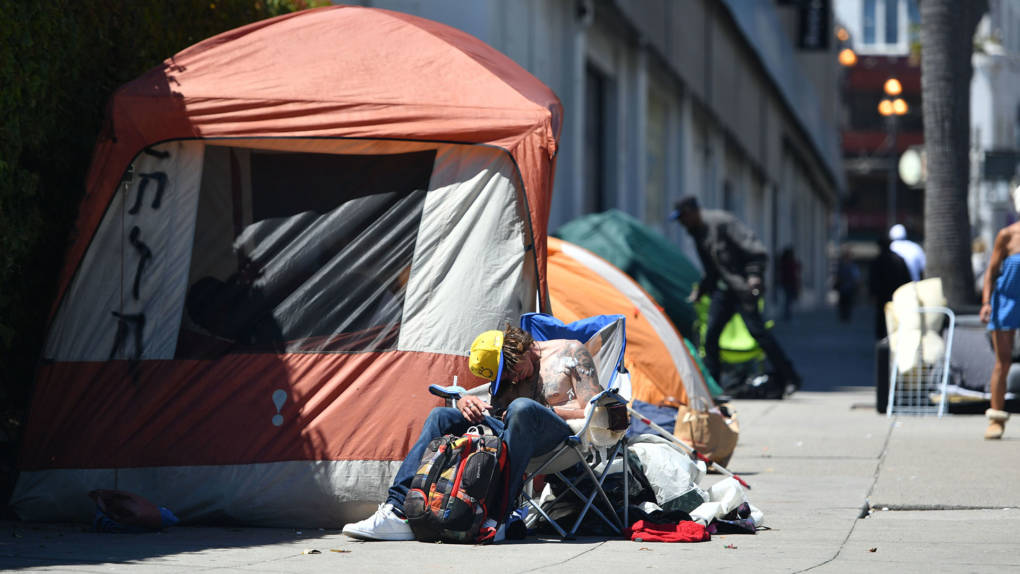
Thousands of people are homeless in San Francisco, and even more throughout the Bay Area. Despite years of concern and millions of dollars of investment, the problem persists.
Who are the people who live on the streets and on the edge of homelessness? Why have we failed to create lasting change? And are there solutions that offer hope for the future? As part of a collaboration with dozens of Bay Area news organizations, KQED is exploring these questions, and more.
A Family's Yearlong Homeless Odyssey Takes a Turn for the Better
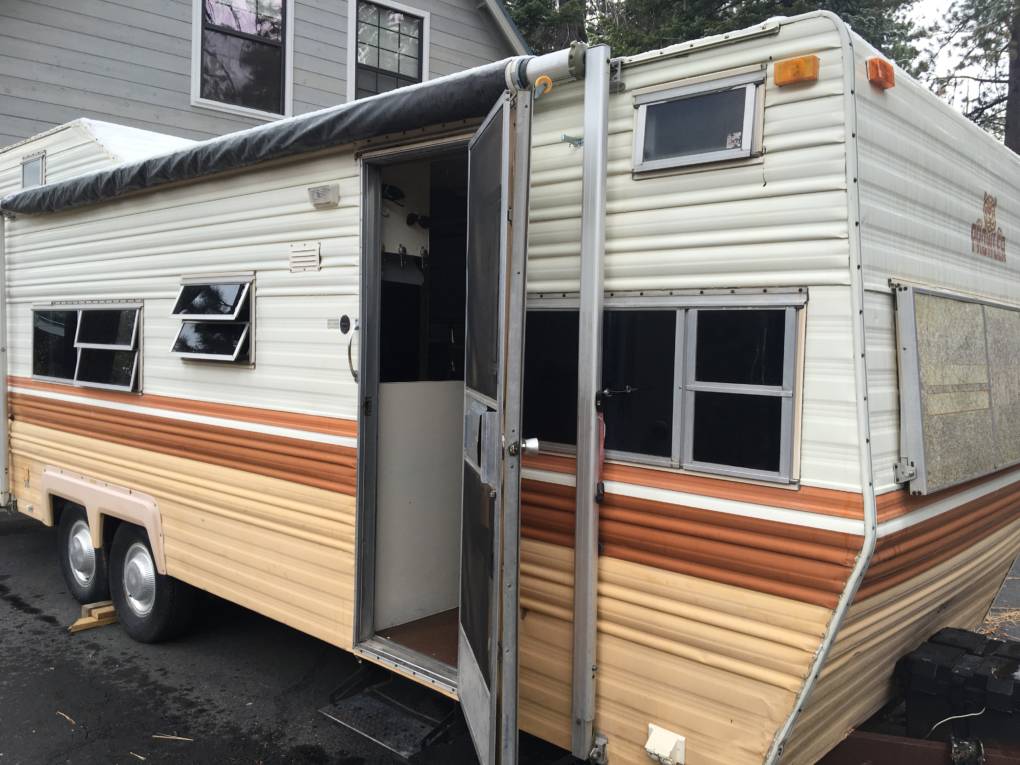
Tahoe Residents Forced Out by High Costs, 'The Airbnb Effect'
Homeless U: A College Student's Life Without Shelter
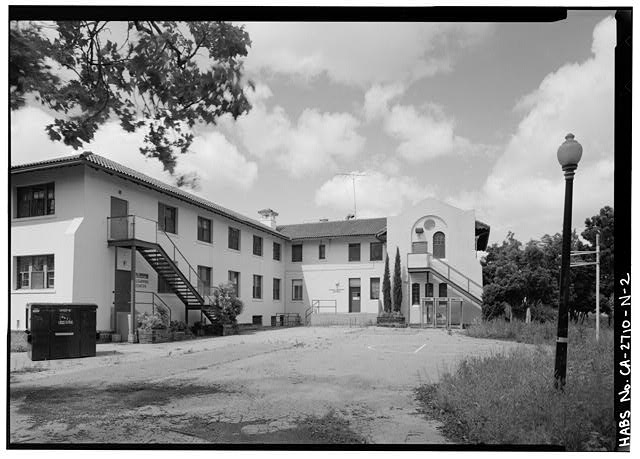
Did the Emptying of Mental Hospitals Contribute to Homelessness?
"Little" Eddie Sanchez Uses Art to Stay Off the Street
Four-Legged Medical Care Helps San Francisco's Homeless
Checking in with San Francisco's Top Homeless Official
Homeless Students Struggle To Find Housing in S.F. Without Support
San Jose’s Archer Studios Inspires Better Living Through Good Design
Gala? 5K? This Homeless Shelter Is Fundraising With a 'Sleep Out'
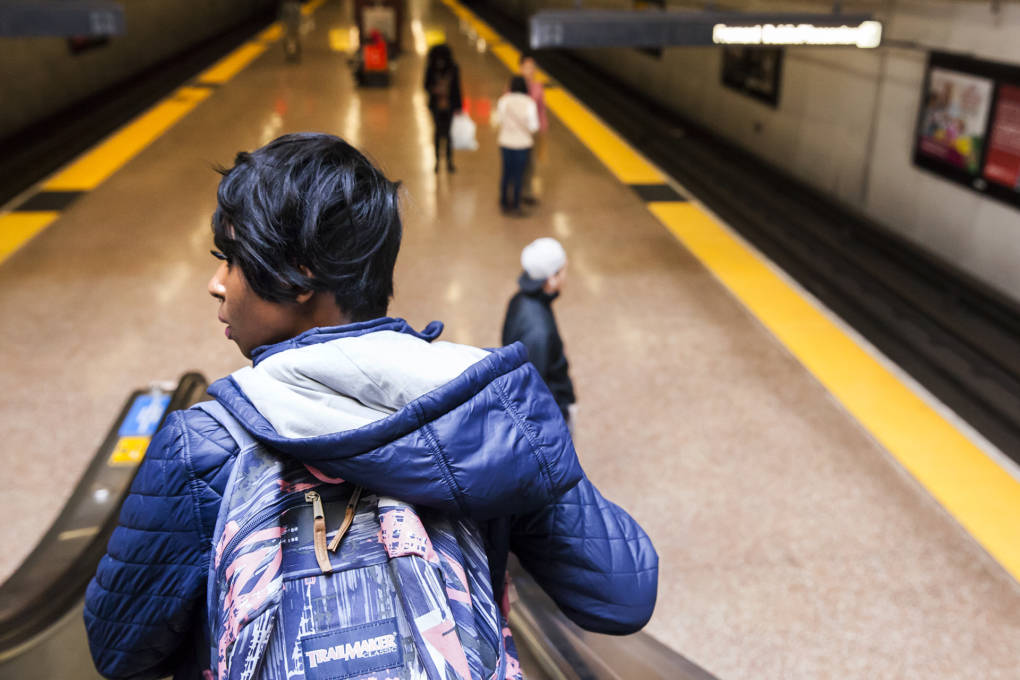
California State University Plans to Tackle College Homelessness
Advocates Raise Money to Help West Oakland Recyclers
window.__IS_SSR__=true
window.__INITIAL_STATE__={
"attachmentsReducer": {
"audio_0": {
"type": "attachments",
"id": "audio_0",
"imgSizes": {
"kqedFullSize": {
"file": "https://ww2.kqed.org/news/wp-content/themes/KQED-unified/img/audio_bgs/background0.jpg"
}
}
},
"audio_1": {
"type": "attachments",
"id": "audio_1",
"imgSizes": {
"kqedFullSize": {
"file": "https://ww2.kqed.org/news/wp-content/themes/KQED-unified/img/audio_bgs/background1.jpg"
}
}
},
"audio_2": {
"type": "attachments",
"id": "audio_2",
"imgSizes": {
"kqedFullSize": {
"file": "https://ww2.kqed.org/news/wp-content/themes/KQED-unified/img/audio_bgs/background2.jpg"
}
}
},
"audio_3": {
"type": "attachments",
"id": "audio_3",
"imgSizes": {
"kqedFullSize": {
"file": "https://ww2.kqed.org/news/wp-content/themes/KQED-unified/img/audio_bgs/background3.jpg"
}
}
},
"audio_4": {
"type": "attachments",
"id": "audio_4",
"imgSizes": {
"kqedFullSize": {
"file": "https://ww2.kqed.org/news/wp-content/themes/KQED-unified/img/audio_bgs/background4.jpg"
}
}
},
"placeholder": {
"type": "attachments",
"id": "placeholder",
"imgSizes": {
"thumbnail": {
"file": "https://cdn.kqed.org/wp-content/uploads/2024/12/KQED-Default-Image-816638274-2000x1333-1-160x107.jpg",
"width": 160,
"height": 107,
"mimeType": "image/jpeg"
},
"medium": {
"file": "https://cdn.kqed.org/wp-content/uploads/2024/12/KQED-Default-Image-816638274-2000x1333-1-800x533.jpg",
"width": 800,
"height": 533,
"mimeType": "image/jpeg"
},
"medium_large": {
"file": "https://cdn.kqed.org/wp-content/uploads/2024/12/KQED-Default-Image-816638274-2000x1333-1-768x512.jpg",
"width": 768,
"height": 512,
"mimeType": "image/jpeg"
},
"large": {
"file": "https://cdn.kqed.org/wp-content/uploads/2024/12/KQED-Default-Image-816638274-2000x1333-1-1020x680.jpg",
"width": 1020,
"height": 680,
"mimeType": "image/jpeg"
},
"1536x1536": {
"file": "https://cdn.kqed.org/wp-content/uploads/2024/12/KQED-Default-Image-816638274-2000x1333-1-1536x1024.jpg",
"width": 1536,
"height": 1024,
"mimeType": "image/jpeg"
},
"fd-lrg": {
"file": "https://cdn.kqed.org/wp-content/uploads/2024/12/KQED-Default-Image-816638274-2000x1333-1-1536x1024.jpg",
"width": 1536,
"height": 1024,
"mimeType": "image/jpeg"
},
"fd-med": {
"file": "https://cdn.kqed.org/wp-content/uploads/2024/12/KQED-Default-Image-816638274-2000x1333-1-1020x680.jpg",
"width": 1020,
"height": 680,
"mimeType": "image/jpeg"
},
"fd-sm": {
"file": "https://cdn.kqed.org/wp-content/uploads/2024/12/KQED-Default-Image-816638274-2000x1333-1-800x533.jpg",
"width": 800,
"height": 533,
"mimeType": "image/jpeg"
},
"post-thumbnail": {
"file": "https://cdn.kqed.org/wp-content/uploads/2024/12/KQED-Default-Image-816638274-2000x1333-1-672x372.jpg",
"width": 672,
"height": 372,
"mimeType": "image/jpeg"
},
"twentyfourteen-full-width": {
"file": "https://cdn.kqed.org/wp-content/uploads/2024/12/KQED-Default-Image-816638274-2000x1333-1-1038x576.jpg",
"width": 1038,
"height": 576,
"mimeType": "image/jpeg"
},
"xxsmall": {
"file": "https://cdn.kqed.org/wp-content/uploads/2024/12/KQED-Default-Image-816638274-2000x1333-1-160x107.jpg",
"width": 160,
"height": 107,
"mimeType": "image/jpeg"
},
"xsmall": {
"file": "https://cdn.kqed.org/wp-content/uploads/2024/12/KQED-Default-Image-816638274-2000x1333-1-672x372.jpg",
"width": 672,
"height": 372,
"mimeType": "image/jpeg"
},
"small": {
"file": "https://cdn.kqed.org/wp-content/uploads/2024/12/KQED-Default-Image-816638274-2000x1333-1-672x372.jpg",
"width": 672,
"height": 372,
"mimeType": "image/jpeg"
},
"xlarge": {
"file": "https://cdn.kqed.org/wp-content/uploads/2024/12/KQED-Default-Image-816638274-2000x1333-1-1020x680.jpg",
"width": 1020,
"height": 680,
"mimeType": "image/jpeg"
},
"full-width": {
"file": "https://cdn.kqed.org/wp-content/uploads/2024/12/KQED-Default-Image-816638274-2000x1333-1-1920x1280.jpg",
"width": 1920,
"height": 1280,
"mimeType": "image/jpeg"
},
"guest-author-32": {
"file": "https://cdn.kqed.org/wp-content/uploads/2025/01/KQED-Default-Image-816638274-1333x1333-1-160x160.jpg",
"width": 32,
"height": 32,
"mimeType": "image/jpeg"
},
"guest-author-50": {
"file": "https://cdn.kqed.org/wp-content/uploads/2025/01/KQED-Default-Image-816638274-1333x1333-1-160x160.jpg",
"width": 50,
"height": 50,
"mimeType": "image/jpeg"
},
"guest-author-64": {
"file": "https://cdn.kqed.org/wp-content/uploads/2025/01/KQED-Default-Image-816638274-1333x1333-1-160x160.jpg",
"width": 64,
"height": 64,
"mimeType": "image/jpeg"
},
"guest-author-96": {
"file": "https://cdn.kqed.org/wp-content/uploads/2025/01/KQED-Default-Image-816638274-1333x1333-1-160x160.jpg",
"width": 96,
"height": 96,
"mimeType": "image/jpeg"
},
"guest-author-128": {
"file": "https://cdn.kqed.org/wp-content/uploads/2025/01/KQED-Default-Image-816638274-1333x1333-1-160x160.jpg",
"width": 128,
"height": 128,
"mimeType": "image/jpeg"
},
"detail": {
"file": "https://cdn.kqed.org/wp-content/uploads/2025/01/KQED-Default-Image-816638274-1333x1333-1-160x160.jpg",
"width": 160,
"height": 160,
"mimeType": "image/jpeg"
},
"kqedFullSize": {
"file": "https://cdn.kqed.org/wp-content/uploads/2024/12/KQED-Default-Image-816638274-2000x1333-1.jpg",
"width": 2000,
"height": 1333
}
}
},
"news_11209730": {
"type": "attachments",
"id": "news_11209730",
"meta": {
"index": "attachments_1716263798",
"site": "news",
"id": "11209730",
"found": true
},
"parent": 11209642,
"imgSizes": {
"small": {
"file": "https://ww2.kqed.org/app/uploads/sites/10/2016/12/RS23190_FullSizeRender-qut-520x390.jpg",
"width": 520,
"mimeType": "image/jpeg",
"height": 390
},
"twentyfourteen-full-width": {
"file": "https://ww2.kqed.org/app/uploads/sites/10/2016/12/RS23190_FullSizeRender-qut-1038x576.jpg",
"width": 1038,
"mimeType": "image/jpeg",
"height": 576
},
"thumbnail": {
"file": "https://ww2.kqed.org/app/uploads/sites/10/2016/12/RS23190_FullSizeRender-qut-160x120.jpg",
"width": 160,
"mimeType": "image/jpeg",
"height": 120
},
"fd-sm": {
"file": "https://ww2.kqed.org/app/uploads/sites/10/2016/12/RS23190_FullSizeRender-qut-960x720.jpg",
"width": 960,
"mimeType": "image/jpeg",
"height": 720
},
"post-thumbnail": {
"file": "https://ww2.kqed.org/app/uploads/sites/10/2016/12/RS23190_FullSizeRender-qut-672x372.jpg",
"width": 672,
"mimeType": "image/jpeg",
"height": 372
},
"xsmall": {
"file": "https://ww2.kqed.org/app/uploads/sites/10/2016/12/RS23190_FullSizeRender-qut-375x281.jpg",
"width": 375,
"mimeType": "image/jpeg",
"height": 281
},
"kqedFullSize": {
"file": "https://ww2.kqed.org/app/uploads/sites/10/2016/12/RS23190_FullSizeRender-qut.jpg",
"width": 1920,
"height": 1440
},
"large": {
"file": "https://ww2.kqed.org/app/uploads/sites/10/2016/12/RS23190_FullSizeRender-qut-1020x765.jpg",
"width": 1020,
"mimeType": "image/jpeg",
"height": 765
},
"xlarge": {
"file": "https://ww2.kqed.org/app/uploads/sites/10/2016/12/RS23190_FullSizeRender-qut-1180x885.jpg",
"width": 1180,
"mimeType": "image/jpeg",
"height": 885
},
"guest-author-50": {
"file": "https://ww2.kqed.org/app/uploads/sites/10/2016/12/RS23190_FullSizeRender-qut-50x50.jpg",
"width": 50,
"mimeType": "image/jpeg",
"height": 50
},
"guest-author-96": {
"file": "https://ww2.kqed.org/app/uploads/sites/10/2016/12/RS23190_FullSizeRender-qut-96x96.jpg",
"width": 96,
"mimeType": "image/jpeg",
"height": 96
},
"medium": {
"file": "https://ww2.kqed.org/app/uploads/sites/10/2016/12/RS23190_FullSizeRender-qut-800x600.jpg",
"width": 800,
"mimeType": "image/jpeg",
"height": 600
},
"guest-author-64": {
"file": "https://ww2.kqed.org/app/uploads/sites/10/2016/12/RS23190_FullSizeRender-qut-64x64.jpg",
"width": 64,
"mimeType": "image/jpeg",
"height": 64
},
"guest-author-32": {
"file": "https://ww2.kqed.org/app/uploads/sites/10/2016/12/RS23190_FullSizeRender-qut-32x32.jpg",
"width": 32,
"mimeType": "image/jpeg",
"height": 32
},
"jmtc-small-thumb": {
"file": "https://ww2.kqed.org/app/uploads/sites/10/2016/12/RS23190_FullSizeRender-qut-280x150.jpg",
"width": 280,
"mimeType": "image/jpeg",
"height": 150
},
"fd-lrg": {
"file": "https://ww2.kqed.org/app/uploads/sites/10/2016/12/RS23190_FullSizeRender-qut-1920x1440.jpg",
"width": 1920,
"mimeType": "image/jpeg",
"height": 1440
},
"fd-med": {
"file": "https://ww2.kqed.org/app/uploads/sites/10/2016/12/RS23190_FullSizeRender-qut-1180x885.jpg",
"width": 1180,
"mimeType": "image/jpeg",
"height": 885
},
"full-width": {
"file": "https://ww2.kqed.org/app/uploads/sites/10/2016/12/RS23190_FullSizeRender-qut-1920x1440.jpg",
"width": 1920,
"mimeType": "image/jpeg",
"height": 1440
},
"detail": {
"file": "https://ww2.kqed.org/app/uploads/sites/10/2016/12/RS23190_FullSizeRender-qut-150x150.jpg",
"width": 150,
"mimeType": "image/jpeg",
"height": 150
},
"guest-author-128": {
"file": "https://ww2.kqed.org/app/uploads/sites/10/2016/12/RS23190_FullSizeRender-qut-128x128.jpg",
"width": 128,
"mimeType": "image/jpeg",
"height": 128
},
"xxsmall": {
"file": "https://ww2.kqed.org/app/uploads/sites/10/2016/12/RS23190_FullSizeRender-qut-240x180.jpg",
"width": 240,
"mimeType": "image/jpeg",
"height": 180
}
},
"publishDate": 1481146850,
"modified": 1481235696,
"caption": "LifeMoves volunteers move furniture into the Aucars' new home. Sisters Aimee, left, and Karima Aucar help out.",
"description": "The Aucars move into their new home in Daly City after much help from LifeMoves",
"title": "rs23190_fullsizerender-qut",
"credit": "Beth Willon/KQED",
"status": "inherit",
"isLoading": false,
"fetchFailed": false
},
"news_11211346": {
"type": "attachments",
"id": "news_11211346",
"meta": {
"index": "attachments_1716263798",
"site": "news",
"id": "11211346",
"found": true
},
"parent": 11211329,
"imgSizes": {
"small": {
"file": "https://ww2.kqed.org/app/uploads/sites/10/2016/12/TahoeHousing1-520x390.jpg",
"width": 520,
"mimeType": "image/jpeg",
"height": 390
},
"twentyfourteen-full-width": {
"file": "https://ww2.kqed.org/app/uploads/sites/10/2016/12/TahoeHousing1-1038x576.jpg",
"width": 1038,
"mimeType": "image/jpeg",
"height": 576
},
"thumbnail": {
"file": "https://ww2.kqed.org/app/uploads/sites/10/2016/12/TahoeHousing1-160x120.jpg",
"width": 160,
"mimeType": "image/jpeg",
"height": 120
},
"fd-sm": {
"file": "https://ww2.kqed.org/app/uploads/sites/10/2016/12/TahoeHousing1-960x720.jpg",
"width": 960,
"mimeType": "image/jpeg",
"height": 720
},
"post-thumbnail": {
"file": "https://ww2.kqed.org/app/uploads/sites/10/2016/12/TahoeHousing1-672x372.jpg",
"width": 672,
"mimeType": "image/jpeg",
"height": 372
},
"xsmall": {
"file": "https://ww2.kqed.org/app/uploads/sites/10/2016/12/TahoeHousing1-375x281.jpg",
"width": 375,
"mimeType": "image/jpeg",
"height": 281
},
"kqedFullSize": {
"file": "https://ww2.kqed.org/app/uploads/sites/10/2016/12/TahoeHousing1.jpg",
"width": 4032,
"height": 3024
},
"large": {
"file": "https://ww2.kqed.org/app/uploads/sites/10/2016/12/TahoeHousing1-1020x765.jpg",
"width": 1020,
"mimeType": "image/jpeg",
"height": 765
},
"xlarge": {
"file": "https://ww2.kqed.org/app/uploads/sites/10/2016/12/TahoeHousing1-1180x885.jpg",
"width": 1180,
"mimeType": "image/jpeg",
"height": 885
},
"guest-author-50": {
"file": "https://ww2.kqed.org/app/uploads/sites/10/2016/12/TahoeHousing1-50x50.jpg",
"width": 50,
"mimeType": "image/jpeg",
"height": 50
},
"guest-author-96": {
"file": "https://ww2.kqed.org/app/uploads/sites/10/2016/12/TahoeHousing1-96x96.jpg",
"width": 96,
"mimeType": "image/jpeg",
"height": 96
},
"medium": {
"file": "https://ww2.kqed.org/app/uploads/sites/10/2016/12/TahoeHousing1-800x600.jpg",
"width": 800,
"mimeType": "image/jpeg",
"height": 600
},
"guest-author-64": {
"file": "https://ww2.kqed.org/app/uploads/sites/10/2016/12/TahoeHousing1-64x64.jpg",
"width": 64,
"mimeType": "image/jpeg",
"height": 64
},
"guest-author-32": {
"file": "https://ww2.kqed.org/app/uploads/sites/10/2016/12/TahoeHousing1-32x32.jpg",
"width": 32,
"mimeType": "image/jpeg",
"height": 32
},
"jmtc-small-thumb": {
"file": "https://ww2.kqed.org/app/uploads/sites/10/2016/12/TahoeHousing1-280x150.jpg",
"width": 280,
"mimeType": "image/jpeg",
"height": 150
},
"fd-lrg": {
"file": "https://ww2.kqed.org/app/uploads/sites/10/2016/12/TahoeHousing1-1920x1440.jpg",
"width": 1920,
"mimeType": "image/jpeg",
"height": 1440
},
"fd-med": {
"file": "https://ww2.kqed.org/app/uploads/sites/10/2016/12/TahoeHousing1-1180x885.jpg",
"width": 1180,
"mimeType": "image/jpeg",
"height": 885
},
"full-width": {
"file": "https://ww2.kqed.org/app/uploads/sites/10/2016/12/TahoeHousing1-1920x1440.jpg",
"width": 1920,
"mimeType": "image/jpeg",
"height": 1440
},
"detail": {
"file": "https://ww2.kqed.org/app/uploads/sites/10/2016/12/TahoeHousing1-150x150.jpg",
"width": 150,
"mimeType": "image/jpeg",
"height": 150
},
"guest-author-128": {
"file": "https://ww2.kqed.org/app/uploads/sites/10/2016/12/TahoeHousing1-128x128.jpg",
"width": 128,
"mimeType": "image/jpeg",
"height": 128
},
"xxsmall": {
"file": "https://ww2.kqed.org/app/uploads/sites/10/2016/12/TahoeHousing1-240x180.jpg",
"width": 240,
"mimeType": "image/jpeg",
"height": 180
}
},
"publishDate": 1481233828,
"modified": 1481233929,
"caption": "For six months, Lauren Suttie and Nick Lewis lived in their 24-foot RV. There was a waiting list for monthly spots at the RV park, so the pair had to pay $300/week for a site with no water.",
"description": "For six months, Lauren Suttie and Nick Lewis lived in their 24-foot RV. There was a waiting list for monthly spots at the RV park, so the pair had to pay $300/week for a site with no water.",
"title": "tahoehousing1",
"credit": "Amy Westervelt/KQED",
"status": "inherit",
"isLoading": false,
"fetchFailed": false
},
"news_11200564": {
"type": "attachments",
"id": "news_11200564",
"meta": {
"index": "attachments_1716263798",
"site": "news",
"id": "11200564",
"found": true
},
"parent": 11200562,
"imgSizes": {
"small": {
"file": "https://ww2.kqed.org/app/uploads/sites/10/2016/12/161118_BrittanyJones_bhs01-520x347.jpg",
"width": 520,
"mimeType": "image/jpeg",
"height": 347
},
"twentyfourteen-full-width": {
"file": "https://ww2.kqed.org/app/uploads/sites/10/2016/12/161118_BrittanyJones_bhs01-1038x576.jpg",
"width": 1038,
"mimeType": "image/jpeg",
"height": 576
},
"thumbnail": {
"file": "https://ww2.kqed.org/app/uploads/sites/10/2016/12/161118_BrittanyJones_bhs01-160x107.jpg",
"width": 160,
"mimeType": "image/jpeg",
"height": 107
},
"fd-sm": {
"file": "https://ww2.kqed.org/app/uploads/sites/10/2016/12/161118_BrittanyJones_bhs01-960x640.jpg",
"width": 960,
"mimeType": "image/jpeg",
"height": 640
},
"post-thumbnail": {
"file": "https://ww2.kqed.org/app/uploads/sites/10/2016/12/161118_BrittanyJones_bhs01-672x372.jpg",
"width": 672,
"mimeType": "image/jpeg",
"height": 372
},
"xsmall": {
"file": "https://ww2.kqed.org/app/uploads/sites/10/2016/12/161118_BrittanyJones_bhs01-375x250.jpg",
"width": 375,
"mimeType": "image/jpeg",
"height": 250
},
"kqedFullSize": {
"file": "https://ww2.kqed.org/app/uploads/sites/10/2016/12/161118_BrittanyJones_bhs01.jpg",
"width": 1920,
"height": 1280
},
"large": {
"file": "https://ww2.kqed.org/app/uploads/sites/10/2016/12/161118_BrittanyJones_bhs01-1020x680.jpg",
"width": 1020,
"mimeType": "image/jpeg",
"height": 680
},
"xlarge": {
"file": "https://ww2.kqed.org/app/uploads/sites/10/2016/12/161118_BrittanyJones_bhs01-1180x787.jpg",
"width": 1180,
"mimeType": "image/jpeg",
"height": 787
},
"guest-author-50": {
"file": "https://ww2.kqed.org/app/uploads/sites/10/2016/12/161118_BrittanyJones_bhs01-50x50.jpg",
"width": 50,
"mimeType": "image/jpeg",
"height": 50
},
"guest-author-96": {
"file": "https://ww2.kqed.org/app/uploads/sites/10/2016/12/161118_BrittanyJones_bhs01-96x96.jpg",
"width": 96,
"mimeType": "image/jpeg",
"height": 96
},
"medium": {
"file": "https://ww2.kqed.org/app/uploads/sites/10/2016/12/161118_BrittanyJones_bhs01-800x533.jpg",
"width": 800,
"mimeType": "image/jpeg",
"height": 533
},
"guest-author-64": {
"file": "https://ww2.kqed.org/app/uploads/sites/10/2016/12/161118_BrittanyJones_bhs01-64x64.jpg",
"width": 64,
"mimeType": "image/jpeg",
"height": 64
},
"guest-author-32": {
"file": "https://ww2.kqed.org/app/uploads/sites/10/2016/12/161118_BrittanyJones_bhs01-32x32.jpg",
"width": 32,
"mimeType": "image/jpeg",
"height": 32
},
"jmtc-small-thumb": {
"file": "https://ww2.kqed.org/app/uploads/sites/10/2016/12/161118_BrittanyJones_bhs01-280x150.jpg",
"width": 280,
"mimeType": "image/jpeg",
"height": 150
},
"fd-lrg": {
"file": "https://ww2.kqed.org/app/uploads/sites/10/2016/12/161118_BrittanyJones_bhs01-1920x1280.jpg",
"width": 1920,
"mimeType": "image/jpeg",
"height": 1280
},
"fd-med": {
"file": "https://ww2.kqed.org/app/uploads/sites/10/2016/12/161118_BrittanyJones_bhs01-1180x787.jpg",
"width": 1180,
"mimeType": "image/jpeg",
"height": 787
},
"full-width": {
"file": "https://ww2.kqed.org/app/uploads/sites/10/2016/12/161118_BrittanyJones_bhs01-1920x1280.jpg",
"width": 1920,
"mimeType": "image/jpeg",
"height": 1280
},
"detail": {
"file": "https://ww2.kqed.org/app/uploads/sites/10/2016/12/161118_BrittanyJones_bhs01-150x150.jpg",
"width": 150,
"mimeType": "image/jpeg",
"height": 150
},
"guest-author-128": {
"file": "https://ww2.kqed.org/app/uploads/sites/10/2016/12/161118_BrittanyJones_bhs01-128x128.jpg",
"width": 128,
"mimeType": "image/jpeg",
"height": 128
},
"xxsmall": {
"file": "https://ww2.kqed.org/app/uploads/sites/10/2016/12/161118_BrittanyJones_bhs01-240x160.jpg",
"width": 240,
"mimeType": "image/jpeg",
"height": 160
}
},
"publishDate": 1480643962,
"modified": 1481150198,
"caption": "Brittany Jones is a student at Laney College in Oakland. She hopes to major in business or social work. She's also homeless. ",
"description": "Brittany Jones is a student at Laney College in Oakland. She hopes to major in business or social work. She's also homeless. ",
"title": "161118_BrittanyJones_bhs01",
"credit": "Brittany Hosea-Small/KQED",
"status": "inherit",
"isLoading": false,
"fetchFailed": false
},
"news_11210050": {
"type": "attachments",
"id": "news_11210050",
"meta": {
"index": "attachments_1716263798",
"site": "news",
"id": "11210050",
"found": true
},
"parent": 0,
"imgSizes": {
"small": {
"file": "https://ww2.kqed.org/app/uploads/sites/10/2016/12/377125pr-520x373.jpg",
"width": 520,
"mimeType": "image/jpeg",
"height": 373
},
"thumbnail": {
"file": "https://ww2.kqed.org/app/uploads/sites/10/2016/12/377125pr-160x115.jpg",
"width": 160,
"mimeType": "image/jpeg",
"height": 115
},
"post-thumbnail": {
"file": "https://ww2.kqed.org/app/uploads/sites/10/2016/12/377125pr-640x372.jpg",
"width": 640,
"mimeType": "image/jpeg",
"height": 372
},
"xsmall": {
"file": "https://ww2.kqed.org/app/uploads/sites/10/2016/12/377125pr-375x269.jpg",
"width": 375,
"mimeType": "image/jpeg",
"height": 269
},
"kqedFullSize": {
"file": "https://ww2.kqed.org/app/uploads/sites/10/2016/12/377125pr.jpg",
"width": 640,
"height": 459
},
"guest-author-50": {
"file": "https://ww2.kqed.org/app/uploads/sites/10/2016/12/377125pr-50x50.jpg",
"width": 50,
"mimeType": "image/jpeg",
"height": 50
},
"guest-author-96": {
"file": "https://ww2.kqed.org/app/uploads/sites/10/2016/12/377125pr-96x96.jpg",
"width": 96,
"mimeType": "image/jpeg",
"height": 96
},
"guest-author-64": {
"file": "https://ww2.kqed.org/app/uploads/sites/10/2016/12/377125pr-64x64.jpg",
"width": 64,
"mimeType": "image/jpeg",
"height": 64
},
"guest-author-32": {
"file": "https://ww2.kqed.org/app/uploads/sites/10/2016/12/377125pr-32x32.jpg",
"width": 32,
"mimeType": "image/jpeg",
"height": 32
},
"jmtc-small-thumb": {
"file": "https://ww2.kqed.org/app/uploads/sites/10/2016/12/377125pr-280x150.jpg",
"width": 280,
"mimeType": "image/jpeg",
"height": 150
},
"detail": {
"file": "https://ww2.kqed.org/app/uploads/sites/10/2016/12/377125pr-150x150.jpg",
"width": 150,
"mimeType": "image/jpeg",
"height": 150
},
"guest-author-128": {
"file": "https://ww2.kqed.org/app/uploads/sites/10/2016/12/377125pr-128x128.jpg",
"width": 128,
"mimeType": "image/jpeg",
"height": 128
},
"xxsmall": {
"file": "https://ww2.kqed.org/app/uploads/sites/10/2016/12/377125pr-240x172.jpg",
"width": 240,
"mimeType": "image/jpeg",
"height": 172
}
},
"publishDate": 1481158657,
"modified": 1481239974,
"caption": "The 'Demented Men's Building' at Agnews State Hospital.",
"description": "The \"Demented Men's Building\" at Agnews State Hospital.",
"title": "The \"Demented Men's Building\" at Agnews State Hospital.",
"credit": "Library of Congress",
"status": "inherit",
"isLoading": false,
"fetchFailed": false
},
"arts_12448089": {
"type": "attachments",
"id": "arts_12448089",
"meta": {
"index": "attachments_1716263798",
"site": "arts",
"id": "12448089",
"found": true
},
"parent": 12447901,
"imgSizes": {
"small": {
"file": "https://ww2.kqed.org/app/uploads/sites/2/2016/12/LittleEddie-520x293.jpg",
"width": 520,
"mimeType": "image/jpeg",
"height": 293
},
"twentyfourteen-full-width": {
"file": "https://ww2.kqed.org/app/uploads/sites/2/2016/12/LittleEddie-1038x576.jpg",
"width": 1038,
"mimeType": "image/jpeg",
"height": 576
},
"thumbnail": {
"file": "https://ww2.kqed.org/app/uploads/sites/2/2016/12/LittleEddie-160x90.jpg",
"width": 160,
"mimeType": "image/jpeg",
"height": 90
},
"fd-sm": {
"file": "https://ww2.kqed.org/app/uploads/sites/2/2016/12/LittleEddie-960x540.jpg",
"width": 960,
"mimeType": "image/jpeg",
"height": 540
},
"post-thumbnail": {
"file": "https://ww2.kqed.org/app/uploads/sites/2/2016/12/LittleEddie-672x372.jpg",
"width": 672,
"mimeType": "image/jpeg",
"height": 372
},
"xsmall": {
"file": "https://ww2.kqed.org/app/uploads/sites/2/2016/12/LittleEddie-375x211.jpg",
"width": 375,
"mimeType": "image/jpeg",
"height": 211
},
"kqedFullSize": {
"file": "https://ww2.kqed.org/app/uploads/sites/2/2016/12/LittleEddie.jpg",
"width": 1920,
"height": 1080
},
"large": {
"file": "https://ww2.kqed.org/app/uploads/sites/2/2016/12/LittleEddie-1020x574.jpg",
"width": 1020,
"mimeType": "image/jpeg",
"height": 574
},
"xlarge": {
"file": "https://ww2.kqed.org/app/uploads/sites/2/2016/12/LittleEddie-1180x664.jpg",
"width": 1180,
"mimeType": "image/jpeg",
"height": 664
},
"guest-author-50": {
"file": "https://ww2.kqed.org/app/uploads/sites/2/2016/12/LittleEddie-50x50.jpg",
"width": 50,
"mimeType": "image/jpeg",
"height": 50
},
"guest-author-96": {
"file": "https://ww2.kqed.org/app/uploads/sites/2/2016/12/LittleEddie-96x96.jpg",
"width": 96,
"mimeType": "image/jpeg",
"height": 96
},
"medium": {
"file": "https://ww2.kqed.org/app/uploads/sites/2/2016/12/LittleEddie-800x450.jpg",
"width": 800,
"mimeType": "image/jpeg",
"height": 450
},
"guest-author-64": {
"file": "https://ww2.kqed.org/app/uploads/sites/2/2016/12/LittleEddie-64x64.jpg",
"width": 64,
"mimeType": "image/jpeg",
"height": 64
},
"guest-author-32": {
"file": "https://ww2.kqed.org/app/uploads/sites/2/2016/12/LittleEddie-32x32.jpg",
"width": 32,
"mimeType": "image/jpeg",
"height": 32
},
"fd-lrg": {
"file": "https://ww2.kqed.org/app/uploads/sites/2/2016/12/LittleEddie-1920x1080.jpg",
"width": 1920,
"mimeType": "image/jpeg",
"height": 1080
},
"fd-med": {
"file": "https://ww2.kqed.org/app/uploads/sites/2/2016/12/LittleEddie-1180x664.jpg",
"width": 1180,
"mimeType": "image/jpeg",
"height": 664
},
"full-width": {
"file": "https://ww2.kqed.org/app/uploads/sites/2/2016/12/LittleEddie-1920x1080.jpg",
"width": 1920,
"mimeType": "image/jpeg",
"height": 1080
},
"detail": {
"file": "https://ww2.kqed.org/app/uploads/sites/2/2016/12/LittleEddie-150x150.jpg",
"width": 150,
"mimeType": "image/jpeg",
"height": 150
},
"medium_large": {
"file": "https://ww2.kqed.org/app/uploads/sites/2/2016/12/LittleEddie-768x432.jpg",
"width": 768,
"mimeType": "image/jpeg",
"height": 432
},
"guest-author-128": {
"file": "https://ww2.kqed.org/app/uploads/sites/2/2016/12/LittleEddie-128x128.jpg",
"width": 128,
"mimeType": "image/jpeg",
"height": 128
},
"xxsmall": {
"file": "https://ww2.kqed.org/app/uploads/sites/2/2016/12/LittleEddie-240x135.jpg",
"width": 240,
"mimeType": "image/jpeg",
"height": 135
}
},
"publishDate": 1481077710,
"modified": 1481077754,
"caption": "“Little” Eddie Sanchez creates art at Hospitality House in San Francisco.",
"description": "“Little” Eddie Sanchez creates art at Hospitality House in San Francisco.",
"title": "littleeddie",
"credit": "Sarah Burke",
"status": "inherit",
"isLoading": false,
"fetchFailed": false
},
"news_11210211": {
"type": "attachments",
"id": "news_11210211",
"meta": {
"index": "attachments_1716263798",
"site": "news",
"id": "11210211",
"found": true
},
"parent": 11200580,
"imgSizes": {
"small": {
"file": "https://ww2.kqed.org/app/uploads/sites/10/2016/12/RS23007_161116_VetSOS_bhs17-qut-520x347.jpg",
"width": 520,
"mimeType": "image/jpeg",
"height": 347
},
"twentyfourteen-full-width": {
"file": "https://ww2.kqed.org/app/uploads/sites/10/2016/12/RS23007_161116_VetSOS_bhs17-qut-1038x576.jpg",
"width": 1038,
"mimeType": "image/jpeg",
"height": 576
},
"thumbnail": {
"file": "https://ww2.kqed.org/app/uploads/sites/10/2016/12/RS23007_161116_VetSOS_bhs17-qut-160x107.jpg",
"width": 160,
"mimeType": "image/jpeg",
"height": 107
},
"fd-sm": {
"file": "https://ww2.kqed.org/app/uploads/sites/10/2016/12/RS23007_161116_VetSOS_bhs17-qut-960x640.jpg",
"width": 960,
"mimeType": "image/jpeg",
"height": 640
},
"post-thumbnail": {
"file": "https://ww2.kqed.org/app/uploads/sites/10/2016/12/RS23007_161116_VetSOS_bhs17-qut-672x372.jpg",
"width": 672,
"mimeType": "image/jpeg",
"height": 372
},
"xsmall": {
"file": "https://ww2.kqed.org/app/uploads/sites/10/2016/12/RS23007_161116_VetSOS_bhs17-qut-375x250.jpg",
"width": 375,
"mimeType": "image/jpeg",
"height": 250
},
"kqedFullSize": {
"file": "https://ww2.kqed.org/app/uploads/sites/10/2016/12/RS23007_161116_VetSOS_bhs17-qut.jpg",
"width": 1920,
"height": 1280
},
"large": {
"file": "https://ww2.kqed.org/app/uploads/sites/10/2016/12/RS23007_161116_VetSOS_bhs17-qut-1020x680.jpg",
"width": 1020,
"mimeType": "image/jpeg",
"height": 680
},
"xlarge": {
"file": "https://ww2.kqed.org/app/uploads/sites/10/2016/12/RS23007_161116_VetSOS_bhs17-qut-1180x787.jpg",
"width": 1180,
"mimeType": "image/jpeg",
"height": 787
},
"guest-author-50": {
"file": "https://ww2.kqed.org/app/uploads/sites/10/2016/12/RS23007_161116_VetSOS_bhs17-qut-50x50.jpg",
"width": 50,
"mimeType": "image/jpeg",
"height": 50
},
"guest-author-96": {
"file": "https://ww2.kqed.org/app/uploads/sites/10/2016/12/RS23007_161116_VetSOS_bhs17-qut-96x96.jpg",
"width": 96,
"mimeType": "image/jpeg",
"height": 96
},
"medium": {
"file": "https://ww2.kqed.org/app/uploads/sites/10/2016/12/RS23007_161116_VetSOS_bhs17-qut-800x533.jpg",
"width": 800,
"mimeType": "image/jpeg",
"height": 533
},
"guest-author-64": {
"file": "https://ww2.kqed.org/app/uploads/sites/10/2016/12/RS23007_161116_VetSOS_bhs17-qut-64x64.jpg",
"width": 64,
"mimeType": "image/jpeg",
"height": 64
},
"guest-author-32": {
"file": "https://ww2.kqed.org/app/uploads/sites/10/2016/12/RS23007_161116_VetSOS_bhs17-qut-32x32.jpg",
"width": 32,
"mimeType": "image/jpeg",
"height": 32
},
"jmtc-small-thumb": {
"file": "https://ww2.kqed.org/app/uploads/sites/10/2016/12/RS23007_161116_VetSOS_bhs17-qut-280x150.jpg",
"width": 280,
"mimeType": "image/jpeg",
"height": 150
},
"fd-lrg": {
"file": "https://ww2.kqed.org/app/uploads/sites/10/2016/12/RS23007_161116_VetSOS_bhs17-qut-1920x1280.jpg",
"width": 1920,
"mimeType": "image/jpeg",
"height": 1280
},
"fd-med": {
"file": "https://ww2.kqed.org/app/uploads/sites/10/2016/12/RS23007_161116_VetSOS_bhs17-qut-1180x787.jpg",
"width": 1180,
"mimeType": "image/jpeg",
"height": 787
},
"full-width": {
"file": "https://ww2.kqed.org/app/uploads/sites/10/2016/12/RS23007_161116_VetSOS_bhs17-qut-1920x1280.jpg",
"width": 1920,
"mimeType": "image/jpeg",
"height": 1280
},
"detail": {
"file": "https://ww2.kqed.org/app/uploads/sites/10/2016/12/RS23007_161116_VetSOS_bhs17-qut-150x150.jpg",
"width": 150,
"mimeType": "image/jpeg",
"height": 150
},
"guest-author-128": {
"file": "https://ww2.kqed.org/app/uploads/sites/10/2016/12/RS23007_161116_VetSOS_bhs17-qut-128x128.jpg",
"width": 128,
"mimeType": "image/jpeg",
"height": 128
},
"xxsmall": {
"file": "https://ww2.kqed.org/app/uploads/sites/10/2016/12/RS23007_161116_VetSOS_bhs17-qut-240x160.jpg",
"width": 240,
"mimeType": "image/jpeg",
"height": 160
}
},
"publishDate": 1481167956,
"modified": 1481168243,
"caption": "Jernika Robinson hugs her dog, King, after his check-up at the Vet SOS clinic in San Francisco, California. Robinson was relieved to have a clean bill of health for her puppy. “We do everything together,” she says.",
"description": null,
"title": "rs23007_161116_vetsos_bhs17-qut",
"credit": "Brittany Hosea-Small/KQED",
"status": "inherit",
"isLoading": false,
"fetchFailed": false
},
"forum_2010101857773": {
"type": "attachments",
"id": "forum_2010101857773",
"meta": {
"index": "attachments_1716263798",
"site": "forum",
"id": "2010101857773",
"found": true
},
"parent": 2010101857772,
"imgSizes": {
"small": {
"file": "https://ww2.kqed.org/app/uploads/sites/43/2016/12/Homelessness-for-Forum-520x293.jpg",
"width": 520,
"mimeType": "image/jpeg",
"height": 293
},
"twentyfourteen-full-width": {
"file": "https://ww2.kqed.org/app/uploads/sites/43/2016/12/Homelessness-for-Forum-1038x576.jpg",
"width": 1038,
"mimeType": "image/jpeg",
"height": 576
},
"thumbnail": {
"file": "https://ww2.kqed.org/app/uploads/sites/43/2016/12/Homelessness-for-Forum-160x90.jpg",
"width": 160,
"mimeType": "image/jpeg",
"height": 90
},
"fd-sm": {
"file": "https://ww2.kqed.org/app/uploads/sites/43/2016/12/Homelessness-for-Forum-960x540.jpg",
"width": 960,
"mimeType": "image/jpeg",
"height": 540
},
"post-thumbnail": {
"file": "https://ww2.kqed.org/app/uploads/sites/43/2016/12/Homelessness-for-Forum-672x372.jpg",
"width": 672,
"mimeType": "image/jpeg",
"height": 372
},
"xsmall": {
"file": "https://ww2.kqed.org/app/uploads/sites/43/2016/12/Homelessness-for-Forum-375x211.jpg",
"width": 375,
"mimeType": "image/jpeg",
"height": 211
},
"kqedFullSize": {
"file": "https://ww2.kqed.org/app/uploads/sites/43/2016/12/Homelessness-for-Forum.jpg",
"width": 1920,
"height": 1080
},
"large": {
"file": "https://ww2.kqed.org/app/uploads/sites/43/2016/12/Homelessness-for-Forum-1020x574.jpg",
"width": 1020,
"mimeType": "image/jpeg",
"height": 574
},
"xlarge": {
"file": "https://ww2.kqed.org/app/uploads/sites/43/2016/12/Homelessness-for-Forum-1180x664.jpg",
"width": 1180,
"mimeType": "image/jpeg",
"height": 664
},
"guest-author-50": {
"file": "https://ww2.kqed.org/app/uploads/sites/43/2016/12/Homelessness-for-Forum-50x50.jpg",
"width": 50,
"mimeType": "image/jpeg",
"height": 50
},
"guest-author-96": {
"file": "https://ww2.kqed.org/app/uploads/sites/43/2016/12/Homelessness-for-Forum-96x96.jpg",
"width": 96,
"mimeType": "image/jpeg",
"height": 96
},
"medium": {
"file": "https://ww2.kqed.org/app/uploads/sites/43/2016/12/Homelessness-for-Forum-800x450.jpg",
"width": 800,
"mimeType": "image/jpeg",
"height": 450
},
"guest-author-64": {
"file": "https://ww2.kqed.org/app/uploads/sites/43/2016/12/Homelessness-for-Forum-64x64.jpg",
"width": 64,
"mimeType": "image/jpeg",
"height": 64
},
"guest-author-32": {
"file": "https://ww2.kqed.org/app/uploads/sites/43/2016/12/Homelessness-for-Forum-32x32.jpg",
"width": 32,
"mimeType": "image/jpeg",
"height": 32
},
"fd-lrg": {
"file": "https://ww2.kqed.org/app/uploads/sites/43/2016/12/Homelessness-for-Forum-1920x1080.jpg",
"width": 1920,
"mimeType": "image/jpeg",
"height": 1080
},
"fd-med": {
"file": "https://ww2.kqed.org/app/uploads/sites/43/2016/12/Homelessness-for-Forum-1180x664.jpg",
"width": 1180,
"mimeType": "image/jpeg",
"height": 664
},
"full-width": {
"file": "https://ww2.kqed.org/app/uploads/sites/43/2016/12/Homelessness-for-Forum-1920x1080.jpg",
"width": 1920,
"mimeType": "image/jpeg",
"height": 1080
},
"detail": {
"file": "https://ww2.kqed.org/app/uploads/sites/43/2016/12/Homelessness-for-Forum-150x150.jpg",
"width": 150,
"mimeType": "image/jpeg",
"height": 150
},
"medium_large": {
"file": "https://ww2.kqed.org/app/uploads/sites/43/2016/12/Homelessness-for-Forum-768x432.jpg",
"width": 768,
"mimeType": "image/jpeg",
"height": 432
},
"guest-author-128": {
"file": "https://ww2.kqed.org/app/uploads/sites/43/2016/12/Homelessness-for-Forum-128x128.jpg",
"width": 128,
"mimeType": "image/jpeg",
"height": 128
},
"xxsmall": {
"file": "https://ww2.kqed.org/app/uploads/sites/43/2016/12/Homelessness-for-Forum-240x135.jpg",
"width": 240,
"mimeType": "image/jpeg",
"height": 135
}
},
"publishDate": 1481055705,
"modified": 1507230647,
"caption": "A homeless man sleeps in front of his tent along Van Ness Avenue in downtown San Francisco, California on June, 27, 2016. ",
"description": null,
"title": "homelessness-for-forum",
"credit": "Photo: Josh Edelson/AFP/Getty Images",
"status": "inherit",
"isLoading": false,
"fetchFailed": false
},
"news_11209480": {
"type": "attachments",
"id": "news_11209480",
"meta": {
"index": "attachments_1716263798",
"site": "news",
"id": "11209480",
"found": true
},
"parent": 11208050,
"imgSizes": {
"small": {
"file": "https://ww2.kqed.org/app/uploads/sites/10/2016/12/Dian-Blue-SUmmers-520x293.jpg",
"width": 520,
"mimeType": "image/jpeg",
"height": 293
},
"twentyfourteen-full-width": {
"file": "https://ww2.kqed.org/app/uploads/sites/10/2016/12/Dian-Blue-SUmmers-1038x576.jpg",
"width": 1038,
"mimeType": "image/jpeg",
"height": 576
},
"thumbnail": {
"file": "https://ww2.kqed.org/app/uploads/sites/10/2016/12/Dian-Blue-SUmmers-160x90.jpg",
"width": 160,
"mimeType": "image/jpeg",
"height": 90
},
"fd-sm": {
"file": "https://ww2.kqed.org/app/uploads/sites/10/2016/12/Dian-Blue-SUmmers-960x540.jpg",
"width": 960,
"mimeType": "image/jpeg",
"height": 540
},
"post-thumbnail": {
"file": "https://ww2.kqed.org/app/uploads/sites/10/2016/12/Dian-Blue-SUmmers-672x372.jpg",
"width": 672,
"mimeType": "image/jpeg",
"height": 372
},
"xsmall": {
"file": "https://ww2.kqed.org/app/uploads/sites/10/2016/12/Dian-Blue-SUmmers-375x211.jpg",
"width": 375,
"mimeType": "image/jpeg",
"height": 211
},
"kqedFullSize": {
"file": "https://ww2.kqed.org/app/uploads/sites/10/2016/12/Dian-Blue-SUmmers.jpg",
"width": 1920,
"height": 1080
},
"large": {
"file": "https://ww2.kqed.org/app/uploads/sites/10/2016/12/Dian-Blue-SUmmers-1020x574.jpg",
"width": 1020,
"mimeType": "image/jpeg",
"height": 574
},
"xlarge": {
"file": "https://ww2.kqed.org/app/uploads/sites/10/2016/12/Dian-Blue-SUmmers-1180x664.jpg",
"width": 1180,
"mimeType": "image/jpeg",
"height": 664
},
"guest-author-50": {
"file": "https://ww2.kqed.org/app/uploads/sites/10/2016/12/Dian-Blue-SUmmers-50x50.jpg",
"width": 50,
"mimeType": "image/jpeg",
"height": 50
},
"guest-author-96": {
"file": "https://ww2.kqed.org/app/uploads/sites/10/2016/12/Dian-Blue-SUmmers-96x96.jpg",
"width": 96,
"mimeType": "image/jpeg",
"height": 96
},
"medium": {
"file": "https://ww2.kqed.org/app/uploads/sites/10/2016/12/Dian-Blue-SUmmers-800x450.jpg",
"width": 800,
"mimeType": "image/jpeg",
"height": 450
},
"guest-author-64": {
"file": "https://ww2.kqed.org/app/uploads/sites/10/2016/12/Dian-Blue-SUmmers-64x64.jpg",
"width": 64,
"mimeType": "image/jpeg",
"height": 64
},
"guest-author-32": {
"file": "https://ww2.kqed.org/app/uploads/sites/10/2016/12/Dian-Blue-SUmmers-32x32.jpg",
"width": 32,
"mimeType": "image/jpeg",
"height": 32
},
"jmtc-small-thumb": {
"file": "https://ww2.kqed.org/app/uploads/sites/10/2016/12/Dian-Blue-SUmmers-280x150.jpg",
"width": 280,
"mimeType": "image/jpeg",
"height": 150
},
"fd-lrg": {
"file": "https://ww2.kqed.org/app/uploads/sites/10/2016/12/Dian-Blue-SUmmers-1920x1080.jpg",
"width": 1920,
"mimeType": "image/jpeg",
"height": 1080
},
"fd-med": {
"file": "https://ww2.kqed.org/app/uploads/sites/10/2016/12/Dian-Blue-SUmmers-1180x664.jpg",
"width": 1180,
"mimeType": "image/jpeg",
"height": 664
},
"full-width": {
"file": "https://ww2.kqed.org/app/uploads/sites/10/2016/12/Dian-Blue-SUmmers-1920x1080.jpg",
"width": 1920,
"mimeType": "image/jpeg",
"height": 1080
},
"detail": {
"file": "https://ww2.kqed.org/app/uploads/sites/10/2016/12/Dian-Blue-SUmmers-150x150.jpg",
"width": 150,
"mimeType": "image/jpeg",
"height": 150
},
"guest-author-128": {
"file": "https://ww2.kqed.org/app/uploads/sites/10/2016/12/Dian-Blue-SUmmers-128x128.jpg",
"width": 128,
"mimeType": "image/jpeg",
"height": 128
},
"xxsmall": {
"file": "https://ww2.kqed.org/app/uploads/sites/10/2016/12/Dian-Blue-SUmmers-240x135.jpg",
"width": 240,
"mimeType": "image/jpeg",
"height": 135
}
},
"publishDate": 1481134195,
"modified": 1481134314,
"caption": "Dian Blue Summers was able to find housing through a Larkin Street Youth Center program for LGBTQ students.",
"description": null,
"title": "dian-blue-summers",
"credit": "Nailah Morgan",
"status": "inherit",
"isLoading": false,
"fetchFailed": false
},
"arts_12447109": {
"type": "attachments",
"id": "arts_12447109",
"meta": {
"index": "attachments_1716263798",
"site": "arts",
"id": "12447109",
"found": true
},
"parent": 12446919,
"imgSizes": {
"small": {
"file": "https://ww2.kqed.org/app/uploads/sites/2/2016/12/RS23180_Archer2-001-qut-520x293.jpg",
"width": 520,
"mimeType": "image/jpeg",
"height": 293
},
"twentyfourteen-full-width": {
"file": "https://ww2.kqed.org/app/uploads/sites/2/2016/12/RS23180_Archer2-001-qut-1038x576.jpg",
"width": 1038,
"mimeType": "image/jpeg",
"height": 576
},
"thumbnail": {
"file": "https://ww2.kqed.org/app/uploads/sites/2/2016/12/RS23180_Archer2-001-qut-160x90.jpg",
"width": 160,
"mimeType": "image/jpeg",
"height": 90
},
"fd-sm": {
"file": "https://ww2.kqed.org/app/uploads/sites/2/2016/12/RS23180_Archer2-001-qut-960x542.jpg",
"width": 960,
"mimeType": "image/jpeg",
"height": 542
},
"post-thumbnail": {
"file": "https://ww2.kqed.org/app/uploads/sites/2/2016/12/RS23180_Archer2-001-qut-672x372.jpg",
"width": 672,
"mimeType": "image/jpeg",
"height": 372
},
"xsmall": {
"file": "https://ww2.kqed.org/app/uploads/sites/2/2016/12/RS23180_Archer2-001-qut-375x212.jpg",
"width": 375,
"mimeType": "image/jpeg",
"height": 212
},
"kqedFullSize": {
"file": "https://ww2.kqed.org/app/uploads/sites/2/2016/12/RS23180_Archer2-001-qut.jpg",
"width": 1920,
"height": 1083
},
"large": {
"file": "https://ww2.kqed.org/app/uploads/sites/2/2016/12/RS23180_Archer2-001-qut-1020x575.jpg",
"width": 1020,
"mimeType": "image/jpeg",
"height": 575
},
"xlarge": {
"file": "https://ww2.kqed.org/app/uploads/sites/2/2016/12/RS23180_Archer2-001-qut-1180x666.jpg",
"width": 1180,
"mimeType": "image/jpeg",
"height": 666
},
"guest-author-50": {
"file": "https://ww2.kqed.org/app/uploads/sites/2/2016/12/RS23180_Archer2-001-qut-50x50.jpg",
"width": 50,
"mimeType": "image/jpeg",
"height": 50
},
"guest-author-96": {
"file": "https://ww2.kqed.org/app/uploads/sites/2/2016/12/RS23180_Archer2-001-qut-96x96.jpg",
"width": 96,
"mimeType": "image/jpeg",
"height": 96
},
"medium": {
"file": "https://ww2.kqed.org/app/uploads/sites/2/2016/12/RS23180_Archer2-001-qut-800x451.jpg",
"width": 800,
"mimeType": "image/jpeg",
"height": 451
},
"guest-author-64": {
"file": "https://ww2.kqed.org/app/uploads/sites/2/2016/12/RS23180_Archer2-001-qut-64x64.jpg",
"width": 64,
"mimeType": "image/jpeg",
"height": 64
},
"guest-author-32": {
"file": "https://ww2.kqed.org/app/uploads/sites/2/2016/12/RS23180_Archer2-001-qut-32x32.jpg",
"width": 32,
"mimeType": "image/jpeg",
"height": 32
},
"fd-lrg": {
"file": "https://ww2.kqed.org/app/uploads/sites/2/2016/12/RS23180_Archer2-001-qut-1920x1083.jpg",
"width": 1920,
"mimeType": "image/jpeg",
"height": 1083
},
"fd-med": {
"file": "https://ww2.kqed.org/app/uploads/sites/2/2016/12/RS23180_Archer2-001-qut-1180x666.jpg",
"width": 1180,
"mimeType": "image/jpeg",
"height": 666
},
"full-width": {
"file": "https://ww2.kqed.org/app/uploads/sites/2/2016/12/RS23180_Archer2-001-qut-1920x1083.jpg",
"width": 1920,
"mimeType": "image/jpeg",
"height": 1083
},
"detail": {
"file": "https://ww2.kqed.org/app/uploads/sites/2/2016/12/RS23180_Archer2-001-qut-150x150.jpg",
"width": 150,
"mimeType": "image/jpeg",
"height": 150
},
"medium_large": {
"file": "https://ww2.kqed.org/app/uploads/sites/2/2016/12/RS23180_Archer2-001-qut-768x433.jpg",
"width": 768,
"mimeType": "image/jpeg",
"height": 433
},
"guest-author-128": {
"file": "https://ww2.kqed.org/app/uploads/sites/2/2016/12/RS23180_Archer2-001-qut-128x128.jpg",
"width": 128,
"mimeType": "image/jpeg",
"height": 128
},
"xxsmall": {
"file": "https://ww2.kqed.org/app/uploads/sites/2/2016/12/RS23180_Archer2-001-qut-240x135.jpg",
"width": 240,
"mimeType": "image/jpeg",
"height": 135
}
},
"publishDate": 1481062483,
"modified": 1481064006,
"caption": "This is affordable housing. ",
"description": "This is affordable housing. ",
"title": "rs23180_archer2-001-qut",
"credit": "Photo: Courtesy of Jeff Peters",
"status": "inherit",
"isLoading": false,
"fetchFailed": false
},
"news_11183321": {
"type": "attachments",
"id": "news_11183321",
"meta": {
"index": "attachments_1716263798",
"site": "news",
"id": "11183321",
"found": true
},
"parent": 11183320,
"imgSizes": {
"small": {
"file": "https://ww2.kqed.org/app/uploads/sites/10/2016/11/RS22161_161118_SleepOut_bhs04-qut-520x347.jpg",
"width": 520,
"mimeType": "image/jpeg",
"height": 347
},
"twentyfourteen-full-width": {
"file": "https://ww2.kqed.org/app/uploads/sites/10/2016/11/RS22161_161118_SleepOut_bhs04-qut-1038x576.jpg",
"width": 1038,
"mimeType": "image/jpeg",
"height": 576
},
"thumbnail": {
"file": "https://ww2.kqed.org/app/uploads/sites/10/2016/11/RS22161_161118_SleepOut_bhs04-qut-160x107.jpg",
"width": 160,
"mimeType": "image/jpeg",
"height": 107
},
"fd-sm": {
"file": "https://ww2.kqed.org/app/uploads/sites/10/2016/11/RS22161_161118_SleepOut_bhs04-qut-960x640.jpg",
"width": 960,
"mimeType": "image/jpeg",
"height": 640
},
"post-thumbnail": {
"file": "https://ww2.kqed.org/app/uploads/sites/10/2016/11/RS22161_161118_SleepOut_bhs04-qut-672x372.jpg",
"width": 672,
"mimeType": "image/jpeg",
"height": 372
},
"xsmall": {
"file": "https://ww2.kqed.org/app/uploads/sites/10/2016/11/RS22161_161118_SleepOut_bhs04-qut-375x250.jpg",
"width": 375,
"mimeType": "image/jpeg",
"height": 250
},
"kqedFullSize": {
"file": "https://ww2.kqed.org/app/uploads/sites/10/2016/11/RS22161_161118_SleepOut_bhs04-qut.jpg",
"width": 1920,
"height": 1280
},
"large": {
"file": "https://ww2.kqed.org/app/uploads/sites/10/2016/11/RS22161_161118_SleepOut_bhs04-qut-1020x680.jpg",
"width": 1020,
"mimeType": "image/jpeg",
"height": 680
},
"xlarge": {
"file": "https://ww2.kqed.org/app/uploads/sites/10/2016/11/RS22161_161118_SleepOut_bhs04-qut-1180x787.jpg",
"width": 1180,
"mimeType": "image/jpeg",
"height": 787
},
"guest-author-50": {
"file": "https://ww2.kqed.org/app/uploads/sites/10/2016/11/RS22161_161118_SleepOut_bhs04-qut-50x50.jpg",
"width": 50,
"mimeType": "image/jpeg",
"height": 50
},
"guest-author-96": {
"file": "https://ww2.kqed.org/app/uploads/sites/10/2016/11/RS22161_161118_SleepOut_bhs04-qut-96x96.jpg",
"width": 96,
"mimeType": "image/jpeg",
"height": 96
},
"medium": {
"file": "https://ww2.kqed.org/app/uploads/sites/10/2016/11/RS22161_161118_SleepOut_bhs04-qut-800x533.jpg",
"width": 800,
"mimeType": "image/jpeg",
"height": 533
},
"guest-author-64": {
"file": "https://ww2.kqed.org/app/uploads/sites/10/2016/11/RS22161_161118_SleepOut_bhs04-qut-64x64.jpg",
"width": 64,
"mimeType": "image/jpeg",
"height": 64
},
"guest-author-32": {
"file": "https://ww2.kqed.org/app/uploads/sites/10/2016/11/RS22161_161118_SleepOut_bhs04-qut-32x32.jpg",
"width": 32,
"mimeType": "image/jpeg",
"height": 32
},
"jmtc-small-thumb": {
"file": "https://ww2.kqed.org/app/uploads/sites/10/2016/11/RS22161_161118_SleepOut_bhs04-qut-280x150.jpg",
"width": 280,
"mimeType": "image/jpeg",
"height": 150
},
"fd-lrg": {
"file": "https://ww2.kqed.org/app/uploads/sites/10/2016/11/RS22161_161118_SleepOut_bhs04-qut-1920x1280.jpg",
"width": 1920,
"mimeType": "image/jpeg",
"height": 1280
},
"fd-med": {
"file": "https://ww2.kqed.org/app/uploads/sites/10/2016/11/RS22161_161118_SleepOut_bhs04-qut-1180x787.jpg",
"width": 1180,
"mimeType": "image/jpeg",
"height": 787
},
"full-width": {
"file": "https://ww2.kqed.org/app/uploads/sites/10/2016/11/RS22161_161118_SleepOut_bhs04-qut-1920x1280.jpg",
"width": 1920,
"mimeType": "image/jpeg",
"height": 1280
},
"detail": {
"file": "https://ww2.kqed.org/app/uploads/sites/10/2016/11/RS22161_161118_SleepOut_bhs04-qut-150x150.jpg",
"width": 150,
"mimeType": "image/jpeg",
"height": 150
},
"guest-author-128": {
"file": "https://ww2.kqed.org/app/uploads/sites/10/2016/11/RS22161_161118_SleepOut_bhs04-qut-128x128.jpg",
"width": 128,
"mimeType": "image/jpeg",
"height": 128
},
"xxsmall": {
"file": "https://ww2.kqed.org/app/uploads/sites/10/2016/11/RS22161_161118_SleepOut_bhs04-qut-240x160.jpg",
"width": 240,
"mimeType": "image/jpeg",
"height": 160
}
},
"publishDate": 1479694157,
"modified": 1479778724,
"caption": "Tasha Henneman (left) and Nichelle Kitt hold a sign for a photo before tucking into their sleeping bags during Covenant House Oakland's Sleep Out.",
"description": "Tasha Henneman (left) and Nichelle Kitt hold for a photo before tucking into their sleeping bags during Covenant House Oakland's Sleep Out.",
"title": "rs22161_161118_sleepout_bhs04-qut",
"credit": "Brittany Hosea-Small/KQED",
"status": "inherit",
"isLoading": false,
"fetchFailed": false
},
"news_11062308": {
"type": "attachments",
"id": "news_11062308",
"meta": {
"index": "attachments_1716263798",
"site": "news",
"id": "11062308",
"found": true
},
"parent": 11062138,
"imgSizes": {
"twentyfourteen-full-width": {
"file": "https://ww2.kqed.org/app/uploads/sites/10/2016/08/RS20996_GettyImages-112153622-1038x576.jpg",
"width": 1038,
"mimeType": "image/jpeg",
"height": 576
},
"thumbnail": {
"file": "https://ww2.kqed.org/app/uploads/sites/10/2016/08/RS20996_GettyImages-112153622-400x258.jpg",
"width": 400,
"mimeType": "image/jpeg",
"height": 258
},
"fd-sm": {
"file": "https://ww2.kqed.org/app/uploads/sites/10/2016/08/RS20996_GettyImages-112153622-960x620.jpg",
"width": 960,
"mimeType": "image/jpeg",
"height": 620
},
"post-thumbnail": {
"file": "https://ww2.kqed.org/app/uploads/sites/10/2016/08/RS20996_GettyImages-112153622-672x372.jpg",
"width": 672,
"mimeType": "image/jpeg",
"height": 372
},
"kqedFullSize": {
"file": "https://ww2.kqed.org/app/uploads/sites/10/2016/08/RS20996_GettyImages-112153622.jpg",
"width": 3000,
"height": 1938
},
"large": {
"file": "https://ww2.kqed.org/app/uploads/sites/10/2016/08/RS20996_GettyImages-112153622-1920x1240.jpg",
"width": 1920,
"mimeType": "image/jpeg",
"height": 1240
},
"guest-author-50": {
"file": "https://ww2.kqed.org/app/uploads/sites/10/2016/08/RS20996_GettyImages-112153622-50x50.jpg",
"width": 50,
"mimeType": "image/jpeg",
"height": 50
},
"guest-author-96": {
"file": "https://ww2.kqed.org/app/uploads/sites/10/2016/08/RS20996_GettyImages-112153622-96x96.jpg",
"width": 96,
"mimeType": "image/jpeg",
"height": 96
},
"medium": {
"file": "https://ww2.kqed.org/app/uploads/sites/10/2016/08/RS20996_GettyImages-112153622-800x517.jpg",
"width": 800,
"mimeType": "image/jpeg",
"height": 517
},
"guest-author-64": {
"file": "https://ww2.kqed.org/app/uploads/sites/10/2016/08/RS20996_GettyImages-112153622-64x64.jpg",
"width": 64,
"mimeType": "image/jpeg",
"height": 64
},
"guest-author-32": {
"file": "https://ww2.kqed.org/app/uploads/sites/10/2016/08/RS20996_GettyImages-112153622-32x32.jpg",
"width": 32,
"mimeType": "image/jpeg",
"height": 32
},
"jmtc-small-thumb": {
"file": "https://ww2.kqed.org/app/uploads/sites/10/2016/08/RS20996_GettyImages-112153622-280x150.jpg",
"width": 280,
"mimeType": "image/jpeg",
"height": 150
},
"fd-lrg": {
"file": "https://ww2.kqed.org/app/uploads/sites/10/2016/08/RS20996_GettyImages-112153622-1920x1240.jpg",
"width": 1920,
"mimeType": "image/jpeg",
"height": 1240
},
"fd-med": {
"file": "https://ww2.kqed.org/app/uploads/sites/10/2016/08/RS20996_GettyImages-112153622-1180x762.jpg",
"width": 1180,
"mimeType": "image/jpeg",
"height": 762
},
"detail": {
"file": "https://ww2.kqed.org/app/uploads/sites/10/2016/08/RS20996_GettyImages-112153622-150x150.jpg",
"width": 150,
"mimeType": "image/jpeg",
"height": 150
},
"guest-author-128": {
"file": "https://ww2.kqed.org/app/uploads/sites/10/2016/08/RS20996_GettyImages-112153622-128x128.jpg",
"width": 128,
"mimeType": "image/jpeg",
"height": 128
}
},
"publishDate": 1472255908,
"modified": 1472255974,
"caption": "The California State University system has been studying student homelessness and hunger since 2015.",
"description": null,
"title": "Students And Teachers Protest Proposed Budget Cuts To California University System",
"credit": "Kevork Djansezian/Getty Images",
"status": "inherit",
"isLoading": false,
"fetchFailed": false
},
"news_11051733": {
"type": "attachments",
"id": "news_11051733",
"meta": {
"index": "attachments_1716263798",
"site": "news",
"id": "11051733",
"found": true
},
"parent": 11051658,
"imgSizes": {
"twentyfourteen-full-width": {
"file": "https://ww2.kqed.org/app/uploads/sites/10/2016/08/IMG_2299-1038x576.jpg",
"width": 1038,
"mimeType": "image/jpeg",
"height": 576
},
"thumbnail": {
"file": "https://ww2.kqed.org/app/uploads/sites/10/2016/08/IMG_2299-400x300.jpg",
"width": 400,
"mimeType": "image/jpeg",
"height": 300
},
"fd-sm": {
"file": "https://ww2.kqed.org/app/uploads/sites/10/2016/08/IMG_2299-960x720.jpg",
"width": 960,
"mimeType": "image/jpeg",
"height": 720
},
"post-thumbnail": {
"file": "https://ww2.kqed.org/app/uploads/sites/10/2016/08/IMG_2299-672x372.jpg",
"width": 672,
"mimeType": "image/jpeg",
"height": 372
},
"kqedFullSize": {
"file": "https://ww2.kqed.org/app/uploads/sites/10/2016/08/IMG_2299.jpg",
"width": 3264,
"height": 2448
},
"large": {
"file": "https://ww2.kqed.org/app/uploads/sites/10/2016/08/IMG_2299-1920x1440.jpg",
"width": 1920,
"mimeType": "image/jpeg",
"height": 1440
},
"guest-author-50": {
"file": "https://ww2.kqed.org/app/uploads/sites/10/2016/08/IMG_2299-50x50.jpg",
"width": 50,
"mimeType": "image/jpeg",
"height": 50
},
"guest-author-96": {
"file": "https://ww2.kqed.org/app/uploads/sites/10/2016/08/IMG_2299-96x96.jpg",
"width": 96,
"mimeType": "image/jpeg",
"height": 96
},
"medium": {
"file": "https://ww2.kqed.org/app/uploads/sites/10/2016/08/IMG_2299-800x600.jpg",
"width": 800,
"mimeType": "image/jpeg",
"height": 600
},
"guest-author-64": {
"file": "https://ww2.kqed.org/app/uploads/sites/10/2016/08/IMG_2299-64x64.jpg",
"width": 64,
"mimeType": "image/jpeg",
"height": 64
},
"guest-author-32": {
"file": "https://ww2.kqed.org/app/uploads/sites/10/2016/08/IMG_2299-32x32.jpg",
"width": 32,
"mimeType": "image/jpeg",
"height": 32
},
"jmtc-small-thumb": {
"file": "https://ww2.kqed.org/app/uploads/sites/10/2016/08/IMG_2299-280x150.jpg",
"width": 280,
"mimeType": "image/jpeg",
"height": 150
},
"fd-lrg": {
"file": "https://ww2.kqed.org/app/uploads/sites/10/2016/08/IMG_2299-1920x1440.jpg",
"width": 1920,
"mimeType": "image/jpeg",
"height": 1440
},
"fd-med": {
"file": "https://ww2.kqed.org/app/uploads/sites/10/2016/08/IMG_2299-1180x885.jpg",
"width": 1180,
"mimeType": "image/jpeg",
"height": 885
},
"detail": {
"file": "https://ww2.kqed.org/app/uploads/sites/10/2016/08/IMG_2299-150x150.jpg",
"width": 150,
"mimeType": "image/jpeg",
"height": 150
},
"guest-author-128": {
"file": "https://ww2.kqed.org/app/uploads/sites/10/2016/08/IMG_2299-128x128.jpg",
"width": 128,
"mimeType": "image/jpeg",
"height": 128
}
},
"publishDate": 1471295437,
"modified": 1471295510,
"caption": "Oakland recyclers wait their turn to cash in on bottles and cans.",
"description": "Oakland recyclers wait their turn to cash in on bottles and cans.",
"title": "IMG_2299",
"credit": "Devin Katayama/KQED",
"status": "inherit",
"isLoading": false,
"fetchFailed": false
}
},
"audioPlayerReducer": {
"postId": "stream_live",
"isPaused": true,
"isPlaying": false,
"pfsActive": false,
"pledgeModalIsOpen": true,
"playerDrawerIsOpen": false,
"liveAudioPlayStartedAt": 0,
"liveAudioPlayContext": ""
},
"authorsReducer": {
"byline_news_11211329": {
"type": "authors",
"id": "byline_news_11211329",
"meta": {
"override": true
},
"slug": "byline_news_11211329",
"name": "\u003cstrong>Amy Westervelt\u003c/strong>",
"isLoading": false
},
"byline_news_11208050": {
"type": "authors",
"id": "byline_news_11208050",
"meta": {
"override": true
},
"slug": "byline_news_11208050",
"name": "\u003cstrong>Nailah Morgan\u003c/strong>",
"isLoading": false
},
"rachael-myrow": {
"type": "authors",
"id": "251",
"meta": {
"index": "authors_1716337520",
"id": "251",
"found": true
},
"name": "Rachael Myrow",
"firstName": "Rachael",
"lastName": "Myrow",
"slug": "rachael-myrow",
"email": "rmyrow@kqed.org",
"display_author_email": true,
"staff_mastheads": [
"news"
],
"title": "Senior Editor of KQED's Silicon Valley News Desk",
"bio": "• I write and edit stories about how Silicon Valley power and policies shape everyday life in California. I’m also passionate about making Bay Area history and culture more accessible to a broad public. • I’ve been a journalist for most of my life, starting in high school with The Franklin Press in Los Angeles, where I grew up. While earning my first degree in English at UC Berkeley, I got my start in public radio at KALX-FM. After completing a second degree in journalism at Cal, I landed my first professional job at Marketplace, then moved on to KPCC (now LAist), and then KQED, where I hosted The California Report for more than seven years. • My reporting has appeared on NPR, The World, WBUR’s \u003ci>Here & Now\u003c/i>, and the BBC. I also guest host for KQED’s \u003ci>Forum\u003c/i>, as well as the Commonwealth Club in San Francisco. • I speak periodically on media, democracy and technology issues, and do voiceover work for documentaries and educational video projects. • Outside of the studio, you'll find me hiking Bay Area trails and whipping up Insta-ready meals in my kitchen. • I do not accept gifts, money, or favors from anyone connected to my reporting, I don't pay people for information, and I do not support or donate to political causes. • I strive to treat the people I report on with fairness, honesty, and respect. I also recognize there are often multiple sides to a story and work to verify information through multiple sources and documentation. If I get something wrong, I correct it.",
"avatar": "https://secure.gravatar.com/avatar/3ed8a3c5f26025e4a805ba634cda8cd764906b97438a6d9ce216b044e340da4e?s=600&d=blank&r=g",
"twitter": "rachaelmyrow",
"bluesky": null,
"facebook": null,
"instagram": null,
"linkedin": "https://www.linkedin.com/in/rachaelmyrow/",
"sites": [
{
"site": "arts",
"roles": [
"administrator"
]
},
{
"site": "news",
"roles": [
"edit_others_posts",
"editor"
]
},
{
"site": "futureofyou",
"roles": [
"editor"
]
},
{
"site": "bayareabites",
"roles": [
"editor"
]
},
{
"site": "stateofhealth",
"roles": [
"editor"
]
},
{
"site": "science",
"roles": [
"editor"
]
},
{
"site": "food",
"roles": [
"editor"
]
},
{
"site": "forum",
"roles": [
"editor"
]
},
{
"site": "liveblog",
"roles": [
"author"
]
}
],
"headData": {
"title": "Rachael Myrow | KQED",
"description": "Senior Editor of KQED's Silicon Valley News Desk",
"ogImgSrc": "https://secure.gravatar.com/avatar/3ed8a3c5f26025e4a805ba634cda8cd764906b97438a6d9ce216b044e340da4e?s=600&d=blank&r=g",
"twImgSrc": "https://secure.gravatar.com/avatar/3ed8a3c5f26025e4a805ba634cda8cd764906b97438a6d9ce216b044e340da4e?s=600&d=blank&r=g"
},
"isLoading": false,
"link": "/author/rachael-myrow"
},
"bwillon": {
"type": "authors",
"id": "3207",
"meta": {
"index": "authors_1716337520",
"id": "3207",
"found": true
},
"name": "Beth Willon",
"firstName": "Beth",
"lastName": "Willon",
"slug": "bwillon",
"email": "bwillon@kqed.org",
"display_author_email": false,
"staff_mastheads": [],
"title": "KQED Contributor",
"bio": "Beth Willon is a former senior reporter for KQED's Silicon Valley News Desk in San Jose. (@KQEDNews )\r\n\r\n@BethWillon",
"avatar": "https://secure.gravatar.com/avatar/3533b741c785d6a97e8b283e7f65606d?s=600&d=blank&r=g",
"twitter": null,
"facebook": null,
"instagram": null,
"linkedin": null,
"sites": [
{
"site": "news",
"roles": [
"subscriber"
]
}
],
"headData": {
"title": "Beth Willon | KQED",
"description": "KQED Contributor",
"ogImgSrc": "https://secure.gravatar.com/avatar/3533b741c785d6a97e8b283e7f65606d?s=600&d=blank&r=g",
"twImgSrc": "https://secure.gravatar.com/avatar/3533b741c785d6a97e8b283e7f65606d?s=600&d=blank&r=g"
},
"isLoading": false,
"link": "/author/bwillon"
},
"dkatayama": {
"type": "authors",
"id": "7240",
"meta": {
"index": "authors_1716337520",
"id": "7240",
"found": true
},
"name": "Devin Katayama",
"firstName": "Devin",
"lastName": "Katayama",
"slug": "dkatayama",
"email": "dkatayama@kqed.org",
"display_author_email": true,
"staff_mastheads": [
"news"
],
"title": "Editor of Talent and Development",
"bio": "Devin Katayama is former Editor of Talent and Development for KQED. He supported our internship program and on-call staff by looking for equitable opportunities to improve the newsroom.\r\n\r\nHe previously hosted The Bay and American Suburb podcasts from KQED News. Prior to returning to the Bay Area in 2015, Devin was the education reporter for WFPL in Louisville and worked as a producer with radio stations in Chicago and Portland, OR. His work has appeared on NPR’s \u003cem>Morning Edition, All Things Considered, The Takeaway\u003c/em> and \u003cem>Here and Now.\u003c/em>\r\n\r\nDevin earned his MA in Journalism from Columbia College Chicago, where he was a Follett Fellow and the recipient of the 2011 Studs Terkel Community Media Workshop Scholarship for his story on Chicago's homeless youth. He won WBUR's 2014 Daniel Schorr award and a regional RTNDA Edward R. Murrow Award for his documentary \"At Risk\" that looked at issues facing some of Louisville's students. Devin has also received numerous local awards from the Associated Press and the Society of Professional Journalists.",
"avatar": "https://secure.gravatar.com/avatar/d0d2978a31002fb2de107921a8e18405?s=600&d=blank&r=g",
"twitter": "RadioDevin",
"facebook": null,
"instagram": null,
"linkedin": null,
"sites": [
{
"site": "arts",
"roles": []
},
{
"site": "news",
"roles": [
"author"
]
},
{
"site": "stateofhealth",
"roles": [
"author"
]
},
{
"site": "forum",
"roles": [
"editor"
]
},
{
"site": "perspectives",
"roles": [
"editor"
]
}
],
"headData": {
"title": "Devin Katayama | KQED",
"description": "Editor of Talent and Development",
"ogImgSrc": "https://secure.gravatar.com/avatar/d0d2978a31002fb2de107921a8e18405?s=600&d=blank&r=g",
"twImgSrc": "https://secure.gravatar.com/avatar/d0d2978a31002fb2de107921a8e18405?s=600&d=blank&r=g"
},
"isLoading": false,
"link": "/author/dkatayama"
},
"jplaczek": {
"type": "authors",
"id": "8606",
"meta": {
"index": "authors_1716337520",
"id": "8606",
"found": true
},
"name": "Jessica Placzek",
"firstName": "Jessica",
"lastName": "Placzek",
"slug": "jplaczek",
"email": "jessicalplaczek@gmail.com",
"display_author_email": false,
"staff_mastheads": [
"news"
],
"title": "KQED Contributor",
"bio": "Jessica Placzek is a former senior editor of podcasts at KQED where she served as the editorial lead of the podcast department. She worked with shows like MindShift, Rightnowish, Consider This, SOLD OUT, Bay Curious and The Bay. She’s also been a reporter and audio producer at KQED, KPFA, and KALW. She taught audio production to men incarcerated at California State Prison Solano and edited pieces they produced for the Uncuffed podcast through KALW. In 2018 she co-hosted and produced the third season of Raw Material for SFMOMA. In New Orleans she wrote for the Nola Defender. Her work has also appeared on Marketplace, All Things Considered, The California Report, and Vice. You can find more at jessicaplaczek.com",
"avatar": "https://secure.gravatar.com/avatar/5ead103b5880f672eceb84ce75eecd1b4b6f74a47edc457684a73ad5b8b158e9?s=600&d=blank&r=g",
"twitter": null,
"bluesky": null,
"facebook": null,
"instagram": null,
"linkedin": null,
"sites": [
{
"site": "arts",
"roles": [
"subscriber"
]
},
{
"site": "news",
"roles": [
"subscriber"
]
},
{
"site": "stateofhealth",
"roles": [
"editor"
]
},
{
"site": "forum",
"roles": [
"editor"
]
}
],
"headData": {
"title": "Jessica Placzek | KQED",
"description": "KQED Contributor",
"ogImgSrc": "https://secure.gravatar.com/avatar/5ead103b5880f672eceb84ce75eecd1b4b6f74a47edc457684a73ad5b8b158e9?s=600&d=blank&r=g",
"twImgSrc": "https://secure.gravatar.com/avatar/5ead103b5880f672eceb84ce75eecd1b4b6f74a47edc457684a73ad5b8b158e9?s=600&d=blank&r=g"
},
"isLoading": false,
"link": "/author/jplaczek"
},
"lklivans": {
"type": "authors",
"id": "8648",
"meta": {
"index": "authors_1716337520",
"id": "8648",
"found": true
},
"name": "Laura Klivans",
"firstName": "Laura",
"lastName": "Klivans",
"slug": "lklivans",
"email": "lklivans@kqed.org",
"display_author_email": true,
"staff_mastheads": [
"news",
"science"
],
"title": "Reporter",
"bio": "Laura Klivans is an award-winning science reporter for KQED News, where she covers climate change with an eye on both groundbreaking progress and gaps in action. She is the former host of KQED's blockbuster video series about tiny, amazing animals, \u003cem>Deep Look\u003c/em>. Her work reaches national audiences through NPR, \u003cem>Here & Now, \u003c/em>PRI, and other major outlets. \r\n\r\nLaura’s won five Northern California Area Emmy Awards for Deep Look and First Place in the Greater Bay Area Journalism Awards for a podcast exploring how one Oakland neighborhood teamed up to reduce planet-heating pollution.\r\n\r\nBeyond her reporting, she hosts and moderates events. In the past, she taught audio storytelling at the UC Berkeley Graduate School of Journalism, led international education programs, worked with immigrants and refugees along the Thai-Burmese border, taught high schoolers sex ed, and was an actress. \r\n\r\nShe's a former UC Berkeley Human Rights Fellow, USC Center for Health Journalism's California Fellow and Coro Fellow in Public Affairs. Laura has a master’s in journalism from UC Berkeley, a master’s in education from Harvard, and an undergraduate degree from Northwestern University.\r\n\r\nShe loves trying to riddle the meaning out of vanity license plates.",
"avatar": "https://secure.gravatar.com/avatar/2d2ecd1550a494cc10ad4a503406965585902124739e775a9b3817eebf1d88be?s=600&d=blank&r=g",
"twitter": "lauraklivans",
"bluesky": null,
"facebook": null,
"instagram": null,
"linkedin": null,
"sites": [
{
"site": "news",
"roles": [
"editor"
]
},
{
"site": "stateofhealth",
"roles": [
"contributor",
"editor"
]
},
{
"site": "science",
"roles": [
"editor"
]
},
{
"site": "forum",
"roles": [
"editor"
]
}
],
"headData": {
"title": "Laura Klivans | KQED",
"description": "Reporter",
"ogImgSrc": "https://secure.gravatar.com/avatar/2d2ecd1550a494cc10ad4a503406965585902124739e775a9b3817eebf1d88be?s=600&d=blank&r=g",
"twImgSrc": "https://secure.gravatar.com/avatar/2d2ecd1550a494cc10ad4a503406965585902124739e775a9b3817eebf1d88be?s=600&d=blank&r=g"
},
"isLoading": false,
"link": "/author/lklivans"
},
"mkrasny": {
"type": "authors",
"id": "11247",
"meta": {
"index": "authors_1716337520",
"id": "11247",
"found": true
},
"name": "Michael Krasny",
"firstName": "Michael",
"lastName": "Krasny",
"slug": "mkrasny",
"email": "mkrasny@kqed.org",
"display_author_email": false,
"staff_mastheads": [],
"title": "KQED Contributor",
"bio": "Michael Krasny was the former host of the program, Forum. He was with ABC in both radio and television and migrated to public broadcasting in 1993. He was a Professor of English at San Francisco State University and also taught at Stanford, the University of San Francisco and the University of California, as well as in the Fulbright International Institutes. A veteran interviewer for the nationally broadcast City Arts and Lectures, he is the author of a number of books, including “Off Mike: A Memoir of Talk Radio and Literary Life” (Stanford University Press) “Spiritual Envy” (New World); “Sound Ideas” (with M.E. Sokolik/ McGraw-Hill); “Let There Be Laughter” (Harper-Collins) as well as the twenty-four lecture series in DVD, audio and book, “Short Story Masterpieces” (The Teaching Company). He has interviewed many of the world’s leading political, cultural, literary, science and technology figures, as well as major figures from the world of entertainment. He is the recipient of many awards and honors including the S.Y. Agnon Medal for Intellectual Achievement; The Eugene Block Award for Human Rights Journalism; the James Madison Freedom of Information Award; the Excellence in Journalism Award from the National Lesbian and Gay Journalists Association; Career Achievement Award from the Society of Professional Journalists and an award from the Radio and Television News Directors Association. He holds a B.A. (cum laude) and M.A. from Ohio University and a PhD from the University of Wisconsin.",
"avatar": "https://secure.gravatar.com/avatar/243c9ef51f3b90a42850d3a766d24865?s=600&d=blank&r=g",
"twitter": null,
"facebook": null,
"instagram": null,
"linkedin": null,
"sites": [
{
"site": "forum",
"roles": [
"subscriber"
]
}
],
"headData": {
"title": "Michael Krasny | KQED",
"description": "KQED Contributor",
"ogImgSrc": "https://secure.gravatar.com/avatar/243c9ef51f3b90a42850d3a766d24865?s=600&d=blank&r=g",
"twImgSrc": "https://secure.gravatar.com/avatar/243c9ef51f3b90a42850d3a766d24865?s=600&d=blank&r=g"
},
"isLoading": false,
"link": "/author/mkrasny"
},
"bhoseasmall": {
"type": "authors",
"id": "11256",
"meta": {
"index": "authors_1716337520",
"id": "11256",
"found": true
},
"name": "Brittany Hosea-Small",
"firstName": "Brittany",
"lastName": "Hosea-Small",
"slug": "bhoseasmall",
"email": "bhoseasmall@KQED.org",
"display_author_email": false,
"staff_mastheads": [],
"title": "KQED Contributor",
"bio": "Brittany Hosea-Small is a former KQED News visual journalism intern focusing on photography and videography. Brittany started her journalism career at UC Berkeley’s Graduate school of Journalism, where she is specializing in Photojournalism and will be graduating in May of 2017. Prior to coming to KQED Brittany worked as a photography intern for the San Francisco Chronicle where she covered news stories ranging from local bay area celebrations, to the arrival of President Barack Obama on Airforce One in San Francisco. Recently Brittany was awarded the 2016 Bob Schmidt Scholarship from the Sacramento Press Club. You can reach her by email at bhoseasmall@kqed.org or follow her on Instragram (@brittanykirstinphoto) and Twitter (@brittanykirstin).",
"avatar": "https://secure.gravatar.com/avatar/84f2bbcb9d027b6db40e86c761c8ff65?s=600&d=blank&r=g",
"twitter": "@BrittanyKirstin",
"facebook": null,
"instagram": null,
"linkedin": null,
"sites": [
{
"site": "news",
"roles": [
"subscriber"
]
}
],
"headData": {
"title": "Brittany Hosea-Small | KQED",
"description": "KQED Contributor",
"ogImgSrc": "https://secure.gravatar.com/avatar/84f2bbcb9d027b6db40e86c761c8ff65?s=600&d=blank&r=g",
"twImgSrc": "https://secure.gravatar.com/avatar/84f2bbcb9d027b6db40e86c761c8ff65?s=600&d=blank&r=g"
},
"isLoading": false,
"link": "/author/bhoseasmall"
},
"sburke": {
"type": "authors",
"id": "11323",
"meta": {
"index": "authors_1716337520",
"id": "11323",
"found": true
},
"name": "Sarah Burke",
"firstName": "Sarah",
"lastName": "Burke",
"slug": "sburke",
"email": "sarahlburke@gmail.com",
"display_author_email": false,
"staff_mastheads": [],
"title": "KQED Contributor",
"bio": "Sarah Burke is a journalist, critic, and curator living and working in Oakland, California. She is a regular contributor to KQED's Culture Cue, for which she writes about topics at the intersection of art, culture, and identity. Her work has been recognized with first place awards from the American Association of Alternative Newsmedia and The Society of Professional Journalists. Previously, she served as Managing Editor at the \u003cem>East Bay Express\u003c/em>. Find her on twitter at \u003ca href=\"https://twitter.com/sarahlubyburke\">@sarahlubyburke. \u003c/a>",
"avatar": "https://secure.gravatar.com/avatar/ea2a423eaf2fff65d31ec42d2a88bb6b96668e41e653ffa1945172c043a786b2?s=600&d=blank&r=g",
"twitter": "sarahlubyburke",
"bluesky": null,
"facebook": null,
"instagram": null,
"linkedin": null,
"sites": [
{
"site": "arts",
"roles": [
"subscriber"
]
}
],
"headData": {
"title": "Sarah Burke | KQED",
"description": "KQED Contributor",
"ogImgSrc": "https://secure.gravatar.com/avatar/ea2a423eaf2fff65d31ec42d2a88bb6b96668e41e653ffa1945172c043a786b2?s=600&d=blank&r=g",
"twImgSrc": "https://secure.gravatar.com/avatar/ea2a423eaf2fff65d31ec42d2a88bb6b96668e41e653ffa1945172c043a786b2?s=600&d=blank&r=g"
},
"isLoading": false,
"link": "/author/sburke"
}
},
"pagesReducer": {
"news_series_sf-homeless-project": {
"type": "terms",
"id": "news_19491",
"meta": {
"index": "terms_1716263798",
"site": "news",
"id": "19491",
"score": 14.283614
},
"featImg": "https://ww2.kqed.org/app/uploads/sites/10/2016/06/SFHomeless_long_Horizontal-02-e1467163328567.png",
"name": "SF Homeless Project",
"description": "Thousands of people are homeless in San Francisco, and even more throughout the Bay Area. Despite years of concern and millions of dollars of investment, the problem persists.\r\n\r\nWho are the people who live on the streets and on the edge of homelessness? Why have we failed to create lasting change? And are there solutions that offer hope for the future? \u003cstrong>As part of a collaboration with dozens of Bay Area news organizations, KQED is exploring these questions, and more.\u003c/strong>",
"taxonomy": "series",
"headData": {
"twImgId": null,
"twTitle": null,
"ogTitle": null,
"ogImgId": null,
"twDescription": null,
"description": "KQED's SF Homeless Project is an in-depth look at homelessness in SF. We explore the causes, the challenges, and the efforts being made to address this crisis.",
"title": "SF Homeless Project: Diving into Homelessness in SF | KQED",
"ogDescription": null
},
"ttid": 19508,
"slug": "sf-homeless-project",
"isLoading": false,
"title": "SF Homeless Project",
"pageMeta": {
"site": "news",
"WpPageTemplate": "page-topic-editorial",
"currentPage": 4
},
"blocks": [
{
"blockName": "kqed/company-paragraph",
"content": "Thousands of people are homeless in San Francisco, and even more throughout the Bay Area. Despite years of concern and millions of dollars of investment, the problem persists.\r\n\r\nWho are the people who live on the streets and on the edge of homelessness? Why have we failed to create lasting change? And are there solutions that offer hope for the future? \u003cstrong>As part of a collaboration with dozens of Bay Area news organizations, KQED is exploring these questions, and more.\u003c/strong>"
},
{
"blockName": "kqed/post-list",
"attrs": {
"layout": "cardArticle2",
"query": "posts/news?series=sf-homeless-project",
"seeMore": false,
"paginated": true,
"page": 4
}
},
{
"blockName": "kqed/ad"
}
]
}
},
"pfsSessionReducer": {},
"postsReducer": {
"stream_live": {
"type": "live",
"id": "stream_live",
"audioUrl": "https://streams.kqed.org/kqedradio",
"title": "Live Stream",
"excerpt": "Live Stream information currently unavailable.",
"link": "/radio",
"featImg": "",
"label": {
"name": "KQED Live",
"link": "/"
}
},
"stream_kqedNewscast": {
"type": "posts",
"id": "stream_kqedNewscast",
"audioUrl": "https://www.kqed.org/.stream/anon/radio/RDnews/newscast.mp3?_=1",
"title": "KQED Newscast",
"featImg": "",
"label": {
"name": "88.5 FM",
"link": "/"
}
},
"news_11209642": {
"type": "posts",
"id": "news_11209642",
"meta": {
"index": "posts_1716263798",
"site": "news",
"id": "11209642",
"score": null,
"sort": [
1481236605000
]
},
"parent": 0,
"labelTerm": {
"site": "news",
"term": 72
},
"blocks": [],
"publishDate": 1481236605,
"format": "standard",
"disqusTitle": "A Family's Yearlong Homeless Odyssey Takes a Turn for the Better",
"title": "A Family's Yearlong Homeless Odyssey Takes a Turn for the Better",
"headTitle": "SF Homeless Project | The California Report | KQED News",
"content": "\u003cp>Karima Aucar and her six brothers and sisters were nothing short of gleeful moving into their new home in Daly City after a year of sleeping in a van, on a garage floor and in transitional low-income housing.\u003c/p>\n\u003cp>\"I don't think we're supposed to be here,\" giggled 13-year-old Karima as she peered over a fence. \"This is the neighbor's fence.\"\u003c/p>\n\u003cp>The teenager beamed as she explored her new digs and appeared far more at ease and unburdened than when we \u003ca href=\"https://ww2.kqed.org/news/2016/06/30/what-happens-when-one-working-family-becomes-homeless/\" target=\"_blank\">first met in June\u003c/a>. Back then she was living with her family in transitional housing provided by \u003ca href=\"http://lifemoves.org/\" target=\"_blank\">LifeMoves\u003c/a> in San Mateo after months of sleeping on a garage floor.\u003c/p>\n\u003cp>[soundcloud url=\"https://api.soundcloud.com/tracks/296760012\" params=\"color=ff5500&auto_play=false&hide_related=false&show_comments=true&show_user=true&show_reposts=false\" width=\"100%\" height=\"166\" iframe=\"true\" /]\u003c/p>\n\u003cp>\"Well, it's like better than sleeping on a cold floor,\" Karima said last June before she started to cry. \"I had to wake up on my birthday sleeping on the floor, and I didn't get to celebrate it because my parents didn't have any money. It was hard.\"\u003c/p>\n\u003cp>[ad fullwidth]\u003c/p>\n\u003cp>In December 2015, the Aucar family were pushed out of their $2,400-a-month home they rented in Daly City for 10 years when the landlord decided to sell it. They had few options because they couldn't afford to pay the new skyrocketing rents. So the family of nine moved into Karima's grandmother's studio apartment nearby, but the neighbors complained. They then slept in the family's large van until it got so cold they ended up back at Karima's grandmother's place. This time they were sleeping in the studio's garage. They had to hide like outlaws, getting up early and returning late at night so the neighbors wouldn't complain.\u003c/p>\n\u003cp>As the kids moved into their new home last weekend, their dad, Shauky Aucar, said he hopes the past year will soon become a dim memory for his children and wife. For him, it's tough to shake off.\u003c/p>\n\u003cp>\"It's a process we never thought we would ever get past. But thank God we did,\" Aucar said, as he began to cry.\u003c/p>\n\u003cp>For 24 years, Aucar has worked full time as an orderly at UC San Francisco Medical Center taking people in and out of surgery. He continued working when the family became homeless, but he said it wasn't until he put his pride aside and asked for help that things started changing. He knew his children were watching his every move, and he couldn't let despair take over.\u003c/p>\n\u003cp>\"If the leader gets broken, the rest of the team is going to get broken,\" Aucar said.\u003c/p>\n\u003cp>LiveMoves, a comprehensive program providing shelters, transitional housing and emergency placement in San Mateo and Santa Clara counties, stepped up to help the Aucar family. Case manager Christopher Samayoa helped the family navigate through two transitional housing situations and moved them into their new home. He said even though the Aucars had their story on KQED in June and many people reached out to help, it was hard getting landlords to rent to them because they were homeless.\u003c/p>\n\u003cfigure id=\"attachment_11211186\" class=\"wp-caption aligncenter\" style=\"max-width: 800px\">\u003cimg class=\"wp-image-11211186 size-medium\" src=\"http://ww2.kqed.org/news/wp-content/uploads/sites/10/2016/12/aucar-1920-800x600.jpg\" alt=\"The Aucar family in their new Daly City home.\" width=\"800\" height=\"600\" srcset=\"https://ww2.kqed.org/app/uploads/sites/10/2016/12/aucar-1920-800x600.jpg 800w, https://ww2.kqed.org/app/uploads/sites/10/2016/12/aucar-1920-160x120.jpg 160w, https://ww2.kqed.org/app/uploads/sites/10/2016/12/aucar-1920-1020x765.jpg 1020w, https://ww2.kqed.org/app/uploads/sites/10/2016/12/aucar-1920.jpg 1920w, https://ww2.kqed.org/app/uploads/sites/10/2016/12/aucar-1920-1180x885.jpg 1180w, https://ww2.kqed.org/app/uploads/sites/10/2016/12/aucar-1920-960x720.jpg 960w, https://ww2.kqed.org/app/uploads/sites/10/2016/12/aucar-1920-240x180.jpg 240w, https://ww2.kqed.org/app/uploads/sites/10/2016/12/aucar-1920-375x281.jpg 375w, https://ww2.kqed.org/app/uploads/sites/10/2016/12/aucar-1920-520x390.jpg 520w\" sizes=\"(max-width: 800px) 100vw, 800px\">\u003cfigcaption class=\"wp-caption-text\">The seven Aucar children help their parents organize the kitchen in their Daly City home. \u003ccite>(Beth Willon/KQED)\u003c/cite>\u003c/figcaption>\u003c/figure>\n\u003cp>\"There's a real stigma,\" Samayoa said.\u003c/p>\n\u003cp>And, he said, there were other factors.\u003c/p>\n\u003cp>\"Usually it starts when they noticed there was a language barrier and secondly once they noticed how many kids they had in the household,\" Samayoa said.\u003c/p>\n\u003cp>And add to that, the Aucars had a housing voucher from the San Mateo County Department of Housing to cover part of their rent. Samayoa said it's often difficult to get landlords to accept them.\u003c/p>\n\u003cp>That's when Jon Rock, a housing locator for \u003ca href=\"http://abodeservices.org/\" target=\"_blank\">Abode Services\u003c/a>, entered the picture and found a landlord who would rent the Aucars a five-bedroom home for $4,300 a month. Now, he said, the Aucars must keep up with the payments of about $2,145 a month.\u003c/p>\n\u003cp>\"The true test is now going forward,\" said Rock.\u003c/p>\n\u003cp>And the Aucars are planning for the future. All seven kids are in school, and their mom is, too. Norma Aucar is now taking English and accounting classes at a community college. The oldest daughter, 21-year-old Anshi Aucar, stayed in community college during her homeless ordeal and is thinking about going to medical school. Karima, who didn't have a birthday party last year, is planning a big celebration in her new home when she turns 14 years old.\u003c/p>\n\u003cp>\u003c/p>\n\u003cp>\"So I'm pretty sure it's going to be better this year. Have all my friends over, eat cake and a lot of candy,\" Karima said with an enormous smile.\u003c/p>\n\n",
"disqusIdentifier": "11209642 http://ww2.kqed.org/news/?p=11209642",
"disqusUrl": "https://ww2.kqed.org/news/2016/12/08/a-familys-yearlong-homeless-odyssey-takes-a-turn-for-the-better/",
"stats": {
"hasVideo": false,
"hasChartOrMap": false,
"hasAudio": false,
"hasPolis": false,
"wordCount": 809,
"hasGoogleForm": false,
"hasGallery": false,
"hasHearkenModule": false,
"iframeSrcs": [],
"paragraphCount": 21
},
"modified": 1481308802,
"excerpt": "'It's a process we never thought we would never get past. But thank God we did.'",
"headData": {
"twImgId": "",
"twTitle": "",
"ogTitle": "",
"ogImgId": "",
"twDescription": "",
"description": "'It's a process we never thought we would never get past. But thank God we did.'",
"title": "A Family's Yearlong Homeless Odyssey Takes a Turn for the Better | KQED",
"ogDescription": "",
"schema": {
"@context": "https://schema.org",
"@type": "NewsArticle",
"headline": "A Family's Yearlong Homeless Odyssey Takes a Turn for the Better",
"datePublished": "2016-12-08T14:36:45-08:00",
"dateModified": "2016-12-09T10:40:02-08:00",
"image": "https://cdn.kqed.org/wp-content/uploads/2020/02/KQED-OG-Image@1x.png",
"isAccessibleForFree": "True",
"publisher": {
"@type": "NewsMediaOrganization",
"@id": "https://www.kqed.org/#organization",
"name": "KQED",
"logo": "https://cdn.kqed.org/wp-content/uploads/2020/02/KQED-OG-Image@1x.png",
"url": "https://www.kqed.org",
"sameAs": [
"https://www.facebook.com/KQED",
"https://twitter.com/KQED",
"https://www.instagram.com/kqed/",
"https://www.tiktok.com/@kqedofficial",
"https://www.linkedin.com/company/kqed",
"https://www.youtube.com/channel/UCeC0IOo7i1P_61zVUWbJ4nw"
]
}
}
},
"guestAuthors": [],
"slug": "a-familys-yearlong-homeless-odyssey-takes-a-turn-for-the-better",
"status": "publish",
"path": "/news/11209642/a-familys-yearlong-homeless-odyssey-takes-a-turn-for-the-better",
"audioTrackLength": null,
"parsedContent": [
{
"type": "contentString",
"content": "\u003cdiv class=\"post-body\">\u003cp>\u003cp>Karima Aucar and her six brothers and sisters were nothing short of gleeful moving into their new home in Daly City after a year of sleeping in a van, on a garage floor and in transitional low-income housing.\u003c/p>\n\u003cp>\"I don't think we're supposed to be here,\" giggled 13-year-old Karima as she peered over a fence. \"This is the neighbor's fence.\"\u003c/p>\n\u003cp>The teenager beamed as she explored her new digs and appeared far more at ease and unburdened than when we \u003ca href=\"https://ww2.kqed.org/news/2016/06/30/what-happens-when-one-working-family-becomes-homeless/\" target=\"_blank\">first met in June\u003c/a>. Back then she was living with her family in transitional housing provided by \u003ca href=\"http://lifemoves.org/\" target=\"_blank\">LifeMoves\u003c/a> in San Mateo after months of sleeping on a garage floor.\u003c/p>\n\u003cp>\u003c/p>\u003cp>\u003cdiv class='utils-parseShortcode-shortcodes-__shortcodes__shortcodeWrapper'>\n \u003ciframe width='100%' height='166'\n scrolling='no' frameborder='no'\n src='https://w.soundcloud.com/player/?url=https://api.soundcloud.com/tracks/296760012&visual=true&color=ff5500&auto_play=false&hide_related=false&show_comments=true&show_user=true&show_reposts=false'\n title='https://api.soundcloud.com/tracks/296760012'>\n \u003c/iframe>\n \u003c/div>\u003c/p>\u003cp>\u003c/p>\n\u003cp>\"Well, it's like better than sleeping on a cold floor,\" Karima said last June before she started to cry. \"I had to wake up on my birthday sleeping on the floor, and I didn't get to celebrate it because my parents didn't have any money. It was hard.\"\u003c/p>\n\u003cp>\u003c/p>\u003c/div>",
"attributes": {
"named": {},
"numeric": []
}
},
{
"type": "component",
"content": "",
"name": "ad",
"attributes": {
"named": {
"label": "fullwidth"
},
"numeric": [
"fullwidth"
]
}
},
{
"type": "contentString",
"content": "\u003cdiv class=\"post-body\">\u003cp>\u003c/p>\n\u003cp>In December 2015, the Aucar family were pushed out of their $2,400-a-month home they rented in Daly City for 10 years when the landlord decided to sell it. They had few options because they couldn't afford to pay the new skyrocketing rents. So the family of nine moved into Karima's grandmother's studio apartment nearby, but the neighbors complained. They then slept in the family's large van until it got so cold they ended up back at Karima's grandmother's place. This time they were sleeping in the studio's garage. They had to hide like outlaws, getting up early and returning late at night so the neighbors wouldn't complain.\u003c/p>\n\u003cp>As the kids moved into their new home last weekend, their dad, Shauky Aucar, said he hopes the past year will soon become a dim memory for his children and wife. For him, it's tough to shake off.\u003c/p>\n\u003cp>\"It's a process we never thought we would ever get past. But thank God we did,\" Aucar said, as he began to cry.\u003c/p>\n\u003cp>For 24 years, Aucar has worked full time as an orderly at UC San Francisco Medical Center taking people in and out of surgery. He continued working when the family became homeless, but he said it wasn't until he put his pride aside and asked for help that things started changing. He knew his children were watching his every move, and he couldn't let despair take over.\u003c/p>\n\u003cp>\"If the leader gets broken, the rest of the team is going to get broken,\" Aucar said.\u003c/p>\n\u003cp>LiveMoves, a comprehensive program providing shelters, transitional housing and emergency placement in San Mateo and Santa Clara counties, stepped up to help the Aucar family. Case manager Christopher Samayoa helped the family navigate through two transitional housing situations and moved them into their new home. He said even though the Aucars had their story on KQED in June and many people reached out to help, it was hard getting landlords to rent to them because they were homeless.\u003c/p>\n\u003cfigure id=\"attachment_11211186\" class=\"wp-caption aligncenter\" style=\"max-width: 800px\">\u003cimg class=\"wp-image-11211186 size-medium\" src=\"http://ww2.kqed.org/news/wp-content/uploads/sites/10/2016/12/aucar-1920-800x600.jpg\" alt=\"The Aucar family in their new Daly City home.\" width=\"800\" height=\"600\" srcset=\"https://ww2.kqed.org/app/uploads/sites/10/2016/12/aucar-1920-800x600.jpg 800w, https://ww2.kqed.org/app/uploads/sites/10/2016/12/aucar-1920-160x120.jpg 160w, https://ww2.kqed.org/app/uploads/sites/10/2016/12/aucar-1920-1020x765.jpg 1020w, https://ww2.kqed.org/app/uploads/sites/10/2016/12/aucar-1920.jpg 1920w, https://ww2.kqed.org/app/uploads/sites/10/2016/12/aucar-1920-1180x885.jpg 1180w, https://ww2.kqed.org/app/uploads/sites/10/2016/12/aucar-1920-960x720.jpg 960w, https://ww2.kqed.org/app/uploads/sites/10/2016/12/aucar-1920-240x180.jpg 240w, https://ww2.kqed.org/app/uploads/sites/10/2016/12/aucar-1920-375x281.jpg 375w, https://ww2.kqed.org/app/uploads/sites/10/2016/12/aucar-1920-520x390.jpg 520w\" sizes=\"(max-width: 800px) 100vw, 800px\">\u003cfigcaption class=\"wp-caption-text\">The seven Aucar children help their parents organize the kitchen in their Daly City home. \u003ccite>(Beth Willon/KQED)\u003c/cite>\u003c/figcaption>\u003c/figure>\n\u003cp>\"There's a real stigma,\" Samayoa said.\u003c/p>\n\u003cp>And, he said, there were other factors.\u003c/p>\n\u003cp>\"Usually it starts when they noticed there was a language barrier and secondly once they noticed how many kids they had in the household,\" Samayoa said.\u003c/p>\n\u003cp>And add to that, the Aucars had a housing voucher from the San Mateo County Department of Housing to cover part of their rent. Samayoa said it's often difficult to get landlords to accept them.\u003c/p>\n\u003cp>That's when Jon Rock, a housing locator for \u003ca href=\"http://abodeservices.org/\" target=\"_blank\">Abode Services\u003c/a>, entered the picture and found a landlord who would rent the Aucars a five-bedroom home for $4,300 a month. Now, he said, the Aucars must keep up with the payments of about $2,145 a month.\u003c/p>\n\u003cp>\"The true test is now going forward,\" said Rock.\u003c/p>\n\u003cp>And the Aucars are planning for the future. All seven kids are in school, and their mom is, too. Norma Aucar is now taking English and accounting classes at a community college. The oldest daughter, 21-year-old Anshi Aucar, stayed in community college during her homeless ordeal and is thinking about going to medical school. Karima, who didn't have a birthday party last year, is planning a big celebration in her new home when she turns 14 years old.\u003c/p>\n\u003cp>\u003c/p>\n\u003cp>\"So I'm pretty sure it's going to be better this year. Have all my friends over, eat cake and a lot of candy,\" Karima said with an enormous smile.\u003c/p>\n\n\u003c/div>\u003c/p>",
"attributes": {
"named": {},
"numeric": []
}
}
],
"link": "/news/11209642/a-familys-yearlong-homeless-odyssey-takes-a-turn-for-the-better",
"authors": [
"3207"
],
"programs": [
"news_6944",
"news_72"
],
"series": [
"news_19491"
],
"categories": [
"news_6266",
"news_8"
],
"tags": [
"news_4020"
],
"featImg": "news_11209730",
"label": "news_72"
},
"news_11211329": {
"type": "posts",
"id": "news_11211329",
"meta": {
"index": "posts_1716263798",
"site": "news",
"id": "11211329",
"score": null,
"sort": [
1481234546000
]
},
"parent": 0,
"labelTerm": {
"site": "news",
"term": 72
},
"blocks": [],
"publishDate": 1481234546,
"format": "standard",
"disqusTitle": "Tahoe Residents Forced Out by High Costs, 'The Airbnb Effect'",
"title": "Tahoe Residents Forced Out by High Costs, 'The Airbnb Effect'",
"headTitle": "SF Homeless Project | The California Report | KQED News",
"content": "\u003cp>In and around Lake Tahoe, housing costs are going through the roof. Of course, that’s the case for all of California -- but what makes the situation in Tahoe unique is that the people driving up the cost of local housing don’t actually live there.\u003c/p>\n\u003cp>[soundcloud url=\"https://api.soundcloud.com/tracks/296908651\" params=\"color=ff5500&auto_play=false&hide_related=false&show_comments=true&show_user=true&show_reposts=false\" width=\"100%\" height=\"166\" iframe=\"true\" /]\u003c/p>\n\u003cp>Local preschool teacher Lauren Suttie knows this too well. For six months, she lived in a 24-foot RV with her boyfriend, Nick Lewis, and their two large dogs.\u003c/p>\n\u003cp>\"We call it the mobile mansion,\" she says as she shows me around. \"I mean, I know people living in their cars, so this is luxury. We had our bed up here, our TV. We had to turn the shower into a closet, so we didn't shower in here; we showered in the RV park.\"\u003c/p>\n\u003cp>The good news: The couple just moved into a new rental home. The bad news: Lewis says they still feel uneasy.\u003c/p>\n\u003cfigure id=\"attachment_11211347\" class=\"wp-caption alignright\" style=\"max-width: 800px\">\u003ca href=\"http://ww2.kqed.org/news/wp-content/uploads/sites/10/2016/12/TahoeHousing2.jpg\">\u003cimg class=\"wp-image-11211347 size-medium\" src=\"http://ww2.kqed.org/news/wp-content/uploads/sites/10/2016/12/TahoeHousing2-e1481234010916-800x1067.jpg\" alt='\"Home is where you park it.\"' width=\"800\" height=\"1067\" srcset=\"https://ww2.kqed.org/app/uploads/sites/10/2016/12/TahoeHousing2-e1481234010916-800x1067.jpg 800w, https://ww2.kqed.org/app/uploads/sites/10/2016/12/TahoeHousing2-e1481234010916-160x213.jpg 160w, https://ww2.kqed.org/app/uploads/sites/10/2016/12/TahoeHousing2-e1481234010916-1020x1360.jpg 1020w, https://ww2.kqed.org/app/uploads/sites/10/2016/12/TahoeHousing2-e1481234010916-1920x2560.jpg 1920w, https://ww2.kqed.org/app/uploads/sites/10/2016/12/TahoeHousing2-e1481234010916-1180x1573.jpg 1180w, https://ww2.kqed.org/app/uploads/sites/10/2016/12/TahoeHousing2-e1481234010916-960x1280.jpg 960w, https://ww2.kqed.org/app/uploads/sites/10/2016/12/TahoeHousing2-e1481234010916-240x320.jpg 240w, https://ww2.kqed.org/app/uploads/sites/10/2016/12/TahoeHousing2-e1481234010916-375x500.jpg 375w, https://ww2.kqed.org/app/uploads/sites/10/2016/12/TahoeHousing2-e1481234010916-520x693.jpg 520w\" sizes=\"(max-width: 800px) 100vw, 800px\">\u003c/a>\u003cfigcaption class=\"wp-caption-text\">'Home is where you park it.' \u003ccite>(Amy Westervelt/KQED)\u003c/cite>\u003c/figcaption>\u003c/figure>\n\u003cp>\"You know, we've been there for two days and I still feel like someone's gonna pull the rug out from under us,\" he says. \"And I hate to be that untrusting of people, but it's kinda made me that way.\"\u003c/p>\n\u003cp>[ad fullwidth]\u003c/p>\n\u003cp>Here’s why the couple is house-skittish: For six years, they rented a few different places around Tahoe. Then, earlier this year their landlord decided to sell his house. So they found another house, but 48 hours before their move-in date, those owners backed out.\u003c/p>\n\u003cp>\"We had a U-Haul packed in the driveway, our whole house was packed up and we'd told our landlord we were moving,\" says Suttie. \"We had no place to live. We were going to be homeless.\"\u003c/p>\n\u003cp>The two aren't alone. More residents are finding themselves in similar situations.\u003c/p>\n\u003cp>\"It's definitely getting worse,\" says Truckee-born and raised Elvia Esparza, who works at the \u003ca href=\"https://tely.kqed.org/owa/redir.aspx?C=7ca579a411704af6848a08770f5b018f&URL=http%3a%2f%2fwww.truckeefrc.org%2f\" target=\"_blank\">Family Resource Center\u003c/a> in town.\u003c/p>\n\u003cp>“We get housing calls all the time -- four or five a day from people saying, 'I'm getting evicted, I can't find a place,' \" she says. \"There are a lot of people who are homeless, living in cars.\"\u003c/p>\n\u003cfigure id=\"attachment_11211349\" class=\"wp-caption aligncenter\" style=\"max-width: 800px\">\u003ca href=\"http://ww2.kqed.org/news/wp-content/uploads/sites/10/2016/12/LaurenSuttie_NickLewis.jpg\">\u003cimg class=\"wp-image-11211349 size-medium\" src=\"http://ww2.kqed.org/news/wp-content/uploads/sites/10/2016/12/LaurenSuttie_NickLewis-800x1071.jpg\" alt=\"Preschool teacher Lauren Suttie and Sugar Bowl ski racing organizer Nick Lewis were without a home for 6 months in Tahoe this year.\" width=\"800\" height=\"1071\" srcset=\"https://ww2.kqed.org/app/uploads/sites/10/2016/12/LaurenSuttie_NickLewis-800x1071.jpg 800w, https://ww2.kqed.org/app/uploads/sites/10/2016/12/LaurenSuttie_NickLewis-160x214.jpg 160w, https://ww2.kqed.org/app/uploads/sites/10/2016/12/LaurenSuttie_NickLewis-1020x1365.jpg 1020w, https://ww2.kqed.org/app/uploads/sites/10/2016/12/LaurenSuttie_NickLewis-1180x1579.jpg 1180w, https://ww2.kqed.org/app/uploads/sites/10/2016/12/LaurenSuttie_NickLewis-960x1285.jpg 960w, https://ww2.kqed.org/app/uploads/sites/10/2016/12/LaurenSuttie_NickLewis-240x321.jpg 240w, https://ww2.kqed.org/app/uploads/sites/10/2016/12/LaurenSuttie_NickLewis-375x502.jpg 375w, https://ww2.kqed.org/app/uploads/sites/10/2016/12/LaurenSuttie_NickLewis-520x696.jpg 520w, https://ww2.kqed.org/app/uploads/sites/10/2016/12/LaurenSuttie_NickLewis.jpg 1446w\" sizes=\"(max-width: 800px) 100vw, 800px\">\u003c/a>\u003cfigcaption class=\"wp-caption-text\">Preschool teacher Lauren Suttie and Sugar Bowl ski racing organizer Nick Lewis were without a home for six months in Tahoe this year. \u003ccite>(Amy Westervelt/KQED)\u003c/cite>\u003c/figcaption>\u003c/figure>\n\u003cp>According to Stacy Caldwell, CEO of the \u003ca href=\"http://www.ttcf.net/\">Tahoe Truckee Community Foundation,\u003c/a> a big part of the problem is that Tahoe mostly has one type of house.\u003c/p>\n\u003cp>\"We have 33,000 housing units and 80 percent of them are single-family homes,\" she says. \"So that shows we don't have a diversity of type of housing stock.\"\u003c/p>\n\u003cp>The foundation commissioned a \u003ca href=\"https://tely.kqed.org/owa/redir.aspx?C=7ca579a411704af6848a08770f5b018f&URL=http%3a%2f%2fwww.ttcf.net%2fimpact%2fregional-housing-study%2f\" target=\"_blank\">regional housing study\u003c/a> earlier this year that delivered unsurprising results: Sixty-five percent of homes in Truckee and North Tahoe are second homes, many of which sit vacant most of the time. Seventy-six percent of residents overpay for housing. More than half commute out of the basin to earn enough money. The region will need about 12,000 workforce housing units over the next 20 years, but has the capacity to build only 7,000.\u003c/p>\n\u003cp>But there are cultural and economic trends at play, too, especially the rising cost of living in the Bay Area, the increasing ease of telecommuting and what's known as \"the Airbnb effect.\"\u003c/p>\n\u003cfigure id=\"attachment_11211350\" class=\"wp-caption alignright\" style=\"max-width: 500px\">\u003ca href=\"http://ww2.kqed.org/news/wp-content/uploads/sites/10/2016/12/JaredFournier.jpg\">\u003cimg class=\"wp-image-11211350\" src=\"http://ww2.kqed.org/news/wp-content/uploads/sites/10/2016/12/JaredFournier-e1481234194549-800x1067.jpg\" alt=\"Boat mechanic Jared Fournier has been hopping from temporary home to temporary home since losing his rental to an Airbnb conversion back in September.\" width=\"500\" height=\"667\" srcset=\"https://ww2.kqed.org/app/uploads/sites/10/2016/12/JaredFournier-e1481234194549-800x1067.jpg 800w, https://ww2.kqed.org/app/uploads/sites/10/2016/12/JaredFournier-e1481234194549-160x213.jpg 160w, https://ww2.kqed.org/app/uploads/sites/10/2016/12/JaredFournier-e1481234194549-1020x1360.jpg 1020w, https://ww2.kqed.org/app/uploads/sites/10/2016/12/JaredFournier-e1481234194549-1920x2560.jpg 1920w, https://ww2.kqed.org/app/uploads/sites/10/2016/12/JaredFournier-e1481234194549-1180x1573.jpg 1180w, https://ww2.kqed.org/app/uploads/sites/10/2016/12/JaredFournier-e1481234194549-960x1280.jpg 960w, https://ww2.kqed.org/app/uploads/sites/10/2016/12/JaredFournier-e1481234194549-240x320.jpg 240w, https://ww2.kqed.org/app/uploads/sites/10/2016/12/JaredFournier-e1481234194549-375x500.jpg 375w, https://ww2.kqed.org/app/uploads/sites/10/2016/12/JaredFournier-e1481234194549-520x693.jpg 520w\" sizes=\"(max-width: 500px) 100vw, 500px\">\u003c/a>\u003cfigcaption class=\"wp-caption-text\">Boat mechanic Jared Fournier has been hopping from temporary home to temporary home since losing his rental to an Airbnb conversion back in September. \u003ccite>(Amy Westervelt/KQED)\u003c/cite>\u003c/figcaption>\u003c/figure>\n\u003cp>Boat mechanic Jared Fournier had to leave his rental in September when the landlord decided to turn it into an Airbnb. The place now generates the same amount in a week that Fournier paid each month. \"I get it, I guess, but you look around here and there are so many vacation rentals sitting empty all the time. You'd think they would want the steady monthly income.\"\u003c/p>\n\u003cp>Now he's renting a room from someone who went on vacation for a month. \"So it's very temporary,\" he says. \"After that I need to figure something out.\"\u003c/p>\n\u003cp>\u003c/p>\n\u003cp>Various ideas are being considered to address the workforce housing issue -- everything from permitting changes to a local fund to provide financing for smaller, more affordable housing options. But it's a problem with dozens of layers and it won't be an easy fix. In the meantime, winter is coming.\u003c/p>\n\n",
"disqusIdentifier": "11211329 http://ww2.kqed.org/news/?p=11211329",
"disqusUrl": "https://ww2.kqed.org/news/2016/12/08/tahoe-residents-forced-out-by-high-costs-the-airbnb-effect/",
"stats": {
"hasVideo": false,
"hasChartOrMap": false,
"hasAudio": false,
"hasPolis": false,
"wordCount": 782,
"hasGoogleForm": false,
"hasGallery": false,
"hasHearkenModule": false,
"iframeSrcs": [],
"paragraphCount": 20
},
"modified": 1481239610,
"excerpt": "The prevalence of vacation homes and Airbnb rentals makes housing unaffordable and hard to find for local Tahoe residents.",
"headData": {
"twImgId": "",
"twTitle": "",
"ogTitle": "",
"ogImgId": "",
"twDescription": "",
"description": "The prevalence of vacation homes and Airbnb rentals makes housing unaffordable and hard to find for local Tahoe residents.",
"title": "Tahoe Residents Forced Out by High Costs, 'The Airbnb Effect' | KQED",
"ogDescription": "",
"schema": {
"@context": "https://schema.org",
"@type": "NewsArticle",
"headline": "Tahoe Residents Forced Out by High Costs, 'The Airbnb Effect'",
"datePublished": "2016-12-08T14:02:26-08:00",
"dateModified": "2016-12-08T15:26:50-08:00",
"image": "https://cdn.kqed.org/wp-content/uploads/2020/02/KQED-OG-Image@1x.png",
"isAccessibleForFree": "True",
"publisher": {
"@type": "NewsMediaOrganization",
"@id": "https://www.kqed.org/#organization",
"name": "KQED",
"logo": "https://cdn.kqed.org/wp-content/uploads/2020/02/KQED-OG-Image@1x.png",
"url": "https://www.kqed.org",
"sameAs": [
"https://www.facebook.com/KQED",
"https://twitter.com/KQED",
"https://www.instagram.com/kqed/",
"https://www.tiktok.com/@kqedofficial",
"https://www.linkedin.com/company/kqed",
"https://www.youtube.com/channel/UCeC0IOo7i1P_61zVUWbJ4nw"
]
}
}
},
"guestAuthors": [],
"slug": "tahoe-residents-forced-out-by-high-costs-the-airbnb-effect",
"status": "publish",
"nprByline": "\u003cstrong>Amy Westervelt\u003c/strong>",
"path": "/news/11211329/tahoe-residents-forced-out-by-high-costs-the-airbnb-effect",
"audioTrackLength": null,
"parsedContent": [
{
"type": "contentString",
"content": "\u003cdiv class=\"post-body\">\u003cp>\u003cp>In and around Lake Tahoe, housing costs are going through the roof. Of course, that’s the case for all of California -- but what makes the situation in Tahoe unique is that the people driving up the cost of local housing don’t actually live there.\u003c/p>\n\u003cp>\u003c/p>\u003cp>\u003cdiv class='utils-parseShortcode-shortcodes-__shortcodes__shortcodeWrapper'>\n \u003ciframe width='100%' height='166'\n scrolling='no' frameborder='no'\n src='https://w.soundcloud.com/player/?url=https://api.soundcloud.com/tracks/296908651&visual=true&color=ff5500&auto_play=false&hide_related=false&show_comments=true&show_user=true&show_reposts=false'\n title='https://api.soundcloud.com/tracks/296908651'>\n \u003c/iframe>\n \u003c/div>\u003c/p>\u003cp>\u003c/p>\n\u003cp>Local preschool teacher Lauren Suttie knows this too well. For six months, she lived in a 24-foot RV with her boyfriend, Nick Lewis, and their two large dogs.\u003c/p>\n\u003cp>\"We call it the mobile mansion,\" she says as she shows me around. \"I mean, I know people living in their cars, so this is luxury. We had our bed up here, our TV. We had to turn the shower into a closet, so we didn't shower in here; we showered in the RV park.\"\u003c/p>\n\u003cp>The good news: The couple just moved into a new rental home. The bad news: Lewis says they still feel uneasy.\u003c/p>\n\u003cfigure id=\"attachment_11211347\" class=\"wp-caption alignright\" style=\"max-width: 800px\">\u003ca href=\"http://ww2.kqed.org/news/wp-content/uploads/sites/10/2016/12/TahoeHousing2.jpg\">\u003cimg class=\"wp-image-11211347 size-medium\" src=\"http://ww2.kqed.org/news/wp-content/uploads/sites/10/2016/12/TahoeHousing2-e1481234010916-800x1067.jpg\" alt='\"Home is where you park it.\"' width=\"800\" height=\"1067\" srcset=\"https://ww2.kqed.org/app/uploads/sites/10/2016/12/TahoeHousing2-e1481234010916-800x1067.jpg 800w, https://ww2.kqed.org/app/uploads/sites/10/2016/12/TahoeHousing2-e1481234010916-160x213.jpg 160w, https://ww2.kqed.org/app/uploads/sites/10/2016/12/TahoeHousing2-e1481234010916-1020x1360.jpg 1020w, https://ww2.kqed.org/app/uploads/sites/10/2016/12/TahoeHousing2-e1481234010916-1920x2560.jpg 1920w, https://ww2.kqed.org/app/uploads/sites/10/2016/12/TahoeHousing2-e1481234010916-1180x1573.jpg 1180w, https://ww2.kqed.org/app/uploads/sites/10/2016/12/TahoeHousing2-e1481234010916-960x1280.jpg 960w, https://ww2.kqed.org/app/uploads/sites/10/2016/12/TahoeHousing2-e1481234010916-240x320.jpg 240w, https://ww2.kqed.org/app/uploads/sites/10/2016/12/TahoeHousing2-e1481234010916-375x500.jpg 375w, https://ww2.kqed.org/app/uploads/sites/10/2016/12/TahoeHousing2-e1481234010916-520x693.jpg 520w\" sizes=\"(max-width: 800px) 100vw, 800px\">\u003c/a>\u003cfigcaption class=\"wp-caption-text\">'Home is where you park it.' \u003ccite>(Amy Westervelt/KQED)\u003c/cite>\u003c/figcaption>\u003c/figure>\n\u003cp>\"You know, we've been there for two days and I still feel like someone's gonna pull the rug out from under us,\" he says. \"And I hate to be that untrusting of people, but it's kinda made me that way.\"\u003c/p>\n\u003cp>\u003c/p>\u003c/div>",
"attributes": {
"named": {},
"numeric": []
}
},
{
"type": "component",
"content": "",
"name": "ad",
"attributes": {
"named": {
"label": "fullwidth"
},
"numeric": [
"fullwidth"
]
}
},
{
"type": "contentString",
"content": "\u003cdiv class=\"post-body\">\u003cp>\u003c/p>\n\u003cp>Here’s why the couple is house-skittish: For six years, they rented a few different places around Tahoe. Then, earlier this year their landlord decided to sell his house. So they found another house, but 48 hours before their move-in date, those owners backed out.\u003c/p>\n\u003cp>\"We had a U-Haul packed in the driveway, our whole house was packed up and we'd told our landlord we were moving,\" says Suttie. \"We had no place to live. We were going to be homeless.\"\u003c/p>\n\u003cp>The two aren't alone. More residents are finding themselves in similar situations.\u003c/p>\n\u003cp>\"It's definitely getting worse,\" says Truckee-born and raised Elvia Esparza, who works at the \u003ca href=\"https://tely.kqed.org/owa/redir.aspx?C=7ca579a411704af6848a08770f5b018f&URL=http%3a%2f%2fwww.truckeefrc.org%2f\" target=\"_blank\">Family Resource Center\u003c/a> in town.\u003c/p>\n\u003cp>“We get housing calls all the time -- four or five a day from people saying, 'I'm getting evicted, I can't find a place,' \" she says. \"There are a lot of people who are homeless, living in cars.\"\u003c/p>\n\u003cfigure id=\"attachment_11211349\" class=\"wp-caption aligncenter\" style=\"max-width: 800px\">\u003ca href=\"http://ww2.kqed.org/news/wp-content/uploads/sites/10/2016/12/LaurenSuttie_NickLewis.jpg\">\u003cimg class=\"wp-image-11211349 size-medium\" src=\"http://ww2.kqed.org/news/wp-content/uploads/sites/10/2016/12/LaurenSuttie_NickLewis-800x1071.jpg\" alt=\"Preschool teacher Lauren Suttie and Sugar Bowl ski racing organizer Nick Lewis were without a home for 6 months in Tahoe this year.\" width=\"800\" height=\"1071\" srcset=\"https://ww2.kqed.org/app/uploads/sites/10/2016/12/LaurenSuttie_NickLewis-800x1071.jpg 800w, https://ww2.kqed.org/app/uploads/sites/10/2016/12/LaurenSuttie_NickLewis-160x214.jpg 160w, https://ww2.kqed.org/app/uploads/sites/10/2016/12/LaurenSuttie_NickLewis-1020x1365.jpg 1020w, https://ww2.kqed.org/app/uploads/sites/10/2016/12/LaurenSuttie_NickLewis-1180x1579.jpg 1180w, https://ww2.kqed.org/app/uploads/sites/10/2016/12/LaurenSuttie_NickLewis-960x1285.jpg 960w, https://ww2.kqed.org/app/uploads/sites/10/2016/12/LaurenSuttie_NickLewis-240x321.jpg 240w, https://ww2.kqed.org/app/uploads/sites/10/2016/12/LaurenSuttie_NickLewis-375x502.jpg 375w, https://ww2.kqed.org/app/uploads/sites/10/2016/12/LaurenSuttie_NickLewis-520x696.jpg 520w, https://ww2.kqed.org/app/uploads/sites/10/2016/12/LaurenSuttie_NickLewis.jpg 1446w\" sizes=\"(max-width: 800px) 100vw, 800px\">\u003c/a>\u003cfigcaption class=\"wp-caption-text\">Preschool teacher Lauren Suttie and Sugar Bowl ski racing organizer Nick Lewis were without a home for six months in Tahoe this year. \u003ccite>(Amy Westervelt/KQED)\u003c/cite>\u003c/figcaption>\u003c/figure>\n\u003cp>According to Stacy Caldwell, CEO of the \u003ca href=\"http://www.ttcf.net/\">Tahoe Truckee Community Foundation,\u003c/a> a big part of the problem is that Tahoe mostly has one type of house.\u003c/p>\n\u003cp>\"We have 33,000 housing units and 80 percent of them are single-family homes,\" she says. \"So that shows we don't have a diversity of type of housing stock.\"\u003c/p>\n\u003cp>The foundation commissioned a \u003ca href=\"https://tely.kqed.org/owa/redir.aspx?C=7ca579a411704af6848a08770f5b018f&URL=http%3a%2f%2fwww.ttcf.net%2fimpact%2fregional-housing-study%2f\" target=\"_blank\">regional housing study\u003c/a> earlier this year that delivered unsurprising results: Sixty-five percent of homes in Truckee and North Tahoe are second homes, many of which sit vacant most of the time. Seventy-six percent of residents overpay for housing. More than half commute out of the basin to earn enough money. The region will need about 12,000 workforce housing units over the next 20 years, but has the capacity to build only 7,000.\u003c/p>\n\u003cp>But there are cultural and economic trends at play, too, especially the rising cost of living in the Bay Area, the increasing ease of telecommuting and what's known as \"the Airbnb effect.\"\u003c/p>\n\u003cfigure id=\"attachment_11211350\" class=\"wp-caption alignright\" style=\"max-width: 500px\">\u003ca href=\"http://ww2.kqed.org/news/wp-content/uploads/sites/10/2016/12/JaredFournier.jpg\">\u003cimg class=\"wp-image-11211350\" src=\"http://ww2.kqed.org/news/wp-content/uploads/sites/10/2016/12/JaredFournier-e1481234194549-800x1067.jpg\" alt=\"Boat mechanic Jared Fournier has been hopping from temporary home to temporary home since losing his rental to an Airbnb conversion back in September.\" width=\"500\" height=\"667\" srcset=\"https://ww2.kqed.org/app/uploads/sites/10/2016/12/JaredFournier-e1481234194549-800x1067.jpg 800w, https://ww2.kqed.org/app/uploads/sites/10/2016/12/JaredFournier-e1481234194549-160x213.jpg 160w, https://ww2.kqed.org/app/uploads/sites/10/2016/12/JaredFournier-e1481234194549-1020x1360.jpg 1020w, https://ww2.kqed.org/app/uploads/sites/10/2016/12/JaredFournier-e1481234194549-1920x2560.jpg 1920w, https://ww2.kqed.org/app/uploads/sites/10/2016/12/JaredFournier-e1481234194549-1180x1573.jpg 1180w, https://ww2.kqed.org/app/uploads/sites/10/2016/12/JaredFournier-e1481234194549-960x1280.jpg 960w, https://ww2.kqed.org/app/uploads/sites/10/2016/12/JaredFournier-e1481234194549-240x320.jpg 240w, https://ww2.kqed.org/app/uploads/sites/10/2016/12/JaredFournier-e1481234194549-375x500.jpg 375w, https://ww2.kqed.org/app/uploads/sites/10/2016/12/JaredFournier-e1481234194549-520x693.jpg 520w\" sizes=\"(max-width: 500px) 100vw, 500px\">\u003c/a>\u003cfigcaption class=\"wp-caption-text\">Boat mechanic Jared Fournier has been hopping from temporary home to temporary home since losing his rental to an Airbnb conversion back in September. \u003ccite>(Amy Westervelt/KQED)\u003c/cite>\u003c/figcaption>\u003c/figure>\n\u003cp>Boat mechanic Jared Fournier had to leave his rental in September when the landlord decided to turn it into an Airbnb. The place now generates the same amount in a week that Fournier paid each month. \"I get it, I guess, but you look around here and there are so many vacation rentals sitting empty all the time. You'd think they would want the steady monthly income.\"\u003c/p>\n\u003cp>Now he's renting a room from someone who went on vacation for a month. \"So it's very temporary,\" he says. \"After that I need to figure something out.\"\u003c/p>\n\u003cp>\u003c/p>\n\u003cp>Various ideas are being considered to address the workforce housing issue -- everything from permitting changes to a local fund to provide financing for smaller, more affordable housing options. But it's a problem with dozens of layers and it won't be an easy fix. In the meantime, winter is coming.\u003c/p>\n\n\u003c/div>\u003c/p>",
"attributes": {
"named": {},
"numeric": []
}
}
],
"link": "/news/11211329/tahoe-residents-forced-out-by-high-costs-the-airbnb-effect",
"authors": [
"byline_news_11211329"
],
"programs": [
"news_72"
],
"series": [
"news_19491"
],
"categories": [
"news_6266",
"news_8"
],
"tags": [
"news_1735",
"news_3567",
"news_1775",
"news_20265",
"news_1430",
"news_17286"
],
"featImg": "news_11211346",
"label": "news_72"
},
"news_11200562": {
"type": "posts",
"id": "news_11200562",
"meta": {
"index": "posts_1716263798",
"site": "news",
"id": "11200562",
"score": null,
"sort": [
1481216429000
]
},
"guestAuthors": [],
"slug": "homelessu-a-college-students-life-without-shelter",
"title": "Homeless U: A College Student's Life Without Shelter",
"publishDate": 1481216429,
"format": "image",
"headTitle": "Homeless U: A College Student’s Life Without Shelter | KQED",
"labelTerm": {
"term": 72,
"site": "news"
},
"content": "\u003cp>“Most people don’t think that if you’re in college that you could possibly be homeless,” says social work professor Rashida Crutchfield of California State Long Beach. But her research has uncovered a troubling world where students struggle to survive both in and out of the classroom.\u003c/p>\n\u003cp>A \u003ca href=\"http://www.calstate.edu/AcadAff/documents/ServingDisplacedandFoodInsecureStudetnsintheCSUJanuary20163.8.16.pdf\" target=\"_blank\" rel=\"noopener\">study \u003c/a>conducted by Cal State University revealed nearly one in 10 students in that system is homeless or teetering on the brink of homelessness. A \u003ca href=\"http://cceal.org/food-housing-report/\" target=\"_blank\" rel=\"noopener\">similar study\u003c/a> conducted at the community college level found this number to be almost one in three students.\u003c/p>\n\u003cp>Experts say the homeless undergraduate population is largely invisible: They often look just like the average student. To put a face on the issue, we followed a Laney College student, 24-year-old Brittany Jones, as she navigates the streets, classrooms and “safe spaces” that make up her world.\u003c/p>\n\u003cp>[soundcloud url=”https://api.soundcloud.com/tracks/297579027″ params=”auto_play=false&hide_related=false&show_comments=true&show_user=true&show_reposts=false&visual=true” width=”100%” height=”470″ iframe=”true” /]\u003c/p>\n\u003cfigure id=\"attachment_11200565\" class=\"wp-caption aligncenter\" style=\"max-width: 800px\">\u003cimg loading=\"lazy\" decoding=\"async\" class=\"wp-image-11200565 size-medium\" src=\"http://ww2.kqed.org/news/wp-content/uploads/sites/10/2016/12/161118_BrittanyJones_bhs03-800x533.jpg\" alt=\"Brittany Jones, a student at Laney College, makes her way from class to her storage unit in West Oakland. Jones is currently homeless and spends up to three hours a day at her storage unit organizing her belongings, doing homework, or relaxing. \" width=\"800\" height=\"533\" srcset=\"https://cdn.kqed.org/wp-content/uploads/sites/10/2016/12/161118_BrittanyJones_bhs03-800x533.jpg 800w, https://cdn.kqed.org/wp-content/uploads/sites/10/2016/12/161118_BrittanyJones_bhs03-160x107.jpg 160w, https://cdn.kqed.org/wp-content/uploads/sites/10/2016/12/161118_BrittanyJones_bhs03-1020x680.jpg 1020w, https://cdn.kqed.org/wp-content/uploads/sites/10/2016/12/161118_BrittanyJones_bhs03.jpg 1920w, https://cdn.kqed.org/wp-content/uploads/sites/10/2016/12/161118_BrittanyJones_bhs03-1180x787.jpg 1180w, https://cdn.kqed.org/wp-content/uploads/sites/10/2016/12/161118_BrittanyJones_bhs03-960x640.jpg 960w, https://cdn.kqed.org/wp-content/uploads/sites/10/2016/12/161118_BrittanyJones_bhs03-240x160.jpg 240w, https://cdn.kqed.org/wp-content/uploads/sites/10/2016/12/161118_BrittanyJones_bhs03-375x250.jpg 375w, https://cdn.kqed.org/wp-content/uploads/sites/10/2016/12/161118_BrittanyJones_bhs03-520x347.jpg 520w\" sizes=\"auto, (max-width: 800px) 100vw, 800px\">\u003cfigcaption class=\"wp-caption-text\">Brittany Jones boards a train on her way to her storage unit in West Oakland. “I know BART like the back of my hand,” she says. She spends several hours a day on BART getting around, or just spending time there as a way to rest. \u003ccite>(Brittany Hosea-Small/KQED)\u003c/cite>\u003c/figcaption>\u003c/figure>\n\u003cfigure id=\"attachment_11200566\" class=\"wp-caption aligncenter\" style=\"max-width: 800px\">\u003cimg loading=\"lazy\" decoding=\"async\" class=\"size-medium wp-image-11200566\" src=\"http://ww2.kqed.org/news/wp-content/uploads/sites/10/2016/12/161118_BrittanyJones_bhs05-800x533.jpg\" alt=\"Brittany Jones, a student at Laney College, spends a lot of time on Bart going back and forth between school, work and her storage unit in West Oakland. Jones is currently homeless and spends up to three hours a day at her storage unit organizing her belongings, doing homework, or relaxing. \" width=\"800\" height=\"533\" srcset=\"https://cdn.kqed.org/wp-content/uploads/sites/10/2016/12/161118_BrittanyJones_bhs05-800x533.jpg 800w, https://cdn.kqed.org/wp-content/uploads/sites/10/2016/12/161118_BrittanyJones_bhs05-160x107.jpg 160w, https://cdn.kqed.org/wp-content/uploads/sites/10/2016/12/161118_BrittanyJones_bhs05-1020x680.jpg 1020w, https://cdn.kqed.org/wp-content/uploads/sites/10/2016/12/161118_BrittanyJones_bhs05.jpg 1920w, https://cdn.kqed.org/wp-content/uploads/sites/10/2016/12/161118_BrittanyJones_bhs05-1180x787.jpg 1180w, https://cdn.kqed.org/wp-content/uploads/sites/10/2016/12/161118_BrittanyJones_bhs05-960x640.jpg 960w, https://cdn.kqed.org/wp-content/uploads/sites/10/2016/12/161118_BrittanyJones_bhs05-240x160.jpg 240w, https://cdn.kqed.org/wp-content/uploads/sites/10/2016/12/161118_BrittanyJones_bhs05-375x250.jpg 375w, https://cdn.kqed.org/wp-content/uploads/sites/10/2016/12/161118_BrittanyJones_bhs05-520x347.jpg 520w\" sizes=\"auto, (max-width: 800px) 100vw, 800px\">\u003cfigcaption class=\"wp-caption-text\">Riding the train, Brittany Jones looks for jobs on Craigslist on her phone. She’s currently unemployed, but in the past she’s worked in overnight security or as a grocery stocker. She wants something similar now. In the meantime, some state grants through the school help her get by. \u003ccite>(Brittany Hosea-Small/KQED)\u003c/cite>\u003c/figcaption>\u003c/figure>\n\u003cfigure id=\"attachment_11200567\" class=\"wp-caption aligncenter\" style=\"max-width: 800px\">\u003cimg loading=\"lazy\" decoding=\"async\" class=\"wp-image-11200567 size-medium\" src=\"http://ww2.kqed.org/news/wp-content/uploads/sites/10/2016/12/161118_BrittanyJones_bhs09-800x533.jpg\" alt=\"Brittany Jones pushes a set of portable stairs down the hallway of her storage unit.\" width=\"800\" height=\"533\" srcset=\"https://cdn.kqed.org/wp-content/uploads/sites/10/2016/12/161118_BrittanyJones_bhs09-800x533.jpg 800w, https://cdn.kqed.org/wp-content/uploads/sites/10/2016/12/161118_BrittanyJones_bhs09-160x107.jpg 160w, https://cdn.kqed.org/wp-content/uploads/sites/10/2016/12/161118_BrittanyJones_bhs09-1020x680.jpg 1020w, https://cdn.kqed.org/wp-content/uploads/sites/10/2016/12/161118_BrittanyJones_bhs09.jpg 1920w, https://cdn.kqed.org/wp-content/uploads/sites/10/2016/12/161118_BrittanyJones_bhs09-1180x787.jpg 1180w, https://cdn.kqed.org/wp-content/uploads/sites/10/2016/12/161118_BrittanyJones_bhs09-960x640.jpg 960w, https://cdn.kqed.org/wp-content/uploads/sites/10/2016/12/161118_BrittanyJones_bhs09-240x160.jpg 240w, https://cdn.kqed.org/wp-content/uploads/sites/10/2016/12/161118_BrittanyJones_bhs09-375x250.jpg 375w, https://cdn.kqed.org/wp-content/uploads/sites/10/2016/12/161118_BrittanyJones_bhs09-520x347.jpg 520w\" sizes=\"auto, (max-width: 800px) 100vw, 800px\">\u003cfigcaption class=\"wp-caption-text\">Brittany Jones’ life is a fine dance of details and logistics: Will she have enough money for dinner tonight? Will she be able to sneak into the seat next to the secret power outlet on BART to charge her phone? Will she find a free set of metal stairs so she can access her upper-level storage locker? \u003ccite>(Brittany Hosea-Small/KQED)\u003c/cite>\u003c/figcaption>\u003c/figure>\n\u003cfigure id=\"attachment_11200568\" class=\"wp-caption aligncenter\" style=\"max-width: 800px\">\u003cimg loading=\"lazy\" decoding=\"async\" class=\"wp-image-11200568 size-medium\" src=\"http://ww2.kqed.org/news/wp-content/uploads/sites/10/2016/12/161118_BrittanyJones_bhs10-800x533.jpg\" alt=\"Brittany Jones goes through her belongings in storage unit to put together clothes for the upcoming weekend.\" width=\"800\" height=\"533\" srcset=\"https://cdn.kqed.org/wp-content/uploads/sites/10/2016/12/161118_BrittanyJones_bhs10-800x533.jpg 800w, https://cdn.kqed.org/wp-content/uploads/sites/10/2016/12/161118_BrittanyJones_bhs10-160x107.jpg 160w, https://cdn.kqed.org/wp-content/uploads/sites/10/2016/12/161118_BrittanyJones_bhs10-1020x680.jpg 1020w, https://cdn.kqed.org/wp-content/uploads/sites/10/2016/12/161118_BrittanyJones_bhs10.jpg 1920w, https://cdn.kqed.org/wp-content/uploads/sites/10/2016/12/161118_BrittanyJones_bhs10-1180x787.jpg 1180w, https://cdn.kqed.org/wp-content/uploads/sites/10/2016/12/161118_BrittanyJones_bhs10-960x640.jpg 960w, https://cdn.kqed.org/wp-content/uploads/sites/10/2016/12/161118_BrittanyJones_bhs10-240x160.jpg 240w, https://cdn.kqed.org/wp-content/uploads/sites/10/2016/12/161118_BrittanyJones_bhs10-375x250.jpg 375w, https://cdn.kqed.org/wp-content/uploads/sites/10/2016/12/161118_BrittanyJones_bhs10-520x347.jpg 520w\" sizes=\"auto, (max-width: 800px) 100vw, 800px\">\u003cfigcaption class=\"wp-caption-text\">Brittany Jones’ storage locker is one of her few “safe spaces.” She spends up to three hours a day here, organizing her things, doing homework and writing in her journal. Her most significant possessions are in here, including a picture of her mother, who passed away when Jones was just 5 years old. \u003ccite>(Brittany Hosea-Small/KQED)\u003c/cite>\u003c/figcaption>\u003c/figure>\n\u003cfigure id=\"attachment_11200569\" class=\"wp-caption aligncenter\" style=\"max-width: 800px\">\u003cimg loading=\"lazy\" decoding=\"async\" class=\"wp-image-11200569 size-medium\" src=\"http://ww2.kqed.org/news/wp-content/uploads/sites/10/2016/12/161118_BrittanyJones_bhs11-800x533.jpg\" alt=\"Brittany Jones, a student at Laney College, is currently homeless and spends up to three hours a day at her storage unit organizing her belongings, doing homework, or relaxing. \" width=\"800\" height=\"533\" srcset=\"https://cdn.kqed.org/wp-content/uploads/sites/10/2016/12/161118_BrittanyJones_bhs11-800x533.jpg 800w, https://cdn.kqed.org/wp-content/uploads/sites/10/2016/12/161118_BrittanyJones_bhs11-160x107.jpg 160w, https://cdn.kqed.org/wp-content/uploads/sites/10/2016/12/161118_BrittanyJones_bhs11-1020x680.jpg 1020w, https://cdn.kqed.org/wp-content/uploads/sites/10/2016/12/161118_BrittanyJones_bhs11.jpg 1920w, https://cdn.kqed.org/wp-content/uploads/sites/10/2016/12/161118_BrittanyJones_bhs11-1180x787.jpg 1180w, https://cdn.kqed.org/wp-content/uploads/sites/10/2016/12/161118_BrittanyJones_bhs11-960x640.jpg 960w, https://cdn.kqed.org/wp-content/uploads/sites/10/2016/12/161118_BrittanyJones_bhs11-240x160.jpg 240w, https://cdn.kqed.org/wp-content/uploads/sites/10/2016/12/161118_BrittanyJones_bhs11-375x250.jpg 375w, https://cdn.kqed.org/wp-content/uploads/sites/10/2016/12/161118_BrittanyJones_bhs11-520x347.jpg 520w\" sizes=\"auto, (max-width: 800px) 100vw, 800px\">\u003cfigcaption class=\"wp-caption-text\">Brittany Jones prepares her bag for the next 24 hours. “I take a pair of clothes I’m going to change into, a pair of underclothes,” she says. She even carries small containers of laundry detergent. “I’m on the go, so everything is on the go,” she says. \u003ccite>(Brittany Hosea-Small/KQED)\u003c/cite>\u003c/figcaption>\u003c/figure>\n\u003cfigure id=\"attachment_11200570\" class=\"wp-caption aligncenter\" style=\"max-width: 800px\">\u003cimg loading=\"lazy\" decoding=\"async\" class=\"wp-image-11200570 size-medium\" src=\"http://ww2.kqed.org/news/wp-content/uploads/sites/10/2016/12/161118_BrittanyJones_bhs14-800x533.jpg\" alt=\"Brittany Jones, a student at Laney College is currently homeless. Jones trades off between staying at friends or relatives houses and sleeping on Bart in the early mornings before school.\" width=\"800\" height=\"533\" srcset=\"https://cdn.kqed.org/wp-content/uploads/sites/10/2016/12/161118_BrittanyJones_bhs14-800x533.jpg 800w, https://cdn.kqed.org/wp-content/uploads/sites/10/2016/12/161118_BrittanyJones_bhs14-160x107.jpg 160w, https://cdn.kqed.org/wp-content/uploads/sites/10/2016/12/161118_BrittanyJones_bhs14-1020x680.jpg 1020w, https://cdn.kqed.org/wp-content/uploads/sites/10/2016/12/161118_BrittanyJones_bhs14.jpg 1920w, https://cdn.kqed.org/wp-content/uploads/sites/10/2016/12/161118_BrittanyJones_bhs14-1180x787.jpg 1180w, https://cdn.kqed.org/wp-content/uploads/sites/10/2016/12/161118_BrittanyJones_bhs14-960x640.jpg 960w, https://cdn.kqed.org/wp-content/uploads/sites/10/2016/12/161118_BrittanyJones_bhs14-240x160.jpg 240w, https://cdn.kqed.org/wp-content/uploads/sites/10/2016/12/161118_BrittanyJones_bhs14-375x250.jpg 375w, https://cdn.kqed.org/wp-content/uploads/sites/10/2016/12/161118_BrittanyJones_bhs14-520x347.jpg 520w\" sizes=\"auto, (max-width: 800px) 100vw, 800px\">\u003cfigcaption class=\"wp-caption-text\">Brittany Jones’ parents both passed away when she was a child. Since then, she’s bounced between foster homes and the houses of friends and relatives. She’s close to counselors at school and select friends and family members. Largely, though, she draws on inner strength. “I just try to be my own support system, be my own encouragement,” she says. \u003ccite>(Brittany Hosea-Small/KQED)\u003c/cite>\u003c/figcaption>\u003c/figure>\n\u003cfigure id=\"attachment_11200571\" class=\"wp-caption aligncenter\" style=\"max-width: 800px\">\u003cimg loading=\"lazy\" decoding=\"async\" class=\"wp-image-11200571 size-medium\" src=\"http://ww2.kqed.org/news/wp-content/uploads/sites/10/2016/12/161118_BrittanyJones_bhs15-800x533.jpg\" alt=\"Brittany Jones, a student at Laney College, makes her way from class to her storage unit in West Oakland. Jones is currently homeless and spends up to three hours a day at her storage unit organizing her belongings, doing homework, or relaxing. \" width=\"800\" height=\"533\" srcset=\"https://cdn.kqed.org/wp-content/uploads/sites/10/2016/12/161118_BrittanyJones_bhs15-800x533.jpg 800w, https://cdn.kqed.org/wp-content/uploads/sites/10/2016/12/161118_BrittanyJones_bhs15-160x107.jpg 160w, https://cdn.kqed.org/wp-content/uploads/sites/10/2016/12/161118_BrittanyJones_bhs15-1020x680.jpg 1020w, https://cdn.kqed.org/wp-content/uploads/sites/10/2016/12/161118_BrittanyJones_bhs15.jpg 1920w, https://cdn.kqed.org/wp-content/uploads/sites/10/2016/12/161118_BrittanyJones_bhs15-1180x787.jpg 1180w, https://cdn.kqed.org/wp-content/uploads/sites/10/2016/12/161118_BrittanyJones_bhs15-960x640.jpg 960w, https://cdn.kqed.org/wp-content/uploads/sites/10/2016/12/161118_BrittanyJones_bhs15-240x160.jpg 240w, https://cdn.kqed.org/wp-content/uploads/sites/10/2016/12/161118_BrittanyJones_bhs15-375x250.jpg 375w, https://cdn.kqed.org/wp-content/uploads/sites/10/2016/12/161118_BrittanyJones_bhs15-520x347.jpg 520w\" sizes=\"auto, (max-width: 800px) 100vw, 800px\">\u003cfigcaption class=\"wp-caption-text\">Since Brittany Jones aged out of the foster care system five years ago, she’s largely been homeless. She lost her most recent spot in a group home a year ago when she violated a policy, letting in a guest when she wasn’t supposed to. \u003ccite>(Brittany Hosea-Small/KQED)\u003c/cite>\u003c/figcaption>\u003c/figure>\n\u003cfigure id=\"attachment_11200572\" class=\"wp-caption aligncenter\" style=\"max-width: 800px\">\u003cimg loading=\"lazy\" decoding=\"async\" class=\"wp-image-11200572 size-medium\" src=\"http://ww2.kqed.org/news/wp-content/uploads/sites/10/2016/12/161118_BrittanyJones_bhs16-800x533.jpg\" alt=\"Brittany Jones, a student at Laney College is currently homeless. Jones trades off between staying at friends or relatives houses and sleeping on Bart in the early mornings before school.\" width=\"800\" height=\"533\" srcset=\"https://cdn.kqed.org/wp-content/uploads/sites/10/2016/12/161118_BrittanyJones_bhs16-800x533.jpg 800w, https://cdn.kqed.org/wp-content/uploads/sites/10/2016/12/161118_BrittanyJones_bhs16-160x107.jpg 160w, https://cdn.kqed.org/wp-content/uploads/sites/10/2016/12/161118_BrittanyJones_bhs16-1020x680.jpg 1020w, https://cdn.kqed.org/wp-content/uploads/sites/10/2016/12/161118_BrittanyJones_bhs16.jpg 1920w, https://cdn.kqed.org/wp-content/uploads/sites/10/2016/12/161118_BrittanyJones_bhs16-1180x787.jpg 1180w, https://cdn.kqed.org/wp-content/uploads/sites/10/2016/12/161118_BrittanyJones_bhs16-960x640.jpg 960w, https://cdn.kqed.org/wp-content/uploads/sites/10/2016/12/161118_BrittanyJones_bhs16-240x160.jpg 240w, https://cdn.kqed.org/wp-content/uploads/sites/10/2016/12/161118_BrittanyJones_bhs16-375x250.jpg 375w, https://cdn.kqed.org/wp-content/uploads/sites/10/2016/12/161118_BrittanyJones_bhs16-520x347.jpg 520w\" sizes=\"auto, (max-width: 800px) 100vw, 800px\">\u003cfigcaption class=\"wp-caption-text\">Since losing her own housing, Brittany Jones relies on others to offer her a place to stay each night. She texts friends during the day, but never asks outright if she can spend the night. She doesn’t want to impose. Eventually, one of Jones’ friends replies and asks if Jones is coming to meet her — a coded invitation. \u003ccite>(Brittany Hosea-Small/KQED)\u003c/cite>\u003c/figcaption>\u003c/figure>\n\u003cfigure id=\"attachment_11200573\" class=\"wp-caption aligncenter\" style=\"max-width: 800px\">\u003cimg loading=\"lazy\" decoding=\"async\" class=\"wp-image-11200573 size-medium\" src=\"http://ww2.kqed.org/news/wp-content/uploads/sites/10/2016/12/161129_BrittanyJones_bhs17-800x533.jpg\" alt=\"Brittany Jones, a student at Laney College, is currently homeless and often sleeps on the Bart train in the early mornings before school.\" width=\"800\" height=\"533\" srcset=\"https://cdn.kqed.org/wp-content/uploads/sites/10/2016/12/161129_BrittanyJones_bhs17-800x533.jpg 800w, https://cdn.kqed.org/wp-content/uploads/sites/10/2016/12/161129_BrittanyJones_bhs17-160x107.jpg 160w, https://cdn.kqed.org/wp-content/uploads/sites/10/2016/12/161129_BrittanyJones_bhs17-1020x680.jpg 1020w, https://cdn.kqed.org/wp-content/uploads/sites/10/2016/12/161129_BrittanyJones_bhs17.jpg 1920w, https://cdn.kqed.org/wp-content/uploads/sites/10/2016/12/161129_BrittanyJones_bhs17-1180x787.jpg 1180w, https://cdn.kqed.org/wp-content/uploads/sites/10/2016/12/161129_BrittanyJones_bhs17-960x640.jpg 960w, https://cdn.kqed.org/wp-content/uploads/sites/10/2016/12/161129_BrittanyJones_bhs17-240x160.jpg 240w, https://cdn.kqed.org/wp-content/uploads/sites/10/2016/12/161129_BrittanyJones_bhs17-375x250.jpg 375w, https://cdn.kqed.org/wp-content/uploads/sites/10/2016/12/161129_BrittanyJones_bhs17-520x347.jpg 520w\" sizes=\"auto, (max-width: 800px) 100vw, 800px\">\u003cfigcaption class=\"wp-caption-text\">Back on BART, Brittany Jones heads to Richmond, where she’ll meet up with her friend. She takes a rest in a familiar place on the train. On nights when she isn’t staying inside anywhere, she’ll stay awake in a 24-hour restaurant or ride San Francisco’s all-night buses before she boards the earliest BART train of the day, sleeping until the rush-hour crowd arrives. \u003ccite>(Brittany Hosea-Small/KQED)\u003c/cite>\u003c/figcaption>\u003c/figure>\n\u003cfigure id=\"attachment_11200574\" class=\"wp-caption aligncenter\" style=\"max-width: 800px\">\u003cimg loading=\"lazy\" decoding=\"async\" class=\"wp-image-11200574 size-medium\" src=\"http://ww2.kqed.org/news/wp-content/uploads/sites/10/2016/12/161129_BrittanyJones_bhs21-800x533.jpg\" alt=\"Brittany Jones checks her phone on her way to her grandmother’s house in Richmond. Her bright red bag carries all off her clothes she’ll need for the weekend before she goes back to her storage unit for more. \" width=\"800\" height=\"533\" srcset=\"https://cdn.kqed.org/wp-content/uploads/sites/10/2016/12/161129_BrittanyJones_bhs21-800x533.jpg 800w, https://cdn.kqed.org/wp-content/uploads/sites/10/2016/12/161129_BrittanyJones_bhs21-160x107.jpg 160w, https://cdn.kqed.org/wp-content/uploads/sites/10/2016/12/161129_BrittanyJones_bhs21-1020x680.jpg 1020w, https://cdn.kqed.org/wp-content/uploads/sites/10/2016/12/161129_BrittanyJones_bhs21.jpg 1920w, https://cdn.kqed.org/wp-content/uploads/sites/10/2016/12/161129_BrittanyJones_bhs21-1180x787.jpg 1180w, https://cdn.kqed.org/wp-content/uploads/sites/10/2016/12/161129_BrittanyJones_bhs21-960x640.jpg 960w, https://cdn.kqed.org/wp-content/uploads/sites/10/2016/12/161129_BrittanyJones_bhs21-240x160.jpg 240w, https://cdn.kqed.org/wp-content/uploads/sites/10/2016/12/161129_BrittanyJones_bhs21-375x250.jpg 375w, https://cdn.kqed.org/wp-content/uploads/sites/10/2016/12/161129_BrittanyJones_bhs21-520x347.jpg 520w\" sizes=\"auto, (max-width: 800px) 100vw, 800px\">\u003cfigcaption class=\"wp-caption-text\">Brittany Jones checks in with her friend as she makes her way over. Her bright red bag is full of clothes, toiletries, homework and more. \u003ccite>(Brittany Hosea-Small/KQED)\u003c/cite>\u003c/figcaption>\u003c/figure>\n\u003cfigure id=\"attachment_11200575\" class=\"wp-caption aligncenter\" style=\"max-width: 800px\">\u003cimg loading=\"lazy\" decoding=\"async\" class=\"wp-image-11200575 size-medium\" src=\"http://ww2.kqed.org/news/wp-content/uploads/sites/10/2016/12/161129_BrittanyJones_bhs23-800x533.jpg\" alt=\"Brittany Jones arrives at her grandmother’s house in Richmond to wait until she knows where she’ll be staying for the night.\" width=\"800\" height=\"533\" srcset=\"https://cdn.kqed.org/wp-content/uploads/sites/10/2016/12/161129_BrittanyJones_bhs23-800x533.jpg 800w, https://cdn.kqed.org/wp-content/uploads/sites/10/2016/12/161129_BrittanyJones_bhs23-160x107.jpg 160w, https://cdn.kqed.org/wp-content/uploads/sites/10/2016/12/161129_BrittanyJones_bhs23-1020x680.jpg 1020w, https://cdn.kqed.org/wp-content/uploads/sites/10/2016/12/161129_BrittanyJones_bhs23.jpg 1920w, https://cdn.kqed.org/wp-content/uploads/sites/10/2016/12/161129_BrittanyJones_bhs23-1180x787.jpg 1180w, https://cdn.kqed.org/wp-content/uploads/sites/10/2016/12/161129_BrittanyJones_bhs23-960x640.jpg 960w, https://cdn.kqed.org/wp-content/uploads/sites/10/2016/12/161129_BrittanyJones_bhs23-240x160.jpg 240w, https://cdn.kqed.org/wp-content/uploads/sites/10/2016/12/161129_BrittanyJones_bhs23-375x250.jpg 375w, https://cdn.kqed.org/wp-content/uploads/sites/10/2016/12/161129_BrittanyJones_bhs23-520x347.jpg 520w\" sizes=\"auto, (max-width: 800px) 100vw, 800px\">\u003cfigcaption class=\"wp-caption-text\">Brittany Jones meets her friend in Richmond. Tonight she’ll sleep on the floor of her friend’s bedroom. \u003ccite>(Brittany Hosea-Small/KQED)\u003c/cite>\u003c/figcaption>\u003c/figure>\n\u003cp>[ad fullwidth]\u003c/p>\u003cp>\u003c/p>\n",
"blocks": [],
"excerpt": "We followed a Laney College student, 24-year-old Brittany Jones, as she navigates the streets, classrooms and 'safe spaces' that make up her world.",
"status": "publish",
"parent": 0,
"modified": 1740529955,
"stats": {
"hasAudio": false,
"hasVideo": false,
"hasChartOrMap": false,
"iframeSrcs": [],
"hasGoogleForm": false,
"hasGallery": false,
"hasHearkenModule": false,
"hasPolis": false,
"paragraphCount": 6,
"wordCount": 804
},
"headData": {
"title": "Homeless U: A College Student's Life Without Shelter | KQED",
"description": "We followed a Laney College student, 24-year-old Brittany Jones, as she navigates the streets, classrooms and 'safe spaces' that make up her world.",
"ogTitle": "",
"ogDescription": "",
"ogImgId": "",
"twTitle": "",
"twDescription": "",
"twImgId": "",
"schema": {
"@context": "https://schema.org",
"@type": "NewsArticle",
"headline": "Homeless U: A College Student's Life Without Shelter",
"datePublished": "2016-12-08T09:00:29-08:00",
"dateModified": "2025-02-25T16:32:35-08:00",
"image": "https://cdn.kqed.org/wp-content/uploads/2020/02/KQED-OG-Image@1x.png",
"isAccessibleForFree": "True",
"publisher": {
"@type": "NewsMediaOrganization",
"@id": "https://www.kqed.org/#organization",
"name": "KQED",
"logo": "https://cdn.kqed.org/wp-content/uploads/2020/02/KQED-OG-Image@1x.png",
"url": "https://www.kqed.org",
"sameAs": [
"https://www.facebook.com/KQED",
"https://twitter.com/KQED",
"https://www.instagram.com/kqed/",
"https://www.tiktok.com/@kqedofficial",
"https://www.linkedin.com/company/kqed",
"https://www.youtube.com/channel/UCeC0IOo7i1P_61zVUWbJ4nw"
]
}
}
},
"sticky": false,
"path": "/news/11200562/homelessu-a-college-students-life-without-shelter",
"audioTrackLength": null,
"parsedContent": [
{
"type": "contentString",
"content": "\u003cdiv class=\"post-body\">\u003cp>\u003cp>“Most people don’t think that if you’re in college that you could possibly be homeless,” says social work professor Rashida Crutchfield of California State Long Beach. But her research has uncovered a troubling world where students struggle to survive both in and out of the classroom.\u003c/p>\n\u003cp>A \u003ca href=\"http://www.calstate.edu/AcadAff/documents/ServingDisplacedandFoodInsecureStudetnsintheCSUJanuary20163.8.16.pdf\" target=\"_blank\" rel=\"noopener\">study \u003c/a>conducted by Cal State University revealed nearly one in 10 students in that system is homeless or teetering on the brink of homelessness. A \u003ca href=\"http://cceal.org/food-housing-report/\" target=\"_blank\" rel=\"noopener\">similar study\u003c/a> conducted at the community college level found this number to be almost one in three students.\u003c/p>\n\u003cp>Experts say the homeless undergraduate population is largely invisible: They often look just like the average student. To put a face on the issue, we followed a Laney College student, 24-year-old Brittany Jones, as she navigates the streets, classrooms and “safe spaces” that make up her world.\u003c/p>\n\u003cp>\u003c/p>\u003cp>\u003cdiv class='utils-parseShortcode-shortcodes-__shortcodes__shortcodeWrapper'>\n \u003ciframe width='”100%”' height='”470″'\n scrolling='no' frameborder='no'\n src='https://w.soundcloud.com/player/?url=”https://api.soundcloud.com/tracks/297579027″&visual=true&”auto_play=false&hide_related=false&show_comments=true&show_user=true&show_reposts=false&visual=true”'\n title='”https://api.soundcloud.com/tracks/297579027″'>\n \u003c/iframe>\n \u003c/div>\u003c/p>\u003cp>\u003c/p>\n\u003cfigure id=\"attachment_11200565\" class=\"wp-caption aligncenter\" style=\"max-width: 800px\">\u003cimg loading=\"lazy\" decoding=\"async\" class=\"wp-image-11200565 size-medium\" src=\"http://ww2.kqed.org/news/wp-content/uploads/sites/10/2016/12/161118_BrittanyJones_bhs03-800x533.jpg\" alt=\"Brittany Jones, a student at Laney College, makes her way from class to her storage unit in West Oakland. Jones is currently homeless and spends up to three hours a day at her storage unit organizing her belongings, doing homework, or relaxing. \" width=\"800\" height=\"533\" srcset=\"https://cdn.kqed.org/wp-content/uploads/sites/10/2016/12/161118_BrittanyJones_bhs03-800x533.jpg 800w, https://cdn.kqed.org/wp-content/uploads/sites/10/2016/12/161118_BrittanyJones_bhs03-160x107.jpg 160w, https://cdn.kqed.org/wp-content/uploads/sites/10/2016/12/161118_BrittanyJones_bhs03-1020x680.jpg 1020w, https://cdn.kqed.org/wp-content/uploads/sites/10/2016/12/161118_BrittanyJones_bhs03.jpg 1920w, https://cdn.kqed.org/wp-content/uploads/sites/10/2016/12/161118_BrittanyJones_bhs03-1180x787.jpg 1180w, https://cdn.kqed.org/wp-content/uploads/sites/10/2016/12/161118_BrittanyJones_bhs03-960x640.jpg 960w, https://cdn.kqed.org/wp-content/uploads/sites/10/2016/12/161118_BrittanyJones_bhs03-240x160.jpg 240w, https://cdn.kqed.org/wp-content/uploads/sites/10/2016/12/161118_BrittanyJones_bhs03-375x250.jpg 375w, https://cdn.kqed.org/wp-content/uploads/sites/10/2016/12/161118_BrittanyJones_bhs03-520x347.jpg 520w\" sizes=\"auto, (max-width: 800px) 100vw, 800px\">\u003cfigcaption class=\"wp-caption-text\">Brittany Jones boards a train on her way to her storage unit in West Oakland. “I know BART like the back of my hand,” she says. She spends several hours a day on BART getting around, or just spending time there as a way to rest. \u003ccite>(Brittany Hosea-Small/KQED)\u003c/cite>\u003c/figcaption>\u003c/figure>\n\u003cfigure id=\"attachment_11200566\" class=\"wp-caption aligncenter\" style=\"max-width: 800px\">\u003cimg loading=\"lazy\" decoding=\"async\" class=\"size-medium wp-image-11200566\" src=\"http://ww2.kqed.org/news/wp-content/uploads/sites/10/2016/12/161118_BrittanyJones_bhs05-800x533.jpg\" alt=\"Brittany Jones, a student at Laney College, spends a lot of time on Bart going back and forth between school, work and her storage unit in West Oakland. Jones is currently homeless and spends up to three hours a day at her storage unit organizing her belongings, doing homework, or relaxing. \" width=\"800\" height=\"533\" srcset=\"https://cdn.kqed.org/wp-content/uploads/sites/10/2016/12/161118_BrittanyJones_bhs05-800x533.jpg 800w, https://cdn.kqed.org/wp-content/uploads/sites/10/2016/12/161118_BrittanyJones_bhs05-160x107.jpg 160w, https://cdn.kqed.org/wp-content/uploads/sites/10/2016/12/161118_BrittanyJones_bhs05-1020x680.jpg 1020w, https://cdn.kqed.org/wp-content/uploads/sites/10/2016/12/161118_BrittanyJones_bhs05.jpg 1920w, https://cdn.kqed.org/wp-content/uploads/sites/10/2016/12/161118_BrittanyJones_bhs05-1180x787.jpg 1180w, https://cdn.kqed.org/wp-content/uploads/sites/10/2016/12/161118_BrittanyJones_bhs05-960x640.jpg 960w, https://cdn.kqed.org/wp-content/uploads/sites/10/2016/12/161118_BrittanyJones_bhs05-240x160.jpg 240w, https://cdn.kqed.org/wp-content/uploads/sites/10/2016/12/161118_BrittanyJones_bhs05-375x250.jpg 375w, https://cdn.kqed.org/wp-content/uploads/sites/10/2016/12/161118_BrittanyJones_bhs05-520x347.jpg 520w\" sizes=\"auto, (max-width: 800px) 100vw, 800px\">\u003cfigcaption class=\"wp-caption-text\">Riding the train, Brittany Jones looks for jobs on Craigslist on her phone. She’s currently unemployed, but in the past she’s worked in overnight security or as a grocery stocker. She wants something similar now. In the meantime, some state grants through the school help her get by. \u003ccite>(Brittany Hosea-Small/KQED)\u003c/cite>\u003c/figcaption>\u003c/figure>\n\u003cfigure id=\"attachment_11200567\" class=\"wp-caption aligncenter\" style=\"max-width: 800px\">\u003cimg loading=\"lazy\" decoding=\"async\" class=\"wp-image-11200567 size-medium\" src=\"http://ww2.kqed.org/news/wp-content/uploads/sites/10/2016/12/161118_BrittanyJones_bhs09-800x533.jpg\" alt=\"Brittany Jones pushes a set of portable stairs down the hallway of her storage unit.\" width=\"800\" height=\"533\" srcset=\"https://cdn.kqed.org/wp-content/uploads/sites/10/2016/12/161118_BrittanyJones_bhs09-800x533.jpg 800w, https://cdn.kqed.org/wp-content/uploads/sites/10/2016/12/161118_BrittanyJones_bhs09-160x107.jpg 160w, https://cdn.kqed.org/wp-content/uploads/sites/10/2016/12/161118_BrittanyJones_bhs09-1020x680.jpg 1020w, https://cdn.kqed.org/wp-content/uploads/sites/10/2016/12/161118_BrittanyJones_bhs09.jpg 1920w, https://cdn.kqed.org/wp-content/uploads/sites/10/2016/12/161118_BrittanyJones_bhs09-1180x787.jpg 1180w, https://cdn.kqed.org/wp-content/uploads/sites/10/2016/12/161118_BrittanyJones_bhs09-960x640.jpg 960w, https://cdn.kqed.org/wp-content/uploads/sites/10/2016/12/161118_BrittanyJones_bhs09-240x160.jpg 240w, https://cdn.kqed.org/wp-content/uploads/sites/10/2016/12/161118_BrittanyJones_bhs09-375x250.jpg 375w, https://cdn.kqed.org/wp-content/uploads/sites/10/2016/12/161118_BrittanyJones_bhs09-520x347.jpg 520w\" sizes=\"auto, (max-width: 800px) 100vw, 800px\">\u003cfigcaption class=\"wp-caption-text\">Brittany Jones’ life is a fine dance of details and logistics: Will she have enough money for dinner tonight? Will she be able to sneak into the seat next to the secret power outlet on BART to charge her phone? Will she find a free set of metal stairs so she can access her upper-level storage locker? \u003ccite>(Brittany Hosea-Small/KQED)\u003c/cite>\u003c/figcaption>\u003c/figure>\n\u003cfigure id=\"attachment_11200568\" class=\"wp-caption aligncenter\" style=\"max-width: 800px\">\u003cimg loading=\"lazy\" decoding=\"async\" class=\"wp-image-11200568 size-medium\" src=\"http://ww2.kqed.org/news/wp-content/uploads/sites/10/2016/12/161118_BrittanyJones_bhs10-800x533.jpg\" alt=\"Brittany Jones goes through her belongings in storage unit to put together clothes for the upcoming weekend.\" width=\"800\" height=\"533\" srcset=\"https://cdn.kqed.org/wp-content/uploads/sites/10/2016/12/161118_BrittanyJones_bhs10-800x533.jpg 800w, https://cdn.kqed.org/wp-content/uploads/sites/10/2016/12/161118_BrittanyJones_bhs10-160x107.jpg 160w, https://cdn.kqed.org/wp-content/uploads/sites/10/2016/12/161118_BrittanyJones_bhs10-1020x680.jpg 1020w, https://cdn.kqed.org/wp-content/uploads/sites/10/2016/12/161118_BrittanyJones_bhs10.jpg 1920w, https://cdn.kqed.org/wp-content/uploads/sites/10/2016/12/161118_BrittanyJones_bhs10-1180x787.jpg 1180w, https://cdn.kqed.org/wp-content/uploads/sites/10/2016/12/161118_BrittanyJones_bhs10-960x640.jpg 960w, https://cdn.kqed.org/wp-content/uploads/sites/10/2016/12/161118_BrittanyJones_bhs10-240x160.jpg 240w, https://cdn.kqed.org/wp-content/uploads/sites/10/2016/12/161118_BrittanyJones_bhs10-375x250.jpg 375w, https://cdn.kqed.org/wp-content/uploads/sites/10/2016/12/161118_BrittanyJones_bhs10-520x347.jpg 520w\" sizes=\"auto, (max-width: 800px) 100vw, 800px\">\u003cfigcaption class=\"wp-caption-text\">Brittany Jones’ storage locker is one of her few “safe spaces.” She spends up to three hours a day here, organizing her things, doing homework and writing in her journal. Her most significant possessions are in here, including a picture of her mother, who passed away when Jones was just 5 years old. \u003ccite>(Brittany Hosea-Small/KQED)\u003c/cite>\u003c/figcaption>\u003c/figure>\n\u003cfigure id=\"attachment_11200569\" class=\"wp-caption aligncenter\" style=\"max-width: 800px\">\u003cimg loading=\"lazy\" decoding=\"async\" class=\"wp-image-11200569 size-medium\" src=\"http://ww2.kqed.org/news/wp-content/uploads/sites/10/2016/12/161118_BrittanyJones_bhs11-800x533.jpg\" alt=\"Brittany Jones, a student at Laney College, is currently homeless and spends up to three hours a day at her storage unit organizing her belongings, doing homework, or relaxing. \" width=\"800\" height=\"533\" srcset=\"https://cdn.kqed.org/wp-content/uploads/sites/10/2016/12/161118_BrittanyJones_bhs11-800x533.jpg 800w, https://cdn.kqed.org/wp-content/uploads/sites/10/2016/12/161118_BrittanyJones_bhs11-160x107.jpg 160w, https://cdn.kqed.org/wp-content/uploads/sites/10/2016/12/161118_BrittanyJones_bhs11-1020x680.jpg 1020w, https://cdn.kqed.org/wp-content/uploads/sites/10/2016/12/161118_BrittanyJones_bhs11.jpg 1920w, https://cdn.kqed.org/wp-content/uploads/sites/10/2016/12/161118_BrittanyJones_bhs11-1180x787.jpg 1180w, https://cdn.kqed.org/wp-content/uploads/sites/10/2016/12/161118_BrittanyJones_bhs11-960x640.jpg 960w, https://cdn.kqed.org/wp-content/uploads/sites/10/2016/12/161118_BrittanyJones_bhs11-240x160.jpg 240w, https://cdn.kqed.org/wp-content/uploads/sites/10/2016/12/161118_BrittanyJones_bhs11-375x250.jpg 375w, https://cdn.kqed.org/wp-content/uploads/sites/10/2016/12/161118_BrittanyJones_bhs11-520x347.jpg 520w\" sizes=\"auto, (max-width: 800px) 100vw, 800px\">\u003cfigcaption class=\"wp-caption-text\">Brittany Jones prepares her bag for the next 24 hours. “I take a pair of clothes I’m going to change into, a pair of underclothes,” she says. She even carries small containers of laundry detergent. “I’m on the go, so everything is on the go,” she says. \u003ccite>(Brittany Hosea-Small/KQED)\u003c/cite>\u003c/figcaption>\u003c/figure>\n\u003cfigure id=\"attachment_11200570\" class=\"wp-caption aligncenter\" style=\"max-width: 800px\">\u003cimg loading=\"lazy\" decoding=\"async\" class=\"wp-image-11200570 size-medium\" src=\"http://ww2.kqed.org/news/wp-content/uploads/sites/10/2016/12/161118_BrittanyJones_bhs14-800x533.jpg\" alt=\"Brittany Jones, a student at Laney College is currently homeless. Jones trades off between staying at friends or relatives houses and sleeping on Bart in the early mornings before school.\" width=\"800\" height=\"533\" srcset=\"https://cdn.kqed.org/wp-content/uploads/sites/10/2016/12/161118_BrittanyJones_bhs14-800x533.jpg 800w, https://cdn.kqed.org/wp-content/uploads/sites/10/2016/12/161118_BrittanyJones_bhs14-160x107.jpg 160w, https://cdn.kqed.org/wp-content/uploads/sites/10/2016/12/161118_BrittanyJones_bhs14-1020x680.jpg 1020w, https://cdn.kqed.org/wp-content/uploads/sites/10/2016/12/161118_BrittanyJones_bhs14.jpg 1920w, https://cdn.kqed.org/wp-content/uploads/sites/10/2016/12/161118_BrittanyJones_bhs14-1180x787.jpg 1180w, https://cdn.kqed.org/wp-content/uploads/sites/10/2016/12/161118_BrittanyJones_bhs14-960x640.jpg 960w, https://cdn.kqed.org/wp-content/uploads/sites/10/2016/12/161118_BrittanyJones_bhs14-240x160.jpg 240w, https://cdn.kqed.org/wp-content/uploads/sites/10/2016/12/161118_BrittanyJones_bhs14-375x250.jpg 375w, https://cdn.kqed.org/wp-content/uploads/sites/10/2016/12/161118_BrittanyJones_bhs14-520x347.jpg 520w\" sizes=\"auto, (max-width: 800px) 100vw, 800px\">\u003cfigcaption class=\"wp-caption-text\">Brittany Jones’ parents both passed away when she was a child. Since then, she’s bounced between foster homes and the houses of friends and relatives. She’s close to counselors at school and select friends and family members. Largely, though, she draws on inner strength. “I just try to be my own support system, be my own encouragement,” she says. \u003ccite>(Brittany Hosea-Small/KQED)\u003c/cite>\u003c/figcaption>\u003c/figure>\n\u003cfigure id=\"attachment_11200571\" class=\"wp-caption aligncenter\" style=\"max-width: 800px\">\u003cimg loading=\"lazy\" decoding=\"async\" class=\"wp-image-11200571 size-medium\" src=\"http://ww2.kqed.org/news/wp-content/uploads/sites/10/2016/12/161118_BrittanyJones_bhs15-800x533.jpg\" alt=\"Brittany Jones, a student at Laney College, makes her way from class to her storage unit in West Oakland. Jones is currently homeless and spends up to three hours a day at her storage unit organizing her belongings, doing homework, or relaxing. \" width=\"800\" height=\"533\" srcset=\"https://cdn.kqed.org/wp-content/uploads/sites/10/2016/12/161118_BrittanyJones_bhs15-800x533.jpg 800w, https://cdn.kqed.org/wp-content/uploads/sites/10/2016/12/161118_BrittanyJones_bhs15-160x107.jpg 160w, https://cdn.kqed.org/wp-content/uploads/sites/10/2016/12/161118_BrittanyJones_bhs15-1020x680.jpg 1020w, https://cdn.kqed.org/wp-content/uploads/sites/10/2016/12/161118_BrittanyJones_bhs15.jpg 1920w, https://cdn.kqed.org/wp-content/uploads/sites/10/2016/12/161118_BrittanyJones_bhs15-1180x787.jpg 1180w, https://cdn.kqed.org/wp-content/uploads/sites/10/2016/12/161118_BrittanyJones_bhs15-960x640.jpg 960w, https://cdn.kqed.org/wp-content/uploads/sites/10/2016/12/161118_BrittanyJones_bhs15-240x160.jpg 240w, https://cdn.kqed.org/wp-content/uploads/sites/10/2016/12/161118_BrittanyJones_bhs15-375x250.jpg 375w, https://cdn.kqed.org/wp-content/uploads/sites/10/2016/12/161118_BrittanyJones_bhs15-520x347.jpg 520w\" sizes=\"auto, (max-width: 800px) 100vw, 800px\">\u003cfigcaption class=\"wp-caption-text\">Since Brittany Jones aged out of the foster care system five years ago, she’s largely been homeless. She lost her most recent spot in a group home a year ago when she violated a policy, letting in a guest when she wasn’t supposed to. \u003ccite>(Brittany Hosea-Small/KQED)\u003c/cite>\u003c/figcaption>\u003c/figure>\n\u003cfigure id=\"attachment_11200572\" class=\"wp-caption aligncenter\" style=\"max-width: 800px\">\u003cimg loading=\"lazy\" decoding=\"async\" class=\"wp-image-11200572 size-medium\" src=\"http://ww2.kqed.org/news/wp-content/uploads/sites/10/2016/12/161118_BrittanyJones_bhs16-800x533.jpg\" alt=\"Brittany Jones, a student at Laney College is currently homeless. Jones trades off between staying at friends or relatives houses and sleeping on Bart in the early mornings before school.\" width=\"800\" height=\"533\" srcset=\"https://cdn.kqed.org/wp-content/uploads/sites/10/2016/12/161118_BrittanyJones_bhs16-800x533.jpg 800w, https://cdn.kqed.org/wp-content/uploads/sites/10/2016/12/161118_BrittanyJones_bhs16-160x107.jpg 160w, https://cdn.kqed.org/wp-content/uploads/sites/10/2016/12/161118_BrittanyJones_bhs16-1020x680.jpg 1020w, https://cdn.kqed.org/wp-content/uploads/sites/10/2016/12/161118_BrittanyJones_bhs16.jpg 1920w, https://cdn.kqed.org/wp-content/uploads/sites/10/2016/12/161118_BrittanyJones_bhs16-1180x787.jpg 1180w, https://cdn.kqed.org/wp-content/uploads/sites/10/2016/12/161118_BrittanyJones_bhs16-960x640.jpg 960w, https://cdn.kqed.org/wp-content/uploads/sites/10/2016/12/161118_BrittanyJones_bhs16-240x160.jpg 240w, https://cdn.kqed.org/wp-content/uploads/sites/10/2016/12/161118_BrittanyJones_bhs16-375x250.jpg 375w, https://cdn.kqed.org/wp-content/uploads/sites/10/2016/12/161118_BrittanyJones_bhs16-520x347.jpg 520w\" sizes=\"auto, (max-width: 800px) 100vw, 800px\">\u003cfigcaption class=\"wp-caption-text\">Since losing her own housing, Brittany Jones relies on others to offer her a place to stay each night. She texts friends during the day, but never asks outright if she can spend the night. She doesn’t want to impose. Eventually, one of Jones’ friends replies and asks if Jones is coming to meet her — a coded invitation. \u003ccite>(Brittany Hosea-Small/KQED)\u003c/cite>\u003c/figcaption>\u003c/figure>\n\u003cfigure id=\"attachment_11200573\" class=\"wp-caption aligncenter\" style=\"max-width: 800px\">\u003cimg loading=\"lazy\" decoding=\"async\" class=\"wp-image-11200573 size-medium\" src=\"http://ww2.kqed.org/news/wp-content/uploads/sites/10/2016/12/161129_BrittanyJones_bhs17-800x533.jpg\" alt=\"Brittany Jones, a student at Laney College, is currently homeless and often sleeps on the Bart train in the early mornings before school.\" width=\"800\" height=\"533\" srcset=\"https://cdn.kqed.org/wp-content/uploads/sites/10/2016/12/161129_BrittanyJones_bhs17-800x533.jpg 800w, https://cdn.kqed.org/wp-content/uploads/sites/10/2016/12/161129_BrittanyJones_bhs17-160x107.jpg 160w, https://cdn.kqed.org/wp-content/uploads/sites/10/2016/12/161129_BrittanyJones_bhs17-1020x680.jpg 1020w, https://cdn.kqed.org/wp-content/uploads/sites/10/2016/12/161129_BrittanyJones_bhs17.jpg 1920w, https://cdn.kqed.org/wp-content/uploads/sites/10/2016/12/161129_BrittanyJones_bhs17-1180x787.jpg 1180w, https://cdn.kqed.org/wp-content/uploads/sites/10/2016/12/161129_BrittanyJones_bhs17-960x640.jpg 960w, https://cdn.kqed.org/wp-content/uploads/sites/10/2016/12/161129_BrittanyJones_bhs17-240x160.jpg 240w, https://cdn.kqed.org/wp-content/uploads/sites/10/2016/12/161129_BrittanyJones_bhs17-375x250.jpg 375w, https://cdn.kqed.org/wp-content/uploads/sites/10/2016/12/161129_BrittanyJones_bhs17-520x347.jpg 520w\" sizes=\"auto, (max-width: 800px) 100vw, 800px\">\u003cfigcaption class=\"wp-caption-text\">Back on BART, Brittany Jones heads to Richmond, where she’ll meet up with her friend. She takes a rest in a familiar place on the train. On nights when she isn’t staying inside anywhere, she’ll stay awake in a 24-hour restaurant or ride San Francisco’s all-night buses before she boards the earliest BART train of the day, sleeping until the rush-hour crowd arrives. \u003ccite>(Brittany Hosea-Small/KQED)\u003c/cite>\u003c/figcaption>\u003c/figure>\n\u003cfigure id=\"attachment_11200574\" class=\"wp-caption aligncenter\" style=\"max-width: 800px\">\u003cimg loading=\"lazy\" decoding=\"async\" class=\"wp-image-11200574 size-medium\" src=\"http://ww2.kqed.org/news/wp-content/uploads/sites/10/2016/12/161129_BrittanyJones_bhs21-800x533.jpg\" alt=\"Brittany Jones checks her phone on her way to her grandmother’s house in Richmond. Her bright red bag carries all off her clothes she’ll need for the weekend before she goes back to her storage unit for more. \" width=\"800\" height=\"533\" srcset=\"https://cdn.kqed.org/wp-content/uploads/sites/10/2016/12/161129_BrittanyJones_bhs21-800x533.jpg 800w, https://cdn.kqed.org/wp-content/uploads/sites/10/2016/12/161129_BrittanyJones_bhs21-160x107.jpg 160w, https://cdn.kqed.org/wp-content/uploads/sites/10/2016/12/161129_BrittanyJones_bhs21-1020x680.jpg 1020w, https://cdn.kqed.org/wp-content/uploads/sites/10/2016/12/161129_BrittanyJones_bhs21.jpg 1920w, https://cdn.kqed.org/wp-content/uploads/sites/10/2016/12/161129_BrittanyJones_bhs21-1180x787.jpg 1180w, https://cdn.kqed.org/wp-content/uploads/sites/10/2016/12/161129_BrittanyJones_bhs21-960x640.jpg 960w, https://cdn.kqed.org/wp-content/uploads/sites/10/2016/12/161129_BrittanyJones_bhs21-240x160.jpg 240w, https://cdn.kqed.org/wp-content/uploads/sites/10/2016/12/161129_BrittanyJones_bhs21-375x250.jpg 375w, https://cdn.kqed.org/wp-content/uploads/sites/10/2016/12/161129_BrittanyJones_bhs21-520x347.jpg 520w\" sizes=\"auto, (max-width: 800px) 100vw, 800px\">\u003cfigcaption class=\"wp-caption-text\">Brittany Jones checks in with her friend as she makes her way over. Her bright red bag is full of clothes, toiletries, homework and more. \u003ccite>(Brittany Hosea-Small/KQED)\u003c/cite>\u003c/figcaption>\u003c/figure>\n\u003cfigure id=\"attachment_11200575\" class=\"wp-caption aligncenter\" style=\"max-width: 800px\">\u003cimg loading=\"lazy\" decoding=\"async\" class=\"wp-image-11200575 size-medium\" src=\"http://ww2.kqed.org/news/wp-content/uploads/sites/10/2016/12/161129_BrittanyJones_bhs23-800x533.jpg\" alt=\"Brittany Jones arrives at her grandmother’s house in Richmond to wait until she knows where she’ll be staying for the night.\" width=\"800\" height=\"533\" srcset=\"https://cdn.kqed.org/wp-content/uploads/sites/10/2016/12/161129_BrittanyJones_bhs23-800x533.jpg 800w, https://cdn.kqed.org/wp-content/uploads/sites/10/2016/12/161129_BrittanyJones_bhs23-160x107.jpg 160w, https://cdn.kqed.org/wp-content/uploads/sites/10/2016/12/161129_BrittanyJones_bhs23-1020x680.jpg 1020w, https://cdn.kqed.org/wp-content/uploads/sites/10/2016/12/161129_BrittanyJones_bhs23.jpg 1920w, https://cdn.kqed.org/wp-content/uploads/sites/10/2016/12/161129_BrittanyJones_bhs23-1180x787.jpg 1180w, https://cdn.kqed.org/wp-content/uploads/sites/10/2016/12/161129_BrittanyJones_bhs23-960x640.jpg 960w, https://cdn.kqed.org/wp-content/uploads/sites/10/2016/12/161129_BrittanyJones_bhs23-240x160.jpg 240w, https://cdn.kqed.org/wp-content/uploads/sites/10/2016/12/161129_BrittanyJones_bhs23-375x250.jpg 375w, https://cdn.kqed.org/wp-content/uploads/sites/10/2016/12/161129_BrittanyJones_bhs23-520x347.jpg 520w\" sizes=\"auto, (max-width: 800px) 100vw, 800px\">\u003cfigcaption class=\"wp-caption-text\">Brittany Jones meets her friend in Richmond. Tonight she’ll sleep on the floor of her friend’s bedroom. \u003ccite>(Brittany Hosea-Small/KQED)\u003c/cite>\u003c/figcaption>\u003c/figure>\n\u003cp>\u003c/p>\u003c/div>",
"attributes": {
"named": {},
"numeric": []
}
},
{
"type": "component",
"content": "",
"name": "ad",
"attributes": {
"named": {
"label": "fullwidth"
},
"numeric": [
"fullwidth"
]
}
},
{
"type": "contentString",
"content": "\u003cdiv class=\"post-body\">\u003cp>\u003c/p>\u003cp>\u003c/p>\n\u003c/div>\u003c/p>",
"attributes": {
"named": {},
"numeric": []
}
}
],
"link": "/news/11200562/homelessu-a-college-students-life-without-shelter",
"authors": [
"11256",
"8648"
],
"programs": [
"news_6944",
"news_72"
],
"series": [
"news_20295",
"news_19491"
],
"categories": [
"news_18540",
"news_6266",
"news_8",
"news_33520"
],
"tags": [
"news_4020",
"news_20265",
"news_20264",
"news_17041"
],
"featImg": "news_11200564",
"label": "news_72"
},
"news_11209729": {
"type": "posts",
"id": "news_11209729",
"meta": {
"index": "posts_1716263798",
"site": "news",
"id": "11209729",
"score": null,
"sort": [
1481184158000
]
},
"parent": 0,
"labelTerm": {
"site": "news",
"term": 33523
},
"blocks": [],
"publishDate": 1481184158,
"format": "audio",
"title": "Did the Emptying of Mental Hospitals Contribute to Homelessness?",
"headTitle": "Did the Emptying of Mental Hospitals Contribute to Homelessness? | KQED",
"content": "\u003cp>\u003ci>After patients were released from mental hospitals, there wasn’t always a place for them to go. On this week’s episode, we explore if deinstitutionalization was a factor in the Bay Area’s homeless crisis.\u003ca href=\"http://ww2.kqed.org/news/series/baycurious\"> Bay Curious\u003c/a> is a new podcast from KQED that’s all about answering your questions about the Bay Area.\u003c/i>\u003c/p>\n\u003cp>Earlier this year, we asked for your questions on homelessness. More than 1,300 of you responded and we answered many of your questions \u003ca href=\"https://ww2.kqed.org/news/2016/06/28/homelessness-youve-got-questions-weve-got-answers/\">in our first round of reporting\u003c/a>.\u003c/p>\n\u003cp>[baycuriouspodcastinfo]\u003c/p>\n\u003cp>There was one topic that kept coming up again and again as we sorted your questions. This week on the podcast, we answer listener Debbie Ow’s question:\u003c/p>\n\u003cp>“Is the situation as bad as it is because of the closure of mental health facilities in our state?”\u003c/p>\n\u003cp>[ad fullwidth]\u003c/p>\n\u003cp>Click the red play button above for the full story, and look below for a timeline of deinstitutionalization.\u003c/p>\n\u003ch2>Deinstitutionalization: A History\u003c/h2>\n\u003cp>\u003cb>1833\u003c/b>\u003cspan style=\"font-weight: 400\"> Worcester State Hospital opens in Massachusetts as the first mental hospital fully supported by state funds.\u003c/span>\u003c/p>\n\u003cfigure id=\"attachment_11209885\" class=\"wp-caption alignright\" style=\"max-width: 550px\">\u003cimg decoding=\"async\" loading=\"lazy\" class=\"wp-image-11209885 size-full\" src=\"http://ww2.kqed.org/news/wp-content/uploads/sites/10/2016/12/worchester.jpg\" alt=\"Worcester State Asylum in Worcester, Massachusetts, dated 1905.\" width=\"550\" height=\"348\" srcset=\"https://ww2.kqed.org/app/uploads/sites/10/2016/12/worchester.jpg 550w, https://ww2.kqed.org/app/uploads/sites/10/2016/12/worchester-160x101.jpg 160w, https://ww2.kqed.org/app/uploads/sites/10/2016/12/worchester-240x152.jpg 240w, https://ww2.kqed.org/app/uploads/sites/10/2016/12/worchester-375x237.jpg 375w, https://ww2.kqed.org/app/uploads/sites/10/2016/12/worchester-520x329.jpg 520w\" sizes=\"(max-width: 550px) 100vw, 550px\">\u003cfigcaption class=\"wp-caption-text\">Worcester State Asylum in Worcester, Massachusetts, dated 1905. \u003ccite>(Wikimedia Commons)\u003c/cite>\u003c/figcaption>\u003c/figure>\n\u003cp>\u003cb>1860\u003c/b>\u003cspan style=\"font-weight: 400\"> Twenty-eight of the 33 existing U.S. states have state psychiatric hospitals.\u003c/span>\u003c/p>\n\u003cp>\u003cb>1939-1945\u003c/b>\u003cspan style=\"font-weight: 400\"> During World War II conscientious objectors enter state psychiatric hospitals to replace doctors who were sent away for the war effort. \u003c/span>\u003c/p>\n\u003cp>\u003cb>1946 \u003c/b>\u003cspan style=\"font-weight: 400\">\u003ca href=\"http://www.pbs.org/wgbh/americanexperience/features/primary-resources/lobotomist-bedlam-1946/\">Life Magazine\u003c/a> publishes photos depicting the horrors inside the hospitals.\u003c/span>\u003c/p>\n\u003cp>\u003cb>1954\u003c/b>\u003cspan style=\"font-weight: 400\">\u003ca href=\"http://pubs.acs.org/cen/coverstory/83/8325/8325thorazine.html\"> Chlorpromazine\u003c/a>, marketed as Thorazine, is approved by the Food and Drug Administration. It’s the first anti-psychotic drug widely used to treat the symptoms of mental illness. For many, it brought hope that some patients could live among the community. \u003c/span>\u003c/p>\n\u003cfigure id=\"attachment_11209886\" class=\"wp-caption aligncenter\" style=\"max-width: 800px\">\u003cimg decoding=\"async\" loading=\"lazy\" class=\"wp-image-11209886 size-medium\" src=\"http://ww2.kqed.org/news/wp-content/uploads/sites/10/2016/12/lifemag-800x540.jpg\" alt='\"Bedlam 1946\" spread from Life Magazine.' width=\"800\" height=\"540\" srcset=\"https://ww2.kqed.org/app/uploads/sites/10/2016/12/lifemag-800x540.jpg 800w, https://ww2.kqed.org/app/uploads/sites/10/2016/12/lifemag-160x108.jpg 160w, https://ww2.kqed.org/app/uploads/sites/10/2016/12/lifemag-240x162.jpg 240w, https://ww2.kqed.org/app/uploads/sites/10/2016/12/lifemag-375x253.jpg 375w, https://ww2.kqed.org/app/uploads/sites/10/2016/12/lifemag-520x351.jpg 520w, https://ww2.kqed.org/app/uploads/sites/10/2016/12/lifemag.jpg 850w\" sizes=\"(max-width: 800px) 100vw, 800px\">\u003cfigcaption class=\"wp-caption-text\">‘Bedlam 1946’ spread from Life Magazine. \u003ccite>(The Jerry Cooke Archives)\u003c/cite>\u003c/figcaption>\u003c/figure>\n\u003cp>\u003cb>1955\u003c/b>\u003cspan style=\"font-weight: 400\"> The number of patients inside public mental hospitals nationwide peaks at 560,000.\u003c/span>\u003c/p>\n\u003cp>\u003cb>1959\u003c/b>\u003cspan style=\"font-weight: 400\"> The number of patients in California state mental hospitals peaks at\u003ca href=\"http://www.nytimes.com/1984/10/30/science/how-release-of-mental-patients-began.html?pagewanted=all\"> 37,000\u003c/a>. \u003c/span>\u003c/p>\n\u003cfigure id=\"attachment_11210398\" class=\"wp-caption alignright\" style=\"max-width: 250px\">\u003cimg decoding=\"async\" loading=\"lazy\" class=\"wp-image-11210398\" src=\"http://ww2.kqed.org/news/wp-content/uploads/sites/10/2016/12/3a53304r.jpg\" alt=\"President John. F. Kennedy\" width=\"250\" height=\"308\" srcset=\"https://ww2.kqed.org/app/uploads/sites/10/2016/12/3a53304r.jpg 520w, https://ww2.kqed.org/app/uploads/sites/10/2016/12/3a53304r-160x197.jpg 160w, https://ww2.kqed.org/app/uploads/sites/10/2016/12/3a53304r-240x295.jpg 240w, https://ww2.kqed.org/app/uploads/sites/10/2016/12/3a53304r-375x462.jpg 375w\" sizes=\"(max-width: 250px) 100vw, 250px\">\u003cfigcaption class=\"wp-caption-text\">President John. F. Kennedy \u003ccite>(Library of Congress)\u003c/cite>\u003c/figcaption>\u003c/figure>\n\u003cp>\u003cb>1963\u003c/b>\u003cspan style=\"font-weight: 400\"> President John F. Kennedy signs \u003ca href=\"http://www.presidency.ucsb.edu/ws/?pid=9546\">the Community Mental Health Act\u003c/a>. \u003c/span>\u003cspan style=\"font-weight: 400\">This pushes the responsibility of mentally ill patients from the state toward the federal government. \u003c/span>\u003cspan style=\"font-weight: 400\">JFK wanted to create a network of community mental health centers where mentally ill people could live in the community while receiving care. JFK could have been inspired to act because his \u003cspan style=\"font-weight: 400\">younger sister, \u003ca href=\"https://ww2.kqed.org/pop/2016/08/15/rosemary-kennedy-the-tragic-story-of-why-jfks-sister-disappeared-from-public-view/\">Rosemary\u003c/a>, was mentally disabled, received a lobotomy and spent her life hidden away. \u003c/span>\u003c/span>\u003c/p>\n\u003cp>Less than a month after signing the new legislation, \u003ca href=\"https://www.jfklibrary.org/JFK/JFK-in-History/November-22-1963-Death-of-the-President.aspx\">JFK is assassinated\u003c/a>. The community mental health centers never receive stable funding, and even 15 years later less than half the promised centers are built.\u003c/p>\n\u003cfigure id=\"attachment_11209904\" class=\"wp-caption alignright\" style=\"max-width: 588px\">\u003cimg decoding=\"async\" loading=\"lazy\" class=\"size-full wp-image-11209904\" src=\"http://ww2.kqed.org/news/wp-content/uploads/sites/10/2016/12/Screen-Shot-2016-12-07-at-3.45.57-PM.png\" alt=\"The Community Mental Health Act of 1963.\" width=\"588\" height=\"467\" srcset=\"https://ww2.kqed.org/app/uploads/sites/10/2016/12/Screen-Shot-2016-12-07-at-3.45.57-PM.png 588w, https://ww2.kqed.org/app/uploads/sites/10/2016/12/Screen-Shot-2016-12-07-at-3.45.57-PM-160x127.png 160w, https://ww2.kqed.org/app/uploads/sites/10/2016/12/Screen-Shot-2016-12-07-at-3.45.57-PM-240x191.png 240w, https://ww2.kqed.org/app/uploads/sites/10/2016/12/Screen-Shot-2016-12-07-at-3.45.57-PM-375x298.png 375w, https://ww2.kqed.org/app/uploads/sites/10/2016/12/Screen-Shot-2016-12-07-at-3.45.57-PM-520x413.png 520w\" sizes=\"(max-width: 588px) 100vw, 588px\">\u003cfigcaption class=\"wp-caption-text\">The Community Mental Health Act of 1963.\u003c/figcaption>\u003c/figure>\n\u003cp>\u003cb>1965\u003c/b>\u003cspan style=\"font-weight: 400\"> The U.S. Congress establishes \u003ca href=\"http://mentalillnesspolicy.org/imd/imd-medicaid-mentally-ill.html\">Medicaid and Medicare\u003c/a>. Mentally disabled people living in the community are eligible for benefits but those in psychiatric hospitals are excluded. By encouraging patients to be discharged, state legislators could shift the cost of care for mentally ill patients to the federal government. \u003c/span>\u003c/p>\n\u003cp>\u003cb>1967\u003c/b>\u003cspan style=\"font-weight: 400\"> Ronald Reagan is elected governor of California. At this point, the number of patients in state hospitals had fallen to 22,000, and the Reagan administration uses the decline as a reason to make cuts to the Department of Mental Hygiene. They cut 2,600 jobs and 10 percent of the budget despite reports showing that hospitals were already below recommended staffing levels.\u003c/span>\u003c/p>\n\u003cp>\u003cb>1967\u003c/b>\u003cspan style=\"font-weight: 400\"> Reagan signs the \u003ca href=\"http://www.lacourt.org/division/mentalhealth/MH0017.aspx\">Lanterman-Petris-Short Act\u003c/a> and ends the practice of institutionalizing patients against their will, or for indefinite amounts of time. This law is regarded by some as a “patient’s bill of rights”. Sadly, the care outside state hospitals was inadequate. The year after the law goes into effect, a study shows the number of mentally ill people entering San Mateo’s criminal justice system doubles.\u003c/span>\u003c/p>\n\u003cp>\u003cb>1969\u003c/b>\u003cspan style=\"font-weight: 400\"> Reagan reverses earlier budget cuts. He increases spending on the Department of Mental Hygiene by a record $28 million.\u003c/span>\u003c/p>\n\u003cp>\u003cb>1973\u003c/b>\u003cspan style=\"font-weight: 400\"> The number of patients in California State mental hospitals falls to 7,000.\u003c/span>\u003c/p>\n\u003cp>\u003cb>1980\u003c/b>\u003cspan style=\"font-weight: 400\"> President Jimmy Carter signs the \u003ca href=\"http://www.presidency.ucsb.edu/ws/?pid=45228\">Mental Health Systems Act\u003c/a> to improve on Kennedy’s dream.\u003c/span>\u003c/p>\n\u003cfigure id=\"attachment_11210068\" class=\"wp-caption aligncenter\" style=\"max-width: 800px\">\u003cimg decoding=\"async\" loading=\"lazy\" class=\"wp-image-11210068 size-medium\" src=\"http://ww2.kqed.org/news/wp-content/uploads/sites/10/2016/12/RonaldReagan-e1481161333952-800x508.jpg\" alt=\"President Ronald Reagan\" width=\"800\" height=\"508\" srcset=\"https://ww2.kqed.org/app/uploads/sites/10/2016/12/RonaldReagan-e1481161333952-800x508.jpg 800w, https://ww2.kqed.org/app/uploads/sites/10/2016/12/RonaldReagan-e1481161333952-160x102.jpg 160w, https://ww2.kqed.org/app/uploads/sites/10/2016/12/RonaldReagan-e1481161333952-960x609.jpg 960w, https://ww2.kqed.org/app/uploads/sites/10/2016/12/RonaldReagan-e1481161333952-240x152.jpg 240w, https://ww2.kqed.org/app/uploads/sites/10/2016/12/RonaldReagan-e1481161333952-375x238.jpg 375w, https://ww2.kqed.org/app/uploads/sites/10/2016/12/RonaldReagan-e1481161333952-520x330.jpg 520w, https://ww2.kqed.org/app/uploads/sites/10/2016/12/RonaldReagan-e1481161333952.jpg 983w\" sizes=\"(max-width: 800px) 100vw, 800px\">\u003cfigcaption class=\"wp-caption-text\">President Ronald Reagan \u003ccite>(Library of Congress)\u003c/cite>\u003c/figcaption>\u003c/figure>\n\u003cp>\u003cb>1981\u003c/b>\u003cspan style=\"font-weight: 400\"> President Reagan repeals Carter’s legislation with the \u003ca href=\"https://www.nih.gov/about-nih/what-we-do/nih-almanac/national-institute-mental-health-nimh\">Omnibus Budget Reconciliation Act.\u003c/a> This pushes the responsibility of mentally ill patients back to the states. The legislation creates block grants for the states, but federal spending on mental illness declines. \u003c/span>\u003c/p>\n\u003cp>[baycuriousbug]\u003c/p>\n\u003cp>\u003cb>2004\u003c/b>\u003cspan style=\"font-weight: 400\"> The U.S. Department of Justice estimates that \u003ca href=\"http://www.treatmentadvocacycenter.org/storage/documents/backgrounders/how%20many%20individuals%20with%20serious%20mental%20illness%20are%20in%20jails%20and%20prisons%20final.pdf\">10 percent\u003c/a> of state prisoners have symptoms that meet criteria for a psychotic disorder.\u003c/span>\u003c/p>\n\u003cp>\u003c/p>\n\u003cp>\u003cb>2015\u003c/b>\u003cspan style=\"font-weight: 400\"> In \u003ca href=\"http://sfgov.org/lhcb/sites/default/files/2015%20San%20Francisco%20Homeless%20Count%20%20Report_0.pdf\">the San Francisco Homeless Count\u003c/a>, 55 percent of people experiencing chronic homelessness report they have emotional or psychiatric conditions.\u003c/span>\u003c/p>\n\n",
"stats": {
"hasVideo": false,
"hasChartOrMap": false,
"hasAudio": false,
"hasPolis": false,
"wordCount": 789,
"hasGoogleForm": false,
"hasGallery": false,
"hasHearkenModule": false,
"iframeSrcs": [],
"paragraphCount": 27
},
"modified": 1700598560,
"excerpt": "After patients were released from mental hospitals, there wasn't always a place for them to go.",
"headData": {
"twImgId": "",
"twTitle": "",
"ogTitle": "",
"ogImgId": "",
"twDescription": "",
"description": "After patients were released from mental hospitals, there wasn't always a place for them to go.",
"title": "Did the Emptying of Mental Hospitals Contribute to Homelessness? | KQED",
"ogDescription": "",
"schema": {
"@context": "https://schema.org",
"@type": "NewsArticle",
"headline": "Did the Emptying of Mental Hospitals Contribute to Homelessness?",
"datePublished": "2016-12-08T00:02:38-08:00",
"dateModified": "2023-11-21T12:29:20-08:00",
"image": "https://cdn.kqed.org/wp-content/uploads/2020/02/KQED-OG-Image@1x.png",
"isAccessibleForFree": "True",
"publisher": {
"@type": "NewsMediaOrganization",
"@id": "https://www.kqed.org/#organization",
"name": "KQED",
"logo": "https://cdn.kqed.org/wp-content/uploads/2020/02/KQED-OG-Image@1x.png",
"url": "https://www.kqed.org",
"sameAs": [
"https://www.facebook.com/KQED",
"https://twitter.com/KQED",
"https://www.instagram.com/kqed/",
"https://www.tiktok.com/@kqedofficial",
"https://www.linkedin.com/company/kqed",
"https://www.youtube.com/channel/UCeC0IOo7i1P_61zVUWbJ4nw"
]
}
}
},
"guestAuthors": [],
"slug": "did-the-emptying-of-mental-hospitals-contribute-to-homelessness-here",
"status": "publish",
"audioUrl": "https://www.kqed.org/.stream/anon/radio/bay-curious/2016/12/MentalIllnessmastered.mp3",
"audioTrackLength": 533,
"path": "/news/11209729/did-the-emptying-of-mental-hospitals-contribute-to-homelessness-here",
"audioDuration": 547000,
"parsedContent": [
{
"type": "contentString",
"content": "\u003cdiv class=\"post-body\">\u003cp>\u003cp>\u003ci>After patients were released from mental hospitals, there wasn’t always a place for them to go. On this week’s episode, we explore if deinstitutionalization was a factor in the Bay Area’s homeless crisis.\u003ca href=\"http://ww2.kqed.org/news/series/baycurious\"> Bay Curious\u003c/a> is a new podcast from KQED that’s all about answering your questions about the Bay Area.\u003c/i>\u003c/p>\n\u003cp>Earlier this year, we asked for your questions on homelessness. More than 1,300 of you responded and we answered many of your questions \u003ca href=\"https://ww2.kqed.org/news/2016/06/28/homelessness-youve-got-questions-weve-got-answers/\">in our first round of reporting\u003c/a>.\u003c/p>\n\u003cp>\u003c/p>\u003cp>\u003caside class=\"alignleft utils-parseShortcode-shortcodes-__bayCuriousPodcastShortcode__bayCurious\">\u003cimg src=https://cdn.kqed.org/wp-content/uploads/2023/02/bayCuriousLogo.png alt=\"Bay Curious Podcast\" loading=\"lazy\" />\n \u003ca href=\"/news/series/baycurious\">Bay Curious\u003c/a> is a podcast that answers your questions about the Bay Area.\n Subscribe on \u003ca href=\"https://itunes.apple.com/us/podcast/bay-curious/id1172473406\" target=\"_blank\" rel=\"noopener noreferrer\">Apple Podcasts\u003c/a>,\n \u003ca href=\"http://www.npr.org/podcasts/500557090/bay-curious\" target=\"_blank\" rel=\"noopener noreferrer\">NPR One\u003c/a> or your favorite podcast platform.\u003c/aside>\u003c/p>\u003cp>\u003c/p>\n\u003cp>There was one topic that kept coming up again and again as we sorted your questions. This week on the podcast, we answer listener Debbie Ow’s question:\u003c/p>\n\u003cp>“Is the situation as bad as it is because of the closure of mental health facilities in our state?”\u003c/p>\n\u003cp>\u003c/p>\u003c/div>",
"attributes": {
"named": {},
"numeric": []
}
},
{
"type": "component",
"content": "",
"name": "ad",
"attributes": {
"named": {
"label": "fullwidth"
},
"numeric": [
"fullwidth"
]
}
},
{
"type": "contentString",
"content": "\u003cdiv class=\"post-body\">\u003cp>\u003c/p>\n\u003cp>Click the red play button above for the full story, and look below for a timeline of deinstitutionalization.\u003c/p>\n\u003ch2>Deinstitutionalization: A History\u003c/h2>\n\u003cp>\u003cb>1833\u003c/b>\u003cspan style=\"font-weight: 400\"> Worcester State Hospital opens in Massachusetts as the first mental hospital fully supported by state funds.\u003c/span>\u003c/p>\n\u003cfigure id=\"attachment_11209885\" class=\"wp-caption alignright\" style=\"max-width: 550px\">\u003cimg decoding=\"async\" loading=\"lazy\" class=\"wp-image-11209885 size-full\" src=\"http://ww2.kqed.org/news/wp-content/uploads/sites/10/2016/12/worchester.jpg\" alt=\"Worcester State Asylum in Worcester, Massachusetts, dated 1905.\" width=\"550\" height=\"348\" srcset=\"https://ww2.kqed.org/app/uploads/sites/10/2016/12/worchester.jpg 550w, https://ww2.kqed.org/app/uploads/sites/10/2016/12/worchester-160x101.jpg 160w, https://ww2.kqed.org/app/uploads/sites/10/2016/12/worchester-240x152.jpg 240w, https://ww2.kqed.org/app/uploads/sites/10/2016/12/worchester-375x237.jpg 375w, https://ww2.kqed.org/app/uploads/sites/10/2016/12/worchester-520x329.jpg 520w\" sizes=\"(max-width: 550px) 100vw, 550px\">\u003cfigcaption class=\"wp-caption-text\">Worcester State Asylum in Worcester, Massachusetts, dated 1905. \u003ccite>(Wikimedia Commons)\u003c/cite>\u003c/figcaption>\u003c/figure>\n\u003cp>\u003cb>1860\u003c/b>\u003cspan style=\"font-weight: 400\"> Twenty-eight of the 33 existing U.S. states have state psychiatric hospitals.\u003c/span>\u003c/p>\n\u003cp>\u003cb>1939-1945\u003c/b>\u003cspan style=\"font-weight: 400\"> During World War II conscientious objectors enter state psychiatric hospitals to replace doctors who were sent away for the war effort. \u003c/span>\u003c/p>\n\u003cp>\u003cb>1946 \u003c/b>\u003cspan style=\"font-weight: 400\">\u003ca href=\"http://www.pbs.org/wgbh/americanexperience/features/primary-resources/lobotomist-bedlam-1946/\">Life Magazine\u003c/a> publishes photos depicting the horrors inside the hospitals.\u003c/span>\u003c/p>\n\u003cp>\u003cb>1954\u003c/b>\u003cspan style=\"font-weight: 400\">\u003ca href=\"http://pubs.acs.org/cen/coverstory/83/8325/8325thorazine.html\"> Chlorpromazine\u003c/a>, marketed as Thorazine, is approved by the Food and Drug Administration. It’s the first anti-psychotic drug widely used to treat the symptoms of mental illness. For many, it brought hope that some patients could live among the community. \u003c/span>\u003c/p>\n\u003cfigure id=\"attachment_11209886\" class=\"wp-caption aligncenter\" style=\"max-width: 800px\">\u003cimg decoding=\"async\" loading=\"lazy\" class=\"wp-image-11209886 size-medium\" src=\"http://ww2.kqed.org/news/wp-content/uploads/sites/10/2016/12/lifemag-800x540.jpg\" alt='\"Bedlam 1946\" spread from Life Magazine.' width=\"800\" height=\"540\" srcset=\"https://ww2.kqed.org/app/uploads/sites/10/2016/12/lifemag-800x540.jpg 800w, https://ww2.kqed.org/app/uploads/sites/10/2016/12/lifemag-160x108.jpg 160w, https://ww2.kqed.org/app/uploads/sites/10/2016/12/lifemag-240x162.jpg 240w, https://ww2.kqed.org/app/uploads/sites/10/2016/12/lifemag-375x253.jpg 375w, https://ww2.kqed.org/app/uploads/sites/10/2016/12/lifemag-520x351.jpg 520w, https://ww2.kqed.org/app/uploads/sites/10/2016/12/lifemag.jpg 850w\" sizes=\"(max-width: 800px) 100vw, 800px\">\u003cfigcaption class=\"wp-caption-text\">‘Bedlam 1946’ spread from Life Magazine. \u003ccite>(The Jerry Cooke Archives)\u003c/cite>\u003c/figcaption>\u003c/figure>\n\u003cp>\u003cb>1955\u003c/b>\u003cspan style=\"font-weight: 400\"> The number of patients inside public mental hospitals nationwide peaks at 560,000.\u003c/span>\u003c/p>\n\u003cp>\u003cb>1959\u003c/b>\u003cspan style=\"font-weight: 400\"> The number of patients in California state mental hospitals peaks at\u003ca href=\"http://www.nytimes.com/1984/10/30/science/how-release-of-mental-patients-began.html?pagewanted=all\"> 37,000\u003c/a>. \u003c/span>\u003c/p>\n\u003cfigure id=\"attachment_11210398\" class=\"wp-caption alignright\" style=\"max-width: 250px\">\u003cimg decoding=\"async\" loading=\"lazy\" class=\"wp-image-11210398\" src=\"http://ww2.kqed.org/news/wp-content/uploads/sites/10/2016/12/3a53304r.jpg\" alt=\"President John. F. Kennedy\" width=\"250\" height=\"308\" srcset=\"https://ww2.kqed.org/app/uploads/sites/10/2016/12/3a53304r.jpg 520w, https://ww2.kqed.org/app/uploads/sites/10/2016/12/3a53304r-160x197.jpg 160w, https://ww2.kqed.org/app/uploads/sites/10/2016/12/3a53304r-240x295.jpg 240w, https://ww2.kqed.org/app/uploads/sites/10/2016/12/3a53304r-375x462.jpg 375w\" sizes=\"(max-width: 250px) 100vw, 250px\">\u003cfigcaption class=\"wp-caption-text\">President John. F. Kennedy \u003ccite>(Library of Congress)\u003c/cite>\u003c/figcaption>\u003c/figure>\n\u003cp>\u003cb>1963\u003c/b>\u003cspan style=\"font-weight: 400\"> President John F. Kennedy signs \u003ca href=\"http://www.presidency.ucsb.edu/ws/?pid=9546\">the Community Mental Health Act\u003c/a>. \u003c/span>\u003cspan style=\"font-weight: 400\">This pushes the responsibility of mentally ill patients from the state toward the federal government. \u003c/span>\u003cspan style=\"font-weight: 400\">JFK wanted to create a network of community mental health centers where mentally ill people could live in the community while receiving care. JFK could have been inspired to act because his \u003cspan style=\"font-weight: 400\">younger sister, \u003ca href=\"https://ww2.kqed.org/pop/2016/08/15/rosemary-kennedy-the-tragic-story-of-why-jfks-sister-disappeared-from-public-view/\">Rosemary\u003c/a>, was mentally disabled, received a lobotomy and spent her life hidden away. \u003c/span>\u003c/span>\u003c/p>\n\u003cp>Less than a month after signing the new legislation, \u003ca href=\"https://www.jfklibrary.org/JFK/JFK-in-History/November-22-1963-Death-of-the-President.aspx\">JFK is assassinated\u003c/a>. The community mental health centers never receive stable funding, and even 15 years later less than half the promised centers are built.\u003c/p>\n\u003cfigure id=\"attachment_11209904\" class=\"wp-caption alignright\" style=\"max-width: 588px\">\u003cimg decoding=\"async\" loading=\"lazy\" class=\"size-full wp-image-11209904\" src=\"http://ww2.kqed.org/news/wp-content/uploads/sites/10/2016/12/Screen-Shot-2016-12-07-at-3.45.57-PM.png\" alt=\"The Community Mental Health Act of 1963.\" width=\"588\" height=\"467\" srcset=\"https://ww2.kqed.org/app/uploads/sites/10/2016/12/Screen-Shot-2016-12-07-at-3.45.57-PM.png 588w, https://ww2.kqed.org/app/uploads/sites/10/2016/12/Screen-Shot-2016-12-07-at-3.45.57-PM-160x127.png 160w, https://ww2.kqed.org/app/uploads/sites/10/2016/12/Screen-Shot-2016-12-07-at-3.45.57-PM-240x191.png 240w, https://ww2.kqed.org/app/uploads/sites/10/2016/12/Screen-Shot-2016-12-07-at-3.45.57-PM-375x298.png 375w, https://ww2.kqed.org/app/uploads/sites/10/2016/12/Screen-Shot-2016-12-07-at-3.45.57-PM-520x413.png 520w\" sizes=\"(max-width: 588px) 100vw, 588px\">\u003cfigcaption class=\"wp-caption-text\">The Community Mental Health Act of 1963.\u003c/figcaption>\u003c/figure>\n\u003cp>\u003cb>1965\u003c/b>\u003cspan style=\"font-weight: 400\"> The U.S. Congress establishes \u003ca href=\"http://mentalillnesspolicy.org/imd/imd-medicaid-mentally-ill.html\">Medicaid and Medicare\u003c/a>. Mentally disabled people living in the community are eligible for benefits but those in psychiatric hospitals are excluded. By encouraging patients to be discharged, state legislators could shift the cost of care for mentally ill patients to the federal government. \u003c/span>\u003c/p>\n\u003cp>\u003cb>1967\u003c/b>\u003cspan style=\"font-weight: 400\"> Ronald Reagan is elected governor of California. At this point, the number of patients in state hospitals had fallen to 22,000, and the Reagan administration uses the decline as a reason to make cuts to the Department of Mental Hygiene. They cut 2,600 jobs and 10 percent of the budget despite reports showing that hospitals were already below recommended staffing levels.\u003c/span>\u003c/p>\n\u003cp>\u003cb>1967\u003c/b>\u003cspan style=\"font-weight: 400\"> Reagan signs the \u003ca href=\"http://www.lacourt.org/division/mentalhealth/MH0017.aspx\">Lanterman-Petris-Short Act\u003c/a> and ends the practice of institutionalizing patients against their will, or for indefinite amounts of time. This law is regarded by some as a “patient’s bill of rights”. Sadly, the care outside state hospitals was inadequate. The year after the law goes into effect, a study shows the number of mentally ill people entering San Mateo’s criminal justice system doubles.\u003c/span>\u003c/p>\n\u003cp>\u003cb>1969\u003c/b>\u003cspan style=\"font-weight: 400\"> Reagan reverses earlier budget cuts. He increases spending on the Department of Mental Hygiene by a record $28 million.\u003c/span>\u003c/p>\n\u003cp>\u003cb>1973\u003c/b>\u003cspan style=\"font-weight: 400\"> The number of patients in California State mental hospitals falls to 7,000.\u003c/span>\u003c/p>\n\u003cp>\u003cb>1980\u003c/b>\u003cspan style=\"font-weight: 400\"> President Jimmy Carter signs the \u003ca href=\"http://www.presidency.ucsb.edu/ws/?pid=45228\">Mental Health Systems Act\u003c/a> to improve on Kennedy’s dream.\u003c/span>\u003c/p>\n\u003cfigure id=\"attachment_11210068\" class=\"wp-caption aligncenter\" style=\"max-width: 800px\">\u003cimg decoding=\"async\" loading=\"lazy\" class=\"wp-image-11210068 size-medium\" src=\"http://ww2.kqed.org/news/wp-content/uploads/sites/10/2016/12/RonaldReagan-e1481161333952-800x508.jpg\" alt=\"President Ronald Reagan\" width=\"800\" height=\"508\" srcset=\"https://ww2.kqed.org/app/uploads/sites/10/2016/12/RonaldReagan-e1481161333952-800x508.jpg 800w, https://ww2.kqed.org/app/uploads/sites/10/2016/12/RonaldReagan-e1481161333952-160x102.jpg 160w, https://ww2.kqed.org/app/uploads/sites/10/2016/12/RonaldReagan-e1481161333952-960x609.jpg 960w, https://ww2.kqed.org/app/uploads/sites/10/2016/12/RonaldReagan-e1481161333952-240x152.jpg 240w, https://ww2.kqed.org/app/uploads/sites/10/2016/12/RonaldReagan-e1481161333952-375x238.jpg 375w, https://ww2.kqed.org/app/uploads/sites/10/2016/12/RonaldReagan-e1481161333952-520x330.jpg 520w, https://ww2.kqed.org/app/uploads/sites/10/2016/12/RonaldReagan-e1481161333952.jpg 983w\" sizes=\"(max-width: 800px) 100vw, 800px\">\u003cfigcaption class=\"wp-caption-text\">President Ronald Reagan \u003ccite>(Library of Congress)\u003c/cite>\u003c/figcaption>\u003c/figure>\n\u003cp>\u003cb>1981\u003c/b>\u003cspan style=\"font-weight: 400\"> President Reagan repeals Carter’s legislation with the \u003ca href=\"https://www.nih.gov/about-nih/what-we-do/nih-almanac/national-institute-mental-health-nimh\">Omnibus Budget Reconciliation Act.\u003c/a> This pushes the responsibility of mentally ill patients back to the states. The legislation creates block grants for the states, but federal spending on mental illness declines. \u003c/span>\u003c/p>\n\u003cp>\u003c/p>\u003cp>\u003caside class=\"alignleft utils-parseShortcode-shortcodes-__bayCuriousPodcastShortcode__bayCurious\">\u003cimg src=https://cdn.kqed.org/wp-content/uploads/2023/02/bayCuriousLogo.png alt=\"Bay Curious Podcast\" loading=\"lazy\" />\n What do you wonder about the Bay Area, its culture or people that you want KQED to investigate?\n \u003ca href=\"/news/series/baycurious\">Ask Bay Curious.\u003c/a>\u003c/aside>\u003c/p>\u003cp>\u003c/p>\n\u003cp>\u003cb>2004\u003c/b>\u003cspan style=\"font-weight: 400\"> The U.S. Department of Justice estimates that \u003ca href=\"http://www.treatmentadvocacycenter.org/storage/documents/backgrounders/how%20many%20individuals%20with%20serious%20mental%20illness%20are%20in%20jails%20and%20prisons%20final.pdf\">10 percent\u003c/a> of state prisoners have symptoms that meet criteria for a psychotic disorder.\u003c/span>\u003c/p>\n\u003cp>\u003c/p>\n\u003cp>\u003cb>2015\u003c/b>\u003cspan style=\"font-weight: 400\"> In \u003ca href=\"http://sfgov.org/lhcb/sites/default/files/2015%20San%20Francisco%20Homeless%20Count%20%20Report_0.pdf\">the San Francisco Homeless Count\u003c/a>, 55 percent of people experiencing chronic homelessness report they have emotional or psychiatric conditions.\u003c/span>\u003c/p>\n\n\u003c/div>\u003c/p>",
"attributes": {
"named": {},
"numeric": []
}
}
],
"link": "/news/11209729/did-the-emptying-of-mental-hospitals-contribute-to-homelessness-here",
"authors": [
"8606"
],
"programs": [
"news_6944",
"news_72",
"news_33523"
],
"series": [
"news_17986",
"news_19491"
],
"categories": [
"news_457",
"news_6266",
"news_8",
"news_33520"
],
"featImg": "news_11210050",
"label": "news_33523"
},
"arts_12447901": {
"type": "posts",
"id": "arts_12447901",
"meta": {
"index": "posts_1716263798",
"site": "arts",
"id": "12447901",
"score": null,
"sort": [
1481140854000
]
},
"parent": 0,
"labelTerm": {
"site": "arts"
},
"blocks": [],
"publishDate": 1481140854,
"format": "image",
"title": "\"Little\" Eddie Sanchez Uses Art to Stay Off the Street",
"headTitle": "“Little” Eddie Sanchez Uses Art to Stay Off the Street | KQED",
"content": "\u003cp>On a rainy afternoon in San Francisco, “Little” Eddie Sanchez hunches over a work table at the back of Hospitality House’s Community Arts Program center on Market Street, his flamboyant top hat bopping up and down as he lays out his goods. For the past two years, selling artwork on the street has helped the previously homeless San Francisco native afford an SRO senior housing unit on 6th Street. \u003c/p>\n\u003cp>To make the art, Sanchez says he’s been visiting the public art studio every day for the past two-and-a-half years. The practice acts as a kind of self-driven art therapy for him. “I’d rather be constructive than destructive,” he says. \u003c/p>\n\u003cp>“I’ve never been able to beg,” Sanchez continued. “I don’t want to ask for something for nothing.” By creating and selling art, he’s able to contribute to the culture of the city. Much of the money he makes goes back into buying art supplies, some of which he distributes to homeless youth he meets on the streets. During the holidays, he devotes a chunk of money to making copies of his Santa Claus poster to pass out to homeless children. \u003c/p>\n\u003cp>“The main reason I [make art] is to put a smile on people’s faces,” says Sanchez. \u003c/p>\n\u003cfigure id=\"attachment_12448086\" class=\"wp-caption aligncenter\" style=\"max-width: 800px\">\u003cimg loading=\"lazy\" decoding=\"async\" src=\"http://ww2.kqed.org/arts/wp-content/uploads/sites/2/2016/12/Eddie.2-800x533.jpg\" alt='Artwork by \"Little\" Eddie Sanchez.' width=\"800\" height=\"533\" class=\"size-medium wp-image-12448086\" srcset=\"https://cdn.kqed.org/wp-content/uploads/sites/2/2016/12/Eddie.2-800x533.jpg 800w, https://cdn.kqed.org/wp-content/uploads/sites/2/2016/12/Eddie.2-160x107.jpg 160w, https://cdn.kqed.org/wp-content/uploads/sites/2/2016/12/Eddie.2-768x512.jpg 768w, https://cdn.kqed.org/wp-content/uploads/sites/2/2016/12/Eddie.2-1020x680.jpg 1020w, https://cdn.kqed.org/wp-content/uploads/sites/2/2016/12/Eddie.2.jpg 1920w, https://cdn.kqed.org/wp-content/uploads/sites/2/2016/12/Eddie.2-1180x787.jpg 1180w, https://cdn.kqed.org/wp-content/uploads/sites/2/2016/12/Eddie.2-960x640.jpg 960w, https://cdn.kqed.org/wp-content/uploads/sites/2/2016/12/Eddie.2-240x160.jpg 240w, https://cdn.kqed.org/wp-content/uploads/sites/2/2016/12/Eddie.2-375x250.jpg 375w, https://cdn.kqed.org/wp-content/uploads/sites/2/2016/12/Eddie.2-520x347.jpg 520w\" sizes=\"(max-width: 800px) 100vw, 800px\">\u003cfigcaption class=\"wp-caption-text\">Artwork by “Little” Eddie Sanchez. \u003ccite>(Sarah Burke)\u003c/cite>\u003c/figcaption>\u003c/figure>\n\u003cp>That day, Sanchez had covered an entire table with his work: vibrant visual love letters — and notes of criticism — to San Francisco. On the right, are his signature San Francisco post cards, featuring Betty Boop posing in front of the Golden Gate Bridge and a banner with the nickname “Frisco” across the top. He originally created the scene as a large painting, but made small copies so he could sell them for $3 a pop to tourists. Like the rest of his artwork, the image is rendered in an aesthetic nostalgic for the San Francisco of the ‘60s — a playful, gritty illustration style reminiscent of early underground comics, mixed with a psychedelic palette harkening back to Haight and Ashbury’s heyday. \u003c/p>\n\u003cp>[ad fullwidth]\u003c/p>\n\u003cp>Despite his stylistic allusions to the past, Sanchez’s content is cleverly contemporary. On the left, a clock with a painted face features a comical critique of texting: Two skeleton-like figures are drawn with their eyes literally popped out of their sockets and glued to their smart phones; In the center, a massive hand emerges from the ground like an awakened zombie, clutching a phone chained to its wrist. \u003c/p>\n\u003cp>“I get inspiration from the news,” said Sanchez, pulling out a poster that comments on house flipping practices, featuring a caricature of mayor Ed Lee with his hands up in a panic. “Luckily, the mayor looks like a cartoon.”\u003c/p>\n\u003cfigure id=\"attachment_12448087\" class=\"wp-caption aligncenter\" style=\"max-width: 800px\">\u003cimg loading=\"lazy\" decoding=\"async\" src=\"http://ww2.kqed.org/arts/wp-content/uploads/sites/2/2016/12/Eddie.1-800x533.jpg\" alt='Artwork by \"Little\" Eddie Sanchez.' width=\"800\" height=\"533\" class=\"size-medium wp-image-12448087\" srcset=\"https://cdn.kqed.org/wp-content/uploads/sites/2/2016/12/Eddie.1-800x533.jpg 800w, https://cdn.kqed.org/wp-content/uploads/sites/2/2016/12/Eddie.1-160x107.jpg 160w, https://cdn.kqed.org/wp-content/uploads/sites/2/2016/12/Eddie.1-768x512.jpg 768w, https://cdn.kqed.org/wp-content/uploads/sites/2/2016/12/Eddie.1-1020x680.jpg 1020w, https://cdn.kqed.org/wp-content/uploads/sites/2/2016/12/Eddie.1.jpg 1920w, https://cdn.kqed.org/wp-content/uploads/sites/2/2016/12/Eddie.1-1180x787.jpg 1180w, https://cdn.kqed.org/wp-content/uploads/sites/2/2016/12/Eddie.1-960x640.jpg 960w, https://cdn.kqed.org/wp-content/uploads/sites/2/2016/12/Eddie.1-240x160.jpg 240w, https://cdn.kqed.org/wp-content/uploads/sites/2/2016/12/Eddie.1-375x250.jpg 375w, https://cdn.kqed.org/wp-content/uploads/sites/2/2016/12/Eddie.1-520x347.jpg 520w\" sizes=\"(max-width: 800px) 100vw, 800px\">\u003cfigcaption class=\"wp-caption-text\">Artwork by “Little” Eddie Sanchez. \u003ccite>(Sarah Burke)\u003c/cite>\u003c/figcaption>\u003c/figure>\n\u003cp>Sanchez says he pushes his artwork around in a mail cart and sells it wherever he happens to be: “On BART, in a café, on the street.” Aside from cards, he has a huge selection of posters, which he gets printed at a copy shop. He also sells screen-printed shirts and hand-painted jackets with his original designs. And, once in a while, his illustrations are published in the newspaper Street Sheet, which focuses on problems that homeless people face. \u003c/p>\n\u003cp>When speaking about the past, Sanchez maneuvers around the less savory stuff, always staying positive. He speaks only sparingly about his time living on the streets and in his car, and how seeing kids attempting to light homeless people on fire drove him to finally find housing. \u003c/p>\n\u003caside class=\"pullquote alignright\">\n‘I get inspiration from the news. Luckily, the mayor looks like a cartoon.’\u003c/aside>\n\u003cp>Instead, he talks about being born on Candlestick Drive into a family with 11 kids, riding bikes around the city with his siblings and being thrown free peanuts from the salesman at Candlestick Park. A poet and musician before he was ever a visual artist, Sanchez also recalls jamming at big bonfire parties in the late ’70s and reading poetry at City Lights bookstore. Sometimes, he would make art under a now towering tree in Golden Gate Park that he and fellow classmates planted 45 years ago as a seedling. \u003c/p>\n\u003cp>But in the decades since, Sanchez says that his daughter and grandkids were evicted from their home on the basis of the Ellis Act and forced to move out of the Bay Area because they could no longer afford it. So, his primary goal is to acquire a vehicle in order to visit them. \u003c/p>\n\u003cp>\u003c/p>\n\u003cp>“San Francisco isn’t the same as it used to be,” he says. \u003c/p>\n\n",
"stats": {
"hasVideo": false,
"hasChartOrMap": false,
"hasAudio": false,
"hasPolis": false,
"wordCount": 802,
"hasGoogleForm": false,
"hasGallery": false,
"hasHearkenModule": false,
"iframeSrcs": [],
"paragraphCount": 14
},
"modified": 1705032281,
"excerpt": "The formerly homeless artist illustrates love letters to San Francisco as therapy, and sells them for income. ",
"headData": {
"twImgId": "",
"twTitle": "",
"ogTitle": "",
"ogImgId": "",
"twDescription": "",
"description": "The formerly homeless artist illustrates love letters to San Francisco as therapy, and sells them for income. ",
"title": "\"Little\" Eddie Sanchez Uses Art to Stay Off the Street | KQED",
"ogDescription": "",
"schema": {
"@context": "https://schema.org",
"@type": "Article",
"headline": "\"Little\" Eddie Sanchez Uses Art to Stay Off the Street",
"datePublished": "2016-12-07T12:00:54-08:00",
"dateModified": "2024-01-11T20:04:41-08:00",
"image": "https://cdn.kqed.org/wp-content/uploads/2020/02/KQED-OG-Image@1x.png"
}
},
"guestAuthors": [],
"slug": "little-eddie-sanchez-uses-art-to-stay-off-the-street",
"status": "publish",
"sticky": false,
"path": "/arts/12447901/little-eddie-sanchez-uses-art-to-stay-off-the-street",
"audioTrackLength": null,
"parsedContent": [
{
"type": "contentString",
"content": "\u003cdiv class=\"post-body\">\u003cp>\u003cp>On a rainy afternoon in San Francisco, “Little” Eddie Sanchez hunches over a work table at the back of Hospitality House’s Community Arts Program center on Market Street, his flamboyant top hat bopping up and down as he lays out his goods. For the past two years, selling artwork on the street has helped the previously homeless San Francisco native afford an SRO senior housing unit on 6th Street. \u003c/p>\n\u003cp>To make the art, Sanchez says he’s been visiting the public art studio every day for the past two-and-a-half years. The practice acts as a kind of self-driven art therapy for him. “I’d rather be constructive than destructive,” he says. \u003c/p>\n\u003cp>“I’ve never been able to beg,” Sanchez continued. “I don’t want to ask for something for nothing.” By creating and selling art, he’s able to contribute to the culture of the city. Much of the money he makes goes back into buying art supplies, some of which he distributes to homeless youth he meets on the streets. During the holidays, he devotes a chunk of money to making copies of his Santa Claus poster to pass out to homeless children. \u003c/p>\n\u003cp>“The main reason I [make art] is to put a smile on people’s faces,” says Sanchez. \u003c/p>\n\u003cfigure id=\"attachment_12448086\" class=\"wp-caption aligncenter\" style=\"max-width: 800px\">\u003cimg loading=\"lazy\" decoding=\"async\" src=\"http://ww2.kqed.org/arts/wp-content/uploads/sites/2/2016/12/Eddie.2-800x533.jpg\" alt='Artwork by \"Little\" Eddie Sanchez.' width=\"800\" height=\"533\" class=\"size-medium wp-image-12448086\" srcset=\"https://cdn.kqed.org/wp-content/uploads/sites/2/2016/12/Eddie.2-800x533.jpg 800w, https://cdn.kqed.org/wp-content/uploads/sites/2/2016/12/Eddie.2-160x107.jpg 160w, https://cdn.kqed.org/wp-content/uploads/sites/2/2016/12/Eddie.2-768x512.jpg 768w, https://cdn.kqed.org/wp-content/uploads/sites/2/2016/12/Eddie.2-1020x680.jpg 1020w, https://cdn.kqed.org/wp-content/uploads/sites/2/2016/12/Eddie.2.jpg 1920w, https://cdn.kqed.org/wp-content/uploads/sites/2/2016/12/Eddie.2-1180x787.jpg 1180w, https://cdn.kqed.org/wp-content/uploads/sites/2/2016/12/Eddie.2-960x640.jpg 960w, https://cdn.kqed.org/wp-content/uploads/sites/2/2016/12/Eddie.2-240x160.jpg 240w, https://cdn.kqed.org/wp-content/uploads/sites/2/2016/12/Eddie.2-375x250.jpg 375w, https://cdn.kqed.org/wp-content/uploads/sites/2/2016/12/Eddie.2-520x347.jpg 520w\" sizes=\"(max-width: 800px) 100vw, 800px\">\u003cfigcaption class=\"wp-caption-text\">Artwork by “Little” Eddie Sanchez. \u003ccite>(Sarah Burke)\u003c/cite>\u003c/figcaption>\u003c/figure>\n\u003cp>That day, Sanchez had covered an entire table with his work: vibrant visual love letters — and notes of criticism — to San Francisco. On the right, are his signature San Francisco post cards, featuring Betty Boop posing in front of the Golden Gate Bridge and a banner with the nickname “Frisco” across the top. He originally created the scene as a large painting, but made small copies so he could sell them for $3 a pop to tourists. Like the rest of his artwork, the image is rendered in an aesthetic nostalgic for the San Francisco of the ‘60s — a playful, gritty illustration style reminiscent of early underground comics, mixed with a psychedelic palette harkening back to Haight and Ashbury’s heyday. \u003c/p>\n\u003cp>\u003c/p>\u003c/div>",
"attributes": {
"named": {},
"numeric": []
}
},
{
"type": "component",
"content": "",
"name": "ad",
"attributes": {
"named": {
"label": "fullwidth"
},
"numeric": [
"fullwidth"
]
}
},
{
"type": "contentString",
"content": "\u003cdiv class=\"post-body\">\u003cp>\u003c/p>\n\u003cp>Despite his stylistic allusions to the past, Sanchez’s content is cleverly contemporary. On the left, a clock with a painted face features a comical critique of texting: Two skeleton-like figures are drawn with their eyes literally popped out of their sockets and glued to their smart phones; In the center, a massive hand emerges from the ground like an awakened zombie, clutching a phone chained to its wrist. \u003c/p>\n\u003cp>“I get inspiration from the news,” said Sanchez, pulling out a poster that comments on house flipping practices, featuring a caricature of mayor Ed Lee with his hands up in a panic. “Luckily, the mayor looks like a cartoon.”\u003c/p>\n\u003cfigure id=\"attachment_12448087\" class=\"wp-caption aligncenter\" style=\"max-width: 800px\">\u003cimg loading=\"lazy\" decoding=\"async\" src=\"http://ww2.kqed.org/arts/wp-content/uploads/sites/2/2016/12/Eddie.1-800x533.jpg\" alt='Artwork by \"Little\" Eddie Sanchez.' width=\"800\" height=\"533\" class=\"size-medium wp-image-12448087\" srcset=\"https://cdn.kqed.org/wp-content/uploads/sites/2/2016/12/Eddie.1-800x533.jpg 800w, https://cdn.kqed.org/wp-content/uploads/sites/2/2016/12/Eddie.1-160x107.jpg 160w, https://cdn.kqed.org/wp-content/uploads/sites/2/2016/12/Eddie.1-768x512.jpg 768w, https://cdn.kqed.org/wp-content/uploads/sites/2/2016/12/Eddie.1-1020x680.jpg 1020w, https://cdn.kqed.org/wp-content/uploads/sites/2/2016/12/Eddie.1.jpg 1920w, https://cdn.kqed.org/wp-content/uploads/sites/2/2016/12/Eddie.1-1180x787.jpg 1180w, https://cdn.kqed.org/wp-content/uploads/sites/2/2016/12/Eddie.1-960x640.jpg 960w, https://cdn.kqed.org/wp-content/uploads/sites/2/2016/12/Eddie.1-240x160.jpg 240w, https://cdn.kqed.org/wp-content/uploads/sites/2/2016/12/Eddie.1-375x250.jpg 375w, https://cdn.kqed.org/wp-content/uploads/sites/2/2016/12/Eddie.1-520x347.jpg 520w\" sizes=\"(max-width: 800px) 100vw, 800px\">\u003cfigcaption class=\"wp-caption-text\">Artwork by “Little” Eddie Sanchez. \u003ccite>(Sarah Burke)\u003c/cite>\u003c/figcaption>\u003c/figure>\n\u003cp>Sanchez says he pushes his artwork around in a mail cart and sells it wherever he happens to be: “On BART, in a café, on the street.” Aside from cards, he has a huge selection of posters, which he gets printed at a copy shop. He also sells screen-printed shirts and hand-painted jackets with his original designs. And, once in a while, his illustrations are published in the newspaper Street Sheet, which focuses on problems that homeless people face. \u003c/p>\n\u003cp>When speaking about the past, Sanchez maneuvers around the less savory stuff, always staying positive. He speaks only sparingly about his time living on the streets and in his car, and how seeing kids attempting to light homeless people on fire drove him to finally find housing. \u003c/p>\n\u003caside class=\"pullquote alignright\">\n‘I get inspiration from the news. Luckily, the mayor looks like a cartoon.’\u003c/aside>\n\u003cp>Instead, he talks about being born on Candlestick Drive into a family with 11 kids, riding bikes around the city with his siblings and being thrown free peanuts from the salesman at Candlestick Park. A poet and musician before he was ever a visual artist, Sanchez also recalls jamming at big bonfire parties in the late ’70s and reading poetry at City Lights bookstore. Sometimes, he would make art under a now towering tree in Golden Gate Park that he and fellow classmates planted 45 years ago as a seedling. \u003c/p>\n\u003cp>But in the decades since, Sanchez says that his daughter and grandkids were evicted from their home on the basis of the Ellis Act and forced to move out of the Bay Area because they could no longer afford it. So, his primary goal is to acquire a vehicle in order to visit them. \u003c/p>\n\u003cp>\u003c/p>\n\u003cp>“San Francisco isn’t the same as it used to be,” he says. \u003c/p>\n\n\u003c/div>\u003c/p>",
"attributes": {
"named": {},
"numeric": []
}
}
],
"link": "/arts/12447901/little-eddie-sanchez-uses-art-to-stay-off-the-street",
"authors": [
"11323"
],
"categories": [
"arts_235",
"arts_70"
],
"tags": [
"arts_1118",
"arts_596",
"arts_5183"
],
"featImg": "arts_12448089",
"label": "arts"
},
"news_11200580": {
"type": "posts",
"id": "news_11200580",
"meta": {
"index": "posts_1716263798",
"site": "news",
"id": "11200580",
"score": null,
"sort": [
1481158849000
]
},
"parent": 0,
"labelTerm": {
"site": "news",
"term": 72
},
"blocks": [],
"publishDate": 1481158849,
"format": "standard",
"disqusTitle": "Four-Legged Medical Care Helps San Francisco's Homeless",
"title": "Four-Legged Medical Care Helps San Francisco's Homeless",
"headTitle": "SF Homeless Project | The California Report | KQED News",
"content": "\u003cp>The saying \"dogs are a man's best friend\" is just a phrase, but to those living on the streets and battling housing insecurity, it can be the honest truth. For people who are contending with homelessness, their companion animals are the world to them. They are their family, their children and their sense of security. But getting proper medical care for their animals can often be even harder than getting it for themselves.\u003c/p>\n\u003cp>This is where \u003ca href=\"https://www.sfccc.org/veterinary-street-outreach-services-vetsos/\" target=\"_blank\">Veterinary Street Outreach Services\u003c/a> comes in. Vet SOS is a veterinary pop-up clinic run through the San Francisco Community Clinic Consortium's Street Outreach Services, and provides free veterinary care to the companion animals of San Francisco's homeless community. Founded 10 years ago by local veterinarian Ilana Strubel, the clinics happen 12 times a year. Each clinic is staffed entirely by volunteers, from the intake staff all the way to the veterinarians themselves.\u003c/p>\n\u003cp>November's clinic was held at Warm Water Cove Park in San Francisco, where 24 patients were seen. Eight of those patients were new to Vet SOS, but most of them were returning patients, including Gurrl and Scrappy, two 10-year-old pointers. Their owner, Frank, first brought Scrappy to the pop-up clinic six years ago. When he first lost his housing, Frank was living in a car with them and was in a bind for resources. He heard about the clinic through word of mouth from a friend and decided to give it a try.\u003c/p>\n\u003cfigure id=\"attachment_11200581\" class=\"wp-caption aligncenter\" style=\"max-width: 800px\">\u003cimg class=\"size-medium wp-image-11200581\" src=\"http://ww2.kqed.org/news/wp-content/uploads/sites/10/2016/12/161116_VetSOS_bhs01-800x533.jpg\" alt=\"Gurrl (left) and Scrappy are both returning patients at Vet S.O.S. Their owner Frank first brought Scrappy to Vet S.O.S six years ago. When he first lost his housing Frank was living in a car with them and was in a bind for resources. He heard about the clinic through word of mouth from a friend.\" width=\"800\" height=\"533\" srcset=\"https://ww2.kqed.org/app/uploads/sites/10/2016/12/161116_VetSOS_bhs01-800x533.jpg 800w, https://ww2.kqed.org/app/uploads/sites/10/2016/12/161116_VetSOS_bhs01-160x107.jpg 160w, https://ww2.kqed.org/app/uploads/sites/10/2016/12/161116_VetSOS_bhs01-1020x680.jpg 1020w, https://ww2.kqed.org/app/uploads/sites/10/2016/12/161116_VetSOS_bhs01.jpg 1920w, https://ww2.kqed.org/app/uploads/sites/10/2016/12/161116_VetSOS_bhs01-1180x787.jpg 1180w, https://ww2.kqed.org/app/uploads/sites/10/2016/12/161116_VetSOS_bhs01-960x640.jpg 960w, https://ww2.kqed.org/app/uploads/sites/10/2016/12/161116_VetSOS_bhs01-240x160.jpg 240w, https://ww2.kqed.org/app/uploads/sites/10/2016/12/161116_VetSOS_bhs01-375x250.jpg 375w, https://ww2.kqed.org/app/uploads/sites/10/2016/12/161116_VetSOS_bhs01-520x347.jpg 520w\" sizes=\"(max-width: 800px) 100vw, 800px\">\u003cfigcaption class=\"wp-caption-text\">Gurrl (left) and Scrappy after their checkups at the November Vet SOS clinic. \u003ccite>(Brittany Hosea-Small/KQED)\u003c/cite>\u003c/figcaption>\u003c/figure>\n\u003cp>Bianca Zampieri is one of three volunteer veterinarians working at the November pop-up at Warm Water Cove Park in San Francisco. Zampieri began working with the clinic as part of her internship after veterinary school. “I think it’s really great,” say Zampieri. She's very happy that she can do this as part of her internship process.\u003c/p>\n\u003cfigure id=\"attachment_11200582\" class=\"wp-caption aligncenter\" style=\"max-width: 800px\">\u003cimg class=\"size-medium wp-image-11200582\" src=\"http://ww2.kqed.org/news/wp-content/uploads/sites/10/2016/12/161116_VetSOS_bhs03-800x533.jpg\" alt=\"Bianca Zampieri, is a veterinarian at SFVS, checks the breathing and heart rate of a 10-year-old Pointer named Scrappy. Zampieri began working with the clinic as part of her internship after veterinary school. “I think it’s really great,” say Zampieri.\" width=\"800\" height=\"533\" srcset=\"https://ww2.kqed.org/app/uploads/sites/10/2016/12/161116_VetSOS_bhs03-800x533.jpg 800w, https://ww2.kqed.org/app/uploads/sites/10/2016/12/161116_VetSOS_bhs03-160x107.jpg 160w, https://ww2.kqed.org/app/uploads/sites/10/2016/12/161116_VetSOS_bhs03-1020x680.jpg 1020w, https://ww2.kqed.org/app/uploads/sites/10/2016/12/161116_VetSOS_bhs03.jpg 1920w, https://ww2.kqed.org/app/uploads/sites/10/2016/12/161116_VetSOS_bhs03-1180x787.jpg 1180w, https://ww2.kqed.org/app/uploads/sites/10/2016/12/161116_VetSOS_bhs03-960x640.jpg 960w, https://ww2.kqed.org/app/uploads/sites/10/2016/12/161116_VetSOS_bhs03-240x160.jpg 240w, https://ww2.kqed.org/app/uploads/sites/10/2016/12/161116_VetSOS_bhs03-375x250.jpg 375w, https://ww2.kqed.org/app/uploads/sites/10/2016/12/161116_VetSOS_bhs03-520x347.jpg 520w\" sizes=\"(max-width: 800px) 100vw, 800px\">\u003cfigcaption class=\"wp-caption-text\">Bianca Zampieri, a veterinarian at Vet SOS, checks the breathing and heart rate of a 10-year-old pointer named Scrappy. \u003ccite>(Brittany Hosea-Small/KQED)\u003c/cite>\u003c/figcaption>\u003c/figure>\n\u003cp>Lawrence Gomez has had his 7-year-old pit bull, Diamond, since she was 1 year old. “She was the best gift I ever got in my life,” Gomez says.\u003c/p>\n\u003cfigure id=\"attachment_11200583\" class=\"wp-caption aligncenter\" style=\"max-width: 800px\">\u003cimg class=\"size-medium wp-image-11200583\" src=\"http://ww2.kqed.org/news/wp-content/uploads/sites/10/2016/12/161116_VetSOS_bhs06-800x1200.jpg\" alt=\"Lawrence Gomez (left) strokes the head of his seven-year-old pit-bull, Diamond, when her paws are checked during the monthly Vet S.O.S clinic in San Francisco, California. \" width=\"800\" height=\"1200\" srcset=\"https://ww2.kqed.org/app/uploads/sites/10/2016/12/161116_VetSOS_bhs06-800x1200.jpg 800w, https://ww2.kqed.org/app/uploads/sites/10/2016/12/161116_VetSOS_bhs06-160x240.jpg 160w, https://ww2.kqed.org/app/uploads/sites/10/2016/12/161116_VetSOS_bhs06-1020x1530.jpg 1020w, https://ww2.kqed.org/app/uploads/sites/10/2016/12/161116_VetSOS_bhs06.jpg 1920w, https://ww2.kqed.org/app/uploads/sites/10/2016/12/161116_VetSOS_bhs06-1180x1770.jpg 1180w, https://ww2.kqed.org/app/uploads/sites/10/2016/12/161116_VetSOS_bhs06-960x1440.jpg 960w, https://ww2.kqed.org/app/uploads/sites/10/2016/12/161116_VetSOS_bhs06-240x360.jpg 240w, https://ww2.kqed.org/app/uploads/sites/10/2016/12/161116_VetSOS_bhs06-375x563.jpg 375w, https://ww2.kqed.org/app/uploads/sites/10/2016/12/161116_VetSOS_bhs06-520x780.jpg 520w\" sizes=\"(max-width: 800px) 100vw, 800px\">\u003cfigcaption class=\"wp-caption-text\">Lawrence Gomez (left) strokes the head of his 7-year-old pit bull, Diamond, when her paws are checked during the monthly Vet SOS clinic in San Francisco. \u003ccite>(Brittany Hosea-Small/KQED)\u003c/cite>\u003c/figcaption>\u003c/figure>\n\u003cp>\"They take care of my dog,” Gomez says. “I wouldn’t take her anywhere else.”\u003c/p>\n\u003cp>[ad fullwidth]\u003c/p>\n\u003cp>Gomez learned about Vet SOS during a Homeless Connect event he attended in San Francisco. “They treat her like she’s special,” says Gomez. “If this place ever went away, a lot of people would be lost.”\u003c/p>\n\u003cfigure id=\"attachment_11200584\" class=\"wp-caption aligncenter\" style=\"max-width: 800px\">\u003cimg class=\"size-medium wp-image-11200584\" src=\"http://ww2.kqed.org/news/wp-content/uploads/sites/10/2016/12/161116_VetSOS_bhs08-800x533.jpg\" alt=\"Mariko Kawaguchi (left), a veterinary assistant, counts out medication for a patient while Jason Dutra, a veterinary technician, fills out the prescription. \" width=\"800\" height=\"533\" srcset=\"https://ww2.kqed.org/app/uploads/sites/10/2016/12/161116_VetSOS_bhs08-800x533.jpg 800w, https://ww2.kqed.org/app/uploads/sites/10/2016/12/161116_VetSOS_bhs08-160x107.jpg 160w, https://ww2.kqed.org/app/uploads/sites/10/2016/12/161116_VetSOS_bhs08-1020x680.jpg 1020w, https://ww2.kqed.org/app/uploads/sites/10/2016/12/161116_VetSOS_bhs08.jpg 1920w, https://ww2.kqed.org/app/uploads/sites/10/2016/12/161116_VetSOS_bhs08-1180x787.jpg 1180w, https://ww2.kqed.org/app/uploads/sites/10/2016/12/161116_VetSOS_bhs08-960x640.jpg 960w, https://ww2.kqed.org/app/uploads/sites/10/2016/12/161116_VetSOS_bhs08-240x160.jpg 240w, https://ww2.kqed.org/app/uploads/sites/10/2016/12/161116_VetSOS_bhs08-375x250.jpg 375w, https://ww2.kqed.org/app/uploads/sites/10/2016/12/161116_VetSOS_bhs08-520x347.jpg 520w\" sizes=\"(max-width: 800px) 100vw, 800px\">\u003cfigcaption class=\"wp-caption-text\">Mariko Kawaguchi (left), a veterinary assistant, counts out medication for a patient while Jason Dutra, a veterinary technician, fills out the prescription. \u003ccite>(Brittany Hosea-Small/KQED)\u003c/cite>\u003c/figcaption>\u003c/figure>\n\u003cp>The locations of the clinics vary every month and so do the number of patients. On average, Vet SOS sees 41 new and returning clients at each clinic. However, October's clinic, which was held at Bill Graham Civic Auditorium, saw a record high for the year with 86 patients.\u003c/p>\n\u003cp>Clinics at the auditorium are always popular and busy, says Alana McGrath, an outreach worker with Street Outreach Services. McGrath says that Warm Water Cove Park is often a much quieter clinic location, and there are many clients who can go only there.\u003c/p>\n\u003cfigure id=\"attachment_11200585\" class=\"wp-caption aligncenter\" style=\"max-width: 800px\">\u003cimg class=\"size-medium wp-image-11200585\" src=\"http://ww2.kqed.org/news/wp-content/uploads/sites/10/2016/12/161116_VetSOS_bhs25-800x533.jpg\" alt=\"Dr. Phil, a veterinarian working with Vet S.O.S checks out the hip and leg of a young pit bull named Jezzy. Phil has been working with the clinic for almost nine years. \" width=\"800\" height=\"533\" srcset=\"https://ww2.kqed.org/app/uploads/sites/10/2016/12/161116_VetSOS_bhs25-800x533.jpg 800w, https://ww2.kqed.org/app/uploads/sites/10/2016/12/161116_VetSOS_bhs25-160x107.jpg 160w, https://ww2.kqed.org/app/uploads/sites/10/2016/12/161116_VetSOS_bhs25-1020x680.jpg 1020w, https://ww2.kqed.org/app/uploads/sites/10/2016/12/161116_VetSOS_bhs25.jpg 1920w, https://ww2.kqed.org/app/uploads/sites/10/2016/12/161116_VetSOS_bhs25-1180x787.jpg 1180w, https://ww2.kqed.org/app/uploads/sites/10/2016/12/161116_VetSOS_bhs25-960x640.jpg 960w, https://ww2.kqed.org/app/uploads/sites/10/2016/12/161116_VetSOS_bhs25-240x160.jpg 240w, https://ww2.kqed.org/app/uploads/sites/10/2016/12/161116_VetSOS_bhs25-375x250.jpg 375w, https://ww2.kqed.org/app/uploads/sites/10/2016/12/161116_VetSOS_bhs25-520x347.jpg 520w\" sizes=\"(max-width: 800px) 100vw, 800px\">\u003cfigcaption class=\"wp-caption-text\">Dr. Phil Durfee, a veterinarian working with Vet SOS, checks out the hip and leg of a young pit bull named Jezzy. \u003ccite>(Brittany Hosea-Small/KQED)\u003c/cite>\u003c/figcaption>\u003c/figure>\n\u003cp>While several of the volunteers at the clinic are new, there are many that have been working with the organization since the beginning. Dr. Phil Durfee has been volunteering his veterinary services for nearly nine years. After retiring from his veterinary practice and moving to San Francisco, Durfee became involved with the clinic thanks to one of the founding members, Ilana Strubel.\u003c/p>\n\u003cfigure id=\"attachment_11200586\" class=\"wp-caption aligncenter\" style=\"max-width: 800px\">\u003cimg class=\"wp-image-11200586 size-medium\" src=\"http://ww2.kqed.org/news/wp-content/uploads/sites/10/2016/12/161116_VetSOS_bhs19-800x533.jpg\" alt=\"Chandra Carol (left) discusses her cat Roxanne’s symptoms to a vet at the clinic. Roxanne was the only cat seen that day, and unlike their canine patients, was seen inside the Vet S.O.S clinic van where she was able to walk freely inside with her owner. \" width=\"800\" height=\"533\" srcset=\"https://ww2.kqed.org/app/uploads/sites/10/2016/12/161116_VetSOS_bhs19-800x533.jpg 800w, https://ww2.kqed.org/app/uploads/sites/10/2016/12/161116_VetSOS_bhs19-160x107.jpg 160w, https://ww2.kqed.org/app/uploads/sites/10/2016/12/161116_VetSOS_bhs19-1020x680.jpg 1020w, https://ww2.kqed.org/app/uploads/sites/10/2016/12/161116_VetSOS_bhs19.jpg 1920w, https://ww2.kqed.org/app/uploads/sites/10/2016/12/161116_VetSOS_bhs19-1180x787.jpg 1180w, https://ww2.kqed.org/app/uploads/sites/10/2016/12/161116_VetSOS_bhs19-960x640.jpg 960w, https://ww2.kqed.org/app/uploads/sites/10/2016/12/161116_VetSOS_bhs19-240x160.jpg 240w, https://ww2.kqed.org/app/uploads/sites/10/2016/12/161116_VetSOS_bhs19-375x250.jpg 375w, https://ww2.kqed.org/app/uploads/sites/10/2016/12/161116_VetSOS_bhs19-520x347.jpg 520w\" sizes=\"(max-width: 800px) 100vw, 800px\">\u003cfigcaption class=\"wp-caption-text\">Chandra Carol (left) discusses her cat Roxanne’s symptoms with a vet at the clinic. \u003ccite>(Brittany Hosea-Small/KQED)\u003c/cite>\u003c/figcaption>\u003c/figure>\n\u003cp>While Vet SOS accepts all varieties of animals, only one cat was seen at the clinic in November, a distinguished older gray cat named Roxanne.\u003c/p>\n\u003cp>Unlike the canine patients, Roxanne was seen inside the Vet SOS clinic van, where she was able to walk freely with her owner, Chandra Carol.\u003c/p>\n\u003cp>Carol has had Roxanne for nearly 12 years and has brought her to the clinic for the past seven years.\u003c/p>\n\u003cfigure id=\"attachment_11200587\" class=\"wp-caption aligncenter\" style=\"max-width: 800px\">\u003cimg class=\"size-medium wp-image-11200587\" src=\"http://ww2.kqed.org/news/wp-content/uploads/sites/10/2016/12/161116_VetSOS_bhs21-800x533.jpg\" alt=\"Roxanne, a 12-year-old cat owned by Chandra Carol, perches on the back of a car seat after her check up in the Vet S.O.S van. \" width=\"800\" height=\"533\" srcset=\"https://ww2.kqed.org/app/uploads/sites/10/2016/12/161116_VetSOS_bhs21-800x533.jpg 800w, https://ww2.kqed.org/app/uploads/sites/10/2016/12/161116_VetSOS_bhs21-160x107.jpg 160w, https://ww2.kqed.org/app/uploads/sites/10/2016/12/161116_VetSOS_bhs21-1020x680.jpg 1020w, https://ww2.kqed.org/app/uploads/sites/10/2016/12/161116_VetSOS_bhs21.jpg 1920w, https://ww2.kqed.org/app/uploads/sites/10/2016/12/161116_VetSOS_bhs21-1180x787.jpg 1180w, https://ww2.kqed.org/app/uploads/sites/10/2016/12/161116_VetSOS_bhs21-960x640.jpg 960w, https://ww2.kqed.org/app/uploads/sites/10/2016/12/161116_VetSOS_bhs21-240x160.jpg 240w, https://ww2.kqed.org/app/uploads/sites/10/2016/12/161116_VetSOS_bhs21-375x250.jpg 375w, https://ww2.kqed.org/app/uploads/sites/10/2016/12/161116_VetSOS_bhs21-520x347.jpg 520w\" sizes=\"(max-width: 800px) 100vw, 800px\">\u003cfigcaption class=\"wp-caption-text\">Roxanne, a 12-year-old cat owned by Chandra Carol, perches on the back of a car seat after her checkup in the Vet SOS van. \u003ccite>(Brittany Hosea-Small/KQED)\u003c/cite>\u003c/figcaption>\u003c/figure>\n\u003cp>Earlier this year, Roxanne began growing a large cyst on her neck that became infected. Thanks to the Vet SOS staff, they were able to get Roxanne in for surgery to have it removed. Roxanne is now fully recovered and is a devoted patient of the clinic.\u003c/p>\n\u003cp>“I’m so lucky,” Carol says. “The homeless people really need their pets. Having this just helps us out, makes us feel like good parents.”\u003c/p>\n\u003cfigure id=\"attachment_11200588\" class=\"wp-caption aligncenter\" style=\"max-width: 800px\">\u003cimg class=\"size-medium wp-image-11200588\" src=\"http://ww2.kqed.org/news/wp-content/uploads/sites/10/2016/12/161116_VetSOS_bhs22-800x533.jpg\" alt=\"Betty Burri, who has been volunteering with Vet S.O.S for ten years, puts pet supplies together for a client and her new six-week-old puppy Nuke. “You bond with the people and their animals,” say Burri. \" width=\"800\" height=\"533\" srcset=\"https://ww2.kqed.org/app/uploads/sites/10/2016/12/161116_VetSOS_bhs22-800x533.jpg 800w, https://ww2.kqed.org/app/uploads/sites/10/2016/12/161116_VetSOS_bhs22-160x107.jpg 160w, https://ww2.kqed.org/app/uploads/sites/10/2016/12/161116_VetSOS_bhs22-1020x680.jpg 1020w, https://ww2.kqed.org/app/uploads/sites/10/2016/12/161116_VetSOS_bhs22.jpg 1920w, https://ww2.kqed.org/app/uploads/sites/10/2016/12/161116_VetSOS_bhs22-1180x787.jpg 1180w, https://ww2.kqed.org/app/uploads/sites/10/2016/12/161116_VetSOS_bhs22-960x640.jpg 960w, https://ww2.kqed.org/app/uploads/sites/10/2016/12/161116_VetSOS_bhs22-240x160.jpg 240w, https://ww2.kqed.org/app/uploads/sites/10/2016/12/161116_VetSOS_bhs22-375x250.jpg 375w, https://ww2.kqed.org/app/uploads/sites/10/2016/12/161116_VetSOS_bhs22-520x347.jpg 520w\" sizes=\"(max-width: 800px) 100vw, 800px\">\u003cfigcaption class=\"wp-caption-text\">Betty Burri, who has been volunteering with Vet SOS for 10 years, puts pet supplies together for a client and her new 6-week-old puppy, Nuke. \u003ccite>(Brittany Hosea-Small/KQED)\u003c/cite>\u003c/figcaption>\u003c/figure>\n\u003cp>Betty Burri has been volunteering with Vet SOS since the beginning 10 years ago.\u003c/p>\n\u003cp>“You bond with the people and their animals,” Burri says. “A lot of people keep coming back, and they take care of their dogs so well.\"\u003c/p>\n\u003cp>An average volunteer day at the clinic consists of setting up tables and boxes of supplies and preparing for the patients before they arrive. Once the clients have been checked in, they can come to the supply area and get whatever is needed for their pets. Boxes are loaded full of toys, collars and leashes. Alongside them, bags of food and animal treats of all varieties are stacked. There are even sweaters available for any four-legged patients that need help combating the cold.\u003c/p>\n\u003cfigure id=\"attachment_11200589\" class=\"wp-caption aligncenter\" style=\"max-width: 800px\">\u003cimg class=\"size-medium wp-image-11200589\" src=\"http://ww2.kqed.org/news/wp-content/uploads/sites/10/2016/12/161116_VetSOS_bhs12-800x533.jpg\" alt=\" Veterinarian Bianca Zampieri (left) checks the teeth King, a six-month old puppy, while veterinary technician Stacy Turner holds him. King was brought to the clinic by his owner Jernika Robinson in order to get his core shots done.\" width=\"800\" height=\"533\" srcset=\"https://ww2.kqed.org/app/uploads/sites/10/2016/12/161116_VetSOS_bhs12-800x533.jpg 800w, https://ww2.kqed.org/app/uploads/sites/10/2016/12/161116_VetSOS_bhs12-160x107.jpg 160w, https://ww2.kqed.org/app/uploads/sites/10/2016/12/161116_VetSOS_bhs12-1020x680.jpg 1020w, https://ww2.kqed.org/app/uploads/sites/10/2016/12/161116_VetSOS_bhs12.jpg 1920w, https://ww2.kqed.org/app/uploads/sites/10/2016/12/161116_VetSOS_bhs12-1180x787.jpg 1180w, https://ww2.kqed.org/app/uploads/sites/10/2016/12/161116_VetSOS_bhs12-960x640.jpg 960w, https://ww2.kqed.org/app/uploads/sites/10/2016/12/161116_VetSOS_bhs12-240x160.jpg 240w, https://ww2.kqed.org/app/uploads/sites/10/2016/12/161116_VetSOS_bhs12-375x250.jpg 375w, https://ww2.kqed.org/app/uploads/sites/10/2016/12/161116_VetSOS_bhs12-520x347.jpg 520w\" sizes=\"(max-width: 800px) 100vw, 800px\">\u003cfigcaption class=\"wp-caption-text\">Veterinarian Bianca Zampieri (left) checks the teeth of King, a 6-month-old puppy. \u003ccite>(Brittany Hosea-Small/KQED)\u003c/cite>\u003c/figcaption>\u003c/figure>\n\u003cp> \u003c/p>\n\u003cfigure id=\"attachment_11200651\" class=\"wp-caption aligncenter\" style=\"max-width: 800px\">\u003cimg class=\"size-medium wp-image-11200651\" src=\"http://ww2.kqed.org/news/wp-content/uploads/sites/10/2016/12/161116_VetSOS_bhs15-800x1200.jpg\" alt=\"Bianca Zampieri prepares “core vaccines” for six-month-old King while he waits in her arms. \" width=\"800\" height=\"1200\" srcset=\"https://ww2.kqed.org/app/uploads/sites/10/2016/12/161116_VetSOS_bhs15-800x1200.jpg 800w, https://ww2.kqed.org/app/uploads/sites/10/2016/12/161116_VetSOS_bhs15-160x240.jpg 160w, https://ww2.kqed.org/app/uploads/sites/10/2016/12/161116_VetSOS_bhs15-1020x1530.jpg 1020w, https://ww2.kqed.org/app/uploads/sites/10/2016/12/161116_VetSOS_bhs15.jpg 1920w, https://ww2.kqed.org/app/uploads/sites/10/2016/12/161116_VetSOS_bhs15-1180x1770.jpg 1180w, https://ww2.kqed.org/app/uploads/sites/10/2016/12/161116_VetSOS_bhs15-960x1440.jpg 960w, https://ww2.kqed.org/app/uploads/sites/10/2016/12/161116_VetSOS_bhs15-240x360.jpg 240w, https://ww2.kqed.org/app/uploads/sites/10/2016/12/161116_VetSOS_bhs15-375x563.jpg 375w, https://ww2.kqed.org/app/uploads/sites/10/2016/12/161116_VetSOS_bhs15-520x780.jpg 520w\" sizes=\"(max-width: 800px) 100vw, 800px\">\u003cfigcaption class=\"wp-caption-text\">Bianca Zampieri prepares 'core vaccines' for 6-month-old King while he waits in her arms. \u003ccite>(Brittany Hosea-Small/KQED)\u003c/cite>\u003c/figcaption>\u003c/figure>\n\u003cp>One of the new patients to Vet SOS last month was a 6-month-old puppy named King. His owner, Jernika Robinson, brought him in for his core puppy vaccines after discovering Vet SOS through an online search for vaccination clinics.\u003c/p>\n\u003cfigure id=\"attachment_11200652\" class=\"wp-caption aligncenter\" style=\"max-width: 800px\">\u003cimg class=\"size-medium wp-image-11200652\" src=\"http://ww2.kqed.org/news/wp-content/uploads/sites/10/2016/12/161116_VetSOS_bhs17-800x533.jpg\" alt=\" Jernika Robinson hugs her dog King after his check up at the Vet S.O.S clinic in San Francisco, California. Robinson was relieved to have a clean bill of health for her puppy. “We do everything together.” Say Robinson as she hugs King. \" width=\"800\" height=\"533\" srcset=\"https://ww2.kqed.org/app/uploads/sites/10/2016/12/161116_VetSOS_bhs17-800x533.jpg 800w, https://ww2.kqed.org/app/uploads/sites/10/2016/12/161116_VetSOS_bhs17-160x107.jpg 160w, https://ww2.kqed.org/app/uploads/sites/10/2016/12/161116_VetSOS_bhs17-1020x680.jpg 1020w, https://ww2.kqed.org/app/uploads/sites/10/2016/12/161116_VetSOS_bhs17.jpg 1920w, https://ww2.kqed.org/app/uploads/sites/10/2016/12/161116_VetSOS_bhs17-1180x787.jpg 1180w, https://ww2.kqed.org/app/uploads/sites/10/2016/12/161116_VetSOS_bhs17-960x640.jpg 960w, https://ww2.kqed.org/app/uploads/sites/10/2016/12/161116_VetSOS_bhs17-240x160.jpg 240w, https://ww2.kqed.org/app/uploads/sites/10/2016/12/161116_VetSOS_bhs17-375x250.jpg 375w, https://ww2.kqed.org/app/uploads/sites/10/2016/12/161116_VetSOS_bhs17-520x347.jpg 520w\" sizes=\"(max-width: 800px) 100vw, 800px\">\u003cfigcaption class=\"wp-caption-text\">Jernika Robinson hugs her dog, King, after his checkup at the Vet SOS clinic. \u003ccite>(Brittany Hosea-Small/KQED)\u003c/cite>\u003c/figcaption>\u003c/figure>\n\u003cp>After receiving a clean bill of health, Robinson was relieved to have King returned to her waiting arms.\u003c/p>\n\u003cp>[ad floatright]\u003c/p>\n\u003cp>“We do everything together,\" says Robinson as she hugs him.\u003c/p>\n\n",
"disqusIdentifier": "11200580 http://ww2.kqed.org/news/?p=11200580",
"disqusUrl": "https://ww2.kqed.org/news/2016/12/07/four-legged-medical-care-helps-san-franciscos-homeless/",
"stats": {
"hasVideo": false,
"hasChartOrMap": false,
"hasAudio": false,
"hasPolis": false,
"wordCount": 1174,
"hasGoogleForm": false,
"hasGallery": false,
"hasHearkenModule": false,
"iframeSrcs": [],
"paragraphCount": 23
},
"modified": 1481168287,
"excerpt": "'They treat her like she’s special. If this place ever went away, a lot of people would be lost.'",
"headData": {
"twImgId": "",
"twTitle": "",
"ogTitle": "",
"ogImgId": "",
"twDescription": "",
"description": "'They treat her like she’s special. If this place ever went away, a lot of people would be lost.'",
"title": "Four-Legged Medical Care Helps San Francisco's Homeless | KQED",
"ogDescription": "",
"schema": {
"@context": "https://schema.org",
"@type": "NewsArticle",
"headline": "Four-Legged Medical Care Helps San Francisco's Homeless",
"datePublished": "2016-12-07T17:00:49-08:00",
"dateModified": "2016-12-07T19:38:07-08:00",
"image": "https://cdn.kqed.org/wp-content/uploads/2020/02/KQED-OG-Image@1x.png",
"isAccessibleForFree": "True",
"publisher": {
"@type": "NewsMediaOrganization",
"@id": "https://www.kqed.org/#organization",
"name": "KQED",
"logo": "https://cdn.kqed.org/wp-content/uploads/2020/02/KQED-OG-Image@1x.png",
"url": "https://www.kqed.org",
"sameAs": [
"https://www.facebook.com/KQED",
"https://twitter.com/KQED",
"https://www.instagram.com/kqed/",
"https://www.tiktok.com/@kqedofficial",
"https://www.linkedin.com/company/kqed",
"https://www.youtube.com/channel/UCeC0IOo7i1P_61zVUWbJ4nw"
]
}
}
},
"guestAuthors": [],
"slug": "four-legged-medical-care-helps-san-franciscos-homeless",
"status": "publish",
"path": "/news/11200580/four-legged-medical-care-helps-san-franciscos-homeless",
"audioTrackLength": null,
"parsedContent": [
{
"type": "contentString",
"content": "\u003cdiv class=\"post-body\">\u003cp>\u003cp>The saying \"dogs are a man's best friend\" is just a phrase, but to those living on the streets and battling housing insecurity, it can be the honest truth. For people who are contending with homelessness, their companion animals are the world to them. They are their family, their children and their sense of security. But getting proper medical care for their animals can often be even harder than getting it for themselves.\u003c/p>\n\u003cp>This is where \u003ca href=\"https://www.sfccc.org/veterinary-street-outreach-services-vetsos/\" target=\"_blank\">Veterinary Street Outreach Services\u003c/a> comes in. Vet SOS is a veterinary pop-up clinic run through the San Francisco Community Clinic Consortium's Street Outreach Services, and provides free veterinary care to the companion animals of San Francisco's homeless community. Founded 10 years ago by local veterinarian Ilana Strubel, the clinics happen 12 times a year. Each clinic is staffed entirely by volunteers, from the intake staff all the way to the veterinarians themselves.\u003c/p>\n\u003cp>November's clinic was held at Warm Water Cove Park in San Francisco, where 24 patients were seen. Eight of those patients were new to Vet SOS, but most of them were returning patients, including Gurrl and Scrappy, two 10-year-old pointers. Their owner, Frank, first brought Scrappy to the pop-up clinic six years ago. When he first lost his housing, Frank was living in a car with them and was in a bind for resources. He heard about the clinic through word of mouth from a friend and decided to give it a try.\u003c/p>\n\u003cfigure id=\"attachment_11200581\" class=\"wp-caption aligncenter\" style=\"max-width: 800px\">\u003cimg class=\"size-medium wp-image-11200581\" src=\"http://ww2.kqed.org/news/wp-content/uploads/sites/10/2016/12/161116_VetSOS_bhs01-800x533.jpg\" alt=\"Gurrl (left) and Scrappy are both returning patients at Vet S.O.S. Their owner Frank first brought Scrappy to Vet S.O.S six years ago. When he first lost his housing Frank was living in a car with them and was in a bind for resources. He heard about the clinic through word of mouth from a friend.\" width=\"800\" height=\"533\" srcset=\"https://ww2.kqed.org/app/uploads/sites/10/2016/12/161116_VetSOS_bhs01-800x533.jpg 800w, https://ww2.kqed.org/app/uploads/sites/10/2016/12/161116_VetSOS_bhs01-160x107.jpg 160w, https://ww2.kqed.org/app/uploads/sites/10/2016/12/161116_VetSOS_bhs01-1020x680.jpg 1020w, https://ww2.kqed.org/app/uploads/sites/10/2016/12/161116_VetSOS_bhs01.jpg 1920w, https://ww2.kqed.org/app/uploads/sites/10/2016/12/161116_VetSOS_bhs01-1180x787.jpg 1180w, https://ww2.kqed.org/app/uploads/sites/10/2016/12/161116_VetSOS_bhs01-960x640.jpg 960w, https://ww2.kqed.org/app/uploads/sites/10/2016/12/161116_VetSOS_bhs01-240x160.jpg 240w, https://ww2.kqed.org/app/uploads/sites/10/2016/12/161116_VetSOS_bhs01-375x250.jpg 375w, https://ww2.kqed.org/app/uploads/sites/10/2016/12/161116_VetSOS_bhs01-520x347.jpg 520w\" sizes=\"(max-width: 800px) 100vw, 800px\">\u003cfigcaption class=\"wp-caption-text\">Gurrl (left) and Scrappy after their checkups at the November Vet SOS clinic. \u003ccite>(Brittany Hosea-Small/KQED)\u003c/cite>\u003c/figcaption>\u003c/figure>\n\u003cp>Bianca Zampieri is one of three volunteer veterinarians working at the November pop-up at Warm Water Cove Park in San Francisco. Zampieri began working with the clinic as part of her internship after veterinary school. “I think it’s really great,” say Zampieri. She's very happy that she can do this as part of her internship process.\u003c/p>\n\u003cfigure id=\"attachment_11200582\" class=\"wp-caption aligncenter\" style=\"max-width: 800px\">\u003cimg class=\"size-medium wp-image-11200582\" src=\"http://ww2.kqed.org/news/wp-content/uploads/sites/10/2016/12/161116_VetSOS_bhs03-800x533.jpg\" alt=\"Bianca Zampieri, is a veterinarian at SFVS, checks the breathing and heart rate of a 10-year-old Pointer named Scrappy. Zampieri began working with the clinic as part of her internship after veterinary school. “I think it’s really great,” say Zampieri.\" width=\"800\" height=\"533\" srcset=\"https://ww2.kqed.org/app/uploads/sites/10/2016/12/161116_VetSOS_bhs03-800x533.jpg 800w, https://ww2.kqed.org/app/uploads/sites/10/2016/12/161116_VetSOS_bhs03-160x107.jpg 160w, https://ww2.kqed.org/app/uploads/sites/10/2016/12/161116_VetSOS_bhs03-1020x680.jpg 1020w, https://ww2.kqed.org/app/uploads/sites/10/2016/12/161116_VetSOS_bhs03.jpg 1920w, https://ww2.kqed.org/app/uploads/sites/10/2016/12/161116_VetSOS_bhs03-1180x787.jpg 1180w, https://ww2.kqed.org/app/uploads/sites/10/2016/12/161116_VetSOS_bhs03-960x640.jpg 960w, https://ww2.kqed.org/app/uploads/sites/10/2016/12/161116_VetSOS_bhs03-240x160.jpg 240w, https://ww2.kqed.org/app/uploads/sites/10/2016/12/161116_VetSOS_bhs03-375x250.jpg 375w, https://ww2.kqed.org/app/uploads/sites/10/2016/12/161116_VetSOS_bhs03-520x347.jpg 520w\" sizes=\"(max-width: 800px) 100vw, 800px\">\u003cfigcaption class=\"wp-caption-text\">Bianca Zampieri, a veterinarian at Vet SOS, checks the breathing and heart rate of a 10-year-old pointer named Scrappy. \u003ccite>(Brittany Hosea-Small/KQED)\u003c/cite>\u003c/figcaption>\u003c/figure>\n\u003cp>Lawrence Gomez has had his 7-year-old pit bull, Diamond, since she was 1 year old. “She was the best gift I ever got in my life,” Gomez says.\u003c/p>\n\u003cfigure id=\"attachment_11200583\" class=\"wp-caption aligncenter\" style=\"max-width: 800px\">\u003cimg class=\"size-medium wp-image-11200583\" src=\"http://ww2.kqed.org/news/wp-content/uploads/sites/10/2016/12/161116_VetSOS_bhs06-800x1200.jpg\" alt=\"Lawrence Gomez (left) strokes the head of his seven-year-old pit-bull, Diamond, when her paws are checked during the monthly Vet S.O.S clinic in San Francisco, California. \" width=\"800\" height=\"1200\" srcset=\"https://ww2.kqed.org/app/uploads/sites/10/2016/12/161116_VetSOS_bhs06-800x1200.jpg 800w, https://ww2.kqed.org/app/uploads/sites/10/2016/12/161116_VetSOS_bhs06-160x240.jpg 160w, https://ww2.kqed.org/app/uploads/sites/10/2016/12/161116_VetSOS_bhs06-1020x1530.jpg 1020w, https://ww2.kqed.org/app/uploads/sites/10/2016/12/161116_VetSOS_bhs06.jpg 1920w, https://ww2.kqed.org/app/uploads/sites/10/2016/12/161116_VetSOS_bhs06-1180x1770.jpg 1180w, https://ww2.kqed.org/app/uploads/sites/10/2016/12/161116_VetSOS_bhs06-960x1440.jpg 960w, https://ww2.kqed.org/app/uploads/sites/10/2016/12/161116_VetSOS_bhs06-240x360.jpg 240w, https://ww2.kqed.org/app/uploads/sites/10/2016/12/161116_VetSOS_bhs06-375x563.jpg 375w, https://ww2.kqed.org/app/uploads/sites/10/2016/12/161116_VetSOS_bhs06-520x780.jpg 520w\" sizes=\"(max-width: 800px) 100vw, 800px\">\u003cfigcaption class=\"wp-caption-text\">Lawrence Gomez (left) strokes the head of his 7-year-old pit bull, Diamond, when her paws are checked during the monthly Vet SOS clinic in San Francisco. \u003ccite>(Brittany Hosea-Small/KQED)\u003c/cite>\u003c/figcaption>\u003c/figure>\n\u003cp>\"They take care of my dog,” Gomez says. “I wouldn’t take her anywhere else.”\u003c/p>\n\u003cp>\u003c/p>\u003c/div>",
"attributes": {
"named": {},
"numeric": []
}
},
{
"type": "component",
"content": "",
"name": "ad",
"attributes": {
"named": {
"label": "fullwidth"
},
"numeric": [
"fullwidth"
]
}
},
{
"type": "contentString",
"content": "\u003cdiv class=\"post-body\">\u003cp>\u003c/p>\n\u003cp>Gomez learned about Vet SOS during a Homeless Connect event he attended in San Francisco. “They treat her like she’s special,” says Gomez. “If this place ever went away, a lot of people would be lost.”\u003c/p>\n\u003cfigure id=\"attachment_11200584\" class=\"wp-caption aligncenter\" style=\"max-width: 800px\">\u003cimg class=\"size-medium wp-image-11200584\" src=\"http://ww2.kqed.org/news/wp-content/uploads/sites/10/2016/12/161116_VetSOS_bhs08-800x533.jpg\" alt=\"Mariko Kawaguchi (left), a veterinary assistant, counts out medication for a patient while Jason Dutra, a veterinary technician, fills out the prescription. \" width=\"800\" height=\"533\" srcset=\"https://ww2.kqed.org/app/uploads/sites/10/2016/12/161116_VetSOS_bhs08-800x533.jpg 800w, https://ww2.kqed.org/app/uploads/sites/10/2016/12/161116_VetSOS_bhs08-160x107.jpg 160w, https://ww2.kqed.org/app/uploads/sites/10/2016/12/161116_VetSOS_bhs08-1020x680.jpg 1020w, https://ww2.kqed.org/app/uploads/sites/10/2016/12/161116_VetSOS_bhs08.jpg 1920w, https://ww2.kqed.org/app/uploads/sites/10/2016/12/161116_VetSOS_bhs08-1180x787.jpg 1180w, https://ww2.kqed.org/app/uploads/sites/10/2016/12/161116_VetSOS_bhs08-960x640.jpg 960w, https://ww2.kqed.org/app/uploads/sites/10/2016/12/161116_VetSOS_bhs08-240x160.jpg 240w, https://ww2.kqed.org/app/uploads/sites/10/2016/12/161116_VetSOS_bhs08-375x250.jpg 375w, https://ww2.kqed.org/app/uploads/sites/10/2016/12/161116_VetSOS_bhs08-520x347.jpg 520w\" sizes=\"(max-width: 800px) 100vw, 800px\">\u003cfigcaption class=\"wp-caption-text\">Mariko Kawaguchi (left), a veterinary assistant, counts out medication for a patient while Jason Dutra, a veterinary technician, fills out the prescription. \u003ccite>(Brittany Hosea-Small/KQED)\u003c/cite>\u003c/figcaption>\u003c/figure>\n\u003cp>The locations of the clinics vary every month and so do the number of patients. On average, Vet SOS sees 41 new and returning clients at each clinic. However, October's clinic, which was held at Bill Graham Civic Auditorium, saw a record high for the year with 86 patients.\u003c/p>\n\u003cp>Clinics at the auditorium are always popular and busy, says Alana McGrath, an outreach worker with Street Outreach Services. McGrath says that Warm Water Cove Park is often a much quieter clinic location, and there are many clients who can go only there.\u003c/p>\n\u003cfigure id=\"attachment_11200585\" class=\"wp-caption aligncenter\" style=\"max-width: 800px\">\u003cimg class=\"size-medium wp-image-11200585\" src=\"http://ww2.kqed.org/news/wp-content/uploads/sites/10/2016/12/161116_VetSOS_bhs25-800x533.jpg\" alt=\"Dr. Phil, a veterinarian working with Vet S.O.S checks out the hip and leg of a young pit bull named Jezzy. Phil has been working with the clinic for almost nine years. \" width=\"800\" height=\"533\" srcset=\"https://ww2.kqed.org/app/uploads/sites/10/2016/12/161116_VetSOS_bhs25-800x533.jpg 800w, https://ww2.kqed.org/app/uploads/sites/10/2016/12/161116_VetSOS_bhs25-160x107.jpg 160w, https://ww2.kqed.org/app/uploads/sites/10/2016/12/161116_VetSOS_bhs25-1020x680.jpg 1020w, https://ww2.kqed.org/app/uploads/sites/10/2016/12/161116_VetSOS_bhs25.jpg 1920w, https://ww2.kqed.org/app/uploads/sites/10/2016/12/161116_VetSOS_bhs25-1180x787.jpg 1180w, https://ww2.kqed.org/app/uploads/sites/10/2016/12/161116_VetSOS_bhs25-960x640.jpg 960w, https://ww2.kqed.org/app/uploads/sites/10/2016/12/161116_VetSOS_bhs25-240x160.jpg 240w, https://ww2.kqed.org/app/uploads/sites/10/2016/12/161116_VetSOS_bhs25-375x250.jpg 375w, https://ww2.kqed.org/app/uploads/sites/10/2016/12/161116_VetSOS_bhs25-520x347.jpg 520w\" sizes=\"(max-width: 800px) 100vw, 800px\">\u003cfigcaption class=\"wp-caption-text\">Dr. Phil Durfee, a veterinarian working with Vet SOS, checks out the hip and leg of a young pit bull named Jezzy. \u003ccite>(Brittany Hosea-Small/KQED)\u003c/cite>\u003c/figcaption>\u003c/figure>\n\u003cp>While several of the volunteers at the clinic are new, there are many that have been working with the organization since the beginning. Dr. Phil Durfee has been volunteering his veterinary services for nearly nine years. After retiring from his veterinary practice and moving to San Francisco, Durfee became involved with the clinic thanks to one of the founding members, Ilana Strubel.\u003c/p>\n\u003cfigure id=\"attachment_11200586\" class=\"wp-caption aligncenter\" style=\"max-width: 800px\">\u003cimg class=\"wp-image-11200586 size-medium\" src=\"http://ww2.kqed.org/news/wp-content/uploads/sites/10/2016/12/161116_VetSOS_bhs19-800x533.jpg\" alt=\"Chandra Carol (left) discusses her cat Roxanne’s symptoms to a vet at the clinic. Roxanne was the only cat seen that day, and unlike their canine patients, was seen inside the Vet S.O.S clinic van where she was able to walk freely inside with her owner. \" width=\"800\" height=\"533\" srcset=\"https://ww2.kqed.org/app/uploads/sites/10/2016/12/161116_VetSOS_bhs19-800x533.jpg 800w, https://ww2.kqed.org/app/uploads/sites/10/2016/12/161116_VetSOS_bhs19-160x107.jpg 160w, https://ww2.kqed.org/app/uploads/sites/10/2016/12/161116_VetSOS_bhs19-1020x680.jpg 1020w, https://ww2.kqed.org/app/uploads/sites/10/2016/12/161116_VetSOS_bhs19.jpg 1920w, https://ww2.kqed.org/app/uploads/sites/10/2016/12/161116_VetSOS_bhs19-1180x787.jpg 1180w, https://ww2.kqed.org/app/uploads/sites/10/2016/12/161116_VetSOS_bhs19-960x640.jpg 960w, https://ww2.kqed.org/app/uploads/sites/10/2016/12/161116_VetSOS_bhs19-240x160.jpg 240w, https://ww2.kqed.org/app/uploads/sites/10/2016/12/161116_VetSOS_bhs19-375x250.jpg 375w, https://ww2.kqed.org/app/uploads/sites/10/2016/12/161116_VetSOS_bhs19-520x347.jpg 520w\" sizes=\"(max-width: 800px) 100vw, 800px\">\u003cfigcaption class=\"wp-caption-text\">Chandra Carol (left) discusses her cat Roxanne’s symptoms with a vet at the clinic. \u003ccite>(Brittany Hosea-Small/KQED)\u003c/cite>\u003c/figcaption>\u003c/figure>\n\u003cp>While Vet SOS accepts all varieties of animals, only one cat was seen at the clinic in November, a distinguished older gray cat named Roxanne.\u003c/p>\n\u003cp>Unlike the canine patients, Roxanne was seen inside the Vet SOS clinic van, where she was able to walk freely with her owner, Chandra Carol.\u003c/p>\n\u003cp>Carol has had Roxanne for nearly 12 years and has brought her to the clinic for the past seven years.\u003c/p>\n\u003cfigure id=\"attachment_11200587\" class=\"wp-caption aligncenter\" style=\"max-width: 800px\">\u003cimg class=\"size-medium wp-image-11200587\" src=\"http://ww2.kqed.org/news/wp-content/uploads/sites/10/2016/12/161116_VetSOS_bhs21-800x533.jpg\" alt=\"Roxanne, a 12-year-old cat owned by Chandra Carol, perches on the back of a car seat after her check up in the Vet S.O.S van. \" width=\"800\" height=\"533\" srcset=\"https://ww2.kqed.org/app/uploads/sites/10/2016/12/161116_VetSOS_bhs21-800x533.jpg 800w, https://ww2.kqed.org/app/uploads/sites/10/2016/12/161116_VetSOS_bhs21-160x107.jpg 160w, https://ww2.kqed.org/app/uploads/sites/10/2016/12/161116_VetSOS_bhs21-1020x680.jpg 1020w, https://ww2.kqed.org/app/uploads/sites/10/2016/12/161116_VetSOS_bhs21.jpg 1920w, https://ww2.kqed.org/app/uploads/sites/10/2016/12/161116_VetSOS_bhs21-1180x787.jpg 1180w, https://ww2.kqed.org/app/uploads/sites/10/2016/12/161116_VetSOS_bhs21-960x640.jpg 960w, https://ww2.kqed.org/app/uploads/sites/10/2016/12/161116_VetSOS_bhs21-240x160.jpg 240w, https://ww2.kqed.org/app/uploads/sites/10/2016/12/161116_VetSOS_bhs21-375x250.jpg 375w, https://ww2.kqed.org/app/uploads/sites/10/2016/12/161116_VetSOS_bhs21-520x347.jpg 520w\" sizes=\"(max-width: 800px) 100vw, 800px\">\u003cfigcaption class=\"wp-caption-text\">Roxanne, a 12-year-old cat owned by Chandra Carol, perches on the back of a car seat after her checkup in the Vet SOS van. \u003ccite>(Brittany Hosea-Small/KQED)\u003c/cite>\u003c/figcaption>\u003c/figure>\n\u003cp>Earlier this year, Roxanne began growing a large cyst on her neck that became infected. Thanks to the Vet SOS staff, they were able to get Roxanne in for surgery to have it removed. Roxanne is now fully recovered and is a devoted patient of the clinic.\u003c/p>\n\u003cp>“I’m so lucky,” Carol says. “The homeless people really need their pets. Having this just helps us out, makes us feel like good parents.”\u003c/p>\n\u003cfigure id=\"attachment_11200588\" class=\"wp-caption aligncenter\" style=\"max-width: 800px\">\u003cimg class=\"size-medium wp-image-11200588\" src=\"http://ww2.kqed.org/news/wp-content/uploads/sites/10/2016/12/161116_VetSOS_bhs22-800x533.jpg\" alt=\"Betty Burri, who has been volunteering with Vet S.O.S for ten years, puts pet supplies together for a client and her new six-week-old puppy Nuke. “You bond with the people and their animals,” say Burri. \" width=\"800\" height=\"533\" srcset=\"https://ww2.kqed.org/app/uploads/sites/10/2016/12/161116_VetSOS_bhs22-800x533.jpg 800w, https://ww2.kqed.org/app/uploads/sites/10/2016/12/161116_VetSOS_bhs22-160x107.jpg 160w, https://ww2.kqed.org/app/uploads/sites/10/2016/12/161116_VetSOS_bhs22-1020x680.jpg 1020w, https://ww2.kqed.org/app/uploads/sites/10/2016/12/161116_VetSOS_bhs22.jpg 1920w, https://ww2.kqed.org/app/uploads/sites/10/2016/12/161116_VetSOS_bhs22-1180x787.jpg 1180w, https://ww2.kqed.org/app/uploads/sites/10/2016/12/161116_VetSOS_bhs22-960x640.jpg 960w, https://ww2.kqed.org/app/uploads/sites/10/2016/12/161116_VetSOS_bhs22-240x160.jpg 240w, https://ww2.kqed.org/app/uploads/sites/10/2016/12/161116_VetSOS_bhs22-375x250.jpg 375w, https://ww2.kqed.org/app/uploads/sites/10/2016/12/161116_VetSOS_bhs22-520x347.jpg 520w\" sizes=\"(max-width: 800px) 100vw, 800px\">\u003cfigcaption class=\"wp-caption-text\">Betty Burri, who has been volunteering with Vet SOS for 10 years, puts pet supplies together for a client and her new 6-week-old puppy, Nuke. \u003ccite>(Brittany Hosea-Small/KQED)\u003c/cite>\u003c/figcaption>\u003c/figure>\n\u003cp>Betty Burri has been volunteering with Vet SOS since the beginning 10 years ago.\u003c/p>\n\u003cp>“You bond with the people and their animals,” Burri says. “A lot of people keep coming back, and they take care of their dogs so well.\"\u003c/p>\n\u003cp>An average volunteer day at the clinic consists of setting up tables and boxes of supplies and preparing for the patients before they arrive. Once the clients have been checked in, they can come to the supply area and get whatever is needed for their pets. Boxes are loaded full of toys, collars and leashes. Alongside them, bags of food and animal treats of all varieties are stacked. There are even sweaters available for any four-legged patients that need help combating the cold.\u003c/p>\n\u003cfigure id=\"attachment_11200589\" class=\"wp-caption aligncenter\" style=\"max-width: 800px\">\u003cimg class=\"size-medium wp-image-11200589\" src=\"http://ww2.kqed.org/news/wp-content/uploads/sites/10/2016/12/161116_VetSOS_bhs12-800x533.jpg\" alt=\" Veterinarian Bianca Zampieri (left) checks the teeth King, a six-month old puppy, while veterinary technician Stacy Turner holds him. King was brought to the clinic by his owner Jernika Robinson in order to get his core shots done.\" width=\"800\" height=\"533\" srcset=\"https://ww2.kqed.org/app/uploads/sites/10/2016/12/161116_VetSOS_bhs12-800x533.jpg 800w, https://ww2.kqed.org/app/uploads/sites/10/2016/12/161116_VetSOS_bhs12-160x107.jpg 160w, https://ww2.kqed.org/app/uploads/sites/10/2016/12/161116_VetSOS_bhs12-1020x680.jpg 1020w, https://ww2.kqed.org/app/uploads/sites/10/2016/12/161116_VetSOS_bhs12.jpg 1920w, https://ww2.kqed.org/app/uploads/sites/10/2016/12/161116_VetSOS_bhs12-1180x787.jpg 1180w, https://ww2.kqed.org/app/uploads/sites/10/2016/12/161116_VetSOS_bhs12-960x640.jpg 960w, https://ww2.kqed.org/app/uploads/sites/10/2016/12/161116_VetSOS_bhs12-240x160.jpg 240w, https://ww2.kqed.org/app/uploads/sites/10/2016/12/161116_VetSOS_bhs12-375x250.jpg 375w, https://ww2.kqed.org/app/uploads/sites/10/2016/12/161116_VetSOS_bhs12-520x347.jpg 520w\" sizes=\"(max-width: 800px) 100vw, 800px\">\u003cfigcaption class=\"wp-caption-text\">Veterinarian Bianca Zampieri (left) checks the teeth of King, a 6-month-old puppy. \u003ccite>(Brittany Hosea-Small/KQED)\u003c/cite>\u003c/figcaption>\u003c/figure>\n\u003cp> \u003c/p>\n\u003cfigure id=\"attachment_11200651\" class=\"wp-caption aligncenter\" style=\"max-width: 800px\">\u003cimg class=\"size-medium wp-image-11200651\" src=\"http://ww2.kqed.org/news/wp-content/uploads/sites/10/2016/12/161116_VetSOS_bhs15-800x1200.jpg\" alt=\"Bianca Zampieri prepares “core vaccines” for six-month-old King while he waits in her arms. \" width=\"800\" height=\"1200\" srcset=\"https://ww2.kqed.org/app/uploads/sites/10/2016/12/161116_VetSOS_bhs15-800x1200.jpg 800w, https://ww2.kqed.org/app/uploads/sites/10/2016/12/161116_VetSOS_bhs15-160x240.jpg 160w, https://ww2.kqed.org/app/uploads/sites/10/2016/12/161116_VetSOS_bhs15-1020x1530.jpg 1020w, https://ww2.kqed.org/app/uploads/sites/10/2016/12/161116_VetSOS_bhs15.jpg 1920w, https://ww2.kqed.org/app/uploads/sites/10/2016/12/161116_VetSOS_bhs15-1180x1770.jpg 1180w, https://ww2.kqed.org/app/uploads/sites/10/2016/12/161116_VetSOS_bhs15-960x1440.jpg 960w, https://ww2.kqed.org/app/uploads/sites/10/2016/12/161116_VetSOS_bhs15-240x360.jpg 240w, https://ww2.kqed.org/app/uploads/sites/10/2016/12/161116_VetSOS_bhs15-375x563.jpg 375w, https://ww2.kqed.org/app/uploads/sites/10/2016/12/161116_VetSOS_bhs15-520x780.jpg 520w\" sizes=\"(max-width: 800px) 100vw, 800px\">\u003cfigcaption class=\"wp-caption-text\">Bianca Zampieri prepares 'core vaccines' for 6-month-old King while he waits in her arms. \u003ccite>(Brittany Hosea-Small/KQED)\u003c/cite>\u003c/figcaption>\u003c/figure>\n\u003cp>One of the new patients to Vet SOS last month was a 6-month-old puppy named King. His owner, Jernika Robinson, brought him in for his core puppy vaccines after discovering Vet SOS through an online search for vaccination clinics.\u003c/p>\n\u003cfigure id=\"attachment_11200652\" class=\"wp-caption aligncenter\" style=\"max-width: 800px\">\u003cimg class=\"size-medium wp-image-11200652\" src=\"http://ww2.kqed.org/news/wp-content/uploads/sites/10/2016/12/161116_VetSOS_bhs17-800x533.jpg\" alt=\" Jernika Robinson hugs her dog King after his check up at the Vet S.O.S clinic in San Francisco, California. Robinson was relieved to have a clean bill of health for her puppy. “We do everything together.” Say Robinson as she hugs King. \" width=\"800\" height=\"533\" srcset=\"https://ww2.kqed.org/app/uploads/sites/10/2016/12/161116_VetSOS_bhs17-800x533.jpg 800w, https://ww2.kqed.org/app/uploads/sites/10/2016/12/161116_VetSOS_bhs17-160x107.jpg 160w, https://ww2.kqed.org/app/uploads/sites/10/2016/12/161116_VetSOS_bhs17-1020x680.jpg 1020w, https://ww2.kqed.org/app/uploads/sites/10/2016/12/161116_VetSOS_bhs17.jpg 1920w, https://ww2.kqed.org/app/uploads/sites/10/2016/12/161116_VetSOS_bhs17-1180x787.jpg 1180w, https://ww2.kqed.org/app/uploads/sites/10/2016/12/161116_VetSOS_bhs17-960x640.jpg 960w, https://ww2.kqed.org/app/uploads/sites/10/2016/12/161116_VetSOS_bhs17-240x160.jpg 240w, https://ww2.kqed.org/app/uploads/sites/10/2016/12/161116_VetSOS_bhs17-375x250.jpg 375w, https://ww2.kqed.org/app/uploads/sites/10/2016/12/161116_VetSOS_bhs17-520x347.jpg 520w\" sizes=\"(max-width: 800px) 100vw, 800px\">\u003cfigcaption class=\"wp-caption-text\">Jernika Robinson hugs her dog, King, after his checkup at the Vet SOS clinic. \u003ccite>(Brittany Hosea-Small/KQED)\u003c/cite>\u003c/figcaption>\u003c/figure>\n\u003cp>After receiving a clean bill of health, Robinson was relieved to have King returned to her waiting arms.\u003c/p>\n\u003cp>\u003c/p>\u003c/div>",
"attributes": {
"named": {},
"numeric": []
}
},
{
"type": "component",
"content": "",
"name": "ad",
"attributes": {
"named": {
"label": "floatright"
},
"numeric": [
"floatright"
]
}
},
{
"type": "contentString",
"content": "\u003cdiv class=\"post-body\">\u003cp>\u003c/p>\n\u003cp>“We do everything together,\" says Robinson as she hugs him.\u003c/p>\n\n\u003c/div>\u003c/p>",
"attributes": {
"named": {},
"numeric": []
}
}
],
"link": "/news/11200580/four-legged-medical-care-helps-san-franciscos-homeless",
"authors": [
"11256"
],
"programs": [
"news_6944",
"news_72"
],
"series": [
"news_19491"
],
"categories": [
"news_457",
"news_8"
],
"tags": [
"news_38"
],
"featImg": "news_11210211",
"label": "news_72"
},
"forum_2010101857772": {
"type": "posts",
"id": "forum_2010101857772",
"meta": {
"index": "posts_1716263798",
"site": "forum",
"id": "2010101857772",
"score": null,
"sort": [
1481133600000
]
},
"parent": 0,
"labelTerm": {
"site": "forum",
"term": 3
},
"blocks": [],
"publishDate": 1481055837,
"format": "audio",
"title": "Checking in with San Francisco's Top Homeless Official",
"headTitle": "Checking in with San Francisco’s Top Homeless Official | KQED",
"content": "\u003cp>Veteran homeless advocate Jeff Kositsky has been at the helm of the new San Francisco Department of Homelessness and Supportive Housing since last summer. While nationally the homeless population is down by 14 percent, the city is facing growing numbers of homeless, up to an estimated 6,996 this year. As part of the SF Homeless Project, Forum talks with Kositsky about what strides the city has made in solving homelessness. We’ll also get an update on the nontraditional shelters called “navigation centers,” and hear why he has come out in support of safe injection sites for addicts and wet housing for alcoholics.\u003c/p>\n\u003cp>\u003cstrong>Resources\u003c/strong>\u003c/p>\n\u003cul>\n\u003cli>\u003ca href=\"http://Department%20of%20Homelessness%20and%20Supportive%20Housing\" target=\"_blank\" rel=\"noopener\">Department of Homelessness and Supportive Housing’s Website\u003c/a>\u003c/li>\n\u003cli>\u003ca href=\"http://dhsh.sfgov.org/services/other%20services/\" target=\"_blank\" rel=\"noopener\">DHSH’s Partner Organizations\u003c/a>\u003c/li>\n\u003cli>\u003ca href=\"https://www.projecthomelessconnect.org/\" target=\"_blank\" rel=\"noopener\">Project Homeless Connect (Mentioned on Air)\u003c/a>\u003c/li>\n\u003c/ul>\n\u003cp>\u003cstrong>Related Shows:\u003c/strong>\u003c/p>\n\u003cul>\n\u003cli>\u003ca href=\"https://ww2.kqed.org/forum/2016/06/27/san-francisco-creates-new-department-to-address-homelessness/<\">San Francisco Creates New Department to Address Homelessness \u003c/a>(Jeff Kositsky’s June 2016 Forum Appearance)\u003c/li>\n\u003cli>\u003ca href=\"https://ww2.kqed.org/forum/2016/06/28/searching-for-the-hows-whats-and-whys-of-homelessness/\" target=\"_blank\" rel=\"noopener\">Searching for the Hows, Whats and Whys of Homelessness \u003c/a>(Forum Archives)\u003c/li>\n\u003cli>\u003ca href=\"https://ww2.kqed.org/forum/2016/06/28/in-my-experience-homeless-in-the-bay-area/\" target=\"_blank\" rel=\"noopener\">In My Experience: Homeless in the Bay Area \u003c/a>(Forum archives)\u003c/li>\n\u003c/ul>\n\u003cp>[ad fullwidth]\u003c/p>\u003cp>\u003c/p>\n",
"stats": {
"hasVideo": false,
"hasChartOrMap": false,
"hasAudio": false,
"hasPolis": false,
"wordCount": 169,
"hasGoogleForm": false,
"hasGallery": false,
"hasHearkenModule": false,
"iframeSrcs": [],
"paragraphCount": 5
},
"modified": 1704434518,
"excerpt": "Veteran homeless advocate Jeff Kositsky has been at the helm of the new San Francisco Department of Homelessness and Supportive Housing for close to six months now. While nationally the homeless population is down by 14%, the city is facing growing numbers of homeless, up to an estimated 6,996 this year. As part of the SF Homeless Project, Forum talks with Kositsky about what strides the city has made in solving homelessness. We'll also get an update on the nontraditional shelters called \"navigation centers,\" and hear why he has come out in support of safe injection sites for addicts and wet housing for alcoholics.",
"headData": {
"twImgId": "",
"twTitle": "",
"ogTitle": "",
"ogImgId": "",
"twDescription": "",
"description": "Veteran homeless advocate Jeff Kositsky has been at the helm of the new San Francisco Department of Homelessness and Supportive Housing for close to six months now. While nationally the homeless population is down by 14%, the city is facing growing numbers of homeless, up to an estimated 6,996 this year. As part of the SF Homeless Project, Forum talks with Kositsky about what strides the city has made in solving homelessness. We'll also get an update on the nontraditional shelters called "navigation centers," and hear why he has come out in support of safe injection sites for addicts and wet housing for alcoholics.",
"title": "Checking in with San Francisco's Top Homeless Official | KQED",
"ogDescription": "",
"schema": {
"@context": "https://schema.org",
"@type": "Article",
"headline": "Checking in with San Francisco's Top Homeless Official",
"datePublished": "2016-12-06T12:23:57-08:00",
"dateModified": "2024-01-04T22:01:58-08:00",
"image": "https://cdn.kqed.org/wp-content/uploads/2020/02/KQED-OG-Image@1x.png"
}
},
"guestAuthors": [],
"slug": "checking-in-with-san-franciscos-top-homeless-official",
"status": "publish",
"audioUrl": "https://www.kqed.org/.stream/mp3splice/radio/forum/2016/12/Forum20161207b.mp3",
"forumGuests": [
{
"name": "Jeff Kositsky",
"bio": "director, Department of Homelessness and Supportive Housing for the City and County of San Francisco"
}
],
"airdate": 1481133600,
"sticky": false,
"path": "/forum/2010101857772/checking-in-with-san-franciscos-top-homeless-official",
"audioDuration": 3161000,
"audioTrackLength": null,
"parsedContent": [
{
"type": "contentString",
"content": "\u003cdiv class=\"post-body\">\u003cp>\u003cp>Veteran homeless advocate Jeff Kositsky has been at the helm of the new San Francisco Department of Homelessness and Supportive Housing since last summer. While nationally the homeless population is down by 14 percent, the city is facing growing numbers of homeless, up to an estimated 6,996 this year. As part of the SF Homeless Project, Forum talks with Kositsky about what strides the city has made in solving homelessness. We’ll also get an update on the nontraditional shelters called “navigation centers,” and hear why he has come out in support of safe injection sites for addicts and wet housing for alcoholics.\u003c/p>\n\u003cp>\u003cstrong>Resources\u003c/strong>\u003c/p>\n\u003cul>\n\u003cli>\u003ca href=\"http://Department%20of%20Homelessness%20and%20Supportive%20Housing\" target=\"_blank\" rel=\"noopener\">Department of Homelessness and Supportive Housing’s Website\u003c/a>\u003c/li>\n\u003cli>\u003ca href=\"http://dhsh.sfgov.org/services/other%20services/\" target=\"_blank\" rel=\"noopener\">DHSH’s Partner Organizations\u003c/a>\u003c/li>\n\u003cli>\u003ca href=\"https://www.projecthomelessconnect.org/\" target=\"_blank\" rel=\"noopener\">Project Homeless Connect (Mentioned on Air)\u003c/a>\u003c/li>\n\u003c/ul>\n\u003cp>\u003cstrong>Related Shows:\u003c/strong>\u003c/p>\n\u003cul>\n\u003cli>\u003ca href=\"https://ww2.kqed.org/forum/2016/06/27/san-francisco-creates-new-department-to-address-homelessness/<\">San Francisco Creates New Department to Address Homelessness \u003c/a>(Jeff Kositsky’s June 2016 Forum Appearance)\u003c/li>\n\u003cli>\u003ca href=\"https://ww2.kqed.org/forum/2016/06/28/searching-for-the-hows-whats-and-whys-of-homelessness/\" target=\"_blank\" rel=\"noopener\">Searching for the Hows, Whats and Whys of Homelessness \u003c/a>(Forum Archives)\u003c/li>\n\u003cli>\u003ca href=\"https://ww2.kqed.org/forum/2016/06/28/in-my-experience-homeless-in-the-bay-area/\" target=\"_blank\" rel=\"noopener\">In My Experience: Homeless in the Bay Area \u003c/a>(Forum archives)\u003c/li>\n\u003c/ul>\n\u003cp>\u003c/p>\u003c/div>",
"attributes": {
"named": {},
"numeric": []
}
},
{
"type": "component",
"content": "",
"name": "ad",
"attributes": {
"named": {
"label": "fullwidth"
},
"numeric": [
"fullwidth"
]
}
},
{
"type": "contentString",
"content": "\u003cdiv class=\"post-body\">\u003cp>\u003c/p>\u003cp>\u003c/p>\n\u003c/div>\u003c/p>",
"attributes": {
"named": {},
"numeric": []
}
}
],
"link": "/forum/2010101857772/checking-in-with-san-franciscos-top-homeless-official",
"authors": [
"11247"
],
"programs": [
"forum_3"
],
"series": [
"forum_211"
],
"categories": [
"forum_1623"
],
"tags": [
"forum_349",
"forum_141",
"forum_207"
],
"featImg": "forum_2010101857773",
"label": "forum_3"
},
"news_11208050": {
"type": "posts",
"id": "news_11208050",
"meta": {
"index": "posts_1716263798",
"site": "news",
"id": "11208050",
"score": null,
"sort": [
1481134757000
]
},
"parent": 0,
"labelTerm": {
"site": "news",
"term": 72
},
"blocks": [],
"publishDate": 1481134757,
"format": "video",
"disqusTitle": "Homeless Students Struggle To Find Housing in S.F. Without Support",
"title": "Homeless Students Struggle To Find Housing in S.F. Without Support",
"headTitle": "SF Homeless Project | The California Report | KQED News",
"content": "\u003cp>\u003cspan style=\"font-weight: 400\">The phrase “starving student” has become so well accepted in the college vernacular that California State University (CSU) campuses have done little to no research into how many of their enrolled students are homeless, according to a report from earlier this year.\u003c/span>\u003c/p>\n\u003cp>\u003cspan style=\"font-weight: 400\">But, more than 10,000 students in California labeled themselves as “independent homeless youth” on their Free Application for Federal Student Aid in 2013-2014. \u003c/span>\u003c/p>\n\u003cp>\u003cspan style=\"font-weight: 400\">According to the most recent \u003c/span>\u003ca href=\"https://presspage-production-content.s3.amazonaws.com/uploads/1487/cohomelessstudy.pdf?10000\">\u003cspan style=\"font-weight: 400\">California State University report\u003c/span>\u003c/a>\u003cspan style=\"font-weight: 400\">, only one out of 23 CSU campuses have launched a program to help displaced youth. The report also states that CSU campuses need funding just to extend research on student homelessness and food insecurity. \u003c/span>\u003c/p>\n\u003cp>\u003cspan style=\"font-weight: 400\">One of those campuses, San Francisco State University (SFSU), has yet to directly address student displacement, despite an increasingly expensive housing market. The school \u003c/span>\u003ca href=\"https://ww2.kqed.org/news/2016/04/28/housing-shortage-for-college-students-in-san-francisco/\">\u003cspan style=\"font-weight: 400\">provides housing for 4,000 of its nearly 30,000 students\u003c/span>\u003c/a>\u003cspan style=\"font-weight: 400\">. Room and board cost between \u003c/span>\u003ca href=\"https://housing.sfsu.edu/sites/default/files/assets/forms/FeeSchedule.pdf\">\u003cspan style=\"font-weight: 400\">$9,000 to $17,000\u003c/span>\u003c/a>\u003cspan style=\"font-weight: 400\"> a year to live on campus, while the median rent for a \u003c/span>\u003ca href=\"https://www.rentjungle.com/average-rent-in-san-francisco-rent-trends/\">\u003cspan style=\"font-weight: 400\">one-bedroom in San Francisco is close to $4,000\u003c/span>\u003c/a>\u003cspan style=\"font-weight: 400\"> a month. To address the scarcity of student housing, the school has proposed a project that will provide beds for over 400 additional students by 2018. \u003c/span>\u003c/p>\n\u003cp>\u003cspan style=\"font-weight: 400\">Homeless students must access resources outside campus. \u003c/span>\u003ca href=\"http://larkinstreetyouth.org/\">\u003cspan style=\"font-weight: 400\">Larkin Street Youth Center\u003c/span>\u003c/a>\u003cspan style=\"font-weight: 400\"> is one of the largest nonprofit groups serving homeless youth in San Francisco. The most prominent population they serve is the LGBTQ community.\u003c/span>\u003c/p>\n\u003cp>[ad fullwidth]\u003c/p>\n\u003cp>\u003cspan style=\"font-weight: 400\">“Homeless youth are disproportionately students of color, queer and trans students,” said Vanessa Raditz, an instructor for Bridge Academy, a Larkin Street class for homeless youth who are preparing for college.\u003c/span>\u003c/p>\n\u003cfigure id=\"attachment_11209481\" class=\"wp-caption alignleft\" style=\"max-width: 640px\">\u003cimg class=\"size-large wp-image-11209481\" src=\"http://ww2.kqed.org/news/wp-content/uploads/sites/10/2016/12/Alexis-Moran-1020x574.jpg\" alt=\"SFSU student Alexis Moran was homeless after moving to S.F. for school.\" width=\"640\" height=\"360\" srcset=\"https://ww2.kqed.org/app/uploads/sites/10/2016/12/Alexis-Moran-1020x574.jpg 1020w, https://ww2.kqed.org/app/uploads/sites/10/2016/12/Alexis-Moran-160x90.jpg 160w, https://ww2.kqed.org/app/uploads/sites/10/2016/12/Alexis-Moran-800x450.jpg 800w, https://ww2.kqed.org/app/uploads/sites/10/2016/12/Alexis-Moran.jpg 1920w, https://ww2.kqed.org/app/uploads/sites/10/2016/12/Alexis-Moran-1180x664.jpg 1180w, https://ww2.kqed.org/app/uploads/sites/10/2016/12/Alexis-Moran-960x541.jpg 960w, https://ww2.kqed.org/app/uploads/sites/10/2016/12/Alexis-Moran-240x135.jpg 240w, https://ww2.kqed.org/app/uploads/sites/10/2016/12/Alexis-Moran-375x211.jpg 375w, https://ww2.kqed.org/app/uploads/sites/10/2016/12/Alexis-Moran-520x293.jpg 520w\" sizes=\"(max-width: 640px) 100vw, 640px\">\u003cfigcaption class=\"wp-caption-text\">SFSU student Alexis Moran was homeless after moving to S.F. for school. \u003ccite>(Nailah Morgan/KQED)\u003c/cite>\u003c/figcaption>\u003c/figure>\n\u003cp>\u003cspan style=\"font-weight: 400\">Alexis Moran, 25, is one of hundreds of LGBT displaced youth in San Francisco. She was homeless when she started her college career.\u003c/span>\u003c/p>\n\u003cp>\u003cspan style=\"font-weight: 400\">“I took a risk coming [to San Francisco] honestly ... I had no idea of where I was going to live. I was afraid of living on the streets,” said Moran.\u003c/span>\u003c/p>\n\u003cp>\u003cspan style=\"font-weight: 400\">Moran is from Bakersfield and is finishing her fourth semester at San Francisco State University. When she first arrived, Moran slept on friends’ couches before seeking help from Larkin. The group helped her to bridge moving from motel to shelter, until she finally qualified for a more stable housing program through Larkin. \u003c/span>\u003c/p>\n\u003cp>\u003cspan style=\"font-weight: 400\">“They helped me so much. They helped me get housing,\" she said. \"They helped me get books. ... They have helped me keep my stability out here.\"\u003c/span>\u003c/p>\n\u003cp>\u003cspan style=\"font-weight: 400\">Like other homeless youth, campus housing wasn't a realistic choice for Moran because she says it was too expensive. She received a scholarship that covered only tuition. Moran hopes that SFSU creates more of a dialogue around displaced youth. \u003c/span>\u003c/p>\n\u003cp>\u003cspan style=\"font-weight: 400\">“I didn’t feel like I got any support from [San Francisco State University]. ... I didn’t know where to go for resources.”\u003c/span>\u003c/p>\n\u003cp>\u003cspan style=\"font-weight: 400\">According to the \u003c/span>\u003cspan style=\"font-weight: 400\">\u003ca href=\"https://presspage-production-content.s3.amazonaws.com/uploads/1487/cohomelessstudy.pdf?10000\">California State University report\u003c/a>,\u003c/span>\u003cspan style=\"font-weight: 400\"> 79 percent of displaced youth don’t know how to navigate resources and available services. In addition, 49 percent of CSU staff said “they were in need of more information about how to appropriately support students facing these social issues.”\u003c/span>\u003c/p>\n\u003cp>\u003cspan style=\"font-weight: 400\">Dian Blue Summers, 20, is from the Bay Area and is non-gender binary, meaning they don’t identify with male or female pronouns. Summers was kicked out of their parent’s house at age 17 after coming out to their father. Summers found solace at Larkin’s LGBT shelter shortly after. \u003c/span>\u003c/p>\n\u003cp>\u003cspan style=\"font-weight: 400\">Summers now attends the City College of San Francisco and hopes to enroll at SFSU next fall, and continue living in Larkin Street housing. \u003c/span>\u003c/p>\n\u003cp>\u003cspan style=\"font-weight: 400\">There is no state funding for student housing, and the U.S. Housing Department doesn’t offer\u003c/span>\u003ca href=\"http://portal.hud.gov/hudportal/documents/huddoc?id=DOC_20482.pdf\">\u003cspan style=\"font-weight: 400\"> Section 8 housing\u003c/span>\u003c/a>\u003cspan style=\"font-weight: 400\"> for independent homeless students. \u003c/span>\u003c/p>\n\u003cp>\u003cspan style=\"font-weight: 400\">The major factors leading to homelessness are poverty and a lack of affordable housing and access to public assistance. Students experiencing displacement are found to have lower educational outcomes and poorer overall health. Also, only \u003c/span>\u003cspan style=\"font-weight: 400\">\u003ca href=\"http://commons.emich.edu/cgi/viewcontent.cgi?article=1093&context=mcnair\">12 percent of low-income students will graduate from college by the age of 24\u003c/a>, according to a report published last year\u003c/span>\u003cspan style=\"font-weight: 400\">.\u003c/span>\u003c/p>\n\u003cp>\u003cspan style=\"font-weight: 400\">Though some may consider student loans a quick fix, Summers and Moran both decided they didn't want to go into debt. The average debt of San Francisco State University graduates \u003c/span>\u003ca href=\"http://ticas.org/posd/state-state-data-2015#overlay=posd/state_data/2015/ca\">\u003cspan style=\"font-weight: 400\">was $22,441 in 2014\u003c/span>\u003c/a>\u003cspan style=\"font-weight: 400\">. Over the past decade, aggregate student debt has quintupled, rising from $250 billion to about $1 trillion. \u003c/span>\u003c/p>\n\u003cp>\u003c/p>\n\u003cp>\u003cspan style=\"font-weight: 400\">“It seems like this super simple basic thing: shelter for a person to live in. But for some reason, it’s something people just can’t have,” said Summers. “You have to pull yourself up by your own bootstraps when you don't have a boot and you don't have the stuff you need to make a boot.”\u003c/span>\u003c/p>\n\n",
"disqusIdentifier": "11208050 http://ww2.kqed.org/news/?p=11208050",
"disqusUrl": "https://ww2.kqed.org/news/2016/12/07/homeless-students-struggle-to-find-housing-in-s-f-without-support/",
"stats": {
"hasVideo": false,
"hasChartOrMap": false,
"hasAudio": false,
"hasPolis": false,
"wordCount": 841,
"hasGoogleForm": false,
"hasGallery": false,
"hasHearkenModule": false,
"iframeSrcs": [],
"paragraphCount": 21
},
"modified": 1481934313,
"excerpt": " Larkin Street Youth Center is one of the largest nonprofit groups serving homeless youth in San Francisco. The most prominent population they serve is the LGBTQ community.",
"headData": {
"twImgId": "",
"twTitle": "",
"ogTitle": "",
"ogImgId": "",
"twDescription": "",
"description": " Larkin Street Youth Center is one of the largest nonprofit groups serving homeless youth in San Francisco. The most prominent population they serve is the LGBTQ community.",
"title": "Homeless Students Struggle To Find Housing in S.F. Without Support | KQED",
"ogDescription": "",
"schema": {
"@context": "https://schema.org",
"@type": "NewsArticle",
"headline": "Homeless Students Struggle To Find Housing in S.F. Without Support",
"datePublished": "2016-12-07T10:19:17-08:00",
"dateModified": "2016-12-16T16:25:13-08:00",
"image": "https://cdn.kqed.org/wp-content/uploads/2020/02/KQED-OG-Image@1x.png",
"isAccessibleForFree": "True",
"publisher": {
"@type": "NewsMediaOrganization",
"@id": "https://www.kqed.org/#organization",
"name": "KQED",
"logo": "https://cdn.kqed.org/wp-content/uploads/2020/02/KQED-OG-Image@1x.png",
"url": "https://www.kqed.org",
"sameAs": [
"https://www.facebook.com/KQED",
"https://twitter.com/KQED",
"https://www.instagram.com/kqed/",
"https://www.tiktok.com/@kqedofficial",
"https://www.linkedin.com/company/kqed",
"https://www.youtube.com/channel/UCeC0IOo7i1P_61zVUWbJ4nw"
]
}
}
},
"guestAuthors": [],
"slug": "homeless-students-struggle-to-find-housing-in-s-f-without-support",
"status": "publish",
"videoEmbed": "https://youtu.be/mS2pMjw0q5w",
"nprByline": "\u003cstrong>Nailah Morgan\u003c/strong>",
"path": "/news/11208050/homeless-students-struggle-to-find-housing-in-s-f-without-support",
"audioTrackLength": null,
"parsedContent": [
{
"type": "contentString",
"content": "\u003cdiv class=\"post-body\">\u003cp>\u003cp>\u003cspan style=\"font-weight: 400\">The phrase “starving student” has become so well accepted in the college vernacular that California State University (CSU) campuses have done little to no research into how many of their enrolled students are homeless, according to a report from earlier this year.\u003c/span>\u003c/p>\n\u003cp>\u003cspan style=\"font-weight: 400\">But, more than 10,000 students in California labeled themselves as “independent homeless youth” on their Free Application for Federal Student Aid in 2013-2014. \u003c/span>\u003c/p>\n\u003cp>\u003cspan style=\"font-weight: 400\">According to the most recent \u003c/span>\u003ca href=\"https://presspage-production-content.s3.amazonaws.com/uploads/1487/cohomelessstudy.pdf?10000\">\u003cspan style=\"font-weight: 400\">California State University report\u003c/span>\u003c/a>\u003cspan style=\"font-weight: 400\">, only one out of 23 CSU campuses have launched a program to help displaced youth. The report also states that CSU campuses need funding just to extend research on student homelessness and food insecurity. \u003c/span>\u003c/p>\n\u003cp>\u003cspan style=\"font-weight: 400\">One of those campuses, San Francisco State University (SFSU), has yet to directly address student displacement, despite an increasingly expensive housing market. The school \u003c/span>\u003ca href=\"https://ww2.kqed.org/news/2016/04/28/housing-shortage-for-college-students-in-san-francisco/\">\u003cspan style=\"font-weight: 400\">provides housing for 4,000 of its nearly 30,000 students\u003c/span>\u003c/a>\u003cspan style=\"font-weight: 400\">. Room and board cost between \u003c/span>\u003ca href=\"https://housing.sfsu.edu/sites/default/files/assets/forms/FeeSchedule.pdf\">\u003cspan style=\"font-weight: 400\">$9,000 to $17,000\u003c/span>\u003c/a>\u003cspan style=\"font-weight: 400\"> a year to live on campus, while the median rent for a \u003c/span>\u003ca href=\"https://www.rentjungle.com/average-rent-in-san-francisco-rent-trends/\">\u003cspan style=\"font-weight: 400\">one-bedroom in San Francisco is close to $4,000\u003c/span>\u003c/a>\u003cspan style=\"font-weight: 400\"> a month. To address the scarcity of student housing, the school has proposed a project that will provide beds for over 400 additional students by 2018. \u003c/span>\u003c/p>\n\u003cp>\u003cspan style=\"font-weight: 400\">Homeless students must access resources outside campus. \u003c/span>\u003ca href=\"http://larkinstreetyouth.org/\">\u003cspan style=\"font-weight: 400\">Larkin Street Youth Center\u003c/span>\u003c/a>\u003cspan style=\"font-weight: 400\"> is one of the largest nonprofit groups serving homeless youth in San Francisco. The most prominent population they serve is the LGBTQ community.\u003c/span>\u003c/p>\n\u003cp>\u003c/p>\u003c/div>",
"attributes": {
"named": {},
"numeric": []
}
},
{
"type": "component",
"content": "",
"name": "ad",
"attributes": {
"named": {
"label": "fullwidth"
},
"numeric": [
"fullwidth"
]
}
},
{
"type": "contentString",
"content": "\u003cdiv class=\"post-body\">\u003cp>\u003c/p>\n\u003cp>\u003cspan style=\"font-weight: 400\">“Homeless youth are disproportionately students of color, queer and trans students,” said Vanessa Raditz, an instructor for Bridge Academy, a Larkin Street class for homeless youth who are preparing for college.\u003c/span>\u003c/p>\n\u003cfigure id=\"attachment_11209481\" class=\"wp-caption alignleft\" style=\"max-width: 640px\">\u003cimg class=\"size-large wp-image-11209481\" src=\"http://ww2.kqed.org/news/wp-content/uploads/sites/10/2016/12/Alexis-Moran-1020x574.jpg\" alt=\"SFSU student Alexis Moran was homeless after moving to S.F. for school.\" width=\"640\" height=\"360\" srcset=\"https://ww2.kqed.org/app/uploads/sites/10/2016/12/Alexis-Moran-1020x574.jpg 1020w, https://ww2.kqed.org/app/uploads/sites/10/2016/12/Alexis-Moran-160x90.jpg 160w, https://ww2.kqed.org/app/uploads/sites/10/2016/12/Alexis-Moran-800x450.jpg 800w, https://ww2.kqed.org/app/uploads/sites/10/2016/12/Alexis-Moran.jpg 1920w, https://ww2.kqed.org/app/uploads/sites/10/2016/12/Alexis-Moran-1180x664.jpg 1180w, https://ww2.kqed.org/app/uploads/sites/10/2016/12/Alexis-Moran-960x541.jpg 960w, https://ww2.kqed.org/app/uploads/sites/10/2016/12/Alexis-Moran-240x135.jpg 240w, https://ww2.kqed.org/app/uploads/sites/10/2016/12/Alexis-Moran-375x211.jpg 375w, https://ww2.kqed.org/app/uploads/sites/10/2016/12/Alexis-Moran-520x293.jpg 520w\" sizes=\"(max-width: 640px) 100vw, 640px\">\u003cfigcaption class=\"wp-caption-text\">SFSU student Alexis Moran was homeless after moving to S.F. for school. \u003ccite>(Nailah Morgan/KQED)\u003c/cite>\u003c/figcaption>\u003c/figure>\n\u003cp>\u003cspan style=\"font-weight: 400\">Alexis Moran, 25, is one of hundreds of LGBT displaced youth in San Francisco. She was homeless when she started her college career.\u003c/span>\u003c/p>\n\u003cp>\u003cspan style=\"font-weight: 400\">“I took a risk coming [to San Francisco] honestly ... I had no idea of where I was going to live. I was afraid of living on the streets,” said Moran.\u003c/span>\u003c/p>\n\u003cp>\u003cspan style=\"font-weight: 400\">Moran is from Bakersfield and is finishing her fourth semester at San Francisco State University. When she first arrived, Moran slept on friends’ couches before seeking help from Larkin. The group helped her to bridge moving from motel to shelter, until she finally qualified for a more stable housing program through Larkin. \u003c/span>\u003c/p>\n\u003cp>\u003cspan style=\"font-weight: 400\">“They helped me so much. They helped me get housing,\" she said. \"They helped me get books. ... They have helped me keep my stability out here.\"\u003c/span>\u003c/p>\n\u003cp>\u003cspan style=\"font-weight: 400\">Like other homeless youth, campus housing wasn't a realistic choice for Moran because she says it was too expensive. She received a scholarship that covered only tuition. Moran hopes that SFSU creates more of a dialogue around displaced youth. \u003c/span>\u003c/p>\n\u003cp>\u003cspan style=\"font-weight: 400\">“I didn’t feel like I got any support from [San Francisco State University]. ... I didn’t know where to go for resources.”\u003c/span>\u003c/p>\n\u003cp>\u003cspan style=\"font-weight: 400\">According to the \u003c/span>\u003cspan style=\"font-weight: 400\">\u003ca href=\"https://presspage-production-content.s3.amazonaws.com/uploads/1487/cohomelessstudy.pdf?10000\">California State University report\u003c/a>,\u003c/span>\u003cspan style=\"font-weight: 400\"> 79 percent of displaced youth don’t know how to navigate resources and available services. In addition, 49 percent of CSU staff said “they were in need of more information about how to appropriately support students facing these social issues.”\u003c/span>\u003c/p>\n\u003cp>\u003cspan style=\"font-weight: 400\">Dian Blue Summers, 20, is from the Bay Area and is non-gender binary, meaning they don’t identify with male or female pronouns. Summers was kicked out of their parent’s house at age 17 after coming out to their father. Summers found solace at Larkin’s LGBT shelter shortly after. \u003c/span>\u003c/p>\n\u003cp>\u003cspan style=\"font-weight: 400\">Summers now attends the City College of San Francisco and hopes to enroll at SFSU next fall, and continue living in Larkin Street housing. \u003c/span>\u003c/p>\n\u003cp>\u003cspan style=\"font-weight: 400\">There is no state funding for student housing, and the U.S. Housing Department doesn’t offer\u003c/span>\u003ca href=\"http://portal.hud.gov/hudportal/documents/huddoc?id=DOC_20482.pdf\">\u003cspan style=\"font-weight: 400\"> Section 8 housing\u003c/span>\u003c/a>\u003cspan style=\"font-weight: 400\"> for independent homeless students. \u003c/span>\u003c/p>\n\u003cp>\u003cspan style=\"font-weight: 400\">The major factors leading to homelessness are poverty and a lack of affordable housing and access to public assistance. Students experiencing displacement are found to have lower educational outcomes and poorer overall health. Also, only \u003c/span>\u003cspan style=\"font-weight: 400\">\u003ca href=\"http://commons.emich.edu/cgi/viewcontent.cgi?article=1093&context=mcnair\">12 percent of low-income students will graduate from college by the age of 24\u003c/a>, according to a report published last year\u003c/span>\u003cspan style=\"font-weight: 400\">.\u003c/span>\u003c/p>\n\u003cp>\u003cspan style=\"font-weight: 400\">Though some may consider student loans a quick fix, Summers and Moran both decided they didn't want to go into debt. The average debt of San Francisco State University graduates \u003c/span>\u003ca href=\"http://ticas.org/posd/state-state-data-2015#overlay=posd/state_data/2015/ca\">\u003cspan style=\"font-weight: 400\">was $22,441 in 2014\u003c/span>\u003c/a>\u003cspan style=\"font-weight: 400\">. Over the past decade, aggregate student debt has quintupled, rising from $250 billion to about $1 trillion. \u003c/span>\u003c/p>\n\u003cp>\u003c/p>\n\u003cp>\u003cspan style=\"font-weight: 400\">“It seems like this super simple basic thing: shelter for a person to live in. But for some reason, it’s something people just can’t have,” said Summers. “You have to pull yourself up by your own bootstraps when you don't have a boot and you don't have the stuff you need to make a boot.”\u003c/span>\u003c/p>\n\n\u003c/div>\u003c/p>",
"attributes": {
"named": {},
"numeric": []
}
}
],
"link": "/news/11208050/homeless-students-struggle-to-find-housing-in-s-f-without-support",
"authors": [
"byline_news_11208050"
],
"programs": [
"news_6944",
"news_72"
],
"series": [
"news_20295",
"news_19491"
],
"categories": [
"news_6266",
"news_8"
],
"tags": [
"news_4020",
"news_17041",
"news_150"
],
"featImg": "news_11209480",
"label": "news_72"
},
"arts_12446919": {
"type": "posts",
"id": "arts_12446919",
"meta": {
"index": "posts_1716263798",
"site": "arts",
"id": "12446919",
"score": null,
"sort": [
1481126443000
]
},
"guestAuthors": [],
"slug": "for-the-formerly-homeless-san-joses-archer-studios-prioritizes-good-design",
"title": "San Jose’s Archer Studios Inspires Better Living Through Good Design",
"publishDate": 1481126443,
"format": "standard",
"headTitle": "San Jose’s Archer Studios Inspires Better Living Through Good Design | KQED",
"labelTerm": {
"site": "arts"
},
"content": "\u003cp>When most people think of affordable housing, images of faceless, cheap and ugly-looking concrete blocks tend to come most readily to mind. That’s partly why advocates and developers working on affordable housing projects for the homeless find new developments a hard sell with neighborhood homeowners.\u003c/p>\n\u003cp>But good design can do more than win over the neighbors. Good design can also help the formerly homeless heal, and the socially isolated build community.\u003c/p>\n\u003cp>Take\u003ca href=\"http://charitieshousing.org/archer-street/\" target=\"_blank\" rel=\"noopener\"> Archer Studios\u003c/a> in North San Jose, a 42-unit development that rents studios for $250 to $830 a month, on a sliding scale. The structure stands in a neighborhood where comparable apartments rent for an average of $1,500.\u003c/p>\n\u003cp>John Sheehan of \u003ca href=\"http://www.studioearchitects.com/\" target=\"_blank\" rel=\"noopener\">Studio E Architects\u003c/a> likes to think he’s designed something that looks like “a boutique hotel — definitely not an affordable apartment project.”\u003c/p>\n\u003cp>[soundcloud url=”https://api.soundcloud.com/tracks/296716383″ params=”color=ff5500&auto_play=false&hide_related=false&show_comments=true&show_user=true&show_reposts=false” width=”100%” height=”166″ iframe=”true” /]\u003c/p>\n\u003cp>Archer Studios makes a compelling case for prioritizing a strong aesthetic sensibility when it comes to building homes for members of the formerly homeless community.\u003c/p>\n\u003cp>[ad fullwidth]\u003c/p>\n\u003cp>Huge windows in the lobby make the space feel wide open to the neighborhood. The polished concrete floor is stained a dark, warm grey. “Super easy to maintain and the high polish reflects light deep into the project,” says Sheehan, who adds that his aim is not just to create an attractive space, but also one that builds a sense of community.\u003c/p>\n\u003cp>As such, the atrium off the second floor elevator doesn’t just look pretty. The Adirondack chairs and sycamore trees scattered about the space invite residents to hang out and mingle, as well as invite over family and friends.\u003c/p>\n\u003cp>“Good design really solves a lot of problems,” says Dan Wu, who heads \u003ca href=\"http://charitieshousing.org/about-us/\" target=\"_blank\" rel=\"noopener\">Charities Housing\u003c/a>, the non-profit developer that built and manages Archer Studios.\u003c/p>\n\u003cfigure id=\"attachment_12447293\" class=\"wp-caption aligncenter\" style=\"max-width: 800px\">\u003cimg loading=\"lazy\" decoding=\"async\" class=\"wp-image-12447293 size-medium\" src=\"http://ww2.kqed.org/arts/wp-content/uploads/sites/2/2016/12/RS23179_Archer1-001-qut-800x450.jpg\" alt='John Sheehan of Studio E Architects says attractive design \"endears\" residents to a building. \"People who have a warm, fuzzy feeling about where they live tend to take care of it better.\"' width=\"800\" height=\"450\" srcset=\"https://cdn.kqed.org/wp-content/uploads/sites/2/2016/12/RS23179_Archer1-001-qut-800x450.jpg 800w, https://cdn.kqed.org/wp-content/uploads/sites/2/2016/12/RS23179_Archer1-001-qut-160x90.jpg 160w, https://cdn.kqed.org/wp-content/uploads/sites/2/2016/12/RS23179_Archer1-001-qut-768x432.jpg 768w, https://cdn.kqed.org/wp-content/uploads/sites/2/2016/12/RS23179_Archer1-001-qut-1020x574.jpg 1020w, https://cdn.kqed.org/wp-content/uploads/sites/2/2016/12/RS23179_Archer1-001-qut.jpg 1920w, https://cdn.kqed.org/wp-content/uploads/sites/2/2016/12/RS23179_Archer1-001-qut-1180x664.jpg 1180w, https://cdn.kqed.org/wp-content/uploads/sites/2/2016/12/RS23179_Archer1-001-qut-960x541.jpg 960w, https://cdn.kqed.org/wp-content/uploads/sites/2/2016/12/RS23179_Archer1-001-qut-240x135.jpg 240w, https://cdn.kqed.org/wp-content/uploads/sites/2/2016/12/RS23179_Archer1-001-qut-375x211.jpg 375w, https://cdn.kqed.org/wp-content/uploads/sites/2/2016/12/RS23179_Archer1-001-qut-520x293.jpg 520w\" sizes=\"(max-width: 800px) 100vw, 800px\">\u003cfigcaption class=\"wp-caption-text\">John Sheehan of Studio E Architects says attractive design “endears” residents to a building. “People who have a warm, fuzzy feeling about where they live tend to take care of it better.” \u003ccite>(Photo: Courtesy of Jeff Peters)\u003c/cite>\u003c/figcaption>\u003c/figure>\n\u003cp>Chartered by \u003ca href=\"http://www.catholiccharitiesscc.org/\" target=\"_blank\" rel=\"noopener\">Catholic Charities of Santa Clara County\u003c/a>, Charities Housing runs a portfolio of properties throughout the South Bay to provide housing for people with disabilities, people on fixed incomes, and the formerly homeless. “Did we splurge on some of the landscape pots? Yeah!” says Wu. “But is it really kind of paying dividends for us? Absolutely.”\u003c/p>\n\u003cp>Wu says Archer Studios cost $15 million to build, a figure comparable to similar projects in the South Bay. For example, he says\u003ca href=\"http://charitieshousing.org/parkside-studios/\" target=\"_blank\" rel=\"noopener\"> Parkside Studios\u003c/a> in Sunnyvale, a 59-unit development completed in 2015, cost about $22.3 million. “The average cost per unit between the two projects was almost the same when you account for inflation,” Wu says.\u003c/p>\n\u003cp>Some design-forward projects in the region cost more than their bare-bones cousins, but Sheehan and Wu insist they have ways to keep the budget in check. “If we keep things really simple elsewhere, then there’s some budget to splurge in a few key spots,” Sheehan says.\u003c/p>\n\u003cp>Wu points to another key aspect of the design. In an earlier Charities Housing micro-unit project, residents had to make do with a communal kitchen. At Archer, each 285 square foot unit includes a full kitchen. Wu says his organization learned that’s key to feeling like you live in a real home, not an institution.\u003c/p>\n\u003cfigure id=\"attachment_12447107\" class=\"wp-caption aligncenter\" style=\"max-width: 800px\">\u003cimg loading=\"lazy\" decoding=\"async\" class=\"size-medium wp-image-12447107\" src=\"http://ww2.kqed.org/arts/wp-content/uploads/sites/2/2016/12/RS23176_KWED_Estella_0037_16x9-qut-800x450.jpg\" alt=\"Estrella Sanchez has built a new life for herself at Archer Studios. The affordable housing complex rents her a micro-unit for $830 a month, but it also embraces her in a development designed to encourage healthy living and community building. \" width=\"800\" height=\"450\" srcset=\"https://cdn.kqed.org/wp-content/uploads/sites/2/2016/12/RS23176_KWED_Estella_0037_16x9-qut-800x450.jpg 800w, https://cdn.kqed.org/wp-content/uploads/sites/2/2016/12/RS23176_KWED_Estella_0037_16x9-qut-160x90.jpg 160w, https://cdn.kqed.org/wp-content/uploads/sites/2/2016/12/RS23176_KWED_Estella_0037_16x9-qut-768x432.jpg 768w, https://cdn.kqed.org/wp-content/uploads/sites/2/2016/12/RS23176_KWED_Estella_0037_16x9-qut-1020x574.jpg 1020w, https://cdn.kqed.org/wp-content/uploads/sites/2/2016/12/RS23176_KWED_Estella_0037_16x9-qut.jpg 1920w, https://cdn.kqed.org/wp-content/uploads/sites/2/2016/12/RS23176_KWED_Estella_0037_16x9-qut-1180x664.jpg 1180w, https://cdn.kqed.org/wp-content/uploads/sites/2/2016/12/RS23176_KWED_Estella_0037_16x9-qut-960x540.jpg 960w, https://cdn.kqed.org/wp-content/uploads/sites/2/2016/12/RS23176_KWED_Estella_0037_16x9-qut-240x135.jpg 240w, https://cdn.kqed.org/wp-content/uploads/sites/2/2016/12/RS23176_KWED_Estella_0037_16x9-qut-375x211.jpg 375w, https://cdn.kqed.org/wp-content/uploads/sites/2/2016/12/RS23176_KWED_Estella_0037_16x9-qut-520x293.jpg 520w\" sizes=\"(max-width: 800px) 100vw, 800px\">\u003cfigcaption class=\"wp-caption-text\">Estrella Sanchez has built a new life for herself at Archer Studios. The affordable housing complex rents her a micro-unit for $830 a month. \u003ccite>(Photo: Daniel Garcia/KQED)\u003c/cite>\u003c/figcaption>\u003c/figure>\n\u003cp>69 year-old Archer Studios resident Estella Sanchez adores her kitchen, because she loves to cook real food. “Not TV dinner food,” she says.\u003c/p>\n\u003cp>Sanchez has lived at Archer Studios for two and a half years. Before that, she was on a waiting list for affordable housing, because her former landlord was raising the rent. “It was up to $1,700. I had nowhere to go,” Sanchez says.\u003c/p>\n\u003cp>Not in this rental market. Not on social security. Sanchez was homeless for 90 days in San Jose, living in her Subaru Legacy. “It gets cold out there,” Sanchez says. “Nobody really wants to help you. Nobody wants to get involved.”\u003c/p>\n\u003cp>Does Sanchez notice design elements like the basalt fountain burbling over a bed of blue glass pebbles in Archer Studios’ atrium? She chuckles at the question. “I’m happy to have a warm, safe, clean place to live,” Sanchez says. “I’m just happy to be off the street.”\u003c/p>\n\u003cfigure id=\"attachment_12447108\" class=\"wp-caption aligncenter\" style=\"max-width: 800px\">\u003cimg loading=\"lazy\" decoding=\"async\" class=\"size-medium wp-image-12447108\" src=\"http://ww2.kqed.org/arts/wp-content/uploads/sites/2/2016/12/RS23175_KQED_Jerry_0020_16x9-qut-800x450.jpg\" alt=\"67 year-old Jerry Robb and his wife got accepted into a unit at Archer Studios just in the nick of time, as their previous landlord was fixing to double his rent to $2,000 a month. That's even the electricity wasn't always working, the water wasn't always hot, and drug addicts prowled around his apartment.\" width=\"800\" height=\"450\" srcset=\"https://cdn.kqed.org/wp-content/uploads/sites/2/2016/12/RS23175_KQED_Jerry_0020_16x9-qut-800x450.jpg 800w, https://cdn.kqed.org/wp-content/uploads/sites/2/2016/12/RS23175_KQED_Jerry_0020_16x9-qut-160x90.jpg 160w, https://cdn.kqed.org/wp-content/uploads/sites/2/2016/12/RS23175_KQED_Jerry_0020_16x9-qut-768x432.jpg 768w, https://cdn.kqed.org/wp-content/uploads/sites/2/2016/12/RS23175_KQED_Jerry_0020_16x9-qut-1020x574.jpg 1020w, https://cdn.kqed.org/wp-content/uploads/sites/2/2016/12/RS23175_KQED_Jerry_0020_16x9-qut.jpg 1920w, https://cdn.kqed.org/wp-content/uploads/sites/2/2016/12/RS23175_KQED_Jerry_0020_16x9-qut-1180x664.jpg 1180w, https://cdn.kqed.org/wp-content/uploads/sites/2/2016/12/RS23175_KQED_Jerry_0020_16x9-qut-960x540.jpg 960w, https://cdn.kqed.org/wp-content/uploads/sites/2/2016/12/RS23175_KQED_Jerry_0020_16x9-qut-240x135.jpg 240w, https://cdn.kqed.org/wp-content/uploads/sites/2/2016/12/RS23175_KQED_Jerry_0020_16x9-qut-375x211.jpg 375w, https://cdn.kqed.org/wp-content/uploads/sites/2/2016/12/RS23175_KQED_Jerry_0020_16x9-qut-520x293.jpg 520w\" sizes=\"(max-width: 800px) 100vw, 800px\">\u003cfigcaption class=\"wp-caption-text\">67 year-old Jerry Robb and his wife got accepted into a unit at Archer Studios just in the nick of time, as their previous landlord was fixing to double his rent to $2,000 a month. That’s even though the electricity went out, the water went cold, and drug addicts prowled around his apartment. \u003ccite>(Photo: Daniel Garcia/KQED)\u003c/cite>\u003c/figcaption>\u003c/figure>\n\u003cp>It’s hard to underestimate how important safety is to residents. 67 year-old Jerry Robb used to live in a sketchy stretch of South San Jose, just off Senter Road.\u003c/p>\n\u003cp>Safety is topmost in Robb’s mind. He loves that people have to punch in a code to get in the front door. “You haven’t got people prowling around your door at 2, 3 o’ clock in the morning,” he says.\u003c/p>\n\u003cp>Because of the building’s sleek look, Charities Housing didn’t have to fight to win over neighbors to the idea of Archer Studios. But the agency has dealt with a lot of push-back over the years from homeowners who don’t want affordable housing projects near them. “You know, go visit one and really see for yourselves,” Wu urges homeowners.\u003c/p>\n\u003cp>A few weeks ago, Charities Housing celebrated the grand opening of another project, \u003ca href=\"http://charitieshousing.org/2112-monterey/\" target=\"_blank\" rel=\"noopener\">The Met\u003c/a>, in South San Jose. Supervisor Cindy Chavez was one of the local politicians backing the project, and she took to a podium to speak.\u003c/p>\n\u003cp>[ad floatright]\u003c/p>\n\u003cp>“Every time you build quality projects like this, that are well managed and stay beautiful, you help us create the public will to get people to be open to affordable housing,” Chavez said, and a ripple of laughter rolled through the crowd.\u003c/p>\n\n",
"blocks": [],
"excerpt": "Affordable housing developers and architects are creating homes for the formerly homeless that not only look sleek, but also foster a sense of community.",
"status": "publish",
"parent": 0,
"modified": 1726699977,
"stats": {
"hasAudio": false,
"hasVideo": false,
"hasChartOrMap": false,
"iframeSrcs": [],
"hasGoogleForm": false,
"hasGallery": false,
"hasHearkenModule": false,
"hasPolis": false,
"paragraphCount": 24,
"wordCount": 1130
},
"headData": {
"title": "San Jose’s Archer Studios Inspires Better Living Through Good Design | KQED",
"description": "Affordable housing developers and architects are creating homes for the formerly homeless that not only look sleek, but also foster a sense of community.",
"ogTitle": "",
"ogDescription": "",
"ogImgId": "",
"twTitle": "",
"twDescription": "",
"twImgId": "",
"schema": {
"@context": "https://schema.org",
"@type": "Article",
"headline": "San Jose’s Archer Studios Inspires Better Living Through Good Design",
"datePublished": "2016-12-07T08:00:43-08:00",
"dateModified": "2024-09-18T15:52:57-07:00",
"image": "https://cdn.kqed.org/wp-content/uploads/2020/02/KQED-OG-Image@1x.png"
}
},
"guestFields": "0",
"sticky": false,
"path": "/arts/12446919/for-the-formerly-homeless-san-joses-archer-studios-prioritizes-good-design",
"audioTrackLength": null,
"parsedContent": [
{
"type": "contentString",
"content": "\u003cdiv class=\"post-body\">\u003cp>\u003cp>When most people think of affordable housing, images of faceless, cheap and ugly-looking concrete blocks tend to come most readily to mind. That’s partly why advocates and developers working on affordable housing projects for the homeless find new developments a hard sell with neighborhood homeowners.\u003c/p>\n\u003cp>But good design can do more than win over the neighbors. Good design can also help the formerly homeless heal, and the socially isolated build community.\u003c/p>\n\u003cp>Take\u003ca href=\"http://charitieshousing.org/archer-street/\" target=\"_blank\" rel=\"noopener\"> Archer Studios\u003c/a> in North San Jose, a 42-unit development that rents studios for $250 to $830 a month, on a sliding scale. The structure stands in a neighborhood where comparable apartments rent for an average of $1,500.\u003c/p>\n\u003cp>John Sheehan of \u003ca href=\"http://www.studioearchitects.com/\" target=\"_blank\" rel=\"noopener\">Studio E Architects\u003c/a> likes to think he’s designed something that looks like “a boutique hotel — definitely not an affordable apartment project.”\u003c/p>\n\u003cp>\u003c/p>\u003cp>\u003cdiv class='utils-parseShortcode-shortcodes-__shortcodes__shortcodeWrapper'>\n \u003ciframe width='”100%”' height='”166″'\n scrolling='no' frameborder='no'\n src='https://w.soundcloud.com/player/?url=”https://api.soundcloud.com/tracks/296716383″&visual=true&”color=ff5500&auto_play=false&hide_related=false&show_comments=true&show_user=true&show_reposts=false”'\n title='”https://api.soundcloud.com/tracks/296716383″'>\n \u003c/iframe>\n \u003c/div>\u003c/p>\u003cp>\u003c/p>\n\u003cp>Archer Studios makes a compelling case for prioritizing a strong aesthetic sensibility when it comes to building homes for members of the formerly homeless community.\u003c/p>\n\u003cp>\u003c/p>\u003c/div>",
"attributes": {
"named": {},
"numeric": []
}
},
{
"type": "component",
"content": "",
"name": "ad",
"attributes": {
"named": {
"label": "fullwidth"
},
"numeric": [
"fullwidth"
]
}
},
{
"type": "contentString",
"content": "\u003cdiv class=\"post-body\">\u003cp>\u003c/p>\n\u003cp>Huge windows in the lobby make the space feel wide open to the neighborhood. The polished concrete floor is stained a dark, warm grey. “Super easy to maintain and the high polish reflects light deep into the project,” says Sheehan, who adds that his aim is not just to create an attractive space, but also one that builds a sense of community.\u003c/p>\n\u003cp>As such, the atrium off the second floor elevator doesn’t just look pretty. The Adirondack chairs and sycamore trees scattered about the space invite residents to hang out and mingle, as well as invite over family and friends.\u003c/p>\n\u003cp>“Good design really solves a lot of problems,” says Dan Wu, who heads \u003ca href=\"http://charitieshousing.org/about-us/\" target=\"_blank\" rel=\"noopener\">Charities Housing\u003c/a>, the non-profit developer that built and manages Archer Studios.\u003c/p>\n\u003cfigure id=\"attachment_12447293\" class=\"wp-caption aligncenter\" style=\"max-width: 800px\">\u003cimg loading=\"lazy\" decoding=\"async\" class=\"wp-image-12447293 size-medium\" src=\"http://ww2.kqed.org/arts/wp-content/uploads/sites/2/2016/12/RS23179_Archer1-001-qut-800x450.jpg\" alt='John Sheehan of Studio E Architects says attractive design \"endears\" residents to a building. \"People who have a warm, fuzzy feeling about where they live tend to take care of it better.\"' width=\"800\" height=\"450\" srcset=\"https://cdn.kqed.org/wp-content/uploads/sites/2/2016/12/RS23179_Archer1-001-qut-800x450.jpg 800w, https://cdn.kqed.org/wp-content/uploads/sites/2/2016/12/RS23179_Archer1-001-qut-160x90.jpg 160w, https://cdn.kqed.org/wp-content/uploads/sites/2/2016/12/RS23179_Archer1-001-qut-768x432.jpg 768w, https://cdn.kqed.org/wp-content/uploads/sites/2/2016/12/RS23179_Archer1-001-qut-1020x574.jpg 1020w, https://cdn.kqed.org/wp-content/uploads/sites/2/2016/12/RS23179_Archer1-001-qut.jpg 1920w, https://cdn.kqed.org/wp-content/uploads/sites/2/2016/12/RS23179_Archer1-001-qut-1180x664.jpg 1180w, https://cdn.kqed.org/wp-content/uploads/sites/2/2016/12/RS23179_Archer1-001-qut-960x541.jpg 960w, https://cdn.kqed.org/wp-content/uploads/sites/2/2016/12/RS23179_Archer1-001-qut-240x135.jpg 240w, https://cdn.kqed.org/wp-content/uploads/sites/2/2016/12/RS23179_Archer1-001-qut-375x211.jpg 375w, https://cdn.kqed.org/wp-content/uploads/sites/2/2016/12/RS23179_Archer1-001-qut-520x293.jpg 520w\" sizes=\"(max-width: 800px) 100vw, 800px\">\u003cfigcaption class=\"wp-caption-text\">John Sheehan of Studio E Architects says attractive design “endears” residents to a building. “People who have a warm, fuzzy feeling about where they live tend to take care of it better.” \u003ccite>(Photo: Courtesy of Jeff Peters)\u003c/cite>\u003c/figcaption>\u003c/figure>\n\u003cp>Chartered by \u003ca href=\"http://www.catholiccharitiesscc.org/\" target=\"_blank\" rel=\"noopener\">Catholic Charities of Santa Clara County\u003c/a>, Charities Housing runs a portfolio of properties throughout the South Bay to provide housing for people with disabilities, people on fixed incomes, and the formerly homeless. “Did we splurge on some of the landscape pots? Yeah!” says Wu. “But is it really kind of paying dividends for us? Absolutely.”\u003c/p>\n\u003cp>Wu says Archer Studios cost $15 million to build, a figure comparable to similar projects in the South Bay. For example, he says\u003ca href=\"http://charitieshousing.org/parkside-studios/\" target=\"_blank\" rel=\"noopener\"> Parkside Studios\u003c/a> in Sunnyvale, a 59-unit development completed in 2015, cost about $22.3 million. “The average cost per unit between the two projects was almost the same when you account for inflation,” Wu says.\u003c/p>\n\u003cp>Some design-forward projects in the region cost more than their bare-bones cousins, but Sheehan and Wu insist they have ways to keep the budget in check. “If we keep things really simple elsewhere, then there’s some budget to splurge in a few key spots,” Sheehan says.\u003c/p>\n\u003cp>Wu points to another key aspect of the design. In an earlier Charities Housing micro-unit project, residents had to make do with a communal kitchen. At Archer, each 285 square foot unit includes a full kitchen. Wu says his organization learned that’s key to feeling like you live in a real home, not an institution.\u003c/p>\n\u003cfigure id=\"attachment_12447107\" class=\"wp-caption aligncenter\" style=\"max-width: 800px\">\u003cimg loading=\"lazy\" decoding=\"async\" class=\"size-medium wp-image-12447107\" src=\"http://ww2.kqed.org/arts/wp-content/uploads/sites/2/2016/12/RS23176_KWED_Estella_0037_16x9-qut-800x450.jpg\" alt=\"Estrella Sanchez has built a new life for herself at Archer Studios. The affordable housing complex rents her a micro-unit for $830 a month, but it also embraces her in a development designed to encourage healthy living and community building. \" width=\"800\" height=\"450\" srcset=\"https://cdn.kqed.org/wp-content/uploads/sites/2/2016/12/RS23176_KWED_Estella_0037_16x9-qut-800x450.jpg 800w, https://cdn.kqed.org/wp-content/uploads/sites/2/2016/12/RS23176_KWED_Estella_0037_16x9-qut-160x90.jpg 160w, https://cdn.kqed.org/wp-content/uploads/sites/2/2016/12/RS23176_KWED_Estella_0037_16x9-qut-768x432.jpg 768w, https://cdn.kqed.org/wp-content/uploads/sites/2/2016/12/RS23176_KWED_Estella_0037_16x9-qut-1020x574.jpg 1020w, https://cdn.kqed.org/wp-content/uploads/sites/2/2016/12/RS23176_KWED_Estella_0037_16x9-qut.jpg 1920w, https://cdn.kqed.org/wp-content/uploads/sites/2/2016/12/RS23176_KWED_Estella_0037_16x9-qut-1180x664.jpg 1180w, https://cdn.kqed.org/wp-content/uploads/sites/2/2016/12/RS23176_KWED_Estella_0037_16x9-qut-960x540.jpg 960w, https://cdn.kqed.org/wp-content/uploads/sites/2/2016/12/RS23176_KWED_Estella_0037_16x9-qut-240x135.jpg 240w, https://cdn.kqed.org/wp-content/uploads/sites/2/2016/12/RS23176_KWED_Estella_0037_16x9-qut-375x211.jpg 375w, https://cdn.kqed.org/wp-content/uploads/sites/2/2016/12/RS23176_KWED_Estella_0037_16x9-qut-520x293.jpg 520w\" sizes=\"(max-width: 800px) 100vw, 800px\">\u003cfigcaption class=\"wp-caption-text\">Estrella Sanchez has built a new life for herself at Archer Studios. The affordable housing complex rents her a micro-unit for $830 a month. \u003ccite>(Photo: Daniel Garcia/KQED)\u003c/cite>\u003c/figcaption>\u003c/figure>\n\u003cp>69 year-old Archer Studios resident Estella Sanchez adores her kitchen, because she loves to cook real food. “Not TV dinner food,” she says.\u003c/p>\n\u003cp>Sanchez has lived at Archer Studios for two and a half years. Before that, she was on a waiting list for affordable housing, because her former landlord was raising the rent. “It was up to $1,700. I had nowhere to go,” Sanchez says.\u003c/p>\n\u003cp>Not in this rental market. Not on social security. Sanchez was homeless for 90 days in San Jose, living in her Subaru Legacy. “It gets cold out there,” Sanchez says. “Nobody really wants to help you. Nobody wants to get involved.”\u003c/p>\n\u003cp>Does Sanchez notice design elements like the basalt fountain burbling over a bed of blue glass pebbles in Archer Studios’ atrium? She chuckles at the question. “I’m happy to have a warm, safe, clean place to live,” Sanchez says. “I’m just happy to be off the street.”\u003c/p>\n\u003cfigure id=\"attachment_12447108\" class=\"wp-caption aligncenter\" style=\"max-width: 800px\">\u003cimg loading=\"lazy\" decoding=\"async\" class=\"size-medium wp-image-12447108\" src=\"http://ww2.kqed.org/arts/wp-content/uploads/sites/2/2016/12/RS23175_KQED_Jerry_0020_16x9-qut-800x450.jpg\" alt=\"67 year-old Jerry Robb and his wife got accepted into a unit at Archer Studios just in the nick of time, as their previous landlord was fixing to double his rent to $2,000 a month. That's even the electricity wasn't always working, the water wasn't always hot, and drug addicts prowled around his apartment.\" width=\"800\" height=\"450\" srcset=\"https://cdn.kqed.org/wp-content/uploads/sites/2/2016/12/RS23175_KQED_Jerry_0020_16x9-qut-800x450.jpg 800w, https://cdn.kqed.org/wp-content/uploads/sites/2/2016/12/RS23175_KQED_Jerry_0020_16x9-qut-160x90.jpg 160w, https://cdn.kqed.org/wp-content/uploads/sites/2/2016/12/RS23175_KQED_Jerry_0020_16x9-qut-768x432.jpg 768w, https://cdn.kqed.org/wp-content/uploads/sites/2/2016/12/RS23175_KQED_Jerry_0020_16x9-qut-1020x574.jpg 1020w, https://cdn.kqed.org/wp-content/uploads/sites/2/2016/12/RS23175_KQED_Jerry_0020_16x9-qut.jpg 1920w, https://cdn.kqed.org/wp-content/uploads/sites/2/2016/12/RS23175_KQED_Jerry_0020_16x9-qut-1180x664.jpg 1180w, https://cdn.kqed.org/wp-content/uploads/sites/2/2016/12/RS23175_KQED_Jerry_0020_16x9-qut-960x540.jpg 960w, https://cdn.kqed.org/wp-content/uploads/sites/2/2016/12/RS23175_KQED_Jerry_0020_16x9-qut-240x135.jpg 240w, https://cdn.kqed.org/wp-content/uploads/sites/2/2016/12/RS23175_KQED_Jerry_0020_16x9-qut-375x211.jpg 375w, https://cdn.kqed.org/wp-content/uploads/sites/2/2016/12/RS23175_KQED_Jerry_0020_16x9-qut-520x293.jpg 520w\" sizes=\"(max-width: 800px) 100vw, 800px\">\u003cfigcaption class=\"wp-caption-text\">67 year-old Jerry Robb and his wife got accepted into a unit at Archer Studios just in the nick of time, as their previous landlord was fixing to double his rent to $2,000 a month. That’s even though the electricity went out, the water went cold, and drug addicts prowled around his apartment. \u003ccite>(Photo: Daniel Garcia/KQED)\u003c/cite>\u003c/figcaption>\u003c/figure>\n\u003cp>It’s hard to underestimate how important safety is to residents. 67 year-old Jerry Robb used to live in a sketchy stretch of South San Jose, just off Senter Road.\u003c/p>\n\u003cp>Safety is topmost in Robb’s mind. He loves that people have to punch in a code to get in the front door. “You haven’t got people prowling around your door at 2, 3 o’ clock in the morning,” he says.\u003c/p>\n\u003cp>Because of the building’s sleek look, Charities Housing didn’t have to fight to win over neighbors to the idea of Archer Studios. But the agency has dealt with a lot of push-back over the years from homeowners who don’t want affordable housing projects near them. “You know, go visit one and really see for yourselves,” Wu urges homeowners.\u003c/p>\n\u003cp>A few weeks ago, Charities Housing celebrated the grand opening of another project, \u003ca href=\"http://charitieshousing.org/2112-monterey/\" target=\"_blank\" rel=\"noopener\">The Met\u003c/a>, in South San Jose. Supervisor Cindy Chavez was one of the local politicians backing the project, and she took to a podium to speak.\u003c/p>\n\u003cp>\u003c/p>\u003c/div>",
"attributes": {
"named": {},
"numeric": []
}
},
{
"type": "component",
"content": "",
"name": "ad",
"attributes": {
"named": {
"label": "floatright"
},
"numeric": [
"floatright"
]
}
},
{
"type": "contentString",
"content": "\u003cdiv class=\"post-body\">\u003cp>\u003c/p>\n\u003cp>“Every time you build quality projects like this, that are well managed and stay beautiful, you help us create the public will to get people to be open to affordable housing,” Chavez said, and a ripple of laughter rolled through the crowd.\u003c/p>\n\n\u003c/div>\u003c/p>",
"attributes": {
"named": {},
"numeric": []
}
}
],
"link": "/arts/12446919/for-the-formerly-homeless-san-joses-archer-studios-prioritizes-good-design",
"authors": [
"251"
],
"categories": [
"arts_76",
"arts_235"
],
"tags": [
"arts_1119",
"arts_1118",
"arts_596"
],
"featImg": "arts_12447109",
"label": "arts"
},
"news_11183320": {
"type": "posts",
"id": "news_11183320",
"meta": {
"index": "posts_1716263798",
"site": "news",
"id": "11183320",
"score": null,
"sort": [
1479834048000
]
},
"guestAuthors": [],
"slug": "gala-5k-this-homeless-shelter-is-fundraising-with-a-sleep-out",
"title": "Gala? 5K? This Homeless Shelter Is Fundraising With a 'Sleep Out'",
"publishDate": 1479834048,
"format": "standard",
"headTitle": "Gala? 5K? This Homeless Shelter Is Fundraising With a ‘Sleep Out’ | KQED",
"labelTerm": {
"term": 6944,
"site": "news"
},
"content": "\u003cp>In a fenced-in parking lot in West Oakland, Nicole Hanke wrestles with a piece of cardboard that she’s trying to fashion into a protective shelter. The forecast is for rain, and Hanke will be sleeping on concrete. Her bed will be cardboard and a sleeping bag.\u003c/p>\n\u003cp>While Hanke has a home and a steady job at Cisco in San Jose, she’s spending Friday night sleeping outside with over 30 other people, all of whom have been fundraising for the last few months for the nonprofit \u003ca href=\"http://covenanthousecalifornia.org/index-pg.php\" target=\"_blank\">Covenant House\u003c/a>. This organization helps homeless youth between 18 and 24 years old with free housing, food and job services.\u003c/p>\n\u003cp>\u003c!-- iframe plugin v.4.3 wordpress.org/plugins/iframe/ -->\u003cbr>\n\u003ciframe loading=\"lazy\" width=\"100%\" height=\"166\" scrolling=\"no\" frameborder=\"no\" src=\"https://w.soundcloud.com/player/?url=https%3A//api.soundcloud.com/tracks/294097787&color=ff5500&auto_play=false&hide_related=false&show_comments=true&show_user=true&show_reposts=false\" class=\"iframe-class\">\u003c/iframe>\u003c/p>\n\u003cp>Covenant House staff members estimate that there are roughly 3,500 homeless youth in the Bay Area. According to the \u003ca href=\"http://www.endhomelessness.org/library/entry/the-state-of-homelessness-in-america-2015\" target=\"_blank\">National Alliance to End Homelessness\u003c/a>, homeless youth numbered over 45,000 in the United States in 2014. Covenant House staff say most residents lack a safety net. Many young people who stay there are former foster youth, identify as LGBT, or are immigrants who have come from Central America.\u003c/p>\n\u003cfigure id=\"attachment_11183651\" class=\"wp-caption aligncenter\" style=\"max-width: 800px\">\u003cimg loading=\"lazy\" decoding=\"async\" class=\"size-medium wp-image-11183651\" src=\"http://ww2.kqed.org/news/wp-content/uploads/sites/10/2016/11/RS22157_161118_SleepOut_bhs02-qut-800x533.jpg\" alt=\"Kat (center), a current resident of the Covenant House, speaks about her struggles with housing insecurity to those attending the Sleep Out.\" width=\"800\" height=\"533\" srcset=\"https://cdn.kqed.org/wp-content/uploads/sites/10/2016/11/RS22157_161118_SleepOut_bhs02-qut-800x533.jpg 800w, https://cdn.kqed.org/wp-content/uploads/sites/10/2016/11/RS22157_161118_SleepOut_bhs02-qut-160x107.jpg 160w, https://cdn.kqed.org/wp-content/uploads/sites/10/2016/11/RS22157_161118_SleepOut_bhs02-qut-1020x680.jpg 1020w, https://cdn.kqed.org/wp-content/uploads/sites/10/2016/11/RS22157_161118_SleepOut_bhs02-qut.jpg 1920w, https://cdn.kqed.org/wp-content/uploads/sites/10/2016/11/RS22157_161118_SleepOut_bhs02-qut-1180x787.jpg 1180w, https://cdn.kqed.org/wp-content/uploads/sites/10/2016/11/RS22157_161118_SleepOut_bhs02-qut-960x640.jpg 960w, https://cdn.kqed.org/wp-content/uploads/sites/10/2016/11/RS22157_161118_SleepOut_bhs02-qut-240x160.jpg 240w, https://cdn.kqed.org/wp-content/uploads/sites/10/2016/11/RS22157_161118_SleepOut_bhs02-qut-375x250.jpg 375w, https://cdn.kqed.org/wp-content/uploads/sites/10/2016/11/RS22157_161118_SleepOut_bhs02-qut-520x347.jpg 520w\" sizes=\"auto, (max-width: 800px) 100vw, 800px\">\u003cfigcaption class=\"wp-caption-text\">Kat (center), a current resident of the Covenant House, speaks about her struggles with housing insecurity to those attending the Sleep Out. \u003ccite>(Brittany Hosea-Small/KQED)\u003c/cite>\u003c/figcaption>\u003c/figure>\n\u003cp>Connie Chung is sleeping out for a second year in a row. She says, “When you’re homeless, it’s not just the loss of your physical residence.” Beyond that, “it’s the loss of a psychological sense of safety.”\u003c/p>\n\u003cp>[ad fullwidth]\u003c/p>\n\u003cp>Chung experienced periodic homelessness during her teens, until she found a stable home at the Covenant House in Los Angeles. There, she says, she started to heal.\u003c/p>\n\u003cp>“What really helped me was love. Sounds kind of corny, but I really believe every kid needs some adult who loves them insanely, unconditionally, irrationally, without limit. And I received that.”\u003c/p>\n\u003cfigure id=\"attachment_11183650\" class=\"wp-caption aligncenter\" style=\"max-width: 800px\">\u003cimg loading=\"lazy\" decoding=\"async\" class=\"wp-image-11183650 size-medium\" src=\"http://ww2.kqed.org/news/wp-content/uploads/sites/10/2016/11/RS22159_161118_SleepOut_bhs03-qut-800x533.jpg\" alt=\"Those attending the Sleep Out made their beds with cardboard boxes, blankets and sleeping bags in the parking lot of covenant House in Oakland, California.\" width=\"800\" height=\"533\" srcset=\"https://cdn.kqed.org/wp-content/uploads/sites/10/2016/11/RS22159_161118_SleepOut_bhs03-qut-800x533.jpg 800w, https://cdn.kqed.org/wp-content/uploads/sites/10/2016/11/RS22159_161118_SleepOut_bhs03-qut-160x107.jpg 160w, https://cdn.kqed.org/wp-content/uploads/sites/10/2016/11/RS22159_161118_SleepOut_bhs03-qut-1020x680.jpg 1020w, https://cdn.kqed.org/wp-content/uploads/sites/10/2016/11/RS22159_161118_SleepOut_bhs03-qut.jpg 1920w, https://cdn.kqed.org/wp-content/uploads/sites/10/2016/11/RS22159_161118_SleepOut_bhs03-qut-1180x787.jpg 1180w, https://cdn.kqed.org/wp-content/uploads/sites/10/2016/11/RS22159_161118_SleepOut_bhs03-qut-960x640.jpg 960w, https://cdn.kqed.org/wp-content/uploads/sites/10/2016/11/RS22159_161118_SleepOut_bhs03-qut-240x160.jpg 240w, https://cdn.kqed.org/wp-content/uploads/sites/10/2016/11/RS22159_161118_SleepOut_bhs03-qut-375x250.jpg 375w, https://cdn.kqed.org/wp-content/uploads/sites/10/2016/11/RS22159_161118_SleepOut_bhs03-qut-520x347.jpg 520w\" sizes=\"auto, (max-width: 800px) 100vw, 800px\">\u003cfigcaption class=\"wp-caption-text\">Those attending the Sleep Out made their beds with cardboard boxes, blankets and sleeping bags in the parking lot of Covenant House in Oakland. \u003ccite>(Brittany Hosea-Small/KQED)\u003c/cite>\u003c/figcaption>\u003c/figure>\n\u003cp>\u003c/p>\n\u003cp>Covenant House hopes the Oakland Sleep Out — which raised $87,444 — and similar events in other cities heighten awareness about the many young people who are homeless.\u003c/p>\n\n",
"blocks": [],
"excerpt": "The Covenant House in Oakland brought volunteers together to raise awareness about youth homelessness.",
"status": "publish",
"parent": 0,
"modified": 1740530075,
"stats": {
"hasAudio": true,
"hasVideo": false,
"hasChartOrMap": false,
"iframeSrcs": [],
"hasGoogleForm": false,
"hasGallery": false,
"hasHearkenModule": false,
"hasPolis": false,
"paragraphCount": 10,
"wordCount": 377
},
"headData": {
"title": "Gala? 5K? This Homeless Shelter Is Fundraising With a 'Sleep Out' | KQED",
"description": "The Covenant House in Oakland brought volunteers together to raise awareness about youth homelessness.",
"ogTitle": "",
"ogDescription": "",
"ogImgId": "",
"twTitle": "",
"twDescription": "",
"twImgId": "",
"schema": {
"@context": "https://schema.org",
"@type": "NewsArticle",
"headline": "Gala? 5K? This Homeless Shelter Is Fundraising With a 'Sleep Out'",
"datePublished": "2016-11-22T09:00:48-08:00",
"dateModified": "2025-02-25T16:34:35-08:00",
"image": "https://cdn.kqed.org/wp-content/uploads/2020/02/KQED-OG-Image@1x.png",
"isAccessibleForFree": "True",
"publisher": {
"@type": "NewsMediaOrganization",
"@id": "https://www.kqed.org/#organization",
"name": "KQED",
"logo": "https://cdn.kqed.org/wp-content/uploads/2020/02/KQED-OG-Image@1x.png",
"url": "https://www.kqed.org",
"sameAs": [
"https://www.facebook.com/KQED",
"https://twitter.com/KQED",
"https://www.instagram.com/kqed/",
"https://www.tiktok.com/@kqedofficial",
"https://www.linkedin.com/company/kqed",
"https://www.youtube.com/channel/UCeC0IOo7i1P_61zVUWbJ4nw"
]
}
}
},
"sticky": false,
"path": "/news/11183320/gala-5k-this-homeless-shelter-is-fundraising-with-a-sleep-out",
"audioTrackLength": null,
"parsedContent": [
{
"type": "contentString",
"content": "\u003cdiv class=\"post-body\">\u003cp>\u003cp>In a fenced-in parking lot in West Oakland, Nicole Hanke wrestles with a piece of cardboard that she’s trying to fashion into a protective shelter. The forecast is for rain, and Hanke will be sleeping on concrete. Her bed will be cardboard and a sleeping bag.\u003c/p>\n\u003cp>While Hanke has a home and a steady job at Cisco in San Jose, she’s spending Friday night sleeping outside with over 30 other people, all of whom have been fundraising for the last few months for the nonprofit \u003ca href=\"http://covenanthousecalifornia.org/index-pg.php\" target=\"_blank\">Covenant House\u003c/a>. This organization helps homeless youth between 18 and 24 years old with free housing, food and job services.\u003c/p>\n\u003cp>\u003c!-- iframe plugin v.4.3 wordpress.org/plugins/iframe/ -->\u003cbr>\n\u003ciframe loading=\"lazy\" width=\"100%\" height=\"166\" scrolling=\"no\" frameborder=\"no\" src=\"https://w.soundcloud.com/player/?url=https%3A//api.soundcloud.com/tracks/294097787&color=ff5500&auto_play=false&hide_related=false&show_comments=true&show_user=true&show_reposts=false\" class=\"iframe-class\">\u003c/iframe>\u003c/p>\n\u003cp>Covenant House staff members estimate that there are roughly 3,500 homeless youth in the Bay Area. According to the \u003ca href=\"http://www.endhomelessness.org/library/entry/the-state-of-homelessness-in-america-2015\" target=\"_blank\">National Alliance to End Homelessness\u003c/a>, homeless youth numbered over 45,000 in the United States in 2014. Covenant House staff say most residents lack a safety net. Many young people who stay there are former foster youth, identify as LGBT, or are immigrants who have come from Central America.\u003c/p>\n\u003cfigure id=\"attachment_11183651\" class=\"wp-caption aligncenter\" style=\"max-width: 800px\">\u003cimg loading=\"lazy\" decoding=\"async\" class=\"size-medium wp-image-11183651\" src=\"http://ww2.kqed.org/news/wp-content/uploads/sites/10/2016/11/RS22157_161118_SleepOut_bhs02-qut-800x533.jpg\" alt=\"Kat (center), a current resident of the Covenant House, speaks about her struggles with housing insecurity to those attending the Sleep Out.\" width=\"800\" height=\"533\" srcset=\"https://cdn.kqed.org/wp-content/uploads/sites/10/2016/11/RS22157_161118_SleepOut_bhs02-qut-800x533.jpg 800w, https://cdn.kqed.org/wp-content/uploads/sites/10/2016/11/RS22157_161118_SleepOut_bhs02-qut-160x107.jpg 160w, https://cdn.kqed.org/wp-content/uploads/sites/10/2016/11/RS22157_161118_SleepOut_bhs02-qut-1020x680.jpg 1020w, https://cdn.kqed.org/wp-content/uploads/sites/10/2016/11/RS22157_161118_SleepOut_bhs02-qut.jpg 1920w, https://cdn.kqed.org/wp-content/uploads/sites/10/2016/11/RS22157_161118_SleepOut_bhs02-qut-1180x787.jpg 1180w, https://cdn.kqed.org/wp-content/uploads/sites/10/2016/11/RS22157_161118_SleepOut_bhs02-qut-960x640.jpg 960w, https://cdn.kqed.org/wp-content/uploads/sites/10/2016/11/RS22157_161118_SleepOut_bhs02-qut-240x160.jpg 240w, https://cdn.kqed.org/wp-content/uploads/sites/10/2016/11/RS22157_161118_SleepOut_bhs02-qut-375x250.jpg 375w, https://cdn.kqed.org/wp-content/uploads/sites/10/2016/11/RS22157_161118_SleepOut_bhs02-qut-520x347.jpg 520w\" sizes=\"auto, (max-width: 800px) 100vw, 800px\">\u003cfigcaption class=\"wp-caption-text\">Kat (center), a current resident of the Covenant House, speaks about her struggles with housing insecurity to those attending the Sleep Out. \u003ccite>(Brittany Hosea-Small/KQED)\u003c/cite>\u003c/figcaption>\u003c/figure>\n\u003cp>Connie Chung is sleeping out for a second year in a row. She says, “When you’re homeless, it’s not just the loss of your physical residence.” Beyond that, “it’s the loss of a psychological sense of safety.”\u003c/p>\n\u003cp>\u003c/p>\u003c/div>",
"attributes": {
"named": {},
"numeric": []
}
},
{
"type": "component",
"content": "",
"name": "ad",
"attributes": {
"named": {
"label": "fullwidth"
},
"numeric": [
"fullwidth"
]
}
},
{
"type": "contentString",
"content": "\u003cdiv class=\"post-body\">\u003cp>\u003c/p>\n\u003cp>Chung experienced periodic homelessness during her teens, until she found a stable home at the Covenant House in Los Angeles. There, she says, she started to heal.\u003c/p>\n\u003cp>“What really helped me was love. Sounds kind of corny, but I really believe every kid needs some adult who loves them insanely, unconditionally, irrationally, without limit. And I received that.”\u003c/p>\n\u003cfigure id=\"attachment_11183650\" class=\"wp-caption aligncenter\" style=\"max-width: 800px\">\u003cimg loading=\"lazy\" decoding=\"async\" class=\"wp-image-11183650 size-medium\" src=\"http://ww2.kqed.org/news/wp-content/uploads/sites/10/2016/11/RS22159_161118_SleepOut_bhs03-qut-800x533.jpg\" alt=\"Those attending the Sleep Out made their beds with cardboard boxes, blankets and sleeping bags in the parking lot of covenant House in Oakland, California.\" width=\"800\" height=\"533\" srcset=\"https://cdn.kqed.org/wp-content/uploads/sites/10/2016/11/RS22159_161118_SleepOut_bhs03-qut-800x533.jpg 800w, https://cdn.kqed.org/wp-content/uploads/sites/10/2016/11/RS22159_161118_SleepOut_bhs03-qut-160x107.jpg 160w, https://cdn.kqed.org/wp-content/uploads/sites/10/2016/11/RS22159_161118_SleepOut_bhs03-qut-1020x680.jpg 1020w, https://cdn.kqed.org/wp-content/uploads/sites/10/2016/11/RS22159_161118_SleepOut_bhs03-qut.jpg 1920w, https://cdn.kqed.org/wp-content/uploads/sites/10/2016/11/RS22159_161118_SleepOut_bhs03-qut-1180x787.jpg 1180w, https://cdn.kqed.org/wp-content/uploads/sites/10/2016/11/RS22159_161118_SleepOut_bhs03-qut-960x640.jpg 960w, https://cdn.kqed.org/wp-content/uploads/sites/10/2016/11/RS22159_161118_SleepOut_bhs03-qut-240x160.jpg 240w, https://cdn.kqed.org/wp-content/uploads/sites/10/2016/11/RS22159_161118_SleepOut_bhs03-qut-375x250.jpg 375w, https://cdn.kqed.org/wp-content/uploads/sites/10/2016/11/RS22159_161118_SleepOut_bhs03-qut-520x347.jpg 520w\" sizes=\"auto, (max-width: 800px) 100vw, 800px\">\u003cfigcaption class=\"wp-caption-text\">Those attending the Sleep Out made their beds with cardboard boxes, blankets and sleeping bags in the parking lot of Covenant House in Oakland. \u003ccite>(Brittany Hosea-Small/KQED)\u003c/cite>\u003c/figcaption>\u003c/figure>\n\u003cp>\u003c/p>\n\u003cp>Covenant House hopes the Oakland Sleep Out — which raised $87,444 — and similar events in other cities heighten awareness about the many young people who are homeless.\u003c/p>\n\n\u003c/div>\u003c/p>",
"attributes": {
"named": {},
"numeric": []
}
}
],
"link": "/news/11183320/gala-5k-this-homeless-shelter-is-fundraising-with-a-sleep-out",
"authors": [
"8648"
],
"programs": [
"news_6944"
],
"series": [
"news_19491"
],
"categories": [
"news_6266",
"news_8"
],
"tags": [
"news_4020"
],
"featImg": "news_11183321",
"label": "news_6944"
},
"news_11062138": {
"type": "posts",
"id": "news_11062138",
"meta": {
"index": "posts_1716263798",
"site": "news",
"id": "11062138",
"score": null,
"sort": [
1472662523000
]
},
"parent": 0,
"labelTerm": {
"site": "news",
"term": 72
},
"blocks": [],
"publishDate": 1472662523,
"format": "standard",
"disqusTitle": "California State University Plans to Tackle College Homelessness",
"title": "California State University Plans to Tackle College Homelessness",
"headTitle": "SF Homeless Project | The California Report | KQED News",
"content": "\u003cp>The cost of college has often topped the list of higher education's most pressing challenges, and now, the California State University system wants to look at the students who are feeling squeezed the most: the homeless and hungry.\u003c/p>\n\u003cp>Next month the public university giant plans to continue its study and response to \"college students who experience housing instability and food insecurity\" by sending out a mass email to all students attending one of CSU's 23 campuses. CSU says this is one of the most extensive research projects ever conducted on the issue by a U.S. public university system.\u003c/p>\n\u003cp>CSU began its study of college homelessness last year and released its findings earlier this year \u003ca href=\"https://presspage-production-content.s3.amazonaws.com/uploads/1487/cohomelessstudy.pdf?10000\" target=\"_blank\">in a report\u003c/a> and conference. It found that around 8.7 percent of CSU students were displaced and 21 percent of students were food insecure.\u003c/p>\n\u003cp>KQED's Devin Katayama spoke with CSU Chancellor Timothy P. White about the undertaking and work ahead.\u003c/p>\n\u003cp>\u003cstrong>Katayama:\u003c/strong> What do you hope comes from all this work?\u003c/p>\n\u003cp>[ad fullwidth]\u003c/p>\n\u003cp>\u003cstrong>White:\u003c/strong> Two things. One is higher awareness on all of our campuses and the communities that surround the 23 campuses about how important it is to find solutions here. And the second is to find the solutions and create the policies and expectations to enable our students to not have such significant problems with access to food and safe places to live.\u003c/p>\n\u003cp>\u003cstrong>Katayama:\u003c/strong> CSU has already started to study student homelessness on its campuses. Based on what you already know, what could those policies or programs look like?\u003c/p>\n\u003cp>\u003cstrong>White:\u003c/strong> They could look like having [food] pantries required on campuses, perhaps. It could look like making sure that the campuses have a one-page shopping, if you will, for where there are places in the community that also provide similar services. It could take the form of dedicating campuses' resources from one type of another or part of the fundraising activities that campuses do, or the grants that they seek from agencies to creating the funding to support this.\u003c/p>\n\u003cp>\u003cstrong>Katayama:\u003c/strong> Why can't the available college resource centers or staff on school campuses adequately help students now?\u003c/p>\n\u003cp>\u003cstrong>White:\u003c/strong> There's the personnel side, and perhaps some of those good folks can help. But then there's also the supply side of how do we get nutritious food and the ability for students to learn how to prepare that food, and hygiene products and other things that are necessary for their lives -- how do we get the resources to have that? In places that are most successful, those types of supplies are coming often by donations from the community. So, how do we engage community partners to say this matters to us, too?\u003c/p>\n\u003cp>\u003cstrong>Katayama:\u003c/strong> Will you be able to pay for all the programs, or will it depend on fundraising or private funding at each school?\u003c/p>\n\u003cp>\u003cstrong>White:\u003c/strong> I think it will be a combination of all of that -- redirecting existing efforts, if this is a higher priority, engaging the philanthropic community, working with foundations, redirecting resources that are used for something that are no longer quite as necessary. But one of the most powerful things that I've learned about the California State University is the heart and the drive of the people who go to school and who work at the universities. And because this has become known now to be such a significant issue, I think that spirit will go a long ways in finding and making resources and things available.\u003c/p>\n\u003cp>\u003c/p>\n\u003cp>\u003cem>This interview was edited for length.\u003c/em>\u003c/p>\n\n",
"disqusIdentifier": "11062138 http://ww2.kqed.org/news/?p=11062138",
"disqusUrl": "https://ww2.kqed.org/news/2016/08/31/california-state-university-plans-to-tackle-college-homelessness/",
"stats": {
"hasVideo": false,
"hasChartOrMap": false,
"hasAudio": false,
"hasPolis": false,
"wordCount": 594,
"hasGoogleForm": false,
"hasGallery": false,
"hasHearkenModule": false,
"iframeSrcs": [],
"paragraphCount": 15
},
"modified": 1472679037,
"excerpt": "The CSU system will email more than 400,000 students next month to collect data on homelessness and access to food.",
"headData": {
"twImgId": "",
"twTitle": "",
"ogTitle": "",
"ogImgId": "",
"twDescription": "",
"description": "The CSU system will email more than 400,000 students next month to collect data on homelessness and access to food.",
"title": "California State University Plans to Tackle College Homelessness | KQED",
"ogDescription": "",
"schema": {
"@context": "https://schema.org",
"@type": "NewsArticle",
"headline": "California State University Plans to Tackle College Homelessness",
"datePublished": "2016-08-31T09:55:23-07:00",
"dateModified": "2016-08-31T14:30:37-07:00",
"image": "https://cdn.kqed.org/wp-content/uploads/2020/02/KQED-OG-Image@1x.png",
"isAccessibleForFree": "True",
"publisher": {
"@type": "NewsMediaOrganization",
"@id": "https://www.kqed.org/#organization",
"name": "KQED",
"logo": "https://cdn.kqed.org/wp-content/uploads/2020/02/KQED-OG-Image@1x.png",
"url": "https://www.kqed.org",
"sameAs": [
"https://www.facebook.com/KQED",
"https://twitter.com/KQED",
"https://www.instagram.com/kqed/",
"https://www.tiktok.com/@kqedofficial",
"https://www.linkedin.com/company/kqed",
"https://www.youtube.com/channel/UCeC0IOo7i1P_61zVUWbJ4nw"
]
}
}
},
"guestAuthors": [],
"slug": "california-state-university-plans-to-tackle-college-homelessness",
"status": "publish",
"nprStoryId": "492105808",
"path": "/news/11062138/california-state-university-plans-to-tackle-college-homelessness",
"audioTrackLength": null,
"parsedContent": [
{
"type": "contentString",
"content": "\u003cdiv class=\"post-body\">\u003cp>\u003cp>The cost of college has often topped the list of higher education's most pressing challenges, and now, the California State University system wants to look at the students who are feeling squeezed the most: the homeless and hungry.\u003c/p>\n\u003cp>Next month the public university giant plans to continue its study and response to \"college students who experience housing instability and food insecurity\" by sending out a mass email to all students attending one of CSU's 23 campuses. CSU says this is one of the most extensive research projects ever conducted on the issue by a U.S. public university system.\u003c/p>\n\u003cp>CSU began its study of college homelessness last year and released its findings earlier this year \u003ca href=\"https://presspage-production-content.s3.amazonaws.com/uploads/1487/cohomelessstudy.pdf?10000\" target=\"_blank\">in a report\u003c/a> and conference. It found that around 8.7 percent of CSU students were displaced and 21 percent of students were food insecure.\u003c/p>\n\u003cp>KQED's Devin Katayama spoke with CSU Chancellor Timothy P. White about the undertaking and work ahead.\u003c/p>\n\u003cp>\u003cstrong>Katayama:\u003c/strong> What do you hope comes from all this work?\u003c/p>\n\u003cp>\u003c/p>\u003c/div>",
"attributes": {
"named": {},
"numeric": []
}
},
{
"type": "component",
"content": "",
"name": "ad",
"attributes": {
"named": {
"label": "fullwidth"
},
"numeric": [
"fullwidth"
]
}
},
{
"type": "contentString",
"content": "\u003cdiv class=\"post-body\">\u003cp>\u003c/p>\n\u003cp>\u003cstrong>White:\u003c/strong> Two things. One is higher awareness on all of our campuses and the communities that surround the 23 campuses about how important it is to find solutions here. And the second is to find the solutions and create the policies and expectations to enable our students to not have such significant problems with access to food and safe places to live.\u003c/p>\n\u003cp>\u003cstrong>Katayama:\u003c/strong> CSU has already started to study student homelessness on its campuses. Based on what you already know, what could those policies or programs look like?\u003c/p>\n\u003cp>\u003cstrong>White:\u003c/strong> They could look like having [food] pantries required on campuses, perhaps. It could look like making sure that the campuses have a one-page shopping, if you will, for where there are places in the community that also provide similar services. It could take the form of dedicating campuses' resources from one type of another or part of the fundraising activities that campuses do, or the grants that they seek from agencies to creating the funding to support this.\u003c/p>\n\u003cp>\u003cstrong>Katayama:\u003c/strong> Why can't the available college resource centers or staff on school campuses adequately help students now?\u003c/p>\n\u003cp>\u003cstrong>White:\u003c/strong> There's the personnel side, and perhaps some of those good folks can help. But then there's also the supply side of how do we get nutritious food and the ability for students to learn how to prepare that food, and hygiene products and other things that are necessary for their lives -- how do we get the resources to have that? In places that are most successful, those types of supplies are coming often by donations from the community. So, how do we engage community partners to say this matters to us, too?\u003c/p>\n\u003cp>\u003cstrong>Katayama:\u003c/strong> Will you be able to pay for all the programs, or will it depend on fundraising or private funding at each school?\u003c/p>\n\u003cp>\u003cstrong>White:\u003c/strong> I think it will be a combination of all of that -- redirecting existing efforts, if this is a higher priority, engaging the philanthropic community, working with foundations, redirecting resources that are used for something that are no longer quite as necessary. But one of the most powerful things that I've learned about the California State University is the heart and the drive of the people who go to school and who work at the universities. And because this has become known now to be such a significant issue, I think that spirit will go a long ways in finding and making resources and things available.\u003c/p>\n\u003cp>\u003c/p>\n\u003cp>\u003cem>This interview was edited for length.\u003c/em>\u003c/p>\n\n\u003c/div>\u003c/p>",
"attributes": {
"named": {},
"numeric": []
}
}
],
"link": "/news/11062138/california-state-university-plans-to-tackle-college-homelessness",
"authors": [
"7240"
],
"programs": [
"news_6944",
"news_72"
],
"series": [
"news_19491"
],
"categories": [
"news_18540",
"news_6266",
"news_8"
],
"tags": [
"news_221",
"news_4020"
],
"featImg": "news_11062308",
"label": "news_72"
},
"news_11051658": {
"type": "posts",
"id": "news_11051658",
"meta": {
"index": "posts_1716263798",
"site": "news",
"id": "11051658",
"score": null,
"sort": [
1471453259000
]
},
"parent": 0,
"labelTerm": {
"site": "news",
"term": 6944
},
"blocks": [],
"publishDate": 1471453259,
"format": "standard",
"disqusTitle": "Advocates Raise Money to Help West Oakland Recyclers",
"title": "Advocates Raise Money to Help West Oakland Recyclers",
"headTitle": "SF Homeless Project | News Fix | KQED News",
"content": "\u003cp>Advocates say they've raised tens of thousands of dollars to help slow the closure of a West Oakland recycling center featured in the 2015 documentary \"\u003ca href=\"http://ww2.kqed.org/news/2016/05/13/finding-redemption-in-west-oakland-one-mans-journey-back-from-the-streets/\">Dogtown Redemption\u003c/a>.\"\u003c/p>\n\u003cp>Alliance Recycling has operated in Oakland's Dogtown neighborhood for decades, serving hundreds of low-income clients who make money from recycling. In 2015, the Oakland City Attorney's Office \u003ca href=\"http://archive.constantcontact.com/fs177/1102467259990/archive/1122427432304.htm\" target=\"_blank\">fined Alliance about $17,000 for more than 40 alleged violations\u003c/a> based on neighbor complaints. The violations included blocking the roadway and leaving trash in the streets.\u003c/p>\n\u003cp>As a result, the new owners who bought Alliance in 2014 and changed the name to Glass King (though it's still widely known as Alliance), agreed to close the facility on Aug. 20. But advocates now say they want a chance, and more time, to find a \"compassionate\" solution.\u003c/p>\n\u003cp>\u003c!-- iframe plugin v.4.3 wordpress.org/plugins/iframe/ -->\u003cbr>\n\u003ciframe width=\"100%\" height=\"166\" scrolling=\"no\" frameborder=\"no\" src=\"https://w.soundcloud.com/player/?url=https%3A//api.soundcloud.com/tracks/278570894&color=ff5500&auto_play=false&hide_related=false&show_comments=true&show_user=true&show_reposts=false\" class=\"iframe-class\">\u003c/iframe>\u003c/p>\n\u003cp>Since the release of \"Dogtown Redemption,\" co-director Amir Soltani has \u003ca href=\"http://www.thestreetspirit.org/oaklands-cruel-attack-on-homeless-recyclers/\">written extensively\u003c/a> about the injustice of closing Alliance, which he says unfairly paints the hundreds of walk-up patrons as criminals.\u003c/p>\n\u003cp>[ad fullwidth]\u003c/p>\n\u003cp>A \u003ca href=\"http://archive.constantcontact.com/fs177/1102467259990/archive/1122427432304.html\">newsletter released\u003c/a> by City Attorney Barbara Parker's office in September 2015 reads, “Neighbors say Alliance accepts stolen metal, encouraging theft of fences, construction materials and other items in the area, and that the thieves use the money they get from Alliance to buy drugs in the park across the street. Blight and trash have been constant problems.”\u003c/p>\n\u003cp>Soltani takes issue with this stance and has created an online petition, which now has more than 1,700 signatures, pleading with city officials to \"protect the economic livelihood of the clients, employees and owners of Alliance recycling.\"\u003c/p>\n\u003cp>Most recently, Soltani has helped raise $70,000 that could potentially keep Alliance open temporarily while helping the neighborhood and recyclers transition through the closing.\u003c/p>\n\u003caside class=\"alignright\">\n\u003ch3>Dogtown Redemption: The Preacher, Landon's Story \u003c/h3>\n\u003cp>\u003c!-- iframe plugin v.4.3 wordpress.org/plugins/iframe/ -->\u003cbr>\n\u003ciframe width=\"350\" height=\"197\" src=\"https://www.youtube.com/embed/U7XFp265GF8?rel=0&showinfo=0\" frameborder=\"0\" scrolling=\"yes\" class=\"iframe-class\">\u003c/iframe>\u003c/p>\n\u003cp>Landon Goodwin, a former minister, found himself living on the streets of West Oakland and relying on \u003ca href=\"http://ww2.kqed.org/news/2016/05/13/finding-redemption-in-west-oakland-one-mans-journey-back-from-the-streets/\" target=\"_blank\">income made from recycling\u003c/a>.\u003c/p>\n\u003c/aside>\n\u003cp>A couple of other recycling centers exist in West Oakland, but none offer the kinds of walk-up services that benefit many Alliance clients. Alliance's current owner Lance Finkel is among those who say closing the recycling center will be disastrous and could actually lead to more crime in the neighborhood, not less.\u003c/p>\n\u003cp>Officials from City Council President Lynette Gibson McElhaney's office met with West Oakland neighbors Monday night to discuss how to serve the recyclers and community moving forward.\u003c/p>\n\u003cp>In a written statement through a spokeswoman, Gibson McElhaney said, “We have deep concern and compassion for the recycling center's clients and workers and have been meeting with advocates and community members to identify ways that we can help minimize the impact of the closure. While we were not a party to the settlement between Glass King and the City of Oakland, my staff continues to explore more sustainable income-generating work and partnerships to connect the center’s users with needed social services as well.\"\u003c/p>\n\u003cp>Ray Kidd, with West Oakland Neighbors, says the group discussed an outreach event tentatively scheduled for Aug. 27 at the park across the street from Alliance. The event would offer services and referrals to some Alliance clients to help them find other work, he says.\u003c/p>\n\u003cp>Any future agreements made with neighbors would likely not include keeping Alliance open permanently in its current location on Peralta Street, Soltani says. Certain neighbors have been clear with the city that they do not want the center operating where it's at, he says.\u003c/p>\n\u003cp>Finkel has his eye on a couple of properties in West Oakland he would like to relocate his recycling center to, but \"at this point the city doesn't want to work with us,\" he says.\u003c/p>\n\u003cp>Over the years, the city added several conditions to Alliance's conditional use permit to address public nuisance issues, a city spokesman says.\u003c/p>\n\u003cp>Attorney Rena Rickles, who represented Alliance, says many of the allegations against the recycling center would have failed in an administrative hearing, but the cost to challenge would have been too high. Plus, the city made it clear the allegations would likely not stop, she says.\u003c/p>\n\u003cp>“We would have been subject to unrelenting allegations, appeals, hearings, a la Groundhog Day.\" Rickles says.\u003c/p>\n\u003cp>The plan for how to spend the money Soltani has helped raise is still being developed and discussed. But he says he knows time is running out, and it won't be the city who needs to be won over first.\u003c/p>\n\u003cp>\u003c/p>\n\u003cp>\"I think the city will OK it if the neighbors come along,\" he says.\u003c/p>\n\n",
"disqusIdentifier": "11051658 http://ww2.kqed.org/news/?p=11051658",
"disqusUrl": "https://ww2.kqed.org/news/2016/08/17/advocates-raise-money-to-help-west-oakland-recyclers/",
"stats": {
"hasVideo": true,
"hasChartOrMap": false,
"hasAudio": true,
"hasPolis": false,
"wordCount": 780,
"hasGoogleForm": false,
"hasGallery": false,
"hasHearkenModule": false,
"iframeSrcs": [],
"paragraphCount": 23
},
"modified": 1471459514,
"excerpt": "Alliance Recycling was fined about $17,000 for more than 40 alleged violations based on neighbor complaints.",
"headData": {
"twImgId": "",
"twTitle": "",
"ogTitle": "",
"ogImgId": "",
"twDescription": "",
"description": "Alliance Recycling was fined about $17,000 for more than 40 alleged violations based on neighbor complaints.",
"title": "Advocates Raise Money to Help West Oakland Recyclers | KQED",
"ogDescription": "",
"schema": {
"@context": "https://schema.org",
"@type": "NewsArticle",
"headline": "Advocates Raise Money to Help West Oakland Recyclers",
"datePublished": "2016-08-17T10:00:59-07:00",
"dateModified": "2016-08-17T11:45:14-07:00",
"image": "https://cdn.kqed.org/wp-content/uploads/2020/02/KQED-OG-Image@1x.png",
"isAccessibleForFree": "True",
"publisher": {
"@type": "NewsMediaOrganization",
"@id": "https://www.kqed.org/#organization",
"name": "KQED",
"logo": "https://cdn.kqed.org/wp-content/uploads/2020/02/KQED-OG-Image@1x.png",
"url": "https://www.kqed.org",
"sameAs": [
"https://www.facebook.com/KQED",
"https://twitter.com/KQED",
"https://www.instagram.com/kqed/",
"https://www.tiktok.com/@kqedofficial",
"https://www.linkedin.com/company/kqed",
"https://www.youtube.com/channel/UCeC0IOo7i1P_61zVUWbJ4nw"
]
}
}
},
"guestAuthors": [],
"slug": "advocates-raise-money-to-help-west-oakland-recyclers",
"status": "publish",
"path": "/news/11051658/advocates-raise-money-to-help-west-oakland-recyclers",
"audioTrackLength": null,
"parsedContent": [
{
"type": "contentString",
"content": "\u003cdiv class=\"post-body\">\u003cp>\u003cp>Advocates say they've raised tens of thousands of dollars to help slow the closure of a West Oakland recycling center featured in the 2015 documentary \"\u003ca href=\"http://ww2.kqed.org/news/2016/05/13/finding-redemption-in-west-oakland-one-mans-journey-back-from-the-streets/\">Dogtown Redemption\u003c/a>.\"\u003c/p>\n\u003cp>Alliance Recycling has operated in Oakland's Dogtown neighborhood for decades, serving hundreds of low-income clients who make money from recycling. In 2015, the Oakland City Attorney's Office \u003ca href=\"http://archive.constantcontact.com/fs177/1102467259990/archive/1122427432304.htm\" target=\"_blank\">fined Alliance about $17,000 for more than 40 alleged violations\u003c/a> based on neighbor complaints. The violations included blocking the roadway and leaving trash in the streets.\u003c/p>\n\u003cp>As a result, the new owners who bought Alliance in 2014 and changed the name to Glass King (though it's still widely known as Alliance), agreed to close the facility on Aug. 20. But advocates now say they want a chance, and more time, to find a \"compassionate\" solution.\u003c/p>\n\u003cp>\u003c!-- iframe plugin v.4.3 wordpress.org/plugins/iframe/ -->\u003cbr>\n\u003ciframe width=\"100%\" height=\"166\" scrolling=\"no\" frameborder=\"no\" src=\"https://w.soundcloud.com/player/?url=https%3A//api.soundcloud.com/tracks/278570894&color=ff5500&auto_play=false&hide_related=false&show_comments=true&show_user=true&show_reposts=false\" class=\"iframe-class\">\u003c/iframe>\u003c/p>\n\u003cp>Since the release of \"Dogtown Redemption,\" co-director Amir Soltani has \u003ca href=\"http://www.thestreetspirit.org/oaklands-cruel-attack-on-homeless-recyclers/\">written extensively\u003c/a> about the injustice of closing Alliance, which he says unfairly paints the hundreds of walk-up patrons as criminals.\u003c/p>\n\u003cp>\u003c/p>\u003c/div>",
"attributes": {
"named": {},
"numeric": []
}
},
{
"type": "component",
"content": "",
"name": "ad",
"attributes": {
"named": {
"label": "fullwidth"
},
"numeric": [
"fullwidth"
]
}
},
{
"type": "contentString",
"content": "\u003cdiv class=\"post-body\">\u003cp>\u003c/p>\n\u003cp>A \u003ca href=\"http://archive.constantcontact.com/fs177/1102467259990/archive/1122427432304.html\">newsletter released\u003c/a> by City Attorney Barbara Parker's office in September 2015 reads, “Neighbors say Alliance accepts stolen metal, encouraging theft of fences, construction materials and other items in the area, and that the thieves use the money they get from Alliance to buy drugs in the park across the street. Blight and trash have been constant problems.”\u003c/p>\n\u003cp>Soltani takes issue with this stance and has created an online petition, which now has more than 1,700 signatures, pleading with city officials to \"protect the economic livelihood of the clients, employees and owners of Alliance recycling.\"\u003c/p>\n\u003cp>Most recently, Soltani has helped raise $70,000 that could potentially keep Alliance open temporarily while helping the neighborhood and recyclers transition through the closing.\u003c/p>\n\u003caside class=\"alignright\">\n\u003ch3>Dogtown Redemption: The Preacher, Landon's Story \u003c/h3>\n\u003cp>\u003c!-- iframe plugin v.4.3 wordpress.org/plugins/iframe/ -->\u003cbr>\n\u003ciframe width=\"350\" height=\"197\" src=\"https://www.youtube.com/embed/U7XFp265GF8?rel=0&showinfo=0\" frameborder=\"0\" scrolling=\"yes\" class=\"iframe-class\">\u003c/iframe>\u003c/p>\n\u003cp>Landon Goodwin, a former minister, found himself living on the streets of West Oakland and relying on \u003ca href=\"http://ww2.kqed.org/news/2016/05/13/finding-redemption-in-west-oakland-one-mans-journey-back-from-the-streets/\" target=\"_blank\">income made from recycling\u003c/a>.\u003c/p>\n\u003c/aside>\n\u003cp>A couple of other recycling centers exist in West Oakland, but none offer the kinds of walk-up services that benefit many Alliance clients. Alliance's current owner Lance Finkel is among those who say closing the recycling center will be disastrous and could actually lead to more crime in the neighborhood, not less.\u003c/p>\n\u003cp>Officials from City Council President Lynette Gibson McElhaney's office met with West Oakland neighbors Monday night to discuss how to serve the recyclers and community moving forward.\u003c/p>\n\u003cp>In a written statement through a spokeswoman, Gibson McElhaney said, “We have deep concern and compassion for the recycling center's clients and workers and have been meeting with advocates and community members to identify ways that we can help minimize the impact of the closure. While we were not a party to the settlement between Glass King and the City of Oakland, my staff continues to explore more sustainable income-generating work and partnerships to connect the center’s users with needed social services as well.\"\u003c/p>\n\u003cp>Ray Kidd, with West Oakland Neighbors, says the group discussed an outreach event tentatively scheduled for Aug. 27 at the park across the street from Alliance. The event would offer services and referrals to some Alliance clients to help them find other work, he says.\u003c/p>\n\u003cp>Any future agreements made with neighbors would likely not include keeping Alliance open permanently in its current location on Peralta Street, Soltani says. Certain neighbors have been clear with the city that they do not want the center operating where it's at, he says.\u003c/p>\n\u003cp>Finkel has his eye on a couple of properties in West Oakland he would like to relocate his recycling center to, but \"at this point the city doesn't want to work with us,\" he says.\u003c/p>\n\u003cp>Over the years, the city added several conditions to Alliance's conditional use permit to address public nuisance issues, a city spokesman says.\u003c/p>\n\u003cp>Attorney Rena Rickles, who represented Alliance, says many of the allegations against the recycling center would have failed in an administrative hearing, but the cost to challenge would have been too high. Plus, the city made it clear the allegations would likely not stop, she says.\u003c/p>\n\u003cp>“We would have been subject to unrelenting allegations, appeals, hearings, a la Groundhog Day.\" Rickles says.\u003c/p>\n\u003cp>The plan for how to spend the money Soltani has helped raise is still being developed and discussed. But he says he knows time is running out, and it won't be the city who needs to be won over first.\u003c/p>\n\u003cp>\u003c/p>\n\u003cp>\"I think the city will OK it if the neighbors come along,\" he says.\u003c/p>\n\n\u003c/div>\u003c/p>",
"attributes": {
"named": {},
"numeric": []
}
}
],
"link": "/news/11051658/advocates-raise-money-to-help-west-oakland-recyclers",
"authors": [
"7240"
],
"programs": [
"news_6944"
],
"series": [
"news_19491"
],
"categories": [
"news_6266",
"news_8"
],
"tags": [
"news_382",
"news_16988",
"news_2318"
],
"featImg": "news_11051733",
"label": "news_6944"
}
},
"podcastsReducer": {
"isFetching": false,
"fetchFailed": false,
"hasFetched": false,
"podcasts": {}
},
"radioProgramsReducer": {
"isFetching": false,
"fetchFailed": false,
"hasFetched": false,
"radioPrograms": {}
},
"radioSearchSegmentsReducer": {},
"programsReducer": {
"all-things-considered": {
"id": "all-things-considered",
"title": "All Things Considered",
"info": "Every weekday, \u003cem>All Things Considered\u003c/em> hosts Robert Siegel, Audie Cornish, Ari Shapiro, and Kelly McEvers present the program's trademark mix of news, interviews, commentaries, reviews, and offbeat features. Michel Martin hosts on the weekends.",
"airtime": "MON-FRI 1pm-2pm, 4:30pm-6:30pm\u003cbr />SAT-SUN 5pm-6pm",
"imageSrc": "https://cdn.kqed.org/wp-content/uploads/2024/04/All-Things-Considered-Podcast-Tile-360x360-1.jpg",
"officialWebsiteLink": "https://www.npr.org/programs/all-things-considered/",
"meta": {
"site": "news",
"source": "npr"
},
"link": "/radio/program/all-things-considered"
},
"american-suburb-podcast": {
"id": "american-suburb-podcast",
"title": "American Suburb: The Podcast",
"tagline": "The flip side of gentrification, told through one town",
"info": "Gentrification is changing cities across America, forcing people from neighborhoods they have long called home. Call them the displaced. Now those priced out of the Bay Area are looking for a better life in an unlikely place. American Suburb follows this migration to one California town along the Delta, 45 miles from San Francisco. But is this once sleepy suburb ready for them?",
"imageSrc": "https://cdn.kqed.org/wp-content/uploads/2024/04/American-Suburb-Podcast-Tile-703x703-1.jpg",
"officialWebsiteLink": "/news/series/american-suburb-podcast",
"meta": {
"site": "news",
"source": "kqed",
"order": 19
},
"link": "/news/series/american-suburb-podcast/",
"subscribe": {
"npr": "https://rpb3r.app.goo.gl/RBrW",
"apple": "https://itunes.apple.com/WebObjects/MZStore.woa/wa/viewPodcast?mt=2&id=1287748328",
"tuneIn": "https://tunein.com/radio/American-Suburb-p1086805/",
"rss": "https://ww2.kqed.org/news/series/american-suburb-podcast/feed/podcast",
"google": "https://podcasts.google.com/feed/aHR0cHM6Ly9mZWVkcy5tZWdhcGhvbmUuZm0vS1FJTkMzMDExODgxNjA5"
}
},
"baycurious": {
"id": "baycurious",
"title": "Bay Curious",
"tagline": "Exploring the Bay Area, one question at a time",
"info": "KQED’s new podcast, Bay Curious, gets to the bottom of the mysteries — both profound and peculiar — that give the Bay Area its unique identity. And we’ll do it with your help! You ask the questions. You decide what Bay Curious investigates. And you join us on the journey to find the answers.",
"imageSrc": "https://cdn.kqed.org/wp-content/uploads/2024/04/Bay-Curious-Podcast-Tile-703x703-1.jpg",
"imageAlt": "KQED Bay Curious",
"officialWebsiteLink": "/news/series/baycurious",
"meta": {
"site": "news",
"source": "kqed",
"order": 3
},
"link": "/podcasts/baycurious",
"subscribe": {
"apple": "https://podcasts.apple.com/us/podcast/bay-curious/id1172473406",
"npr": "https://www.npr.org/podcasts/500557090/bay-curious",
"rss": "https://ww2.kqed.org/news/category/bay-curious-podcast/feed/podcast",
"amazon": "https://music.amazon.com/podcasts/9a90d476-aa04-455d-9a4c-0871ed6216d4/bay-curious",
"stitcher": "https://www.stitcher.com/podcast/kqed/bay-curious",
"spotify": "https://open.spotify.com/show/6O76IdmhixfijmhTZLIJ8k"
}
},
"bbc-world-service": {
"id": "bbc-world-service",
"title": "BBC World Service",
"info": "The day's top stories from BBC News compiled twice daily in the week, once at weekends.",
"airtime": "MON-FRI 9pm-10pm, TUE-FRI 1am-2am",
"imageSrc": "https://cdn.kqed.org/wp-content/uploads/2024/04/BBC-World-Service-Podcast-Tile-360x360-1.jpg",
"officialWebsiteLink": "https://www.bbc.co.uk/sounds/play/live:bbc_world_service",
"meta": {
"site": "news",
"source": "BBC World Service"
},
"link": "/radio/program/bbc-world-service",
"subscribe": {
"apple": "https://itunes.apple.com/us/podcast/global-news-podcast/id135067274?mt=2",
"tuneIn": "https://tunein.com/radio/BBC-World-Service-p455581/",
"rss": "https://podcasts.files.bbci.co.uk/p02nq0gn.rss"
}
},
"californiareport": {
"id": "californiareport",
"title": "The California Report",
"tagline": "California, day by day",
"info": "KQED’s statewide radio news program providing daily coverage of issues, trends and public policy decisions.",
"imageSrc": "https://cdn.kqed.org/wp-content/uploads/2024/04/The-California-Report-Podcast-Tile-703x703-1.jpg",
"imageAlt": "KQED The California Report",
"officialWebsiteLink": "/californiareport",
"meta": {
"site": "news",
"source": "kqed",
"order": 8
},
"link": "/californiareport",
"subscribe": {
"apple": "https://podcasts.apple.com/us/podcast/kqeds-the-california-report/id79681292",
"amazon": "https://music.amazon.com/podcasts/26099305-72af-4542-9dde-ac1807fe36d5/kqed-s-the-california-report",
"npr": "https://www.npr.org/podcasts/432285393/the-california-report",
"stitcher": "https://www.stitcher.com/podcast/kqedfm-kqeds-the-california-report-podcast-8838",
"rss": "https://ww2.kqed.org/news/tag/tcram/feed/podcast"
}
},
"californiareportmagazine": {
"id": "californiareportmagazine",
"title": "The California Report Magazine",
"tagline": "Your state, your stories",
"info": "Every week, The California Report Magazine takes you on a road trip for the ears: to visit the places and meet the people who make California unique. The in-depth storytelling podcast from the California Report.",
"airtime": "FRI 4:30pm-5pm, 6:30pm-7pm, 11pm-11:30pm",
"imageSrc": "https://cdn.kqed.org/wp-content/uploads/2024/04/The-California-Report-Magazine-Podcast-Tile-703x703-1.jpg",
"imageAlt": "KQED The California Report Magazine",
"officialWebsiteLink": "/californiareportmagazine",
"meta": {
"site": "news",
"source": "kqed",
"order": 10
},
"link": "/californiareportmagazine",
"subscribe": {
"apple": "https://podcasts.apple.com/us/podcast/the-california-report-magazine/id1314750545",
"google": "https://podcasts.google.com/feed/aHR0cHM6Ly9mZWVkcy5tZWdhcGhvbmUuZm0vS1FJTkM3NjkwNjk1OTAz",
"npr": "https://www.npr.org/podcasts/564733126/the-california-report-magazine",
"stitcher": "https://www.stitcher.com/podcast/kqed/the-california-report-magazine",
"rss": "https://ww2.kqed.org/news/tag/tcrmag/feed/podcast"
}
},
"city-arts": {
"id": "city-arts",
"title": "City Arts & Lectures",
"info": "A one-hour radio program to hear celebrated writers, artists and thinkers address contemporary ideas and values, often discussing the creative process. Please note: tapes or transcripts are not available",
"imageSrc": "https://ww2.kqed.org/radio/wp-content/uploads/sites/50/2018/05/cityartsandlecture-300x300.jpg",
"officialWebsiteLink": "https://www.cityarts.net/",
"airtime": "SUN 1pm-2pm, TUE 10pm, WED 1am",
"meta": {
"site": "news",
"source": "City Arts & Lectures"
},
"link": "https://www.cityarts.net",
"subscribe": {
"tuneIn": "https://tunein.com/radio/City-Arts-and-Lectures-p692/",
"rss": "https://www.cityarts.net/feed/"
}
},
"closealltabs": {
"id": "closealltabs",
"title": "Close All Tabs",
"tagline": "Your irreverent guide to the trends redefining our world",
"info": "Close All Tabs breaks down how digital culture shapes our world through thoughtful insights and irreverent humor.",
"imageSrc": "https://cdn.kqed.org/wp-content/uploads/2025/02/CAT_2_Tile-scaled.jpg",
"imageAlt": "KQED Close All Tabs",
"officialWebsiteLink": "/podcasts/closealltabs",
"meta": {
"site": "news",
"source": "kqed",
"order": 1
},
"link": "/podcasts/closealltabs",
"subscribe": {
"apple": "https://podcasts.apple.com/us/podcast/close-all-tabs/id214663465",
"rss": "https://feeds.megaphone.fm/KQINC6993880386",
"amazon": "https://music.amazon.com/podcasts/92d9d4ac-67a3-4eed-b10a-fb45d45b1ef2/close-all-tabs",
"spotify": "https://open.spotify.com/show/6LAJFHnGK1pYXYzv6SIol6?si=deb0cae19813417c"
}
},
"code-switch-life-kit": {
"id": "code-switch-life-kit",
"title": "Code Switch / Life Kit",
"info": "\u003cem>Code Switch\u003c/em>, which listeners will hear in the first part of the hour, has fearless and much-needed conversations about race. Hosted by journalists of color, the show tackles the subject of race head-on, exploring how it impacts every part of society — from politics and pop culture to history, sports and more.\u003cbr />\u003cbr />\u003cem>Life Kit\u003c/em>, which will be in the second part of the hour, guides you through spaces and feelings no one prepares you for — from finances to mental health, from workplace microaggressions to imposter syndrome, from relationships to parenting. The show features experts with real world experience and shares their knowledge. Because everyone needs a little help being human.\u003cbr />\u003cbr />\u003ca href=\"https://www.npr.org/podcasts/510312/codeswitch\">\u003cem>Code Switch\u003c/em> offical site and podcast\u003c/a>\u003cbr />\u003ca href=\"https://www.npr.org/lifekit\">\u003cem>Life Kit\u003c/em> offical site and podcast\u003c/a>\u003cbr />",
"airtime": "SUN 9pm-10pm",
"imageSrc": "https://cdn.kqed.org/wp-content/uploads/2024/04/Code-Switch-Life-Kit-Podcast-Tile-360x360-1.jpg",
"meta": {
"site": "radio",
"source": "npr"
},
"link": "/radio/program/code-switch-life-kit",
"subscribe": {
"apple": "https://podcasts.apple.com/podcast/1112190608?mt=2&at=11l79Y&ct=nprdirectory",
"google": "https://podcasts.google.com/feed/aHR0cHM6Ly93d3cubnByLm9yZy9yc3MvcG9kY2FzdC5waHA_aWQ9NTEwMzEy",
"spotify": "https://open.spotify.com/show/3bExJ9JQpkwNhoHvaIIuyV",
"rss": "https://feeds.npr.org/510312/podcast.xml"
}
},
"commonwealth-club": {
"id": "commonwealth-club",
"title": "Commonwealth Club of California Podcast",
"info": "The Commonwealth Club of California is the nation's oldest and largest public affairs forum. As a non-partisan forum, The Club brings to the public airwaves diverse viewpoints on important topics. The Club's weekly radio broadcast - the oldest in the U.S., dating back to 1924 - is carried across the nation on public radio stations and is now podcasting. Our website archive features audio of our recent programs, as well as selected speeches from our long and distinguished history. This podcast feed is usually updated twice a week and is always un-edited.",
"airtime": "THU 10pm, FRI 1am",
"imageSrc": "https://cdn.kqed.org/wp-content/uploads/2024/04/Commonwealth-Club-Podcast-Tile-360x360-1.jpg",
"officialWebsiteLink": "https://www.commonwealthclub.org/podcasts",
"meta": {
"site": "news",
"source": "Commonwealth Club of California"
},
"link": "/radio/program/commonwealth-club",
"subscribe": {
"apple": "https://itunes.apple.com/us/podcast/commonwealth-club-of-california-podcast/id976334034?mt=2",
"google": "https://podcasts.google.com/feed/aHR0cDovL3d3dy5jb21tb253ZWFsdGhjbHViLm9yZy9hdWRpby9wb2RjYXN0L3dlZWtseS54bWw",
"tuneIn": "https://tunein.com/radio/Commonwealth-Club-of-California-p1060/"
}
},
"forum": {
"id": "forum",
"title": "Forum",
"tagline": "The conversation starts here",
"info": "KQED’s live call-in program discussing local, state, national and international issues, as well as in-depth interviews.",
"airtime": "MON-FRI 9am-11am, 10pm-11pm",
"imageSrc": "https://cdn.kqed.org/wp-content/uploads/2024/04/Forum-Podcast-Tile-703x703-1.jpg",
"imageAlt": "KQED Forum with Mina Kim and Alexis Madrigal",
"officialWebsiteLink": "/forum",
"meta": {
"site": "news",
"source": "kqed",
"order": 9
},
"link": "/forum",
"subscribe": {
"apple": "https://podcasts.apple.com/us/podcast/kqeds-forum/id73329719",
"google": "https://podcasts.google.com/feed/aHR0cHM6Ly9mZWVkcy5tZWdhcGhvbmUuZm0vS1FJTkM5NTU3MzgxNjMz",
"npr": "https://www.npr.org/podcasts/432307980/forum",
"stitcher": "https://www.stitcher.com/podcast/kqedfm-kqeds-forum-podcast",
"rss": "https://feeds.megaphone.fm/KQINC9557381633"
}
},
"freakonomics-radio": {
"id": "freakonomics-radio",
"title": "Freakonomics Radio",
"info": "Freakonomics Radio is a one-hour award-winning podcast and public-radio project hosted by Stephen Dubner, with co-author Steve Levitt as a regular guest. It is produced in partnership with WNYC.",
"imageSrc": "https://ww2.kqed.org/news/wp-content/uploads/sites/10/2018/05/freakonomicsRadio.png",
"officialWebsiteLink": "http://freakonomics.com/",
"airtime": "SUN 1am-2am, SAT 3pm-4pm",
"meta": {
"site": "radio",
"source": "WNYC"
},
"link": "/radio/program/freakonomics-radio",
"subscribe": {
"npr": "https://rpb3r.app.goo.gl/4s8b",
"apple": "https://itunes.apple.com/us/podcast/freakonomics-radio/id354668519",
"tuneIn": "https://tunein.com/podcasts/WNYC-Podcasts/Freakonomics-Radio-p272293/",
"rss": "https://feeds.feedburner.com/freakonomicsradio"
}
},
"fresh-air": {
"id": "fresh-air",
"title": "Fresh Air",
"info": "Hosted by Terry Gross, \u003cem>Fresh Air from WHYY\u003c/em> is the Peabody Award-winning weekday magazine of contemporary arts and issues. One of public radio's most popular programs, Fresh Air features intimate conversations with today's biggest luminaries.",
"airtime": "MON-FRI 7pm-8pm",
"imageSrc": "https://cdn.kqed.org/wp-content/uploads/2024/04/Fresh-Air-Podcast-Tile-360x360-1.jpg",
"officialWebsiteLink": "https://www.npr.org/programs/fresh-air/",
"meta": {
"site": "radio",
"source": "npr"
},
"link": "/radio/program/fresh-air",
"subscribe": {
"npr": "https://rpb3r.app.goo.gl/4s8b",
"apple": "https://itunes.apple.com/WebObjects/MZStore.woa/wa/viewPodcast?s=143441&mt=2&id=214089682&at=11l79Y&ct=nprdirectory",
"tuneIn": "https://tunein.com/radio/Fresh-Air-p17/",
"rss": "https://feeds.npr.org/381444908/podcast.xml"
}
},
"here-and-now": {
"id": "here-and-now",
"title": "Here & Now",
"info": "A live production of NPR and WBUR Boston, in collaboration with stations across the country, Here & Now reflects the fluid world of news as it's happening in the middle of the day, with timely, in-depth news, interviews and conversation. Hosted by Robin Young, Jeremy Hobson and Tonya Mosley.",
"airtime": "MON-THU 11am-12pm",
"imageSrc": "https://cdn.kqed.org/wp-content/uploads/2024/04/Here-And-Now-Podcast-Tile-360x360-1.jpg",
"officialWebsiteLink": "http://www.wbur.org/hereandnow",
"meta": {
"site": "news",
"source": "npr"
},
"link": "/radio/program/here-and-now",
"subsdcribe": {
"apple": "https://itunes.apple.com/WebObjects/MZStore.woa/wa/viewPodcast?mt=2&id=426698661",
"tuneIn": "https://tunein.com/radio/Here--Now-p211/",
"rss": "https://feeds.npr.org/510051/podcast.xml"
}
},
"hidden-brain": {
"id": "hidden-brain",
"title": "Hidden Brain",
"info": "Shankar Vedantam uses science and storytelling to reveal the unconscious patterns that drive human behavior, shape our choices and direct our relationships.",
"imageSrc": "https://ww2.kqed.org/radio/wp-content/uploads/sites/50/2018/05/hiddenbrain.jpg",
"officialWebsiteLink": "https://www.npr.org/series/423302056/hidden-brain",
"airtime": "SUN 7pm-8pm",
"meta": {
"site": "news",
"source": "NPR"
},
"link": "/radio/program/hidden-brain",
"subscribe": {
"apple": "https://itunes.apple.com/us/podcast/hidden-brain/id1028908750?mt=2",
"tuneIn": "https://tunein.com/podcasts/Science-Podcasts/Hidden-Brain-p787503/",
"rss": "https://feeds.npr.org/510308/podcast.xml"
}
},
"how-i-built-this": {
"id": "how-i-built-this",
"title": "How I Built This with Guy Raz",
"info": "Guy Raz dives into the stories behind some of the world's best known companies. How I Built This weaves a narrative journey about innovators, entrepreneurs and idealists—and the movements they built.",
"imageSrc": "https://ww2.kqed.org/news/wp-content/uploads/sites/10/2018/05/howIBuiltThis.png",
"officialWebsiteLink": "https://www.npr.org/podcasts/510313/how-i-built-this",
"airtime": "SUN 7:30pm-8pm",
"meta": {
"site": "news",
"source": "npr"
},
"link": "/radio/program/how-i-built-this",
"subscribe": {
"npr": "https://rpb3r.app.goo.gl/3zxy",
"apple": "https://itunes.apple.com/us/podcast/how-i-built-this-with-guy-raz/id1150510297?mt=2",
"tuneIn": "https://tunein.com/podcasts/Arts--Culture-Podcasts/How-I-Built-This-p910896/",
"rss": "https://feeds.npr.org/510313/podcast.xml"
}
},
"hyphenacion": {
"id": "hyphenacion",
"title": "Hyphenación",
"tagline": "Where conversation and cultura meet",
"info": "What kind of no sabo word is Hyphenación? For us, it’s about living within a hyphenation. Like being a third-gen Mexican-American from the Texas border now living that Bay Area Chicano life. Like Xorje! Each week we bring together a couple of hyphenated Latinos to talk all about personal life choices: family, careers, relationships, belonging … everything is on the table. ",
"imageSrc": "https://cdn.kqed.org/wp-content/uploads/2025/03/Hyphenacion_FinalAssets_PodcastTile.png",
"imageAlt": "KQED Hyphenación",
"officialWebsiteLink": "/podcasts/hyphenacion",
"meta": {
"site": "news",
"source": "kqed",
"order": 15
},
"link": "/podcasts/hyphenacion",
"subscribe": {
"apple": "https://podcasts.apple.com/us/podcast/hyphenaci%C3%B3n/id1191591838",
"spotify": "https://open.spotify.com/show/2p3Fifq96nw9BPcmFdIq0o?si=39209f7b25774f38",
"youtube": "https://www.youtube.com/c/kqedarts",
"amazon": "https://music.amazon.com/podcasts/6c3dd23c-93fb-4aab-97ba-1725fa6315f1/hyphenaci%C3%B3n",
"rss": "https://feeds.megaphone.fm/KQINC2275451163"
}
},
"jerrybrown": {
"id": "jerrybrown",
"title": "The Political Mind of Jerry Brown",
"tagline": "Lessons from a lifetime in politics",
"info": "The Political Mind of Jerry Brown brings listeners the wisdom of the former Governor, Mayor, and presidential candidate. Scott Shafer interviewed Brown for more than 40 hours, covering the former governor's life and half-century in the political game – and Brown has some lessons he'd like to share. ",
"imageSrc": "https://cdn.kqed.org/wp-content/uploads/2024/04/The-Political-Mind-of-Jerry-Brown-Podcast-Tile-703x703-1.jpg",
"imageAlt": "KQED The Political Mind of Jerry Brown",
"officialWebsiteLink": "/podcasts/jerrybrown",
"meta": {
"site": "news",
"source": "kqed",
"order": 18
},
"link": "/podcasts/jerrybrown",
"subscribe": {
"npr": "https://www.npr.org/podcasts/790253322/the-political-mind-of-jerry-brown",
"apple": "https://itunes.apple.com/us/podcast/id1492194549",
"rss": "https://ww2.kqed.org/news/series/jerrybrown/feed/podcast/",
"tuneIn": "http://tun.in/pjGcK",
"stitcher": "https://www.stitcher.com/podcast/kqed/the-political-mind-of-jerry-brown",
"spotify": "https://open.spotify.com/show/54C1dmuyFyKMFttY6X2j6r?si=K8SgRCoISNK6ZbjpXrX5-w",
"amazon": "https://music.amazon.com/podcasts/44420f75-3b0e-4301-ab3b-16da6b09e543/the-political-mind-of-jerry-brown"
}
},
"latino-usa": {
"id": "latino-usa",
"title": "Latino USA",
"airtime": "MON 1am-2am, SUN 6pm-7pm",
"info": "Latino USA, the radio journal of news and culture, is the only national, English-language radio program produced from a Latino perspective.",
"imageSrc": "https://ww2.kqed.org/radio/wp-content/uploads/sites/50/2018/04/latinoUsa.jpg",
"officialWebsiteLink": "http://latinousa.org/",
"meta": {
"site": "news",
"source": "npr"
},
"link": "/radio/program/latino-usa",
"subscribe": {
"npr": "https://rpb3r.app.goo.gl/xtTd",
"apple": "https://itunes.apple.com/WebObjects/MZStore.woa/wa/viewPodcast?s=143441&mt=2&id=79681317&at=11l79Y&ct=nprdirectory",
"tuneIn": "https://tunein.com/radio/Latino-USA-p621/",
"rss": "https://feeds.npr.org/510016/podcast.xml"
}
},
"marketplace": {
"id": "marketplace",
"title": "Marketplace",
"info": "Our flagship program, helmed by Kai Ryssdal, examines what the day in money delivered, through stories, conversations, newsworthy numbers and more. Updated Monday through Friday at about 3:30 p.m. PT.",
"airtime": "MON-FRI 4pm-4:30pm, MON-WED 6:30pm-7pm",
"imageSrc": "https://cdn.kqed.org/wp-content/uploads/2024/04/Marketplace-Podcast-Tile-360x360-1.jpg",
"officialWebsiteLink": "https://www.marketplace.org/",
"meta": {
"site": "news",
"source": "American Public Media"
},
"link": "/radio/program/marketplace",
"subscribe": {
"apple": "https://itunes.apple.com/WebObjects/MZStore.woa/wa/viewPodcast?s=143441&mt=2&id=201853034&at=11l79Y&ct=nprdirectory",
"tuneIn": "https://tunein.com/radio/APM-Marketplace-p88/",
"rss": "https://feeds.publicradio.org/public_feeds/marketplace-pm/rss/rss"
}
},
"masters-of-scale": {
"id": "masters-of-scale",
"title": "Masters of Scale",
"info": "Masters of Scale is an original podcast in which LinkedIn co-founder and Greylock Partner Reid Hoffman sets out to describe and prove theories that explain how great entrepreneurs take their companies from zero to a gazillion in ingenious fashion.",
"airtime": "Every other Wednesday June 12 through October 16 at 8pm (repeats Thursdays at 2am)",
"imageSrc": "https://cdn.kqed.org/wp-content/uploads/2024/04/Masters-of-Scale-Podcast-Tile-360x360-1.jpg",
"officialWebsiteLink": "https://mastersofscale.com/",
"meta": {
"site": "radio",
"source": "WaitWhat"
},
"link": "/radio/program/masters-of-scale",
"subscribe": {
"apple": "http://mastersofscale.app.link/",
"rss": "https://rss.art19.com/masters-of-scale"
}
},
"mindshift": {
"id": "mindshift",
"title": "MindShift",
"tagline": "A podcast about the future of learning and how we raise our kids",
"info": "The MindShift podcast explores the innovations in education that are shaping how kids learn. Hosts Ki Sung and Katrina Schwartz introduce listeners to educators, researchers, parents and students who are developing effective ways to improve how kids learn. We cover topics like how fed-up administrators are developing surprising tactics to deal with classroom disruptions; how listening to podcasts are helping kids develop reading skills; the consequences of overparenting; and why interdisciplinary learning can engage students on all ends of the traditional achievement spectrum. This podcast is part of the MindShift education site, a division of KQED News. KQED is an NPR/PBS member station based in San Francisco. You can also visit the MindShift website for episodes and supplemental blog posts or tweet us \u003ca href=\"https://twitter.com/MindShiftKQED\">@MindShiftKQED\u003c/a> or visit us at \u003ca href=\"/mindshift\">MindShift.KQED.org\u003c/a>",
"imageSrc": "https://cdn.kqed.org/wp-content/uploads/2024/04/Mindshift-Podcast-Tile-703x703-1.jpg",
"imageAlt": "KQED MindShift: How We Will Learn",
"officialWebsiteLink": "/mindshift/",
"meta": {
"site": "news",
"source": "kqed",
"order": 12
},
"link": "/podcasts/mindshift",
"subscribe": {
"apple": "https://podcasts.apple.com/us/podcast/mindshift-podcast/id1078765985",
"google": "https://podcasts.google.com/feed/aHR0cHM6Ly9mZWVkcy5tZWdhcGhvbmUuZm0vS1FJTkM1NzY0NjAwNDI5",
"npr": "https://www.npr.org/podcasts/464615685/mind-shift-podcast",
"stitcher": "https://www.stitcher.com/podcast/kqed/stories-teachers-share",
"spotify": "https://open.spotify.com/show/0MxSpNYZKNprFLCl7eEtyx"
}
},
"morning-edition": {
"id": "morning-edition",
"title": "Morning Edition",
"info": "\u003cem>Morning Edition\u003c/em> takes listeners around the country and the world with multi-faceted stories and commentaries every weekday. Hosts Steve Inskeep, David Greene and Rachel Martin bring you the latest breaking news and features to prepare you for the day.",
"airtime": "MON-FRI 3am-9am",
"imageSrc": "https://cdn.kqed.org/wp-content/uploads/2024/04/Morning-Edition-Podcast-Tile-360x360-1.jpg",
"officialWebsiteLink": "https://www.npr.org/programs/morning-edition/",
"meta": {
"site": "news",
"source": "npr"
},
"link": "/radio/program/morning-edition"
},
"onourwatch": {
"id": "onourwatch",
"title": "On Our Watch",
"tagline": "Deeply-reported investigative journalism",
"info": "For decades, the process for how police police themselves has been inconsistent – if not opaque. In some states, like California, these proceedings were completely hidden. After a new police transparency law unsealed scores of internal affairs files, our reporters set out to examine these cases and the shadow world of police discipline. On Our Watch brings listeners into the rooms where officers are questioned and witnesses are interrogated to find out who this system is really protecting. Is it the officers, or the public they've sworn to serve?",
"imageSrc": "https://cdn.kqed.org/wp-content/uploads/2024/04/On-Our-Watch-Podcast-Tile-703x703-1.jpg",
"imageAlt": "On Our Watch from NPR and KQED",
"officialWebsiteLink": "/podcasts/onourwatch",
"meta": {
"site": "news",
"source": "kqed",
"order": 11
},
"link": "/podcasts/onourwatch",
"subscribe": {
"apple": "https://podcasts.apple.com/podcast/id1567098962",
"google": "https://podcasts.google.com/feed/aHR0cHM6Ly9mZWVkcy5ucHIub3JnLzUxMDM2MC9wb2RjYXN0LnhtbD9zYz1nb29nbGVwb2RjYXN0cw",
"npr": "https://rpb3r.app.goo.gl/onourwatch",
"spotify": "https://open.spotify.com/show/0OLWoyizopu6tY1XiuX70x",
"tuneIn": "https://tunein.com/radio/On-Our-Watch-p1436229/",
"stitcher": "https://www.stitcher.com/show/on-our-watch",
"rss": "https://feeds.npr.org/510360/podcast.xml"
}
},
"on-the-media": {
"id": "on-the-media",
"title": "On The Media",
"info": "Our weekly podcast explores how the media 'sausage' is made, casts an incisive eye on fluctuations in the marketplace of ideas, and examines threats to the freedom of information and expression in America and abroad. For one hour a week, the show tries to lift the veil from the process of \"making media,\" especially news media, because it's through that lens that we see the world and the world sees us",
"airtime": "SUN 2pm-3pm, MON 12am-1am",
"imageSrc": "https://ww2.kqed.org/radio/wp-content/uploads/sites/50/2018/04/onTheMedia.png",
"officialWebsiteLink": "https://www.wnycstudios.org/shows/otm",
"meta": {
"site": "news",
"source": "wnyc"
},
"link": "/radio/program/on-the-media",
"subscribe": {
"apple": "https://itunes.apple.com/us/podcast/on-the-media/id73330715?mt=2",
"tuneIn": "https://tunein.com/radio/On-the-Media-p69/",
"rss": "http://feeds.wnyc.org/onthemedia"
}
},
"pbs-newshour": {
"id": "pbs-newshour",
"title": "PBS NewsHour",
"info": "Analysis, background reports and updates from the PBS NewsHour putting today's news in context.",
"airtime": "MON-FRI 3pm-4pm",
"imageSrc": "https://cdn.kqed.org/wp-content/uploads/2024/04/PBS-News-Hour-Podcast-Tile-360x360-1.jpg",
"officialWebsiteLink": "https://www.pbs.org/newshour/",
"meta": {
"site": "news",
"source": "pbs"
},
"link": "/radio/program/pbs-newshour",
"subscribe": {
"apple": "https://itunes.apple.com/us/podcast/pbs-newshour-full-show/id394432287?mt=2",
"tuneIn": "https://tunein.com/radio/PBS-NewsHour---Full-Show-p425698/",
"rss": "https://www.pbs.org/newshour/feeds/rss/podcasts/show"
}
},
"perspectives": {
"id": "perspectives",
"title": "Perspectives",
"tagline": "KQED's series of daily listener commentaries since 1991",
"info": "KQED's series of daily listener commentaries since 1991.",
"imageSrc": "https://cdn.kqed.org/wp-content/uploads/2025/01/Perspectives_Tile_Final.jpg",
"imageAlt": "KQED Perspectives",
"officialWebsiteLink": "/perspectives/",
"meta": {
"site": "radio",
"source": "kqed",
"order": 14
},
"link": "/perspectives",
"subscribe": {
"apple": "https://podcasts.apple.com/us/podcast/id73801135",
"npr": "https://www.npr.org/podcasts/432309616/perspectives",
"rss": "https://ww2.kqed.org/perspectives/category/perspectives/feed/",
"google": "https://podcasts.google.com/feed/aHR0cHM6Ly93dzIua3FlZC5vcmcvcGVyc3BlY3RpdmVzL2NhdGVnb3J5L3BlcnNwZWN0aXZlcy9mZWVkLw"
}
},
"planet-money": {
"id": "planet-money",
"title": "Planet Money",
"info": "The economy explained. Imagine you could call up a friend and say, Meet me at the bar and tell me what's going on with the economy. Now imagine that's actually a fun evening.",
"airtime": "SUN 3pm-4pm",
"imageSrc": "https://ww2.kqed.org/radio/wp-content/uploads/sites/50/2018/04/planetmoney.jpg",
"officialWebsiteLink": "https://www.npr.org/sections/money/",
"meta": {
"site": "news",
"source": "npr"
},
"link": "/radio/program/planet-money",
"subscribe": {
"npr": "https://rpb3r.app.goo.gl/M4f5",
"apple": "https://itunes.apple.com/us/podcast/planet-money/id290783428?mt=2",
"tuneIn": "https://tunein.com/podcasts/Business--Economics-Podcasts/Planet-Money-p164680/",
"rss": "https://feeds.npr.org/510289/podcast.xml"
}
},
"politicalbreakdown": {
"id": "politicalbreakdown",
"title": "Political Breakdown",
"tagline": "Politics from a personal perspective",
"info": "Political Breakdown is a new series that explores the political intersection of California and the nation. Each week hosts Scott Shafer and Marisa Lagos are joined with a new special guest to unpack politics -- with personality — and offer an insider’s glimpse at how politics happens.",
"airtime": "THU 6:30pm-7pm",
"imageSrc": "https://cdn.kqed.org/wp-content/uploads/2024/04/Political-Breakdown-2024-Podcast-Tile-703x703-1.jpg",
"imageAlt": "KQED Political Breakdown",
"officialWebsiteLink": "/podcasts/politicalbreakdown",
"meta": {
"site": "radio",
"source": "kqed",
"order": 5
},
"link": "/podcasts/politicalbreakdown",
"subscribe": {
"apple": "https://podcasts.apple.com/us/podcast/political-breakdown/id1327641087",
"amazon": "https://music.amazon.com/podcasts/e0c2d153-ad36-4c8d-901d-f1da6a724824/political-breakdown",
"npr": "https://www.npr.org/podcasts/572155894/political-breakdown",
"stitcher": "https://www.stitcher.com/podcast/kqed/political-breakdown",
"spotify": "https://open.spotify.com/show/07RVyIjIdk2WDuVehvBMoN",
"rss": "https://ww2.kqed.org/news/tag/political-breakdown/feed/podcast"
}
},
"possible": {
"id": "possible",
"title": "Possible",
"info": "Possible is hosted by entrepreneur Reid Hoffman and writer Aria Finger. Together in Possible, Hoffman and Finger lead enlightening discussions about building a brighter collective future. The show features interviews with visionary guests like Trevor Noah, Sam Altman and Janette Sadik-Khan. Possible paints an optimistic portrait of the world we can create through science, policy, business, art and our shared humanity. It asks: What if everything goes right for once? How can we get there? Each episode also includes a short fiction story generated by advanced AI GPT-4, serving as a thought-provoking springboard to speculate how humanity could leverage technology for good.",
"airtime": "SUN 2pm",
"imageSrc": "https://cdn.kqed.org/wp-content/uploads/2024/04/Possible-Podcast-Tile-360x360-1.jpg",
"officialWebsiteLink": "https://www.possible.fm/",
"meta": {
"site": "news",
"source": "Possible"
},
"link": "/radio/program/possible",
"subscribe": {
"apple": "https://podcasts.apple.com/us/podcast/possible/id1677184070",
"spotify": "https://open.spotify.com/show/730YpdUSNlMyPQwNnyjp4k"
}
},
"pri-the-world": {
"id": "pri-the-world",
"title": "PRI's The World: Latest Edition",
"info": "Each weekday, host Marco Werman and his team of producers bring you the world's most interesting stories in an hour of radio that reminds us just how small our planet really is.",
"airtime": "MON-FRI 2pm-3pm",
"imageSrc": "https://cdn.kqed.org/wp-content/uploads/2024/04/The-World-Podcast-Tile-360x360-1.jpg",
"officialWebsiteLink": "https://www.pri.org/programs/the-world",
"meta": {
"site": "news",
"source": "PRI"
},
"link": "/radio/program/pri-the-world",
"subscribe": {
"apple": "https://itunes.apple.com/us/podcast/pris-the-world-latest-edition/id278196007?mt=2",
"tuneIn": "https://tunein.com/podcasts/News--Politics-Podcasts/PRIs-The-World-p24/",
"rss": "http://feeds.feedburner.com/pri/theworld"
}
},
"radiolab": {
"id": "radiolab",
"title": "Radiolab",
"info": "A two-time Peabody Award-winner, Radiolab is an investigation told through sounds and stories, and centered around one big idea. In the Radiolab world, information sounds like music and science and culture collide. Hosted by Jad Abumrad and Robert Krulwich, the show is designed for listeners who demand skepticism, but appreciate wonder. WNYC Studios is the producer of other leading podcasts including Freakonomics Radio, Death, Sex & Money, On the Media and many more.",
"airtime": "SUN 12am-1am, SAT 2pm-3pm",
"imageSrc": "https://ww2.kqed.org/radio/wp-content/uploads/sites/50/2018/04/radiolab1400.png",
"officialWebsiteLink": "https://www.wnycstudios.org/shows/radiolab/",
"meta": {
"site": "science",
"source": "WNYC"
},
"link": "/radio/program/radiolab",
"subscribe": {
"apple": "https://itunes.apple.com/us/podcast/radiolab/id152249110?mt=2",
"tuneIn": "https://tunein.com/radio/RadioLab-p68032/",
"rss": "https://feeds.wnyc.org/radiolab"
}
},
"reveal": {
"id": "reveal",
"title": "Reveal",
"info": "Created by The Center for Investigative Reporting and PRX, Reveal is public radios first one-hour weekly radio show and podcast dedicated to investigative reporting. Credible, fact based and without a partisan agenda, Reveal combines the power and artistry of driveway moment storytelling with data-rich reporting on critically important issues. The result is stories that inform and inspire, arming our listeners with information to right injustices, hold the powerful accountable and improve lives.Reveal is hosted by Al Letson and showcases the award-winning work of CIR and newsrooms large and small across the nation. In a radio and podcast market crowded with choices, Reveal focuses on important and often surprising stories that illuminate the world for our listeners.",
"airtime": "SAT 4pm-5pm",
"imageSrc": "https://ww2.kqed.org/radio/wp-content/uploads/sites/50/2018/04/reveal300px.png",
"officialWebsiteLink": "https://www.revealnews.org/episodes/",
"meta": {
"site": "news",
"source": "npr"
},
"link": "/radio/program/reveal",
"subscribe": {
"apple": "https://itunes.apple.com/us/podcast/reveal/id886009669",
"tuneIn": "https://tunein.com/radio/Reveal-p679597/",
"rss": "http://feeds.revealradio.org/revealpodcast"
}
},
"rightnowish": {
"id": "rightnowish",
"title": "Rightnowish",
"tagline": "Art is where you find it",
"info": "Rightnowish digs into life in the Bay Area right now… ish. Journalist Pendarvis Harshaw takes us to galleries painted on the sides of liquor stores in West Oakland. We'll dance in warehouses in the Bayview, make smoothies with kids in South Berkeley, and listen to classical music in a 1984 Cutlass Supreme in Richmond. Every week, Pen talks to movers and shakers about how the Bay Area shapes what they create, and how they shape the place we call home.",
"imageSrc": "https://cdn.kqed.org/wp-content/uploads/2024/04/Rightnowish-Podcast-Tile-500x500-1.jpg",
"imageAlt": "KQED Rightnowish with Pendarvis Harshaw",
"officialWebsiteLink": "/podcasts/rightnowish",
"meta": {
"site": "arts",
"source": "kqed",
"order": 16
},
"link": "/podcasts/rightnowish",
"subscribe": {
"npr": "https://www.npr.org/podcasts/721590300/rightnowish",
"rss": "https://ww2.kqed.org/arts/programs/rightnowish/feed/podcast",
"apple": "https://podcasts.apple.com/us/podcast/rightnowish/id1482187648",
"stitcher": "https://www.stitcher.com/podcast/kqed/rightnowish",
"google": "https://podcasts.google.com/feed/aHR0cHM6Ly9mZWVkcy5tZWdhcGhvbmUuZm0vS1FJTkMxMjU5MTY3NDc4",
"spotify": "https://open.spotify.com/show/7kEJuafTzTVan7B78ttz1I"
}
},
"science-friday": {
"id": "science-friday",
"title": "Science Friday",
"info": "Science Friday is a weekly science talk show, broadcast live over public radio stations nationwide. Each week, the show focuses on science topics that are in the news and tries to bring an educated, balanced discussion to bear on the scientific issues at hand. Panels of expert guests join host Ira Flatow, a veteran science journalist, to discuss science and to take questions from listeners during the call-in portion of the program.",
"airtime": "FRI 11am-1pm",
"imageSrc": "https://cdn.kqed.org/wp-content/uploads/2024/04/Science-Friday-Podcast-Tile-360x360-1.jpg",
"officialWebsiteLink": "https://www.wnycstudios.org/shows/science-friday",
"meta": {
"site": "news",
"source": "npr"
},
"link": "/radio/program/science-friday",
"subscribe": {
"apple": "https://itunes.apple.com/WebObjects/MZStore.woa/wa/viewPodcast?s=143441&mt=2&id=73329284&at=11l79Y&ct=nprdirectory",
"tuneIn": "https://tunein.com/radio/Science-Friday-p394/",
"rss": "http://feeds.wnyc.org/science-friday"
}
},
"snap-judgment": {
"id": "snap-judgment",
"title": "Snap Judgment",
"tagline": "Real stories with killer beats",
"info": "The Snap Judgment radio show and podcast mixes real stories with killer beats to produce cinematic, dramatic radio. Snap's musical brand of storytelling dares listeners to see the world through the eyes of another. This is storytelling... with a BEAT!! Snap first aired on public radio stations nationwide in July 2010. Today, Snap Judgment airs on over 450 public radio stations and is brought to the airwaves by KQED & PRX.",
"airtime": "SAT 1pm-2pm, 9pm-10pm",
"imageSrc": "https://cdn.kqed.org/wp-content/uploads/2024/05/Snap-Judgment-Podcast-Tile-703x703-1.jpg",
"imageAlt": "KQED Snap Judgment",
"officialWebsiteLink": "https://snapjudgment.org",
"meta": {
"site": "arts",
"source": "kqed",
"order": 4
},
"link": "https://snapjudgment.org",
"subscribe": {
"apple": "https://podcasts.apple.com/us/podcast/snap-judgment/id283657561",
"npr": "https://www.npr.org/podcasts/449018144/snap-judgment",
"stitcher": "https://www.pandora.com/podcast/snap-judgment/PC:241?source=stitcher-sunset",
"spotify": "https://open.spotify.com/show/3Cct7ZWmxHNAtLgBTqjC5v",
"rss": "https://snap.feed.snapjudgment.org/"
}
},
"soldout": {
"id": "soldout",
"title": "SOLD OUT: Rethinking Housing in America",
"tagline": "A new future for housing",
"info": "Sold Out: Rethinking Housing in America",
"imageSrc": "https://cdn.kqed.org/wp-content/uploads/2024/04/Sold-Out-Podcast-Tile-703x703-1.jpg",
"imageAlt": "KQED Sold Out: Rethinking Housing in America",
"officialWebsiteLink": "/podcasts/soldout",
"meta": {
"site": "news",
"source": "kqed",
"order": 13
},
"link": "/podcasts/soldout",
"subscribe": {
"npr": "https://www.npr.org/podcasts/911586047/s-o-l-d-o-u-t-a-new-future-for-housing",
"apple": "https://podcasts.apple.com/us/podcast/introducing-sold-out-rethinking-housing-in-america/id1531354937",
"rss": "https://feeds.megaphone.fm/soldout",
"spotify": "https://open.spotify.com/show/38dTBSk2ISFoPiyYNoKn1X",
"stitcher": "https://www.stitcher.com/podcast/kqed/sold-out-rethinking-housing-in-america",
"tunein": "https://tunein.com/radio/SOLD-OUT-Rethinking-Housing-in-America-p1365871/"
}
},
"spooked": {
"id": "spooked",
"title": "Spooked",
"tagline": "True-life supernatural stories",
"info": "",
"imageSrc": "https://cdn.kqed.org/wp-content/uploads/2024/10/Spooked-Podcast-Tile-703x703-1.jpg",
"imageAlt": "KQED Spooked",
"officialWebsiteLink": "https://spookedpodcast.org/",
"meta": {
"site": "news",
"source": "kqed",
"order": 7
},
"link": "https://spookedpodcast.org/",
"subscribe": {
"apple": "https://podcasts.apple.com/us/podcast/spooked/id1279361017",
"npr": "https://www.npr.org/podcasts/549547848/snap-judgment-presents-spooked",
"spotify": "https://open.spotify.com/show/76571Rfl3m7PLJQZKQIGCT",
"rss": "https://feeds.simplecast.com/TBotaapn"
}
},
"tech-nation": {
"id": "tech-nation",
"title": "Tech Nation Radio Podcast",
"info": "Tech Nation is a weekly public radio program, hosted by Dr. Moira Gunn. Founded in 1993, it has grown from a simple interview show to a multi-faceted production, featuring conversations with noted technology and science leaders, and a weekly science and technology-related commentary.",
"airtime": "FRI 10pm",
"imageSrc": "https://cdn.kqed.org/wp-content/uploads/2024/04/Tech-Nation-Radio-Podcast-Tile-360x360-1.jpg",
"officialWebsiteLink": "http://technation.podomatic.com/",
"meta": {
"site": "science",
"source": "Tech Nation Media"
},
"link": "/radio/program/tech-nation",
"subscribe": {
"rss": "https://technation.podomatic.com/rss2.xml"
}
},
"ted-radio-hour": {
"id": "ted-radio-hour",
"title": "TED Radio Hour",
"info": "The TED Radio Hour is a journey through fascinating ideas, astonishing inventions, fresh approaches to old problems, and new ways to think and create.",
"airtime": "SUN 3pm-4pm, SAT 10pm-11pm",
"imageSrc": "https://ww2.kqed.org/radio/wp-content/uploads/sites/50/2018/04/tedRadioHour.jpg",
"officialWebsiteLink": "https://www.npr.org/programs/ted-radio-hour/?showDate=2018-06-22",
"meta": {
"site": "news",
"source": "npr"
},
"link": "/radio/program/ted-radio-hour",
"subscribe": {
"npr": "https://rpb3r.app.goo.gl/8vsS",
"apple": "https://itunes.apple.com/WebObjects/MZStore.woa/wa/viewPodcast?s=143441&mt=2&id=523121474&at=11l79Y&ct=nprdirectory",
"tuneIn": "https://tunein.com/radio/TED-Radio-Hour-p418021/",
"rss": "https://feeds.npr.org/510298/podcast.xml"
}
},
"thebay": {
"id": "thebay",
"title": "The Bay",
"tagline": "Local news to keep you rooted",
"info": "Host Devin Katayama walks you through the biggest story of the day with reporters and newsmakers.",
"imageSrc": "https://cdn.kqed.org/wp-content/uploads/2024/04/The-Bay-Podcast-Tile-703x703-1.jpg",
"imageAlt": "KQED The Bay",
"officialWebsiteLink": "/podcasts/thebay",
"meta": {
"site": "radio",
"source": "kqed",
"order": 2
},
"link": "/podcasts/thebay",
"subscribe": {
"apple": "https://podcasts.apple.com/us/podcast/the-bay/id1350043452",
"amazon": "https://music.amazon.com/podcasts/d800ea4c-7a2c-42f2-b861-edaf78a5db0b/the-bay",
"npr": "https://www.npr.org/podcasts/586725995/the-bay",
"stitcher": "https://www.stitcher.com/podcast/kqed/the-bay",
"spotify": "https://open.spotify.com/show/4BIKBKIujizLHlIlBNaAqQ",
"rss": "https://feeds.megaphone.fm/KQINC8259786327"
}
},
"thelatest": {
"id": "thelatest",
"title": "The Latest",
"tagline": "Trusted local news in real time",
"info": "",
"imageSrc": "https://cdn.kqed.org/wp-content/uploads/2025/05/The-Latest-2025-Podcast-Tile-703x703-1.jpg",
"imageAlt": "KQED The Latest",
"officialWebsiteLink": "/thelatest",
"meta": {
"site": "news",
"source": "kqed",
"order": 6
},
"link": "/thelatest",
"subscribe": {
"apple": "https://podcasts.apple.com/us/podcast/the-latest-from-kqed/id1197721799",
"npr": "https://www.npr.org/podcasts/1257949365/the-latest-from-k-q-e-d",
"spotify": "https://open.spotify.com/show/5KIIXMgM9GTi5AepwOYvIZ?si=bd3053fec7244dba",
"rss": "https://feeds.megaphone.fm/KQINC9137121918"
}
},
"theleap": {
"id": "theleap",
"title": "The Leap",
"tagline": "What if you closed your eyes, and jumped?",
"info": "Stories about people making dramatic, risky changes, told by award-winning public radio reporter Judy Campbell.",
"imageSrc": "https://cdn.kqed.org/wp-content/uploads/2024/04/The-Leap-Podcast-Tile-703x703-1.jpg",
"imageAlt": "KQED The Leap",
"officialWebsiteLink": "/podcasts/theleap",
"meta": {
"site": "news",
"source": "kqed",
"order": 17
},
"link": "/podcasts/theleap",
"subscribe": {
"apple": "https://podcasts.apple.com/us/podcast/the-leap/id1046668171",
"npr": "https://www.npr.org/podcasts/447248267/the-leap",
"stitcher": "https://www.stitcher.com/podcast/kqed/the-leap",
"spotify": "https://open.spotify.com/show/3sSlVHHzU0ytLwuGs1SD1U",
"rss": "https://ww2.kqed.org/news/programs/the-leap/feed/podcast"
}
},
"the-moth-radio-hour": {
"id": "the-moth-radio-hour",
"title": "The Moth Radio Hour",
"info": "Since its launch in 1997, The Moth has presented thousands of true stories, told live and without notes, to standing-room-only crowds worldwide. Moth storytellers stand alone, under a spotlight, with only a microphone and a roomful of strangers. The storyteller and the audience embark on a high-wire act of shared experience which is both terrifying and exhilarating. Since 2008, The Moth podcast has featured many of our favorite stories told live on Moth stages around the country. For information on all of our programs and live events, visit themoth.org.",
"airtime": "SAT 8pm-9pm and SUN 11am-12pm",
"imageSrc": "https://ww2.kqed.org/radio/wp-content/uploads/sites/50/2018/04/theMoth.jpg",
"officialWebsiteLink": "https://themoth.org/",
"meta": {
"site": "arts",
"source": "prx"
},
"link": "/radio/program/the-moth-radio-hour",
"subscribe": {
"apple": "https://itunes.apple.com/us/podcast/the-moth-podcast/id275699983?mt=2",
"tuneIn": "https://tunein.com/radio/The-Moth-p273888/",
"rss": "http://feeds.themoth.org/themothpodcast"
}
},
"the-new-yorker-radio-hour": {
"id": "the-new-yorker-radio-hour",
"title": "The New Yorker Radio Hour",
"info": "The New Yorker Radio Hour is a weekly program presented by the magazine's editor, David Remnick, and produced by WNYC Studios and The New Yorker. Each episode features a diverse mix of interviews, profiles, storytelling, and an occasional burst of humor inspired by the magazine, and shaped by its writers, artists, and editors. This isn't a radio version of a magazine, but something all its own, reflecting the rich possibilities of audio storytelling and conversation. Theme music for the show was composed and performed by Merrill Garbus of tUnE-YArDs.",
"airtime": "SAT 10am-11am",
"imageSrc": "https://cdn.kqed.org/wp-content/uploads/2024/04/The-New-Yorker-Podcast-Tile-360x360-1.jpg",
"officialWebsiteLink": "https://www.wnycstudios.org/shows/tnyradiohour",
"meta": {
"site": "arts",
"source": "WNYC"
},
"link": "/radio/program/the-new-yorker-radio-hour",
"subscribe": {
"apple": "https://itunes.apple.com/us/podcast/id1050430296",
"tuneIn": "https://tunein.com/podcasts/WNYC-Podcasts/New-Yorker-Radio-Hour-p803804/",
"rss": "https://feeds.feedburner.com/newyorkerradiohour"
}
},
"the-sam-sanders-show": {
"id": "the-sam-sanders-show",
"title": "The Sam Sanders Show",
"info": "One of public radio's most dynamic voices, Sam Sanders helped launch The NPR Politics Podcast and hosted NPR's hit show It's Been A Minute. Now, the award-winning host returns with something brand new, The Sam Sanders Show. Every week, Sam Sanders and friends dig into the culture that shapes our lives: what's driving the biggest trends, how artists really think, and even the memes you can't stop scrolling past. Sam is beloved for his way of unpacking the world and bringing you up close to fresh currents and engaging conversations. The Sam Sanders Show is smart, funny and always a good time.",
"airtime": "FRI 12-1pm AND SAT 11am-12pm",
"imageSrc": "https://cdn.kqed.org/wp-content/uploads/2025/11/The-Sam-Sanders-Show-Podcast-Tile-400x400-1.jpg",
"officialWebsiteLink": "https://www.kcrw.com/shows/the-sam-sanders-show/latest",
"meta": {
"site": "arts",
"source": "KCRW"
},
"link": "https://www.kcrw.com/shows/the-sam-sanders-show/latest",
"subscribe": {
"rss": "https://feed.cdnstream1.com/zjb/feed/download/ac/28/59/ac28594c-e1d0-4231-8728-61865cdc80e8.xml"
}
},
"the-splendid-table": {
"id": "the-splendid-table",
"title": "The Splendid Table",
"info": "\u003cem>The Splendid Table\u003c/em> hosts our nation's conversations about cooking, sustainability and food culture.",
"imageSrc": "https://cdn.kqed.org/wp-content/uploads/2024/04/The-Splendid-Table-Podcast-Tile-360x360-1.jpg",
"officialWebsiteLink": "https://www.splendidtable.org/",
"airtime": "SUN 10-11 pm",
"meta": {
"site": "radio",
"source": "npr"
},
"link": "/radio/program/the-splendid-table"
},
"this-american-life": {
"id": "this-american-life",
"title": "This American Life",
"info": "This American Life is a weekly public radio show, heard by 2.2 million people on more than 500 stations. Another 2.5 million people download the weekly podcast. It is hosted by Ira Glass, produced in collaboration with Chicago Public Media, delivered to stations by PRX The Public Radio Exchange, and has won all of the major broadcasting awards.",
"airtime": "SAT 12pm-1pm, 7pm-8pm",
"imageSrc": "https://ww2.kqed.org/radio/wp-content/uploads/sites/50/2018/04/thisAmericanLife.png",
"officialWebsiteLink": "https://www.thisamericanlife.org/",
"meta": {
"site": "news",
"source": "wbez"
},
"link": "/radio/program/this-american-life",
"subscribe": {
"apple": "https://itunes.apple.com/WebObjects/MZStore.woa/wa/viewPodcast?s=143441&mt=2&id=201671138&at=11l79Y&ct=nprdirectory",
"rss": "https://www.thisamericanlife.org/podcast/rss.xml"
}
},
"tinydeskradio": {
"id": "tinydeskradio",
"title": "Tiny Desk Radio",
"info": "We're bringing the best of Tiny Desk to the airwaves, only on public radio.",
"airtime": "SUN 8pm and SAT 9pm",
"imageSrc": "https://cdn.kqed.org/wp-content/uploads/2025/04/300x300-For-Member-Station-Logo-Tiny-Desk-Radio-@2x.png",
"officialWebsiteLink": "https://www.npr.org/series/g-s1-52030/tiny-desk-radio",
"meta": {
"site": "news",
"source": "npr"
},
"link": "/radio/program/tinydeskradio",
"subscribe": {
"rss": "https://feeds.npr.org/g-s1-52030/rss.xml"
}
},
"wait-wait-dont-tell-me": {
"id": "wait-wait-dont-tell-me",
"title": "Wait Wait... Don't Tell Me!",
"info": "Peter Sagal and Bill Kurtis host the weekly NPR News quiz show alongside some of the best and brightest news and entertainment personalities.",
"airtime": "SUN 10am-11am, SAT 11am-12pm, SAT 6pm-7pm",
"imageSrc": "https://cdn.kqed.org/wp-content/uploads/2024/04/Wait-Wait-Podcast-Tile-300x300-1.jpg",
"officialWebsiteLink": "https://www.npr.org/programs/wait-wait-dont-tell-me/",
"meta": {
"site": "news",
"source": "npr"
},
"link": "/radio/program/wait-wait-dont-tell-me",
"subscribe": {
"npr": "https://rpb3r.app.goo.gl/Xogv",
"apple": "https://itunes.apple.com/WebObjects/MZStore.woa/wa/viewPodcast?s=143441&mt=2&id=121493804&at=11l79Y&ct=nprdirectory",
"tuneIn": "https://tunein.com/radio/Wait-Wait-Dont-Tell-Me-p46/",
"rss": "https://feeds.npr.org/344098539/podcast.xml"
}
},
"weekend-edition-saturday": {
"id": "weekend-edition-saturday",
"title": "Weekend Edition Saturday",
"info": "Weekend Edition Saturday wraps up the week's news and offers a mix of analysis and features on a wide range of topics, including arts, sports, entertainment, and human interest stories. The two-hour program is hosted by NPR's Peabody Award-winning Scott Simon.",
"airtime": "SAT 5am-10am",
"imageSrc": "https://cdn.kqed.org/wp-content/uploads/2024/04/Weekend-Edition-Podcast-Tile-360x360-1.jpg",
"officialWebsiteLink": "https://www.npr.org/programs/weekend-edition-saturday/",
"meta": {
"site": "news",
"source": "npr"
},
"link": "/radio/program/weekend-edition-saturday"
},
"weekend-edition-sunday": {
"id": "weekend-edition-sunday",
"title": "Weekend Edition Sunday",
"info": "Weekend Edition Sunday features interviews with newsmakers, artists, scientists, politicians, musicians, writers, theologians and historians. The program has covered news events from Nelson Mandela's 1990 release from a South African prison to the capture of Saddam Hussein.",
"airtime": "SUN 5am-10am",
"imageSrc": "https://cdn.kqed.org/wp-content/uploads/2024/04/Weekend-Edition-Podcast-Tile-360x360-1.jpg",
"officialWebsiteLink": "https://www.npr.org/programs/weekend-edition-sunday/",
"meta": {
"site": "news",
"source": "npr"
},
"link": "/radio/program/weekend-edition-sunday"
}
},
"racesReducer": {},
"racesGenElectionReducer": {},
"racesGenElection2026Reducer": {},
"racesGenElection2026PresidentialReducer": {},
"radioSchedulesReducer": {},
"listsReducer": {
"posts/news?series=sf-homeless-project": {
"isFetching": false,
"latestQuery": {
"from": 36,
"size": 12
},
"vitalsOnly": false,
"totalRequested": 12,
"isLoading": false,
"isLoadingMore": true,
"total": {
"value": 115,
"relation": "eq"
},
"items": [
"news_11209642",
"news_11211329",
"news_11200562",
"news_11209729",
"arts_12447901",
"news_11200580",
"forum_2010101857772",
"news_11208050",
"arts_12446919",
"news_11183320",
"news_11062138",
"news_11051658"
],
"complete": true
}
},
"recallGuideReducer": {
"intros": {},
"policy": {},
"candidates": {}
},
"savedArticleReducer": {
"articles": [],
"status": {}
},
"newslettersReducer": {
"isFetching": false,
"fetchFailed": false,
"hasFetched": false,
"newsletters": {},
"isSubscribing": false,
"isUnsubscribing": false,
"subscribedNewsletters": {}
},
"termsReducer": {
"about": {
"name": "About",
"type": "terms",
"id": "about",
"slug": "about",
"link": "/about",
"taxonomy": "site"
},
"arts": {
"name": "Arts & Culture",
"grouping": [
"arts",
"pop",
"trulyca"
],
"description": "KQED Arts provides daily in-depth coverage of the Bay Area's music, art, film, performing arts, literature and arts news, as well as cultural commentary and criticism.",
"type": "terms",
"id": "arts",
"slug": "arts",
"link": "/arts",
"taxonomy": "site"
},
"artschool": {
"name": "Art School",
"parent": "arts",
"type": "terms",
"id": "artschool",
"slug": "artschool",
"link": "/artschool",
"taxonomy": "site"
},
"bayareabites": {
"name": "KQED food",
"grouping": [
"food",
"bayareabites",
"checkplease"
],
"parent": "food",
"type": "terms",
"id": "bayareabites",
"slug": "bayareabites",
"link": "/food",
"taxonomy": "site"
},
"bayareahiphop": {
"name": "Bay Area Hiphop",
"type": "terms",
"id": "bayareahiphop",
"slug": "bayareahiphop",
"link": "/bayareahiphop",
"taxonomy": "site"
},
"campaign21": {
"name": "Campaign 21",
"type": "terms",
"id": "campaign21",
"slug": "campaign21",
"link": "/campaign21",
"taxonomy": "site"
},
"careers": {
"name": "Careers",
"type": "terms",
"id": "careers",
"slug": "careers",
"link": "/careers",
"taxonomy": "site"
},
"checkplease": {
"name": "KQED food",
"grouping": [
"food",
"bayareabites",
"checkplease"
],
"parent": "food",
"type": "terms",
"id": "checkplease",
"slug": "checkplease",
"link": "/food",
"taxonomy": "site"
},
"education": {
"name": "Education",
"grouping": [
"education"
],
"type": "terms",
"id": "education",
"slug": "education",
"link": "/education",
"taxonomy": "site"
},
"elections": {
"name": "Elections",
"type": "terms",
"id": "elections",
"slug": "elections",
"link": "/elections",
"taxonomy": "site"
},
"events": {
"name": "Events",
"type": "terms",
"id": "events",
"slug": "events",
"link": "/events",
"taxonomy": "site"
},
"event": {
"name": "Event",
"alias": "events",
"type": "terms",
"id": "event",
"slug": "event",
"link": "/event",
"taxonomy": "site"
},
"filmschoolshorts": {
"name": "Film School Shorts",
"type": "terms",
"id": "filmschoolshorts",
"slug": "filmschoolshorts",
"link": "/filmschoolshorts",
"taxonomy": "site"
},
"food": {
"name": "KQED food",
"grouping": [
"food",
"bayareabites",
"checkplease"
],
"type": "terms",
"id": "food",
"slug": "food",
"link": "/food",
"taxonomy": "site"
},
"forum": {
"name": "Forum",
"relatedContentQuery": "posts/forum?",
"parent": "news",
"type": "terms",
"id": "forum",
"slug": "forum",
"link": "/forum",
"taxonomy": "site"
},
"futureofyou": {
"name": "Future of You",
"grouping": [
"science",
"futureofyou"
],
"parent": "science",
"type": "terms",
"id": "futureofyou",
"slug": "futureofyou",
"link": "/futureofyou",
"taxonomy": "site"
},
"jpepinheart": {
"name": "KQED food",
"relatedContentQuery": "posts/food,bayareabites,checkplease",
"parent": "food",
"type": "terms",
"id": "jpepinheart",
"slug": "jpepinheart",
"link": "/food",
"taxonomy": "site"
},
"liveblog": {
"name": "Live Blog",
"type": "terms",
"id": "liveblog",
"slug": "liveblog",
"link": "/liveblog",
"taxonomy": "site"
},
"livetv": {
"name": "Live TV",
"parent": "tv",
"type": "terms",
"id": "livetv",
"slug": "livetv",
"link": "/livetv",
"taxonomy": "site"
},
"lowdown": {
"name": "The Lowdown",
"relatedContentQuery": "posts/lowdown?",
"parent": "news",
"type": "terms",
"id": "lowdown",
"slug": "lowdown",
"link": "/lowdown",
"taxonomy": "site"
},
"mindshift": {
"name": "Mindshift",
"parent": "news",
"description": "MindShift explores the future of education by highlighting the innovative – and sometimes counterintuitive – ways educators and parents are helping all children succeed.",
"type": "terms",
"id": "mindshift",
"slug": "mindshift",
"link": "/mindshift",
"taxonomy": "site"
},
"news": {
"name": "News",
"grouping": [
"news",
"forum"
],
"type": "terms",
"id": "news",
"slug": "news",
"link": "/news",
"taxonomy": "site"
},
"newsletters": {
"name": "newsletters",
"type": "terms",
"id": "newsletters",
"slug": "newsletters",
"link": "/newsletters",
"taxonomy": "site"
},
"perspectives": {
"name": "Perspectives",
"parent": "radio",
"type": "terms",
"id": "perspectives",
"slug": "perspectives",
"link": "/perspectives",
"taxonomy": "site"
},
"podcasts": {
"name": "Podcasts",
"type": "terms",
"id": "podcasts",
"slug": "podcasts",
"link": "/podcasts",
"taxonomy": "site"
},
"pop": {
"name": "Pop",
"parent": "arts",
"type": "terms",
"id": "pop",
"slug": "pop",
"link": "/pop",
"taxonomy": "site"
},
"pressroom": {
"name": "Pressroom",
"type": "terms",
"id": "pressroom",
"slug": "pressroom",
"link": "/pressroom",
"taxonomy": "site"
},
"quest": {
"name": "Quest",
"parent": "science",
"type": "terms",
"id": "quest",
"slug": "quest",
"link": "/quest",
"taxonomy": "site"
},
"radio": {
"name": "Radio",
"grouping": [
"forum",
"perspectives"
],
"description": "Listen to KQED Public Radio – home of Forum and The California Report – on 88.5 FM in San Francisco, 89.3 FM in Sacramento, 88.3 FM in Santa Rosa and 88.1 FM in Martinez.",
"type": "terms",
"id": "radio",
"slug": "radio",
"link": "/radio",
"taxonomy": "site"
},
"root": {
"name": "KQED",
"image": "https://ww2.kqed.org/app/uploads/2020/02/KQED-OG-Image@1x.png",
"imageWidth": 1200,
"imageHeight": 630,
"headData": {
"title": "KQED | News, Radio, Podcasts, TV | Public Media for Northern California",
"description": "KQED provides public radio, television, and independent reporting on issues that matter to the Bay Area. We’re the NPR and PBS member station for Northern California."
},
"type": "terms",
"id": "root",
"slug": "root",
"link": "/root",
"taxonomy": "site"
},
"science": {
"name": "Science",
"grouping": [
"science",
"futureofyou"
],
"description": "KQED Science brings you award-winning science and environment coverage from the Bay Area and beyond.",
"type": "terms",
"id": "science",
"slug": "science",
"link": "/science",
"taxonomy": "site"
},
"stateofhealth": {
"name": "State of Health",
"parent": "science",
"type": "terms",
"id": "stateofhealth",
"slug": "stateofhealth",
"link": "/stateofhealth",
"taxonomy": "site"
},
"support": {
"name": "Support",
"type": "terms",
"id": "support",
"slug": "support",
"link": "/support",
"taxonomy": "site"
},
"thedolist": {
"name": "The Do List",
"parent": "arts",
"type": "terms",
"id": "thedolist",
"slug": "thedolist",
"link": "/thedolist",
"taxonomy": "site"
},
"trulyca": {
"name": "Truly CA",
"grouping": [
"arts",
"pop",
"trulyca"
],
"parent": "arts",
"type": "terms",
"id": "trulyca",
"slug": "trulyca",
"link": "/trulyca",
"taxonomy": "site"
},
"tv": {
"name": "TV",
"type": "terms",
"id": "tv",
"slug": "tv",
"link": "/tv",
"taxonomy": "site"
},
"voterguide": {
"name": "Voter Guide",
"parent": "elections",
"alias": "elections",
"type": "terms",
"id": "voterguide",
"slug": "voterguide",
"link": "/voterguide",
"taxonomy": "site"
},
"guiaelectoral": {
"name": "Guia Electoral",
"parent": "elections",
"alias": "elections",
"type": "terms",
"id": "guiaelectoral",
"slug": "guiaelectoral",
"link": "/guiaelectoral",
"taxonomy": "site"
},
"news_series_sf-homeless-project": {
"isLoading": true
},
"news_19491": {
"type": "terms",
"id": "news_19491",
"meta": {
"index": "terms_1716263798",
"site": "news",
"id": "19491",
"found": true
},
"relationships": {},
"featImg": "https://ww2.kqed.org/app/uploads/sites/10/2016/06/SFHomeless_long_Horizontal-02-e1467163328567.png",
"name": "SF Homeless Project",
"description": "Thousands of people are homeless in San Francisco, and even more throughout the Bay Area. Despite years of concern and millions of dollars of investment, the problem persists.\r\n\r\nWho are the people who live on the streets and on the edge of homelessness? Why have we failed to create lasting change? And are there solutions that offer hope for the future? \u003cstrong>As part of a collaboration with dozens of Bay Area news organizations, KQED is exploring these questions, and more.\u003c/strong>",
"taxonomy": "series",
"headData": {
"twImgId": null,
"twTitle": null,
"ogTitle": null,
"ogImgId": null,
"twDescription": null,
"description": "KQED's SF Homeless Project is an in-depth look at homelessness in SF. We explore the causes, the challenges, and the efforts being made to address this crisis.",
"title": "SF Homeless Project: Diving into Homelessness in SF | KQED",
"ogDescription": null
},
"ttid": 19508,
"slug": "sf-homeless-project",
"isLoading": false,
"link": "/news/series/sf-homeless-project"
},
"news_6944": {
"type": "terms",
"id": "news_6944",
"meta": {
"index": "terms_1716263798",
"site": "news",
"id": "6944",
"found": true
},
"relationships": {},
"featImg": "https://ww2.kqed.org/app/uploads/sites/10/2014/10/News-Fix-Logo-Web-Banners-04.png",
"name": "News Fix",
"description": null,
"taxonomy": "program",
"headData": {
"twImgId": null,
"twTitle": null,
"ogTitle": null,
"ogImgId": null,
"twDescription": null,
"description": "The News Fix is a daily news podcast from KQED that breaks down the latest headlines and provides in-depth analysis of the stories that matter to the Bay Area.",
"title": "News Fix - Daily Dose of Bay Area News | KQED",
"ogDescription": null
},
"ttid": 6968,
"slug": "news-fix",
"isLoading": false,
"link": "/news/program/news-fix"
},
"news_72": {
"type": "terms",
"id": "news_72",
"meta": {
"index": "terms_1716263798",
"site": "news",
"id": "72",
"found": true
},
"relationships": {},
"featImg": "https://ww2.kqed.org/app/uploads/sites/10/2014/10/TCR-2-Logo-Web-Banners-03.png",
"name": "The California Report",
"description": null,
"taxonomy": "program",
"headData": {
"twImgId": null,
"twTitle": null,
"ogTitle": null,
"ogImgId": null,
"twDescription": null,
"description": null,
"title": "The California Report Archives | KQED News",
"ogDescription": null
},
"ttid": 6969,
"slug": "the-california-report",
"isLoading": false,
"link": "/news/program/the-california-report"
},
"news_6266": {
"type": "terms",
"id": "news_6266",
"meta": {
"index": "terms_1716263798",
"site": "news",
"id": "6266",
"found": true
},
"relationships": {},
"featImg": null,
"name": "Housing",
"description": null,
"taxonomy": "category",
"headData": {
"twImgId": null,
"twTitle": null,
"ogTitle": null,
"ogImgId": null,
"twDescription": null,
"description": null,
"title": "Housing Archives | KQED News",
"ogDescription": null
},
"ttid": 6290,
"slug": "housing",
"isLoading": false,
"link": "/news/category/housing"
},
"news_8": {
"type": "terms",
"id": "news_8",
"meta": {
"index": "terms_1716263798",
"site": "news",
"id": "8",
"found": true
},
"relationships": {},
"featImg": null,
"name": "News",
"description": null,
"taxonomy": "category",
"headData": {
"twImgId": null,
"twTitle": null,
"ogTitle": null,
"ogImgId": null,
"twDescription": null,
"description": null,
"title": "News Archives | KQED News",
"ogDescription": null
},
"ttid": 8,
"slug": "news",
"isLoading": false,
"link": "/news/category/news"
},
"news_4020": {
"type": "terms",
"id": "news_4020",
"meta": {
"index": "terms_1716263798",
"site": "news",
"id": "4020",
"found": true
},
"relationships": {},
"name": "Homelessness",
"slug": "homelessness",
"taxonomy": "tag",
"description": null,
"featImg": null,
"headData": {
"title": "Homelessness | KQED News",
"description": null,
"ogTitle": null,
"ogDescription": null,
"ogImgId": null,
"twTitle": null,
"twDescription": null,
"twImgId": null,
"metaRobotsNoIndex": "index"
},
"ttid": 4039,
"isLoading": false,
"link": "/news/tag/homelessness"
},
"news_1735": {
"type": "terms",
"id": "news_1735",
"meta": {
"index": "terms_1716263798",
"site": "news",
"id": "1735",
"found": true
},
"relationships": {},
"featImg": null,
"name": "Airbnb",
"description": null,
"taxonomy": "tag",
"headData": {
"twImgId": null,
"twTitle": null,
"ogTitle": null,
"ogImgId": null,
"twDescription": null,
"description": null,
"title": "Airbnb Archives | KQED News",
"ogDescription": null
},
"ttid": 1747,
"slug": "airbnb",
"isLoading": false,
"link": "/news/tag/airbnb"
},
"news_3567": {
"type": "terms",
"id": "news_3567",
"meta": {
"index": "terms_1716263798",
"site": "news",
"id": "3567",
"found": true
},
"relationships": {},
"featImg": null,
"name": "home prices",
"description": null,
"taxonomy": "tag",
"headData": {
"twImgId": null,
"twTitle": null,
"ogTitle": null,
"ogImgId": null,
"twDescription": null,
"description": null,
"title": "home prices Archives | KQED News",
"ogDescription": null
},
"ttid": 3585,
"slug": "home-prices",
"isLoading": false,
"link": "/news/tag/home-prices"
},
"news_1775": {
"type": "terms",
"id": "news_1775",
"meta": {
"index": "terms_1716263798",
"site": "news",
"id": "1775",
"found": true
},
"relationships": {},
"featImg": null,
"name": "housing",
"description": null,
"taxonomy": "tag",
"headData": {
"twImgId": null,
"twTitle": null,
"ogTitle": null,
"ogImgId": null,
"twDescription": null,
"description": null,
"title": "housing Archives | KQED News",
"ogDescription": null
},
"ttid": 1790,
"slug": "housing",
"isLoading": false,
"link": "/news/tag/housing"
},
"news_20265": {
"type": "terms",
"id": "news_20265",
"meta": {
"index": "terms_1716263798",
"site": "news",
"id": "20265",
"found": true
},
"relationships": {},
"featImg": null,
"name": "housing insecurity",
"description": null,
"taxonomy": "tag",
"headData": {
"twImgId": null,
"twTitle": null,
"ogTitle": null,
"ogImgId": null,
"twDescription": null,
"description": null,
"title": "housing insecurity Archives | KQED News",
"ogDescription": null
},
"ttid": 20282,
"slug": "housing-insecurity",
"isLoading": false,
"link": "/news/tag/housing-insecurity"
},
"news_1430": {
"type": "terms",
"id": "news_1430",
"meta": {
"index": "terms_1716263798",
"site": "news",
"id": "1430",
"found": true
},
"relationships": {},
"featImg": null,
"name": "Lake Tahoe",
"description": null,
"taxonomy": "tag",
"headData": {
"twImgId": null,
"twTitle": null,
"ogTitle": null,
"ogImgId": null,
"twDescription": null,
"description": null,
"title": "Lake Tahoe Archives | KQED News",
"ogDescription": null
},
"ttid": 1442,
"slug": "lake-tahoe",
"isLoading": false,
"link": "/news/tag/lake-tahoe"
},
"news_17286": {
"type": "terms",
"id": "news_17286",
"meta": {
"index": "terms_1716263798",
"site": "news",
"id": "17286",
"found": true
},
"relationships": {},
"featImg": null,
"name": "tcr",
"description": null,
"taxonomy": "tag",
"headData": {
"twImgId": null,
"twTitle": null,
"ogTitle": null,
"ogImgId": null,
"twDescription": null,
"description": null,
"title": "tcr Archives | KQED News",
"ogDescription": null
},
"ttid": 17318,
"slug": "tcr",
"isLoading": false,
"link": "/news/tag/tcr"
},
"news_20295": {
"type": "terms",
"id": "news_20295",
"meta": {
"index": "terms_1716263798",
"site": "news",
"id": "20295",
"found": true
},
"relationships": {},
"featImg": "https://ww2.kqed.org/app/uploads/sites/10/2016/12/homelessU_final.png",
"name": "Homeless U",
"description": "Homeless college students. We follow their stories, their struggles and the nascent solutions to helping out this frequently invisible part of the homeless population. Watch the videos, listen to the radio pieces and read their stories.",
"taxonomy": "series",
"headData": {
"twImgId": null,
"twTitle": null,
"ogTitle": null,
"ogImgId": null,
"twDescription": null,
"description": "Homeless college students. We follow their stories, their struggles and the nascent solutions to helping out this frequently invisible part of the homeless population. Watch the videos, listen to the radio pieces and read their stories.",
"title": "Homeless U Archives | KQED News",
"ogDescription": null
},
"ttid": 20312,
"slug": "homelessu",
"isLoading": false,
"link": "/news/series/homelessu"
},
"news_18540": {
"type": "terms",
"id": "news_18540",
"meta": {
"index": "terms_1716263798",
"site": "news",
"id": "18540",
"found": true
},
"relationships": {},
"featImg": null,
"name": "Education",
"description": null,
"taxonomy": "category",
"headData": {
"twImgId": null,
"twTitle": null,
"ogTitle": null,
"ogImgId": null,
"twDescription": null,
"description": null,
"title": "Education Archives | KQED News",
"ogDescription": null
},
"ttid": 2595,
"slug": "education",
"isLoading": false,
"link": "/news/category/education"
},
"news_33520": {
"type": "terms",
"id": "news_33520",
"meta": {
"index": "terms_1716263798",
"site": "news",
"id": "33520",
"found": true
},
"relationships": {},
"featImg": null,
"name": "Podcast",
"description": null,
"taxonomy": "category",
"headData": {
"twImgId": null,
"twTitle": null,
"ogTitle": null,
"ogImgId": null,
"twDescription": null,
"description": null,
"title": "Podcast Archives | KQED News",
"ogDescription": null
},
"ttid": 33537,
"slug": "podcast",
"isLoading": false,
"link": "/news/category/podcast"
},
"news_20264": {
"type": "terms",
"id": "news_20264",
"meta": {
"index": "terms_1716263798",
"site": "news",
"id": "20264",
"found": true
},
"relationships": {},
"name": "Laney College",
"slug": "laney-college",
"taxonomy": "tag",
"description": null,
"featImg": null,
"headData": {
"title": "Laney College | KQED News",
"description": null,
"ogTitle": null,
"ogDescription": null,
"ogImgId": null,
"twTitle": null,
"twDescription": null,
"twImgId": null,
"metaRobotsNoIndex": "noindex"
},
"ttid": 20281,
"isLoading": false,
"link": "/news/tag/laney-college"
},
"news_17041": {
"type": "terms",
"id": "news_17041",
"meta": {
"index": "terms_1716263798",
"site": "news",
"id": "17041",
"found": true
},
"relationships": {},
"featImg": null,
"name": "the-california-report-featured",
"description": null,
"taxonomy": "tag",
"headData": {
"twImgId": null,
"twTitle": null,
"ogTitle": null,
"ogImgId": null,
"twDescription": null,
"description": null,
"title": "the-california-report-featured Archives | KQED News",
"ogDescription": null
},
"ttid": 17067,
"slug": "the-california-report-featured",
"isLoading": false,
"link": "/news/tag/the-california-report-featured"
},
"news_33523": {
"type": "terms",
"id": "news_33523",
"meta": {
"index": "terms_1716263798",
"site": "news",
"id": "33523",
"found": true
},
"relationships": {},
"featImg": null,
"name": "Bay Curious",
"description": null,
"taxonomy": "program",
"headData": {
"twImgId": null,
"twTitle": null,
"ogTitle": null,
"ogImgId": null,
"twDescription": null,
"description": null,
"title": "Bay Curious Archives | KQED News",
"ogDescription": null
},
"ttid": 33540,
"slug": "bay-curious",
"isLoading": false,
"link": "/news/program/bay-curious"
},
"news_17986": {
"type": "terms",
"id": "news_17986",
"meta": {
"index": "terms_1716263798",
"site": "news",
"id": "17986",
"found": true
},
"relationships": {},
"featImg": "https://ww2.kqed.org/app/uploads/sites/10/2016/11/BayCuriousLogoFinal01-e1493662037229.png",
"name": "Bay Curious",
"description": "\u003ch2>A podcast exploring the Bay Area one question at a time\u003c/h2>\r\n\r\n\u003caside>\r\n\u003cdiv style=\"width: 100%; padding-right: 20px;\">\r\n\r\nKQED’s \u003cstrong>Bay Curious\u003c/strong> gets to the bottom of the mysteries — both profound and peculiar — that give the Bay Area its unique identity. And we’ll do it with your help! You ask the questions. You decide what Bay Curious investigates. And you join us on the journey to find the answers.\r\n\u003cbr />\r\n\u003cspan class=\"alignleft\">\u003ca href=\"https://itunes.apple.com/us/podcast/id1172473406\">\u003cimg width=\"75px\" src=\"https://ww2.kqed.org/news/wp-content/uploads/sites/10/2016/11/DownloadOniTunes_100x100.png\">\u003c/a> \u003ca href=\"https://goo.gl/app/playmusic?ibi=com.google.PlayMusic&isi=691797987&ius=googleplaymusic&link=https://play.google.com/music/m/Ipi2mc5aqfen4nr2daayiziiyuy?t%3DBay_Curious\">\u003cimg width=\"75px\" src=\"https://ww2.kqed.org/news/wp-content/uploads/sites/10/2016/11/Google_Play_100x100.png\">\u003c/a>\u003c/span>\u003c/div>\r\n\u003c/aside> \r\n\u003ch2>What's your question?\u003c/h2>\r\n\u003cdiv id=\"huxq6\" class=\"curiosity-module\" data-pym-src=\"//modules.wearehearken.com/kqed/curiosity_modules/133\">\u003c/div>\r\n\u003cscript src=\"//assets.wearehearken.com/production/thirdparty/p.m.js\">\u003c/script>\r\n\u003ch2>Bay Curious monthly newsletter\u003c/h2>\r\nWe're launching it soon! \u003ca href=\"https://docs.google.com/forms/d/e/1FAIpQLSdEtzbyNbSQkRHCCAkKhoGiAl3Bd0zWxhk0ZseJ1KH_o_ZDjQ/viewform\" target=\"_blank\">Sign up\u003c/a> so you don't miss it when it drops.\r\n",
"taxonomy": "series",
"headData": {
"twImgId": null,
"twTitle": null,
"ogTitle": null,
"ogImgId": null,
"twDescription": null,
"description": "A podcast exploring the Bay Area one question at a time KQED’s Bay Curious gets to the bottom of the mysteries — both profound and peculiar — that give the Bay Area its unique identity. And we’ll do it with your help! You ask the questions. You decide what Bay Curious investigates. And you join us on the journey to find the answers. What's your question? Bay Curious monthly newsletter We're launching it soon! Sign up so you don't miss it when it drops.",
"title": "Bay Curious Archives | KQED News",
"ogDescription": null
},
"ttid": 18020,
"slug": "baycurious",
"isLoading": false,
"link": "/news/series/baycurious"
},
"news_457": {
"type": "terms",
"id": "news_457",
"meta": {
"index": "terms_1716263798",
"site": "news",
"id": "457",
"found": true
},
"relationships": {},
"featImg": null,
"name": "Health",
"description": null,
"taxonomy": "category",
"headData": {
"twImgId": null,
"twTitle": null,
"ogTitle": null,
"ogImgId": null,
"twDescription": null,
"description": null,
"title": "Health Archives | KQED News",
"ogDescription": null
},
"ttid": 16998,
"slug": "health",
"isLoading": false,
"link": "/news/category/health"
},
"arts_235": {
"type": "terms",
"id": "arts_235",
"meta": {
"index": "terms_1716263798",
"site": "arts",
"id": "235",
"found": true
},
"relationships": {},
"featImg": null,
"name": "News",
"description": null,
"taxonomy": "category",
"headData": {
"twImgId": null,
"twTitle": null,
"ogTitle": null,
"ogImgId": null,
"twDescription": null,
"description": null,
"title": "News Archives | KQED Arts",
"ogDescription": null
},
"ttid": 236,
"slug": "news",
"isLoading": false,
"link": "/arts/category/news"
},
"arts_70": {
"type": "terms",
"id": "arts_70",
"meta": {
"index": "terms_1716263798",
"site": "arts",
"id": "70",
"found": true
},
"relationships": {},
"featImg": null,
"name": "Visual Arts",
"description": null,
"taxonomy": "category",
"headData": {
"twImgId": null,
"twTitle": null,
"ogTitle": null,
"ogImgId": null,
"twDescription": null,
"description": null,
"title": "Visual Arts Archives | KQED Arts",
"ogDescription": null
},
"ttid": 71,
"slug": "visualarts",
"isLoading": false,
"link": "/arts/category/visualarts"
},
"arts_1118": {
"type": "terms",
"id": "arts_1118",
"meta": {
"index": "terms_1716263798",
"site": "arts",
"id": "1118",
"found": true
},
"relationships": {},
"featImg": null,
"name": "featured",
"description": null,
"taxonomy": "tag",
"headData": {
"twImgId": null,
"twTitle": null,
"ogTitle": null,
"ogImgId": null,
"twDescription": null,
"description": null,
"title": "featured Archives | KQED Arts",
"ogDescription": null
},
"ttid": 1135,
"slug": "featured",
"isLoading": false,
"link": "/arts/tag/featured"
},
"arts_596": {
"type": "terms",
"id": "arts_596",
"meta": {
"index": "terms_1716263798",
"site": "arts",
"id": "596",
"found": true
},
"relationships": {},
"featImg": null,
"name": "ntv",
"description": null,
"taxonomy": "tag",
"headData": {
"twImgId": null,
"twTitle": null,
"ogTitle": null,
"ogImgId": null,
"twDescription": null,
"description": null,
"title": "ntv Archives | KQED Arts",
"ogDescription": null
},
"ttid": 602,
"slug": "ntv",
"isLoading": false,
"link": "/arts/tag/ntv"
},
"arts_5183": {
"type": "terms",
"id": "arts_5183",
"meta": {
"index": "terms_1716263798",
"site": "arts",
"id": "5183",
"found": true
},
"relationships": {},
"featImg": null,
"name": "SF Homeless Project",
"description": null,
"taxonomy": "tag",
"headData": {
"twImgId": null,
"twTitle": null,
"ogTitle": null,
"ogImgId": null,
"twDescription": null,
"description": null,
"title": "SF Homeless Project Archives | KQED Arts",
"ogDescription": null
},
"ttid": 5195,
"slug": "sf-homeless-project",
"isLoading": false,
"link": "/arts/tag/sf-homeless-project"
},
"news_38": {
"type": "terms",
"id": "news_38",
"meta": {
"index": "terms_1716263798",
"site": "news",
"id": "38",
"found": true
},
"relationships": {},
"featImg": null,
"name": "San Francisco",
"description": null,
"taxonomy": "tag",
"headData": {
"twImgId": null,
"twTitle": null,
"ogTitle": null,
"ogImgId": null,
"twDescription": null,
"description": null,
"title": "San Francisco Archives | KQED News",
"ogDescription": null
},
"ttid": 58,
"slug": "san-francisco",
"isLoading": false,
"link": "/news/tag/san-francisco"
},
"forum_3": {
"type": "terms",
"id": "forum_3",
"meta": {
"index": "terms_1716263798",
"site": "forum",
"id": "3",
"found": true
},
"relationships": {},
"name": "Forum",
"slug": "forum",
"taxonomy": "program",
"description": "\u003cem>Forum\u003c/em> finds the most interesting stories about where we live and who we are, and charts where our region and world are headed. Hosts Mina Kim and Alexis Madrigal invite communities in the Bay Area and California to engage in meaningful conversation in a two-hour live show that informs and challenges listeners with big ideas and different viewpoints.\r\n\r\nAt 9 a.m., Alexis gives the mic to the Bay Area, from San Rafael to San Jose, and at 10 a.m. with Mina, the perspective widens to all of California.Want to call/submit your comments during our live \u003cem>Forum\u003c/em> program Mon-Fri, 9am-11am? We'd love to hear from you! Please dial 866.SF.FORUM or \u003cstrong>(866) 733-6786\u003c/strong>, email \u003ca href=\"mailto:forum@kqed.org\" target=\"_blank\" rel=\"noreferrer noopener\">forum@kqed.org\u003c/a>, \u003ca href=\"https://twitter.com/search?q=%40kqedforum\" target=\"_blank\" rel=\"noreferrer noopener\">tweet\u003c/a>, or post on \u003ca href=\"https://www.facebook.com/KQEDForum/\" target=\"_blank\" rel=\"noreferrer noopener\">Facebook\u003c/a>.",
"featImg": null,
"headData": {
"title": "Forum - Forum",
"description": "Forum finds the most interesting stories about where we live and who we are, and charts where our region and world are headed. Hosts Mina Kim and Alexis Madrigal invite communities in the Bay Area and California to engage in meaningful conversation in a two-hour live show that informs and challenges listeners with big ideas and different viewpoints. At 9 a.m., Alexis gives the mic to the Bay Area, from San Rafael to San Jose, and at 10 a.m. with Mina, the perspective widens to all of California.Want to call/submit your comments during our live Forum program Mon-Fri, 9am-11am? We'd love to hear from you! Please dial 866.SF.FORUM or (866) 733-6786, email forum@kqed.org, tweet, or post on Facebook.",
"ogTitle": null,
"ogDescription": null,
"ogImgId": null,
"twTitle": null,
"twDescription": null,
"twImgId": null
},
"ttid": 3,
"isLoading": false,
"link": "/forum/program/forum"
},
"forum_211": {
"type": "terms",
"id": "forum_211",
"meta": {
"index": "terms_1716263798",
"site": "forum",
"id": "211",
"found": true
},
"relationships": {},
"featImg": null,
"name": "SF Homeless Project",
"description": null,
"taxonomy": "series",
"headData": {
"twImgId": null,
"twTitle": null,
"ogTitle": null,
"ogImgId": null,
"twDescription": null,
"description": null,
"title": "SF Homeless Project Archives | KQED Arts",
"ogDescription": null
},
"ttid": 211,
"slug": "sf-homeless-project",
"isLoading": false,
"link": "/forum/series/sf-homeless-project"
},
"forum_1623": {
"type": "terms",
"id": "forum_1623",
"meta": {
"index": "terms_1716263798",
"site": "forum",
"id": "1623",
"found": true
},
"relationships": {},
"featImg": null,
"name": "Podcast",
"description": null,
"taxonomy": "category",
"headData": {
"twImgId": null,
"twTitle": null,
"ogTitle": null,
"ogImgId": null,
"twDescription": null,
"description": null,
"title": "Podcast Archives - KQED Forum",
"ogDescription": null
},
"ttid": 1623,
"slug": "podcast",
"isLoading": false,
"link": "/forum/category/podcast"
},
"forum_349": {
"type": "terms",
"id": "forum_349",
"meta": {
"index": "terms_1716263798",
"site": "forum",
"id": "349",
"found": true
},
"relationships": {},
"featImg": null,
"name": "homelesness",
"description": null,
"taxonomy": "tag",
"headData": {
"twImgId": null,
"twTitle": null,
"ogTitle": null,
"ogImgId": null,
"twDescription": null,
"description": null,
"title": "homelesness Archives | KQED Forum",
"ogDescription": null
},
"ttid": 349,
"slug": "homelesness",
"isLoading": false,
"link": "/forum/tag/homelesness"
},
"forum_141": {
"type": "terms",
"id": "forum_141",
"meta": {
"index": "terms_1716263798",
"site": "forum",
"id": "141",
"found": true
},
"relationships": {},
"featImg": null,
"name": "San Francisco",
"description": null,
"taxonomy": "tag",
"headData": {
"twImgId": null,
"twTitle": null,
"ogTitle": null,
"ogImgId": null,
"twDescription": null,
"description": null,
"title": "San Francisco Archives | KQED Forum",
"ogDescription": null
},
"ttid": 141,
"slug": "san-francisco",
"isLoading": false,
"link": "/forum/tag/san-francisco"
},
"forum_207": {
"type": "terms",
"id": "forum_207",
"meta": {
"index": "terms_1716263798",
"site": "forum",
"id": "207",
"found": true
},
"relationships": {},
"featImg": null,
"name": "SF Homeless Project",
"description": null,
"taxonomy": "tag",
"headData": {
"twImgId": null,
"twTitle": null,
"ogTitle": null,
"ogImgId": null,
"twDescription": null,
"description": null,
"title": "SF Homeless Project Archives | KQED Forum",
"ogDescription": null
},
"ttid": 207,
"slug": "sf-homeless-project",
"isLoading": false,
"link": "/forum/tag/sf-homeless-project"
},
"news_150": {
"type": "terms",
"id": "news_150",
"meta": {
"index": "terms_1716263798",
"site": "news",
"id": "150",
"found": true
},
"relationships": {},
"featImg": null,
"name": "video",
"description": null,
"taxonomy": "tag",
"headData": {
"twImgId": null,
"twTitle": null,
"ogTitle": null,
"ogImgId": null,
"twDescription": null,
"description": null,
"title": "video Archives | KQED News",
"ogDescription": null
},
"ttid": 157,
"slug": "video",
"isLoading": false,
"link": "/news/tag/video"
},
"arts_76": {
"type": "terms",
"id": "arts_76",
"meta": {
"index": "terms_1716263798",
"site": "arts",
"id": "76",
"found": true
},
"relationships": {},
"featImg": null,
"name": "Fashion/Design",
"description": null,
"taxonomy": "category",
"headData": {
"twImgId": null,
"twTitle": null,
"ogTitle": null,
"ogImgId": null,
"twDescription": null,
"description": null,
"title": "Fashion/Design Archives | KQED Arts",
"ogDescription": null
},
"ttid": 77,
"slug": "design",
"isLoading": false,
"link": "/arts/category/design"
},
"arts_1119": {
"type": "terms",
"id": "arts_1119",
"meta": {
"index": "terms_1716263798",
"site": "arts",
"id": "1119",
"found": true
},
"relationships": {},
"featImg": null,
"name": "feature",
"description": null,
"taxonomy": "tag",
"headData": {
"twImgId": null,
"twTitle": null,
"ogTitle": null,
"ogImgId": null,
"twDescription": null,
"description": null,
"title": "feature Archives | KQED Arts",
"ogDescription": null
},
"ttid": 1136,
"slug": "feature",
"isLoading": false,
"link": "/arts/tag/feature"
},
"news_221": {
"type": "terms",
"id": "news_221",
"meta": {
"index": "terms_1716263798",
"site": "news",
"id": "221",
"found": true
},
"relationships": {},
"featImg": null,
"name": "California State University",
"description": null,
"taxonomy": "tag",
"headData": {
"twImgId": null,
"twTitle": null,
"ogTitle": null,
"ogImgId": null,
"twDescription": null,
"description": null,
"title": "California State University Archives | KQED News",
"ogDescription": null
},
"ttid": 229,
"slug": "california-state-university",
"isLoading": false,
"link": "/news/tag/california-state-university"
},
"news_382": {
"type": "terms",
"id": "news_382",
"meta": {
"index": "terms_1716263798",
"site": "news",
"id": "382",
"found": true
},
"relationships": {},
"featImg": null,
"name": "recycling",
"description": null,
"taxonomy": "tag",
"headData": {
"twImgId": null,
"twTitle": null,
"ogTitle": null,
"ogImgId": null,
"twDescription": null,
"description": null,
"title": "recycling Archives | KQED News",
"ogDescription": null
},
"ttid": 390,
"slug": "recycling",
"isLoading": false,
"link": "/news/tag/recycling"
},
"news_16988": {
"type": "terms",
"id": "news_16988",
"meta": {
"index": "terms_1716263798",
"site": "news",
"id": "16988",
"found": true
},
"relationships": {},
"featImg": null,
"name": "social justice",
"description": null,
"taxonomy": "tag",
"headData": {
"twImgId": null,
"twTitle": null,
"ogTitle": null,
"ogImgId": null,
"twDescription": null,
"description": null,
"title": "social justice Archives | KQED News",
"ogDescription": null
},
"ttid": 17014,
"slug": "social-justice",
"isLoading": false,
"link": "/news/tag/social-justice"
},
"news_2318": {
"type": "terms",
"id": "news_2318",
"meta": {
"index": "terms_1716263798",
"site": "news",
"id": "2318",
"found": true
},
"relationships": {},
"featImg": null,
"name": "West Oakland",
"description": null,
"taxonomy": "tag",
"headData": {
"twImgId": null,
"twTitle": null,
"ogTitle": null,
"ogImgId": null,
"twDescription": null,
"description": null,
"title": "West Oakland Archives | KQED News",
"ogDescription": null
},
"ttid": 2333,
"slug": "west-oakland",
"isLoading": false,
"link": "/news/tag/west-oakland"
}
},
"userPermissionsReducer": {
"wpLoggedIn": false
},
"eventsReducer": {},
"fssReducer": {},
"tvDailyScheduleReducer": {},
"tvWeeklyScheduleReducer": {},
"tvPrimetimeScheduleReducer": {},
"tvMonthlyScheduleReducer": {},
"userAccountReducer": {
"user": {
"email": null,
"emailStatus": "EMAIL_UNVALIDATED",
"loggedStatus": "LOGGED_OUT",
"loggingChecked": false,
"articles": [],
"firstName": null,
"lastName": null,
"phoneNumber": null,
"fetchingMembership": false,
"membershipError": false,
"memberships": [
{
"id": null,
"startDate": null,
"firstName": null,
"lastName": null,
"familyNumber": null,
"memberNumber": null,
"memberSince": null,
"expirationDate": null,
"pfsEligible": false,
"isSustaining": false,
"membershipLevel": "Prospect",
"membershipStatus": "Non Member",
"lastGiftDate": null,
"renewalDate": null,
"lastDonationAmount": null
}
]
},
"authModal": {
"isOpen": false,
"view": "LANDING_VIEW"
},
"error": null
},
"youthMediaReducer": {},
"checkPleaseReducer": {
"filterData": {
"region": {
"key": "Restaurant Region",
"filters": [
"Any Region"
]
},
"cuisine": {
"key": "Restaurant Cuisine",
"filters": [
"Any Cuisine"
]
}
},
"restaurantDataById": {},
"restaurantIdsSorted": [],
"error": null
},
"userAgentReducer": {
"userAgent": "Mozilla/5.0 AppleWebKit/537.36 (KHTML, like Gecko; compatible; ClaudeBot/1.0; +claudebot@anthropic.com)",
"isBot": true
},
"requestOutcomesReducer": {
"notFound": []
}
}