Boom-bust. Starting with the Gold Rush in 1849, the Bay Area has experienced dramatic up-and-down cycles that generate tremendous new wealth for some and trouble for others. Exhibit A is the current tech boom.
KQED’s “Boomtown” series seeks to identify not only what is happening in real time in this boom but drawing out the causes and possible solutions to the conflicts and pressures between the old and the new.
Is '94110,' San Francisco's Techie TV Drama, Just Performance Art?
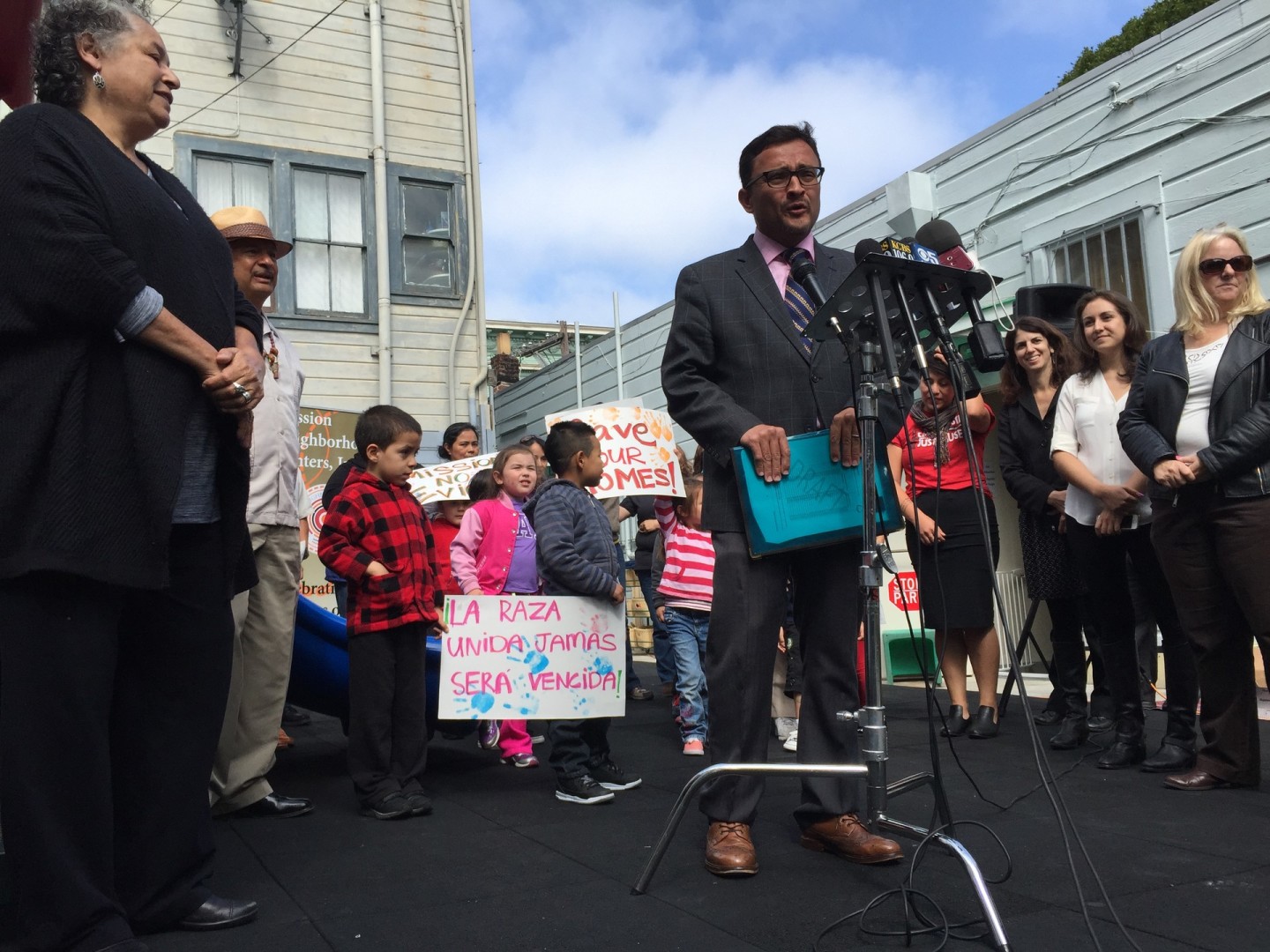
San Francisco Supervisors Debate Proposed Market-Rate Housing Moratorium
Pro Arts’ Executive Director Steps Down, Latest in Wave of Recent Art World Departures
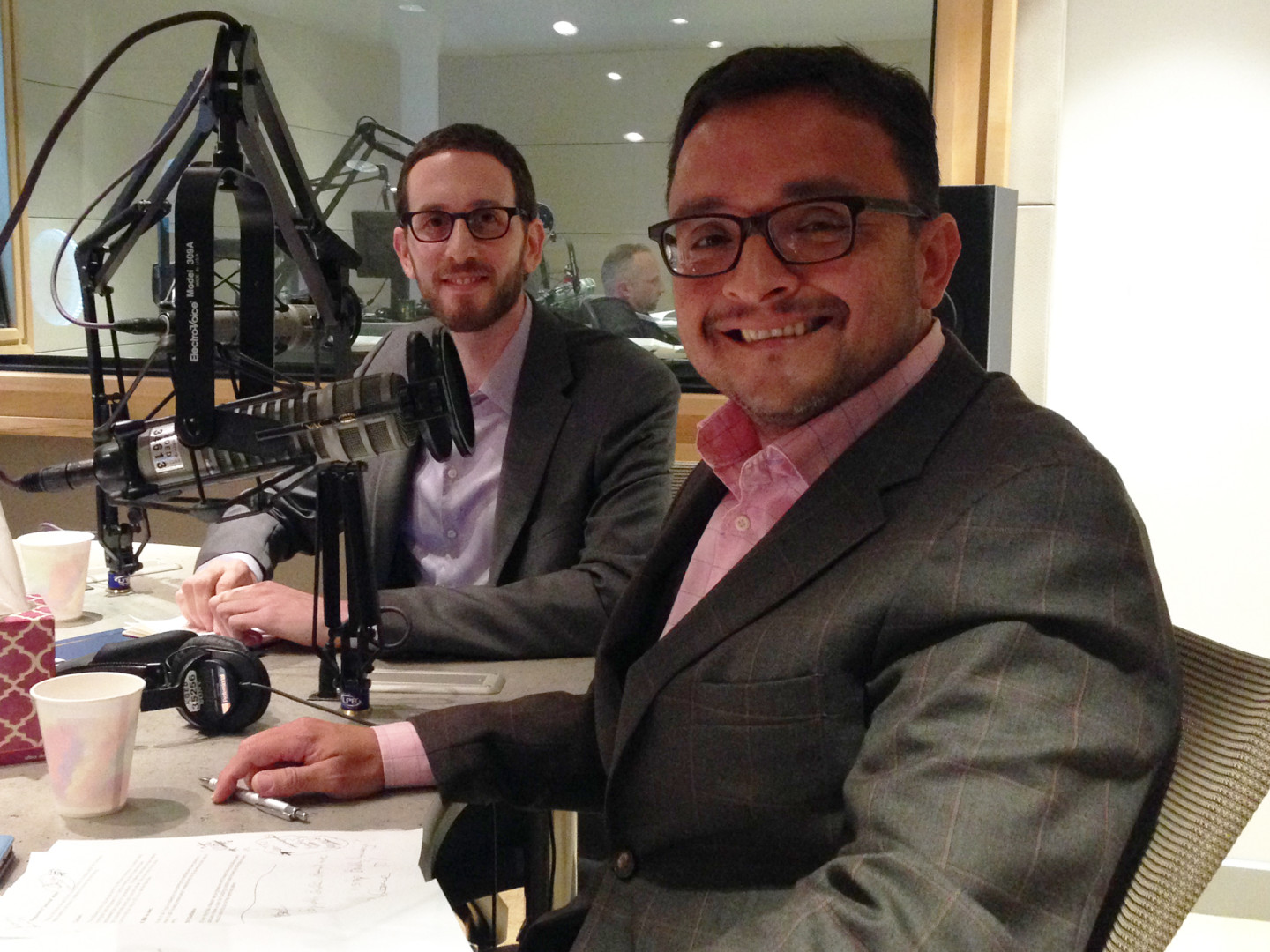
Leno Shelves Ellis Act Change; Doesn't Have Votes in Senate Committee
Hey, San Francisco, Meet Your New In-Laws
Can One Oakland Law Slow Gentrification?
S.F. Supes Gear up for Battle Over Mission Housing Construction
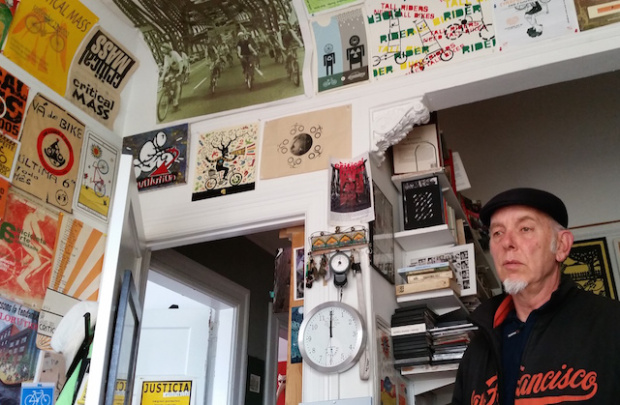
A Building of Mission Luminaries Faces Displacement
San Francisco Joins Oakland With Highest Minimum Wage in U.S.
San Francisco Moves to Tighten Airbnb Law
Poetry Priced Out: Rent Hike Forces Emeryville Laureate to Move
Hard Row to Hoe: Japanese Farming in the Santa Clara Valley
window.__IS_SSR__=true
window.__INITIAL_STATE__={
"attachmentsReducer": {
"audio_0": {
"type": "attachments",
"id": "audio_0",
"imgSizes": {
"kqedFullSize": {
"file": "https://ww2.kqed.org/news/wp-content/themes/KQED-unified/img/audio_bgs/background0.jpg"
}
}
},
"audio_1": {
"type": "attachments",
"id": "audio_1",
"imgSizes": {
"kqedFullSize": {
"file": "https://ww2.kqed.org/news/wp-content/themes/KQED-unified/img/audio_bgs/background1.jpg"
}
}
},
"audio_2": {
"type": "attachments",
"id": "audio_2",
"imgSizes": {
"kqedFullSize": {
"file": "https://ww2.kqed.org/news/wp-content/themes/KQED-unified/img/audio_bgs/background2.jpg"
}
}
},
"audio_3": {
"type": "attachments",
"id": "audio_3",
"imgSizes": {
"kqedFullSize": {
"file": "https://ww2.kqed.org/news/wp-content/themes/KQED-unified/img/audio_bgs/background3.jpg"
}
}
},
"audio_4": {
"type": "attachments",
"id": "audio_4",
"imgSizes": {
"kqedFullSize": {
"file": "https://ww2.kqed.org/news/wp-content/themes/KQED-unified/img/audio_bgs/background4.jpg"
}
}
},
"placeholder": {
"type": "attachments",
"id": "placeholder",
"imgSizes": {
"thumbnail": {
"file": "https://cdn.kqed.org/wp-content/uploads/2024/12/KQED-Default-Image-816638274-2000x1333-1-160x107.jpg",
"width": 160,
"height": 107,
"mimeType": "image/jpeg"
},
"medium": {
"file": "https://cdn.kqed.org/wp-content/uploads/2024/12/KQED-Default-Image-816638274-2000x1333-1-800x533.jpg",
"width": 800,
"height": 533,
"mimeType": "image/jpeg"
},
"medium_large": {
"file": "https://cdn.kqed.org/wp-content/uploads/2024/12/KQED-Default-Image-816638274-2000x1333-1-768x512.jpg",
"width": 768,
"height": 512,
"mimeType": "image/jpeg"
},
"large": {
"file": "https://cdn.kqed.org/wp-content/uploads/2024/12/KQED-Default-Image-816638274-2000x1333-1-1020x680.jpg",
"width": 1020,
"height": 680,
"mimeType": "image/jpeg"
},
"1536x1536": {
"file": "https://cdn.kqed.org/wp-content/uploads/2024/12/KQED-Default-Image-816638274-2000x1333-1-1536x1024.jpg",
"width": 1536,
"height": 1024,
"mimeType": "image/jpeg"
},
"fd-lrg": {
"file": "https://cdn.kqed.org/wp-content/uploads/2024/12/KQED-Default-Image-816638274-2000x1333-1-1536x1024.jpg",
"width": 1536,
"height": 1024,
"mimeType": "image/jpeg"
},
"fd-med": {
"file": "https://cdn.kqed.org/wp-content/uploads/2024/12/KQED-Default-Image-816638274-2000x1333-1-1020x680.jpg",
"width": 1020,
"height": 680,
"mimeType": "image/jpeg"
},
"fd-sm": {
"file": "https://cdn.kqed.org/wp-content/uploads/2024/12/KQED-Default-Image-816638274-2000x1333-1-800x533.jpg",
"width": 800,
"height": 533,
"mimeType": "image/jpeg"
},
"post-thumbnail": {
"file": "https://cdn.kqed.org/wp-content/uploads/2024/12/KQED-Default-Image-816638274-2000x1333-1-672x372.jpg",
"width": 672,
"height": 372,
"mimeType": "image/jpeg"
},
"twentyfourteen-full-width": {
"file": "https://cdn.kqed.org/wp-content/uploads/2024/12/KQED-Default-Image-816638274-2000x1333-1-1038x576.jpg",
"width": 1038,
"height": 576,
"mimeType": "image/jpeg"
},
"xxsmall": {
"file": "https://cdn.kqed.org/wp-content/uploads/2024/12/KQED-Default-Image-816638274-2000x1333-1-160x107.jpg",
"width": 160,
"height": 107,
"mimeType": "image/jpeg"
},
"xsmall": {
"file": "https://cdn.kqed.org/wp-content/uploads/2024/12/KQED-Default-Image-816638274-2000x1333-1-672x372.jpg",
"width": 672,
"height": 372,
"mimeType": "image/jpeg"
},
"small": {
"file": "https://cdn.kqed.org/wp-content/uploads/2024/12/KQED-Default-Image-816638274-2000x1333-1-672x372.jpg",
"width": 672,
"height": 372,
"mimeType": "image/jpeg"
},
"xlarge": {
"file": "https://cdn.kqed.org/wp-content/uploads/2024/12/KQED-Default-Image-816638274-2000x1333-1-1020x680.jpg",
"width": 1020,
"height": 680,
"mimeType": "image/jpeg"
},
"full-width": {
"file": "https://cdn.kqed.org/wp-content/uploads/2024/12/KQED-Default-Image-816638274-2000x1333-1-1920x1280.jpg",
"width": 1920,
"height": 1280,
"mimeType": "image/jpeg"
},
"guest-author-32": {
"file": "https://cdn.kqed.org/wp-content/uploads/2025/01/KQED-Default-Image-816638274-1333x1333-1-160x160.jpg",
"width": 32,
"height": 32,
"mimeType": "image/jpeg"
},
"guest-author-50": {
"file": "https://cdn.kqed.org/wp-content/uploads/2025/01/KQED-Default-Image-816638274-1333x1333-1-160x160.jpg",
"width": 50,
"height": 50,
"mimeType": "image/jpeg"
},
"guest-author-64": {
"file": "https://cdn.kqed.org/wp-content/uploads/2025/01/KQED-Default-Image-816638274-1333x1333-1-160x160.jpg",
"width": 64,
"height": 64,
"mimeType": "image/jpeg"
},
"guest-author-96": {
"file": "https://cdn.kqed.org/wp-content/uploads/2025/01/KQED-Default-Image-816638274-1333x1333-1-160x160.jpg",
"width": 96,
"height": 96,
"mimeType": "image/jpeg"
},
"guest-author-128": {
"file": "https://cdn.kqed.org/wp-content/uploads/2025/01/KQED-Default-Image-816638274-1333x1333-1-160x160.jpg",
"width": 128,
"height": 128,
"mimeType": "image/jpeg"
},
"detail": {
"file": "https://cdn.kqed.org/wp-content/uploads/2025/01/KQED-Default-Image-816638274-1333x1333-1-160x160.jpg",
"width": 160,
"height": 160,
"mimeType": "image/jpeg"
},
"kqedFullSize": {
"file": "https://cdn.kqed.org/wp-content/uploads/2024/12/KQED-Default-Image-816638274-2000x1333-1.jpg",
"width": 2000,
"height": 1333
}
}
},
"arts_10702231": {
"type": "attachments",
"id": "arts_10702231",
"meta": {
"index": "attachments_1716263798",
"site": "arts",
"id": "10702231",
"found": true
},
"parent": 0,
"imgSizes": {
"thumbnail": {
"file": "https://ww2.kqed.org/app/uploads/sites/2/2015/05/Scott-Vermeire-400x225.jpg",
"width": 400,
"mimeType": "image/jpeg",
"height": 225
},
"post-thumbnail": {
"file": "https://ww2.kqed.org/app/uploads/sites/2/2015/05/Scott-Vermeire-672x372.jpg",
"width": 672,
"mimeType": "image/jpeg",
"height": 372
},
"kqedFullSize": {
"file": "https://ww2.kqed.org/app/uploads/sites/2/2015/05/Scott-Vermeire.jpg",
"width": 800,
"height": 450
},
"guest-author-96": {
"file": "https://ww2.kqed.org/app/uploads/sites/2/2015/05/Scott-Vermeire-96x96.jpg",
"width": 96,
"mimeType": "image/jpeg",
"height": 96
},
"medium": {
"file": "https://ww2.kqed.org/app/uploads/sites/2/2015/05/Scott-Vermeire-800x450.jpg",
"width": 800,
"mimeType": "image/jpeg",
"height": 450
},
"guest-author-64": {
"file": "https://ww2.kqed.org/app/uploads/sites/2/2015/05/Scott-Vermeire-64x64.jpg",
"width": 64,
"mimeType": "image/jpeg",
"height": 64
},
"detail": {
"file": "https://ww2.kqed.org/app/uploads/sites/2/2015/05/Scott-Vermeire-75x75.jpg",
"width": 75,
"mimeType": "image/jpeg",
"height": 75
},
"guest-author-32": {
"file": "https://ww2.kqed.org/app/uploads/sites/2/2015/05/Scott-Vermeire-32x32.jpg",
"width": 32,
"mimeType": "image/jpeg",
"height": 32
},
"guest-author-128": {
"file": "https://ww2.kqed.org/app/uploads/sites/2/2015/05/Scott-Vermeire-128x128.jpg",
"width": 128,
"mimeType": "image/jpeg",
"height": 128
}
},
"publishDate": 1432761826,
"modified": 1432761853,
"caption": "Scott Vermeire (Courtesy of scottvermeire.com)",
"description": null,
"title": "Scott Vermeire",
"credit": null,
"status": "inherit",
"isLoading": false,
"fetchFailed": false
},
"news_10543825": {
"type": "attachments",
"id": "news_10543825",
"meta": {
"index": "attachments_1716263798",
"site": "news",
"id": "10543825",
"found": true
},
"parent": 10543744,
"imgSizes": {
"twentyfourteen-full-width": {
"file": "https://ww2.kqed.org/app/uploads/sites/10/2015/05/CamposWeinercropped-1038x576.jpg",
"width": 1038,
"mimeType": "image/jpeg",
"height": 576
},
"thumbnail": {
"file": "https://ww2.kqed.org/app/uploads/sites/10/2015/05/CamposWeinercropped-400x300.jpg",
"width": 400,
"mimeType": "image/jpeg",
"height": 300
},
"fd-sm": {
"file": "https://ww2.kqed.org/app/uploads/sites/10/2015/05/CamposWeinercropped-960x720.jpg",
"width": 960,
"mimeType": "image/jpeg",
"height": 720
},
"post-thumbnail": {
"file": "https://ww2.kqed.org/app/uploads/sites/10/2015/05/CamposWeinercropped-672x372.jpg",
"width": 672,
"mimeType": "image/jpeg",
"height": 372
},
"kqedFullSize": {
"file": "https://ww2.kqed.org/app/uploads/sites/10/2015/05/CamposWeinercropped.jpg",
"width": 1920,
"height": 1440
},
"large": {
"file": "https://ww2.kqed.org/app/uploads/sites/10/2015/05/CamposWeinercropped-1440x1080.jpg",
"width": 1440,
"mimeType": "image/jpeg",
"height": 1080
},
"guest-author-96": {
"file": "https://ww2.kqed.org/app/uploads/sites/10/2015/05/CamposWeinercropped-96x96.jpg",
"width": 96,
"mimeType": "image/jpeg",
"height": 96
},
"medium": {
"file": "https://ww2.kqed.org/app/uploads/sites/10/2015/05/CamposWeinercropped-800x600.jpg",
"width": 800,
"mimeType": "image/jpeg",
"height": 600
},
"guest-author-64": {
"file": "https://ww2.kqed.org/app/uploads/sites/10/2015/05/CamposWeinercropped-64x64.jpg",
"width": 64,
"mimeType": "image/jpeg",
"height": 64
},
"guest-author-32": {
"file": "https://ww2.kqed.org/app/uploads/sites/10/2015/05/CamposWeinercropped-32x32.jpg",
"width": 32,
"mimeType": "image/jpeg",
"height": 32
},
"fd-med": {
"file": "https://ww2.kqed.org/app/uploads/sites/10/2015/05/CamposWeinercropped-1180x885.jpg",
"width": 1180,
"mimeType": "image/jpeg",
"height": 885
},
"detail": {
"file": "https://ww2.kqed.org/app/uploads/sites/10/2015/05/CamposWeinercropped-75x75.jpg",
"width": 75,
"mimeType": "image/jpeg",
"height": 75
},
"guest-author-128": {
"file": "https://ww2.kqed.org/app/uploads/sites/10/2015/05/CamposWeinercropped-128x128.jpg",
"width": 128,
"mimeType": "image/jpeg",
"height": 128
}
},
"publishDate": 1432936548,
"modified": 1432946351,
"caption": "San Francisco Supervisors David Campos, right, and Scott Wiener in the KQED studio during their May 29, 2015, appearance on Forum.",
"description": "San Francisco Supervisors David Campos and Scott Wiener in the KQED studio",
"title": "CamposWeinercropped",
"credit": "Amanda Stupi/KQED",
"status": "inherit",
"isLoading": false,
"fetchFailed": false
},
"arts_10702829": {
"type": "attachments",
"id": "arts_10702829",
"meta": {
"index": "attachments_1716263798",
"site": "arts",
"id": "10702829",
"found": true
},
"parent": 10702680,
"imgSizes": {
"twentyfourteen-full-width": {
"file": "https://ww2.kqed.org/app/uploads/sites/2/2015/05/EbbFlow_1-1038x576.jpg",
"width": 1038,
"mimeType": "image/jpeg",
"height": 576
},
"thumbnail": {
"file": "https://ww2.kqed.org/app/uploads/sites/2/2015/05/EbbFlow_1-400x209.jpg",
"width": 400,
"mimeType": "image/jpeg",
"height": 209
},
"fd-sm": {
"file": "https://ww2.kqed.org/app/uploads/sites/2/2015/05/EbbFlow_1-960x501.jpg",
"width": 960,
"mimeType": "image/jpeg",
"height": 501
},
"post-thumbnail": {
"file": "https://ww2.kqed.org/app/uploads/sites/2/2015/05/EbbFlow_1-672x372.jpg",
"width": 672,
"mimeType": "image/jpeg",
"height": 372
},
"kqedFullSize": {
"file": "https://ww2.kqed.org/app/uploads/sites/2/2015/05/EbbFlow_1-e1443832156528.jpg",
"width": 1200,
"height": 626
},
"large": {
"file": "https://ww2.kqed.org/app/uploads/sites/2/2015/05/EbbFlow_1-1180x616.jpg",
"width": 1180,
"mimeType": "image/jpeg",
"height": 616
},
"guest-author-96": {
"file": "https://ww2.kqed.org/app/uploads/sites/2/2015/05/EbbFlow_1-96x96.jpg",
"width": 96,
"mimeType": "image/jpeg",
"height": 96
},
"medium": {
"file": "https://ww2.kqed.org/app/uploads/sites/2/2015/05/EbbFlow_1-800x417.jpg",
"width": 800,
"mimeType": "image/jpeg",
"height": 417
},
"guest-author-64": {
"file": "https://ww2.kqed.org/app/uploads/sites/2/2015/05/EbbFlow_1-64x64.jpg",
"width": 64,
"mimeType": "image/jpeg",
"height": 64
},
"guest-author-32": {
"file": "https://ww2.kqed.org/app/uploads/sites/2/2015/05/EbbFlow_1-32x32.jpg",
"width": 32,
"mimeType": "image/jpeg",
"height": 32
},
"fd-med": {
"file": "https://ww2.kqed.org/app/uploads/sites/2/2015/05/EbbFlow_1-1180x616.jpg",
"width": 1180,
"mimeType": "image/jpeg",
"height": 616
},
"detail": {
"file": "https://ww2.kqed.org/app/uploads/sites/2/2015/05/EbbFlow_1-75x75.jpg",
"width": 75,
"mimeType": "image/jpeg",
"height": 75
},
"guest-author-128": {
"file": "https://ww2.kqed.org/app/uploads/sites/2/2015/05/EbbFlow_1-128x128.jpg",
"width": 128,
"mimeType": "image/jpeg",
"height": 128
}
},
"publishDate": 1432778733,
"modified": 1432778823,
"caption": "Installation view of \u003ci>Ebb / Flow, Selections by Cesar Garcia and Naima J. Keith\u003c/i>, 2015. (Courtesy of Pro Arts)",
"description": null,
"title": "EbbFlow_1",
"credit": null,
"status": "inherit",
"isLoading": false,
"fetchFailed": false
},
"news_10541121": {
"type": "attachments",
"id": "news_10541121",
"meta": {
"index": "attachments_1716263798",
"site": "news",
"id": "10541121",
"found": true
},
"parent": 10541111,
"imgSizes": {
"twentyfourteen-full-width": {
"file": "https://ww2.kqed.org/app/uploads/sites/10/2015/05/9672_transform-1038x576.jpg",
"width": 1038,
"mimeType": "image/jpeg",
"height": 576
},
"thumbnail": {
"file": "https://ww2.kqed.org/app/uploads/sites/10/2015/05/9672_transform-400x300.jpg",
"width": 400,
"mimeType": "image/jpeg",
"height": 300
},
"fd-sm": {
"file": "https://ww2.kqed.org/app/uploads/sites/10/2015/05/9672_transform-960x720.jpg",
"width": 960,
"mimeType": "image/jpeg",
"height": 720
},
"post-thumbnail": {
"file": "https://ww2.kqed.org/app/uploads/sites/10/2015/05/9672_transform-672x372.jpg",
"width": 672,
"mimeType": "image/jpeg",
"height": 372
},
"kqedFullSize": {
"file": "https://ww2.kqed.org/app/uploads/sites/10/2015/05/9672_transform-e1432755434974.jpg",
"width": 1920,
"height": 1440
},
"large": {
"file": "https://ww2.kqed.org/app/uploads/sites/10/2015/05/9672_transform-1440x1080.jpg",
"width": 1440,
"mimeType": "image/jpeg",
"height": 1080
},
"guest-author-96": {
"file": "https://ww2.kqed.org/app/uploads/sites/10/2015/05/9672_transform-96x96.jpg",
"width": 96,
"mimeType": "image/jpeg",
"height": 96
},
"medium": {
"file": "https://ww2.kqed.org/app/uploads/sites/10/2015/05/9672_transform-800x600.jpg",
"width": 800,
"mimeType": "image/jpeg",
"height": 600
},
"guest-author-64": {
"file": "https://ww2.kqed.org/app/uploads/sites/10/2015/05/9672_transform-64x64.jpg",
"width": 64,
"mimeType": "image/jpeg",
"height": 64
},
"guest-author-32": {
"file": "https://ww2.kqed.org/app/uploads/sites/10/2015/05/9672_transform-32x32.jpg",
"width": 32,
"mimeType": "image/jpeg",
"height": 32
},
"fd-med": {
"file": "https://ww2.kqed.org/app/uploads/sites/10/2015/05/9672_transform-1180x885.jpg",
"width": 1180,
"mimeType": "image/jpeg",
"height": 885
},
"detail": {
"file": "https://ww2.kqed.org/app/uploads/sites/10/2015/05/9672_transform-75x75.jpg",
"width": 75,
"mimeType": "image/jpeg",
"height": 75
},
"guest-author-128": {
"file": "https://ww2.kqed.org/app/uploads/sites/10/2015/05/9672_transform-128x128.jpg",
"width": 128,
"mimeType": "image/jpeg",
"height": 128
}
},
"publishDate": 1432745595,
"modified": 1432755985,
"caption": "San Francisco activists protest against Ellis Act evictions in 2014.",
"description": null,
"title": "9672_transform",
"credit": "Scott Shafer/KQED",
"status": "inherit",
"isLoading": false,
"fetchFailed": false
},
"news_10518302": {
"type": "attachments",
"id": "news_10518302",
"meta": {
"index": "attachments_1716263798",
"site": "news",
"id": "10518302",
"found": true
},
"parent": 10517326,
"imgSizes": {
"twentyfourteen-full-width": {
"file": "https://ww2.kqed.org/app/uploads/sites/10/2015/05/Drawing_LiftedGarden-1038x576.jpg",
"width": 1038,
"mimeType": "image/jpeg",
"height": 576
},
"thumbnail": {
"file": "https://ww2.kqed.org/app/uploads/sites/10/2015/05/Drawing_LiftedGarden-400x276.jpg",
"width": 400,
"mimeType": "image/jpeg",
"height": 276
},
"fd-sm": {
"file": "https://ww2.kqed.org/app/uploads/sites/10/2015/05/Drawing_LiftedGarden-960x663.jpg",
"width": 960,
"mimeType": "image/jpeg",
"height": 663
},
"post-thumbnail": {
"file": "https://ww2.kqed.org/app/uploads/sites/10/2015/05/Drawing_LiftedGarden-672x372.jpg",
"width": 672,
"mimeType": "image/jpeg",
"height": 372
},
"kqedFullSize": {
"file": "https://ww2.kqed.org/app/uploads/sites/10/2015/05/Drawing_LiftedGarden.jpg",
"width": 2268,
"height": 1566
},
"large": {
"file": "https://ww2.kqed.org/app/uploads/sites/10/2015/05/Drawing_LiftedGarden-1440x994.jpg",
"width": 1440,
"mimeType": "image/jpeg",
"height": 994
},
"guest-author-96": {
"file": "https://ww2.kqed.org/app/uploads/sites/10/2015/05/Drawing_LiftedGarden-96x96.jpg",
"width": 96,
"mimeType": "image/jpeg",
"height": 96
},
"medium": {
"file": "https://ww2.kqed.org/app/uploads/sites/10/2015/05/Drawing_LiftedGarden-800x552.jpg",
"width": 800,
"mimeType": "image/jpeg",
"height": 552
},
"guest-author-64": {
"file": "https://ww2.kqed.org/app/uploads/sites/10/2015/05/Drawing_LiftedGarden-64x64.jpg",
"width": 64,
"mimeType": "image/jpeg",
"height": 64
},
"guest-author-32": {
"file": "https://ww2.kqed.org/app/uploads/sites/10/2015/05/Drawing_LiftedGarden-32x32.jpg",
"width": 32,
"mimeType": "image/jpeg",
"height": 32
},
"fd-med": {
"file": "https://ww2.kqed.org/app/uploads/sites/10/2015/05/Drawing_LiftedGarden-1180x815.jpg",
"width": 1180,
"mimeType": "image/jpeg",
"height": 815
},
"detail": {
"file": "https://ww2.kqed.org/app/uploads/sites/10/2015/05/Drawing_LiftedGarden-75x75.jpg",
"width": 75,
"mimeType": "image/jpeg",
"height": 75
},
"guest-author-128": {
"file": "https://ww2.kqed.org/app/uploads/sites/10/2015/05/Drawing_LiftedGarden-128x128.jpg",
"width": 128,
"mimeType": "image/jpeg",
"height": 128
}
},
"publishDate": 1431109696,
"modified": 1431122239,
"caption": "'The Lifted Garden' preserves green space by adding a terrace over the unit",
"description": "Drawing by CCA architecture student Blake Stevenson",
"title": "Drawing_LiftedGarden",
"credit": "The Urban Works Agency, California College of the Arts; drawing by Blake Stevenson",
"status": "inherit",
"isLoading": false,
"fetchFailed": false
},
"news_10518439": {
"type": "attachments",
"id": "news_10518439",
"meta": {
"index": "attachments_1716263798",
"site": "news",
"id": "10518439",
"found": true
},
"parent": 10517031,
"imgSizes": {
"twentyfourteen-full-width": {
"file": "https://ww2.kqed.org/app/uploads/sites/10/2015/05/IMG_00041-1038x576.jpg",
"width": 1038,
"mimeType": "image/jpeg",
"height": 576
},
"thumbnail": {
"file": "https://ww2.kqed.org/app/uploads/sites/10/2015/05/IMG_00041-400x300.jpg",
"width": 400,
"mimeType": "image/jpeg",
"height": 300
},
"fd-sm": {
"file": "https://ww2.kqed.org/app/uploads/sites/10/2015/05/IMG_00041-960x720.jpg",
"width": 960,
"mimeType": "image/jpeg",
"height": 720
},
"post-thumbnail": {
"file": "https://ww2.kqed.org/app/uploads/sites/10/2015/05/IMG_00041-672x372.jpg",
"width": 672,
"mimeType": "image/jpeg",
"height": 372
},
"kqedFullSize": {
"file": "https://ww2.kqed.org/app/uploads/sites/10/2015/05/IMG_00041.jpg",
"width": 3264,
"height": 2448
},
"large": {
"file": "https://ww2.kqed.org/app/uploads/sites/10/2015/05/IMG_00041-1440x1080.jpg",
"width": 1440,
"mimeType": "image/jpeg",
"height": 1080
},
"guest-author-96": {
"file": "https://ww2.kqed.org/app/uploads/sites/10/2015/05/IMG_00041-96x96.jpg",
"width": 96,
"mimeType": "image/jpeg",
"height": 96
},
"medium": {
"file": "https://ww2.kqed.org/app/uploads/sites/10/2015/05/IMG_00041-800x600.jpg",
"width": 800,
"mimeType": "image/jpeg",
"height": 600
},
"guest-author-64": {
"file": "https://ww2.kqed.org/app/uploads/sites/10/2015/05/IMG_00041-64x64.jpg",
"width": 64,
"mimeType": "image/jpeg",
"height": 64
},
"guest-author-32": {
"file": "https://ww2.kqed.org/app/uploads/sites/10/2015/05/IMG_00041-32x32.jpg",
"width": 32,
"mimeType": "image/jpeg",
"height": 32
},
"fd-med": {
"file": "https://ww2.kqed.org/app/uploads/sites/10/2015/05/IMG_00041-1180x885.jpg",
"width": 1180,
"mimeType": "image/jpeg",
"height": 885
},
"detail": {
"file": "https://ww2.kqed.org/app/uploads/sites/10/2015/05/IMG_00041-75x75.jpg",
"width": 75,
"mimeType": "image/jpeg",
"height": 75
},
"guest-author-128": {
"file": "https://ww2.kqed.org/app/uploads/sites/10/2015/05/IMG_00041-128x128.jpg",
"width": 128,
"mimeType": "image/jpeg",
"height": 128
}
},
"publishDate": 1431118334,
"modified": 1431118929,
"caption": "Melissa Hennings",
"description": null,
"title": "IMG_0004",
"credit": "Courtesy of Melissa Hennings",
"status": "inherit",
"isLoading": false,
"fetchFailed": false
},
"news_10514575": {
"type": "attachments",
"id": "news_10514575",
"meta": {
"index": "attachments_1716263798",
"site": "news",
"id": "10514575",
"found": true
},
"parent": 10514487,
"imgSizes": {
"twentyfourteen-full-width": {
"file": "https://ww2.kqed.org/app/uploads/sites/10/2015/05/RS15072_IMG_1934-qut-1038x576.jpg",
"width": 1038,
"mimeType": "image/jpeg",
"height": 576
},
"thumbnail": {
"file": "https://ww2.kqed.org/app/uploads/sites/10/2015/05/RS15072_IMG_1934-qut-400x300.jpg",
"width": 400,
"mimeType": "image/jpeg",
"height": 300
},
"fd-sm": {
"file": "https://ww2.kqed.org/app/uploads/sites/10/2015/05/RS15072_IMG_1934-qut-960x720.jpg",
"width": 960,
"mimeType": "image/jpeg",
"height": 720
},
"post-thumbnail": {
"file": "https://ww2.kqed.org/app/uploads/sites/10/2015/05/RS15072_IMG_1934-qut-672x372.jpg",
"width": 672,
"mimeType": "image/jpeg",
"height": 372
},
"kqedFullSize": {
"file": "https://ww2.kqed.org/app/uploads/sites/10/2015/05/RS15072_IMG_1934-qut.jpg",
"width": 1920,
"height": 1440
},
"large": {
"file": "https://ww2.kqed.org/app/uploads/sites/10/2015/05/RS15072_IMG_1934-qut-1440x1080.jpg",
"width": 1440,
"mimeType": "image/jpeg",
"height": 1080
},
"guest-author-96": {
"file": "https://ww2.kqed.org/app/uploads/sites/10/2015/05/RS15072_IMG_1934-qut-96x96.jpg",
"width": 96,
"mimeType": "image/jpeg",
"height": 96
},
"medium": {
"file": "https://ww2.kqed.org/app/uploads/sites/10/2015/05/RS15072_IMG_1934-qut-800x600.jpg",
"width": 800,
"mimeType": "image/jpeg",
"height": 600
},
"guest-author-64": {
"file": "https://ww2.kqed.org/app/uploads/sites/10/2015/05/RS15072_IMG_1934-qut-64x64.jpg",
"width": 64,
"mimeType": "image/jpeg",
"height": 64
},
"guest-author-32": {
"file": "https://ww2.kqed.org/app/uploads/sites/10/2015/05/RS15072_IMG_1934-qut-32x32.jpg",
"width": 32,
"mimeType": "image/jpeg",
"height": 32
},
"fd-med": {
"file": "https://ww2.kqed.org/app/uploads/sites/10/2015/05/RS15072_IMG_1934-qut-1180x885.jpg",
"width": 1180,
"mimeType": "image/jpeg",
"height": 885
},
"detail": {
"file": "https://ww2.kqed.org/app/uploads/sites/10/2015/05/RS15072_IMG_1934-qut-75x75.jpg",
"width": 75,
"mimeType": "image/jpeg",
"height": 75
},
"guest-author-128": {
"file": "https://ww2.kqed.org/app/uploads/sites/10/2015/05/RS15072_IMG_1934-qut-128x128.jpg",
"width": 128,
"mimeType": "image/jpeg",
"height": 128
}
},
"publishDate": 1430874443,
"modified": 1430953918,
"caption": "San Francisco Supervisor David Campos, outside the Mission Neighborhood Center, unveils a proposal to halt market-rate housing developments in the city's Mission District for two years.",
"description": "San Francisco Supervisor David Campos, outside the Mission Neighborhood Center, unveils a proposal to halt market-rate housing developments in the city's Mission District for two years.",
"title": "RS15072_IMG_1934-qut",
"credit": "Alex Emslie/KQED",
"status": "inherit",
"isLoading": false,
"fetchFailed": false
},
"news_10514426": {
"type": "attachments",
"id": "news_10514426",
"meta": {
"index": "attachments_1716263798",
"site": "news",
"id": "10514426",
"found": true
},
"parent": 10514424,
"imgSizes": {
"thumbnail": {
"file": "https://ww2.kqed.org/app/uploads/sites/10/2015/05/chris-carlson-400x261.jpeg",
"width": 400,
"mimeType": "image/jpeg",
"height": 261
},
"post-thumbnail": {
"file": "https://ww2.kqed.org/app/uploads/sites/10/2015/05/chris-carlson-620x372.jpeg",
"width": 620,
"mimeType": "image/jpeg",
"height": 372
},
"kqedFullSize": {
"file": "https://ww2.kqed.org/app/uploads/sites/10/2015/05/chris-carlson.jpeg",
"width": 620,
"height": 405
},
"guest-author-96": {
"file": "https://ww2.kqed.org/app/uploads/sites/10/2015/05/chris-carlson-96x96.jpeg",
"width": 96,
"mimeType": "image/jpeg",
"height": 96
},
"guest-author-64": {
"file": "https://ww2.kqed.org/app/uploads/sites/10/2015/05/chris-carlson-64x64.jpeg",
"width": 64,
"mimeType": "image/jpeg",
"height": 64
},
"detail": {
"file": "https://ww2.kqed.org/app/uploads/sites/10/2015/05/chris-carlson-75x75.jpeg",
"width": 75,
"mimeType": "image/jpeg",
"height": 75
},
"guest-author-32": {
"file": "https://ww2.kqed.org/app/uploads/sites/10/2015/05/chris-carlson-32x32.jpeg",
"width": 32,
"mimeType": "image/jpeg",
"height": 32
},
"guest-author-128": {
"file": "https://ww2.kqed.org/app/uploads/sites/10/2015/05/chris-carlson-128x128.jpeg",
"width": 128,
"mimeType": "image/jpeg",
"height": 128
}
},
"publishDate": 1430867704,
"modified": 1430868043,
"caption": "Chris Carlsson, public historian and bicycle activist, in his home office in the Pigeon Palace. ",
"description": null,
"title": "Chris Carlsson-Mission Local",
"credit": "Daniel Hirsch/Mission Local ",
"status": "inherit",
"isLoading": false,
"fetchFailed": false
},
"news_10491548": {
"type": "attachments",
"id": "news_10491548",
"meta": {
"index": "attachments_1716263798",
"site": "news",
"id": "10491548",
"found": true
},
"parent": 0,
"imgSizes": {
"twentyfourteen-full-width": {
"file": "https://ww2.kqed.org/app/uploads/sites/10/2015/04/RS14823_March-w_15-a-union-banner-qut1-1038x576.jpg",
"width": 1038,
"mimeType": "image/jpeg",
"height": 576
},
"thumbnail": {
"file": "https://ww2.kqed.org/app/uploads/sites/10/2015/04/RS14823_March-w_15-a-union-banner-qut1-400x225.jpg",
"width": 400,
"mimeType": "image/jpeg",
"height": 225
},
"fd-sm": {
"file": "https://ww2.kqed.org/app/uploads/sites/10/2015/04/RS14823_March-w_15-a-union-banner-qut1-320x180.jpg",
"width": 320,
"mimeType": "image/jpeg",
"height": 180
},
"post-thumbnail": {
"file": "https://ww2.kqed.org/app/uploads/sites/10/2015/04/RS14823_March-w_15-a-union-banner-qut1-672x372.jpg",
"width": 672,
"mimeType": "image/jpeg",
"height": 372
},
"kqedFullSize": {
"file": "https://ww2.kqed.org/app/uploads/sites/10/2015/04/RS14823_March-w_15-a-union-banner-qut1.jpg",
"width": 1920,
"height": 1081
},
"large": {
"file": "https://ww2.kqed.org/app/uploads/sites/10/2015/04/RS14823_March-w_15-a-union-banner-qut1-1440x811.jpg",
"width": 1440,
"mimeType": "image/jpeg",
"height": 811
},
"guest-author-96": {
"file": "https://ww2.kqed.org/app/uploads/sites/10/2015/04/RS14823_March-w_15-a-union-banner-qut1-96x96.jpg",
"width": 96,
"mimeType": "image/jpeg",
"height": 96
},
"medium": {
"file": "https://ww2.kqed.org/app/uploads/sites/10/2015/04/RS14823_March-w_15-a-union-banner-qut1-800x450.jpg",
"width": 800,
"mimeType": "image/jpeg",
"height": 450
},
"guest-author-64": {
"file": "https://ww2.kqed.org/app/uploads/sites/10/2015/04/RS14823_March-w_15-a-union-banner-qut1-64x64.jpg",
"width": 64,
"mimeType": "image/jpeg",
"height": 64
},
"guest-author-32": {
"file": "https://ww2.kqed.org/app/uploads/sites/10/2015/04/RS14823_March-w_15-a-union-banner-qut1-32x32.jpg",
"width": 32,
"mimeType": "image/jpeg",
"height": 32
},
"fd-lrg": {
"file": "https://ww2.kqed.org/app/uploads/sites/10/2015/04/RS14823_March-w_15-a-union-banner-qut1-1180x664.jpg",
"width": 1180,
"mimeType": "image/jpeg",
"height": 664
},
"fd-med": {
"file": "https://ww2.kqed.org/app/uploads/sites/10/2015/04/RS14823_March-w_15-a-union-banner-qut1-768x432.jpg",
"width": 768,
"mimeType": "image/jpeg",
"height": 432
},
"detail": {
"file": "https://ww2.kqed.org/app/uploads/sites/10/2015/04/RS14823_March-w_15-a-union-banner-qut1-75x75.jpg",
"width": 75,
"mimeType": "image/jpeg",
"height": 75
},
"guest-author-128": {
"file": "https://ww2.kqed.org/app/uploads/sites/10/2015/04/RS14823_March-w_15-a-union-banner-qut1-128x128.jpg",
"width": 128,
"mimeType": "image/jpeg",
"height": 128
}
},
"publishDate": 1429137031,
"modified": 1429137284,
"caption": "More than 100 protesters filled downtown streets arguing for a higher minimum wage.",
"description": "More than 100 protesters filled downtown streets arguing for a higher minimum wage.",
"title": "RS14823_March w_15 & a union banner-qut",
"credit": "Andrew Stelzer/KQED",
"status": "inherit",
"isLoading": false,
"fetchFailed": false
},
"news_125639": {
"type": "attachments",
"id": "news_125639",
"meta": {
"index": "attachments_1716263798",
"site": "news",
"id": "125639",
"found": true
},
"parent": 125634,
"imgSizes": {
"kqedFullSize": {
"file": "https://ww2.kqed.org/app/uploads/sites/10/2014/02/RS1833_SanFranciscoCityHall.jpg",
"width": 1024,
"height": 685
}
},
"publishDate": 1391808894,
"modified": 1493070589,
"caption": "San Francisco City Hall ",
"description": null,
"title": "RS1833_SanFranciscoCityHall",
"credit": "jivedanson/Flickr",
"status": "inherit",
"isLoading": false,
"fetchFailed": false
},
"news_10499890": {
"type": "attachments",
"id": "news_10499890",
"meta": {
"index": "attachments_1716263798",
"site": "news",
"id": "10499890",
"found": true
},
"parent": 10499124,
"imgSizes": {
"twentyfourteen-full-width": {
"file": "https://ww2.kqed.org/app/uploads/sites/10/2015/04/sarahkobrinsky-1038x576.jpg",
"width": 1038,
"mimeType": "image/jpeg",
"height": 576
},
"thumbnail": {
"file": "https://ww2.kqed.org/app/uploads/sites/10/2015/04/sarahkobrinsky-400x263.jpg",
"width": 400,
"mimeType": "image/jpeg",
"height": 263
},
"fd-sm": {
"file": "https://ww2.kqed.org/app/uploads/sites/10/2015/04/sarahkobrinsky-960x631.jpg",
"width": 960,
"mimeType": "image/jpeg",
"height": 631
},
"post-thumbnail": {
"file": "https://ww2.kqed.org/app/uploads/sites/10/2015/04/sarahkobrinsky-672x372.jpg",
"width": 672,
"mimeType": "image/jpeg",
"height": 372
},
"kqedFullSize": {
"file": "https://ww2.kqed.org/app/uploads/sites/10/2015/04/sarahkobrinsky.jpg",
"width": 1920,
"height": 1262
},
"large": {
"file": "https://ww2.kqed.org/app/uploads/sites/10/2015/04/sarahkobrinsky-1440x947.jpg",
"width": 1440,
"mimeType": "image/jpeg",
"height": 947
},
"guest-author-96": {
"file": "https://ww2.kqed.org/app/uploads/sites/10/2015/04/sarahkobrinsky-96x96.jpg",
"width": 96,
"mimeType": "image/jpeg",
"height": 96
},
"medium": {
"file": "https://ww2.kqed.org/app/uploads/sites/10/2015/04/sarahkobrinsky-800x526.jpg",
"width": 800,
"mimeType": "image/jpeg",
"height": 526
},
"guest-author-64": {
"file": "https://ww2.kqed.org/app/uploads/sites/10/2015/04/sarahkobrinsky-64x64.jpg",
"width": 64,
"mimeType": "image/jpeg",
"height": 64
},
"guest-author-32": {
"file": "https://ww2.kqed.org/app/uploads/sites/10/2015/04/sarahkobrinsky-32x32.jpg",
"width": 32,
"mimeType": "image/jpeg",
"height": 32
},
"fd-med": {
"file": "https://ww2.kqed.org/app/uploads/sites/10/2015/04/sarahkobrinsky-1180x776.jpg",
"width": 1180,
"mimeType": "image/jpeg",
"height": 776
},
"detail": {
"file": "https://ww2.kqed.org/app/uploads/sites/10/2015/04/sarahkobrinsky-75x75.jpg",
"width": 75,
"mimeType": "image/jpeg",
"height": 75
},
"guest-author-128": {
"file": "https://ww2.kqed.org/app/uploads/sites/10/2015/04/sarahkobrinsky-128x128.jpg",
"width": 128,
"mimeType": "image/jpeg",
"height": 128
}
},
"publishDate": 1429798396,
"modified": 1429798456,
"caption": "Sarah Kobrinsky, Emeryville's poet laureate, was forced to move by a 38 percent rent increase. ",
"description": null,
"title": "Sarah Kobrinsky-Emeryville",
"credit": "Dan Brekke/KQED",
"status": "inherit",
"isLoading": false,
"fetchFailed": false
},
"news_10459641": {
"type": "attachments",
"id": "news_10459641",
"meta": {
"index": "attachments_1716263798",
"site": "news",
"id": "10459641",
"found": true
},
"parent": 10459596,
"imgSizes": {
"thumbnail": {
"file": "https://ww2.kqed.org/app/uploads/sites/10/2015/03/RS14525_Yamaichis1926-sfi-400x300.jpg",
"width": 400,
"mimeType": "image/jpeg",
"height": 300
},
"fd-sm": {
"file": "https://ww2.kqed.org/app/uploads/sites/10/2015/03/RS14525_Yamaichis1926-sfi-320x240.jpg",
"width": 320,
"mimeType": "image/jpeg",
"height": 240
},
"kqedFullSize": {
"file": "https://ww2.kqed.org/app/uploads/sites/10/2015/03/RS14525_Yamaichis1926-sfi.jpg",
"width": 480,
"height": 360
},
"guest-author-96": {
"file": "https://ww2.kqed.org/app/uploads/sites/10/2015/03/RS14525_Yamaichis1926-sfi-96x96.jpg",
"width": 96,
"mimeType": "image/jpeg",
"height": 96
},
"guest-author-64": {
"file": "https://ww2.kqed.org/app/uploads/sites/10/2015/03/RS14525_Yamaichis1926-sfi-64x64.jpg",
"width": 64,
"mimeType": "image/jpeg",
"height": 64
},
"detail": {
"file": "https://ww2.kqed.org/app/uploads/sites/10/2015/03/RS14525_Yamaichis1926-sfi-75x75.jpg",
"width": 75,
"mimeType": "image/jpeg",
"height": 75
},
"guest-author-32": {
"file": "https://ww2.kqed.org/app/uploads/sites/10/2015/03/RS14525_Yamaichis1926-sfi-32x32.jpg",
"width": 32,
"mimeType": "image/jpeg",
"height": 32
},
"guest-author-128": {
"file": "https://ww2.kqed.org/app/uploads/sites/10/2015/03/RS14525_Yamaichis1926-sfi-128x128.jpg",
"width": 128,
"mimeType": "image/jpeg",
"height": 128
}
},
"publishDate": 1426721566,
"modified": 1426721594,
"caption": "The Yamaichi family of Berryessa circa 1926. Jimi Yamaichi is second from the right. ",
"description": "The Yamaichi family of Berryessa circa 1926. Jimi Yamaichi is second from the right.",
"title": "RS14525_Yamaichis1926-sfi",
"credit": "Courtesy: Jimi Yamaichi",
"status": "inherit",
"isLoading": false,
"fetchFailed": false
}
},
"audioPlayerReducer": {
"postId": "stream_live",
"isPaused": true,
"isPlaying": false,
"pfsActive": false,
"pledgeModalIsOpen": true,
"playerDrawerIsOpen": false,
"liveAudioPlayStartedAt": 0,
"liveAudioPlayContext": ""
},
"authorsReducer": {
"byline_news_10514424": {
"type": "authors",
"id": "byline_news_10514424",
"meta": {
"override": true
},
"slug": "byline_news_10514424",
"name": "\u003cstrong>\u003ca href=\"http://missionlocal.org/author/danh/\" target=\"_blank\">Daniel Hirsch\u003c/a>\u003cbr />Mission Local\u003c/strong>",
"isLoading": false
},
"shotchkiss": {
"type": "authors",
"id": "61",
"meta": {
"index": "authors_1716337520",
"id": "61",
"found": true
},
"name": "Sarah Hotchkiss",
"firstName": "Sarah",
"lastName": "Hotchkiss",
"slug": "shotchkiss",
"email": "shotchkiss@kqed.org",
"display_author_email": true,
"staff_mastheads": [
"arts"
],
"title": "Senior Editor",
"bio": "Sarah Hotchkiss is a San Francisco \u003ca href=\"http://www.sarahhotchkiss.com\">artist\u003c/a> and arts writer. In 2019, she received the Dorothea & Leo Rabkin Foundation grant for visual art journalism and in 2020 she received a Society of Professional Journalists, Northern California award for excellence in arts and culture reporting.",
"avatar": "https://secure.gravatar.com/avatar/bc662df144b3d27fd8b1b6f1c2a420d34e91e53154d411bb7ad353cc8b6cea8d?s=600&d=blank&r=g",
"twitter": null,
"bluesky": null,
"facebook": null,
"instagram": null,
"linkedin": null,
"sites": [
{
"site": "",
"roles": [
"editor"
]
},
{
"site": "arts",
"roles": [
"Contributor",
"administrator"
]
},
{
"site": "artschool",
"roles": [
"administrator"
]
},
{
"site": "news",
"roles": [
"editor"
]
},
{
"site": "pop",
"roles": [
"administrator"
]
},
{
"site": "bayareabites",
"roles": [
"editor"
]
},
{
"site": "spark",
"roles": [
"editor"
]
},
{
"site": "checkplease",
"roles": [
"editor"
]
}
],
"headData": {
"title": "Sarah Hotchkiss | KQED",
"description": "Senior Editor",
"ogImgSrc": "https://secure.gravatar.com/avatar/bc662df144b3d27fd8b1b6f1c2a420d34e91e53154d411bb7ad353cc8b6cea8d?s=600&d=blank&r=g",
"twImgSrc": "https://secure.gravatar.com/avatar/bc662df144b3d27fd8b1b6f1c2a420d34e91e53154d411bb7ad353cc8b6cea8d?s=600&d=blank&r=g"
},
"isLoading": false,
"link": "/author/shotchkiss"
},
"astupi": {
"type": "authors",
"id": "70",
"meta": {
"index": "authors_1716337520",
"id": "70",
"found": true
},
"name": "Amanda Stupi",
"firstName": "Amanda",
"lastName": "Stupi",
"slug": "astupi",
"email": "astupi@kqed.org",
"display_author_email": false,
"staff_mastheads": [],
"title": "Senior Engagement Producer",
"bio": "Amanda joined KQED Science’s engagement team as a Senior Audience Engagement Strategist in the spring of 2019. She has helped craft messaging around wildfires, the coronavirus pandemic, climate change and many other stories. She has also brought KQED Science to new platforms such as Reddit’s Ask Me Anything series. Prior to joining KQED Science, Amanda spent seven years as an engagement producer with Forum, KQED’s daily live call-in show. She got her start in radio at KALW's weekly call in show, City Visions, before going on to an internship and stint at NPR's Talk of the Nation.\r\n\r\nPrior to journalism, Amanda taught English at Lowell High School. She's a native of Petaluma and currently lives under the \"South San Francisco the Industrial City\" sign in South City. She believes that engagement is vital to news’s future and that good journalism listens as much as it asks questions.",
"avatar": "https://secure.gravatar.com/avatar/e981c503e5c162da701dcaccfbf87e35?s=600&d=blank&r=g",
"twitter": null,
"facebook": null,
"instagram": null,
"linkedin": null,
"sites": [
{
"site": "arts",
"roles": [
"Contributor"
]
},
{
"site": "news",
"roles": [
"editor"
]
},
{
"site": "pop",
"roles": [
"contributor"
]
},
{
"site": "stateofhealth",
"roles": [
"editor"
]
},
{
"site": "science",
"roles": []
},
{
"site": "perspectives",
"roles": [
"editor"
]
}
],
"headData": {
"title": "Amanda Stupi | KQED",
"description": "Senior Engagement Producer",
"ogImgSrc": "https://secure.gravatar.com/avatar/e981c503e5c162da701dcaccfbf87e35?s=600&d=blank&r=g",
"twImgSrc": "https://secure.gravatar.com/avatar/e981c503e5c162da701dcaccfbf87e35?s=600&d=blank&r=g"
},
"isLoading": false,
"link": "/author/astupi"
},
"smartin": {
"type": "authors",
"id": "89",
"meta": {
"index": "authors_1716337520",
"id": "89",
"found": true
},
"name": "Stephanie Martin Taylor",
"firstName": "Stephanie Martin",
"lastName": "Taylor",
"slug": "smartin",
"email": "smartin@kqed.org",
"display_author_email": false,
"staff_mastheads": [],
"title": null,
"bio": "Stephanie Martin is a radio news reporter and anchor, and an occasional host of the \u003cem>KQED Newsroom \u003c/em>television program. While she currently focuses on housing and development issues, she has also reported on topics ranging from state and local politics to religion to arts and culture.\r\n\r\nPrior to joining KQED in 2005, Stephanie was an anchor and reporter for WFDD, the NPR affiliate in Winston-Salem, NC. She also spent several years as a television anchor, reporter and producer at various stations around the country.\r\n\r\nStephanie has received numerous awards for her reporting, including two National Headliner Awards, the Religion Newswriters Association's Best Radio Reporting Award and honors from the Associated Press and the Radio and Television Digital News Association. A series she produced from Iraq in 2005 earned a Best of Radio Award from the Society of Professional Journalists.\r\n\r\nStephanie received a graduate degree in Journalism from Columbia University. As an undergraduate at Colgate University, she worked and studied in Paris and Dijon, France, and spent a summer interning in the White House Press Office.\r\n\r\nStephanie grew up in Dallas, TX, and now lives with her husband in San Francisco.",
"avatar": "https://secure.gravatar.com/avatar/9fd3f8e9af01e14afde39822c19646e0?s=600&d=blank&r=g",
"twitter": "SMartinTaylor",
"facebook": null,
"instagram": null,
"linkedin": null,
"sites": [
{
"site": "arts",
"roles": [
"Contributor",
"subscriber"
]
},
{
"site": "news",
"roles": [
"subscriber"
]
},
{
"site": "stateofhealth",
"roles": [
"subscriber"
]
}
],
"headData": {
"title": "Stephanie Martin Taylor | KQED",
"description": null,
"ogImgSrc": "https://secure.gravatar.com/avatar/9fd3f8e9af01e14afde39822c19646e0?s=600&d=blank&r=g",
"twImgSrc": "https://secure.gravatar.com/avatar/9fd3f8e9af01e14afde39822c19646e0?s=600&d=blank&r=g"
},
"isLoading": false,
"link": "/author/smartin"
},
"kjones": {
"type": "authors",
"id": "93",
"meta": {
"index": "authors_1716337520",
"id": "93",
"found": true
},
"name": "Kevin L. Jones",
"firstName": "Kevin",
"lastName": "Jones",
"slug": "kjones",
"email": "kjones@kqed.org",
"display_author_email": false,
"staff_mastheads": [],
"title": null,
"bio": null,
"avatar": "https://secure.gravatar.com/avatar/12c65b5633ed39d0a59bb7f497eff645?s=600&d=blank&r=g",
"twitter": null,
"facebook": null,
"instagram": null,
"linkedin": null,
"sites": [
{
"site": "arts",
"roles": [
"subscriber"
]
},
{
"site": "styleguide",
"roles": [
"contributor"
]
},
{
"site": "artschool",
"roles": [
"subscriber"
]
},
{
"site": "news",
"roles": [
"subscriber"
]
},
{
"site": "pop",
"roles": [
"subscriber"
]
}
],
"headData": {
"title": "Kevin L. Jones | KQED",
"description": null,
"ogImgSrc": "https://secure.gravatar.com/avatar/12c65b5633ed39d0a59bb7f497eff645?s=600&d=blank&r=g",
"twImgSrc": "https://secure.gravatar.com/avatar/12c65b5633ed39d0a59bb7f497eff645?s=600&d=blank&r=g"
},
"isLoading": false,
"link": "/author/kjones"
},
"danbrekke": {
"type": "authors",
"id": "222",
"meta": {
"index": "authors_1716337520",
"id": "222",
"found": true
},
"name": "Dan Brekke",
"firstName": "Dan",
"lastName": "Brekke",
"slug": "danbrekke",
"email": "dbrekke@kqed.org",
"display_author_email": true,
"staff_mastheads": [
"news",
"science"
],
"title": "KQED Editor and Reporter",
"bio": "Dan Brekke is a reporter and editor for KQED News, responsible for coverage of topics ranging from California water issues to the Bay Area's transportation challenges. In a newsroom career that began in Chicago in 1972, Dan has worked for \u003cem>The San Francisco Examiner,\u003c/em> Wired and TechTV and has been published in The New York Times, The New York Times Magazine, Business 2.0, Salon and elsewhere.\r\n\r\nSince joining KQED in 2007, Dan has reported, edited and produced both radio and online features and breaking news pieces. He has shared as both editor and reporter in four Society of Professional Journalists Norcal Excellence in Journalism awards and one Edward R. Murrow regional award. He was chosen for a spring 2017 residency at the Mesa Refuge to advance his research on California salmon.\r\n\r\nEmail Dan at: \u003ca href=\"mailto:dbrekke@kqed.org\">dbrekke@kqed.org\u003c/a>\r\n\r\n\u003cstrong>Twitter:\u003c/strong> \u003ca href=\"https://twitter.com/danbrekke\" rel=\"noopener noreferrer\">twitter.com/danbrekke\u003c/a>\r\n\u003cstrong>Facebook:\u003c/strong> \u003ca href=\"https://www.facebook.com/danbrekke\" rel=\"noopener noreferrer\">www.facebook.com/danbrekke\u003c/a>\r\n\u003cstrong>LinkedIn:\u003c/strong> \u003ca href=\"https://www.linkedin.com/in/danbrekke\" rel=\"noopener noreferrer\">www.linkedin.com/in/danbrekke\u003c/a>",
"avatar": "https://secure.gravatar.com/avatar/8f1f0d2a978fb3b23426c922c7e2af558fa36905b49c4ce76a97dc3c72d27226?s=600&d=mm&r=g",
"twitter": "danbrekke",
"bluesky": null,
"facebook": null,
"instagram": "https://www.instagram.com/dan.brekke/",
"linkedin": "https://www.linkedin.com/in/danbrekke/",
"sites": [
{
"site": "news",
"roles": [
"administrator",
"create_posts"
]
},
{
"site": "stateofhealth",
"roles": [
"editor"
]
},
{
"site": "science",
"roles": [
"editor"
]
},
{
"site": "quest",
"roles": [
"contributor"
]
},
{
"site": "food",
"roles": [
"contributor"
]
},
{
"site": "forum",
"roles": [
"contributor"
]
},
{
"site": "elections",
"roles": [
"editor"
]
},
{
"site": "liveblog",
"roles": [
"editor"
]
}
],
"headData": {
"title": "Dan Brekke | KQED",
"description": "KQED Editor and Reporter",
"ogImgSrc": "https://secure.gravatar.com/avatar/8f1f0d2a978fb3b23426c922c7e2af558fa36905b49c4ce76a97dc3c72d27226?s=600&d=mm&r=g",
"twImgSrc": "https://secure.gravatar.com/avatar/8f1f0d2a978fb3b23426c922c7e2af558fa36905b49c4ce76a97dc3c72d27226?s=600&d=mm&r=g"
},
"isLoading": false,
"link": "/author/danbrekke"
},
"gmarzorati": {
"type": "authors",
"id": "227",
"meta": {
"index": "authors_1716337520",
"id": "227",
"found": true
},
"name": "Guy Marzorati",
"firstName": "Guy",
"lastName": "Marzorati",
"slug": "gmarzorati",
"email": "gmarzorati@KQED.org",
"display_author_email": true,
"staff_mastheads": [
"news"
],
"title": "Correspondent",
"bio": "Guy Marzorati is a correspondent on KQED's California Politics and Government Desk, based in San Jose. A graduate of Santa Clara University, Guy joined KQED in 2013. He reports on state and local politics and produces KQED's digital voter guide.",
"avatar": "https://secure.gravatar.com/avatar/e7038b8dbfd55b104369b76b1cd0b9de?s=600&d=blank&r=g",
"twitter": "guymarzorati",
"facebook": null,
"instagram": null,
"linkedin": null,
"sites": [
{
"site": "",
"roles": [
"editor"
]
},
{
"site": "news",
"roles": [
"editor"
]
},
{
"site": "science",
"roles": [
"editor"
]
},
{
"site": "forum",
"roles": [
"editor"
]
},
{
"site": "elections",
"roles": [
"editor"
]
},
{
"site": "liveblog",
"roles": [
"editor"
]
}
],
"headData": {
"title": "Guy Marzorati | KQED",
"description": "Correspondent",
"ogImgSrc": "https://secure.gravatar.com/avatar/e7038b8dbfd55b104369b76b1cd0b9de?s=600&d=blank&r=g",
"twImgSrc": "https://secure.gravatar.com/avatar/e7038b8dbfd55b104369b76b1cd0b9de?s=600&d=blank&r=g"
},
"isLoading": false,
"link": "/author/gmarzorati"
},
"kqednewsstaffandwires": {
"type": "authors",
"id": "237",
"meta": {
"index": "authors_1716337520",
"id": "237",
"found": true
},
"name": "KQED News Staff and Wires",
"firstName": "KQED News Staff and Wires",
"lastName": null,
"slug": "kqednewsstaffandwires",
"email": "onlinenewsstaff@kqed.org",
"display_author_email": false,
"staff_mastheads": [],
"title": null,
"bio": null,
"avatar": "https://secure.gravatar.com/avatar/72295af8ebbfbd19a4948f5271285664?s=600&d=blank&r=g",
"twitter": null,
"facebook": null,
"instagram": null,
"linkedin": null,
"sites": [
{
"site": "arts",
"roles": [
"contributor"
]
},
{
"site": "news",
"roles": [
"contributor"
]
},
{
"site": "lowdown",
"roles": [
"author"
]
},
{
"site": "stateofhealth",
"roles": [
"contributor"
]
},
{
"site": "food",
"roles": [
"author"
]
}
],
"headData": {
"title": "KQED News Staff and Wires | KQED",
"description": null,
"ogImgSrc": "https://secure.gravatar.com/avatar/72295af8ebbfbd19a4948f5271285664?s=600&d=blank&r=g",
"twImgSrc": "https://secure.gravatar.com/avatar/72295af8ebbfbd19a4948f5271285664?s=600&d=blank&r=g"
},
"isLoading": false,
"link": "/author/kqednewsstaffandwires"
},
"rachael-myrow": {
"type": "authors",
"id": "251",
"meta": {
"index": "authors_1716337520",
"id": "251",
"found": true
},
"name": "Rachael Myrow",
"firstName": "Rachael",
"lastName": "Myrow",
"slug": "rachael-myrow",
"email": "rmyrow@kqed.org",
"display_author_email": true,
"staff_mastheads": [
"news"
],
"title": "Senior Editor of KQED's Silicon Valley News Desk",
"bio": "• I write and edit stories about how Silicon Valley power and policies shape everyday life in California. I’m also passionate about making Bay Area history and culture more accessible to a broad public. • I’ve been a journalist for most of my life, starting in high school with The Franklin Press in Los Angeles, where I grew up. While earning my first degree in English at UC Berkeley, I got my start in public radio at KALX-FM. After completing a second degree in journalism at Cal, I landed my first professional job at Marketplace, then moved on to KPCC (now LAist), and then KQED, where I hosted The California Report for more than seven years. • My reporting has appeared on NPR, The World, WBUR’s \u003ci>Here & Now\u003c/i>, and the BBC. I also guest host for KQED’s \u003ci>Forum\u003c/i>, as well as the Commonwealth Club in San Francisco. • I speak periodically on media, democracy and technology issues, and do voiceover work for documentaries and educational video projects. • Outside of the studio, you'll find me hiking Bay Area trails and whipping up Insta-ready meals in my kitchen. • I do not accept gifts, money, or favors from anyone connected to my reporting, I don't pay people for information, and I do not support or donate to political causes. • I strive to treat the people I report on with fairness, honesty, and respect. I also recognize there are often multiple sides to a story and work to verify information through multiple sources and documentation. If I get something wrong, I correct it.",
"avatar": "https://secure.gravatar.com/avatar/3ed8a3c5f26025e4a805ba634cda8cd764906b97438a6d9ce216b044e340da4e?s=600&d=blank&r=g",
"twitter": "rachaelmyrow",
"bluesky": null,
"facebook": null,
"instagram": null,
"linkedin": "https://www.linkedin.com/in/rachaelmyrow/",
"sites": [
{
"site": "arts",
"roles": [
"administrator"
]
},
{
"site": "news",
"roles": [
"edit_others_posts",
"editor"
]
},
{
"site": "futureofyou",
"roles": [
"editor"
]
},
{
"site": "bayareabites",
"roles": [
"editor"
]
},
{
"site": "stateofhealth",
"roles": [
"editor"
]
},
{
"site": "science",
"roles": [
"editor"
]
},
{
"site": "food",
"roles": [
"editor"
]
},
{
"site": "forum",
"roles": [
"editor"
]
},
{
"site": "liveblog",
"roles": [
"author"
]
}
],
"headData": {
"title": "Rachael Myrow | KQED",
"description": "Senior Editor of KQED's Silicon Valley News Desk",
"ogImgSrc": "https://secure.gravatar.com/avatar/3ed8a3c5f26025e4a805ba634cda8cd764906b97438a6d9ce216b044e340da4e?s=600&d=blank&r=g",
"twImgSrc": "https://secure.gravatar.com/avatar/3ed8a3c5f26025e4a805ba634cda8cd764906b97438a6d9ce216b044e340da4e?s=600&d=blank&r=g"
},
"isLoading": false,
"link": "/author/rachael-myrow"
},
"aemslie": {
"type": "authors",
"id": "3206",
"meta": {
"index": "authors_1716337520",
"id": "3206",
"found": true
},
"name": "Alex Emslie",
"firstName": "Alex",
"lastName": "Emslie",
"slug": "aemslie",
"email": "aemslie@kqed.org",
"display_author_email": true,
"staff_mastheads": [
"news"
],
"title": "KQED Senior Editor",
"bio": "Alex Emslie is senior editor of talent and development at KQED, where he manages dozens of early career journalists and oversees news department internships.\r\n\r\nHe is a former carpenter and proud graduate of City College of San Francisco and San Francisco State University, where he studied journalism and criminal justice before joining KQED in 2013.\r\n\r\nAlex produced investigative journalism focused on \u003ca href=\"https://www.kqed.org/news/11667594/the-trials-of-marvin-mutch-video\">criminal justice\u003c/a> and policing for most of a decade. He has broken major stories about \u003ca href=\"https://www.kqed.org/news/135682/amid-a-series-of-vallejo-police-shootings-one-officers-name-stands-out\">police use of deadly force\u003c/a>, \u003ca href=\"https://www.kqed.org/news/10454955/racist-texts-prompt-sfpd-internal-investigation\">officer misconduct\u003c/a> and \u003ca href=\"https://www.kqed.org/news/11712239/terrorist-or-troll-judge-to-weigh-whether-oakland-man-really-intended-to-attack-bay-area\">other\u003c/a> \u003ca href=\"https://www.kqed.org/news/11221414/hayward-paid-159000-to-husband-of-retired-police-chief-documents-show\">high\u003c/a>-\u003ca href=\"https://www.kqed.org/news/10622762/the-forgotten-tracking-two-homicides-in-san-francisco-public-housing\">profile\u003c/a> \u003ca href=\"https://www.kqed.org/news/11624516/federal-agency-promoted-ranger-just-months-after-his-gun-was-stolen-and-used-in-steinle-killing\">cases\u003c/a>. He co-founded the \u003ca href=\"https://projects.scpr.org/california-reporting-project/\">California Reporting Project\u003c/a> in 2019 to obtain and report on previously confidential police internal investigations. The effort produced well over 100 original stories and changed the course of multiple criminal cases.\r\n\r\nHis work has been recognized with numerous journalism awards, including a national Edward R. Murrow award for several years of \u003ca href=\"https://www.kqed.org/news/11688481/sfpd-officers-in-mario-woods-case-recount-shooting-in-newly-filed-depositions\">reporting\u003c/a> on the San Francisco Police shooting of Mario Woods. His \u003ca href=\"https://www.kqed.org/news/147854/half-of-those-killed-by-san-francisco-police-are-mentally-ill\">reporting\u003c/a> on police killings of people in psychiatric crisis was cited in amicus briefs before the U.S. Supreme Court.\r\n\r\nAlex now enjoys mentoring the next generation of journalists at KQED.",
"avatar": "https://secure.gravatar.com/avatar/e691e65209f20e9da202bd730ead5663?s=600&d=blank&r=g",
"twitter": "SFNewsReporter",
"facebook": null,
"instagram": null,
"linkedin": null,
"sites": [
{
"site": "arts",
"roles": [
"editor"
]
},
{
"site": "news",
"roles": [
"editor"
]
},
{
"site": "mindshift",
"roles": [
"editor"
]
},
{
"site": "stateofhealth",
"roles": [
"editor"
]
},
{
"site": "science",
"roles": [
"administrator"
]
}
],
"headData": {
"title": "Alex Emslie | KQED",
"description": "KQED Senior Editor",
"ogImgSrc": "https://secure.gravatar.com/avatar/e691e65209f20e9da202bd730ead5663?s=600&d=blank&r=g",
"twImgSrc": "https://secure.gravatar.com/avatar/e691e65209f20e9da202bd730ead5663?s=600&d=blank&r=g"
},
"isLoading": false,
"link": "/author/aemslie"
},
"mlagos": {
"type": "authors",
"id": "3239",
"meta": {
"index": "authors_1716337520",
"id": "3239",
"found": true
},
"name": "Marisa Lagos",
"firstName": "Marisa",
"lastName": "Lagos",
"slug": "mlagos",
"email": "mlagos@kqed.org",
"display_author_email": false,
"staff_mastheads": [
"news"
],
"title": "KQED Contributor",
"bio": "Marisa Lagos is a correspondent for KQED’s California Politics and Government Desk and co-hosts the award-winning show and podcast, Political Breakdown. At KQED, Lagos also conducts reporting, analysis and investigations into state, local and national politics for radio, TV, online and onstage. In 2022, she and co-host, Scott Shafer, moderated the only gubernatorial debate in California. In 2020, the \u003ci>Washington Post\u003c/i> named her one of the top political journalists in California; she was nominated for a Peabody and won several other awards for her work investigating the 2017 California wildfires. She has worked at the \u003ci>San Francisco Chronicle\u003c/i>, \u003ci>San Francisco Examiner\u003c/i> and \u003ci>Los Angeles Times\u003c/i>. A UC Santa Barbara graduate, she lives in San Francisco with her two sons and husband.",
"avatar": "https://secure.gravatar.com/avatar/a261a0d3696fc066871ef96b85b5e7d2?s=600&d=blank&r=g",
"twitter": "@mlagos",
"facebook": null,
"instagram": null,
"linkedin": null,
"sites": [
{
"site": "arts",
"roles": [
"author"
]
},
{
"site": "news",
"roles": [
"editor"
]
},
{
"site": "science",
"roles": [
"editor"
]
},
{
"site": "forum",
"roles": [
"author"
]
},
{
"site": "liveblog",
"roles": [
"author"
]
}
],
"headData": {
"title": "Marisa Lagos | KQED",
"description": "KQED Contributor",
"ogImgSrc": "https://secure.gravatar.com/avatar/a261a0d3696fc066871ef96b85b5e7d2?s=600&d=blank&r=g",
"twImgSrc": "https://secure.gravatar.com/avatar/a261a0d3696fc066871ef96b85b5e7d2?s=600&d=blank&r=g"
},
"isLoading": false,
"link": "/author/mlagos"
},
"whuntsberry": {
"type": "authors",
"id": "6622",
"meta": {
"index": "authors_1716337520",
"id": "6622",
"found": true
},
"name": "Will Huntsberry",
"firstName": "Will",
"lastName": "Huntsberry",
"slug": "whuntsberry",
"email": "whuntsberry@KQED.org",
"display_author_email": false,
"staff_mastheads": [],
"title": null,
"bio": null,
"avatar": "https://secure.gravatar.com/avatar/848bcf0224ecd5d444bfe96512817243?s=600&d=blank&r=g",
"twitter": null,
"facebook": null,
"instagram": null,
"linkedin": null,
"sites": [
{
"site": "news",
"roles": [
"author"
]
}
],
"headData": {
"title": "Will Huntsberry | KQED",
"description": null,
"ogImgSrc": "https://secure.gravatar.com/avatar/848bcf0224ecd5d444bfe96512817243?s=600&d=blank&r=g",
"twImgSrc": "https://secure.gravatar.com/avatar/848bcf0224ecd5d444bfe96512817243?s=600&d=blank&r=g"
},
"isLoading": false,
"link": "/author/whuntsberry"
}
},
"pagesReducer": {
"news_series_boomtown": {
"type": "terms",
"id": "news_17411",
"meta": {
"index": "terms_1716263798",
"site": "news",
"id": "17411",
"score": 14.9019375
},
"featImg": "https://ww2.kqed.org/app/uploads/sites/10/2014/12/boomtown-logo-series.jpg",
"name": "Boomtown",
"description": "Boom-bust. Starting with the Gold Rush in 1849, the Bay Area has experienced dramatic up-and-down cycles that generate tremendous new wealth for some and trouble for others. Exhibit A is the current tech boom.\r\n\r\nKQED’s “Boomtown” series seeks to identify not only what is happening in real time in this boom but drawing out the causes and possible solutions to the conflicts and pressures between the old and the new.",
"taxonomy": "series",
"headData": {
"twImgId": null,
"twTitle": null,
"ogTitle": null,
"ogImgId": null,
"twDescription": null,
"description": "Boom-bust. Starting with the Gold Rush in 1849, the Bay Area has experienced dramatic up-and-down cycles that generate tremendous new wealth for some and trouble for others. Exhibit A is the current tech boom. KQED’s “Boomtown” series seeks to identify not only what is happening in real time in this boom but drawing out the causes and possible solutions to the conflicts and pressures between the old and the new.",
"title": "Boomtown Archives | KQED News",
"ogDescription": null
},
"ttid": 17444,
"slug": "boomtown",
"isLoading": false,
"title": "Boomtown",
"pageMeta": {
"site": "news",
"WpPageTemplate": "page-topic-editorial",
"currentPage": 5
},
"blocks": [
{
"blockName": "kqed/company-paragraph",
"content": "Boom-bust. Starting with the Gold Rush in 1849, the Bay Area has experienced dramatic up-and-down cycles that generate tremendous new wealth for some and trouble for others. Exhibit A is the current tech boom.\r\n\r\nKQED’s “Boomtown” series seeks to identify not only what is happening in real time in this boom but drawing out the causes and possible solutions to the conflicts and pressures between the old and the new."
},
{
"blockName": "kqed/post-list",
"attrs": {
"layout": "cardArticle2",
"query": "posts/news?series=boomtown",
"seeMore": false,
"paginated": true,
"page": 5
}
},
{
"blockName": "kqed/ad"
}
]
}
},
"pfsSessionReducer": {},
"postsReducer": {
"stream_live": {
"type": "live",
"id": "stream_live",
"audioUrl": "https://streams.kqed.org/kqedradio",
"title": "Live Stream",
"excerpt": "Live Stream information currently unavailable.",
"link": "/radio",
"featImg": "",
"label": {
"name": "KQED Live",
"link": "/"
}
},
"stream_kqedNewscast": {
"type": "posts",
"id": "stream_kqedNewscast",
"audioUrl": "https://www.kqed.org/.stream/anon/radio/RDnews/newscast.mp3?_=1",
"title": "KQED Newscast",
"featImg": "",
"label": {
"name": "88.5 FM",
"link": "/"
}
},
"arts_10727890": {
"type": "posts",
"id": "arts_10727890",
"meta": {
"index": "posts_1716263798",
"site": "arts",
"id": "10727890",
"score": null,
"sort": [
1433430019000
]
},
"parent": 0,
"labelTerm": {
"site": "arts"
},
"blocks": [],
"publishDate": 1433430019,
"format": "standard",
"title": "Is '94110,' San Francisco's Techie TV Drama, Just Performance Art?",
"headTitle": "Is ‘94110,’ San Francisco’s Techie TV Drama, Just Performance Art? | KQED",
"content": "\u003cp>When \u003ca href=\"http://sfist.com/2015/04/20/tv_pilot_94110_posts_mission_castin.php\" target=\"_blank\" rel=\"noopener\">news hit last month\u003c/a> of a television production company holding auditions for a new reality series called \u003cem>94110\u003c/em>, about “six leading technology executives living, learning, and loving together in San Francisco’s Mission District,” \u003ca href=\"https://twitter.com/DocPop/status/589827803220037632/photo/1\" target=\"_blank\" rel=\"noopener\">many on Twitter\u003c/a> and other online forums asked, “Is this real?”\u003c/p>\n\u003cp>Despite criticisms of the show’s \u003ca href=\"http://sfist.com/2015/05/07/here_are_the_roles_that_tv_pilot_94.php\" target=\"_blank\" rel=\"noopener\">character profiles\u003c/a> and \u003ca href=\"http://sfist.com/2015/05/18/monologues_for_mission_pilot_94110.php\" target=\"_blank\" rel=\"noopener\">dialogue\u003c/a>, close to \u003ca href=\"http://missionlocal.org/2015/05/close-to-100-actors-audition-for-parts-in-94110/\" target=\"_blank\" rel=\"noopener\">100 local actors auditioned\u003c/a> for the show over a two-day period in May. \u003c/p>\n\u003cp>But now, with more information known about the team behind \u003cem>94110\u003c/em>, skepticism of the show’s validity seems warranted, especially when considering that a noted prankster is involved. The point person for the show — described by one producer as “Mark Zuckerberg fan fiction” — is Oakland performance artist Scott Vermeire.\u003c/p>\n\u003cfigure id=\"attachment_10703874\" class=\"wp-caption alignright\" style=\"max-width: 288px\">\u003cimg loading=\"lazy\" decoding=\"async\" src=\"http://ww2.kqed.org/arts/wp-content/uploads/sites/2/2015/05/Not-Smiling-Scott-Vermeire.jpeg\" alt=\"Scott Vermeire (Courtesy of Scott Vermeire)\" width=\"288\" height=\"434\" class=\"size-full wp-image-10703874\">\u003cfigcaption class=\"wp-caption-text\">Scott Vermeire (Courtesy of Scott Vermeire)\u003c/figcaption>\u003c/figure>\n\u003cp>For anyone hoping to take the show at face value, Vermeire’s association with \u003cem>94110\u003c/em> is a red flag. Like mischief-making actor Sascha Baron Cohen of \u003cem>Borat\u003c/em> and \u003cem>Ali G\u003c/em> fame, Vermeire portrays absurd characters, invents ridiculous products, and sells both in remarkably believable fashion. His past projects include “\u003ca href=\"https://www.youtube.com/watch?t=15&v=vKTmClPyHA0\" target=\"_blank\" rel=\"noopener\">Blinder\u003c/a>,” with Vermeire acting as a corporate salesman for a Google Glass app that allows users to pixelate unwelcome people out of view (suggested targets: the homeless and elderly); his band \u003ca href=\"http://www.sadvicious.com/\" target=\"_blank\" rel=\"noopener\">Sad Vicious\u003c/a>, which identifies as “San Jose’s Most Hated Band™”; and his contributions to the \u003ca href=\"http://wondermentconsortium.com/\" target=\"_blank\" rel=\"noopener\">Wonderment Consortium\u003c/a>, the Oakland-based art collective which launched the infamous Kickstarter campaign to build \u003ca href=\"http://www.dailydot.com/culture/kickstarter-tom-hanks-paper-mache-statue/\" target=\"_blank\" rel=\"noopener\">a papier-mâché statue of Tom Hanks’ \u003cem>Castaway\u003c/em> character\u003c/a> in front of as many Bay Area high schools as possible.\u003c/p>\n\u003cp>Vermeire isn’t a producer on \u003ci>94110\u003c/i> — the “award-winning” producers have so far been kept anonymous. But he is the director of marketing and communications for the show, and I reached out to him last month. Vermeire told me that his association with the TV show doesn’t disqualify it from being a real project, pointing to his real-life status as a successful businessman (Vermeire is co-owner of the \u003ca href=\"http://prmeatco.com/\" target=\"_blank\" rel=\"noopener\">Prather Ranch Meat Company,\u003c/a> inside San Francisco’s Ferry Building). \u003c/p>\n\u003cp>[ad fullwidth]\u003c/p>\n\u003cp>“First and foremost, I’m an entrepreneur,” Vermeire replied. “I’m also a media artist and yes, I’m funny. But this project capitalizes mostly on my skills as a visionary, my ability to communicate a new idea to a broad audience. The producers of \u003cem>94110\u003c/em> had seen some work I did with a group called Thunderball Media, and they liked my tenacity, so here we are.”\u003c/p>\n\u003cp>Here’s the thing — Thunderball Media* is not a real company, and it probably never was; it’s the company Vermeire pretends to represent when he performs “Blinder.” That’s how hard Vermeire sells his concepts: he never lets on that they’re a joke, no matter how lunatic they appear.\u003c/p>\n\u003cfigure id=\"attachment_10702677\" class=\"wp-caption alignright\" style=\"max-width: 620px\">\u003ca href=\"http://missionlocal.org/2015/05/close-to-100-actors-audition-for-parts-in-94110/\">\u003cimg loading=\"lazy\" decoding=\"async\" src=\"http://ww2.kqed.org/arts/wp-content/uploads/sites/2/2015/05/94110-auditions.jpg\" alt=\"Outside the <i>94110</i> auditions at SFAQ (Courtesy of Jenny Manrique/Mission Local)\" width=\"620\" height=\"413\" class=\"size-full wp-image-10702677\" srcset=\"https://cdn.kqed.org/wp-content/uploads/sites/2/2015/05/94110-auditions.jpg 620w, https://cdn.kqed.org/wp-content/uploads/sites/2/2015/05/94110-auditions-400x266.jpg 400w\" sizes=\"(max-width: 620px) 100vw, 620px\">\u003c/a>\u003cfigcaption class=\"wp-caption-text\">Outside the \u003ci>94110\u003c/i> auditions at SFAQ (Courtesy of Jenny Manrique/Mission Local)\u003c/figcaption>\u003c/figure>\n\u003cp>I then contacted Andrew McClintock, the Publisher and Editor-in-Chief of the arts magazine \u003cem>\u003ca href=\"http://sfaq.us/\" target=\"_blank\" rel=\"noopener\">SF Arts Quarterly,\u003c/a>\u003c/em> which hosted the auditions for \u003ci>94110\u003c/i> at the publication’s office on O’Farrell Street.\u003c/p>\n\u003cp>When asked about SFAQ’s role in the creation of \u003ci>94110\u003c/i>, McClintock was straightforward with his answer: none at all, except for offering the space for two days. But he also added that he has no desire for involvement with the project “in any capacity moving forward.” \u003c/p>\n\u003cp>“In hindsight, this TV show goes against what we stand for, and we don’t feel the production team was 100-percent upfront with us,” McClintock said. “I have since terminated communication with them.”\u003c/p>\n\u003cp>Vermeire has stated that the producers require those close to the project to sign non-disclosure agreements, which may explain McClintock’s inability to explain what exactly went wrong. But when asked why the producers insisted on remaining anonymous, his answer was vague but telling.\u003c/p>\n\u003cp>“We thought it was for a reason,” McClintock said, “that it didn’t turn out to be.”\u003c/p>\n\u003cp>\u003c/p>\n\u003cp>\u003cem>Records show that a Thunderball Media \u003ca href=\"http://www.corporationwiki.com/California/Santa-Monica/thunderball-media-llc/46673683.aspx\" target=\"_blank\" rel=\"noopener\">did exist for a time in Santa Monica\u003c/a>, but when asked, Vermeire said that the company was based in San Francisco.\u003c/em>\u003c/p>\n\n",
"stats": {
"hasVideo": false,
"hasChartOrMap": false,
"hasAudio": false,
"hasPolis": false,
"wordCount": 734,
"hasGoogleForm": false,
"hasGallery": false,
"hasHearkenModule": false,
"iframeSrcs": [],
"paragraphCount": 15
},
"modified": 1705047011,
"excerpt": "Those following the story behind \u003ci>94110\u003c/i>, the San Francisco-based TV drama being put together these past few months, have probably asked themselves, \"Is this real?\" A cursory look at the players involved in the project would justify those suspicions. ",
"headData": {
"twImgId": "",
"twTitle": "",
"ogTitle": "",
"ogImgId": "",
"twDescription": "",
"description": "Those following the story behind 94110, the San Francisco-based TV drama being put together these past few months, have probably asked themselves, "Is this real?" A cursory look at the players involved in the project would justify those suspicions. ",
"title": "Is '94110,' San Francisco's Techie TV Drama, Just Performance Art? | KQED",
"ogDescription": "",
"schema": {
"@context": "https://schema.org",
"@type": "Article",
"headline": "Is '94110,' San Francisco's Techie TV Drama, Just Performance Art?",
"datePublished": "2015-06-04T08:00:19-07:00",
"dateModified": "2024-01-12T00:10:11-08:00",
"image": "https://cdn.kqed.org/wp-content/uploads/2020/02/KQED-OG-Image@1x.png"
}
},
"guestAuthors": [],
"slug": "is-94110-san-franciscos-techie-tv-drama-just-performance-art",
"status": "publish",
"sticky": false,
"path": "/arts/10727890/is-94110-san-franciscos-techie-tv-drama-just-performance-art",
"audioTrackLength": null,
"parsedContent": [
{
"type": "contentString",
"content": "\u003cdiv class=\"post-body\">\u003cp>\u003cp>When \u003ca href=\"http://sfist.com/2015/04/20/tv_pilot_94110_posts_mission_castin.php\" target=\"_blank\" rel=\"noopener\">news hit last month\u003c/a> of a television production company holding auditions for a new reality series called \u003cem>94110\u003c/em>, about “six leading technology executives living, learning, and loving together in San Francisco’s Mission District,” \u003ca href=\"https://twitter.com/DocPop/status/589827803220037632/photo/1\" target=\"_blank\" rel=\"noopener\">many on Twitter\u003c/a> and other online forums asked, “Is this real?”\u003c/p>\n\u003cp>Despite criticisms of the show’s \u003ca href=\"http://sfist.com/2015/05/07/here_are_the_roles_that_tv_pilot_94.php\" target=\"_blank\" rel=\"noopener\">character profiles\u003c/a> and \u003ca href=\"http://sfist.com/2015/05/18/monologues_for_mission_pilot_94110.php\" target=\"_blank\" rel=\"noopener\">dialogue\u003c/a>, close to \u003ca href=\"http://missionlocal.org/2015/05/close-to-100-actors-audition-for-parts-in-94110/\" target=\"_blank\" rel=\"noopener\">100 local actors auditioned\u003c/a> for the show over a two-day period in May. \u003c/p>\n\u003cp>But now, with more information known about the team behind \u003cem>94110\u003c/em>, skepticism of the show’s validity seems warranted, especially when considering that a noted prankster is involved. The point person for the show — described by one producer as “Mark Zuckerberg fan fiction” — is Oakland performance artist Scott Vermeire.\u003c/p>\n\u003cfigure id=\"attachment_10703874\" class=\"wp-caption alignright\" style=\"max-width: 288px\">\u003cimg loading=\"lazy\" decoding=\"async\" src=\"http://ww2.kqed.org/arts/wp-content/uploads/sites/2/2015/05/Not-Smiling-Scott-Vermeire.jpeg\" alt=\"Scott Vermeire (Courtesy of Scott Vermeire)\" width=\"288\" height=\"434\" class=\"size-full wp-image-10703874\">\u003cfigcaption class=\"wp-caption-text\">Scott Vermeire (Courtesy of Scott Vermeire)\u003c/figcaption>\u003c/figure>\n\u003cp>For anyone hoping to take the show at face value, Vermeire’s association with \u003cem>94110\u003c/em> is a red flag. Like mischief-making actor Sascha Baron Cohen of \u003cem>Borat\u003c/em> and \u003cem>Ali G\u003c/em> fame, Vermeire portrays absurd characters, invents ridiculous products, and sells both in remarkably believable fashion. His past projects include “\u003ca href=\"https://www.youtube.com/watch?t=15&v=vKTmClPyHA0\" target=\"_blank\" rel=\"noopener\">Blinder\u003c/a>,” with Vermeire acting as a corporate salesman for a Google Glass app that allows users to pixelate unwelcome people out of view (suggested targets: the homeless and elderly); his band \u003ca href=\"http://www.sadvicious.com/\" target=\"_blank\" rel=\"noopener\">Sad Vicious\u003c/a>, which identifies as “San Jose’s Most Hated Band™”; and his contributions to the \u003ca href=\"http://wondermentconsortium.com/\" target=\"_blank\" rel=\"noopener\">Wonderment Consortium\u003c/a>, the Oakland-based art collective which launched the infamous Kickstarter campaign to build \u003ca href=\"http://www.dailydot.com/culture/kickstarter-tom-hanks-paper-mache-statue/\" target=\"_blank\" rel=\"noopener\">a papier-mâché statue of Tom Hanks’ \u003cem>Castaway\u003c/em> character\u003c/a> in front of as many Bay Area high schools as possible.\u003c/p>\n\u003cp>Vermeire isn’t a producer on \u003ci>94110\u003c/i> — the “award-winning” producers have so far been kept anonymous. But he is the director of marketing and communications for the show, and I reached out to him last month. Vermeire told me that his association with the TV show doesn’t disqualify it from being a real project, pointing to his real-life status as a successful businessman (Vermeire is co-owner of the \u003ca href=\"http://prmeatco.com/\" target=\"_blank\" rel=\"noopener\">Prather Ranch Meat Company,\u003c/a> inside San Francisco’s Ferry Building). \u003c/p>\n\u003cp>\u003c/p>\u003c/div>",
"attributes": {
"named": {},
"numeric": []
}
},
{
"type": "component",
"content": "",
"name": "ad",
"attributes": {
"named": {
"label": "fullwidth"
},
"numeric": [
"fullwidth"
]
}
},
{
"type": "contentString",
"content": "\u003cdiv class=\"post-body\">\u003cp>\u003c/p>\n\u003cp>“First and foremost, I’m an entrepreneur,” Vermeire replied. “I’m also a media artist and yes, I’m funny. But this project capitalizes mostly on my skills as a visionary, my ability to communicate a new idea to a broad audience. The producers of \u003cem>94110\u003c/em> had seen some work I did with a group called Thunderball Media, and they liked my tenacity, so here we are.”\u003c/p>\n\u003cp>Here’s the thing — Thunderball Media* is not a real company, and it probably never was; it’s the company Vermeire pretends to represent when he performs “Blinder.” That’s how hard Vermeire sells his concepts: he never lets on that they’re a joke, no matter how lunatic they appear.\u003c/p>\n\u003cfigure id=\"attachment_10702677\" class=\"wp-caption alignright\" style=\"max-width: 620px\">\u003ca href=\"http://missionlocal.org/2015/05/close-to-100-actors-audition-for-parts-in-94110/\">\u003cimg loading=\"lazy\" decoding=\"async\" src=\"http://ww2.kqed.org/arts/wp-content/uploads/sites/2/2015/05/94110-auditions.jpg\" alt=\"Outside the <i>94110</i> auditions at SFAQ (Courtesy of Jenny Manrique/Mission Local)\" width=\"620\" height=\"413\" class=\"size-full wp-image-10702677\" srcset=\"https://cdn.kqed.org/wp-content/uploads/sites/2/2015/05/94110-auditions.jpg 620w, https://cdn.kqed.org/wp-content/uploads/sites/2/2015/05/94110-auditions-400x266.jpg 400w\" sizes=\"(max-width: 620px) 100vw, 620px\">\u003c/a>\u003cfigcaption class=\"wp-caption-text\">Outside the \u003ci>94110\u003c/i> auditions at SFAQ (Courtesy of Jenny Manrique/Mission Local)\u003c/figcaption>\u003c/figure>\n\u003cp>I then contacted Andrew McClintock, the Publisher and Editor-in-Chief of the arts magazine \u003cem>\u003ca href=\"http://sfaq.us/\" target=\"_blank\" rel=\"noopener\">SF Arts Quarterly,\u003c/a>\u003c/em> which hosted the auditions for \u003ci>94110\u003c/i> at the publication’s office on O’Farrell Street.\u003c/p>\n\u003cp>When asked about SFAQ’s role in the creation of \u003ci>94110\u003c/i>, McClintock was straightforward with his answer: none at all, except for offering the space for two days. But he also added that he has no desire for involvement with the project “in any capacity moving forward.” \u003c/p>\n\u003cp>“In hindsight, this TV show goes against what we stand for, and we don’t feel the production team was 100-percent upfront with us,” McClintock said. “I have since terminated communication with them.”\u003c/p>\n\u003cp>Vermeire has stated that the producers require those close to the project to sign non-disclosure agreements, which may explain McClintock’s inability to explain what exactly went wrong. But when asked why the producers insisted on remaining anonymous, his answer was vague but telling.\u003c/p>\n\u003cp>“We thought it was for a reason,” McClintock said, “that it didn’t turn out to be.”\u003c/p>\n\u003cp>\u003c/p>\n\u003cp>\u003cem>Records show that a Thunderball Media \u003ca href=\"http://www.corporationwiki.com/California/Santa-Monica/thunderball-media-llc/46673683.aspx\" target=\"_blank\" rel=\"noopener\">did exist for a time in Santa Monica\u003c/a>, but when asked, Vermeire said that the company was based in San Francisco.\u003c/em>\u003c/p>\n\n\u003c/div>\u003c/p>",
"attributes": {
"named": {},
"numeric": []
}
}
],
"link": "/arts/10727890/is-94110-san-franciscos-techie-tv-drama-just-performance-art",
"authors": [
"93"
],
"categories": [
"arts_235",
"arts_75"
],
"tags": [
"arts_596"
],
"featImg": "arts_10702231",
"label": "arts"
},
"news_10543744": {
"type": "posts",
"id": "news_10543744",
"meta": {
"index": "posts_1716263798",
"site": "news",
"id": "10543744",
"score": null,
"sort": [
1433170813000
]
},
"guestAuthors": [],
"slug": "san-francisco-supervisors-debate-proposed-market-rate-housing-moratorium",
"title": "San Francisco Supervisors Debate Proposed Market-Rate Housing Moratorium",
"publishDate": 1433170813,
"format": "standard",
"headTitle": "San Francisco Supervisors Debate Proposed Market-Rate Housing Moratorium | KQED",
"labelTerm": {
"term": 6944,
"site": "news"
},
"content": "\u003cp>Gentrification, housing crisis, displacement — whatever term one uses, the gist is the same: The high cost of housing is pushing residents out of San Francisco. Theories on who is culpable for the cost increase abound, ranging from tech workers to tech buses to NIMBY activists to Airbnb.\u003c/p>\n\u003cp>So what’s a city supervisor to do when there are more and more people wanting to live in your district? If you’re David Campos, you propose a 45-day \u003ca href=\"http://www.sfbos.org/Modules/ShowDocument.aspx?documentid=52696\" target=\"_blank\" rel=\"noopener\">moratorium on market-rate \u003c/a>residential construction in the Mission District, which could be extended for up to two years.\u003c/p>\n\u003cp>“It’s basically about land preservation,” said Campos during an \u003ca href=\"http://www.kqed.org/a/forum/R201505290900\" target=\"_blank\" rel=\"noopener\">interview with KQED’s \u003cem>Forum\u003c/em>\u003c/a> that also featured Supervisor Scott Wiener, who opposes the moratorium.\u003c/p>\n\u003cp>“In the entire Mission, there are only 18 units where you can actually build affordable housing,’ said Campos, who went on to explain that those 18 land parcels are large enough to fit the minimum 40 units needed to qualify for federal funding. Of those 18, Campos said five have already been purchased for “luxury development.”\u003c/p>\n\u003cp>\u003cstrong>Buy the City Some Time\u003c/strong>\u003c/p>\n\u003cp>[ad fullwidth]\u003c/p>\n\u003cp>Campos believes that the temporary halt on market-rate developments will give the city time to purchase some of those parcels.\u003c/p>\n\u003cp>“The voters of S.F., who are very wise, actually passed \u003ca href=\"http://ballotpedia.org/City_of_San_Francisco_Additional_Affordable_Housing_Policy,_Proposition_K_(November_2014)\" target=\"_blank\" rel=\"noopener\">Prop. K\u003c/a>,” said Campos. “And Prop. K says that the target is to build 50 percent affordable [housing].”\u003c/p>\n\u003cp>“The Mission is saying: ‘We have a strategy, something concrete to get to that 50 percent,’ ” said Campos. “And our strategy says to protect, to preserve the limited amount of land, let’s do a pause on luxury housing so that the city can actually buy these parcels and begin to build as quickly as possible.”\u003c/p>\n\u003cp>Campos clarified during a back-and-forth with Wiener that his legislation, which is slated to be voted on by the Board of Supervisors on June 2, is not a moratorium on all housing, but on what he calls “luxury housing.” Projects that contain 100 percent affordable units would be permitted.\u003c/p>\n\u003cp>Campos said in the case of his proposal, affordable housing will be defined as housing that costs “120 to 150 percent of the average median income.”\u003c/p>\n\u003cp>“When the market is limited, there is a role for government,” said Campos.\u003c/p>\n\u003cp>\u003cstrong>Any New Housing is Good Housing\u003c/strong>\u003c/p>\n\u003cp>But for Wiener, that government role is not about preventing the construction of housing units.\u003c/p>\n\u003cp>“We need to increase the supply of housing overall,” said Wiener. “And that means all sorts of different kinds of housing. It means in-law units — that’s an important approach and I think the best use of the buildings that we have. It means creating group housing, it means creating market-rate housing, affordable housing, all kinds of housing. That’s how we’re going to solve the crisis.”\u003c/p>\n\u003cp>Wiener argued that the proposed moratorium would actually raise prices and lead to more displacement of longtime Mission residents.\u003c/p>\n\u003cp>“People want to move into the Mission because it’s an amazing neighborhood,’ said Wiener. “And they’re going to come, whether or not we build any new housing. And if we don’t build the new housing, we’re going to see the pressure cooker in the Mission become an even worse pressure cooker. There’s going to be more displacement, more competition for housing, and that is going to hurt exactly the people that we all want to help.”\u003c/p>\n\u003cp>Wiener said that reducing market-rate housing projects ultimately reduces funds available for lower and, particularly, middle-income housing projects.\u003c/p>\n\u003cp>“The easiest affordable housing to build is for low income, which is up to 50 percent of area median income and that’s because you can access federal tax credits and it’s a 3-to-1, 4-to-1 match,” explained Wiener. “Financially, it’s the easiest to pursue. The hardest [to build] is moderate housing, for people making 80, 90, 100 or so percent of area median income, because we don’t get those subsidies, so that requires local resources. And a lot of those resources we get from developers paying affordable housing fees to the city.”\u003c/p>\n\u003cp>For Wiener, “market-rate development and affordable housing development are inherently linked.”\u003c/p>\n\u003cp>He points out that developers are required to include some affordable housing units in their projects or to pay fees. Campos’ ban would prevent projects that have upward of “30 percent, 40 percent, 50 percent affordable units.”\u003c/p>\n\u003cp>\u003cstrong>Little Faith in City Leadership\u003c/strong>\u003c/p>\n\u003cp>During the 50-minute-plus conversation, both supervisors said that the city’s housing policies are ineffective. Several people who called into the show, one of whom said, “I’m out in the Sunset being evicted now,” echoed that dissatisfaction with city policy and leadership.\u003c/p>\n\u003cp>“I don’t have any faith in City Hall at this point,” said Jessica, who identifed herself as a 28-year-old native San Franciscan. “I appreciate what David Campos is trying to do. … How can people afford to live in the city that they grew up in?”\u003c/p>\n\u003cp>“We have a housing crisis,” said Campos. “And, respectfully, our mayor has not addressed this issue like it is a crisis. We have a crisis and we’re acting like it’s, you know, just another regular day.”\u003c/p>\n\u003cp>\u003c/p>\n\u003cp>You can listen to the complete Forum discussion here:\u003cbr>\n[soundcloud url=”https://api.soundcloud.com/tracks/207870385″ params=”color=ff5500&auto_play=false&hide_related=false&show_comments=true&show_user=true&show_reposts=false” width=”100%” height=”166″ iframe=”true” /]\u003c/p>\n\n",
"blocks": [],
"excerpt": " 'Let's do a pause on luxury housing so that the city can actually buy these parcels and begin to build.'",
"status": "publish",
"parent": 0,
"modified": 1721108225,
"stats": {
"hasAudio": false,
"hasVideo": false,
"hasChartOrMap": false,
"iframeSrcs": [],
"hasGoogleForm": false,
"hasGallery": false,
"hasHearkenModule": false,
"hasPolis": false,
"paragraphCount": 27,
"wordCount": 1003
},
"headData": {
"title": "San Francisco Supervisors Debate Proposed Market-Rate Housing Moratorium | KQED",
"description": " 'Let's do a pause on luxury housing so that the city can actually buy these parcels and begin to build.'",
"ogTitle": "",
"ogDescription": "",
"ogImgId": "",
"twTitle": "",
"twDescription": "",
"twImgId": "",
"schema": {
"@context": "https://schema.org",
"@type": "NewsArticle",
"headline": "San Francisco Supervisors Debate Proposed Market-Rate Housing Moratorium",
"datePublished": "2015-06-01T08:00:13-07:00",
"dateModified": "2024-07-15T22:37:05-07:00",
"image": "https://cdn.kqed.org/wp-content/uploads/2020/02/KQED-OG-Image@1x.png",
"isAccessibleForFree": "True",
"publisher": {
"@type": "NewsMediaOrganization",
"@id": "https://www.kqed.org/#organization",
"name": "KQED",
"logo": "https://cdn.kqed.org/wp-content/uploads/2020/02/KQED-OG-Image@1x.png",
"url": "https://www.kqed.org",
"sameAs": [
"https://www.facebook.com/KQED",
"https://twitter.com/KQED",
"https://www.instagram.com/kqed/",
"https://www.tiktok.com/@kqedofficial",
"https://www.linkedin.com/company/kqed",
"https://www.youtube.com/channel/UCeC0IOo7i1P_61zVUWbJ4nw"
]
}
}
},
"sticky": false,
"path": "/news/10543744/san-francisco-supervisors-debate-proposed-market-rate-housing-moratorium",
"audioTrackLength": null,
"parsedContent": [
{
"type": "contentString",
"content": "\u003cdiv class=\"post-body\">\u003cp>\u003cp>Gentrification, housing crisis, displacement — whatever term one uses, the gist is the same: The high cost of housing is pushing residents out of San Francisco. Theories on who is culpable for the cost increase abound, ranging from tech workers to tech buses to NIMBY activists to Airbnb.\u003c/p>\n\u003cp>So what’s a city supervisor to do when there are more and more people wanting to live in your district? If you’re David Campos, you propose a 45-day \u003ca href=\"http://www.sfbos.org/Modules/ShowDocument.aspx?documentid=52696\" target=\"_blank\" rel=\"noopener\">moratorium on market-rate \u003c/a>residential construction in the Mission District, which could be extended for up to two years.\u003c/p>\n\u003cp>“It’s basically about land preservation,” said Campos during an \u003ca href=\"http://www.kqed.org/a/forum/R201505290900\" target=\"_blank\" rel=\"noopener\">interview with KQED’s \u003cem>Forum\u003c/em>\u003c/a> that also featured Supervisor Scott Wiener, who opposes the moratorium.\u003c/p>\n\u003cp>“In the entire Mission, there are only 18 units where you can actually build affordable housing,’ said Campos, who went on to explain that those 18 land parcels are large enough to fit the minimum 40 units needed to qualify for federal funding. Of those 18, Campos said five have already been purchased for “luxury development.”\u003c/p>\n\u003cp>\u003cstrong>Buy the City Some Time\u003c/strong>\u003c/p>\n\u003cp>\u003c/p>\u003c/div>",
"attributes": {
"named": {},
"numeric": []
}
},
{
"type": "component",
"content": "",
"name": "ad",
"attributes": {
"named": {
"label": "fullwidth"
},
"numeric": [
"fullwidth"
]
}
},
{
"type": "contentString",
"content": "\u003cdiv class=\"post-body\">\u003cp>\u003c/p>\n\u003cp>Campos believes that the temporary halt on market-rate developments will give the city time to purchase some of those parcels.\u003c/p>\n\u003cp>“The voters of S.F., who are very wise, actually passed \u003ca href=\"http://ballotpedia.org/City_of_San_Francisco_Additional_Affordable_Housing_Policy,_Proposition_K_(November_2014)\" target=\"_blank\" rel=\"noopener\">Prop. K\u003c/a>,” said Campos. “And Prop. K says that the target is to build 50 percent affordable [housing].”\u003c/p>\n\u003cp>“The Mission is saying: ‘We have a strategy, something concrete to get to that 50 percent,’ ” said Campos. “And our strategy says to protect, to preserve the limited amount of land, let’s do a pause on luxury housing so that the city can actually buy these parcels and begin to build as quickly as possible.”\u003c/p>\n\u003cp>Campos clarified during a back-and-forth with Wiener that his legislation, which is slated to be voted on by the Board of Supervisors on June 2, is not a moratorium on all housing, but on what he calls “luxury housing.” Projects that contain 100 percent affordable units would be permitted.\u003c/p>\n\u003cp>Campos said in the case of his proposal, affordable housing will be defined as housing that costs “120 to 150 percent of the average median income.”\u003c/p>\n\u003cp>“When the market is limited, there is a role for government,” said Campos.\u003c/p>\n\u003cp>\u003cstrong>Any New Housing is Good Housing\u003c/strong>\u003c/p>\n\u003cp>But for Wiener, that government role is not about preventing the construction of housing units.\u003c/p>\n\u003cp>“We need to increase the supply of housing overall,” said Wiener. “And that means all sorts of different kinds of housing. It means in-law units — that’s an important approach and I think the best use of the buildings that we have. It means creating group housing, it means creating market-rate housing, affordable housing, all kinds of housing. That’s how we’re going to solve the crisis.”\u003c/p>\n\u003cp>Wiener argued that the proposed moratorium would actually raise prices and lead to more displacement of longtime Mission residents.\u003c/p>\n\u003cp>“People want to move into the Mission because it’s an amazing neighborhood,’ said Wiener. “And they’re going to come, whether or not we build any new housing. And if we don’t build the new housing, we’re going to see the pressure cooker in the Mission become an even worse pressure cooker. There’s going to be more displacement, more competition for housing, and that is going to hurt exactly the people that we all want to help.”\u003c/p>\n\u003cp>Wiener said that reducing market-rate housing projects ultimately reduces funds available for lower and, particularly, middle-income housing projects.\u003c/p>\n\u003cp>“The easiest affordable housing to build is for low income, which is up to 50 percent of area median income and that’s because you can access federal tax credits and it’s a 3-to-1, 4-to-1 match,” explained Wiener. “Financially, it’s the easiest to pursue. The hardest [to build] is moderate housing, for people making 80, 90, 100 or so percent of area median income, because we don’t get those subsidies, so that requires local resources. And a lot of those resources we get from developers paying affordable housing fees to the city.”\u003c/p>\n\u003cp>For Wiener, “market-rate development and affordable housing development are inherently linked.”\u003c/p>\n\u003cp>He points out that developers are required to include some affordable housing units in their projects or to pay fees. Campos’ ban would prevent projects that have upward of “30 percent, 40 percent, 50 percent affordable units.”\u003c/p>\n\u003cp>\u003cstrong>Little Faith in City Leadership\u003c/strong>\u003c/p>\n\u003cp>During the 50-minute-plus conversation, both supervisors said that the city’s housing policies are ineffective. Several people who called into the show, one of whom said, “I’m out in the Sunset being evicted now,” echoed that dissatisfaction with city policy and leadership.\u003c/p>\n\u003cp>“I don’t have any faith in City Hall at this point,” said Jessica, who identifed herself as a 28-year-old native San Franciscan. “I appreciate what David Campos is trying to do. … How can people afford to live in the city that they grew up in?”\u003c/p>\n\u003cp>“We have a housing crisis,” said Campos. “And, respectfully, our mayor has not addressed this issue like it is a crisis. We have a crisis and we’re acting like it’s, you know, just another regular day.”\u003c/p>\n\u003cp>\u003c/p>\n\u003cp>You can listen to the complete Forum discussion here:\u003cbr>\n\u003c/p>\u003cp>\u003cdiv class='utils-parseShortcode-shortcodes-__shortcodes__shortcodeWrapper'>\n \u003ciframe width='”100%”' height='”166″'\n scrolling='no' frameborder='no'\n src='https://w.soundcloud.com/player/?url=”https://api.soundcloud.com/tracks/207870385″&visual=true&”color=ff5500&auto_play=false&hide_related=false&show_comments=true&show_user=true&show_reposts=false”'\n title='”https://api.soundcloud.com/tracks/207870385″'>\n \u003c/iframe>\n \u003c/div>\u003c/p>\u003cp>\u003c/p>\n\n\u003c/div>\u003c/p>",
"attributes": {
"named": {},
"numeric": []
}
}
],
"link": "/news/10543744/san-francisco-supervisors-debate-proposed-market-rate-housing-moratorium",
"authors": [
"70"
],
"programs": [
"news_18537",
"news_6944"
],
"series": [
"news_17411",
"news_18549"
],
"categories": [
"news_1758",
"news_6266",
"news_8",
"news_13"
],
"tags": [
"news_3986"
],
"featImg": "news_10543825",
"label": "news_6944"
},
"arts_10702680": {
"type": "posts",
"id": "arts_10702680",
"meta": {
"index": "posts_1716263798",
"site": "arts",
"id": "10702680",
"score": null,
"sort": [
1432789865000
]
},
"parent": 0,
"labelTerm": {
"site": "arts"
},
"blocks": [],
"publishDate": 1432789865,
"format": "standard",
"title": "Pro Arts’ Executive Director Steps Down, Latest in Wave of Recent Art World Departures",
"headTitle": "Pro Arts’ Executive Director Steps Down, Latest in Wave of Recent Art World Departures | KQED",
"content": "\u003cp>The Oakland visual arts nonprofit Pro Arts announced Wednesday Executive Director Margo Dunlap is stepping down after eleven years at the organization. This news comes just two weeks after Executive Director Lex Leifheit announced her departure from San Francisco’s SOMArts and two months after di Rosa Executive Director Kathryn Reasoner announced the end of her ten-year tenure at the Napa institution.\u003c/p>\n\u003cp>In an email announcement, the Pro Arts Board of Directors thanked Dunlap “for her tenacious work serving the arts community.” According to the email, Pro Arts nearly doubled its annual budget, expanded its educational youth arts programs in the Oakland Unified School District and initiated the \u003cem>2 x 2 Solos\u003c/em> exhibition series, a coveted showcase for emerging Bay Area artists and curators, during Dunlap’s tenure.\u003c/p>\n\u003cp>Despite these accomplishments, Dunlap’s departure is sudden — her name is already absent from the Pro Arts website and her LinkedIn profile now identifies her as an “Independent Management Contractor.” Board member Helene Fried declined to comment on why Dunlap stepped down, citing the former executive director’s privacy in what Fried termed a “personnel matter.”\u003c/p>\n\u003cp>The details of these three recent departures are very different. But together they point to gaps in nonprofit leadership at a time when many Bay Area arts organizations are struggling to remain afloat.\u003c/p>\n\u003cp>Leifheit, who joined SOMArts as executive director in 2008, leaves her position for a newly-created role in the Mayor’s Office Of Economic and Workforce Development. Reasoner departs to “pursue independent projects,” according to a Feb. 18 press release from di Rosa. Both Leifheit and Reasoner remain in their positions through the end of May. SOMArts and di Rosa have not yet announced their searches for new executive directors.\u003c/p>\n\u003cp>[ad fullwidth]\u003c/p>\n\u003cp>\u003c/p>\n\u003cp>Meanwhile at Pro Arts, Nancy Gonchar, board member and former Deputy Director of the San Francisco Arts Commission, will serve as Interim Executive Director while the board begins a search for Dunlap’s replacement.\u003c/p>\n\n",
"stats": {
"hasVideo": false,
"hasChartOrMap": false,
"hasAudio": false,
"hasPolis": false,
"wordCount": 343,
"hasGoogleForm": false,
"hasGallery": false,
"hasHearkenModule": false,
"iframeSrcs": [],
"paragraphCount": 8
},
"modified": 1705047051,
"excerpt": "The departure of Executive Director Margo Dunlap follows similar announcements from SOMArts and di Rosa.",
"headData": {
"twImgId": "",
"twTitle": "",
"ogTitle": "",
"ogImgId": "",
"twDescription": "",
"description": "The departure of Executive Director Margo Dunlap follows similar announcements from SOMArts and di Rosa.",
"title": "Pro Arts’ Executive Director Steps Down, Latest in Wave of Recent Art World Departures | KQED",
"ogDescription": "",
"schema": {
"@context": "https://schema.org",
"@type": "Article",
"headline": "Pro Arts’ Executive Director Steps Down, Latest in Wave of Recent Art World Departures",
"datePublished": "2015-05-27T22:11:05-07:00",
"dateModified": "2024-01-12T00:10:51-08:00",
"image": "https://cdn.kqed.org/wp-content/uploads/2020/02/KQED-OG-Image@1x.png"
}
},
"guestAuthors": [],
"slug": "pro-arts-executive-director-steps-down-latest-in-wave-of-recent-art-world-departures",
"status": "publish",
"sticky": false,
"path": "/arts/10702680/pro-arts-executive-director-steps-down-latest-in-wave-of-recent-art-world-departures",
"audioTrackLength": null,
"parsedContent": [
{
"type": "contentString",
"content": "\u003cdiv class=\"post-body\">\u003cp>\u003cp>The Oakland visual arts nonprofit Pro Arts announced Wednesday Executive Director Margo Dunlap is stepping down after eleven years at the organization. This news comes just two weeks after Executive Director Lex Leifheit announced her departure from San Francisco’s SOMArts and two months after di Rosa Executive Director Kathryn Reasoner announced the end of her ten-year tenure at the Napa institution.\u003c/p>\n\u003cp>In an email announcement, the Pro Arts Board of Directors thanked Dunlap “for her tenacious work serving the arts community.” According to the email, Pro Arts nearly doubled its annual budget, expanded its educational youth arts programs in the Oakland Unified School District and initiated the \u003cem>2 x 2 Solos\u003c/em> exhibition series, a coveted showcase for emerging Bay Area artists and curators, during Dunlap’s tenure.\u003c/p>\n\u003cp>Despite these accomplishments, Dunlap’s departure is sudden — her name is already absent from the Pro Arts website and her LinkedIn profile now identifies her as an “Independent Management Contractor.” Board member Helene Fried declined to comment on why Dunlap stepped down, citing the former executive director’s privacy in what Fried termed a “personnel matter.”\u003c/p>\n\u003cp>The details of these three recent departures are very different. But together they point to gaps in nonprofit leadership at a time when many Bay Area arts organizations are struggling to remain afloat.\u003c/p>\n\u003cp>Leifheit, who joined SOMArts as executive director in 2008, leaves her position for a newly-created role in the Mayor’s Office Of Economic and Workforce Development. Reasoner departs to “pursue independent projects,” according to a Feb. 18 press release from di Rosa. Both Leifheit and Reasoner remain in their positions through the end of May. SOMArts and di Rosa have not yet announced their searches for new executive directors.\u003c/p>\n\u003cp>\u003c/p>\u003c/div>",
"attributes": {
"named": {},
"numeric": []
}
},
{
"type": "component",
"content": "",
"name": "ad",
"attributes": {
"named": {
"label": "fullwidth"
},
"numeric": [
"fullwidth"
]
}
},
{
"type": "contentString",
"content": "\u003cdiv class=\"post-body\">\u003cp>\u003c/p>\n\u003cp>\u003c/p>\n\u003cp>Meanwhile at Pro Arts, Nancy Gonchar, board member and former Deputy Director of the San Francisco Arts Commission, will serve as Interim Executive Director while the board begins a search for Dunlap’s replacement.\u003c/p>\n\n\u003c/div>\u003c/p>",
"attributes": {
"named": {},
"numeric": []
}
}
],
"link": "/arts/10702680/pro-arts-executive-director-steps-down-latest-in-wave-of-recent-art-world-departures",
"authors": [
"61"
],
"categories": [
"arts_235",
"arts_70"
],
"tags": [
"arts_596"
],
"featImg": "arts_10702829",
"label": "arts"
},
"news_10541111": {
"type": "posts",
"id": "news_10541111",
"meta": {
"index": "posts_1716263798",
"site": "news",
"id": "10541111",
"score": null,
"sort": [
1432755418000
]
},
"parent": 0,
"labelTerm": {
"site": "news",
"term": 6944
},
"blocks": [],
"publishDate": 1432755418,
"format": "standard",
"disqusTitle": "Leno Shelves Ellis Act Change; Doesn't Have Votes in Senate Committee",
"title": "Leno Shelves Ellis Act Change; Doesn't Have Votes in Senate Committee",
"headTitle": "Boomtown | News Fix | KQED News",
"content": "\u003cp>State Sen. Mark Leno's\u003ca href=\"http://www.leginfo.ca.gov/pub/15-16/bill/sen/sb_0351-0400/sb_364_bill_20150224_introduced.pdf\"> attempt to limit\u003c/a> some types of evictions in San Francisco will not move forward this year after the Democrat ran into opposition in a Senate policy committee.\u003c/p>\n\u003cp>It's the second year in a row that Leno \u003ca href=\"http://www.sfexaminer.com/PoliticsBlog/archives/2014/05/29/ellis-act-reform-bill-stalls-at-senate-floor\" target=\"_blank\">has tried\u003c/a> to amend state law to allow San Francisco to require that landlords own their buildings \u003ca href=\"http://ww2.kqed.org/news/2014/02/25/127595/two-bills-would-limit-san-francisco-ellis-act\" target=\"_blank\">for at least five years\u003c/a> before they can evict someone using the Ellis Act. While San Francisco tenants have strong protections under the city's rent control ordinance, the state law allows property owners to evict tenants if they want to take the building off the rental market.\u003c/p>\n\u003cp>[soundcloud url=\"https://api.soundcloud.com/tracks/207559646\" params=\"color=ff5500&auto_play=false&hide_related=false&show_comments=true&show_user=true&show_reposts=false\" width=\"100%\" height=\"166\" iframe=\"true\" /]\u003c/p>\n\u003cp>Tenant advocates and city officials, including Mayor Ed Lee, pushed hard for the bill, arguing that real estate speculators are taking advantage of the state law to clear their buildings of low-paying tenants. They cited \u003ca href=\"http://www.sfgate.com/bayarea/article/San-Francisco-evictions-surge-report-finds-4955020.php\" target=\"_blank\">city reports\u003c/a> showing that Ellis Act evictions tripled in 2014, and that half of landlords who used the act to boot tenants in 2013 had owned their buildings for less than a year.\u003c/p>\n\u003cp>“It is being abused currently, specifically in San Francisco, not by landlords and not by people who even pretend or intend to be landlords,\" Leno said. \"These are speculators who, with very clear intent, purchase rental properties with the design to evict all tenants so that they can make a quick and significant profit by flipping the property.\"\u003c/p>\n\u003caside class=\"pullquote alignleft\">'These are speculators who ... purchase rental properties with the design to evict all tenants so that they can make a quick and significant profit by flipping the property.'\u003ccite>State Sen. Mark Leno\u003c/cite>\u003c/aside>\n\u003cp>Leno said his proposal would have separated and protected what he called \"real landlords.\" The bill would have applied only to San Francisco and would have required the city change its own law to realize the protections.\u003c/p>\n\u003cp>[ad fullwidth]\u003c/p>\n\u003cp>\"I’m certainly very disappointed and somewhat frustrated,\" he said. \"The bill very simply deals with a crisis we are experiencing in San Francisco, my Senate district.\"\u003c/p>\n\u003cp>Leno says he will try again next year, but the decision to abandon the bill this year is a big win for real estate interests, which have lobbied hard against it. They say Ellis Act evictions are just a tiny fraction of evictions in San Francisco and that the proposal would prevent small-property owners from moving into buildings they have bought.\u003c/p>\n\u003cp>Officials at the San Francisco Association of Realtors argued that Leno's proposal was actually encouraging Ellis Act evictions by giving longtime property owners who are interested in selling their homes a perverse incentive to evict tenants before they put the building on the market.\u003c/p>\n\u003cp>Walt Baczkowski, CEO of San Francisco Association of Realtors, pledged to work with Leno in the coming months to \"achieve a comprehensive and effective solution.\"\u003c/p>\n\u003cp>\"We're glad Senator Leno is taking time to improve his legislation, knee-jerk solutions are not what we should be reaching for at this time,\" he said in a written statement. \"Everyone is aware that our housing market faces many challenges, and needs a well thought out solution. \"\u003c/p>\n\u003cp>Leno was able to get a similar bill through the state Senate last year, but it\u003ca href=\"http://www.bizjournals.com/sanfrancisco/blog/techflash/2014/06/lenos-ellis-act-reform-bill-assembly-san-francisco.html\" target=\"_blank\"> died in an Assembly committee.\u003c/a> This time around, it couldn't even make it out of the Senate Transportation and Housing Committee before a legislative deadline to move bills out of their house of origin.\u003c/p>\n\u003cp>\u003c/p>\n\u003cp>He said \u003ca href=\"http://leginfo.legislature.ca.gov/faces/billNavClient.xhtml?bill_id=201520160SB364\" target=\"_blank\">SB364\u003c/a> isn't dead, however. It now becomes a two-year bill and will be reconsidered in January.\u003c/p>\n\n",
"disqusIdentifier": "10541111 http://ww2.kqed.org/news/?p=10541111",
"disqusUrl": "https://ww2.kqed.org/news/2015/05/27/leno-shelves-ellis-act-change-doesnt-have-votes-in-senate-committee/",
"stats": {
"hasVideo": false,
"hasChartOrMap": false,
"hasAudio": false,
"hasPolis": false,
"wordCount": 631,
"hasGoogleForm": false,
"hasGallery": false,
"hasHearkenModule": false,
"iframeSrcs": [],
"paragraphCount": 15
},
"modified": 1432827248,
"excerpt": "Ellis Act reform to curb S.F. evictions fails to win enough support to make it over preliminary hurdles.",
"headData": {
"twImgId": "",
"twTitle": "",
"ogTitle": "",
"ogImgId": "",
"twDescription": "",
"description": "Ellis Act reform to curb S.F. evictions fails to win enough support to make it over preliminary hurdles.",
"title": "Leno Shelves Ellis Act Change; Doesn't Have Votes in Senate Committee | KQED",
"ogDescription": "",
"schema": {
"@context": "https://schema.org",
"@type": "NewsArticle",
"headline": "Leno Shelves Ellis Act Change; Doesn't Have Votes in Senate Committee",
"datePublished": "2015-05-27T12:36:58-07:00",
"dateModified": "2015-05-28T08:34:08-07:00",
"image": "https://cdn.kqed.org/wp-content/uploads/2020/02/KQED-OG-Image@1x.png",
"isAccessibleForFree": "True",
"publisher": {
"@type": "NewsMediaOrganization",
"@id": "https://www.kqed.org/#organization",
"name": "KQED",
"logo": "https://cdn.kqed.org/wp-content/uploads/2020/02/KQED-OG-Image@1x.png",
"url": "https://www.kqed.org",
"sameAs": [
"https://www.facebook.com/KQED",
"https://twitter.com/KQED",
"https://www.instagram.com/kqed/",
"https://www.tiktok.com/@kqedofficial",
"https://www.linkedin.com/company/kqed",
"https://www.youtube.com/channel/UCeC0IOo7i1P_61zVUWbJ4nw"
]
}
}
},
"guestAuthors": [],
"slug": "leno-shelves-ellis-act-change-doesnt-have-votes-in-senate-committee",
"status": "publish",
"customPermalink": "2015/05/27/Leno-drops-Ellis-Act-reform/",
"path": "/news/10541111/leno-shelves-ellis-act-change-doesnt-have-votes-in-senate-committee",
"audioTrackLength": null,
"parsedContent": [
{
"type": "contentString",
"content": "\u003cdiv class=\"post-body\">\u003cp>\u003cp>State Sen. Mark Leno's\u003ca href=\"http://www.leginfo.ca.gov/pub/15-16/bill/sen/sb_0351-0400/sb_364_bill_20150224_introduced.pdf\"> attempt to limit\u003c/a> some types of evictions in San Francisco will not move forward this year after the Democrat ran into opposition in a Senate policy committee.\u003c/p>\n\u003cp>It's the second year in a row that Leno \u003ca href=\"http://www.sfexaminer.com/PoliticsBlog/archives/2014/05/29/ellis-act-reform-bill-stalls-at-senate-floor\" target=\"_blank\">has tried\u003c/a> to amend state law to allow San Francisco to require that landlords own their buildings \u003ca href=\"http://ww2.kqed.org/news/2014/02/25/127595/two-bills-would-limit-san-francisco-ellis-act\" target=\"_blank\">for at least five years\u003c/a> before they can evict someone using the Ellis Act. While San Francisco tenants have strong protections under the city's rent control ordinance, the state law allows property owners to evict tenants if they want to take the building off the rental market.\u003c/p>\n\u003cp>\u003c/p>\u003cp>\u003cdiv class='utils-parseShortcode-shortcodes-__shortcodes__shortcodeWrapper'>\n \u003ciframe width='100%' height='166'\n scrolling='no' frameborder='no'\n src='https://w.soundcloud.com/player/?url=https://api.soundcloud.com/tracks/207559646&visual=true&color=ff5500&auto_play=false&hide_related=false&show_comments=true&show_user=true&show_reposts=false'\n title='https://api.soundcloud.com/tracks/207559646'>\n \u003c/iframe>\n \u003c/div>\u003c/p>\u003cp>\u003c/p>\n\u003cp>Tenant advocates and city officials, including Mayor Ed Lee, pushed hard for the bill, arguing that real estate speculators are taking advantage of the state law to clear their buildings of low-paying tenants. They cited \u003ca href=\"http://www.sfgate.com/bayarea/article/San-Francisco-evictions-surge-report-finds-4955020.php\" target=\"_blank\">city reports\u003c/a> showing that Ellis Act evictions tripled in 2014, and that half of landlords who used the act to boot tenants in 2013 had owned their buildings for less than a year.\u003c/p>\n\u003cp>“It is being abused currently, specifically in San Francisco, not by landlords and not by people who even pretend or intend to be landlords,\" Leno said. \"These are speculators who, with very clear intent, purchase rental properties with the design to evict all tenants so that they can make a quick and significant profit by flipping the property.\"\u003c/p>\n\u003caside class=\"pullquote alignleft\">'These are speculators who ... purchase rental properties with the design to evict all tenants so that they can make a quick and significant profit by flipping the property.'\u003ccite>State Sen. Mark Leno\u003c/cite>\u003c/aside>\n\u003cp>Leno said his proposal would have separated and protected what he called \"real landlords.\" The bill would have applied only to San Francisco and would have required the city change its own law to realize the protections.\u003c/p>\n\u003cp>\u003c/p>\u003c/div>",
"attributes": {
"named": {},
"numeric": []
}
},
{
"type": "component",
"content": "",
"name": "ad",
"attributes": {
"named": {
"label": "fullwidth"
},
"numeric": [
"fullwidth"
]
}
},
{
"type": "contentString",
"content": "\u003cdiv class=\"post-body\">\u003cp>\u003c/p>\n\u003cp>\"I’m certainly very disappointed and somewhat frustrated,\" he said. \"The bill very simply deals with a crisis we are experiencing in San Francisco, my Senate district.\"\u003c/p>\n\u003cp>Leno says he will try again next year, but the decision to abandon the bill this year is a big win for real estate interests, which have lobbied hard against it. They say Ellis Act evictions are just a tiny fraction of evictions in San Francisco and that the proposal would prevent small-property owners from moving into buildings they have bought.\u003c/p>\n\u003cp>Officials at the San Francisco Association of Realtors argued that Leno's proposal was actually encouraging Ellis Act evictions by giving longtime property owners who are interested in selling their homes a perverse incentive to evict tenants before they put the building on the market.\u003c/p>\n\u003cp>Walt Baczkowski, CEO of San Francisco Association of Realtors, pledged to work with Leno in the coming months to \"achieve a comprehensive and effective solution.\"\u003c/p>\n\u003cp>\"We're glad Senator Leno is taking time to improve his legislation, knee-jerk solutions are not what we should be reaching for at this time,\" he said in a written statement. \"Everyone is aware that our housing market faces many challenges, and needs a well thought out solution. \"\u003c/p>\n\u003cp>Leno was able to get a similar bill through the state Senate last year, but it\u003ca href=\"http://www.bizjournals.com/sanfrancisco/blog/techflash/2014/06/lenos-ellis-act-reform-bill-assembly-san-francisco.html\" target=\"_blank\"> died in an Assembly committee.\u003c/a> This time around, it couldn't even make it out of the Senate Transportation and Housing Committee before a legislative deadline to move bills out of their house of origin.\u003c/p>\n\u003cp>\u003c/p>\n\u003cp>He said \u003ca href=\"http://leginfo.legislature.ca.gov/faces/billNavClient.xhtml?bill_id=201520160SB364\" target=\"_blank\">SB364\u003c/a> isn't dead, however. It now becomes a two-year bill and will be reconsidered in January.\u003c/p>\n\n\u003c/div>\u003c/p>",
"attributes": {
"named": {},
"numeric": []
}
}
],
"link": "/news/10541111/leno-shelves-ellis-act-change-doesnt-have-votes-in-senate-committee",
"authors": [
"3239"
],
"programs": [
"news_6944"
],
"series": [
"news_17411"
],
"categories": [
"news_6266",
"news_13"
],
"tags": [
"news_5046",
"news_1665",
"news_38"
],
"featImg": "news_10541121",
"label": "news_6944"
},
"news_10517326": {
"type": "posts",
"id": "news_10517326",
"meta": {
"index": "posts_1716263798",
"site": "news",
"id": "10517326",
"score": null,
"sort": [
1431280842000
]
},
"guestAuthors": [],
"slug": "meet-your-new-in-laws",
"title": "Hey, San Francisco, Meet Your New In-Laws",
"publishDate": 1431280842,
"format": "standard",
"headTitle": "Hey, San Francisco, Meet Your New In-Laws | KQED",
"labelTerm": {},
"content": "\u003cp>Tens of thousands of San Francisco residents live in small dwelling spaces popularly known as \u003ca href=\"http://homeguides.sfgate.com/inlaw-apartment-45307.html\" target=\"_blank\" rel=\"noopener\">in-law units. \u003c/a>Until recently, most of these converted garages, attics and basements were technically illegal. But the current housing crunch has prompted city leaders to not only bring them out of the shadows, but also find ways to create new in-law apartments in underused spaces.\u003c/p>\n\u003cp>“We’re really just at the infancy of this movement,” says building contractor Kurt Beale.\u003c/p>\n\u003cp>Beale and his team are currently giving an apartment building in the city’s Haight-Ashbury neighborhood its first big makeover since the 1967 “Summer of Love.” It’s a boxy three-story, painted a muddy harvest gold. For the ultimate 1960s throwback, Beale says, look at all the space. There’s a parking lot out back, plus additional parking and storage on the ground floor, and only six apartments to share it all.\u003c/p>\n\u003cp>[soundcloud url=”https://api.soundcloud.com/tracks/204986059″ params=”color=ff5500&auto_play=false&hide_related=false&show_comments=true&show_user=true&show_reposts=false” width=”100%” height=”166″ iframe=”true” /]\u003c/p>\n\u003cp>“In the ’60s when all the kids came out, they were affordable. They were these huge flats and you could get all these people in,” Beale says. “There’s a lot of space underneath these buildings that could be accessed.”\u003c/p>\n\u003cp>[ad fullwidth]\u003c/p>\n\u003cp>Beale’s renovation project includes converting an old first-floor laundry room into an in-law apartment. The city now allows this as a bonus for property owners who strengthen their buildings for earthquake safety.\u003c/p>\n\u003cp>Retrofits are pricy, and Beale says the promise of the extra rental income should take some of the sting out of it for property owners.\u003c/p>\n\u003cp>“Once people start seeing that they can get an asset out of this, I think that property owners will jump to it,” he says.\u003c/p>\n\u003cp>San Francisco’s \u003ca href=\"http://sfdbi.org/legalize-your-illegal-units-today\" target=\"_blank\" rel=\"noopener\">recent moves to legalize in-law units\u003c/a> mark a major policy shift. For years, concerns about neighborhood density, parking and public transit kept the units in the shadows. But the housing crunch has softened those attitudes.\u003c/p>\n\u003cp>Supervisor Scott Wiener says his pilot program allowing new in-law units in the Castro district and the seismic retrofit legislation, which he also authored, both passed with little pushback.\u003c/p>\n\u003cp>“Given the situation that we are in today in San Francisco, people are open to a lot of housing ideas, including in-law units, that they may have been skeptical of, even a few years ago,” he adds.\u003c/p>\n\u003cp>Many architects and designers are eager to get in on the new wave and overthrow, once and for all, the image of a dark and cramped basement with a Murphy bed and a hot plate.\u003c/p>\n\u003cp>Young housing professionals and students swarmed a recent \u003ca href=\"http://issuu.com/theurbanworksagency/docs/iu_exhibition_catalog_digital_publi\">gallery show\u003c/a> at the urban policy think tank \u003ca href=\"http://www.spur.org\" target=\"_blank\" rel=\"noopener\">SPUR,\u003c/a> which featured a series of sleek, modern in-law unit designs.\u003c/p>\n\u003cp>Students from the \u003ca href=\"https://www.cca.edu\" target=\"_blank\" rel=\"noopener\">California College of the Arts\u003c/a> drew many of the plans. Architecture student Blake Stevenson named his design “The Lifted Garden.” It shows a terraced garden angled over a new in-law unit, which Stevenson imagines placing in the backyard of a two-story house.\u003c/p>\n\u003cp>“Even though you’re putting a new unit in the backyard, it’s angled in such a way that the light can get to the lower unit in front,” Stevenson explains.\u003c/p>\n\u003cp>“So everybody has light access, everybody has garden space or green space and, hopefully, everybody’s happy,” he adds.\u003c/p>\n\u003cfigure id=\"attachment_10521886\" class=\"wp-caption aligncenter\" style=\"max-width: 800px\">\u003ca href=\"http://ww2.kqed.org/news/wp-content/uploads/sites/10/2015/05/Drawing_ThickenedWall.jpg\">\u003cimg loading=\"lazy\" decoding=\"async\" src=\"http://ww2.kqed.org/news/wp-content/uploads/sites/10/2015/05/Drawing_ThickenedWall-800x552.jpg\" alt='\"Thickened Wall\" by Christopher Baile & Shawn Komlos ' width=\"800\" height=\"552\" class=\"size-medium wp-image-10521886\" srcset=\"https://cdn.kqed.org/wp-content/uploads/sites/10/2015/05/Drawing_ThickenedWall-800x552.jpg 800w, https://cdn.kqed.org/wp-content/uploads/sites/10/2015/05/Drawing_ThickenedWall-400x276.jpg 400w, https://cdn.kqed.org/wp-content/uploads/sites/10/2015/05/Drawing_ThickenedWall-1440x994.jpg 1440w, https://cdn.kqed.org/wp-content/uploads/sites/10/2015/05/Drawing_ThickenedWall-1180x815.jpg 1180w, https://cdn.kqed.org/wp-content/uploads/sites/10/2015/05/Drawing_ThickenedWall-960x663.jpg 960w\" sizes=\"(max-width: 800px) 100vw, 800px\">\u003c/a>\u003cfigcaption class=\"wp-caption-text\">“Thickened Wall” by Christopher Baile & Shawn Komlos \u003ccite>(Image Courtesy of: The Urban Works Agency, California College of the Arts)\u003c/cite>\u003c/figcaption>\u003c/figure>\n\u003cp>A design called “The Public Interface” depicts garages converted into live-work spaces for artists, with large windows to showcase artwork to people passing by.\u003c/p>\n\u003cp>Another one, “The Thickened Wall,” depicts a light-filled attic in an old Victorian with a private, staircase entrance.\u003c/p>\n\u003cp>Architect and urban designer Neeraj Bhatia, also a CCA professor, asked students to think about who would live in each space and consider what it would feel like to call it home.\u003c/p>\n\u003cp>“How do you make someone feel that they’re not living in a hidden area of the city that they’re not supposed to be in?” Bhatia says. “How do they feel proud of where they are and how do they carve out their space within a city?”\u003c/p>\n\u003cp>\u003c/p>\n\u003cp>The answers came naturally to many students. Bhatia says many live in the city’s once-illegal law units or have been priced out of San Francisco’s housing market altogether.\u003c/p>\n\u003cfigure id=\"attachment_10521885\" class=\"wp-caption aligncenter\" style=\"max-width: 800px\">\u003ca href=\"http://ww2.kqed.org/news/wp-content/uploads/sites/10/2015/05/Drawing_DoubleDecker.jpg\">\u003cimg loading=\"lazy\" decoding=\"async\" src=\"http://ww2.kqed.org/news/wp-content/uploads/sites/10/2015/05/Drawing_DoubleDecker-800x552.jpg\" alt=\"Arts Drawing by: Shawn Komlos and Jeff Maeshiro\" width=\"800\" height=\"552\" class=\"size-medium wp-image-10521885\" srcset=\"https://cdn.kqed.org/wp-content/uploads/sites/10/2015/05/Drawing_DoubleDecker-800x552.jpg 800w, https://cdn.kqed.org/wp-content/uploads/sites/10/2015/05/Drawing_DoubleDecker-400x276.jpg 400w, https://cdn.kqed.org/wp-content/uploads/sites/10/2015/05/Drawing_DoubleDecker-1440x994.jpg 1440w, https://cdn.kqed.org/wp-content/uploads/sites/10/2015/05/Drawing_DoubleDecker-1180x815.jpg 1180w, https://cdn.kqed.org/wp-content/uploads/sites/10/2015/05/Drawing_DoubleDecker-960x663.jpg 960w\" sizes=\"(max-width: 800px) 100vw, 800px\">\u003c/a>\u003cfigcaption class=\"wp-caption-text\">Arts Drawing by: Shawn Komlos and Jeff Maeshiro \u003ccite>(Image Courtesy of: The Urban Works Agency, California College of the Arts )\u003c/cite>\u003c/figcaption>\u003c/figure>\n\u003cfigure id=\"attachment_10521887\" class=\"wp-caption aligncenter\" style=\"max-width: 800px\">\u003ca href=\"http://ww2.kqed.org/news/wp-content/uploads/sites/10/2015/05/Drawing_HorizontalCore.jpg\">\u003cimg loading=\"lazy\" decoding=\"async\" src=\"http://ww2.kqed.org/news/wp-content/uploads/sites/10/2015/05/Drawing_HorizontalCore-800x552.jpg\" alt=\"Drawing by Jared Clifton. \" width=\"800\" height=\"552\" class=\"size-medium wp-image-10521887\" srcset=\"https://cdn.kqed.org/wp-content/uploads/sites/10/2015/05/Drawing_HorizontalCore-800x552.jpg 800w, https://cdn.kqed.org/wp-content/uploads/sites/10/2015/05/Drawing_HorizontalCore-400x276.jpg 400w, https://cdn.kqed.org/wp-content/uploads/sites/10/2015/05/Drawing_HorizontalCore-1440x994.jpg 1440w, https://cdn.kqed.org/wp-content/uploads/sites/10/2015/05/Drawing_HorizontalCore-1180x815.jpg 1180w, https://cdn.kqed.org/wp-content/uploads/sites/10/2015/05/Drawing_HorizontalCore-960x663.jpg 960w\" sizes=\"(max-width: 800px) 100vw, 800px\">\u003c/a>\u003cfigcaption class=\"wp-caption-text\">Drawing by Jared Clifton. \u003ccite>(Image Courtesy of: The Urban Works Agency, California College of the Arts)\u003c/cite>\u003c/figcaption>\u003c/figure>\n\n",
"blocks": [],
"excerpt": "San Francisco's in-law apartments are emerging from the shadows and inspiring a flurry of creativity.\r\n",
"status": "publish",
"parent": 0,
"modified": 1721105891,
"stats": {
"hasAudio": false,
"hasVideo": false,
"hasChartOrMap": false,
"iframeSrcs": [],
"hasGoogleForm": false,
"hasGallery": false,
"hasHearkenModule": false,
"hasPolis": false,
"paragraphCount": 23,
"wordCount": 843
},
"headData": {
"title": "Hey, San Francisco, Meet Your New In-Laws | KQED",
"description": "San Francisco's in-law apartments are emerging from the shadows and inspiring a flurry of creativity.\r\n",
"ogTitle": "",
"ogDescription": "",
"ogImgId": "",
"twTitle": "",
"twDescription": "",
"twImgId": "",
"schema": {
"@context": "https://schema.org",
"@type": "NewsArticle",
"headline": "Hey, San Francisco, Meet Your New In-Laws",
"datePublished": "2015-05-10T11:00:42-07:00",
"dateModified": "2024-07-15T21:58:11-07:00",
"image": "https://cdn.kqed.org/wp-content/uploads/2020/02/KQED-OG-Image@1x.png",
"isAccessibleForFree": "True",
"publisher": {
"@type": "NewsMediaOrganization",
"@id": "https://www.kqed.org/#organization",
"name": "KQED",
"logo": "https://cdn.kqed.org/wp-content/uploads/2020/02/KQED-OG-Image@1x.png",
"url": "https://www.kqed.org",
"sameAs": [
"https://www.facebook.com/KQED",
"https://twitter.com/KQED",
"https://www.instagram.com/kqed/",
"https://www.tiktok.com/@kqedofficial",
"https://www.linkedin.com/company/kqed",
"https://www.youtube.com/channel/UCeC0IOo7i1P_61zVUWbJ4nw"
]
}
}
},
"source": "Boomtown",
"sticky": false,
"path": "/news/10517326/meet-your-new-in-laws",
"audioTrackLength": null,
"parsedContent": [
{
"type": "contentString",
"content": "\u003cdiv class=\"post-body\">\u003cp>\u003cp>Tens of thousands of San Francisco residents live in small dwelling spaces popularly known as \u003ca href=\"http://homeguides.sfgate.com/inlaw-apartment-45307.html\" target=\"_blank\" rel=\"noopener\">in-law units. \u003c/a>Until recently, most of these converted garages, attics and basements were technically illegal. But the current housing crunch has prompted city leaders to not only bring them out of the shadows, but also find ways to create new in-law apartments in underused spaces.\u003c/p>\n\u003cp>“We’re really just at the infancy of this movement,” says building contractor Kurt Beale.\u003c/p>\n\u003cp>Beale and his team are currently giving an apartment building in the city’s Haight-Ashbury neighborhood its first big makeover since the 1967 “Summer of Love.” It’s a boxy three-story, painted a muddy harvest gold. For the ultimate 1960s throwback, Beale says, look at all the space. There’s a parking lot out back, plus additional parking and storage on the ground floor, and only six apartments to share it all.\u003c/p>\n\u003cp>\u003c/p>\u003cp>\u003cdiv class='utils-parseShortcode-shortcodes-__shortcodes__shortcodeWrapper'>\n \u003ciframe width='”100%”' height='”166″'\n scrolling='no' frameborder='no'\n src='https://w.soundcloud.com/player/?url=”https://api.soundcloud.com/tracks/204986059″&visual=true&”color=ff5500&auto_play=false&hide_related=false&show_comments=true&show_user=true&show_reposts=false”'\n title='”https://api.soundcloud.com/tracks/204986059″'>\n \u003c/iframe>\n \u003c/div>\u003c/p>\u003cp>\u003c/p>\n\u003cp>“In the ’60s when all the kids came out, they were affordable. They were these huge flats and you could get all these people in,” Beale says. “There’s a lot of space underneath these buildings that could be accessed.”\u003c/p>\n\u003cp>\u003c/p>\u003c/div>",
"attributes": {
"named": {},
"numeric": []
}
},
{
"type": "component",
"content": "",
"name": "ad",
"attributes": {
"named": {
"label": "fullwidth"
},
"numeric": [
"fullwidth"
]
}
},
{
"type": "contentString",
"content": "\u003cdiv class=\"post-body\">\u003cp>\u003c/p>\n\u003cp>Beale’s renovation project includes converting an old first-floor laundry room into an in-law apartment. The city now allows this as a bonus for property owners who strengthen their buildings for earthquake safety.\u003c/p>\n\u003cp>Retrofits are pricy, and Beale says the promise of the extra rental income should take some of the sting out of it for property owners.\u003c/p>\n\u003cp>“Once people start seeing that they can get an asset out of this, I think that property owners will jump to it,” he says.\u003c/p>\n\u003cp>San Francisco’s \u003ca href=\"http://sfdbi.org/legalize-your-illegal-units-today\" target=\"_blank\" rel=\"noopener\">recent moves to legalize in-law units\u003c/a> mark a major policy shift. For years, concerns about neighborhood density, parking and public transit kept the units in the shadows. But the housing crunch has softened those attitudes.\u003c/p>\n\u003cp>Supervisor Scott Wiener says his pilot program allowing new in-law units in the Castro district and the seismic retrofit legislation, which he also authored, both passed with little pushback.\u003c/p>\n\u003cp>“Given the situation that we are in today in San Francisco, people are open to a lot of housing ideas, including in-law units, that they may have been skeptical of, even a few years ago,” he adds.\u003c/p>\n\u003cp>Many architects and designers are eager to get in on the new wave and overthrow, once and for all, the image of a dark and cramped basement with a Murphy bed and a hot plate.\u003c/p>\n\u003cp>Young housing professionals and students swarmed a recent \u003ca href=\"http://issuu.com/theurbanworksagency/docs/iu_exhibition_catalog_digital_publi\">gallery show\u003c/a> at the urban policy think tank \u003ca href=\"http://www.spur.org\" target=\"_blank\" rel=\"noopener\">SPUR,\u003c/a> which featured a series of sleek, modern in-law unit designs.\u003c/p>\n\u003cp>Students from the \u003ca href=\"https://www.cca.edu\" target=\"_blank\" rel=\"noopener\">California College of the Arts\u003c/a> drew many of the plans. Architecture student Blake Stevenson named his design “The Lifted Garden.” It shows a terraced garden angled over a new in-law unit, which Stevenson imagines placing in the backyard of a two-story house.\u003c/p>\n\u003cp>“Even though you’re putting a new unit in the backyard, it’s angled in such a way that the light can get to the lower unit in front,” Stevenson explains.\u003c/p>\n\u003cp>“So everybody has light access, everybody has garden space or green space and, hopefully, everybody’s happy,” he adds.\u003c/p>\n\u003cfigure id=\"attachment_10521886\" class=\"wp-caption aligncenter\" style=\"max-width: 800px\">\u003ca href=\"http://ww2.kqed.org/news/wp-content/uploads/sites/10/2015/05/Drawing_ThickenedWall.jpg\">\u003cimg loading=\"lazy\" decoding=\"async\" src=\"http://ww2.kqed.org/news/wp-content/uploads/sites/10/2015/05/Drawing_ThickenedWall-800x552.jpg\" alt='\"Thickened Wall\" by Christopher Baile & Shawn Komlos ' width=\"800\" height=\"552\" class=\"size-medium wp-image-10521886\" srcset=\"https://cdn.kqed.org/wp-content/uploads/sites/10/2015/05/Drawing_ThickenedWall-800x552.jpg 800w, https://cdn.kqed.org/wp-content/uploads/sites/10/2015/05/Drawing_ThickenedWall-400x276.jpg 400w, https://cdn.kqed.org/wp-content/uploads/sites/10/2015/05/Drawing_ThickenedWall-1440x994.jpg 1440w, https://cdn.kqed.org/wp-content/uploads/sites/10/2015/05/Drawing_ThickenedWall-1180x815.jpg 1180w, https://cdn.kqed.org/wp-content/uploads/sites/10/2015/05/Drawing_ThickenedWall-960x663.jpg 960w\" sizes=\"(max-width: 800px) 100vw, 800px\">\u003c/a>\u003cfigcaption class=\"wp-caption-text\">“Thickened Wall” by Christopher Baile & Shawn Komlos \u003ccite>(Image Courtesy of: The Urban Works Agency, California College of the Arts)\u003c/cite>\u003c/figcaption>\u003c/figure>\n\u003cp>A design called “The Public Interface” depicts garages converted into live-work spaces for artists, with large windows to showcase artwork to people passing by.\u003c/p>\n\u003cp>Another one, “The Thickened Wall,” depicts a light-filled attic in an old Victorian with a private, staircase entrance.\u003c/p>\n\u003cp>Architect and urban designer Neeraj Bhatia, also a CCA professor, asked students to think about who would live in each space and consider what it would feel like to call it home.\u003c/p>\n\u003cp>“How do you make someone feel that they’re not living in a hidden area of the city that they’re not supposed to be in?” Bhatia says. “How do they feel proud of where they are and how do they carve out their space within a city?”\u003c/p>\n\u003cp>\u003c/p>\n\u003cp>The answers came naturally to many students. Bhatia says many live in the city’s once-illegal law units or have been priced out of San Francisco’s housing market altogether.\u003c/p>\n\u003cfigure id=\"attachment_10521885\" class=\"wp-caption aligncenter\" style=\"max-width: 800px\">\u003ca href=\"http://ww2.kqed.org/news/wp-content/uploads/sites/10/2015/05/Drawing_DoubleDecker.jpg\">\u003cimg loading=\"lazy\" decoding=\"async\" src=\"http://ww2.kqed.org/news/wp-content/uploads/sites/10/2015/05/Drawing_DoubleDecker-800x552.jpg\" alt=\"Arts Drawing by: Shawn Komlos and Jeff Maeshiro\" width=\"800\" height=\"552\" class=\"size-medium wp-image-10521885\" srcset=\"https://cdn.kqed.org/wp-content/uploads/sites/10/2015/05/Drawing_DoubleDecker-800x552.jpg 800w, https://cdn.kqed.org/wp-content/uploads/sites/10/2015/05/Drawing_DoubleDecker-400x276.jpg 400w, https://cdn.kqed.org/wp-content/uploads/sites/10/2015/05/Drawing_DoubleDecker-1440x994.jpg 1440w, https://cdn.kqed.org/wp-content/uploads/sites/10/2015/05/Drawing_DoubleDecker-1180x815.jpg 1180w, https://cdn.kqed.org/wp-content/uploads/sites/10/2015/05/Drawing_DoubleDecker-960x663.jpg 960w\" sizes=\"(max-width: 800px) 100vw, 800px\">\u003c/a>\u003cfigcaption class=\"wp-caption-text\">Arts Drawing by: Shawn Komlos and Jeff Maeshiro \u003ccite>(Image Courtesy of: The Urban Works Agency, California College of the Arts )\u003c/cite>\u003c/figcaption>\u003c/figure>\n\u003cfigure id=\"attachment_10521887\" class=\"wp-caption aligncenter\" style=\"max-width: 800px\">\u003ca href=\"http://ww2.kqed.org/news/wp-content/uploads/sites/10/2015/05/Drawing_HorizontalCore.jpg\">\u003cimg loading=\"lazy\" decoding=\"async\" src=\"http://ww2.kqed.org/news/wp-content/uploads/sites/10/2015/05/Drawing_HorizontalCore-800x552.jpg\" alt=\"Drawing by Jared Clifton. \" width=\"800\" height=\"552\" class=\"size-medium wp-image-10521887\" srcset=\"https://cdn.kqed.org/wp-content/uploads/sites/10/2015/05/Drawing_HorizontalCore-800x552.jpg 800w, https://cdn.kqed.org/wp-content/uploads/sites/10/2015/05/Drawing_HorizontalCore-400x276.jpg 400w, https://cdn.kqed.org/wp-content/uploads/sites/10/2015/05/Drawing_HorizontalCore-1440x994.jpg 1440w, https://cdn.kqed.org/wp-content/uploads/sites/10/2015/05/Drawing_HorizontalCore-1180x815.jpg 1180w, https://cdn.kqed.org/wp-content/uploads/sites/10/2015/05/Drawing_HorizontalCore-960x663.jpg 960w\" sizes=\"(max-width: 800px) 100vw, 800px\">\u003c/a>\u003cfigcaption class=\"wp-caption-text\">Drawing by Jared Clifton. \u003ccite>(Image Courtesy of: The Urban Works Agency, California College of the Arts)\u003c/cite>\u003c/figcaption>\u003c/figure>\n\n\u003c/div>\u003c/p>",
"attributes": {
"named": {},
"numeric": []
}
}
],
"link": "/news/10517326/meet-your-new-in-laws",
"authors": [
"89"
],
"programs": [
"news_6944"
],
"series": [
"news_17411",
"news_18549"
],
"categories": [
"news_6266",
"news_8"
],
"tags": [
"news_1775"
],
"featImg": "news_10518302",
"label": "source_news_10517326"
},
"news_10517031": {
"type": "posts",
"id": "news_10517031",
"meta": {
"index": "posts_1716263798",
"site": "news",
"id": "10517031",
"score": null,
"sort": [
1431119664000
]
},
"parent": 0,
"labelTerm": {
"site": "news",
"term": 6944
},
"blocks": [],
"publishDate": 1431119664,
"format": "standard",
"disqusTitle": "Can One Oakland Law Slow Gentrification?",
"title": "Can One Oakland Law Slow Gentrification?",
"headTitle": "Priced Out | News Fix | KQED News",
"content": "\u003cp>Six years ago, Melissa Hennings scored a great deal on an apartment in Oakland’s Temescal neighborhood. It was $875 a month and rent-controlled. But like similar finds, her apartment was old and not in great shape. She consciously traded building quality for an apartment she could afford, in a neighborhood she liked.\u003c/p>\n\u003cp>Such apartments are in high demand, despite their poor condition. And the possibility of finding one in Oakland is rapidly fading. Investors are buying up old properties, and rents increased more than 14 percent from August 2013 to August 2014, \u003ca href=\"http://www.trulia.com/trends/2014/09/trulia-price-rent-monitors-aug-2014/\">according to the real estate website Trulia\u003c/a>. So, it wasn’t a total surprise when real estate investors bought Hennings’ building last August.\u003c/p>\n\u003cp>Just a few days later, major renovation work began -- work which has been going on ever since. The four-unit building is shrouded in black mesh and plastic from an effort to replace its siding. Work has also focused on a vacant unit, a stairwell and a balcony.\u003c/p>\n\u003cp>During that time, city building officials have issued several orders for work to stop, either because it wasn’t done properly or the owner lacked appropriate permits. But Hennings doesn’t think the construction is actually about restoring an old property. She thinks the new owner is using it to push her out, so that he can raise the rent.\u003c/p>\n\u003cp>[soundcloud url=\"https://api.soundcloud.com/tracks/204584694\" params=\"color=ff5500&auto_play=false&hide_related=false&show_comments=true&show_user=true&show_reposts=false\" width=\"100%\" height=\"166\" iframe=\"true\" /]\u003c/p>\n\u003cp>“It’s just wreaked havoc on my life,” says Hennings. “It does not feel like they would treat tenants who are paying more money with the same amount of disrespect.”\u003c/p>\n\u003cp>[ad fullwidth]\u003c/p>\n\u003cp>Tenants rights advocates, as well as some city politicians, say pushing out rent-control tenants is a growing trend in Oakland. That’s because when a rent-control tenant leaves, landlords can raise rent as much as they want.\u003c/p>\n\u003cp>Hennings and the other tenants all pay less than $1,000 each month in rent. When new landlord Marty Higgins advertised the building’s one vacant unit, he asked for twice as much.\u003c/p>\n\u003cp>But Higgins, who's part owner of an investment group that purchased Hennings’ building, says he’s being completely misjudged.\u003c/p>\n\u003cp>“We have no intention of pushing out any of our residents whatsoever,” he says. “This is a case of a property that was in severe disrepair.”\u003c/p>\n\u003cp>Higgins acknowledges some mistakes have been made during the building’s renovation, but says he just wants to fix up the place and make it safe.\u003c/p>\n\u003cp>\"Listening to your residents, hearing what they would like to have repaired and repairing that in a timely manner, that’s our main goal,\" he says. \"Making sure their life safety issues are cleared up, that’s our goal.\"\u003c/p>\n\u003cp>\u003cstrong>What Is Illegal Harassment?\u003cbr>\n\u003c/strong>\u003cbr>\nIn November, the Oakland City Council passed a Tenant Protection Ordinance, which is intended to protect tenants from harassing behavior aimed at pushing them out. The law has 16 provisions defining harassment, including work that doesn’t meet code. It also guarantees tenants the right to quiet enjoyment of their homes.\u003c/p>\n\u003cp>Oakland’s building inspection manager, Timothy Low, says the number of mistakes he has found in Hennings' building -- largely as a result of her phone calls -- is more than average. “It’s a lot of mistakes,” Low says, stretching out the word \"lot.\" More than the average number of mistakes, he says.\u003c/p>\n\u003cp>That doesn't necessarily violate the Tenant Protection Ordinance, though. And even if it did, it's hard for tenants to prove a landlord is harassing them.\u003c/p>\n\u003cp>Housing advocate James Vann of the Oakland Tenants Union says the law has “no teeth at all.” Vann’s group advocated for a law that would allow tenants to file a simple complaint to the city. But in the end, the City Council pulled that provision from the ordinance. Instead, tenants must file a claim against a landlord in civil court.\u003c/p>\n\u003cp>City Councilman Dan Kalb authored the law, and believes that with time it will help deter harassing landlords. But he acknowledges, “It might take one or two court cases to filter things out and get the message across.”\u003c/p>\n\u003cp>Vann says tenants call him all the time about their landlords harassing them. He often tells them they have a case. But he says, “Many of them, even educated people, will say, ‘It’s just too much hassle. I don’t want to go through it.’ ”\u003c/p>\n\u003cp>\u003cstrong>Headed to Court\u003cbr>\n\u003c/strong>\u003cbr>\nDuring her standoff with the landlord, Melissa Hennings has changed as a tenant. Until the building sold, she says, she was laid-back and rarely contacted the previous owner. Now she’s a hawk, constantly scouring the building for code violations, firing off emails to her landlord and the city.\u003c/p>\n\u003cp>Higgins has offered to put Hennings and other building residents in an extended stay hotel while the work is going on. Two tenants have taken him up on the offer. But they both said it’s stressful not knowing when they’ll be allowed to come back to the apartment.\u003c/p>\n\u003cp>One tenant, who didn’t want to be named, recently decided to leave the extended stay and find a new place. She says she believes that’s exactly what Higgins wanted.\u003c/p>\n\u003cp>But again, Higgins says no. “I’ve dealt with hundreds of landlords over the course of my career,\" he says, \"and I haven’t heard of too many cases of landlords offering extended stay during rather extreme renovations. We just think it’s the right thing to do.”\u003c/p>\n\u003cp>Hennings is determined to be the exception to the trend of tenants walking away from fights with their landlords. She has hired a lawyer and is expecting to sue.\u003c/p>\n\u003cp>She knows most people don’t have the time, energy or money to mount such a campaign. “I’m just doing as much as I can, because I know I’m in a better position that than they are,” she says.\u003c/p>\n\u003cp>Whatever happens in her own case, Hennings has no illusions that one law can temper the market forces bearing down on Temescal.\u003c/p>\n\u003cp>“I give this neighborhood only so long before investors come through and purchase more of these small apartments that a lot of my friends live in,\" she says, \"before we’ll all get forced out of here.\"\u003c/p>\n\u003cp>[ad floatright]\u003c/p>\n\u003cp>\u003cem>**Update: Since this story was reported, Oakland building inspectors declared Hennings' building \"unsafe to occupy.\" They were routinely monitoring the renovation and found extensive dry rot beneath its outdoor siding. After that, Hennings terminated her tenancy and is still considering pursuing legal action. \u003c/em>\u003c/p>\n\n",
"disqusIdentifier": "10517031 http://ww2.kqed.org/news/?p=10517031",
"disqusUrl": "https://ww2.kqed.org/news/2015/05/08/can-one-oakland-law-slow-gentrification/",
"stats": {
"hasVideo": false,
"hasChartOrMap": false,
"hasAudio": false,
"hasPolis": false,
"wordCount": 1162,
"hasGoogleForm": false,
"hasGallery": false,
"hasHearkenModule": false,
"iframeSrcs": [],
"paragraphCount": 29
},
"modified": 1431123603,
"excerpt": "Oakland's Tenant Protection Ordinance aims to protect rent-controlled housing, but it's not easy to use.",
"headData": {
"twImgId": "",
"twTitle": "",
"ogTitle": "",
"ogImgId": "",
"twDescription": "",
"description": "Oakland's Tenant Protection Ordinance aims to protect rent-controlled housing, but it's not easy to use.",
"title": "Can One Oakland Law Slow Gentrification? | KQED",
"ogDescription": "",
"schema": {
"@context": "https://schema.org",
"@type": "NewsArticle",
"headline": "Can One Oakland Law Slow Gentrification?",
"datePublished": "2015-05-08T14:14:24-07:00",
"dateModified": "2015-05-08T15:20:03-07:00",
"image": "https://cdn.kqed.org/wp-content/uploads/2020/02/KQED-OG-Image@1x.png",
"isAccessibleForFree": "True",
"publisher": {
"@type": "NewsMediaOrganization",
"@id": "https://www.kqed.org/#organization",
"name": "KQED",
"logo": "https://cdn.kqed.org/wp-content/uploads/2020/02/KQED-OG-Image@1x.png",
"url": "https://www.kqed.org",
"sameAs": [
"https://www.facebook.com/KQED",
"https://twitter.com/KQED",
"https://www.instagram.com/kqed/",
"https://www.tiktok.com/@kqedofficial",
"https://www.linkedin.com/company/kqed",
"https://www.youtube.com/channel/UCeC0IOo7i1P_61zVUWbJ4nw"
]
}
}
},
"guestAuthors": [],
"slug": "can-one-oakland-law-slow-gentrification",
"status": "publish",
"path": "/news/10517031/can-one-oakland-law-slow-gentrification",
"audioTrackLength": null,
"parsedContent": [
{
"type": "contentString",
"content": "\u003cdiv class=\"post-body\">\u003cp>\u003cp>Six years ago, Melissa Hennings scored a great deal on an apartment in Oakland’s Temescal neighborhood. It was $875 a month and rent-controlled. But like similar finds, her apartment was old and not in great shape. She consciously traded building quality for an apartment she could afford, in a neighborhood she liked.\u003c/p>\n\u003cp>Such apartments are in high demand, despite their poor condition. And the possibility of finding one in Oakland is rapidly fading. Investors are buying up old properties, and rents increased more than 14 percent from August 2013 to August 2014, \u003ca href=\"http://www.trulia.com/trends/2014/09/trulia-price-rent-monitors-aug-2014/\">according to the real estate website Trulia\u003c/a>. So, it wasn’t a total surprise when real estate investors bought Hennings’ building last August.\u003c/p>\n\u003cp>Just a few days later, major renovation work began -- work which has been going on ever since. The four-unit building is shrouded in black mesh and plastic from an effort to replace its siding. Work has also focused on a vacant unit, a stairwell and a balcony.\u003c/p>\n\u003cp>During that time, city building officials have issued several orders for work to stop, either because it wasn’t done properly or the owner lacked appropriate permits. But Hennings doesn’t think the construction is actually about restoring an old property. She thinks the new owner is using it to push her out, so that he can raise the rent.\u003c/p>\n\u003cp>\u003c/p>\u003cp>\u003cdiv class='utils-parseShortcode-shortcodes-__shortcodes__shortcodeWrapper'>\n \u003ciframe width='100%' height='166'\n scrolling='no' frameborder='no'\n src='https://w.soundcloud.com/player/?url=https://api.soundcloud.com/tracks/204584694&visual=true&color=ff5500&auto_play=false&hide_related=false&show_comments=true&show_user=true&show_reposts=false'\n title='https://api.soundcloud.com/tracks/204584694'>\n \u003c/iframe>\n \u003c/div>\u003c/p>\u003cp>\u003c/p>\n\u003cp>“It’s just wreaked havoc on my life,” says Hennings. “It does not feel like they would treat tenants who are paying more money with the same amount of disrespect.”\u003c/p>\n\u003cp>\u003c/p>\u003c/div>",
"attributes": {
"named": {},
"numeric": []
}
},
{
"type": "component",
"content": "",
"name": "ad",
"attributes": {
"named": {
"label": "fullwidth"
},
"numeric": [
"fullwidth"
]
}
},
{
"type": "contentString",
"content": "\u003cdiv class=\"post-body\">\u003cp>\u003c/p>\n\u003cp>Tenants rights advocates, as well as some city politicians, say pushing out rent-control tenants is a growing trend in Oakland. That’s because when a rent-control tenant leaves, landlords can raise rent as much as they want.\u003c/p>\n\u003cp>Hennings and the other tenants all pay less than $1,000 each month in rent. When new landlord Marty Higgins advertised the building’s one vacant unit, he asked for twice as much.\u003c/p>\n\u003cp>But Higgins, who's part owner of an investment group that purchased Hennings’ building, says he’s being completely misjudged.\u003c/p>\n\u003cp>“We have no intention of pushing out any of our residents whatsoever,” he says. “This is a case of a property that was in severe disrepair.”\u003c/p>\n\u003cp>Higgins acknowledges some mistakes have been made during the building’s renovation, but says he just wants to fix up the place and make it safe.\u003c/p>\n\u003cp>\"Listening to your residents, hearing what they would like to have repaired and repairing that in a timely manner, that’s our main goal,\" he says. \"Making sure their life safety issues are cleared up, that’s our goal.\"\u003c/p>\n\u003cp>\u003cstrong>What Is Illegal Harassment?\u003cbr>\n\u003c/strong>\u003cbr>\nIn November, the Oakland City Council passed a Tenant Protection Ordinance, which is intended to protect tenants from harassing behavior aimed at pushing them out. The law has 16 provisions defining harassment, including work that doesn’t meet code. It also guarantees tenants the right to quiet enjoyment of their homes.\u003c/p>\n\u003cp>Oakland’s building inspection manager, Timothy Low, says the number of mistakes he has found in Hennings' building -- largely as a result of her phone calls -- is more than average. “It’s a lot of mistakes,” Low says, stretching out the word \"lot.\" More than the average number of mistakes, he says.\u003c/p>\n\u003cp>That doesn't necessarily violate the Tenant Protection Ordinance, though. And even if it did, it's hard for tenants to prove a landlord is harassing them.\u003c/p>\n\u003cp>Housing advocate James Vann of the Oakland Tenants Union says the law has “no teeth at all.” Vann’s group advocated for a law that would allow tenants to file a simple complaint to the city. But in the end, the City Council pulled that provision from the ordinance. Instead, tenants must file a claim against a landlord in civil court.\u003c/p>\n\u003cp>City Councilman Dan Kalb authored the law, and believes that with time it will help deter harassing landlords. But he acknowledges, “It might take one or two court cases to filter things out and get the message across.”\u003c/p>\n\u003cp>Vann says tenants call him all the time about their landlords harassing them. He often tells them they have a case. But he says, “Many of them, even educated people, will say, ‘It’s just too much hassle. I don’t want to go through it.’ ”\u003c/p>\n\u003cp>\u003cstrong>Headed to Court\u003cbr>\n\u003c/strong>\u003cbr>\nDuring her standoff with the landlord, Melissa Hennings has changed as a tenant. Until the building sold, she says, she was laid-back and rarely contacted the previous owner. Now she’s a hawk, constantly scouring the building for code violations, firing off emails to her landlord and the city.\u003c/p>\n\u003cp>Higgins has offered to put Hennings and other building residents in an extended stay hotel while the work is going on. Two tenants have taken him up on the offer. But they both said it’s stressful not knowing when they’ll be allowed to come back to the apartment.\u003c/p>\n\u003cp>One tenant, who didn’t want to be named, recently decided to leave the extended stay and find a new place. She says she believes that’s exactly what Higgins wanted.\u003c/p>\n\u003cp>But again, Higgins says no. “I’ve dealt with hundreds of landlords over the course of my career,\" he says, \"and I haven’t heard of too many cases of landlords offering extended stay during rather extreme renovations. We just think it’s the right thing to do.”\u003c/p>\n\u003cp>Hennings is determined to be the exception to the trend of tenants walking away from fights with their landlords. She has hired a lawyer and is expecting to sue.\u003c/p>\n\u003cp>She knows most people don’t have the time, energy or money to mount such a campaign. “I’m just doing as much as I can, because I know I’m in a better position that than they are,” she says.\u003c/p>\n\u003cp>Whatever happens in her own case, Hennings has no illusions that one law can temper the market forces bearing down on Temescal.\u003c/p>\n\u003cp>“I give this neighborhood only so long before investors come through and purchase more of these small apartments that a lot of my friends live in,\" she says, \"before we’ll all get forced out of here.\"\u003c/p>\n\u003cp>\u003c/p>\u003c/div>",
"attributes": {
"named": {},
"numeric": []
}
},
{
"type": "component",
"content": "",
"name": "ad",
"attributes": {
"named": {
"label": "floatright"
},
"numeric": [
"floatright"
]
}
},
{
"type": "contentString",
"content": "\u003cdiv class=\"post-body\">\u003cp>\u003c/p>\n\u003cp>\u003cem>**Update: Since this story was reported, Oakland building inspectors declared Hennings' building \"unsafe to occupy.\" They were routinely monitoring the renovation and found extensive dry rot beneath its outdoor siding. After that, Hennings terminated her tenancy and is still considering pursuing legal action. \u003c/em>\u003c/p>\n\n\u003c/div>\u003c/p>",
"attributes": {
"named": {},
"numeric": []
}
}
],
"link": "/news/10517031/can-one-oakland-law-slow-gentrification",
"authors": [
"6622"
],
"programs": [
"news_6944"
],
"series": [
"news_17411",
"news_18549"
],
"categories": [
"news_6266",
"news_8"
],
"featImg": "news_10518439",
"label": "news_6944"
},
"news_10514487": {
"type": "posts",
"id": "news_10514487",
"meta": {
"index": "posts_1716263798",
"site": "news",
"id": "10514487",
"score": null,
"sort": [
1430936442000
]
},
"guestAuthors": [],
"slug": "s-f-supes-gear-up-for-battle-over-mission-housing-construction",
"title": "S.F. Supes Gear up for Battle Over Mission Housing Construction",
"publishDate": 1430936442,
"format": "standard",
"headTitle": "S.F. Supes Gear up for Battle Over Mission Housing Construction | KQED",
"labelTerm": {
"term": 6944,
"site": "news"
},
"content": "\u003cp>San Francisco Supervisor David Campos is calling for a moratorium of up to two years on market-rate residential construction in the Mission District, a neighborhood that has become ground zero for the city’s housing crisis.\u003c/p>\n\u003cp>Campos represents the Mission, which his office says has lost more than 1,600 low- and moderate-income households since 2000. More than \u003ca href=\"http://www.sfexaminer.com/sanfrancisco/on-guard-8000-latinos-displaced-from-mission-group-says/Content?oid=2925111\" target=\"_blank\" rel=\"noopener\">8,000 Latinos have left\u003c/a> the neighborhood over the last decade, community groups say.\u003c/p>\n\u003cp>“My district is in crisis, and this crisis requires that the Board of Supervisors, that the mayor’s office, give this community the tools it needs to have a fighting chance to stay in San Francisco,” Campos said as he introduced the emergency ordinance Tuesday.\u003c/p>\n\u003cp>He estimates 2,500 below-market-rate housing units would need to be built in the Mission over the next five years to preserve the district’s middle class.\u003c/p>\n\u003cp>Of the 478 new housing units that currently have permits or are under construction in the Mission, only \u003ca href=\"http://www.bizjournals.com/sanfrancisco/blog/real-estate/2015/01/16th-mission-san-francisco-real-estate-maxiumus.html?page=all\" target=\"_blank\" rel=\"noopener\">34\u003c/a>, or 7.1 percent, will be below market rate, according to an analysis by the San Francisco Council of Community Housing Organizations.\u003c/p>\n\u003cp>[ad fullwidth]\u003c/p>\n\u003cp>The tension over the lack of affordable housing in new Mission District developments is illustrated by the battle over a 10-story, 330-unit project proposed for 16th and Mission streets, still wending its way through the city’s approval process. Housing and neighborhood activists have dubbed the development “\u003ca href=\"http://missionlocal.org/2015/03/the-monster-in-the-mission-makes-its-case/\" target=\"_blank\" rel=\"noopener\">the Monster in the Mission\u003c/a>” because it consists mostly of market-rate condos.\u003c/p>\n\u003cp>To sweeten the project, Maximus Real Estate Partners recently proposed building nearly double the number of below-market-rate units, according to \u003ca href=\"http://www.bizjournals.com/sanfrancisco/blog/real-estate/2015/03/16th-and-mission-sf-maximus-affordable-housing.html?page=all\" target=\"_blank\" rel=\"noopener\">the San Francisco Business Times\u003c/a>.\u003c/p>\n\u003cp>At its introduction, Campos’ ordinance had four co-sponsors, bringing the likely grand total of supervisors supporting it to five. Campos needs to scare up a total of nine votes for the measure to pass when it’s heard by the full board. On a rushed schedule, that could happen by late May or early June.\u003c/p>\n\u003cp>Moderate supervisors Scott Wiener and Mark Farrell voiced early criticism for the proposal Tuesday.\u003c/p>\n\u003cp>“I think it’s bananas,” Farrell said. “It’s exactly these kinds of policies that have led us to the housing crisis that we have today, and I don’t think the answer is to stop building more housing.”\u003c/p>\n\u003cp>Wiener said the measure would result in unintended consequences, crippling funding for affordable housing production because the bulk of that money comes from what the city requires market-rate developers to pay into an affordable housing fund.\u003c/p>\n\u003cp>“It will result in less affordable housing being produced,” Wiener said. “It won’t stop people from coming to San Francisco, but what it will mean is there will be more pressure and competition for our limited existing housing stock, which will create more displacement and more evictions. So this moratorium will undermine our production of housing. It will undermine production of affordable housing, and it will increase displacement and evictions.”\u003c/p>\n\u003cp>If Wiener and Farrell maintain their opposition, every other board member would have to support Campos’ measure for it to pass.\u003c/p>\n\u003cp>“I look forward to a conversation and debate,” Campos said in response to questions on how he planned to collect the votes he needs.\u003c/p>\n\u003cp>But there’s a less publicized effort underway that would put a similar measure before voters in November.\u003c/p>\n\u003cp>A coalition of community groups in the Mission District is preparing to collect signatures for a ballot initiative that would halt market-rate housing projects in the neighborhood for up to 18 months.\u003c/p>\n\u003cp>A source close to that effort confirmed on background that the measure has been drafted, but supporters are waiting to see what happens with Campos’ legislation before formally submitting it and collecting signatures.\u003c/p>\n\u003cp>“This crisis has been going on for 2½ years now, and the city has failed to do what it needs to do to protect the natives of San Francisco,” said Roberto Hernandez, a longtime leader in the neighborhood who is affiliated with the group Our Mission No Eviction, part of the coalition drafting the ballot initiative. “We’re also asking the mayor that he declare a state of emergency due to the housing crisis, that will allow him to put a moratorium on evictions in San Francisco.”\u003c/p>\n\u003cp>\u003c/p>\n\u003cp>Supporters of the high-end housing construction freeze are planning a demonstration at City Hall on Friday.\u003c/p>\n\n",
"blocks": [],
"excerpt": "But the legislative fight could be just a prelude to a ballot battle in November.",
"status": "publish",
"parent": 0,
"modified": 1721108230,
"stats": {
"hasAudio": false,
"hasVideo": false,
"hasChartOrMap": false,
"iframeSrcs": [],
"hasGoogleForm": false,
"hasGallery": false,
"hasHearkenModule": false,
"hasPolis": false,
"paragraphCount": 21,
"wordCount": 764
},
"headData": {
"title": "S.F. Supes Gear up for Battle Over Mission Housing Construction | KQED",
"description": "But the legislative fight could be just a prelude to a ballot battle in November.",
"ogTitle": "",
"ogDescription": "",
"ogImgId": "",
"twTitle": "",
"twDescription": "",
"twImgId": "",
"schema": {
"@context": "https://schema.org",
"@type": "NewsArticle",
"headline": "S.F. Supes Gear up for Battle Over Mission Housing Construction",
"datePublished": "2015-05-06T11:20:42-07:00",
"dateModified": "2024-07-15T22:37:10-07:00",
"image": "https://cdn.kqed.org/wp-content/uploads/2020/02/KQED-OG-Image@1x.png",
"isAccessibleForFree": "True",
"publisher": {
"@type": "NewsMediaOrganization",
"@id": "https://www.kqed.org/#organization",
"name": "KQED",
"logo": "https://cdn.kqed.org/wp-content/uploads/2020/02/KQED-OG-Image@1x.png",
"url": "https://www.kqed.org",
"sameAs": [
"https://www.facebook.com/KQED",
"https://twitter.com/KQED",
"https://www.instagram.com/kqed/",
"https://www.tiktok.com/@kqedofficial",
"https://www.linkedin.com/company/kqed",
"https://www.youtube.com/channel/UCeC0IOo7i1P_61zVUWbJ4nw"
]
}
}
},
"sticky": false,
"path": "/news/10514487/s-f-supes-gear-up-for-battle-over-mission-housing-construction",
"audioTrackLength": null,
"parsedContent": [
{
"type": "contentString",
"content": "\u003cdiv class=\"post-body\">\u003cp>\u003cp>San Francisco Supervisor David Campos is calling for a moratorium of up to two years on market-rate residential construction in the Mission District, a neighborhood that has become ground zero for the city’s housing crisis.\u003c/p>\n\u003cp>Campos represents the Mission, which his office says has lost more than 1,600 low- and moderate-income households since 2000. More than \u003ca href=\"http://www.sfexaminer.com/sanfrancisco/on-guard-8000-latinos-displaced-from-mission-group-says/Content?oid=2925111\" target=\"_blank\" rel=\"noopener\">8,000 Latinos have left\u003c/a> the neighborhood over the last decade, community groups say.\u003c/p>\n\u003cp>“My district is in crisis, and this crisis requires that the Board of Supervisors, that the mayor’s office, give this community the tools it needs to have a fighting chance to stay in San Francisco,” Campos said as he introduced the emergency ordinance Tuesday.\u003c/p>\n\u003cp>He estimates 2,500 below-market-rate housing units would need to be built in the Mission over the next five years to preserve the district’s middle class.\u003c/p>\n\u003cp>Of the 478 new housing units that currently have permits or are under construction in the Mission, only \u003ca href=\"http://www.bizjournals.com/sanfrancisco/blog/real-estate/2015/01/16th-mission-san-francisco-real-estate-maxiumus.html?page=all\" target=\"_blank\" rel=\"noopener\">34\u003c/a>, or 7.1 percent, will be below market rate, according to an analysis by the San Francisco Council of Community Housing Organizations.\u003c/p>\n\u003cp>\u003c/p>\u003c/div>",
"attributes": {
"named": {},
"numeric": []
}
},
{
"type": "component",
"content": "",
"name": "ad",
"attributes": {
"named": {
"label": "fullwidth"
},
"numeric": [
"fullwidth"
]
}
},
{
"type": "contentString",
"content": "\u003cdiv class=\"post-body\">\u003cp>\u003c/p>\n\u003cp>The tension over the lack of affordable housing in new Mission District developments is illustrated by the battle over a 10-story, 330-unit project proposed for 16th and Mission streets, still wending its way through the city’s approval process. Housing and neighborhood activists have dubbed the development “\u003ca href=\"http://missionlocal.org/2015/03/the-monster-in-the-mission-makes-its-case/\" target=\"_blank\" rel=\"noopener\">the Monster in the Mission\u003c/a>” because it consists mostly of market-rate condos.\u003c/p>\n\u003cp>To sweeten the project, Maximus Real Estate Partners recently proposed building nearly double the number of below-market-rate units, according to \u003ca href=\"http://www.bizjournals.com/sanfrancisco/blog/real-estate/2015/03/16th-and-mission-sf-maximus-affordable-housing.html?page=all\" target=\"_blank\" rel=\"noopener\">the San Francisco Business Times\u003c/a>.\u003c/p>\n\u003cp>At its introduction, Campos’ ordinance had four co-sponsors, bringing the likely grand total of supervisors supporting it to five. Campos needs to scare up a total of nine votes for the measure to pass when it’s heard by the full board. On a rushed schedule, that could happen by late May or early June.\u003c/p>\n\u003cp>Moderate supervisors Scott Wiener and Mark Farrell voiced early criticism for the proposal Tuesday.\u003c/p>\n\u003cp>“I think it’s bananas,” Farrell said. “It’s exactly these kinds of policies that have led us to the housing crisis that we have today, and I don’t think the answer is to stop building more housing.”\u003c/p>\n\u003cp>Wiener said the measure would result in unintended consequences, crippling funding for affordable housing production because the bulk of that money comes from what the city requires market-rate developers to pay into an affordable housing fund.\u003c/p>\n\u003cp>“It will result in less affordable housing being produced,” Wiener said. “It won’t stop people from coming to San Francisco, but what it will mean is there will be more pressure and competition for our limited existing housing stock, which will create more displacement and more evictions. So this moratorium will undermine our production of housing. It will undermine production of affordable housing, and it will increase displacement and evictions.”\u003c/p>\n\u003cp>If Wiener and Farrell maintain their opposition, every other board member would have to support Campos’ measure for it to pass.\u003c/p>\n\u003cp>“I look forward to a conversation and debate,” Campos said in response to questions on how he planned to collect the votes he needs.\u003c/p>\n\u003cp>But there’s a less publicized effort underway that would put a similar measure before voters in November.\u003c/p>\n\u003cp>A coalition of community groups in the Mission District is preparing to collect signatures for a ballot initiative that would halt market-rate housing projects in the neighborhood for up to 18 months.\u003c/p>\n\u003cp>A source close to that effort confirmed on background that the measure has been drafted, but supporters are waiting to see what happens with Campos’ legislation before formally submitting it and collecting signatures.\u003c/p>\n\u003cp>“This crisis has been going on for 2½ years now, and the city has failed to do what it needs to do to protect the natives of San Francisco,” said Roberto Hernandez, a longtime leader in the neighborhood who is affiliated with the group Our Mission No Eviction, part of the coalition drafting the ballot initiative. “We’re also asking the mayor that he declare a state of emergency due to the housing crisis, that will allow him to put a moratorium on evictions in San Francisco.”\u003c/p>\n\u003cp>\u003c/p>\n\u003cp>Supporters of the high-end housing construction freeze are planning a demonstration at City Hall on Friday.\u003c/p>\n\n\u003c/div>\u003c/p>",
"attributes": {
"named": {},
"numeric": []
}
}
],
"link": "/news/10514487/s-f-supes-gear-up-for-battle-over-mission-housing-construction",
"authors": [
"3206"
],
"programs": [
"news_6944"
],
"series": [
"news_17411",
"news_18549"
],
"categories": [
"news_6266",
"news_13"
],
"tags": [
"news_3986",
"news_5270"
],
"featImg": "news_10514575",
"label": "news_6944"
},
"news_10514424": {
"type": "posts",
"id": "news_10514424",
"meta": {
"index": "posts_1716263798",
"site": "news",
"id": "10514424",
"score": null,
"sort": [
1430868705000
]
},
"parent": 0,
"labelTerm": {
"site": "news",
"term": 6944
},
"blocks": [],
"publishDate": 1430868705,
"format": "standard",
"disqusTitle": "A Building of Mission Luminaries Faces Displacement",
"title": "A Building of Mission Luminaries Faces Displacement",
"headTitle": "Boomtown | News Fix | KQED News",
"content": "\u003cp>The large yellow Edwardian on Folsom Street, between 24th and 25th, affectionately dubbed the Pigeon Palace, is the kind of building that is becoming increasingly rare in the Mission District: It is home to long-term tenants whose primary occupations are to advance arts and letters.\u003c/p>\n\u003cp>On the third floor, prolific public historian and founder of \u003ca href=\"http://www.shapingsf.org/\" target=\"_blank\">Shaping SF\u003c/a> Chris Carlsson lives with his partner, author Adriana Camarena, a leading organizer against police violence in the neighborhood.\u003c/p>\n\u003cp>Across the hall is Keith Hennessy, a pioneering choreographer in San Francisco’s queer performance scene. Artist and AIDS activist Kirk Read and his partner, Ed Wolf, an activist chronicled in the award-winning documentary \"We Were Here,\" live below. Cook and author Carin McKay resides on the first floor.\u003c/p>\n\u003cp>But all of their lives are about to change -- their home is up for sale and bids will be taken on Wednesday. Given the impending sale, all six of the Pigeon Palace’s tenants face the question of how much longer they’ll be able to remain in a building where most of them have lived for more than a decade.\u003c/p>\n\u003cp>While the group of tenants has banded together to form a nonprofit in hopes of buying the building from their elderly landlord, who they say always intended to keep them there, a contentious legal process is making that outcome increasingly unlikely. ...\u003c/p>\n\u003cp>[ad fullwidth]\u003c/p>\n\u003cp>\u003c/p>\n\u003cp>\u003ca href=\"http://missionlocal.org/2015/05/a-building-of-mission-luminaries-face-displacement/\" target=\"_blank\">Read full story at Mission Local.\u003c/a>\u003c/p>\n\n",
"disqusIdentifier": "10514424 http://ww2.kqed.org/news/?p=10514424",
"disqusUrl": "https://ww2.kqed.org/news/2015/05/05/a-building-of-mission-luminaries-faces-displacement/",
"stats": {
"hasVideo": false,
"hasChartOrMap": false,
"hasAudio": false,
"hasPolis": false,
"wordCount": 239,
"hasGoogleForm": false,
"hasGallery": false,
"hasHearkenModule": false,
"iframeSrcs": [],
"paragraphCount": 8
},
"modified": 1430951372,
"excerpt": "Eclectic group of activists to make bid for Folsom Street residence, which could sell for $2 million.",
"headData": {
"twImgId": "",
"twTitle": "",
"ogTitle": "",
"ogImgId": "",
"twDescription": "",
"description": "Eclectic group of activists to make bid for Folsom Street residence, which could sell for $2 million.",
"title": "A Building of Mission Luminaries Faces Displacement | KQED",
"ogDescription": "",
"schema": {
"@context": "https://schema.org",
"@type": "NewsArticle",
"headline": "A Building of Mission Luminaries Faces Displacement",
"datePublished": "2015-05-05T16:31:45-07:00",
"dateModified": "2015-05-06T15:29:32-07:00",
"image": "https://cdn.kqed.org/wp-content/uploads/2020/02/KQED-OG-Image@1x.png",
"isAccessibleForFree": "True",
"publisher": {
"@type": "NewsMediaOrganization",
"@id": "https://www.kqed.org/#organization",
"name": "KQED",
"logo": "https://cdn.kqed.org/wp-content/uploads/2020/02/KQED-OG-Image@1x.png",
"url": "https://www.kqed.org",
"sameAs": [
"https://www.facebook.com/KQED",
"https://twitter.com/KQED",
"https://www.instagram.com/kqed/",
"https://www.tiktok.com/@kqedofficial",
"https://www.linkedin.com/company/kqed",
"https://www.youtube.com/channel/UCeC0IOo7i1P_61zVUWbJ4nw"
]
}
}
},
"guestAuthors": [],
"slug": "a-building-of-mission-luminaries-faces-displacement",
"status": "publish",
"nprByline": "\u003cstrong>\u003ca href=\"http://missionlocal.org/author/danh/\" target=\"_blank\">Daniel Hirsch\u003c/a>\u003cbr />Mission Local\u003c/strong>",
"path": "/news/10514424/a-building-of-mission-luminaries-faces-displacement",
"audioTrackLength": null,
"parsedContent": [
{
"type": "contentString",
"content": "\u003cdiv class=\"post-body\">\u003cp>\u003cp>The large yellow Edwardian on Folsom Street, between 24th and 25th, affectionately dubbed the Pigeon Palace, is the kind of building that is becoming increasingly rare in the Mission District: It is home to long-term tenants whose primary occupations are to advance arts and letters.\u003c/p>\n\u003cp>On the third floor, prolific public historian and founder of \u003ca href=\"http://www.shapingsf.org/\" target=\"_blank\">Shaping SF\u003c/a> Chris Carlsson lives with his partner, author Adriana Camarena, a leading organizer against police violence in the neighborhood.\u003c/p>\n\u003cp>Across the hall is Keith Hennessy, a pioneering choreographer in San Francisco’s queer performance scene. Artist and AIDS activist Kirk Read and his partner, Ed Wolf, an activist chronicled in the award-winning documentary \"We Were Here,\" live below. Cook and author Carin McKay resides on the first floor.\u003c/p>\n\u003cp>But all of their lives are about to change -- their home is up for sale and bids will be taken on Wednesday. Given the impending sale, all six of the Pigeon Palace’s tenants face the question of how much longer they’ll be able to remain in a building where most of them have lived for more than a decade.\u003c/p>\n\u003cp>While the group of tenants has banded together to form a nonprofit in hopes of buying the building from their elderly landlord, who they say always intended to keep them there, a contentious legal process is making that outcome increasingly unlikely. ...\u003c/p>\n\u003cp>\u003c/p>\u003c/div>",
"attributes": {
"named": {},
"numeric": []
}
},
{
"type": "component",
"content": "",
"name": "ad",
"attributes": {
"named": {
"label": "fullwidth"
},
"numeric": [
"fullwidth"
]
}
},
{
"type": "contentString",
"content": "\u003cdiv class=\"post-body\">\u003cp>\u003c/p>\n\u003cp>\u003c/p>\n\u003cp>\u003ca href=\"http://missionlocal.org/2015/05/a-building-of-mission-luminaries-face-displacement/\" target=\"_blank\">Read full story at Mission Local.\u003c/a>\u003c/p>\n\n\u003c/div>\u003c/p>",
"attributes": {
"named": {},
"numeric": []
}
}
],
"link": "/news/10514424/a-building-of-mission-luminaries-faces-displacement",
"authors": [
"byline_news_10514424"
],
"programs": [
"news_6944"
],
"series": [
"news_17411"
],
"categories": [
"news_223",
"news_6266"
],
"tags": [
"news_3986"
],
"affiliates": [
"news_6439"
],
"featImg": "news_10514426",
"label": "news_6944"
},
"news_10509445": {
"type": "posts",
"id": "news_10509445",
"meta": {
"index": "posts_1716263798",
"site": "news",
"id": "10509445",
"score": null,
"sort": [
1430524966000
]
},
"parent": 0,
"labelTerm": {
"site": "news",
"term": 6944
},
"blocks": [],
"publishDate": 1430524966,
"format": "standard",
"disqusTitle": "San Francisco Joins Oakland With Highest Minimum Wage in U.S.",
"title": "San Francisco Joins Oakland With Highest Minimum Wage in U.S.",
"headTitle": "Boomtown | News Fix | KQED News",
"content": "\u003cp>\u003cstrong>KQED's Tiffany Camhi reports:\u003c/strong>\u003c/p>\n\u003cp>San Francisco's \u003ca href=\"http://ww2.kqed.org/lowdown/category/minumum-wage/\">minimum wage\u003c/a> is going up today to $12.25 an hour, tied with Oakland for the highest in the nation.\u003c/p>\n\u003cp>Today's increase is the city's second raise this year. It's all a part of the overwhelmingly approved \u003ca href=\"http://ww2.kqed.org/news/2014/11/04/california-election-watch-2014-bay-area-measures-and-propositions-were-following\">Proposition J,\u003c/a> which will bring San Francisco's minimum wage to $15 by 2018.\u003c/p>\n\u003cp>The National Employment Law Project is estimating that 142,000 workers in the city will see a boost in their paychecks.\u003c/p>\n\u003cp>Emeryville may be the next Bay Area city to raise its minimum wage to $12.25. Its City Council is set to vote on the measure next week.\u003c/p>\n\u003cp>[ad fullwidth]\u003c/p>\n\u003cp>\u003cstrong>Bay City News\u003c/strong>:\u003c/p>\n\u003cp>The increase comes after Oakland increased its \u003ca href=\"http://ww2.kqed.org/news/2015/03/02/oakland-minimum-wage-measure-ff\">minimum wage\u003c/a> on March 2.\u003c/p>\n\u003cp>On April 15, fast-food workers and other low-wage workers drew national attention as they held protests across the country, including in the Bay Area, to demand higher wages.\u003c/p>\n\u003cp>\"Fast food workers have been an incredible inspiration in the fight for $15,\" said Alysabeth Alexander, Service Employees International Union 1021's vice president of politics.\u003c/p>\n\u003cp>\"They have sparked a mass movement on behalf of all the low-wage workers in our society. This economy is not working for everyday workers. We need to fight for $15, raise the minimum wage and treat workers with the dignity and respect they deserve,\" Alexander said.\u003c/p>\n\u003cp>The cities of Emeryville and Berkeley are also hoping to join the path to $15 an hour.\u003c/p>\n\u003cp>A proposal in Emeryville will be considered on the first reading by the City Council and calls for a minimum wage of nearly $16 by 2019, with workers at major employers earning an immediate jump to $14.42.\u003c/p>\n\u003cp>The proposal also guarantees paid sick days for workers, protects tips and ensures wage increases alongside inflation, SEIU officials said.\u003c/p>\n\u003cp>In June, Berkeley's Labor Commission will bring the City Council a proposal to raise the city's minimum wage to $15.99 by 2017. Currently the minimum wage in Berkeley is $10.\u003c/p>\n\u003cp>\"We are winning the Bay Area's fight for $15. The Bay Area is moving to develop the first regional standard in the country for wages and working conditions,\" said Gary Jimenez, SEIU 1021's vice president for the East Bay. \"San Francisco and Oakland have set the standard, now it's time to expand to Berkeley, Richmond, Emeryville and beyond.\"\u003c/p>\n\u003cp>According to SEIU 1021 officials, the union will continue working with community groups in other Bay Area cities considering raising their wage.\u003c/p>\n\u003cp>\u003c/p>\n\u003cp>Voters in both San Francisco and Oakland overwhelmingly approved the raises last November. In San Francisco, proposition J won with 78 percent of the vote; in Oakland, Measure FF won with 82 percent. The two initiatives were each originally filed by a coalition of SEIU members, community-based organizations and fellow labor unions.\u003c/p>\n\n",
"disqusIdentifier": "10509445 http://ww2.kqed.org/news/?p=10509445",
"disqusUrl": "https://ww2.kqed.org/news/2015/05/01/san-francisco-joins-oakland-with-highest-minimum-wage-in-u-s/",
"stats": {
"hasVideo": false,
"hasChartOrMap": false,
"hasAudio": false,
"hasPolis": false,
"wordCount": 500,
"hasGoogleForm": false,
"hasGallery": false,
"hasHearkenModule": false,
"iframeSrcs": [],
"paragraphCount": 19
},
"modified": 1430527921,
"excerpt": "Rate in both cities is now $12.25 an hour, approved overwhelmingly by voters last November.",
"headData": {
"twImgId": "",
"twTitle": "",
"ogTitle": "",
"ogImgId": "",
"twDescription": "",
"description": "Rate in both cities is now $12.25 an hour, approved overwhelmingly by voters last November.",
"title": "San Francisco Joins Oakland With Highest Minimum Wage in U.S. | KQED",
"ogDescription": "",
"schema": {
"@context": "https://schema.org",
"@type": "NewsArticle",
"headline": "San Francisco Joins Oakland With Highest Minimum Wage in U.S.",
"datePublished": "2015-05-01T17:02:46-07:00",
"dateModified": "2015-05-01T17:52:01-07:00",
"image": "https://cdn.kqed.org/wp-content/uploads/2020/02/KQED-OG-Image@1x.png",
"isAccessibleForFree": "True",
"publisher": {
"@type": "NewsMediaOrganization",
"@id": "https://www.kqed.org/#organization",
"name": "KQED",
"logo": "https://cdn.kqed.org/wp-content/uploads/2020/02/KQED-OG-Image@1x.png",
"url": "https://www.kqed.org",
"sameAs": [
"https://www.facebook.com/KQED",
"https://twitter.com/KQED",
"https://www.instagram.com/kqed/",
"https://www.tiktok.com/@kqedofficial",
"https://www.linkedin.com/company/kqed",
"https://www.youtube.com/channel/UCeC0IOo7i1P_61zVUWbJ4nw"
]
}
}
},
"guestAuthors": [],
"slug": "san-francisco-joins-oakland-with-highest-minimum-wage-in-u-s",
"status": "publish",
"path": "/news/10509445/san-francisco-joins-oakland-with-highest-minimum-wage-in-u-s",
"audioTrackLength": null,
"parsedContent": [
{
"type": "contentString",
"content": "\u003cdiv class=\"post-body\">\u003cp>\u003cp>\u003cstrong>KQED's Tiffany Camhi reports:\u003c/strong>\u003c/p>\n\u003cp>San Francisco's \u003ca href=\"http://ww2.kqed.org/lowdown/category/minumum-wage/\">minimum wage\u003c/a> is going up today to $12.25 an hour, tied with Oakland for the highest in the nation.\u003c/p>\n\u003cp>Today's increase is the city's second raise this year. It's all a part of the overwhelmingly approved \u003ca href=\"http://ww2.kqed.org/news/2014/11/04/california-election-watch-2014-bay-area-measures-and-propositions-were-following\">Proposition J,\u003c/a> which will bring San Francisco's minimum wage to $15 by 2018.\u003c/p>\n\u003cp>The National Employment Law Project is estimating that 142,000 workers in the city will see a boost in their paychecks.\u003c/p>\n\u003cp>Emeryville may be the next Bay Area city to raise its minimum wage to $12.25. Its City Council is set to vote on the measure next week.\u003c/p>\n\u003cp>\u003c/p>\u003c/div>",
"attributes": {
"named": {},
"numeric": []
}
},
{
"type": "component",
"content": "",
"name": "ad",
"attributes": {
"named": {
"label": "fullwidth"
},
"numeric": [
"fullwidth"
]
}
},
{
"type": "contentString",
"content": "\u003cdiv class=\"post-body\">\u003cp>\u003c/p>\n\u003cp>\u003cstrong>Bay City News\u003c/strong>:\u003c/p>\n\u003cp>The increase comes after Oakland increased its \u003ca href=\"http://ww2.kqed.org/news/2015/03/02/oakland-minimum-wage-measure-ff\">minimum wage\u003c/a> on March 2.\u003c/p>\n\u003cp>On April 15, fast-food workers and other low-wage workers drew national attention as they held protests across the country, including in the Bay Area, to demand higher wages.\u003c/p>\n\u003cp>\"Fast food workers have been an incredible inspiration in the fight for $15,\" said Alysabeth Alexander, Service Employees International Union 1021's vice president of politics.\u003c/p>\n\u003cp>\"They have sparked a mass movement on behalf of all the low-wage workers in our society. This economy is not working for everyday workers. We need to fight for $15, raise the minimum wage and treat workers with the dignity and respect they deserve,\" Alexander said.\u003c/p>\n\u003cp>The cities of Emeryville and Berkeley are also hoping to join the path to $15 an hour.\u003c/p>\n\u003cp>A proposal in Emeryville will be considered on the first reading by the City Council and calls for a minimum wage of nearly $16 by 2019, with workers at major employers earning an immediate jump to $14.42.\u003c/p>\n\u003cp>The proposal also guarantees paid sick days for workers, protects tips and ensures wage increases alongside inflation, SEIU officials said.\u003c/p>\n\u003cp>In June, Berkeley's Labor Commission will bring the City Council a proposal to raise the city's minimum wage to $15.99 by 2017. Currently the minimum wage in Berkeley is $10.\u003c/p>\n\u003cp>\"We are winning the Bay Area's fight for $15. The Bay Area is moving to develop the first regional standard in the country for wages and working conditions,\" said Gary Jimenez, SEIU 1021's vice president for the East Bay. \"San Francisco and Oakland have set the standard, now it's time to expand to Berkeley, Richmond, Emeryville and beyond.\"\u003c/p>\n\u003cp>According to SEIU 1021 officials, the union will continue working with community groups in other Bay Area cities considering raising their wage.\u003c/p>\n\u003cp>\u003c/p>\n\u003cp>Voters in both San Francisco and Oakland overwhelmingly approved the raises last November. In San Francisco, proposition J won with 78 percent of the vote; in Oakland, Measure FF won with 82 percent. The two initiatives were each originally filed by a coalition of SEIU members, community-based organizations and fellow labor unions.\u003c/p>\n\n\u003c/div>\u003c/p>",
"attributes": {
"named": {},
"numeric": []
}
}
],
"link": "/news/10509445/san-francisco-joins-oakland-with-highest-minimum-wage-in-u-s",
"authors": [
"237"
],
"programs": [
"news_6944"
],
"series": [
"news_17411"
],
"categories": [
"news_1758",
"news_8"
],
"tags": [
"news_2141"
],
"featImg": "news_10491548",
"label": "news_6944"
},
"news_10499405": {
"type": "posts",
"id": "news_10499405",
"meta": {
"index": "posts_1716263798",
"site": "news",
"id": "10499405",
"score": null,
"sort": [
1429805071000
]
},
"parent": 0,
"labelTerm": {
"site": "news",
"term": 6944
},
"blocks": [],
"publishDate": 1429805071,
"format": "standard",
"disqusTitle": "San Francisco Moves to Tighten Airbnb Law",
"title": "San Francisco Moves to Tighten Airbnb Law",
"headTitle": "Boomtown | News Fix | KQED News",
"content": "\u003cp>\u003cstrong>Update, April 30th: \u003c/strong>Share Better San Francisco filed a ballot measure on Wednesday to tighten restrictions on short-term rental platforms and hosts.\u003c/p>\n\u003cp>Next month , the San Francisco Board of Supervisors' Land Use and Transportation Committee is expected to take up the dueling proposals to amend the city's short-term rental law. Mayor Ed Lee and Supervisor Mark Farrell's short-term rental proposal, which would limit all rentals to 120 days per year, received the recommendation of the Planning Commission last week.\u003c/p>\n\u003cp>\u003cstrong>Original Post: \u003c/strong>Less than three months into implementation of an ordinance to legalize and regulate short-term rentals in San Francisco, city leaders and planners agree the law needs more work.\u003c/p>\n\u003cp>The ordinance, which took effect Feb. 1, established a framework to register hosts and enforce limits on guest stays booked on popular services like Airbnb.\u003c/p>\n\u003cp>But new data from San Francisco's Planning Department, the agency tasked with registering hosts and enforcing the law, shows that \u003ca href=\"http://commissions.sfplanning.org/cpcpackets/2014-001033PCA.pdf\">just 455\u003c/a> of the estimated 5,000 Airbnb hosts in the city have registered so far. As for enforcement, the department has yet to issue a single citation against law-breaking hosts.\u003c/p>\n\u003cp>[ad fullwidth]\u003c/p>\n\u003cp>Thursday, San Francisco's Planning Commission is set to consider changes to the law to address both the low registration rate and lack of enforcement. Two proposals -- one from Mayor Ed Lee and Supervisor Mark Farrell, and another from Supervisors David Campos, Eric Mar, and John Avalos -- include strict limits on rental lengths, whether or not a host is home during a guest's stay.\u003c/p>\n\u003cp>Hosts are currently allowed to rent out their entire home for 90 days a year. There is no limit on \"hosted rentals,\" when a host stays in their home while a guest is visiting.\u003c/p>\n\u003cp>\"That distinction is very difficult for our enforcement staff to determine,\" says Scott Sanchez, an administrator with the Planning Department, which supports a hard cap on rental lengths. \"Going to a straight number of day limit and not requiring it to be hosted or unhosted just makes the enforcement a lot more straightforward and transparent.\"\u003c/p>\n\u003cp>\u003cstrong>Key Differences in Proposals\u003c/strong>\u003c/p>\n\u003cp>Lee's plan would limit a host's Airbnb-style rentals to 120 days a year; Campos' plan would impose a cap of 60 days. The proposals also differ on how to help the Planning Department enforce the law.\u003c/p>\n\u003cp>Under Lee's legislation, a new city office would process applications and crack down on hosts who illegally rent out units. Sanchez says his department supports the plan to bring together the expertise of the Department of Building Inspection and the Tax Collector's Office.\u003c/p>\n\u003cp>The ordinance from Supervisor Campos would instead empower neighbors and affordable housing nonprofits to bring legal action against hosts who violate the law, even if a violation has not been determined by the city.\u003c/p>\n\u003cp>\"Enforcement is going to take a role by everyone, not just the city,\" Campos says. \"That there are limits in terms of what the city can do and limitations in what the city can know.\"\u003c/p>\n\u003cp>To that end, Campos wants rental platforms like Airbnb to make sure all postings are registered with the city.\u003c/p>\n\u003cp>\"My experience has been that Airbnb will do things not because we ask nicely but because we require them to do them,\" he says.\u003c/p>\n\u003cp>\u003cstrong>Ballot Measure Moving Ahead\u003c/strong>\u003c/p>\n\u003cp>If his proposal fails, Campos says he'll support a planned November ballot measure that could provide another chance to limit short-term rentals in the city.\u003c/p>\n\u003cp>The group \u003ca href=\"http://www.sharebettersf.com/\" target=\"_blank\">ShareBetter San Francisco\u003c/a> plans to file an initiative next week that would include many of the changes proposed by Supervisors Campos, Avalos and Mar.\u003c/p>\n\u003cp>A letter from ShareBetter cofounder Dale Carlson to the Planning Commission says Lee's proposal \"incentivizes the continued conversion of residential units to de facto hotel rooms.\"\u003c/p>\n\u003cp>San Francisco-based Airbnb supported the city's initial ordinance, which housing activists and others characterized as a major victory for the company. But with increasing pressure coming from \u003ca href=\"http://www.latimes.com/local/political/la-me-pc-airbnb-legislation-20150421-story.html\" target=\"_blank\">state lawmakers\u003c/a> as well as in its own backyard, the company says it will fight new regulations.\u003c/p>\n\u003cp>\"Instead of Trojan Horse proposals designed to effectively ban home sharing, lawmakers should focus on making it easier for San Franciscans to share their homes and follow the rules,\" Airbnb spokesperson Christopher Nulty said in a statement.\u003c/p>\n\u003cp>\u003c/p>\n\u003cp>Thursday, the company \u003ca href=\"https://www.airbnbsf.com/\" target=\"_blank\">launched a campaign\u003c/a> aimed at dissuading city officials from adopting new proposals to regulate short-term rentals. The campaign, “The Home Sharing 11,\" will feature 11 Airbnb hosts -- one from each of the city's supervisorial districts.\u003c/p>\n\n",
"disqusIdentifier": "10499405 http://ww2.kqed.org/news/?p=10499405",
"disqusUrl": "https://ww2.kqed.org/news/2015/04/23/san-francisco-moves-to-tighten-airbnb-law/",
"stats": {
"hasVideo": false,
"hasChartOrMap": false,
"hasAudio": false,
"hasPolis": false,
"wordCount": 769,
"hasGoogleForm": false,
"hasGallery": false,
"hasHearkenModule": false,
"iframeSrcs": [],
"paragraphCount": 24
},
"modified": 1430409871,
"excerpt": "Debate over regulations could head to November ballot as Airbnb fights further regulation. ",
"headData": {
"twImgId": "",
"twTitle": "",
"ogTitle": "",
"ogImgId": "",
"twDescription": "",
"description": "Debate over regulations could head to November ballot as Airbnb fights further regulation. ",
"title": "San Francisco Moves to Tighten Airbnb Law | KQED",
"ogDescription": "",
"schema": {
"@context": "https://schema.org",
"@type": "NewsArticle",
"headline": "San Francisco Moves to Tighten Airbnb Law",
"datePublished": "2015-04-23T09:04:31-07:00",
"dateModified": "2015-04-30T09:04:31-07:00",
"image": "https://cdn.kqed.org/wp-content/uploads/2020/02/KQED-OG-Image@1x.png",
"isAccessibleForFree": "True",
"publisher": {
"@type": "NewsMediaOrganization",
"@id": "https://www.kqed.org/#organization",
"name": "KQED",
"logo": "https://cdn.kqed.org/wp-content/uploads/2020/02/KQED-OG-Image@1x.png",
"url": "https://www.kqed.org",
"sameAs": [
"https://www.facebook.com/KQED",
"https://twitter.com/KQED",
"https://www.instagram.com/kqed/",
"https://www.tiktok.com/@kqedofficial",
"https://www.linkedin.com/company/kqed",
"https://www.youtube.com/channel/UCeC0IOo7i1P_61zVUWbJ4nw"
]
}
}
},
"guestAuthors": [],
"slug": "san-francisco-moves-to-tighten-airbnb-law",
"status": "publish",
"customPermalink": "2015/04/23/San-Francisco-Tighten-Airbnb-Law/",
"path": "/news/10499405/san-francisco-moves-to-tighten-airbnb-law",
"audioTrackLength": null,
"parsedContent": [
{
"type": "contentString",
"content": "\u003cdiv class=\"post-body\">\u003cp>\u003cp>\u003cstrong>Update, April 30th: \u003c/strong>Share Better San Francisco filed a ballot measure on Wednesday to tighten restrictions on short-term rental platforms and hosts.\u003c/p>\n\u003cp>Next month , the San Francisco Board of Supervisors' Land Use and Transportation Committee is expected to take up the dueling proposals to amend the city's short-term rental law. Mayor Ed Lee and Supervisor Mark Farrell's short-term rental proposal, which would limit all rentals to 120 days per year, received the recommendation of the Planning Commission last week.\u003c/p>\n\u003cp>\u003cstrong>Original Post: \u003c/strong>Less than three months into implementation of an ordinance to legalize and regulate short-term rentals in San Francisco, city leaders and planners agree the law needs more work.\u003c/p>\n\u003cp>The ordinance, which took effect Feb. 1, established a framework to register hosts and enforce limits on guest stays booked on popular services like Airbnb.\u003c/p>\n\u003cp>But new data from San Francisco's Planning Department, the agency tasked with registering hosts and enforcing the law, shows that \u003ca href=\"http://commissions.sfplanning.org/cpcpackets/2014-001033PCA.pdf\">just 455\u003c/a> of the estimated 5,000 Airbnb hosts in the city have registered so far. As for enforcement, the department has yet to issue a single citation against law-breaking hosts.\u003c/p>\n\u003cp>\u003c/p>\u003c/div>",
"attributes": {
"named": {},
"numeric": []
}
},
{
"type": "component",
"content": "",
"name": "ad",
"attributes": {
"named": {
"label": "fullwidth"
},
"numeric": [
"fullwidth"
]
}
},
{
"type": "contentString",
"content": "\u003cdiv class=\"post-body\">\u003cp>\u003c/p>\n\u003cp>Thursday, San Francisco's Planning Commission is set to consider changes to the law to address both the low registration rate and lack of enforcement. Two proposals -- one from Mayor Ed Lee and Supervisor Mark Farrell, and another from Supervisors David Campos, Eric Mar, and John Avalos -- include strict limits on rental lengths, whether or not a host is home during a guest's stay.\u003c/p>\n\u003cp>Hosts are currently allowed to rent out their entire home for 90 days a year. There is no limit on \"hosted rentals,\" when a host stays in their home while a guest is visiting.\u003c/p>\n\u003cp>\"That distinction is very difficult for our enforcement staff to determine,\" says Scott Sanchez, an administrator with the Planning Department, which supports a hard cap on rental lengths. \"Going to a straight number of day limit and not requiring it to be hosted or unhosted just makes the enforcement a lot more straightforward and transparent.\"\u003c/p>\n\u003cp>\u003cstrong>Key Differences in Proposals\u003c/strong>\u003c/p>\n\u003cp>Lee's plan would limit a host's Airbnb-style rentals to 120 days a year; Campos' plan would impose a cap of 60 days. The proposals also differ on how to help the Planning Department enforce the law.\u003c/p>\n\u003cp>Under Lee's legislation, a new city office would process applications and crack down on hosts who illegally rent out units. Sanchez says his department supports the plan to bring together the expertise of the Department of Building Inspection and the Tax Collector's Office.\u003c/p>\n\u003cp>The ordinance from Supervisor Campos would instead empower neighbors and affordable housing nonprofits to bring legal action against hosts who violate the law, even if a violation has not been determined by the city.\u003c/p>\n\u003cp>\"Enforcement is going to take a role by everyone, not just the city,\" Campos says. \"That there are limits in terms of what the city can do and limitations in what the city can know.\"\u003c/p>\n\u003cp>To that end, Campos wants rental platforms like Airbnb to make sure all postings are registered with the city.\u003c/p>\n\u003cp>\"My experience has been that Airbnb will do things not because we ask nicely but because we require them to do them,\" he says.\u003c/p>\n\u003cp>\u003cstrong>Ballot Measure Moving Ahead\u003c/strong>\u003c/p>\n\u003cp>If his proposal fails, Campos says he'll support a planned November ballot measure that could provide another chance to limit short-term rentals in the city.\u003c/p>\n\u003cp>The group \u003ca href=\"http://www.sharebettersf.com/\" target=\"_blank\">ShareBetter San Francisco\u003c/a> plans to file an initiative next week that would include many of the changes proposed by Supervisors Campos, Avalos and Mar.\u003c/p>\n\u003cp>A letter from ShareBetter cofounder Dale Carlson to the Planning Commission says Lee's proposal \"incentivizes the continued conversion of residential units to de facto hotel rooms.\"\u003c/p>\n\u003cp>San Francisco-based Airbnb supported the city's initial ordinance, which housing activists and others characterized as a major victory for the company. But with increasing pressure coming from \u003ca href=\"http://www.latimes.com/local/political/la-me-pc-airbnb-legislation-20150421-story.html\" target=\"_blank\">state lawmakers\u003c/a> as well as in its own backyard, the company says it will fight new regulations.\u003c/p>\n\u003cp>\"Instead of Trojan Horse proposals designed to effectively ban home sharing, lawmakers should focus on making it easier for San Franciscans to share their homes and follow the rules,\" Airbnb spokesperson Christopher Nulty said in a statement.\u003c/p>\n\u003cp>\u003c/p>\n\u003cp>Thursday, the company \u003ca href=\"https://www.airbnbsf.com/\" target=\"_blank\">launched a campaign\u003c/a> aimed at dissuading city officials from adopting new proposals to regulate short-term rentals. The campaign, “The Home Sharing 11,\" will feature 11 Airbnb hosts -- one from each of the city's supervisorial districts.\u003c/p>\n\n\u003c/div>\u003c/p>",
"attributes": {
"named": {},
"numeric": []
}
}
],
"link": "/news/10499405/san-francisco-moves-to-tighten-airbnb-law",
"authors": [
"227"
],
"programs": [
"news_6944"
],
"series": [
"news_17411"
],
"categories": [
"news_6266",
"news_13"
],
"tags": [
"news_1735",
"news_38"
],
"featImg": "news_125639",
"label": "news_6944"
},
"news_10499124": {
"type": "posts",
"id": "news_10499124",
"meta": {
"index": "posts_1716263798",
"site": "news",
"id": "10499124",
"score": null,
"sort": [
1429798699000
]
},
"guestAuthors": [],
"slug": "poetry-priced-out-rent-hike-forces-emeryville-laureate-to-move",
"title": "Poetry Priced Out: Rent Hike Forces Emeryville Laureate to Move",
"publishDate": 1429798699,
"format": "standard",
"headTitle": "Poetry Priced Out: Rent Hike Forces Emeryville Laureate to Move | KQED",
"labelTerm": {
"term": 6944,
"site": "news"
},
"content": "\u003cp>Yes, it’s a little bit of a surprise that Emeryville, a town that many Bay Area residents probably associate with the massive yellow-and-blue \u003ca href=\"http://photos.wikimapia.org/p/00/02/12/18/29_full.jpg\" target=\"_blank\">Swedish furniture store\u003c/a> adjacent to the MacArthur Maze, has a poet laureate. \u003c/p>\n\u003cp>But in the interest of enriching the local cultural landscape, the city created such a position. And a couple years ago, Sarah Kobrinsky, a Winnipeg native who came to Emeryville by way of Fargo, North Dakota, was appointed to the position.\u003c/p>\n\u003caside class=\"pullquote alignleft\">‘Seeing human beings as dollar signs and not as human beings — that’s a sickness.’\u003ccite>Sarah Kobrinsky\u003c/cite>\u003c/aside>\n\u003cp>“Wherever I’ve lived, I’ve loved to connect somehow to the artistic community and to play a part in that,” Kobrinsky says. “I like to bring people together and organize events and make things happen.” \u003c/p>\n\u003cp>Kobrinsky’s day job is helping run her family’s small ceramics business. She applied for the poet laureate’s post after she saw a posting on a local bakery bulletin board. In addition to writing poetry for community events, she conducts workshops for residents and has started a project to distribute poems on the Emery-Go-Round, the city’s shuttle bus service. \u003c/p>\n\u003cp>But now, Emeryville’s poet laureate, whose verse touches on subjects like the town’s \u003ca href=\"http://www.ci.emeryville.ca.us/DocumentCenter/View/6316\" target=\"_blank\">long-vanished Native American shellmounds\u003c/a> and the presence of that \u003ca href=\"http://www.ci.emeryville.ca.us/DocumentCenter/View/6317\" target=\"_blank\">big Swedish furniture store\u003c/a>, can no longer afford to live there.\u003c/p>\n\u003cp>[ad fullwidth]\u003c/p>\n\u003cp>Kobrinsky recently joined the growing ranks of Bay Area artists who have been priced out of their homes — in this case, a 1-bedroom flat she shared with her husband, a potter, and their young son. At the end of last year, their landlords, who live in an adjacent home, notified them via letter of a 38 percent rent increase. They had 60 days to move from their home of five years.\u003c/p>\n\u003cp>“It was actually very scary,” Kobrinsky says. “I remember getting the letter and breaking down in tears because its something so primal — your sense of shelter, your home.” \u003c/p>\n\u003cp>She and her family landed just up the Eastshore Freeway in Richmond. She recognizes there are plenty of people in the same boat. \u003c/p>\n\u003cp>“A lot of the young creative folks I’ve met recently — the ones who are able to stay are the ones who are lucky enough to secure a situation,” Kobrinsky says. “Either they end up living in a warehouse or they find a room in a house that people have been able to hang onto for years so the rent has stayed low. I know people who are at the top of their fields who are struggling every month to make their ends meet.” \u003c/p>\n\u003cp>And she wonders aloud about the health of a region that’s seeing so many people, artists and non-artists alike, pushed out. \u003c/p>\n\u003cp>“It’s a real sickness in the Bay Area,” she says. “Seeing human beings as dollar signs and not as human beings — that’s a sickness.” \u003c/p>\n\u003cp>Kairee Tann, one of Kobrinsky’s landlords, said Tuesday she didn’t want to discuss the situation. A\u003ca href=\"http://www.mercurynews.com/breaking-news/ci_27951888/housing-crisis-emeryville-planning-official-uses-huge-rent\" target=\"_blank\"> Bay Area News Group story\u003c/a> on Kobrinsky earlier this week quoted Tann as saying the rent hike was “standard operating procedure” and that she was not “aware of any issue regarding the rent increase.” \u003c/p>\n\u003cp>Kobrinsky’s response might also be regarded as standard operating procedure, for her. Reflecting on her experience and what’s happening across the Bay Area, she wrote about it. In the audio clip below, she reads her poem “Aftershock”:\u003c/p>\n\u003cblockquote>\u003cp>In another time and place,\u003cbr>\nwe are better people.\u003cbr>\nNo one lies. The Earth\u003cbr>\nnever shakes.\u003cbr>\nSomewhere else,\u003cbr>\nwe are stronger still —\u003cbr>\nWhen we say we are sorry,\u003cbr>\nwe honestly mean it.\u003c/p>\n\u003c/blockquote>\n\u003cp>\u003c/p>\n\u003cp>\u003c!-- iframe plugin v.4.3 wordpress.org/plugins/iframe/ -->\u003cbr>\n\u003ciframe loading=\"lazy\" width=\"100%\" height=\"166\" scrolling=\"no\" frameborder=\"no\" src=\"https://w.soundcloud.com/player/?url=https%3A//api.soundcloud.com/tracks/202085132&color=ff5500&auto_play=false&hide_related=false&show_comments=true&show_user=true&show_reposts=false\" class=\"iframe-class\">\u003c/iframe>\u003c/p>\n\n",
"blocks": [],
"excerpt": "Sarah Kobrinsky, town's poet in residence, says artists' displacement is sign of 'sickness' in Bay Area.",
"status": "publish",
"parent": 0,
"modified": 1738785250,
"stats": {
"hasAudio": true,
"hasVideo": false,
"hasChartOrMap": false,
"iframeSrcs": [],
"hasGoogleForm": false,
"hasGallery": false,
"hasHearkenModule": false,
"hasPolis": false,
"paragraphCount": 17,
"wordCount": 661
},
"headData": {
"title": "Poetry Priced Out: Rent Hike Forces Emeryville Laureate to Move | KQED",
"description": "Sarah Kobrinsky, town's poet in residence, says artists' displacement is sign of 'sickness' in Bay Area.",
"ogTitle": "",
"ogDescription": "",
"ogImgId": "",
"twTitle": "",
"twDescription": "",
"twImgId": "",
"schema": {
"@context": "https://schema.org",
"@type": "NewsArticle",
"headline": "Poetry Priced Out: Rent Hike Forces Emeryville Laureate to Move",
"datePublished": "2015-04-23T07:18:19-07:00",
"dateModified": "2025-02-05T11:54:10-08:00",
"image": "https://cdn.kqed.org/wp-content/uploads/2020/02/KQED-OG-Image@1x.png",
"isAccessibleForFree": "True",
"publisher": {
"@type": "NewsMediaOrganization",
"@id": "https://www.kqed.org/#organization",
"name": "KQED",
"logo": "https://cdn.kqed.org/wp-content/uploads/2020/02/KQED-OG-Image@1x.png",
"url": "https://www.kqed.org",
"sameAs": [
"https://www.facebook.com/KQED",
"https://twitter.com/KQED",
"https://www.instagram.com/kqed/",
"https://www.tiktok.com/@kqedofficial",
"https://www.linkedin.com/company/kqed",
"https://www.youtube.com/channel/UCeC0IOo7i1P_61zVUWbJ4nw"
]
}
}
},
"sticky": false,
"customPermalink": "2015/04/22/emeryville-poet-laureate-priced-out/",
"path": "/news/10499124/poetry-priced-out-rent-hike-forces-emeryville-laureate-to-move",
"audioTrackLength": null,
"parsedContent": [
{
"type": "contentString",
"content": "\u003cdiv class=\"post-body\">\u003cp>\u003cp>Yes, it’s a little bit of a surprise that Emeryville, a town that many Bay Area residents probably associate with the massive yellow-and-blue \u003ca href=\"http://photos.wikimapia.org/p/00/02/12/18/29_full.jpg\" target=\"_blank\">Swedish furniture store\u003c/a> adjacent to the MacArthur Maze, has a poet laureate. \u003c/p>\n\u003cp>But in the interest of enriching the local cultural landscape, the city created such a position. And a couple years ago, Sarah Kobrinsky, a Winnipeg native who came to Emeryville by way of Fargo, North Dakota, was appointed to the position.\u003c/p>\n\u003caside class=\"pullquote alignleft\">‘Seeing human beings as dollar signs and not as human beings — that’s a sickness.’\u003ccite>Sarah Kobrinsky\u003c/cite>\u003c/aside>\n\u003cp>“Wherever I’ve lived, I’ve loved to connect somehow to the artistic community and to play a part in that,” Kobrinsky says. “I like to bring people together and organize events and make things happen.” \u003c/p>\n\u003cp>Kobrinsky’s day job is helping run her family’s small ceramics business. She applied for the poet laureate’s post after she saw a posting on a local bakery bulletin board. In addition to writing poetry for community events, she conducts workshops for residents and has started a project to distribute poems on the Emery-Go-Round, the city’s shuttle bus service. \u003c/p>\n\u003cp>But now, Emeryville’s poet laureate, whose verse touches on subjects like the town’s \u003ca href=\"http://www.ci.emeryville.ca.us/DocumentCenter/View/6316\" target=\"_blank\">long-vanished Native American shellmounds\u003c/a> and the presence of that \u003ca href=\"http://www.ci.emeryville.ca.us/DocumentCenter/View/6317\" target=\"_blank\">big Swedish furniture store\u003c/a>, can no longer afford to live there.\u003c/p>\n\u003cp>\u003c/p>\u003c/div>",
"attributes": {
"named": {},
"numeric": []
}
},
{
"type": "component",
"content": "",
"name": "ad",
"attributes": {
"named": {
"label": "fullwidth"
},
"numeric": [
"fullwidth"
]
}
},
{
"type": "contentString",
"content": "\u003cdiv class=\"post-body\">\u003cp>\u003c/p>\n\u003cp>Kobrinsky recently joined the growing ranks of Bay Area artists who have been priced out of their homes — in this case, a 1-bedroom flat she shared with her husband, a potter, and their young son. At the end of last year, their landlords, who live in an adjacent home, notified them via letter of a 38 percent rent increase. They had 60 days to move from their home of five years.\u003c/p>\n\u003cp>“It was actually very scary,” Kobrinsky says. “I remember getting the letter and breaking down in tears because its something so primal — your sense of shelter, your home.” \u003c/p>\n\u003cp>She and her family landed just up the Eastshore Freeway in Richmond. She recognizes there are plenty of people in the same boat. \u003c/p>\n\u003cp>“A lot of the young creative folks I’ve met recently — the ones who are able to stay are the ones who are lucky enough to secure a situation,” Kobrinsky says. “Either they end up living in a warehouse or they find a room in a house that people have been able to hang onto for years so the rent has stayed low. I know people who are at the top of their fields who are struggling every month to make their ends meet.” \u003c/p>\n\u003cp>And she wonders aloud about the health of a region that’s seeing so many people, artists and non-artists alike, pushed out. \u003c/p>\n\u003cp>“It’s a real sickness in the Bay Area,” she says. “Seeing human beings as dollar signs and not as human beings — that’s a sickness.” \u003c/p>\n\u003cp>Kairee Tann, one of Kobrinsky’s landlords, said Tuesday she didn’t want to discuss the situation. A\u003ca href=\"http://www.mercurynews.com/breaking-news/ci_27951888/housing-crisis-emeryville-planning-official-uses-huge-rent\" target=\"_blank\"> Bay Area News Group story\u003c/a> on Kobrinsky earlier this week quoted Tann as saying the rent hike was “standard operating procedure” and that she was not “aware of any issue regarding the rent increase.” \u003c/p>\n\u003cp>Kobrinsky’s response might also be regarded as standard operating procedure, for her. Reflecting on her experience and what’s happening across the Bay Area, she wrote about it. In the audio clip below, she reads her poem “Aftershock”:\u003c/p>\n\u003cblockquote>\u003cp>In another time and place,\u003cbr>\nwe are better people.\u003cbr>\nNo one lies. The Earth\u003cbr>\nnever shakes.\u003cbr>\nSomewhere else,\u003cbr>\nwe are stronger still —\u003cbr>\nWhen we say we are sorry,\u003cbr>\nwe honestly mean it.\u003c/p>\n\u003c/blockquote>\n\u003cp>\u003c/p>\n\u003cp>\u003c!-- iframe plugin v.4.3 wordpress.org/plugins/iframe/ -->\u003cbr>\n\u003ciframe loading=\"lazy\" width=\"100%\" height=\"166\" scrolling=\"no\" frameborder=\"no\" src=\"https://w.soundcloud.com/player/?url=https%3A//api.soundcloud.com/tracks/202085132&color=ff5500&auto_play=false&hide_related=false&show_comments=true&show_user=true&show_reposts=false\" class=\"iframe-class\">\u003c/iframe>\u003c/p>\n\n\u003c/div>\u003c/p>",
"attributes": {
"named": {},
"numeric": []
}
}
],
"link": "/news/10499124/poetry-priced-out-rent-hike-forces-emeryville-laureate-to-move",
"authors": [
"222"
],
"programs": [
"news_6944"
],
"series": [
"news_17411"
],
"categories": [
"news_223",
"news_6266"
],
"tags": [
"news_460",
"news_20967"
],
"featImg": "news_10499890",
"label": "news_6944"
},
"news_10459596": {
"type": "posts",
"id": "news_10459596",
"meta": {
"index": "posts_1716263798",
"site": "news",
"id": "10459596",
"score": null,
"sort": [
1429794049000
]
},
"guestAuthors": [],
"slug": "hard-row-to-hoe-japanese-farming-in-the-santa-clara-valley",
"title": "Hard Row to Hoe: Japanese Farming in the Santa Clara Valley",
"publishDate": 1429794049,
"format": "standard",
"headTitle": "Hard Row to Hoe: Japanese Farming in the Santa Clara Valley | KQED",
"labelTerm": {
"term": 72,
"site": "news"
},
"content": "\u003cp>This year marks the 125th anniversary of Japantown in San Jose. To celebrate, the neighborhood will host a festival called \u003ca href=\"http://www.nikkeimatsuri.org/\" target=\"_blank\" rel=\"noopener noreferrer\">Nikkei Matsuri\u003c/a> this coming Sunday.\u003c/p>\n\u003cp>San Jose is one of only three historic Japantowns still thriving in the United States, and the only one rooted in the history of California agriculture. In a time before semiconductor chips and suburban housing, the region in and around San Jose was largely farmland, much of it farmed by Japanese-American families.\u003c/p>\n\u003cp>The city’s Japantown was the heart of the community, and that’s where you’ll find the \u003ca href=\"http://www.jamsj.org/japanese-american-history-museum-san-jose/resources\" target=\"_blank\" rel=\"noopener noreferrer\">Japanese American Museum of San Jose\u003c/a>. Jimi Yamaichi, 92, is one of the curators of the museum’s exhibition on Japanese farming. But more than that, he himself used to work the fields northeast of San Jose.\u003c/p>\n\u003cfigure id=\"attachment_10459646\" class=\"wp-caption aligncenter\" style=\"max-width: 800px\">\u003ca href=\"http://ww2.kqed.org/news/wp-content/uploads/sites/10/2015/03/RS14529_JimiToday.JPG-qut.jpg\">\u003cimg loading=\"lazy\" decoding=\"async\" class=\"wp-image-10459646 size-medium\" src=\"http://ww2.kqed.org/news/wp-content/uploads/sites/10/2015/03/RS14529_JimiToday.JPG-qut-800x600.jpg\" alt='At 92, Jimi Yamaichi remembers row crop farming in Berryessa before World War II. \"It was hard living.\"' width=\"800\" height=\"600\" srcset=\"https://cdn.kqed.org/wp-content/uploads/sites/10/2015/03/RS14529_JimiToday.JPG-qut-800x600.jpg 800w, https://cdn.kqed.org/wp-content/uploads/sites/10/2015/03/RS14529_JimiToday.JPG-qut-400x300.jpg 400w, https://cdn.kqed.org/wp-content/uploads/sites/10/2015/03/RS14529_JimiToday.JPG-qut-1440x1080.jpg 1440w, https://cdn.kqed.org/wp-content/uploads/sites/10/2015/03/RS14529_JimiToday.JPG-qut-1180x885.jpg 1180w, https://cdn.kqed.org/wp-content/uploads/sites/10/2015/03/RS14529_JimiToday.JPG-qut-768x576.jpg 768w, https://cdn.kqed.org/wp-content/uploads/sites/10/2015/03/RS14529_JimiToday.JPG-qut-320x240.jpg 320w, https://cdn.kqed.org/wp-content/uploads/sites/10/2015/03/RS14529_JimiToday.JPG-qut.jpg 1920w\" sizes=\"auto, (max-width: 800px) 100vw, 800px\">\u003c/a>\u003cfigcaption class=\"wp-caption-text\">At 92, Jimi Yamaichi remembers row crop farming in Berryessa before World War II. ‘It was hard living.’ \u003ccite>(Rachael Myrow/KQED)\u003c/cite>\u003c/figcaption>\u003c/figure>\n\u003cp>Yamaichi vividly remembers what it was like to grow up on his dad’s row crop farm in Berryessa during the Great Depression.\u003c/p>\n\u003cp>“Beans, cucumbers and squash and other bell peppers, and tomatoes, and other things. But the beans and cucumber, that’s what he was known for,” Yamaichi says.\u003c/p>\n\u003cp>[ad fullwidth]\u003c/p>\n\u003cp>In addition to supplying local markets, the Yamaichis sent 200 boxes to Los Angeles on Tuesdays, and another 200 on Saturdays. They shipped produce as far as Denver and Seattle.\u003c/p>\n\u003cp>Jimi was the fourth child out of 10. It was a working childhood.\u003c/p>\n\u003cp>“We’d get up early in the morning, at 6 o’clock, and we’d cut lettuce for about two hours,” he recalls. “Around 8:30, my dad says, ‘Well, go and clean up.’ ” You can listen to him tell his story \u003ca href=\"https://soundcloud.com/rmyrow/japaneseag\" target=\"_blank\" rel=\"noopener\">here\u003c/a>.\u003c/p>\n\u003cp>His dad drove them to elementary school in time for the 9 o’clock bell, then picked them up when school was out at 3 to return to the fields.\u003c/p>\n\u003cp>“We’re not the only ones doing it,” Yamaichi says. “Everybody else was doing it.”\u003c/p>\n\u003cp>Well, not everyone. The non-Japanese farmers, he admits, didn’t work quite so hard, and they didn’t necessarily take kindly to the Japanese-Americans who did.\u003c/p>\n\u003cfigure id=\"attachment_10459648\" class=\"wp-caption aligncenter\" style=\"max-width: 800px\">\u003ca href=\"http://ww2.kqed.org/news/wp-content/uploads/sites/10/2015/03/RS14528_ProduceCrate-qut.jpg\">\u003cimg loading=\"lazy\" decoding=\"async\" class=\"wp-image-10459648 size-medium\" src=\"http://ww2.kqed.org/news/wp-content/uploads/sites/10/2015/03/RS14528_ProduceCrate-qut-800x600.jpg\" alt=\"A produce crate from the exhibit 'Yesterday’s Farmer: Planting an American Dream,' at the Japanese American Museum of San Jose.\" width=\"800\" height=\"600\" srcset=\"https://cdn.kqed.org/wp-content/uploads/sites/10/2015/03/RS14528_ProduceCrate-qut-800x600.jpg 800w, https://cdn.kqed.org/wp-content/uploads/sites/10/2015/03/RS14528_ProduceCrate-qut-400x300.jpg 400w, https://cdn.kqed.org/wp-content/uploads/sites/10/2015/03/RS14528_ProduceCrate-qut-1440x1080.jpg 1440w, https://cdn.kqed.org/wp-content/uploads/sites/10/2015/03/RS14528_ProduceCrate-qut-1180x885.jpg 1180w, https://cdn.kqed.org/wp-content/uploads/sites/10/2015/03/RS14528_ProduceCrate-qut-768x576.jpg 768w, https://cdn.kqed.org/wp-content/uploads/sites/10/2015/03/RS14528_ProduceCrate-qut-320x240.jpg 320w, https://cdn.kqed.org/wp-content/uploads/sites/10/2015/03/RS14528_ProduceCrate-qut.jpg 1920w\" sizes=\"auto, (max-width: 800px) 100vw, 800px\">\u003c/a>\u003cfigcaption class=\"wp-caption-text\">A produce crate from the exhibition ‘Yesterday’s Farmer: Planting an American Dream,’ at the Japanese American Museum of San Jose.\u003c/figcaption>\u003c/figure>\n\u003cp>Today, there are just a handful of Japanese-owned farms and nurseries in the region. But at one time, before World War II, the area around San Jose was dotted with hundreds of Japanese farms growing vegetables for local and regional markets. The story of why they were here, and how they were here, is one of sorrow and suffering, but also success against the odds and the weight of fierce prejudice.\u003c/p>\n\u003cp>Sometime around 1890, Japanese laborers escaping the grim plantation work of Hawaii began to settle around San Jose. Especially after the \u003ca href=\"ww2.kqed.org/news/wp-admin/post.php?post=10459596&action=edit&message=10\" target=\"_blank\" rel=\"noopener noreferrer\">Chinese Exclusion Act of 1882\u003c/a>, white farmers were eager for alternative sources of cheap labor to pick crops. Some Japanese immigrants saved enough money to buy their own farmland, but California changed the law, several times, to make it close to impossible.\u003c/p>\n\u003cp>Columbia University Professor \u003ca href=\"https://sipa.columbia.edu/faculty/gary-okihiro\" target=\"_blank\" rel=\"noopener noreferrer\"> Gary Okihiro\u003c/a> co-wrote a history of Japanese farming in the Santa Clara Valley.\u003c/p>\n\u003cp>“The land laws were called \u003ca href=\"http://encyclopedia.densho.org/Alien_land_laws/\" target=\"_blank\" rel=\"noopener noreferrer\">alien land laws\u003c/a>,” he says, “because they were directed at aliens ineligible for citizenship, which meant only Asian people.”\u003c/p>\n\u003cp>Many Japanese had no choice but to work as sharecroppers. Others set up land trusts, or began to have American-born children in the hopes that the first to reach maturity would be able to own the farm for the family.\u003c/p>\n\u003cp>“Many of the farmers were farming on land that did not belong to them, in fact, but to some other person, a white landowner,” Okihiro says.\u003c/p>\n\u003cp>In 1929, Jimi Yamaichi’s father, Kaneichi Yamaichi, found a way around California law: a white man willing to own 21 acres for him — in exchange for a “royalty,” which today would amount to more than $27,000 a year, staked on nothing more than a handshake.\u003c/p>\n\u003cp>At the start of World War II, \u003ca href=\"https://www.sonoma.edu/asc/projects/sanjose/Part_of_San_Jose_History.pdf\" target=\"_blank\" rel=\"noopener noreferrer\">roughly 4,000\u003c/a> Japanese lived in the Santa Clara Valley. They were just beginning to bounce back from the Great Depression when the federal government forced them into internment camps away from the West Coast.\u003c/p>\n\u003cp>[youtube https://www.youtube.com/watch?v=yVyIa11ZtAE]\u003c/p>\n\u003cp>This short film from the United States Office Of War Information — produced as part of the government effort to justify uprooting 120,000 people of Japanese descent — puts a somewhat sunny spin on \u003ca href=\"http://www.archives.gov/historical-docs/todays-doc/?dod-date=219\" target=\"_blank\" rel=\"noopener noreferrer\">Executive Order 9066\u003c/a>.\u003c/p>\n\u003cp>But Japanese sent to camps in 1942 had to liquidate everything they couldn’t carry with them, and at fire-sale prices: farms, homes, cars, businesses. Japanese-Americans left $22 million of crops in the ground across California. The government saw to it that those crops were harvested, but not that the farmers were compensated.\u003c/p>\n\u003cp>When the war was over, many of them returned home destitute and demoralized. They converted buildings in San Jose’s Japantown into makeshift barracks while they figured out what to do next. KTEH broadcast a compelling documentary about that period in history, called “Return to the Valley.” Jimi Yamaichi is one of the people featured.\u003c/p>\n\u003cp>[youtube http://www.youtube.com/watch?v=muvqPCy1j_0]\u003c/p>\n\u003cp>Yamaichi’s family spent the war years in the internment camps at \u003ca href=\"http://www.heartmountain.org/\" target=\"_blank\" rel=\"noopener noreferrer\">Heart Mountain\u003c/a> in Wyoming and \u003ca href=\"http://www.nps.gov/tule/index.htm\" target=\"_blank\" rel=\"noopener noreferrer\">Tule Lake\u003c/a> in California. Jimi’s dad was better off than most. A sympathetic insurance agent he’d worked with offered to guard his farm. But that doesn’t mean it was easy to start all over again when the war was over.\u003c/p>\n\u003cp>“ ’Course, he was quite a heavy drinker,” Yamaichi says. “They were all drinkers, you know. Got to the point where it pickled him to death, I think!”\u003c/p>\n\u003cp>Like many in the Japan-born generation known as \u003cem>issei\u003c/em>, Kaneichi Yamaichi kept a lot of feelings about his life bottled up inside.\u003c/p>\n\u003cp>“Sake was his drink of choice, and when the war broke out, couldn’t get no more,” Jimi Yamaichi says. “He turned to whiskey. One fifth a day. That’s a lot of whiskey to drink, hunh?”\u003c/p>\n\u003cp>Even before the war, American farming was growing increasingly mechanized, moving from horses to tractors, requiring bigger farms to turn a profit.\u003c/p>\n\u003cp>Many of the American-born \u003cem>nisei,\u003c/em> like Jimi Yamaichi, wanted out of farming. But younger children followed their parents onto new fields, raising labor-intensive crops they could produce on small plots of land.\u003c/p>\n\u003cfigure id=\"attachment_10459653\" class=\"wp-caption aligncenter\" style=\"max-width: 800px\">\u003ca href=\"http://ww2.kqed.org/news/wp-content/uploads/sites/10/2015/03/RS14527_JapaneseFarmMap.JPG-qut.jpg\">\u003cimg loading=\"lazy\" decoding=\"async\" class=\"wp-image-10459653 size-medium\" src=\"http://ww2.kqed.org/news/wp-content/uploads/sites/10/2015/03/RS14527_JapaneseFarmMap.JPG-qut-800x600.jpg\" alt=\"Today, there's almost no evidence how prevalent Japanese farms once were in and around San Jose. A map from the exhibit 'Yesterday’s Farmer: Planting an American Dream,' at the Japanese American Museum of San Jose highlights Japanese American farms in the area around 1958.\" width=\"800\" height=\"600\" srcset=\"https://cdn.kqed.org/wp-content/uploads/sites/10/2015/03/RS14527_JapaneseFarmMap.JPG-qut-800x600.jpg 800w, https://cdn.kqed.org/wp-content/uploads/sites/10/2015/03/RS14527_JapaneseFarmMap.JPG-qut-400x300.jpg 400w, https://cdn.kqed.org/wp-content/uploads/sites/10/2015/03/RS14527_JapaneseFarmMap.JPG-qut-1440x1080.jpg 1440w, https://cdn.kqed.org/wp-content/uploads/sites/10/2015/03/RS14527_JapaneseFarmMap.JPG-qut-1180x885.jpg 1180w, https://cdn.kqed.org/wp-content/uploads/sites/10/2015/03/RS14527_JapaneseFarmMap.JPG-qut-768x576.jpg 768w, https://cdn.kqed.org/wp-content/uploads/sites/10/2015/03/RS14527_JapaneseFarmMap.JPG-qut-320x240.jpg 320w, https://cdn.kqed.org/wp-content/uploads/sites/10/2015/03/RS14527_JapaneseFarmMap.JPG-qut.jpg 1920w\" sizes=\"auto, (max-width: 800px) 100vw, 800px\">\u003c/a>\u003cfigcaption class=\"wp-caption-text\">A map from the exhibition ‘Yesterday’s Farmer: Planting an American Dream,’ at the Japanese American Museum of San Jose highlights Japanese-American farms in the area around 1958.\u003c/figcaption>\u003c/figure>\n\u003cp>Leon Kimura was one of those children, back in the 1950s. “I picked 10 crates of strawberries to get money to buy my first Timex watch,” he says.\u003c/p>\n\u003cp>And where did Kimura go to get the watch?\u003c/p>\n\u003cp>“I came to here to Japantown to Jackson Jewelers [now defunct],” Kimura says. “There always was a feeling that this was home for the JA community.”\u003c/p>\n\u003cp>Eventually, as the rise of Silicon Valley made land more expensive, the strawberry industry moved south to Watsonville and Salinas. The flower business \u003ca href=\"http://www.gpnmag.com/california-cut-flower-industry-still-decline\" target=\"_blank\" rel=\"noopener noreferrer\">moved overseas\u003c/a>.\u003c/p>\n\u003cp>With each passing generation, it became easier for Japanese-Americans to find work outside of agriculture — and to buy homes in neighborhoods previously closed to them. More and more of the community in the Santa Clara Valley dispersed across the Bay Area, California and beyond.\u003c/p>\n\u003cp>Japantown San Jose is still a cultural center, with churches, restaurants, shops and, of course, the museum. But it doesn’t have quite the vibrancy that Kimura remembers from his childhood. “Maybe it’s a function of, if you will, at becoming too successful integrating into mainstream America.”\u003c/p>\n\u003cp>[ad floatright]\u003c/p>\n\u003cp>That said, the love cuts both ways now. Japantown San Jose has become a fond focal point for the whole city, one locals proudly point to as part of their collective heritage.\u003c/p>\n\u003cfigure id=\"attachment_10460214\" class=\"wp-caption aligncenter\" style=\"max-width: 800px\">\u003ca href=\"http://ww2.kqed.org/news/wp-content/uploads/sites/10/2015/03/RS14530_125th-koi-front001-qut.jpg\">\u003cimg loading=\"lazy\" decoding=\"async\" class=\"wp-image-10460214 size-medium\" src=\"http://ww2.kqed.org/news/wp-content/uploads/sites/10/2015/03/RS14530_125th-koi-front001-qut-800x581.jpg\" alt=\"On April 26th, Japantown San Jose hosts a festival called Nikkei Matsuri, to celebrate its 125th anniversary\" width=\"800\" height=\"581\" srcset=\"https://cdn.kqed.org/wp-content/uploads/sites/10/2015/03/RS14530_125th-koi-front001-qut-800x581.jpg 800w, https://cdn.kqed.org/wp-content/uploads/sites/10/2015/03/RS14530_125th-koi-front001-qut-400x290.jpg 400w, https://cdn.kqed.org/wp-content/uploads/sites/10/2015/03/RS14530_125th-koi-front001-qut-1440x1046.jpg 1440w, https://cdn.kqed.org/wp-content/uploads/sites/10/2015/03/RS14530_125th-koi-front001-qut-1180x857.jpg 1180w, https://cdn.kqed.org/wp-content/uploads/sites/10/2015/03/RS14530_125th-koi-front001-qut-768x558.jpg 768w, https://cdn.kqed.org/wp-content/uploads/sites/10/2015/03/RS14530_125th-koi-front001-qut-320x232.jpg 320w, https://cdn.kqed.org/wp-content/uploads/sites/10/2015/03/RS14530_125th-koi-front001-qut.jpg 1902w\" sizes=\"auto, (max-width: 800px) 100vw, 800px\">\u003c/a>\u003cfigcaption class=\"wp-caption-text\">On April 26, Japantown San Jose hosts a festival called Nikkei Matsuri, to celebrate its 125th anniversary \u003ccite>(Takahiro Kitamura)\u003c/cite>\u003c/figcaption>\u003c/figure>\n\n",
"blocks": [],
"excerpt": "Before World War II, hundreds of Japanese family farms dotted the landscape of the Santa Clara Valley. ",
"status": "publish",
"parent": 0,
"modified": 1734570548,
"stats": {
"hasAudio": false,
"hasVideo": true,
"hasChartOrMap": false,
"iframeSrcs": [],
"hasGoogleForm": false,
"hasGallery": false,
"hasHearkenModule": false,
"hasPolis": false,
"paragraphCount": 39,
"wordCount": 1426
},
"headData": {
"title": "Hard Row to Hoe: Japanese Farming in the Santa Clara Valley | KQED",
"description": "Before World War II, hundreds of Japanese family farms dotted the landscape of the Santa Clara Valley. ",
"ogTitle": "",
"ogDescription": "",
"ogImgId": "",
"twTitle": "",
"twDescription": "",
"twImgId": "",
"schema": {
"@context": "https://schema.org",
"@type": "NewsArticle",
"headline": "Hard Row to Hoe: Japanese Farming in the Santa Clara Valley",
"datePublished": "2015-04-23T06:00:49-07:00",
"dateModified": "2024-12-18T17:09:08-08:00",
"image": "https://cdn.kqed.org/wp-content/uploads/2020/02/KQED-OG-Image@1x.png",
"isAccessibleForFree": "True",
"publisher": {
"@type": "NewsMediaOrganization",
"@id": "https://www.kqed.org/#organization",
"name": "KQED",
"logo": "https://cdn.kqed.org/wp-content/uploads/2020/02/KQED-OG-Image@1x.png",
"url": "https://www.kqed.org",
"sameAs": [
"https://www.facebook.com/KQED",
"https://twitter.com/KQED",
"https://www.instagram.com/kqed/",
"https://www.tiktok.com/@kqedofficial",
"https://www.linkedin.com/company/kqed",
"https://www.youtube.com/channel/UCeC0IOo7i1P_61zVUWbJ4nw"
]
}
}
},
"sticky": false,
"excludeFromSiteSearch": "Include",
"articleAge": "0",
"path": "/news/10459596/hard-row-to-hoe-japanese-farming-in-the-santa-clara-valley",
"audioTrackLength": null,
"parsedContent": [
{
"type": "contentString",
"content": "\u003cdiv class=\"post-body\">\u003cp>\u003cp>This year marks the 125th anniversary of Japantown in San Jose. To celebrate, the neighborhood will host a festival called \u003ca href=\"http://www.nikkeimatsuri.org/\" target=\"_blank\" rel=\"noopener noreferrer\">Nikkei Matsuri\u003c/a> this coming Sunday.\u003c/p>\n\u003cp>San Jose is one of only three historic Japantowns still thriving in the United States, and the only one rooted in the history of California agriculture. In a time before semiconductor chips and suburban housing, the region in and around San Jose was largely farmland, much of it farmed by Japanese-American families.\u003c/p>\n\u003cp>The city’s Japantown was the heart of the community, and that’s where you’ll find the \u003ca href=\"http://www.jamsj.org/japanese-american-history-museum-san-jose/resources\" target=\"_blank\" rel=\"noopener noreferrer\">Japanese American Museum of San Jose\u003c/a>. Jimi Yamaichi, 92, is one of the curators of the museum’s exhibition on Japanese farming. But more than that, he himself used to work the fields northeast of San Jose.\u003c/p>\n\u003cfigure id=\"attachment_10459646\" class=\"wp-caption aligncenter\" style=\"max-width: 800px\">\u003ca href=\"http://ww2.kqed.org/news/wp-content/uploads/sites/10/2015/03/RS14529_JimiToday.JPG-qut.jpg\">\u003cimg loading=\"lazy\" decoding=\"async\" class=\"wp-image-10459646 size-medium\" src=\"http://ww2.kqed.org/news/wp-content/uploads/sites/10/2015/03/RS14529_JimiToday.JPG-qut-800x600.jpg\" alt='At 92, Jimi Yamaichi remembers row crop farming in Berryessa before World War II. \"It was hard living.\"' width=\"800\" height=\"600\" srcset=\"https://cdn.kqed.org/wp-content/uploads/sites/10/2015/03/RS14529_JimiToday.JPG-qut-800x600.jpg 800w, https://cdn.kqed.org/wp-content/uploads/sites/10/2015/03/RS14529_JimiToday.JPG-qut-400x300.jpg 400w, https://cdn.kqed.org/wp-content/uploads/sites/10/2015/03/RS14529_JimiToday.JPG-qut-1440x1080.jpg 1440w, https://cdn.kqed.org/wp-content/uploads/sites/10/2015/03/RS14529_JimiToday.JPG-qut-1180x885.jpg 1180w, https://cdn.kqed.org/wp-content/uploads/sites/10/2015/03/RS14529_JimiToday.JPG-qut-768x576.jpg 768w, https://cdn.kqed.org/wp-content/uploads/sites/10/2015/03/RS14529_JimiToday.JPG-qut-320x240.jpg 320w, https://cdn.kqed.org/wp-content/uploads/sites/10/2015/03/RS14529_JimiToday.JPG-qut.jpg 1920w\" sizes=\"auto, (max-width: 800px) 100vw, 800px\">\u003c/a>\u003cfigcaption class=\"wp-caption-text\">At 92, Jimi Yamaichi remembers row crop farming in Berryessa before World War II. ‘It was hard living.’ \u003ccite>(Rachael Myrow/KQED)\u003c/cite>\u003c/figcaption>\u003c/figure>\n\u003cp>Yamaichi vividly remembers what it was like to grow up on his dad’s row crop farm in Berryessa during the Great Depression.\u003c/p>\n\u003cp>“Beans, cucumbers and squash and other bell peppers, and tomatoes, and other things. But the beans and cucumber, that’s what he was known for,” Yamaichi says.\u003c/p>\n\u003cp>\u003c/p>\u003c/div>",
"attributes": {
"named": {},
"numeric": []
}
},
{
"type": "component",
"content": "",
"name": "ad",
"attributes": {
"named": {
"label": "fullwidth"
},
"numeric": [
"fullwidth"
]
}
},
{
"type": "contentString",
"content": "\u003cdiv class=\"post-body\">\u003cp>\u003c/p>\n\u003cp>In addition to supplying local markets, the Yamaichis sent 200 boxes to Los Angeles on Tuesdays, and another 200 on Saturdays. They shipped produce as far as Denver and Seattle.\u003c/p>\n\u003cp>Jimi was the fourth child out of 10. It was a working childhood.\u003c/p>\n\u003cp>“We’d get up early in the morning, at 6 o’clock, and we’d cut lettuce for about two hours,” he recalls. “Around 8:30, my dad says, ‘Well, go and clean up.’ ” You can listen to him tell his story \u003ca href=\"https://soundcloud.com/rmyrow/japaneseag\" target=\"_blank\" rel=\"noopener\">here\u003c/a>.\u003c/p>\n\u003cp>His dad drove them to elementary school in time for the 9 o’clock bell, then picked them up when school was out at 3 to return to the fields.\u003c/p>\n\u003cp>“We’re not the only ones doing it,” Yamaichi says. “Everybody else was doing it.”\u003c/p>\n\u003cp>Well, not everyone. The non-Japanese farmers, he admits, didn’t work quite so hard, and they didn’t necessarily take kindly to the Japanese-Americans who did.\u003c/p>\n\u003cfigure id=\"attachment_10459648\" class=\"wp-caption aligncenter\" style=\"max-width: 800px\">\u003ca href=\"http://ww2.kqed.org/news/wp-content/uploads/sites/10/2015/03/RS14528_ProduceCrate-qut.jpg\">\u003cimg loading=\"lazy\" decoding=\"async\" class=\"wp-image-10459648 size-medium\" src=\"http://ww2.kqed.org/news/wp-content/uploads/sites/10/2015/03/RS14528_ProduceCrate-qut-800x600.jpg\" alt=\"A produce crate from the exhibit 'Yesterday’s Farmer: Planting an American Dream,' at the Japanese American Museum of San Jose.\" width=\"800\" height=\"600\" srcset=\"https://cdn.kqed.org/wp-content/uploads/sites/10/2015/03/RS14528_ProduceCrate-qut-800x600.jpg 800w, https://cdn.kqed.org/wp-content/uploads/sites/10/2015/03/RS14528_ProduceCrate-qut-400x300.jpg 400w, https://cdn.kqed.org/wp-content/uploads/sites/10/2015/03/RS14528_ProduceCrate-qut-1440x1080.jpg 1440w, https://cdn.kqed.org/wp-content/uploads/sites/10/2015/03/RS14528_ProduceCrate-qut-1180x885.jpg 1180w, https://cdn.kqed.org/wp-content/uploads/sites/10/2015/03/RS14528_ProduceCrate-qut-768x576.jpg 768w, https://cdn.kqed.org/wp-content/uploads/sites/10/2015/03/RS14528_ProduceCrate-qut-320x240.jpg 320w, https://cdn.kqed.org/wp-content/uploads/sites/10/2015/03/RS14528_ProduceCrate-qut.jpg 1920w\" sizes=\"auto, (max-width: 800px) 100vw, 800px\">\u003c/a>\u003cfigcaption class=\"wp-caption-text\">A produce crate from the exhibition ‘Yesterday’s Farmer: Planting an American Dream,’ at the Japanese American Museum of San Jose.\u003c/figcaption>\u003c/figure>\n\u003cp>Today, there are just a handful of Japanese-owned farms and nurseries in the region. But at one time, before World War II, the area around San Jose was dotted with hundreds of Japanese farms growing vegetables for local and regional markets. The story of why they were here, and how they were here, is one of sorrow and suffering, but also success against the odds and the weight of fierce prejudice.\u003c/p>\n\u003cp>Sometime around 1890, Japanese laborers escaping the grim plantation work of Hawaii began to settle around San Jose. Especially after the \u003ca href=\"ww2.kqed.org/news/wp-admin/post.php?post=10459596&action=edit&message=10\" target=\"_blank\" rel=\"noopener noreferrer\">Chinese Exclusion Act of 1882\u003c/a>, white farmers were eager for alternative sources of cheap labor to pick crops. Some Japanese immigrants saved enough money to buy their own farmland, but California changed the law, several times, to make it close to impossible.\u003c/p>\n\u003cp>Columbia University Professor \u003ca href=\"https://sipa.columbia.edu/faculty/gary-okihiro\" target=\"_blank\" rel=\"noopener noreferrer\"> Gary Okihiro\u003c/a> co-wrote a history of Japanese farming in the Santa Clara Valley.\u003c/p>\n\u003cp>“The land laws were called \u003ca href=\"http://encyclopedia.densho.org/Alien_land_laws/\" target=\"_blank\" rel=\"noopener noreferrer\">alien land laws\u003c/a>,” he says, “because they were directed at aliens ineligible for citizenship, which meant only Asian people.”\u003c/p>\n\u003cp>Many Japanese had no choice but to work as sharecroppers. Others set up land trusts, or began to have American-born children in the hopes that the first to reach maturity would be able to own the farm for the family.\u003c/p>\n\u003cp>“Many of the farmers were farming on land that did not belong to them, in fact, but to some other person, a white landowner,” Okihiro says.\u003c/p>\n\u003cp>In 1929, Jimi Yamaichi’s father, Kaneichi Yamaichi, found a way around California law: a white man willing to own 21 acres for him — in exchange for a “royalty,” which today would amount to more than $27,000 a year, staked on nothing more than a handshake.\u003c/p>\n\u003cp>At the start of World War II, \u003ca href=\"https://www.sonoma.edu/asc/projects/sanjose/Part_of_San_Jose_History.pdf\" target=\"_blank\" rel=\"noopener noreferrer\">roughly 4,000\u003c/a> Japanese lived in the Santa Clara Valley. They were just beginning to bounce back from the Great Depression when the federal government forced them into internment camps away from the West Coast.\u003c/p>\n\u003cp>\u003c/p>\u003cp>\u003cspan class='utils-parseShortcode-shortcodes-__youtubeShortcode__embedYoutube'>\n \u003cspan class='utils-parseShortcode-shortcodes-__youtubeShortcode__embedYoutubeInside'>\n \u003ciframe\n loading='lazy'\n class='utils-parseShortcode-shortcodes-__youtubeShortcode__youtubePlayer'\n type='text/html'\n src='//www.youtube.com/embed/yVyIa11ZtAE'\n title='//www.youtube.com/embed/yVyIa11ZtAE'\n allowfullscreen='true'\n style='border:0;'>\u003c/iframe>\n \u003c/span>\n \u003c/span>\u003c/p>\u003cp>\u003c/p>\n\u003cp>This short film from the United States Office Of War Information — produced as part of the government effort to justify uprooting 120,000 people of Japanese descent — puts a somewhat sunny spin on \u003ca href=\"http://www.archives.gov/historical-docs/todays-doc/?dod-date=219\" target=\"_blank\" rel=\"noopener noreferrer\">Executive Order 9066\u003c/a>.\u003c/p>\n\u003cp>But Japanese sent to camps in 1942 had to liquidate everything they couldn’t carry with them, and at fire-sale prices: farms, homes, cars, businesses. Japanese-Americans left $22 million of crops in the ground across California. The government saw to it that those crops were harvested, but not that the farmers were compensated.\u003c/p>\n\u003cp>When the war was over, many of them returned home destitute and demoralized. They converted buildings in San Jose’s Japantown into makeshift barracks while they figured out what to do next. KTEH broadcast a compelling documentary about that period in history, called “Return to the Valley.” Jimi Yamaichi is one of the people featured.\u003c/p>\n\u003cp>\u003c/p>\u003cp>\u003cspan class='utils-parseShortcode-shortcodes-__youtubeShortcode__embedYoutube'>\n \u003cspan class='utils-parseShortcode-shortcodes-__youtubeShortcode__embedYoutubeInside'>\n \u003ciframe\n loading='lazy'\n class='utils-parseShortcode-shortcodes-__youtubeShortcode__youtubePlayer'\n type='text/html'\n src='//www.youtube.com/embed/muvqPCy1j_0'\n title='//www.youtube.com/embed/muvqPCy1j_0'\n allowfullscreen='true'\n style='border:0;'>\u003c/iframe>\n \u003c/span>\n \u003c/span>\u003c/p>\u003cp>\u003c/p>\n\u003cp>Yamaichi’s family spent the war years in the internment camps at \u003ca href=\"http://www.heartmountain.org/\" target=\"_blank\" rel=\"noopener noreferrer\">Heart Mountain\u003c/a> in Wyoming and \u003ca href=\"http://www.nps.gov/tule/index.htm\" target=\"_blank\" rel=\"noopener noreferrer\">Tule Lake\u003c/a> in California. Jimi’s dad was better off than most. A sympathetic insurance agent he’d worked with offered to guard his farm. But that doesn’t mean it was easy to start all over again when the war was over.\u003c/p>\n\u003cp>“ ’Course, he was quite a heavy drinker,” Yamaichi says. “They were all drinkers, you know. Got to the point where it pickled him to death, I think!”\u003c/p>\n\u003cp>Like many in the Japan-born generation known as \u003cem>issei\u003c/em>, Kaneichi Yamaichi kept a lot of feelings about his life bottled up inside.\u003c/p>\n\u003cp>“Sake was his drink of choice, and when the war broke out, couldn’t get no more,” Jimi Yamaichi says. “He turned to whiskey. One fifth a day. That’s a lot of whiskey to drink, hunh?”\u003c/p>\n\u003cp>Even before the war, American farming was growing increasingly mechanized, moving from horses to tractors, requiring bigger farms to turn a profit.\u003c/p>\n\u003cp>Many of the American-born \u003cem>nisei,\u003c/em> like Jimi Yamaichi, wanted out of farming. But younger children followed their parents onto new fields, raising labor-intensive crops they could produce on small plots of land.\u003c/p>\n\u003cfigure id=\"attachment_10459653\" class=\"wp-caption aligncenter\" style=\"max-width: 800px\">\u003ca href=\"http://ww2.kqed.org/news/wp-content/uploads/sites/10/2015/03/RS14527_JapaneseFarmMap.JPG-qut.jpg\">\u003cimg loading=\"lazy\" decoding=\"async\" class=\"wp-image-10459653 size-medium\" src=\"http://ww2.kqed.org/news/wp-content/uploads/sites/10/2015/03/RS14527_JapaneseFarmMap.JPG-qut-800x600.jpg\" alt=\"Today, there's almost no evidence how prevalent Japanese farms once were in and around San Jose. A map from the exhibit 'Yesterday’s Farmer: Planting an American Dream,' at the Japanese American Museum of San Jose highlights Japanese American farms in the area around 1958.\" width=\"800\" height=\"600\" srcset=\"https://cdn.kqed.org/wp-content/uploads/sites/10/2015/03/RS14527_JapaneseFarmMap.JPG-qut-800x600.jpg 800w, https://cdn.kqed.org/wp-content/uploads/sites/10/2015/03/RS14527_JapaneseFarmMap.JPG-qut-400x300.jpg 400w, https://cdn.kqed.org/wp-content/uploads/sites/10/2015/03/RS14527_JapaneseFarmMap.JPG-qut-1440x1080.jpg 1440w, https://cdn.kqed.org/wp-content/uploads/sites/10/2015/03/RS14527_JapaneseFarmMap.JPG-qut-1180x885.jpg 1180w, https://cdn.kqed.org/wp-content/uploads/sites/10/2015/03/RS14527_JapaneseFarmMap.JPG-qut-768x576.jpg 768w, https://cdn.kqed.org/wp-content/uploads/sites/10/2015/03/RS14527_JapaneseFarmMap.JPG-qut-320x240.jpg 320w, https://cdn.kqed.org/wp-content/uploads/sites/10/2015/03/RS14527_JapaneseFarmMap.JPG-qut.jpg 1920w\" sizes=\"auto, (max-width: 800px) 100vw, 800px\">\u003c/a>\u003cfigcaption class=\"wp-caption-text\">A map from the exhibition ‘Yesterday’s Farmer: Planting an American Dream,’ at the Japanese American Museum of San Jose highlights Japanese-American farms in the area around 1958.\u003c/figcaption>\u003c/figure>\n\u003cp>Leon Kimura was one of those children, back in the 1950s. “I picked 10 crates of strawberries to get money to buy my first Timex watch,” he says.\u003c/p>\n\u003cp>And where did Kimura go to get the watch?\u003c/p>\n\u003cp>“I came to here to Japantown to Jackson Jewelers [now defunct],” Kimura says. “There always was a feeling that this was home for the JA community.”\u003c/p>\n\u003cp>Eventually, as the rise of Silicon Valley made land more expensive, the strawberry industry moved south to Watsonville and Salinas. The flower business \u003ca href=\"http://www.gpnmag.com/california-cut-flower-industry-still-decline\" target=\"_blank\" rel=\"noopener noreferrer\">moved overseas\u003c/a>.\u003c/p>\n\u003cp>With each passing generation, it became easier for Japanese-Americans to find work outside of agriculture — and to buy homes in neighborhoods previously closed to them. More and more of the community in the Santa Clara Valley dispersed across the Bay Area, California and beyond.\u003c/p>\n\u003cp>Japantown San Jose is still a cultural center, with churches, restaurants, shops and, of course, the museum. But it doesn’t have quite the vibrancy that Kimura remembers from his childhood. “Maybe it’s a function of, if you will, at becoming too successful integrating into mainstream America.”\u003c/p>\n\u003cp>\u003c/p>\u003c/div>",
"attributes": {
"named": {},
"numeric": []
}
},
{
"type": "component",
"content": "",
"name": "ad",
"attributes": {
"named": {
"label": "floatright"
},
"numeric": [
"floatright"
]
}
},
{
"type": "contentString",
"content": "\u003cdiv class=\"post-body\">\u003cp>\u003c/p>\n\u003cp>That said, the love cuts both ways now. Japantown San Jose has become a fond focal point for the whole city, one locals proudly point to as part of their collective heritage.\u003c/p>\n\u003cfigure id=\"attachment_10460214\" class=\"wp-caption aligncenter\" style=\"max-width: 800px\">\u003ca href=\"http://ww2.kqed.org/news/wp-content/uploads/sites/10/2015/03/RS14530_125th-koi-front001-qut.jpg\">\u003cimg loading=\"lazy\" decoding=\"async\" class=\"wp-image-10460214 size-medium\" src=\"http://ww2.kqed.org/news/wp-content/uploads/sites/10/2015/03/RS14530_125th-koi-front001-qut-800x581.jpg\" alt=\"On April 26th, Japantown San Jose hosts a festival called Nikkei Matsuri, to celebrate its 125th anniversary\" width=\"800\" height=\"581\" srcset=\"https://cdn.kqed.org/wp-content/uploads/sites/10/2015/03/RS14530_125th-koi-front001-qut-800x581.jpg 800w, https://cdn.kqed.org/wp-content/uploads/sites/10/2015/03/RS14530_125th-koi-front001-qut-400x290.jpg 400w, https://cdn.kqed.org/wp-content/uploads/sites/10/2015/03/RS14530_125th-koi-front001-qut-1440x1046.jpg 1440w, https://cdn.kqed.org/wp-content/uploads/sites/10/2015/03/RS14530_125th-koi-front001-qut-1180x857.jpg 1180w, https://cdn.kqed.org/wp-content/uploads/sites/10/2015/03/RS14530_125th-koi-front001-qut-768x558.jpg 768w, https://cdn.kqed.org/wp-content/uploads/sites/10/2015/03/RS14530_125th-koi-front001-qut-320x232.jpg 320w, https://cdn.kqed.org/wp-content/uploads/sites/10/2015/03/RS14530_125th-koi-front001-qut.jpg 1902w\" sizes=\"auto, (max-width: 800px) 100vw, 800px\">\u003c/a>\u003cfigcaption class=\"wp-caption-text\">On April 26, Japantown San Jose hosts a festival called Nikkei Matsuri, to celebrate its 125th anniversary \u003ccite>(Takahiro Kitamura)\u003c/cite>\u003c/figcaption>\u003c/figure>\n\n\u003c/div>\u003c/p>",
"attributes": {
"named": {},
"numeric": []
}
}
],
"link": "/news/10459596/hard-row-to-hoe-japanese-farming-in-the-santa-clara-valley",
"authors": [
"251"
],
"programs": [
"news_6944",
"news_72"
],
"series": [
"news_17411"
],
"categories": [
"news_1758",
"news_1169",
"news_33520",
"news_248"
],
"tags": [
"news_17856",
"news_23056",
"news_2011",
"news_18541",
"news_5719",
"news_17286",
"news_1631",
"news_17041",
"news_23120"
],
"featImg": "news_10459641",
"label": "news_72"
}
},
"podcastsReducer": {
"isFetching": false,
"fetchFailed": false,
"hasFetched": false,
"podcasts": {}
},
"radioProgramsReducer": {
"isFetching": false,
"fetchFailed": false,
"hasFetched": false,
"radioPrograms": {}
},
"radioSearchSegmentsReducer": {},
"programsReducer": {
"all-things-considered": {
"id": "all-things-considered",
"title": "All Things Considered",
"info": "Every weekday, \u003cem>All Things Considered\u003c/em> hosts Robert Siegel, Audie Cornish, Ari Shapiro, and Kelly McEvers present the program's trademark mix of news, interviews, commentaries, reviews, and offbeat features. Michel Martin hosts on the weekends.",
"airtime": "MON-FRI 1pm-2pm, 4:30pm-6:30pm\u003cbr />SAT-SUN 5pm-6pm",
"imageSrc": "https://cdn.kqed.org/wp-content/uploads/2024/04/All-Things-Considered-Podcast-Tile-360x360-1.jpg",
"officialWebsiteLink": "https://www.npr.org/programs/all-things-considered/",
"meta": {
"site": "news",
"source": "npr"
},
"link": "/radio/program/all-things-considered"
},
"american-suburb-podcast": {
"id": "american-suburb-podcast",
"title": "American Suburb: The Podcast",
"tagline": "The flip side of gentrification, told through one town",
"info": "Gentrification is changing cities across America, forcing people from neighborhoods they have long called home. Call them the displaced. Now those priced out of the Bay Area are looking for a better life in an unlikely place. American Suburb follows this migration to one California town along the Delta, 45 miles from San Francisco. But is this once sleepy suburb ready for them?",
"imageSrc": "https://cdn.kqed.org/wp-content/uploads/2024/04/American-Suburb-Podcast-Tile-703x703-1.jpg",
"officialWebsiteLink": "/news/series/american-suburb-podcast",
"meta": {
"site": "news",
"source": "kqed",
"order": 19
},
"link": "/news/series/american-suburb-podcast/",
"subscribe": {
"npr": "https://rpb3r.app.goo.gl/RBrW",
"apple": "https://itunes.apple.com/WebObjects/MZStore.woa/wa/viewPodcast?mt=2&id=1287748328",
"tuneIn": "https://tunein.com/radio/American-Suburb-p1086805/",
"rss": "https://ww2.kqed.org/news/series/american-suburb-podcast/feed/podcast",
"google": "https://podcasts.google.com/feed/aHR0cHM6Ly9mZWVkcy5tZWdhcGhvbmUuZm0vS1FJTkMzMDExODgxNjA5"
}
},
"baycurious": {
"id": "baycurious",
"title": "Bay Curious",
"tagline": "Exploring the Bay Area, one question at a time",
"info": "KQED’s new podcast, Bay Curious, gets to the bottom of the mysteries — both profound and peculiar — that give the Bay Area its unique identity. And we’ll do it with your help! You ask the questions. You decide what Bay Curious investigates. And you join us on the journey to find the answers.",
"imageSrc": "https://cdn.kqed.org/wp-content/uploads/2024/04/Bay-Curious-Podcast-Tile-703x703-1.jpg",
"imageAlt": "KQED Bay Curious",
"officialWebsiteLink": "/news/series/baycurious",
"meta": {
"site": "news",
"source": "kqed",
"order": 3
},
"link": "/podcasts/baycurious",
"subscribe": {
"apple": "https://podcasts.apple.com/us/podcast/bay-curious/id1172473406",
"npr": "https://www.npr.org/podcasts/500557090/bay-curious",
"rss": "https://ww2.kqed.org/news/category/bay-curious-podcast/feed/podcast",
"amazon": "https://music.amazon.com/podcasts/9a90d476-aa04-455d-9a4c-0871ed6216d4/bay-curious",
"stitcher": "https://www.stitcher.com/podcast/kqed/bay-curious",
"spotify": "https://open.spotify.com/show/6O76IdmhixfijmhTZLIJ8k"
}
},
"bbc-world-service": {
"id": "bbc-world-service",
"title": "BBC World Service",
"info": "The day's top stories from BBC News compiled twice daily in the week, once at weekends.",
"airtime": "MON-FRI 9pm-10pm, TUE-FRI 1am-2am",
"imageSrc": "https://cdn.kqed.org/wp-content/uploads/2024/04/BBC-World-Service-Podcast-Tile-360x360-1.jpg",
"officialWebsiteLink": "https://www.bbc.co.uk/sounds/play/live:bbc_world_service",
"meta": {
"site": "news",
"source": "BBC World Service"
},
"link": "/radio/program/bbc-world-service",
"subscribe": {
"apple": "https://itunes.apple.com/us/podcast/global-news-podcast/id135067274?mt=2",
"tuneIn": "https://tunein.com/radio/BBC-World-Service-p455581/",
"rss": "https://podcasts.files.bbci.co.uk/p02nq0gn.rss"
}
},
"californiareport": {
"id": "californiareport",
"title": "The California Report",
"tagline": "California, day by day",
"info": "KQED’s statewide radio news program providing daily coverage of issues, trends and public policy decisions.",
"imageSrc": "https://cdn.kqed.org/wp-content/uploads/2024/04/The-California-Report-Podcast-Tile-703x703-1.jpg",
"imageAlt": "KQED The California Report",
"officialWebsiteLink": "/californiareport",
"meta": {
"site": "news",
"source": "kqed",
"order": 8
},
"link": "/californiareport",
"subscribe": {
"apple": "https://podcasts.apple.com/us/podcast/kqeds-the-california-report/id79681292",
"amazon": "https://music.amazon.com/podcasts/26099305-72af-4542-9dde-ac1807fe36d5/kqed-s-the-california-report",
"npr": "https://www.npr.org/podcasts/432285393/the-california-report",
"stitcher": "https://www.stitcher.com/podcast/kqedfm-kqeds-the-california-report-podcast-8838",
"rss": "https://ww2.kqed.org/news/tag/tcram/feed/podcast"
}
},
"californiareportmagazine": {
"id": "californiareportmagazine",
"title": "The California Report Magazine",
"tagline": "Your state, your stories",
"info": "Every week, The California Report Magazine takes you on a road trip for the ears: to visit the places and meet the people who make California unique. The in-depth storytelling podcast from the California Report.",
"airtime": "FRI 4:30pm-5pm, 6:30pm-7pm, 11pm-11:30pm",
"imageSrc": "https://cdn.kqed.org/wp-content/uploads/2024/04/The-California-Report-Magazine-Podcast-Tile-703x703-1.jpg",
"imageAlt": "KQED The California Report Magazine",
"officialWebsiteLink": "/californiareportmagazine",
"meta": {
"site": "news",
"source": "kqed",
"order": 10
},
"link": "/californiareportmagazine",
"subscribe": {
"apple": "https://podcasts.apple.com/us/podcast/the-california-report-magazine/id1314750545",
"google": "https://podcasts.google.com/feed/aHR0cHM6Ly9mZWVkcy5tZWdhcGhvbmUuZm0vS1FJTkM3NjkwNjk1OTAz",
"npr": "https://www.npr.org/podcasts/564733126/the-california-report-magazine",
"stitcher": "https://www.stitcher.com/podcast/kqed/the-california-report-magazine",
"rss": "https://ww2.kqed.org/news/tag/tcrmag/feed/podcast"
}
},
"city-arts": {
"id": "city-arts",
"title": "City Arts & Lectures",
"info": "A one-hour radio program to hear celebrated writers, artists and thinkers address contemporary ideas and values, often discussing the creative process. Please note: tapes or transcripts are not available",
"imageSrc": "https://ww2.kqed.org/radio/wp-content/uploads/sites/50/2018/05/cityartsandlecture-300x300.jpg",
"officialWebsiteLink": "https://www.cityarts.net/",
"airtime": "SUN 1pm-2pm, TUE 10pm, WED 1am",
"meta": {
"site": "news",
"source": "City Arts & Lectures"
},
"link": "https://www.cityarts.net",
"subscribe": {
"tuneIn": "https://tunein.com/radio/City-Arts-and-Lectures-p692/",
"rss": "https://www.cityarts.net/feed/"
}
},
"closealltabs": {
"id": "closealltabs",
"title": "Close All Tabs",
"tagline": "Your irreverent guide to the trends redefining our world",
"info": "Close All Tabs breaks down how digital culture shapes our world through thoughtful insights and irreverent humor.",
"imageSrc": "https://cdn.kqed.org/wp-content/uploads/2025/02/CAT_2_Tile-scaled.jpg",
"imageAlt": "KQED Close All Tabs",
"officialWebsiteLink": "/podcasts/closealltabs",
"meta": {
"site": "news",
"source": "kqed",
"order": 1
},
"link": "/podcasts/closealltabs",
"subscribe": {
"apple": "https://podcasts.apple.com/us/podcast/close-all-tabs/id214663465",
"rss": "https://feeds.megaphone.fm/KQINC6993880386",
"amazon": "https://music.amazon.com/podcasts/92d9d4ac-67a3-4eed-b10a-fb45d45b1ef2/close-all-tabs",
"spotify": "https://open.spotify.com/show/6LAJFHnGK1pYXYzv6SIol6?si=deb0cae19813417c"
}
},
"code-switch-life-kit": {
"id": "code-switch-life-kit",
"title": "Code Switch / Life Kit",
"info": "\u003cem>Code Switch\u003c/em>, which listeners will hear in the first part of the hour, has fearless and much-needed conversations about race. Hosted by journalists of color, the show tackles the subject of race head-on, exploring how it impacts every part of society — from politics and pop culture to history, sports and more.\u003cbr />\u003cbr />\u003cem>Life Kit\u003c/em>, which will be in the second part of the hour, guides you through spaces and feelings no one prepares you for — from finances to mental health, from workplace microaggressions to imposter syndrome, from relationships to parenting. The show features experts with real world experience and shares their knowledge. Because everyone needs a little help being human.\u003cbr />\u003cbr />\u003ca href=\"https://www.npr.org/podcasts/510312/codeswitch\">\u003cem>Code Switch\u003c/em> offical site and podcast\u003c/a>\u003cbr />\u003ca href=\"https://www.npr.org/lifekit\">\u003cem>Life Kit\u003c/em> offical site and podcast\u003c/a>\u003cbr />",
"airtime": "SUN 9pm-10pm",
"imageSrc": "https://cdn.kqed.org/wp-content/uploads/2024/04/Code-Switch-Life-Kit-Podcast-Tile-360x360-1.jpg",
"meta": {
"site": "radio",
"source": "npr"
},
"link": "/radio/program/code-switch-life-kit",
"subscribe": {
"apple": "https://podcasts.apple.com/podcast/1112190608?mt=2&at=11l79Y&ct=nprdirectory",
"google": "https://podcasts.google.com/feed/aHR0cHM6Ly93d3cubnByLm9yZy9yc3MvcG9kY2FzdC5waHA_aWQ9NTEwMzEy",
"spotify": "https://open.spotify.com/show/3bExJ9JQpkwNhoHvaIIuyV",
"rss": "https://feeds.npr.org/510312/podcast.xml"
}
},
"commonwealth-club": {
"id": "commonwealth-club",
"title": "Commonwealth Club of California Podcast",
"info": "The Commonwealth Club of California is the nation's oldest and largest public affairs forum. As a non-partisan forum, The Club brings to the public airwaves diverse viewpoints on important topics. The Club's weekly radio broadcast - the oldest in the U.S., dating back to 1924 - is carried across the nation on public radio stations and is now podcasting. Our website archive features audio of our recent programs, as well as selected speeches from our long and distinguished history. This podcast feed is usually updated twice a week and is always un-edited.",
"airtime": "THU 10pm, FRI 1am",
"imageSrc": "https://cdn.kqed.org/wp-content/uploads/2024/04/Commonwealth-Club-Podcast-Tile-360x360-1.jpg",
"officialWebsiteLink": "https://www.commonwealthclub.org/podcasts",
"meta": {
"site": "news",
"source": "Commonwealth Club of California"
},
"link": "/radio/program/commonwealth-club",
"subscribe": {
"apple": "https://itunes.apple.com/us/podcast/commonwealth-club-of-california-podcast/id976334034?mt=2",
"google": "https://podcasts.google.com/feed/aHR0cDovL3d3dy5jb21tb253ZWFsdGhjbHViLm9yZy9hdWRpby9wb2RjYXN0L3dlZWtseS54bWw",
"tuneIn": "https://tunein.com/radio/Commonwealth-Club-of-California-p1060/"
}
},
"forum": {
"id": "forum",
"title": "Forum",
"tagline": "The conversation starts here",
"info": "KQED’s live call-in program discussing local, state, national and international issues, as well as in-depth interviews.",
"airtime": "MON-FRI 9am-11am, 10pm-11pm",
"imageSrc": "https://cdn.kqed.org/wp-content/uploads/2024/04/Forum-Podcast-Tile-703x703-1.jpg",
"imageAlt": "KQED Forum with Mina Kim and Alexis Madrigal",
"officialWebsiteLink": "/forum",
"meta": {
"site": "news",
"source": "kqed",
"order": 9
},
"link": "/forum",
"subscribe": {
"apple": "https://podcasts.apple.com/us/podcast/kqeds-forum/id73329719",
"google": "https://podcasts.google.com/feed/aHR0cHM6Ly9mZWVkcy5tZWdhcGhvbmUuZm0vS1FJTkM5NTU3MzgxNjMz",
"npr": "https://www.npr.org/podcasts/432307980/forum",
"stitcher": "https://www.stitcher.com/podcast/kqedfm-kqeds-forum-podcast",
"rss": "https://feeds.megaphone.fm/KQINC9557381633"
}
},
"freakonomics-radio": {
"id": "freakonomics-radio",
"title": "Freakonomics Radio",
"info": "Freakonomics Radio is a one-hour award-winning podcast and public-radio project hosted by Stephen Dubner, with co-author Steve Levitt as a regular guest. It is produced in partnership with WNYC.",
"imageSrc": "https://ww2.kqed.org/news/wp-content/uploads/sites/10/2018/05/freakonomicsRadio.png",
"officialWebsiteLink": "http://freakonomics.com/",
"airtime": "SUN 1am-2am, SAT 3pm-4pm",
"meta": {
"site": "radio",
"source": "WNYC"
},
"link": "/radio/program/freakonomics-radio",
"subscribe": {
"npr": "https://rpb3r.app.goo.gl/4s8b",
"apple": "https://itunes.apple.com/us/podcast/freakonomics-radio/id354668519",
"tuneIn": "https://tunein.com/podcasts/WNYC-Podcasts/Freakonomics-Radio-p272293/",
"rss": "https://feeds.feedburner.com/freakonomicsradio"
}
},
"fresh-air": {
"id": "fresh-air",
"title": "Fresh Air",
"info": "Hosted by Terry Gross, \u003cem>Fresh Air from WHYY\u003c/em> is the Peabody Award-winning weekday magazine of contemporary arts and issues. One of public radio's most popular programs, Fresh Air features intimate conversations with today's biggest luminaries.",
"airtime": "MON-FRI 7pm-8pm",
"imageSrc": "https://cdn.kqed.org/wp-content/uploads/2024/04/Fresh-Air-Podcast-Tile-360x360-1.jpg",
"officialWebsiteLink": "https://www.npr.org/programs/fresh-air/",
"meta": {
"site": "radio",
"source": "npr"
},
"link": "/radio/program/fresh-air",
"subscribe": {
"npr": "https://rpb3r.app.goo.gl/4s8b",
"apple": "https://itunes.apple.com/WebObjects/MZStore.woa/wa/viewPodcast?s=143441&mt=2&id=214089682&at=11l79Y&ct=nprdirectory",
"tuneIn": "https://tunein.com/radio/Fresh-Air-p17/",
"rss": "https://feeds.npr.org/381444908/podcast.xml"
}
},
"here-and-now": {
"id": "here-and-now",
"title": "Here & Now",
"info": "A live production of NPR and WBUR Boston, in collaboration with stations across the country, Here & Now reflects the fluid world of news as it's happening in the middle of the day, with timely, in-depth news, interviews and conversation. Hosted by Robin Young, Jeremy Hobson and Tonya Mosley.",
"airtime": "MON-THU 11am-12pm",
"imageSrc": "https://cdn.kqed.org/wp-content/uploads/2024/04/Here-And-Now-Podcast-Tile-360x360-1.jpg",
"officialWebsiteLink": "http://www.wbur.org/hereandnow",
"meta": {
"site": "news",
"source": "npr"
},
"link": "/radio/program/here-and-now",
"subsdcribe": {
"apple": "https://itunes.apple.com/WebObjects/MZStore.woa/wa/viewPodcast?mt=2&id=426698661",
"tuneIn": "https://tunein.com/radio/Here--Now-p211/",
"rss": "https://feeds.npr.org/510051/podcast.xml"
}
},
"hidden-brain": {
"id": "hidden-brain",
"title": "Hidden Brain",
"info": "Shankar Vedantam uses science and storytelling to reveal the unconscious patterns that drive human behavior, shape our choices and direct our relationships.",
"imageSrc": "https://ww2.kqed.org/radio/wp-content/uploads/sites/50/2018/05/hiddenbrain.jpg",
"officialWebsiteLink": "https://www.npr.org/series/423302056/hidden-brain",
"airtime": "SUN 7pm-8pm",
"meta": {
"site": "news",
"source": "NPR"
},
"link": "/radio/program/hidden-brain",
"subscribe": {
"apple": "https://itunes.apple.com/us/podcast/hidden-brain/id1028908750?mt=2",
"tuneIn": "https://tunein.com/podcasts/Science-Podcasts/Hidden-Brain-p787503/",
"rss": "https://feeds.npr.org/510308/podcast.xml"
}
},
"how-i-built-this": {
"id": "how-i-built-this",
"title": "How I Built This with Guy Raz",
"info": "Guy Raz dives into the stories behind some of the world's best known companies. How I Built This weaves a narrative journey about innovators, entrepreneurs and idealists—and the movements they built.",
"imageSrc": "https://ww2.kqed.org/news/wp-content/uploads/sites/10/2018/05/howIBuiltThis.png",
"officialWebsiteLink": "https://www.npr.org/podcasts/510313/how-i-built-this",
"airtime": "SUN 7:30pm-8pm",
"meta": {
"site": "news",
"source": "npr"
},
"link": "/radio/program/how-i-built-this",
"subscribe": {
"npr": "https://rpb3r.app.goo.gl/3zxy",
"apple": "https://itunes.apple.com/us/podcast/how-i-built-this-with-guy-raz/id1150510297?mt=2",
"tuneIn": "https://tunein.com/podcasts/Arts--Culture-Podcasts/How-I-Built-This-p910896/",
"rss": "https://feeds.npr.org/510313/podcast.xml"
}
},
"hyphenacion": {
"id": "hyphenacion",
"title": "Hyphenación",
"tagline": "Where conversation and cultura meet",
"info": "What kind of no sabo word is Hyphenación? For us, it’s about living within a hyphenation. Like being a third-gen Mexican-American from the Texas border now living that Bay Area Chicano life. Like Xorje! Each week we bring together a couple of hyphenated Latinos to talk all about personal life choices: family, careers, relationships, belonging … everything is on the table. ",
"imageSrc": "https://cdn.kqed.org/wp-content/uploads/2025/03/Hyphenacion_FinalAssets_PodcastTile.png",
"imageAlt": "KQED Hyphenación",
"officialWebsiteLink": "/podcasts/hyphenacion",
"meta": {
"site": "news",
"source": "kqed",
"order": 15
},
"link": "/podcasts/hyphenacion",
"subscribe": {
"apple": "https://podcasts.apple.com/us/podcast/hyphenaci%C3%B3n/id1191591838",
"spotify": "https://open.spotify.com/show/2p3Fifq96nw9BPcmFdIq0o?si=39209f7b25774f38",
"youtube": "https://www.youtube.com/c/kqedarts",
"amazon": "https://music.amazon.com/podcasts/6c3dd23c-93fb-4aab-97ba-1725fa6315f1/hyphenaci%C3%B3n",
"rss": "https://feeds.megaphone.fm/KQINC2275451163"
}
},
"jerrybrown": {
"id": "jerrybrown",
"title": "The Political Mind of Jerry Brown",
"tagline": "Lessons from a lifetime in politics",
"info": "The Political Mind of Jerry Brown brings listeners the wisdom of the former Governor, Mayor, and presidential candidate. Scott Shafer interviewed Brown for more than 40 hours, covering the former governor's life and half-century in the political game – and Brown has some lessons he'd like to share. ",
"imageSrc": "https://cdn.kqed.org/wp-content/uploads/2024/04/The-Political-Mind-of-Jerry-Brown-Podcast-Tile-703x703-1.jpg",
"imageAlt": "KQED The Political Mind of Jerry Brown",
"officialWebsiteLink": "/podcasts/jerrybrown",
"meta": {
"site": "news",
"source": "kqed",
"order": 18
},
"link": "/podcasts/jerrybrown",
"subscribe": {
"npr": "https://www.npr.org/podcasts/790253322/the-political-mind-of-jerry-brown",
"apple": "https://itunes.apple.com/us/podcast/id1492194549",
"rss": "https://ww2.kqed.org/news/series/jerrybrown/feed/podcast/",
"tuneIn": "http://tun.in/pjGcK",
"stitcher": "https://www.stitcher.com/podcast/kqed/the-political-mind-of-jerry-brown",
"spotify": "https://open.spotify.com/show/54C1dmuyFyKMFttY6X2j6r?si=K8SgRCoISNK6ZbjpXrX5-w",
"amazon": "https://music.amazon.com/podcasts/44420f75-3b0e-4301-ab3b-16da6b09e543/the-political-mind-of-jerry-brown"
}
},
"latino-usa": {
"id": "latino-usa",
"title": "Latino USA",
"airtime": "MON 1am-2am, SUN 6pm-7pm",
"info": "Latino USA, the radio journal of news and culture, is the only national, English-language radio program produced from a Latino perspective.",
"imageSrc": "https://ww2.kqed.org/radio/wp-content/uploads/sites/50/2018/04/latinoUsa.jpg",
"officialWebsiteLink": "http://latinousa.org/",
"meta": {
"site": "news",
"source": "npr"
},
"link": "/radio/program/latino-usa",
"subscribe": {
"npr": "https://rpb3r.app.goo.gl/xtTd",
"apple": "https://itunes.apple.com/WebObjects/MZStore.woa/wa/viewPodcast?s=143441&mt=2&id=79681317&at=11l79Y&ct=nprdirectory",
"tuneIn": "https://tunein.com/radio/Latino-USA-p621/",
"rss": "https://feeds.npr.org/510016/podcast.xml"
}
},
"marketplace": {
"id": "marketplace",
"title": "Marketplace",
"info": "Our flagship program, helmed by Kai Ryssdal, examines what the day in money delivered, through stories, conversations, newsworthy numbers and more. Updated Monday through Friday at about 3:30 p.m. PT.",
"airtime": "MON-FRI 4pm-4:30pm, MON-WED 6:30pm-7pm",
"imageSrc": "https://cdn.kqed.org/wp-content/uploads/2024/04/Marketplace-Podcast-Tile-360x360-1.jpg",
"officialWebsiteLink": "https://www.marketplace.org/",
"meta": {
"site": "news",
"source": "American Public Media"
},
"link": "/radio/program/marketplace",
"subscribe": {
"apple": "https://itunes.apple.com/WebObjects/MZStore.woa/wa/viewPodcast?s=143441&mt=2&id=201853034&at=11l79Y&ct=nprdirectory",
"tuneIn": "https://tunein.com/radio/APM-Marketplace-p88/",
"rss": "https://feeds.publicradio.org/public_feeds/marketplace-pm/rss/rss"
}
},
"masters-of-scale": {
"id": "masters-of-scale",
"title": "Masters of Scale",
"info": "Masters of Scale is an original podcast in which LinkedIn co-founder and Greylock Partner Reid Hoffman sets out to describe and prove theories that explain how great entrepreneurs take their companies from zero to a gazillion in ingenious fashion.",
"airtime": "Every other Wednesday June 12 through October 16 at 8pm (repeats Thursdays at 2am)",
"imageSrc": "https://cdn.kqed.org/wp-content/uploads/2024/04/Masters-of-Scale-Podcast-Tile-360x360-1.jpg",
"officialWebsiteLink": "https://mastersofscale.com/",
"meta": {
"site": "radio",
"source": "WaitWhat"
},
"link": "/radio/program/masters-of-scale",
"subscribe": {
"apple": "http://mastersofscale.app.link/",
"rss": "https://rss.art19.com/masters-of-scale"
}
},
"mindshift": {
"id": "mindshift",
"title": "MindShift",
"tagline": "A podcast about the future of learning and how we raise our kids",
"info": "The MindShift podcast explores the innovations in education that are shaping how kids learn. Hosts Ki Sung and Katrina Schwartz introduce listeners to educators, researchers, parents and students who are developing effective ways to improve how kids learn. We cover topics like how fed-up administrators are developing surprising tactics to deal with classroom disruptions; how listening to podcasts are helping kids develop reading skills; the consequences of overparenting; and why interdisciplinary learning can engage students on all ends of the traditional achievement spectrum. This podcast is part of the MindShift education site, a division of KQED News. KQED is an NPR/PBS member station based in San Francisco. You can also visit the MindShift website for episodes and supplemental blog posts or tweet us \u003ca href=\"https://twitter.com/MindShiftKQED\">@MindShiftKQED\u003c/a> or visit us at \u003ca href=\"/mindshift\">MindShift.KQED.org\u003c/a>",
"imageSrc": "https://cdn.kqed.org/wp-content/uploads/2024/04/Mindshift-Podcast-Tile-703x703-1.jpg",
"imageAlt": "KQED MindShift: How We Will Learn",
"officialWebsiteLink": "/mindshift/",
"meta": {
"site": "news",
"source": "kqed",
"order": 12
},
"link": "/podcasts/mindshift",
"subscribe": {
"apple": "https://podcasts.apple.com/us/podcast/mindshift-podcast/id1078765985",
"google": "https://podcasts.google.com/feed/aHR0cHM6Ly9mZWVkcy5tZWdhcGhvbmUuZm0vS1FJTkM1NzY0NjAwNDI5",
"npr": "https://www.npr.org/podcasts/464615685/mind-shift-podcast",
"stitcher": "https://www.stitcher.com/podcast/kqed/stories-teachers-share",
"spotify": "https://open.spotify.com/show/0MxSpNYZKNprFLCl7eEtyx"
}
},
"morning-edition": {
"id": "morning-edition",
"title": "Morning Edition",
"info": "\u003cem>Morning Edition\u003c/em> takes listeners around the country and the world with multi-faceted stories and commentaries every weekday. Hosts Steve Inskeep, David Greene and Rachel Martin bring you the latest breaking news and features to prepare you for the day.",
"airtime": "MON-FRI 3am-9am",
"imageSrc": "https://cdn.kqed.org/wp-content/uploads/2024/04/Morning-Edition-Podcast-Tile-360x360-1.jpg",
"officialWebsiteLink": "https://www.npr.org/programs/morning-edition/",
"meta": {
"site": "news",
"source": "npr"
},
"link": "/radio/program/morning-edition"
},
"onourwatch": {
"id": "onourwatch",
"title": "On Our Watch",
"tagline": "Deeply-reported investigative journalism",
"info": "For decades, the process for how police police themselves has been inconsistent – if not opaque. In some states, like California, these proceedings were completely hidden. After a new police transparency law unsealed scores of internal affairs files, our reporters set out to examine these cases and the shadow world of police discipline. On Our Watch brings listeners into the rooms where officers are questioned and witnesses are interrogated to find out who this system is really protecting. Is it the officers, or the public they've sworn to serve?",
"imageSrc": "https://cdn.kqed.org/wp-content/uploads/2024/04/On-Our-Watch-Podcast-Tile-703x703-1.jpg",
"imageAlt": "On Our Watch from NPR and KQED",
"officialWebsiteLink": "/podcasts/onourwatch",
"meta": {
"site": "news",
"source": "kqed",
"order": 11
},
"link": "/podcasts/onourwatch",
"subscribe": {
"apple": "https://podcasts.apple.com/podcast/id1567098962",
"google": "https://podcasts.google.com/feed/aHR0cHM6Ly9mZWVkcy5ucHIub3JnLzUxMDM2MC9wb2RjYXN0LnhtbD9zYz1nb29nbGVwb2RjYXN0cw",
"npr": "https://rpb3r.app.goo.gl/onourwatch",
"spotify": "https://open.spotify.com/show/0OLWoyizopu6tY1XiuX70x",
"tuneIn": "https://tunein.com/radio/On-Our-Watch-p1436229/",
"stitcher": "https://www.stitcher.com/show/on-our-watch",
"rss": "https://feeds.npr.org/510360/podcast.xml"
}
},
"on-the-media": {
"id": "on-the-media",
"title": "On The Media",
"info": "Our weekly podcast explores how the media 'sausage' is made, casts an incisive eye on fluctuations in the marketplace of ideas, and examines threats to the freedom of information and expression in America and abroad. For one hour a week, the show tries to lift the veil from the process of \"making media,\" especially news media, because it's through that lens that we see the world and the world sees us",
"airtime": "SUN 2pm-3pm, MON 12am-1am",
"imageSrc": "https://ww2.kqed.org/radio/wp-content/uploads/sites/50/2018/04/onTheMedia.png",
"officialWebsiteLink": "https://www.wnycstudios.org/shows/otm",
"meta": {
"site": "news",
"source": "wnyc"
},
"link": "/radio/program/on-the-media",
"subscribe": {
"apple": "https://itunes.apple.com/us/podcast/on-the-media/id73330715?mt=2",
"tuneIn": "https://tunein.com/radio/On-the-Media-p69/",
"rss": "http://feeds.wnyc.org/onthemedia"
}
},
"pbs-newshour": {
"id": "pbs-newshour",
"title": "PBS NewsHour",
"info": "Analysis, background reports and updates from the PBS NewsHour putting today's news in context.",
"airtime": "MON-FRI 3pm-4pm",
"imageSrc": "https://cdn.kqed.org/wp-content/uploads/2024/04/PBS-News-Hour-Podcast-Tile-360x360-1.jpg",
"officialWebsiteLink": "https://www.pbs.org/newshour/",
"meta": {
"site": "news",
"source": "pbs"
},
"link": "/radio/program/pbs-newshour",
"subscribe": {
"apple": "https://itunes.apple.com/us/podcast/pbs-newshour-full-show/id394432287?mt=2",
"tuneIn": "https://tunein.com/radio/PBS-NewsHour---Full-Show-p425698/",
"rss": "https://www.pbs.org/newshour/feeds/rss/podcasts/show"
}
},
"perspectives": {
"id": "perspectives",
"title": "Perspectives",
"tagline": "KQED's series of daily listener commentaries since 1991",
"info": "KQED's series of daily listener commentaries since 1991.",
"imageSrc": "https://cdn.kqed.org/wp-content/uploads/2025/01/Perspectives_Tile_Final.jpg",
"imageAlt": "KQED Perspectives",
"officialWebsiteLink": "/perspectives/",
"meta": {
"site": "radio",
"source": "kqed",
"order": 14
},
"link": "/perspectives",
"subscribe": {
"apple": "https://podcasts.apple.com/us/podcast/id73801135",
"npr": "https://www.npr.org/podcasts/432309616/perspectives",
"rss": "https://ww2.kqed.org/perspectives/category/perspectives/feed/",
"google": "https://podcasts.google.com/feed/aHR0cHM6Ly93dzIua3FlZC5vcmcvcGVyc3BlY3RpdmVzL2NhdGVnb3J5L3BlcnNwZWN0aXZlcy9mZWVkLw"
}
},
"planet-money": {
"id": "planet-money",
"title": "Planet Money",
"info": "The economy explained. Imagine you could call up a friend and say, Meet me at the bar and tell me what's going on with the economy. Now imagine that's actually a fun evening.",
"airtime": "SUN 3pm-4pm",
"imageSrc": "https://ww2.kqed.org/radio/wp-content/uploads/sites/50/2018/04/planetmoney.jpg",
"officialWebsiteLink": "https://www.npr.org/sections/money/",
"meta": {
"site": "news",
"source": "npr"
},
"link": "/radio/program/planet-money",
"subscribe": {
"npr": "https://rpb3r.app.goo.gl/M4f5",
"apple": "https://itunes.apple.com/us/podcast/planet-money/id290783428?mt=2",
"tuneIn": "https://tunein.com/podcasts/Business--Economics-Podcasts/Planet-Money-p164680/",
"rss": "https://feeds.npr.org/510289/podcast.xml"
}
},
"politicalbreakdown": {
"id": "politicalbreakdown",
"title": "Political Breakdown",
"tagline": "Politics from a personal perspective",
"info": "Political Breakdown is a new series that explores the political intersection of California and the nation. Each week hosts Scott Shafer and Marisa Lagos are joined with a new special guest to unpack politics -- with personality — and offer an insider’s glimpse at how politics happens.",
"airtime": "THU 6:30pm-7pm",
"imageSrc": "https://cdn.kqed.org/wp-content/uploads/2024/04/Political-Breakdown-2024-Podcast-Tile-703x703-1.jpg",
"imageAlt": "KQED Political Breakdown",
"officialWebsiteLink": "/podcasts/politicalbreakdown",
"meta": {
"site": "radio",
"source": "kqed",
"order": 5
},
"link": "/podcasts/politicalbreakdown",
"subscribe": {
"apple": "https://podcasts.apple.com/us/podcast/political-breakdown/id1327641087",
"amazon": "https://music.amazon.com/podcasts/e0c2d153-ad36-4c8d-901d-f1da6a724824/political-breakdown",
"npr": "https://www.npr.org/podcasts/572155894/political-breakdown",
"stitcher": "https://www.stitcher.com/podcast/kqed/political-breakdown",
"spotify": "https://open.spotify.com/show/07RVyIjIdk2WDuVehvBMoN",
"rss": "https://ww2.kqed.org/news/tag/political-breakdown/feed/podcast"
}
},
"possible": {
"id": "possible",
"title": "Possible",
"info": "Possible is hosted by entrepreneur Reid Hoffman and writer Aria Finger. Together in Possible, Hoffman and Finger lead enlightening discussions about building a brighter collective future. The show features interviews with visionary guests like Trevor Noah, Sam Altman and Janette Sadik-Khan. Possible paints an optimistic portrait of the world we can create through science, policy, business, art and our shared humanity. It asks: What if everything goes right for once? How can we get there? Each episode also includes a short fiction story generated by advanced AI GPT-4, serving as a thought-provoking springboard to speculate how humanity could leverage technology for good.",
"airtime": "SUN 2pm",
"imageSrc": "https://cdn.kqed.org/wp-content/uploads/2024/04/Possible-Podcast-Tile-360x360-1.jpg",
"officialWebsiteLink": "https://www.possible.fm/",
"meta": {
"site": "news",
"source": "Possible"
},
"link": "/radio/program/possible",
"subscribe": {
"apple": "https://podcasts.apple.com/us/podcast/possible/id1677184070",
"spotify": "https://open.spotify.com/show/730YpdUSNlMyPQwNnyjp4k"
}
},
"pri-the-world": {
"id": "pri-the-world",
"title": "PRI's The World: Latest Edition",
"info": "Each weekday, host Marco Werman and his team of producers bring you the world's most interesting stories in an hour of radio that reminds us just how small our planet really is.",
"airtime": "MON-FRI 2pm-3pm",
"imageSrc": "https://cdn.kqed.org/wp-content/uploads/2024/04/The-World-Podcast-Tile-360x360-1.jpg",
"officialWebsiteLink": "https://www.pri.org/programs/the-world",
"meta": {
"site": "news",
"source": "PRI"
},
"link": "/radio/program/pri-the-world",
"subscribe": {
"apple": "https://itunes.apple.com/us/podcast/pris-the-world-latest-edition/id278196007?mt=2",
"tuneIn": "https://tunein.com/podcasts/News--Politics-Podcasts/PRIs-The-World-p24/",
"rss": "http://feeds.feedburner.com/pri/theworld"
}
},
"radiolab": {
"id": "radiolab",
"title": "Radiolab",
"info": "A two-time Peabody Award-winner, Radiolab is an investigation told through sounds and stories, and centered around one big idea. In the Radiolab world, information sounds like music and science and culture collide. Hosted by Jad Abumrad and Robert Krulwich, the show is designed for listeners who demand skepticism, but appreciate wonder. WNYC Studios is the producer of other leading podcasts including Freakonomics Radio, Death, Sex & Money, On the Media and many more.",
"airtime": "SUN 12am-1am, SAT 2pm-3pm",
"imageSrc": "https://ww2.kqed.org/radio/wp-content/uploads/sites/50/2018/04/radiolab1400.png",
"officialWebsiteLink": "https://www.wnycstudios.org/shows/radiolab/",
"meta": {
"site": "science",
"source": "WNYC"
},
"link": "/radio/program/radiolab",
"subscribe": {
"apple": "https://itunes.apple.com/us/podcast/radiolab/id152249110?mt=2",
"tuneIn": "https://tunein.com/radio/RadioLab-p68032/",
"rss": "https://feeds.wnyc.org/radiolab"
}
},
"reveal": {
"id": "reveal",
"title": "Reveal",
"info": "Created by The Center for Investigative Reporting and PRX, Reveal is public radios first one-hour weekly radio show and podcast dedicated to investigative reporting. Credible, fact based and without a partisan agenda, Reveal combines the power and artistry of driveway moment storytelling with data-rich reporting on critically important issues. The result is stories that inform and inspire, arming our listeners with information to right injustices, hold the powerful accountable and improve lives.Reveal is hosted by Al Letson and showcases the award-winning work of CIR and newsrooms large and small across the nation. In a radio and podcast market crowded with choices, Reveal focuses on important and often surprising stories that illuminate the world for our listeners.",
"airtime": "SAT 4pm-5pm",
"imageSrc": "https://ww2.kqed.org/radio/wp-content/uploads/sites/50/2018/04/reveal300px.png",
"officialWebsiteLink": "https://www.revealnews.org/episodes/",
"meta": {
"site": "news",
"source": "npr"
},
"link": "/radio/program/reveal",
"subscribe": {
"apple": "https://itunes.apple.com/us/podcast/reveal/id886009669",
"tuneIn": "https://tunein.com/radio/Reveal-p679597/",
"rss": "http://feeds.revealradio.org/revealpodcast"
}
},
"rightnowish": {
"id": "rightnowish",
"title": "Rightnowish",
"tagline": "Art is where you find it",
"info": "Rightnowish digs into life in the Bay Area right now… ish. Journalist Pendarvis Harshaw takes us to galleries painted on the sides of liquor stores in West Oakland. We'll dance in warehouses in the Bayview, make smoothies with kids in South Berkeley, and listen to classical music in a 1984 Cutlass Supreme in Richmond. Every week, Pen talks to movers and shakers about how the Bay Area shapes what they create, and how they shape the place we call home.",
"imageSrc": "https://cdn.kqed.org/wp-content/uploads/2024/04/Rightnowish-Podcast-Tile-500x500-1.jpg",
"imageAlt": "KQED Rightnowish with Pendarvis Harshaw",
"officialWebsiteLink": "/podcasts/rightnowish",
"meta": {
"site": "arts",
"source": "kqed",
"order": 16
},
"link": "/podcasts/rightnowish",
"subscribe": {
"npr": "https://www.npr.org/podcasts/721590300/rightnowish",
"rss": "https://ww2.kqed.org/arts/programs/rightnowish/feed/podcast",
"apple": "https://podcasts.apple.com/us/podcast/rightnowish/id1482187648",
"stitcher": "https://www.stitcher.com/podcast/kqed/rightnowish",
"google": "https://podcasts.google.com/feed/aHR0cHM6Ly9mZWVkcy5tZWdhcGhvbmUuZm0vS1FJTkMxMjU5MTY3NDc4",
"spotify": "https://open.spotify.com/show/7kEJuafTzTVan7B78ttz1I"
}
},
"science-friday": {
"id": "science-friday",
"title": "Science Friday",
"info": "Science Friday is a weekly science talk show, broadcast live over public radio stations nationwide. Each week, the show focuses on science topics that are in the news and tries to bring an educated, balanced discussion to bear on the scientific issues at hand. Panels of expert guests join host Ira Flatow, a veteran science journalist, to discuss science and to take questions from listeners during the call-in portion of the program.",
"airtime": "FRI 11am-1pm",
"imageSrc": "https://cdn.kqed.org/wp-content/uploads/2024/04/Science-Friday-Podcast-Tile-360x360-1.jpg",
"officialWebsiteLink": "https://www.wnycstudios.org/shows/science-friday",
"meta": {
"site": "news",
"source": "npr"
},
"link": "/radio/program/science-friday",
"subscribe": {
"apple": "https://itunes.apple.com/WebObjects/MZStore.woa/wa/viewPodcast?s=143441&mt=2&id=73329284&at=11l79Y&ct=nprdirectory",
"tuneIn": "https://tunein.com/radio/Science-Friday-p394/",
"rss": "http://feeds.wnyc.org/science-friday"
}
},
"snap-judgment": {
"id": "snap-judgment",
"title": "Snap Judgment",
"tagline": "Real stories with killer beats",
"info": "The Snap Judgment radio show and podcast mixes real stories with killer beats to produce cinematic, dramatic radio. Snap's musical brand of storytelling dares listeners to see the world through the eyes of another. This is storytelling... with a BEAT!! Snap first aired on public radio stations nationwide in July 2010. Today, Snap Judgment airs on over 450 public radio stations and is brought to the airwaves by KQED & PRX.",
"airtime": "SAT 1pm-2pm, 9pm-10pm",
"imageSrc": "https://cdn.kqed.org/wp-content/uploads/2024/05/Snap-Judgment-Podcast-Tile-703x703-1.jpg",
"imageAlt": "KQED Snap Judgment",
"officialWebsiteLink": "https://snapjudgment.org",
"meta": {
"site": "arts",
"source": "kqed",
"order": 4
},
"link": "https://snapjudgment.org",
"subscribe": {
"apple": "https://podcasts.apple.com/us/podcast/snap-judgment/id283657561",
"npr": "https://www.npr.org/podcasts/449018144/snap-judgment",
"stitcher": "https://www.pandora.com/podcast/snap-judgment/PC:241?source=stitcher-sunset",
"spotify": "https://open.spotify.com/show/3Cct7ZWmxHNAtLgBTqjC5v",
"rss": "https://snap.feed.snapjudgment.org/"
}
},
"soldout": {
"id": "soldout",
"title": "SOLD OUT: Rethinking Housing in America",
"tagline": "A new future for housing",
"info": "Sold Out: Rethinking Housing in America",
"imageSrc": "https://cdn.kqed.org/wp-content/uploads/2024/04/Sold-Out-Podcast-Tile-703x703-1.jpg",
"imageAlt": "KQED Sold Out: Rethinking Housing in America",
"officialWebsiteLink": "/podcasts/soldout",
"meta": {
"site": "news",
"source": "kqed",
"order": 13
},
"link": "/podcasts/soldout",
"subscribe": {
"npr": "https://www.npr.org/podcasts/911586047/s-o-l-d-o-u-t-a-new-future-for-housing",
"apple": "https://podcasts.apple.com/us/podcast/introducing-sold-out-rethinking-housing-in-america/id1531354937",
"rss": "https://feeds.megaphone.fm/soldout",
"spotify": "https://open.spotify.com/show/38dTBSk2ISFoPiyYNoKn1X",
"stitcher": "https://www.stitcher.com/podcast/kqed/sold-out-rethinking-housing-in-america",
"tunein": "https://tunein.com/radio/SOLD-OUT-Rethinking-Housing-in-America-p1365871/"
}
},
"spooked": {
"id": "spooked",
"title": "Spooked",
"tagline": "True-life supernatural stories",
"info": "",
"imageSrc": "https://cdn.kqed.org/wp-content/uploads/2024/10/Spooked-Podcast-Tile-703x703-1.jpg",
"imageAlt": "KQED Spooked",
"officialWebsiteLink": "https://spookedpodcast.org/",
"meta": {
"site": "news",
"source": "kqed",
"order": 7
},
"link": "https://spookedpodcast.org/",
"subscribe": {
"apple": "https://podcasts.apple.com/us/podcast/spooked/id1279361017",
"npr": "https://www.npr.org/podcasts/549547848/snap-judgment-presents-spooked",
"spotify": "https://open.spotify.com/show/76571Rfl3m7PLJQZKQIGCT",
"rss": "https://feeds.simplecast.com/TBotaapn"
}
},
"tech-nation": {
"id": "tech-nation",
"title": "Tech Nation Radio Podcast",
"info": "Tech Nation is a weekly public radio program, hosted by Dr. Moira Gunn. Founded in 1993, it has grown from a simple interview show to a multi-faceted production, featuring conversations with noted technology and science leaders, and a weekly science and technology-related commentary.",
"airtime": "FRI 10pm",
"imageSrc": "https://cdn.kqed.org/wp-content/uploads/2024/04/Tech-Nation-Radio-Podcast-Tile-360x360-1.jpg",
"officialWebsiteLink": "http://technation.podomatic.com/",
"meta": {
"site": "science",
"source": "Tech Nation Media"
},
"link": "/radio/program/tech-nation",
"subscribe": {
"rss": "https://technation.podomatic.com/rss2.xml"
}
},
"ted-radio-hour": {
"id": "ted-radio-hour",
"title": "TED Radio Hour",
"info": "The TED Radio Hour is a journey through fascinating ideas, astonishing inventions, fresh approaches to old problems, and new ways to think and create.",
"airtime": "SUN 3pm-4pm, SAT 10pm-11pm",
"imageSrc": "https://ww2.kqed.org/radio/wp-content/uploads/sites/50/2018/04/tedRadioHour.jpg",
"officialWebsiteLink": "https://www.npr.org/programs/ted-radio-hour/?showDate=2018-06-22",
"meta": {
"site": "news",
"source": "npr"
},
"link": "/radio/program/ted-radio-hour",
"subscribe": {
"npr": "https://rpb3r.app.goo.gl/8vsS",
"apple": "https://itunes.apple.com/WebObjects/MZStore.woa/wa/viewPodcast?s=143441&mt=2&id=523121474&at=11l79Y&ct=nprdirectory",
"tuneIn": "https://tunein.com/radio/TED-Radio-Hour-p418021/",
"rss": "https://feeds.npr.org/510298/podcast.xml"
}
},
"thebay": {
"id": "thebay",
"title": "The Bay",
"tagline": "Local news to keep you rooted",
"info": "Host Devin Katayama walks you through the biggest story of the day with reporters and newsmakers.",
"imageSrc": "https://cdn.kqed.org/wp-content/uploads/2024/04/The-Bay-Podcast-Tile-703x703-1.jpg",
"imageAlt": "KQED The Bay",
"officialWebsiteLink": "/podcasts/thebay",
"meta": {
"site": "radio",
"source": "kqed",
"order": 2
},
"link": "/podcasts/thebay",
"subscribe": {
"apple": "https://podcasts.apple.com/us/podcast/the-bay/id1350043452",
"amazon": "https://music.amazon.com/podcasts/d800ea4c-7a2c-42f2-b861-edaf78a5db0b/the-bay",
"npr": "https://www.npr.org/podcasts/586725995/the-bay",
"stitcher": "https://www.stitcher.com/podcast/kqed/the-bay",
"spotify": "https://open.spotify.com/show/4BIKBKIujizLHlIlBNaAqQ",
"rss": "https://feeds.megaphone.fm/KQINC8259786327"
}
},
"thelatest": {
"id": "thelatest",
"title": "The Latest",
"tagline": "Trusted local news in real time",
"info": "",
"imageSrc": "https://cdn.kqed.org/wp-content/uploads/2025/05/The-Latest-2025-Podcast-Tile-703x703-1.jpg",
"imageAlt": "KQED The Latest",
"officialWebsiteLink": "/thelatest",
"meta": {
"site": "news",
"source": "kqed",
"order": 6
},
"link": "/thelatest",
"subscribe": {
"apple": "https://podcasts.apple.com/us/podcast/the-latest-from-kqed/id1197721799",
"npr": "https://www.npr.org/podcasts/1257949365/the-latest-from-k-q-e-d",
"spotify": "https://open.spotify.com/show/5KIIXMgM9GTi5AepwOYvIZ?si=bd3053fec7244dba",
"rss": "https://feeds.megaphone.fm/KQINC9137121918"
}
},
"theleap": {
"id": "theleap",
"title": "The Leap",
"tagline": "What if you closed your eyes, and jumped?",
"info": "Stories about people making dramatic, risky changes, told by award-winning public radio reporter Judy Campbell.",
"imageSrc": "https://cdn.kqed.org/wp-content/uploads/2024/04/The-Leap-Podcast-Tile-703x703-1.jpg",
"imageAlt": "KQED The Leap",
"officialWebsiteLink": "/podcasts/theleap",
"meta": {
"site": "news",
"source": "kqed",
"order": 17
},
"link": "/podcasts/theleap",
"subscribe": {
"apple": "https://podcasts.apple.com/us/podcast/the-leap/id1046668171",
"npr": "https://www.npr.org/podcasts/447248267/the-leap",
"stitcher": "https://www.stitcher.com/podcast/kqed/the-leap",
"spotify": "https://open.spotify.com/show/3sSlVHHzU0ytLwuGs1SD1U",
"rss": "https://ww2.kqed.org/news/programs/the-leap/feed/podcast"
}
},
"the-moth-radio-hour": {
"id": "the-moth-radio-hour",
"title": "The Moth Radio Hour",
"info": "Since its launch in 1997, The Moth has presented thousands of true stories, told live and without notes, to standing-room-only crowds worldwide. Moth storytellers stand alone, under a spotlight, with only a microphone and a roomful of strangers. The storyteller and the audience embark on a high-wire act of shared experience which is both terrifying and exhilarating. Since 2008, The Moth podcast has featured many of our favorite stories told live on Moth stages around the country. For information on all of our programs and live events, visit themoth.org.",
"airtime": "SAT 8pm-9pm and SUN 11am-12pm",
"imageSrc": "https://ww2.kqed.org/radio/wp-content/uploads/sites/50/2018/04/theMoth.jpg",
"officialWebsiteLink": "https://themoth.org/",
"meta": {
"site": "arts",
"source": "prx"
},
"link": "/radio/program/the-moth-radio-hour",
"subscribe": {
"apple": "https://itunes.apple.com/us/podcast/the-moth-podcast/id275699983?mt=2",
"tuneIn": "https://tunein.com/radio/The-Moth-p273888/",
"rss": "http://feeds.themoth.org/themothpodcast"
}
},
"the-new-yorker-radio-hour": {
"id": "the-new-yorker-radio-hour",
"title": "The New Yorker Radio Hour",
"info": "The New Yorker Radio Hour is a weekly program presented by the magazine's editor, David Remnick, and produced by WNYC Studios and The New Yorker. Each episode features a diverse mix of interviews, profiles, storytelling, and an occasional burst of humor inspired by the magazine, and shaped by its writers, artists, and editors. This isn't a radio version of a magazine, but something all its own, reflecting the rich possibilities of audio storytelling and conversation. Theme music for the show was composed and performed by Merrill Garbus of tUnE-YArDs.",
"airtime": "SAT 10am-11am",
"imageSrc": "https://cdn.kqed.org/wp-content/uploads/2024/04/The-New-Yorker-Podcast-Tile-360x360-1.jpg",
"officialWebsiteLink": "https://www.wnycstudios.org/shows/tnyradiohour",
"meta": {
"site": "arts",
"source": "WNYC"
},
"link": "/radio/program/the-new-yorker-radio-hour",
"subscribe": {
"apple": "https://itunes.apple.com/us/podcast/id1050430296",
"tuneIn": "https://tunein.com/podcasts/WNYC-Podcasts/New-Yorker-Radio-Hour-p803804/",
"rss": "https://feeds.feedburner.com/newyorkerradiohour"
}
},
"the-sam-sanders-show": {
"id": "the-sam-sanders-show",
"title": "The Sam Sanders Show",
"info": "One of public radio's most dynamic voices, Sam Sanders helped launch The NPR Politics Podcast and hosted NPR's hit show It's Been A Minute. Now, the award-winning host returns with something brand new, The Sam Sanders Show. Every week, Sam Sanders and friends dig into the culture that shapes our lives: what's driving the biggest trends, how artists really think, and even the memes you can't stop scrolling past. Sam is beloved for his way of unpacking the world and bringing you up close to fresh currents and engaging conversations. The Sam Sanders Show is smart, funny and always a good time.",
"airtime": "FRI 12-1pm AND SAT 11am-12pm",
"imageSrc": "https://cdn.kqed.org/wp-content/uploads/2025/11/The-Sam-Sanders-Show-Podcast-Tile-400x400-1.jpg",
"officialWebsiteLink": "https://www.kcrw.com/shows/the-sam-sanders-show/latest",
"meta": {
"site": "arts",
"source": "KCRW"
},
"link": "https://www.kcrw.com/shows/the-sam-sanders-show/latest",
"subscribe": {
"rss": "https://feed.cdnstream1.com/zjb/feed/download/ac/28/59/ac28594c-e1d0-4231-8728-61865cdc80e8.xml"
}
},
"the-splendid-table": {
"id": "the-splendid-table",
"title": "The Splendid Table",
"info": "\u003cem>The Splendid Table\u003c/em> hosts our nation's conversations about cooking, sustainability and food culture.",
"imageSrc": "https://cdn.kqed.org/wp-content/uploads/2024/04/The-Splendid-Table-Podcast-Tile-360x360-1.jpg",
"officialWebsiteLink": "https://www.splendidtable.org/",
"airtime": "SUN 10-11 pm",
"meta": {
"site": "radio",
"source": "npr"
},
"link": "/radio/program/the-splendid-table"
},
"this-american-life": {
"id": "this-american-life",
"title": "This American Life",
"info": "This American Life is a weekly public radio show, heard by 2.2 million people on more than 500 stations. Another 2.5 million people download the weekly podcast. It is hosted by Ira Glass, produced in collaboration with Chicago Public Media, delivered to stations by PRX The Public Radio Exchange, and has won all of the major broadcasting awards.",
"airtime": "SAT 12pm-1pm, 7pm-8pm",
"imageSrc": "https://ww2.kqed.org/radio/wp-content/uploads/sites/50/2018/04/thisAmericanLife.png",
"officialWebsiteLink": "https://www.thisamericanlife.org/",
"meta": {
"site": "news",
"source": "wbez"
},
"link": "/radio/program/this-american-life",
"subscribe": {
"apple": "https://itunes.apple.com/WebObjects/MZStore.woa/wa/viewPodcast?s=143441&mt=2&id=201671138&at=11l79Y&ct=nprdirectory",
"rss": "https://www.thisamericanlife.org/podcast/rss.xml"
}
},
"tinydeskradio": {
"id": "tinydeskradio",
"title": "Tiny Desk Radio",
"info": "We're bringing the best of Tiny Desk to the airwaves, only on public radio.",
"airtime": "SUN 8pm and SAT 9pm",
"imageSrc": "https://cdn.kqed.org/wp-content/uploads/2025/04/300x300-For-Member-Station-Logo-Tiny-Desk-Radio-@2x.png",
"officialWebsiteLink": "https://www.npr.org/series/g-s1-52030/tiny-desk-radio",
"meta": {
"site": "news",
"source": "npr"
},
"link": "/radio/program/tinydeskradio",
"subscribe": {
"rss": "https://feeds.npr.org/g-s1-52030/rss.xml"
}
},
"wait-wait-dont-tell-me": {
"id": "wait-wait-dont-tell-me",
"title": "Wait Wait... Don't Tell Me!",
"info": "Peter Sagal and Bill Kurtis host the weekly NPR News quiz show alongside some of the best and brightest news and entertainment personalities.",
"airtime": "SUN 10am-11am, SAT 11am-12pm, SAT 6pm-7pm",
"imageSrc": "https://cdn.kqed.org/wp-content/uploads/2024/04/Wait-Wait-Podcast-Tile-300x300-1.jpg",
"officialWebsiteLink": "https://www.npr.org/programs/wait-wait-dont-tell-me/",
"meta": {
"site": "news",
"source": "npr"
},
"link": "/radio/program/wait-wait-dont-tell-me",
"subscribe": {
"npr": "https://rpb3r.app.goo.gl/Xogv",
"apple": "https://itunes.apple.com/WebObjects/MZStore.woa/wa/viewPodcast?s=143441&mt=2&id=121493804&at=11l79Y&ct=nprdirectory",
"tuneIn": "https://tunein.com/radio/Wait-Wait-Dont-Tell-Me-p46/",
"rss": "https://feeds.npr.org/344098539/podcast.xml"
}
},
"weekend-edition-saturday": {
"id": "weekend-edition-saturday",
"title": "Weekend Edition Saturday",
"info": "Weekend Edition Saturday wraps up the week's news and offers a mix of analysis and features on a wide range of topics, including arts, sports, entertainment, and human interest stories. The two-hour program is hosted by NPR's Peabody Award-winning Scott Simon.",
"airtime": "SAT 5am-10am",
"imageSrc": "https://cdn.kqed.org/wp-content/uploads/2024/04/Weekend-Edition-Podcast-Tile-360x360-1.jpg",
"officialWebsiteLink": "https://www.npr.org/programs/weekend-edition-saturday/",
"meta": {
"site": "news",
"source": "npr"
},
"link": "/radio/program/weekend-edition-saturday"
},
"weekend-edition-sunday": {
"id": "weekend-edition-sunday",
"title": "Weekend Edition Sunday",
"info": "Weekend Edition Sunday features interviews with newsmakers, artists, scientists, politicians, musicians, writers, theologians and historians. The program has covered news events from Nelson Mandela's 1990 release from a South African prison to the capture of Saddam Hussein.",
"airtime": "SUN 5am-10am",
"imageSrc": "https://cdn.kqed.org/wp-content/uploads/2024/04/Weekend-Edition-Podcast-Tile-360x360-1.jpg",
"officialWebsiteLink": "https://www.npr.org/programs/weekend-edition-sunday/",
"meta": {
"site": "news",
"source": "npr"
},
"link": "/radio/program/weekend-edition-sunday"
}
},
"racesReducer": {},
"racesGenElectionReducer": {},
"racesGenElection2026Reducer": {},
"racesGenElection2026PresidentialReducer": {},
"radioSchedulesReducer": {},
"listsReducer": {
"posts/news?series=boomtown": {
"isFetching": false,
"latestQuery": {
"from": 48,
"size": 12
},
"vitalsOnly": false,
"totalRequested": 12,
"isLoading": false,
"isLoadingMore": true,
"total": {
"value": 121,
"relation": "eq"
},
"items": [
"arts_10727890",
"news_10543744",
"arts_10702680",
"news_10541111",
"news_10517326",
"news_10517031",
"news_10514487",
"news_10514424",
"news_10509445",
"news_10499405",
"news_10499124",
"news_10459596"
],
"complete": true
}
},
"recallGuideReducer": {
"intros": {},
"policy": {},
"candidates": {}
},
"savedArticleReducer": {
"articles": [],
"status": {}
},
"newslettersReducer": {
"isFetching": false,
"fetchFailed": false,
"hasFetched": false,
"newsletters": {},
"isSubscribing": false,
"isUnsubscribing": false,
"subscribedNewsletters": {}
},
"termsReducer": {
"about": {
"name": "About",
"type": "terms",
"id": "about",
"slug": "about",
"link": "/about",
"taxonomy": "site"
},
"arts": {
"name": "Arts & Culture",
"grouping": [
"arts",
"pop",
"trulyca"
],
"description": "KQED Arts provides daily in-depth coverage of the Bay Area's music, art, film, performing arts, literature and arts news, as well as cultural commentary and criticism.",
"type": "terms",
"id": "arts",
"slug": "arts",
"link": "/arts",
"taxonomy": "site"
},
"artschool": {
"name": "Art School",
"parent": "arts",
"type": "terms",
"id": "artschool",
"slug": "artschool",
"link": "/artschool",
"taxonomy": "site"
},
"bayareabites": {
"name": "KQED food",
"grouping": [
"food",
"bayareabites",
"checkplease"
],
"parent": "food",
"type": "terms",
"id": "bayareabites",
"slug": "bayareabites",
"link": "/food",
"taxonomy": "site"
},
"bayareahiphop": {
"name": "Bay Area Hiphop",
"type": "terms",
"id": "bayareahiphop",
"slug": "bayareahiphop",
"link": "/bayareahiphop",
"taxonomy": "site"
},
"campaign21": {
"name": "Campaign 21",
"type": "terms",
"id": "campaign21",
"slug": "campaign21",
"link": "/campaign21",
"taxonomy": "site"
},
"careers": {
"name": "Careers",
"type": "terms",
"id": "careers",
"slug": "careers",
"link": "/careers",
"taxonomy": "site"
},
"checkplease": {
"name": "KQED food",
"grouping": [
"food",
"bayareabites",
"checkplease"
],
"parent": "food",
"type": "terms",
"id": "checkplease",
"slug": "checkplease",
"link": "/food",
"taxonomy": "site"
},
"education": {
"name": "Education",
"grouping": [
"education"
],
"type": "terms",
"id": "education",
"slug": "education",
"link": "/education",
"taxonomy": "site"
},
"elections": {
"name": "Elections",
"type": "terms",
"id": "elections",
"slug": "elections",
"link": "/elections",
"taxonomy": "site"
},
"events": {
"name": "Events",
"type": "terms",
"id": "events",
"slug": "events",
"link": "/events",
"taxonomy": "site"
},
"event": {
"name": "Event",
"alias": "events",
"type": "terms",
"id": "event",
"slug": "event",
"link": "/event",
"taxonomy": "site"
},
"filmschoolshorts": {
"name": "Film School Shorts",
"type": "terms",
"id": "filmschoolshorts",
"slug": "filmschoolshorts",
"link": "/filmschoolshorts",
"taxonomy": "site"
},
"food": {
"name": "KQED food",
"grouping": [
"food",
"bayareabites",
"checkplease"
],
"type": "terms",
"id": "food",
"slug": "food",
"link": "/food",
"taxonomy": "site"
},
"forum": {
"name": "Forum",
"relatedContentQuery": "posts/forum?",
"parent": "news",
"type": "terms",
"id": "forum",
"slug": "forum",
"link": "/forum",
"taxonomy": "site"
},
"futureofyou": {
"name": "Future of You",
"grouping": [
"science",
"futureofyou"
],
"parent": "science",
"type": "terms",
"id": "futureofyou",
"slug": "futureofyou",
"link": "/futureofyou",
"taxonomy": "site"
},
"jpepinheart": {
"name": "KQED food",
"relatedContentQuery": "posts/food,bayareabites,checkplease",
"parent": "food",
"type": "terms",
"id": "jpepinheart",
"slug": "jpepinheart",
"link": "/food",
"taxonomy": "site"
},
"liveblog": {
"name": "Live Blog",
"type": "terms",
"id": "liveblog",
"slug": "liveblog",
"link": "/liveblog",
"taxonomy": "site"
},
"livetv": {
"name": "Live TV",
"parent": "tv",
"type": "terms",
"id": "livetv",
"slug": "livetv",
"link": "/livetv",
"taxonomy": "site"
},
"lowdown": {
"name": "The Lowdown",
"relatedContentQuery": "posts/lowdown?",
"parent": "news",
"type": "terms",
"id": "lowdown",
"slug": "lowdown",
"link": "/lowdown",
"taxonomy": "site"
},
"mindshift": {
"name": "Mindshift",
"parent": "news",
"description": "MindShift explores the future of education by highlighting the innovative – and sometimes counterintuitive – ways educators and parents are helping all children succeed.",
"type": "terms",
"id": "mindshift",
"slug": "mindshift",
"link": "/mindshift",
"taxonomy": "site"
},
"news": {
"name": "News",
"grouping": [
"news",
"forum"
],
"type": "terms",
"id": "news",
"slug": "news",
"link": "/news",
"taxonomy": "site"
},
"newsletters": {
"name": "newsletters",
"type": "terms",
"id": "newsletters",
"slug": "newsletters",
"link": "/newsletters",
"taxonomy": "site"
},
"perspectives": {
"name": "Perspectives",
"parent": "radio",
"type": "terms",
"id": "perspectives",
"slug": "perspectives",
"link": "/perspectives",
"taxonomy": "site"
},
"podcasts": {
"name": "Podcasts",
"type": "terms",
"id": "podcasts",
"slug": "podcasts",
"link": "/podcasts",
"taxonomy": "site"
},
"pop": {
"name": "Pop",
"parent": "arts",
"type": "terms",
"id": "pop",
"slug": "pop",
"link": "/pop",
"taxonomy": "site"
},
"pressroom": {
"name": "Pressroom",
"type": "terms",
"id": "pressroom",
"slug": "pressroom",
"link": "/pressroom",
"taxonomy": "site"
},
"quest": {
"name": "Quest",
"parent": "science",
"type": "terms",
"id": "quest",
"slug": "quest",
"link": "/quest",
"taxonomy": "site"
},
"radio": {
"name": "Radio",
"grouping": [
"forum",
"perspectives"
],
"description": "Listen to KQED Public Radio – home of Forum and The California Report – on 88.5 FM in San Francisco, 89.3 FM in Sacramento, 88.3 FM in Santa Rosa and 88.1 FM in Martinez.",
"type": "terms",
"id": "radio",
"slug": "radio",
"link": "/radio",
"taxonomy": "site"
},
"root": {
"name": "KQED",
"image": "https://ww2.kqed.org/app/uploads/2020/02/KQED-OG-Image@1x.png",
"imageWidth": 1200,
"imageHeight": 630,
"headData": {
"title": "KQED | News, Radio, Podcasts, TV | Public Media for Northern California",
"description": "KQED provides public radio, television, and independent reporting on issues that matter to the Bay Area. We’re the NPR and PBS member station for Northern California."
},
"type": "terms",
"id": "root",
"slug": "root",
"link": "/root",
"taxonomy": "site"
},
"science": {
"name": "Science",
"grouping": [
"science",
"futureofyou"
],
"description": "KQED Science brings you award-winning science and environment coverage from the Bay Area and beyond.",
"type": "terms",
"id": "science",
"slug": "science",
"link": "/science",
"taxonomy": "site"
},
"stateofhealth": {
"name": "State of Health",
"parent": "science",
"type": "terms",
"id": "stateofhealth",
"slug": "stateofhealth",
"link": "/stateofhealth",
"taxonomy": "site"
},
"support": {
"name": "Support",
"type": "terms",
"id": "support",
"slug": "support",
"link": "/support",
"taxonomy": "site"
},
"thedolist": {
"name": "The Do List",
"parent": "arts",
"type": "terms",
"id": "thedolist",
"slug": "thedolist",
"link": "/thedolist",
"taxonomy": "site"
},
"trulyca": {
"name": "Truly CA",
"grouping": [
"arts",
"pop",
"trulyca"
],
"parent": "arts",
"type": "terms",
"id": "trulyca",
"slug": "trulyca",
"link": "/trulyca",
"taxonomy": "site"
},
"tv": {
"name": "TV",
"type": "terms",
"id": "tv",
"slug": "tv",
"link": "/tv",
"taxonomy": "site"
},
"voterguide": {
"name": "Voter Guide",
"parent": "elections",
"alias": "elections",
"type": "terms",
"id": "voterguide",
"slug": "voterguide",
"link": "/voterguide",
"taxonomy": "site"
},
"guiaelectoral": {
"name": "Guia Electoral",
"parent": "elections",
"alias": "elections",
"type": "terms",
"id": "guiaelectoral",
"slug": "guiaelectoral",
"link": "/guiaelectoral",
"taxonomy": "site"
},
"news_series_boomtown": {
"isLoading": true
},
"news_17411": {
"type": "terms",
"id": "news_17411",
"meta": {
"index": "terms_1716263798",
"site": "news",
"id": "17411",
"found": true
},
"relationships": {},
"featImg": "https://ww2.kqed.org/app/uploads/sites/10/2014/12/boomtown-logo-series.jpg",
"name": "Boomtown",
"description": "Boom-bust. Starting with the Gold Rush in 1849, the Bay Area has experienced dramatic up-and-down cycles that generate tremendous new wealth for some and trouble for others. Exhibit A is the current tech boom.\r\n\r\nKQED’s “Boomtown” series seeks to identify not only what is happening in real time in this boom but drawing out the causes and possible solutions to the conflicts and pressures between the old and the new.",
"taxonomy": "series",
"headData": {
"twImgId": null,
"twTitle": null,
"ogTitle": null,
"ogImgId": null,
"twDescription": null,
"description": "Boom-bust. Starting with the Gold Rush in 1849, the Bay Area has experienced dramatic up-and-down cycles that generate tremendous new wealth for some and trouble for others. Exhibit A is the current tech boom. KQED’s “Boomtown” series seeks to identify not only what is happening in real time in this boom but drawing out the causes and possible solutions to the conflicts and pressures between the old and the new.",
"title": "Boomtown Archives | KQED News",
"ogDescription": null
},
"ttid": 17444,
"slug": "boomtown",
"isLoading": false,
"link": "/news/series/boomtown"
},
"source_news_10517326": {
"type": "terms",
"id": "source_news_10517326",
"meta": {
"override": true
},
"name": "Boomtown",
"isLoading": false
},
"arts_235": {
"type": "terms",
"id": "arts_235",
"meta": {
"index": "terms_1716263798",
"site": "arts",
"id": "235",
"found": true
},
"relationships": {},
"featImg": null,
"name": "News",
"description": null,
"taxonomy": "category",
"headData": {
"twImgId": null,
"twTitle": null,
"ogTitle": null,
"ogImgId": null,
"twDescription": null,
"description": null,
"title": "News Archives | KQED Arts",
"ogDescription": null
},
"ttid": 236,
"slug": "news",
"isLoading": false,
"link": "/arts/category/news"
},
"arts_75": {
"type": "terms",
"id": "arts_75",
"meta": {
"index": "terms_1716263798",
"site": "arts",
"id": "75",
"found": true
},
"relationships": {},
"featImg": null,
"name": "Pop Culture",
"description": null,
"taxonomy": "category",
"headData": {
"twImgId": null,
"twTitle": null,
"ogTitle": null,
"ogImgId": null,
"twDescription": null,
"description": null,
"title": "Pop Culture Archives | KQED Arts",
"ogDescription": null
},
"ttid": 76,
"slug": "popculture",
"isLoading": false,
"link": "/arts/category/popculture"
},
"arts_596": {
"type": "terms",
"id": "arts_596",
"meta": {
"index": "terms_1716263798",
"site": "arts",
"id": "596",
"found": true
},
"relationships": {},
"featImg": null,
"name": "ntv",
"description": null,
"taxonomy": "tag",
"headData": {
"twImgId": null,
"twTitle": null,
"ogTitle": null,
"ogImgId": null,
"twDescription": null,
"description": null,
"title": "ntv Archives | KQED Arts",
"ogDescription": null
},
"ttid": 602,
"slug": "ntv",
"isLoading": false,
"link": "/arts/tag/ntv"
},
"news_18537": {
"type": "terms",
"id": "news_18537",
"meta": {
"index": "terms_1716263798",
"site": "news",
"id": "18537",
"found": true
},
"relationships": {},
"featImg": "https://ww2.kqed.org/app/uploads/sites/10/2014/10/Forum-Logo-Web-Banners-06.png",
"name": "Forum",
"description": null,
"taxonomy": "program",
"headData": {
"twImgId": null,
"twTitle": null,
"ogTitle": null,
"ogImgId": null,
"twDescription": null,
"description": null,
"title": "Forum Archives | KQED News",
"ogDescription": null
},
"ttid": 7076,
"slug": "forum",
"isLoading": false,
"link": "/news/program/forum"
},
"news_6944": {
"type": "terms",
"id": "news_6944",
"meta": {
"index": "terms_1716263798",
"site": "news",
"id": "6944",
"found": true
},
"relationships": {},
"featImg": "https://ww2.kqed.org/app/uploads/sites/10/2014/10/News-Fix-Logo-Web-Banners-04.png",
"name": "News Fix",
"description": null,
"taxonomy": "program",
"headData": {
"twImgId": null,
"twTitle": null,
"ogTitle": null,
"ogImgId": null,
"twDescription": null,
"description": "The News Fix is a daily news podcast from KQED that breaks down the latest headlines and provides in-depth analysis of the stories that matter to the Bay Area.",
"title": "News Fix - Daily Dose of Bay Area News | KQED",
"ogDescription": null
},
"ttid": 6968,
"slug": "news-fix",
"isLoading": false,
"link": "/news/program/news-fix"
},
"news_18549": {
"type": "terms",
"id": "news_18549",
"meta": {
"index": "terms_1716263798",
"site": "news",
"id": "18549",
"found": true
},
"relationships": {},
"featImg": null,
"name": "Priced Out",
"description": "It seems that almost everyone in the Bay Area has a housing horror story to tell. Anecdotes abound of renters spending months looking for a new place, and the pound of flesh extracted when they do find one. Equally scary are the stories from aspiring, seemingly qualified homeowners who are turned away by banks. \r\n \r\nThroughout 2014, KQED brought out the facts and stories behind the Bay Area housing crisis as part of our series called ‘Priced Out.’ We told the stories of people struggling and surviving amidst the increasing cost of living. We examined the changing neighborhoods and cities in the Bay Area, looked at who is getting evicted and why, as well as the potential solutions that have emerged.",
"taxonomy": "series",
"headData": {
"twImgId": null,
"twTitle": null,
"ogTitle": null,
"ogImgId": null,
"twDescription": null,
"description": "It seems that almost everyone in the Bay Area has a housing horror story to tell. Anecdotes abound of renters spending months looking for a new place, and the pound of flesh extracted when they do find one. Equally scary are the stories from aspiring, seemingly qualified homeowners who are turned away by banks. Throughout 2014, KQED brought out the facts and stories behind the Bay Area housing crisis as part of our series called ‘Priced Out.’ We told the stories of people struggling and surviving amidst the increasing cost of living. We examined the changing neighborhoods and cities in the Bay Area, looked at who is getting evicted and why, as well as the potential solutions that have emerged.",
"title": "Priced Out Archives | KQED News",
"ogDescription": null
},
"ttid": 5066,
"slug": "priced-out",
"isLoading": false,
"link": "/news/series/priced-out"
},
"news_1758": {
"type": "terms",
"id": "news_1758",
"meta": {
"index": "terms_1716263798",
"site": "news",
"id": "1758",
"found": true
},
"relationships": {},
"featImg": null,
"name": "Economy",
"description": null,
"taxonomy": "category",
"headData": {
"twImgId": null,
"twTitle": null,
"ogTitle": null,
"ogImgId": null,
"twDescription": null,
"description": "Full coverage of the economy",
"title": "Economy Archives | KQED News",
"ogDescription": null
},
"ttid": 2648,
"slug": "economy",
"isLoading": false,
"link": "/news/category/economy"
},
"news_6266": {
"type": "terms",
"id": "news_6266",
"meta": {
"index": "terms_1716263798",
"site": "news",
"id": "6266",
"found": true
},
"relationships": {},
"featImg": null,
"name": "Housing",
"description": null,
"taxonomy": "category",
"headData": {
"twImgId": null,
"twTitle": null,
"ogTitle": null,
"ogImgId": null,
"twDescription": null,
"description": null,
"title": "Housing Archives | KQED News",
"ogDescription": null
},
"ttid": 6290,
"slug": "housing",
"isLoading": false,
"link": "/news/category/housing"
},
"news_8": {
"type": "terms",
"id": "news_8",
"meta": {
"index": "terms_1716263798",
"site": "news",
"id": "8",
"found": true
},
"relationships": {},
"featImg": null,
"name": "News",
"description": null,
"taxonomy": "category",
"headData": {
"twImgId": null,
"twTitle": null,
"ogTitle": null,
"ogImgId": null,
"twDescription": null,
"description": null,
"title": "News Archives | KQED News",
"ogDescription": null
},
"ttid": 8,
"slug": "news",
"isLoading": false,
"link": "/news/category/news"
},
"news_13": {
"type": "terms",
"id": "news_13",
"meta": {
"index": "terms_1716263798",
"site": "news",
"id": "13",
"found": true
},
"relationships": {},
"name": "Politics",
"slug": "politics",
"taxonomy": "category",
"description": null,
"featImg": null,
"headData": {
"title": "Politics | KQED News",
"description": null,
"ogTitle": null,
"ogDescription": null,
"ogImgId": null,
"twTitle": null,
"twDescription": null,
"twImgId": null
},
"ttid": 13,
"isLoading": false,
"link": "/news/category/politics"
},
"news_3986": {
"type": "terms",
"id": "news_3986",
"meta": {
"index": "terms_1716263798",
"site": "news",
"id": "3986",
"found": true
},
"relationships": {},
"featImg": null,
"name": "Mission",
"description": null,
"taxonomy": "tag",
"headData": {
"twImgId": null,
"twTitle": null,
"ogTitle": null,
"ogImgId": null,
"twDescription": null,
"description": null,
"title": "Mission Archives | KQED News",
"ogDescription": null
},
"ttid": 4005,
"slug": "mission",
"isLoading": false,
"link": "/news/tag/mission"
},
"arts_70": {
"type": "terms",
"id": "arts_70",
"meta": {
"index": "terms_1716263798",
"site": "arts",
"id": "70",
"found": true
},
"relationships": {},
"featImg": null,
"name": "Visual Arts",
"description": null,
"taxonomy": "category",
"headData": {
"twImgId": null,
"twTitle": null,
"ogTitle": null,
"ogImgId": null,
"twDescription": null,
"description": null,
"title": "Visual Arts Archives | KQED Arts",
"ogDescription": null
},
"ttid": 71,
"slug": "visualarts",
"isLoading": false,
"link": "/arts/category/visualarts"
},
"news_5046": {
"type": "terms",
"id": "news_5046",
"meta": {
"index": "terms_1716263798",
"site": "news",
"id": "5046",
"found": true
},
"relationships": {},
"featImg": null,
"name": "Ellis Act",
"description": null,
"taxonomy": "tag",
"headData": {
"twImgId": null,
"twTitle": null,
"ogTitle": null,
"ogImgId": null,
"twDescription": null,
"description": null,
"title": "Ellis Act Archives | KQED News",
"ogDescription": null
},
"ttid": 5067,
"slug": "ellis-act",
"isLoading": false,
"link": "/news/tag/ellis-act"
},
"news_1665": {
"type": "terms",
"id": "news_1665",
"meta": {
"index": "terms_1716263798",
"site": "news",
"id": "1665",
"found": true
},
"relationships": {},
"featImg": null,
"name": "Mark Leno",
"description": null,
"taxonomy": "tag",
"headData": {
"twImgId": null,
"twTitle": null,
"ogTitle": null,
"ogImgId": null,
"twDescription": null,
"description": null,
"title": "Mark Leno Archives | KQED News",
"ogDescription": null
},
"ttid": 1677,
"slug": "mark-leno",
"isLoading": false,
"link": "/news/tag/mark-leno"
},
"news_38": {
"type": "terms",
"id": "news_38",
"meta": {
"index": "terms_1716263798",
"site": "news",
"id": "38",
"found": true
},
"relationships": {},
"featImg": null,
"name": "San Francisco",
"description": null,
"taxonomy": "tag",
"headData": {
"twImgId": null,
"twTitle": null,
"ogTitle": null,
"ogImgId": null,
"twDescription": null,
"description": null,
"title": "San Francisco Archives | KQED News",
"ogDescription": null
},
"ttid": 58,
"slug": "san-francisco",
"isLoading": false,
"link": "/news/tag/san-francisco"
},
"news_1775": {
"type": "terms",
"id": "news_1775",
"meta": {
"index": "terms_1716263798",
"site": "news",
"id": "1775",
"found": true
},
"relationships": {},
"featImg": null,
"name": "housing",
"description": null,
"taxonomy": "tag",
"headData": {
"twImgId": null,
"twTitle": null,
"ogTitle": null,
"ogImgId": null,
"twDescription": null,
"description": null,
"title": "housing Archives | KQED News",
"ogDescription": null
},
"ttid": 1790,
"slug": "housing",
"isLoading": false,
"link": "/news/tag/housing"
},
"news_5270": {
"type": "terms",
"id": "news_5270",
"meta": {
"index": "terms_1716263798",
"site": "news",
"id": "5270",
"found": true
},
"relationships": {},
"featImg": null,
"name": "Mission District",
"description": null,
"taxonomy": "tag",
"headData": {
"twImgId": null,
"twTitle": null,
"ogTitle": null,
"ogImgId": null,
"twDescription": null,
"description": null,
"title": "Mission District Archives | KQED News",
"ogDescription": null
},
"ttid": 5292,
"slug": "mission-district",
"isLoading": false,
"link": "/news/tag/mission-district"
},
"news_223": {
"type": "terms",
"id": "news_223",
"meta": {
"index": "terms_1716263798",
"site": "news",
"id": "223",
"found": true
},
"relationships": {},
"featImg": null,
"name": "Arts and Culture",
"description": null,
"taxonomy": "category",
"headData": {
"twImgId": null,
"twTitle": null,
"ogTitle": null,
"ogImgId": null,
"twDescription": null,
"description": null,
"title": "Arts and Culture Archives | KQED News",
"ogDescription": null
},
"ttid": 231,
"slug": "arts-and-culture",
"isLoading": false,
"link": "/news/category/arts-and-culture"
},
"news_6439": {
"type": "terms",
"id": "news_6439",
"meta": {
"index": "terms_1716263798",
"site": "news",
"id": "6439",
"found": true
},
"relationships": {},
"featImg": null,
"name": "Mission Local",
"description": null,
"taxonomy": "affiliate",
"headData": {
"twImgId": null,
"twTitle": null,
"ogTitle": null,
"ogImgId": null,
"twDescription": null,
"description": null,
"title": "Mission Local Archives | KQED Arts",
"ogDescription": null
},
"ttid": 7087,
"slug": "mission-local",
"isLoading": false,
"link": "/news/affiliate/mission-local"
},
"news_2141": {
"type": "terms",
"id": "news_2141",
"meta": {
"index": "terms_1716263798",
"site": "news",
"id": "2141",
"found": true
},
"relationships": {},
"featImg": null,
"name": "minimum wage",
"description": null,
"taxonomy": "tag",
"headData": {
"twImgId": null,
"twTitle": null,
"ogTitle": null,
"ogImgId": null,
"twDescription": null,
"description": null,
"title": "minimum wage Archives | KQED News",
"ogDescription": null
},
"ttid": 2156,
"slug": "minimum-wage",
"isLoading": false,
"link": "/news/tag/minimum-wage"
},
"news_1735": {
"type": "terms",
"id": "news_1735",
"meta": {
"index": "terms_1716263798",
"site": "news",
"id": "1735",
"found": true
},
"relationships": {},
"featImg": null,
"name": "Airbnb",
"description": null,
"taxonomy": "tag",
"headData": {
"twImgId": null,
"twTitle": null,
"ogTitle": null,
"ogImgId": null,
"twDescription": null,
"description": null,
"title": "Airbnb Archives | KQED News",
"ogDescription": null
},
"ttid": 1747,
"slug": "airbnb",
"isLoading": false,
"link": "/news/tag/airbnb"
},
"news_460": {
"type": "terms",
"id": "news_460",
"meta": {
"index": "terms_1716263798",
"site": "news",
"id": "460",
"found": true
},
"relationships": {},
"featImg": null,
"name": "Emeryville",
"description": null,
"taxonomy": "tag",
"headData": {
"twImgId": null,
"twTitle": null,
"ogTitle": null,
"ogImgId": null,
"twDescription": null,
"description": null,
"title": "Emeryville Archives | KQED News",
"ogDescription": null
},
"ttid": 469,
"slug": "emeryville",
"isLoading": false,
"link": "/news/tag/emeryville"
},
"news_20967": {
"type": "terms",
"id": "news_20967",
"meta": {
"index": "terms_1716263798",
"site": "news",
"id": "20967",
"found": true
},
"relationships": {},
"featImg": null,
"name": "Rent",
"description": null,
"taxonomy": "tag",
"headData": {
"twImgId": null,
"twTitle": null,
"ogTitle": null,
"ogImgId": null,
"twDescription": null,
"description": null,
"title": "Rent Archives | KQED News",
"ogDescription": null
},
"ttid": 20984,
"slug": "rent",
"isLoading": false,
"link": "/news/tag/rent"
},
"news_72": {
"type": "terms",
"id": "news_72",
"meta": {
"index": "terms_1716263798",
"site": "news",
"id": "72",
"found": true
},
"relationships": {},
"featImg": "https://ww2.kqed.org/app/uploads/sites/10/2014/10/TCR-2-Logo-Web-Banners-03.png",
"name": "The California Report",
"description": null,
"taxonomy": "program",
"headData": {
"twImgId": null,
"twTitle": null,
"ogTitle": null,
"ogImgId": null,
"twDescription": null,
"description": null,
"title": "The California Report Archives | KQED News",
"ogDescription": null
},
"ttid": 6969,
"slug": "the-california-report",
"isLoading": false,
"link": "/news/program/the-california-report"
},
"news_1169": {
"type": "terms",
"id": "news_1169",
"meta": {
"index": "terms_1716263798",
"site": "news",
"id": "1169",
"found": true
},
"relationships": {},
"featImg": null,
"name": "Immigration",
"description": null,
"taxonomy": "category",
"headData": {
"twImgId": null,
"twTitle": null,
"ogTitle": null,
"ogImgId": null,
"twDescription": null,
"description": null,
"title": "Immigration Archives | KQED News",
"ogDescription": null
},
"ttid": 1180,
"slug": "immigration",
"isLoading": false,
"link": "/news/category/immigration"
},
"news_33520": {
"type": "terms",
"id": "news_33520",
"meta": {
"index": "terms_1716263798",
"site": "news",
"id": "33520",
"found": true
},
"relationships": {},
"featImg": null,
"name": "Podcast",
"description": null,
"taxonomy": "category",
"headData": {
"twImgId": null,
"twTitle": null,
"ogTitle": null,
"ogImgId": null,
"twDescription": null,
"description": null,
"title": "Podcast Archives | KQED News",
"ogDescription": null
},
"ttid": 33537,
"slug": "podcast",
"isLoading": false,
"link": "/news/category/podcast"
},
"news_248": {
"type": "terms",
"id": "news_248",
"meta": {
"index": "terms_1716263798",
"site": "news",
"id": "248",
"found": true
},
"relationships": {},
"featImg": null,
"name": "Technology",
"description": null,
"taxonomy": "category",
"headData": {
"twImgId": null,
"twTitle": null,
"ogTitle": null,
"ogImgId": null,
"twDescription": null,
"description": null,
"title": "Technology Archives | KQED News",
"ogDescription": null
},
"ttid": 256,
"slug": "technology",
"isLoading": false,
"link": "/news/category/technology"
},
"news_17856": {
"type": "terms",
"id": "news_17856",
"meta": {
"index": "terms_1716263798",
"site": "news",
"id": "17856",
"found": true
},
"relationships": {},
"featImg": null,
"name": "Japanese Americans",
"description": null,
"taxonomy": "tag",
"headData": {
"twImgId": null,
"twTitle": null,
"ogTitle": null,
"ogImgId": null,
"twDescription": null,
"description": null,
"title": "Japanese Americans Archives | KQED News",
"ogDescription": null
},
"ttid": 17890,
"slug": "japanese-americans",
"isLoading": false,
"link": "/news/tag/japanese-americans"
},
"news_23056": {
"type": "terms",
"id": "news_23056",
"meta": {
"index": "terms_1716263798",
"site": "news",
"id": "23056",
"found": true
},
"relationships": {},
"featImg": null,
"name": "japantown",
"description": null,
"taxonomy": "tag",
"headData": {
"twImgId": null,
"twTitle": null,
"ogTitle": null,
"ogImgId": null,
"twDescription": null,
"description": null,
"title": "japantown Archives | KQED News",
"ogDescription": null
},
"ttid": 23073,
"slug": "japantown",
"isLoading": false,
"link": "/news/tag/japantown"
},
"news_2011": {
"type": "terms",
"id": "news_2011",
"meta": {
"index": "terms_1716263798",
"site": "news",
"id": "2011",
"found": true
},
"relationships": {},
"featImg": null,
"name": "Rachael Myrow",
"description": null,
"taxonomy": "tag",
"headData": {
"twImgId": null,
"twTitle": null,
"ogTitle": null,
"ogImgId": null,
"twDescription": null,
"description": null,
"title": "Rachael Myrow Archives | KQED News",
"ogDescription": null
},
"ttid": 2026,
"slug": "rachael-myrow-2",
"isLoading": false,
"link": "/news/tag/rachael-myrow-2"
},
"news_18541": {
"type": "terms",
"id": "news_18541",
"meta": {
"index": "terms_1716263798",
"site": "news",
"id": "18541",
"found": true
},
"relationships": {},
"featImg": null,
"name": "San Jose",
"description": null,
"taxonomy": "tag",
"headData": {
"twImgId": null,
"twTitle": null,
"ogTitle": null,
"ogImgId": null,
"twDescription": null,
"description": null,
"title": "San Jose Archives | KQED News",
"ogDescription": null
},
"ttid": 91,
"slug": "san-jose",
"isLoading": false,
"link": "/news/tag/san-jose"
},
"news_5719": {
"type": "terms",
"id": "news_5719",
"meta": {
"index": "terms_1716263798",
"site": "news",
"id": "5719",
"found": true
},
"relationships": {},
"name": "Santa Clara Valley",
"slug": "santa-clara-valley",
"taxonomy": "tag",
"description": null,
"featImg": null,
"headData": {
"title": "Santa Clara Valley | KQED News",
"description": null,
"ogTitle": null,
"ogDescription": null,
"ogImgId": null,
"twTitle": null,
"twDescription": null,
"twImgId": null,
"metaRobotsNoIndex": "noindex"
},
"ttid": 5743,
"isLoading": false,
"link": "/news/tag/santa-clara-valley"
},
"news_17286": {
"type": "terms",
"id": "news_17286",
"meta": {
"index": "terms_1716263798",
"site": "news",
"id": "17286",
"found": true
},
"relationships": {},
"featImg": null,
"name": "tcr",
"description": null,
"taxonomy": "tag",
"headData": {
"twImgId": null,
"twTitle": null,
"ogTitle": null,
"ogImgId": null,
"twDescription": null,
"description": null,
"title": "tcr Archives | KQED News",
"ogDescription": null
},
"ttid": 17318,
"slug": "tcr",
"isLoading": false,
"link": "/news/tag/tcr"
},
"news_1631": {
"type": "terms",
"id": "news_1631",
"meta": {
"index": "terms_1716263798",
"site": "news",
"id": "1631",
"found": true
},
"relationships": {},
"name": "Technology",
"slug": "technology",
"taxonomy": "tag",
"description": null,
"featImg": null,
"headData": {
"title": "Technology | KQED News",
"description": null,
"ogTitle": null,
"ogDescription": null,
"ogImgId": null,
"twTitle": null,
"twDescription": null,
"twImgId": null
},
"ttid": 1643,
"isLoading": false,
"link": "/news/tag/technology"
},
"news_17041": {
"type": "terms",
"id": "news_17041",
"meta": {
"index": "terms_1716263798",
"site": "news",
"id": "17041",
"found": true
},
"relationships": {},
"featImg": null,
"name": "the-california-report-featured",
"description": null,
"taxonomy": "tag",
"headData": {
"twImgId": null,
"twTitle": null,
"ogTitle": null,
"ogImgId": null,
"twDescription": null,
"description": null,
"title": "the-california-report-featured Archives | KQED News",
"ogDescription": null
},
"ttid": 17067,
"slug": "the-california-report-featured",
"isLoading": false,
"link": "/news/tag/the-california-report-featured"
},
"news_23120": {
"type": "terms",
"id": "news_23120",
"meta": {
"index": "terms_1716263798",
"site": "news",
"id": "23120",
"found": true
},
"relationships": {},
"featImg": null,
"name": "WWII",
"description": null,
"taxonomy": "tag",
"headData": {
"twImgId": null,
"twTitle": null,
"ogTitle": null,
"ogImgId": null,
"twDescription": null,
"description": null,
"title": "WWII Archives | KQED News",
"ogDescription": null
},
"ttid": 23137,
"slug": "wwii",
"isLoading": false,
"link": "/news/tag/wwii"
}
},
"userPermissionsReducer": {
"wpLoggedIn": false
},
"eventsReducer": {},
"fssReducer": {},
"tvDailyScheduleReducer": {},
"tvWeeklyScheduleReducer": {},
"tvPrimetimeScheduleReducer": {},
"tvMonthlyScheduleReducer": {},
"userAccountReducer": {
"user": {
"email": null,
"emailStatus": "EMAIL_UNVALIDATED",
"loggedStatus": "LOGGED_OUT",
"loggingChecked": false,
"articles": [],
"firstName": null,
"lastName": null,
"phoneNumber": null,
"fetchingMembership": false,
"membershipError": false,
"memberships": [
{
"id": null,
"startDate": null,
"firstName": null,
"lastName": null,
"familyNumber": null,
"memberNumber": null,
"memberSince": null,
"expirationDate": null,
"pfsEligible": false,
"isSustaining": false,
"membershipLevel": "Prospect",
"membershipStatus": "Non Member",
"lastGiftDate": null,
"renewalDate": null,
"lastDonationAmount": null
}
]
},
"authModal": {
"isOpen": false,
"view": "LANDING_VIEW"
},
"error": null
},
"youthMediaReducer": {},
"checkPleaseReducer": {
"filterData": {
"region": {
"key": "Restaurant Region",
"filters": [
"Any Region"
]
},
"cuisine": {
"key": "Restaurant Cuisine",
"filters": [
"Any Cuisine"
]
}
},
"restaurantDataById": {},
"restaurantIdsSorted": [],
"error": null
},
"userAgentReducer": {
"userAgent": "Mozilla/5.0 AppleWebKit/537.36 (KHTML, like Gecko; compatible; ClaudeBot/1.0; +claudebot@anthropic.com)",
"isBot": true
},
"requestOutcomesReducer": {
"notFound": []
}
}