Boom-bust. Starting with the Gold Rush in 1849, the Bay Area has experienced dramatic up-and-down cycles that generate tremendous new wealth for some and trouble for others. Exhibit A is the current tech boom.
KQED’s “Boomtown” series seeks to identify not only what is happening in real time in this boom but drawing out the causes and possible solutions to the conflicts and pressures between the old and the new.
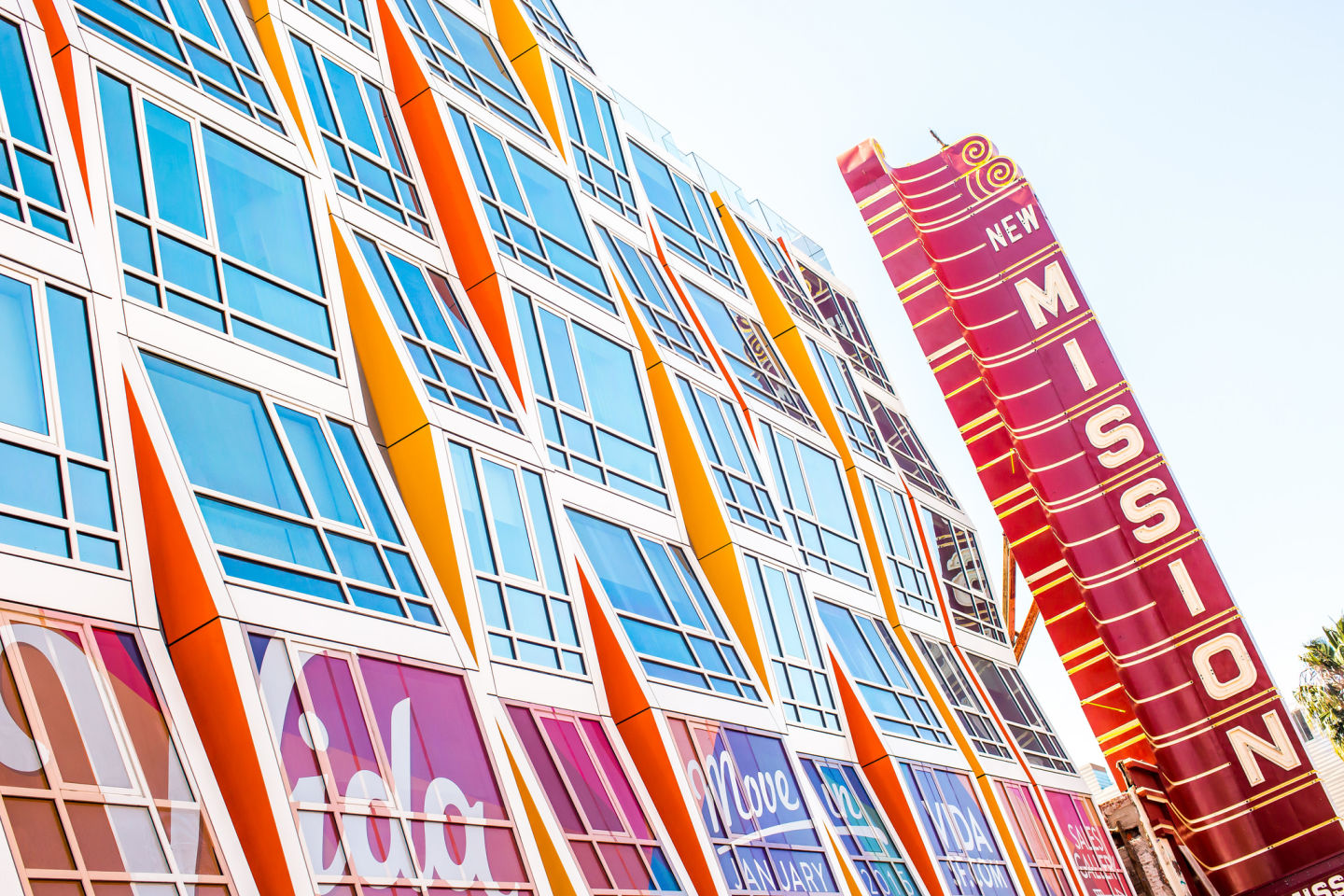
S.F. Proposition I: Mission's Future Is Central Issue in Moratorium Vote
S.F. Could Be Much Whiter in 25 Years, While the Rest of Region Gets More Diverse
North Fair Oaks Road Redesign Sparks Gentrification Fears
Redwood City Residents Push to Slow Construction Amid Building Boom
Twitter, Its Share Price Dropping, to Cut Workforce by up to 8 Percent
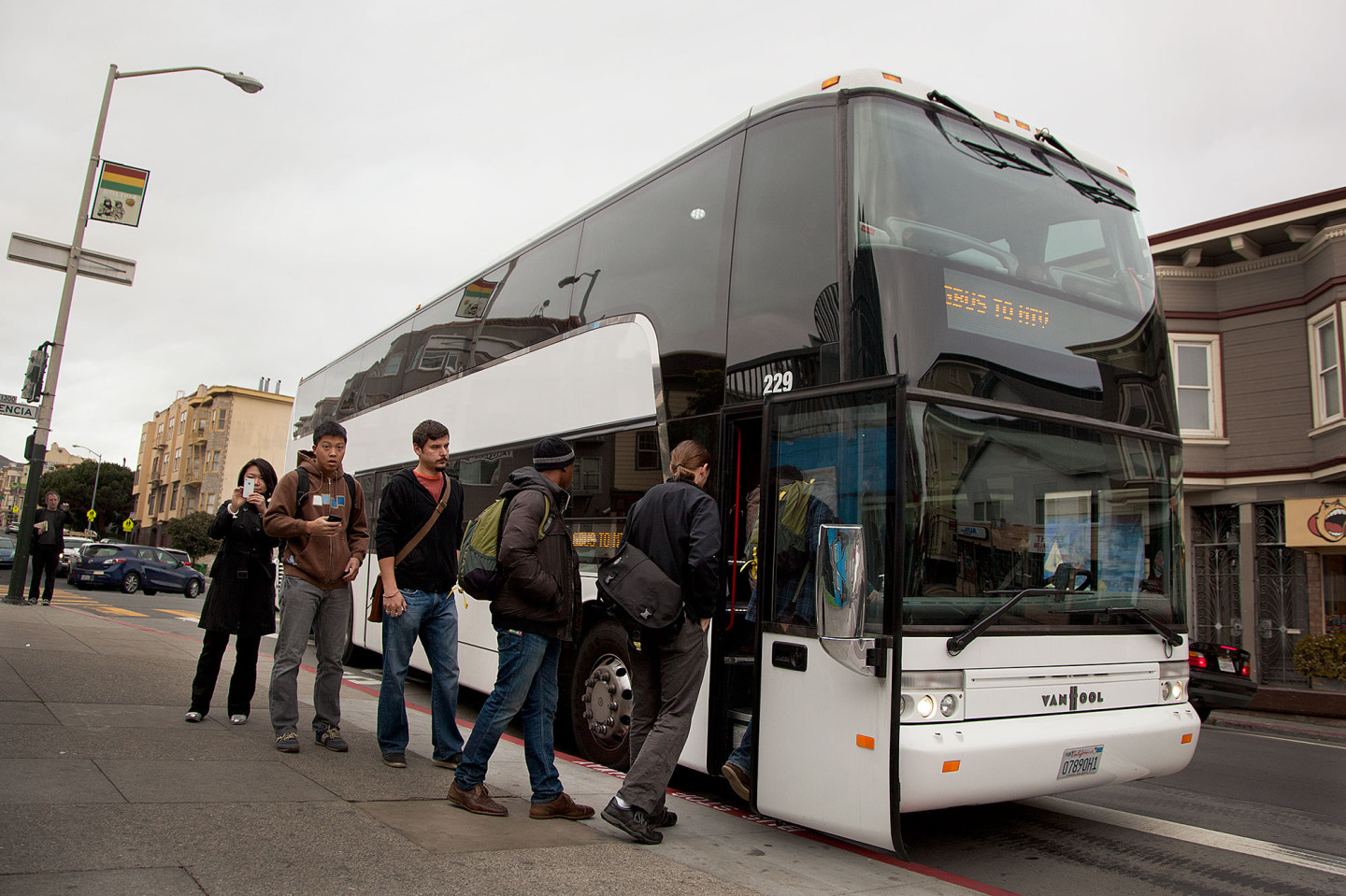
Tech Buses Still Here -- and Busier Than Ever, S.F. Report Says
S.F. Supervisor Scott Wiener Unveils His Subway Dream
Tracking Gentrification in the Bay Area
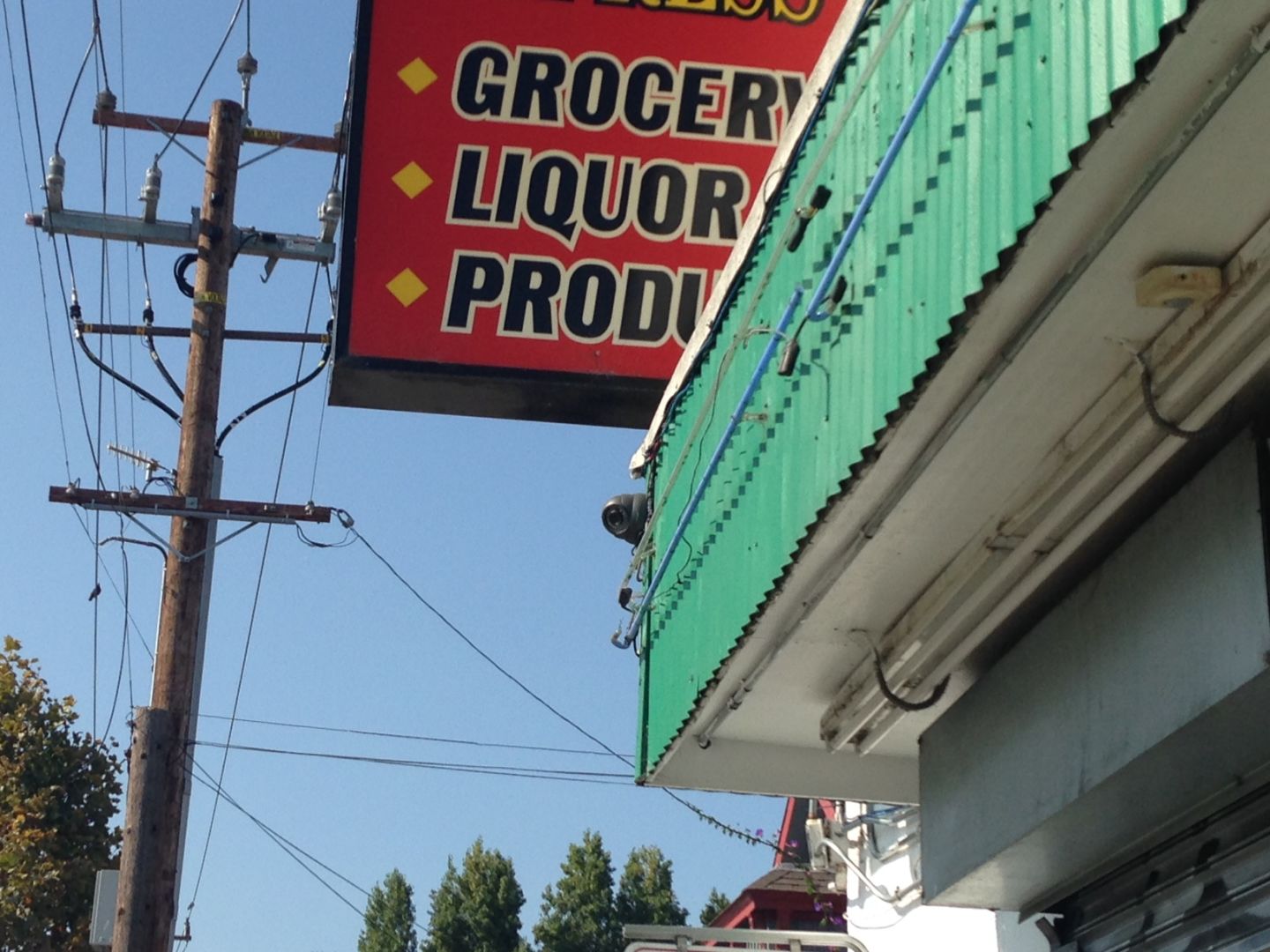
West Oakland Property Prices Threaten a Food Activist's Dream
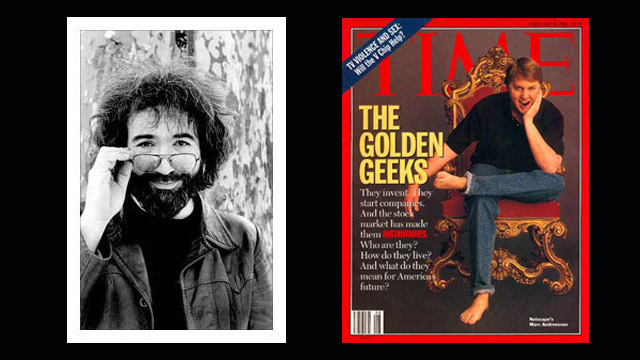
20 Years Ago Today, 'Captain Trips' Died and the Dot-Com Boom Took Off
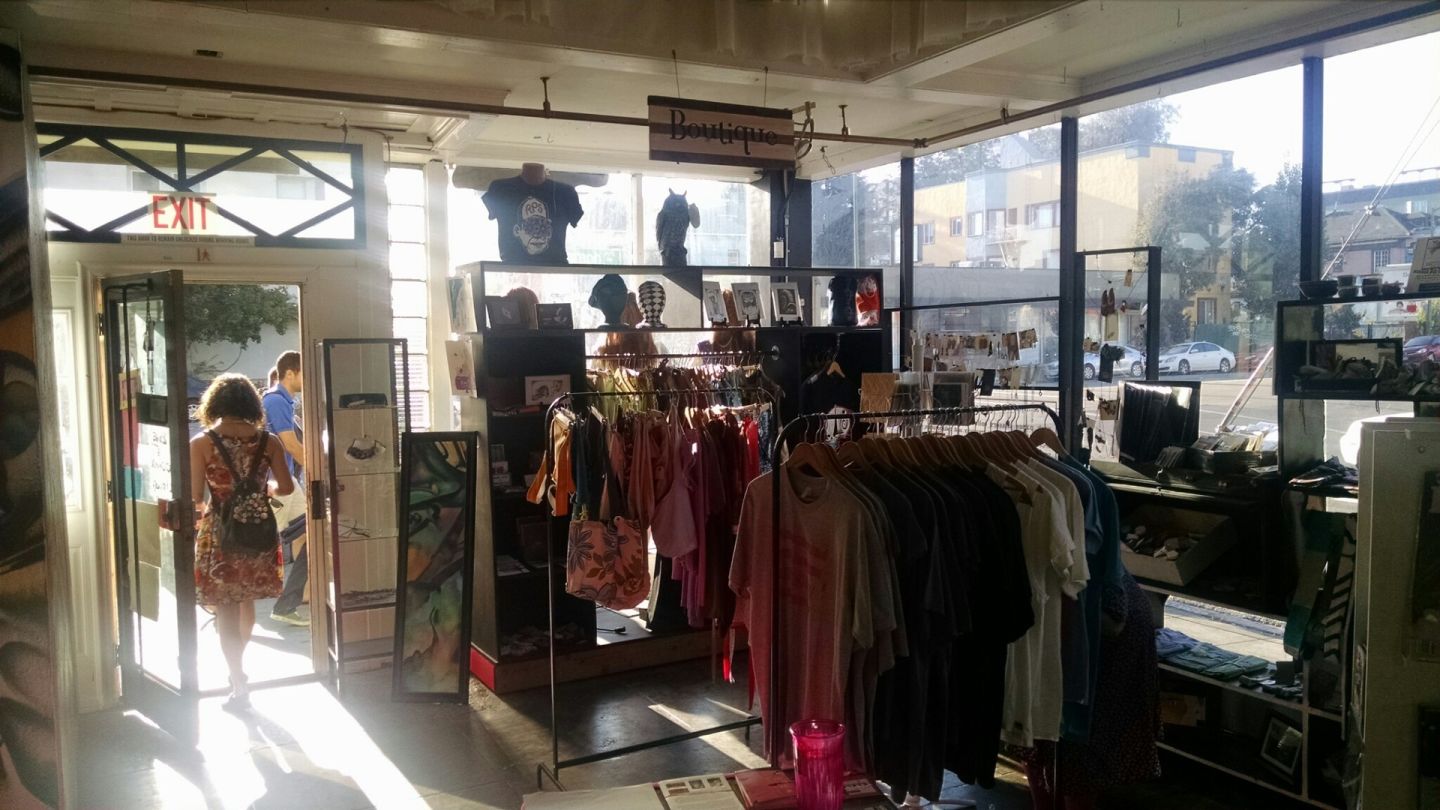
Rock Paper Scissors Is Priced Out: End of an Era for Oakland Art Scene
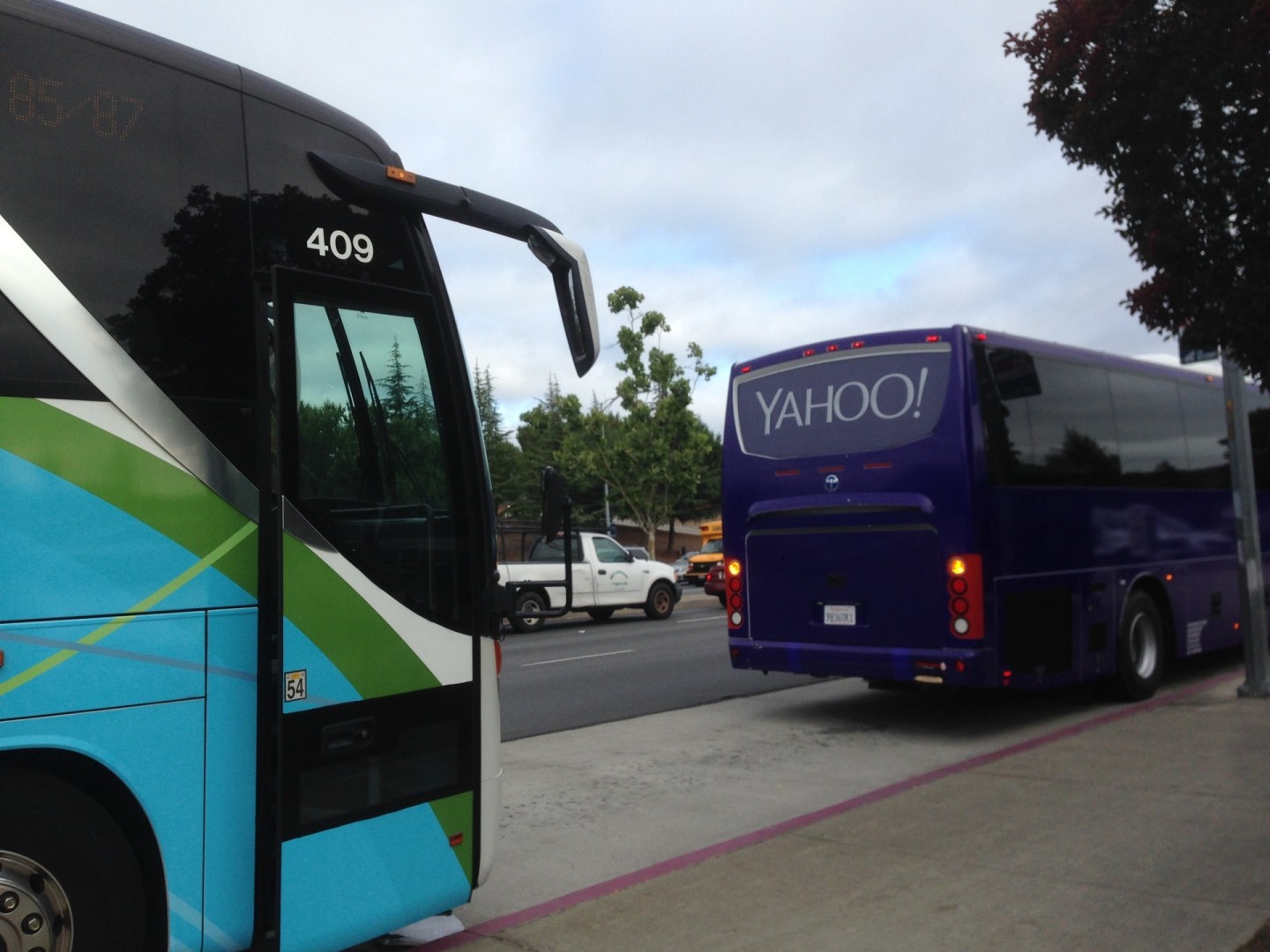
Silicon Valley Tech Bus Drivers to Vote on Union Contract Saturday
window.__IS_SSR__=true
window.__INITIAL_STATE__={
"attachmentsReducer": {
"audio_0": {
"type": "attachments",
"id": "audio_0",
"imgSizes": {
"kqedFullSize": {
"file": "https://ww2.kqed.org/news/wp-content/themes/KQED-unified/img/audio_bgs/background0.jpg"
}
}
},
"audio_1": {
"type": "attachments",
"id": "audio_1",
"imgSizes": {
"kqedFullSize": {
"file": "https://ww2.kqed.org/news/wp-content/themes/KQED-unified/img/audio_bgs/background1.jpg"
}
}
},
"audio_2": {
"type": "attachments",
"id": "audio_2",
"imgSizes": {
"kqedFullSize": {
"file": "https://ww2.kqed.org/news/wp-content/themes/KQED-unified/img/audio_bgs/background2.jpg"
}
}
},
"audio_3": {
"type": "attachments",
"id": "audio_3",
"imgSizes": {
"kqedFullSize": {
"file": "https://ww2.kqed.org/news/wp-content/themes/KQED-unified/img/audio_bgs/background3.jpg"
}
}
},
"audio_4": {
"type": "attachments",
"id": "audio_4",
"imgSizes": {
"kqedFullSize": {
"file": "https://ww2.kqed.org/news/wp-content/themes/KQED-unified/img/audio_bgs/background4.jpg"
}
}
},
"placeholder": {
"type": "attachments",
"id": "placeholder",
"imgSizes": {
"thumbnail": {
"file": "https://cdn.kqed.org/wp-content/uploads/2024/12/KQED-Default-Image-816638274-2000x1333-1-160x107.jpg",
"width": 160,
"height": 107,
"mimeType": "image/jpeg"
},
"medium": {
"file": "https://cdn.kqed.org/wp-content/uploads/2024/12/KQED-Default-Image-816638274-2000x1333-1-800x533.jpg",
"width": 800,
"height": 533,
"mimeType": "image/jpeg"
},
"medium_large": {
"file": "https://cdn.kqed.org/wp-content/uploads/2024/12/KQED-Default-Image-816638274-2000x1333-1-768x512.jpg",
"width": 768,
"height": 512,
"mimeType": "image/jpeg"
},
"large": {
"file": "https://cdn.kqed.org/wp-content/uploads/2024/12/KQED-Default-Image-816638274-2000x1333-1-1020x680.jpg",
"width": 1020,
"height": 680,
"mimeType": "image/jpeg"
},
"1536x1536": {
"file": "https://cdn.kqed.org/wp-content/uploads/2024/12/KQED-Default-Image-816638274-2000x1333-1-1536x1024.jpg",
"width": 1536,
"height": 1024,
"mimeType": "image/jpeg"
},
"fd-lrg": {
"file": "https://cdn.kqed.org/wp-content/uploads/2024/12/KQED-Default-Image-816638274-2000x1333-1-1536x1024.jpg",
"width": 1536,
"height": 1024,
"mimeType": "image/jpeg"
},
"fd-med": {
"file": "https://cdn.kqed.org/wp-content/uploads/2024/12/KQED-Default-Image-816638274-2000x1333-1-1020x680.jpg",
"width": 1020,
"height": 680,
"mimeType": "image/jpeg"
},
"fd-sm": {
"file": "https://cdn.kqed.org/wp-content/uploads/2024/12/KQED-Default-Image-816638274-2000x1333-1-800x533.jpg",
"width": 800,
"height": 533,
"mimeType": "image/jpeg"
},
"post-thumbnail": {
"file": "https://cdn.kqed.org/wp-content/uploads/2024/12/KQED-Default-Image-816638274-2000x1333-1-672x372.jpg",
"width": 672,
"height": 372,
"mimeType": "image/jpeg"
},
"twentyfourteen-full-width": {
"file": "https://cdn.kqed.org/wp-content/uploads/2024/12/KQED-Default-Image-816638274-2000x1333-1-1038x576.jpg",
"width": 1038,
"height": 576,
"mimeType": "image/jpeg"
},
"xxsmall": {
"file": "https://cdn.kqed.org/wp-content/uploads/2024/12/KQED-Default-Image-816638274-2000x1333-1-160x107.jpg",
"width": 160,
"height": 107,
"mimeType": "image/jpeg"
},
"xsmall": {
"file": "https://cdn.kqed.org/wp-content/uploads/2024/12/KQED-Default-Image-816638274-2000x1333-1-672x372.jpg",
"width": 672,
"height": 372,
"mimeType": "image/jpeg"
},
"small": {
"file": "https://cdn.kqed.org/wp-content/uploads/2024/12/KQED-Default-Image-816638274-2000x1333-1-672x372.jpg",
"width": 672,
"height": 372,
"mimeType": "image/jpeg"
},
"xlarge": {
"file": "https://cdn.kqed.org/wp-content/uploads/2024/12/KQED-Default-Image-816638274-2000x1333-1-1020x680.jpg",
"width": 1020,
"height": 680,
"mimeType": "image/jpeg"
},
"full-width": {
"file": "https://cdn.kqed.org/wp-content/uploads/2024/12/KQED-Default-Image-816638274-2000x1333-1-1920x1280.jpg",
"width": 1920,
"height": 1280,
"mimeType": "image/jpeg"
},
"guest-author-32": {
"file": "https://cdn.kqed.org/wp-content/uploads/2025/01/KQED-Default-Image-816638274-1333x1333-1-160x160.jpg",
"width": 32,
"height": 32,
"mimeType": "image/jpeg"
},
"guest-author-50": {
"file": "https://cdn.kqed.org/wp-content/uploads/2025/01/KQED-Default-Image-816638274-1333x1333-1-160x160.jpg",
"width": 50,
"height": 50,
"mimeType": "image/jpeg"
},
"guest-author-64": {
"file": "https://cdn.kqed.org/wp-content/uploads/2025/01/KQED-Default-Image-816638274-1333x1333-1-160x160.jpg",
"width": 64,
"height": 64,
"mimeType": "image/jpeg"
},
"guest-author-96": {
"file": "https://cdn.kqed.org/wp-content/uploads/2025/01/KQED-Default-Image-816638274-1333x1333-1-160x160.jpg",
"width": 96,
"height": 96,
"mimeType": "image/jpeg"
},
"guest-author-128": {
"file": "https://cdn.kqed.org/wp-content/uploads/2025/01/KQED-Default-Image-816638274-1333x1333-1-160x160.jpg",
"width": 128,
"height": 128,
"mimeType": "image/jpeg"
},
"detail": {
"file": "https://cdn.kqed.org/wp-content/uploads/2025/01/KQED-Default-Image-816638274-1333x1333-1-160x160.jpg",
"width": 160,
"height": 160,
"mimeType": "image/jpeg"
},
"kqedFullSize": {
"file": "https://cdn.kqed.org/wp-content/uploads/2024/12/KQED-Default-Image-816638274-2000x1333-1.jpg",
"width": 2000,
"height": 1333
}
}
},
"news_10737006": {
"type": "attachments",
"id": "news_10737006",
"meta": {
"index": "attachments_1716263798",
"site": "news",
"id": "10737006",
"found": true
},
"parent": 10736006,
"imgSizes": {
"twentyfourteen-full-width": {
"file": "https://ww2.kqed.org/app/uploads/sites/10/2015/10/18718660340_74b4b6f99c_k-1038x576.jpg",
"width": 1038,
"mimeType": "image/jpeg",
"height": 576
},
"thumbnail": {
"file": "https://ww2.kqed.org/app/uploads/sites/10/2015/10/18718660340_74b4b6f99c_k-400x267.jpg",
"width": 400,
"mimeType": "image/jpeg",
"height": 267
},
"fd-sm": {
"file": "https://ww2.kqed.org/app/uploads/sites/10/2015/10/18718660340_74b4b6f99c_k-960x640.jpg",
"width": 960,
"mimeType": "image/jpeg",
"height": 640
},
"post-thumbnail": {
"file": "https://ww2.kqed.org/app/uploads/sites/10/2015/10/18718660340_74b4b6f99c_k-672x372.jpg",
"width": 672,
"mimeType": "image/jpeg",
"height": 372
},
"kqedFullSize": {
"file": "https://ww2.kqed.org/app/uploads/sites/10/2015/10/18718660340_74b4b6f99c_k-e1446055800856.jpg",
"width": 1920,
"height": 1280
},
"large": {
"file": "https://ww2.kqed.org/app/uploads/sites/10/2015/10/18718660340_74b4b6f99c_k-1440x960.jpg",
"width": 1440,
"mimeType": "image/jpeg",
"height": 960
},
"guest-author-96": {
"file": "https://ww2.kqed.org/app/uploads/sites/10/2015/10/18718660340_74b4b6f99c_k-96x96.jpg",
"width": 96,
"mimeType": "image/jpeg",
"height": 96
},
"medium": {
"file": "https://ww2.kqed.org/app/uploads/sites/10/2015/10/18718660340_74b4b6f99c_k-800x533.jpg",
"width": 800,
"mimeType": "image/jpeg",
"height": 533
},
"guest-author-64": {
"file": "https://ww2.kqed.org/app/uploads/sites/10/2015/10/18718660340_74b4b6f99c_k-64x64.jpg",
"width": 64,
"mimeType": "image/jpeg",
"height": 64
},
"guest-author-32": {
"file": "https://ww2.kqed.org/app/uploads/sites/10/2015/10/18718660340_74b4b6f99c_k-32x32.jpg",
"width": 32,
"mimeType": "image/jpeg",
"height": 32
},
"jmtc-small-thumb": {
"file": "https://ww2.kqed.org/app/uploads/sites/10/2015/10/18718660340_74b4b6f99c_k-280x150.jpg",
"width": 280,
"mimeType": "image/jpeg",
"height": 150
},
"fd-lrg": {
"file": "https://ww2.kqed.org/app/uploads/sites/10/2015/10/18718660340_74b4b6f99c_k-1920x1280.jpg",
"width": 1920,
"mimeType": "image/jpeg",
"height": 1280
},
"fd-med": {
"file": "https://ww2.kqed.org/app/uploads/sites/10/2015/10/18718660340_74b4b6f99c_k-1180x786.jpg",
"width": 1180,
"mimeType": "image/jpeg",
"height": 786
},
"detail": {
"file": "https://ww2.kqed.org/app/uploads/sites/10/2015/10/18718660340_74b4b6f99c_k-75x75.jpg",
"width": 75,
"mimeType": "image/jpeg",
"height": 75
},
"guest-author-128": {
"file": "https://ww2.kqed.org/app/uploads/sites/10/2015/10/18718660340_74b4b6f99c_k-128x128.jpg",
"width": 128,
"mimeType": "image/jpeg",
"height": 128
}
},
"publishDate": 1446055587,
"modified": 1446055793,
"caption": "The Vida SF condominium building and New Mission Theatre, at Mission and 22nd streets.",
"description": null,
"title": "San Francisco-Mission District",
"credit": "\u003ca href=\"https://flic.kr/p/uw72z7\" target=\"_blank\">Thomas Hawk/Flickr\u003c/a>",
"status": "inherit",
"isLoading": false,
"fetchFailed": false
},
"news_10500474": {
"type": "attachments",
"id": "news_10500474",
"meta": {
"index": "attachments_1716263798",
"site": "news",
"id": "10500474",
"found": true
},
"parent": 10500291,
"imgSizes": {
"twentyfourteen-full-width": {
"file": "https://ww2.kqed.org/app/uploads/sites/10/2015/04/IMG_2173-1038x576.jpg",
"width": 1038,
"mimeType": "image/jpeg",
"height": 576
},
"thumbnail": {
"file": "https://ww2.kqed.org/app/uploads/sites/10/2015/04/IMG_2173-400x300.jpg",
"width": 400,
"mimeType": "image/jpeg",
"height": 300
},
"fd-sm": {
"file": "https://ww2.kqed.org/app/uploads/sites/10/2015/04/IMG_2173-960x720.jpg",
"width": 960,
"mimeType": "image/jpeg",
"height": 720
},
"post-thumbnail": {
"file": "https://ww2.kqed.org/app/uploads/sites/10/2015/04/IMG_2173-672x372.jpg",
"width": 672,
"mimeType": "image/jpeg",
"height": 372
},
"kqedFullSize": {
"file": "https://ww2.kqed.org/app/uploads/sites/10/2015/04/IMG_2173-e1429841422912.jpg",
"width": 1920,
"height": 1440
},
"large": {
"file": "https://ww2.kqed.org/app/uploads/sites/10/2015/04/IMG_2173-1440x1080.jpg",
"width": 1440,
"mimeType": "image/jpeg",
"height": 1080
},
"guest-author-96": {
"file": "https://ww2.kqed.org/app/uploads/sites/10/2015/04/IMG_2173-96x96.jpg",
"width": 96,
"mimeType": "image/jpeg",
"height": 96
},
"medium": {
"file": "https://ww2.kqed.org/app/uploads/sites/10/2015/04/IMG_2173-800x600.jpg",
"width": 800,
"mimeType": "image/jpeg",
"height": 600
},
"guest-author-64": {
"file": "https://ww2.kqed.org/app/uploads/sites/10/2015/04/IMG_2173-64x64.jpg",
"width": 64,
"mimeType": "image/jpeg",
"height": 64
},
"guest-author-32": {
"file": "https://ww2.kqed.org/app/uploads/sites/10/2015/04/IMG_2173-32x32.jpg",
"width": 32,
"mimeType": "image/jpeg",
"height": 32
},
"fd-med": {
"file": "https://ww2.kqed.org/app/uploads/sites/10/2015/04/IMG_2173-1180x885.jpg",
"width": 1180,
"mimeType": "image/jpeg",
"height": 885
},
"detail": {
"file": "https://ww2.kqed.org/app/uploads/sites/10/2015/04/IMG_2173-75x75.jpg",
"width": 75,
"mimeType": "image/jpeg",
"height": 75
},
"guest-author-128": {
"file": "https://ww2.kqed.org/app/uploads/sites/10/2015/04/IMG_2173-128x128.jpg",
"width": 128,
"mimeType": "image/jpeg",
"height": 128
}
},
"publishDate": 1429841386,
"modified": 1429841535,
"caption": "Construction cranes and gleaming new buildings reflect the changing face of San Francisco.",
"description": "Construction cranes and gleaming new buildings reflect the changing face of San Francisco.",
"title": "Changing face of SF",
"credit": "Patricia Yollin/KQED",
"status": "inherit",
"isLoading": false,
"fetchFailed": false
},
"news_10728803": {
"type": "attachments",
"id": "news_10728803",
"meta": {
"index": "attachments_1716263798",
"site": "news",
"id": "10728803",
"found": true
},
"parent": 10728800,
"imgSizes": {
"twentyfourteen-full-width": {
"file": "https://ww2.kqed.org/app/uploads/sites/10/2015/10/NFairOaks-1038x576.jpg",
"width": 1038,
"mimeType": "image/jpeg",
"height": 576
},
"thumbnail": {
"file": "https://ww2.kqed.org/app/uploads/sites/10/2015/10/NFairOaks-400x263.jpg",
"width": 400,
"mimeType": "image/jpeg",
"height": 263
},
"fd-sm": {
"file": "https://ww2.kqed.org/app/uploads/sites/10/2015/10/NFairOaks-960x630.jpg",
"width": 960,
"mimeType": "image/jpeg",
"height": 630
},
"post-thumbnail": {
"file": "https://ww2.kqed.org/app/uploads/sites/10/2015/10/NFairOaks-672x372.jpg",
"width": 672,
"mimeType": "image/jpeg",
"height": 372
},
"kqedFullSize": {
"file": "https://ww2.kqed.org/app/uploads/sites/10/2015/10/NFairOaks.jpg",
"width": 1920,
"height": 1260
},
"large": {
"file": "https://ww2.kqed.org/app/uploads/sites/10/2015/10/NFairOaks-1440x945.jpg",
"width": 1440,
"mimeType": "image/jpeg",
"height": 945
},
"guest-author-96": {
"file": "https://ww2.kqed.org/app/uploads/sites/10/2015/10/NFairOaks-96x96.jpg",
"width": 96,
"mimeType": "image/jpeg",
"height": 96
},
"medium": {
"file": "https://ww2.kqed.org/app/uploads/sites/10/2015/10/NFairOaks-800x525.jpg",
"width": 800,
"mimeType": "image/jpeg",
"height": 525
},
"guest-author-64": {
"file": "https://ww2.kqed.org/app/uploads/sites/10/2015/10/NFairOaks-64x64.jpg",
"width": 64,
"mimeType": "image/jpeg",
"height": 64
},
"guest-author-32": {
"file": "https://ww2.kqed.org/app/uploads/sites/10/2015/10/NFairOaks-32x32.jpg",
"width": 32,
"mimeType": "image/jpeg",
"height": 32
},
"jmtc-small-thumb": {
"file": "https://ww2.kqed.org/app/uploads/sites/10/2015/10/NFairOaks-280x150.jpg",
"width": 280,
"mimeType": "image/jpeg",
"height": 150
},
"fd-lrg": {
"file": "https://ww2.kqed.org/app/uploads/sites/10/2015/10/NFairOaks-1920x1260.jpg",
"width": 1920,
"mimeType": "image/jpeg",
"height": 1260
},
"fd-med": {
"file": "https://ww2.kqed.org/app/uploads/sites/10/2015/10/NFairOaks-1180x774.jpg",
"width": 1180,
"mimeType": "image/jpeg",
"height": 774
},
"detail": {
"file": "https://ww2.kqed.org/app/uploads/sites/10/2015/10/NFairOaks-75x75.jpg",
"width": 75,
"mimeType": "image/jpeg",
"height": 75
},
"guest-author-128": {
"file": "https://ww2.kqed.org/app/uploads/sites/10/2015/10/NFairOaks-128x128.jpg",
"width": 128,
"mimeType": "image/jpeg",
"height": 128
}
},
"publishDate": 1445541056,
"modified": 1445541120,
"caption": "Community members and consultant Millette Litzinger (L) discuss plans for a redesigned Middlefield Road at a design workshop in North Fair Oaks on Sept. 30, 2015.",
"description": "Community members and consultant Millette Litzinger (L) discuss plans for a redesigned Middlefield Road at a design workshop in North Fair Oaks on Sept. 30, 2015.",
"title": "NFairOaks",
"credit": "Jeff Barrera/Peninsula Press",
"status": "inherit",
"isLoading": false,
"fetchFailed": false
},
"news_10727609": {
"type": "attachments",
"id": "news_10727609",
"meta": {
"index": "attachments_1716263798",
"site": "news",
"id": "10727609",
"found": true
},
"parent": 10727513,
"imgSizes": {
"twentyfourteen-full-width": {
"file": "https://ww2.kqed.org/app/uploads/sites/10/2015/10/RedwoodCityBoom-1038x576.jpg",
"width": 1038,
"mimeType": "image/jpeg",
"height": 576
},
"thumbnail": {
"file": "https://ww2.kqed.org/app/uploads/sites/10/2015/10/RedwoodCityBoom-400x288.jpg",
"width": 400,
"mimeType": "image/jpeg",
"height": 288
},
"fd-sm": {
"file": "https://ww2.kqed.org/app/uploads/sites/10/2015/10/RedwoodCityBoom-960x690.jpg",
"width": 960,
"mimeType": "image/jpeg",
"height": 690
},
"post-thumbnail": {
"file": "https://ww2.kqed.org/app/uploads/sites/10/2015/10/RedwoodCityBoom-672x372.jpg",
"width": 672,
"mimeType": "image/jpeg",
"height": 372
},
"kqedFullSize": {
"file": "https://ww2.kqed.org/app/uploads/sites/10/2015/10/RedwoodCityBoom.jpg",
"width": 1920,
"height": 1380
},
"large": {
"file": "https://ww2.kqed.org/app/uploads/sites/10/2015/10/RedwoodCityBoom-1440x1035.jpg",
"width": 1440,
"mimeType": "image/jpeg",
"height": 1035
},
"guest-author-96": {
"file": "https://ww2.kqed.org/app/uploads/sites/10/2015/10/RedwoodCityBoom-96x96.jpg",
"width": 96,
"mimeType": "image/jpeg",
"height": 96
},
"medium": {
"file": "https://ww2.kqed.org/app/uploads/sites/10/2015/10/RedwoodCityBoom-800x575.jpg",
"width": 800,
"mimeType": "image/jpeg",
"height": 575
},
"guest-author-64": {
"file": "https://ww2.kqed.org/app/uploads/sites/10/2015/10/RedwoodCityBoom-64x64.jpg",
"width": 64,
"mimeType": "image/jpeg",
"height": 64
},
"guest-author-32": {
"file": "https://ww2.kqed.org/app/uploads/sites/10/2015/10/RedwoodCityBoom-32x32.jpg",
"width": 32,
"mimeType": "image/jpeg",
"height": 32
},
"jmtc-small-thumb": {
"file": "https://ww2.kqed.org/app/uploads/sites/10/2015/10/RedwoodCityBoom-280x150.jpg",
"width": 280,
"mimeType": "image/jpeg",
"height": 150
},
"fd-lrg": {
"file": "https://ww2.kqed.org/app/uploads/sites/10/2015/10/RedwoodCityBoom-1920x1380.jpg",
"width": 1920,
"mimeType": "image/jpeg",
"height": 1380
},
"fd-med": {
"file": "https://ww2.kqed.org/app/uploads/sites/10/2015/10/RedwoodCityBoom-1180x848.jpg",
"width": 1180,
"mimeType": "image/jpeg",
"height": 848
},
"detail": {
"file": "https://ww2.kqed.org/app/uploads/sites/10/2015/10/RedwoodCityBoom-75x75.jpg",
"width": 75,
"mimeType": "image/jpeg",
"height": 75
},
"guest-author-128": {
"file": "https://ww2.kqed.org/app/uploads/sites/10/2015/10/RedwoodCityBoom-128x128.jpg",
"width": 128,
"mimeType": "image/jpeg",
"height": 128
}
},
"publishDate": 1445468070,
"modified": 1445468160,
"caption": "Redwood City residents are urging City Council to slow downtown development. Increased traffic and lack of enough parking have been locals’ two major complaints.",
"description": "Redwood City residents are urging City Council to slow downtown development. Increased traffic and lack of enough parking have been locals’ two major complaints.",
"title": "RedwoodCityBoom",
"credit": "Ana Santos/Peninsula Press",
"status": "inherit",
"isLoading": false,
"fetchFailed": false
},
"news_10715474": {
"type": "attachments",
"id": "news_10715474",
"meta": {
"index": "attachments_1716263798",
"site": "news",
"id": "10715474",
"found": true
},
"parent": 10715473,
"imgSizes": {
"twentyfourteen-full-width": {
"file": "https://ww2.kqed.org/app/uploads/sites/10/2015/10/dorsey_custom-28c7983383bcd2b38b463acab4ccfef222f1e65c-1038x576.jpg",
"width": 1038,
"mimeType": "image/jpeg",
"height": 576
},
"thumbnail": {
"file": "https://ww2.kqed.org/app/uploads/sites/10/2015/10/dorsey_custom-28c7983383bcd2b38b463acab4ccfef222f1e65c-400x261.jpg",
"width": 400,
"mimeType": "image/jpeg",
"height": 261
},
"fd-sm": {
"file": "https://ww2.kqed.org/app/uploads/sites/10/2015/10/dorsey_custom-28c7983383bcd2b38b463acab4ccfef222f1e65c-960x626.jpg",
"width": 960,
"mimeType": "image/jpeg",
"height": 626
},
"post-thumbnail": {
"file": "https://ww2.kqed.org/app/uploads/sites/10/2015/10/dorsey_custom-28c7983383bcd2b38b463acab4ccfef222f1e65c-672x372.jpg",
"width": 672,
"mimeType": "image/jpeg",
"height": 372
},
"kqedFullSize": {
"file": "https://ww2.kqed.org/app/uploads/sites/10/2015/10/dorsey_custom-28c7983383bcd2b38b463acab4ccfef222f1e65c.jpg",
"width": 3700,
"height": 2413
},
"large": {
"file": "https://ww2.kqed.org/app/uploads/sites/10/2015/10/dorsey_custom-28c7983383bcd2b38b463acab4ccfef222f1e65c-1440x939.jpg",
"width": 1440,
"mimeType": "image/jpeg",
"height": 939
},
"guest-author-96": {
"file": "https://ww2.kqed.org/app/uploads/sites/10/2015/10/dorsey_custom-28c7983383bcd2b38b463acab4ccfef222f1e65c-96x96.jpg",
"width": 96,
"mimeType": "image/jpeg",
"height": 96
},
"medium": {
"file": "https://ww2.kqed.org/app/uploads/sites/10/2015/10/dorsey_custom-28c7983383bcd2b38b463acab4ccfef222f1e65c-800x522.jpg",
"width": 800,
"mimeType": "image/jpeg",
"height": 522
},
"guest-author-64": {
"file": "https://ww2.kqed.org/app/uploads/sites/10/2015/10/dorsey_custom-28c7983383bcd2b38b463acab4ccfef222f1e65c-64x64.jpg",
"width": 64,
"mimeType": "image/jpeg",
"height": 64
},
"guest-author-32": {
"file": "https://ww2.kqed.org/app/uploads/sites/10/2015/10/dorsey_custom-28c7983383bcd2b38b463acab4ccfef222f1e65c-32x32.jpg",
"width": 32,
"mimeType": "image/jpeg",
"height": 32
},
"jmtc-small-thumb": {
"file": "https://ww2.kqed.org/app/uploads/sites/10/2015/10/dorsey_custom-28c7983383bcd2b38b463acab4ccfef222f1e65c-280x150.jpg",
"width": 280,
"mimeType": "image/jpeg",
"height": 150
},
"fd-lrg": {
"file": "https://ww2.kqed.org/app/uploads/sites/10/2015/10/dorsey_custom-28c7983383bcd2b38b463acab4ccfef222f1e65c-1920x1252.jpg",
"width": 1920,
"mimeType": "image/jpeg",
"height": 1252
},
"fd-med": {
"file": "https://ww2.kqed.org/app/uploads/sites/10/2015/10/dorsey_custom-28c7983383bcd2b38b463acab4ccfef222f1e65c-1180x770.jpg",
"width": 1180,
"mimeType": "image/jpeg",
"height": 770
},
"detail": {
"file": "https://ww2.kqed.org/app/uploads/sites/10/2015/10/dorsey_custom-28c7983383bcd2b38b463acab4ccfef222f1e65c-75x75.jpg",
"width": 75,
"mimeType": "image/jpeg",
"height": 75
},
"guest-author-128": {
"file": "https://ww2.kqed.org/app/uploads/sites/10/2015/10/dorsey_custom-28c7983383bcd2b38b463acab4ccfef222f1e65c-128x128.jpg",
"width": 128,
"mimeType": "image/jpeg",
"height": 128
}
},
"publishDate": 1444765433,
"modified": 1444765433,
"caption": null,
"description": "Twitter's board named co-founder Jack Dorsey the company's permanent CEO last week.",
"title": "Twitter's board named co-founder Jack Dorsey the company's permanent CEO last week.",
"credit": null,
"status": "inherit",
"isLoading": false,
"fetchFailed": false
},
"news_10342640": {
"type": "attachments",
"id": "news_10342640",
"meta": {
"index": "attachments_1716263798",
"site": "news",
"id": "10342640",
"found": true
},
"parent": 10342602,
"imgSizes": {
"twentyfourteen-full-width": {
"file": "https://ww2.kqed.org/app/uploads/sites/10/2014/10/RS8537_IMG_9782-1038x576.jpg",
"width": 1038,
"mimeType": "image/jpeg",
"height": 576
},
"thumbnail": {
"file": "https://ww2.kqed.org/app/uploads/sites/10/2014/10/RS8537_IMG_9782-400x266.jpg",
"width": 400,
"mimeType": "image/jpeg",
"height": 266
},
"post-thumbnail": {
"file": "https://ww2.kqed.org/app/uploads/sites/10/2014/10/RS8537_IMG_9782-672x372.jpg",
"width": 672,
"mimeType": "image/jpeg",
"height": 372
},
"kqedFullSize": {
"file": "https://ww2.kqed.org/app/uploads/sites/10/2014/10/RS8537_IMG_9782-e1412626078795.jpg",
"width": 1440,
"height": 960
},
"large": {
"file": "https://ww2.kqed.org/app/uploads/sites/10/2014/10/RS8537_IMG_9782-1440x959.jpg",
"width": 1440,
"mimeType": "image/jpeg",
"height": 959
},
"guest-author-96": {
"file": "https://ww2.kqed.org/app/uploads/sites/10/2014/10/RS8537_IMG_9782-96x96.jpg",
"width": 96,
"mimeType": "image/jpeg",
"height": 96
},
"medium": {
"file": "https://ww2.kqed.org/app/uploads/sites/10/2014/10/RS8537_IMG_9782-800x533.jpg",
"width": 800,
"mimeType": "image/jpeg",
"height": 533
},
"guest-author-64": {
"file": "https://ww2.kqed.org/app/uploads/sites/10/2014/10/RS8537_IMG_9782-64x64.jpg",
"width": 64,
"mimeType": "image/jpeg",
"height": 64
},
"detail": {
"file": "https://ww2.kqed.org/app/uploads/sites/10/2014/10/RS8537_IMG_9782-75x75.jpg",
"width": 75,
"mimeType": "image/jpeg",
"height": 75
},
"guest-author-32": {
"file": "https://ww2.kqed.org/app/uploads/sites/10/2014/10/RS8537_IMG_9782-32x32.jpg",
"width": 32,
"mimeType": "image/jpeg",
"height": 32
},
"guest-author-128": {
"file": "https://ww2.kqed.org/app/uploads/sites/10/2014/10/RS8537_IMG_9782-128x128.jpg",
"width": 128,
"mimeType": "image/jpeg",
"height": 128
}
},
"publishDate": 1412625991,
"modified": 1455237848,
"caption": "A Google bus picks up workers at 24th and Valencia streets in the Mission District. ",
"description": "A Google bus picks up workers in San Francisco. (Mark Andrew Boyer)",
"title": "Google Bus-San Francisco",
"credit": "Mark Andrew Boyer/KQED",
"status": "inherit",
"isLoading": false,
"fetchFailed": false
},
"news_10476808": {
"type": "attachments",
"id": "news_10476808",
"meta": {
"index": "attachments_1716263798",
"site": "news",
"id": "10476808",
"found": true
},
"parent": 10476807,
"imgSizes": {
"twentyfourteen-full-width": {
"file": "https://ww2.kqed.org/app/uploads/sites/10/2015/04/Muni-Map-2015-1038x576.jpg",
"width": 1038,
"mimeType": "image/jpeg",
"height": 576
},
"thumbnail": {
"file": "https://ww2.kqed.org/app/uploads/sites/10/2015/04/Muni-Map-2015-400x348.jpg",
"width": 400,
"mimeType": "image/jpeg",
"height": 348
},
"fd-sm": {
"file": "https://ww2.kqed.org/app/uploads/sites/10/2015/04/Muni-Map-2015-320x279.jpg",
"width": 320,
"mimeType": "image/jpeg",
"height": 279
},
"post-thumbnail": {
"file": "https://ww2.kqed.org/app/uploads/sites/10/2015/04/Muni-Map-2015-672x372.jpg",
"width": 672,
"mimeType": "image/jpeg",
"height": 372
},
"kqedFullSize": {
"file": "https://ww2.kqed.org/app/uploads/sites/10/2015/04/Muni-Map-2015.jpg",
"width": 1920,
"height": 1671
},
"large": {
"file": "https://ww2.kqed.org/app/uploads/sites/10/2015/04/Muni-Map-2015-1440x1253.jpg",
"width": 1440,
"mimeType": "image/jpeg",
"height": 1253
},
"guest-author-96": {
"file": "https://ww2.kqed.org/app/uploads/sites/10/2015/04/Muni-Map-2015-96x96.jpg",
"width": 96,
"mimeType": "image/jpeg",
"height": 96
},
"medium": {
"file": "https://ww2.kqed.org/app/uploads/sites/10/2015/04/Muni-Map-2015-800x696.jpg",
"width": 800,
"mimeType": "image/jpeg",
"height": 696
},
"guest-author-64": {
"file": "https://ww2.kqed.org/app/uploads/sites/10/2015/04/Muni-Map-2015-64x64.jpg",
"width": 64,
"mimeType": "image/jpeg",
"height": 64
},
"guest-author-32": {
"file": "https://ww2.kqed.org/app/uploads/sites/10/2015/04/Muni-Map-2015-32x32.jpg",
"width": 32,
"mimeType": "image/jpeg",
"height": 32
},
"fd-lrg": {
"file": "https://ww2.kqed.org/app/uploads/sites/10/2015/04/Muni-Map-2015-1180x1027.jpg",
"width": 1180,
"mimeType": "image/jpeg",
"height": 1027
},
"fd-med": {
"file": "https://ww2.kqed.org/app/uploads/sites/10/2015/04/Muni-Map-2015-768x668.jpg",
"width": 768,
"mimeType": "image/jpeg",
"height": 668
},
"detail": {
"file": "https://ww2.kqed.org/app/uploads/sites/10/2015/04/Muni-Map-2015-75x75.jpg",
"width": 75,
"mimeType": "image/jpeg",
"height": 75
},
"guest-author-128": {
"file": "https://ww2.kqed.org/app/uploads/sites/10/2015/04/Muni-Map-2015-128x128.jpg",
"width": 128,
"mimeType": "image/jpeg",
"height": 128
}
},
"publishDate": 1428103478,
"modified": 1428103534,
"caption": null,
"description": null,
"title": "Muni-Map-2015",
"credit": "San Francisco Municipal Transportation Agency",
"status": "inherit",
"isLoading": false,
"fetchFailed": false
},
"news_10658547": {
"type": "attachments",
"id": "news_10658547",
"meta": {
"index": "attachments_1716263798",
"site": "news",
"id": "10658547",
"found": true
},
"parent": 10656484,
"imgSizes": {
"twentyfourteen-full-width": {
"file": "https://ww2.kqed.org/app/uploads/sites/10/2015/08/Screenshot-2015-08-27-08.18.58-799x576.png",
"width": 799,
"mimeType": "image/png",
"height": 576
},
"jmtc-small-thumb": {
"file": "https://ww2.kqed.org/app/uploads/sites/10/2015/08/Screenshot-2015-08-27-08.18.58-280x150.png",
"width": 280,
"mimeType": "image/png",
"height": 150
},
"thumbnail": {
"file": "https://ww2.kqed.org/app/uploads/sites/10/2015/08/Screenshot-2015-08-27-08.18.58-400x301.png",
"width": 400,
"mimeType": "image/png",
"height": 301
},
"post-thumbnail": {
"file": "https://ww2.kqed.org/app/uploads/sites/10/2015/08/Screenshot-2015-08-27-08.18.58-672x372.png",
"width": 672,
"mimeType": "image/png",
"height": 372
},
"kqedFullSize": {
"file": "https://ww2.kqed.org/app/uploads/sites/10/2015/08/Screenshot-2015-08-27-08.18.58.png",
"width": 799,
"height": 602
},
"guest-author-96": {
"file": "https://ww2.kqed.org/app/uploads/sites/10/2015/08/Screenshot-2015-08-27-08.18.58-96x96.png",
"width": 96,
"mimeType": "image/png",
"height": 96
},
"guest-author-64": {
"file": "https://ww2.kqed.org/app/uploads/sites/10/2015/08/Screenshot-2015-08-27-08.18.58-64x64.png",
"width": 64,
"mimeType": "image/png",
"height": 64
},
"detail": {
"file": "https://ww2.kqed.org/app/uploads/sites/10/2015/08/Screenshot-2015-08-27-08.18.58-75x75.png",
"width": 75,
"mimeType": "image/png",
"height": 75
},
"guest-author-32": {
"file": "https://ww2.kqed.org/app/uploads/sites/10/2015/08/Screenshot-2015-08-27-08.18.58-32x32.png",
"width": 32,
"mimeType": "image/png",
"height": 32
},
"guest-author-128": {
"file": "https://ww2.kqed.org/app/uploads/sites/10/2015/08/Screenshot-2015-08-27-08.18.58-128x128.png",
"width": 128,
"mimeType": "image/png",
"height": 128
}
},
"publishDate": 1440688776,
"modified": 1440688806,
"caption": "A screenshot of a map created by UC Berkeley's Urban Displacement Project. ",
"description": null,
"title": "Gentrification Map",
"credit": null,
"status": "inherit",
"isLoading": false,
"fetchFailed": false
},
"news_10657452": {
"type": "attachments",
"id": "news_10657452",
"meta": {
"index": "attachments_1716263798",
"site": "news",
"id": "10657452",
"found": true
},
"parent": 10656802,
"imgSizes": {
"twentyfourteen-full-width": {
"file": "https://ww2.kqed.org/app/uploads/sites/10/2015/08/IMG_0502-1038x576.jpg",
"width": 1038,
"mimeType": "image/jpeg",
"height": 576
},
"thumbnail": {
"file": "https://ww2.kqed.org/app/uploads/sites/10/2015/08/IMG_0502-400x300.jpg",
"width": 400,
"mimeType": "image/jpeg",
"height": 300
},
"fd-sm": {
"file": "https://ww2.kqed.org/app/uploads/sites/10/2015/08/IMG_0502-960x720.jpg",
"width": 960,
"mimeType": "image/jpeg",
"height": 720
},
"post-thumbnail": {
"file": "https://ww2.kqed.org/app/uploads/sites/10/2015/08/IMG_0502-672x372.jpg",
"width": 672,
"mimeType": "image/jpeg",
"height": 372
},
"kqedFullSize": {
"file": "https://ww2.kqed.org/app/uploads/sites/10/2015/08/IMG_0502.jpg",
"width": 1632,
"height": 1224
},
"large": {
"file": "https://ww2.kqed.org/app/uploads/sites/10/2015/08/IMG_0502-1440x1080.jpg",
"width": 1440,
"mimeType": "image/jpeg",
"height": 1080
},
"guest-author-96": {
"file": "https://ww2.kqed.org/app/uploads/sites/10/2015/08/IMG_0502-96x96.jpg",
"width": 96,
"mimeType": "image/jpeg",
"height": 96
},
"medium": {
"file": "https://ww2.kqed.org/app/uploads/sites/10/2015/08/IMG_0502-800x600.jpg",
"width": 800,
"mimeType": "image/jpeg",
"height": 600
},
"guest-author-64": {
"file": "https://ww2.kqed.org/app/uploads/sites/10/2015/08/IMG_0502-64x64.jpg",
"width": 64,
"mimeType": "image/jpeg",
"height": 64
},
"guest-author-32": {
"file": "https://ww2.kqed.org/app/uploads/sites/10/2015/08/IMG_0502-32x32.jpg",
"width": 32,
"mimeType": "image/jpeg",
"height": 32
},
"jmtc-small-thumb": {
"file": "https://ww2.kqed.org/app/uploads/sites/10/2015/08/IMG_0502-280x150.jpg",
"width": 280,
"mimeType": "image/jpeg",
"height": 150
},
"fd-med": {
"file": "https://ww2.kqed.org/app/uploads/sites/10/2015/08/IMG_0502-1180x885.jpg",
"width": 1180,
"mimeType": "image/jpeg",
"height": 885
},
"detail": {
"file": "https://ww2.kqed.org/app/uploads/sites/10/2015/08/IMG_0502-75x75.jpg",
"width": 75,
"mimeType": "image/jpeg",
"height": 75
},
"guest-author-128": {
"file": "https://ww2.kqed.org/app/uploads/sites/10/2015/08/IMG_0502-128x128.jpg",
"width": 128,
"mimeType": "image/jpeg",
"height": 128
}
},
"publishDate": 1440616198,
"modified": 1440656956,
"caption": "For decades, West Oakland residents have made do without a major chain grocery. Corner markets and liquor stores are the main local source for groceries.",
"description": null,
"title": "West Oakland-Groceries",
"credit": null,
"status": "inherit",
"isLoading": false,
"fetchFailed": false
},
"news_10634488": {
"type": "attachments",
"id": "news_10634488",
"meta": {
"index": "attachments_1716263798",
"site": "news",
"id": "10634488",
"found": true
},
"parent": 10630061,
"imgSizes": {
"jmtc-small-thumb": {
"file": "https://ww2.kqed.org/app/uploads/sites/10/2015/08/trip-280x150.jpg",
"width": 280,
"mimeType": "image/jpeg",
"height": 150
},
"thumbnail": {
"file": "https://ww2.kqed.org/app/uploads/sites/10/2015/08/trip-400x225.jpg",
"width": 400,
"mimeType": "image/jpeg",
"height": 225
},
"kqedFullSize": {
"file": "https://ww2.kqed.org/app/uploads/sites/10/2015/08/trip.jpg",
"width": 640,
"height": 360
},
"guest-author-96": {
"file": "https://ww2.kqed.org/app/uploads/sites/10/2015/08/trip-96x96.jpg",
"width": 96,
"mimeType": "image/jpeg",
"height": 96
},
"guest-author-64": {
"file": "https://ww2.kqed.org/app/uploads/sites/10/2015/08/trip-64x64.jpg",
"width": 64,
"mimeType": "image/jpeg",
"height": 64
},
"detail": {
"file": "https://ww2.kqed.org/app/uploads/sites/10/2015/08/trip-75x75.jpg",
"width": 75,
"mimeType": "image/jpeg",
"height": 75
},
"guest-author-32": {
"file": "https://ww2.kqed.org/app/uploads/sites/10/2015/08/trip-32x32.jpg",
"width": 32,
"mimeType": "image/jpeg",
"height": 32
},
"guest-author-128": {
"file": "https://ww2.kqed.org/app/uploads/sites/10/2015/08/trip-128x128.jpg",
"width": 128,
"mimeType": "image/jpeg",
"height": 128
}
},
"publishDate": 1438993301,
"modified": 1438993301,
"caption": null,
"description": null,
"title": "trip",
"credit": null,
"status": "inherit",
"isLoading": false,
"fetchFailed": false
},
"news_10632274": {
"type": "attachments",
"id": "news_10632274",
"meta": {
"index": "attachments_1716263798",
"site": "news",
"id": "10632274",
"found": true
},
"parent": 10632272,
"imgSizes": {
"twentyfourteen-full-width": {
"file": "https://ww2.kqed.org/app/uploads/sites/10/2015/08/RS16283_woman-walks-out-of-RPS-qut-1038x576.jpg",
"width": 1038,
"mimeType": "image/jpeg",
"height": 576
},
"thumbnail": {
"file": "https://ww2.kqed.org/app/uploads/sites/10/2015/08/RS16283_woman-walks-out-of-RPS-qut-400x225.jpg",
"width": 400,
"mimeType": "image/jpeg",
"height": 225
},
"fd-sm": {
"file": "https://ww2.kqed.org/app/uploads/sites/10/2015/08/RS16283_woman-walks-out-of-RPS-qut-960x540.jpg",
"width": 960,
"mimeType": "image/jpeg",
"height": 540
},
"post-thumbnail": {
"file": "https://ww2.kqed.org/app/uploads/sites/10/2015/08/RS16283_woman-walks-out-of-RPS-qut-672x372.jpg",
"width": 672,
"mimeType": "image/jpeg",
"height": 372
},
"kqedFullSize": {
"file": "https://ww2.kqed.org/app/uploads/sites/10/2015/08/RS16283_woman-walks-out-of-RPS-qut.jpg",
"width": 1920,
"height": 1080
},
"large": {
"file": "https://ww2.kqed.org/app/uploads/sites/10/2015/08/RS16283_woman-walks-out-of-RPS-qut-1440x810.jpg",
"width": 1440,
"mimeType": "image/jpeg",
"height": 810
},
"guest-author-96": {
"file": "https://ww2.kqed.org/app/uploads/sites/10/2015/08/RS16283_woman-walks-out-of-RPS-qut-96x96.jpg",
"width": 96,
"mimeType": "image/jpeg",
"height": 96
},
"medium": {
"file": "https://ww2.kqed.org/app/uploads/sites/10/2015/08/RS16283_woman-walks-out-of-RPS-qut-800x450.jpg",
"width": 800,
"mimeType": "image/jpeg",
"height": 450
},
"guest-author-64": {
"file": "https://ww2.kqed.org/app/uploads/sites/10/2015/08/RS16283_woman-walks-out-of-RPS-qut-64x64.jpg",
"width": 64,
"mimeType": "image/jpeg",
"height": 64
},
"guest-author-32": {
"file": "https://ww2.kqed.org/app/uploads/sites/10/2015/08/RS16283_woman-walks-out-of-RPS-qut-32x32.jpg",
"width": 32,
"mimeType": "image/jpeg",
"height": 32
},
"jmtc-small-thumb": {
"file": "https://ww2.kqed.org/app/uploads/sites/10/2015/08/RS16283_woman-walks-out-of-RPS-qut-280x150.jpg",
"width": 280,
"mimeType": "image/jpeg",
"height": 150
},
"fd-lrg": {
"file": "https://ww2.kqed.org/app/uploads/sites/10/2015/08/RS16283_woman-walks-out-of-RPS-qut-1920x1080.jpg",
"width": 1920,
"mimeType": "image/jpeg",
"height": 1080
},
"fd-med": {
"file": "https://ww2.kqed.org/app/uploads/sites/10/2015/08/RS16283_woman-walks-out-of-RPS-qut-1180x664.jpg",
"width": 1180,
"mimeType": "image/jpeg",
"height": 664
},
"detail": {
"file": "https://ww2.kqed.org/app/uploads/sites/10/2015/08/RS16283_woman-walks-out-of-RPS-qut-75x75.jpg",
"width": 75,
"mimeType": "image/jpeg",
"height": 75
},
"guest-author-128": {
"file": "https://ww2.kqed.org/app/uploads/sites/10/2015/08/RS16283_woman-walks-out-of-RPS-qut-128x128.jpg",
"width": 128,
"mimeType": "image/jpeg",
"height": 128
}
},
"publishDate": 1438855456,
"modified": 1438909062,
"caption": "Rock Paper Scissors' doors will close before the end of August",
"description": null,
"title": "RS16283_woman walks out of RPS-qut",
"credit": "Andrew Stelzer/KQED",
"status": "inherit",
"isLoading": false,
"fetchFailed": false
},
"news_10580995": {
"type": "attachments",
"id": "news_10580995",
"meta": {
"index": "attachments_1716263798",
"site": "news",
"id": "10580995",
"found": true
},
"parent": 10580994,
"imgSizes": {
"twentyfourteen-full-width": {
"file": "https://ww2.kqed.org/app/uploads/sites/10/2015/06/RS15897_IMG_9728-qut-1038x576.jpg",
"width": 1038,
"mimeType": "image/jpeg",
"height": 576
},
"thumbnail": {
"file": "https://ww2.kqed.org/app/uploads/sites/10/2015/06/RS15897_IMG_9728-qut-400x300.jpg",
"width": 400,
"mimeType": "image/jpeg",
"height": 300
},
"fd-sm": {
"file": "https://ww2.kqed.org/app/uploads/sites/10/2015/06/RS15897_IMG_9728-qut-960x720.jpg",
"width": 960,
"mimeType": "image/jpeg",
"height": 720
},
"post-thumbnail": {
"file": "https://ww2.kqed.org/app/uploads/sites/10/2015/06/RS15897_IMG_9728-qut-672x372.jpg",
"width": 672,
"mimeType": "image/jpeg",
"height": 372
},
"kqedFullSize": {
"file": "https://ww2.kqed.org/app/uploads/sites/10/2015/06/RS15897_IMG_9728-qut.jpg",
"width": 1920,
"height": 1440
},
"large": {
"file": "https://ww2.kqed.org/app/uploads/sites/10/2015/06/RS15897_IMG_9728-qut-1440x1080.jpg",
"width": 1440,
"mimeType": "image/jpeg",
"height": 1080
},
"guest-author-96": {
"file": "https://ww2.kqed.org/app/uploads/sites/10/2015/06/RS15897_IMG_9728-qut-96x96.jpg",
"width": 96,
"mimeType": "image/jpeg",
"height": 96
},
"medium": {
"file": "https://ww2.kqed.org/app/uploads/sites/10/2015/06/RS15897_IMG_9728-qut-800x600.jpg",
"width": 800,
"mimeType": "image/jpeg",
"height": 600
},
"guest-author-64": {
"file": "https://ww2.kqed.org/app/uploads/sites/10/2015/06/RS15897_IMG_9728-qut-64x64.jpg",
"width": 64,
"mimeType": "image/jpeg",
"height": 64
},
"guest-author-32": {
"file": "https://ww2.kqed.org/app/uploads/sites/10/2015/06/RS15897_IMG_9728-qut-32x32.jpg",
"width": 32,
"mimeType": "image/jpeg",
"height": 32
},
"jmtc-small-thumb": {
"file": "https://ww2.kqed.org/app/uploads/sites/10/2015/06/RS15897_IMG_9728-qut-280x150.jpg",
"width": 280,
"mimeType": "image/jpeg",
"height": 150
},
"fd-med": {
"file": "https://ww2.kqed.org/app/uploads/sites/10/2015/06/RS15897_IMG_9728-qut-1180x885.jpg",
"width": 1180,
"mimeType": "image/jpeg",
"height": 885
},
"detail": {
"file": "https://ww2.kqed.org/app/uploads/sites/10/2015/06/RS15897_IMG_9728-qut-75x75.jpg",
"width": 75,
"mimeType": "image/jpeg",
"height": 75
},
"guest-author-128": {
"file": "https://ww2.kqed.org/app/uploads/sites/10/2015/06/RS15897_IMG_9728-qut-128x128.jpg",
"width": 128,
"mimeType": "image/jpeg",
"height": 128
}
},
"publishDate": 1435538626,
"modified": 1438379925,
"caption": "The Camden VTA park and ride is a popular stop for tech shuttles like these two, headed to Yahoo! and Genentech. ",
"description": "The Camden VTA park and ride is a popular stop for tech shuttles like these two, headed to Yahoo! and Genentech.",
"title": "RS15897_IMG_9728-qut",
"credit": "Rachael Myrow/KQED",
"status": "inherit",
"isLoading": false,
"fetchFailed": false
}
},
"audioPlayerReducer": {
"postId": "stream_live",
"isPaused": true,
"isPlaying": false,
"pfsActive": false,
"pledgeModalIsOpen": true,
"playerDrawerIsOpen": false,
"liveAudioPlayStartedAt": 0,
"liveAudioPlayContext": ""
},
"authorsReducer": {
"byline_news_10728800": {
"type": "authors",
"id": "byline_news_10728800",
"meta": {
"override": true
},
"slug": "byline_news_10728800",
"name": "\u003cstrong>\u003ca href=\"http://peninsulapress.com/author/jeffbarrera/\">Jeff Barrera\u003c/a>\u003c/strong>",
"isLoading": false
},
"byline_news_10727513": {
"type": "authors",
"id": "byline_news_10727513",
"meta": {
"override": true
},
"slug": "byline_news_10727513",
"name": "\u003cstrong>\u003ca href=\"http://peninsulapress.com/author/anasantos/\">Ana Santos\u003c/a>\u003c/strong>",
"isLoading": false
},
"byline_news_10715473": {
"type": "authors",
"id": "byline_news_10715473",
"meta": {
"override": true
},
"slug": "byline_news_10715473",
"name": "\u003cstrong>\u003ca href=\"http://www.npr.org/people/4581822/jim-zarroli\" target=\"_blank\">Jim Zarroli\u003c/a>\u003cbr />NPR\u003c/strong>",
"isLoading": false
},
"byline_news_10630061": {
"type": "authors",
"id": "byline_news_10630061",
"meta": {
"override": true
},
"slug": "byline_news_10630061",
"name": " James Daly",
"isLoading": false
},
"andrewstelzer": {
"type": "authors",
"id": "213",
"meta": {
"index": "authors_1716337520",
"id": "213",
"found": true
},
"name": "Andrew Stelzer",
"firstName": "Andrew",
"lastName": "Stelzer",
"slug": "andrewstelzer",
"email": "andrewstelzer@gmail.com",
"display_author_email": false,
"staff_mastheads": [],
"title": null,
"bio": "Andrew Stelzer has been reporting for KQED since 2010, and is a producer at \u003ca href=\"http://www.radioproject.org\" target=\"_blank\">Making Contact\u003c/a> in Oakland.. His work has been featured on programs including \u003ca href=\"http://www.npr.org/templates/story/story.php?storyId=5010\" target=\"_blank\">NPR’s Weekend Edition\u003c/a>, \u003ca href=\"http://www.theworld.org/\" target=\"_blank\">PRI’s The World\u003c/a>, \u003ca href=\"http://www.studio360.org/\" target=\"_blank\">Studio 360\u003c/a>, \u003ca href=\"http://marketplace.publicradio.org/\" target=\"_blank\">Marketplace\u003c/a>,\u003ca href=\"http://www.loe.org/\" target=\"_blank\">Living on Earth\u003c/a>, \u003ca href=\"http://www.onthemedia.org/\" target=\"_blank\">On the Media\u003c/a>, \u003ca href=\"http://www.latinousa.org/index.html\" target=\"_blank\">Latino USA,\u003c/a> \u003ca href=\"http://www.onlyagame.org/\" rel=\"tag\">Only a Game,\u003c/a> \u003ca href=\"http://www.tswi.org/\" target=\"_blank\">Radio Netherlands,\u003c/a> \u003ca href=\"http://worldradio.ch/index.shtml\" target=\"_blank\">World Radio Switzerland,\u003c/a> and \u003ca href=\"http://www.rfi.fr/langues/statiques/rfi_anglais.asp\" target=\"_blank\">Radio France International\u003c/a>. Andrew has written for publications including \u003ca href=\"http://www.inthesetimes.com/site/about/author/2369\" target=\"_blank\">In These Times\u003c/a>, \u003ca href=\"http://www.progressive.org/\" target=\"_blank\">The Progressive\u003c/a>, \u003ca href=\"http://ipsnews.net/\" target=\"_blank\">Interpress Service\u003c/a>, \u003ca href=\"http://www.tampabay.com/\" target=\"_blank\">The St. Petersburg Times\u003c/a>, and \u003ca href=\"http://www.eastbayexpress.com/ebx/Home\" target=\"_blank\">The East Bay Express\u003c/a>.\r\n\r\nAndrew’s work has received numerous awards from the Society of Professional Journalists, the National Lesbian and Gay Journalists Association, and the National Council on Crime and Delinquency.\r\n\r\nHe previously was a reporter at \u003ca href=\"http://www.wmnf.org/\" target=\"_blank\">WMNF\u003c/a> radio in Tampa, FL, and reporter and youth advocate st \u003ca href=\"http://www.kboo.org/\" target=\"_blank\">KBOO \u003c/a> in Portland, Oregon. Andrew has conducted radio production trainings around the world, from Algeria, to New Orleans, to the desert of Southern Jordan.",
"avatar": "https://secure.gravatar.com/avatar/14c7e75469395cb2468d45c9f6896ca9?s=600&d=blank&r=g",
"twitter": null,
"facebook": null,
"instagram": null,
"linkedin": null,
"sites": [
{
"site": "arts",
"roles": [
"contributor"
]
},
{
"site": "news",
"roles": [
"author"
]
},
{
"site": "stateofhealth",
"roles": [
"author"
]
}
],
"headData": {
"title": "Andrew Stelzer | KQED",
"description": null,
"ogImgSrc": "https://secure.gravatar.com/avatar/14c7e75469395cb2468d45c9f6896ca9?s=600&d=blank&r=g",
"twImgSrc": "https://secure.gravatar.com/avatar/14c7e75469395cb2468d45c9f6896ca9?s=600&d=blank&r=g"
},
"isLoading": false,
"link": "/author/andrewstelzer"
},
"danbrekke": {
"type": "authors",
"id": "222",
"meta": {
"index": "authors_1716337520",
"id": "222",
"found": true
},
"name": "Dan Brekke",
"firstName": "Dan",
"lastName": "Brekke",
"slug": "danbrekke",
"email": "dbrekke@kqed.org",
"display_author_email": true,
"staff_mastheads": [
"news",
"science"
],
"title": "KQED Editor and Reporter",
"bio": "Dan Brekke is a reporter and editor for KQED News, responsible for coverage of topics ranging from California water issues to the Bay Area's transportation challenges. In a newsroom career that began in Chicago in 1972, Dan has worked for \u003cem>The San Francisco Examiner,\u003c/em> Wired and TechTV and has been published in The New York Times, The New York Times Magazine, Business 2.0, Salon and elsewhere.\r\n\r\nSince joining KQED in 2007, Dan has reported, edited and produced both radio and online features and breaking news pieces. He has shared as both editor and reporter in four Society of Professional Journalists Norcal Excellence in Journalism awards and one Edward R. Murrow regional award. He was chosen for a spring 2017 residency at the Mesa Refuge to advance his research on California salmon.\r\n\r\nEmail Dan at: \u003ca href=\"mailto:dbrekke@kqed.org\">dbrekke@kqed.org\u003c/a>\r\n\r\n\u003cstrong>Twitter:\u003c/strong> \u003ca href=\"https://twitter.com/danbrekke\" rel=\"noopener noreferrer\">twitter.com/danbrekke\u003c/a>\r\n\u003cstrong>Facebook:\u003c/strong> \u003ca href=\"https://www.facebook.com/danbrekke\" rel=\"noopener noreferrer\">www.facebook.com/danbrekke\u003c/a>\r\n\u003cstrong>LinkedIn:\u003c/strong> \u003ca href=\"https://www.linkedin.com/in/danbrekke\" rel=\"noopener noreferrer\">www.linkedin.com/in/danbrekke\u003c/a>",
"avatar": "https://secure.gravatar.com/avatar/8f1f0d2a978fb3b23426c922c7e2af558fa36905b49c4ce76a97dc3c72d27226?s=600&d=mm&r=g",
"twitter": "danbrekke",
"bluesky": null,
"facebook": null,
"instagram": "https://www.instagram.com/dan.brekke/",
"linkedin": "https://www.linkedin.com/in/danbrekke/",
"sites": [
{
"site": "news",
"roles": [
"administrator",
"create_posts"
]
},
{
"site": "stateofhealth",
"roles": [
"editor"
]
},
{
"site": "science",
"roles": [
"editor"
]
},
{
"site": "quest",
"roles": [
"contributor"
]
},
{
"site": "food",
"roles": [
"contributor"
]
},
{
"site": "forum",
"roles": [
"contributor"
]
},
{
"site": "elections",
"roles": [
"editor"
]
},
{
"site": "liveblog",
"roles": [
"editor"
]
}
],
"headData": {
"title": "Dan Brekke | KQED",
"description": "KQED Editor and Reporter",
"ogImgSrc": "https://secure.gravatar.com/avatar/8f1f0d2a978fb3b23426c922c7e2af558fa36905b49c4ce76a97dc3c72d27226?s=600&d=mm&r=g",
"twImgSrc": "https://secure.gravatar.com/avatar/8f1f0d2a978fb3b23426c922c7e2af558fa36905b49c4ce76a97dc3c72d27226?s=600&d=mm&r=g"
},
"isLoading": false,
"link": "/author/danbrekke"
},
"patyollin": {
"type": "authors",
"id": "247",
"meta": {
"index": "authors_1716337520",
"id": "247",
"found": true
},
"name": "Patricia Yollin",
"firstName": "Patricia",
"lastName": "Yollin",
"slug": "patyollin",
"email": "pyollin@kqed.org",
"display_author_email": false,
"staff_mastheads": [],
"title": "KQED Contributor",
"bio": "Pat Yollin has written about lots of stuff, including organ transplants, wayward penguins at the San Francisco Zoo, the comeback of the cream puff, New York on the fifth anniversary of 9/11, a Slow Food gathering in Italy, and the microcredit movement in Northern California. Among her favorite stories: an interview with George Lucas at Skywalker Ranch that broke the story about his plan to build a cultural museum, and a pirate Trader Joe's operation in Vancouver that prompted the grocery chain to sue -- and lose. She joined KQED in 2013 and was previously a reporter and editor at the San Francisco Chronicle, the Hearst-owned San Francisco Examiner and the Hayward Daily Review.",
"avatar": "https://secure.gravatar.com/avatar/0a18ac41a263665c04b25b2c7d6b817c?s=600&d=blank&r=g",
"twitter": null,
"facebook": null,
"instagram": null,
"linkedin": null,
"sites": [
{
"site": "arts",
"roles": [
"subscriber"
]
},
{
"site": "news",
"roles": [
"subscriber"
]
},
{
"site": "futureofyou",
"roles": [
"editor"
]
},
{
"site": "lowdown",
"roles": [
"editor"
]
},
{
"site": "stateofhealth",
"roles": [
"editor"
]
}
],
"headData": {
"title": "Patricia Yollin | KQED",
"description": "KQED Contributor",
"ogImgSrc": "https://secure.gravatar.com/avatar/0a18ac41a263665c04b25b2c7d6b817c?s=600&d=blank&r=g",
"twImgSrc": "https://secure.gravatar.com/avatar/0a18ac41a263665c04b25b2c7d6b817c?s=600&d=blank&r=g"
},
"isLoading": false,
"link": "/author/patyollin"
},
"tgoldberg": {
"type": "authors",
"id": "258",
"meta": {
"index": "authors_1716337520",
"id": "258",
"found": true
},
"name": "Ted Goldberg",
"firstName": "Ted",
"lastName": "Goldberg",
"slug": "tgoldberg",
"email": "tgoldberg@kqed.org",
"display_author_email": true,
"staff_mastheads": [
"news"
],
"title": "KQED Managing Editor, News and Newscasts",
"bio": "Ted Goldberg is Managing Editor of News and Newscasts at KQED. His main reporting beat is the Bay Area's oil refining industry.\r\n\r\nPrior to joining KQED in 2014, Ted worked at CBS News and WCBS AM in New York and Bay City News and KCBS Radio in San Francisco. He graduated from Oberlin College in Ohio in 1998.",
"avatar": "https://secure.gravatar.com/avatar/30ce2e4fe89135e104f89be2394d16225b9d36c121b5b3cb7651ce642978b96f?s=600&d=blank&r=g",
"twitter": "TedrickG",
"bluesky": null,
"facebook": null,
"instagram": null,
"linkedin": null,
"sites": [
{
"site": "news",
"roles": [
"editor"
]
},
{
"site": "science",
"roles": [
"editor"
]
}
],
"headData": {
"title": "Ted Goldberg | KQED",
"description": "KQED Managing Editor, News and Newscasts",
"ogImgSrc": "https://secure.gravatar.com/avatar/30ce2e4fe89135e104f89be2394d16225b9d36c121b5b3cb7651ce642978b96f?s=600&d=blank&r=g",
"twImgSrc": "https://secure.gravatar.com/avatar/30ce2e4fe89135e104f89be2394d16225b9d36c121b5b3cb7651ce642978b96f?s=600&d=blank&r=g"
},
"isLoading": false,
"link": "/author/tgoldberg"
},
"aemslie": {
"type": "authors",
"id": "3206",
"meta": {
"index": "authors_1716337520",
"id": "3206",
"found": true
},
"name": "Alex Emslie",
"firstName": "Alex",
"lastName": "Emslie",
"slug": "aemslie",
"email": "aemslie@kqed.org",
"display_author_email": true,
"staff_mastheads": [
"news"
],
"title": "KQED Senior Editor",
"bio": "Alex Emslie is senior editor of talent and development at KQED, where he manages dozens of early career journalists and oversees news department internships.\r\n\r\nHe is a former carpenter and proud graduate of City College of San Francisco and San Francisco State University, where he studied journalism and criminal justice before joining KQED in 2013.\r\n\r\nAlex produced investigative journalism focused on \u003ca href=\"https://www.kqed.org/news/11667594/the-trials-of-marvin-mutch-video\">criminal justice\u003c/a> and policing for most of a decade. He has broken major stories about \u003ca href=\"https://www.kqed.org/news/135682/amid-a-series-of-vallejo-police-shootings-one-officers-name-stands-out\">police use of deadly force\u003c/a>, \u003ca href=\"https://www.kqed.org/news/10454955/racist-texts-prompt-sfpd-internal-investigation\">officer misconduct\u003c/a> and \u003ca href=\"https://www.kqed.org/news/11712239/terrorist-or-troll-judge-to-weigh-whether-oakland-man-really-intended-to-attack-bay-area\">other\u003c/a> \u003ca href=\"https://www.kqed.org/news/11221414/hayward-paid-159000-to-husband-of-retired-police-chief-documents-show\">high\u003c/a>-\u003ca href=\"https://www.kqed.org/news/10622762/the-forgotten-tracking-two-homicides-in-san-francisco-public-housing\">profile\u003c/a> \u003ca href=\"https://www.kqed.org/news/11624516/federal-agency-promoted-ranger-just-months-after-his-gun-was-stolen-and-used-in-steinle-killing\">cases\u003c/a>. He co-founded the \u003ca href=\"https://projects.scpr.org/california-reporting-project/\">California Reporting Project\u003c/a> in 2019 to obtain and report on previously confidential police internal investigations. The effort produced well over 100 original stories and changed the course of multiple criminal cases.\r\n\r\nHis work has been recognized with numerous journalism awards, including a national Edward R. Murrow award for several years of \u003ca href=\"https://www.kqed.org/news/11688481/sfpd-officers-in-mario-woods-case-recount-shooting-in-newly-filed-depositions\">reporting\u003c/a> on the San Francisco Police shooting of Mario Woods. His \u003ca href=\"https://www.kqed.org/news/147854/half-of-those-killed-by-san-francisco-police-are-mentally-ill\">reporting\u003c/a> on police killings of people in psychiatric crisis was cited in amicus briefs before the U.S. Supreme Court.\r\n\r\nAlex now enjoys mentoring the next generation of journalists at KQED.",
"avatar": "https://secure.gravatar.com/avatar/e691e65209f20e9da202bd730ead5663?s=600&d=blank&r=g",
"twitter": "SFNewsReporter",
"facebook": null,
"instagram": null,
"linkedin": null,
"sites": [
{
"site": "arts",
"roles": [
"editor"
]
},
{
"site": "news",
"roles": [
"editor"
]
},
{
"site": "mindshift",
"roles": [
"editor"
]
},
{
"site": "stateofhealth",
"roles": [
"editor"
]
},
{
"site": "science",
"roles": [
"administrator"
]
}
],
"headData": {
"title": "Alex Emslie | KQED",
"description": "KQED Senior Editor",
"ogImgSrc": "https://secure.gravatar.com/avatar/e691e65209f20e9da202bd730ead5663?s=600&d=blank&r=g",
"twImgSrc": "https://secure.gravatar.com/avatar/e691e65209f20e9da202bd730ead5663?s=600&d=blank&r=g"
},
"isLoading": false,
"link": "/author/aemslie"
},
"bwillon": {
"type": "authors",
"id": "3207",
"meta": {
"index": "authors_1716337520",
"id": "3207",
"found": true
},
"name": "Beth Willon",
"firstName": "Beth",
"lastName": "Willon",
"slug": "bwillon",
"email": "bwillon@kqed.org",
"display_author_email": false,
"staff_mastheads": [],
"title": "KQED Contributor",
"bio": "Beth Willon is a former senior reporter for KQED's Silicon Valley News Desk in San Jose. (@KQEDNews )\r\n\r\n@BethWillon",
"avatar": "https://secure.gravatar.com/avatar/3533b741c785d6a97e8b283e7f65606d?s=600&d=blank&r=g",
"twitter": null,
"facebook": null,
"instagram": null,
"linkedin": null,
"sites": [
{
"site": "news",
"roles": [
"subscriber"
]
}
],
"headData": {
"title": "Beth Willon | KQED",
"description": "KQED Contributor",
"ogImgSrc": "https://secure.gravatar.com/avatar/3533b741c785d6a97e8b283e7f65606d?s=600&d=blank&r=g",
"twImgSrc": "https://secure.gravatar.com/avatar/3533b741c785d6a97e8b283e7f65606d?s=600&d=blank&r=g"
},
"isLoading": false,
"link": "/author/bwillon"
},
"dkatayama": {
"type": "authors",
"id": "7240",
"meta": {
"index": "authors_1716337520",
"id": "7240",
"found": true
},
"name": "Devin Katayama",
"firstName": "Devin",
"lastName": "Katayama",
"slug": "dkatayama",
"email": "dkatayama@kqed.org",
"display_author_email": true,
"staff_mastheads": [
"news"
],
"title": "Editor of Talent and Development",
"bio": "Devin Katayama is former Editor of Talent and Development for KQED. He supported our internship program and on-call staff by looking for equitable opportunities to improve the newsroom.\r\n\r\nHe previously hosted The Bay and American Suburb podcasts from KQED News. Prior to returning to the Bay Area in 2015, Devin was the education reporter for WFPL in Louisville and worked as a producer with radio stations in Chicago and Portland, OR. His work has appeared on NPR’s \u003cem>Morning Edition, All Things Considered, The Takeaway\u003c/em> and \u003cem>Here and Now.\u003c/em>\r\n\r\nDevin earned his MA in Journalism from Columbia College Chicago, where he was a Follett Fellow and the recipient of the 2011 Studs Terkel Community Media Workshop Scholarship for his story on Chicago's homeless youth. He won WBUR's 2014 Daniel Schorr award and a regional RTNDA Edward R. Murrow Award for his documentary \"At Risk\" that looked at issues facing some of Louisville's students. Devin has also received numerous local awards from the Associated Press and the Society of Professional Journalists.",
"avatar": "https://secure.gravatar.com/avatar/d0d2978a31002fb2de107921a8e18405?s=600&d=blank&r=g",
"twitter": "RadioDevin",
"facebook": null,
"instagram": null,
"linkedin": null,
"sites": [
{
"site": "arts",
"roles": []
},
{
"site": "news",
"roles": [
"author"
]
},
{
"site": "stateofhealth",
"roles": [
"author"
]
},
{
"site": "forum",
"roles": [
"editor"
]
},
{
"site": "perspectives",
"roles": [
"editor"
]
}
],
"headData": {
"title": "Devin Katayama | KQED",
"description": "Editor of Talent and Development",
"ogImgSrc": "https://secure.gravatar.com/avatar/d0d2978a31002fb2de107921a8e18405?s=600&d=blank&r=g",
"twImgSrc": "https://secure.gravatar.com/avatar/d0d2978a31002fb2de107921a8e18405?s=600&d=blank&r=g"
},
"isLoading": false,
"link": "/author/dkatayama"
},
"scohen": {
"type": "authors",
"id": "8644",
"meta": {
"index": "authors_1716337520",
"id": "8644",
"found": true
},
"name": "Susan Cohen",
"firstName": "Susan",
"lastName": "Cohen",
"slug": "scohen",
"email": "scohen@kqed.org",
"display_author_email": false,
"staff_mastheads": [],
"title": "KQED Contributor",
"bio": "Susan Cohen is an award-winning journalist who recently completed a master’s degree in documentary production at the UC Berkeley Graduate School of Journalism. Before making the switch to video, Susan spent four years at the \u003cem>Charleston City Pape\u003c/em>r, a South Carolina alt-weekly, where she wrote more than 20 cover stories on everything from doomsday preppers to quidditch to world-class chefs. Her writing has also been featured in the \u003cem>East Bay Express\u003c/em>, This Recording, and the Hairpin, and she just finished her first short documentary, \u003cem>Today I am a Man\u003c/em>.",
"avatar": "https://secure.gravatar.com/avatar/92af56fb2aef065ab75ba56aac1f4a42125d3e997a8ea381ca3c9f2139e80995?s=600&d=blank&r=g",
"twitter": null,
"bluesky": null,
"facebook": null,
"instagram": null,
"linkedin": null,
"sites": [
{
"site": "arts",
"roles": [
"subscriber"
]
},
{
"site": "news",
"roles": [
"subscriber"
]
}
],
"headData": {
"title": "Susan Cohen | KQED",
"description": "KQED Contributor",
"ogImgSrc": "https://secure.gravatar.com/avatar/92af56fb2aef065ab75ba56aac1f4a42125d3e997a8ea381ca3c9f2139e80995?s=600&d=blank&r=g",
"twImgSrc": "https://secure.gravatar.com/avatar/92af56fb2aef065ab75ba56aac1f4a42125d3e997a8ea381ca3c9f2139e80995?s=600&d=blank&r=g"
},
"isLoading": false,
"link": "/author/scohen"
}
},
"pagesReducer": {
"news_series_boomtown": {
"type": "terms",
"id": "news_17411",
"meta": {
"index": "terms_1716263798",
"site": "news",
"id": "17411",
"score": 14.9019375
},
"featImg": "https://ww2.kqed.org/app/uploads/sites/10/2014/12/boomtown-logo-series.jpg",
"name": "Boomtown",
"description": "Boom-bust. Starting with the Gold Rush in 1849, the Bay Area has experienced dramatic up-and-down cycles that generate tremendous new wealth for some and trouble for others. Exhibit A is the current tech boom.\r\n\r\nKQED’s “Boomtown” series seeks to identify not only what is happening in real time in this boom but drawing out the causes and possible solutions to the conflicts and pressures between the old and the new.",
"taxonomy": "series",
"headData": {
"twImgId": null,
"twTitle": null,
"ogTitle": null,
"ogImgId": null,
"twDescription": null,
"description": "Boom-bust. Starting with the Gold Rush in 1849, the Bay Area has experienced dramatic up-and-down cycles that generate tremendous new wealth for some and trouble for others. Exhibit A is the current tech boom. KQED’s “Boomtown” series seeks to identify not only what is happening in real time in this boom but drawing out the causes and possible solutions to the conflicts and pressures between the old and the new.",
"title": "Boomtown Archives | KQED News",
"ogDescription": null
},
"ttid": 17444,
"slug": "boomtown",
"isLoading": false,
"title": "Boomtown",
"pageMeta": {
"site": "news",
"WpPageTemplate": "page-topic-editorial",
"currentPage": 3
},
"blocks": [
{
"blockName": "kqed/company-paragraph",
"content": "Boom-bust. Starting with the Gold Rush in 1849, the Bay Area has experienced dramatic up-and-down cycles that generate tremendous new wealth for some and trouble for others. Exhibit A is the current tech boom.\r\n\r\nKQED’s “Boomtown” series seeks to identify not only what is happening in real time in this boom but drawing out the causes and possible solutions to the conflicts and pressures between the old and the new."
},
{
"blockName": "kqed/post-list",
"attrs": {
"layout": "cardArticle2",
"query": "posts/news?series=boomtown",
"seeMore": false,
"paginated": true,
"page": 3
}
},
{
"blockName": "kqed/ad"
}
]
}
},
"pfsSessionReducer": {},
"postsReducer": {
"stream_live": {
"type": "live",
"id": "stream_live",
"audioUrl": "https://streams.kqed.org/kqedradio",
"title": "Live Stream",
"excerpt": "Live Stream information currently unavailable.",
"link": "/radio",
"featImg": "",
"label": {
"name": "KQED Live",
"link": "/"
}
},
"stream_kqedNewscast": {
"type": "posts",
"id": "stream_kqedNewscast",
"audioUrl": "https://www.kqed.org/.stream/anon/radio/RDnews/newscast.mp3?_=1",
"title": "KQED Newscast",
"featImg": "",
"label": {
"name": "88.5 FM",
"link": "/"
}
},
"news_10736006": {
"type": "posts",
"id": "news_10736006",
"meta": {
"index": "posts_1716263798",
"site": "news",
"id": "10736006",
"score": null,
"sort": [
1446055862000
]
},
"parent": 0,
"labelTerm": {
"site": "news",
"term": 6944
},
"blocks": [],
"publishDate": 1446055862,
"format": "image",
"disqusTitle": "S.F. Proposition I: Mission's Future Is Central Issue in Moratorium Vote",
"title": "S.F. Proposition I: Mission's Future Is Central Issue in Moratorium Vote",
"headTitle": "Priced Out | News Fix | KQED News",
"content": "\u003cp>For most of this year, a battle has been brewing over the proposed \"\u003ca href=\"http://ww2.kqed.org/news/tag/mission-district-moratorium\" target=\"_blank\">Mission Moratorium\u003c/a>\" and how to address a shortage of affordable places to live in the neighborhood that's been called ground zero for San Francisco's housing crisis.\u003c/p>\n\u003cp>Supervisor David Campos, who represents the Mission District, first \u003ca href=\"http://ww2.kqed.org/news/2015/05/06/s-f-supes-gear-up-for-battle-over-mission-housing-construction\" target=\"_blank\">publicly floated\u003c/a> the idea of halting market-rate residential construction in May. His legislation \u003ca href=\"http://www.sfgate.com/bayarea/article/Supes-reject-proposed-building-moratorium-in-6303325.php\" target=\"_blank\">fell two votes short\u003c/a> of a nine-vote supermajority it needed to pass the Board of Supervisors in June. But by that time, a coalition of community groups was \u003ca href=\"http://www.bizjournals.com/sanfrancisco/blog/real-estate/2015/05/mission-housing-moratorium-november-ballot-sf.html\" target=\"_blank\">already crafting\u003c/a> what would become Proposition I.\u003c/p>\n\u003cp>The \u003ca href=\"http://sfgov2.org/ftp/uploadedfiles/elections/candidates/Nov2015/MissionBuildingMoratorium_Text.pdf\" target=\"_blank\">measure's language\u003c/a> is deceptively simple: If Prop. I passes, the city would not issue permits for 18 months in the Mission for either new market-rate housing developments (what Prop. I supporters call \"luxury housing\") or renovations of buildings containing five or more units. It would also halt demolition, renovation or conversion of certain industrial businesses zoned as \u003ca href=\"http://www.sf-planning.org/index.aspx?page=1638\" target=\"_blank\">production, distribution and repair\u003c/a>. The measure would allow the Board of Supervisors, by a majority vote, to extend the development halt for an additional year.\u003cbr>\n[contextly_sidebar id=\"LbFOXGn5R5mQnLSch5DyaO3UBERUeWZP\"]\u003cbr>\nIt also requires the city to create a comprehensive housing plan by early 2017 that would ensure at least half of all new housing in the Mission be affordable for low-, moderate- and middle-income earners.\u003c/p>\n\u003cp>The proposition's implications, however, are somewhat complex and involve the soft science of economics and the fluid housing market.\u003c/p>\n\u003cp>Supporters and opponents agree that the Mission District has been ravaged by San Francisco's \u003ca href=\"http://ww2.kqed.org/news/series/priced-out\" target=\"_blank\">housing crisis\u003c/a>. Long-term residents of the neighborhood have been priced out in droves, to the point that Latino residents no longer make up a majority of the population. A \u003ca href=\"http://www.sfbos.org/Modules/ShowDocument.aspx?documentid=54068\" target=\"_blank\">report released Tuesday\u003c/a> by the city's budget and legislative analyst projects that, if current trends continue, Latinos will make up less than a third of Mission District residents in 2025.\u003c/p>\n\u003cp>[ad fullwidth]\u003c/p>\n\u003cp>\"It’s going to become a boring neighborhood,\" said Roberto Hernandez, a resident and Mission District organizer affiliated with many groups, including Our Mission, No Eviction. \"You’re not going to have the mariachi. You’re not going to have the person selling churros, the lady selling flowers on the corner, and just that vibrant Latin-American feel that the Mission has -- it’s going to be gone. It’s going to disappear.\"\u003c/p>\n\u003cp>The report found that the district is losing its economic diversity as well. From 2000 to 2013, low-income Mission District households earning less than $35,000 per year increased by about 900. The neighborhood shed 600 moderate-income households and added more than 1,000 households earning $150,000 or more.\u003c/p>\n\u003cp>Prop. I opponents point to \u003ca href=\"http://sfcontroller.org/Modules/ShowDocument.aspx?documentid=6742\" target=\"_blank\">another report\u003c/a>, this one released in September by the city controller's office. They say despite the Mission's troubles, halting development there will only make things worse. The controller's report found \"a temporary, 18-month moratorium would lead to slightly higher housing prices across the city, have no appreciable effect on no-fault eviction pressures and have a limited impact on the city's ability to produce affordable housing during the moratorium period.\"\u003c/p>\n\u003cp>That's because \u003ca href=\"http://sf-moh.org/index.aspx?page=308\" target=\"_blank\">city law\u003c/a> requires market-rate developers to either sprinkle some affordable units in any given project (12 percent of the total units), build more affordable units in another location (20 percent), or pay a fee for developing below-market-rate units.\u003c/p>\n\u003cp>\"If we stop market-rate development, it will absolutely dry up those funds, funds that are being currently slated to be used in the Mission District to build affordable housing,\" said Supervisor Mark Farrell. \"It is simply the wrong approach.\"\u003c/p>\n\u003cp>But Campos, who supports the ballot initiative after his legislative attempt failed, said the city's affordable housing fee hasn't worked to actually develop the units the Mission needs to keep home prices and rents in the neighborhood down to something resembling sanity.\u003c/p>\n\u003cp>\"I don’t think it’s working because the concept of letting developers not build on site is a flawed one,\" Campos said. \"I’m all for building more, but we’re not going to take that argument to its logical next step in a way that’s realistic. ... We’d have to double the size of San Francisco. We’d have to build another city on top of this city.\"\u003c/p>\n\u003cp>That point comes from the budget and legislative analyst's report, which applied national and statewide housing needs estimates to San Francisco. It found that for city housing costs to have stayed on par with prices nationwide, San Francisco would need to have added 459,000 housing units between 1980 and 2010. There are less than 400,000 units in the whole city.\u003c/p>\n\u003cp>But, as opponents point out, there's no disagreement over the debacle that is San Francisco's housing market and the need to do something. The question is what.\u003c/p>\n\u003cp>\"We all know that there is an issue around affordability, not only in the Mission District but across the city,\" Farrell said. \"From my perspective, we need to be building more housing at all income levels. ... We need to make sure that we build more housing in our city, more housing in the Mission District, and that’s the only way we’re going to be able to alleviate the housing crisis that we have right now.\"\u003c/p>\n\u003cp>Roberto Hernandez has heard that argument. He said he's been hearing it for years while his friends and neighbors have been forced out of the Mission.\u003c/p>\n\u003cp>\u003c/p>\n\u003cp>\"It's been coined by the developers and the mayor: 'Build, build, build, build.' But that's for the rich and not for the everyday folk. ... It's not for the people in the Mission. It's not for people in San Francisco.\"\u003c/p>\n\n",
"disqusIdentifier": "10736006 http://ww2.kqed.org/news/?p=10736006",
"disqusUrl": "https://ww2.kqed.org/news/2015/10/28/s-f-proposition-i-missions-future-central-issue-in-moratorium-vote/",
"stats": {
"hasVideo": false,
"hasChartOrMap": false,
"hasAudio": false,
"hasPolis": false,
"wordCount": 980,
"hasGoogleForm": false,
"hasGallery": false,
"hasHearkenModule": false,
"iframeSrcs": [],
"paragraphCount": 19
},
"modified": 1446076669,
"excerpt": "Everybody agrees San Francisco has a housing crisis and that the Mission has been hit hard, but there's a stark divide on what to do about it.",
"headData": {
"twImgId": "",
"twTitle": "",
"ogTitle": "",
"ogImgId": "",
"twDescription": "",
"description": "Everybody agrees San Francisco has a housing crisis and that the Mission has been hit hard, but there's a stark divide on what to do about it.",
"title": "S.F. Proposition I: Mission's Future Is Central Issue in Moratorium Vote | KQED",
"ogDescription": "",
"schema": {
"@context": "https://schema.org",
"@type": "NewsArticle",
"headline": "S.F. Proposition I: Mission's Future Is Central Issue in Moratorium Vote",
"datePublished": "2015-10-28T11:11:02-07:00",
"dateModified": "2015-10-28T16:57:49-07:00",
"image": "https://cdn.kqed.org/wp-content/uploads/2020/02/KQED-OG-Image@1x.png",
"isAccessibleForFree": "True",
"publisher": {
"@type": "NewsMediaOrganization",
"@id": "https://www.kqed.org/#organization",
"name": "KQED",
"logo": "https://cdn.kqed.org/wp-content/uploads/2020/02/KQED-OG-Image@1x.png",
"url": "https://www.kqed.org",
"sameAs": [
"https://www.facebook.com/KQED",
"https://twitter.com/KQED",
"https://www.instagram.com/kqed/",
"https://www.tiktok.com/@kqedofficial",
"https://www.linkedin.com/company/kqed",
"https://www.youtube.com/channel/UCeC0IOo7i1P_61zVUWbJ4nw"
]
}
}
},
"guestAuthors": [],
"slug": "s-f-proposition-i-missions-future-central-issue-in-moratorium-vote",
"status": "publish",
"path": "/news/10736006/s-f-proposition-i-missions-future-central-issue-in-moratorium-vote",
"audioTrackLength": null,
"parsedContent": [
{
"type": "contentString",
"content": "\u003cdiv class=\"post-body\">\u003cp>\u003cp>For most of this year, a battle has been brewing over the proposed \"\u003ca href=\"http://ww2.kqed.org/news/tag/mission-district-moratorium\" target=\"_blank\">Mission Moratorium\u003c/a>\" and how to address a shortage of affordable places to live in the neighborhood that's been called ground zero for San Francisco's housing crisis.\u003c/p>\n\u003cp>Supervisor David Campos, who represents the Mission District, first \u003ca href=\"http://ww2.kqed.org/news/2015/05/06/s-f-supes-gear-up-for-battle-over-mission-housing-construction\" target=\"_blank\">publicly floated\u003c/a> the idea of halting market-rate residential construction in May. His legislation \u003ca href=\"http://www.sfgate.com/bayarea/article/Supes-reject-proposed-building-moratorium-in-6303325.php\" target=\"_blank\">fell two votes short\u003c/a> of a nine-vote supermajority it needed to pass the Board of Supervisors in June. But by that time, a coalition of community groups was \u003ca href=\"http://www.bizjournals.com/sanfrancisco/blog/real-estate/2015/05/mission-housing-moratorium-november-ballot-sf.html\" target=\"_blank\">already crafting\u003c/a> what would become Proposition I.\u003c/p>\n\u003cp>The \u003ca href=\"http://sfgov2.org/ftp/uploadedfiles/elections/candidates/Nov2015/MissionBuildingMoratorium_Text.pdf\" target=\"_blank\">measure's language\u003c/a> is deceptively simple: If Prop. I passes, the city would not issue permits for 18 months in the Mission for either new market-rate housing developments (what Prop. I supporters call \"luxury housing\") or renovations of buildings containing five or more units. It would also halt demolition, renovation or conversion of certain industrial businesses zoned as \u003ca href=\"http://www.sf-planning.org/index.aspx?page=1638\" target=\"_blank\">production, distribution and repair\u003c/a>. The measure would allow the Board of Supervisors, by a majority vote, to extend the development halt for an additional year.\u003cbr>\n\u003c/p>\u003cp>\u003c/p>\u003cp>\u003cbr>\nIt also requires the city to create a comprehensive housing plan by early 2017 that would ensure at least half of all new housing in the Mission be affordable for low-, moderate- and middle-income earners.\u003c/p>\n\u003cp>The proposition's implications, however, are somewhat complex and involve the soft science of economics and the fluid housing market.\u003c/p>\n\u003cp>Supporters and opponents agree that the Mission District has been ravaged by San Francisco's \u003ca href=\"http://ww2.kqed.org/news/series/priced-out\" target=\"_blank\">housing crisis\u003c/a>. Long-term residents of the neighborhood have been priced out in droves, to the point that Latino residents no longer make up a majority of the population. A \u003ca href=\"http://www.sfbos.org/Modules/ShowDocument.aspx?documentid=54068\" target=\"_blank\">report released Tuesday\u003c/a> by the city's budget and legislative analyst projects that, if current trends continue, Latinos will make up less than a third of Mission District residents in 2025.\u003c/p>\n\u003cp>\u003c/p>\u003c/div>",
"attributes": {
"named": {},
"numeric": []
}
},
{
"type": "component",
"content": "",
"name": "ad",
"attributes": {
"named": {
"label": "fullwidth"
},
"numeric": [
"fullwidth"
]
}
},
{
"type": "contentString",
"content": "\u003cdiv class=\"post-body\">\u003cp>\u003c/p>\n\u003cp>\"It’s going to become a boring neighborhood,\" said Roberto Hernandez, a resident and Mission District organizer affiliated with many groups, including Our Mission, No Eviction. \"You’re not going to have the mariachi. You’re not going to have the person selling churros, the lady selling flowers on the corner, and just that vibrant Latin-American feel that the Mission has -- it’s going to be gone. It’s going to disappear.\"\u003c/p>\n\u003cp>The report found that the district is losing its economic diversity as well. From 2000 to 2013, low-income Mission District households earning less than $35,000 per year increased by about 900. The neighborhood shed 600 moderate-income households and added more than 1,000 households earning $150,000 or more.\u003c/p>\n\u003cp>Prop. I opponents point to \u003ca href=\"http://sfcontroller.org/Modules/ShowDocument.aspx?documentid=6742\" target=\"_blank\">another report\u003c/a>, this one released in September by the city controller's office. They say despite the Mission's troubles, halting development there will only make things worse. The controller's report found \"a temporary, 18-month moratorium would lead to slightly higher housing prices across the city, have no appreciable effect on no-fault eviction pressures and have a limited impact on the city's ability to produce affordable housing during the moratorium period.\"\u003c/p>\n\u003cp>That's because \u003ca href=\"http://sf-moh.org/index.aspx?page=308\" target=\"_blank\">city law\u003c/a> requires market-rate developers to either sprinkle some affordable units in any given project (12 percent of the total units), build more affordable units in another location (20 percent), or pay a fee for developing below-market-rate units.\u003c/p>\n\u003cp>\"If we stop market-rate development, it will absolutely dry up those funds, funds that are being currently slated to be used in the Mission District to build affordable housing,\" said Supervisor Mark Farrell. \"It is simply the wrong approach.\"\u003c/p>\n\u003cp>But Campos, who supports the ballot initiative after his legislative attempt failed, said the city's affordable housing fee hasn't worked to actually develop the units the Mission needs to keep home prices and rents in the neighborhood down to something resembling sanity.\u003c/p>\n\u003cp>\"I don’t think it’s working because the concept of letting developers not build on site is a flawed one,\" Campos said. \"I’m all for building more, but we’re not going to take that argument to its logical next step in a way that’s realistic. ... We’d have to double the size of San Francisco. We’d have to build another city on top of this city.\"\u003c/p>\n\u003cp>That point comes from the budget and legislative analyst's report, which applied national and statewide housing needs estimates to San Francisco. It found that for city housing costs to have stayed on par with prices nationwide, San Francisco would need to have added 459,000 housing units between 1980 and 2010. There are less than 400,000 units in the whole city.\u003c/p>\n\u003cp>But, as opponents point out, there's no disagreement over the debacle that is San Francisco's housing market and the need to do something. The question is what.\u003c/p>\n\u003cp>\"We all know that there is an issue around affordability, not only in the Mission District but across the city,\" Farrell said. \"From my perspective, we need to be building more housing at all income levels. ... We need to make sure that we build more housing in our city, more housing in the Mission District, and that’s the only way we’re going to be able to alleviate the housing crisis that we have right now.\"\u003c/p>\n\u003cp>Roberto Hernandez has heard that argument. He said he's been hearing it for years while his friends and neighbors have been forced out of the Mission.\u003c/p>\n\u003cp>\u003c/p>\n\u003cp>\"It's been coined by the developers and the mayor: 'Build, build, build, build.' But that's for the rich and not for the everyday folk. ... It's not for the people in the Mission. It's not for people in San Francisco.\"\u003c/p>\n\n\u003c/div>\u003c/p>",
"attributes": {
"named": {},
"numeric": []
}
}
],
"link": "/news/10736006/s-f-proposition-i-missions-future-central-issue-in-moratorium-vote",
"authors": [
"3206"
],
"programs": [
"news_6944"
],
"series": [
"news_17411",
"news_18549"
],
"categories": [
"news_6266"
],
"tags": [
"news_19346",
"news_5270"
],
"featImg": "news_10737006",
"label": "news_6944"
},
"news_10500291": {
"type": "posts",
"id": "news_10500291",
"meta": {
"index": "posts_1716263798",
"site": "news",
"id": "10500291",
"score": null,
"sort": [
1445878841000
]
},
"parent": 0,
"labelTerm": {
"site": "news",
"term": 6944
},
"blocks": [],
"publishDate": 1445878841,
"format": "standard",
"disqusTitle": "S.F. Could Be Much Whiter in 25 Years, While the Rest of Region Gets More Diverse",
"title": "S.F. Could Be Much Whiter in 25 Years, While the Rest of Region Gets More Diverse",
"headTitle": "So Well Spoken | News Fix | KQED News",
"content": "\u003cp>Sarah Treuhaft has lived in San Francisco's Mission District since 2001. She's seen the transformation of her neighborhood and the city as a whole. But by 2040, it's likely to change a whole lot more.\u003c/p>\n\u003cp>In fact, she says, the notion of the city as a diverse and inclusive place might simply be a \"mirage\" by then.\u003c/p>\n\u003cp>\"Being a resident of San Francisco and thinking of it as a progressive bastion -- the data really flies in the face of that,\" says Treuhaft, director of equitable growth initiatives at PolicyLink, a national social equity organization with an office in Oakland.\u003c/p>\n\u003cp>The data can be found in a \u003ca href=\"http://www.policylink.org/sites/default/files/documents/bay-area-profile/BayAreaProfile_21April2015_Final.pdf\" target=\"_blank\">study\u003c/a> by \u003ca href=\"http://www.policylink.org/about\" target=\"_blank\">PolicyLink\u003c/a> and \u003ca href=\"http://dornsife.usc.edu/pere/\" target=\"_blank\">PERE\u003c/a> (the Program for Environmental and Regional Equity at the University of Southern California), which came out earlier this year. One of its main conclusions is sobering: \"While the Bay Area economy is booming, rising inequality, stagnant wages and persistent racial inequities place its long-term economic future at risk.\"\u003c/p>\n\u003caside class=\"pullquote alignleft\">Change in city population 'is a story about gentrification and rising housing costs and wages not keeping up.'\u003ccite>Sarah Treuhaft,\u003cbr>\nPolicyLink\u003c/cite>\u003c/aside>\n\u003cp>By 2040, San Francisco County is projected to have a non-Hispanic white majority -- jumping from 42 percent in 2013 to 52 percent in 25 years. The percentage of Asians is expected to fall from 34 percent to 28 percent. The Latino population is forecast to shrink from 15 percent to 12 percent. The city's dwindling number of African-Americans, currently down to 6 percent, should remain the same.\u003c/p>\n\u003cp>[ad fullwidth]\u003c/p>\n\u003cp>San Francisco is the only one of the five central Bay Area counties where ethnic and racial diversity will actually decrease.\u003c/p>\n\u003cp>\"It is a story about gentrification and rising housing costs and wages not keeping up,\" says Treuhaft. These parallel trends, with the tech boom as a backdrop, translate into an exodus of families and lower-income and working-class people.\u003c/p>\n\u003cp>She adds that the percentage of young people in San Francisco who are white jumped to 33 percent in 2014, compared with 22 percent in 1990 -- an unusual trend in the Bay Area.\u003c/p>\n\u003cp>\u003ca href=\"http://ww2.kqed.org/news/wp-content/uploads/sites/10/2015/04/Screenshot-2015-04-23-20.20.29.png\">\u003cimg class=\"alignnone size-medium wp-image-10500958\" src=\"http://ww2.kqed.org/news/wp-content/uploads/sites/10/2015/04/Screenshot-2015-04-23-20.20.29-800x585.png\" alt=\"Screenshot 2015-04-23 20.20.29\" width=\"800\" height=\"585\" srcset=\"https://ww2.kqed.org/app/uploads/sites/10/2015/04/Screenshot-2015-04-23-20.20.29-800x585.png 800w, https://ww2.kqed.org/app/uploads/sites/10/2015/04/Screenshot-2015-04-23-20.20.29-400x293.png 400w, https://ww2.kqed.org/app/uploads/sites/10/2015/04/Screenshot-2015-04-23-20.20.29.png 917w\" sizes=\"(max-width: 800px) 100vw, 800px\">\u003c/a>\u003c/p>\n\u003cp>The study is just the latest piece of evidence chronicling the huge shifts in San Francisco and the five-county Bay Area, which ranks second in diversity nationwide, trailing only the Vallejo-Fairfield area. Titled \"An Equity Profile of the San Francisco Bay Area Region,\" the report offers a demographic portrait over the decades.\u003c/p>\n\u003cblockquote>\u003cp>In 1980, the region did not have a single county that was majority people of color, and San Francisco County had the highest percentage people of color. Now, all counties except for Marin are majority people of color. By 2040, the percentage people of color is projected to decline in San Francisco while it continues to rise in Marin. In 2040, seven in every 10 San Mateo, Alameda and Contra Costa County residents are expected to be people of color.\u003c/p>\u003c/blockquote>\n\u003cp>\"I was surprised and disappointed to see that divergence with San Francisco,\" Treuhaft says. \"I was also surprised to see the extent of racial and gender inequities by wages.\"\u003c/p>\n\u003cp>The report, which was prepared for the San Francisco Foundation, draws on data from public and private sources, including the \u003ca href=\"http://www.census.gov\" target=\"_blank\">U.S. Census Bureau\u003c/a> and the U.S. Bureau of Labor Statistics.\u003c/p>\n\u003cp>Among its findings:\u003c/p>\n\u003cul>\n\u003cli>There has been dramatic growth and change in the Bay Area in the past 35 years, with people of color increasing from 34 percent to 58 percent of the population.\u003c/li>\n\u003cli>A large racial generation gap exists between the region's mainly white senior citizens and increasingly diverse young population.\u003c/li>\n\u003cli>The Bay Area has grown from 3.3 million to 4.3 million residents since 1980, with people of color contributing 97 percent of the growth in the 1980s and all the growth in the 1990s and 2000s.\u003c/li>\n\u003cli>Immigration played a bigger role in the increase of the region's Asian population -- 52 percent from foreign-born residents -- than its Latino population, of which only 26 percent were not born in the United States.\u003c/li>\n\u003cli>By 2040, 69 percent of Bay Area residents are projected to be people of color, making the region No. 19 among the 150 largest metros for share of the nonwhite population.\u003c/li>\n\u003cli>College-educated women of color with a bachelor's degree or higher earn $14 an hour less than their white male counterparts.\u003c/li>\n\u003c/ul>\n\u003cp>Income inequality has risen dramatically all over the Bay Area in the last few decades -- more so than the United States as a whole -- to the point where it's now 14th among the country's 150 largest metro regions, up from 45th position in 1979. The wages of the highest-paid workers have increased significantly, while those of the lowest-paid workers have declined, the report says.\u003c/p>\n\u003cp>In addition, the unemployment rate is much higher for people of color, and more than one in four people without jobs live in neighborhoods where at least 82 percent of residents are nonwhite.\u003c/p>\n\u003cp>The study found that the percentage of Bay Area households with middle-class incomes has shrunk since 1979 -- from 40 to 36 percent -- but they've become more racially and ethnically diverse. About one in every nine Bay Area residents lives below the poverty line.\u003c/p>\n\u003cp>Meanwhile, high-wage workers have flourished: Incomes have more than doubled for those with jobs in professional and technical services and finance, the report says.\u003c/p>\n\u003cp>As far as being prepared for the future, the Bay Area will be facing a skills gap unless education levels increase, according to the study: \"By 2020, 43 percent of the state's jobs will require an associate degree or above. Only 38 percent of U.S.-born Latinos, 35 percent of blacks, 31 percent of Native Americans and 14 percent of Latino immigrants have that level of education.\"\u003c/p>\n\u003cp>Other tidbits from the report: The Bay Area is less dependent on cars than almost anywhere else in the country. Poverty has increased faster in the suburbs. Segregation is steadily decreasing. And half of Bay Area renters spend more than 30 percent of their income on housing.\u003c/p>\n\u003cp>For people like Treuhaft, the flood of data takes on personal meaning.\u003c/p>\n\u003cp>She and her husband, who live near 24th Street in the Mission with their 2-year-old son, had hoped to buy a house in the neighborhood. But at this point they know that's simply delusional.\u003c/p>\n\u003cp>\"We've seen housing prices increase beyond our means,\" says Treuhaft, who grew up in Ohio. \"If my family was evicted now, we couldn't even afford to rent in the Mission.\"\u003c/p>\n\u003cp>She's dismayed by the study's predictions for what San Francisco will become. But they are, after all, only projections.\u003c/p>\n\u003cp>[ad floatright]\u003c/p>\n\u003cp>\"Losing our diversity is a serious risk in the long run,\" Treuhaft says. \"But it's not hopeless. We can change this trajectory through strong leadership and different policies. And immigration will play a big role. There's a lot San Francisco could do now to ensure that its current diverse population continues to live and thrive.\"\u003c/p>\n\n",
"disqusIdentifier": "10500291 http://ww2.kqed.org/news/?p=10500291",
"disqusUrl": "https://ww2.kqed.org/news/2015/10/26/san-francisco-could-be-a-lot-whiter-in-25-years-predicts-a-new-profile-of-bay-area/",
"stats": {
"hasVideo": false,
"hasChartOrMap": false,
"hasAudio": false,
"hasPolis": false,
"wordCount": 1178,
"hasGoogleForm": false,
"hasGallery": false,
"hasHearkenModule": false,
"iframeSrcs": [],
"paragraphCount": 27
},
"modified": 1445898777,
"excerpt": "It's the only one of the five central Bay Area counties in which diversity is likely to decrease.",
"headData": {
"twImgId": "",
"twTitle": "",
"ogTitle": "",
"ogImgId": "",
"twDescription": "",
"description": "It's the only one of the five central Bay Area counties in which diversity is likely to decrease.",
"title": "S.F. Could Be Much Whiter in 25 Years, While the Rest of Region Gets More Diverse | KQED",
"ogDescription": "",
"schema": {
"@context": "https://schema.org",
"@type": "NewsArticle",
"headline": "S.F. Could Be Much Whiter in 25 Years, While the Rest of Region Gets More Diverse",
"datePublished": "2015-10-26T10:00:41-07:00",
"dateModified": "2015-10-26T15:32:57-07:00",
"image": "https://cdn.kqed.org/wp-content/uploads/2020/02/KQED-OG-Image@1x.png",
"isAccessibleForFree": "True",
"publisher": {
"@type": "NewsMediaOrganization",
"@id": "https://www.kqed.org/#organization",
"name": "KQED",
"logo": "https://cdn.kqed.org/wp-content/uploads/2020/02/KQED-OG-Image@1x.png",
"url": "https://www.kqed.org",
"sameAs": [
"https://www.facebook.com/KQED",
"https://twitter.com/KQED",
"https://www.instagram.com/kqed/",
"https://www.tiktok.com/@kqedofficial",
"https://www.linkedin.com/company/kqed",
"https://www.youtube.com/channel/UCeC0IOo7i1P_61zVUWbJ4nw"
]
}
}
},
"guestAuthors": [],
"slug": "san-francisco-could-be-a-lot-whiter-in-25-years-predicts-a-new-profile-of-bay-area",
"status": "publish",
"customPermalink": "2015/04/24/san-francisco-could-be-a-lot-whiter-in-25-years-predicts-a-new-profile-of-bay-area/",
"path": "/news/10500291/san-francisco-could-be-a-lot-whiter-in-25-years-predicts-a-new-profile-of-bay-area",
"audioTrackLength": null,
"parsedContent": [
{
"type": "contentString",
"content": "\u003cdiv class=\"post-body\">\u003cp>\u003cp>Sarah Treuhaft has lived in San Francisco's Mission District since 2001. She's seen the transformation of her neighborhood and the city as a whole. But by 2040, it's likely to change a whole lot more.\u003c/p>\n\u003cp>In fact, she says, the notion of the city as a diverse and inclusive place might simply be a \"mirage\" by then.\u003c/p>\n\u003cp>\"Being a resident of San Francisco and thinking of it as a progressive bastion -- the data really flies in the face of that,\" says Treuhaft, director of equitable growth initiatives at PolicyLink, a national social equity organization with an office in Oakland.\u003c/p>\n\u003cp>The data can be found in a \u003ca href=\"http://www.policylink.org/sites/default/files/documents/bay-area-profile/BayAreaProfile_21April2015_Final.pdf\" target=\"_blank\">study\u003c/a> by \u003ca href=\"http://www.policylink.org/about\" target=\"_blank\">PolicyLink\u003c/a> and \u003ca href=\"http://dornsife.usc.edu/pere/\" target=\"_blank\">PERE\u003c/a> (the Program for Environmental and Regional Equity at the University of Southern California), which came out earlier this year. One of its main conclusions is sobering: \"While the Bay Area economy is booming, rising inequality, stagnant wages and persistent racial inequities place its long-term economic future at risk.\"\u003c/p>\n\u003caside class=\"pullquote alignleft\">Change in city population 'is a story about gentrification and rising housing costs and wages not keeping up.'\u003ccite>Sarah Treuhaft,\u003cbr>\nPolicyLink\u003c/cite>\u003c/aside>\n\u003cp>By 2040, San Francisco County is projected to have a non-Hispanic white majority -- jumping from 42 percent in 2013 to 52 percent in 25 years. The percentage of Asians is expected to fall from 34 percent to 28 percent. The Latino population is forecast to shrink from 15 percent to 12 percent. The city's dwindling number of African-Americans, currently down to 6 percent, should remain the same.\u003c/p>\n\u003cp>\u003c/p>\u003c/div>",
"attributes": {
"named": {},
"numeric": []
}
},
{
"type": "component",
"content": "",
"name": "ad",
"attributes": {
"named": {
"label": "fullwidth"
},
"numeric": [
"fullwidth"
]
}
},
{
"type": "contentString",
"content": "\u003cdiv class=\"post-body\">\u003cp>\u003c/p>\n\u003cp>San Francisco is the only one of the five central Bay Area counties where ethnic and racial diversity will actually decrease.\u003c/p>\n\u003cp>\"It is a story about gentrification and rising housing costs and wages not keeping up,\" says Treuhaft. These parallel trends, with the tech boom as a backdrop, translate into an exodus of families and lower-income and working-class people.\u003c/p>\n\u003cp>She adds that the percentage of young people in San Francisco who are white jumped to 33 percent in 2014, compared with 22 percent in 1990 -- an unusual trend in the Bay Area.\u003c/p>\n\u003cp>\u003ca href=\"http://ww2.kqed.org/news/wp-content/uploads/sites/10/2015/04/Screenshot-2015-04-23-20.20.29.png\">\u003cimg class=\"alignnone size-medium wp-image-10500958\" src=\"http://ww2.kqed.org/news/wp-content/uploads/sites/10/2015/04/Screenshot-2015-04-23-20.20.29-800x585.png\" alt=\"Screenshot 2015-04-23 20.20.29\" width=\"800\" height=\"585\" srcset=\"https://ww2.kqed.org/app/uploads/sites/10/2015/04/Screenshot-2015-04-23-20.20.29-800x585.png 800w, https://ww2.kqed.org/app/uploads/sites/10/2015/04/Screenshot-2015-04-23-20.20.29-400x293.png 400w, https://ww2.kqed.org/app/uploads/sites/10/2015/04/Screenshot-2015-04-23-20.20.29.png 917w\" sizes=\"(max-width: 800px) 100vw, 800px\">\u003c/a>\u003c/p>\n\u003cp>The study is just the latest piece of evidence chronicling the huge shifts in San Francisco and the five-county Bay Area, which ranks second in diversity nationwide, trailing only the Vallejo-Fairfield area. Titled \"An Equity Profile of the San Francisco Bay Area Region,\" the report offers a demographic portrait over the decades.\u003c/p>\n\u003cblockquote>\u003cp>In 1980, the region did not have a single county that was majority people of color, and San Francisco County had the highest percentage people of color. Now, all counties except for Marin are majority people of color. By 2040, the percentage people of color is projected to decline in San Francisco while it continues to rise in Marin. In 2040, seven in every 10 San Mateo, Alameda and Contra Costa County residents are expected to be people of color.\u003c/p>\u003c/blockquote>\n\u003cp>\"I was surprised and disappointed to see that divergence with San Francisco,\" Treuhaft says. \"I was also surprised to see the extent of racial and gender inequities by wages.\"\u003c/p>\n\u003cp>The report, which was prepared for the San Francisco Foundation, draws on data from public and private sources, including the \u003ca href=\"http://www.census.gov\" target=\"_blank\">U.S. Census Bureau\u003c/a> and the U.S. Bureau of Labor Statistics.\u003c/p>\n\u003cp>Among its findings:\u003c/p>\n\u003cul>\n\u003cli>There has been dramatic growth and change in the Bay Area in the past 35 years, with people of color increasing from 34 percent to 58 percent of the population.\u003c/li>\n\u003cli>A large racial generation gap exists between the region's mainly white senior citizens and increasingly diverse young population.\u003c/li>\n\u003cli>The Bay Area has grown from 3.3 million to 4.3 million residents since 1980, with people of color contributing 97 percent of the growth in the 1980s and all the growth in the 1990s and 2000s.\u003c/li>\n\u003cli>Immigration played a bigger role in the increase of the region's Asian population -- 52 percent from foreign-born residents -- than its Latino population, of which only 26 percent were not born in the United States.\u003c/li>\n\u003cli>By 2040, 69 percent of Bay Area residents are projected to be people of color, making the region No. 19 among the 150 largest metros for share of the nonwhite population.\u003c/li>\n\u003cli>College-educated women of color with a bachelor's degree or higher earn $14 an hour less than their white male counterparts.\u003c/li>\n\u003c/ul>\n\u003cp>Income inequality has risen dramatically all over the Bay Area in the last few decades -- more so than the United States as a whole -- to the point where it's now 14th among the country's 150 largest metro regions, up from 45th position in 1979. The wages of the highest-paid workers have increased significantly, while those of the lowest-paid workers have declined, the report says.\u003c/p>\n\u003cp>In addition, the unemployment rate is much higher for people of color, and more than one in four people without jobs live in neighborhoods where at least 82 percent of residents are nonwhite.\u003c/p>\n\u003cp>The study found that the percentage of Bay Area households with middle-class incomes has shrunk since 1979 -- from 40 to 36 percent -- but they've become more racially and ethnically diverse. About one in every nine Bay Area residents lives below the poverty line.\u003c/p>\n\u003cp>Meanwhile, high-wage workers have flourished: Incomes have more than doubled for those with jobs in professional and technical services and finance, the report says.\u003c/p>\n\u003cp>As far as being prepared for the future, the Bay Area will be facing a skills gap unless education levels increase, according to the study: \"By 2020, 43 percent of the state's jobs will require an associate degree or above. Only 38 percent of U.S.-born Latinos, 35 percent of blacks, 31 percent of Native Americans and 14 percent of Latino immigrants have that level of education.\"\u003c/p>\n\u003cp>Other tidbits from the report: The Bay Area is less dependent on cars than almost anywhere else in the country. Poverty has increased faster in the suburbs. Segregation is steadily decreasing. And half of Bay Area renters spend more than 30 percent of their income on housing.\u003c/p>\n\u003cp>For people like Treuhaft, the flood of data takes on personal meaning.\u003c/p>\n\u003cp>She and her husband, who live near 24th Street in the Mission with their 2-year-old son, had hoped to buy a house in the neighborhood. But at this point they know that's simply delusional.\u003c/p>\n\u003cp>\"We've seen housing prices increase beyond our means,\" says Treuhaft, who grew up in Ohio. \"If my family was evicted now, we couldn't even afford to rent in the Mission.\"\u003c/p>\n\u003cp>She's dismayed by the study's predictions for what San Francisco will become. But they are, after all, only projections.\u003c/p>\n\u003cp>\u003c/p>\u003c/div>",
"attributes": {
"named": {},
"numeric": []
}
},
{
"type": "component",
"content": "",
"name": "ad",
"attributes": {
"named": {
"label": "floatright"
},
"numeric": [
"floatright"
]
}
},
{
"type": "contentString",
"content": "\u003cdiv class=\"post-body\">\u003cp>\u003c/p>\n\u003cp>\"Losing our diversity is a serious risk in the long run,\" Treuhaft says. \"But it's not hopeless. We can change this trajectory through strong leadership and different policies. And immigration will play a big role. There's a lot San Francisco could do now to ensure that its current diverse population continues to live and thrive.\"\u003c/p>\n\n\u003c/div>\u003c/p>",
"attributes": {
"named": {},
"numeric": []
}
}
],
"link": "/news/10500291/san-francisco-could-be-a-lot-whiter-in-25-years-predicts-a-new-profile-of-bay-area",
"authors": [
"247"
],
"programs": [
"news_6944"
],
"series": [
"news_17411",
"news_18583"
],
"categories": [
"news_1758"
],
"tags": [
"news_17687",
"news_38"
],
"featImg": "news_10500474",
"label": "news_6944"
},
"news_10728800": {
"type": "posts",
"id": "news_10728800",
"meta": {
"index": "posts_1716263798",
"site": "news",
"id": "10728800",
"score": null,
"sort": [
1445605226000
]
},
"parent": 0,
"labelTerm": {},
"blocks": [],
"publishDate": 1445605226,
"format": "standard",
"disqusTitle": "North Fair Oaks Road Redesign Sparks Gentrification Fears",
"title": "North Fair Oaks Road Redesign Sparks Gentrification Fears",
"headTitle": "Boomtown | News Fix | KQED News",
"content": "\u003cp>A plan to redesign the stretch of Middlefield Road that runs through the working-class neighborhood of North Fair Oaks, just south of Redwood City, has residents torn between wanting a safer, more inviting main thoroughfare, and being concerned that upgrades will lead to gentrification.\u003c/p>\n\u003cp>Today, cars speed along Middlefield’s four traffic lanes, while pedestrians crowd on narrow sidewalks and cyclists risk being struck by cars backing out of diagonal parking spaces. Last October, the County of San Mateo approved a $12.5 million revamp of Middlefield between Pacific and Fifth Avenues, making the street the \u003ca href=\"http://peninsulapress.com/2014/12/15/north-fair-oaks-road-project/\" target=\"_blank\">centerpiece of its renewed focus\u003c/a> on this unincorporated area. The plan will cut the road to three traffic lanes, switch from diagonal to parallel parking, and use the extra space for bike lanes, wider sidewalks and public art.\u003c/p>\n\u003cp>Yet as housing costs skyrocket in surrounding cities, community support for the project has become mixed with fear. Residents and business owners worry that a spruced-up Middlefield may attract affluent newcomers and push up prices in one of the last affordable pockets in Silicon Valley.\u003c/p>\n\u003cfigure id=\"attachment_10728866\" class=\"wp-caption alignright\" style=\"max-width: 800px\">\u003cimg class=\"size-medium wp-image-10728866\" src=\"http://ww2.kqed.org/news/wp-content/uploads/sites/10/2015/10/MiddlefieldShops-800x479.jpg\" alt=\"Colorful storefronts line parts of Middlefield Road, in North Fair Oaks.\" width=\"800\" height=\"479\" srcset=\"https://ww2.kqed.org/app/uploads/sites/10/2015/10/MiddlefieldShops-800x479.jpg 800w, https://ww2.kqed.org/app/uploads/sites/10/2015/10/MiddlefieldShops-400x240.jpg 400w, https://ww2.kqed.org/app/uploads/sites/10/2015/10/MiddlefieldShops-1440x863.jpg 1440w, https://ww2.kqed.org/app/uploads/sites/10/2015/10/MiddlefieldShops.jpg 1920w, https://ww2.kqed.org/app/uploads/sites/10/2015/10/MiddlefieldShops-1180x707.jpg 1180w, https://ww2.kqed.org/app/uploads/sites/10/2015/10/MiddlefieldShops-960x575.jpg 960w\" sizes=\"(max-width: 800px) 100vw, 800px\">\u003cfigcaption class=\"wp-caption-text\">Colorful storefronts line parts of Middlefield Road, in North Fair Oaks. \u003ccite>(Allison McCartney/Peninsula Press)\u003c/cite>\u003c/figcaption>\u003c/figure>\n\u003cp>“I’d be really sorry to see the community driven out, and our nice little working street that’s always been really useful turn into some kind of chichi, boutiquey area,” said Penny Durham, a 36-year resident of North Fair Oaks. “There’s been historically sort of benign neglect. Now there’s so much pressure.”\u003c/p>\n\u003cp>Similar projects to swap traffic lanes for bike paths and broad sidewalks are increasingly common around the Bay Area. Often known as “complete streets” or “road diets,” these redesigns can reduce traffic injuries, encourage healthier and more sustainable commutes, and spark activity on street corners and in local shops. Yet on the Peninsula, these projects have typically been in wealthy neighborhoods and downtown business districts, such as California Avenue in Palo Alto or Lincoln Avenue in San Jose’s Willow Glen.\u003c/p>\n\u003cp>[ad fullwidth]\u003c/p>\n\u003cp>North Fair Oaks doesn’t fit this mold. Tucked between the mansions of Atherton and booming Redwood City, the neighborhood’s median household income was just $60,000 in 2013, and 73 percent of residents are Latino. Instead of being lined with upscale restaurants, this stretch of Middlefield is home to auto repair shops and beauty salons, the signs outside a blend of English and Spanish.\u003c/p>\n\u003cp>To help adapt the complete street concept to North Fair Oaks, the county has engaged community members throughout the project. It launched an outreach initiative called North Fair Oaks Forward, and selected the three-lane, parallel-parking concept through a series of collaborative neighborhood meetings. Now, the project team is hosting workshops where community members can shape the details of the new design.\u003c/p>\n\u003cp>[soundcloud url=\"https://api.soundcloud.com/tracks/229363665\" params=\"color=ff5500&auto_play=false&hide_related=false&show_comments=true&show_user=true&show_reposts=false\" width=\"100%\" height=\"166\" iframe=\"true\" /]\u003c/p>\n\u003cp>County officials acknowledge risks of gentrification, but say they are taking a similarly collaborative approach to developing protections for existing residents and businesses.\u003c/p>\n\u003cp>“We will form a gentrification group and we will talk about this,” said Deputy County Manager Mike Callagy at the first design workshop on Sept. 30. “I promise you these issues are really important to us.”\u003c/p>\n\u003cp>Not all residents are convinced, though.\u003c/p>\n\u003cp>“It’s just hard to know who to trust,” said Armando Garcia, a resident and business owner. “I wouldn’t mind having a nice street, but I feel like it’s going to snowball into something bigger than that eventually.\"\u003c/p>\n\u003cp>Beyond policy protections, thoughtful design can also help check gentrification, said landscape architect Steve Rasmussen Cancian. A bilingual former community organizer, Cancian was brought in by the county to facilitate design workshops and help translate neighborhood feedback into specific plans. He described how the project could enhance the street for existing residents, but in ways that have limited appeal to outsiders.\u003c/p>\n\u003cp>“Rather than putting one bench next to a bus stop, you put two benches facing each other under some trees,\" he said. \"And you don’t put them in front of a cafe where they become an extension of the cafe, you put them in front of an auto parts store.\"\u003c/p>\n\u003cp>Pointing to successful projects in other cities, Cancian said that with thoughtful choices and extensive community input, Middlefield can be redesigned in a way that avoids displacement. “It is possible to have both the best quality, the full diversity of services and affordability, but it’s not going to happen without an extraordinary level of effort.\"\u003c/p>\n\u003cp>\u003c/p>\n\u003cp>The county will host additional planning meetings through the end of the year, then will draw up detailed plans during 2016 and 2017. Construction is projected to begin in late 2017.\u003c/p>\n\n",
"disqusIdentifier": "10728800 http://ww2.kqed.org/news/?p=10728800",
"disqusUrl": "https://ww2.kqed.org/news/2015/10/23/north-fair-oaks-road-redesign-sparks-gentrification-fears/",
"stats": {
"hasVideo": false,
"hasChartOrMap": false,
"hasAudio": false,
"hasPolis": false,
"wordCount": 830,
"hasGoogleForm": false,
"hasGallery": false,
"hasHearkenModule": false,
"iframeSrcs": [],
"paragraphCount": 18
},
"modified": 1445562553,
"excerpt": "Plan to redesign stretch of Middlefield Road has residents torn between wanting an improved main thoroughfare, and worried that upgrades will lead to gentrification.",
"headData": {
"twImgId": "",
"twTitle": "",
"ogTitle": "",
"ogImgId": "",
"twDescription": "",
"description": "Plan to redesign stretch of Middlefield Road has residents torn between wanting an improved main thoroughfare, and worried that upgrades will lead to gentrification.",
"title": "North Fair Oaks Road Redesign Sparks Gentrification Fears | KQED",
"ogDescription": "",
"schema": {
"@context": "https://schema.org",
"@type": "NewsArticle",
"headline": "North Fair Oaks Road Redesign Sparks Gentrification Fears",
"datePublished": "2015-10-23T06:00:26-07:00",
"dateModified": "2015-10-22T18:09:13-07:00",
"image": "https://cdn.kqed.org/wp-content/uploads/2020/02/KQED-OG-Image@1x.png",
"isAccessibleForFree": "True",
"publisher": {
"@type": "NewsMediaOrganization",
"@id": "https://www.kqed.org/#organization",
"name": "KQED",
"logo": "https://cdn.kqed.org/wp-content/uploads/2020/02/KQED-OG-Image@1x.png",
"url": "https://www.kqed.org",
"sameAs": [
"https://www.facebook.com/KQED",
"https://twitter.com/KQED",
"https://www.instagram.com/kqed/",
"https://www.tiktok.com/@kqedofficial",
"https://www.linkedin.com/company/kqed",
"https://www.youtube.com/channel/UCeC0IOo7i1P_61zVUWbJ4nw"
]
}
}
},
"guestAuthors": [],
"slug": "north-fair-oaks-road-redesign-sparks-gentrification-fears",
"status": "publish",
"sourceUrl": "http://peninsulapress.com/2015/10/20/north-fair-oaks-road-redesign-gentrification-fears/",
"nprByline": "\u003cstrong>\u003ca href=\"http://peninsulapress.com/author/jeffbarrera/\">Jeff Barrera\u003c/a>\u003c/strong>",
"source": "Peninsula Press",
"path": "/news/10728800/north-fair-oaks-road-redesign-sparks-gentrification-fears",
"audioTrackLength": null,
"parsedContent": [
{
"type": "contentString",
"content": "\u003cdiv class=\"post-body\">\u003cp>\u003cp>A plan to redesign the stretch of Middlefield Road that runs through the working-class neighborhood of North Fair Oaks, just south of Redwood City, has residents torn between wanting a safer, more inviting main thoroughfare, and being concerned that upgrades will lead to gentrification.\u003c/p>\n\u003cp>Today, cars speed along Middlefield’s four traffic lanes, while pedestrians crowd on narrow sidewalks and cyclists risk being struck by cars backing out of diagonal parking spaces. Last October, the County of San Mateo approved a $12.5 million revamp of Middlefield between Pacific and Fifth Avenues, making the street the \u003ca href=\"http://peninsulapress.com/2014/12/15/north-fair-oaks-road-project/\" target=\"_blank\">centerpiece of its renewed focus\u003c/a> on this unincorporated area. The plan will cut the road to three traffic lanes, switch from diagonal to parallel parking, and use the extra space for bike lanes, wider sidewalks and public art.\u003c/p>\n\u003cp>Yet as housing costs skyrocket in surrounding cities, community support for the project has become mixed with fear. Residents and business owners worry that a spruced-up Middlefield may attract affluent newcomers and push up prices in one of the last affordable pockets in Silicon Valley.\u003c/p>\n\u003cfigure id=\"attachment_10728866\" class=\"wp-caption alignright\" style=\"max-width: 800px\">\u003cimg class=\"size-medium wp-image-10728866\" src=\"http://ww2.kqed.org/news/wp-content/uploads/sites/10/2015/10/MiddlefieldShops-800x479.jpg\" alt=\"Colorful storefronts line parts of Middlefield Road, in North Fair Oaks.\" width=\"800\" height=\"479\" srcset=\"https://ww2.kqed.org/app/uploads/sites/10/2015/10/MiddlefieldShops-800x479.jpg 800w, https://ww2.kqed.org/app/uploads/sites/10/2015/10/MiddlefieldShops-400x240.jpg 400w, https://ww2.kqed.org/app/uploads/sites/10/2015/10/MiddlefieldShops-1440x863.jpg 1440w, https://ww2.kqed.org/app/uploads/sites/10/2015/10/MiddlefieldShops.jpg 1920w, https://ww2.kqed.org/app/uploads/sites/10/2015/10/MiddlefieldShops-1180x707.jpg 1180w, https://ww2.kqed.org/app/uploads/sites/10/2015/10/MiddlefieldShops-960x575.jpg 960w\" sizes=\"(max-width: 800px) 100vw, 800px\">\u003cfigcaption class=\"wp-caption-text\">Colorful storefronts line parts of Middlefield Road, in North Fair Oaks. \u003ccite>(Allison McCartney/Peninsula Press)\u003c/cite>\u003c/figcaption>\u003c/figure>\n\u003cp>“I’d be really sorry to see the community driven out, and our nice little working street that’s always been really useful turn into some kind of chichi, boutiquey area,” said Penny Durham, a 36-year resident of North Fair Oaks. “There’s been historically sort of benign neglect. Now there’s so much pressure.”\u003c/p>\n\u003cp>Similar projects to swap traffic lanes for bike paths and broad sidewalks are increasingly common around the Bay Area. Often known as “complete streets” or “road diets,” these redesigns can reduce traffic injuries, encourage healthier and more sustainable commutes, and spark activity on street corners and in local shops. Yet on the Peninsula, these projects have typically been in wealthy neighborhoods and downtown business districts, such as California Avenue in Palo Alto or Lincoln Avenue in San Jose’s Willow Glen.\u003c/p>\n\u003cp>\u003c/p>\u003c/div>",
"attributes": {
"named": {},
"numeric": []
}
},
{
"type": "component",
"content": "",
"name": "ad",
"attributes": {
"named": {
"label": "fullwidth"
},
"numeric": [
"fullwidth"
]
}
},
{
"type": "contentString",
"content": "\u003cdiv class=\"post-body\">\u003cp>\u003c/p>\n\u003cp>North Fair Oaks doesn’t fit this mold. Tucked between the mansions of Atherton and booming Redwood City, the neighborhood’s median household income was just $60,000 in 2013, and 73 percent of residents are Latino. Instead of being lined with upscale restaurants, this stretch of Middlefield is home to auto repair shops and beauty salons, the signs outside a blend of English and Spanish.\u003c/p>\n\u003cp>To help adapt the complete street concept to North Fair Oaks, the county has engaged community members throughout the project. It launched an outreach initiative called North Fair Oaks Forward, and selected the three-lane, parallel-parking concept through a series of collaborative neighborhood meetings. Now, the project team is hosting workshops where community members can shape the details of the new design.\u003c/p>\n\u003cp>\u003c/p>\u003cp>\u003cdiv class='utils-parseShortcode-shortcodes-__shortcodes__shortcodeWrapper'>\n \u003ciframe width='100%' height='166'\n scrolling='no' frameborder='no'\n src='https://w.soundcloud.com/player/?url=https://api.soundcloud.com/tracks/229363665&visual=true&color=ff5500&auto_play=false&hide_related=false&show_comments=true&show_user=true&show_reposts=false'\n title='https://api.soundcloud.com/tracks/229363665'>\n \u003c/iframe>\n \u003c/div>\u003c/p>\u003cp>\u003c/p>\n\u003cp>County officials acknowledge risks of gentrification, but say they are taking a similarly collaborative approach to developing protections for existing residents and businesses.\u003c/p>\n\u003cp>“We will form a gentrification group and we will talk about this,” said Deputy County Manager Mike Callagy at the first design workshop on Sept. 30. “I promise you these issues are really important to us.”\u003c/p>\n\u003cp>Not all residents are convinced, though.\u003c/p>\n\u003cp>“It’s just hard to know who to trust,” said Armando Garcia, a resident and business owner. “I wouldn’t mind having a nice street, but I feel like it’s going to snowball into something bigger than that eventually.\"\u003c/p>\n\u003cp>Beyond policy protections, thoughtful design can also help check gentrification, said landscape architect Steve Rasmussen Cancian. A bilingual former community organizer, Cancian was brought in by the county to facilitate design workshops and help translate neighborhood feedback into specific plans. He described how the project could enhance the street for existing residents, but in ways that have limited appeal to outsiders.\u003c/p>\n\u003cp>“Rather than putting one bench next to a bus stop, you put two benches facing each other under some trees,\" he said. \"And you don’t put them in front of a cafe where they become an extension of the cafe, you put them in front of an auto parts store.\"\u003c/p>\n\u003cp>Pointing to successful projects in other cities, Cancian said that with thoughtful choices and extensive community input, Middlefield can be redesigned in a way that avoids displacement. “It is possible to have both the best quality, the full diversity of services and affordability, but it’s not going to happen without an extraordinary level of effort.\"\u003c/p>\n\u003cp>\u003c/p>\n\u003cp>The county will host additional planning meetings through the end of the year, then will draw up detailed plans during 2016 and 2017. Construction is projected to begin in late 2017.\u003c/p>\n\n\u003c/div>\u003c/p>",
"attributes": {
"named": {},
"numeric": []
}
}
],
"link": "/news/10728800/north-fair-oaks-road-redesign-sparks-gentrification-fears",
"authors": [
"byline_news_10728800"
],
"programs": [
"news_6944"
],
"series": [
"news_17411"
],
"categories": [
"news_1758",
"news_6266",
"news_8"
],
"tags": [
"news_4613",
"news_551"
],
"affiliates": [
"news_5933"
],
"featImg": "news_10728803",
"label": "source_news_10728800"
},
"news_10727513": {
"type": "posts",
"id": "news_10727513",
"meta": {
"index": "posts_1716263798",
"site": "news",
"id": "10727513",
"score": null,
"sort": [
1445518818000
]
},
"parent": 0,
"labelTerm": {},
"blocks": [],
"publishDate": 1445518818,
"format": "standard",
"disqusTitle": "Redwood City Residents Push to Slow Construction Amid Building Boom",
"title": "Redwood City Residents Push to Slow Construction Amid Building Boom",
"headTitle": "Boomtown | News Fix | KQED News",
"content": "\u003cp>Increased traffic and soaring construction, combined with rising real estate costs, have prompted more than 500 Redwood City residents to sign a petition asking for a moratorium on approval of new commercial buildings.\u003c/p>\n\u003cp>[soundcloud url=\"https://api.soundcloud.com/tracks/229337133\" params=\"color=ff5500&auto_play=false&hide_related=false&show_comments=true&show_user=true&show_reposts=false\" width=\"100%\" height=\"166\" iframe=\"true\" /]\u003c/p>\n\u003cp>In city planning meetings, protesters are routinely demanding that officials amend the Downtown Precise Plan, a blueprint for future growth in the three-block radius surrounding the county’s Old Courthouse downtown.\u003c/p>\n\u003cp>The plan — approved in 2011 and first conceived during the 2007-2010 economic recession — anticipated slow urban growth to take place over 20 years, allowing residents to gauge its impact over time. But as the economy bloomed and conditions changed, the city reached 86 percent of the plan’s office cap in the last four years alone.\u003c/p>\n\u003cfigure id=\"attachment_10727613\" class=\"wp-caption alignright\" style=\"max-width: 800px\">\u003cimg class=\"size-medium wp-image-10727613\" src=\"http://ww2.kqed.org/news/wp-content/uploads/sites/10/2015/10/BoxPlaza-800x478.jpg\" alt=\"New headquarters for tech storage firm Box loom over a gateway to the emerging downtown in Redwood City. Some residents are upset about dramatic changes in the city landscape.\" width=\"800\" height=\"478\" srcset=\"https://ww2.kqed.org/app/uploads/sites/10/2015/10/BoxPlaza-800x478.jpg 800w, https://ww2.kqed.org/app/uploads/sites/10/2015/10/BoxPlaza-400x239.jpg 400w, https://ww2.kqed.org/app/uploads/sites/10/2015/10/BoxPlaza-1440x861.jpg 1440w, https://ww2.kqed.org/app/uploads/sites/10/2015/10/BoxPlaza.jpg 1920w, https://ww2.kqed.org/app/uploads/sites/10/2015/10/BoxPlaza-1180x706.jpg 1180w, https://ww2.kqed.org/app/uploads/sites/10/2015/10/BoxPlaza-960x574.jpg 960w\" sizes=\"(max-width: 800px) 100vw, 800px\">\u003cfigcaption class=\"wp-caption-text\">New headquarters for tech storage firm Box loom over a gateway to the emerging downtown in Redwood City. Some residents are upset about dramatic changes in the city landscape. \u003ccite>(Ana Santos/Peninsula Press)\u003c/cite>\u003c/figcaption>\u003c/figure>\n\u003cp>Calls to freeze growth come as cloud storage firm Box prepares to move to its new headquarters at 900 Middlefield Road, in one of the most significant real estate deals on the Peninsula this year.\u003c/p>\n\u003cp>[ad fullwidth]\u003c/p>\n\u003cp>Box currently has slightly more than 1,300 employees worldwide and expects to have 1,000 employees in Redwood City when the move happens in November. The move is expected to spur more development down the road, as it may attract shops, restaurants and transportation systems catering to the incoming workforce.\u003c/p>\n\u003cp>Residents upset about the height of the Box buildings -- one structure is seven stories and the other is four -- are now trying to prevent another project from gaining approval. Dostart Development Co. is proposing a nine-story office building and 270 parking spots at 601 Marshall St.\u003c/p>\n\u003cp>Redwood City’s Planning Commission says the 112-foot-tall building won’t dwarf historic buildings like the City Hall of Justice (143 feet) or the Old Courthouse (118 feet). But residents remain skeptical, arguing that the project’s modern architecture will change the downtown look and feel.\u003c/p>\n\u003cp>[gallery type=\"rectangular\" ids=\"10727775,10727841\"]\u003c/p>\n\u003cp>“It is simply too much,” said Tania Sole, who is running for City Council in November. “Within less than 12 months, four huge buildings went up and totally changed the character of the city. We’ve gone from a suburban environment to an urban environment.”\u003c/p>\n\u003cp>Sole calls for a new precise plan based on a five-year horizon that would account for changes to the area, such as the drought and new services like Airbnb.\u003c/p>\n\u003cfigure id=\"attachment_10727783\" class=\"wp-caption alignright\" style=\"max-width: 800px\">\u003cimg class=\"size-medium wp-image-10727783\" src=\"http://ww2.kqed.org/news/wp-content/uploads/sites/10/2015/10/DaveG-800x578.jpg\" alt=\"Longtime Redwood City resident Dave Gahagen fears that downtown's rampant development will sprawl into his suburban neighborhood.\" width=\"800\" height=\"578\" srcset=\"https://ww2.kqed.org/app/uploads/sites/10/2015/10/DaveG-800x578.jpg 800w, https://ww2.kqed.org/app/uploads/sites/10/2015/10/DaveG-400x289.jpg 400w, https://ww2.kqed.org/app/uploads/sites/10/2015/10/DaveG-1440x1040.jpg 1440w, https://ww2.kqed.org/app/uploads/sites/10/2015/10/DaveG.jpg 1920w, https://ww2.kqed.org/app/uploads/sites/10/2015/10/DaveG-1180x852.jpg 1180w, https://ww2.kqed.org/app/uploads/sites/10/2015/10/DaveG-960x694.jpg 960w\" sizes=\"(max-width: 800px) 100vw, 800px\">\u003cfigcaption class=\"wp-caption-text\">Longtime Redwood City resident Dave Gahagen fears that downtown's rampant development will sprawl into his suburban neighborhood. \u003ccite>(Ana Santos/Peninsula Press)\u003c/cite>\u003c/figcaption>\u003c/figure>\n\u003cp>“These factors cascade down into society, and people don’t always think of them until it hits them in the face,” she said. “And here, it hit people in the face really brutally, with the number of buildings that came up all of a sudden.\"\u003c/p>\n\u003cp>A construction boom is indeed underway: Fourteen new buildings have been approved under the development plan, and six more are currently being reviewed. From the 500,000 square feet planned for commercial buildings, only 61,341 remain open. In contrast, 1,478 housing units were built to date, from the 2,500 capped — even though a specific objective of the Precise Plan was to provide more downtown housing.\u003c/p>\n\u003cp>For 30-year resident Dave Gahagen, organizer of group “Residents for Sensible Growth in Redwood City” and author of the “Too Tall, Too Fast” petition, the impact of the construction goes beyond downtown.\u003c/p>\n\u003cp>“My concern is with the neighborhoods surrounding the area, because as these apartments and offices start to fill up, we’re going to see a large influx of traffic,” he said. “And I’m afraid that a great deal of that traffic will go by my front door.\"\u003c/p>\n\u003cfigure id=\"attachment_10727785\" class=\"wp-caption alignleft\" style=\"max-width: 800px\">\u003cimg class=\"size-medium wp-image-10727785\" src=\"http://ww2.kqed.org/news/wp-content/uploads/sites/10/2015/10/RalphsVacuum-800x584.jpg\" alt=\"Ralph Garcia stands in front of his Ralph's Vacuum & Sewing Center on Main Street, which opened in 1978.\" width=\"800\" height=\"584\" srcset=\"https://ww2.kqed.org/app/uploads/sites/10/2015/10/RalphsVacuum-800x584.jpg 800w, https://ww2.kqed.org/app/uploads/sites/10/2015/10/RalphsVacuum-400x292.jpg 400w, https://ww2.kqed.org/app/uploads/sites/10/2015/10/RalphsVacuum-1440x1051.jpg 1440w, https://ww2.kqed.org/app/uploads/sites/10/2015/10/RalphsVacuum.jpg 1920w, https://ww2.kqed.org/app/uploads/sites/10/2015/10/RalphsVacuum-1180x861.jpg 1180w, https://ww2.kqed.org/app/uploads/sites/10/2015/10/RalphsVacuum-960x701.jpg 960w\" sizes=\"(max-width: 800px) 100vw, 800px\">\u003cfigcaption class=\"wp-caption-text\">Ralph Garcia stands in front of his Ralph's Vacuum & Sewing Center on Main Street, which opened in 1978. \u003ccite>(Ana Santos/Peninsula Press)\u003c/cite>\u003c/figcaption>\u003c/figure>\n\u003cp>Gahagen believes that the city should allow smaller buildings, and perhaps more of them, at a slower pace.\u003c/p>\n\u003cp>“If this was the case, I don’t think commissioners would face the kind of antagonism that’s being raised,” he said. “To me, development is like salt in a cookie recipe. If you don’t have it, it tastes funny. But if you have too much, you ruin the recipe.\"\u003c/p>\n\u003cp>For Ralph Garcia, owner of Ralph’s Vacuum on Main Street, a big part of the problem is that residents don’t know how the growth will affect them personally, and the pace is frightening.\u003c/p>\n\u003cp>\u003c/p>\n\u003cp>“Obviously [the Precise Plan] is five years ahead of itself and it caught everybody off-guard,\" he said. \"But people in general, and I’m afraid I’m guilty of it, too, don’t like change.\"\u003c/p>\n\n",
"disqusIdentifier": "10727513 http://ww2.kqed.org/news/?p=10727513",
"disqusUrl": "https://ww2.kqed.org/news/2015/10/22/redwood-city-residents-push-to-slow-construction-amid-building-boom/",
"stats": {
"hasVideo": false,
"hasChartOrMap": false,
"hasAudio": false,
"hasPolis": false,
"wordCount": 870,
"hasGoogleForm": false,
"hasGallery": true,
"hasHearkenModule": false,
"iframeSrcs": [],
"paragraphCount": 21
},
"modified": 1445564763,
"excerpt": "More than 500 residents signed petition asking for moratorium on approval of new commercial buildings.",
"headData": {
"twImgId": "",
"twTitle": "",
"ogTitle": "",
"ogImgId": "",
"twDescription": "",
"description": "More than 500 residents signed petition asking for moratorium on approval of new commercial buildings.",
"title": "Redwood City Residents Push to Slow Construction Amid Building Boom | KQED",
"ogDescription": "",
"schema": {
"@context": "https://schema.org",
"@type": "NewsArticle",
"headline": "Redwood City Residents Push to Slow Construction Amid Building Boom",
"datePublished": "2015-10-22T06:00:18-07:00",
"dateModified": "2015-10-22T18:46:03-07:00",
"image": "https://cdn.kqed.org/wp-content/uploads/2020/02/KQED-OG-Image@1x.png",
"isAccessibleForFree": "True",
"publisher": {
"@type": "NewsMediaOrganization",
"@id": "https://www.kqed.org/#organization",
"name": "KQED",
"logo": "https://cdn.kqed.org/wp-content/uploads/2020/02/KQED-OG-Image@1x.png",
"url": "https://www.kqed.org",
"sameAs": [
"https://www.facebook.com/KQED",
"https://twitter.com/KQED",
"https://www.instagram.com/kqed/",
"https://www.tiktok.com/@kqedofficial",
"https://www.linkedin.com/company/kqed",
"https://www.youtube.com/channel/UCeC0IOo7i1P_61zVUWbJ4nw"
]
}
}
},
"guestAuthors": [],
"slug": "redwood-city-residents-push-to-slow-construction-amid-building-boom",
"status": "publish",
"sourceUrl": "http://peninsulapress.com/2015/10/20/redwood-city-building-boom/",
"nprByline": "\u003cstrong>\u003ca href=\"http://peninsulapress.com/author/anasantos/\">Ana Santos\u003c/a>\u003c/strong>",
"source": "Peninsula Press",
"path": "/news/10727513/redwood-city-residents-push-to-slow-construction-amid-building-boom",
"audioTrackLength": null,
"parsedContent": [
{
"type": "contentString",
"content": "\u003cdiv class=\"post-body\">\u003cp>\u003cp>Increased traffic and soaring construction, combined with rising real estate costs, have prompted more than 500 Redwood City residents to sign a petition asking for a moratorium on approval of new commercial buildings.\u003c/p>\n\u003cp>\u003c/p>\u003cp>\u003cdiv class='utils-parseShortcode-shortcodes-__shortcodes__shortcodeWrapper'>\n \u003ciframe width='100%' height='166'\n scrolling='no' frameborder='no'\n src='https://w.soundcloud.com/player/?url=https://api.soundcloud.com/tracks/229337133&visual=true&color=ff5500&auto_play=false&hide_related=false&show_comments=true&show_user=true&show_reposts=false'\n title='https://api.soundcloud.com/tracks/229337133'>\n \u003c/iframe>\n \u003c/div>\u003c/p>\u003cp>\u003c/p>\n\u003cp>In city planning meetings, protesters are routinely demanding that officials amend the Downtown Precise Plan, a blueprint for future growth in the three-block radius surrounding the county’s Old Courthouse downtown.\u003c/p>\n\u003cp>The plan — approved in 2011 and first conceived during the 2007-2010 economic recession — anticipated slow urban growth to take place over 20 years, allowing residents to gauge its impact over time. But as the economy bloomed and conditions changed, the city reached 86 percent of the plan’s office cap in the last four years alone.\u003c/p>\n\u003cfigure id=\"attachment_10727613\" class=\"wp-caption alignright\" style=\"max-width: 800px\">\u003cimg class=\"size-medium wp-image-10727613\" src=\"http://ww2.kqed.org/news/wp-content/uploads/sites/10/2015/10/BoxPlaza-800x478.jpg\" alt=\"New headquarters for tech storage firm Box loom over a gateway to the emerging downtown in Redwood City. Some residents are upset about dramatic changes in the city landscape.\" width=\"800\" height=\"478\" srcset=\"https://ww2.kqed.org/app/uploads/sites/10/2015/10/BoxPlaza-800x478.jpg 800w, https://ww2.kqed.org/app/uploads/sites/10/2015/10/BoxPlaza-400x239.jpg 400w, https://ww2.kqed.org/app/uploads/sites/10/2015/10/BoxPlaza-1440x861.jpg 1440w, https://ww2.kqed.org/app/uploads/sites/10/2015/10/BoxPlaza.jpg 1920w, https://ww2.kqed.org/app/uploads/sites/10/2015/10/BoxPlaza-1180x706.jpg 1180w, https://ww2.kqed.org/app/uploads/sites/10/2015/10/BoxPlaza-960x574.jpg 960w\" sizes=\"(max-width: 800px) 100vw, 800px\">\u003cfigcaption class=\"wp-caption-text\">New headquarters for tech storage firm Box loom over a gateway to the emerging downtown in Redwood City. Some residents are upset about dramatic changes in the city landscape. \u003ccite>(Ana Santos/Peninsula Press)\u003c/cite>\u003c/figcaption>\u003c/figure>\n\u003cp>Calls to freeze growth come as cloud storage firm Box prepares to move to its new headquarters at 900 Middlefield Road, in one of the most significant real estate deals on the Peninsula this year.\u003c/p>\n\u003cp>\u003c/p>\u003c/div>",
"attributes": {
"named": {},
"numeric": []
}
},
{
"type": "component",
"content": "",
"name": "ad",
"attributes": {
"named": {
"label": "fullwidth"
},
"numeric": [
"fullwidth"
]
}
},
{
"type": "contentString",
"content": "\u003cdiv class=\"post-body\">\u003cp>\u003c/p>\n\u003cp>Box currently has slightly more than 1,300 employees worldwide and expects to have 1,000 employees in Redwood City when the move happens in November. The move is expected to spur more development down the road, as it may attract shops, restaurants and transportation systems catering to the incoming workforce.\u003c/p>\n\u003cp>Residents upset about the height of the Box buildings -- one structure is seven stories and the other is four -- are now trying to prevent another project from gaining approval. Dostart Development Co. is proposing a nine-story office building and 270 parking spots at 601 Marshall St.\u003c/p>\n\u003cp>Redwood City’s Planning Commission says the 112-foot-tall building won’t dwarf historic buildings like the City Hall of Justice (143 feet) or the Old Courthouse (118 feet). But residents remain skeptical, arguing that the project’s modern architecture will change the downtown look and feel.\u003c/p>\n\u003cp>\u003c/p>\u003c/div>",
"attributes": {
"named": {},
"numeric": []
}
},
{
"type": "component",
"content": "",
"name": "gallery",
"attributes": {
"named": {
"type": "rectangular",
"ids": "10727775,10727841",
"label": ""
},
"numeric": []
}
},
{
"type": "contentString",
"content": "\u003cdiv class=\"post-body\">\u003cp>\u003c/p>\n\u003cp>“It is simply too much,” said Tania Sole, who is running for City Council in November. “Within less than 12 months, four huge buildings went up and totally changed the character of the city. We’ve gone from a suburban environment to an urban environment.”\u003c/p>\n\u003cp>Sole calls for a new precise plan based on a five-year horizon that would account for changes to the area, such as the drought and new services like Airbnb.\u003c/p>\n\u003cfigure id=\"attachment_10727783\" class=\"wp-caption alignright\" style=\"max-width: 800px\">\u003cimg class=\"size-medium wp-image-10727783\" src=\"http://ww2.kqed.org/news/wp-content/uploads/sites/10/2015/10/DaveG-800x578.jpg\" alt=\"Longtime Redwood City resident Dave Gahagen fears that downtown's rampant development will sprawl into his suburban neighborhood.\" width=\"800\" height=\"578\" srcset=\"https://ww2.kqed.org/app/uploads/sites/10/2015/10/DaveG-800x578.jpg 800w, https://ww2.kqed.org/app/uploads/sites/10/2015/10/DaveG-400x289.jpg 400w, https://ww2.kqed.org/app/uploads/sites/10/2015/10/DaveG-1440x1040.jpg 1440w, https://ww2.kqed.org/app/uploads/sites/10/2015/10/DaveG.jpg 1920w, https://ww2.kqed.org/app/uploads/sites/10/2015/10/DaveG-1180x852.jpg 1180w, https://ww2.kqed.org/app/uploads/sites/10/2015/10/DaveG-960x694.jpg 960w\" sizes=\"(max-width: 800px) 100vw, 800px\">\u003cfigcaption class=\"wp-caption-text\">Longtime Redwood City resident Dave Gahagen fears that downtown's rampant development will sprawl into his suburban neighborhood. \u003ccite>(Ana Santos/Peninsula Press)\u003c/cite>\u003c/figcaption>\u003c/figure>\n\u003cp>“These factors cascade down into society, and people don’t always think of them until it hits them in the face,” she said. “And here, it hit people in the face really brutally, with the number of buildings that came up all of a sudden.\"\u003c/p>\n\u003cp>A construction boom is indeed underway: Fourteen new buildings have been approved under the development plan, and six more are currently being reviewed. From the 500,000 square feet planned for commercial buildings, only 61,341 remain open. In contrast, 1,478 housing units were built to date, from the 2,500 capped — even though a specific objective of the Precise Plan was to provide more downtown housing.\u003c/p>\n\u003cp>For 30-year resident Dave Gahagen, organizer of group “Residents for Sensible Growth in Redwood City” and author of the “Too Tall, Too Fast” petition, the impact of the construction goes beyond downtown.\u003c/p>\n\u003cp>“My concern is with the neighborhoods surrounding the area, because as these apartments and offices start to fill up, we’re going to see a large influx of traffic,” he said. “And I’m afraid that a great deal of that traffic will go by my front door.\"\u003c/p>\n\u003cfigure id=\"attachment_10727785\" class=\"wp-caption alignleft\" style=\"max-width: 800px\">\u003cimg class=\"size-medium wp-image-10727785\" src=\"http://ww2.kqed.org/news/wp-content/uploads/sites/10/2015/10/RalphsVacuum-800x584.jpg\" alt=\"Ralph Garcia stands in front of his Ralph's Vacuum & Sewing Center on Main Street, which opened in 1978.\" width=\"800\" height=\"584\" srcset=\"https://ww2.kqed.org/app/uploads/sites/10/2015/10/RalphsVacuum-800x584.jpg 800w, https://ww2.kqed.org/app/uploads/sites/10/2015/10/RalphsVacuum-400x292.jpg 400w, https://ww2.kqed.org/app/uploads/sites/10/2015/10/RalphsVacuum-1440x1051.jpg 1440w, https://ww2.kqed.org/app/uploads/sites/10/2015/10/RalphsVacuum.jpg 1920w, https://ww2.kqed.org/app/uploads/sites/10/2015/10/RalphsVacuum-1180x861.jpg 1180w, https://ww2.kqed.org/app/uploads/sites/10/2015/10/RalphsVacuum-960x701.jpg 960w\" sizes=\"(max-width: 800px) 100vw, 800px\">\u003cfigcaption class=\"wp-caption-text\">Ralph Garcia stands in front of his Ralph's Vacuum & Sewing Center on Main Street, which opened in 1978. \u003ccite>(Ana Santos/Peninsula Press)\u003c/cite>\u003c/figcaption>\u003c/figure>\n\u003cp>Gahagen believes that the city should allow smaller buildings, and perhaps more of them, at a slower pace.\u003c/p>\n\u003cp>“If this was the case, I don’t think commissioners would face the kind of antagonism that’s being raised,” he said. “To me, development is like salt in a cookie recipe. If you don’t have it, it tastes funny. But if you have too much, you ruin the recipe.\"\u003c/p>\n\u003cp>For Ralph Garcia, owner of Ralph’s Vacuum on Main Street, a big part of the problem is that residents don’t know how the growth will affect them personally, and the pace is frightening.\u003c/p>\n\u003cp>\u003c/p>\n\u003cp>“Obviously [the Precise Plan] is five years ahead of itself and it caught everybody off-guard,\" he said. \"But people in general, and I’m afraid I’m guilty of it, too, don’t like change.\"\u003c/p>\n\n\u003c/div>\u003c/p>",
"attributes": {
"named": {},
"numeric": []
}
}
],
"link": "/news/10727513/redwood-city-residents-push-to-slow-construction-amid-building-boom",
"authors": [
"byline_news_10727513"
],
"programs": [
"news_6944"
],
"series": [
"news_17411"
],
"categories": [
"news_1758",
"news_6266",
"news_8"
],
"tags": [
"news_17867"
],
"affiliates": [
"news_5933"
],
"featImg": "news_10727609",
"label": "source_news_10727513"
},
"news_10715473": {
"type": "posts",
"id": "news_10715473",
"meta": {
"index": "posts_1716263798",
"site": "news",
"id": "10715473",
"score": null,
"sort": [
1444766393000
]
},
"parent": 0,
"labelTerm": {
"site": "news",
"term": 72
},
"blocks": [],
"publishDate": 1444766393,
"format": "standard",
"disqusTitle": "Twitter, Its Share Price Dropping, to Cut Workforce by up to 8 Percent",
"title": "Twitter, Its Share Price Dropping, to Cut Workforce by up to 8 Percent",
"headTitle": "Boomtown | The California Report | KQED News",
"content": "\u003cp>After just a week back on the job, Twitter CEO Jack Dorsey is making his presence felt in a big way, announcing plans to cut up to 8 percent of the workforce at the money-losing messaging company.\u003c/p>\n\u003cp>The cuts, some 336 of them, were approved by Twitter's board on Monday, as part of what the company calls \"an overall plan to organize around the company's top product priorities and drive efficiencies.\"\u003c/p>\n\u003cp>In corporate speak, that means: \"We need to get our act together before too many more investors lose patience with us.\"\u003c/p>\n\u003cp>\u003ca href=\"http://www.wsj.com/articles/twitter-to-cut-up-to-8-of-workforce-1444740193\">The Wall Street Journal reported\u003c/a> that the cuts were \"a long time coming. For years there had been internal debates about the need to pare hiring at Twitter as bloated staff levels slowed progress.\"\u003c/p>\n\u003cp>In other words, Twitter has a growth problem: It has some 316 million active monthly users but hasn't yet taken off with the broader audience of Internet users.\u003c/p>\n\u003cp>[ad fullwidth]\u003c/p>\n\u003cp>Under former CEO Dick Costolo, the company invested heavily in new hires and data centers, and its workforce grew to about 4,100. But Twitter remains something of a niche product, especially compared with other social networking sites such as Facebook.\u003c/p>\n\u003cp>Meanwhile, the company keeps losing money -- more than $136 million in the second quarter of this year alone. And investors have noticed, driving Twitter's shares down nearly 20 percent in three months.\u003c/p>\n\u003cp>In July, Costolo resigned. The board made Dorsey, the company's co-founder, interim CEO, a job that became permanent last week.\u003c/p>\n\u003cp>\u003c/p>\n\u003cp>In \u003ca href=\"http://www.businessinsider.com/jack-dorseys-layoff-letter-to-twitters-staff-2015-10\">a letter to employees\u003c/a> announcing the layoffs, Dorsey wrote that he wanted Twitter's engineering department to have a \"smaller and nimbler team\" and said \"the rest of the organization will be streamlined in parallel.\"\u003c/p>\n\u003cdiv class=\"fullattribution\">Copyright 2015 NPR. To see more, visit http://www.npr.org/.\u003cimg src=\"http://www.google-analytics.com/__utm.gif?utmac=UA-5828686-4&utmdt=Twitter%2C+Its+Share+Price+Dropping%2C+Plans+To+Cut+Up+To+8+Percent+Of+Workforce&utme=8(APIKey)9(MDAxOTAwOTE4MDEyMTkxMDAzNjczZDljZA004)\" alt=\"\">\u003c/div>\n\n",
"disqusIdentifier": "10715473 http://ww2.kqed.org/news/?p=10715473",
"disqusUrl": "https://ww2.kqed.org/news/2015/10/13/twitter-its-share-price-dropping-to-cut-workforce-by-up-to-8-percent/",
"stats": {
"hasVideo": false,
"hasChartOrMap": false,
"hasAudio": false,
"hasPolis": false,
"wordCount": 303,
"hasGoogleForm": false,
"hasGallery": false,
"hasHearkenModule": false,
"iframeSrcs": [],
"paragraphCount": 11
},
"modified": 1444776532,
"excerpt": "@jack tweeted: 'Wall Street's getting antsy -- time for us to tighten our belts.' ",
"headData": {
"twImgId": "",
"twTitle": "",
"ogTitle": "",
"ogImgId": "",
"twDescription": "",
"description": "@jack tweeted: 'Wall Street's getting antsy -- time for us to tighten our belts.' ",
"title": "Twitter, Its Share Price Dropping, to Cut Workforce by up to 8 Percent | KQED",
"ogDescription": "",
"schema": {
"@context": "https://schema.org",
"@type": "NewsArticle",
"headline": "Twitter, Its Share Price Dropping, to Cut Workforce by up to 8 Percent",
"datePublished": "2015-10-13T12:59:53-07:00",
"dateModified": "2015-10-13T15:48:52-07:00",
"image": "https://cdn.kqed.org/wp-content/uploads/2020/02/KQED-OG-Image@1x.png",
"isAccessibleForFree": "True",
"publisher": {
"@type": "NewsMediaOrganization",
"@id": "https://www.kqed.org/#organization",
"name": "KQED",
"logo": "https://cdn.kqed.org/wp-content/uploads/2020/02/KQED-OG-Image@1x.png",
"url": "https://www.kqed.org",
"sameAs": [
"https://www.facebook.com/KQED",
"https://twitter.com/KQED",
"https://www.instagram.com/kqed/",
"https://www.tiktok.com/@kqedofficial",
"https://www.linkedin.com/company/kqed",
"https://www.youtube.com/channel/UCeC0IOo7i1P_61zVUWbJ4nw"
]
}
}
},
"guestAuthors": [],
"slug": "twitter-its-share-price-dropping-to-cut-workforce-by-up-to-8-percent",
"status": "publish",
"customPermalink": "2015/10/13/twitter-layoffs-workforce-cut-by-8-percent/",
"nprApiLink": "http://api.npr.org/query?id=448289353&apiKey=MDAxOTAwOTE4MDEyMTkxMDAzNjczZDljZA004",
"nprByline": "\u003cstrong>\u003ca href=\"http://www.npr.org/people/4581822/jim-zarroli\" target=\"_blank\">Jim Zarroli\u003c/a>\u003cbr />NPR\u003c/strong>",
"nprStoryDate": "Tue, 13 Oct 2015 14:21:00 -0400",
"nprLastModifiedDate": "Tue, 13 Oct 2015 14:34:52 -0400",
"nprHtmlLink": "http://www.npr.org/sections/thetwo-way/2015/10/13/448289353/twitter-its-share-price-dropping-plans-to-cut-up-to-8-percent-of-workforce?ft=nprml&f=448289353",
"nprStoryId": "448289353",
"nprRetrievedStory": "1",
"nprPubDate": "Tue, 13 Oct 2015 14:34:00 -0400",
"path": "/news/10715473/twitter-its-share-price-dropping-to-cut-workforce-by-up-to-8-percent",
"audioTrackLength": null,
"parsedContent": [
{
"type": "contentString",
"content": "\u003cdiv class=\"post-body\">\u003cp>\u003cp>After just a week back on the job, Twitter CEO Jack Dorsey is making his presence felt in a big way, announcing plans to cut up to 8 percent of the workforce at the money-losing messaging company.\u003c/p>\n\u003cp>The cuts, some 336 of them, were approved by Twitter's board on Monday, as part of what the company calls \"an overall plan to organize around the company's top product priorities and drive efficiencies.\"\u003c/p>\n\u003cp>In corporate speak, that means: \"We need to get our act together before too many more investors lose patience with us.\"\u003c/p>\n\u003cp>\u003ca href=\"http://www.wsj.com/articles/twitter-to-cut-up-to-8-of-workforce-1444740193\">The Wall Street Journal reported\u003c/a> that the cuts were \"a long time coming. For years there had been internal debates about the need to pare hiring at Twitter as bloated staff levels slowed progress.\"\u003c/p>\n\u003cp>In other words, Twitter has a growth problem: It has some 316 million active monthly users but hasn't yet taken off with the broader audience of Internet users.\u003c/p>\n\u003cp>\u003c/p>\u003c/div>",
"attributes": {
"named": {},
"numeric": []
}
},
{
"type": "component",
"content": "",
"name": "ad",
"attributes": {
"named": {
"label": "fullwidth"
},
"numeric": [
"fullwidth"
]
}
},
{
"type": "contentString",
"content": "\u003cdiv class=\"post-body\">\u003cp>\u003c/p>\n\u003cp>Under former CEO Dick Costolo, the company invested heavily in new hires and data centers, and its workforce grew to about 4,100. But Twitter remains something of a niche product, especially compared with other social networking sites such as Facebook.\u003c/p>\n\u003cp>Meanwhile, the company keeps losing money -- more than $136 million in the second quarter of this year alone. And investors have noticed, driving Twitter's shares down nearly 20 percent in three months.\u003c/p>\n\u003cp>In July, Costolo resigned. The board made Dorsey, the company's co-founder, interim CEO, a job that became permanent last week.\u003c/p>\n\u003cp>\u003c/p>\n\u003cp>In \u003ca href=\"http://www.businessinsider.com/jack-dorseys-layoff-letter-to-twitters-staff-2015-10\">a letter to employees\u003c/a> announcing the layoffs, Dorsey wrote that he wanted Twitter's engineering department to have a \"smaller and nimbler team\" and said \"the rest of the organization will be streamlined in parallel.\"\u003c/p>\n\u003cdiv class=\"fullattribution\">Copyright 2015 NPR. To see more, visit http://www.npr.org/.\u003cimg src=\"http://www.google-analytics.com/__utm.gif?utmac=UA-5828686-4&utmdt=Twitter%2C+Its+Share+Price+Dropping%2C+Plans+To+Cut+Up+To+8+Percent+Of+Workforce&utme=8(APIKey)9(MDAxOTAwOTE4MDEyMTkxMDAzNjczZDljZA004)\" alt=\"\">\u003c/div>\n\n\u003c/div>\u003c/p>",
"attributes": {
"named": {},
"numeric": []
}
}
],
"link": "/news/10715473/twitter-its-share-price-dropping-to-cut-workforce-by-up-to-8-percent",
"authors": [
"byline_news_10715473"
],
"programs": [
"news_6944",
"news_72"
],
"series": [
"news_17411"
],
"categories": [
"news_248"
],
"tags": [
"news_1089",
"news_346"
],
"featImg": "news_10715474",
"label": "news_72"
},
"news_10709457": {
"type": "posts",
"id": "news_10709457",
"meta": {
"index": "posts_1716263798",
"site": "news",
"id": "10709457",
"score": null,
"sort": [
1444226423000
]
},
"parent": 0,
"labelTerm": {
"site": "news",
"term": 6944
},
"blocks": [],
"publishDate": 1444226423,
"format": "standard",
"disqusTitle": "Tech Buses Still Here -- and Busier Than Ever, S.F. Report Says",
"title": "Tech Buses Still Here -- and Busier Than Ever, S.F. Report Says",
"headTitle": "Priced Out | News Fix | KQED News",
"content": "\u003cp>It's been a while since there's been \u003ca href=\"http://ww2.kqed.org/news/2013/12/20/eviction-protesters-oakland-san-francisco-target-silicon-valley-buses\" target=\"_blank\">a really spirited rush-hour protest\u003c/a> against the behemoth buses carrying workers to and from tech campuses in Silicon Valley. But the tech shuttles have not gone away. Quite the opposite, in fact.\u003c/p>\n\u003cp>A new report from the San Francisco Municipal Transportation Agency suggests the private buses are busier than ever, with about 17,000 boardings every weekday. That's the equivalent of 8,500 round trips, about 75 percent of which involve workers traveling to Facebook, Google, Apple, Yahoo!, Genentech and other tech campuses. The number of individual stops the buses make to pick up or drop off passengers in the city -- about 3,000 a day -- has increased about 30 percent in the past year, the report says.\u003c/p>\n\u003cp>The new SFMTA stats are part of \u003ca href=\"https://www.sfmta.com/sites/default/files/projects/2015/Evaluation%20Report%20-%20Oct%205%202015.pdf\" target=\"_blank\">a study\u003c/a> evaluating the first year of a pilot program to try to bring some order to the expanding fleet of private shuttles and to deal with their impact on Muni buses, other traffic and pedestrians in the city.\u003c/p>\n\u003cp>Among other requirements, the pilot program has required shuttle operators to use a network of 124 designated stops and to pay a fee of $3.67 every time a bus picks up or drops off passengers. The SFMTA says the network of stops is designed to prevent conflict with Muni vehicles and to give the private buses a way to get out of traffic when they make stops.\u003c/p>\n\u003cp>The SFMTA report shows that so far, the pilot's results are mixed. Based on spot checks of shuttle activity at 20 different locations in July 2015, the SFMTA says the observed number of Muni buses blocked from making stops fell by 35 percent compared to June 2014.\u003c/p>\n\u003cp>[ad fullwidth]\u003c/p>\n\u003cp>However, the study says that the shuttles, typically large motor coaches that carry 40 or more passengers, still have a way of obstructing the streets. The SFMTA spot check found the big buses blocked other traffic -- either other motor vehicles or bicycles -- on about 35 percent of their stops.\u003c/p>\n\u003cp>At the worst locations -- Valencia and 24th streets, 16th and Mission streets, Lombard and Pierce streets, and Divisadero Street and Geary Boulevard, for instance -- private shuttle buses block other traffic virtually every time they stop to take on or discharge passengers.\u003c/p>\n\u003cp>The study suggests that tougher traffic enforcement is needed to ensure shuttles don't double park and to ensure they avoid unauthorized use of Muni bus stops. In the first 10 months of the pilot, the report says, the SFMTA issued 1,200 citations to shuttle buses for those two offenses.\u003c/p>\n\u003cp>\"Double-parking is dangerous for everyone who walks, bikes and drives, resulting in unpredictable behavior by people trying to get around double-parked vehicles,\" said Chris Cassidy, communications director for the \u003ca href=\"https://www.sfbike.org/\" target=\"_blank\">San Francisco Bike Coalition\u003c/a>.\u003c/p>\n\u003cp>The report also includes results of an SFMTA survey that included responses from 550 shuttle riders. Nearly half of those respondents said they'd drive alone in their cars if the shuttles weren't available. Based on that response, the SFMTA estimates the shuttles eliminate about 4.3 million vehicle miles traveled from the region's streets and highways.\u003c/p>\n\u003cp>\"The pilot program took cars off the road and created a situation where the shuttles could operate safely, as opposed to the kind of unregulated Wild West conditions that were out there before,\" said Tom Maguire, director of SFMTA's Sustainable Streets program, which produced the report.\u003c/p>\n\u003cp>The pilot project is scheduled to run through the end of January 2016. Business groups support making the program permanent, but whether it becomes a fixture on city streets may depend on the outcome of \u003ca href=\"http://ww2.kqed.org/news/san-francisco-activists-and-seiu-sue-city-over-google-bus-plan\" target=\"_blank\">a lawsuit filed last year\u003c/a> by anti-eviction activists who say the private shuttle buses have fueled a rising tide of displacement in the city.\u003c/p>\n\u003cp>The lawsuit seeks to require the city to review the pilot project under the California Environmental Quality Act, a review that must include an assessment of the project's impact on pedestrian and bicyclist safety, on air quality and on its \"potential to displace low- and moderate-income individuals.\"\u003c/p>\n\u003cp>Shuttle opponents \u003ca href=\"http://www.sfgate.com/bayarea/article/S-F-s-temporary-tech-shuttle-rules-get-good-6549938.php\" target=\"_blank\">told the San Francisco Chronicle:\u003c/a>\u003c/p>\n\u003cblockquote>\u003cp>“We’ve been pretty upset that the SFMTA, in evaluating the program, has not looked at the impacts on housing that the stops are having,” said Erin McElroy, of the Anti-Eviction Mapping Project. “We’ve found that rents have risen dramatically in the areas where stops are located, and so have evictions.”\u003c/p>\n\u003cp>Cynthia Crews, a self-described “transit geek,” is part of a group that has sued the city, seeking an environmental impact report on the shuttle program. But she doesn’t want to stop there. The city should also investigate the wear and tear shuttles are inflicting on the city’s roads and Muni’s bus stops as well as the effects on housing, she said.\u003c/p>\n\u003cp>“All of these things should be studied, then from that, they could legally assess a fee,” she said. “We just feel they’re not paying their fair share.”\u003c/p>\u003c/blockquote>\n\u003cp>\u003c/p>\n\u003cp>\u003cem>KQED's Amanda Font contributed to this post.\u003c/em>\u003c/p>\n\n",
"disqusIdentifier": "10709457 http://ww2.kqed.org/news/?p=10709457",
"disqusUrl": "https://ww2.kqed.org/news/2015/10/07/tech-buses-still-here-and-busier-than-ever-s-f-report-says/",
"stats": {
"hasVideo": false,
"hasChartOrMap": false,
"hasAudio": false,
"hasPolis": false,
"wordCount": 861,
"hasGoogleForm": false,
"hasGallery": false,
"hasHearkenModule": false,
"iframeSrcs": [],
"paragraphCount": 20
},
"modified": 1444266729,
"excerpt": "Study says shuttles are blocking Muni buses less often than before. But they're frequently a roadblock for other traffic on city streets. ",
"headData": {
"twImgId": "",
"twTitle": "",
"ogTitle": "",
"ogImgId": "",
"twDescription": "",
"description": "Study says shuttles are blocking Muni buses less often than before. But they're frequently a roadblock for other traffic on city streets. ",
"title": "Tech Buses Still Here -- and Busier Than Ever, S.F. Report Says | KQED",
"ogDescription": "",
"schema": {
"@context": "https://schema.org",
"@type": "NewsArticle",
"headline": "Tech Buses Still Here -- and Busier Than Ever, S.F. Report Says",
"datePublished": "2015-10-07T07:00:23-07:00",
"dateModified": "2015-10-07T18:12:09-07:00",
"image": "https://cdn.kqed.org/wp-content/uploads/2020/02/KQED-OG-Image@1x.png",
"isAccessibleForFree": "True",
"publisher": {
"@type": "NewsMediaOrganization",
"@id": "https://www.kqed.org/#organization",
"name": "KQED",
"logo": "https://cdn.kqed.org/wp-content/uploads/2020/02/KQED-OG-Image@1x.png",
"url": "https://www.kqed.org",
"sameAs": [
"https://www.facebook.com/KQED",
"https://twitter.com/KQED",
"https://www.instagram.com/kqed/",
"https://www.tiktok.com/@kqedofficial",
"https://www.linkedin.com/company/kqed",
"https://www.youtube.com/channel/UCeC0IOo7i1P_61zVUWbJ4nw"
]
}
}
},
"guestAuthors": [],
"slug": "tech-buses-still-here-and-busier-than-ever-s-f-report-says",
"status": "publish",
"path": "/news/10709457/tech-buses-still-here-and-busier-than-ever-s-f-report-says",
"audioTrackLength": null,
"parsedContent": [
{
"type": "contentString",
"content": "\u003cdiv class=\"post-body\">\u003cp>\u003cp>It's been a while since there's been \u003ca href=\"http://ww2.kqed.org/news/2013/12/20/eviction-protesters-oakland-san-francisco-target-silicon-valley-buses\" target=\"_blank\">a really spirited rush-hour protest\u003c/a> against the behemoth buses carrying workers to and from tech campuses in Silicon Valley. But the tech shuttles have not gone away. Quite the opposite, in fact.\u003c/p>\n\u003cp>A new report from the San Francisco Municipal Transportation Agency suggests the private buses are busier than ever, with about 17,000 boardings every weekday. That's the equivalent of 8,500 round trips, about 75 percent of which involve workers traveling to Facebook, Google, Apple, Yahoo!, Genentech and other tech campuses. The number of individual stops the buses make to pick up or drop off passengers in the city -- about 3,000 a day -- has increased about 30 percent in the past year, the report says.\u003c/p>\n\u003cp>The new SFMTA stats are part of \u003ca href=\"https://www.sfmta.com/sites/default/files/projects/2015/Evaluation%20Report%20-%20Oct%205%202015.pdf\" target=\"_blank\">a study\u003c/a> evaluating the first year of a pilot program to try to bring some order to the expanding fleet of private shuttles and to deal with their impact on Muni buses, other traffic and pedestrians in the city.\u003c/p>\n\u003cp>Among other requirements, the pilot program has required shuttle operators to use a network of 124 designated stops and to pay a fee of $3.67 every time a bus picks up or drops off passengers. The SFMTA says the network of stops is designed to prevent conflict with Muni vehicles and to give the private buses a way to get out of traffic when they make stops.\u003c/p>\n\u003cp>The SFMTA report shows that so far, the pilot's results are mixed. Based on spot checks of shuttle activity at 20 different locations in July 2015, the SFMTA says the observed number of Muni buses blocked from making stops fell by 35 percent compared to June 2014.\u003c/p>\n\u003cp>\u003c/p>\u003c/div>",
"attributes": {
"named": {},
"numeric": []
}
},
{
"type": "component",
"content": "",
"name": "ad",
"attributes": {
"named": {
"label": "fullwidth"
},
"numeric": [
"fullwidth"
]
}
},
{
"type": "contentString",
"content": "\u003cdiv class=\"post-body\">\u003cp>\u003c/p>\n\u003cp>However, the study says that the shuttles, typically large motor coaches that carry 40 or more passengers, still have a way of obstructing the streets. The SFMTA spot check found the big buses blocked other traffic -- either other motor vehicles or bicycles -- on about 35 percent of their stops.\u003c/p>\n\u003cp>At the worst locations -- Valencia and 24th streets, 16th and Mission streets, Lombard and Pierce streets, and Divisadero Street and Geary Boulevard, for instance -- private shuttle buses block other traffic virtually every time they stop to take on or discharge passengers.\u003c/p>\n\u003cp>The study suggests that tougher traffic enforcement is needed to ensure shuttles don't double park and to ensure they avoid unauthorized use of Muni bus stops. In the first 10 months of the pilot, the report says, the SFMTA issued 1,200 citations to shuttle buses for those two offenses.\u003c/p>\n\u003cp>\"Double-parking is dangerous for everyone who walks, bikes and drives, resulting in unpredictable behavior by people trying to get around double-parked vehicles,\" said Chris Cassidy, communications director for the \u003ca href=\"https://www.sfbike.org/\" target=\"_blank\">San Francisco Bike Coalition\u003c/a>.\u003c/p>\n\u003cp>The report also includes results of an SFMTA survey that included responses from 550 shuttle riders. Nearly half of those respondents said they'd drive alone in their cars if the shuttles weren't available. Based on that response, the SFMTA estimates the shuttles eliminate about 4.3 million vehicle miles traveled from the region's streets and highways.\u003c/p>\n\u003cp>\"The pilot program took cars off the road and created a situation where the shuttles could operate safely, as opposed to the kind of unregulated Wild West conditions that were out there before,\" said Tom Maguire, director of SFMTA's Sustainable Streets program, which produced the report.\u003c/p>\n\u003cp>The pilot project is scheduled to run through the end of January 2016. Business groups support making the program permanent, but whether it becomes a fixture on city streets may depend on the outcome of \u003ca href=\"http://ww2.kqed.org/news/san-francisco-activists-and-seiu-sue-city-over-google-bus-plan\" target=\"_blank\">a lawsuit filed last year\u003c/a> by anti-eviction activists who say the private shuttle buses have fueled a rising tide of displacement in the city.\u003c/p>\n\u003cp>The lawsuit seeks to require the city to review the pilot project under the California Environmental Quality Act, a review that must include an assessment of the project's impact on pedestrian and bicyclist safety, on air quality and on its \"potential to displace low- and moderate-income individuals.\"\u003c/p>\n\u003cp>Shuttle opponents \u003ca href=\"http://www.sfgate.com/bayarea/article/S-F-s-temporary-tech-shuttle-rules-get-good-6549938.php\" target=\"_blank\">told the San Francisco Chronicle:\u003c/a>\u003c/p>\n\u003cblockquote>\u003cp>“We’ve been pretty upset that the SFMTA, in evaluating the program, has not looked at the impacts on housing that the stops are having,” said Erin McElroy, of the Anti-Eviction Mapping Project. “We’ve found that rents have risen dramatically in the areas where stops are located, and so have evictions.”\u003c/p>\n\u003cp>Cynthia Crews, a self-described “transit geek,” is part of a group that has sued the city, seeking an environmental impact report on the shuttle program. But she doesn’t want to stop there. The city should also investigate the wear and tear shuttles are inflicting on the city’s roads and Muni’s bus stops as well as the effects on housing, she said.\u003c/p>\n\u003cp>“All of these things should be studied, then from that, they could legally assess a fee,” she said. “We just feel they’re not paying their fair share.”\u003c/p>\u003c/blockquote>\n\u003cp>\u003c/p>\n\u003cp>\u003cem>KQED's Amanda Font contributed to this post.\u003c/em>\u003c/p>\n\n\u003c/div>\u003c/p>",
"attributes": {
"named": {},
"numeric": []
}
}
],
"link": "/news/10709457/tech-buses-still-here-and-busier-than-ever-s-f-report-says",
"authors": [
"8644",
"222"
],
"programs": [
"news_6944"
],
"series": [
"news_17411",
"news_18549"
],
"categories": [
"news_8",
"news_1397"
],
"tags": [
"news_5269",
"news_1334"
],
"featImg": "news_10342640",
"label": "news_6944"
},
"news_10670792": {
"type": "posts",
"id": "news_10670792",
"meta": {
"index": "posts_1716263798",
"site": "news",
"id": "10670792",
"score": null,
"sort": [
1441727266000
]
},
"parent": 0,
"labelTerm": {
"site": "news",
"term": 6944
},
"blocks": [],
"publishDate": 1441727266,
"format": "standard",
"disqusTitle": "S.F. Supervisor Scott Wiener Unveils His Subway Dream",
"title": "S.F. Supervisor Scott Wiener Unveils His Subway Dream",
"headTitle": "Boomtown | News Fix | KQED News",
"content": "\u003cp>San Francisco Supervisor Scott Wiener is calling for the city to always have at least one subway under construction, an idea that would lead to billions of dollars in transit spending and, most likely, opposition from many residents and merchants.\u003c/p>\n\u003cp>Prompted by the region's booming population and chronic traffic congestion, Wiener is introducing legislation Tuesday that would require the city to create a long-term policy for new underground train projects.\u003c/p>\n\u003cp>Wiener is vocal on the subject of public transit, often posting his complaints about Muni Metro delays \u003ca href=\"https://twitter.com/Scott_Wiener\" target=\"_blank\">on social media\u003c/a>. He is chairman of the board that oversees the San Francisco County Transportation Authority and sits on the Metropolitan Transportation Commission. His last transportation road map helped carve out the city's priorities for \u003ca href=\"http://ww2.kqed.org/news/2015/02/22/san-francisco-late-night-transit-plan\" target=\"_blank\">late-night transit\u003c/a>.\u003c/p>\n\u003cp>Now, he is renewing his push for BART to build a second transbay tube, a connection he says should link to Caltrain and future high-speed rail service. He wants the SFMTA to consider extending the now-under-construction \u003ca href=\"https://www.sfmta.com/projects-planning/projects/central-subway-project\" target=\"_blank\">Central Subway\u003c/a> -- which will link the city's South of Market to Chinatown -- as far as Fisherman's Wharf, an\u003ca href=\"http://m.sfgate.com/bayarea/place/article/Central-Subway-extension-to-Fisherman-s-Wharf-5930765.php\"> idea city planners explored last year\u003c/a>.\u003c/p>\n\u003cp>[soundcloud url=\"https://api.soundcloud.com/tracks/222994372\" params=\"color=ff5500&auto_play=false&hide_related=false&show_comments=true&show_user=true&show_reposts=false\" width=\"100%\" height=\"166\" iframe=\"true\" /]\u003c/p>\n\u003cp>The legislation would create a Subway Master Plan that could include extending subway service to the western parts of San Francisco, currently served by above-ground light rail and bus lines.\u003c/p>\n\u003cp>[ad fullwidth]\u003c/p>\n\u003cp>\"I have concerns that when the Central Subway is done to Chinatown, that it's just going to stop, \" Wiener, who's running for a seat in the state Senate, said in an interview. \"We have to keep the momentum going.\"\u003c/p>\n\u003cp>Muni's Metro service under Market Street and BART provide service only to a limited part of the city.\u003c/p>\n\u003cp>\"There are significant swaths of San Francisco that have no subway service whatsoever,\" he said. \"For a lot of people it takes longer to take a bus downtown than it does to come downtown from Oakland,\" Wiener said.\u003c/p>\n\u003cp>\"The streets of San Francisco are getting so clogged, our population is growing, we're going to become a more crowded city and a more crowded region,\" Wiener said \"And now is the time to make sure that we are planting the seeds to get more of our transit below ground in the future.\"\u003c/p>\n\u003cp>Wiener outlined his subway ideas in a \u003ca href=\"https://medium.com/@Scott_Wiener/san-francisco-should-always-have-a-subway-under-construction-76d3ddf481c1\" target=\"_blank\">piece in Medium\u003c/a> and expects his proposal to get heard in the Board of Supervisors' Land Use and Transportation Committee this fall.\u003c/p>\n\u003cp>Muni riders on the N-Judah and the 38-Geary would probably rather speed from the avenues to downtown underground than struggle with their current sluggish commute. But how would we pay for it?\u003c/p>\n\u003cp>Jason Henderson, a San Francisco State University professor of geography specializing in urban transportation, agrees that the city needs high-capacity rail and a second transbay tube, but is worried that the proposed expansion could come at the expense of bus service.\u003c/p>\n\u003cp>\"The concern is funding,\" Henderson, who advocates for stronger mass transit policies, said in an email. \"It must be ensured that the Muni bus system is not sacrificed.\"\u003c/p>\n\u003cp>The city should spend money on making the city's current transit system, especially bus service on Van Ness Avenue and Geary Boulevard, more reliable, Henderson said.\u003c/p>\n\u003cp>And he said finding money for new subway development will be a challenge. The Central Subway relied heavily on federal transportation funds -- a source that may be harder to tap in the future.\u003c/p>\n\u003cp>Unless additional revenues -- such as higher gas taxes, an increase in the vehicle license fee and congestion pricing -- are implemented, the city won't get both a major subway expansion and improved bus service, Henderson suggested.\u003c/p>\n\u003cp>The Central Subway's budget is $1.578 billion. You can see a breakdown of its funding sources \u003ca href=\"http://www.centralsubwaysf.com/content/project-fundingbudget\" target=\"_blank\">here\u003c/a>.\u003c/p>\n\u003cp>Close to a year ago, San Francisco voters approved two funding measures aimed at improving the city's transportation over the next 15 years. Those efforts, called \u003ca href=\"http://sftransportation2030.com/\" target=\"_blank\">Transportation 2030\u003c/a>, provide a road map for a number of transit upgrades, but don't include subway expansions.\u003c/p>\n\u003cp>Meantime, money is not the only roadblock.\u003c/p>\n\u003cp>\"Robust and continual subway construction will provoke resistance from many groups,\" said Jason McDaniel, an assistant professor of political science at San Francisco State. Businesses and people who would be impacted by that work are bound to fight against underground train projects, as many did for the Central Subway, McDaniel said.\u003c/p>\n\u003cp>But the push for subway expansion is a \"vision that captures the desires of transit advocates and interested citizens for robust public investment in a world-class transit system that can potentially shape the future of the city,\" McDaniel said in an email.\u003c/p>\n\u003cp>And city transit planners remain interested in the idea of extending the Central Subway to Fisherman's Wharf, as well as other subway expansions, according to SFMTA spokesman Paul Rose.\u003c/p>\n\u003cp>\"It's a matter of funding and prioritization,\" Rose wrote in an email. \"We do support stronger transit especially where growth supports.\"\u003c/p>\n\u003cp>\u003c/p>\n\u003cp>\u003cem>Erika Kelly contributed to this post.\u003c/em>\u003c/p>\n\n",
"disqusIdentifier": "10670792 http://ww2.kqed.org/news/?p=10670792",
"disqusUrl": "https://ww2.kqed.org/news/2015/09/08/s-f-supervisor-scott-wiener-unveils-his-subway-dream/",
"stats": {
"hasVideo": false,
"hasChartOrMap": false,
"hasAudio": false,
"hasPolis": false,
"wordCount": 875,
"hasGoogleForm": false,
"hasGallery": false,
"hasHearkenModule": false,
"iframeSrcs": [],
"paragraphCount": 27
},
"modified": 1441759525,
"excerpt": "'It takes longer to take a bus downtown than it does to come downtown from Oakland,' Wiener says. ",
"headData": {
"twImgId": "",
"twTitle": "",
"ogTitle": "",
"ogImgId": "",
"twDescription": "",
"description": "'It takes longer to take a bus downtown than it does to come downtown from Oakland,' Wiener says. ",
"title": "S.F. Supervisor Scott Wiener Unveils His Subway Dream | KQED",
"ogDescription": "",
"schema": {
"@context": "https://schema.org",
"@type": "NewsArticle",
"headline": "S.F. Supervisor Scott Wiener Unveils His Subway Dream",
"datePublished": "2015-09-08T08:47:46-07:00",
"dateModified": "2015-09-08T17:45:25-07:00",
"image": "https://cdn.kqed.org/wp-content/uploads/2020/02/KQED-OG-Image@1x.png",
"isAccessibleForFree": "True",
"publisher": {
"@type": "NewsMediaOrganization",
"@id": "https://www.kqed.org/#organization",
"name": "KQED",
"logo": "https://cdn.kqed.org/wp-content/uploads/2020/02/KQED-OG-Image@1x.png",
"url": "https://www.kqed.org",
"sameAs": [
"https://www.facebook.com/KQED",
"https://twitter.com/KQED",
"https://www.instagram.com/kqed/",
"https://www.tiktok.com/@kqedofficial",
"https://www.linkedin.com/company/kqed",
"https://www.youtube.com/channel/UCeC0IOo7i1P_61zVUWbJ4nw"
]
}
}
},
"guestAuthors": [],
"slug": "s-f-supervisor-scott-wiener-unveils-his-subway-dream",
"status": "publish",
"customPermalink": "2015/09/08/scott-wiener-san-francisco-muni-subway-plan/",
"path": "/news/10670792/s-f-supervisor-scott-wiener-unveils-his-subway-dream",
"audioTrackLength": null,
"parsedContent": [
{
"type": "contentString",
"content": "\u003cdiv class=\"post-body\">\u003cp>\u003cp>San Francisco Supervisor Scott Wiener is calling for the city to always have at least one subway under construction, an idea that would lead to billions of dollars in transit spending and, most likely, opposition from many residents and merchants.\u003c/p>\n\u003cp>Prompted by the region's booming population and chronic traffic congestion, Wiener is introducing legislation Tuesday that would require the city to create a long-term policy for new underground train projects.\u003c/p>\n\u003cp>Wiener is vocal on the subject of public transit, often posting his complaints about Muni Metro delays \u003ca href=\"https://twitter.com/Scott_Wiener\" target=\"_blank\">on social media\u003c/a>. He is chairman of the board that oversees the San Francisco County Transportation Authority and sits on the Metropolitan Transportation Commission. His last transportation road map helped carve out the city's priorities for \u003ca href=\"http://ww2.kqed.org/news/2015/02/22/san-francisco-late-night-transit-plan\" target=\"_blank\">late-night transit\u003c/a>.\u003c/p>\n\u003cp>Now, he is renewing his push for BART to build a second transbay tube, a connection he says should link to Caltrain and future high-speed rail service. He wants the SFMTA to consider extending the now-under-construction \u003ca href=\"https://www.sfmta.com/projects-planning/projects/central-subway-project\" target=\"_blank\">Central Subway\u003c/a> -- which will link the city's South of Market to Chinatown -- as far as Fisherman's Wharf, an\u003ca href=\"http://m.sfgate.com/bayarea/place/article/Central-Subway-extension-to-Fisherman-s-Wharf-5930765.php\"> idea city planners explored last year\u003c/a>.\u003c/p>\n\u003cp>\u003c/p>\u003cp>\u003cdiv class='utils-parseShortcode-shortcodes-__shortcodes__shortcodeWrapper'>\n \u003ciframe width='100%' height='166'\n scrolling='no' frameborder='no'\n src='https://w.soundcloud.com/player/?url=https://api.soundcloud.com/tracks/222994372&visual=true&color=ff5500&auto_play=false&hide_related=false&show_comments=true&show_user=true&show_reposts=false'\n title='https://api.soundcloud.com/tracks/222994372'>\n \u003c/iframe>\n \u003c/div>\u003c/p>\u003cp>\u003c/p>\n\u003cp>The legislation would create a Subway Master Plan that could include extending subway service to the western parts of San Francisco, currently served by above-ground light rail and bus lines.\u003c/p>\n\u003cp>\u003c/p>\u003c/div>",
"attributes": {
"named": {},
"numeric": []
}
},
{
"type": "component",
"content": "",
"name": "ad",
"attributes": {
"named": {
"label": "fullwidth"
},
"numeric": [
"fullwidth"
]
}
},
{
"type": "contentString",
"content": "\u003cdiv class=\"post-body\">\u003cp>\u003c/p>\n\u003cp>\"I have concerns that when the Central Subway is done to Chinatown, that it's just going to stop, \" Wiener, who's running for a seat in the state Senate, said in an interview. \"We have to keep the momentum going.\"\u003c/p>\n\u003cp>Muni's Metro service under Market Street and BART provide service only to a limited part of the city.\u003c/p>\n\u003cp>\"There are significant swaths of San Francisco that have no subway service whatsoever,\" he said. \"For a lot of people it takes longer to take a bus downtown than it does to come downtown from Oakland,\" Wiener said.\u003c/p>\n\u003cp>\"The streets of San Francisco are getting so clogged, our population is growing, we're going to become a more crowded city and a more crowded region,\" Wiener said \"And now is the time to make sure that we are planting the seeds to get more of our transit below ground in the future.\"\u003c/p>\n\u003cp>Wiener outlined his subway ideas in a \u003ca href=\"https://medium.com/@Scott_Wiener/san-francisco-should-always-have-a-subway-under-construction-76d3ddf481c1\" target=\"_blank\">piece in Medium\u003c/a> and expects his proposal to get heard in the Board of Supervisors' Land Use and Transportation Committee this fall.\u003c/p>\n\u003cp>Muni riders on the N-Judah and the 38-Geary would probably rather speed from the avenues to downtown underground than struggle with their current sluggish commute. But how would we pay for it?\u003c/p>\n\u003cp>Jason Henderson, a San Francisco State University professor of geography specializing in urban transportation, agrees that the city needs high-capacity rail and a second transbay tube, but is worried that the proposed expansion could come at the expense of bus service.\u003c/p>\n\u003cp>\"The concern is funding,\" Henderson, who advocates for stronger mass transit policies, said in an email. \"It must be ensured that the Muni bus system is not sacrificed.\"\u003c/p>\n\u003cp>The city should spend money on making the city's current transit system, especially bus service on Van Ness Avenue and Geary Boulevard, more reliable, Henderson said.\u003c/p>\n\u003cp>And he said finding money for new subway development will be a challenge. The Central Subway relied heavily on federal transportation funds -- a source that may be harder to tap in the future.\u003c/p>\n\u003cp>Unless additional revenues -- such as higher gas taxes, an increase in the vehicle license fee and congestion pricing -- are implemented, the city won't get both a major subway expansion and improved bus service, Henderson suggested.\u003c/p>\n\u003cp>The Central Subway's budget is $1.578 billion. You can see a breakdown of its funding sources \u003ca href=\"http://www.centralsubwaysf.com/content/project-fundingbudget\" target=\"_blank\">here\u003c/a>.\u003c/p>\n\u003cp>Close to a year ago, San Francisco voters approved two funding measures aimed at improving the city's transportation over the next 15 years. Those efforts, called \u003ca href=\"http://sftransportation2030.com/\" target=\"_blank\">Transportation 2030\u003c/a>, provide a road map for a number of transit upgrades, but don't include subway expansions.\u003c/p>\n\u003cp>Meantime, money is not the only roadblock.\u003c/p>\n\u003cp>\"Robust and continual subway construction will provoke resistance from many groups,\" said Jason McDaniel, an assistant professor of political science at San Francisco State. Businesses and people who would be impacted by that work are bound to fight against underground train projects, as many did for the Central Subway, McDaniel said.\u003c/p>\n\u003cp>But the push for subway expansion is a \"vision that captures the desires of transit advocates and interested citizens for robust public investment in a world-class transit system that can potentially shape the future of the city,\" McDaniel said in an email.\u003c/p>\n\u003cp>And city transit planners remain interested in the idea of extending the Central Subway to Fisherman's Wharf, as well as other subway expansions, according to SFMTA spokesman Paul Rose.\u003c/p>\n\u003cp>\"It's a matter of funding and prioritization,\" Rose wrote in an email. \"We do support stronger transit especially where growth supports.\"\u003c/p>\n\u003cp>\u003c/p>\n\u003cp>\u003cem>Erika Kelly contributed to this post.\u003c/em>\u003c/p>\n\n\u003c/div>\u003c/p>",
"attributes": {
"named": {},
"numeric": []
}
}
],
"link": "/news/10670792/s-f-supervisor-scott-wiener-unveils-his-subway-dream",
"authors": [
"258"
],
"programs": [
"news_6944"
],
"series": [
"news_17411"
],
"categories": [
"news_8",
"news_1397"
],
"tags": [
"news_269",
"news_320"
],
"featImg": "news_10476808",
"label": "news_6944"
},
"news_10656484": {
"type": "posts",
"id": "news_10656484",
"meta": {
"index": "posts_1716263798",
"site": "news",
"id": "10656484",
"score": null,
"sort": [
1440689026000
]
},
"parent": 0,
"labelTerm": {
"site": "news",
"term": 6944
},
"blocks": [],
"publishDate": 1440689026,
"format": "aside",
"title": "Tracking Gentrification in the Bay Area",
"headTitle": "Tracking Gentrification in the Bay Area | KQED",
"content": "\u003cp>Where are the Bay Area’s gentrification hot spots? In which neighborhoods are low-income residents most at risk of being pushed out due to rising real estate prices? Which areas have become exclusive enclaves unattainable to most of us?\u003c/p>\n\u003cp>UC Berkeley researchers assembled data on more than 2,000 census tracts in the region — including everything from property prices and rents to density of low-income households to migration patterns — to try to create a new portrait of gentrification and displacement dynamics. The result, released earlier this week under the auspices of UC Berkeley’s Urban Displacement Project, is the interactive map above — available with lots of supplementary data and case studies at \u003ca href=\"http://urbandisplacement.org/\" target=\"_blank\" rel=\"noopener\">the project’s website\u003c/a>.\u003c/p>\n\u003cp>The team, led by \u003ca href=\"http://ced.berkeley.edu/ced/faculty-staff/karen-chapple\" target=\"_blank\" rel=\"noopener\">Karen Chapple\u003c/a>, a professor of city and regional planning, and \u003ca href=\"http://communityinnovation.berkeley.edu/staffzuk.html\" target=\"_blank\" rel=\"noopener\">Miriam Zuk\u003c/a>, a postdoctoral researcher at Cal’s Center for Community Innovation, wasn’t focusing specifically on displacement and gentrification.\u003c/p>\n\u003cp>Instead, they were trying to answer questions about the impact of policies meant to help attain state and regional goals for responding to climate change — measures like encouraging in-fill development to help reduce sprawl and vehicle miles traveled. The takeaway is that those policies \u003cem>may\u003c/em> spur gentrification and displacement — if they are not managed carefully.\u003c/p>\n\u003cp>Chapple and Zuk said the biggest surprises from the research included:\u003c/p>\n\u003cul>\n\u003cli>Fifty-three percent of of all low-income households in the region live in neighborhoods at risk of, or already experiencing, displacement.\u003c/li>\n\u003cli>“The crisis is not half over” — meaning that rising rents and home prices, along with an influx of more affluent people, increase the pressure on low-income people to move to the region’s outer suburbs.\u003c/li>\n\u003cli>Displacement is occurring beyond neighborhoods that are clearly gentrifying — something the researchers call “an ongoing story of exclusion” that’s being experienced even in more affluent areas where property prices are rising.\u003c/li>\n\u003cli>Between 2000 and 2013, the region lost 50 percent of the units defined as affordable for low-income households; at the same time, the number of low-income households regionwide increased by 10 percent.\u003c/li>\n\u003cli>One of their main conclusions is that there is simply no way for the Bay Area to build its way out of the displacement problem. Instead, an approach that focuses both on increasing the supply of affordable homes, while adopting or strengthening policies to protect the existing supply of affordable housing, will be needed to slow displacement.\u003c/li>\n\u003c/ul>\n\u003cp>The project’s report also found that one of the key indicators for gentrification in a neighborhood is a spike in development of market-rate housing. That’s become a key issue in San Francisco’s Mission District, which was one of nine neighborhoods the project focused on in a series of case studies that accompany the displacement map.\u003c/p>\n\u003cp>[ad fullwidth]\u003c/p>\n\u003cp>\u003c/p>\n\u003cp>We asked Chapple and Zuk their thoughts about a proposed moratorium on market-rate housing in the Mission: Could it be effective in halting the march of gentrification in the district? Their answer: It might be useful as a tactic in winning some sort of agreement among community groups, the city and developers to add more affordable housing to the mix proposed for the area.\u003c/p>\n\n",
"stats": {
"hasVideo": false,
"hasChartOrMap": false,
"hasAudio": false,
"hasPolis": false,
"wordCount": 547,
"hasGoogleForm": false,
"hasGallery": false,
"hasHearkenModule": false,
"iframeSrcs": [],
"paragraphCount": 9
},
"modified": 1687369380,
"excerpt": "UC Berkeley researchers assemble a new portrait of a displacement crisis they say is 'not half over.'",
"headData": {
"twImgId": "",
"twTitle": "",
"ogTitle": "",
"ogImgId": "",
"twDescription": "",
"description": "UC Berkeley researchers assemble a new portrait of a displacement crisis they say is 'not half over.'",
"title": "Tracking Gentrification in the Bay Area | KQED",
"ogDescription": "",
"schema": {
"@context": "https://schema.org",
"@type": "NewsArticle",
"headline": "Tracking Gentrification in the Bay Area",
"datePublished": "2015-08-27T08:23:46-07:00",
"dateModified": "2023-06-21T10:43:00-07:00",
"image": "https://cdn.kqed.org/wp-content/uploads/2020/02/KQED-OG-Image@1x.png",
"isAccessibleForFree": "True",
"publisher": {
"@type": "NewsMediaOrganization",
"@id": "https://www.kqed.org/#organization",
"name": "KQED",
"logo": "https://cdn.kqed.org/wp-content/uploads/2020/02/KQED-OG-Image@1x.png",
"url": "https://www.kqed.org",
"sameAs": [
"https://www.facebook.com/KQED",
"https://twitter.com/KQED",
"https://www.instagram.com/kqed/",
"https://www.tiktok.com/@kqedofficial",
"https://www.linkedin.com/company/kqed",
"https://www.youtube.com/channel/UCeC0IOo7i1P_61zVUWbJ4nw"
]
}
}
},
"guestAuthors": [],
"slug": "a-map-of-gentrification-in-the-bay-area",
"status": "publish",
"customPermalink": "2015/08/27/uc-berkeley-bay-area-gentrification-displacement-map/",
"excludeFromSiteSearch": "Include",
"articleAge": "0",
"path": "/news/10656484/a-map-of-gentrification-in-the-bay-area",
"audioTrackLength": null,
"parsedContent": [
{
"type": "contentString",
"content": "\u003cdiv class=\"post-body\">\u003cp>\u003cp>Where are the Bay Area’s gentrification hot spots? In which neighborhoods are low-income residents most at risk of being pushed out due to rising real estate prices? Which areas have become exclusive enclaves unattainable to most of us?\u003c/p>\n\u003cp>UC Berkeley researchers assembled data on more than 2,000 census tracts in the region — including everything from property prices and rents to density of low-income households to migration patterns — to try to create a new portrait of gentrification and displacement dynamics. The result, released earlier this week under the auspices of UC Berkeley’s Urban Displacement Project, is the interactive map above — available with lots of supplementary data and case studies at \u003ca href=\"http://urbandisplacement.org/\" target=\"_blank\" rel=\"noopener\">the project’s website\u003c/a>.\u003c/p>\n\u003cp>The team, led by \u003ca href=\"http://ced.berkeley.edu/ced/faculty-staff/karen-chapple\" target=\"_blank\" rel=\"noopener\">Karen Chapple\u003c/a>, a professor of city and regional planning, and \u003ca href=\"http://communityinnovation.berkeley.edu/staffzuk.html\" target=\"_blank\" rel=\"noopener\">Miriam Zuk\u003c/a>, a postdoctoral researcher at Cal’s Center for Community Innovation, wasn’t focusing specifically on displacement and gentrification.\u003c/p>\n\u003cp>Instead, they were trying to answer questions about the impact of policies meant to help attain state and regional goals for responding to climate change — measures like encouraging in-fill development to help reduce sprawl and vehicle miles traveled. The takeaway is that those policies \u003cem>may\u003c/em> spur gentrification and displacement — if they are not managed carefully.\u003c/p>\n\u003cp>Chapple and Zuk said the biggest surprises from the research included:\u003c/p>\n\u003cul>\n\u003cli>Fifty-three percent of of all low-income households in the region live in neighborhoods at risk of, or already experiencing, displacement.\u003c/li>\n\u003cli>“The crisis is not half over” — meaning that rising rents and home prices, along with an influx of more affluent people, increase the pressure on low-income people to move to the region’s outer suburbs.\u003c/li>\n\u003cli>Displacement is occurring beyond neighborhoods that are clearly gentrifying — something the researchers call “an ongoing story of exclusion” that’s being experienced even in more affluent areas where property prices are rising.\u003c/li>\n\u003cli>Between 2000 and 2013, the region lost 50 percent of the units defined as affordable for low-income households; at the same time, the number of low-income households regionwide increased by 10 percent.\u003c/li>\n\u003cli>One of their main conclusions is that there is simply no way for the Bay Area to build its way out of the displacement problem. Instead, an approach that focuses both on increasing the supply of affordable homes, while adopting or strengthening policies to protect the existing supply of affordable housing, will be needed to slow displacement.\u003c/li>\n\u003c/ul>\n\u003cp>The project’s report also found that one of the key indicators for gentrification in a neighborhood is a spike in development of market-rate housing. That’s become a key issue in San Francisco’s Mission District, which was one of nine neighborhoods the project focused on in a series of case studies that accompany the displacement map.\u003c/p>\n\u003cp>\u003c/p>\u003c/div>",
"attributes": {
"named": {},
"numeric": []
}
},
{
"type": "component",
"content": "",
"name": "ad",
"attributes": {
"named": {
"label": "fullwidth"
},
"numeric": [
"fullwidth"
]
}
},
{
"type": "contentString",
"content": "\u003cdiv class=\"post-body\">\u003cp>\u003c/p>\n\u003cp>\u003c/p>\n\u003cp>We asked Chapple and Zuk their thoughts about a proposed moratorium on market-rate housing in the Mission: Could it be effective in halting the march of gentrification in the district? Their answer: It might be useful as a tactic in winning some sort of agreement among community groups, the city and developers to add more affordable housing to the mix proposed for the area.\u003c/p>\n\n\u003c/div>\u003c/p>",
"attributes": {
"named": {},
"numeric": []
}
}
],
"link": "/news/10656484/a-map-of-gentrification-in-the-bay-area",
"authors": [
"222"
],
"programs": [
"news_6944"
],
"series": [
"news_17411",
"news_18549"
],
"categories": [
"news_1758",
"news_6266"
],
"tags": [
"news_4613"
],
"featImg": "news_10658547",
"label": "news_6944"
},
"news_10656802": {
"type": "posts",
"id": "news_10656802",
"meta": {
"index": "posts_1716263798",
"site": "news",
"id": "10656802",
"score": null,
"sort": [
1440680428000
]
},
"parent": 0,
"labelTerm": {
"site": "news",
"term": 6944
},
"blocks": [],
"publishDate": 1440680428,
"format": "image",
"disqusTitle": "West Oakland Property Prices Threaten a Food Activist's Dream",
"title": "West Oakland Property Prices Threaten a Food Activist's Dream",
"headTitle": "Priced Out | News Fix | KQED News",
"content": "\u003cp>[dropcap]T[/dropcap]he property market in West Oakland is booming, but from the corner of West Grand Avenue and Market Street you can't tell that.\u003c/p>\n\u003cp>\"We looked at that site. That one. That one. The one that’s now been demolished,\" says Brahm Ahmadi. There are seven sites he points to, all of which he's failed to purchase. The cost is just too high, he says.\u003c/p>\n\u003cp>Ahmadi has worked for years to bring a full-service grocery store to West Oakland -- where most food sales in the neighborhood are apparently at liquor and corner stores. Meanwhile, wealthier people are moving in, causing rents and property prices to rise.\u003c/p>\n\u003cfigure id=\"attachment_10657451\" class=\"wp-caption aligncenter\" style=\"max-width: 800px\">\u003ca href=\"http://ww2.kqed.org/news/wp-content/uploads/sites/10/2015/08/IMG_0461.jpg\">\u003cimg class=\"wp-image-10657451 size-medium\" src=\"http://ww2.kqed.org/news/wp-content/uploads/sites/10/2015/08/IMG_0461-800x600.jpg\" alt=\"Brahm Ahmadi says he will not be able to develop a grocery store at his first choice location at West Grand Avenue and Market Street in Oakland.\" width=\"800\" height=\"600\">\u003c/a>\u003cfigcaption class=\"wp-caption-text\">Brahm Ahmadi says he will not be able to develop a grocery store at his first-choice location at West Grand Avenue and Market Street in Oakland. \u003ccite>(Devin Katayama/KQED)\u003c/cite>\u003c/figcaption>\u003c/figure>\n\u003cp>Ahmadi says West Grand and Market would be ideal for the market he envisions. It's one of West Oakland's major intersections, is served by public transportation and already has plenty of potential customers living nearby. But Ahmadi hasn't been able to swing a deal with potential sellers.\u003c/p>\n\u003cp>\"We were almost every time floored by the counteroffer and how dramatically more they were asking for their properties,\" he says.\u003c/p>\n\u003caside class=\"pullquote alignright\">Opening a full-service grocery store looked like a promising venture in 2011.\u003c/aside>\n\u003cp>Some land in the area is going for three times the amount he offered -- well above its assessed value, he says.\u003c/p>\n\u003cp>[ad fullwidth]\u003c/p>\n\u003cp>Ahmadi’s offers were sad, says George Kim, who helps manage the West Grand Shopping Center owned by his parents -- one of the seven properties Ahmadi tried and failed to purchase.\u003c/p>\n\u003cp>Kim sympathizes with Ahmadi and agrees that the neighborhood needs a grocery store, but Ahmadi's offers weren't even close to what Kim wanted, he says. Recently, he says he was offered more than $9 million for the land. Ahmadi couldn’t offer even half of that.\u003c/p>\n\u003cp>A housing development is going up across the street from his shopping center, and Kim says he will probably wait until it's finished before deciding whether to sell.\u003c/p>\n\u003cp>Ahmadi says he doesn't blame property owners for holding out for more cash. He says that's the \"American way.\"\u003c/p>\n\u003cp>\"The problem is, it has a greater negative impact on the community,\" he says.\u003c/p>\n\u003ch2>It Seemed Like a Good Idea at the Time\u003c/h2>\n\u003cp>The idea for \u003ca href=\"http://peoplescommunitymarket.com/\" target=\"_blank\">Ahmadi's People's Community Market\u003c/a> spun off of a West Oakland community food organization he founded called \u003ca href=\"http://www.peoplesgrocery.org/\" target=\"_blank\">People's Grocery\u003c/a>. The organization focuses on food justice programs and has brought cooking classes, produce deliveries and a community garden to West Oakland.\u003c/p>\n\u003cfigure id=\"attachment_10657496\" class=\"wp-caption aligncenter\" style=\"max-width: 800px\">\u003ca href=\"http://ww2.kqed.org/news/wp-content/uploads/sites/10/2015/08/IMG_0491.jpg\">\u003cimg class=\"wp-image-10657496 size-medium\" src=\"http://ww2.kqed.org/news/wp-content/uploads/sites/10/2015/08/IMG_0491-800x600.jpg\" alt=\"People's Grocery has offered West Oakland food justice programs, including this community garden. Ahmadi says the next obvious step, to him, was to open a full-service grocery store.\" width=\"800\" height=\"600\" srcset=\"https://ww2.kqed.org/app/uploads/sites/10/2015/08/IMG_0491-800x600.jpg 800w, https://ww2.kqed.org/app/uploads/sites/10/2015/08/IMG_0491-400x300.jpg 400w, https://ww2.kqed.org/app/uploads/sites/10/2015/08/IMG_0491-1440x1080.jpg 1440w, https://ww2.kqed.org/app/uploads/sites/10/2015/08/IMG_0491-1920x1440.jpg 1920w, https://ww2.kqed.org/app/uploads/sites/10/2015/08/IMG_0491-1180x885.jpg 1180w, https://ww2.kqed.org/app/uploads/sites/10/2015/08/IMG_0491-960x720.jpg 960w\" sizes=\"(max-width: 800px) 100vw, 800px\">\u003c/a>\u003cfigcaption class=\"wp-caption-text\">People's Grocery has offered West Oakland food justice programs, including this community garden. Ahmadi says the next obvious step, to him, was to open a full-service grocery store. \u003ccite>(Devin Katayama/KQED)\u003c/cite>\u003c/figcaption>\u003c/figure>\n\u003cp>Opening a full-service grocery store looked like a promising venture in 2011. Ahmadi raised $1.2 million from nearly 400 Californians, most of whom were East Bay residents, he says. His efforts were even featured in the\u003ca href=\"http://www.nytimes.com/2013/08/01/business/smallbusiness/seeking-capital-some-companies-turn-to-do-it-yourself-ipos.html?_r=0\"> New York Times.\u003c/a>\u003c/p>\n\u003cp>The Times article was written in the summer of 2013. Ahmadi's fundraising campaign successfully ended later that year, around the time West Oakland property prices and rents were just taking off. Ahmadi has been trying for the last 18 months to find property to buy or lease, but he has failed. It was just bad timing, he says.\u003c/p>\n\u003cp>\"What we did was shift to accepting that we’re going to have to pay an exorbitant price to get a piece of land in this neighborhood,\" he says.\u003c/p>\n\u003ch2>The City's Role\u003c/h2>\n\u003cp>The city could help pay for a site. But that would be controversial, says Renee Roy Elias, a volunteer with the \u003ca href=\"http://oaklandfood.org/\">Oakland Food Policy Council\u003c/a>.\u003c/p>\n\u003cp>\"Do we want taxpayer dollars to go towards this very, very overpriced piece of land?\" she asked.\u003c/p>\n\u003cp>Elias would like to see the city get creative with how it supports equitable access to food and possibly offer more incentives, like tax breaks, to local healthy food projects.\u003c/p>\n\u003caside class=\"alignright\">\n\u003ch3>More: A Changing Oakland\u003c/h3>\n\u003cfigure>\u003ca href=\"http://ww2.kqed.org/news/2015/08/19/oaklands-sobrante-park-fights-to-resurrect-a-neighborhood-jewel\">\u003cimg src=\"http://ww2.kqed.org/news/wp-content/uploads/sites/10/2015/08/RS16397_IMG_7457.JPG-qut.jpg\" alt=\"\">\u003c/a>\u003c/figure>\n\u003cli>\u003ca href=\"http://ww2.kqed.org/news/2015/08/25/west-oakland-activist-wants-to-create-a-cafe-for-everyone\" target=\"_blank\">Activists, Entrepreneurs Fight for a Place in West Oakland’s Future\u003c/a>\u003c/li>\n\u003cli>\u003ca href=\"http://ww2.kqed.org/news/2015/08/26/can-west-oakland-change-and-stay-the-same-all-at-once\" target=\"_blank\">Can West Oakland Change and Stay the Same All at Once?\u003c/a>\u003c/li>\n\u003cli>\u003ca href=\"http://ww2.kqed.org/news/2015/08/18/sideshows-the-birth-of-oaklands-hyphy-culture\">Sideshows: The Birth of Oakland’s Hyphy Culture\u003c/a>\u003c/li>\n\u003c/aside>\n\u003cp>\"That would set an amazing precedent for future projects like Brahm’s project,\" she says.\u003c/p>\n\u003cp>The city could also assume a stronger role as mediator between entrepreneurs and property owners, says Elias. A few years ago the city worked aggressively to get a large Foods Co. store to move into West Oakland. The City Council even voted to use \u003ca href=\"http://blogs.kqed.org/ourxperience/2011/02/08/locals-seem-to-support-city-plans-for-new-grocery-store/\">eminent domain\u003c/a> to secure property from owners who wouldn't sell. The deal never panned out. But Ahmadi says he would like the city to work just as hard to help his project.\u003c/p>\n\u003ch2>If Not the Government, Then Who?\u003c/h2>\n\u003cp>The city has to be careful about what steps it takes to help local businesses and can’t take too many risks, says Ben Mangan, who teaches at UC Berkeley’s Haas School of Business.\u003c/p>\n\u003cp>\"That’s good sometimes and that’s deeply frustrating at other times,\" he says.\u003c/p>\n\u003cp>Mangan has researched the types of people who do take these risks. They’re called impact investors, and they're usually philanthropists or others willing to put their money on the line for the public good, even though it could involve making a risky investment.\u003c/p>\n\u003cp>\"You’re often competing in a marketplace where you may be the only one seeking that extra bottom line, and you have to work harder to achieve social impact while your competitors are just looking for a return on investment,\" says Mangan.\u003c/p>\n\u003cp>Ahmadi says he thinks he's found his impact investor -- a former Oakland resident who went to Wall Street, made some cash, retired young and now is back and wants to help. Ahmadi won’t name him, but he says this potential partner, who would act as landlord until he's repaid, is willing to pay well above market rate for land the grocery store needs. But it would be in a cheaper location than Ahmadi's dream spot at West Grand and Market.\u003c/p>\n\u003cp>About a half-mile from that ideal location, at San Pablo Avenue and 32nd Street, Ahmadi is looking at a couple of properties where his market might be built.\u003c/p>\n\u003cp>But the area comes with more risk. Across the street, there's St. Andrews Plaza, a compact concrete triangle sporting a few eucalyptus trees. Ahmadi says there is drug use, prostitution and violence around the park. Community groups have been trying to work with the city to find a solution to clean up the area, he says.\u003c/p>\n\u003cp>\"I feel if this problem is here and we try to open our doors, the sense of a lack of safety will be a major deterrent to a lot of people shopping here,\" he says.\u003c/p>\n\u003cp>Still, this is his best shot, he says. There are two property owners he needs to convince to sell in order to have enough space for his grocery store. One deal may be signed this week, he says.\u003c/p>\n\u003cp>[ad floatright]\u003c/p>\n\u003cp>The second property hasn’t been easy. He’s had no luck contacting the owner, and the city isn’t helping out, he says. If he fails to secure the second property, Ahmadi says, his longtime campaign to bring a full-service grocery to a community that badly needs one could be over.\u003c/p>\n\n",
"disqusIdentifier": "10656802 http://ww2.kqed.org/news/?p=10656802",
"disqusUrl": "https://ww2.kqed.org/news/2015/08/27/how-west-oaklands-popularity-is-preventing-progress-and-a-grocery-store/",
"stats": {
"hasVideo": false,
"hasChartOrMap": false,
"hasAudio": false,
"hasPolis": false,
"wordCount": 1286,
"hasGoogleForm": false,
"hasGallery": false,
"hasHearkenModule": false,
"iframeSrcs": [],
"paragraphCount": 32
},
"modified": 1440689774,
"excerpt": "High prices for desirable real-estate are thwarting one man's quest to build a full-service grocery in a food desert.",
"headData": {
"twImgId": "",
"twTitle": "",
"ogTitle": "",
"ogImgId": "",
"twDescription": "",
"description": "High prices for desirable real-estate are thwarting one man's quest to build a full-service grocery in a food desert.",
"title": "West Oakland Property Prices Threaten a Food Activist's Dream | KQED",
"ogDescription": "",
"schema": {
"@context": "https://schema.org",
"@type": "NewsArticle",
"headline": "West Oakland Property Prices Threaten a Food Activist's Dream",
"datePublished": "2015-08-27T06:00:28-07:00",
"dateModified": "2015-08-27T08:36:14-07:00",
"image": "https://cdn.kqed.org/wp-content/uploads/2020/02/KQED-OG-Image@1x.png",
"isAccessibleForFree": "True",
"publisher": {
"@type": "NewsMediaOrganization",
"@id": "https://www.kqed.org/#organization",
"name": "KQED",
"logo": "https://cdn.kqed.org/wp-content/uploads/2020/02/KQED-OG-Image@1x.png",
"url": "https://www.kqed.org",
"sameAs": [
"https://www.facebook.com/KQED",
"https://twitter.com/KQED",
"https://www.instagram.com/kqed/",
"https://www.tiktok.com/@kqedofficial",
"https://www.linkedin.com/company/kqed",
"https://www.youtube.com/channel/UCeC0IOo7i1P_61zVUWbJ4nw"
]
}
}
},
"guestAuthors": [],
"slug": "how-west-oaklands-popularity-is-preventing-progress-and-a-grocery-store",
"status": "publish",
"customPermalink": "2015/08/27/west-oakland-property-prices-peoples-community-market/",
"path": "/news/10656802/how-west-oaklands-popularity-is-preventing-progress-and-a-grocery-store",
"audioTrackLength": null,
"parsedContent": [
{
"type": "contentString",
"content": "\u003cdiv class=\"post-body\">\u003cp>\u003cp>\u003c/p>\u003cp>\u003cspan class=\"utils-parseShortcode-shortcodes-__dropcapShortcode__dropcap\">T\u003c/span>\u003c/p>\u003cp>he property market in West Oakland is booming, but from the corner of West Grand Avenue and Market Street you can't tell that.\u003c/p>\n\u003cp>\"We looked at that site. That one. That one. The one that’s now been demolished,\" says Brahm Ahmadi. There are seven sites he points to, all of which he's failed to purchase. The cost is just too high, he says.\u003c/p>\n\u003cp>Ahmadi has worked for years to bring a full-service grocery store to West Oakland -- where most food sales in the neighborhood are apparently at liquor and corner stores. Meanwhile, wealthier people are moving in, causing rents and property prices to rise.\u003c/p>\n\u003cfigure id=\"attachment_10657451\" class=\"wp-caption aligncenter\" style=\"max-width: 800px\">\u003ca href=\"http://ww2.kqed.org/news/wp-content/uploads/sites/10/2015/08/IMG_0461.jpg\">\u003cimg class=\"wp-image-10657451 size-medium\" src=\"http://ww2.kqed.org/news/wp-content/uploads/sites/10/2015/08/IMG_0461-800x600.jpg\" alt=\"Brahm Ahmadi says he will not be able to develop a grocery store at his first choice location at West Grand Avenue and Market Street in Oakland.\" width=\"800\" height=\"600\">\u003c/a>\u003cfigcaption class=\"wp-caption-text\">Brahm Ahmadi says he will not be able to develop a grocery store at his first-choice location at West Grand Avenue and Market Street in Oakland. \u003ccite>(Devin Katayama/KQED)\u003c/cite>\u003c/figcaption>\u003c/figure>\n\u003cp>Ahmadi says West Grand and Market would be ideal for the market he envisions. It's one of West Oakland's major intersections, is served by public transportation and already has plenty of potential customers living nearby. But Ahmadi hasn't been able to swing a deal with potential sellers.\u003c/p>\n\u003cp>\"We were almost every time floored by the counteroffer and how dramatically more they were asking for their properties,\" he says.\u003c/p>\n\u003caside class=\"pullquote alignright\">Opening a full-service grocery store looked like a promising venture in 2011.\u003c/aside>\n\u003cp>Some land in the area is going for three times the amount he offered -- well above its assessed value, he says.\u003c/p>\n\u003cp>\u003c/p>\u003c/div>",
"attributes": {
"named": {},
"numeric": []
}
},
{
"type": "component",
"content": "",
"name": "ad",
"attributes": {
"named": {
"label": "fullwidth"
},
"numeric": [
"fullwidth"
]
}
},
{
"type": "contentString",
"content": "\u003cdiv class=\"post-body\">\u003cp>\u003c/p>\n\u003cp>Ahmadi’s offers were sad, says George Kim, who helps manage the West Grand Shopping Center owned by his parents -- one of the seven properties Ahmadi tried and failed to purchase.\u003c/p>\n\u003cp>Kim sympathizes with Ahmadi and agrees that the neighborhood needs a grocery store, but Ahmadi's offers weren't even close to what Kim wanted, he says. Recently, he says he was offered more than $9 million for the land. Ahmadi couldn’t offer even half of that.\u003c/p>\n\u003cp>A housing development is going up across the street from his shopping center, and Kim says he will probably wait until it's finished before deciding whether to sell.\u003c/p>\n\u003cp>Ahmadi says he doesn't blame property owners for holding out for more cash. He says that's the \"American way.\"\u003c/p>\n\u003cp>\"The problem is, it has a greater negative impact on the community,\" he says.\u003c/p>\n\u003ch2>It Seemed Like a Good Idea at the Time\u003c/h2>\n\u003cp>The idea for \u003ca href=\"http://peoplescommunitymarket.com/\" target=\"_blank\">Ahmadi's People's Community Market\u003c/a> spun off of a West Oakland community food organization he founded called \u003ca href=\"http://www.peoplesgrocery.org/\" target=\"_blank\">People's Grocery\u003c/a>. The organization focuses on food justice programs and has brought cooking classes, produce deliveries and a community garden to West Oakland.\u003c/p>\n\u003cfigure id=\"attachment_10657496\" class=\"wp-caption aligncenter\" style=\"max-width: 800px\">\u003ca href=\"http://ww2.kqed.org/news/wp-content/uploads/sites/10/2015/08/IMG_0491.jpg\">\u003cimg class=\"wp-image-10657496 size-medium\" src=\"http://ww2.kqed.org/news/wp-content/uploads/sites/10/2015/08/IMG_0491-800x600.jpg\" alt=\"People's Grocery has offered West Oakland food justice programs, including this community garden. Ahmadi says the next obvious step, to him, was to open a full-service grocery store.\" width=\"800\" height=\"600\" srcset=\"https://ww2.kqed.org/app/uploads/sites/10/2015/08/IMG_0491-800x600.jpg 800w, https://ww2.kqed.org/app/uploads/sites/10/2015/08/IMG_0491-400x300.jpg 400w, https://ww2.kqed.org/app/uploads/sites/10/2015/08/IMG_0491-1440x1080.jpg 1440w, https://ww2.kqed.org/app/uploads/sites/10/2015/08/IMG_0491-1920x1440.jpg 1920w, https://ww2.kqed.org/app/uploads/sites/10/2015/08/IMG_0491-1180x885.jpg 1180w, https://ww2.kqed.org/app/uploads/sites/10/2015/08/IMG_0491-960x720.jpg 960w\" sizes=\"(max-width: 800px) 100vw, 800px\">\u003c/a>\u003cfigcaption class=\"wp-caption-text\">People's Grocery has offered West Oakland food justice programs, including this community garden. Ahmadi says the next obvious step, to him, was to open a full-service grocery store. \u003ccite>(Devin Katayama/KQED)\u003c/cite>\u003c/figcaption>\u003c/figure>\n\u003cp>Opening a full-service grocery store looked like a promising venture in 2011. Ahmadi raised $1.2 million from nearly 400 Californians, most of whom were East Bay residents, he says. His efforts were even featured in the\u003ca href=\"http://www.nytimes.com/2013/08/01/business/smallbusiness/seeking-capital-some-companies-turn-to-do-it-yourself-ipos.html?_r=0\"> New York Times.\u003c/a>\u003c/p>\n\u003cp>The Times article was written in the summer of 2013. Ahmadi's fundraising campaign successfully ended later that year, around the time West Oakland property prices and rents were just taking off. Ahmadi has been trying for the last 18 months to find property to buy or lease, but he has failed. It was just bad timing, he says.\u003c/p>\n\u003cp>\"What we did was shift to accepting that we’re going to have to pay an exorbitant price to get a piece of land in this neighborhood,\" he says.\u003c/p>\n\u003ch2>The City's Role\u003c/h2>\n\u003cp>The city could help pay for a site. But that would be controversial, says Renee Roy Elias, a volunteer with the \u003ca href=\"http://oaklandfood.org/\">Oakland Food Policy Council\u003c/a>.\u003c/p>\n\u003cp>\"Do we want taxpayer dollars to go towards this very, very overpriced piece of land?\" she asked.\u003c/p>\n\u003cp>Elias would like to see the city get creative with how it supports equitable access to food and possibly offer more incentives, like tax breaks, to local healthy food projects.\u003c/p>\n\u003caside class=\"alignright\">\n\u003ch3>More: A Changing Oakland\u003c/h3>\n\u003cfigure>\u003ca href=\"http://ww2.kqed.org/news/2015/08/19/oaklands-sobrante-park-fights-to-resurrect-a-neighborhood-jewel\">\u003cimg src=\"http://ww2.kqed.org/news/wp-content/uploads/sites/10/2015/08/RS16397_IMG_7457.JPG-qut.jpg\" alt=\"\">\u003c/a>\u003c/figure>\n\u003cli>\u003ca href=\"http://ww2.kqed.org/news/2015/08/25/west-oakland-activist-wants-to-create-a-cafe-for-everyone\" target=\"_blank\">Activists, Entrepreneurs Fight for a Place in West Oakland’s Future\u003c/a>\u003c/li>\n\u003cli>\u003ca href=\"http://ww2.kqed.org/news/2015/08/26/can-west-oakland-change-and-stay-the-same-all-at-once\" target=\"_blank\">Can West Oakland Change and Stay the Same All at Once?\u003c/a>\u003c/li>\n\u003cli>\u003ca href=\"http://ww2.kqed.org/news/2015/08/18/sideshows-the-birth-of-oaklands-hyphy-culture\">Sideshows: The Birth of Oakland’s Hyphy Culture\u003c/a>\u003c/li>\n\u003c/aside>\n\u003cp>\"That would set an amazing precedent for future projects like Brahm’s project,\" she says.\u003c/p>\n\u003cp>The city could also assume a stronger role as mediator between entrepreneurs and property owners, says Elias. A few years ago the city worked aggressively to get a large Foods Co. store to move into West Oakland. The City Council even voted to use \u003ca href=\"http://blogs.kqed.org/ourxperience/2011/02/08/locals-seem-to-support-city-plans-for-new-grocery-store/\">eminent domain\u003c/a> to secure property from owners who wouldn't sell. The deal never panned out. But Ahmadi says he would like the city to work just as hard to help his project.\u003c/p>\n\u003ch2>If Not the Government, Then Who?\u003c/h2>\n\u003cp>The city has to be careful about what steps it takes to help local businesses and can’t take too many risks, says Ben Mangan, who teaches at UC Berkeley’s Haas School of Business.\u003c/p>\n\u003cp>\"That’s good sometimes and that’s deeply frustrating at other times,\" he says.\u003c/p>\n\u003cp>Mangan has researched the types of people who do take these risks. They’re called impact investors, and they're usually philanthropists or others willing to put their money on the line for the public good, even though it could involve making a risky investment.\u003c/p>\n\u003cp>\"You’re often competing in a marketplace where you may be the only one seeking that extra bottom line, and you have to work harder to achieve social impact while your competitors are just looking for a return on investment,\" says Mangan.\u003c/p>\n\u003cp>Ahmadi says he thinks he's found his impact investor -- a former Oakland resident who went to Wall Street, made some cash, retired young and now is back and wants to help. Ahmadi won’t name him, but he says this potential partner, who would act as landlord until he's repaid, is willing to pay well above market rate for land the grocery store needs. But it would be in a cheaper location than Ahmadi's dream spot at West Grand and Market.\u003c/p>\n\u003cp>About a half-mile from that ideal location, at San Pablo Avenue and 32nd Street, Ahmadi is looking at a couple of properties where his market might be built.\u003c/p>\n\u003cp>But the area comes with more risk. Across the street, there's St. Andrews Plaza, a compact concrete triangle sporting a few eucalyptus trees. Ahmadi says there is drug use, prostitution and violence around the park. Community groups have been trying to work with the city to find a solution to clean up the area, he says.\u003c/p>\n\u003cp>\"I feel if this problem is here and we try to open our doors, the sense of a lack of safety will be a major deterrent to a lot of people shopping here,\" he says.\u003c/p>\n\u003cp>Still, this is his best shot, he says. There are two property owners he needs to convince to sell in order to have enough space for his grocery store. One deal may be signed this week, he says.\u003c/p>\n\u003cp>\u003c/p>\u003c/div>",
"attributes": {
"named": {},
"numeric": []
}
},
{
"type": "component",
"content": "",
"name": "ad",
"attributes": {
"named": {
"label": "floatright"
},
"numeric": [
"floatright"
]
}
},
{
"type": "contentString",
"content": "\u003cdiv class=\"post-body\">\u003cp>\u003c/p>\n\u003cp>The second property hasn’t been easy. He’s had no luck contacting the owner, and the city isn’t helping out, he says. If he fails to secure the second property, Ahmadi says, his longtime campaign to bring a full-service grocery to a community that badly needs one could be over.\u003c/p>\n\n\u003c/div>\u003c/p>",
"attributes": {
"named": {},
"numeric": []
}
}
],
"link": "/news/10656802/how-west-oaklands-popularity-is-preventing-progress-and-a-grocery-store",
"authors": [
"7240"
],
"programs": [
"news_6944"
],
"series": [
"news_17411",
"news_18549"
],
"categories": [
"news_1758",
"news_8"
],
"tags": [
"news_18",
"news_2318"
],
"featImg": "news_10657452",
"label": "news_6944"
},
"news_10630061": {
"type": "posts",
"id": "news_10630061",
"meta": {
"index": "posts_1716263798",
"site": "news",
"id": "10630061",
"score": null,
"sort": [
1439132439000
]
},
"parent": 0,
"labelTerm": {
"site": "news",
"term": 6944
},
"blocks": [],
"publishDate": 1439132439,
"format": "standard",
"disqusTitle": "20 Years Ago Today, 'Captain Trips' Died and the Dot-Com Boom Took Off",
"title": "20 Years Ago Today, 'Captain Trips' Died and the Dot-Com Boom Took Off",
"headTitle": "Boomtown | News Fix | KQED News",
"content": "\u003cp>[dropcap]T[/dropcap]here are some days when, over a few unforgettable hours, the world seems to shift on its axis. They often involve flames, explosions and splintering steel.\u003c/p>\n\u003cp>Other days mark a similar tectonic shift, if only symbolically. One happened 20 years ago on the morning of Aug. 9, 1995, when the Age of Aquarius and the dot-com boom briefly collided, signaling a transition from one era to the next.\u003c/p>\n\u003cp>The first event occurred just before dawn when guitarist Jerry Garcia, founder of the Grateful Dead and one of the iconic symbols of a generation shaped by music, love, and community, \u003ca href=\"http://6thfloor.blogs.nytimes.com/2013/08/09/the-day-jerry-garcia-died/?_r=0\">was found dead\u003c/a> at Serenity Knolls, a rehab facility in Marin County, just north of San Francisco.\u003c/p>\n\u003cp>He had checked into the site a few days earlier to clean up for an upcoming fall tour. A long-term drug problem, involving mostly heroin and cocaine, had turned Garcia’s diabetic and overweight body into a death trap.\u003c/p>\n\u003cp>[jerrygarcia]\u003c/p>\n\u003cp>“He was sometimes so incapacitated he couldn’t function,” writes Grateful Dead drummer Bill Kreutzmann in his book, \"Deal: My Three Decades of Drumming, Dreams, and Drugs with the Grateful Dead.\"\u003c/p>\n\u003cp>[ad fullwidth]\u003c/p>\n\u003cp>While on stage, Garcia forgot lyrics, missed notes and could often seem listless and disoriented. The gray-bearded guru had significant health problems, made worse by cigarette smoking and the stress of the Dead’s tour schedule. In 1986, he nearly died when he slipped into a diabetic coma, but the Grim Reaper wasn’t ready just then. On Aug. 9, 1995, it was.\u003c/p>\n\u003cp>Garcia was found unresponsive in bed just after 4 a.m. A staff nurse and local paramedics frantically administered CPR, but it was too late: Jerry Garcia, who had just turned 53, was dead of a heart attack.\u003c/p>\n\u003cp>As Garcia’s body was driven down a winding wooded road to the local coroner, a wildly different scene was occurring 3,000 miles to the east, at Manhattan’s Nasdaq stock market. It was 9:30 a.m. and Netscape Communications was about to go public.\u003c/p>\n\u003cp>https://www.youtube.com/watch?v=8WRo3j5XS-A\u003c/p>\n\u003cp>\u003cstrong>Dawn of a New Era\u003c/strong>\u003c/p>\n\u003cp>Many investors had high hopes for \u003ca href=\"http://www.marketwatch.com/story/netscape-ipo-ignited-the-boom-taught-some-hard-lessons-20058518550\">Netscape\u003c/a>, which, just eight months earlier, had released the first version of its groundbreaking Web browser, helping to simplify and transform the online experience. The stock was to be offered at $14 per share, but with so much interest they made a high-stakes gamble and doubled the initial price to $28 per share.\u003c/p>\n\u003cp>Nothing prepared investors for what happened next. Demand for the Netscape shares was so intense that for almost two hours after the opening bell, trading in Netscape shares couldn't open, as the bids were overwhelming the asks. When it finally opened, the share price shot up. And up.\u003c/p>\n\u003cfigure id=\"attachment_10634431\" class=\"wp-caption alignright\" style=\"max-width: 400px\">\u003ca href=\"http://ww2.kqed.org/news/wp-content/uploads/sites/10/2015/08/1101960219_400.jpg\">\u003cimg class=\"size-thumbnail wp-image-10634431\" src=\"http://ww2.kqed.org/news/wp-content/uploads/sites/10/2015/08/1101960219_400-400x527.jpg\" alt=\"A Time magazine cover from February 1996 featured Netscape's Marc Andreessen.\" width=\"400\" height=\"527\">\u003c/a>\u003cfigcaption class=\"wp-caption-text\">A Time magazine cover from February 1996 featured Netscape's Marc Andreessen. \u003ccite>(TIME Magazine)\u003c/cite>\u003c/figcaption>\u003c/figure>\n\u003cp>Within a few moments it hit $71, then later peaked at $75. Venture capitalist John Doerr, an early investor, later recalled: “When I checked the price, I was numb.”\u003c/p>\n\u003cp>By day’s end, Netscape’s stock price had settled in at $58.25, giving the company a market value of $2.9 billion. The firm was only 16 months old and had yet to make a profit, but none of that seemed to matter on the day the Netscape bottle rocket lit up the sky.\u003c/p>\n\u003cp>he Netscape IPO was to tech entrepreneurs what the Beatles appearance on the Ed Sullivan show was to pop music fans -- the astonishing moment when a mental door flew open and a new world awaited, in glorious Technicolor.\u003c/p>\n\u003cp>A decade later, \u003ca href=\"http://archive.fortune.com/magazines/fortune/fortune_archive/2005/07/25/8266639/index.htm\">Adam Lashinsky spelled out \u003c/a>what Netscape’s IPO meant in Fortune:\u003cem> \u003c/em>\u003c/p>\n\u003cp>“More than any other company, it set the technological, social, and financial tone of the Internet age. Its founders, Marc Andreessen and Jim Clark -- a baby-faced 24-year-old programmer from the Midwest and a restless middle-aged tech pioneer who badly wanted to strike gold again -- inspired a generation of entrepreneurs to try to become tech millionaires.”\u003c/p>\n\u003cp>A month after Netscape went public, eBay was founded. The following spring, Stanford students Larry Page and Sergey Brin began developing a Web-based “crawling” technology called BackRub, laying the foundation for the creation of Google.\u003c/p>\n\u003cp>The success of the IPO created the term “Netscape Moment” -- a giddy point that marks the starting gun of a new industry and age. Many business historians say the dot-com boom began that day. Soon, everyone was pestering their broker for tips on new companies. Day trading of stocks via online brokers such as Ameritrade or Etrade was now considered a career.\u003c/p>\n\u003cp>Companies like \u003ca href=\"http://www.redhat.com/en/about/company\">Red Hat Software\u003c/a>, \u003ca href=\"https://www.akamai.com/us/en/about/company-history.jsp\">Akamai Technologies\u003c/a> and \u003ca href=\"http://www.theglobe.com/\">theGlobe.com\u003c/a> would surpass even Netscape’s heights, seeing their shares rise more than 400 percent in their first day of trading -- an excitement that former Federal Reserve Chairman Alan Greenspan famously called “irrational exuberance.”\u003c/p>\n\u003cp>Was it? Business was radically and quickly reshaped worldwide by inexpensive communications based on a browser-based Internet. It was the biggest era of U.S. wealth creation in generations. Within five years, the tech-heavy Nasdaq soared from 1,000 companies to more than 5,100.\u003c/p>\n\u003cp>\u003cstrong>Spontaneous Wake\u003c/strong>\u003c/p>\n\u003cp>Back in San Francisco, the early glimmers of the Internet gold rush meant little to mourning Grateful Dead fans, who had lost an irreplaceable musical god. A spontaneous citywide wake developed. Mayor Frank Jordan ordered city flags to fly at half-staff\u003c/p>\n\u003cp>Hundreds gathered in Haight-Ashbury, the low-rent neighborhood that formed a spiritual base for 1960s counterculture. Some sat on the stoop of 710 Ashbury, the ornate house where the Grateful Dead briefly lived, to console, cry, talk it out and get high. Thousands of mourners gathered in Golden Gate Park, listening to tapes of the Dead and creating a makeshift shrine to Jerry.\u003c/p>\n\u003cp>[jerrygarciamourners]\u003c/p>\n\u003cp>That night, Dead guitarist Bob Weir went ahead with a scheduled solo show in Hampton Beach, N.H. “If our dear, departed friend proved anything to us,” Weir told the crowd, “he proved that great music can make sad times better.”\u003c/p>\n\u003cp>But Deadheads high and low knew better -- an age had passed. Sen. Patrick Leahy said the news of Garcia’s death felt “like I had been kicked in the stomach.” A month earlier, at the band’s final gig with Garcia in Chicago, they ended the show with the song “Box of Rain” and its prescient lyrics: “Such a long long time to be gone/and a short time to be there.”\u003c/p>\n\u003caside class=\"alignright\">\n\u003ch2>\"So Many Roads\" From Garcia's Final Concert\u003c/h2>\n\u003cp>\u003c!-- iframe plugin v.4.3 wordpress.org/plugins/iframe/ -->\u003cbr>\n\u003ciframe width=\"400\" height=\"300\" src=\"https://www.youtube.com/embed/6sFyRQPraJ8\" frameborder=\"0\" scrolling=\"yes\" class=\"iframe-class\">\u003c/iframe>\u003c/p>\n\u003c/aside>\n\u003cp>For Garcia and many Deadheads, that short time was now over. The group had survived the death of other active members -- founding member Ron \"Pigpen\" McKernan succumbed to an internal hemorrhage in 1973, and keyboardist Brent Mydland died from a drug overdose in 1990 -- but the loss of their colorful leader, affectionately known as Captain Trips, was insurmountable. Within four months of Garcia’s passing, the band that had meant so much to so many officially called it quits.\u003c/p>\n\u003cp>At the closing bell of the stock market, Netscape shareholders were also in a state of shock, although a delightful one. Many were now staggeringly wealthy. Jim Clark’s 20 percent share was suddenly worth $663 million. Champagne bottles were popped open; toasts were made.\u003c/p>\n\u003cp>Heady days were still ahead, but nothing compared with the surreal euphoria of that first day. Netscape’s stock peaked in late 1995 at $171 share, before its market share began to slip. AOL acquired the company in 1999 for $10 billion, but by 2002 it was sliding rapidly and had less than 10 percent of the browser market. In early 2008, AOL finally pulled the plug on the Netscape browser.\u003c/p>\n\u003cp>But on that warm August day in 1995, Netheads and Deadheads shared a moment of high drama and importance -- one group thrilling to a colorful dawn, the other wistfully watching a darkening sunset. The zeitgeist was changing. The fading notes of the psychedelic age started to be drowned out by the buzz of red-hot startups. LSD was replaced by IPO. Idealism was out; stock options were in.\u003c/p>\n\u003cp>Some people made the connection at the time, and soon after Garcia’s death some black humor began circulating in the Silicon Valley high-tech community:\u003c/p>\n\u003cp>\u003cem>What were Jerry Garcia’s last words?\u003c/em>\u003c/p>\n\u003cp>\u003cem>“Netscape opened at WHAT?!”\u003c/em>\u003c/p>\n\u003cp>Today is the 20th anniversary of that momentous day.\u003c/p>\n\u003cp>[ad floatright]\u003c/p>\n\u003cp>\u003cem>James Daly is a Bay Area journalist and entrepreneur -- frequently both. He's launched successful publications for TED Curator Chris Anderson (TED Books, Business 2.0) and filmmaker George Lucas (Edutopia), serving as editor in chief of all. Daly has also worked and written for Wired, Forbes, Rolling Stone, Sonoma, Spin, Red Herring, i-D, the San Francisco Chronicle and the Los Angeles Times. \u003c/em>\u003c/p>\n\n",
"disqusIdentifier": "10630061 http://ww2.kqed.org/news/?p=10630061",
"disqusUrl": "https://ww2.kqed.org/news/2015/08/09/20-years-ago-today-captain-trips-died-and-the-dot-com-boom-took-off/",
"stats": {
"hasVideo": true,
"hasChartOrMap": false,
"hasAudio": false,
"hasPolis": false,
"wordCount": 1528,
"hasGoogleForm": false,
"hasGallery": false,
"hasHearkenModule": false,
"iframeSrcs": [],
"paragraphCount": 39
},
"modified": 1439221865,
"excerpt": "Twenty years ago, on a summer morning, the stories of Jerry Garcia and the Internet age weirdly collided.",
"headData": {
"twImgId": "",
"twTitle": "",
"ogTitle": "",
"ogImgId": "",
"twDescription": "",
"description": "Twenty years ago, on a summer morning, the stories of Jerry Garcia and the Internet age weirdly collided.",
"title": "20 Years Ago Today, 'Captain Trips' Died and the Dot-Com Boom Took Off | KQED",
"ogDescription": "",
"schema": {
"@context": "https://schema.org",
"@type": "NewsArticle",
"headline": "20 Years Ago Today, 'Captain Trips' Died and the Dot-Com Boom Took Off",
"datePublished": "2015-08-09T08:00:39-07:00",
"dateModified": "2015-08-10T08:51:05-07:00",
"image": "https://cdn.kqed.org/wp-content/uploads/2020/02/KQED-OG-Image@1x.png",
"isAccessibleForFree": "True",
"publisher": {
"@type": "NewsMediaOrganization",
"@id": "https://www.kqed.org/#organization",
"name": "KQED",
"logo": "https://cdn.kqed.org/wp-content/uploads/2020/02/KQED-OG-Image@1x.png",
"url": "https://www.kqed.org",
"sameAs": [
"https://www.facebook.com/KQED",
"https://twitter.com/KQED",
"https://www.instagram.com/kqed/",
"https://www.tiktok.com/@kqedofficial",
"https://www.linkedin.com/company/kqed",
"https://www.youtube.com/channel/UCeC0IOo7i1P_61zVUWbJ4nw"
]
}
}
},
"guestAuthors": [],
"slug": "20-years-ago-today-captain-trips-died-and-the-dot-com-boom-took-off",
"status": "publish",
"nprByline": " James Daly",
"path": "/news/10630061/20-years-ago-today-captain-trips-died-and-the-dot-com-boom-took-off",
"audioTrackLength": null,
"parsedContent": [
{
"type": "contentString",
"content": "\u003cdiv class=\"post-body\">\u003cp>\u003cp>\u003c/p>\u003cp>\u003cspan class=\"utils-parseShortcode-shortcodes-__dropcapShortcode__dropcap\">T\u003c/span>\u003c/p>\u003cp>here are some days when, over a few unforgettable hours, the world seems to shift on its axis. They often involve flames, explosions and splintering steel.\u003c/p>\n\u003cp>Other days mark a similar tectonic shift, if only symbolically. One happened 20 years ago on the morning of Aug. 9, 1995, when the Age of Aquarius and the dot-com boom briefly collided, signaling a transition from one era to the next.\u003c/p>\n\u003cp>The first event occurred just before dawn when guitarist Jerry Garcia, founder of the Grateful Dead and one of the iconic symbols of a generation shaped by music, love, and community, \u003ca href=\"http://6thfloor.blogs.nytimes.com/2013/08/09/the-day-jerry-garcia-died/?_r=0\">was found dead\u003c/a> at Serenity Knolls, a rehab facility in Marin County, just north of San Francisco.\u003c/p>\n\u003cp>He had checked into the site a few days earlier to clean up for an upcoming fall tour. A long-term drug problem, involving mostly heroin and cocaine, had turned Garcia’s diabetic and overweight body into a death trap.\u003c/p>\n\u003cp>[jerrygarcia]\u003c/p>\n\u003cp>“He was sometimes so incapacitated he couldn’t function,” writes Grateful Dead drummer Bill Kreutzmann in his book, \"Deal: My Three Decades of Drumming, Dreams, and Drugs with the Grateful Dead.\"\u003c/p>\n\u003cp>\u003c/p>\u003c/div>",
"attributes": {
"named": {},
"numeric": []
}
},
{
"type": "component",
"content": "",
"name": "ad",
"attributes": {
"named": {
"label": "fullwidth"
},
"numeric": [
"fullwidth"
]
}
},
{
"type": "contentString",
"content": "\u003cdiv class=\"post-body\">\u003cp>\u003c/p>\n\u003cp>While on stage, Garcia forgot lyrics, missed notes and could often seem listless and disoriented. The gray-bearded guru had significant health problems, made worse by cigarette smoking and the stress of the Dead’s tour schedule. In 1986, he nearly died when he slipped into a diabetic coma, but the Grim Reaper wasn’t ready just then. On Aug. 9, 1995, it was.\u003c/p>\n\u003cp>Garcia was found unresponsive in bed just after 4 a.m. A staff nurse and local paramedics frantically administered CPR, but it was too late: Jerry Garcia, who had just turned 53, was dead of a heart attack.\u003c/p>\n\u003cp>As Garcia’s body was driven down a winding wooded road to the local coroner, a wildly different scene was occurring 3,000 miles to the east, at Manhattan’s Nasdaq stock market. It was 9:30 a.m. and Netscape Communications was about to go public.\u003c/p>\u003c/p>\u003cp>\u003cspan class='utils-parseShortcode-shortcodes-__youtubeShortcode__embedYoutube'>\n \u003cspan class='utils-parseShortcode-shortcodes-__youtubeShortcode__embedYoutubeInside'>\n \u003ciframe\n loading='lazy'\n class='utils-parseShortcode-shortcodes-__youtubeShortcode__youtubePlayer'\n type='text/html'\n src='//www.youtube.com/embed/8WRo3j5XS-A'\n title='//www.youtube.com/embed/8WRo3j5XS-A'\n allowfullscreen='true'\n style='border:0;'>\u003c/iframe>\n \u003c/span>\n \u003c/span>\u003c/p>\u003cp>\u003cp>\u003cstrong>Dawn of a New Era\u003c/strong>\u003c/p>\n\u003cp>Many investors had high hopes for \u003ca href=\"http://www.marketwatch.com/story/netscape-ipo-ignited-the-boom-taught-some-hard-lessons-20058518550\">Netscape\u003c/a>, which, just eight months earlier, had released the first version of its groundbreaking Web browser, helping to simplify and transform the online experience. The stock was to be offered at $14 per share, but with so much interest they made a high-stakes gamble and doubled the initial price to $28 per share.\u003c/p>\n\u003cp>Nothing prepared investors for what happened next. Demand for the Netscape shares was so intense that for almost two hours after the opening bell, trading in Netscape shares couldn't open, as the bids were overwhelming the asks. When it finally opened, the share price shot up. And up.\u003c/p>\n\u003cfigure id=\"attachment_10634431\" class=\"wp-caption alignright\" style=\"max-width: 400px\">\u003ca href=\"http://ww2.kqed.org/news/wp-content/uploads/sites/10/2015/08/1101960219_400.jpg\">\u003cimg class=\"size-thumbnail wp-image-10634431\" src=\"http://ww2.kqed.org/news/wp-content/uploads/sites/10/2015/08/1101960219_400-400x527.jpg\" alt=\"A Time magazine cover from February 1996 featured Netscape's Marc Andreessen.\" width=\"400\" height=\"527\">\u003c/a>\u003cfigcaption class=\"wp-caption-text\">A Time magazine cover from February 1996 featured Netscape's Marc Andreessen. \u003ccite>(TIME Magazine)\u003c/cite>\u003c/figcaption>\u003c/figure>\n\u003cp>Within a few moments it hit $71, then later peaked at $75. Venture capitalist John Doerr, an early investor, later recalled: “When I checked the price, I was numb.”\u003c/p>\n\u003cp>By day’s end, Netscape’s stock price had settled in at $58.25, giving the company a market value of $2.9 billion. The firm was only 16 months old and had yet to make a profit, but none of that seemed to matter on the day the Netscape bottle rocket lit up the sky.\u003c/p>\n\u003cp>he Netscape IPO was to tech entrepreneurs what the Beatles appearance on the Ed Sullivan show was to pop music fans -- the astonishing moment when a mental door flew open and a new world awaited, in glorious Technicolor.\u003c/p>\n\u003cp>A decade later, \u003ca href=\"http://archive.fortune.com/magazines/fortune/fortune_archive/2005/07/25/8266639/index.htm\">Adam Lashinsky spelled out \u003c/a>what Netscape’s IPO meant in Fortune:\u003cem> \u003c/em>\u003c/p>\n\u003cp>“More than any other company, it set the technological, social, and financial tone of the Internet age. Its founders, Marc Andreessen and Jim Clark -- a baby-faced 24-year-old programmer from the Midwest and a restless middle-aged tech pioneer who badly wanted to strike gold again -- inspired a generation of entrepreneurs to try to become tech millionaires.”\u003c/p>\n\u003cp>A month after Netscape went public, eBay was founded. The following spring, Stanford students Larry Page and Sergey Brin began developing a Web-based “crawling” technology called BackRub, laying the foundation for the creation of Google.\u003c/p>\n\u003cp>The success of the IPO created the term “Netscape Moment” -- a giddy point that marks the starting gun of a new industry and age. Many business historians say the dot-com boom began that day. Soon, everyone was pestering their broker for tips on new companies. Day trading of stocks via online brokers such as Ameritrade or Etrade was now considered a career.\u003c/p>\n\u003cp>Companies like \u003ca href=\"http://www.redhat.com/en/about/company\">Red Hat Software\u003c/a>, \u003ca href=\"https://www.akamai.com/us/en/about/company-history.jsp\">Akamai Technologies\u003c/a> and \u003ca href=\"http://www.theglobe.com/\">theGlobe.com\u003c/a> would surpass even Netscape’s heights, seeing their shares rise more than 400 percent in their first day of trading -- an excitement that former Federal Reserve Chairman Alan Greenspan famously called “irrational exuberance.”\u003c/p>\n\u003cp>Was it? Business was radically and quickly reshaped worldwide by inexpensive communications based on a browser-based Internet. It was the biggest era of U.S. wealth creation in generations. Within five years, the tech-heavy Nasdaq soared from 1,000 companies to more than 5,100.\u003c/p>\n\u003cp>\u003cstrong>Spontaneous Wake\u003c/strong>\u003c/p>\n\u003cp>Back in San Francisco, the early glimmers of the Internet gold rush meant little to mourning Grateful Dead fans, who had lost an irreplaceable musical god. A spontaneous citywide wake developed. Mayor Frank Jordan ordered city flags to fly at half-staff\u003c/p>\n\u003cp>Hundreds gathered in Haight-Ashbury, the low-rent neighborhood that formed a spiritual base for 1960s counterculture. Some sat on the stoop of 710 Ashbury, the ornate house where the Grateful Dead briefly lived, to console, cry, talk it out and get high. Thousands of mourners gathered in Golden Gate Park, listening to tapes of the Dead and creating a makeshift shrine to Jerry.\u003c/p>\n\u003cp>[jerrygarciamourners]\u003c/p>\n\u003cp>That night, Dead guitarist Bob Weir went ahead with a scheduled solo show in Hampton Beach, N.H. “If our dear, departed friend proved anything to us,” Weir told the crowd, “he proved that great music can make sad times better.”\u003c/p>\n\u003cp>But Deadheads high and low knew better -- an age had passed. Sen. Patrick Leahy said the news of Garcia’s death felt “like I had been kicked in the stomach.” A month earlier, at the band’s final gig with Garcia in Chicago, they ended the show with the song “Box of Rain” and its prescient lyrics: “Such a long long time to be gone/and a short time to be there.”\u003c/p>\n\u003caside class=\"alignright\">\n\u003ch2>\"So Many Roads\" From Garcia's Final Concert\u003c/h2>\n\u003cp>\u003c!-- iframe plugin v.4.3 wordpress.org/plugins/iframe/ -->\u003cbr>\n\u003ciframe width=\"400\" height=\"300\" src=\"https://www.youtube.com/embed/6sFyRQPraJ8\" frameborder=\"0\" scrolling=\"yes\" class=\"iframe-class\">\u003c/iframe>\u003c/p>\n\u003c/aside>\n\u003cp>For Garcia and many Deadheads, that short time was now over. The group had survived the death of other active members -- founding member Ron \"Pigpen\" McKernan succumbed to an internal hemorrhage in 1973, and keyboardist Brent Mydland died from a drug overdose in 1990 -- but the loss of their colorful leader, affectionately known as Captain Trips, was insurmountable. Within four months of Garcia’s passing, the band that had meant so much to so many officially called it quits.\u003c/p>\n\u003cp>At the closing bell of the stock market, Netscape shareholders were also in a state of shock, although a delightful one. Many were now staggeringly wealthy. Jim Clark’s 20 percent share was suddenly worth $663 million. Champagne bottles were popped open; toasts were made.\u003c/p>\n\u003cp>Heady days were still ahead, but nothing compared with the surreal euphoria of that first day. Netscape’s stock peaked in late 1995 at $171 share, before its market share began to slip. AOL acquired the company in 1999 for $10 billion, but by 2002 it was sliding rapidly and had less than 10 percent of the browser market. In early 2008, AOL finally pulled the plug on the Netscape browser.\u003c/p>\n\u003cp>But on that warm August day in 1995, Netheads and Deadheads shared a moment of high drama and importance -- one group thrilling to a colorful dawn, the other wistfully watching a darkening sunset. The zeitgeist was changing. The fading notes of the psychedelic age started to be drowned out by the buzz of red-hot startups. LSD was replaced by IPO. Idealism was out; stock options were in.\u003c/p>\n\u003cp>Some people made the connection at the time, and soon after Garcia’s death some black humor began circulating in the Silicon Valley high-tech community:\u003c/p>\n\u003cp>\u003cem>What were Jerry Garcia’s last words?\u003c/em>\u003c/p>\n\u003cp>\u003cem>“Netscape opened at WHAT?!”\u003c/em>\u003c/p>\n\u003cp>Today is the 20th anniversary of that momentous day.\u003c/p>\n\u003cp>\u003c/p>\u003c/div>",
"attributes": {
"named": {},
"numeric": []
}
},
{
"type": "component",
"content": "",
"name": "ad",
"attributes": {
"named": {
"label": "floatright"
},
"numeric": [
"floatright"
]
}
},
{
"type": "contentString",
"content": "\u003cdiv class=\"post-body\">\u003cp>\u003c/p>\n\u003cp>\u003cem>James Daly is a Bay Area journalist and entrepreneur -- frequently both. He's launched successful publications for TED Curator Chris Anderson (TED Books, Business 2.0) and filmmaker George Lucas (Edutopia), serving as editor in chief of all. Daly has also worked and written for Wired, Forbes, Rolling Stone, Sonoma, Spin, Red Herring, i-D, the San Francisco Chronicle and the Los Angeles Times. \u003c/em>\u003c/p>\n\n\u003c/div>\u003c/p>",
"attributes": {
"named": {},
"numeric": []
}
}
],
"link": "/news/10630061/20-years-ago-today-captain-trips-died-and-the-dot-com-boom-took-off",
"authors": [
"byline_news_10630061"
],
"programs": [
"news_6944"
],
"series": [
"news_17411"
],
"categories": [
"news_223",
"news_8",
"news_248"
],
"tags": [
"news_2472"
],
"featImg": "news_10634488",
"label": "news_6944"
},
"news_10632272": {
"type": "posts",
"id": "news_10632272",
"meta": {
"index": "posts_1716263798",
"site": "news",
"id": "10632272",
"score": null,
"sort": [
1438956025000
]
},
"guestAuthors": [],
"slug": "eviction-of-rock-paper-scissors-end-of-an-era-for-oaklands-art-scene",
"title": "Rock Paper Scissors Is Priced Out: End of an Era for Oakland Art Scene",
"publishDate": 1438956025,
"format": "standard",
"headTitle": "Rock Paper Scissors Is Priced Out: End of an Era for Oakland Art Scene | KQED",
"labelTerm": {
"term": 6944,
"site": "news"
},
"content": "\u003cp>This ragtag Oakland storefront at 23rd Street and Telegraph Avenue was at the geographic center of the original \u003ca href=\"http://oaklandartmurmur.org/\" target=\"_blank\" rel=\"noopener\">Art Murmur\u003c/a> in 2006. It’s an all-in-one art gallery, classroom, clothing shop and activist meeting space. The volunteer-run collective operating \u003ca href=\"http://rpscollective.org/\" target=\"_blank\" rel=\"noopener\">Rock Paper Scissors\u003c/a> exemplifies the city’s social justice-seeking, DIY art and activism scene.\u003c/p>\n\u003cp>But with Oakland rents soaring, they’ve been priced out of their space. August’s will be the last \u003ca href=\"http://www.oaklandfirstfridays.org/\" target=\"_blank\" rel=\"noopener\">First Friday\u003c/a> street fair and Art Murmur gallery stroll for the collective — the last remaining organization of those that helped start the monthly festival almost a decade ago.\u003c/p>\n\u003cp>[soundcloud url=”https://api.soundcloud.com/tracks/218061535″ params=”color=ff5500&auto_play=false&hide_related=false&show_comments=true&show_user=true&show_reposts=false” width=”100%” height=”166″ iframe=”true” /]\u003c/p>\n\u003cp>On a recent East Bay summer evening, volunteers gathered inside the storefront to learn how to become pen pals with LGBTQ prisoners.\u003c/p>\n\u003cp>“It can get really complicated, because if someone’s legal name is John but they go by Jennifer, for instance, you have to put J or John on the outside of the envelope,” said Beja Alisheva, co-facilitator of \u003ca href=\"https://flyingoverwalls.wordpress.com/\" target=\"_blank\" rel=\"noopener\">Flying Over Walls\u003c/a>, a queer/trans prisoner solidarity organization.\u003c/p>\n\u003cfigure id=\"attachment_10632273\" class=\"wp-caption alignright\" style=\"max-width: 800px\">\u003ca href=\"http://ww2.kqed.org/news/wp-content/uploads/sites/10/2015/08/RS16278_group-around-table-qut.jpg\">\u003cimg loading=\"lazy\" decoding=\"async\" class=\"wp-image-10632273 size-medium\" src=\"http://ww2.kqed.org/news/wp-content/uploads/sites/10/2015/08/RS16278_group-around-table-qut-e1438908707128-800x513.jpg\" alt=\"Flying Over Walls volunteers gather at Rock Paper Scissors to write letters to LGBTQ prisoners.\" width=\"800\" height=\"513\" srcset=\"https://cdn.kqed.org/wp-content/uploads/sites/10/2015/08/RS16278_group-around-table-qut-e1438908707128-800x513.jpg 800w, https://cdn.kqed.org/wp-content/uploads/sites/10/2015/08/RS16278_group-around-table-qut-e1438908707128-400x257.jpg 400w, https://cdn.kqed.org/wp-content/uploads/sites/10/2015/08/RS16278_group-around-table-qut-e1438908707128-1440x924.jpg 1440w, https://cdn.kqed.org/wp-content/uploads/sites/10/2015/08/RS16278_group-around-table-qut-e1438908707128-1180x757.jpg 1180w, https://cdn.kqed.org/wp-content/uploads/sites/10/2015/08/RS16278_group-around-table-qut-e1438908707128-960x616.jpg 960w, https://cdn.kqed.org/wp-content/uploads/sites/10/2015/08/RS16278_group-around-table-qut-e1438908707128.jpg 1646w\" sizes=\"(max-width: 800px) 100vw, 800px\">\u003c/a>\u003cfigcaption class=\"wp-caption-text\">Flying Over Walls volunteers gather at Rock Paper Scissors to write letters to LGBTQ prisoners. \u003ccite>(Andrew Stelzer/KQED)\u003c/cite>\u003c/figcaption>\u003c/figure>\n\u003cp>There are lots of rules about how the envelopes sent into prisons can be decorated, so they won’t be confiscated.\u003c/p>\n\u003cp>[ad fullwidth]\u003c/p>\n\u003cp>“No glitter?” Louis Smith asked incredulously.\u003c/p>\n\u003cp>The letter-writing get-together was just one of dozens of gatherings held at Rock Paper Scissors every month, ranging from writing workshops to a sewing lab and jewelry-making for teens.\u003c/p>\n\u003cp>“When we first came to Rock Paper Scissors looking for a space, they said of course,” Alisheva said. “Obviously, we don’t have a lot of money. It’s not something that brings in a lot of revenue, but that didn’t matter to them.”\u003c/p>\n\u003cp>She added: “It was such a relief when we finally landed here, so now we’re not sure where we’re going to end up.”\u003c/p>\n\u003cp>That’s a sentiment shared with the quirky, creative space’s regulars.\u003c/p>\n\u003cp>“Gentrification is real,” said Alexandra Rigaud, an assistant with the collective’s youth program. “We are getting pushed out, and we did start First Friday … Now we are paying for it.”\u003c/p>\n\u003cp>It’s becoming a common story all over the Bay Area. The artists who, in recent times, made a neighborhood “hip” are being driven out, in part due to their own success.\u003c/p>\n\u003cp>“The neighborhood has changed a lot,” said Kristi Holohan, the collective’s youth, community and interim gallery director. “We are basically like sandwiched in between two bars, there are some really high-end galleries.”\u003c/p>\n\u003cfigure id=\"attachment_10632275\" class=\"wp-caption alignright\" style=\"max-width: 800px\">\u003ca href=\"http://ww2.kqed.org/news/wp-content/uploads/sites/10/2015/08/RS16281_RPS-storefront-qut.jpg\">\u003cimg loading=\"lazy\" decoding=\"async\" class=\"wp-image-10632275 size-medium\" src=\"http://ww2.kqed.org/news/wp-content/uploads/sites/10/2015/08/RS16281_RPS-storefront-qut-800x450.jpg\" alt=\"The Rock Paper Scissors storefront on 23rd Street and Telegraph Avenue.\" width=\"800\" height=\"450\" srcset=\"https://cdn.kqed.org/wp-content/uploads/sites/10/2015/08/RS16281_RPS-storefront-qut-800x450.jpg 800w, https://cdn.kqed.org/wp-content/uploads/sites/10/2015/08/RS16281_RPS-storefront-qut-400x225.jpg 400w, https://cdn.kqed.org/wp-content/uploads/sites/10/2015/08/RS16281_RPS-storefront-qut-1440x810.jpg 1440w, https://cdn.kqed.org/wp-content/uploads/sites/10/2015/08/RS16281_RPS-storefront-qut.jpg 1920w, https://cdn.kqed.org/wp-content/uploads/sites/10/2015/08/RS16281_RPS-storefront-qut-1180x664.jpg 1180w, https://cdn.kqed.org/wp-content/uploads/sites/10/2015/08/RS16281_RPS-storefront-qut-960x540.jpg 960w\" sizes=\"(max-width: 800px) 100vw, 800px\">\u003c/a>\u003cfigcaption class=\"wp-caption-text\">The Rock Paper Scissors storefront on 23rd Street and Telegraph Avenue. \u003ccite>(Andrew Stelzer/KQED)\u003c/cite>\u003c/figcaption>\u003c/figure>\n\u003cp>Oakland Mayor Libby Schaaf said the plight of Rock Paper Scissors raises a much bigger question as the city continues to boom.\u003c/p>\n\u003cp>“It’s not just the housing affordability that is a potential crisis for us,” she said. “The threat of displacement of our small businesses, of our cultural institutions, of our nonprofits — those are also community stabilization issues that absolutely need to be solved.”\u003c/p>\n\u003cp>Schaaf said the city’s “solutions are more limited” because \u003ca href=\"http://www.leginfo.ca.gov/cgi-bin/displaycode?section=civ&group=01001-02000&file=1954.25-1954.31\" target=\"_blank\" rel=\"noopener\">state law prevents\u003c/a> rent stabilization for commercial space. The mayor said she’s creating a new Artist Affordable Housing and Workspace Task Force, but that’s yet to be staffed.\u003c/p>\n\u003cp>Anyka Barber, who founded \u003ca href=\"http://www.bettiono.com/\" target=\"_blank\" rel=\"noopener\">Betti Ono\u003c/a> gallery in downtown Oakland, said the city needs to do more.\u003c/p>\n\u003cp>“In order for it to continue to be a world-class city and build on the strengths that it has, especially around culture and arts, we really have to have the investment match the brand recognition,” she said.\u003c/p>\n\u003cp>Barber is a lead organizer of the \u003ca href=\"https://www.facebook.com/KeepOAKCreative\" target=\"_blank\" rel=\"noopener\">Oakland Creative Neighborhoods Coalition\u003c/a> — a newly formed group that’s calling for the re-establishment of Oakland’s Arts Commission, which had its funding and staff eliminated more than five years ago.\u003c/p>\n\u003cp>“There’s a lot of talk about the economic development side of arts experiences or cultural experiences, based on people visiting, what kinds of funds or revenues that brings back to the city,” Barber said. “Currently, it looks like maybe 1.3 percent of the total city budget is funding or investing in community development or cultural programs. That does not reflect equity.”\u003c/p>\n\u003cfigure id=\"attachment_10632276\" class=\"wp-caption alignright\" style=\"max-width: 800px\">\u003ca href=\"http://ww2.kqed.org/news/wp-content/uploads/sites/10/2015/08/RS16279_RPS-mission-statement-qut.jpg\">\u003cimg loading=\"lazy\" decoding=\"async\" class=\"wp-image-10632276 size-medium\" src=\"http://ww2.kqed.org/news/wp-content/uploads/sites/10/2015/08/RS16279_RPS-mission-statement-qut-800x450.jpg\" alt=\"The Rock Paper Scissors Collective's mission statement.\" width=\"800\" height=\"450\" srcset=\"https://cdn.kqed.org/wp-content/uploads/sites/10/2015/08/RS16279_RPS-mission-statement-qut-800x450.jpg 800w, https://cdn.kqed.org/wp-content/uploads/sites/10/2015/08/RS16279_RPS-mission-statement-qut-400x225.jpg 400w, https://cdn.kqed.org/wp-content/uploads/sites/10/2015/08/RS16279_RPS-mission-statement-qut-1440x810.jpg 1440w, https://cdn.kqed.org/wp-content/uploads/sites/10/2015/08/RS16279_RPS-mission-statement-qut.jpg 1920w, https://cdn.kqed.org/wp-content/uploads/sites/10/2015/08/RS16279_RPS-mission-statement-qut-1180x664.jpg 1180w, https://cdn.kqed.org/wp-content/uploads/sites/10/2015/08/RS16279_RPS-mission-statement-qut-960x540.jpg 960w\" sizes=\"(max-width: 800px) 100vw, 800px\">\u003c/a>\u003cfigcaption class=\"wp-caption-text\">The Rock Paper Scissors Collective’s mission statement. \u003ccite>(Andrew Stelzer/KQED)\u003c/cite>\u003c/figcaption>\u003c/figure>\n\u003cp>The coalition’s demands were left out of the recently adopted 2016-17 city budget.\u003c/p>\n\u003cp>\u003c/p>\n\u003cp>Rock Paper Scissors, meanwhile, has until the end of the month to find a new space or close up shop and try to raise more money. The collective is seeking volunteers to \u003ca href=\"http://rpscollective.org/help-rock-paper-scissors-pack-and-move/\" target=\"_blank\" rel=\"noopener\">help pack up and move\u003c/a> to a yet-to-be-determined location.\u003c/p>\n\n",
"blocks": [],
"excerpt": "August's First Friday marks a sad milestone for one of the organizations that created the monthly street event.",
"status": "publish",
"parent": 0,
"modified": 1721148554,
"stats": {
"hasAudio": false,
"hasVideo": false,
"hasChartOrMap": false,
"iframeSrcs": [],
"hasGoogleForm": false,
"hasGallery": false,
"hasHearkenModule": false,
"hasPolis": false,
"paragraphCount": 25,
"wordCount": 882
},
"headData": {
"title": "Rock Paper Scissors Is Priced Out: End of an Era for Oakland Art Scene | KQED",
"description": "August's First Friday marks a sad milestone for one of the organizations that created the monthly street event.",
"ogTitle": "",
"ogDescription": "",
"ogImgId": "",
"twTitle": "",
"twDescription": "",
"twImgId": "",
"schema": {
"@context": "https://schema.org",
"@type": "NewsArticle",
"headline": "Rock Paper Scissors Is Priced Out: End of an Era for Oakland Art Scene",
"datePublished": "2015-08-07T07:00:25-07:00",
"dateModified": "2024-07-16T09:49:14-07:00",
"image": "https://cdn.kqed.org/wp-content/uploads/2020/02/KQED-OG-Image@1x.png",
"isAccessibleForFree": "True",
"publisher": {
"@type": "NewsMediaOrganization",
"@id": "https://www.kqed.org/#organization",
"name": "KQED",
"logo": "https://cdn.kqed.org/wp-content/uploads/2020/02/KQED-OG-Image@1x.png",
"url": "https://www.kqed.org",
"sameAs": [
"https://www.facebook.com/KQED",
"https://twitter.com/KQED",
"https://www.instagram.com/kqed/",
"https://www.tiktok.com/@kqedofficial",
"https://www.linkedin.com/company/kqed",
"https://www.youtube.com/channel/UCeC0IOo7i1P_61zVUWbJ4nw"
]
}
}
},
"sticky": false,
"path": "/news/10632272/eviction-of-rock-paper-scissors-end-of-an-era-for-oaklands-art-scene",
"audioTrackLength": null,
"parsedContent": [
{
"type": "contentString",
"content": "\u003cdiv class=\"post-body\">\u003cp>\u003cp>This ragtag Oakland storefront at 23rd Street and Telegraph Avenue was at the geographic center of the original \u003ca href=\"http://oaklandartmurmur.org/\" target=\"_blank\" rel=\"noopener\">Art Murmur\u003c/a> in 2006. It’s an all-in-one art gallery, classroom, clothing shop and activist meeting space. The volunteer-run collective operating \u003ca href=\"http://rpscollective.org/\" target=\"_blank\" rel=\"noopener\">Rock Paper Scissors\u003c/a> exemplifies the city’s social justice-seeking, DIY art and activism scene.\u003c/p>\n\u003cp>But with Oakland rents soaring, they’ve been priced out of their space. August’s will be the last \u003ca href=\"http://www.oaklandfirstfridays.org/\" target=\"_blank\" rel=\"noopener\">First Friday\u003c/a> street fair and Art Murmur gallery stroll for the collective — the last remaining organization of those that helped start the monthly festival almost a decade ago.\u003c/p>\n\u003cp>\u003c/p>\u003cp>\u003cdiv class='utils-parseShortcode-shortcodes-__shortcodes__shortcodeWrapper'>\n \u003ciframe width='”100%”' height='”166″'\n scrolling='no' frameborder='no'\n src='https://w.soundcloud.com/player/?url=”https://api.soundcloud.com/tracks/218061535″&visual=true&”color=ff5500&auto_play=false&hide_related=false&show_comments=true&show_user=true&show_reposts=false”'\n title='”https://api.soundcloud.com/tracks/218061535″'>\n \u003c/iframe>\n \u003c/div>\u003c/p>\u003cp>\u003c/p>\n\u003cp>On a recent East Bay summer evening, volunteers gathered inside the storefront to learn how to become pen pals with LGBTQ prisoners.\u003c/p>\n\u003cp>“It can get really complicated, because if someone’s legal name is John but they go by Jennifer, for instance, you have to put J or John on the outside of the envelope,” said Beja Alisheva, co-facilitator of \u003ca href=\"https://flyingoverwalls.wordpress.com/\" target=\"_blank\" rel=\"noopener\">Flying Over Walls\u003c/a>, a queer/trans prisoner solidarity organization.\u003c/p>\n\u003cfigure id=\"attachment_10632273\" class=\"wp-caption alignright\" style=\"max-width: 800px\">\u003ca href=\"http://ww2.kqed.org/news/wp-content/uploads/sites/10/2015/08/RS16278_group-around-table-qut.jpg\">\u003cimg loading=\"lazy\" decoding=\"async\" class=\"wp-image-10632273 size-medium\" src=\"http://ww2.kqed.org/news/wp-content/uploads/sites/10/2015/08/RS16278_group-around-table-qut-e1438908707128-800x513.jpg\" alt=\"Flying Over Walls volunteers gather at Rock Paper Scissors to write letters to LGBTQ prisoners.\" width=\"800\" height=\"513\" srcset=\"https://cdn.kqed.org/wp-content/uploads/sites/10/2015/08/RS16278_group-around-table-qut-e1438908707128-800x513.jpg 800w, https://cdn.kqed.org/wp-content/uploads/sites/10/2015/08/RS16278_group-around-table-qut-e1438908707128-400x257.jpg 400w, https://cdn.kqed.org/wp-content/uploads/sites/10/2015/08/RS16278_group-around-table-qut-e1438908707128-1440x924.jpg 1440w, https://cdn.kqed.org/wp-content/uploads/sites/10/2015/08/RS16278_group-around-table-qut-e1438908707128-1180x757.jpg 1180w, https://cdn.kqed.org/wp-content/uploads/sites/10/2015/08/RS16278_group-around-table-qut-e1438908707128-960x616.jpg 960w, https://cdn.kqed.org/wp-content/uploads/sites/10/2015/08/RS16278_group-around-table-qut-e1438908707128.jpg 1646w\" sizes=\"(max-width: 800px) 100vw, 800px\">\u003c/a>\u003cfigcaption class=\"wp-caption-text\">Flying Over Walls volunteers gather at Rock Paper Scissors to write letters to LGBTQ prisoners. \u003ccite>(Andrew Stelzer/KQED)\u003c/cite>\u003c/figcaption>\u003c/figure>\n\u003cp>There are lots of rules about how the envelopes sent into prisons can be decorated, so they won’t be confiscated.\u003c/p>\n\u003cp>\u003c/p>\u003c/div>",
"attributes": {
"named": {},
"numeric": []
}
},
{
"type": "component",
"content": "",
"name": "ad",
"attributes": {
"named": {
"label": "fullwidth"
},
"numeric": [
"fullwidth"
]
}
},
{
"type": "contentString",
"content": "\u003cdiv class=\"post-body\">\u003cp>\u003c/p>\n\u003cp>“No glitter?” Louis Smith asked incredulously.\u003c/p>\n\u003cp>The letter-writing get-together was just one of dozens of gatherings held at Rock Paper Scissors every month, ranging from writing workshops to a sewing lab and jewelry-making for teens.\u003c/p>\n\u003cp>“When we first came to Rock Paper Scissors looking for a space, they said of course,” Alisheva said. “Obviously, we don’t have a lot of money. It’s not something that brings in a lot of revenue, but that didn’t matter to them.”\u003c/p>\n\u003cp>She added: “It was such a relief when we finally landed here, so now we’re not sure where we’re going to end up.”\u003c/p>\n\u003cp>That’s a sentiment shared with the quirky, creative space’s regulars.\u003c/p>\n\u003cp>“Gentrification is real,” said Alexandra Rigaud, an assistant with the collective’s youth program. “We are getting pushed out, and we did start First Friday … Now we are paying for it.”\u003c/p>\n\u003cp>It’s becoming a common story all over the Bay Area. The artists who, in recent times, made a neighborhood “hip” are being driven out, in part due to their own success.\u003c/p>\n\u003cp>“The neighborhood has changed a lot,” said Kristi Holohan, the collective’s youth, community and interim gallery director. “We are basically like sandwiched in between two bars, there are some really high-end galleries.”\u003c/p>\n\u003cfigure id=\"attachment_10632275\" class=\"wp-caption alignright\" style=\"max-width: 800px\">\u003ca href=\"http://ww2.kqed.org/news/wp-content/uploads/sites/10/2015/08/RS16281_RPS-storefront-qut.jpg\">\u003cimg loading=\"lazy\" decoding=\"async\" class=\"wp-image-10632275 size-medium\" src=\"http://ww2.kqed.org/news/wp-content/uploads/sites/10/2015/08/RS16281_RPS-storefront-qut-800x450.jpg\" alt=\"The Rock Paper Scissors storefront on 23rd Street and Telegraph Avenue.\" width=\"800\" height=\"450\" srcset=\"https://cdn.kqed.org/wp-content/uploads/sites/10/2015/08/RS16281_RPS-storefront-qut-800x450.jpg 800w, https://cdn.kqed.org/wp-content/uploads/sites/10/2015/08/RS16281_RPS-storefront-qut-400x225.jpg 400w, https://cdn.kqed.org/wp-content/uploads/sites/10/2015/08/RS16281_RPS-storefront-qut-1440x810.jpg 1440w, https://cdn.kqed.org/wp-content/uploads/sites/10/2015/08/RS16281_RPS-storefront-qut.jpg 1920w, https://cdn.kqed.org/wp-content/uploads/sites/10/2015/08/RS16281_RPS-storefront-qut-1180x664.jpg 1180w, https://cdn.kqed.org/wp-content/uploads/sites/10/2015/08/RS16281_RPS-storefront-qut-960x540.jpg 960w\" sizes=\"(max-width: 800px) 100vw, 800px\">\u003c/a>\u003cfigcaption class=\"wp-caption-text\">The Rock Paper Scissors storefront on 23rd Street and Telegraph Avenue. \u003ccite>(Andrew Stelzer/KQED)\u003c/cite>\u003c/figcaption>\u003c/figure>\n\u003cp>Oakland Mayor Libby Schaaf said the plight of Rock Paper Scissors raises a much bigger question as the city continues to boom.\u003c/p>\n\u003cp>“It’s not just the housing affordability that is a potential crisis for us,” she said. “The threat of displacement of our small businesses, of our cultural institutions, of our nonprofits — those are also community stabilization issues that absolutely need to be solved.”\u003c/p>\n\u003cp>Schaaf said the city’s “solutions are more limited” because \u003ca href=\"http://www.leginfo.ca.gov/cgi-bin/displaycode?section=civ&group=01001-02000&file=1954.25-1954.31\" target=\"_blank\" rel=\"noopener\">state law prevents\u003c/a> rent stabilization for commercial space. The mayor said she’s creating a new Artist Affordable Housing and Workspace Task Force, but that’s yet to be staffed.\u003c/p>\n\u003cp>Anyka Barber, who founded \u003ca href=\"http://www.bettiono.com/\" target=\"_blank\" rel=\"noopener\">Betti Ono\u003c/a> gallery in downtown Oakland, said the city needs to do more.\u003c/p>\n\u003cp>“In order for it to continue to be a world-class city and build on the strengths that it has, especially around culture and arts, we really have to have the investment match the brand recognition,” she said.\u003c/p>\n\u003cp>Barber is a lead organizer of the \u003ca href=\"https://www.facebook.com/KeepOAKCreative\" target=\"_blank\" rel=\"noopener\">Oakland Creative Neighborhoods Coalition\u003c/a> — a newly formed group that’s calling for the re-establishment of Oakland’s Arts Commission, which had its funding and staff eliminated more than five years ago.\u003c/p>\n\u003cp>“There’s a lot of talk about the economic development side of arts experiences or cultural experiences, based on people visiting, what kinds of funds or revenues that brings back to the city,” Barber said. “Currently, it looks like maybe 1.3 percent of the total city budget is funding or investing in community development or cultural programs. That does not reflect equity.”\u003c/p>\n\u003cfigure id=\"attachment_10632276\" class=\"wp-caption alignright\" style=\"max-width: 800px\">\u003ca href=\"http://ww2.kqed.org/news/wp-content/uploads/sites/10/2015/08/RS16279_RPS-mission-statement-qut.jpg\">\u003cimg loading=\"lazy\" decoding=\"async\" class=\"wp-image-10632276 size-medium\" src=\"http://ww2.kqed.org/news/wp-content/uploads/sites/10/2015/08/RS16279_RPS-mission-statement-qut-800x450.jpg\" alt=\"The Rock Paper Scissors Collective's mission statement.\" width=\"800\" height=\"450\" srcset=\"https://cdn.kqed.org/wp-content/uploads/sites/10/2015/08/RS16279_RPS-mission-statement-qut-800x450.jpg 800w, https://cdn.kqed.org/wp-content/uploads/sites/10/2015/08/RS16279_RPS-mission-statement-qut-400x225.jpg 400w, https://cdn.kqed.org/wp-content/uploads/sites/10/2015/08/RS16279_RPS-mission-statement-qut-1440x810.jpg 1440w, https://cdn.kqed.org/wp-content/uploads/sites/10/2015/08/RS16279_RPS-mission-statement-qut.jpg 1920w, https://cdn.kqed.org/wp-content/uploads/sites/10/2015/08/RS16279_RPS-mission-statement-qut-1180x664.jpg 1180w, https://cdn.kqed.org/wp-content/uploads/sites/10/2015/08/RS16279_RPS-mission-statement-qut-960x540.jpg 960w\" sizes=\"(max-width: 800px) 100vw, 800px\">\u003c/a>\u003cfigcaption class=\"wp-caption-text\">The Rock Paper Scissors Collective’s mission statement. \u003ccite>(Andrew Stelzer/KQED)\u003c/cite>\u003c/figcaption>\u003c/figure>\n\u003cp>The coalition’s demands were left out of the recently adopted 2016-17 city budget.\u003c/p>\n\u003cp>\u003c/p>\n\u003cp>Rock Paper Scissors, meanwhile, has until the end of the month to find a new space or close up shop and try to raise more money. The collective is seeking volunteers to \u003ca href=\"http://rpscollective.org/help-rock-paper-scissors-pack-and-move/\" target=\"_blank\" rel=\"noopener\">help pack up and move\u003c/a> to a yet-to-be-determined location.\u003c/p>\n\n\u003c/div>\u003c/p>",
"attributes": {
"named": {},
"numeric": []
}
}
],
"link": "/news/10632272/eviction-of-rock-paper-scissors-end-of-an-era-for-oaklands-art-scene",
"authors": [
"213"
],
"programs": [
"news_6944"
],
"series": [
"news_17411",
"news_18549"
],
"categories": [
"news_223",
"news_1758"
],
"tags": [
"news_6905"
],
"featImg": "news_10632274",
"label": "news_6944"
},
"news_10622774": {
"type": "posts",
"id": "news_10622774",
"meta": {
"index": "posts_1716263798",
"site": "news",
"id": "10622774",
"score": null,
"sort": [
1438378486000
]
},
"guestAuthors": [],
"slug": "silicon-valley-tech-bus-drivers-to-vote-on-union-contract-saturday",
"title": "Silicon Valley Tech Bus Drivers to Vote on Union Contract Saturday",
"publishDate": 1438378486,
"format": "standard",
"headTitle": "Silicon Valley Tech Bus Drivers to Vote on Union Contract Saturday | KQED",
"labelTerm": {
"term": 6944,
"site": "news"
},
"content": "\u003cp>\u003cstrong>UPDATE: By a 75 to 0 vote on Saturday, the shuttle bus drivers for Apple, eBay, Yahoo and Zynga approved the contract proposal improving wages and benefits.\u003c/strong>\u003c/p>\n\u003cp>A new labor movement in Silicon Valley continues to roll.\u003c/p>\n\u003cp>On Saturday, close to 200 bus drivers who shuttle tech workers to and from work for Apple, Yahoo, eBay, Zynga and others will vote on their first union contract to improve wages and benefits.\u003c/p>\n\u003cp>The drivers joined the Teamsters in February and the union has been negotiating with their employer, \u003ca href=\"http://www.compasstransportation.net/\" target=\"_blank\" rel=\"noopener\">Compass Transportation\u003c/a>, which has bus yards in San Jose and South San Francisco.\u003c/p>\n\u003cp>Doug Bloch, political director of Teamsters Joint Council 7, wouldn’t disclose details of the wage and benefit package, but said terms were similar to a contract reached with Loop Transportation and 87 Facebook drivers in February.\u003c/p>\n\u003cp>[ad fullwidth]\u003c/p>\n\u003cp>Those terms included pay increases to $21-$25 an hour and rising to $22.50-$28.50 an hour in three years. On average, drivers now make $18 an hour. The terms also included shift differential pay and a six-hour minimum for drivers who don’t want to work split shifts.\u003c/p>\n\u003cp>“They want the playing field leveled. They want what Facebook Teamster shuttle bus drivers got earlier this year,” Bloch said.\u003c/p>\n\u003cp>If the drivers approve the proposed package, Compass will have to take it back to the tech companies for their approval. Bloch said that will be the biggest challenge.\u003c/p>\n\u003cp>“It’s going to increase the cost of doing business for Compass, so they’re going to want more from the tech companies,” he said. “And are the companies willing to shoulder the extra costs that come along with that?”\u003c/p>\n\u003cp>Bryan O’Connell, Compass senior vice president, said in an email: “Our negotiations with the Teamsters Local 853 are ongoing and we will continue to negotiate in good faith to find a solution that is workable for our clients, our employees and Compass.”\u003c/p>\n\u003cp>Saturday’s vote comes against the background of \u003ca href=\"http://ww2.kqed.org/news/2015/07/14/growing-labor-movement-shakes-up-silicon-valley\" target=\"_blank\" rel=\"noopener\">a growing labor movement\u003c/a> in Silicon Valley. A coalition of labor unions, faith leaders and community-based organizations has been orchestrating a campaign to improve wages and benefits for service workers.\u003c/p>\n\u003cp>Under the name of Silicon Valley Rising, they have been holding demonstrations in front of tech companies and their vendors, supporting worker legislation and promoting livable wages, affordable housing and corporate responsibility.\u003c/p>\n\u003cp>On Monday, more than 140 workers at Google Express in Palo Alto filed to \u003ca href=\"http://teamster.org/news/2015/07/google-express-workers-file-representation-teamsters-union\" target=\"_blank\" rel=\"noopener\">join the Teamsters\u003c/a>. These workers receive goods, break them down and package them to be delivered to customers who buy things through Google shopping.\u003c/p>\n\u003cp>The employees make between $13 and $17 an hour with no benefits, Bloch said. They are employed by Adecco, a staffing agency based in Jacksonville, Fla.\u003c/p>\n\u003cp>Bloch charged that there isn’t job stability. Google Express employees, he said, work for a year and then are notified in a mass email about whether they will be employed the next year. “After two years, they are let go,” he said.\u003c/p>\n\u003cp>A spokeswoman for Google said in an email that the company won’t comment on Google Express employees’ plans to unionize. Adecco didn’t return phone calls.\u003c/p>\n\u003cp>\u003c/p>\n\u003cp>Bloch said he expected a union vote in late August.\u003c/p>\n\n",
"blocks": [],
"excerpt": "Close to 200 new members of Teamsters will cast ballots for first time on pact to improve wages and benefits.",
"status": "publish",
"parent": 0,
"modified": 1729029701,
"stats": {
"hasAudio": false,
"hasVideo": false,
"hasChartOrMap": false,
"iframeSrcs": [],
"hasGoogleForm": false,
"hasGallery": false,
"hasHearkenModule": false,
"hasPolis": false,
"paragraphCount": 19,
"wordCount": 564
},
"headData": {
"title": "Silicon Valley Tech Bus Drivers to Vote on Union Contract Saturday | KQED",
"description": "Close to 200 new members of Teamsters will cast ballots for first time on pact to improve wages and benefits.",
"ogTitle": "",
"ogDescription": "",
"ogImgId": "",
"twTitle": "",
"twDescription": "",
"twImgId": "",
"schema": {
"@context": "https://schema.org",
"@type": "NewsArticle",
"headline": "Silicon Valley Tech Bus Drivers to Vote on Union Contract Saturday",
"datePublished": "2015-07-31T14:34:46-07:00",
"dateModified": "2024-10-15T15:01:41-07:00",
"image": "https://cdn.kqed.org/wp-content/uploads/2020/02/KQED-OG-Image@1x.png",
"isAccessibleForFree": "True",
"publisher": {
"@type": "NewsMediaOrganization",
"@id": "https://www.kqed.org/#organization",
"name": "KQED",
"logo": "https://cdn.kqed.org/wp-content/uploads/2020/02/KQED-OG-Image@1x.png",
"url": "https://www.kqed.org",
"sameAs": [
"https://www.facebook.com/KQED",
"https://twitter.com/KQED",
"https://www.instagram.com/kqed/",
"https://www.tiktok.com/@kqedofficial",
"https://www.linkedin.com/company/kqed",
"https://www.youtube.com/channel/UCeC0IOo7i1P_61zVUWbJ4nw"
]
}
}
},
"sticky": false,
"path": "/news/10622774/silicon-valley-tech-bus-drivers-to-vote-on-union-contract-saturday",
"audioTrackLength": null,
"parsedContent": [
{
"type": "contentString",
"content": "\u003cdiv class=\"post-body\">\u003cp>\u003cp>\u003cstrong>UPDATE: By a 75 to 0 vote on Saturday, the shuttle bus drivers for Apple, eBay, Yahoo and Zynga approved the contract proposal improving wages and benefits.\u003c/strong>\u003c/p>\n\u003cp>A new labor movement in Silicon Valley continues to roll.\u003c/p>\n\u003cp>On Saturday, close to 200 bus drivers who shuttle tech workers to and from work for Apple, Yahoo, eBay, Zynga and others will vote on their first union contract to improve wages and benefits.\u003c/p>\n\u003cp>The drivers joined the Teamsters in February and the union has been negotiating with their employer, \u003ca href=\"http://www.compasstransportation.net/\" target=\"_blank\" rel=\"noopener\">Compass Transportation\u003c/a>, which has bus yards in San Jose and South San Francisco.\u003c/p>\n\u003cp>Doug Bloch, political director of Teamsters Joint Council 7, wouldn’t disclose details of the wage and benefit package, but said terms were similar to a contract reached with Loop Transportation and 87 Facebook drivers in February.\u003c/p>\n\u003cp>\u003c/p>\u003c/div>",
"attributes": {
"named": {},
"numeric": []
}
},
{
"type": "component",
"content": "",
"name": "ad",
"attributes": {
"named": {
"label": "fullwidth"
},
"numeric": [
"fullwidth"
]
}
},
{
"type": "contentString",
"content": "\u003cdiv class=\"post-body\">\u003cp>\u003c/p>\n\u003cp>Those terms included pay increases to $21-$25 an hour and rising to $22.50-$28.50 an hour in three years. On average, drivers now make $18 an hour. The terms also included shift differential pay and a six-hour minimum for drivers who don’t want to work split shifts.\u003c/p>\n\u003cp>“They want the playing field leveled. They want what Facebook Teamster shuttle bus drivers got earlier this year,” Bloch said.\u003c/p>\n\u003cp>If the drivers approve the proposed package, Compass will have to take it back to the tech companies for their approval. Bloch said that will be the biggest challenge.\u003c/p>\n\u003cp>“It’s going to increase the cost of doing business for Compass, so they’re going to want more from the tech companies,” he said. “And are the companies willing to shoulder the extra costs that come along with that?”\u003c/p>\n\u003cp>Bryan O’Connell, Compass senior vice president, said in an email: “Our negotiations with the Teamsters Local 853 are ongoing and we will continue to negotiate in good faith to find a solution that is workable for our clients, our employees and Compass.”\u003c/p>\n\u003cp>Saturday’s vote comes against the background of \u003ca href=\"http://ww2.kqed.org/news/2015/07/14/growing-labor-movement-shakes-up-silicon-valley\" target=\"_blank\" rel=\"noopener\">a growing labor movement\u003c/a> in Silicon Valley. A coalition of labor unions, faith leaders and community-based organizations has been orchestrating a campaign to improve wages and benefits for service workers.\u003c/p>\n\u003cp>Under the name of Silicon Valley Rising, they have been holding demonstrations in front of tech companies and their vendors, supporting worker legislation and promoting livable wages, affordable housing and corporate responsibility.\u003c/p>\n\u003cp>On Monday, more than 140 workers at Google Express in Palo Alto filed to \u003ca href=\"http://teamster.org/news/2015/07/google-express-workers-file-representation-teamsters-union\" target=\"_blank\" rel=\"noopener\">join the Teamsters\u003c/a>. These workers receive goods, break them down and package them to be delivered to customers who buy things through Google shopping.\u003c/p>\n\u003cp>The employees make between $13 and $17 an hour with no benefits, Bloch said. They are employed by Adecco, a staffing agency based in Jacksonville, Fla.\u003c/p>\n\u003cp>Bloch charged that there isn’t job stability. Google Express employees, he said, work for a year and then are notified in a mass email about whether they will be employed the next year. “After two years, they are let go,” he said.\u003c/p>\n\u003cp>A spokeswoman for Google said in an email that the company won’t comment on Google Express employees’ plans to unionize. Adecco didn’t return phone calls.\u003c/p>\n\u003cp>\u003c/p>\n\u003cp>Bloch said he expected a union vote in late August.\u003c/p>\n\n\u003c/div>\u003c/p>",
"attributes": {
"named": {},
"numeric": []
}
}
],
"link": "/news/10622774/silicon-valley-tech-bus-drivers-to-vote-on-union-contract-saturday",
"authors": [
"3207"
],
"programs": [
"news_6944"
],
"series": [
"news_17411"
],
"categories": [
"news_1758",
"news_8",
"news_248",
"news_1397"
],
"tags": [
"news_249",
"news_1631",
"news_1610"
],
"featImg": "news_10580995",
"label": "news_6944"
}
},
"podcastsReducer": {
"isFetching": false,
"fetchFailed": false,
"hasFetched": false,
"podcasts": {}
},
"radioProgramsReducer": {
"isFetching": false,
"fetchFailed": false,
"hasFetched": false,
"radioPrograms": {}
},
"radioSearchSegmentsReducer": {},
"programsReducer": {
"all-things-considered": {
"id": "all-things-considered",
"title": "All Things Considered",
"info": "Every weekday, \u003cem>All Things Considered\u003c/em> hosts Robert Siegel, Audie Cornish, Ari Shapiro, and Kelly McEvers present the program's trademark mix of news, interviews, commentaries, reviews, and offbeat features. Michel Martin hosts on the weekends.",
"airtime": "MON-FRI 1pm-2pm, 4:30pm-6:30pm\u003cbr />SAT-SUN 5pm-6pm",
"imageSrc": "https://cdn.kqed.org/wp-content/uploads/2024/04/All-Things-Considered-Podcast-Tile-360x360-1.jpg",
"officialWebsiteLink": "https://www.npr.org/programs/all-things-considered/",
"meta": {
"site": "news",
"source": "npr"
},
"link": "/radio/program/all-things-considered"
},
"american-suburb-podcast": {
"id": "american-suburb-podcast",
"title": "American Suburb: The Podcast",
"tagline": "The flip side of gentrification, told through one town",
"info": "Gentrification is changing cities across America, forcing people from neighborhoods they have long called home. Call them the displaced. Now those priced out of the Bay Area are looking for a better life in an unlikely place. American Suburb follows this migration to one California town along the Delta, 45 miles from San Francisco. But is this once sleepy suburb ready for them?",
"imageSrc": "https://cdn.kqed.org/wp-content/uploads/2024/04/American-Suburb-Podcast-Tile-703x703-1.jpg",
"officialWebsiteLink": "/news/series/american-suburb-podcast",
"meta": {
"site": "news",
"source": "kqed",
"order": 19
},
"link": "/news/series/american-suburb-podcast/",
"subscribe": {
"npr": "https://rpb3r.app.goo.gl/RBrW",
"apple": "https://itunes.apple.com/WebObjects/MZStore.woa/wa/viewPodcast?mt=2&id=1287748328",
"tuneIn": "https://tunein.com/radio/American-Suburb-p1086805/",
"rss": "https://ww2.kqed.org/news/series/american-suburb-podcast/feed/podcast",
"google": "https://podcasts.google.com/feed/aHR0cHM6Ly9mZWVkcy5tZWdhcGhvbmUuZm0vS1FJTkMzMDExODgxNjA5"
}
},
"baycurious": {
"id": "baycurious",
"title": "Bay Curious",
"tagline": "Exploring the Bay Area, one question at a time",
"info": "KQED’s new podcast, Bay Curious, gets to the bottom of the mysteries — both profound and peculiar — that give the Bay Area its unique identity. And we’ll do it with your help! You ask the questions. You decide what Bay Curious investigates. And you join us on the journey to find the answers.",
"imageSrc": "https://cdn.kqed.org/wp-content/uploads/2024/04/Bay-Curious-Podcast-Tile-703x703-1.jpg",
"imageAlt": "KQED Bay Curious",
"officialWebsiteLink": "/news/series/baycurious",
"meta": {
"site": "news",
"source": "kqed",
"order": 3
},
"link": "/podcasts/baycurious",
"subscribe": {
"apple": "https://podcasts.apple.com/us/podcast/bay-curious/id1172473406",
"npr": "https://www.npr.org/podcasts/500557090/bay-curious",
"rss": "https://ww2.kqed.org/news/category/bay-curious-podcast/feed/podcast",
"amazon": "https://music.amazon.com/podcasts/9a90d476-aa04-455d-9a4c-0871ed6216d4/bay-curious",
"stitcher": "https://www.stitcher.com/podcast/kqed/bay-curious",
"spotify": "https://open.spotify.com/show/6O76IdmhixfijmhTZLIJ8k"
}
},
"bbc-world-service": {
"id": "bbc-world-service",
"title": "BBC World Service",
"info": "The day's top stories from BBC News compiled twice daily in the week, once at weekends.",
"airtime": "MON-FRI 9pm-10pm, TUE-FRI 1am-2am",
"imageSrc": "https://cdn.kqed.org/wp-content/uploads/2024/04/BBC-World-Service-Podcast-Tile-360x360-1.jpg",
"officialWebsiteLink": "https://www.bbc.co.uk/sounds/play/live:bbc_world_service",
"meta": {
"site": "news",
"source": "BBC World Service"
},
"link": "/radio/program/bbc-world-service",
"subscribe": {
"apple": "https://itunes.apple.com/us/podcast/global-news-podcast/id135067274?mt=2",
"tuneIn": "https://tunein.com/radio/BBC-World-Service-p455581/",
"rss": "https://podcasts.files.bbci.co.uk/p02nq0gn.rss"
}
},
"californiareport": {
"id": "californiareport",
"title": "The California Report",
"tagline": "California, day by day",
"info": "KQED’s statewide radio news program providing daily coverage of issues, trends and public policy decisions.",
"imageSrc": "https://cdn.kqed.org/wp-content/uploads/2024/04/The-California-Report-Podcast-Tile-703x703-1.jpg",
"imageAlt": "KQED The California Report",
"officialWebsiteLink": "/californiareport",
"meta": {
"site": "news",
"source": "kqed",
"order": 8
},
"link": "/californiareport",
"subscribe": {
"apple": "https://podcasts.apple.com/us/podcast/kqeds-the-california-report/id79681292",
"amazon": "https://music.amazon.com/podcasts/26099305-72af-4542-9dde-ac1807fe36d5/kqed-s-the-california-report",
"npr": "https://www.npr.org/podcasts/432285393/the-california-report",
"stitcher": "https://www.stitcher.com/podcast/kqedfm-kqeds-the-california-report-podcast-8838",
"rss": "https://ww2.kqed.org/news/tag/tcram/feed/podcast"
}
},
"californiareportmagazine": {
"id": "californiareportmagazine",
"title": "The California Report Magazine",
"tagline": "Your state, your stories",
"info": "Every week, The California Report Magazine takes you on a road trip for the ears: to visit the places and meet the people who make California unique. The in-depth storytelling podcast from the California Report.",
"airtime": "FRI 4:30pm-5pm, 6:30pm-7pm, 11pm-11:30pm",
"imageSrc": "https://cdn.kqed.org/wp-content/uploads/2024/04/The-California-Report-Magazine-Podcast-Tile-703x703-1.jpg",
"imageAlt": "KQED The California Report Magazine",
"officialWebsiteLink": "/californiareportmagazine",
"meta": {
"site": "news",
"source": "kqed",
"order": 10
},
"link": "/californiareportmagazine",
"subscribe": {
"apple": "https://podcasts.apple.com/us/podcast/the-california-report-magazine/id1314750545",
"google": "https://podcasts.google.com/feed/aHR0cHM6Ly9mZWVkcy5tZWdhcGhvbmUuZm0vS1FJTkM3NjkwNjk1OTAz",
"npr": "https://www.npr.org/podcasts/564733126/the-california-report-magazine",
"stitcher": "https://www.stitcher.com/podcast/kqed/the-california-report-magazine",
"rss": "https://ww2.kqed.org/news/tag/tcrmag/feed/podcast"
}
},
"city-arts": {
"id": "city-arts",
"title": "City Arts & Lectures",
"info": "A one-hour radio program to hear celebrated writers, artists and thinkers address contemporary ideas and values, often discussing the creative process. Please note: tapes or transcripts are not available",
"imageSrc": "https://ww2.kqed.org/radio/wp-content/uploads/sites/50/2018/05/cityartsandlecture-300x300.jpg",
"officialWebsiteLink": "https://www.cityarts.net/",
"airtime": "SUN 1pm-2pm, TUE 10pm, WED 1am",
"meta": {
"site": "news",
"source": "City Arts & Lectures"
},
"link": "https://www.cityarts.net",
"subscribe": {
"tuneIn": "https://tunein.com/radio/City-Arts-and-Lectures-p692/",
"rss": "https://www.cityarts.net/feed/"
}
},
"closealltabs": {
"id": "closealltabs",
"title": "Close All Tabs",
"tagline": "Your irreverent guide to the trends redefining our world",
"info": "Close All Tabs breaks down how digital culture shapes our world through thoughtful insights and irreverent humor.",
"imageSrc": "https://cdn.kqed.org/wp-content/uploads/2025/02/CAT_2_Tile-scaled.jpg",
"imageAlt": "KQED Close All Tabs",
"officialWebsiteLink": "/podcasts/closealltabs",
"meta": {
"site": "news",
"source": "kqed",
"order": 1
},
"link": "/podcasts/closealltabs",
"subscribe": {
"apple": "https://podcasts.apple.com/us/podcast/close-all-tabs/id214663465",
"rss": "https://feeds.megaphone.fm/KQINC6993880386",
"amazon": "https://music.amazon.com/podcasts/92d9d4ac-67a3-4eed-b10a-fb45d45b1ef2/close-all-tabs",
"spotify": "https://open.spotify.com/show/6LAJFHnGK1pYXYzv6SIol6?si=deb0cae19813417c"
}
},
"code-switch-life-kit": {
"id": "code-switch-life-kit",
"title": "Code Switch / Life Kit",
"info": "\u003cem>Code Switch\u003c/em>, which listeners will hear in the first part of the hour, has fearless and much-needed conversations about race. Hosted by journalists of color, the show tackles the subject of race head-on, exploring how it impacts every part of society — from politics and pop culture to history, sports and more.\u003cbr />\u003cbr />\u003cem>Life Kit\u003c/em>, which will be in the second part of the hour, guides you through spaces and feelings no one prepares you for — from finances to mental health, from workplace microaggressions to imposter syndrome, from relationships to parenting. The show features experts with real world experience and shares their knowledge. Because everyone needs a little help being human.\u003cbr />\u003cbr />\u003ca href=\"https://www.npr.org/podcasts/510312/codeswitch\">\u003cem>Code Switch\u003c/em> offical site and podcast\u003c/a>\u003cbr />\u003ca href=\"https://www.npr.org/lifekit\">\u003cem>Life Kit\u003c/em> offical site and podcast\u003c/a>\u003cbr />",
"airtime": "SUN 9pm-10pm",
"imageSrc": "https://cdn.kqed.org/wp-content/uploads/2024/04/Code-Switch-Life-Kit-Podcast-Tile-360x360-1.jpg",
"meta": {
"site": "radio",
"source": "npr"
},
"link": "/radio/program/code-switch-life-kit",
"subscribe": {
"apple": "https://podcasts.apple.com/podcast/1112190608?mt=2&at=11l79Y&ct=nprdirectory",
"google": "https://podcasts.google.com/feed/aHR0cHM6Ly93d3cubnByLm9yZy9yc3MvcG9kY2FzdC5waHA_aWQ9NTEwMzEy",
"spotify": "https://open.spotify.com/show/3bExJ9JQpkwNhoHvaIIuyV",
"rss": "https://feeds.npr.org/510312/podcast.xml"
}
},
"commonwealth-club": {
"id": "commonwealth-club",
"title": "Commonwealth Club of California Podcast",
"info": "The Commonwealth Club of California is the nation's oldest and largest public affairs forum. As a non-partisan forum, The Club brings to the public airwaves diverse viewpoints on important topics. The Club's weekly radio broadcast - the oldest in the U.S., dating back to 1924 - is carried across the nation on public radio stations and is now podcasting. Our website archive features audio of our recent programs, as well as selected speeches from our long and distinguished history. This podcast feed is usually updated twice a week and is always un-edited.",
"airtime": "THU 10pm, FRI 1am",
"imageSrc": "https://cdn.kqed.org/wp-content/uploads/2024/04/Commonwealth-Club-Podcast-Tile-360x360-1.jpg",
"officialWebsiteLink": "https://www.commonwealthclub.org/podcasts",
"meta": {
"site": "news",
"source": "Commonwealth Club of California"
},
"link": "/radio/program/commonwealth-club",
"subscribe": {
"apple": "https://itunes.apple.com/us/podcast/commonwealth-club-of-california-podcast/id976334034?mt=2",
"google": "https://podcasts.google.com/feed/aHR0cDovL3d3dy5jb21tb253ZWFsdGhjbHViLm9yZy9hdWRpby9wb2RjYXN0L3dlZWtseS54bWw",
"tuneIn": "https://tunein.com/radio/Commonwealth-Club-of-California-p1060/"
}
},
"forum": {
"id": "forum",
"title": "Forum",
"tagline": "The conversation starts here",
"info": "KQED’s live call-in program discussing local, state, national and international issues, as well as in-depth interviews.",
"airtime": "MON-FRI 9am-11am, 10pm-11pm",
"imageSrc": "https://cdn.kqed.org/wp-content/uploads/2024/04/Forum-Podcast-Tile-703x703-1.jpg",
"imageAlt": "KQED Forum with Mina Kim and Alexis Madrigal",
"officialWebsiteLink": "/forum",
"meta": {
"site": "news",
"source": "kqed",
"order": 9
},
"link": "/forum",
"subscribe": {
"apple": "https://podcasts.apple.com/us/podcast/kqeds-forum/id73329719",
"google": "https://podcasts.google.com/feed/aHR0cHM6Ly9mZWVkcy5tZWdhcGhvbmUuZm0vS1FJTkM5NTU3MzgxNjMz",
"npr": "https://www.npr.org/podcasts/432307980/forum",
"stitcher": "https://www.stitcher.com/podcast/kqedfm-kqeds-forum-podcast",
"rss": "https://feeds.megaphone.fm/KQINC9557381633"
}
},
"freakonomics-radio": {
"id": "freakonomics-radio",
"title": "Freakonomics Radio",
"info": "Freakonomics Radio is a one-hour award-winning podcast and public-radio project hosted by Stephen Dubner, with co-author Steve Levitt as a regular guest. It is produced in partnership with WNYC.",
"imageSrc": "https://ww2.kqed.org/news/wp-content/uploads/sites/10/2018/05/freakonomicsRadio.png",
"officialWebsiteLink": "http://freakonomics.com/",
"airtime": "SUN 1am-2am, SAT 3pm-4pm",
"meta": {
"site": "radio",
"source": "WNYC"
},
"link": "/radio/program/freakonomics-radio",
"subscribe": {
"npr": "https://rpb3r.app.goo.gl/4s8b",
"apple": "https://itunes.apple.com/us/podcast/freakonomics-radio/id354668519",
"tuneIn": "https://tunein.com/podcasts/WNYC-Podcasts/Freakonomics-Radio-p272293/",
"rss": "https://feeds.feedburner.com/freakonomicsradio"
}
},
"fresh-air": {
"id": "fresh-air",
"title": "Fresh Air",
"info": "Hosted by Terry Gross, \u003cem>Fresh Air from WHYY\u003c/em> is the Peabody Award-winning weekday magazine of contemporary arts and issues. One of public radio's most popular programs, Fresh Air features intimate conversations with today's biggest luminaries.",
"airtime": "MON-FRI 7pm-8pm",
"imageSrc": "https://cdn.kqed.org/wp-content/uploads/2024/04/Fresh-Air-Podcast-Tile-360x360-1.jpg",
"officialWebsiteLink": "https://www.npr.org/programs/fresh-air/",
"meta": {
"site": "radio",
"source": "npr"
},
"link": "/radio/program/fresh-air",
"subscribe": {
"npr": "https://rpb3r.app.goo.gl/4s8b",
"apple": "https://itunes.apple.com/WebObjects/MZStore.woa/wa/viewPodcast?s=143441&mt=2&id=214089682&at=11l79Y&ct=nprdirectory",
"tuneIn": "https://tunein.com/radio/Fresh-Air-p17/",
"rss": "https://feeds.npr.org/381444908/podcast.xml"
}
},
"here-and-now": {
"id": "here-and-now",
"title": "Here & Now",
"info": "A live production of NPR and WBUR Boston, in collaboration with stations across the country, Here & Now reflects the fluid world of news as it's happening in the middle of the day, with timely, in-depth news, interviews and conversation. Hosted by Robin Young, Jeremy Hobson and Tonya Mosley.",
"airtime": "MON-THU 11am-12pm",
"imageSrc": "https://cdn.kqed.org/wp-content/uploads/2024/04/Here-And-Now-Podcast-Tile-360x360-1.jpg",
"officialWebsiteLink": "http://www.wbur.org/hereandnow",
"meta": {
"site": "news",
"source": "npr"
},
"link": "/radio/program/here-and-now",
"subsdcribe": {
"apple": "https://itunes.apple.com/WebObjects/MZStore.woa/wa/viewPodcast?mt=2&id=426698661",
"tuneIn": "https://tunein.com/radio/Here--Now-p211/",
"rss": "https://feeds.npr.org/510051/podcast.xml"
}
},
"hidden-brain": {
"id": "hidden-brain",
"title": "Hidden Brain",
"info": "Shankar Vedantam uses science and storytelling to reveal the unconscious patterns that drive human behavior, shape our choices and direct our relationships.",
"imageSrc": "https://ww2.kqed.org/radio/wp-content/uploads/sites/50/2018/05/hiddenbrain.jpg",
"officialWebsiteLink": "https://www.npr.org/series/423302056/hidden-brain",
"airtime": "SUN 7pm-8pm",
"meta": {
"site": "news",
"source": "NPR"
},
"link": "/radio/program/hidden-brain",
"subscribe": {
"apple": "https://itunes.apple.com/us/podcast/hidden-brain/id1028908750?mt=2",
"tuneIn": "https://tunein.com/podcasts/Science-Podcasts/Hidden-Brain-p787503/",
"rss": "https://feeds.npr.org/510308/podcast.xml"
}
},
"how-i-built-this": {
"id": "how-i-built-this",
"title": "How I Built This with Guy Raz",
"info": "Guy Raz dives into the stories behind some of the world's best known companies. How I Built This weaves a narrative journey about innovators, entrepreneurs and idealists—and the movements they built.",
"imageSrc": "https://ww2.kqed.org/news/wp-content/uploads/sites/10/2018/05/howIBuiltThis.png",
"officialWebsiteLink": "https://www.npr.org/podcasts/510313/how-i-built-this",
"airtime": "SUN 7:30pm-8pm",
"meta": {
"site": "news",
"source": "npr"
},
"link": "/radio/program/how-i-built-this",
"subscribe": {
"npr": "https://rpb3r.app.goo.gl/3zxy",
"apple": "https://itunes.apple.com/us/podcast/how-i-built-this-with-guy-raz/id1150510297?mt=2",
"tuneIn": "https://tunein.com/podcasts/Arts--Culture-Podcasts/How-I-Built-This-p910896/",
"rss": "https://feeds.npr.org/510313/podcast.xml"
}
},
"hyphenacion": {
"id": "hyphenacion",
"title": "Hyphenación",
"tagline": "Where conversation and cultura meet",
"info": "What kind of no sabo word is Hyphenación? For us, it’s about living within a hyphenation. Like being a third-gen Mexican-American from the Texas border now living that Bay Area Chicano life. Like Xorje! Each week we bring together a couple of hyphenated Latinos to talk all about personal life choices: family, careers, relationships, belonging … everything is on the table. ",
"imageSrc": "https://cdn.kqed.org/wp-content/uploads/2025/03/Hyphenacion_FinalAssets_PodcastTile.png",
"imageAlt": "KQED Hyphenación",
"officialWebsiteLink": "/podcasts/hyphenacion",
"meta": {
"site": "news",
"source": "kqed",
"order": 15
},
"link": "/podcasts/hyphenacion",
"subscribe": {
"apple": "https://podcasts.apple.com/us/podcast/hyphenaci%C3%B3n/id1191591838",
"spotify": "https://open.spotify.com/show/2p3Fifq96nw9BPcmFdIq0o?si=39209f7b25774f38",
"youtube": "https://www.youtube.com/c/kqedarts",
"amazon": "https://music.amazon.com/podcasts/6c3dd23c-93fb-4aab-97ba-1725fa6315f1/hyphenaci%C3%B3n",
"rss": "https://feeds.megaphone.fm/KQINC2275451163"
}
},
"jerrybrown": {
"id": "jerrybrown",
"title": "The Political Mind of Jerry Brown",
"tagline": "Lessons from a lifetime in politics",
"info": "The Political Mind of Jerry Brown brings listeners the wisdom of the former Governor, Mayor, and presidential candidate. Scott Shafer interviewed Brown for more than 40 hours, covering the former governor's life and half-century in the political game – and Brown has some lessons he'd like to share. ",
"imageSrc": "https://cdn.kqed.org/wp-content/uploads/2024/04/The-Political-Mind-of-Jerry-Brown-Podcast-Tile-703x703-1.jpg",
"imageAlt": "KQED The Political Mind of Jerry Brown",
"officialWebsiteLink": "/podcasts/jerrybrown",
"meta": {
"site": "news",
"source": "kqed",
"order": 18
},
"link": "/podcasts/jerrybrown",
"subscribe": {
"npr": "https://www.npr.org/podcasts/790253322/the-political-mind-of-jerry-brown",
"apple": "https://itunes.apple.com/us/podcast/id1492194549",
"rss": "https://ww2.kqed.org/news/series/jerrybrown/feed/podcast/",
"tuneIn": "http://tun.in/pjGcK",
"stitcher": "https://www.stitcher.com/podcast/kqed/the-political-mind-of-jerry-brown",
"spotify": "https://open.spotify.com/show/54C1dmuyFyKMFttY6X2j6r?si=K8SgRCoISNK6ZbjpXrX5-w",
"amazon": "https://music.amazon.com/podcasts/44420f75-3b0e-4301-ab3b-16da6b09e543/the-political-mind-of-jerry-brown"
}
},
"latino-usa": {
"id": "latino-usa",
"title": "Latino USA",
"airtime": "MON 1am-2am, SUN 6pm-7pm",
"info": "Latino USA, the radio journal of news and culture, is the only national, English-language radio program produced from a Latino perspective.",
"imageSrc": "https://ww2.kqed.org/radio/wp-content/uploads/sites/50/2018/04/latinoUsa.jpg",
"officialWebsiteLink": "http://latinousa.org/",
"meta": {
"site": "news",
"source": "npr"
},
"link": "/radio/program/latino-usa",
"subscribe": {
"npr": "https://rpb3r.app.goo.gl/xtTd",
"apple": "https://itunes.apple.com/WebObjects/MZStore.woa/wa/viewPodcast?s=143441&mt=2&id=79681317&at=11l79Y&ct=nprdirectory",
"tuneIn": "https://tunein.com/radio/Latino-USA-p621/",
"rss": "https://feeds.npr.org/510016/podcast.xml"
}
},
"marketplace": {
"id": "marketplace",
"title": "Marketplace",
"info": "Our flagship program, helmed by Kai Ryssdal, examines what the day in money delivered, through stories, conversations, newsworthy numbers and more. Updated Monday through Friday at about 3:30 p.m. PT.",
"airtime": "MON-FRI 4pm-4:30pm, MON-WED 6:30pm-7pm",
"imageSrc": "https://cdn.kqed.org/wp-content/uploads/2024/04/Marketplace-Podcast-Tile-360x360-1.jpg",
"officialWebsiteLink": "https://www.marketplace.org/",
"meta": {
"site": "news",
"source": "American Public Media"
},
"link": "/radio/program/marketplace",
"subscribe": {
"apple": "https://itunes.apple.com/WebObjects/MZStore.woa/wa/viewPodcast?s=143441&mt=2&id=201853034&at=11l79Y&ct=nprdirectory",
"tuneIn": "https://tunein.com/radio/APM-Marketplace-p88/",
"rss": "https://feeds.publicradio.org/public_feeds/marketplace-pm/rss/rss"
}
},
"masters-of-scale": {
"id": "masters-of-scale",
"title": "Masters of Scale",
"info": "Masters of Scale is an original podcast in which LinkedIn co-founder and Greylock Partner Reid Hoffman sets out to describe and prove theories that explain how great entrepreneurs take their companies from zero to a gazillion in ingenious fashion.",
"airtime": "Every other Wednesday June 12 through October 16 at 8pm (repeats Thursdays at 2am)",
"imageSrc": "https://cdn.kqed.org/wp-content/uploads/2024/04/Masters-of-Scale-Podcast-Tile-360x360-1.jpg",
"officialWebsiteLink": "https://mastersofscale.com/",
"meta": {
"site": "radio",
"source": "WaitWhat"
},
"link": "/radio/program/masters-of-scale",
"subscribe": {
"apple": "http://mastersofscale.app.link/",
"rss": "https://rss.art19.com/masters-of-scale"
}
},
"mindshift": {
"id": "mindshift",
"title": "MindShift",
"tagline": "A podcast about the future of learning and how we raise our kids",
"info": "The MindShift podcast explores the innovations in education that are shaping how kids learn. Hosts Ki Sung and Katrina Schwartz introduce listeners to educators, researchers, parents and students who are developing effective ways to improve how kids learn. We cover topics like how fed-up administrators are developing surprising tactics to deal with classroom disruptions; how listening to podcasts are helping kids develop reading skills; the consequences of overparenting; and why interdisciplinary learning can engage students on all ends of the traditional achievement spectrum. This podcast is part of the MindShift education site, a division of KQED News. KQED is an NPR/PBS member station based in San Francisco. You can also visit the MindShift website for episodes and supplemental blog posts or tweet us \u003ca href=\"https://twitter.com/MindShiftKQED\">@MindShiftKQED\u003c/a> or visit us at \u003ca href=\"/mindshift\">MindShift.KQED.org\u003c/a>",
"imageSrc": "https://cdn.kqed.org/wp-content/uploads/2024/04/Mindshift-Podcast-Tile-703x703-1.jpg",
"imageAlt": "KQED MindShift: How We Will Learn",
"officialWebsiteLink": "/mindshift/",
"meta": {
"site": "news",
"source": "kqed",
"order": 12
},
"link": "/podcasts/mindshift",
"subscribe": {
"apple": "https://podcasts.apple.com/us/podcast/mindshift-podcast/id1078765985",
"google": "https://podcasts.google.com/feed/aHR0cHM6Ly9mZWVkcy5tZWdhcGhvbmUuZm0vS1FJTkM1NzY0NjAwNDI5",
"npr": "https://www.npr.org/podcasts/464615685/mind-shift-podcast",
"stitcher": "https://www.stitcher.com/podcast/kqed/stories-teachers-share",
"spotify": "https://open.spotify.com/show/0MxSpNYZKNprFLCl7eEtyx"
}
},
"morning-edition": {
"id": "morning-edition",
"title": "Morning Edition",
"info": "\u003cem>Morning Edition\u003c/em> takes listeners around the country and the world with multi-faceted stories and commentaries every weekday. Hosts Steve Inskeep, David Greene and Rachel Martin bring you the latest breaking news and features to prepare you for the day.",
"airtime": "MON-FRI 3am-9am",
"imageSrc": "https://cdn.kqed.org/wp-content/uploads/2024/04/Morning-Edition-Podcast-Tile-360x360-1.jpg",
"officialWebsiteLink": "https://www.npr.org/programs/morning-edition/",
"meta": {
"site": "news",
"source": "npr"
},
"link": "/radio/program/morning-edition"
},
"onourwatch": {
"id": "onourwatch",
"title": "On Our Watch",
"tagline": "Deeply-reported investigative journalism",
"info": "For decades, the process for how police police themselves has been inconsistent – if not opaque. In some states, like California, these proceedings were completely hidden. After a new police transparency law unsealed scores of internal affairs files, our reporters set out to examine these cases and the shadow world of police discipline. On Our Watch brings listeners into the rooms where officers are questioned and witnesses are interrogated to find out who this system is really protecting. Is it the officers, or the public they've sworn to serve?",
"imageSrc": "https://cdn.kqed.org/wp-content/uploads/2024/04/On-Our-Watch-Podcast-Tile-703x703-1.jpg",
"imageAlt": "On Our Watch from NPR and KQED",
"officialWebsiteLink": "/podcasts/onourwatch",
"meta": {
"site": "news",
"source": "kqed",
"order": 11
},
"link": "/podcasts/onourwatch",
"subscribe": {
"apple": "https://podcasts.apple.com/podcast/id1567098962",
"google": "https://podcasts.google.com/feed/aHR0cHM6Ly9mZWVkcy5ucHIub3JnLzUxMDM2MC9wb2RjYXN0LnhtbD9zYz1nb29nbGVwb2RjYXN0cw",
"npr": "https://rpb3r.app.goo.gl/onourwatch",
"spotify": "https://open.spotify.com/show/0OLWoyizopu6tY1XiuX70x",
"tuneIn": "https://tunein.com/radio/On-Our-Watch-p1436229/",
"stitcher": "https://www.stitcher.com/show/on-our-watch",
"rss": "https://feeds.npr.org/510360/podcast.xml"
}
},
"on-the-media": {
"id": "on-the-media",
"title": "On The Media",
"info": "Our weekly podcast explores how the media 'sausage' is made, casts an incisive eye on fluctuations in the marketplace of ideas, and examines threats to the freedom of information and expression in America and abroad. For one hour a week, the show tries to lift the veil from the process of \"making media,\" especially news media, because it's through that lens that we see the world and the world sees us",
"airtime": "SUN 2pm-3pm, MON 12am-1am",
"imageSrc": "https://ww2.kqed.org/radio/wp-content/uploads/sites/50/2018/04/onTheMedia.png",
"officialWebsiteLink": "https://www.wnycstudios.org/shows/otm",
"meta": {
"site": "news",
"source": "wnyc"
},
"link": "/radio/program/on-the-media",
"subscribe": {
"apple": "https://itunes.apple.com/us/podcast/on-the-media/id73330715?mt=2",
"tuneIn": "https://tunein.com/radio/On-the-Media-p69/",
"rss": "http://feeds.wnyc.org/onthemedia"
}
},
"pbs-newshour": {
"id": "pbs-newshour",
"title": "PBS NewsHour",
"info": "Analysis, background reports and updates from the PBS NewsHour putting today's news in context.",
"airtime": "MON-FRI 3pm-4pm",
"imageSrc": "https://cdn.kqed.org/wp-content/uploads/2024/04/PBS-News-Hour-Podcast-Tile-360x360-1.jpg",
"officialWebsiteLink": "https://www.pbs.org/newshour/",
"meta": {
"site": "news",
"source": "pbs"
},
"link": "/radio/program/pbs-newshour",
"subscribe": {
"apple": "https://itunes.apple.com/us/podcast/pbs-newshour-full-show/id394432287?mt=2",
"tuneIn": "https://tunein.com/radio/PBS-NewsHour---Full-Show-p425698/",
"rss": "https://www.pbs.org/newshour/feeds/rss/podcasts/show"
}
},
"perspectives": {
"id": "perspectives",
"title": "Perspectives",
"tagline": "KQED's series of daily listener commentaries since 1991",
"info": "KQED's series of daily listener commentaries since 1991.",
"imageSrc": "https://cdn.kqed.org/wp-content/uploads/2025/01/Perspectives_Tile_Final.jpg",
"imageAlt": "KQED Perspectives",
"officialWebsiteLink": "/perspectives/",
"meta": {
"site": "radio",
"source": "kqed",
"order": 14
},
"link": "/perspectives",
"subscribe": {
"apple": "https://podcasts.apple.com/us/podcast/id73801135",
"npr": "https://www.npr.org/podcasts/432309616/perspectives",
"rss": "https://ww2.kqed.org/perspectives/category/perspectives/feed/",
"google": "https://podcasts.google.com/feed/aHR0cHM6Ly93dzIua3FlZC5vcmcvcGVyc3BlY3RpdmVzL2NhdGVnb3J5L3BlcnNwZWN0aXZlcy9mZWVkLw"
}
},
"planet-money": {
"id": "planet-money",
"title": "Planet Money",
"info": "The economy explained. Imagine you could call up a friend and say, Meet me at the bar and tell me what's going on with the economy. Now imagine that's actually a fun evening.",
"airtime": "SUN 3pm-4pm",
"imageSrc": "https://ww2.kqed.org/radio/wp-content/uploads/sites/50/2018/04/planetmoney.jpg",
"officialWebsiteLink": "https://www.npr.org/sections/money/",
"meta": {
"site": "news",
"source": "npr"
},
"link": "/radio/program/planet-money",
"subscribe": {
"npr": "https://rpb3r.app.goo.gl/M4f5",
"apple": "https://itunes.apple.com/us/podcast/planet-money/id290783428?mt=2",
"tuneIn": "https://tunein.com/podcasts/Business--Economics-Podcasts/Planet-Money-p164680/",
"rss": "https://feeds.npr.org/510289/podcast.xml"
}
},
"politicalbreakdown": {
"id": "politicalbreakdown",
"title": "Political Breakdown",
"tagline": "Politics from a personal perspective",
"info": "Political Breakdown is a new series that explores the political intersection of California and the nation. Each week hosts Scott Shafer and Marisa Lagos are joined with a new special guest to unpack politics -- with personality — and offer an insider’s glimpse at how politics happens.",
"airtime": "THU 6:30pm-7pm",
"imageSrc": "https://cdn.kqed.org/wp-content/uploads/2024/04/Political-Breakdown-2024-Podcast-Tile-703x703-1.jpg",
"imageAlt": "KQED Political Breakdown",
"officialWebsiteLink": "/podcasts/politicalbreakdown",
"meta": {
"site": "radio",
"source": "kqed",
"order": 5
},
"link": "/podcasts/politicalbreakdown",
"subscribe": {
"apple": "https://podcasts.apple.com/us/podcast/political-breakdown/id1327641087",
"amazon": "https://music.amazon.com/podcasts/e0c2d153-ad36-4c8d-901d-f1da6a724824/political-breakdown",
"npr": "https://www.npr.org/podcasts/572155894/political-breakdown",
"stitcher": "https://www.stitcher.com/podcast/kqed/political-breakdown",
"spotify": "https://open.spotify.com/show/07RVyIjIdk2WDuVehvBMoN",
"rss": "https://ww2.kqed.org/news/tag/political-breakdown/feed/podcast"
}
},
"possible": {
"id": "possible",
"title": "Possible",
"info": "Possible is hosted by entrepreneur Reid Hoffman and writer Aria Finger. Together in Possible, Hoffman and Finger lead enlightening discussions about building a brighter collective future. The show features interviews with visionary guests like Trevor Noah, Sam Altman and Janette Sadik-Khan. Possible paints an optimistic portrait of the world we can create through science, policy, business, art and our shared humanity. It asks: What if everything goes right for once? How can we get there? Each episode also includes a short fiction story generated by advanced AI GPT-4, serving as a thought-provoking springboard to speculate how humanity could leverage technology for good.",
"airtime": "SUN 2pm",
"imageSrc": "https://cdn.kqed.org/wp-content/uploads/2024/04/Possible-Podcast-Tile-360x360-1.jpg",
"officialWebsiteLink": "https://www.possible.fm/",
"meta": {
"site": "news",
"source": "Possible"
},
"link": "/radio/program/possible",
"subscribe": {
"apple": "https://podcasts.apple.com/us/podcast/possible/id1677184070",
"spotify": "https://open.spotify.com/show/730YpdUSNlMyPQwNnyjp4k"
}
},
"pri-the-world": {
"id": "pri-the-world",
"title": "PRI's The World: Latest Edition",
"info": "Each weekday, host Marco Werman and his team of producers bring you the world's most interesting stories in an hour of radio that reminds us just how small our planet really is.",
"airtime": "MON-FRI 2pm-3pm",
"imageSrc": "https://cdn.kqed.org/wp-content/uploads/2024/04/The-World-Podcast-Tile-360x360-1.jpg",
"officialWebsiteLink": "https://www.pri.org/programs/the-world",
"meta": {
"site": "news",
"source": "PRI"
},
"link": "/radio/program/pri-the-world",
"subscribe": {
"apple": "https://itunes.apple.com/us/podcast/pris-the-world-latest-edition/id278196007?mt=2",
"tuneIn": "https://tunein.com/podcasts/News--Politics-Podcasts/PRIs-The-World-p24/",
"rss": "http://feeds.feedburner.com/pri/theworld"
}
},
"radiolab": {
"id": "radiolab",
"title": "Radiolab",
"info": "A two-time Peabody Award-winner, Radiolab is an investigation told through sounds and stories, and centered around one big idea. In the Radiolab world, information sounds like music and science and culture collide. Hosted by Jad Abumrad and Robert Krulwich, the show is designed for listeners who demand skepticism, but appreciate wonder. WNYC Studios is the producer of other leading podcasts including Freakonomics Radio, Death, Sex & Money, On the Media and many more.",
"airtime": "SUN 12am-1am, SAT 2pm-3pm",
"imageSrc": "https://ww2.kqed.org/radio/wp-content/uploads/sites/50/2018/04/radiolab1400.png",
"officialWebsiteLink": "https://www.wnycstudios.org/shows/radiolab/",
"meta": {
"site": "science",
"source": "WNYC"
},
"link": "/radio/program/radiolab",
"subscribe": {
"apple": "https://itunes.apple.com/us/podcast/radiolab/id152249110?mt=2",
"tuneIn": "https://tunein.com/radio/RadioLab-p68032/",
"rss": "https://feeds.wnyc.org/radiolab"
}
},
"reveal": {
"id": "reveal",
"title": "Reveal",
"info": "Created by The Center for Investigative Reporting and PRX, Reveal is public radios first one-hour weekly radio show and podcast dedicated to investigative reporting. Credible, fact based and without a partisan agenda, Reveal combines the power and artistry of driveway moment storytelling with data-rich reporting on critically important issues. The result is stories that inform and inspire, arming our listeners with information to right injustices, hold the powerful accountable and improve lives.Reveal is hosted by Al Letson and showcases the award-winning work of CIR and newsrooms large and small across the nation. In a radio and podcast market crowded with choices, Reveal focuses on important and often surprising stories that illuminate the world for our listeners.",
"airtime": "SAT 4pm-5pm",
"imageSrc": "https://ww2.kqed.org/radio/wp-content/uploads/sites/50/2018/04/reveal300px.png",
"officialWebsiteLink": "https://www.revealnews.org/episodes/",
"meta": {
"site": "news",
"source": "npr"
},
"link": "/radio/program/reveal",
"subscribe": {
"apple": "https://itunes.apple.com/us/podcast/reveal/id886009669",
"tuneIn": "https://tunein.com/radio/Reveal-p679597/",
"rss": "http://feeds.revealradio.org/revealpodcast"
}
},
"rightnowish": {
"id": "rightnowish",
"title": "Rightnowish",
"tagline": "Art is where you find it",
"info": "Rightnowish digs into life in the Bay Area right now… ish. Journalist Pendarvis Harshaw takes us to galleries painted on the sides of liquor stores in West Oakland. We'll dance in warehouses in the Bayview, make smoothies with kids in South Berkeley, and listen to classical music in a 1984 Cutlass Supreme in Richmond. Every week, Pen talks to movers and shakers about how the Bay Area shapes what they create, and how they shape the place we call home.",
"imageSrc": "https://cdn.kqed.org/wp-content/uploads/2024/04/Rightnowish-Podcast-Tile-500x500-1.jpg",
"imageAlt": "KQED Rightnowish with Pendarvis Harshaw",
"officialWebsiteLink": "/podcasts/rightnowish",
"meta": {
"site": "arts",
"source": "kqed",
"order": 16
},
"link": "/podcasts/rightnowish",
"subscribe": {
"npr": "https://www.npr.org/podcasts/721590300/rightnowish",
"rss": "https://ww2.kqed.org/arts/programs/rightnowish/feed/podcast",
"apple": "https://podcasts.apple.com/us/podcast/rightnowish/id1482187648",
"stitcher": "https://www.stitcher.com/podcast/kqed/rightnowish",
"google": "https://podcasts.google.com/feed/aHR0cHM6Ly9mZWVkcy5tZWdhcGhvbmUuZm0vS1FJTkMxMjU5MTY3NDc4",
"spotify": "https://open.spotify.com/show/7kEJuafTzTVan7B78ttz1I"
}
},
"science-friday": {
"id": "science-friday",
"title": "Science Friday",
"info": "Science Friday is a weekly science talk show, broadcast live over public radio stations nationwide. Each week, the show focuses on science topics that are in the news and tries to bring an educated, balanced discussion to bear on the scientific issues at hand. Panels of expert guests join host Ira Flatow, a veteran science journalist, to discuss science and to take questions from listeners during the call-in portion of the program.",
"airtime": "FRI 11am-1pm",
"imageSrc": "https://cdn.kqed.org/wp-content/uploads/2024/04/Science-Friday-Podcast-Tile-360x360-1.jpg",
"officialWebsiteLink": "https://www.wnycstudios.org/shows/science-friday",
"meta": {
"site": "news",
"source": "npr"
},
"link": "/radio/program/science-friday",
"subscribe": {
"apple": "https://itunes.apple.com/WebObjects/MZStore.woa/wa/viewPodcast?s=143441&mt=2&id=73329284&at=11l79Y&ct=nprdirectory",
"tuneIn": "https://tunein.com/radio/Science-Friday-p394/",
"rss": "http://feeds.wnyc.org/science-friday"
}
},
"snap-judgment": {
"id": "snap-judgment",
"title": "Snap Judgment",
"tagline": "Real stories with killer beats",
"info": "The Snap Judgment radio show and podcast mixes real stories with killer beats to produce cinematic, dramatic radio. Snap's musical brand of storytelling dares listeners to see the world through the eyes of another. This is storytelling... with a BEAT!! Snap first aired on public radio stations nationwide in July 2010. Today, Snap Judgment airs on over 450 public radio stations and is brought to the airwaves by KQED & PRX.",
"airtime": "SAT 1pm-2pm, 9pm-10pm",
"imageSrc": "https://cdn.kqed.org/wp-content/uploads/2024/05/Snap-Judgment-Podcast-Tile-703x703-1.jpg",
"imageAlt": "KQED Snap Judgment",
"officialWebsiteLink": "https://snapjudgment.org",
"meta": {
"site": "arts",
"source": "kqed",
"order": 4
},
"link": "https://snapjudgment.org",
"subscribe": {
"apple": "https://podcasts.apple.com/us/podcast/snap-judgment/id283657561",
"npr": "https://www.npr.org/podcasts/449018144/snap-judgment",
"stitcher": "https://www.pandora.com/podcast/snap-judgment/PC:241?source=stitcher-sunset",
"spotify": "https://open.spotify.com/show/3Cct7ZWmxHNAtLgBTqjC5v",
"rss": "https://snap.feed.snapjudgment.org/"
}
},
"soldout": {
"id": "soldout",
"title": "SOLD OUT: Rethinking Housing in America",
"tagline": "A new future for housing",
"info": "Sold Out: Rethinking Housing in America",
"imageSrc": "https://cdn.kqed.org/wp-content/uploads/2024/04/Sold-Out-Podcast-Tile-703x703-1.jpg",
"imageAlt": "KQED Sold Out: Rethinking Housing in America",
"officialWebsiteLink": "/podcasts/soldout",
"meta": {
"site": "news",
"source": "kqed",
"order": 13
},
"link": "/podcasts/soldout",
"subscribe": {
"npr": "https://www.npr.org/podcasts/911586047/s-o-l-d-o-u-t-a-new-future-for-housing",
"apple": "https://podcasts.apple.com/us/podcast/introducing-sold-out-rethinking-housing-in-america/id1531354937",
"rss": "https://feeds.megaphone.fm/soldout",
"spotify": "https://open.spotify.com/show/38dTBSk2ISFoPiyYNoKn1X",
"stitcher": "https://www.stitcher.com/podcast/kqed/sold-out-rethinking-housing-in-america",
"tunein": "https://tunein.com/radio/SOLD-OUT-Rethinking-Housing-in-America-p1365871/"
}
},
"spooked": {
"id": "spooked",
"title": "Spooked",
"tagline": "True-life supernatural stories",
"info": "",
"imageSrc": "https://cdn.kqed.org/wp-content/uploads/2024/10/Spooked-Podcast-Tile-703x703-1.jpg",
"imageAlt": "KQED Spooked",
"officialWebsiteLink": "https://spookedpodcast.org/",
"meta": {
"site": "news",
"source": "kqed",
"order": 7
},
"link": "https://spookedpodcast.org/",
"subscribe": {
"apple": "https://podcasts.apple.com/us/podcast/spooked/id1279361017",
"npr": "https://www.npr.org/podcasts/549547848/snap-judgment-presents-spooked",
"spotify": "https://open.spotify.com/show/76571Rfl3m7PLJQZKQIGCT",
"rss": "https://feeds.simplecast.com/TBotaapn"
}
},
"tech-nation": {
"id": "tech-nation",
"title": "Tech Nation Radio Podcast",
"info": "Tech Nation is a weekly public radio program, hosted by Dr. Moira Gunn. Founded in 1993, it has grown from a simple interview show to a multi-faceted production, featuring conversations with noted technology and science leaders, and a weekly science and technology-related commentary.",
"airtime": "FRI 10pm",
"imageSrc": "https://cdn.kqed.org/wp-content/uploads/2024/04/Tech-Nation-Radio-Podcast-Tile-360x360-1.jpg",
"officialWebsiteLink": "http://technation.podomatic.com/",
"meta": {
"site": "science",
"source": "Tech Nation Media"
},
"link": "/radio/program/tech-nation",
"subscribe": {
"rss": "https://technation.podomatic.com/rss2.xml"
}
},
"ted-radio-hour": {
"id": "ted-radio-hour",
"title": "TED Radio Hour",
"info": "The TED Radio Hour is a journey through fascinating ideas, astonishing inventions, fresh approaches to old problems, and new ways to think and create.",
"airtime": "SUN 3pm-4pm, SAT 10pm-11pm",
"imageSrc": "https://ww2.kqed.org/radio/wp-content/uploads/sites/50/2018/04/tedRadioHour.jpg",
"officialWebsiteLink": "https://www.npr.org/programs/ted-radio-hour/?showDate=2018-06-22",
"meta": {
"site": "news",
"source": "npr"
},
"link": "/radio/program/ted-radio-hour",
"subscribe": {
"npr": "https://rpb3r.app.goo.gl/8vsS",
"apple": "https://itunes.apple.com/WebObjects/MZStore.woa/wa/viewPodcast?s=143441&mt=2&id=523121474&at=11l79Y&ct=nprdirectory",
"tuneIn": "https://tunein.com/radio/TED-Radio-Hour-p418021/",
"rss": "https://feeds.npr.org/510298/podcast.xml"
}
},
"thebay": {
"id": "thebay",
"title": "The Bay",
"tagline": "Local news to keep you rooted",
"info": "Host Devin Katayama walks you through the biggest story of the day with reporters and newsmakers.",
"imageSrc": "https://cdn.kqed.org/wp-content/uploads/2024/04/The-Bay-Podcast-Tile-703x703-1.jpg",
"imageAlt": "KQED The Bay",
"officialWebsiteLink": "/podcasts/thebay",
"meta": {
"site": "radio",
"source": "kqed",
"order": 2
},
"link": "/podcasts/thebay",
"subscribe": {
"apple": "https://podcasts.apple.com/us/podcast/the-bay/id1350043452",
"amazon": "https://music.amazon.com/podcasts/d800ea4c-7a2c-42f2-b861-edaf78a5db0b/the-bay",
"npr": "https://www.npr.org/podcasts/586725995/the-bay",
"stitcher": "https://www.stitcher.com/podcast/kqed/the-bay",
"spotify": "https://open.spotify.com/show/4BIKBKIujizLHlIlBNaAqQ",
"rss": "https://feeds.megaphone.fm/KQINC8259786327"
}
},
"thelatest": {
"id": "thelatest",
"title": "The Latest",
"tagline": "Trusted local news in real time",
"info": "",
"imageSrc": "https://cdn.kqed.org/wp-content/uploads/2025/05/The-Latest-2025-Podcast-Tile-703x703-1.jpg",
"imageAlt": "KQED The Latest",
"officialWebsiteLink": "/thelatest",
"meta": {
"site": "news",
"source": "kqed",
"order": 6
},
"link": "/thelatest",
"subscribe": {
"apple": "https://podcasts.apple.com/us/podcast/the-latest-from-kqed/id1197721799",
"npr": "https://www.npr.org/podcasts/1257949365/the-latest-from-k-q-e-d",
"spotify": "https://open.spotify.com/show/5KIIXMgM9GTi5AepwOYvIZ?si=bd3053fec7244dba",
"rss": "https://feeds.megaphone.fm/KQINC9137121918"
}
},
"theleap": {
"id": "theleap",
"title": "The Leap",
"tagline": "What if you closed your eyes, and jumped?",
"info": "Stories about people making dramatic, risky changes, told by award-winning public radio reporter Judy Campbell.",
"imageSrc": "https://cdn.kqed.org/wp-content/uploads/2024/04/The-Leap-Podcast-Tile-703x703-1.jpg",
"imageAlt": "KQED The Leap",
"officialWebsiteLink": "/podcasts/theleap",
"meta": {
"site": "news",
"source": "kqed",
"order": 17
},
"link": "/podcasts/theleap",
"subscribe": {
"apple": "https://podcasts.apple.com/us/podcast/the-leap/id1046668171",
"npr": "https://www.npr.org/podcasts/447248267/the-leap",
"stitcher": "https://www.stitcher.com/podcast/kqed/the-leap",
"spotify": "https://open.spotify.com/show/3sSlVHHzU0ytLwuGs1SD1U",
"rss": "https://ww2.kqed.org/news/programs/the-leap/feed/podcast"
}
},
"the-moth-radio-hour": {
"id": "the-moth-radio-hour",
"title": "The Moth Radio Hour",
"info": "Since its launch in 1997, The Moth has presented thousands of true stories, told live and without notes, to standing-room-only crowds worldwide. Moth storytellers stand alone, under a spotlight, with only a microphone and a roomful of strangers. The storyteller and the audience embark on a high-wire act of shared experience which is both terrifying and exhilarating. Since 2008, The Moth podcast has featured many of our favorite stories told live on Moth stages around the country. For information on all of our programs and live events, visit themoth.org.",
"airtime": "SAT 8pm-9pm and SUN 11am-12pm",
"imageSrc": "https://ww2.kqed.org/radio/wp-content/uploads/sites/50/2018/04/theMoth.jpg",
"officialWebsiteLink": "https://themoth.org/",
"meta": {
"site": "arts",
"source": "prx"
},
"link": "/radio/program/the-moth-radio-hour",
"subscribe": {
"apple": "https://itunes.apple.com/us/podcast/the-moth-podcast/id275699983?mt=2",
"tuneIn": "https://tunein.com/radio/The-Moth-p273888/",
"rss": "http://feeds.themoth.org/themothpodcast"
}
},
"the-new-yorker-radio-hour": {
"id": "the-new-yorker-radio-hour",
"title": "The New Yorker Radio Hour",
"info": "The New Yorker Radio Hour is a weekly program presented by the magazine's editor, David Remnick, and produced by WNYC Studios and The New Yorker. Each episode features a diverse mix of interviews, profiles, storytelling, and an occasional burst of humor inspired by the magazine, and shaped by its writers, artists, and editors. This isn't a radio version of a magazine, but something all its own, reflecting the rich possibilities of audio storytelling and conversation. Theme music for the show was composed and performed by Merrill Garbus of tUnE-YArDs.",
"airtime": "SAT 10am-11am",
"imageSrc": "https://cdn.kqed.org/wp-content/uploads/2024/04/The-New-Yorker-Podcast-Tile-360x360-1.jpg",
"officialWebsiteLink": "https://www.wnycstudios.org/shows/tnyradiohour",
"meta": {
"site": "arts",
"source": "WNYC"
},
"link": "/radio/program/the-new-yorker-radio-hour",
"subscribe": {
"apple": "https://itunes.apple.com/us/podcast/id1050430296",
"tuneIn": "https://tunein.com/podcasts/WNYC-Podcasts/New-Yorker-Radio-Hour-p803804/",
"rss": "https://feeds.feedburner.com/newyorkerradiohour"
}
},
"the-sam-sanders-show": {
"id": "the-sam-sanders-show",
"title": "The Sam Sanders Show",
"info": "One of public radio's most dynamic voices, Sam Sanders helped launch The NPR Politics Podcast and hosted NPR's hit show It's Been A Minute. Now, the award-winning host returns with something brand new, The Sam Sanders Show. Every week, Sam Sanders and friends dig into the culture that shapes our lives: what's driving the biggest trends, how artists really think, and even the memes you can't stop scrolling past. Sam is beloved for his way of unpacking the world and bringing you up close to fresh currents and engaging conversations. The Sam Sanders Show is smart, funny and always a good time.",
"airtime": "FRI 12-1pm AND SAT 11am-12pm",
"imageSrc": "https://cdn.kqed.org/wp-content/uploads/2025/11/The-Sam-Sanders-Show-Podcast-Tile-400x400-1.jpg",
"officialWebsiteLink": "https://www.kcrw.com/shows/the-sam-sanders-show/latest",
"meta": {
"site": "arts",
"source": "KCRW"
},
"link": "https://www.kcrw.com/shows/the-sam-sanders-show/latest",
"subscribe": {
"rss": "https://feed.cdnstream1.com/zjb/feed/download/ac/28/59/ac28594c-e1d0-4231-8728-61865cdc80e8.xml"
}
},
"the-splendid-table": {
"id": "the-splendid-table",
"title": "The Splendid Table",
"info": "\u003cem>The Splendid Table\u003c/em> hosts our nation's conversations about cooking, sustainability and food culture.",
"imageSrc": "https://cdn.kqed.org/wp-content/uploads/2024/04/The-Splendid-Table-Podcast-Tile-360x360-1.jpg",
"officialWebsiteLink": "https://www.splendidtable.org/",
"airtime": "SUN 10-11 pm",
"meta": {
"site": "radio",
"source": "npr"
},
"link": "/radio/program/the-splendid-table"
},
"this-american-life": {
"id": "this-american-life",
"title": "This American Life",
"info": "This American Life is a weekly public radio show, heard by 2.2 million people on more than 500 stations. Another 2.5 million people download the weekly podcast. It is hosted by Ira Glass, produced in collaboration with Chicago Public Media, delivered to stations by PRX The Public Radio Exchange, and has won all of the major broadcasting awards.",
"airtime": "SAT 12pm-1pm, 7pm-8pm",
"imageSrc": "https://ww2.kqed.org/radio/wp-content/uploads/sites/50/2018/04/thisAmericanLife.png",
"officialWebsiteLink": "https://www.thisamericanlife.org/",
"meta": {
"site": "news",
"source": "wbez"
},
"link": "/radio/program/this-american-life",
"subscribe": {
"apple": "https://itunes.apple.com/WebObjects/MZStore.woa/wa/viewPodcast?s=143441&mt=2&id=201671138&at=11l79Y&ct=nprdirectory",
"rss": "https://www.thisamericanlife.org/podcast/rss.xml"
}
},
"tinydeskradio": {
"id": "tinydeskradio",
"title": "Tiny Desk Radio",
"info": "We're bringing the best of Tiny Desk to the airwaves, only on public radio.",
"airtime": "SUN 8pm and SAT 9pm",
"imageSrc": "https://cdn.kqed.org/wp-content/uploads/2025/04/300x300-For-Member-Station-Logo-Tiny-Desk-Radio-@2x.png",
"officialWebsiteLink": "https://www.npr.org/series/g-s1-52030/tiny-desk-radio",
"meta": {
"site": "news",
"source": "npr"
},
"link": "/radio/program/tinydeskradio",
"subscribe": {
"rss": "https://feeds.npr.org/g-s1-52030/rss.xml"
}
},
"wait-wait-dont-tell-me": {
"id": "wait-wait-dont-tell-me",
"title": "Wait Wait... Don't Tell Me!",
"info": "Peter Sagal and Bill Kurtis host the weekly NPR News quiz show alongside some of the best and brightest news and entertainment personalities.",
"airtime": "SUN 10am-11am, SAT 11am-12pm, SAT 6pm-7pm",
"imageSrc": "https://cdn.kqed.org/wp-content/uploads/2024/04/Wait-Wait-Podcast-Tile-300x300-1.jpg",
"officialWebsiteLink": "https://www.npr.org/programs/wait-wait-dont-tell-me/",
"meta": {
"site": "news",
"source": "npr"
},
"link": "/radio/program/wait-wait-dont-tell-me",
"subscribe": {
"npr": "https://rpb3r.app.goo.gl/Xogv",
"apple": "https://itunes.apple.com/WebObjects/MZStore.woa/wa/viewPodcast?s=143441&mt=2&id=121493804&at=11l79Y&ct=nprdirectory",
"tuneIn": "https://tunein.com/radio/Wait-Wait-Dont-Tell-Me-p46/",
"rss": "https://feeds.npr.org/344098539/podcast.xml"
}
},
"weekend-edition-saturday": {
"id": "weekend-edition-saturday",
"title": "Weekend Edition Saturday",
"info": "Weekend Edition Saturday wraps up the week's news and offers a mix of analysis and features on a wide range of topics, including arts, sports, entertainment, and human interest stories. The two-hour program is hosted by NPR's Peabody Award-winning Scott Simon.",
"airtime": "SAT 5am-10am",
"imageSrc": "https://cdn.kqed.org/wp-content/uploads/2024/04/Weekend-Edition-Podcast-Tile-360x360-1.jpg",
"officialWebsiteLink": "https://www.npr.org/programs/weekend-edition-saturday/",
"meta": {
"site": "news",
"source": "npr"
},
"link": "/radio/program/weekend-edition-saturday"
},
"weekend-edition-sunday": {
"id": "weekend-edition-sunday",
"title": "Weekend Edition Sunday",
"info": "Weekend Edition Sunday features interviews with newsmakers, artists, scientists, politicians, musicians, writers, theologians and historians. The program has covered news events from Nelson Mandela's 1990 release from a South African prison to the capture of Saddam Hussein.",
"airtime": "SUN 5am-10am",
"imageSrc": "https://cdn.kqed.org/wp-content/uploads/2024/04/Weekend-Edition-Podcast-Tile-360x360-1.jpg",
"officialWebsiteLink": "https://www.npr.org/programs/weekend-edition-sunday/",
"meta": {
"site": "news",
"source": "npr"
},
"link": "/radio/program/weekend-edition-sunday"
}
},
"racesReducer": {},
"racesGenElectionReducer": {},
"racesGenElection2026Reducer": {},
"racesGenElection2026PresidentialReducer": {},
"radioSchedulesReducer": {},
"listsReducer": {
"posts/news?series=boomtown": {
"isFetching": false,
"latestQuery": {
"from": 24,
"size": 12
},
"vitalsOnly": false,
"totalRequested": 12,
"isLoading": false,
"isLoadingMore": true,
"total": {
"value": 121,
"relation": "eq"
},
"items": [
"news_10736006",
"news_10500291",
"news_10728800",
"news_10727513",
"news_10715473",
"news_10709457",
"news_10670792",
"news_10656484",
"news_10656802",
"news_10630061",
"news_10632272",
"news_10622774"
],
"complete": true
}
},
"recallGuideReducer": {
"intros": {},
"policy": {},
"candidates": {}
},
"savedArticleReducer": {
"articles": [],
"status": {}
},
"newslettersReducer": {
"isFetching": false,
"fetchFailed": false,
"hasFetched": false,
"newsletters": {},
"isSubscribing": false,
"isUnsubscribing": false,
"subscribedNewsletters": {}
},
"termsReducer": {
"about": {
"name": "About",
"type": "terms",
"id": "about",
"slug": "about",
"link": "/about",
"taxonomy": "site"
},
"arts": {
"name": "Arts & Culture",
"grouping": [
"arts",
"pop",
"trulyca"
],
"description": "KQED Arts provides daily in-depth coverage of the Bay Area's music, art, film, performing arts, literature and arts news, as well as cultural commentary and criticism.",
"type": "terms",
"id": "arts",
"slug": "arts",
"link": "/arts",
"taxonomy": "site"
},
"artschool": {
"name": "Art School",
"parent": "arts",
"type": "terms",
"id": "artschool",
"slug": "artschool",
"link": "/artschool",
"taxonomy": "site"
},
"bayareabites": {
"name": "KQED food",
"grouping": [
"food",
"bayareabites",
"checkplease"
],
"parent": "food",
"type": "terms",
"id": "bayareabites",
"slug": "bayareabites",
"link": "/food",
"taxonomy": "site"
},
"bayareahiphop": {
"name": "Bay Area Hiphop",
"type": "terms",
"id": "bayareahiphop",
"slug": "bayareahiphop",
"link": "/bayareahiphop",
"taxonomy": "site"
},
"campaign21": {
"name": "Campaign 21",
"type": "terms",
"id": "campaign21",
"slug": "campaign21",
"link": "/campaign21",
"taxonomy": "site"
},
"careers": {
"name": "Careers",
"type": "terms",
"id": "careers",
"slug": "careers",
"link": "/careers",
"taxonomy": "site"
},
"checkplease": {
"name": "KQED food",
"grouping": [
"food",
"bayareabites",
"checkplease"
],
"parent": "food",
"type": "terms",
"id": "checkplease",
"slug": "checkplease",
"link": "/food",
"taxonomy": "site"
},
"education": {
"name": "Education",
"grouping": [
"education"
],
"type": "terms",
"id": "education",
"slug": "education",
"link": "/education",
"taxonomy": "site"
},
"elections": {
"name": "Elections",
"type": "terms",
"id": "elections",
"slug": "elections",
"link": "/elections",
"taxonomy": "site"
},
"events": {
"name": "Events",
"type": "terms",
"id": "events",
"slug": "events",
"link": "/events",
"taxonomy": "site"
},
"event": {
"name": "Event",
"alias": "events",
"type": "terms",
"id": "event",
"slug": "event",
"link": "/event",
"taxonomy": "site"
},
"filmschoolshorts": {
"name": "Film School Shorts",
"type": "terms",
"id": "filmschoolshorts",
"slug": "filmschoolshorts",
"link": "/filmschoolshorts",
"taxonomy": "site"
},
"food": {
"name": "KQED food",
"grouping": [
"food",
"bayareabites",
"checkplease"
],
"type": "terms",
"id": "food",
"slug": "food",
"link": "/food",
"taxonomy": "site"
},
"forum": {
"name": "Forum",
"relatedContentQuery": "posts/forum?",
"parent": "news",
"type": "terms",
"id": "forum",
"slug": "forum",
"link": "/forum",
"taxonomy": "site"
},
"futureofyou": {
"name": "Future of You",
"grouping": [
"science",
"futureofyou"
],
"parent": "science",
"type": "terms",
"id": "futureofyou",
"slug": "futureofyou",
"link": "/futureofyou",
"taxonomy": "site"
},
"jpepinheart": {
"name": "KQED food",
"relatedContentQuery": "posts/food,bayareabites,checkplease",
"parent": "food",
"type": "terms",
"id": "jpepinheart",
"slug": "jpepinheart",
"link": "/food",
"taxonomy": "site"
},
"liveblog": {
"name": "Live Blog",
"type": "terms",
"id": "liveblog",
"slug": "liveblog",
"link": "/liveblog",
"taxonomy": "site"
},
"livetv": {
"name": "Live TV",
"parent": "tv",
"type": "terms",
"id": "livetv",
"slug": "livetv",
"link": "/livetv",
"taxonomy": "site"
},
"lowdown": {
"name": "The Lowdown",
"relatedContentQuery": "posts/lowdown?",
"parent": "news",
"type": "terms",
"id": "lowdown",
"slug": "lowdown",
"link": "/lowdown",
"taxonomy": "site"
},
"mindshift": {
"name": "Mindshift",
"parent": "news",
"description": "MindShift explores the future of education by highlighting the innovative – and sometimes counterintuitive – ways educators and parents are helping all children succeed.",
"type": "terms",
"id": "mindshift",
"slug": "mindshift",
"link": "/mindshift",
"taxonomy": "site"
},
"news": {
"name": "News",
"grouping": [
"news",
"forum"
],
"type": "terms",
"id": "news",
"slug": "news",
"link": "/news",
"taxonomy": "site"
},
"newsletters": {
"name": "newsletters",
"type": "terms",
"id": "newsletters",
"slug": "newsletters",
"link": "/newsletters",
"taxonomy": "site"
},
"perspectives": {
"name": "Perspectives",
"parent": "radio",
"type": "terms",
"id": "perspectives",
"slug": "perspectives",
"link": "/perspectives",
"taxonomy": "site"
},
"podcasts": {
"name": "Podcasts",
"type": "terms",
"id": "podcasts",
"slug": "podcasts",
"link": "/podcasts",
"taxonomy": "site"
},
"pop": {
"name": "Pop",
"parent": "arts",
"type": "terms",
"id": "pop",
"slug": "pop",
"link": "/pop",
"taxonomy": "site"
},
"pressroom": {
"name": "Pressroom",
"type": "terms",
"id": "pressroom",
"slug": "pressroom",
"link": "/pressroom",
"taxonomy": "site"
},
"quest": {
"name": "Quest",
"parent": "science",
"type": "terms",
"id": "quest",
"slug": "quest",
"link": "/quest",
"taxonomy": "site"
},
"radio": {
"name": "Radio",
"grouping": [
"forum",
"perspectives"
],
"description": "Listen to KQED Public Radio – home of Forum and The California Report – on 88.5 FM in San Francisco, 89.3 FM in Sacramento, 88.3 FM in Santa Rosa and 88.1 FM in Martinez.",
"type": "terms",
"id": "radio",
"slug": "radio",
"link": "/radio",
"taxonomy": "site"
},
"root": {
"name": "KQED",
"image": "https://ww2.kqed.org/app/uploads/2020/02/KQED-OG-Image@1x.png",
"imageWidth": 1200,
"imageHeight": 630,
"headData": {
"title": "KQED | News, Radio, Podcasts, TV | Public Media for Northern California",
"description": "KQED provides public radio, television, and independent reporting on issues that matter to the Bay Area. We’re the NPR and PBS member station for Northern California."
},
"type": "terms",
"id": "root",
"slug": "root",
"link": "/root",
"taxonomy": "site"
},
"science": {
"name": "Science",
"grouping": [
"science",
"futureofyou"
],
"description": "KQED Science brings you award-winning science and environment coverage from the Bay Area and beyond.",
"type": "terms",
"id": "science",
"slug": "science",
"link": "/science",
"taxonomy": "site"
},
"stateofhealth": {
"name": "State of Health",
"parent": "science",
"type": "terms",
"id": "stateofhealth",
"slug": "stateofhealth",
"link": "/stateofhealth",
"taxonomy": "site"
},
"support": {
"name": "Support",
"type": "terms",
"id": "support",
"slug": "support",
"link": "/support",
"taxonomy": "site"
},
"thedolist": {
"name": "The Do List",
"parent": "arts",
"type": "terms",
"id": "thedolist",
"slug": "thedolist",
"link": "/thedolist",
"taxonomy": "site"
},
"trulyca": {
"name": "Truly CA",
"grouping": [
"arts",
"pop",
"trulyca"
],
"parent": "arts",
"type": "terms",
"id": "trulyca",
"slug": "trulyca",
"link": "/trulyca",
"taxonomy": "site"
},
"tv": {
"name": "TV",
"type": "terms",
"id": "tv",
"slug": "tv",
"link": "/tv",
"taxonomy": "site"
},
"voterguide": {
"name": "Voter Guide",
"parent": "elections",
"alias": "elections",
"type": "terms",
"id": "voterguide",
"slug": "voterguide",
"link": "/voterguide",
"taxonomy": "site"
},
"guiaelectoral": {
"name": "Guia Electoral",
"parent": "elections",
"alias": "elections",
"type": "terms",
"id": "guiaelectoral",
"slug": "guiaelectoral",
"link": "/guiaelectoral",
"taxonomy": "site"
},
"news_series_boomtown": {
"isLoading": true
},
"news_17411": {
"type": "terms",
"id": "news_17411",
"meta": {
"index": "terms_1716263798",
"site": "news",
"id": "17411",
"found": true
},
"relationships": {},
"featImg": "https://ww2.kqed.org/app/uploads/sites/10/2014/12/boomtown-logo-series.jpg",
"name": "Boomtown",
"description": "Boom-bust. Starting with the Gold Rush in 1849, the Bay Area has experienced dramatic up-and-down cycles that generate tremendous new wealth for some and trouble for others. Exhibit A is the current tech boom.\r\n\r\nKQED’s “Boomtown” series seeks to identify not only what is happening in real time in this boom but drawing out the causes and possible solutions to the conflicts and pressures between the old and the new.",
"taxonomy": "series",
"headData": {
"twImgId": null,
"twTitle": null,
"ogTitle": null,
"ogImgId": null,
"twDescription": null,
"description": "Boom-bust. Starting with the Gold Rush in 1849, the Bay Area has experienced dramatic up-and-down cycles that generate tremendous new wealth for some and trouble for others. Exhibit A is the current tech boom. KQED’s “Boomtown” series seeks to identify not only what is happening in real time in this boom but drawing out the causes and possible solutions to the conflicts and pressures between the old and the new.",
"title": "Boomtown Archives | KQED News",
"ogDescription": null
},
"ttid": 17444,
"slug": "boomtown",
"isLoading": false,
"link": "/news/series/boomtown"
},
"source_news_10728800": {
"type": "terms",
"id": "source_news_10728800",
"meta": {
"override": true
},
"name": "Peninsula Press",
"link": "http://peninsulapress.com/2015/10/20/north-fair-oaks-road-redesign-gentrification-fears/",
"isLoading": false
},
"source_news_10727513": {
"type": "terms",
"id": "source_news_10727513",
"meta": {
"override": true
},
"name": "Peninsula Press",
"link": "http://peninsulapress.com/2015/10/20/redwood-city-building-boom/",
"isLoading": false
},
"news_6944": {
"type": "terms",
"id": "news_6944",
"meta": {
"index": "terms_1716263798",
"site": "news",
"id": "6944",
"found": true
},
"relationships": {},
"featImg": "https://ww2.kqed.org/app/uploads/sites/10/2014/10/News-Fix-Logo-Web-Banners-04.png",
"name": "News Fix",
"description": null,
"taxonomy": "program",
"headData": {
"twImgId": null,
"twTitle": null,
"ogTitle": null,
"ogImgId": null,
"twDescription": null,
"description": "The News Fix is a daily news podcast from KQED that breaks down the latest headlines and provides in-depth analysis of the stories that matter to the Bay Area.",
"title": "News Fix - Daily Dose of Bay Area News | KQED",
"ogDescription": null
},
"ttid": 6968,
"slug": "news-fix",
"isLoading": false,
"link": "/news/program/news-fix"
},
"news_18549": {
"type": "terms",
"id": "news_18549",
"meta": {
"index": "terms_1716263798",
"site": "news",
"id": "18549",
"found": true
},
"relationships": {},
"featImg": null,
"name": "Priced Out",
"description": "It seems that almost everyone in the Bay Area has a housing horror story to tell. Anecdotes abound of renters spending months looking for a new place, and the pound of flesh extracted when they do find one. Equally scary are the stories from aspiring, seemingly qualified homeowners who are turned away by banks. \r\n \r\nThroughout 2014, KQED brought out the facts and stories behind the Bay Area housing crisis as part of our series called ‘Priced Out.’ We told the stories of people struggling and surviving amidst the increasing cost of living. We examined the changing neighborhoods and cities in the Bay Area, looked at who is getting evicted and why, as well as the potential solutions that have emerged.",
"taxonomy": "series",
"headData": {
"twImgId": null,
"twTitle": null,
"ogTitle": null,
"ogImgId": null,
"twDescription": null,
"description": "It seems that almost everyone in the Bay Area has a housing horror story to tell. Anecdotes abound of renters spending months looking for a new place, and the pound of flesh extracted when they do find one. Equally scary are the stories from aspiring, seemingly qualified homeowners who are turned away by banks. Throughout 2014, KQED brought out the facts and stories behind the Bay Area housing crisis as part of our series called ‘Priced Out.’ We told the stories of people struggling and surviving amidst the increasing cost of living. We examined the changing neighborhoods and cities in the Bay Area, looked at who is getting evicted and why, as well as the potential solutions that have emerged.",
"title": "Priced Out Archives | KQED News",
"ogDescription": null
},
"ttid": 5066,
"slug": "priced-out",
"isLoading": false,
"link": "/news/series/priced-out"
},
"news_6266": {
"type": "terms",
"id": "news_6266",
"meta": {
"index": "terms_1716263798",
"site": "news",
"id": "6266",
"found": true
},
"relationships": {},
"featImg": null,
"name": "Housing",
"description": null,
"taxonomy": "category",
"headData": {
"twImgId": null,
"twTitle": null,
"ogTitle": null,
"ogImgId": null,
"twDescription": null,
"description": null,
"title": "Housing Archives | KQED News",
"ogDescription": null
},
"ttid": 6290,
"slug": "housing",
"isLoading": false,
"link": "/news/category/housing"
},
"news_5270": {
"type": "terms",
"id": "news_5270",
"meta": {
"index": "terms_1716263798",
"site": "news",
"id": "5270",
"found": true
},
"relationships": {},
"featImg": null,
"name": "Mission District",
"description": null,
"taxonomy": "tag",
"headData": {
"twImgId": null,
"twTitle": null,
"ogTitle": null,
"ogImgId": null,
"twDescription": null,
"description": null,
"title": "Mission District Archives | KQED News",
"ogDescription": null
},
"ttid": 5292,
"slug": "mission-district",
"isLoading": false,
"link": "/news/tag/mission-district"
},
"news_18583": {
"type": "terms",
"id": "news_18583",
"meta": {
"index": "terms_1716263798",
"site": "news",
"id": "18583",
"found": true
},
"relationships": {},
"featImg": "https://ww2.kqed.org/app/uploads/sites/10/2015/10/SoWellSpoken1.jpg",
"name": "So Well Spoken",
"description": "\u003ch3>We're going national!\u003c/h3>\r\nThis series of conversations about race and culture will continue early next year as a national broadcast. Public Radio International will distribute our next four episodes coast-to-coast. There’s plenty to do to get it ready, but we need to hear from \u003cem>you\u003c/em> about how we’re doing so far.\r\n\u003cul>\r\n\u003cli>Leave us a voicemail: 415-553-8455\u003c/li>\r\n\u003cli>Post to our \u003ca href=\"https://www.facebook.com/KQEDnews/\" target=\"_blank\">Facebook Page\u003c/a> or on \u003ca href=\"https://twitter.com/kqednews\" target=\"_blank\">Twitter\u003c/a> with \u003ca href=\"https://twitter.com/hashtag/kqedspoken\" target=\"_blank\">#KQEDSpoken\u003c/a>\u003c/li>\r\n\u003cli>Email us: \u003ca href=\"mailto:SoWellSpoken@KQED.org\" target=\"_blank\">SoWellSpoken@KQED.org\u003c/a>\u003c/li>\r\n\u003cul>",
"taxonomy": "series",
"headData": {
"twImgId": null,
"twTitle": null,
"ogTitle": null,
"ogImgId": null,
"twDescription": null,
"description": "We're going national! This series of conversations about race and culture will continue early next year as a national broadcast. Public Radio International will distribute our next four episodes coast-to-coast. There’s plenty to do to get it ready, but we need to hear from you about how we’re doing so far. Leave us a voicemail: 415-553-8455 Post to our Facebook Page or on Twitter with #KQEDSpoken Email us: SoWellSpoken@KQED.org",
"title": "So Well Spoken Archives | KQED News",
"ogDescription": null
},
"ttid": 18600,
"slug": "sowellspoken",
"isLoading": false,
"link": "/news/series/sowellspoken"
},
"news_1758": {
"type": "terms",
"id": "news_1758",
"meta": {
"index": "terms_1716263798",
"site": "news",
"id": "1758",
"found": true
},
"relationships": {},
"featImg": null,
"name": "Economy",
"description": null,
"taxonomy": "category",
"headData": {
"twImgId": null,
"twTitle": null,
"ogTitle": null,
"ogImgId": null,
"twDescription": null,
"description": "Full coverage of the economy",
"title": "Economy Archives | KQED News",
"ogDescription": null
},
"ttid": 2648,
"slug": "economy",
"isLoading": false,
"link": "/news/category/economy"
},
"news_17687": {
"type": "terms",
"id": "news_17687",
"meta": {
"index": "terms_1716263798",
"site": "news",
"id": "17687",
"found": true
},
"relationships": {},
"featImg": null,
"name": "diversity",
"description": null,
"taxonomy": "tag",
"headData": {
"twImgId": null,
"twTitle": null,
"ogTitle": null,
"ogImgId": null,
"twDescription": null,
"description": null,
"title": "diversity Archives | KQED News",
"ogDescription": null
},
"ttid": 17721,
"slug": "diversity",
"isLoading": false,
"link": "/news/tag/diversity"
},
"news_38": {
"type": "terms",
"id": "news_38",
"meta": {
"index": "terms_1716263798",
"site": "news",
"id": "38",
"found": true
},
"relationships": {},
"featImg": null,
"name": "San Francisco",
"description": null,
"taxonomy": "tag",
"headData": {
"twImgId": null,
"twTitle": null,
"ogTitle": null,
"ogImgId": null,
"twDescription": null,
"description": null,
"title": "San Francisco Archives | KQED News",
"ogDescription": null
},
"ttid": 58,
"slug": "san-francisco",
"isLoading": false,
"link": "/news/tag/san-francisco"
},
"news_8": {
"type": "terms",
"id": "news_8",
"meta": {
"index": "terms_1716263798",
"site": "news",
"id": "8",
"found": true
},
"relationships": {},
"featImg": null,
"name": "News",
"description": null,
"taxonomy": "category",
"headData": {
"twImgId": null,
"twTitle": null,
"ogTitle": null,
"ogImgId": null,
"twDescription": null,
"description": null,
"title": "News Archives | KQED News",
"ogDescription": null
},
"ttid": 8,
"slug": "news",
"isLoading": false,
"link": "/news/category/news"
},
"news_4613": {
"type": "terms",
"id": "news_4613",
"meta": {
"index": "terms_1716263798",
"site": "news",
"id": "4613",
"found": true
},
"relationships": {},
"featImg": null,
"name": "gentrification",
"description": null,
"taxonomy": "tag",
"headData": {
"twImgId": null,
"twTitle": null,
"ogTitle": null,
"ogImgId": null,
"twDescription": null,
"description": null,
"title": "gentrification Archives | KQED News",
"ogDescription": null
},
"ttid": 4632,
"slug": "gentrification",
"isLoading": false,
"link": "/news/tag/gentrification"
},
"news_551": {
"type": "terms",
"id": "news_551",
"meta": {
"index": "terms_1716263798",
"site": "news",
"id": "551",
"found": true
},
"relationships": {},
"featImg": null,
"name": "San Mateo County",
"description": null,
"taxonomy": "tag",
"headData": {
"twImgId": null,
"twTitle": null,
"ogTitle": null,
"ogImgId": null,
"twDescription": null,
"description": null,
"title": "San Mateo County Archives | KQED News",
"ogDescription": null
},
"ttid": 560,
"slug": "san-mateo-county",
"isLoading": false,
"link": "/news/tag/san-mateo-county"
},
"news_5933": {
"type": "terms",
"id": "news_5933",
"meta": {
"index": "terms_1716263798",
"site": "news",
"id": "5933",
"found": true
},
"relationships": {},
"featImg": null,
"name": "Peninsula Press",
"description": null,
"taxonomy": "affiliate",
"headData": {
"twImgId": null,
"twTitle": null,
"ogTitle": null,
"ogImgId": null,
"twDescription": null,
"description": null,
"title": "Peninsula Press Archives | KQED Arts",
"ogDescription": null
},
"ttid": 7088,
"slug": "peninsula-press",
"isLoading": false,
"link": "/news/affiliate/peninsula-press"
},
"news_17867": {
"type": "terms",
"id": "news_17867",
"meta": {
"index": "terms_1716263798",
"site": "news",
"id": "17867",
"found": true
},
"relationships": {},
"featImg": null,
"name": "Redwood City",
"description": null,
"taxonomy": "tag",
"headData": {
"twImgId": null,
"twTitle": null,
"ogTitle": null,
"ogImgId": null,
"twDescription": null,
"description": null,
"title": "Redwood City Archives | KQED News",
"ogDescription": null
},
"ttid": 17901,
"slug": "redwood-city",
"isLoading": false,
"link": "/news/tag/redwood-city"
},
"news_72": {
"type": "terms",
"id": "news_72",
"meta": {
"index": "terms_1716263798",
"site": "news",
"id": "72",
"found": true
},
"relationships": {},
"featImg": "https://ww2.kqed.org/app/uploads/sites/10/2014/10/TCR-2-Logo-Web-Banners-03.png",
"name": "The California Report",
"description": null,
"taxonomy": "program",
"headData": {
"twImgId": null,
"twTitle": null,
"ogTitle": null,
"ogImgId": null,
"twDescription": null,
"description": null,
"title": "The California Report Archives | KQED News",
"ogDescription": null
},
"ttid": 6969,
"slug": "the-california-report",
"isLoading": false,
"link": "/news/program/the-california-report"
},
"news_248": {
"type": "terms",
"id": "news_248",
"meta": {
"index": "terms_1716263798",
"site": "news",
"id": "248",
"found": true
},
"relationships": {},
"featImg": null,
"name": "Technology",
"description": null,
"taxonomy": "category",
"headData": {
"twImgId": null,
"twTitle": null,
"ogTitle": null,
"ogImgId": null,
"twDescription": null,
"description": null,
"title": "Technology Archives | KQED News",
"ogDescription": null
},
"ttid": 256,
"slug": "technology",
"isLoading": false,
"link": "/news/category/technology"
},
"news_1089": {
"type": "terms",
"id": "news_1089",
"meta": {
"index": "terms_1716263798",
"site": "news",
"id": "1089",
"found": true
},
"relationships": {},
"featImg": null,
"name": "social media",
"description": null,
"taxonomy": "tag",
"headData": {
"twImgId": null,
"twTitle": null,
"ogTitle": null,
"ogImgId": null,
"twDescription": null,
"description": null,
"title": "social media Archives | KQED News",
"ogDescription": null
},
"ttid": 1100,
"slug": "social-media",
"isLoading": false,
"link": "/news/tag/social-media"
},
"news_346": {
"type": "terms",
"id": "news_346",
"meta": {
"index": "terms_1716263798",
"site": "news",
"id": "346",
"found": true
},
"relationships": {},
"featImg": null,
"name": "Twitter",
"description": null,
"taxonomy": "tag",
"headData": {
"twImgId": null,
"twTitle": null,
"ogTitle": null,
"ogImgId": null,
"twDescription": null,
"description": null,
"title": "Twitter Archives | KQED News",
"ogDescription": null
},
"ttid": 354,
"slug": "twitter",
"isLoading": false,
"link": "/news/tag/twitter"
},
"news_1397": {
"type": "terms",
"id": "news_1397",
"meta": {
"index": "terms_1716263798",
"site": "news",
"id": "1397",
"found": true
},
"relationships": {},
"featImg": null,
"name": "Transportation",
"description": null,
"taxonomy": "category",
"headData": {
"twImgId": null,
"twTitle": null,
"ogTitle": null,
"ogImgId": null,
"twDescription": null,
"description": null,
"title": "Transportation Archives | KQED News",
"ogDescription": null
},
"ttid": 1409,
"slug": "transportation",
"isLoading": false,
"link": "/news/category/transportation"
},
"news_5269": {
"type": "terms",
"id": "news_5269",
"meta": {
"index": "terms_1716263798",
"site": "news",
"id": "5269",
"found": true
},
"relationships": {},
"featImg": null,
"name": "Google buses",
"description": null,
"taxonomy": "tag",
"headData": {
"twImgId": null,
"twTitle": null,
"ogTitle": null,
"ogImgId": null,
"twDescription": null,
"description": null,
"title": "Google buses Archives | KQED News",
"ogDescription": null
},
"ttid": 5291,
"slug": "google-buses",
"isLoading": false,
"link": "/news/tag/google-buses"
},
"news_1334": {
"type": "terms",
"id": "news_1334",
"meta": {
"index": "terms_1716263798",
"site": "news",
"id": "1334",
"found": true
},
"relationships": {},
"featImg": null,
"name": "SFMTA",
"description": null,
"taxonomy": "tag",
"headData": {
"twImgId": null,
"twTitle": null,
"ogTitle": null,
"ogImgId": null,
"twDescription": null,
"description": null,
"title": "SFMTA Archives | KQED News",
"ogDescription": null
},
"ttid": 1346,
"slug": "sfmta",
"isLoading": false,
"link": "/news/tag/sfmta"
},
"news_269": {
"type": "terms",
"id": "news_269",
"meta": {
"index": "terms_1716263798",
"site": "news",
"id": "269",
"found": true
},
"relationships": {},
"featImg": null,
"name": "BART",
"description": null,
"taxonomy": "tag",
"headData": {
"twImgId": null,
"twTitle": null,
"ogTitle": null,
"ogImgId": null,
"twDescription": null,
"description": null,
"title": "BART Archives | KQED News",
"ogDescription": null
},
"ttid": 277,
"slug": "bart",
"isLoading": false,
"link": "/news/tag/bart"
},
"news_320": {
"type": "terms",
"id": "news_320",
"meta": {
"index": "terms_1716263798",
"site": "news",
"id": "320",
"found": true
},
"relationships": {},
"featImg": null,
"name": "Muni",
"description": null,
"taxonomy": "tag",
"headData": {
"twImgId": null,
"twTitle": null,
"ogTitle": null,
"ogImgId": null,
"twDescription": null,
"description": null,
"title": "Muni Archives | KQED News",
"ogDescription": null
},
"ttid": 328,
"slug": "muni",
"isLoading": false,
"link": "/news/tag/muni"
},
"news_2318": {
"type": "terms",
"id": "news_2318",
"meta": {
"index": "terms_1716263798",
"site": "news",
"id": "2318",
"found": true
},
"relationships": {},
"featImg": null,
"name": "West Oakland",
"description": null,
"taxonomy": "tag",
"headData": {
"twImgId": null,
"twTitle": null,
"ogTitle": null,
"ogImgId": null,
"twDescription": null,
"description": null,
"title": "West Oakland Archives | KQED News",
"ogDescription": null
},
"ttid": 2333,
"slug": "west-oakland",
"isLoading": false,
"link": "/news/tag/west-oakland"
},
"news_223": {
"type": "terms",
"id": "news_223",
"meta": {
"index": "terms_1716263798",
"site": "news",
"id": "223",
"found": true
},
"relationships": {},
"featImg": null,
"name": "Arts and Culture",
"description": null,
"taxonomy": "category",
"headData": {
"twImgId": null,
"twTitle": null,
"ogTitle": null,
"ogImgId": null,
"twDescription": null,
"description": null,
"title": "Arts and Culture Archives | KQED News",
"ogDescription": null
},
"ttid": 231,
"slug": "arts-and-culture",
"isLoading": false,
"link": "/news/category/arts-and-culture"
},
"news_2472": {
"type": "terms",
"id": "news_2472",
"meta": {
"index": "terms_1716263798",
"site": "news",
"id": "2472",
"found": true
},
"relationships": {},
"featImg": null,
"name": "Grateful Dead",
"description": null,
"taxonomy": "tag",
"headData": {
"twImgId": null,
"twTitle": null,
"ogTitle": null,
"ogImgId": null,
"twDescription": null,
"description": null,
"title": "Grateful Dead Archives | KQED News",
"ogDescription": null
},
"ttid": 2487,
"slug": "grateful-dead",
"isLoading": false,
"link": "/news/tag/grateful-dead"
},
"news_6905": {
"type": "terms",
"id": "news_6905",
"meta": {
"index": "terms_1716263798",
"site": "news",
"id": "6905",
"found": true
},
"relationships": {},
"featImg": null,
"name": "Libby Schaaf",
"description": null,
"taxonomy": "tag",
"headData": {
"twImgId": null,
"twTitle": null,
"ogTitle": null,
"ogImgId": null,
"twDescription": null,
"description": null,
"title": "Libby Schaaf Archives | KQED News",
"ogDescription": null
},
"ttid": 6929,
"slug": "libby-schaaf",
"isLoading": false,
"link": "/news/tag/libby-schaaf"
},
"news_249": {
"type": "terms",
"id": "news_249",
"meta": {
"index": "terms_1716263798",
"site": "news",
"id": "249",
"found": true
},
"relationships": {},
"featImg": null,
"name": "Facebook",
"description": null,
"taxonomy": "tag",
"headData": {
"twImgId": null,
"twTitle": null,
"ogTitle": null,
"ogImgId": null,
"twDescription": null,
"description": null,
"title": "Facebook Archives | KQED News",
"ogDescription": null
},
"ttid": 257,
"slug": "facebook",
"isLoading": false,
"link": "/news/tag/facebook"
},
"news_1631": {
"type": "terms",
"id": "news_1631",
"meta": {
"index": "terms_1716263798",
"site": "news",
"id": "1631",
"found": true
},
"relationships": {},
"name": "Technology",
"slug": "technology",
"taxonomy": "tag",
"description": null,
"featImg": null,
"headData": {
"title": "Technology | KQED News",
"description": null,
"ogTitle": null,
"ogDescription": null,
"ogImgId": null,
"twTitle": null,
"twDescription": null,
"twImgId": null
},
"ttid": 1643,
"isLoading": false,
"link": "/news/tag/technology"
},
"news_1610": {
"type": "terms",
"id": "news_1610",
"meta": {
"index": "terms_1716263798",
"site": "news",
"id": "1610",
"found": true
},
"relationships": {},
"featImg": null,
"name": "Zynga",
"description": null,
"taxonomy": "tag",
"headData": {
"twImgId": null,
"twTitle": null,
"ogTitle": null,
"ogImgId": null,
"twDescription": null,
"description": null,
"title": "Zynga Archives | KQED News",
"ogDescription": null
},
"ttid": 1622,
"slug": "zynga",
"isLoading": false,
"link": "/news/tag/zynga"
}
},
"userPermissionsReducer": {
"wpLoggedIn": false
},
"eventsReducer": {},
"fssReducer": {},
"tvDailyScheduleReducer": {},
"tvWeeklyScheduleReducer": {},
"tvPrimetimeScheduleReducer": {},
"tvMonthlyScheduleReducer": {},
"userAccountReducer": {
"user": {
"email": null,
"emailStatus": "EMAIL_UNVALIDATED",
"loggedStatus": "LOGGED_OUT",
"loggingChecked": false,
"articles": [],
"firstName": null,
"lastName": null,
"phoneNumber": null,
"fetchingMembership": false,
"membershipError": false,
"memberships": [
{
"id": null,
"startDate": null,
"firstName": null,
"lastName": null,
"familyNumber": null,
"memberNumber": null,
"memberSince": null,
"expirationDate": null,
"pfsEligible": false,
"isSustaining": false,
"membershipLevel": "Prospect",
"membershipStatus": "Non Member",
"lastGiftDate": null,
"renewalDate": null,
"lastDonationAmount": null
}
]
},
"authModal": {
"isOpen": false,
"view": "LANDING_VIEW"
},
"error": null
},
"youthMediaReducer": {},
"checkPleaseReducer": {
"filterData": {
"region": {
"key": "Restaurant Region",
"filters": [
"Any Region"
]
},
"cuisine": {
"key": "Restaurant Cuisine",
"filters": [
"Any Cuisine"
]
}
},
"restaurantDataById": {},
"restaurantIdsSorted": [],
"error": null
},
"userAgentReducer": {
"userAgent": "Mozilla/5.0 AppleWebKit/537.36 (KHTML, like Gecko; compatible; ClaudeBot/1.0; +claudebot@anthropic.com)",
"isBot": true
},
"requestOutcomesReducer": {
"notFound": []
}
}