Boom-bust. Starting with the Gold Rush in 1849, the Bay Area has experienced dramatic up-and-down cycles that generate tremendous new wealth for some and trouble for others. Exhibit A is the current tech boom.
KQED’s “Boomtown” series seeks to identify not only what is happening in real time in this boom but drawing out the causes and possible solutions to the conflicts and pressures between the old and the new.
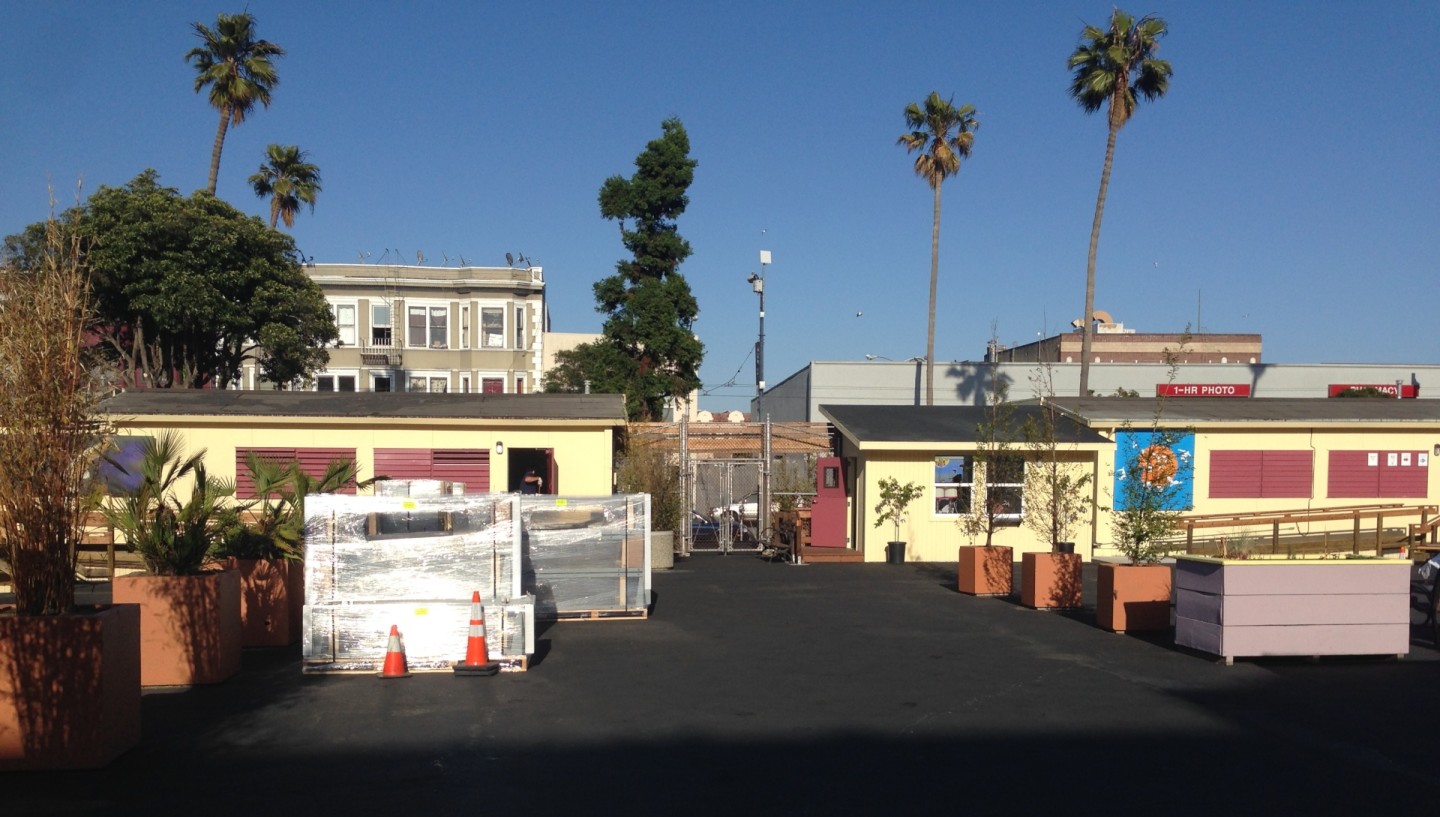
Mission District Supervisor Calls for S.F. State of Emergency on Homelessness
San Mateo Renters, Officials Debate How to Keep City Affordable
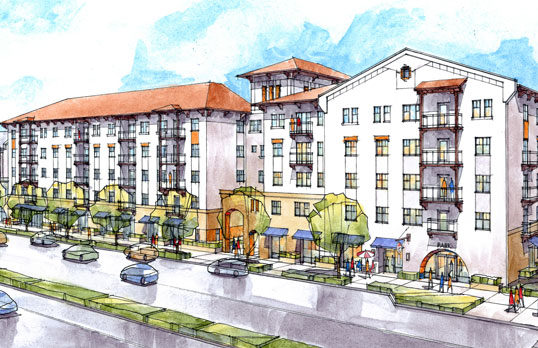
In San Leandro, 115 Affordable Units and 18,000 Lined Up to Get In
S.F. Supervisor Scott Wiener: Homeless Tent Camps 'Need to Go Away'
Party On, Everyone -- But Remember That Dot-Com Bust?
Facebook Donates $1 Million for Study to Ease Dumbarton Traffic
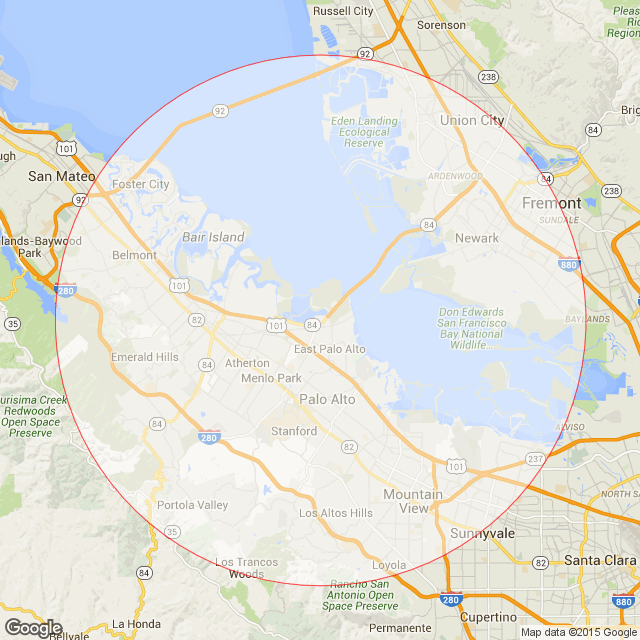
Facebook's 10-Mile, $10,000 Solution to Workers' Long Commutes
Redwood City Renters, Officials Face Off as Housing Crisis Intensifies
Oakland Weighs Higher Ellis Act Payments as Evictions Increase
Peskin Pushing Ahead With Proposal to Expand Rent Control
As S.F.'s Homeless Crisis Grows, One Supervisor Wants to Expand New Approach to Housing
Alameda Council Imposes Temporary Limits on Rent Hikes, Evictions
window.__IS_SSR__=true
window.__INITIAL_STATE__={
"attachmentsReducer": {
"audio_0": {
"type": "attachments",
"id": "audio_0",
"imgSizes": {
"kqedFullSize": {
"file": "https://ww2.kqed.org/news/wp-content/themes/KQED-unified/img/audio_bgs/background0.jpg"
}
}
},
"audio_1": {
"type": "attachments",
"id": "audio_1",
"imgSizes": {
"kqedFullSize": {
"file": "https://ww2.kqed.org/news/wp-content/themes/KQED-unified/img/audio_bgs/background1.jpg"
}
}
},
"audio_2": {
"type": "attachments",
"id": "audio_2",
"imgSizes": {
"kqedFullSize": {
"file": "https://ww2.kqed.org/news/wp-content/themes/KQED-unified/img/audio_bgs/background2.jpg"
}
}
},
"audio_3": {
"type": "attachments",
"id": "audio_3",
"imgSizes": {
"kqedFullSize": {
"file": "https://ww2.kqed.org/news/wp-content/themes/KQED-unified/img/audio_bgs/background3.jpg"
}
}
},
"audio_4": {
"type": "attachments",
"id": "audio_4",
"imgSizes": {
"kqedFullSize": {
"file": "https://ww2.kqed.org/news/wp-content/themes/KQED-unified/img/audio_bgs/background4.jpg"
}
}
},
"placeholder": {
"type": "attachments",
"id": "placeholder",
"imgSizes": {
"thumbnail": {
"file": "https://cdn.kqed.org/wp-content/uploads/2024/12/KQED-Default-Image-816638274-2000x1333-1-160x107.jpg",
"width": 160,
"height": 107,
"mimeType": "image/jpeg"
},
"medium": {
"file": "https://cdn.kqed.org/wp-content/uploads/2024/12/KQED-Default-Image-816638274-2000x1333-1-800x533.jpg",
"width": 800,
"height": 533,
"mimeType": "image/jpeg"
},
"medium_large": {
"file": "https://cdn.kqed.org/wp-content/uploads/2024/12/KQED-Default-Image-816638274-2000x1333-1-768x512.jpg",
"width": 768,
"height": 512,
"mimeType": "image/jpeg"
},
"large": {
"file": "https://cdn.kqed.org/wp-content/uploads/2024/12/KQED-Default-Image-816638274-2000x1333-1-1020x680.jpg",
"width": 1020,
"height": 680,
"mimeType": "image/jpeg"
},
"1536x1536": {
"file": "https://cdn.kqed.org/wp-content/uploads/2024/12/KQED-Default-Image-816638274-2000x1333-1-1536x1024.jpg",
"width": 1536,
"height": 1024,
"mimeType": "image/jpeg"
},
"fd-lrg": {
"file": "https://cdn.kqed.org/wp-content/uploads/2024/12/KQED-Default-Image-816638274-2000x1333-1-1536x1024.jpg",
"width": 1536,
"height": 1024,
"mimeType": "image/jpeg"
},
"fd-med": {
"file": "https://cdn.kqed.org/wp-content/uploads/2024/12/KQED-Default-Image-816638274-2000x1333-1-1020x680.jpg",
"width": 1020,
"height": 680,
"mimeType": "image/jpeg"
},
"fd-sm": {
"file": "https://cdn.kqed.org/wp-content/uploads/2024/12/KQED-Default-Image-816638274-2000x1333-1-800x533.jpg",
"width": 800,
"height": 533,
"mimeType": "image/jpeg"
},
"post-thumbnail": {
"file": "https://cdn.kqed.org/wp-content/uploads/2024/12/KQED-Default-Image-816638274-2000x1333-1-672x372.jpg",
"width": 672,
"height": 372,
"mimeType": "image/jpeg"
},
"twentyfourteen-full-width": {
"file": "https://cdn.kqed.org/wp-content/uploads/2024/12/KQED-Default-Image-816638274-2000x1333-1-1038x576.jpg",
"width": 1038,
"height": 576,
"mimeType": "image/jpeg"
},
"xxsmall": {
"file": "https://cdn.kqed.org/wp-content/uploads/2024/12/KQED-Default-Image-816638274-2000x1333-1-160x107.jpg",
"width": 160,
"height": 107,
"mimeType": "image/jpeg"
},
"xsmall": {
"file": "https://cdn.kqed.org/wp-content/uploads/2024/12/KQED-Default-Image-816638274-2000x1333-1-672x372.jpg",
"width": 672,
"height": 372,
"mimeType": "image/jpeg"
},
"small": {
"file": "https://cdn.kqed.org/wp-content/uploads/2024/12/KQED-Default-Image-816638274-2000x1333-1-672x372.jpg",
"width": 672,
"height": 372,
"mimeType": "image/jpeg"
},
"xlarge": {
"file": "https://cdn.kqed.org/wp-content/uploads/2024/12/KQED-Default-Image-816638274-2000x1333-1-1020x680.jpg",
"width": 1020,
"height": 680,
"mimeType": "image/jpeg"
},
"full-width": {
"file": "https://cdn.kqed.org/wp-content/uploads/2024/12/KQED-Default-Image-816638274-2000x1333-1-1920x1280.jpg",
"width": 1920,
"height": 1280,
"mimeType": "image/jpeg"
},
"guest-author-32": {
"file": "https://cdn.kqed.org/wp-content/uploads/2025/01/KQED-Default-Image-816638274-1333x1333-1-160x160.jpg",
"width": 32,
"height": 32,
"mimeType": "image/jpeg"
},
"guest-author-50": {
"file": "https://cdn.kqed.org/wp-content/uploads/2025/01/KQED-Default-Image-816638274-1333x1333-1-160x160.jpg",
"width": 50,
"height": 50,
"mimeType": "image/jpeg"
},
"guest-author-64": {
"file": "https://cdn.kqed.org/wp-content/uploads/2025/01/KQED-Default-Image-816638274-1333x1333-1-160x160.jpg",
"width": 64,
"height": 64,
"mimeType": "image/jpeg"
},
"guest-author-96": {
"file": "https://cdn.kqed.org/wp-content/uploads/2025/01/KQED-Default-Image-816638274-1333x1333-1-160x160.jpg",
"width": 96,
"height": 96,
"mimeType": "image/jpeg"
},
"guest-author-128": {
"file": "https://cdn.kqed.org/wp-content/uploads/2025/01/KQED-Default-Image-816638274-1333x1333-1-160x160.jpg",
"width": 128,
"height": 128,
"mimeType": "image/jpeg"
},
"detail": {
"file": "https://cdn.kqed.org/wp-content/uploads/2025/01/KQED-Default-Image-816638274-1333x1333-1-160x160.jpg",
"width": 160,
"height": 160,
"mimeType": "image/jpeg"
},
"kqedFullSize": {
"file": "https://cdn.kqed.org/wp-content/uploads/2024/12/KQED-Default-Image-816638274-2000x1333-1.jpg",
"width": 2000,
"height": 1333
}
}
},
"news_10889597": {
"type": "attachments",
"id": "news_10889597",
"meta": {
"index": "attachments_1716263798",
"site": "news",
"id": "10889597",
"found": true
},
"parent": 10889547,
"imgSizes": {
"twentyfourteen-full-width": {
"file": "https://ww2.kqed.org/app/uploads/sites/10/2016/03/floridastreet-1038x576.jpg",
"width": 1038,
"mimeType": "image/jpeg",
"height": 576
},
"thumbnail": {
"file": "https://ww2.kqed.org/app/uploads/sites/10/2016/03/floridastreet-400x300.jpg",
"width": 400,
"mimeType": "image/jpeg",
"height": 300
},
"fd-sm": {
"file": "https://ww2.kqed.org/app/uploads/sites/10/2016/03/floridastreet-960x720.jpg",
"width": 960,
"mimeType": "image/jpeg",
"height": 720
},
"post-thumbnail": {
"file": "https://ww2.kqed.org/app/uploads/sites/10/2016/03/floridastreet-672x372.jpg",
"width": 672,
"mimeType": "image/jpeg",
"height": 372
},
"kqedFullSize": {
"file": "https://ww2.kqed.org/app/uploads/sites/10/2016/03/floridastreet.jpg",
"width": 1920,
"height": 1440
},
"large": {
"file": "https://ww2.kqed.org/app/uploads/sites/10/2016/03/floridastreet-1920x1440.jpg",
"width": 1920,
"mimeType": "image/jpeg",
"height": 1440
},
"guest-author-96": {
"file": "https://ww2.kqed.org/app/uploads/sites/10/2016/03/floridastreet-96x96.jpg",
"width": 96,
"mimeType": "image/jpeg",
"height": 96
},
"medium": {
"file": "https://ww2.kqed.org/app/uploads/sites/10/2016/03/floridastreet-800x600.jpg",
"width": 800,
"mimeType": "image/jpeg",
"height": 600
},
"guest-author-64": {
"file": "https://ww2.kqed.org/app/uploads/sites/10/2016/03/floridastreet-64x64.jpg",
"width": 64,
"mimeType": "image/jpeg",
"height": 64
},
"guest-author-32": {
"file": "https://ww2.kqed.org/app/uploads/sites/10/2016/03/floridastreet-32x32.jpg",
"width": 32,
"mimeType": "image/jpeg",
"height": 32
},
"jmtc-small-thumb": {
"file": "https://ww2.kqed.org/app/uploads/sites/10/2016/03/floridastreet-280x150.jpg",
"width": 280,
"mimeType": "image/jpeg",
"height": 150
},
"fd-lrg": {
"file": "https://ww2.kqed.org/app/uploads/sites/10/2016/03/floridastreet-1920x1440.jpg",
"width": 1920,
"mimeType": "image/jpeg",
"height": 1440
},
"fd-med": {
"file": "https://ww2.kqed.org/app/uploads/sites/10/2016/03/floridastreet-1180x885.jpg",
"width": 1180,
"mimeType": "image/jpeg",
"height": 885
},
"detail": {
"file": "https://ww2.kqed.org/app/uploads/sites/10/2016/03/floridastreet-75x75.jpg",
"width": 75,
"mimeType": "image/jpeg",
"height": 75
},
"guest-author-128": {
"file": "https://ww2.kqed.org/app/uploads/sites/10/2016/03/floridastreet-128x128.jpg",
"width": 128,
"mimeType": "image/jpeg",
"height": 128
}
},
"publishDate": 1457470010,
"modified": 1686698404,
"caption": "Tents pitched on Florida Street, north of 16th Street, in the northeastern corner of the Mission District.",
"description": null,
"title": "San Francisco-Homeless Tents",
"credit": "Dan Brekke/KQED",
"status": "inherit",
"altTag": "Tents pitched Monday night (March 7, 2016) on Florida Street, north of 16th Street, in northeastern corner of Mission District.",
"isLoading": false,
"fetchFailed": false
},
"news_10874631": {
"type": "attachments",
"id": "news_10874631",
"meta": {
"index": "attachments_1716263798",
"site": "news",
"id": "10874631",
"found": true
},
"parent": 10872450,
"imgSizes": {
"twentyfourteen-full-width": {
"file": "https://ww2.kqed.org/app/uploads/sites/10/2016/02/Diane-1038x576.jpg",
"width": 1038,
"mimeType": "image/jpeg",
"height": 576
},
"thumbnail": {
"file": "https://ww2.kqed.org/app/uploads/sites/10/2016/02/Diane-400x270.jpg",
"width": 400,
"mimeType": "image/jpeg",
"height": 270
},
"fd-sm": {
"file": "https://ww2.kqed.org/app/uploads/sites/10/2016/02/Diane-960x649.jpg",
"width": 960,
"mimeType": "image/jpeg",
"height": 649
},
"post-thumbnail": {
"file": "https://ww2.kqed.org/app/uploads/sites/10/2016/02/Diane-672x372.jpg",
"width": 672,
"mimeType": "image/jpeg",
"height": 372
},
"kqedFullSize": {
"file": "https://ww2.kqed.org/app/uploads/sites/10/2016/02/Diane.jpg",
"width": 1920,
"height": 1298
},
"large": {
"file": "https://ww2.kqed.org/app/uploads/sites/10/2016/02/Diane-1920x1298.jpg",
"width": 1920,
"mimeType": "image/jpeg",
"height": 1298
},
"guest-author-96": {
"file": "https://ww2.kqed.org/app/uploads/sites/10/2016/02/Diane-96x96.jpg",
"width": 96,
"mimeType": "image/jpeg",
"height": 96
},
"medium": {
"file": "https://ww2.kqed.org/app/uploads/sites/10/2016/02/Diane-800x541.jpg",
"width": 800,
"mimeType": "image/jpeg",
"height": 541
},
"guest-author-64": {
"file": "https://ww2.kqed.org/app/uploads/sites/10/2016/02/Diane-64x64.jpg",
"width": 64,
"mimeType": "image/jpeg",
"height": 64
},
"guest-author-32": {
"file": "https://ww2.kqed.org/app/uploads/sites/10/2016/02/Diane-32x32.jpg",
"width": 32,
"mimeType": "image/jpeg",
"height": 32
},
"jmtc-small-thumb": {
"file": "https://ww2.kqed.org/app/uploads/sites/10/2016/02/Diane-280x150.jpg",
"width": 280,
"mimeType": "image/jpeg",
"height": 150
},
"fd-lrg": {
"file": "https://ww2.kqed.org/app/uploads/sites/10/2016/02/Diane-1920x1298.jpg",
"width": 1920,
"mimeType": "image/jpeg",
"height": 1298
},
"fd-med": {
"file": "https://ww2.kqed.org/app/uploads/sites/10/2016/02/Diane-1180x798.jpg",
"width": 1180,
"mimeType": "image/jpeg",
"height": 798
},
"detail": {
"file": "https://ww2.kqed.org/app/uploads/sites/10/2016/02/Diane-75x75.jpg",
"width": 75,
"mimeType": "image/jpeg",
"height": 75
},
"guest-author-128": {
"file": "https://ww2.kqed.org/app/uploads/sites/10/2016/02/Diane-128x128.jpg",
"width": 128,
"mimeType": "image/jpeg",
"height": 128
}
},
"publishDate": 1456171843,
"modified": 1456184147,
"caption": "Diane Fjelstad, a retired social worker, at home in her San Mateo apartment. She saw her rent go up by $1,000 in October last year, and the experience inspired her to volunteer with groups pushing for measures on rent control and just cause for eviction. ",
"description": "Diane Fjelstad, a retired social worker, at home in her San Mateo apartment. She saw her rent go up by $1,000 in October last year, and the experience inspired her to volunteer with groups pushing for rent control and just cause for eviction measures. ",
"title": "Diane",
"credit": "Farida Jhabvala Romero/KQED",
"status": "inherit",
"isLoading": false,
"fetchFailed": false
},
"news_10858476": {
"type": "attachments",
"id": "news_10858476",
"meta": {
"index": "attachments_1716263798",
"site": "news",
"id": "10858476",
"found": true
},
"parent": 10858352,
"imgSizes": {
"jmtc-small-thumb": {
"file": "https://ww2.kqed.org/app/uploads/sites/10/2016/02/Marea-Alta2-280x150.jpg",
"width": 280,
"mimeType": "image/jpeg",
"height": 150
},
"thumbnail": {
"file": "https://ww2.kqed.org/app/uploads/sites/10/2016/02/Marea-Alta2-400x259.jpg",
"width": 400,
"mimeType": "image/jpeg",
"height": 259
},
"kqedFullSize": {
"file": "https://ww2.kqed.org/app/uploads/sites/10/2016/02/Marea-Alta2.jpg",
"width": 538,
"height": 348
},
"guest-author-96": {
"file": "https://ww2.kqed.org/app/uploads/sites/10/2016/02/Marea-Alta2-96x96.jpg",
"width": 96,
"mimeType": "image/jpeg",
"height": 96
},
"guest-author-64": {
"file": "https://ww2.kqed.org/app/uploads/sites/10/2016/02/Marea-Alta2-64x64.jpg",
"width": 64,
"mimeType": "image/jpeg",
"height": 64
},
"detail": {
"file": "https://ww2.kqed.org/app/uploads/sites/10/2016/02/Marea-Alta2-75x75.jpg",
"width": 75,
"mimeType": "image/jpeg",
"height": 75
},
"guest-author-32": {
"file": "https://ww2.kqed.org/app/uploads/sites/10/2016/02/Marea-Alta2-32x32.jpg",
"width": 32,
"mimeType": "image/jpeg",
"height": 32
},
"guest-author-128": {
"file": "https://ww2.kqed.org/app/uploads/sites/10/2016/02/Marea-Alta2-128x128.jpg",
"width": 128,
"mimeType": "image/jpeg",
"height": 128
}
},
"publishDate": 1454972147,
"modified": 1454980411,
"caption": "Roughly 18,000 people have expressed interest in the Marea Alta affordable housing development in San Leandro.",
"description": null,
"title": "Marea Alta2",
"credit": "Courtesy of Bridge Housing",
"status": "inherit",
"isLoading": false,
"fetchFailed": false
},
"news_10843791": {
"type": "attachments",
"id": "news_10843791",
"meta": {
"index": "attachments_1716263798",
"site": "news",
"id": "10843791",
"found": true
},
"parent": 10842599,
"imgSizes": {
"twentyfourteen-full-width": {
"file": "https://ww2.kqed.org/app/uploads/sites/10/2016/01/divisionstreet160104-1038x576.jpg",
"width": 1038,
"mimeType": "image/jpeg",
"height": 576
},
"thumbnail": {
"file": "https://ww2.kqed.org/app/uploads/sites/10/2016/01/divisionstreet160104-400x303.jpg",
"width": 400,
"mimeType": "image/jpeg",
"height": 303
},
"fd-sm": {
"file": "https://ww2.kqed.org/app/uploads/sites/10/2016/01/divisionstreet160104-960x727.jpg",
"width": 960,
"mimeType": "image/jpeg",
"height": 727
},
"post-thumbnail": {
"file": "https://ww2.kqed.org/app/uploads/sites/10/2016/01/divisionstreet160104-672x372.jpg",
"width": 672,
"mimeType": "image/jpeg",
"height": 372
},
"kqedFullSize": {
"file": "https://ww2.kqed.org/app/uploads/sites/10/2016/01/divisionstreet160104.jpg",
"width": 1920,
"height": 1454
},
"large": {
"file": "https://ww2.kqed.org/app/uploads/sites/10/2016/01/divisionstreet160104-1440x1091.jpg",
"width": 1440,
"mimeType": "image/jpeg",
"height": 1091
},
"guest-author-96": {
"file": "https://ww2.kqed.org/app/uploads/sites/10/2016/01/divisionstreet160104-96x96.jpg",
"width": 96,
"mimeType": "image/jpeg",
"height": 96
},
"medium": {
"file": "https://ww2.kqed.org/app/uploads/sites/10/2016/01/divisionstreet160104-800x606.jpg",
"width": 800,
"mimeType": "image/jpeg",
"height": 606
},
"guest-author-64": {
"file": "https://ww2.kqed.org/app/uploads/sites/10/2016/01/divisionstreet160104-64x64.jpg",
"width": 64,
"mimeType": "image/jpeg",
"height": 64
},
"guest-author-32": {
"file": "https://ww2.kqed.org/app/uploads/sites/10/2016/01/divisionstreet160104-32x32.jpg",
"width": 32,
"mimeType": "image/jpeg",
"height": 32
},
"jmtc-small-thumb": {
"file": "https://ww2.kqed.org/app/uploads/sites/10/2016/01/divisionstreet160104-280x150.jpg",
"width": 280,
"mimeType": "image/jpeg",
"height": 150
},
"fd-lrg": {
"file": "https://ww2.kqed.org/app/uploads/sites/10/2016/01/divisionstreet160104-1920x1454.jpg",
"width": 1920,
"mimeType": "image/jpeg",
"height": 1454
},
"fd-med": {
"file": "https://ww2.kqed.org/app/uploads/sites/10/2016/01/divisionstreet160104-1180x894.jpg",
"width": 1180,
"mimeType": "image/jpeg",
"height": 894
},
"detail": {
"file": "https://ww2.kqed.org/app/uploads/sites/10/2016/01/divisionstreet160104-75x75.jpg",
"width": 75,
"mimeType": "image/jpeg",
"height": 75
},
"medium_large": {
"file": "https://ww2.kqed.org/app/uploads/sites/10/2016/01/divisionstreet160104-768x582.jpg",
"width": 768,
"mimeType": "image/jpeg",
"height": 582
},
"guest-author-128": {
"file": "https://ww2.kqed.org/app/uploads/sites/10/2016/01/divisionstreet160104-128x128.jpg",
"width": 128,
"mimeType": "image/jpeg",
"height": 128
}
},
"publishDate": 1453679263,
"modified": 1456334546,
"caption": "Pictured in early January, a homeless tent camp stretches along Division Street between Bryant and Potrero at the northern end of the Mission District.",
"description": null,
"title": "San Francisco-Division Street Tents",
"credit": "Dan Brekke/KQED",
"status": "inherit",
"isLoading": false,
"fetchFailed": false
},
"news_10833947": {
"type": "attachments",
"id": "news_10833947",
"meta": {
"index": "attachments_1716263798",
"site": "news",
"id": "10833947",
"found": true
},
"parent": 10833660,
"imgSizes": {
"twentyfourteen-full-width": {
"file": "https://ww2.kqed.org/app/uploads/sites/10/2016/01/GettyImages-1172999-1038x576.jpg",
"width": 1038,
"mimeType": "image/jpeg",
"height": 576
},
"thumbnail": {
"file": "https://ww2.kqed.org/app/uploads/sites/10/2016/01/GettyImages-1172999-400x237.jpg",
"width": 400,
"mimeType": "image/jpeg",
"height": 237
},
"fd-sm": {
"file": "https://ww2.kqed.org/app/uploads/sites/10/2016/01/GettyImages-1172999-960x569.jpg",
"width": 960,
"mimeType": "image/jpeg",
"height": 569
},
"post-thumbnail": {
"file": "https://ww2.kqed.org/app/uploads/sites/10/2016/01/GettyImages-1172999-672x372.jpg",
"width": 672,
"mimeType": "image/jpeg",
"height": 372
},
"kqedFullSize": {
"file": "https://ww2.kqed.org/app/uploads/sites/10/2016/01/GettyImages-1172999-e1452905552971.jpg",
"width": 1920,
"height": 1138
},
"large": {
"file": "https://ww2.kqed.org/app/uploads/sites/10/2016/01/GettyImages-1172999-1440x853.jpg",
"width": 1440,
"mimeType": "image/jpeg",
"height": 853
},
"guest-author-96": {
"file": "https://ww2.kqed.org/app/uploads/sites/10/2016/01/GettyImages-1172999-96x96.jpg",
"width": 96,
"mimeType": "image/jpeg",
"height": 96
},
"medium": {
"file": "https://ww2.kqed.org/app/uploads/sites/10/2016/01/GettyImages-1172999-800x474.jpg",
"width": 800,
"mimeType": "image/jpeg",
"height": 474
},
"guest-author-64": {
"file": "https://ww2.kqed.org/app/uploads/sites/10/2016/01/GettyImages-1172999-64x64.jpg",
"width": 64,
"mimeType": "image/jpeg",
"height": 64
},
"guest-author-32": {
"file": "https://ww2.kqed.org/app/uploads/sites/10/2016/01/GettyImages-1172999-32x32.jpg",
"width": 32,
"mimeType": "image/jpeg",
"height": 32
},
"jmtc-small-thumb": {
"file": "https://ww2.kqed.org/app/uploads/sites/10/2016/01/GettyImages-1172999-280x150.jpg",
"width": 280,
"mimeType": "image/jpeg",
"height": 150
},
"fd-lrg": {
"file": "https://ww2.kqed.org/app/uploads/sites/10/2016/01/GettyImages-1172999-1920x1138.jpg",
"width": 1920,
"mimeType": "image/jpeg",
"height": 1138
},
"fd-med": {
"file": "https://ww2.kqed.org/app/uploads/sites/10/2016/01/GettyImages-1172999-1180x699.jpg",
"width": 1180,
"mimeType": "image/jpeg",
"height": 699
},
"detail": {
"file": "https://ww2.kqed.org/app/uploads/sites/10/2016/01/GettyImages-1172999-75x75.jpg",
"width": 75,
"mimeType": "image/jpeg",
"height": 75
},
"medium_large": {
"file": "https://ww2.kqed.org/app/uploads/sites/10/2016/01/GettyImages-1172999-768x455.jpg",
"width": 768,
"mimeType": "image/jpeg",
"height": 455
},
"guest-author-128": {
"file": "https://ww2.kqed.org/app/uploads/sites/10/2016/01/GettyImages-1172999-128x128.jpg",
"width": 128,
"mimeType": "image/jpeg",
"height": 128
}
},
"publishDate": 1452905464,
"modified": 1452908070,
"caption": "A Webvan sign is seen behind an auctioneer Oct. 31, 2001, as he takes bids during an auction of Webvan's assets at its former headquarters in Foster City. The online grocer, one of the largest dot-com companies, went bankrupt three months earlier.",
"description": null,
"title": "Auction for Webvan's Assets",
"credit": "Dan Krauss/Getty Images",
"status": "inherit",
"isLoading": false,
"fetchFailed": false
},
"news_10825240": {
"type": "attachments",
"id": "news_10825240",
"meta": {
"index": "attachments_1716263798",
"site": "news",
"id": "10825240",
"found": true
},
"parent": 10824791,
"imgSizes": {
"twentyfourteen-full-width": {
"file": "https://ww2.kqed.org/app/uploads/sites/10/2016/01/Dumbarton-Rail-Bridge-1038x576.jpg",
"width": 1038,
"mimeType": "image/jpeg",
"height": 576
},
"thumbnail": {
"file": "https://ww2.kqed.org/app/uploads/sites/10/2016/01/Dumbarton-Rail-Bridge-400x198.jpg",
"width": 400,
"mimeType": "image/jpeg",
"height": 198
},
"fd-sm": {
"file": "https://ww2.kqed.org/app/uploads/sites/10/2016/01/Dumbarton-Rail-Bridge-960x474.jpg",
"width": 960,
"mimeType": "image/jpeg",
"height": 474
},
"post-thumbnail": {
"file": "https://ww2.kqed.org/app/uploads/sites/10/2016/01/Dumbarton-Rail-Bridge-672x372.jpg",
"width": 672,
"mimeType": "image/jpeg",
"height": 372
},
"kqedFullSize": {
"file": "https://ww2.kqed.org/app/uploads/sites/10/2016/01/Dumbarton-Rail-Bridge.jpg",
"width": 1589,
"height": 785
},
"large": {
"file": "https://ww2.kqed.org/app/uploads/sites/10/2016/01/Dumbarton-Rail-Bridge-1440x711.jpg",
"width": 1440,
"mimeType": "image/jpeg",
"height": 711
},
"guest-author-96": {
"file": "https://ww2.kqed.org/app/uploads/sites/10/2016/01/Dumbarton-Rail-Bridge-96x96.jpg",
"width": 96,
"mimeType": "image/jpeg",
"height": 96
},
"medium": {
"file": "https://ww2.kqed.org/app/uploads/sites/10/2016/01/Dumbarton-Rail-Bridge-800x395.jpg",
"width": 800,
"mimeType": "image/jpeg",
"height": 395
},
"guest-author-64": {
"file": "https://ww2.kqed.org/app/uploads/sites/10/2016/01/Dumbarton-Rail-Bridge-64x64.jpg",
"width": 64,
"mimeType": "image/jpeg",
"height": 64
},
"guest-author-32": {
"file": "https://ww2.kqed.org/app/uploads/sites/10/2016/01/Dumbarton-Rail-Bridge-32x32.jpg",
"width": 32,
"mimeType": "image/jpeg",
"height": 32
},
"jmtc-small-thumb": {
"file": "https://ww2.kqed.org/app/uploads/sites/10/2016/01/Dumbarton-Rail-Bridge-280x150.jpg",
"width": 280,
"mimeType": "image/jpeg",
"height": 150
},
"fd-med": {
"file": "https://ww2.kqed.org/app/uploads/sites/10/2016/01/Dumbarton-Rail-Bridge-1180x583.jpg",
"width": 1180,
"mimeType": "image/jpeg",
"height": 583
},
"detail": {
"file": "https://ww2.kqed.org/app/uploads/sites/10/2016/01/Dumbarton-Rail-Bridge-75x75.jpg",
"width": 75,
"mimeType": "image/jpeg",
"height": 75
},
"medium_large": {
"file": "https://ww2.kqed.org/app/uploads/sites/10/2016/01/Dumbarton-Rail-Bridge-768x379.jpg",
"width": 768,
"mimeType": "image/jpeg",
"height": 379
},
"guest-author-128": {
"file": "https://ww2.kqed.org/app/uploads/sites/10/2016/01/Dumbarton-Rail-Bridge-128x128.jpg",
"width": 128,
"mimeType": "image/jpeg",
"height": 128
}
},
"publishDate": 1452212218,
"modified": 1452212323,
"caption": "Part of the old Dumbarton rail bridge, which would be part of a proposed rail service between Menlo Park and Fremont. ",
"description": null,
"title": "Dumbarton Rail Bridge",
"credit": "Wikimedia Commons ",
"status": "inherit",
"isLoading": false,
"fetchFailed": false
},
"news_10802748": {
"type": "attachments",
"id": "news_10802748",
"meta": {
"index": "attachments_1716263798",
"site": "news",
"id": "10802748",
"found": true
},
"parent": 10799551,
"imgSizes": {
"twentyfourteen-full-width": {
"file": "https://ww2.kqed.org/app/uploads/sites/10/2015/12/facebookworld2-640x576.png",
"width": 640,
"mimeType": "image/png",
"height": 576
},
"jmtc-small-thumb": {
"file": "https://ww2.kqed.org/app/uploads/sites/10/2015/12/facebookworld2-280x150.png",
"width": 280,
"mimeType": "image/png",
"height": 150
},
"thumbnail": {
"file": "https://ww2.kqed.org/app/uploads/sites/10/2015/12/facebookworld2-400x400.png",
"width": 400,
"mimeType": "image/png",
"height": 400
},
"post-thumbnail": {
"file": "https://ww2.kqed.org/app/uploads/sites/10/2015/12/facebookworld2-640x372.png",
"width": 640,
"mimeType": "image/png",
"height": 372
},
"kqedFullSize": {
"file": "https://ww2.kqed.org/app/uploads/sites/10/2015/12/facebookworld2.png",
"width": 640,
"height": 640
},
"guest-author-96": {
"file": "https://ww2.kqed.org/app/uploads/sites/10/2015/12/facebookworld2-96x96.png",
"width": 96,
"mimeType": "image/png",
"height": 96
},
"guest-author-64": {
"file": "https://ww2.kqed.org/app/uploads/sites/10/2015/12/facebookworld2-64x64.png",
"width": 64,
"mimeType": "image/png",
"height": 64
},
"detail": {
"file": "https://ww2.kqed.org/app/uploads/sites/10/2015/12/facebookworld2-75x75.png",
"width": 75,
"mimeType": "image/png",
"height": 75
},
"guest-author-32": {
"file": "https://ww2.kqed.org/app/uploads/sites/10/2015/12/facebookworld2-32x32.png",
"width": 32,
"mimeType": "image/png",
"height": 32
},
"guest-author-128": {
"file": "https://ww2.kqed.org/app/uploads/sites/10/2015/12/facebookworld2-128x128.png",
"width": 128,
"mimeType": "image/png",
"height": 128
}
},
"publishDate": 1450721406,
"modified": 1450722630,
"caption": "Facebook has begun offering large cash incentives -- $10,000 and up -- to workers who relocate within 10 miles of its Menlo Park campus. Map depicts the area within Facebook's 10-mile radius. ",
"description": null,
"title": "Facebook Radius",
"credit": "Google Maps/Freemaptools.com",
"status": "inherit",
"isLoading": false,
"fetchFailed": false
},
"news_10799489": {
"type": "attachments",
"id": "news_10799489",
"meta": {
"index": "attachments_1716263798",
"site": "news",
"id": "10799489",
"found": true
},
"parent": 10798057,
"imgSizes": {
"twentyfourteen-full-width": {
"file": "https://ww2.kqed.org/app/uploads/sites/10/2015/12/17858_transform-1038x576.jpg",
"width": 1038,
"mimeType": "image/jpeg",
"height": 576
},
"thumbnail": {
"file": "https://ww2.kqed.org/app/uploads/sites/10/2015/12/17858_transform-400x274.jpg",
"width": 400,
"mimeType": "image/jpeg",
"height": 274
},
"fd-sm": {
"file": "https://ww2.kqed.org/app/uploads/sites/10/2015/12/17858_transform-960x658.jpg",
"width": 960,
"mimeType": "image/jpeg",
"height": 658
},
"post-thumbnail": {
"file": "https://ww2.kqed.org/app/uploads/sites/10/2015/12/17858_transform-672x372.jpg",
"width": 672,
"mimeType": "image/jpeg",
"height": 372
},
"kqedFullSize": {
"file": "https://ww2.kqed.org/app/uploads/sites/10/2015/12/17858_transform-e1450484041603.jpg",
"width": 1920,
"height": 1315
},
"large": {
"file": "https://ww2.kqed.org/app/uploads/sites/10/2015/12/17858_transform-1440x986.jpg",
"width": 1440,
"mimeType": "image/jpeg",
"height": 986
},
"guest-author-96": {
"file": "https://ww2.kqed.org/app/uploads/sites/10/2015/12/17858_transform-96x96.jpg",
"width": 96,
"mimeType": "image/jpeg",
"height": 96
},
"medium": {
"file": "https://ww2.kqed.org/app/uploads/sites/10/2015/12/17858_transform-800x548.jpg",
"width": 800,
"mimeType": "image/jpeg",
"height": 548
},
"guest-author-64": {
"file": "https://ww2.kqed.org/app/uploads/sites/10/2015/12/17858_transform-64x64.jpg",
"width": 64,
"mimeType": "image/jpeg",
"height": 64
},
"guest-author-32": {
"file": "https://ww2.kqed.org/app/uploads/sites/10/2015/12/17858_transform-32x32.jpg",
"width": 32,
"mimeType": "image/jpeg",
"height": 32
},
"jmtc-small-thumb": {
"file": "https://ww2.kqed.org/app/uploads/sites/10/2015/12/17858_transform-280x150.jpg",
"width": 280,
"mimeType": "image/jpeg",
"height": 150
},
"fd-lrg": {
"file": "https://ww2.kqed.org/app/uploads/sites/10/2015/12/17858_transform-1920x1315.jpg",
"width": 1920,
"mimeType": "image/jpeg",
"height": 1315
},
"fd-med": {
"file": "https://ww2.kqed.org/app/uploads/sites/10/2015/12/17858_transform-1180x808.jpg",
"width": 1180,
"mimeType": "image/jpeg",
"height": 808
},
"detail": {
"file": "https://ww2.kqed.org/app/uploads/sites/10/2015/12/17858_transform-75x75.jpg",
"width": 75,
"mimeType": "image/jpeg",
"height": 75
},
"medium_large": {
"file": "https://ww2.kqed.org/app/uploads/sites/10/2015/12/17858_transform-768x526.jpg",
"width": 768,
"mimeType": "image/jpeg",
"height": 526
},
"guest-author-128": {
"file": "https://ww2.kqed.org/app/uploads/sites/10/2015/12/17858_transform-128x128.jpg",
"width": 128,
"mimeType": "image/jpeg",
"height": 128
}
},
"publishDate": 1450472802,
"modified": 1450832023,
"caption": "Giselle Penuela, 10, and Alexander Penuela, 6, attend at a vigil outside a City Council meeting in Redwood City. ",
"description": null,
"title": "Redwood City vigil on affordable housing",
"credit": "Farida Jhabvala Romero/KQED",
"status": "inherit",
"isLoading": false,
"fetchFailed": false
},
"news_10547157": {
"type": "attachments",
"id": "news_10547157",
"meta": {
"index": "attachments_1716263798",
"site": "news",
"id": "10547157",
"found": true
},
"parent": 10547096,
"imgSizes": {
"twentyfourteen-full-width": {
"file": "https://ww2.kqed.org/app/uploads/sites/10/2015/06/downtown-Oakland-1038x576.jpg",
"width": 1038,
"mimeType": "image/jpeg",
"height": 576
},
"thumbnail": {
"file": "https://ww2.kqed.org/app/uploads/sites/10/2015/06/downtown-Oakland-400x267.jpg",
"width": 400,
"mimeType": "image/jpeg",
"height": 267
},
"fd-sm": {
"file": "https://ww2.kqed.org/app/uploads/sites/10/2015/06/downtown-Oakland-960x640.jpg",
"width": 960,
"mimeType": "image/jpeg",
"height": 640
},
"post-thumbnail": {
"file": "https://ww2.kqed.org/app/uploads/sites/10/2015/06/downtown-Oakland-672x372.jpg",
"width": 672,
"mimeType": "image/jpeg",
"height": 372
},
"kqedFullSize": {
"file": "https://ww2.kqed.org/app/uploads/sites/10/2015/06/downtown-Oakland.jpg",
"width": 3504,
"height": 2336
},
"large": {
"file": "https://ww2.kqed.org/app/uploads/sites/10/2015/06/downtown-Oakland-1440x960.jpg",
"width": 1440,
"mimeType": "image/jpeg",
"height": 960
},
"guest-author-96": {
"file": "https://ww2.kqed.org/app/uploads/sites/10/2015/06/downtown-Oakland-96x96.jpg",
"width": 96,
"mimeType": "image/jpeg",
"height": 96
},
"medium": {
"file": "https://ww2.kqed.org/app/uploads/sites/10/2015/06/downtown-Oakland-800x533.jpg",
"width": 800,
"mimeType": "image/jpeg",
"height": 533
},
"guest-author-64": {
"file": "https://ww2.kqed.org/app/uploads/sites/10/2015/06/downtown-Oakland-64x64.jpg",
"width": 64,
"mimeType": "image/jpeg",
"height": 64
},
"guest-author-32": {
"file": "https://ww2.kqed.org/app/uploads/sites/10/2015/06/downtown-Oakland-32x32.jpg",
"width": 32,
"mimeType": "image/jpeg",
"height": 32
},
"fd-med": {
"file": "https://ww2.kqed.org/app/uploads/sites/10/2015/06/downtown-Oakland-1180x787.jpg",
"width": 1180,
"mimeType": "image/jpeg",
"height": 787
},
"detail": {
"file": "https://ww2.kqed.org/app/uploads/sites/10/2015/06/downtown-Oakland-75x75.jpg",
"width": 75,
"mimeType": "image/jpeg",
"height": 75
},
"guest-author-128": {
"file": "https://ww2.kqed.org/app/uploads/sites/10/2015/06/downtown-Oakland-128x128.jpg",
"width": 128,
"mimeType": "image/jpeg",
"height": 128
}
},
"publishDate": 1433179890,
"modified": 1433179922,
"caption": "Downtown Oakland",
"description": null,
"title": "downtown Oakland",
"credit": "James Daisa/Flickr",
"status": "inherit",
"isLoading": false,
"fetchFailed": false
},
"news_10795328": {
"type": "attachments",
"id": "news_10795328",
"meta": {
"index": "attachments_1716263798",
"site": "news",
"id": "10795328",
"found": true
},
"parent": 10794508,
"imgSizes": {
"twentyfourteen-full-width": {
"file": "https://ww2.kqed.org/app/uploads/sites/10/2015/12/harrisonapartments-1038x576.jpg",
"width": 1038,
"mimeType": "image/jpeg",
"height": 576
},
"thumbnail": {
"file": "https://ww2.kqed.org/app/uploads/sites/10/2015/12/harrisonapartments-400x300.jpg",
"width": 400,
"mimeType": "image/jpeg",
"height": 300
},
"fd-sm": {
"file": "https://ww2.kqed.org/app/uploads/sites/10/2015/12/harrisonapartments-960x720.jpg",
"width": 960,
"mimeType": "image/jpeg",
"height": 720
},
"post-thumbnail": {
"file": "https://ww2.kqed.org/app/uploads/sites/10/2015/12/harrisonapartments-672x372.jpg",
"width": 672,
"mimeType": "image/jpeg",
"height": 372
},
"kqedFullSize": {
"file": "https://ww2.kqed.org/app/uploads/sites/10/2015/12/harrisonapartments.jpg",
"width": 1920,
"height": 1440
},
"large": {
"file": "https://ww2.kqed.org/app/uploads/sites/10/2015/12/harrisonapartments-1440x1080.jpg",
"width": 1440,
"mimeType": "image/jpeg",
"height": 1080
},
"guest-author-96": {
"file": "https://ww2.kqed.org/app/uploads/sites/10/2015/12/harrisonapartments-96x96.jpg",
"width": 96,
"mimeType": "image/jpeg",
"height": 96
},
"medium": {
"file": "https://ww2.kqed.org/app/uploads/sites/10/2015/12/harrisonapartments-800x600.jpg",
"width": 800,
"mimeType": "image/jpeg",
"height": 600
},
"guest-author-64": {
"file": "https://ww2.kqed.org/app/uploads/sites/10/2015/12/harrisonapartments-64x64.jpg",
"width": 64,
"mimeType": "image/jpeg",
"height": 64
},
"guest-author-32": {
"file": "https://ww2.kqed.org/app/uploads/sites/10/2015/12/harrisonapartments-32x32.jpg",
"width": 32,
"mimeType": "image/jpeg",
"height": 32
},
"jmtc-small-thumb": {
"file": "https://ww2.kqed.org/app/uploads/sites/10/2015/12/harrisonapartments-280x150.jpg",
"width": 280,
"mimeType": "image/jpeg",
"height": 150
},
"fd-lrg": {
"file": "https://ww2.kqed.org/app/uploads/sites/10/2015/12/harrisonapartments-1920x1440.jpg",
"width": 1920,
"mimeType": "image/jpeg",
"height": 1440
},
"fd-med": {
"file": "https://ww2.kqed.org/app/uploads/sites/10/2015/12/harrisonapartments-1180x885.jpg",
"width": 1180,
"mimeType": "image/jpeg",
"height": 885
},
"detail": {
"file": "https://ww2.kqed.org/app/uploads/sites/10/2015/12/harrisonapartments-75x75.jpg",
"width": 75,
"mimeType": "image/jpeg",
"height": 75
},
"medium_large": {
"file": "https://ww2.kqed.org/app/uploads/sites/10/2015/12/harrisonapartments-768x576.jpg",
"width": 768,
"mimeType": "image/jpeg",
"height": 576
},
"guest-author-128": {
"file": "https://ww2.kqed.org/app/uploads/sites/10/2015/12/harrisonapartments-128x128.jpg",
"width": 128,
"mimeType": "image/jpeg",
"height": 128
}
},
"publishDate": 1450199660,
"modified": 1450227970,
"caption": "New developments like this one at Eighth and Harrison streets in San Francisco could be affected by Supervisor Aaron Peskin's proposal to expand rent control. ",
"description": null,
"title": "San Francisco-Harrison Street-Construction",
"credit": "Dan Brekke/KQED",
"status": "inherit",
"isLoading": false,
"fetchFailed": false
},
"news_10614695": {
"type": "attachments",
"id": "news_10614695",
"meta": {
"index": "attachments_1716263798",
"site": "news",
"id": "10614695",
"found": true
},
"parent": 10614640,
"imgSizes": {
"twentyfourteen-full-width": {
"file": "https://ww2.kqed.org/app/uploads/sites/10/2015/07/15480_transform-e1438010969227-1038x576.jpg",
"width": 1038,
"mimeType": "image/jpeg",
"height": 576
},
"thumbnail": {
"file": "https://ww2.kqed.org/app/uploads/sites/10/2015/07/15480_transform-e1438010969227-400x227.jpg",
"width": 400,
"mimeType": "image/jpeg",
"height": 227
},
"fd-sm": {
"file": "https://ww2.kqed.org/app/uploads/sites/10/2015/07/15480_transform-e1438010969227-960x545.jpg",
"width": 960,
"mimeType": "image/jpeg",
"height": 545
},
"post-thumbnail": {
"file": "https://ww2.kqed.org/app/uploads/sites/10/2015/07/15480_transform-e1438010969227-672x372.jpg",
"width": 672,
"mimeType": "image/jpeg",
"height": 372
},
"kqedFullSize": {
"file": "https://ww2.kqed.org/app/uploads/sites/10/2015/07/15480_transform-e1438010969227.jpg",
"width": 1920,
"height": 1089
},
"large": {
"file": "https://ww2.kqed.org/app/uploads/sites/10/2015/07/15480_transform-e1438010969227-1440x817.jpg",
"width": 1440,
"mimeType": "image/jpeg",
"height": 817
},
"guest-author-96": {
"file": "https://ww2.kqed.org/app/uploads/sites/10/2015/07/15480_transform-e1438010969227-96x96.jpg",
"width": 96,
"mimeType": "image/jpeg",
"height": 96
},
"medium": {
"file": "https://ww2.kqed.org/app/uploads/sites/10/2015/07/15480_transform-e1438010969227-800x454.jpg",
"width": 800,
"mimeType": "image/jpeg",
"height": 454
},
"guest-author-64": {
"file": "https://ww2.kqed.org/app/uploads/sites/10/2015/07/15480_transform-e1438010969227-64x64.jpg",
"width": 64,
"mimeType": "image/jpeg",
"height": 64
},
"guest-author-32": {
"file": "https://ww2.kqed.org/app/uploads/sites/10/2015/07/15480_transform-e1438010969227-32x32.jpg",
"width": 32,
"mimeType": "image/jpeg",
"height": 32
},
"jmtc-small-thumb": {
"file": "https://ww2.kqed.org/app/uploads/sites/10/2015/07/15480_transform-e1438010969227-280x150.jpg",
"width": 280,
"mimeType": "image/jpeg",
"height": 150
},
"fd-lrg": {
"file": "https://ww2.kqed.org/app/uploads/sites/10/2015/07/15480_transform-e1438010969227-1400x794.jpg",
"width": 1400,
"mimeType": "image/jpeg",
"height": 794
},
"fd-med": {
"file": "https://ww2.kqed.org/app/uploads/sites/10/2015/07/15480_transform-e1438010969227-1180x669.jpg",
"width": 1180,
"mimeType": "image/jpeg",
"height": 669
},
"detail": {
"file": "https://ww2.kqed.org/app/uploads/sites/10/2015/07/15480_transform-e1438010969227-75x75.jpg",
"width": 75,
"mimeType": "image/jpeg",
"height": 75
},
"guest-author-128": {
"file": "https://ww2.kqed.org/app/uploads/sites/10/2015/07/15480_transform-e1438010969227-128x128.jpg",
"width": 128,
"mimeType": "image/jpeg",
"height": 128
}
},
"publishDate": 1437783513,
"modified": 1438010898,
"caption": "1950 Mission St. is currently serving as the Navigation Center, providing aid and services for San Franciscans without homes.",
"description": null,
"title": "Homeless Navigation Center",
"credit": "Sam Harnett/KQED",
"status": "inherit",
"isLoading": false,
"fetchFailed": false
},
"news_10747181": {
"type": "attachments",
"id": "news_10747181",
"meta": {
"index": "attachments_1716263798",
"site": "news",
"id": "10747181",
"found": true
},
"parent": 10747131,
"imgSizes": {
"twentyfourteen-full-width": {
"file": "https://ww2.kqed.org/app/uploads/sites/10/2015/11/alameda-1023x576.jpg",
"width": 1023,
"mimeType": "image/jpeg",
"height": 576
},
"jmtc-small-thumb": {
"file": "https://ww2.kqed.org/app/uploads/sites/10/2015/11/alameda-280x150.jpg",
"width": 280,
"mimeType": "image/jpeg",
"height": 150
},
"thumbnail": {
"file": "https://ww2.kqed.org/app/uploads/sites/10/2015/11/alameda-400x267.jpg",
"width": 400,
"mimeType": "image/jpeg",
"height": 267
},
"fd-sm": {
"file": "https://ww2.kqed.org/app/uploads/sites/10/2015/11/alameda-960x640.jpg",
"width": 960,
"mimeType": "image/jpeg",
"height": 640
},
"post-thumbnail": {
"file": "https://ww2.kqed.org/app/uploads/sites/10/2015/11/alameda-672x372.jpg",
"width": 672,
"mimeType": "image/jpeg",
"height": 372
},
"kqedFullSize": {
"file": "https://ww2.kqed.org/app/uploads/sites/10/2015/11/alameda.jpg",
"width": 1023,
"height": 682
},
"guest-author-96": {
"file": "https://ww2.kqed.org/app/uploads/sites/10/2015/11/alameda-96x96.jpg",
"width": 96,
"mimeType": "image/jpeg",
"height": 96
},
"medium": {
"file": "https://ww2.kqed.org/app/uploads/sites/10/2015/11/alameda-800x533.jpg",
"width": 800,
"mimeType": "image/jpeg",
"height": 533
},
"guest-author-64": {
"file": "https://ww2.kqed.org/app/uploads/sites/10/2015/11/alameda-64x64.jpg",
"width": 64,
"mimeType": "image/jpeg",
"height": 64
},
"detail": {
"file": "https://ww2.kqed.org/app/uploads/sites/10/2015/11/alameda-75x75.jpg",
"width": 75,
"mimeType": "image/jpeg",
"height": 75
},
"guest-author-32": {
"file": "https://ww2.kqed.org/app/uploads/sites/10/2015/11/alameda-32x32.jpg",
"width": 32,
"mimeType": "image/jpeg",
"height": 32
},
"guest-author-128": {
"file": "https://ww2.kqed.org/app/uploads/sites/10/2015/11/alameda-128x128.jpg",
"width": 128,
"mimeType": "image/jpeg",
"height": 128
}
},
"publishDate": 1446740502,
"modified": 1446740585,
"caption": "Alameda police detain a man who suffered a bloody nose during an altercation at Wednesday night's City Council meeting. ",
"description": null,
"title": "Alameda City Council-Rent Control",
"credit": "ABC7 News via Twitter",
"status": "inherit",
"isLoading": false,
"fetchFailed": false
}
},
"audioPlayerReducer": {
"postId": "stream_live",
"isPaused": true,
"isPlaying": false,
"pfsActive": false,
"pledgeModalIsOpen": true,
"playerDrawerIsOpen": false,
"liveAudioPlayStartedAt": 0,
"liveAudioPlayContext": ""
},
"authorsReducer": {
"smartin": {
"type": "authors",
"id": "89",
"meta": {
"index": "authors_1716337520",
"id": "89",
"found": true
},
"name": "Stephanie Martin Taylor",
"firstName": "Stephanie Martin",
"lastName": "Taylor",
"slug": "smartin",
"email": "smartin@kqed.org",
"display_author_email": false,
"staff_mastheads": [],
"title": null,
"bio": "Stephanie Martin is a radio news reporter and anchor, and an occasional host of the \u003cem>KQED Newsroom \u003c/em>television program. While she currently focuses on housing and development issues, she has also reported on topics ranging from state and local politics to religion to arts and culture.\r\n\r\nPrior to joining KQED in 2005, Stephanie was an anchor and reporter for WFDD, the NPR affiliate in Winston-Salem, NC. She also spent several years as a television anchor, reporter and producer at various stations around the country.\r\n\r\nStephanie has received numerous awards for her reporting, including two National Headliner Awards, the Religion Newswriters Association's Best Radio Reporting Award and honors from the Associated Press and the Radio and Television Digital News Association. A series she produced from Iraq in 2005 earned a Best of Radio Award from the Society of Professional Journalists.\r\n\r\nStephanie received a graduate degree in Journalism from Columbia University. As an undergraduate at Colgate University, she worked and studied in Paris and Dijon, France, and spent a summer interning in the White House Press Office.\r\n\r\nStephanie grew up in Dallas, TX, and now lives with her husband in San Francisco.",
"avatar": "https://secure.gravatar.com/avatar/9fd3f8e9af01e14afde39822c19646e0?s=600&d=blank&r=g",
"twitter": "SMartinTaylor",
"facebook": null,
"instagram": null,
"linkedin": null,
"sites": [
{
"site": "arts",
"roles": [
"Contributor",
"subscriber"
]
},
{
"site": "news",
"roles": [
"subscriber"
]
},
{
"site": "stateofhealth",
"roles": [
"subscriber"
]
}
],
"headData": {
"title": "Stephanie Martin Taylor | KQED",
"description": null,
"ogImgSrc": "https://secure.gravatar.com/avatar/9fd3f8e9af01e14afde39822c19646e0?s=600&d=blank&r=g",
"twImgSrc": "https://secure.gravatar.com/avatar/9fd3f8e9af01e14afde39822c19646e0?s=600&d=blank&r=g"
},
"isLoading": false,
"link": "/author/smartin"
},
"danbrekke": {
"type": "authors",
"id": "222",
"meta": {
"index": "authors_1716337520",
"id": "222",
"found": true
},
"name": "Dan Brekke",
"firstName": "Dan",
"lastName": "Brekke",
"slug": "danbrekke",
"email": "dbrekke@kqed.org",
"display_author_email": true,
"staff_mastheads": [
"news",
"science"
],
"title": "KQED Editor and Reporter",
"bio": "Dan Brekke is a reporter and editor for KQED News, responsible for coverage of topics ranging from California water issues to the Bay Area's transportation challenges. In a newsroom career that began in Chicago in 1972, Dan has worked for \u003cem>The San Francisco Examiner,\u003c/em> Wired and TechTV and has been published in The New York Times, The New York Times Magazine, Business 2.0, Salon and elsewhere.\r\n\r\nSince joining KQED in 2007, Dan has reported, edited and produced both radio and online features and breaking news pieces. He has shared as both editor and reporter in four Society of Professional Journalists Norcal Excellence in Journalism awards and one Edward R. Murrow regional award. He was chosen for a spring 2017 residency at the Mesa Refuge to advance his research on California salmon.\r\n\r\nEmail Dan at: \u003ca href=\"mailto:dbrekke@kqed.org\">dbrekke@kqed.org\u003c/a>\r\n\r\n\u003cstrong>Twitter:\u003c/strong> \u003ca href=\"https://twitter.com/danbrekke\" rel=\"noopener noreferrer\">twitter.com/danbrekke\u003c/a>\r\n\u003cstrong>Facebook:\u003c/strong> \u003ca href=\"https://www.facebook.com/danbrekke\" rel=\"noopener noreferrer\">www.facebook.com/danbrekke\u003c/a>\r\n\u003cstrong>LinkedIn:\u003c/strong> \u003ca href=\"https://www.linkedin.com/in/danbrekke\" rel=\"noopener noreferrer\">www.linkedin.com/in/danbrekke\u003c/a>",
"avatar": "https://secure.gravatar.com/avatar/8f1f0d2a978fb3b23426c922c7e2af558fa36905b49c4ce76a97dc3c72d27226?s=600&d=mm&r=g",
"twitter": "danbrekke",
"bluesky": null,
"facebook": null,
"instagram": "https://www.instagram.com/dan.brekke/",
"linkedin": "https://www.linkedin.com/in/danbrekke/",
"sites": [
{
"site": "news",
"roles": [
"administrator",
"create_posts"
]
},
{
"site": "stateofhealth",
"roles": [
"editor"
]
},
{
"site": "science",
"roles": [
"editor"
]
},
{
"site": "quest",
"roles": [
"contributor"
]
},
{
"site": "food",
"roles": [
"contributor"
]
},
{
"site": "forum",
"roles": [
"contributor"
]
},
{
"site": "elections",
"roles": [
"editor"
]
},
{
"site": "liveblog",
"roles": [
"editor"
]
}
],
"headData": {
"title": "Dan Brekke | KQED",
"description": "KQED Editor and Reporter",
"ogImgSrc": "https://secure.gravatar.com/avatar/8f1f0d2a978fb3b23426c922c7e2af558fa36905b49c4ce76a97dc3c72d27226?s=600&d=mm&r=g",
"twImgSrc": "https://secure.gravatar.com/avatar/8f1f0d2a978fb3b23426c922c7e2af558fa36905b49c4ce76a97dc3c72d27226?s=600&d=mm&r=g"
},
"isLoading": false,
"link": "/author/danbrekke"
},
"tgoldberg": {
"type": "authors",
"id": "258",
"meta": {
"index": "authors_1716337520",
"id": "258",
"found": true
},
"name": "Ted Goldberg",
"firstName": "Ted",
"lastName": "Goldberg",
"slug": "tgoldberg",
"email": "tgoldberg@kqed.org",
"display_author_email": true,
"staff_mastheads": [
"news"
],
"title": "KQED Managing Editor, News and Newscasts",
"bio": "Ted Goldberg is Managing Editor of News and Newscasts at KQED. His main reporting beat is the Bay Area's oil refining industry.\r\n\r\nPrior to joining KQED in 2014, Ted worked at CBS News and WCBS AM in New York and Bay City News and KCBS Radio in San Francisco. He graduated from Oberlin College in Ohio in 1998.",
"avatar": "https://secure.gravatar.com/avatar/30ce2e4fe89135e104f89be2394d16225b9d36c121b5b3cb7651ce642978b96f?s=600&d=blank&r=g",
"twitter": "TedrickG",
"bluesky": null,
"facebook": null,
"instagram": null,
"linkedin": null,
"sites": [
{
"site": "news",
"roles": [
"editor"
]
},
{
"site": "science",
"roles": [
"editor"
]
}
],
"headData": {
"title": "Ted Goldberg | KQED",
"description": "KQED Managing Editor, News and Newscasts",
"ogImgSrc": "https://secure.gravatar.com/avatar/30ce2e4fe89135e104f89be2394d16225b9d36c121b5b3cb7651ce642978b96f?s=600&d=blank&r=g",
"twImgSrc": "https://secure.gravatar.com/avatar/30ce2e4fe89135e104f89be2394d16225b9d36c121b5b3cb7651ce642978b96f?s=600&d=blank&r=g"
},
"isLoading": false,
"link": "/author/tgoldberg"
},
"dkatayama": {
"type": "authors",
"id": "7240",
"meta": {
"index": "authors_1716337520",
"id": "7240",
"found": true
},
"name": "Devin Katayama",
"firstName": "Devin",
"lastName": "Katayama",
"slug": "dkatayama",
"email": "dkatayama@kqed.org",
"display_author_email": true,
"staff_mastheads": [
"news"
],
"title": "Editor of Talent and Development",
"bio": "Devin Katayama is former Editor of Talent and Development for KQED. He supported our internship program and on-call staff by looking for equitable opportunities to improve the newsroom.\r\n\r\nHe previously hosted The Bay and American Suburb podcasts from KQED News. Prior to returning to the Bay Area in 2015, Devin was the education reporter for WFPL in Louisville and worked as a producer with radio stations in Chicago and Portland, OR. His work has appeared on NPR’s \u003cem>Morning Edition, All Things Considered, The Takeaway\u003c/em> and \u003cem>Here and Now.\u003c/em>\r\n\r\nDevin earned his MA in Journalism from Columbia College Chicago, where he was a Follett Fellow and the recipient of the 2011 Studs Terkel Community Media Workshop Scholarship for his story on Chicago's homeless youth. He won WBUR's 2014 Daniel Schorr award and a regional RTNDA Edward R. Murrow Award for his documentary \"At Risk\" that looked at issues facing some of Louisville's students. Devin has also received numerous local awards from the Associated Press and the Society of Professional Journalists.",
"avatar": "https://secure.gravatar.com/avatar/d0d2978a31002fb2de107921a8e18405?s=600&d=blank&r=g",
"twitter": "RadioDevin",
"facebook": null,
"instagram": null,
"linkedin": null,
"sites": [
{
"site": "arts",
"roles": []
},
{
"site": "news",
"roles": [
"author"
]
},
{
"site": "stateofhealth",
"roles": [
"author"
]
},
{
"site": "forum",
"roles": [
"editor"
]
},
{
"site": "perspectives",
"roles": [
"editor"
]
}
],
"headData": {
"title": "Devin Katayama | KQED",
"description": "Editor of Talent and Development",
"ogImgSrc": "https://secure.gravatar.com/avatar/d0d2978a31002fb2de107921a8e18405?s=600&d=blank&r=g",
"twImgSrc": "https://secure.gravatar.com/avatar/d0d2978a31002fb2de107921a8e18405?s=600&d=blank&r=g"
},
"isLoading": false,
"link": "/author/dkatayama"
},
"fjhabvala": {
"type": "authors",
"id": "8659",
"meta": {
"index": "authors_1716337520",
"id": "8659",
"found": true
},
"name": "Farida Jhabvala Romero",
"firstName": "Farida",
"lastName": "Jhabvala Romero",
"slug": "fjhabvala",
"email": "fjhabvala@kqed.org",
"display_author_email": true,
"staff_mastheads": [
"news"
],
"title": "KQED Contributor",
"bio": "Farida Jhabvala Romero is a Labor Correspondent for KQED. She previously covered immigration. Farida was \u003ca href=\"https://www.ccnma.org/2022-most-influential-latina-journalists\">named\u003c/a> one of the 10 Most Influential Latina Journalists in California in 2022 by the California Chicano News Media Association. Her work has won awards from the Society of Professional Journalists (Northern California), as well as a national and regional Edward M. Murrow Award for the collaborative reporting projects “Dangerous Air” and “Graying California.” Before joining KQED, Farida worked as a producer at Radio Bilingüe, a national public radio network. Farida earned her master’s degree in journalism from Stanford University.",
"avatar": "https://secure.gravatar.com/avatar/f9f022d4e2609741874222a1e9d41f48fea74011aa7c615eef91d9a50c944ebe?s=600&d=blank&r=g",
"twitter": "FaridaJhabvala",
"bluesky": null,
"facebook": null,
"instagram": null,
"linkedin": "https://www.linkedin.com/in/faridajhabvala/",
"sites": [
{
"site": "news",
"roles": [
"editor"
]
},
{
"site": "stateofhealth",
"roles": [
"author"
]
},
{
"site": "liveblog",
"roles": [
"author"
]
}
],
"headData": {
"title": "Farida Jhabvala Romero | KQED",
"description": "KQED Contributor",
"ogImgSrc": "https://secure.gravatar.com/avatar/f9f022d4e2609741874222a1e9d41f48fea74011aa7c615eef91d9a50c944ebe?s=600&d=blank&r=g",
"twImgSrc": "https://secure.gravatar.com/avatar/f9f022d4e2609741874222a1e9d41f48fea74011aa7c615eef91d9a50c944ebe?s=600&d=blank&r=g"
},
"isLoading": false,
"link": "/author/fjhabvala"
}
},
"pagesReducer": {
"news_series_boomtown": {
"type": "terms",
"id": "news_17411",
"meta": {
"index": "terms_1716263798",
"site": "news",
"id": "17411",
"score": 14.9019375
},
"featImg": "https://ww2.kqed.org/app/uploads/sites/10/2014/12/boomtown-logo-series.jpg",
"name": "Boomtown",
"description": "Boom-bust. Starting with the Gold Rush in 1849, the Bay Area has experienced dramatic up-and-down cycles that generate tremendous new wealth for some and trouble for others. Exhibit A is the current tech boom.\r\n\r\nKQED’s “Boomtown” series seeks to identify not only what is happening in real time in this boom but drawing out the causes and possible solutions to the conflicts and pressures between the old and the new.",
"taxonomy": "series",
"headData": {
"twImgId": null,
"twTitle": null,
"ogTitle": null,
"ogImgId": null,
"twDescription": null,
"description": "Boom-bust. Starting with the Gold Rush in 1849, the Bay Area has experienced dramatic up-and-down cycles that generate tremendous new wealth for some and trouble for others. Exhibit A is the current tech boom. KQED’s “Boomtown” series seeks to identify not only what is happening in real time in this boom but drawing out the causes and possible solutions to the conflicts and pressures between the old and the new.",
"title": "Boomtown Archives | KQED News",
"ogDescription": null
},
"ttid": 17444,
"slug": "boomtown",
"isLoading": false,
"title": "Boomtown",
"pageMeta": {
"site": "news",
"WpPageTemplate": "page-topic-editorial",
"currentPage": 2
},
"blocks": [
{
"blockName": "kqed/company-paragraph",
"content": "Boom-bust. Starting with the Gold Rush in 1849, the Bay Area has experienced dramatic up-and-down cycles that generate tremendous new wealth for some and trouble for others. Exhibit A is the current tech boom.\r\n\r\nKQED’s “Boomtown” series seeks to identify not only what is happening in real time in this boom but drawing out the causes and possible solutions to the conflicts and pressures between the old and the new."
},
{
"blockName": "kqed/post-list",
"attrs": {
"layout": "cardArticle2",
"query": "posts/news?series=boomtown",
"seeMore": false,
"paginated": true,
"page": 2
}
},
{
"blockName": "kqed/ad"
}
]
}
},
"pfsSessionReducer": {},
"postsReducer": {
"stream_live": {
"type": "live",
"id": "stream_live",
"audioUrl": "https://streams.kqed.org/kqedradio",
"title": "Live Stream",
"excerpt": "Live Stream information currently unavailable.",
"link": "/radio",
"featImg": "",
"label": {
"name": "KQED Live",
"link": "/"
}
},
"stream_kqedNewscast": {
"type": "posts",
"id": "stream_kqedNewscast",
"audioUrl": "https://www.kqed.org/.stream/anon/radio/RDnews/newscast.mp3?_=1",
"title": "KQED Newscast",
"featImg": "",
"label": {
"name": "88.5 FM",
"link": "/"
}
},
"news_10889547": {
"type": "posts",
"id": "news_10889547",
"meta": {
"index": "posts_1716263798",
"site": "news",
"id": "10889547",
"score": null,
"sort": [
1457469409000
]
},
"parent": 0,
"labelTerm": {
"site": "news",
"term": 6944
},
"blocks": [],
"publishDate": 1457469409,
"format": "standard",
"disqusTitle": "Mission District Supervisor Calls for S.F. State of Emergency on Homelessness",
"title": "Mission District Supervisor Calls for S.F. State of Emergency on Homelessness",
"headTitle": "Boomtown | News Fix | KQED News",
"content": "\u003cp>In the wake of \u003ca href=\"http://ww2.kqed.org/news/2016/03/01/s-f-clearing-homeless-holdouts-from-division-street-neighborhood\">last week's sweep\u003c/a> of tent camps on and near Division Street, the man who represents the neighborhood on the Board of Supervisors wants the city to declare a state of emergency to deal with an issue he says has become a crisis.\u003c/p>\n\u003cp>Supervisor David Campos said he's fielding angry phone calls from constituents and watching homeless people being pushed around the city for years.\u003c/p>\n\u003cp>\"To be honest, I am tired of being sick and tired,\" Campos said.\u003c/p>\n\u003cp>Campos said that after San Francisco Public Works moved in last week, people simply moved their tents and tarps to side streets and even onto private driveways.\u003c/p>\n\u003cp>\"This is not just a problem, it's a crisis. And I think we need to treat it as a crisis,\" he said.\u003c/p>\n\u003cp>[ad fullwidth]\u003c/p>\n\u003cp>Tuesday, Campos plans to ask the Board of Supervisors to activate a \u003ca href=\"http://www.leginfo.ca.gov/cgi-bin/displaycode?section=gov&group=08001-09000&file=8698-8698.2\">provision in state law\u003c/a> that's usually reserved for natural disasters such as floods and earthquakes.\u003c/p>\n\u003cp>Campos said the move would allow the city to use its own land and facilities for homeless housing. It would also allow the city to waive or loosen some zoning, health and safety requirements to speed up the process.\u003c/p>\n\u003cp>San Francisco would not be the first city to declare a homeless state of emergency. Los Angeles, Seattle, Portland and the state of Hawaii have all taken similar steps recently.\u003c/p>\n\u003cp>The declarations address the sense of urgency many people feel, said Nan Roman, president of the \u003ca href=\"http://www.endhomelessness.org/\">National Alliance to End Homelessness\u003c/a>. But whether the states of emergency can spark lasting change remains an open question.\u003c/p>\n\u003cp>\"I don't think we really know yet what's going to work about them and not work about them, because this is not something we've seen a lot of before,\" Roman said.\u003c/p>\n\u003cp>Campos' primary objective is to get the city to build more \u003ca href=\"http://www.leginfo.ca.gov/cgi-bin/displaycode?section=gov&group=08001-09000&file=8698-8698.2\">navigation centers\u003c/a> modeled after a facility and program operating in the Mission now.\u003c/p>\n\u003cp>The existing center has reportedly been successful in getting homeless residents into permanent housing. At a City Hall hearing last week, the mayor's homeless czar, Sam Dodge, told Campos and other supervisors it could take another six months to open the next center.\u003c/p>\n\u003cp>\"We were very close to one location and it fell through,\" Dodge said.\u003c/p>\n\u003cp>\u003c/p>\n\u003cp>If Campos' emergency declaration passes, he plans to introduce follow-up legislation requiring the mayor to build six additional navigation centers in the next year.\u003c/p>\n\n",
"disqusIdentifier": "10889547 http://ww2.kqed.org/news/?p=10889547",
"disqusUrl": "https://ww2.kqed.org/news/2016/03/08/mission-district-supervisor-calls-for-s-f-state-of-emergency-on-homelessness/",
"stats": {
"hasVideo": false,
"hasChartOrMap": false,
"hasAudio": false,
"hasPolis": false,
"wordCount": 412,
"hasGoogleForm": false,
"hasGallery": false,
"hasHearkenModule": false,
"iframeSrcs": [],
"paragraphCount": 16
},
"modified": 1466464336,
"excerpt": "David Campos hopes to prompt city to expand program that aims to place homeless in permanent housing.",
"headData": {
"twImgId": "",
"twTitle": "",
"ogTitle": "",
"ogImgId": "",
"twDescription": "",
"description": "David Campos hopes to prompt city to expand program that aims to place homeless in permanent housing.",
"title": "Mission District Supervisor Calls for S.F. State of Emergency on Homelessness | KQED",
"ogDescription": "",
"schema": {
"@context": "https://schema.org",
"@type": "NewsArticle",
"headline": "Mission District Supervisor Calls for S.F. State of Emergency on Homelessness",
"datePublished": "2016-03-08T12:36:49-08:00",
"dateModified": "2016-06-20T16:12:16-07:00",
"image": "https://cdn.kqed.org/wp-content/uploads/2020/02/KQED-OG-Image@1x.png",
"isAccessibleForFree": "True",
"publisher": {
"@type": "NewsMediaOrganization",
"@id": "https://www.kqed.org/#organization",
"name": "KQED",
"logo": "https://cdn.kqed.org/wp-content/uploads/2020/02/KQED-OG-Image@1x.png",
"url": "https://www.kqed.org",
"sameAs": [
"https://www.facebook.com/KQED",
"https://twitter.com/KQED",
"https://www.instagram.com/kqed/",
"https://www.tiktok.com/@kqedofficial",
"https://www.linkedin.com/company/kqed",
"https://www.youtube.com/channel/UCeC0IOo7i1P_61zVUWbJ4nw"
]
}
}
},
"guestAuthors": [],
"slug": "mission-district-supervisor-calls-for-s-f-state-of-emergency-on-homelessness",
"status": "publish",
"path": "/news/10889547/mission-district-supervisor-calls-for-s-f-state-of-emergency-on-homelessness",
"audioTrackLength": null,
"parsedContent": [
{
"type": "contentString",
"content": "\u003cdiv class=\"post-body\">\u003cp>\u003cp>In the wake of \u003ca href=\"http://ww2.kqed.org/news/2016/03/01/s-f-clearing-homeless-holdouts-from-division-street-neighborhood\">last week's sweep\u003c/a> of tent camps on and near Division Street, the man who represents the neighborhood on the Board of Supervisors wants the city to declare a state of emergency to deal with an issue he says has become a crisis.\u003c/p>\n\u003cp>Supervisor David Campos said he's fielding angry phone calls from constituents and watching homeless people being pushed around the city for years.\u003c/p>\n\u003cp>\"To be honest, I am tired of being sick and tired,\" Campos said.\u003c/p>\n\u003cp>Campos said that after San Francisco Public Works moved in last week, people simply moved their tents and tarps to side streets and even onto private driveways.\u003c/p>\n\u003cp>\"This is not just a problem, it's a crisis. And I think we need to treat it as a crisis,\" he said.\u003c/p>\n\u003cp>\u003c/p>\u003c/div>",
"attributes": {
"named": {},
"numeric": []
}
},
{
"type": "component",
"content": "",
"name": "ad",
"attributes": {
"named": {
"label": "fullwidth"
},
"numeric": [
"fullwidth"
]
}
},
{
"type": "contentString",
"content": "\u003cdiv class=\"post-body\">\u003cp>\u003c/p>\n\u003cp>Tuesday, Campos plans to ask the Board of Supervisors to activate a \u003ca href=\"http://www.leginfo.ca.gov/cgi-bin/displaycode?section=gov&group=08001-09000&file=8698-8698.2\">provision in state law\u003c/a> that's usually reserved for natural disasters such as floods and earthquakes.\u003c/p>\n\u003cp>Campos said the move would allow the city to use its own land and facilities for homeless housing. It would also allow the city to waive or loosen some zoning, health and safety requirements to speed up the process.\u003c/p>\n\u003cp>San Francisco would not be the first city to declare a homeless state of emergency. Los Angeles, Seattle, Portland and the state of Hawaii have all taken similar steps recently.\u003c/p>\n\u003cp>The declarations address the sense of urgency many people feel, said Nan Roman, president of the \u003ca href=\"http://www.endhomelessness.org/\">National Alliance to End Homelessness\u003c/a>. But whether the states of emergency can spark lasting change remains an open question.\u003c/p>\n\u003cp>\"I don't think we really know yet what's going to work about them and not work about them, because this is not something we've seen a lot of before,\" Roman said.\u003c/p>\n\u003cp>Campos' primary objective is to get the city to build more \u003ca href=\"http://www.leginfo.ca.gov/cgi-bin/displaycode?section=gov&group=08001-09000&file=8698-8698.2\">navigation centers\u003c/a> modeled after a facility and program operating in the Mission now.\u003c/p>\n\u003cp>The existing center has reportedly been successful in getting homeless residents into permanent housing. At a City Hall hearing last week, the mayor's homeless czar, Sam Dodge, told Campos and other supervisors it could take another six months to open the next center.\u003c/p>\n\u003cp>\"We were very close to one location and it fell through,\" Dodge said.\u003c/p>\n\u003cp>\u003c/p>\n\u003cp>If Campos' emergency declaration passes, he plans to introduce follow-up legislation requiring the mayor to build six additional navigation centers in the next year.\u003c/p>\n\n\u003c/div>\u003c/p>",
"attributes": {
"named": {},
"numeric": []
}
}
],
"link": "/news/10889547/mission-district-supervisor-calls-for-s-f-state-of-emergency-on-homelessness",
"authors": [
"89"
],
"programs": [
"news_6944"
],
"series": [
"news_17411"
],
"categories": [
"news_6266",
"news_13"
],
"tags": [
"news_4020",
"news_38"
],
"featImg": "news_10889597",
"label": "news_6944"
},
"news_10872450": {
"type": "posts",
"id": "news_10872450",
"meta": {
"index": "posts_1716263798",
"site": "news",
"id": "10872450",
"score": null,
"sort": [
1456168531000
]
},
"parent": 0,
"labelTerm": {
"site": "news",
"term": 6944
},
"blocks": [],
"publishDate": 1456168531,
"format": "standard",
"disqusTitle": "San Mateo Renters, Officials Debate How to Keep City Affordable",
"title": "San Mateo Renters, Officials Debate How to Keep City Affordable",
"headTitle": "Priced Out | News Fix | KQED News",
"content": "\u003cp>Diane Fjelstad knew for months that her rent was going up. Her landlord had told her the increase was coming.\u003c/p>\n\u003cp>But when she finally read the official notice last year, she remembers feeling numb. She would have to pay $1,000 more per month for her two-bedroom apartment, a 54 percent hike.\u003c/p>\n\u003cp>\"It was quite shocking,\" says Fjelstad, a retired psychiatric social worker. \"I just immediately went into crisis management to figure out what I could do personally.\"\u003c/p>\n\u003cp>[soundcloud url=\"https://api.soundcloud.com/tracks/248367332\" params=\"color=ff5500&auto_play=false&hide_related=false&show_comments=true&show_user=true&show_reposts=false\" width=\"100%\" height=\"166\" iframe=\"true\" /]\u003c/p>\n\u003cp>Fjelstad ended up dipping into her Social Security benefits to pay the new rent of $2,850. She loves her immaculately kept apartment, on the edge of San Mateo's downtown and walking distance to restaurants, shops and public transit, and decided it was worth it.\u003c/p>\n\u003cp>[ad fullwidth]\u003c/p>\n\u003cp>But she's worried that there's nothing to stop her landlord from increasing the rent again, to a level that would force her to leave. She acknowledges that her rent had not gone up for the 13 years she had lived in the 15-unit building, but says getting hit with such a huge jump all at once was difficult.\u003c/p>\n\u003cp>\"I understand that rents go up. I would not be opposed to a reasonable rent increase. But certainly anything over 8 or 10 percent is just outrageous,\" said Fjelstad.\u003c/p>\n\u003cp>\u003cstrong>Landlord: Rent Is Below Market Rate\u003c/strong>\u003c/p>\n\u003cp>But Fjelstad's landlord, Victor Baiz, says her rent is still below the going rate. He estimates that similarly sized apartments in the area are renting for up to $3,800 a month.\u003c/p>\n\u003caside class=\"alignright\">\n\u003ch4>Town Hall: Renting in San Mateo\u003c/h4>\n\u003cp>Rep. Jackie Speier's \u003ca href=\"http://speier.house.gov/index.php?option=com_content&view=article&id=1824:town-hall-renting-in-san-mateo-county-2&catid=30&Itemid=181\" target=\"_blank\">Monday night town hall\u003c/a> on the housing affordability crisis in San Mateo is already at capacity. The event will be \u003ca href=\"http://www.pentv.tv/2016/02/watch-congresswoman-jackie-speiers-town-hall-live-this-monday-feb-22nd/\" target=\"_blank\">streamed live on PenTV.tv\u003c/a> and broadcast on San Mateo County community access channels: Comcast 26, Wave 27 and AT&T Uverse 99.\u003c/p>\n\u003c/aside>\n\u003cp>Baiz manages the property, which he says was built in the 1960s or '70s and is owned by a family trust. He took over the management from his late sister last year and refinanced the building, which was in need of extensive maintenance, he says.\u003c/p>\n\u003cp>\"Rents were increased across the board for long-term tenants that hadn’t had any rent increases for at least 13 years or so,\" said Baiz, an attorney who also lives in the building. \"I'm trying to meet a massive mortgage and also improve the building for the quality of life of residents.\"\u003c/p>\n\u003cp>He says the higher rents have helped cover the installation of security cameras, a new garage door, roof repairs and other upgrades.\u003c/p>\n\u003cp>\"The building needs a lot of work, and that costs a lot of money,\" said Baiz, who is considering additional rent increases.\u003c/p>\n\u003cp>Like most cities in the county, San Mateo does not have rent control or other tenant protections, such as \"just cause\" for eviction. San Mateo's proximity to San Francisco and Silicon Valley, the region's two main employment centers, is pushing housing costs to heights unimaginable a few years ago.\u003c/p>\n\u003cp>\u003cstrong>Rents Up Nearly 70 Percent\u003c/strong>\u003c/p>\n\u003cp>According to real estate service Zillow, the median rent in the city of San Mateo \u003ca href=\"http://www.zillow.com/san-mateo-ca/home-values/\" target=\"_blank\">rose nearly 70 percent\u003c/a>, from $2,320 to $3,913, between November 2010 and December 2015. The median home sales price in town now tops $1 million.\u003c/p>\n\u003cp>\"We live on the billion-dollar corridor of tech companies that has driven up the cost of living and the cost of housing. That is just a fact of our reality,\" said San Mateo Mayor Joe Goethals, who grew up in the city. \"Responding to that is something that we are trying to do with as much deliberation as we can.\"\u003c/p>\n\u003cp>Last year, the City Council declined to take up a temporary just-cause-for-eviction proposal by Deputy Mayor David Lim, opting instead to form a housing task force to study how the city can help ease the housing affordability burden, particularly for renters.\u003c/p>\n\u003cp>The council expects those recommendations within the next three months, and could decide later this year on more incentives and financing to create affordable housing, including the adoption of fees on new commercial developments. The new measures could also include limits on rent increases and evictions.\u003c/p>\n\u003cp>\"We will consider all of our options, and everything is on the table,\" said Goethals. \"Renter protections is one of the extreme measures that we could take.\"\u003c/p>\n\u003cp>The issue of tenant protections has come up elsewhere, too. The Alameda City Council voted last month to extend its moratorium on rent increases, and San Jose Mayor Sam Liccardo told \u003ca href=\"http://www.kqed.org/a/forum/R201602170900\" target=\"_blank\">KQED's Forum\u003c/a> that his city will probably tighten its 1979 rent-control ordinance, which allows landlords to raise rents by up to 8 percent a year.\u003c/p>\n\u003cp>\u003cstrong>Mayor: Rent Measures Are 'Imperfect Tools'\u003c/strong>\u003c/p>\n\u003cp>Goethals says he considers rent control and just cause for eviction \"imperfect tools.\" He mentions concerns that rent control may decrease the availability of affordable units on the market because tenants tend to stay even after they can afford to live elsewhere.\u003c/p>\n\u003cp>\"I’m very concerned that some of the policies we want to implement would actually make housing more difficult and decrease the number of affordable units,\" said Goethals. \"If it decreases the number of affordable units, it doesn’t help the city of San Mateo.\"\u003c/p>\n\u003cp>The city already requires new developments of 11 units of more to include 10 to 15 percent of that housing for low-income owners or renters. But Goethals said that to really make a dent in the housing crisis, the city must significantly ramp up its production of market-rate and affordable housing units.\u003c/p>\n\u003cp>A project Goethals wants the council to approve this year would build 400 units or more near downtown for city employees who make less than the \u003ca href=\"http://housing.smcgov.org/sites/housing.smcgov.org/files/AFFORD2014%2003%2020%202014.pdf\" target=\"_blank\">area's median income\u003c/a>.\u003c/p>\n\u003cp>As elsewhere in the Bay Area region, demand for housing in San Mateo County far outweighs supply. From 2010 through 2015, state statistics show, the county labor force grew by about 78,000 while the number of housing units increased by just 3,600.\u003c/p>\n\u003cp>That imbalance is drawing the attention of county officials, who are studying whether to implement renter protections and other strategies on housing.\u003c/p>\n\u003cp>\"I’ve had town hall meetings where a hundred people came and shared stories about evictions, but we wanted real data on rent increases and the real experience of people,\" said Warren Slocum, a member of the San Mateo County Board of Supervisors.\u003c/p>\n\u003cp>Slocum is also co-chair of the Closing the Jobs/Housing Gap task force, made up of elected officials, developers, nonprofits and business representatives, which plans to survey renters who live in pre-1995 buildings that are eligible for rent control.\u003c/p>\n\u003cp>If the county were to adopt rent control or just-cause-for-eviction ordinances, the measure would apply only to unincorporated areas such as North Fair Oaks, adjacent to Redwood City, Atherton and Menlo Park. Housing advocates say the county action could set a precedent for cities considering similar measures.\u003c/p>\n\u003cp>\u003cstrong>Overcrowding in Working-Class District\u003c/strong>\u003c/p>\n\u003cp>Bertha Sanchez, 78, has lived in San Mateo since 1946 and says she's sympathetic to the plight of residents who are increasingly unable to afford rents. She has noticed overcrowding of homes on her street in the North Central neighborhood, traditionally a working-class area -- eight to 10 people living in a two-bedroom unit, for example.\u003c/p>\n\u003cp>\"Sometimes, they even rent out mattress spaces for ... $200, even $300 a month\" said Sanchez, referring to other ways she's heard people can afford to live in the area.\u003c/p>\n\u003cp>Sanchez, whose family owns a couple of rentals in the city, says they try to keep some of their rents under market rate. She would not be opposed to some sort of city regulation of rent increases, but believes any legislation should apply only to landlords who own more than 25 units.\u003c/p>\n\u003cp>\"I do not agree with a blanket rent control,\" says Sanchez, co-president of the Home Association of North Central San Mateo.\u003c/p>\n\u003cp>Diane Fjeslstad, on the other hand, believes the city and county governments are failing residents because they are not addressing rent increases fast enough. Her personal experience was so shocking that it jolted her into working with groups pushing for rent control and just cause for eviction.\u003c/p>\n\u003cp>[ad floatright]\u003c/p>\n\u003cp>\"I don't think it's good when a large segment of the population lives in fear of not having a home,\" Fjelstad said.\u003c/p>\n\n",
"disqusIdentifier": "10872450 http://ww2.kqed.org/news/?p=10872450",
"disqusUrl": "https://ww2.kqed.org/news/2016/02/22/san-mateo-renters-officials-debate-how-to-keep-city-affordable/",
"stats": {
"hasVideo": false,
"hasChartOrMap": false,
"hasAudio": false,
"hasPolis": false,
"wordCount": 1485,
"hasGoogleForm": false,
"hasGallery": false,
"hasHearkenModule": false,
"iframeSrcs": [],
"paragraphCount": 41
},
"modified": 1456185073,
"excerpt": "With median rent up nearly 70 percent in just five years, tenants are pressing elected officials for action. ",
"headData": {
"twImgId": "",
"twTitle": "",
"ogTitle": "",
"ogImgId": "",
"twDescription": "",
"description": "With median rent up nearly 70 percent in just five years, tenants are pressing elected officials for action. ",
"title": "San Mateo Renters, Officials Debate How to Keep City Affordable | KQED",
"ogDescription": "",
"schema": {
"@context": "https://schema.org",
"@type": "NewsArticle",
"headline": "San Mateo Renters, Officials Debate How to Keep City Affordable",
"datePublished": "2016-02-22T11:15:31-08:00",
"dateModified": "2016-02-22T15:51:13-08:00",
"image": "https://cdn.kqed.org/wp-content/uploads/2020/02/KQED-OG-Image@1x.png",
"isAccessibleForFree": "True",
"publisher": {
"@type": "NewsMediaOrganization",
"@id": "https://www.kqed.org/#organization",
"name": "KQED",
"logo": "https://cdn.kqed.org/wp-content/uploads/2020/02/KQED-OG-Image@1x.png",
"url": "https://www.kqed.org",
"sameAs": [
"https://www.facebook.com/KQED",
"https://twitter.com/KQED",
"https://www.instagram.com/kqed/",
"https://www.tiktok.com/@kqedofficial",
"https://www.linkedin.com/company/kqed",
"https://www.youtube.com/channel/UCeC0IOo7i1P_61zVUWbJ4nw"
]
}
}
},
"guestAuthors": [],
"slug": "san-mateo-renters-officials-debate-how-to-keep-city-affordable",
"status": "publish",
"path": "/news/10872450/san-mateo-renters-officials-debate-how-to-keep-city-affordable",
"audioTrackLength": null,
"parsedContent": [
{
"type": "contentString",
"content": "\u003cdiv class=\"post-body\">\u003cp>\u003cp>Diane Fjelstad knew for months that her rent was going up. Her landlord had told her the increase was coming.\u003c/p>\n\u003cp>But when she finally read the official notice last year, she remembers feeling numb. She would have to pay $1,000 more per month for her two-bedroom apartment, a 54 percent hike.\u003c/p>\n\u003cp>\"It was quite shocking,\" says Fjelstad, a retired psychiatric social worker. \"I just immediately went into crisis management to figure out what I could do personally.\"\u003c/p>\n\u003cp>\u003c/p>\u003cp>\u003cdiv class='utils-parseShortcode-shortcodes-__shortcodes__shortcodeWrapper'>\n \u003ciframe width='100%' height='166'\n scrolling='no' frameborder='no'\n src='https://w.soundcloud.com/player/?url=https://api.soundcloud.com/tracks/248367332&visual=true&color=ff5500&auto_play=false&hide_related=false&show_comments=true&show_user=true&show_reposts=false'\n title='https://api.soundcloud.com/tracks/248367332'>\n \u003c/iframe>\n \u003c/div>\u003c/p>\u003cp>\u003c/p>\n\u003cp>Fjelstad ended up dipping into her Social Security benefits to pay the new rent of $2,850. She loves her immaculately kept apartment, on the edge of San Mateo's downtown and walking distance to restaurants, shops and public transit, and decided it was worth it.\u003c/p>\n\u003cp>\u003c/p>\u003c/div>",
"attributes": {
"named": {},
"numeric": []
}
},
{
"type": "component",
"content": "",
"name": "ad",
"attributes": {
"named": {
"label": "fullwidth"
},
"numeric": [
"fullwidth"
]
}
},
{
"type": "contentString",
"content": "\u003cdiv class=\"post-body\">\u003cp>\u003c/p>\n\u003cp>But she's worried that there's nothing to stop her landlord from increasing the rent again, to a level that would force her to leave. She acknowledges that her rent had not gone up for the 13 years she had lived in the 15-unit building, but says getting hit with such a huge jump all at once was difficult.\u003c/p>\n\u003cp>\"I understand that rents go up. I would not be opposed to a reasonable rent increase. But certainly anything over 8 or 10 percent is just outrageous,\" said Fjelstad.\u003c/p>\n\u003cp>\u003cstrong>Landlord: Rent Is Below Market Rate\u003c/strong>\u003c/p>\n\u003cp>But Fjelstad's landlord, Victor Baiz, says her rent is still below the going rate. He estimates that similarly sized apartments in the area are renting for up to $3,800 a month.\u003c/p>\n\u003caside class=\"alignright\">\n\u003ch4>Town Hall: Renting in San Mateo\u003c/h4>\n\u003cp>Rep. Jackie Speier's \u003ca href=\"http://speier.house.gov/index.php?option=com_content&view=article&id=1824:town-hall-renting-in-san-mateo-county-2&catid=30&Itemid=181\" target=\"_blank\">Monday night town hall\u003c/a> on the housing affordability crisis in San Mateo is already at capacity. The event will be \u003ca href=\"http://www.pentv.tv/2016/02/watch-congresswoman-jackie-speiers-town-hall-live-this-monday-feb-22nd/\" target=\"_blank\">streamed live on PenTV.tv\u003c/a> and broadcast on San Mateo County community access channels: Comcast 26, Wave 27 and AT&T Uverse 99.\u003c/p>\n\u003c/aside>\n\u003cp>Baiz manages the property, which he says was built in the 1960s or '70s and is owned by a family trust. He took over the management from his late sister last year and refinanced the building, which was in need of extensive maintenance, he says.\u003c/p>\n\u003cp>\"Rents were increased across the board for long-term tenants that hadn’t had any rent increases for at least 13 years or so,\" said Baiz, an attorney who also lives in the building. \"I'm trying to meet a massive mortgage and also improve the building for the quality of life of residents.\"\u003c/p>\n\u003cp>He says the higher rents have helped cover the installation of security cameras, a new garage door, roof repairs and other upgrades.\u003c/p>\n\u003cp>\"The building needs a lot of work, and that costs a lot of money,\" said Baiz, who is considering additional rent increases.\u003c/p>\n\u003cp>Like most cities in the county, San Mateo does not have rent control or other tenant protections, such as \"just cause\" for eviction. San Mateo's proximity to San Francisco and Silicon Valley, the region's two main employment centers, is pushing housing costs to heights unimaginable a few years ago.\u003c/p>\n\u003cp>\u003cstrong>Rents Up Nearly 70 Percent\u003c/strong>\u003c/p>\n\u003cp>According to real estate service Zillow, the median rent in the city of San Mateo \u003ca href=\"http://www.zillow.com/san-mateo-ca/home-values/\" target=\"_blank\">rose nearly 70 percent\u003c/a>, from $2,320 to $3,913, between November 2010 and December 2015. The median home sales price in town now tops $1 million.\u003c/p>\n\u003cp>\"We live on the billion-dollar corridor of tech companies that has driven up the cost of living and the cost of housing. That is just a fact of our reality,\" said San Mateo Mayor Joe Goethals, who grew up in the city. \"Responding to that is something that we are trying to do with as much deliberation as we can.\"\u003c/p>\n\u003cp>Last year, the City Council declined to take up a temporary just-cause-for-eviction proposal by Deputy Mayor David Lim, opting instead to form a housing task force to study how the city can help ease the housing affordability burden, particularly for renters.\u003c/p>\n\u003cp>The council expects those recommendations within the next three months, and could decide later this year on more incentives and financing to create affordable housing, including the adoption of fees on new commercial developments. The new measures could also include limits on rent increases and evictions.\u003c/p>\n\u003cp>\"We will consider all of our options, and everything is on the table,\" said Goethals. \"Renter protections is one of the extreme measures that we could take.\"\u003c/p>\n\u003cp>The issue of tenant protections has come up elsewhere, too. The Alameda City Council voted last month to extend its moratorium on rent increases, and San Jose Mayor Sam Liccardo told \u003ca href=\"http://www.kqed.org/a/forum/R201602170900\" target=\"_blank\">KQED's Forum\u003c/a> that his city will probably tighten its 1979 rent-control ordinance, which allows landlords to raise rents by up to 8 percent a year.\u003c/p>\n\u003cp>\u003cstrong>Mayor: Rent Measures Are 'Imperfect Tools'\u003c/strong>\u003c/p>\n\u003cp>Goethals says he considers rent control and just cause for eviction \"imperfect tools.\" He mentions concerns that rent control may decrease the availability of affordable units on the market because tenants tend to stay even after they can afford to live elsewhere.\u003c/p>\n\u003cp>\"I’m very concerned that some of the policies we want to implement would actually make housing more difficult and decrease the number of affordable units,\" said Goethals. \"If it decreases the number of affordable units, it doesn’t help the city of San Mateo.\"\u003c/p>\n\u003cp>The city already requires new developments of 11 units of more to include 10 to 15 percent of that housing for low-income owners or renters. But Goethals said that to really make a dent in the housing crisis, the city must significantly ramp up its production of market-rate and affordable housing units.\u003c/p>\n\u003cp>A project Goethals wants the council to approve this year would build 400 units or more near downtown for city employees who make less than the \u003ca href=\"http://housing.smcgov.org/sites/housing.smcgov.org/files/AFFORD2014%2003%2020%202014.pdf\" target=\"_blank\">area's median income\u003c/a>.\u003c/p>\n\u003cp>As elsewhere in the Bay Area region, demand for housing in San Mateo County far outweighs supply. From 2010 through 2015, state statistics show, the county labor force grew by about 78,000 while the number of housing units increased by just 3,600.\u003c/p>\n\u003cp>That imbalance is drawing the attention of county officials, who are studying whether to implement renter protections and other strategies on housing.\u003c/p>\n\u003cp>\"I’ve had town hall meetings where a hundred people came and shared stories about evictions, but we wanted real data on rent increases and the real experience of people,\" said Warren Slocum, a member of the San Mateo County Board of Supervisors.\u003c/p>\n\u003cp>Slocum is also co-chair of the Closing the Jobs/Housing Gap task force, made up of elected officials, developers, nonprofits and business representatives, which plans to survey renters who live in pre-1995 buildings that are eligible for rent control.\u003c/p>\n\u003cp>If the county were to adopt rent control or just-cause-for-eviction ordinances, the measure would apply only to unincorporated areas such as North Fair Oaks, adjacent to Redwood City, Atherton and Menlo Park. Housing advocates say the county action could set a precedent for cities considering similar measures.\u003c/p>\n\u003cp>\u003cstrong>Overcrowding in Working-Class District\u003c/strong>\u003c/p>\n\u003cp>Bertha Sanchez, 78, has lived in San Mateo since 1946 and says she's sympathetic to the plight of residents who are increasingly unable to afford rents. She has noticed overcrowding of homes on her street in the North Central neighborhood, traditionally a working-class area -- eight to 10 people living in a two-bedroom unit, for example.\u003c/p>\n\u003cp>\"Sometimes, they even rent out mattress spaces for ... $200, even $300 a month\" said Sanchez, referring to other ways she's heard people can afford to live in the area.\u003c/p>\n\u003cp>Sanchez, whose family owns a couple of rentals in the city, says they try to keep some of their rents under market rate. She would not be opposed to some sort of city regulation of rent increases, but believes any legislation should apply only to landlords who own more than 25 units.\u003c/p>\n\u003cp>\"I do not agree with a blanket rent control,\" says Sanchez, co-president of the Home Association of North Central San Mateo.\u003c/p>\n\u003cp>Diane Fjeslstad, on the other hand, believes the city and county governments are failing residents because they are not addressing rent increases fast enough. Her personal experience was so shocking that it jolted her into working with groups pushing for rent control and just cause for eviction.\u003c/p>\n\u003cp>\u003c/p>\u003c/div>",
"attributes": {
"named": {},
"numeric": []
}
},
{
"type": "component",
"content": "",
"name": "ad",
"attributes": {
"named": {
"label": "floatright"
},
"numeric": [
"floatright"
]
}
},
{
"type": "contentString",
"content": "\u003cdiv class=\"post-body\">\u003cp>\u003c/p>\n\u003cp>\"I don't think it's good when a large segment of the population lives in fear of not having a home,\" Fjelstad said.\u003c/p>\n\n\u003c/div>\u003c/p>",
"attributes": {
"named": {},
"numeric": []
}
}
],
"link": "/news/10872450/san-mateo-renters-officials-debate-how-to-keep-city-affordable",
"authors": [
"8659"
],
"programs": [
"news_6944"
],
"series": [
"news_17411",
"news_18549"
],
"categories": [
"news_1758",
"news_6266",
"news_8"
],
"tags": [
"news_3924",
"news_19192"
],
"featImg": "news_10874631",
"label": "news_6944"
},
"news_10858352": {
"type": "posts",
"id": "news_10858352",
"meta": {
"index": "posts_1716263798",
"site": "news",
"id": "10858352",
"score": null,
"sort": [
1455030058000
]
},
"parent": 0,
"labelTerm": {
"site": "news",
"term": 6944
},
"blocks": [],
"publishDate": 1455030058,
"format": "standard",
"disqusTitle": "In San Leandro, 115 Affordable Units and 18,000 Lined Up to Get In",
"title": "In San Leandro, 115 Affordable Units and 18,000 Lined Up to Get In",
"headTitle": "Boomtown | News Fix | KQED News",
"content": "\u003cp>If you're not convinced yet of the desperate demand for affordable housing in the Bay Area, consider San Leandro's Marea Alta development: Roughly 18,000 prospective tenants say they'd like one of the building's 115 affordable units.\u003c/p>\n\u003cp>That works out to 156 people vying for each apartment being built.\u003c/p>\n\u003cp>“It just speaks volumes to the extent of the affordability crisis in the Bay Area,” says Adhi Nagraj, director of development for BRIDGE Housing, which is behind the project.\u003c/p>\n\u003cp>And it's not just BRIDGE Housing that is seeing more people who want affordable apartments but can't get them. Throughout the Bay Area, waitlists are thousands of people long.\u003c/p>\n\u003cfigure id=\"attachment_10858579\" class=\"wp-caption alignright\" style=\"max-width: 800px\">\u003cimg class=\"wp-image-10858579 size-medium\" src=\"http://ww2.kqed.org/news/wp-content/uploads/sites/10/2016/02/IMG_6467-800x600.jpg\" alt=\"The Marea Alta affordable housing development in San Leandro is a modular construction, meaning the units are built off site and then assembled together with a large crane on site.\" width=\"800\" height=\"600\" srcset=\"https://ww2.kqed.org/app/uploads/sites/10/2016/02/IMG_6467-800x600.jpg 800w, https://ww2.kqed.org/app/uploads/sites/10/2016/02/IMG_6467-400x300.jpg 400w, https://ww2.kqed.org/app/uploads/sites/10/2016/02/IMG_6467-768x576.jpg 768w, https://ww2.kqed.org/app/uploads/sites/10/2016/02/IMG_6467-1440x1080.jpg 1440w, https://ww2.kqed.org/app/uploads/sites/10/2016/02/IMG_6467-1180x885.jpg 1180w, https://ww2.kqed.org/app/uploads/sites/10/2016/02/IMG_6467-960x720.jpg 960w, https://ww2.kqed.org/app/uploads/sites/10/2016/02/IMG_6467.jpg 1632w\" sizes=\"(max-width: 800px) 100vw, 800px\">\u003cfigcaption class=\"wp-caption-text\">The Marea Alta affordable housing development in San Leandro is a modular construction, meaning the units are built off-site and then assembled together with a large crane on-site. \u003ccite>(Courtesy of Bridge Housing)\u003c/cite>\u003c/figcaption>\u003c/figure>\n\u003cp>For example, around 40 people were vying for every affordable unit built by MidPen Housing at one of its developments in Fremont in 2011, says communications specialist Kim Ish.\u003c/p>\n\u003cp>[ad fullwidth]\u003c/p>\n\u003cp>The number of people expected to apply for the nonprofit's most recent Fremont building would blow that out of the water. Roughly 7,000 names are on the \"interest list\" for 64 affordable apartments, she says.\u003c/p>\n\u003cp>In El Cerrito, Resources for Community Development received 1,088 applications for 57 units in its recently completed Ohlone Gardens building.\u003c/p>\n\u003cp>Around 10,000 people expressed interest for affordable apartment buildings near MacArthur BART Station and Lake Merritt, according to BRIDGE Housing officials. When the time came to apply, each received roughly 5,000 applications.\u003c/p>\n\u003cp>After an affordable housing development is leased up, waitlists can still have thousands of people on them. That's the case for East Bay Asian Local Development Corp. properties. A spokesperson for the nonprofit says waitlists often range between 2,000 and 3,000 applicants.\u003c/p>\n\u003cp>The demand for affordable housing doesn't leave much room for optimism when your name is pitted against thousands of others. In many instances it comes down to a lottery.\u003c/p>\n\u003cp>That was true for DeJana Curry, 26, who just received the keys to her new affordable apartment near Oakland's Lake Merritt. She told KQED recently that she believes having her own place will improve her relationship with her mother and with her own 5-year-old girl, Londyn.\u003c/p>\n\u003cp>[soundcloud url=\"https://api.soundcloud.com/tracks/245690436\" params=\"color=ff5500&auto_play=false&hide_related=false&show_comments=true&show_user=true&show_reposts=false\" width=\"100%\" height='166' iframe=\"true\" /]\u003c/p>\n\u003cp>Some of the roughly 18,000 people who have expressed interest in BRIDGE Housing's Marea Alta building near San Leandro BART will have a chance to apply for an apartment this spring, says Nagraj.\u003c/p>\n\u003cp>Marea Alta will have studios and apartments with one, two or three bedrooms with monthly rents ranging between $493 and $1,155, depending on income and apartment size.\u003c/p>\n\u003cp>Preference will be given to individuals or families who live or work in San Leandro. There will be a lottery to determine which applications get viewed first, Nagraj says.\u003c/p>\n\u003cp>\u003c/p>\n\u003cp>Only 115 families will get a spot. Most people will have to wait.\u003c/p>\n\n",
"disqusIdentifier": "10858352 http://ww2.kqed.org/news/?p=10858352",
"disqusUrl": "https://ww2.kqed.org/news/2016/02/09/18000-people-say-they-want-to-live-here/",
"stats": {
"hasVideo": false,
"hasChartOrMap": false,
"hasAudio": false,
"hasPolis": false,
"wordCount": 542,
"hasGoogleForm": false,
"hasGallery": false,
"hasHearkenModule": false,
"iframeSrcs": [],
"paragraphCount": 18
},
"modified": 1455036579,
"excerpt": "Project in East Bay city is just one example of the growing need for -- and short supply of -- affordable housing throughout the region. ",
"headData": {
"twImgId": "",
"twTitle": "",
"ogTitle": "",
"ogImgId": "",
"twDescription": "",
"description": "Project in East Bay city is just one example of the growing need for -- and short supply of -- affordable housing throughout the region. ",
"title": "In San Leandro, 115 Affordable Units and 18,000 Lined Up to Get In | KQED",
"ogDescription": "",
"schema": {
"@context": "https://schema.org",
"@type": "NewsArticle",
"headline": "In San Leandro, 115 Affordable Units and 18,000 Lined Up to Get In",
"datePublished": "2016-02-09T07:00:58-08:00",
"dateModified": "2016-02-09T08:49:39-08:00",
"image": "https://cdn.kqed.org/wp-content/uploads/2020/02/KQED-OG-Image@1x.png",
"isAccessibleForFree": "True",
"publisher": {
"@type": "NewsMediaOrganization",
"@id": "https://www.kqed.org/#organization",
"name": "KQED",
"logo": "https://cdn.kqed.org/wp-content/uploads/2020/02/KQED-OG-Image@1x.png",
"url": "https://www.kqed.org",
"sameAs": [
"https://www.facebook.com/KQED",
"https://twitter.com/KQED",
"https://www.instagram.com/kqed/",
"https://www.tiktok.com/@kqedofficial",
"https://www.linkedin.com/company/kqed",
"https://www.youtube.com/channel/UCeC0IOo7i1P_61zVUWbJ4nw"
]
}
}
},
"guestAuthors": [],
"slug": "18000-people-say-they-want-to-live-here",
"status": "publish",
"customPermalink": "2016/02/09/east-bay-san-leandro-affordable-housing-demand/",
"nprStoryId": "466135893",
"path": "/news/10858352/18000-people-say-they-want-to-live-here",
"audioTrackLength": null,
"parsedContent": [
{
"type": "contentString",
"content": "\u003cdiv class=\"post-body\">\u003cp>\u003cp>If you're not convinced yet of the desperate demand for affordable housing in the Bay Area, consider San Leandro's Marea Alta development: Roughly 18,000 prospective tenants say they'd like one of the building's 115 affordable units.\u003c/p>\n\u003cp>That works out to 156 people vying for each apartment being built.\u003c/p>\n\u003cp>“It just speaks volumes to the extent of the affordability crisis in the Bay Area,” says Adhi Nagraj, director of development for BRIDGE Housing, which is behind the project.\u003c/p>\n\u003cp>And it's not just BRIDGE Housing that is seeing more people who want affordable apartments but can't get them. Throughout the Bay Area, waitlists are thousands of people long.\u003c/p>\n\u003cfigure id=\"attachment_10858579\" class=\"wp-caption alignright\" style=\"max-width: 800px\">\u003cimg class=\"wp-image-10858579 size-medium\" src=\"http://ww2.kqed.org/news/wp-content/uploads/sites/10/2016/02/IMG_6467-800x600.jpg\" alt=\"The Marea Alta affordable housing development in San Leandro is a modular construction, meaning the units are built off site and then assembled together with a large crane on site.\" width=\"800\" height=\"600\" srcset=\"https://ww2.kqed.org/app/uploads/sites/10/2016/02/IMG_6467-800x600.jpg 800w, https://ww2.kqed.org/app/uploads/sites/10/2016/02/IMG_6467-400x300.jpg 400w, https://ww2.kqed.org/app/uploads/sites/10/2016/02/IMG_6467-768x576.jpg 768w, https://ww2.kqed.org/app/uploads/sites/10/2016/02/IMG_6467-1440x1080.jpg 1440w, https://ww2.kqed.org/app/uploads/sites/10/2016/02/IMG_6467-1180x885.jpg 1180w, https://ww2.kqed.org/app/uploads/sites/10/2016/02/IMG_6467-960x720.jpg 960w, https://ww2.kqed.org/app/uploads/sites/10/2016/02/IMG_6467.jpg 1632w\" sizes=\"(max-width: 800px) 100vw, 800px\">\u003cfigcaption class=\"wp-caption-text\">The Marea Alta affordable housing development in San Leandro is a modular construction, meaning the units are built off-site and then assembled together with a large crane on-site. \u003ccite>(Courtesy of Bridge Housing)\u003c/cite>\u003c/figcaption>\u003c/figure>\n\u003cp>For example, around 40 people were vying for every affordable unit built by MidPen Housing at one of its developments in Fremont in 2011, says communications specialist Kim Ish.\u003c/p>\n\u003cp>\u003c/p>\u003c/div>",
"attributes": {
"named": {},
"numeric": []
}
},
{
"type": "component",
"content": "",
"name": "ad",
"attributes": {
"named": {
"label": "fullwidth"
},
"numeric": [
"fullwidth"
]
}
},
{
"type": "contentString",
"content": "\u003cdiv class=\"post-body\">\u003cp>\u003c/p>\n\u003cp>The number of people expected to apply for the nonprofit's most recent Fremont building would blow that out of the water. Roughly 7,000 names are on the \"interest list\" for 64 affordable apartments, she says.\u003c/p>\n\u003cp>In El Cerrito, Resources for Community Development received 1,088 applications for 57 units in its recently completed Ohlone Gardens building.\u003c/p>\n\u003cp>Around 10,000 people expressed interest for affordable apartment buildings near MacArthur BART Station and Lake Merritt, according to BRIDGE Housing officials. When the time came to apply, each received roughly 5,000 applications.\u003c/p>\n\u003cp>After an affordable housing development is leased up, waitlists can still have thousands of people on them. That's the case for East Bay Asian Local Development Corp. properties. A spokesperson for the nonprofit says waitlists often range between 2,000 and 3,000 applicants.\u003c/p>\n\u003cp>The demand for affordable housing doesn't leave much room for optimism when your name is pitted against thousands of others. In many instances it comes down to a lottery.\u003c/p>\n\u003cp>That was true for DeJana Curry, 26, who just received the keys to her new affordable apartment near Oakland's Lake Merritt. She told KQED recently that she believes having her own place will improve her relationship with her mother and with her own 5-year-old girl, Londyn.\u003c/p>\n\u003cp>\u003c/p>\u003cp>\u003cdiv class='utils-parseShortcode-shortcodes-__shortcodes__shortcodeWrapper'>\n \u003ciframe width='100%' height='166'\n scrolling='no' frameborder='no'\n src='https://w.soundcloud.com/player/?url=https://api.soundcloud.com/tracks/245690436&visual=true&color=ff5500&auto_play=false&hide_related=false&show_comments=true&show_user=true&show_reposts=false'\n title='https://api.soundcloud.com/tracks/245690436'>\n \u003c/iframe>\n \u003c/div>\u003c/p>\u003cp>\u003c/p>\n\u003cp>Some of the roughly 18,000 people who have expressed interest in BRIDGE Housing's Marea Alta building near San Leandro BART will have a chance to apply for an apartment this spring, says Nagraj.\u003c/p>\n\u003cp>Marea Alta will have studios and apartments with one, two or three bedrooms with monthly rents ranging between $493 and $1,155, depending on income and apartment size.\u003c/p>\n\u003cp>Preference will be given to individuals or families who live or work in San Leandro. There will be a lottery to determine which applications get viewed first, Nagraj says.\u003c/p>\n\u003cp>\u003c/p>\n\u003cp>Only 115 families will get a spot. Most people will have to wait.\u003c/p>\n\n\u003c/div>\u003c/p>",
"attributes": {
"named": {},
"numeric": []
}
}
],
"link": "/news/10858352/18000-people-say-they-want-to-live-here",
"authors": [
"7240"
],
"programs": [
"news_6944"
],
"series": [
"news_17411"
],
"categories": [
"news_1758",
"news_6266"
],
"tags": [
"news_3921"
],
"featImg": "news_10858476",
"label": "news_6944"
},
"news_10842599": {
"type": "posts",
"id": "news_10842599",
"meta": {
"index": "posts_1716263798",
"site": "news",
"id": "10842599",
"score": null,
"sort": [
1453734043000
]
},
"parent": 0,
"labelTerm": {
"site": "news",
"term": 6944
},
"blocks": [],
"publishDate": 1453734043,
"format": "standard",
"disqusTitle": "S.F. Supervisor Scott Wiener: Homeless Tent Camps 'Need to Go Away'",
"title": "S.F. Supervisor Scott Wiener: Homeless Tent Camps 'Need to Go Away'",
"headTitle": "Boomtown | News Fix | KQED News",
"content": "\u003cp>San Francisco Supervisor Scott Wiener says the city needs to find a prompt and \"humane\" way to eliminate tent encampments that house a growing number of homeless people.\u003c/p>\n\u003cp>The growing presence of tent camps in San Francisco \"represents our city's failure to provide adequate housing/shelter and assistance for those who want help, as well as a failure to make clear to those who refuse help that tents on our sidewalks and in our public spaces are unacceptable\" Wiener wrote in a letter last week (\u003ca href=\"#wienerletter\">embedded below\u003c/a>) to the heads of six city agencies.\u003c/p>\n\u003cp>\"These tents are a public safety and a public health problem for the people living in them and for our neighborhoods,\" Wiener added in an interview.\u003c/p>\n\u003cp>His remarks provoked outrage from one of the city's leading homeless advocates.\u003c/p>\n\u003cp>\"My chin dropped,\" said Jennifer Friedenbach, the executive director of the Coalition on Homelessness.\u003c/p>\n\u003cp>[ad fullwidth]\u003c/p>\n\u003cp>[contextly_sidebar id=\"xV8J32tslxHUmn5TxTbqPm5e9UppY3gz\"]\u003c/p>\n\u003cp>\"I thought it was in particular bad taste given how much people are suffering,\" Friedenbach said. \"He's talking about ripping those tents from people who have no other choice but to sleep on the street.\"\u003c/p>\n\u003cp>The tents give the homeless cover from the rain, Friedenbach said.\u003c/p>\n\u003cp>\"Taking away people's tents right now in the middle of these storms, that's about as mean-spirited as you can get,\" she said.\u003c/p>\n\u003cp>Among other requests, Wiener is asking city agencies for an estimate of how many tents are on the streets and the number of people living in them. While tents have appeared on city streets for decades, city officials say the number has grown in recent years and the onset of this winter's rains has expanded their presence even more.\u003c/p>\n\u003cp>In the Mission alone, tent encampments have grown along parts of Division, Cesar Chavez, Vermont, 13th and 16th streets, as well as San Bruno Avenue.\u003c/p>\n\u003cp>That has increased the visibility of San Francisco's homeless but does not necessarily mean a large increase in the population of people living on the streets. There were 6,686 homeless people in San Francisco at the beginning of 2015, according to \u003ca href=\"http://sfgov.org/lhcb/sites/sfgov.org.lhcb/files/2015%20San%20Francisco%20Homeless%20Count%20%20Report_0.pdf\" target=\"_blank\">last year's count\u003c/a>. That's up 250 from two years earlier.\u003c/p>\n\u003cp>Sam Dodge, who as director of Mayor Ed Lee's \u003ca href=\"http://www.sfmayor.org/index.aspx?page=907\" target=\"_blank\">Office of Housing Opportunity, Partnerships and Engagement\u003c/a> is the city's point man on homeless issues, says his counterparts in Los Angeles, Portland and Seattle have noticed similar growth in tent encampments.\u003c/p>\n\u003cp>Wiener says he's not talking about bulldozing the tents. Instead, he wants the city to create a plan to transition homeless people living in tents into shelters or other forms of housing.\u003c/p>\n\u003cp>\"The tents need to go away as part of that process,\" he said. \"It's not an acceptable state of affairs and we need to put an end to it in a very humane way.\"\u003c/p>\n\u003cp>Wiener and other city officials say San Francisco needs more facilities like the Navigation Center in the Mission district, a service center that aims to provide homeless people with permanent housing.\u003c/p>\n\u003cfigure id=\"attachment_10844046\" class=\"wp-caption alignright\" style=\"max-width: 400px\">\u003ca href=\"http://ww2.kqed.org/news/wp-content/uploads/sites/10/2016/01/propanetentIMG_0744.jpg\" rel=\"attachment wp-att-10844046\">\u003cimg class=\"size-thumbnail wp-image-10844046\" src=\"http://ww2.kqed.org/news/wp-content/uploads/sites/10/2016/01/propanetentIMG_0744-400x408.jpg\" alt=\"Supervisor Scott Wiener says a constituent emailed this picture of a propane tank inside a tent on a sidewalk near 16th and Pond streets. \" width=\"400\" height=\"408\" srcset=\"https://ww2.kqed.org/app/uploads/sites/10/2016/01/propanetentIMG_0744-400x408.jpg 400w, https://ww2.kqed.org/app/uploads/sites/10/2016/01/propanetentIMG_0744-800x817.jpg 800w, https://ww2.kqed.org/app/uploads/sites/10/2016/01/propanetentIMG_0744-768x784.jpg 768w, https://ww2.kqed.org/app/uploads/sites/10/2016/01/propanetentIMG_0744-1440x1470.jpg 1440w, https://ww2.kqed.org/app/uploads/sites/10/2016/01/propanetentIMG_0744-1920x1960.jpg 1920w, https://ww2.kqed.org/app/uploads/sites/10/2016/01/propanetentIMG_0744-1180x1204.jpg 1180w, https://ww2.kqed.org/app/uploads/sites/10/2016/01/propanetentIMG_0744-960x980.jpg 960w, https://ww2.kqed.org/app/uploads/sites/10/2016/01/propanetentIMG_0744-32x32.jpg 32w, https://ww2.kqed.org/app/uploads/sites/10/2016/01/propanetentIMG_0744-64x64.jpg 64w\" sizes=\"(max-width: 400px) 100vw, 400px\">\u003c/a>\u003cfigcaption class=\"wp-caption-text\">Supervisor Scott Wiener says a constituent emailed this picture of a propane tank inside a tent on a sidewalk near 16th and Pond streets. \u003ccite>(Supervisor Scott Wiener )\u003c/cite>\u003c/figcaption>\u003c/figure>\n\u003cp>It makes sense that homeless people would use tents for cover from the rain, Dodge said, but they can make people living on the street more vulnerable.\u003c/p>\n\u003cp>\"I've seen at least four different times where someone burnt out someone else's tent,\" Dodge said. \"I've heard reports of women living in the streets and being assaulted in their tents.\"\u003c/p>\n\u003cp>In fact, Allison Sparrow, a 33-year-old homeless woman, was \u003ca href=\"http://missionlocal.org/2015/12/shooting-claims-33-year-old-womans-life-in-sf-mission/\" target=\"_blank\">an apparent homicide victim\u003c/a> in a tent near 16th and Harrison streets on Dec. 18.\u003c/p>\n\u003cp>City officials say there are beds in shelters that are not always used at night that could serve homeless people now living in tents. There are about 30 to 90 shelter vacancies every night, Dodge said.\u003c/p>\n\u003cp>But tents provide space for someone's belongings, where a shelter might not. Many city facilities allow people to bring in only two large bags.\u003c/p>\n\u003cp>\"Shelter works for a lot of people,\" Dodge said. \"I think we need to really expand options for other people that shelter isn't working for.\"\u003c/p>\n\u003cp>\u003ca id=\"wienerletter\">\u003c/a>\u003c/p>\n\u003cp>\u003c/p>\n\u003cp>\u003c!-- iframe plugin v.4.3 wordpress.org/plugins/iframe/ -->\u003cbr>\n\u003ciframe class=\"scribd_iframe_embed\" src=\"https://www.scribd.com/embeds/296553259/content?start_page=1&view_mode=scroll&show_recommendations=true\" data-auto-height=\"false\" data-aspect-ratio=\"undefined\" scrolling=\"no\" id=\"doc_92394\" width=\"100%\" height=\"600\" frameborder=\"0\">\u003c/iframe>\u003c/p>\n\n",
"disqusIdentifier": "10842599 http://ww2.kqed.org/news/?p=10842599",
"disqusUrl": "https://ww2.kqed.org/news/2016/01/25/s-f-supervisor-scott-wiener-city-needs-fast-response-to-homeless-tent-camps/",
"stats": {
"hasVideo": false,
"hasChartOrMap": false,
"hasAudio": false,
"hasPolis": false,
"wordCount": 709,
"hasGoogleForm": false,
"hasGallery": false,
"hasHearkenModule": false,
"iframeSrcs": [],
"paragraphCount": 26
},
"modified": 1453762469,
"excerpt": "In letter to city agencies, he says growing number of camps is 'unacceptable' and reflects city's failure to deal with homelessness. ",
"headData": {
"twImgId": "",
"twTitle": "",
"ogTitle": "",
"ogImgId": "",
"twDescription": "",
"description": "In letter to city agencies, he says growing number of camps is 'unacceptable' and reflects city's failure to deal with homelessness. ",
"title": "S.F. Supervisor Scott Wiener: Homeless Tent Camps 'Need to Go Away' | KQED",
"ogDescription": "",
"schema": {
"@context": "https://schema.org",
"@type": "NewsArticle",
"headline": "S.F. Supervisor Scott Wiener: Homeless Tent Camps 'Need to Go Away'",
"datePublished": "2016-01-25T07:00:43-08:00",
"dateModified": "2016-01-25T14:54:29-08:00",
"image": "https://cdn.kqed.org/wp-content/uploads/2020/02/KQED-OG-Image@1x.png",
"isAccessibleForFree": "True",
"publisher": {
"@type": "NewsMediaOrganization",
"@id": "https://www.kqed.org/#organization",
"name": "KQED",
"logo": "https://cdn.kqed.org/wp-content/uploads/2020/02/KQED-OG-Image@1x.png",
"url": "https://www.kqed.org",
"sameAs": [
"https://www.facebook.com/KQED",
"https://twitter.com/KQED",
"https://www.instagram.com/kqed/",
"https://www.tiktok.com/@kqedofficial",
"https://www.linkedin.com/company/kqed",
"https://www.youtube.com/channel/UCeC0IOo7i1P_61zVUWbJ4nw"
]
}
}
},
"guestAuthors": [],
"slug": "s-f-supervisor-scott-wiener-city-needs-fast-response-to-homeless-tent-camps",
"status": "publish",
"nprStoryId": "464291266",
"path": "/news/10842599/s-f-supervisor-scott-wiener-city-needs-fast-response-to-homeless-tent-camps",
"audioTrackLength": null,
"parsedContent": [
{
"type": "contentString",
"content": "\u003cdiv class=\"post-body\">\u003cp>\u003cp>San Francisco Supervisor Scott Wiener says the city needs to find a prompt and \"humane\" way to eliminate tent encampments that house a growing number of homeless people.\u003c/p>\n\u003cp>The growing presence of tent camps in San Francisco \"represents our city's failure to provide adequate housing/shelter and assistance for those who want help, as well as a failure to make clear to those who refuse help that tents on our sidewalks and in our public spaces are unacceptable\" Wiener wrote in a letter last week (\u003ca href=\"#wienerletter\">embedded below\u003c/a>) to the heads of six city agencies.\u003c/p>\n\u003cp>\"These tents are a public safety and a public health problem for the people living in them and for our neighborhoods,\" Wiener added in an interview.\u003c/p>\n\u003cp>His remarks provoked outrage from one of the city's leading homeless advocates.\u003c/p>\n\u003cp>\"My chin dropped,\" said Jennifer Friedenbach, the executive director of the Coalition on Homelessness.\u003c/p>\n\u003cp>\u003c/p>\u003c/div>",
"attributes": {
"named": {},
"numeric": []
}
},
{
"type": "component",
"content": "",
"name": "ad",
"attributes": {
"named": {
"label": "fullwidth"
},
"numeric": [
"fullwidth"
]
}
},
{
"type": "contentString",
"content": "\u003cdiv class=\"post-body\">\u003cp>\u003c/p>\n\u003cp>\u003c/p>\u003cp>\u003c/p>\u003cp>\u003c/p>\n\u003cp>\"I thought it was in particular bad taste given how much people are suffering,\" Friedenbach said. \"He's talking about ripping those tents from people who have no other choice but to sleep on the street.\"\u003c/p>\n\u003cp>The tents give the homeless cover from the rain, Friedenbach said.\u003c/p>\n\u003cp>\"Taking away people's tents right now in the middle of these storms, that's about as mean-spirited as you can get,\" she said.\u003c/p>\n\u003cp>Among other requests, Wiener is asking city agencies for an estimate of how many tents are on the streets and the number of people living in them. While tents have appeared on city streets for decades, city officials say the number has grown in recent years and the onset of this winter's rains has expanded their presence even more.\u003c/p>\n\u003cp>In the Mission alone, tent encampments have grown along parts of Division, Cesar Chavez, Vermont, 13th and 16th streets, as well as San Bruno Avenue.\u003c/p>\n\u003cp>That has increased the visibility of San Francisco's homeless but does not necessarily mean a large increase in the population of people living on the streets. There were 6,686 homeless people in San Francisco at the beginning of 2015, according to \u003ca href=\"http://sfgov.org/lhcb/sites/sfgov.org.lhcb/files/2015%20San%20Francisco%20Homeless%20Count%20%20Report_0.pdf\" target=\"_blank\">last year's count\u003c/a>. That's up 250 from two years earlier.\u003c/p>\n\u003cp>Sam Dodge, who as director of Mayor Ed Lee's \u003ca href=\"http://www.sfmayor.org/index.aspx?page=907\" target=\"_blank\">Office of Housing Opportunity, Partnerships and Engagement\u003c/a> is the city's point man on homeless issues, says his counterparts in Los Angeles, Portland and Seattle have noticed similar growth in tent encampments.\u003c/p>\n\u003cp>Wiener says he's not talking about bulldozing the tents. Instead, he wants the city to create a plan to transition homeless people living in tents into shelters or other forms of housing.\u003c/p>\n\u003cp>\"The tents need to go away as part of that process,\" he said. \"It's not an acceptable state of affairs and we need to put an end to it in a very humane way.\"\u003c/p>\n\u003cp>Wiener and other city officials say San Francisco needs more facilities like the Navigation Center in the Mission district, a service center that aims to provide homeless people with permanent housing.\u003c/p>\n\u003cfigure id=\"attachment_10844046\" class=\"wp-caption alignright\" style=\"max-width: 400px\">\u003ca href=\"http://ww2.kqed.org/news/wp-content/uploads/sites/10/2016/01/propanetentIMG_0744.jpg\" rel=\"attachment wp-att-10844046\">\u003cimg class=\"size-thumbnail wp-image-10844046\" src=\"http://ww2.kqed.org/news/wp-content/uploads/sites/10/2016/01/propanetentIMG_0744-400x408.jpg\" alt=\"Supervisor Scott Wiener says a constituent emailed this picture of a propane tank inside a tent on a sidewalk near 16th and Pond streets. \" width=\"400\" height=\"408\" srcset=\"https://ww2.kqed.org/app/uploads/sites/10/2016/01/propanetentIMG_0744-400x408.jpg 400w, https://ww2.kqed.org/app/uploads/sites/10/2016/01/propanetentIMG_0744-800x817.jpg 800w, https://ww2.kqed.org/app/uploads/sites/10/2016/01/propanetentIMG_0744-768x784.jpg 768w, https://ww2.kqed.org/app/uploads/sites/10/2016/01/propanetentIMG_0744-1440x1470.jpg 1440w, https://ww2.kqed.org/app/uploads/sites/10/2016/01/propanetentIMG_0744-1920x1960.jpg 1920w, https://ww2.kqed.org/app/uploads/sites/10/2016/01/propanetentIMG_0744-1180x1204.jpg 1180w, https://ww2.kqed.org/app/uploads/sites/10/2016/01/propanetentIMG_0744-960x980.jpg 960w, https://ww2.kqed.org/app/uploads/sites/10/2016/01/propanetentIMG_0744-32x32.jpg 32w, https://ww2.kqed.org/app/uploads/sites/10/2016/01/propanetentIMG_0744-64x64.jpg 64w\" sizes=\"(max-width: 400px) 100vw, 400px\">\u003c/a>\u003cfigcaption class=\"wp-caption-text\">Supervisor Scott Wiener says a constituent emailed this picture of a propane tank inside a tent on a sidewalk near 16th and Pond streets. \u003ccite>(Supervisor Scott Wiener )\u003c/cite>\u003c/figcaption>\u003c/figure>\n\u003cp>It makes sense that homeless people would use tents for cover from the rain, Dodge said, but they can make people living on the street more vulnerable.\u003c/p>\n\u003cp>\"I've seen at least four different times where someone burnt out someone else's tent,\" Dodge said. \"I've heard reports of women living in the streets and being assaulted in their tents.\"\u003c/p>\n\u003cp>In fact, Allison Sparrow, a 33-year-old homeless woman, was \u003ca href=\"http://missionlocal.org/2015/12/shooting-claims-33-year-old-womans-life-in-sf-mission/\" target=\"_blank\">an apparent homicide victim\u003c/a> in a tent near 16th and Harrison streets on Dec. 18.\u003c/p>\n\u003cp>City officials say there are beds in shelters that are not always used at night that could serve homeless people now living in tents. There are about 30 to 90 shelter vacancies every night, Dodge said.\u003c/p>\n\u003cp>But tents provide space for someone's belongings, where a shelter might not. Many city facilities allow people to bring in only two large bags.\u003c/p>\n\u003cp>\"Shelter works for a lot of people,\" Dodge said. \"I think we need to really expand options for other people that shelter isn't working for.\"\u003c/p>\n\u003cp>\u003ca id=\"wienerletter\">\u003c/a>\u003c/p>\n\u003cp>\u003c/p>\n\u003cp>\u003c!-- iframe plugin v.4.3 wordpress.org/plugins/iframe/ -->\u003cbr>\n\u003ciframe class=\"scribd_iframe_embed\" src=\"https://www.scribd.com/embeds/296553259/content?start_page=1&view_mode=scroll&show_recommendations=true\" data-auto-height=\"false\" data-aspect-ratio=\"undefined\" scrolling=\"no\" id=\"doc_92394\" width=\"100%\" height=\"600\" frameborder=\"0\">\u003c/iframe>\u003c/p>\n\n\u003c/div>\u003c/p>",
"attributes": {
"named": {},
"numeric": []
}
}
],
"link": "/news/10842599/s-f-supervisor-scott-wiener-city-needs-fast-response-to-homeless-tent-camps",
"authors": [
"258"
],
"programs": [
"news_6944"
],
"series": [
"news_17411"
],
"categories": [
"news_6266",
"news_13"
],
"tags": [
"news_4020",
"news_38",
"news_1217"
],
"featImg": "news_10843791",
"label": "news_6944"
},
"news_10833660": {
"type": "posts",
"id": "news_10833660",
"meta": {
"index": "posts_1716263798",
"site": "news",
"id": "10833660",
"score": null,
"sort": [
1452905972000
]
},
"parent": 0,
"labelTerm": {
"site": "news",
"term": 6944
},
"blocks": [],
"publishDate": 1452905972,
"format": "standard",
"disqusTitle": "Party On, Everyone -- But Remember That Dot-Com Bust?",
"title": "Party On, Everyone -- But Remember That Dot-Com Bust?",
"headTitle": "Boomtown | News Fix | KQED News",
"content": "\u003cp>No one's saying the party's over or anything, but the spectacle of stock indexes opening with drops of 2 or 3 percent, the way they have this week, can start you thinking about the past. \u003ca href=\"http://www.investopedia.com/features/crashes/crashes8.asp\" target=\"_blank\">The end of the dot-com bubble,\u003c/a> for instance.\u003c/p>\n\u003cp>That plunge, which began early in 2001, \u003cem>did\u003c/em> shut down a prolonged round of partying in the Bay Area. The story need not be repeated in detail, but yes, billions were invested and lost on can't-miss Internet-based enterprises like online grocery shopping and delivery (\u003ca href=\"http://www.wsj.com/articles/rebuilding-historys-biggest-dot-come-bust-1421111794\" target=\"_blank\">Webvan\u003c/a>), pet food shopping and delivery (\u003ca href=\"http://www.marketwatch.com/story/pet-project-history-lessons-for-a-petfood-startup-1306600428322\" target=\"_blank\">Pets.com\u003c/a>), and ill-conceived or badly timed or fabulously cash-intensive search and publishing efforts too numerous to want to remember.\u003c/p>\n\u003cp>Again, 2016 isn't 2001. Sure, it's not hard to spot new-generation Web companies that are stumbling along after highly touted public stock offerings. Twitter, for instance, and Zynga. But the most talked-about new-wave companies, Uber and Airbnb, have stayed away from the public markets while they pile up round after round of private investment and build their valuations into the tens of billions of dollars.\u003c/p>\n\u003cp>What have those companies and their more established counterparts wrought?\u003c/p>\n\u003cp>The technology sector, old-line and new, has played such an outsize role in driving the Bay Area's economic boom that's it's spawned a series of best-selling books, Hollywood movies and even \u003ca href=\"http://www.hbo.com/silicon-valley\" target=\"_blank\">an HBO geek sitcom\u003c/a>.\u003c/p>\n\u003cp>[ad fullwidth]\u003c/p>\n\u003cp>The $4,500-a-month, one-bedroom apartments? The appalling crowding on BART, sudden popularity of ferries and daily traffic gridlock? The nearly weekly appearance of hip, expensive new eateries that are instantly full? The ubiquitous microbrews, artisanal java and $6 bagels? The plague of bad fedoras? Yeah -- that all looks like part of the Bay Area that tech has built.\u003c/p>\n\u003cp>Part of what's fueled that tech-aided transformation, of course, is the compensation many tech employees get -- including stock options that, when exercised, may reappear in the form of cash offers on that house down the street.\u003c/p>\n\u003cp>That's why indications of trouble in the markets and the current ebb in stock prices for most of our local technology firms triggers a little bit of, \"Hey, what's that?\" A little like the first seconds of an earthquake seem to always trigger the thought, \"Is this it? The big one?\" Is this the market correction that turns out to be a downturn that turns out to be a collapse?\u003c/p>\n\u003cp>Nah. Although you wonder how much money has been taken out of people's pockets as the biggest tech companies watch their share prices slide. The decline, which for some firms began a year or more ago, has wiped out about $500 billion in market capitalization (the cumulative value of publicly traded shares) for 14 of the region's largest tech concerns.\u003c/p>\n\u003cp>Having been through a big one 15 years ago -- with its mass layoffs, empty office buildings and scads of suddenly orphaned Aeron chairs -- we're not anxious to see that again. Though it might be OK if the fedoras went away.\u003c/p>\n\u003cp>\u003cem>Below: Leading Bay Area tech companies and their current market capitalization compared to recent peak capitalization. Sources: Google Finance, Yahoo Finance.\u003c/em>\u003c/p>\n\u003cp>\u003c/p>\n\u003cp>\u003c!-- iframe plugin v.4.3 wordpress.org/plugins/iframe/ -->\u003cbr>\n\u003ciframe src=\"http://bay-tech-stocks.silk.co/s/embed/VOWmvBM\" width=\"100%\" height=\"500\" scrolling=\"yes\" class=\"iframe-class\" frameborder=\"0\">\u003c/iframe>\u003c/p>\n\n\n",
"disqusIdentifier": "10833660 http://ww2.kqed.org/news/?p=10833660",
"disqusUrl": "https://ww2.kqed.org/news/2016/01/15/party-on-everyone-but-remember-that-dot-com-bust/",
"stats": {
"hasVideo": false,
"hasChartOrMap": false,
"hasAudio": false,
"hasPolis": false,
"wordCount": 538,
"hasGoogleForm": false,
"hasGallery": false,
"hasHearkenModule": false,
"iframeSrcs": [],
"paragraphCount": 14
},
"modified": 1452908501,
"excerpt": "No one's saying the boom is over, but a traumatic week for stock indexes induces recollections of the Crash of '01. ",
"headData": {
"twImgId": "",
"twTitle": "",
"ogTitle": "",
"ogImgId": "",
"twDescription": "",
"description": "No one's saying the boom is over, but a traumatic week for stock indexes induces recollections of the Crash of '01. ",
"title": "Party On, Everyone -- But Remember That Dot-Com Bust? | KQED",
"ogDescription": "",
"schema": {
"@context": "https://schema.org",
"@type": "NewsArticle",
"headline": "Party On, Everyone -- But Remember That Dot-Com Bust?",
"datePublished": "2016-01-15T16:59:32-08:00",
"dateModified": "2016-01-15T17:41:41-08:00",
"image": "https://cdn.kqed.org/wp-content/uploads/2020/02/KQED-OG-Image@1x.png",
"isAccessibleForFree": "True",
"publisher": {
"@type": "NewsMediaOrganization",
"@id": "https://www.kqed.org/#organization",
"name": "KQED",
"logo": "https://cdn.kqed.org/wp-content/uploads/2020/02/KQED-OG-Image@1x.png",
"url": "https://www.kqed.org",
"sameAs": [
"https://www.facebook.com/KQED",
"https://twitter.com/KQED",
"https://www.instagram.com/kqed/",
"https://www.tiktok.com/@kqedofficial",
"https://www.linkedin.com/company/kqed",
"https://www.youtube.com/channel/UCeC0IOo7i1P_61zVUWbJ4nw"
]
}
}
},
"guestAuthors": [],
"slug": "party-on-everyone-but-remember-that-dot-com-bust",
"status": "publish",
"nprStoryId": "463254614",
"path": "/news/10833660/party-on-everyone-but-remember-that-dot-com-bust",
"audioTrackLength": null,
"parsedContent": [
{
"type": "contentString",
"content": "\u003cdiv class=\"post-body\">\u003cp>\u003cp>No one's saying the party's over or anything, but the spectacle of stock indexes opening with drops of 2 or 3 percent, the way they have this week, can start you thinking about the past. \u003ca href=\"http://www.investopedia.com/features/crashes/crashes8.asp\" target=\"_blank\">The end of the dot-com bubble,\u003c/a> for instance.\u003c/p>\n\u003cp>That plunge, which began early in 2001, \u003cem>did\u003c/em> shut down a prolonged round of partying in the Bay Area. The story need not be repeated in detail, but yes, billions were invested and lost on can't-miss Internet-based enterprises like online grocery shopping and delivery (\u003ca href=\"http://www.wsj.com/articles/rebuilding-historys-biggest-dot-come-bust-1421111794\" target=\"_blank\">Webvan\u003c/a>), pet food shopping and delivery (\u003ca href=\"http://www.marketwatch.com/story/pet-project-history-lessons-for-a-petfood-startup-1306600428322\" target=\"_blank\">Pets.com\u003c/a>), and ill-conceived or badly timed or fabulously cash-intensive search and publishing efforts too numerous to want to remember.\u003c/p>\n\u003cp>Again, 2016 isn't 2001. Sure, it's not hard to spot new-generation Web companies that are stumbling along after highly touted public stock offerings. Twitter, for instance, and Zynga. But the most talked-about new-wave companies, Uber and Airbnb, have stayed away from the public markets while they pile up round after round of private investment and build their valuations into the tens of billions of dollars.\u003c/p>\n\u003cp>What have those companies and their more established counterparts wrought?\u003c/p>\n\u003cp>The technology sector, old-line and new, has played such an outsize role in driving the Bay Area's economic boom that's it's spawned a series of best-selling books, Hollywood movies and even \u003ca href=\"http://www.hbo.com/silicon-valley\" target=\"_blank\">an HBO geek sitcom\u003c/a>.\u003c/p>\n\u003cp>\u003c/p>\u003c/div>",
"attributes": {
"named": {},
"numeric": []
}
},
{
"type": "component",
"content": "",
"name": "ad",
"attributes": {
"named": {
"label": "fullwidth"
},
"numeric": [
"fullwidth"
]
}
},
{
"type": "contentString",
"content": "\u003cdiv class=\"post-body\">\u003cp>\u003c/p>\n\u003cp>The $4,500-a-month, one-bedroom apartments? The appalling crowding on BART, sudden popularity of ferries and daily traffic gridlock? The nearly weekly appearance of hip, expensive new eateries that are instantly full? The ubiquitous microbrews, artisanal java and $6 bagels? The plague of bad fedoras? Yeah -- that all looks like part of the Bay Area that tech has built.\u003c/p>\n\u003cp>Part of what's fueled that tech-aided transformation, of course, is the compensation many tech employees get -- including stock options that, when exercised, may reappear in the form of cash offers on that house down the street.\u003c/p>\n\u003cp>That's why indications of trouble in the markets and the current ebb in stock prices for most of our local technology firms triggers a little bit of, \"Hey, what's that?\" A little like the first seconds of an earthquake seem to always trigger the thought, \"Is this it? The big one?\" Is this the market correction that turns out to be a downturn that turns out to be a collapse?\u003c/p>\n\u003cp>Nah. Although you wonder how much money has been taken out of people's pockets as the biggest tech companies watch their share prices slide. The decline, which for some firms began a year or more ago, has wiped out about $500 billion in market capitalization (the cumulative value of publicly traded shares) for 14 of the region's largest tech concerns.\u003c/p>\n\u003cp>Having been through a big one 15 years ago -- with its mass layoffs, empty office buildings and scads of suddenly orphaned Aeron chairs -- we're not anxious to see that again. Though it might be OK if the fedoras went away.\u003c/p>\n\u003cp>\u003cem>Below: Leading Bay Area tech companies and their current market capitalization compared to recent peak capitalization. Sources: Google Finance, Yahoo Finance.\u003c/em>\u003c/p>\n\u003cp>\u003c/p>\n\u003cp>\u003c!-- iframe plugin v.4.3 wordpress.org/plugins/iframe/ -->\u003cbr>\n\u003ciframe src=\"http://bay-tech-stocks.silk.co/s/embed/VOWmvBM\" width=\"100%\" height=\"500\" scrolling=\"yes\" class=\"iframe-class\" frameborder=\"0\">\u003c/iframe>\u003c/p>\n\n\n\u003c/div>\u003c/p>",
"attributes": {
"named": {},
"numeric": []
}
}
],
"link": "/news/10833660/party-on-everyone-but-remember-that-dot-com-bust",
"authors": [
"222"
],
"programs": [
"news_6944"
],
"series": [
"news_17411"
],
"categories": [
"news_1758",
"news_248"
],
"featImg": "news_10833947",
"label": "news_6944"
},
"news_10824791": {
"type": "posts",
"id": "news_10824791",
"meta": {
"index": "posts_1716263798",
"site": "news",
"id": "10824791",
"score": null,
"sort": [
1452212705000
]
},
"parent": 0,
"labelTerm": {
"site": "news",
"term": 6944
},
"blocks": [],
"publishDate": 1452212705,
"format": "standard",
"disqusTitle": "Facebook Donates $1 Million for Study to Ease Dumbarton Traffic",
"title": "Facebook Donates $1 Million for Study to Ease Dumbarton Traffic",
"headTitle": "Boomtown | News Fix | KQED News",
"content": "\u003cp>Facebook is giving San Mateo County transit planners $1 million to look for ways to reduce traffic congestion between the East Bay and Silicon Valley.\u003c/p>\n\u003cp>Under an agreement approved Wednesday, SamTrans will use the grant from the Menlo Park-based social networking giant to brainstorm transit improvements in the corridor used by Dumbarton Bridge commuters.\u003c/p>\n\u003cp>One part of the study will focus on a Dumbarton predecessor -- the dilapidated remnant of the old rail span just south of the current bridge.\u003c/p>\n\u003cp>The San Mateo County Transportation Authority bought the old bridge, part of what's now called the \u003ca href=\"http://www.smcta.com/Projects/Current_Projects/Dumbarton_Rail_Corridor.html\" target=\"_blank\">Dumbarton Rail Corridor\u003c/a>, in 1994, about a decade after it went out of service. That agency and several others have studied transbay rail service across the old structure.\u003c/p>\n\u003cp>\u003ca href=\"http://www.bayrailalliance.org/dumbarton_rail\" target=\"_blank\">Advocates\u003c/a> for using the old bridge for a commuter train line have envisioned a service linking to Caltrain on the Peninsula side of the bay and BART on the east side. But that idea was put on hold in 2014 because it's so expensive, said Tasha Bartholomew, a SamTrans spokeswoman.\u003c/p>\n\u003cp>[ad fullwidth]\u003c/p>\n\u003cp>While the Facebook funding will be used to study ways to improve the commute over the current Dumbarton Bridge, planners will also look at creating a bicycle/pedestrian trail or express bus service on the old span, Bartholomew said in an interview.\u003c/p>\n\u003cp>\"Maybe we're not necessarily providing passenger rail service, but maybe we can use that path to provide some sort of bike-pedestrian trail or we look at bus rapid transit along that area.\"\u003c/p>\n\u003cp>SamTrans wants to explore ways to improve bus service over the existing Dumbarton and make it easier for drivers to get to the bridge from nearby roads.\u003c/p>\n\u003cp>Weekday morning traffic on the bridge \u003ca href=\"http://www.sfchronicle.com/bayarea/article/Bay-Area-commute-analysis-Awful-ride-6647859.php\" target=\"_blank\">has grown 27 percent\u003c/a> since 2010. SamTrans' Bartholomew lives on the Alameda County side of the bridge and is one of the thousands who suffers through that commute.\u003c/p>\n\u003cp>\"When I do have to drive over, you can definitely see the shift that's happened getting across the bridge, whether it's the Dumbarton or the San Mateo Bridge,\" said Bartholomew. \"They're much more crowded than they used to be.\"\u003c/p>\n\u003cp>One critic of Bay Area transit planning says Facebook's funding of the study raises serious concerns about who is setting the agenda for a crucial public service.\u003c/p>\n\u003cp>\"Kudos to Facebook for stepping up, but this is an awfully bad precedent,\" Jason Henderson, a San Francisco State professor specializing in transportation, said in an email.\u003c/p>\n\u003cp>Henderson said local transit leaders have neglected future planning for the Dumbarton corridor.\u003c/p>\n\u003cp>\"The end result: a large corporation donating money to study a much needed regional rail and bus connection,\" Henderson said. \"That is a sad commentary on the sorry state of regional planning in the Bay Area. It raises long-term questions of accountability -- who does the study? Is it just to benefit Facebook or the region?\"\u003c/p>\n\u003cp>Facebook, whose employees are bound to benefit from transit improvements, says the money could help solve a shared local problem.\u003c/p>\n\u003cp>\"Facebook is committed to supporting initiatives that help reduce regional roadway congestion and is pleased to partner with SamTrans to explore ways of improving traffic and transit options on the Dumbarton corridor,\" said the company's campus facilities director, Fergus O'Shea, in a joint \u003ca href=\"http://www.samtrans.com/about/MediaRelations/news/SamTrans_and_Facebook_Launch_Dumbarton_Corridor_Study.html\" target=\"_blank\">statement\u003c/a> with the transit district.\u003c/p>\n\u003cp>\u003c/p>\n\u003cp>The Dumbarton funding deal comes a month after \u003ca href=\"http://ww2.kqed.org/news/2015/12/21/facebooks-10-mile-10000-solution-to-workers-commute-problem\" target=\"_blank\">reports\u003c/a> surfaced that Facebook has begun offering its employees bonuses of $10,000 or more to move closer to its Menlo Park campus.\u003c/p>\n\n",
"disqusIdentifier": "10824791 http://ww2.kqed.org/news/?p=10824791",
"disqusUrl": "https://ww2.kqed.org/news/2016/01/07/facebook-donates-1-million-for-study-to-ease-dumbarton-traffic/",
"stats": {
"hasVideo": false,
"hasChartOrMap": false,
"hasAudio": false,
"hasPolis": false,
"wordCount": 584,
"hasGoogleForm": false,
"hasGallery": false,
"hasHearkenModule": false,
"iframeSrcs": [],
"paragraphCount": 19
},
"modified": 1452215757,
"excerpt": "Funding would be used to study transit improvements, including the possibility of transbay rail service through a long-defunct rail corridor. ",
"headData": {
"twImgId": "",
"twTitle": "",
"ogTitle": "",
"ogImgId": "",
"twDescription": "",
"description": "Funding would be used to study transit improvements, including the possibility of transbay rail service through a long-defunct rail corridor. ",
"title": "Facebook Donates $1 Million for Study to Ease Dumbarton Traffic | KQED",
"ogDescription": "",
"schema": {
"@context": "https://schema.org",
"@type": "NewsArticle",
"headline": "Facebook Donates $1 Million for Study to Ease Dumbarton Traffic",
"datePublished": "2016-01-07T16:25:05-08:00",
"dateModified": "2016-01-07T17:15:57-08:00",
"image": "https://cdn.kqed.org/wp-content/uploads/2020/02/KQED-OG-Image@1x.png",
"isAccessibleForFree": "True",
"publisher": {
"@type": "NewsMediaOrganization",
"@id": "https://www.kqed.org/#organization",
"name": "KQED",
"logo": "https://cdn.kqed.org/wp-content/uploads/2020/02/KQED-OG-Image@1x.png",
"url": "https://www.kqed.org",
"sameAs": [
"https://www.facebook.com/KQED",
"https://twitter.com/KQED",
"https://www.instagram.com/kqed/",
"https://www.tiktok.com/@kqedofficial",
"https://www.linkedin.com/company/kqed",
"https://www.youtube.com/channel/UCeC0IOo7i1P_61zVUWbJ4nw"
]
}
}
},
"guestAuthors": [],
"slug": "facebook-donates-1-million-for-study-to-ease-dumbarton-traffic",
"status": "publish",
"path": "/news/10824791/facebook-donates-1-million-for-study-to-ease-dumbarton-traffic",
"audioTrackLength": null,
"parsedContent": [
{
"type": "contentString",
"content": "\u003cdiv class=\"post-body\">\u003cp>\u003cp>Facebook is giving San Mateo County transit planners $1 million to look for ways to reduce traffic congestion between the East Bay and Silicon Valley.\u003c/p>\n\u003cp>Under an agreement approved Wednesday, SamTrans will use the grant from the Menlo Park-based social networking giant to brainstorm transit improvements in the corridor used by Dumbarton Bridge commuters.\u003c/p>\n\u003cp>One part of the study will focus on a Dumbarton predecessor -- the dilapidated remnant of the old rail span just south of the current bridge.\u003c/p>\n\u003cp>The San Mateo County Transportation Authority bought the old bridge, part of what's now called the \u003ca href=\"http://www.smcta.com/Projects/Current_Projects/Dumbarton_Rail_Corridor.html\" target=\"_blank\">Dumbarton Rail Corridor\u003c/a>, in 1994, about a decade after it went out of service. That agency and several others have studied transbay rail service across the old structure.\u003c/p>\n\u003cp>\u003ca href=\"http://www.bayrailalliance.org/dumbarton_rail\" target=\"_blank\">Advocates\u003c/a> for using the old bridge for a commuter train line have envisioned a service linking to Caltrain on the Peninsula side of the bay and BART on the east side. But that idea was put on hold in 2014 because it's so expensive, said Tasha Bartholomew, a SamTrans spokeswoman.\u003c/p>\n\u003cp>\u003c/p>\u003c/div>",
"attributes": {
"named": {},
"numeric": []
}
},
{
"type": "component",
"content": "",
"name": "ad",
"attributes": {
"named": {
"label": "fullwidth"
},
"numeric": [
"fullwidth"
]
}
},
{
"type": "contentString",
"content": "\u003cdiv class=\"post-body\">\u003cp>\u003c/p>\n\u003cp>While the Facebook funding will be used to study ways to improve the commute over the current Dumbarton Bridge, planners will also look at creating a bicycle/pedestrian trail or express bus service on the old span, Bartholomew said in an interview.\u003c/p>\n\u003cp>\"Maybe we're not necessarily providing passenger rail service, but maybe we can use that path to provide some sort of bike-pedestrian trail or we look at bus rapid transit along that area.\"\u003c/p>\n\u003cp>SamTrans wants to explore ways to improve bus service over the existing Dumbarton and make it easier for drivers to get to the bridge from nearby roads.\u003c/p>\n\u003cp>Weekday morning traffic on the bridge \u003ca href=\"http://www.sfchronicle.com/bayarea/article/Bay-Area-commute-analysis-Awful-ride-6647859.php\" target=\"_blank\">has grown 27 percent\u003c/a> since 2010. SamTrans' Bartholomew lives on the Alameda County side of the bridge and is one of the thousands who suffers through that commute.\u003c/p>\n\u003cp>\"When I do have to drive over, you can definitely see the shift that's happened getting across the bridge, whether it's the Dumbarton or the San Mateo Bridge,\" said Bartholomew. \"They're much more crowded than they used to be.\"\u003c/p>\n\u003cp>One critic of Bay Area transit planning says Facebook's funding of the study raises serious concerns about who is setting the agenda for a crucial public service.\u003c/p>\n\u003cp>\"Kudos to Facebook for stepping up, but this is an awfully bad precedent,\" Jason Henderson, a San Francisco State professor specializing in transportation, said in an email.\u003c/p>\n\u003cp>Henderson said local transit leaders have neglected future planning for the Dumbarton corridor.\u003c/p>\n\u003cp>\"The end result: a large corporation donating money to study a much needed regional rail and bus connection,\" Henderson said. \"That is a sad commentary on the sorry state of regional planning in the Bay Area. It raises long-term questions of accountability -- who does the study? Is it just to benefit Facebook or the region?\"\u003c/p>\n\u003cp>Facebook, whose employees are bound to benefit from transit improvements, says the money could help solve a shared local problem.\u003c/p>\n\u003cp>\"Facebook is committed to supporting initiatives that help reduce regional roadway congestion and is pleased to partner with SamTrans to explore ways of improving traffic and transit options on the Dumbarton corridor,\" said the company's campus facilities director, Fergus O'Shea, in a joint \u003ca href=\"http://www.samtrans.com/about/MediaRelations/news/SamTrans_and_Facebook_Launch_Dumbarton_Corridor_Study.html\" target=\"_blank\">statement\u003c/a> with the transit district.\u003c/p>\n\u003cp>\u003c/p>\n\u003cp>The Dumbarton funding deal comes a month after \u003ca href=\"http://ww2.kqed.org/news/2015/12/21/facebooks-10-mile-10000-solution-to-workers-commute-problem\" target=\"_blank\">reports\u003c/a> surfaced that Facebook has begun offering its employees bonuses of $10,000 or more to move closer to its Menlo Park campus.\u003c/p>\n\n\u003c/div>\u003c/p>",
"attributes": {
"named": {},
"numeric": []
}
}
],
"link": "/news/10824791/facebook-donates-1-million-for-study-to-ease-dumbarton-traffic",
"authors": [
"258"
],
"programs": [
"news_6944"
],
"series": [
"news_17411"
],
"categories": [
"news_8",
"news_1397"
],
"tags": [
"news_249",
"news_3636"
],
"featImg": "news_10825240",
"label": "news_6944"
},
"news_10799551": {
"type": "posts",
"id": "news_10799551",
"meta": {
"index": "posts_1716263798",
"site": "news",
"id": "10799551",
"score": null,
"sort": [
1450722107000
]
},
"guestAuthors": [],
"slug": "facebooks-10-mile-10000-solution-to-workers-commute-problem",
"title": "Facebook's 10-Mile, $10,000 Solution to Workers' Long Commutes",
"publishDate": 1450722107,
"format": "standard",
"headTitle": "Facebook’s 10-Mile, $10,000 Solution to Workers’ Long Commutes | KQED",
"labelTerm": {
"term": 6944,
"site": "news"
},
"content": "\u003cp>We know all about the legions of tech workers who live in fun, urbane San Francisco and commute to work in Silicon Valley. They’ve been blamed for driving up rents in the city. And the luxury buses that carry them to and from Google, Apple, Yahoo and other tech campuses \u003ca href=\"http://www.lrb.co.uk/v35/n03/rebecca-solnit/diary\" target=\"_blank\" rel=\"noopener\">have been likened\u003c/a> to “spaceships on which our alien overlords have landed” to rule over the locals.\u003c/p>\n\u003cp>Now, one big Silicon Valley company is trying to get its employees to move closer to work. Facebook is offering payments of $10,000 and up to workers who relocate to within 10 miles of its main campus, just off Highway 84 at the western end of the Dumbarton Bridge.\u003c/p>\n\u003cp>Reuters \u003ca href=\"http://www.reuters.com/article/facebook-benefits-idUSKBN0U02PC20151218\">reports\u003c/a> that the company will also pay employees the extra cash depending on their family status. Single employees would get less than an employee with kids, for example.\u003c/p>\n\u003cp>Reuters reporter Sarah McBride broke the story, and she notes Facebook’s move could help relieve some congestion and traffic, and it could give employees a better work/life balance. But it also threatens residents in nearby communities — East Palo Alto, Menlo Park and Redwood City, for instance — who find themselves competing for housing with well-paid Facebook workers.\u003c/p>\n\u003cp>McBride joined me in the studio on Friday, Dec. 18, to talk about the story.\u003c/p>\n\u003cp>[ad fullwidth]\u003c/p>\n\u003cp>[soundcloud url=”https://api.soundcloud.com/tracks/238209376″ params=”color=ff5500&auto_play=false&hide_related=false&show_comments=true&show_user=true&show_reposts=false” width=”100%” height=’166′ iframe=”true” /]\u003c/p>\n\u003cp>\u003cstrong>What incentives are there for Facebook to do this?\u003c/strong>\u003c/p>\n\u003cp>If you’re a Facebook employee you may be one of the many, many people who are bused down every morning from San Francisco. That used to be not a great commute, but it was OK — maybe an hour during rush hour. That commute has risen dramatically in the last few years.\u003c/p>\n\u003cp>You could be wasting three hours a day sitting on the bus. The bus has Wi-Fi and you can work on the bus, but still the bus is a giant time suck. That’s not great for Facebook. They prefer people to be sitting in the office.\u003c/p>\n\u003cp>\u003cstrong>There’s also tension between these tech companies and people in San Francisco who feel that they’re driving up housing prices.\u003c/strong>\u003c/p>\n\u003cp>Exactly, that tension came to head a couple of years ago. People living in San Francisco \u003ca href=\"http://ww2.kqed.org/news/2013/12/20/eviction-protesters-oakland-san-francisco-target-silicon-valley-buses\">remember these bus protests\u003c/a> where people threw themselves in front of buses and stopped them from being able to get down to Silicon Valley. That’s died down a little bit.\u003c/p>\n\u003cp>But the buses became the symbol of the resentment that a lot of people feel about the tech community. And people blame tech workers for all kinds of ills. Probably the biggest one is rising rents.\u003c/p>\n\u003cp>\u003cstrong>What’s the possible impact that this will have on either cities or families within this 10-mile radius?\u003c/strong>\u003c/p>\n\u003cp>Despite the fact that there are many new companies and thousands of new jobs, this is causing a bit of a housing crunch. And the people who are hardest hit are the poorest people in Silicon Valley. And they used to be able to live in Redwood City and East Palo Alto, both of which \u003ca href=\"http://ww2.kqed.org/news/2015/12/21/redwood-city-renters-officials-face-off-as-housing-crisis-intensifies\" target=\"_blank\" rel=\"noopener\">are getting much more expensive\u003c/a> than previously.\u003c/p>\n\u003cp>\u003cstrong>Did you get a sense that employees felt pressured to make this move? Because at the end of the day, $10,000 doesn’t go that far when you’re talking about $3,500 rent. \u003c/strong>\u003c/p>\n\u003cp>If you’re a young single Facebook employee you probably don’t want to live in Silicon Valley. It’s pretty boring. There are a lot of strip malls. It’s a little bland. San Francisco is much better. So $10,000, for some people with active social lives, that would barely cover their Lyft rides to and from San Francisco in a year.\u003c/p>\n\u003cp>\u003c/p>\n\u003cp>I spoke to a lot of people who said no way, they don’t care how much they’re going to get paid, they’re going to keep living in San Francisco. So I get the feeling a lot of people who are taking these incentive payments would be living down there anyway.\u003c/p>\n\n",
"blocks": [],
"excerpt": "Company's gambit could ease traffic congestion -- but also represents new threat to local residents already facing displacement. ",
"status": "publish",
"parent": 0,
"modified": 1729029667,
"stats": {
"hasAudio": false,
"hasVideo": false,
"hasChartOrMap": false,
"iframeSrcs": [],
"hasGoogleForm": false,
"hasGallery": false,
"hasHearkenModule": false,
"hasPolis": false,
"paragraphCount": 19,
"wordCount": 736
},
"headData": {
"title": "Facebook's 10-Mile, $10,000 Solution to Workers' Long Commutes | KQED",
"description": "Company's gambit could ease traffic congestion -- but also represents new threat to local residents already facing displacement. ",
"ogTitle": "",
"ogDescription": "",
"ogImgId": "",
"twTitle": "",
"twDescription": "",
"twImgId": "",
"schema": {
"@context": "https://schema.org",
"@type": "NewsArticle",
"headline": "Facebook's 10-Mile, $10,000 Solution to Workers' Long Commutes",
"datePublished": "2015-12-21T10:21:47-08:00",
"dateModified": "2024-10-15T15:01:07-07:00",
"image": "https://cdn.kqed.org/wp-content/uploads/2020/02/KQED-OG-Image@1x.png",
"isAccessibleForFree": "True",
"publisher": {
"@type": "NewsMediaOrganization",
"@id": "https://www.kqed.org/#organization",
"name": "KQED",
"logo": "https://cdn.kqed.org/wp-content/uploads/2020/02/KQED-OG-Image@1x.png",
"url": "https://www.kqed.org",
"sameAs": [
"https://www.facebook.com/KQED",
"https://twitter.com/KQED",
"https://www.instagram.com/kqed/",
"https://www.tiktok.com/@kqedofficial",
"https://www.linkedin.com/company/kqed",
"https://www.youtube.com/channel/UCeC0IOo7i1P_61zVUWbJ4nw"
]
}
}
},
"sticky": false,
"path": "/news/10799551/facebooks-10-mile-10000-solution-to-workers-commute-problem",
"audioTrackLength": null,
"parsedContent": [
{
"type": "contentString",
"content": "\u003cdiv class=\"post-body\">\u003cp>\u003cp>We know all about the legions of tech workers who live in fun, urbane San Francisco and commute to work in Silicon Valley. They’ve been blamed for driving up rents in the city. And the luxury buses that carry them to and from Google, Apple, Yahoo and other tech campuses \u003ca href=\"http://www.lrb.co.uk/v35/n03/rebecca-solnit/diary\" target=\"_blank\" rel=\"noopener\">have been likened\u003c/a> to “spaceships on which our alien overlords have landed” to rule over the locals.\u003c/p>\n\u003cp>Now, one big Silicon Valley company is trying to get its employees to move closer to work. Facebook is offering payments of $10,000 and up to workers who relocate to within 10 miles of its main campus, just off Highway 84 at the western end of the Dumbarton Bridge.\u003c/p>\n\u003cp>Reuters \u003ca href=\"http://www.reuters.com/article/facebook-benefits-idUSKBN0U02PC20151218\">reports\u003c/a> that the company will also pay employees the extra cash depending on their family status. Single employees would get less than an employee with kids, for example.\u003c/p>\n\u003cp>Reuters reporter Sarah McBride broke the story, and she notes Facebook’s move could help relieve some congestion and traffic, and it could give employees a better work/life balance. But it also threatens residents in nearby communities — East Palo Alto, Menlo Park and Redwood City, for instance — who find themselves competing for housing with well-paid Facebook workers.\u003c/p>\n\u003cp>McBride joined me in the studio on Friday, Dec. 18, to talk about the story.\u003c/p>\n\u003cp>\u003c/p>\u003c/div>",
"attributes": {
"named": {},
"numeric": []
}
},
{
"type": "component",
"content": "",
"name": "ad",
"attributes": {
"named": {
"label": "fullwidth"
},
"numeric": [
"fullwidth"
]
}
},
{
"type": "contentString",
"content": "\u003cdiv class=\"post-body\">\u003cp>\u003c/p>\n\u003cp>\u003c/p>\u003cp>\u003cdiv class='utils-parseShortcode-shortcodes-__shortcodes__shortcodeWrapper'>\n \u003ciframe width='”100%”' height='’166′'\n scrolling='no' frameborder='no'\n src='https://w.soundcloud.com/player/?url=”https://api.soundcloud.com/tracks/238209376″&visual=true&”color=ff5500&auto_play=false&hide_related=false&show_comments=true&show_user=true&show_reposts=false”'\n title='”https://api.soundcloud.com/tracks/238209376″'>\n \u003c/iframe>\n \u003c/div>\u003c/p>\u003cp>\u003c/p>\n\u003cp>\u003cstrong>What incentives are there for Facebook to do this?\u003c/strong>\u003c/p>\n\u003cp>If you’re a Facebook employee you may be one of the many, many people who are bused down every morning from San Francisco. That used to be not a great commute, but it was OK — maybe an hour during rush hour. That commute has risen dramatically in the last few years.\u003c/p>\n\u003cp>You could be wasting three hours a day sitting on the bus. The bus has Wi-Fi and you can work on the bus, but still the bus is a giant time suck. That’s not great for Facebook. They prefer people to be sitting in the office.\u003c/p>\n\u003cp>\u003cstrong>There’s also tension between these tech companies and people in San Francisco who feel that they’re driving up housing prices.\u003c/strong>\u003c/p>\n\u003cp>Exactly, that tension came to head a couple of years ago. People living in San Francisco \u003ca href=\"http://ww2.kqed.org/news/2013/12/20/eviction-protesters-oakland-san-francisco-target-silicon-valley-buses\">remember these bus protests\u003c/a> where people threw themselves in front of buses and stopped them from being able to get down to Silicon Valley. That’s died down a little bit.\u003c/p>\n\u003cp>But the buses became the symbol of the resentment that a lot of people feel about the tech community. And people blame tech workers for all kinds of ills. Probably the biggest one is rising rents.\u003c/p>\n\u003cp>\u003cstrong>What’s the possible impact that this will have on either cities or families within this 10-mile radius?\u003c/strong>\u003c/p>\n\u003cp>Despite the fact that there are many new companies and thousands of new jobs, this is causing a bit of a housing crunch. And the people who are hardest hit are the poorest people in Silicon Valley. And they used to be able to live in Redwood City and East Palo Alto, both of which \u003ca href=\"http://ww2.kqed.org/news/2015/12/21/redwood-city-renters-officials-face-off-as-housing-crisis-intensifies\" target=\"_blank\" rel=\"noopener\">are getting much more expensive\u003c/a> than previously.\u003c/p>\n\u003cp>\u003cstrong>Did you get a sense that employees felt pressured to make this move? Because at the end of the day, $10,000 doesn’t go that far when you’re talking about $3,500 rent. \u003c/strong>\u003c/p>\n\u003cp>If you’re a young single Facebook employee you probably don’t want to live in Silicon Valley. It’s pretty boring. There are a lot of strip malls. It’s a little bland. San Francisco is much better. So $10,000, for some people with active social lives, that would barely cover their Lyft rides to and from San Francisco in a year.\u003c/p>\n\u003cp>\u003c/p>\n\u003cp>I spoke to a lot of people who said no way, they don’t care how much they’re going to get paid, they’re going to keep living in San Francisco. So I get the feeling a lot of people who are taking these incentive payments would be living down there anyway.\u003c/p>\n\n\u003c/div>\u003c/p>",
"attributes": {
"named": {},
"numeric": []
}
}
],
"link": "/news/10799551/facebooks-10-mile-10000-solution-to-workers-commute-problem",
"authors": [
"7240"
],
"programs": [
"news_6944"
],
"series": [
"news_17411",
"news_18549"
],
"categories": [
"news_1758",
"news_6266",
"news_248",
"news_1397"
],
"tags": [
"news_249",
"news_480",
"news_1631"
],
"featImg": "news_10802748",
"label": "news_6944"
},
"news_10798057": {
"type": "posts",
"id": "news_10798057",
"meta": {
"index": "posts_1716263798",
"site": "news",
"id": "10798057",
"score": null,
"sort": [
1450710002000
]
},
"parent": 0,
"labelTerm": {
"site": "news",
"term": 6944
},
"blocks": [],
"publishDate": 1450710002,
"format": "standard",
"disqusTitle": "Redwood City Renters, Officials Face Off as Housing Crisis Intensifies",
"title": "Redwood City Renters, Officials Face Off as Housing Crisis Intensifies",
"headTitle": "Priced Out | News Fix | KQED News",
"content": "\u003cp>\u003cspan style=\"font-size: 4.6875em;float: left;line-height: 0.733em;padding: 0.05em 0.1em 0 0;font-family: times, serif, georgia\">B\u003c/span>ack in October, a crowd of about 80 people marched along busy El Camino Real, near Redwood City’s downtown. The marchers, many of them parents with young children, were demanding that the City Council do something to limit steep rent increases and stop evictions. Among the signs they waved was one reading, \"A healthy community welcomes all.\"\u003c/p>\n\u003cp>Estefania Camacho, a nanny and college student, led the protesters through intersections of halted traffic. Camacho had recently received an eviction notice and she, her mother and husband had to vacate their two-bedroom apartment in less than two months. But the search for another home was not going well.\u003c/p>\n\u003cp>“We are really worried. We are counting the days,” Camacho said at the time. “We haven’t found a place. We cannot afford a place with minimum wage in Redwood City or any place in the Bay Area. Everything is so overpriced.”\u003c/p>\n\u003cfigure id=\"attachment_10799541\" class=\"wp-caption aligncenter\" style=\"max-width: 1920px\">\u003cimg class=\"wp-image-10799541 size-full\" src=\"http://ww2.kqed.org/news/wp-content/uploads/sites/10/2015/12/RS17865_IMG_9698.JPG-qut.jpg\" alt=\"Marchers get ready to cross El Camino Real in Redwood City on October 1, 2015. They ask the City Council limits evictions and rent hikes.\" width=\"1920\" height=\"1280\" srcset=\"https://ww2.kqed.org/app/uploads/sites/10/2015/12/RS17865_IMG_9698.JPG-qut.jpg 1920w, https://ww2.kqed.org/app/uploads/sites/10/2015/12/RS17865_IMG_9698.JPG-qut-400x267.jpg 400w, https://ww2.kqed.org/app/uploads/sites/10/2015/12/RS17865_IMG_9698.JPG-qut-800x533.jpg 800w, https://ww2.kqed.org/app/uploads/sites/10/2015/12/RS17865_IMG_9698.JPG-qut-768x512.jpg 768w, https://ww2.kqed.org/app/uploads/sites/10/2015/12/RS17865_IMG_9698.JPG-qut-1440x960.jpg 1440w, https://ww2.kqed.org/app/uploads/sites/10/2015/12/RS17865_IMG_9698.JPG-qut-1180x787.jpg 1180w, https://ww2.kqed.org/app/uploads/sites/10/2015/12/RS17865_IMG_9698.JPG-qut-960x640.jpg 960w\" sizes=\"(max-width: 1920px) 100vw, 1920px\">\u003cfigcaption class=\"wp-caption-text\">Marchers get ready to cross El Camino Real in Redwood City on Oct. 1, 2015. The cost of housing is transforming the city, once known for its affordability compared with neighboring cities in San Mateo County.\u003c/figcaption>\u003c/figure>\n\u003cp>Across Redwood City, the median rent price for two-bedroom apartments increased from $2,500 to $3,800 since 2012, according to the real estate website Zillow. Minimum wage and other full-time workers are unable to afford those rents. They end up having to move out of the area and sometimes quitting their local jobs. Anecdotes abound of “Help wanted” signs up longer than usual in Redwood City’s downtown businesses, while some local employers worry about retaining workers that can’t afford housing nearby.\u003c/p>\n\u003caside class=\"pullquote alignright\">'We haven’t found a place. We cannot afford a place with minimum wage in Redwood City or any place in the Bay Area. Everything is so overpriced.'\u003ccite>Estefania Camacho,\u003cbr>\nRedwood City renter\u003c/cite>\u003c/aside>\n\u003cp>The issue is prompting a wide array of residents to call for measures such as rent control and “just cause” requirements for eviction, which don't exist in Redwood City or most of San Mateo County.\u003c/p>\n\u003cp>[ad fullwidth]\u003c/p>\n\u003cp>The number of evictions in Redwood City and much of the Bay Area is hard to track, as only cases that make it to court tend to be recorded. Residents and housing advocates say some landlords are getting rid of low-income tenants -- often through “no fault” evictions -- so they can charge higher rents.\u003c/p>\n\u003cp>The lower-income and heavily Latino census tracts surrounding Redwood City's downtown are at risk of or already undergoing displacement, according to UC Berkeley's \u003ca href=\"http://www.urbandisplacement.org/\">Urban Displacement Project\u003c/a>.\u003c/p>\n\u003cp>That’s the area where Estefania Camacho lives. Last summer, Palo Alto-based Spieker Companies Inc. bought the 85-unit apartment complex that includes Camacho's home and, according to residents, began sending eviction letters to tenants. Spieker did not return requests for comment, but Camacho's eviction notice says the company needs her to vacate her unit so it can be remodeled.\u003c/p>\n\u003cp>\u003c!-- iframe plugin v.4.3 wordpress.org/plugins/iframe/ -->\u003cbr>\n\u003ciframe width=\"100%\" height=\"166\" scrolling=\"no\" frameborder=\"no\" src=\"https://w.soundcloud.com/player/?url=https%3A//api.soundcloud.com/tracks/238190822&color=ff5500&auto_play=false&hide_related=false&show_comments=true&show_user=true&show_reposts=false\" class=\"iframe-class\">\u003c/iframe>\u003c/p>\n\u003cp>\u003c!-- iframe plugin v.4.3 wordpress.org/plugins/iframe/ -->\u003cbr>\n\u003ciframe width=\"100%\" height=\"166\" scrolling=\"no\" frameborder=\"no\" src=\"https://w.soundcloud.com/player/?url=https%3A//api.soundcloud.com/tracks/238191076&color=ff5500&auto_play=false&hide_related=false&show_comments=true&show_user=true&show_reposts=false\" class=\"iframe-class\">\u003c/iframe>\u003c/p>\n\u003cp>Camacho and other tenants banded together and got help from attorneys at Community Legal Services in East Palo Alto. They were able to negotiate with the new owners for more time to move out and a gradual, rather than immediate, increase in rent. Tenants will still be forced to leave -- but not until next July. In the meantime, tenants said rent on two-bedroom units, currently $1,600 a month, will increase by $300 next month, with an additional $300 increase coming in April.\u003c/p>\n\u003cp>Camacho and her family are moving after Christmas to Tracy, about 50 miles to the east in San Joaquin County. They will be renting a three-bedroom house there for $1,800 a month.\u003c/p>\n\u003cp>Camacho is quitting her nanny jobs for two families in San Carlos and San Mateo because commuting from Tracy would be too taxing. Her mother is also quitting her work at a Peninsula restaurant.\u003c/p>\n\u003cp>\"It's going to be challenging because we have to find jobs there,\" said Camacho. \"But that's all we can afford for now.\"\u003c/p>\n\u003cp>\u003cspan style=\"font-size: 4.6875em;float: left;line-height: 0.733em;padding: 0.05em 0.1em 0 0;font-family: times, serif, georgia\">S\u003c/span>tories like Camacho’s -- of working residents leaving their jobs and simply moving -- are becoming more common, says Charleen White, a lifelong resident of Redwood City who runs her own interior design and remodeling business. She says her contractor of 15 years got fed up of living in a crammed one-bedroom apartment with his family and he is moving to Los Angeles.\u003c/p>\n\u003cp>\"It makes me very unhappy because we are going to lose our dear friends. We are going to lose our diversity in our community,\" said White. She added that every Sunday at church she hears more news of families struggling to hang on to their homes.\u003c/p>\n\u003cp>The Rev. Ulysses D'Aquila is the pastor at Our Lady of Mount Carmel, a Roman Catholic parish and school that serves over 1,700 families, including White's. Some families have been coming here for generations, while others are new immigrants.\u003c/p>\n\u003cp>D'Aquila says the lack of affordable housing is a source of anxiety for an overwhelming number of his parishioners, including children who sense their parents' stress when they can't afford to pay rent.\u003c/p>\n\u003cp>\"So I think it's a big crisis. And I think it's an economic crisis exteriorly and I think interiorly it's a deep moral crisis, that it's something that we have to answer for as a society here,\" said D'Aquila. He says he supports rent control.\u003c/p>\n\u003cp>Not too long ago, Redwood City had a reputation as being more affordable than its neighbors. Unlike other communities in San Mateo County, the town produced nearly \u003ca href=\"http://abag.ca.gov/planning/housing/datasets.html#reports\" target=\"_blank\">1,000 housing units\u003c/a> for low-income residents from 1988 to 1998, according to the Association of Bay Area Governments. But that supply was dwarfed by demand long ago.\u003c/p>\n\u003cfigure id=\"attachment_10799542\" class=\"wp-caption aligncenter\" style=\"max-width: 1920px\">\u003cimg class=\"wp-image-10799542 size-full\" src=\"http://ww2.kqed.org/news/wp-content/uploads/sites/10/2015/12/RS17861_IMG_0045.JPG-qut.jpg\" alt=\"New construction throughout the city is mostly commercial and market rate housing. Redwood City's principal planner says only about 5 per cent of all the new construction since 2012 was housing for low and moderate incomes.\" width=\"1920\" height=\"1280\" srcset=\"https://ww2.kqed.org/app/uploads/sites/10/2015/12/RS17861_IMG_0045.JPG-qut.jpg 1920w, https://ww2.kqed.org/app/uploads/sites/10/2015/12/RS17861_IMG_0045.JPG-qut-400x267.jpg 400w, https://ww2.kqed.org/app/uploads/sites/10/2015/12/RS17861_IMG_0045.JPG-qut-800x533.jpg 800w, https://ww2.kqed.org/app/uploads/sites/10/2015/12/RS17861_IMG_0045.JPG-qut-768x512.jpg 768w, https://ww2.kqed.org/app/uploads/sites/10/2015/12/RS17861_IMG_0045.JPG-qut-1440x960.jpg 1440w, https://ww2.kqed.org/app/uploads/sites/10/2015/12/RS17861_IMG_0045.JPG-qut-1180x787.jpg 1180w, https://ww2.kqed.org/app/uploads/sites/10/2015/12/RS17861_IMG_0045.JPG-qut-960x640.jpg 960w\" sizes=\"(max-width: 1920px) 100vw, 1920px\">\u003cfigcaption class=\"wp-caption-text\">New construction throughout the city is mostly commercial and market rate housing. Redwood City's principal planner says only about 5 percent of all the new construction since 2012 has been housing for low and moderate incomes. \u003ccite>(Farida Jhabvala Romero/KQED)\u003c/cite>\u003c/figcaption>\u003c/figure>\n\u003cp>Today, the big new buildings under construction downtown are mostly for offices and market-rate housing. Only about 5 percent of all new construction since 2012 has been housing for people with low and moderate incomes, according to Diana O'Dell, Redwood City's principal planner. Moderate incomes, according to county figures, include families of four earning up to $120,000.\u003c/p>\n\u003cp>Barbara Britschgi, who grew up in Redwood City and raised her kids there, says the loss of cultural and economic diversity in the city hurts upper-income families as well, even if they are not struggling directly with displacement.\u003c/p>\n\u003cp>\"To have quality of life we are called to all live together, and this is where we learn and grow from each other,\" said Britschgi, a member of the city's Senior Affairs Commission. \"So if we lose that sense of diversity, we're losing a little bit of our quality of life.\"\u003c/p>\n\u003cp>\u003cspan style=\"font-size: 4.6875em;float: left;line-height: 0.733em;padding: 0.05em 0.1em 0 0;font-family: times, serif, georgia\">A\u003c/span>t the root of the housing crunch is a huge imbalance between the number of jobs and housing created. Between 2010 and 2014, San Mateo County gained 54,600 jobs but only 2,500 new homes, according to the state \u003ca href=\"http://www.labormarketinfo.edd.ca.gov/data/labor-market-data-library.html\" target=\"_blank\">Employment Development Department\u003c/a> and \u003ca href=\"http://www.dof.ca.gov/research/demographic/reports/estimates/e-5/2011-20/view.php\" target=\"_blank\">Department of Finance\u003c/a>.\u003c/p>\n\u003cp>San Mateo County recently created a task force to study that imbalance.\u003c/p>\n\u003cp>\"We’ll see growth taper off as companies decide they can no longer locate in the San Francisco Bay Area due to the lack of workforce housing,\" said Michael Lane, from the \u003ca href=\"http://nonprofithousing.org/\" target=\"_blank\">Non-Profit Housing Association of Northern California\u003c/a> and a member of the task force.\u003c/p>\n\u003cp>The Bay Area Council, a regional business group, identified workforce housing, traffic congestion and the growing difficulty employers face in finding workers as the region’s top \u003ca href=\"http://www.bayareacouncil.org/category/housing-and-sustainable-development/\">challenges\u003c/a> for 2016.\u003c/p>\n\u003caside class=\"pullquote alignleft\">'I think it's a big crisis. ... It's a deep moral crisis that it's something that we have to answer for as a society here.'\u003ccite>The Rev. Ulysses D'Aquila,\u003cbr>\nPastor, Our Lady of Mount Carmel\u003c/cite>\u003c/aside>\n\u003cp>Housing costs are impacting more and more people, and cities across the region are struggling to figure out what to do about it, said Lane. That conversation often includes rent control. Pacifica, Alameda and the city of San Mateo are debating whether to regulate rent increases.\u003c/p>\n\u003cp>\"You have jurisdictions that probably five or 10 years ago would never consider rent stabilization ordinances, and now that’s on the table and residents are demanding that,\" he said.\u003c/p>\n\u003cp>San Jose, which currently allows rent hikes of \u003ca href=\"https://www.sanjoseca.gov/index.aspx?NID=2313\" target=\"_blank\">under 8 percent\u003c/a> in a year, is considering tightening its rent ordinance.\u003c/p>\n\u003cfigure id=\"attachment_10799494\" class=\"wp-caption aligncenter\" style=\"max-width: 1920px\">\u003cimg class=\"wp-image-10799494 size-full\" src=\"http://ww2.kqed.org/news/wp-content/uploads/sites/10/2015/12/RS17860_IMG_0011.JPG-qut.jpg\" alt=\"Barbara Britschgi, 80, prepares for a senior affairs commission meeting in Redwood City, her lifelong hometown. She says skyrocketing rents and housing prices are diminishing Redwood City's diversity, as well as resident's quality of life.\" width=\"1920\" height=\"1280\" srcset=\"https://ww2.kqed.org/app/uploads/sites/10/2015/12/RS17860_IMG_0011.JPG-qut.jpg 1920w, https://ww2.kqed.org/app/uploads/sites/10/2015/12/RS17860_IMG_0011.JPG-qut-400x267.jpg 400w, https://ww2.kqed.org/app/uploads/sites/10/2015/12/RS17860_IMG_0011.JPG-qut-800x533.jpg 800w, https://ww2.kqed.org/app/uploads/sites/10/2015/12/RS17860_IMG_0011.JPG-qut-768x512.jpg 768w, https://ww2.kqed.org/app/uploads/sites/10/2015/12/RS17860_IMG_0011.JPG-qut-1440x960.jpg 1440w, https://ww2.kqed.org/app/uploads/sites/10/2015/12/RS17860_IMG_0011.JPG-qut-1180x787.jpg 1180w, https://ww2.kqed.org/app/uploads/sites/10/2015/12/RS17860_IMG_0011.JPG-qut-960x640.jpg 960w\" sizes=\"(max-width: 1920px) 100vw, 1920px\">\u003cfigcaption class=\"wp-caption-text\">Barbara Britschgi, 80, prepares for a Senior Affairs Commission meeting in Redwood City, her lifelong hometown. She says skyrocketing rents and housing prices are diminishing Redwood City's diversity, as well as residents' quality of life. \u003ccite>(Farida Jhabvala Romero/KQED)\u003c/cite>\u003c/figcaption>\u003c/figure>\n\u003cp>Redwood City has not formally considered rent control, but residents have raised the issue before the City Council. At a recent meeting, children told council members their parents are unable to afford rent increases, and their families will have to leave.\u003c/p>\n\u003cp>Opponents of rent control contend these ordinances have unintended consequences, such as keeping the most affordable units off market. Tenants in rent-controlled units in San Francisco tend to stay there even if they can afford to move somewhere more expensive, says Michael Verdone, president of the San Mateo County Association of Realtors.\u003c/p>\n\u003cp>“What it does is it creates a stagnant housing market,\" said Verdone, former chair of Redwood City's Planning Commission and a resident of the city since the 1980s. \"Normally if there was no rent control, tenants with means would purchase a home, and that unit would become available on the open market.\"\u003c/p>\n\u003cp>Redwood City Councilman Jeff Gee, whose mayoral term ended this month, is also opposed to any rent regulation by the city. Gee, an architect who works full time managing construction projects, says he’s seen that owners of rent-controlled buildings don't spend as much to upgrade and maintain them. Sometimes that means the buildings don't comply with current safety codes.\u003c/p>\n\u003cp>\"Rent control doesn’t address the investment that is needed to maintain a property at quality level,” said Gee, adding that a large portion of the city’s rental stock is old and lacking earthquake retrofits and fire sprinklers. “That’s why we need to find new tools to moderate rents.\"\u003c/p>\n\u003cp>\u003cspan style=\"font-size: 4.6875em;float: left;line-height: 0.733em;padding: 0.05em 0.1em 0 0;font-family: times, serif, georgia\">T\u003c/span>o tackle the issue, Gee and the rest of the City Council approved Fire Safety First, a program aimed at improving safety and stabilizing rents at the same time. The initiative gives property owners low-interest loans to pay for sprinkler installations, and if the owners agree to limit rent increases, the city forgives the loan. It's still unclear how many renters the program might help.\u003c/p>\n\u003cp>The City Council has also taken other steps to ease the housing crisis, such as approving plans to build as many as 137 homes for low-income residents on city land. Developers working on new projects will now also have to pay a fee to fund affordable units.\u003c/p>\n\u003cp>Housing advocates supporting rent control, such as Aracely Mondragon from Peninsula Interfaith Action, say Redwood City's affordable housing measures may bear fruit years from now, but do little for people who are desperate for help now.\u003c/p>\n\u003cp>\"It's just not going to help that family who received a 60-day notice last week and is thinking about moving to Oregon and taking their kids off the school district here,\" said Mondragon, who also leads her organization's countywide campaign for renter protections.\u003c/p>\n\u003cp>Gee says the problem is a regional one, and the solutions need to be worked on by governments in the entire region as well.\u003c/p>\n\u003cp>\"I get it, I see the 'help wanted' signs. ... Living here on minimum wage is a challenge,\" he said. \"But it’s not just my responsibility. We have to work together with our neighbors to address affordability and the housing and employment needs of the region.\"\u003c/p>\n\u003cp>Resident Barbara Britschgi remains hopeful that her neighbors and elected officials will come together to protect the city's diversity.\u003c/p>\n\u003cp>[ad floatright]\u003c/p>\n\u003cp>\"There is a sense of concern and caring for each other, and I think that's going to come through,\" Britschgi said.\u003c/p>\n\n",
"disqusIdentifier": "10798057 http://ww2.kqed.org/news/?p=10798057",
"disqusUrl": "https://ww2.kqed.org/news/2015/12/21/redwood-city-renters-officials-face-off-as-housing-crisis-intensifies/",
"stats": {
"hasVideo": false,
"hasChartOrMap": false,
"hasAudio": true,
"hasPolis": false,
"wordCount": 2142,
"hasGoogleForm": false,
"hasGallery": false,
"hasHearkenModule": false,
"iframeSrcs": [],
"paragraphCount": 45
},
"modified": 1450832923,
"excerpt": "Tenants faced with rising rents and imminent displacement plead for relief as city officials hesitate to impose controls. ",
"headData": {
"twImgId": "",
"twTitle": "",
"ogTitle": "",
"ogImgId": "",
"twDescription": "",
"description": "Tenants faced with rising rents and imminent displacement plead for relief as city officials hesitate to impose controls. ",
"title": "Redwood City Renters, Officials Face Off as Housing Crisis Intensifies | KQED",
"ogDescription": "",
"schema": {
"@context": "https://schema.org",
"@type": "NewsArticle",
"headline": "Redwood City Renters, Officials Face Off as Housing Crisis Intensifies",
"datePublished": "2015-12-21T07:00:02-08:00",
"dateModified": "2015-12-22T17:08:43-08:00",
"image": "https://cdn.kqed.org/wp-content/uploads/2020/02/KQED-OG-Image@1x.png",
"isAccessibleForFree": "True",
"publisher": {
"@type": "NewsMediaOrganization",
"@id": "https://www.kqed.org/#organization",
"name": "KQED",
"logo": "https://cdn.kqed.org/wp-content/uploads/2020/02/KQED-OG-Image@1x.png",
"url": "https://www.kqed.org",
"sameAs": [
"https://www.facebook.com/KQED",
"https://twitter.com/KQED",
"https://www.instagram.com/kqed/",
"https://www.tiktok.com/@kqedofficial",
"https://www.linkedin.com/company/kqed",
"https://www.youtube.com/channel/UCeC0IOo7i1P_61zVUWbJ4nw"
]
}
}
},
"guestAuthors": [],
"slug": "redwood-city-renters-officials-face-off-as-housing-crisis-intensifies",
"status": "publish",
"path": "/news/10798057/redwood-city-renters-officials-face-off-as-housing-crisis-intensifies",
"audioTrackLength": null,
"parsedContent": [
{
"type": "contentString",
"content": "\u003cdiv class=\"post-body\">\u003cp>\u003cp>\u003cspan style=\"font-size: 4.6875em;float: left;line-height: 0.733em;padding: 0.05em 0.1em 0 0;font-family: times, serif, georgia\">B\u003c/span>ack in October, a crowd of about 80 people marched along busy El Camino Real, near Redwood City’s downtown. The marchers, many of them parents with young children, were demanding that the City Council do something to limit steep rent increases and stop evictions. Among the signs they waved was one reading, \"A healthy community welcomes all.\"\u003c/p>\n\u003cp>Estefania Camacho, a nanny and college student, led the protesters through intersections of halted traffic. Camacho had recently received an eviction notice and she, her mother and husband had to vacate their two-bedroom apartment in less than two months. But the search for another home was not going well.\u003c/p>\n\u003cp>“We are really worried. We are counting the days,” Camacho said at the time. “We haven’t found a place. We cannot afford a place with minimum wage in Redwood City or any place in the Bay Area. Everything is so overpriced.”\u003c/p>\n\u003cfigure id=\"attachment_10799541\" class=\"wp-caption aligncenter\" style=\"max-width: 1920px\">\u003cimg class=\"wp-image-10799541 size-full\" src=\"http://ww2.kqed.org/news/wp-content/uploads/sites/10/2015/12/RS17865_IMG_9698.JPG-qut.jpg\" alt=\"Marchers get ready to cross El Camino Real in Redwood City on October 1, 2015. They ask the City Council limits evictions and rent hikes.\" width=\"1920\" height=\"1280\" srcset=\"https://ww2.kqed.org/app/uploads/sites/10/2015/12/RS17865_IMG_9698.JPG-qut.jpg 1920w, https://ww2.kqed.org/app/uploads/sites/10/2015/12/RS17865_IMG_9698.JPG-qut-400x267.jpg 400w, https://ww2.kqed.org/app/uploads/sites/10/2015/12/RS17865_IMG_9698.JPG-qut-800x533.jpg 800w, https://ww2.kqed.org/app/uploads/sites/10/2015/12/RS17865_IMG_9698.JPG-qut-768x512.jpg 768w, https://ww2.kqed.org/app/uploads/sites/10/2015/12/RS17865_IMG_9698.JPG-qut-1440x960.jpg 1440w, https://ww2.kqed.org/app/uploads/sites/10/2015/12/RS17865_IMG_9698.JPG-qut-1180x787.jpg 1180w, https://ww2.kqed.org/app/uploads/sites/10/2015/12/RS17865_IMG_9698.JPG-qut-960x640.jpg 960w\" sizes=\"(max-width: 1920px) 100vw, 1920px\">\u003cfigcaption class=\"wp-caption-text\">Marchers get ready to cross El Camino Real in Redwood City on Oct. 1, 2015. The cost of housing is transforming the city, once known for its affordability compared with neighboring cities in San Mateo County.\u003c/figcaption>\u003c/figure>\n\u003cp>Across Redwood City, the median rent price for two-bedroom apartments increased from $2,500 to $3,800 since 2012, according to the real estate website Zillow. Minimum wage and other full-time workers are unable to afford those rents. They end up having to move out of the area and sometimes quitting their local jobs. Anecdotes abound of “Help wanted” signs up longer than usual in Redwood City’s downtown businesses, while some local employers worry about retaining workers that can’t afford housing nearby.\u003c/p>\n\u003caside class=\"pullquote alignright\">'We haven’t found a place. We cannot afford a place with minimum wage in Redwood City or any place in the Bay Area. Everything is so overpriced.'\u003ccite>Estefania Camacho,\u003cbr>\nRedwood City renter\u003c/cite>\u003c/aside>\n\u003cp>The issue is prompting a wide array of residents to call for measures such as rent control and “just cause” requirements for eviction, which don't exist in Redwood City or most of San Mateo County.\u003c/p>\n\u003cp>\u003c/p>\u003c/div>",
"attributes": {
"named": {},
"numeric": []
}
},
{
"type": "component",
"content": "",
"name": "ad",
"attributes": {
"named": {
"label": "fullwidth"
},
"numeric": [
"fullwidth"
]
}
},
{
"type": "contentString",
"content": "\u003cdiv class=\"post-body\">\u003cp>\u003c/p>\n\u003cp>The number of evictions in Redwood City and much of the Bay Area is hard to track, as only cases that make it to court tend to be recorded. Residents and housing advocates say some landlords are getting rid of low-income tenants -- often through “no fault” evictions -- so they can charge higher rents.\u003c/p>\n\u003cp>The lower-income and heavily Latino census tracts surrounding Redwood City's downtown are at risk of or already undergoing displacement, according to UC Berkeley's \u003ca href=\"http://www.urbandisplacement.org/\">Urban Displacement Project\u003c/a>.\u003c/p>\n\u003cp>That’s the area where Estefania Camacho lives. Last summer, Palo Alto-based Spieker Companies Inc. bought the 85-unit apartment complex that includes Camacho's home and, according to residents, began sending eviction letters to tenants. Spieker did not return requests for comment, but Camacho's eviction notice says the company needs her to vacate her unit so it can be remodeled.\u003c/p>\n\u003cp>\u003c!-- iframe plugin v.4.3 wordpress.org/plugins/iframe/ -->\u003cbr>\n\u003ciframe width=\"100%\" height=\"166\" scrolling=\"no\" frameborder=\"no\" src=\"https://w.soundcloud.com/player/?url=https%3A//api.soundcloud.com/tracks/238190822&color=ff5500&auto_play=false&hide_related=false&show_comments=true&show_user=true&show_reposts=false\" class=\"iframe-class\">\u003c/iframe>\u003c/p>\n\u003cp>\u003c!-- iframe plugin v.4.3 wordpress.org/plugins/iframe/ -->\u003cbr>\n\u003ciframe width=\"100%\" height=\"166\" scrolling=\"no\" frameborder=\"no\" src=\"https://w.soundcloud.com/player/?url=https%3A//api.soundcloud.com/tracks/238191076&color=ff5500&auto_play=false&hide_related=false&show_comments=true&show_user=true&show_reposts=false\" class=\"iframe-class\">\u003c/iframe>\u003c/p>\n\u003cp>Camacho and other tenants banded together and got help from attorneys at Community Legal Services in East Palo Alto. They were able to negotiate with the new owners for more time to move out and a gradual, rather than immediate, increase in rent. Tenants will still be forced to leave -- but not until next July. In the meantime, tenants said rent on two-bedroom units, currently $1,600 a month, will increase by $300 next month, with an additional $300 increase coming in April.\u003c/p>\n\u003cp>Camacho and her family are moving after Christmas to Tracy, about 50 miles to the east in San Joaquin County. They will be renting a three-bedroom house there for $1,800 a month.\u003c/p>\n\u003cp>Camacho is quitting her nanny jobs for two families in San Carlos and San Mateo because commuting from Tracy would be too taxing. Her mother is also quitting her work at a Peninsula restaurant.\u003c/p>\n\u003cp>\"It's going to be challenging because we have to find jobs there,\" said Camacho. \"But that's all we can afford for now.\"\u003c/p>\n\u003cp>\u003cspan style=\"font-size: 4.6875em;float: left;line-height: 0.733em;padding: 0.05em 0.1em 0 0;font-family: times, serif, georgia\">S\u003c/span>tories like Camacho’s -- of working residents leaving their jobs and simply moving -- are becoming more common, says Charleen White, a lifelong resident of Redwood City who runs her own interior design and remodeling business. She says her contractor of 15 years got fed up of living in a crammed one-bedroom apartment with his family and he is moving to Los Angeles.\u003c/p>\n\u003cp>\"It makes me very unhappy because we are going to lose our dear friends. We are going to lose our diversity in our community,\" said White. She added that every Sunday at church she hears more news of families struggling to hang on to their homes.\u003c/p>\n\u003cp>The Rev. Ulysses D'Aquila is the pastor at Our Lady of Mount Carmel, a Roman Catholic parish and school that serves over 1,700 families, including White's. Some families have been coming here for generations, while others are new immigrants.\u003c/p>\n\u003cp>D'Aquila says the lack of affordable housing is a source of anxiety for an overwhelming number of his parishioners, including children who sense their parents' stress when they can't afford to pay rent.\u003c/p>\n\u003cp>\"So I think it's a big crisis. And I think it's an economic crisis exteriorly and I think interiorly it's a deep moral crisis, that it's something that we have to answer for as a society here,\" said D'Aquila. He says he supports rent control.\u003c/p>\n\u003cp>Not too long ago, Redwood City had a reputation as being more affordable than its neighbors. Unlike other communities in San Mateo County, the town produced nearly \u003ca href=\"http://abag.ca.gov/planning/housing/datasets.html#reports\" target=\"_blank\">1,000 housing units\u003c/a> for low-income residents from 1988 to 1998, according to the Association of Bay Area Governments. But that supply was dwarfed by demand long ago.\u003c/p>\n\u003cfigure id=\"attachment_10799542\" class=\"wp-caption aligncenter\" style=\"max-width: 1920px\">\u003cimg class=\"wp-image-10799542 size-full\" src=\"http://ww2.kqed.org/news/wp-content/uploads/sites/10/2015/12/RS17861_IMG_0045.JPG-qut.jpg\" alt=\"New construction throughout the city is mostly commercial and market rate housing. Redwood City's principal planner says only about 5 per cent of all the new construction since 2012 was housing for low and moderate incomes.\" width=\"1920\" height=\"1280\" srcset=\"https://ww2.kqed.org/app/uploads/sites/10/2015/12/RS17861_IMG_0045.JPG-qut.jpg 1920w, https://ww2.kqed.org/app/uploads/sites/10/2015/12/RS17861_IMG_0045.JPG-qut-400x267.jpg 400w, https://ww2.kqed.org/app/uploads/sites/10/2015/12/RS17861_IMG_0045.JPG-qut-800x533.jpg 800w, https://ww2.kqed.org/app/uploads/sites/10/2015/12/RS17861_IMG_0045.JPG-qut-768x512.jpg 768w, https://ww2.kqed.org/app/uploads/sites/10/2015/12/RS17861_IMG_0045.JPG-qut-1440x960.jpg 1440w, https://ww2.kqed.org/app/uploads/sites/10/2015/12/RS17861_IMG_0045.JPG-qut-1180x787.jpg 1180w, https://ww2.kqed.org/app/uploads/sites/10/2015/12/RS17861_IMG_0045.JPG-qut-960x640.jpg 960w\" sizes=\"(max-width: 1920px) 100vw, 1920px\">\u003cfigcaption class=\"wp-caption-text\">New construction throughout the city is mostly commercial and market rate housing. Redwood City's principal planner says only about 5 percent of all the new construction since 2012 has been housing for low and moderate incomes. \u003ccite>(Farida Jhabvala Romero/KQED)\u003c/cite>\u003c/figcaption>\u003c/figure>\n\u003cp>Today, the big new buildings under construction downtown are mostly for offices and market-rate housing. Only about 5 percent of all new construction since 2012 has been housing for people with low and moderate incomes, according to Diana O'Dell, Redwood City's principal planner. Moderate incomes, according to county figures, include families of four earning up to $120,000.\u003c/p>\n\u003cp>Barbara Britschgi, who grew up in Redwood City and raised her kids there, says the loss of cultural and economic diversity in the city hurts upper-income families as well, even if they are not struggling directly with displacement.\u003c/p>\n\u003cp>\"To have quality of life we are called to all live together, and this is where we learn and grow from each other,\" said Britschgi, a member of the city's Senior Affairs Commission. \"So if we lose that sense of diversity, we're losing a little bit of our quality of life.\"\u003c/p>\n\u003cp>\u003cspan style=\"font-size: 4.6875em;float: left;line-height: 0.733em;padding: 0.05em 0.1em 0 0;font-family: times, serif, georgia\">A\u003c/span>t the root of the housing crunch is a huge imbalance between the number of jobs and housing created. Between 2010 and 2014, San Mateo County gained 54,600 jobs but only 2,500 new homes, according to the state \u003ca href=\"http://www.labormarketinfo.edd.ca.gov/data/labor-market-data-library.html\" target=\"_blank\">Employment Development Department\u003c/a> and \u003ca href=\"http://www.dof.ca.gov/research/demographic/reports/estimates/e-5/2011-20/view.php\" target=\"_blank\">Department of Finance\u003c/a>.\u003c/p>\n\u003cp>San Mateo County recently created a task force to study that imbalance.\u003c/p>\n\u003cp>\"We’ll see growth taper off as companies decide they can no longer locate in the San Francisco Bay Area due to the lack of workforce housing,\" said Michael Lane, from the \u003ca href=\"http://nonprofithousing.org/\" target=\"_blank\">Non-Profit Housing Association of Northern California\u003c/a> and a member of the task force.\u003c/p>\n\u003cp>The Bay Area Council, a regional business group, identified workforce housing, traffic congestion and the growing difficulty employers face in finding workers as the region’s top \u003ca href=\"http://www.bayareacouncil.org/category/housing-and-sustainable-development/\">challenges\u003c/a> for 2016.\u003c/p>\n\u003caside class=\"pullquote alignleft\">'I think it's a big crisis. ... It's a deep moral crisis that it's something that we have to answer for as a society here.'\u003ccite>The Rev. Ulysses D'Aquila,\u003cbr>\nPastor, Our Lady of Mount Carmel\u003c/cite>\u003c/aside>\n\u003cp>Housing costs are impacting more and more people, and cities across the region are struggling to figure out what to do about it, said Lane. That conversation often includes rent control. Pacifica, Alameda and the city of San Mateo are debating whether to regulate rent increases.\u003c/p>\n\u003cp>\"You have jurisdictions that probably five or 10 years ago would never consider rent stabilization ordinances, and now that’s on the table and residents are demanding that,\" he said.\u003c/p>\n\u003cp>San Jose, which currently allows rent hikes of \u003ca href=\"https://www.sanjoseca.gov/index.aspx?NID=2313\" target=\"_blank\">under 8 percent\u003c/a> in a year, is considering tightening its rent ordinance.\u003c/p>\n\u003cfigure id=\"attachment_10799494\" class=\"wp-caption aligncenter\" style=\"max-width: 1920px\">\u003cimg class=\"wp-image-10799494 size-full\" src=\"http://ww2.kqed.org/news/wp-content/uploads/sites/10/2015/12/RS17860_IMG_0011.JPG-qut.jpg\" alt=\"Barbara Britschgi, 80, prepares for a senior affairs commission meeting in Redwood City, her lifelong hometown. She says skyrocketing rents and housing prices are diminishing Redwood City's diversity, as well as resident's quality of life.\" width=\"1920\" height=\"1280\" srcset=\"https://ww2.kqed.org/app/uploads/sites/10/2015/12/RS17860_IMG_0011.JPG-qut.jpg 1920w, https://ww2.kqed.org/app/uploads/sites/10/2015/12/RS17860_IMG_0011.JPG-qut-400x267.jpg 400w, https://ww2.kqed.org/app/uploads/sites/10/2015/12/RS17860_IMG_0011.JPG-qut-800x533.jpg 800w, https://ww2.kqed.org/app/uploads/sites/10/2015/12/RS17860_IMG_0011.JPG-qut-768x512.jpg 768w, https://ww2.kqed.org/app/uploads/sites/10/2015/12/RS17860_IMG_0011.JPG-qut-1440x960.jpg 1440w, https://ww2.kqed.org/app/uploads/sites/10/2015/12/RS17860_IMG_0011.JPG-qut-1180x787.jpg 1180w, https://ww2.kqed.org/app/uploads/sites/10/2015/12/RS17860_IMG_0011.JPG-qut-960x640.jpg 960w\" sizes=\"(max-width: 1920px) 100vw, 1920px\">\u003cfigcaption class=\"wp-caption-text\">Barbara Britschgi, 80, prepares for a Senior Affairs Commission meeting in Redwood City, her lifelong hometown. She says skyrocketing rents and housing prices are diminishing Redwood City's diversity, as well as residents' quality of life. \u003ccite>(Farida Jhabvala Romero/KQED)\u003c/cite>\u003c/figcaption>\u003c/figure>\n\u003cp>Redwood City has not formally considered rent control, but residents have raised the issue before the City Council. At a recent meeting, children told council members their parents are unable to afford rent increases, and their families will have to leave.\u003c/p>\n\u003cp>Opponents of rent control contend these ordinances have unintended consequences, such as keeping the most affordable units off market. Tenants in rent-controlled units in San Francisco tend to stay there even if they can afford to move somewhere more expensive, says Michael Verdone, president of the San Mateo County Association of Realtors.\u003c/p>\n\u003cp>“What it does is it creates a stagnant housing market,\" said Verdone, former chair of Redwood City's Planning Commission and a resident of the city since the 1980s. \"Normally if there was no rent control, tenants with means would purchase a home, and that unit would become available on the open market.\"\u003c/p>\n\u003cp>Redwood City Councilman Jeff Gee, whose mayoral term ended this month, is also opposed to any rent regulation by the city. Gee, an architect who works full time managing construction projects, says he’s seen that owners of rent-controlled buildings don't spend as much to upgrade and maintain them. Sometimes that means the buildings don't comply with current safety codes.\u003c/p>\n\u003cp>\"Rent control doesn’t address the investment that is needed to maintain a property at quality level,” said Gee, adding that a large portion of the city’s rental stock is old and lacking earthquake retrofits and fire sprinklers. “That’s why we need to find new tools to moderate rents.\"\u003c/p>\n\u003cp>\u003cspan style=\"font-size: 4.6875em;float: left;line-height: 0.733em;padding: 0.05em 0.1em 0 0;font-family: times, serif, georgia\">T\u003c/span>o tackle the issue, Gee and the rest of the City Council approved Fire Safety First, a program aimed at improving safety and stabilizing rents at the same time. The initiative gives property owners low-interest loans to pay for sprinkler installations, and if the owners agree to limit rent increases, the city forgives the loan. It's still unclear how many renters the program might help.\u003c/p>\n\u003cp>The City Council has also taken other steps to ease the housing crisis, such as approving plans to build as many as 137 homes for low-income residents on city land. Developers working on new projects will now also have to pay a fee to fund affordable units.\u003c/p>\n\u003cp>Housing advocates supporting rent control, such as Aracely Mondragon from Peninsula Interfaith Action, say Redwood City's affordable housing measures may bear fruit years from now, but do little for people who are desperate for help now.\u003c/p>\n\u003cp>\"It's just not going to help that family who received a 60-day notice last week and is thinking about moving to Oregon and taking their kids off the school district here,\" said Mondragon, who also leads her organization's countywide campaign for renter protections.\u003c/p>\n\u003cp>Gee says the problem is a regional one, and the solutions need to be worked on by governments in the entire region as well.\u003c/p>\n\u003cp>\"I get it, I see the 'help wanted' signs. ... Living here on minimum wage is a challenge,\" he said. \"But it’s not just my responsibility. We have to work together with our neighbors to address affordability and the housing and employment needs of the region.\"\u003c/p>\n\u003cp>Resident Barbara Britschgi remains hopeful that her neighbors and elected officials will come together to protect the city's diversity.\u003c/p>\n\u003cp>\u003c/p>\u003c/div>",
"attributes": {
"named": {},
"numeric": []
}
},
{
"type": "component",
"content": "",
"name": "ad",
"attributes": {
"named": {
"label": "floatright"
},
"numeric": [
"floatright"
]
}
},
{
"type": "contentString",
"content": "\u003cdiv class=\"post-body\">\u003cp>\u003c/p>\n\u003cp>\"There is a sense of concern and caring for each other, and I think that's going to come through,\" Britschgi said.\u003c/p>\n\n\u003c/div>\u003c/p>",
"attributes": {
"named": {},
"numeric": []
}
}
],
"link": "/news/10798057/redwood-city-renters-officials-face-off-as-housing-crisis-intensifies",
"authors": [
"8659"
],
"programs": [
"news_6944"
],
"series": [
"news_17411",
"news_18549"
],
"categories": [
"news_1758",
"news_6266"
],
"tags": [
"news_17867",
"news_551"
],
"featImg": "news_10799489",
"label": "news_6944"
},
"news_10795790": {
"type": "posts",
"id": "news_10795790",
"meta": {
"index": "posts_1716263798",
"site": "news",
"id": "10795790",
"score": null,
"sort": [
1450292841000
]
},
"parent": 0,
"labelTerm": {
"site": "news",
"term": 6944
},
"blocks": [],
"publishDate": 1450292841,
"format": "standard",
"disqusTitle": "Oakland Weighs Higher Ellis Act Payments as Evictions Increase",
"title": "Oakland Weighs Higher Ellis Act Payments as Evictions Increase",
"headTitle": "Priced Out | News Fix | KQED News",
"content": "\u003cp>An Oakland City Council committee has put off action on \u003ca href=\"https://oakland.legistar.com/View.ashx?M=F&ID=4160171&GUID=C0DF881B-F016-4710-98CF-5CD95E2503A3\" target=\"_blank\">a proposal\u003c/a> to increase relocation payments to renters displaced by \u003ca href=\"http://ww2.kqed.org/news/2013/11/07/117540/Priced-Out-Ellis-Act-San-Francisco-eviction\">Ellis Act\u003c/a> evictions. \u003c/p>\n\u003cp>The council is considering action in response to a spike in the number of such evictions in Oakland. The act, passed in the 1980s, allows evictions when landlords decide to take properties off the rental market. Ellis Act evictions have become notorious in San Francisco, where hundreds of tenants have been forced to relocate in recent years, largely due to conversion of rental properties to condominiums. \u003c/p>\n\u003cp>In Oakland, the pace of Ellis Act evictions has been slower, with a total of 47 Ellis filings covering 98 units between fiscal 2003-04 and 2014-15. But there are signs that's changing, with a dozen Ellis filings covering 15 units since July 1. \u003c/p>\n\u003cp>\"This is the time to bring this to you,\" Connie Taylor, manager of Oakland's Rent Adjustment Program manager, told the council's Community and Economic Development Committee.\u003c/p>\n\u003cp>Taylor offered a two-part proposal to respond to the rise in Ellis Act evictions: an expansion of relocation payments, currently available only to low-income renters, to all displace tenants; and an increase in payments, currently set at two months of a tenant's rent, to $8,000 plus $2,500 per unit for \"vulnerable residents,\" including low income, disabled and senior tenants and those with minor children.\u003c/p>\n\u003cp>[ad fullwidth]\u003c/p>\n\u003cp>But several landlords who addressed the panel said that the low number of Ellis Act evictions in Oakland doesn’t warrant such dramatic changes to the law.\u003c/p>\n\u003cp>“We don’t think that four cases per year out of 90,000 rental units necessarily is a good enough basis for rushing this through,” said Wayne Rowland, president of East Bay Rental Housing Association. \"If we could just have a little bit more time to review this and provide thoughtful comment, we would really appreciate it.\"\u003c/p>\n\u003cp>City Councilman Larry Reid joined other committee members who said they want more clarity and possible adjustments made to the proposed payments.\u003c/p>\n\u003cp>\"I just think that we're being forced in making a rushed decision,\" Reid said.\u003c/p>\n\u003cp>\u003c/p>\n\u003cp>City staff will report back to the committee on Jan. 12.\u003c/p>\n\n",
"disqusIdentifier": "10795790 http://ww2.kqed.org/news/?p=10795790",
"disqusUrl": "https://ww2.kqed.org/news/2015/12/16/oakland-weighs-higher-ellis-act-payments-as-evictions-increase/",
"stats": {
"hasVideo": false,
"hasChartOrMap": false,
"hasAudio": false,
"hasPolis": false,
"wordCount": 372,
"hasGoogleForm": false,
"hasGallery": false,
"hasHearkenModule": false,
"iframeSrcs": [],
"paragraphCount": 12
},
"modified": 1450292841,
"excerpt": "Although the number of tenants displaced under state law is small compared to San Francisco, officials express concern about recent spike. ",
"headData": {
"twImgId": "",
"twTitle": "",
"ogTitle": "",
"ogImgId": "",
"twDescription": "",
"description": "Although the number of tenants displaced under state law is small compared to San Francisco, officials express concern about recent spike. ",
"title": "Oakland Weighs Higher Ellis Act Payments as Evictions Increase | KQED",
"ogDescription": "",
"schema": {
"@context": "https://schema.org",
"@type": "NewsArticle",
"headline": "Oakland Weighs Higher Ellis Act Payments as Evictions Increase",
"datePublished": "2015-12-16T11:07:21-08:00",
"dateModified": "2015-12-16T11:07:21-08:00",
"image": "https://cdn.kqed.org/wp-content/uploads/2020/02/KQED-OG-Image@1x.png",
"isAccessibleForFree": "True",
"publisher": {
"@type": "NewsMediaOrganization",
"@id": "https://www.kqed.org/#organization",
"name": "KQED",
"logo": "https://cdn.kqed.org/wp-content/uploads/2020/02/KQED-OG-Image@1x.png",
"url": "https://www.kqed.org",
"sameAs": [
"https://www.facebook.com/KQED",
"https://twitter.com/KQED",
"https://www.instagram.com/kqed/",
"https://www.tiktok.com/@kqedofficial",
"https://www.linkedin.com/company/kqed",
"https://www.youtube.com/channel/UCeC0IOo7i1P_61zVUWbJ4nw"
]
}
}
},
"guestAuthors": [],
"slug": "oakland-weighs-higher-ellis-act-payments-as-evictions-increase",
"status": "publish",
"path": "/news/10795790/oakland-weighs-higher-ellis-act-payments-as-evictions-increase",
"audioTrackLength": null,
"parsedContent": [
{
"type": "contentString",
"content": "\u003cdiv class=\"post-body\">\u003cp>\u003cp>An Oakland City Council committee has put off action on \u003ca href=\"https://oakland.legistar.com/View.ashx?M=F&ID=4160171&GUID=C0DF881B-F016-4710-98CF-5CD95E2503A3\" target=\"_blank\">a proposal\u003c/a> to increase relocation payments to renters displaced by \u003ca href=\"http://ww2.kqed.org/news/2013/11/07/117540/Priced-Out-Ellis-Act-San-Francisco-eviction\">Ellis Act\u003c/a> evictions. \u003c/p>\n\u003cp>The council is considering action in response to a spike in the number of such evictions in Oakland. The act, passed in the 1980s, allows evictions when landlords decide to take properties off the rental market. Ellis Act evictions have become notorious in San Francisco, where hundreds of tenants have been forced to relocate in recent years, largely due to conversion of rental properties to condominiums. \u003c/p>\n\u003cp>In Oakland, the pace of Ellis Act evictions has been slower, with a total of 47 Ellis filings covering 98 units between fiscal 2003-04 and 2014-15. But there are signs that's changing, with a dozen Ellis filings covering 15 units since July 1. \u003c/p>\n\u003cp>\"This is the time to bring this to you,\" Connie Taylor, manager of Oakland's Rent Adjustment Program manager, told the council's Community and Economic Development Committee.\u003c/p>\n\u003cp>Taylor offered a two-part proposal to respond to the rise in Ellis Act evictions: an expansion of relocation payments, currently available only to low-income renters, to all displace tenants; and an increase in payments, currently set at two months of a tenant's rent, to $8,000 plus $2,500 per unit for \"vulnerable residents,\" including low income, disabled and senior tenants and those with minor children.\u003c/p>\n\u003cp>\u003c/p>\u003c/div>",
"attributes": {
"named": {},
"numeric": []
}
},
{
"type": "component",
"content": "",
"name": "ad",
"attributes": {
"named": {
"label": "fullwidth"
},
"numeric": [
"fullwidth"
]
}
},
{
"type": "contentString",
"content": "\u003cdiv class=\"post-body\">\u003cp>\u003c/p>\n\u003cp>But several landlords who addressed the panel said that the low number of Ellis Act evictions in Oakland doesn’t warrant such dramatic changes to the law.\u003c/p>\n\u003cp>“We don’t think that four cases per year out of 90,000 rental units necessarily is a good enough basis for rushing this through,” said Wayne Rowland, president of East Bay Rental Housing Association. \"If we could just have a little bit more time to review this and provide thoughtful comment, we would really appreciate it.\"\u003c/p>\n\u003cp>City Councilman Larry Reid joined other committee members who said they want more clarity and possible adjustments made to the proposed payments.\u003c/p>\n\u003cp>\"I just think that we're being forced in making a rushed decision,\" Reid said.\u003c/p>\n\u003cp>\u003c/p>\n\u003cp>City staff will report back to the committee on Jan. 12.\u003c/p>\n\n\u003c/div>\u003c/p>",
"attributes": {
"named": {},
"numeric": []
}
}
],
"link": "/news/10795790/oakland-weighs-higher-ellis-act-payments-as-evictions-increase",
"authors": [
"7240"
],
"programs": [
"news_6944"
],
"series": [
"news_17411",
"news_18549"
],
"categories": [
"news_1758",
"news_6266"
],
"tags": [
"news_5046",
"news_18"
],
"featImg": "news_10547157",
"label": "news_6944"
},
"news_10794508": {
"type": "posts",
"id": "news_10794508",
"meta": {
"index": "posts_1716263798",
"site": "news",
"id": "10794508",
"score": null,
"sort": [
1450200413000
]
},
"parent": 0,
"labelTerm": {
"site": "news",
"term": 6944
},
"blocks": [],
"publishDate": 1450200413,
"format": "standard",
"disqusTitle": "Peskin Pushing Ahead With Proposal to Expand Rent Control",
"title": "Peskin Pushing Ahead With Proposal to Expand Rent Control",
"headTitle": "Priced Out | News Fix | KQED News",
"content": "\u003cp>If you rent in a newer San Francisco building -- anything built since 1979 -- your landlords can raise your rent as much as they want. Supervisor Aaron Peskin says that means even people who can afford one of San Francisco's expensive new apartments may eventually be priced out.\u003c/p>\n\u003cp>\"All of the big buildings that are being built today are not subject to \u003ca href=\"http://www.sftu.org/rentcontrol/\">rent control\u003c/a>,\" says Peskin. \"And, even if you're paying top dollar, the next year, your rent can be raised another thousand dollars a month. It's not equitable.\"\u003c/p>\n\u003cp>A \u003ca href=\"http://www.sfaa.org/pdf/CAA-Insights-Costa-Hawkins-Rental-Housing-Act.pdf\">1995 state law\u003c/a> bars cities from expanding their rent-control laws. But Peskin, moving forward with \u003ca href=\"http://aaron2015.com/policy/#stop-evictions-and-protect-our-neighborhoods\" target=\"_blank\">a proposal\u003c/a> he made during his campaign for the District 3 seat on the Board of Supervisors, is exploring ways to expand rent control to newer buildings in the city.\u003c/p>\n\u003cp>Peskin says the situation in the city today \"is not equitable. We have people who are in rent-control buildings and people who are not in rent-control buildings.\"\u003c/p>\n\u003cp>Peskin, who was sworn in as a supervisor last week, says he will ask the City Attorney's Office to study an idea he thinks will get around the state ban on extending rent control. He wants to explore the possibility of imposing controls on new developments for which the city has granted some \"added benefit,\" such as adjustments in zoning to allow bigger or taller buildings than have previously existed at the sites.\u003c/p>\n\u003cp>[ad fullwidth]\u003c/p>\n\u003cp>\"What we're proposing is that ... those new units be subject to rent control,\" Peskin says.\u003c/p>\n\u003cp>It's unclear how many projects would be affected by the proposal, but Peskin estimated that as many as 30,000 units could become rent-controlled under his proposal.\u003c/p>\n\u003cp>Tim Iglesias, a University of San Francisco law professor who specializes in housing law, says the City Attorney's Office may well be receptive to Peskin's proposal. But even so, it will face some serious pushback from the housing industry.\u003c/p>\n\u003cp>\"And if it does get passed, I would immediately expect that they would bring a lawsuit to stop it,\" Iglesias said.\u003c/p>\n\u003cp>The San Francisco Apartment Association endorsed Peskin, who's a landlord himself, even though his platform included expanded rent control. Janan New, the group's executive director, says it's too soon to say whether it will file suit.\u003c/p>\n\u003cp>But, she says, Peskin should ask the city controller to consider the economic downside to his proposal \"and what potential chilling effect that that would send to potential investors that want to come to San Francisco to do the right thing to build affordable housing.\"\u003c/p>\n\u003cp>Peskin says owners of new buildings are making plenty from the high rents they're already charging. As for people who can afford what look like sky-high rents now, he says, they may be in for a shock when it's time to renew their leases.\u003c/p>\n\u003cp>\u003c/p>\n\u003cp>Peskin says he wants to get out ahead of what could be a future wave of displacement.\u003c/p>\n\n",
"disqusIdentifier": "10794508 http://ww2.kqed.org/news/?p=10794508",
"disqusUrl": "https://ww2.kqed.org/news/2015/12/15/peskin-pushing-ahead-with-proposal-to-expand-rent-control/",
"stats": {
"hasVideo": false,
"hasChartOrMap": false,
"hasAudio": false,
"hasPolis": false,
"wordCount": 501,
"hasGoogleForm": false,
"hasGallery": false,
"hasHearkenModule": false,
"iframeSrcs": [],
"paragraphCount": 15
},
"modified": 1450288725,
"excerpt": "Supervisor says he wants city to find a way of extending controls to new residential developments. ",
"headData": {
"twImgId": "",
"twTitle": "",
"ogTitle": "",
"ogImgId": "",
"twDescription": "",
"description": "Supervisor says he wants city to find a way of extending controls to new residential developments. ",
"title": "Peskin Pushing Ahead With Proposal to Expand Rent Control | KQED",
"ogDescription": "",
"schema": {
"@context": "https://schema.org",
"@type": "NewsArticle",
"headline": "Peskin Pushing Ahead With Proposal to Expand Rent Control",
"datePublished": "2015-12-15T09:26:53-08:00",
"dateModified": "2015-12-16T09:58:45-08:00",
"image": "https://cdn.kqed.org/wp-content/uploads/2020/02/KQED-OG-Image@1x.png",
"isAccessibleForFree": "True",
"publisher": {
"@type": "NewsMediaOrganization",
"@id": "https://www.kqed.org/#organization",
"name": "KQED",
"logo": "https://cdn.kqed.org/wp-content/uploads/2020/02/KQED-OG-Image@1x.png",
"url": "https://www.kqed.org",
"sameAs": [
"https://www.facebook.com/KQED",
"https://twitter.com/KQED",
"https://www.instagram.com/kqed/",
"https://www.tiktok.com/@kqedofficial",
"https://www.linkedin.com/company/kqed",
"https://www.youtube.com/channel/UCeC0IOo7i1P_61zVUWbJ4nw"
]
}
}
},
"guestAuthors": [],
"slug": "peskin-pushing-ahead-with-proposal-to-expand-rent-control",
"status": "publish",
"customPermalink": "2015/12/15/aaron-peskin-proposes-expanding-san-francisco-rent-control/",
"path": "/news/10794508/peskin-pushing-ahead-with-proposal-to-expand-rent-control",
"audioTrackLength": null,
"parsedContent": [
{
"type": "contentString",
"content": "\u003cdiv class=\"post-body\">\u003cp>\u003cp>If you rent in a newer San Francisco building -- anything built since 1979 -- your landlords can raise your rent as much as they want. Supervisor Aaron Peskin says that means even people who can afford one of San Francisco's expensive new apartments may eventually be priced out.\u003c/p>\n\u003cp>\"All of the big buildings that are being built today are not subject to \u003ca href=\"http://www.sftu.org/rentcontrol/\">rent control\u003c/a>,\" says Peskin. \"And, even if you're paying top dollar, the next year, your rent can be raised another thousand dollars a month. It's not equitable.\"\u003c/p>\n\u003cp>A \u003ca href=\"http://www.sfaa.org/pdf/CAA-Insights-Costa-Hawkins-Rental-Housing-Act.pdf\">1995 state law\u003c/a> bars cities from expanding their rent-control laws. But Peskin, moving forward with \u003ca href=\"http://aaron2015.com/policy/#stop-evictions-and-protect-our-neighborhoods\" target=\"_blank\">a proposal\u003c/a> he made during his campaign for the District 3 seat on the Board of Supervisors, is exploring ways to expand rent control to newer buildings in the city.\u003c/p>\n\u003cp>Peskin says the situation in the city today \"is not equitable. We have people who are in rent-control buildings and people who are not in rent-control buildings.\"\u003c/p>\n\u003cp>Peskin, who was sworn in as a supervisor last week, says he will ask the City Attorney's Office to study an idea he thinks will get around the state ban on extending rent control. He wants to explore the possibility of imposing controls on new developments for which the city has granted some \"added benefit,\" such as adjustments in zoning to allow bigger or taller buildings than have previously existed at the sites.\u003c/p>\n\u003cp>\u003c/p>\u003c/div>",
"attributes": {
"named": {},
"numeric": []
}
},
{
"type": "component",
"content": "",
"name": "ad",
"attributes": {
"named": {
"label": "fullwidth"
},
"numeric": [
"fullwidth"
]
}
},
{
"type": "contentString",
"content": "\u003cdiv class=\"post-body\">\u003cp>\u003c/p>\n\u003cp>\"What we're proposing is that ... those new units be subject to rent control,\" Peskin says.\u003c/p>\n\u003cp>It's unclear how many projects would be affected by the proposal, but Peskin estimated that as many as 30,000 units could become rent-controlled under his proposal.\u003c/p>\n\u003cp>Tim Iglesias, a University of San Francisco law professor who specializes in housing law, says the City Attorney's Office may well be receptive to Peskin's proposal. But even so, it will face some serious pushback from the housing industry.\u003c/p>\n\u003cp>\"And if it does get passed, I would immediately expect that they would bring a lawsuit to stop it,\" Iglesias said.\u003c/p>\n\u003cp>The San Francisco Apartment Association endorsed Peskin, who's a landlord himself, even though his platform included expanded rent control. Janan New, the group's executive director, says it's too soon to say whether it will file suit.\u003c/p>\n\u003cp>But, she says, Peskin should ask the city controller to consider the economic downside to his proposal \"and what potential chilling effect that that would send to potential investors that want to come to San Francisco to do the right thing to build affordable housing.\"\u003c/p>\n\u003cp>Peskin says owners of new buildings are making plenty from the high rents they're already charging. As for people who can afford what look like sky-high rents now, he says, they may be in for a shock when it's time to renew their leases.\u003c/p>\n\u003cp>\u003c/p>\n\u003cp>Peskin says he wants to get out ahead of what could be a future wave of displacement.\u003c/p>\n\n\u003c/div>\u003c/p>",
"attributes": {
"named": {},
"numeric": []
}
}
],
"link": "/news/10794508/peskin-pushing-ahead-with-proposal-to-expand-rent-control",
"authors": [
"89"
],
"programs": [
"news_6944"
],
"series": [
"news_17411",
"news_18549"
],
"categories": [
"news_6266",
"news_13"
],
"tags": [
"news_195",
"news_3924",
"news_38"
],
"featImg": "news_10795328",
"label": "news_6944"
},
"news_10773847": {
"type": "posts",
"id": "news_10773847",
"meta": {
"index": "posts_1716263798",
"site": "news",
"id": "10773847",
"score": null,
"sort": [
1448982055000
]
},
"parent": 0,
"labelTerm": {
"site": "news",
"term": 6944
},
"blocks": [],
"publishDate": 1448982055,
"format": "standard",
"disqusTitle": "As S.F.'s Homeless Crisis Grows, One Supervisor Wants to Expand New Approach to Housing",
"title": "As S.F.'s Homeless Crisis Grows, One Supervisor Wants to Expand New Approach to Housing",
"headTitle": "Priced Out | News Fix | KQED News",
"content": "\u003cp>When it comes to solving San Francisco's homeless problem, city officials now point to a new kind of shelter that aims to help people living on the streets find homes.\u003c/p>\n\u003cp>Mayor Ed Lee, others in his administration and some members of the Board of Supervisors say the city's first Navigation Center, which opened in the Mission District earlier this year, is doing a good job of steering homeless people into permanent housing.\u003c/p>\n\u003cp>But the center is not permanent -- it's a pilot program housed at a site at 16th and Mission streets until the end of June.\u003c/p>\n\u003cp>Supervisor Mark Farrell wants the city to consider ways to make the model permanent by creating more of the centers throughout San Francisco.\u003c/p>\n\u003cp>Farrell on Tuesday plans to call for a hearing to look into ways to build similar facilities around the city in a move that could lead to a major change in the way the city fights homelessness: a move away from traditional shelters.\u003c/p>\n\u003cp>[ad fullwidth]\u003c/p>\n\u003cp>\"We have a crisis surrounding our homeless population, and it's reached a state of emergency,\" Farrell said in an interview.\u003c/p>\n\u003cp>\"It is being felt in every neighborhood of our city,\" he said. \"We need to make sure we're exploring every single possibility to get these individuals off our streets and onto their own two feet.\"\u003c/p>\n\u003cp>Farrell wants officials with the city's Housing Opportunity, Partnerships & Engagement office and representatives of the Public Health, Human Services and Public Works departments to come before a board committee to explore how much an expansion would cost and where in the city new centers could open up.\u003c/p>\n\u003cp>The creation of the first Navigation Center was aided by financial contributions from an anonymous donor. The city would need to find money to pay for acquiring land and construction costs for similar centers.\u003c/p>\n\u003cp>Farrell, who represents the Marina and Pacific Heights neighborhoods, wants to study the idea of directing money toward new Navigation Centers that is now used for some city-funded shelters.\u003c/p>\n\u003cp>\"If we can find a better way that provides better outcomes, that's what we need to be looking at as a city,\" Farrell said.\u003c/p>\n\u003cp>In the past, some officials have floated the idea of putting a sales tax on the ballot to help fund a Navigation Center expansion.\u003c/p>\n\u003cp>Meanwhile, residents of some neighborhoods have resisted the opening of new homeless facilities in their midst.\u003c/p>\n\u003cp>Earlier this month, the city pulled back on a \u003ca href=\"http://ww2.kqed.org/news/2015/11/11/s-f-pulls-plug-on-controversial-bayview-homeless-shelter\" target=\"_blank\">plan to build a shelter in Bayview-Hunters Point \u003c/a>after considerable opposition.\u003c/p>\n\u003cp>Supervisor David Campos, who represents the Mission, the site of the city's first Navigation Center, is not interested in another one in his district.\u003c/p>\n\u003cp>\"I strongly believe that is now time for other neighborhoods to step up and welcome Navigation Centers in their communities,\" Campos said in a statement. \"To address the homelessness crisis in San Francisco, we need at least five or six centers in neighborhoods through the city. The Mission has led the way, and it is now time for other districts to follow suit.\"\u003c/p>\n\u003cp>Another worry is whether a city in the midst of an affordability crisis can offer enough housing so that homeless people can exit the centers to more permanent places to live.\u003c/p>\n\u003cp>\"That's certainly a huge concern,\" Farrell said. \"As we build more Navigation Centers we will need to have more housing on the back end.\"\u003c/p>\n\u003cp>Increasing the centers' presence in the city has the support of the city's leading homeless advocacy group, an organization that has been at odds politically with Mayor Lee's administration on similar issues in the past.\u003c/p>\n\u003cp>\u003c/p>\n\u003cp>\"We do believe that the concept should be expanded for the entire shelter system,\" said Jennifer Friedenbach, the executive director of the Coalition on Homelessness, in an email. \"All shelter residents should have the same access to housing and services so they may exit the shelter system.\"\u003c/p>\n\n",
"disqusIdentifier": "10773847 http://ww2.kqed.org/news/?p=10773847",
"disqusUrl": "https://ww2.kqed.org/news/2015/12/01/as-s-f-s-homeless-crisis-grows-one-supervisor-wants-to-expand-new-approach-to-housing/",
"stats": {
"hasVideo": false,
"hasChartOrMap": false,
"hasAudio": false,
"hasPolis": false,
"wordCount": 653,
"hasGoogleForm": false,
"hasGallery": false,
"hasHearkenModule": false,
"iframeSrcs": [],
"paragraphCount": 22
},
"modified": 1448979760,
"excerpt": "Citing 'a state of emergency' growing out of homelessness in the city, Mark Farrell wants to expand promising Navigation Center model. ",
"headData": {
"twImgId": "",
"twTitle": "",
"ogTitle": "",
"ogImgId": "",
"twDescription": "",
"description": "Citing 'a state of emergency' growing out of homelessness in the city, Mark Farrell wants to expand promising Navigation Center model. ",
"title": "As S.F.'s Homeless Crisis Grows, One Supervisor Wants to Expand New Approach to Housing | KQED",
"ogDescription": "",
"schema": {
"@context": "https://schema.org",
"@type": "NewsArticle",
"headline": "As S.F.'s Homeless Crisis Grows, One Supervisor Wants to Expand New Approach to Housing",
"datePublished": "2015-12-01T07:00:55-08:00",
"dateModified": "2015-12-01T06:22:40-08:00",
"image": "https://cdn.kqed.org/wp-content/uploads/2020/02/KQED-OG-Image@1x.png",
"isAccessibleForFree": "True",
"publisher": {
"@type": "NewsMediaOrganization",
"@id": "https://www.kqed.org/#organization",
"name": "KQED",
"logo": "https://cdn.kqed.org/wp-content/uploads/2020/02/KQED-OG-Image@1x.png",
"url": "https://www.kqed.org",
"sameAs": [
"https://www.facebook.com/KQED",
"https://twitter.com/KQED",
"https://www.instagram.com/kqed/",
"https://www.tiktok.com/@kqedofficial",
"https://www.linkedin.com/company/kqed",
"https://www.youtube.com/channel/UCeC0IOo7i1P_61zVUWbJ4nw"
]
}
}
},
"guestAuthors": [],
"slug": "as-s-f-s-homeless-crisis-grows-one-supervisor-wants-to-expand-new-approach-to-housing",
"status": "publish",
"path": "/news/10773847/as-s-f-s-homeless-crisis-grows-one-supervisor-wants-to-expand-new-approach-to-housing",
"audioTrackLength": null,
"parsedContent": [
{
"type": "contentString",
"content": "\u003cdiv class=\"post-body\">\u003cp>\u003cp>When it comes to solving San Francisco's homeless problem, city officials now point to a new kind of shelter that aims to help people living on the streets find homes.\u003c/p>\n\u003cp>Mayor Ed Lee, others in his administration and some members of the Board of Supervisors say the city's first Navigation Center, which opened in the Mission District earlier this year, is doing a good job of steering homeless people into permanent housing.\u003c/p>\n\u003cp>But the center is not permanent -- it's a pilot program housed at a site at 16th and Mission streets until the end of June.\u003c/p>\n\u003cp>Supervisor Mark Farrell wants the city to consider ways to make the model permanent by creating more of the centers throughout San Francisco.\u003c/p>\n\u003cp>Farrell on Tuesday plans to call for a hearing to look into ways to build similar facilities around the city in a move that could lead to a major change in the way the city fights homelessness: a move away from traditional shelters.\u003c/p>\n\u003cp>\u003c/p>\u003c/div>",
"attributes": {
"named": {},
"numeric": []
}
},
{
"type": "component",
"content": "",
"name": "ad",
"attributes": {
"named": {
"label": "fullwidth"
},
"numeric": [
"fullwidth"
]
}
},
{
"type": "contentString",
"content": "\u003cdiv class=\"post-body\">\u003cp>\u003c/p>\n\u003cp>\"We have a crisis surrounding our homeless population, and it's reached a state of emergency,\" Farrell said in an interview.\u003c/p>\n\u003cp>\"It is being felt in every neighborhood of our city,\" he said. \"We need to make sure we're exploring every single possibility to get these individuals off our streets and onto their own two feet.\"\u003c/p>\n\u003cp>Farrell wants officials with the city's Housing Opportunity, Partnerships & Engagement office and representatives of the Public Health, Human Services and Public Works departments to come before a board committee to explore how much an expansion would cost and where in the city new centers could open up.\u003c/p>\n\u003cp>The creation of the first Navigation Center was aided by financial contributions from an anonymous donor. The city would need to find money to pay for acquiring land and construction costs for similar centers.\u003c/p>\n\u003cp>Farrell, who represents the Marina and Pacific Heights neighborhoods, wants to study the idea of directing money toward new Navigation Centers that is now used for some city-funded shelters.\u003c/p>\n\u003cp>\"If we can find a better way that provides better outcomes, that's what we need to be looking at as a city,\" Farrell said.\u003c/p>\n\u003cp>In the past, some officials have floated the idea of putting a sales tax on the ballot to help fund a Navigation Center expansion.\u003c/p>\n\u003cp>Meanwhile, residents of some neighborhoods have resisted the opening of new homeless facilities in their midst.\u003c/p>\n\u003cp>Earlier this month, the city pulled back on a \u003ca href=\"http://ww2.kqed.org/news/2015/11/11/s-f-pulls-plug-on-controversial-bayview-homeless-shelter\" target=\"_blank\">plan to build a shelter in Bayview-Hunters Point \u003c/a>after considerable opposition.\u003c/p>\n\u003cp>Supervisor David Campos, who represents the Mission, the site of the city's first Navigation Center, is not interested in another one in his district.\u003c/p>\n\u003cp>\"I strongly believe that is now time for other neighborhoods to step up and welcome Navigation Centers in their communities,\" Campos said in a statement. \"To address the homelessness crisis in San Francisco, we need at least five or six centers in neighborhoods through the city. The Mission has led the way, and it is now time for other districts to follow suit.\"\u003c/p>\n\u003cp>Another worry is whether a city in the midst of an affordability crisis can offer enough housing so that homeless people can exit the centers to more permanent places to live.\u003c/p>\n\u003cp>\"That's certainly a huge concern,\" Farrell said. \"As we build more Navigation Centers we will need to have more housing on the back end.\"\u003c/p>\n\u003cp>Increasing the centers' presence in the city has the support of the city's leading homeless advocacy group, an organization that has been at odds politically with Mayor Lee's administration on similar issues in the past.\u003c/p>\n\u003cp>\u003c/p>\n\u003cp>\"We do believe that the concept should be expanded for the entire shelter system,\" said Jennifer Friedenbach, the executive director of the Coalition on Homelessness, in an email. \"All shelter residents should have the same access to housing and services so they may exit the shelter system.\"\u003c/p>\n\n\u003c/div>\u003c/p>",
"attributes": {
"named": {},
"numeric": []
}
}
],
"link": "/news/10773847/as-s-f-s-homeless-crisis-grows-one-supervisor-wants-to-expand-new-approach-to-housing",
"authors": [
"258"
],
"programs": [
"news_6944"
],
"series": [
"news_17411",
"news_18549"
],
"categories": [
"news_6266",
"news_13"
],
"tags": [
"news_4020",
"news_1775",
"news_38"
],
"featImg": "news_10614695",
"label": "news_6944"
},
"news_10747131": {
"type": "posts",
"id": "news_10747131",
"meta": {
"index": "posts_1716263798",
"site": "news",
"id": "10747131",
"score": null,
"sort": [
1446744759000
]
},
"parent": 0,
"labelTerm": {
"site": "news",
"term": 6944
},
"blocks": [],
"publishDate": 1446744759,
"format": "aside",
"disqusTitle": "Alameda Council Imposes Temporary Limits on Rent Hikes, Evictions",
"title": "Alameda Council Imposes Temporary Limits on Rent Hikes, Evictions",
"headTitle": "Priced Out | News Fix | KQED News",
"content": "\u003cp>https://twitter.com/abc7newsBayArea/status/662199555035824128\u003c/p>\n\u003cp>The Alameda City Council has imposed a temporary limit on rent increases and \"no cause\" evictions while it considers stronger measures to aid tenants.\u003c/p>\n\u003cp>The seven-hour meeting drew a big, emotional crowd of renters and landlords. Property owners managed to grab virtually all of the seats in the council chamber before the meeting began, leading to angry chants from tenants forced to stand in a hallway outside or follow the session on a TV set up in the City Hall lobby.\u003c/p>\n\u003cp>Alameda police arrested two men, including one -- pictured above -- who suffered a bloody nose as officers tried to detain him.\u003c/p>\n\u003cp>[soundcloud url=\"https://api.soundcloud.com/tracks/231766447\" params=\"color=ff5500&auto_play=false&hide_related=false&show_comments=true&show_user=true&show_reposts=false\" width=\"100%\" height=\"166\" iframe=\"true\" /]\u003c/p>\n\u003cp>In the end, the council adopted an urgency ordinance that would bar rent increases of 8 percent or more for the next 65 days. Landlords will also be prohibited from evicting tenants without cause during that time.\u003c/p>\n\u003cp>[ad fullwidth]\u003c/p>\n\u003cp>In the meantime, the council will consider changes to Alameda's mild tenant protections. Under \u003ca href=\"http://alamedaca.gov/sites/default/files/board-commission-docs/ordinance_3131.pdf\" target=\"_blank\">the current system\u003c/a>, tenants can appeal rent increases to the city's Rent Review Advisory Committee. The panel can mediate between the parties and issue a recommendation after hearing from both sides, but landlords are not required to comply.\u003c/p>\n\u003cp>The issue has come to a head for several reasons, including the city's strict (and now rescinded) limits on developing multifamily housing. As in cities throughout the central Bay Area, Alameda is also seeing rent increases that far outstrip tenants' incomes. An outside consultant's report found that the median income for tenant households has grown 29 percent since 2000, while rents have increased by 54 percent.\u003c/p>\n\u003cp>\u003c/p>\n\u003cp>The City Council is considering a range of actions, including imposing some form of rent control and ending evictions without cause. Here are \u003ca href=\"http://www.contracostatimes.com/news/ci_29074881/alameda-city-council-imposes-moratorium-some-rent-increases\" target=\"_blank\">highlights of Wednesday's debate\u003c/a>, by way of Peter Hegarty of the Bay Area News Group:\u003c/p>\n\u003cblockquote>\u003cp>Councilman Frank Matarrese wanted the moratorium, which will take effect immediately, to cover all rent increases. But Councilman Tony Daysog said that would hurt landlords who treat tenants fairly.\u003c/p>\n\u003cp>\"I see no reason to penalize the small 'mom and pop' landlords who have done their part to make Alameda great,\" Daysog said. \"And I think tenants see that, too.\" ...\u003c/p>\n\u003cp>... \"There is an economic expulsion happening here,\" said Laura Thomas of Renewed Hope Housing Advocates, which promotes the development of affordable housing in the Bay Area. \"It's probably one of the most serious things that has happened in the 30 years that I have lived here.\"\u003c/p>\n\u003cp>Restricting rent increases will protect renters from predatory landlords, Duane Moles said.\u003c/p>\n\u003cp>Karen Bey has been a landlord for 35 years. \"Rent control does not work,\" said Bey, who noted rents are climbing in Oakland and San Francisco, despite restrictions in place.\u003c/p>\n\u003cp>\"I don't want to see the moratorium or any rent control,\" said Karin Lucas, a landlord in Alameda for 40 years who keeps her rents below market-rate. \"I feel that it would interfere with my relationships with my tenants.\"\u003c/p>\u003c/blockquote>\n\n",
"disqusIdentifier": "10747131 http://ww2.kqed.org/news/?p=10747131",
"disqusUrl": "https://ww2.kqed.org/news/2015/11/05/alameda-council-imposes-temporary-limits-on-rent-hikes-evictions/",
"stats": {
"hasVideo": false,
"hasChartOrMap": false,
"hasAudio": false,
"hasPolis": false,
"wordCount": 529,
"hasGoogleForm": false,
"hasGallery": false,
"hasHearkenModule": false,
"iframeSrcs": [],
"paragraphCount": 16
},
"modified": 1446775196,
"excerpt": "Vote comes amid packed meeting that featured one attention-getting altercation as police detained a tenant protester.",
"headData": {
"twImgId": "",
"twTitle": "",
"ogTitle": "",
"ogImgId": "",
"twDescription": "",
"description": "Vote comes amid packed meeting that featured one attention-getting altercation as police detained a tenant protester.",
"title": "Alameda Council Imposes Temporary Limits on Rent Hikes, Evictions | KQED",
"ogDescription": "",
"schema": {
"@context": "https://schema.org",
"@type": "NewsArticle",
"headline": "Alameda Council Imposes Temporary Limits on Rent Hikes, Evictions",
"datePublished": "2015-11-05T09:32:39-08:00",
"dateModified": "2015-11-05T17:59:56-08:00",
"image": "https://cdn.kqed.org/wp-content/uploads/2020/02/KQED-OG-Image@1x.png",
"isAccessibleForFree": "True",
"publisher": {
"@type": "NewsMediaOrganization",
"@id": "https://www.kqed.org/#organization",
"name": "KQED",
"logo": "https://cdn.kqed.org/wp-content/uploads/2020/02/KQED-OG-Image@1x.png",
"url": "https://www.kqed.org",
"sameAs": [
"https://www.facebook.com/KQED",
"https://twitter.com/KQED",
"https://www.instagram.com/kqed/",
"https://www.tiktok.com/@kqedofficial",
"https://www.linkedin.com/company/kqed",
"https://www.youtube.com/channel/UCeC0IOo7i1P_61zVUWbJ4nw"
]
}
}
},
"guestAuthors": [],
"slug": "alameda-council-imposes-temporary-limits-on-rent-hikes-evictions",
"status": "publish",
"path": "/news/10747131/alameda-council-imposes-temporary-limits-on-rent-hikes-evictions",
"audioTrackLength": null,
"parsedContent": [
{
"type": "contentString",
"content": "\u003cdiv class=\"post-body\">\u003cp>\u003c/p>\u003c/div>",
"attributes": {
"named": {},
"numeric": []
}
},
{
"type": "component",
"content": "",
"name": "singleTwitterStatus",
"attributes": {
"named": {
"id": "662199555035824128"
},
"numeric": []
}
},
{
"type": "contentString",
"content": "\u003cdiv class=\"post-body\">\u003cp>\n\u003cp>The Alameda City Council has imposed a temporary limit on rent increases and \"no cause\" evictions while it considers stronger measures to aid tenants.\u003c/p>\n\u003cp>The seven-hour meeting drew a big, emotional crowd of renters and landlords. Property owners managed to grab virtually all of the seats in the council chamber before the meeting began, leading to angry chants from tenants forced to stand in a hallway outside or follow the session on a TV set up in the City Hall lobby.\u003c/p>\n\u003cp>Alameda police arrested two men, including one -- pictured above -- who suffered a bloody nose as officers tried to detain him.\u003c/p>\n\u003cp>\u003c/p>\u003cp>\u003cdiv class='utils-parseShortcode-shortcodes-__shortcodes__shortcodeWrapper'>\n \u003ciframe width='100%' height='166'\n scrolling='no' frameborder='no'\n src='https://w.soundcloud.com/player/?url=https://api.soundcloud.com/tracks/231766447&visual=true&color=ff5500&auto_play=false&hide_related=false&show_comments=true&show_user=true&show_reposts=false'\n title='https://api.soundcloud.com/tracks/231766447'>\n \u003c/iframe>\n \u003c/div>\u003c/p>\u003cp>\u003c/p>\n\u003cp>In the end, the council adopted an urgency ordinance that would bar rent increases of 8 percent or more for the next 65 days. Landlords will also be prohibited from evicting tenants without cause during that time.\u003c/p>\n\u003cp>\u003c/p>\u003c/div>",
"attributes": {
"named": {},
"numeric": []
}
},
{
"type": "component",
"content": "",
"name": "ad",
"attributes": {
"named": {
"label": "fullwidth"
},
"numeric": [
"fullwidth"
]
}
},
{
"type": "contentString",
"content": "\u003cdiv class=\"post-body\">\u003cp>\u003c/p>\n\u003cp>In the meantime, the council will consider changes to Alameda's mild tenant protections. Under \u003ca href=\"http://alamedaca.gov/sites/default/files/board-commission-docs/ordinance_3131.pdf\" target=\"_blank\">the current system\u003c/a>, tenants can appeal rent increases to the city's Rent Review Advisory Committee. The panel can mediate between the parties and issue a recommendation after hearing from both sides, but landlords are not required to comply.\u003c/p>\n\u003cp>The issue has come to a head for several reasons, including the city's strict (and now rescinded) limits on developing multifamily housing. As in cities throughout the central Bay Area, Alameda is also seeing rent increases that far outstrip tenants' incomes. An outside consultant's report found that the median income for tenant households has grown 29 percent since 2000, while rents have increased by 54 percent.\u003c/p>\n\u003cp>\u003c/p>\n\u003cp>The City Council is considering a range of actions, including imposing some form of rent control and ending evictions without cause. Here are \u003ca href=\"http://www.contracostatimes.com/news/ci_29074881/alameda-city-council-imposes-moratorium-some-rent-increases\" target=\"_blank\">highlights of Wednesday's debate\u003c/a>, by way of Peter Hegarty of the Bay Area News Group:\u003c/p>\n\u003cblockquote>\u003cp>Councilman Frank Matarrese wanted the moratorium, which will take effect immediately, to cover all rent increases. But Councilman Tony Daysog said that would hurt landlords who treat tenants fairly.\u003c/p>\n\u003cp>\"I see no reason to penalize the small 'mom and pop' landlords who have done their part to make Alameda great,\" Daysog said. \"And I think tenants see that, too.\" ...\u003c/p>\n\u003cp>... \"There is an economic expulsion happening here,\" said Laura Thomas of Renewed Hope Housing Advocates, which promotes the development of affordable housing in the Bay Area. \"It's probably one of the most serious things that has happened in the 30 years that I have lived here.\"\u003c/p>\n\u003cp>Restricting rent increases will protect renters from predatory landlords, Duane Moles said.\u003c/p>\n\u003cp>Karen Bey has been a landlord for 35 years. \"Rent control does not work,\" said Bey, who noted rents are climbing in Oakland and San Francisco, despite restrictions in place.\u003c/p>\n\u003cp>\"I don't want to see the moratorium or any rent control,\" said Karin Lucas, a landlord in Alameda for 40 years who keeps her rents below market-rate. \"I feel that it would interfere with my relationships with my tenants.\"\u003c/p>\u003c/blockquote>\n\n\u003c/div>\u003c/p>",
"attributes": {
"named": {},
"numeric": []
}
}
],
"link": "/news/10747131/alameda-council-imposes-temporary-limits-on-rent-hikes-evictions",
"authors": [
"222"
],
"programs": [
"news_6944"
],
"series": [
"news_17411",
"news_18549"
],
"categories": [
"news_6266"
],
"tags": [
"news_18848",
"news_3924"
],
"featImg": "news_10747181",
"label": "news_6944"
}
},
"podcastsReducer": {
"isFetching": false,
"fetchFailed": false,
"hasFetched": false,
"podcasts": {}
},
"radioProgramsReducer": {
"isFetching": false,
"fetchFailed": false,
"hasFetched": false,
"radioPrograms": {}
},
"radioSearchSegmentsReducer": {},
"programsReducer": {
"all-things-considered": {
"id": "all-things-considered",
"title": "All Things Considered",
"info": "Every weekday, \u003cem>All Things Considered\u003c/em> hosts Robert Siegel, Audie Cornish, Ari Shapiro, and Kelly McEvers present the program's trademark mix of news, interviews, commentaries, reviews, and offbeat features. Michel Martin hosts on the weekends.",
"airtime": "MON-FRI 1pm-2pm, 4:30pm-6:30pm\u003cbr />SAT-SUN 5pm-6pm",
"imageSrc": "https://cdn.kqed.org/wp-content/uploads/2024/04/All-Things-Considered-Podcast-Tile-360x360-1.jpg",
"officialWebsiteLink": "https://www.npr.org/programs/all-things-considered/",
"meta": {
"site": "news",
"source": "npr"
},
"link": "/radio/program/all-things-considered"
},
"american-suburb-podcast": {
"id": "american-suburb-podcast",
"title": "American Suburb: The Podcast",
"tagline": "The flip side of gentrification, told through one town",
"info": "Gentrification is changing cities across America, forcing people from neighborhoods they have long called home. Call them the displaced. Now those priced out of the Bay Area are looking for a better life in an unlikely place. American Suburb follows this migration to one California town along the Delta, 45 miles from San Francisco. But is this once sleepy suburb ready for them?",
"imageSrc": "https://cdn.kqed.org/wp-content/uploads/2024/04/American-Suburb-Podcast-Tile-703x703-1.jpg",
"officialWebsiteLink": "/news/series/american-suburb-podcast",
"meta": {
"site": "news",
"source": "kqed",
"order": 19
},
"link": "/news/series/american-suburb-podcast/",
"subscribe": {
"npr": "https://rpb3r.app.goo.gl/RBrW",
"apple": "https://itunes.apple.com/WebObjects/MZStore.woa/wa/viewPodcast?mt=2&id=1287748328",
"tuneIn": "https://tunein.com/radio/American-Suburb-p1086805/",
"rss": "https://ww2.kqed.org/news/series/american-suburb-podcast/feed/podcast",
"google": "https://podcasts.google.com/feed/aHR0cHM6Ly9mZWVkcy5tZWdhcGhvbmUuZm0vS1FJTkMzMDExODgxNjA5"
}
},
"baycurious": {
"id": "baycurious",
"title": "Bay Curious",
"tagline": "Exploring the Bay Area, one question at a time",
"info": "KQED’s new podcast, Bay Curious, gets to the bottom of the mysteries — both profound and peculiar — that give the Bay Area its unique identity. And we’ll do it with your help! You ask the questions. You decide what Bay Curious investigates. And you join us on the journey to find the answers.",
"imageSrc": "https://cdn.kqed.org/wp-content/uploads/2024/04/Bay-Curious-Podcast-Tile-703x703-1.jpg",
"imageAlt": "KQED Bay Curious",
"officialWebsiteLink": "/news/series/baycurious",
"meta": {
"site": "news",
"source": "kqed",
"order": 3
},
"link": "/podcasts/baycurious",
"subscribe": {
"apple": "https://podcasts.apple.com/us/podcast/bay-curious/id1172473406",
"npr": "https://www.npr.org/podcasts/500557090/bay-curious",
"rss": "https://ww2.kqed.org/news/category/bay-curious-podcast/feed/podcast",
"amazon": "https://music.amazon.com/podcasts/9a90d476-aa04-455d-9a4c-0871ed6216d4/bay-curious",
"stitcher": "https://www.stitcher.com/podcast/kqed/bay-curious",
"spotify": "https://open.spotify.com/show/6O76IdmhixfijmhTZLIJ8k"
}
},
"bbc-world-service": {
"id": "bbc-world-service",
"title": "BBC World Service",
"info": "The day's top stories from BBC News compiled twice daily in the week, once at weekends.",
"airtime": "MON-FRI 9pm-10pm, TUE-FRI 1am-2am",
"imageSrc": "https://cdn.kqed.org/wp-content/uploads/2024/04/BBC-World-Service-Podcast-Tile-360x360-1.jpg",
"officialWebsiteLink": "https://www.bbc.co.uk/sounds/play/live:bbc_world_service",
"meta": {
"site": "news",
"source": "BBC World Service"
},
"link": "/radio/program/bbc-world-service",
"subscribe": {
"apple": "https://itunes.apple.com/us/podcast/global-news-podcast/id135067274?mt=2",
"tuneIn": "https://tunein.com/radio/BBC-World-Service-p455581/",
"rss": "https://podcasts.files.bbci.co.uk/p02nq0gn.rss"
}
},
"californiareport": {
"id": "californiareport",
"title": "The California Report",
"tagline": "California, day by day",
"info": "KQED’s statewide radio news program providing daily coverage of issues, trends and public policy decisions.",
"imageSrc": "https://cdn.kqed.org/wp-content/uploads/2024/04/The-California-Report-Podcast-Tile-703x703-1.jpg",
"imageAlt": "KQED The California Report",
"officialWebsiteLink": "/californiareport",
"meta": {
"site": "news",
"source": "kqed",
"order": 8
},
"link": "/californiareport",
"subscribe": {
"apple": "https://podcasts.apple.com/us/podcast/kqeds-the-california-report/id79681292",
"amazon": "https://music.amazon.com/podcasts/26099305-72af-4542-9dde-ac1807fe36d5/kqed-s-the-california-report",
"npr": "https://www.npr.org/podcasts/432285393/the-california-report",
"stitcher": "https://www.stitcher.com/podcast/kqedfm-kqeds-the-california-report-podcast-8838",
"rss": "https://ww2.kqed.org/news/tag/tcram/feed/podcast"
}
},
"californiareportmagazine": {
"id": "californiareportmagazine",
"title": "The California Report Magazine",
"tagline": "Your state, your stories",
"info": "Every week, The California Report Magazine takes you on a road trip for the ears: to visit the places and meet the people who make California unique. The in-depth storytelling podcast from the California Report.",
"airtime": "FRI 4:30pm-5pm, 6:30pm-7pm, 11pm-11:30pm",
"imageSrc": "https://cdn.kqed.org/wp-content/uploads/2024/04/The-California-Report-Magazine-Podcast-Tile-703x703-1.jpg",
"imageAlt": "KQED The California Report Magazine",
"officialWebsiteLink": "/californiareportmagazine",
"meta": {
"site": "news",
"source": "kqed",
"order": 10
},
"link": "/californiareportmagazine",
"subscribe": {
"apple": "https://podcasts.apple.com/us/podcast/the-california-report-magazine/id1314750545",
"google": "https://podcasts.google.com/feed/aHR0cHM6Ly9mZWVkcy5tZWdhcGhvbmUuZm0vS1FJTkM3NjkwNjk1OTAz",
"npr": "https://www.npr.org/podcasts/564733126/the-california-report-magazine",
"stitcher": "https://www.stitcher.com/podcast/kqed/the-california-report-magazine",
"rss": "https://ww2.kqed.org/news/tag/tcrmag/feed/podcast"
}
},
"city-arts": {
"id": "city-arts",
"title": "City Arts & Lectures",
"info": "A one-hour radio program to hear celebrated writers, artists and thinkers address contemporary ideas and values, often discussing the creative process. Please note: tapes or transcripts are not available",
"imageSrc": "https://ww2.kqed.org/radio/wp-content/uploads/sites/50/2018/05/cityartsandlecture-300x300.jpg",
"officialWebsiteLink": "https://www.cityarts.net/",
"airtime": "SUN 1pm-2pm, TUE 10pm, WED 1am",
"meta": {
"site": "news",
"source": "City Arts & Lectures"
},
"link": "https://www.cityarts.net",
"subscribe": {
"tuneIn": "https://tunein.com/radio/City-Arts-and-Lectures-p692/",
"rss": "https://www.cityarts.net/feed/"
}
},
"closealltabs": {
"id": "closealltabs",
"title": "Close All Tabs",
"tagline": "Your irreverent guide to the trends redefining our world",
"info": "Close All Tabs breaks down how digital culture shapes our world through thoughtful insights and irreverent humor.",
"imageSrc": "https://cdn.kqed.org/wp-content/uploads/2025/02/CAT_2_Tile-scaled.jpg",
"imageAlt": "KQED Close All Tabs",
"officialWebsiteLink": "/podcasts/closealltabs",
"meta": {
"site": "news",
"source": "kqed",
"order": 1
},
"link": "/podcasts/closealltabs",
"subscribe": {
"apple": "https://podcasts.apple.com/us/podcast/close-all-tabs/id214663465",
"rss": "https://feeds.megaphone.fm/KQINC6993880386",
"amazon": "https://music.amazon.com/podcasts/92d9d4ac-67a3-4eed-b10a-fb45d45b1ef2/close-all-tabs",
"spotify": "https://open.spotify.com/show/6LAJFHnGK1pYXYzv6SIol6?si=deb0cae19813417c"
}
},
"code-switch-life-kit": {
"id": "code-switch-life-kit",
"title": "Code Switch / Life Kit",
"info": "\u003cem>Code Switch\u003c/em>, which listeners will hear in the first part of the hour, has fearless and much-needed conversations about race. Hosted by journalists of color, the show tackles the subject of race head-on, exploring how it impacts every part of society — from politics and pop culture to history, sports and more.\u003cbr />\u003cbr />\u003cem>Life Kit\u003c/em>, which will be in the second part of the hour, guides you through spaces and feelings no one prepares you for — from finances to mental health, from workplace microaggressions to imposter syndrome, from relationships to parenting. The show features experts with real world experience and shares their knowledge. Because everyone needs a little help being human.\u003cbr />\u003cbr />\u003ca href=\"https://www.npr.org/podcasts/510312/codeswitch\">\u003cem>Code Switch\u003c/em> offical site and podcast\u003c/a>\u003cbr />\u003ca href=\"https://www.npr.org/lifekit\">\u003cem>Life Kit\u003c/em> offical site and podcast\u003c/a>\u003cbr />",
"airtime": "SUN 9pm-10pm",
"imageSrc": "https://cdn.kqed.org/wp-content/uploads/2024/04/Code-Switch-Life-Kit-Podcast-Tile-360x360-1.jpg",
"meta": {
"site": "radio",
"source": "npr"
},
"link": "/radio/program/code-switch-life-kit",
"subscribe": {
"apple": "https://podcasts.apple.com/podcast/1112190608?mt=2&at=11l79Y&ct=nprdirectory",
"google": "https://podcasts.google.com/feed/aHR0cHM6Ly93d3cubnByLm9yZy9yc3MvcG9kY2FzdC5waHA_aWQ9NTEwMzEy",
"spotify": "https://open.spotify.com/show/3bExJ9JQpkwNhoHvaIIuyV",
"rss": "https://feeds.npr.org/510312/podcast.xml"
}
},
"commonwealth-club": {
"id": "commonwealth-club",
"title": "Commonwealth Club of California Podcast",
"info": "The Commonwealth Club of California is the nation's oldest and largest public affairs forum. As a non-partisan forum, The Club brings to the public airwaves diverse viewpoints on important topics. The Club's weekly radio broadcast - the oldest in the U.S., dating back to 1924 - is carried across the nation on public radio stations and is now podcasting. Our website archive features audio of our recent programs, as well as selected speeches from our long and distinguished history. This podcast feed is usually updated twice a week and is always un-edited.",
"airtime": "THU 10pm, FRI 1am",
"imageSrc": "https://cdn.kqed.org/wp-content/uploads/2024/04/Commonwealth-Club-Podcast-Tile-360x360-1.jpg",
"officialWebsiteLink": "https://www.commonwealthclub.org/podcasts",
"meta": {
"site": "news",
"source": "Commonwealth Club of California"
},
"link": "/radio/program/commonwealth-club",
"subscribe": {
"apple": "https://itunes.apple.com/us/podcast/commonwealth-club-of-california-podcast/id976334034?mt=2",
"google": "https://podcasts.google.com/feed/aHR0cDovL3d3dy5jb21tb253ZWFsdGhjbHViLm9yZy9hdWRpby9wb2RjYXN0L3dlZWtseS54bWw",
"tuneIn": "https://tunein.com/radio/Commonwealth-Club-of-California-p1060/"
}
},
"forum": {
"id": "forum",
"title": "Forum",
"tagline": "The conversation starts here",
"info": "KQED’s live call-in program discussing local, state, national and international issues, as well as in-depth interviews.",
"airtime": "MON-FRI 9am-11am, 10pm-11pm",
"imageSrc": "https://cdn.kqed.org/wp-content/uploads/2024/04/Forum-Podcast-Tile-703x703-1.jpg",
"imageAlt": "KQED Forum with Mina Kim and Alexis Madrigal",
"officialWebsiteLink": "/forum",
"meta": {
"site": "news",
"source": "kqed",
"order": 9
},
"link": "/forum",
"subscribe": {
"apple": "https://podcasts.apple.com/us/podcast/kqeds-forum/id73329719",
"google": "https://podcasts.google.com/feed/aHR0cHM6Ly9mZWVkcy5tZWdhcGhvbmUuZm0vS1FJTkM5NTU3MzgxNjMz",
"npr": "https://www.npr.org/podcasts/432307980/forum",
"stitcher": "https://www.stitcher.com/podcast/kqedfm-kqeds-forum-podcast",
"rss": "https://feeds.megaphone.fm/KQINC9557381633"
}
},
"freakonomics-radio": {
"id": "freakonomics-radio",
"title": "Freakonomics Radio",
"info": "Freakonomics Radio is a one-hour award-winning podcast and public-radio project hosted by Stephen Dubner, with co-author Steve Levitt as a regular guest. It is produced in partnership with WNYC.",
"imageSrc": "https://ww2.kqed.org/news/wp-content/uploads/sites/10/2018/05/freakonomicsRadio.png",
"officialWebsiteLink": "http://freakonomics.com/",
"airtime": "SUN 1am-2am, SAT 3pm-4pm",
"meta": {
"site": "radio",
"source": "WNYC"
},
"link": "/radio/program/freakonomics-radio",
"subscribe": {
"npr": "https://rpb3r.app.goo.gl/4s8b",
"apple": "https://itunes.apple.com/us/podcast/freakonomics-radio/id354668519",
"tuneIn": "https://tunein.com/podcasts/WNYC-Podcasts/Freakonomics-Radio-p272293/",
"rss": "https://feeds.feedburner.com/freakonomicsradio"
}
},
"fresh-air": {
"id": "fresh-air",
"title": "Fresh Air",
"info": "Hosted by Terry Gross, \u003cem>Fresh Air from WHYY\u003c/em> is the Peabody Award-winning weekday magazine of contemporary arts and issues. One of public radio's most popular programs, Fresh Air features intimate conversations with today's biggest luminaries.",
"airtime": "MON-FRI 7pm-8pm",
"imageSrc": "https://cdn.kqed.org/wp-content/uploads/2024/04/Fresh-Air-Podcast-Tile-360x360-1.jpg",
"officialWebsiteLink": "https://www.npr.org/programs/fresh-air/",
"meta": {
"site": "radio",
"source": "npr"
},
"link": "/radio/program/fresh-air",
"subscribe": {
"npr": "https://rpb3r.app.goo.gl/4s8b",
"apple": "https://itunes.apple.com/WebObjects/MZStore.woa/wa/viewPodcast?s=143441&mt=2&id=214089682&at=11l79Y&ct=nprdirectory",
"tuneIn": "https://tunein.com/radio/Fresh-Air-p17/",
"rss": "https://feeds.npr.org/381444908/podcast.xml"
}
},
"here-and-now": {
"id": "here-and-now",
"title": "Here & Now",
"info": "A live production of NPR and WBUR Boston, in collaboration with stations across the country, Here & Now reflects the fluid world of news as it's happening in the middle of the day, with timely, in-depth news, interviews and conversation. Hosted by Robin Young, Jeremy Hobson and Tonya Mosley.",
"airtime": "MON-THU 11am-12pm",
"imageSrc": "https://cdn.kqed.org/wp-content/uploads/2024/04/Here-And-Now-Podcast-Tile-360x360-1.jpg",
"officialWebsiteLink": "http://www.wbur.org/hereandnow",
"meta": {
"site": "news",
"source": "npr"
},
"link": "/radio/program/here-and-now",
"subsdcribe": {
"apple": "https://itunes.apple.com/WebObjects/MZStore.woa/wa/viewPodcast?mt=2&id=426698661",
"tuneIn": "https://tunein.com/radio/Here--Now-p211/",
"rss": "https://feeds.npr.org/510051/podcast.xml"
}
},
"hidden-brain": {
"id": "hidden-brain",
"title": "Hidden Brain",
"info": "Shankar Vedantam uses science and storytelling to reveal the unconscious patterns that drive human behavior, shape our choices and direct our relationships.",
"imageSrc": "https://ww2.kqed.org/radio/wp-content/uploads/sites/50/2018/05/hiddenbrain.jpg",
"officialWebsiteLink": "https://www.npr.org/series/423302056/hidden-brain",
"airtime": "SUN 7pm-8pm",
"meta": {
"site": "news",
"source": "NPR"
},
"link": "/radio/program/hidden-brain",
"subscribe": {
"apple": "https://itunes.apple.com/us/podcast/hidden-brain/id1028908750?mt=2",
"tuneIn": "https://tunein.com/podcasts/Science-Podcasts/Hidden-Brain-p787503/",
"rss": "https://feeds.npr.org/510308/podcast.xml"
}
},
"how-i-built-this": {
"id": "how-i-built-this",
"title": "How I Built This with Guy Raz",
"info": "Guy Raz dives into the stories behind some of the world's best known companies. How I Built This weaves a narrative journey about innovators, entrepreneurs and idealists—and the movements they built.",
"imageSrc": "https://ww2.kqed.org/news/wp-content/uploads/sites/10/2018/05/howIBuiltThis.png",
"officialWebsiteLink": "https://www.npr.org/podcasts/510313/how-i-built-this",
"airtime": "SUN 7:30pm-8pm",
"meta": {
"site": "news",
"source": "npr"
},
"link": "/radio/program/how-i-built-this",
"subscribe": {
"npr": "https://rpb3r.app.goo.gl/3zxy",
"apple": "https://itunes.apple.com/us/podcast/how-i-built-this-with-guy-raz/id1150510297?mt=2",
"tuneIn": "https://tunein.com/podcasts/Arts--Culture-Podcasts/How-I-Built-This-p910896/",
"rss": "https://feeds.npr.org/510313/podcast.xml"
}
},
"hyphenacion": {
"id": "hyphenacion",
"title": "Hyphenación",
"tagline": "Where conversation and cultura meet",
"info": "What kind of no sabo word is Hyphenación? For us, it’s about living within a hyphenation. Like being a third-gen Mexican-American from the Texas border now living that Bay Area Chicano life. Like Xorje! Each week we bring together a couple of hyphenated Latinos to talk all about personal life choices: family, careers, relationships, belonging … everything is on the table. ",
"imageSrc": "https://cdn.kqed.org/wp-content/uploads/2025/03/Hyphenacion_FinalAssets_PodcastTile.png",
"imageAlt": "KQED Hyphenación",
"officialWebsiteLink": "/podcasts/hyphenacion",
"meta": {
"site": "news",
"source": "kqed",
"order": 15
},
"link": "/podcasts/hyphenacion",
"subscribe": {
"apple": "https://podcasts.apple.com/us/podcast/hyphenaci%C3%B3n/id1191591838",
"spotify": "https://open.spotify.com/show/2p3Fifq96nw9BPcmFdIq0o?si=39209f7b25774f38",
"youtube": "https://www.youtube.com/c/kqedarts",
"amazon": "https://music.amazon.com/podcasts/6c3dd23c-93fb-4aab-97ba-1725fa6315f1/hyphenaci%C3%B3n",
"rss": "https://feeds.megaphone.fm/KQINC2275451163"
}
},
"jerrybrown": {
"id": "jerrybrown",
"title": "The Political Mind of Jerry Brown",
"tagline": "Lessons from a lifetime in politics",
"info": "The Political Mind of Jerry Brown brings listeners the wisdom of the former Governor, Mayor, and presidential candidate. Scott Shafer interviewed Brown for more than 40 hours, covering the former governor's life and half-century in the political game – and Brown has some lessons he'd like to share. ",
"imageSrc": "https://cdn.kqed.org/wp-content/uploads/2024/04/The-Political-Mind-of-Jerry-Brown-Podcast-Tile-703x703-1.jpg",
"imageAlt": "KQED The Political Mind of Jerry Brown",
"officialWebsiteLink": "/podcasts/jerrybrown",
"meta": {
"site": "news",
"source": "kqed",
"order": 18
},
"link": "/podcasts/jerrybrown",
"subscribe": {
"npr": "https://www.npr.org/podcasts/790253322/the-political-mind-of-jerry-brown",
"apple": "https://itunes.apple.com/us/podcast/id1492194549",
"rss": "https://ww2.kqed.org/news/series/jerrybrown/feed/podcast/",
"tuneIn": "http://tun.in/pjGcK",
"stitcher": "https://www.stitcher.com/podcast/kqed/the-political-mind-of-jerry-brown",
"spotify": "https://open.spotify.com/show/54C1dmuyFyKMFttY6X2j6r?si=K8SgRCoISNK6ZbjpXrX5-w",
"amazon": "https://music.amazon.com/podcasts/44420f75-3b0e-4301-ab3b-16da6b09e543/the-political-mind-of-jerry-brown"
}
},
"latino-usa": {
"id": "latino-usa",
"title": "Latino USA",
"airtime": "MON 1am-2am, SUN 6pm-7pm",
"info": "Latino USA, the radio journal of news and culture, is the only national, English-language radio program produced from a Latino perspective.",
"imageSrc": "https://ww2.kqed.org/radio/wp-content/uploads/sites/50/2018/04/latinoUsa.jpg",
"officialWebsiteLink": "http://latinousa.org/",
"meta": {
"site": "news",
"source": "npr"
},
"link": "/radio/program/latino-usa",
"subscribe": {
"npr": "https://rpb3r.app.goo.gl/xtTd",
"apple": "https://itunes.apple.com/WebObjects/MZStore.woa/wa/viewPodcast?s=143441&mt=2&id=79681317&at=11l79Y&ct=nprdirectory",
"tuneIn": "https://tunein.com/radio/Latino-USA-p621/",
"rss": "https://feeds.npr.org/510016/podcast.xml"
}
},
"marketplace": {
"id": "marketplace",
"title": "Marketplace",
"info": "Our flagship program, helmed by Kai Ryssdal, examines what the day in money delivered, through stories, conversations, newsworthy numbers and more. Updated Monday through Friday at about 3:30 p.m. PT.",
"airtime": "MON-FRI 4pm-4:30pm, MON-WED 6:30pm-7pm",
"imageSrc": "https://cdn.kqed.org/wp-content/uploads/2024/04/Marketplace-Podcast-Tile-360x360-1.jpg",
"officialWebsiteLink": "https://www.marketplace.org/",
"meta": {
"site": "news",
"source": "American Public Media"
},
"link": "/radio/program/marketplace",
"subscribe": {
"apple": "https://itunes.apple.com/WebObjects/MZStore.woa/wa/viewPodcast?s=143441&mt=2&id=201853034&at=11l79Y&ct=nprdirectory",
"tuneIn": "https://tunein.com/radio/APM-Marketplace-p88/",
"rss": "https://feeds.publicradio.org/public_feeds/marketplace-pm/rss/rss"
}
},
"masters-of-scale": {
"id": "masters-of-scale",
"title": "Masters of Scale",
"info": "Masters of Scale is an original podcast in which LinkedIn co-founder and Greylock Partner Reid Hoffman sets out to describe and prove theories that explain how great entrepreneurs take their companies from zero to a gazillion in ingenious fashion.",
"airtime": "Every other Wednesday June 12 through October 16 at 8pm (repeats Thursdays at 2am)",
"imageSrc": "https://cdn.kqed.org/wp-content/uploads/2024/04/Masters-of-Scale-Podcast-Tile-360x360-1.jpg",
"officialWebsiteLink": "https://mastersofscale.com/",
"meta": {
"site": "radio",
"source": "WaitWhat"
},
"link": "/radio/program/masters-of-scale",
"subscribe": {
"apple": "http://mastersofscale.app.link/",
"rss": "https://rss.art19.com/masters-of-scale"
}
},
"mindshift": {
"id": "mindshift",
"title": "MindShift",
"tagline": "A podcast about the future of learning and how we raise our kids",
"info": "The MindShift podcast explores the innovations in education that are shaping how kids learn. Hosts Ki Sung and Katrina Schwartz introduce listeners to educators, researchers, parents and students who are developing effective ways to improve how kids learn. We cover topics like how fed-up administrators are developing surprising tactics to deal with classroom disruptions; how listening to podcasts are helping kids develop reading skills; the consequences of overparenting; and why interdisciplinary learning can engage students on all ends of the traditional achievement spectrum. This podcast is part of the MindShift education site, a division of KQED News. KQED is an NPR/PBS member station based in San Francisco. You can also visit the MindShift website for episodes and supplemental blog posts or tweet us \u003ca href=\"https://twitter.com/MindShiftKQED\">@MindShiftKQED\u003c/a> or visit us at \u003ca href=\"/mindshift\">MindShift.KQED.org\u003c/a>",
"imageSrc": "https://cdn.kqed.org/wp-content/uploads/2024/04/Mindshift-Podcast-Tile-703x703-1.jpg",
"imageAlt": "KQED MindShift: How We Will Learn",
"officialWebsiteLink": "/mindshift/",
"meta": {
"site": "news",
"source": "kqed",
"order": 12
},
"link": "/podcasts/mindshift",
"subscribe": {
"apple": "https://podcasts.apple.com/us/podcast/mindshift-podcast/id1078765985",
"google": "https://podcasts.google.com/feed/aHR0cHM6Ly9mZWVkcy5tZWdhcGhvbmUuZm0vS1FJTkM1NzY0NjAwNDI5",
"npr": "https://www.npr.org/podcasts/464615685/mind-shift-podcast",
"stitcher": "https://www.stitcher.com/podcast/kqed/stories-teachers-share",
"spotify": "https://open.spotify.com/show/0MxSpNYZKNprFLCl7eEtyx"
}
},
"morning-edition": {
"id": "morning-edition",
"title": "Morning Edition",
"info": "\u003cem>Morning Edition\u003c/em> takes listeners around the country and the world with multi-faceted stories and commentaries every weekday. Hosts Steve Inskeep, David Greene and Rachel Martin bring you the latest breaking news and features to prepare you for the day.",
"airtime": "MON-FRI 3am-9am",
"imageSrc": "https://cdn.kqed.org/wp-content/uploads/2024/04/Morning-Edition-Podcast-Tile-360x360-1.jpg",
"officialWebsiteLink": "https://www.npr.org/programs/morning-edition/",
"meta": {
"site": "news",
"source": "npr"
},
"link": "/radio/program/morning-edition"
},
"onourwatch": {
"id": "onourwatch",
"title": "On Our Watch",
"tagline": "Deeply-reported investigative journalism",
"info": "For decades, the process for how police police themselves has been inconsistent – if not opaque. In some states, like California, these proceedings were completely hidden. After a new police transparency law unsealed scores of internal affairs files, our reporters set out to examine these cases and the shadow world of police discipline. On Our Watch brings listeners into the rooms where officers are questioned and witnesses are interrogated to find out who this system is really protecting. Is it the officers, or the public they've sworn to serve?",
"imageSrc": "https://cdn.kqed.org/wp-content/uploads/2024/04/On-Our-Watch-Podcast-Tile-703x703-1.jpg",
"imageAlt": "On Our Watch from NPR and KQED",
"officialWebsiteLink": "/podcasts/onourwatch",
"meta": {
"site": "news",
"source": "kqed",
"order": 11
},
"link": "/podcasts/onourwatch",
"subscribe": {
"apple": "https://podcasts.apple.com/podcast/id1567098962",
"google": "https://podcasts.google.com/feed/aHR0cHM6Ly9mZWVkcy5ucHIub3JnLzUxMDM2MC9wb2RjYXN0LnhtbD9zYz1nb29nbGVwb2RjYXN0cw",
"npr": "https://rpb3r.app.goo.gl/onourwatch",
"spotify": "https://open.spotify.com/show/0OLWoyizopu6tY1XiuX70x",
"tuneIn": "https://tunein.com/radio/On-Our-Watch-p1436229/",
"stitcher": "https://www.stitcher.com/show/on-our-watch",
"rss": "https://feeds.npr.org/510360/podcast.xml"
}
},
"on-the-media": {
"id": "on-the-media",
"title": "On The Media",
"info": "Our weekly podcast explores how the media 'sausage' is made, casts an incisive eye on fluctuations in the marketplace of ideas, and examines threats to the freedom of information and expression in America and abroad. For one hour a week, the show tries to lift the veil from the process of \"making media,\" especially news media, because it's through that lens that we see the world and the world sees us",
"airtime": "SUN 2pm-3pm, MON 12am-1am",
"imageSrc": "https://ww2.kqed.org/radio/wp-content/uploads/sites/50/2018/04/onTheMedia.png",
"officialWebsiteLink": "https://www.wnycstudios.org/shows/otm",
"meta": {
"site": "news",
"source": "wnyc"
},
"link": "/radio/program/on-the-media",
"subscribe": {
"apple": "https://itunes.apple.com/us/podcast/on-the-media/id73330715?mt=2",
"tuneIn": "https://tunein.com/radio/On-the-Media-p69/",
"rss": "http://feeds.wnyc.org/onthemedia"
}
},
"pbs-newshour": {
"id": "pbs-newshour",
"title": "PBS NewsHour",
"info": "Analysis, background reports and updates from the PBS NewsHour putting today's news in context.",
"airtime": "MON-FRI 3pm-4pm",
"imageSrc": "https://cdn.kqed.org/wp-content/uploads/2024/04/PBS-News-Hour-Podcast-Tile-360x360-1.jpg",
"officialWebsiteLink": "https://www.pbs.org/newshour/",
"meta": {
"site": "news",
"source": "pbs"
},
"link": "/radio/program/pbs-newshour",
"subscribe": {
"apple": "https://itunes.apple.com/us/podcast/pbs-newshour-full-show/id394432287?mt=2",
"tuneIn": "https://tunein.com/radio/PBS-NewsHour---Full-Show-p425698/",
"rss": "https://www.pbs.org/newshour/feeds/rss/podcasts/show"
}
},
"perspectives": {
"id": "perspectives",
"title": "Perspectives",
"tagline": "KQED's series of daily listener commentaries since 1991",
"info": "KQED's series of daily listener commentaries since 1991.",
"imageSrc": "https://cdn.kqed.org/wp-content/uploads/2025/01/Perspectives_Tile_Final.jpg",
"imageAlt": "KQED Perspectives",
"officialWebsiteLink": "/perspectives/",
"meta": {
"site": "radio",
"source": "kqed",
"order": 14
},
"link": "/perspectives",
"subscribe": {
"apple": "https://podcasts.apple.com/us/podcast/id73801135",
"npr": "https://www.npr.org/podcasts/432309616/perspectives",
"rss": "https://ww2.kqed.org/perspectives/category/perspectives/feed/",
"google": "https://podcasts.google.com/feed/aHR0cHM6Ly93dzIua3FlZC5vcmcvcGVyc3BlY3RpdmVzL2NhdGVnb3J5L3BlcnNwZWN0aXZlcy9mZWVkLw"
}
},
"planet-money": {
"id": "planet-money",
"title": "Planet Money",
"info": "The economy explained. Imagine you could call up a friend and say, Meet me at the bar and tell me what's going on with the economy. Now imagine that's actually a fun evening.",
"airtime": "SUN 3pm-4pm",
"imageSrc": "https://ww2.kqed.org/radio/wp-content/uploads/sites/50/2018/04/planetmoney.jpg",
"officialWebsiteLink": "https://www.npr.org/sections/money/",
"meta": {
"site": "news",
"source": "npr"
},
"link": "/radio/program/planet-money",
"subscribe": {
"npr": "https://rpb3r.app.goo.gl/M4f5",
"apple": "https://itunes.apple.com/us/podcast/planet-money/id290783428?mt=2",
"tuneIn": "https://tunein.com/podcasts/Business--Economics-Podcasts/Planet-Money-p164680/",
"rss": "https://feeds.npr.org/510289/podcast.xml"
}
},
"politicalbreakdown": {
"id": "politicalbreakdown",
"title": "Political Breakdown",
"tagline": "Politics from a personal perspective",
"info": "Political Breakdown is a new series that explores the political intersection of California and the nation. Each week hosts Scott Shafer and Marisa Lagos are joined with a new special guest to unpack politics -- with personality — and offer an insider’s glimpse at how politics happens.",
"airtime": "THU 6:30pm-7pm",
"imageSrc": "https://cdn.kqed.org/wp-content/uploads/2024/04/Political-Breakdown-2024-Podcast-Tile-703x703-1.jpg",
"imageAlt": "KQED Political Breakdown",
"officialWebsiteLink": "/podcasts/politicalbreakdown",
"meta": {
"site": "radio",
"source": "kqed",
"order": 5
},
"link": "/podcasts/politicalbreakdown",
"subscribe": {
"apple": "https://podcasts.apple.com/us/podcast/political-breakdown/id1327641087",
"amazon": "https://music.amazon.com/podcasts/e0c2d153-ad36-4c8d-901d-f1da6a724824/political-breakdown",
"npr": "https://www.npr.org/podcasts/572155894/political-breakdown",
"stitcher": "https://www.stitcher.com/podcast/kqed/political-breakdown",
"spotify": "https://open.spotify.com/show/07RVyIjIdk2WDuVehvBMoN",
"rss": "https://ww2.kqed.org/news/tag/political-breakdown/feed/podcast"
}
},
"possible": {
"id": "possible",
"title": "Possible",
"info": "Possible is hosted by entrepreneur Reid Hoffman and writer Aria Finger. Together in Possible, Hoffman and Finger lead enlightening discussions about building a brighter collective future. The show features interviews with visionary guests like Trevor Noah, Sam Altman and Janette Sadik-Khan. Possible paints an optimistic portrait of the world we can create through science, policy, business, art and our shared humanity. It asks: What if everything goes right for once? How can we get there? Each episode also includes a short fiction story generated by advanced AI GPT-4, serving as a thought-provoking springboard to speculate how humanity could leverage technology for good.",
"airtime": "SUN 2pm",
"imageSrc": "https://cdn.kqed.org/wp-content/uploads/2024/04/Possible-Podcast-Tile-360x360-1.jpg",
"officialWebsiteLink": "https://www.possible.fm/",
"meta": {
"site": "news",
"source": "Possible"
},
"link": "/radio/program/possible",
"subscribe": {
"apple": "https://podcasts.apple.com/us/podcast/possible/id1677184070",
"spotify": "https://open.spotify.com/show/730YpdUSNlMyPQwNnyjp4k"
}
},
"pri-the-world": {
"id": "pri-the-world",
"title": "PRI's The World: Latest Edition",
"info": "Each weekday, host Marco Werman and his team of producers bring you the world's most interesting stories in an hour of radio that reminds us just how small our planet really is.",
"airtime": "MON-FRI 2pm-3pm",
"imageSrc": "https://cdn.kqed.org/wp-content/uploads/2024/04/The-World-Podcast-Tile-360x360-1.jpg",
"officialWebsiteLink": "https://www.pri.org/programs/the-world",
"meta": {
"site": "news",
"source": "PRI"
},
"link": "/radio/program/pri-the-world",
"subscribe": {
"apple": "https://itunes.apple.com/us/podcast/pris-the-world-latest-edition/id278196007?mt=2",
"tuneIn": "https://tunein.com/podcasts/News--Politics-Podcasts/PRIs-The-World-p24/",
"rss": "http://feeds.feedburner.com/pri/theworld"
}
},
"radiolab": {
"id": "radiolab",
"title": "Radiolab",
"info": "A two-time Peabody Award-winner, Radiolab is an investigation told through sounds and stories, and centered around one big idea. In the Radiolab world, information sounds like music and science and culture collide. Hosted by Jad Abumrad and Robert Krulwich, the show is designed for listeners who demand skepticism, but appreciate wonder. WNYC Studios is the producer of other leading podcasts including Freakonomics Radio, Death, Sex & Money, On the Media and many more.",
"airtime": "SUN 12am-1am, SAT 2pm-3pm",
"imageSrc": "https://ww2.kqed.org/radio/wp-content/uploads/sites/50/2018/04/radiolab1400.png",
"officialWebsiteLink": "https://www.wnycstudios.org/shows/radiolab/",
"meta": {
"site": "science",
"source": "WNYC"
},
"link": "/radio/program/radiolab",
"subscribe": {
"apple": "https://itunes.apple.com/us/podcast/radiolab/id152249110?mt=2",
"tuneIn": "https://tunein.com/radio/RadioLab-p68032/",
"rss": "https://feeds.wnyc.org/radiolab"
}
},
"reveal": {
"id": "reveal",
"title": "Reveal",
"info": "Created by The Center for Investigative Reporting and PRX, Reveal is public radios first one-hour weekly radio show and podcast dedicated to investigative reporting. Credible, fact based and without a partisan agenda, Reveal combines the power and artistry of driveway moment storytelling with data-rich reporting on critically important issues. The result is stories that inform and inspire, arming our listeners with information to right injustices, hold the powerful accountable and improve lives.Reveal is hosted by Al Letson and showcases the award-winning work of CIR and newsrooms large and small across the nation. In a radio and podcast market crowded with choices, Reveal focuses on important and often surprising stories that illuminate the world for our listeners.",
"airtime": "SAT 4pm-5pm",
"imageSrc": "https://ww2.kqed.org/radio/wp-content/uploads/sites/50/2018/04/reveal300px.png",
"officialWebsiteLink": "https://www.revealnews.org/episodes/",
"meta": {
"site": "news",
"source": "npr"
},
"link": "/radio/program/reveal",
"subscribe": {
"apple": "https://itunes.apple.com/us/podcast/reveal/id886009669",
"tuneIn": "https://tunein.com/radio/Reveal-p679597/",
"rss": "http://feeds.revealradio.org/revealpodcast"
}
},
"rightnowish": {
"id": "rightnowish",
"title": "Rightnowish",
"tagline": "Art is where you find it",
"info": "Rightnowish digs into life in the Bay Area right now… ish. Journalist Pendarvis Harshaw takes us to galleries painted on the sides of liquor stores in West Oakland. We'll dance in warehouses in the Bayview, make smoothies with kids in South Berkeley, and listen to classical music in a 1984 Cutlass Supreme in Richmond. Every week, Pen talks to movers and shakers about how the Bay Area shapes what they create, and how they shape the place we call home.",
"imageSrc": "https://cdn.kqed.org/wp-content/uploads/2024/04/Rightnowish-Podcast-Tile-500x500-1.jpg",
"imageAlt": "KQED Rightnowish with Pendarvis Harshaw",
"officialWebsiteLink": "/podcasts/rightnowish",
"meta": {
"site": "arts",
"source": "kqed",
"order": 16
},
"link": "/podcasts/rightnowish",
"subscribe": {
"npr": "https://www.npr.org/podcasts/721590300/rightnowish",
"rss": "https://ww2.kqed.org/arts/programs/rightnowish/feed/podcast",
"apple": "https://podcasts.apple.com/us/podcast/rightnowish/id1482187648",
"stitcher": "https://www.stitcher.com/podcast/kqed/rightnowish",
"google": "https://podcasts.google.com/feed/aHR0cHM6Ly9mZWVkcy5tZWdhcGhvbmUuZm0vS1FJTkMxMjU5MTY3NDc4",
"spotify": "https://open.spotify.com/show/7kEJuafTzTVan7B78ttz1I"
}
},
"science-friday": {
"id": "science-friday",
"title": "Science Friday",
"info": "Science Friday is a weekly science talk show, broadcast live over public radio stations nationwide. Each week, the show focuses on science topics that are in the news and tries to bring an educated, balanced discussion to bear on the scientific issues at hand. Panels of expert guests join host Ira Flatow, a veteran science journalist, to discuss science and to take questions from listeners during the call-in portion of the program.",
"airtime": "FRI 11am-1pm",
"imageSrc": "https://cdn.kqed.org/wp-content/uploads/2024/04/Science-Friday-Podcast-Tile-360x360-1.jpg",
"officialWebsiteLink": "https://www.wnycstudios.org/shows/science-friday",
"meta": {
"site": "news",
"source": "npr"
},
"link": "/radio/program/science-friday",
"subscribe": {
"apple": "https://itunes.apple.com/WebObjects/MZStore.woa/wa/viewPodcast?s=143441&mt=2&id=73329284&at=11l79Y&ct=nprdirectory",
"tuneIn": "https://tunein.com/radio/Science-Friday-p394/",
"rss": "http://feeds.wnyc.org/science-friday"
}
},
"snap-judgment": {
"id": "snap-judgment",
"title": "Snap Judgment",
"tagline": "Real stories with killer beats",
"info": "The Snap Judgment radio show and podcast mixes real stories with killer beats to produce cinematic, dramatic radio. Snap's musical brand of storytelling dares listeners to see the world through the eyes of another. This is storytelling... with a BEAT!! Snap first aired on public radio stations nationwide in July 2010. Today, Snap Judgment airs on over 450 public radio stations and is brought to the airwaves by KQED & PRX.",
"airtime": "SAT 1pm-2pm, 9pm-10pm",
"imageSrc": "https://cdn.kqed.org/wp-content/uploads/2024/05/Snap-Judgment-Podcast-Tile-703x703-1.jpg",
"imageAlt": "KQED Snap Judgment",
"officialWebsiteLink": "https://snapjudgment.org",
"meta": {
"site": "arts",
"source": "kqed",
"order": 4
},
"link": "https://snapjudgment.org",
"subscribe": {
"apple": "https://podcasts.apple.com/us/podcast/snap-judgment/id283657561",
"npr": "https://www.npr.org/podcasts/449018144/snap-judgment",
"stitcher": "https://www.pandora.com/podcast/snap-judgment/PC:241?source=stitcher-sunset",
"spotify": "https://open.spotify.com/show/3Cct7ZWmxHNAtLgBTqjC5v",
"rss": "https://snap.feed.snapjudgment.org/"
}
},
"soldout": {
"id": "soldout",
"title": "SOLD OUT: Rethinking Housing in America",
"tagline": "A new future for housing",
"info": "Sold Out: Rethinking Housing in America",
"imageSrc": "https://cdn.kqed.org/wp-content/uploads/2024/04/Sold-Out-Podcast-Tile-703x703-1.jpg",
"imageAlt": "KQED Sold Out: Rethinking Housing in America",
"officialWebsiteLink": "/podcasts/soldout",
"meta": {
"site": "news",
"source": "kqed",
"order": 13
},
"link": "/podcasts/soldout",
"subscribe": {
"npr": "https://www.npr.org/podcasts/911586047/s-o-l-d-o-u-t-a-new-future-for-housing",
"apple": "https://podcasts.apple.com/us/podcast/introducing-sold-out-rethinking-housing-in-america/id1531354937",
"rss": "https://feeds.megaphone.fm/soldout",
"spotify": "https://open.spotify.com/show/38dTBSk2ISFoPiyYNoKn1X",
"stitcher": "https://www.stitcher.com/podcast/kqed/sold-out-rethinking-housing-in-america",
"tunein": "https://tunein.com/radio/SOLD-OUT-Rethinking-Housing-in-America-p1365871/"
}
},
"spooked": {
"id": "spooked",
"title": "Spooked",
"tagline": "True-life supernatural stories",
"info": "",
"imageSrc": "https://cdn.kqed.org/wp-content/uploads/2024/10/Spooked-Podcast-Tile-703x703-1.jpg",
"imageAlt": "KQED Spooked",
"officialWebsiteLink": "https://spookedpodcast.org/",
"meta": {
"site": "news",
"source": "kqed",
"order": 7
},
"link": "https://spookedpodcast.org/",
"subscribe": {
"apple": "https://podcasts.apple.com/us/podcast/spooked/id1279361017",
"npr": "https://www.npr.org/podcasts/549547848/snap-judgment-presents-spooked",
"spotify": "https://open.spotify.com/show/76571Rfl3m7PLJQZKQIGCT",
"rss": "https://feeds.simplecast.com/TBotaapn"
}
},
"tech-nation": {
"id": "tech-nation",
"title": "Tech Nation Radio Podcast",
"info": "Tech Nation is a weekly public radio program, hosted by Dr. Moira Gunn. Founded in 1993, it has grown from a simple interview show to a multi-faceted production, featuring conversations with noted technology and science leaders, and a weekly science and technology-related commentary.",
"airtime": "FRI 10pm",
"imageSrc": "https://cdn.kqed.org/wp-content/uploads/2024/04/Tech-Nation-Radio-Podcast-Tile-360x360-1.jpg",
"officialWebsiteLink": "http://technation.podomatic.com/",
"meta": {
"site": "science",
"source": "Tech Nation Media"
},
"link": "/radio/program/tech-nation",
"subscribe": {
"rss": "https://technation.podomatic.com/rss2.xml"
}
},
"ted-radio-hour": {
"id": "ted-radio-hour",
"title": "TED Radio Hour",
"info": "The TED Radio Hour is a journey through fascinating ideas, astonishing inventions, fresh approaches to old problems, and new ways to think and create.",
"airtime": "SUN 3pm-4pm, SAT 10pm-11pm",
"imageSrc": "https://ww2.kqed.org/radio/wp-content/uploads/sites/50/2018/04/tedRadioHour.jpg",
"officialWebsiteLink": "https://www.npr.org/programs/ted-radio-hour/?showDate=2018-06-22",
"meta": {
"site": "news",
"source": "npr"
},
"link": "/radio/program/ted-radio-hour",
"subscribe": {
"npr": "https://rpb3r.app.goo.gl/8vsS",
"apple": "https://itunes.apple.com/WebObjects/MZStore.woa/wa/viewPodcast?s=143441&mt=2&id=523121474&at=11l79Y&ct=nprdirectory",
"tuneIn": "https://tunein.com/radio/TED-Radio-Hour-p418021/",
"rss": "https://feeds.npr.org/510298/podcast.xml"
}
},
"thebay": {
"id": "thebay",
"title": "The Bay",
"tagline": "Local news to keep you rooted",
"info": "Host Devin Katayama walks you through the biggest story of the day with reporters and newsmakers.",
"imageSrc": "https://cdn.kqed.org/wp-content/uploads/2024/04/The-Bay-Podcast-Tile-703x703-1.jpg",
"imageAlt": "KQED The Bay",
"officialWebsiteLink": "/podcasts/thebay",
"meta": {
"site": "radio",
"source": "kqed",
"order": 2
},
"link": "/podcasts/thebay",
"subscribe": {
"apple": "https://podcasts.apple.com/us/podcast/the-bay/id1350043452",
"amazon": "https://music.amazon.com/podcasts/d800ea4c-7a2c-42f2-b861-edaf78a5db0b/the-bay",
"npr": "https://www.npr.org/podcasts/586725995/the-bay",
"stitcher": "https://www.stitcher.com/podcast/kqed/the-bay",
"spotify": "https://open.spotify.com/show/4BIKBKIujizLHlIlBNaAqQ",
"rss": "https://feeds.megaphone.fm/KQINC8259786327"
}
},
"thelatest": {
"id": "thelatest",
"title": "The Latest",
"tagline": "Trusted local news in real time",
"info": "",
"imageSrc": "https://cdn.kqed.org/wp-content/uploads/2025/05/The-Latest-2025-Podcast-Tile-703x703-1.jpg",
"imageAlt": "KQED The Latest",
"officialWebsiteLink": "/thelatest",
"meta": {
"site": "news",
"source": "kqed",
"order": 6
},
"link": "/thelatest",
"subscribe": {
"apple": "https://podcasts.apple.com/us/podcast/the-latest-from-kqed/id1197721799",
"npr": "https://www.npr.org/podcasts/1257949365/the-latest-from-k-q-e-d",
"spotify": "https://open.spotify.com/show/5KIIXMgM9GTi5AepwOYvIZ?si=bd3053fec7244dba",
"rss": "https://feeds.megaphone.fm/KQINC9137121918"
}
},
"theleap": {
"id": "theleap",
"title": "The Leap",
"tagline": "What if you closed your eyes, and jumped?",
"info": "Stories about people making dramatic, risky changes, told by award-winning public radio reporter Judy Campbell.",
"imageSrc": "https://cdn.kqed.org/wp-content/uploads/2024/04/The-Leap-Podcast-Tile-703x703-1.jpg",
"imageAlt": "KQED The Leap",
"officialWebsiteLink": "/podcasts/theleap",
"meta": {
"site": "news",
"source": "kqed",
"order": 17
},
"link": "/podcasts/theleap",
"subscribe": {
"apple": "https://podcasts.apple.com/us/podcast/the-leap/id1046668171",
"npr": "https://www.npr.org/podcasts/447248267/the-leap",
"stitcher": "https://www.stitcher.com/podcast/kqed/the-leap",
"spotify": "https://open.spotify.com/show/3sSlVHHzU0ytLwuGs1SD1U",
"rss": "https://ww2.kqed.org/news/programs/the-leap/feed/podcast"
}
},
"the-moth-radio-hour": {
"id": "the-moth-radio-hour",
"title": "The Moth Radio Hour",
"info": "Since its launch in 1997, The Moth has presented thousands of true stories, told live and without notes, to standing-room-only crowds worldwide. Moth storytellers stand alone, under a spotlight, with only a microphone and a roomful of strangers. The storyteller and the audience embark on a high-wire act of shared experience which is both terrifying and exhilarating. Since 2008, The Moth podcast has featured many of our favorite stories told live on Moth stages around the country. For information on all of our programs and live events, visit themoth.org.",
"airtime": "SAT 8pm-9pm and SUN 11am-12pm",
"imageSrc": "https://ww2.kqed.org/radio/wp-content/uploads/sites/50/2018/04/theMoth.jpg",
"officialWebsiteLink": "https://themoth.org/",
"meta": {
"site": "arts",
"source": "prx"
},
"link": "/radio/program/the-moth-radio-hour",
"subscribe": {
"apple": "https://itunes.apple.com/us/podcast/the-moth-podcast/id275699983?mt=2",
"tuneIn": "https://tunein.com/radio/The-Moth-p273888/",
"rss": "http://feeds.themoth.org/themothpodcast"
}
},
"the-new-yorker-radio-hour": {
"id": "the-new-yorker-radio-hour",
"title": "The New Yorker Radio Hour",
"info": "The New Yorker Radio Hour is a weekly program presented by the magazine's editor, David Remnick, and produced by WNYC Studios and The New Yorker. Each episode features a diverse mix of interviews, profiles, storytelling, and an occasional burst of humor inspired by the magazine, and shaped by its writers, artists, and editors. This isn't a radio version of a magazine, but something all its own, reflecting the rich possibilities of audio storytelling and conversation. Theme music for the show was composed and performed by Merrill Garbus of tUnE-YArDs.",
"airtime": "SAT 10am-11am",
"imageSrc": "https://cdn.kqed.org/wp-content/uploads/2024/04/The-New-Yorker-Podcast-Tile-360x360-1.jpg",
"officialWebsiteLink": "https://www.wnycstudios.org/shows/tnyradiohour",
"meta": {
"site": "arts",
"source": "WNYC"
},
"link": "/radio/program/the-new-yorker-radio-hour",
"subscribe": {
"apple": "https://itunes.apple.com/us/podcast/id1050430296",
"tuneIn": "https://tunein.com/podcasts/WNYC-Podcasts/New-Yorker-Radio-Hour-p803804/",
"rss": "https://feeds.feedburner.com/newyorkerradiohour"
}
},
"the-sam-sanders-show": {
"id": "the-sam-sanders-show",
"title": "The Sam Sanders Show",
"info": "One of public radio's most dynamic voices, Sam Sanders helped launch The NPR Politics Podcast and hosted NPR's hit show It's Been A Minute. Now, the award-winning host returns with something brand new, The Sam Sanders Show. Every week, Sam Sanders and friends dig into the culture that shapes our lives: what's driving the biggest trends, how artists really think, and even the memes you can't stop scrolling past. Sam is beloved for his way of unpacking the world and bringing you up close to fresh currents and engaging conversations. The Sam Sanders Show is smart, funny and always a good time.",
"airtime": "FRI 12-1pm AND SAT 11am-12pm",
"imageSrc": "https://cdn.kqed.org/wp-content/uploads/2025/11/The-Sam-Sanders-Show-Podcast-Tile-400x400-1.jpg",
"officialWebsiteLink": "https://www.kcrw.com/shows/the-sam-sanders-show/latest",
"meta": {
"site": "arts",
"source": "KCRW"
},
"link": "https://www.kcrw.com/shows/the-sam-sanders-show/latest",
"subscribe": {
"rss": "https://feed.cdnstream1.com/zjb/feed/download/ac/28/59/ac28594c-e1d0-4231-8728-61865cdc80e8.xml"
}
},
"the-splendid-table": {
"id": "the-splendid-table",
"title": "The Splendid Table",
"info": "\u003cem>The Splendid Table\u003c/em> hosts our nation's conversations about cooking, sustainability and food culture.",
"imageSrc": "https://cdn.kqed.org/wp-content/uploads/2024/04/The-Splendid-Table-Podcast-Tile-360x360-1.jpg",
"officialWebsiteLink": "https://www.splendidtable.org/",
"airtime": "SUN 10-11 pm",
"meta": {
"site": "radio",
"source": "npr"
},
"link": "/radio/program/the-splendid-table"
},
"this-american-life": {
"id": "this-american-life",
"title": "This American Life",
"info": "This American Life is a weekly public radio show, heard by 2.2 million people on more than 500 stations. Another 2.5 million people download the weekly podcast. It is hosted by Ira Glass, produced in collaboration with Chicago Public Media, delivered to stations by PRX The Public Radio Exchange, and has won all of the major broadcasting awards.",
"airtime": "SAT 12pm-1pm, 7pm-8pm",
"imageSrc": "https://ww2.kqed.org/radio/wp-content/uploads/sites/50/2018/04/thisAmericanLife.png",
"officialWebsiteLink": "https://www.thisamericanlife.org/",
"meta": {
"site": "news",
"source": "wbez"
},
"link": "/radio/program/this-american-life",
"subscribe": {
"apple": "https://itunes.apple.com/WebObjects/MZStore.woa/wa/viewPodcast?s=143441&mt=2&id=201671138&at=11l79Y&ct=nprdirectory",
"rss": "https://www.thisamericanlife.org/podcast/rss.xml"
}
},
"tinydeskradio": {
"id": "tinydeskradio",
"title": "Tiny Desk Radio",
"info": "We're bringing the best of Tiny Desk to the airwaves, only on public radio.",
"airtime": "SUN 8pm and SAT 9pm",
"imageSrc": "https://cdn.kqed.org/wp-content/uploads/2025/04/300x300-For-Member-Station-Logo-Tiny-Desk-Radio-@2x.png",
"officialWebsiteLink": "https://www.npr.org/series/g-s1-52030/tiny-desk-radio",
"meta": {
"site": "news",
"source": "npr"
},
"link": "/radio/program/tinydeskradio",
"subscribe": {
"rss": "https://feeds.npr.org/g-s1-52030/rss.xml"
}
},
"wait-wait-dont-tell-me": {
"id": "wait-wait-dont-tell-me",
"title": "Wait Wait... Don't Tell Me!",
"info": "Peter Sagal and Bill Kurtis host the weekly NPR News quiz show alongside some of the best and brightest news and entertainment personalities.",
"airtime": "SUN 10am-11am, SAT 11am-12pm, SAT 6pm-7pm",
"imageSrc": "https://cdn.kqed.org/wp-content/uploads/2024/04/Wait-Wait-Podcast-Tile-300x300-1.jpg",
"officialWebsiteLink": "https://www.npr.org/programs/wait-wait-dont-tell-me/",
"meta": {
"site": "news",
"source": "npr"
},
"link": "/radio/program/wait-wait-dont-tell-me",
"subscribe": {
"npr": "https://rpb3r.app.goo.gl/Xogv",
"apple": "https://itunes.apple.com/WebObjects/MZStore.woa/wa/viewPodcast?s=143441&mt=2&id=121493804&at=11l79Y&ct=nprdirectory",
"tuneIn": "https://tunein.com/radio/Wait-Wait-Dont-Tell-Me-p46/",
"rss": "https://feeds.npr.org/344098539/podcast.xml"
}
},
"weekend-edition-saturday": {
"id": "weekend-edition-saturday",
"title": "Weekend Edition Saturday",
"info": "Weekend Edition Saturday wraps up the week's news and offers a mix of analysis and features on a wide range of topics, including arts, sports, entertainment, and human interest stories. The two-hour program is hosted by NPR's Peabody Award-winning Scott Simon.",
"airtime": "SAT 5am-10am",
"imageSrc": "https://cdn.kqed.org/wp-content/uploads/2024/04/Weekend-Edition-Podcast-Tile-360x360-1.jpg",
"officialWebsiteLink": "https://www.npr.org/programs/weekend-edition-saturday/",
"meta": {
"site": "news",
"source": "npr"
},
"link": "/radio/program/weekend-edition-saturday"
},
"weekend-edition-sunday": {
"id": "weekend-edition-sunday",
"title": "Weekend Edition Sunday",
"info": "Weekend Edition Sunday features interviews with newsmakers, artists, scientists, politicians, musicians, writers, theologians and historians. The program has covered news events from Nelson Mandela's 1990 release from a South African prison to the capture of Saddam Hussein.",
"airtime": "SUN 5am-10am",
"imageSrc": "https://cdn.kqed.org/wp-content/uploads/2024/04/Weekend-Edition-Podcast-Tile-360x360-1.jpg",
"officialWebsiteLink": "https://www.npr.org/programs/weekend-edition-sunday/",
"meta": {
"site": "news",
"source": "npr"
},
"link": "/radio/program/weekend-edition-sunday"
}
},
"racesReducer": {},
"racesGenElectionReducer": {},
"racesGenElection2026Reducer": {},
"racesGenElection2026PresidentialReducer": {},
"radioSchedulesReducer": {},
"listsReducer": {
"posts/news?series=boomtown": {
"isFetching": false,
"latestQuery": {
"from": 12,
"size": 12
},
"vitalsOnly": false,
"totalRequested": 12,
"isLoading": false,
"isLoadingMore": true,
"total": {
"value": 121,
"relation": "eq"
},
"items": [
"news_10889547",
"news_10872450",
"news_10858352",
"news_10842599",
"news_10833660",
"news_10824791",
"news_10799551",
"news_10798057",
"news_10795790",
"news_10794508",
"news_10773847",
"news_10747131"
],
"complete": true
}
},
"recallGuideReducer": {
"intros": {},
"policy": {},
"candidates": {}
},
"savedArticleReducer": {
"articles": [],
"status": {}
},
"newslettersReducer": {
"isFetching": false,
"fetchFailed": false,
"hasFetched": false,
"newsletters": {},
"isSubscribing": false,
"isUnsubscribing": false,
"subscribedNewsletters": {}
},
"termsReducer": {
"about": {
"name": "About",
"type": "terms",
"id": "about",
"slug": "about",
"link": "/about",
"taxonomy": "site"
},
"arts": {
"name": "Arts & Culture",
"grouping": [
"arts",
"pop",
"trulyca"
],
"description": "KQED Arts provides daily in-depth coverage of the Bay Area's music, art, film, performing arts, literature and arts news, as well as cultural commentary and criticism.",
"type": "terms",
"id": "arts",
"slug": "arts",
"link": "/arts",
"taxonomy": "site"
},
"artschool": {
"name": "Art School",
"parent": "arts",
"type": "terms",
"id": "artschool",
"slug": "artschool",
"link": "/artschool",
"taxonomy": "site"
},
"bayareabites": {
"name": "KQED food",
"grouping": [
"food",
"bayareabites",
"checkplease"
],
"parent": "food",
"type": "terms",
"id": "bayareabites",
"slug": "bayareabites",
"link": "/food",
"taxonomy": "site"
},
"bayareahiphop": {
"name": "Bay Area Hiphop",
"type": "terms",
"id": "bayareahiphop",
"slug": "bayareahiphop",
"link": "/bayareahiphop",
"taxonomy": "site"
},
"campaign21": {
"name": "Campaign 21",
"type": "terms",
"id": "campaign21",
"slug": "campaign21",
"link": "/campaign21",
"taxonomy": "site"
},
"careers": {
"name": "Careers",
"type": "terms",
"id": "careers",
"slug": "careers",
"link": "/careers",
"taxonomy": "site"
},
"checkplease": {
"name": "KQED food",
"grouping": [
"food",
"bayareabites",
"checkplease"
],
"parent": "food",
"type": "terms",
"id": "checkplease",
"slug": "checkplease",
"link": "/food",
"taxonomy": "site"
},
"education": {
"name": "Education",
"grouping": [
"education"
],
"type": "terms",
"id": "education",
"slug": "education",
"link": "/education",
"taxonomy": "site"
},
"elections": {
"name": "Elections",
"type": "terms",
"id": "elections",
"slug": "elections",
"link": "/elections",
"taxonomy": "site"
},
"events": {
"name": "Events",
"type": "terms",
"id": "events",
"slug": "events",
"link": "/events",
"taxonomy": "site"
},
"event": {
"name": "Event",
"alias": "events",
"type": "terms",
"id": "event",
"slug": "event",
"link": "/event",
"taxonomy": "site"
},
"filmschoolshorts": {
"name": "Film School Shorts",
"type": "terms",
"id": "filmschoolshorts",
"slug": "filmschoolshorts",
"link": "/filmschoolshorts",
"taxonomy": "site"
},
"food": {
"name": "KQED food",
"grouping": [
"food",
"bayareabites",
"checkplease"
],
"type": "terms",
"id": "food",
"slug": "food",
"link": "/food",
"taxonomy": "site"
},
"forum": {
"name": "Forum",
"relatedContentQuery": "posts/forum?",
"parent": "news",
"type": "terms",
"id": "forum",
"slug": "forum",
"link": "/forum",
"taxonomy": "site"
},
"futureofyou": {
"name": "Future of You",
"grouping": [
"science",
"futureofyou"
],
"parent": "science",
"type": "terms",
"id": "futureofyou",
"slug": "futureofyou",
"link": "/futureofyou",
"taxonomy": "site"
},
"jpepinheart": {
"name": "KQED food",
"relatedContentQuery": "posts/food,bayareabites,checkplease",
"parent": "food",
"type": "terms",
"id": "jpepinheart",
"slug": "jpepinheart",
"link": "/food",
"taxonomy": "site"
},
"liveblog": {
"name": "Live Blog",
"type": "terms",
"id": "liveblog",
"slug": "liveblog",
"link": "/liveblog",
"taxonomy": "site"
},
"livetv": {
"name": "Live TV",
"parent": "tv",
"type": "terms",
"id": "livetv",
"slug": "livetv",
"link": "/livetv",
"taxonomy": "site"
},
"lowdown": {
"name": "The Lowdown",
"relatedContentQuery": "posts/lowdown?",
"parent": "news",
"type": "terms",
"id": "lowdown",
"slug": "lowdown",
"link": "/lowdown",
"taxonomy": "site"
},
"mindshift": {
"name": "Mindshift",
"parent": "news",
"description": "MindShift explores the future of education by highlighting the innovative – and sometimes counterintuitive – ways educators and parents are helping all children succeed.",
"type": "terms",
"id": "mindshift",
"slug": "mindshift",
"link": "/mindshift",
"taxonomy": "site"
},
"news": {
"name": "News",
"grouping": [
"news",
"forum"
],
"type": "terms",
"id": "news",
"slug": "news",
"link": "/news",
"taxonomy": "site"
},
"newsletters": {
"name": "newsletters",
"type": "terms",
"id": "newsletters",
"slug": "newsletters",
"link": "/newsletters",
"taxonomy": "site"
},
"perspectives": {
"name": "Perspectives",
"parent": "radio",
"type": "terms",
"id": "perspectives",
"slug": "perspectives",
"link": "/perspectives",
"taxonomy": "site"
},
"podcasts": {
"name": "Podcasts",
"type": "terms",
"id": "podcasts",
"slug": "podcasts",
"link": "/podcasts",
"taxonomy": "site"
},
"pop": {
"name": "Pop",
"parent": "arts",
"type": "terms",
"id": "pop",
"slug": "pop",
"link": "/pop",
"taxonomy": "site"
},
"pressroom": {
"name": "Pressroom",
"type": "terms",
"id": "pressroom",
"slug": "pressroom",
"link": "/pressroom",
"taxonomy": "site"
},
"quest": {
"name": "Quest",
"parent": "science",
"type": "terms",
"id": "quest",
"slug": "quest",
"link": "/quest",
"taxonomy": "site"
},
"radio": {
"name": "Radio",
"grouping": [
"forum",
"perspectives"
],
"description": "Listen to KQED Public Radio – home of Forum and The California Report – on 88.5 FM in San Francisco, 89.3 FM in Sacramento, 88.3 FM in Santa Rosa and 88.1 FM in Martinez.",
"type": "terms",
"id": "radio",
"slug": "radio",
"link": "/radio",
"taxonomy": "site"
},
"root": {
"name": "KQED",
"image": "https://ww2.kqed.org/app/uploads/2020/02/KQED-OG-Image@1x.png",
"imageWidth": 1200,
"imageHeight": 630,
"headData": {
"title": "KQED | News, Radio, Podcasts, TV | Public Media for Northern California",
"description": "KQED provides public radio, television, and independent reporting on issues that matter to the Bay Area. We’re the NPR and PBS member station for Northern California."
},
"type": "terms",
"id": "root",
"slug": "root",
"link": "/root",
"taxonomy": "site"
},
"science": {
"name": "Science",
"grouping": [
"science",
"futureofyou"
],
"description": "KQED Science brings you award-winning science and environment coverage from the Bay Area and beyond.",
"type": "terms",
"id": "science",
"slug": "science",
"link": "/science",
"taxonomy": "site"
},
"stateofhealth": {
"name": "State of Health",
"parent": "science",
"type": "terms",
"id": "stateofhealth",
"slug": "stateofhealth",
"link": "/stateofhealth",
"taxonomy": "site"
},
"support": {
"name": "Support",
"type": "terms",
"id": "support",
"slug": "support",
"link": "/support",
"taxonomy": "site"
},
"thedolist": {
"name": "The Do List",
"parent": "arts",
"type": "terms",
"id": "thedolist",
"slug": "thedolist",
"link": "/thedolist",
"taxonomy": "site"
},
"trulyca": {
"name": "Truly CA",
"grouping": [
"arts",
"pop",
"trulyca"
],
"parent": "arts",
"type": "terms",
"id": "trulyca",
"slug": "trulyca",
"link": "/trulyca",
"taxonomy": "site"
},
"tv": {
"name": "TV",
"type": "terms",
"id": "tv",
"slug": "tv",
"link": "/tv",
"taxonomy": "site"
},
"voterguide": {
"name": "Voter Guide",
"parent": "elections",
"alias": "elections",
"type": "terms",
"id": "voterguide",
"slug": "voterguide",
"link": "/voterguide",
"taxonomy": "site"
},
"guiaelectoral": {
"name": "Guia Electoral",
"parent": "elections",
"alias": "elections",
"type": "terms",
"id": "guiaelectoral",
"slug": "guiaelectoral",
"link": "/guiaelectoral",
"taxonomy": "site"
},
"news_series_boomtown": {
"isLoading": true
},
"news_17411": {
"type": "terms",
"id": "news_17411",
"meta": {
"index": "terms_1716263798",
"site": "news",
"id": "17411",
"found": true
},
"relationships": {},
"featImg": "https://ww2.kqed.org/app/uploads/sites/10/2014/12/boomtown-logo-series.jpg",
"name": "Boomtown",
"description": "Boom-bust. Starting with the Gold Rush in 1849, the Bay Area has experienced dramatic up-and-down cycles that generate tremendous new wealth for some and trouble for others. Exhibit A is the current tech boom.\r\n\r\nKQED’s “Boomtown” series seeks to identify not only what is happening in real time in this boom but drawing out the causes and possible solutions to the conflicts and pressures between the old and the new.",
"taxonomy": "series",
"headData": {
"twImgId": null,
"twTitle": null,
"ogTitle": null,
"ogImgId": null,
"twDescription": null,
"description": "Boom-bust. Starting with the Gold Rush in 1849, the Bay Area has experienced dramatic up-and-down cycles that generate tremendous new wealth for some and trouble for others. Exhibit A is the current tech boom. KQED’s “Boomtown” series seeks to identify not only what is happening in real time in this boom but drawing out the causes and possible solutions to the conflicts and pressures between the old and the new.",
"title": "Boomtown Archives | KQED News",
"ogDescription": null
},
"ttid": 17444,
"slug": "boomtown",
"isLoading": false,
"link": "/news/series/boomtown"
},
"news_6944": {
"type": "terms",
"id": "news_6944",
"meta": {
"index": "terms_1716263798",
"site": "news",
"id": "6944",
"found": true
},
"relationships": {},
"featImg": "https://ww2.kqed.org/app/uploads/sites/10/2014/10/News-Fix-Logo-Web-Banners-04.png",
"name": "News Fix",
"description": null,
"taxonomy": "program",
"headData": {
"twImgId": null,
"twTitle": null,
"ogTitle": null,
"ogImgId": null,
"twDescription": null,
"description": "The News Fix is a daily news podcast from KQED that breaks down the latest headlines and provides in-depth analysis of the stories that matter to the Bay Area.",
"title": "News Fix - Daily Dose of Bay Area News | KQED",
"ogDescription": null
},
"ttid": 6968,
"slug": "news-fix",
"isLoading": false,
"link": "/news/program/news-fix"
},
"news_6266": {
"type": "terms",
"id": "news_6266",
"meta": {
"index": "terms_1716263798",
"site": "news",
"id": "6266",
"found": true
},
"relationships": {},
"featImg": null,
"name": "Housing",
"description": null,
"taxonomy": "category",
"headData": {
"twImgId": null,
"twTitle": null,
"ogTitle": null,
"ogImgId": null,
"twDescription": null,
"description": null,
"title": "Housing Archives | KQED News",
"ogDescription": null
},
"ttid": 6290,
"slug": "housing",
"isLoading": false,
"link": "/news/category/housing"
},
"news_13": {
"type": "terms",
"id": "news_13",
"meta": {
"index": "terms_1716263798",
"site": "news",
"id": "13",
"found": true
},
"relationships": {},
"name": "Politics",
"slug": "politics",
"taxonomy": "category",
"description": null,
"featImg": null,
"headData": {
"title": "Politics | KQED News",
"description": null,
"ogTitle": null,
"ogDescription": null,
"ogImgId": null,
"twTitle": null,
"twDescription": null,
"twImgId": null
},
"ttid": 13,
"isLoading": false,
"link": "/news/category/politics"
},
"news_4020": {
"type": "terms",
"id": "news_4020",
"meta": {
"index": "terms_1716263798",
"site": "news",
"id": "4020",
"found": true
},
"relationships": {},
"name": "Homelessness",
"slug": "homelessness",
"taxonomy": "tag",
"description": null,
"featImg": null,
"headData": {
"title": "Homelessness | KQED News",
"description": null,
"ogTitle": null,
"ogDescription": null,
"ogImgId": null,
"twTitle": null,
"twDescription": null,
"twImgId": null,
"metaRobotsNoIndex": "index"
},
"ttid": 4039,
"isLoading": false,
"link": "/news/tag/homelessness"
},
"news_38": {
"type": "terms",
"id": "news_38",
"meta": {
"index": "terms_1716263798",
"site": "news",
"id": "38",
"found": true
},
"relationships": {},
"featImg": null,
"name": "San Francisco",
"description": null,
"taxonomy": "tag",
"headData": {
"twImgId": null,
"twTitle": null,
"ogTitle": null,
"ogImgId": null,
"twDescription": null,
"description": null,
"title": "San Francisco Archives | KQED News",
"ogDescription": null
},
"ttid": 58,
"slug": "san-francisco",
"isLoading": false,
"link": "/news/tag/san-francisco"
},
"news_18549": {
"type": "terms",
"id": "news_18549",
"meta": {
"index": "terms_1716263798",
"site": "news",
"id": "18549",
"found": true
},
"relationships": {},
"featImg": null,
"name": "Priced Out",
"description": "It seems that almost everyone in the Bay Area has a housing horror story to tell. Anecdotes abound of renters spending months looking for a new place, and the pound of flesh extracted when they do find one. Equally scary are the stories from aspiring, seemingly qualified homeowners who are turned away by banks. \r\n \r\nThroughout 2014, KQED brought out the facts and stories behind the Bay Area housing crisis as part of our series called ‘Priced Out.’ We told the stories of people struggling and surviving amidst the increasing cost of living. We examined the changing neighborhoods and cities in the Bay Area, looked at who is getting evicted and why, as well as the potential solutions that have emerged.",
"taxonomy": "series",
"headData": {
"twImgId": null,
"twTitle": null,
"ogTitle": null,
"ogImgId": null,
"twDescription": null,
"description": "It seems that almost everyone in the Bay Area has a housing horror story to tell. Anecdotes abound of renters spending months looking for a new place, and the pound of flesh extracted when they do find one. Equally scary are the stories from aspiring, seemingly qualified homeowners who are turned away by banks. Throughout 2014, KQED brought out the facts and stories behind the Bay Area housing crisis as part of our series called ‘Priced Out.’ We told the stories of people struggling and surviving amidst the increasing cost of living. We examined the changing neighborhoods and cities in the Bay Area, looked at who is getting evicted and why, as well as the potential solutions that have emerged.",
"title": "Priced Out Archives | KQED News",
"ogDescription": null
},
"ttid": 5066,
"slug": "priced-out",
"isLoading": false,
"link": "/news/series/priced-out"
},
"news_1758": {
"type": "terms",
"id": "news_1758",
"meta": {
"index": "terms_1716263798",
"site": "news",
"id": "1758",
"found": true
},
"relationships": {},
"featImg": null,
"name": "Economy",
"description": null,
"taxonomy": "category",
"headData": {
"twImgId": null,
"twTitle": null,
"ogTitle": null,
"ogImgId": null,
"twDescription": null,
"description": "Full coverage of the economy",
"title": "Economy Archives | KQED News",
"ogDescription": null
},
"ttid": 2648,
"slug": "economy",
"isLoading": false,
"link": "/news/category/economy"
},
"news_8": {
"type": "terms",
"id": "news_8",
"meta": {
"index": "terms_1716263798",
"site": "news",
"id": "8",
"found": true
},
"relationships": {},
"featImg": null,
"name": "News",
"description": null,
"taxonomy": "category",
"headData": {
"twImgId": null,
"twTitle": null,
"ogTitle": null,
"ogImgId": null,
"twDescription": null,
"description": null,
"title": "News Archives | KQED News",
"ogDescription": null
},
"ttid": 8,
"slug": "news",
"isLoading": false,
"link": "/news/category/news"
},
"news_3924": {
"type": "terms",
"id": "news_3924",
"meta": {
"index": "terms_1716263798",
"site": "news",
"id": "3924",
"found": true
},
"relationships": {},
"name": "Rent Control",
"slug": "rent-control",
"taxonomy": "tag",
"description": null,
"featImg": null,
"headData": {
"title": "Rent Control | KQED News",
"description": null,
"ogTitle": null,
"ogDescription": null,
"ogImgId": null,
"twTitle": null,
"twDescription": null,
"twImgId": null
},
"ttid": 3943,
"isLoading": false,
"link": "/news/tag/rent-control"
},
"news_19192": {
"type": "terms",
"id": "news_19192",
"meta": {
"index": "terms_1716263798",
"site": "news",
"id": "19192",
"found": true
},
"relationships": {},
"featImg": null,
"name": "San Mateo",
"description": null,
"taxonomy": "tag",
"headData": {
"twImgId": null,
"twTitle": null,
"ogTitle": null,
"ogImgId": null,
"twDescription": null,
"description": null,
"title": "San Mateo Archives | KQED News",
"ogDescription": null
},
"ttid": 19209,
"slug": "san-mateo",
"isLoading": false,
"link": "/news/tag/san-mateo"
},
"news_3921": {
"type": "terms",
"id": "news_3921",
"meta": {
"index": "terms_1716263798",
"site": "news",
"id": "3921",
"found": true
},
"relationships": {},
"featImg": null,
"name": "affordable housing",
"description": null,
"taxonomy": "tag",
"headData": {
"twImgId": null,
"twTitle": null,
"ogTitle": null,
"ogImgId": null,
"twDescription": null,
"description": null,
"title": "affordable housing Archives | KQED News",
"ogDescription": null
},
"ttid": 3940,
"slug": "affordable-housing",
"isLoading": false,
"link": "/news/tag/affordable-housing"
},
"news_1217": {
"type": "terms",
"id": "news_1217",
"meta": {
"index": "terms_1716263798",
"site": "news",
"id": "1217",
"found": true
},
"relationships": {},
"featImg": null,
"name": "Scott Wiener",
"description": null,
"taxonomy": "tag",
"headData": {
"twImgId": null,
"twTitle": null,
"ogTitle": null,
"ogImgId": null,
"twDescription": null,
"description": null,
"title": "Scott Wiener Archives | KQED News",
"ogDescription": null
},
"ttid": 1229,
"slug": "scott-wiener",
"isLoading": false,
"link": "/news/tag/scott-wiener"
},
"news_248": {
"type": "terms",
"id": "news_248",
"meta": {
"index": "terms_1716263798",
"site": "news",
"id": "248",
"found": true
},
"relationships": {},
"featImg": null,
"name": "Technology",
"description": null,
"taxonomy": "category",
"headData": {
"twImgId": null,
"twTitle": null,
"ogTitle": null,
"ogImgId": null,
"twDescription": null,
"description": null,
"title": "Technology Archives | KQED News",
"ogDescription": null
},
"ttid": 256,
"slug": "technology",
"isLoading": false,
"link": "/news/category/technology"
},
"news_1397": {
"type": "terms",
"id": "news_1397",
"meta": {
"index": "terms_1716263798",
"site": "news",
"id": "1397",
"found": true
},
"relationships": {},
"featImg": null,
"name": "Transportation",
"description": null,
"taxonomy": "category",
"headData": {
"twImgId": null,
"twTitle": null,
"ogTitle": null,
"ogImgId": null,
"twDescription": null,
"description": null,
"title": "Transportation Archives | KQED News",
"ogDescription": null
},
"ttid": 1409,
"slug": "transportation",
"isLoading": false,
"link": "/news/category/transportation"
},
"news_249": {
"type": "terms",
"id": "news_249",
"meta": {
"index": "terms_1716263798",
"site": "news",
"id": "249",
"found": true
},
"relationships": {},
"featImg": null,
"name": "Facebook",
"description": null,
"taxonomy": "tag",
"headData": {
"twImgId": null,
"twTitle": null,
"ogTitle": null,
"ogImgId": null,
"twDescription": null,
"description": null,
"title": "Facebook Archives | KQED News",
"ogDescription": null
},
"ttid": 257,
"slug": "facebook",
"isLoading": false,
"link": "/news/tag/facebook"
},
"news_3636": {
"type": "terms",
"id": "news_3636",
"meta": {
"index": "terms_1716263798",
"site": "news",
"id": "3636",
"found": true
},
"relationships": {},
"featImg": null,
"name": "samtrans",
"description": null,
"taxonomy": "tag",
"headData": {
"twImgId": null,
"twTitle": null,
"ogTitle": null,
"ogImgId": null,
"twDescription": null,
"description": null,
"title": "samtrans Archives | KQED News",
"ogDescription": null
},
"ttid": 3654,
"slug": "samtrans",
"isLoading": false,
"link": "/news/tag/samtrans"
},
"news_480": {
"type": "terms",
"id": "news_480",
"meta": {
"index": "terms_1716263798",
"site": "news",
"id": "480",
"found": true
},
"relationships": {},
"featImg": null,
"name": "Menlo Park",
"description": null,
"taxonomy": "tag",
"headData": {
"twImgId": null,
"twTitle": null,
"ogTitle": null,
"ogImgId": null,
"twDescription": null,
"description": null,
"title": "Menlo Park Archives | KQED News",
"ogDescription": null
},
"ttid": 489,
"slug": "menlo-park",
"isLoading": false,
"link": "/news/tag/menlo-park"
},
"news_1631": {
"type": "terms",
"id": "news_1631",
"meta": {
"index": "terms_1716263798",
"site": "news",
"id": "1631",
"found": true
},
"relationships": {},
"name": "Technology",
"slug": "technology",
"taxonomy": "tag",
"description": null,
"featImg": null,
"headData": {
"title": "Technology | KQED News",
"description": null,
"ogTitle": null,
"ogDescription": null,
"ogImgId": null,
"twTitle": null,
"twDescription": null,
"twImgId": null
},
"ttid": 1643,
"isLoading": false,
"link": "/news/tag/technology"
},
"news_17867": {
"type": "terms",
"id": "news_17867",
"meta": {
"index": "terms_1716263798",
"site": "news",
"id": "17867",
"found": true
},
"relationships": {},
"featImg": null,
"name": "Redwood City",
"description": null,
"taxonomy": "tag",
"headData": {
"twImgId": null,
"twTitle": null,
"ogTitle": null,
"ogImgId": null,
"twDescription": null,
"description": null,
"title": "Redwood City Archives | KQED News",
"ogDescription": null
},
"ttid": 17901,
"slug": "redwood-city",
"isLoading": false,
"link": "/news/tag/redwood-city"
},
"news_551": {
"type": "terms",
"id": "news_551",
"meta": {
"index": "terms_1716263798",
"site": "news",
"id": "551",
"found": true
},
"relationships": {},
"featImg": null,
"name": "San Mateo County",
"description": null,
"taxonomy": "tag",
"headData": {
"twImgId": null,
"twTitle": null,
"ogTitle": null,
"ogImgId": null,
"twDescription": null,
"description": null,
"title": "San Mateo County Archives | KQED News",
"ogDescription": null
},
"ttid": 560,
"slug": "san-mateo-county",
"isLoading": false,
"link": "/news/tag/san-mateo-county"
},
"news_5046": {
"type": "terms",
"id": "news_5046",
"meta": {
"index": "terms_1716263798",
"site": "news",
"id": "5046",
"found": true
},
"relationships": {},
"featImg": null,
"name": "Ellis Act",
"description": null,
"taxonomy": "tag",
"headData": {
"twImgId": null,
"twTitle": null,
"ogTitle": null,
"ogImgId": null,
"twDescription": null,
"description": null,
"title": "Ellis Act Archives | KQED News",
"ogDescription": null
},
"ttid": 5067,
"slug": "ellis-act",
"isLoading": false,
"link": "/news/tag/ellis-act"
},
"news_195": {
"type": "terms",
"id": "news_195",
"meta": {
"index": "terms_1716263798",
"site": "news",
"id": "195",
"found": true
},
"relationships": {},
"featImg": null,
"name": "Aaron Peskin",
"description": null,
"taxonomy": "tag",
"headData": {
"twImgId": null,
"twTitle": null,
"ogTitle": null,
"ogImgId": null,
"twDescription": null,
"description": null,
"title": "Aaron Peskin Archives | KQED News",
"ogDescription": null
},
"ttid": 203,
"slug": "aaron-peskin",
"isLoading": false,
"link": "/news/tag/aaron-peskin"
},
"news_1775": {
"type": "terms",
"id": "news_1775",
"meta": {
"index": "terms_1716263798",
"site": "news",
"id": "1775",
"found": true
},
"relationships": {},
"featImg": null,
"name": "housing",
"description": null,
"taxonomy": "tag",
"headData": {
"twImgId": null,
"twTitle": null,
"ogTitle": null,
"ogImgId": null,
"twDescription": null,
"description": null,
"title": "housing Archives | KQED News",
"ogDescription": null
},
"ttid": 1790,
"slug": "housing",
"isLoading": false,
"link": "/news/tag/housing"
},
"news_18848": {
"type": "terms",
"id": "news_18848",
"meta": {
"index": "terms_1716263798",
"site": "news",
"id": "18848",
"found": true
},
"relationships": {},
"featImg": null,
"name": "Alameda",
"description": null,
"taxonomy": "tag",
"headData": {
"twImgId": null,
"twTitle": null,
"ogTitle": null,
"ogImgId": null,
"twDescription": null,
"description": null,
"title": "Alameda Archives | KQED News",
"ogDescription": null
},
"ttid": 18865,
"slug": "alameda",
"isLoading": false,
"link": "/news/tag/alameda"
}
},
"userPermissionsReducer": {
"wpLoggedIn": false
},
"eventsReducer": {},
"fssReducer": {},
"tvDailyScheduleReducer": {},
"tvWeeklyScheduleReducer": {},
"tvPrimetimeScheduleReducer": {},
"tvMonthlyScheduleReducer": {},
"userAccountReducer": {
"user": {
"email": null,
"emailStatus": "EMAIL_UNVALIDATED",
"loggedStatus": "LOGGED_OUT",
"loggingChecked": false,
"articles": [],
"firstName": null,
"lastName": null,
"phoneNumber": null,
"fetchingMembership": false,
"membershipError": false,
"memberships": [
{
"id": null,
"startDate": null,
"firstName": null,
"lastName": null,
"familyNumber": null,
"memberNumber": null,
"memberSince": null,
"expirationDate": null,
"pfsEligible": false,
"isSustaining": false,
"membershipLevel": "Prospect",
"membershipStatus": "Non Member",
"lastGiftDate": null,
"renewalDate": null,
"lastDonationAmount": null
}
]
},
"authModal": {
"isOpen": false,
"view": "LANDING_VIEW"
},
"error": null
},
"youthMediaReducer": {},
"checkPleaseReducer": {
"filterData": {
"region": {
"key": "Restaurant Region",
"filters": [
"Any Region"
]
},
"cuisine": {
"key": "Restaurant Cuisine",
"filters": [
"Any Cuisine"
]
}
},
"restaurantDataById": {},
"restaurantIdsSorted": [],
"error": null
},
"userAgentReducer": {
"userAgent": "Mozilla/5.0 AppleWebKit/537.36 (KHTML, like Gecko; compatible; ClaudeBot/1.0; +claudebot@anthropic.com)",
"isBot": true
},
"requestOutcomesReducer": {
"notFound": []
}
}