window.__IS_SSR__=true
window.__INITIAL_STATE__={
"attachmentsReducer": {
"audio_0": {
"type": "attachments",
"id": "audio_0",
"imgSizes": {
"kqedFullSize": {
"file": "https://ww2.kqed.org/news/wp-content/themes/KQED-unified/img/audio_bgs/background0.jpg"
}
}
},
"audio_1": {
"type": "attachments",
"id": "audio_1",
"imgSizes": {
"kqedFullSize": {
"file": "https://ww2.kqed.org/news/wp-content/themes/KQED-unified/img/audio_bgs/background1.jpg"
}
}
},
"audio_2": {
"type": "attachments",
"id": "audio_2",
"imgSizes": {
"kqedFullSize": {
"file": "https://ww2.kqed.org/news/wp-content/themes/KQED-unified/img/audio_bgs/background2.jpg"
}
}
},
"audio_3": {
"type": "attachments",
"id": "audio_3",
"imgSizes": {
"kqedFullSize": {
"file": "https://ww2.kqed.org/news/wp-content/themes/KQED-unified/img/audio_bgs/background3.jpg"
}
}
},
"audio_4": {
"type": "attachments",
"id": "audio_4",
"imgSizes": {
"kqedFullSize": {
"file": "https://ww2.kqed.org/news/wp-content/themes/KQED-unified/img/audio_bgs/background4.jpg"
}
}
},
"placeholder": {
"type": "attachments",
"id": "placeholder",
"imgSizes": {
"thumbnail": {
"file": "https://cdn.kqed.org/wp-content/uploads/2024/12/KQED-Default-Image-816638274-2000x1333-1-160x107.jpg",
"width": 160,
"height": 107,
"mimeType": "image/jpeg"
},
"medium": {
"file": "https://cdn.kqed.org/wp-content/uploads/2024/12/KQED-Default-Image-816638274-2000x1333-1-800x533.jpg",
"width": 800,
"height": 533,
"mimeType": "image/jpeg"
},
"medium_large": {
"file": "https://cdn.kqed.org/wp-content/uploads/2024/12/KQED-Default-Image-816638274-2000x1333-1-768x512.jpg",
"width": 768,
"height": 512,
"mimeType": "image/jpeg"
},
"large": {
"file": "https://cdn.kqed.org/wp-content/uploads/2024/12/KQED-Default-Image-816638274-2000x1333-1-1020x680.jpg",
"width": 1020,
"height": 680,
"mimeType": "image/jpeg"
},
"1536x1536": {
"file": "https://cdn.kqed.org/wp-content/uploads/2024/12/KQED-Default-Image-816638274-2000x1333-1-1536x1024.jpg",
"width": 1536,
"height": 1024,
"mimeType": "image/jpeg"
},
"fd-lrg": {
"file": "https://cdn.kqed.org/wp-content/uploads/2024/12/KQED-Default-Image-816638274-2000x1333-1-1536x1024.jpg",
"width": 1536,
"height": 1024,
"mimeType": "image/jpeg"
},
"fd-med": {
"file": "https://cdn.kqed.org/wp-content/uploads/2024/12/KQED-Default-Image-816638274-2000x1333-1-1020x680.jpg",
"width": 1020,
"height": 680,
"mimeType": "image/jpeg"
},
"fd-sm": {
"file": "https://cdn.kqed.org/wp-content/uploads/2024/12/KQED-Default-Image-816638274-2000x1333-1-800x533.jpg",
"width": 800,
"height": 533,
"mimeType": "image/jpeg"
},
"post-thumbnail": {
"file": "https://cdn.kqed.org/wp-content/uploads/2024/12/KQED-Default-Image-816638274-2000x1333-1-672x372.jpg",
"width": 672,
"height": 372,
"mimeType": "image/jpeg"
},
"twentyfourteen-full-width": {
"file": "https://cdn.kqed.org/wp-content/uploads/2024/12/KQED-Default-Image-816638274-2000x1333-1-1038x576.jpg",
"width": 1038,
"height": 576,
"mimeType": "image/jpeg"
},
"xxsmall": {
"file": "https://cdn.kqed.org/wp-content/uploads/2024/12/KQED-Default-Image-816638274-2000x1333-1-160x107.jpg",
"width": 160,
"height": 107,
"mimeType": "image/jpeg"
},
"xsmall": {
"file": "https://cdn.kqed.org/wp-content/uploads/2024/12/KQED-Default-Image-816638274-2000x1333-1-672x372.jpg",
"width": 672,
"height": 372,
"mimeType": "image/jpeg"
},
"small": {
"file": "https://cdn.kqed.org/wp-content/uploads/2024/12/KQED-Default-Image-816638274-2000x1333-1-672x372.jpg",
"width": 672,
"height": 372,
"mimeType": "image/jpeg"
},
"xlarge": {
"file": "https://cdn.kqed.org/wp-content/uploads/2024/12/KQED-Default-Image-816638274-2000x1333-1-1020x680.jpg",
"width": 1020,
"height": 680,
"mimeType": "image/jpeg"
},
"full-width": {
"file": "https://cdn.kqed.org/wp-content/uploads/2024/12/KQED-Default-Image-816638274-2000x1333-1-1920x1280.jpg",
"width": 1920,
"height": 1280,
"mimeType": "image/jpeg"
},
"guest-author-32": {
"file": "https://cdn.kqed.org/wp-content/uploads/2025/01/KQED-Default-Image-816638274-1333x1333-1-160x160.jpg",
"width": 32,
"height": 32,
"mimeType": "image/jpeg"
},
"guest-author-50": {
"file": "https://cdn.kqed.org/wp-content/uploads/2025/01/KQED-Default-Image-816638274-1333x1333-1-160x160.jpg",
"width": 50,
"height": 50,
"mimeType": "image/jpeg"
},
"guest-author-64": {
"file": "https://cdn.kqed.org/wp-content/uploads/2025/01/KQED-Default-Image-816638274-1333x1333-1-160x160.jpg",
"width": 64,
"height": 64,
"mimeType": "image/jpeg"
},
"guest-author-96": {
"file": "https://cdn.kqed.org/wp-content/uploads/2025/01/KQED-Default-Image-816638274-1333x1333-1-160x160.jpg",
"width": 96,
"height": 96,
"mimeType": "image/jpeg"
},
"guest-author-128": {
"file": "https://cdn.kqed.org/wp-content/uploads/2025/01/KQED-Default-Image-816638274-1333x1333-1-160x160.jpg",
"width": 128,
"height": 128,
"mimeType": "image/jpeg"
},
"detail": {
"file": "https://cdn.kqed.org/wp-content/uploads/2025/01/KQED-Default-Image-816638274-1333x1333-1-160x160.jpg",
"width": 160,
"height": 160,
"mimeType": "image/jpeg"
},
"kqedFullSize": {
"file": "https://cdn.kqed.org/wp-content/uploads/2024/12/KQED-Default-Image-816638274-2000x1333-1.jpg",
"width": 2000,
"height": 1333
}
}
},
"news_11962789": {
"type": "attachments",
"id": "news_11962789",
"meta": {
"index": "attachments_1716263798",
"site": "news",
"id": "11962789",
"found": true
},
"parent": 11962776,
"imgSizes": {
"thumbnail": {
"file": "https://ww2.kqed.org/app/uploads/sites/10/2023/09/KQED_Podcast_tiles_-_NPR_network_The_Bay-1-160x160.png",
"width": 160,
"mimeType": "image/png",
"height": 160
},
"kqedFullSize": {
"file": "https://ww2.kqed.org/app/uploads/sites/10/2023/09/KQED_Podcast_tiles_-_NPR_network_The_Bay-1.png",
"width": 300,
"height": 300
}
},
"publishDate": 1695936674,
"modified": 1695936674,
"caption": null,
"description": null,
"title": "KQED_Podcast_tiles_-_NPR_network_The_Bay",
"credit": null,
"status": "inherit",
"altTag": null,
"isLoading": false,
"fetchFailed": false
},
"news_11964676": {
"type": "attachments",
"id": "news_11964676",
"meta": {
"index": "attachments_1716263798",
"site": "news",
"id": "11964676",
"found": true
},
"parent": 0,
"imgSizes": {
"twentyfourteen-full-width": {
"file": "https://ww2.kqed.org/app/uploads/sites/10/2023/10/231016-RobBontaVallejoPolice-009-BL-KQED-1038x576.jpg",
"width": 1038,
"mimeType": "image/jpeg",
"height": 576
},
"thumbnail": {
"file": "https://ww2.kqed.org/app/uploads/sites/10/2023/10/231016-RobBontaVallejoPolice-009-BL-KQED-160x107.jpg",
"width": 160,
"mimeType": "image/jpeg",
"height": 107
},
"post-thumbnail": {
"file": "https://ww2.kqed.org/app/uploads/sites/10/2023/10/231016-RobBontaVallejoPolice-009-BL-KQED-672x372.jpg",
"width": 672,
"mimeType": "image/jpeg",
"height": 372
},
"kqedFullSize": {
"file": "https://ww2.kqed.org/app/uploads/sites/10/2023/10/231016-RobBontaVallejoPolice-009-BL-KQED.jpg",
"width": 2000,
"height": 1333
},
"large": {
"file": "https://ww2.kqed.org/app/uploads/sites/10/2023/10/231016-RobBontaVallejoPolice-009-BL-KQED-1020x680.jpg",
"width": 1020,
"mimeType": "image/jpeg",
"height": 680
},
"1536x1536": {
"file": "https://ww2.kqed.org/app/uploads/sites/10/2023/10/231016-RobBontaVallejoPolice-009-BL-KQED-1536x1024.jpg",
"width": 1536,
"mimeType": "image/jpeg",
"height": 1024
},
"full-width": {
"file": "https://ww2.kqed.org/app/uploads/sites/10/2023/10/231016-RobBontaVallejoPolice-009-BL-KQED-1920x1280.jpg",
"width": 1920,
"mimeType": "image/jpeg",
"height": 1280
},
"medium": {
"file": "https://ww2.kqed.org/app/uploads/sites/10/2023/10/231016-RobBontaVallejoPolice-009-BL-KQED-800x533.jpg",
"width": 800,
"mimeType": "image/jpeg",
"height": 533
}
},
"publishDate": 1697487136,
"modified": 1697487261,
"caption": "Interim Vallejo police chief Jason Ta and Vallejo Police Sgt. Rashad Hollis listen while California Attorney General Rob Bonta speaks at a press conference to announce police reforms for the Vallejo Police Department at the City Hall in Vallejo, Calif., on Oct. 16, 2023.",
"description": null,
"title": "231016-RobBontaVallejoPolice-009-BL-KQED",
"credit": "Beth LaBerge/KQED",
"status": "inherit",
"altTag": "A police officer with short hair and glasses in a room where someone in a suit is speaking at a microphone.",
"isLoading": false,
"fetchFailed": false
},
"news_11965188": {
"type": "attachments",
"id": "news_11965188",
"meta": {
"index": "attachments_1716263798",
"site": "news",
"id": "11965188",
"found": true
},
"parent": 11965186,
"imgSizes": {
"twentyfourteen-full-width": {
"file": "https://ww2.kqed.org/app/uploads/sites/10/2023/10/GettyImages-1578580563-1038x576.jpg",
"width": 1038,
"mimeType": "image/jpeg",
"height": 576
},
"thumbnail": {
"file": "https://ww2.kqed.org/app/uploads/sites/10/2023/10/GettyImages-1578580563-160x98.jpg",
"width": 160,
"mimeType": "image/jpeg",
"height": 98
},
"post-thumbnail": {
"file": "https://ww2.kqed.org/app/uploads/sites/10/2023/10/GettyImages-1578580563-672x372.jpg",
"width": 672,
"mimeType": "image/jpeg",
"height": 372
},
"kqedFullSize": {
"file": "https://ww2.kqed.org/app/uploads/sites/10/2023/10/GettyImages-1578580563-scaled.jpg",
"width": 2560,
"height": 1569
},
"2048x2048": {
"file": "https://ww2.kqed.org/app/uploads/sites/10/2023/10/GettyImages-1578580563-2048x1255.jpg",
"width": 2048,
"mimeType": "image/jpeg",
"height": 1255
},
"large": {
"file": "https://ww2.kqed.org/app/uploads/sites/10/2023/10/GettyImages-1578580563-1020x625.jpg",
"width": 1020,
"mimeType": "image/jpeg",
"height": 625
},
"1536x1536": {
"file": "https://ww2.kqed.org/app/uploads/sites/10/2023/10/GettyImages-1578580563-1536x941.jpg",
"width": 1536,
"mimeType": "image/jpeg",
"height": 941
},
"full-width": {
"file": "https://ww2.kqed.org/app/uploads/sites/10/2023/10/GettyImages-1578580563-1920x1177.jpg",
"width": 1920,
"mimeType": "image/jpeg",
"height": 1177
},
"medium": {
"file": "https://ww2.kqed.org/app/uploads/sites/10/2023/10/GettyImages-1578580563-800x490.jpg",
"width": 800,
"mimeType": "image/jpeg",
"height": 490
}
},
"publishDate": 1697835651,
"modified": 1697835697,
"caption": "A large X is seen on the roof of the former Twitter headquarters on July 28, 2023 in San Francisco, California.",
"description": null,
"title": "Twitter Starts To Rebrand Its San Francisco Headquarters With Giant X Logo",
"credit": "Justin Sullivan/Getty Images",
"status": "inherit",
"altTag": null,
"isLoading": false,
"fetchFailed": false
},
"news_11963334": {
"type": "attachments",
"id": "news_11963334",
"meta": {
"index": "attachments_1716263798",
"site": "news",
"id": "11963334",
"found": true
},
"parent": 11963206,
"imgSizes": {
"twentyfourteen-full-width": {
"file": "https://ww2.kqed.org/app/uploads/sites/10/2023/10/GettyImages-1236199193-1038x576.jpg",
"width": 1038,
"mimeType": "image/jpeg",
"height": 576
},
"thumbnail": {
"file": "https://ww2.kqed.org/app/uploads/sites/10/2023/10/GettyImages-1236199193-160x107.jpg",
"width": 160,
"mimeType": "image/jpeg",
"height": 107
},
"post-thumbnail": {
"file": "https://ww2.kqed.org/app/uploads/sites/10/2023/10/GettyImages-1236199193-672x372.jpg",
"width": 672,
"mimeType": "image/jpeg",
"height": 372
},
"kqedFullSize": {
"file": "https://ww2.kqed.org/app/uploads/sites/10/2023/10/GettyImages-1236199193-scaled.jpg",
"width": 2560,
"height": 1707
},
"2048x2048": {
"file": "https://ww2.kqed.org/app/uploads/sites/10/2023/10/GettyImages-1236199193-2048x1365.jpg",
"width": 2048,
"mimeType": "image/jpeg",
"height": 1365
},
"large": {
"file": "https://ww2.kqed.org/app/uploads/sites/10/2023/10/GettyImages-1236199193-1020x680.jpg",
"width": 1020,
"mimeType": "image/jpeg",
"height": 680
},
"1536x1536": {
"file": "https://ww2.kqed.org/app/uploads/sites/10/2023/10/GettyImages-1236199193-1536x1024.jpg",
"width": 1536,
"mimeType": "image/jpeg",
"height": 1024
},
"full-width": {
"file": "https://ww2.kqed.org/app/uploads/sites/10/2023/10/GettyImages-1236199193-1920x1280.jpg",
"width": 1920,
"mimeType": "image/jpeg",
"height": 1280
},
"medium": {
"file": "https://ww2.kqed.org/app/uploads/sites/10/2023/10/GettyImages-1236199193-800x533.jpg",
"width": 800,
"mimeType": "image/jpeg",
"height": 533
}
},
"publishDate": 1696378841,
"modified": 1696379359,
"caption": "The Winchester Mystery House holds a special All Hallows Eve event in October 2021, where they really lean into the idea of the house being haunted. ",
"description": null,
"title": "All Hallowsâ Eve at the Winchester Mystery House",
"credit": "Tayfun Coskun/Anadolu Agency via Getty Images",
"status": "inherit",
"altTag": "An ornately decorated Victorian dining room with a table in the center. Around the table are seating 4 fake ghosts, covered in white sheets. There are two large candelabras on the table as well as a fake dinner.",
"isLoading": false,
"fetchFailed": false
},
"news_11963856": {
"type": "attachments",
"id": "news_11963856",
"meta": {
"index": "attachments_1716263798",
"site": "news",
"id": "11963856",
"found": true
},
"parent": 11963865,
"imgSizes": {
"twentyfourteen-full-width": {
"file": "https://ww2.kqed.org/app/uploads/sites/10/2023/10/231008-Pro-Palestine-March-in-San-Francisco-21-AC-KQED-1038x576.jpg",
"width": 1038,
"mimeType": "image/jpeg",
"height": 576
},
"thumbnail": {
"file": "https://ww2.kqed.org/app/uploads/sites/10/2023/10/231008-Pro-Palestine-March-in-San-Francisco-21-AC-KQED-160x107.jpg",
"width": 160,
"mimeType": "image/jpeg",
"height": 107
},
"post-thumbnail": {
"file": "https://ww2.kqed.org/app/uploads/sites/10/2023/10/231008-Pro-Palestine-March-in-San-Francisco-21-AC-KQED-672x372.jpg",
"width": 672,
"mimeType": "image/jpeg",
"height": 372
},
"kqedFullSize": {
"file": "https://ww2.kqed.org/app/uploads/sites/10/2023/10/231008-Pro-Palestine-March-in-San-Francisco-21-AC-KQED.jpg",
"width": 2000,
"height": 1333
},
"large": {
"file": "https://ww2.kqed.org/app/uploads/sites/10/2023/10/231008-Pro-Palestine-March-in-San-Francisco-21-AC-KQED-1020x680.jpg",
"width": 1020,
"mimeType": "image/jpeg",
"height": 680
},
"1536x1536": {
"file": "https://ww2.kqed.org/app/uploads/sites/10/2023/10/231008-Pro-Palestine-March-in-San-Francisco-21-AC-KQED-1536x1024.jpg",
"width": 1536,
"mimeType": "image/jpeg",
"height": 1024
},
"full-width": {
"file": "https://ww2.kqed.org/app/uploads/sites/10/2023/10/231008-Pro-Palestine-March-in-San-Francisco-21-AC-KQED-1920x1280.jpg",
"width": 1920,
"mimeType": "image/jpeg",
"height": 1280
},
"medium": {
"file": "https://ww2.kqed.org/app/uploads/sites/10/2023/10/231008-Pro-Palestine-March-in-San-Francisco-21-AC-KQED-800x533.jpg",
"width": 800,
"mimeType": "image/jpeg",
"height": 533
}
},
"publishDate": 1696869043,
"modified": 1696886114,
"caption": "Haneen Hammad,, with \"free Gaza\" painted on her face, listens to community leaders speeches during a pro-Palestine protest in San Francisco, Calif. on Oct. 8, 2023.",
"description": null,
"title": "231008-Pro-Palestine March in San Francisco-21-AC-KQED",
"credit": "Aryk Copley/KQED",
"status": "inherit",
"altTag": "A person wearing a red headscarf with \"Free Gaza\" written on their cheek.",
"isLoading": false,
"fetchFailed": false
},
"news_11878448": {
"type": "attachments",
"id": "news_11878448",
"meta": {
"index": "attachments_1716263798",
"site": "news",
"id": "11878448",
"found": true
},
"parent": 11878442,
"imgSizes": {
"twentyfourteen-full-width": {
"file": "https://ww2.kqed.org/app/uploads/sites/10/2021/06/IMG_0088-scaled-1-1038x576.jpeg",
"width": 1038,
"mimeType": "image/jpeg",
"height": 576
},
"thumbnail": {
"file": "https://ww2.kqed.org/app/uploads/sites/10/2021/06/IMG_0088-scaled-1-160x107.jpeg",
"width": 160,
"mimeType": "image/jpeg",
"height": 107
},
"post-thumbnail": {
"file": "https://ww2.kqed.org/app/uploads/sites/10/2021/06/IMG_0088-scaled-1-672x372.jpeg",
"width": 672,
"mimeType": "image/jpeg",
"height": 372
},
"kqedFullSize": {
"file": "https://ww2.kqed.org/app/uploads/sites/10/2021/06/IMG_0088-scaled-1.jpeg",
"width": 2560,
"height": 1707
},
"2048x2048": {
"file": "https://ww2.kqed.org/app/uploads/sites/10/2021/06/IMG_0088-scaled-1-2048x1366.jpeg",
"width": 2048,
"mimeType": "image/jpeg",
"height": 1366
},
"large": {
"file": "https://ww2.kqed.org/app/uploads/sites/10/2021/06/IMG_0088-scaled-1-1020x680.jpeg",
"width": 1020,
"mimeType": "image/jpeg",
"height": 680
},
"1536x1536": {
"file": "https://ww2.kqed.org/app/uploads/sites/10/2021/06/IMG_0088-scaled-1-1536x1024.jpeg",
"width": 1536,
"mimeType": "image/jpeg",
"height": 1024
},
"full-width": {
"file": "https://ww2.kqed.org/app/uploads/sites/10/2021/06/IMG_0088-scaled-1-1920x1280.jpeg",
"width": 1920,
"mimeType": "image/jpeg",
"height": 1280
},
"medium": {
"file": "https://ww2.kqed.org/app/uploads/sites/10/2021/06/IMG_0088-scaled-1-800x533.jpeg",
"width": 800,
"mimeType": "image/jpeg",
"height": 533
}
},
"publishDate": 1623962303,
"modified": 1623962318,
"caption": "Prescribed fire burn training, from 2019.",
"description": null,
"title": "IMG_0088-scaled",
"credit": null,
"status": "inherit",
"altTag": null,
"isLoading": false,
"fetchFailed": false
},
"news_11928169": {
"type": "attachments",
"id": "news_11928169",
"meta": {
"index": "attachments_1716263798",
"site": "news",
"id": "11928169",
"found": true
},
"parent": 11928149,
"imgSizes": {
"twentyfourteen-full-width": {
"file": "https://ww2.kqed.org/app/uploads/sites/10/2022/10/RS12714_491213158_af42d77b95_o-qut-1038x576.jpg",
"width": 1038,
"mimeType": "image/jpeg",
"height": 576
},
"thumbnail": {
"file": "https://ww2.kqed.org/app/uploads/sites/10/2022/10/RS12714_491213158_af42d77b95_o-qut-160x98.jpg",
"width": 160,
"mimeType": "image/jpeg",
"height": 98
},
"post-thumbnail": {
"file": "https://ww2.kqed.org/app/uploads/sites/10/2022/10/RS12714_491213158_af42d77b95_o-qut-672x372.jpg",
"width": 672,
"mimeType": "image/jpeg",
"height": 372
},
"kqedFullSize": {
"file": "https://ww2.kqed.org/app/uploads/sites/10/2022/10/RS12714_491213158_af42d77b95_o-qut.jpg",
"width": 1440,
"height": 885
},
"large": {
"file": "https://ww2.kqed.org/app/uploads/sites/10/2022/10/RS12714_491213158_af42d77b95_o-qut-1020x627.jpg",
"width": 1020,
"mimeType": "image/jpeg",
"height": 627
},
"medium": {
"file": "https://ww2.kqed.org/app/uploads/sites/10/2022/10/RS12714_491213158_af42d77b95_o-qut-800x492.jpg",
"width": 800,
"mimeType": "image/jpeg",
"height": 492
}
},
"publishDate": 1665262325,
"modified": 1665262580,
"caption": "Both Chavez and Mahan will need to address inadequate police staffing in San Jose, which employs fewer officers than most cities of its size.",
"description": null,
"title": "RS12714_491213158_af42d77b95_o-qut",
"credit": "Rachael Myrow/KQED",
"status": "inherit",
"altTag": "The back of a San Jose police vehicle with \"San Jose Police\" written on it.",
"isLoading": false,
"fetchFailed": false
},
"news_11912126": {
"type": "attachments",
"id": "news_11912126",
"meta": {
"index": "attachments_1716263798",
"site": "news",
"id": "11912126",
"found": true
},
"parent": 11912123,
"imgSizes": {
"twentyfourteen-full-width": {
"file": "https://ww2.kqed.org/app/uploads/sites/10/2022/04/ATN_611-Thumbnails-3-1038x576.png",
"width": 1038,
"mimeType": "image/png",
"height": 576
},
"thumbnail": {
"file": "https://ww2.kqed.org/app/uploads/sites/10/2022/04/ATN_611-Thumbnails-3-160x90.png",
"width": 160,
"mimeType": "image/png",
"height": 90
},
"post-thumbnail": {
"file": "https://ww2.kqed.org/app/uploads/sites/10/2022/04/ATN_611-Thumbnails-3-672x372.png",
"width": 672,
"mimeType": "image/png",
"height": 372
},
"kqedFullSize": {
"file": "https://ww2.kqed.org/app/uploads/sites/10/2022/04/ATN_611-Thumbnails-3.png",
"width": 1280,
"height": 720
},
"large": {
"file": "https://ww2.kqed.org/app/uploads/sites/10/2022/04/ATN_611-Thumbnails-3-1020x574.png",
"width": 1020,
"mimeType": "image/png",
"height": 574
},
"medium": {
"file": "https://ww2.kqed.org/app/uploads/sites/10/2022/04/ATN_611-Thumbnails-3-800x450.png",
"width": 800,
"mimeType": "image/png",
"height": 450
}
},
"publishDate": 1650909543,
"modified": 1697043680,
"caption": "A sign written on Alcatraz Island during the occupation by Native peoples, circa 1969–1971.",
"description": null,
"title": "ATN_611 Thumbnails (3)",
"credit": "Courtesy of Lloyd Molina IV",
"status": "inherit",
"altTag": "A sign that reads \"Indians Welcome, United Inland Property, Indian Land.\"",
"isLoading": false,
"fetchFailed": false
},
"news_11963727": {
"type": "attachments",
"id": "news_11963727",
"meta": {
"index": "attachments_1716263798",
"site": "news",
"id": "11963727",
"found": true
},
"parent": 11963726,
"imgSizes": {
"twentyfourteen-full-width": {
"file": "https://ww2.kqed.org/app/uploads/sites/10/2023/10/GettyImages-640119072-1038x576.jpg",
"width": 1038,
"mimeType": "image/jpeg",
"height": 576
},
"thumbnail": {
"file": "https://ww2.kqed.org/app/uploads/sites/10/2023/10/GettyImages-640119072-160x112.jpg",
"width": 160,
"mimeType": "image/jpeg",
"height": 112
},
"post-thumbnail": {
"file": "https://ww2.kqed.org/app/uploads/sites/10/2023/10/GettyImages-640119072-672x372.jpg",
"width": 672,
"mimeType": "image/jpeg",
"height": 372
},
"kqedFullSize": {
"file": "https://ww2.kqed.org/app/uploads/sites/10/2023/10/GettyImages-640119072-scaled.jpg",
"width": 2560,
"height": 1793
},
"2048x2048": {
"file": "https://ww2.kqed.org/app/uploads/sites/10/2023/10/GettyImages-640119072-2048x1434.jpg",
"width": 2048,
"mimeType": "image/jpeg",
"height": 1434
},
"large": {
"file": "https://ww2.kqed.org/app/uploads/sites/10/2023/10/GettyImages-640119072-1020x714.jpg",
"width": 1020,
"mimeType": "image/jpeg",
"height": 714
},
"1536x1536": {
"file": "https://ww2.kqed.org/app/uploads/sites/10/2023/10/GettyImages-640119072-1536x1076.jpg",
"width": 1536,
"mimeType": "image/jpeg",
"height": 1076
},
"full-width": {
"file": "https://ww2.kqed.org/app/uploads/sites/10/2023/10/GettyImages-640119072-1920x1344.jpg",
"width": 1920,
"mimeType": "image/jpeg",
"height": 1344
},
"medium": {
"file": "https://ww2.kqed.org/app/uploads/sites/10/2023/10/GettyImages-640119072-800x560.jpg",
"width": 800,
"mimeType": "image/jpeg",
"height": 560
}
},
"publishDate": 1696624506,
"modified": 1696624585,
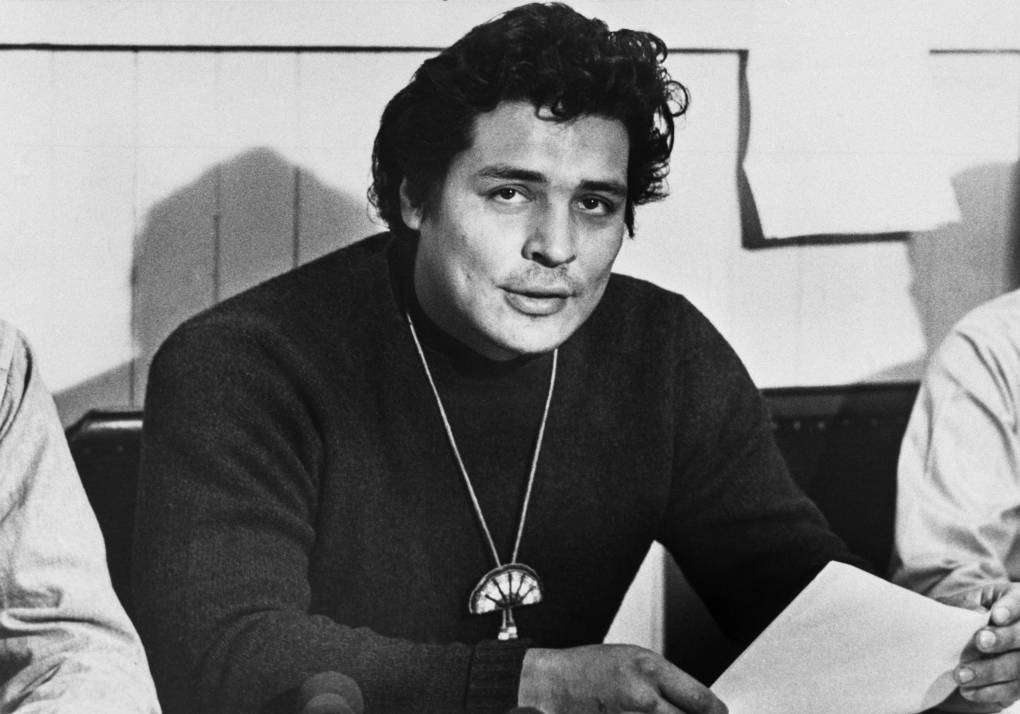
"caption": "Richard Oakes led the famous native occupation of Alcatraz Island in 1969.",
"description": null,
"title": "Richard Oakes",
"credit": "Bettmann/Getty Images",
"status": "inherit",
"altTag": null,
"isLoading": false,
"fetchFailed": false
},
"news_11963573": {
"type": "attachments",
"id": "news_11963573",
"meta": {
"index": "attachments_1716263798",
"site": "news",
"id": "11963573",
"found": true
},
"parent": 11963572,
"imgSizes": {
"twentyfourteen-full-width": {
"file": "https://ww2.kqed.org/app/uploads/sites/10/2023/10/231004-KAISER-STRIKE-MD-02-qut-1038x576.jpg",
"width": 1038,
"mimeType": "image/jpeg",
"height": 576
},
"thumbnail": {
"file": "https://ww2.kqed.org/app/uploads/sites/10/2023/10/231004-KAISER-STRIKE-MD-02-qut-160x107.jpg",
"width": 160,
"mimeType": "image/jpeg",
"height": 107
},
"post-thumbnail": {
"file": "https://ww2.kqed.org/app/uploads/sites/10/2023/10/231004-KAISER-STRIKE-MD-02-qut-672x372.jpg",
"width": 672,
"mimeType": "image/jpeg",
"height": 372
},
"kqedFullSize": {
"file": "https://ww2.kqed.org/app/uploads/sites/10/2023/10/231004-KAISER-STRIKE-MD-02-qut.jpg",
"width": 1920,
"height": 1280
},
"large": {
"file": "https://ww2.kqed.org/app/uploads/sites/10/2023/10/231004-KAISER-STRIKE-MD-02-qut-1020x680.jpg",
"width": 1020,
"mimeType": "image/jpeg",
"height": 680
},
"1536x1536": {
"file": "https://ww2.kqed.org/app/uploads/sites/10/2023/10/231004-KAISER-STRIKE-MD-02-qut-1536x1024.jpg",
"width": 1536,
"mimeType": "image/jpeg",
"height": 1024
},
"medium": {
"file": "https://ww2.kqed.org/app/uploads/sites/10/2023/10/231004-KAISER-STRIKE-MD-02-qut-800x533.jpg",
"width": 800,
"mimeType": "image/jpeg",
"height": 533
}
},
"publishDate": 1696537639,
"modified": 1696537659,
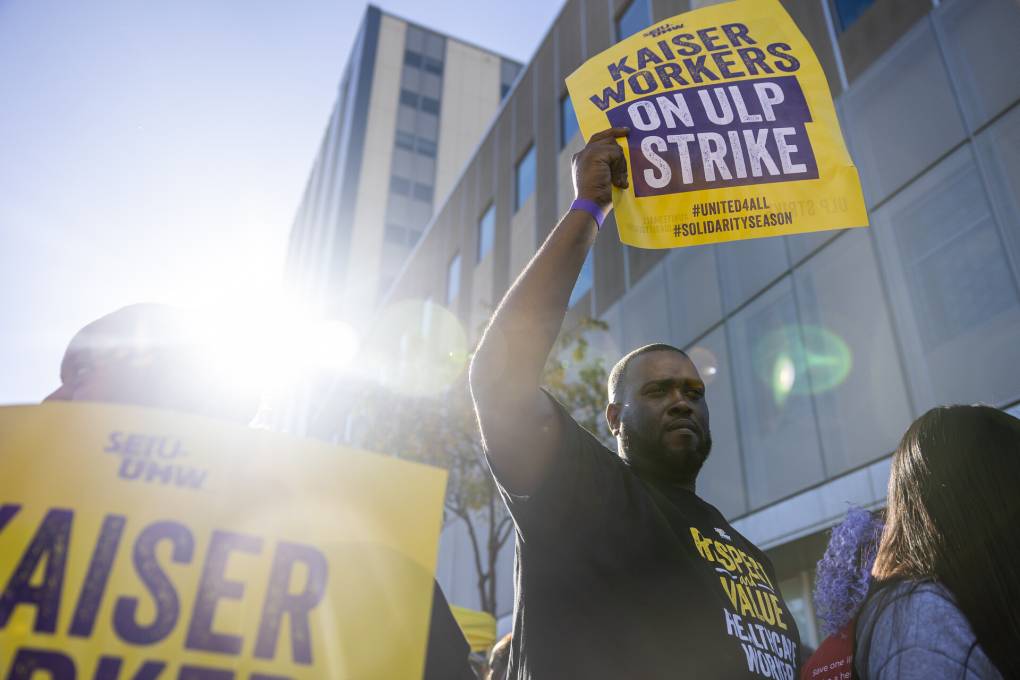
"caption": "Michael Jones and others strike at the Kaiser Permanente Oakland Medical Center in Oakland on Oct. 4, 2023.",
"description": null,
"title": "231004-KAISER STRIKE-MD-02-qut",
"credit": "Martin do Nascimento/KQED",
"status": "inherit",
"altTag": null,
"isLoading": false,
"fetchFailed": false
},
"news_11963262": {
"type": "attachments",
"id": "news_11963262",
"meta": {
"index": "attachments_1716263798",
"site": "news",
"id": "11963262",
"found": true
},
"parent": 11963258,
"imgSizes": {
"twentyfourteen-full-width": {
"file": "https://ww2.kqed.org/app/uploads/sites/10/2023/10/HKGTFinalTile_Hyphy-Kids-Got-Trauma-1-1536x1536-1-1038x576.png",
"width": 1038,
"mimeType": "image/png",
"height": 576
},
"thumbnail": {
"file": "https://ww2.kqed.org/app/uploads/sites/10/2023/10/HKGTFinalTile_Hyphy-Kids-Got-Trauma-1-1536x1536-1-160x160.png",
"width": 160,
"mimeType": "image/png",
"height": 160
},
"post-thumbnail": {
"file": "https://ww2.kqed.org/app/uploads/sites/10/2023/10/HKGTFinalTile_Hyphy-Kids-Got-Trauma-1-1536x1536-1-672x372.png",
"width": 672,
"mimeType": "image/png",
"height": 372
},
"kqedFullSize": {
"file": "https://ww2.kqed.org/app/uploads/sites/10/2023/10/HKGTFinalTile_Hyphy-Kids-Got-Trauma-1-1536x1536-1.png",
"width": 1536,
"height": 1536
},
"large": {
"file": "https://ww2.kqed.org/app/uploads/sites/10/2023/10/HKGTFinalTile_Hyphy-Kids-Got-Trauma-1-1536x1536-1-1020x1020.png",
"width": 1020,
"mimeType": "image/png",
"height": 1020
},
"medium": {
"file": "https://ww2.kqed.org/app/uploads/sites/10/2023/10/HKGTFinalTile_Hyphy-Kids-Got-Trauma-1-1536x1536-1-800x800.png",
"width": 800,
"mimeType": "image/png",
"height": 800
}
},
"publishDate": 1696362439,
"modified": 1696362458,
"caption": null,
"description": "Hyphy Kids Got Trauma, the podcast series from Rightnowish. (Rebecca Kao)",
"title": "HKGTFinalTile_Hyphy-Kids-Got-Trauma-1-1536x1536",
"credit": null,
"status": "inherit",
"altTag": null,
"isLoading": false,
"fetchFailed": false
},
"news_11962881": {
"type": "attachments",
"id": "news_11962881",
"meta": {
"index": "attachments_1716263798",
"site": "news",
"id": "11962881",
"found": true
},
"parent": 11962877,
"imgSizes": {
"twentyfourteen-full-width": {
"file": "https://ww2.kqed.org/app/uploads/sites/10/2023/09/AP23272503321402-1024x576.jpg",
"width": 1024,
"mimeType": "image/jpeg",
"height": 576
},
"thumbnail": {
"file": "https://ww2.kqed.org/app/uploads/sites/10/2023/09/AP23272503321402-160x110.jpg",
"width": 160,
"mimeType": "image/jpeg",
"height": 110
},
"post-thumbnail": {
"file": "https://ww2.kqed.org/app/uploads/sites/10/2023/09/AP23272503321402-672x372.jpg",
"width": 672,
"mimeType": "image/jpeg",
"height": 372
},
"kqedFullSize": {
"file": "https://ww2.kqed.org/app/uploads/sites/10/2023/09/AP23272503321402.jpg",
"width": 1024,
"height": 707
},
"large": {
"file": "https://ww2.kqed.org/app/uploads/sites/10/2023/09/AP23272503321402-1020x704.jpg",
"width": 1020,
"mimeType": "image/jpeg",
"height": 704
},
"medium": {
"file": "https://ww2.kqed.org/app/uploads/sites/10/2023/09/AP23272503321402-800x552.jpg",
"width": 800,
"mimeType": "image/jpeg",
"height": 552
}
},
"publishDate": 1696013016,
"modified": 1696013914,
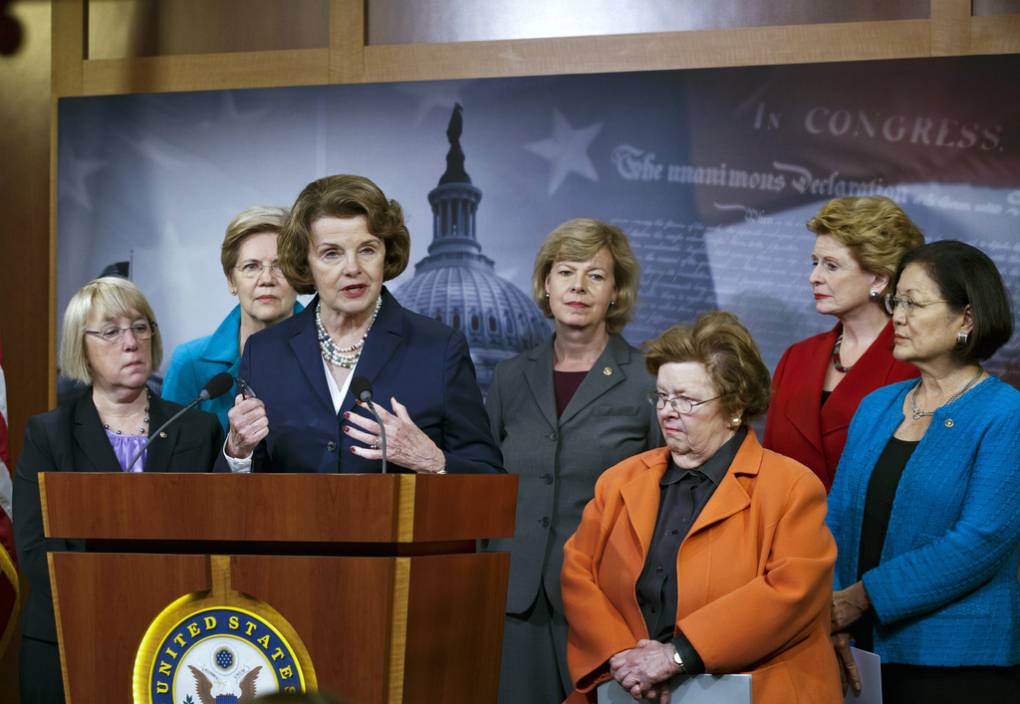
"caption": "California Democratic Sen. Dianne Feinstein, and a group of women senators gather at a news conference on Capitol Hill on June 4, 2014. From left are, Sen. Patty Murray (D-Wash.) Sen. Elizabeth Warren (D-Mass.) Feinstein, Sen. Tammy Baldwin (D-Wis.), Sen. Barbara A. Mikulski, (D-Md.), Sen. Mazie K. Hirono (D-Hawaii). Feinstein died Thursday night, at the age of 90.",
"description": null,
"title": "Obit Feinstein",
"credit": "J. Scott Applewhite/AP",
"status": "inherit",
"altTag": "Sen. Dianne Feinstein stands at a podium, surrounded by other female senators.",
"isLoading": false,
"fetchFailed": false
}
},
"audioPlayerReducer": {
"postId": "stream_live",
"isPaused": true,
"isPlaying": false,
"pfsActive": false,
"pledgeModalIsOpen": true,
"playerDrawerIsOpen": false,
"liveAudioPlayStartedAt": 0,
"liveAudioPlayContext": ""
},
"authorsReducer": {
"scottshafer": {
"type": "authors",
"id": "255",
"meta": {
"index": "authors_1716337520",
"id": "255",
"found": true
},
"name": "Scott Shafer",
"firstName": "Scott",
"lastName": "Shafer",
"slug": "scottshafer",
"email": "sshafer@kqed.org",
"display_author_email": false,
"staff_mastheads": [
"news"
],
"title": "KQED Contributor",
"bio": "Scott Shafer is a senior editor with the KQED Politics and Government desk. He is co-host of Political Breakdown, the award-winning radio show and podcast with a personal take on the world of politics. Scott came to KQED in 1998 to host the statewide\u003cem> California Report\u003c/em>. Prior to that he had extended stints in politics and government\u003cem>.\u003c/em> He uses that inside experience at KQED in his, reporting, hosting and analysis for the politics desk. Scott collaborated \u003cem>Political Breakdown a\u003c/em>nd on \u003cem>The Political Mind of Jerry Brown, \u003c/em>an eight-part series about the life and extraordinary political career of the former governor. For fun, he plays water polo with the San Francisco Tsunami.",
"avatar": "https://secure.gravatar.com/avatar/a62ebae45b79d7aed1a39a0e3bf68104?s=600&d=blank&r=g",
"twitter": "scottshafer",
"bluesky": null,
"facebook": null,
"instagram": null,
"linkedin": null,
"sites": [
{
"site": "news",
"roles": [
"editor"
]
},
{
"site": "stateofhealth",
"roles": [
"author"
]
},
{
"site": "science",
"roles": [
"author"
]
},
{
"site": "forum",
"roles": [
"subscriber"
]
},
{
"site": "liveblog",
"roles": [
"author"
]
}
],
"headData": {
"title": "Scott Shafer | KQED",
"description": "KQED Contributor",
"ogImgSrc": "https://secure.gravatar.com/avatar/a62ebae45b79d7aed1a39a0e3bf68104?s=600&d=blank&r=g",
"twImgSrc": "https://secure.gravatar.com/avatar/a62ebae45b79d7aed1a39a0e3bf68104?s=600&d=blank&r=g"
},
"isLoading": false,
"link": "/author/scottshafer"
},
"ecruzguevarra": {
"type": "authors",
"id": "8654",
"meta": {
"index": "authors_1716337520",
"id": "8654",
"found": true
},
"name": "Ericka Cruz Guevarra",
"firstName": "Ericka",
"lastName": "Cruz Guevarra",
"slug": "ecruzguevarra",
"email": "ecruzguevarra@kqed.org",
"display_author_email": true,
"staff_mastheads": [
"news"
],
"title": "Producer, The Bay Podcast",
"bio": "Ericka Cruz Guevarra is host of \u003ca href=\"https://www.kqed.org/podcasts/thebay\">\u003cem>The Bay\u003c/em>\u003c/a> podcast at KQED. Before host, she was the show’s producer. Her work in that capacity includes a three-part reported series on policing in Vallejo, which won a 2020 excellence in journalism award from the Society of Professional Journalists. Ericka has worked as a breaking news reporter at Oregon Public Broadcasting, helped produce the Code Switch podcast, and was KQED’s inaugural Raul Ramirez Diversity Fund intern. She’s also an alumna of NPR’s Next Generation Radio program. Send her an email if you have strong feelings about whether Fairfield and Suisun City are the Bay. Ericka is represented by SAG-AFTRA.",
"avatar": "https://secure.gravatar.com/avatar/accefc1de4bafc7e234b69bcb9b6f6536c130fd84709bc3069ef11a78787e1bb?s=600&d=blank&r=g",
"twitter": "NotoriousECG",
"bluesky": null,
"facebook": null,
"instagram": null,
"linkedin": null,
"sites": [
{
"site": "arts",
"roles": [
"subscriber"
]
},
{
"site": "news",
"roles": [
"editor",
"manage_categories"
]
},
{
"site": "futureofyou",
"roles": [
"subscriber"
]
},
{
"site": "stateofhealth",
"roles": [
"subscriber"
]
},
{
"site": "science",
"roles": [
"editor"
]
},
{
"site": "forum",
"roles": [
"subscriber"
]
}
],
"headData": {
"title": "Ericka Cruz Guevarra | KQED",
"description": "Producer, The Bay Podcast",
"ogImgSrc": "https://secure.gravatar.com/avatar/accefc1de4bafc7e234b69bcb9b6f6536c130fd84709bc3069ef11a78787e1bb?s=600&d=blank&r=g",
"twImgSrc": "https://secure.gravatar.com/avatar/accefc1de4bafc7e234b69bcb9b6f6536c130fd84709bc3069ef11a78787e1bb?s=600&d=blank&r=g"
},
"isLoading": false,
"link": "/author/ecruzguevarra"
},
"fjhabvala": {
"type": "authors",
"id": "8659",
"meta": {
"index": "authors_1716337520",
"id": "8659",
"found": true
},
"name": "Farida Jhabvala Romero",
"firstName": "Farida",
"lastName": "Jhabvala Romero",
"slug": "fjhabvala",
"email": "fjhabvala@kqed.org",
"display_author_email": true,
"staff_mastheads": [
"news"
],
"title": "KQED Contributor",
"bio": "Farida Jhabvala Romero is a Labor Correspondent for KQED. She previously covered immigration. Farida was \u003ca href=\"https://www.ccnma.org/2022-most-influential-latina-journalists\">named\u003c/a> one of the 10 Most Influential Latina Journalists in California in 2022 by the California Chicano News Media Association. Her work has won awards from the Society of Professional Journalists (Northern California), as well as a national and regional Edward M. Murrow Award for the collaborative reporting projects “Dangerous Air” and “Graying California.” Before joining KQED, Farida worked as a producer at Radio Bilingüe, a national public radio network. Farida earned her master’s degree in journalism from Stanford University.",
"avatar": "https://secure.gravatar.com/avatar/f9f022d4e2609741874222a1e9d41f48fea74011aa7c615eef91d9a50c944ebe?s=600&d=blank&r=g",
"twitter": "FaridaJhabvala",
"bluesky": null,
"facebook": null,
"instagram": null,
"linkedin": "https://www.linkedin.com/in/faridajhabvala/",
"sites": [
{
"site": "news",
"roles": [
"editor"
]
},
{
"site": "stateofhealth",
"roles": [
"author"
]
},
{
"site": "liveblog",
"roles": [
"author"
]
}
],
"headData": {
"title": "Farida Jhabvala Romero | KQED",
"description": "KQED Contributor",
"ogImgSrc": "https://secure.gravatar.com/avatar/f9f022d4e2609741874222a1e9d41f48fea74011aa7c615eef91d9a50c944ebe?s=600&d=blank&r=g",
"twImgSrc": "https://secure.gravatar.com/avatar/f9f022d4e2609741874222a1e9d41f48fea74011aa7c615eef91d9a50c944ebe?s=600&d=blank&r=g"
},
"isLoading": false,
"link": "/author/fjhabvala"
},
"dcronin": {
"type": "authors",
"id": "11362",
"meta": {
"index": "authors_1716337520",
"id": "11362",
"found": true
},
"name": "Dana Cronin",
"firstName": "Dana",
"lastName": "Cronin",
"slug": "dcronin",
"email": "dcronin@KQED.org",
"display_author_email": true,
"staff_mastheads": [],
"title": "KQED Contributor",
"bio": "Dana Cronin is a reporter for KQED News. She loves writing stories about climate change, environmental issues, food and agriculture. She's reported across the country, from Colorado to Washington D.C. to Illinois, and has won numerous awards for her coverage. Her work is regularly featured on national broadcasts, including NPR’s Morning Edition, All Things Considered, PBS Newshour and Science Friday. She lives in Oakland and has an avocado tree in her back yard.",
"avatar": "https://secure.gravatar.com/avatar/bcf89e3455ff7235f96ab6fa7258dd95?s=600&d=blank&r=g",
"twitter": "DanaHCronin",
"facebook": null,
"instagram": null,
"linkedin": null,
"sites": [
{
"site": "arts",
"roles": [
"author"
]
},
{
"site": "news",
"roles": [
"editor"
]
},
{
"site": "science",
"roles": [
"author"
]
},
{
"site": "liveblog",
"roles": [
"author"
]
}
],
"headData": {
"title": "Dana Cronin | KQED",
"description": "KQED Contributor",
"ogImgSrc": "https://secure.gravatar.com/avatar/bcf89e3455ff7235f96ab6fa7258dd95?s=600&d=blank&r=g",
"twImgSrc": "https://secure.gravatar.com/avatar/bcf89e3455ff7235f96ab6fa7258dd95?s=600&d=blank&r=g"
},
"isLoading": false,
"link": "/author/dcronin"
},
"amontecillo": {
"type": "authors",
"id": "11649",
"meta": {
"index": "authors_1716337520",
"id": "11649",
"found": true
},
"name": "Alan Montecillo",
"firstName": "Alan",
"lastName": "Montecillo",
"slug": "amontecillo",
"email": "amontecillo@kqed.org",
"display_author_email": false,
"staff_mastheads": [
"news"
],
"title": "KQED Contributor",
"bio": "Alan Montecillo is the senior editor of \u003cem>\u003ca href=\"http://kqed.org/thebay\">The Bay\u003c/a>, \u003c/em> KQED's local news podcast. Before moving to the Bay Area, he worked as a senior talk show producer for WILL in Champaign-Urbana, Illinois and at Oregon Public Broadcasting in Portland, Oregon. He has won journalism awards from the Society of Professional Journalists Northern California, the Public Media Journalists Association, The Signal Awards, and has also received a regional Edward R. Murrow award. Alan is a Filipino American from Hong Kong and a graduate of Reed College.",
"avatar": "https://secure.gravatar.com/avatar/268f53a2066899ea9efdd8a5900218b17c822d9862cbc9326cccec53ef41d349?s=600&d=blank&r=g",
"twitter": "alanmontecillo",
"bluesky": null,
"facebook": null,
"instagram": null,
"linkedin": null,
"sites": [
{
"site": "",
"roles": [
"editor"
]
},
{
"site": "news",
"roles": [
"editor",
"manage_categories"
]
}
],
"headData": {
"title": "Alan Montecillo | KQED",
"description": "KQED Contributor",
"ogImgSrc": "https://secure.gravatar.com/avatar/268f53a2066899ea9efdd8a5900218b17c822d9862cbc9326cccec53ef41d349?s=600&d=blank&r=g",
"twImgSrc": "https://secure.gravatar.com/avatar/268f53a2066899ea9efdd8a5900218b17c822d9862cbc9326cccec53ef41d349?s=600&d=blank&r=g"
},
"isLoading": false,
"link": "/author/amontecillo"
},
"mesquinca": {
"type": "authors",
"id": "11802",
"meta": {
"index": "authors_1716337520",
"id": "11802",
"found": true
},
"name": "Maria Esquinca",
"firstName": "Maria",
"lastName": "Esquinca",
"slug": "mesquinca",
"email": "mesquinca@kqed.org",
"display_author_email": false,
"staff_mastheads": [],
"title": "Producer, The Bay",
"bio": "María Esquinca is a producer of The Bay. Before that, she was a New York Women’s Foundation IGNITE Fellow at Latino USA. She worked at Radio Bilingue where she covered the San Joaquin Valley. Maria has interned at WLRN, News 21, The New York Times Student Journalism Institute and at Crain’s Detroit Business as a Dow Jones News Fund Business Reporting Intern. She is an MFA graduate from the University of Miami. In 2017, she graduated from the Walter Cronkite School of Journalism and Mass Communication with a Master of Mass Communication. A fronteriza, she was born in Ciudad Juárez, Chihuahua, Mexico and grew up in El Paso, Texas.",
"avatar": "https://secure.gravatar.com/avatar/77cedba18aae91da775038ba06dcd8d0?s=600&d=blank&r=g",
"twitter": "@m_esquinca",
"facebook": null,
"instagram": null,
"linkedin": null,
"sites": [
{
"site": "news",
"roles": []
}
],
"headData": {
"title": "Maria Esquinca | KQED",
"description": "Producer, The Bay",
"ogImgSrc": "https://secure.gravatar.com/avatar/77cedba18aae91da775038ba06dcd8d0?s=600&d=blank&r=g",
"twImgSrc": "https://secure.gravatar.com/avatar/77cedba18aae91da775038ba06dcd8d0?s=600&d=blank&r=g"
},
"isLoading": false,
"link": "/author/mesquinca"
},
"rvasquez": {
"type": "authors",
"id": "11860",
"meta": {
"index": "authors_1716337520",
"id": "11860",
"found": true
},
"name": "Rachael Vasquez",
"firstName": "Rachael",
"lastName": "Vasquez",
"slug": "rvasquez",
"email": "rvasquez@KQED.org",
"display_author_email": false,
"staff_mastheads": [
"news"
],
"title": "KQED Contributor",
"bio": "Rachael Vasquez is a weekend host and editor at KQED. She’s worked in public radio for years, most recently at Wisconsin Public Radio in Madison, Wis. where she woke up very early as a producer for the network’s statewide \"Morning Edition\" broadcast, later serving as a producer for the stations’s afternoon talk show \"Central Time,\" and going on to report on business and economics during the coronavirus pandemic. In addition to hearing her anchor the afternoon newscasts every weekend at KQED, you can find her working with a number of different teams including the weekday newsroom and \"Forum.\" Rachael is an East Bay native who loves watching old movies and cooking her abuelita’s recipes.",
"avatar": "https://secure.gravatar.com/avatar/a1defdae97cbdde04c13baacacd7c94a?s=600&d=blank&r=g",
"twitter": null,
"facebook": null,
"instagram": null,
"linkedin": null,
"sites": [
{
"site": "news",
"roles": [
"editor"
]
}
],
"headData": {
"title": "Rachael Vasquez | KQED",
"description": "KQED Contributor",
"ogImgSrc": "https://secure.gravatar.com/avatar/a1defdae97cbdde04c13baacacd7c94a?s=600&d=blank&r=g",
"twImgSrc": "https://secure.gravatar.com/avatar/a1defdae97cbdde04c13baacacd7c94a?s=600&d=blank&r=g"
},
"isLoading": false,
"link": "/author/rvasquez"
}
},
"pagesReducer": {
"news_program_the-bay": {
"type": "terms",
"id": "news_28779",
"meta": {
"index": "terms_1716263798",
"site": "news",
"id": "28779",
"score": 15.530257
},
"featImg": null,
"name": "The Bay",
"description": null,
"taxonomy": "program",
"headData": {
"twImgId": null,
"twTitle": null,
"ogTitle": null,
"ogImgId": null,
"twDescription": null,
"description": "The Bay is a daily news and culture program from KQED that covers the latest headlines, trends, and stories that matter to the Bay Area.",
"title": "The Bay Area Archives | KQED",
"ogDescription": null
},
"ttid": 28796,
"slug": "the-bay",
"isLoading": false,
"title": "The Bay",
"pageMeta": {
"site": "news",
"WpPageTemplate": "page-topic-editorial",
"currentPage": 9
},
"blocks": [
{
"blockName": "kqed/post-list",
"attrs": {
"layout": "cardArticle2",
"query": "posts/news?program=the-bay",
"seeMore": false,
"paginated": true,
"page": 9
}
},
{
"blockName": "kqed/ad"
}
]
}
},
"pfsSessionReducer": {},
"postsReducer": {
"stream_live": {
"type": "live",
"id": "stream_live",
"audioUrl": "https://streams.kqed.org/kqedradio",
"title": "Live Stream",
"excerpt": "Live Stream information currently unavailable.",
"link": "/radio",
"featImg": "",
"label": {
"name": "KQED Live",
"link": "/"
}
},
"stream_kqedNewscast": {
"type": "posts",
"id": "stream_kqedNewscast",
"audioUrl": "https://www.kqed.org/.stream/anon/radio/RDnews/newscast.mp3?_=1",
"title": "KQED Newscast",
"featImg": "",
"label": {
"name": "88.5 FM",
"link": "/"
}
},
"news_11965698": {
"type": "posts",
"id": "news_11965698",
"meta": {
"index": "posts_1716263798",
"site": "news",
"id": "11965698",
"score": null,
"sort": [
1698400849000
]
},
"guestAuthors": [],
"slug": "the-bays-october-news-roundup-richmond-stands-with-palestine-cruise-suspended-in-sf-a-win-for-child-care-workers",
"title": "The Bay’s October News Roundup: Richmond Stands With Palestine, Cruise Suspended in SF, A Win For Child Care Workers",
"publishDate": 1698400849,
"format": "audio",
"headTitle": "The Bay’s October News Roundup: Richmond Stands With Palestine, Cruise Suspended in SF, A Win For Child Care Workers | KQED",
"labelTerm": {},
"content": "\u003cp>In this edition of The Bay’s monthly news roundup, Ericka, Maria and Alan talk about how Richmond became the first city in the country to pass a resolution in support of Palestinians in Gaza, the Department of Motor Vehicles decision to pull Cruise’s permit in San Francisco, and a big labor win for childcare workers in California.\u003c/p>\n\u003cp>\u003c!-- iframe plugin v.4.3 wordpress.org/plugins/iframe/ -->\u003cbr>\n\u003ciframe loading=\"lazy\" frameborder=\"0\" height=\"200\" scrolling=\"no\" src=\"https://playlist.megaphone.fm/?e=KQINC2019200695\" width=\"100%\" class=\"iframe-class\">\u003c/iframe>\u003c/p>\n\u003cp>\u003ca href=\"#episode-transcript\">\u003ci>\u003cspan style=\"font-weight: 400\">View the full episode transcript.\u003c/span>\u003c/i>\u003c/a>\u003c/p>\n\u003cp>Links:\u003c/p>\n\u003cul>\n\u003cli>\u003cem>LA Times: \u003c/em>\u003ca href=\"https://www.latimes.com/california/story/2023-10-25/california-city-first-in-nation-to-support-palestinians-in-gaza-with-resolution-accusing-israel-of-ethnic-cleansing\" target=\"_blank\" rel=\"noopener noreferrer\">California city first in U.S. to officially back Palestinians, accuses Israel of ‘ethnic cleansing’\u003c/a>\u003c/li>\n\u003cli>\u003cem>KQED: \u003c/em>\u003ca href=\"https://www.kqed.org/news/11964236/how-a-california-child-care-workers-union-fought-for-living-wages-and-won\" target=\"_blank\" rel=\"noopener noreferrer\"> How a California Child Care Workers’ Union Fought for Living Wages — and Won\u003c/a>\u003c/li>\n\u003cli>\u003cem>San Francisco Chronicle:\u003c/em>\u003ca href=\"https://www.sfchronicle.com/bayarea/article/s-f-cruise-driverless-taxis-suspended-18445110.php\" target=\"_blank\" rel=\"noopener noreferrer\"> California DMV suspends Cruise’s driverless taxis in S.F. after company allegedly withheld car crash footage\u003c/a>\u003c/li>\n\u003c/ul>\n\u003ch2 id=\"episode-transcript\">Episode Transcript\u003c/h2>\n\u003cp>\u003ci>\u003cspan style=\"font-weight: 400\">This is a computer-generated transcript. While our team has reviewed it, there may be errors.\u003c/span>\u003c/i>\u003c/p>\n\u003cp>[ad fullwidth]\u003c/p>\n\u003cp>\u003cstrong>Ericka Cruz Guevarra: \u003c/strong>I’m Ericka Cruz Guevarra and welcome to the bay. Local news to keep you rooted. And welcome to our October news roundup where the bay team talks about some of the other stories that we’ve been following this month. I’m here with our producer, Maria Esquinca. Hi, Maria.\u003c/p>\n\u003cp>\u003cstrong>Maria Esquinca: \u003c/strong>Hello. Hello. Hello.\u003c/p>\n\u003cp>\u003cstrong>Ericka Cruz Guevarra: \u003c/strong>And also our senior editor, Allan Montecillo.\u003c/p>\n\u003cp>\u003cstrong>Alan Montecillo: \u003c/strong>Hi.\u003c/p>\n\u003cp>\u003cstrong>Ericka Cruz Guevarra: \u003c/strong>And wow, you all this month has been a lot. It’s been a lot. It’s been a heavy news month.\u003c/p>\n\u003cp>\u003cstrong>Maria Esquinca: \u003c/strong>Yeah.\u003c/p>\n\u003cp>\u003cstrong>Alan Montecillo: \u003c/strong>Yeah. I mean, before we get to the stories we are all following. I mean, I think everyone knows this has been a just completely chaotic news month. We have a new senator Lafond, a butler. Obviously, all this drama in the house, it looks like we do have a new speaker of the House as of this taping. So, you know, there is that Governor Gavin Newsom passed and vetoed a bunch of bills. And then, of course, the biggest story in the world, obviously, is the war between Israel and Hamas. So there’s been so much going on this month.\u003c/p>\n\u003cp>\u003cstrong>Maria Esquinca: \u003c/strong>Yeah, it’s a difficult time to also work in the in the media. I think we’re in a position where we literally cannot turn the news off and that can be heavy. And I’m sure a lot of people that also don’t work in the media are really closely following what’s going on in Gaza right now. I find that it’s a time where I feel myself at a loss of words about how to talk about this moment and what to say to people. And so all I can do is like, acknowledge, acknowledge what we’re feeling right now.\u003c/p>\n\u003cp>\u003cstrong>Alan Montecillo: \u003c/strong>When there’s big news that breaks nationally or internationally. We’re sort of in a weird position as a local show. We can’t necessarily cover every single, say, rally or meeting. We don’t have reporters in Israel or Gaza. We’re always trying to find the local angle. But it’s hard, you know, I mean, I think we tried to do that with some of our recent episodes covering rallies and gatherings in the Bay Area these last few weeks, an episode about kind of big tech and misinformation. But there’s obviously so much more.\u003c/p>\n\u003cp>\u003cstrong>Ericka Cruz Guevarra: \u003c/strong>Well, the story that I actually brought to the table today is kind of at the sweet spot of some of the stuff we’re talking about on Tuesday night. The Richmond City Council voted 5 to 1 to pass a resolution affirming Richmond’s support and solidarity with the Palestinian people of Gaza. That’s what the resolution is called. It was sponsored by Richmond Mayor Eduardo Martinez and Vice Mayor Gayle McLaughlin.\u003c/p>\n\u003cp>\u003cstrong>Maria Esquinca: \u003c/strong>What does this resolution do?\u003c/p>\n\u003cp>\u003cstrong>Ericka Cruz Guevarra: \u003c/strong>One of the big things is that it calls for an immediate cease fire and safe passage of aid into Gaza. It calls for the end of Israeli apartheid and an end to the occupation and blockade of Palestinian land. And it also calls for an immediate release of Israeli hostages by Hamas. So it really is a big statement, really laying out Richmond’s position on what’s happening.\u003c/p>\n\u003cp>\u003cstrong>Maria Esquinca: \u003c/strong>Richmond is the only city in the country to have done this. Why did they do this?\u003c/p>\n\u003cp>\u003cstrong>Ericka Cruz Guevarra: \u003c/strong>Well, the co-sponsors of the resolution mentioned a couple of things. A vice mayor, Gail McLaughlin, told KPIX that she believes that, quote, Richmond is not an island and she and the mayor made a lot of reference to the fact that U.S. tax dollars, including the tax dollars of Richmond residents, is supporting Israel’s military and that she believes that as a public official, as a representative of the city of Richmond, she has a moral obligation to speak out against what is happening to the people of Palestine.\u003c/p>\n\u003cp>\u003cstrong>Alan Montecillo: \u003c/strong>I have to imagine that this resolution drew very, very strong reactions. What has been said so far about the resolution?\u003c/p>\n\u003cp>\u003cstrong>Ericka Cruz Guevarra: \u003c/strong>Yeah, there have been some groups in support of Israel who kind of came out ahead of the vote. You also saw some community groups like the Jewish Community Relations Council coming out strong in opposition to this resolution, calling it inflammatory and biased and urging people to speak up against it. You know, that city council meeting was completely packed. There was literally like an overflow room of both supporters and opponents of the resolution.\u003c/p>\n\u003cp>\u003cstrong>Ericka Cruz Guevarra: \u003c/strong>But honestly, there was a lot of support for this resolution. In fact, some local organizations say that they mobilized 6500 people to send letters. Encouraging the council to stand with the people of Palestine. You saw people at the council meeting with like huge Palestinian flags. I think the council is really felt very backed by the community and the constituents that this was the right thing to do.\u003c/p>\n\u003cp>\u003cstrong>Alan Montecillo: \u003c/strong>It seems like the value of the resolution to council members and residents is this sort of official symbolic statement that says this is what the city thinks about this issue?\u003c/p>\n\u003cp>\u003cstrong>Ericka Cruz Guevarra: \u003c/strong>Yeah, definitely. I think it’s it’s really a matter for them of taking a moral stance here. Council member Doria Robinson actually talks about that. She mentioned how the fight to end slavery in the U.S. and also the civil rights movement. The fight against apartheid in South Africa were all once very unpopular and controversial issues.\u003c/p>\n\u003cp>\u003cstrong>Alan Montecillo: \u003c/strong>But at some point somebody has to say, I love you and you’re wrong. What you’re doing is wrong. And I cannot not say it’s wrong anymore. I think we’re at that point in Richmond. I hope we’re at that point in Richmond. I hope other people find courage in our actions. I hope we find the right resolution tonight. Thank you.\u003c/p>\n\u003cp>\u003cstrong>Ericka Cruz Guevarra: \u003c/strong>So there’s my story. After the break, we will talk with Maria and Alan about what they’ve been following this October. Stay with us.\u003c/p>\n\u003cp>\u003cstrong>Maria Esquinca: \u003c/strong>So my story is about Cruise. The driverless car company just this week had its permit removed by the California Department of Motor Vehicles.\u003c/p>\n\u003cp>\u003cstrong>Alan Montecillo: \u003c/strong>These were, just to be clear, the self-driving taxis, right?\u003c/p>\n\u003cp>\u003cstrong>Maria Esquinca: \u003c/strong>Yeah. So what happened is basically they got permission by state authorities. And so when this happened back in August, it was quite a moment where people were, you know, either shocked or worried or excited about this. And at the time when it when this got approved, again, there was sort of hesitation that was raised by some groups whether this was safe. And the latest news is that they got their permits removed and it was a decision that was effective immediately. And we do not know when they will be allowed to roam the streets of San Francisco again.\u003c/p>\n\u003cp>\u003cstrong>Ericka Cruz Guevarra: \u003c/strong>Yeah, that’s kind of wild. I feel like the the rug was basically pulled out from under Cruz, who it seemed like was kind of on a roll. But why is this happening?\u003c/p>\n\u003cp>\u003cstrong>Maria Esquinca: \u003c/strong>So at the heart of this is an incident that happened early in the month, on October 2nd. This is according to the documents that were released by the Department of Motor Vehicles. This happened somewhere around Market Street in San Francisco. There was a pedestrian and this was a hit and run. So a real person driving a car hit her and threw her into the path of a Cruz car. The Cruz car came to a stop or braked, but then kept moving and did a pull what they’re calling a pull over maneuver while she was under the Cruz car and dragged her 20 feet before stopping.\u003c/p>\n\u003cp>\u003cstrong>Ericka Cruz Guevarra: \u003c/strong>Oh, my.\u003c/p>\n\u003cp>\u003cstrong>Maria Esquinca: \u003c/strong>And the next day, DMV officials met with Cruz officials, officials of the Cruz. The company had video footage of this incident. According to the DMV, they only showed camera footage up to the point of the Cruz car breaking. Mm hmm. And then they didn’t show any additional video footage to DMV officials. And according to the DMV, they later found out that Cruz had additional video video footage that showed the Cruz car dragging this woman underneath their car and had withheld the this video footage. And that is really at the heart of like the suspension. And according to DMV officials, they only found out about this like additional video footage through another government agency.\u003c/p>\n\u003cp>\u003cstrong>Alan Montecillo: \u003c/strong>Is the woman who was hit. Okay. Do we know?\u003c/p>\n\u003cp>\u003cstrong>Maria Esquinca: \u003c/strong>So according to media reports, the woman’s identity is unknown and she’s currently in the hospital.\u003c/p>\n\u003cp>\u003cstrong>Alan Montecillo: \u003c/strong>Okay. So these are serious allegations from the DMV. Obviously, having your permit suspended in San Francisco is a big deal. What has Cruz said about this?\u003c/p>\n\u003cp>\u003cstrong>Maria Esquinca: \u003c/strong>So Cruz is denying the allegations. And in their own statement, they said that they showed the complete video multiple times on October 3rd, the day after this incident happened, and they sent a copy to DMV officials. Omdia DMV officials in their own like statement had said that they received a copy of the whole footage, but that was way later on October 13th. And so Cruz is right now just denying.\u003c/p>\n\u003cp>\u003cstrong>Ericka Cruz Guevarra: \u003c/strong>And how have city officials responded to this? Because they know actually some of them were actually kind of hesitant about allowing these cars to just roam free.\u003c/p>\n\u003cp>\u003cstrong>Maria Esquinca: \u003c/strong>Yeah. So there are some city officials that are speaking out about this. And one of those is San Francisco’s city attorney, David Chiu.\u003c/p>\n\u003cp>\u003cstrong>Alan Montecillo: \u003c/strong>And our profound hope is that the California Public Utilities Commission, which regulates the ability of a ton of vehicles to carry passengers, that they will reconsider their recent decision. The CPC recently decided to allow for the unfettered, unlimited expansion of autonomous vehicles in San Francisco. We have formally requested that the CPC reconsider its decision.\u003c/p>\n\u003cp>\u003cstrong>Maria Esquinca: \u003c/strong>And so I think part of the things that he’s flagging is a concern about transparency and the information that these companies are providing to the to the city, which arguably they need to be able to make these sort of decisions.\u003c/p>\n\u003cp>\u003cstrong>Ericka Cruz Guevarra: \u003c/strong>Oh, Alan, I want to move on to you, and you’ve actually got a more positive story for us to end on. I know our listeners probably like to hear some good news. Yeah.\u003c/p>\n\u003cp>\u003cstrong>Alan Montecillo: \u003c/strong>So this is a story about childcare workers. It was a story reported by KQED Daisy, when this past month, childcare workers in California got $2 million from the state to provide about a 20% increase in wages. Wow. And to even create a first in the nation retirement fund for childcare workers.\u003c/p>\n\u003cp>\u003cstrong>Ericka Cruz Guevarra: \u003c/strong>As Daisy as reported on in the past. California has a child care crisis in large part because many of the people who do this work don’t get paid living wages, right?\u003c/p>\n\u003cp>\u003cstrong>Alan Montecillo: \u003c/strong>Yeah. I mean, America has a child care crisis. Childcare workers all across the nation report just terrible, terrible pay, generally feeling kind of undervalued, like people don’t understand or care about the work that they do. As most people probably know, childcare workers tend to be immigrants. They tend to be women of color. They’ve generally been left out of a lot of labor protections. And obviously, in California, this is an expensive state to live in.\u003c/p>\n\u003cp>\u003cstrong>Alan Montecillo: \u003c/strong>So a lot of those problems just get compounded. One person that Daisy talked to is a woman named Nancy Harvey. She runs a daycare out of her home in West Oakland. And she actually transitioned to daycare after working in the private sector, after working in schools. And she was she was just shocked at how much worse the pay is in child care, how much worse the benefits are.\u003c/p>\n\u003cp>\u003cstrong>Alan Montecillo: \u003c/strong>I had come out of corporate. I had also worked in the school system, and a retirement plan was essential for anyone that worked a job. And I couldn’t understand how this very valuable industry did not have that.\u003c/p>\n\u003cp>\u003cstrong>Ericka Cruz Guevarra: \u003c/strong>Well, I mean, Alan, what kind of work are we talking about when we when we talk about childcare workers? And why is it the state that is paying them?\u003c/p>\n\u003cp>\u003cstrong>Alan Montecillo: \u003c/strong>So in this case, we’re mostly talking about home based child care providers. So people who are operating childcare centers out of their homes, these home based providers are considered self-employed small business owners. But many of them, especially those who serve lower income families, have long argued that they should be classified as public employees because a lot of their salary actually depends on reimbursement from the state of California. It’s not uncommon for people who work in childcare, who receive money from the state to pay their salaries to themselves, also qualify for public assistance. I mean, it’s hard to overstate how much lower the wages are.\u003c/p>\n\u003cp>\u003cstrong>Maria Esquinca: \u003c/strong>How did they get this to happen? How did they organize?\u003c/p>\n\u003cp>\u003cstrong>Alan Montecillo: \u003c/strong>It actually took about two decades of organizing for workers to even win the right to collectively bargain. In 2019, the union, which is called Childcare Providers United, which represents about 40,000 workers, was finally able to unionize and gain the right to collectively bargain. They were actually on the verge of negotiating their first contract. And then COVID happened. And one thing that happened with COVID is many child care centers closed. You know, in 2021, they did negotiate their first contract. They got $100 million from the state. But this is much, much bigger. So, yeah, I think that, you know, decades of organizing is one big part of it. I think the sort of inadvertent effect of COVID really just emphasizing how important childcare services are to people. And another thing that Daisy flagged in her story is that more women in the legislature made a big difference. One of the people who Daisy talked to, a state senator, Nancy Skinner, and she talked about just how much the pandemic really affected childcare services.\u003c/p>\n\u003cp>\u003cstrong>Alan Montecillo: \u003c/strong>So we just saw this collapse that affected not only families, obviously, and the little kids that that really deserve good childcare, but also affected California’s employers and our economy.\u003c/p>\n\u003cp>\u003cstrong>Alan Montecillo: \u003c/strong>Many other workers who aren’t in the union will benefit, too. You know, they they got the state to change the way it pays providers so they’ll get a raise even if they’re not in the union. So this will supply apply to larger childcare centers that are subsidized by the state, not just home based ones. So this is a pretty big deal.\u003c/p>\n\u003cp>\u003cstrong>Ericka Cruz Guevarra: \u003c/strong>Well, thanks so much, Alan, for that bit of positive news. If you want to read more about Daisy’s reporting, we’ll leave a link to that story in our show notes, as well as coverage on the DMV’s decision on Cruz and some reporting on the Richmond City Council’s vote in solidarity with the people of Palestine. And meantime, Maria, Allan, thanks so much.\u003c/p>\n\u003cp>\u003cstrong>Alan Montecillo: \u003c/strong>Thank you.\u003c/p>\n\u003cp>\u003cstrong>Maria Esquinca: \u003c/strong>Thank you.\u003c/p>\n\u003cp>[ad floatright]\u003c/p>\n\u003cp>\u003cstrong>Ericka Cruz Guevarra: \u003c/strong>Thanks to KQED reporter Sidney Johnson for the tape of David Chu that you heard in this episode. Shout out as well to the rest of our podcast team here at KQED. That’s Jen Chien, our director of podcasts. Katie Sprenger, our podcast operations manager. Cesar Saldana, our podcast engagement producer. And Holly Kernan, our chief content officer. The Bay is a production of member supported KQED in San Francisco. I’m Ericka Cruz Guevarra. Thanks for listening. Talk to you next week.\u003c/p>\n\n",
"blocks": [],
"excerpt": null,
"status": "publish",
"parent": 0,
"modified": 1723499298,
"stats": {
"hasAudio": true,
"hasVideo": false,
"hasChartOrMap": false,
"iframeSrcs": [],
"hasGoogleForm": false,
"hasGallery": false,
"hasHearkenModule": false,
"hasPolis": false,
"paragraphCount": 59,
"wordCount": 2914
},
"headData": {
"title": "The Bay’s October News Roundup: Richmond Stands With Palestine, Cruise Suspended in SF, A Win For Child Care Workers | KQED",
"description": "In this edition of The Bay’s monthly news roundup, Ericka, Maria and Alan talk about how Richmond became the first city in the country to pass a resolution in support of Palestinians in Gaza, the Department of Motor Vehicles decision to pull Cruise’s permit in San Francisco, and a big labor win for childcare workers in California. View the full episode transcript. Links: LA Times: California city first in U.S. to officially back Palestinians, accuses Israel of ‘ethnic cleansing’ KQED: How a California Child Care Workers’ Union Fought for Living Wages — and Won San Francisco Chronicle: California DMV suspends",
"ogTitle": "",
"ogDescription": "",
"ogImgId": "",
"twTitle": "",
"twDescription": "",
"twImgId": "",
"schema": {
"@context": "https://schema.org",
"@type": "NewsArticle",
"headline": "The Bay’s October News Roundup: Richmond Stands With Palestine, Cruise Suspended in SF, A Win For Child Care Workers",
"datePublished": "2023-10-27T03:00:49-07:00",
"dateModified": "2024-08-12T14:48:18-07:00",
"image": "https://cdn.kqed.org/wp-content/uploads/2020/02/KQED-OG-Image@1x.png",
"isAccessibleForFree": "True",
"publisher": {
"@type": "NewsMediaOrganization",
"@id": "https://www.kqed.org/#organization",
"name": "KQED",
"logo": "https://cdn.kqed.org/wp-content/uploads/2020/02/KQED-OG-Image@1x.png",
"url": "https://www.kqed.org",
"sameAs": [
"https://www.facebook.com/KQED",
"https://twitter.com/KQED",
"https://www.instagram.com/kqed/",
"https://www.tiktok.com/@kqedofficial",
"https://www.linkedin.com/company/kqed",
"https://www.youtube.com/channel/UCeC0IOo7i1P_61zVUWbJ4nw"
]
}
}
},
"source": "The Bay",
"sourceUrl": "https://www.kqed.org/podcasts/thebay",
"audioUrl": "https://www.podtrac.com/pts/redirect.mp3/chrt.fm/track/G6C7C3/traffic.megaphone.fm/KQINC2019200695.mp3?updated=1698346987",
"sticky": false,
"excludeFromSiteSearch": "Include",
"articleAge": "0",
"path": "/news/11965698/the-bays-october-news-roundup-richmond-stands-with-palestine-cruise-suspended-in-sf-a-win-for-child-care-workers",
"audioTrackLength": null,
"parsedContent": [
{
"type": "contentString",
"content": "\u003cdiv class=\"post-body\">\u003cp>\u003cp>In this edition of The Bay’s monthly news roundup, Ericka, Maria and Alan talk about how Richmond became the first city in the country to pass a resolution in support of Palestinians in Gaza, the Department of Motor Vehicles decision to pull Cruise’s permit in San Francisco, and a big labor win for childcare workers in California.\u003c/p>\n\u003cp>\u003c!-- iframe plugin v.4.3 wordpress.org/plugins/iframe/ -->\u003cbr>\n\u003ciframe loading=\"lazy\" frameborder=\"0\" height=\"200\" scrolling=\"no\" src=\"https://playlist.megaphone.fm/?e=KQINC2019200695\" width=\"100%\" class=\"iframe-class\">\u003c/iframe>\u003c/p>\n\u003cp>\u003ca href=\"#episode-transcript\">\u003ci>\u003cspan style=\"font-weight: 400\">View the full episode transcript.\u003c/span>\u003c/i>\u003c/a>\u003c/p>\n\u003cp>Links:\u003c/p>\n\u003cul>\n\u003cli>\u003cem>LA Times: \u003c/em>\u003ca href=\"https://www.latimes.com/california/story/2023-10-25/california-city-first-in-nation-to-support-palestinians-in-gaza-with-resolution-accusing-israel-of-ethnic-cleansing\" target=\"_blank\" rel=\"noopener noreferrer\">California city first in U.S. to officially back Palestinians, accuses Israel of ‘ethnic cleansing’\u003c/a>\u003c/li>\n\u003cli>\u003cem>KQED: \u003c/em>\u003ca href=\"https://www.kqed.org/news/11964236/how-a-california-child-care-workers-union-fought-for-living-wages-and-won\" target=\"_blank\" rel=\"noopener noreferrer\"> How a California Child Care Workers’ Union Fought for Living Wages — and Won\u003c/a>\u003c/li>\n\u003cli>\u003cem>San Francisco Chronicle:\u003c/em>\u003ca href=\"https://www.sfchronicle.com/bayarea/article/s-f-cruise-driverless-taxis-suspended-18445110.php\" target=\"_blank\" rel=\"noopener noreferrer\"> California DMV suspends Cruise’s driverless taxis in S.F. after company allegedly withheld car crash footage\u003c/a>\u003c/li>\n\u003c/ul>\u003c/div>",
"attributes": {
"named": {},
"numeric": []
}
},
{
"type": "contentString",
"content": "\u003cdiv class=\"post-content post-body\">\u003ch2 id=\"episode-transcript\">Episode Transcript\u003c/h2>\n\u003cp>\u003ci>\u003cspan style=\"font-weight: 400\">This is a computer-generated transcript. While our team has reviewed it, there may be errors.\u003c/span>\u003c/i>\u003c/p>\n\u003cp>\u003c/p>\n\u003cp>\u003cstrong>Ericka Cruz Guevarra: \u003c/strong>I’m Ericka Cruz Guevarra and welcome to the bay. Local news to keep you rooted. And welcome to our October news roundup where the bay team talks about some of the other stories that we’ve been following this month. I’m here with our producer, Maria Esquinca. Hi, Maria.\u003c/p>\n\u003cp>\u003cstrong>Maria Esquinca: \u003c/strong>Hello. Hello. Hello.\u003c/p>\n\u003cp>\u003cstrong>Ericka Cruz Guevarra: \u003c/strong>And also our senior editor, Allan Montecillo.\u003c/p>\n\u003cp>\u003cstrong>Alan Montecillo: \u003c/strong>Hi.\u003c/p>\n\u003cp>\u003cstrong>Ericka Cruz Guevarra: \u003c/strong>And wow, you all this month has been a lot. It’s been a lot. It’s been a heavy news month.\u003c/p>\n\u003cp>\u003cstrong>Maria Esquinca: \u003c/strong>Yeah.\u003c/p>\n\u003cp>\u003cstrong>Alan Montecillo: \u003c/strong>Yeah. I mean, before we get to the stories we are all following. I mean, I think everyone knows this has been a just completely chaotic news month. We have a new senator Lafond, a butler. Obviously, all this drama in the house, it looks like we do have a new speaker of the House as of this taping. So, you know, there is that Governor Gavin Newsom passed and vetoed a bunch of bills. And then, of course, the biggest story in the world, obviously, is the war between Israel and Hamas. So there’s been so much going on this month.\u003c/p>\n\u003cp>\u003cstrong>Maria Esquinca: \u003c/strong>Yeah, it’s a difficult time to also work in the in the media. I think we’re in a position where we literally cannot turn the news off and that can be heavy. And I’m sure a lot of people that also don’t work in the media are really closely following what’s going on in Gaza right now. I find that it’s a time where I feel myself at a loss of words about how to talk about this moment and what to say to people. And so all I can do is like, acknowledge, acknowledge what we’re feeling right now.\u003c/p>\n\u003cp>\u003cstrong>Alan Montecillo: \u003c/strong>When there’s big news that breaks nationally or internationally. We’re sort of in a weird position as a local show. We can’t necessarily cover every single, say, rally or meeting. We don’t have reporters in Israel or Gaza. We’re always trying to find the local angle. But it’s hard, you know, I mean, I think we tried to do that with some of our recent episodes covering rallies and gatherings in the Bay Area these last few weeks, an episode about kind of big tech and misinformation. But there’s obviously so much more.\u003c/p>\n\u003cp>\u003cstrong>Ericka Cruz Guevarra: \u003c/strong>Well, the story that I actually brought to the table today is kind of at the sweet spot of some of the stuff we’re talking about on Tuesday night. The Richmond City Council voted 5 to 1 to pass a resolution affirming Richmond’s support and solidarity with the Palestinian people of Gaza. That’s what the resolution is called. It was sponsored by Richmond Mayor Eduardo Martinez and Vice Mayor Gayle McLaughlin.\u003c/p>\n\u003cp>\u003cstrong>Maria Esquinca: \u003c/strong>What does this resolution do?\u003c/p>\n\u003cp>\u003cstrong>Ericka Cruz Guevarra: \u003c/strong>One of the big things is that it calls for an immediate cease fire and safe passage of aid into Gaza. It calls for the end of Israeli apartheid and an end to the occupation and blockade of Palestinian land. And it also calls for an immediate release of Israeli hostages by Hamas. So it really is a big statement, really laying out Richmond’s position on what’s happening.\u003c/p>\n\u003cp>\u003cstrong>Maria Esquinca: \u003c/strong>Richmond is the only city in the country to have done this. Why did they do this?\u003c/p>\n\u003cp>\u003cstrong>Ericka Cruz Guevarra: \u003c/strong>Well, the co-sponsors of the resolution mentioned a couple of things. A vice mayor, Gail McLaughlin, told KPIX that she believes that, quote, Richmond is not an island and she and the mayor made a lot of reference to the fact that U.S. tax dollars, including the tax dollars of Richmond residents, is supporting Israel’s military and that she believes that as a public official, as a representative of the city of Richmond, she has a moral obligation to speak out against what is happening to the people of Palestine.\u003c/p>\n\u003cp>\u003cstrong>Alan Montecillo: \u003c/strong>I have to imagine that this resolution drew very, very strong reactions. What has been said so far about the resolution?\u003c/p>\n\u003cp>\u003cstrong>Ericka Cruz Guevarra: \u003c/strong>Yeah, there have been some groups in support of Israel who kind of came out ahead of the vote. You also saw some community groups like the Jewish Community Relations Council coming out strong in opposition to this resolution, calling it inflammatory and biased and urging people to speak up against it. You know, that city council meeting was completely packed. There was literally like an overflow room of both supporters and opponents of the resolution.\u003c/p>\n\u003cp>\u003cstrong>Ericka Cruz Guevarra: \u003c/strong>But honestly, there was a lot of support for this resolution. In fact, some local organizations say that they mobilized 6500 people to send letters. Encouraging the council to stand with the people of Palestine. You saw people at the council meeting with like huge Palestinian flags. I think the council is really felt very backed by the community and the constituents that this was the right thing to do.\u003c/p>\n\u003cp>\u003cstrong>Alan Montecillo: \u003c/strong>It seems like the value of the resolution to council members and residents is this sort of official symbolic statement that says this is what the city thinks about this issue?\u003c/p>\n\u003cp>\u003cstrong>Ericka Cruz Guevarra: \u003c/strong>Yeah, definitely. I think it’s it’s really a matter for them of taking a moral stance here. Council member Doria Robinson actually talks about that. She mentioned how the fight to end slavery in the U.S. and also the civil rights movement. The fight against apartheid in South Africa were all once very unpopular and controversial issues.\u003c/p>\n\u003cp>\u003cstrong>Alan Montecillo: \u003c/strong>But at some point somebody has to say, I love you and you’re wrong. What you’re doing is wrong. And I cannot not say it’s wrong anymore. I think we’re at that point in Richmond. I hope we’re at that point in Richmond. I hope other people find courage in our actions. I hope we find the right resolution tonight. Thank you.\u003c/p>\n\u003cp>\u003cstrong>Ericka Cruz Guevarra: \u003c/strong>So there’s my story. After the break, we will talk with Maria and Alan about what they’ve been following this October. Stay with us.\u003c/p>\n\u003cp>\u003cstrong>Maria Esquinca: \u003c/strong>So my story is about Cruise. The driverless car company just this week had its permit removed by the California Department of Motor Vehicles.\u003c/p>\n\u003cp>\u003cstrong>Alan Montecillo: \u003c/strong>These were, just to be clear, the self-driving taxis, right?\u003c/p>\n\u003cp>\u003cstrong>Maria Esquinca: \u003c/strong>Yeah. So what happened is basically they got permission by state authorities. And so when this happened back in August, it was quite a moment where people were, you know, either shocked or worried or excited about this. And at the time when it when this got approved, again, there was sort of hesitation that was raised by some groups whether this was safe. And the latest news is that they got their permits removed and it was a decision that was effective immediately. And we do not know when they will be allowed to roam the streets of San Francisco again.\u003c/p>\n\u003cp>\u003cstrong>Ericka Cruz Guevarra: \u003c/strong>Yeah, that’s kind of wild. I feel like the the rug was basically pulled out from under Cruz, who it seemed like was kind of on a roll. But why is this happening?\u003c/p>\n\u003cp>\u003cstrong>Maria Esquinca: \u003c/strong>So at the heart of this is an incident that happened early in the month, on October 2nd. This is according to the documents that were released by the Department of Motor Vehicles. This happened somewhere around Market Street in San Francisco. There was a pedestrian and this was a hit and run. So a real person driving a car hit her and threw her into the path of a Cruz car. The Cruz car came to a stop or braked, but then kept moving and did a pull what they’re calling a pull over maneuver while she was under the Cruz car and dragged her 20 feet before stopping.\u003c/p>\n\u003cp>\u003cstrong>Ericka Cruz Guevarra: \u003c/strong>Oh, my.\u003c/p>\n\u003cp>\u003cstrong>Maria Esquinca: \u003c/strong>And the next day, DMV officials met with Cruz officials, officials of the Cruz. The company had video footage of this incident. According to the DMV, they only showed camera footage up to the point of the Cruz car breaking. Mm hmm. And then they didn’t show any additional video footage to DMV officials. And according to the DMV, they later found out that Cruz had additional video video footage that showed the Cruz car dragging this woman underneath their car and had withheld the this video footage. And that is really at the heart of like the suspension. And according to DMV officials, they only found out about this like additional video footage through another government agency.\u003c/p>\n\u003cp>\u003cstrong>Alan Montecillo: \u003c/strong>Is the woman who was hit. Okay. Do we know?\u003c/p>\n\u003cp>\u003cstrong>Maria Esquinca: \u003c/strong>So according to media reports, the woman’s identity is unknown and she’s currently in the hospital.\u003c/p>\n\u003cp>\u003cstrong>Alan Montecillo: \u003c/strong>Okay. So these are serious allegations from the DMV. Obviously, having your permit suspended in San Francisco is a big deal. What has Cruz said about this?\u003c/p>\n\u003cp>\u003cstrong>Maria Esquinca: \u003c/strong>So Cruz is denying the allegations. And in their own statement, they said that they showed the complete video multiple times on October 3rd, the day after this incident happened, and they sent a copy to DMV officials. Omdia DMV officials in their own like statement had said that they received a copy of the whole footage, but that was way later on October 13th. And so Cruz is right now just denying.\u003c/p>\n\u003cp>\u003cstrong>Ericka Cruz Guevarra: \u003c/strong>And how have city officials responded to this? Because they know actually some of them were actually kind of hesitant about allowing these cars to just roam free.\u003c/p>\n\u003cp>\u003cstrong>Maria Esquinca: \u003c/strong>Yeah. So there are some city officials that are speaking out about this. And one of those is San Francisco’s city attorney, David Chiu.\u003c/p>\n\u003cp>\u003cstrong>Alan Montecillo: \u003c/strong>And our profound hope is that the California Public Utilities Commission, which regulates the ability of a ton of vehicles to carry passengers, that they will reconsider their recent decision. The CPC recently decided to allow for the unfettered, unlimited expansion of autonomous vehicles in San Francisco. We have formally requested that the CPC reconsider its decision.\u003c/p>\n\u003cp>\u003cstrong>Maria Esquinca: \u003c/strong>And so I think part of the things that he’s flagging is a concern about transparency and the information that these companies are providing to the to the city, which arguably they need to be able to make these sort of decisions.\u003c/p>\n\u003cp>\u003cstrong>Ericka Cruz Guevarra: \u003c/strong>Oh, Alan, I want to move on to you, and you’ve actually got a more positive story for us to end on. I know our listeners probably like to hear some good news. Yeah.\u003c/p>\n\u003cp>\u003cstrong>Alan Montecillo: \u003c/strong>So this is a story about childcare workers. It was a story reported by KQED Daisy, when this past month, childcare workers in California got $2 million from the state to provide about a 20% increase in wages. Wow. And to even create a first in the nation retirement fund for childcare workers.\u003c/p>\n\u003cp>\u003cstrong>Ericka Cruz Guevarra: \u003c/strong>As Daisy as reported on in the past. California has a child care crisis in large part because many of the people who do this work don’t get paid living wages, right?\u003c/p>\n\u003cp>\u003cstrong>Alan Montecillo: \u003c/strong>Yeah. I mean, America has a child care crisis. Childcare workers all across the nation report just terrible, terrible pay, generally feeling kind of undervalued, like people don’t understand or care about the work that they do. As most people probably know, childcare workers tend to be immigrants. They tend to be women of color. They’ve generally been left out of a lot of labor protections. And obviously, in California, this is an expensive state to live in.\u003c/p>\n\u003cp>\u003cstrong>Alan Montecillo: \u003c/strong>So a lot of those problems just get compounded. One person that Daisy talked to is a woman named Nancy Harvey. She runs a daycare out of her home in West Oakland. And she actually transitioned to daycare after working in the private sector, after working in schools. And she was she was just shocked at how much worse the pay is in child care, how much worse the benefits are.\u003c/p>\n\u003cp>\u003cstrong>Alan Montecillo: \u003c/strong>I had come out of corporate. I had also worked in the school system, and a retirement plan was essential for anyone that worked a job. And I couldn’t understand how this very valuable industry did not have that.\u003c/p>\n\u003cp>\u003cstrong>Ericka Cruz Guevarra: \u003c/strong>Well, I mean, Alan, what kind of work are we talking about when we when we talk about childcare workers? And why is it the state that is paying them?\u003c/p>\n\u003cp>\u003cstrong>Alan Montecillo: \u003c/strong>So in this case, we’re mostly talking about home based child care providers. So people who are operating childcare centers out of their homes, these home based providers are considered self-employed small business owners. But many of them, especially those who serve lower income families, have long argued that they should be classified as public employees because a lot of their salary actually depends on reimbursement from the state of California. It’s not uncommon for people who work in childcare, who receive money from the state to pay their salaries to themselves, also qualify for public assistance. I mean, it’s hard to overstate how much lower the wages are.\u003c/p>\n\u003cp>\u003cstrong>Maria Esquinca: \u003c/strong>How did they get this to happen? How did they organize?\u003c/p>\n\u003cp>\u003cstrong>Alan Montecillo: \u003c/strong>It actually took about two decades of organizing for workers to even win the right to collectively bargain. In 2019, the union, which is called Childcare Providers United, which represents about 40,000 workers, was finally able to unionize and gain the right to collectively bargain. They were actually on the verge of negotiating their first contract. And then COVID happened. And one thing that happened with COVID is many child care centers closed. You know, in 2021, they did negotiate their first contract. They got $100 million from the state. But this is much, much bigger. So, yeah, I think that, you know, decades of organizing is one big part of it. I think the sort of inadvertent effect of COVID really just emphasizing how important childcare services are to people. And another thing that Daisy flagged in her story is that more women in the legislature made a big difference. One of the people who Daisy talked to, a state senator, Nancy Skinner, and she talked about just how much the pandemic really affected childcare services.\u003c/p>\n\u003cp>\u003cstrong>Alan Montecillo: \u003c/strong>So we just saw this collapse that affected not only families, obviously, and the little kids that that really deserve good childcare, but also affected California’s employers and our economy.\u003c/p>\n\u003cp>\u003cstrong>Alan Montecillo: \u003c/strong>Many other workers who aren’t in the union will benefit, too. You know, they they got the state to change the way it pays providers so they’ll get a raise even if they’re not in the union. So this will supply apply to larger childcare centers that are subsidized by the state, not just home based ones. So this is a pretty big deal.\u003c/p>\n\u003cp>\u003cstrong>Ericka Cruz Guevarra: \u003c/strong>Well, thanks so much, Alan, for that bit of positive news. If you want to read more about Daisy’s reporting, we’ll leave a link to that story in our show notes, as well as coverage on the DMV’s decision on Cruz and some reporting on the Richmond City Council’s vote in solidarity with the people of Palestine. And meantime, Maria, Allan, thanks so much.\u003c/p>\n\u003cp>\u003cstrong>Alan Montecillo: \u003c/strong>Thank you.\u003c/p>\n\u003cp>\u003cstrong>Maria Esquinca: \u003c/strong>Thank you.\u003c/p>\n\u003cp>\u003c/p>\n\u003cp>\u003cstrong>Ericka Cruz Guevarra: \u003c/strong>Thanks to KQED reporter Sidney Johnson for the tape of David Chu that you heard in this episode. Shout out as well to the rest of our podcast team here at KQED. That’s Jen Chien, our director of podcasts. Katie Sprenger, our podcast operations manager. Cesar Saldana, our podcast engagement producer. And Holly Kernan, our chief content officer. The Bay is a production of member supported KQED in San Francisco. I’m Ericka Cruz Guevarra. Thanks for listening. Talk to you next week.\u003c/p>\n\n\u003c/div>"
}
],
"link": "/news/11965698/the-bays-october-news-roundup-richmond-stands-with-palestine-cruise-suspended-in-sf-a-win-for-child-care-workers",
"authors": [
"8654",
"11802",
"11649"
],
"programs": [
"news_28779"
],
"categories": [
"news_8",
"news_33520"
],
"tags": [
"news_33009",
"news_579",
"news_22598",
"news_20517"
],
"featImg": "news_11962789",
"label": "source_news_11965698"
},
"news_11965454": {
"type": "posts",
"id": "news_11965454",
"meta": {
"index": "posts_1716263798",
"site": "news",
"id": "11965454",
"score": null,
"sort": [
1698228023000
]
},
"guestAuthors": [],
"slug": "can-the-state-force-vallejo-pd-to-change",
"title": "Can the State Force Vallejo Police to Change?",
"publishDate": 1698228023,
"format": "audio",
"headTitle": "Can the State Force Vallejo Police to Change? | KQED",
"labelTerm": {},
"content": "\u003cp>\u003ca href=\"#episode-transcript\">\u003ci>\u003cspan style=\"font-weight: 400\">View the full episode transcript.\u003c/span>\u003c/i>\u003c/a>\u003c/p>\n\u003cp>\u003cspan style=\"font-weight: 400\">California Attorney General Rob Bonta announced a new, legally binding reform agreement with the Vallejo Police Department last week. Scott Morris with the Vallejo Sun joins us to talk about what’s in the agreement, and why meeting it will be a tall order.\u003c/span>\u003c/p>\n\u003cp>\u003c!-- iframe plugin v.4.3 wordpress.org/plugins/iframe/ -->\u003cbr>\n\u003ciframe loading=\"lazy\" frameborder=\"0\" height=\"200\" scrolling=\"no\" src=\"https://playlist.megaphone.fm/?e=KQINC6621179482\" width=\"100%\" class=\"iframe-class\">\u003c/iframe>\u003c/p>\n\u003cp>Links:\u003c/p>\n\u003cul>\n\u003cli>\u003ca href=\"https://www.vallejosun.com/state-doj-announces-new-reform-agreement-with-vallejo-police-under-court-supervision/\" target=\"_blank\" rel=\"noopener\">State DOJ announces new reform agreement with Vallejo police under court supervision\u003c/a>\u003c/li>\n\u003c/ul>\n\u003cp>\u003ca href=\"https://kqed.applytojob.com/apply/g81IJAEpax/Intern-The-Bay-Podcast\">Apply to be our intern!\u003c/a>\u003c/p>\n\u003ch2 id=\"episode-transcript\">Episode Transcript\u003c/h2>\n\u003cp>\u003ci>\u003cspan style=\"font-weight: 400\">This is a computer-generated transcript. While our team has reviewed it, there may be errors.\u003c/span>\u003c/i>\u003c/p>\n\u003cp>[ad fullwidth]\u003c/p>\n\u003cp>\u003cstrong>Ericka Cruz Guevarra: \u003c/strong>Hey, quick announcement. The bay is looking for an intern. This is a 16 hour a week paid opportunity. So if you got a passion for local news and podcasts, let’s talk. The deadline to apply is November 17th. The link to the app is in our show notes. All right, Here’s the show.\u003c/p>\n\u003cp>\u003cstrong>Ericka Cruz Guevarra: \u003c/strong>I’m Ericka Cruz Guevarra and welcome to The Bay, local news to keep you rooted. Back in 2020, the Vallejo Police Department was in the spotlight for a series of killings. That’s when the State Department of Justice stepped in and a new police chief was hired to turn things around. The DOJ gave Vallejo police three years to complete 45 reforms. Now, those three years are up and there’s still a lot of work to do.\u003c/p>\n\u003cp>\u003cstrong>Rob Bonta: \u003c/strong>Californians are hurting. Trust has been broken and it won’t be repaired overnight, but it can and will be repaired if we work together, if we make go forward commitments to do better.\u003c/p>\n\u003cp>\u003cstrong>Ericka Cruz Guevarra: \u003c/strong>The reformer police chief Shawny Williams, has since been pushed out and Vpd has been in the spotlight again for a viral video of an officer shoving a woman and punching her in the head for its staffing crisis and for reinstating the officer who was fired after the killing of Sean Monterrosa. Now the state DOJ is back again with more reforms for the Vallejo Police Department. Today, we talked with the Vallejo Sun’s Scott Morris about a court ordered agreement to reform vallejo police and the barriers to real change.\u003c/p>\n\u003cp>\u003cstrong>Scott Morris: \u003c/strong>The Department of Justice first came in to Vallejo just before Sean Monterrosa was shot.\u003c/p>\n\u003cp>\u003cstrong>Ericka Cruz Guevarra: \u003c/strong>Scott Morris is an investigative reporter and co-founder of the Vallejo Sun.\u003c/p>\n\u003cp>\u003cstrong>Scott Morris: \u003c/strong>After Willie McCoy was shot in 2019. There was this big push for, you know, something, something needed to be reformed in the Vallejo Police Department. The city had been required to fulfill 45 reforms under a contract with the Department Justice two starting in June 2020 that had a three year term on it that ended earlier this year. And according to DOJ, the city had completed about 20 of 45 recommendations for reform at that point. This was a kind of the next logical step in that process. You said he didn’t finish it. And so therefore, there needs to be some kind of oversight to make sure that the rest of this gets done.\u003c/p>\n\u003cp>\u003cstrong>Rob Bonta: \u003c/strong>The people of Vallejo deserve a police department that listens to them and guarantees that their civil rights are protected.\u003c/p>\n\u003cp>\u003cstrong>Scott Morris: \u003c/strong>Rob Bonta spoke at a press conference and it kind of announced this stipulated judgment. Vallejo City Hall last week.\u003c/p>\n\u003cp>\u003cstrong>Rob Bonta: \u003c/strong>We can’t allow for lapses in improvement. We need to keep moving forward. Continuing to make that progress. We can’t allow for complacency.\u003c/p>\n\u003cp>\u003cstrong>Scott Morris: \u003c/strong>In addition to the 45 required reforms, Bonta in this stipulated judgment has added ten new reforms that the department is now required to complete.\u003c/p>\n\u003cp>\u003cstrong>Ericka Cruz Guevarra: \u003c/strong>So that’s the context in which we’re talking about this stipulated judgment. What the heck is a stipulated judgment? What does that mean? And can you help us make sense of that?\u003c/p>\n\u003cp>\u003cstrong>Scott Morris: \u003c/strong>A stipulated judgment is basically that this reform program that DOJ had been working on in Vallejo is now in front of a judge. So now is being kind of overseeing the judge who makes sure that there’s progress and the city is fulfilling its obligations. This and if not that, there could be potentially legal consequences for not fulfilling their obligations here.\u003c/p>\n\u003cp>\u003cstrong>Ericka Cruz Guevarra: \u003c/strong>What are then these changes that are supposed to happen under this new court supervised agreement? What are some of the the big ones that people in Vallejo might be interested in hearing about?\u003c/p>\n\u003cp>\u003cstrong>Scott Morris: \u003c/strong>So some of the stuff that it adds has to do with when officers can conduct searches, when they can stop people and whether they can search them when when once they’ve stopped them. You know, there’s all these reforms in terms of bias and policing. Another thing that they’re required to be doing now is they’re going to be conducting audits of incidents when officers point firearms at anyone or brandish a firearm. And so they’re going to be looking at that and making sure that, you know, officers are doing that for the right reasons. And they’re not just like pulling their guns in situations where it’s unnecessary. And then, you know, just simple stuff like soliciting feedback from the community or engaging community members in their promotions.\u003c/p>\n\u003cp>\u003cstrong>Ericka Cruz Guevarra: \u003c/strong>You mentioned that the village police department has completed less than half of what was originally required of them. Now, there are these new reforms that the attorney general wants them to complete. They now have five years to do it. But why hasn’t the Vallejo Police Department been able to implement some of these before this stipulated order?\u003c/p>\n\u003cp>\u003cstrong>Scott Morris: \u003c/strong>Yeah, that’s a complicated question. And and kind of depends who you ask. But press conference, the interim police chief right now, Jason Ta, kind of blames staffing shortages on a lot of it.\u003c/p>\n\u003cp>\u003cstrong>Jason Ta: \u003c/strong>We have a staffing shortage. There are short term strategies that we are looking towards right now to to address that.\u003c/p>\n\u003cp>\u003cstrong>Scott Morris: \u003c/strong>And he said there’s a lot of things he would want to do that he hasn’t been able to do.\u003c/p>\n\u003cp>\u003cstrong>Jason Ta: \u003c/strong>So as the attorney general said that, you know, our staffing is not an excuse to not advance some of these changes forward as times, you know, you know, and the public knows that administrative responsibilities sometimes take kind of second priority.\u003c/p>\n\u003cp>\u003cstrong>Scott Morris: \u003c/strong>You know, in the three years that this had been going on, I mean, for the first two and a half, there really wasn’t a lot of progress on this that I think that there was only two reforms that have been completed. You know, as of maybe at the middle or late last year, you know, one of the reasons for that is that there’s been pushback from the Vallejo Police Officers Association. The Police Officers Association has had enormous power in that city. Anything that changes the working conditions of Vallejo police officers is subject to a beat and confer process. So that can include policy changes, that can include kind of new oversight, that can include shift changes, that can include, you know, whether they work in an eight hour or 12 hour shift.\u003c/p>\n\u003cp>\u003cstrong>Scott Morris: \u003c/strong>Any action by the city council, by the city government enters that process and then they have to reach some kind of consensus with the Vallejo Police Officers Association, but so that these negotiations can go on for a very long time. That’s also just something that’s like generally true of union contracts that like kind of if you want to make some change in the working conditions, you just have to run it by the union. It’s just difficult in this particular context when you’re trying to implement some kind of reforms and then you have a police officers association that’s hostile to that.\u003c/p>\n\u003cp>\u003cstrong>Ericka Cruz Guevarra: \u003c/strong>One big reform Vallejo police have yet to fully implement is the creation of an independent police commission, a civilian body whose job is to oversee the department. City councilors have already agreed on what a commission would look like, but it hasn’t taken off because of pushback from the police union. The union has even blocked efforts to hire more civilians, including a civilian hired to handle communication with the public, as well as efforts to hire an interim police auditor while a plan to build the commission was coming together. And as the department tries to meet all of these reforms, the opinion of the police union is going to matter a lot moving forward. What has the play said so far in response to this announcement by the attorney general?\u003c/p>\n\u003cp>\u003cstrong>Scott Morris: \u003c/strong>The day that this came out. The play, you know, put out a press release, you know, once again complaining about a staffing shortage and said that the blowback of reform will further play out. And if past consent decrees indicate anything, it’s only the citizens of Vallejo will be left behind in the process. So, you know, almost kind of a life threatening statement there in terms of like, you know, if you hold us back with this kind of reform things to the people of L.A. who are going to suffer.\u003c/p>\n\u003cp>\u003cstrong>Ericka Cruz Guevarra: \u003c/strong>What have elected leaders, what have they been saying about this announcement?\u003c/p>\n\u003cp>\u003cstrong>Scott Morris: \u003c/strong>This has been well received both by the city council and by the, you know, leadership of the city of Alejo. They’ve been supportive of this and have pledged to work cooperatively in this effort.\u003c/p>\n\u003cp>\u003cstrong>Mayor Robert McConnell: \u003c/strong>Police reform, consisting of a change in daily culture is not easy. It is often said that culture will eat programs for breakfast.\u003c/p>\n\u003cp>\u003cstrong>Scott Morris: \u003c/strong>Mayor Robert McConnell spoke at the press conference with Robert. And, you know, he kind of outlined and said that he was supportive of this effort.\u003c/p>\n\u003cp>\u003cstrong>Mayor Robert McConnell: \u003c/strong>I now call upon the leaders of the Vallejo Police Officers Association, future Vallejo council members, future mayors, future staff and all candidates for council and indeed the entire populace to not only support what needs to and shall be done, but to even do it faster than the anticipated five years.\u003c/p>\n\u003cp>\u003cstrong>Ericka Cruz Guevarra: \u003c/strong>I mean, Scott, it does seem like this is one of the biggest attempts by Attorney General Rob Bonta to really come in and do something about what’s happening in the Vallejo Police Department. I guess how do you how are you making sense of this?\u003c/p>\n\u003cp>\u003cstrong>Scott Morris: \u003c/strong>You know, John Burris, a civil rights attorney in Oakland, he had released a statement because he sued the Vallejo Police Department numerous times over a lot of the issues that have come up here. And he sued the Oakland Police Department in the early 2000, had a court ordered reform agreement that, you know, has been going on for more than 20 years now. And so, you know, he pointed out that that in itself really doesn’t implement change in a police department.\u003c/p>\n\u003cp>\u003cstrong>Scott Morris: \u003c/strong>I think there’s reasons to think that, you know, the Department of Justice has some responsibility for delaying here. And in Vallejo, there’s a very prominent example of Sean Monterrosa that the DOJ or over two years ago agreed to pick up that case. But now it’s been two and a half years in the Department of Justice, and there’s still this not an answer about whether that officer is going to be charged or not. If the goal is accountability for loyal police officers or independent investigations, that is a really big thing that’s really in the Department of Justice’s control right now that they have not managed to get done.\u003c/p>\n\u003cp>\u003cstrong>Scott Morris: \u003c/strong>So, you know, to kind of come in with with this big expansive thing, but not to be able to do this very specific thing, kind of makes me have questions about. What the Department of Justice has been really able to accomplish here so far, what the Department of Justice is able to accomplish in this space in general, given the delays in investigations throughout California.\u003c/p>\n\u003cp>\u003cstrong>Ericka Cruz Guevarra: \u003c/strong>Right. The and that is one of the more important things for I know at least the families of those impacted by police violence in Vallejo. Is that accountability part of it? Right. I mean, so I guess, Scott, can the DOJ force Vallejo Police to change? And if so, what? What is it going to take?\u003c/p>\n\u003cp>\u003cstrong>Scott Morris: \u003c/strong>I mean, look like, you know, if the Vallejo Police Department historically has been in charge of it’s investigating itself after serious incidents and kind of has been this really insular space, like I think that there’s certain leadership in the department could force a change. But I think that the change really at the end of the day needs to come from within. Now, external pressures can certainly affect how they approach things. But, you know, I think that whether or not it can really force a change, I’m not so sure about that. More.\u003c/p>\n\u003cp>\u003cstrong>Ericka Cruz Guevarra: \u003c/strong>Well, Scott, thanks so much for joining us.\u003c/p>\n\u003cp>\u003cstrong>Scott Morris: \u003c/strong>Thanks for having me.\u003c/p>\n\u003cp>[ad floatright]\u003c/p>\n\u003cp>\u003cstrong>Ericka Cruz Guevarra: \u003c/strong>That was Scott Morris, an investigative journalist and co-founder of the Vallejo Sun. This 40 minute conversation with Scott was cut down and edited by producer Maria Esquinca. Our senior editor is Alan Montecillo; he scored this episode and added all the tape music courtesy of the audio network. The Bay is a production of member supported KQED in San Francisco. I’m Ericka Cruz Guevarra. Thanks for listening. Talk to you next time.\u003c/p>\n\n",
"blocks": [],
"excerpt": null,
"status": "publish",
"parent": 0,
"modified": 1727136746,
"stats": {
"hasAudio": true,
"hasVideo": false,
"hasChartOrMap": false,
"iframeSrcs": [],
"hasGoogleForm": false,
"hasGallery": false,
"hasHearkenModule": false,
"hasPolis": false,
"paragraphCount": 46,
"wordCount": 2363
},
"headData": {
"title": "Can the State Force Vallejo Police to Change? | KQED",
"description": "View the full episode transcript. California Attorney General Rob Bonta announced a new, legally binding reform agreement with the Vallejo Police Department last week. Scott Morris with the Vallejo Sun joins us to talk about what’s in the agreement, and why meeting it will be a tall order. Links: State DOJ announces new reform agreement with Vallejo police under court supervision Apply to be our intern! Episode Transcript This is a computer-generated transcript. While our team has reviewed it, there may be errors. Ericka Cruz Guevarra: Hey, quick announcement. The bay is looking for an intern. This is a 16",
"ogTitle": "",
"ogDescription": "",
"ogImgId": "",
"twTitle": "",
"twDescription": "",
"twImgId": "",
"schema": {
"@context": "https://schema.org",
"@type": "NewsArticle",
"headline": "Can the State Force Vallejo Police to Change?",
"datePublished": "2023-10-25T03:00:23-07:00",
"dateModified": "2024-09-23T17:12:26-07:00",
"image": "https://cdn.kqed.org/wp-content/uploads/2020/02/KQED-OG-Image@1x.png",
"isAccessibleForFree": "True",
"publisher": {
"@type": "NewsMediaOrganization",
"@id": "https://www.kqed.org/#organization",
"name": "KQED",
"logo": "https://cdn.kqed.org/wp-content/uploads/2020/02/KQED-OG-Image@1x.png",
"url": "https://www.kqed.org",
"sameAs": [
"https://www.facebook.com/KQED",
"https://twitter.com/KQED",
"https://www.instagram.com/kqed/",
"https://www.tiktok.com/@kqedofficial",
"https://www.linkedin.com/company/kqed",
"https://www.youtube.com/channel/UCeC0IOo7i1P_61zVUWbJ4nw"
]
}
}
},
"source": "The Bay",
"sourceUrl": "https://www.kqed.org/podcasts/thebay",
"audioUrl": "https://www.podtrac.com/pts/redirect.mp3/chrt.fm/track/G6C7C3/traffic.megaphone.fm/KQINC6621179482.mp3?updated=1698182424",
"sticky": false,
"excludeFromSiteSearch": "Include",
"articleAge": "0",
"path": "/news/11965454/can-the-state-force-vallejo-pd-to-change",
"audioTrackLength": null,
"parsedContent": [
{
"type": "contentString",
"content": "\u003cdiv class=\"post-body\">\u003cp>\u003cp>\u003ca href=\"#episode-transcript\">\u003ci>\u003cspan style=\"font-weight: 400\">View the full episode transcript.\u003c/span>\u003c/i>\u003c/a>\u003c/p>\n\u003cp>\u003cspan style=\"font-weight: 400\">California Attorney General Rob Bonta announced a new, legally binding reform agreement with the Vallejo Police Department last week. Scott Morris with the Vallejo Sun joins us to talk about what’s in the agreement, and why meeting it will be a tall order.\u003c/span>\u003c/p>\n\u003cp>\u003c!-- iframe plugin v.4.3 wordpress.org/plugins/iframe/ -->\u003cbr>\n\u003ciframe loading=\"lazy\" frameborder=\"0\" height=\"200\" scrolling=\"no\" src=\"https://playlist.megaphone.fm/?e=KQINC6621179482\" width=\"100%\" class=\"iframe-class\">\u003c/iframe>\u003c/p>\n\u003cp>Links:\u003c/p>\n\u003cul>\n\u003cli>\u003ca href=\"https://www.vallejosun.com/state-doj-announces-new-reform-agreement-with-vallejo-police-under-court-supervision/\" target=\"_blank\" rel=\"noopener\">State DOJ announces new reform agreement with Vallejo police under court supervision\u003c/a>\u003c/li>\n\u003c/ul>\n\u003cp>\u003ca href=\"https://kqed.applytojob.com/apply/g81IJAEpax/Intern-The-Bay-Podcast\">Apply to be our intern!\u003c/a>\u003c/div>",
"attributes": {
"named": {},
"numeric": []
}
},
{
"type": "contentString",
"content": "\u003cdiv class=\"post-content post-body\">\u003ch2 id=\"episode-transcript\">Episode Transcript\u003c/h2>\n\u003cp>\u003ci>\u003cspan style=\"font-weight: 400\">This is a computer-generated transcript. While our team has reviewed it, there may be errors.\u003c/span>\u003c/i>\u003c/p>\n\u003cp>\u003c/p>\n\u003cp>\u003cstrong>Ericka Cruz Guevarra: \u003c/strong>Hey, quick announcement. The bay is looking for an intern. This is a 16 hour a week paid opportunity. So if you got a passion for local news and podcasts, let’s talk. The deadline to apply is November 17th. The link to the app is in our show notes. All right, Here’s the show.\u003c/p>\n\u003cp>\u003cstrong>Ericka Cruz Guevarra: \u003c/strong>I’m Ericka Cruz Guevarra and welcome to The Bay, local news to keep you rooted. Back in 2020, the Vallejo Police Department was in the spotlight for a series of killings. That’s when the State Department of Justice stepped in and a new police chief was hired to turn things around. The DOJ gave Vallejo police three years to complete 45 reforms. Now, those three years are up and there’s still a lot of work to do.\u003c/p>\n\u003cp>\u003cstrong>Rob Bonta: \u003c/strong>Californians are hurting. Trust has been broken and it won’t be repaired overnight, but it can and will be repaired if we work together, if we make go forward commitments to do better.\u003c/p>\n\u003cp>\u003cstrong>Ericka Cruz Guevarra: \u003c/strong>The reformer police chief Shawny Williams, has since been pushed out and Vpd has been in the spotlight again for a viral video of an officer shoving a woman and punching her in the head for its staffing crisis and for reinstating the officer who was fired after the killing of Sean Monterrosa. Now the state DOJ is back again with more reforms for the Vallejo Police Department. Today, we talked with the Vallejo Sun’s Scott Morris about a court ordered agreement to reform vallejo police and the barriers to real change.\u003c/p>\n\u003cp>\u003cstrong>Scott Morris: \u003c/strong>The Department of Justice first came in to Vallejo just before Sean Monterrosa was shot.\u003c/p>\n\u003cp>\u003cstrong>Ericka Cruz Guevarra: \u003c/strong>Scott Morris is an investigative reporter and co-founder of the Vallejo Sun.\u003c/p>\n\u003cp>\u003cstrong>Scott Morris: \u003c/strong>After Willie McCoy was shot in 2019. There was this big push for, you know, something, something needed to be reformed in the Vallejo Police Department. The city had been required to fulfill 45 reforms under a contract with the Department Justice two starting in June 2020 that had a three year term on it that ended earlier this year. And according to DOJ, the city had completed about 20 of 45 recommendations for reform at that point. This was a kind of the next logical step in that process. You said he didn’t finish it. And so therefore, there needs to be some kind of oversight to make sure that the rest of this gets done.\u003c/p>\n\u003cp>\u003cstrong>Rob Bonta: \u003c/strong>The people of Vallejo deserve a police department that listens to them and guarantees that their civil rights are protected.\u003c/p>\n\u003cp>\u003cstrong>Scott Morris: \u003c/strong>Rob Bonta spoke at a press conference and it kind of announced this stipulated judgment. Vallejo City Hall last week.\u003c/p>\n\u003cp>\u003cstrong>Rob Bonta: \u003c/strong>We can’t allow for lapses in improvement. We need to keep moving forward. Continuing to make that progress. We can’t allow for complacency.\u003c/p>\n\u003cp>\u003cstrong>Scott Morris: \u003c/strong>In addition to the 45 required reforms, Bonta in this stipulated judgment has added ten new reforms that the department is now required to complete.\u003c/p>\n\u003cp>\u003cstrong>Ericka Cruz Guevarra: \u003c/strong>So that’s the context in which we’re talking about this stipulated judgment. What the heck is a stipulated judgment? What does that mean? And can you help us make sense of that?\u003c/p>\n\u003cp>\u003cstrong>Scott Morris: \u003c/strong>A stipulated judgment is basically that this reform program that DOJ had been working on in Vallejo is now in front of a judge. So now is being kind of overseeing the judge who makes sure that there’s progress and the city is fulfilling its obligations. This and if not that, there could be potentially legal consequences for not fulfilling their obligations here.\u003c/p>\n\u003cp>\u003cstrong>Ericka Cruz Guevarra: \u003c/strong>What are then these changes that are supposed to happen under this new court supervised agreement? What are some of the the big ones that people in Vallejo might be interested in hearing about?\u003c/p>\n\u003cp>\u003cstrong>Scott Morris: \u003c/strong>So some of the stuff that it adds has to do with when officers can conduct searches, when they can stop people and whether they can search them when when once they’ve stopped them. You know, there’s all these reforms in terms of bias and policing. Another thing that they’re required to be doing now is they’re going to be conducting audits of incidents when officers point firearms at anyone or brandish a firearm. And so they’re going to be looking at that and making sure that, you know, officers are doing that for the right reasons. And they’re not just like pulling their guns in situations where it’s unnecessary. And then, you know, just simple stuff like soliciting feedback from the community or engaging community members in their promotions.\u003c/p>\n\u003cp>\u003cstrong>Ericka Cruz Guevarra: \u003c/strong>You mentioned that the village police department has completed less than half of what was originally required of them. Now, there are these new reforms that the attorney general wants them to complete. They now have five years to do it. But why hasn’t the Vallejo Police Department been able to implement some of these before this stipulated order?\u003c/p>\n\u003cp>\u003cstrong>Scott Morris: \u003c/strong>Yeah, that’s a complicated question. And and kind of depends who you ask. But press conference, the interim police chief right now, Jason Ta, kind of blames staffing shortages on a lot of it.\u003c/p>\n\u003cp>\u003cstrong>Jason Ta: \u003c/strong>We have a staffing shortage. There are short term strategies that we are looking towards right now to to address that.\u003c/p>\n\u003cp>\u003cstrong>Scott Morris: \u003c/strong>And he said there’s a lot of things he would want to do that he hasn’t been able to do.\u003c/p>\n\u003cp>\u003cstrong>Jason Ta: \u003c/strong>So as the attorney general said that, you know, our staffing is not an excuse to not advance some of these changes forward as times, you know, you know, and the public knows that administrative responsibilities sometimes take kind of second priority.\u003c/p>\n\u003cp>\u003cstrong>Scott Morris: \u003c/strong>You know, in the three years that this had been going on, I mean, for the first two and a half, there really wasn’t a lot of progress on this that I think that there was only two reforms that have been completed. You know, as of maybe at the middle or late last year, you know, one of the reasons for that is that there’s been pushback from the Vallejo Police Officers Association. The Police Officers Association has had enormous power in that city. Anything that changes the working conditions of Vallejo police officers is subject to a beat and confer process. So that can include policy changes, that can include kind of new oversight, that can include shift changes, that can include, you know, whether they work in an eight hour or 12 hour shift.\u003c/p>\n\u003cp>\u003cstrong>Scott Morris: \u003c/strong>Any action by the city council, by the city government enters that process and then they have to reach some kind of consensus with the Vallejo Police Officers Association, but so that these negotiations can go on for a very long time. That’s also just something that’s like generally true of union contracts that like kind of if you want to make some change in the working conditions, you just have to run it by the union. It’s just difficult in this particular context when you’re trying to implement some kind of reforms and then you have a police officers association that’s hostile to that.\u003c/p>\n\u003cp>\u003cstrong>Ericka Cruz Guevarra: \u003c/strong>One big reform Vallejo police have yet to fully implement is the creation of an independent police commission, a civilian body whose job is to oversee the department. City councilors have already agreed on what a commission would look like, but it hasn’t taken off because of pushback from the police union. The union has even blocked efforts to hire more civilians, including a civilian hired to handle communication with the public, as well as efforts to hire an interim police auditor while a plan to build the commission was coming together. And as the department tries to meet all of these reforms, the opinion of the police union is going to matter a lot moving forward. What has the play said so far in response to this announcement by the attorney general?\u003c/p>\n\u003cp>\u003cstrong>Scott Morris: \u003c/strong>The day that this came out. The play, you know, put out a press release, you know, once again complaining about a staffing shortage and said that the blowback of reform will further play out. And if past consent decrees indicate anything, it’s only the citizens of Vallejo will be left behind in the process. So, you know, almost kind of a life threatening statement there in terms of like, you know, if you hold us back with this kind of reform things to the people of L.A. who are going to suffer.\u003c/p>\n\u003cp>\u003cstrong>Ericka Cruz Guevarra: \u003c/strong>What have elected leaders, what have they been saying about this announcement?\u003c/p>\n\u003cp>\u003cstrong>Scott Morris: \u003c/strong>This has been well received both by the city council and by the, you know, leadership of the city of Alejo. They’ve been supportive of this and have pledged to work cooperatively in this effort.\u003c/p>\n\u003cp>\u003cstrong>Mayor Robert McConnell: \u003c/strong>Police reform, consisting of a change in daily culture is not easy. It is often said that culture will eat programs for breakfast.\u003c/p>\n\u003cp>\u003cstrong>Scott Morris: \u003c/strong>Mayor Robert McConnell spoke at the press conference with Robert. And, you know, he kind of outlined and said that he was supportive of this effort.\u003c/p>\n\u003cp>\u003cstrong>Mayor Robert McConnell: \u003c/strong>I now call upon the leaders of the Vallejo Police Officers Association, future Vallejo council members, future mayors, future staff and all candidates for council and indeed the entire populace to not only support what needs to and shall be done, but to even do it faster than the anticipated five years.\u003c/p>\n\u003cp>\u003cstrong>Ericka Cruz Guevarra: \u003c/strong>I mean, Scott, it does seem like this is one of the biggest attempts by Attorney General Rob Bonta to really come in and do something about what’s happening in the Vallejo Police Department. I guess how do you how are you making sense of this?\u003c/p>\n\u003cp>\u003cstrong>Scott Morris: \u003c/strong>You know, John Burris, a civil rights attorney in Oakland, he had released a statement because he sued the Vallejo Police Department numerous times over a lot of the issues that have come up here. And he sued the Oakland Police Department in the early 2000, had a court ordered reform agreement that, you know, has been going on for more than 20 years now. And so, you know, he pointed out that that in itself really doesn’t implement change in a police department.\u003c/p>\n\u003cp>\u003cstrong>Scott Morris: \u003c/strong>I think there’s reasons to think that, you know, the Department of Justice has some responsibility for delaying here. And in Vallejo, there’s a very prominent example of Sean Monterrosa that the DOJ or over two years ago agreed to pick up that case. But now it’s been two and a half years in the Department of Justice, and there’s still this not an answer about whether that officer is going to be charged or not. If the goal is accountability for loyal police officers or independent investigations, that is a really big thing that’s really in the Department of Justice’s control right now that they have not managed to get done.\u003c/p>\n\u003cp>\u003cstrong>Scott Morris: \u003c/strong>So, you know, to kind of come in with with this big expansive thing, but not to be able to do this very specific thing, kind of makes me have questions about. What the Department of Justice has been really able to accomplish here so far, what the Department of Justice is able to accomplish in this space in general, given the delays in investigations throughout California.\u003c/p>\n\u003cp>\u003cstrong>Ericka Cruz Guevarra: \u003c/strong>Right. The and that is one of the more important things for I know at least the families of those impacted by police violence in Vallejo. Is that accountability part of it? Right. I mean, so I guess, Scott, can the DOJ force Vallejo Police to change? And if so, what? What is it going to take?\u003c/p>\n\u003cp>\u003cstrong>Scott Morris: \u003c/strong>I mean, look like, you know, if the Vallejo Police Department historically has been in charge of it’s investigating itself after serious incidents and kind of has been this really insular space, like I think that there’s certain leadership in the department could force a change. But I think that the change really at the end of the day needs to come from within. Now, external pressures can certainly affect how they approach things. But, you know, I think that whether or not it can really force a change, I’m not so sure about that. More.\u003c/p>\n\u003cp>\u003cstrong>Ericka Cruz Guevarra: \u003c/strong>Well, Scott, thanks so much for joining us.\u003c/p>\n\u003cp>\u003cstrong>Scott Morris: \u003c/strong>Thanks for having me.\u003c/p>\n\u003cp>\u003c/p>\n\u003cp>\u003cstrong>Ericka Cruz Guevarra: \u003c/strong>That was Scott Morris, an investigative journalist and co-founder of the Vallejo Sun. This 40 minute conversation with Scott was cut down and edited by producer Maria Esquinca. Our senior editor is Alan Montecillo; he scored this episode and added all the tape music courtesy of the audio network. The Bay is a production of member supported KQED in San Francisco. I’m Ericka Cruz Guevarra. Thanks for listening. Talk to you next time.\u003c/p>\n\n\u003c/div>"
}
],
"link": "/news/11965454/can-the-state-force-vallejo-pd-to-change",
"authors": [
"8654",
"11802",
"11649"
],
"programs": [
"news_28779"
],
"categories": [
"news_8",
"news_33520"
],
"tags": [
"news_32894",
"news_3674",
"news_22598",
"news_25344",
"news_26464"
],
"featImg": "news_11964676",
"label": "source_news_11965454"
},
"news_11965186": {
"type": "posts",
"id": "news_11965186",
"meta": {
"index": "posts_1716263798",
"site": "news",
"id": "11965186",
"score": null,
"sort": [
1698055255000
]
},
"guestAuthors": [],
"slug": "on-x-false-information-about-the-israel-hamas-war-is-spreading",
"title": "On X, Misinformation About the Israel-Hamas War Is Spreading",
"publishDate": 1698055255,
"format": "audio",
"headTitle": "On X, Misinformation About the Israel-Hamas War Is Spreading | KQED",
"labelTerm": {},
"content": "\u003cp>\u003ca href=\"#episode-transcript\">\u003ci>\u003cspan style=\"font-weight: 400\">View the full episode transcript.\u003c/span>\u003c/i>\u003c/a>\u003c/p>\n\u003cp>The Israel-Hamas war has put Elon Musk’s transformation of Twitter to the test. Changes to its verification policy, major cuts to the company’s Trust and Safety teams, and Musk’s own rhetoric have led to a worsening in the spread of misinformation on the platform — with real life consequences.\u003c/p>\n\u003cp>\u003c!-- iframe plugin v.4.3 wordpress.org/plugins/iframe/ -->\u003cbr>\n\u003ciframe loading=\"lazy\" frameborder=\"0\" height=\"200\" scrolling=\"no\" src=\"https://playlist.megaphone.fm/?e=KQINC9559977348\" width=\"100%\" class=\"iframe-class\">\u003c/iframe>\u003c/p>\n\u003cp>\u003cstrong>Links:\u003c/strong>\u003c/p>\n\u003cul>\n\u003cli style=\"font-weight: 400\">\u003ca href=\"https://www.bloomberg.com/news/articles/2023-10-10/israel-hamas-conflict-was-a-test-for-musk-s-x-and-it-failed?srnd=undefined\">\u003cspan style=\"font-weight: 400\">Bloomberg: Israel-Hamas Conflict Was a Test for Musk’s X, and It Failed\u003c/span>\u003c/a>\u003c/li>\n\u003cli style=\"font-weight: 400\">\u003ca href=\"https://www.404media.co/twitter-verified-osint-accounts-are-destroying-the-israel-palestine-information-ecosystem/?ref=404-media-newsletter\">\u003cspan style=\"font-weight: 400\">‘Verified’ OSINT Accounts Are Destroying the Israel-Palestine Information Ecosystem\u003c/span>\u003c/a>\u003c/li>\n\u003cli style=\"font-weight: 400\">\u003ca href=\"https://kqed.applytojob.com/apply/g81IJAEpax/Intern-The-Bay-Podcast\">\u003cspan style=\"font-weight: 400\">Apply to be our intern!\u003c/span>\u003c/a>\u003c/li>\n\u003c/ul>\n\u003ch2 id=\"episode-transcript\">Episode Transcript\u003c/h2>\n\u003cp>\u003ci>\u003cspan style=\"font-weight: 400\">This is a computer-generated transcript. While our team has reviewed it, there may be errors.\u003c/span>\u003c/i>\u003c/p>\n\u003cp>[ad fullwidth]\u003c/p>\n\u003cp>\u003cstrong>Ericka Cruz Guevarra: \u003c/strong>Hey, it’s Ericka. Quick announcement. We’re hiring an intern. This is a 16 hour a week paid opportunity that goes from January to June of next year. If you’ve got a passion for local news and podcasts, let’s talk. DEADLINE to apply is November 17th. The link to the app is in our show notes. All right, Here’s the show. I’m Ericka Cruz Guevarra and welcome to the bay. Local news to keep you rooted. Just hours after Hamas gunmen slipped into Israel from the Gaza Strip, unverified photos and videos began circulating on X, formerly known as Twitter. Old repurposed images of armed conflict were being shared and passed off as new by anonymous accounts that had purchased blue checkmarks under X’s premium subscription service.\u003c/p>\n\u003cp>\u003cstrong>Davey Alba: \u003c/strong>A lot of misinformers kind of flooded the zone with their own narratives and spread confusion and fear.\u003c/p>\n\u003cp>\u003cstrong>Ericka Cruz Guevarra: \u003c/strong>Twitter has never really been the perfect source for reliable news. But ever since Elon Musk bought the company a year ago, the spread of misinformation on the platform has only gotten worse. And getting accurate news about Israel and Hamas on the platform feels like navigating a minefield today. Why? The Israel-Hamas conflict was a test for Elon Musk’s ex and how it failed.\u003c/p>\n\u003cp>\u003cstrong>Davey Alba: \u003c/strong>It has been a mess on the platform.\u003c/p>\n\u003cp>\u003cstrong>Ericka Cruz Guevarra: \u003c/strong>Davey Alba is a technology reporter for Bloomberg News.\u003c/p>\n\u003cp>\u003cstrong>Davey Alba: \u003c/strong>Beyond sort of the initial reports about the attack on Israel, there has been a steady drumbeat ever since of misinformation as Israel has turned its attention to Gaza. There’s a video of supposedly pro Hamas supporters blocking off a highway in New York ahead of the so-called Global Day of Jihad, which is when a former Hamas chief called for protests around the world. That was actually a street racer waving a Puerto Rican flag. There have been videos that sought to undermine the work of real journalists.\u003c/p>\n\u003cp>\u003cstrong>Davey Alba: \u003c/strong>For instance, a video circulating asserting that CNN staged footage of its news crew under attack in Israel and the audio was manipulated to serve that narrative. And there have been even just awful denials of the atrocities that are actually happening. So it’s a combination of a lot of complicated factors. We are in a fog of war, as a lot of experts have pointed out, and there are real time events and reporting that needs to happen over time before we really know what happens day to day.\u003c/p>\n\u003cp>\u003cstrong>Ericka Cruz Guevarra: \u003c/strong>As you and your colleagues have reported, the spread of this false information, as we’re seeing in this moment, seems to have increased or gotten worse because of some of these systemic changes. Can you sort of tick through some of these these changes that have led to kind of what we’re seeing now?\u003c/p>\n\u003cp>\u003cstrong>Davey Alba: \u003c/strong>The company loosened its platforms, rules, cut trust and safety employees after previously saying it would expand the team, reinstated banned accounts and allowed people to pay for a check mark on X. I’ll start with the cutting of the Trust and Safety team. Those are the folks who were focused on making sure that users had a safe experience on the site. And that means limiting, upsetting, offensive, hateful content. One thing that they put into place is a verification system where they had verified thousands of notable people who work in journalism, in media, have official positions, and beside their names there would be a checkmark that showed that Twitter itself had verified those folks in place of that.\u003c/p>\n\u003cp>\u003cstrong>Davey Alba: \u003c/strong>Anyone can buy a verified checkmark, the blue checkmark, as they call it. Getting the check mark now allows you to possibly reach audiences even more, given the algorithmic boost that Twitter gives the people who purchase this checkmark. And so, you know, if you’re Amazon former, then you might be motivated to sign up for that verification that that X premium program, as they call it. One thing that happened in just the past few days is an account of someone who claimed to be a journalist from Jazeera posted that they had seen a Hamas bomb fall on a hospital in Gaza. This account was verified with a check mark. Under the new system where anyone can buy a check mark for $8 a month.\u003c/p>\n\u003cp>\u003cstrong>Davey Alba: \u003c/strong>It took a while for people to point out that this person actually didn’t work for Al Jazeera. Eventually the account was suspended. But that’s the sort of thing that is really dangerous when you just glance at the platform and you see all these markers that are supposed to make you trust things that you see on the site. And the reality is that you can’t really trust anything on it right now.\u003c/p>\n\u003cp>\u003cstrong>Ericka Cruz Guevarra: \u003c/strong>It sounds like a new kind of system that actually rewards misinformation and people who spread misinformation on the platform. But there’s also Elon Musk himself. Right. And his rhetoric, his attempt to sort of rebrand Twitter. How has his rhetoric also contributed to some of this stuff we’re talking about?\u003c/p>\n\u003cp>\u003cstrong>Davey Alba: \u003c/strong>When Elon Musk finally stepped into the CEO role, there was a huge surge in hateful speech. Elon Musk has said that he wants Twitter X to be the haven for all free speech.\u003c/p>\n\u003cp>\u003cstrong>Elon Musk: \u003c/strong>A good sign as to whether there is free speech is is someone you don’t like allowed to say something you don’t like.\u003c/p>\n\u003cp>\u003cstrong>Davey Alba: \u003c/strong>A lot of people who post on Twitter take that as well. Oh, now I can say anything anti-Semitic tropes, racist slurs. I think a similar thing is happening with the misinformation around the Israel Gaza conflict in this conflict. He has recommended two accounts that have a track record of spreading misinformation or just unverified information.\u003c/p>\n\u003cp>\u003cstrong>Ericka Cruz Guevarra: \u003c/strong>Where does that all sort of leave people who are still on this platform? I mean, myself included, who are I mean, just people who are trying to figure out, like in good faith what the hell is going on in the world.\u003c/p>\n\u003cp>\u003cstrong>Davey Alba: \u003c/strong>Researchers I talked to in the space have told me that this is unfair and that enormous companies with years of experience and vast reach should be the ones to ensure that the people on their platforms are safe. And that is not what appears to be happening on a basic level. One feature that I will highlight under Elon Musk’s Twitter is community nodes. Community Nodes is a crowdsourced feature where people who are part of the program write notes that add context to any post that’s on the site that may contain misinformation or may be misleading to people. And then people vote on those notes that appear. And if you get enough votes, it gets displayed on the site. That is a thing that replaced some of Twitter’s own decision making on misinformation that’s been going around on the site. The problem with this whole system is that Twitter has basically pushed off the responsibility of keeping everyone on the platforms safe onto the users.\u003c/p>\n\u003cp>\u003cstrong>Ericka Cruz Guevarra: \u003c/strong>Coming up, why this problem goes way beyond Elon Musk and what it means for the rest of us.\u003c/p>\n\u003cp>\u003cstrong>Ericka Cruz Guevarra: \u003c/strong>Is X unique? Or is this something that we should be worried about on a larger scale, like social media platforms becoming like worse and worse places to find facts about breaking news?\u003c/p>\n\u003cp>\u003cstrong>Davey Alba: \u003c/strong>I think that there was always a risk for people to be using social media as their main way of getting their news. The platforms have shown themselves to be unreliable on this front. I think that Twitter was, you know, sort of fully in lockstep with the other social media platforms in their struggles in the past few years, as we’ve seen. Democracy’s at risk because of viral misinformation. But I think we are also transitioning into a new era.\u003c/p>\n\u003cp>\u003cstrong>Davey Alba: \u003c/strong>The companies seem to think that even with all the moderation, they still get criticized heavily for their moves. And so our reporting has found that there has been a move away writ large from humans looking at the content and making judgment calls and moderating to more automated systems. Maybe the platforms feel like they can’t really win.\u003c/p>\n\u003cp>\u003cstrong>Davey Alba: \u003c/strong>It has also been a difficult economic year with lots of layoffs across all of the Silicon Valley companies. This sort of content moderation doesn’t sort of add to investor value. There’s also more broadly a trend by governments, including our own government, making the case that these platforms should not engage in censorship. This is usually coming from Republican lawmakers in Congress. There’s all sorts of subpoenas and groups that have called on there to be less coordination between local governments and some of these platforms around election posts, things like that. There’s a lot of pushback on even the idea of misinformation which has become so politicized. And we’re sort of entering a scary new era with Twitter taking the charge into rolling everything back.\u003c/p>\n\u003cp>\u003cstrong>Ericka Cruz Guevarra: \u003c/strong>How would you maybe explain to someone like why it still matters what Elon Musk decides to do with this company? Because, I mean, I guess you could argue that no one has to be on Twitter or X, but why does it still matter?\u003c/p>\n\u003cp>\u003cstrong>Davey Alba: \u003c/strong>I think it matters because the reach of the posts is still enormous. And from my past reporting on this misinformation, be it, you can see that the problem is really a cross-platform one. Whether something starts on X and then spreads to Facebook or on conservative talk radio. These posts that carry false information are designed to elicit a specific reaction from people. Outrage, ideas of violence. And we’re already starting to see the consequences of some of these things.\u003c/p>\n\u003cp>\u003cstrong>Speaker 2: \u003c/strong>Thousands of people packing a mosque in Bridgeview to mourn the death of a six year old Palestinian American boy allegedly murdered because of his Muslim faith.\u003c/p>\n\u003cp>That boy’s name is Wadi Alpha Yumi. He and his mother were attacked in their place.\u003c/p>\n\u003cp>\u003cstrong>Davey Alba: \u003c/strong>There was a six year old boy who was killed after the landlord of the building he lived in, had spent hours listening to news on the radio about Israel and Gaza. And I think there is a risk of more tragedies like that. Users now carry a much greater responsibility to verify what they see on these platforms. All the knowledge that they have at their fingertips and the years of experience people have had from being on these platforms for, you know, a decade now. There’s this savviness that people have to rely on, and that’s just kind of the reality of where we are right now. I always think about misinformation as a community effort. You know, there’s not one NGO or one media company or one great CEO that’s going to solve the problem. It’s when everyone has an awareness of their civic responsibility and this good faith to try to make sure that everyone else around them is safe and informed and knows what is fact and what is fiction.\u003c/p>\n\u003cp>\u003cstrong>Ericka Cruz Guevarra: \u003c/strong>Well, Davey, thank you so much for sharing your reporting with us. I really appreciate it.\u003c/p>\n\u003cp>\u003cstrong>Davey Alba: \u003c/strong>Thanks for having me.\u003c/p>\n\u003cp>[ad floatright]\u003c/p>\n\u003cp>\u003cstrong>Ericka Cruz Guevarra: \u003c/strong>That was Davey Alba, a technology reporter for Bloomberg News. We’ll leave you a link to Davey’s reporting on this story in our show notes. This conversation with Davey was cut down by producer Maria Esquinca. It was scored by senior editor Alan Montecillo with music courtesy of the audio network. Additional production support from me. The Bay is a production of member supported KQED in San Francisco. I’m Ericka. Cruz Guevarra. Thanks for listening. Talk to you next time.\u003c/p>\n\n",
"blocks": [],
"excerpt": "The Israel-Hamas conflict put Elon Musk’s transformation of Twitter to the test.",
"status": "publish",
"parent": 0,
"modified": 1728001541,
"stats": {
"hasAudio": true,
"hasVideo": false,
"hasChartOrMap": false,
"iframeSrcs": [],
"hasGoogleForm": false,
"hasGallery": false,
"hasHearkenModule": false,
"hasPolis": false,
"paragraphCount": 37,
"wordCount": 2195
},
"headData": {
"title": "On X, Misinformation About the Israel-Hamas War Is Spreading | KQED",
"description": "The Israel-Hamas conflict put Elon Musk’s transformation of Twitter to the test.",
"ogTitle": "",
"ogDescription": "",
"ogImgId": "",
"twTitle": "",
"twDescription": "",
"twImgId": "",
"schema": {
"@context": "https://schema.org",
"@type": "NewsArticle",
"headline": "On X, Misinformation About the Israel-Hamas War Is Spreading",
"datePublished": "2023-10-23T03:00:55-07:00",
"dateModified": "2024-10-03T17:25:41-07:00",
"image": "https://cdn.kqed.org/wp-content/uploads/2020/02/KQED-OG-Image@1x.png",
"isAccessibleForFree": "True",
"publisher": {
"@type": "NewsMediaOrganization",
"@id": "https://www.kqed.org/#organization",
"name": "KQED",
"logo": "https://cdn.kqed.org/wp-content/uploads/2020/02/KQED-OG-Image@1x.png",
"url": "https://www.kqed.org",
"sameAs": [
"https://www.facebook.com/KQED",
"https://twitter.com/KQED",
"https://www.instagram.com/kqed/",
"https://www.tiktok.com/@kqedofficial",
"https://www.linkedin.com/company/kqed",
"https://www.youtube.com/channel/UCeC0IOo7i1P_61zVUWbJ4nw"
]
}
}
},
"source": "The Bay",
"sourceUrl": "https://www.kqed.org/podcasts/thebay",
"audioUrl": "https://www.podtrac.com/pts/redirect.mp3/chrt.fm/track/G6C7C3/traffic.megaphone.fm/KQINC9559977348.mp3?updated=1697835805",
"sticky": false,
"excludeFromSiteSearch": "Include",
"articleAge": "0",
"path": "/news/11965186/on-x-false-information-about-the-israel-hamas-war-is-spreading",
"audioTrackLength": null,
"parsedContent": [
{
"type": "contentString",
"content": "\u003cdiv class=\"post-body\">\u003cp>\u003cp>\u003ca href=\"#episode-transcript\">\u003ci>\u003cspan style=\"font-weight: 400\">View the full episode transcript.\u003c/span>\u003c/i>\u003c/a>\u003c/p>\n\u003cp>The Israel-Hamas war has put Elon Musk’s transformation of Twitter to the test. Changes to its verification policy, major cuts to the company’s Trust and Safety teams, and Musk’s own rhetoric have led to a worsening in the spread of misinformation on the platform — with real life consequences.\u003c/p>\n\u003cp>\u003c!-- iframe plugin v.4.3 wordpress.org/plugins/iframe/ -->\u003cbr>\n\u003ciframe loading=\"lazy\" frameborder=\"0\" height=\"200\" scrolling=\"no\" src=\"https://playlist.megaphone.fm/?e=KQINC9559977348\" width=\"100%\" class=\"iframe-class\">\u003c/iframe>\u003c/p>\n\u003cp>\u003cstrong>Links:\u003c/strong>\u003c/p>\n\u003cul>\n\u003cli style=\"font-weight: 400\">\u003ca href=\"https://www.bloomberg.com/news/articles/2023-10-10/israel-hamas-conflict-was-a-test-for-musk-s-x-and-it-failed?srnd=undefined\">\u003cspan style=\"font-weight: 400\">Bloomberg: Israel-Hamas Conflict Was a Test for Musk’s X, and It Failed\u003c/span>\u003c/a>\u003c/li>\n\u003cli style=\"font-weight: 400\">\u003ca href=\"https://www.404media.co/twitter-verified-osint-accounts-are-destroying-the-israel-palestine-information-ecosystem/?ref=404-media-newsletter\">\u003cspan style=\"font-weight: 400\">‘Verified’ OSINT Accounts Are Destroying the Israel-Palestine Information Ecosystem\u003c/span>\u003c/a>\u003c/li>\n\u003cli style=\"font-weight: 400\">\u003ca href=\"https://kqed.applytojob.com/apply/g81IJAEpax/Intern-The-Bay-Podcast\">\u003cspan style=\"font-weight: 400\">Apply to be our intern!\u003c/span>\u003c/a>\u003c/li>\n\u003c/ul>\u003c/div>",
"attributes": {
"named": {},
"numeric": []
}
},
{
"type": "contentString",
"content": "\u003cdiv class=\"post-content post-body\">\u003ch2 id=\"episode-transcript\">Episode Transcript\u003c/h2>\n\u003cp>\u003ci>\u003cspan style=\"font-weight: 400\">This is a computer-generated transcript. While our team has reviewed it, there may be errors.\u003c/span>\u003c/i>\u003c/p>\n\u003cp>\u003c/p>\n\u003cp>\u003cstrong>Ericka Cruz Guevarra: \u003c/strong>Hey, it’s Ericka. Quick announcement. We’re hiring an intern. This is a 16 hour a week paid opportunity that goes from January to June of next year. If you’ve got a passion for local news and podcasts, let’s talk. DEADLINE to apply is November 17th. The link to the app is in our show notes. All right, Here’s the show. I’m Ericka Cruz Guevarra and welcome to the bay. Local news to keep you rooted. Just hours after Hamas gunmen slipped into Israel from the Gaza Strip, unverified photos and videos began circulating on X, formerly known as Twitter. Old repurposed images of armed conflict were being shared and passed off as new by anonymous accounts that had purchased blue checkmarks under X’s premium subscription service.\u003c/p>\n\u003cp>\u003cstrong>Davey Alba: \u003c/strong>A lot of misinformers kind of flooded the zone with their own narratives and spread confusion and fear.\u003c/p>\n\u003cp>\u003cstrong>Ericka Cruz Guevarra: \u003c/strong>Twitter has never really been the perfect source for reliable news. But ever since Elon Musk bought the company a year ago, the spread of misinformation on the platform has only gotten worse. And getting accurate news about Israel and Hamas on the platform feels like navigating a minefield today. Why? The Israel-Hamas conflict was a test for Elon Musk’s ex and how it failed.\u003c/p>\n\u003cp>\u003cstrong>Davey Alba: \u003c/strong>It has been a mess on the platform.\u003c/p>\n\u003cp>\u003cstrong>Ericka Cruz Guevarra: \u003c/strong>Davey Alba is a technology reporter for Bloomberg News.\u003c/p>\n\u003cp>\u003cstrong>Davey Alba: \u003c/strong>Beyond sort of the initial reports about the attack on Israel, there has been a steady drumbeat ever since of misinformation as Israel has turned its attention to Gaza. There’s a video of supposedly pro Hamas supporters blocking off a highway in New York ahead of the so-called Global Day of Jihad, which is when a former Hamas chief called for protests around the world. That was actually a street racer waving a Puerto Rican flag. There have been videos that sought to undermine the work of real journalists.\u003c/p>\n\u003cp>\u003cstrong>Davey Alba: \u003c/strong>For instance, a video circulating asserting that CNN staged footage of its news crew under attack in Israel and the audio was manipulated to serve that narrative. And there have been even just awful denials of the atrocities that are actually happening. So it’s a combination of a lot of complicated factors. We are in a fog of war, as a lot of experts have pointed out, and there are real time events and reporting that needs to happen over time before we really know what happens day to day.\u003c/p>\n\u003cp>\u003cstrong>Ericka Cruz Guevarra: \u003c/strong>As you and your colleagues have reported, the spread of this false information, as we’re seeing in this moment, seems to have increased or gotten worse because of some of these systemic changes. Can you sort of tick through some of these these changes that have led to kind of what we’re seeing now?\u003c/p>\n\u003cp>\u003cstrong>Davey Alba: \u003c/strong>The company loosened its platforms, rules, cut trust and safety employees after previously saying it would expand the team, reinstated banned accounts and allowed people to pay for a check mark on X. I’ll start with the cutting of the Trust and Safety team. Those are the folks who were focused on making sure that users had a safe experience on the site. And that means limiting, upsetting, offensive, hateful content. One thing that they put into place is a verification system where they had verified thousands of notable people who work in journalism, in media, have official positions, and beside their names there would be a checkmark that showed that Twitter itself had verified those folks in place of that.\u003c/p>\n\u003cp>\u003cstrong>Davey Alba: \u003c/strong>Anyone can buy a verified checkmark, the blue checkmark, as they call it. Getting the check mark now allows you to possibly reach audiences even more, given the algorithmic boost that Twitter gives the people who purchase this checkmark. And so, you know, if you’re Amazon former, then you might be motivated to sign up for that verification that that X premium program, as they call it. One thing that happened in just the past few days is an account of someone who claimed to be a journalist from Jazeera posted that they had seen a Hamas bomb fall on a hospital in Gaza. This account was verified with a check mark. Under the new system where anyone can buy a check mark for $8 a month.\u003c/p>\n\u003cp>\u003cstrong>Davey Alba: \u003c/strong>It took a while for people to point out that this person actually didn’t work for Al Jazeera. Eventually the account was suspended. But that’s the sort of thing that is really dangerous when you just glance at the platform and you see all these markers that are supposed to make you trust things that you see on the site. And the reality is that you can’t really trust anything on it right now.\u003c/p>\n\u003cp>\u003cstrong>Ericka Cruz Guevarra: \u003c/strong>It sounds like a new kind of system that actually rewards misinformation and people who spread misinformation on the platform. But there’s also Elon Musk himself. Right. And his rhetoric, his attempt to sort of rebrand Twitter. How has his rhetoric also contributed to some of this stuff we’re talking about?\u003c/p>\n\u003cp>\u003cstrong>Davey Alba: \u003c/strong>When Elon Musk finally stepped into the CEO role, there was a huge surge in hateful speech. Elon Musk has said that he wants Twitter X to be the haven for all free speech.\u003c/p>\n\u003cp>\u003cstrong>Elon Musk: \u003c/strong>A good sign as to whether there is free speech is is someone you don’t like allowed to say something you don’t like.\u003c/p>\n\u003cp>\u003cstrong>Davey Alba: \u003c/strong>A lot of people who post on Twitter take that as well. Oh, now I can say anything anti-Semitic tropes, racist slurs. I think a similar thing is happening with the misinformation around the Israel Gaza conflict in this conflict. He has recommended two accounts that have a track record of spreading misinformation or just unverified information.\u003c/p>\n\u003cp>\u003cstrong>Ericka Cruz Guevarra: \u003c/strong>Where does that all sort of leave people who are still on this platform? I mean, myself included, who are I mean, just people who are trying to figure out, like in good faith what the hell is going on in the world.\u003c/p>\n\u003cp>\u003cstrong>Davey Alba: \u003c/strong>Researchers I talked to in the space have told me that this is unfair and that enormous companies with years of experience and vast reach should be the ones to ensure that the people on their platforms are safe. And that is not what appears to be happening on a basic level. One feature that I will highlight under Elon Musk’s Twitter is community nodes. Community Nodes is a crowdsourced feature where people who are part of the program write notes that add context to any post that’s on the site that may contain misinformation or may be misleading to people. And then people vote on those notes that appear. And if you get enough votes, it gets displayed on the site. That is a thing that replaced some of Twitter’s own decision making on misinformation that’s been going around on the site. The problem with this whole system is that Twitter has basically pushed off the responsibility of keeping everyone on the platforms safe onto the users.\u003c/p>\n\u003cp>\u003cstrong>Ericka Cruz Guevarra: \u003c/strong>Coming up, why this problem goes way beyond Elon Musk and what it means for the rest of us.\u003c/p>\n\u003cp>\u003cstrong>Ericka Cruz Guevarra: \u003c/strong>Is X unique? Or is this something that we should be worried about on a larger scale, like social media platforms becoming like worse and worse places to find facts about breaking news?\u003c/p>\n\u003cp>\u003cstrong>Davey Alba: \u003c/strong>I think that there was always a risk for people to be using social media as their main way of getting their news. The platforms have shown themselves to be unreliable on this front. I think that Twitter was, you know, sort of fully in lockstep with the other social media platforms in their struggles in the past few years, as we’ve seen. Democracy’s at risk because of viral misinformation. But I think we are also transitioning into a new era.\u003c/p>\n\u003cp>\u003cstrong>Davey Alba: \u003c/strong>The companies seem to think that even with all the moderation, they still get criticized heavily for their moves. And so our reporting has found that there has been a move away writ large from humans looking at the content and making judgment calls and moderating to more automated systems. Maybe the platforms feel like they can’t really win.\u003c/p>\n\u003cp>\u003cstrong>Davey Alba: \u003c/strong>It has also been a difficult economic year with lots of layoffs across all of the Silicon Valley companies. This sort of content moderation doesn’t sort of add to investor value. There’s also more broadly a trend by governments, including our own government, making the case that these platforms should not engage in censorship. This is usually coming from Republican lawmakers in Congress. There’s all sorts of subpoenas and groups that have called on there to be less coordination between local governments and some of these platforms around election posts, things like that. There’s a lot of pushback on even the idea of misinformation which has become so politicized. And we’re sort of entering a scary new era with Twitter taking the charge into rolling everything back.\u003c/p>\n\u003cp>\u003cstrong>Ericka Cruz Guevarra: \u003c/strong>How would you maybe explain to someone like why it still matters what Elon Musk decides to do with this company? Because, I mean, I guess you could argue that no one has to be on Twitter or X, but why does it still matter?\u003c/p>\n\u003cp>\u003cstrong>Davey Alba: \u003c/strong>I think it matters because the reach of the posts is still enormous. And from my past reporting on this misinformation, be it, you can see that the problem is really a cross-platform one. Whether something starts on X and then spreads to Facebook or on conservative talk radio. These posts that carry false information are designed to elicit a specific reaction from people. Outrage, ideas of violence. And we’re already starting to see the consequences of some of these things.\u003c/p>\n\u003cp>\u003cstrong>Speaker 2: \u003c/strong>Thousands of people packing a mosque in Bridgeview to mourn the death of a six year old Palestinian American boy allegedly murdered because of his Muslim faith.\u003c/p>\n\u003cp>That boy’s name is Wadi Alpha Yumi. He and his mother were attacked in their place.\u003c/p>\n\u003cp>\u003cstrong>Davey Alba: \u003c/strong>There was a six year old boy who was killed after the landlord of the building he lived in, had spent hours listening to news on the radio about Israel and Gaza. And I think there is a risk of more tragedies like that. Users now carry a much greater responsibility to verify what they see on these platforms. All the knowledge that they have at their fingertips and the years of experience people have had from being on these platforms for, you know, a decade now. There’s this savviness that people have to rely on, and that’s just kind of the reality of where we are right now. I always think about misinformation as a community effort. You know, there’s not one NGO or one media company or one great CEO that’s going to solve the problem. It’s when everyone has an awareness of their civic responsibility and this good faith to try to make sure that everyone else around them is safe and informed and knows what is fact and what is fiction.\u003c/p>\n\u003cp>\u003cstrong>Ericka Cruz Guevarra: \u003c/strong>Well, Davey, thank you so much for sharing your reporting with us. I really appreciate it.\u003c/p>\n\u003cp>\u003cstrong>Davey Alba: \u003c/strong>Thanks for having me.\u003c/p>\n\u003cp>\u003c/p>\n\u003cp>\u003cstrong>Ericka Cruz Guevarra: \u003c/strong>That was Davey Alba, a technology reporter for Bloomberg News. We’ll leave you a link to Davey’s reporting on this story in our show notes. This conversation with Davey was cut down by producer Maria Esquinca. It was scored by senior editor Alan Montecillo with music courtesy of the audio network. Additional production support from me. The Bay is a production of member supported KQED in San Francisco. I’m Ericka. Cruz Guevarra. Thanks for listening. Talk to you next time.\u003c/p>\n\n\u003c/div>"
}
],
"link": "/news/11965186/on-x-false-information-about-the-israel-hamas-war-is-spreading",
"authors": [
"8654",
"11802",
"11649"
],
"programs": [
"news_28779"
],
"categories": [
"news_8",
"news_33520"
],
"tags": [
"news_3897",
"news_6631",
"news_26264",
"news_29475",
"news_22598",
"news_346"
],
"featImg": "news_11965188",
"label": "source_news_11965186"
},
"news_11965055": {
"type": "posts",
"id": "news_11965055",
"meta": {
"index": "posts_1716263798",
"site": "news",
"id": "11965055",
"score": null,
"sort": [
1697796030000
]
},
"parent": 0,
"labelTerm": {},
"blocks": [],
"publishDate": 1697796030,
"format": "audio",
"title": "100 Years of Mystery at the Winchester House in San Jose",
"headTitle": "100 Years of Mystery at the Winchester House in San Jose | KQED",
"content": "\u003cp>\u003cspan style=\"font-weight: 400\">To understand the Winchester Mystery House – and how it came to be – you have to understand the woman behind it. KQED’s Boo Curious (also known as Bay Curious) takes us inside to do just that. \u003c/span>\u003c/p>\n\u003cp id=\"embed-code\" class=\"inconsolata\">\n\u003c!-- iframe plugin v.4.3 wordpress.org/plugins/iframe/ -->\u003cbr>\n\u003ciframe loading=\"lazy\" frameborder=\"0\" height=\"200\" scrolling=\"no\" src=\"https://playlist.megaphone.fm/?e=KQINC9473873386&light=true\" width=\"100%\" class=\"iframe-class\">\u003c/iframe>\n\u003c/p>\n\u003cp>\u003ci>\u003cspan style=\"font-weight: 400\">This episode of Boo Curious\u003c/span>\u003c/i>\u003ca href=\"https://www.kqed.org/news/11963206/after-100-years-the-mysteries-of-the-winchester-house-endure\">\u003ci>\u003cspan style=\"font-weight: 400\"> first published Oct. 5, 2023\u003c/span>\u003c/i>\u003c/a>\u003c/p>\n\u003cp>[ad fullwidth]\u003c/p>\u003cp>\u003c/p>\n",
"stats": {
"hasVideo": false,
"hasChartOrMap": false,
"hasAudio": true,
"hasPolis": false,
"wordCount": 52,
"hasGoogleForm": false,
"hasGallery": false,
"hasHearkenModule": false,
"iframeSrcs": [],
"paragraphCount": 4
},
"modified": 1700689015,
"excerpt": "To understand the Winchester Mystery House – and how it came to be – you have to understand the woman behind it. KQED’s Boo Curious (also known as Bay Curious) takes us inside to do just that. \r\n",
"headData": {
"twImgId": "",
"twTitle": "",
"ogTitle": "",
"ogImgId": "",
"twDescription": "",
"description": "To understand the Winchester Mystery House – and how it came to be – you have to understand the woman behind it. KQED’s Boo Curious (also known as Bay Curious) takes us inside to do just that. \r\n",
"title": "100 Years of Mystery at the Winchester House in San Jose | KQED",
"ogDescription": "",
"schema": {
"@context": "https://schema.org",
"@type": "NewsArticle",
"headline": "100 Years of Mystery at the Winchester House in San Jose",
"datePublished": "2023-10-20T03:00:30-07:00",
"dateModified": "2023-11-22T13:36:55-08:00",
"image": "https://cdn.kqed.org/wp-content/uploads/2020/02/KQED-OG-Image@1x.png",
"isAccessibleForFree": "True",
"publisher": {
"@type": "NewsMediaOrganization",
"@id": "https://www.kqed.org/#organization",
"name": "KQED",
"logo": "https://cdn.kqed.org/wp-content/uploads/2020/02/KQED-OG-Image@1x.png",
"url": "https://www.kqed.org",
"sameAs": [
"https://www.facebook.com/KQED",
"https://twitter.com/KQED",
"https://www.instagram.com/kqed/",
"https://www.tiktok.com/@kqedofficial",
"https://www.linkedin.com/company/kqed",
"https://www.youtube.com/channel/UCeC0IOo7i1P_61zVUWbJ4nw"
]
}
}
},
"guestAuthors": [],
"slug": "100-years-of-mystery-at-the-winchester-house-in-san-jose",
"status": "publish",
"sourceUrl": "https://www.kqed.org/podcasts/thebay",
"audioUrl": "https://www.podtrac.com/pts/redirect.mp3/chrt.fm/track/G6C7C3/traffic.megaphone.fm/KQINC9473873386.mp3?updated=1697757625",
"excludeFromSiteSearch": "Include",
"source": "The Bay",
"articleAge": "0",
"path": "/news/11965055/100-years-of-mystery-at-the-winchester-house-in-san-jose",
"audioTrackLength": null,
"parsedContent": [
{
"type": "contentString",
"content": "\u003cdiv class=\"post-body\">\u003cp>\u003cp>\u003cspan style=\"font-weight: 400\">To understand the Winchester Mystery House – and how it came to be – you have to understand the woman behind it. KQED’s Boo Curious (also known as Bay Curious) takes us inside to do just that. \u003c/span>\u003c/p>\n\u003cp id=\"embed-code\" class=\"inconsolata\">\n\u003c!-- iframe plugin v.4.3 wordpress.org/plugins/iframe/ -->\u003cbr>\n\u003ciframe loading=\"lazy\" frameborder=\"0\" height=\"200\" scrolling=\"no\" src=\"https://playlist.megaphone.fm/?e=KQINC9473873386&light=true\" width=\"100%\" class=\"iframe-class\">\u003c/iframe>\n\u003c/p>\n\u003cp>\u003ci>\u003cspan style=\"font-weight: 400\">This episode of Boo Curious\u003c/span>\u003c/i>\u003ca href=\"https://www.kqed.org/news/11963206/after-100-years-the-mysteries-of-the-winchester-house-endure\">\u003ci>\u003cspan style=\"font-weight: 400\"> first published Oct. 5, 2023\u003c/span>\u003c/i>\u003c/a>\u003c/p>\n\u003cp>\u003c/p>\u003c/div>",
"attributes": {
"named": {},
"numeric": []
}
},
{
"type": "component",
"content": "",
"name": "ad",
"attributes": {
"named": {
"label": "fullwidth"
},
"numeric": [
"fullwidth"
]
}
},
{
"type": "contentString",
"content": "\u003cdiv class=\"post-body\">\u003cp>\u003c/p>\u003cp>\u003c/p>\n\u003c/div>\u003c/p>",
"attributes": {
"named": {},
"numeric": []
}
}
],
"link": "/news/11965055/100-years-of-mystery-at-the-winchester-house-in-san-jose",
"authors": [
"8654",
"11649",
"11802"
],
"programs": [
"news_28779"
],
"categories": [
"news_8",
"news_33520"
],
"tags": [
"news_18426",
"news_18541",
"news_22598"
],
"featImg": "news_11963334",
"label": "source_news_11965055"
},
"news_11964835": {
"type": "posts",
"id": "news_11964835",
"meta": {
"index": "posts_1716263798",
"site": "news",
"id": "11964835",
"score": null,
"sort": [
1697623232000
]
},
"parent": 0,
"labelTerm": {},
"blocks": [],
"publishDate": 1697623232,
"format": "audio",
"title": "Sorrow, Fear, and Rage: Local Reactions to the Israel-Hamas War",
"headTitle": "Sorrow, Fear, and Rage: Local Reactions to the Israel-Hamas War | KQED",
"content": "\u003cp>\u003ca href=\"#episode-transcript\">\u003ci>\u003cspan style=\"font-weight: 400\">View the full episode transcript.\u003c/span>\u003c/i>\u003c/a>\u003c/p>\n\u003cp>\u003cspan style=\"font-weight: 400\">People across the Bay Area have been watching in horror at the war between Israel and Hamas. Today, we bring you voices from three different rallies and gatherings that took place over the weekend.\u003c/span>\u003c/p>\n\u003cp>Links:\u003c/p>\n\u003cul>\n\u003cli>\u003ca href=\"https://www.npr.org/2023/10/11/1205017249/how-to-talk-to-children-violence-israeli-palestinian-gaza-hamas\">How to talk to children about the violence in Israel and Gaza\u003c/a>\u003c/li>\n\u003c/ul>\n\u003cp>\u003c!-- iframe plugin v.4.3 wordpress.org/plugins/iframe/ -->\u003cbr>\n\u003ciframe loading=\"lazy\" frameborder=\"0\" height=\"200\" scrolling=\"no\" src=\"https://playlist.megaphone.fm/?e=KQINC9791318874\" width=\"100%\" class=\"iframe-class\">\u003c/iframe>\u003c/p>\n\u003ch2 id=\"episode-transcript\">Episode Transcript\u003c/h2>\n\u003cp>\u003ci>\u003cspan style=\"font-weight: 400\">This is a computer-generated transcript. While our team has reviewed it, there may be errors.\u003c/span>\u003c/i>\u003c/p>\n\u003cp>[ad fullwidth]\u003c/p>\n\u003cp>\u003cstrong>Ericka Cruz Guevarra: \u003c/strong>I’m Ericka Cruz Guevarra, and welcome to the Bay. Local news to keep You Rooted. Over the past week, people across the Bay Area have been watching in horror at the war between Israel and Hamas, and they are responding with sadness, anxiety, fear and outrage. On Friday, hundreds dressed in blue carrying Israeli flags gathered outside San Francisco City Hall, calling for the release of hostages still being held by Hamas.\u003c/p>\n\u003cp>\u003cstrong>Ericka Cruz Guevarra: \u003c/strong>On Saturday, an estimated 3000 people marched from the ferry building, an upmarket street demanding that Israel stop bombarding and blockading Gaza. And at least married in Oakland, Jewish groups calling for the end of Israel’s occupation of Palestine. Held a vigil on Sunday to mourn those killed in the war. Today, we’re going to take you to those actions and we’ll hear from the people here in the Bay Area about how they’re feeling in this moment and how they’re processing the events in Israel and Gaza. Stay with us.\u003c/p>\n\u003cp>\u003cstrong>*\u003c/strong>audio from protest*\u003c/p>\n\u003cp>\u003cstrong>Speaker 6: \u003c/strong>Would you mind just stating your first and last name?\u003c/p>\n\u003cp>\u003cstrong>Speaker 8: \u003c/strong>Yes. My name is Arthur Zico. I I’m Israeli born and an American citizen now. So at a time like this. You want to feel that you are part of a community who is feeling what you’re feeling. And of course, as a sign of solidarity and support. It’s a sad day for all of us.\u003c/p>\n\u003cp>\u003cstrong>Speaker 9: \u003c/strong>Do you mind saying your first and last name for mme?\u003c/p>\n\u003cp>\u003cstrong>Speaker 10: \u003c/strong>NEARY. HASAN I’m here because this girl on the poster is a neighbor of my mother. I was raised and born in Kibbutz Nicholas. And on last Friday night, we were celebrating with friends. And someone all of a sudden said, there are rockets over Israel. And we tried to ignore. But then someone said, oh, my terrorists have crossed the border in Gaza. And immediately I felt like, oh, this is so serious. This is like the one worst nightmare I had as a child. I called my mother. She didn’t really know. And I told her, shut off the TV, go into the Mahmoud secure room and close the door, closed the TV, everything. And so we were we are five siblings, so we were following her the entire day until at midnight she was rescued.\u003c/p>\n\u003cp>\u003cstrong>Speaker 10: \u003c/strong>She’s physically fine, but she’s part of a shattered community. My good friends, his mother was kidnaped. She’s 84. She’s barely walking. We know of Eliakim family, the parents of this beautiful girl who were kidnaped and so many. I don’t know if we have enough synonyms. Just nightmare. All that is just. There are no words anymore. There are no words You don’t liberate by kidnaping, abducting people, slaughtering them. Stop with the equation that Hamas is Palestinian. It’s actually hurting the Palestinians. In my humble opinion, the Hamas is the sole responsible for these atrocities, and this is regardless of any political argument or conflict.\u003c/p>\n\u003cp>\u003cstrong>Speaker 7: \u003c/strong>Would you mind stating your first and last name real quick, and your title?\u003c/p>\n\u003cp>\u003cstrong>Josh Becker: \u003c/strong> Sure, Josh Becker California State Senator, District 13. This rally is about bringing home the hostages and communicating very clearly to Hamas and to the world that they must release the hostages now. And vice chair of the California Legislative Jewish Caucus. We’ve been in touch with our U.S. senators, our State Department. We are working every angle. And this rally is one of those. No matter how you feel about Middle East politics, we can all agree that kidnaping women and children and the elderly is wrong. It’s a violation of international law. We need them released now.\u003c/p>\n\u003cp>\u003cstrong>Speaker 12: \u003c/strong>Do not mistake this as a fight for freedom. Freedom can never be stopped through brutal, inhumane and barbaric actions. As a citizen of Israel, I stand united with my country in our fight against Hamas. I call on the local, local and global community to stand with Israel as we fight for our lives, our homes and our future. I call on mothers and fathers to voice their horror and rage against these brutal crimes. I call all mothers and fathers to help Israel get our children back alive and safe with no negotiations right now.\u003c/p>\n\u003cp>\u003cstrong>Speaker 9: \u003c/strong>Where people are connected by businesses, by what people are still deciding that nothing that’s golden. Step up.\u003c/p>\n\u003cp>\u003cstrong>Suzanna Ali: \u003c/strong>My name is Suzanne Ali. I’m an organizer with the Palestinian Youth Movement Bay Area. This week has been personally so difficult. You know, it’s not a new issue for us. Of course, the mainstream media has been portraying it as if this is something that just a war or a war that broke out like two or three days ago. But this is something that’s been ongoing for us. And having family in in Palestine, specifically me having family in Gaza, in Khan Yunis, which was bombarded last night, as I saw, is really difficult. I’ve lived here my whole life. I’ve gone to school here and I’ve always been faced with, you know, teachers telling me that Palestine doesn’t exist. And that’s horrifying to hear, you know, And to it in this day and age when we’re seeing another genocide.\u003c/p>\n\u003cp>\u003cstrong>Speaker 5: \u003c/strong>Would have you believe that this race, this notion that we want this violence to happen, that we want to bury close to 600 of our children in the last seven days. But the only thing we want is an end to the occupation and then through colonialism, an end to ethnic cleansing, an end to the siege of Gaza and honest reporting. That is the cruelty. And I think that this is the truth and stop with the propaganda and lies. The year is 2023 when it looks like the headlines read this 2001.\u003c/p>\n\u003cp>\u003cstrong>Maysa Al-Sharif: \u003c/strong>My name is Maysa. Al-Sharif. I’ve been protesting since I was a kid, and unfortunately I’m here today with my kids now, maybe in the past year. Sure. He’s nine and she’s five. I’ve been telling them the truth that their lives would it matter if they lived there? And it’s not fair that we get to live here and our people got to our family got to leave and we’re safe and they’re not. So I’m letting them know without traumatizing them as much as I could. But I’m definitely letting them know the way that I grew up knowing. We do live in India. They last heard of them days ago. Yeah, they’re not sure where. They know their houses were bombed and they’re not sure where they are.\u003c/p>\n\u003cp>\u003cstrong>Speaker 9: \u003c/strong>Right. Palestine. Palestine, Palestine.\u003c/p>\n\u003cp>\u003cstrong>Speaker 14: \u003c/strong>Thank you all so, so much for joining us today. It’s so powerful to be here in community with all of you, with other Jews who know that Jewish safety can only come through ending apartheid and ensuring Palestinian safety and freedom.\u003c/p>\n\u003cp>\u003cstrong>Suzanna Ali: \u003c/strong>Can I get your first and last name?\u003c/p>\n\u003cp>\u003cstrong>Sidney Levy: \u003c/strong>Yes. Sidney Levy. I’m Jewish, Jewish, American. I’m in solidarity with Palestine. I have family that’s in the Israeli army, family in Israel. I have friends in Palestine on both sides of the border. Everybody is concerned. Everybody is upset and fearful, But nothing justifies what is happening now in Gaza. Last week has been very heavy, has been in mostly despair because so many things that we have been building as a movement of solidarity with Palestine at the beginning seem to be collapsing. What you hear from the U.S. government with all of the support, with all of that, it’s just incredible. But I think that people are waking up from their grief, which is still real into action. So one of the ways to deal with the despair is not to fall into the oppression, which I was depressed last week.\u003c/p>\n\u003cp>\u003cstrong>Sidney Levy: \u003c/strong>And it’s just moving into action and just saying, we’re here, we’re opposed to what is happening, and we want a different world, a world without apartheid. It’s not that hard. A friend of mine was saying that in order to move from A to B, from the violence to action, you have to pass through the grief. And somebody was commenting here, it’s very hard to pursue the grief because the violence and the killing is still happening is taking place. So you’re grieving not only for the people that have died, but for the people that will continue to die, unfortunately. And that’s why you have to be able to hold both the community and the grief, but also the action, because there are things that we can still stop. We cannot stop the people that were killed yesterday. We can stop the killings. That will happen tomorrow.\u003c/p>\n\u003cp>\u003cstrong>Speaker 7: \u003c/strong>We’re all grieving for so, so many people right now. And I think we’re also all grieving for something that’s beyond people or values or a Jewish community that we can trust. I mean, on our Mardi Gras day, the higher ground, your man on fire the whole day. It’s like a gala, man. You. I mean, the whole schmear. Rabbi McGrath Well, I’m on my.\u003c/p>\n\u003cp>\u003cstrong>Unidentified: \u003c/strong>On my, on for a number of.\u003c/p>\n\u003cp>[ad floatright]\u003c/p>\n\u003cp>\u003cstrong>Ericka Cruz Guevarra: \u003c/strong>The audio you heard in this episode was gathered by KQED’s Sidney Johnson and Analise Finney. This episode was cut down and edited by Maria Esquinca and me. Allan Montecillo is our senior editor. By the way, I’m going to leave you all a link in our shownotes. It’s a story from NPR about how to talk to children about the violence in Israel and Gaza. I know much of what is happening right now. It can feel hard to explain. So in case you need it, it’s there. The Bay’s a production of member supported KQED. I’m Ericka Cruz Guevarra. Talk to you next time.\u003c/p>\n\n",
"stats": {
"hasVideo": false,
"hasChartOrMap": false,
"hasAudio": true,
"hasPolis": false,
"wordCount": 1866,
"hasGoogleForm": false,
"hasGallery": false,
"hasHearkenModule": false,
"iframeSrcs": [],
"paragraphCount": 30
},
"modified": 1700689020,
"excerpt": "People across the Bay Area have been watching in horror at the war between Israel and Hamas.",
"headData": {
"twImgId": "",
"twTitle": "",
"ogTitle": "",
"ogImgId": "",
"twDescription": "",
"description": "People across the Bay Area have been watching in horror at the war between Israel and Hamas.",
"title": "Sorrow, Fear, and Rage: Local Reactions to the Israel-Hamas War | KQED",
"ogDescription": "",
"schema": {
"@context": "https://schema.org",
"@type": "NewsArticle",
"headline": "Sorrow, Fear, and Rage: Local Reactions to the Israel-Hamas War",
"datePublished": "2023-10-18T03:00:32-07:00",
"dateModified": "2023-11-22T13:37:00-08:00",
"image": "https://cdn.kqed.org/wp-content/uploads/2020/02/KQED-OG-Image@1x.png",
"isAccessibleForFree": "True",
"publisher": {
"@type": "NewsMediaOrganization",
"@id": "https://www.kqed.org/#organization",
"name": "KQED",
"logo": "https://cdn.kqed.org/wp-content/uploads/2020/02/KQED-OG-Image@1x.png",
"url": "https://www.kqed.org",
"sameAs": [
"https://www.facebook.com/KQED",
"https://twitter.com/KQED",
"https://www.instagram.com/kqed/",
"https://www.tiktok.com/@kqedofficial",
"https://www.linkedin.com/company/kqed",
"https://www.youtube.com/channel/UCeC0IOo7i1P_61zVUWbJ4nw"
]
}
}
},
"guestAuthors": [],
"slug": "sorrow-fear-and-rage-local-reactions-to-the-israel-hamas-war",
"status": "publish",
"sourceUrl": "https://www.kqed.org/podcasts/thebay",
"audioUrl": "https://www.podtrac.com/pts/redirect.mp3/chrt.fm/track/G6C7C3/traffic.megaphone.fm/KQINC9791318874.mp3?updated=1697577139",
"excludeFromSiteSearch": "Include",
"source": "The Bay",
"articleAge": "0",
"path": "/news/11964835/sorrow-fear-and-rage-local-reactions-to-the-israel-hamas-war",
"audioTrackLength": null,
"parsedContent": [
{
"type": "contentString",
"content": "\u003cdiv class=\"post-body\">\u003cp>\u003cp>\u003ca href=\"#episode-transcript\">\u003ci>\u003cspan style=\"font-weight: 400\">View the full episode transcript.\u003c/span>\u003c/i>\u003c/a>\u003c/p>\n\u003cp>\u003cspan style=\"font-weight: 400\">People across the Bay Area have been watching in horror at the war between Israel and Hamas. Today, we bring you voices from three different rallies and gatherings that took place over the weekend.\u003c/span>\u003c/p>\n\u003cp>Links:\u003c/p>\n\u003cul>\n\u003cli>\u003ca href=\"https://www.npr.org/2023/10/11/1205017249/how-to-talk-to-children-violence-israeli-palestinian-gaza-hamas\">How to talk to children about the violence in Israel and Gaza\u003c/a>\u003c/li>\n\u003c/ul>\n\u003cp>\u003c!-- iframe plugin v.4.3 wordpress.org/plugins/iframe/ -->\u003cbr>\n\u003ciframe loading=\"lazy\" frameborder=\"0\" height=\"200\" scrolling=\"no\" src=\"https://playlist.megaphone.fm/?e=KQINC9791318874\" width=\"100%\" class=\"iframe-class\">\u003c/iframe>\u003c/div>",
"attributes": {
"named": {},
"numeric": []
}
},
{
"type": "contentString",
"content": "\u003cdiv class=\"post-content post-body\">\u003ch2 id=\"episode-transcript\">Episode Transcript\u003c/h2>\n\u003cp>\u003ci>\u003cspan style=\"font-weight: 400\">This is a computer-generated transcript. While our team has reviewed it, there may be errors.\u003c/span>\u003c/i>\u003c/p>\n\u003cp>\u003c/p>\n\u003cp>\u003cstrong>Ericka Cruz Guevarra: \u003c/strong>I’m Ericka Cruz Guevarra, and welcome to the Bay. Local news to keep You Rooted. Over the past week, people across the Bay Area have been watching in horror at the war between Israel and Hamas, and they are responding with sadness, anxiety, fear and outrage. On Friday, hundreds dressed in blue carrying Israeli flags gathered outside San Francisco City Hall, calling for the release of hostages still being held by Hamas.\u003c/p>\n\u003cp>\u003cstrong>Ericka Cruz Guevarra: \u003c/strong>On Saturday, an estimated 3000 people marched from the ferry building, an upmarket street demanding that Israel stop bombarding and blockading Gaza. And at least married in Oakland, Jewish groups calling for the end of Israel’s occupation of Palestine. Held a vigil on Sunday to mourn those killed in the war. Today, we’re going to take you to those actions and we’ll hear from the people here in the Bay Area about how they’re feeling in this moment and how they’re processing the events in Israel and Gaza. Stay with us.\u003c/p>\n\u003cp>\u003cstrong>*\u003c/strong>audio from protest*\u003c/p>\n\u003cp>\u003cstrong>Speaker 6: \u003c/strong>Would you mind just stating your first and last name?\u003c/p>\n\u003cp>\u003cstrong>Speaker 8: \u003c/strong>Yes. My name is Arthur Zico. I I’m Israeli born and an American citizen now. So at a time like this. You want to feel that you are part of a community who is feeling what you’re feeling. And of course, as a sign of solidarity and support. It’s a sad day for all of us.\u003c/p>\n\u003cp>\u003cstrong>Speaker 9: \u003c/strong>Do you mind saying your first and last name for mme?\u003c/p>\n\u003cp>\u003cstrong>Speaker 10: \u003c/strong>NEARY. HASAN I’m here because this girl on the poster is a neighbor of my mother. I was raised and born in Kibbutz Nicholas. And on last Friday night, we were celebrating with friends. And someone all of a sudden said, there are rockets over Israel. And we tried to ignore. But then someone said, oh, my terrorists have crossed the border in Gaza. And immediately I felt like, oh, this is so serious. This is like the one worst nightmare I had as a child. I called my mother. She didn’t really know. And I told her, shut off the TV, go into the Mahmoud secure room and close the door, closed the TV, everything. And so we were we are five siblings, so we were following her the entire day until at midnight she was rescued.\u003c/p>\n\u003cp>\u003cstrong>Speaker 10: \u003c/strong>She’s physically fine, but she’s part of a shattered community. My good friends, his mother was kidnaped. She’s 84. She’s barely walking. We know of Eliakim family, the parents of this beautiful girl who were kidnaped and so many. I don’t know if we have enough synonyms. Just nightmare. All that is just. There are no words anymore. There are no words You don’t liberate by kidnaping, abducting people, slaughtering them. Stop with the equation that Hamas is Palestinian. It’s actually hurting the Palestinians. In my humble opinion, the Hamas is the sole responsible for these atrocities, and this is regardless of any political argument or conflict.\u003c/p>\n\u003cp>\u003cstrong>Speaker 7: \u003c/strong>Would you mind stating your first and last name real quick, and your title?\u003c/p>\n\u003cp>\u003cstrong>Josh Becker: \u003c/strong> Sure, Josh Becker California State Senator, District 13. This rally is about bringing home the hostages and communicating very clearly to Hamas and to the world that they must release the hostages now. And vice chair of the California Legislative Jewish Caucus. We’ve been in touch with our U.S. senators, our State Department. We are working every angle. And this rally is one of those. No matter how you feel about Middle East politics, we can all agree that kidnaping women and children and the elderly is wrong. It’s a violation of international law. We need them released now.\u003c/p>\n\u003cp>\u003cstrong>Speaker 12: \u003c/strong>Do not mistake this as a fight for freedom. Freedom can never be stopped through brutal, inhumane and barbaric actions. As a citizen of Israel, I stand united with my country in our fight against Hamas. I call on the local, local and global community to stand with Israel as we fight for our lives, our homes and our future. I call on mothers and fathers to voice their horror and rage against these brutal crimes. I call all mothers and fathers to help Israel get our children back alive and safe with no negotiations right now.\u003c/p>\n\u003cp>\u003cstrong>Speaker 9: \u003c/strong>Where people are connected by businesses, by what people are still deciding that nothing that’s golden. Step up.\u003c/p>\n\u003cp>\u003cstrong>Suzanna Ali: \u003c/strong>My name is Suzanne Ali. I’m an organizer with the Palestinian Youth Movement Bay Area. This week has been personally so difficult. You know, it’s not a new issue for us. Of course, the mainstream media has been portraying it as if this is something that just a war or a war that broke out like two or three days ago. But this is something that’s been ongoing for us. And having family in in Palestine, specifically me having family in Gaza, in Khan Yunis, which was bombarded last night, as I saw, is really difficult. I’ve lived here my whole life. I’ve gone to school here and I’ve always been faced with, you know, teachers telling me that Palestine doesn’t exist. And that’s horrifying to hear, you know, And to it in this day and age when we’re seeing another genocide.\u003c/p>\n\u003cp>\u003cstrong>Speaker 5: \u003c/strong>Would have you believe that this race, this notion that we want this violence to happen, that we want to bury close to 600 of our children in the last seven days. But the only thing we want is an end to the occupation and then through colonialism, an end to ethnic cleansing, an end to the siege of Gaza and honest reporting. That is the cruelty. And I think that this is the truth and stop with the propaganda and lies. The year is 2023 when it looks like the headlines read this 2001.\u003c/p>\n\u003cp>\u003cstrong>Maysa Al-Sharif: \u003c/strong>My name is Maysa. Al-Sharif. I’ve been protesting since I was a kid, and unfortunately I’m here today with my kids now, maybe in the past year. Sure. He’s nine and she’s five. I’ve been telling them the truth that their lives would it matter if they lived there? And it’s not fair that we get to live here and our people got to our family got to leave and we’re safe and they’re not. So I’m letting them know without traumatizing them as much as I could. But I’m definitely letting them know the way that I grew up knowing. We do live in India. They last heard of them days ago. Yeah, they’re not sure where. They know their houses were bombed and they’re not sure where they are.\u003c/p>\n\u003cp>\u003cstrong>Speaker 9: \u003c/strong>Right. Palestine. Palestine, Palestine.\u003c/p>\n\u003cp>\u003cstrong>Speaker 14: \u003c/strong>Thank you all so, so much for joining us today. It’s so powerful to be here in community with all of you, with other Jews who know that Jewish safety can only come through ending apartheid and ensuring Palestinian safety and freedom.\u003c/p>\n\u003cp>\u003cstrong>Suzanna Ali: \u003c/strong>Can I get your first and last name?\u003c/p>\n\u003cp>\u003cstrong>Sidney Levy: \u003c/strong>Yes. Sidney Levy. I’m Jewish, Jewish, American. I’m in solidarity with Palestine. I have family that’s in the Israeli army, family in Israel. I have friends in Palestine on both sides of the border. Everybody is concerned. Everybody is upset and fearful, But nothing justifies what is happening now in Gaza. Last week has been very heavy, has been in mostly despair because so many things that we have been building as a movement of solidarity with Palestine at the beginning seem to be collapsing. What you hear from the U.S. government with all of the support, with all of that, it’s just incredible. But I think that people are waking up from their grief, which is still real into action. So one of the ways to deal with the despair is not to fall into the oppression, which I was depressed last week.\u003c/p>\n\u003cp>\u003cstrong>Sidney Levy: \u003c/strong>And it’s just moving into action and just saying, we’re here, we’re opposed to what is happening, and we want a different world, a world without apartheid. It’s not that hard. A friend of mine was saying that in order to move from A to B, from the violence to action, you have to pass through the grief. And somebody was commenting here, it’s very hard to pursue the grief because the violence and the killing is still happening is taking place. So you’re grieving not only for the people that have died, but for the people that will continue to die, unfortunately. And that’s why you have to be able to hold both the community and the grief, but also the action, because there are things that we can still stop. We cannot stop the people that were killed yesterday. We can stop the killings. That will happen tomorrow.\u003c/p>\n\u003cp>\u003cstrong>Speaker 7: \u003c/strong>We’re all grieving for so, so many people right now. And I think we’re also all grieving for something that’s beyond people or values or a Jewish community that we can trust. I mean, on our Mardi Gras day, the higher ground, your man on fire the whole day. It’s like a gala, man. You. I mean, the whole schmear. Rabbi McGrath Well, I’m on my.\u003c/p>\n\u003cp>\u003cstrong>Unidentified: \u003c/strong>On my, on for a number of.\u003c/p>\n\u003cp>\u003c/p>\n\u003cp>\u003cstrong>Ericka Cruz Guevarra: \u003c/strong>The audio you heard in this episode was gathered by KQED’s Sidney Johnson and Analise Finney. This episode was cut down and edited by Maria Esquinca and me. Allan Montecillo is our senior editor. By the way, I’m going to leave you all a link in our shownotes. It’s a story from NPR about how to talk to children about the violence in Israel and Gaza. I know much of what is happening right now. It can feel hard to explain. So in case you need it, it’s there. The Bay’s a production of member supported KQED. I’m Ericka Cruz Guevarra. Talk to you next time.\u003c/p>\n\n\u003c/div>"
}
],
"link": "/news/11964835/sorrow-fear-and-rage-local-reactions-to-the-israel-hamas-war",
"authors": [
"8654",
"11649",
"11802"
],
"programs": [
"news_28779"
],
"categories": [
"news_8",
"news_33520"
],
"tags": [
"news_6631",
"news_1741",
"news_33333",
"news_17968",
"news_1100",
"news_22598"
],
"featImg": "news_11963856",
"label": "source_news_11964835"
},
"news_11964433": {
"type": "posts",
"id": "news_11964433",
"meta": {
"index": "posts_1716263798",
"site": "news",
"id": "11964433",
"score": null,
"sort": [
1697450435000
]
},
"guestAuthors": [],
"slug": "are-we-burning-enough-good-fires",
"title": "Are We Burning Enough 'Good Fires'?",
"publishDate": 1697450435,
"format": "audio",
"headTitle": "Are We Burning Enough ‘Good Fires’? | KQED",
"labelTerm": {},
"content": "\u003cp>\u003ca href=\"#episode-transcript\">\u003ci>\u003cspan style=\"font-weight: 400\">View the full episode transcript.\u003c/span>\u003c/i>\u003c/a>\u003c/p>\n\u003cp>\u003cspan style=\"font-weight: 400\">Ecologists, indigenous groups, and forest management agencies agree that burning more “prescribed fire” — where overgrown areas of forests are burned off — is critical to preventing dangerous megafires in the future. KQED’s Dana Cronin explains how this process works, and whether we’ve done enough so far this year.\u003c/span>\u003c/p>\n\u003cdiv class=\"card card--enclosed grey\">\n\u003cp id=\"embed-code\" class=\"inconsolata\">\n\u003c!-- iframe plugin v.4.3 wordpress.org/plugins/iframe/ -->\u003cbr>\n\u003ciframe loading=\"lazy\" frameborder=\"0\" height=\"200\" scrolling=\"no\" src=\"https://playlist.megaphone.fm/?e=KQINC8772510641&light=true\" width=\"100%\" class=\"iframe-class\">\u003c/iframe>\n\u003c/p>\n\u003ch2 id=\"episode-transcript\">Episode Transcript\u003c/h2>\n\u003cp>\u003ci>\u003cspan style=\"font-weight: 400\">This is a computer-generated transcript. While our team has reviewed it, there may be errors.\u003c/span>\u003c/i>\u003c/p>\n\u003cp>\u003cstrong>Ericka Cruz Guevarra: \u003c/strong> I’m Ericka Cruz Guevarra, and welcome to The Bay; local news to keep you rooted. This is still kind of funny to say, but some fires are actually good. Prescribed burning, to be exact, is great. That’s when we burn off overgrown forests that end up feeding those bad mega-fires that threaten homes and communities. The kind of fires that we don’t want. Thanks to decades of fire suppression, we’ve got a lot of prescribed burning to do.\u003c/p>\n\u003cp>\u003cstrong>Dana Cronin: \u003c/strong>Ecologists and indigenous tribes have said for a long time that we’re not doing enough. And certainly they say right now there’s not enough prescribed burning happening.\u003c/p>\n\u003cp>\u003cstrong>Ericka Cruz Guevarra: \u003c/strong>Today, what it takes to burn a good fire in California.\u003c/p>\n\u003cp>\u003cstrong>Dana Cronin: \u003c/strong>It’s important for us Californians to remember that our state, California, needs to burn.\u003c/p>\n\u003cp>\u003cstrong>Ericka Cruz Guevarra: \u003c/strong>Dana Cronin is an editor and reporter for KQED.\u003c/p>\n\u003cp>\u003cstrong>Dana Cronin: \u003c/strong>Fire is part of our ecosystem here. It has been part of our ecosystem here for centuries. Our forests really need it to avoid getting too dense. This is something that indigenous tribes have known forever.\u003c/p>\n\u003cp>\u003cstrong>Elizabeth Azzuz: \u003c/strong>Prescribed fire really is beneficial.\u003c/p>\n\u003cp>\u003cstrong>Dana Cronin: \u003c/strong>I talked to Elizabeth Azzuz. She is the director of Indigenous and Family Burning for the Cultural Fire Management Council and she’s a York tribal member up in far north California.\u003c/p>\n\u003cp>\u003cstrong>Elizabeth Azzuz: \u003c/strong>It’s basically like the floors are littered with trees and brush and invasive species that have taken over. And when that happens, it kills all the native and and indigenous plants in the understory.\u003c/p>\n\u003cp>\u003cstrong>Dana Cronin: \u003c/strong>She told me that right now we have about 200 years worth of dead fuels. That’s things like dead leaves and sticks covering our forest floors. And that’s really bad for our ecosystem.\u003c/p>\n\u003cp>\u003cstrong>Elizabeth Azzuz: \u003c/strong>When you don’t have prescribed fire and you have all that fuel loading, that’s when you get the really ugly, unhealthy air quality. You know, the the levels that are so bad that they’re toxic to humans. That’s basically because no one is caring for the land. No one is restoring those environments. My father had a goal to be able to walk out in the forest and look as far as he could see in any direction. And we are actually making progress on that level currently. We’ve been able to see the elk and the deer return to the areas that we burned. So the prescribed fire really, honestly, is a prescription for the land.\u003c/p>\n\u003cp>\u003cstrong>Ericka Cruz Guevarra: \u003c/strong>Well, what goes into a prescribed fire, Dana? Like, who even does this work?\u003c/p>\n\u003cp>\u003cstrong>Dana Cronin: \u003c/strong>It’s somewhat of a piecemeal system because it is up to landowners and to managers to burn on their land. So our state fire agency, Cal Fire, does a lot of burning. The U.S. Forest Service, indigenous tribes. Even private landowners can get burn permits. The way they do this, it’s very complicated. It takes a lot of planning, but, you know, essentially they light certain sections of forests on fire. You know, they, of course, have it very meticulously planned out. They bulldoze containment lines to make sure that the fire stays within a certain perimeter. They’ve, you know, ensured that conditions are perfect for burning. So, yeah, it takes a lot of of work on the front end and end, you know, as the fire is happening as well.\u003c/p>\n\u003cp>\u003cstrong>Ericka Cruz Guevarra: \u003c/strong>What are the conditions that have to exist in order to burn a good fire?\u003c/p>\n\u003cp>\u003cstrong>Dana Cronin: \u003c/strong>The conditions are very specific. As you can imagine, you don’t want to set a fire on a day that’s too dry or too windy, because then you run the risk of it burning out of control. But it also can’t be too cool or too rainy because then it won’t burn enough. The fuel moisture also has to be just right, meaning trees and sticks and, you know, things on the ground can’t be too moist or else they won’t ignite. So it’s basically like this Goldilocks perfect set of conditions that are ideal for setting safe fires. Typically, though, that Goldilocks set of conditions happen in most of the spring and sometimes in the fall months.\u003c/p>\n\u003cp>\u003cstrong>Ericka Cruz Guevarra: \u003c/strong>Well, then how does this year fit into that? Because I know we have had a pretty cold and wet year. Has California been burning good fires like it’s supposed to, given that?\u003c/p>\n\u003cp>\u003cstrong>Dana Cronin: \u003c/strong> This year in general, there have been fewer prescribed fires than normal in California? That’s according to Cal Fire and some researchers have pointed that out, have noticed that and are wondering why in a seemingly, like you said, quote unquote, good fire year, fire agencies didn’t take advantage of that.\u003c/p>\n\u003cp>\u003cstrong>Daniel Swain: \u003c/strong>It was pretty clear this is going to be not a bad fire year wildfire wise and potentially a very favorable year for for doing prescribed burning.\u003c/p>\n\u003cp>\u003cstrong>Dana Cronin: \u003c/strong>I talked to Daniel Swain. He is a climate researcher at UCLA, and he looked at his climate models that showed him the number of days this year that were favorable for prescribed burning and found that on those days, not much fire activity happened.\u003c/p>\n\u003cp>\u003cstrong>Daniel Swain: \u003c/strong>We implemented the methods in our study. We looked at the data from this year after the fact. And lo and behold, you know, there’s this broad swath of areas in California that would have seen far above the usual number of days favorable for prescribed fire this year.\u003c/p>\n\u003cp>\u003cstrong>Dana Cronin: \u003c/strong>Daniel is a climate scientist, not a fire scientist. I will just lead with that. But, you know, he’s especially concerned about that because he put out some research recently showing that climate change is actually narrowing the window for prescribed burn days across the West. Basically, climate change is making it harder to reach those Goldilocks conditions that we need to conduct safe burns. In fact, his research showed that the Bay Area is a hot spot for losing those safe burn days. Because it’s getting hotter here, it’s getting drier here. We could lose as many as 30 of them by the year 2060.\u003c/p>\n\u003cp>\u003cstrong>Ericka Cruz Guevarra: \u003c/strong>Climate isn’t the only factor dictating when we do prescribed burns. It’s also a question of resources. Daniel Swain, the researcher, mentioned that federal fire crews are mostly seasonal, which means there are more of them working in the summertime, but not so much in the cooler months when prescribed burns could theoretically happen. On the other hand, there are so many stakeholders responsible for prescribed burns in California, and one of the biggest ones said burning this year wasn’t so easy.\u003c/p>\n\u003cp>\u003cstrong>Dana Cronin: \u003c/strong>I did talk to someone from Cal Fire. I brought these concerns to them. Gregg Bratcher is his name. He helps oversee the prescribed burning program in Sacramento. He did confirm that Cal Fire did not conduct as much prescribed burning this year as they normally do. But he said that, you know, while Daniel’s climate models might have shown these favorable conditions for safe burning, the conditions on the ground did not support that.\u003c/p>\n\u003cp>\u003cstrong>Gregg Bratcher: \u003c/strong>That we’ve lost a lot of burn days because it was just straight too wet.\u003c/p>\n\u003cp>\u003cstrong>Dana Cronin: \u003c/strong>He said that in the spring months, when most prescribed burning happens, the ground was still just too wet to light, you know, meaningful fires and to keep them burning.\u003c/p>\n\u003cp>\u003cstrong>Gregg Bratcher: \u003c/strong>So we’ve seen some prescribed fire projects occur over the last couple of weeks. The lower elevations are yielding itself a little better for prescribed fire, but at the higher elevations, still fuel moisture or to wet even the dead fuel moisture components are still on the wetter side.\u003c/p>\n\u003cp>\u003cstrong>Dana Cronin: \u003c/strong>He says, you know, a Cal fire, they’re pretty used to having to balance their resources, especially, you know, depending on the year. This year, there were fewer fires. Presumably they had more staff available to to do things like conduct safe prescribed burns. What was a bigger hurdle in his mind is getting the public on board with prescribed burning.\u003c/p>\n\u003cp>\u003cstrong>Gregg Bratcher: \u003c/strong>We’re not a landowner. Cal. Fire is not. We’re a little bit tired, you know, just because we want to or highly suggest to a landowner that this is what should occur, they still have the opportunity to say no.\u003c/p>\n\u003cp>\u003cstrong>Dana Cronin: \u003c/strong>You might remember that a couple weeks ago, a few weeks ago here in the Bay Area, we had really bad air quality for a few days. That was from smoke from wildfires burning in the northern part of the state. Those fires started naturally. They were ignited by lightning strikes. But agencies and tribes up there who manage that land decided to let them burn because they were located in such remote areas and conditions were good for burning fires safely. It’s another form of, quote unquote, good fire. Obviously, that bad air was a nuisance. I was annoyed. Same. But, you know, fire managers say that better a few days than, you know, many weeks on end like we’ve experienced in the past.\u003c/p>\n\u003cp>\u003cstrong>Gregg Bratcher: \u003c/strong>You know, a live fire scares some people. They’re not, you know, excited to see that and have smoke in their their homes. So we have to balance everything we use our environmental scientists or fire personnel, resource management folks, all that be looking at all the different angles, air quality, fuel, moisture as smoke management to make sure that we’ve got the right windows to do that.\u003c/p>\n\u003cp>\u003cstrong>Ericka Cruz Guevarra: \u003c/strong>It does seem like everyone agrees more prescribed reading needs to happen and that climate change is really impacting our state’s ability to do that.\u003c/p>\n\u003cp>\u003cstrong>Dana Cronin: \u003c/strong>Prescribed burning is hands down the best way to manage our forests and prevent those big mega-fires. You know, that’s according to like decades of research. And also, you know, indigenous tribes have been doing this for centuries. It is the best tool in our toolbox, but obviously they are getting harder to do safely. So there are other tools that we can use.\u003c/p>\n\u003cp>\u003cstrong>Gregg Bratcher: \u003c/strong>It’s not the only tool that we use.\u003c/p>\n\u003cp>\u003cstrong>Dana Cronin: \u003c/strong>Gregg Bratcher with Cal Fire told me that they are starting to do more mechanical maintenance, which is basically like taking chainsaws and wood chippers and cleaning up the forest that way, like by hand, which is obviously very time consuming and again requires a lot of manpower. But he said that we need as many tools in our toolbox as we can get going forward.\u003c/p>\n\u003cp>\u003cstrong>Gregg Bratcher: \u003c/strong>We’re going to continue with our with our prescribed fire program. We will certainly we know the constraints that we have and we’ll keep moving forward with them. But like I said, the other the other tool is is cutting, masticating, piling on site for four burn piles or 100% removal of material offsite.\u003c/p>\n\u003cp>\u003cstrong>Dana Cronin: \u003c/strong>I think there’s sort of a glass half full and a glass half empty view. The glass half empty would be. And Daniel said, like, if we’re not doing enough and climate change is going to make it harder to do, then you know, what hope do we have going forward? But, you know, on the flipside, there’s so much opportunity here. We aren’t doing enough. We could be doing so much more. We have you know, according to Cal Fire, we have resources. Yes, the window is narrowing, but we’re not even meeting a certain threshold right now. There’s, you know, so much opportunity for us to really ramp up our prescribed burning.\u003c/p>\n\u003cp>\u003cstrong>Ericka Cruz Guevarra: \u003c/strong>Well, Dana, thank you so much for sharing your reporting with us. I really appreciate it. Thank you. That was Dana Cronin, an editor and reporter for KQED. This 15 minute conversation with Dana was cut and edited by senior editor Alan Montecillo. It was produced and scored by me. Music courtesy of the audio network. The Bay is a production of member supported KQED. I’m Ericka Cruz Guevarra. Thanks for listening. Talk to you next time.\u003c/p>\n\u003c/div>\n\u003cp>[ad fullwidth]\u003c/p>\u003cp>[ad floatright]\u003c/p>\n",
"blocks": [],
"excerpt": "Ecologists, indigenous groups, and forest management agencies agree that burning more ‘prescribed fire’ is critical to preventing dangerous megafires in the future.",
"status": "publish",
"parent": 0,
"modified": 1727905239,
"stats": {
"hasAudio": true,
"hasVideo": false,
"hasChartOrMap": false,
"iframeSrcs": [],
"hasGoogleForm": false,
"hasGallery": false,
"hasHearkenModule": false,
"hasPolis": false,
"paragraphCount": 42,
"wordCount": 2223
},
"headData": {
"title": "Are We Burning Enough 'Good Fires'? | KQED",
"description": "Ecologists, indigenous groups, and forest management agencies agree that burning more ‘prescribed fire’ is critical to preventing dangerous megafires in the future.",
"ogTitle": "",
"ogDescription": "",
"ogImgId": "",
"twTitle": "",
"twDescription": "",
"twImgId": "",
"schema": {
"@context": "https://schema.org",
"@type": "NewsArticle",
"headline": "Are We Burning Enough 'Good Fires'?",
"datePublished": "2023-10-16T03:00:35-07:00",
"dateModified": "2024-10-02T14:40:39-07:00",
"image": "https://cdn.kqed.org/wp-content/uploads/2020/02/KQED-OG-Image@1x.png",
"isAccessibleForFree": "True",
"publisher": {
"@type": "NewsMediaOrganization",
"@id": "https://www.kqed.org/#organization",
"name": "KQED",
"logo": "https://cdn.kqed.org/wp-content/uploads/2020/02/KQED-OG-Image@1x.png",
"url": "https://www.kqed.org",
"sameAs": [
"https://www.facebook.com/KQED",
"https://twitter.com/KQED",
"https://www.instagram.com/kqed/",
"https://www.tiktok.com/@kqedofficial",
"https://www.linkedin.com/company/kqed",
"https://www.youtube.com/channel/UCeC0IOo7i1P_61zVUWbJ4nw"
]
}
}
},
"source": "The Bay",
"sourceUrl": "https://www.kqed.org/podcasts/thebay",
"audioUrl": "https://www.podtrac.com/pts/redirect.mp3/chrt.fm/track/G6C7C3/traffic.megaphone.fm/KQINC8772510641.mp3?updated=1697227705",
"sticky": false,
"excludeFromSiteSearch": "Include",
"articleAge": "0",
"path": "/news/11964433/are-we-burning-enough-good-fires",
"audioTrackLength": null,
"parsedContent": [
{
"type": "contentString",
"content": "\u003cdiv class=\"post-body\">\u003cp>\u003cp>\u003ca href=\"#episode-transcript\">\u003ci>\u003cspan style=\"font-weight: 400\">View the full episode transcript.\u003c/span>\u003c/i>\u003c/a>\u003c/p>\n\u003cp>\u003cspan style=\"font-weight: 400\">Ecologists, indigenous groups, and forest management agencies agree that burning more “prescribed fire” — where overgrown areas of forests are burned off — is critical to preventing dangerous megafires in the future. KQED’s Dana Cronin explains how this process works, and whether we’ve done enough so far this year.\u003c/span>\u003c/p>\n\u003cdiv class=\"card card--enclosed grey\">\n\u003cp id=\"embed-code\" class=\"inconsolata\">\n\u003c!-- iframe plugin v.4.3 wordpress.org/plugins/iframe/ -->\u003cbr>\n\u003ciframe loading=\"lazy\" frameborder=\"0\" height=\"200\" scrolling=\"no\" src=\"https://playlist.megaphone.fm/?e=KQINC8772510641&light=true\" width=\"100%\" class=\"iframe-class\">\u003c/iframe>\u003c/div>",
"attributes": {
"named": {},
"numeric": []
}
},
{
"type": "contentString",
"content": "\u003cdiv class=\"post-content post-body\">\u003ch2 id=\"episode-transcript\">Episode Transcript\u003c/h2>\n\u003cp>\u003ci>\u003cspan style=\"font-weight: 400\">This is a computer-generated transcript. While our team has reviewed it, there may be errors.\u003c/span>\u003c/i>\u003c/p>\n\u003cp>\u003cstrong>Ericka Cruz Guevarra: \u003c/strong> I’m Ericka Cruz Guevarra, and welcome to The Bay; local news to keep you rooted. This is still kind of funny to say, but some fires are actually good. Prescribed burning, to be exact, is great. That’s when we burn off overgrown forests that end up feeding those bad mega-fires that threaten homes and communities. The kind of fires that we don’t want. Thanks to decades of fire suppression, we’ve got a lot of prescribed burning to do.\u003c/p>\n\u003cp>\u003cstrong>Dana Cronin: \u003c/strong>Ecologists and indigenous tribes have said for a long time that we’re not doing enough. And certainly they say right now there’s not enough prescribed burning happening.\u003c/p>\n\u003cp>\u003cstrong>Ericka Cruz Guevarra: \u003c/strong>Today, what it takes to burn a good fire in California.\u003c/p>\n\u003cp>\u003cstrong>Dana Cronin: \u003c/strong>It’s important for us Californians to remember that our state, California, needs to burn.\u003c/p>\n\u003cp>\u003cstrong>Ericka Cruz Guevarra: \u003c/strong>Dana Cronin is an editor and reporter for KQED.\u003c/p>\n\u003cp>\u003cstrong>Dana Cronin: \u003c/strong>Fire is part of our ecosystem here. It has been part of our ecosystem here for centuries. Our forests really need it to avoid getting too dense. This is something that indigenous tribes have known forever.\u003c/p>\n\u003cp>\u003cstrong>Elizabeth Azzuz: \u003c/strong>Prescribed fire really is beneficial.\u003c/p>\n\u003cp>\u003cstrong>Dana Cronin: \u003c/strong>I talked to Elizabeth Azzuz. She is the director of Indigenous and Family Burning for the Cultural Fire Management Council and she’s a York tribal member up in far north California.\u003c/p>\n\u003cp>\u003cstrong>Elizabeth Azzuz: \u003c/strong>It’s basically like the floors are littered with trees and brush and invasive species that have taken over. And when that happens, it kills all the native and and indigenous plants in the understory.\u003c/p>\n\u003cp>\u003cstrong>Dana Cronin: \u003c/strong>She told me that right now we have about 200 years worth of dead fuels. That’s things like dead leaves and sticks covering our forest floors. And that’s really bad for our ecosystem.\u003c/p>\n\u003cp>\u003cstrong>Elizabeth Azzuz: \u003c/strong>When you don’t have prescribed fire and you have all that fuel loading, that’s when you get the really ugly, unhealthy air quality. You know, the the levels that are so bad that they’re toxic to humans. That’s basically because no one is caring for the land. No one is restoring those environments. My father had a goal to be able to walk out in the forest and look as far as he could see in any direction. And we are actually making progress on that level currently. We’ve been able to see the elk and the deer return to the areas that we burned. So the prescribed fire really, honestly, is a prescription for the land.\u003c/p>\n\u003cp>\u003cstrong>Ericka Cruz Guevarra: \u003c/strong>Well, what goes into a prescribed fire, Dana? Like, who even does this work?\u003c/p>\n\u003cp>\u003cstrong>Dana Cronin: \u003c/strong>It’s somewhat of a piecemeal system because it is up to landowners and to managers to burn on their land. So our state fire agency, Cal Fire, does a lot of burning. The U.S. Forest Service, indigenous tribes. Even private landowners can get burn permits. The way they do this, it’s very complicated. It takes a lot of planning, but, you know, essentially they light certain sections of forests on fire. You know, they, of course, have it very meticulously planned out. They bulldoze containment lines to make sure that the fire stays within a certain perimeter. They’ve, you know, ensured that conditions are perfect for burning. So, yeah, it takes a lot of of work on the front end and end, you know, as the fire is happening as well.\u003c/p>\n\u003cp>\u003cstrong>Ericka Cruz Guevarra: \u003c/strong>What are the conditions that have to exist in order to burn a good fire?\u003c/p>\n\u003cp>\u003cstrong>Dana Cronin: \u003c/strong>The conditions are very specific. As you can imagine, you don’t want to set a fire on a day that’s too dry or too windy, because then you run the risk of it burning out of control. But it also can’t be too cool or too rainy because then it won’t burn enough. The fuel moisture also has to be just right, meaning trees and sticks and, you know, things on the ground can’t be too moist or else they won’t ignite. So it’s basically like this Goldilocks perfect set of conditions that are ideal for setting safe fires. Typically, though, that Goldilocks set of conditions happen in most of the spring and sometimes in the fall months.\u003c/p>\n\u003cp>\u003cstrong>Ericka Cruz Guevarra: \u003c/strong>Well, then how does this year fit into that? Because I know we have had a pretty cold and wet year. Has California been burning good fires like it’s supposed to, given that?\u003c/p>\n\u003cp>\u003cstrong>Dana Cronin: \u003c/strong> This year in general, there have been fewer prescribed fires than normal in California? That’s according to Cal Fire and some researchers have pointed that out, have noticed that and are wondering why in a seemingly, like you said, quote unquote, good fire year, fire agencies didn’t take advantage of that.\u003c/p>\n\u003cp>\u003cstrong>Daniel Swain: \u003c/strong>It was pretty clear this is going to be not a bad fire year wildfire wise and potentially a very favorable year for for doing prescribed burning.\u003c/p>\n\u003cp>\u003cstrong>Dana Cronin: \u003c/strong>I talked to Daniel Swain. He is a climate researcher at UCLA, and he looked at his climate models that showed him the number of days this year that were favorable for prescribed burning and found that on those days, not much fire activity happened.\u003c/p>\n\u003cp>\u003cstrong>Daniel Swain: \u003c/strong>We implemented the methods in our study. We looked at the data from this year after the fact. And lo and behold, you know, there’s this broad swath of areas in California that would have seen far above the usual number of days favorable for prescribed fire this year.\u003c/p>\n\u003cp>\u003cstrong>Dana Cronin: \u003c/strong>Daniel is a climate scientist, not a fire scientist. I will just lead with that. But, you know, he’s especially concerned about that because he put out some research recently showing that climate change is actually narrowing the window for prescribed burn days across the West. Basically, climate change is making it harder to reach those Goldilocks conditions that we need to conduct safe burns. In fact, his research showed that the Bay Area is a hot spot for losing those safe burn days. Because it’s getting hotter here, it’s getting drier here. We could lose as many as 30 of them by the year 2060.\u003c/p>\n\u003cp>\u003cstrong>Ericka Cruz Guevarra: \u003c/strong>Climate isn’t the only factor dictating when we do prescribed burns. It’s also a question of resources. Daniel Swain, the researcher, mentioned that federal fire crews are mostly seasonal, which means there are more of them working in the summertime, but not so much in the cooler months when prescribed burns could theoretically happen. On the other hand, there are so many stakeholders responsible for prescribed burns in California, and one of the biggest ones said burning this year wasn’t so easy.\u003c/p>\n\u003cp>\u003cstrong>Dana Cronin: \u003c/strong>I did talk to someone from Cal Fire. I brought these concerns to them. Gregg Bratcher is his name. He helps oversee the prescribed burning program in Sacramento. He did confirm that Cal Fire did not conduct as much prescribed burning this year as they normally do. But he said that, you know, while Daniel’s climate models might have shown these favorable conditions for safe burning, the conditions on the ground did not support that.\u003c/p>\n\u003cp>\u003cstrong>Gregg Bratcher: \u003c/strong>That we’ve lost a lot of burn days because it was just straight too wet.\u003c/p>\n\u003cp>\u003cstrong>Dana Cronin: \u003c/strong>He said that in the spring months, when most prescribed burning happens, the ground was still just too wet to light, you know, meaningful fires and to keep them burning.\u003c/p>\n\u003cp>\u003cstrong>Gregg Bratcher: \u003c/strong>So we’ve seen some prescribed fire projects occur over the last couple of weeks. The lower elevations are yielding itself a little better for prescribed fire, but at the higher elevations, still fuel moisture or to wet even the dead fuel moisture components are still on the wetter side.\u003c/p>\n\u003cp>\u003cstrong>Dana Cronin: \u003c/strong>He says, you know, a Cal fire, they’re pretty used to having to balance their resources, especially, you know, depending on the year. This year, there were fewer fires. Presumably they had more staff available to to do things like conduct safe prescribed burns. What was a bigger hurdle in his mind is getting the public on board with prescribed burning.\u003c/p>\n\u003cp>\u003cstrong>Gregg Bratcher: \u003c/strong>We’re not a landowner. Cal. Fire is not. We’re a little bit tired, you know, just because we want to or highly suggest to a landowner that this is what should occur, they still have the opportunity to say no.\u003c/p>\n\u003cp>\u003cstrong>Dana Cronin: \u003c/strong>You might remember that a couple weeks ago, a few weeks ago here in the Bay Area, we had really bad air quality for a few days. That was from smoke from wildfires burning in the northern part of the state. Those fires started naturally. They were ignited by lightning strikes. But agencies and tribes up there who manage that land decided to let them burn because they were located in such remote areas and conditions were good for burning fires safely. It’s another form of, quote unquote, good fire. Obviously, that bad air was a nuisance. I was annoyed. Same. But, you know, fire managers say that better a few days than, you know, many weeks on end like we’ve experienced in the past.\u003c/p>\n\u003cp>\u003cstrong>Gregg Bratcher: \u003c/strong>You know, a live fire scares some people. They’re not, you know, excited to see that and have smoke in their their homes. So we have to balance everything we use our environmental scientists or fire personnel, resource management folks, all that be looking at all the different angles, air quality, fuel, moisture as smoke management to make sure that we’ve got the right windows to do that.\u003c/p>\n\u003cp>\u003cstrong>Ericka Cruz Guevarra: \u003c/strong>It does seem like everyone agrees more prescribed reading needs to happen and that climate change is really impacting our state’s ability to do that.\u003c/p>\n\u003cp>\u003cstrong>Dana Cronin: \u003c/strong>Prescribed burning is hands down the best way to manage our forests and prevent those big mega-fires. You know, that’s according to like decades of research. And also, you know, indigenous tribes have been doing this for centuries. It is the best tool in our toolbox, but obviously they are getting harder to do safely. So there are other tools that we can use.\u003c/p>\n\u003cp>\u003cstrong>Gregg Bratcher: \u003c/strong>It’s not the only tool that we use.\u003c/p>\n\u003cp>\u003cstrong>Dana Cronin: \u003c/strong>Gregg Bratcher with Cal Fire told me that they are starting to do more mechanical maintenance, which is basically like taking chainsaws and wood chippers and cleaning up the forest that way, like by hand, which is obviously very time consuming and again requires a lot of manpower. But he said that we need as many tools in our toolbox as we can get going forward.\u003c/p>\n\u003cp>\u003cstrong>Gregg Bratcher: \u003c/strong>We’re going to continue with our with our prescribed fire program. We will certainly we know the constraints that we have and we’ll keep moving forward with them. But like I said, the other the other tool is is cutting, masticating, piling on site for four burn piles or 100% removal of material offsite.\u003c/p>\n\u003cp>\u003cstrong>Dana Cronin: \u003c/strong>I think there’s sort of a glass half full and a glass half empty view. The glass half empty would be. And Daniel said, like, if we’re not doing enough and climate change is going to make it harder to do, then you know, what hope do we have going forward? But, you know, on the flipside, there’s so much opportunity here. We aren’t doing enough. We could be doing so much more. We have you know, according to Cal Fire, we have resources. Yes, the window is narrowing, but we’re not even meeting a certain threshold right now. There’s, you know, so much opportunity for us to really ramp up our prescribed burning.\u003c/p>\n\u003cp>\u003cstrong>Ericka Cruz Guevarra: \u003c/strong>Well, Dana, thank you so much for sharing your reporting with us. I really appreciate it. Thank you. That was Dana Cronin, an editor and reporter for KQED. This 15 minute conversation with Dana was cut and edited by senior editor Alan Montecillo. It was produced and scored by me. Music courtesy of the audio network. The Bay is a production of member supported KQED. I’m Ericka Cruz Guevarra. Thanks for listening. Talk to you next time.\u003c/p>\n\u003c/div>\n\u003cp>\u003c/p>\u003cp>\u003c/p>\n\u003c/div>"
}
],
"link": "/news/11964433/are-we-burning-enough-good-fires",
"authors": [
"8654",
"11362",
"11649"
],
"programs": [
"news_28779"
],
"categories": [
"news_34165",
"news_8",
"news_33520"
],
"tags": [
"news_19204",
"news_212",
"news_22598"
],
"featImg": "news_11878448",
"label": "source_news_11964433"
},
"news_11964307": {
"type": "posts",
"id": "news_11964307",
"meta": {
"index": "posts_1716263798",
"site": "news",
"id": "11964307",
"score": null,
"sort": [
1697191222000
]
},
"parent": 0,
"labelTerm": {},
"blocks": [],
"publishDate": 1697191222,
"format": "audio",
"title": "Most People Seriously Injured, Killed by San José Police are Mentally Ill or Intoxicated",
"headTitle": "Most People Seriously Injured, Killed by San José Police are Mentally Ill or Intoxicated | KQED",
"content": "\u003cp>\u003ca href=\"#episode-transcript\">\u003ci>\u003cspan style=\"font-weight: 400\">View the full episode transcript.\u003c/span>\u003c/i>\u003c/a>\u003c/p>\n\u003cp>\u003cspan style=\"font-weight: 400\">A \u003c/span>\u003ca href=\"https://www.mercurynews.com/2023/10/08/when-san-jose-police-confront-people-in-mental-health-crisis-why-do-they-end-up-hurting-them-so-often/\">\u003cspan style=\"font-weight: 400\">new investigation\u003c/span>\u003c/a>\u003cspan style=\"font-weight: 400\"> from the Bay Area News Group, KQED, and the California Reporting Project finds that the vast majority of people seriously injured or killed by San José police are either mentally ill or intoxicated. KQED’s Rachael Vasquez spoke with one of the reporters, Robert Salonga, about how that trend has only continued, if not slightly worsened, with crisis intervention training.\u003c/span>\u003c/p>\n\u003cp id=\"embed-code\" class=\"inconsolata\">\n\u003c!-- iframe plugin v.4.3 wordpress.org/plugins/iframe/ -->\u003cbr>\n\u003ciframe loading=\"lazy\" frameborder=\"0\" height=\"200\" scrolling=\"no\" src=\"https://playlist.megaphone.fm/?e=KQINC9065930635&light=true\" width=\"100%\" class=\"iframe-class\">\u003c/iframe>\n\u003c/p>\n\u003cp>\u003cspan style=\"font-weight: 400\">Links:\u003c/span>\u003c/p>\n\u003cul>\n\u003cli style=\"font-weight: 400\">\u003ca href=\"https://www.mercurynews.com/2023/10/08/when-san-jose-police-confront-people-in-mental-health-crisis-why-do-they-end-up-hurting-them-so-often/\" target=\"_blank\" rel=\"noopener\">\u003cspan style=\"font-weight: 400\">Losing control: When San Jose police confront people in mental health crisis, why do they end up hurting them so often?\u003c/span>\u003c/a>\u003c/li>\n\u003c/ul>\n\u003ch2 id=\"episode-transcript\">Episode Transcript\u003c/h2>\n\u003cp>\u003ci>\u003cspan style=\"font-weight: 400\">This is a computer-generated transcript. While our team has reviewed it, there may be errors.\u003c/span>\u003c/i>\u003c/p>\n\u003cp>[ad fullwidth]\u003c/p>\n\u003cp>\u003cstrong>Ericka Cruz Guevarra: \u003c/strong> I’m Ericka Cruz Guevarra, and welcome to the Bay. Local news to keep you rooted. For years, we’ve been hearing a lot of talk about training police officers to do a better job at de-escalating difficult situations and preventing more civilians from getting hurt or even killed by the police. The San Jose Police Department has been seen as a leader on this. Since 2017, all officers have undergone what’s known as crisis intervention training. But an investigation from the Bay Area News Group, KQED, and the California Reporting Project highlights the limits of that training. Today, KQED’s Rachael Vasquez speaks with Robert Solanga of the Bay Area News Group about the investigation and its findings. Stay with us.\u003c/p>\n\u003cp>\u003cstrong>Rachael Vasquez: \u003c/strong>Well, Robert, you and your team reviewed thousands of pages of police records for this story. What’s the most important takeaway in your mind?\u003c/p>\n\u003cp>\u003cstrong>Robert Solanga: \u003c/strong>The most important takeaway is the limit to which so-called crisis intervention training had an effect on the rates of people with mental illness or psychiatric emergencies, suffering serious use of force at the hands of San Jose police. There was a demarcation line in 2017 when the department instituted it department wide. And what we can tell from before and from after is that the numbers of people were being seriously injured who are mentally ill, have a psychiatric crisis or are intoxicated to the point where they exhibit similar behavior did not change significantly. So it definitely calls into question how effective this training is and bolsters a lot of movements and programs all over the country about finding an alternative to police when it comes to responding to these kinds of emergencies.\u003c/p>\n\u003cp>\u003cstrong>Ericka Cruz Guevarra: \u003c/strong>One example highlighted in the investigation involves the violent arrest of William Wallace in May of 2021. Wallace was stopped by Officer Barron Kim for jaywalking with his bike across an empty street near downtown San Jose. Officer Kim ordered Wallace to stop, but Wallace walked away erratically instead, according to police records and body camera footage. Officer Kim grabs Wallace, who responds with threats, pushes his bike at the officer and reportedly throws a punch. Officer Kim chased Wallace and beat him with his hands and a baton, leaving Wallace with a broken nose. According to the investigation, Officer Kim suspected. Wallace says, quote, Bizarre behavior stemmed from mental illness or intoxication. But as Robert tells Rachel, this example raises questions about why the officer confronted someone he thought was mentally impaired in the first place.\u003c/p>\n\u003cp>\u003cstrong>Robert Solanga: \u003c/strong>At no point did it seem like Mr. Wallace was posing any kind of imminent physical threat. His offense seemed more that he was not complying with the officer and eventually got physical and between both sides, and it resulted in a broken nose for Mr. Wallace for, again, an underlying offense initially of jaywalking.\u003c/p>\n\u003cp>\u003cstrong>Rachael Vasquez: \u003c/strong>Robert, what do San Jose police have to say about your findings?\u003c/p>\n\u003cp>\u003cstrong>Robert Solanga: \u003c/strong>The general response from San Jose police has been to point out that the data we looked at, which covers strictly serious injury and death, are a small fraction of the psychiatric emergency calls and calls of that type that they encounter overall. So what they’re arguing is that this is a small slice of outcomes that typically and peacefully. They also state that the number of calls that involve someone in psychiatric emergency or with an apparent mental illness has more than doubled over the last few years. And so generally their point is the number of times they have to deal with this scenario has skyrocketed. And so that’s generally what what their responses.\u003c/p>\n\u003cp>\u003cstrong>Rachael Vasquez: \u003c/strong>That said, if training hasn’t worked so far, what can police do to make these interactions less violent and in some cases less deadly?\u003c/p>\n\u003cp>\u003cstrong>Robert Solanga: \u003c/strong>I think one of the main takeaways we got from doing all of this data review is there are a lot of scenarios in which the underlying offense for a police contact is relatively minor, such as jaywalking, for instance. And so the question that arises out of this. Absent more effective training or a new alternative to responding to these kinds of cases, because right now police are often our primary people to turn to for any kind of 911 call or nuisance call or anything along those lines. I think there ought to be a review and some introspection about when they can let things go and when they should it. And when we’ve brought that question and posed that question to police. They generally agree and say their officers have full discretion on whether to walk away. But we know that the reality is it’s not that easy and it’s not that simple.\u003c/p>\n\u003cp>\u003cstrong>Rachael Vasquez: \u003c/strong>And in fairness, I would guess that walking away from a situation would be pretty counterintuitive to police.\u003c/p>\n\u003cp>\u003cstrong>Robert Solanga: \u003c/strong>It’s a very difficult thing to consider because when people call 911, they call police. They expect police to solve the problem. They expect them to respond and do something about it. And if police officers exercised that discretion of the offense that we’re being called in for is not worth the potential escalation of violence, then they also have to be accountable to the public and residents and again, people who expect something to be done when they call for help.\u003c/p>\n\u003cp>\u003cstrong>Rachael Vasquez: \u003c/strong>Well, I know you’ve talked to families whose loved ones have been killed by police in these kinds of interactions. What do they tell you about what they want to see change?\u003c/p>\n\u003cp>\u003cstrong>Robert Solanga: \u003c/strong>The families of victims want to see more recognition of mental illness in psychiatric emergencies in the moments they understand that this isn’t black and white, it’s very gray. There’s a combination of both a psychiatric emergency and some danger to the officers or to the public, but they don’t believe that should necessarily equal what they call a death sentence just for calling. That’s the broadest take away is this idea of taking time, exercising patience, keeping distance when being up close to someone isn’t absolutely necessary. It’s along the lines of wanting to make sure that serious use of force and lethal force are really used as a last resort.\u003c/p>\n\u003cp>\u003cstrong>Rachael Vasquez: \u003c/strong>All right, Robert, thank you so much.\u003c/p>\n\u003cp>\u003cstrong>Robert Solanga: \u003c/strong>Thank you.\u003c/p>\n\u003cp>\u003cstrong>Ericka Cruz Guevarra: \u003c/strong>That was the Bay Area news groups. Robert Solanga speaking with KQED’s Rachael Vasquez, KQED’s Lisa Pickoff-White and Mercury News reporter Harriet Rowan also investigated this story with reporters from the California newsroom. Berkeley journalism’s investigative reporting program. and Stanford University. We’ll leave you a full link to the investigation in our show notes.\u003c/p>\n\u003cp>[ad floatright]\u003c/p>\n\u003cp>\u003cstrong>Ericka Cruz Guevarra: \u003c/strong>This conversation was cut down and edited by senior editor Alan Montecillo. It was produced by Azul Dahlstrom-Eckman and scored by producer Maria Esquinca. Music courtesy of the audio network. Shout out as well to the rest of the podcast leadership team. That’s Jen Chien, our director of podcasts. Katie Sprenger, our podcast operations manager. We get audience engagement support from Cesar Saldana, and Holly Kiernan is our chief content officer. The Bay is a production of member-supported KQED. I’m Ericka Cruz Guevarra. Thanks for listening. Talk to you next week.\u003c/p>\n\n",
"stats": {
"hasVideo": false,
"hasChartOrMap": false,
"hasAudio": true,
"hasPolis": false,
"wordCount": 1388,
"hasGoogleForm": false,
"hasGallery": false,
"hasHearkenModule": false,
"iframeSrcs": [],
"paragraphCount": 23
},
"modified": 1700689033,
"excerpt": "The vast majority of people seriously injured or killed by San José police are either mentally ill or intoxicated.",
"headData": {
"twImgId": "",
"twTitle": "",
"ogTitle": "",
"ogImgId": "",
"twDescription": "",
"description": "The vast majority of people seriously injured or killed by San José police are either mentally ill or intoxicated.",
"title": "Most People Seriously Injured, Killed by San José Police are Mentally Ill or Intoxicated | KQED",
"ogDescription": "",
"schema": {
"@context": "https://schema.org",
"@type": "NewsArticle",
"headline": "Most People Seriously Injured, Killed by San José Police are Mentally Ill or Intoxicated",
"datePublished": "2023-10-13T03:00:22-07:00",
"dateModified": "2023-11-22T13:37:13-08:00",
"image": "https://cdn.kqed.org/wp-content/uploads/2020/02/KQED-OG-Image@1x.png",
"isAccessibleForFree": "True",
"publisher": {
"@type": "NewsMediaOrganization",
"@id": "https://www.kqed.org/#organization",
"name": "KQED",
"logo": "https://cdn.kqed.org/wp-content/uploads/2020/02/KQED-OG-Image@1x.png",
"url": "https://www.kqed.org",
"sameAs": [
"https://www.facebook.com/KQED",
"https://twitter.com/KQED",
"https://www.instagram.com/kqed/",
"https://www.tiktok.com/@kqedofficial",
"https://www.linkedin.com/company/kqed",
"https://www.youtube.com/channel/UCeC0IOo7i1P_61zVUWbJ4nw"
]
}
}
},
"guestAuthors": [],
"slug": "most-people-injured-killed-by-san-jose-police-are-mentally-ill-or-intoxicated",
"status": "publish",
"sourceUrl": "https://www.kqed.org/podcasts/thebay",
"audioUrl": "https://www.podtrac.com/pts/redirect.mp3/chrt.fm/track/G6C7C3/traffic.megaphone.fm/KQINC9065930635.mp3?updated=1697149902",
"excludeFromSiteSearch": "Include",
"source": "The Bay ",
"articleAge": "0",
"path": "/news/11964307/most-people-injured-killed-by-san-jose-police-are-mentally-ill-or-intoxicated",
"audioTrackLength": null,
"parsedContent": [
{
"type": "contentString",
"content": "\u003cdiv class=\"post-body\">\u003cp>\u003cp>\u003ca href=\"#episode-transcript\">\u003ci>\u003cspan style=\"font-weight: 400\">View the full episode transcript.\u003c/span>\u003c/i>\u003c/a>\u003c/p>\n\u003cp>\u003cspan style=\"font-weight: 400\">A \u003c/span>\u003ca href=\"https://www.mercurynews.com/2023/10/08/when-san-jose-police-confront-people-in-mental-health-crisis-why-do-they-end-up-hurting-them-so-often/\">\u003cspan style=\"font-weight: 400\">new investigation\u003c/span>\u003c/a>\u003cspan style=\"font-weight: 400\"> from the Bay Area News Group, KQED, and the California Reporting Project finds that the vast majority of people seriously injured or killed by San José police are either mentally ill or intoxicated. KQED’s Rachael Vasquez spoke with one of the reporters, Robert Salonga, about how that trend has only continued, if not slightly worsened, with crisis intervention training.\u003c/span>\u003c/p>\n\u003cp id=\"embed-code\" class=\"inconsolata\">\n\u003c!-- iframe plugin v.4.3 wordpress.org/plugins/iframe/ -->\u003cbr>\n\u003ciframe loading=\"lazy\" frameborder=\"0\" height=\"200\" scrolling=\"no\" src=\"https://playlist.megaphone.fm/?e=KQINC9065930635&light=true\" width=\"100%\" class=\"iframe-class\">\u003c/iframe>\n\u003c/p>\n\u003cp>\u003cspan style=\"font-weight: 400\">Links:\u003c/span>\u003c/p>\n\u003cul>\n\u003cli style=\"font-weight: 400\">\u003ca href=\"https://www.mercurynews.com/2023/10/08/when-san-jose-police-confront-people-in-mental-health-crisis-why-do-they-end-up-hurting-them-so-often/\" target=\"_blank\" rel=\"noopener\">\u003cspan style=\"font-weight: 400\">Losing control: When San Jose police confront people in mental health crisis, why do they end up hurting them so often?\u003c/span>\u003c/a>\u003c/li>\n\u003c/ul>\u003c/div>",
"attributes": {
"named": {},
"numeric": []
}
},
{
"type": "contentString",
"content": "\u003cdiv class=\"post-content post-body\">\u003ch2 id=\"episode-transcript\">Episode Transcript\u003c/h2>\n\u003cp>\u003ci>\u003cspan style=\"font-weight: 400\">This is a computer-generated transcript. While our team has reviewed it, there may be errors.\u003c/span>\u003c/i>\u003c/p>\n\u003cp>\u003c/p>\n\u003cp>\u003cstrong>Ericka Cruz Guevarra: \u003c/strong> I’m Ericka Cruz Guevarra, and welcome to the Bay. Local news to keep you rooted. For years, we’ve been hearing a lot of talk about training police officers to do a better job at de-escalating difficult situations and preventing more civilians from getting hurt or even killed by the police. The San Jose Police Department has been seen as a leader on this. Since 2017, all officers have undergone what’s known as crisis intervention training. But an investigation from the Bay Area News Group, KQED, and the California Reporting Project highlights the limits of that training. Today, KQED’s Rachael Vasquez speaks with Robert Solanga of the Bay Area News Group about the investigation and its findings. Stay with us.\u003c/p>\n\u003cp>\u003cstrong>Rachael Vasquez: \u003c/strong>Well, Robert, you and your team reviewed thousands of pages of police records for this story. What’s the most important takeaway in your mind?\u003c/p>\n\u003cp>\u003cstrong>Robert Solanga: \u003c/strong>The most important takeaway is the limit to which so-called crisis intervention training had an effect on the rates of people with mental illness or psychiatric emergencies, suffering serious use of force at the hands of San Jose police. There was a demarcation line in 2017 when the department instituted it department wide. And what we can tell from before and from after is that the numbers of people were being seriously injured who are mentally ill, have a psychiatric crisis or are intoxicated to the point where they exhibit similar behavior did not change significantly. So it definitely calls into question how effective this training is and bolsters a lot of movements and programs all over the country about finding an alternative to police when it comes to responding to these kinds of emergencies.\u003c/p>\n\u003cp>\u003cstrong>Ericka Cruz Guevarra: \u003c/strong>One example highlighted in the investigation involves the violent arrest of William Wallace in May of 2021. Wallace was stopped by Officer Barron Kim for jaywalking with his bike across an empty street near downtown San Jose. Officer Kim ordered Wallace to stop, but Wallace walked away erratically instead, according to police records and body camera footage. Officer Kim grabs Wallace, who responds with threats, pushes his bike at the officer and reportedly throws a punch. Officer Kim chased Wallace and beat him with his hands and a baton, leaving Wallace with a broken nose. According to the investigation, Officer Kim suspected. Wallace says, quote, Bizarre behavior stemmed from mental illness or intoxication. But as Robert tells Rachel, this example raises questions about why the officer confronted someone he thought was mentally impaired in the first place.\u003c/p>\n\u003cp>\u003cstrong>Robert Solanga: \u003c/strong>At no point did it seem like Mr. Wallace was posing any kind of imminent physical threat. His offense seemed more that he was not complying with the officer and eventually got physical and between both sides, and it resulted in a broken nose for Mr. Wallace for, again, an underlying offense initially of jaywalking.\u003c/p>\n\u003cp>\u003cstrong>Rachael Vasquez: \u003c/strong>Robert, what do San Jose police have to say about your findings?\u003c/p>\n\u003cp>\u003cstrong>Robert Solanga: \u003c/strong>The general response from San Jose police has been to point out that the data we looked at, which covers strictly serious injury and death, are a small fraction of the psychiatric emergency calls and calls of that type that they encounter overall. So what they’re arguing is that this is a small slice of outcomes that typically and peacefully. They also state that the number of calls that involve someone in psychiatric emergency or with an apparent mental illness has more than doubled over the last few years. And so generally their point is the number of times they have to deal with this scenario has skyrocketed. And so that’s generally what what their responses.\u003c/p>\n\u003cp>\u003cstrong>Rachael Vasquez: \u003c/strong>That said, if training hasn’t worked so far, what can police do to make these interactions less violent and in some cases less deadly?\u003c/p>\n\u003cp>\u003cstrong>Robert Solanga: \u003c/strong>I think one of the main takeaways we got from doing all of this data review is there are a lot of scenarios in which the underlying offense for a police contact is relatively minor, such as jaywalking, for instance. And so the question that arises out of this. Absent more effective training or a new alternative to responding to these kinds of cases, because right now police are often our primary people to turn to for any kind of 911 call or nuisance call or anything along those lines. I think there ought to be a review and some introspection about when they can let things go and when they should it. And when we’ve brought that question and posed that question to police. They generally agree and say their officers have full discretion on whether to walk away. But we know that the reality is it’s not that easy and it’s not that simple.\u003c/p>\n\u003cp>\u003cstrong>Rachael Vasquez: \u003c/strong>And in fairness, I would guess that walking away from a situation would be pretty counterintuitive to police.\u003c/p>\n\u003cp>\u003cstrong>Robert Solanga: \u003c/strong>It’s a very difficult thing to consider because when people call 911, they call police. They expect police to solve the problem. They expect them to respond and do something about it. And if police officers exercised that discretion of the offense that we’re being called in for is not worth the potential escalation of violence, then they also have to be accountable to the public and residents and again, people who expect something to be done when they call for help.\u003c/p>\n\u003cp>\u003cstrong>Rachael Vasquez: \u003c/strong>Well, I know you’ve talked to families whose loved ones have been killed by police in these kinds of interactions. What do they tell you about what they want to see change?\u003c/p>\n\u003cp>\u003cstrong>Robert Solanga: \u003c/strong>The families of victims want to see more recognition of mental illness in psychiatric emergencies in the moments they understand that this isn’t black and white, it’s very gray. There’s a combination of both a psychiatric emergency and some danger to the officers or to the public, but they don’t believe that should necessarily equal what they call a death sentence just for calling. That’s the broadest take away is this idea of taking time, exercising patience, keeping distance when being up close to someone isn’t absolutely necessary. It’s along the lines of wanting to make sure that serious use of force and lethal force are really used as a last resort.\u003c/p>\n\u003cp>\u003cstrong>Rachael Vasquez: \u003c/strong>All right, Robert, thank you so much.\u003c/p>\n\u003cp>\u003cstrong>Robert Solanga: \u003c/strong>Thank you.\u003c/p>\n\u003cp>\u003cstrong>Ericka Cruz Guevarra: \u003c/strong>That was the Bay Area news groups. Robert Solanga speaking with KQED’s Rachael Vasquez, KQED’s Lisa Pickoff-White and Mercury News reporter Harriet Rowan also investigated this story with reporters from the California newsroom. Berkeley journalism’s investigative reporting program. and Stanford University. We’ll leave you a full link to the investigation in our show notes.\u003c/p>\n\u003cp>\u003c/p>\n\u003cp>\u003cstrong>Ericka Cruz Guevarra: \u003c/strong>This conversation was cut down and edited by senior editor Alan Montecillo. It was produced by Azul Dahlstrom-Eckman and scored by producer Maria Esquinca. Music courtesy of the audio network. Shout out as well to the rest of the podcast leadership team. That’s Jen Chien, our director of podcasts. Katie Sprenger, our podcast operations manager. We get audience engagement support from Cesar Saldana, and Holly Kiernan is our chief content officer. The Bay is a production of member-supported KQED. I’m Ericka Cruz Guevarra. Thanks for listening. Talk to you next week.\u003c/p>\n\n\u003c/div>"
}
],
"link": "/news/11964307/most-people-injured-killed-by-san-jose-police-are-mentally-ill-or-intoxicated",
"authors": [
"8654",
"11860",
"11649",
"11802"
],
"programs": [
"news_28779"
],
"categories": [
"news_8",
"news_33520"
],
"tags": [
"news_17983",
"news_667",
"news_22598"
],
"featImg": "news_11928169",
"label": "source_news_11964307"
},
"news_11963890": {
"type": "posts",
"id": "news_11963890",
"meta": {
"index": "posts_1716263798",
"site": "news",
"id": "11963890",
"score": null,
"sort": [
1697018446000
]
},
"guestAuthors": [],
"slug": "the-untold-story-of-richard-oakes-killing-part-2",
"title": "The Untold Story of Richard Oakes' Killing, Part 2",
"publishDate": 1697018446,
"format": "audio",
"headTitle": "The Untold Story of Richard Oakes’ Killing, Part 2 | KQED",
"labelTerm": {},
"content": "\u003cp>\u003ca href=\"#episode-transcript\">\u003ci>\u003cspan style=\"font-weight: 400\">View the full episode transcript.\u003c/span>\u003c/i>\u003c/a>\u003c/p>\n\u003cp>\u003cspan style=\"font-weight: 400\">The 1972 killing of Richard Oakes, the face of the Red Power movement, still sticks with the people who worked on the case. The detective who was at the scene of the killing remembers feeling suspicious of Michael Morgan, the man who shot Oakes. The prosecutor remembers the holes in Morgan’s story that he shot Oakes in self-defense. \u003c/span>\u003c/p>\n\u003cp>\u003cspan style=\"font-weight: 400\">And yet, Morgan was acquitted of manslaughter charges. Today, they admit that the trial was botched.\u003c/span>\u003c/p>\n\u003cp>\u003cspan style=\"font-weight: 400\">In Part 2 of our episode with \u003cem>San Francisco Chronicle\u003c/em> reporters Julie Johnson and Jason Fagone, we talk about missteps in the investigation into Oakes’ death, and how the justice system in Sonoma County was stacked against him.\u003c/span>\u003c/p>\n\u003cp>\u003ca href=\"https://www.kqed.org/news/11963726/the-killing-of-richard-oakes-part-1-life-after-alcatraz\">\u003ci>\u003cspan style=\"font-weight: 400\">Listen to Part 1 of this story about the killing of Richard Oakes.\u003c/span>\u003c/i>\u003c/a>\u003c/p>\n\u003cp>[ad fullwidth]\u003c/p>\n\u003cp>\u003ci>\u003cspan style=\"font-weight: 400\">Read\u003c/span>\u003c/i>\u003ca href=\"https://www.sfchronicle.com/projects/2023/richard-oakes-killing/\">\u003ci>\u003cspan style=\"font-weight: 400\"> the full story \u003c/span>\u003c/i>\u003c/a>\u003ci>\u003cspan style=\"font-weight: 400\">on Richard Oakes’ death in the San Francisco Chronicle.\u003c/span>\u003c/i>\u003c/p>\n\u003cp>\u003c!-- iframe plugin v.4.3 wordpress.org/plugins/iframe/ -->\u003cbr>\n\u003ciframe loading=\"lazy\" frameborder=\"0\" height=\"200\" scrolling=\"no\" src=\"https://playlist.megaphone.fm/?e=KQINC6265142682\" width=\"100%\" class=\"iframe-class\">\u003c/iframe>\u003c/p>\n\u003ch2 id=\"episode-transcript\">Episode Transcript\u003c/h2>\n\u003cp>\u003ci>\u003cspan style=\"font-weight: 400\">This is a computer-generated transcript. While our team has reviewed it, there may be errors.\u003c/span>\u003c/i>\u003c/p>\n\u003cp>\u003cstrong>Ericka Cruz Guevarra: \u003c/strong>I’m Ericka Cruz Guevarra and welcome to the Bay. Local news to Keep You Rooted. When activist Richard Oakes was shot and killed in 1972 at the age of 30, he was well known for the famous occupation of Alcatraz that would kick off the native civil rights movement. The impact of his death is still felt today. Oakes His family has been traumatized and hasn’t felt like they’ve gotten closure. And Oakes, His legacy is largely unrecognized in mainstream American history. In our last episode, San Francisco Chronicle reporters Julie Johnson and Jason Fagone talked about what brought Richard Oakes to rural Sonoma County.\u003c/p>\n\u003cp>\u003cstrong>Ericka Cruz Guevarra: \u003c/strong>We talked about Michael Morgan, the man who killed Richard, and we learned about FBI documents that have been kept secret for decades that show how local police goaded Michael Morgan into violence days before he pulled the trigger. If you haven’t listened to part one of this two part story, go back and do that first, because today we sit down with Julie and Jason again to bring you up to speed on the day that Michael Morgan shot and killed Richard Oakes. We hear from the investigator who was on the scene right after it happened and we discuss how the trial that followed was botched. Stay with us. Julie, what happens in their second encounter with one another? How do they meet again?\u003c/p>\n\u003cp>\u003cstrong>Julie Johnson: \u003c/strong>So they meet again because Richard was back on the road looking for a kid. Billy Lazor, He didn’t return home, but it turns out Michael Morgan caught Billy and another kid poking around one of the horse tack barns and essentially forces him into his car at gunpoint. And Billy later says this is during trial that Michael Morgan had threatened to blow his head off. So Morgan takes Billy back to the camp. He makes like a citizen’s arrest for attempted horse theft, calls the sheriff’s office.\u003c/p>\n\u003cp>\u003cstrong>Julie Johnson: \u003c/strong>Billy goes to jail. So it’s the next day and Richard’s out walking on Skaggs Springs Road looking for Billy. And he encounters Michael Morgan, who had just walked up to the road. He had been shoeing horses. So they’re both standing there. They’re maybe ten feet, 20 feet apart from each other, and they talk. It’s actually for a while, maybe two or 3 minutes. And then Morgan takes out a pistol and shoots Richard.\u003c/p>\n\u003cp>\u003cstrong>Ericka Cruz Guevarra: \u003c/strong>Michael Morgan fired one shot from a concealed pistol that struck Richard Oaks in the heart, killing him instantly. When an investigator showed up at the scene, Morgan said that Oaks took him by surprise from behind the trees, asked him what happened to the boy, and then threatened to kill him. Morgan claimed that Oakes crouched down and lunged forward, at which point Morgan, fearing for his life, shot oaks in self-defense. But the investigator wasn’t so sure about this story. And I know you actually spoke with the detective, Edwin “Butch” Carlstedt. Did this detective buy Morgan’s version of events.\u003c/p>\n\u003cp>\u003cstrong>Julie Johnson: \u003c/strong>Butch is a really seasoned homicide detective. He’d worked a lot of really serious cases. And so, you know, he shows up to the scene, they actually fly there in a helicopter, and he talks to Morgan. And when he got to the scene, he saw that Richard was laying on his back.\u003c/p>\n\u003cp>\u003cstrong>Edwin “Butch” Carlstedt: \u003c/strong>Richard had no weapons on him at all, nothing.\u003c/p>\n\u003cp>\u003cstrong>Julie Johnson: \u003c/strong>That he was ten, maybe 20 feet away from. Morgan said he was standing. And that just didn’t make sense.\u003c/p>\n\u003cp>\u003cstrong>Edwin “Butch” Carlstedt: \u003c/strong>I went over across that bank over there because there was the exit wound on him. And I found that bullet. The bullet from the gun I found right over there.\u003c/p>\n\u003cp>\u003cstrong>Julie Johnson: \u003c/strong>But I thought, well, if he was lunging toward you, wouldn’t he fall forward when he was shot? Butch recalled something else at the scene that really stuck with him for 50 years. And that’s Morgan’s demeanor. So Morgan gave a statement. They had him write it out. They were preparing that paperwork on the side of the road. And Morgan asked him, Butch remembered, Can I go home now? And Butch thought that was strange.\u003c/p>\n\u003cp>\u003cstrong>Edwin “Butch” Carlstedt: \u003c/strong>He thought he was going to just be released and nothing happened.\u003c/p>\n\u003cp>\u003cstrong>Julie Johnson: \u003c/strong>You know, most people, when you’ve just killed someone, you’re distraught or even if you’re calm, it’s unusual for someone to assume they can just go home, that it’s over. And so his suspicion began from there.\u003c/p>\n\u003cp>\u003cstrong>Edwin “Butch” Carlstedt: \u003c/strong>You can’t shoot somebody and not face consequences. You’ve got to be a hearing.\u003c/p>\n\u003cp>\u003cstrong>Ericka Cruz Guevarra: \u003c/strong>Butch. Carlstedt wasn’t actually the only one, right, who was suspicious of Morgan’s account. As I understand it, the deputy D.A., Edward Krug, seemed to agree that something was off, too. Right.\u003c/p>\n\u003cp>\u003cstrong>Jason Fagone: \u003c/strong>It’s the crew of the story that Morgan was telling just did not add up.\u003c/p>\n\u003cp>\u003cstrong>Edward Krug: \u003c/strong>Morgan was there. I think he was in a more wrongful way than Richard Oakes.\u003c/p>\n\u003cp>\u003cstrong>Jason Fagone: \u003c/strong>Morgan Central claim was he shot Richard Oakes in a moment of panic, an overwhelming fear that he was about to die. But the picture painted by the evidence is just not a picture of someone who is credibly afraid for their own life. At the moment, the shot is fired. It’s a picture of that’s much calmer. That’s much more about choice. The shot was fired from at least ten feet away. So it’s not like there was any moment of hand-to-hand combat. Richard was always unarmed. Morgan always had a concealed pistol.\u003c/p>\n\u003cp>\u003cstrong>Edward Krug: \u003c/strong>He went there with a gun. He had the advantage.\u003c/p>\n\u003cp>\u003cstrong>Jason Fagone: \u003c/strong>A bit later, Crook was able to speak with a man who had been visiting the YMCA camp in the days before the killing. He was having coffee with Morgan. He asked, Is it hunting season for anything? He said that, Morgan replied. It was hunting season for coons, foxes and Indians. And this visitor said that. The conversation went on. Morgan continued to talk about Oakes and how much he didn’t like. Richard Oakes said that Morgan called Oakes half crazy and said that he would be better off dead. That’s five days before the killing.\u003c/p>\n\u003cp>\u003cstrong>Ericka Cruz Guevarra: \u003c/strong>Well, let’s talk about the trial of Michael Morgan. Jason, how does the DA’s office go about charging Morgan, given their skepticism of his account of what happened?\u003c/p>\n\u003cp>\u003cstrong>Jason Fagone: \u003c/strong>Initially, the DA’s office wanted to charge him with murder, but they ran into some resistance from a county judge. This judge was very dismissive of the idea that it could have been murder, and he tossed out the possibility of a murder charge. I think the other thing is that they were really worried about the kind of jury that they would get. Could you talk to us about this a lot?\u003c/p>\n\u003cp>\u003cstrong>Edward Krug: \u003c/strong>My concern was picking a jury.\u003c/p>\n\u003cp>\u003cstrong>Jason Fagone: \u003c/strong>You knew that in 1972, 1973, in Sonoma County, it was probably gonna be an all white jury.\u003c/p>\n\u003cp>\u003cstrong>Edward Krug: \u003c/strong>I said, there’s a white all white jury here. I didn’t think that was fair.\u003c/p>\n\u003cp>\u003cstrong>Jason Fagone: \u003c/strong>He just couldn’t be sure that a white jury would convict a white defendant for murdering a native person, any native person, but particularly a native person like Richard Oaks, who because of his prominence and because of his protest in the county, he had he had become perceived as scary and threatening to some people in the county at the time. And Krug thought a lot about that, and he worried about it. And it it sort of determined the shape of their strategy in a lot of ways.\u003c/p>\n\u003cp>\u003cstrong>Ericka Cruz Guevarra: \u003c/strong>How did prosecutors argue the case?\u003c/p>\n\u003cp>\u003cstrong>Jason Fagone: \u003c/strong>So it ended up being a trial for manslaughter, both involuntary, voluntary. To get a conviction, the prosecutors just had to show that his story about killing out of self-defense in this panic was was bogus. And the main way that they did that was by pointing out all of the contradictions between the physical evidence, the crime scene evidence, and Morgan’s own story that he told police that the evidence showed he was lying. Morgan took the stand in his own defense to cross-examine him and really kind of put the screws to him, to the point where Morgan even changed his story multiple times in court during the trial.\u003c/p>\n\u003cp>\u003cstrong>Jason Fagone: \u003c/strong>But there would have been another way to show that it was an unlawful killing. Right. Which is to talk about Morgan’s motive, to argue that he was motivated by racism. Right. So crew could have said this wasn’t about self-defense, this is about hatred. But to really do it effectively, he would have needed to put race and racism at the forefront of of the arguments, at the forefront of the trial and for other reasons that we that we already talked about his concerns about a jury, the environment in the country at the time. He he just didn’t do that.\u003c/p>\n\u003cp>\u003cstrong>Ericka Cruz Guevarra: \u003c/strong>And Julie, I know you you and Jason also talked with Krug about sort of his thoughts on how he went about arguing this case. And it sounded like he had some regrets. Is that right?\u003c/p>\n\u003cp>\u003cstrong>Julie Johnson: \u003c/strong>Yeah, I think we were both really surprised at how quickly he admitted, you know, I think I screwed up. But he was also really frank with the challenges that he faced. And just to give you a little contrast, he was up against really experienced attorneys. Crew, I think, was four years into being a prosecutor. And Michael Morgan hired a really stellar defense team.\u003c/p>\n\u003cp>\u003cstrong>Jason Fagone: \u003c/strong>And yeah, the Berkeley Y put out the call. They found the two best Catholic defense attorneys in Sonoma County, literally the guys who ran the County Bar Association and helped judges get elected and were inextricably tied to the Democratic Party political machine in Sonoma County. He got the best attorneys in the business, right?\u003c/p>\n\u003cp>\u003cstrong>Julie Johnson: \u003c/strong>And there was Kruh who was still pretty green, although he tried felony cases really early in his career. There were small things that he felt like he missed, like he realized at some point during the trial that he had neglected to get some of Richard’s clothing, including his pants analyzed. And, you know, if there were scuff marks on his knees, what does that say about the way that Richard maybe fell forward and then fell back? These details really haunted him 50 years later when he spoke about what he could have done to get the outcome that he really thought was just.\u003c/p>\n\u003cp>\u003cstrong>Ericka Cruz Guevarra: \u003c/strong>And, Julie, earlier we talked about these FBI witness statements that really, I think, reveal some of the racism that was really at play in this case. Does Krug and the DA’s office know about all these FBI statements that we talked about earlier? And do do they come up at all?\u003c/p>\n\u003cp>\u003cstrong>Julie Johnson: \u003c/strong>You know, I think they knew some of what the FBI was learning and they did not have the full report. I don’t believe they had the full picture. But Krug did know about what Mike Craver, a sheriff’s deputy, said and what witnesses corroborated, he said. One thing he said is that to put the deputy I understand all the deputy has to do is say, well, I don’t remember that. I didn’t say that. And a jury is really traditional even to this day. The jury juries want to believe police officers. Another thing that he worried about when thinking about bringing race into the center of the trial was whether he was willing or the county the DA’s office was willing to to portray a law enforcement officer as racist. That was really not his job. He felt, to make the public question law enforcement officers who are out there protecting them.\u003c/p>\n\u003cp>\u003cstrong>Ericka Cruz Guevarra: \u003c/strong>So much of that did not make it into the trial, it sounds like.\u003c/p>\n\u003cp>\u003cstrong>Jason Fagone: \u003c/strong>Yeah, I think a lot of the most important things that happened in the six days before the killing were never aired during the trial of Michael Morgan. We now know that they happened because we have these documents, but at the time, the jury never heard about a lot of these things. And the public certainly didn’t hear about a lot of these things.\u003c/p>\n\u003cp>\u003cstrong>Ericka Cruz Guevarra: \u003c/strong>And you both actually talked to some of these jurors, at least the ones who are still alive today. What do they remember of this trial?\u003c/p>\n\u003cp>\u003cstrong>Julie Johnson: \u003c/strong>Their memories of the trial, I think, were so telling. I spoke to two jurors and they both remembered how well the defense portrayed Michael Morgan as like just an American dad, nervous about his family, uncomfortable with this powerful figure who had kind of appeared and intruded upon his life. And, you know, I think they really identified with him as a family man. But in particular, one juror I spoke with, he also said things that frankly illuminated how much bias existed then and exists today toward indigenous people.\u003c/p>\n\u003cp>\u003cstrong>Julie Johnson: \u003c/strong>He said, Oh, I remember that Richard, you know, had children with all these different women and, you know, was shooting flaming arrows toward the camp. Well, that is just like a complete fabrication. And none of that was presented at trial. None of that actually happened. I don’t know why he has those memories, but I can only imagine that that is the kind of lens that these jurors had, based on whatever was in the movie, is portraying Native Americans at the time of what kind of person had been killed in this situation.\u003c/p>\n\u003cp>\u003cstrong>Ericka Cruz Guevarra: \u003c/strong>So, Jason, what did jurors ultimately decide?\u003c/p>\n\u003cp>\u003cstrong>Jason Fagone: \u003c/strong>They acquitted Morgan on both of the manslaughter counts. Not guilty verdicts, took them about three days and that was it. Morgan was set free.\u003c/p>\n\u003cp>\u003cstrong>Ericka Cruz Guevarra: \u003c/strong>Coming up, we hear from Richard Oakes, his family, and how his legacy still lives on today.\u003c/p>\n\u003cp>\u003cstrong>Ericka Cruz Guevarra: \u003c/strong>What about Richard Oakes, his family? Julie, how do they talk about the impact of his killing? I know you actually spoke with his daughter recently, right?\u003c/p>\n\u003cp>\u003cstrong>Julie Johnson: \u003c/strong>Fawn Oaks is Richard’s youngest daughter.\u003c/p>\n\u003cp>\u003cstrong>Fawn Oakes: \u003c/strong>My mom never talked about him.\u003c/p>\n\u003cp>\u003cstrong>Julie Johnson: \u003c/strong>She’s now 53 years old and she was a toddler when he was killed. And she was actually present on September 14th when Michael Morgan fired the warning shot above Richard’s head. She was there. She was a little child at the side. She really feels so strongly that the country, the world, should understand what her father was about and what he did and how important he was at such a young age. You know, only 30, and he had done so much.\u003c/p>\n\u003cp>\u003cstrong>Fawn Oakes: \u003c/strong>My father was educated and smart and courageous, who was more than people can handle. And they shut them down for the fine oaks.\u003c/p>\n\u003cp>\u003cstrong>Julie Johnson: \u003c/strong>And her son, Elijah Oaks, who’s Richard’s grandson, they really talked about how their family has always felt that the acquittal invalidated how awful his death was.\u003c/p>\n\u003cp>\u003cstrong>Elijah Oakes: \u003c/strong>I think racism played a big part in the entire situation and the entire deal. They don’t want unity between people. We’re not true unity. And I think that’s the message that was sent when they killed my own grandfather.\u003c/p>\n\u003cp>\u003cstrong>Julie Johnson: \u003c/strong>And they felt robbed. Fine. Grew up without a father. Any need to raise children without her husband. And in fact, the story that lasted was just some small argument between two men. But they felt always that Richard was targeted because of his activism, because of his politics, and because of his identity.\u003c/p>\n\u003cp>\u003cstrong>Ericka Cruz Guevarra: \u003c/strong>Is Michael Morgan still around? And did you hear anything from him for this story?\u003c/p>\n\u003cp>\u003cstrong>Julie Johnson: \u003c/strong>Michael Morgan is alive. He’s 84. He lives in Oklahoma. We sent in letters and received no response. We called and left messages, the response. And, you know, we really wanted to hear from him and include his perspective. And Jason, actually, he flew to Oklahoma and knocked on his door.\u003c/p>\n\u003cp>\u003cstrong>Jason Fagone: \u003c/strong>I could see him through the screen door. Then he sort of stood up, slowly came to the door and he said, I got your letters. Don’t want to talk. And I tried to make this case to him that whatever it whatever he had to say, it was important for history. But he just nodded his head and he said, you know, it was a sad thing that happened. And then he went inside and closed the door. And I went back the next day, but he was gone.\u003c/p>\n\u003cp>\u003cstrong>Ericka Cruz Guevarra: \u003c/strong>What I think is so important about your story is the way that it sort of reframes what we know about this killing. And Jason, I can’t help but think, you know, what if. Right. Like, what if these details in your reporting were shared at the trial? What if the trial had turned out differently? What is, you think, the impact of the fact that so many of these details have been kept secret until now?\u003c/p>\n\u003cp>\u003cstrong>Jason Fagone: \u003c/strong>Yeah, I think about that a lot. It’s I it’s hard to know exactly because, you know, you can’t rerun history, right? I mean, maybe the jury would still have acquitted Morgan, even if all of this stuff had been a part of the trial and been public. I don’t know. But but I am really certain, like 100% certain, that if these documents had been available at the time to the public, it would have made a difference if they’d been available to the native community. I have to think that there would have been a lot of pressure on the local police department, on the DOJ to find out what really happened here and to keep investigating.\u003c/p>\n\u003cp>\u003cstrong>Jason Fagone: \u003c/strong>Right. Like there would have been much more of a spotlight. But because a lot of this was concealed and covered up, there was no one really watching. And so it was able to just be buried. And that has had an enormous impact on Richard’s legacy because it kind of erased him. There’s an alternate history where his song gets sung along with the song of Martin Luther King and Malcolm X. There’s a version of history where there’s a big Hollywood movie about Richard and his life, but he never joined that sort of great pantheon of civil rights heroes who were assassinated for what they believed in and became martyrs to their cause and inspirations for generations that came after. Right. And that’s because the trial was so botched and so muddy. His story just is not known in the way that it really, really deserves to be.\u003c/p>\n\u003cp>\u003cstrong>Ericka Cruz Guevarra: \u003c/strong>His story is buried, but it also seems like it’s not too late to remember and learn about his contributions to the native civil rights movement.\u003c/p>\n\u003cp>\u003cstrong>Jason Fagone: \u003c/strong>It’s definitely not too late. If you go back and you read a lot of the news coverage of the end of the Alcatraz occupation when protesters were forcibly removed from the island. The whole thing was portrayed as a big failure, but it was actually a huge success because it sparked this whole red power movement that ended up having this enduring impact on on US law and the way that the US government deals with native tribes.\u003c/p>\n\u003cp>\u003cstrong>Jason Fagone: \u003c/strong>Even today, this protest movement that was launched in the wake of his killing, the Trail of broken treaties proved to be enormously influential on U.S. policy and law. They brought a list of demands to the federal government, and a number of those demands were over the next decades, you know, gradually adopted and passed as law, treating tribes as sovereign nations. Today, that’s normal. At the time when Richard was talking about that, he was portrayed as some kind of wild eyed radical.\u003c/p>\n\u003cp>\u003cstrong>Julie Johnson: \u003c/strong>You know, how much did you learn about Alcatraz when you were in grade school? How much did I learn about it? We ever hear his name before at all? Exactly. But what a unique example he is for young people. Taking what he’d heard from elders on the reservation near the Canadian border. You know, there were land fights happening there. You know, he grew up hearing those stories and and brought that across the country and joined this roiling hotbed of counterculture and civil rights. And, you know, these types of stories are really illuminating about history.\u003c/p>\n\u003cp>\u003cstrong>Ericka Cruz Guevarra: \u003c/strong>And that journey to Alcatraz here in the Bay Area still happens every year.\u003c/p>\n\u003cp>\u003cstrong>Jason Fagone: \u003c/strong>Every year there are sunrise ceremonies in October and November where Alcatraz veterans, friends and family of Richard Knox, they go back to the islands to give thanks, to honor the memories of their loved ones and keep the spirit of Alcatraz alive.\u003c/p>\n\u003cp>*recording playing*.\u003c/p>\n\u003cp>\u003cstrong>Ericka Cruz Guevarra: \u003c/strong>Julie Johnson and Jason Fagone. Thank you so much for joining us and sharing your reporting. I really appreciate it.\u003c/p>\n\u003cp>\u003cstrong>Julie Johnson: \u003c/strong>Thank you.\u003c/p>\n\u003cp>\u003cstrong>Jason Fagone: \u003c/strong>Thank you.\u003c/p>\n\u003cp>[ad floatright]\u003c/p>\n\u003cp>\u003cstrong>Ericka Cruz Guevarra: \u003c/strong>That was San Francisco Chronicle reporters Julie Johnson and Jason Fagone. You can read their full story for the San Francisco Chronicle on the true story of Richard Oakes. His death will leave you a link for that in our show notes. This conversation with Jason and Julie was cut down by producer Maria Esquinca, senior editor Alan Montecillo scored this episode and added all the tape music courtesy of the Audio Network. Special thanks as well to San Francisco Chronicle staff photojournalist Brontë Wittpenn. The Bay is a production of member supported KQED. I’m Ericka Cruz Guevarra. Thanks for listening. Talk to you next time.\u003c/p>\n\n",
"blocks": [],
"excerpt": "Richard Oakes' family never doubted racism played a role in his killers' acquittal. Today, those who worked on the case admit the trial was botched.",
"status": "publish",
"parent": 0,
"modified": 1721127876,
"stats": {
"hasAudio": true,
"hasVideo": false,
"hasChartOrMap": false,
"iframeSrcs": [],
"hasGoogleForm": false,
"hasGallery": false,
"hasHearkenModule": false,
"hasPolis": false,
"paragraphCount": 77,
"wordCount": 4030
},
"headData": {
"title": "The Untold Story of Richard Oakes' Killing, Part 2 | KQED",
"description": "Richard Oakes' family never doubted racism played a role in his killers' acquittal. Today, those who worked on the case admit the trial was botched.",
"ogTitle": "",
"ogDescription": "",
"ogImgId": "",
"twTitle": "",
"twDescription": "",
"twImgId": "",
"schema": {
"@context": "https://schema.org",
"@type": "NewsArticle",
"headline": "The Untold Story of Richard Oakes' Killing, Part 2",
"datePublished": "2023-10-11T03:00:46-07:00",
"dateModified": "2024-07-16T04:04:36-07:00",
"image": "https://cdn.kqed.org/wp-content/uploads/2020/02/KQED-OG-Image@1x.png",
"isAccessibleForFree": "True",
"publisher": {
"@type": "NewsMediaOrganization",
"@id": "https://www.kqed.org/#organization",
"name": "KQED",
"logo": "https://cdn.kqed.org/wp-content/uploads/2020/02/KQED-OG-Image@1x.png",
"url": "https://www.kqed.org",
"sameAs": [
"https://www.facebook.com/KQED",
"https://twitter.com/KQED",
"https://www.instagram.com/kqed/",
"https://www.tiktok.com/@kqedofficial",
"https://www.linkedin.com/company/kqed",
"https://www.youtube.com/channel/UCeC0IOo7i1P_61zVUWbJ4nw"
]
}
}
},
"source": "The Bay ",
"sourceUrl": "https://www.kqed.org/podcasts/thebay",
"audioUrl": "https://www.podtrac.com/pts/redirect.mp3/chrt.fm/track/G6C7C3/traffic.megaphone.fm/KQINC6265142682.mp3?updated=1696886498",
"sticky": false,
"excludeFromSiteSearch": "Include",
"articleAge": "0",
"path": "/news/11963890/the-untold-story-of-richard-oakes-killing-part-2",
"audioTrackLength": null,
"parsedContent": [
{
"type": "contentString",
"content": "\u003cdiv class=\"post-body\">\u003cp>\u003cp>\u003ca href=\"#episode-transcript\">\u003ci>\u003cspan style=\"font-weight: 400\">View the full episode transcript.\u003c/span>\u003c/i>\u003c/a>\u003c/p>\n\u003cp>\u003cspan style=\"font-weight: 400\">The 1972 killing of Richard Oakes, the face of the Red Power movement, still sticks with the people who worked on the case. The detective who was at the scene of the killing remembers feeling suspicious of Michael Morgan, the man who shot Oakes. The prosecutor remembers the holes in Morgan’s story that he shot Oakes in self-defense. \u003c/span>\u003c/p>\n\u003cp>\u003cspan style=\"font-weight: 400\">And yet, Morgan was acquitted of manslaughter charges. Today, they admit that the trial was botched.\u003c/span>\u003c/p>\n\u003cp>\u003cspan style=\"font-weight: 400\">In Part 2 of our episode with \u003cem>San Francisco Chronicle\u003c/em> reporters Julie Johnson and Jason Fagone, we talk about missteps in the investigation into Oakes’ death, and how the justice system in Sonoma County was stacked against him.\u003c/span>\u003c/p>\n\u003cp>\u003ca href=\"https://www.kqed.org/news/11963726/the-killing-of-richard-oakes-part-1-life-after-alcatraz\">\u003ci>\u003cspan style=\"font-weight: 400\">Listen to Part 1 of this story about the killing of Richard Oakes.\u003c/span>\u003c/i>\u003c/a>\u003c/p>\n\u003cp>\u003c/p>\u003c/div>",
"attributes": {
"named": {},
"numeric": []
}
},
{
"type": "component",
"content": "",
"name": "ad",
"attributes": {
"named": {
"label": "fullwidth"
},
"numeric": [
"fullwidth"
]
}
},
{
"type": "contentString",
"content": "\u003cdiv class=\"post-body\">\u003cp>\u003c/p>\n\u003cp>\u003ci>\u003cspan style=\"font-weight: 400\">Read\u003c/span>\u003c/i>\u003ca href=\"https://www.sfchronicle.com/projects/2023/richard-oakes-killing/\">\u003ci>\u003cspan style=\"font-weight: 400\"> the full story \u003c/span>\u003c/i>\u003c/a>\u003ci>\u003cspan style=\"font-weight: 400\">on Richard Oakes’ death in the San Francisco Chronicle.\u003c/span>\u003c/i>\u003c/p>\n\u003cp>\u003c!-- iframe plugin v.4.3 wordpress.org/plugins/iframe/ -->\u003cbr>\n\u003ciframe loading=\"lazy\" frameborder=\"0\" height=\"200\" scrolling=\"no\" src=\"https://playlist.megaphone.fm/?e=KQINC6265142682\" width=\"100%\" class=\"iframe-class\">\u003c/iframe>\u003c/div>",
"attributes": {
"named": {},
"numeric": []
}
},
{
"type": "contentString",
"content": "\u003cdiv class=\"post-content post-body\">\u003ch2 id=\"episode-transcript\">Episode Transcript\u003c/h2>\n\u003cp>\u003ci>\u003cspan style=\"font-weight: 400\">This is a computer-generated transcript. While our team has reviewed it, there may be errors.\u003c/span>\u003c/i>\u003c/p>\n\u003cp>\u003cstrong>Ericka Cruz Guevarra: \u003c/strong>I’m Ericka Cruz Guevarra and welcome to the Bay. Local news to Keep You Rooted. When activist Richard Oakes was shot and killed in 1972 at the age of 30, he was well known for the famous occupation of Alcatraz that would kick off the native civil rights movement. The impact of his death is still felt today. Oakes His family has been traumatized and hasn’t felt like they’ve gotten closure. And Oakes, His legacy is largely unrecognized in mainstream American history. In our last episode, San Francisco Chronicle reporters Julie Johnson and Jason Fagone talked about what brought Richard Oakes to rural Sonoma County.\u003c/p>\n\u003cp>\u003cstrong>Ericka Cruz Guevarra: \u003c/strong>We talked about Michael Morgan, the man who killed Richard, and we learned about FBI documents that have been kept secret for decades that show how local police goaded Michael Morgan into violence days before he pulled the trigger. If you haven’t listened to part one of this two part story, go back and do that first, because today we sit down with Julie and Jason again to bring you up to speed on the day that Michael Morgan shot and killed Richard Oakes. We hear from the investigator who was on the scene right after it happened and we discuss how the trial that followed was botched. Stay with us. Julie, what happens in their second encounter with one another? How do they meet again?\u003c/p>\n\u003cp>\u003cstrong>Julie Johnson: \u003c/strong>So they meet again because Richard was back on the road looking for a kid. Billy Lazor, He didn’t return home, but it turns out Michael Morgan caught Billy and another kid poking around one of the horse tack barns and essentially forces him into his car at gunpoint. And Billy later says this is during trial that Michael Morgan had threatened to blow his head off. So Morgan takes Billy back to the camp. He makes like a citizen’s arrest for attempted horse theft, calls the sheriff’s office.\u003c/p>\n\u003cp>\u003cstrong>Julie Johnson: \u003c/strong>Billy goes to jail. So it’s the next day and Richard’s out walking on Skaggs Springs Road looking for Billy. And he encounters Michael Morgan, who had just walked up to the road. He had been shoeing horses. So they’re both standing there. They’re maybe ten feet, 20 feet apart from each other, and they talk. It’s actually for a while, maybe two or 3 minutes. And then Morgan takes out a pistol and shoots Richard.\u003c/p>\n\u003cp>\u003cstrong>Ericka Cruz Guevarra: \u003c/strong>Michael Morgan fired one shot from a concealed pistol that struck Richard Oaks in the heart, killing him instantly. When an investigator showed up at the scene, Morgan said that Oaks took him by surprise from behind the trees, asked him what happened to the boy, and then threatened to kill him. Morgan claimed that Oakes crouched down and lunged forward, at which point Morgan, fearing for his life, shot oaks in self-defense. But the investigator wasn’t so sure about this story. And I know you actually spoke with the detective, Edwin “Butch” Carlstedt. Did this detective buy Morgan’s version of events.\u003c/p>\n\u003cp>\u003cstrong>Julie Johnson: \u003c/strong>Butch is a really seasoned homicide detective. He’d worked a lot of really serious cases. And so, you know, he shows up to the scene, they actually fly there in a helicopter, and he talks to Morgan. And when he got to the scene, he saw that Richard was laying on his back.\u003c/p>\n\u003cp>\u003cstrong>Edwin “Butch” Carlstedt: \u003c/strong>Richard had no weapons on him at all, nothing.\u003c/p>\n\u003cp>\u003cstrong>Julie Johnson: \u003c/strong>That he was ten, maybe 20 feet away from. Morgan said he was standing. And that just didn’t make sense.\u003c/p>\n\u003cp>\u003cstrong>Edwin “Butch” Carlstedt: \u003c/strong>I went over across that bank over there because there was the exit wound on him. And I found that bullet. The bullet from the gun I found right over there.\u003c/p>\n\u003cp>\u003cstrong>Julie Johnson: \u003c/strong>But I thought, well, if he was lunging toward you, wouldn’t he fall forward when he was shot? Butch recalled something else at the scene that really stuck with him for 50 years. And that’s Morgan’s demeanor. So Morgan gave a statement. They had him write it out. They were preparing that paperwork on the side of the road. And Morgan asked him, Butch remembered, Can I go home now? And Butch thought that was strange.\u003c/p>\n\u003cp>\u003cstrong>Edwin “Butch” Carlstedt: \u003c/strong>He thought he was going to just be released and nothing happened.\u003c/p>\n\u003cp>\u003cstrong>Julie Johnson: \u003c/strong>You know, most people, when you’ve just killed someone, you’re distraught or even if you’re calm, it’s unusual for someone to assume they can just go home, that it’s over. And so his suspicion began from there.\u003c/p>\n\u003cp>\u003cstrong>Edwin “Butch” Carlstedt: \u003c/strong>You can’t shoot somebody and not face consequences. You’ve got to be a hearing.\u003c/p>\n\u003cp>\u003cstrong>Ericka Cruz Guevarra: \u003c/strong>Butch. Carlstedt wasn’t actually the only one, right, who was suspicious of Morgan’s account. As I understand it, the deputy D.A., Edward Krug, seemed to agree that something was off, too. Right.\u003c/p>\n\u003cp>\u003cstrong>Jason Fagone: \u003c/strong>It’s the crew of the story that Morgan was telling just did not add up.\u003c/p>\n\u003cp>\u003cstrong>Edward Krug: \u003c/strong>Morgan was there. I think he was in a more wrongful way than Richard Oakes.\u003c/p>\n\u003cp>\u003cstrong>Jason Fagone: \u003c/strong>Morgan Central claim was he shot Richard Oakes in a moment of panic, an overwhelming fear that he was about to die. But the picture painted by the evidence is just not a picture of someone who is credibly afraid for their own life. At the moment, the shot is fired. It’s a picture of that’s much calmer. That’s much more about choice. The shot was fired from at least ten feet away. So it’s not like there was any moment of hand-to-hand combat. Richard was always unarmed. Morgan always had a concealed pistol.\u003c/p>\n\u003cp>\u003cstrong>Edward Krug: \u003c/strong>He went there with a gun. He had the advantage.\u003c/p>\n\u003cp>\u003cstrong>Jason Fagone: \u003c/strong>A bit later, Crook was able to speak with a man who had been visiting the YMCA camp in the days before the killing. He was having coffee with Morgan. He asked, Is it hunting season for anything? He said that, Morgan replied. It was hunting season for coons, foxes and Indians. And this visitor said that. The conversation went on. Morgan continued to talk about Oakes and how much he didn’t like. Richard Oakes said that Morgan called Oakes half crazy and said that he would be better off dead. That’s five days before the killing.\u003c/p>\n\u003cp>\u003cstrong>Ericka Cruz Guevarra: \u003c/strong>Well, let’s talk about the trial of Michael Morgan. Jason, how does the DA’s office go about charging Morgan, given their skepticism of his account of what happened?\u003c/p>\n\u003cp>\u003cstrong>Jason Fagone: \u003c/strong>Initially, the DA’s office wanted to charge him with murder, but they ran into some resistance from a county judge. This judge was very dismissive of the idea that it could have been murder, and he tossed out the possibility of a murder charge. I think the other thing is that they were really worried about the kind of jury that they would get. Could you talk to us about this a lot?\u003c/p>\n\u003cp>\u003cstrong>Edward Krug: \u003c/strong>My concern was picking a jury.\u003c/p>\n\u003cp>\u003cstrong>Jason Fagone: \u003c/strong>You knew that in 1972, 1973, in Sonoma County, it was probably gonna be an all white jury.\u003c/p>\n\u003cp>\u003cstrong>Edward Krug: \u003c/strong>I said, there’s a white all white jury here. I didn’t think that was fair.\u003c/p>\n\u003cp>\u003cstrong>Jason Fagone: \u003c/strong>He just couldn’t be sure that a white jury would convict a white defendant for murdering a native person, any native person, but particularly a native person like Richard Oaks, who because of his prominence and because of his protest in the county, he had he had become perceived as scary and threatening to some people in the county at the time. And Krug thought a lot about that, and he worried about it. And it it sort of determined the shape of their strategy in a lot of ways.\u003c/p>\n\u003cp>\u003cstrong>Ericka Cruz Guevarra: \u003c/strong>How did prosecutors argue the case?\u003c/p>\n\u003cp>\u003cstrong>Jason Fagone: \u003c/strong>So it ended up being a trial for manslaughter, both involuntary, voluntary. To get a conviction, the prosecutors just had to show that his story about killing out of self-defense in this panic was was bogus. And the main way that they did that was by pointing out all of the contradictions between the physical evidence, the crime scene evidence, and Morgan’s own story that he told police that the evidence showed he was lying. Morgan took the stand in his own defense to cross-examine him and really kind of put the screws to him, to the point where Morgan even changed his story multiple times in court during the trial.\u003c/p>\n\u003cp>\u003cstrong>Jason Fagone: \u003c/strong>But there would have been another way to show that it was an unlawful killing. Right. Which is to talk about Morgan’s motive, to argue that he was motivated by racism. Right. So crew could have said this wasn’t about self-defense, this is about hatred. But to really do it effectively, he would have needed to put race and racism at the forefront of of the arguments, at the forefront of the trial and for other reasons that we that we already talked about his concerns about a jury, the environment in the country at the time. He he just didn’t do that.\u003c/p>\n\u003cp>\u003cstrong>Ericka Cruz Guevarra: \u003c/strong>And Julie, I know you you and Jason also talked with Krug about sort of his thoughts on how he went about arguing this case. And it sounded like he had some regrets. Is that right?\u003c/p>\n\u003cp>\u003cstrong>Julie Johnson: \u003c/strong>Yeah, I think we were both really surprised at how quickly he admitted, you know, I think I screwed up. But he was also really frank with the challenges that he faced. And just to give you a little contrast, he was up against really experienced attorneys. Crew, I think, was four years into being a prosecutor. And Michael Morgan hired a really stellar defense team.\u003c/p>\n\u003cp>\u003cstrong>Jason Fagone: \u003c/strong>And yeah, the Berkeley Y put out the call. They found the two best Catholic defense attorneys in Sonoma County, literally the guys who ran the County Bar Association and helped judges get elected and were inextricably tied to the Democratic Party political machine in Sonoma County. He got the best attorneys in the business, right?\u003c/p>\n\u003cp>\u003cstrong>Julie Johnson: \u003c/strong>And there was Kruh who was still pretty green, although he tried felony cases really early in his career. There were small things that he felt like he missed, like he realized at some point during the trial that he had neglected to get some of Richard’s clothing, including his pants analyzed. And, you know, if there were scuff marks on his knees, what does that say about the way that Richard maybe fell forward and then fell back? These details really haunted him 50 years later when he spoke about what he could have done to get the outcome that he really thought was just.\u003c/p>\n\u003cp>\u003cstrong>Ericka Cruz Guevarra: \u003c/strong>And, Julie, earlier we talked about these FBI witness statements that really, I think, reveal some of the racism that was really at play in this case. Does Krug and the DA’s office know about all these FBI statements that we talked about earlier? And do do they come up at all?\u003c/p>\n\u003cp>\u003cstrong>Julie Johnson: \u003c/strong>You know, I think they knew some of what the FBI was learning and they did not have the full report. I don’t believe they had the full picture. But Krug did know about what Mike Craver, a sheriff’s deputy, said and what witnesses corroborated, he said. One thing he said is that to put the deputy I understand all the deputy has to do is say, well, I don’t remember that. I didn’t say that. And a jury is really traditional even to this day. The jury juries want to believe police officers. Another thing that he worried about when thinking about bringing race into the center of the trial was whether he was willing or the county the DA’s office was willing to to portray a law enforcement officer as racist. That was really not his job. He felt, to make the public question law enforcement officers who are out there protecting them.\u003c/p>\n\u003cp>\u003cstrong>Ericka Cruz Guevarra: \u003c/strong>So much of that did not make it into the trial, it sounds like.\u003c/p>\n\u003cp>\u003cstrong>Jason Fagone: \u003c/strong>Yeah, I think a lot of the most important things that happened in the six days before the killing were never aired during the trial of Michael Morgan. We now know that they happened because we have these documents, but at the time, the jury never heard about a lot of these things. And the public certainly didn’t hear about a lot of these things.\u003c/p>\n\u003cp>\u003cstrong>Ericka Cruz Guevarra: \u003c/strong>And you both actually talked to some of these jurors, at least the ones who are still alive today. What do they remember of this trial?\u003c/p>\n\u003cp>\u003cstrong>Julie Johnson: \u003c/strong>Their memories of the trial, I think, were so telling. I spoke to two jurors and they both remembered how well the defense portrayed Michael Morgan as like just an American dad, nervous about his family, uncomfortable with this powerful figure who had kind of appeared and intruded upon his life. And, you know, I think they really identified with him as a family man. But in particular, one juror I spoke with, he also said things that frankly illuminated how much bias existed then and exists today toward indigenous people.\u003c/p>\n\u003cp>\u003cstrong>Julie Johnson: \u003c/strong>He said, Oh, I remember that Richard, you know, had children with all these different women and, you know, was shooting flaming arrows toward the camp. Well, that is just like a complete fabrication. And none of that was presented at trial. None of that actually happened. I don’t know why he has those memories, but I can only imagine that that is the kind of lens that these jurors had, based on whatever was in the movie, is portraying Native Americans at the time of what kind of person had been killed in this situation.\u003c/p>\n\u003cp>\u003cstrong>Ericka Cruz Guevarra: \u003c/strong>So, Jason, what did jurors ultimately decide?\u003c/p>\n\u003cp>\u003cstrong>Jason Fagone: \u003c/strong>They acquitted Morgan on both of the manslaughter counts. Not guilty verdicts, took them about three days and that was it. Morgan was set free.\u003c/p>\n\u003cp>\u003cstrong>Ericka Cruz Guevarra: \u003c/strong>Coming up, we hear from Richard Oakes, his family, and how his legacy still lives on today.\u003c/p>\n\u003cp>\u003cstrong>Ericka Cruz Guevarra: \u003c/strong>What about Richard Oakes, his family? Julie, how do they talk about the impact of his killing? I know you actually spoke with his daughter recently, right?\u003c/p>\n\u003cp>\u003cstrong>Julie Johnson: \u003c/strong>Fawn Oaks is Richard’s youngest daughter.\u003c/p>\n\u003cp>\u003cstrong>Fawn Oakes: \u003c/strong>My mom never talked about him.\u003c/p>\n\u003cp>\u003cstrong>Julie Johnson: \u003c/strong>She’s now 53 years old and she was a toddler when he was killed. And she was actually present on September 14th when Michael Morgan fired the warning shot above Richard’s head. She was there. She was a little child at the side. She really feels so strongly that the country, the world, should understand what her father was about and what he did and how important he was at such a young age. You know, only 30, and he had done so much.\u003c/p>\n\u003cp>\u003cstrong>Fawn Oakes: \u003c/strong>My father was educated and smart and courageous, who was more than people can handle. And they shut them down for the fine oaks.\u003c/p>\n\u003cp>\u003cstrong>Julie Johnson: \u003c/strong>And her son, Elijah Oaks, who’s Richard’s grandson, they really talked about how their family has always felt that the acquittal invalidated how awful his death was.\u003c/p>\n\u003cp>\u003cstrong>Elijah Oakes: \u003c/strong>I think racism played a big part in the entire situation and the entire deal. They don’t want unity between people. We’re not true unity. And I think that’s the message that was sent when they killed my own grandfather.\u003c/p>\n\u003cp>\u003cstrong>Julie Johnson: \u003c/strong>And they felt robbed. Fine. Grew up without a father. Any need to raise children without her husband. And in fact, the story that lasted was just some small argument between two men. But they felt always that Richard was targeted because of his activism, because of his politics, and because of his identity.\u003c/p>\n\u003cp>\u003cstrong>Ericka Cruz Guevarra: \u003c/strong>Is Michael Morgan still around? And did you hear anything from him for this story?\u003c/p>\n\u003cp>\u003cstrong>Julie Johnson: \u003c/strong>Michael Morgan is alive. He’s 84. He lives in Oklahoma. We sent in letters and received no response. We called and left messages, the response. And, you know, we really wanted to hear from him and include his perspective. And Jason, actually, he flew to Oklahoma and knocked on his door.\u003c/p>\n\u003cp>\u003cstrong>Jason Fagone: \u003c/strong>I could see him through the screen door. Then he sort of stood up, slowly came to the door and he said, I got your letters. Don’t want to talk. And I tried to make this case to him that whatever it whatever he had to say, it was important for history. But he just nodded his head and he said, you know, it was a sad thing that happened. And then he went inside and closed the door. And I went back the next day, but he was gone.\u003c/p>\n\u003cp>\u003cstrong>Ericka Cruz Guevarra: \u003c/strong>What I think is so important about your story is the way that it sort of reframes what we know about this killing. And Jason, I can’t help but think, you know, what if. Right. Like, what if these details in your reporting were shared at the trial? What if the trial had turned out differently? What is, you think, the impact of the fact that so many of these details have been kept secret until now?\u003c/p>\n\u003cp>\u003cstrong>Jason Fagone: \u003c/strong>Yeah, I think about that a lot. It’s I it’s hard to know exactly because, you know, you can’t rerun history, right? I mean, maybe the jury would still have acquitted Morgan, even if all of this stuff had been a part of the trial and been public. I don’t know. But but I am really certain, like 100% certain, that if these documents had been available at the time to the public, it would have made a difference if they’d been available to the native community. I have to think that there would have been a lot of pressure on the local police department, on the DOJ to find out what really happened here and to keep investigating.\u003c/p>\n\u003cp>\u003cstrong>Jason Fagone: \u003c/strong>Right. Like there would have been much more of a spotlight. But because a lot of this was concealed and covered up, there was no one really watching. And so it was able to just be buried. And that has had an enormous impact on Richard’s legacy because it kind of erased him. There’s an alternate history where his song gets sung along with the song of Martin Luther King and Malcolm X. There’s a version of history where there’s a big Hollywood movie about Richard and his life, but he never joined that sort of great pantheon of civil rights heroes who were assassinated for what they believed in and became martyrs to their cause and inspirations for generations that came after. Right. And that’s because the trial was so botched and so muddy. His story just is not known in the way that it really, really deserves to be.\u003c/p>\n\u003cp>\u003cstrong>Ericka Cruz Guevarra: \u003c/strong>His story is buried, but it also seems like it’s not too late to remember and learn about his contributions to the native civil rights movement.\u003c/p>\n\u003cp>\u003cstrong>Jason Fagone: \u003c/strong>It’s definitely not too late. If you go back and you read a lot of the news coverage of the end of the Alcatraz occupation when protesters were forcibly removed from the island. The whole thing was portrayed as a big failure, but it was actually a huge success because it sparked this whole red power movement that ended up having this enduring impact on on US law and the way that the US government deals with native tribes.\u003c/p>\n\u003cp>\u003cstrong>Jason Fagone: \u003c/strong>Even today, this protest movement that was launched in the wake of his killing, the Trail of broken treaties proved to be enormously influential on U.S. policy and law. They brought a list of demands to the federal government, and a number of those demands were over the next decades, you know, gradually adopted and passed as law, treating tribes as sovereign nations. Today, that’s normal. At the time when Richard was talking about that, he was portrayed as some kind of wild eyed radical.\u003c/p>\n\u003cp>\u003cstrong>Julie Johnson: \u003c/strong>You know, how much did you learn about Alcatraz when you were in grade school? How much did I learn about it? We ever hear his name before at all? Exactly. But what a unique example he is for young people. Taking what he’d heard from elders on the reservation near the Canadian border. You know, there were land fights happening there. You know, he grew up hearing those stories and and brought that across the country and joined this roiling hotbed of counterculture and civil rights. And, you know, these types of stories are really illuminating about history.\u003c/p>\n\u003cp>\u003cstrong>Ericka Cruz Guevarra: \u003c/strong>And that journey to Alcatraz here in the Bay Area still happens every year.\u003c/p>\n\u003cp>\u003cstrong>Jason Fagone: \u003c/strong>Every year there are sunrise ceremonies in October and November where Alcatraz veterans, friends and family of Richard Knox, they go back to the islands to give thanks, to honor the memories of their loved ones and keep the spirit of Alcatraz alive.\u003c/p>\n\u003cp>*recording playing*.\u003c/p>\n\u003cp>\u003cstrong>Ericka Cruz Guevarra: \u003c/strong>Julie Johnson and Jason Fagone. Thank you so much for joining us and sharing your reporting. I really appreciate it.\u003c/p>\n\u003cp>\u003cstrong>Julie Johnson: \u003c/strong>Thank you.\u003c/p>\n\u003cp>\u003cstrong>Jason Fagone: \u003c/strong>Thank you.\u003c/p>\n\u003cp>\u003c/p>\n\u003cp>\u003cstrong>Ericka Cruz Guevarra: \u003c/strong>That was San Francisco Chronicle reporters Julie Johnson and Jason Fagone. You can read their full story for the San Francisco Chronicle on the true story of Richard Oakes. His death will leave you a link for that in our show notes. This conversation with Jason and Julie was cut down by producer Maria Esquinca, senior editor Alan Montecillo scored this episode and added all the tape music courtesy of the Audio Network. Special thanks as well to San Francisco Chronicle staff photojournalist Brontë Wittpenn. The Bay is a production of member supported KQED. I’m Ericka Cruz Guevarra. Thanks for listening. Talk to you next time.\u003c/p>\n\n\u003c/div>"
}
],
"link": "/news/11963890/the-untold-story-of-richard-oakes-killing-part-2",
"authors": [
"8654",
"11802",
"11649"
],
"programs": [
"news_28779"
],
"categories": [
"news_8",
"news_33520"
],
"tags": [
"news_25738",
"news_1262",
"news_22598"
],
"featImg": "news_11912126",
"label": "source_news_11963890"
},
"news_11963726": {
"type": "posts",
"id": "news_11963726",
"meta": {
"index": "posts_1716263798",
"site": "news",
"id": "11963726",
"score": null,
"sort": [
1696845652000
]
},
"guestAuthors": [],
"slug": "the-killing-of-richard-oakes-part-1-life-after-alcatraz",
"title": "The Untold Story of Richard Oakes' Killing, Part 1",
"publishDate": 1696845652,
"format": "audio",
"headTitle": "The Untold Story of Richard Oakes’ Killing, Part 1 | KQED",
"labelTerm": {},
"content": "\u003cp>\u003ca href=\"#episode-transcript\">\u003ci>\u003cspan style=\"font-weight: 400\">View the full episode transcript.\u003c/span>\u003c/i>\u003c/a>\u003c/p>\n\u003cp>\u003cspan style=\"font-weight: 400\">Richard Oakes was the face of the burgeoning “Red Power” movement when he led the famous Native occupation of Alcatraz Island in 1969. \u003c/span>\u003c/p>\n\u003cp>\u003cspan style=\"font-weight: 400\">But like other civil rights leaders at the time, he died too soon. In 1972, Oakes was gunned down in rural Sonoma County. His killer, Michael Oliver Morgan, stood trial for manslaughter and was found not guilty.\u003c/span>\u003c/p>\n\u003cp>The official story of Richard Oakes’ death, and the circumstances surrounding Morgan’s trial, are part of the reason why Oakes’ legacy has been largely erased from mainstream history. Oakes’ family and friends, meanwhile, never got closure. \u003cspan style=\"font-weight: 400\">All this time, they have believed that Oakes’ death, and Morgan’s acquittal, were racially motivated. \u003c/span>\u003c/p>\n\u003cp>\u003cspan style=\"font-weight: 400\">Now, thanks to new reporting from the \u003cem>San Francisco Chronicle\u003c/em>, we know details about this story that have been kept secret for decades. In Part 1 of a two-part episode with reporters\u003c/span>\u003cspan style=\"font-weight: 400\"> Julie Johnson and Jason Fagone, we discuss the events that led Oakes to rural Sonoma County, and the encounters that foreshadowed his killing. \u003c/span>\u003c/p>\n\u003cp>[ad fullwidth]\u003c/p>\n\u003cp>\u003ci>This is Part 1 of a two-part episode. Part 2 will publish on Wednesday, Oct. 11.\u003c/i>\u003c/p>\n\u003cp>\u003c!-- iframe plugin v.4.3 wordpress.org/plugins/iframe/ -->\u003cbr>\n\u003ciframe loading=\"lazy\" frameborder=\"0\" height=\"200\" scrolling=\"no\" src=\"https://playlist.megaphone.fm/?e=KQINC7483756438\" width=\"100%\" class=\"iframe-class\">\u003c/iframe>\u003c/p>\n\u003cp>\u003ci>\u003cspan style=\"font-weight: 400\">Read\u003c/span>\u003c/i>\u003ca href=\"https://www.sfchronicle.com/projects/2023/richard-oakes-killing/\">\u003ci>\u003cspan style=\"font-weight: 400\"> the full story \u003c/span>\u003c/i>\u003c/a>\u003ci>\u003cspan style=\"font-weight: 400\">on Richard Oakes’ death in the \u003c/span>\u003c/i>\u003cspan style=\"font-weight: 400\">San Francisco Chronicle\u003c/span>\u003ci>\u003cspan style=\"font-weight: 400\">.\u003c/span>\u003c/i>\u003c/p>\n\u003ch2 id=\"episode-transcript\">Episode Transcript\u003c/h2>\n\u003cp>\u003ci>\u003cspan style=\"font-weight: 400\">This is a computer-generated transcript. While our team has reviewed it, there may be errors.\u003c/span>\u003c/i>\u003c/p>\n\u003cp>\u003cstrong>Ericka Cruz Guevarra: \u003c/strong>I’m Ericka Cruz Guevarra, and welcome to the Bay; Local news to keep you rooted. Richard Oakes is one of the most important figures of the Native Civil Rights movement. In 1969, he led the famous occupation of Alcatraz Island, where he brought attention to living conditions on the reservation and pushed for Native people’s right to self-determination.\u003c/p>\n\u003cp>\u003cstrong>Eloy Martinez: \u003c/strong>Richard was a visionary. He would see beyond just now. I believe any strong leader this leader is right up there with all of the best of them, some of the great black leaders in the civil rights movement. Alcatraz was the civil rights movement.\u003c/p>\n\u003cp>\u003cstrong>Ericka Cruz Guevarra: \u003c/strong>Oakes’ actions on Alcatraz would eventually bring the Red Power movement to the mainland. But like other civil rights leaders of the time, he died too soon. Oakes was gunned down in 1972 in rural Sonoma County. His killer, Michael Oliver Morgan, stood trial for manslaughter but was found not guilty. That was 50 years ago. The official story of Richard Oakes, His death and the not guilty verdict for the man who shot him are part of the reason why his legacy has been erased from mainstream history. Oakes His family, meanwhile, has never gotten closure all this time. They’ve never doubted that Oakes, his death and Morgan’s acquittal were racially motivated. But thanks to new reporting from the San Francisco Chronicle, we now know details about this story that have been kept secret for decades.\u003c/p>\n\u003cp>\u003cstrong>Jason Fagone: \u003c/strong>The story that came out of the trial was not a big story about a moral cause. It was a story of two men getting in an argument on a road in the middle of nowhere. That story is the wrong story.\u003c/p>\n\u003cp>\u003cstrong>Ericka Cruz Guevarra: \u003c/strong>Today, Part one of my conversation with San Francisco Chronicle reporters Jason Fagone and Julie Johnson about the true story of Richard Oakes, his death, and why it went untold until now.\u003c/p>\n\u003cp>\u003cstrong>Jason Fagone: \u003c/strong>Richard was one of the most prominent and effective Native American activists of that era.\u003c/p>\n\u003cp>\u003cstrong>Richard Oakes: \u003c/strong>I think it’s about time this government starts recognizing that we young people like to take over our own destiny.\u003c/p>\n\u003cp>\u003cstrong>Jason Fagone: \u003c/strong>He had a national profile, even an international profile, because of the Alcatraz occupation, which he started in 1969.\u003c/p>\n\u003cp>\u003cstrong>Reporter: \u003c/strong>Do you think you have the legal right to claim the island and why?\u003c/p>\n\u003cp>\u003cstrong>Richard Oakes: \u003c/strong>Well, you’re talking about two different societies now. In my society or in Indian society, yes, we do.\u003c/p>\n\u003cp>\u003cstrong>Jason Fagone: \u003c/strong>It became this, you know, 19 month occupation. Huge global news story. I mean, Marlon Brando went to the islands, Jane Fonda, all kinds of tribal elders came to meet him, to talk to him, just to hear what he had to say.\u003c/p>\n\u003cp>\u003cstrong>Richard Oakes: \u003c/strong>We hope to build an example at our Mecca.\u003c/p>\n\u003cp>\u003cstrong>Jason Fagone: \u003c/strong>And he inspired a whole generation of young native people.\u003c/p>\n\u003cp>\u003cstrong>Richard Oakes: \u003c/strong>We will purchase, said Alcatraz Island for $24 in glass beads and red cloth, a precedent set by the white man’s purchase of a similar island about 300 years ago. Our offer of 20 a dollar and $0.24 per acre is greater than the $0.47 per acre The white man is now paying to California Indians for their land.\u003c/p>\n\u003cp>\u003cstrong>Jason Fagone: \u003c/strong>Because he was channeling and expressing, you know, native anger about a range of issues, you know, mainly mistreatment by the US government, poor conditions on reservations, forced assimilation into a white society that really had no place for native people. But he is also laying out this vision for a better world.\u003c/p>\n\u003cp>\u003cstrong>Richard Oakes: \u003c/strong>Therefore, we plan to develop on this island several Indian institutes in the name of all Indians. Therefore, we reclaim this land for our Indian nations. For all these reasons, we feel this claim is just and proper, and that this land should rightfully be granted to us for as long as the river shall run in the sunshine. Sign Indians of All Tribes. November, 1969, San Francisco, California.\u003c/p>\n\u003cp>\u003cstrong>Jason Fagone: \u003c/strong>And he also just had this incredible kind of charisma like this, which has volcanic personal charisma. People, people, people followed him.\u003c/p>\n\u003cp>\u003cstrong>Reporter: \u003c/strong>Why Alcatraz?\u003c/p>\n\u003cp>\u003cstrong>Richard Oakes: \u003c/strong>Everybody can see it. At one end of the country, you have the Statue of Liberty. And this is it’s just the opposite. We have a true reality of liberty.\u003c/p>\n\u003cp>\u003cstrong>Ericka Cruz Guevarra: \u003c/strong>He was essentially like the face of the red power movement. Right.\u003c/p>\n\u003cp>\u003cstrong>Jason Fagone: \u003c/strong>He was the leader of a national movement. Red Power was something that grew out of the Alcatraz occupation. You know, it wasn’t just a one off thing, Richard. After Alcatraz, he he sort of took the spark of that demonstration in that protest and and brought it to the mainland and then set up the string of sort of very similar demonstrations all across the West Coast.\u003c/p>\n\u003cp>\u003cstrong>Ericka Cruz Guevarra: \u003c/strong>This story takes place in rural Sonoma County in the 1970s. Julie How does someone like Richard Oaks end up in Sonoma County in 1972?\u003c/p>\n\u003cp>\u003cstrong>Julie Johnson: \u003c/strong>Richard’s wife Annie was from Sonoma County. She grew up there. She grew up on the Stuarts Point Ranch area, home of the Cassia Band of Pomo Indians. Near the Sonoma County coastline, it was actually two traumatic incidents that led them back to Sonoma County. The first was the death of their daughter, Yvonne. She was 13 years old and she fell off a ledge while playing on Alcatraz. This was during the occupation. She was rushed to the hospital, but she died. And Richard and Annie didn’t return. The occupation was still going on, but they were grieving and they just didn’t go back to the island. But Richard was still involved in activism. He was traveling all around the state of California, participating in demonstrations related to land rights.\u003c/p>\n\u003cp>\u003cstrong>Richard Oakes: \u003c/strong>With the river tribe of Indians of California, in accordance with the findings of the Indian Claims Commission that established the various findings, our territory and what is now called Shasta Modoc, Lassen and Siskiyou Counties land that was illegally taken from us in the year of 1853. Reject all monies offered to us for this land and instead will retain our land within these established findings.\u003c/p>\n\u003cp>\u003cstrong>Julie Johnson: \u003c/strong>He had developed this really interesting and kind of effective strategy to trespass on corporate or government lands that were in fact traditional indigenous lands, and they would get arrested and mass forced police to arrest dozens of people. Then they’d end up in court and the government would have to argue that Native American people were trespassing on their own traditional lands. And it was wonderfully ironic and got a lot of media attention. And in 1974, Richard and a group of others went to P.G. and his headquarters in downtown San Francisco. This is on Market Street to make a citizen’s arrest of the CEO And Peggy and he owns a lot of land in California, including many traditional indigenous lands.\u003c/p>\n\u003cp>\u003cstrong>Julie Johnson: \u003c/strong>So they did like this staged citizen’s arrest. Security kicked him out. They held a press conference deemed a success. Afterwards, they went to a bar to celebrate and a man snuck up behind Richard and attacked him with a pool cue. And he ended up in a coma and suffered permanent impacts. Once he awoke, he had to relearn how to talk. He had to relearn how to walk. And he never really was the same. So it was in that context that Annie, I think, insisted that they move back home to her family, this quiet place, very familiar, very remote.\u003c/p>\n\u003cp>\u003cstrong>Ericka Cruz Guevarra: \u003c/strong>So, Richard, in any move to this quieter, more rural part of the Bay Area and in large part because they’ve really experienced, I mean, some of the consequences of being the face of a movement, the dangers of that. But Richard doesn’t retreat from his activism once he moves to Sonoma County, does he?\u003c/p>\n\u003cp>\u003cstrong>Julie Johnson: \u003c/strong>So in Sonoma County, he was involved in a number of smaller demonstrations, but one in particular caught the attention of Sonoma County. The county wanted to widen the road. Skaggs Springs Road that went through the Stuarts Point range area. To this day, it’s the only road between the Dry Creek Valley and the Snowman Coast. And so the county carved away about three acres of tribal lands to do it. And, you know, mind you, that tribe had about 40 acres. So that was significant. And Richard saw this as theft. So he had a group of men and adolescents pulled a branch across the road one day, painted a sign and started charging drivers a dollar to pass. You know, this is a rural road. It’s in the middle of nowhere. I think eight drivers passed. But in the paper the next day, he was called a militant.\u003c/p>\n\u003cp>\u003cstrong>Ericka Cruz Guevarra: \u003c/strong>I know someone who becomes aware of Oakes. His presence in Sonoma County. Is a man named Michael Oliver. Morgan Jason. Who is Michael Oliver Morgan. And how would you describe him?\u003c/p>\n\u003cp>\u003cstrong>Jason Fagone: \u003c/strong>Michael Morgan was a fairly typical local white guy of that era and that place in Sonoma. I read out of high school he joined the Army and he served for a couple of years as a military policeman. He was essentially a cop for the army there. Around 1970, he was hired by the Berkeley YMCA, which operated this kind of remote wilderness camp that they mainly used as a summer camp for Bay Area kids up in the Redwood Country in Sonoma. And because it was so far away from Berkeley, the Berkeley, why needed a local person to sort of look after it and keep the boiler running and take care of the horses that they had there and fix pipes and that kind of thing. And Morgan was good at those kinds of tasks. And so they hired him there as the caretaker to look after it.\u003c/p>\n\u003cp>\u003cstrong>Ericka Cruz Guevarra: \u003c/strong>Richard in any live in the Stuart’s point, Rancheria, where is it located and what was the relationship between the camp where Michael Morgan worked and the ranch area?\u003c/p>\n\u003cp>\u003cstrong>Julie Johnson: \u003c/strong>So the Stewarts Point Rancheria is about four miles down the road from the camp closer to the coast to about 40 acres. And to compare, the YMCA camp had about 450 acres of beautiful, pristine forest alongside a lovely creek. And the Rancheria, in contrast, didn’t have access to fresh water, so they had to truck it in, actually. And they still do to this day. And I think for a long time there was somewhat of an understanding between the caretakers of the YMCA camp and the people who lived in the Rancheria Canteen was a really important source of food and also just recreation for people living in the ranch area. And I think they were able to kind of traverse on camp lands. And this is this is a wild forest. So, you know, the boundaries are somewhat unclear, but I think they were able to move pretty freely. And our understanding is that once Morgan became the caretaker, that he was just more firm with those boundaries and he didn’t want people trespassing on camp land.\u003c/p>\n\u003cp>\u003cstrong>Jason Fagone: \u003c/strong>The thing about Morgan is that he was different from other caretakers who had looked after the camp before him. He came in and he he basically viewed everything there is as private property, totally off limits to the shire. And he was willing to enforce that belief with firearms. He kept a lot of guns there. Guns were common in some in that area and I think they still are shotguns, hunting rifles and that kind of thing. He had guns that were not those kinds of guns. He had handguns. He had semi-auto automatic pistols. That wasn’t the kind of thing that had been at the camp before.\u003c/p>\n\u003cp>\u003cstrong>Ericka Cruz Guevarra: \u003c/strong>Coming up, Michael Morgan and Richard Oakes’ first encounter and how it sets the stage for the violence to come. Stay with us.\u003c/p>\n\u003cp>\u003cstrong>Ericka Cruz Guevarra: \u003c/strong>Jason, Michael Morgan would eventually shoot and kill Richard Oakes on September 20th, 1972, but they’d actually met days before that. As I understand it, it wasn’t a very friendly encounter. How does that first encounter between Michael Morgan and Richard Oakes sort of foreshadow what is to come?\u003c/p>\n\u003cp>\u003cstrong>Jason Fagone: \u003c/strong>So six days before the killing, September 14th, 1972, Morgan and his employees at the camp there, they’re at the camp one afternoon, and this 15 year old, a native kid, comes walking down the road. His name is Billy Lazor. He was a mohawk. He had known Richard, Richard and Stanley for a while. He was visiting from the East Coast, from Mohawk territory. And this kid comes walking, walking down the road and Morgan and some boys ask to be still in there. And he doesn’t say. He just says this is Indian land. And any Indian has a right to be here and hunt here. It turns out the kid had been looking for his friends who had gone hunting earlier in the day, thought they might be around there. But Morgan and his camp employees interpreted this says, as some kind of reticence or hostility.\u003c/p>\n\u003cp>\u003cstrong>Jason Fagone: \u003c/strong>They get into this argument about whether that’s Indian land or not. Pretty soon after that, Richard Oakes pulls up in a car. He’s been out looking for the missing boys, too. He sees this argument happening. He pulls over to see what’s going on. He joins the argument. The argument keeps getting more and more heated. And there are kind of two versions of what happened next. In Morgan’s version, the kid takes out a hunting knife. Richard grabs the knife. Morgan sees him grab the knife. He’s afraid for his safety. He asks Richard to leave. Richard refuses. And so at that point, Morgan picks up a rifle and fires a warning shot at Richard right above his head, booms out. And and then Richard says he’s going to come back and burn down the camp. And then at that point, you hear the kid leave.\u003c/p>\n\u003cp>\u003cstrong>Jason Fagone: \u003c/strong>That’s what Morgan says happened, according to the kid’s version, which he later gave in court and which we think is more credible. What really happened is that Morgan is the one who escalated this argument in this conflict. It was Morgan who started to be hostile to sort of make threatening gestures, say threatening things called Richard Oakes a stupid Indian, according to the kid. And it was Morgan who fired the shot. And it’s only after he fires that the kid takes out the knives because the kid is afraid because now he feels like he’s he’s being attacked. At that point, Richard takes the knife from the kid because he’s trying to de-escalate. He doesn’t want anybody to do anything rash.\u003c/p>\n\u003cp>\u003cstrong>Ericka Cruz Guevarra: \u003c/strong>What evidence is there to show that the latter account from Billy Lazarus is perhaps more credible?\u003c/p>\n\u003cp>\u003cstrong>Jason Fagone: \u003c/strong>The FBI ultimately investigated the circumstances of the killing, and they talked to some of Morgan’s own people who were there that night, his own employees, and they took these witness statements. The witness statements are very detailed. And in the witness statements, there are a couple of Morgan’s own people, in other words, people on Morgan’s side who corroborated some of the most important elements of the kids believe the source story. So that’s why we think it’s more credible.\u003c/p>\n\u003cp>\u003cstrong>Ericka Cruz Guevarra: \u003c/strong>Julie, why was this first encounter and in what you would eventually learn about it from some of these FBI documents, why is it important to note and to document.\u003c/p>\n\u003cp>\u003cstrong>Julie Johnson: \u003c/strong>This first encounter really set the stage for what would happen next? And not only did Michael Morgan fire a warning shot over Richard’s head, but right after that, a sheriff’s deputy came to the scene. Richard and Billy had left. A sheriff’s deputy turns up because somebody at the camp had called and they had this conversation. And Jason was really instrumental in getting these FBI files and getting them unredacted, which was really important to understanding who said what and how. All of this, like, really changes the way you can look at the shooting.\u003c/p>\n\u003cp>\u003cstrong>Jason Fagone: \u003c/strong>To me, this is one of the most crucial parts of the story and one of the most important things that we discovered. And it took about a year through the FOI process even to find out where these documents were and to go and to get them unredacted. Because what we found is that the police themselves escalated this conflict. And there’s even evidence that they conspired with Morgan to contemplate the death of Richard Knox and kind of create a space to give a kind of permission that made violence against Richard possible. Because remember, this is six days before the killing. So six days before the killing, the warning shot happens and someone calls the police and then this deputy sheriff shows up, David Craver, who went by the nickname Mike.\u003c/p>\n\u003cp>\u003cstrong>Jason Fagone: \u003c/strong>And by this point, Richard and Kate have left. It’s just Morgan, his friend. And there’s this white deputy sheriff. And the deputy sheriff is talking to Morgan about what just happened. And Maureen tells them, in the end, the cop says to Morgan, well, why didn’t you just shoot him when you had the chance? I would have shot him when he picked up the knife. After that, this cop said some blatantly racist stuff about Native people. He bragged that he wasn’t afraid of Indians. He said that he kept an M-16 rifle in the trunk of his cop car and that this rifle just loves to eat up Indians. And he said all this stuff in the presence of Morgan, who six days later shoots and kills Richard Oakes.\u003c/p>\n\u003cp>\u003cstrong>Jason Fagone: \u003c/strong>So the story of this first incident. Sonoma County police were involved in the conflict in a really fundamental way, but they injected themselves into it, escalated it, and seemed to goad Michael Morgan into violence. Six days later, Morgan shoots and kills Richard Oakes. Maybe it’s not surprising to listeners that a rural cop in the early 1970s would be racist. But to me, this really is shocking because of the specifics and because this information was not available to the public at the time. The story that came out of the trial was not a big story about a moral cause. It was a story of two men getting in an argument on a road in the middle of nowhere and something happening. That story is the wrong story.\u003c/p>\n\u003cp>[ad floatright]\u003c/p>\n\u003cp>\u003cstrong>Ericka Cruz Guevarra: \u003c/strong>That was San Francisco Chronicle reporters Julie Johnson and Jason Fagone. This is part one of a two part episode on the killing of Richard OakEs. On Wednesday, we’ll hear more from Julie and Jason about the trial of Michael Morgan, how he was found not guilty and the impact the trial still has today. You can read Julie and Jason’s full story for The Chronicle on the true story of Richard Oakes’s death. We’ll leave you a link to that in our shownotes. This conversation was cut down and edited by senior editor Alan Montecillo. Producer Maria Esquinca scored this episode and added all the tape with extra production support from me. Special thanks to San Francisco Chronicle staff photojournalist Brontë Wittpenn. At the top of this episode, you heard from Eloy Martinez, a friend of Richard Oakes. Music courtesy of the Audio Network. Archival footage from the Bay Area Television Archive. The Bay is a production of member supported KQED. I’m Ericka Cruz Guevarra. Thanks for listening. Talk to you Wednesday.\u003c/p>\n\n",
"blocks": [],
"excerpt": "Richard Oakes was the face of the burgeoning ‘Red Power’ movement when he led the famous Native occupation of Alcatraz Island in 1969. But like other civil rights leaders at the time, he died too soon.",
"status": "publish",
"parent": 0,
"modified": 1721127883,
"stats": {
"hasAudio": true,
"hasVideo": false,
"hasChartOrMap": false,
"iframeSrcs": [],
"hasGoogleForm": false,
"hasGallery": false,
"hasHearkenModule": false,
"hasPolis": false,
"paragraphCount": 57,
"wordCount": 3694
},
"headData": {
"title": "The Untold Story of Richard Oakes' Killing, Part 1 | KQED",
"description": "Richard Oakes was the face of the burgeoning ‘Red Power’ movement when he led the famous Native occupation of Alcatraz Island in 1969. But like other civil rights leaders at the time, he died too soon.",
"ogTitle": "",
"ogDescription": "",
"ogImgId": "",
"twTitle": "",
"twDescription": "",
"twImgId": "",
"schema": {
"@context": "https://schema.org",
"@type": "NewsArticle",
"headline": "The Untold Story of Richard Oakes' Killing, Part 1",
"datePublished": "2023-10-09T03:00:52-07:00",
"dateModified": "2024-07-16T04:04:43-07:00",
"image": "https://cdn.kqed.org/wp-content/uploads/2020/02/KQED-OG-Image@1x.png",
"isAccessibleForFree": "True",
"publisher": {
"@type": "NewsMediaOrganization",
"@id": "https://www.kqed.org/#organization",
"name": "KQED",
"logo": "https://cdn.kqed.org/wp-content/uploads/2020/02/KQED-OG-Image@1x.png",
"url": "https://www.kqed.org",
"sameAs": [
"https://www.facebook.com/KQED",
"https://twitter.com/KQED",
"https://www.instagram.com/kqed/",
"https://www.tiktok.com/@kqedofficial",
"https://www.linkedin.com/company/kqed",
"https://www.youtube.com/channel/UCeC0IOo7i1P_61zVUWbJ4nw"
]
}
}
},
"source": "The Bay",
"sourceUrl": "https://www.kqed.org/podcasts/thebay",
"audioUrl": "https://www.podtrac.com/pts/redirect.mp3/chrt.fm/track/G6C7C3/traffic.megaphone.fm/KQINC7483756438.mp3?updated=1696625234",
"sticky": false,
"excludeFromSiteSearch": "Include",
"articleAge": "0",
"path": "/news/11963726/the-killing-of-richard-oakes-part-1-life-after-alcatraz",
"audioTrackLength": null,
"parsedContent": [
{
"type": "contentString",
"content": "\u003cdiv class=\"post-body\">\u003cp>\u003cp>\u003ca href=\"#episode-transcript\">\u003ci>\u003cspan style=\"font-weight: 400\">View the full episode transcript.\u003c/span>\u003c/i>\u003c/a>\u003c/p>\n\u003cp>\u003cspan style=\"font-weight: 400\">Richard Oakes was the face of the burgeoning “Red Power” movement when he led the famous Native occupation of Alcatraz Island in 1969. \u003c/span>\u003c/p>\n\u003cp>\u003cspan style=\"font-weight: 400\">But like other civil rights leaders at the time, he died too soon. In 1972, Oakes was gunned down in rural Sonoma County. His killer, Michael Oliver Morgan, stood trial for manslaughter and was found not guilty.\u003c/span>\u003c/p>\n\u003cp>The official story of Richard Oakes’ death, and the circumstances surrounding Morgan’s trial, are part of the reason why Oakes’ legacy has been largely erased from mainstream history. Oakes’ family and friends, meanwhile, never got closure. \u003cspan style=\"font-weight: 400\">All this time, they have believed that Oakes’ death, and Morgan’s acquittal, were racially motivated. \u003c/span>\u003c/p>\n\u003cp>\u003cspan style=\"font-weight: 400\">Now, thanks to new reporting from the \u003cem>San Francisco Chronicle\u003c/em>, we know details about this story that have been kept secret for decades. In Part 1 of a two-part episode with reporters\u003c/span>\u003cspan style=\"font-weight: 400\"> Julie Johnson and Jason Fagone, we discuss the events that led Oakes to rural Sonoma County, and the encounters that foreshadowed his killing. \u003c/span>\u003c/p>\n\u003cp>\u003c/p>\u003c/div>",
"attributes": {
"named": {},
"numeric": []
}
},
{
"type": "component",
"content": "",
"name": "ad",
"attributes": {
"named": {
"label": "fullwidth"
},
"numeric": [
"fullwidth"
]
}
},
{
"type": "contentString",
"content": "\u003cdiv class=\"post-body\">\u003cp>\u003c/p>\n\u003cp>\u003ci>This is Part 1 of a two-part episode. Part 2 will publish on Wednesday, Oct. 11.\u003c/i>\u003c/p>\n\u003cp>\u003c!-- iframe plugin v.4.3 wordpress.org/plugins/iframe/ -->\u003cbr>\n\u003ciframe loading=\"lazy\" frameborder=\"0\" height=\"200\" scrolling=\"no\" src=\"https://playlist.megaphone.fm/?e=KQINC7483756438\" width=\"100%\" class=\"iframe-class\">\u003c/iframe>\u003c/p>\n\u003cp>\u003ci>\u003cspan style=\"font-weight: 400\">Read\u003c/span>\u003c/i>\u003ca href=\"https://www.sfchronicle.com/projects/2023/richard-oakes-killing/\">\u003ci>\u003cspan style=\"font-weight: 400\"> the full story \u003c/span>\u003c/i>\u003c/a>\u003ci>\u003cspan style=\"font-weight: 400\">on Richard Oakes’ death in the \u003c/span>\u003c/i>\u003cspan style=\"font-weight: 400\">San Francisco Chronicle\u003c/span>\u003ci>\u003cspan style=\"font-weight: 400\">.\u003c/span>\u003c/i>\u003c/div>",
"attributes": {
"named": {},
"numeric": []
}
},
{
"type": "contentString",
"content": "\u003cdiv class=\"post-content post-body\">\u003ch2 id=\"episode-transcript\">Episode Transcript\u003c/h2>\n\u003cp>\u003ci>\u003cspan style=\"font-weight: 400\">This is a computer-generated transcript. While our team has reviewed it, there may be errors.\u003c/span>\u003c/i>\u003c/p>\n\u003cp>\u003cstrong>Ericka Cruz Guevarra: \u003c/strong>I’m Ericka Cruz Guevarra, and welcome to the Bay; Local news to keep you rooted. Richard Oakes is one of the most important figures of the Native Civil Rights movement. In 1969, he led the famous occupation of Alcatraz Island, where he brought attention to living conditions on the reservation and pushed for Native people’s right to self-determination.\u003c/p>\n\u003cp>\u003cstrong>Eloy Martinez: \u003c/strong>Richard was a visionary. He would see beyond just now. I believe any strong leader this leader is right up there with all of the best of them, some of the great black leaders in the civil rights movement. Alcatraz was the civil rights movement.\u003c/p>\n\u003cp>\u003cstrong>Ericka Cruz Guevarra: \u003c/strong>Oakes’ actions on Alcatraz would eventually bring the Red Power movement to the mainland. But like other civil rights leaders of the time, he died too soon. Oakes was gunned down in 1972 in rural Sonoma County. His killer, Michael Oliver Morgan, stood trial for manslaughter but was found not guilty. That was 50 years ago. The official story of Richard Oakes, His death and the not guilty verdict for the man who shot him are part of the reason why his legacy has been erased from mainstream history. Oakes His family, meanwhile, has never gotten closure all this time. They’ve never doubted that Oakes, his death and Morgan’s acquittal were racially motivated. But thanks to new reporting from the San Francisco Chronicle, we now know details about this story that have been kept secret for decades.\u003c/p>\n\u003cp>\u003cstrong>Jason Fagone: \u003c/strong>The story that came out of the trial was not a big story about a moral cause. It was a story of two men getting in an argument on a road in the middle of nowhere. That story is the wrong story.\u003c/p>\n\u003cp>\u003cstrong>Ericka Cruz Guevarra: \u003c/strong>Today, Part one of my conversation with San Francisco Chronicle reporters Jason Fagone and Julie Johnson about the true story of Richard Oakes, his death, and why it went untold until now.\u003c/p>\n\u003cp>\u003cstrong>Jason Fagone: \u003c/strong>Richard was one of the most prominent and effective Native American activists of that era.\u003c/p>\n\u003cp>\u003cstrong>Richard Oakes: \u003c/strong>I think it’s about time this government starts recognizing that we young people like to take over our own destiny.\u003c/p>\n\u003cp>\u003cstrong>Jason Fagone: \u003c/strong>He had a national profile, even an international profile, because of the Alcatraz occupation, which he started in 1969.\u003c/p>\n\u003cp>\u003cstrong>Reporter: \u003c/strong>Do you think you have the legal right to claim the island and why?\u003c/p>\n\u003cp>\u003cstrong>Richard Oakes: \u003c/strong>Well, you’re talking about two different societies now. In my society or in Indian society, yes, we do.\u003c/p>\n\u003cp>\u003cstrong>Jason Fagone: \u003c/strong>It became this, you know, 19 month occupation. Huge global news story. I mean, Marlon Brando went to the islands, Jane Fonda, all kinds of tribal elders came to meet him, to talk to him, just to hear what he had to say.\u003c/p>\n\u003cp>\u003cstrong>Richard Oakes: \u003c/strong>We hope to build an example at our Mecca.\u003c/p>\n\u003cp>\u003cstrong>Jason Fagone: \u003c/strong>And he inspired a whole generation of young native people.\u003c/p>\n\u003cp>\u003cstrong>Richard Oakes: \u003c/strong>We will purchase, said Alcatraz Island for $24 in glass beads and red cloth, a precedent set by the white man’s purchase of a similar island about 300 years ago. Our offer of 20 a dollar and $0.24 per acre is greater than the $0.47 per acre The white man is now paying to California Indians for their land.\u003c/p>\n\u003cp>\u003cstrong>Jason Fagone: \u003c/strong>Because he was channeling and expressing, you know, native anger about a range of issues, you know, mainly mistreatment by the US government, poor conditions on reservations, forced assimilation into a white society that really had no place for native people. But he is also laying out this vision for a better world.\u003c/p>\n\u003cp>\u003cstrong>Richard Oakes: \u003c/strong>Therefore, we plan to develop on this island several Indian institutes in the name of all Indians. Therefore, we reclaim this land for our Indian nations. For all these reasons, we feel this claim is just and proper, and that this land should rightfully be granted to us for as long as the river shall run in the sunshine. Sign Indians of All Tribes. November, 1969, San Francisco, California.\u003c/p>\n\u003cp>\u003cstrong>Jason Fagone: \u003c/strong>And he also just had this incredible kind of charisma like this, which has volcanic personal charisma. People, people, people followed him.\u003c/p>\n\u003cp>\u003cstrong>Reporter: \u003c/strong>Why Alcatraz?\u003c/p>\n\u003cp>\u003cstrong>Richard Oakes: \u003c/strong>Everybody can see it. At one end of the country, you have the Statue of Liberty. And this is it’s just the opposite. We have a true reality of liberty.\u003c/p>\n\u003cp>\u003cstrong>Ericka Cruz Guevarra: \u003c/strong>He was essentially like the face of the red power movement. Right.\u003c/p>\n\u003cp>\u003cstrong>Jason Fagone: \u003c/strong>He was the leader of a national movement. Red Power was something that grew out of the Alcatraz occupation. You know, it wasn’t just a one off thing, Richard. After Alcatraz, he he sort of took the spark of that demonstration in that protest and and brought it to the mainland and then set up the string of sort of very similar demonstrations all across the West Coast.\u003c/p>\n\u003cp>\u003cstrong>Ericka Cruz Guevarra: \u003c/strong>This story takes place in rural Sonoma County in the 1970s. Julie How does someone like Richard Oaks end up in Sonoma County in 1972?\u003c/p>\n\u003cp>\u003cstrong>Julie Johnson: \u003c/strong>Richard’s wife Annie was from Sonoma County. She grew up there. She grew up on the Stuarts Point Ranch area, home of the Cassia Band of Pomo Indians. Near the Sonoma County coastline, it was actually two traumatic incidents that led them back to Sonoma County. The first was the death of their daughter, Yvonne. She was 13 years old and she fell off a ledge while playing on Alcatraz. This was during the occupation. She was rushed to the hospital, but she died. And Richard and Annie didn’t return. The occupation was still going on, but they were grieving and they just didn’t go back to the island. But Richard was still involved in activism. He was traveling all around the state of California, participating in demonstrations related to land rights.\u003c/p>\n\u003cp>\u003cstrong>Richard Oakes: \u003c/strong>With the river tribe of Indians of California, in accordance with the findings of the Indian Claims Commission that established the various findings, our territory and what is now called Shasta Modoc, Lassen and Siskiyou Counties land that was illegally taken from us in the year of 1853. Reject all monies offered to us for this land and instead will retain our land within these established findings.\u003c/p>\n\u003cp>\u003cstrong>Julie Johnson: \u003c/strong>He had developed this really interesting and kind of effective strategy to trespass on corporate or government lands that were in fact traditional indigenous lands, and they would get arrested and mass forced police to arrest dozens of people. Then they’d end up in court and the government would have to argue that Native American people were trespassing on their own traditional lands. And it was wonderfully ironic and got a lot of media attention. And in 1974, Richard and a group of others went to P.G. and his headquarters in downtown San Francisco. This is on Market Street to make a citizen’s arrest of the CEO And Peggy and he owns a lot of land in California, including many traditional indigenous lands.\u003c/p>\n\u003cp>\u003cstrong>Julie Johnson: \u003c/strong>So they did like this staged citizen’s arrest. Security kicked him out. They held a press conference deemed a success. Afterwards, they went to a bar to celebrate and a man snuck up behind Richard and attacked him with a pool cue. And he ended up in a coma and suffered permanent impacts. Once he awoke, he had to relearn how to talk. He had to relearn how to walk. And he never really was the same. So it was in that context that Annie, I think, insisted that they move back home to her family, this quiet place, very familiar, very remote.\u003c/p>\n\u003cp>\u003cstrong>Ericka Cruz Guevarra: \u003c/strong>So, Richard, in any move to this quieter, more rural part of the Bay Area and in large part because they’ve really experienced, I mean, some of the consequences of being the face of a movement, the dangers of that. But Richard doesn’t retreat from his activism once he moves to Sonoma County, does he?\u003c/p>\n\u003cp>\u003cstrong>Julie Johnson: \u003c/strong>So in Sonoma County, he was involved in a number of smaller demonstrations, but one in particular caught the attention of Sonoma County. The county wanted to widen the road. Skaggs Springs Road that went through the Stuarts Point range area. To this day, it’s the only road between the Dry Creek Valley and the Snowman Coast. And so the county carved away about three acres of tribal lands to do it. And, you know, mind you, that tribe had about 40 acres. So that was significant. And Richard saw this as theft. So he had a group of men and adolescents pulled a branch across the road one day, painted a sign and started charging drivers a dollar to pass. You know, this is a rural road. It’s in the middle of nowhere. I think eight drivers passed. But in the paper the next day, he was called a militant.\u003c/p>\n\u003cp>\u003cstrong>Ericka Cruz Guevarra: \u003c/strong>I know someone who becomes aware of Oakes. His presence in Sonoma County. Is a man named Michael Oliver. Morgan Jason. Who is Michael Oliver Morgan. And how would you describe him?\u003c/p>\n\u003cp>\u003cstrong>Jason Fagone: \u003c/strong>Michael Morgan was a fairly typical local white guy of that era and that place in Sonoma. I read out of high school he joined the Army and he served for a couple of years as a military policeman. He was essentially a cop for the army there. Around 1970, he was hired by the Berkeley YMCA, which operated this kind of remote wilderness camp that they mainly used as a summer camp for Bay Area kids up in the Redwood Country in Sonoma. And because it was so far away from Berkeley, the Berkeley, why needed a local person to sort of look after it and keep the boiler running and take care of the horses that they had there and fix pipes and that kind of thing. And Morgan was good at those kinds of tasks. And so they hired him there as the caretaker to look after it.\u003c/p>\n\u003cp>\u003cstrong>Ericka Cruz Guevarra: \u003c/strong>Richard in any live in the Stuart’s point, Rancheria, where is it located and what was the relationship between the camp where Michael Morgan worked and the ranch area?\u003c/p>\n\u003cp>\u003cstrong>Julie Johnson: \u003c/strong>So the Stewarts Point Rancheria is about four miles down the road from the camp closer to the coast to about 40 acres. And to compare, the YMCA camp had about 450 acres of beautiful, pristine forest alongside a lovely creek. And the Rancheria, in contrast, didn’t have access to fresh water, so they had to truck it in, actually. And they still do to this day. And I think for a long time there was somewhat of an understanding between the caretakers of the YMCA camp and the people who lived in the Rancheria Canteen was a really important source of food and also just recreation for people living in the ranch area. And I think they were able to kind of traverse on camp lands. And this is this is a wild forest. So, you know, the boundaries are somewhat unclear, but I think they were able to move pretty freely. And our understanding is that once Morgan became the caretaker, that he was just more firm with those boundaries and he didn’t want people trespassing on camp land.\u003c/p>\n\u003cp>\u003cstrong>Jason Fagone: \u003c/strong>The thing about Morgan is that he was different from other caretakers who had looked after the camp before him. He came in and he he basically viewed everything there is as private property, totally off limits to the shire. And he was willing to enforce that belief with firearms. He kept a lot of guns there. Guns were common in some in that area and I think they still are shotguns, hunting rifles and that kind of thing. He had guns that were not those kinds of guns. He had handguns. He had semi-auto automatic pistols. That wasn’t the kind of thing that had been at the camp before.\u003c/p>\n\u003cp>\u003cstrong>Ericka Cruz Guevarra: \u003c/strong>Coming up, Michael Morgan and Richard Oakes’ first encounter and how it sets the stage for the violence to come. Stay with us.\u003c/p>\n\u003cp>\u003cstrong>Ericka Cruz Guevarra: \u003c/strong>Jason, Michael Morgan would eventually shoot and kill Richard Oakes on September 20th, 1972, but they’d actually met days before that. As I understand it, it wasn’t a very friendly encounter. How does that first encounter between Michael Morgan and Richard Oakes sort of foreshadow what is to come?\u003c/p>\n\u003cp>\u003cstrong>Jason Fagone: \u003c/strong>So six days before the killing, September 14th, 1972, Morgan and his employees at the camp there, they’re at the camp one afternoon, and this 15 year old, a native kid, comes walking down the road. His name is Billy Lazor. He was a mohawk. He had known Richard, Richard and Stanley for a while. He was visiting from the East Coast, from Mohawk territory. And this kid comes walking, walking down the road and Morgan and some boys ask to be still in there. And he doesn’t say. He just says this is Indian land. And any Indian has a right to be here and hunt here. It turns out the kid had been looking for his friends who had gone hunting earlier in the day, thought they might be around there. But Morgan and his camp employees interpreted this says, as some kind of reticence or hostility.\u003c/p>\n\u003cp>\u003cstrong>Jason Fagone: \u003c/strong>They get into this argument about whether that’s Indian land or not. Pretty soon after that, Richard Oakes pulls up in a car. He’s been out looking for the missing boys, too. He sees this argument happening. He pulls over to see what’s going on. He joins the argument. The argument keeps getting more and more heated. And there are kind of two versions of what happened next. In Morgan’s version, the kid takes out a hunting knife. Richard grabs the knife. Morgan sees him grab the knife. He’s afraid for his safety. He asks Richard to leave. Richard refuses. And so at that point, Morgan picks up a rifle and fires a warning shot at Richard right above his head, booms out. And and then Richard says he’s going to come back and burn down the camp. And then at that point, you hear the kid leave.\u003c/p>\n\u003cp>\u003cstrong>Jason Fagone: \u003c/strong>That’s what Morgan says happened, according to the kid’s version, which he later gave in court and which we think is more credible. What really happened is that Morgan is the one who escalated this argument in this conflict. It was Morgan who started to be hostile to sort of make threatening gestures, say threatening things called Richard Oakes a stupid Indian, according to the kid. And it was Morgan who fired the shot. And it’s only after he fires that the kid takes out the knives because the kid is afraid because now he feels like he’s he’s being attacked. At that point, Richard takes the knife from the kid because he’s trying to de-escalate. He doesn’t want anybody to do anything rash.\u003c/p>\n\u003cp>\u003cstrong>Ericka Cruz Guevarra: \u003c/strong>What evidence is there to show that the latter account from Billy Lazarus is perhaps more credible?\u003c/p>\n\u003cp>\u003cstrong>Jason Fagone: \u003c/strong>The FBI ultimately investigated the circumstances of the killing, and they talked to some of Morgan’s own people who were there that night, his own employees, and they took these witness statements. The witness statements are very detailed. And in the witness statements, there are a couple of Morgan’s own people, in other words, people on Morgan’s side who corroborated some of the most important elements of the kids believe the source story. So that’s why we think it’s more credible.\u003c/p>\n\u003cp>\u003cstrong>Ericka Cruz Guevarra: \u003c/strong>Julie, why was this first encounter and in what you would eventually learn about it from some of these FBI documents, why is it important to note and to document.\u003c/p>\n\u003cp>\u003cstrong>Julie Johnson: \u003c/strong>This first encounter really set the stage for what would happen next? And not only did Michael Morgan fire a warning shot over Richard’s head, but right after that, a sheriff’s deputy came to the scene. Richard and Billy had left. A sheriff’s deputy turns up because somebody at the camp had called and they had this conversation. And Jason was really instrumental in getting these FBI files and getting them unredacted, which was really important to understanding who said what and how. All of this, like, really changes the way you can look at the shooting.\u003c/p>\n\u003cp>\u003cstrong>Jason Fagone: \u003c/strong>To me, this is one of the most crucial parts of the story and one of the most important things that we discovered. And it took about a year through the FOI process even to find out where these documents were and to go and to get them unredacted. Because what we found is that the police themselves escalated this conflict. And there’s even evidence that they conspired with Morgan to contemplate the death of Richard Knox and kind of create a space to give a kind of permission that made violence against Richard possible. Because remember, this is six days before the killing. So six days before the killing, the warning shot happens and someone calls the police and then this deputy sheriff shows up, David Craver, who went by the nickname Mike.\u003c/p>\n\u003cp>\u003cstrong>Jason Fagone: \u003c/strong>And by this point, Richard and Kate have left. It’s just Morgan, his friend. And there’s this white deputy sheriff. And the deputy sheriff is talking to Morgan about what just happened. And Maureen tells them, in the end, the cop says to Morgan, well, why didn’t you just shoot him when you had the chance? I would have shot him when he picked up the knife. After that, this cop said some blatantly racist stuff about Native people. He bragged that he wasn’t afraid of Indians. He said that he kept an M-16 rifle in the trunk of his cop car and that this rifle just loves to eat up Indians. And he said all this stuff in the presence of Morgan, who six days later shoots and kills Richard Oakes.\u003c/p>\n\u003cp>\u003cstrong>Jason Fagone: \u003c/strong>So the story of this first incident. Sonoma County police were involved in the conflict in a really fundamental way, but they injected themselves into it, escalated it, and seemed to goad Michael Morgan into violence. Six days later, Morgan shoots and kills Richard Oakes. Maybe it’s not surprising to listeners that a rural cop in the early 1970s would be racist. But to me, this really is shocking because of the specifics and because this information was not available to the public at the time. The story that came out of the trial was not a big story about a moral cause. It was a story of two men getting in an argument on a road in the middle of nowhere and something happening. That story is the wrong story.\u003c/p>\n\u003cp>\u003c/p>\n\u003cp>\u003cstrong>Ericka Cruz Guevarra: \u003c/strong>That was San Francisco Chronicle reporters Julie Johnson and Jason Fagone. This is part one of a two part episode on the killing of Richard OakEs. On Wednesday, we’ll hear more from Julie and Jason about the trial of Michael Morgan, how he was found not guilty and the impact the trial still has today. You can read Julie and Jason’s full story for The Chronicle on the true story of Richard Oakes’s death. We’ll leave you a link to that in our shownotes. This conversation was cut down and edited by senior editor Alan Montecillo. Producer Maria Esquinca scored this episode and added all the tape with extra production support from me. Special thanks to San Francisco Chronicle staff photojournalist Brontë Wittpenn. At the top of this episode, you heard from Eloy Martinez, a friend of Richard Oakes. Music courtesy of the Audio Network. Archival footage from the Bay Area Television Archive. The Bay is a production of member supported KQED. I’m Ericka Cruz Guevarra. Thanks for listening. Talk to you Wednesday.\u003c/p>\n\n\u003c/div>"
}
],
"link": "/news/11963726/the-killing-of-richard-oakes-part-1-life-after-alcatraz",
"authors": [
"8654",
"11649",
"11802"
],
"programs": [
"news_28779"
],
"categories": [
"news_8",
"news_33520"
],
"tags": [
"news_25738",
"news_21512",
"news_1262",
"news_22598"
],
"featImg": "news_11963727",
"label": "source_news_11963726"
},
"news_11963572": {
"type": "posts",
"id": "news_11963572",
"meta": {
"index": "posts_1716263798",
"site": "news",
"id": "11963572",
"score": null,
"sort": [
1696586435000
]
},
"guestAuthors": [],
"slug": "more-than-22000-kaiser-permanente-workers-are-on-strike",
"title": "More Than 22,000 Bay Area Kaiser Permanente Workers Are On Strike",
"publishDate": 1696586435,
"format": "audio",
"headTitle": "More Than 22,000 Bay Area Kaiser Permanente Workers Are On Strike | KQED",
"labelTerm": {},
"content": "\u003cp>\u003ca href=\"#episode-transcript\">\u003ci>\u003cspan style=\"font-weight: 400\">View the full episode transcript.\u003c/span>\u003c/i>\u003c/a>\u003c/p>\n\u003cp>\u003cspan style=\"font-weight: 400\">From San José to Santa Rosa, more than 22,000 Bay Area Kaiser Permanente health care workers walked off the job Wednesday for a three-day strike, demanding better wages to help fix what they say is an urgent understaffing crisis. The effort spans 8 states and the District of Columbia, and some are calling it the largest health care strike in US history.\u003c/span>\u003c/p>\n\u003cp>\u003c!-- iframe plugin v.4.3 wordpress.org/plugins/iframe/ -->\u003cbr>\n\u003ciframe loading=\"lazy\" frameborder=\"0\" height=\"200\" scrolling=\"no\" src=\"https://playlist.megaphone.fm/?e=KQINC3882688016\" width=\"100%\" class=\"iframe-class\">\u003c/iframe>\u003c/p>\n\u003ch2 id=\"episode-transcript\">Episode Transcript\u003c/h2>\n\u003cp>\u003ci>\u003cspan style=\"font-weight: 400\">This is a computer-generated transcript. While our team has reviewed it, there may be errors.\u003c/span>\u003c/i>\u003c/p>\n\u003cp>\u003cstrong>Ericka Cruz Guevarra: \u003c/strong>I’m Ericka Cruz Guevarra, and welcome to The Bay, local news to keep you rooted. 75,000 Kaiser Permanente health care workers are on strike across eight states and Washington, D.C., and many of them are right here in the Bay Area. From San Jose to Santa Rosa, workers walked off the job on Wednesday for a three-day strike demanding better wages to help fix what they say is an urgent understaffing crisis.\u003c/p>\n\u003cp>[ad fullwidth]\u003c/p>\n\u003cp>\u003cstrong>Drenda Sims: \u003c/strong>We have employees sleeping in their cars because they cannot afford the cost of living. And we need a raise.\u003c/p>\n\u003cp>\u003cstrong>Ericka Cruz Guevarra: \u003c/strong>Today, my colleague and labor correspondent Farida Jhabvala Romero, joins us to talk about what health care workers want and how the strike is impacting patients. Stay with us.\u003c/p>\n\u003cp>\u003cstrong>Ericka Cruz Guevarra: \u003c/strong>Farida, we’re talking on Thursday morning in the middle of what I’m hearing is the largest health care worker strike in U.S. history. How big are we talking here?\u003c/p>\n\u003cp>\u003cstrong>Farida Jhabvala Romero: \u003c/strong>Yeah, we’re talking about tens of thousands of workers. About 68,000 workers in California. That includes more than 22,000 employees in the Bay Area. We’re talking about people who work in labs, radiology technicians, receptionist, medical assistance, people that work in the operating room. These are really the folks that make Kaiser Services run. Kaiser, you know, has become a really large health care provider. They serve nearly 13 million people across the country, most of them in California. So we’re talking about a really big organization that is nonprofit in large part. But we’re also seeing the same, you know, tensions for the workforce here that was absolutely, you know, brought to the forefront because of the pandemic.\u003c/p>\n\u003cp>\u003cstrong>Ericka Cruz Guevarra: \u003c/strong>I think we all know health care workers have really been through so much during the pandemic. So what are the concerns and issues being raised by these workers?\u003c/p>\n\u003cp>\u003cstrong>Farida Jhabvala Romero: \u003c/strong>These workers want Kaiser to invest in higher wages across the board so that they can deal with the higher cost of living, especially in markets like the Bay Area. And they also want Kaiser to make investments to increase the minimum wage for workers across the board to be able to attract more people that can help address this understaffing problem that you hear employees talking about all the time. Since that pandemic, there’s been an exodus of millions of workers in the health care industry. Employees at Kaiser feel that because it’s an organization that is mostly nonprofit, they have a higher responsibility to invest more in their employees. Often, you know, when I spoken with Kaiser Health Care Workers, they feel underappreciated. People tell me, Hey, I risked my life during the pandemic to come to the hospital. I just want to be paid a little more than a 3% wage increase.\u003c/p>\n\u003cp>\u003cstrong>Michael Jones: \u003c/strong>I’ve caught Covid twice, and I still work for Kaiser. You know, I put my life at risk. You know.\u003c/p>\n\u003cp>\u003cstrong>Farida Jhabvala Romero: \u003c/strong>Michael Jones and every other employee who I spoke with at the picket lines had two main messages. They say they’re calling for fair wages and they say they’re calling for Kaiser to really increase the number of people employed by the organization in health care services so that they can take better care of their patients.\u003c/p>\n\u003cp>\u003cstrong>Michael Jones: \u003c/strong>For Kaiser to say that they can find somebody, to find other workers that don’t care for other workers that are better and cheaper. That’s a slap in the face. We’re not going anywhere. So you need to train people, right, and give them their justice.\u003c/p>\n\u003cp>\u003cstrong>Farida Jhabvala Romero: \u003c/strong>Sometimes I think something that comes through a lot when you speak with health care workers is they’re really passionate about their jobs. You know, they feel like it’s really a calling.\u003c/p>\n\u003cp>\u003cstrong>Michael Jones: \u003c/strong>You know, But my ultimate goal is to help those who are underprivileged and those who need the help. And that’s why I work in health care.\u003c/p>\n\u003cp>\u003cstrong>Farida Jhabvala Romero: \u003c/strong>So it’s not just about their economic well-being, but also you hear it in the same breath, you know, almost like I want my patients to be okay. I don’t want them to be waiting, you know, while they’re in pain. And so I think they’re really wanting Kaiser as an organization to invest a lot more.\u003c/p>\n\u003cp>\u003cstrong>Ericka Cruz Guevarra: \u003c/strong>Before they went on strike, the coalition of Kaiser Permanente unions demanded a 7% pay increase per year for two years, followed by a 6.25% annual increase for two years after that. Kaiser’s initial offer was more like 3% per year. Unions also wanted a minimum wage of $25 an hour in California. So far, Kaiser has offered $23 an hour at the negotiating table. Workers who are on strike say both of these demands will help to address the understaffing crisis they’ve been facing. Frieda, what has Kaiser said in response to all of this?\u003c/p>\n\u003cp>\u003cstrong>Farida Jhabvala Romero: \u003c/strong>Yes, we’ve asked Kaiser several times for an interview. We have not been able to speak with anyone, but they have issued several statements. One of the main points that they have is that they offer competitive wages and of the markets where they operate. They say they’re really like market leading. And they’ve said things like, you know, if workers were to leave Kaiser, they would actually be taking a pick up if they go work somewhere else. The other thing they say is that they have a lower attrition rate, so turnover than other, you know, companies in health care. They say that they’re very committed to taking care of their employees, but they also need to make sure that care remains affordable for the millions of people that Kaiser serves.\u003c/p>\n\u003cp>\u003cstrong>Farida Jhabvala Romero: \u003c/strong>So we’re talking about a lot of health care costs that Kaiser has to, you know, factor in and make the kind of investments that the unions are asking for. I do have to say, though, they have been making profits for several years in recent years, except for one. One year, I think it was last year. They are trying to invest more in properties that are growing. You know, we see Kaiser being advertised at Chase Center and other places around the Bay Area. Executive compensation, millions of dollars, you know, for several people and their executive team. And that’s the base salary. So I think workers who are striking see all that and they say, hey, I think Kaiser seems to be doing well and we want to be able to get a little bit more for ourselves so that we can continue working and in health care.\u003c/p>\n\u003cp>\u003cstrong>Ericka Cruz Guevarra: \u003c/strong>Well, I’m sure listeners are also wondering how this strike is going to impact them. I’m definitely one of those people. Have people seen any disruptions so far to the care that they there they go to Kaiser for.\u003c/p>\n\u003cp>\u003cstrong>Farida Jhabvala Romero: \u003c/strong>Emergency operations, their emergency departments, their hospitals, Those kinds of services are continuing to operate. They brought in thousands of contract workers, but their physicians, their doctors are not part of this strike. So doctors are still working and they have some staffers. The overwhelming majority of people in the union voted to authorize the strike. But, you know, some staffers decided to keep working. But if you’re looking for pharmacy services, maybe radiology, going to see the optometrist, all of those services may be closed or working with reduced hours. And some of those locations is what Kaiser said. The other thing that Kaiser started doing as rescheduling what they consider non-emergency surgeries.\u003c/p>\n\u003cp>\u003cstrong>Laveida Spence: \u003c/strong>My name is Laveida Spence.\u003c/p>\n\u003cp>\u003cstrong>Farida Jhabvala Romero: \u003c/strong>Laveida is a 78 year old lady who I met crossing the street in Oakland, going from the Oakland Medical Center, where hundreds of workers were crowding the sidewalks. You know, there was music, cars honking, all of this activity. And then I met her on the way to another facility because they moved their COVID and flu vaccination clinic out of the Oakland Medical Center to a nearby building.\u003c/p>\n\u003cp>\u003cstrong>Laveida Spence: \u003c/strong>So I got there and they told me I had to come to the Fabiola building. I met her all day, as you can tell from my breathing.\u003c/p>\n\u003cp>\u003cstrong>Farida Jhabvala Romero: \u003c/strong>She has issues with her lower back trouble walking. And here she was huffing and puffing, you know, trying to get to her COVID vaccine somewhere else. And she said she got the wrong information from the app. And so she just wanted Kaiser to, you know, be able to update members and where to go when they need services.\u003c/p>\n\u003cp>\u003cstrong>Laveida Spence: \u003c/strong>And I wouldn’t mind coming, but you should get your app straight and have the right information for people.\u003c/p>\n\u003cp>\u003cstrong>Farida Jhabvala Romero: \u003c/strong>She seemed to be, you know, one of the people in the camp where they say they they understand the reasons for the strike. They seem to be generally supportive of the health care workers, but they don’t want it to go very much longer.\u003c/p>\n\u003cp>\u003cstrong>Laveida Spence: \u003c/strong>Well, I understand the reasons for the strike and I’m in agreement with it. And as long as Kaiser can provide medical care for people that need it and emergency care, then I’m fine.\u003c/p>\n\u003cp>\u003cstrong>Farida Jhabvala Romero: \u003c/strong>What has been announced by the union is just a three day strike in California. But people are saying, hey, it could go longer. And if it does, then we’re going to see a lot more disruptions and delays to health care services for so many people.\u003c/p>\n\u003cp>\u003cstrong>Ericka Cruz Guevarra: \u003c/strong>Well, Frida, we’ve talked a lot about almost strikes and strikes lately. And this isn’t the first time that Kaiser workers have gone on strike. But what do you think this says about how health care workers are feeling right now?\u003c/p>\n\u003cp>\u003cstrong>Farida Jhabvala Romero: \u003c/strong>I mean, I think this is something shared by people working in many different industries. But definitely there’s a huge concern that wages are not keeping up with the cost of living. Now, like we were saying, in health care, it’s exacerbated even more by the feeling that, you know, workers felt like they were there, you know, when they were needed, when they had and we had this huge public health emergency. So I think the feeling for health care workers is they’ve made huge sacrifices and they deserve wage increases. They also feel like they’ve been falling behind. You know, the level of inflation are a lot more than what, you know, wages are increasing. So it’s it’s not keeping up. So those are those are basic things not only in health care, but in other industries. And one of the main reasons that we’re seeing so many strikes or threats to strike across across industries.\u003c/p>\n\u003cp>\u003cstrong>Ericka Cruz Guevarra: \u003c/strong>Well Farida thank you so much. I appreciate it.\u003c/p>\n\u003cp>\u003cstrong>Farida Jhabvala Romero: \u003c/strong>Appreciate it. Thank you, Erica.\u003c/p>\n\u003cp>[ad floatright]\u003c/p>\n\u003cp>\u003cstrong>Ericka Cruz Guevarra: \u003c/strong>That was Farida Jhabvala Romero, a labor correspondent for KQED. This 26 minute conversation with Farida was cut down and edited by senior editor Alan Montecillo. Producer Maria Esquinca scored this episode and added all the tape. Music courtesy of Audio Network. Shout out as well to the rest of the podcast squad here at KQED. That’s Jen Chien, director of podcasts. Katie Sprenger, our podcast operations manager. We get audience engagement support from Cesar Saldana, and Holly Kernan is our chief content officer. And I’m Ericka Cruz Guevarra. Thank you for listening to the Bay, where production of members supported KQED.\u003c/p>\n\n",
"blocks": [],
"excerpt": "The effort spans 8 states and the District of Columbia, making it the largest strike of healthcare workers in U.S. history.",
"status": "publish",
"parent": 0,
"modified": 1738185184,
"stats": {
"hasAudio": true,
"hasVideo": false,
"hasChartOrMap": false,
"iframeSrcs": [],
"hasGoogleForm": false,
"hasGallery": false,
"hasHearkenModule": false,
"hasPolis": false,
"paragraphCount": 37,
"wordCount": 2132
},
"headData": {
"title": "More Than 22,000 Bay Area Kaiser Permanente Workers Are On Strike | KQED",
"description": "The effort spans 8 states and the District of Columbia, making it the largest strike of healthcare workers in U.S. history.",
"ogTitle": "",
"ogDescription": "",
"ogImgId": "",
"twTitle": "",
"twDescription": "",
"twImgId": "",
"schema": {
"@context": "https://schema.org",
"@type": "NewsArticle",
"headline": "More Than 22,000 Bay Area Kaiser Permanente Workers Are On Strike",
"datePublished": "2023-10-06T03:00:35-07:00",
"dateModified": "2025-01-29T13:13:04-08:00",
"image": "https://cdn.kqed.org/wp-content/uploads/2020/02/KQED-OG-Image@1x.png",
"isAccessibleForFree": "True",
"publisher": {
"@type": "NewsMediaOrganization",
"@id": "https://www.kqed.org/#organization",
"name": "KQED",
"logo": "https://cdn.kqed.org/wp-content/uploads/2020/02/KQED-OG-Image@1x.png",
"url": "https://www.kqed.org",
"sameAs": [
"https://www.facebook.com/KQED",
"https://twitter.com/KQED",
"https://www.instagram.com/kqed/",
"https://www.tiktok.com/@kqedofficial",
"https://www.linkedin.com/company/kqed",
"https://www.youtube.com/channel/UCeC0IOo7i1P_61zVUWbJ4nw"
]
}
}
},
"source": "The Bay",
"sourceUrl": "https://www.kqed.org/podcasts/thebay",
"audioUrl": "https://www.podtrac.com/pts/redirect.mp3/chrt.fm/track/G6C7C3/traffic.megaphone.fm/KQINC3882688016.mp3?updated=1696538042",
"sticky": false,
"excludeFromSiteSearch": "Include",
"articleAge": "0",
"path": "/news/11963572/more-than-22000-kaiser-permanente-workers-are-on-strike",
"audioTrackLength": null,
"parsedContent": [
{
"type": "contentString",
"content": "\u003cdiv class=\"post-body\">\u003cp>\u003cp>\u003ca href=\"#episode-transcript\">\u003ci>\u003cspan style=\"font-weight: 400\">View the full episode transcript.\u003c/span>\u003c/i>\u003c/a>\u003c/p>\n\u003cp>\u003cspan style=\"font-weight: 400\">From San José to Santa Rosa, more than 22,000 Bay Area Kaiser Permanente health care workers walked off the job Wednesday for a three-day strike, demanding better wages to help fix what they say is an urgent understaffing crisis. The effort spans 8 states and the District of Columbia, and some are calling it the largest health care strike in US history.\u003c/span>\u003c/p>\n\u003cp>\u003c!-- iframe plugin v.4.3 wordpress.org/plugins/iframe/ -->\u003cbr>\n\u003ciframe loading=\"lazy\" frameborder=\"0\" height=\"200\" scrolling=\"no\" src=\"https://playlist.megaphone.fm/?e=KQINC3882688016\" width=\"100%\" class=\"iframe-class\">\u003c/iframe>\u003c/div>",
"attributes": {
"named": {},
"numeric": []
}
},
{
"type": "contentString",
"content": "\u003cdiv class=\"post-content post-body\">\u003ch2 id=\"episode-transcript\">Episode Transcript\u003c/h2>\n\u003cp>\u003ci>\u003cspan style=\"font-weight: 400\">This is a computer-generated transcript. While our team has reviewed it, there may be errors.\u003c/span>\u003c/i>\u003c/p>\n\u003cp>\u003cstrong>Ericka Cruz Guevarra: \u003c/strong>I’m Ericka Cruz Guevarra, and welcome to The Bay, local news to keep you rooted. 75,000 Kaiser Permanente health care workers are on strike across eight states and Washington, D.C., and many of them are right here in the Bay Area. From San Jose to Santa Rosa, workers walked off the job on Wednesday for a three-day strike demanding better wages to help fix what they say is an urgent understaffing crisis.\u003c/p>\n\u003cp>\u003c/p>\n\u003cp>\u003cstrong>Drenda Sims: \u003c/strong>We have employees sleeping in their cars because they cannot afford the cost of living. And we need a raise.\u003c/p>\n\u003cp>\u003cstrong>Ericka Cruz Guevarra: \u003c/strong>Today, my colleague and labor correspondent Farida Jhabvala Romero, joins us to talk about what health care workers want and how the strike is impacting patients. Stay with us.\u003c/p>\n\u003cp>\u003cstrong>Ericka Cruz Guevarra: \u003c/strong>Farida, we’re talking on Thursday morning in the middle of what I’m hearing is the largest health care worker strike in U.S. history. How big are we talking here?\u003c/p>\n\u003cp>\u003cstrong>Farida Jhabvala Romero: \u003c/strong>Yeah, we’re talking about tens of thousands of workers. About 68,000 workers in California. That includes more than 22,000 employees in the Bay Area. We’re talking about people who work in labs, radiology technicians, receptionist, medical assistance, people that work in the operating room. These are really the folks that make Kaiser Services run. Kaiser, you know, has become a really large health care provider. They serve nearly 13 million people across the country, most of them in California. So we’re talking about a really big organization that is nonprofit in large part. But we’re also seeing the same, you know, tensions for the workforce here that was absolutely, you know, brought to the forefront because of the pandemic.\u003c/p>\n\u003cp>\u003cstrong>Ericka Cruz Guevarra: \u003c/strong>I think we all know health care workers have really been through so much during the pandemic. So what are the concerns and issues being raised by these workers?\u003c/p>\n\u003cp>\u003cstrong>Farida Jhabvala Romero: \u003c/strong>These workers want Kaiser to invest in higher wages across the board so that they can deal with the higher cost of living, especially in markets like the Bay Area. And they also want Kaiser to make investments to increase the minimum wage for workers across the board to be able to attract more people that can help address this understaffing problem that you hear employees talking about all the time. Since that pandemic, there’s been an exodus of millions of workers in the health care industry. Employees at Kaiser feel that because it’s an organization that is mostly nonprofit, they have a higher responsibility to invest more in their employees. Often, you know, when I spoken with Kaiser Health Care Workers, they feel underappreciated. People tell me, Hey, I risked my life during the pandemic to come to the hospital. I just want to be paid a little more than a 3% wage increase.\u003c/p>\n\u003cp>\u003cstrong>Michael Jones: \u003c/strong>I’ve caught Covid twice, and I still work for Kaiser. You know, I put my life at risk. You know.\u003c/p>\n\u003cp>\u003cstrong>Farida Jhabvala Romero: \u003c/strong>Michael Jones and every other employee who I spoke with at the picket lines had two main messages. They say they’re calling for fair wages and they say they’re calling for Kaiser to really increase the number of people employed by the organization in health care services so that they can take better care of their patients.\u003c/p>\n\u003cp>\u003cstrong>Michael Jones: \u003c/strong>For Kaiser to say that they can find somebody, to find other workers that don’t care for other workers that are better and cheaper. That’s a slap in the face. We’re not going anywhere. So you need to train people, right, and give them their justice.\u003c/p>\n\u003cp>\u003cstrong>Farida Jhabvala Romero: \u003c/strong>Sometimes I think something that comes through a lot when you speak with health care workers is they’re really passionate about their jobs. You know, they feel like it’s really a calling.\u003c/p>\n\u003cp>\u003cstrong>Michael Jones: \u003c/strong>You know, But my ultimate goal is to help those who are underprivileged and those who need the help. And that’s why I work in health care.\u003c/p>\n\u003cp>\u003cstrong>Farida Jhabvala Romero: \u003c/strong>So it’s not just about their economic well-being, but also you hear it in the same breath, you know, almost like I want my patients to be okay. I don’t want them to be waiting, you know, while they’re in pain. And so I think they’re really wanting Kaiser as an organization to invest a lot more.\u003c/p>\n\u003cp>\u003cstrong>Ericka Cruz Guevarra: \u003c/strong>Before they went on strike, the coalition of Kaiser Permanente unions demanded a 7% pay increase per year for two years, followed by a 6.25% annual increase for two years after that. Kaiser’s initial offer was more like 3% per year. Unions also wanted a minimum wage of $25 an hour in California. So far, Kaiser has offered $23 an hour at the negotiating table. Workers who are on strike say both of these demands will help to address the understaffing crisis they’ve been facing. Frieda, what has Kaiser said in response to all of this?\u003c/p>\n\u003cp>\u003cstrong>Farida Jhabvala Romero: \u003c/strong>Yes, we’ve asked Kaiser several times for an interview. We have not been able to speak with anyone, but they have issued several statements. One of the main points that they have is that they offer competitive wages and of the markets where they operate. They say they’re really like market leading. And they’ve said things like, you know, if workers were to leave Kaiser, they would actually be taking a pick up if they go work somewhere else. The other thing they say is that they have a lower attrition rate, so turnover than other, you know, companies in health care. They say that they’re very committed to taking care of their employees, but they also need to make sure that care remains affordable for the millions of people that Kaiser serves.\u003c/p>\n\u003cp>\u003cstrong>Farida Jhabvala Romero: \u003c/strong>So we’re talking about a lot of health care costs that Kaiser has to, you know, factor in and make the kind of investments that the unions are asking for. I do have to say, though, they have been making profits for several years in recent years, except for one. One year, I think it was last year. They are trying to invest more in properties that are growing. You know, we see Kaiser being advertised at Chase Center and other places around the Bay Area. Executive compensation, millions of dollars, you know, for several people and their executive team. And that’s the base salary. So I think workers who are striking see all that and they say, hey, I think Kaiser seems to be doing well and we want to be able to get a little bit more for ourselves so that we can continue working and in health care.\u003c/p>\n\u003cp>\u003cstrong>Ericka Cruz Guevarra: \u003c/strong>Well, I’m sure listeners are also wondering how this strike is going to impact them. I’m definitely one of those people. Have people seen any disruptions so far to the care that they there they go to Kaiser for.\u003c/p>\n\u003cp>\u003cstrong>Farida Jhabvala Romero: \u003c/strong>Emergency operations, their emergency departments, their hospitals, Those kinds of services are continuing to operate. They brought in thousands of contract workers, but their physicians, their doctors are not part of this strike. So doctors are still working and they have some staffers. The overwhelming majority of people in the union voted to authorize the strike. But, you know, some staffers decided to keep working. But if you’re looking for pharmacy services, maybe radiology, going to see the optometrist, all of those services may be closed or working with reduced hours. And some of those locations is what Kaiser said. The other thing that Kaiser started doing as rescheduling what they consider non-emergency surgeries.\u003c/p>\n\u003cp>\u003cstrong>Laveida Spence: \u003c/strong>My name is Laveida Spence.\u003c/p>\n\u003cp>\u003cstrong>Farida Jhabvala Romero: \u003c/strong>Laveida is a 78 year old lady who I met crossing the street in Oakland, going from the Oakland Medical Center, where hundreds of workers were crowding the sidewalks. You know, there was music, cars honking, all of this activity. And then I met her on the way to another facility because they moved their COVID and flu vaccination clinic out of the Oakland Medical Center to a nearby building.\u003c/p>\n\u003cp>\u003cstrong>Laveida Spence: \u003c/strong>So I got there and they told me I had to come to the Fabiola building. I met her all day, as you can tell from my breathing.\u003c/p>\n\u003cp>\u003cstrong>Farida Jhabvala Romero: \u003c/strong>She has issues with her lower back trouble walking. And here she was huffing and puffing, you know, trying to get to her COVID vaccine somewhere else. And she said she got the wrong information from the app. And so she just wanted Kaiser to, you know, be able to update members and where to go when they need services.\u003c/p>\n\u003cp>\u003cstrong>Laveida Spence: \u003c/strong>And I wouldn’t mind coming, but you should get your app straight and have the right information for people.\u003c/p>\n\u003cp>\u003cstrong>Farida Jhabvala Romero: \u003c/strong>She seemed to be, you know, one of the people in the camp where they say they they understand the reasons for the strike. They seem to be generally supportive of the health care workers, but they don’t want it to go very much longer.\u003c/p>\n\u003cp>\u003cstrong>Laveida Spence: \u003c/strong>Well, I understand the reasons for the strike and I’m in agreement with it. And as long as Kaiser can provide medical care for people that need it and emergency care, then I’m fine.\u003c/p>\n\u003cp>\u003cstrong>Farida Jhabvala Romero: \u003c/strong>What has been announced by the union is just a three day strike in California. But people are saying, hey, it could go longer. And if it does, then we’re going to see a lot more disruptions and delays to health care services for so many people.\u003c/p>\n\u003cp>\u003cstrong>Ericka Cruz Guevarra: \u003c/strong>Well, Frida, we’ve talked a lot about almost strikes and strikes lately. And this isn’t the first time that Kaiser workers have gone on strike. But what do you think this says about how health care workers are feeling right now?\u003c/p>\n\u003cp>\u003cstrong>Farida Jhabvala Romero: \u003c/strong>I mean, I think this is something shared by people working in many different industries. But definitely there’s a huge concern that wages are not keeping up with the cost of living. Now, like we were saying, in health care, it’s exacerbated even more by the feeling that, you know, workers felt like they were there, you know, when they were needed, when they had and we had this huge public health emergency. So I think the feeling for health care workers is they’ve made huge sacrifices and they deserve wage increases. They also feel like they’ve been falling behind. You know, the level of inflation are a lot more than what, you know, wages are increasing. So it’s it’s not keeping up. So those are those are basic things not only in health care, but in other industries. And one of the main reasons that we’re seeing so many strikes or threats to strike across across industries.\u003c/p>\n\u003cp>\u003cstrong>Ericka Cruz Guevarra: \u003c/strong>Well Farida thank you so much. I appreciate it.\u003c/p>\n\u003cp>\u003cstrong>Farida Jhabvala Romero: \u003c/strong>Appreciate it. Thank you, Erica.\u003c/p>\n\u003cp>\u003c/p>\n\u003cp>\u003cstrong>Ericka Cruz Guevarra: \u003c/strong>That was Farida Jhabvala Romero, a labor correspondent for KQED. This 26 minute conversation with Farida was cut down and edited by senior editor Alan Montecillo. Producer Maria Esquinca scored this episode and added all the tape. Music courtesy of Audio Network. Shout out as well to the rest of the podcast squad here at KQED. That’s Jen Chien, director of podcasts. Katie Sprenger, our podcast operations manager. We get audience engagement support from Cesar Saldana, and Holly Kernan is our chief content officer. And I’m Ericka Cruz Guevarra. Thank you for listening to the Bay, where production of members supported KQED.\u003c/p>\n\n\u003c/div>"
}
],
"link": "/news/11963572/more-than-22000-kaiser-permanente-workers-are-on-strike",
"authors": [
"8654",
"8659",
"11649",
"11802"
],
"programs": [
"news_28779"
],
"categories": [
"news_8",
"news_33520"
],
"tags": [
"news_24939",
"news_421",
"news_20482",
"news_22598"
],
"featImg": "news_11963573",
"label": "source_news_11963572"
},
"news_11963258": {
"type": "posts",
"id": "news_11963258",
"meta": {
"index": "posts_1716263798",
"site": "news",
"id": "11963258",
"score": null,
"sort": [
1696413628000
]
},
"guestAuthors": [],
"slug": "rightnowishs-pendarvis-harshaw-on-hyphy-kids-got-trauma",
"title": "Rightnowish's Pendarvis Harshaw on 'Hyphy Kids Got Trauma'",
"publishDate": 1696413628,
"format": "audio",
"headTitle": "Rightnowish’s Pendarvis Harshaw on ‘Hyphy Kids Got Trauma’ | KQED",
"labelTerm": {},
"content": "\u003cdiv class=\"c-message_kit__blocks c-message_kit__blocks--rich_text\">\n\u003cdiv class=\"c-message__message_blocks c-message__message_blocks--rich_text\" data-qa=\"message-text\">\n\u003cdiv class=\"p-block_kit_renderer\" data-qa=\"block-kit-renderer\">\n\u003cdiv class=\"p-block_kit_renderer__block_wrapper p-block_kit_renderer__block_wrapper--first\">\n\u003cdiv class=\"p-rich_text_block\" dir=\"auto\">\n\u003cdiv class=\"p-rich_text_section\">\u003ca href=\"#episode-transcript\">\u003ci>\u003cspan style=\"font-weight: 400\">View the full episode transcript.\u003c/span>\u003c/i>\u003c/a>\u003c/div>\n\u003c/div>\n\u003c/div>\n\u003c/div>\n\u003c/div>\n\u003c/div>\n\u003cdiv class=\"c-message__reply_bar c-message_kit__thread_replies\" role=\"presentation\" data-qa=\"reply_bar\" data-stringify-ignore=\"true\">\u003c/div>\n\u003cp>\u003cspan style=\"font-weight: 400\">2006 was the height of the hyphy movement — a time of exuberant, goofy, frenetic energy. But there was so much more going on beneath the surface.\u003c/span>\u003c/p>\n\u003cp>\u003cspan style=\"font-weight: 400\">Rightnowish host Pendarvis Harshaw would know — he was a budding journalist with a front-row seat to the culture. Today, he talks with us about his four-part series, “Hyphy Kids Got Trauma.”\u003c/span>\u003c/p>\n\u003cp>\u003cstrong>Links:\u003c/strong>\u003c/p>\n\u003cul>\n\u003cli style=\"font-weight: 400\">\u003ca href=\"https://www.kqed.org/arts/13934874/hyphy-kids-got-trauma\">Hyphy Kids Got Trauma: A Rightnowish Podcast Series\u003c/a>\u003c/li>\n\u003c/ul>\n\u003cdiv class=\"card card--enclosed grey\">\n\u003cp id=\"embed-code\" class=\"inconsolata\">\n\u003c!-- iframe plugin v.4.3 wordpress.org/plugins/iframe/ -->\u003cbr>\n\u003ciframe loading=\"lazy\" frameborder=\"0\" height=\"200\" scrolling=\"no\" src=\"https://playlist.megaphone.fm/?e=KQINC1856160776&light=true\" width=\"100%\" class=\"iframe-class\">\u003c/iframe>\n\u003c/p>\n\u003c/div>\n\u003ch2 id=\"episode-transcript\">Episode Transcript\u003c/h2>\n\u003cp>\u003cstrong>Ericka Cruz Guevarra: \u003c/strong>Hey, just a quick heads up. This episode contains explicit language. I’m Ericka Cruz Guevarra and welcome to The Bay, local news to keep you rooted. 2006 was a big year in the Bay Area. It was the year of white tees and Stunna shades when Too Short dropped “Blow the Whistle” and E-40 released my ghetto report card with the hit, “Tell Me When to Go.” It was the height of the hyphy movement, but there was so much more going on. Oakland was having a bad year with gun violence, overpolicing, and the onset of gentrification loomed. And this is all where my colleague and Rightnowish host Pendarvis Harshaw, starts his newest series, Hyphy Kids Got Trauma.\u003c/p>\n\u003cp>\u003cstrong>Pendarvis Harshaw: \u003c/strong>2006, I leave Oakland and go to Washington, D.C., and I start to see how people view the Bay Area from the outside. And I’m like, Oh, you. I think it’s all fun and games I think is goofy. No, this hyperactive energy actually comes from really a void in a lot of ways.\u003c/p>\n\u003cp>[ad fullwidth]\u003c/p>\n\u003cp>\u003cstrong>Ericka Cruz Guevarra: \u003c/strong>Yeah. I’ve never thought of the words hyphy and trauma in the same sentence, but Pen would know. He was a budding journalist with a front row seat to the movement in 2006. And today, we talk with him about the sounds and scars of the time and explore the hyphy movement as you’ve never heard before. Stay with us.\u003c/p>\n\u003cp>\u003cstrong>Ericka Cruz Guevarra: \u003c/strong>Pen, this series of yours, Hyphy Kids Got Trauma takes place in 2006, the height of the hyphy movement. Can I tell you where I was in 2006 and during the hyphy movement?\u003c/p>\n\u003cp>\u003cstrong>Pendarvis Harshaw: \u003c/strong>Please bring me into your world.\u003c/p>\n\u003cp>\u003cstrong>Ericka Cruz Guevarra: \u003c/strong>So I was, I’m going to date myself, 11 years old, going to middle school in Sassoon City, California. I was on MySpace even though my parents didn’t want me to have a MySpace. Definitely had a pair of stunner shades. I would say I probably was experiencing the hyphy movement really on the radio and online, like on the drives that my family would take every week to Vallejo to go visit our family out there. Be Wild 94 nine. When I was at Cameo Camille listening to the hyphy music in that way, and then on people’s MySpace pages. So that’s where I was.\u003c/p>\n\u003cp>\u003cstrong>Pendarvis Harshaw: \u003c/strong>This is made for you. This is made for the kid who who was there but wasn’t fully there but can reminisce. It’s touch points.\u003c/p>\n\u003cp>\u003cstrong>Ericka Cruz Guevarra: \u003c/strong>Well, I feel like I was experiencing the hive movement. I’d say like from the back seat. You had a front row seat to this time in Bay Area hip hop history. Can you explain where you were in all of this?\u003c/p>\n\u003cp>\u003cstrong>Pendarvis Harshaw: \u003c/strong>Yeah. Talk about seats. I got my first car from an auction like the Alameda County Police auction in Livermore. This bucket, Chrysler that I got with my student aid check from Laney College. And that’s how we got around. I was 18, going on 19. Just graduated high school. I had applied and had been accepted to Howard University in D.C. and I knew I wanted to do journalism. So I had this camera and I went everywhere I went. I just filmed it and we would hit everything from community events to parties to sideshows. And that living on the edge, I think, really is what kept us going. We knew it was dangerous, but it was enticingly dangerous, and that’s what made it fun. And that’s where we found freedom. And that’s largely what this piece is about.\u003c/p>\n\u003cp>\u003cstrong>Ericka Cruz Guevarra: \u003c/strong>Well, that’s like, amazing to think about. You were a baby journalist. You were a college student living in Oakland at the center of this, I think, very youth driven movement. And you were a witness to this, like very exuberant time. But this series alludes to something more that was happening there, this idea that have kids got trauma. What do you think people often misunderstand about the hyphy movement?\u003c/p>\n\u003cp>\u003cstrong>Pendarvis Harshaw: \u003c/strong>The term hyphy itself comes from a hyper active person. I often heard it when somebody is describing a dog off the leash, like, Oh, that’s the hyphy pitbull means stay away from that. So the term just starting new and how it’s used and applied to folks, you know, it was already off a little bit. When people think of hyphy, especially like on the national scene. So keep in mind, in 2006 I leave Oakland and go to Washington, D.C. for college, and I start to see how people view the Bay Area from the outside. And I’m like, Oh, you. I think it’s all fun and games I think is goofy. Like, no, this hyperactive energy actually comes from really a void. A lot of us born with parents who were addicted to drugs and that that hyperactive energy often turned malicious. And I don’t think it was depicted that way once it hit, the national media hyphy became a little little more friendly, a lot goofier and easier to digest.\u003c/p>\n\u003cp>\u003cstrong>Ericka Cruz Guevarra: \u003c/strong>You were just alluding to this pen, but what else was happening in Oakland in 2006? What is the context of the hyphy movement during this time?\u003c/p>\n\u003cp>\u003cstrong>Pendarvis Harshaw: \u003c/strong>So as E-40 might get a report card album which features the song Tell Me When to Go and to? Blow the Whistle. Album and song start to blow up and people are dancing and partying at the same time. Oakland is witnessing an uptick in homicides where that year 2006, 148 people were reportedly killed in the city of Oakland. In January of that year. I lost a friend by the name of Willie Clay in November of that year. I lost a friend by the name of Marcel Campbell. And in between, I just remember so many R.I.P. memorials and people with airbrushed T-shirts that say R.I.P. on them and pamphlets from funerals in the dashboard of a Buick lightsabers at the Sideshow. So people are partying while still mourning.\u003c/p>\n\u003cp>\u003cstrong>Pendarvis Harshaw: \u003c/strong>Now that I have the language to express, oh, that’s what we were going through. We were processing this trauma. And so as I start to kind of pull back the layers of what was happening, it’s not just the 114 homicides. It’s also the amount of unemployment. It was the fact that you have predatory housing loans, overpolicing. Oakland Police Department went into federal receivership in 2003. And so this podcast, it starts off with, yeah, talking about going down and shaking your dress. But yet slowly but surely, they start to keep pulling back these layers and see why these hyphy kids are so hyphy.\u003c/p>\n\u003cp>\u003cstrong>Ericka Cruz Guevarra: \u003c/strong>Episode one starts with a very personal experience of yours. The moment that you found out that a friend of yours named Willie Clay, who was an old middle school classmate, used to play ball with ride razor scooters with, was actually killed. Why did you start the series there Pen?\u003c/p>\n\u003cp>\u003cstrong>Pendarvis Harshaw: \u003c/strong>Willie Clay was one of the first close friends that I lost to gun violence over the past two decades. When I think about how many people I know who have been killed, I think back to Willie Clay story. So I wanted to start there because it had that lasting impact on me as an 18 year old kind of stepping out into the world. It also happened in January of a very monumental year. So I thought that was the best place to start, especially from when to tell my story in the context of what was happening around me.\u003c/p>\n\u003cp>\u003cstrong>Ericka Cruz Guevarra: \u003c/strong>Well, the series dives into the ways that that kind of violence that people were experiencing in Oakland directly led to this new wave of talent. Can you talk about how that happened?\u003c/p>\n\u003cp>\u003cstrong>Pendarvis Harshaw: \u003c/strong>While I’m on one side of the neighborhood mourning for the loss of Willie Clay, on the other side of the community, there’s a brother by the name of Beeda Weeda, who’s an artist whose music is on the rise.\u003c/p>\n\u003cp>\u003cstrong>*\u003c/strong>music clip*\u003c/p>\n\u003cp>\u003cstrong>Pendarvis Harshaw: \u003c/strong>You know, after a number of incidents in the community beat, his management suggested that he record instead of in the neighborhood known as the Dubs and East Oakland. He recorded the high road building, which is a building owned by the legendary all mighty Hieroglyphics. Hip hop crew idolize the wind a little bit. It started recording at the Hero building and when he got in, essentially kicked in the door for a whole bunch of new talent from the Bay Area. I’m specifically from Oakland, an artist who still make music to this day. Everyone from your Jay Starling. Thank you. Hey, let him preserve this track. Nick it don’t call me. I’m sorry. Beck Shady. Nate. Hey. How was that? Go through the ghetto to say through the halls. Get the clapping that you niggas like around. Pull out. I’m bringing back Filthy Rich from seminary who’s doing magnificent things in my piece. Stand up in this front line. When I’m in, I’m straight. Oh, jeez. From my hood. That kind of story. Beyond just music. These are people who created businesses and sustain their families. And yet, like, music is one thing, but to create real generational change. That’s what happened there.\u003c/p>\n\u003cp>\u003cstrong>Ericka Cruz Guevarra: \u003c/strong>And I know one thing that pushed beat Twitter to the hero building was the gun violence in his community and gun violence that had hit him personally. And I know you talked to Taj Massey of the Souls of Mischief, really, about how that trauma is manifested in bittersweet as music itself. Right. Can you talk about how Taj described the sound of Bittersweet as music when he first heard it.\u003c/p>\n\u003cp>\u003cstrong>Pendarvis Harshaw: \u003c/strong>Beeda’s music? He has this one song called We Ain’t Listening.\u003c/p>\n\u003cp>*music clip*\u003c/p>\n\u003cp>\u003cstrong>Pendarvis Harshaw: \u003c/strong>When Tajai talks about it, he talks about it like it’s almost demonic. You know, the way that people describe hip hop, like in the negative way. Like, oh, what are these kids doing? That’s devil music. That’s really what hip hop is in general. Rapping, Like we just rapping, you know. And so to me, it exemplified the same feeling that maybe, you know, raising Hell or Rock Box or something. That. Dude. No, no, no, no. You know, or it’s like a jungle sometimes. Like it exemplified that spirit of there’s a whole other world out here that you are not being exposed to, and we’re going to make it sound beautiful over music.\u003c/p>\n\u003cp>\u003cstrong>Pendarvis Harshaw: \u003c/strong>And when I heard that at 18, it spoke to me. It wasn’t like, I’m going to miss you. It’s like, Oh, I miss my friends. Or what’s happening with society, What’s going on? It wasn’t Marvin Gaye or anything like that. It was like aggressive. It was something to roll my windows down to like smoke and drive and like, really provided a vent for me, my friends and my community. I was nervous to ask people about trauma and how they express it, and a lot of folks were like, Yeah, man, we express it by like smiles and like laughter and like, partying aggressively.\u003c/p>\n\u003cp>\u003cstrong>Ericka Cruz Guevarra: \u003c/strong>And that idea is also represented in this viral video that you shot of Stomper, the Oakland A’s mascot in the early days of YouTube, which, by the way, I literally saw someone the other day post that video on Instagram, and I just wanted to be like, Do you know who took that video? I know the person who took his hand.\u003c/p>\n\u003cp>*video clip*\u003c/p>\n\u003cp>\u003cstrong>Ericka Cruz Guevarra: \u003c/strong>Can you tell me about that video that you shot and and the role that it played in in this episode for you and in sort of being a real, I think, visual representation as well of this idea that trauma is very much represented and can be seen in the culture of the hyphy movement.\u003c/p>\n\u003cp>\u003cstrong>Pendarvis Harshaw: \u003c/strong>Episode two starts with me showing a video of Stomper, the Oakland A’s mascot, dancing at a E-40 record release party in Emeryville in 2006. Crazy. Oh. Stompers, a goofy gig and having fun. The people around him are having fun. Hugs and smiles. And then I watched it again. I was like, Wait, what song is playing in the background? It’s E-40 happy to be here, in which he’s talking essentially about surviving hard times and losing loved ones along the way. And then I’m watching the video even closely. And I mean, it’s, you know, it’s pixelated. It’s 26, right? But I can see that one of the people has a airbrushed t shirt on and it says R.I.P. across his chest as he’s dancing and gig and having fun.\u003c/p>\n\u003cp>\u003cstrong>Pendarvis Harshaw: \u003c/strong>I’m like, those are signs of what we were experiencing at that time. I don’t think we knew at the time that we were like expressing pain, but surf dancing or being just doing hip hop. I feel like that was just something we did. And again, in retrospect of looking at it like, Oh, the biggest turf dance video that is on the Internet right now is turfing in the rain, where a group of young men are on a corner in East Oakland honoring their deceased loved one. Like that speaks volumes of the culture of turf dancing.\u003c/p>\n\u003cp>\u003cstrong>Ericka Cruz Guevarra: \u003c/strong>Well, speaking of YouTube, as we were just talking about, there are four total episodes of Have Kids Got Trauma. And I know the third focuses on kind of like the concurrent rise of social media during that time. You know, I think back on my experience, MySpace and YouTube really allowed, I think people like me from the suburbs to hear and see the music and the culture without being in the thick of it. Right. Like sort of experiencing it, but seeing it removed from the context to become this thing that really you just experience online. Once social media kind of did start to influence the movement. Penn What effect did you see it having on the sort of. Story that we know about the hyphy movement or that we think we know about the hyphy movement.\u003c/p>\n\u003cp>\u003cstrong>Pendarvis Harshaw: \u003c/strong>It was a combination of both social media and also major media outlets, shifting the narrative, taking the story and packaging it and selling it as they want to. Social media brought about a lot of copycat stuff. So I think I’ve talked to people about seeing Ghost riding the whip on video and then how they try to reenact it wherever they were. Now, how many times are videos posted of people go through the whip going wrong culture, It spreads, and when it spreads, people are going to take aspects of it and incorporate it into their lives and things are going to change and that is just natural. And then the unnatural side of things is when companies, big publications, record labels, they try to take something that’s a phenomenon, a youth phenomenon, and package it and send it back to the youth. And that’s one of the things that I saw. We saw it happen in hip hop in general and then specifically in the hyphy movement.\u003c/p>\n\u003cp>\u003cstrong>Ericka Cruz Guevarra: \u003c/strong>I have to imagine that it was difficult and probably painful to revisit some of this time in this particular way. But why was it important for you to look back at this time through this lens? Like, what do you hope I guess to remember by doing this.\u003c/p>\n\u003cp>\u003cstrong>Pendarvis Harshaw: \u003c/strong>Before the podcast came out, I had the opportunity to share some of the things that I was working on with a group of people at the Academy of Sciences, and we talked about this area. That open discussion allowed me to see the benefit of telling the story is that people see that they’re not alone. A lot of folks shared with me personal trauma that they really hadn’t thought about from 2006 or even prior. And so this podcast project is an opportunity for the community to come together and say, you know what, collectively we did go do something at the start of the millennium and what can we learn now so that we don’t pass that trauma down to the next generation?\u003c/p>\n\u003cp>\u003cstrong>Pendarvis Harshaw: \u003c/strong>At the end of this project, just last week, I saw a kid I look at as a nephew speaking to Boots Riley at Fremont High School, and he was talking about the beauty of the hyphy movement and how it brought people together. My kids were born in 2006, and so he looks at it, you know, kind of like fondly. And also it’s awesome that he has that perspective on the hyphy movement because obviously his dad did something right to ensure that it didn’t get passed down to him. Whatever traumas his father experienced then didn’t get passed on him. That’s what I really wanted to do, is acknowledge what we went through and be clear about the causes of them and see see it so that we don’t pass them down to the next generation.\u003c/p>\n\u003cp>\u003cstrong>Ericka Cruz Guevarra: \u003c/strong>What do you tell your daughter now about the hyphy movement and how do you think about this idea of like not passing your that trauma down to her?\u003c/p>\n\u003cp>\u003cstrong>Pendarvis Harshaw: \u003c/strong>Getting a little ahead of myself, but my next project or next piece, a next podcast that I’m working on is about parenthood and music, how music is a teaching tool. And I realize I don’t talk much about the hyphy movement with her. I mean, she’s seven and there’s a lot of vulgarity in the hyphy music. And so, like, maybe, maybe that’s the reason, like we’ve, we’ve listened to globally. That’s all we listen to too. Sure. Like, oh, too short, like, you know, getting it or, you know, like kind of uplifting to short.\u003c/p>\n\u003cp>\u003cstrong>Ericka Cruz Guevarra: \u003c/strong>You no blow the whistle for her.\u003c/p>\n\u003cp>\u003cstrong>Pendarvis Harshaw: \u003c/strong>Yeah. Not. Not yet. Not yet. I’ll wait til she comes home from school and she’s talking about. I’m like, What? You know about It’s time to teach you. We haven’t gotten to that point, but when we when we do, I definitely want to be able to provide context and full context and say it’s not just about going down. It’s it’s deeper than just shaking your dreads.\u003c/p>\n\u003cp>\u003cstrong>Ericka Cruz Guevarra: \u003c/strong>Well Pen, thank you so much for this series and thank you for chatting with me. I appreciate it.\u003c/p>\n\u003cp>\u003cstrong>Pendarvis Harshaw: \u003c/strong>Always a pleasure. Thank you. Thank you. Thank you.\u003c/p>\n\u003cp>[ad floatright]\u003c/p>\n\u003cp>\u003cstrong>Ericka Cruz Guevarra: \u003c/strong>That was Pendarvis Harshaw, host of Rightnowish a podcast from KQED that explores art and culture in the Bay Area. Episode three of this four part series, Hyphy Kids Got Trauma drops tomorrow. Make sure to subscribe to Rightnowish so you don’t miss the next episodes. This conversation with Pen was cut down and edited by senior editor Alan Montecillo. Maria Esquinca scored this episode and added all the tape. The Bay is a production of member supported KQED in San Francisco. I’m Ericka Cruz Guevarra. Thanks for listening. Peace.\u003c/p>\n\n",
"blocks": [],
"excerpt": "2006 was the height of the hyphy movement — a time of exuberant, goofy, frenetic energy. But there was so much more going on beneath the surface.",
"status": "publish",
"parent": 0,
"modified": 1721130029,
"stats": {
"hasAudio": true,
"hasVideo": false,
"hasChartOrMap": false,
"iframeSrcs": [],
"hasGoogleForm": false,
"hasGallery": false,
"hasHearkenModule": false,
"hasPolis": false,
"paragraphCount": 47,
"wordCount": 3514
},
"headData": {
"title": "Rightnowish's Pendarvis Harshaw on 'Hyphy Kids Got Trauma' | KQED",
"description": "2006 was the height of the hyphy movement — a time of exuberant, goofy, frenetic energy. But there was so much more going on beneath the surface.",
"ogTitle": "",
"ogDescription": "",
"ogImgId": "",
"twTitle": "",
"twDescription": "",
"twImgId": "",
"schema": {
"@context": "https://schema.org",
"@type": "NewsArticle",
"headline": "Rightnowish's Pendarvis Harshaw on 'Hyphy Kids Got Trauma'",
"datePublished": "2023-10-04T03:00:28-07:00",
"dateModified": "2024-07-16T04:40:29-07:00",
"image": "https://cdn.kqed.org/wp-content/uploads/2020/02/KQED-OG-Image@1x.png",
"isAccessibleForFree": "True",
"publisher": {
"@type": "NewsMediaOrganization",
"@id": "https://www.kqed.org/#organization",
"name": "KQED",
"logo": "https://cdn.kqed.org/wp-content/uploads/2020/02/KQED-OG-Image@1x.png",
"url": "https://www.kqed.org",
"sameAs": [
"https://www.facebook.com/KQED",
"https://twitter.com/KQED",
"https://www.instagram.com/kqed/",
"https://www.tiktok.com/@kqedofficial",
"https://www.linkedin.com/company/kqed",
"https://www.youtube.com/channel/UCeC0IOo7i1P_61zVUWbJ4nw"
]
}
}
},
"source": "The Bay",
"sourceUrl": "https://www.kqed.org/podcasts/thebay",
"audioUrl": "https://www.podtrac.com/pts/redirect.mp3/chrt.fm/track/G6C7C3/traffic.megaphone.fm/KQINC1856160776.mp3?updated=1696363183",
"sticky": false,
"excludeFromSiteSearch": "Include",
"articleAge": "0",
"path": "/news/11963258/rightnowishs-pendarvis-harshaw-on-hyphy-kids-got-trauma",
"audioTrackLength": null,
"parsedContent": [
{
"type": "contentString",
"content": "\u003cdiv class=\"post-body\">\u003cp>\u003cdiv class=\"c-message_kit__blocks c-message_kit__blocks--rich_text\">\n\u003cdiv class=\"c-message__message_blocks c-message__message_blocks--rich_text\" data-qa=\"message-text\">\n\u003cdiv class=\"p-block_kit_renderer\" data-qa=\"block-kit-renderer\">\n\u003cdiv class=\"p-block_kit_renderer__block_wrapper p-block_kit_renderer__block_wrapper--first\">\n\u003cdiv class=\"p-rich_text_block\" dir=\"auto\">\n\u003cdiv class=\"p-rich_text_section\">\u003ca href=\"#episode-transcript\">\u003ci>\u003cspan style=\"font-weight: 400\">View the full episode transcript.\u003c/span>\u003c/i>\u003c/a>\u003c/div>\n\u003c/div>\n\u003c/div>\n\u003c/div>\n\u003c/div>\n\u003c/div>\n\u003cdiv class=\"c-message__reply_bar c-message_kit__thread_replies\" role=\"presentation\" data-qa=\"reply_bar\" data-stringify-ignore=\"true\">\u003c/div>\n\u003cp>\u003cspan style=\"font-weight: 400\">2006 was the height of the hyphy movement — a time of exuberant, goofy, frenetic energy. But there was so much more going on beneath the surface.\u003c/span>\u003c/p>\n\u003cp>\u003cspan style=\"font-weight: 400\">Rightnowish host Pendarvis Harshaw would know — he was a budding journalist with a front-row seat to the culture. Today, he talks with us about his four-part series, “Hyphy Kids Got Trauma.”\u003c/span>\u003c/p>\n\u003cp>\u003cstrong>Links:\u003c/strong>\u003c/p>\n\u003cul>\n\u003cli style=\"font-weight: 400\">\u003ca href=\"https://www.kqed.org/arts/13934874/hyphy-kids-got-trauma\">Hyphy Kids Got Trauma: A Rightnowish Podcast Series\u003c/a>\u003c/li>\n\u003c/ul>\n\u003cdiv class=\"card card--enclosed grey\">\n\u003cp id=\"embed-code\" class=\"inconsolata\">\n\u003c!-- iframe plugin v.4.3 wordpress.org/plugins/iframe/ -->\u003cbr>\n\u003ciframe loading=\"lazy\" frameborder=\"0\" height=\"200\" scrolling=\"no\" src=\"https://playlist.megaphone.fm/?e=KQINC1856160776&light=true\" width=\"100%\" class=\"iframe-class\">\u003c/iframe>\n\u003c/p>\n\u003c/div>\u003c/div>",
"attributes": {
"named": {},
"numeric": []
}
},
{
"type": "contentString",
"content": "\u003cdiv class=\"post-content post-body\">\u003ch2 id=\"episode-transcript\">Episode Transcript\u003c/h2>\n\u003cp>\u003cstrong>Ericka Cruz Guevarra: \u003c/strong>Hey, just a quick heads up. This episode contains explicit language. I’m Ericka Cruz Guevarra and welcome to The Bay, local news to keep you rooted. 2006 was a big year in the Bay Area. It was the year of white tees and Stunna shades when Too Short dropped “Blow the Whistle” and E-40 released my ghetto report card with the hit, “Tell Me When to Go.” It was the height of the hyphy movement, but there was so much more going on. Oakland was having a bad year with gun violence, overpolicing, and the onset of gentrification loomed. And this is all where my colleague and Rightnowish host Pendarvis Harshaw, starts his newest series, Hyphy Kids Got Trauma.\u003c/p>\n\u003cp>\u003cstrong>Pendarvis Harshaw: \u003c/strong>2006, I leave Oakland and go to Washington, D.C., and I start to see how people view the Bay Area from the outside. And I’m like, Oh, you. I think it’s all fun and games I think is goofy. No, this hyperactive energy actually comes from really a void in a lot of ways.\u003c/p>\n\u003cp>\u003c/p>\n\u003cp>\u003cstrong>Ericka Cruz Guevarra: \u003c/strong>Yeah. I’ve never thought of the words hyphy and trauma in the same sentence, but Pen would know. He was a budding journalist with a front row seat to the movement in 2006. And today, we talk with him about the sounds and scars of the time and explore the hyphy movement as you’ve never heard before. Stay with us.\u003c/p>\n\u003cp>\u003cstrong>Ericka Cruz Guevarra: \u003c/strong>Pen, this series of yours, Hyphy Kids Got Trauma takes place in 2006, the height of the hyphy movement. Can I tell you where I was in 2006 and during the hyphy movement?\u003c/p>\n\u003cp>\u003cstrong>Pendarvis Harshaw: \u003c/strong>Please bring me into your world.\u003c/p>\n\u003cp>\u003cstrong>Ericka Cruz Guevarra: \u003c/strong>So I was, I’m going to date myself, 11 years old, going to middle school in Sassoon City, California. I was on MySpace even though my parents didn’t want me to have a MySpace. Definitely had a pair of stunner shades. I would say I probably was experiencing the hyphy movement really on the radio and online, like on the drives that my family would take every week to Vallejo to go visit our family out there. Be Wild 94 nine. When I was at Cameo Camille listening to the hyphy music in that way, and then on people’s MySpace pages. So that’s where I was.\u003c/p>\n\u003cp>\u003cstrong>Pendarvis Harshaw: \u003c/strong>This is made for you. This is made for the kid who who was there but wasn’t fully there but can reminisce. It’s touch points.\u003c/p>\n\u003cp>\u003cstrong>Ericka Cruz Guevarra: \u003c/strong>Well, I feel like I was experiencing the hive movement. I’d say like from the back seat. You had a front row seat to this time in Bay Area hip hop history. Can you explain where you were in all of this?\u003c/p>\n\u003cp>\u003cstrong>Pendarvis Harshaw: \u003c/strong>Yeah. Talk about seats. I got my first car from an auction like the Alameda County Police auction in Livermore. This bucket, Chrysler that I got with my student aid check from Laney College. And that’s how we got around. I was 18, going on 19. Just graduated high school. I had applied and had been accepted to Howard University in D.C. and I knew I wanted to do journalism. So I had this camera and I went everywhere I went. I just filmed it and we would hit everything from community events to parties to sideshows. And that living on the edge, I think, really is what kept us going. We knew it was dangerous, but it was enticingly dangerous, and that’s what made it fun. And that’s where we found freedom. And that’s largely what this piece is about.\u003c/p>\n\u003cp>\u003cstrong>Ericka Cruz Guevarra: \u003c/strong>Well, that’s like, amazing to think about. You were a baby journalist. You were a college student living in Oakland at the center of this, I think, very youth driven movement. And you were a witness to this, like very exuberant time. But this series alludes to something more that was happening there, this idea that have kids got trauma. What do you think people often misunderstand about the hyphy movement?\u003c/p>\n\u003cp>\u003cstrong>Pendarvis Harshaw: \u003c/strong>The term hyphy itself comes from a hyper active person. I often heard it when somebody is describing a dog off the leash, like, Oh, that’s the hyphy pitbull means stay away from that. So the term just starting new and how it’s used and applied to folks, you know, it was already off a little bit. When people think of hyphy, especially like on the national scene. So keep in mind, in 2006 I leave Oakland and go to Washington, D.C. for college, and I start to see how people view the Bay Area from the outside. And I’m like, Oh, you. I think it’s all fun and games I think is goofy. Like, no, this hyperactive energy actually comes from really a void. A lot of us born with parents who were addicted to drugs and that that hyperactive energy often turned malicious. And I don’t think it was depicted that way once it hit, the national media hyphy became a little little more friendly, a lot goofier and easier to digest.\u003c/p>\n\u003cp>\u003cstrong>Ericka Cruz Guevarra: \u003c/strong>You were just alluding to this pen, but what else was happening in Oakland in 2006? What is the context of the hyphy movement during this time?\u003c/p>\n\u003cp>\u003cstrong>Pendarvis Harshaw: \u003c/strong>So as E-40 might get a report card album which features the song Tell Me When to Go and to? Blow the Whistle. Album and song start to blow up and people are dancing and partying at the same time. Oakland is witnessing an uptick in homicides where that year 2006, 148 people were reportedly killed in the city of Oakland. In January of that year. I lost a friend by the name of Willie Clay in November of that year. I lost a friend by the name of Marcel Campbell. And in between, I just remember so many R.I.P. memorials and people with airbrushed T-shirts that say R.I.P. on them and pamphlets from funerals in the dashboard of a Buick lightsabers at the Sideshow. So people are partying while still mourning.\u003c/p>\n\u003cp>\u003cstrong>Pendarvis Harshaw: \u003c/strong>Now that I have the language to express, oh, that’s what we were going through. We were processing this trauma. And so as I start to kind of pull back the layers of what was happening, it’s not just the 114 homicides. It’s also the amount of unemployment. It was the fact that you have predatory housing loans, overpolicing. Oakland Police Department went into federal receivership in 2003. And so this podcast, it starts off with, yeah, talking about going down and shaking your dress. But yet slowly but surely, they start to keep pulling back these layers and see why these hyphy kids are so hyphy.\u003c/p>\n\u003cp>\u003cstrong>Ericka Cruz Guevarra: \u003c/strong>Episode one starts with a very personal experience of yours. The moment that you found out that a friend of yours named Willie Clay, who was an old middle school classmate, used to play ball with ride razor scooters with, was actually killed. Why did you start the series there Pen?\u003c/p>\n\u003cp>\u003cstrong>Pendarvis Harshaw: \u003c/strong>Willie Clay was one of the first close friends that I lost to gun violence over the past two decades. When I think about how many people I know who have been killed, I think back to Willie Clay story. So I wanted to start there because it had that lasting impact on me as an 18 year old kind of stepping out into the world. It also happened in January of a very monumental year. So I thought that was the best place to start, especially from when to tell my story in the context of what was happening around me.\u003c/p>\n\u003cp>\u003cstrong>Ericka Cruz Guevarra: \u003c/strong>Well, the series dives into the ways that that kind of violence that people were experiencing in Oakland directly led to this new wave of talent. Can you talk about how that happened?\u003c/p>\n\u003cp>\u003cstrong>Pendarvis Harshaw: \u003c/strong>While I’m on one side of the neighborhood mourning for the loss of Willie Clay, on the other side of the community, there’s a brother by the name of Beeda Weeda, who’s an artist whose music is on the rise.\u003c/p>\n\u003cp>\u003cstrong>*\u003c/strong>music clip*\u003c/p>\n\u003cp>\u003cstrong>Pendarvis Harshaw: \u003c/strong>You know, after a number of incidents in the community beat, his management suggested that he record instead of in the neighborhood known as the Dubs and East Oakland. He recorded the high road building, which is a building owned by the legendary all mighty Hieroglyphics. Hip hop crew idolize the wind a little bit. It started recording at the Hero building and when he got in, essentially kicked in the door for a whole bunch of new talent from the Bay Area. I’m specifically from Oakland, an artist who still make music to this day. Everyone from your Jay Starling. Thank you. Hey, let him preserve this track. Nick it don’t call me. I’m sorry. Beck Shady. Nate. Hey. How was that? Go through the ghetto to say through the halls. Get the clapping that you niggas like around. Pull out. I’m bringing back Filthy Rich from seminary who’s doing magnificent things in my piece. Stand up in this front line. When I’m in, I’m straight. Oh, jeez. From my hood. That kind of story. Beyond just music. These are people who created businesses and sustain their families. And yet, like, music is one thing, but to create real generational change. That’s what happened there.\u003c/p>\n\u003cp>\u003cstrong>Ericka Cruz Guevarra: \u003c/strong>And I know one thing that pushed beat Twitter to the hero building was the gun violence in his community and gun violence that had hit him personally. And I know you talked to Taj Massey of the Souls of Mischief, really, about how that trauma is manifested in bittersweet as music itself. Right. Can you talk about how Taj described the sound of Bittersweet as music when he first heard it.\u003c/p>\n\u003cp>\u003cstrong>Pendarvis Harshaw: \u003c/strong>Beeda’s music? He has this one song called We Ain’t Listening.\u003c/p>\n\u003cp>*music clip*\u003c/p>\n\u003cp>\u003cstrong>Pendarvis Harshaw: \u003c/strong>When Tajai talks about it, he talks about it like it’s almost demonic. You know, the way that people describe hip hop, like in the negative way. Like, oh, what are these kids doing? That’s devil music. That’s really what hip hop is in general. Rapping, Like we just rapping, you know. And so to me, it exemplified the same feeling that maybe, you know, raising Hell or Rock Box or something. That. Dude. No, no, no, no. You know, or it’s like a jungle sometimes. Like it exemplified that spirit of there’s a whole other world out here that you are not being exposed to, and we’re going to make it sound beautiful over music.\u003c/p>\n\u003cp>\u003cstrong>Pendarvis Harshaw: \u003c/strong>And when I heard that at 18, it spoke to me. It wasn’t like, I’m going to miss you. It’s like, Oh, I miss my friends. Or what’s happening with society, What’s going on? It wasn’t Marvin Gaye or anything like that. It was like aggressive. It was something to roll my windows down to like smoke and drive and like, really provided a vent for me, my friends and my community. I was nervous to ask people about trauma and how they express it, and a lot of folks were like, Yeah, man, we express it by like smiles and like laughter and like, partying aggressively.\u003c/p>\n\u003cp>\u003cstrong>Ericka Cruz Guevarra: \u003c/strong>And that idea is also represented in this viral video that you shot of Stomper, the Oakland A’s mascot in the early days of YouTube, which, by the way, I literally saw someone the other day post that video on Instagram, and I just wanted to be like, Do you know who took that video? I know the person who took his hand.\u003c/p>\n\u003cp>*video clip*\u003c/p>\n\u003cp>\u003cstrong>Ericka Cruz Guevarra: \u003c/strong>Can you tell me about that video that you shot and and the role that it played in in this episode for you and in sort of being a real, I think, visual representation as well of this idea that trauma is very much represented and can be seen in the culture of the hyphy movement.\u003c/p>\n\u003cp>\u003cstrong>Pendarvis Harshaw: \u003c/strong>Episode two starts with me showing a video of Stomper, the Oakland A’s mascot, dancing at a E-40 record release party in Emeryville in 2006. Crazy. Oh. Stompers, a goofy gig and having fun. The people around him are having fun. Hugs and smiles. And then I watched it again. I was like, Wait, what song is playing in the background? It’s E-40 happy to be here, in which he’s talking essentially about surviving hard times and losing loved ones along the way. And then I’m watching the video even closely. And I mean, it’s, you know, it’s pixelated. It’s 26, right? But I can see that one of the people has a airbrushed t shirt on and it says R.I.P. across his chest as he’s dancing and gig and having fun.\u003c/p>\n\u003cp>\u003cstrong>Pendarvis Harshaw: \u003c/strong>I’m like, those are signs of what we were experiencing at that time. I don’t think we knew at the time that we were like expressing pain, but surf dancing or being just doing hip hop. I feel like that was just something we did. And again, in retrospect of looking at it like, Oh, the biggest turf dance video that is on the Internet right now is turfing in the rain, where a group of young men are on a corner in East Oakland honoring their deceased loved one. Like that speaks volumes of the culture of turf dancing.\u003c/p>\n\u003cp>\u003cstrong>Ericka Cruz Guevarra: \u003c/strong>Well, speaking of YouTube, as we were just talking about, there are four total episodes of Have Kids Got Trauma. And I know the third focuses on kind of like the concurrent rise of social media during that time. You know, I think back on my experience, MySpace and YouTube really allowed, I think people like me from the suburbs to hear and see the music and the culture without being in the thick of it. Right. Like sort of experiencing it, but seeing it removed from the context to become this thing that really you just experience online. Once social media kind of did start to influence the movement. Penn What effect did you see it having on the sort of. Story that we know about the hyphy movement or that we think we know about the hyphy movement.\u003c/p>\n\u003cp>\u003cstrong>Pendarvis Harshaw: \u003c/strong>It was a combination of both social media and also major media outlets, shifting the narrative, taking the story and packaging it and selling it as they want to. Social media brought about a lot of copycat stuff. So I think I’ve talked to people about seeing Ghost riding the whip on video and then how they try to reenact it wherever they were. Now, how many times are videos posted of people go through the whip going wrong culture, It spreads, and when it spreads, people are going to take aspects of it and incorporate it into their lives and things are going to change and that is just natural. And then the unnatural side of things is when companies, big publications, record labels, they try to take something that’s a phenomenon, a youth phenomenon, and package it and send it back to the youth. And that’s one of the things that I saw. We saw it happen in hip hop in general and then specifically in the hyphy movement.\u003c/p>\n\u003cp>\u003cstrong>Ericka Cruz Guevarra: \u003c/strong>I have to imagine that it was difficult and probably painful to revisit some of this time in this particular way. But why was it important for you to look back at this time through this lens? Like, what do you hope I guess to remember by doing this.\u003c/p>\n\u003cp>\u003cstrong>Pendarvis Harshaw: \u003c/strong>Before the podcast came out, I had the opportunity to share some of the things that I was working on with a group of people at the Academy of Sciences, and we talked about this area. That open discussion allowed me to see the benefit of telling the story is that people see that they’re not alone. A lot of folks shared with me personal trauma that they really hadn’t thought about from 2006 or even prior. And so this podcast project is an opportunity for the community to come together and say, you know what, collectively we did go do something at the start of the millennium and what can we learn now so that we don’t pass that trauma down to the next generation?\u003c/p>\n\u003cp>\u003cstrong>Pendarvis Harshaw: \u003c/strong>At the end of this project, just last week, I saw a kid I look at as a nephew speaking to Boots Riley at Fremont High School, and he was talking about the beauty of the hyphy movement and how it brought people together. My kids were born in 2006, and so he looks at it, you know, kind of like fondly. And also it’s awesome that he has that perspective on the hyphy movement because obviously his dad did something right to ensure that it didn’t get passed down to him. Whatever traumas his father experienced then didn’t get passed on him. That’s what I really wanted to do, is acknowledge what we went through and be clear about the causes of them and see see it so that we don’t pass them down to the next generation.\u003c/p>\n\u003cp>\u003cstrong>Ericka Cruz Guevarra: \u003c/strong>What do you tell your daughter now about the hyphy movement and how do you think about this idea of like not passing your that trauma down to her?\u003c/p>\n\u003cp>\u003cstrong>Pendarvis Harshaw: \u003c/strong>Getting a little ahead of myself, but my next project or next piece, a next podcast that I’m working on is about parenthood and music, how music is a teaching tool. And I realize I don’t talk much about the hyphy movement with her. I mean, she’s seven and there’s a lot of vulgarity in the hyphy music. And so, like, maybe, maybe that’s the reason, like we’ve, we’ve listened to globally. That’s all we listen to too. Sure. Like, oh, too short, like, you know, getting it or, you know, like kind of uplifting to short.\u003c/p>\n\u003cp>\u003cstrong>Ericka Cruz Guevarra: \u003c/strong>You no blow the whistle for her.\u003c/p>\n\u003cp>\u003cstrong>Pendarvis Harshaw: \u003c/strong>Yeah. Not. Not yet. Not yet. I’ll wait til she comes home from school and she’s talking about. I’m like, What? You know about It’s time to teach you. We haven’t gotten to that point, but when we when we do, I definitely want to be able to provide context and full context and say it’s not just about going down. It’s it’s deeper than just shaking your dreads.\u003c/p>\n\u003cp>\u003cstrong>Ericka Cruz Guevarra: \u003c/strong>Well Pen, thank you so much for this series and thank you for chatting with me. I appreciate it.\u003c/p>\n\u003cp>\u003cstrong>Pendarvis Harshaw: \u003c/strong>Always a pleasure. Thank you. Thank you. Thank you.\u003c/p>\n\u003cp>\u003c/p>\n\u003cp>\u003cstrong>Ericka Cruz Guevarra: \u003c/strong>That was Pendarvis Harshaw, host of Rightnowish a podcast from KQED that explores art and culture in the Bay Area. Episode three of this four part series, Hyphy Kids Got Trauma drops tomorrow. Make sure to subscribe to Rightnowish so you don’t miss the next episodes. This conversation with Pen was cut down and edited by senior editor Alan Montecillo. Maria Esquinca scored this episode and added all the tape. The Bay is a production of member supported KQED in San Francisco. I’m Ericka Cruz Guevarra. Thanks for listening. Peace.\u003c/p>\n\n\u003c/div>"
}
],
"link": "/news/11963258/rightnowishs-pendarvis-harshaw-on-hyphy-kids-got-trauma",
"authors": [
"8654",
"11802",
"11649"
],
"programs": [
"news_28779"
],
"categories": [
"news_8",
"news_33520"
],
"tags": [
"news_19133",
"news_18477",
"news_22598"
],
"featImg": "news_11963262",
"label": "source_news_11963258"
},
"news_11962887": {
"type": "posts",
"id": "news_11962887",
"meta": {
"index": "posts_1716263798",
"site": "news",
"id": "11962887",
"score": null,
"sort": [
1696240827000
]
},
"parent": 0,
"labelTerm": {},
"blocks": [],
"publishDate": 1696240827,
"format": "audio",
"title": "The Legacy Dianne Feinstein Leaves Behind in the Bay Area",
"headTitle": "The Legacy Dianne Feinstein Leaves Behind in the Bay Area | KQED",
"content": "\u003cp>\u003ca href=\"#episode-transcript\">\u003ci>View the full episode transcript.\u003c/i>\u003c/a>\u003c/p>\n\u003cdiv class=\"card card--enclosed grey\">\n\u003cp>On Thursday night, Sen. Dianne Feinstein passed away at age 90. Before becoming a U.S. Senator in 1992, she was best known for her time as San Francisco mayor. Today, we revisit an episode with KQED’s Scott Shafer about how she got her start in local politics.\u003c/p>\n\u003cp id=\"embed-code\" class=\"inconsolata\">\n\u003c!-- iframe plugin v.4.3 wordpress.org/plugins/iframe/ -->\u003cbr>\n\u003ciframe loading=\"lazy\" frameborder=\"0\" height=\"200\" scrolling=\"no\" src=\"https://playlist.megaphone.fm/?e=KQINC3980513829&light=true\" width=\"100%\" class=\"iframe-class\">\u003c/iframe>\n\u003c/p>\n\u003cp>\u003cb>Links:\u003c/b>\u003c/p>\n\u003cul>\n\u003cli>\u003ca href=\"https://www.kqed.org/liveblog/dianne-feinstein-dies\">Senator Dianne Feinstein Dies at 90: Live Updates.\u003c/a>\u003c/li>\n\u003cli>\u003ca href=\"https://www.kqed.org/news/11962877/11962877-revision-v1\">What Feinstein’s Death Means For Control of the Senate and the Looming Government Shutdown.\u003c/a>\u003c/li>\n\u003cli>\u003ca href=\"https://www.kqed.org/arts/13845645/dianne-feinstein-jello-biafra-san-francisco-punk\">How San Francisco Punk Reacted to Dianne Feinstein in the 1970s.\u003c/a>\u003c/li>\n\u003c/ul>\n\u003c/div>\n\u003cdiv>\n\u003ch2 id=\"episode-transcript\">Episode Transcript\u003c/h2>\n\u003cp>\u003cb>Ericka Cruz Guevarra:\u003c/b> I’m Ericka Cruz Guevarra and welcome to the Bay. Local news to Keep You Rooted. Condolences and tributes have been pouring in for Senator Dianne Feinstein, who died in her Washington, D.C., home at the age of 90. Feinstein served in the U.S. Senate for more than 30 years while she was in office. She was a champion of gun control and a trailblazer for women in politics. But by the end of her life, she was a controversial figure. Some Democrats who hoped she would step aside for a new generation grew angry and frustrated with her for continuing to stay in office, even as her health declined. At one point, though, Feinstein was the next generation, a woman of many firsts who was breaking glass ceilings for those behind her in local, state and national politics.\u003c/p>\n\u003cp>\u003cb>Dianne Feinstein: \u003c/b>I look to building San Francisco’s future through leadership, honesty and creativity. So let’s end once and for all the nonsense that a woman is not capable of providing the strength and toughness necessary.\u003c/p>\n\u003cp>\u003cb>Ericka Cruz Guevarra:\u003c/b> Today, we’re revisiting a conversation from back in March. Our senior editor, Alan Monticello, talks with KQED’s Scott Shafer about Dianne Feinstein’s San Francisco roots and the legacy she leaves behind in the Bay Area. Stay with us.\u003c/p>\n\u003c/div>\n\u003cdiv class=\"card card--enclosed grey\">\u003cstrong>Alan Montecillo:\u003c/strong> Hi. This is Alan Montecillo, senior editor of The Bay. We’ve been planning this episode about DianneFeinstein for some time now. But a few days ago, we got some breaking news about her. On Thursday, Senator Feinstein announced that she’s been admitted to a hospital in the Bay Area to receive treatment for shingles. In a statement, she said she was diagnosed last month and that she expects to make a full recovery and return to Washington later on in March. For more updates on this and other breaking news stories, check out KQED.org or tune in to 88.5 FM. All right. Here’s the show.\u003c/div>\n\u003cdiv>\u003c/div>\n\u003cdiv class=\"card card--enclosed grey\">\u003cstrong>Alan Montecillo:\u003c/strong> I’m Alan Montecillo in for Ericka Cruz Guevarra, and welcome to The Bay. Local news to keep you rooted. By now, you probably know that Senator Dianne Feinstein is retiring at the end of her term next year after representing California in the U.S. Senate since 1992. But before she was in Washington, Feinstein was known best for her time in San Francisco in the seventies and eighties. She led the city through some difficult and turbulent times. She also became well known across the country for being one of just a few women in elected office.\u003c/div>\n\u003cdiv>\u003c/div>\n\u003cdiv class=\"card card--enclosed grey\">\u003cstrong>Dianne Feinstein:\u003c/strong> I look to building San Francisco’s future through leadership, honesty and creativity. So, let’s end once and for all the nonsense that a woman is not capable of providing the strength and toughness necessary to do this.\u003c/div>\n\u003cdiv>\u003c/div>\n\u003cdiv class=\"card card--enclosed grey\">\u003cstrong>Alan Montecillo:\u003c/strong> Today: when Dianne Feinstein was mayor of San Francisco.\u003c/div>\n\u003cdiv>\u003c/div>\n\u003cdiv class=\"card card--enclosed grey\">\u003cstrong>Scott Shafer:\u003c/strong> Dianne Feinstein was born Diane Goldman in 1933 in San Francisco.\u003c/div>\n\u003cdiv>\u003c/div>\n\u003cdiv class=\"card card--enclosed grey\">\u003cstrong>Alan Montecillo: \u003c/strong>Scott Shafer is senior editor of KQED’s California Politics and Government Desk.\u003c/div>\n\u003cdiv>\u003c/div>\n\u003cdiv class=\"card card--enclosed grey\">\u003cstrong>Scott Shafer:\u003c/strong> Her father was a well-known surgeon. Her mother was an immigrant from Russia, a former model. Her parents were both Jewish, but she went to Sacred Heart, which is a Catholic school, very disciplined, you know, very academic. She did not have a happy childhood. She had two younger sisters. Her mother was known to drink a lot. She would fly off into a rage for no particular reason.She learned to be an adult as a young kid because she had to take care of her younger sisters. And I think you can see some of that behavior in her as a political figure, somebody who was sort of in charge. She went to Stanford. She focused on political science. She got involved in student government. Found out she was pretty good at it and liked it. And obviously, that’s what she pursued in 1969.\u003c/div>\n\u003cdiv>\u003c/div>\n\u003cdiv class=\"card card--enclosed grey\">\u003cstrong>Alan Montecillo:\u003c/strong> She decides to run for the board of supervisors. I believe this is her first run for office. What are her big issues when she decides to run citywide?\u003c/div>\n\u003cdiv>\u003c/div>\n\u003cdiv class=\"card card--enclosed grey\">\u003cstrong>Scott Shafer:\u003c/strong> She’s always been focused on sort of the nuts and bolts of government. And that was certainly what she was looking at when she was running that first time. She was closely aligned with business groups. She cared a lot about the economy of the city, the level of taxation, services like Muni. It raised a lot of money. She was on television, the very first candidate running for the Board of supervisors in San Francisco that ever actually advertised on TV.\u003c/div>\n\u003cdiv>\u003c/div>\n\u003cdiv class=\"card card--enclosed grey\">\u003cstrong>Interviewer:\u003c/strong> What do you think that the new people can do that the old ones haven’t?\u003c/div>\n\u003cdiv>\u003c/div>\n\u003cdiv class=\"card card--enclosed grey\">\u003cstrong>Dianne Feinstein:\u003c/strong> Well, I don’t think the board has really done their homework when it comes to taxation. There are other kinds of taxes which are fair.\u003c/div>\n\u003cdiv>\u003c/div>\n\u003cdiv class=\"card card--enclosed grey\">\u003cstrong>Scott Shafer:\u003c/strong> You know, seeing her in those early, early clips, you know, in 1969, I always think of her as a serious-minded politician, somebody who really had her nose to the grindstone and was looking at the budget and reading bills and legislation.\u003c/div>\n\u003cdiv>\u003c/div>\n\u003cdiv class=\"card card--enclosed grey\">\u003cstrong>Dianne Feinstein:\u003c/strong> I think we can come up with law enforcement programs that really can afford a greater degree of public protection. And I, for one, intend to speak out very loudly about this pollution of our Bay with our sewage. As you know, when it rains, all of our raw sewage is dumped into the Bay.\u003c/div>\n\u003cdiv>\u003c/div>\n\u003cdiv class=\"card card--enclosed grey\">\u003cstrong>Scott Shafer:\u003c/strong> She very much appealed to sort of the center of San Francisco politics. And she came in first place, which — and then she became the [San Francisco] Board of Supervisors president –the first woman to do that.\u003c/div>\n\u003cdiv>\u003c/div>\n\u003cdiv class=\"card card--enclosed grey\">\u003cstrong>Alan Montecillo:\u003c/strong> This was also a time, as you mentioned, where there were just way, way way fewer women in elected office. You mentioned she was the only woman who ran in that supervisor’s race in 1969. How much did that come up when she was campaigning and how did she talk about it at that time?\u003c/div>\n\u003cdiv>\u003c/div>\n\u003cdiv class=\"card card--enclosed grey\">\u003cstrong>Scott Shafer:\u003c/strong> I don’t think she made a big deal of it.\u003c/div>\n\u003cdiv>\u003c/div>\n\u003cdiv class=\"card card--enclosed grey\">\u003cstrong>News anchor:\u003c/strong> Dianne Feinstein is the kind of woman many ladies could dislike if she wasn’t so appealing. She does everything well. She is bright, poised, attractive and capable.\u003c/div>\n\u003cdiv>\u003c/div>\n\u003cdiv class=\"card card--enclosed grey\">\u003cstrong>Scott Shafer:\u003c/strong> I don’t think she wanted to draw attention to the fact that she was a woman. If she was asked about it — and she was, you know, later, after she got elected — she would say things like, well, you know, as long as a woman can maintain her femininity and be proper, I think that she can still be a good politician. Just very not wanting to color too far outside the lines.\u003c/div>\n\u003cdiv>\u003c/div>\n\u003cdiv class=\"card card--enclosed grey\">\u003cstrong>News anchor:\u003c/strong> Mrs. Feinstein, how do you feel about being a woman involved in politics? Do you think that that’s an asset or a liability, or do you think it’s a factor perhaps in your victory orin your effectiveness?\u003c/div>\n\u003cdiv>\u003c/div>\n\u003cdiv class=\"card card--enclosed grey\">\u003cstrong>Dianne Feinstein:\u003c/strong> Well, I think it’s an asset, actually. I think if a woman is able to retain her femininity, if she’s able to use it with taste and wisely, if she also has a good brain and commonsense and uses these ingredients as well, I think she can be enormously effective.\u003c/div>\n\u003cdiv>\u003c/div>\n\u003cdiv class=\"card card--enclosed grey\">\u003cstrong>Scott Shafer:\u003c/strong> And that was something that later in her career, even though she was breaking these glass ceilings, I think a lot of women felt that she didn’t lean into the feminist movement enough.\u003c/div>\n\u003cdiv>\u003c/div>\n\u003cdiv class=\"card card--enclosed grey\">\u003cstrong>Alan Montecillo: \u003c/strong>Feinstein gets elected to the board in1969, eventually becomes the board president. She does run for mayor in ’71 and ’75 and loses both times. In 1978, she does become the mayor, but kind of through one of the darkest moments in San Francisco history. I’m talking, of course, about the assassinations of Harvey Milk and George Mosconi. Remind me, walk me through the lead-up to that day. What was going on in San Francisco?\u003c/div>\n\u003cdiv>\u003c/div>\n\u003cdiv class=\"card card--enclosed grey\">\u003cstrong>Scott Shafer:\u003c/strong> Wow. I mean, 1978 as a year was a traumatic year for Dianne Feinstein, personally and professionally. Her husband, Bert, who was the love of her life, by all accounts, died. We had the horrible spectacle of hundreds of people dying in Jonestown.\u003c/div>\n\u003cdiv>\u003c/div>\n\u003cdiv class=\"card card--enclosed grey\">\u003cstrong>News anchor:\u003c/strong> I also have to warn you, as we begin this special report, that what you’re about to see almost defies description. And some of you may not want to watch it.\u003c/div>\n\u003cdiv>\u003c/div>\n\u003cdiv class=\"card card--enclosed grey\">\u003cstrong>Scott Shafer: \u003c/strong>… which was a compound down in Guyana in South America. It was led by Jim Jones, who was a preacher in San Francisco, very politically connected.\u003c/div>\n\u003cdiv>\u003c/div>\n\u003cdiv class=\"card card--enclosed grey\">\u003cstrong>News anchor:\u003c/strong> As soon as these pictures from Jonestown cleared our newsroom, everybody, even a lot of hardened news people reacted in horror and disbelief. The word on everybody’s lips was shades of Auschwitz.\u003c/div>\n\u003cdiv>\u003c/div>\n\u003cdiv class=\"card card--enclosed grey\">\u003cstrong>Scott Shafer:\u003c/strong> And so the city was reeling. And then just like ten days or so later, shots rang out in city hall. The mayor, George Mosconi, who was a beloved progressive, [was] shot and killed by Dan White, who was a member of the Board of Supervisors. He then walked down the hall, shot and killed Harvey Milk, the first openly gay member of the Board of [Supervisors], and Feinstein found his body.\u003c/div>\n\u003cdiv>\u003c/div>\n\u003cdiv class=\"card card--enclosed grey\">\u003cstrong>Alan Montecillo:\u003c/strong> There’s, of course, this very well known clip of Acting Mayor Feinstein having to essentially break this news to the public. What do you remember from that footage?\u003c/div>\n\u003cdiv>\u003c/div>\n\u003cdiv class=\"card card--enclosed grey\">\u003cstrong>Scott Shafer: \u003c/strong>Every time I see that footage, it sends a chill up and down my spine. And I’ve seen it many times.\u003c/div>\n\u003cdiv>\u003c/div>\n\u003cdiv class=\"card card--enclosed grey\">\u003cstrong>News anchor:\u003c/strong> Both Mayor Moscone and Supervisor Harvey Milk have been shot and killed.\u003c/div>\n\u003cdiv>\u003c/div>\n\u003cdiv class=\"card card--enclosed grey\">\u003cstrong>Crowd:\u003c/strong> [HORRIFIED GASPS FROM CROWD]\u003c/div>\n\u003cdiv>\u003c/div>\n\u003cdiv class=\"card card--enclosed grey\">\u003cstrong>Scott Shafer:\u003c/strong> Her self-control, her looking straight out into the middle distance and breaking the news. I mean, nowadays we all find out about news instantaneously on our phones. But the idea that you could have, you know, an assassinated mayor and an assassinated supervisor in the building and no one knew. So, she delivered the news to a press corps and others who were assembled outside the mayor’s office. And so, what really stands out was just her shock, you know, her grief, but also holding it together and being strong in a moment when the wheels were falling off the city.\u003c/div>\n\u003cdiv>\u003c/div>\n\u003cdiv class=\"card card--enclosed grey\">\u003cstrong>Alan Montecillo:\u003c/strong> Does Feinstein ever kind of open up later in life about what that day was like for her?\u003c/div>\n\u003cdiv>\u003c/div>\n\u003cdiv class=\"card card--enclosed grey\">\u003cstrong>Scott Shafer:\u003c/strong> She does. She talked with me and Marisa Lagos on Political Breakdown about it.\u003c/div>\n\u003cdiv>\u003c/div>\n\u003cdiv class=\"card card--enclosed grey\">\u003cstrong>Dianne Feinstein:\u003c/strong> It’s still very traumatic for me to look back on candidly. And I would give up anything if they had not happened.\u003c/div>\n\u003cdiv>\u003c/div>\n\u003cdiv class=\"card card--enclosed grey\">\u003cstrong>Scott Shafer:\u003c/strong> Ironically, hours before the assassinations, Dianne Feinstein had mentioned to people that she was thinking of getting out of politics.\u003c/div>\n\u003cdiv>\u003c/div>\n\u003cdiv class=\"card card--enclosed grey\">\u003cstrong>Dianne Feinstein:\u003c/strong> I had run for mayor, and I was defeated. And I was convinced I would never be mayor. My husband had died. I had a daughter. And I just thought enough was enough.\u003c/div>\n\u003cdiv>\u003c/div>\n\u003cdiv class=\"card card--enclosed grey\">\u003cstrong>Scott Shafer:\u003c/strong> And Dianne Feinstein herself had been the subject of attempted violence. In 1976, there was a radical anti-capitalist group that planted a bomb outside her house in Pacific Heights. It didn’t go off. She wasn’t hurt. They also shot out her windows in a beach house that she had in Marin. So, she was, you know, no stranger to violence. But I think the level of violence was just too much for so many people in San Francisco to bear. But she held it together.\u003c/div>\n\u003cdiv>\u003c/div>\n\u003cdiv class=\"card card--enclosed grey\">\u003cstrong>Alan Montecillo:\u003c/strong> So, Dianne Feinstein becomes the mayor in 1978 in the wake of this horrific tragedy. You’ve already mentioned that this was an extremely chaotic time in San Francisco. I mean, what does she inherit as she steps right into the job?\u003c/div>\n\u003cdiv>\u003c/div>\n\u003cdiv class=\"card card--enclosed grey\">\u003cstrong>Scott Shafer:\u003c/strong> Well, the first thing she has to do is to begin to heal the city, bring the city back together after the assassinations, after Jonestown. And she really focused on the nuts and bolts of city government. One of her big campaigns as mayor early on was to save the cable cars. They needed a lot of repair. They were old. And she said, no, we can’t shut these down. These are an iconic symbol of San Francisco. And she led, you know, a group of businesspeople to raise the money to renovate the cable cars. The other thing I should point out, in terms of taking over as mayor, 1978 was a big year in politics in that voters in November of that year had passed Proposition 13, which was the so-called property tax revolt.\u003c/div>\n\u003cdiv>\u003c/div>\n\u003cdiv class=\"card card--enclosed grey\">\u003cstrong>Scott Shafer:\u003c/strong> And so the finances of cities and counties and state government were sort of thrown up into upheaval. And so mayors, including Feinstein, had to deal with this sort of huge disruption in revenue sources. And that was the kind of thing she focused on. It was those, you know — really meat and potatoes, you know, make sure the potholes are filled, make sure the police department has enough staffing and that sort of thing, make sure the buses are running on time. And it was in that environment that we saw the dawn of the AIDS epidemic, which was landed right on her desk.\u003c/div>\n\u003cdiv>\u003c/div>\n\u003cdiv class=\"card card--enclosed grey\">\u003cstrong>News anchor:\u003c/strong> This depression of the immune system can lead to a rare form of cancer, Kaposi’s sarcoma, which shows up as those purple spots. This cancer has a death rate of 80% two years after diagnosis. This is not a benign disease.\u003c/div>\n\u003cdiv>\u003c/div>\n\u003cdiv class=\"card card--enclosed grey\">\u003cstrong>Alan Montecillo\u003c/strong>: Yeah, let’s talk about that. Tell me more about Dianne Feinstein’s response to the AIDS crisis in San Francisco.\u003c/div>\n\u003cdiv>\u003c/div>\n\u003cdiv class=\"card card--enclosed grey\">\u003cstrong>Scott Shafer:\u003c/strong> Dianne Feinstein really stepped up during the AIDS epidemic. I mean, it didn’t even have a name at that point. They called it GRID: Gay Related Immune Deficiency. At that point, there were a couple, just a very small number of these mysterious illnesses that had broken out among gay men. It was very troubling. And it, you know, quickly became clear that this was spreading rather fast. And at that time, Ronald Reagan was president. We had a Republican governor, George Deukmejian. And especially the Reagan administration did literally nothing helpful.\u003c/div>\n\u003cdiv>\u003c/div>\n\u003cdiv class=\"card card--enclosed grey\">\u003cstrong>Scott Shafer:\u003c/strong> And so it fell to San Francisco and Mayor Feinstein. And from the very beginning, as early as 1981–82, she put money in the city budget to investigate what was happening and put together the infrastructure of what became known as the San Francisco Model.\u003c/div>\n\u003cdiv>\u003c/div>\n\u003cdiv class=\"card card--enclosed grey\">\u003cstrong>P\u003c/strong>\u003cstrong>aul Volberding:\u003c/strong> San Francisco got a lot of credit for the San Francisco model of response to the AIDS epidemic. And really, a lot of that can be traced back to Dianne Feinstein’s leadership.\u003c/div>\n\u003cdiv>\u003c/div>\n\u003cdiv class=\"card card--enclosed grey\">\u003cstrong>Scott Shafer:\u003c/strong> People like Paul Volberding, who was a young AIDS doc at San Francisco General Hospital, would go to her and brief her on what was happening.\u003c/div>\n\u003cdiv>\u003c/div>\n\u003cdiv class=\"card card--enclosed grey\">\u003cstrong>Paul Volberding:\u003c/strong> We were learning a lot very quickly and she wanted to, and I think she wanted to have policies that reflected the best knowledge at the time. In contrast to some places in the country, she really let that science lead her to her approach to this.\u003c/div>\n\u003cdiv>\u003c/div>\n\u003cdiv class=\"card card--enclosed grey\">\u003cstrong>Scott Shafer:\u003c/strong> She came from a medical background. She had been married to a doctor. Her father was a doctor. She was very interested in data. But when others, like Mayor Koch in New York, were doing nothing or not enough, she really, really embraced it and took the lead on putting together the system that got the city through a very, very dark time.\u003c/div>\n\u003cdiv>\u003c/div>\n\u003cdiv class=\"card card--enclosed grey\">\u003cstrong>Paul Volberding:\u003c/strong> When we needed money to, you know, hire more doctors to develop more space at San Francisco General Hospital to bring people together, to look at research questions in the community, that support for that seemed to me to be always easy.\u003c/div>\n\u003cdiv>\u003c/div>\n\u003cdiv class=\"card card--enclosed grey\">\u003cstrong>Scott Shafer:\u003c/strong> The one big thing that she did that was very controversial is San Francisco had gay bathhouses, and even thought he virus hadn’t been discovered yet, it wasn’t clear what was causing AIDS, there was a sense among public health people that whatever it was was being spread by sexual contact among men, and she wanted to close down the bathhouses, and it became a big mess. Ultimately, she got her way. The bathhouses shut down, which I think many would say was the right thing to do.\u003cstrong> \u003c/strong>\u003c/div>\n\u003cdiv>\u003c/div>\n\u003cdiv class=\"card card--enclosed grey\">\u003cstrong>Alan Montecillo:\u003c/strong> What was her relationship with the gay community like when she was mayor?\u003c/div>\n\u003cdiv>\u003c/div>\n\u003cdiv class=\"card card--enclosed grey\">\u003cstrong>Scott Shafer: \u003c/strong> Well, you have to, I think, look at it in the context of her time. You know, in the late seventies, there weren’t a lot of openly gay elected officials. You know, Harvey Milk had been shot and killed. It was somewhat risky in many places to even align yourself politically with the gay community. She did that, you know, and so she won support in her early campaigns for supervisor and later, you know, for mayor. However, she wasn’t beloved universally.\u003c/div>\n\u003cdiv>\u003c/div>\n\u003cdiv class=\"card card--enclosed grey\">\u003cstrong>News anchor:\u003c/strong> Feinstein is often criticized by gays for not feeling comfortable with the whole subject of homosexuality. Gays attack her for what they consider her inability to control alleged police harassment of gays.\u003c/div>\n\u003cdiv>\u003c/div>\n\u003cdiv class=\"card card--enclosed grey\">\u003cstrong>Scott Shafer: \u003c/strong>She vetoed a piece of legislation that would have created domestic partnerships in San Francisco for same-sex couples. She never rode in the gay Pride parades to this day because I think she’s just so proper.\u003c/div>\n\u003cdiv>\u003c/div>\n\u003cdiv class=\"card card--enclosed grey\">\u003cstrong>News anchor:\u003c/strong> Here, she proclaims Lesbian Gay Freedom Week and boosts the gay parade in which she has never personally participated.\u003c/div>\n\u003cdiv>\u003c/div>\n\u003cdiv class=\"card card--enclosed grey\">\u003cstrong>Dianne Feinstein:\u003c/strong> [Unintelligible]\u003c/div>\n\u003cdiv>\u003c/div>\n\u003cdiv class=\"card card--enclosed grey\">\u003cstrong>S\u003c/strong>\u003cstrong>cott Shafer:\u003c/strong> There was a well-known, civic, gay activist who said once about Dianne Feinstein, she doesn’t care what we do in bed as long as we’re in bed by 11 o’clock. So, I would say it was very mixed. And also, the gay community tends to be a lot more liberal on issues. She was for the death penalty. She was very pro-business. But at the same time, I think looking back, she gets, you know, total credit for how she handled the AIDS epidemic.\u003c/div>\n\u003cdiv>\u003c/div>\n\u003cdiv class=\"card card--enclosed grey\">\u003cstrong>Alan Montecillo\u003c/strong>: In the end, was she a popular mayor?\u003c/div>\n\u003cdiv>\u003c/div>\n\u003cdiv class=\"card card--enclosed grey\">\u003cstrong>Scott Shafer:\u003c/strong> Absolutely. I mean, I would say there were people who really disliked Dianne Feinstein. I think there were people who felt she was too conservative, that she was kind of a prude. You know, in a city that is known for kind of outrageousness. But I think her time as mayor has aged well. \u003cstrong> \u003c/strong>\u003c/div>\n\u003cdiv>\u003c/div>\n\u003cdiv class=\"card card--enclosed grey\">\u003cstrong>Alan Montecillo:\u003c/strong> How and when does she eventually kind of make the leap from the local to the national stage? We know her now as a senator, but how does that leap happen?\u003c/div>\n\u003cdiv>\u003c/div>\n\u003cdiv class=\"card card--enclosed grey\">\u003cstrong>Scott Shafer:\u003c/strong> Well, in some ways, 1984. San Francisco hosted the Democratic National Convention, where Walter Mondale nominates Geraldine Ferraro to be the first woman on a major party ticket. And just before the convention, Dianne Feinstein and Geraldine Ferraro are on the cover of \u003cem>Time\u003c/em> magazine. Their photos, or pictures of them are there with the title “Why Not a Woman for Vice President?” So, by then, she was already developing a national profile. Everything changes in 1991, when Clarence Thomas is nominated by President Bush to be on the U.S. Supreme Court and there are allegations of sexual harassment and worse from Anita Hill.\u003c/div>\n\u003cdiv>\u003c/div>\n\u003cdiv class=\"card card--enclosed grey\">\u003cstrong>Anita Hill:\u003c/strong> He talked about pornographic materials depicting individuals with large penises or large breasts involved in various sex acts.\u003c/div>\n\u003cdiv>\u003c/div>\n\u003cdiv class=\"card card--enclosed grey\">\u003cstrong>Scott Shafer:\u003c/strong> The Judiciary Committee, which held hearings into the confirmation of Thomas and which also talked with and interviewed Anita Hill, was all white males, mostly older, including Joe Biden, who was the chair. And they treated Anita Hill disrespectfully.\u003c/div>\n\u003cdiv>\u003c/div>\n\u003cdiv class=\"card card--enclosed grey\">\u003cstrong>Joe Biden:\u003c/strong> It is appropriate to ask Professor Hill anything any member wishes to ask her to plumb the depths of her credibility.\u003c/div>\n\u003cdiv>\u003c/div>\n\u003cdiv class=\"card card--enclosed grey\">\u003cstrong>Alan Simpson: \u003c/strong>Why in God’s name would you ever speak to a man like that the rest of your life?\u003c/div>\n\u003cdiv>\u003c/div>\n\u003cdiv class=\"card card--enclosed grey\">\u003cstrong>Howell Heflin:\u003c/strong> I’ve got to determine what your motivation might be. Are you a scorned woman? Are you interested in writing abook?\u003c/div>\n\u003cdiv>\u003c/div>\n\u003cdiv class=\"card card--enclosed grey\">\u003cstrong>Scott Shafer: \u003c/strong>Clarence Thomas barely got confirmed. I think he got 51 [or 52] votes. And Feinstein and many others saw that as an indication that we needed to get more women into government in Washington.\u003c/div>\n\u003cdiv>\u003c/div>\n\u003cdiv class=\"card card--enclosed grey\">\u003cstrong>Dianne Feinstein:\u003c/strong> Tonight, history is being made.\u003c/div>\n\u003cdiv>\u003c/div>\n\u003cdiv class=\"card card--enclosed grey\">\u003cstrong>Scott Shafer:\u003c/strong> Dianne Feinstein, this Jewish woman from San Francisco becomes senator along with Barbara Boxer, who had been in the House of Representatives from Marin.\u003c/div>\n\u003cdiv>\u003c/div>\n\u003cdiv class=\"card card--enclosed grey\">\u003cstrong>Dianne Feinstein:\u003c/strong> We will be the Cagney Lacey one-two punch for the state of California.\u003c/div>\n\u003cdiv>\u003c/div>\n\u003cdiv class=\"card card--enclosed grey\">\u003cstrong>S\u003c/strong>\u003cstrong>cott Shafer:\u003c/strong> And so, 1992 was really the year that she and others broke through in the so-called “Year of the Woman.” The number of women in the Senate went from two to six.\u003c/div>\n\u003cdiv>\u003c/div>\n\u003cdiv class=\"card card--enclosed grey\">\u003cstrong>Alan Montecillo: \u003c/strong>Tripling.\u003c/div>\n\u003cdiv>\u003c/div>\n\u003cdiv class=\"card card--enclosed grey\">\u003cstrong>Scott Shafer:\u003c/strong> Yeah, tripled. Yes, exactly. It’s much higher now, thankfully. But nonetheless, that was really her big splash, I think, on the national scene.\u003c/div>\n\u003cdiv>\u003c/div>\n\u003cdiv class=\"card card--enclosed grey\">\u003cstrong>Dianne Feinstein:\u003c/strong> So, Washington, ready or not, here we come.\u003c/div>\n\u003cdiv>\u003c/div>\n\u003cdiv class=\"card card--enclosed grey\">\u003cstrong>Alan Montecillo:\u003c/strong> We’re talking about this because, of course, Senator Feinstein is retiring. This marks more than 50 years of public service. A lot of the conversation now, understandably, is about her time as a U.S. senator. But when you look back at her time in San Francisco in the ’70s and ’80s, what stands out to you the most? And what do you want to make sure people don’t forget as they think about her long career?\u003c/div>\n\u003cdiv>\u003c/div>\n\u003cdiv class=\"card card--enclosed grey\">\u003cstrong>Scott Shafer:\u003c/strong> Dianne Feinstein broke glass ceilings. She was a pioneer. She went places that no other woman had. She opened the door to a lot of other women running for office. She was somebody who steadied the ship at a time when the city was in crisis. She guided the city through a terrible, almost unimaginable — today —AIDS epidemic. HIV AIDS was a death sentence for everyone who got it at that time. And she got the city through that. She managed to hold the city together. And someone who was, you know, very competent, not always beloved, not always in line with the liberal values of the city, but someone who tried to do the right thing and broke a lot of glass ceilings along the way.\u003c/div>\n\u003cdiv>\u003c/div>\n\u003cdiv class=\"card card--enclosed grey\">\u003cstrong>Alan Montecillo: \u003c/strong>Scott, thanks so much.\u003c/div>\n\u003cdiv>\u003c/div>\n\u003cdiv class=\"card card--enclosed grey\">\u003cstrong>Scott Shafer:\u003c/strong> You’re welcome.\u003c/div>\n\u003cdiv>\u003c/div>\n\u003cdiv class=\"card card--enclosed grey\">\u003cstrong>Alan Montecillo:\u003c/strong> That was Scott Shafer, senior editor of KQED’s California Politics and Government Desk. This conversation was cut and edited by producer Maria Esquinca. I added the music and the tape. The audio you heard in this episode was courtesy of San Francisco State’s Bay Area TV Archive, KQED archives and C-SPAN. If you haven’t yet, please consider filling out our listener survey. It takes just eight minutes and it’s a great chance to tell us directly what you like about the show and what you want to hear more of. The Bay is a production of KQED in San Francisco. I’m Alan Montecillo in for Ericka Cruz Guevarra. Talk to you next time.\u003c/div>\n\u003cp>[ad fullwidth]\u003c/p>\u003cp>[ad floatright]\u003c/p>\n",
"stats": {
"hasVideo": false,
"hasChartOrMap": false,
"hasAudio": true,
"hasPolis": false,
"wordCount": 4106,
"hasGoogleForm": false,
"hasGallery": false,
"hasHearkenModule": false,
"iframeSrcs": [],
"paragraphCount": 8
},
"modified": 1700689063,
"excerpt": "We revisit an episode with KQED’s Scott Shafer about how Sen. Dianne Feinstein got her start in local politics.\r\n",
"headData": {
"twImgId": "",
"twTitle": "",
"ogTitle": "",
"ogImgId": "",
"twDescription": "",
"description": "We revisit an episode with KQED’s Scott Shafer about how Sen. Dianne Feinstein got her start in local politics.\r\n",
"title": "The Legacy Dianne Feinstein Leaves Behind in the Bay Area | KQED",
"ogDescription": "",
"schema": {
"@context": "https://schema.org",
"@type": "NewsArticle",
"headline": "The Legacy Dianne Feinstein Leaves Behind in the Bay Area",
"datePublished": "2023-10-02T03:00:27-07:00",
"dateModified": "2023-11-22T13:37:43-08:00",
"image": "https://cdn.kqed.org/wp-content/uploads/2020/02/KQED-OG-Image@1x.png",
"isAccessibleForFree": "True",
"publisher": {
"@type": "NewsMediaOrganization",
"@id": "https://www.kqed.org/#organization",
"name": "KQED",
"logo": "https://cdn.kqed.org/wp-content/uploads/2020/02/KQED-OG-Image@1x.png",
"url": "https://www.kqed.org",
"sameAs": [
"https://www.facebook.com/KQED",
"https://twitter.com/KQED",
"https://www.instagram.com/kqed/",
"https://www.tiktok.com/@kqedofficial",
"https://www.linkedin.com/company/kqed",
"https://www.youtube.com/channel/UCeC0IOo7i1P_61zVUWbJ4nw"
]
}
}
},
"guestAuthors": [],
"slug": "the-legacy-dianne-feinstein-leaves-behind-in-the-bay-area",
"status": "publish",
"sourceUrl": "https://www.kqed.org/podcasts/thebay",
"audioUrl": "https://www.podtrac.com/pts/redirect.mp3/chrt.fm/track/G6C7C3/traffic.megaphone.fm/KQINC3980513829.mp3?updated=1696017926",
"excludeFromSiteSearch": "Include",
"source": "The Bay",
"articleAge": "0",
"path": "/news/11962887/the-legacy-dianne-feinstein-leaves-behind-in-the-bay-area",
"audioTrackLength": null,
"parsedContent": [
{
"type": "contentString",
"content": "\u003cdiv class=\"post-body\">\u003cp>\u003cp>\u003ca href=\"#episode-transcript\">\u003ci>View the full episode transcript.\u003c/i>\u003c/a>\u003c/p>\n\u003cdiv class=\"card card--enclosed grey\">\n\u003cp>On Thursday night, Sen. Dianne Feinstein passed away at age 90. Before becoming a U.S. Senator in 1992, she was best known for her time as San Francisco mayor. Today, we revisit an episode with KQED’s Scott Shafer about how she got her start in local politics.\u003c/p>\n\u003cp id=\"embed-code\" class=\"inconsolata\">\n\u003c!-- iframe plugin v.4.3 wordpress.org/plugins/iframe/ -->\u003cbr>\n\u003ciframe loading=\"lazy\" frameborder=\"0\" height=\"200\" scrolling=\"no\" src=\"https://playlist.megaphone.fm/?e=KQINC3980513829&light=true\" width=\"100%\" class=\"iframe-class\">\u003c/iframe>\n\u003c/p>\n\u003cp>\u003cb>Links:\u003c/b>\u003c/p>\n\u003cul>\n\u003cli>\u003ca href=\"https://www.kqed.org/liveblog/dianne-feinstein-dies\">Senator Dianne Feinstein Dies at 90: Live Updates.\u003c/a>\u003c/li>\n\u003cli>\u003ca href=\"https://www.kqed.org/news/11962877/11962877-revision-v1\">What Feinstein’s Death Means For Control of the Senate and the Looming Government Shutdown.\u003c/a>\u003c/li>\n\u003cli>\u003ca href=\"https://www.kqed.org/arts/13845645/dianne-feinstein-jello-biafra-san-francisco-punk\">How San Francisco Punk Reacted to Dianne Feinstein in the 1970s.\u003c/a>\u003c/li>\n\u003c/ul>\n\u003c/div>\n\u003cdiv>\u003c/div>",
"attributes": {
"named": {},
"numeric": []
}
},
{
"type": "contentString",
"content": "\u003cdiv class=\"post-content post-body\">\u003ch2 id=\"episode-transcript\">Episode Transcript\u003c/h2>\n\u003cp>\u003cb>Ericka Cruz Guevarra:\u003c/b> I’m Ericka Cruz Guevarra and welcome to the Bay. Local news to Keep You Rooted. Condolences and tributes have been pouring in for Senator Dianne Feinstein, who died in her Washington, D.C., home at the age of 90. Feinstein served in the U.S. Senate for more than 30 years while she was in office. She was a champion of gun control and a trailblazer for women in politics. But by the end of her life, she was a controversial figure. Some Democrats who hoped she would step aside for a new generation grew angry and frustrated with her for continuing to stay in office, even as her health declined. At one point, though, Feinstein was the next generation, a woman of many firsts who was breaking glass ceilings for those behind her in local, state and national politics.\u003c/p>\n\u003cp>\u003cb>Dianne Feinstein: \u003c/b>I look to building San Francisco’s future through leadership, honesty and creativity. So let’s end once and for all the nonsense that a woman is not capable of providing the strength and toughness necessary.\u003c/p>\n\u003cp>\u003cb>Ericka Cruz Guevarra:\u003c/b> Today, we’re revisiting a conversation from back in March. Our senior editor, Alan Monticello, talks with KQED’s Scott Shafer about Dianne Feinstein’s San Francisco roots and the legacy she leaves behind in the Bay Area. Stay with us.\u003c/p>\n\u003c/div>\n\u003cdiv class=\"card card--enclosed grey\">\u003cstrong>Alan Montecillo:\u003c/strong> Hi. This is Alan Montecillo, senior editor of The Bay. We’ve been planning this episode about DianneFeinstein for some time now. But a few days ago, we got some breaking news about her. On Thursday, Senator Feinstein announced that she’s been admitted to a hospital in the Bay Area to receive treatment for shingles. In a statement, she said she was diagnosed last month and that she expects to make a full recovery and return to Washington later on in March. For more updates on this and other breaking news stories, check out KQED.org or tune in to 88.5 FM. All right. Here’s the show.\u003c/div>\n\u003cdiv>\u003c/div>\n\u003cdiv class=\"card card--enclosed grey\">\u003cstrong>Alan Montecillo:\u003c/strong> I’m Alan Montecillo in for Ericka Cruz Guevarra, and welcome to The Bay. Local news to keep you rooted. By now, you probably know that Senator Dianne Feinstein is retiring at the end of her term next year after representing California in the U.S. Senate since 1992. But before she was in Washington, Feinstein was known best for her time in San Francisco in the seventies and eighties. She led the city through some difficult and turbulent times. She also became well known across the country for being one of just a few women in elected office.\u003c/div>\n\u003cdiv>\u003c/div>\n\u003cdiv class=\"card card--enclosed grey\">\u003cstrong>Dianne Feinstein:\u003c/strong> I look to building San Francisco’s future through leadership, honesty and creativity. So, let’s end once and for all the nonsense that a woman is not capable of providing the strength and toughness necessary to do this.\u003c/div>\n\u003cdiv>\u003c/div>\n\u003cdiv class=\"card card--enclosed grey\">\u003cstrong>Alan Montecillo:\u003c/strong> Today: when Dianne Feinstein was mayor of San Francisco.\u003c/div>\n\u003cdiv>\u003c/div>\n\u003cdiv class=\"card card--enclosed grey\">\u003cstrong>Scott Shafer:\u003c/strong> Dianne Feinstein was born Diane Goldman in 1933 in San Francisco.\u003c/div>\n\u003cdiv>\u003c/div>\n\u003cdiv class=\"card card--enclosed grey\">\u003cstrong>Alan Montecillo: \u003c/strong>Scott Shafer is senior editor of KQED’s California Politics and Government Desk.\u003c/div>\n\u003cdiv>\u003c/div>\n\u003cdiv class=\"card card--enclosed grey\">\u003cstrong>Scott Shafer:\u003c/strong> Her father was a well-known surgeon. Her mother was an immigrant from Russia, a former model. Her parents were both Jewish, but she went to Sacred Heart, which is a Catholic school, very disciplined, you know, very academic. She did not have a happy childhood. She had two younger sisters. Her mother was known to drink a lot. She would fly off into a rage for no particular reason.She learned to be an adult as a young kid because she had to take care of her younger sisters. And I think you can see some of that behavior in her as a political figure, somebody who was sort of in charge. She went to Stanford. She focused on political science. She got involved in student government. Found out she was pretty good at it and liked it. And obviously, that’s what she pursued in 1969.\u003c/div>\n\u003cdiv>\u003c/div>\n\u003cdiv class=\"card card--enclosed grey\">\u003cstrong>Alan Montecillo:\u003c/strong> She decides to run for the board of supervisors. I believe this is her first run for office. What are her big issues when she decides to run citywide?\u003c/div>\n\u003cdiv>\u003c/div>\n\u003cdiv class=\"card card--enclosed grey\">\u003cstrong>Scott Shafer:\u003c/strong> She’s always been focused on sort of the nuts and bolts of government. And that was certainly what she was looking at when she was running that first time. She was closely aligned with business groups. She cared a lot about the economy of the city, the level of taxation, services like Muni. It raised a lot of money. She was on television, the very first candidate running for the Board of supervisors in San Francisco that ever actually advertised on TV.\u003c/div>\n\u003cdiv>\u003c/div>\n\u003cdiv class=\"card card--enclosed grey\">\u003cstrong>Interviewer:\u003c/strong> What do you think that the new people can do that the old ones haven’t?\u003c/div>\n\u003cdiv>\u003c/div>\n\u003cdiv class=\"card card--enclosed grey\">\u003cstrong>Dianne Feinstein:\u003c/strong> Well, I don’t think the board has really done their homework when it comes to taxation. There are other kinds of taxes which are fair.\u003c/div>\n\u003cdiv>\u003c/div>\n\u003cdiv class=\"card card--enclosed grey\">\u003cstrong>Scott Shafer:\u003c/strong> You know, seeing her in those early, early clips, you know, in 1969, I always think of her as a serious-minded politician, somebody who really had her nose to the grindstone and was looking at the budget and reading bills and legislation.\u003c/div>\n\u003cdiv>\u003c/div>\n\u003cdiv class=\"card card--enclosed grey\">\u003cstrong>Dianne Feinstein:\u003c/strong> I think we can come up with law enforcement programs that really can afford a greater degree of public protection. And I, for one, intend to speak out very loudly about this pollution of our Bay with our sewage. As you know, when it rains, all of our raw sewage is dumped into the Bay.\u003c/div>\n\u003cdiv>\u003c/div>\n\u003cdiv class=\"card card--enclosed grey\">\u003cstrong>Scott Shafer:\u003c/strong> She very much appealed to sort of the center of San Francisco politics. And she came in first place, which — and then she became the [San Francisco] Board of Supervisors president –the first woman to do that.\u003c/div>\n\u003cdiv>\u003c/div>\n\u003cdiv class=\"card card--enclosed grey\">\u003cstrong>Alan Montecillo:\u003c/strong> This was also a time, as you mentioned, where there were just way, way way fewer women in elected office. You mentioned she was the only woman who ran in that supervisor’s race in 1969. How much did that come up when she was campaigning and how did she talk about it at that time?\u003c/div>\n\u003cdiv>\u003c/div>\n\u003cdiv class=\"card card--enclosed grey\">\u003cstrong>Scott Shafer:\u003c/strong> I don’t think she made a big deal of it.\u003c/div>\n\u003cdiv>\u003c/div>\n\u003cdiv class=\"card card--enclosed grey\">\u003cstrong>News anchor:\u003c/strong> Dianne Feinstein is the kind of woman many ladies could dislike if she wasn’t so appealing. She does everything well. She is bright, poised, attractive and capable.\u003c/div>\n\u003cdiv>\u003c/div>\n\u003cdiv class=\"card card--enclosed grey\">\u003cstrong>Scott Shafer:\u003c/strong> I don’t think she wanted to draw attention to the fact that she was a woman. If she was asked about it — and she was, you know, later, after she got elected — she would say things like, well, you know, as long as a woman can maintain her femininity and be proper, I think that she can still be a good politician. Just very not wanting to color too far outside the lines.\u003c/div>\n\u003cdiv>\u003c/div>\n\u003cdiv class=\"card card--enclosed grey\">\u003cstrong>News anchor:\u003c/strong> Mrs. Feinstein, how do you feel about being a woman involved in politics? Do you think that that’s an asset or a liability, or do you think it’s a factor perhaps in your victory orin your effectiveness?\u003c/div>\n\u003cdiv>\u003c/div>\n\u003cdiv class=\"card card--enclosed grey\">\u003cstrong>Dianne Feinstein:\u003c/strong> Well, I think it’s an asset, actually. I think if a woman is able to retain her femininity, if she’s able to use it with taste and wisely, if she also has a good brain and commonsense and uses these ingredients as well, I think she can be enormously effective.\u003c/div>\n\u003cdiv>\u003c/div>\n\u003cdiv class=\"card card--enclosed grey\">\u003cstrong>Scott Shafer:\u003c/strong> And that was something that later in her career, even though she was breaking these glass ceilings, I think a lot of women felt that she didn’t lean into the feminist movement enough.\u003c/div>\n\u003cdiv>\u003c/div>\n\u003cdiv class=\"card card--enclosed grey\">\u003cstrong>Alan Montecillo: \u003c/strong>Feinstein gets elected to the board in1969, eventually becomes the board president. She does run for mayor in ’71 and ’75 and loses both times. In 1978, she does become the mayor, but kind of through one of the darkest moments in San Francisco history. I’m talking, of course, about the assassinations of Harvey Milk and George Mosconi. Remind me, walk me through the lead-up to that day. What was going on in San Francisco?\u003c/div>\n\u003cdiv>\u003c/div>\n\u003cdiv class=\"card card--enclosed grey\">\u003cstrong>Scott Shafer:\u003c/strong> Wow. I mean, 1978 as a year was a traumatic year for Dianne Feinstein, personally and professionally. Her husband, Bert, who was the love of her life, by all accounts, died. We had the horrible spectacle of hundreds of people dying in Jonestown.\u003c/div>\n\u003cdiv>\u003c/div>\n\u003cdiv class=\"card card--enclosed grey\">\u003cstrong>News anchor:\u003c/strong> I also have to warn you, as we begin this special report, that what you’re about to see almost defies description. And some of you may not want to watch it.\u003c/div>\n\u003cdiv>\u003c/div>\n\u003cdiv class=\"card card--enclosed grey\">\u003cstrong>Scott Shafer: \u003c/strong>… which was a compound down in Guyana in South America. It was led by Jim Jones, who was a preacher in San Francisco, very politically connected.\u003c/div>\n\u003cdiv>\u003c/div>\n\u003cdiv class=\"card card--enclosed grey\">\u003cstrong>News anchor:\u003c/strong> As soon as these pictures from Jonestown cleared our newsroom, everybody, even a lot of hardened news people reacted in horror and disbelief. The word on everybody’s lips was shades of Auschwitz.\u003c/div>\n\u003cdiv>\u003c/div>\n\u003cdiv class=\"card card--enclosed grey\">\u003cstrong>Scott Shafer:\u003c/strong> And so the city was reeling. And then just like ten days or so later, shots rang out in city hall. The mayor, George Mosconi, who was a beloved progressive, [was] shot and killed by Dan White, who was a member of the Board of Supervisors. He then walked down the hall, shot and killed Harvey Milk, the first openly gay member of the Board of [Supervisors], and Feinstein found his body.\u003c/div>\n\u003cdiv>\u003c/div>\n\u003cdiv class=\"card card--enclosed grey\">\u003cstrong>Alan Montecillo:\u003c/strong> There’s, of course, this very well known clip of Acting Mayor Feinstein having to essentially break this news to the public. What do you remember from that footage?\u003c/div>\n\u003cdiv>\u003c/div>\n\u003cdiv class=\"card card--enclosed grey\">\u003cstrong>Scott Shafer: \u003c/strong>Every time I see that footage, it sends a chill up and down my spine. And I’ve seen it many times.\u003c/div>\n\u003cdiv>\u003c/div>\n\u003cdiv class=\"card card--enclosed grey\">\u003cstrong>News anchor:\u003c/strong> Both Mayor Moscone and Supervisor Harvey Milk have been shot and killed.\u003c/div>\n\u003cdiv>\u003c/div>\n\u003cdiv class=\"card card--enclosed grey\">\u003cstrong>Crowd:\u003c/strong> [HORRIFIED GASPS FROM CROWD]\u003c/div>\n\u003cdiv>\u003c/div>\n\u003cdiv class=\"card card--enclosed grey\">\u003cstrong>Scott Shafer:\u003c/strong> Her self-control, her looking straight out into the middle distance and breaking the news. I mean, nowadays we all find out about news instantaneously on our phones. But the idea that you could have, you know, an assassinated mayor and an assassinated supervisor in the building and no one knew. So, she delivered the news to a press corps and others who were assembled outside the mayor’s office. And so, what really stands out was just her shock, you know, her grief, but also holding it together and being strong in a moment when the wheels were falling off the city.\u003c/div>\n\u003cdiv>\u003c/div>\n\u003cdiv class=\"card card--enclosed grey\">\u003cstrong>Alan Montecillo:\u003c/strong> Does Feinstein ever kind of open up later in life about what that day was like for her?\u003c/div>\n\u003cdiv>\u003c/div>\n\u003cdiv class=\"card card--enclosed grey\">\u003cstrong>Scott Shafer:\u003c/strong> She does. She talked with me and Marisa Lagos on Political Breakdown about it.\u003c/div>\n\u003cdiv>\u003c/div>\n\u003cdiv class=\"card card--enclosed grey\">\u003cstrong>Dianne Feinstein:\u003c/strong> It’s still very traumatic for me to look back on candidly. And I would give up anything if they had not happened.\u003c/div>\n\u003cdiv>\u003c/div>\n\u003cdiv class=\"card card--enclosed grey\">\u003cstrong>Scott Shafer:\u003c/strong> Ironically, hours before the assassinations, Dianne Feinstein had mentioned to people that she was thinking of getting out of politics.\u003c/div>\n\u003cdiv>\u003c/div>\n\u003cdiv class=\"card card--enclosed grey\">\u003cstrong>Dianne Feinstein:\u003c/strong> I had run for mayor, and I was defeated. And I was convinced I would never be mayor. My husband had died. I had a daughter. And I just thought enough was enough.\u003c/div>\n\u003cdiv>\u003c/div>\n\u003cdiv class=\"card card--enclosed grey\">\u003cstrong>Scott Shafer:\u003c/strong> And Dianne Feinstein herself had been the subject of attempted violence. In 1976, there was a radical anti-capitalist group that planted a bomb outside her house in Pacific Heights. It didn’t go off. She wasn’t hurt. They also shot out her windows in a beach house that she had in Marin. So, she was, you know, no stranger to violence. But I think the level of violence was just too much for so many people in San Francisco to bear. But she held it together.\u003c/div>\n\u003cdiv>\u003c/div>\n\u003cdiv class=\"card card--enclosed grey\">\u003cstrong>Alan Montecillo:\u003c/strong> So, Dianne Feinstein becomes the mayor in 1978 in the wake of this horrific tragedy. You’ve already mentioned that this was an extremely chaotic time in San Francisco. I mean, what does she inherit as she steps right into the job?\u003c/div>\n\u003cdiv>\u003c/div>\n\u003cdiv class=\"card card--enclosed grey\">\u003cstrong>Scott Shafer:\u003c/strong> Well, the first thing she has to do is to begin to heal the city, bring the city back together after the assassinations, after Jonestown. And she really focused on the nuts and bolts of city government. One of her big campaigns as mayor early on was to save the cable cars. They needed a lot of repair. They were old. And she said, no, we can’t shut these down. These are an iconic symbol of San Francisco. And she led, you know, a group of businesspeople to raise the money to renovate the cable cars. The other thing I should point out, in terms of taking over as mayor, 1978 was a big year in politics in that voters in November of that year had passed Proposition 13, which was the so-called property tax revolt.\u003c/div>\n\u003cdiv>\u003c/div>\n\u003cdiv class=\"card card--enclosed grey\">\u003cstrong>Scott Shafer:\u003c/strong> And so the finances of cities and counties and state government were sort of thrown up into upheaval. And so mayors, including Feinstein, had to deal with this sort of huge disruption in revenue sources. And that was the kind of thing she focused on. It was those, you know — really meat and potatoes, you know, make sure the potholes are filled, make sure the police department has enough staffing and that sort of thing, make sure the buses are running on time. And it was in that environment that we saw the dawn of the AIDS epidemic, which was landed right on her desk.\u003c/div>\n\u003cdiv>\u003c/div>\n\u003cdiv class=\"card card--enclosed grey\">\u003cstrong>News anchor:\u003c/strong> This depression of the immune system can lead to a rare form of cancer, Kaposi’s sarcoma, which shows up as those purple spots. This cancer has a death rate of 80% two years after diagnosis. This is not a benign disease.\u003c/div>\n\u003cdiv>\u003c/div>\n\u003cdiv class=\"card card--enclosed grey\">\u003cstrong>Alan Montecillo\u003c/strong>: Yeah, let’s talk about that. Tell me more about Dianne Feinstein’s response to the AIDS crisis in San Francisco.\u003c/div>\n\u003cdiv>\u003c/div>\n\u003cdiv class=\"card card--enclosed grey\">\u003cstrong>Scott Shafer:\u003c/strong> Dianne Feinstein really stepped up during the AIDS epidemic. I mean, it didn’t even have a name at that point. They called it GRID: Gay Related Immune Deficiency. At that point, there were a couple, just a very small number of these mysterious illnesses that had broken out among gay men. It was very troubling. And it, you know, quickly became clear that this was spreading rather fast. And at that time, Ronald Reagan was president. We had a Republican governor, George Deukmejian. And especially the Reagan administration did literally nothing helpful.\u003c/div>\n\u003cdiv>\u003c/div>\n\u003cdiv class=\"card card--enclosed grey\">\u003cstrong>Scott Shafer:\u003c/strong> And so it fell to San Francisco and Mayor Feinstein. And from the very beginning, as early as 1981–82, she put money in the city budget to investigate what was happening and put together the infrastructure of what became known as the San Francisco Model.\u003c/div>\n\u003cdiv>\u003c/div>\n\u003cdiv class=\"card card--enclosed grey\">\u003cstrong>P\u003c/strong>\u003cstrong>aul Volberding:\u003c/strong> San Francisco got a lot of credit for the San Francisco model of response to the AIDS epidemic. And really, a lot of that can be traced back to Dianne Feinstein’s leadership.\u003c/div>\n\u003cdiv>\u003c/div>\n\u003cdiv class=\"card card--enclosed grey\">\u003cstrong>Scott Shafer:\u003c/strong> People like Paul Volberding, who was a young AIDS doc at San Francisco General Hospital, would go to her and brief her on what was happening.\u003c/div>\n\u003cdiv>\u003c/div>\n\u003cdiv class=\"card card--enclosed grey\">\u003cstrong>Paul Volberding:\u003c/strong> We were learning a lot very quickly and she wanted to, and I think she wanted to have policies that reflected the best knowledge at the time. In contrast to some places in the country, she really let that science lead her to her approach to this.\u003c/div>\n\u003cdiv>\u003c/div>\n\u003cdiv class=\"card card--enclosed grey\">\u003cstrong>Scott Shafer:\u003c/strong> She came from a medical background. She had been married to a doctor. Her father was a doctor. She was very interested in data. But when others, like Mayor Koch in New York, were doing nothing or not enough, she really, really embraced it and took the lead on putting together the system that got the city through a very, very dark time.\u003c/div>\n\u003cdiv>\u003c/div>\n\u003cdiv class=\"card card--enclosed grey\">\u003cstrong>Paul Volberding:\u003c/strong> When we needed money to, you know, hire more doctors to develop more space at San Francisco General Hospital to bring people together, to look at research questions in the community, that support for that seemed to me to be always easy.\u003c/div>\n\u003cdiv>\u003c/div>\n\u003cdiv class=\"card card--enclosed grey\">\u003cstrong>Scott Shafer:\u003c/strong> The one big thing that she did that was very controversial is San Francisco had gay bathhouses, and even thought he virus hadn’t been discovered yet, it wasn’t clear what was causing AIDS, there was a sense among public health people that whatever it was was being spread by sexual contact among men, and she wanted to close down the bathhouses, and it became a big mess. Ultimately, she got her way. The bathhouses shut down, which I think many would say was the right thing to do.\u003cstrong> \u003c/strong>\u003c/div>\n\u003cdiv>\u003c/div>\n\u003cdiv class=\"card card--enclosed grey\">\u003cstrong>Alan Montecillo:\u003c/strong> What was her relationship with the gay community like when she was mayor?\u003c/div>\n\u003cdiv>\u003c/div>\n\u003cdiv class=\"card card--enclosed grey\">\u003cstrong>Scott Shafer: \u003c/strong> Well, you have to, I think, look at it in the context of her time. You know, in the late seventies, there weren’t a lot of openly gay elected officials. You know, Harvey Milk had been shot and killed. It was somewhat risky in many places to even align yourself politically with the gay community. She did that, you know, and so she won support in her early campaigns for supervisor and later, you know, for mayor. However, she wasn’t beloved universally.\u003c/div>\n\u003cdiv>\u003c/div>\n\u003cdiv class=\"card card--enclosed grey\">\u003cstrong>News anchor:\u003c/strong> Feinstein is often criticized by gays for not feeling comfortable with the whole subject of homosexuality. Gays attack her for what they consider her inability to control alleged police harassment of gays.\u003c/div>\n\u003cdiv>\u003c/div>\n\u003cdiv class=\"card card--enclosed grey\">\u003cstrong>Scott Shafer: \u003c/strong>She vetoed a piece of legislation that would have created domestic partnerships in San Francisco for same-sex couples. She never rode in the gay Pride parades to this day because I think she’s just so proper.\u003c/div>\n\u003cdiv>\u003c/div>\n\u003cdiv class=\"card card--enclosed grey\">\u003cstrong>News anchor:\u003c/strong> Here, she proclaims Lesbian Gay Freedom Week and boosts the gay parade in which she has never personally participated.\u003c/div>\n\u003cdiv>\u003c/div>\n\u003cdiv class=\"card card--enclosed grey\">\u003cstrong>Dianne Feinstein:\u003c/strong> [Unintelligible]\u003c/div>\n\u003cdiv>\u003c/div>\n\u003cdiv class=\"card card--enclosed grey\">\u003cstrong>S\u003c/strong>\u003cstrong>cott Shafer:\u003c/strong> There was a well-known, civic, gay activist who said once about Dianne Feinstein, she doesn’t care what we do in bed as long as we’re in bed by 11 o’clock. So, I would say it was very mixed. And also, the gay community tends to be a lot more liberal on issues. She was for the death penalty. She was very pro-business. But at the same time, I think looking back, she gets, you know, total credit for how she handled the AIDS epidemic.\u003c/div>\n\u003cdiv>\u003c/div>\n\u003cdiv class=\"card card--enclosed grey\">\u003cstrong>Alan Montecillo\u003c/strong>: In the end, was she a popular mayor?\u003c/div>\n\u003cdiv>\u003c/div>\n\u003cdiv class=\"card card--enclosed grey\">\u003cstrong>Scott Shafer:\u003c/strong> Absolutely. I mean, I would say there were people who really disliked Dianne Feinstein. I think there were people who felt she was too conservative, that she was kind of a prude. You know, in a city that is known for kind of outrageousness. But I think her time as mayor has aged well. \u003cstrong> \u003c/strong>\u003c/div>\n\u003cdiv>\u003c/div>\n\u003cdiv class=\"card card--enclosed grey\">\u003cstrong>Alan Montecillo:\u003c/strong> How and when does she eventually kind of make the leap from the local to the national stage? We know her now as a senator, but how does that leap happen?\u003c/div>\n\u003cdiv>\u003c/div>\n\u003cdiv class=\"card card--enclosed grey\">\u003cstrong>Scott Shafer:\u003c/strong> Well, in some ways, 1984. San Francisco hosted the Democratic National Convention, where Walter Mondale nominates Geraldine Ferraro to be the first woman on a major party ticket. And just before the convention, Dianne Feinstein and Geraldine Ferraro are on the cover of \u003cem>Time\u003c/em> magazine. Their photos, or pictures of them are there with the title “Why Not a Woman for Vice President?” So, by then, she was already developing a national profile. Everything changes in 1991, when Clarence Thomas is nominated by President Bush to be on the U.S. Supreme Court and there are allegations of sexual harassment and worse from Anita Hill.\u003c/div>\n\u003cdiv>\u003c/div>\n\u003cdiv class=\"card card--enclosed grey\">\u003cstrong>Anita Hill:\u003c/strong> He talked about pornographic materials depicting individuals with large penises or large breasts involved in various sex acts.\u003c/div>\n\u003cdiv>\u003c/div>\n\u003cdiv class=\"card card--enclosed grey\">\u003cstrong>Scott Shafer:\u003c/strong> The Judiciary Committee, which held hearings into the confirmation of Thomas and which also talked with and interviewed Anita Hill, was all white males, mostly older, including Joe Biden, who was the chair. And they treated Anita Hill disrespectfully.\u003c/div>\n\u003cdiv>\u003c/div>\n\u003cdiv class=\"card card--enclosed grey\">\u003cstrong>Joe Biden:\u003c/strong> It is appropriate to ask Professor Hill anything any member wishes to ask her to plumb the depths of her credibility.\u003c/div>\n\u003cdiv>\u003c/div>\n\u003cdiv class=\"card card--enclosed grey\">\u003cstrong>Alan Simpson: \u003c/strong>Why in God’s name would you ever speak to a man like that the rest of your life?\u003c/div>\n\u003cdiv>\u003c/div>\n\u003cdiv class=\"card card--enclosed grey\">\u003cstrong>Howell Heflin:\u003c/strong> I’ve got to determine what your motivation might be. Are you a scorned woman? Are you interested in writing abook?\u003c/div>\n\u003cdiv>\u003c/div>\n\u003cdiv class=\"card card--enclosed grey\">\u003cstrong>Scott Shafer: \u003c/strong>Clarence Thomas barely got confirmed. I think he got 51 [or 52] votes. And Feinstein and many others saw that as an indication that we needed to get more women into government in Washington.\u003c/div>\n\u003cdiv>\u003c/div>\n\u003cdiv class=\"card card--enclosed grey\">\u003cstrong>Dianne Feinstein:\u003c/strong> Tonight, history is being made.\u003c/div>\n\u003cdiv>\u003c/div>\n\u003cdiv class=\"card card--enclosed grey\">\u003cstrong>Scott Shafer:\u003c/strong> Dianne Feinstein, this Jewish woman from San Francisco becomes senator along with Barbara Boxer, who had been in the House of Representatives from Marin.\u003c/div>\n\u003cdiv>\u003c/div>\n\u003cdiv class=\"card card--enclosed grey\">\u003cstrong>Dianne Feinstein:\u003c/strong> We will be the Cagney Lacey one-two punch for the state of California.\u003c/div>\n\u003cdiv>\u003c/div>\n\u003cdiv class=\"card card--enclosed grey\">\u003cstrong>S\u003c/strong>\u003cstrong>cott Shafer:\u003c/strong> And so, 1992 was really the year that she and others broke through in the so-called “Year of the Woman.” The number of women in the Senate went from two to six.\u003c/div>\n\u003cdiv>\u003c/div>\n\u003cdiv class=\"card card--enclosed grey\">\u003cstrong>Alan Montecillo: \u003c/strong>Tripling.\u003c/div>\n\u003cdiv>\u003c/div>\n\u003cdiv class=\"card card--enclosed grey\">\u003cstrong>Scott Shafer:\u003c/strong> Yeah, tripled. Yes, exactly. It’s much higher now, thankfully. But nonetheless, that was really her big splash, I think, on the national scene.\u003c/div>\n\u003cdiv>\u003c/div>\n\u003cdiv class=\"card card--enclosed grey\">\u003cstrong>Dianne Feinstein:\u003c/strong> So, Washington, ready or not, here we come.\u003c/div>\n\u003cdiv>\u003c/div>\n\u003cdiv class=\"card card--enclosed grey\">\u003cstrong>Alan Montecillo:\u003c/strong> We’re talking about this because, of course, Senator Feinstein is retiring. This marks more than 50 years of public service. A lot of the conversation now, understandably, is about her time as a U.S. senator. But when you look back at her time in San Francisco in the ’70s and ’80s, what stands out to you the most? And what do you want to make sure people don’t forget as they think about her long career?\u003c/div>\n\u003cdiv>\u003c/div>\n\u003cdiv class=\"card card--enclosed grey\">\u003cstrong>Scott Shafer:\u003c/strong> Dianne Feinstein broke glass ceilings. She was a pioneer. She went places that no other woman had. She opened the door to a lot of other women running for office. She was somebody who steadied the ship at a time when the city was in crisis. She guided the city through a terrible, almost unimaginable — today —AIDS epidemic. HIV AIDS was a death sentence for everyone who got it at that time. And she got the city through that. She managed to hold the city together. And someone who was, you know, very competent, not always beloved, not always in line with the liberal values of the city, but someone who tried to do the right thing and broke a lot of glass ceilings along the way.\u003c/div>\n\u003cdiv>\u003c/div>\n\u003cdiv class=\"card card--enclosed grey\">\u003cstrong>Alan Montecillo: \u003c/strong>Scott, thanks so much.\u003c/div>\n\u003cdiv>\u003c/div>\n\u003cdiv class=\"card card--enclosed grey\">\u003cstrong>Scott Shafer:\u003c/strong> You’re welcome.\u003c/div>\n\u003cdiv>\u003c/div>\n\u003cdiv class=\"card card--enclosed grey\">\u003cstrong>Alan Montecillo:\u003c/strong> That was Scott Shafer, senior editor of KQED’s California Politics and Government Desk. This conversation was cut and edited by producer Maria Esquinca. I added the music and the tape. The audio you heard in this episode was courtesy of San Francisco State’s Bay Area TV Archive, KQED archives and C-SPAN. If you haven’t yet, please consider filling out our listener survey. It takes just eight minutes and it’s a great chance to tell us directly what you like about the show and what you want to hear more of. The Bay is a production of KQED in San Francisco. I’m Alan Montecillo in for Ericka Cruz Guevarra. Talk to you next time.\u003c/div>\n\u003cp>\u003c/p>\u003cp>\u003c/p>\n\u003c/div>"
}
],
"link": "/news/11962887/the-legacy-dianne-feinstein-leaves-behind-in-the-bay-area",
"authors": [
"8654",
"255",
"11649",
"11802"
],
"programs": [
"news_28779"
],
"categories": [
"news_8",
"news_33520"
],
"tags": [
"news_274",
"news_38",
"news_22598"
],
"featImg": "news_11962881",
"label": "source_news_11962887"
}
},
"podcastsReducer": {
"isFetching": false,
"fetchFailed": false,
"hasFetched": false,
"podcasts": {}
},
"radioProgramsReducer": {
"isFetching": false,
"fetchFailed": false,
"hasFetched": false,
"radioPrograms": {}
},
"radioSearchSegmentsReducer": {},
"programsReducer": {
"all-things-considered": {
"id": "all-things-considered",
"title": "All Things Considered",
"info": "Every weekday, \u003cem>All Things Considered\u003c/em> hosts Robert Siegel, Audie Cornish, Ari Shapiro, and Kelly McEvers present the program's trademark mix of news, interviews, commentaries, reviews, and offbeat features. Michel Martin hosts on the weekends.",
"airtime": "MON-FRI 1pm-2pm, 4:30pm-6:30pm\u003cbr />SAT-SUN 5pm-6pm",
"imageSrc": "https://cdn.kqed.org/wp-content/uploads/2024/04/All-Things-Considered-Podcast-Tile-360x360-1.jpg",
"officialWebsiteLink": "https://www.npr.org/programs/all-things-considered/",
"meta": {
"site": "news",
"source": "npr"
},
"link": "/radio/program/all-things-considered"
},
"american-suburb-podcast": {
"id": "american-suburb-podcast",
"title": "American Suburb: The Podcast",
"tagline": "The flip side of gentrification, told through one town",
"info": "Gentrification is changing cities across America, forcing people from neighborhoods they have long called home. Call them the displaced. Now those priced out of the Bay Area are looking for a better life in an unlikely place. American Suburb follows this migration to one California town along the Delta, 45 miles from San Francisco. But is this once sleepy suburb ready for them?",
"imageSrc": "https://cdn.kqed.org/wp-content/uploads/2024/04/American-Suburb-Podcast-Tile-703x703-1.jpg",
"officialWebsiteLink": "/news/series/american-suburb-podcast",
"meta": {
"site": "news",
"source": "kqed",
"order": 19
},
"link": "/news/series/american-suburb-podcast/",
"subscribe": {
"npr": "https://rpb3r.app.goo.gl/RBrW",
"apple": "https://itunes.apple.com/WebObjects/MZStore.woa/wa/viewPodcast?mt=2&id=1287748328",
"tuneIn": "https://tunein.com/radio/American-Suburb-p1086805/",
"rss": "https://ww2.kqed.org/news/series/american-suburb-podcast/feed/podcast",
"google": "https://podcasts.google.com/feed/aHR0cHM6Ly9mZWVkcy5tZWdhcGhvbmUuZm0vS1FJTkMzMDExODgxNjA5"
}
},
"baycurious": {
"id": "baycurious",
"title": "Bay Curious",
"tagline": "Exploring the Bay Area, one question at a time",
"info": "KQED’s new podcast, Bay Curious, gets to the bottom of the mysteries — both profound and peculiar — that give the Bay Area its unique identity. And we’ll do it with your help! You ask the questions. You decide what Bay Curious investigates. And you join us on the journey to find the answers.",
"imageSrc": "https://cdn.kqed.org/wp-content/uploads/2024/04/Bay-Curious-Podcast-Tile-703x703-1.jpg",
"imageAlt": "KQED Bay Curious",
"officialWebsiteLink": "/news/series/baycurious",
"meta": {
"site": "news",
"source": "kqed",
"order": 3
},
"link": "/podcasts/baycurious",
"subscribe": {
"apple": "https://podcasts.apple.com/us/podcast/bay-curious/id1172473406",
"npr": "https://www.npr.org/podcasts/500557090/bay-curious",
"rss": "https://ww2.kqed.org/news/category/bay-curious-podcast/feed/podcast",
"amazon": "https://music.amazon.com/podcasts/9a90d476-aa04-455d-9a4c-0871ed6216d4/bay-curious",
"stitcher": "https://www.stitcher.com/podcast/kqed/bay-curious",
"spotify": "https://open.spotify.com/show/6O76IdmhixfijmhTZLIJ8k"
}
},
"bbc-world-service": {
"id": "bbc-world-service",
"title": "BBC World Service",
"info": "The day's top stories from BBC News compiled twice daily in the week, once at weekends.",
"airtime": "MON-FRI 9pm-10pm, TUE-FRI 1am-2am",
"imageSrc": "https://cdn.kqed.org/wp-content/uploads/2024/04/BBC-World-Service-Podcast-Tile-360x360-1.jpg",
"officialWebsiteLink": "https://www.bbc.co.uk/sounds/play/live:bbc_world_service",
"meta": {
"site": "news",
"source": "BBC World Service"
},
"link": "/radio/program/bbc-world-service",
"subscribe": {
"apple": "https://itunes.apple.com/us/podcast/global-news-podcast/id135067274?mt=2",
"tuneIn": "https://tunein.com/radio/BBC-World-Service-p455581/",
"rss": "https://podcasts.files.bbci.co.uk/p02nq0gn.rss"
}
},
"californiareport": {
"id": "californiareport",
"title": "The California Report",
"tagline": "California, day by day",
"info": "KQED’s statewide radio news program providing daily coverage of issues, trends and public policy decisions.",
"imageSrc": "https://cdn.kqed.org/wp-content/uploads/2024/04/The-California-Report-Podcast-Tile-703x703-1.jpg",
"imageAlt": "KQED The California Report",
"officialWebsiteLink": "/californiareport",
"meta": {
"site": "news",
"source": "kqed",
"order": 8
},
"link": "/californiareport",
"subscribe": {
"apple": "https://podcasts.apple.com/us/podcast/kqeds-the-california-report/id79681292",
"amazon": "https://music.amazon.com/podcasts/26099305-72af-4542-9dde-ac1807fe36d5/kqed-s-the-california-report",
"npr": "https://www.npr.org/podcasts/432285393/the-california-report",
"stitcher": "https://www.stitcher.com/podcast/kqedfm-kqeds-the-california-report-podcast-8838",
"rss": "https://ww2.kqed.org/news/tag/tcram/feed/podcast"
}
},
"californiareportmagazine": {
"id": "californiareportmagazine",
"title": "The California Report Magazine",
"tagline": "Your state, your stories",
"info": "Every week, The California Report Magazine takes you on a road trip for the ears: to visit the places and meet the people who make California unique. The in-depth storytelling podcast from the California Report.",
"airtime": "FRI 4:30pm-5pm, 6:30pm-7pm, 11pm-11:30pm",
"imageSrc": "https://cdn.kqed.org/wp-content/uploads/2024/04/The-California-Report-Magazine-Podcast-Tile-703x703-1.jpg",
"imageAlt": "KQED The California Report Magazine",
"officialWebsiteLink": "/californiareportmagazine",
"meta": {
"site": "news",
"source": "kqed",
"order": 10
},
"link": "/californiareportmagazine",
"subscribe": {
"apple": "https://podcasts.apple.com/us/podcast/the-california-report-magazine/id1314750545",
"google": "https://podcasts.google.com/feed/aHR0cHM6Ly9mZWVkcy5tZWdhcGhvbmUuZm0vS1FJTkM3NjkwNjk1OTAz",
"npr": "https://www.npr.org/podcasts/564733126/the-california-report-magazine",
"stitcher": "https://www.stitcher.com/podcast/kqed/the-california-report-magazine",
"rss": "https://ww2.kqed.org/news/tag/tcrmag/feed/podcast"
}
},
"city-arts": {
"id": "city-arts",
"title": "City Arts & Lectures",
"info": "A one-hour radio program to hear celebrated writers, artists and thinkers address contemporary ideas and values, often discussing the creative process. Please note: tapes or transcripts are not available",
"imageSrc": "https://ww2.kqed.org/radio/wp-content/uploads/sites/50/2018/05/cityartsandlecture-300x300.jpg",
"officialWebsiteLink": "https://www.cityarts.net/",
"airtime": "SUN 1pm-2pm, TUE 10pm, WED 1am",
"meta": {
"site": "news",
"source": "City Arts & Lectures"
},
"link": "https://www.cityarts.net",
"subscribe": {
"tuneIn": "https://tunein.com/radio/City-Arts-and-Lectures-p692/",
"rss": "https://www.cityarts.net/feed/"
}
},
"closealltabs": {
"id": "closealltabs",
"title": "Close All Tabs",
"tagline": "Your irreverent guide to the trends redefining our world",
"info": "Close All Tabs breaks down how digital culture shapes our world through thoughtful insights and irreverent humor.",
"imageSrc": "https://cdn.kqed.org/wp-content/uploads/2025/02/CAT_2_Tile-scaled.jpg",
"imageAlt": "KQED Close All Tabs",
"officialWebsiteLink": "/podcasts/closealltabs",
"meta": {
"site": "news",
"source": "kqed",
"order": 1
},
"link": "/podcasts/closealltabs",
"subscribe": {
"apple": "https://podcasts.apple.com/us/podcast/close-all-tabs/id214663465",
"rss": "https://feeds.megaphone.fm/KQINC6993880386",
"amazon": "https://music.amazon.com/podcasts/92d9d4ac-67a3-4eed-b10a-fb45d45b1ef2/close-all-tabs",
"spotify": "https://open.spotify.com/show/6LAJFHnGK1pYXYzv6SIol6?si=deb0cae19813417c"
}
},
"code-switch-life-kit": {
"id": "code-switch-life-kit",
"title": "Code Switch / Life Kit",
"info": "\u003cem>Code Switch\u003c/em>, which listeners will hear in the first part of the hour, has fearless and much-needed conversations about race. Hosted by journalists of color, the show tackles the subject of race head-on, exploring how it impacts every part of society — from politics and pop culture to history, sports and more.\u003cbr />\u003cbr />\u003cem>Life Kit\u003c/em>, which will be in the second part of the hour, guides you through spaces and feelings no one prepares you for — from finances to mental health, from workplace microaggressions to imposter syndrome, from relationships to parenting. The show features experts with real world experience and shares their knowledge. Because everyone needs a little help being human.\u003cbr />\u003cbr />\u003ca href=\"https://www.npr.org/podcasts/510312/codeswitch\">\u003cem>Code Switch\u003c/em> offical site and podcast\u003c/a>\u003cbr />\u003ca href=\"https://www.npr.org/lifekit\">\u003cem>Life Kit\u003c/em> offical site and podcast\u003c/a>\u003cbr />",
"airtime": "SUN 9pm-10pm",
"imageSrc": "https://cdn.kqed.org/wp-content/uploads/2024/04/Code-Switch-Life-Kit-Podcast-Tile-360x360-1.jpg",
"meta": {
"site": "radio",
"source": "npr"
},
"link": "/radio/program/code-switch-life-kit",
"subscribe": {
"apple": "https://podcasts.apple.com/podcast/1112190608?mt=2&at=11l79Y&ct=nprdirectory",
"google": "https://podcasts.google.com/feed/aHR0cHM6Ly93d3cubnByLm9yZy9yc3MvcG9kY2FzdC5waHA_aWQ9NTEwMzEy",
"spotify": "https://open.spotify.com/show/3bExJ9JQpkwNhoHvaIIuyV",
"rss": "https://feeds.npr.org/510312/podcast.xml"
}
},
"commonwealth-club": {
"id": "commonwealth-club",
"title": "Commonwealth Club of California Podcast",
"info": "The Commonwealth Club of California is the nation's oldest and largest public affairs forum. As a non-partisan forum, The Club brings to the public airwaves diverse viewpoints on important topics. The Club's weekly radio broadcast - the oldest in the U.S., dating back to 1924 - is carried across the nation on public radio stations and is now podcasting. Our website archive features audio of our recent programs, as well as selected speeches from our long and distinguished history. This podcast feed is usually updated twice a week and is always un-edited.",
"airtime": "THU 10pm, FRI 1am",
"imageSrc": "https://cdn.kqed.org/wp-content/uploads/2024/04/Commonwealth-Club-Podcast-Tile-360x360-1.jpg",
"officialWebsiteLink": "https://www.commonwealthclub.org/podcasts",
"meta": {
"site": "news",
"source": "Commonwealth Club of California"
},
"link": "/radio/program/commonwealth-club",
"subscribe": {
"apple": "https://itunes.apple.com/us/podcast/commonwealth-club-of-california-podcast/id976334034?mt=2",
"google": "https://podcasts.google.com/feed/aHR0cDovL3d3dy5jb21tb253ZWFsdGhjbHViLm9yZy9hdWRpby9wb2RjYXN0L3dlZWtseS54bWw",
"tuneIn": "https://tunein.com/radio/Commonwealth-Club-of-California-p1060/"
}
},
"forum": {
"id": "forum",
"title": "Forum",
"tagline": "The conversation starts here",
"info": "KQED’s live call-in program discussing local, state, national and international issues, as well as in-depth interviews.",
"airtime": "MON-FRI 9am-11am, 10pm-11pm",
"imageSrc": "https://cdn.kqed.org/wp-content/uploads/2024/04/Forum-Podcast-Tile-703x703-1.jpg",
"imageAlt": "KQED Forum with Mina Kim and Alexis Madrigal",
"officialWebsiteLink": "/forum",
"meta": {
"site": "news",
"source": "kqed",
"order": 9
},
"link": "/forum",
"subscribe": {
"apple": "https://podcasts.apple.com/us/podcast/kqeds-forum/id73329719",
"google": "https://podcasts.google.com/feed/aHR0cHM6Ly9mZWVkcy5tZWdhcGhvbmUuZm0vS1FJTkM5NTU3MzgxNjMz",
"npr": "https://www.npr.org/podcasts/432307980/forum",
"stitcher": "https://www.stitcher.com/podcast/kqedfm-kqeds-forum-podcast",
"rss": "https://feeds.megaphone.fm/KQINC9557381633"
}
},
"freakonomics-radio": {
"id": "freakonomics-radio",
"title": "Freakonomics Radio",
"info": "Freakonomics Radio is a one-hour award-winning podcast and public-radio project hosted by Stephen Dubner, with co-author Steve Levitt as a regular guest. It is produced in partnership with WNYC.",
"imageSrc": "https://ww2.kqed.org/news/wp-content/uploads/sites/10/2018/05/freakonomicsRadio.png",
"officialWebsiteLink": "http://freakonomics.com/",
"airtime": "SUN 1am-2am, SAT 3pm-4pm",
"meta": {
"site": "radio",
"source": "WNYC"
},
"link": "/radio/program/freakonomics-radio",
"subscribe": {
"npr": "https://rpb3r.app.goo.gl/4s8b",
"apple": "https://itunes.apple.com/us/podcast/freakonomics-radio/id354668519",
"tuneIn": "https://tunein.com/podcasts/WNYC-Podcasts/Freakonomics-Radio-p272293/",
"rss": "https://feeds.feedburner.com/freakonomicsradio"
}
},
"fresh-air": {
"id": "fresh-air",
"title": "Fresh Air",
"info": "Hosted by Terry Gross, \u003cem>Fresh Air from WHYY\u003c/em> is the Peabody Award-winning weekday magazine of contemporary arts and issues. One of public radio's most popular programs, Fresh Air features intimate conversations with today's biggest luminaries.",
"airtime": "MON-FRI 7pm-8pm",
"imageSrc": "https://cdn.kqed.org/wp-content/uploads/2024/04/Fresh-Air-Podcast-Tile-360x360-1.jpg",
"officialWebsiteLink": "https://www.npr.org/programs/fresh-air/",
"meta": {
"site": "radio",
"source": "npr"
},
"link": "/radio/program/fresh-air",
"subscribe": {
"npr": "https://rpb3r.app.goo.gl/4s8b",
"apple": "https://itunes.apple.com/WebObjects/MZStore.woa/wa/viewPodcast?s=143441&mt=2&id=214089682&at=11l79Y&ct=nprdirectory",
"tuneIn": "https://tunein.com/radio/Fresh-Air-p17/",
"rss": "https://feeds.npr.org/381444908/podcast.xml"
}
},
"here-and-now": {
"id": "here-and-now",
"title": "Here & Now",
"info": "A live production of NPR and WBUR Boston, in collaboration with stations across the country, Here & Now reflects the fluid world of news as it's happening in the middle of the day, with timely, in-depth news, interviews and conversation. Hosted by Robin Young, Jeremy Hobson and Tonya Mosley.",
"airtime": "MON-THU 11am-12pm",
"imageSrc": "https://cdn.kqed.org/wp-content/uploads/2024/04/Here-And-Now-Podcast-Tile-360x360-1.jpg",
"officialWebsiteLink": "http://www.wbur.org/hereandnow",
"meta": {
"site": "news",
"source": "npr"
},
"link": "/radio/program/here-and-now",
"subsdcribe": {
"apple": "https://itunes.apple.com/WebObjects/MZStore.woa/wa/viewPodcast?mt=2&id=426698661",
"tuneIn": "https://tunein.com/radio/Here--Now-p211/",
"rss": "https://feeds.npr.org/510051/podcast.xml"
}
},
"hidden-brain": {
"id": "hidden-brain",
"title": "Hidden Brain",
"info": "Shankar Vedantam uses science and storytelling to reveal the unconscious patterns that drive human behavior, shape our choices and direct our relationships.",
"imageSrc": "https://ww2.kqed.org/radio/wp-content/uploads/sites/50/2018/05/hiddenbrain.jpg",
"officialWebsiteLink": "https://www.npr.org/series/423302056/hidden-brain",
"airtime": "SUN 7pm-8pm",
"meta": {
"site": "news",
"source": "NPR"
},
"link": "/radio/program/hidden-brain",
"subscribe": {
"apple": "https://itunes.apple.com/us/podcast/hidden-brain/id1028908750?mt=2",
"tuneIn": "https://tunein.com/podcasts/Science-Podcasts/Hidden-Brain-p787503/",
"rss": "https://feeds.npr.org/510308/podcast.xml"
}
},
"how-i-built-this": {
"id": "how-i-built-this",
"title": "How I Built This with Guy Raz",
"info": "Guy Raz dives into the stories behind some of the world's best known companies. How I Built This weaves a narrative journey about innovators, entrepreneurs and idealists—and the movements they built.",
"imageSrc": "https://ww2.kqed.org/news/wp-content/uploads/sites/10/2018/05/howIBuiltThis.png",
"officialWebsiteLink": "https://www.npr.org/podcasts/510313/how-i-built-this",
"airtime": "SUN 7:30pm-8pm",
"meta": {
"site": "news",
"source": "npr"
},
"link": "/radio/program/how-i-built-this",
"subscribe": {
"npr": "https://rpb3r.app.goo.gl/3zxy",
"apple": "https://itunes.apple.com/us/podcast/how-i-built-this-with-guy-raz/id1150510297?mt=2",
"tuneIn": "https://tunein.com/podcasts/Arts--Culture-Podcasts/How-I-Built-This-p910896/",
"rss": "https://feeds.npr.org/510313/podcast.xml"
}
},
"hyphenacion": {
"id": "hyphenacion",
"title": "Hyphenación",
"tagline": "Where conversation and cultura meet",
"info": "What kind of no sabo word is Hyphenación? For us, it’s about living within a hyphenation. Like being a third-gen Mexican-American from the Texas border now living that Bay Area Chicano life. Like Xorje! Each week we bring together a couple of hyphenated Latinos to talk all about personal life choices: family, careers, relationships, belonging … everything is on the table. ",
"imageSrc": "https://cdn.kqed.org/wp-content/uploads/2025/03/Hyphenacion_FinalAssets_PodcastTile.png",
"imageAlt": "KQED Hyphenación",
"officialWebsiteLink": "/podcasts/hyphenacion",
"meta": {
"site": "news",
"source": "kqed",
"order": 15
},
"link": "/podcasts/hyphenacion",
"subscribe": {
"apple": "https://podcasts.apple.com/us/podcast/hyphenaci%C3%B3n/id1191591838",
"spotify": "https://open.spotify.com/show/2p3Fifq96nw9BPcmFdIq0o?si=39209f7b25774f38",
"youtube": "https://www.youtube.com/c/kqedarts",
"amazon": "https://music.amazon.com/podcasts/6c3dd23c-93fb-4aab-97ba-1725fa6315f1/hyphenaci%C3%B3n",
"rss": "https://feeds.megaphone.fm/KQINC2275451163"
}
},
"jerrybrown": {
"id": "jerrybrown",
"title": "The Political Mind of Jerry Brown",
"tagline": "Lessons from a lifetime in politics",
"info": "The Political Mind of Jerry Brown brings listeners the wisdom of the former Governor, Mayor, and presidential candidate. Scott Shafer interviewed Brown for more than 40 hours, covering the former governor's life and half-century in the political game – and Brown has some lessons he'd like to share. ",
"imageSrc": "https://cdn.kqed.org/wp-content/uploads/2024/04/The-Political-Mind-of-Jerry-Brown-Podcast-Tile-703x703-1.jpg",
"imageAlt": "KQED The Political Mind of Jerry Brown",
"officialWebsiteLink": "/podcasts/jerrybrown",
"meta": {
"site": "news",
"source": "kqed",
"order": 18
},
"link": "/podcasts/jerrybrown",
"subscribe": {
"npr": "https://www.npr.org/podcasts/790253322/the-political-mind-of-jerry-brown",
"apple": "https://itunes.apple.com/us/podcast/id1492194549",
"rss": "https://ww2.kqed.org/news/series/jerrybrown/feed/podcast/",
"tuneIn": "http://tun.in/pjGcK",
"stitcher": "https://www.stitcher.com/podcast/kqed/the-political-mind-of-jerry-brown",
"spotify": "https://open.spotify.com/show/54C1dmuyFyKMFttY6X2j6r?si=K8SgRCoISNK6ZbjpXrX5-w",
"amazon": "https://music.amazon.com/podcasts/44420f75-3b0e-4301-ab3b-16da6b09e543/the-political-mind-of-jerry-brown"
}
},
"latino-usa": {
"id": "latino-usa",
"title": "Latino USA",
"airtime": "MON 1am-2am, SUN 6pm-7pm",
"info": "Latino USA, the radio journal of news and culture, is the only national, English-language radio program produced from a Latino perspective.",
"imageSrc": "https://ww2.kqed.org/radio/wp-content/uploads/sites/50/2018/04/latinoUsa.jpg",
"officialWebsiteLink": "http://latinousa.org/",
"meta": {
"site": "news",
"source": "npr"
},
"link": "/radio/program/latino-usa",
"subscribe": {
"npr": "https://rpb3r.app.goo.gl/xtTd",
"apple": "https://itunes.apple.com/WebObjects/MZStore.woa/wa/viewPodcast?s=143441&mt=2&id=79681317&at=11l79Y&ct=nprdirectory",
"tuneIn": "https://tunein.com/radio/Latino-USA-p621/",
"rss": "https://feeds.npr.org/510016/podcast.xml"
}
},
"marketplace": {
"id": "marketplace",
"title": "Marketplace",
"info": "Our flagship program, helmed by Kai Ryssdal, examines what the day in money delivered, through stories, conversations, newsworthy numbers and more. Updated Monday through Friday at about 3:30 p.m. PT.",
"airtime": "MON-FRI 4pm-4:30pm, MON-WED 6:30pm-7pm",
"imageSrc": "https://cdn.kqed.org/wp-content/uploads/2024/04/Marketplace-Podcast-Tile-360x360-1.jpg",
"officialWebsiteLink": "https://www.marketplace.org/",
"meta": {
"site": "news",
"source": "American Public Media"
},
"link": "/radio/program/marketplace",
"subscribe": {
"apple": "https://itunes.apple.com/WebObjects/MZStore.woa/wa/viewPodcast?s=143441&mt=2&id=201853034&at=11l79Y&ct=nprdirectory",
"tuneIn": "https://tunein.com/radio/APM-Marketplace-p88/",
"rss": "https://feeds.publicradio.org/public_feeds/marketplace-pm/rss/rss"
}
},
"masters-of-scale": {
"id": "masters-of-scale",
"title": "Masters of Scale",
"info": "Masters of Scale is an original podcast in which LinkedIn co-founder and Greylock Partner Reid Hoffman sets out to describe and prove theories that explain how great entrepreneurs take their companies from zero to a gazillion in ingenious fashion.",
"airtime": "Every other Wednesday June 12 through October 16 at 8pm (repeats Thursdays at 2am)",
"imageSrc": "https://cdn.kqed.org/wp-content/uploads/2024/04/Masters-of-Scale-Podcast-Tile-360x360-1.jpg",
"officialWebsiteLink": "https://mastersofscale.com/",
"meta": {
"site": "radio",
"source": "WaitWhat"
},
"link": "/radio/program/masters-of-scale",
"subscribe": {
"apple": "http://mastersofscale.app.link/",
"rss": "https://rss.art19.com/masters-of-scale"
}
},
"mindshift": {
"id": "mindshift",
"title": "MindShift",
"tagline": "A podcast about the future of learning and how we raise our kids",
"info": "The MindShift podcast explores the innovations in education that are shaping how kids learn. Hosts Ki Sung and Katrina Schwartz introduce listeners to educators, researchers, parents and students who are developing effective ways to improve how kids learn. We cover topics like how fed-up administrators are developing surprising tactics to deal with classroom disruptions; how listening to podcasts are helping kids develop reading skills; the consequences of overparenting; and why interdisciplinary learning can engage students on all ends of the traditional achievement spectrum. This podcast is part of the MindShift education site, a division of KQED News. KQED is an NPR/PBS member station based in San Francisco. You can also visit the MindShift website for episodes and supplemental blog posts or tweet us \u003ca href=\"https://twitter.com/MindShiftKQED\">@MindShiftKQED\u003c/a> or visit us at \u003ca href=\"/mindshift\">MindShift.KQED.org\u003c/a>",
"imageSrc": "https://cdn.kqed.org/wp-content/uploads/2024/04/Mindshift-Podcast-Tile-703x703-1.jpg",
"imageAlt": "KQED MindShift: How We Will Learn",
"officialWebsiteLink": "/mindshift/",
"meta": {
"site": "news",
"source": "kqed",
"order": 12
},
"link": "/podcasts/mindshift",
"subscribe": {
"apple": "https://podcasts.apple.com/us/podcast/mindshift-podcast/id1078765985",
"google": "https://podcasts.google.com/feed/aHR0cHM6Ly9mZWVkcy5tZWdhcGhvbmUuZm0vS1FJTkM1NzY0NjAwNDI5",
"npr": "https://www.npr.org/podcasts/464615685/mind-shift-podcast",
"stitcher": "https://www.stitcher.com/podcast/kqed/stories-teachers-share",
"spotify": "https://open.spotify.com/show/0MxSpNYZKNprFLCl7eEtyx"
}
},
"morning-edition": {
"id": "morning-edition",
"title": "Morning Edition",
"info": "\u003cem>Morning Edition\u003c/em> takes listeners around the country and the world with multi-faceted stories and commentaries every weekday. Hosts Steve Inskeep, David Greene and Rachel Martin bring you the latest breaking news and features to prepare you for the day.",
"airtime": "MON-FRI 3am-9am",
"imageSrc": "https://cdn.kqed.org/wp-content/uploads/2024/04/Morning-Edition-Podcast-Tile-360x360-1.jpg",
"officialWebsiteLink": "https://www.npr.org/programs/morning-edition/",
"meta": {
"site": "news",
"source": "npr"
},
"link": "/radio/program/morning-edition"
},
"onourwatch": {
"id": "onourwatch",
"title": "On Our Watch",
"tagline": "Deeply-reported investigative journalism",
"info": "For decades, the process for how police police themselves has been inconsistent – if not opaque. In some states, like California, these proceedings were completely hidden. After a new police transparency law unsealed scores of internal affairs files, our reporters set out to examine these cases and the shadow world of police discipline. On Our Watch brings listeners into the rooms where officers are questioned and witnesses are interrogated to find out who this system is really protecting. Is it the officers, or the public they've sworn to serve?",
"imageSrc": "https://cdn.kqed.org/wp-content/uploads/2024/04/On-Our-Watch-Podcast-Tile-703x703-1.jpg",
"imageAlt": "On Our Watch from NPR and KQED",
"officialWebsiteLink": "/podcasts/onourwatch",
"meta": {
"site": "news",
"source": "kqed",
"order": 11
},
"link": "/podcasts/onourwatch",
"subscribe": {
"apple": "https://podcasts.apple.com/podcast/id1567098962",
"google": "https://podcasts.google.com/feed/aHR0cHM6Ly9mZWVkcy5ucHIub3JnLzUxMDM2MC9wb2RjYXN0LnhtbD9zYz1nb29nbGVwb2RjYXN0cw",
"npr": "https://rpb3r.app.goo.gl/onourwatch",
"spotify": "https://open.spotify.com/show/0OLWoyizopu6tY1XiuX70x",
"tuneIn": "https://tunein.com/radio/On-Our-Watch-p1436229/",
"stitcher": "https://www.stitcher.com/show/on-our-watch",
"rss": "https://feeds.npr.org/510360/podcast.xml"
}
},
"on-the-media": {
"id": "on-the-media",
"title": "On The Media",
"info": "Our weekly podcast explores how the media 'sausage' is made, casts an incisive eye on fluctuations in the marketplace of ideas, and examines threats to the freedom of information and expression in America and abroad. For one hour a week, the show tries to lift the veil from the process of \"making media,\" especially news media, because it's through that lens that we see the world and the world sees us",
"airtime": "SUN 2pm-3pm, MON 12am-1am",
"imageSrc": "https://ww2.kqed.org/radio/wp-content/uploads/sites/50/2018/04/onTheMedia.png",
"officialWebsiteLink": "https://www.wnycstudios.org/shows/otm",
"meta": {
"site": "news",
"source": "wnyc"
},
"link": "/radio/program/on-the-media",
"subscribe": {
"apple": "https://itunes.apple.com/us/podcast/on-the-media/id73330715?mt=2",
"tuneIn": "https://tunein.com/radio/On-the-Media-p69/",
"rss": "http://feeds.wnyc.org/onthemedia"
}
},
"pbs-newshour": {
"id": "pbs-newshour",
"title": "PBS NewsHour",
"info": "Analysis, background reports and updates from the PBS NewsHour putting today's news in context.",
"airtime": "MON-FRI 3pm-4pm",
"imageSrc": "https://cdn.kqed.org/wp-content/uploads/2024/04/PBS-News-Hour-Podcast-Tile-360x360-1.jpg",
"officialWebsiteLink": "https://www.pbs.org/newshour/",
"meta": {
"site": "news",
"source": "pbs"
},
"link": "/radio/program/pbs-newshour",
"subscribe": {
"apple": "https://itunes.apple.com/us/podcast/pbs-newshour-full-show/id394432287?mt=2",
"tuneIn": "https://tunein.com/radio/PBS-NewsHour---Full-Show-p425698/",
"rss": "https://www.pbs.org/newshour/feeds/rss/podcasts/show"
}
},
"perspectives": {
"id": "perspectives",
"title": "Perspectives",
"tagline": "KQED's series of daily listener commentaries since 1991",
"info": "KQED's series of daily listener commentaries since 1991.",
"imageSrc": "https://cdn.kqed.org/wp-content/uploads/2025/01/Perspectives_Tile_Final.jpg",
"imageAlt": "KQED Perspectives",
"officialWebsiteLink": "/perspectives/",
"meta": {
"site": "radio",
"source": "kqed",
"order": 14
},
"link": "/perspectives",
"subscribe": {
"apple": "https://podcasts.apple.com/us/podcast/id73801135",
"npr": "https://www.npr.org/podcasts/432309616/perspectives",
"rss": "https://ww2.kqed.org/perspectives/category/perspectives/feed/",
"google": "https://podcasts.google.com/feed/aHR0cHM6Ly93dzIua3FlZC5vcmcvcGVyc3BlY3RpdmVzL2NhdGVnb3J5L3BlcnNwZWN0aXZlcy9mZWVkLw"
}
},
"planet-money": {
"id": "planet-money",
"title": "Planet Money",
"info": "The economy explained. Imagine you could call up a friend and say, Meet me at the bar and tell me what's going on with the economy. Now imagine that's actually a fun evening.",
"airtime": "SUN 3pm-4pm",
"imageSrc": "https://ww2.kqed.org/radio/wp-content/uploads/sites/50/2018/04/planetmoney.jpg",
"officialWebsiteLink": "https://www.npr.org/sections/money/",
"meta": {
"site": "news",
"source": "npr"
},
"link": "/radio/program/planet-money",
"subscribe": {
"npr": "https://rpb3r.app.goo.gl/M4f5",
"apple": "https://itunes.apple.com/us/podcast/planet-money/id290783428?mt=2",
"tuneIn": "https://tunein.com/podcasts/Business--Economics-Podcasts/Planet-Money-p164680/",
"rss": "https://feeds.npr.org/510289/podcast.xml"
}
},
"politicalbreakdown": {
"id": "politicalbreakdown",
"title": "Political Breakdown",
"tagline": "Politics from a personal perspective",
"info": "Political Breakdown is a new series that explores the political intersection of California and the nation. Each week hosts Scott Shafer and Marisa Lagos are joined with a new special guest to unpack politics -- with personality — and offer an insider’s glimpse at how politics happens.",
"airtime": "THU 6:30pm-7pm",
"imageSrc": "https://cdn.kqed.org/wp-content/uploads/2024/04/Political-Breakdown-2024-Podcast-Tile-703x703-1.jpg",
"imageAlt": "KQED Political Breakdown",
"officialWebsiteLink": "/podcasts/politicalbreakdown",
"meta": {
"site": "radio",
"source": "kqed",
"order": 5
},
"link": "/podcasts/politicalbreakdown",
"subscribe": {
"apple": "https://podcasts.apple.com/us/podcast/political-breakdown/id1327641087",
"amazon": "https://music.amazon.com/podcasts/e0c2d153-ad36-4c8d-901d-f1da6a724824/political-breakdown",
"npr": "https://www.npr.org/podcasts/572155894/political-breakdown",
"stitcher": "https://www.stitcher.com/podcast/kqed/political-breakdown",
"spotify": "https://open.spotify.com/show/07RVyIjIdk2WDuVehvBMoN",
"rss": "https://ww2.kqed.org/news/tag/political-breakdown/feed/podcast"
}
},
"possible": {
"id": "possible",
"title": "Possible",
"info": "Possible is hosted by entrepreneur Reid Hoffman and writer Aria Finger. Together in Possible, Hoffman and Finger lead enlightening discussions about building a brighter collective future. The show features interviews with visionary guests like Trevor Noah, Sam Altman and Janette Sadik-Khan. Possible paints an optimistic portrait of the world we can create through science, policy, business, art and our shared humanity. It asks: What if everything goes right for once? How can we get there? Each episode also includes a short fiction story generated by advanced AI GPT-4, serving as a thought-provoking springboard to speculate how humanity could leverage technology for good.",
"airtime": "SUN 2pm",
"imageSrc": "https://cdn.kqed.org/wp-content/uploads/2024/04/Possible-Podcast-Tile-360x360-1.jpg",
"officialWebsiteLink": "https://www.possible.fm/",
"meta": {
"site": "news",
"source": "Possible"
},
"link": "/radio/program/possible",
"subscribe": {
"apple": "https://podcasts.apple.com/us/podcast/possible/id1677184070",
"spotify": "https://open.spotify.com/show/730YpdUSNlMyPQwNnyjp4k"
}
},
"pri-the-world": {
"id": "pri-the-world",
"title": "PRI's The World: Latest Edition",
"info": "Each weekday, host Marco Werman and his team of producers bring you the world's most interesting stories in an hour of radio that reminds us just how small our planet really is.",
"airtime": "MON-FRI 2pm-3pm",
"imageSrc": "https://cdn.kqed.org/wp-content/uploads/2024/04/The-World-Podcast-Tile-360x360-1.jpg",
"officialWebsiteLink": "https://www.pri.org/programs/the-world",
"meta": {
"site": "news",
"source": "PRI"
},
"link": "/radio/program/pri-the-world",
"subscribe": {
"apple": "https://itunes.apple.com/us/podcast/pris-the-world-latest-edition/id278196007?mt=2",
"tuneIn": "https://tunein.com/podcasts/News--Politics-Podcasts/PRIs-The-World-p24/",
"rss": "http://feeds.feedburner.com/pri/theworld"
}
},
"radiolab": {
"id": "radiolab",
"title": "Radiolab",
"info": "A two-time Peabody Award-winner, Radiolab is an investigation told through sounds and stories, and centered around one big idea. In the Radiolab world, information sounds like music and science and culture collide. Hosted by Jad Abumrad and Robert Krulwich, the show is designed for listeners who demand skepticism, but appreciate wonder. WNYC Studios is the producer of other leading podcasts including Freakonomics Radio, Death, Sex & Money, On the Media and many more.",
"airtime": "SUN 12am-1am, SAT 2pm-3pm",
"imageSrc": "https://ww2.kqed.org/radio/wp-content/uploads/sites/50/2018/04/radiolab1400.png",
"officialWebsiteLink": "https://www.wnycstudios.org/shows/radiolab/",
"meta": {
"site": "science",
"source": "WNYC"
},
"link": "/radio/program/radiolab",
"subscribe": {
"apple": "https://itunes.apple.com/us/podcast/radiolab/id152249110?mt=2",
"tuneIn": "https://tunein.com/radio/RadioLab-p68032/",
"rss": "https://feeds.wnyc.org/radiolab"
}
},
"reveal": {
"id": "reveal",
"title": "Reveal",
"info": "Created by The Center for Investigative Reporting and PRX, Reveal is public radios first one-hour weekly radio show and podcast dedicated to investigative reporting. Credible, fact based and without a partisan agenda, Reveal combines the power and artistry of driveway moment storytelling with data-rich reporting on critically important issues. The result is stories that inform and inspire, arming our listeners with information to right injustices, hold the powerful accountable and improve lives.Reveal is hosted by Al Letson and showcases the award-winning work of CIR and newsrooms large and small across the nation. In a radio and podcast market crowded with choices, Reveal focuses on important and often surprising stories that illuminate the world for our listeners.",
"airtime": "SAT 4pm-5pm",
"imageSrc": "https://ww2.kqed.org/radio/wp-content/uploads/sites/50/2018/04/reveal300px.png",
"officialWebsiteLink": "https://www.revealnews.org/episodes/",
"meta": {
"site": "news",
"source": "npr"
},
"link": "/radio/program/reveal",
"subscribe": {
"apple": "https://itunes.apple.com/us/podcast/reveal/id886009669",
"tuneIn": "https://tunein.com/radio/Reveal-p679597/",
"rss": "http://feeds.revealradio.org/revealpodcast"
}
},
"rightnowish": {
"id": "rightnowish",
"title": "Rightnowish",
"tagline": "Art is where you find it",
"info": "Rightnowish digs into life in the Bay Area right now… ish. Journalist Pendarvis Harshaw takes us to galleries painted on the sides of liquor stores in West Oakland. We'll dance in warehouses in the Bayview, make smoothies with kids in South Berkeley, and listen to classical music in a 1984 Cutlass Supreme in Richmond. Every week, Pen talks to movers and shakers about how the Bay Area shapes what they create, and how they shape the place we call home.",
"imageSrc": "https://cdn.kqed.org/wp-content/uploads/2024/04/Rightnowish-Podcast-Tile-500x500-1.jpg",
"imageAlt": "KQED Rightnowish with Pendarvis Harshaw",
"officialWebsiteLink": "/podcasts/rightnowish",
"meta": {
"site": "arts",
"source": "kqed",
"order": 16
},
"link": "/podcasts/rightnowish",
"subscribe": {
"npr": "https://www.npr.org/podcasts/721590300/rightnowish",
"rss": "https://ww2.kqed.org/arts/programs/rightnowish/feed/podcast",
"apple": "https://podcasts.apple.com/us/podcast/rightnowish/id1482187648",
"stitcher": "https://www.stitcher.com/podcast/kqed/rightnowish",
"google": "https://podcasts.google.com/feed/aHR0cHM6Ly9mZWVkcy5tZWdhcGhvbmUuZm0vS1FJTkMxMjU5MTY3NDc4",
"spotify": "https://open.spotify.com/show/7kEJuafTzTVan7B78ttz1I"
}
},
"science-friday": {
"id": "science-friday",
"title": "Science Friday",
"info": "Science Friday is a weekly science talk show, broadcast live over public radio stations nationwide. Each week, the show focuses on science topics that are in the news and tries to bring an educated, balanced discussion to bear on the scientific issues at hand. Panels of expert guests join host Ira Flatow, a veteran science journalist, to discuss science and to take questions from listeners during the call-in portion of the program.",
"airtime": "FRI 11am-1pm",
"imageSrc": "https://cdn.kqed.org/wp-content/uploads/2024/04/Science-Friday-Podcast-Tile-360x360-1.jpg",
"officialWebsiteLink": "https://www.wnycstudios.org/shows/science-friday",
"meta": {
"site": "news",
"source": "npr"
},
"link": "/radio/program/science-friday",
"subscribe": {
"apple": "https://itunes.apple.com/WebObjects/MZStore.woa/wa/viewPodcast?s=143441&mt=2&id=73329284&at=11l79Y&ct=nprdirectory",
"tuneIn": "https://tunein.com/radio/Science-Friday-p394/",
"rss": "http://feeds.wnyc.org/science-friday"
}
},
"snap-judgment": {
"id": "snap-judgment",
"title": "Snap Judgment",
"tagline": "Real stories with killer beats",
"info": "The Snap Judgment radio show and podcast mixes real stories with killer beats to produce cinematic, dramatic radio. Snap's musical brand of storytelling dares listeners to see the world through the eyes of another. This is storytelling... with a BEAT!! Snap first aired on public radio stations nationwide in July 2010. Today, Snap Judgment airs on over 450 public radio stations and is brought to the airwaves by KQED & PRX.",
"airtime": "SAT 1pm-2pm, 9pm-10pm",
"imageSrc": "https://cdn.kqed.org/wp-content/uploads/2024/05/Snap-Judgment-Podcast-Tile-703x703-1.jpg",
"imageAlt": "KQED Snap Judgment",
"officialWebsiteLink": "https://snapjudgment.org",
"meta": {
"site": "arts",
"source": "kqed",
"order": 4
},
"link": "https://snapjudgment.org",
"subscribe": {
"apple": "https://podcasts.apple.com/us/podcast/snap-judgment/id283657561",
"npr": "https://www.npr.org/podcasts/449018144/snap-judgment",
"stitcher": "https://www.pandora.com/podcast/snap-judgment/PC:241?source=stitcher-sunset",
"spotify": "https://open.spotify.com/show/3Cct7ZWmxHNAtLgBTqjC5v",
"rss": "https://snap.feed.snapjudgment.org/"
}
},
"soldout": {
"id": "soldout",
"title": "SOLD OUT: Rethinking Housing in America",
"tagline": "A new future for housing",
"info": "Sold Out: Rethinking Housing in America",
"imageSrc": "https://cdn.kqed.org/wp-content/uploads/2024/04/Sold-Out-Podcast-Tile-703x703-1.jpg",
"imageAlt": "KQED Sold Out: Rethinking Housing in America",
"officialWebsiteLink": "/podcasts/soldout",
"meta": {
"site": "news",
"source": "kqed",
"order": 13
},
"link": "/podcasts/soldout",
"subscribe": {
"npr": "https://www.npr.org/podcasts/911586047/s-o-l-d-o-u-t-a-new-future-for-housing",
"apple": "https://podcasts.apple.com/us/podcast/introducing-sold-out-rethinking-housing-in-america/id1531354937",
"rss": "https://feeds.megaphone.fm/soldout",
"spotify": "https://open.spotify.com/show/38dTBSk2ISFoPiyYNoKn1X",
"stitcher": "https://www.stitcher.com/podcast/kqed/sold-out-rethinking-housing-in-america",
"tunein": "https://tunein.com/radio/SOLD-OUT-Rethinking-Housing-in-America-p1365871/"
}
},
"spooked": {
"id": "spooked",
"title": "Spooked",
"tagline": "True-life supernatural stories",
"info": "",
"imageSrc": "https://cdn.kqed.org/wp-content/uploads/2024/10/Spooked-Podcast-Tile-703x703-1.jpg",
"imageAlt": "KQED Spooked",
"officialWebsiteLink": "https://spookedpodcast.org/",
"meta": {
"site": "news",
"source": "kqed",
"order": 7
},
"link": "https://spookedpodcast.org/",
"subscribe": {
"apple": "https://podcasts.apple.com/us/podcast/spooked/id1279361017",
"npr": "https://www.npr.org/podcasts/549547848/snap-judgment-presents-spooked",
"spotify": "https://open.spotify.com/show/76571Rfl3m7PLJQZKQIGCT",
"rss": "https://feeds.simplecast.com/TBotaapn"
}
},
"tech-nation": {
"id": "tech-nation",
"title": "Tech Nation Radio Podcast",
"info": "Tech Nation is a weekly public radio program, hosted by Dr. Moira Gunn. Founded in 1993, it has grown from a simple interview show to a multi-faceted production, featuring conversations with noted technology and science leaders, and a weekly science and technology-related commentary.",
"airtime": "FRI 10pm",
"imageSrc": "https://cdn.kqed.org/wp-content/uploads/2024/04/Tech-Nation-Radio-Podcast-Tile-360x360-1.jpg",
"officialWebsiteLink": "http://technation.podomatic.com/",
"meta": {
"site": "science",
"source": "Tech Nation Media"
},
"link": "/radio/program/tech-nation",
"subscribe": {
"rss": "https://technation.podomatic.com/rss2.xml"
}
},
"ted-radio-hour": {
"id": "ted-radio-hour",
"title": "TED Radio Hour",
"info": "The TED Radio Hour is a journey through fascinating ideas, astonishing inventions, fresh approaches to old problems, and new ways to think and create.",
"airtime": "SUN 3pm-4pm, SAT 10pm-11pm",
"imageSrc": "https://ww2.kqed.org/radio/wp-content/uploads/sites/50/2018/04/tedRadioHour.jpg",
"officialWebsiteLink": "https://www.npr.org/programs/ted-radio-hour/?showDate=2018-06-22",
"meta": {
"site": "news",
"source": "npr"
},
"link": "/radio/program/ted-radio-hour",
"subscribe": {
"npr": "https://rpb3r.app.goo.gl/8vsS",
"apple": "https://itunes.apple.com/WebObjects/MZStore.woa/wa/viewPodcast?s=143441&mt=2&id=523121474&at=11l79Y&ct=nprdirectory",
"tuneIn": "https://tunein.com/radio/TED-Radio-Hour-p418021/",
"rss": "https://feeds.npr.org/510298/podcast.xml"
}
},
"thebay": {
"id": "thebay",
"title": "The Bay",
"tagline": "Local news to keep you rooted",
"info": "Host Devin Katayama walks you through the biggest story of the day with reporters and newsmakers.",
"imageSrc": "https://cdn.kqed.org/wp-content/uploads/2024/04/The-Bay-Podcast-Tile-703x703-1.jpg",
"imageAlt": "KQED The Bay",
"officialWebsiteLink": "/podcasts/thebay",
"meta": {
"site": "radio",
"source": "kqed",
"order": 2
},
"link": "/podcasts/thebay",
"subscribe": {
"apple": "https://podcasts.apple.com/us/podcast/the-bay/id1350043452",
"amazon": "https://music.amazon.com/podcasts/d800ea4c-7a2c-42f2-b861-edaf78a5db0b/the-bay",
"npr": "https://www.npr.org/podcasts/586725995/the-bay",
"stitcher": "https://www.stitcher.com/podcast/kqed/the-bay",
"spotify": "https://open.spotify.com/show/4BIKBKIujizLHlIlBNaAqQ",
"rss": "https://feeds.megaphone.fm/KQINC8259786327"
}
},
"thelatest": {
"id": "thelatest",
"title": "The Latest",
"tagline": "Trusted local news in real time",
"info": "",
"imageSrc": "https://cdn.kqed.org/wp-content/uploads/2025/05/The-Latest-2025-Podcast-Tile-703x703-1.jpg",
"imageAlt": "KQED The Latest",
"officialWebsiteLink": "/thelatest",
"meta": {
"site": "news",
"source": "kqed",
"order": 6
},
"link": "/thelatest",
"subscribe": {
"apple": "https://podcasts.apple.com/us/podcast/the-latest-from-kqed/id1197721799",
"npr": "https://www.npr.org/podcasts/1257949365/the-latest-from-k-q-e-d",
"spotify": "https://open.spotify.com/show/5KIIXMgM9GTi5AepwOYvIZ?si=bd3053fec7244dba",
"rss": "https://feeds.megaphone.fm/KQINC9137121918"
}
},
"theleap": {
"id": "theleap",
"title": "The Leap",
"tagline": "What if you closed your eyes, and jumped?",
"info": "Stories about people making dramatic, risky changes, told by award-winning public radio reporter Judy Campbell.",
"imageSrc": "https://cdn.kqed.org/wp-content/uploads/2024/04/The-Leap-Podcast-Tile-703x703-1.jpg",
"imageAlt": "KQED The Leap",
"officialWebsiteLink": "/podcasts/theleap",
"meta": {
"site": "news",
"source": "kqed",
"order": 17
},
"link": "/podcasts/theleap",
"subscribe": {
"apple": "https://podcasts.apple.com/us/podcast/the-leap/id1046668171",
"npr": "https://www.npr.org/podcasts/447248267/the-leap",
"stitcher": "https://www.stitcher.com/podcast/kqed/the-leap",
"spotify": "https://open.spotify.com/show/3sSlVHHzU0ytLwuGs1SD1U",
"rss": "https://ww2.kqed.org/news/programs/the-leap/feed/podcast"
}
},
"the-moth-radio-hour": {
"id": "the-moth-radio-hour",
"title": "The Moth Radio Hour",
"info": "Since its launch in 1997, The Moth has presented thousands of true stories, told live and without notes, to standing-room-only crowds worldwide. Moth storytellers stand alone, under a spotlight, with only a microphone and a roomful of strangers. The storyteller and the audience embark on a high-wire act of shared experience which is both terrifying and exhilarating. Since 2008, The Moth podcast has featured many of our favorite stories told live on Moth stages around the country. For information on all of our programs and live events, visit themoth.org.",
"airtime": "SAT 8pm-9pm and SUN 11am-12pm",
"imageSrc": "https://ww2.kqed.org/radio/wp-content/uploads/sites/50/2018/04/theMoth.jpg",
"officialWebsiteLink": "https://themoth.org/",
"meta": {
"site": "arts",
"source": "prx"
},
"link": "/radio/program/the-moth-radio-hour",
"subscribe": {
"apple": "https://itunes.apple.com/us/podcast/the-moth-podcast/id275699983?mt=2",
"tuneIn": "https://tunein.com/radio/The-Moth-p273888/",
"rss": "http://feeds.themoth.org/themothpodcast"
}
},
"the-new-yorker-radio-hour": {
"id": "the-new-yorker-radio-hour",
"title": "The New Yorker Radio Hour",
"info": "The New Yorker Radio Hour is a weekly program presented by the magazine's editor, David Remnick, and produced by WNYC Studios and The New Yorker. Each episode features a diverse mix of interviews, profiles, storytelling, and an occasional burst of humor inspired by the magazine, and shaped by its writers, artists, and editors. This isn't a radio version of a magazine, but something all its own, reflecting the rich possibilities of audio storytelling and conversation. Theme music for the show was composed and performed by Merrill Garbus of tUnE-YArDs.",
"airtime": "SAT 10am-11am",
"imageSrc": "https://cdn.kqed.org/wp-content/uploads/2024/04/The-New-Yorker-Podcast-Tile-360x360-1.jpg",
"officialWebsiteLink": "https://www.wnycstudios.org/shows/tnyradiohour",
"meta": {
"site": "arts",
"source": "WNYC"
},
"link": "/radio/program/the-new-yorker-radio-hour",
"subscribe": {
"apple": "https://itunes.apple.com/us/podcast/id1050430296",
"tuneIn": "https://tunein.com/podcasts/WNYC-Podcasts/New-Yorker-Radio-Hour-p803804/",
"rss": "https://feeds.feedburner.com/newyorkerradiohour"
}
},
"the-sam-sanders-show": {
"id": "the-sam-sanders-show",
"title": "The Sam Sanders Show",
"info": "One of public radio's most dynamic voices, Sam Sanders helped launch The NPR Politics Podcast and hosted NPR's hit show It's Been A Minute. Now, the award-winning host returns with something brand new, The Sam Sanders Show. Every week, Sam Sanders and friends dig into the culture that shapes our lives: what's driving the biggest trends, how artists really think, and even the memes you can't stop scrolling past. Sam is beloved for his way of unpacking the world and bringing you up close to fresh currents and engaging conversations. The Sam Sanders Show is smart, funny and always a good time.",
"airtime": "FRI 12-1pm AND SAT 11am-12pm",
"imageSrc": "https://cdn.kqed.org/wp-content/uploads/2025/11/The-Sam-Sanders-Show-Podcast-Tile-400x400-1.jpg",
"officialWebsiteLink": "https://www.kcrw.com/shows/the-sam-sanders-show/latest",
"meta": {
"site": "arts",
"source": "KCRW"
},
"link": "https://www.kcrw.com/shows/the-sam-sanders-show/latest",
"subscribe": {
"rss": "https://feed.cdnstream1.com/zjb/feed/download/ac/28/59/ac28594c-e1d0-4231-8728-61865cdc80e8.xml"
}
},
"the-splendid-table": {
"id": "the-splendid-table",
"title": "The Splendid Table",
"info": "\u003cem>The Splendid Table\u003c/em> hosts our nation's conversations about cooking, sustainability and food culture.",
"imageSrc": "https://cdn.kqed.org/wp-content/uploads/2024/04/The-Splendid-Table-Podcast-Tile-360x360-1.jpg",
"officialWebsiteLink": "https://www.splendidtable.org/",
"airtime": "SUN 10-11 pm",
"meta": {
"site": "radio",
"source": "npr"
},
"link": "/radio/program/the-splendid-table"
},
"this-american-life": {
"id": "this-american-life",
"title": "This American Life",
"info": "This American Life is a weekly public radio show, heard by 2.2 million people on more than 500 stations. Another 2.5 million people download the weekly podcast. It is hosted by Ira Glass, produced in collaboration with Chicago Public Media, delivered to stations by PRX The Public Radio Exchange, and has won all of the major broadcasting awards.",
"airtime": "SAT 12pm-1pm, 7pm-8pm",
"imageSrc": "https://ww2.kqed.org/radio/wp-content/uploads/sites/50/2018/04/thisAmericanLife.png",
"officialWebsiteLink": "https://www.thisamericanlife.org/",
"meta": {
"site": "news",
"source": "wbez"
},
"link": "/radio/program/this-american-life",
"subscribe": {
"apple": "https://itunes.apple.com/WebObjects/MZStore.woa/wa/viewPodcast?s=143441&mt=2&id=201671138&at=11l79Y&ct=nprdirectory",
"rss": "https://www.thisamericanlife.org/podcast/rss.xml"
}
},
"tinydeskradio": {
"id": "tinydeskradio",
"title": "Tiny Desk Radio",
"info": "We're bringing the best of Tiny Desk to the airwaves, only on public radio.",
"airtime": "SUN 8pm and SAT 9pm",
"imageSrc": "https://cdn.kqed.org/wp-content/uploads/2025/04/300x300-For-Member-Station-Logo-Tiny-Desk-Radio-@2x.png",
"officialWebsiteLink": "https://www.npr.org/series/g-s1-52030/tiny-desk-radio",
"meta": {
"site": "news",
"source": "npr"
},
"link": "/radio/program/tinydeskradio",
"subscribe": {
"rss": "https://feeds.npr.org/g-s1-52030/rss.xml"
}
},
"wait-wait-dont-tell-me": {
"id": "wait-wait-dont-tell-me",
"title": "Wait Wait... Don't Tell Me!",
"info": "Peter Sagal and Bill Kurtis host the weekly NPR News quiz show alongside some of the best and brightest news and entertainment personalities.",
"airtime": "SUN 10am-11am, SAT 11am-12pm, SAT 6pm-7pm",
"imageSrc": "https://cdn.kqed.org/wp-content/uploads/2024/04/Wait-Wait-Podcast-Tile-300x300-1.jpg",
"officialWebsiteLink": "https://www.npr.org/programs/wait-wait-dont-tell-me/",
"meta": {
"site": "news",
"source": "npr"
},
"link": "/radio/program/wait-wait-dont-tell-me",
"subscribe": {
"npr": "https://rpb3r.app.goo.gl/Xogv",
"apple": "https://itunes.apple.com/WebObjects/MZStore.woa/wa/viewPodcast?s=143441&mt=2&id=121493804&at=11l79Y&ct=nprdirectory",
"tuneIn": "https://tunein.com/radio/Wait-Wait-Dont-Tell-Me-p46/",
"rss": "https://feeds.npr.org/344098539/podcast.xml"
}
},
"weekend-edition-saturday": {
"id": "weekend-edition-saturday",
"title": "Weekend Edition Saturday",
"info": "Weekend Edition Saturday wraps up the week's news and offers a mix of analysis and features on a wide range of topics, including arts, sports, entertainment, and human interest stories. The two-hour program is hosted by NPR's Peabody Award-winning Scott Simon.",
"airtime": "SAT 5am-10am",
"imageSrc": "https://cdn.kqed.org/wp-content/uploads/2024/04/Weekend-Edition-Podcast-Tile-360x360-1.jpg",
"officialWebsiteLink": "https://www.npr.org/programs/weekend-edition-saturday/",
"meta": {
"site": "news",
"source": "npr"
},
"link": "/radio/program/weekend-edition-saturday"
},
"weekend-edition-sunday": {
"id": "weekend-edition-sunday",
"title": "Weekend Edition Sunday",
"info": "Weekend Edition Sunday features interviews with newsmakers, artists, scientists, politicians, musicians, writers, theologians and historians. The program has covered news events from Nelson Mandela's 1990 release from a South African prison to the capture of Saddam Hussein.",
"airtime": "SUN 5am-10am",
"imageSrc": "https://cdn.kqed.org/wp-content/uploads/2024/04/Weekend-Edition-Podcast-Tile-360x360-1.jpg",
"officialWebsiteLink": "https://www.npr.org/programs/weekend-edition-sunday/",
"meta": {
"site": "news",
"source": "npr"
},
"link": "/radio/program/weekend-edition-sunday"
}
},
"racesReducer": {},
"racesGenElectionReducer": {},
"racesGenElection2026Reducer": {},
"racesGenElection2026PresidentialReducer": {},
"radioSchedulesReducer": {},
"listsReducer": {
"posts/news?program=the-bay": {
"isFetching": false,
"latestQuery": {
"from": 96,
"size": 12
},
"vitalsOnly": false,
"totalRequested": 12,
"isLoading": false,
"isLoadingMore": true,
"total": {
"value": 932,
"relation": "eq"
},
"items": [
"news_11965698",
"news_11965454",
"news_11965186",
"news_11965055",
"news_11964835",
"news_11964433",
"news_11964307",
"news_11963890",
"news_11963726",
"news_11963572",
"news_11963258",
"news_11962887"
],
"complete": true
}
},
"recallGuideReducer": {
"intros": {},
"policy": {},
"candidates": {}
},
"savedArticleReducer": {
"articles": [],
"status": {}
},
"newslettersReducer": {
"isFetching": false,
"fetchFailed": false,
"hasFetched": false,
"newsletters": {},
"isSubscribing": false,
"isUnsubscribing": false,
"subscribedNewsletters": {}
},
"termsReducer": {
"about": {
"name": "About",
"type": "terms",
"id": "about",
"slug": "about",
"link": "/about",
"taxonomy": "site"
},
"arts": {
"name": "Arts & Culture",
"grouping": [
"arts",
"pop",
"trulyca"
],
"description": "KQED Arts provides daily in-depth coverage of the Bay Area's music, art, film, performing arts, literature and arts news, as well as cultural commentary and criticism.",
"type": "terms",
"id": "arts",
"slug": "arts",
"link": "/arts",
"taxonomy": "site"
},
"artschool": {
"name": "Art School",
"parent": "arts",
"type": "terms",
"id": "artschool",
"slug": "artschool",
"link": "/artschool",
"taxonomy": "site"
},
"bayareabites": {
"name": "KQED food",
"grouping": [
"food",
"bayareabites",
"checkplease"
],
"parent": "food",
"type": "terms",
"id": "bayareabites",
"slug": "bayareabites",
"link": "/food",
"taxonomy": "site"
},
"bayareahiphop": {
"name": "Bay Area Hiphop",
"type": "terms",
"id": "bayareahiphop",
"slug": "bayareahiphop",
"link": "/bayareahiphop",
"taxonomy": "site"
},
"campaign21": {
"name": "Campaign 21",
"type": "terms",
"id": "campaign21",
"slug": "campaign21",
"link": "/campaign21",
"taxonomy": "site"
},
"careers": {
"name": "Careers",
"type": "terms",
"id": "careers",
"slug": "careers",
"link": "/careers",
"taxonomy": "site"
},
"checkplease": {
"name": "KQED food",
"grouping": [
"food",
"bayareabites",
"checkplease"
],
"parent": "food",
"type": "terms",
"id": "checkplease",
"slug": "checkplease",
"link": "/food",
"taxonomy": "site"
},
"education": {
"name": "Education",
"grouping": [
"education"
],
"type": "terms",
"id": "education",
"slug": "education",
"link": "/education",
"taxonomy": "site"
},
"elections": {
"name": "Elections",
"type": "terms",
"id": "elections",
"slug": "elections",
"link": "/elections",
"taxonomy": "site"
},
"events": {
"name": "Events",
"type": "terms",
"id": "events",
"slug": "events",
"link": "/events",
"taxonomy": "site"
},
"event": {
"name": "Event",
"alias": "events",
"type": "terms",
"id": "event",
"slug": "event",
"link": "/event",
"taxonomy": "site"
},
"filmschoolshorts": {
"name": "Film School Shorts",
"type": "terms",
"id": "filmschoolshorts",
"slug": "filmschoolshorts",
"link": "/filmschoolshorts",
"taxonomy": "site"
},
"food": {
"name": "KQED food",
"grouping": [
"food",
"bayareabites",
"checkplease"
],
"type": "terms",
"id": "food",
"slug": "food",
"link": "/food",
"taxonomy": "site"
},
"forum": {
"name": "Forum",
"relatedContentQuery": "posts/forum?",
"parent": "news",
"type": "terms",
"id": "forum",
"slug": "forum",
"link": "/forum",
"taxonomy": "site"
},
"futureofyou": {
"name": "Future of You",
"grouping": [
"science",
"futureofyou"
],
"parent": "science",
"type": "terms",
"id": "futureofyou",
"slug": "futureofyou",
"link": "/futureofyou",
"taxonomy": "site"
},
"jpepinheart": {
"name": "KQED food",
"relatedContentQuery": "posts/food,bayareabites,checkplease",
"parent": "food",
"type": "terms",
"id": "jpepinheart",
"slug": "jpepinheart",
"link": "/food",
"taxonomy": "site"
},
"liveblog": {
"name": "Live Blog",
"type": "terms",
"id": "liveblog",
"slug": "liveblog",
"link": "/liveblog",
"taxonomy": "site"
},
"livetv": {
"name": "Live TV",
"parent": "tv",
"type": "terms",
"id": "livetv",
"slug": "livetv",
"link": "/livetv",
"taxonomy": "site"
},
"lowdown": {
"name": "The Lowdown",
"relatedContentQuery": "posts/lowdown?",
"parent": "news",
"type": "terms",
"id": "lowdown",
"slug": "lowdown",
"link": "/lowdown",
"taxonomy": "site"
},
"mindshift": {
"name": "Mindshift",
"parent": "news",
"description": "MindShift explores the future of education by highlighting the innovative – and sometimes counterintuitive – ways educators and parents are helping all children succeed.",
"type": "terms",
"id": "mindshift",
"slug": "mindshift",
"link": "/mindshift",
"taxonomy": "site"
},
"news": {
"name": "News",
"grouping": [
"news",
"forum"
],
"type": "terms",
"id": "news",
"slug": "news",
"link": "/news",
"taxonomy": "site"
},
"newsletters": {
"name": "newsletters",
"type": "terms",
"id": "newsletters",
"slug": "newsletters",
"link": "/newsletters",
"taxonomy": "site"
},
"perspectives": {
"name": "Perspectives",
"parent": "radio",
"type": "terms",
"id": "perspectives",
"slug": "perspectives",
"link": "/perspectives",
"taxonomy": "site"
},
"podcasts": {
"name": "Podcasts",
"type": "terms",
"id": "podcasts",
"slug": "podcasts",
"link": "/podcasts",
"taxonomy": "site"
},
"pop": {
"name": "Pop",
"parent": "arts",
"type": "terms",
"id": "pop",
"slug": "pop",
"link": "/pop",
"taxonomy": "site"
},
"pressroom": {
"name": "Pressroom",
"type": "terms",
"id": "pressroom",
"slug": "pressroom",
"link": "/pressroom",
"taxonomy": "site"
},
"quest": {
"name": "Quest",
"parent": "science",
"type": "terms",
"id": "quest",
"slug": "quest",
"link": "/quest",
"taxonomy": "site"
},
"radio": {
"name": "Radio",
"grouping": [
"forum",
"perspectives"
],
"description": "Listen to KQED Public Radio – home of Forum and The California Report – on 88.5 FM in San Francisco, 89.3 FM in Sacramento, 88.3 FM in Santa Rosa and 88.1 FM in Martinez.",
"type": "terms",
"id": "radio",
"slug": "radio",
"link": "/radio",
"taxonomy": "site"
},
"root": {
"name": "KQED",
"image": "https://ww2.kqed.org/app/uploads/2020/02/KQED-OG-Image@1x.png",
"imageWidth": 1200,
"imageHeight": 630,
"headData": {
"title": "KQED | News, Radio, Podcasts, TV | Public Media for Northern California",
"description": "KQED provides public radio, television, and independent reporting on issues that matter to the Bay Area. We’re the NPR and PBS member station for Northern California."
},
"type": "terms",
"id": "root",
"slug": "root",
"link": "/root",
"taxonomy": "site"
},
"science": {
"name": "Science",
"grouping": [
"science",
"futureofyou"
],
"description": "KQED Science brings you award-winning science and environment coverage from the Bay Area and beyond.",
"type": "terms",
"id": "science",
"slug": "science",
"link": "/science",
"taxonomy": "site"
},
"stateofhealth": {
"name": "State of Health",
"parent": "science",
"type": "terms",
"id": "stateofhealth",
"slug": "stateofhealth",
"link": "/stateofhealth",
"taxonomy": "site"
},
"support": {
"name": "Support",
"type": "terms",
"id": "support",
"slug": "support",
"link": "/support",
"taxonomy": "site"
},
"thedolist": {
"name": "The Do List",
"parent": "arts",
"type": "terms",
"id": "thedolist",
"slug": "thedolist",
"link": "/thedolist",
"taxonomy": "site"
},
"trulyca": {
"name": "Truly CA",
"grouping": [
"arts",
"pop",
"trulyca"
],
"parent": "arts",
"type": "terms",
"id": "trulyca",
"slug": "trulyca",
"link": "/trulyca",
"taxonomy": "site"
},
"tv": {
"name": "TV",
"type": "terms",
"id": "tv",
"slug": "tv",
"link": "/tv",
"taxonomy": "site"
},
"voterguide": {
"name": "Voter Guide",
"parent": "elections",
"alias": "elections",
"type": "terms",
"id": "voterguide",
"slug": "voterguide",
"link": "/voterguide",
"taxonomy": "site"
},
"guiaelectoral": {
"name": "Guia Electoral",
"parent": "elections",
"alias": "elections",
"type": "terms",
"id": "guiaelectoral",
"slug": "guiaelectoral",
"link": "/guiaelectoral",
"taxonomy": "site"
},
"news_program_the-bay": {
"isLoading": true
},
"news_28779": {
"type": "terms",
"id": "news_28779",
"meta": {
"index": "terms_1716263798",
"site": "news",
"id": "28779",
"found": true
},
"relationships": {},
"featImg": null,
"name": "The Bay",
"description": null,
"taxonomy": "program",
"headData": {
"twImgId": null,
"twTitle": null,
"ogTitle": null,
"ogImgId": null,
"twDescription": null,
"description": "The Bay is a daily news and culture program from KQED that covers the latest headlines, trends, and stories that matter to the Bay Area.",
"title": "The Bay Area Archives | KQED",
"ogDescription": null
},
"ttid": 28796,
"slug": "the-bay",
"isLoading": false,
"link": "/news/program/the-bay"
},
"source_news_11965698": {
"type": "terms",
"id": "source_news_11965698",
"meta": {
"override": true
},
"name": "The Bay",
"link": "https://www.kqed.org/podcasts/thebay",
"isLoading": false
},
"source_news_11965454": {
"type": "terms",
"id": "source_news_11965454",
"meta": {
"override": true
},
"name": "The Bay",
"link": "https://www.kqed.org/podcasts/thebay",
"isLoading": false
},
"source_news_11965186": {
"type": "terms",
"id": "source_news_11965186",
"meta": {
"override": true
},
"name": "The Bay",
"link": "https://www.kqed.org/podcasts/thebay",
"isLoading": false
},
"source_news_11965055": {
"type": "terms",
"id": "source_news_11965055",
"meta": {
"override": true
},
"name": "The Bay",
"link": "https://www.kqed.org/podcasts/thebay",
"isLoading": false
},
"source_news_11964835": {
"type": "terms",
"id": "source_news_11964835",
"meta": {
"override": true
},
"name": "The Bay",
"link": "https://www.kqed.org/podcasts/thebay",
"isLoading": false
},
"source_news_11964433": {
"type": "terms",
"id": "source_news_11964433",
"meta": {
"override": true
},
"name": "The Bay",
"link": "https://www.kqed.org/podcasts/thebay",
"isLoading": false
},
"source_news_11964307": {
"type": "terms",
"id": "source_news_11964307",
"meta": {
"override": true
},
"name": "The Bay ",
"link": "https://www.kqed.org/podcasts/thebay",
"isLoading": false
},
"source_news_11963890": {
"type": "terms",
"id": "source_news_11963890",
"meta": {
"override": true
},
"name": "The Bay ",
"link": "https://www.kqed.org/podcasts/thebay",
"isLoading": false
},
"source_news_11963726": {
"type": "terms",
"id": "source_news_11963726",
"meta": {
"override": true
},
"name": "The Bay",
"link": "https://www.kqed.org/podcasts/thebay",
"isLoading": false
},
"source_news_11963572": {
"type": "terms",
"id": "source_news_11963572",
"meta": {
"override": true
},
"name": "The Bay",
"link": "https://www.kqed.org/podcasts/thebay",
"isLoading": false
},
"source_news_11963258": {
"type": "terms",
"id": "source_news_11963258",
"meta": {
"override": true
},
"name": "The Bay",
"link": "https://www.kqed.org/podcasts/thebay",
"isLoading": false
},
"source_news_11962887": {
"type": "terms",
"id": "source_news_11962887",
"meta": {
"override": true
},
"name": "The Bay",
"link": "https://www.kqed.org/podcasts/thebay",
"isLoading": false
},
"news_8": {
"type": "terms",
"id": "news_8",
"meta": {
"index": "terms_1716263798",
"site": "news",
"id": "8",
"found": true
},
"relationships": {},
"featImg": null,
"name": "News",
"description": null,
"taxonomy": "category",
"headData": {
"twImgId": null,
"twTitle": null,
"ogTitle": null,
"ogImgId": null,
"twDescription": null,
"description": null,
"title": "News Archives | KQED News",
"ogDescription": null
},
"ttid": 8,
"slug": "news",
"isLoading": false,
"link": "/news/category/news"
},
"news_33520": {
"type": "terms",
"id": "news_33520",
"meta": {
"index": "terms_1716263798",
"site": "news",
"id": "33520",
"found": true
},
"relationships": {},
"featImg": null,
"name": "Podcast",
"description": null,
"taxonomy": "category",
"headData": {
"twImgId": null,
"twTitle": null,
"ogTitle": null,
"ogImgId": null,
"twDescription": null,
"description": null,
"title": "Podcast Archives | KQED News",
"ogDescription": null
},
"ttid": 33537,
"slug": "podcast",
"isLoading": false,
"link": "/news/category/podcast"
},
"news_33009": {
"type": "terms",
"id": "news_33009",
"meta": {
"index": "terms_1716263798",
"site": "news",
"id": "33009",
"found": true
},
"relationships": {},
"featImg": null,
"name": "cruise",
"description": null,
"taxonomy": "tag",
"headData": {
"twImgId": null,
"twTitle": null,
"ogTitle": null,
"ogImgId": null,
"twDescription": null,
"description": null,
"title": "cruise Archives | KQED News",
"ogDescription": null
},
"ttid": 33026,
"slug": "cruise",
"isLoading": false,
"link": "/news/tag/cruise"
},
"news_579": {
"type": "terms",
"id": "news_579",
"meta": {
"index": "terms_1716263798",
"site": "news",
"id": "579",
"found": true
},
"relationships": {},
"featImg": null,
"name": "Richmond",
"description": null,
"taxonomy": "tag",
"headData": {
"twImgId": null,
"twTitle": null,
"ogTitle": null,
"ogImgId": null,
"twDescription": null,
"description": null,
"title": "Richmond Archives | KQED News",
"ogDescription": null
},
"ttid": 2717,
"slug": "richmond",
"isLoading": false,
"link": "/news/tag/richmond"
},
"news_22598": {
"type": "terms",
"id": "news_22598",
"meta": {
"index": "terms_1716263798",
"site": "news",
"id": "22598",
"found": true
},
"relationships": {},
"featImg": null,
"name": "The Bay",
"description": "\u003cimg class=\"alignnone size-medium wp-image-11638190\" src=\"https://ww2.kqed.org/news/wp-content/uploads/sites/10/2018/02/TheBay_1200x6301.png\" alt=\"\" />\r\n\u003cbr/>\r\n\r\nEvery good story starts local. So that’s where we start. \u003ci>The Bay\u003c/i> is storytelling for daily news. KQED host Devin Katayama talks with reporters to help us make sense of what’s happening in the Bay Area. One story. One conversation. One idea.\r\n\r\n\u003cstrong>Subscribe to The Bay:\u003c/strong>\r\n\r\n\u003ca href=\"https://itunes.apple.com/us/podcast/the-bay/id1350043452?mt=2\">\u003cimg src=\"https://ww2.kqed.org/news/wp-content/uploads/sites/10/2018/01/Listen_on_Apple_Podcasts_sRGB_US-e1515635079510.png\" />\u003c/a>",
"taxonomy": "tag",
"headData": {
"twImgId": null,
"twTitle": null,
"ogTitle": null,
"ogImgId": null,
"twDescription": null,
"description": "Every good story starts local. So that’s where we start. The Bay is storytelling for daily news. KQED host Devin Katayama talks with reporters to help us make sense of what’s happening in the Bay Area. One story. One conversation. One idea. Subscribe to The Bay:",
"title": "The Bay Archives | KQED News",
"ogDescription": null
},
"ttid": 22615,
"slug": "the-bay",
"isLoading": false,
"link": "/news/tag/the-bay"
},
"news_20517": {
"type": "terms",
"id": "news_20517",
"meta": {
"index": "terms_1716263798",
"site": "news",
"id": "20517",
"found": true
},
"relationships": {},
"featImg": null,
"name": "transportation",
"description": null,
"taxonomy": "tag",
"headData": {
"twImgId": null,
"twTitle": null,
"ogTitle": null,
"ogImgId": null,
"twDescription": null,
"description": null,
"title": "transportation Archives | KQED News",
"ogDescription": null
},
"ttid": 20534,
"slug": "transportation",
"isLoading": false,
"link": "/news/tag/transportation"
},
"news_32894": {
"type": "terms",
"id": "news_32894",
"meta": {
"index": "terms_1716263798",
"site": "news",
"id": "32894",
"found": true
},
"relationships": {},
"name": "DOJ",
"slug": "doj",
"taxonomy": "tag",
"description": null,
"featImg": null,
"headData": {
"title": "DOJ | KQED News",
"description": null,
"ogTitle": null,
"ogDescription": null,
"ogImgId": null,
"twTitle": null,
"twDescription": null,
"twImgId": null,
"metaRobotsNoIndex": "noindex"
},
"ttid": 32911,
"isLoading": false,
"link": "/news/tag/doj"
},
"news_3674": {
"type": "terms",
"id": "news_3674",
"meta": {
"index": "terms_1716263798",
"site": "news",
"id": "3674",
"found": true
},
"relationships": {},
"featImg": null,
"name": "Rob Bonta",
"description": null,
"taxonomy": "tag",
"headData": {
"twImgId": null,
"twTitle": null,
"ogTitle": null,
"ogImgId": null,
"twDescription": null,
"description": null,
"title": "Rob Bonta Archives | KQED News",
"ogDescription": null
},
"ttid": 3692,
"slug": "rob-bonta",
"isLoading": false,
"link": "/news/tag/rob-bonta"
},
"news_25344": {
"type": "terms",
"id": "news_25344",
"meta": {
"index": "terms_1716263798",
"site": "news",
"id": "25344",
"found": true
},
"relationships": {},
"featImg": null,
"name": "Vallejo Police Department",
"description": null,
"taxonomy": "tag",
"headData": {
"twImgId": null,
"twTitle": null,
"ogTitle": null,
"ogImgId": null,
"twDescription": null,
"description": null,
"title": "Vallejo Police Department Archives | KQED News",
"ogDescription": null
},
"ttid": 25361,
"slug": "vallejo-police-department",
"isLoading": false,
"link": "/news/tag/vallejo-police-department"
},
"news_26464": {
"type": "terms",
"id": "news_26464",
"meta": {
"index": "terms_1716263798",
"site": "news",
"id": "26464",
"found": true
},
"relationships": {},
"featImg": null,
"name": "Vallejo Police Shootings",
"description": null,
"taxonomy": "tag",
"headData": {
"twImgId": null,
"twTitle": null,
"ogTitle": null,
"ogImgId": null,
"twDescription": null,
"description": null,
"title": "Vallejo Police Shootings Archives | KQED News",
"ogDescription": null
},
"ttid": 26481,
"slug": "vallejo-police-shootings",
"isLoading": false,
"link": "/news/tag/vallejo-police-shootings"
},
"news_3897": {
"type": "terms",
"id": "news_3897",
"meta": {
"index": "terms_1716263798",
"site": "news",
"id": "3897",
"found": true
},
"relationships": {},
"featImg": null,
"name": "Elon Musk",
"description": null,
"taxonomy": "tag",
"headData": {
"twImgId": null,
"twTitle": null,
"ogTitle": null,
"ogImgId": null,
"twDescription": null,
"description": null,
"title": "Elon Musk Archives | KQED News",
"ogDescription": null
},
"ttid": 3916,
"slug": "elon-musk",
"isLoading": false,
"link": "/news/tag/elon-musk"
},
"news_6631": {
"type": "terms",
"id": "news_6631",
"meta": {
"index": "terms_1716263798",
"site": "news",
"id": "6631",
"found": true
},
"relationships": {},
"featImg": null,
"name": "Gaza",
"description": null,
"taxonomy": "tag",
"headData": {
"twImgId": null,
"twTitle": null,
"ogTitle": null,
"ogImgId": null,
"twDescription": null,
"description": null,
"title": "Gaza Archives | KQED News",
"ogDescription": null
},
"ttid": 6655,
"slug": "gaza",
"isLoading": false,
"link": "/news/tag/gaza"
},
"news_26264": {
"type": "terms",
"id": "news_26264",
"meta": {
"index": "terms_1716263798",
"site": "news",
"id": "26264",
"found": true
},
"relationships": {},
"featImg": null,
"name": "misinformation",
"description": null,
"taxonomy": "tag",
"headData": {
"twImgId": null,
"twTitle": null,
"ogTitle": null,
"ogImgId": null,
"twDescription": null,
"description": null,
"title": "misinformation Archives | KQED News",
"ogDescription": null
},
"ttid": 26281,
"slug": "misinformation",
"isLoading": false,
"link": "/news/tag/misinformation"
},
"news_29475": {
"type": "terms",
"id": "news_29475",
"meta": {
"index": "terms_1716263798",
"site": "news",
"id": "29475",
"found": true
},
"relationships": {},
"featImg": null,
"name": "palestine",
"description": null,
"taxonomy": "tag",
"headData": {
"twImgId": null,
"twTitle": null,
"ogTitle": null,
"ogImgId": null,
"twDescription": null,
"description": null,
"title": "palestine Archives | KQED News",
"ogDescription": null
},
"ttid": 29492,
"slug": "palestine",
"isLoading": false,
"link": "/news/tag/palestine"
},
"news_346": {
"type": "terms",
"id": "news_346",
"meta": {
"index": "terms_1716263798",
"site": "news",
"id": "346",
"found": true
},
"relationships": {},
"featImg": null,
"name": "Twitter",
"description": null,
"taxonomy": "tag",
"headData": {
"twImgId": null,
"twTitle": null,
"ogTitle": null,
"ogImgId": null,
"twDescription": null,
"description": null,
"title": "Twitter Archives | KQED News",
"ogDescription": null
},
"ttid": 354,
"slug": "twitter",
"isLoading": false,
"link": "/news/tag/twitter"
},
"news_18426": {
"type": "terms",
"id": "news_18426",
"meta": {
"index": "terms_1716263798",
"site": "news",
"id": "18426",
"found": true
},
"relationships": {},
"featImg": null,
"name": "Bay Curious",
"description": null,
"taxonomy": "tag",
"headData": {
"twImgId": null,
"twTitle": null,
"ogTitle": null,
"ogImgId": null,
"twDescription": null,
"description": null,
"title": "Bay Curious Archives | KQED News",
"ogDescription": null
},
"ttid": 18460,
"slug": "bay-curious",
"isLoading": false,
"link": "/news/tag/bay-curious"
},
"news_18541": {
"type": "terms",
"id": "news_18541",
"meta": {
"index": "terms_1716263798",
"site": "news",
"id": "18541",
"found": true
},
"relationships": {},
"featImg": null,
"name": "San Jose",
"description": null,
"taxonomy": "tag",
"headData": {
"twImgId": null,
"twTitle": null,
"ogTitle": null,
"ogImgId": null,
"twDescription": null,
"description": null,
"title": "San Jose Archives | KQED News",
"ogDescription": null
},
"ttid": 91,
"slug": "san-jose",
"isLoading": false,
"link": "/news/tag/san-jose"
},
"news_1741": {
"type": "terms",
"id": "news_1741",
"meta": {
"index": "terms_1716263798",
"site": "news",
"id": "1741",
"found": true
},
"relationships": {},
"featImg": null,
"name": "Israel",
"description": null,
"taxonomy": "tag",
"headData": {
"twImgId": null,
"twTitle": null,
"ogTitle": null,
"ogImgId": null,
"twDescription": null,
"description": null,
"title": "Israel Archives | KQED News",
"ogDescription": null
},
"ttid": 1753,
"slug": "israel",
"isLoading": false,
"link": "/news/tag/israel"
},
"news_33333": {
"type": "terms",
"id": "news_33333",
"meta": {
"index": "terms_1716263798",
"site": "news",
"id": "33333",
"found": true
},
"relationships": {},
"featImg": null,
"name": "Israel-Hamas War",
"description": null,
"taxonomy": "tag",
"headData": {
"twImgId": null,
"twTitle": null,
"ogTitle": null,
"ogImgId": null,
"twDescription": null,
"description": null,
"title": "Israel-Hamas War Archives | KQED News",
"ogDescription": null
},
"ttid": 33350,
"slug": "israel-hamas-war",
"isLoading": false,
"link": "/news/tag/israel-hamas-war"
},
"news_17968": {
"type": "terms",
"id": "news_17968",
"meta": {
"index": "terms_1716263798",
"site": "news",
"id": "17968",
"found": true
},
"relationships": {},
"name": "Politics",
"slug": "politics",
"taxonomy": "tag",
"description": null,
"featImg": null,
"headData": {
"title": "Politics | KQED News",
"description": null,
"ogTitle": null,
"ogDescription": null,
"ogImgId": null,
"twTitle": null,
"twDescription": null,
"twImgId": null
},
"ttid": 18002,
"isLoading": false,
"link": "/news/tag/politics"
},
"news_1100": {
"type": "terms",
"id": "news_1100",
"meta": {
"index": "terms_1716263798",
"site": "news",
"id": "1100",
"found": true
},
"relationships": {},
"featImg": null,
"name": "protest",
"description": null,
"taxonomy": "tag",
"headData": {
"twImgId": null,
"twTitle": null,
"ogTitle": null,
"ogImgId": null,
"twDescription": null,
"description": null,
"title": "protest Archives | KQED News",
"ogDescription": null
},
"ttid": 1111,
"slug": "protest",
"isLoading": false,
"link": "/news/tag/protest"
},
"news_34165": {
"type": "terms",
"id": "news_34165",
"meta": {
"index": "terms_1716263798",
"site": "news",
"id": "34165",
"found": true
},
"relationships": {},
"name": "Climate",
"slug": "climate",
"taxonomy": "category",
"description": null,
"featImg": null,
"headData": {
"title": "Climate Archives | KQED News",
"description": null,
"ogTitle": null,
"ogDescription": null,
"ogImgId": null,
"twTitle": null,
"twDescription": null,
"twImgId": null
},
"ttid": 34182,
"isLoading": false,
"link": "/news/category/climate"
},
"news_19204": {
"type": "terms",
"id": "news_19204",
"meta": {
"index": "terms_1716263798",
"site": "news",
"id": "19204",
"found": true
},
"relationships": {},
"featImg": null,
"name": "climate",
"description": null,
"taxonomy": "tag",
"headData": {
"twImgId": null,
"twTitle": null,
"ogTitle": null,
"ogImgId": null,
"twDescription": null,
"description": null,
"title": "climate Archives | KQED News",
"ogDescription": null
},
"ttid": 19221,
"slug": "climate",
"isLoading": false,
"link": "/news/tag/climate"
},
"news_212": {
"type": "terms",
"id": "news_212",
"meta": {
"index": "terms_1716263798",
"site": "news",
"id": "212",
"found": true
},
"relationships": {},
"featImg": null,
"name": "Fire",
"description": null,
"taxonomy": "tag",
"headData": {
"twImgId": null,
"twTitle": null,
"ogTitle": null,
"ogImgId": null,
"twDescription": null,
"description": null,
"title": "Fire Archives | KQED News",
"ogDescription": null
},
"ttid": 220,
"slug": "fire",
"isLoading": false,
"link": "/news/tag/fire"
},
"news_17983": {
"type": "terms",
"id": "news_17983",
"meta": {
"index": "terms_1716263798",
"site": "news",
"id": "17983",
"found": true
},
"relationships": {},
"featImg": null,
"name": "mental illness",
"description": null,
"taxonomy": "tag",
"headData": {
"twImgId": null,
"twTitle": null,
"ogTitle": null,
"ogImgId": null,
"twDescription": null,
"description": null,
"title": "mental illness Archives | KQED News",
"ogDescription": null
},
"ttid": 18017,
"slug": "mental-illness",
"isLoading": false,
"link": "/news/tag/mental-illness"
},
"news_667": {
"type": "terms",
"id": "news_667",
"meta": {
"index": "terms_1716263798",
"site": "news",
"id": "667",
"found": true
},
"relationships": {},
"featImg": null,
"name": "San Jose police",
"description": null,
"taxonomy": "tag",
"headData": {
"twImgId": null,
"twTitle": null,
"ogTitle": null,
"ogImgId": null,
"twDescription": null,
"description": null,
"title": "San Jose police Archives | KQED News",
"ogDescription": null
},
"ttid": 676,
"slug": "san-jose-police",
"isLoading": false,
"link": "/news/tag/san-jose-police"
},
"news_25738": {
"type": "terms",
"id": "news_25738",
"meta": {
"index": "terms_1716263798",
"site": "news",
"id": "25738",
"found": true
},
"relationships": {},
"featImg": null,
"name": "Alcatraz Island",
"description": null,
"taxonomy": "tag",
"headData": {
"twImgId": null,
"twTitle": null,
"ogTitle": null,
"ogImgId": null,
"twDescription": null,
"description": null,
"title": "Alcatraz Island Archives | KQED News",
"ogDescription": null
},
"ttid": 25755,
"slug": "alcatraz-island",
"isLoading": false,
"link": "/news/tag/alcatraz-island"
},
"news_1262": {
"type": "terms",
"id": "news_1262",
"meta": {
"index": "terms_1716263798",
"site": "news",
"id": "1262",
"found": true
},
"relationships": {},
"featImg": null,
"name": "native americans",
"description": null,
"taxonomy": "tag",
"headData": {
"twImgId": null,
"twTitle": null,
"ogTitle": null,
"ogImgId": null,
"twDescription": null,
"description": null,
"title": "native americans Archives | KQED News",
"ogDescription": null
},
"ttid": 1274,
"slug": "native-americans",
"isLoading": false,
"link": "/news/tag/native-americans"
},
"news_21512": {
"type": "terms",
"id": "news_21512",
"meta": {
"index": "terms_1716263798",
"site": "news",
"id": "21512",
"found": true
},
"relationships": {},
"featImg": null,
"name": "Native American",
"description": null,
"taxonomy": "tag",
"headData": {
"twImgId": null,
"twTitle": null,
"ogTitle": null,
"ogImgId": null,
"twDescription": null,
"description": null,
"title": "Native American Archives | KQED News",
"ogDescription": null
},
"ttid": 21529,
"slug": "native-american",
"isLoading": false,
"link": "/news/tag/native-american"
},
"news_24939": {
"type": "terms",
"id": "news_24939",
"meta": {
"index": "terms_1716263798",
"site": "news",
"id": "24939",
"found": true
},
"relationships": {},
"featImg": null,
"name": "health care workers",
"description": null,
"taxonomy": "tag",
"headData": {
"twImgId": null,
"twTitle": null,
"ogTitle": null,
"ogImgId": null,
"twDescription": null,
"description": null,
"title": "health care workers Archives | KQED News",
"ogDescription": null
},
"ttid": 24956,
"slug": "health-care-workers",
"isLoading": false,
"link": "/news/tag/health-care-workers"
},
"news_421": {
"type": "terms",
"id": "news_421",
"meta": {
"index": "terms_1716263798",
"site": "news",
"id": "421",
"found": true
},
"relationships": {},
"featImg": null,
"name": "Kaiser Permanente",
"description": null,
"taxonomy": "tag",
"headData": {
"twImgId": null,
"twTitle": null,
"ogTitle": null,
"ogImgId": null,
"twDescription": null,
"description": null,
"title": "Kaiser Permanente Archives | KQED News",
"ogDescription": null
},
"ttid": 430,
"slug": "kaiser-permanente",
"isLoading": false,
"link": "/news/tag/kaiser-permanente"
},
"news_20482": {
"type": "terms",
"id": "news_20482",
"meta": {
"index": "terms_1716263798",
"site": "news",
"id": "20482",
"found": true
},
"relationships": {},
"featImg": null,
"name": "labor unions",
"description": null,
"taxonomy": "tag",
"headData": {
"twImgId": null,
"twTitle": null,
"ogTitle": null,
"ogImgId": null,
"twDescription": null,
"description": null,
"title": "labor unions Archives | KQED News",
"ogDescription": null
},
"ttid": 20499,
"slug": "labor-unions",
"isLoading": false,
"link": "/news/tag/labor-unions"
},
"news_19133": {
"type": "terms",
"id": "news_19133",
"meta": {
"index": "terms_1716263798",
"site": "news",
"id": "19133",
"found": true
},
"relationships": {},
"featImg": null,
"name": "Arts",
"description": null,
"taxonomy": "tag",
"headData": {
"twImgId": null,
"twTitle": null,
"ogTitle": null,
"ogImgId": null,
"twDescription": null,
"description": null,
"title": "Arts Archives | KQED News",
"ogDescription": null
},
"ttid": 19150,
"slug": "arts",
"isLoading": false,
"link": "/news/tag/arts"
},
"news_18477": {
"type": "terms",
"id": "news_18477",
"meta": {
"index": "terms_1716263798",
"site": "news",
"id": "18477",
"found": true
},
"relationships": {},
"featImg": null,
"name": "hip-hop",
"description": null,
"taxonomy": "tag",
"headData": {
"twImgId": null,
"twTitle": null,
"ogTitle": null,
"ogImgId": null,
"twDescription": null,
"description": null,
"title": "hip-hop Archives | KQED News",
"ogDescription": null
},
"ttid": 18511,
"slug": "hip-hop",
"isLoading": false,
"link": "/news/tag/hip-hop"
},
"news_274": {
"type": "terms",
"id": "news_274",
"meta": {
"index": "terms_1716263798",
"site": "news",
"id": "274",
"found": true
},
"relationships": {},
"featImg": null,
"name": "Dianne Feinstein",
"description": null,
"taxonomy": "tag",
"headData": {
"twImgId": null,
"twTitle": null,
"ogTitle": null,
"ogImgId": null,
"twDescription": null,
"description": null,
"title": "Dianne Feinstein Archives | KQED News",
"ogDescription": null
},
"ttid": 282,
"slug": "dianne-feinstein",
"isLoading": false,
"link": "/news/tag/dianne-feinstein"
},
"news_38": {
"type": "terms",
"id": "news_38",
"meta": {
"index": "terms_1716263798",
"site": "news",
"id": "38",
"found": true
},
"relationships": {},
"featImg": null,
"name": "San Francisco",
"description": null,
"taxonomy": "tag",
"headData": {
"twImgId": null,
"twTitle": null,
"ogTitle": null,
"ogImgId": null,
"twDescription": null,
"description": null,
"title": "San Francisco Archives | KQED News",
"ogDescription": null
},
"ttid": 58,
"slug": "san-francisco",
"isLoading": false,
"link": "/news/tag/san-francisco"
}
},
"userPermissionsReducer": {
"wpLoggedIn": false
},
"eventsReducer": {},
"fssReducer": {},
"tvDailyScheduleReducer": {},
"tvWeeklyScheduleReducer": {},
"tvPrimetimeScheduleReducer": {},
"tvMonthlyScheduleReducer": {},
"userAccountReducer": {
"user": {
"email": null,
"emailStatus": "EMAIL_UNVALIDATED",
"loggedStatus": "LOGGED_OUT",
"loggingChecked": false,
"articles": [],
"firstName": null,
"lastName": null,
"phoneNumber": null,
"fetchingMembership": false,
"membershipError": false,
"memberships": [
{
"id": null,
"startDate": null,
"firstName": null,
"lastName": null,
"familyNumber": null,
"memberNumber": null,
"memberSince": null,
"expirationDate": null,
"pfsEligible": false,
"isSustaining": false,
"membershipLevel": "Prospect",
"membershipStatus": "Non Member",
"lastGiftDate": null,
"renewalDate": null,
"lastDonationAmount": null
}
]
},
"authModal": {
"isOpen": false,
"view": "LANDING_VIEW"
},
"error": null
},
"youthMediaReducer": {},
"checkPleaseReducer": {
"filterData": {
"region": {
"key": "Restaurant Region",
"filters": [
"Any Region"
]
},
"cuisine": {
"key": "Restaurant Cuisine",
"filters": [
"Any Cuisine"
]
}
},
"restaurantDataById": {},
"restaurantIdsSorted": [],
"error": null
},
"userAgentReducer": {
"userAgent": "Mozilla/5.0 AppleWebKit/537.36 (KHTML, like Gecko; compatible; ClaudeBot/1.0; +claudebot@anthropic.com)",
"isBot": true
},
"requestOutcomesReducer": {
"notFound": []
}
}