window.__IS_SSR__=true
window.__INITIAL_STATE__={
"attachmentsReducer": {
"audio_0": {
"type": "attachments",
"id": "audio_0",
"imgSizes": {
"kqedFullSize": {
"file": "https://ww2.kqed.org/news/wp-content/themes/KQED-unified/img/audio_bgs/background0.jpg"
}
}
},
"audio_1": {
"type": "attachments",
"id": "audio_1",
"imgSizes": {
"kqedFullSize": {
"file": "https://ww2.kqed.org/news/wp-content/themes/KQED-unified/img/audio_bgs/background1.jpg"
}
}
},
"audio_2": {
"type": "attachments",
"id": "audio_2",
"imgSizes": {
"kqedFullSize": {
"file": "https://ww2.kqed.org/news/wp-content/themes/KQED-unified/img/audio_bgs/background2.jpg"
}
}
},
"audio_3": {
"type": "attachments",
"id": "audio_3",
"imgSizes": {
"kqedFullSize": {
"file": "https://ww2.kqed.org/news/wp-content/themes/KQED-unified/img/audio_bgs/background3.jpg"
}
}
},
"audio_4": {
"type": "attachments",
"id": "audio_4",
"imgSizes": {
"kqedFullSize": {
"file": "https://ww2.kqed.org/news/wp-content/themes/KQED-unified/img/audio_bgs/background4.jpg"
}
}
},
"placeholder": {
"type": "attachments",
"id": "placeholder",
"imgSizes": {
"thumbnail": {
"file": "https://cdn.kqed.org/wp-content/uploads/2024/12/KQED-Default-Image-816638274-2000x1333-1-160x107.jpg",
"width": 160,
"height": 107,
"mimeType": "image/jpeg"
},
"medium": {
"file": "https://cdn.kqed.org/wp-content/uploads/2024/12/KQED-Default-Image-816638274-2000x1333-1-800x533.jpg",
"width": 800,
"height": 533,
"mimeType": "image/jpeg"
},
"medium_large": {
"file": "https://cdn.kqed.org/wp-content/uploads/2024/12/KQED-Default-Image-816638274-2000x1333-1-768x512.jpg",
"width": 768,
"height": 512,
"mimeType": "image/jpeg"
},
"large": {
"file": "https://cdn.kqed.org/wp-content/uploads/2024/12/KQED-Default-Image-816638274-2000x1333-1-1020x680.jpg",
"width": 1020,
"height": 680,
"mimeType": "image/jpeg"
},
"1536x1536": {
"file": "https://cdn.kqed.org/wp-content/uploads/2024/12/KQED-Default-Image-816638274-2000x1333-1-1536x1024.jpg",
"width": 1536,
"height": 1024,
"mimeType": "image/jpeg"
},
"fd-lrg": {
"file": "https://cdn.kqed.org/wp-content/uploads/2024/12/KQED-Default-Image-816638274-2000x1333-1-1536x1024.jpg",
"width": 1536,
"height": 1024,
"mimeType": "image/jpeg"
},
"fd-med": {
"file": "https://cdn.kqed.org/wp-content/uploads/2024/12/KQED-Default-Image-816638274-2000x1333-1-1020x680.jpg",
"width": 1020,
"height": 680,
"mimeType": "image/jpeg"
},
"fd-sm": {
"file": "https://cdn.kqed.org/wp-content/uploads/2024/12/KQED-Default-Image-816638274-2000x1333-1-800x533.jpg",
"width": 800,
"height": 533,
"mimeType": "image/jpeg"
},
"post-thumbnail": {
"file": "https://cdn.kqed.org/wp-content/uploads/2024/12/KQED-Default-Image-816638274-2000x1333-1-672x372.jpg",
"width": 672,
"height": 372,
"mimeType": "image/jpeg"
},
"twentyfourteen-full-width": {
"file": "https://cdn.kqed.org/wp-content/uploads/2024/12/KQED-Default-Image-816638274-2000x1333-1-1038x576.jpg",
"width": 1038,
"height": 576,
"mimeType": "image/jpeg"
},
"xxsmall": {
"file": "https://cdn.kqed.org/wp-content/uploads/2024/12/KQED-Default-Image-816638274-2000x1333-1-160x107.jpg",
"width": 160,
"height": 107,
"mimeType": "image/jpeg"
},
"xsmall": {
"file": "https://cdn.kqed.org/wp-content/uploads/2024/12/KQED-Default-Image-816638274-2000x1333-1-672x372.jpg",
"width": 672,
"height": 372,
"mimeType": "image/jpeg"
},
"small": {
"file": "https://cdn.kqed.org/wp-content/uploads/2024/12/KQED-Default-Image-816638274-2000x1333-1-672x372.jpg",
"width": 672,
"height": 372,
"mimeType": "image/jpeg"
},
"xlarge": {
"file": "https://cdn.kqed.org/wp-content/uploads/2024/12/KQED-Default-Image-816638274-2000x1333-1-1020x680.jpg",
"width": 1020,
"height": 680,
"mimeType": "image/jpeg"
},
"full-width": {
"file": "https://cdn.kqed.org/wp-content/uploads/2024/12/KQED-Default-Image-816638274-2000x1333-1-1920x1280.jpg",
"width": 1920,
"height": 1280,
"mimeType": "image/jpeg"
},
"guest-author-32": {
"file": "https://cdn.kqed.org/wp-content/uploads/2025/01/KQED-Default-Image-816638274-1333x1333-1-160x160.jpg",
"width": 32,
"height": 32,
"mimeType": "image/jpeg"
},
"guest-author-50": {
"file": "https://cdn.kqed.org/wp-content/uploads/2025/01/KQED-Default-Image-816638274-1333x1333-1-160x160.jpg",
"width": 50,
"height": 50,
"mimeType": "image/jpeg"
},
"guest-author-64": {
"file": "https://cdn.kqed.org/wp-content/uploads/2025/01/KQED-Default-Image-816638274-1333x1333-1-160x160.jpg",
"width": 64,
"height": 64,
"mimeType": "image/jpeg"
},
"guest-author-96": {
"file": "https://cdn.kqed.org/wp-content/uploads/2025/01/KQED-Default-Image-816638274-1333x1333-1-160x160.jpg",
"width": 96,
"height": 96,
"mimeType": "image/jpeg"
},
"guest-author-128": {
"file": "https://cdn.kqed.org/wp-content/uploads/2025/01/KQED-Default-Image-816638274-1333x1333-1-160x160.jpg",
"width": 128,
"height": 128,
"mimeType": "image/jpeg"
},
"detail": {
"file": "https://cdn.kqed.org/wp-content/uploads/2025/01/KQED-Default-Image-816638274-1333x1333-1-160x160.jpg",
"width": 160,
"height": 160,
"mimeType": "image/jpeg"
},
"kqedFullSize": {
"file": "https://cdn.kqed.org/wp-content/uploads/2024/12/KQED-Default-Image-816638274-2000x1333-1.jpg",
"width": 2000,
"height": 1333
}
}
},
"news_11968264": {
"type": "attachments",
"id": "news_11968264",
"meta": {
"index": "attachments_1716263798",
"site": "news",
"id": "11968264",
"found": true
},
"parent": 11968205,
"imgSizes": {
"twentyfourteen-full-width": {
"file": "https://ww2.kqed.org/app/uploads/sites/10/2023/11/DSC07337-1038x576.jpg",
"width": 1038,
"mimeType": "image/jpeg",
"height": 576
},
"thumbnail": {
"file": "https://ww2.kqed.org/app/uploads/sites/10/2023/11/DSC07337-160x107.jpg",
"width": 160,
"mimeType": "image/jpeg",
"height": 107
},
"post-thumbnail": {
"file": "https://ww2.kqed.org/app/uploads/sites/10/2023/11/DSC07337-672x372.jpg",
"width": 672,
"mimeType": "image/jpeg",
"height": 372
},
"kqedFullSize": {
"file": "https://ww2.kqed.org/app/uploads/sites/10/2023/11/DSC07337.jpg",
"width": 1616,
"height": 1080
},
"large": {
"file": "https://ww2.kqed.org/app/uploads/sites/10/2023/11/DSC07337-1020x682.jpg",
"width": 1020,
"mimeType": "image/jpeg",
"height": 682
},
"1536x1536": {
"file": "https://ww2.kqed.org/app/uploads/sites/10/2023/11/DSC07337-1536x1027.jpg",
"width": 1536,
"mimeType": "image/jpeg",
"height": 1027
},
"medium": {
"file": "https://ww2.kqed.org/app/uploads/sites/10/2023/11/DSC07337-800x535.jpg",
"width": 800,
"mimeType": "image/jpeg",
"height": 535
}
},
"publishDate": 1700694844,
"modified": 1700694886,
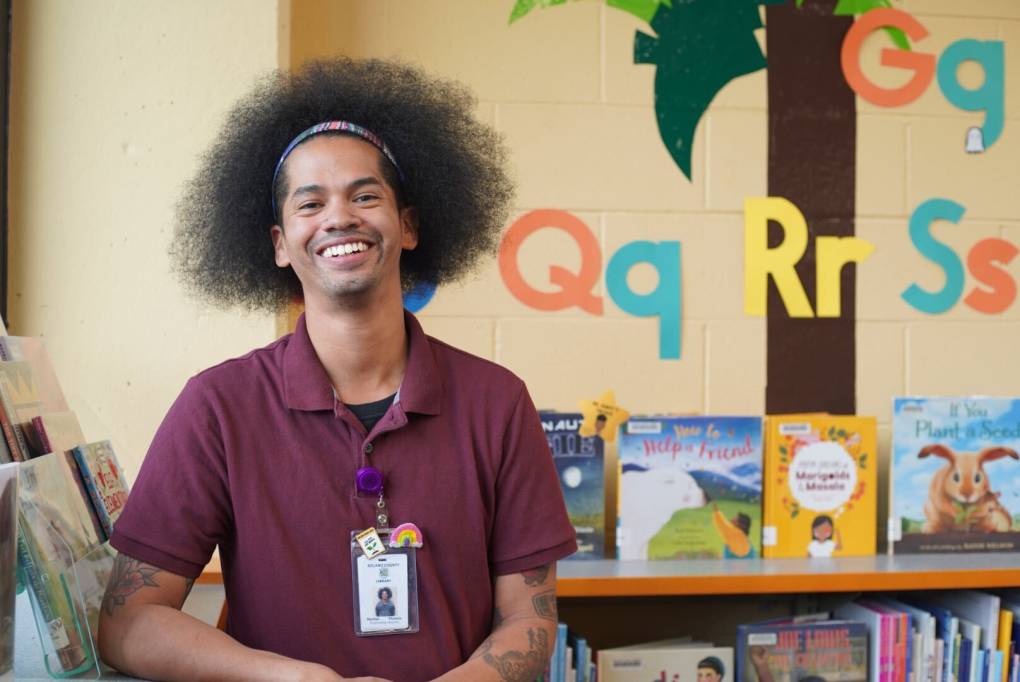
"caption": "Librarian Mychal Threets posing for a photo in front of the Fairfield Civic Center Library.\n",
"description": null,
"title": "DSC07337",
"credit": "Pendarvis Harshaw ",
"status": "inherit",
"altTag": null,
"isLoading": false,
"fetchFailed": false
},
"news_11925212": {
"type": "attachments",
"id": "news_11925212",
"meta": {
"index": "attachments_1716263798",
"site": "news",
"id": "11925212",
"found": true
},
"parent": 11925121,
"imgSizes": {
"twentyfourteen-full-width": {
"file": "https://ww2.kqed.org/app/uploads/sites/10/2022/09/IMG_8787-2-1-1038x576.jpg",
"width": 1038,
"mimeType": "image/jpeg",
"height": 576
},
"thumbnail": {
"file": "https://ww2.kqed.org/app/uploads/sites/10/2022/09/IMG_8787-2-1-160x119.jpg",
"width": 160,
"mimeType": "image/jpeg",
"height": 119
},
"post-thumbnail": {
"file": "https://ww2.kqed.org/app/uploads/sites/10/2022/09/IMG_8787-2-1-672x372.jpg",
"width": 672,
"mimeType": "image/jpeg",
"height": 372
},
"kqedFullSize": {
"file": "https://ww2.kqed.org/app/uploads/sites/10/2022/09/IMG_8787-2-1.jpg",
"width": 1920,
"height": 1423
},
"large": {
"file": "https://ww2.kqed.org/app/uploads/sites/10/2022/09/IMG_8787-2-1-1020x756.jpg",
"width": 1020,
"mimeType": "image/jpeg",
"height": 756
},
"1536x1536": {
"file": "https://ww2.kqed.org/app/uploads/sites/10/2022/09/IMG_8787-2-1-1536x1138.jpg",
"width": 1536,
"mimeType": "image/jpeg",
"height": 1138
},
"medium": {
"file": "https://ww2.kqed.org/app/uploads/sites/10/2022/09/IMG_8787-2-1-800x593.jpg",
"width": 800,
"mimeType": "image/jpeg",
"height": 593
}
},
"publishDate": 1662761552,
"modified": 1662761601,
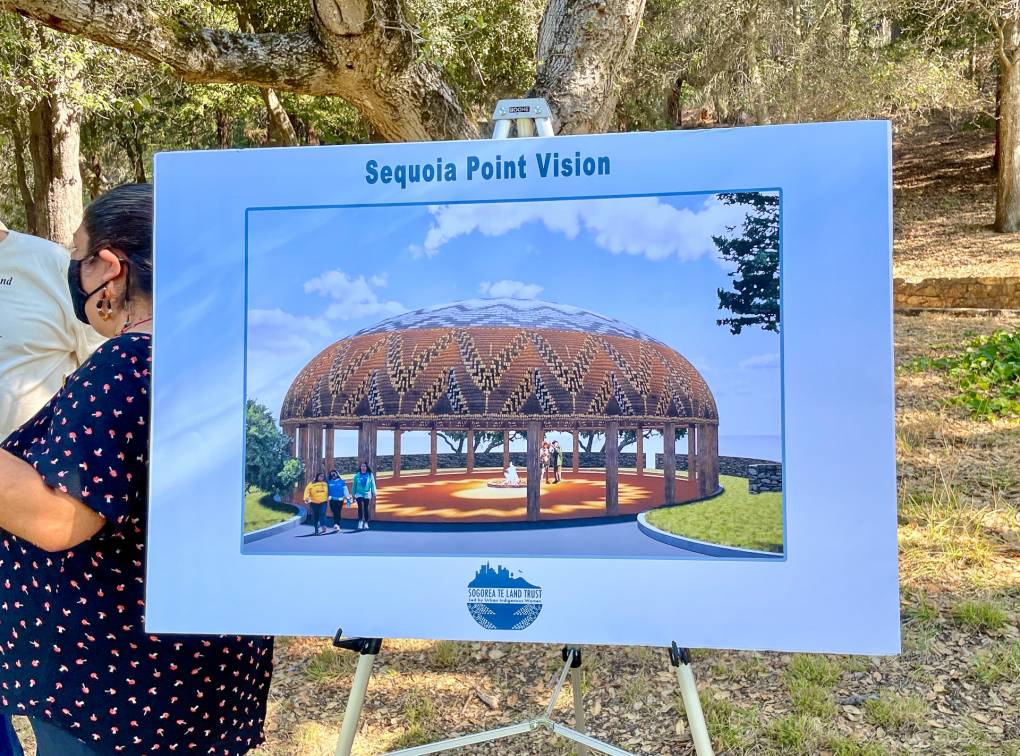
"caption": "At a Sept. 8 press conference, City officials and members of the Sogorea Te’ Land Trust, shared a mock-up image of a structure the trust is hoping to build at the Sequoia Point site.",
"description": null,
"title": "IMG_8787 2 (1)",
"credit": "Annelise Finney/KQED",
"status": "inherit",
"altTag": "a poster board showing a mockup of a gazebo",
"isLoading": false,
"fetchFailed": false
},
"news_11967786": {
"type": "attachments",
"id": "news_11967786",
"meta": {
"index": "attachments_1716263798",
"site": "news",
"id": "11967786",
"found": true
},
"parent": 11967782,
"imgSizes": {
"twentyfourteen-full-width": {
"file": "https://ww2.kqed.org/app/uploads/sites/10/2023/11/IMG_5206-1038x576.jpg",
"width": 1038,
"mimeType": "image/jpeg",
"height": 576
},
"thumbnail": {
"file": "https://ww2.kqed.org/app/uploads/sites/10/2023/11/IMG_5206-160x108.jpg",
"width": 160,
"mimeType": "image/jpeg",
"height": 108
},
"post-thumbnail": {
"file": "https://ww2.kqed.org/app/uploads/sites/10/2023/11/IMG_5206-672x372.jpg",
"width": 672,
"mimeType": "image/jpeg",
"height": 372
},
"kqedFullSize": {
"file": "https://ww2.kqed.org/app/uploads/sites/10/2023/11/IMG_5206.jpg",
"width": 1818,
"height": 1228
},
"large": {
"file": "https://ww2.kqed.org/app/uploads/sites/10/2023/11/IMG_5206-1020x689.jpg",
"width": 1020,
"mimeType": "image/jpeg",
"height": 689
},
"1536x1536": {
"file": "https://ww2.kqed.org/app/uploads/sites/10/2023/11/IMG_5206-1536x1038.jpg",
"width": 1536,
"mimeType": "image/jpeg",
"height": 1038
},
"medium": {
"file": "https://ww2.kqed.org/app/uploads/sites/10/2023/11/IMG_5206-800x540.jpg",
"width": 800,
"mimeType": "image/jpeg",
"height": 540
}
},
"publishDate": 1700259234,
"modified": 1700259362,
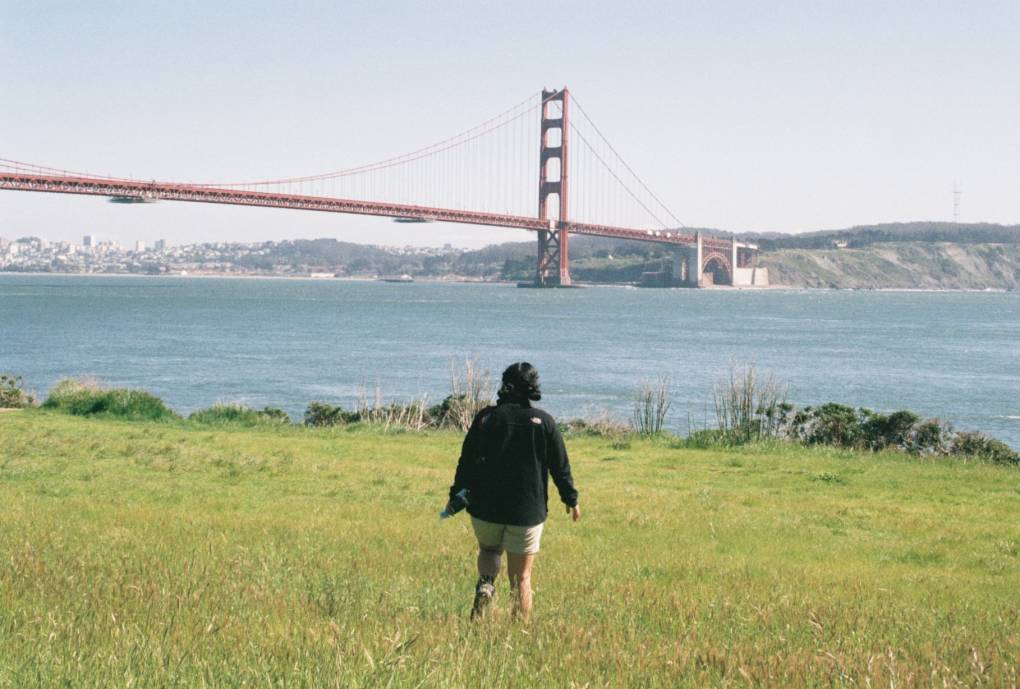
"caption": "The view from Kirby Cove in the Marin Headlands.",
"description": null,
"title": "IMG_5206",
"credit": "Ericka Cruz Guevarra",
"status": "inherit",
"altTag": null,
"isLoading": false,
"fetchFailed": false
},
"news_11967684": {
"type": "attachments",
"id": "news_11967684",
"meta": {
"index": "attachments_1716263798",
"site": "news",
"id": "11967684",
"found": true
},
"parent": 11967633,
"imgSizes": {
"twentyfourteen-full-width": {
"file": "https://ww2.kqed.org/app/uploads/sites/10/2023/11/GettyImages-1542268740-1038x576.jpg",
"width": 1038,
"mimeType": "image/jpeg",
"height": 576
},
"thumbnail": {
"file": "https://ww2.kqed.org/app/uploads/sites/10/2023/11/GettyImages-1542268740-160x107.jpg",
"width": 160,
"mimeType": "image/jpeg",
"height": 107
},
"post-thumbnail": {
"file": "https://ww2.kqed.org/app/uploads/sites/10/2023/11/GettyImages-1542268740-672x372.jpg",
"width": 672,
"mimeType": "image/jpeg",
"height": 372
},
"kqedFullSize": {
"file": "https://ww2.kqed.org/app/uploads/sites/10/2023/11/GettyImages-1542268740-scaled.jpg",
"width": 2560,
"height": 1707
},
"2048x2048": {
"file": "https://ww2.kqed.org/app/uploads/sites/10/2023/11/GettyImages-1542268740-2048x1365.jpg",
"width": 2048,
"mimeType": "image/jpeg",
"height": 1365
},
"large": {
"file": "https://ww2.kqed.org/app/uploads/sites/10/2023/11/GettyImages-1542268740-1020x680.jpg",
"width": 1020,
"mimeType": "image/jpeg",
"height": 680
},
"1536x1536": {
"file": "https://ww2.kqed.org/app/uploads/sites/10/2023/11/GettyImages-1542268740-1536x1024.jpg",
"width": 1536,
"mimeType": "image/jpeg",
"height": 1024
},
"full-width": {
"file": "https://ww2.kqed.org/app/uploads/sites/10/2023/11/GettyImages-1542268740-1920x1280.jpg",
"width": 1920,
"mimeType": "image/jpeg",
"height": 1280
},
"medium": {
"file": "https://ww2.kqed.org/app/uploads/sites/10/2023/11/GettyImages-1542268740-800x533.jpg",
"width": 800,
"mimeType": "image/jpeg",
"height": 533
}
},
"publishDate": 1700171605,
"modified": 1700171645,
"caption": "Israeli President Isaac Herzog addresses a joint meeting of Congress in the House chamber of the U.S. Capitol on Wednesday, July 19, 2023.",
"description": null,
"title": "Isaac Herzog Joint Meeting",
"credit": "Tom Williams/CQ-Roll Call, Inc via Getty Images",
"status": "inherit",
"altTag": null,
"isLoading": false,
"fetchFailed": false
},
"news_11966734": {
"type": "attachments",
"id": "news_11966734",
"meta": {
"index": "attachments_1716263798",
"site": "news",
"id": "11966734",
"found": true
},
"parent": 0,
"imgSizes": {
"twentyfourteen-full-width": {
"file": "https://ww2.kqed.org/app/uploads/sites/10/2023/11/231101-MusicTherapyHMBFarmworkers-47-BL-KQED-1038x576.jpg",
"width": 1038,
"mimeType": "image/jpeg",
"height": 576
},
"thumbnail": {
"file": "https://ww2.kqed.org/app/uploads/sites/10/2023/11/231101-MusicTherapyHMBFarmworkers-47-BL-KQED-160x107.jpg",
"width": 160,
"mimeType": "image/jpeg",
"height": 107
},
"post-thumbnail": {
"file": "https://ww2.kqed.org/app/uploads/sites/10/2023/11/231101-MusicTherapyHMBFarmworkers-47-BL-KQED-672x372.jpg",
"width": 672,
"mimeType": "image/jpeg",
"height": 372
},
"kqedFullSize": {
"file": "https://ww2.kqed.org/app/uploads/sites/10/2023/11/231101-MusicTherapyHMBFarmworkers-47-BL-KQED.jpg",
"width": 2000,
"height": 1333
},
"large": {
"file": "https://ww2.kqed.org/app/uploads/sites/10/2023/11/231101-MusicTherapyHMBFarmworkers-47-BL-KQED-1020x680.jpg",
"width": 1020,
"mimeType": "image/jpeg",
"height": 680
},
"1536x1536": {
"file": "https://ww2.kqed.org/app/uploads/sites/10/2023/11/231101-MusicTherapyHMBFarmworkers-47-BL-KQED-1536x1024.jpg",
"width": 1536,
"mimeType": "image/jpeg",
"height": 1024
},
"full-width": {
"file": "https://ww2.kqed.org/app/uploads/sites/10/2023/11/231101-MusicTherapyHMBFarmworkers-47-BL-KQED-1920x1280.jpg",
"width": 1920,
"mimeType": "image/jpeg",
"height": 1280
},
"medium": {
"file": "https://ww2.kqed.org/app/uploads/sites/10/2023/11/231101-MusicTherapyHMBFarmworkers-47-BL-KQED-800x533.jpg",
"width": 800,
"mimeType": "image/jpeg",
"height": 533
}
},
"publishDate": 1699461752,
"modified": 1699465540,
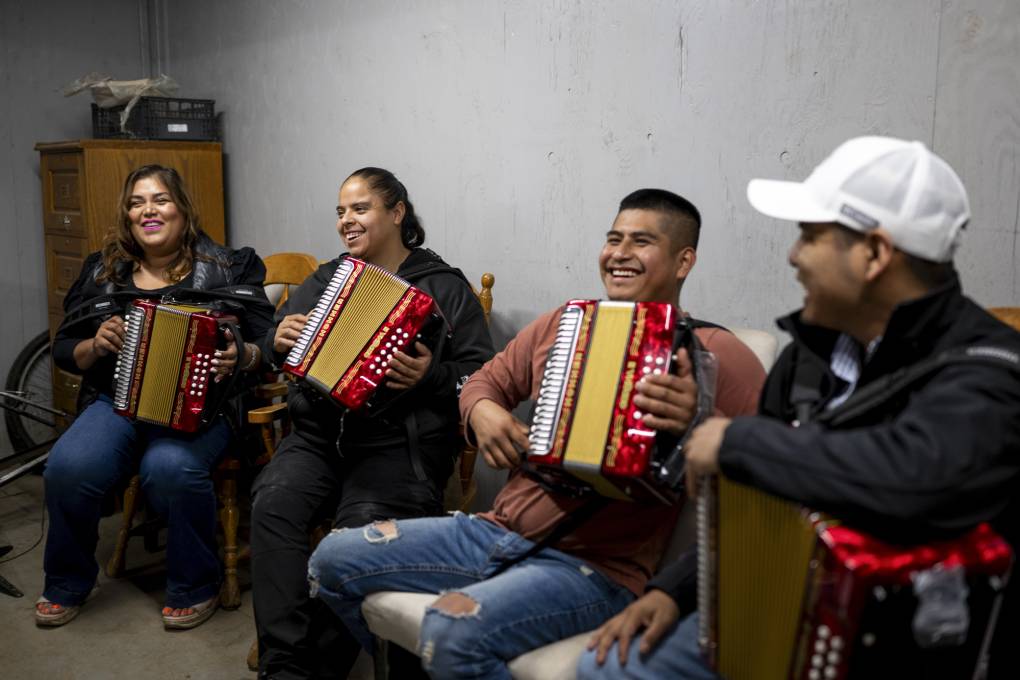
"caption": "(From left) Belinda Arriaga, Yesenia Garcia, Hilario Lopez, and Pedro Romero play accordion during a lesson with Hernan Hernandez at Cabrillo Farms in Half Moon Bay on Nov. 1, 2023.",
"description": null,
"title": "231101-MusicTherapyHMBFarmworkers-47-BL-KQED",
"credit": "Beth LaBerge/KQED",
"status": "inherit",
"altTag": "A group of people smile while sitting together indoors and holding bright red accordions.",
"isLoading": false,
"fetchFailed": false
},
"news_11966934": {
"type": "attachments",
"id": "news_11966934",
"meta": {
"index": "attachments_1716263798",
"site": "news",
"id": "11966934",
"found": true
},
"parent": 11966931,
"imgSizes": {
"twentyfourteen-full-width": {
"file": "https://ww2.kqed.org/app/uploads/sites/10/2023/11/102321-ELECTRIC-AVE-LEDE-2-KQED-1020x680-3-1020x576.jpeg",
"width": 1020,
"mimeType": "image/jpeg",
"height": 576
},
"thumbnail": {
"file": "https://ww2.kqed.org/app/uploads/sites/10/2023/11/102321-ELECTRIC-AVE-LEDE-2-KQED-1020x680-3-160x107.jpeg",
"width": 160,
"mimeType": "image/jpeg",
"height": 107
},
"post-thumbnail": {
"file": "https://ww2.kqed.org/app/uploads/sites/10/2023/11/102321-ELECTRIC-AVE-LEDE-2-KQED-1020x680-3-672x372.jpeg",
"width": 672,
"mimeType": "image/jpeg",
"height": 372
},
"kqedFullSize": {
"file": "https://ww2.kqed.org/app/uploads/sites/10/2023/11/102321-ELECTRIC-AVE-LEDE-2-KQED-1020x680-3.jpeg",
"width": 1020,
"height": 680
},
"medium": {
"file": "https://ww2.kqed.org/app/uploads/sites/10/2023/11/102321-ELECTRIC-AVE-LEDE-2-KQED-1020x680-3-800x533.jpeg",
"width": 800,
"mimeType": "image/jpeg",
"height": 533
}
},
"publishDate": 1699566806,
"modified": 1699566852,
"caption": "(From left) Vivian Santana Pacheco, Isaac Zones, Ivan Sharamok, Gavin Sharamok (2), Jarinya Phansathin and Steven Johnson. ",
"description": null,
"title": "102321-ELECTRIC-AVE-LEDE-2-KQED-1020x680 (3)",
"credit": "Martin do Nascimento/KQED",
"status": "inherit",
"altTag": null,
"isLoading": false,
"fetchFailed": false
},
"news_11966994": {
"type": "attachments",
"id": "news_11966994",
"meta": {
"index": "attachments_1716263798",
"site": "news",
"id": "11966994",
"found": true
},
"parent": 11966960,
"imgSizes": {
"twentyfourteen-full-width": {
"file": "https://ww2.kqed.org/app/uploads/sites/10/2023/11/GettyImages-1773056039-1024x576.jpg",
"width": 1024,
"mimeType": "image/jpeg",
"height": 576
},
"thumbnail": {
"file": "https://ww2.kqed.org/app/uploads/sites/10/2023/11/GettyImages-1773056039-160x107.jpg",
"width": 160,
"mimeType": "image/jpeg",
"height": 107
},
"post-thumbnail": {
"file": "https://ww2.kqed.org/app/uploads/sites/10/2023/11/GettyImages-1773056039-672x372.jpg",
"width": 672,
"mimeType": "image/jpeg",
"height": 372
},
"kqedFullSize": {
"file": "https://ww2.kqed.org/app/uploads/sites/10/2023/11/GettyImages-1773056039.jpg",
"width": 1024,
"height": 683
},
"large": {
"file": "https://ww2.kqed.org/app/uploads/sites/10/2023/11/GettyImages-1773056039-1020x680.jpg",
"width": 1020,
"mimeType": "image/jpeg",
"height": 680
},
"medium": {
"file": "https://ww2.kqed.org/app/uploads/sites/10/2023/11/GettyImages-1773056039-800x534.jpg",
"width": 800,
"mimeType": "image/jpeg",
"height": 534
}
},
"publishDate": 1699576330,
"modified": 1699577926,
"caption": "People walk under signage advertising the Asia-Pacific Economic Cooperation (APEC) meetings ahead of the summit at the Moscone Center in San Francisco on Nov. 9, 2023. ",
"description": null,
"title": "US-ASIA-PACIFIC-DIPLOMACY-ECONOMY-SUMMIT-PREP",
"credit": "Loren Elliott/AFP via Getty Images",
"status": "inherit",
"altTag": "A street scene in San Francisco from above, with an advertising banner in the foreground that reads \"APEC is going to be Epic.\"",
"isLoading": false,
"fetchFailed": false
},
"news_11966695": {
"type": "attachments",
"id": "news_11966695",
"meta": {
"index": "attachments_1716263798",
"site": "news",
"id": "11966695",
"found": true
},
"parent": 11966693,
"imgSizes": {
"twentyfourteen-full-width": {
"file": "https://ww2.kqed.org/app/uploads/sites/10/2023/11/02172023_ksuzuki_tkprogress-157-qut-1-1038x576.jpg",
"width": 1038,
"mimeType": "image/jpeg",
"height": 576
},
"thumbnail": {
"file": "https://ww2.kqed.org/app/uploads/sites/10/2023/11/02172023_ksuzuki_tkprogress-157-qut-1-160x106.jpg",
"width": 160,
"mimeType": "image/jpeg",
"height": 106
},
"post-thumbnail": {
"file": "https://ww2.kqed.org/app/uploads/sites/10/2023/11/02172023_ksuzuki_tkprogress-157-qut-1-672x372.jpg",
"width": 672,
"mimeType": "image/jpeg",
"height": 372
},
"kqedFullSize": {
"file": "https://ww2.kqed.org/app/uploads/sites/10/2023/11/02172023_ksuzuki_tkprogress-157-qut-1.jpg",
"width": 1920,
"height": 1277
},
"large": {
"file": "https://ww2.kqed.org/app/uploads/sites/10/2023/11/02172023_ksuzuki_tkprogress-157-qut-1-1020x678.jpg",
"width": 1020,
"mimeType": "image/jpeg",
"height": 678
},
"1536x1536": {
"file": "https://ww2.kqed.org/app/uploads/sites/10/2023/11/02172023_ksuzuki_tkprogress-157-qut-1-1536x1022.jpg",
"width": 1536,
"mimeType": "image/jpeg",
"height": 1022
},
"medium": {
"file": "https://ww2.kqed.org/app/uploads/sites/10/2023/11/02172023_ksuzuki_tkprogress-157-qut-1-800x532.jpg",
"width": 800,
"mimeType": "image/jpeg",
"height": 532
}
},
"publishDate": 1699394498,
"modified": 1699394542,
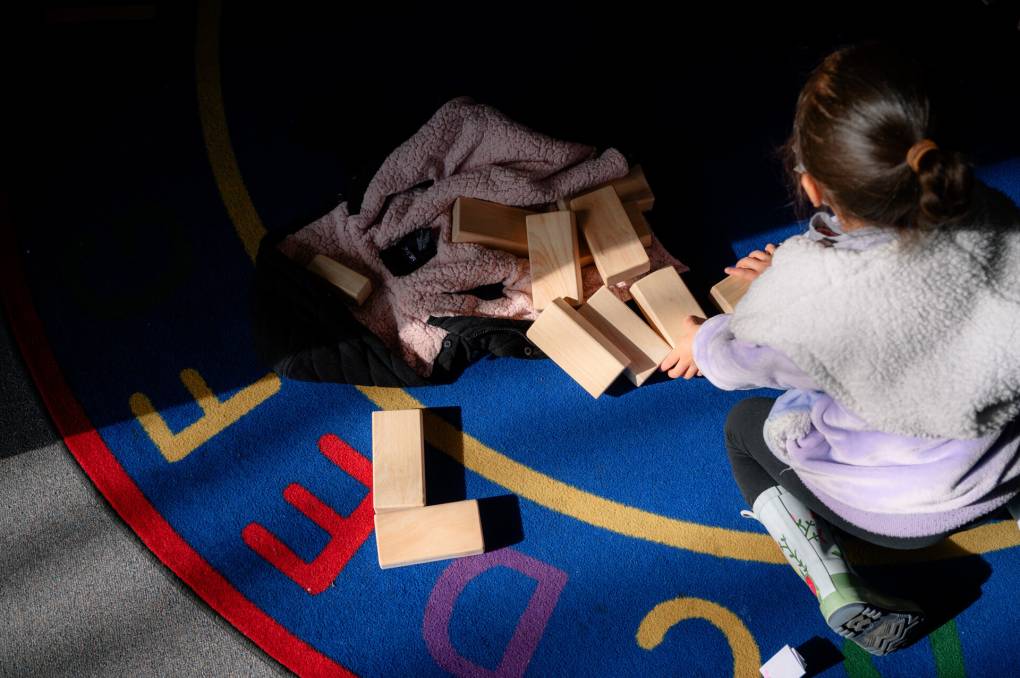
"caption": "Wooden blocks and tiny jackets rest on the rug during playtime at a transitional kindergarten class at Cesar Chavez Elementary School in East San Jose.",
"description": null,
"title": "02172023_ksuzuki_tkprogress 157-qut",
"credit": "Kori Suzuki/KQED",
"status": "inherit",
"altTag": null,
"isLoading": false,
"fetchFailed": false
},
"news_11966386": {
"type": "attachments",
"id": "news_11966386",
"meta": {
"index": "attachments_1716263798",
"site": "news",
"id": "11966386",
"found": true
},
"parent": 11966385,
"imgSizes": {
"twentyfourteen-full-width": {
"file": "https://ww2.kqed.org/app/uploads/sites/10/2023/11/IMG_2980-1-scaled-e1699054434113-1038x576.jpeg",
"width": 1038,
"mimeType": "image/jpeg",
"height": 576
},
"thumbnail": {
"file": "https://ww2.kqed.org/app/uploads/sites/10/2023/11/IMG_2980-1-scaled-e1699054434113-160x116.jpeg",
"width": 160,
"mimeType": "image/jpeg",
"height": 116
},
"post-thumbnail": {
"file": "https://ww2.kqed.org/app/uploads/sites/10/2023/11/IMG_2980-1-scaled-e1699054434113-672x372.jpeg",
"width": 672,
"mimeType": "image/jpeg",
"height": 372
},
"kqedFullSize": {
"file": "https://ww2.kqed.org/app/uploads/sites/10/2023/11/IMG_2980-1-scaled-e1699054434113.jpeg",
"width": 1400,
"height": 1014
},
"2048x2048": {
"file": "https://ww2.kqed.org/app/uploads/sites/10/2023/11/IMG_2980-1-2048x1483.jpeg",
"width": 2048,
"mimeType": "image/jpeg",
"height": 1483
},
"large": {
"file": "https://ww2.kqed.org/app/uploads/sites/10/2023/11/IMG_2980-1-scaled-e1699054434113-1020x739.jpeg",
"width": 1020,
"mimeType": "image/jpeg",
"height": 739
},
"1536x1536": {
"file": "https://ww2.kqed.org/app/uploads/sites/10/2023/11/IMG_2980-1-1536x1112.jpeg",
"width": 1536,
"mimeType": "image/jpeg",
"height": 1112
},
"full-width": {
"file": "https://ww2.kqed.org/app/uploads/sites/10/2023/11/IMG_2980-1-1920x1390.jpeg",
"width": 1920,
"mimeType": "image/jpeg",
"height": 1390
},
"medium": {
"file": "https://ww2.kqed.org/app/uploads/sites/10/2023/11/IMG_2980-1-scaled-e1699054434113-800x579.jpeg",
"width": 800,
"mimeType": "image/jpeg",
"height": 579
}
},
"publishDate": 1699054360,
"modified": 1699054505,
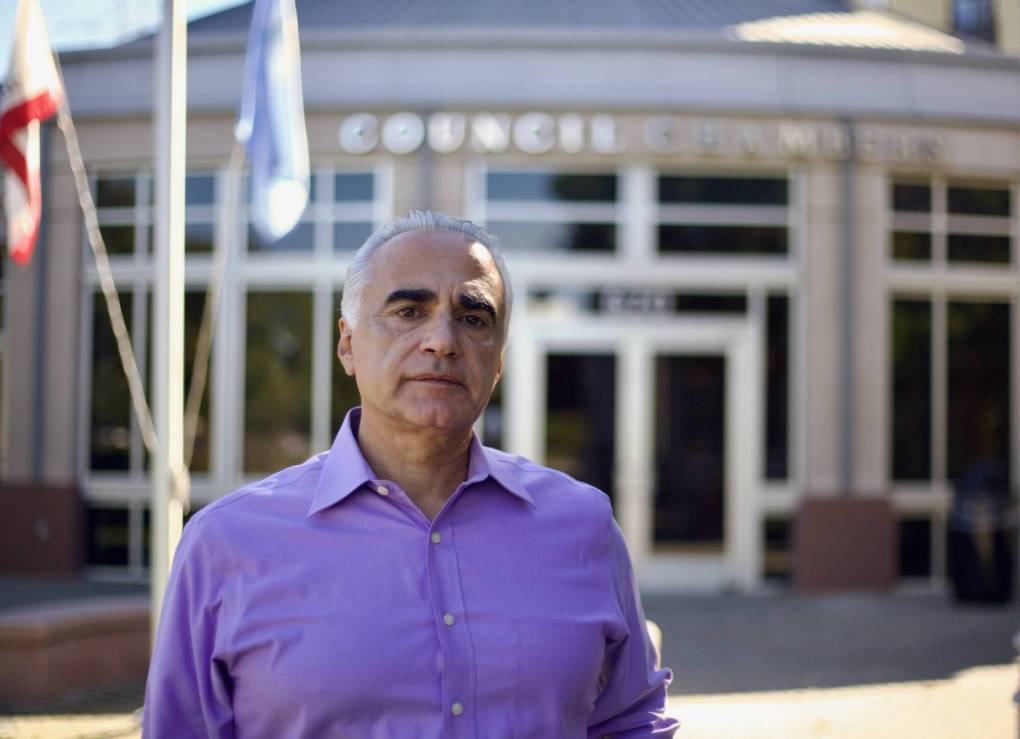
"caption": "Foster City Councilmember Sam Hindi is one of just a handful Palestinian-American elected officials in the U.S.",
"description": null,
"title": "IMG_2980 (1)",
"credit": "KQED/Maria Esquinca",
"status": "inherit",
"altTag": null,
"isLoading": false,
"fetchFailed": false
},
"news_11966285": {
"type": "attachments",
"id": "news_11966285",
"meta": {
"index": "attachments_1716263798",
"site": "news",
"id": "11966285",
"found": true
},
"parent": 11966254,
"imgSizes": {
"twentyfourteen-full-width": {
"file": "https://ww2.kqed.org/app/uploads/sites/10/2023/11/IMG_2896-1038x576.jpg",
"width": 1038,
"mimeType": "image/jpeg",
"height": 576
},
"thumbnail": {
"file": "https://ww2.kqed.org/app/uploads/sites/10/2023/11/IMG_2896-160x107.jpg",
"width": 160,
"mimeType": "image/jpeg",
"height": 107
},
"post-thumbnail": {
"file": "https://ww2.kqed.org/app/uploads/sites/10/2023/11/IMG_2896-672x372.jpg",
"width": 672,
"mimeType": "image/jpeg",
"height": 372
},
"kqedFullSize": {
"file": "https://ww2.kqed.org/app/uploads/sites/10/2023/11/IMG_2896-scaled.jpg",
"width": 2560,
"height": 1707
},
"2048x2048": {
"file": "https://ww2.kqed.org/app/uploads/sites/10/2023/11/IMG_2896-2048x1365.jpg",
"width": 2048,
"mimeType": "image/jpeg",
"height": 1365
},
"large": {
"file": "https://ww2.kqed.org/app/uploads/sites/10/2023/11/IMG_2896-1020x680.jpg",
"width": 1020,
"mimeType": "image/jpeg",
"height": 680
},
"1536x1536": {
"file": "https://ww2.kqed.org/app/uploads/sites/10/2023/11/IMG_2896-1536x1024.jpg",
"width": 1536,
"mimeType": "image/jpeg",
"height": 1024
},
"full-width": {
"file": "https://ww2.kqed.org/app/uploads/sites/10/2023/11/IMG_2896-1920x1280.jpg",
"width": 1920,
"mimeType": "image/jpeg",
"height": 1280
},
"medium": {
"file": "https://ww2.kqed.org/app/uploads/sites/10/2023/11/IMG_2896-800x533.jpg",
"width": 800,
"mimeType": "image/jpeg",
"height": 533
}
},
"publishDate": 1698966102,
"modified": 1699046377,
"caption": "A lowrider is showcased 2023 Unity lowrider show in San Francisco at Cow Palace. ",
"description": null,
"title": "IMG_2896",
"credit": "Paloma Y. Abarca",
"status": "inherit",
"altTag": null,
"isLoading": false,
"fetchFailed": false
},
"news_11966014": {
"type": "attachments",
"id": "news_11966014",
"meta": {
"index": "attachments_1716263798",
"site": "news",
"id": "11966014",
"found": true
},
"title": "012_KQED_LondonBreedQA_05232023-qut",
"publishDate": 1698780974,
"status": "inherit",
"parent": 11966012,
"modified": 1724350663,
"caption": "San Francisco Mayor London Breed speaks with a crowd gathered for a Q&A session about the fentanyl drug crisis in San Francisco at UN Plaza on May 23, 2023.",
"credit": "Beth LaBerge/KQED",
"altTag": null,
"description": null,
"imgSizes": {
"medium": {
"file": "https://cdn.kqed.org/wp-content/uploads/sites/10/2023/10/012_KQED_LondonBreedQA_05232023-qut-800x533.jpg",
"width": 800,
"height": 533,
"mimeType": "image/jpeg"
},
"large": {
"file": "https://cdn.kqed.org/wp-content/uploads/sites/10/2023/10/012_KQED_LondonBreedQA_05232023-qut-1020x680.jpg",
"width": 1020,
"height": 680,
"mimeType": "image/jpeg"
},
"thumbnail": {
"file": "https://cdn.kqed.org/wp-content/uploads/sites/10/2023/10/012_KQED_LondonBreedQA_05232023-qut-160x107.jpg",
"width": 160,
"height": 107,
"mimeType": "image/jpeg"
},
"1536x1536": {
"file": "https://cdn.kqed.org/wp-content/uploads/sites/10/2023/10/012_KQED_LondonBreedQA_05232023-qut-1536x1024.jpg",
"width": 1536,
"height": 1024,
"mimeType": "image/jpeg"
},
"post-thumbnail": {
"file": "https://cdn.kqed.org/wp-content/uploads/sites/10/2023/10/012_KQED_LondonBreedQA_05232023-qut-672x372.jpg",
"width": 672,
"height": 372,
"mimeType": "image/jpeg"
},
"twentyfourteen-full-width": {
"file": "https://cdn.kqed.org/wp-content/uploads/sites/10/2023/10/012_KQED_LondonBreedQA_05232023-qut-1038x576.jpg",
"width": 1038,
"height": 576,
"mimeType": "image/jpeg"
},
"kqedFullSize": {
"file": "https://cdn.kqed.org/wp-content/uploads/sites/10/2023/10/012_KQED_LondonBreedQA_05232023-qut.jpg",
"width": 1920,
"height": 1280
}
},
"isLoading": false,
"fetchFailed": false
},
"news_11965918": {
"type": "attachments",
"id": "news_11965918",
"meta": {
"index": "attachments_1716263798",
"site": "news",
"id": "11965918",
"found": true
},
"parent": 11965829,
"imgSizes": {
"twentyfourteen-full-width": {
"file": "https://ww2.kqed.org/app/uploads/sites/10/2023/10/Screen-Shot-2023-10-30-at-10.14.23-AM-1038x576.png",
"width": 1038,
"mimeType": "image/png",
"height": 576
},
"thumbnail": {
"file": "https://ww2.kqed.org/app/uploads/sites/10/2023/10/Screen-Shot-2023-10-30-at-10.14.23-AM-160x86.png",
"width": 160,
"mimeType": "image/png",
"height": 86
},
"post-thumbnail": {
"file": "https://ww2.kqed.org/app/uploads/sites/10/2023/10/Screen-Shot-2023-10-30-at-10.14.23-AM-672x372.png",
"width": 672,
"mimeType": "image/png",
"height": 372
},
"kqedFullSize": {
"file": "https://ww2.kqed.org/app/uploads/sites/10/2023/10/Screen-Shot-2023-10-30-at-10.14.23-AM.png",
"width": 2880,
"height": 1540
},
"2048x2048": {
"file": "https://ww2.kqed.org/app/uploads/sites/10/2023/10/Screen-Shot-2023-10-30-at-10.14.23-AM-2048x1095.png",
"width": 2048,
"mimeType": "image/png",
"height": 1095
},
"large": {
"file": "https://ww2.kqed.org/app/uploads/sites/10/2023/10/Screen-Shot-2023-10-30-at-10.14.23-AM-1020x545.png",
"width": 1020,
"mimeType": "image/png",
"height": 545
},
"1536x1536": {
"file": "https://ww2.kqed.org/app/uploads/sites/10/2023/10/Screen-Shot-2023-10-30-at-10.14.23-AM-1536x821.png",
"width": 1536,
"mimeType": "image/png",
"height": 821
},
"full-width": {
"file": "https://ww2.kqed.org/app/uploads/sites/10/2023/10/Screen-Shot-2023-10-30-at-10.14.23-AM-1920x1027.png",
"width": 1920,
"mimeType": "image/png",
"height": 1027
},
"medium": {
"file": "https://ww2.kqed.org/app/uploads/sites/10/2023/10/Screen-Shot-2023-10-30-at-10.14.23-AM-800x428.png",
"width": 800,
"mimeType": "image/png",
"height": 428
}
},
"publishDate": 1698686121,
"modified": 1698686157,
"caption": null,
"description": null,
"title": "Screen Shot 2023-10-30 at 10.14.23 AM",
"credit": null,
"status": "inherit",
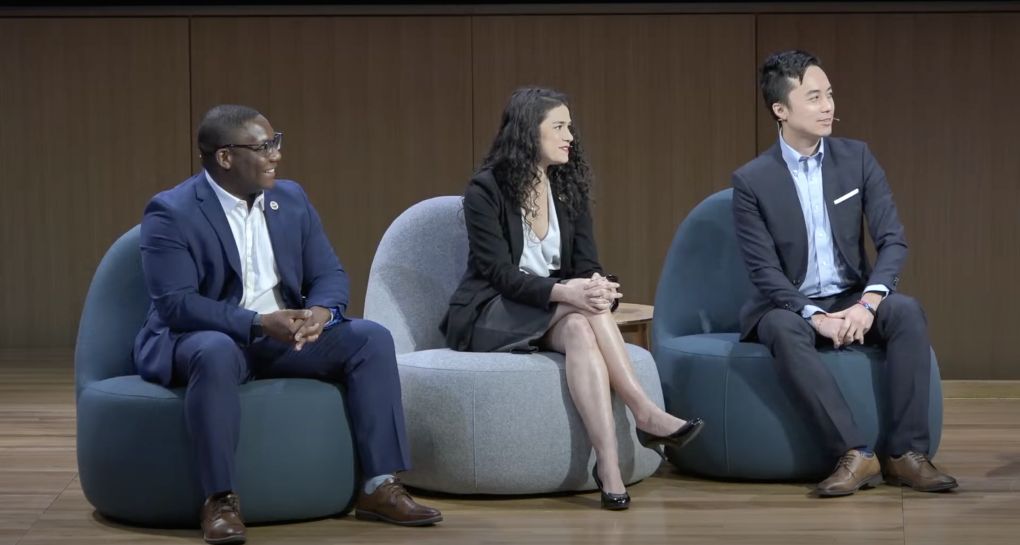
"altTag": "Hercules Mayor Alexander Walker-Griffin, Sunnyvale Councilmember Alysa Cisneros, and Assemblymember Alex Lee share their visions for our region’s future in conversation with politics correspondent Guy Marzorati and USF student fellow Caitlin Kennedy.",
"isLoading": false,
"fetchFailed": false
}
},
"audioPlayerReducer": {
"postId": "stream_live",
"isPaused": true,
"isPlaying": false,
"pfsActive": false,
"pledgeModalIsOpen": true,
"playerDrawerIsOpen": false,
"liveAudioPlayStartedAt": 0,
"liveAudioPlayContext": ""
},
"authorsReducer": {
"gmarzorati": {
"type": "authors",
"id": "227",
"meta": {
"index": "authors_1716337520",
"id": "227",
"found": true
},
"name": "Guy Marzorati",
"firstName": "Guy",
"lastName": "Marzorati",
"slug": "gmarzorati",
"email": "gmarzorati@KQED.org",
"display_author_email": true,
"staff_mastheads": [
"news"
],
"title": "Correspondent",
"bio": "Guy Marzorati is a correspondent on KQED's California Politics and Government Desk, based in San Jose. A graduate of Santa Clara University, Guy joined KQED in 2013. He reports on state and local politics and produces KQED's digital voter guide.",
"avatar": "https://secure.gravatar.com/avatar/e7038b8dbfd55b104369b76b1cd0b9de?s=600&d=blank&r=g",
"twitter": "guymarzorati",
"facebook": null,
"instagram": null,
"linkedin": null,
"sites": [
{
"site": "",
"roles": [
"editor"
]
},
{
"site": "news",
"roles": [
"editor"
]
},
{
"site": "science",
"roles": [
"editor"
]
},
{
"site": "forum",
"roles": [
"editor"
]
},
{
"site": "elections",
"roles": [
"editor"
]
},
{
"site": "liveblog",
"roles": [
"editor"
]
}
],
"headData": {
"title": "Guy Marzorati | KQED",
"description": "Correspondent",
"ogImgSrc": "https://secure.gravatar.com/avatar/e7038b8dbfd55b104369b76b1cd0b9de?s=600&d=blank&r=g",
"twImgSrc": "https://secure.gravatar.com/avatar/e7038b8dbfd55b104369b76b1cd0b9de?s=600&d=blank&r=g"
},
"isLoading": false,
"link": "/author/gmarzorati"
},
"mlagos": {
"type": "authors",
"id": "3239",
"meta": {
"index": "authors_1716337520",
"id": "3239",
"found": true
},
"name": "Marisa Lagos",
"firstName": "Marisa",
"lastName": "Lagos",
"slug": "mlagos",
"email": "mlagos@kqed.org",
"display_author_email": false,
"staff_mastheads": [
"news"
],
"title": "KQED Contributor",
"bio": "Marisa Lagos is a correspondent for KQED’s California Politics and Government Desk and co-hosts the award-winning show and podcast, Political Breakdown. At KQED, Lagos also conducts reporting, analysis and investigations into state, local and national politics for radio, TV, online and onstage. In 2022, she and co-host, Scott Shafer, moderated the only gubernatorial debate in California. In 2020, the \u003ci>Washington Post\u003c/i> named her one of the top political journalists in California; she was nominated for a Peabody and won several other awards for her work investigating the 2017 California wildfires. She has worked at the \u003ci>San Francisco Chronicle\u003c/i>, \u003ci>San Francisco Examiner\u003c/i> and \u003ci>Los Angeles Times\u003c/i>. A UC Santa Barbara graduate, she lives in San Francisco with her two sons and husband.",
"avatar": "https://secure.gravatar.com/avatar/a261a0d3696fc066871ef96b85b5e7d2?s=600&d=blank&r=g",
"twitter": "@mlagos",
"facebook": null,
"instagram": null,
"linkedin": null,
"sites": [
{
"site": "arts",
"roles": [
"author"
]
},
{
"site": "news",
"roles": [
"editor"
]
},
{
"site": "science",
"roles": [
"editor"
]
},
{
"site": "forum",
"roles": [
"author"
]
},
{
"site": "liveblog",
"roles": [
"author"
]
}
],
"headData": {
"title": "Marisa Lagos | KQED",
"description": "KQED Contributor",
"ogImgSrc": "https://secure.gravatar.com/avatar/a261a0d3696fc066871ef96b85b5e7d2?s=600&d=blank&r=g",
"twImgSrc": "https://secure.gravatar.com/avatar/a261a0d3696fc066871ef96b85b5e7d2?s=600&d=blank&r=g"
},
"isLoading": false,
"link": "/author/mlagos"
},
"lklivans": {
"type": "authors",
"id": "8648",
"meta": {
"index": "authors_1716337520",
"id": "8648",
"found": true
},
"name": "Laura Klivans",
"firstName": "Laura",
"lastName": "Klivans",
"slug": "lklivans",
"email": "lklivans@kqed.org",
"display_author_email": true,
"staff_mastheads": [
"news",
"science"
],
"title": "Reporter",
"bio": "Laura Klivans is an award-winning science reporter for KQED News, where she covers climate change with an eye on both groundbreaking progress and gaps in action. She is the former host of KQED's blockbuster video series about tiny, amazing animals, \u003cem>Deep Look\u003c/em>. Her work reaches national audiences through NPR, \u003cem>Here & Now, \u003c/em>PRI, and other major outlets. \r\n\r\nLaura’s won five Northern California Area Emmy Awards for Deep Look and First Place in the Greater Bay Area Journalism Awards for a podcast exploring how one Oakland neighborhood teamed up to reduce planet-heating pollution.\r\n\r\nBeyond her reporting, she hosts and moderates events. In the past, she taught audio storytelling at the UC Berkeley Graduate School of Journalism, led international education programs, worked with immigrants and refugees along the Thai-Burmese border, taught high schoolers sex ed, and was an actress. \r\n\r\nShe's a former UC Berkeley Human Rights Fellow, USC Center for Health Journalism's California Fellow and Coro Fellow in Public Affairs. Laura has a master’s in journalism from UC Berkeley, a master’s in education from Harvard, and an undergraduate degree from Northwestern University.\r\n\r\nShe loves trying to riddle the meaning out of vanity license plates.",
"avatar": "https://secure.gravatar.com/avatar/2d2ecd1550a494cc10ad4a503406965585902124739e775a9b3817eebf1d88be?s=600&d=blank&r=g",
"twitter": "lauraklivans",
"bluesky": null,
"facebook": null,
"instagram": null,
"linkedin": null,
"sites": [
{
"site": "news",
"roles": [
"editor"
]
},
{
"site": "stateofhealth",
"roles": [
"contributor",
"editor"
]
},
{
"site": "science",
"roles": [
"editor"
]
},
{
"site": "forum",
"roles": [
"editor"
]
}
],
"headData": {
"title": "Laura Klivans | KQED",
"description": "Reporter",
"ogImgSrc": "https://secure.gravatar.com/avatar/2d2ecd1550a494cc10ad4a503406965585902124739e775a9b3817eebf1d88be?s=600&d=blank&r=g",
"twImgSrc": "https://secure.gravatar.com/avatar/2d2ecd1550a494cc10ad4a503406965585902124739e775a9b3817eebf1d88be?s=600&d=blank&r=g"
},
"isLoading": false,
"link": "/author/lklivans"
},
"ecruzguevarra": {
"type": "authors",
"id": "8654",
"meta": {
"index": "authors_1716337520",
"id": "8654",
"found": true
},
"name": "Ericka Cruz Guevarra",
"firstName": "Ericka",
"lastName": "Cruz Guevarra",
"slug": "ecruzguevarra",
"email": "ecruzguevarra@kqed.org",
"display_author_email": true,
"staff_mastheads": [
"news"
],
"title": "Producer, The Bay Podcast",
"bio": "Ericka Cruz Guevarra is host of \u003ca href=\"https://www.kqed.org/podcasts/thebay\">\u003cem>The Bay\u003c/em>\u003c/a> podcast at KQED. Before host, she was the show’s producer. Her work in that capacity includes a three-part reported series on policing in Vallejo, which won a 2020 excellence in journalism award from the Society of Professional Journalists. Ericka has worked as a breaking news reporter at Oregon Public Broadcasting, helped produce the Code Switch podcast, and was KQED’s inaugural Raul Ramirez Diversity Fund intern. She’s also an alumna of NPR’s Next Generation Radio program. Send her an email if you have strong feelings about whether Fairfield and Suisun City are the Bay. Ericka is represented by SAG-AFTRA.",
"avatar": "https://secure.gravatar.com/avatar/accefc1de4bafc7e234b69bcb9b6f6536c130fd84709bc3069ef11a78787e1bb?s=600&d=blank&r=g",
"twitter": "NotoriousECG",
"bluesky": null,
"facebook": null,
"instagram": null,
"linkedin": null,
"sites": [
{
"site": "arts",
"roles": [
"subscriber"
]
},
{
"site": "news",
"roles": [
"editor",
"manage_categories"
]
},
{
"site": "futureofyou",
"roles": [
"subscriber"
]
},
{
"site": "stateofhealth",
"roles": [
"subscriber"
]
},
{
"site": "science",
"roles": [
"editor"
]
},
{
"site": "forum",
"roles": [
"subscriber"
]
}
],
"headData": {
"title": "Ericka Cruz Guevarra | KQED",
"description": "Producer, The Bay Podcast",
"ogImgSrc": "https://secure.gravatar.com/avatar/accefc1de4bafc7e234b69bcb9b6f6536c130fd84709bc3069ef11a78787e1bb?s=600&d=blank&r=g",
"twImgSrc": "https://secure.gravatar.com/avatar/accefc1de4bafc7e234b69bcb9b6f6536c130fd84709bc3069ef11a78787e1bb?s=600&d=blank&r=g"
},
"isLoading": false,
"link": "/author/ecruzguevarra"
},
"ogpenn": {
"type": "authors",
"id": "11491",
"meta": {
"index": "authors_1716337520",
"id": "11491",
"found": true
},
"name": "Pendarvis Harshaw",
"firstName": "Pendarvis",
"lastName": "Harshaw",
"slug": "ogpenn",
"email": "ogpenn@gmail.com",
"display_author_email": false,
"staff_mastheads": [
"arts"
],
"title": "Community Engagement Reporter",
"bio": "Pendarvis Harshaw is an educator, host and writer with KQED Arts.",
"avatar": "https://secure.gravatar.com/avatar/972b77ee8e3f346ae2b00622661187fbfabd059b5693bbdc1475ea7a722fd4cd?s=600&d=blank&r=g",
"twitter": null,
"bluesky": null,
"facebook": null,
"instagram": "ogpenn",
"linkedin": null,
"sites": [
{
"site": "arts",
"roles": [
"administrator"
]
},
{
"site": "news",
"roles": [
"editor"
]
},
{
"site": "bayareabites",
"roles": [
"author"
]
},
{
"site": "hiphop",
"roles": [
"editor"
]
}
],
"headData": {
"title": "Pendarvis Harshaw | KQED",
"description": "Community Engagement Reporter",
"ogImgSrc": "https://secure.gravatar.com/avatar/972b77ee8e3f346ae2b00622661187fbfabd059b5693bbdc1475ea7a722fd4cd?s=600&d=blank&r=g",
"twImgSrc": "https://secure.gravatar.com/avatar/972b77ee8e3f346ae2b00622661187fbfabd059b5693bbdc1475ea7a722fd4cd?s=600&d=blank&r=g"
},
"isLoading": false,
"link": "/author/ogpenn"
},
"mmedina": {
"type": "authors",
"id": "11528",
"meta": {
"index": "authors_1716337520",
"id": "11528",
"found": true
},
"name": "Marisol Medina-Cadena",
"firstName": "Marisol",
"lastName": "Medina-Cadena",
"slug": "mmedina",
"email": "mmedina@KQED.org",
"display_author_email": true,
"staff_mastheads": [],
"title": "Producer, Rightnowish Podcast",
"bio": "Marisol Medina-Cadena is a radio reporter and podcast producer. Before working at KQED, she produced for PBS member station, KCET, in Los Angeles. In 2017, Marisol won an Emmy Award for her work on the televised documentary, \u003cem>City Rising\u003c/em>, examining California's affordable housing crisis and the historical roots of gentrification.",
"avatar": "https://secure.gravatar.com/avatar/6c3db46a1cabb5e1fe9a365b5f4e681e?s=600&d=blank&r=g",
"twitter": "marisolreports",
"facebook": null,
"instagram": null,
"linkedin": null,
"sites": [
{
"site": "arts",
"roles": []
},
{
"site": "news",
"roles": [
"edit_others_posts"
]
}
],
"headData": {
"title": "Marisol Medina-Cadena | KQED",
"description": "Producer, Rightnowish Podcast",
"ogImgSrc": "https://secure.gravatar.com/avatar/6c3db46a1cabb5e1fe9a365b5f4e681e?s=600&d=blank&r=g",
"twImgSrc": "https://secure.gravatar.com/avatar/6c3db46a1cabb5e1fe9a365b5f4e681e?s=600&d=blank&r=g"
},
"isLoading": false,
"link": "/author/mmedina"
},
"amontecillo": {
"type": "authors",
"id": "11649",
"meta": {
"index": "authors_1716337520",
"id": "11649",
"found": true
},
"name": "Alan Montecillo",
"firstName": "Alan",
"lastName": "Montecillo",
"slug": "amontecillo",
"email": "amontecillo@kqed.org",
"display_author_email": false,
"staff_mastheads": [
"news"
],
"title": "KQED Contributor",
"bio": "Alan Montecillo is the senior editor of \u003cem>\u003ca href=\"http://kqed.org/thebay\">The Bay\u003c/a>, \u003c/em> KQED's local news podcast. Before moving to the Bay Area, he worked as a senior talk show producer for WILL in Champaign-Urbana, Illinois and at Oregon Public Broadcasting in Portland, Oregon. He has won journalism awards from the Society of Professional Journalists Northern California, the Public Media Journalists Association, The Signal Awards, and has also received a regional Edward R. Murrow award. Alan is a Filipino American from Hong Kong and a graduate of Reed College.",
"avatar": "https://secure.gravatar.com/avatar/268f53a2066899ea9efdd8a5900218b17c822d9862cbc9326cccec53ef41d349?s=600&d=blank&r=g",
"twitter": "alanmontecillo",
"bluesky": null,
"facebook": null,
"instagram": null,
"linkedin": null,
"sites": [
{
"site": "",
"roles": [
"editor"
]
},
{
"site": "news",
"roles": [
"editor",
"manage_categories"
]
}
],
"headData": {
"title": "Alan Montecillo | KQED",
"description": "KQED Contributor",
"ogImgSrc": "https://secure.gravatar.com/avatar/268f53a2066899ea9efdd8a5900218b17c822d9862cbc9326cccec53ef41d349?s=600&d=blank&r=g",
"twImgSrc": "https://secure.gravatar.com/avatar/268f53a2066899ea9efdd8a5900218b17c822d9862cbc9326cccec53ef41d349?s=600&d=blank&r=g"
},
"isLoading": false,
"link": "/author/amontecillo"
},
"btorres": {
"type": "authors",
"id": "11666",
"meta": {
"index": "authors_1716337520",
"id": "11666",
"found": true
},
"name": "Blanca Torres",
"firstName": "Blanca",
"lastName": "Torres",
"slug": "btorres",
"email": "btorres@kqed.org",
"display_author_email": true,
"staff_mastheads": [
"news"
],
"title": "Producer, Forum",
"bio": "Blanca Torres brings sharp news judgement and keen sense of lively conversation to her work as producer for Forum. She loves producing shows that leave listeners feeling like they heard distinctive voices, learned something new and gained a fresh perspective.\r\n\r\nShe joined KQED in January of 2020 after 16 years of working as a newspaper reporter most recently at the \u003cem>San Francisco Business Times,\u003c/em> where she wrote about real estate and economic development. Before that, she covered a variety of beats including crime, education, retail, workplace, the economy, consumer issues, and small business for the \u003cem>Contra Costa Times, Baltimore Sun\u003c/em> and\u003cem> The Seattle Times\u003c/em>. In addition to reporting, she worked as an editorial writer and columnist for the \u003cem>Seattle Times\u003c/em>. From 2017 to 2020, Blanca won a total of ten awards from the National Association of Real Estate Editors and won first place for land use reporting from the California News Publishers Association two years in a row. She is also a member and former board member for the National Association of Hispanic Journalists.\r\n\r\nA native of the Pacific Northwest, Blanca earned her bachelor's degree from Vanderbilt University in Nashville and a master's in fine arts in creative writing at Mills College. She lives in the East Bay with her family.",
"avatar": "https://secure.gravatar.com/avatar/50b49d19b14a1eed34f26ebf4681152cdd81574ed21851100871ccd29e578cdc?s=600&d=blank&r=g",
"twitter": "@blancawrites",
"bluesky": null,
"facebook": null,
"instagram": null,
"linkedin": null,
"sites": [
{
"site": "arts",
"roles": [
"editor"
]
},
{
"site": "news",
"roles": [
"editor"
]
},
{
"site": "forum",
"roles": [
"editor"
]
}
],
"headData": {
"title": "Blanca Torres | KQED",
"description": "Producer, Forum",
"ogImgSrc": "https://secure.gravatar.com/avatar/50b49d19b14a1eed34f26ebf4681152cdd81574ed21851100871ccd29e578cdc?s=600&d=blank&r=g",
"twImgSrc": "https://secure.gravatar.com/avatar/50b49d19b14a1eed34f26ebf4681152cdd81574ed21851100871ccd29e578cdc?s=600&d=blank&r=g"
},
"isLoading": false,
"link": "/author/btorres"
},
"afinney": {
"type": "authors",
"id": "11772",
"meta": {
"index": "authors_1716337520",
"id": "11772",
"found": true
},
"name": "Annelise Finney",
"firstName": "Annelise",
"lastName": "Finney",
"slug": "afinney",
"email": "afinney@kqed.org",
"display_author_email": false,
"staff_mastheads": [],
"title": "Reporter",
"bio": "Annelise reports on reparations in California and East Bay politics. She co-produced the Sunday Music Drop, a limited-term radio series featuring Bay Area musicians that aired between Sept 2022 and Oct 2024. She joined KQED in 2021 as a general assignment reporter and is an alumna of KALW's Audio Academy. She was born and raised in the East Bay. She is currently away from KQED completing a year-long reporting project in Berlin, Germany as a Alexander Von Humboldt German Chancellor Fellow.",
"avatar": "https://secure.gravatar.com/avatar/b439010ea6540bec1060ee74b3c94314480991106a4a84e774fe5a0fd6605878?s=600&d=mm&r=g",
"twitter": null,
"bluesky": null,
"facebook": null,
"instagram": null,
"linkedin": null,
"sites": [
{
"site": "news",
"roles": [
"subscriber"
]
},
{
"site": "liveblog",
"roles": [
"subscriber"
]
}
],
"headData": {
"title": "Annelise Finney | KQED",
"description": "Reporter",
"ogImgSrc": "https://secure.gravatar.com/avatar/b439010ea6540bec1060ee74b3c94314480991106a4a84e774fe5a0fd6605878?s=600&d=mm&r=g",
"twImgSrc": "https://secure.gravatar.com/avatar/b439010ea6540bec1060ee74b3c94314480991106a4a84e774fe5a0fd6605878?s=600&d=mm&r=g"
},
"isLoading": false,
"link": "/author/afinney"
},
"mesquinca": {
"type": "authors",
"id": "11802",
"meta": {
"index": "authors_1716337520",
"id": "11802",
"found": true
},
"name": "Maria Esquinca",
"firstName": "Maria",
"lastName": "Esquinca",
"slug": "mesquinca",
"email": "mesquinca@kqed.org",
"display_author_email": false,
"staff_mastheads": [],
"title": "Producer, The Bay",
"bio": "María Esquinca is a producer of The Bay. Before that, she was a New York Women’s Foundation IGNITE Fellow at Latino USA. She worked at Radio Bilingue where she covered the San Joaquin Valley. Maria has interned at WLRN, News 21, The New York Times Student Journalism Institute and at Crain’s Detroit Business as a Dow Jones News Fund Business Reporting Intern. She is an MFA graduate from the University of Miami. In 2017, she graduated from the Walter Cronkite School of Journalism and Mass Communication with a Master of Mass Communication. A fronteriza, she was born in Ciudad Juárez, Chihuahua, Mexico and grew up in El Paso, Texas.",
"avatar": "https://secure.gravatar.com/avatar/77cedba18aae91da775038ba06dcd8d0?s=600&d=blank&r=g",
"twitter": "@m_esquinca",
"facebook": null,
"instagram": null,
"linkedin": null,
"sites": [
{
"site": "news",
"roles": []
}
],
"headData": {
"title": "Maria Esquinca | KQED",
"description": "Producer, The Bay",
"ogImgSrc": "https://secure.gravatar.com/avatar/77cedba18aae91da775038ba06dcd8d0?s=600&d=blank&r=g",
"twImgSrc": "https://secure.gravatar.com/avatar/77cedba18aae91da775038ba06dcd8d0?s=600&d=blank&r=g"
},
"isLoading": false,
"link": "/author/mesquinca"
},
"sjohnson": {
"type": "authors",
"id": "11840",
"meta": {
"index": "authors_1716337520",
"id": "11840",
"found": true
},
"name": "Sydney Johnson",
"firstName": "Sydney",
"lastName": "Johnson",
"slug": "sjohnson",
"email": "sjohnson@kqed.org",
"display_author_email": false,
"staff_mastheads": [
"news"
],
"title": "KQED Reporter",
"bio": "Sydney Johnson is a general assignment reporter at KQED. She previously reported on public health and city government at the San Francisco Examiner, and before that, she covered statewide education policy for EdSource. Her reporting has won multiple local, state and national awards. Sydney is a graduate of the University of California, Berkeley and lives in San Francisco.",
"avatar": "https://secure.gravatar.com/avatar/97855f2719b72ad6190b7c535fe642c8?s=600&d=blank&r=g",
"twitter": "sydneyfjohnson",
"facebook": null,
"instagram": null,
"linkedin": null,
"sites": [
{
"site": "news",
"roles": [
"editor"
]
}
],
"headData": {
"title": "Sydney Johnson | KQED",
"description": "KQED Reporter",
"ogImgSrc": "https://secure.gravatar.com/avatar/97855f2719b72ad6190b7c535fe642c8?s=600&d=blank&r=g",
"twImgSrc": "https://secure.gravatar.com/avatar/97855f2719b72ad6190b7c535fe642c8?s=600&d=blank&r=g"
},
"isLoading": false,
"link": "/author/sjohnson"
}
},
"pagesReducer": {
"news_program_the-bay": {
"type": "terms",
"id": "news_28779",
"meta": {
"index": "terms_1716263798",
"site": "news",
"id": "28779",
"score": 15.530257
},
"featImg": null,
"name": "The Bay",
"description": null,
"taxonomy": "program",
"headData": {
"twImgId": null,
"twTitle": null,
"ogTitle": null,
"ogImgId": null,
"twDescription": null,
"description": "The Bay is a daily news and culture program from KQED that covers the latest headlines, trends, and stories that matter to the Bay Area.",
"title": "The Bay Area Archives | KQED",
"ogDescription": null
},
"ttid": 28796,
"slug": "the-bay",
"isLoading": false,
"title": "The Bay",
"pageMeta": {
"site": "news",
"WpPageTemplate": "page-topic-editorial",
"currentPage": 8
},
"blocks": [
{
"blockName": "kqed/post-list",
"attrs": {
"layout": "cardArticle2",
"query": "posts/news?program=the-bay",
"seeMore": false,
"paginated": true,
"page": 8
}
},
{
"blockName": "kqed/ad"
}
]
}
},
"pfsSessionReducer": {},
"postsReducer": {
"stream_live": {
"type": "live",
"id": "stream_live",
"audioUrl": "https://streams.kqed.org/kqedradio",
"title": "Live Stream",
"excerpt": "Live Stream information currently unavailable.",
"link": "/radio",
"featImg": "",
"label": {
"name": "KQED Live",
"link": "/"
}
},
"stream_kqedNewscast": {
"type": "posts",
"id": "stream_kqedNewscast",
"audioUrl": "https://www.kqed.org/.stream/anon/radio/RDnews/newscast.mp3?_=1",
"title": "KQED Newscast",
"featImg": "",
"label": {
"name": "88.5 FM",
"link": "/"
}
},
"news_11968205": {
"type": "posts",
"id": "news_11968205",
"meta": {
"index": "posts_1716263798",
"site": "news",
"id": "11968205",
"score": null,
"sort": [
1700737252000
]
},
"parent": 0,
"labelTerm": {},
"blocks": [],
"publishDate": 1700737252,
"format": "audio",
"title": "Rightnowish: The Public Library is a Sacred Space",
"headTitle": "Rightnowish: The Public Library is a Sacred Space | KQED",
"content": "\u003cp>\u003ca href=\"#episode-transcript\">\u003ci>View the full episode transcript.\u003c/i>\u003c/a>\u003c/p>\n\u003cp>\u003cspan style=\"font-weight: 400\">As an anxious, homeschooled kid, Mychal Threets found a haven in his local public library. Now he’s a librarian in Fairfield, and he’s recently become famous for talking about his passion for books and libraries on TikTok. In this episode of Rightnowish, host Pendarvis Harshaw and producer Marisol Medina-Cadena talk to Threets.\u003c/span>\u003c/p>\n\u003cp id=\"embed-code\" class=\"inconsolata\">\n\u003c!-- iframe plugin v.4.3 wordpress.org/plugins/iframe/ -->\u003cbr>\n\u003ciframe loading=\"lazy\" frameborder=\"0\" height=\"200\" scrolling=\"no\" src=\"https://playlist.megaphone.fm/?e=KQINC9020810553&light=true\" width=\"100%\" class=\"iframe-class\">\u003c/iframe>\n\u003c/p>\n\u003cp>\u003ci>\u003cspan style=\"font-weight: 400\">\u003ca href=\"https://www.kqed.org/arts/13938083/the-coolest-place-on-earth-the-public-library\" target=\"_blank\" rel=\"noopener\">This episode originally aired on Nov. 16, 2023\u003c/a>.\u003c/span>\u003c/i>\u003c/p>\n\u003cdiv class=\"card card--enclosed grey\">\n\u003ch2 id=\"episode-transcript\">Episode Transcript\u003c/h2>\n\u003cp>\u003cb>Alan Montecillo: \u003c/b>Hi, I’m Alan Montecillo, in for Ericka Cruz Guevarra, and welcome to the bay. Local news to keep you rooted. Before I joined KQED, I was spending several evenings a week working on a master’s in library science. And the reason I was doing that was not just because I love libraries, although I do. It’s because I believe in what they stand for and what they mean to people.\u003c/p>\n\u003cp>It’s often said that libraries are one of the few public spaces that don’t require you to buy anything. It can be a place of wonder for kids and even a refuge for people who don’t have anywhere else to go. One person who knows all about this is Mychal Threets. He’s a librarian at the Fairfield Civic Library.\u003c/p>\n\u003cp>And he actually rose to fame by making tiktoks about books, the library system and about mental health awareness. Pendarvis Harshaw and Marisol Medina-Cadena spoke to Mychal recently for an episode of KQED’s Rightnowish. And today we’re going to share that conversation with you. Stay with us.\u003c/p>\n\u003cp>\u003cb>Pendarvis Harshaw:\u003c/b> The Fairfield Civic Center Library. What’s the significance of this place to you?\u003c/p>\n\u003cp>\u003cb>Mychal Threets:\u003c/b> So, it literally is my childhood home away from home as a homeschool kid, grew up in this library, came here every single week. As a kid, my mom homeschooled me. It’s where she came to get resources for homeschooling, came to storytimes, came to programs, brought my childhood cat to this library’s pet parade, very proudly held her while she received a ribbon. But then fast forward, I ended up getting my first library card from this library at the age of five. So library cards have always been special to me. I have a library card tattooed on my arm. They’ve just always meant something to me from a very early age. And then this place is also just special to me. Just again, growing up here, first library card, but it’s also where I got my first library job as a shelver. I’ve held several jobs in the library world over the last ten years, and I’m now the supervisor of this library that we’re in right now.\u003c/p>\n\u003cp>\u003ci>[Music]\u003c/i>\u003c/p>\n\u003cp>\u003cb>Pendarvis Harshaw: \u003c/b>Was there a specific moment for you as a young adult where it clicked, the significance of this library?\u003c/p>\n\u003cp>\u003cb>Mychal Threets: \u003c/b>I don’t think the significance of this library. I think just libraries in general being a safe space for me from a very early age. I’m not shy at all about suffering from mental health, from anxiety, depression, panic disorder, nightmare disorder. I didn’t realize it at the age of eight, that I had anxiety and all those things, but I’ve traced it back to that time.\u003c/p>\n\u003cp>\u003ci>[Music]\u003c/i>\u003c/p>\n\u003cp>\u003cb>Mychal Threets:\u003c/b> …And this library was always very special to me, and that’s where I felt comfortable. The books were my very first friend. If it sounds cliché to say, but it’s very true that I was one of those kids that books meant the world to me because it was hard for me to make friends, let alone as a homeschool kid. But as a shy, introverted, anxious kid, it was even more difficult. So this library was special, and I felt safe… safe here from as early as I could remember. I’ve always felt that way in libraries everywhere I go.\u003c/p>\n\u003cp>\u003cb>Marisol Medina-Cadena, host: \u003c/b>\u003ci> \u003c/i>How Pen and I found out about you is through the viral videos that you post online.\u003c/p>\n\u003cp>\u003cb>\u003ci>Mychal Threets (in a clip, singing): “\u003c/i>\u003c/b>\u003ci>There are some books in this house. There are some books in this house. There’s some…\u003c/i>\u003cb>\u003ci>”\u003c/i>\u003c/b>\u003cb> \u003c/b>\u003c/p>\n\u003cp>\u003cb>Marisol Medina-Cadena: \u003c/b>And I just want to know, like, what’s the overall message you’re trying to promote about libraries through those videos?\u003c/p>\n\u003cp>\u003cb>Mychal Threets: \u003c/b>Yeah, so those videos, I never expected those videos to go viral. And at the time I was hoping that maybe a thousand people would see that video. And my overall message with these videos is just to remind people of one, that the library exists. I think so many people don’t even remember that they have a local library. They don’t realize that the library is more than books. Some libraries have better budgets than other libraries, my library, for example. But you’d be surprised to learn that your library may have more than books, that it has musical instruments, board games, video games, but more importantly, just remind people that they do belong. I feel like I’ve said the word belong 100,000 times since all these videos took off. But like, it’s so… it’s so special to me that that is what the library is for. You could be unhoused, you could be mentally ill, you can be a kid, teenager, grown-up without kids. The library is a place for you. It’s a place where you can be your authentic self, whatever that means to you.\u003c/p>\n\u003cp>It’s not a place where you’re going to be judged walking in. There is no expectations. When you come to the local library, you don’t even need a library card. I love when people come into the library and flash a library card like we’re Costco. And I’m like, you don’t have to do that. I love that I can see your library card, but you can just walk in. Like, you can just go, you can read books, you can read the newspaper. We even print out people one time passes for the computer. You don’t even need a library card to use our computers.\u003c/p>\n\u003cp>But so yeah, I think just reminding people that the library exists, that it’s different from what they used to be. We don’t shush people anymore. I’ve been shushed far more times than I’ve shushed people. And just everybody should come and visit their local library. It’s pretty much my whole message behind those videos.\u003c/p>\n\u003cp>\u003ci>[Music]\u003c/i>\u003c/p>\n\u003cp>\u003cb>Marisol Medina-Cadena:\u003c/b> Can you set up that viral video that you said got like over a million views? Like what was the message you were saying specifically in that one?\u003c/p>\n\u003cp>\u003cb>Mychal Threets: \u003c/b>So the first video that took off is the one of the kid who asked me if I’m a boy librarian or a girl librarian where a kid and their grown up were at the… at the desk with me, helping them check out books, and I could see the kid kind of like stealing glances at their grown up. And I was like, oh, they’re going to say something and say… are they going to, are they going to mock my hair? Are they going to mock my shirt? Is it going to be my general appearance? And I was wearing a mask, too, so I just saw I heard the kid kind of like go to their grown up, “Mama, is it a boy librarian or a girl librarian?”\u003c/p>\n\u003cp>And you could see, like the grown-ups’ eyes get wide like, oh, how is he going to react to this? But I think the grown-up did a great thing that they were just like, “Oh, let’s let’s ask him. I’m sure, I’m sure he’ll let us know.” And so the kid is like, “Are you a boy librarian or a girl librarian?” And I was like, “Oh, I’m a boy librarian.” And then I shared, I shared that video and then just so many people resonated with it. I think my message behind that video is just to applaud the grown up for saying, ‘Let’s teach my kid something new. Let’s teach him that it’s okay to ask people questions, to be… to be vulnerable.’ So just a kid having the courage to ask, a grown up being like this isn’t a taboo subject, let’s find out if this person is a boy librarian, a girl librarian. Let’s give them the space to say what they are, what they identify with. And then again, I thought that video was going to get maybe a thousand views. And it’s been- just been seen by over a million people now. \u003cb> \u003c/b>\u003c/p>\n\u003cp>\u003ci>[Music]\u003c/i>\u003c/p>\n\u003cp>\u003cb>Marisol Medina-Cadena:\u003c/b> Do people in Fairfield, like when you’re at the grocery store or the gas station, do they recognize you?\u003c/p>\n\u003cp>\u003cb>Mychal Threets: \u003c/b>A few people do. It’s actually… it’s actually more so outside of Solano County that more people seem to recognize me. I went on a trip to Hawaii and several people were like, Oh, you’re the library guy. You’re that guy from social media. Or I went to like, an Oakland A’s game. And I think like… I think five people, like, made me take selfies with them. But it does happen here in Fairfield. I’ve gone to like, Safeway and people are like, It’s you. I just want to say hi. Or even like I live in an apartment complex not too far from here. I like, I ran downstairs yesterday. The person waiting in the car was like, Oh, it’s you. I’ve seen your videos. I can’t believe it. So I have been recognized. It’s very awkward. It’s very strange. I think I’ve actually, I’ve had like an older library user coming here before, say like, “I have to take a picture with you to show, to show my granddaughter.” But she didn’t know how to take the selfie, so I had to take a selfie for the person, of her and I. So that was probably like the most like, adorable but awkward encounter I’ve had thus far.\u003c/p>\n\u003cp>\u003cb>Pendarvis Harshaw: \u003c/b>You mentioned a couple of these before, but when people think of the library, it’s often just books, a place to go, study, and be shushed. I’m wondering what are some of the misconceptions that you’re looking to debunk with your work?\u003c/p>\n\u003cp>\u003cb>Mychal Threets: \u003c/b>Well, I think I think the first one is the one that we talked about, that libraries are more than books. And this number two is the one that you just talked about, about being shushed. I like to call like, my library, like a loud library, like you have to use like, your library voice to a degree. But I’m trying, in trying to like most to make sure people belong, make sure they’re welcome. Like a little bit of noise is acceptable. Like there have been so many times in my 9, 10 months of being a supervisor back at this library were people with kids who are neurodivergent on the spectrum, have ADHD, other fe- other things, have admitted that they don’t like coming to the library because they feel like they don’t belong, because their kids are going to get shushed. Like “I don’t think my kid will ever be able to become a library kid,” which of course makes me feel very sad.\u003c/p>\n\u003cp>I tell those kids… those kids and those grown ups, I’m like, ‘Just… just try it out. Like, take it, take it different times. Like you can come one visit if it’s too much, go take a step outside, come back inside, come back next week, try again.’ I tell them like if your kid is making noise, being happy, I’m like, I take that as a badge of honor. I’m like, that means your kid is having fun at the library, even if it’s not books they’re having fun with the toys. That’s the whole reason we have a children’s library is for people to, like, learn what the library’s all about. That it is for them.\u003c/p>\n\u003cp>So the library is no longer a place. I mean, some libraries you are going to get shushed more than others. But my library, Solano County libraries are not ones where you’re often going to get shushed. I mean, you can’t come in and you can’t curse out library staff. You can’t like, just start playing your app videos, your YouTube videos along that as loud as you can. If we get complaints, we’ll talk to you. But there is a certain level of noise that we… that we allow in the library and we’re also doing cool things, like the Vallejo Springstowne Library did a punk rock show not too long ago. They had some punk rock concerts in the back of their parking lot. The Vallejo John F Kennedy Library had the rapper La Russell performing in… in the libraries. So libraries are doing new things. So those are the myths that I want to debunk.\u003c/p>\n\u003cp>\u003ci>[Music]\u003c/i>\u003c/p>\n\u003cp>\u003cb>Pendarvis Harshaw:\u003c/b> And why is it important to have someone like that, like repopularizing the brand of the public library?\u003c/p>\n\u003cp>\u003cb>Mychal Threets: \u003c/b>I think… I think that’s why it takes… I mean, you have so many more figures who are like who are making books in libraries popular. Like, you have like, Steph Curry has a book club and Malala has a book club. La Russell has a book. I think Amanda Gorman is a poet who is like taking the world by storm. So she’s a different type of person. But I think it’s important to have these people talking about books, talking about the importance of libraries, because there are so many young people who are listening. I mean, libraries for everybody, kids, teens and adults and grown ups. But the kids are like who we’re trying to reach, who we’re trying to make sure that the world is better for. And having these influential figures makes it so that they know if they like that, they they’re not worried about looking cool. They’re like, Oh, these people are making books cool, they’re making libraries cool. I’m a library nerd. I’ve always thought libraries and books were super cool. So it’s cool to see these cool people who are actually cool making books in libraries cool.\u003c/p>\n\u003cp>\u003cb>Marisol Medina-Cadena:\u003c/b> On that note of like, accessibility, I mean, that’s probably the tenets of public libraries. And you know, we live in an information age where we’re constantly bombarded with information on our phones, computers, anything. So like, what is the role of the library to, like, give quality information, if you will, or like promote media literacy or anything about that?\u003c/p>\n\u003cp>\u003cb>Mychal Threets: \u003c/b>Yeah. There’s so much that the library does for, for promoting literacy, for promoting accessibility. There’s so many different realms, I think just for access, accessibility for literacy, that’s where like, schools and libraries have a great relationship and connection. Schools do something called AR levels, accelerated reader levels. So basically, if you’re at third grade reading level, fourth grade reading level, you’re looking for a book that falls within those levels which is very complicated. And oftentimes it unfortunately sets kids back because kids learn at different rates. So sometimes some kids may not be able to read at the grade level that they’re at. So I mentioned that because libraries don’t have weird- we don’t arrange things by that level. We have like third grade reading lists, but all of our books are just chapter books, picture books, nonfiction books. We don’t break it into first grade, second grade, third grade, because we acknowledge that everybody learns at a different rate, and we want people to feel comfortable.\u003c/p>\n\u003cp>We want them to fall in love with reading. That’s our important first priority is that falling in love with literature, with literacy, and then we can work on getting you to that grade level. So I think that’s that part of accessibility. But then the other part of accessibility is just making sure that, like we talked about, that there is a place that they can come to. So I think accessibility for the mentally ill, for the unhoused, which I think people don’t often think about them when it comes to accessibility, but there has to be a place for them to flock to, to go to when they have nowhere else to go. And that’s what the public library is. It is a place like we talked about, that there is no expectation. They can just come in out of the elements. They can sit. If you’re having a panic attack, you can come into the library. You can ask us for help. Or as a person who goes through panic attacks, sometimes you can just have a panic attack in peace inside of the library, which I know is a weird thing to say, but at least it is a place of welcoming. And so I think there are so many different aspects of accessibility when it comes to the library and literacy as well.\u003c/p>\n\u003cp>\u003ci>[Music]\u003c/i>\u003c/p>\n\u003cp>\u003cb>Pendarvis Harshaw: \u003c/b>You’re very almost profoundly up front about the intersection of mental health and your work. And I’m wondering why is it important for you to share your story first?\u003c/p>\n\u003cp>\u003cb>Mychal Threets: \u003c/b>So it’s important for me to share my story of mental health just because I didn’t have any such stories when I was… when I was a kid. I think.. I think I mentioned that, having anxiety at the age of eight, it’s not something I knew what it was. Being 33, mental health was still very stigmatized when I was a kid. So for me, like, I don’t… I don’t have the platform that others seem to think I do, but whatever version of platform I do have, I do want to talk about mental health, just so. just to normalize it, just to show people that it does exist and that it’s okay to not be okay. I made a silly remix of, of, of Get Low by Little Jon. And so like 369 is okay to not be fine…\u003c/p>\n\u003cp>\u003cb>Mychal Threets (in clip, singing): \u003c/b>“369, it’s okay to not be fine, hope you can crush this day one more time…”\u003c/p>\n\u003cp>\u003cb>Mychal Threets:\u003c/b> So, I think me talking about it just shows people that there’s other people out there that are suffering but are still persevering, that are still surviving and even being successful because I’ve been a library worker for ten years. So I have a various level of success. So I think talking about mental health just shows people that it’s okay to not be okay. You can keep on going. And oftentimes that’s why I release my library stories. Either I’m having a hard day or people message me on social media and say, ‘Oh, I’m having a hard day. I’m having a really big bout of anxiety.’ So many times the stories I release are dedicated to those people who are having a hard day, or they’re kind of like what I would tell myself on my hard days.\u003c/p>\n\u003cp>I think I even made another like, mental health call for help video where I was like, ‘Oh, like if you’re watching this video, like in your bed, laying down right now…’ And so many people were like, ‘I was watching that video laying down in my bed right now.’ I even had a grown-up came- come up to me in the library that day and was like, “Hi, Mr. Michael, I just wanna let you know that I saw your video. And I came to the library. I got out of bed and I visited the library.” So, so that’s super cool to see it happening in real life.\u003c/p>\n\u003cp>\u003ci>[Music]\u003c/i>\u003c/p>\n\u003cp>\u003cb>Marisol Medina-Cadena: \u003c/b>The library has kind of become this de facto like support wraparound services because those services often don’t exist in our communities. And so libraries, librarians, and library staff are often like the front lines, if you will, of like mental health, cause they’re coming into contact with people living with mental health. Has there been an experience here, about that, that really crystallized like why it’s important for librarians to have those… that knowledge base?\u003c/p>\n\u003cp>\u003cb>Mychal Threets: \u003c/b>Honestly, every day at the public library is a reminder of why it’s important that we do, we need to be aware of these services or at least have the ability to put people in touch with these services. I hear just people telling me like, how much it helps that me and my library staff say hello to them on a daily basis, or people have literally told us like, ‘Oh, you guys, you guys saved my life. Like just by saying hi. Like, you guys actually care. Like we’re actually important to you.’ Or even a day or two ago, I told the story about how there’s an unhoused person on our loading dock, and my staff was like, ‘Oh, we need… we need this person who just moved to a different area.’ That’s okay. They’re blocking the staff entrance. It makes it’s hard for them to come inside. So I went and spoke with that person. I said, ‘Oh, hey, it’s me again. Michael with the library. Just spoke with you not too long ago. I know it feels like it’s been forever. It’s only been an hour. Just seeing if you can try to just get all your stuff moved to a different area. Like you don’t have to go far. I just want my library people to be able to walk through.’ They were like “Sure, sure, I promise. Give me 5 minutes. I’ll try to move as quick as I can, get my stuff away.” And I was about to go inside, I said, ‘You know what? The library is open. You’re more than welcome to come on inside. You can just hang out inside.’ Library was open until 8:00 that day. They were very surprised. They’re like, “Really? Like, I can come inside?” I’m like, ‘Yes. Library’s for you. You belong in this library. Keep on doing your thing.’ Basically, the library is a community hub. The library exists for the community.\u003c/p>\n\u003cp>\u003cb>Pendarvis Harshaw:\u003c/b> My interest in talking to you is that I see you and also the public library system as an agent of change. When I think of the public library system, when I didn’t have money to go to a coffee shop, I would go to a library and send off my resume and try to get into this economy and work my way up. I also see it as a safe space, as you said, for people experiencing mental health ups and downs, as well as a way to battle some of the things that you see in the news where it’s like everything from book bans to misinformation. And so I front load that question all to ask you, like when you wake up in the morning, do you see yourself as an agent of change?\u003c/p>\n\u003cp>\u003cb>Mychal Threets:\u003c/b> I don’t think I am. But I do believe that every school librarian, public librarian, academic librarian, all the library workers, they’re all agents of change, working to make the world a better place. Be it banned books, celebrating just the freedom to freedom to read. Just saying that we’re not trying to make it any, any big thing. We’re not trying to push anything on you, on your kids. We just want them to be able to see themselves, to feel seen, to feel represented, to feel that they belong. The library is happy. We’re waiting for you. We can’t wait to see you.\u003c/p>\n\u003cp>\u003ci>[Music]\u003c/i>\u003c/p>\n\u003cp>\u003cb>Pendarvis Harshaw: \u003c/b>Big thank you to Mychal Threets! Thanks for the work you do and the service you provide, in real life and online.\u003c/p>\n\u003cp>For all of you interested in learning more about Mychal’s work, you can find him on Twitter, TikTok and Instagram under “Mychal3ts” And that’s spelled M-Y-C-H-A-L, the number 3, TS. He’s also on Facebook under his first name, Mychal spelled M-Y-C-H-A-L and his last name is Threets, T-H-R-E-E-T-S.\u003c/p>\n\u003cp>This episode was hosted by Marisol Medina-Cadena and me, Pendarvis Harshaw.\u003c/p>\n\u003cp>It was produced by Maya Cueva and edited by Chris Hambrick. Our engineer is Christopher Beale. And Sheree Bishop is the Rightnowish intern and was the camera person on this trip. Be sure to look out for that video on your social media platforms.\u003c/p>\n\u003cp>The Rightnowish team is also supported by Jen Chien, Ugur Dursun, Holly Kernan, Xorje Olivares, Cesar Saldaña, and Katie Sprenger.\u003c/p>\n\u003cp>Thank you all for listening.\u003c/p>\n\u003cp>This episode is dedicated to all of the library lovers and a special shout out to those who will soon discover the magic of the local public library.\u003c/p>\n\u003cp>Now, go get you a mother loving library card, fool. Until next time, peace.\u003c/p>\n\u003cp>Rightnowish is a KQED production.\u003c/p>\n\u003c/div>\n\u003cp>[ad fullwidth]\u003c/p>\u003cp>[ad floatright]\u003c/p>\n",
"stats": {
"hasVideo": false,
"hasChartOrMap": false,
"hasAudio": true,
"hasPolis": false,
"wordCount": 4617,
"hasGoogleForm": false,
"hasGallery": false,
"hasHearkenModule": false,
"iframeSrcs": [],
"paragraphCount": 59
},
"modified": 1701212872,
"excerpt": "In this episode of Rightnowish, host Pendarvis Harshaw and producer Marisol Medina-Cadena talk to Mychal Threets, a local librarian who rose to fame on TikTok for talking about his passion for books and mental health. ",
"headData": {
"twImgId": "",
"twTitle": "",
"ogTitle": "",
"ogImgId": "",
"twDescription": "",
"description": "In this episode of Rightnowish, host Pendarvis Harshaw and producer Marisol Medina-Cadena talk to Mychal Threets, a local librarian who rose to fame on TikTok for talking about his passion for books and mental health. ",
"title": "Rightnowish: The Public Library is a Sacred Space | KQED",
"ogDescription": "",
"schema": {
"@context": "https://schema.org",
"@type": "NewsArticle",
"headline": "Rightnowish: The Public Library is a Sacred Space",
"datePublished": "2023-11-23T03:00:52-08:00",
"dateModified": "2023-11-28T15:07:52-08:00",
"image": "https://cdn.kqed.org/wp-content/uploads/2020/02/KQED-OG-Image@1x.png",
"isAccessibleForFree": "True",
"publisher": {
"@type": "NewsMediaOrganization",
"@id": "https://www.kqed.org/#organization",
"name": "KQED",
"logo": "https://cdn.kqed.org/wp-content/uploads/2020/02/KQED-OG-Image@1x.png",
"url": "https://www.kqed.org",
"sameAs": [
"https://www.facebook.com/KQED",
"https://twitter.com/KQED",
"https://www.instagram.com/kqed/",
"https://www.tiktok.com/@kqedofficial",
"https://www.linkedin.com/company/kqed",
"https://www.youtube.com/channel/UCeC0IOo7i1P_61zVUWbJ4nw"
]
}
}
},
"guestAuthors": [],
"slug": "11968205",
"status": "publish",
"sourceUrl": "https://www.kqed.org/podcasts/thebay",
"templateType": "standard",
"audioUrl": "https://www.podtrac.com/pts/redirect.mp3/chrt.fm/track/G6C7C3/traffic.megaphone.fm/KQINC9020810553.mp3?updated=1700678187",
"excludeFromSiteSearch": "Include",
"featuredImageType": "standard",
"source": "The Bay",
"articleAge": "0",
"path": "/news/11968205/11968205",
"audioTrackLength": null,
"parsedContent": [
{
"type": "contentString",
"content": "\u003cdiv class=\"post-body\">\u003cp>\u003cp>\u003ca href=\"#episode-transcript\">\u003ci>View the full episode transcript.\u003c/i>\u003c/a>\u003c/p>\n\u003cp>\u003cspan style=\"font-weight: 400\">As an anxious, homeschooled kid, Mychal Threets found a haven in his local public library. Now he’s a librarian in Fairfield, and he’s recently become famous for talking about his passion for books and libraries on TikTok. In this episode of Rightnowish, host Pendarvis Harshaw and producer Marisol Medina-Cadena talk to Threets.\u003c/span>\u003c/p>\n\u003cp id=\"embed-code\" class=\"inconsolata\">\n\u003c!-- iframe plugin v.4.3 wordpress.org/plugins/iframe/ -->\u003cbr>\n\u003ciframe loading=\"lazy\" frameborder=\"0\" height=\"200\" scrolling=\"no\" src=\"https://playlist.megaphone.fm/?e=KQINC9020810553&light=true\" width=\"100%\" class=\"iframe-class\">\u003c/iframe>\n\u003c/p>\n\u003cp>\u003ci>\u003cspan style=\"font-weight: 400\">\u003ca href=\"https://www.kqed.org/arts/13938083/the-coolest-place-on-earth-the-public-library\" target=\"_blank\" rel=\"noopener\">This episode originally aired on Nov. 16, 2023\u003c/a>.\u003c/span>\u003c/i>\u003c/p>\n\u003cdiv class=\"card card--enclosed grey\">\u003c/div>",
"attributes": {
"named": {},
"numeric": []
}
},
{
"type": "contentString",
"content": "\u003cdiv class=\"post-content post-body\">\u003ch2 id=\"episode-transcript\">Episode Transcript\u003c/h2>\n\u003cp>\u003cb>Alan Montecillo: \u003c/b>Hi, I’m Alan Montecillo, in for Ericka Cruz Guevarra, and welcome to the bay. Local news to keep you rooted. Before I joined KQED, I was spending several evenings a week working on a master’s in library science. And the reason I was doing that was not just because I love libraries, although I do. It’s because I believe in what they stand for and what they mean to people.\u003c/p>\n\u003cp>It’s often said that libraries are one of the few public spaces that don’t require you to buy anything. It can be a place of wonder for kids and even a refuge for people who don’t have anywhere else to go. One person who knows all about this is Mychal Threets. He’s a librarian at the Fairfield Civic Library.\u003c/p>\n\u003cp>And he actually rose to fame by making tiktoks about books, the library system and about mental health awareness. Pendarvis Harshaw and Marisol Medina-Cadena spoke to Mychal recently for an episode of KQED’s Rightnowish. And today we’re going to share that conversation with you. Stay with us.\u003c/p>\n\u003cp>\u003cb>Pendarvis Harshaw:\u003c/b> The Fairfield Civic Center Library. What’s the significance of this place to you?\u003c/p>\n\u003cp>\u003cb>Mychal Threets:\u003c/b> So, it literally is my childhood home away from home as a homeschool kid, grew up in this library, came here every single week. As a kid, my mom homeschooled me. It’s where she came to get resources for homeschooling, came to storytimes, came to programs, brought my childhood cat to this library’s pet parade, very proudly held her while she received a ribbon. But then fast forward, I ended up getting my first library card from this library at the age of five. So library cards have always been special to me. I have a library card tattooed on my arm. They’ve just always meant something to me from a very early age. And then this place is also just special to me. Just again, growing up here, first library card, but it’s also where I got my first library job as a shelver. I’ve held several jobs in the library world over the last ten years, and I’m now the supervisor of this library that we’re in right now.\u003c/p>\n\u003cp>\u003ci>[Music]\u003c/i>\u003c/p>\n\u003cp>\u003cb>Pendarvis Harshaw: \u003c/b>Was there a specific moment for you as a young adult where it clicked, the significance of this library?\u003c/p>\n\u003cp>\u003cb>Mychal Threets: \u003c/b>I don’t think the significance of this library. I think just libraries in general being a safe space for me from a very early age. I’m not shy at all about suffering from mental health, from anxiety, depression, panic disorder, nightmare disorder. I didn’t realize it at the age of eight, that I had anxiety and all those things, but I’ve traced it back to that time.\u003c/p>\n\u003cp>\u003ci>[Music]\u003c/i>\u003c/p>\n\u003cp>\u003cb>Mychal Threets:\u003c/b> …And this library was always very special to me, and that’s where I felt comfortable. The books were my very first friend. If it sounds cliché to say, but it’s very true that I was one of those kids that books meant the world to me because it was hard for me to make friends, let alone as a homeschool kid. But as a shy, introverted, anxious kid, it was even more difficult. So this library was special, and I felt safe… safe here from as early as I could remember. I’ve always felt that way in libraries everywhere I go.\u003c/p>\n\u003cp>\u003cb>Marisol Medina-Cadena, host: \u003c/b>\u003ci> \u003c/i>How Pen and I found out about you is through the viral videos that you post online.\u003c/p>\n\u003cp>\u003cb>\u003ci>Mychal Threets (in a clip, singing): “\u003c/i>\u003c/b>\u003ci>There are some books in this house. There are some books in this house. There’s some…\u003c/i>\u003cb>\u003ci>”\u003c/i>\u003c/b>\u003cb> \u003c/b>\u003c/p>\n\u003cp>\u003cb>Marisol Medina-Cadena: \u003c/b>And I just want to know, like, what’s the overall message you’re trying to promote about libraries through those videos?\u003c/p>\n\u003cp>\u003cb>Mychal Threets: \u003c/b>Yeah, so those videos, I never expected those videos to go viral. And at the time I was hoping that maybe a thousand people would see that video. And my overall message with these videos is just to remind people of one, that the library exists. I think so many people don’t even remember that they have a local library. They don’t realize that the library is more than books. Some libraries have better budgets than other libraries, my library, for example. But you’d be surprised to learn that your library may have more than books, that it has musical instruments, board games, video games, but more importantly, just remind people that they do belong. I feel like I’ve said the word belong 100,000 times since all these videos took off. But like, it’s so… it’s so special to me that that is what the library is for. You could be unhoused, you could be mentally ill, you can be a kid, teenager, grown-up without kids. The library is a place for you. It’s a place where you can be your authentic self, whatever that means to you.\u003c/p>\n\u003cp>It’s not a place where you’re going to be judged walking in. There is no expectations. When you come to the local library, you don’t even need a library card. I love when people come into the library and flash a library card like we’re Costco. And I’m like, you don’t have to do that. I love that I can see your library card, but you can just walk in. Like, you can just go, you can read books, you can read the newspaper. We even print out people one time passes for the computer. You don’t even need a library card to use our computers.\u003c/p>\n\u003cp>But so yeah, I think just reminding people that the library exists, that it’s different from what they used to be. We don’t shush people anymore. I’ve been shushed far more times than I’ve shushed people. And just everybody should come and visit their local library. It’s pretty much my whole message behind those videos.\u003c/p>\n\u003cp>\u003ci>[Music]\u003c/i>\u003c/p>\n\u003cp>\u003cb>Marisol Medina-Cadena:\u003c/b> Can you set up that viral video that you said got like over a million views? Like what was the message you were saying specifically in that one?\u003c/p>\n\u003cp>\u003cb>Mychal Threets: \u003c/b>So the first video that took off is the one of the kid who asked me if I’m a boy librarian or a girl librarian where a kid and their grown up were at the… at the desk with me, helping them check out books, and I could see the kid kind of like stealing glances at their grown up. And I was like, oh, they’re going to say something and say… are they going to, are they going to mock my hair? Are they going to mock my shirt? Is it going to be my general appearance? And I was wearing a mask, too, so I just saw I heard the kid kind of like go to their grown up, “Mama, is it a boy librarian or a girl librarian?”\u003c/p>\n\u003cp>And you could see, like the grown-ups’ eyes get wide like, oh, how is he going to react to this? But I think the grown-up did a great thing that they were just like, “Oh, let’s let’s ask him. I’m sure, I’m sure he’ll let us know.” And so the kid is like, “Are you a boy librarian or a girl librarian?” And I was like, “Oh, I’m a boy librarian.” And then I shared, I shared that video and then just so many people resonated with it. I think my message behind that video is just to applaud the grown up for saying, ‘Let’s teach my kid something new. Let’s teach him that it’s okay to ask people questions, to be… to be vulnerable.’ So just a kid having the courage to ask, a grown up being like this isn’t a taboo subject, let’s find out if this person is a boy librarian, a girl librarian. Let’s give them the space to say what they are, what they identify with. And then again, I thought that video was going to get maybe a thousand views. And it’s been- just been seen by over a million people now. \u003cb> \u003c/b>\u003c/p>\n\u003cp>\u003ci>[Music]\u003c/i>\u003c/p>\n\u003cp>\u003cb>Marisol Medina-Cadena:\u003c/b> Do people in Fairfield, like when you’re at the grocery store or the gas station, do they recognize you?\u003c/p>\n\u003cp>\u003cb>Mychal Threets: \u003c/b>A few people do. It’s actually… it’s actually more so outside of Solano County that more people seem to recognize me. I went on a trip to Hawaii and several people were like, Oh, you’re the library guy. You’re that guy from social media. Or I went to like, an Oakland A’s game. And I think like… I think five people, like, made me take selfies with them. But it does happen here in Fairfield. I’ve gone to like, Safeway and people are like, It’s you. I just want to say hi. Or even like I live in an apartment complex not too far from here. I like, I ran downstairs yesterday. The person waiting in the car was like, Oh, it’s you. I’ve seen your videos. I can’t believe it. So I have been recognized. It’s very awkward. It’s very strange. I think I’ve actually, I’ve had like an older library user coming here before, say like, “I have to take a picture with you to show, to show my granddaughter.” But she didn’t know how to take the selfie, so I had to take a selfie for the person, of her and I. So that was probably like the most like, adorable but awkward encounter I’ve had thus far.\u003c/p>\n\u003cp>\u003cb>Pendarvis Harshaw: \u003c/b>You mentioned a couple of these before, but when people think of the library, it’s often just books, a place to go, study, and be shushed. I’m wondering what are some of the misconceptions that you’re looking to debunk with your work?\u003c/p>\n\u003cp>\u003cb>Mychal Threets: \u003c/b>Well, I think I think the first one is the one that we talked about, that libraries are more than books. And this number two is the one that you just talked about, about being shushed. I like to call like, my library, like a loud library, like you have to use like, your library voice to a degree. But I’m trying, in trying to like most to make sure people belong, make sure they’re welcome. Like a little bit of noise is acceptable. Like there have been so many times in my 9, 10 months of being a supervisor back at this library were people with kids who are neurodivergent on the spectrum, have ADHD, other fe- other things, have admitted that they don’t like coming to the library because they feel like they don’t belong, because their kids are going to get shushed. Like “I don’t think my kid will ever be able to become a library kid,” which of course makes me feel very sad.\u003c/p>\n\u003cp>I tell those kids… those kids and those grown ups, I’m like, ‘Just… just try it out. Like, take it, take it different times. Like you can come one visit if it’s too much, go take a step outside, come back inside, come back next week, try again.’ I tell them like if your kid is making noise, being happy, I’m like, I take that as a badge of honor. I’m like, that means your kid is having fun at the library, even if it’s not books they’re having fun with the toys. That’s the whole reason we have a children’s library is for people to, like, learn what the library’s all about. That it is for them.\u003c/p>\n\u003cp>So the library is no longer a place. I mean, some libraries you are going to get shushed more than others. But my library, Solano County libraries are not ones where you’re often going to get shushed. I mean, you can’t come in and you can’t curse out library staff. You can’t like, just start playing your app videos, your YouTube videos along that as loud as you can. If we get complaints, we’ll talk to you. But there is a certain level of noise that we… that we allow in the library and we’re also doing cool things, like the Vallejo Springstowne Library did a punk rock show not too long ago. They had some punk rock concerts in the back of their parking lot. The Vallejo John F Kennedy Library had the rapper La Russell performing in… in the libraries. So libraries are doing new things. So those are the myths that I want to debunk.\u003c/p>\n\u003cp>\u003ci>[Music]\u003c/i>\u003c/p>\n\u003cp>\u003cb>Pendarvis Harshaw:\u003c/b> And why is it important to have someone like that, like repopularizing the brand of the public library?\u003c/p>\n\u003cp>\u003cb>Mychal Threets: \u003c/b>I think… I think that’s why it takes… I mean, you have so many more figures who are like who are making books in libraries popular. Like, you have like, Steph Curry has a book club and Malala has a book club. La Russell has a book. I think Amanda Gorman is a poet who is like taking the world by storm. So she’s a different type of person. But I think it’s important to have these people talking about books, talking about the importance of libraries, because there are so many young people who are listening. I mean, libraries for everybody, kids, teens and adults and grown ups. But the kids are like who we’re trying to reach, who we’re trying to make sure that the world is better for. And having these influential figures makes it so that they know if they like that, they they’re not worried about looking cool. They’re like, Oh, these people are making books cool, they’re making libraries cool. I’m a library nerd. I’ve always thought libraries and books were super cool. So it’s cool to see these cool people who are actually cool making books in libraries cool.\u003c/p>\n\u003cp>\u003cb>Marisol Medina-Cadena:\u003c/b> On that note of like, accessibility, I mean, that’s probably the tenets of public libraries. And you know, we live in an information age where we’re constantly bombarded with information on our phones, computers, anything. So like, what is the role of the library to, like, give quality information, if you will, or like promote media literacy or anything about that?\u003c/p>\n\u003cp>\u003cb>Mychal Threets: \u003c/b>Yeah. There’s so much that the library does for, for promoting literacy, for promoting accessibility. There’s so many different realms, I think just for access, accessibility for literacy, that’s where like, schools and libraries have a great relationship and connection. Schools do something called AR levels, accelerated reader levels. So basically, if you’re at third grade reading level, fourth grade reading level, you’re looking for a book that falls within those levels which is very complicated. And oftentimes it unfortunately sets kids back because kids learn at different rates. So sometimes some kids may not be able to read at the grade level that they’re at. So I mentioned that because libraries don’t have weird- we don’t arrange things by that level. We have like third grade reading lists, but all of our books are just chapter books, picture books, nonfiction books. We don’t break it into first grade, second grade, third grade, because we acknowledge that everybody learns at a different rate, and we want people to feel comfortable.\u003c/p>\n\u003cp>We want them to fall in love with reading. That’s our important first priority is that falling in love with literature, with literacy, and then we can work on getting you to that grade level. So I think that’s that part of accessibility. But then the other part of accessibility is just making sure that, like we talked about, that there is a place that they can come to. So I think accessibility for the mentally ill, for the unhoused, which I think people don’t often think about them when it comes to accessibility, but there has to be a place for them to flock to, to go to when they have nowhere else to go. And that’s what the public library is. It is a place like we talked about, that there is no expectation. They can just come in out of the elements. They can sit. If you’re having a panic attack, you can come into the library. You can ask us for help. Or as a person who goes through panic attacks, sometimes you can just have a panic attack in peace inside of the library, which I know is a weird thing to say, but at least it is a place of welcoming. And so I think there are so many different aspects of accessibility when it comes to the library and literacy as well.\u003c/p>\n\u003cp>\u003ci>[Music]\u003c/i>\u003c/p>\n\u003cp>\u003cb>Pendarvis Harshaw: \u003c/b>You’re very almost profoundly up front about the intersection of mental health and your work. And I’m wondering why is it important for you to share your story first?\u003c/p>\n\u003cp>\u003cb>Mychal Threets: \u003c/b>So it’s important for me to share my story of mental health just because I didn’t have any such stories when I was… when I was a kid. I think.. I think I mentioned that, having anxiety at the age of eight, it’s not something I knew what it was. Being 33, mental health was still very stigmatized when I was a kid. So for me, like, I don’t… I don’t have the platform that others seem to think I do, but whatever version of platform I do have, I do want to talk about mental health, just so. just to normalize it, just to show people that it does exist and that it’s okay to not be okay. I made a silly remix of, of, of Get Low by Little Jon. And so like 369 is okay to not be fine…\u003c/p>\n\u003cp>\u003cb>Mychal Threets (in clip, singing): \u003c/b>“369, it’s okay to not be fine, hope you can crush this day one more time…”\u003c/p>\n\u003cp>\u003cb>Mychal Threets:\u003c/b> So, I think me talking about it just shows people that there’s other people out there that are suffering but are still persevering, that are still surviving and even being successful because I’ve been a library worker for ten years. So I have a various level of success. So I think talking about mental health just shows people that it’s okay to not be okay. You can keep on going. And oftentimes that’s why I release my library stories. Either I’m having a hard day or people message me on social media and say, ‘Oh, I’m having a hard day. I’m having a really big bout of anxiety.’ So many times the stories I release are dedicated to those people who are having a hard day, or they’re kind of like what I would tell myself on my hard days.\u003c/p>\n\u003cp>I think I even made another like, mental health call for help video where I was like, ‘Oh, like if you’re watching this video, like in your bed, laying down right now…’ And so many people were like, ‘I was watching that video laying down in my bed right now.’ I even had a grown-up came- come up to me in the library that day and was like, “Hi, Mr. Michael, I just wanna let you know that I saw your video. And I came to the library. I got out of bed and I visited the library.” So, so that’s super cool to see it happening in real life.\u003c/p>\n\u003cp>\u003ci>[Music]\u003c/i>\u003c/p>\n\u003cp>\u003cb>Marisol Medina-Cadena: \u003c/b>The library has kind of become this de facto like support wraparound services because those services often don’t exist in our communities. And so libraries, librarians, and library staff are often like the front lines, if you will, of like mental health, cause they’re coming into contact with people living with mental health. Has there been an experience here, about that, that really crystallized like why it’s important for librarians to have those… that knowledge base?\u003c/p>\n\u003cp>\u003cb>Mychal Threets: \u003c/b>Honestly, every day at the public library is a reminder of why it’s important that we do, we need to be aware of these services or at least have the ability to put people in touch with these services. I hear just people telling me like, how much it helps that me and my library staff say hello to them on a daily basis, or people have literally told us like, ‘Oh, you guys, you guys saved my life. Like just by saying hi. Like, you guys actually care. Like we’re actually important to you.’ Or even a day or two ago, I told the story about how there’s an unhoused person on our loading dock, and my staff was like, ‘Oh, we need… we need this person who just moved to a different area.’ That’s okay. They’re blocking the staff entrance. It makes it’s hard for them to come inside. So I went and spoke with that person. I said, ‘Oh, hey, it’s me again. Michael with the library. Just spoke with you not too long ago. I know it feels like it’s been forever. It’s only been an hour. Just seeing if you can try to just get all your stuff moved to a different area. Like you don’t have to go far. I just want my library people to be able to walk through.’ They were like “Sure, sure, I promise. Give me 5 minutes. I’ll try to move as quick as I can, get my stuff away.” And I was about to go inside, I said, ‘You know what? The library is open. You’re more than welcome to come on inside. You can just hang out inside.’ Library was open until 8:00 that day. They were very surprised. They’re like, “Really? Like, I can come inside?” I’m like, ‘Yes. Library’s for you. You belong in this library. Keep on doing your thing.’ Basically, the library is a community hub. The library exists for the community.\u003c/p>\n\u003cp>\u003cb>Pendarvis Harshaw:\u003c/b> My interest in talking to you is that I see you and also the public library system as an agent of change. When I think of the public library system, when I didn’t have money to go to a coffee shop, I would go to a library and send off my resume and try to get into this economy and work my way up. I also see it as a safe space, as you said, for people experiencing mental health ups and downs, as well as a way to battle some of the things that you see in the news where it’s like everything from book bans to misinformation. And so I front load that question all to ask you, like when you wake up in the morning, do you see yourself as an agent of change?\u003c/p>\n\u003cp>\u003cb>Mychal Threets:\u003c/b> I don’t think I am. But I do believe that every school librarian, public librarian, academic librarian, all the library workers, they’re all agents of change, working to make the world a better place. Be it banned books, celebrating just the freedom to freedom to read. Just saying that we’re not trying to make it any, any big thing. We’re not trying to push anything on you, on your kids. We just want them to be able to see themselves, to feel seen, to feel represented, to feel that they belong. The library is happy. We’re waiting for you. We can’t wait to see you.\u003c/p>\n\u003cp>\u003ci>[Music]\u003c/i>\u003c/p>\n\u003cp>\u003cb>Pendarvis Harshaw: \u003c/b>Big thank you to Mychal Threets! Thanks for the work you do and the service you provide, in real life and online.\u003c/p>\n\u003cp>For all of you interested in learning more about Mychal’s work, you can find him on Twitter, TikTok and Instagram under “Mychal3ts” And that’s spelled M-Y-C-H-A-L, the number 3, TS. He’s also on Facebook under his first name, Mychal spelled M-Y-C-H-A-L and his last name is Threets, T-H-R-E-E-T-S.\u003c/p>\n\u003cp>This episode was hosted by Marisol Medina-Cadena and me, Pendarvis Harshaw.\u003c/p>\n\u003cp>It was produced by Maya Cueva and edited by Chris Hambrick. Our engineer is Christopher Beale. And Sheree Bishop is the Rightnowish intern and was the camera person on this trip. Be sure to look out for that video on your social media platforms.\u003c/p>\n\u003cp>The Rightnowish team is also supported by Jen Chien, Ugur Dursun, Holly Kernan, Xorje Olivares, Cesar Saldaña, and Katie Sprenger.\u003c/p>\n\u003cp>Thank you all for listening.\u003c/p>\n\u003cp>This episode is dedicated to all of the library lovers and a special shout out to those who will soon discover the magic of the local public library.\u003c/p>\n\u003cp>Now, go get you a mother loving library card, fool. Until next time, peace.\u003c/p>\n\u003cp>Rightnowish is a KQED production.\u003c/p>\n\u003c/div>\n\u003cp>\u003c/p>\u003cp>\u003c/p>\n\u003c/div>"
}
],
"link": "/news/11968205/11968205",
"authors": [
"8654",
"11649",
"11802",
"11528",
"11491"
],
"programs": [
"news_28779"
],
"categories": [
"news_8",
"news_33520"
],
"tags": [
"news_32662",
"news_33293",
"news_28147",
"news_22598",
"news_29435"
],
"featImg": "news_11968264",
"label": "source_news_11968205"
},
"news_11968081": {
"type": "posts",
"id": "news_11968081",
"meta": {
"index": "posts_1716263798",
"site": "news",
"id": "11968081",
"score": null,
"sort": [
1700650839000
]
},
"guestAuthors": [],
"slug": "what-it-takes-to-return-land-to-native-people-in-the-bay-area",
"title": "What It Takes to Return Land to Native People in the Bay Area",
"publishDate": 1700650839,
"format": "audio",
"headTitle": "What It Takes to Return Land to Native People in the Bay Area | KQED",
"labelTerm": {},
"content": "\u003cp>\u003ca href=\"#episode-transcript\">\u003ci>\u003cspan style=\"font-weight: 400\">View the full episode transcript.\u003c/span>\u003c/i>\u003c/a>\u003c/p>\n\u003cp>\u003cspan style=\"font-weight: 400\">Last year, Oakland returned 5 acres of Joaquin Miller Park to the Sogorea Te’ land trust and the Confederated Villages of Lisjan, marking the first time a Bay Area city has given land back to Native Americans.\u003c/span>\u003c/p>\n\u003cp>\u003cspan style=\"font-weight: 400\">Despite no significant opposition to this plan, the process took more than 5 years. So what does it actually take to give land back?\u003c/span>\u003c/p>\n\u003cp>\u003ci>\u003cspan style=\"font-weight: 400\">This episode originally aired on Nov. 28, 2022.\u003c/span>\u003c/i>\u003c/p>\n\u003cdiv class=\"card card--enclosed grey\">\n\u003cp id=\"embed-code\" class=\"inconsolata\">\n\u003c!-- iframe plugin v.4.3 wordpress.org/plugins/iframe/ -->\u003cbr>\n\u003ciframe loading=\"lazy\" frameborder=\"0\" height=\"200\" scrolling=\"no\" src=\"https://playlist.megaphone.fm/?e=KQINC9048366560&light=true\" width=\"100%\" class=\"iframe-class\">\u003c/iframe>\n\u003c/p>\n\u003ch2 id=\"episode-transcript\">Episode Transcript\u003c/h2>\n\u003cp>\u003ci>\u003cspan style=\"font-weight: 400\">This is a computer-generated transcript. While our team has reviewed it, there may be errors.\u003c/span>\u003c/i>\u003c/p>\n\u003cp>\u003cstrong>Alan Montecillo: \u003c/strong>Hi, I’m Alan Montecillo, in for Ericka Cruz Guevarra. And welcome to the bay. Local news to keep you rooted. Last year, Oakland did something that no other city in the Bay Area had done before; returned land to indigenous people.\u003c/p>\n\u003cp>\u003cstrong>Corrina Gould: \u003c/strong>It’s a place that we imagine not just engaging the tribe but everyone that lives in the Bay Area again, and to reimagine what it would have looked like to reengage with the plants and the trees, to reengage with those things that are necessary for us to live.\u003c/p>\n\u003cp>\u003cstrong>Alan Montecillo: \u003c/strong>Five acres of Joaquin Miller Park were given to the Security Land Trust and the Confederated Villages of Lashon. This plan didn’t have any significant opposition. The process still took five whole years.\u003c/p>\n\u003cp>\u003cstrong>Annelise Finney: \u003c/strong>The reason why it’s taken five years to get to this place is that actually giving land back from a city is not easy.\u003c/p>\n\u003cp>\u003cstrong>Alan Montecillo: \u003c/strong>Today, we’re revisiting an episode from last November with Ericka Cruz Guevarra and KQED reporter Annelise Finney. We’ll hear about the appetite for returning land to Native people and why actually making it happen is so complicated.\u003c/p>\n\u003cp>\u003cstrong>Ericka Cruz Guevarra: \u003c/strong> Annelise, Let’s start by talking about the land itself. Can you describe for me what it looks like?\u003c/p>\n\u003cp>\u003cstrong>Annelise Finney: \u003c/strong>Sequoia Point is way up. And Joaquin Miller Park. It’s off of Skyline Boulevard, and it’s about five acres. If you drive into it, there’s kind of this like, padded cement area that looks like it used to be a parking lot, but it’s kind of been abandoned by the city. And all around that is this big wooded area. And through the trees you can see views of all of the east bay and then north towards the Coquina Strait.\u003c/p>\n\u003cp>\u003cstrong>Ericka Cruz Guevarra: \u003c/strong>Today we’re talking about this example of a city in California giving land back to native tribes. When did you find out this was going to happen?\u003c/p>\n\u003cp>\u003cstrong>Annelise Finney: \u003c/strong>So back in September, the city and security, which is a land trust based in the East Bay on the traditional territory of the Confederated Villages of Lushan, held a press conference in Joaquin Miller Park.\u003c/p>\n\u003cp>\u003cstrong>Libby Schaaf: \u003c/strong>Today we are letting healing begin.\u003c/p>\n\u003cp>\u003cstrong>Annelise Finney: \u003c/strong>The point of this press conference was to announce this land back plan. It’s very personal, but they’ve been working on it since 2017. So at this point, it’s been about five years in the making. But they decided to keep it kind of on the down low until they had worked out a lot of the kinks for the plan. Mayor Libby Schaaf, She did a lot of kind of the talking at the beginning and introducing sort of what this plan with security is.\u003c/p>\n\u003cp>\u003cstrong>Libby Schaaf: \u003c/strong>So today is a day where we acknowledge the harm that government and colonialization has done.\u003c/p>\n\u003cp>\u003cstrong>Ericka Cruz Guevarra: \u003c/strong>How big of a deal is this for Native American tribes in the Bay Area? Has this ever happened for these tribes before?\u003c/p>\n\u003cp>\u003cstrong>Annelise Finney: \u003c/strong>So in the Bay Area, there’s never been a land return that came from a municipality. There have been other land returns, but they typically have come from private property owners, some state parks and even some national parks that are kind of outside of the General Bay Area. But Pinnacles, which is sort of south of the Bay Area, closer to Monterey, has also done some work with native tribes in that area.\u003c/p>\n\u003cp>\u003cstrong>Corrina Gould: \u003c/strong>*introducing herself in native language*\u003c/p>\n\u003cp>\u003cstrong>Annelise Finney: \u003c/strong>So Corrina Gould is the co-founder of the Sogorea Te Land Trust, and she’s also the spokesperson for the Confederated Villages of Lisjan. The Confederated Villages of Lisjan, are one a loaning group based in sort of the northern part of the East Bay.\u003c/p>\n\u003cp>\u003cstrong>Corrina Gould: \u003c/strong>20 something years ago, when Janelle De La Rose, the co founder of the Sogorea Te Land Trust, who stands with us today, started this work around sacred site protection in the Bay Area. And most people didn’t know the word colony. No one knew the word Alaskan. And over the last 20 plus years, we worked to protect those sacred sites and those ancestors, and they have protected us. Who knew that 20 plus years later, that land would start to come back to us? And Little Rock…\u003c/p>\n\u003cp>\u003cstrong>Ericka Cruz Guevarra: \u003c/strong>I want to talk about sort of the how now. I mean, we mentioned how rare this is for a city to do this. And I know that here in the Bay Area, there’s definitely an appetite for movements like land back. Has this process been hard?\u003c/p>\n\u003cp>\u003cstrong>Annelise Finney: \u003c/strong>Yes, it’s been very complicated. And that’s something that everybody emphasized that this press conference kind of folks from Cigarets and from the city, that the reason why it’s taken five years to get to this place is that actually giving land back from a city is not easy. And it ties into something called federal recognition, which essentially is this federal process that Native American tribes can go through to get sort of federal recognition of their tribe’s history and rights within the United States.\u003c/p>\n\u003cp>\u003cstrong>Annelise Finney: \u003c/strong>If you have federal recognition, you get access to federal funding for education and health care, and you also get access to sovereignty on your own land. But in California, it’s really hard to get that type of recognition. To explain this. I’m going to have to give you a little bit of a history lesson. And this may be familiar if you grew up in California, but California before it was part of the United States, was part of Mexico, and before it was part of Mexico, it was actually a Spanish colony. And during the time of Spanish rule, there was a system called the mission system.\u003c/p>\n\u003cp>\u003cstrong>Annelise Finney: \u003c/strong>But these missions were essentially outposts run by priests who were Spanish, and they functioned essentially like plantations in that they enslaved Native American people and involved them in forced labor. It was also a really deadly experience, in part because the labor was hard and in part because of disease that was brought to native communities that hadn’t been there before.\u003c/p>\n\u003cp>\u003cstrong>Valentine Lopez: \u003c/strong>The Indians would go to those missions and they’re nothing but death camps.\u003c/p>\n\u003cp>\u003cstrong>Annelise Finney: \u003c/strong>When I was learning a little bit more about this process and how it’s impacted federal recognition, I spoke with the tribal leader from the South Bay, whose name is Valentine Lopez. He’s the chairman of the Amah Mutsun Tribal Band, and he explained that for his ancestors, experience in the mission was incredibly detrimental.\u003c/p>\n\u003cp>\u003cstrong>Valentine Lopez: \u003c/strong>During that time, many of the tribes were wiped out 100%. Many of the other tribes, you know, they survived losing, you know, 96 to 90% of their of their tribal members. And, you know, and that’s the history that was never told.\u003c/p>\n\u003cp>\u003cstrong>Annelise Finney: \u003c/strong>The mission experience was just part one. After that, the Spanish were replaced by the Mexican government and that controlled California for a long time, during which point the Bay Area was broken up into these sort of ranch areas, these big ranches where native people were often involved in indentured servitude. And after that, the United States came in California became sort of an American state. And during this time, the government of California adopted policies geared towards the extermination of Native American people in the first State of the Union address of California. The governor at the time said he was going to wage a war against the California Indians. So for Native people, it was just wave after wave of essentially coordinated genocide.\u003c/p>\n\u003cp>\u003cstrong>Valentine Lopez: \u003c/strong>The state of California was largely responsible for that brutal history. And in so many ways, it’s, you know, the history of that destruction and domination of tribes never ended. It continues to this day.\u003c/p>\n\u003cp>\u003cstrong>Ericka Cruz Guevarra: \u003c/strong>How does that brutal history make it more difficult for tribes to eventually gain federal recognition?\u003c/p>\n\u003cp>\u003cstrong>Annelise Finney: \u003c/strong>In the late 1970s, the federal government created this process to try to legitimize and provide benefits to some Native American tribes. But within that process, the burden falls on native communities to sort of prove the things that the government evaluates in deciding whether or not to give federal recognition. And those things include sort of proving kind of cultural continuity throughout time, proving that there’s been a governance system over the tribe that’s continued from kind of pre 1900s through to the present.\u003c/p>\n\u003cp>\u003cstrong>Annelise Finney: \u003c/strong>And for Native American communities on the California coast who were subject to sort of this brutality I was describing of the California mission system, it was almost impossible to maintain that type of continuity because this stability for record keeping and providing a consistent sense of community and especially a place based community was nearly impossible. And this is something that Chairman Lopez spoke to as well.\u003c/p>\n\u003cp>\u003cstrong>Valentine Lopez: \u003c/strong>So, you know, with those kind of death rates and that kind of brutal history, how we supposed to stay together? You have to have an effective government system, you know, to be federally recognized. How do you have an effective government system? Well, you know, what are you dealing with is just day to day survival and brutality.\u003c/p>\n\u003cp>\u003cstrong>Ericka Cruz Guevarra: \u003c/strong>I mean, what does that all mean for tribes here today, including when it comes to efforts to get land back?\u003c/p>\n\u003cp>\u003cstrong>Annelise Finney: \u003c/strong>Essentially, that means that it’s really hard for Bay Area tribes to gain federal recognition. I mean, it’s hard for anybody to get federal recognition. The process takes 30 years. You often have to employ historians and ethnographers lawyers to help you through this process. So it’s difficult for anyone. But in California and in the Bay Area, it’s particularly hard.\u003c/p>\n\u003cp>\u003cstrong>Annelise Finney: \u003c/strong>And for that reason there aren’t any federally recognized, although many tribes. And if you’re not federally recognized, it’s pretty hard to own land because you as a group don’t have any more legal rights than, say, the Breakfast Club of Lafayette. So in order to work around this, a lot of Native communities in the Bay Area have started forming nonprofits or land trusts so that they’re able to hold property in a collective.\u003c/p>\n\u003cp>\u003cstrong>Ericka Cruz Guevarra: \u003c/strong>So it sounds like Oakland can’t give this land to these non federally recognized tribes, but they can give it to a land trust created by these tribes.\u003c/p>\n\u003cp>\u003cstrong>Annelise Finney: \u003c/strong>Exactly.\u003c/p>\n\u003cp>\u003cstrong>Ericka Cruz Guevarra: \u003c/strong>Coming up, we’ll talk about the deal between native tribes in the city of Oakland and why just giving away the land is a lot harder than it sounds.\u003c/p>\n\u003cp>\u003cstrong>Ericka Cruz Guevarra: \u003c/strong>So what exactly did Sogorea Te receive in this transaction with the city of Oakland?\u003c/p>\n\u003cp>\u003cstrong>Annelise Finney: \u003c/strong>Essentially, the way they worked out this deal is they created what’s called a cultural conservation easement. And what the easement does is it doesn’t sell the land to security. So security doesn’t have all of the property rights, but it does section off specific property rights and it transfer them to security in perpetuity, which means that essentially security owns these rights to this property forever into the future until essentially either the city of Oakland or security ceases to exist.\u003c/p>\n\u003cp>\u003cstrong>Ericka Cruz Guevarra: \u003c/strong>It’s not quite the same as owning the land. Right?\u003c/p>\n\u003cp>\u003cstrong>Annelise Finney: \u003c/strong>Right. So there are some rights that the city of Oakland will reserve on this property. One of them is the right to enforce Oakland laws. Oakland also will reserve the right to sort of help with some of the maintenance and help come up with a management plan. But on the other hand, security has the rights to sort of do any type of land management that preserves the environmental quality of the land. So if they want to do native plant restoration or they want to hold ceremony or other types of programing or educational events, all of those rights will belong to them when this deal is finalized.\u003c/p>\n\u003cp>\u003cstrong>Brendan Moriarty: \u003c/strong>It’s like we’re trying to do the right thing and return this land and unwind incredible oppression. And we’re dealing with an institutional environment that is in some ways racist, frankly.\u003c/p>\n\u003cp>\u003cstrong>Annelise Finney: \u003c/strong>Part of the reason they chose a cultural easement is because the city faces certain barriers when it comes to getting rid of public land. This thing I spoke with Brendan Moriarty about, Brendan is the real estate manager for the City of Oakland, which means that his job is to sort of manage the city’s property portfolio.\u003c/p>\n\u003cp>\u003cstrong>Brendan Moriarty: \u003c/strong>It’s been proving really hard to do the right thing. Know, it’s been five years that the city has been working on this and we’re only now the point where we can convey this easement back.\u003c/p>\n\u003cp>\u003cstrong>Annelise Finney: \u003c/strong>So if the city decides they want to sell something that is currently public land, like a section of rock in Miller Park, it triggers a bunch of state laws. And one of those laws called the Surplus Land Act requires the city government to make that land first available to any other public agency who wants it. And then if there’s no public agency who wants it, then make it available to anybody who might develop affordable housing. Because don’t forget, we are in a housing crisis here in the Bay Area in California at large.\u003c/p>\n\u003cp>\u003cstrong>Annelise Finney: \u003c/strong>So after that, if nobody wants it, the city is then still subject to Sequoia. Sequoia as the California Environmental Quality Act, which is a rule that essentially requires anybody making a change or selling property. Evaluate how that change might impact the environment. Sequoia has become sort of notorious for the way that it can really hold up projects. So the city of Oakland with Cigarets essentially decided that, look, we want to get this land into the hands of security and by extension, people who are part of the Confederated Villages of La Shawn as soon as possible. And it’s going to be a lot faster and a lot more convenient for us to do that through a cultural conservation easement.\u003c/p>\n\u003cp>\u003cstrong>Brendan Moriarty: \u003c/strong>I think we feel like they shouldn’t have so many regulatory hoops to still jump through. But it is the world we all live in. And so I think there’s probably more work to do to make things easier, frankly, for the people, for the poorest people. Giving some land back is one act, but in and of itself is not enough.\u003c/p>\n\u003cp>\u003cstrong>Ericka Cruz Guevarra: \u003c/strong>I do feel like I have to ask you this question, because I do imagine maybe some listeners hearing that and saying, well, I mean, is this just the government trying to pull one over on Native people again? You know, why not just give them full rights to the land? But I mean, is security okay with this arrangement.\u003c/p>\n\u003cp>\u003cstrong>Annelise Finney: \u003c/strong>In this case? As far as I can tell, from what security has said, they’re okay with this deal. At an event that was held by security, talking with a lot of other people who have successfully carried out land back programs in the places that they live. Corrina Gould talked about how beginning to get more access to land, especially kind of relatively unfettered access, is in a lot of ways just the first step in kind of completing this dream of having Indigenous leadership over the way we interact with the land and also centering Native people and understanding what it means to live in the Bay Area and how we can care for the environment that ultimately cares for us.\u003c/p>\n\u003cp>\u003cstrong>Corrina Gould: \u003c/strong>That was their staff and the city that really took this under way, did a lot of research try to figure out how to turn loss upside down so that they would work and create a model of change so that it wasn’t just for us. And we really wanted to get it right so that it could be a blueprint for other tribal people to do that in other places.\u003c/p>\n\u003cp>\u003cstrong>Ericka Cruz Guevarra: \u003c/strong>And what are the tribes plan to do with the land? What’s their vision for it?\u003c/p>\n\u003cp>\u003cstrong>Annelise Finney: \u003c/strong>Yeah. So what Corrina has emphasized is wanting this to be a space where the native communities in the Bay Area of many different tribes that people come from have as a place to hold ceremony, to learn about the environment and to reconnect with kind of sort of the native species. And and part of that is through land restoration up there. There’s a lot of non-native species that are on the on the land that are going to become part of this land transfer.\u003c/p>\n\u003cp>\u003cstrong>Annelise Finney: \u003c/strong>There’s also a hope to create educational programing for non-native residents of the Bay Area to also learn about native history. And ultimately there’s some hope for development. Corrina has talked about wanting to build a sort of ceremonial structure that would be on the cement pad. That’s sort of part of the parking lot that’s up there already. But that is definitely a few years down the road. I think what seems the most exciting is just the opportunity to really vision with way less limits.\u003c/p>\n\u003cp>\u003cstrong>Ericka Cruz Guevarra: \u003c/strong>What implications could what Oakland just did have for maybe other Bay Area cities that are interested in doing something like this?\u003c/p>\n\u003cp>\u003cstrong>Annelise Finney: \u003c/strong>One thing that Corrina has said and Brendan Moriarty from the city of Oakland said is that part of why they spent so long working on this is because they wanted to create a really good example for other people. And, you know, the land back movement generally has been gaining speed over the last few decades. And a few of the tribal leaders I spoke to kind of highlighted the growth in this movement since the George Floyd murder. And in California, there’s been land back from Eureka all the way to L.A.\u003c/p>\n\u003cp>\u003cstrong>Annelise Finney: \u003c/strong>I mean, the Tongva in L.A. now have land back, and urban land is particularly hard to come by. So what’s happening in Oakland is sort of a culmination of, you know, this idea of, okay, let’s focus our energies on returning land to native people, and there’s a role that cities can play. So I think for other folks in the Bay Area, I know many of the leaders that I spoke to are really looking to security and what’s happening in Oakland as a kind of way to push the door open even further in terms of returning land to native people here in the Bay Area.\u003c/p>\n\u003cp>\u003cstrong>Jonathan Cordero: \u003c/strong>So land back has to include capacity.\u003c/p>\n\u003cp>\u003cstrong>Annelise Finney: \u003c/strong>Jonathan Cordero is the chairman of the of Ramaytush Ohlone. That is the Ohlone Group that is traditionally from the San Francisco Peninsula. And I was asking him about land back. And one thing he said that stuck out to me was that, you know, without resources land in and of itself, isn’t that useful?\u003c/p>\n\u003cp>\u003cstrong>Jonathan Cordero: \u003c/strong>If you were to offer us a thousand acres today, I would say no, because we do not have the financial, legal and human resources necessary to tend that land over time. In other words, the the return of land would become a burden, not a benefit, for us.\u003c/p>\n\u003cp>\u003cstrong>Annelise Finney: \u003c/strong>It takes a lot of work. It takes a lot of time to restore land that ultimately what a lot of tribes need is affordable housing. I mean, I spoke with tribal leaders from the South Bay who both told me that the majority of their membership lives in the Central Valley, not in the South Bay, because they can’t afford it and because they were forced there and haven’t been able to make it back.\u003c/p>\n\u003cp>\u003cstrong>Annelise Finney: \u003c/strong>So for those people who are hoping that land back will also include a way for tribes to kind of return to their traditional land and live and maintain the land, that is challenging and it requires a lot of resources. And for tribes that are not federally recognized, there’s very little financial support available. And that, unfortunately, is the circumstance of most Bay Area tribes. Many of the tribal leaders that I spoke to emphasized that land back is great, but it’s just the first step.\u003c/p>\n\u003cp>\u003cstrong>Ericka Cruz Guevarra: \u003c/strong>Annelise, thank you so much for joining us. I always appreciate it.\u003c/p>\n\u003cp>\u003cstrong>Annelise Finney: \u003c/strong>Thank you.\u003c/p>\n\u003cp>\u003cstrong>Alan Montecillo :\u003c/strong>That was Annelise Finney, a producer and reporter for KQED, speaking with Bay host Ericka Cruz Guevarra. This conversation was cut down and edited by me, Alan Montecillo. Ericka Cruz Guevarra scored it and added the tape. Our producer is Maria Esquinca. I’m Alan Montecillo, in for Ericka Cruz Guevarra. I hope you have a safe and restful holiday. We’ll talk to you next time.\u003c/p>\n\u003c/div>\n\u003cp>[ad fullwidth]\u003c/p>\u003cp>[ad floatright]\u003c/p>\n",
"blocks": [],
"excerpt": "Today, The Bay podcast shares an episode from last November about how Oakland returned 5 acres of land to the East Bay Ohlone.",
"status": "publish",
"parent": 0,
"modified": 1721127865,
"stats": {
"hasAudio": true,
"hasVideo": false,
"hasChartOrMap": false,
"iframeSrcs": [],
"hasGoogleForm": false,
"hasGallery": false,
"hasHearkenModule": false,
"hasPolis": false,
"paragraphCount": 70,
"wordCount": 3758
},
"headData": {
"title": "What It Takes to Return Land to Native People in the Bay Area | KQED",
"description": "Today, The Bay podcast shares an episode from last November about how Oakland returned 5 acres of land to the East Bay Ohlone.",
"ogTitle": "",
"ogDescription": "",
"ogImgId": "",
"twTitle": "",
"twDescription": "",
"twImgId": "",
"schema": {
"@context": "https://schema.org",
"@type": "NewsArticle",
"headline": "What It Takes to Return Land to Native People in the Bay Area",
"datePublished": "2023-11-22T03:00:39-08:00",
"dateModified": "2024-07-16T04:04:25-07:00",
"image": "https://cdn.kqed.org/wp-content/uploads/2020/02/KQED-OG-Image@1x.png",
"isAccessibleForFree": "True",
"publisher": {
"@type": "NewsMediaOrganization",
"@id": "https://www.kqed.org/#organization",
"name": "KQED",
"logo": "https://cdn.kqed.org/wp-content/uploads/2020/02/KQED-OG-Image@1x.png",
"url": "https://www.kqed.org",
"sameAs": [
"https://www.facebook.com/KQED",
"https://twitter.com/KQED",
"https://www.instagram.com/kqed/",
"https://www.tiktok.com/@kqedofficial",
"https://www.linkedin.com/company/kqed",
"https://www.youtube.com/channel/UCeC0IOo7i1P_61zVUWbJ4nw"
]
}
}
},
"source": "The Bay",
"sourceUrl": "https://www.kqed.org/podcasts/thebay",
"audioUrl": "https://www.podtrac.com/pts/redirect.mp3/chrt.fm/track/G6C7C3/traffic.megaphone.fm/KQINC9048366560.mp3?updated=1700593988",
"sticky": false,
"excludeFromSiteSearch": "Include",
"articleAge": "0",
"path": "/news/11968081/what-it-takes-to-return-land-to-native-people-in-the-bay-area",
"audioTrackLength": null,
"parsedContent": [
{
"type": "contentString",
"content": "\u003cdiv class=\"post-body\">\u003cp>\u003cp>\u003ca href=\"#episode-transcript\">\u003ci>\u003cspan style=\"font-weight: 400\">View the full episode transcript.\u003c/span>\u003c/i>\u003c/a>\u003c/p>\n\u003cp>\u003cspan style=\"font-weight: 400\">Last year, Oakland returned 5 acres of Joaquin Miller Park to the Sogorea Te’ land trust and the Confederated Villages of Lisjan, marking the first time a Bay Area city has given land back to Native Americans.\u003c/span>\u003c/p>\n\u003cp>\u003cspan style=\"font-weight: 400\">Despite no significant opposition to this plan, the process took more than 5 years. So what does it actually take to give land back?\u003c/span>\u003c/p>\n\u003cp>\u003ci>\u003cspan style=\"font-weight: 400\">This episode originally aired on Nov. 28, 2022.\u003c/span>\u003c/i>\u003c/p>\n\u003cdiv class=\"card card--enclosed grey\">\n\u003cp id=\"embed-code\" class=\"inconsolata\">\n\u003c!-- iframe plugin v.4.3 wordpress.org/plugins/iframe/ -->\u003cbr>\n\u003ciframe loading=\"lazy\" frameborder=\"0\" height=\"200\" scrolling=\"no\" src=\"https://playlist.megaphone.fm/?e=KQINC9048366560&light=true\" width=\"100%\" class=\"iframe-class\">\u003c/iframe>\u003c/div>",
"attributes": {
"named": {},
"numeric": []
}
},
{
"type": "contentString",
"content": "\u003cdiv class=\"post-content post-body\">\u003ch2 id=\"episode-transcript\">Episode Transcript\u003c/h2>\n\u003cp>\u003ci>\u003cspan style=\"font-weight: 400\">This is a computer-generated transcript. While our team has reviewed it, there may be errors.\u003c/span>\u003c/i>\u003c/p>\n\u003cp>\u003cstrong>Alan Montecillo: \u003c/strong>Hi, I’m Alan Montecillo, in for Ericka Cruz Guevarra. And welcome to the bay. Local news to keep you rooted. Last year, Oakland did something that no other city in the Bay Area had done before; returned land to indigenous people.\u003c/p>\n\u003cp>\u003cstrong>Corrina Gould: \u003c/strong>It’s a place that we imagine not just engaging the tribe but everyone that lives in the Bay Area again, and to reimagine what it would have looked like to reengage with the plants and the trees, to reengage with those things that are necessary for us to live.\u003c/p>\n\u003cp>\u003cstrong>Alan Montecillo: \u003c/strong>Five acres of Joaquin Miller Park were given to the Security Land Trust and the Confederated Villages of Lashon. This plan didn’t have any significant opposition. The process still took five whole years.\u003c/p>\n\u003cp>\u003cstrong>Annelise Finney: \u003c/strong>The reason why it’s taken five years to get to this place is that actually giving land back from a city is not easy.\u003c/p>\n\u003cp>\u003cstrong>Alan Montecillo: \u003c/strong>Today, we’re revisiting an episode from last November with Ericka Cruz Guevarra and KQED reporter Annelise Finney. We’ll hear about the appetite for returning land to Native people and why actually making it happen is so complicated.\u003c/p>\n\u003cp>\u003cstrong>Ericka Cruz Guevarra: \u003c/strong> Annelise, Let’s start by talking about the land itself. Can you describe for me what it looks like?\u003c/p>\n\u003cp>\u003cstrong>Annelise Finney: \u003c/strong>Sequoia Point is way up. And Joaquin Miller Park. It’s off of Skyline Boulevard, and it’s about five acres. If you drive into it, there’s kind of this like, padded cement area that looks like it used to be a parking lot, but it’s kind of been abandoned by the city. And all around that is this big wooded area. And through the trees you can see views of all of the east bay and then north towards the Coquina Strait.\u003c/p>\n\u003cp>\u003cstrong>Ericka Cruz Guevarra: \u003c/strong>Today we’re talking about this example of a city in California giving land back to native tribes. When did you find out this was going to happen?\u003c/p>\n\u003cp>\u003cstrong>Annelise Finney: \u003c/strong>So back in September, the city and security, which is a land trust based in the East Bay on the traditional territory of the Confederated Villages of Lushan, held a press conference in Joaquin Miller Park.\u003c/p>\n\u003cp>\u003cstrong>Libby Schaaf: \u003c/strong>Today we are letting healing begin.\u003c/p>\n\u003cp>\u003cstrong>Annelise Finney: \u003c/strong>The point of this press conference was to announce this land back plan. It’s very personal, but they’ve been working on it since 2017. So at this point, it’s been about five years in the making. But they decided to keep it kind of on the down low until they had worked out a lot of the kinks for the plan. Mayor Libby Schaaf, She did a lot of kind of the talking at the beginning and introducing sort of what this plan with security is.\u003c/p>\n\u003cp>\u003cstrong>Libby Schaaf: \u003c/strong>So today is a day where we acknowledge the harm that government and colonialization has done.\u003c/p>\n\u003cp>\u003cstrong>Ericka Cruz Guevarra: \u003c/strong>How big of a deal is this for Native American tribes in the Bay Area? Has this ever happened for these tribes before?\u003c/p>\n\u003cp>\u003cstrong>Annelise Finney: \u003c/strong>So in the Bay Area, there’s never been a land return that came from a municipality. There have been other land returns, but they typically have come from private property owners, some state parks and even some national parks that are kind of outside of the General Bay Area. But Pinnacles, which is sort of south of the Bay Area, closer to Monterey, has also done some work with native tribes in that area.\u003c/p>\n\u003cp>\u003cstrong>Corrina Gould: \u003c/strong>*introducing herself in native language*\u003c/p>\n\u003cp>\u003cstrong>Annelise Finney: \u003c/strong>So Corrina Gould is the co-founder of the Sogorea Te Land Trust, and she’s also the spokesperson for the Confederated Villages of Lisjan. The Confederated Villages of Lisjan, are one a loaning group based in sort of the northern part of the East Bay.\u003c/p>\n\u003cp>\u003cstrong>Corrina Gould: \u003c/strong>20 something years ago, when Janelle De La Rose, the co founder of the Sogorea Te Land Trust, who stands with us today, started this work around sacred site protection in the Bay Area. And most people didn’t know the word colony. No one knew the word Alaskan. And over the last 20 plus years, we worked to protect those sacred sites and those ancestors, and they have protected us. Who knew that 20 plus years later, that land would start to come back to us? And Little Rock…\u003c/p>\n\u003cp>\u003cstrong>Ericka Cruz Guevarra: \u003c/strong>I want to talk about sort of the how now. I mean, we mentioned how rare this is for a city to do this. And I know that here in the Bay Area, there’s definitely an appetite for movements like land back. Has this process been hard?\u003c/p>\n\u003cp>\u003cstrong>Annelise Finney: \u003c/strong>Yes, it’s been very complicated. And that’s something that everybody emphasized that this press conference kind of folks from Cigarets and from the city, that the reason why it’s taken five years to get to this place is that actually giving land back from a city is not easy. And it ties into something called federal recognition, which essentially is this federal process that Native American tribes can go through to get sort of federal recognition of their tribe’s history and rights within the United States.\u003c/p>\n\u003cp>\u003cstrong>Annelise Finney: \u003c/strong>If you have federal recognition, you get access to federal funding for education and health care, and you also get access to sovereignty on your own land. But in California, it’s really hard to get that type of recognition. To explain this. I’m going to have to give you a little bit of a history lesson. And this may be familiar if you grew up in California, but California before it was part of the United States, was part of Mexico, and before it was part of Mexico, it was actually a Spanish colony. And during the time of Spanish rule, there was a system called the mission system.\u003c/p>\n\u003cp>\u003cstrong>Annelise Finney: \u003c/strong>But these missions were essentially outposts run by priests who were Spanish, and they functioned essentially like plantations in that they enslaved Native American people and involved them in forced labor. It was also a really deadly experience, in part because the labor was hard and in part because of disease that was brought to native communities that hadn’t been there before.\u003c/p>\n\u003cp>\u003cstrong>Valentine Lopez: \u003c/strong>The Indians would go to those missions and they’re nothing but death camps.\u003c/p>\n\u003cp>\u003cstrong>Annelise Finney: \u003c/strong>When I was learning a little bit more about this process and how it’s impacted federal recognition, I spoke with the tribal leader from the South Bay, whose name is Valentine Lopez. He’s the chairman of the Amah Mutsun Tribal Band, and he explained that for his ancestors, experience in the mission was incredibly detrimental.\u003c/p>\n\u003cp>\u003cstrong>Valentine Lopez: \u003c/strong>During that time, many of the tribes were wiped out 100%. Many of the other tribes, you know, they survived losing, you know, 96 to 90% of their of their tribal members. And, you know, and that’s the history that was never told.\u003c/p>\n\u003cp>\u003cstrong>Annelise Finney: \u003c/strong>The mission experience was just part one. After that, the Spanish were replaced by the Mexican government and that controlled California for a long time, during which point the Bay Area was broken up into these sort of ranch areas, these big ranches where native people were often involved in indentured servitude. And after that, the United States came in California became sort of an American state. And during this time, the government of California adopted policies geared towards the extermination of Native American people in the first State of the Union address of California. The governor at the time said he was going to wage a war against the California Indians. So for Native people, it was just wave after wave of essentially coordinated genocide.\u003c/p>\n\u003cp>\u003cstrong>Valentine Lopez: \u003c/strong>The state of California was largely responsible for that brutal history. And in so many ways, it’s, you know, the history of that destruction and domination of tribes never ended. It continues to this day.\u003c/p>\n\u003cp>\u003cstrong>Ericka Cruz Guevarra: \u003c/strong>How does that brutal history make it more difficult for tribes to eventually gain federal recognition?\u003c/p>\n\u003cp>\u003cstrong>Annelise Finney: \u003c/strong>In the late 1970s, the federal government created this process to try to legitimize and provide benefits to some Native American tribes. But within that process, the burden falls on native communities to sort of prove the things that the government evaluates in deciding whether or not to give federal recognition. And those things include sort of proving kind of cultural continuity throughout time, proving that there’s been a governance system over the tribe that’s continued from kind of pre 1900s through to the present.\u003c/p>\n\u003cp>\u003cstrong>Annelise Finney: \u003c/strong>And for Native American communities on the California coast who were subject to sort of this brutality I was describing of the California mission system, it was almost impossible to maintain that type of continuity because this stability for record keeping and providing a consistent sense of community and especially a place based community was nearly impossible. And this is something that Chairman Lopez spoke to as well.\u003c/p>\n\u003cp>\u003cstrong>Valentine Lopez: \u003c/strong>So, you know, with those kind of death rates and that kind of brutal history, how we supposed to stay together? You have to have an effective government system, you know, to be federally recognized. How do you have an effective government system? Well, you know, what are you dealing with is just day to day survival and brutality.\u003c/p>\n\u003cp>\u003cstrong>Ericka Cruz Guevarra: \u003c/strong>I mean, what does that all mean for tribes here today, including when it comes to efforts to get land back?\u003c/p>\n\u003cp>\u003cstrong>Annelise Finney: \u003c/strong>Essentially, that means that it’s really hard for Bay Area tribes to gain federal recognition. I mean, it’s hard for anybody to get federal recognition. The process takes 30 years. You often have to employ historians and ethnographers lawyers to help you through this process. So it’s difficult for anyone. But in California and in the Bay Area, it’s particularly hard.\u003c/p>\n\u003cp>\u003cstrong>Annelise Finney: \u003c/strong>And for that reason there aren’t any federally recognized, although many tribes. And if you’re not federally recognized, it’s pretty hard to own land because you as a group don’t have any more legal rights than, say, the Breakfast Club of Lafayette. So in order to work around this, a lot of Native communities in the Bay Area have started forming nonprofits or land trusts so that they’re able to hold property in a collective.\u003c/p>\n\u003cp>\u003cstrong>Ericka Cruz Guevarra: \u003c/strong>So it sounds like Oakland can’t give this land to these non federally recognized tribes, but they can give it to a land trust created by these tribes.\u003c/p>\n\u003cp>\u003cstrong>Annelise Finney: \u003c/strong>Exactly.\u003c/p>\n\u003cp>\u003cstrong>Ericka Cruz Guevarra: \u003c/strong>Coming up, we’ll talk about the deal between native tribes in the city of Oakland and why just giving away the land is a lot harder than it sounds.\u003c/p>\n\u003cp>\u003cstrong>Ericka Cruz Guevarra: \u003c/strong>So what exactly did Sogorea Te receive in this transaction with the city of Oakland?\u003c/p>\n\u003cp>\u003cstrong>Annelise Finney: \u003c/strong>Essentially, the way they worked out this deal is they created what’s called a cultural conservation easement. And what the easement does is it doesn’t sell the land to security. So security doesn’t have all of the property rights, but it does section off specific property rights and it transfer them to security in perpetuity, which means that essentially security owns these rights to this property forever into the future until essentially either the city of Oakland or security ceases to exist.\u003c/p>\n\u003cp>\u003cstrong>Ericka Cruz Guevarra: \u003c/strong>It’s not quite the same as owning the land. Right?\u003c/p>\n\u003cp>\u003cstrong>Annelise Finney: \u003c/strong>Right. So there are some rights that the city of Oakland will reserve on this property. One of them is the right to enforce Oakland laws. Oakland also will reserve the right to sort of help with some of the maintenance and help come up with a management plan. But on the other hand, security has the rights to sort of do any type of land management that preserves the environmental quality of the land. So if they want to do native plant restoration or they want to hold ceremony or other types of programing or educational events, all of those rights will belong to them when this deal is finalized.\u003c/p>\n\u003cp>\u003cstrong>Brendan Moriarty: \u003c/strong>It’s like we’re trying to do the right thing and return this land and unwind incredible oppression. And we’re dealing with an institutional environment that is in some ways racist, frankly.\u003c/p>\n\u003cp>\u003cstrong>Annelise Finney: \u003c/strong>Part of the reason they chose a cultural easement is because the city faces certain barriers when it comes to getting rid of public land. This thing I spoke with Brendan Moriarty about, Brendan is the real estate manager for the City of Oakland, which means that his job is to sort of manage the city’s property portfolio.\u003c/p>\n\u003cp>\u003cstrong>Brendan Moriarty: \u003c/strong>It’s been proving really hard to do the right thing. Know, it’s been five years that the city has been working on this and we’re only now the point where we can convey this easement back.\u003c/p>\n\u003cp>\u003cstrong>Annelise Finney: \u003c/strong>So if the city decides they want to sell something that is currently public land, like a section of rock in Miller Park, it triggers a bunch of state laws. And one of those laws called the Surplus Land Act requires the city government to make that land first available to any other public agency who wants it. And then if there’s no public agency who wants it, then make it available to anybody who might develop affordable housing. Because don’t forget, we are in a housing crisis here in the Bay Area in California at large.\u003c/p>\n\u003cp>\u003cstrong>Annelise Finney: \u003c/strong>So after that, if nobody wants it, the city is then still subject to Sequoia. Sequoia as the California Environmental Quality Act, which is a rule that essentially requires anybody making a change or selling property. Evaluate how that change might impact the environment. Sequoia has become sort of notorious for the way that it can really hold up projects. So the city of Oakland with Cigarets essentially decided that, look, we want to get this land into the hands of security and by extension, people who are part of the Confederated Villages of La Shawn as soon as possible. And it’s going to be a lot faster and a lot more convenient for us to do that through a cultural conservation easement.\u003c/p>\n\u003cp>\u003cstrong>Brendan Moriarty: \u003c/strong>I think we feel like they shouldn’t have so many regulatory hoops to still jump through. But it is the world we all live in. And so I think there’s probably more work to do to make things easier, frankly, for the people, for the poorest people. Giving some land back is one act, but in and of itself is not enough.\u003c/p>\n\u003cp>\u003cstrong>Ericka Cruz Guevarra: \u003c/strong>I do feel like I have to ask you this question, because I do imagine maybe some listeners hearing that and saying, well, I mean, is this just the government trying to pull one over on Native people again? You know, why not just give them full rights to the land? But I mean, is security okay with this arrangement.\u003c/p>\n\u003cp>\u003cstrong>Annelise Finney: \u003c/strong>In this case? As far as I can tell, from what security has said, they’re okay with this deal. At an event that was held by security, talking with a lot of other people who have successfully carried out land back programs in the places that they live. Corrina Gould talked about how beginning to get more access to land, especially kind of relatively unfettered access, is in a lot of ways just the first step in kind of completing this dream of having Indigenous leadership over the way we interact with the land and also centering Native people and understanding what it means to live in the Bay Area and how we can care for the environment that ultimately cares for us.\u003c/p>\n\u003cp>\u003cstrong>Corrina Gould: \u003c/strong>That was their staff and the city that really took this under way, did a lot of research try to figure out how to turn loss upside down so that they would work and create a model of change so that it wasn’t just for us. And we really wanted to get it right so that it could be a blueprint for other tribal people to do that in other places.\u003c/p>\n\u003cp>\u003cstrong>Ericka Cruz Guevarra: \u003c/strong>And what are the tribes plan to do with the land? What’s their vision for it?\u003c/p>\n\u003cp>\u003cstrong>Annelise Finney: \u003c/strong>Yeah. So what Corrina has emphasized is wanting this to be a space where the native communities in the Bay Area of many different tribes that people come from have as a place to hold ceremony, to learn about the environment and to reconnect with kind of sort of the native species. And and part of that is through land restoration up there. There’s a lot of non-native species that are on the on the land that are going to become part of this land transfer.\u003c/p>\n\u003cp>\u003cstrong>Annelise Finney: \u003c/strong>There’s also a hope to create educational programing for non-native residents of the Bay Area to also learn about native history. And ultimately there’s some hope for development. Corrina has talked about wanting to build a sort of ceremonial structure that would be on the cement pad. That’s sort of part of the parking lot that’s up there already. But that is definitely a few years down the road. I think what seems the most exciting is just the opportunity to really vision with way less limits.\u003c/p>\n\u003cp>\u003cstrong>Ericka Cruz Guevarra: \u003c/strong>What implications could what Oakland just did have for maybe other Bay Area cities that are interested in doing something like this?\u003c/p>\n\u003cp>\u003cstrong>Annelise Finney: \u003c/strong>One thing that Corrina has said and Brendan Moriarty from the city of Oakland said is that part of why they spent so long working on this is because they wanted to create a really good example for other people. And, you know, the land back movement generally has been gaining speed over the last few decades. And a few of the tribal leaders I spoke to kind of highlighted the growth in this movement since the George Floyd murder. And in California, there’s been land back from Eureka all the way to L.A.\u003c/p>\n\u003cp>\u003cstrong>Annelise Finney: \u003c/strong>I mean, the Tongva in L.A. now have land back, and urban land is particularly hard to come by. So what’s happening in Oakland is sort of a culmination of, you know, this idea of, okay, let’s focus our energies on returning land to native people, and there’s a role that cities can play. So I think for other folks in the Bay Area, I know many of the leaders that I spoke to are really looking to security and what’s happening in Oakland as a kind of way to push the door open even further in terms of returning land to native people here in the Bay Area.\u003c/p>\n\u003cp>\u003cstrong>Jonathan Cordero: \u003c/strong>So land back has to include capacity.\u003c/p>\n\u003cp>\u003cstrong>Annelise Finney: \u003c/strong>Jonathan Cordero is the chairman of the of Ramaytush Ohlone. That is the Ohlone Group that is traditionally from the San Francisco Peninsula. And I was asking him about land back. And one thing he said that stuck out to me was that, you know, without resources land in and of itself, isn’t that useful?\u003c/p>\n\u003cp>\u003cstrong>Jonathan Cordero: \u003c/strong>If you were to offer us a thousand acres today, I would say no, because we do not have the financial, legal and human resources necessary to tend that land over time. In other words, the the return of land would become a burden, not a benefit, for us.\u003c/p>\n\u003cp>\u003cstrong>Annelise Finney: \u003c/strong>It takes a lot of work. It takes a lot of time to restore land that ultimately what a lot of tribes need is affordable housing. I mean, I spoke with tribal leaders from the South Bay who both told me that the majority of their membership lives in the Central Valley, not in the South Bay, because they can’t afford it and because they were forced there and haven’t been able to make it back.\u003c/p>\n\u003cp>\u003cstrong>Annelise Finney: \u003c/strong>So for those people who are hoping that land back will also include a way for tribes to kind of return to their traditional land and live and maintain the land, that is challenging and it requires a lot of resources. And for tribes that are not federally recognized, there’s very little financial support available. And that, unfortunately, is the circumstance of most Bay Area tribes. Many of the tribal leaders that I spoke to emphasized that land back is great, but it’s just the first step.\u003c/p>\n\u003cp>\u003cstrong>Ericka Cruz Guevarra: \u003c/strong>Annelise, thank you so much for joining us. I always appreciate it.\u003c/p>\n\u003cp>\u003cstrong>Annelise Finney: \u003c/strong>Thank you.\u003c/p>\n\u003cp>\u003cstrong>Alan Montecillo :\u003c/strong>That was Annelise Finney, a producer and reporter for KQED, speaking with Bay host Ericka Cruz Guevarra. This conversation was cut down and edited by me, Alan Montecillo. Ericka Cruz Guevarra scored it and added the tape. Our producer is Maria Esquinca. I’m Alan Montecillo, in for Ericka Cruz Guevarra. I hope you have a safe and restful holiday. We’ll talk to you next time.\u003c/p>\n\u003c/div>\n\u003cp>\u003c/p>\u003cp>\u003c/p>\n\u003c/div>"
}
],
"link": "/news/11968081/what-it-takes-to-return-land-to-native-people-in-the-bay-area",
"authors": [
"8654",
"11772",
"11649",
"11802"
],
"programs": [
"news_28779"
],
"categories": [
"news_8",
"news_33520"
],
"tags": [
"news_21512",
"news_1262",
"news_22598"
],
"featImg": "news_11925212",
"label": "source_news_11968081"
},
"news_11967782": {
"type": "posts",
"id": "news_11967782",
"meta": {
"index": "posts_1716263798",
"site": "news",
"id": "11967782",
"score": null,
"sort": [
1700478017000
]
},
"parent": 0,
"labelTerm": {},
"blocks": [],
"publishDate": 1700478017,
"format": "audio",
"title": "Returning to Joy: A Personal Story from Ericka",
"headTitle": "Returning to Joy: A Personal Story from Ericka | KQED",
"content": "\u003cp>\u003ca href=\"#episode-transcript\">\u003ci>\u003cspan style=\"font-weight: 400\">View the full episode transcript.\u003c/span>\u003c/i>\u003c/a>\u003c/p>\n\u003cp>\u003cspan style=\"font-weight: 400\">Last summer, Ericka told a story live on stage at KQED, at an event hosted by the San Francisco chapter of the Asian American Journalists’ Association called “Hella Asian.”\u003c/span>\u003c/p>\n\u003cp>\u003cspan style=\"font-weight: 400\">It’s a story about a camping trip she went on with her best friend during the pandemic. It’s also a story about the mental impact of the news, and her sense of safety as attacks on Asians were in the headlines. Today, we’re sharing that story again.\u003c/span>\u003c/p>\n\u003cp id=\"embed-code\" class=\"inconsolata\">\n\u003c!-- iframe plugin v.4.3 wordpress.org/plugins/iframe/ -->\u003cbr>\n\u003ciframe loading=\"lazy\" frameborder=\"0\" height=\"200\" scrolling=\"no\" src=\"https://playlist.megaphone.fm/?e=KQINC8746648822&light=true\" width=\"100%\" class=\"iframe-class\">\u003c/iframe>\n\u003c/p>\n\u003cp>\u003ci>\u003cspan style=\"font-weight: 400\">This episode originally aired on Aug. 8, 2022.\u003c/span>\u003c/i>\u003c/p>\n\u003ch2 id=\"episode-transcript\">Episode Transcript\u003c/h2>\n\u003cp>\u003ci>\u003cspan style=\"font-weight: 400\">This is a computer-generated transcript. While our team has reviewed it, there may be errors.\u003c/span>\u003c/i>\u003c/p>\n\u003cp>[ad fullwidth]\u003c/p>\n\u003cp>\u003cstrong>Ericka Cruz Guevarra: \u003c/strong>I’m Ericka Cruz Guevarra and welcome to the bay. Local news to keep you rooted. So did you know that our show has made over 800 episodes? I know it’s kind of a wild number, but there are so many gems in there. And this week we’re actually going to share some of those gems from our archives. Most of our episodes are, of course, about local news here in the Bay Area, but we wanted to start off with a very different kind of episode that we made back in 2020 to that summer.\u003c/p>\n\u003cp>\u003cstrong>Ericka Cruz Guevarra: \u003c/strong>The San Francisco chapter of the Asian-American Journalists Association held this live community storytelling event at KQED called Hella Asian. And what you’re going to hear today is actually the story that I told before that live audience. It’s a story about a camping trip that I went on with my best friend during the pandemic. It’s also about the mental impact of journalism and the news, especially on journalists of color like myself. And it’s also a story about joy. So we’re going to share that with you today. Stay with us.\u003c/p>\n\u003cp>\u003cstrong>Ericka Cruz Guevarra: \u003c/strong>So back in the Myspace days, I was really into cameras and taking pictures of things. Taking pictures was a very casual hobby of mine in middle school. I would bring a digital camera to family events and just document them. And my best friend, Rochelle, she’s always been into cameras and taking pictures of things, too.\u003c/p>\n\u003cp>\u003cstrong>Rochelle: \u003c/strong>In eighth grade or freshman year, you got a canon? I got a Nikon.\u003c/p>\n\u003cp>\u003cstrong>Ericka Cruz Guevarra: \u003c/strong>Here’s Rochelle.\u003c/p>\n\u003cp>\u003cstrong>Rochelle: \u003c/strong>And we would just take pictures of everything and anything of each other, of our families of, you know, the car across the street. You know, just random things all the time.\u003c/p>\n\u003cp>\u003cstrong>Ericka Cruz Guevarra: \u003c/strong>Now, a little bit about Rochelle. Rochelle and I have this matching tattoo on our arms of our childhood homes. We grew up on the same street in Sassoon City, California, in one of those suburbs where every other fourth home is the same model. Our childhood homes were identical inside and out. My favorite addendum to this fact is that we even had the same couch as kids twice. We’re also both Filipina American, so we’ve always had a lot to relate on. And photography is just another one of those things.\u003c/p>\n\u003cp>\u003cstrong>Rochelle: \u003c/strong>We rarely had pictures with each other because one was always taking pictures of the other person.\u003c/p>\n\u003cp>\u003cstrong>Ericka Cruz Guevarra: \u003c/strong>Me and Rochelle have been friends for more than 20 years, and when the pandemic hit in 2020, we really didn’t see each other at all. So when the vaccine finally arrived and promised to change life in the pandemic, we got vaccine up as soon as we could and planned a camping trip. It was March of 2021. By this point, I forgot what it was like to plan things and this trip was happening all kind of last minute. But we landed on a place that we’d both never been to before. Kirby Cove in the Marin headlands. We pulled up their reservation page, and there was one available evening for late March at Campsite number one. So we booked it.\u003c/p>\n\u003cp>\u003cstrong>Rochelle: \u003c/strong>I remember we both were just talking about how stressful work was and how working from home was getting. It was getting old. I know we didn’t really see each other, so we just needed that break from. Our everyday lives.\u003c/p>\n\u003cp>\u003cstrong>Ericka Cruz Guevarra: \u003c/strong>Now, this was my first big trip out of the house since the start of the pandemic. As a journalist, I needed a break from the news, and Rochelle needed a break from her job as a coordinator for an after school program, which she’d been running via Zoom. We hadn’t had quality time with each other in months. We both needed this. And then Atlanta happened.\u003c/p>\n\u003cp>*audio from news clips*\u003c/p>\n\u003cp>\u003cstrong>Ericka Cruz Guevarra: \u003c/strong>By this point, I’d seen dozens of stories and photos and videos of Asian elders being beaten and attacked. Oakland and San Francisco were the epicenters of some of the most high profile incidents.\u003c/p>\n\u003cp>\u003cstrong>Rochelle: \u003c/strong>I remember during that time, like it was heavy for you. I know. For I know that like work was really stressful because of what’s because of what you just have to cover for your job. All the stories you have to do.\u003c/p>\n\u003cp>\u003cstrong>Ericka Cruz Guevarra: \u003c/strong>As a producer working in local daily news, it was my job to pay attention to those things, to let them swirl in my mind and figure out how to cover them. And no matter how much I wanted to, I couldn’t look away. I always felt it was my responsibility and my job to bear witness.\u003c/p>\n\u003cp>\u003cstrong>Rochelle: \u003c/strong>A lot of elderly Asian people were, you know, being targeted for, you know, blaming us for, you know, Covid and the whole pandemic. And at that time, I was like living on edge, not for me, but like, for my parents. For your parents.\u003c/p>\n\u003cp>\u003cstrong>Ericka Cruz Guevarra: \u003c/strong>When I told my dad about me and Rochelle’s camping trip, I remember him telling me If you don’t go out, nothing bad will ever happen to you. If the six Asian women and two customers killed in Atlanta never left their homes and sure, they might not have been killed by an armed white gunman who targeted Asian businesses because of his, quote, sex addiction. Sometimes when I go out, I worry my dad will prove me right.\u003c/p>\n\u003cp>\u003cstrong>Ericka Cruz Guevarra: \u003c/strong>But as journalists, we’re not really supposed to have big feelings about the stories that we work on to cover the pain of the pandemic, the failures of our institutions, police violence, attacks on the Asian community and meet our deadlines. Compartmentalizing is a necessary skill. So I spent the week of the Atlanta shooting, shoving my feelings to the back of my mind just to get through work. And by the end of the week, I was just happy to be getting away. I parked my car for one night of camping with my best friend.\u003c/p>\n\u003cp>\u003cstrong>Rochelle: \u003c/strong>When we finally got to our campsite. Man, it was very I was I was speechless.\u003c/p>\n\u003cp>\u003cstrong>Ericka Cruz Guevarra: \u003c/strong>Kirby Cove is this amazing grove of cypress and eucalyptus and pine with its own private little beach.\u003c/p>\n\u003cp>\u003cstrong>Rochelle: \u003c/strong>One spot that always pops up in my head was this little, like, field of calla lilies. I don’t know if you remember that. And like, the sun was just, like, hitting them from behind and like, yeah, that was just so beautiful. It was like a movie. Yeah.\u003c/p>\n\u003cp>\u003cstrong>Ericka Cruz Guevarra: \u003c/strong>One of the descriptions of Kirby Cove on the official Golden Gate National Parks Conservancy website says, quote, No other beach in the world has a view like this.\u003c/p>\n\u003cp>\u003cstrong>Rochelle: \u003c/strong>It just felt really nice to just be outdoors and enjoy the vitamin D and like also getting to do that with you. Cause I haven’t like, we haven’t seen each other for so long.\u003c/p>\n\u003cp>\u003cstrong>Ericka Cruz Guevarra: \u003c/strong>Now to get to our campsite, you have to walk from one end of the cove to the other. Campsite number one was the furthest from the entrance. Perched on a cliff overlooking the Pacific Ocean and the Golden Gate Bridge with San Francisco on the other side. It was the best campsite on the cove. And we felt lucky because for most of the day that we arrived, we were the only ones there. Me and Rochelle pitched our tent and began exploring the cove.\u003c/p>\n\u003cp>\u003cstrong>Ericka Cruz Guevarra: \u003c/strong>Around the corner from our campsite was Battery Kirby. It’s this large slab of concrete built into the hillside and used to defend the coasts during wartime before the end of World War Two. Batteries like these contained 16 inch guns that fired 2,000 pound projectiles. When we got to battery, Kirby visitors had covered these abandoned structures in chalk drawings and messages.\u003c/p>\n\u003cp>\u003cstrong>Rochelle: \u003c/strong>I remember at first we we saw the chalk and we didn’t know. Like we were like, oh, what should we write on this? Because, you know, people were like the other drawings on there were like smiley faces, rainbows or like profanity or whatever. But we had this whole wall empty wall of. Like. Like a canvas. Like what could we write? You started writing. Stop AAPI hate. Because ours is the week leading to our camping trip. That was. It was. It was everywhere. Because maybe it was us also like, Hey, there are Asians here at this campground. Like, we don’t want any harm or whatever.\u003c/p>\n\u003cp>\u003cstrong>Ericka Cruz Guevarra: \u003c/strong>Rochelle wrote, Love us like you love our food under my message on the battery wall and even think about it at the time. But there was so much irony in that act. Yet another example of gun violence in America commemorated on a slab of concrete that once housed weapons of war and domination. After we finished exploring the rest of the cove, we made our way down to the beach and touched the water.\u003c/p>\n\u003cp>\u003cstrong>Ericka Cruz Guevarra: \u003c/strong>I marveled at the cliffs walls.\u003c/p>\n\u003cp>\u003cstrong>Ericka Cruz Guevarra: \u003c/strong>There were these amazing indents in the earth that looked like stairs. The roots of the trees that shaded our tent above were poking out. And it was such a beautiful day. As the sun began to set, we walked back through the cove to the entrance where our car was and brought the remainder of our things to our campsite. More campers had begun showing up and pitching their own tents around the cove, and I started to take stock of who else was camping at the cove that night.\u003c/p>\n\u003cp>\u003cstrong>Ericka Cruz Guevarra: \u003c/strong>One campsite was a group of white high school boys with their one Asian friend. At another site was a group of men drinking beers who gave off a bachelor party in the wilderness vibes. I couldn’t help but notice that there weren’t any other women around or any people of color for that matter.\u003c/p>\n\u003cp>\u003cstrong>Ericka Cruz Guevarra: \u003c/strong>With the exception of the one Asian kid. And I started to become painfully aware of my body. To get anywhere. To and from our campsite. We have to pass by Battery Kirby and our chalk messages written in huge letters. But every time we passed it, there was this dread that I could not shake. I just couldn’t bear to look at it. Something inside of me was deeply paranoid.\u003c/p>\n\u003cp>\u003cstrong>Ericka Cruz Guevarra: \u003c/strong>I worried we’d find our messages defaced with either some hateful message or maybe even a Nazi symbol. Something to tell me that someone who doesn’t agree with stopping Asian hate would be here. Something to prove that maybe my dad was right, that I should have just stayed home. And whether these were legitimate fears or not. I started to regret what we wrote on the battery walls.\u003c/p>\n\u003cp>\u003cstrong>Ericka Cruz Guevarra: \u003c/strong>Writing those messages had woken something up in me. They were reminders of the thoughts and feelings I had spent the week shoving to the back of my mind in the wilderness. Your sense of safety is warped when you’re a woman and when you’re out of the house, period. In March of 2021, your sense of safety as an Asian person is warped to. I kept these thoughts to myself, though. I tried over and over again to ignore them. By this point the sun had set and the city was glowing. The other side of our campsite was pitch black. I didn’t want any of these feelings to ruin the trip, so I stuck to the itinerary.\u003c/p>\n\u003cp>\u003cstrong>Ericka Cruz Guevarra: \u003c/strong>I’d printed out the New York Times’s 36 Questions that lead to Love before the trip. Me and Rochelle had planned to do this activity together after dinner. According to the preamble to the questions, the idea is that mutual vulnerability fosters closeness. And I learned things about Rochelle that I didn’t know before. I learned that she has a secret hunch about how shall die, that she thinks I am a generous person.\u003c/p>\n\u003cp>\u003cstrong>Ericka Cruz Guevarra: \u003c/strong>We talked about facts about our lives that we forgot were actually wild coincidences like the fact that our dads are from the same town in the Philippines, that they both had three daughters and that we were both the boon souls or the youngest. And how wild it was that the universe had brought their daughters together on this cliff. At that moment, we talked about her mom’s death when we were just freshman in high school, how I didn’t always know how to be helpful after that.\u003c/p>\n\u003cp>\u003cstrong>Rochelle: \u003c/strong>You apologized for like not knowing what to say during that at the time that my mom passed. But it was also like I didn’t expect anything from it when we were 14 because we were so young. And like, it’s something about, like, I never want you to experience. So it was okay. You know, I just appreciated you being here. And I think I like thanked you for that.\u003c/p>\n\u003cp>\u003cstrong>Ericka Cruz Guevarra: \u003c/strong>It was the kind of conversation with your best friend that grounds you and brings you back to Earth. The kind of conversation that feels like yet another chapter for two friends just growing up and figuring out how to do life together.\u003c/p>\n\u003cp>\u003cstrong>Rochelle: \u003c/strong>It just felt like our own little, like, therapy session. And just talking about those things with you as my best friend, it just it felt good. It just felt like I got a lot off my chest, my shoulders.\u003c/p>\n\u003cp>\u003cstrong>Ericka Cruz Guevarra: \u003c/strong>I only mentioned my fear and paranoia to Rochelle once. That night she asked me if it was because of the people that we pass by on our way back to the campsite. She knew. She sounded so sure when she said that we were going to be okay, and that comforted me. But I didn’t sleep at all that night. Instead, I gamed out an escape from our spot on the cliff in case someone tried to enter our tent. I even imagined waking up to a group of white men lounging in our chairs and helping themselves to all of our food.\u003c/p>\n\u003cp>\u003cstrong>Ericka Cruz Guevarra: \u003c/strong>Every rustle in the leaves made my heart stop. Rosen’s brother in law slipped a knife in her bag just in case. But we accidentally left it inside of the lockbox that secures our food from wild animals. And it was dozens of feet away from our tent. I tried to focus on the sound of the ocean, but I probably slept a total of three hours that night.\u003c/p>\n\u003cp>\u003cstrong>Rochelle: \u003c/strong>We woke up pretty early. I felt like 7 a.m. and I remember, like, waking up, hearing the waves from the beach. You are already awake, I think. Mm hmm. I asked if you’re okay. And you were telling me you barely slept because you were scared from the night before. But I think just like getting out of our tent and, like, seeing that, like, everything. All our stuff was still there, you know? Mm hmm. Getting that morning sun felt really nice.\u003c/p>\n\u003cp>\u003cstrong>Ericka Cruz Guevarra: \u003c/strong>When we went to the bathroom down the hill from our campsite. The group of high school boys and the bachelor party in the wilderness were all gone. We were alone again.\u003c/p>\n\u003cp>\u003cstrong>Rochelle: \u003c/strong>Like, no, no cars, nothing. Like not even a tent was there? Yeah, it was also just like a relief. Like, I guess that we were safe. Mm hmm. That was, like, the main thing.\u003c/p>\n\u003cp>\u003cstrong>Ericka Cruz Guevarra: \u003c/strong>Me and Rochelle ate ramen for breakfast and took in the final hours of the most amazing view of the Golden Gate Bridge before it was time to pack up and go home. A week later, I processed our camping trip in therapy. I told my therapist I’d never felt so out of control of my own mind and body. She told me that what I’d experienced was a trauma response, a direct result of my job as a journalist, and a likely culmination of all the information I was consuming about the shooting in Atlanta and the attacks on Asian people leading up to it.\u003c/p>\n\u003cp>\u003cstrong>Ericka Cruz Guevarra: \u003c/strong>It was the first time I really cried about what happened to Atlanta. In journalism school, you don’t really learn about the psychological impact of this work or how to mitigate it. And when it’s your community under attack, how do you stop yourself from having big feelings about the story? How do you compartmentalize that? For black, native, Latin, X and Asian journalists. We’re expected to do this every day under the guise of objectivity, when what we really mean to say is the guise of whiteness.\u003c/p>\n\u003cp>\u003cstrong>Ericka Cruz Guevarra: \u003c/strong>After the Atlanta shooting, Asian journalists reported being told by their superiors that they weren’t allowed to cover the story for fear that Asian reporters couldn’t cover it fairly. By telling journalists of color to remove ourselves from stories. It’s asking us to whitewash them. When in reality our experiences, our hurt, our pain and our fear only illuminate the truth. It wasn’t until weeks later that mean Rochelle developed our film from the trip. When I got the photos back, I was floored. How is it that all I see? Is joy.\u003c/p>\n\u003cp>\u003cstrong>Rochelle: \u003c/strong>One of my favorite pictures from the. It was a picture of you. You’re just facing the ocean. And in front of you was the Golden Gate Bridge. You can see faintly the Bay Bridge. I feel like we both captured, like, not just like the beauty of like, curvy cool, but like the beauty of, of us and like each other. Just like looking at those pictures. I was just like a very. Happy time in my life, even though we were both going through our own things. It didn’t. It didn’t show. That’s for sure. And those pictures.\u003c/p>\n\u003cp>\u003cstrong>Ericka Cruz Guevarra: \u003c/strong>I wondered if my smiles were evidence of a sort of dissonance of how good I had gotten at compartmentalizing. But I think many things can be true at once. I’m glad that this is what I have to remember of our trip. Because they also show me that we can make art out of tragedy and pain. That when I’m afraid, fear insists that I return home to my body. That maybe this is what it looks like to return to my own body. If even for a photo, these photos remind me that it’s our friends, our family, our community who will beckon us home. That it’s them will remind us to smile for the camera. And to remember joy.\u003c/p>\n\u003cp>[ad floatright]\u003c/p>\n\u003cp>\u003cstrong>Ericka Cruz Guevarra: \u003c/strong>This story was originally written and produced for Hella Asian, a live community event hosted at KQED by the San Francisco chapter of the Asian-American Journalists Association. Thanks so much to the folks behind this live event, especially Ryan Davis, Cecilia Lei and Kristin Huang, who edited the live version of this story. This version was edited by Alan Montecillo. It was produced by me. Shout out also to producer Maria Esquinca for gathering some of the sound that you heard in this episode. I’m Ericka Cruz Guevarra. Thank you so much for listening. Take care. I’ll talk to you Wednesday.\u003c/p>\n\n",
"stats": {
"hasVideo": false,
"hasChartOrMap": false,
"hasAudio": true,
"hasPolis": false,
"wordCount": 3506,
"hasGoogleForm": false,
"hasGallery": false,
"hasHearkenModule": false,
"iframeSrcs": [],
"paragraphCount": 56
},
"modified": 1700688937,
"excerpt": "Last summer, Ericka told a story live on stage at KQED, at an event hosted by the San Francisco chapter of the Asian American Journalists’ Association called “Hella Asian.” Today, we’re sharing that story again.\r\n\r\n",
"headData": {
"twImgId": "",
"twTitle": "",
"ogTitle": "",
"ogImgId": "",
"twDescription": "",
"description": "Last summer, Ericka told a story live on stage at KQED, at an event hosted by the San Francisco chapter of the Asian American Journalists’ Association called “Hella Asian.” Today, we’re sharing that story again.\r\n\r\n",
"title": "Returning to Joy: A Personal Story from Ericka | KQED",
"ogDescription": "",
"schema": {
"@context": "https://schema.org",
"@type": "NewsArticle",
"headline": "Returning to Joy: A Personal Story from Ericka",
"datePublished": "2023-11-20T03:00:17-08:00",
"dateModified": "2023-11-22T13:35:37-08:00",
"image": "https://cdn.kqed.org/wp-content/uploads/2020/02/KQED-OG-Image@1x.png",
"isAccessibleForFree": "True",
"publisher": {
"@type": "NewsMediaOrganization",
"@id": "https://www.kqed.org/#organization",
"name": "KQED",
"logo": "https://cdn.kqed.org/wp-content/uploads/2020/02/KQED-OG-Image@1x.png",
"url": "https://www.kqed.org",
"sameAs": [
"https://www.facebook.com/KQED",
"https://twitter.com/KQED",
"https://www.instagram.com/kqed/",
"https://www.tiktok.com/@kqedofficial",
"https://www.linkedin.com/company/kqed",
"https://www.youtube.com/channel/UCeC0IOo7i1P_61zVUWbJ4nw"
]
}
}
},
"guestAuthors": [],
"slug": "returning-to-joy-a-personal-story-from-ericka",
"status": "publish",
"sourceUrl": "https://www.kqed.org/podcasts/thebay",
"audioUrl": "https://www.podtrac.com/pts/redirect.mp3/chrt.fm/track/G6C7C3/traffic.megaphone.fm/KQINC8746648822.mp3?updated=1700258838",
"excludeFromSiteSearch": "Include",
"source": "The Bay",
"articleAge": "0",
"path": "/news/11967782/returning-to-joy-a-personal-story-from-ericka",
"audioTrackLength": null,
"parsedContent": [
{
"type": "contentString",
"content": "\u003cdiv class=\"post-body\">\u003cp>\u003cp>\u003ca href=\"#episode-transcript\">\u003ci>\u003cspan style=\"font-weight: 400\">View the full episode transcript.\u003c/span>\u003c/i>\u003c/a>\u003c/p>\n\u003cp>\u003cspan style=\"font-weight: 400\">Last summer, Ericka told a story live on stage at KQED, at an event hosted by the San Francisco chapter of the Asian American Journalists’ Association called “Hella Asian.”\u003c/span>\u003c/p>\n\u003cp>\u003cspan style=\"font-weight: 400\">It’s a story about a camping trip she went on with her best friend during the pandemic. It’s also a story about the mental impact of the news, and her sense of safety as attacks on Asians were in the headlines. Today, we’re sharing that story again.\u003c/span>\u003c/p>\n\u003cp id=\"embed-code\" class=\"inconsolata\">\n\u003c!-- iframe plugin v.4.3 wordpress.org/plugins/iframe/ -->\u003cbr>\n\u003ciframe loading=\"lazy\" frameborder=\"0\" height=\"200\" scrolling=\"no\" src=\"https://playlist.megaphone.fm/?e=KQINC8746648822&light=true\" width=\"100%\" class=\"iframe-class\">\u003c/iframe>\n\u003c/p>\n\u003cp>\u003ci>\u003cspan style=\"font-weight: 400\">This episode originally aired on Aug. 8, 2022.\u003c/span>\u003c/i>\u003c/div>",
"attributes": {
"named": {},
"numeric": []
}
},
{
"type": "contentString",
"content": "\u003cdiv class=\"post-content post-body\">\u003ch2 id=\"episode-transcript\">Episode Transcript\u003c/h2>\n\u003cp>\u003ci>\u003cspan style=\"font-weight: 400\">This is a computer-generated transcript. While our team has reviewed it, there may be errors.\u003c/span>\u003c/i>\u003c/p>\n\u003cp>\u003c/p>\n\u003cp>\u003cstrong>Ericka Cruz Guevarra: \u003c/strong>I’m Ericka Cruz Guevarra and welcome to the bay. Local news to keep you rooted. So did you know that our show has made over 800 episodes? I know it’s kind of a wild number, but there are so many gems in there. And this week we’re actually going to share some of those gems from our archives. Most of our episodes are, of course, about local news here in the Bay Area, but we wanted to start off with a very different kind of episode that we made back in 2020 to that summer.\u003c/p>\n\u003cp>\u003cstrong>Ericka Cruz Guevarra: \u003c/strong>The San Francisco chapter of the Asian-American Journalists Association held this live community storytelling event at KQED called Hella Asian. And what you’re going to hear today is actually the story that I told before that live audience. It’s a story about a camping trip that I went on with my best friend during the pandemic. It’s also about the mental impact of journalism and the news, especially on journalists of color like myself. And it’s also a story about joy. So we’re going to share that with you today. Stay with us.\u003c/p>\n\u003cp>\u003cstrong>Ericka Cruz Guevarra: \u003c/strong>So back in the Myspace days, I was really into cameras and taking pictures of things. Taking pictures was a very casual hobby of mine in middle school. I would bring a digital camera to family events and just document them. And my best friend, Rochelle, she’s always been into cameras and taking pictures of things, too.\u003c/p>\n\u003cp>\u003cstrong>Rochelle: \u003c/strong>In eighth grade or freshman year, you got a canon? I got a Nikon.\u003c/p>\n\u003cp>\u003cstrong>Ericka Cruz Guevarra: \u003c/strong>Here’s Rochelle.\u003c/p>\n\u003cp>\u003cstrong>Rochelle: \u003c/strong>And we would just take pictures of everything and anything of each other, of our families of, you know, the car across the street. You know, just random things all the time.\u003c/p>\n\u003cp>\u003cstrong>Ericka Cruz Guevarra: \u003c/strong>Now, a little bit about Rochelle. Rochelle and I have this matching tattoo on our arms of our childhood homes. We grew up on the same street in Sassoon City, California, in one of those suburbs where every other fourth home is the same model. Our childhood homes were identical inside and out. My favorite addendum to this fact is that we even had the same couch as kids twice. We’re also both Filipina American, so we’ve always had a lot to relate on. And photography is just another one of those things.\u003c/p>\n\u003cp>\u003cstrong>Rochelle: \u003c/strong>We rarely had pictures with each other because one was always taking pictures of the other person.\u003c/p>\n\u003cp>\u003cstrong>Ericka Cruz Guevarra: \u003c/strong>Me and Rochelle have been friends for more than 20 years, and when the pandemic hit in 2020, we really didn’t see each other at all. So when the vaccine finally arrived and promised to change life in the pandemic, we got vaccine up as soon as we could and planned a camping trip. It was March of 2021. By this point, I forgot what it was like to plan things and this trip was happening all kind of last minute. But we landed on a place that we’d both never been to before. Kirby Cove in the Marin headlands. We pulled up their reservation page, and there was one available evening for late March at Campsite number one. So we booked it.\u003c/p>\n\u003cp>\u003cstrong>Rochelle: \u003c/strong>I remember we both were just talking about how stressful work was and how working from home was getting. It was getting old. I know we didn’t really see each other, so we just needed that break from. Our everyday lives.\u003c/p>\n\u003cp>\u003cstrong>Ericka Cruz Guevarra: \u003c/strong>Now, this was my first big trip out of the house since the start of the pandemic. As a journalist, I needed a break from the news, and Rochelle needed a break from her job as a coordinator for an after school program, which she’d been running via Zoom. We hadn’t had quality time with each other in months. We both needed this. And then Atlanta happened.\u003c/p>\n\u003cp>*audio from news clips*\u003c/p>\n\u003cp>\u003cstrong>Ericka Cruz Guevarra: \u003c/strong>By this point, I’d seen dozens of stories and photos and videos of Asian elders being beaten and attacked. Oakland and San Francisco were the epicenters of some of the most high profile incidents.\u003c/p>\n\u003cp>\u003cstrong>Rochelle: \u003c/strong>I remember during that time, like it was heavy for you. I know. For I know that like work was really stressful because of what’s because of what you just have to cover for your job. All the stories you have to do.\u003c/p>\n\u003cp>\u003cstrong>Ericka Cruz Guevarra: \u003c/strong>As a producer working in local daily news, it was my job to pay attention to those things, to let them swirl in my mind and figure out how to cover them. And no matter how much I wanted to, I couldn’t look away. I always felt it was my responsibility and my job to bear witness.\u003c/p>\n\u003cp>\u003cstrong>Rochelle: \u003c/strong>A lot of elderly Asian people were, you know, being targeted for, you know, blaming us for, you know, Covid and the whole pandemic. And at that time, I was like living on edge, not for me, but like, for my parents. For your parents.\u003c/p>\n\u003cp>\u003cstrong>Ericka Cruz Guevarra: \u003c/strong>When I told my dad about me and Rochelle’s camping trip, I remember him telling me If you don’t go out, nothing bad will ever happen to you. If the six Asian women and two customers killed in Atlanta never left their homes and sure, they might not have been killed by an armed white gunman who targeted Asian businesses because of his, quote, sex addiction. Sometimes when I go out, I worry my dad will prove me right.\u003c/p>\n\u003cp>\u003cstrong>Ericka Cruz Guevarra: \u003c/strong>But as journalists, we’re not really supposed to have big feelings about the stories that we work on to cover the pain of the pandemic, the failures of our institutions, police violence, attacks on the Asian community and meet our deadlines. Compartmentalizing is a necessary skill. So I spent the week of the Atlanta shooting, shoving my feelings to the back of my mind just to get through work. And by the end of the week, I was just happy to be getting away. I parked my car for one night of camping with my best friend.\u003c/p>\n\u003cp>\u003cstrong>Rochelle: \u003c/strong>When we finally got to our campsite. Man, it was very I was I was speechless.\u003c/p>\n\u003cp>\u003cstrong>Ericka Cruz Guevarra: \u003c/strong>Kirby Cove is this amazing grove of cypress and eucalyptus and pine with its own private little beach.\u003c/p>\n\u003cp>\u003cstrong>Rochelle: \u003c/strong>One spot that always pops up in my head was this little, like, field of calla lilies. I don’t know if you remember that. And like, the sun was just, like, hitting them from behind and like, yeah, that was just so beautiful. It was like a movie. Yeah.\u003c/p>\n\u003cp>\u003cstrong>Ericka Cruz Guevarra: \u003c/strong>One of the descriptions of Kirby Cove on the official Golden Gate National Parks Conservancy website says, quote, No other beach in the world has a view like this.\u003c/p>\n\u003cp>\u003cstrong>Rochelle: \u003c/strong>It just felt really nice to just be outdoors and enjoy the vitamin D and like also getting to do that with you. Cause I haven’t like, we haven’t seen each other for so long.\u003c/p>\n\u003cp>\u003cstrong>Ericka Cruz Guevarra: \u003c/strong>Now to get to our campsite, you have to walk from one end of the cove to the other. Campsite number one was the furthest from the entrance. Perched on a cliff overlooking the Pacific Ocean and the Golden Gate Bridge with San Francisco on the other side. It was the best campsite on the cove. And we felt lucky because for most of the day that we arrived, we were the only ones there. Me and Rochelle pitched our tent and began exploring the cove.\u003c/p>\n\u003cp>\u003cstrong>Ericka Cruz Guevarra: \u003c/strong>Around the corner from our campsite was Battery Kirby. It’s this large slab of concrete built into the hillside and used to defend the coasts during wartime before the end of World War Two. Batteries like these contained 16 inch guns that fired 2,000 pound projectiles. When we got to battery, Kirby visitors had covered these abandoned structures in chalk drawings and messages.\u003c/p>\n\u003cp>\u003cstrong>Rochelle: \u003c/strong>I remember at first we we saw the chalk and we didn’t know. Like we were like, oh, what should we write on this? Because, you know, people were like the other drawings on there were like smiley faces, rainbows or like profanity or whatever. But we had this whole wall empty wall of. Like. Like a canvas. Like what could we write? You started writing. Stop AAPI hate. Because ours is the week leading to our camping trip. That was. It was. It was everywhere. Because maybe it was us also like, Hey, there are Asians here at this campground. Like, we don’t want any harm or whatever.\u003c/p>\n\u003cp>\u003cstrong>Ericka Cruz Guevarra: \u003c/strong>Rochelle wrote, Love us like you love our food under my message on the battery wall and even think about it at the time. But there was so much irony in that act. Yet another example of gun violence in America commemorated on a slab of concrete that once housed weapons of war and domination. After we finished exploring the rest of the cove, we made our way down to the beach and touched the water.\u003c/p>\n\u003cp>\u003cstrong>Ericka Cruz Guevarra: \u003c/strong>I marveled at the cliffs walls.\u003c/p>\n\u003cp>\u003cstrong>Ericka Cruz Guevarra: \u003c/strong>There were these amazing indents in the earth that looked like stairs. The roots of the trees that shaded our tent above were poking out. And it was such a beautiful day. As the sun began to set, we walked back through the cove to the entrance where our car was and brought the remainder of our things to our campsite. More campers had begun showing up and pitching their own tents around the cove, and I started to take stock of who else was camping at the cove that night.\u003c/p>\n\u003cp>\u003cstrong>Ericka Cruz Guevarra: \u003c/strong>One campsite was a group of white high school boys with their one Asian friend. At another site was a group of men drinking beers who gave off a bachelor party in the wilderness vibes. I couldn’t help but notice that there weren’t any other women around or any people of color for that matter.\u003c/p>\n\u003cp>\u003cstrong>Ericka Cruz Guevarra: \u003c/strong>With the exception of the one Asian kid. And I started to become painfully aware of my body. To get anywhere. To and from our campsite. We have to pass by Battery Kirby and our chalk messages written in huge letters. But every time we passed it, there was this dread that I could not shake. I just couldn’t bear to look at it. Something inside of me was deeply paranoid.\u003c/p>\n\u003cp>\u003cstrong>Ericka Cruz Guevarra: \u003c/strong>I worried we’d find our messages defaced with either some hateful message or maybe even a Nazi symbol. Something to tell me that someone who doesn’t agree with stopping Asian hate would be here. Something to prove that maybe my dad was right, that I should have just stayed home. And whether these were legitimate fears or not. I started to regret what we wrote on the battery walls.\u003c/p>\n\u003cp>\u003cstrong>Ericka Cruz Guevarra: \u003c/strong>Writing those messages had woken something up in me. They were reminders of the thoughts and feelings I had spent the week shoving to the back of my mind in the wilderness. Your sense of safety is warped when you’re a woman and when you’re out of the house, period. In March of 2021, your sense of safety as an Asian person is warped to. I kept these thoughts to myself, though. I tried over and over again to ignore them. By this point the sun had set and the city was glowing. The other side of our campsite was pitch black. I didn’t want any of these feelings to ruin the trip, so I stuck to the itinerary.\u003c/p>\n\u003cp>\u003cstrong>Ericka Cruz Guevarra: \u003c/strong>I’d printed out the New York Times’s 36 Questions that lead to Love before the trip. Me and Rochelle had planned to do this activity together after dinner. According to the preamble to the questions, the idea is that mutual vulnerability fosters closeness. And I learned things about Rochelle that I didn’t know before. I learned that she has a secret hunch about how shall die, that she thinks I am a generous person.\u003c/p>\n\u003cp>\u003cstrong>Ericka Cruz Guevarra: \u003c/strong>We talked about facts about our lives that we forgot were actually wild coincidences like the fact that our dads are from the same town in the Philippines, that they both had three daughters and that we were both the boon souls or the youngest. And how wild it was that the universe had brought their daughters together on this cliff. At that moment, we talked about her mom’s death when we were just freshman in high school, how I didn’t always know how to be helpful after that.\u003c/p>\n\u003cp>\u003cstrong>Rochelle: \u003c/strong>You apologized for like not knowing what to say during that at the time that my mom passed. But it was also like I didn’t expect anything from it when we were 14 because we were so young. And like, it’s something about, like, I never want you to experience. So it was okay. You know, I just appreciated you being here. And I think I like thanked you for that.\u003c/p>\n\u003cp>\u003cstrong>Ericka Cruz Guevarra: \u003c/strong>It was the kind of conversation with your best friend that grounds you and brings you back to Earth. The kind of conversation that feels like yet another chapter for two friends just growing up and figuring out how to do life together.\u003c/p>\n\u003cp>\u003cstrong>Rochelle: \u003c/strong>It just felt like our own little, like, therapy session. And just talking about those things with you as my best friend, it just it felt good. It just felt like I got a lot off my chest, my shoulders.\u003c/p>\n\u003cp>\u003cstrong>Ericka Cruz Guevarra: \u003c/strong>I only mentioned my fear and paranoia to Rochelle once. That night she asked me if it was because of the people that we pass by on our way back to the campsite. She knew. She sounded so sure when she said that we were going to be okay, and that comforted me. But I didn’t sleep at all that night. Instead, I gamed out an escape from our spot on the cliff in case someone tried to enter our tent. I even imagined waking up to a group of white men lounging in our chairs and helping themselves to all of our food.\u003c/p>\n\u003cp>\u003cstrong>Ericka Cruz Guevarra: \u003c/strong>Every rustle in the leaves made my heart stop. Rosen’s brother in law slipped a knife in her bag just in case. But we accidentally left it inside of the lockbox that secures our food from wild animals. And it was dozens of feet away from our tent. I tried to focus on the sound of the ocean, but I probably slept a total of three hours that night.\u003c/p>\n\u003cp>\u003cstrong>Rochelle: \u003c/strong>We woke up pretty early. I felt like 7 a.m. and I remember, like, waking up, hearing the waves from the beach. You are already awake, I think. Mm hmm. I asked if you’re okay. And you were telling me you barely slept because you were scared from the night before. But I think just like getting out of our tent and, like, seeing that, like, everything. All our stuff was still there, you know? Mm hmm. Getting that morning sun felt really nice.\u003c/p>\n\u003cp>\u003cstrong>Ericka Cruz Guevarra: \u003c/strong>When we went to the bathroom down the hill from our campsite. The group of high school boys and the bachelor party in the wilderness were all gone. We were alone again.\u003c/p>\n\u003cp>\u003cstrong>Rochelle: \u003c/strong>Like, no, no cars, nothing. Like not even a tent was there? Yeah, it was also just like a relief. Like, I guess that we were safe. Mm hmm. That was, like, the main thing.\u003c/p>\n\u003cp>\u003cstrong>Ericka Cruz Guevarra: \u003c/strong>Me and Rochelle ate ramen for breakfast and took in the final hours of the most amazing view of the Golden Gate Bridge before it was time to pack up and go home. A week later, I processed our camping trip in therapy. I told my therapist I’d never felt so out of control of my own mind and body. She told me that what I’d experienced was a trauma response, a direct result of my job as a journalist, and a likely culmination of all the information I was consuming about the shooting in Atlanta and the attacks on Asian people leading up to it.\u003c/p>\n\u003cp>\u003cstrong>Ericka Cruz Guevarra: \u003c/strong>It was the first time I really cried about what happened to Atlanta. In journalism school, you don’t really learn about the psychological impact of this work or how to mitigate it. And when it’s your community under attack, how do you stop yourself from having big feelings about the story? How do you compartmentalize that? For black, native, Latin, X and Asian journalists. We’re expected to do this every day under the guise of objectivity, when what we really mean to say is the guise of whiteness.\u003c/p>\n\u003cp>\u003cstrong>Ericka Cruz Guevarra: \u003c/strong>After the Atlanta shooting, Asian journalists reported being told by their superiors that they weren’t allowed to cover the story for fear that Asian reporters couldn’t cover it fairly. By telling journalists of color to remove ourselves from stories. It’s asking us to whitewash them. When in reality our experiences, our hurt, our pain and our fear only illuminate the truth. It wasn’t until weeks later that mean Rochelle developed our film from the trip. When I got the photos back, I was floored. How is it that all I see? Is joy.\u003c/p>\n\u003cp>\u003cstrong>Rochelle: \u003c/strong>One of my favorite pictures from the. It was a picture of you. You’re just facing the ocean. And in front of you was the Golden Gate Bridge. You can see faintly the Bay Bridge. I feel like we both captured, like, not just like the beauty of like, curvy cool, but like the beauty of, of us and like each other. Just like looking at those pictures. I was just like a very. Happy time in my life, even though we were both going through our own things. It didn’t. It didn’t show. That’s for sure. And those pictures.\u003c/p>\n\u003cp>\u003cstrong>Ericka Cruz Guevarra: \u003c/strong>I wondered if my smiles were evidence of a sort of dissonance of how good I had gotten at compartmentalizing. But I think many things can be true at once. I’m glad that this is what I have to remember of our trip. Because they also show me that we can make art out of tragedy and pain. That when I’m afraid, fear insists that I return home to my body. That maybe this is what it looks like to return to my own body. If even for a photo, these photos remind me that it’s our friends, our family, our community who will beckon us home. That it’s them will remind us to smile for the camera. And to remember joy.\u003c/p>\n\u003cp>\u003c/p>\n\u003cp>\u003cstrong>Ericka Cruz Guevarra: \u003c/strong>This story was originally written and produced for Hella Asian, a live community event hosted at KQED by the San Francisco chapter of the Asian-American Journalists Association. Thanks so much to the folks behind this live event, especially Ryan Davis, Cecilia Lei and Kristin Huang, who edited the live version of this story. This version was edited by Alan Montecillo. It was produced by me. Shout out also to producer Maria Esquinca for gathering some of the sound that you heard in this episode. I’m Ericka Cruz Guevarra. Thank you so much for listening. Take care. I’ll talk to you Wednesday.\u003c/p>\n\n\u003c/div>"
}
],
"link": "/news/11967782/returning-to-joy-a-personal-story-from-ericka",
"authors": [
"8654",
"11649",
"11802"
],
"programs": [
"news_28779"
],
"categories": [
"news_8",
"news_33520"
],
"tags": [
"news_2670",
"news_2109",
"news_22598"
],
"featImg": "news_11967786",
"label": "source_news_11967782"
},
"news_11967633": {
"type": "posts",
"id": "news_11967633",
"meta": {
"index": "posts_1716263798",
"site": "news",
"id": "11967633",
"score": null,
"sort": [
1700218825000
]
},
"guestAuthors": [],
"slug": "heres-where-bay-area-electeds-stand-on-israels-siege-of-gaza",
"title": "Here’s Where Bay Area Electeds Stand on Israel’s Siege of Gaza",
"publishDate": 1700218825,
"format": "audio",
"headTitle": "Here’s Where Bay Area Electeds Stand on Israel’s Siege of Gaza | KQED",
"labelTerm": {},
"content": "\u003cp>\u003ca href=\"#episode-transcript\">\u003ci>\u003cspan style=\"font-weight: 400\">View the full episode transcript.\u003c/span>\u003c/i>\u003c/a>\u003c/p>\n\u003cp>\u003cspan style=\"font-weight: 400\">With thousands of people taking to the streets on either side of the issue of Israel’s siege of Gaza, how are the Bay Area’s representatives in Congress weighing their position on the issue?\u003c/span>\u003c/p>\n\u003cp>\u003c!-- iframe plugin v.4.3 wordpress.org/plugins/iframe/ -->\u003cbr>\n\u003ciframe loading=\"lazy\" frameborder=\"0\" height=\"200\" scrolling=\"no\" src=\"https://playlist.megaphone.fm/?e=KQINC4669437820\" width=\"100%\" class=\"iframe-class\">\u003c/iframe>\u003c/p>\n\u003cp>\u003cstrong>Links:\u003c/strong>\u003c/p>\n\u003cul>\n\u003cli>\u003ca href=\"https://kqed.applytojob.com/apply/g81IJAEpax/Intern-The-Bay-Podcast\">Apply to be our intern!\u003c/a>\u003c/li>\n\u003c/ul>\n\u003ch2 id=\"episode-transcript\">Episode Transcript\u003c/h2>\n\u003cp>\u003ci>\u003cspan style=\"font-weight: 400\">This is a computer-generated transcript. While our team has reviewed it, there may be errors.\u003c/span>\u003c/i>\u003c/p>\n\u003cp>[ad fullwidth]\u003c/p>\n\u003cp>\u003cstrong>Ericka Cruz Guevarra: \u003c/strong> Hey, it’s Ericka and it’s deadline day. If you want to be our intern here at the bay and help us make this show, you better get your application in. It’s 16 hours a week. Yes, it is paid. And you get to work with me. So get that app in. Check out the link in our show notes for that. All right. Here’s the show.\u003c/p>\n\u003cp>\u003cstrong>Ericka Cruz Guevarra: \u003c/strong>I’m Ericka Cruz Guevarra and welcome to the bay. Local news to keep you rooted. Hamas’s attack on Israel and Israel’s siege of Gaza in response has drawn thousands of people to the streets in protest. You’ll hear demands for a ceasefire and calls to bring home the Israeli hostages. You’ll also hear cries to call your reps. So amidst the protests and public outrage, how exactly are our Bay Area representatives weighing their stance in Congress?\u003c/p>\n\u003cp>\u003cstrong>Marisa Lagos: \u003c/strong>It’s not just what is my sort of emotional reaction to what’s happening in Gaza. It’s the broader diplomatic, political, economic and military picture.\u003c/p>\n\u003cp>\u003cstrong>Ericka Cruz Guevarra: \u003c/strong>Today I talk with KQED political correspondent Marisa Lagos about where the Bay Area’s representatives in Congress stand on the situation in Gaza. So, Marisa, we sent you on a little journey to see where the Bay Area’s elected leaders and our congressional delegation stands on Israel and Palestine and what’s happening in Gaza. And one person that you wanted to talk to to sort of get inside the minds of these electeds was Congressman Ro Khanna. Remind us who he is and why did you want to talk to him?\u003c/p>\n\u003cp>\u003cstrong>Marisa Lagos: \u003c/strong>Well, one, because he’s willing to talk honestly. He is one of our most accessible public officials in the Bay Area. And it’s not just that he’ll jump on the phone with you. It’s that he’s unusually sort of willing to be open about his thought processes and like answer tough questions, I would say. When he started his career, he was very much aligned with the sort of Bernie Sanders wing of the party.\u003c/p>\n\u003cp>\u003cstrong>Marisa Lagos: \u003c/strong>But over the years in Congress, we’ve seen him become a pragmatic progressive. There’s thoughts that he might want to run for president one day. He represents Silicon Valley, and I think he often is taking a little bit of a less sort of reflexive, progressive stance, one that’s more nuanced and one that at times might sort of alienate some of his constituencies, quite frankly.\u003c/p>\n\u003cp>\u003cstrong>Ericka Cruz Guevarra: \u003c/strong>Well, how does he describe the politics around this particular issue in this moment? This seems to be one of those thornier ones.\u003c/p>\n\u003cp>\u003cstrong>Marisa Lagos: \u003c/strong>Yeah, we talked a couple of days ago, right after he had actually talked to the head of the United Nations agency that assist Palestinian refugees.\u003c/p>\n\u003cp>\u003cstrong>Ro Khanna: \u003c/strong>Well, it’s one of the most morally complex issues I’ve had to deal with in my seven years in Congress.\u003c/p>\n\u003cp>\u003cstrong>Marisa Lagos: \u003c/strong>You know, he described the October 7th attack by Hamas against Israeli citizens as brutal.\u003c/p>\n\u003cp>\u003cstrong>Ro Khanna: \u003c/strong>And hostages were take it said, what had to be some response to that, to hold that Israel perpetrated that act of terror accountable.\u003c/p>\n\u003cp>\u003cstrong>Marisa Lagos: \u003c/strong>And I think that, you know, he was very clear in his feeling that while Israel has a right to, you know, defend itself, you cannot rationalize 500 civilian casualties in order to get to one Hamas fighter.\u003c/p>\n\u003cp>\u003cstrong>Ro Khanna: \u003c/strong>It’s just heartbreaking to watch that devastation. I’m fighting in Gaza, 1.5 million people displaced. Today I hosted a member’s briefing with the commissioner general open where he said 60 squirrels had been hit with bombs.\u003c/p>\n\u003cp>\u003cstrong>Marisa Lagos: \u003c/strong>So I do think that he, you know, is starting this needle and is definitely, on a personal level, very empathetic and and sort of watching very closely what is happening in Gaza to civilians there. You know, I think pretty strong language from a member of Congress. That.\u003c/p>\n\u003cp>\u003cstrong>Ro Khanna: \u003c/strong>They shouldn’t be bombing on their schools. They shouldn’t be bombing mosques, churches, hospitals. And if they married Hamas terrorists, they’re off with 500 civilians.\u003c/p>\n\u003cp>\u003cstrong>Ericka Cruz Guevarra: \u003c/strong>Strong language. But that being said, what has his official position been on this issue?\u003c/p>\n\u003cp>\u003cstrong>Marisa Lagos: \u003c/strong>He opposes a cease fire like most members of Congress. He says that he cannot make that argument.\u003c/p>\n\u003cp>\u003cstrong>Ro Khanna: \u003c/strong>That’s the biggest trauma for the state of Israel since its founding.\u003c/p>\n\u003cp>\u003cstrong>Marisa Lagos: \u003c/strong>You know, he says that Israel needs to be responding in a way that does protect civilian life. But he has pretty much rejected flatly outright calls for an actual cease fire.\u003c/p>\n\u003cp>\u003cstrong>Ro Khanna: \u003c/strong>I mean, the United States may have agreed to a cease fire after 911.\u003c/p>\n\u003cp>\u003cstrong>Marisa Lagos: \u003c/strong>So what we’re hearing from folks who are protesting is that they want a cease fire now. They want an end to the shelling, the fighting. They want Israel to essentially withdraw and engage in diplomatic talks. The argument, obviously, from folks who want a cease fire is that you have more than 11,000 civilians who have been collateral damage in this horrific assault and that that is sort of the only option for actually saving lives. On the other side, you have a lot of politicians like Ro Khanna saying, no, that’s not reasonable.\u003c/p>\n\u003cp>\u003cstrong>Ro Khanna: \u003c/strong>They’re starting to understand that. Just psychologically, Pat And I told her, Sam said I spoke with them. It is just very. You can’t take any action against this terrorism that just happened to you.\u003c/p>\n\u003cp>\u003cstrong>Ericka Cruz Guevarra: \u003c/strong>Why is that? Marisa, like, how does someone like Ro Khanna, who is seeing what’s happening in Gaza and is pretty horrified by it, then how does he come to that sort of political calculation? Like what are all the things that he’s weighing here?\u003c/p>\n\u003cp>\u003cstrong>Marisa Lagos: \u003c/strong>Well, I think he’s thinking about. Both his sort of personal beliefs around this. I think he’s thinking about what a cease fire means. Obviously thinking about, you know, what’s happening in Gaza, but also from the perspective of the Israeli government and the citizens there. And, you know, how horrifying what happened on October 7th was. And so I think that he is thinking about this, you know, in the context of like how we might respond to a terror attack at home here in the U.S..\u003c/p>\n\u003cp>\u003cstrong>Ericka Cruz Guevarra: \u003c/strong>And I imagine he’s also thinking about his constituents and the needs of his particular district. How does he talk about that?\u003c/p>\n\u003cp>\u003cstrong>Marisa Lagos: \u003c/strong>Yeah, I mean, I think he’s definitely. Listening both to constituents who are calling and writing and protesting in the streets. I think to be clear, it’s not to say that for someone like him, he’s only hearing from constituents calling for a cease fire. Right.\u003c/p>\n\u003cp>\u003cstrong>Ro Khanna: \u003c/strong>And certainly a constituent feedback has an impact.\u003c/p>\n\u003cp>\u003cstrong>Marisa Lagos: \u003c/strong>He also, as we mentioned, represents Silicon Valley. I think that there are business, tech, military interests that align here.\u003c/p>\n\u003cp>\u003cstrong>Ro Khanna: \u003c/strong>There’s obviously play a role that the army military ties with Israel and it certainly has ties to Silicon Valley. Intel in my district is the largest private sector employer in Israel.\u003c/p>\n\u003cp>\u003cstrong>Marisa Lagos: \u003c/strong>He sits on committees. He’s getting briefings that we’re not privy to likely like, those are the things that I think a lot of members of Congress are talking about that goes into this. It’s not just what is my sort of emotional reaction to what’s happening in Gaza. It’s the broader diplomatic, political, economic and military picture.\u003c/p>\n\u003cp>\u003cstrong>Ericka Cruz Guevarra: \u003c/strong>Well, zooming out here, how does Roxana’s stance on this issue, which is to oppose a ceasefire, how does that square with the rest of the Bay Area’s congressional delegation? Are most Bay Area representatives pretty much on the same page on this?\u003c/p>\n\u003cp>\u003cstrong>Marisa Lagos: \u003c/strong>We’ve actually seen a number of joint statements from folks like Nancy Pelosi, zoe lofgren, from the peninsula, Anna Eshoo, who also represents, you know, parts of San Jose, Silicon Valley. Many of them have made comments similar to Khanna’s, talking about the need to protect civilian life. They all have called for some sort of humanitarian pause or pauses in order to allow civilians to escape Gaza. But they almost entirely and in unity, have spoken very powerfully and strongly in support for Israel and, you know, its ability to defend itself. In some cases, it’s sort of obligation to defend itself.\u003c/p>\n\u003cp>\u003cstrong>Marisa Lagos: \u003c/strong>And I was sort of surprised. I mean, we do live in one of the most progressive regions in the United States. We have, compared to many parts of the country, a much larger both Jewish and Arab Muslim populations. And so this is definitely something that people here care about and are thinking about. We’ve seen protests there. There’s one going on as we tape this Thursday morning blocking the entire Bay Bridge. But there is not a lot of daylight between what our representatives are saying or our senators, for that matter, and the position, the official position of the United States.\u003c/p>\n\u003cp>\u003cstrong>Ericka Cruz Guevarra: \u003c/strong>Coming up, why most Bay area congressmembers oppose a ceasefire in Gaza. All except for one. We’ll be right back.\u003c/p>\n\u003cp>\u003cstrong>Ericka Cruz Guevarra: \u003c/strong>Well, can you maybe tick through some of the notable folks and the range of their stances on this, Marisa? And especially like the folks who are opposed to a cease fire. Why? Why is that?\u003c/p>\n\u003cp>\u003cstrong>Marisa Lagos: \u003c/strong>I mean, Nancy Pelosi called a cease fire a gift to Hamas. Other than Joe Biden, I feel like she has spoken most personally about this issue. They’re both Catholic. They’ve spent time in the region.\u003c/p>\n\u003cp>\u003cstrong>Nancy Pelosi: \u003c/strong>Mike Pappas was their head of interfaith council. And he said that that Christians, Catholics, everyone, every religion was mourning for the Israelis and sending their support.\u003c/p>\n\u003cp>\u003cstrong>Marisa Lagos: \u003c/strong>She was on stage with us in October here at KQED and has been just absolute in her support for Israel.\u003c/p>\n\u003cp>\u003cstrong>Nancy Pelosi: \u003c/strong>I mean, I’m not a big fan of the current government of of Israel. And all that you say is a concern. But none of it none of it makes any difference when when military force comes in and starts killing civilians and kidnaping and the rest.\u003c/p>\n\u003cp>\u003cstrong>Marisa Lagos: \u003c/strong>Other members of Congress are maybe sort of less personally attached to this or just don’t have the kind of history that somebody like Nancy Pelosi does. Kevin Mullane, for example, on the peninsula, a relatively new member of Congress, he has also supported Israel defending itself. He has called for Unitarian pause. These members, whatever they’re doing, and they are steadfast in their support for the Israeli position at this point, or at least Israel’s, you know, ability to defend itself are definitely getting their own sort of incoming from their constituents. And I think, yeah, I think it’s a tough one. I think it’s a tough one for all of them.\u003c/p>\n\u003cp>\u003cstrong>Ericka Cruz Guevarra: \u003c/strong>Okay. So for the most part, California’s congressional delegation is pretty lockstep on this, as you say. But there is one huge exception, and that’s Representative Barbara Lee, who represents parts of the East Bay, including Oakland. And she’s kind of a lone wolf in terms of her position on the conflict compared to the rest of the California delegation. Right. Tell me about that.\u003c/p>\n\u003cp>\u003cstrong>Marisa Lagos: \u003c/strong>She is the one member of our delegation from the Bay Area who has called for a cease fire and actually co-sponsored a resolution in Congress calling for that. You know, this fits with not just her district, but Barbara Lee is sort of historic positioning when it comes to conflict.\u003c/p>\n\u003cp>\u003cstrong>Barbara Lee: \u003c/strong>Mr. Speaker, members, I rise today really with a very heavy heart.\u003c/p>\n\u003cp>\u003cstrong>Marisa Lagos: \u003c/strong>She is probably best known as the only member of Congress who voted against military authorized resolution right after 911.\u003c/p>\n\u003cp>\u003cstrong>Barbara Lee: \u003c/strong>September 11th changed the world. Our deepest fears now haunt us. Yet I am convinced that military action will not prevent further acts of international terrorism against the United States. This is a very complex…\u003c/p>\n\u003cp>\u003cstrong>Marisa Lagos: \u003c/strong>You know, she explicitly said that what happened was horrific, but she did not believe that our action was going to make it less likely that somebody would attack us again. You could sort of superimpose that argument on to what is happening now that folks who support a cease fire believe that what the Israeli military is doing in Gaza is actually sort of making the situation more dynamic, more likely to cause harm to civilians, and that she just does not, you know, see that as the right call from a military diplomatic perspective.\u003c/p>\n\u003cp>\u003cstrong>Ericka Cruz Guevarra: \u003c/strong>Well, it’s so interesting to sort of get a sense of all the different ways our representatives are sort of weighing their decisions and how they’re making them and how they’re navigating it. But one thing I find really interesting is that there are so many things, Marissa, that I feel like divide Democrats and Republicans, but this issue doesn’t seem to divide them all that much at all. But the divide that I feel like I am seeing is happening within the Democratic Party specifically. Is that an accurate way to think about this?\u003c/p>\n\u003cp>\u003cstrong>Marisa Lagos: \u003c/strong>100%, I mean, when you look at the actual voters, if you look at the public, Democrats are pretty split. So NPR, PBS actually put out a poll just this week. When you just ask about their sympathies in the conflict, it was evenly split between Israel and Palestinian groups. Even more striking is that you have more than half of Democrats saying that Israel’s response so far has been too much.\u003c/p>\n\u003cp>\u003cstrong>Marisa Lagos: \u003c/strong>That’s 56%. And Democrats, meanwhile, around 52% of Republicans say it’s been about right. I think that in general policy in the U.S. since essentially Israel’s founding, has been in support of Israel. I mean, since essentially 1948, we have seen in general a pretty strong sort of American policy towards not just supporting Israel from a diplomatic perspective, but giving it money.\u003c/p>\n\u003cp>\u003cstrong>Janine Zacharia: \u003c/strong>When I was in Washington and long before that, that Israel pretty much enjoyed bipartisan support for sure.\u003c/p>\n\u003cp>\u003cstrong>Marisa Lagos: \u003c/strong>I talked to Janine Zacharia. She’s a Stanford lecturer. She is a former Washington Post Jerusalem bureau chief. And she talked about the fact that there is a real sea change, particularly among Democrats, when we talk about this issue.\u003c/p>\n\u003cp>\u003cstrong>Janine Zacharia: \u003c/strong>And she didn’t have anybody so forcefully or really at all saying that this was a kind of a legitimate resistance the way that you had after the October 7th massacres.\u003c/p>\n\u003cp>\u003cstrong>Marisa Lagos: \u003c/strong>Young people, people who are not white people who are under the age of 45 are far more likely to say that Israel’s response has been too much.\u003c/p>\n\u003cp>\u003cstrong>Janine Zacharia: \u003c/strong>On the Democratic side, there has become a splintering on this issue. That feels new.\u003c/p>\n\u003cp>\u003cstrong>Ericka Cruz Guevarra: \u003c/strong>Well, what is this all going to mean moving forward, Marissa, that we are seeing some of these fissures and these splits among Democrats on this issue, especially with the election?\u003c/p>\n\u003cp>\u003cstrong>Marisa Lagos: \u003c/strong>You know, I don’t see that this issue is going to threaten any individual member of Congress in the Bay Area. Like everything in politics, these folks are going to be defending their record on a wide variety of issues from the economy, how they’re dealing with issues here at home, homelessness and affordability, all those things. In general, people are not one issue voters for, you know, that type of office. That’s not to say nobody will take this into account and choose to change their vote.\u003c/p>\n\u003cp>\u003cstrong>Marisa Lagos: \u003c/strong>But I haven’t seen any like, you know, real, you know, challenging from sort of well-funded, serious candidates to any of these people. I think for Joe Biden, it’s an open question. And I think this gets back to sort of this question of like, does it all matter? Does the protests matter? Does the calling of your representative matter? We have seen the language of even President Biden shift significantly over recent weeks as Israel’s response has gotten more intense and has caused so many civilian casualties.\u003c/p>\n\u003cp>\u003cstrong>Joe Biden: \u003c/strong>You have a circumstance where the first war crimes being committed by Hamas, by having their headquarters, their military hidden under a hospital. And that’s a fact. That’s what’s happened.\u003c/p>\n\u003cp>\u003cstrong>Marisa Lagos: \u003c/strong>Just Wednesday night in the Bay Area. The president defended Israel’s assault on a hospital in Gaza. But he’s also talking very forcefully about, in the long run, a two state solution.\u003c/p>\n\u003cp>\u003cstrong>Joe Biden: \u003c/strong>But I can tell you, I don’t think it all ends until there’s a two state solution. I made it clear to the Israelis, I think it’s a big mistake for them to think they’re going to occupy Gaza and maintain Gaza. I don’t think that works. And so I think you’re going to see first.\u003c/p>\n\u003cp>\u003cstrong>Marisa Lagos: \u003c/strong>Everyone I talked to from, you know, the congressmen to these experts at Stanford said that is in part because of what the public is saying and doing. Right. Like, I don’t think they’re going to change the American position towards Israel overnight. But I do think that if you are in elected office, you are looking around and seeing where the public is. And you’re going to, if not switch your position immediately, at least be taking that into account as things moves forward.\u003c/p>\n\u003cp>\u003cstrong>Ericka Cruz Guevarra: \u003c/strong>Marissa, thank you so much.\u003c/p>\n\u003cp>\u003cstrong>Marisa Lagos: \u003c/strong>My pleasure.\u003c/p>\n\u003cp>\u003cstrong>Ericka Cruz Guevarra: \u003c/strong>That was Marisa Lagos, a political correspondent for KQED and co-host of the Political Breakdown podcast. By the way, KQED has got a whole guide on how to call your representative. You can find it at kqed.org/explainers. This 35 minute conversation with Marisa was cut down, edited and produced by Maria Esquinca. I pitched this episode, scored it, and added all the tape. Guy Marzorati was our editor.\u003c/p>\n\u003cp>[ad floatright]\u003c/p>\n\u003cp>\u003cstrong>Ericka Cruz Guevarra: \u003c/strong>The rest of our podcast team at KQED includes Jen Chien, art director of podcasts. Katie Sprenger, our podcast operations manager, Cesar Saldana, our podcast engagement producer, Maha Sanad, our podcast Engagement Intern. And Holly Kernan, our Chief Content Officer. And I’m Ericka Cruz Guevarra. Thank you so much for listening this week. Hope you all have a restful weekend. Peace.\u003c/p>\n\n",
"blocks": [],
"excerpt": "How are the Bay Area’s representatives in Congress weighing their position on what's happening in Gaza?",
"status": "publish",
"parent": 0,
"modified": 1721129563,
"stats": {
"hasAudio": true,
"hasVideo": false,
"hasChartOrMap": false,
"iframeSrcs": [],
"hasGoogleForm": false,
"hasGallery": false,
"hasHearkenModule": false,
"hasPolis": false,
"paragraphCount": 72,
"wordCount": 3363
},
"headData": {
"title": "Here’s Where Bay Area Electeds Stand on Israel’s Siege of Gaza | KQED",
"description": "How are the Bay Area’s representatives in Congress weighing their position on what's happening in Gaza?",
"ogTitle": "",
"ogDescription": "",
"ogImgId": "",
"twTitle": "",
"twDescription": "",
"twImgId": "",
"schema": {
"@context": "https://schema.org",
"@type": "NewsArticle",
"headline": "Here’s Where Bay Area Electeds Stand on Israel’s Siege of Gaza",
"datePublished": "2023-11-17T03:00:25-08:00",
"dateModified": "2024-07-16T04:32:43-07:00",
"image": "https://cdn.kqed.org/wp-content/uploads/2020/02/KQED-OG-Image@1x.png",
"isAccessibleForFree": "True",
"publisher": {
"@type": "NewsMediaOrganization",
"@id": "https://www.kqed.org/#organization",
"name": "KQED",
"logo": "https://cdn.kqed.org/wp-content/uploads/2020/02/KQED-OG-Image@1x.png",
"url": "https://www.kqed.org",
"sameAs": [
"https://www.facebook.com/KQED",
"https://twitter.com/KQED",
"https://www.instagram.com/kqed/",
"https://www.tiktok.com/@kqedofficial",
"https://www.linkedin.com/company/kqed",
"https://www.youtube.com/channel/UCeC0IOo7i1P_61zVUWbJ4nw"
]
}
}
},
"source": "The Bay",
"sourceUrl": "https://www.kqed.org/podcasts/thebay",
"audioUrl": "https://www.podtrac.com/pts/redirect.mp3/chrt.fm/track/G6C7C3/traffic.megaphone.fm/KQINC4669437820.mp3",
"sticky": false,
"excludeFromSiteSearch": "Include",
"articleAge": "0",
"path": "/news/11967633/heres-where-bay-area-electeds-stand-on-israels-siege-of-gaza",
"audioTrackLength": null,
"parsedContent": [
{
"type": "contentString",
"content": "\u003cdiv class=\"post-body\">\u003cp>\u003cp>\u003ca href=\"#episode-transcript\">\u003ci>\u003cspan style=\"font-weight: 400\">View the full episode transcript.\u003c/span>\u003c/i>\u003c/a>\u003c/p>\n\u003cp>\u003cspan style=\"font-weight: 400\">With thousands of people taking to the streets on either side of the issue of Israel’s siege of Gaza, how are the Bay Area’s representatives in Congress weighing their position on the issue?\u003c/span>\u003c/p>\n\u003cp>\u003c!-- iframe plugin v.4.3 wordpress.org/plugins/iframe/ -->\u003cbr>\n\u003ciframe loading=\"lazy\" frameborder=\"0\" height=\"200\" scrolling=\"no\" src=\"https://playlist.megaphone.fm/?e=KQINC4669437820\" width=\"100%\" class=\"iframe-class\">\u003c/iframe>\u003c/p>\n\u003cp>\u003cstrong>Links:\u003c/strong>\u003c/p>\n\u003cul>\n\u003cli>\u003ca href=\"https://kqed.applytojob.com/apply/g81IJAEpax/Intern-The-Bay-Podcast\">Apply to be our intern!\u003c/a>\u003c/li>\n\u003c/ul>\u003c/div>",
"attributes": {
"named": {},
"numeric": []
}
},
{
"type": "contentString",
"content": "\u003cdiv class=\"post-content post-body\">\u003ch2 id=\"episode-transcript\">Episode Transcript\u003c/h2>\n\u003cp>\u003ci>\u003cspan style=\"font-weight: 400\">This is a computer-generated transcript. While our team has reviewed it, there may be errors.\u003c/span>\u003c/i>\u003c/p>\n\u003cp>\u003c/p>\n\u003cp>\u003cstrong>Ericka Cruz Guevarra: \u003c/strong> Hey, it’s Ericka and it’s deadline day. If you want to be our intern here at the bay and help us make this show, you better get your application in. It’s 16 hours a week. Yes, it is paid. And you get to work with me. So get that app in. Check out the link in our show notes for that. All right. Here’s the show.\u003c/p>\n\u003cp>\u003cstrong>Ericka Cruz Guevarra: \u003c/strong>I’m Ericka Cruz Guevarra and welcome to the bay. Local news to keep you rooted. Hamas’s attack on Israel and Israel’s siege of Gaza in response has drawn thousands of people to the streets in protest. You’ll hear demands for a ceasefire and calls to bring home the Israeli hostages. You’ll also hear cries to call your reps. So amidst the protests and public outrage, how exactly are our Bay Area representatives weighing their stance in Congress?\u003c/p>\n\u003cp>\u003cstrong>Marisa Lagos: \u003c/strong>It’s not just what is my sort of emotional reaction to what’s happening in Gaza. It’s the broader diplomatic, political, economic and military picture.\u003c/p>\n\u003cp>\u003cstrong>Ericka Cruz Guevarra: \u003c/strong>Today I talk with KQED political correspondent Marisa Lagos about where the Bay Area’s representatives in Congress stand on the situation in Gaza. So, Marisa, we sent you on a little journey to see where the Bay Area’s elected leaders and our congressional delegation stands on Israel and Palestine and what’s happening in Gaza. And one person that you wanted to talk to to sort of get inside the minds of these electeds was Congressman Ro Khanna. Remind us who he is and why did you want to talk to him?\u003c/p>\n\u003cp>\u003cstrong>Marisa Lagos: \u003c/strong>Well, one, because he’s willing to talk honestly. He is one of our most accessible public officials in the Bay Area. And it’s not just that he’ll jump on the phone with you. It’s that he’s unusually sort of willing to be open about his thought processes and like answer tough questions, I would say. When he started his career, he was very much aligned with the sort of Bernie Sanders wing of the party.\u003c/p>\n\u003cp>\u003cstrong>Marisa Lagos: \u003c/strong>But over the years in Congress, we’ve seen him become a pragmatic progressive. There’s thoughts that he might want to run for president one day. He represents Silicon Valley, and I think he often is taking a little bit of a less sort of reflexive, progressive stance, one that’s more nuanced and one that at times might sort of alienate some of his constituencies, quite frankly.\u003c/p>\n\u003cp>\u003cstrong>Ericka Cruz Guevarra: \u003c/strong>Well, how does he describe the politics around this particular issue in this moment? This seems to be one of those thornier ones.\u003c/p>\n\u003cp>\u003cstrong>Marisa Lagos: \u003c/strong>Yeah, we talked a couple of days ago, right after he had actually talked to the head of the United Nations agency that assist Palestinian refugees.\u003c/p>\n\u003cp>\u003cstrong>Ro Khanna: \u003c/strong>Well, it’s one of the most morally complex issues I’ve had to deal with in my seven years in Congress.\u003c/p>\n\u003cp>\u003cstrong>Marisa Lagos: \u003c/strong>You know, he described the October 7th attack by Hamas against Israeli citizens as brutal.\u003c/p>\n\u003cp>\u003cstrong>Ro Khanna: \u003c/strong>And hostages were take it said, what had to be some response to that, to hold that Israel perpetrated that act of terror accountable.\u003c/p>\n\u003cp>\u003cstrong>Marisa Lagos: \u003c/strong>And I think that, you know, he was very clear in his feeling that while Israel has a right to, you know, defend itself, you cannot rationalize 500 civilian casualties in order to get to one Hamas fighter.\u003c/p>\n\u003cp>\u003cstrong>Ro Khanna: \u003c/strong>It’s just heartbreaking to watch that devastation. I’m fighting in Gaza, 1.5 million people displaced. Today I hosted a member’s briefing with the commissioner general open where he said 60 squirrels had been hit with bombs.\u003c/p>\n\u003cp>\u003cstrong>Marisa Lagos: \u003c/strong>So I do think that he, you know, is starting this needle and is definitely, on a personal level, very empathetic and and sort of watching very closely what is happening in Gaza to civilians there. You know, I think pretty strong language from a member of Congress. That.\u003c/p>\n\u003cp>\u003cstrong>Ro Khanna: \u003c/strong>They shouldn’t be bombing on their schools. They shouldn’t be bombing mosques, churches, hospitals. And if they married Hamas terrorists, they’re off with 500 civilians.\u003c/p>\n\u003cp>\u003cstrong>Ericka Cruz Guevarra: \u003c/strong>Strong language. But that being said, what has his official position been on this issue?\u003c/p>\n\u003cp>\u003cstrong>Marisa Lagos: \u003c/strong>He opposes a cease fire like most members of Congress. He says that he cannot make that argument.\u003c/p>\n\u003cp>\u003cstrong>Ro Khanna: \u003c/strong>That’s the biggest trauma for the state of Israel since its founding.\u003c/p>\n\u003cp>\u003cstrong>Marisa Lagos: \u003c/strong>You know, he says that Israel needs to be responding in a way that does protect civilian life. But he has pretty much rejected flatly outright calls for an actual cease fire.\u003c/p>\n\u003cp>\u003cstrong>Ro Khanna: \u003c/strong>I mean, the United States may have agreed to a cease fire after 911.\u003c/p>\n\u003cp>\u003cstrong>Marisa Lagos: \u003c/strong>So what we’re hearing from folks who are protesting is that they want a cease fire now. They want an end to the shelling, the fighting. They want Israel to essentially withdraw and engage in diplomatic talks. The argument, obviously, from folks who want a cease fire is that you have more than 11,000 civilians who have been collateral damage in this horrific assault and that that is sort of the only option for actually saving lives. On the other side, you have a lot of politicians like Ro Khanna saying, no, that’s not reasonable.\u003c/p>\n\u003cp>\u003cstrong>Ro Khanna: \u003c/strong>They’re starting to understand that. Just psychologically, Pat And I told her, Sam said I spoke with them. It is just very. You can’t take any action against this terrorism that just happened to you.\u003c/p>\n\u003cp>\u003cstrong>Ericka Cruz Guevarra: \u003c/strong>Why is that? Marisa, like, how does someone like Ro Khanna, who is seeing what’s happening in Gaza and is pretty horrified by it, then how does he come to that sort of political calculation? Like what are all the things that he’s weighing here?\u003c/p>\n\u003cp>\u003cstrong>Marisa Lagos: \u003c/strong>Well, I think he’s thinking about. Both his sort of personal beliefs around this. I think he’s thinking about what a cease fire means. Obviously thinking about, you know, what’s happening in Gaza, but also from the perspective of the Israeli government and the citizens there. And, you know, how horrifying what happened on October 7th was. And so I think that he is thinking about this, you know, in the context of like how we might respond to a terror attack at home here in the U.S..\u003c/p>\n\u003cp>\u003cstrong>Ericka Cruz Guevarra: \u003c/strong>And I imagine he’s also thinking about his constituents and the needs of his particular district. How does he talk about that?\u003c/p>\n\u003cp>\u003cstrong>Marisa Lagos: \u003c/strong>Yeah, I mean, I think he’s definitely. Listening both to constituents who are calling and writing and protesting in the streets. I think to be clear, it’s not to say that for someone like him, he’s only hearing from constituents calling for a cease fire. Right.\u003c/p>\n\u003cp>\u003cstrong>Ro Khanna: \u003c/strong>And certainly a constituent feedback has an impact.\u003c/p>\n\u003cp>\u003cstrong>Marisa Lagos: \u003c/strong>He also, as we mentioned, represents Silicon Valley. I think that there are business, tech, military interests that align here.\u003c/p>\n\u003cp>\u003cstrong>Ro Khanna: \u003c/strong>There’s obviously play a role that the army military ties with Israel and it certainly has ties to Silicon Valley. Intel in my district is the largest private sector employer in Israel.\u003c/p>\n\u003cp>\u003cstrong>Marisa Lagos: \u003c/strong>He sits on committees. He’s getting briefings that we’re not privy to likely like, those are the things that I think a lot of members of Congress are talking about that goes into this. It’s not just what is my sort of emotional reaction to what’s happening in Gaza. It’s the broader diplomatic, political, economic and military picture.\u003c/p>\n\u003cp>\u003cstrong>Ericka Cruz Guevarra: \u003c/strong>Well, zooming out here, how does Roxana’s stance on this issue, which is to oppose a ceasefire, how does that square with the rest of the Bay Area’s congressional delegation? Are most Bay Area representatives pretty much on the same page on this?\u003c/p>\n\u003cp>\u003cstrong>Marisa Lagos: \u003c/strong>We’ve actually seen a number of joint statements from folks like Nancy Pelosi, zoe lofgren, from the peninsula, Anna Eshoo, who also represents, you know, parts of San Jose, Silicon Valley. Many of them have made comments similar to Khanna’s, talking about the need to protect civilian life. They all have called for some sort of humanitarian pause or pauses in order to allow civilians to escape Gaza. But they almost entirely and in unity, have spoken very powerfully and strongly in support for Israel and, you know, its ability to defend itself. In some cases, it’s sort of obligation to defend itself.\u003c/p>\n\u003cp>\u003cstrong>Marisa Lagos: \u003c/strong>And I was sort of surprised. I mean, we do live in one of the most progressive regions in the United States. We have, compared to many parts of the country, a much larger both Jewish and Arab Muslim populations. And so this is definitely something that people here care about and are thinking about. We’ve seen protests there. There’s one going on as we tape this Thursday morning blocking the entire Bay Bridge. But there is not a lot of daylight between what our representatives are saying or our senators, for that matter, and the position, the official position of the United States.\u003c/p>\n\u003cp>\u003cstrong>Ericka Cruz Guevarra: \u003c/strong>Coming up, why most Bay area congressmembers oppose a ceasefire in Gaza. All except for one. We’ll be right back.\u003c/p>\n\u003cp>\u003cstrong>Ericka Cruz Guevarra: \u003c/strong>Well, can you maybe tick through some of the notable folks and the range of their stances on this, Marisa? And especially like the folks who are opposed to a cease fire. Why? Why is that?\u003c/p>\n\u003cp>\u003cstrong>Marisa Lagos: \u003c/strong>I mean, Nancy Pelosi called a cease fire a gift to Hamas. Other than Joe Biden, I feel like she has spoken most personally about this issue. They’re both Catholic. They’ve spent time in the region.\u003c/p>\n\u003cp>\u003cstrong>Nancy Pelosi: \u003c/strong>Mike Pappas was their head of interfaith council. And he said that that Christians, Catholics, everyone, every religion was mourning for the Israelis and sending their support.\u003c/p>\n\u003cp>\u003cstrong>Marisa Lagos: \u003c/strong>She was on stage with us in October here at KQED and has been just absolute in her support for Israel.\u003c/p>\n\u003cp>\u003cstrong>Nancy Pelosi: \u003c/strong>I mean, I’m not a big fan of the current government of of Israel. And all that you say is a concern. But none of it none of it makes any difference when when military force comes in and starts killing civilians and kidnaping and the rest.\u003c/p>\n\u003cp>\u003cstrong>Marisa Lagos: \u003c/strong>Other members of Congress are maybe sort of less personally attached to this or just don’t have the kind of history that somebody like Nancy Pelosi does. Kevin Mullane, for example, on the peninsula, a relatively new member of Congress, he has also supported Israel defending itself. He has called for Unitarian pause. These members, whatever they’re doing, and they are steadfast in their support for the Israeli position at this point, or at least Israel’s, you know, ability to defend itself are definitely getting their own sort of incoming from their constituents. And I think, yeah, I think it’s a tough one. I think it’s a tough one for all of them.\u003c/p>\n\u003cp>\u003cstrong>Ericka Cruz Guevarra: \u003c/strong>Okay. So for the most part, California’s congressional delegation is pretty lockstep on this, as you say. But there is one huge exception, and that’s Representative Barbara Lee, who represents parts of the East Bay, including Oakland. And she’s kind of a lone wolf in terms of her position on the conflict compared to the rest of the California delegation. Right. Tell me about that.\u003c/p>\n\u003cp>\u003cstrong>Marisa Lagos: \u003c/strong>She is the one member of our delegation from the Bay Area who has called for a cease fire and actually co-sponsored a resolution in Congress calling for that. You know, this fits with not just her district, but Barbara Lee is sort of historic positioning when it comes to conflict.\u003c/p>\n\u003cp>\u003cstrong>Barbara Lee: \u003c/strong>Mr. Speaker, members, I rise today really with a very heavy heart.\u003c/p>\n\u003cp>\u003cstrong>Marisa Lagos: \u003c/strong>She is probably best known as the only member of Congress who voted against military authorized resolution right after 911.\u003c/p>\n\u003cp>\u003cstrong>Barbara Lee: \u003c/strong>September 11th changed the world. Our deepest fears now haunt us. Yet I am convinced that military action will not prevent further acts of international terrorism against the United States. This is a very complex…\u003c/p>\n\u003cp>\u003cstrong>Marisa Lagos: \u003c/strong>You know, she explicitly said that what happened was horrific, but she did not believe that our action was going to make it less likely that somebody would attack us again. You could sort of superimpose that argument on to what is happening now that folks who support a cease fire believe that what the Israeli military is doing in Gaza is actually sort of making the situation more dynamic, more likely to cause harm to civilians, and that she just does not, you know, see that as the right call from a military diplomatic perspective.\u003c/p>\n\u003cp>\u003cstrong>Ericka Cruz Guevarra: \u003c/strong>Well, it’s so interesting to sort of get a sense of all the different ways our representatives are sort of weighing their decisions and how they’re making them and how they’re navigating it. But one thing I find really interesting is that there are so many things, Marissa, that I feel like divide Democrats and Republicans, but this issue doesn’t seem to divide them all that much at all. But the divide that I feel like I am seeing is happening within the Democratic Party specifically. Is that an accurate way to think about this?\u003c/p>\n\u003cp>\u003cstrong>Marisa Lagos: \u003c/strong>100%, I mean, when you look at the actual voters, if you look at the public, Democrats are pretty split. So NPR, PBS actually put out a poll just this week. When you just ask about their sympathies in the conflict, it was evenly split between Israel and Palestinian groups. Even more striking is that you have more than half of Democrats saying that Israel’s response so far has been too much.\u003c/p>\n\u003cp>\u003cstrong>Marisa Lagos: \u003c/strong>That’s 56%. And Democrats, meanwhile, around 52% of Republicans say it’s been about right. I think that in general policy in the U.S. since essentially Israel’s founding, has been in support of Israel. I mean, since essentially 1948, we have seen in general a pretty strong sort of American policy towards not just supporting Israel from a diplomatic perspective, but giving it money.\u003c/p>\n\u003cp>\u003cstrong>Janine Zacharia: \u003c/strong>When I was in Washington and long before that, that Israel pretty much enjoyed bipartisan support for sure.\u003c/p>\n\u003cp>\u003cstrong>Marisa Lagos: \u003c/strong>I talked to Janine Zacharia. She’s a Stanford lecturer. She is a former Washington Post Jerusalem bureau chief. And she talked about the fact that there is a real sea change, particularly among Democrats, when we talk about this issue.\u003c/p>\n\u003cp>\u003cstrong>Janine Zacharia: \u003c/strong>And she didn’t have anybody so forcefully or really at all saying that this was a kind of a legitimate resistance the way that you had after the October 7th massacres.\u003c/p>\n\u003cp>\u003cstrong>Marisa Lagos: \u003c/strong>Young people, people who are not white people who are under the age of 45 are far more likely to say that Israel’s response has been too much.\u003c/p>\n\u003cp>\u003cstrong>Janine Zacharia: \u003c/strong>On the Democratic side, there has become a splintering on this issue. That feels new.\u003c/p>\n\u003cp>\u003cstrong>Ericka Cruz Guevarra: \u003c/strong>Well, what is this all going to mean moving forward, Marissa, that we are seeing some of these fissures and these splits among Democrats on this issue, especially with the election?\u003c/p>\n\u003cp>\u003cstrong>Marisa Lagos: \u003c/strong>You know, I don’t see that this issue is going to threaten any individual member of Congress in the Bay Area. Like everything in politics, these folks are going to be defending their record on a wide variety of issues from the economy, how they’re dealing with issues here at home, homelessness and affordability, all those things. In general, people are not one issue voters for, you know, that type of office. That’s not to say nobody will take this into account and choose to change their vote.\u003c/p>\n\u003cp>\u003cstrong>Marisa Lagos: \u003c/strong>But I haven’t seen any like, you know, real, you know, challenging from sort of well-funded, serious candidates to any of these people. I think for Joe Biden, it’s an open question. And I think this gets back to sort of this question of like, does it all matter? Does the protests matter? Does the calling of your representative matter? We have seen the language of even President Biden shift significantly over recent weeks as Israel’s response has gotten more intense and has caused so many civilian casualties.\u003c/p>\n\u003cp>\u003cstrong>Joe Biden: \u003c/strong>You have a circumstance where the first war crimes being committed by Hamas, by having their headquarters, their military hidden under a hospital. And that’s a fact. That’s what’s happened.\u003c/p>\n\u003cp>\u003cstrong>Marisa Lagos: \u003c/strong>Just Wednesday night in the Bay Area. The president defended Israel’s assault on a hospital in Gaza. But he’s also talking very forcefully about, in the long run, a two state solution.\u003c/p>\n\u003cp>\u003cstrong>Joe Biden: \u003c/strong>But I can tell you, I don’t think it all ends until there’s a two state solution. I made it clear to the Israelis, I think it’s a big mistake for them to think they’re going to occupy Gaza and maintain Gaza. I don’t think that works. And so I think you’re going to see first.\u003c/p>\n\u003cp>\u003cstrong>Marisa Lagos: \u003c/strong>Everyone I talked to from, you know, the congressmen to these experts at Stanford said that is in part because of what the public is saying and doing. Right. Like, I don’t think they’re going to change the American position towards Israel overnight. But I do think that if you are in elected office, you are looking around and seeing where the public is. And you’re going to, if not switch your position immediately, at least be taking that into account as things moves forward.\u003c/p>\n\u003cp>\u003cstrong>Ericka Cruz Guevarra: \u003c/strong>Marissa, thank you so much.\u003c/p>\n\u003cp>\u003cstrong>Marisa Lagos: \u003c/strong>My pleasure.\u003c/p>\n\u003cp>\u003cstrong>Ericka Cruz Guevarra: \u003c/strong>That was Marisa Lagos, a political correspondent for KQED and co-host of the Political Breakdown podcast. By the way, KQED has got a whole guide on how to call your representative. You can find it at kqed.org/explainers. This 35 minute conversation with Marisa was cut down, edited and produced by Maria Esquinca. I pitched this episode, scored it, and added all the tape. Guy Marzorati was our editor.\u003c/p>\n\u003cp>\u003c/p>\n\u003cp>\u003cstrong>Ericka Cruz Guevarra: \u003c/strong>The rest of our podcast team at KQED includes Jen Chien, art director of podcasts. Katie Sprenger, our podcast operations manager, Cesar Saldana, our podcast engagement producer, Maha Sanad, our podcast Engagement Intern. And Holly Kernan, our Chief Content Officer. And I’m Ericka Cruz Guevarra. Thank you so much for listening this week. Hope you all have a restful weekend. Peace.\u003c/p>\n\n\u003c/div>"
}
],
"link": "/news/11967633/heres-where-bay-area-electeds-stand-on-israels-siege-of-gaza",
"authors": [
"8654",
"3239",
"11802",
"227"
],
"programs": [
"news_28779"
],
"categories": [
"news_8",
"news_33520"
],
"tags": [
"news_30358",
"news_6631",
"news_33333",
"news_177",
"news_22598"
],
"featImg": "news_11967684",
"label": "source_news_11967633"
},
"news_11967317": {
"type": "posts",
"id": "news_11967317",
"meta": {
"index": "posts_1716263798",
"site": "news",
"id": "11967317",
"score": null,
"sort": [
1700046015000
]
},
"parent": 0,
"labelTerm": {},
"blocks": [],
"publishDate": 1700046015,
"format": "audio",
"title": "A Music Class is Helping Farmworkers Heal in Half Moon Bay",
"headTitle": "A Music Class is Helping Farmworkers Heal in Half Moon Bay | KQED",
"content": "\u003cp>\u003ca href=\"#episode-transcript\">\u003ci>\u003cspan style=\"font-weight: 400\">View the full episode transcript.\u003c/span>\u003c/i>\u003c/a>\u003c/p>\n\u003cp>\u003cspan style=\"font-weight: 400\">In January, a gunman killed 7 farmworkers at two mushroom farms in Half Moon Bay. Months later, one community group has been trying to use accordion classes as a way to help farmworkers heal from the trauma.\u003c/span>\u003c/p>\n\u003cp>\u003cstrong>Links:\u003c/strong>\u003c/p>\n\u003cul>\n\u003cli>\u003ca href=\"https://kqed.applytojob.com/apply/g81IJAEpax/Intern-The-Bay-Podcast\">Apply to be our intern!\u003c/a>\u003c/li>\n\u003c/ul>\n\u003cdiv class=\"card card--enclosed grey\">\n\u003cp id=\"embed-code\" class=\"inconsolata\">\n\u003c!-- iframe plugin v.4.3 wordpress.org/plugins/iframe/ -->\u003cbr>\n\u003ciframe loading=\"lazy\" frameborder=\"0\" height=\"200\" scrolling=\"no\" src=\"https://playlist.megaphone.fm/?e=KQINC2503620378&light=true\" width=\"100%\" class=\"iframe-class\">\u003c/iframe>\n\u003c/p>\n\u003ch2 id=\"episode-transcript\">Episode Transcript\u003c/h2>\n\u003cp>\u003ci>\u003cspan style=\"font-weight: 400\">This is a computer-generated transcript. While our team has reviewed it, there may be errors.\u003c/span>\u003c/i>\u003c/p>\n\u003cp>\u003cstrong>Ericka Cruz Guevarra: \u003c/strong>Hey, it’s Ericka. Quick little note. The bay is looking for an intern. This is a 16 hour a week paid opportunity to help us make this show. The internship runs from January through June of 2024. So if you’ve got love for local news, the Bay Area and podcasting. Let’s chat. The deadline to apply is November 17th. We’ll give you a link to the application in our show notes. All right. Here’s the show.\u003c/p>\n\u003cp>\u003cstrong>Ericka Cruz Guevarra: \u003c/strong>I’m Ericka Cruz Guevarra and welcome to the bay. Local news to keep you rooted. Most Wednesday nights inside of a red barn in Half Moon Bay, you can hear the sound of farm workers learning how to play the accordion together. It’s a way to learn something new and spend time with people, but it’s also a form of therapy. Back in January, a gunman made his way through two farms, just like this one in Half Moon Bay, killing seven farm workers and completely rocking the community. And even though the camera crews are long gone, the pain of what happened here still lives on, which is why one community group has set up this small program to help these farmworkers heal.\u003c/p>\n\u003cp>\u003cstrong>Belinda Hernandez-Arriaga: \u003c/strong>You know, I think that music elevates a soul. It speaks to the soul. It brings in memories of harm, calls to the joy. Sadness, too. But it’s also like a central language, I think, of healing.\u003c/p>\n\u003cp>\u003cstrong>Ericka Cruz Guevarra: \u003c/strong>Today, we take you inside the program in Half Moon Bay that’s offering healing through music. Stay with us.\u003c/p>\n\u003cp>\u003cstrong>Blanca Torres: \u003c/strong>So I went to Cabrillo Farms and Half Moon Bay.\u003c/p>\n\u003cp>\u003cstrong>Ericka Cruz Guevarra: \u003c/strong>Blanca Torres is a producer and reporter for KQED.\u003c/p>\n\u003cp>\u003cstrong>Blanca Torres: \u003c/strong>It’s right off Highway one. I drive down this dirt road and it’s lined by fields on each side, and there’s all this beautiful produce growing out of the ground. I arrived at this barn, you know, it’s just a regular farm. So I went to real farms to observe a music class for farm workers that was sponsored by Atlas, which stands for Uganda Latinos as one year, which means helping Latinos dream. And the idea behind the class was to provide, you know, not just accordion lessons, but also music therapy.\u003c/p>\n\u003cp>\u003cstrong>Blanca Torres: \u003c/strong>One by one, the students started coming in for the lesson and they are carrying these big black, bulky backpacks. And inside is their accordions.\u003c/p>\n\u003cp>\u003cstrong>Blanca Torres: \u003c/strong>And it was immediately kind of a very convivial atmosphere. Like everyone was excited to see each other. But you could tell people were excited to be there for the music and to see each other and to to have these, you know, this experience together.\u003c/p>\n\u003cp>\u003cstrong>Ericka Cruz Guevarra: \u003c/strong>So you went to Half Moon Bay to see about this program. How did it come about and what is the purpose of it?\u003c/p>\n\u003cp>\u003cstrong>Blanca Torres: \u003c/strong>You know, ALAS’ intention with it was to use music as therapy and to help students who normally wouldn’t have access to a music class.\u003c/p>\n\u003cp>\u003cstrong>Belinda Hernandez-Arriaga: \u003c/strong>ALAS was born from the cultural arts. We were born from political mariachi music celebration, Cultura.\u003c/p>\n\u003cp>\u003cstrong>Blanca Torres: \u003c/strong>And so Belinda Hernandez-Arriaga is the founder and executive director of Ayudando Latinos A Soñar.\u003c/p>\n\u003cp>\u003cstrong>Belinda Hernandez-Arriaga: \u003c/strong>And we really believe in the power of cultural good to like culture as healing. I’m a clinician, so I do mental health therapy, and we understand that mental health is a big part of our program, along with the cultural arts.\u003c/p>\n\u003cp>\u003cstrong>Blanca Torres: \u003c/strong>You know, she has made it very clear that the intention is to to use music, not just as this is a fun pastime.\u003c/p>\n\u003cp>\u003cstrong>Belinda Hernandez-Arriaga: \u003c/strong>The sensory part of it is so important. We know that in order to heal trauma there, they say that one of the best ways of healing trauma is through sensory integration, and they do a lot of sensory work for trauma survivors.\u003c/p>\n\u003cp>\u003cstrong>Blanca Torres: \u003c/strong>And after the mass shooting in January, Alaska is really trying to think of ways to address the community trauma and to actually bring a program into the fields directly and to connect their labor, you know, their daily existence with art and culture in a way that would promote healing.\u003c/p>\n\u003cp>\u003cstrong>Belinda Hernandez-Arriaga: \u003c/strong>They’re going out, working the fields, coming home, eating, getting dressed, and then practicing. And so just thinking about how that stimulating them, too, is really impressive. And for us in this work, we see how they’re moving their fingers or having to think in different ways from, you know, stretching out the accordion sound, the music, the scales. It’s a lot that happens.\u003c/p>\n\u003cp>\u003cstrong>Ericka Cruz Guevarra: \u003c/strong>Well, tell me a little bit about some of the people in the class.\u003c/p>\n\u003cp>\u003cstrong>Blanca Torres: \u003c/strong>So the classes, six students, which they told me was on purpose so that it would be a sizable group, but enough that the instructor could focus on each student. And so some of the students in the class were. The youngest one I talked to is 22 years old. There was someone who was into his sixties.\u003c/p>\n\u003cp>\u003cstrong>Blanca Torres: \u003c/strong>I talked to Yesenia, who lives and works at Gabriel Farms and is a mom and was just really excited to learn to play music so that she could just play her accordion during family gatherings.\u003c/p>\n\u003cp>\u003cstrong>Blanca Torres: \u003c/strong>Most of the students I talked to had never even picked up an accordion or any instrument. One of those students who had had no musical experience was Pedro Romero Perez, who is a survivor of the mass shooting.\u003c/p>\n\u003cp>\u003cstrong>Pedro Romero Perez: \u003c/strong>*speaking in Spanish*\u003c/p>\n\u003cp>\u003cstrong>Blanca Torres: \u003c/strong>He’s recovering. He’s actually not working right now because of, you know, his healing process. And he did express a lot of appreciation for the program. And, you know, when I asked him, how do you feel about being here, he said he was excited and that it was this calm moment. You know, having these weekly classes was like an opportunity for him to not be at home, to be around other people, to kind of focus on something else besides what happened.\u003c/p>\n\u003cp>\u003cstrong>Pedro Romero Perez: \u003c/strong>*speaking in Spanish*\u003c/p>\n\u003cp>\u003cstrong>Blanca Torres: \u003c/strong>About a week before I visited, ALAS had coordinated a community altar for Delos Martos, and he had put up an altar for his brother who passed away during the shooting.\u003c/p>\n\u003cp>\u003cstrong>Ericka Cruz Guevarra: \u003c/strong>This class is a direct result of the shooting that happened in January. I feel like I totally understand, like the role and idea of music being healing, but why the accordion specifically? Why accordion classes?\u003c/p>\n\u003cp>\u003cstrong>Blanca Torres: \u003c/strong>So the accordion is a very integral instrument in Mexican music in a lot of different genres. A lot of the students in the class are from Mexico, and these classes were specifically focusing on like norteno music, which is literally means like music from the north and is a specific genre of Mexican music.\u003c/p>\n\u003cp>\u003cstrong>Blanca Torres: \u003c/strong>But you hear accordion music and popular music and just different genres. So the accordion is a very familiar sound. So when Alan was designing this classic specifically, we’re thinking about how to make it feel comforting and make it reminiscent of home. And, you know, for the music to feel like something you would want to listen to or play when you’re just hanging out with your family on a Sunday afternoon or something like that.\u003c/p>\n\u003cp>\u003cstrong>Hernan Hernandez Jr: \u003c/strong>It’s that instrument that’s we can say very much that it’s our own. It’s our it’s our instrument, you know.\u003c/p>\n\u003cp>\u003cstrong>Blanca Torres: \u003c/strong>So the instructor is Hernan Hernandez Jr, and his father is one of the members of Lost Egress and Northway, which is a huge Nathaniel band in Mexico. They’ve sold over 36 million records.\u003c/p>\n\u003cp>\u003cstrong>Ericka Cruz Guevarra: \u003c/strong>I mean, for for folks who aren’t familiar with his family’s background, you described it to me yesterday as being like having the son of Mick Jagger teaching you the accordion.\u003c/p>\n\u003cp>\u003cstrong>Blanca Torres: \u003c/strong>I know. The reason I compared him to sort of being a spy on a like a pretty major band, like The Rolling Stones. I mean, I think that’s, you know, that little sticky desert. They’re just so big in Mexico and they’ve been around for so many decades and had so many hits and and they’ve been around for something like 50 years.\u003c/p>\n\u003cp>\u003cstrong>Hernan Hernandez Jr: \u003c/strong>My dad and my uncles are kind of that that tortured that light for it for their people, you know. And so he they kind of always instilled that into us. You know, it doesn’t matter at the end of the day where you come from, we come into this world with nothing and we leave this world with nothing. We’re all born the same way. We all have the same type of blood. And what’s important is that we give back to our people. And so I think.\u003c/p>\n\u003cp>\u003cstrong>Blanca Torres: \u003c/strong>They actually did a fundraiser for us after the shooting, and that was one of his introductions to to the organization. And so our last thing came to him and said, you know, will you teach this class? And he had never taught music classes, but he was he jumped at it because he just thought it would be a really great opportunity to give back.\u003c/p>\n\u003cp>\u003cstrong>Ericka Cruz Guevarra: \u003c/strong>I mean, what does Hernan say about what he’s seen as an instructor? And I guess like the role that he sees music playing for the students that he’s that he’s teaching in Half Moon Bay.\u003c/p>\n\u003cp>\u003cstrong>Blanca Torres: \u003c/strong>I think for Hernan you know, he talked about how, you know, just spending time with the students and getting to know them and getting to know their stories and just seeing their progress. Right. And it’s not like they’re all trying to be professional musicians or anything like that, but just to see them grow so much.\u003c/p>\n\u003cp>\u003cstrong>Hernan Hernandez Jr: \u003c/strong>You know, like I said, just anyone who lives here on the farm has two kids and and they’re in there with us learning accordion as well. And they’re listening and they’re watching. And and it’s cool to really just kind of see that, you know, like there’s something that like, like my father showed me pass it down to me, his uncles pass it down to him. And we’re kind of doing the same thing for this next generations, you know, even if they don’t decide to pursue.\u003c/p>\n\u003cp>\u003cstrong>Blanca Torres: \u003c/strong>The happiness, the satisfaction that you get from seeing that progress as a student and for him as a as an instructor, you know, he talked about how that was that was really special for him.\u003c/p>\n\u003cp>\u003cstrong>Hernan Hernandez Jr: \u003c/strong>And as Latinos, I think that’s kind of what our community is lacking opportunities. And so that to me is what I see here. You know, this is a great opportunity for them to be able to learn something new, open their minds to something new. And even if it’s not according, that’s going to do it, but or music, but it will guide them into something new and something positive. And at the end of the day, that’s really what we’re trying to do just create a positive environment for you.\u003c/p>\n\u003cp>\u003cstrong>Blanca Torres: \u003c/strong>So at one point they wanted to engage in a song and so and non started playing upward. The Nagra, which is a famous song. Everyone was singing along because everyone knows the song.\u003c/p>\n\u003cp>\u003cstrong>Blanca Torres: \u003c/strong>And it’s actually a song about a couple where the parents of the young woman in this couple are keeping her from her love. And the leopard going negative means the black door. In the black door is like a metaphor for the parents keeping her from her true love.\u003c/p>\n\u003cp>\u003cstrong>Ericka Cruz Guevarra: \u003c/strong>What is your biggest takeaway from this story?\u003c/p>\n\u003cp>\u003cstrong>Blanca Torres: \u003c/strong>So I grew up in an agricultural community in eastern Washington, and I actually when I was a kid, my dad, who worked full time at a potato processing plant, sometimes when he would have summer vacation, he would take me and my siblings out to the cherry harvest, which was during the summer, just to kind of show us like this is what agricultural work is like. This is what it’s like to work with your hands.\u003c/p>\n\u003cp>\u003cstrong>Blanca Torres: \u003c/strong>We want our strawberries to cost $2 at the supermarket, but somebody had to pick that by hand. That’s honest, decent work that people are doing and should be well compensated for and should be treated as full people. Farm workers aren’t just here to get up at the break of dawn to pick our food, right? They also have interests and families and hobbies and trauma that they’re dealing with and deserve to to also, you know, not be forgotten once the headlines go away.\u003c/p>\n\u003cp>\u003cstrong>Ericka Cruz Guevarra: \u003c/strong>Well, Blanca, thank you so much for sharing your reporting with us. I really appreciate it.\u003c/p>\n\u003cp>\u003cstrong>Blanca Torres: \u003c/strong>Thank you, Ericka. And the whole Bay team. This was really fun.\u003c/p>\n\u003cp>\u003cstrong>Ericka Cruz Guevarra: \u003c/strong>That was Blanca Torres, a producer and reporter for KQED. This 28 minute conversation with Blanca was cut down and edited by senior editor Alan Montecillo. Maria Esquinca is our producer. She scored this episode and added all the tape. The Bay is a production of member supported KQED in San Francisco. And if you’re not already subscribed to our show on Apple Podcasts or wherever it is, you’re listening, so you never miss a beat. I’m Ericka Cruz Guevarra. Thanks so much for listening. Talk to you next time.\u003c/p>\n\u003c/div>\n\u003cp>[ad fullwidth]\u003c/p>\u003cp>[ad floatright]\u003c/p>\n",
"stats": {
"hasVideo": false,
"hasChartOrMap": false,
"hasAudio": true,
"hasPolis": false,
"wordCount": 2487,
"hasGoogleForm": false,
"hasGallery": false,
"hasHearkenModule": false,
"iframeSrcs": [],
"paragraphCount": 54
},
"modified": 1700688950,
"excerpt": "A community group has been trying to use accordion classes to help Half Moon Bay farmworkers heal from the trauma of January's mass shooting.",
"headData": {
"twImgId": "",
"twTitle": "",
"ogTitle": "",
"ogImgId": "",
"twDescription": "",
"description": "A community group has been trying to use accordion classes to help Half Moon Bay farmworkers heal from the trauma of January's mass shooting.",
"title": "A Music Class is Helping Farmworkers Heal in Half Moon Bay | KQED",
"ogDescription": "",
"schema": {
"@context": "https://schema.org",
"@type": "NewsArticle",
"headline": "A Music Class is Helping Farmworkers Heal in Half Moon Bay",
"datePublished": "2023-11-15T03:00:15-08:00",
"dateModified": "2023-11-22T13:35:50-08:00",
"image": "https://cdn.kqed.org/wp-content/uploads/2020/02/KQED-OG-Image@1x.png",
"isAccessibleForFree": "True",
"publisher": {
"@type": "NewsMediaOrganization",
"@id": "https://www.kqed.org/#organization",
"name": "KQED",
"logo": "https://cdn.kqed.org/wp-content/uploads/2020/02/KQED-OG-Image@1x.png",
"url": "https://www.kqed.org",
"sameAs": [
"https://www.facebook.com/KQED",
"https://twitter.com/KQED",
"https://www.instagram.com/kqed/",
"https://www.tiktok.com/@kqedofficial",
"https://www.linkedin.com/company/kqed",
"https://www.youtube.com/channel/UCeC0IOo7i1P_61zVUWbJ4nw"
]
}
}
},
"guestAuthors": [],
"slug": "a-music-class-is-helping-farmworkers-heal-in-half-moon-bay",
"status": "publish",
"sourceUrl": "https://www.kqed.org/podcasts/thebay",
"audioUrl": "https://www.podtrac.com/pts/redirect.mp3/chrt.fm/track/G6C7C3/traffic.megaphone.fm/KQINC2503620378.mp3?updated=1700001812",
"excludeFromSiteSearch": "Include",
"source": "The Bay",
"articleAge": "0",
"path": "/news/11967317/a-music-class-is-helping-farmworkers-heal-in-half-moon-bay",
"audioTrackLength": null,
"parsedContent": [
{
"type": "contentString",
"content": "\u003cdiv class=\"post-body\">\u003cp>\u003cp>\u003ca href=\"#episode-transcript\">\u003ci>\u003cspan style=\"font-weight: 400\">View the full episode transcript.\u003c/span>\u003c/i>\u003c/a>\u003c/p>\n\u003cp>\u003cspan style=\"font-weight: 400\">In January, a gunman killed 7 farmworkers at two mushroom farms in Half Moon Bay. Months later, one community group has been trying to use accordion classes as a way to help farmworkers heal from the trauma.\u003c/span>\u003c/p>\n\u003cp>\u003cstrong>Links:\u003c/strong>\u003c/p>\n\u003cul>\n\u003cli>\u003ca href=\"https://kqed.applytojob.com/apply/g81IJAEpax/Intern-The-Bay-Podcast\">Apply to be our intern!\u003c/a>\u003c/li>\n\u003c/ul>\n\u003cdiv class=\"card card--enclosed grey\">\n\u003cp id=\"embed-code\" class=\"inconsolata\">\n\u003c!-- iframe plugin v.4.3 wordpress.org/plugins/iframe/ -->\u003cbr>\n\u003ciframe loading=\"lazy\" frameborder=\"0\" height=\"200\" scrolling=\"no\" src=\"https://playlist.megaphone.fm/?e=KQINC2503620378&light=true\" width=\"100%\" class=\"iframe-class\">\u003c/iframe>\u003c/div>",
"attributes": {
"named": {},
"numeric": []
}
},
{
"type": "contentString",
"content": "\u003cdiv class=\"post-content post-body\">\u003ch2 id=\"episode-transcript\">Episode Transcript\u003c/h2>\n\u003cp>\u003ci>\u003cspan style=\"font-weight: 400\">This is a computer-generated transcript. While our team has reviewed it, there may be errors.\u003c/span>\u003c/i>\u003c/p>\n\u003cp>\u003cstrong>Ericka Cruz Guevarra: \u003c/strong>Hey, it’s Ericka. Quick little note. The bay is looking for an intern. This is a 16 hour a week paid opportunity to help us make this show. The internship runs from January through June of 2024. So if you’ve got love for local news, the Bay Area and podcasting. Let’s chat. The deadline to apply is November 17th. We’ll give you a link to the application in our show notes. All right. Here’s the show.\u003c/p>\n\u003cp>\u003cstrong>Ericka Cruz Guevarra: \u003c/strong>I’m Ericka Cruz Guevarra and welcome to the bay. Local news to keep you rooted. Most Wednesday nights inside of a red barn in Half Moon Bay, you can hear the sound of farm workers learning how to play the accordion together. It’s a way to learn something new and spend time with people, but it’s also a form of therapy. Back in January, a gunman made his way through two farms, just like this one in Half Moon Bay, killing seven farm workers and completely rocking the community. And even though the camera crews are long gone, the pain of what happened here still lives on, which is why one community group has set up this small program to help these farmworkers heal.\u003c/p>\n\u003cp>\u003cstrong>Belinda Hernandez-Arriaga: \u003c/strong>You know, I think that music elevates a soul. It speaks to the soul. It brings in memories of harm, calls to the joy. Sadness, too. But it’s also like a central language, I think, of healing.\u003c/p>\n\u003cp>\u003cstrong>Ericka Cruz Guevarra: \u003c/strong>Today, we take you inside the program in Half Moon Bay that’s offering healing through music. Stay with us.\u003c/p>\n\u003cp>\u003cstrong>Blanca Torres: \u003c/strong>So I went to Cabrillo Farms and Half Moon Bay.\u003c/p>\n\u003cp>\u003cstrong>Ericka Cruz Guevarra: \u003c/strong>Blanca Torres is a producer and reporter for KQED.\u003c/p>\n\u003cp>\u003cstrong>Blanca Torres: \u003c/strong>It’s right off Highway one. I drive down this dirt road and it’s lined by fields on each side, and there’s all this beautiful produce growing out of the ground. I arrived at this barn, you know, it’s just a regular farm. So I went to real farms to observe a music class for farm workers that was sponsored by Atlas, which stands for Uganda Latinos as one year, which means helping Latinos dream. And the idea behind the class was to provide, you know, not just accordion lessons, but also music therapy.\u003c/p>\n\u003cp>\u003cstrong>Blanca Torres: \u003c/strong>One by one, the students started coming in for the lesson and they are carrying these big black, bulky backpacks. And inside is their accordions.\u003c/p>\n\u003cp>\u003cstrong>Blanca Torres: \u003c/strong>And it was immediately kind of a very convivial atmosphere. Like everyone was excited to see each other. But you could tell people were excited to be there for the music and to see each other and to to have these, you know, this experience together.\u003c/p>\n\u003cp>\u003cstrong>Ericka Cruz Guevarra: \u003c/strong>So you went to Half Moon Bay to see about this program. How did it come about and what is the purpose of it?\u003c/p>\n\u003cp>\u003cstrong>Blanca Torres: \u003c/strong>You know, ALAS’ intention with it was to use music as therapy and to help students who normally wouldn’t have access to a music class.\u003c/p>\n\u003cp>\u003cstrong>Belinda Hernandez-Arriaga: \u003c/strong>ALAS was born from the cultural arts. We were born from political mariachi music celebration, Cultura.\u003c/p>\n\u003cp>\u003cstrong>Blanca Torres: \u003c/strong>And so Belinda Hernandez-Arriaga is the founder and executive director of Ayudando Latinos A Soñar.\u003c/p>\n\u003cp>\u003cstrong>Belinda Hernandez-Arriaga: \u003c/strong>And we really believe in the power of cultural good to like culture as healing. I’m a clinician, so I do mental health therapy, and we understand that mental health is a big part of our program, along with the cultural arts.\u003c/p>\n\u003cp>\u003cstrong>Blanca Torres: \u003c/strong>You know, she has made it very clear that the intention is to to use music, not just as this is a fun pastime.\u003c/p>\n\u003cp>\u003cstrong>Belinda Hernandez-Arriaga: \u003c/strong>The sensory part of it is so important. We know that in order to heal trauma there, they say that one of the best ways of healing trauma is through sensory integration, and they do a lot of sensory work for trauma survivors.\u003c/p>\n\u003cp>\u003cstrong>Blanca Torres: \u003c/strong>And after the mass shooting in January, Alaska is really trying to think of ways to address the community trauma and to actually bring a program into the fields directly and to connect their labor, you know, their daily existence with art and culture in a way that would promote healing.\u003c/p>\n\u003cp>\u003cstrong>Belinda Hernandez-Arriaga: \u003c/strong>They’re going out, working the fields, coming home, eating, getting dressed, and then practicing. And so just thinking about how that stimulating them, too, is really impressive. And for us in this work, we see how they’re moving their fingers or having to think in different ways from, you know, stretching out the accordion sound, the music, the scales. It’s a lot that happens.\u003c/p>\n\u003cp>\u003cstrong>Ericka Cruz Guevarra: \u003c/strong>Well, tell me a little bit about some of the people in the class.\u003c/p>\n\u003cp>\u003cstrong>Blanca Torres: \u003c/strong>So the classes, six students, which they told me was on purpose so that it would be a sizable group, but enough that the instructor could focus on each student. And so some of the students in the class were. The youngest one I talked to is 22 years old. There was someone who was into his sixties.\u003c/p>\n\u003cp>\u003cstrong>Blanca Torres: \u003c/strong>I talked to Yesenia, who lives and works at Gabriel Farms and is a mom and was just really excited to learn to play music so that she could just play her accordion during family gatherings.\u003c/p>\n\u003cp>\u003cstrong>Blanca Torres: \u003c/strong>Most of the students I talked to had never even picked up an accordion or any instrument. One of those students who had had no musical experience was Pedro Romero Perez, who is a survivor of the mass shooting.\u003c/p>\n\u003cp>\u003cstrong>Pedro Romero Perez: \u003c/strong>*speaking in Spanish*\u003c/p>\n\u003cp>\u003cstrong>Blanca Torres: \u003c/strong>He’s recovering. He’s actually not working right now because of, you know, his healing process. And he did express a lot of appreciation for the program. And, you know, when I asked him, how do you feel about being here, he said he was excited and that it was this calm moment. You know, having these weekly classes was like an opportunity for him to not be at home, to be around other people, to kind of focus on something else besides what happened.\u003c/p>\n\u003cp>\u003cstrong>Pedro Romero Perez: \u003c/strong>*speaking in Spanish*\u003c/p>\n\u003cp>\u003cstrong>Blanca Torres: \u003c/strong>About a week before I visited, ALAS had coordinated a community altar for Delos Martos, and he had put up an altar for his brother who passed away during the shooting.\u003c/p>\n\u003cp>\u003cstrong>Ericka Cruz Guevarra: \u003c/strong>This class is a direct result of the shooting that happened in January. I feel like I totally understand, like the role and idea of music being healing, but why the accordion specifically? Why accordion classes?\u003c/p>\n\u003cp>\u003cstrong>Blanca Torres: \u003c/strong>So the accordion is a very integral instrument in Mexican music in a lot of different genres. A lot of the students in the class are from Mexico, and these classes were specifically focusing on like norteno music, which is literally means like music from the north and is a specific genre of Mexican music.\u003c/p>\n\u003cp>\u003cstrong>Blanca Torres: \u003c/strong>But you hear accordion music and popular music and just different genres. So the accordion is a very familiar sound. So when Alan was designing this classic specifically, we’re thinking about how to make it feel comforting and make it reminiscent of home. And, you know, for the music to feel like something you would want to listen to or play when you’re just hanging out with your family on a Sunday afternoon or something like that.\u003c/p>\n\u003cp>\u003cstrong>Hernan Hernandez Jr: \u003c/strong>It’s that instrument that’s we can say very much that it’s our own. It’s our it’s our instrument, you know.\u003c/p>\n\u003cp>\u003cstrong>Blanca Torres: \u003c/strong>So the instructor is Hernan Hernandez Jr, and his father is one of the members of Lost Egress and Northway, which is a huge Nathaniel band in Mexico. They’ve sold over 36 million records.\u003c/p>\n\u003cp>\u003cstrong>Ericka Cruz Guevarra: \u003c/strong>I mean, for for folks who aren’t familiar with his family’s background, you described it to me yesterday as being like having the son of Mick Jagger teaching you the accordion.\u003c/p>\n\u003cp>\u003cstrong>Blanca Torres: \u003c/strong>I know. The reason I compared him to sort of being a spy on a like a pretty major band, like The Rolling Stones. I mean, I think that’s, you know, that little sticky desert. They’re just so big in Mexico and they’ve been around for so many decades and had so many hits and and they’ve been around for something like 50 years.\u003c/p>\n\u003cp>\u003cstrong>Hernan Hernandez Jr: \u003c/strong>My dad and my uncles are kind of that that tortured that light for it for their people, you know. And so he they kind of always instilled that into us. You know, it doesn’t matter at the end of the day where you come from, we come into this world with nothing and we leave this world with nothing. We’re all born the same way. We all have the same type of blood. And what’s important is that we give back to our people. And so I think.\u003c/p>\n\u003cp>\u003cstrong>Blanca Torres: \u003c/strong>They actually did a fundraiser for us after the shooting, and that was one of his introductions to to the organization. And so our last thing came to him and said, you know, will you teach this class? And he had never taught music classes, but he was he jumped at it because he just thought it would be a really great opportunity to give back.\u003c/p>\n\u003cp>\u003cstrong>Ericka Cruz Guevarra: \u003c/strong>I mean, what does Hernan say about what he’s seen as an instructor? And I guess like the role that he sees music playing for the students that he’s that he’s teaching in Half Moon Bay.\u003c/p>\n\u003cp>\u003cstrong>Blanca Torres: \u003c/strong>I think for Hernan you know, he talked about how, you know, just spending time with the students and getting to know them and getting to know their stories and just seeing their progress. Right. And it’s not like they’re all trying to be professional musicians or anything like that, but just to see them grow so much.\u003c/p>\n\u003cp>\u003cstrong>Hernan Hernandez Jr: \u003c/strong>You know, like I said, just anyone who lives here on the farm has two kids and and they’re in there with us learning accordion as well. And they’re listening and they’re watching. And and it’s cool to really just kind of see that, you know, like there’s something that like, like my father showed me pass it down to me, his uncles pass it down to him. And we’re kind of doing the same thing for this next generations, you know, even if they don’t decide to pursue.\u003c/p>\n\u003cp>\u003cstrong>Blanca Torres: \u003c/strong>The happiness, the satisfaction that you get from seeing that progress as a student and for him as a as an instructor, you know, he talked about how that was that was really special for him.\u003c/p>\n\u003cp>\u003cstrong>Hernan Hernandez Jr: \u003c/strong>And as Latinos, I think that’s kind of what our community is lacking opportunities. And so that to me is what I see here. You know, this is a great opportunity for them to be able to learn something new, open their minds to something new. And even if it’s not according, that’s going to do it, but or music, but it will guide them into something new and something positive. And at the end of the day, that’s really what we’re trying to do just create a positive environment for you.\u003c/p>\n\u003cp>\u003cstrong>Blanca Torres: \u003c/strong>So at one point they wanted to engage in a song and so and non started playing upward. The Nagra, which is a famous song. Everyone was singing along because everyone knows the song.\u003c/p>\n\u003cp>\u003cstrong>Blanca Torres: \u003c/strong>And it’s actually a song about a couple where the parents of the young woman in this couple are keeping her from her love. And the leopard going negative means the black door. In the black door is like a metaphor for the parents keeping her from her true love.\u003c/p>\n\u003cp>\u003cstrong>Ericka Cruz Guevarra: \u003c/strong>What is your biggest takeaway from this story?\u003c/p>\n\u003cp>\u003cstrong>Blanca Torres: \u003c/strong>So I grew up in an agricultural community in eastern Washington, and I actually when I was a kid, my dad, who worked full time at a potato processing plant, sometimes when he would have summer vacation, he would take me and my siblings out to the cherry harvest, which was during the summer, just to kind of show us like this is what agricultural work is like. This is what it’s like to work with your hands.\u003c/p>\n\u003cp>\u003cstrong>Blanca Torres: \u003c/strong>We want our strawberries to cost $2 at the supermarket, but somebody had to pick that by hand. That’s honest, decent work that people are doing and should be well compensated for and should be treated as full people. Farm workers aren’t just here to get up at the break of dawn to pick our food, right? They also have interests and families and hobbies and trauma that they’re dealing with and deserve to to also, you know, not be forgotten once the headlines go away.\u003c/p>\n\u003cp>\u003cstrong>Ericka Cruz Guevarra: \u003c/strong>Well, Blanca, thank you so much for sharing your reporting with us. I really appreciate it.\u003c/p>\n\u003cp>\u003cstrong>Blanca Torres: \u003c/strong>Thank you, Ericka. And the whole Bay team. This was really fun.\u003c/p>\n\u003cp>\u003cstrong>Ericka Cruz Guevarra: \u003c/strong>That was Blanca Torres, a producer and reporter for KQED. This 28 minute conversation with Blanca was cut down and edited by senior editor Alan Montecillo. Maria Esquinca is our producer. She scored this episode and added all the tape. The Bay is a production of member supported KQED in San Francisco. And if you’re not already subscribed to our show on Apple Podcasts or wherever it is, you’re listening, so you never miss a beat. I’m Ericka Cruz Guevarra. Thanks so much for listening. Talk to you next time.\u003c/p>\n\u003c/div>\n\u003cp>\u003c/p>\u003cp>\u003c/p>\n\u003c/div>"
}
],
"link": "/news/11967317/a-music-class-is-helping-farmworkers-heal-in-half-moon-bay",
"authors": [
"8654",
"11666",
"11802",
"11649"
],
"programs": [
"news_28779"
],
"categories": [
"news_8",
"news_33520"
],
"tags": [
"news_18269",
"news_1164",
"news_1425",
"news_22598",
"news_2138"
],
"featImg": "news_11966734",
"label": "source_news_11967317"
},
"news_11966931": {
"type": "posts",
"id": "news_11966931",
"meta": {
"index": "posts_1716263798",
"site": "news",
"id": "11966931",
"score": null,
"sort": [
1699873248000
]
},
"guestAuthors": [],
"slug": "sold-out-the-oakland-block-thats-ditching-natural-gas",
"title": "Sold Out: The Oakland Block That’s Ditching Natural Gas",
"publishDate": 1699873248,
"format": "quote",
"headTitle": "Sold Out: The Oakland Block That’s Ditching Natural Gas | KQED",
"labelTerm": {},
"content": "\u003cp>\u003ca href=\"#episode-transcript\">\u003ci>\u003cspan style=\"font-weight: 400\">View the full episode transcript.\u003c/span>\u003c/i>\u003c/a>\u003c/p>\n\u003cp>\u003cspan style=\"font-weight: 400\">A quarter of California’s carbon emissions come from homes and buildings — from the appliances we use to keep ourselves warm and our families fed. In this episode of KQED’s \u003ca href=\"https://www.kqed.org/podcasts/soldout\">Sold Out: Rethinking Housing in America\u003c/a>, we head to a neighborhood in Oakland that is taking a revolutionary approach to reducing their emissions: by electrifying together, all at once.\u003c/span>\u003c/p>\n\u003cp>\u003c!-- iframe plugin v.4.3 wordpress.org/plugins/iframe/ -->\u003cbr>\n\u003ciframe loading=\"lazy\" frameborder=\"0\" height=\"200\" scrolling=\"no\" src=\"https://playlist.megaphone.fm/?e=KQINC8848715021\" width=\"100%\" class=\"iframe-class\">\u003c/iframe>\u003c/p>\n\u003ch2 id=\"episode-transcript\">Episode Transcript\u003c/h2>\n\u003cp>\u003ci>\u003cspan style=\"font-weight: 400\">A full transcript will be available 1–2 workdays after the episode’s publication.\u003c/span>\u003c/i>\u003c/p>\n\u003cp>\u003cstrong>Ericka Cruz Guevarra: \u003c/strong>I’m Ericka Cruz Guevarra and welcome to the Bay. Local news to Keep You Rooted. A quarter of California’s carbon emissions come from homes and buildings, from the appliances we use to keep ourselves warm and feed our families. We know that replacing gas powered appliances with electric ones can help, but that process can take a long time and cost a lot of money. In the latest season of Sold Out Rethinking Housing in America, KQED reporters explore the intersection of climate change and our state’s housing crisis. And in this episode, KQED’s Laura Klivans takes us to one neighborhood in Oakland that’s taking a revolutionary approach to reducing carbon emissions by electrifying together all at once. Stay with us.\u003c/p>\n\u003cp>[ad fullwidth]\u003c/p>\n\u003cp>\u003cstrong>Laura Klivans: \u003c/strong>There’s a street in Oakland, a cul de sac. As you walk toward its end. It gets quieter and quieter. You’ll find all kinds of people here.\u003c/p>\n\u003cp>*voices from the community*\u003c/p>\n\u003cp>\u003cstrong>Laura Klivans: \u003c/strong>The tight knit community here is due in large part to a handful of people. One of them is musician, Isaac Zones.\u003c/p>\n\u003cp>\u003cstrong>Laura Klivans: \u003c/strong>Isaac’s all about community. He’s the kind of guy who reaches out. He doesn’t just give a thumbs up on a text message. He hurts it. Seven years ago, Isaac and his wife Vivian, bought a home here. One of the first things they did was kick off a block party, which has become an August tradition.\u003c/p>\n\u003cp>\u003cstrong>Isaac Zones: \u003c/strong>We went door to door and introduced ourselves and encouraged people to come. And, you know, we had no idea if it would happen.\u003c/p>\n\u003cp>\u003cstrong>Laura Klivans: \u003c/strong>But people came. Someone made a cake and they sang Happy Birthday to the Street.\u003c/p>\n\u003cp>\u003cstrong>Isaac Zones: \u003c/strong>Which has become a ritual since then. So there were some very funny things like that.\u003c/p>\n\u003cp>\u003cstrong>Laura Klivans: \u003c/strong>But it takes real work to build those ties.\u003c/p>\n\u003cp>\u003cstrong>Isaac Zones: \u003c/strong>There is a sense of camaraderie on the block, but it feels tenuous sometimes. Part of that, I think, is having a group that’s so diverse racially and class wise. Like, there’s just a lot to sift through to, like, find each other and feel connected and feel like we can trust each other.\u003c/p>\n\u003cp>\u003cstrong>Laura Klivans: \u003c/strong>Isaac is the one who first heard about an interesting opportunity. A friend sent him an email that read Do you and your neighbors want to save money on your energy bills, reduce carbon emissions and survive the next power outage?\u003c/p>\n\u003cp>\u003cstrong>Isaac Zones: \u003c/strong>Basically, I read it as like free solar for everybody on my block. That sounds great.\u003c/p>\n\u003cp>\u003cstrong>Laura Klivans: \u003c/strong>But it’s not just free solar. It’s a research project called Eco BLOCK, and it’s run out of UC Berkeley. The point is to figure out how to quickly cut the carbon pollution produced by existing homes. That means replacing inefficient appliances, installing solar panels and connecting those solar powered homes to a battery that can keep the lights on when all else fails.\u003c/p>\n\u003cp>\u003cstrong>Isaac Zones: \u003c/strong>There was a plan to have like a shared electric vehicle on the block.\u003c/p>\n\u003cp>\u003cstrong>Laura Klivans: \u003c/strong>And all these perks would be free. In turn, the researchers at UC Berkeley would get to learn. Can this be replicated? What does it take legally, financially, and technically to pull it off? And super important. What does it take socially? Homeowners would need to sign on and some would need to help manage community assets like a shared backup battery.\u003c/p>\n\u003cp>\u003cstrong>Isaac Zones: \u003c/strong>Party application was like, draw us a map of all the houses that have signed off and said they want to participate. So I to be honest, I fudged that.\u003c/p>\n\u003cp>\u003cstrong>Laura Klivans: \u003c/strong>About a month after he turned in the application, Isaac heard their block was a finalist.\u003c/p>\n\u003cp>\u003cstrong>Isaac Zones: \u003c/strong>In their competitive juices, got flowing.\u003c/p>\n\u003cp>\u003cstrong>Laura Klivans: \u003c/strong>Again. He went door to door like he did for the block party. He signed folks up for real.\u003c/p>\n\u003cp>\u003cstrong>Isaac Zones: \u003c/strong>We did finally get word that we were being chosen to be the eco block, which was felt like a huge victory.\u003c/p>\n\u003cp>\u003cstrong>Laura Klivans: \u003c/strong>Vivian Santana Pacheco is married to Isaac. This community is a huge part of her life, too. All these veggies bursting from garden boxes on the street, they’re mostly her doing so.\u003c/p>\n\u003cp>\u003cstrong>Vivian Santana Pacheco: \u003c/strong>I’ve been helping people use the space that they have to to grow food. And like I started a ton of tomatoes in my living room.\u003c/p>\n\u003cp>\u003cstrong>Laura Klivans: \u003c/strong>Vivian thinks about the climate crisis all the time. She’s one of five homeowners who’s leading the neighborhood association for Eco BLOCK. And here’s one other big reason she and Isaac are so invested. Now, their four year old.\u003c/p>\n\u003cp>\u003cstrong>Laura Klivans: \u003c/strong>His name is Moisés. But right now he’s, you know, a cat.\u003c/p>\n\u003cp>\u003cstrong>Laura Klivans: \u003c/strong>Now we want this world to be a habitable one for him. Being able to say like we did as much as we could to be part of that, and already I felt like we’re behind and that I’m not doing enough. This feels more tangible than showing up to a protest.\u003c/p>\n\u003cp>\u003cstrong>Laura Klivans: \u003c/strong>Across the street and just a few doors down, I meet up with another family, Ismael Plascencia, or IS shows me around the two bedroom apartment they rent. There’s a lot of life packed in here.\u003c/p>\n\u003cp>\u003cstrong>Ismael Plascencia: \u003c/strong>It’s a leopard gecko. Sometimes he can call or.\u003c/p>\n\u003cp>\u003cstrong>Laura Klivans: \u003c/strong>And up in the tall Tupperware on the mantle.\u003c/p>\n\u003cp>\u003cstrong>Ismael Plascencia: \u003c/strong>The spider was. It was like a tiny house spider. And we’ve been raising it for the past two months.\u003c/p>\n\u003cp>\u003cstrong>Laura Klivans: \u003c/strong>Plus, there are snails. A lot of snails.\u003c/p>\n\u003cp>\u003cstrong>Ismael Jr.: \u003c/strong>I think I have 21 of them.\u003c/p>\n\u003cp>\u003cstrong>Laura Klivans: \u003c/strong>That’s six year old Ismael Junior. Both Ismail’s plus mom, Cheryl Kleinsmith and their daughter moved here about five years ago.\u003c/p>\n\u003cp>\u003cstrong>Ismael Plascencia: \u003c/strong>It’s nice. Just tons of windows. And then we realized how hot it got this place.\u003c/p>\n\u003cp>\u003cstrong>Cheryl Kleinsmith: \u003c/strong>When it’s hot, it’s hot. When it’s cold, it’s very cold.\u003c/p>\n\u003cp>\u003cstrong>Laura Klivans: \u003c/strong>So when they heard about Eco block, they wanted in, but they would need to get their property owners to sign on.\u003c/p>\n\u003cp>\u003cstrong>Ismael Plascencia: \u003c/strong>I reached out to them and they’re like, Oh, yeah, this is some guy’s been calling us.\u003c/p>\n\u003cp>\u003cstrong>Laura Klivans: \u003c/strong>That guy was Isaac.\u003c/p>\n\u003cp>\u003cstrong>Ismael Plascencia: \u003c/strong>It’s like, it’s too good to be true. We we don’t want to do any of that. And, you know, I was like, well, it does kind of sound too good to be true. I get that. But I’m like, you know, what do you have to lose? I’m like, you know, it’s it’s going to increase your property value.\u003c/p>\n\u003cp>\u003cstrong>Laura Klivans: \u003c/strong>The owners agreed as long as is, and Cheryl went to the meetings and shared back. While they don’t own their place now, they’d like to someday.\u003c/p>\n\u003cp>\u003cstrong>Ismael Plascencia: \u003c/strong>I was super interested in the project, so I’m like, even just for educational purposes, I’d love to just sit at all these meetings or totally would do that.\u003c/p>\n\u003cp>\u003cstrong>Laura Klivans: \u003c/strong>One of the upgrades Cheryl is and other neighbors would get is a heat pump. It’s a machine that works as both a heater and an AC. It’s electric and way more efficient than the wall heater they never turn on. They’d get to ditch their gas powered water heater, too. Right now, it sits behind a wooden door in their kitchen. When that’s gone and the new electric water heater is installed outside, Cheryl’s got a vision.\u003c/p>\n\u003cp>\u003cstrong>Cheryl Kleinsmith: \u003c/strong>Maybe that’s crazy, but one of the things I’m most excited about is getting a pantry instead of a water heater.\u003c/p>\n\u003cp>\u003cstrong>Laura Klivans: \u003c/strong>Is and Cheryl both grew up here in Oakland. They both work in Oakland. She’s a scheduler in a surgeon’s office, and he runs community programs for an art school. Even as rents have increased. They’ve made it work to stay and raise their kids here. What they saw in Eco BLOCK was a commitment to all of Oakland, not just the wealthier parts of the city where people could probably afford to upgrade their own homes.\u003c/p>\n\u003cp>\u003cstrong>Ismael Plascencia: \u003c/strong>They presented this like this opportunity to transform Oakland in a way that, you know, I don’t think that that most folks would have prioritized a community like this. But projects like this are just you know, they’re inspiring to me just to know that we can transform a neighbor. That could potentially transform a whole community.\u003c/p>\n\u003cp>\u003cstrong>Laura Klivans: \u003c/strong>This project didn’t start with the residents, though. It started in the minds of researchers like Therese Peffer. She walks me around the block, often stopping as she goes through an invisible mental checklist. Right now she’s kicking around leaves and staring at the sidewalk beneath her.\u003c/p>\n\u003cp>\u003cstrong>Therese Peffer: \u003c/strong>I was told that there was a water meter seven feet away from that train and see if.\u003c/p>\n\u003cp>\u003cstrong>Laura Klivans: \u003c/strong>She’s looking for a spot where she could place a charger for a shared electric vehicle.\u003c/p>\n\u003cp>\u003cstrong>Therese Peffer: \u003c/strong>Because it has to be so far away from the pole for the meter from a fire hose. Oh, it can’t be so close to that. Oh, here. There’s a red curb here.\u003c/p>\n\u003cp>\u003cstrong>Laura Klivans: \u003c/strong>Most of her days are made up of details like this. This is where the electrification rubber meets the road. Therese has been fascinated with energy for decades. She spent a chunk of her toes living off the grid in Oregon in a community powered by just the sun and wind.\u003c/p>\n\u003cp>\u003cstrong>Therese Peffer: \u003c/strong>And I just learned a ton about really living within your means, especially your energy means. I brought up a toaster oven one time and we could only use it when the sun was very plentiful that day. No clouds. And if the wind was blowing really hard.\u003c/p>\n\u003cp>\u003cstrong>Laura Klivans: \u003c/strong>She became captivated by how to reduce carbon emissions that come from people’s homes, not the brand new ones, like at that futuristic Southern California development, but the homes that have been around for decades. Here in Oakland.\u003c/p>\n\u003cp>\u003cstrong>Therese Peffer: \u003c/strong>Two thirds of all homes in California were built before energy codes, no insulation, single pane windows.\u003c/p>\n\u003cp>\u003cstrong>Laura Klivans: \u003c/strong>A.k.a. a huge waste of energy.\u003c/p>\n\u003cp>\u003cstrong>Therese Peffer: \u003c/strong>New construction is easy, right? And it’s sexy and it’s fun, but it’s not where the biggest problem is. If we’re going to try to really combat climate change, it is looking at the existing buildings in this country.\u003c/p>\n\u003cp>\u003cstrong>Laura Klivans: \u003c/strong>Tackle them separately. Home by home, appliance by appliance. It would take a long time. It would be expensive and it would exclude people who can’t afford to electrify. Tackle one block together. You could buy appliances in bulk. Guarantee work for contractors. Drive down the cost. You could have neighbors talking up the benefits to their peers to make it work on eco block. Theresa needs to bring together a whole host of.\u003c/p>\n\u003cp>\u003cstrong>Therese Peffer: \u003c/strong>People, contractor, architect, experts on microgrid, experts on energy inside the home. We have a civil engineer. We have a mobility expert, solar contractor, urban planners, energy regulatory lawyer, cooperative lawyer. I have a real estate lawyer and they don’t have the same language attached to each other. So it takes a lot of meetings to kind of figure that out.\u003c/p>\n\u003cp>\u003cstrong>Laura Klivans: \u003c/strong>It’s an intimidating idea, but Terrace loves being a bridge between all these people and the residents.\u003c/p>\n\u003cp>\u003cstrong>Therese Peffer: \u003c/strong>Something about tapping into a community and strengthening the real relationships with people, not the Facebook relationships or Instagram or whatever, but the door to door, the face to face, the people that pass you day to day on the street.\u003c/p>\n\u003cp>\u003cstrong>Laura Klivans: \u003c/strong>Eco BLOCK draws folks in. Well, most folks. Hello. How’s it going?\u003c/p>\n\u003cp>\u003cstrong>Steve Johnson: \u003c/strong>Oh, pretty good.\u003c/p>\n\u003cp>\u003cstrong>Laura Klivans: \u003c/strong>I meet Steve Johnson midday on a Saturday. He just came back from a coffee with his buddies. A ritual he’s followed for about 40 years.\u003c/p>\n\u003cp>\u003cstrong>Steve Johnson: \u003c/strong>A little bit of iced tea right here.\u003c/p>\n\u003cp>\u003cstrong>Laura Klivans: \u003c/strong>Oh, thank you so much. Sure.\u003c/p>\n\u003cp>\u003cstrong>Steve Johnson: \u003c/strong>Okay. Well, this house was bought by my immigrant grandparents in 1925. So this house has been in my family for almost 100 years. Matter of fact, my mother was born in that room over there. Well, in 1930, you know, that’s the way they did it. She was born at home on some newspapers.\u003c/p>\n\u003cp>\u003cstrong>Laura Klivans: \u003c/strong>Steve remembers coming here when he was a kid, hanging out with his grandparents, especially in the backyard.\u003c/p>\n\u003cp>\u003cstrong>Steve Johnson: \u003c/strong>This actually is an apple tree that my father gave me. Planted it, like 25 years ago. No way. My grandmother planted that tree maybe 1990 years ago. These two houses over here were a giant vacant lot.\u003c/p>\n\u003cp>\u003cstrong>Laura Klivans: \u003c/strong>He points to the house next door. And. And is this place.\u003c/p>\n\u003cp>\u003cstrong>Steve Johnson: \u003c/strong>And those two vacant lots were a gigantic garden. It was a huge victory garden when I was a young boy.\u003c/p>\n\u003cp>\u003cstrong>Laura Klivans: \u003c/strong>Steve bought the house from his grandmother nearly 50 years ago, and he rebuilt it himself. He’s a retired contractor.\u003c/p>\n\u003cp>\u003cstrong>Steve Johnson: \u003c/strong>You know, I spent maybe 30 years on and off remodeling this house, and I just finally got it completely remodeled. And for my taste.\u003c/p>\n\u003cp>\u003cstrong>Laura Klivans: \u003c/strong>He insulated it, added skylights and even put in his own greywater system that runs water from his drains straight to his garden.\u003c/p>\n\u003cp>\u003cstrong>Steve Johnson: \u003c/strong>So every time I take a shower, I’m watering the apple tree or something like that.\u003c/p>\n\u003cp>\u003cstrong>Laura Klivans: \u003c/strong>The guy generally uses very little energy. So by all accounts, you’d think he’d be all in on eco block. Right.\u003c/p>\n\u003cp>\u003cstrong>Steve Johnson: \u003c/strong>You know, I’m 70 years old. I just didn’t want to go through a lot of new construction all over again because I really don’t need it. I wanted to show you this is my puny bill.\u003c/p>\n\u003cp>\u003cstrong>Laura Klivans: \u003c/strong>His monthly electricity bill is 46 bucks. And Steve’s not the only holdout. Ten out of the 25 buildings here have not signed on to Eco block. Some people don’t want to be so tied to their neighbors. Others have done unpermitted work on their homes and despite assurances from the city, are worried they’ll get in trouble.\u003c/p>\n\u003cp>\u003cstrong>Steve Johnson: \u003c/strong>And then the other thing is that any time we have a family party, I do all the cooking for everybody. I just can’t imagine not cooking on gas. And the whole eco block wanted to take away the gas.\u003c/p>\n\u003cp>\u003cstrong>Laura Klivans: \u003c/strong>Capping off the gas line was one dream for this project. But here’s the thing. State code says that if one person on a block wants a gas appliance, the whole gas line stretching invisibly below our feet must stay. That means the utility has to maintain it and customers have to pay for it. So Steve said no, but it wasn’t so easy.\u003c/p>\n\u003cp>\u003cstrong>Steve Johnson: \u003c/strong>There was a little bit of peer pressure in the beginning when everybody was sort of recruiting to have everybody sign up to join the project.\u003c/p>\n\u003cp>\u003cstrong>Laura Klivans: \u003c/strong>Even before Steve felt a bit of a generational divide. He’s in his seventies. The residents leaning eco block are decades younger. He says they worked hard to include him anyway.\u003c/p>\n\u003cp>\u003cstrong>Steve Johnson: \u003c/strong>Still, if you weren’t really all for it, then everybody’s trying to convince you why you should be for it. And I kind of felt that I was starting to get sort of left out of the general scene, even though I’m kind of like the senior citizen on this block.\u003c/p>\n\u003cp>\u003cstrong>Laura Klivans: \u003c/strong>It’s not that Steve doesn’t care about reducing carbon emissions. He just thinks we should tackle other stuff first, like airplanes or shipping. He has real concerns about the supply of energy, the cost. What would happen if there were a power outage?\u003c/p>\n\u003cp>\u003cstrong>Steve Johnson: \u003c/strong>It’s just there is overwhelmingly, sweepingly changing everything in my life that I wanted.\u003c/p>\n\u003cp>\u003cstrong>Laura Klivans: \u003c/strong>And he’s not alone. People have all kinds of cultural and emotional ties to things like gas stoves. There is a fear of change, and not everyone wants to move so fast. When you compare Echo BLOCK to what it looked like at the start of the project, here’s what you’ll notice. Not much has changed. Why the Street was chosen for the project right at the start of 2020. You may remember the life altering events of that time.\u003c/p>\n\u003cp>\u003cstrong>Steve Johnson: \u003c/strong>The pandemic has pushed prices beyond what anyone might have expected. For those renovating, building a home, or buying one from a developer.\u003c/p>\n\u003cp>\u003cstrong>Laura Klivans: \u003c/strong>Tyrese says they couldn’t get the lumber to shore up roofs for solar. And this was on top of a budget based on 2016.\u003c/p>\n\u003cp>\u003cstrong>Therese Peffer: \u003c/strong>Numbers, and they were just woefully inadequate.\u003c/p>\n\u003cp>\u003cstrong>Laura Klivans: \u003c/strong>The budget they’re working with to electrify one city block is slightly more than 8 million bucks. Five of that comes from the state. The rest is from an anonymous donor. So Theresa’s constantly applying for more grants to supplement that amount.\u003c/p>\n\u003cp>\u003cstrong>Therese Peffer: \u003c/strong>The fact that the project has stretched out so long that eats away at our budget.\u003c/p>\n\u003cp>\u003cstrong>Laura Klivans: \u003c/strong>The project’s scope has shrunk. Some residents told me they’d be getting new doors and stoves. They won’t remember that micro-grid and shared battery. While I was reporting this story, the grant for it fell through. At this point, residents will mainly be getting insulation, heat pumps and solar panels and red tape from the city, and utility keeps slowing down the process. After I first talked with residents, Pegg and he decided to upgrade the electric lines on the street to support a bigger load. While the utility fast tracked the process, it will still take around six more months for the residents. The waiting can be frustrating and is most apparent in little ways, like Isaac and Vivian’s fridge. They’re pretty sure the project won’t provide one, but they’re holding out hope that some additional grant will come through.\u003c/p>\n\u003cp>\u003cstrong>Laura Klivans: \u003c/strong>They’re grateful. They don’t have to deal with all the details, all the behind the scenes work, but they feel some pressure that this succeeds.\u003c/p>\n\u003cp>\u003cstrong>Isaac Zones: \u003c/strong>As I was like going door to door and trying to get people to sign a letter of intent to be part of the eco block, I think probably some of that was like, did they trust me or not? You know, I often felt like some of my credibility as a neighbor is on the line here of this project going well.\u003c/p>\n\u003cp>\u003cstrong>Laura Klivans: \u003c/strong>In the few months I spent reporting this story, I started rooting for Eco BLOCK. They’re trying something new. If the project works, it could inspire other neighborhoods across the Bay Area and the country. But when you look at what this group set out to do, it doesn’t seem like they’ll achieve it. And that made me feel discouraged. Time is not on our side. As we race to cut the harmful pollution our society was built on. If eco block can’t make it work, maybe this type of electrification is a nonstarter.\u003c/p>\n\u003cp>\u003cstrong>Ram Rajagopal: \u003c/strong>The way I see it is the opposite.\u003c/p>\n\u003cp>\u003cstrong>Laura Klivans: \u003c/strong>Ram Rajagopal is an engineering professor at Stanford University. He’s not involved in this project but works on similar ones. He says as a society, we’re past the first phase of electrification when it was a niche.\u003c/p>\n\u003cp>\u003cstrong>Ram Rajagopal: \u003c/strong>And it’s usually the super rich dude in Palo Alto.\u003c/p>\n\u003cp>\u003cstrong>Laura Klivans: \u003c/strong>But now electrification is going mainstream. Heat pumps outsold gas furnaces for the first time last year, and the Biden administration passed a major climate law offering billions for households to electrify.\u003c/p>\n\u003cp>\u003cstrong>Ram Rajagopal: \u003c/strong>The fact that we’re all frustrated now is a good sign because we’re frustrated by the right thing. We’re really trying to replace these things and we are now seeing the roadblocks.\u003c/p>\n\u003cp>\u003cstrong>Laura Klivans: \u003c/strong>Eco BLOCK may not be the perfect model for neighborhood scale electrification. It’s more of a rough draft. It is a research project. There are lessons in its successes and in its failures.\u003c/p>\n\u003cp>\u003cstrong>Ram Rajagopal: \u003c/strong>It would be a mistake to say, okay, we’re not going to support this eco block project because of, you know, things are too slow. Actually, I would say we now need to give them money to figure out how to make it go fast.\u003c/p>\n\u003cp>\u003cstrong>Laura Klivans: \u003c/strong>He thinks we need hundreds of projects like this one all over the country to figure out every day crucial details. A block is a place we live. We rent or buy. We come with excitement. Or just because this place was the right size at the right price at the right time. We spend our days here, we hear the same sounds as our neighbors. We watch the same colors move across the sky. But a lot of times we don’t know each other’s names. And that’s where this Oakland block is different. Tyreece, the researcher, feels that.\u003c/p>\n\u003cp>\u003cstrong>Therese Peffer: \u003c/strong>We’ve struck a chord here. Oh, we just need to finish it. But but I think there’s something exciting about working with your neighbors. You’re building those relationships and building that social resilience, I call it.\u003c/p>\n\u003cp>\u003cstrong>Laura Klivans: \u003c/strong>It’s not some utopia, but it is a place where social ties are stronger because of this shared project where people could help to shield each other from extreme heat, wildfire smoke, power outages. Here’s Vivian.\u003c/p>\n\u003cp>I feel like all of this is helping us remember that we’re like, interconnected and that we can rely on each other. And I think that that’s the only way that we’re going to solve this climate crisis.\u003c/p>\n\u003cp>\u003cstrong>Laura Klivans: \u003c/strong>In early fall, construction finally began. Homes are getting new insulation. Heat pumps are going in. With luck, residents will be able to actually connect their new electric appliances to the power grid this winter. And come summer, any and all residents will celebrate together at their annual block party.\u003c/p>\n\u003cp>[ad floatright]\u003c/p>\n\u003cp>\u003cstrong>Ericka Cruz Guevarra: \u003c/strong>That was KQED reporter Laura Klivans. You can find more from the latest season of Sold Out Rethinking Housing in America wherever You Get Your Podcasts. This episode was written and reported by Laura Klivans, and it was edited by Kevin Stark and Erica Kelly and engineered by Brendan Willard. The series is hosted by Erin Baldassari. Shout out as well to the KQED Podcast team. That’s Jen Chien, our director of podcasts. Katie Sprenger, our podcast operations manager, Cesar Saldana and Maha Sanad for engagement support, and Holly Kernan, our chief Content officer. I’m Ericka Cruz Guevarra. Thanks for listening. Talk to you Wednesday.\u003c/p>\n\n",
"blocks": [],
"excerpt": "A quarter of California’s carbon emissions come from homes and buildings.",
"status": "publish",
"parent": 0,
"modified": 1726000631,
"stats": {
"hasAudio": true,
"hasVideo": false,
"hasChartOrMap": false,
"iframeSrcs": [],
"hasGoogleForm": false,
"hasGallery": false,
"hasHearkenModule": false,
"hasPolis": false,
"paragraphCount": 111,
"wordCount": 4151
},
"headData": {
"title": "Sold Out: The Oakland Block That’s Ditching Natural Gas | KQED",
"description": "A quarter of California’s carbon emissions come from homes and buildings.",
"ogTitle": "",
"ogDescription": "",
"ogImgId": "",
"twTitle": "",
"twDescription": "",
"twImgId": "",
"schema": {
"@context": "https://schema.org",
"@type": "NewsArticle",
"headline": "Sold Out: The Oakland Block That’s Ditching Natural Gas",
"datePublished": "2023-11-13T03:00:48-08:00",
"dateModified": "2024-09-10T13:37:11-07:00",
"image": "https://cdn.kqed.org/wp-content/uploads/2020/02/KQED-OG-Image@1x.png",
"isAccessibleForFree": "True",
"publisher": {
"@type": "NewsMediaOrganization",
"@id": "https://www.kqed.org/#organization",
"name": "KQED",
"logo": "https://cdn.kqed.org/wp-content/uploads/2020/02/KQED-OG-Image@1x.png",
"url": "https://www.kqed.org",
"sameAs": [
"https://www.facebook.com/KQED",
"https://twitter.com/KQED",
"https://www.instagram.com/kqed/",
"https://www.tiktok.com/@kqedofficial",
"https://www.linkedin.com/company/kqed",
"https://www.youtube.com/channel/UCeC0IOo7i1P_61zVUWbJ4nw"
]
}
}
},
"source": "The Bay",
"sourceUrl": "https://www.kqed.org/podcasts/thebay",
"audioUrl": "https://www.podtrac.com/pts/redirect.mp3/chrt.fm/track/G6C7C3/traffic.megaphone.fm/KQINC8848715021.mp3?updated=1699567687",
"sticky": false,
"excludeFromSiteSearch": "Include",
"articleAge": "0",
"path": "/news/11966931/sold-out-the-oakland-block-thats-ditching-natural-gas",
"audioTrackLength": null,
"parsedContent": [
{
"type": "contentString",
"content": "\u003cdiv class=\"post-body\">\u003cp>\u003cp>\u003ca href=\"#episode-transcript\">\u003ci>\u003cspan style=\"font-weight: 400\">View the full episode transcript.\u003c/span>\u003c/i>\u003c/a>\u003c/p>\n\u003cp>\u003cspan style=\"font-weight: 400\">A quarter of California’s carbon emissions come from homes and buildings — from the appliances we use to keep ourselves warm and our families fed. In this episode of KQED’s \u003ca href=\"https://www.kqed.org/podcasts/soldout\">Sold Out: Rethinking Housing in America\u003c/a>, we head to a neighborhood in Oakland that is taking a revolutionary approach to reducing their emissions: by electrifying together, all at once.\u003c/span>\u003c/p>\n\u003cp>\u003c!-- iframe plugin v.4.3 wordpress.org/plugins/iframe/ -->\u003cbr>\n\u003ciframe loading=\"lazy\" frameborder=\"0\" height=\"200\" scrolling=\"no\" src=\"https://playlist.megaphone.fm/?e=KQINC8848715021\" width=\"100%\" class=\"iframe-class\">\u003c/iframe>\u003c/div>",
"attributes": {
"named": {},
"numeric": []
}
},
{
"type": "contentString",
"content": "\u003cdiv class=\"post-content post-body\">\u003ch2 id=\"episode-transcript\">Episode Transcript\u003c/h2>\n\u003cp>\u003ci>\u003cspan style=\"font-weight: 400\">A full transcript will be available 1–2 workdays after the episode’s publication.\u003c/span>\u003c/i>\u003c/p>\n\u003cp>\u003cstrong>Ericka Cruz Guevarra: \u003c/strong>I’m Ericka Cruz Guevarra and welcome to the Bay. Local news to Keep You Rooted. A quarter of California’s carbon emissions come from homes and buildings, from the appliances we use to keep ourselves warm and feed our families. We know that replacing gas powered appliances with electric ones can help, but that process can take a long time and cost a lot of money. In the latest season of Sold Out Rethinking Housing in America, KQED reporters explore the intersection of climate change and our state’s housing crisis. And in this episode, KQED’s Laura Klivans takes us to one neighborhood in Oakland that’s taking a revolutionary approach to reducing carbon emissions by electrifying together all at once. Stay with us.\u003c/p>\n\u003cp>\u003c/p>\n\u003cp>\u003cstrong>Laura Klivans: \u003c/strong>There’s a street in Oakland, a cul de sac. As you walk toward its end. It gets quieter and quieter. You’ll find all kinds of people here.\u003c/p>\n\u003cp>*voices from the community*\u003c/p>\n\u003cp>\u003cstrong>Laura Klivans: \u003c/strong>The tight knit community here is due in large part to a handful of people. One of them is musician, Isaac Zones.\u003c/p>\n\u003cp>\u003cstrong>Laura Klivans: \u003c/strong>Isaac’s all about community. He’s the kind of guy who reaches out. He doesn’t just give a thumbs up on a text message. He hurts it. Seven years ago, Isaac and his wife Vivian, bought a home here. One of the first things they did was kick off a block party, which has become an August tradition.\u003c/p>\n\u003cp>\u003cstrong>Isaac Zones: \u003c/strong>We went door to door and introduced ourselves and encouraged people to come. And, you know, we had no idea if it would happen.\u003c/p>\n\u003cp>\u003cstrong>Laura Klivans: \u003c/strong>But people came. Someone made a cake and they sang Happy Birthday to the Street.\u003c/p>\n\u003cp>\u003cstrong>Isaac Zones: \u003c/strong>Which has become a ritual since then. So there were some very funny things like that.\u003c/p>\n\u003cp>\u003cstrong>Laura Klivans: \u003c/strong>But it takes real work to build those ties.\u003c/p>\n\u003cp>\u003cstrong>Isaac Zones: \u003c/strong>There is a sense of camaraderie on the block, but it feels tenuous sometimes. Part of that, I think, is having a group that’s so diverse racially and class wise. Like, there’s just a lot to sift through to, like, find each other and feel connected and feel like we can trust each other.\u003c/p>\n\u003cp>\u003cstrong>Laura Klivans: \u003c/strong>Isaac is the one who first heard about an interesting opportunity. A friend sent him an email that read Do you and your neighbors want to save money on your energy bills, reduce carbon emissions and survive the next power outage?\u003c/p>\n\u003cp>\u003cstrong>Isaac Zones: \u003c/strong>Basically, I read it as like free solar for everybody on my block. That sounds great.\u003c/p>\n\u003cp>\u003cstrong>Laura Klivans: \u003c/strong>But it’s not just free solar. It’s a research project called Eco BLOCK, and it’s run out of UC Berkeley. The point is to figure out how to quickly cut the carbon pollution produced by existing homes. That means replacing inefficient appliances, installing solar panels and connecting those solar powered homes to a battery that can keep the lights on when all else fails.\u003c/p>\n\u003cp>\u003cstrong>Isaac Zones: \u003c/strong>There was a plan to have like a shared electric vehicle on the block.\u003c/p>\n\u003cp>\u003cstrong>Laura Klivans: \u003c/strong>And all these perks would be free. In turn, the researchers at UC Berkeley would get to learn. Can this be replicated? What does it take legally, financially, and technically to pull it off? And super important. What does it take socially? Homeowners would need to sign on and some would need to help manage community assets like a shared backup battery.\u003c/p>\n\u003cp>\u003cstrong>Isaac Zones: \u003c/strong>Party application was like, draw us a map of all the houses that have signed off and said they want to participate. So I to be honest, I fudged that.\u003c/p>\n\u003cp>\u003cstrong>Laura Klivans: \u003c/strong>About a month after he turned in the application, Isaac heard their block was a finalist.\u003c/p>\n\u003cp>\u003cstrong>Isaac Zones: \u003c/strong>In their competitive juices, got flowing.\u003c/p>\n\u003cp>\u003cstrong>Laura Klivans: \u003c/strong>Again. He went door to door like he did for the block party. He signed folks up for real.\u003c/p>\n\u003cp>\u003cstrong>Isaac Zones: \u003c/strong>We did finally get word that we were being chosen to be the eco block, which was felt like a huge victory.\u003c/p>\n\u003cp>\u003cstrong>Laura Klivans: \u003c/strong>Vivian Santana Pacheco is married to Isaac. This community is a huge part of her life, too. All these veggies bursting from garden boxes on the street, they’re mostly her doing so.\u003c/p>\n\u003cp>\u003cstrong>Vivian Santana Pacheco: \u003c/strong>I’ve been helping people use the space that they have to to grow food. And like I started a ton of tomatoes in my living room.\u003c/p>\n\u003cp>\u003cstrong>Laura Klivans: \u003c/strong>Vivian thinks about the climate crisis all the time. She’s one of five homeowners who’s leading the neighborhood association for Eco BLOCK. And here’s one other big reason she and Isaac are so invested. Now, their four year old.\u003c/p>\n\u003cp>\u003cstrong>Laura Klivans: \u003c/strong>His name is Moisés. But right now he’s, you know, a cat.\u003c/p>\n\u003cp>\u003cstrong>Laura Klivans: \u003c/strong>Now we want this world to be a habitable one for him. Being able to say like we did as much as we could to be part of that, and already I felt like we’re behind and that I’m not doing enough. This feels more tangible than showing up to a protest.\u003c/p>\n\u003cp>\u003cstrong>Laura Klivans: \u003c/strong>Across the street and just a few doors down, I meet up with another family, Ismael Plascencia, or IS shows me around the two bedroom apartment they rent. There’s a lot of life packed in here.\u003c/p>\n\u003cp>\u003cstrong>Ismael Plascencia: \u003c/strong>It’s a leopard gecko. Sometimes he can call or.\u003c/p>\n\u003cp>\u003cstrong>Laura Klivans: \u003c/strong>And up in the tall Tupperware on the mantle.\u003c/p>\n\u003cp>\u003cstrong>Ismael Plascencia: \u003c/strong>The spider was. It was like a tiny house spider. And we’ve been raising it for the past two months.\u003c/p>\n\u003cp>\u003cstrong>Laura Klivans: \u003c/strong>Plus, there are snails. A lot of snails.\u003c/p>\n\u003cp>\u003cstrong>Ismael Jr.: \u003c/strong>I think I have 21 of them.\u003c/p>\n\u003cp>\u003cstrong>Laura Klivans: \u003c/strong>That’s six year old Ismael Junior. Both Ismail’s plus mom, Cheryl Kleinsmith and their daughter moved here about five years ago.\u003c/p>\n\u003cp>\u003cstrong>Ismael Plascencia: \u003c/strong>It’s nice. Just tons of windows. And then we realized how hot it got this place.\u003c/p>\n\u003cp>\u003cstrong>Cheryl Kleinsmith: \u003c/strong>When it’s hot, it’s hot. When it’s cold, it’s very cold.\u003c/p>\n\u003cp>\u003cstrong>Laura Klivans: \u003c/strong>So when they heard about Eco block, they wanted in, but they would need to get their property owners to sign on.\u003c/p>\n\u003cp>\u003cstrong>Ismael Plascencia: \u003c/strong>I reached out to them and they’re like, Oh, yeah, this is some guy’s been calling us.\u003c/p>\n\u003cp>\u003cstrong>Laura Klivans: \u003c/strong>That guy was Isaac.\u003c/p>\n\u003cp>\u003cstrong>Ismael Plascencia: \u003c/strong>It’s like, it’s too good to be true. We we don’t want to do any of that. And, you know, I was like, well, it does kind of sound too good to be true. I get that. But I’m like, you know, what do you have to lose? I’m like, you know, it’s it’s going to increase your property value.\u003c/p>\n\u003cp>\u003cstrong>Laura Klivans: \u003c/strong>The owners agreed as long as is, and Cheryl went to the meetings and shared back. While they don’t own their place now, they’d like to someday.\u003c/p>\n\u003cp>\u003cstrong>Ismael Plascencia: \u003c/strong>I was super interested in the project, so I’m like, even just for educational purposes, I’d love to just sit at all these meetings or totally would do that.\u003c/p>\n\u003cp>\u003cstrong>Laura Klivans: \u003c/strong>One of the upgrades Cheryl is and other neighbors would get is a heat pump. It’s a machine that works as both a heater and an AC. It’s electric and way more efficient than the wall heater they never turn on. They’d get to ditch their gas powered water heater, too. Right now, it sits behind a wooden door in their kitchen. When that’s gone and the new electric water heater is installed outside, Cheryl’s got a vision.\u003c/p>\n\u003cp>\u003cstrong>Cheryl Kleinsmith: \u003c/strong>Maybe that’s crazy, but one of the things I’m most excited about is getting a pantry instead of a water heater.\u003c/p>\n\u003cp>\u003cstrong>Laura Klivans: \u003c/strong>Is and Cheryl both grew up here in Oakland. They both work in Oakland. She’s a scheduler in a surgeon’s office, and he runs community programs for an art school. Even as rents have increased. They’ve made it work to stay and raise their kids here. What they saw in Eco BLOCK was a commitment to all of Oakland, not just the wealthier parts of the city where people could probably afford to upgrade their own homes.\u003c/p>\n\u003cp>\u003cstrong>Ismael Plascencia: \u003c/strong>They presented this like this opportunity to transform Oakland in a way that, you know, I don’t think that that most folks would have prioritized a community like this. But projects like this are just you know, they’re inspiring to me just to know that we can transform a neighbor. That could potentially transform a whole community.\u003c/p>\n\u003cp>\u003cstrong>Laura Klivans: \u003c/strong>This project didn’t start with the residents, though. It started in the minds of researchers like Therese Peffer. She walks me around the block, often stopping as she goes through an invisible mental checklist. Right now she’s kicking around leaves and staring at the sidewalk beneath her.\u003c/p>\n\u003cp>\u003cstrong>Therese Peffer: \u003c/strong>I was told that there was a water meter seven feet away from that train and see if.\u003c/p>\n\u003cp>\u003cstrong>Laura Klivans: \u003c/strong>She’s looking for a spot where she could place a charger for a shared electric vehicle.\u003c/p>\n\u003cp>\u003cstrong>Therese Peffer: \u003c/strong>Because it has to be so far away from the pole for the meter from a fire hose. Oh, it can’t be so close to that. Oh, here. There’s a red curb here.\u003c/p>\n\u003cp>\u003cstrong>Laura Klivans: \u003c/strong>Most of her days are made up of details like this. This is where the electrification rubber meets the road. Therese has been fascinated with energy for decades. She spent a chunk of her toes living off the grid in Oregon in a community powered by just the sun and wind.\u003c/p>\n\u003cp>\u003cstrong>Therese Peffer: \u003c/strong>And I just learned a ton about really living within your means, especially your energy means. I brought up a toaster oven one time and we could only use it when the sun was very plentiful that day. No clouds. And if the wind was blowing really hard.\u003c/p>\n\u003cp>\u003cstrong>Laura Klivans: \u003c/strong>She became captivated by how to reduce carbon emissions that come from people’s homes, not the brand new ones, like at that futuristic Southern California development, but the homes that have been around for decades. Here in Oakland.\u003c/p>\n\u003cp>\u003cstrong>Therese Peffer: \u003c/strong>Two thirds of all homes in California were built before energy codes, no insulation, single pane windows.\u003c/p>\n\u003cp>\u003cstrong>Laura Klivans: \u003c/strong>A.k.a. a huge waste of energy.\u003c/p>\n\u003cp>\u003cstrong>Therese Peffer: \u003c/strong>New construction is easy, right? And it’s sexy and it’s fun, but it’s not where the biggest problem is. If we’re going to try to really combat climate change, it is looking at the existing buildings in this country.\u003c/p>\n\u003cp>\u003cstrong>Laura Klivans: \u003c/strong>Tackle them separately. Home by home, appliance by appliance. It would take a long time. It would be expensive and it would exclude people who can’t afford to electrify. Tackle one block together. You could buy appliances in bulk. Guarantee work for contractors. Drive down the cost. You could have neighbors talking up the benefits to their peers to make it work on eco block. Theresa needs to bring together a whole host of.\u003c/p>\n\u003cp>\u003cstrong>Therese Peffer: \u003c/strong>People, contractor, architect, experts on microgrid, experts on energy inside the home. We have a civil engineer. We have a mobility expert, solar contractor, urban planners, energy regulatory lawyer, cooperative lawyer. I have a real estate lawyer and they don’t have the same language attached to each other. So it takes a lot of meetings to kind of figure that out.\u003c/p>\n\u003cp>\u003cstrong>Laura Klivans: \u003c/strong>It’s an intimidating idea, but Terrace loves being a bridge between all these people and the residents.\u003c/p>\n\u003cp>\u003cstrong>Therese Peffer: \u003c/strong>Something about tapping into a community and strengthening the real relationships with people, not the Facebook relationships or Instagram or whatever, but the door to door, the face to face, the people that pass you day to day on the street.\u003c/p>\n\u003cp>\u003cstrong>Laura Klivans: \u003c/strong>Eco BLOCK draws folks in. Well, most folks. Hello. How’s it going?\u003c/p>\n\u003cp>\u003cstrong>Steve Johnson: \u003c/strong>Oh, pretty good.\u003c/p>\n\u003cp>\u003cstrong>Laura Klivans: \u003c/strong>I meet Steve Johnson midday on a Saturday. He just came back from a coffee with his buddies. A ritual he’s followed for about 40 years.\u003c/p>\n\u003cp>\u003cstrong>Steve Johnson: \u003c/strong>A little bit of iced tea right here.\u003c/p>\n\u003cp>\u003cstrong>Laura Klivans: \u003c/strong>Oh, thank you so much. Sure.\u003c/p>\n\u003cp>\u003cstrong>Steve Johnson: \u003c/strong>Okay. Well, this house was bought by my immigrant grandparents in 1925. So this house has been in my family for almost 100 years. Matter of fact, my mother was born in that room over there. Well, in 1930, you know, that’s the way they did it. She was born at home on some newspapers.\u003c/p>\n\u003cp>\u003cstrong>Laura Klivans: \u003c/strong>Steve remembers coming here when he was a kid, hanging out with his grandparents, especially in the backyard.\u003c/p>\n\u003cp>\u003cstrong>Steve Johnson: \u003c/strong>This actually is an apple tree that my father gave me. Planted it, like 25 years ago. No way. My grandmother planted that tree maybe 1990 years ago. These two houses over here were a giant vacant lot.\u003c/p>\n\u003cp>\u003cstrong>Laura Klivans: \u003c/strong>He points to the house next door. And. And is this place.\u003c/p>\n\u003cp>\u003cstrong>Steve Johnson: \u003c/strong>And those two vacant lots were a gigantic garden. It was a huge victory garden when I was a young boy.\u003c/p>\n\u003cp>\u003cstrong>Laura Klivans: \u003c/strong>Steve bought the house from his grandmother nearly 50 years ago, and he rebuilt it himself. He’s a retired contractor.\u003c/p>\n\u003cp>\u003cstrong>Steve Johnson: \u003c/strong>You know, I spent maybe 30 years on and off remodeling this house, and I just finally got it completely remodeled. And for my taste.\u003c/p>\n\u003cp>\u003cstrong>Laura Klivans: \u003c/strong>He insulated it, added skylights and even put in his own greywater system that runs water from his drains straight to his garden.\u003c/p>\n\u003cp>\u003cstrong>Steve Johnson: \u003c/strong>So every time I take a shower, I’m watering the apple tree or something like that.\u003c/p>\n\u003cp>\u003cstrong>Laura Klivans: \u003c/strong>The guy generally uses very little energy. So by all accounts, you’d think he’d be all in on eco block. Right.\u003c/p>\n\u003cp>\u003cstrong>Steve Johnson: \u003c/strong>You know, I’m 70 years old. I just didn’t want to go through a lot of new construction all over again because I really don’t need it. I wanted to show you this is my puny bill.\u003c/p>\n\u003cp>\u003cstrong>Laura Klivans: \u003c/strong>His monthly electricity bill is 46 bucks. And Steve’s not the only holdout. Ten out of the 25 buildings here have not signed on to Eco block. Some people don’t want to be so tied to their neighbors. Others have done unpermitted work on their homes and despite assurances from the city, are worried they’ll get in trouble.\u003c/p>\n\u003cp>\u003cstrong>Steve Johnson: \u003c/strong>And then the other thing is that any time we have a family party, I do all the cooking for everybody. I just can’t imagine not cooking on gas. And the whole eco block wanted to take away the gas.\u003c/p>\n\u003cp>\u003cstrong>Laura Klivans: \u003c/strong>Capping off the gas line was one dream for this project. But here’s the thing. State code says that if one person on a block wants a gas appliance, the whole gas line stretching invisibly below our feet must stay. That means the utility has to maintain it and customers have to pay for it. So Steve said no, but it wasn’t so easy.\u003c/p>\n\u003cp>\u003cstrong>Steve Johnson: \u003c/strong>There was a little bit of peer pressure in the beginning when everybody was sort of recruiting to have everybody sign up to join the project.\u003c/p>\n\u003cp>\u003cstrong>Laura Klivans: \u003c/strong>Even before Steve felt a bit of a generational divide. He’s in his seventies. The residents leaning eco block are decades younger. He says they worked hard to include him anyway.\u003c/p>\n\u003cp>\u003cstrong>Steve Johnson: \u003c/strong>Still, if you weren’t really all for it, then everybody’s trying to convince you why you should be for it. And I kind of felt that I was starting to get sort of left out of the general scene, even though I’m kind of like the senior citizen on this block.\u003c/p>\n\u003cp>\u003cstrong>Laura Klivans: \u003c/strong>It’s not that Steve doesn’t care about reducing carbon emissions. He just thinks we should tackle other stuff first, like airplanes or shipping. He has real concerns about the supply of energy, the cost. What would happen if there were a power outage?\u003c/p>\n\u003cp>\u003cstrong>Steve Johnson: \u003c/strong>It’s just there is overwhelmingly, sweepingly changing everything in my life that I wanted.\u003c/p>\n\u003cp>\u003cstrong>Laura Klivans: \u003c/strong>And he’s not alone. People have all kinds of cultural and emotional ties to things like gas stoves. There is a fear of change, and not everyone wants to move so fast. When you compare Echo BLOCK to what it looked like at the start of the project, here’s what you’ll notice. Not much has changed. Why the Street was chosen for the project right at the start of 2020. You may remember the life altering events of that time.\u003c/p>\n\u003cp>\u003cstrong>Steve Johnson: \u003c/strong>The pandemic has pushed prices beyond what anyone might have expected. For those renovating, building a home, or buying one from a developer.\u003c/p>\n\u003cp>\u003cstrong>Laura Klivans: \u003c/strong>Tyrese says they couldn’t get the lumber to shore up roofs for solar. And this was on top of a budget based on 2016.\u003c/p>\n\u003cp>\u003cstrong>Therese Peffer: \u003c/strong>Numbers, and they were just woefully inadequate.\u003c/p>\n\u003cp>\u003cstrong>Laura Klivans: \u003c/strong>The budget they’re working with to electrify one city block is slightly more than 8 million bucks. Five of that comes from the state. The rest is from an anonymous donor. So Theresa’s constantly applying for more grants to supplement that amount.\u003c/p>\n\u003cp>\u003cstrong>Therese Peffer: \u003c/strong>The fact that the project has stretched out so long that eats away at our budget.\u003c/p>\n\u003cp>\u003cstrong>Laura Klivans: \u003c/strong>The project’s scope has shrunk. Some residents told me they’d be getting new doors and stoves. They won’t remember that micro-grid and shared battery. While I was reporting this story, the grant for it fell through. At this point, residents will mainly be getting insulation, heat pumps and solar panels and red tape from the city, and utility keeps slowing down the process. After I first talked with residents, Pegg and he decided to upgrade the electric lines on the street to support a bigger load. While the utility fast tracked the process, it will still take around six more months for the residents. The waiting can be frustrating and is most apparent in little ways, like Isaac and Vivian’s fridge. They’re pretty sure the project won’t provide one, but they’re holding out hope that some additional grant will come through.\u003c/p>\n\u003cp>\u003cstrong>Laura Klivans: \u003c/strong>They’re grateful. They don’t have to deal with all the details, all the behind the scenes work, but they feel some pressure that this succeeds.\u003c/p>\n\u003cp>\u003cstrong>Isaac Zones: \u003c/strong>As I was like going door to door and trying to get people to sign a letter of intent to be part of the eco block, I think probably some of that was like, did they trust me or not? You know, I often felt like some of my credibility as a neighbor is on the line here of this project going well.\u003c/p>\n\u003cp>\u003cstrong>Laura Klivans: \u003c/strong>In the few months I spent reporting this story, I started rooting for Eco BLOCK. They’re trying something new. If the project works, it could inspire other neighborhoods across the Bay Area and the country. But when you look at what this group set out to do, it doesn’t seem like they’ll achieve it. And that made me feel discouraged. Time is not on our side. As we race to cut the harmful pollution our society was built on. If eco block can’t make it work, maybe this type of electrification is a nonstarter.\u003c/p>\n\u003cp>\u003cstrong>Ram Rajagopal: \u003c/strong>The way I see it is the opposite.\u003c/p>\n\u003cp>\u003cstrong>Laura Klivans: \u003c/strong>Ram Rajagopal is an engineering professor at Stanford University. He’s not involved in this project but works on similar ones. He says as a society, we’re past the first phase of electrification when it was a niche.\u003c/p>\n\u003cp>\u003cstrong>Ram Rajagopal: \u003c/strong>And it’s usually the super rich dude in Palo Alto.\u003c/p>\n\u003cp>\u003cstrong>Laura Klivans: \u003c/strong>But now electrification is going mainstream. Heat pumps outsold gas furnaces for the first time last year, and the Biden administration passed a major climate law offering billions for households to electrify.\u003c/p>\n\u003cp>\u003cstrong>Ram Rajagopal: \u003c/strong>The fact that we’re all frustrated now is a good sign because we’re frustrated by the right thing. We’re really trying to replace these things and we are now seeing the roadblocks.\u003c/p>\n\u003cp>\u003cstrong>Laura Klivans: \u003c/strong>Eco BLOCK may not be the perfect model for neighborhood scale electrification. It’s more of a rough draft. It is a research project. There are lessons in its successes and in its failures.\u003c/p>\n\u003cp>\u003cstrong>Ram Rajagopal: \u003c/strong>It would be a mistake to say, okay, we’re not going to support this eco block project because of, you know, things are too slow. Actually, I would say we now need to give them money to figure out how to make it go fast.\u003c/p>\n\u003cp>\u003cstrong>Laura Klivans: \u003c/strong>He thinks we need hundreds of projects like this one all over the country to figure out every day crucial details. A block is a place we live. We rent or buy. We come with excitement. Or just because this place was the right size at the right price at the right time. We spend our days here, we hear the same sounds as our neighbors. We watch the same colors move across the sky. But a lot of times we don’t know each other’s names. And that’s where this Oakland block is different. Tyreece, the researcher, feels that.\u003c/p>\n\u003cp>\u003cstrong>Therese Peffer: \u003c/strong>We’ve struck a chord here. Oh, we just need to finish it. But but I think there’s something exciting about working with your neighbors. You’re building those relationships and building that social resilience, I call it.\u003c/p>\n\u003cp>\u003cstrong>Laura Klivans: \u003c/strong>It’s not some utopia, but it is a place where social ties are stronger because of this shared project where people could help to shield each other from extreme heat, wildfire smoke, power outages. Here’s Vivian.\u003c/p>\n\u003cp>I feel like all of this is helping us remember that we’re like, interconnected and that we can rely on each other. And I think that that’s the only way that we’re going to solve this climate crisis.\u003c/p>\n\u003cp>\u003cstrong>Laura Klivans: \u003c/strong>In early fall, construction finally began. Homes are getting new insulation. Heat pumps are going in. With luck, residents will be able to actually connect their new electric appliances to the power grid this winter. And come summer, any and all residents will celebrate together at their annual block party.\u003c/p>\n\u003cp>\u003c/p>\n\u003cp>\u003cstrong>Ericka Cruz Guevarra: \u003c/strong>That was KQED reporter Laura Klivans. You can find more from the latest season of Sold Out Rethinking Housing in America wherever You Get Your Podcasts. This episode was written and reported by Laura Klivans, and it was edited by Kevin Stark and Erica Kelly and engineered by Brendan Willard. The series is hosted by Erin Baldassari. Shout out as well to the KQED Podcast team. That’s Jen Chien, our director of podcasts. Katie Sprenger, our podcast operations manager, Cesar Saldana and Maha Sanad for engagement support, and Holly Kernan, our chief Content officer. I’m Ericka Cruz Guevarra. Thanks for listening. Talk to you Wednesday.\u003c/p>\n\n\u003c/div>"
}
],
"link": "/news/11966931/sold-out-the-oakland-block-thats-ditching-natural-gas",
"authors": [
"8654",
"8648"
],
"programs": [
"news_28779"
],
"categories": [
"news_34165",
"news_6266",
"news_8",
"news_33520"
],
"tags": [
"news_255",
"news_20013",
"news_1775",
"news_22598"
],
"featImg": "news_11966934",
"label": "source_news_11966931"
},
"news_11967004": {
"type": "posts",
"id": "news_11967004",
"meta": {
"index": "posts_1716263798",
"site": "news",
"id": "11967004",
"score": null,
"sort": [
1699614049000
]
},
"guestAuthors": [],
"slug": "thousands-are-coming-to-sf-next-week-heres-how-itll-affect-life-in-the-city",
"title": "Thousands Are Coming to SF Next Week for APEC. Here’s How It’ll Affect Life in the City",
"publishDate": 1699614049,
"format": "audio",
"headTitle": "Thousands Are Coming to SF Next Week for APEC. Here’s How It’ll Affect Life in the City | KQED",
"labelTerm": {},
"content": "\u003cp>\u003ca href=\"#episode-transcript\">\u003ci>\u003cspan style=\"font-weight: 400\">View the full episode transcript.\u003c/span>\u003c/i>\u003c/a>\u003c/p>\n\u003cp>Next week, San Francisco is hosting its largest international event since 1945. The Asia-Pacific Economic Cooperation conference — or APEC — is expected to bring at least 10,000 visitors and foreign dignitaries to the city. With lots to prove to its guests, including President Joe Biden, San Francisco has ramped up preparations that have already affected local residents.\u003c/p>\n\u003cp id=\"embed-code\" class=\"inconsolata\">\n\u003c!-- iframe plugin v.4.3 wordpress.org/plugins/iframe/ -->\u003cbr>\n\u003ciframe loading=\"lazy\" frameborder=\"0\" height=\"200\" scrolling=\"no\" src=\"https://playlist.megaphone.fm/?e=KQINC8767008858&light=true\" width=\"100%\" class=\"iframe-class\">\u003c/iframe>\n\u003c/p>\n\u003cp>\u003cstrong>Links:\u003c/strong>\u003c/p>\n\u003cul>\n\u003cli>\u003ca href=\"https://kqed.applytojob.com/apply/g81IJAEpax/Intern-The-Bay-Podcast\" target=\"_blank\" rel=\"noopener noreferrer\">Apply to be our intern!\u003c/a>\u003c/li>\n\u003cli style=\"font-weight: 400\">\u003ca href=\"https://sf.gov/apec-2023\" target=\"_blank\" rel=\"noopener\">\u003cspan style=\"font-weight: 400\">APEC 2023 San Francisco City Guide \u003c/span>\u003c/a>\u003c/li>\n\u003cli style=\"font-weight: 400\">\u003cspan style=\"font-weight: 400\">KQED: \u003c/span>\u003ca href=\"https://www.kqed.org/news/11965942\" target=\"_blank\" rel=\"noopener\">\u003cspan style=\"font-weight: 400\">From Street Closures to Security Checks, What to Know About SF APEC 2023\u003c/span>\u003c/a>\u003c/li>\n\u003c/ul>\n\u003ch2 id=\"episode-transcript\">Episode Transcript\u003c/h2>\n\u003cp>\u003ci>\u003cspan style=\"font-weight: 400\">A full transcript will be available 1–2 workdays after the episode’s publication.\u003c/span>\u003c/i>\u003c/p>\n\u003cp>[ad fullwidth]\u003c/p>\n\u003cp>\u003cstrong>Ericka Cruz Guevarra: \u003c/strong>Hey, it’s Ericka. Quick little note. The bay is looking for an intern. This is a 16 hour a week paid opportunity to help us make this show. The internship runs from January through June of 2024. So if you’ve got love for local news, the Bay Area and podcasting. Let’s chat. The deadline to apply is November 17th. We’ll give you a link to the application in our show notes. All right. Here’s the show.\u003c/p>\n\u003cp>\u003cstrong>Ericka Cruz Guevarra: \u003c/strong>I’m Ericka Cruz Guevarra and welcome to the bay. Local news to keep you rooted. San Francisco has been preparing for months for the Asia Pacific Economic Cooperation Conference, or APEC. Thousands of visitors, business leaders and foreign dignitaries are expected to flood the city, and local officials are hoping they’ll spend lots of money here and come away with a good impression of San Francisco. And if you live, work or commute into the city, there are several ways that this conference is going to affect you.\u003c/p>\n\u003cp>\u003cstrong>Sydney Johnson: \u003c/strong>It’s been dubbed the largest international event that San Francisco has hosted since 1945.\u003c/p>\n\u003cp>\u003cstrong>Ericka Cruz Guevarra: \u003c/strong>APEC is already having an impact on traffic in the city’s south of market and people living in homeless encampments say they’re being asked to move out of sight because between Maryland and Breed’s reelection and all that bad press about the so-called doom loop, the city’s got a lot to prove. Today, how San Francisco is preparing for APEC and how it might affect you.\u003c/p>\n\u003cp>\u003cstrong>Sydney Johnson: \u003c/strong>A lot of people are comparing it to when San Francisco hosted the Super Bowl a few years ago. But think of this as like a Super Bowl for presidents and prime ministers.\u003c/p>\n\u003cp>\u003cstrong>Ericka Cruz Guevarra: \u003c/strong>Sydney Johnson is a reporter for KQED.\u003c/p>\n\u003cp>\u003cstrong>Sydney Johnson: \u003c/strong>Roughly, it will be taking place from about November 11th to the 19th. But most of the events and an impact for people who are in the city or commuting in and out of the city will be around the 14th to the 17th. Tens of thousands of people are expected to come to the event, whether those are attendees, journalists, company CEOs, presidents, prime ministers, President Biden will be there, along with more than a dozen other heads of state Indonesia, Thailand, Mexico, the Philippines.\u003c/p>\n\u003cp>\u003cstrong>Sydney Johnson: \u003c/strong>Even China’s president Xi Jinping, is expected to join. Although not officially confirmed yet, there is a lot riding on this. For one, there is a lot of important diplomacy work that’s going to be happening inside meetings all week. But it’s also a big chance for San Francisco to really put its best foot forward, so to speak, and try to counter some of those so-called doom loop narratives that we’ve been hearing all about around crime and homelessness. So there’s a lot riding on this event.\u003c/p>\n\u003cp>\u003cstrong>Ericka Cruz Guevarra: \u003c/strong>Let’s talk about driving into the city. Should I drive into San Francisco from Vallejo next week or no?\u003c/p>\n\u003cp>\u003cstrong>Sydney Johnson: \u003c/strong>It really wouldn’t if I were. You and I have some friends in other industries whose bosses have, you know, straight up told them, don’t come in next week. Work from home. There is going to be a lane on the Bay Bridge that’s closed going both ways. And also there’s going to be freeway on ramps and off ramps in the downtown area that are totally closed as well. So it’s important to check that, too. You might not even be able to get off at the stop that you need to if you did wait through all of that traffic. Bart and Caltrain are not planning any disruptions. So really, if you have to get into the city, that could be your safest route. But still do plan to give yourself extra time if you are going to commute in and out of San Francisco next week.\u003c/p>\n\u003cp>\u003cstrong>Ericka Cruz Guevarra: \u003c/strong>Certain streets will be closed off as well. And as we were talking about earlier, there to be a lot of security, Secret Service and heads of state. What is that going to look like and what neighborhoods will be affected the most by this?\u003c/p>\n\u003cp>\u003cstrong>Sydney Johnson: \u003c/strong>So streets around Soma, Nob Hill and the eastern waterfront are going to be most impacted on certain blocks. You will have to do a security check to get through. It will pretty much just be a bag check. But residents and employees of businesses in those areas will all be subject to that type of screening. There are also going to be some blocks in these areas where cars cannot pass through and others where cars that do need to pass through, say, like commercial delivery trucks, they will have to go through a vehicle screening.\u003c/p>\n\u003cp>\u003cstrong>Sydney Johnson: \u003c/strong>So, you know, definitely on the one hand, you’re going to want to probably avoid some of that if you can. But obviously, some people won’t be able to choose that. And it’s important to know that businesses in those areas will be open. You know, if you need to go to your pharmacy or pick up groceries, you can still do that, but you’ll probably have to be on foot. And, you know, it might also be a sight to see.\u003c/p>\n\u003cp>\u003cstrong>Ericka Cruz Guevarra: \u003c/strong>And I know another thing folks are anticipating are protests all around San Francisco. Can you talk a little bit about that as well?\u003c/p>\n\u003cp>\u003cstrong>Sydney Johnson: \u003c/strong>Certainly what we’ve heard already is that there are groups that are planning protests both around the specific leaders that are going to be in town that week. These are some of the wealthiest, most powerful leaders that are going to be flying in on private jets. And there’s definitely going to be some climate protesters happening, as well as civil rights protesters. And there are also protesters who are planning to come out and criticize some of the CEOs and companies that are going to be represented at this conference. Also, there’s definitely going to be planned disruptions from the city, but also disruptions to those plans from protesters.\u003c/p>\n\u003cp>\u003cstrong>Ericka Cruz Guevarra: \u003c/strong>I know we are still a few days away, but there has been a lot of prep already starting. And if you live in San Francisco, you’ve probably seen a little bit of it. What has been the mood in San Francisco in the last couple of days in this sort of lead up into APEC?\u003c/p>\n\u003cp>\u003cstrong>Sydney Johnson: \u003c/strong>I think there’s some anxiety. You know, people want to put San Francisco in a really positive light and there’s some excitement that comes with that, too, right? It’s a really big opportunity for San Francisco to, you know, show everything that it’s capable of, of being and providing. The city has been advertising this event on bus stops and billboards doing door to door outreach to businesses and residents in the high security zone areas. So, you know, let’s just say it’s really hard to not know that APEC is happening in San Francisco right now. If you live or work here.\u003c/p>\n\u003cp>\u003cstrong>Ericka Cruz Guevarra: \u003c/strong>Coming up, what San Francisco is doing to try and impress its visitors. Stay with us.\u003c/p>\n\u003cp>\u003cstrong>Ericka Cruz Guevarra: \u003c/strong>It clearly is a really big deal that San Francisco is holding this. I mean, these adjustments being made to the city are, I think, a clear indication of that. But I think there is also, of course, the this bigger question of the city’s image here. London Breed is up for reelection next year. So how is the city been preparing for APEC on this front?\u003c/p>\n\u003cp>\u003cstrong>Sydney Johnson: \u003c/strong>London Breed really wants to say, hey, come to our city, do business here, visit us.\u003c/p>\n\u003cp>\u003cstrong>Mayor London Breed: \u003c/strong>A successful APEC’s what it looks like for me is that everyone is able to do what they intend to do in a safe way.\u003c/p>\n\u003cp>\u003cstrong>Sydney Johnson: \u003c/strong>And she actually talked about this recently on KQED Forum.\u003c/p>\n\u003cp>\u003cstrong>Mayor London Breed: \u003c/strong>Whether it’s the folks who are attending the CEO summit and the various events, going to our restaurants, shopping in our various shopping areas, it’s not just about APEC. It’s about our communities. It’s about the money that conventions and tourism generates to help support this population.\u003c/p>\n\u003cp>\u003cstrong>Sydney Johnson: \u003c/strong>So San Francisco has been raising millions of dollars over the last few months from companies like Apple. Actually, one of the biggest donors was a casino in the North Bay. With that money, San Francisco has been really just trying to get prepared for this event. The city has really cleaned up. U.N. Plaza, I walked through there yesterday and there’s a new skatepark and some new greenery that’s been out there. So, you know, of course, I think Brad wants this to be a safe and, you know, politically successful event as a place where, you know, San Francisco can say, look, we can host these types of of events and we can really be a global city. But, you know, also really hoping to put San Francisco in a better light that it’s been recently.\u003c/p>\n\u003cp>\u003cstrong>Ericka Cruz Guevarra: \u003c/strong>What is this meant for homelessness? That is such a huge part of the image that San Francisco has really been known for. So what does this mean for for folks on the streets?\u003c/p>\n\u003cp>\u003cstrong>Sydney Johnson: \u003c/strong>So the city started doing outreach around a park and, you know, homelessness in the areas around these venues weeks, if not months ago. Well, I have been told by city officials is that the vicinity around the conference, so the areas near Mosconi Center and Nob Hill are definitely going to be prioritized. And so, you know, there’s kind of this big elephant in the room because San Francisco also has a lack of shelter beds and and housing overall for people who need it. There’s probably going to be some relief there because we’re getting into the winter months and the city will be opening up some of its winter shelter beds that usually only come online when the weather gets colder.\u003c/p>\n\u003cp>\u003cstrong>Sydney Johnson: \u003c/strong>And that means that there’s going to be a little over 300 more shelter beds that are open. But that’s still such a drop in the bucket. And there’s going to be a lot of back and forth over priorities. Should a bed be prioritized for someone who is, you know, sleeping right outside a conference venue, or should it be for someone who’s been on the waitlist already waiting for a spot in a shelter for potentially days? You know, I just looked at the city’s online shelter waitlist and it has over 400 people on it.\u003c/p>\n\u003cp>\u003cstrong>Ericka Cruz Guevarra: \u003c/strong>What does this mean for sweeps then? Has that been happening already in some of these areas where a peak is going to happen?\u003c/p>\n\u003cp>\u003cstrong>Sydney Johnson: \u003c/strong>Yes, they have been asking people to move. I was walking around Soma kind of in the area where the conference is going to be, and I actually ended up talking to two people. Earnings are Tage and Matt and they’ve been sleeping rough outside in that area for several weeks. And they told me that a week ago they were sleeping in an alley under the 80 freeway overpass and they were woken up by a team of street crews, police, public works asking them to move. Matt told me that he heard that Biden was going to be coming into town and that it was going to be near the area that they had been staying in and they didn’t receive an offer for a shelter.\u003c/p>\n\u003cp>\u003cstrong>Sydney Johnson: \u003c/strong>That’s what they told me. And the city is required to offer that when it does these types of resolutions. So it’s complicated because the city is also right now facing this lawsuit over how it handles homelessness and particularly how it treats people during encampment clearings. But I asked, what are you guys going to do now? You know, the conference is a week away and they’re still in kind of the area that they’ve been staying at. And Taj just said they don’t know and they’re just trying to stay anywhere that they won’t get harassed.\u003c/p>\n\u003cp>\u003cstrong>Ericka Cruz Guevarra: \u003c/strong>I mean, city leaders seem really concerned about making sure that APEC goes well. Do you think that whatever happens next week is going to affect the city’s image at all?\u003c/p>\n\u003cp>\u003cstrong>Sydney Johnson: \u003c/strong>I do. I think that what happens next week is important. I think that the stories that come out of it and the stories that we tell ourselves about it is going to have an impact. But I also think we’ve seen, you know, this pendulum swing back and forth a lot over the years, for decades even. And in many ways, San Francisco has always represented a little bit more than what it actually is as a progressive city, in my view. So I think the real question is whether the city will be able to keep up the positive image if it is able to achieve that next week.\u003c/p>\n\u003cp>\u003cstrong>Ericka Cruz Guevarra: \u003c/strong>I think that’s a big question here. Like, are things just going to kind of revert back to the way they were before APEC and before all these heads of state came to San Francisco? Like once APEC is over? I think that’s a big question on people’s minds.\u003c/p>\n\u003cp>\u003cstrong>Sydney Johnson: \u003c/strong>It is, and it’s definitely on my mind, too. You know, that was on Taj and Matt’s mind to you know, the flipside to that I did hear was that these types of events show what the city can do. It shows that the city can really make San Francisco look great and it can open up more, you know, shelter beds and these differing agencies can be mobilized. But the the will and the resources to give actual long term solutions to these problems that are going to exist well beyond APEC. I think that’s where a lot of the disappointment has sunk in. But really, you know, that’s one of those things that we’ll have to see once that happens.\u003c/p>\n\u003cp>\u003cstrong>Ericka Cruz Guevarra: \u003c/strong>Well, Sydney, I guess we’ll be watching what happens next week. Thanks so much for joining us.\u003c/p>\n\u003cp>\u003cstrong>Sydney Johnson: \u003c/strong>Of course. Thank you.\u003c/p>\n\u003cp>\u003cstrong>Ericka Cruz Guevarra: \u003c/strong>That was Sydney Johnson, a reporter for KQED. Again, APEC takes place in downtown San Francisco this Saturday through next Friday. You can sign up to get alerts about APEC related disruptions by texting APEC 2023 to 888777. That’s APEC 2023 to 888777. We’ll also leave you a link to the city’s guide on how to prepare for street closures, transit impact, all that jazz in our show notes.\u003c/p>\n\u003cp>\u003cstrong>Ericka Cruz Guevarra: \u003c/strong>This 30 minute conversation with Sydney was cut down and edited by producer Maria Esquinca. Allen Montecillo is our senior editor. He scored this episode and added all the tape shout out as well To the rest of our podcast squad here at KQED. That’s Jen Chien, our director of podcasts. Katie Sprenger, our podcast operations manager. Cesar Saldana, our podcast engagement producer. Maha Sanad, our podcast engagement intern. And Holly Kernan, our Chief Content officer. The Bay is a production of member supported KQED in San Francisco. I’m Ericka Cruz Guevarra. Thanks for listening. Peace.\u003c/p>\n\u003cp>[ad floatright]\u003c/p>\n\u003cp> \u003c/p>\n\n",
"blocks": [],
"excerpt": "With lots to prove to its visitors, including President Joe Biden, San Francisco has ramped up preparations for The Asia-Pacific Economic Cooperation conference — or APEC. ",
"status": "publish",
"parent": 0,
"modified": 1722986809,
"stats": {
"hasAudio": true,
"hasVideo": false,
"hasChartOrMap": false,
"iframeSrcs": [],
"hasGoogleForm": false,
"hasGallery": false,
"hasHearkenModule": false,
"hasPolis": false,
"paragraphCount": 44,
"wordCount": 2839
},
"headData": {
"title": "Thousands Are Coming to SF Next Week for APEC. Here’s How It’ll Affect Life in the City | KQED",
"description": "With lots to prove to its visitors, including President Joe Biden, San Francisco has ramped up preparations for The Asia-Pacific Economic Cooperation conference — or APEC. ",
"ogTitle": "",
"ogDescription": "",
"ogImgId": "",
"twTitle": "",
"twDescription": "",
"twImgId": "",
"schema": {
"@context": "https://schema.org",
"@type": "NewsArticle",
"headline": "Thousands Are Coming to SF Next Week for APEC. Here’s How It’ll Affect Life in the City",
"datePublished": "2023-11-10T03:00:49-08:00",
"dateModified": "2024-08-06T16:26:49-07:00",
"image": "https://cdn.kqed.org/wp-content/uploads/2020/02/KQED-OG-Image@1x.png",
"isAccessibleForFree": "True",
"publisher": {
"@type": "NewsMediaOrganization",
"@id": "https://www.kqed.org/#organization",
"name": "KQED",
"logo": "https://cdn.kqed.org/wp-content/uploads/2020/02/KQED-OG-Image@1x.png",
"url": "https://www.kqed.org",
"sameAs": [
"https://www.facebook.com/KQED",
"https://twitter.com/KQED",
"https://www.instagram.com/kqed/",
"https://www.tiktok.com/@kqedofficial",
"https://www.linkedin.com/company/kqed",
"https://www.youtube.com/channel/UCeC0IOo7i1P_61zVUWbJ4nw"
]
}
}
},
"source": "The Bay",
"sourceUrl": "https://www.kqed.org/podcasts/thebay",
"audioUrl": "https://www.podtrac.com/pts/redirect.mp3/chrt.fm/track/G6C7C3/traffic.megaphone.fm/KQINC8848715021.mp3?updated=1699567969",
"sticky": false,
"excludeFromSiteSearch": "Include",
"articleAge": "0",
"path": "/news/11967004/thousands-are-coming-to-sf-next-week-heres-how-itll-affect-life-in-the-city",
"audioTrackLength": null,
"parsedContent": [
{
"type": "contentString",
"content": "\u003cdiv class=\"post-body\">\u003cp>\u003cp>\u003ca href=\"#episode-transcript\">\u003ci>\u003cspan style=\"font-weight: 400\">View the full episode transcript.\u003c/span>\u003c/i>\u003c/a>\u003c/p>\n\u003cp>Next week, San Francisco is hosting its largest international event since 1945. The Asia-Pacific Economic Cooperation conference — or APEC — is expected to bring at least 10,000 visitors and foreign dignitaries to the city. With lots to prove to its guests, including President Joe Biden, San Francisco has ramped up preparations that have already affected local residents.\u003c/p>\n\u003cp id=\"embed-code\" class=\"inconsolata\">\n\u003c!-- iframe plugin v.4.3 wordpress.org/plugins/iframe/ -->\u003cbr>\n\u003ciframe loading=\"lazy\" frameborder=\"0\" height=\"200\" scrolling=\"no\" src=\"https://playlist.megaphone.fm/?e=KQINC8767008858&light=true\" width=\"100%\" class=\"iframe-class\">\u003c/iframe>\n\u003c/p>\n\u003cp>\u003cstrong>Links:\u003c/strong>\u003c/p>\n\u003cul>\n\u003cli>\u003ca href=\"https://kqed.applytojob.com/apply/g81IJAEpax/Intern-The-Bay-Podcast\" target=\"_blank\" rel=\"noopener noreferrer\">Apply to be our intern!\u003c/a>\u003c/li>\n\u003cli style=\"font-weight: 400\">\u003ca href=\"https://sf.gov/apec-2023\" target=\"_blank\" rel=\"noopener\">\u003cspan style=\"font-weight: 400\">APEC 2023 San Francisco City Guide \u003c/span>\u003c/a>\u003c/li>\n\u003cli style=\"font-weight: 400\">\u003cspan style=\"font-weight: 400\">KQED: \u003c/span>\u003ca href=\"https://www.kqed.org/news/11965942\" target=\"_blank\" rel=\"noopener\">\u003cspan style=\"font-weight: 400\">From Street Closures to Security Checks, What to Know About SF APEC 2023\u003c/span>\u003c/a>\u003c/li>\n\u003c/ul>\u003c/div>",
"attributes": {
"named": {},
"numeric": []
}
},
{
"type": "contentString",
"content": "\u003cdiv class=\"post-content post-body\">\u003ch2 id=\"episode-transcript\">Episode Transcript\u003c/h2>\n\u003cp>\u003ci>\u003cspan style=\"font-weight: 400\">A full transcript will be available 1–2 workdays after the episode’s publication.\u003c/span>\u003c/i>\u003c/p>\n\u003cp>\u003c/p>\n\u003cp>\u003cstrong>Ericka Cruz Guevarra: \u003c/strong>Hey, it’s Ericka. Quick little note. The bay is looking for an intern. This is a 16 hour a week paid opportunity to help us make this show. The internship runs from January through June of 2024. So if you’ve got love for local news, the Bay Area and podcasting. Let’s chat. The deadline to apply is November 17th. We’ll give you a link to the application in our show notes. All right. Here’s the show.\u003c/p>\n\u003cp>\u003cstrong>Ericka Cruz Guevarra: \u003c/strong>I’m Ericka Cruz Guevarra and welcome to the bay. Local news to keep you rooted. San Francisco has been preparing for months for the Asia Pacific Economic Cooperation Conference, or APEC. Thousands of visitors, business leaders and foreign dignitaries are expected to flood the city, and local officials are hoping they’ll spend lots of money here and come away with a good impression of San Francisco. And if you live, work or commute into the city, there are several ways that this conference is going to affect you.\u003c/p>\n\u003cp>\u003cstrong>Sydney Johnson: \u003c/strong>It’s been dubbed the largest international event that San Francisco has hosted since 1945.\u003c/p>\n\u003cp>\u003cstrong>Ericka Cruz Guevarra: \u003c/strong>APEC is already having an impact on traffic in the city’s south of market and people living in homeless encampments say they’re being asked to move out of sight because between Maryland and Breed’s reelection and all that bad press about the so-called doom loop, the city’s got a lot to prove. Today, how San Francisco is preparing for APEC and how it might affect you.\u003c/p>\n\u003cp>\u003cstrong>Sydney Johnson: \u003c/strong>A lot of people are comparing it to when San Francisco hosted the Super Bowl a few years ago. But think of this as like a Super Bowl for presidents and prime ministers.\u003c/p>\n\u003cp>\u003cstrong>Ericka Cruz Guevarra: \u003c/strong>Sydney Johnson is a reporter for KQED.\u003c/p>\n\u003cp>\u003cstrong>Sydney Johnson: \u003c/strong>Roughly, it will be taking place from about November 11th to the 19th. But most of the events and an impact for people who are in the city or commuting in and out of the city will be around the 14th to the 17th. Tens of thousands of people are expected to come to the event, whether those are attendees, journalists, company CEOs, presidents, prime ministers, President Biden will be there, along with more than a dozen other heads of state Indonesia, Thailand, Mexico, the Philippines.\u003c/p>\n\u003cp>\u003cstrong>Sydney Johnson: \u003c/strong>Even China’s president Xi Jinping, is expected to join. Although not officially confirmed yet, there is a lot riding on this. For one, there is a lot of important diplomacy work that’s going to be happening inside meetings all week. But it’s also a big chance for San Francisco to really put its best foot forward, so to speak, and try to counter some of those so-called doom loop narratives that we’ve been hearing all about around crime and homelessness. So there’s a lot riding on this event.\u003c/p>\n\u003cp>\u003cstrong>Ericka Cruz Guevarra: \u003c/strong>Let’s talk about driving into the city. Should I drive into San Francisco from Vallejo next week or no?\u003c/p>\n\u003cp>\u003cstrong>Sydney Johnson: \u003c/strong>It really wouldn’t if I were. You and I have some friends in other industries whose bosses have, you know, straight up told them, don’t come in next week. Work from home. There is going to be a lane on the Bay Bridge that’s closed going both ways. And also there’s going to be freeway on ramps and off ramps in the downtown area that are totally closed as well. So it’s important to check that, too. You might not even be able to get off at the stop that you need to if you did wait through all of that traffic. Bart and Caltrain are not planning any disruptions. So really, if you have to get into the city, that could be your safest route. But still do plan to give yourself extra time if you are going to commute in and out of San Francisco next week.\u003c/p>\n\u003cp>\u003cstrong>Ericka Cruz Guevarra: \u003c/strong>Certain streets will be closed off as well. And as we were talking about earlier, there to be a lot of security, Secret Service and heads of state. What is that going to look like and what neighborhoods will be affected the most by this?\u003c/p>\n\u003cp>\u003cstrong>Sydney Johnson: \u003c/strong>So streets around Soma, Nob Hill and the eastern waterfront are going to be most impacted on certain blocks. You will have to do a security check to get through. It will pretty much just be a bag check. But residents and employees of businesses in those areas will all be subject to that type of screening. There are also going to be some blocks in these areas where cars cannot pass through and others where cars that do need to pass through, say, like commercial delivery trucks, they will have to go through a vehicle screening.\u003c/p>\n\u003cp>\u003cstrong>Sydney Johnson: \u003c/strong>So, you know, definitely on the one hand, you’re going to want to probably avoid some of that if you can. But obviously, some people won’t be able to choose that. And it’s important to know that businesses in those areas will be open. You know, if you need to go to your pharmacy or pick up groceries, you can still do that, but you’ll probably have to be on foot. And, you know, it might also be a sight to see.\u003c/p>\n\u003cp>\u003cstrong>Ericka Cruz Guevarra: \u003c/strong>And I know another thing folks are anticipating are protests all around San Francisco. Can you talk a little bit about that as well?\u003c/p>\n\u003cp>\u003cstrong>Sydney Johnson: \u003c/strong>Certainly what we’ve heard already is that there are groups that are planning protests both around the specific leaders that are going to be in town that week. These are some of the wealthiest, most powerful leaders that are going to be flying in on private jets. And there’s definitely going to be some climate protesters happening, as well as civil rights protesters. And there are also protesters who are planning to come out and criticize some of the CEOs and companies that are going to be represented at this conference. Also, there’s definitely going to be planned disruptions from the city, but also disruptions to those plans from protesters.\u003c/p>\n\u003cp>\u003cstrong>Ericka Cruz Guevarra: \u003c/strong>I know we are still a few days away, but there has been a lot of prep already starting. And if you live in San Francisco, you’ve probably seen a little bit of it. What has been the mood in San Francisco in the last couple of days in this sort of lead up into APEC?\u003c/p>\n\u003cp>\u003cstrong>Sydney Johnson: \u003c/strong>I think there’s some anxiety. You know, people want to put San Francisco in a really positive light and there’s some excitement that comes with that, too, right? It’s a really big opportunity for San Francisco to, you know, show everything that it’s capable of, of being and providing. The city has been advertising this event on bus stops and billboards doing door to door outreach to businesses and residents in the high security zone areas. So, you know, let’s just say it’s really hard to not know that APEC is happening in San Francisco right now. If you live or work here.\u003c/p>\n\u003cp>\u003cstrong>Ericka Cruz Guevarra: \u003c/strong>Coming up, what San Francisco is doing to try and impress its visitors. Stay with us.\u003c/p>\n\u003cp>\u003cstrong>Ericka Cruz Guevarra: \u003c/strong>It clearly is a really big deal that San Francisco is holding this. I mean, these adjustments being made to the city are, I think, a clear indication of that. But I think there is also, of course, the this bigger question of the city’s image here. London Breed is up for reelection next year. So how is the city been preparing for APEC on this front?\u003c/p>\n\u003cp>\u003cstrong>Sydney Johnson: \u003c/strong>London Breed really wants to say, hey, come to our city, do business here, visit us.\u003c/p>\n\u003cp>\u003cstrong>Mayor London Breed: \u003c/strong>A successful APEC’s what it looks like for me is that everyone is able to do what they intend to do in a safe way.\u003c/p>\n\u003cp>\u003cstrong>Sydney Johnson: \u003c/strong>And she actually talked about this recently on KQED Forum.\u003c/p>\n\u003cp>\u003cstrong>Mayor London Breed: \u003c/strong>Whether it’s the folks who are attending the CEO summit and the various events, going to our restaurants, shopping in our various shopping areas, it’s not just about APEC. It’s about our communities. It’s about the money that conventions and tourism generates to help support this population.\u003c/p>\n\u003cp>\u003cstrong>Sydney Johnson: \u003c/strong>So San Francisco has been raising millions of dollars over the last few months from companies like Apple. Actually, one of the biggest donors was a casino in the North Bay. With that money, San Francisco has been really just trying to get prepared for this event. The city has really cleaned up. U.N. Plaza, I walked through there yesterday and there’s a new skatepark and some new greenery that’s been out there. So, you know, of course, I think Brad wants this to be a safe and, you know, politically successful event as a place where, you know, San Francisco can say, look, we can host these types of of events and we can really be a global city. But, you know, also really hoping to put San Francisco in a better light that it’s been recently.\u003c/p>\n\u003cp>\u003cstrong>Ericka Cruz Guevarra: \u003c/strong>What is this meant for homelessness? That is such a huge part of the image that San Francisco has really been known for. So what does this mean for for folks on the streets?\u003c/p>\n\u003cp>\u003cstrong>Sydney Johnson: \u003c/strong>So the city started doing outreach around a park and, you know, homelessness in the areas around these venues weeks, if not months ago. Well, I have been told by city officials is that the vicinity around the conference, so the areas near Mosconi Center and Nob Hill are definitely going to be prioritized. And so, you know, there’s kind of this big elephant in the room because San Francisco also has a lack of shelter beds and and housing overall for people who need it. There’s probably going to be some relief there because we’re getting into the winter months and the city will be opening up some of its winter shelter beds that usually only come online when the weather gets colder.\u003c/p>\n\u003cp>\u003cstrong>Sydney Johnson: \u003c/strong>And that means that there’s going to be a little over 300 more shelter beds that are open. But that’s still such a drop in the bucket. And there’s going to be a lot of back and forth over priorities. Should a bed be prioritized for someone who is, you know, sleeping right outside a conference venue, or should it be for someone who’s been on the waitlist already waiting for a spot in a shelter for potentially days? You know, I just looked at the city’s online shelter waitlist and it has over 400 people on it.\u003c/p>\n\u003cp>\u003cstrong>Ericka Cruz Guevarra: \u003c/strong>What does this mean for sweeps then? Has that been happening already in some of these areas where a peak is going to happen?\u003c/p>\n\u003cp>\u003cstrong>Sydney Johnson: \u003c/strong>Yes, they have been asking people to move. I was walking around Soma kind of in the area where the conference is going to be, and I actually ended up talking to two people. Earnings are Tage and Matt and they’ve been sleeping rough outside in that area for several weeks. And they told me that a week ago they were sleeping in an alley under the 80 freeway overpass and they were woken up by a team of street crews, police, public works asking them to move. Matt told me that he heard that Biden was going to be coming into town and that it was going to be near the area that they had been staying in and they didn’t receive an offer for a shelter.\u003c/p>\n\u003cp>\u003cstrong>Sydney Johnson: \u003c/strong>That’s what they told me. And the city is required to offer that when it does these types of resolutions. So it’s complicated because the city is also right now facing this lawsuit over how it handles homelessness and particularly how it treats people during encampment clearings. But I asked, what are you guys going to do now? You know, the conference is a week away and they’re still in kind of the area that they’ve been staying at. And Taj just said they don’t know and they’re just trying to stay anywhere that they won’t get harassed.\u003c/p>\n\u003cp>\u003cstrong>Ericka Cruz Guevarra: \u003c/strong>I mean, city leaders seem really concerned about making sure that APEC goes well. Do you think that whatever happens next week is going to affect the city’s image at all?\u003c/p>\n\u003cp>\u003cstrong>Sydney Johnson: \u003c/strong>I do. I think that what happens next week is important. I think that the stories that come out of it and the stories that we tell ourselves about it is going to have an impact. But I also think we’ve seen, you know, this pendulum swing back and forth a lot over the years, for decades even. And in many ways, San Francisco has always represented a little bit more than what it actually is as a progressive city, in my view. So I think the real question is whether the city will be able to keep up the positive image if it is able to achieve that next week.\u003c/p>\n\u003cp>\u003cstrong>Ericka Cruz Guevarra: \u003c/strong>I think that’s a big question here. Like, are things just going to kind of revert back to the way they were before APEC and before all these heads of state came to San Francisco? Like once APEC is over? I think that’s a big question on people’s minds.\u003c/p>\n\u003cp>\u003cstrong>Sydney Johnson: \u003c/strong>It is, and it’s definitely on my mind, too. You know, that was on Taj and Matt’s mind to you know, the flipside to that I did hear was that these types of events show what the city can do. It shows that the city can really make San Francisco look great and it can open up more, you know, shelter beds and these differing agencies can be mobilized. But the the will and the resources to give actual long term solutions to these problems that are going to exist well beyond APEC. I think that’s where a lot of the disappointment has sunk in. But really, you know, that’s one of those things that we’ll have to see once that happens.\u003c/p>\n\u003cp>\u003cstrong>Ericka Cruz Guevarra: \u003c/strong>Well, Sydney, I guess we’ll be watching what happens next week. Thanks so much for joining us.\u003c/p>\n\u003cp>\u003cstrong>Sydney Johnson: \u003c/strong>Of course. Thank you.\u003c/p>\n\u003cp>\u003cstrong>Ericka Cruz Guevarra: \u003c/strong>That was Sydney Johnson, a reporter for KQED. Again, APEC takes place in downtown San Francisco this Saturday through next Friday. You can sign up to get alerts about APEC related disruptions by texting APEC 2023 to 888777. That’s APEC 2023 to 888777. We’ll also leave you a link to the city’s guide on how to prepare for street closures, transit impact, all that jazz in our show notes.\u003c/p>\n\u003cp>\u003cstrong>Ericka Cruz Guevarra: \u003c/strong>This 30 minute conversation with Sydney was cut down and edited by producer Maria Esquinca. Allen Montecillo is our senior editor. He scored this episode and added all the tape shout out as well To the rest of our podcast squad here at KQED. That’s Jen Chien, our director of podcasts. Katie Sprenger, our podcast operations manager. Cesar Saldana, our podcast engagement producer. Maha Sanad, our podcast engagement intern. And Holly Kernan, our Chief Content officer. The Bay is a production of member supported KQED in San Francisco. I’m Ericka Cruz Guevarra. Thanks for listening. Peace.\u003c/p>\n\u003cp>\u003c/p>\n\u003cp> \u003c/p>\n\n\u003c/div>"
}
],
"link": "/news/11967004/thousands-are-coming-to-sf-next-week-heres-how-itll-affect-life-in-the-city",
"authors": [
"8654",
"11840",
"11649",
"11802"
],
"programs": [
"news_28779"
],
"categories": [
"news_8",
"news_33520"
],
"tags": [
"news_1867",
"news_6931",
"news_22598"
],
"featImg": "news_11966994",
"label": "source_news_11967004"
},
"news_11966693": {
"type": "posts",
"id": "news_11966693",
"meta": {
"index": "posts_1716263798",
"site": "news",
"id": "11966693",
"score": null,
"sort": [
1699441246000
]
},
"parent": 0,
"labelTerm": {},
"blocks": [],
"publishDate": 1699441246,
"format": "audio",
"title": "South Bay Conservatives Are Trying to Gain a Foothold on Local School Boards",
"headTitle": "South Bay Conservatives Are Trying to Gain a Foothold on Local School Boards | KQED",
"content": "\u003cp>\u003ca href=\"#episode-transcript\">\u003ci>\u003cspan style=\"font-weight: 400\">View the full episode transcript.\u003c/span>\u003c/i>\u003c/a>\u003c/p>\n\u003cp>\u003cspan style=\"font-weight: 400\">As red states pass laws targeting transgender rights and LGBTQ-inclusive education, conservatives in the South Bay have formed their own strategy: focusing on local, nonpartisan school board races.\u003c/span>\u003c/p>\n\u003cp>\u003c!-- iframe plugin v.4.3 wordpress.org/plugins/iframe/ -->\u003cbr>\n\u003ciframe loading=\"lazy\" frameborder=\"0\" height=\"200\" scrolling=\"no\" src=\"https://playlist.megaphone.fm/?e=KQINC7626700938\" width=\"100%\" class=\"iframe-class\">\u003c/iframe>\u003c/p>\n\u003ch2 id=\"episode-transcript\">Episode Transcript\u003c/h2>\n\u003cp>\u003ci>\u003cspan style=\"font-weight: 400\">This is a computer-generated transcript. While our team has reviewed it, there may be errors.\u003c/span>\u003c/i>\u003c/p>\n\u003cp>\u003cstrong>Ericka Cruz Guevarra: \u003c/strong>Hey, it’s Ericka. Quick little note. The bay is looking for an intern. This is a 16 hour a week paid opportunity to help us make this show. The internship runs from January through June of 2024. So if you’ve got love for local news, the Bay Area and podcasting. Let’s chat. The deadline to apply is November 17th. We’ll leave you a link to the application in our show notes. All right. Here’s the show. I’m Ericka Cruz GuevarRa and welcome to the bay. Local news to keep you rooted.\u003c/p>\n\u003cp>[ad fullwidth]\u003c/p>\n\u003cp>\u003cstrong>Ericka Cruz Guevarra: \u003c/strong>Back in August, a group of people gathered inside a local church, a little south of Willow Glen in San Jose. They opened the meeting with a prayer. But this wasn’t a church meeting. It was a gathering hosted by the Silicon Valley Association of Republican Women about what’s getting taught in public schools.\u003c/p>\n\u003cp>*audio from meeting*\u003c/p>\n\u003cp>\u003cstrong>Ericka Cruz Guevarra: \u003c/strong>The prayer was part of a call to bring like minded conservatives together and prepare them for public office in particular, to try and encourage more conservatives to get into the management and oversight of public schools in the South Bay. By running for school board.\u003c/p>\n\u003cp>\u003cstrong>Ericka Cruz Guevarra: \u003c/strong>Today, the conservative groups in the South Bay who want to take control of public schools.\u003c/p>\n\u003cp>\u003cstrong>Guy Marzorati: \u003c/strong>What really fascinated me about the meeting was it kind of gave a peek behind the curtain of how these groups are talking, you know, behind closed doors.\u003c/p>\n\u003cp>\u003cstrong>Ericka Cruz Guevarra: \u003c/strong>Guy Marzorati is a political correspondent for KQED.\u003c/p>\n\u003cp>\u003cstrong>Guy Marzorati: \u003c/strong>So at the meeting, you had Silicon Valley Association of Republican Women, some of the successful conservative school board candidates in the South Bay. And then this leader of a local group that’s called Informed Parents of Silicon Valley.\u003c/p>\n\u003cp>\u003cstrong>Ericka Cruz Guevarra: \u003c/strong>Yeah, tell me about them. I know they were there. Who was there representing that group and what was he talking about?\u003c/p>\n\u003cp>\u003cstrong>Guy Marzorati: \u003c/strong>Right. So you had Larry Pegram, who’s the head of informed Parents of Silicon Valley.\u003c/p>\n\u003cp>\u003cstrong>Larry Pegram: \u003c/strong>We are here to restore parental rights, to regain parental control, to oppose, CRT, to oppose.\u003c/p>\n\u003cp>\u003cstrong>Guy Marzorati: \u003c/strong>He’s a former San Jose City Council member who served in the seventies and really for the decades since has been a big activist locally against gay rights. He fought against anti-discrimination ordinances in the eighties. He fought against gay marriage. And so his group right now is focused on encouraging parents to opt their kids out of sex ed.\u003c/p>\n\u003cp>\u003cstrong>Larry Pegram: \u003c/strong>We do support health based sex education, and that teaches the reproductive cycle. Biology. Is a concept.\u003c/p>\n\u003cp>\u003cstrong>Guy Marzorati: \u003c/strong>Not only was he there encouraging and supporting people to run for office, but he kind of really laid out the link between what his group was doing around curriculum and then getting people to run for school board.\u003c/p>\n\u003cp>\u003cstrong>Larry Pegram: \u003c/strong>The Importance of parents organizations. Hugely important because when this gentleman and this gentleman decide that they want to stand up and be a school board member, they need help.\u003c/p>\n\u003cp>\u003cstrong>Guy Marzorati: \u003c/strong>And Pegram said his hope is that all these parents kind of connect and then form local groups in their district, these parent groups. And then when a conservative candidate runs for office, these parent groups are going to kind of serve as a backbone for the campaign.\u003c/p>\n\u003cp>\u003cstrong>Larry Pegram: \u003c/strong>And here’s the one I like. You have to create a volunteer army.\u003c/p>\n\u003cp>\u003cstrong>Ericka Cruz Guevarra: \u003c/strong>And I know one candidate who’d actually won a school board seat. Linda Chavez, was at this meeting. Who is she and what did she have to say at the meeting?\u003c/p>\n\u003cp>\u003cstrong>Guy Marzorati: \u003c/strong>So Linda Chavez is basically an example of someone who has built political power at the school board level.\u003c/p>\n\u003cp>\u003cstrong>Linda Chavez: \u003c/strong>You are only running against yourself. You can either win or lose. And I guess what I’m like losing. I’m a sore loser. I hate losting, losing if for losers.\u003c/p>\n\u003cp>\u003cstrong>Guy Marzorati: \u003c/strong>She won a seat as a trustee in the Alamo Park Elementary School District on San Jose’s East Side back in 2018. So she’s been kind of a success story of this local conservative movement. When Chavez ran, she had three priorities. Number one, focus on student achievement. Number two, rebuild the trust of our community. And number three, work with everyone toward a common goal. That sounds pretty innocuous. It sounds like, you know, everyone could get behind those three priorities. But when she was speaking at the meeting to potential candidates and talking about why she had run in the first place, she said it was the, quote, gay stuff that was happening in the school district.\u003c/p>\n\u003cp>\u003cstrong>Linda Chavez: \u003c/strong>So I decided I’m going to run. Why? Because they were hurting the children. They had just finished passing all of this stuff. And this is one of the first districts did it. And I looked around and says, this is all going to go this way. Not on my watch.\u003c/p>\n\u003cp>\u003cstrong>Ericka Cruz Guevarra: \u003c/strong>So, Guy, these groups are having meetings like this to try and rally folks of similar minds and goals to run for school board seats. But why school board seats?\u003c/p>\n\u003cp>\u003cstrong>Guy Marzorati: \u003c/strong>I think there’s no doubt that it’s been a national effort among conservatives to build power at the school board level. This is especially a focus in California, because, look, conservatives have not done well electorally in this state writ large. But the thing about school board is it’s not a partizan race. You’re not running with an R next your name or a D next to your name. So the state Republican Party has made a concerted effort to win school board seats, really, because there’s an opening in which conservatives can, you know, get on the ballot in a low information election. It’s not something people are particularly paying attention to and they’re not weighed down by the designation of being a Republican candidate.\u003c/p>\n\u003cp>\u003cstrong>Ericka Cruz Guevarra: \u003c/strong>Well, based on what we heard from the meeting, these organizations and these candidates sound very hostile to LGBTQ people. I mean, talking about passing all this, quote unquote, gay stuff. What do these groups have to say about that and what are they advocating for in public?\u003c/p>\n\u003cp>\u003cstrong>Guy Marzorati: \u003c/strong>Yeah, so informed parents of Silicon Valley. Their stated goal is to teach parents about their ability to remove kids from classes they view as inappropriate. And what they’re really targeting is comprehensive sex education, which in California also includes like LGBTQ class, inclusive language, and also HIV AIDS prevention education. That’s really where they’re trying to say, like parents, try to opt your kids out of these classes. And in the case of comprehensive sex ed, these are classes that are required under state law. But the state is also already required to tell parents you have the ability to opt out. So that’s what their stated goal is.\u003c/p>\n\u003cp>\u003cstrong>Larry Pegram: \u003c/strong>We are not involved in politics.\u003c/p>\n\u003cp>\u003cstrong>Guy Marzorati: \u003c/strong>When I interviewed Larry Pegram, who runs a group, he said, Our group is not about politics. We’re not involved in any of this. We’re strictly just to disseminate information.\u003c/p>\n\u003cp>\u003cstrong>Larry Pegram: \u003c/strong>We’re involved in parents rights and the responsibilities of parents to raise their children. I didn’t speak with prospective candidates. I talked about what our organization was doing.\u003c/p>\n\u003cp>\u003cstrong>Guy Marzorati: \u003c/strong>But this meeting offered a really different window into their aims and kind of stated goals.\u003c/p>\n\u003cp>\u003cstrong>Larry Pegram: \u003c/strong>Our organization for Parents of Silicon Valley is dedicated to helping you candidates get elected. That’s that’s what we’re about now. We’re a51 C3 organization. We don’t do this intake. We do not. Endorse any candidate. But people that think like us. We’re an education organization and we can help educate.\u003c/p>\n\u003cp>\u003cstrong>Guy Marzorati: \u003c/strong>Pegram is up there in this meeting giving candidates advice and really talking through how his group and the activities of his group are connected to electing more conservative school board members.\u003c/p>\n\u003cp>\u003cstrong>Ericka Cruz Guevarra: \u003c/strong>How successful have they been so far actually gaining ground in Silicon Valley, actually winning school board seats?\u003c/p>\n\u003cp>\u003cstrong>Guy Marzorati: \u003c/strong>Last year, there were four school board candidates that were backed by this Republican women’s group who actually won in the South Bay. So that in itself might be kind of surprising. Like this is a liberal area for school board candidates. One on the other hand, like there are more than a hundred school board members in the South Bay. So the conservative members are making up a pretty small fraction of that. But I would say school boards, it’s in many cases like a five member board. You only have to win a few candidates in a specific district to really exert a lot of control and make a lot of difference on issues like curriculum.\u003c/p>\n\u003cp>\u003cstrong>Ericka Cruz Guevarra: \u003c/strong>Coming up, what happened when San Jose could no longer ignore informed parents of Silicon Valley? Stay with us.\u003c/p>\n\u003cp>\u003cstrong>Ericka Cruz Guevarra: \u003c/strong>This is still the Bay Area and I have to imagine a lot of parents and elected leaders would be pretty angry to hear about these efforts by informed parents. How do people start to become aware of these groups and what they’re doing?\u003c/p>\n\u003cp>\u003cstrong>Guy Marzorati: \u003c/strong>Yes, So informed parents really got on the radar of local elected officials at the start of this school year. You had volunteers with the group going to school sites and handing out leaflets. They look kind of like bookmarks that were encouraging parents to pull their kids out of sex ed. But the bookmarks had really harsh language on them, saying things like, your children are at risk. Schools are teaching gender confusion. And that’s when the backlash against these groups really, you know, kicked off and went to another level.\u003c/p>\n\u003cp>\u003cstrong>Guy Marzorati: \u003c/strong>So a couple weeks ago, the San Jose City Council met to take up a resolution that on its face was about supporting the city’s LGBTQ plus community. But once the discussion really started, it was clear that the real purpose and genesis of this resolution was to denounce the Informed parents group.\u003c/p>\n\u003cp>\u003cstrong>Pam Foley: \u003c/strong>We must not let them win or even think they win. These fliers contain misinformation and hateful dog whistles that target our LGBTQ community.\u003c/p>\n\u003cp>\u003cstrong>Guy Marzorati: \u003c/strong>So you had Pam Foley, a councilmember who co-wrote the resolution, really speaking out about the canvasing activity of inform parents, the ways in which they distributed this literature, the ways in which they described what was happening in schools.\u003c/p>\n\u003cp>\u003cstrong>Pam Foley: \u003c/strong>I’ve asked the clerk to project the two sided pamphlets that were being passed out by these individuals at Bagby. One says Your children are at risk. Talks about teachers indoctrinating children. I was on the school board for 14 years. That isn’t true. And to all the teachers in the room, I know that’s not true. The schools are a safe place.\u003c/p>\n\u003cp>\u003cstrong>Ericka Cruz Guevarra: \u003c/strong>And I know one council member in particular was actually really emotional about this issue. Can you tell me about City council member Omar Torres?\u003c/p>\n\u003cp>\u003cstrong>Guy Marzorati: \u003c/strong>Yeah. Omar Torres is the first openly gay Latino councilmember in San Jose’s history. He also coauthored this resolution. And a few times he just was overwhelmed when he began to speak on this issue.\u003c/p>\n\u003cp>\u003cstrong>Omar Torres: \u003c/strong>I’m trying to regain my composure, though.\u003c/p>\n\u003cp>\u003cstrong>Guy Marzorati: \u003c/strong>I think you had other council members kind of going over to him on the dais and like patting him on the back, consoling him.\u003c/p>\n\u003cp>\u003cstrong>Guy Marzorati: \u003c/strong>Ultimately, he he spoke and he spoke really personally about the issue and the ways in which he sees these efforts by conservative groups as an effort to push LGBTQ students, as he put it, back into the closet.\u003c/p>\n\u003cp>\u003cstrong>Omar Torres: \u003c/strong>As a gay brown male. I’ve experienced the struggle of of of trying to be proud of who I am in the face of adversity. And I stand here crying not only as a council member, but as a human who has been the target of hate solely because of my sexual orientation.\u003c/p>\n\u003cp>\u003cstrong>Ericka Cruz Guevarra: \u003c/strong>Well, what ultimately was the result of the meeting and what does it mean exactly?\u003c/p>\n\u003cp>\u003cstrong>Guy Marzorati: \u003c/strong>Ultimately, on a unanimous vote, the council approved this resolution. The meeting itself showed that, you know, these elected officials wanted to put these conservative groups in the spotlight. They wanted to bring out, you know, supporters of the LGBTQ community in the city to speak in public comment, which happens. And I think this is really going to be kind of setting the stage for school board campaigns in 2024, which is perhaps an effort by, you know, allies of the of San Jose’s and the South Bay’s LGBTQ community to really spotlight these school board races and what’s happening in schools. Oftentimes school board elections go under the radar.\u003c/p>\n\u003cp>\u003cstrong>Guy Marzorati: \u003c/strong>And I think the council wanted to make sure they were kind of planting the flag. And to me, it kind of set the stage for the kind of confrontations, because there were folks who came to the meeting and spoke in support of some of these conservative groups, setting up the kind of confrontations we might see on the ballot next year.\u003c/p>\n\u003cp>\u003cstrong>Ericka Cruz Guevarra: \u003c/strong>Well, guys, it strikes me that this is sort of, I guess, the Bay Area’s version of what we’ve seen in red states with, you know, the passage of all these anti LGBTQ laws, many of them targeted at schools and kids. And like, what do you think this ultimately means for voters as we were thinking about, you know, 2024?\u003c/p>\n\u003cp>\u003cstrong>Guy Marzorati: \u003c/strong>Yeah, I mean, I think what you’re seeing happening on the school board level in the Bay Area is, you know, in the minds of some just the latest iteration of pushback against the LGBTQ community.\u003c/p>\n\u003cp>\u003cstrong>Dr. Melissa Michelson: \u003c/strong>It’s the same playbook that was used to say gay people are scary. We don’t want people grooming our children to think that they’re gay or lesbian.\u003c/p>\n\u003cp>\u003cstrong>Guy Marzorati: \u003c/strong>I talked to Dr. Melissa Michelson, who is a political science professor at Menlo College, and she laid it out as the latest iteration of the culture wars.\u003c/p>\n\u003cp>\u003cstrong>Dr. Melissa Michelson: \u003c/strong>The culture wars are all about finding that new thing that divides and tries to, you know, to pull away from the opposition’s coalition.\u003c/p>\n\u003cp>\u003cstrong>Guy Marzorati: \u003c/strong>She compared it to, you know, the pushback against gay rights and gay marriage more than a decade ago.\u003c/p>\n\u003cp>\u003cstrong>Dr. Melissa Michelson: \u003c/strong>It’s old, it’s new, and things are always kind of more susceptible to being exploited as a culture war issue when it comes to vulnerable populations like small children.\u003c/p>\n\u003cp>\u003cstrong>Guy Marzorati: \u003c/strong>What’s going on in schools? What books are available in school libraries? What’s the curriculum that’s being taught? How are we treating transgender students? That’s become kind of the new frontier that can inflame parents are ultimately inflame voters.\u003c/p>\n\u003cp>\u003cstrong>Ericka Cruz Guevarra: \u003c/strong>Well, Guy, thank you so much.\u003c/p>\n\u003cp>\u003cstrong>Guy Marzorati: \u003c/strong>My pleasure.\u003c/p>\n\u003cp>[ad floatright]\u003c/p>\n\u003cp>\u003cstrong>Ericka Cruz Guevarra: \u003c/strong>That was Guy Marzorati, a political correspondent for KQED. This 26 minute conversation with Guy was cut down and edited by producer Maria Esquinca. Alan Montecillo is our senior editor. He scored this episode and added all the tape music courtesy of the audio network. The Bay is a production of member supported KQED in San Francisco. I’m Ericka Cruz Guevarra, thanks for listening. Talk to you next time.\u003c/p>\n\n",
"stats": {
"hasVideo": false,
"hasChartOrMap": false,
"hasAudio": true,
"hasPolis": false,
"wordCount": 2788,
"hasGoogleForm": false,
"hasGallery": false,
"hasHearkenModule": false,
"iframeSrcs": [],
"paragraphCount": 67
},
"modified": 1700688969,
"excerpt": "Conservatives in the South Bay are focusing their efforts on local, nonpartisan school board races.",
"headData": {
"twImgId": "",
"twTitle": "",
"ogTitle": "",
"ogImgId": "",
"twDescription": "",
"description": "Conservatives in the South Bay are focusing their efforts on local, nonpartisan school board races.",
"title": "South Bay Conservatives Are Trying to Gain a Foothold on Local School Boards | KQED",
"ogDescription": "",
"schema": {
"@context": "https://schema.org",
"@type": "NewsArticle",
"headline": "South Bay Conservatives Are Trying to Gain a Foothold on Local School Boards",
"datePublished": "2023-11-08T03:00:46-08:00",
"dateModified": "2023-11-22T13:36:09-08:00",
"image": "https://cdn.kqed.org/wp-content/uploads/2020/02/KQED-OG-Image@1x.png",
"isAccessibleForFree": "True",
"publisher": {
"@type": "NewsMediaOrganization",
"@id": "https://www.kqed.org/#organization",
"name": "KQED",
"logo": "https://cdn.kqed.org/wp-content/uploads/2020/02/KQED-OG-Image@1x.png",
"url": "https://www.kqed.org",
"sameAs": [
"https://www.facebook.com/KQED",
"https://twitter.com/KQED",
"https://www.instagram.com/kqed/",
"https://www.tiktok.com/@kqedofficial",
"https://www.linkedin.com/company/kqed",
"https://www.youtube.com/channel/UCeC0IOo7i1P_61zVUWbJ4nw"
]
}
}
},
"guestAuthors": [],
"slug": "south-bay-conservatives-are-trying-to-gain-a-foothold-on-local-school-boards",
"status": "publish",
"sourceUrl": "https://www.kqed.org/podcasts/thebay",
"audioUrl": "https://www.podtrac.com/pts/redirect.mp3/chrt.fm/track/G6C7C3/traffic.megaphone.fm/KQINC7626700938.mp3?updated=1699395149",
"excludeFromSiteSearch": "Include",
"source": "The Bay",
"articleAge": "0",
"path": "/news/11966693/south-bay-conservatives-are-trying-to-gain-a-foothold-on-local-school-boards",
"audioTrackLength": null,
"parsedContent": [
{
"type": "contentString",
"content": "\u003cdiv class=\"post-body\">\u003cp>\u003cp>\u003ca href=\"#episode-transcript\">\u003ci>\u003cspan style=\"font-weight: 400\">View the full episode transcript.\u003c/span>\u003c/i>\u003c/a>\u003c/p>\n\u003cp>\u003cspan style=\"font-weight: 400\">As red states pass laws targeting transgender rights and LGBTQ-inclusive education, conservatives in the South Bay have formed their own strategy: focusing on local, nonpartisan school board races.\u003c/span>\u003c/p>\n\u003cp>\u003c!-- iframe plugin v.4.3 wordpress.org/plugins/iframe/ -->\u003cbr>\n\u003ciframe loading=\"lazy\" frameborder=\"0\" height=\"200\" scrolling=\"no\" src=\"https://playlist.megaphone.fm/?e=KQINC7626700938\" width=\"100%\" class=\"iframe-class\">\u003c/iframe>\u003c/div>",
"attributes": {
"named": {},
"numeric": []
}
},
{
"type": "contentString",
"content": "\u003cdiv class=\"post-content post-body\">\u003ch2 id=\"episode-transcript\">Episode Transcript\u003c/h2>\n\u003cp>\u003ci>\u003cspan style=\"font-weight: 400\">This is a computer-generated transcript. While our team has reviewed it, there may be errors.\u003c/span>\u003c/i>\u003c/p>\n\u003cp>\u003cstrong>Ericka Cruz Guevarra: \u003c/strong>Hey, it’s Ericka. Quick little note. The bay is looking for an intern. This is a 16 hour a week paid opportunity to help us make this show. The internship runs from January through June of 2024. So if you’ve got love for local news, the Bay Area and podcasting. Let’s chat. The deadline to apply is November 17th. We’ll leave you a link to the application in our show notes. All right. Here’s the show. I’m Ericka Cruz GuevarRa and welcome to the bay. Local news to keep you rooted.\u003c/p>\n\u003cp>\u003c/p>\n\u003cp>\u003cstrong>Ericka Cruz Guevarra: \u003c/strong>Back in August, a group of people gathered inside a local church, a little south of Willow Glen in San Jose. They opened the meeting with a prayer. But this wasn’t a church meeting. It was a gathering hosted by the Silicon Valley Association of Republican Women about what’s getting taught in public schools.\u003c/p>\n\u003cp>*audio from meeting*\u003c/p>\n\u003cp>\u003cstrong>Ericka Cruz Guevarra: \u003c/strong>The prayer was part of a call to bring like minded conservatives together and prepare them for public office in particular, to try and encourage more conservatives to get into the management and oversight of public schools in the South Bay. By running for school board.\u003c/p>\n\u003cp>\u003cstrong>Ericka Cruz Guevarra: \u003c/strong>Today, the conservative groups in the South Bay who want to take control of public schools.\u003c/p>\n\u003cp>\u003cstrong>Guy Marzorati: \u003c/strong>What really fascinated me about the meeting was it kind of gave a peek behind the curtain of how these groups are talking, you know, behind closed doors.\u003c/p>\n\u003cp>\u003cstrong>Ericka Cruz Guevarra: \u003c/strong>Guy Marzorati is a political correspondent for KQED.\u003c/p>\n\u003cp>\u003cstrong>Guy Marzorati: \u003c/strong>So at the meeting, you had Silicon Valley Association of Republican Women, some of the successful conservative school board candidates in the South Bay. And then this leader of a local group that’s called Informed Parents of Silicon Valley.\u003c/p>\n\u003cp>\u003cstrong>Ericka Cruz Guevarra: \u003c/strong>Yeah, tell me about them. I know they were there. Who was there representing that group and what was he talking about?\u003c/p>\n\u003cp>\u003cstrong>Guy Marzorati: \u003c/strong>Right. So you had Larry Pegram, who’s the head of informed Parents of Silicon Valley.\u003c/p>\n\u003cp>\u003cstrong>Larry Pegram: \u003c/strong>We are here to restore parental rights, to regain parental control, to oppose, CRT, to oppose.\u003c/p>\n\u003cp>\u003cstrong>Guy Marzorati: \u003c/strong>He’s a former San Jose City Council member who served in the seventies and really for the decades since has been a big activist locally against gay rights. He fought against anti-discrimination ordinances in the eighties. He fought against gay marriage. And so his group right now is focused on encouraging parents to opt their kids out of sex ed.\u003c/p>\n\u003cp>\u003cstrong>Larry Pegram: \u003c/strong>We do support health based sex education, and that teaches the reproductive cycle. Biology. Is a concept.\u003c/p>\n\u003cp>\u003cstrong>Guy Marzorati: \u003c/strong>Not only was he there encouraging and supporting people to run for office, but he kind of really laid out the link between what his group was doing around curriculum and then getting people to run for school board.\u003c/p>\n\u003cp>\u003cstrong>Larry Pegram: \u003c/strong>The Importance of parents organizations. Hugely important because when this gentleman and this gentleman decide that they want to stand up and be a school board member, they need help.\u003c/p>\n\u003cp>\u003cstrong>Guy Marzorati: \u003c/strong>And Pegram said his hope is that all these parents kind of connect and then form local groups in their district, these parent groups. And then when a conservative candidate runs for office, these parent groups are going to kind of serve as a backbone for the campaign.\u003c/p>\n\u003cp>\u003cstrong>Larry Pegram: \u003c/strong>And here’s the one I like. You have to create a volunteer army.\u003c/p>\n\u003cp>\u003cstrong>Ericka Cruz Guevarra: \u003c/strong>And I know one candidate who’d actually won a school board seat. Linda Chavez, was at this meeting. Who is she and what did she have to say at the meeting?\u003c/p>\n\u003cp>\u003cstrong>Guy Marzorati: \u003c/strong>So Linda Chavez is basically an example of someone who has built political power at the school board level.\u003c/p>\n\u003cp>\u003cstrong>Linda Chavez: \u003c/strong>You are only running against yourself. You can either win or lose. And I guess what I’m like losing. I’m a sore loser. I hate losting, losing if for losers.\u003c/p>\n\u003cp>\u003cstrong>Guy Marzorati: \u003c/strong>She won a seat as a trustee in the Alamo Park Elementary School District on San Jose’s East Side back in 2018. So she’s been kind of a success story of this local conservative movement. When Chavez ran, she had three priorities. Number one, focus on student achievement. Number two, rebuild the trust of our community. And number three, work with everyone toward a common goal. That sounds pretty innocuous. It sounds like, you know, everyone could get behind those three priorities. But when she was speaking at the meeting to potential candidates and talking about why she had run in the first place, she said it was the, quote, gay stuff that was happening in the school district.\u003c/p>\n\u003cp>\u003cstrong>Linda Chavez: \u003c/strong>So I decided I’m going to run. Why? Because they were hurting the children. They had just finished passing all of this stuff. And this is one of the first districts did it. And I looked around and says, this is all going to go this way. Not on my watch.\u003c/p>\n\u003cp>\u003cstrong>Ericka Cruz Guevarra: \u003c/strong>So, Guy, these groups are having meetings like this to try and rally folks of similar minds and goals to run for school board seats. But why school board seats?\u003c/p>\n\u003cp>\u003cstrong>Guy Marzorati: \u003c/strong>I think there’s no doubt that it’s been a national effort among conservatives to build power at the school board level. This is especially a focus in California, because, look, conservatives have not done well electorally in this state writ large. But the thing about school board is it’s not a partizan race. You’re not running with an R next your name or a D next to your name. So the state Republican Party has made a concerted effort to win school board seats, really, because there’s an opening in which conservatives can, you know, get on the ballot in a low information election. It’s not something people are particularly paying attention to and they’re not weighed down by the designation of being a Republican candidate.\u003c/p>\n\u003cp>\u003cstrong>Ericka Cruz Guevarra: \u003c/strong>Well, based on what we heard from the meeting, these organizations and these candidates sound very hostile to LGBTQ people. I mean, talking about passing all this, quote unquote, gay stuff. What do these groups have to say about that and what are they advocating for in public?\u003c/p>\n\u003cp>\u003cstrong>Guy Marzorati: \u003c/strong>Yeah, so informed parents of Silicon Valley. Their stated goal is to teach parents about their ability to remove kids from classes they view as inappropriate. And what they’re really targeting is comprehensive sex education, which in California also includes like LGBTQ class, inclusive language, and also HIV AIDS prevention education. That’s really where they’re trying to say, like parents, try to opt your kids out of these classes. And in the case of comprehensive sex ed, these are classes that are required under state law. But the state is also already required to tell parents you have the ability to opt out. So that’s what their stated goal is.\u003c/p>\n\u003cp>\u003cstrong>Larry Pegram: \u003c/strong>We are not involved in politics.\u003c/p>\n\u003cp>\u003cstrong>Guy Marzorati: \u003c/strong>When I interviewed Larry Pegram, who runs a group, he said, Our group is not about politics. We’re not involved in any of this. We’re strictly just to disseminate information.\u003c/p>\n\u003cp>\u003cstrong>Larry Pegram: \u003c/strong>We’re involved in parents rights and the responsibilities of parents to raise their children. I didn’t speak with prospective candidates. I talked about what our organization was doing.\u003c/p>\n\u003cp>\u003cstrong>Guy Marzorati: \u003c/strong>But this meeting offered a really different window into their aims and kind of stated goals.\u003c/p>\n\u003cp>\u003cstrong>Larry Pegram: \u003c/strong>Our organization for Parents of Silicon Valley is dedicated to helping you candidates get elected. That’s that’s what we’re about now. We’re a51 C3 organization. We don’t do this intake. We do not. Endorse any candidate. But people that think like us. We’re an education organization and we can help educate.\u003c/p>\n\u003cp>\u003cstrong>Guy Marzorati: \u003c/strong>Pegram is up there in this meeting giving candidates advice and really talking through how his group and the activities of his group are connected to electing more conservative school board members.\u003c/p>\n\u003cp>\u003cstrong>Ericka Cruz Guevarra: \u003c/strong>How successful have they been so far actually gaining ground in Silicon Valley, actually winning school board seats?\u003c/p>\n\u003cp>\u003cstrong>Guy Marzorati: \u003c/strong>Last year, there were four school board candidates that were backed by this Republican women’s group who actually won in the South Bay. So that in itself might be kind of surprising. Like this is a liberal area for school board candidates. One on the other hand, like there are more than a hundred school board members in the South Bay. So the conservative members are making up a pretty small fraction of that. But I would say school boards, it’s in many cases like a five member board. You only have to win a few candidates in a specific district to really exert a lot of control and make a lot of difference on issues like curriculum.\u003c/p>\n\u003cp>\u003cstrong>Ericka Cruz Guevarra: \u003c/strong>Coming up, what happened when San Jose could no longer ignore informed parents of Silicon Valley? Stay with us.\u003c/p>\n\u003cp>\u003cstrong>Ericka Cruz Guevarra: \u003c/strong>This is still the Bay Area and I have to imagine a lot of parents and elected leaders would be pretty angry to hear about these efforts by informed parents. How do people start to become aware of these groups and what they’re doing?\u003c/p>\n\u003cp>\u003cstrong>Guy Marzorati: \u003c/strong>Yes, So informed parents really got on the radar of local elected officials at the start of this school year. You had volunteers with the group going to school sites and handing out leaflets. They look kind of like bookmarks that were encouraging parents to pull their kids out of sex ed. But the bookmarks had really harsh language on them, saying things like, your children are at risk. Schools are teaching gender confusion. And that’s when the backlash against these groups really, you know, kicked off and went to another level.\u003c/p>\n\u003cp>\u003cstrong>Guy Marzorati: \u003c/strong>So a couple weeks ago, the San Jose City Council met to take up a resolution that on its face was about supporting the city’s LGBTQ plus community. But once the discussion really started, it was clear that the real purpose and genesis of this resolution was to denounce the Informed parents group.\u003c/p>\n\u003cp>\u003cstrong>Pam Foley: \u003c/strong>We must not let them win or even think they win. These fliers contain misinformation and hateful dog whistles that target our LGBTQ community.\u003c/p>\n\u003cp>\u003cstrong>Guy Marzorati: \u003c/strong>So you had Pam Foley, a councilmember who co-wrote the resolution, really speaking out about the canvasing activity of inform parents, the ways in which they distributed this literature, the ways in which they described what was happening in schools.\u003c/p>\n\u003cp>\u003cstrong>Pam Foley: \u003c/strong>I’ve asked the clerk to project the two sided pamphlets that were being passed out by these individuals at Bagby. One says Your children are at risk. Talks about teachers indoctrinating children. I was on the school board for 14 years. That isn’t true. And to all the teachers in the room, I know that’s not true. The schools are a safe place.\u003c/p>\n\u003cp>\u003cstrong>Ericka Cruz Guevarra: \u003c/strong>And I know one council member in particular was actually really emotional about this issue. Can you tell me about City council member Omar Torres?\u003c/p>\n\u003cp>\u003cstrong>Guy Marzorati: \u003c/strong>Yeah. Omar Torres is the first openly gay Latino councilmember in San Jose’s history. He also coauthored this resolution. And a few times he just was overwhelmed when he began to speak on this issue.\u003c/p>\n\u003cp>\u003cstrong>Omar Torres: \u003c/strong>I’m trying to regain my composure, though.\u003c/p>\n\u003cp>\u003cstrong>Guy Marzorati: \u003c/strong>I think you had other council members kind of going over to him on the dais and like patting him on the back, consoling him.\u003c/p>\n\u003cp>\u003cstrong>Guy Marzorati: \u003c/strong>Ultimately, he he spoke and he spoke really personally about the issue and the ways in which he sees these efforts by conservative groups as an effort to push LGBTQ students, as he put it, back into the closet.\u003c/p>\n\u003cp>\u003cstrong>Omar Torres: \u003c/strong>As a gay brown male. I’ve experienced the struggle of of of trying to be proud of who I am in the face of adversity. And I stand here crying not only as a council member, but as a human who has been the target of hate solely because of my sexual orientation.\u003c/p>\n\u003cp>\u003cstrong>Ericka Cruz Guevarra: \u003c/strong>Well, what ultimately was the result of the meeting and what does it mean exactly?\u003c/p>\n\u003cp>\u003cstrong>Guy Marzorati: \u003c/strong>Ultimately, on a unanimous vote, the council approved this resolution. The meeting itself showed that, you know, these elected officials wanted to put these conservative groups in the spotlight. They wanted to bring out, you know, supporters of the LGBTQ community in the city to speak in public comment, which happens. And I think this is really going to be kind of setting the stage for school board campaigns in 2024, which is perhaps an effort by, you know, allies of the of San Jose’s and the South Bay’s LGBTQ community to really spotlight these school board races and what’s happening in schools. Oftentimes school board elections go under the radar.\u003c/p>\n\u003cp>\u003cstrong>Guy Marzorati: \u003c/strong>And I think the council wanted to make sure they were kind of planting the flag. And to me, it kind of set the stage for the kind of confrontations, because there were folks who came to the meeting and spoke in support of some of these conservative groups, setting up the kind of confrontations we might see on the ballot next year.\u003c/p>\n\u003cp>\u003cstrong>Ericka Cruz Guevarra: \u003c/strong>Well, guys, it strikes me that this is sort of, I guess, the Bay Area’s version of what we’ve seen in red states with, you know, the passage of all these anti LGBTQ laws, many of them targeted at schools and kids. And like, what do you think this ultimately means for voters as we were thinking about, you know, 2024?\u003c/p>\n\u003cp>\u003cstrong>Guy Marzorati: \u003c/strong>Yeah, I mean, I think what you’re seeing happening on the school board level in the Bay Area is, you know, in the minds of some just the latest iteration of pushback against the LGBTQ community.\u003c/p>\n\u003cp>\u003cstrong>Dr. Melissa Michelson: \u003c/strong>It’s the same playbook that was used to say gay people are scary. We don’t want people grooming our children to think that they’re gay or lesbian.\u003c/p>\n\u003cp>\u003cstrong>Guy Marzorati: \u003c/strong>I talked to Dr. Melissa Michelson, who is a political science professor at Menlo College, and she laid it out as the latest iteration of the culture wars.\u003c/p>\n\u003cp>\u003cstrong>Dr. Melissa Michelson: \u003c/strong>The culture wars are all about finding that new thing that divides and tries to, you know, to pull away from the opposition’s coalition.\u003c/p>\n\u003cp>\u003cstrong>Guy Marzorati: \u003c/strong>She compared it to, you know, the pushback against gay rights and gay marriage more than a decade ago.\u003c/p>\n\u003cp>\u003cstrong>Dr. Melissa Michelson: \u003c/strong>It’s old, it’s new, and things are always kind of more susceptible to being exploited as a culture war issue when it comes to vulnerable populations like small children.\u003c/p>\n\u003cp>\u003cstrong>Guy Marzorati: \u003c/strong>What’s going on in schools? What books are available in school libraries? What’s the curriculum that’s being taught? How are we treating transgender students? That’s become kind of the new frontier that can inflame parents are ultimately inflame voters.\u003c/p>\n\u003cp>\u003cstrong>Ericka Cruz Guevarra: \u003c/strong>Well, Guy, thank you so much.\u003c/p>\n\u003cp>\u003cstrong>Guy Marzorati: \u003c/strong>My pleasure.\u003c/p>\n\u003cp>\u003c/p>\n\u003cp>\u003cstrong>Ericka Cruz Guevarra: \u003c/strong>That was Guy Marzorati, a political correspondent for KQED. This 26 minute conversation with Guy was cut down and edited by producer Maria Esquinca. Alan Montecillo is our senior editor. He scored this episode and added all the tape music courtesy of the audio network. The Bay is a production of member supported KQED in San Francisco. I’m Ericka Cruz Guevarra, thanks for listening. Talk to you next time.\u003c/p>\n\n\u003c/div>"
}
],
"link": "/news/11966693/south-bay-conservatives-are-trying-to-gain-a-foothold-on-local-school-boards",
"authors": [
"8654",
"227",
"11802",
"11649"
],
"programs": [
"news_28779"
],
"categories": [
"news_8",
"news_33520"
],
"tags": [
"news_18541",
"news_33464",
"news_31987",
"news_21285",
"news_22598"
],
"featImg": "news_11966695",
"label": "source_news_11966693"
},
"news_11966385": {
"type": "posts",
"id": "news_11966385",
"meta": {
"index": "posts_1716263798",
"site": "news",
"id": "11966385",
"score": null,
"sort": [
1699268406000
]
},
"parent": 0,
"labelTerm": {},
"blocks": [],
"publishDate": 1699268406,
"format": "audio",
"title": "The Bay Area's Only Palestinian-American Elected Official Speaks Out On the War in Gaza",
"headTitle": "The Bay Area’s Only Palestinian-American Elected Official Speaks Out On the War in Gaza | KQED",
"content": "\u003cp>\u003ca href=\"#episode-transcript\">\u003ci>\u003cspan style=\"font-weight: 400\">View the full episode transcript.\u003c/span>\u003c/i>\u003c/a>\u003c/p>\n\u003cp>\u003cspan style=\"font-weight: 400\">Foster City is home to one of the\u003c/span>\u003ca href=\"https://www.kqed.org/arts/13934383/palestine-cultural-day-foster-city\">\u003cspan style=\"font-weight: 400\"> largest annual gatherings of Palestinians \u003c/span>\u003c/a>\u003cspan style=\"font-weight: 400\">in the Bay Area. It’s also where Councilmember Sam Hindi holds office as one of the few elected officials of Palestinian heritage in California. Today, we talk with Hindi about how the war in Gaza has affected him — as an elected official, as a father, and as a Palestinian-American.\u003c/span>\u003c/p>\n\u003cdiv class=\"card card--enclosed grey\">\n\u003cp id=\"embed-code\" class=\"inconsolata\">\n\u003c!-- iframe plugin v.4.3 wordpress.org/plugins/iframe/ -->\u003cbr>\n\u003ciframe loading=\"lazy\" frameborder=\"0\" height=\"200\" scrolling=\"no\" src=\"https://playlist.megaphone.fm/?e=KQINC6577254913&light=true\" width=\"100%\" class=\"iframe-class\">\u003c/iframe>\n\u003c/p>\n\u003c/div>\n\u003ch2 id=\"episode-transcript\">Episode Transcript\u003c/h2>\n\u003cp>\u003ci>\u003cspan style=\"font-weight: 400\">This is a computer-generated transcript. While our team has reviewed it, there may be errors.\u003c/span>\u003c/i>\u003c/p>\n\u003cp style=\"font-weight: 400\">\u003cstrong>Ericka Cruz Guevarra: \u003c/strong>I’m Ericka Cruz Guevarra, and welcome to The Bay. Local news to keep you rooted. For 36 years, one of the largest Palestinian celebrations here in the Bay Area had been held in San Francisco’s Hall of Flowers. People from all over the region flocked to this yearly celebration, and eventually the hall’s capacity of 3000 people just couldn’t fit the amount of people showing up to this celebration every year. So, in 2018, the Palestine Day Cultural Festival was moved to Foster City, a community of about 33,000 people in San Mateo County. That same year, a man by the name of Sam Hindi had been elected mayor of Foster City, becoming only the second Palestinian American to hold elected office in the state of California.\u003c/p>\n\u003cp style=\"font-weight: 400\">\u003cstrong>Ericka Cruz Guevarra: \u003c/strong>My name is Ericka, I’m here to interview Sam Hindi:. And we’re in the lobby. Okay, great. Thank you so much. Thank you.\u003c/p>\n\u003cp>[ad fullwidth]\u003c/p>\n\u003cp style=\"font-weight: 400\">\u003cstrong>Sam Hindi: \u003c/strong>Ericka? Hi, Ericka. A pleasure to meet you. Pleasure. Thank you for coming.\u003c/p>\n\u003cp style=\"font-weight: 400\">\u003cstrong>Maria Esquinca: \u003c/strong>Hi. Maria. Nice to meet you\u003c/p>\n\u003cp style=\"font-weight: 400\">\u003cstrong>Sam Hindi: \u003c/strong>Nice to meet you, Maria.\u003c/p>\n\u003cp style=\"font-weight: 400\">\u003cstrong>Ericka Cruz Guevarra: \u003c/strong>Maria, Alan, and I recently went to Foster City to talk with Sam Hindi. We took an elevator up to his office on the second floor of City Hall, which revealed a perfect view of the San Mateo Bridge in the distance. The bridge looks amazing.\u003c/p>\n\u003cp style=\"font-weight: 400\">\u003cstrong>Sam Hindi: \u003c/strong>Yeah.\u003c/p>\n\u003cp style=\"font-weight: 400\">\u003cstrong>Ericka Cruz Guevarra: \u003c/strong>That’s really cool.\u003c/p>\n\u003cp style=\"font-weight: 400\">\u003cstrong>Sam Hindi: \u003c/strong>Yeah, yeah. I mean, this whole area here. Yeah. This used to be light industrial, And this year we have added so much needed housing.\u003c/p>\n\u003cp style=\"font-weight: 400\">\u003cstrong>Ericka Cruz Guevarra: \u003c/strong>Usually, Councilmember Hindi talks about stuff you’d expect from a local politician in the bay. Things like housing, public safety, access to parks. But we visited him to discuss his unique perspective as one of just a few Palestinian-American elected officials in the country. First Councilmember, I’ll have you just introduce yourself as your first and last name and then tell us what you do.\u003c/p>\n\u003cp style=\"font-weight: 400\">\u003cstrong>Sam Hindi: \u003c/strong>Sure. My name is Sam Hindi – last name H-I-N-D-I. I am a current councilmember here in Foster City. I used to be mayor and 2018-2019. My family’s story really begins with my grandparents from both my mom’s side and my dad’s side becoming refugees in 1948. They come from a town on the northern coast of what used to be Palestine. At the time it was called Akka. In English, it was called Acre, and my grandfather from my dad’s side, he let his family kind of go to Lebanon and he stayed behind, fighting for his village and for his country until he got injured and he had to evacuate and followed the family to Lebanon. You know, I’m someone who grew up in Lebanon during the civil war. So I understand I firsthand experience impact of war. My family basically ended up being scattered all over the world. I still have family in Lebanon. I still have family in Palestine. We grew up with Palestine in our mind. Our people has been subjected to colonization and occupation for 75 years.\u003c/p>\n\u003cp style=\"font-weight: 400\">\u003cstrong>Ericka Cruz Guevarra: \u003c/strong>What brought you to Foster City specifically?\u003c/p>\n\u003cp style=\"font-weight: 400\">\u003cstrong>Sam Hindi: \u003c/strong>I immigrated in 1983 to the United States, and I was in Southern California. I went to college in Long Beach State, and that’s where I pursued my education. And while I was in college, I started a family business along with my brothers. And we had a career service. And then in 1992, we expanded from Southern California to Northern California. I actually stumbled over Foster City. I didn’t know that Foster City existed. I was shopping at a Middle Eastern store and started the conversation, and I told them I was thinking of moving to Burlingame and they said, ‘Well, you work in Union City. Why don’t you check out Foster City?’ I said, ‘Where is that?’ And I came to Foster City in 1992, fell in love with it. The community is such a great, diverse community that welcomes everybody. And after that, I got married and raised my children. My children were born in Foster City and went to Foster City schools. So, this is home for us. I’ve been here for so many years now, since 1992.\u003c/p>\n\u003cp style=\"font-weight: 400\">\u003cstrong>Ericka Cruz Guevarra: \u003c/strong>And what about your family? Are your brothers in Foster City as well? Are they still in Southern California?\u003c/p>\n\u003cp style=\"font-weight: 400\">\u003cstrong>Sam Hindi: \u003c/strong>You know, Palestinians end up being everywhere and scattered everywhere because we are homeless. That’s really what we are. We are stateless. So, I have two brothers in Southern California. I have one brother in Canada. I have one sister in New York. I have one sister still in Lebanon. And if I could tell you about my extended family, there’s some in Germany, some I mean, all over Europe, some in Dubai, Saudi Arabia. It’s just wherever you can make a living, wherever you could go, because, you know, wherever you are, the concentration of the Palestinian community in Lebanon or Syria or Jordan and the camps is not really a future to have a economic and financial future. So, you end up taking the opportunities wherever you can in this large world.\u003c/p>\n\u003cp style=\"font-weight: 400\">\u003cstrong>Ericka Cruz Guevarra: \u003c/strong>On October 13th, Councilmember Hindi posted on his personal Facebook page saying, “The attacks by Hamas on Israeli civilians, including killing, injuring and kidnaping, are reprehensible and war crimes.” He went on to write that “destroying and flattening entire neighborhoods in Gaza could not be justified or explained as self-defense. The footage from Gaza of civilian casualties is horrifying and beyond description.” For weeks now, Hindi has been glued to Al-Jazeera and sharing social media posts from the ground in Gaza. And he also believes very strongly that the U.S. is complicit in the killing of civilians in Palestine.\u003c/p>\n\u003cp style=\"font-weight: 400\">\u003cstrong>Sam Hindi: \u003c/strong>As the U.S. government, we are guilty of genocide just as much as Israel is guilty of genocide. There is no question in my mind about this. After October 7, people were talking about, well, especially elected official in the Western world and here, you know, Israel has a right to defend itself. I think every nation has a right to defend itself. Not just Israel. That goes without saying. Let me ask these questions: is laying a siege on 2.2 million civilians, not allowing food, water, medical supplies to come in, is that defending yourself? Is bombarding homes defending yourself? Is bombing mosques and churches defending yourself? Is killing over 9000 civilians – over 3000 of them are children – defending yourself? I cannot fathom how anyone, and mainly our US administration – how do you think what is happening, by having this genocide being committed, by the suffering of so many people, by shattering the lives of so many people, gonna get us closer to peace or security? I argue that it does completely the opposite. I say it will harden more people. You will have more militant because the scars of war do not to you in one day or two. I, for one, was one of those who was hopeful for a two-state solution. And I have a lot of reservations on the Oslo Accord, but I’m talking about the principle of coexistence, the principle of making peace, the principle of living together. Unfortunately, what has happened and transpired since: the constant land theft of Palestinian land in Jerusalem and the West Bank and expanding the settlement enterprise, taking the indigenous people, kicking them out of their homes, stealing the land and building settlement on it, and all the violations of human rights and all the crimes that has been committed against the Palestinian people. Israel has been getting away with it with impunity. Unfortunately, from our country, the United States and the rest of the Western world, most of the Western world, not all of them. So I don’t see how that could happen. It’s really – and it’s kind of ironic that you hear Biden and his administration we are for a two state solution. Either they are disingenuous or they don’t know what they are talking about. And I don’t think they don’t know what they are talking about.\u003c/p>\n\u003cp style=\"font-weight: 400\">\u003cstrong>Ericka Cruz Guevarra: \u003c/strong>After the break, Sam Hindi talks about what role he thinks local elected officials in the Bay Area can play in this international conflict. Stay with us.\u003c/p>\n\u003cp style=\"font-weight: 400\">\u003cstrong>Ericka Cruz Guevarra: \u003c/strong>I want to ask you how you’re thinking about your role in this moment as a city councilor, as an American, as a Palestinian-American. What have your conversations been like?\u003c/p>\n\u003cp style=\"font-weight: 400\">\u003cstrong>Sam Hindi: \u003c/strong>So, that’s a very important question. I mean, I have different hats and I wear those different hats and different roles. My job as a city council member is to be representing my entire community, not just a Palestinian communities, and not just my personal views as a Palestinian American. My job is to make sure the well-being of my entire community, those on either side or those who are not even involved, that they are being respected, that we are careful how people on the other side in our community are mourning as well. We have civilians in Israel who got killed as well. And I mourn all civilians. I represent the residents of Foster City equally. But with that being said, you ask me, what do I do? I continue to reach out to our congressional representatives to share with them the perspective and the feelings of the Palestinian-Arab-Muslim community, and quite frankly, our allies, who most of them are Jewish. Jewish Voice for Peace [and] Not In Our Name: those two organization are advocating for a cease fire.\u003c/p>\n\u003cp style=\"font-weight: 400\">\u003cstrong>Ericka Cruz Guevarra: \u003c/strong>Have you had a chance to actually get on the phone with some of these congressional representatives you’ve reached out to?\u003c/p>\n\u003cp style=\"font-weight: 400\">\u003cstrong>Sam Hindi: \u003c/strong>I have. Our congressional representative for our district is Kevin Mullin. But we’ve been reaching out to other issues and not just our local representative. Obviously, you know, our community is in a lot of pain. Our children in school are scared and being called terrorists. They’re being singled out. We make sure we reach out to the attorney general of the state of California, Rob Bonta, to make him aware of these things. We continue to be anxious, continue to be scared, and we feel abandoned quite, quite frankly, by our leadership in Washington. We feel betrayed by the Biden administration, and he better be careful. He is losing, if not already lost a lot of votes, not just from Palestinians, not just from Arabs, not just from Muslims, but also from our allies. Actions have consequences and hopefully that will be reflected on the ballot.\u003c/p>\n\u003cp style=\"font-weight: 400\">\u003cstrong>Ericka Cruz Guevarra: \u003c/strong>You are a city councilor of this one particular city. But we have seen Richmond, California, you know, pass a resolution standing in solidarity with the people of Palestine. I’m curious how you see your role in that way. Are there any conversations happening in Foster City, for example, about that kind of thing?\u003c/p>\n\u003cp style=\"font-weight: 400\">\u003cstrong>Sam Hindi: \u003c/strong>That’s a very tough and important question. And just to be clear, a resolution of any kind on international policy is symbolic, although it’s important sometimes to be symbolic. I’m not dismissing the importance. It’s very important. Basically, what Richmond said, in essence, we don’t want to be silent and we’re speaking out to what we see is wrong as crime. Others have reservations. I think it was an important move for the Richmond City Council to articulate their values for human rights and for freedom. Here in Foster City, I have not approached it. And…\u003c/p>\n\u003cp style=\"font-weight: 400\">\u003cstrong>Ericka Cruz Guevarra: \u003c/strong>Would you like to see something like that?\u003c/p>\n\u003cp style=\"font-weight: 400\">\u003cstrong>Sam Hindi: \u003c/strong>I do. You know, on the city council. I’m one of five. To get anything done, you need at least two more people. I don’t think we’ll have three, so I weigh, is it worth going through the exercise and have the divisiveness in the community and not having the outcome? Because, you know, you’re going to open the debate and you’re going to have the divisiveness. For that reason, you way. What’s the point? What’s the value? I’m not here to divide my community. Yes, I’m here to lead. And I would love my community to see the injustice and to say that. To be fair to my colleagues, I have not approached them. I’m not suggesting that they are not or they are. I don’t know. But my gut feeling is I don’t have three.\u003c/p>\n\u003cp style=\"font-weight: 400\">\u003cstrong>Ericka Cruz Guevarra: \u003c/strong>What are the conversations that you’re having with your kids right now?\u003c/p>\n\u003cp style=\"font-weight: 400\">\u003cstrong>Sam Hindi: \u003c/strong>So my kids are at an age now that they really understand everything on their own.\u003c/p>\n\u003cp style=\"font-weight: 400\">\u003cstrong>Ericka Cruz Guevarra: \u003c/strong>How old are they?\u003c/p>\n\u003cp style=\"font-weight: 400\">\u003cstrong>Sam Hindi: \u003c/strong>I have a 26, 24, and 21. My wife and I never kind of put them in and really drilled in them the Palestinian issue. They organically have seen because, unfortunately, what we are seeing now is this is like what, the fourth time at least, in Gaza. So, they grew up experiencing these things just from far away from the United States. But it’s organically had the connection they did on their own. My parents actually, the one thing that they drilled in our mind, me and my siblings, is we don’t have a problem with the Jewish religion and the Jews. This is about Zionism and the theft of Palestine. So, that is what my parents drilled in our heads. Be careful when you speak and be careful who you target with your speech. This is not a religious war. This is about colonialism and settlement and occupation.\u003c/p>\n\u003cp style=\"font-weight: 400\">\u003cstrong>Ericka Cruz Guevarra: \u003c/strong>Thank you so much for taking the time and for speaking with us and sitting down. I really appreciate it.\u003c/p>\n\u003cp style=\"font-weight: 400\">\u003cstrong>Sam Hindi: \u003c/strong>Well, thank you so much for reaching out and really for providing me the medium to share.\u003c/p>\n\u003cp>[ad floatright]\u003c/p>\n\u003cp style=\"font-weight: 400\">\u003cstrong>Ericka Cruz Guevarra: \u003c/strong>That was Sam Hindi, a city council member in Foster City. This conversation was pitched and produced by me. It was cut down and edited by senior editor Alan Montecillo and Maria Esquinca, who scored this episode. The Bay is a production of member-supported KQED in San Francisco. I’m Ericka Cruz Guevarra. Thanks for listening. Talk to you next time.\u003c/p>\n\n",
"stats": {
"hasVideo": false,
"hasChartOrMap": false,
"hasAudio": true,
"hasPolis": false,
"wordCount": 2629,
"hasGoogleForm": false,
"hasGallery": false,
"hasHearkenModule": false,
"iframeSrcs": [],
"paragraphCount": 5
},
"modified": 1700688975,
"excerpt": null,
"headData": {
"twImgId": "",
"twTitle": "",
"ogTitle": "",
"ogImgId": "",
"twDescription": "",
"description": "View the full episode transcript. Foster City is home to one of the largest annual gatherings of Palestinians in the Bay Area. It’s also where Councilmember Sam Hindi holds office as one of the few elected officials of Palestinian heritage in California. Today, we talk with Hindi about how the war in Gaza has affected",
"title": "The Bay Area's Only Palestinian-American Elected Official Speaks Out On the War in Gaza | KQED",
"ogDescription": "",
"schema": {
"@context": "https://schema.org",
"@type": "NewsArticle",
"headline": "The Bay Area's Only Palestinian-American Elected Official Speaks Out On the War in Gaza",
"datePublished": "2023-11-06T03:00:06-08:00",
"dateModified": "2023-11-22T13:36:15-08:00",
"image": "https://cdn.kqed.org/wp-content/uploads/2020/02/KQED-OG-Image@1x.png",
"isAccessibleForFree": "True",
"publisher": {
"@type": "NewsMediaOrganization",
"@id": "https://www.kqed.org/#organization",
"name": "KQED",
"logo": "https://cdn.kqed.org/wp-content/uploads/2020/02/KQED-OG-Image@1x.png",
"url": "https://www.kqed.org",
"sameAs": [
"https://www.facebook.com/KQED",
"https://twitter.com/KQED",
"https://www.instagram.com/kqed/",
"https://www.tiktok.com/@kqedofficial",
"https://www.linkedin.com/company/kqed",
"https://www.youtube.com/channel/UCeC0IOo7i1P_61zVUWbJ4nw"
]
}
}
},
"guestAuthors": [],
"slug": "californias-only-palestinian-american-elected-official-speaks-out-on-the-war-in-gaza",
"status": "publish",
"sourceUrl": "https://www.kqed.org/podcasts/thebay",
"audioUrl": "https://www.podtrac.com/pts/redirect.mp3/chrt.fm/track/G6C7C3/traffic.megaphone.fm/KQINC6577254913.mp3?updated=1699054992",
"excludeFromSiteSearch": "Include",
"source": "The Bay",
"articleAge": "0",
"path": "/news/11966385/californias-only-palestinian-american-elected-official-speaks-out-on-the-war-in-gaza",
"audioTrackLength": null,
"parsedContent": [
{
"type": "contentString",
"content": "\u003cdiv class=\"post-body\">\u003cp>\u003cp>\u003ca href=\"#episode-transcript\">\u003ci>\u003cspan style=\"font-weight: 400\">View the full episode transcript.\u003c/span>\u003c/i>\u003c/a>\u003c/p>\n\u003cp>\u003cspan style=\"font-weight: 400\">Foster City is home to one of the\u003c/span>\u003ca href=\"https://www.kqed.org/arts/13934383/palestine-cultural-day-foster-city\">\u003cspan style=\"font-weight: 400\"> largest annual gatherings of Palestinians \u003c/span>\u003c/a>\u003cspan style=\"font-weight: 400\">in the Bay Area. It’s also where Councilmember Sam Hindi holds office as one of the few elected officials of Palestinian heritage in California. Today, we talk with Hindi about how the war in Gaza has affected him — as an elected official, as a father, and as a Palestinian-American.\u003c/span>\u003c/p>\n\u003cdiv class=\"card card--enclosed grey\">\n\u003cp id=\"embed-code\" class=\"inconsolata\">\n\u003c!-- iframe plugin v.4.3 wordpress.org/plugins/iframe/ -->\u003cbr>\n\u003ciframe loading=\"lazy\" frameborder=\"0\" height=\"200\" scrolling=\"no\" src=\"https://playlist.megaphone.fm/?e=KQINC6577254913&light=true\" width=\"100%\" class=\"iframe-class\">\u003c/iframe>\n\u003c/p>\n\u003c/div>\u003c/div>",
"attributes": {
"named": {},
"numeric": []
}
},
{
"type": "contentString",
"content": "\u003cdiv class=\"post-content post-body\">\u003ch2 id=\"episode-transcript\">Episode Transcript\u003c/h2>\n\u003cp>\u003ci>\u003cspan style=\"font-weight: 400\">This is a computer-generated transcript. While our team has reviewed it, there may be errors.\u003c/span>\u003c/i>\u003c/p>\n\u003cp style=\"font-weight: 400\">\u003cstrong>Ericka Cruz Guevarra: \u003c/strong>I’m Ericka Cruz Guevarra, and welcome to The Bay. Local news to keep you rooted. For 36 years, one of the largest Palestinian celebrations here in the Bay Area had been held in San Francisco’s Hall of Flowers. People from all over the region flocked to this yearly celebration, and eventually the hall’s capacity of 3000 people just couldn’t fit the amount of people showing up to this celebration every year. So, in 2018, the Palestine Day Cultural Festival was moved to Foster City, a community of about 33,000 people in San Mateo County. That same year, a man by the name of Sam Hindi had been elected mayor of Foster City, becoming only the second Palestinian American to hold elected office in the state of California.\u003c/p>\n\u003cp style=\"font-weight: 400\">\u003cstrong>Ericka Cruz Guevarra: \u003c/strong>My name is Ericka, I’m here to interview Sam Hindi:. And we’re in the lobby. Okay, great. Thank you so much. Thank you.\u003c/p>\n\u003cp>\u003c/p>\n\u003cp style=\"font-weight: 400\">\u003cstrong>Sam Hindi: \u003c/strong>Ericka? Hi, Ericka. A pleasure to meet you. Pleasure. Thank you for coming.\u003c/p>\n\u003cp style=\"font-weight: 400\">\u003cstrong>Maria Esquinca: \u003c/strong>Hi. Maria. Nice to meet you\u003c/p>\n\u003cp style=\"font-weight: 400\">\u003cstrong>Sam Hindi: \u003c/strong>Nice to meet you, Maria.\u003c/p>\n\u003cp style=\"font-weight: 400\">\u003cstrong>Ericka Cruz Guevarra: \u003c/strong>Maria, Alan, and I recently went to Foster City to talk with Sam Hindi. We took an elevator up to his office on the second floor of City Hall, which revealed a perfect view of the San Mateo Bridge in the distance. The bridge looks amazing.\u003c/p>\n\u003cp style=\"font-weight: 400\">\u003cstrong>Sam Hindi: \u003c/strong>Yeah.\u003c/p>\n\u003cp style=\"font-weight: 400\">\u003cstrong>Ericka Cruz Guevarra: \u003c/strong>That’s really cool.\u003c/p>\n\u003cp style=\"font-weight: 400\">\u003cstrong>Sam Hindi: \u003c/strong>Yeah, yeah. I mean, this whole area here. Yeah. This used to be light industrial, And this year we have added so much needed housing.\u003c/p>\n\u003cp style=\"font-weight: 400\">\u003cstrong>Ericka Cruz Guevarra: \u003c/strong>Usually, Councilmember Hindi talks about stuff you’d expect from a local politician in the bay. Things like housing, public safety, access to parks. But we visited him to discuss his unique perspective as one of just a few Palestinian-American elected officials in the country. First Councilmember, I’ll have you just introduce yourself as your first and last name and then tell us what you do.\u003c/p>\n\u003cp style=\"font-weight: 400\">\u003cstrong>Sam Hindi: \u003c/strong>Sure. My name is Sam Hindi – last name H-I-N-D-I. I am a current councilmember here in Foster City. I used to be mayor and 2018-2019. My family’s story really begins with my grandparents from both my mom’s side and my dad’s side becoming refugees in 1948. They come from a town on the northern coast of what used to be Palestine. At the time it was called Akka. In English, it was called Acre, and my grandfather from my dad’s side, he let his family kind of go to Lebanon and he stayed behind, fighting for his village and for his country until he got injured and he had to evacuate and followed the family to Lebanon. You know, I’m someone who grew up in Lebanon during the civil war. So I understand I firsthand experience impact of war. My family basically ended up being scattered all over the world. I still have family in Lebanon. I still have family in Palestine. We grew up with Palestine in our mind. Our people has been subjected to colonization and occupation for 75 years.\u003c/p>\n\u003cp style=\"font-weight: 400\">\u003cstrong>Ericka Cruz Guevarra: \u003c/strong>What brought you to Foster City specifically?\u003c/p>\n\u003cp style=\"font-weight: 400\">\u003cstrong>Sam Hindi: \u003c/strong>I immigrated in 1983 to the United States, and I was in Southern California. I went to college in Long Beach State, and that’s where I pursued my education. And while I was in college, I started a family business along with my brothers. And we had a career service. And then in 1992, we expanded from Southern California to Northern California. I actually stumbled over Foster City. I didn’t know that Foster City existed. I was shopping at a Middle Eastern store and started the conversation, and I told them I was thinking of moving to Burlingame and they said, ‘Well, you work in Union City. Why don’t you check out Foster City?’ I said, ‘Where is that?’ And I came to Foster City in 1992, fell in love with it. The community is such a great, diverse community that welcomes everybody. And after that, I got married and raised my children. My children were born in Foster City and went to Foster City schools. So, this is home for us. I’ve been here for so many years now, since 1992.\u003c/p>\n\u003cp style=\"font-weight: 400\">\u003cstrong>Ericka Cruz Guevarra: \u003c/strong>And what about your family? Are your brothers in Foster City as well? Are they still in Southern California?\u003c/p>\n\u003cp style=\"font-weight: 400\">\u003cstrong>Sam Hindi: \u003c/strong>You know, Palestinians end up being everywhere and scattered everywhere because we are homeless. That’s really what we are. We are stateless. So, I have two brothers in Southern California. I have one brother in Canada. I have one sister in New York. I have one sister still in Lebanon. And if I could tell you about my extended family, there’s some in Germany, some I mean, all over Europe, some in Dubai, Saudi Arabia. It’s just wherever you can make a living, wherever you could go, because, you know, wherever you are, the concentration of the Palestinian community in Lebanon or Syria or Jordan and the camps is not really a future to have a economic and financial future. So, you end up taking the opportunities wherever you can in this large world.\u003c/p>\n\u003cp style=\"font-weight: 400\">\u003cstrong>Ericka Cruz Guevarra: \u003c/strong>On October 13th, Councilmember Hindi posted on his personal Facebook page saying, “The attacks by Hamas on Israeli civilians, including killing, injuring and kidnaping, are reprehensible and war crimes.” He went on to write that “destroying and flattening entire neighborhoods in Gaza could not be justified or explained as self-defense. The footage from Gaza of civilian casualties is horrifying and beyond description.” For weeks now, Hindi has been glued to Al-Jazeera and sharing social media posts from the ground in Gaza. And he also believes very strongly that the U.S. is complicit in the killing of civilians in Palestine.\u003c/p>\n\u003cp style=\"font-weight: 400\">\u003cstrong>Sam Hindi: \u003c/strong>As the U.S. government, we are guilty of genocide just as much as Israel is guilty of genocide. There is no question in my mind about this. After October 7, people were talking about, well, especially elected official in the Western world and here, you know, Israel has a right to defend itself. I think every nation has a right to defend itself. Not just Israel. That goes without saying. Let me ask these questions: is laying a siege on 2.2 million civilians, not allowing food, water, medical supplies to come in, is that defending yourself? Is bombarding homes defending yourself? Is bombing mosques and churches defending yourself? Is killing over 9000 civilians – over 3000 of them are children – defending yourself? I cannot fathom how anyone, and mainly our US administration – how do you think what is happening, by having this genocide being committed, by the suffering of so many people, by shattering the lives of so many people, gonna get us closer to peace or security? I argue that it does completely the opposite. I say it will harden more people. You will have more militant because the scars of war do not to you in one day or two. I, for one, was one of those who was hopeful for a two-state solution. And I have a lot of reservations on the Oslo Accord, but I’m talking about the principle of coexistence, the principle of making peace, the principle of living together. Unfortunately, what has happened and transpired since: the constant land theft of Palestinian land in Jerusalem and the West Bank and expanding the settlement enterprise, taking the indigenous people, kicking them out of their homes, stealing the land and building settlement on it, and all the violations of human rights and all the crimes that has been committed against the Palestinian people. Israel has been getting away with it with impunity. Unfortunately, from our country, the United States and the rest of the Western world, most of the Western world, not all of them. So I don’t see how that could happen. It’s really – and it’s kind of ironic that you hear Biden and his administration we are for a two state solution. Either they are disingenuous or they don’t know what they are talking about. And I don’t think they don’t know what they are talking about.\u003c/p>\n\u003cp style=\"font-weight: 400\">\u003cstrong>Ericka Cruz Guevarra: \u003c/strong>After the break, Sam Hindi talks about what role he thinks local elected officials in the Bay Area can play in this international conflict. Stay with us.\u003c/p>\n\u003cp style=\"font-weight: 400\">\u003cstrong>Ericka Cruz Guevarra: \u003c/strong>I want to ask you how you’re thinking about your role in this moment as a city councilor, as an American, as a Palestinian-American. What have your conversations been like?\u003c/p>\n\u003cp style=\"font-weight: 400\">\u003cstrong>Sam Hindi: \u003c/strong>So, that’s a very important question. I mean, I have different hats and I wear those different hats and different roles. My job as a city council member is to be representing my entire community, not just a Palestinian communities, and not just my personal views as a Palestinian American. My job is to make sure the well-being of my entire community, those on either side or those who are not even involved, that they are being respected, that we are careful how people on the other side in our community are mourning as well. We have civilians in Israel who got killed as well. And I mourn all civilians. I represent the residents of Foster City equally. But with that being said, you ask me, what do I do? I continue to reach out to our congressional representatives to share with them the perspective and the feelings of the Palestinian-Arab-Muslim community, and quite frankly, our allies, who most of them are Jewish. Jewish Voice for Peace [and] Not In Our Name: those two organization are advocating for a cease fire.\u003c/p>\n\u003cp style=\"font-weight: 400\">\u003cstrong>Ericka Cruz Guevarra: \u003c/strong>Have you had a chance to actually get on the phone with some of these congressional representatives you’ve reached out to?\u003c/p>\n\u003cp style=\"font-weight: 400\">\u003cstrong>Sam Hindi: \u003c/strong>I have. Our congressional representative for our district is Kevin Mullin. But we’ve been reaching out to other issues and not just our local representative. Obviously, you know, our community is in a lot of pain. Our children in school are scared and being called terrorists. They’re being singled out. We make sure we reach out to the attorney general of the state of California, Rob Bonta, to make him aware of these things. We continue to be anxious, continue to be scared, and we feel abandoned quite, quite frankly, by our leadership in Washington. We feel betrayed by the Biden administration, and he better be careful. He is losing, if not already lost a lot of votes, not just from Palestinians, not just from Arabs, not just from Muslims, but also from our allies. Actions have consequences and hopefully that will be reflected on the ballot.\u003c/p>\n\u003cp style=\"font-weight: 400\">\u003cstrong>Ericka Cruz Guevarra: \u003c/strong>You are a city councilor of this one particular city. But we have seen Richmond, California, you know, pass a resolution standing in solidarity with the people of Palestine. I’m curious how you see your role in that way. Are there any conversations happening in Foster City, for example, about that kind of thing?\u003c/p>\n\u003cp style=\"font-weight: 400\">\u003cstrong>Sam Hindi: \u003c/strong>That’s a very tough and important question. And just to be clear, a resolution of any kind on international policy is symbolic, although it’s important sometimes to be symbolic. I’m not dismissing the importance. It’s very important. Basically, what Richmond said, in essence, we don’t want to be silent and we’re speaking out to what we see is wrong as crime. Others have reservations. I think it was an important move for the Richmond City Council to articulate their values for human rights and for freedom. Here in Foster City, I have not approached it. And…\u003c/p>\n\u003cp style=\"font-weight: 400\">\u003cstrong>Ericka Cruz Guevarra: \u003c/strong>Would you like to see something like that?\u003c/p>\n\u003cp style=\"font-weight: 400\">\u003cstrong>Sam Hindi: \u003c/strong>I do. You know, on the city council. I’m one of five. To get anything done, you need at least two more people. I don’t think we’ll have three, so I weigh, is it worth going through the exercise and have the divisiveness in the community and not having the outcome? Because, you know, you’re going to open the debate and you’re going to have the divisiveness. For that reason, you way. What’s the point? What’s the value? I’m not here to divide my community. Yes, I’m here to lead. And I would love my community to see the injustice and to say that. To be fair to my colleagues, I have not approached them. I’m not suggesting that they are not or they are. I don’t know. But my gut feeling is I don’t have three.\u003c/p>\n\u003cp style=\"font-weight: 400\">\u003cstrong>Ericka Cruz Guevarra: \u003c/strong>What are the conversations that you’re having with your kids right now?\u003c/p>\n\u003cp style=\"font-weight: 400\">\u003cstrong>Sam Hindi: \u003c/strong>So my kids are at an age now that they really understand everything on their own.\u003c/p>\n\u003cp style=\"font-weight: 400\">\u003cstrong>Ericka Cruz Guevarra: \u003c/strong>How old are they?\u003c/p>\n\u003cp style=\"font-weight: 400\">\u003cstrong>Sam Hindi: \u003c/strong>I have a 26, 24, and 21. My wife and I never kind of put them in and really drilled in them the Palestinian issue. They organically have seen because, unfortunately, what we are seeing now is this is like what, the fourth time at least, in Gaza. So, they grew up experiencing these things just from far away from the United States. But it’s organically had the connection they did on their own. My parents actually, the one thing that they drilled in our mind, me and my siblings, is we don’t have a problem with the Jewish religion and the Jews. This is about Zionism and the theft of Palestine. So, that is what my parents drilled in our heads. Be careful when you speak and be careful who you target with your speech. This is not a religious war. This is about colonialism and settlement and occupation.\u003c/p>\n\u003cp style=\"font-weight: 400\">\u003cstrong>Ericka Cruz Guevarra: \u003c/strong>Thank you so much for taking the time and for speaking with us and sitting down. I really appreciate it.\u003c/p>\n\u003cp style=\"font-weight: 400\">\u003cstrong>Sam Hindi: \u003c/strong>Well, thank you so much for reaching out and really for providing me the medium to share.\u003c/p>\n\u003cp>\u003c/p>\n\u003cp style=\"font-weight: 400\">\u003cstrong>Ericka Cruz Guevarra: \u003c/strong>That was Sam Hindi, a city council member in Foster City. This conversation was pitched and produced by me. It was cut down and edited by senior editor Alan Montecillo and Maria Esquinca, who scored this episode. The Bay is a production of member-supported KQED in San Francisco. I’m Ericka Cruz Guevarra. Thanks for listening. Talk to you next time.\u003c/p>\n\n\u003c/div>"
}
],
"link": "/news/11966385/californias-only-palestinian-american-elected-official-speaks-out-on-the-war-in-gaza",
"authors": [
"8654",
"11802",
"11649"
],
"programs": [
"news_28779"
],
"categories": [
"news_8",
"news_33520"
],
"tags": [
"news_33445",
"news_6631",
"news_1741",
"news_29475",
"news_33451",
"news_22598"
],
"featImg": "news_11966386",
"label": "source_news_11966385"
},
"news_11966254": {
"type": "posts",
"id": "news_11966254",
"meta": {
"index": "posts_1716263798",
"site": "news",
"id": "11966254",
"score": null,
"sort": [
1699005615000
]
},
"parent": 0,
"labelTerm": {},
"blocks": [],
"publishDate": 1699005615,
"format": "audio",
"title": "California Lifts Decades-Old Ban on Lowrider Cruising",
"headTitle": "California Lifts Decades-Old Ban on Lowrider Cruising | KQED",
"content": "\u003cp>\u003ca href=\"#episode-transcript\">\u003ci>\u003cspan style=\"font-weight: 400\">View the full episode transcript.\u003c/span>\u003c/i>\u003c/a>\u003c/p>\n\u003cp>\u003cspan style=\"font-weight: 400\">California has lifted a decades-old ban on lowrider cruising. The state, widely understood as the birthplace of lowrider culture, has also historically been unfriendly to it. For decades, lowriding was blamed for traffic and alleged connections to gang violence. KQED’s Paloma Yaritza Abarca explains the years-long fight by community members to let their cars ride freely.\u003c/span>\u003c/p>\n\u003cdiv class=\"card card--enclosed grey\">\n\u003cp id=\"embed-code\" class=\"inconsolata\">\n\u003c!-- iframe plugin v.4.3 wordpress.org/plugins/iframe/ -->\u003cbr>\n\u003ciframe loading=\"lazy\" frameborder=\"0\" height=\"200\" scrolling=\"no\" src=\"https://playlist.megaphone.fm/?e=KQINC2187121227&light=true\" width=\"100%\" class=\"iframe-class\">\u003c/iframe>\n\u003c/p>\n\u003ch2 id=\"episode-transcript\">Episode Transcript\u003c/h2>\n\u003cp>\u003ci>\u003cspan style=\"font-weight: 400\">This is a computer-generated transcript. While our team has reviewed it, there may be errors.\u003c/span>\u003c/i>\u003c/p>\n\u003cp>\u003cstrong>Ericka Cruz Guevarra: \u003c/strong>Hey, it’s Ericka. Quick little note. The bay is looking for an intern. This is a 16 hour a week paid opportunity to help us make this show. The internship runs from January through June of 2024. So if you’ve got love for local news, the Bay Area and podcasting. Let’s chat. The deadline to apply is November 17th. We’ll give you a link to the application in our show notes. All right. Here’s the show.\u003c/p>\n\u003cp>\u003cstrong>Ericka Cruz Guevarra: \u003c/strong>I’m Ericka Cruz Guevarra and welcome to The Bay; local news to keep you rooted. California is the birthplace of lowrider culture. That cool procession of candy colored vintage cars modified to bump up and down thanks to advanced hydraulics. Driving slowly so you could get a good look at the details, the rims, the leather seats, the drip. It’s a decades old tradition, an art form really celebrated mostly by California’s Latino community. And while born here, it wasn’t always accepted here.\u003c/p>\n\u003cp>\u003cstrong>David Polanco: \u003c/strong>I mean, I grew up in San Jose, born and raised and being a young Chicano driving through the cities, even before the cruising ban was in place. You know, I got pulled over so many times.\u003c/p>\n\u003cp>\u003cstrong>Ericka Cruz Guevarra: \u003c/strong>For years, statewide bans on cruising and low riding have led to a criminalization of the culture. But now those bands are being lifted. Today I talk with KQED’s Latinx engagement producer Paloma Yaritza Abarca about a new law that lifts decades old bans on lowriders and cruising and the communities in the Bay Area who fought to make it happen.\u003c/p>\n\u003cp>\u003cstrong>Paloma Yaritza Abarca: \u003c/strong>This car culture dates back to the forties with Chicanos, Latinos and other cultures alike. They’re heavily modified classic cars that have hydraulic systems that allow them to bounce, they lower them, lift them. When I was young, my dad had a late nineties Ford F-150. It was a burgundy, like shiny color, had like velvet seats inside, you know, like all these very, like, unique details.\u003c/p>\n\u003cp>\u003cstrong>Paloma Yaritza Abarca: \u003c/strong>The music that you tend to hear is usually oldies. Lowriders also tend to bump cumbia, Spanish or English.\u003c/p>\n\u003cp>\u003cstrong>Paloma Yaritza Abarca: \u003c/strong>When it comes to, like, the aesthetic, white tee khakis. You know, Cortez’s zoot suits were also a very big part of this culture, you know, And it’s a whole lifestyle.\u003c/p>\n\u003cp>\u003cstrong>Ericka Cruz Guevarra: \u003c/strong>I know you talked with folks here in the Bay Area who are part of this community. Can you introduce me to David Polanco and tell me who he is and where he’s from?\u003c/p>\n\u003cp>\u003cstrong>Paloma Yaritza Abarca: \u003c/strong>David is the president of the United Lowrider Council of San Jose.\u003c/p>\n\u003cp>\u003cstrong>David Polanco: \u003c/strong>I think really heavily influenced by lowrider. I see them every day.\u003c/p>\n\u003cp>\u003cstrong>Paloma Yaritza Abarca: \u003c/strong>He grew up around lowriders and not just because of it being big in San Jose, but because two of his best friend’s parents owned car shops.\u003c/p>\n\u003cp>\u003cstrong>David Polanco: \u003c/strong>We were given the opportunity to work on cars and help paint cars and put wire and tire tires and wheels on em and in lowriders and the body shop.\u003c/p>\n\u003cp>\u003cstrong>Paloma Yaritza Abarca: \u003c/strong>And his dad didn’t own a lowrider himself, but his dad took pride in his car.\u003c/p>\n\u003cp>\u003cstrong>David Polanco: \u003c/strong>We grew up poor, you know, and our cars that we have was in windows. Got to be clean, tires got to be clean. So it was kind of like lowrider mentality of from him back when he was doing it, when he was younger.\u003c/p>\n\u003cp>\u003cstrong>Paloma Yaritza Abarca: \u003c/strong>And David kind of like held on to that.\u003c/p>\n\u003cp>\u003cstrong>David Polanco: \u003c/strong>Every Christmas, every Thanksgiving, you know, there’d be a lowrider parked in the front yard or something of a cousin or an uncle or somebody, you know, with the stereo blaring. We didn’t have boomboxes back then, Right? What you had was your cousin’s Impala with six paintings in the trunk open as an equalizer.\u003c/p>\n\u003cp>\u003cstrong>Paloma Yaritza Abarca: \u003c/strong>And it was cool to also learn that he actually still has one of his old school Chevelle cars that was actually gifted to him by his father in law. And that’s a car that he still has and to this day.\u003c/p>\n\u003cp>\u003cstrong>Ericka Cruz Guevarra: \u003c/strong>Well, how does he talk about the role that cruising and also the cruising community has played in his life?\u003c/p>\n\u003cp>\u003cstrong>Paloma Yaritza Abarca: \u003c/strong>He did share that, you know, being a young Chicano in the city even before, like the cruising ban was placed. The unfortunate thing is that he grew up around a time where folks were getting targeted.\u003c/p>\n\u003cp>\u003cstrong>David Polanco: \u003c/strong>That’s that’s what the cruising was all about. The police chief and other police have all said it was a tool to, you know, really just to profile you.\u003c/p>\n\u003cp>\u003cstrong>Paloma Yaritza Abarca: \u003c/strong>He also has these memories where, you know, he kept on getting stopped. He kept on getting profiled.\u003c/p>\n\u003cp>\u003cstrong>David Polanco: \u003c/strong>And we always called his shopping. You know, he fit the profile around. You got four guys in the same car. You know, you’re young. You got a mustache.\u003c/p>\n\u003cp>\u003cstrong>Paloma Yaritza Abarca: \u003c/strong>You know, he kept on getting stopped. He kept on getting profiled.\u003c/p>\n\u003cp>\u003cstrong>David Polanco: \u003c/strong>Got pulled over so many times. And and to be honest, no tickets to my trip, my first ticket till I was, like, 37 years old.\u003c/p>\n\u003cp>\u003cstrong>Ericka Cruz Guevarra: \u003c/strong>Well, let’s talk about that idea a little bit more, because as much as this is about art and community, this is a community that’s been very stigmatized in California, as you were just talking about. Can you tell me a little bit more about that history of how this culture of cruising became sort of stigmatized and criminalized in California?\u003c/p>\n\u003cp>\u003cstrong>Paloma Yaritza Abarca: \u003c/strong>The purpose of law writing, you know, it’s to be cruising and, you know, as slow as possible, exhibiting your customized vehicles, showing off your culture, everything you put into your car. But it has been associated with street racing and gang members, especially through movies.\u003c/p>\n\u003cp>\u003cstrong>David Polanco: \u003c/strong>We always go back to what’s the average person know about their and how are they going to know about law writing this? There’s nothing really positive out there for it.\u003c/p>\n\u003cp>\u003cstrong>Paloma Yaritza Abarca: \u003c/strong>That’s not to say that gang members weren’t riding in these cars. I don’t want to say that at all, because they were. And David shared that himself. But that’s not the whole community. And what the cops were doing here is that they were stigmatizing the community as a whole and making it seem like just anyone riding in a lowrider was a gang member or was associated with something negative, which wasn’t the case.\u003c/p>\n\u003cp>\u003cstrong>Ericka Cruz Guevarra: \u003c/strong>Eventually the stigma against low riding manifested into laws. In the 1980s, California began allowing cities and towns to place bans on cruising, citing concerns about traffic congestion and gang violence, and even made it illegal to modify cars to make them low. San Jose implemented its own ban in 1986. So now, in addition to police harassment, low riders face the threat of fines, fees and even having their cars towed. But the culture never went away. And in more recent years, things have started to change. And it all started at the local level. After the break, we’re going to talk about an effort to decriminalize low riders in San Jose and how the movement expanded from there. Stay with us.\u003c/p>\n\u003cp>\u003cstrong>Ericka Cruz Guevarra: \u003c/strong>You know, Paloma, we’re talking about this community because in recent years there have actually been pushes across the state to lift these bands that we were just talking about on cruising, including in San Jose. What have people like David been doing to try and change the narrative around cruising?\u003c/p>\n\u003cp>\u003cstrong>Paloma Yaritza Abarca: \u003c/strong>So to change the narrative around low riding, you know, there’s been a lot more community events happening with these low riders. For example, there was a time where a whole bunch of low riders got together to protest for farm workers rights. There was another moment in San Francisco where the Lowrider Council from San Francisco, which is ran by Roberto Hernandez, who is also the founder of Mission Food Hub. They pulled up one day to a community event that the Mission Food Hub was having, which is a place that tends to give groceries and food to local community members. Lowriders pulled up to this event and helped pass out groceries, and so Lowriders have been trying to do a lot more community work to show that they are part of the community, that it’s not just gang members and all this negativity.\u003c/p>\n\u003cp>*news clip audio*\u003c/p>\n\u003cp>\u003cstrong>Paloma Yaritza: Abarca \u003c/strong>Raul Peralez, who is a former San Jose council member and he is now a San Jose police officer, has been pushing for this change heavily because he also has had this kind of experience.\u003c/p>\n\u003cp>\u003cstrong>Raul Peralez: \u003c/strong>I always remained respectful and often engaged with the officers asking why I was being detained in such a manner.\u003c/p>\n\u003cp>\u003cstrong>Ericka Cruz Guevarra: \u003c/strong>Last year, law enforcement officials pushed back on the idea of lifting San Jose’s ban, proposing to only let lowriders cruise during police sanctioned events. But the city ultimately decided to lift the bans entirely and voted to end fees and fines associated with cruising. And this year, advocates for low riders took this fight statewide. Some of that organizing that was happening locally in San Jose eventually turned into a broader statewide movement in the form of a bill known as AB 436. It actually passed in the legislature and has since been signed by Governor Gavin Newsom. What does this law do exactly?\u003c/p>\n\u003cp>\u003cstrong>Paloma Yaritza Abarca: \u003c/strong>This repeals the statewide ban on cruising, and it was introduced by Assembly member David Alvarez. The changes that come with it depend on the county, for one. We know that lowriders won’t be targeted for driving down a certain block. We also know that no cruising signs are going to be removed if they haven’t yet from certain blocks. And now it’s when communities and county and counties are working together even more to make this a successful rollout so they can have resources for traffic. And so this has passed. But now it’s when like the work is going to start even more.\u003c/p>\n\u003cp>\u003cstrong>Lorraine Quiñones: \u003c/strong>So how do we all come together to make AB 436 a successful rollout?\u003c/p>\n\u003cp>\u003cstrong>Paloma Yaritza Abarca: \u003c/strong>Lorraine Quiñones is a very big advocate for the Lowrider community coming out of Los Angeles. And she played a very big role in making sure that a lot of signatures were collected from the community for a be for 36 to make sure that it passed and to also make sure that the governor just saw that, you know, there was members that wanted this to happen.\u003c/p>\n\u003cp>\u003cstrong>Lorraine Quiñones: \u003c/strong>It’s an empowering move that, okay, I did this, what else can I do for my community? What else can we do together?\u003c/p>\n\u003cp>\u003cstrong>Ericka Cruz Guevarra: \u003c/strong>What do you think the lifting of this ban could mean for the future of low riding and cruising.\u003c/p>\n\u003cp>\u003cstrong>Paloma Yaritza Abarca: \u003c/strong>That folks are going to be able to be out in the streets, you know, of course, with regulations and resources, but they’ll be out in the streets and community comfortably. And San Jose’s actually has been a hub for low riding since the 1940s. In January of 1977, San Jose State University students Sonny Madrid, Larry Gonzalez and David Nunez published the first issue of the Lowrider magazine, which is a very popular magazine within the Lowrider community that showcases lowriders Showcases are it has their own models, you know, and that’s that’s something that came out of here from San Jose. And so there’s history here.\u003c/p>\n\u003cp>\u003cstrong>AJ Noriega: \u003c/strong>I just I think it’s important to make people feel that they’re important. I see you.\u003c/p>\n\u003cp>\u003cstrong>Paloma Yaritza Abarca: \u003c/strong>AJ Noriega, she is the founder and president of Chicano Dreams, which is this brand new low riding club from San Jose.\u003c/p>\n\u003cp>\u003cstrong>AJ Noriega: \u003c/strong>When I was in high school, I was talking to my friend and I was like, you know, one day I’m going to buy a lowrider. I’m going to start my own club. There’s going to be all females.\u003c/p>\n\u003cp>\u003cstrong>Paloma Yaritza Abarca: \u003c/strong>It’s funny because when I actually went to go interview her, there was already kids around there, you know, in their little lowrider bikes.\u003c/p>\n\u003cp>\u003cstrong>AJ Noriega: \u003c/strong>When I think of the future, I think of my nieces. I think of like the other young girls in the community, like stepping up and owning their place. And I hope that I can be that person that inspires them to to really just, go for it.\u003c/p>\n\u003cp>\u003cstrong>Paloma Yaritza Abarca: \u003c/strong>So, yeah, it’s it’s going to continue to get passed down. And if this law sticks around, it’s going to be a smoother process for them going forward.\u003c/p>\n\u003cp>\u003cstrong>Ericka Cruz Guevarra: \u003c/strong>Well, Paloma, thank you so much for talking about this with me. I really appreciate it.\u003c/p>\n\u003cp>\u003cstrong>Paloma Yaritza Abarca: \u003c/strong>And of course, thank you for having me.\u003c/p>\n\u003cp>\u003cstrong>Ericka Cruz Guevarra: \u003c/strong>That was Paloma Yaritza Abarca, a Latinx engagement producer at KQED. This conversation with Paloma was cut down and edited by senior editor Alan Montecillo. Maria Esquinca is our producer, she scored this episode and added all the tape. Additional production support from me. Shout out as well to the rest of our podcast team here at KQED. That’s Jen Chien, our director of podcasts, Katie Sprenger, our podcast operations manager. Cesar Saldana, our engagement producer, Maha Sanad, our engagement intern, and Holly Kiernan, our chief content officer. The Bay is a production of member supported KQED in San Francisco. I’m Ericka Cruz Guevarra. Thanks for listening. Talk to you next time.\u003c/p>\n\u003c/div>\n\u003cp>[ad fullwidth]\u003c/p>\u003cp>[ad floatright]\u003c/p>\n",
"stats": {
"hasVideo": false,
"hasChartOrMap": false,
"hasAudio": true,
"hasPolis": false,
"wordCount": 2518,
"hasGoogleForm": false,
"hasGallery": false,
"hasHearkenModule": false,
"iframeSrcs": [],
"paragraphCount": 55
},
"modified": 1700688981,
"excerpt": null,
"headData": {
"twImgId": "",
"twTitle": "",
"ogTitle": "",
"ogImgId": "",
"twDescription": "",
"description": "View the full episode transcript. California has lifted a decades-old ban on lowrider cruising. The state, widely understood as the birthplace of lowrider culture, has also historically been unfriendly to it. For decades, lowriding was blamed for traffic and alleged connections to gang violence. KQED’s Paloma Yaritza Abarca explains the years-long fight by community members",
"title": "California Lifts Decades-Old Ban on Lowrider Cruising | KQED",
"ogDescription": "",
"schema": {
"@context": "https://schema.org",
"@type": "NewsArticle",
"headline": "California Lifts Decades-Old Ban on Lowrider Cruising",
"datePublished": "2023-11-03T03:00:15-07:00",
"dateModified": "2023-11-22T13:36:21-08:00",
"image": "https://cdn.kqed.org/wp-content/uploads/2020/02/KQED-OG-Image@1x.png",
"isAccessibleForFree": "True",
"publisher": {
"@type": "NewsMediaOrganization",
"@id": "https://www.kqed.org/#organization",
"name": "KQED",
"logo": "https://cdn.kqed.org/wp-content/uploads/2020/02/KQED-OG-Image@1x.png",
"url": "https://www.kqed.org",
"sameAs": [
"https://www.facebook.com/KQED",
"https://twitter.com/KQED",
"https://www.instagram.com/kqed/",
"https://www.tiktok.com/@kqedofficial",
"https://www.linkedin.com/company/kqed",
"https://www.youtube.com/channel/UCeC0IOo7i1P_61zVUWbJ4nw"
]
}
}
},
"guestAuthors": [],
"slug": "california-lifts-decades-old-ban-on-lowrider-cruising",
"status": "publish",
"sourceUrl": "https://www.kqed.org/podcasts/thebay",
"audioUrl": "https://www.podtrac.com/pts/redirect.mp3/chrt.fm/track/G6C7C3/traffic.megaphone.fm/KQINC2187121227.mp3?updated=1698952288",
"excludeFromSiteSearch": "Include",
"source": "The Bay",
"articleAge": "0",
"path": "/news/11966254/california-lifts-decades-old-ban-on-lowrider-cruising",
"audioTrackLength": null,
"parsedContent": [
{
"type": "contentString",
"content": "\u003cdiv class=\"post-body\">\u003cp>\u003cp>\u003ca href=\"#episode-transcript\">\u003ci>\u003cspan style=\"font-weight: 400\">View the full episode transcript.\u003c/span>\u003c/i>\u003c/a>\u003c/p>\n\u003cp>\u003cspan style=\"font-weight: 400\">California has lifted a decades-old ban on lowrider cruising. The state, widely understood as the birthplace of lowrider culture, has also historically been unfriendly to it. For decades, lowriding was blamed for traffic and alleged connections to gang violence. KQED’s Paloma Yaritza Abarca explains the years-long fight by community members to let their cars ride freely.\u003c/span>\u003c/p>\n\u003cdiv class=\"card card--enclosed grey\">\n\u003cp id=\"embed-code\" class=\"inconsolata\">\n\u003c!-- iframe plugin v.4.3 wordpress.org/plugins/iframe/ -->\u003cbr>\n\u003ciframe loading=\"lazy\" frameborder=\"0\" height=\"200\" scrolling=\"no\" src=\"https://playlist.megaphone.fm/?e=KQINC2187121227&light=true\" width=\"100%\" class=\"iframe-class\">\u003c/iframe>\u003c/div>",
"attributes": {
"named": {},
"numeric": []
}
},
{
"type": "contentString",
"content": "\u003cdiv class=\"post-content post-body\">\u003ch2 id=\"episode-transcript\">Episode Transcript\u003c/h2>\n\u003cp>\u003ci>\u003cspan style=\"font-weight: 400\">This is a computer-generated transcript. While our team has reviewed it, there may be errors.\u003c/span>\u003c/i>\u003c/p>\n\u003cp>\u003cstrong>Ericka Cruz Guevarra: \u003c/strong>Hey, it’s Ericka. Quick little note. The bay is looking for an intern. This is a 16 hour a week paid opportunity to help us make this show. The internship runs from January through June of 2024. So if you’ve got love for local news, the Bay Area and podcasting. Let’s chat. The deadline to apply is November 17th. We’ll give you a link to the application in our show notes. All right. Here’s the show.\u003c/p>\n\u003cp>\u003cstrong>Ericka Cruz Guevarra: \u003c/strong>I’m Ericka Cruz Guevarra and welcome to The Bay; local news to keep you rooted. California is the birthplace of lowrider culture. That cool procession of candy colored vintage cars modified to bump up and down thanks to advanced hydraulics. Driving slowly so you could get a good look at the details, the rims, the leather seats, the drip. It’s a decades old tradition, an art form really celebrated mostly by California’s Latino community. And while born here, it wasn’t always accepted here.\u003c/p>\n\u003cp>\u003cstrong>David Polanco: \u003c/strong>I mean, I grew up in San Jose, born and raised and being a young Chicano driving through the cities, even before the cruising ban was in place. You know, I got pulled over so many times.\u003c/p>\n\u003cp>\u003cstrong>Ericka Cruz Guevarra: \u003c/strong>For years, statewide bans on cruising and low riding have led to a criminalization of the culture. But now those bands are being lifted. Today I talk with KQED’s Latinx engagement producer Paloma Yaritza Abarca about a new law that lifts decades old bans on lowriders and cruising and the communities in the Bay Area who fought to make it happen.\u003c/p>\n\u003cp>\u003cstrong>Paloma Yaritza Abarca: \u003c/strong>This car culture dates back to the forties with Chicanos, Latinos and other cultures alike. They’re heavily modified classic cars that have hydraulic systems that allow them to bounce, they lower them, lift them. When I was young, my dad had a late nineties Ford F-150. It was a burgundy, like shiny color, had like velvet seats inside, you know, like all these very, like, unique details.\u003c/p>\n\u003cp>\u003cstrong>Paloma Yaritza Abarca: \u003c/strong>The music that you tend to hear is usually oldies. Lowriders also tend to bump cumbia, Spanish or English.\u003c/p>\n\u003cp>\u003cstrong>Paloma Yaritza Abarca: \u003c/strong>When it comes to, like, the aesthetic, white tee khakis. You know, Cortez’s zoot suits were also a very big part of this culture, you know, And it’s a whole lifestyle.\u003c/p>\n\u003cp>\u003cstrong>Ericka Cruz Guevarra: \u003c/strong>I know you talked with folks here in the Bay Area who are part of this community. Can you introduce me to David Polanco and tell me who he is and where he’s from?\u003c/p>\n\u003cp>\u003cstrong>Paloma Yaritza Abarca: \u003c/strong>David is the president of the United Lowrider Council of San Jose.\u003c/p>\n\u003cp>\u003cstrong>David Polanco: \u003c/strong>I think really heavily influenced by lowrider. I see them every day.\u003c/p>\n\u003cp>\u003cstrong>Paloma Yaritza Abarca: \u003c/strong>He grew up around lowriders and not just because of it being big in San Jose, but because two of his best friend’s parents owned car shops.\u003c/p>\n\u003cp>\u003cstrong>David Polanco: \u003c/strong>We were given the opportunity to work on cars and help paint cars and put wire and tire tires and wheels on em and in lowriders and the body shop.\u003c/p>\n\u003cp>\u003cstrong>Paloma Yaritza Abarca: \u003c/strong>And his dad didn’t own a lowrider himself, but his dad took pride in his car.\u003c/p>\n\u003cp>\u003cstrong>David Polanco: \u003c/strong>We grew up poor, you know, and our cars that we have was in windows. Got to be clean, tires got to be clean. So it was kind of like lowrider mentality of from him back when he was doing it, when he was younger.\u003c/p>\n\u003cp>\u003cstrong>Paloma Yaritza Abarca: \u003c/strong>And David kind of like held on to that.\u003c/p>\n\u003cp>\u003cstrong>David Polanco: \u003c/strong>Every Christmas, every Thanksgiving, you know, there’d be a lowrider parked in the front yard or something of a cousin or an uncle or somebody, you know, with the stereo blaring. We didn’t have boomboxes back then, Right? What you had was your cousin’s Impala with six paintings in the trunk open as an equalizer.\u003c/p>\n\u003cp>\u003cstrong>Paloma Yaritza Abarca: \u003c/strong>And it was cool to also learn that he actually still has one of his old school Chevelle cars that was actually gifted to him by his father in law. And that’s a car that he still has and to this day.\u003c/p>\n\u003cp>\u003cstrong>Ericka Cruz Guevarra: \u003c/strong>Well, how does he talk about the role that cruising and also the cruising community has played in his life?\u003c/p>\n\u003cp>\u003cstrong>Paloma Yaritza Abarca: \u003c/strong>He did share that, you know, being a young Chicano in the city even before, like the cruising ban was placed. The unfortunate thing is that he grew up around a time where folks were getting targeted.\u003c/p>\n\u003cp>\u003cstrong>David Polanco: \u003c/strong>That’s that’s what the cruising was all about. The police chief and other police have all said it was a tool to, you know, really just to profile you.\u003c/p>\n\u003cp>\u003cstrong>Paloma Yaritza Abarca: \u003c/strong>He also has these memories where, you know, he kept on getting stopped. He kept on getting profiled.\u003c/p>\n\u003cp>\u003cstrong>David Polanco: \u003c/strong>And we always called his shopping. You know, he fit the profile around. You got four guys in the same car. You know, you’re young. You got a mustache.\u003c/p>\n\u003cp>\u003cstrong>Paloma Yaritza Abarca: \u003c/strong>You know, he kept on getting stopped. He kept on getting profiled.\u003c/p>\n\u003cp>\u003cstrong>David Polanco: \u003c/strong>Got pulled over so many times. And and to be honest, no tickets to my trip, my first ticket till I was, like, 37 years old.\u003c/p>\n\u003cp>\u003cstrong>Ericka Cruz Guevarra: \u003c/strong>Well, let’s talk about that idea a little bit more, because as much as this is about art and community, this is a community that’s been very stigmatized in California, as you were just talking about. Can you tell me a little bit more about that history of how this culture of cruising became sort of stigmatized and criminalized in California?\u003c/p>\n\u003cp>\u003cstrong>Paloma Yaritza Abarca: \u003c/strong>The purpose of law writing, you know, it’s to be cruising and, you know, as slow as possible, exhibiting your customized vehicles, showing off your culture, everything you put into your car. But it has been associated with street racing and gang members, especially through movies.\u003c/p>\n\u003cp>\u003cstrong>David Polanco: \u003c/strong>We always go back to what’s the average person know about their and how are they going to know about law writing this? There’s nothing really positive out there for it.\u003c/p>\n\u003cp>\u003cstrong>Paloma Yaritza Abarca: \u003c/strong>That’s not to say that gang members weren’t riding in these cars. I don’t want to say that at all, because they were. And David shared that himself. But that’s not the whole community. And what the cops were doing here is that they were stigmatizing the community as a whole and making it seem like just anyone riding in a lowrider was a gang member or was associated with something negative, which wasn’t the case.\u003c/p>\n\u003cp>\u003cstrong>Ericka Cruz Guevarra: \u003c/strong>Eventually the stigma against low riding manifested into laws. In the 1980s, California began allowing cities and towns to place bans on cruising, citing concerns about traffic congestion and gang violence, and even made it illegal to modify cars to make them low. San Jose implemented its own ban in 1986. So now, in addition to police harassment, low riders face the threat of fines, fees and even having their cars towed. But the culture never went away. And in more recent years, things have started to change. And it all started at the local level. After the break, we’re going to talk about an effort to decriminalize low riders in San Jose and how the movement expanded from there. Stay with us.\u003c/p>\n\u003cp>\u003cstrong>Ericka Cruz Guevarra: \u003c/strong>You know, Paloma, we’re talking about this community because in recent years there have actually been pushes across the state to lift these bands that we were just talking about on cruising, including in San Jose. What have people like David been doing to try and change the narrative around cruising?\u003c/p>\n\u003cp>\u003cstrong>Paloma Yaritza Abarca: \u003c/strong>So to change the narrative around low riding, you know, there’s been a lot more community events happening with these low riders. For example, there was a time where a whole bunch of low riders got together to protest for farm workers rights. There was another moment in San Francisco where the Lowrider Council from San Francisco, which is ran by Roberto Hernandez, who is also the founder of Mission Food Hub. They pulled up one day to a community event that the Mission Food Hub was having, which is a place that tends to give groceries and food to local community members. Lowriders pulled up to this event and helped pass out groceries, and so Lowriders have been trying to do a lot more community work to show that they are part of the community, that it’s not just gang members and all this negativity.\u003c/p>\n\u003cp>*news clip audio*\u003c/p>\n\u003cp>\u003cstrong>Paloma Yaritza: Abarca \u003c/strong>Raul Peralez, who is a former San Jose council member and he is now a San Jose police officer, has been pushing for this change heavily because he also has had this kind of experience.\u003c/p>\n\u003cp>\u003cstrong>Raul Peralez: \u003c/strong>I always remained respectful and often engaged with the officers asking why I was being detained in such a manner.\u003c/p>\n\u003cp>\u003cstrong>Ericka Cruz Guevarra: \u003c/strong>Last year, law enforcement officials pushed back on the idea of lifting San Jose’s ban, proposing to only let lowriders cruise during police sanctioned events. But the city ultimately decided to lift the bans entirely and voted to end fees and fines associated with cruising. And this year, advocates for low riders took this fight statewide. Some of that organizing that was happening locally in San Jose eventually turned into a broader statewide movement in the form of a bill known as AB 436. It actually passed in the legislature and has since been signed by Governor Gavin Newsom. What does this law do exactly?\u003c/p>\n\u003cp>\u003cstrong>Paloma Yaritza Abarca: \u003c/strong>This repeals the statewide ban on cruising, and it was introduced by Assembly member David Alvarez. The changes that come with it depend on the county, for one. We know that lowriders won’t be targeted for driving down a certain block. We also know that no cruising signs are going to be removed if they haven’t yet from certain blocks. And now it’s when communities and county and counties are working together even more to make this a successful rollout so they can have resources for traffic. And so this has passed. But now it’s when like the work is going to start even more.\u003c/p>\n\u003cp>\u003cstrong>Lorraine Quiñones: \u003c/strong>So how do we all come together to make AB 436 a successful rollout?\u003c/p>\n\u003cp>\u003cstrong>Paloma Yaritza Abarca: \u003c/strong>Lorraine Quiñones is a very big advocate for the Lowrider community coming out of Los Angeles. And she played a very big role in making sure that a lot of signatures were collected from the community for a be for 36 to make sure that it passed and to also make sure that the governor just saw that, you know, there was members that wanted this to happen.\u003c/p>\n\u003cp>\u003cstrong>Lorraine Quiñones: \u003c/strong>It’s an empowering move that, okay, I did this, what else can I do for my community? What else can we do together?\u003c/p>\n\u003cp>\u003cstrong>Ericka Cruz Guevarra: \u003c/strong>What do you think the lifting of this ban could mean for the future of low riding and cruising.\u003c/p>\n\u003cp>\u003cstrong>Paloma Yaritza Abarca: \u003c/strong>That folks are going to be able to be out in the streets, you know, of course, with regulations and resources, but they’ll be out in the streets and community comfortably. And San Jose’s actually has been a hub for low riding since the 1940s. In January of 1977, San Jose State University students Sonny Madrid, Larry Gonzalez and David Nunez published the first issue of the Lowrider magazine, which is a very popular magazine within the Lowrider community that showcases lowriders Showcases are it has their own models, you know, and that’s that’s something that came out of here from San Jose. And so there’s history here.\u003c/p>\n\u003cp>\u003cstrong>AJ Noriega: \u003c/strong>I just I think it’s important to make people feel that they’re important. I see you.\u003c/p>\n\u003cp>\u003cstrong>Paloma Yaritza Abarca: \u003c/strong>AJ Noriega, she is the founder and president of Chicano Dreams, which is this brand new low riding club from San Jose.\u003c/p>\n\u003cp>\u003cstrong>AJ Noriega: \u003c/strong>When I was in high school, I was talking to my friend and I was like, you know, one day I’m going to buy a lowrider. I’m going to start my own club. There’s going to be all females.\u003c/p>\n\u003cp>\u003cstrong>Paloma Yaritza Abarca: \u003c/strong>It’s funny because when I actually went to go interview her, there was already kids around there, you know, in their little lowrider bikes.\u003c/p>\n\u003cp>\u003cstrong>AJ Noriega: \u003c/strong>When I think of the future, I think of my nieces. I think of like the other young girls in the community, like stepping up and owning their place. And I hope that I can be that person that inspires them to to really just, go for it.\u003c/p>\n\u003cp>\u003cstrong>Paloma Yaritza Abarca: \u003c/strong>So, yeah, it’s it’s going to continue to get passed down. And if this law sticks around, it’s going to be a smoother process for them going forward.\u003c/p>\n\u003cp>\u003cstrong>Ericka Cruz Guevarra: \u003c/strong>Well, Paloma, thank you so much for talking about this with me. I really appreciate it.\u003c/p>\n\u003cp>\u003cstrong>Paloma Yaritza Abarca: \u003c/strong>And of course, thank you for having me.\u003c/p>\n\u003cp>\u003cstrong>Ericka Cruz Guevarra: \u003c/strong>That was Paloma Yaritza Abarca, a Latinx engagement producer at KQED. This conversation with Paloma was cut down and edited by senior editor Alan Montecillo. Maria Esquinca is our producer, she scored this episode and added all the tape. Additional production support from me. Shout out as well to the rest of our podcast team here at KQED. That’s Jen Chien, our director of podcasts, Katie Sprenger, our podcast operations manager. Cesar Saldana, our engagement producer, Maha Sanad, our engagement intern, and Holly Kiernan, our chief content officer. The Bay is a production of member supported KQED in San Francisco. I’m Ericka Cruz Guevarra. Thanks for listening. Talk to you next time.\u003c/p>\n\u003c/div>\n\u003cp>\u003c/p>\u003cp>\u003c/p>\n\u003c/div>"
}
],
"link": "/news/11966254/california-lifts-decades-old-ban-on-lowrider-cruising",
"authors": [
"8654",
"11802",
"11649"
],
"programs": [
"news_28779"
],
"categories": [
"news_8",
"news_33520"
],
"tags": [
"news_29792",
"news_22598"
],
"featImg": "news_11966285",
"label": "source_news_11966254"
},
"news_11966012": {
"type": "posts",
"id": "news_11966012",
"meta": {
"index": "posts_1716263798",
"site": "news",
"id": "11966012",
"score": null,
"sort": [
1698832814000
]
},
"guestAuthors": [],
"slug": "should-some-drug-dealers-be-charged-with-murder",
"title": "Should Some Drug Dealers Be Charged With Murder?",
"publishDate": 1698832814,
"format": "audio",
"headTitle": "Should Some Drug Dealers Be Charged With Murder? | KQED",
"labelTerm": {},
"content": "\u003cp>\u003ca href=\"#episode-transcript\">\u003ci>\u003cspan style=\"font-weight: 400\">View the full episode transcript.\u003c/span>\u003c/i>\u003c/a>\u003c/p>\n\u003cp>\u003cspan style=\"font-weight: 400\">Mayor London Breed and Gov. Gavin Newsom have \u003ca href=\"https://www.kqed.org/news/11965813/sf-wants-to-charge-drug-dealers-with-homicide-but-could-it-lead-to-more-overdose-deaths\">announced a plan\u003c/a> for San Francisco to charge some drug dealers with murder starting next year. Will it scare suppliers from selling in San Francisco, or deter people from seeking help?\u003c/span>\u003c/p>\n\u003cp>\u003ca href=\"https://kqed.applytojob.com/apply/g81IJAEpax/Intern-The-Bay-Podcast\" target=\"_blank\" rel=\"noopener noreferrer\">\u003cem>Apply to be our intern!\u003c/em>\u003c/a>\u003c/p>\n\u003cp>\u003c!-- iframe plugin v.4.3 wordpress.org/plugins/iframe/ -->\u003cbr>\n\u003ciframe loading=\"lazy\" frameborder=\"0\" height=\"200\" scrolling=\"no\" src=\"https://playlist.megaphone.fm/?e=KQINC7719690643\" width=\"100%\" class=\"iframe-class\">\u003c/iframe>\u003c/p>\n\u003ch2 id=\"episode-transcript\">Episode Transcript\u003c/h2>\n\u003cp>\u003ci>\u003cspan style=\"font-weight: 400\">This is a computer-generated transcript. While our team has reviewed it, there may be errors.\u003c/span>\u003c/i>\u003c/p>\n\u003cp>[ad fullwidth]\u003c/p>\n\u003cp>\u003cstrong>Ericka Cruz Guevarra: \u003c/strong>Hey, it’s Ericka. Quick little note. The bay is looking for an intern. This is a 16 hour a week paid opportunity to help us make this show. The internship runs from January through June of 2024. So if you’ve got love for local news, the Bay Area and podcasting. Let’s chat. The deadline to apply is November 17th. We’ll give you a link to the application in our show notes. All right. Here’s the show.\u003c/p>\n\u003cp>\u003cstrong>Ericka Cruz Guevarra: \u003c/strong>I’m Ericka Cruz Guevarra and welcome to the bay. Local news to keep you rooted. San Francisco wants to send a message to drug dealers that if your drugs lead to an overdose death, then you can be charged with murder. Starting next year, San Francisco is going to start investigating drug overdose deaths as homicides. And Mayor London Breed hopes this will scare dealers out of town.\u003c/p>\n\u003cp>\u003cstrong>Mayor London Breed: \u003c/strong>Do you want to send a message loud and clear to those who come to San Francisco or who deal drugs in any capacity in San Francisco, especially a deadly substance like fentanyl, that you will be held accountable?\u003c/p>\n\u003cp>\u003cstrong>Ericka Cruz Guevarra: \u003c/strong>Today we talk with KQED, Sydney Johnson, about this new policy change and whether it can help address the city’s overdose crisis. Stay with us.\u003c/p>\n\u003cp>\u003cstrong>Ericka Cruz Guevarra: \u003c/strong>How bad is San Francisco’s overdose problem? So far this year.\u003c/p>\n\u003cp>\u003cstrong>Sydney Johnson: \u003c/strong>San Francisco is currently on track to have more overdose deaths this year than it’s ever experienced in the city’s history.\u003c/p>\n\u003cp>\u003cstrong>Ericka Cruz Guevarra: \u003c/strong>Sydney Johnson is a reporter for KQED.\u003c/p>\n\u003cp>\u003cstrong>Sydney Johnson: \u003c/strong>In 2020, there were 725 overdose deaths, and the city has had at least 625. As of September four this year alone. That’s putting it on track to go past 2020s record. We know that the drug supply has become increasingly more dangerous. It’s riskier because fentanyl is far more prevalent and the illicit drug supply than it was, say, you know, five years ago. Then you can look at the reasons why perhaps it’s getting worse from, you know, what what the city is doing about it type of perspective. And that’s kind of where we get into some of the politics that we’re going to be discussing here, which is how the city is responding.\u003c/p>\n\u003cp>\u003cstrong>Mayor London Breed: \u003c/strong>Well. Hi, everyone. I’m San Francisco Mayor London Breed and today along with the governor.\u003c/p>\n\u003cp>\u003cstrong>Sydney Johnson: \u003c/strong>So last week San Francisco Mayor London Breed said that San Francisco will begin charging some drug dealers with homicide if an overdose death can be clearly traced back to them.\u003c/p>\n\u003cp>\u003cstrong>Mayor London Breed: \u003c/strong>And this is an important step necessary to address public safety in San Francisco. And we are grateful to our public safety partners and especially to our governor, for.\u003c/p>\n\u003cp>\u003cstrong>Sydney Johnson: \u003c/strong>She announced this alongside Governor Gavin Newsom, who is supporting this. District attorney Brooke Jenkins has mentioned wanting to take this step in the past. The city’s police chief is behind it. There are also leaders from the California Highway Patrol and from the National Guard that are supportive of this as well. So she did not necessarily make this decision without some pretty notable support.\u003c/p>\n\u003cp>\u003cstrong>Ericka Cruz Guevarra: \u003c/strong>What does she say about the rationale behind this at the press conference?\u003c/p>\n\u003cp>\u003cstrong>Sydney Johnson: \u003c/strong>Essentially, Breed said that the idea is to deter drug dealing in San Francisco by sending a message to dealers that the city will not tolerate opioid dealing and it will not tolerate overdose deaths.\u003c/p>\n\u003cp>\u003cstrong>Mayor London Breed: \u003c/strong>We’ve seen on average at least 500 people lose their lives to just fentanyl alone. And how deadly this drug is is impacting the quality of life of San Francisco differently than almost any other drug we’ve encountered.\u003c/p>\n\u003cp>\u003cstrong>Sydney Johnson: \u003c/strong>And she also said it could potentially provide some sort of justice for families and friends of the deceased.\u003c/p>\n\u003cp>\u003cstrong>Mayor London Breed: \u003c/strong>Well, we hope that dealers will decide that San Francisco is not the place for them to be dealing, period. And these people who are dealing these drugs need to be held accountable in a way that they haven’t been before. And this will be a tool necessary to do so.\u003c/p>\n\u003cp>\u003cstrong>Ericka Cruz Guevarra: \u003c/strong>How is this different from the way that overdoses are investigated now in San Francisco?\u003c/p>\n\u003cp>\u003cstrong>Sydney Johnson: \u003c/strong>So selling illicit substances is a crime and the city arrests and jails people who are caught for drug dealing sometimes. But overdose deaths are not typically investigated as a murder, you know, unless there’s some sort of foul play suspected. Often cases are handled by the medical examiner who can determine what substances led to an accidental overdose death. And that’s partly because it’s difficult to assign blame sometimes for overdose deaths, even to a supplier. You know, people sometimes use drugs in their community with friends, a partner, you know, even family. In some cases, people won’t want to press those kinds of charges.\u003c/p>\n\u003cp>\u003cstrong>Ericka Cruz Guevarra: \u003c/strong>How will this actually work and how will the police go about investigating these cases?\u003c/p>\n\u003cp>\u003cstrong>Sydney Johnson: \u003c/strong>So Breed announced that local and state agencies would be working together. This actually started in April when Mayor Breed announced a new partnership with the Cal Guard and with the California Highway Patrol. And the plan then was to better coordinate these agencies so they can better tackle drug dealing and trafficking. And this announcement last week about charging some drug dealers with homicide charges takes that a step further. So there’s still some lingering questions about what this will actually look like.\u003c/p>\n\u003cp>\u003cstrong>Sydney Johnson: \u003c/strong>And not every overdose death will be investigated as a homicide. Certainly, some will still be declared accidental. But Breed said that in cases where at the scene of an overdose death, there’s ample evidence to trace an overdose death back to a specific person or supplier, that those cases could be investigated using the same process that law enforcement would use in the case of a homicide. So calling on witnesses, gathering evidence and ultimately presenting murder charges that would go through the courts.\u003c/p>\n\u003cp>\u003cstrong>Ericka Cruz Guevarra: \u003c/strong>I know that the mayor is really touting this as a way to really discourage drug crime and overdose deaths in San Francisco. Do we know if it would actually do that? What do experts say?\u003c/p>\n\u003cp>\u003cstrong>Sydney Johnson: \u003c/strong>We don’t know what the actual outcome of this will look like, but there is certainly already some pushback and research that would suggest that it’s possibly going to have some unintended outcomes. That’s concerning people like Angela Chan, who’s the assistant chief attorney at the San Francisco Public Defender’s office.\u003c/p>\n\u003cp>\u003cstrong>Angela Chan: \u003c/strong>This approach that the city right now is taking is really damaging and harmful.\u003c/p>\n\u003cp>\u003cstrong>Sydney Johnson: \u003c/strong>She said that this could cause some people to avoid calling 911 for help when overdoses do happen, and it could entrench people into even more shame and fear, making it less likely to seek treatment or call for help.\u003c/p>\n\u003cp>\u003cstrong>Angela Chan: \u003c/strong>What we know for 50 years of the war on drugs is the best way and the most effective way to address this is to treat this as what it really is, which is a public health crisis, and to offer people treatment, low barrier treatment, also to offer harm reduction supplies such as Narcan, such as fentanyl, testing, stress.\u003c/p>\n\u003cp>\u003cstrong>Sydney Johnson: \u003c/strong>Health. Right. 360 is one of the city’s largest drug treatment providers. And they came out very opposed to this, basically saying that this is a repeat of many failed war on drugs tactics and really had some similar concerns as the public defender’s office saying that this would further increase shame and make it more difficult for people who don’t want to get in trouble with the law to get help and really is deterring, I think, some people from potentially, you know, entering treatment, but also just getting help for their friends in those emergency situations.\u003c/p>\n\u003cp>\u003cstrong>Ericka Cruz Guevarra: \u003c/strong>I want to come back to these prosecutions, Sydney, because that’s really what we’re talking about here. Is San Francisco an outlier in doing this?\u003c/p>\n\u003cp>\u003cstrong>Sydney Johnson: \u003c/strong>San Francisco is not necessarily an outlier here. This is a strategy that other cities and even some states have been talking about for years as fentanyl has caused more and more chaos in the drug supply. More leaders have touted this as an option to come out swinging tough on crime. But we don’t necessarily have a great data set at this point for how often these charges are leading to convictions or whether it’s having a noticeable impact on the drug crisis in those communities. We can look at San Diego County as an example. And there, you know, the worst year on record for drug overdose deaths was in 2021.\u003c/p>\n\u003cp>\u003cstrong>Sydney Johnson: \u003c/strong>We saw then that there was 1300 overdose deaths and last year was almost exactly the same. There was just a handful fewer. And this year, the most recent data we have available for San Diego County is from August. And by then, for the year to date, there were 732 overdose deaths. Was slightly less, but still on track to be pretty close to the year prior. So even though San Diego was being pointed to by Mayor London Breed as a place that is doing this and having some success with it, you know, in short, it’s it’s really difficult to know if that is even having the impact that they want it to have.\u003c/p>\n\u003cp>\u003cstrong>Ericka Cruz Guevarra: \u003c/strong>I guess, Sydney, it seems like it remains to be seen if this will work the way London Breed wants it to work. But it seems like everyone is worried about the city’s overdose crisis. And this is one way that the city is trying to address this. Why do you think this is happening now, though?\u003c/p>\n\u003cp>\u003cstrong>Sydney Johnson: \u003c/strong>So if we zoom out, there’s several different things at play here. Breed says that this new approach will start next year, which is an election year here in San Francisco. And drugs and homelessness are major platform issues for breed and other candidates. So Breed is right now positioning herself as a tougher on crime. Mayor. Just two weeks ago, she announced there’s going to be a ballot measure that will go before voters next year that would do a handful of different things to strengthen local police.\u003c/p>\n\u003cp>\u003cstrong>Sydney Johnson: \u003c/strong>That ballot measure would strengthen police by giving them more freedom to do things like car chases. It would reduce some of their reporting and documentation requirements, which was a big product of some of the anti-bias push that we saw in 2020. And it would even weaken the Police Citizen Oversight Commission. So this more recent announcement seems to go hand in hand with some of those types of announcements she’s been making.\u003c/p>\n\u003cp>\u003cstrong>Ericka Cruz Guevarra: \u003c/strong>Well, what questions do you have moving forward, Sydney, about this policy and how it’s going to work, I guess, moving forward?\u003c/p>\n\u003cp>\u003cstrong>Sydney Johnson: \u003c/strong>I’m really curious what cases the city does choose to make a model out of this. You know, if it really is something that they’re going to lean into or something that they’re kind of using as, you know, maybe more of a threat right now. And I’ll certainly be following the overdose death numbers closely. I think for me, that should be the the thing that we’re paying attention to the most here.\u003c/p>\n\u003cp>\u003cstrong>Sydney Johnson: \u003c/strong>You know, fentanyl is an issue across the state and across the country. San Francisco is no different in its struggle to get a grip on this crisis. But locally, overdose deaths have only increased following some of the changes the city made this year to its approach. And even though it’s hard to attribute that to any one thing, you know, it’ll be really interesting to see if that trajectory does continue or change over time. And, you know, I certainly hope it doesn’t.\u003c/p>\n\u003cp>\u003cstrong>Ericka Cruz Guevarra: \u003c/strong>And I’m sure a lot of cities are going to be watching to see what happens in San Francisco. Thank you so much, Sydney, for sharing your reporting. I appreciate it.\u003c/p>\n\u003cp>\u003cstrong>Sydney Johnson: \u003c/strong>Thanks, Ericka.\u003c/p>\n\u003cp>[ad floatright]\u003c/p>\n\u003cp>\u003cstrong>Ericka Cruz Guevarra: \u003c/strong>That was Sydney Johnson, a reporter for KQED. This 28 minute conversation with Sidney was cut down and edited by producer Maria Esquinca. Allan Montecillo is our senior editor. He scored this episode and added all the tape. Music courtesy of the audio network. The Bay is a production of member supported KQED in San Francisco. I’m Ericka Cruz Guevarra. Thanks for listening. Talk to you next time.\u003c/p>\n\n",
"blocks": [],
"excerpt": "Mayor London Breed and Gov. Gavin Newsom have announced a plan for San Francisco to charge some drug dealers with murder starting next year.",
"status": "publish",
"parent": 0,
"modified": 1738095905,
"stats": {
"hasAudio": true,
"hasVideo": false,
"hasChartOrMap": false,
"iframeSrcs": [],
"hasGoogleForm": false,
"hasGallery": false,
"hasHearkenModule": false,
"hasPolis": false,
"paragraphCount": 47,
"wordCount": 2303
},
"headData": {
"title": "Should Some Drug Dealers Be Charged With Murder? | KQED",
"description": "Mayor London Breed and Gov. Gavin Newsom have announced a plan for San Francisco to charge some drug dealers with murder starting next year.",
"ogTitle": "",
"ogDescription": "",
"ogImgId": "",
"twTitle": "",
"twDescription": "",
"twImgId": "",
"schema": {
"@context": "https://schema.org",
"@type": "NewsArticle",
"headline": "Should Some Drug Dealers Be Charged With Murder?",
"datePublished": "2023-11-01T03:00:14-07:00",
"dateModified": "2025-01-28T12:25:05-08:00",
"image": "https://cdn.kqed.org/wp-content/uploads/2020/02/KQED-OG-Image@1x.png",
"isAccessibleForFree": "True",
"publisher": {
"@type": "NewsMediaOrganization",
"@id": "https://www.kqed.org/#organization",
"name": "KQED",
"logo": "https://cdn.kqed.org/wp-content/uploads/2020/02/KQED-OG-Image@1x.png",
"url": "https://www.kqed.org",
"sameAs": [
"https://www.facebook.com/KQED",
"https://twitter.com/KQED",
"https://www.instagram.com/kqed/",
"https://www.tiktok.com/@kqedofficial",
"https://www.linkedin.com/company/kqed",
"https://www.youtube.com/channel/UCeC0IOo7i1P_61zVUWbJ4nw"
]
}
}
},
"source": "The Bay",
"sourceUrl": "https://www.kqed.org/podcasts/thebay",
"audioUrl": "https://www.podtrac.com/pts/redirect.mp3/chrt.fm/track/G6C7C3/traffic.megaphone.fm/KQINC7719690643.mp3?updated=1698781039",
"sticky": false,
"excludeFromSiteSearch": "Include",
"articleAge": "0",
"path": "/news/11966012/should-some-drug-dealers-be-charged-with-murder",
"audioTrackLength": null,
"parsedContent": [
{
"type": "contentString",
"content": "\u003cdiv class=\"post-body\">\u003cp>\u003cp>\u003ca href=\"#episode-transcript\">\u003ci>\u003cspan style=\"font-weight: 400\">View the full episode transcript.\u003c/span>\u003c/i>\u003c/a>\u003c/p>\n\u003cp>\u003cspan style=\"font-weight: 400\">Mayor London Breed and Gov. Gavin Newsom have \u003ca href=\"https://www.kqed.org/news/11965813/sf-wants-to-charge-drug-dealers-with-homicide-but-could-it-lead-to-more-overdose-deaths\">announced a plan\u003c/a> for San Francisco to charge some drug dealers with murder starting next year. Will it scare suppliers from selling in San Francisco, or deter people from seeking help?\u003c/span>\u003c/p>\n\u003cp>\u003ca href=\"https://kqed.applytojob.com/apply/g81IJAEpax/Intern-The-Bay-Podcast\" target=\"_blank\" rel=\"noopener noreferrer\">\u003cem>Apply to be our intern!\u003c/em>\u003c/a>\u003c/p>\n\u003cp>\u003c!-- iframe plugin v.4.3 wordpress.org/plugins/iframe/ -->\u003cbr>\n\u003ciframe loading=\"lazy\" frameborder=\"0\" height=\"200\" scrolling=\"no\" src=\"https://playlist.megaphone.fm/?e=KQINC7719690643\" width=\"100%\" class=\"iframe-class\">\u003c/iframe>\u003c/div>",
"attributes": {
"named": {},
"numeric": []
}
},
{
"type": "contentString",
"content": "\u003cdiv class=\"post-content post-body\">\u003ch2 id=\"episode-transcript\">Episode Transcript\u003c/h2>\n\u003cp>\u003ci>\u003cspan style=\"font-weight: 400\">This is a computer-generated transcript. While our team has reviewed it, there may be errors.\u003c/span>\u003c/i>\u003c/p>\n\u003cp>\u003c/p>\n\u003cp>\u003cstrong>Ericka Cruz Guevarra: \u003c/strong>Hey, it’s Ericka. Quick little note. The bay is looking for an intern. This is a 16 hour a week paid opportunity to help us make this show. The internship runs from January through June of 2024. So if you’ve got love for local news, the Bay Area and podcasting. Let’s chat. The deadline to apply is November 17th. We’ll give you a link to the application in our show notes. All right. Here’s the show.\u003c/p>\n\u003cp>\u003cstrong>Ericka Cruz Guevarra: \u003c/strong>I’m Ericka Cruz Guevarra and welcome to the bay. Local news to keep you rooted. San Francisco wants to send a message to drug dealers that if your drugs lead to an overdose death, then you can be charged with murder. Starting next year, San Francisco is going to start investigating drug overdose deaths as homicides. And Mayor London Breed hopes this will scare dealers out of town.\u003c/p>\n\u003cp>\u003cstrong>Mayor London Breed: \u003c/strong>Do you want to send a message loud and clear to those who come to San Francisco or who deal drugs in any capacity in San Francisco, especially a deadly substance like fentanyl, that you will be held accountable?\u003c/p>\n\u003cp>\u003cstrong>Ericka Cruz Guevarra: \u003c/strong>Today we talk with KQED, Sydney Johnson, about this new policy change and whether it can help address the city’s overdose crisis. Stay with us.\u003c/p>\n\u003cp>\u003cstrong>Ericka Cruz Guevarra: \u003c/strong>How bad is San Francisco’s overdose problem? So far this year.\u003c/p>\n\u003cp>\u003cstrong>Sydney Johnson: \u003c/strong>San Francisco is currently on track to have more overdose deaths this year than it’s ever experienced in the city’s history.\u003c/p>\n\u003cp>\u003cstrong>Ericka Cruz Guevarra: \u003c/strong>Sydney Johnson is a reporter for KQED.\u003c/p>\n\u003cp>\u003cstrong>Sydney Johnson: \u003c/strong>In 2020, there were 725 overdose deaths, and the city has had at least 625. As of September four this year alone. That’s putting it on track to go past 2020s record. We know that the drug supply has become increasingly more dangerous. It’s riskier because fentanyl is far more prevalent and the illicit drug supply than it was, say, you know, five years ago. Then you can look at the reasons why perhaps it’s getting worse from, you know, what what the city is doing about it type of perspective. And that’s kind of where we get into some of the politics that we’re going to be discussing here, which is how the city is responding.\u003c/p>\n\u003cp>\u003cstrong>Mayor London Breed: \u003c/strong>Well. Hi, everyone. I’m San Francisco Mayor London Breed and today along with the governor.\u003c/p>\n\u003cp>\u003cstrong>Sydney Johnson: \u003c/strong>So last week San Francisco Mayor London Breed said that San Francisco will begin charging some drug dealers with homicide if an overdose death can be clearly traced back to them.\u003c/p>\n\u003cp>\u003cstrong>Mayor London Breed: \u003c/strong>And this is an important step necessary to address public safety in San Francisco. And we are grateful to our public safety partners and especially to our governor, for.\u003c/p>\n\u003cp>\u003cstrong>Sydney Johnson: \u003c/strong>She announced this alongside Governor Gavin Newsom, who is supporting this. District attorney Brooke Jenkins has mentioned wanting to take this step in the past. The city’s police chief is behind it. There are also leaders from the California Highway Patrol and from the National Guard that are supportive of this as well. So she did not necessarily make this decision without some pretty notable support.\u003c/p>\n\u003cp>\u003cstrong>Ericka Cruz Guevarra: \u003c/strong>What does she say about the rationale behind this at the press conference?\u003c/p>\n\u003cp>\u003cstrong>Sydney Johnson: \u003c/strong>Essentially, Breed said that the idea is to deter drug dealing in San Francisco by sending a message to dealers that the city will not tolerate opioid dealing and it will not tolerate overdose deaths.\u003c/p>\n\u003cp>\u003cstrong>Mayor London Breed: \u003c/strong>We’ve seen on average at least 500 people lose their lives to just fentanyl alone. And how deadly this drug is is impacting the quality of life of San Francisco differently than almost any other drug we’ve encountered.\u003c/p>\n\u003cp>\u003cstrong>Sydney Johnson: \u003c/strong>And she also said it could potentially provide some sort of justice for families and friends of the deceased.\u003c/p>\n\u003cp>\u003cstrong>Mayor London Breed: \u003c/strong>Well, we hope that dealers will decide that San Francisco is not the place for them to be dealing, period. And these people who are dealing these drugs need to be held accountable in a way that they haven’t been before. And this will be a tool necessary to do so.\u003c/p>\n\u003cp>\u003cstrong>Ericka Cruz Guevarra: \u003c/strong>How is this different from the way that overdoses are investigated now in San Francisco?\u003c/p>\n\u003cp>\u003cstrong>Sydney Johnson: \u003c/strong>So selling illicit substances is a crime and the city arrests and jails people who are caught for drug dealing sometimes. But overdose deaths are not typically investigated as a murder, you know, unless there’s some sort of foul play suspected. Often cases are handled by the medical examiner who can determine what substances led to an accidental overdose death. And that’s partly because it’s difficult to assign blame sometimes for overdose deaths, even to a supplier. You know, people sometimes use drugs in their community with friends, a partner, you know, even family. In some cases, people won’t want to press those kinds of charges.\u003c/p>\n\u003cp>\u003cstrong>Ericka Cruz Guevarra: \u003c/strong>How will this actually work and how will the police go about investigating these cases?\u003c/p>\n\u003cp>\u003cstrong>Sydney Johnson: \u003c/strong>So Breed announced that local and state agencies would be working together. This actually started in April when Mayor Breed announced a new partnership with the Cal Guard and with the California Highway Patrol. And the plan then was to better coordinate these agencies so they can better tackle drug dealing and trafficking. And this announcement last week about charging some drug dealers with homicide charges takes that a step further. So there’s still some lingering questions about what this will actually look like.\u003c/p>\n\u003cp>\u003cstrong>Sydney Johnson: \u003c/strong>And not every overdose death will be investigated as a homicide. Certainly, some will still be declared accidental. But Breed said that in cases where at the scene of an overdose death, there’s ample evidence to trace an overdose death back to a specific person or supplier, that those cases could be investigated using the same process that law enforcement would use in the case of a homicide. So calling on witnesses, gathering evidence and ultimately presenting murder charges that would go through the courts.\u003c/p>\n\u003cp>\u003cstrong>Ericka Cruz Guevarra: \u003c/strong>I know that the mayor is really touting this as a way to really discourage drug crime and overdose deaths in San Francisco. Do we know if it would actually do that? What do experts say?\u003c/p>\n\u003cp>\u003cstrong>Sydney Johnson: \u003c/strong>We don’t know what the actual outcome of this will look like, but there is certainly already some pushback and research that would suggest that it’s possibly going to have some unintended outcomes. That’s concerning people like Angela Chan, who’s the assistant chief attorney at the San Francisco Public Defender’s office.\u003c/p>\n\u003cp>\u003cstrong>Angela Chan: \u003c/strong>This approach that the city right now is taking is really damaging and harmful.\u003c/p>\n\u003cp>\u003cstrong>Sydney Johnson: \u003c/strong>She said that this could cause some people to avoid calling 911 for help when overdoses do happen, and it could entrench people into even more shame and fear, making it less likely to seek treatment or call for help.\u003c/p>\n\u003cp>\u003cstrong>Angela Chan: \u003c/strong>What we know for 50 years of the war on drugs is the best way and the most effective way to address this is to treat this as what it really is, which is a public health crisis, and to offer people treatment, low barrier treatment, also to offer harm reduction supplies such as Narcan, such as fentanyl, testing, stress.\u003c/p>\n\u003cp>\u003cstrong>Sydney Johnson: \u003c/strong>Health. Right. 360 is one of the city’s largest drug treatment providers. And they came out very opposed to this, basically saying that this is a repeat of many failed war on drugs tactics and really had some similar concerns as the public defender’s office saying that this would further increase shame and make it more difficult for people who don’t want to get in trouble with the law to get help and really is deterring, I think, some people from potentially, you know, entering treatment, but also just getting help for their friends in those emergency situations.\u003c/p>\n\u003cp>\u003cstrong>Ericka Cruz Guevarra: \u003c/strong>I want to come back to these prosecutions, Sydney, because that’s really what we’re talking about here. Is San Francisco an outlier in doing this?\u003c/p>\n\u003cp>\u003cstrong>Sydney Johnson: \u003c/strong>San Francisco is not necessarily an outlier here. This is a strategy that other cities and even some states have been talking about for years as fentanyl has caused more and more chaos in the drug supply. More leaders have touted this as an option to come out swinging tough on crime. But we don’t necessarily have a great data set at this point for how often these charges are leading to convictions or whether it’s having a noticeable impact on the drug crisis in those communities. We can look at San Diego County as an example. And there, you know, the worst year on record for drug overdose deaths was in 2021.\u003c/p>\n\u003cp>\u003cstrong>Sydney Johnson: \u003c/strong>We saw then that there was 1300 overdose deaths and last year was almost exactly the same. There was just a handful fewer. And this year, the most recent data we have available for San Diego County is from August. And by then, for the year to date, there were 732 overdose deaths. Was slightly less, but still on track to be pretty close to the year prior. So even though San Diego was being pointed to by Mayor London Breed as a place that is doing this and having some success with it, you know, in short, it’s it’s really difficult to know if that is even having the impact that they want it to have.\u003c/p>\n\u003cp>\u003cstrong>Ericka Cruz Guevarra: \u003c/strong>I guess, Sydney, it seems like it remains to be seen if this will work the way London Breed wants it to work. But it seems like everyone is worried about the city’s overdose crisis. And this is one way that the city is trying to address this. Why do you think this is happening now, though?\u003c/p>\n\u003cp>\u003cstrong>Sydney Johnson: \u003c/strong>So if we zoom out, there’s several different things at play here. Breed says that this new approach will start next year, which is an election year here in San Francisco. And drugs and homelessness are major platform issues for breed and other candidates. So Breed is right now positioning herself as a tougher on crime. Mayor. Just two weeks ago, she announced there’s going to be a ballot measure that will go before voters next year that would do a handful of different things to strengthen local police.\u003c/p>\n\u003cp>\u003cstrong>Sydney Johnson: \u003c/strong>That ballot measure would strengthen police by giving them more freedom to do things like car chases. It would reduce some of their reporting and documentation requirements, which was a big product of some of the anti-bias push that we saw in 2020. And it would even weaken the Police Citizen Oversight Commission. So this more recent announcement seems to go hand in hand with some of those types of announcements she’s been making.\u003c/p>\n\u003cp>\u003cstrong>Ericka Cruz Guevarra: \u003c/strong>Well, what questions do you have moving forward, Sydney, about this policy and how it’s going to work, I guess, moving forward?\u003c/p>\n\u003cp>\u003cstrong>Sydney Johnson: \u003c/strong>I’m really curious what cases the city does choose to make a model out of this. You know, if it really is something that they’re going to lean into or something that they’re kind of using as, you know, maybe more of a threat right now. And I’ll certainly be following the overdose death numbers closely. I think for me, that should be the the thing that we’re paying attention to the most here.\u003c/p>\n\u003cp>\u003cstrong>Sydney Johnson: \u003c/strong>You know, fentanyl is an issue across the state and across the country. San Francisco is no different in its struggle to get a grip on this crisis. But locally, overdose deaths have only increased following some of the changes the city made this year to its approach. And even though it’s hard to attribute that to any one thing, you know, it’ll be really interesting to see if that trajectory does continue or change over time. And, you know, I certainly hope it doesn’t.\u003c/p>\n\u003cp>\u003cstrong>Ericka Cruz Guevarra: \u003c/strong>And I’m sure a lot of cities are going to be watching to see what happens in San Francisco. Thank you so much, Sydney, for sharing your reporting. I appreciate it.\u003c/p>\n\u003cp>\u003cstrong>Sydney Johnson: \u003c/strong>Thanks, Ericka.\u003c/p>\n\u003cp>\u003c/p>\n\u003cp>\u003cstrong>Ericka Cruz Guevarra: \u003c/strong>That was Sydney Johnson, a reporter for KQED. This 28 minute conversation with Sidney was cut down and edited by producer Maria Esquinca. Allan Montecillo is our senior editor. He scored this episode and added all the tape. Music courtesy of the audio network. The Bay is a production of member supported KQED in San Francisco. I’m Ericka Cruz Guevarra. Thanks for listening. Talk to you next time.\u003c/p>\n\n\u003c/div>"
}
],
"link": "/news/11966012/should-some-drug-dealers-be-charged-with-murder",
"authors": [
"8654",
"11840",
"11802",
"11649"
],
"programs": [
"news_28779"
],
"categories": [
"news_8",
"news_33520"
],
"tags": [
"news_25968",
"news_6931",
"news_22774",
"news_22598"
],
"featImg": "news_11966014",
"label": "source_news_11966012"
},
"news_11965829": {
"type": "posts",
"id": "news_11965829",
"meta": {
"index": "posts_1716263798",
"site": "news",
"id": "11965829",
"score": null,
"sort": [
1698660030000
]
},
"parent": 0,
"labelTerm": {},
"blocks": [],
"publishDate": 1698660030,
"format": "audio",
"title": "KQED Live: Listening to Young Elected Leaders",
"headTitle": "KQED Live: Listening to Young Elected Leaders | KQED",
"content": "\u003cp>\u003cspan style=\"font-weight: 400\">Last week, KQED and the Leo T. McCarthy Center for Public Service and the Common Good at the University of San Francisco convened some of the Bay Area’s youngest elected officials — Assemblymember Alex Lee, Hercules Mayor Alexander Walker-Griffin, and Sunnyvale Councilmember Alysa Cisneros — to share their experiences in conversation with politics correspondent Guy Marzorati and USF student fellow Caitlin Kennedy. \u003c/span>\u003c/p>\n\u003cp>\u003ca href=\"#episode-transcript\">\u003ci>\u003cspan style=\"font-weight: 400\">View the full episode transcript.\u003c/span>\u003c/i>\u003c/a>\u003c/p>\n\u003cp id=\"embed-code\" class=\"inconsolata\">\n\u003c!-- iframe plugin v.4.3 wordpress.org/plugins/iframe/ -->\u003cbr>\n\u003ciframe loading=\"lazy\" frameborder=\"0\" height=\"200\" scrolling=\"no\" src=\"https://playlist.megaphone.fm/?e=KQINC8373713352&light=true\" width=\"100%\" class=\"iframe-class\">\u003c/iframe>\n\u003c/p>\n\u003cp>\u003cspan style=\"font-weight: 400\">Watch the full event on \u003c/span>\u003ca href=\"https://www.youtube.com/watch?v=6dTi6KaDpag\">\u003cspan style=\"font-weight: 400\">YouTube\u003c/span>\u003c/a>\u003c/p>\n\u003cp>\u003ci>\u003cspan style=\"font-weight: 400\">For more information about KQED Live events, go to kqed.org/live\u003c/span>\u003c/i>\u003c/p>\n\u003ch2 id=\"episode-transcript\">Episode Transcript\u003c/h2>\n\u003cp>\u003ci>\u003cspan style=\"font-weight: 400\">This is a computer-generated transcript. While our team has reviewed it, there may be errors.\u003c/span>\u003c/i>\u003c/p>\n\u003cp>[ad fullwidth]\u003c/p>\n\u003cp>\u003cstrong>Ericka Cruz Guevarra \u003c/strong>I’m Ericka Cruz Guevarra, and welcome to the Bay. Local news to keep you rooted. Young people are underrepresented in all levels of government. But take a look at what’s happening locally. And you can see that things are changing even if it’s happening slowly. Just take a look at Assembly member Alex Lee, who made history in 2020 when he became the youngest Asian-American, first openly bisexual and first Gen Z legislator in California history. And he’s not the only elected leader injecting new life into halls of power.\u003c/p>\n\u003cp> \u003c/p>\n\u003cp>\u003cstrong>Ericka Cruz Guevarra \u003c/strong>Last year, the City of Hercules swore in Alexander Walker-Griffin as mayor, at 25 years old. And in Sunnyvale, residents elected 33 year old Alysa Cisneros to city council, where she would become the first openly queer woman to hold the title as vice mayor. It’s a unique perspective. And today we’re going to hear from these young electeds. Last week, they sat down with KQED Guy Marzorati and USF student fellow Caitlin Kennedy to talk about things like running for office during COVID, how to balance working in government with your personal life, and to share their visions for our region’s future. Stay with us.\u003c/p>\n\u003cp> \u003c/p>\n\u003cp>\u003cstrong>Guy Marzorati \u003c/strong>Well, thank you all so much for taking the time to join us tonight. I know Tuesday night is usually city council night, so I know you all are, you know, missing some important stuff. But we appreciate you being here. And, you know, as we mentioned, a lot of folks in politics are a lot older than you all. You all got into this elected official game at a fairly young age. So we want to start kind of getting to know how that came about, what was kind of the moment or experiences that sparked your interest in public service and maybe Mayor Walker Griffin, we can start with you.\u003c/p>\n\u003cp> \u003c/p>\n\u003cp>\u003cstrong>Alexander Walker-Griffin \u003c/strong>Yeah. Thank you, Guy. And then just thank you, everybody, for having me here. Really For me? You know, I got into politics around the age of ten. My grandmother, who came from the Jim Crow South, came to California and has always emphasized civic engagement. So that was something that was really important to me. And when I was 17, I was walking along our city’s waterfront and I thought it was super, super dirty.\u003c/p>\n\u003cp> \u003c/p>\n\u003cp>\u003cstrong>Alexander Walker-Griffin \u003c/strong>And so I go to our city council meeting, say, Hey, I’ll clean up for free, just give me the paperwork, whatever I need. Our old city manager told me no. And that’s the point really, where I just said, Hey, I have to get involved. And so that’s what led me to want to increasingly just increase my civic engagement and get involved in different things. So from there I went to the States Community College Board, served as my community college student body president, which ultimately led me where I am today.\u003c/p>\n\u003cp> \u003c/p>\n\u003cp>\u003cstrong>Caitlin Kennedy \u003c/strong>Council Member Cisneros, is there a specific moment that really drove you into politics?\u003c/p>\n\u003cp> \u003c/p>\n\u003cp>\u003cstrong>Alysa Cisneros \u003c/strong>So I had my daughter when I was 19 years old, and my life was pretty hard, I’ll be honest. Right? Didn’t have a lot of money. I was doing a lot of things on my own, hadn’t gone to college, didn’t know what I was doing. And I read this book called Nickel and Dimed by Barbara Ehrenreich. And reading that book at that point in time in my life made me realize the reasons why my life is so hard isn’t because I’m not capable or isn’t it because other people who are living in poverty aren’t capable? It’s because there are systems that are designed to make it more difficult for some people to get ahead.\u003c/p>\n\u003cp> \u003c/p>\n\u003cp>\u003cstrong>Alysa Cisneros \u003c/strong>And that’s just the way society is designed. It’s not a bug, it’s a feature. And so I needed a job at the time and there was a candidate that was hiring anyone, no experience, just whoever it is. And that candidate was Barack Obama. Yeah, in 2007. So primary leading into that first election and I just kind of stuck around. I ended up working on campaigns professionally. After that, I was doing some public policy work, consulting on various issues and candidate campaigns, went to college, did all of that.\u003c/p>\n\u003cp> \u003c/p>\n\u003cp>\u003cstrong>Alysa Cisneros \u003c/strong>And so I’ve been doing this for about six years now, and I never thought that I would be elected, thought I have master’s in public policy staff level doing that side of it. But it was actually the pandemic that really propelled me into that opportunity and going to districts in my in my hometown, so.\u003c/p>\n\u003cp> \u003c/p>\n\u003cp>\u003cstrong>Guy Marzorati \u003c/strong>I mean, that’s something that strikes me about all three of you didn’t just wake up into government. You’ve been kind of working in civic issues and working in in government as you led up to become an elected official. But assembly member for you going straight to the Capitol, straight to the state legislature in 2020, what was that moment for you? That was both you know, I’m interested in this. I want to get involved in government. And then what was kind of the push to say, I want to be the candidate?\u003c/p>\n\u003cp> \u003c/p>\n\u003cp>\u003cstrong>Alex Lee \u003c/strong>Yeah, I guess it’s fun enough to tie in with the councilmembers story.\u003c/p>\n\u003cp> \u003c/p>\n\u003cp>I mean, I for my district where I grew up in the South, we I was kind of the average person that really just wanted to go to class, go home and hang with your friends. I didn’t really do any clubs. I didn’t really do any of those stuff until maybe the last the last part of being in high school because it looked better on your college applications than I did for that. And, you know, at the time, I remember deciding, you know, you’re asking 17 year olds decide what you can do with the rest of your life. And there’s college apps.\u003c/p>\n\u003cp> \u003c/p>\n\u003cp>And I was deciding between my hobby of doing filmmaking or this thing that started popping into my mind about doing politics and was actually at the time when I was applying to schools. And it shows you how when I decided it was the reelection campaign for Barack Obama. So it was around 2012, right? So the election time was right then. And I thought, well, this seems like a neat thing I could do to help people and probably has more stability than Hollywood. So I’ll try to do this one instead. So I applied for a place I political science at. UC Davis never looked back. I was a student senator, then became UC Davis as president during when Donald Trump became president as well.\u003c/p>\n\u003cp> \u003c/p>\n\u003cp>\u003cstrong>Alex Lee \u003c/strong>And funny enough, I, I tell all young people this is like during those experiences of being in student government I’m sure Alex can relate is I thought I never want to do government ever again because in many ways it’s the same kind of petty disputes, the interpersonal politics that exists. But things just lined up and opportunity happened and I ran a longshot campaign and end up here. But I think it’s something remarkable to say that up here you have people who are very, very young, who are mayors and vice mayors who are changing the way that California is. And I think it’s remarkable. I got to be part of that generation.\u003c/p>\n\u003cp> \u003c/p>\n\u003cp>\u003cstrong>Caitlin Kennedy \u003c/strong>So and I know elections can be hard. Campaigning can be hard if we can talk. Talk about some of the hurdles that you’ve all reached. CISNEROS If we could start with you. Do you agree that we have a Jaron Talkers problem and the government currently?\u003c/p>\n\u003cp> \u003c/p>\n\u003cp>\u003cstrong>Alysa Cisneros \u003c/strong>Well, that’s a really interesting way to put that. I you know, I have some really wonderful colleagues who are from other generations. But there is a problem when you have a serious lack of an entire portion of the population. And that issues really related to the ability, number one, to stay in the community where you grew up and to develop roots, because we have a massive housing crisis and an affordability crisis in our region. So not having that stability makes the idea of engaging on that deeper level really difficult for people.\u003c/p>\n\u003cp> \u003c/p>\n\u003cp>\u003cstrong>Alysa Cisneros \u003c/strong>Additionally, I mean, young young people who are working professionals are disincentivized from joining councils, especially if you get paid at all. And I have the highest part time council in Santa Clara County where we put in a whopping $30,000 a year. It’s not part time. You spend a lot more time than that and you’re having to negotiate, you know, the cost benefit analysis, just balancing your life. So there isn’t a lot of opportunities in leadership. If you’re young, it’s designed for people who are either independently wealthy or retired. So that is a problem because you only get one perspective.\u003c/p>\n\u003cp> \u003c/p>\n\u003cp>\u003cstrong>Guy Marzorati \u003c/strong>Assembly member Lee, how do you see that balance in Sacramento? Because this is one of the arguments for term limits in the early nineties was there you had folks that were at the Capitol wielding influence for decades and decades. But the flip side of that is the Capitol lost a lot of experience. And it turned out that lobbyists and people kind of who worked in the Capitol ended up knowing more than the electeds themselves. So how do you view the balance of kind of needing to get new blood in the Capitol with that kind of institutional knowledge?\u003c/p>\n\u003cp> \u003c/p>\n\u003cp>\u003cstrong>Alex Lee \u003c/strong>Yeah, I mean, I firmly have been public, but I support term limits. And I think now that our new compromise of term limits has worked out, I think it is good. We had the first round of term limits that were very punitive. I think they were designed that way because the public was very angry at the way Sacramento was. Sure, you had a lot of experience, but you also had a infamy from the people up there. And they were doing a lot of shady things that I don’t think would have survived today. But I think now that the term limits are 12 years total, whether you serve any combo or blend between the Senate and the Assembly, I think that’s a good place to be.\u003c/p>\n\u003cp> \u003c/p>\n\u003cp>\u003cstrong>Alex Lee \u003c/strong>I frankly think it could be a little bit longer, but we haven’t. I think we’re we’re seeing a rebalance now where the legislators, their staff and the people we trust in that certain that sense of we want to be in power through democracy are now the ones who have had the experience and expertise. And I’ve come in at a very interesting time because I came in in 2020, obviously dynamic, which is interesting, but in of itself is that the first class of the new term limit legislators are terming out this coming this following election cycle and there’s only like six of them. They came in like 40. So even on average, most politicians turn over in six, eight years.\u003c/p>\n\u003cp> \u003c/p>\n\u003cp>\u003cstrong>Alex Lee \u003c/strong>They either quit. Something happens to them, they’re forced to quit or they get promoted. Right? I think promoted if another job. So it’s this kind of natural turnover like this, frankly, I’ll spend joining the calls that Congress should have at least like an 18 year term limit to. I’m not convinced that someone can start a career and then by ten to end at it becomes from an infant to an adult that it’s not time for you to move on. Yes, there’s a lot of experience, but it’s also important to refresh legislature constantly to have those perspectives.\u003c/p>\n\u003cp> \u003c/p>\n\u003cp>\u003cstrong>Alex Lee \u003c/strong>And if it weren’t for term, it’s for better or for worse, depending on who I say yes to. You wouldn’t have me. You wouldn’t have me in the legislature either. But it also gives stability in that sense, too. So, you know, for me, I term out in 2032 and I’m already thinking about who should replace me and who we should cultivate to carry on that movement. But it creates instability versus, you know, for instance, we had dramatically in the U.S. Senate write someone had to die and then suddenly things change, Right? Like that should not be the way we do things.\u003c/p>\n\u003cp> \u003c/p>\n\u003cp>\u003cstrong>Alex Lee \u003c/strong>We don’t live in a medieval aristocracy. We live in a democracy in which you should be able to safely plan this. And if someone has 20 years, 12 years, whatever is to do the job they’re here for and they’re successful at it or they weren’t successful, I think it’s a good enough amount of time to do a job.\u003c/p>\n\u003cp> \u003c/p>\n\u003cp>\u003cstrong>Caitlin Kennedy \u003c/strong>And Mayor Walker-Griffin, maybe you can speak on the process. Citizens pay for the gerund talker C assured the Trump term is considering term limits and the issues surrounding that.\u003c/p>\n\u003cp> \u003c/p>\n\u003cp>\u003cstrong>Alexander Walker-Griffin \u003c/strong>Yeah, and so similar to my colleagues, I also got elected and became a councilmember in 2020. Craziest time to campaign was during the pandemic, but in my city’s 123 year history and the first councilmember, first mayor to have ever grown up in the city. And so one of the reasons what made me want to run was I always felt like that perspective was missing. And so when we talk about someone who’s been sitting behind the dais for 20 years, usually that person has ran for some other office at some point.\u003c/p>\n\u003cp> \u003c/p>\n\u003cp>\u003cstrong>Alexander Walker-Griffin \u003c/strong>Very rarely have you seen somebody that stagnant and just want that office, but it becomes sort of a relevancy issue. I don’t know what I could talk about of my council 16 years down the road and I’m almost hitting 20 years on it. So and I also think about to life the missing perspective. Every city changes about 5 to 10 years. If you walk around Hercules right now, the average family hasn’t lived in town for more than seven years. So it’s a completely constant new, fresh. Perspective, and I think we want to honor that. Right.\u003c/p>\n\u003cp> \u003c/p>\n\u003cp>\u003cstrong>Alexander Walker-Griffin \u003c/strong>So when we talk about like the next wave, the next people that we want to see in these sort of elected offices, we’re thinking about that new relevant problem, similar to what a family member Lee mentioned. If you’ve been in office for 50 years, how can you talk about being relevant to the problem? How can you sit there having a rifle in your hand and not know how to use it? If your staff has to guide you on how to how Facebook works, you know, Instagram works. I think you might need to check out. We’ll give you a nice proclamation or something like that, but it’s time to go at that point.\u003c/p>\n\u003cp> \u003c/p>\n\u003cp>\u003cstrong>Guy Marzorati \u003c/strong>Well, let’s talk a little bit about campaigning. You all campaigned during the pandemic. For some of you, the first time the first campaigns you were running was during COVID. And mayor, we actually have a photo of you here. I think going out and doing the doing the work of sign holding out during COVID. I mean, kind of take us through that experience. And as someone who I know you had worked for other elected officials in the past, was there something that you may be brought to the campaign where it was like, I’ve seen someone do it this way. I know, I know. I need to carry this forward or I know I don’t want to do this as a candidate or as an elected official.\u003c/p>\n\u003cp> \u003c/p>\n\u003cp>\u003cstrong>Alexander Walker-Griffin \u003c/strong>Well, first thing I would have done if I knew somebody was taking a picture of me, I would put lotion on my elbows to let them do so. But one thing that I told myself that I wouldn’t do was be the elected official that disappears after election time. So people always tell me, why do you give out your number to people when you’re campaigning? Well, I’m like, well, I told them I wanted to be accessible. I told them I wanted to represent them. So why not be accessible, right? Why I do that open door. But it’s not a burner.\u003c/p>\n\u003cp> \u003c/p>\n\u003cp>\u003cstrong>Guy Marzorati \u003c/strong>You’re giving in the real.\u003c/p>\n\u003cp> \u003c/p>\n\u003cp>\u003cstrong>Alexander Walker-Griffin \u003c/strong>My mom, because of my number more than I do. So just let me. But another thing that I definitely did learn was just that connectedness and meeting people where they were. It was so weird knocking on doors and not talking to people physically, I was talking to ring. So for like the first year after, like winning my election, I would be a lucky, safe way and somebody would come up to me like, Hey, we talked to my doorbell and I’m like, Yeah, house you. Yeah, good to see you. But another thing that I that I say that I would not do, that I would have done differently was I wouldn’t have put so much of an emphasis on yard signs.\u003c/p>\n\u003cp> \u003c/p>\n\u003cp>\u003cstrong>Alexander Walker-Griffin \u003c/strong>We had a huge digital presence. But this, again, this is where the generational conflict was happening. You don’t have your yard signs. You don’t have your yard signs out. Well, I just spent three grands on digital ads are going to be running 24 seven for the next couple of weeks. No, that’s not going to win. No, that’s not going to win. So I think I would have worked with more people who are a little more relevant to how technology works. Are things in a place where possible.\u003c/p>\n\u003cp> \u003c/p>\n\u003cp>\u003cstrong>Caitlin Kennedy \u003c/strong>And Assemblymember, do you have anything to add?\u003c/p>\n\u003cp> \u003c/p>\n\u003cp>\u003cstrong>Alex Lee \u003c/strong>Ranger The pandemic was certainly interesting challenge. So I had obviously the primary and the general. I won the primary on March 3rd, 2020. My county, Santa Clara County, was the first county to shut down on March 17th. So sorry. I recount often is on March 11th. I went up to Sacramento. I met with the speaker, Anthony Rendon, at the time and he congratulated me. He said, You did really good. It’s very impressive knowing who you are and how this happened. But and I remember saying to him, This is really nice of you, and to have this nice meeting in the speaker’s office, everything, but I’m going to lose, you know, the data is going to change and I’m going to fall out of the top two.\u003c/p>\n\u003cp> \u003c/p>\n\u003cp>\u003cstrong>Alex Lee \u003c/strong>But it didn’t. And then obviously, the world changed really rapidly. I did not declare victory until April 24th, which was when the results were actually certified. I literally no one in our team could really believe it. But frankly, you know, if we California did not say we want to speak first on the presidential election and we had a June primary, I don’t know if I would have won because most of our campaign was in doorknocking and talking to people face to face. Yes, it got to the point where I’m talking to people through ring and social media, but that was the heart of our campaign. So I don’t know if I would have won without that.\u003c/p>\n\u003cp> \u003c/p>\n\u003cp>\u003cstrong>Guy Marzorati \u003c/strong>And you had the Bernie effect, right? The presidential primary was going on. You were running as a progressive. And it’s interesting. You were running as a endorser, Bernie, and you were endorsed by Bernie. And exactly so. But you were running in, you know, South Bay, parts of San Jose, Milpitas, Fremont, that I think people might not associate with being the most progressive parts of the Bay Area. So how did you make your message, connect with residents or is that outdated? Did you find that people were you know, that that is a place that that kind of message could be embraced?\u003c/p>\n\u003cp> \u003c/p>\n\u003cp>\u003cstrong>Alex Lee \u003c/strong>Yeah, Progressive is all about being rooted in people. So if our message is about being attitudes of people and making sure that everyday families have access to health care, housing, political rights, civil rights, then it actually engages a lot of people. One fact that I’ve always been astounded by and why I didn’t think I was supposed to win was that general wisdom is that the early vote is the more conservative older vote I won on the first ballot. I kept winning as it going on, and then the late vote, if you will, which are generally supposed to be younger, more progressive people, boosted me up even higher.\u003c/p>\n\u003cp> \u003c/p>\n\u003cp>\u003cstrong>Alex Lee \u003c/strong>But I did really well at the early vote. And from what I’ve now, being in office three years is that I think a lot of our message of what we talk about resonates with people of all ages and sometimes political parties, political partizanship that they think they have. Because what I talk about is getting corporate money out of politics. You should not have an elite system in our democracy. We should have housing for everyone. And how we shouldn’t means test to death everything that the government. Comes and helps you with. And even though that’s a broad reaching kind of progressive idea, I find a lot of older folks, even in my community, say, actually, you might have a point.\u003c/p>\n\u003cp> \u003c/p>\n\u003cp>\u003cstrong>Alex Lee \u003c/strong>Or I argue the Republicans at door be like, Well, maybe you’re right about this. And, you know, especially what we know in my district is that and I’m one of two legislators doesn’t take any corporate money whatsoever in the legislature. It’s immensely popular in a district. And people want that source of integrity, even though, of course, in our hyper political world that’s, you know, super far left or whatever it is. I think normal people everyday want those things and that’s what my district connects with.\u003c/p>\n\u003cp> \u003c/p>\n\u003cp>\u003cstrong>Alysa Cisneros \u003c/strong>And to add on to that a little bit, something that we all have in common, right? We were elected in 2020. That’s a presidential election year where I think you see a lot of the difference and you get a skewed, older, skewed conservative voter base is the off year elections. And when I think about that, I feel so fortunate to be in that presidential election year because you do have more people just turning out.\u003c/p>\n\u003cp> \u003c/p>\n\u003cp>\u003cstrong>Alysa Cisneros \u003c/strong>It’s really hard to turn people out and keep people engaged through those less, you know, the smaller campaigns, because I like to say Joe Biden, he did a lot for my campaign. He really turned out the vote for me. I Joe Biden going ahead and reminding people, fill out your ballots, make sure you’re doing that. And that’s a huge help to more progressive candidates. You have people who are turning out for that.\u003c/p>\n\u003cp> \u003c/p>\n\u003cp>\u003cstrong>Caitlin Kennedy \u003c/strong>In council member to follow up. We have a photo here of you on your campaign trail in 2020. What was it like campaigning for the first time during the height of the pandemic?\u003c/p>\n\u003cp> \u003c/p>\n\u003cp>\u003cstrong>Alysa Cisneros \u003c/strong>Like I said, I had worked on many, many a campaign and the first thing I had to do was forget a lot of everything that I’d learned because it no longer applied. I didn’t knock any doors, actually zero. It was not something that my community was appreciative of when other candidates did it. So I kind of listened to that and went full digital. And something that I did during the campaign was I had a, you know, a team of filmmakers. I had my volunteers make COVID checking calls through the election saying, I’m here with Alyssa Cisneros, this campaign, but we’re not here to talk about her.\u003c/p>\n\u003cp> \u003c/p>\n\u003cp>\u003cstrong>Alysa Cisneros \u003c/strong>Do you have the resources that you need? Because a lot of times when you’re speaking to voters, you’re you’re talking to them because you want to know what they’re concerned about and what they care about. And during the pandemic in 2020, we knew what people were concerned about. In that moment. I was just running in the general and really tuning in to that and being responsive in a different way. It was a lot of digital phone banking and text banking huge as well as I have a there in that image.\u003c/p>\n\u003cp> \u003c/p>\n\u003cp>\u003cstrong>Alysa Cisneros \u003c/strong>My my door hangers. We did hang doors, we didn’t do the conversations and then lawn signs, but lawn signs don’t vote. I had some volunteers at the local maker’s center. Go ahead and print up some of those cool Alysa campaign branded masks.\u003c/p>\n\u003cp> \u003c/p>\n\u003cp>\u003cstrong>Caitlin Kennedy \u003c/strong>Assembly member Lee as the first Gen Z Ledger state legislator. Have you experienced any discomfort from your fellow colleagues about your age, and have you ever experienced feelings of imposter syndrome?\u003c/p>\n\u003cp> \u003c/p>\n\u003cp>\u003cstrong>Alex Lee \u003c/strong>All the time. All the time. Oftentimes, my colleagues like to remind us that I am younger than them, even though I don’t bring it up. So they’ll all, though, often hear this right? They’re like, Oh, this thing happened in 1985 or something. Oh, you were born yet? And I was like, I mean, we know. I mean, I’m not going to bring in how old you are that what it’s like. But it seems to be very often that they like to bring those things up and then they’ll be surprised when I understand some sort of like seventies reference or something.\u003c/p>\n\u003cp> \u003c/p>\n\u003cp>\u003cstrong>Alex Lee \u003c/strong>And I’m like, I know what the Internet is. I can search things. And we know pop culture existed too. So it happens a lot. I will say I think oftentimes that what we still struggle with, even from other Democrats, is that I get talked down to a lot. Often I think I’m giving the benefit of the doubt. I think it is that they see their children in me. So it’s like when we have a disagreement, they try to bring down that tone, which I’ve not seen them do to other colleagues. But to be frank, even if every disagreement and I’ve had to have a stern talking to you sometimes that you can’t talk to me like that, like I’m your son or something, I’m your colleague.\u003c/p>\n\u003cp> \u003c/p>\n\u003cp>\u003cstrong>Alex Lee \u003c/strong>So it’s happened, unfortunately, and it’s unfortunately in our space. We have to reassert ourselves that we are equals. I’m not better than you. I’m not worse than you were equals. So it happens a lot, you know, And with imposter syndrome, you know, it’s all the time. I actually don’t think I have imposter syndrome anymore because I’ve just accepted that I’m doing everything I’m doing that I don’t exactly know if this is right, but I feel like it’s right. So I’m just going to do it. And that’s what hey, that’s what got me to win elections. So I said this. I’m just going to embrace that, you know.\u003c/p>\n\u003cp> \u003c/p>\n\u003cp>\u003cstrong>Guy Marzorati \u003c/strong>Council Member Mayor, I saw you both nodding through that.\u003c/p>\n\u003cp> \u003c/p>\n\u003cp>\u003cstrong>Alysa Cisneros \u003c/strong>Yeah. Something I hear a lot and have since I decided to run. And it it really didn’t happen so much in my career. In public policy. You look too young to be a council member. My I’m 35 years old. I don’t feel particularly young or you don’t look like a council member last year. You don’t look like a vice mayor. And it begs the question, what do they look like? You might forget. I have 16 years of experience doing this, right? So age doesn’t necessarily come with that experience. You can be relatively young, unfortunately, like relatively young and still come in more experience than most council members do.\u003c/p>\n\u003cp> \u003c/p>\n\u003cp>\u003cstrong>Alysa Cisneros \u003c/strong>So I do have to reassert that. And the imposter syndrome was really hard because like I said, I’d been treated with a lot of respect in my former roles at the beginning of being elected so hard. But when you realize you have a community around you, you get the people together to hype you up and say like, No, that’s, you know, swear words are there. You should remember exactly how much you know. Right. And and the longer you do it, the easier it gets. I think you develop a thick skin.\u003c/p>\n\u003cp> \u003c/p>\n\u003cp>\u003cstrong>Alexander Walker-Griffin \u003c/strong>Yeah, I totally agree with both of my colleagues up here. I mean, for me, I think where I really was able to, I still experience it, but nip the sort of imposter syndrome in the butt was when I was 20 and we were starting. KALB Right. College and got to talk to Governor Brown. He came to our board meeting. He’s sitting right across from me. And I did tell him everything that was wrong with it. So one of the things is telling them that, hey, Governor, we don’t have the broadband to support this infrastructure throughout the state. This is this is in 2018 before the pandemic and this conversation even start with broadband.\u003c/p>\n\u003cp> \u003c/p>\n\u003cp>\u003cstrong>Alexander Walker-Griffin \u003c/strong>And then so I get ripped apart by some people, like through my email while the meeting was still going on. So it was really crazy experiencing that. But then after that, me and Governor Brown are sitting directly in front of each other having lunch and I’m like, So governor, what are you going to do next now that you’re turning out? He says, Kid, I’m making olive oil with this fork pointed at me. And then so at that moment I was like, okay, all imposter syndrome is lost. But I really had to remember that like when you’re sitting right there, that kind of moments happening. I had to remember to myself that I’m here and now, as the mayor, you’re coming to me for something, right?\u003c/p>\n\u003cp> \u003c/p>\n\u003cp>\u003cstrong>Alexander Walker-Griffin \u003c/strong>More often than not, people will see the age before they see the resume. So, for example, you know, in 2018, for most people don’t know this, I was the campfire in paradise. So when people were hearing about the casualties that were happening, that was me and my friends keeping a tally on that and running those numbers. So people will oftentimes never see that. At 20 years old, I voted to make community college tuition free and I’ve been doing all this stuff before. I was even old enough to drink. They just see how old you are.\u003c/p>\n\u003cp> \u003c/p>\n\u003cp>\u003cstrong>Alexander Walker-Griffin \u003c/strong>Had a meeting with some folks not too long ago. I have this jacket that says Alex Walker-Griffin. Mayor, come up, sit down at the table. And they said, Oh, so you worked for the mayor. And I said, Well, he’ll be here any minute now. So it happens a lot. But you know what? You have to laugh about it, right? And then so if people follow me on social media, you’ll you’ll see my mid-morning rant after the gym. And so sometimes I’ll talk about that kind of stuff. But at the end of day, you got to effort.\u003c/p>\n\u003cp> \u003c/p>\n\u003cp>\u003cstrong>Caitlin Kennedy \u003c/strong>And Mayor, maybe you can speak on some of the sacrifices of the jobs. I know. I’m sure there’s moments where you have to skip some social events and miss out seeing your friends and family.\u003c/p>\n\u003cp> \u003c/p>\n\u003cp>\u003cstrong>Alexander Walker-Griffin \u003c/strong>Oh, absolutely. I mean, being getting elected at 23 now I’m 26. Most of my friends are still going to the club, so it’s not like I’m going to be joining them.\u003c/p>\n\u003cp> \u003c/p>\n\u003cp>\u003cstrong>Alex Lee \u003c/strong>You’re like, there’s this really important sequel appeal that I have.\u003c/p>\n\u003cp> \u003c/p>\n\u003cp>\u003cstrong>Alexander Walker-Griffin \u003c/strong>Right, exactly. So I have to be like, Hey, guys, I can’t join you tonight because I don’t want you guys can take your pictures with your bottle of Hennessy or whatever. I can’t partake in that. But even sort of a little things, right? Like, you know, you just have to be kind of cognizant of how things will present potentially projects to the public, but also to have a full time job. And so just it happens every single week.\u003c/p>\n\u003cp> \u003c/p>\n\u003cp>\u003cstrong>Alexander Walker-Griffin \u003c/strong>You have to have a meeting or you’ll have an event that you have to skip out on simply because the requirements for it, whether I’m talking to my city manager or I’m talking to someone who wants to do something in town, it always collides. But I think the big benefit for me is I’m a bachelor, so I don’t have to think about like, you know, how this is going to impact my children or I think about like my spouse or something like that. So that’s part of the one benefit that’s been in my favor.\u003c/p>\n\u003cp> \u003c/p>\n\u003cp>\u003cstrong>Guy Marzorati \u003c/strong>And Councilmember, did that do the kind of juggling work and family change at all as an elected official versus kind of your past roles, your past work? Did it get more difficult?\u003c/p>\n\u003cp> \u003c/p>\n\u003cp>\u003cstrong>Alysa Cisneros \u003c/strong>Yeah, Yeah, of course it does. It does get harder because before even though like the long hours, right. My my kid, bless her, she is used to that. I know that that’s I have a lot of evening engagements. That’s kind of been the thing. But it’s different when you’re also so public facing in a lot of ways. Your life is an open book, and so the kind of anonymity you could have as a staffer or is just somebody who works in a research firm or in a public policy shop is different. So you have to think about how your actions are going to go ahead and perhaps reflect on your family, like is this going to do it?\u003c/p>\n\u003cp> \u003c/p>\n\u003cp>\u003cstrong>Alysa Cisneros \u003c/strong>Because one of the sacrifices you make is really to your safety, especially women in politics right now. Right. I’ve had stalkers. I’ve had to move into a more secure building because of threats to my safety over things like votes. So just being in the public eye. So the kind of sacrifices that my family have to make for me is is balancing that, like where we’re actually physically safer to the point where we’re packing stuff. Right. And in terms of balancing it on my kids a little bit older. So less of that demands.\u003c/p>\n\u003cp> \u003c/p>\n\u003cp>\u003cstrong>Alysa Cisneros \u003c/strong>But when I talk to people with younger kids especially, there is a lot that you miss there. And because especially around election time, you have a lot of weekend stuff too. So you have to be able to find that time to spend quality time throughout the week as best you can. It’s really easy to lose touch with people.\u003c/p>\n\u003cp> \u003c/p>\n\u003cp>\u003cstrong>Caitlin Kennedy \u003c/strong>In Council member I know we talked about your campaigning during the pandemic. Civic participation changed tremendously during the pandemic. Is there any risk of going back to the old ways, like knocking on doors, having the yard signs, stuff like that?\u003c/p>\n\u003cp> \u003c/p>\n\u003cp>\u003cstrong>Alysa Cisneros \u003c/strong>Well, this I’m running again in 2024 and engaging civically in, as far as I know, at least now. Right. But, you know, with the world as it’s been, I don’t make any guesses for what tomorrow is going to be like or or what’s going to be required of me during this campaign, because we live in unprecedented times every single day. I think we were talking about that earlier, and I am looking forward to getting back to that door to door.\u003c/p>\n\u003cp> \u003c/p>\n\u003cp>\u003cstrong>Alysa Cisneros \u003c/strong>Right. And but we do have more tools in our toolkit. There are some silver linings to the pandemic. I look forward to continuing having a robust digital presence. Right. Especially because young voters are still reached base that way. But there are so many opportunities. When you talk to someone face to face, it’s a little bit irreplaceable because instead of hearing from me on the phone or over text or one of my volunteers being able to talk to me and know who I am builds a really important trust, especially if you have like a a district like mine where you have only about 12,000 voters, you can actually go and talk to everyone if you really get a good pair of sneakers.\u003c/p>\n\u003cp> \u003c/p>\n\u003cp>\u003cstrong>Alysa Cisneros \u003c/strong>So I’m looking forward to that a lot. But we can take a lot of lessons about what it means to reach people who we weren’t able to reach before because of those challenges with COVID. And we all learned both as candidates and as governments, how to do that. And, you know, we’d be remiss not to continue doing it.\u003c/p>\n\u003cp> \u003c/p>\n\u003cp>\u003cstrong>Guy Marzorati \u003c/strong>Right. I mean, city council meetings, the state legislature, suddenly it was all available on Zoom and you could listen to hours and hours of public comment from the comfort of your living room. So, I mean, that kind of access. Is there a concern that maybe that goes away? Is that something, at least in Hercules, that you’re you want to make a part of council engagement going forward?\u003c/p>\n\u003cp> \u003c/p>\n\u003cp>\u003cstrong>Alexander Walker-Griffin \u003c/strong>Well, actually, it’s unfortunate We had to do is we actually had to in so many other cities in the area and actually throughout the country had to do this. We had to cut public comment on Zoom because there’s been a wide variety of people throughout the country calling in and saying some of the most horrible things that you could ever say. So it is unfortunate that that is the case, but that does not mean the accessibility has gone away.\u003c/p>\n\u003cp> \u003c/p>\n\u003cp>\u003cstrong>Alexander Walker-Griffin \u003c/strong>So one way that we’ve definitely stepped up our game in terms of being able to reach our constituents, either from the city council perspective or through the city perspective is we have an app online in addition to every other Well, we have an app that you can download to your phone. So rather than you calling 510245, blah, blah, blah, you just take a picture of whatever problem it is on the street or whatever, and it goes directly to our public works team. But I do think that it is a little scary to think that we have some bad actors who are doing a good thing, and we don’t know when it’s necessarily going to stop.\u003c/p>\n\u003cp> \u003c/p>\n\u003cp>\u003cstrong>Alexander Walker-Griffin \u003c/strong>But up until literally last or last meeting two weeks ago, all of our meetings have been on Zoom and it’s been great to have people who traditionally would have never come in, especially some of the senior populations that can’t make it out and make it out on Tuesday at 7 p.m. or working families have and participate online has been great.\u003c/p>\n\u003cp> \u003c/p>\n\u003cp>\u003cstrong>Alysa Cisneros \u003c/strong>We went to full it. We decided as a council to do permanent hybrid meetings. So we meet in City Hall, but we also had that zoom component and we have not shut down public comment, remote public comment yet and we really hope we don’t have to because that is such a huge way we get participation. In fact, we often get more people participating in public comment on Zoom than we do in person. Actually, that’s most common.\u003c/p>\n\u003cp> \u003c/p>\n\u003cp>\u003cstrong>Alysa Cisneros \u003c/strong>And so what people don’t realize, it’s like you can go ahead and your email, your your congressman and you’ll hopefully get something back from a staff member. But your city council members, your you and your assembly member with your district staff, we’re here and you can talk to us. And engaging the democratic process is so important. So even though that Zoombombing is happening, I’m like, I want to stick it out and see what we can do to curb it. And you know, I’m more stubborn than they are.\u003c/p>\n\u003cp> \u003c/p>\n\u003cp>\u003cstrong>Alex Lee \u003c/strong>So in the legislature, we’ve unfortunately mostly got away with the Zoom comments now to the discretion of committee chairs now. So I think in the Assembly I am one of two committees that still take a Zoom public comment. Yes, it is riddled with people who have very terrible things to say, but that’s I still believe in reducing the barriers for public participation. In my first year in office, I thought I was going to author a slam dunk exhibit. I said, Wow, we learn during the pandemic that Zoom comment and Zoom hybrid meetings work so well.\u003c/p>\n\u003cp> \u003c/p>\n\u003cp>\u003cstrong>Alex Lee \u003c/strong>Let’s just keep this forever. That was one of the hardest rules I ever worked on. The first time the cities opposed it because they said it costs too much, it’s impossible to do. And then suddenly everyone was doing I mean, everyone was basically doing it. So I said, I don’t understand. How you doing exactly? I mean, everyone is doing it. But the city is still said that it was too cost prohibitive, you couldn’t do it, etc., etc.. And then I made this big compromise where, okay, why don’t you just do it for the big cities, Right? Theoretically speaking, even though the technology scale is the same, no matter if you’re L.A. or if you’re Sunnyvale, why don’t we just try to do it?\u003c/p>\n\u003cp> \u003c/p>\n\u003cp>\u003cstrong>Alex Lee \u003c/strong>Yeah, unfortunately, that got vetoed and still hasn’t been been the same since. But I still think it’s important for city councils if you’re able to do it, to do the hybrid method, because it really does reduce a lot those barriers, especially in Sacramento, where you’d really legitimately have to take an entire day to come up to do your 30 seconds. It would means a lot to people. So that’s why I keep it in my own committee.\u003c/p>\n\u003cp> \u003c/p>\n\u003cp>\u003cstrong>Guy Marzorati \u003c/strong>All right. Well, we are going to have to leave the conversation there. Thank you three so much for coming out, spending time with us and giving us some insight into your work.\u003c/p>\n\u003cp> \u003c/p>\n\u003cp>\u003cstrong>Ericka Cruz Guevarra \u003c/strong>That was KQED Politics and Government reporter Guy Marzorati and USF student fellow Caitlin Kennedy in conversation with Assembly member Alex Lee, Hercules Mayor Alexander Walker-Griffin and Sunnyvale Councilmember Alysa Cisneros. If you want to watch, the full live event, will leave you a link in our shownotes. This KQED Live event was produced by Ryan Davis. It was cut down and edited by our senior editor, Alan Montecillo. By the way, there are a bunch of really cool live events happening all the time at our headquarters in San Francisco. For more on all the upcoming ones, go to KQED.org/Live. The Bay is a production of member supported KQED. I’m Ericka Cruz Guevarra. Talk to you next time.\u003c/p>\n\u003cp>[ad floatright]\u003c/p>\n\u003cp> \u003c/p>\n\n",
"stats": {
"hasVideo": false,
"hasChartOrMap": false,
"hasAudio": true,
"hasPolis": false,
"wordCount": 7789,
"hasGoogleForm": false,
"hasGallery": false,
"hasHearkenModule": false,
"iframeSrcs": [],
"paragraphCount": 87
},
"modified": 1700688993,
"excerpt": "Young elected officials across the bay share their experiences in conversation with politics correspondent Guy Marzorati and USF student fellow Caitlin Kennedy. \r\n",
"headData": {
"twImgId": "",
"twTitle": "",
"ogTitle": "",
"ogImgId": "",
"twDescription": "",
"description": "Young elected officials across the bay share their experiences in conversation with politics correspondent Guy Marzorati and USF student fellow Caitlin Kennedy. \r\n",
"title": "KQED Live: Listening to Young Elected Leaders | KQED",
"ogDescription": "",
"schema": {
"@context": "https://schema.org",
"@type": "NewsArticle",
"headline": "KQED Live: Listening to Young Elected Leaders",
"datePublished": "2023-10-30T03:00:30-07:00",
"dateModified": "2023-11-22T13:36:33-08:00",
"image": "https://cdn.kqed.org/wp-content/uploads/2020/02/KQED-OG-Image@1x.png",
"isAccessibleForFree": "True",
"publisher": {
"@type": "NewsMediaOrganization",
"@id": "https://www.kqed.org/#organization",
"name": "KQED",
"logo": "https://cdn.kqed.org/wp-content/uploads/2020/02/KQED-OG-Image@1x.png",
"url": "https://www.kqed.org",
"sameAs": [
"https://www.facebook.com/KQED",
"https://twitter.com/KQED",
"https://www.instagram.com/kqed/",
"https://www.tiktok.com/@kqedofficial",
"https://www.linkedin.com/company/kqed",
"https://www.youtube.com/channel/UCeC0IOo7i1P_61zVUWbJ4nw"
]
}
}
},
"guestAuthors": [],
"slug": "kqed-live-listening-to-young-elected-leaders",
"status": "publish",
"sourceUrl": "https://www.kqed.org/podcasts/thebay",
"audioUrl": "https://www.podtrac.com/pts/redirect.mp3/chrt.fm/track/G6C7C3/traffic.megaphone.fm/KQINC8373713352.mp3?updated=1698448973",
"excludeFromSiteSearch": "Include",
"source": "The Bay",
"articleAge": "0",
"path": "/news/11965829/kqed-live-listening-to-young-elected-leaders",
"audioTrackLength": null,
"parsedContent": [
{
"type": "contentString",
"content": "\u003cdiv class=\"post-body\">\u003cp>\u003cp>\u003cspan style=\"font-weight: 400\">Last week, KQED and the Leo T. McCarthy Center for Public Service and the Common Good at the University of San Francisco convened some of the Bay Area’s youngest elected officials — Assemblymember Alex Lee, Hercules Mayor Alexander Walker-Griffin, and Sunnyvale Councilmember Alysa Cisneros — to share their experiences in conversation with politics correspondent Guy Marzorati and USF student fellow Caitlin Kennedy. \u003c/span>\u003c/p>\n\u003cp>\u003ca href=\"#episode-transcript\">\u003ci>\u003cspan style=\"font-weight: 400\">View the full episode transcript.\u003c/span>\u003c/i>\u003c/a>\u003c/p>\n\u003cp id=\"embed-code\" class=\"inconsolata\">\n\u003c!-- iframe plugin v.4.3 wordpress.org/plugins/iframe/ -->\u003cbr>\n\u003ciframe loading=\"lazy\" frameborder=\"0\" height=\"200\" scrolling=\"no\" src=\"https://playlist.megaphone.fm/?e=KQINC8373713352&light=true\" width=\"100%\" class=\"iframe-class\">\u003c/iframe>\n\u003c/p>\n\u003cp>\u003cspan style=\"font-weight: 400\">Watch the full event on \u003c/span>\u003ca href=\"https://www.youtube.com/watch?v=6dTi6KaDpag\">\u003cspan style=\"font-weight: 400\">YouTube\u003c/span>\u003c/a>\u003c/p>\n\u003cp>\u003ci>\u003cspan style=\"font-weight: 400\">For more information about KQED Live events, go to kqed.org/live\u003c/span>\u003c/i>\u003c/div>",
"attributes": {
"named": {},
"numeric": []
}
},
{
"type": "contentString",
"content": "\u003cdiv class=\"post-content post-body\">\u003ch2 id=\"episode-transcript\">Episode Transcript\u003c/h2>\n\u003cp>\u003ci>\u003cspan style=\"font-weight: 400\">This is a computer-generated transcript. While our team has reviewed it, there may be errors.\u003c/span>\u003c/i>\u003c/p>\n\u003cp>\u003c/p>\n\u003cp>\u003cstrong>Ericka Cruz Guevarra \u003c/strong>I’m Ericka Cruz Guevarra, and welcome to the Bay. Local news to keep you rooted. Young people are underrepresented in all levels of government. But take a look at what’s happening locally. And you can see that things are changing even if it’s happening slowly. Just take a look at Assembly member Alex Lee, who made history in 2020 when he became the youngest Asian-American, first openly bisexual and first Gen Z legislator in California history. And he’s not the only elected leader injecting new life into halls of power.\u003c/p>\n\u003cp> \u003c/p>\n\u003cp>\u003cstrong>Ericka Cruz Guevarra \u003c/strong>Last year, the City of Hercules swore in Alexander Walker-Griffin as mayor, at 25 years old. And in Sunnyvale, residents elected 33 year old Alysa Cisneros to city council, where she would become the first openly queer woman to hold the title as vice mayor. It’s a unique perspective. And today we’re going to hear from these young electeds. Last week, they sat down with KQED Guy Marzorati and USF student fellow Caitlin Kennedy to talk about things like running for office during COVID, how to balance working in government with your personal life, and to share their visions for our region’s future. Stay with us.\u003c/p>\n\u003cp> \u003c/p>\n\u003cp>\u003cstrong>Guy Marzorati \u003c/strong>Well, thank you all so much for taking the time to join us tonight. I know Tuesday night is usually city council night, so I know you all are, you know, missing some important stuff. But we appreciate you being here. And, you know, as we mentioned, a lot of folks in politics are a lot older than you all. You all got into this elected official game at a fairly young age. So we want to start kind of getting to know how that came about, what was kind of the moment or experiences that sparked your interest in public service and maybe Mayor Walker Griffin, we can start with you.\u003c/p>\n\u003cp> \u003c/p>\n\u003cp>\u003cstrong>Alexander Walker-Griffin \u003c/strong>Yeah. Thank you, Guy. And then just thank you, everybody, for having me here. Really For me? You know, I got into politics around the age of ten. My grandmother, who came from the Jim Crow South, came to California and has always emphasized civic engagement. So that was something that was really important to me. And when I was 17, I was walking along our city’s waterfront and I thought it was super, super dirty.\u003c/p>\n\u003cp> \u003c/p>\n\u003cp>\u003cstrong>Alexander Walker-Griffin \u003c/strong>And so I go to our city council meeting, say, Hey, I’ll clean up for free, just give me the paperwork, whatever I need. Our old city manager told me no. And that’s the point really, where I just said, Hey, I have to get involved. And so that’s what led me to want to increasingly just increase my civic engagement and get involved in different things. So from there I went to the States Community College Board, served as my community college student body president, which ultimately led me where I am today.\u003c/p>\n\u003cp> \u003c/p>\n\u003cp>\u003cstrong>Caitlin Kennedy \u003c/strong>Council Member Cisneros, is there a specific moment that really drove you into politics?\u003c/p>\n\u003cp> \u003c/p>\n\u003cp>\u003cstrong>Alysa Cisneros \u003c/strong>So I had my daughter when I was 19 years old, and my life was pretty hard, I’ll be honest. Right? Didn’t have a lot of money. I was doing a lot of things on my own, hadn’t gone to college, didn’t know what I was doing. And I read this book called Nickel and Dimed by Barbara Ehrenreich. And reading that book at that point in time in my life made me realize the reasons why my life is so hard isn’t because I’m not capable or isn’t it because other people who are living in poverty aren’t capable? It’s because there are systems that are designed to make it more difficult for some people to get ahead.\u003c/p>\n\u003cp> \u003c/p>\n\u003cp>\u003cstrong>Alysa Cisneros \u003c/strong>And that’s just the way society is designed. It’s not a bug, it’s a feature. And so I needed a job at the time and there was a candidate that was hiring anyone, no experience, just whoever it is. And that candidate was Barack Obama. Yeah, in 2007. So primary leading into that first election and I just kind of stuck around. I ended up working on campaigns professionally. After that, I was doing some public policy work, consulting on various issues and candidate campaigns, went to college, did all of that.\u003c/p>\n\u003cp> \u003c/p>\n\u003cp>\u003cstrong>Alysa Cisneros \u003c/strong>And so I’ve been doing this for about six years now, and I never thought that I would be elected, thought I have master’s in public policy staff level doing that side of it. But it was actually the pandemic that really propelled me into that opportunity and going to districts in my in my hometown, so.\u003c/p>\n\u003cp> \u003c/p>\n\u003cp>\u003cstrong>Guy Marzorati \u003c/strong>I mean, that’s something that strikes me about all three of you didn’t just wake up into government. You’ve been kind of working in civic issues and working in in government as you led up to become an elected official. But assembly member for you going straight to the Capitol, straight to the state legislature in 2020, what was that moment for you? That was both you know, I’m interested in this. I want to get involved in government. And then what was kind of the push to say, I want to be the candidate?\u003c/p>\n\u003cp> \u003c/p>\n\u003cp>\u003cstrong>Alex Lee \u003c/strong>Yeah, I guess it’s fun enough to tie in with the councilmembers story.\u003c/p>\n\u003cp> \u003c/p>\n\u003cp>I mean, I for my district where I grew up in the South, we I was kind of the average person that really just wanted to go to class, go home and hang with your friends. I didn’t really do any clubs. I didn’t really do any of those stuff until maybe the last the last part of being in high school because it looked better on your college applications than I did for that. And, you know, at the time, I remember deciding, you know, you’re asking 17 year olds decide what you can do with the rest of your life. And there’s college apps.\u003c/p>\n\u003cp> \u003c/p>\n\u003cp>And I was deciding between my hobby of doing filmmaking or this thing that started popping into my mind about doing politics and was actually at the time when I was applying to schools. And it shows you how when I decided it was the reelection campaign for Barack Obama. So it was around 2012, right? So the election time was right then. And I thought, well, this seems like a neat thing I could do to help people and probably has more stability than Hollywood. So I’ll try to do this one instead. So I applied for a place I political science at. UC Davis never looked back. I was a student senator, then became UC Davis as president during when Donald Trump became president as well.\u003c/p>\n\u003cp> \u003c/p>\n\u003cp>\u003cstrong>Alex Lee \u003c/strong>And funny enough, I, I tell all young people this is like during those experiences of being in student government I’m sure Alex can relate is I thought I never want to do government ever again because in many ways it’s the same kind of petty disputes, the interpersonal politics that exists. But things just lined up and opportunity happened and I ran a longshot campaign and end up here. But I think it’s something remarkable to say that up here you have people who are very, very young, who are mayors and vice mayors who are changing the way that California is. And I think it’s remarkable. I got to be part of that generation.\u003c/p>\n\u003cp> \u003c/p>\n\u003cp>\u003cstrong>Caitlin Kennedy \u003c/strong>So and I know elections can be hard. Campaigning can be hard if we can talk. Talk about some of the hurdles that you’ve all reached. CISNEROS If we could start with you. Do you agree that we have a Jaron Talkers problem and the government currently?\u003c/p>\n\u003cp> \u003c/p>\n\u003cp>\u003cstrong>Alysa Cisneros \u003c/strong>Well, that’s a really interesting way to put that. I you know, I have some really wonderful colleagues who are from other generations. But there is a problem when you have a serious lack of an entire portion of the population. And that issues really related to the ability, number one, to stay in the community where you grew up and to develop roots, because we have a massive housing crisis and an affordability crisis in our region. So not having that stability makes the idea of engaging on that deeper level really difficult for people.\u003c/p>\n\u003cp> \u003c/p>\n\u003cp>\u003cstrong>Alysa Cisneros \u003c/strong>Additionally, I mean, young young people who are working professionals are disincentivized from joining councils, especially if you get paid at all. And I have the highest part time council in Santa Clara County where we put in a whopping $30,000 a year. It’s not part time. You spend a lot more time than that and you’re having to negotiate, you know, the cost benefit analysis, just balancing your life. So there isn’t a lot of opportunities in leadership. If you’re young, it’s designed for people who are either independently wealthy or retired. So that is a problem because you only get one perspective.\u003c/p>\n\u003cp> \u003c/p>\n\u003cp>\u003cstrong>Guy Marzorati \u003c/strong>Assembly member Lee, how do you see that balance in Sacramento? Because this is one of the arguments for term limits in the early nineties was there you had folks that were at the Capitol wielding influence for decades and decades. But the flip side of that is the Capitol lost a lot of experience. And it turned out that lobbyists and people kind of who worked in the Capitol ended up knowing more than the electeds themselves. So how do you view the balance of kind of needing to get new blood in the Capitol with that kind of institutional knowledge?\u003c/p>\n\u003cp> \u003c/p>\n\u003cp>\u003cstrong>Alex Lee \u003c/strong>Yeah, I mean, I firmly have been public, but I support term limits. And I think now that our new compromise of term limits has worked out, I think it is good. We had the first round of term limits that were very punitive. I think they were designed that way because the public was very angry at the way Sacramento was. Sure, you had a lot of experience, but you also had a infamy from the people up there. And they were doing a lot of shady things that I don’t think would have survived today. But I think now that the term limits are 12 years total, whether you serve any combo or blend between the Senate and the Assembly, I think that’s a good place to be.\u003c/p>\n\u003cp> \u003c/p>\n\u003cp>\u003cstrong>Alex Lee \u003c/strong>I frankly think it could be a little bit longer, but we haven’t. I think we’re we’re seeing a rebalance now where the legislators, their staff and the people we trust in that certain that sense of we want to be in power through democracy are now the ones who have had the experience and expertise. And I’ve come in at a very interesting time because I came in in 2020, obviously dynamic, which is interesting, but in of itself is that the first class of the new term limit legislators are terming out this coming this following election cycle and there’s only like six of them. They came in like 40. So even on average, most politicians turn over in six, eight years.\u003c/p>\n\u003cp> \u003c/p>\n\u003cp>\u003cstrong>Alex Lee \u003c/strong>They either quit. Something happens to them, they’re forced to quit or they get promoted. Right? I think promoted if another job. So it’s this kind of natural turnover like this, frankly, I’ll spend joining the calls that Congress should have at least like an 18 year term limit to. I’m not convinced that someone can start a career and then by ten to end at it becomes from an infant to an adult that it’s not time for you to move on. Yes, there’s a lot of experience, but it’s also important to refresh legislature constantly to have those perspectives.\u003c/p>\n\u003cp> \u003c/p>\n\u003cp>\u003cstrong>Alex Lee \u003c/strong>And if it weren’t for term, it’s for better or for worse, depending on who I say yes to. You wouldn’t have me. You wouldn’t have me in the legislature either. But it also gives stability in that sense, too. So, you know, for me, I term out in 2032 and I’m already thinking about who should replace me and who we should cultivate to carry on that movement. But it creates instability versus, you know, for instance, we had dramatically in the U.S. Senate write someone had to die and then suddenly things change, Right? Like that should not be the way we do things.\u003c/p>\n\u003cp> \u003c/p>\n\u003cp>\u003cstrong>Alex Lee \u003c/strong>We don’t live in a medieval aristocracy. We live in a democracy in which you should be able to safely plan this. And if someone has 20 years, 12 years, whatever is to do the job they’re here for and they’re successful at it or they weren’t successful, I think it’s a good enough amount of time to do a job.\u003c/p>\n\u003cp> \u003c/p>\n\u003cp>\u003cstrong>Caitlin Kennedy \u003c/strong>And Mayor Walker-Griffin, maybe you can speak on the process. Citizens pay for the gerund talker C assured the Trump term is considering term limits and the issues surrounding that.\u003c/p>\n\u003cp> \u003c/p>\n\u003cp>\u003cstrong>Alexander Walker-Griffin \u003c/strong>Yeah, and so similar to my colleagues, I also got elected and became a councilmember in 2020. Craziest time to campaign was during the pandemic, but in my city’s 123 year history and the first councilmember, first mayor to have ever grown up in the city. And so one of the reasons what made me want to run was I always felt like that perspective was missing. And so when we talk about someone who’s been sitting behind the dais for 20 years, usually that person has ran for some other office at some point.\u003c/p>\n\u003cp> \u003c/p>\n\u003cp>\u003cstrong>Alexander Walker-Griffin \u003c/strong>Very rarely have you seen somebody that stagnant and just want that office, but it becomes sort of a relevancy issue. I don’t know what I could talk about of my council 16 years down the road and I’m almost hitting 20 years on it. So and I also think about to life the missing perspective. Every city changes about 5 to 10 years. If you walk around Hercules right now, the average family hasn’t lived in town for more than seven years. So it’s a completely constant new, fresh. Perspective, and I think we want to honor that. Right.\u003c/p>\n\u003cp> \u003c/p>\n\u003cp>\u003cstrong>Alexander Walker-Griffin \u003c/strong>So when we talk about like the next wave, the next people that we want to see in these sort of elected offices, we’re thinking about that new relevant problem, similar to what a family member Lee mentioned. If you’ve been in office for 50 years, how can you talk about being relevant to the problem? How can you sit there having a rifle in your hand and not know how to use it? If your staff has to guide you on how to how Facebook works, you know, Instagram works. I think you might need to check out. We’ll give you a nice proclamation or something like that, but it’s time to go at that point.\u003c/p>\n\u003cp> \u003c/p>\n\u003cp>\u003cstrong>Guy Marzorati \u003c/strong>Well, let’s talk a little bit about campaigning. You all campaigned during the pandemic. For some of you, the first time the first campaigns you were running was during COVID. And mayor, we actually have a photo of you here. I think going out and doing the doing the work of sign holding out during COVID. I mean, kind of take us through that experience. And as someone who I know you had worked for other elected officials in the past, was there something that you may be brought to the campaign where it was like, I’ve seen someone do it this way. I know, I know. I need to carry this forward or I know I don’t want to do this as a candidate or as an elected official.\u003c/p>\n\u003cp> \u003c/p>\n\u003cp>\u003cstrong>Alexander Walker-Griffin \u003c/strong>Well, first thing I would have done if I knew somebody was taking a picture of me, I would put lotion on my elbows to let them do so. But one thing that I told myself that I wouldn’t do was be the elected official that disappears after election time. So people always tell me, why do you give out your number to people when you’re campaigning? Well, I’m like, well, I told them I wanted to be accessible. I told them I wanted to represent them. So why not be accessible, right? Why I do that open door. But it’s not a burner.\u003c/p>\n\u003cp> \u003c/p>\n\u003cp>\u003cstrong>Guy Marzorati \u003c/strong>You’re giving in the real.\u003c/p>\n\u003cp> \u003c/p>\n\u003cp>\u003cstrong>Alexander Walker-Griffin \u003c/strong>My mom, because of my number more than I do. So just let me. But another thing that I definitely did learn was just that connectedness and meeting people where they were. It was so weird knocking on doors and not talking to people physically, I was talking to ring. So for like the first year after, like winning my election, I would be a lucky, safe way and somebody would come up to me like, Hey, we talked to my doorbell and I’m like, Yeah, house you. Yeah, good to see you. But another thing that I that I say that I would not do, that I would have done differently was I wouldn’t have put so much of an emphasis on yard signs.\u003c/p>\n\u003cp> \u003c/p>\n\u003cp>\u003cstrong>Alexander Walker-Griffin \u003c/strong>We had a huge digital presence. But this, again, this is where the generational conflict was happening. You don’t have your yard signs. You don’t have your yard signs out. Well, I just spent three grands on digital ads are going to be running 24 seven for the next couple of weeks. No, that’s not going to win. No, that’s not going to win. So I think I would have worked with more people who are a little more relevant to how technology works. Are things in a place where possible.\u003c/p>\n\u003cp> \u003c/p>\n\u003cp>\u003cstrong>Caitlin Kennedy \u003c/strong>And Assemblymember, do you have anything to add?\u003c/p>\n\u003cp> \u003c/p>\n\u003cp>\u003cstrong>Alex Lee \u003c/strong>Ranger The pandemic was certainly interesting challenge. So I had obviously the primary and the general. I won the primary on March 3rd, 2020. My county, Santa Clara County, was the first county to shut down on March 17th. So sorry. I recount often is on March 11th. I went up to Sacramento. I met with the speaker, Anthony Rendon, at the time and he congratulated me. He said, You did really good. It’s very impressive knowing who you are and how this happened. But and I remember saying to him, This is really nice of you, and to have this nice meeting in the speaker’s office, everything, but I’m going to lose, you know, the data is going to change and I’m going to fall out of the top two.\u003c/p>\n\u003cp> \u003c/p>\n\u003cp>\u003cstrong>Alex Lee \u003c/strong>But it didn’t. And then obviously, the world changed really rapidly. I did not declare victory until April 24th, which was when the results were actually certified. I literally no one in our team could really believe it. But frankly, you know, if we California did not say we want to speak first on the presidential election and we had a June primary, I don’t know if I would have won because most of our campaign was in doorknocking and talking to people face to face. Yes, it got to the point where I’m talking to people through ring and social media, but that was the heart of our campaign. So I don’t know if I would have won without that.\u003c/p>\n\u003cp> \u003c/p>\n\u003cp>\u003cstrong>Guy Marzorati \u003c/strong>And you had the Bernie effect, right? The presidential primary was going on. You were running as a progressive. And it’s interesting. You were running as a endorser, Bernie, and you were endorsed by Bernie. And exactly so. But you were running in, you know, South Bay, parts of San Jose, Milpitas, Fremont, that I think people might not associate with being the most progressive parts of the Bay Area. So how did you make your message, connect with residents or is that outdated? Did you find that people were you know, that that is a place that that kind of message could be embraced?\u003c/p>\n\u003cp> \u003c/p>\n\u003cp>\u003cstrong>Alex Lee \u003c/strong>Yeah, Progressive is all about being rooted in people. So if our message is about being attitudes of people and making sure that everyday families have access to health care, housing, political rights, civil rights, then it actually engages a lot of people. One fact that I’ve always been astounded by and why I didn’t think I was supposed to win was that general wisdom is that the early vote is the more conservative older vote I won on the first ballot. I kept winning as it going on, and then the late vote, if you will, which are generally supposed to be younger, more progressive people, boosted me up even higher.\u003c/p>\n\u003cp> \u003c/p>\n\u003cp>\u003cstrong>Alex Lee \u003c/strong>But I did really well at the early vote. And from what I’ve now, being in office three years is that I think a lot of our message of what we talk about resonates with people of all ages and sometimes political parties, political partizanship that they think they have. Because what I talk about is getting corporate money out of politics. You should not have an elite system in our democracy. We should have housing for everyone. And how we shouldn’t means test to death everything that the government. Comes and helps you with. And even though that’s a broad reaching kind of progressive idea, I find a lot of older folks, even in my community, say, actually, you might have a point.\u003c/p>\n\u003cp> \u003c/p>\n\u003cp>\u003cstrong>Alex Lee \u003c/strong>Or I argue the Republicans at door be like, Well, maybe you’re right about this. And, you know, especially what we know in my district is that and I’m one of two legislators doesn’t take any corporate money whatsoever in the legislature. It’s immensely popular in a district. And people want that source of integrity, even though, of course, in our hyper political world that’s, you know, super far left or whatever it is. I think normal people everyday want those things and that’s what my district connects with.\u003c/p>\n\u003cp> \u003c/p>\n\u003cp>\u003cstrong>Alysa Cisneros \u003c/strong>And to add on to that a little bit, something that we all have in common, right? We were elected in 2020. That’s a presidential election year where I think you see a lot of the difference and you get a skewed, older, skewed conservative voter base is the off year elections. And when I think about that, I feel so fortunate to be in that presidential election year because you do have more people just turning out.\u003c/p>\n\u003cp> \u003c/p>\n\u003cp>\u003cstrong>Alysa Cisneros \u003c/strong>It’s really hard to turn people out and keep people engaged through those less, you know, the smaller campaigns, because I like to say Joe Biden, he did a lot for my campaign. He really turned out the vote for me. I Joe Biden going ahead and reminding people, fill out your ballots, make sure you’re doing that. And that’s a huge help to more progressive candidates. You have people who are turning out for that.\u003c/p>\n\u003cp> \u003c/p>\n\u003cp>\u003cstrong>Caitlin Kennedy \u003c/strong>In council member to follow up. We have a photo here of you on your campaign trail in 2020. What was it like campaigning for the first time during the height of the pandemic?\u003c/p>\n\u003cp> \u003c/p>\n\u003cp>\u003cstrong>Alysa Cisneros \u003c/strong>Like I said, I had worked on many, many a campaign and the first thing I had to do was forget a lot of everything that I’d learned because it no longer applied. I didn’t knock any doors, actually zero. It was not something that my community was appreciative of when other candidates did it. So I kind of listened to that and went full digital. And something that I did during the campaign was I had a, you know, a team of filmmakers. I had my volunteers make COVID checking calls through the election saying, I’m here with Alyssa Cisneros, this campaign, but we’re not here to talk about her.\u003c/p>\n\u003cp> \u003c/p>\n\u003cp>\u003cstrong>Alysa Cisneros \u003c/strong>Do you have the resources that you need? Because a lot of times when you’re speaking to voters, you’re you’re talking to them because you want to know what they’re concerned about and what they care about. And during the pandemic in 2020, we knew what people were concerned about. In that moment. I was just running in the general and really tuning in to that and being responsive in a different way. It was a lot of digital phone banking and text banking huge as well as I have a there in that image.\u003c/p>\n\u003cp> \u003c/p>\n\u003cp>\u003cstrong>Alysa Cisneros \u003c/strong>My my door hangers. We did hang doors, we didn’t do the conversations and then lawn signs, but lawn signs don’t vote. I had some volunteers at the local maker’s center. Go ahead and print up some of those cool Alysa campaign branded masks.\u003c/p>\n\u003cp> \u003c/p>\n\u003cp>\u003cstrong>Caitlin Kennedy \u003c/strong>Assembly member Lee as the first Gen Z Ledger state legislator. Have you experienced any discomfort from your fellow colleagues about your age, and have you ever experienced feelings of imposter syndrome?\u003c/p>\n\u003cp> \u003c/p>\n\u003cp>\u003cstrong>Alex Lee \u003c/strong>All the time. All the time. Oftentimes, my colleagues like to remind us that I am younger than them, even though I don’t bring it up. So they’ll all, though, often hear this right? They’re like, Oh, this thing happened in 1985 or something. Oh, you were born yet? And I was like, I mean, we know. I mean, I’m not going to bring in how old you are that what it’s like. But it seems to be very often that they like to bring those things up and then they’ll be surprised when I understand some sort of like seventies reference or something.\u003c/p>\n\u003cp> \u003c/p>\n\u003cp>\u003cstrong>Alex Lee \u003c/strong>And I’m like, I know what the Internet is. I can search things. And we know pop culture existed too. So it happens a lot. I will say I think oftentimes that what we still struggle with, even from other Democrats, is that I get talked down to a lot. Often I think I’m giving the benefit of the doubt. I think it is that they see their children in me. So it’s like when we have a disagreement, they try to bring down that tone, which I’ve not seen them do to other colleagues. But to be frank, even if every disagreement and I’ve had to have a stern talking to you sometimes that you can’t talk to me like that, like I’m your son or something, I’m your colleague.\u003c/p>\n\u003cp> \u003c/p>\n\u003cp>\u003cstrong>Alex Lee \u003c/strong>So it’s happened, unfortunately, and it’s unfortunately in our space. We have to reassert ourselves that we are equals. I’m not better than you. I’m not worse than you were equals. So it happens a lot, you know, And with imposter syndrome, you know, it’s all the time. I actually don’t think I have imposter syndrome anymore because I’ve just accepted that I’m doing everything I’m doing that I don’t exactly know if this is right, but I feel like it’s right. So I’m just going to do it. And that’s what hey, that’s what got me to win elections. So I said this. I’m just going to embrace that, you know.\u003c/p>\n\u003cp> \u003c/p>\n\u003cp>\u003cstrong>Guy Marzorati \u003c/strong>Council Member Mayor, I saw you both nodding through that.\u003c/p>\n\u003cp> \u003c/p>\n\u003cp>\u003cstrong>Alysa Cisneros \u003c/strong>Yeah. Something I hear a lot and have since I decided to run. And it it really didn’t happen so much in my career. In public policy. You look too young to be a council member. My I’m 35 years old. I don’t feel particularly young or you don’t look like a council member last year. You don’t look like a vice mayor. And it begs the question, what do they look like? You might forget. I have 16 years of experience doing this, right? So age doesn’t necessarily come with that experience. You can be relatively young, unfortunately, like relatively young and still come in more experience than most council members do.\u003c/p>\n\u003cp> \u003c/p>\n\u003cp>\u003cstrong>Alysa Cisneros \u003c/strong>So I do have to reassert that. And the imposter syndrome was really hard because like I said, I’d been treated with a lot of respect in my former roles at the beginning of being elected so hard. But when you realize you have a community around you, you get the people together to hype you up and say like, No, that’s, you know, swear words are there. You should remember exactly how much you know. Right. And and the longer you do it, the easier it gets. I think you develop a thick skin.\u003c/p>\n\u003cp> \u003c/p>\n\u003cp>\u003cstrong>Alexander Walker-Griffin \u003c/strong>Yeah, I totally agree with both of my colleagues up here. I mean, for me, I think where I really was able to, I still experience it, but nip the sort of imposter syndrome in the butt was when I was 20 and we were starting. KALB Right. College and got to talk to Governor Brown. He came to our board meeting. He’s sitting right across from me. And I did tell him everything that was wrong with it. So one of the things is telling them that, hey, Governor, we don’t have the broadband to support this infrastructure throughout the state. This is this is in 2018 before the pandemic and this conversation even start with broadband.\u003c/p>\n\u003cp> \u003c/p>\n\u003cp>\u003cstrong>Alexander Walker-Griffin \u003c/strong>And then so I get ripped apart by some people, like through my email while the meeting was still going on. So it was really crazy experiencing that. But then after that, me and Governor Brown are sitting directly in front of each other having lunch and I’m like, So governor, what are you going to do next now that you’re turning out? He says, Kid, I’m making olive oil with this fork pointed at me. And then so at that moment I was like, okay, all imposter syndrome is lost. But I really had to remember that like when you’re sitting right there, that kind of moments happening. I had to remember to myself that I’m here and now, as the mayor, you’re coming to me for something, right?\u003c/p>\n\u003cp> \u003c/p>\n\u003cp>\u003cstrong>Alexander Walker-Griffin \u003c/strong>More often than not, people will see the age before they see the resume. So, for example, you know, in 2018, for most people don’t know this, I was the campfire in paradise. So when people were hearing about the casualties that were happening, that was me and my friends keeping a tally on that and running those numbers. So people will oftentimes never see that. At 20 years old, I voted to make community college tuition free and I’ve been doing all this stuff before. I was even old enough to drink. They just see how old you are.\u003c/p>\n\u003cp> \u003c/p>\n\u003cp>\u003cstrong>Alexander Walker-Griffin \u003c/strong>Had a meeting with some folks not too long ago. I have this jacket that says Alex Walker-Griffin. Mayor, come up, sit down at the table. And they said, Oh, so you worked for the mayor. And I said, Well, he’ll be here any minute now. So it happens a lot. But you know what? You have to laugh about it, right? And then so if people follow me on social media, you’ll you’ll see my mid-morning rant after the gym. And so sometimes I’ll talk about that kind of stuff. But at the end of day, you got to effort.\u003c/p>\n\u003cp> \u003c/p>\n\u003cp>\u003cstrong>Caitlin Kennedy \u003c/strong>And Mayor, maybe you can speak on some of the sacrifices of the jobs. I know. I’m sure there’s moments where you have to skip some social events and miss out seeing your friends and family.\u003c/p>\n\u003cp> \u003c/p>\n\u003cp>\u003cstrong>Alexander Walker-Griffin \u003c/strong>Oh, absolutely. I mean, being getting elected at 23 now I’m 26. Most of my friends are still going to the club, so it’s not like I’m going to be joining them.\u003c/p>\n\u003cp> \u003c/p>\n\u003cp>\u003cstrong>Alex Lee \u003c/strong>You’re like, there’s this really important sequel appeal that I have.\u003c/p>\n\u003cp> \u003c/p>\n\u003cp>\u003cstrong>Alexander Walker-Griffin \u003c/strong>Right, exactly. So I have to be like, Hey, guys, I can’t join you tonight because I don’t want you guys can take your pictures with your bottle of Hennessy or whatever. I can’t partake in that. But even sort of a little things, right? Like, you know, you just have to be kind of cognizant of how things will present potentially projects to the public, but also to have a full time job. And so just it happens every single week.\u003c/p>\n\u003cp> \u003c/p>\n\u003cp>\u003cstrong>Alexander Walker-Griffin \u003c/strong>You have to have a meeting or you’ll have an event that you have to skip out on simply because the requirements for it, whether I’m talking to my city manager or I’m talking to someone who wants to do something in town, it always collides. But I think the big benefit for me is I’m a bachelor, so I don’t have to think about like, you know, how this is going to impact my children or I think about like my spouse or something like that. So that’s part of the one benefit that’s been in my favor.\u003c/p>\n\u003cp> \u003c/p>\n\u003cp>\u003cstrong>Guy Marzorati \u003c/strong>And Councilmember, did that do the kind of juggling work and family change at all as an elected official versus kind of your past roles, your past work? Did it get more difficult?\u003c/p>\n\u003cp> \u003c/p>\n\u003cp>\u003cstrong>Alysa Cisneros \u003c/strong>Yeah, Yeah, of course it does. It does get harder because before even though like the long hours, right. My my kid, bless her, she is used to that. I know that that’s I have a lot of evening engagements. That’s kind of been the thing. But it’s different when you’re also so public facing in a lot of ways. Your life is an open book, and so the kind of anonymity you could have as a staffer or is just somebody who works in a research firm or in a public policy shop is different. So you have to think about how your actions are going to go ahead and perhaps reflect on your family, like is this going to do it?\u003c/p>\n\u003cp> \u003c/p>\n\u003cp>\u003cstrong>Alysa Cisneros \u003c/strong>Because one of the sacrifices you make is really to your safety, especially women in politics right now. Right. I’ve had stalkers. I’ve had to move into a more secure building because of threats to my safety over things like votes. So just being in the public eye. So the kind of sacrifices that my family have to make for me is is balancing that, like where we’re actually physically safer to the point where we’re packing stuff. Right. And in terms of balancing it on my kids a little bit older. So less of that demands.\u003c/p>\n\u003cp> \u003c/p>\n\u003cp>\u003cstrong>Alysa Cisneros \u003c/strong>But when I talk to people with younger kids especially, there is a lot that you miss there. And because especially around election time, you have a lot of weekend stuff too. So you have to be able to find that time to spend quality time throughout the week as best you can. It’s really easy to lose touch with people.\u003c/p>\n\u003cp> \u003c/p>\n\u003cp>\u003cstrong>Caitlin Kennedy \u003c/strong>In Council member I know we talked about your campaigning during the pandemic. Civic participation changed tremendously during the pandemic. Is there any risk of going back to the old ways, like knocking on doors, having the yard signs, stuff like that?\u003c/p>\n\u003cp> \u003c/p>\n\u003cp>\u003cstrong>Alysa Cisneros \u003c/strong>Well, this I’m running again in 2024 and engaging civically in, as far as I know, at least now. Right. But, you know, with the world as it’s been, I don’t make any guesses for what tomorrow is going to be like or or what’s going to be required of me during this campaign, because we live in unprecedented times every single day. I think we were talking about that earlier, and I am looking forward to getting back to that door to door.\u003c/p>\n\u003cp> \u003c/p>\n\u003cp>\u003cstrong>Alysa Cisneros \u003c/strong>Right. And but we do have more tools in our toolkit. There are some silver linings to the pandemic. I look forward to continuing having a robust digital presence. Right. Especially because young voters are still reached base that way. But there are so many opportunities. When you talk to someone face to face, it’s a little bit irreplaceable because instead of hearing from me on the phone or over text or one of my volunteers being able to talk to me and know who I am builds a really important trust, especially if you have like a a district like mine where you have only about 12,000 voters, you can actually go and talk to everyone if you really get a good pair of sneakers.\u003c/p>\n\u003cp> \u003c/p>\n\u003cp>\u003cstrong>Alysa Cisneros \u003c/strong>So I’m looking forward to that a lot. But we can take a lot of lessons about what it means to reach people who we weren’t able to reach before because of those challenges with COVID. And we all learned both as candidates and as governments, how to do that. And, you know, we’d be remiss not to continue doing it.\u003c/p>\n\u003cp> \u003c/p>\n\u003cp>\u003cstrong>Guy Marzorati \u003c/strong>Right. I mean, city council meetings, the state legislature, suddenly it was all available on Zoom and you could listen to hours and hours of public comment from the comfort of your living room. So, I mean, that kind of access. Is there a concern that maybe that goes away? Is that something, at least in Hercules, that you’re you want to make a part of council engagement going forward?\u003c/p>\n\u003cp> \u003c/p>\n\u003cp>\u003cstrong>Alexander Walker-Griffin \u003c/strong>Well, actually, it’s unfortunate We had to do is we actually had to in so many other cities in the area and actually throughout the country had to do this. We had to cut public comment on Zoom because there’s been a wide variety of people throughout the country calling in and saying some of the most horrible things that you could ever say. So it is unfortunate that that is the case, but that does not mean the accessibility has gone away.\u003c/p>\n\u003cp> \u003c/p>\n\u003cp>\u003cstrong>Alexander Walker-Griffin \u003c/strong>So one way that we’ve definitely stepped up our game in terms of being able to reach our constituents, either from the city council perspective or through the city perspective is we have an app online in addition to every other Well, we have an app that you can download to your phone. So rather than you calling 510245, blah, blah, blah, you just take a picture of whatever problem it is on the street or whatever, and it goes directly to our public works team. But I do think that it is a little scary to think that we have some bad actors who are doing a good thing, and we don’t know when it’s necessarily going to stop.\u003c/p>\n\u003cp> \u003c/p>\n\u003cp>\u003cstrong>Alexander Walker-Griffin \u003c/strong>But up until literally last or last meeting two weeks ago, all of our meetings have been on Zoom and it’s been great to have people who traditionally would have never come in, especially some of the senior populations that can’t make it out and make it out on Tuesday at 7 p.m. or working families have and participate online has been great.\u003c/p>\n\u003cp> \u003c/p>\n\u003cp>\u003cstrong>Alysa Cisneros \u003c/strong>We went to full it. We decided as a council to do permanent hybrid meetings. So we meet in City Hall, but we also had that zoom component and we have not shut down public comment, remote public comment yet and we really hope we don’t have to because that is such a huge way we get participation. In fact, we often get more people participating in public comment on Zoom than we do in person. Actually, that’s most common.\u003c/p>\n\u003cp> \u003c/p>\n\u003cp>\u003cstrong>Alysa Cisneros \u003c/strong>And so what people don’t realize, it’s like you can go ahead and your email, your your congressman and you’ll hopefully get something back from a staff member. But your city council members, your you and your assembly member with your district staff, we’re here and you can talk to us. And engaging the democratic process is so important. So even though that Zoombombing is happening, I’m like, I want to stick it out and see what we can do to curb it. And you know, I’m more stubborn than they are.\u003c/p>\n\u003cp> \u003c/p>\n\u003cp>\u003cstrong>Alex Lee \u003c/strong>So in the legislature, we’ve unfortunately mostly got away with the Zoom comments now to the discretion of committee chairs now. So I think in the Assembly I am one of two committees that still take a Zoom public comment. Yes, it is riddled with people who have very terrible things to say, but that’s I still believe in reducing the barriers for public participation. In my first year in office, I thought I was going to author a slam dunk exhibit. I said, Wow, we learn during the pandemic that Zoom comment and Zoom hybrid meetings work so well.\u003c/p>\n\u003cp> \u003c/p>\n\u003cp>\u003cstrong>Alex Lee \u003c/strong>Let’s just keep this forever. That was one of the hardest rules I ever worked on. The first time the cities opposed it because they said it costs too much, it’s impossible to do. And then suddenly everyone was doing I mean, everyone was basically doing it. So I said, I don’t understand. How you doing exactly? I mean, everyone is doing it. But the city is still said that it was too cost prohibitive, you couldn’t do it, etc., etc.. And then I made this big compromise where, okay, why don’t you just do it for the big cities, Right? Theoretically speaking, even though the technology scale is the same, no matter if you’re L.A. or if you’re Sunnyvale, why don’t we just try to do it?\u003c/p>\n\u003cp> \u003c/p>\n\u003cp>\u003cstrong>Alex Lee \u003c/strong>Yeah, unfortunately, that got vetoed and still hasn’t been been the same since. But I still think it’s important for city councils if you’re able to do it, to do the hybrid method, because it really does reduce a lot those barriers, especially in Sacramento, where you’d really legitimately have to take an entire day to come up to do your 30 seconds. It would means a lot to people. So that’s why I keep it in my own committee.\u003c/p>\n\u003cp> \u003c/p>\n\u003cp>\u003cstrong>Guy Marzorati \u003c/strong>All right. Well, we are going to have to leave the conversation there. Thank you three so much for coming out, spending time with us and giving us some insight into your work.\u003c/p>\n\u003cp> \u003c/p>\n\u003cp>\u003cstrong>Ericka Cruz Guevarra \u003c/strong>That was KQED Politics and Government reporter Guy Marzorati and USF student fellow Caitlin Kennedy in conversation with Assembly member Alex Lee, Hercules Mayor Alexander Walker-Griffin and Sunnyvale Councilmember Alysa Cisneros. If you want to watch, the full live event, will leave you a link in our shownotes. This KQED Live event was produced by Ryan Davis. It was cut down and edited by our senior editor, Alan Montecillo. By the way, there are a bunch of really cool live events happening all the time at our headquarters in San Francisco. For more on all the upcoming ones, go to KQED.org/Live. The Bay is a production of member supported KQED. I’m Ericka Cruz Guevarra. Talk to you next time.\u003c/p>\n\u003cp>\u003c/p>\n\u003cp> \u003c/p>\n\n\u003c/div>"
}
],
"link": "/news/11965829/kqed-live-listening-to-young-elected-leaders",
"authors": [
"8654",
"227",
"11649",
"11802"
],
"programs": [
"news_28779"
],
"categories": [
"news_8",
"news_33520"
],
"tags": [
"news_1468",
"news_18536",
"news_23930",
"news_22598"
],
"featImg": "news_11965918",
"label": "source_news_11965829"
}
},
"podcastsReducer": {
"isFetching": false,
"fetchFailed": false,
"hasFetched": false,
"podcasts": {}
},
"radioProgramsReducer": {
"isFetching": false,
"fetchFailed": false,
"hasFetched": false,
"radioPrograms": {}
},
"radioSearchSegmentsReducer": {},
"programsReducer": {
"all-things-considered": {
"id": "all-things-considered",
"title": "All Things Considered",
"info": "Every weekday, \u003cem>All Things Considered\u003c/em> hosts Robert Siegel, Audie Cornish, Ari Shapiro, and Kelly McEvers present the program's trademark mix of news, interviews, commentaries, reviews, and offbeat features. Michel Martin hosts on the weekends.",
"airtime": "MON-FRI 1pm-2pm, 4:30pm-6:30pm\u003cbr />SAT-SUN 5pm-6pm",
"imageSrc": "https://cdn.kqed.org/wp-content/uploads/2024/04/All-Things-Considered-Podcast-Tile-360x360-1.jpg",
"officialWebsiteLink": "https://www.npr.org/programs/all-things-considered/",
"meta": {
"site": "news",
"source": "npr"
},
"link": "/radio/program/all-things-considered"
},
"american-suburb-podcast": {
"id": "american-suburb-podcast",
"title": "American Suburb: The Podcast",
"tagline": "The flip side of gentrification, told through one town",
"info": "Gentrification is changing cities across America, forcing people from neighborhoods they have long called home. Call them the displaced. Now those priced out of the Bay Area are looking for a better life in an unlikely place. American Suburb follows this migration to one California town along the Delta, 45 miles from San Francisco. But is this once sleepy suburb ready for them?",
"imageSrc": "https://cdn.kqed.org/wp-content/uploads/2024/04/American-Suburb-Podcast-Tile-703x703-1.jpg",
"officialWebsiteLink": "/news/series/american-suburb-podcast",
"meta": {
"site": "news",
"source": "kqed",
"order": 19
},
"link": "/news/series/american-suburb-podcast/",
"subscribe": {
"npr": "https://rpb3r.app.goo.gl/RBrW",
"apple": "https://itunes.apple.com/WebObjects/MZStore.woa/wa/viewPodcast?mt=2&id=1287748328",
"tuneIn": "https://tunein.com/radio/American-Suburb-p1086805/",
"rss": "https://ww2.kqed.org/news/series/american-suburb-podcast/feed/podcast",
"google": "https://podcasts.google.com/feed/aHR0cHM6Ly9mZWVkcy5tZWdhcGhvbmUuZm0vS1FJTkMzMDExODgxNjA5"
}
},
"baycurious": {
"id": "baycurious",
"title": "Bay Curious",
"tagline": "Exploring the Bay Area, one question at a time",
"info": "KQED’s new podcast, Bay Curious, gets to the bottom of the mysteries — both profound and peculiar — that give the Bay Area its unique identity. And we’ll do it with your help! You ask the questions. You decide what Bay Curious investigates. And you join us on the journey to find the answers.",
"imageSrc": "https://cdn.kqed.org/wp-content/uploads/2024/04/Bay-Curious-Podcast-Tile-703x703-1.jpg",
"imageAlt": "KQED Bay Curious",
"officialWebsiteLink": "/news/series/baycurious",
"meta": {
"site": "news",
"source": "kqed",
"order": 3
},
"link": "/podcasts/baycurious",
"subscribe": {
"apple": "https://podcasts.apple.com/us/podcast/bay-curious/id1172473406",
"npr": "https://www.npr.org/podcasts/500557090/bay-curious",
"rss": "https://ww2.kqed.org/news/category/bay-curious-podcast/feed/podcast",
"amazon": "https://music.amazon.com/podcasts/9a90d476-aa04-455d-9a4c-0871ed6216d4/bay-curious",
"stitcher": "https://www.stitcher.com/podcast/kqed/bay-curious",
"spotify": "https://open.spotify.com/show/6O76IdmhixfijmhTZLIJ8k"
}
},
"bbc-world-service": {
"id": "bbc-world-service",
"title": "BBC World Service",
"info": "The day's top stories from BBC News compiled twice daily in the week, once at weekends.",
"airtime": "MON-FRI 9pm-10pm, TUE-FRI 1am-2am",
"imageSrc": "https://cdn.kqed.org/wp-content/uploads/2024/04/BBC-World-Service-Podcast-Tile-360x360-1.jpg",
"officialWebsiteLink": "https://www.bbc.co.uk/sounds/play/live:bbc_world_service",
"meta": {
"site": "news",
"source": "BBC World Service"
},
"link": "/radio/program/bbc-world-service",
"subscribe": {
"apple": "https://itunes.apple.com/us/podcast/global-news-podcast/id135067274?mt=2",
"tuneIn": "https://tunein.com/radio/BBC-World-Service-p455581/",
"rss": "https://podcasts.files.bbci.co.uk/p02nq0gn.rss"
}
},
"californiareport": {
"id": "californiareport",
"title": "The California Report",
"tagline": "California, day by day",
"info": "KQED’s statewide radio news program providing daily coverage of issues, trends and public policy decisions.",
"imageSrc": "https://cdn.kqed.org/wp-content/uploads/2024/04/The-California-Report-Podcast-Tile-703x703-1.jpg",
"imageAlt": "KQED The California Report",
"officialWebsiteLink": "/californiareport",
"meta": {
"site": "news",
"source": "kqed",
"order": 8
},
"link": "/californiareport",
"subscribe": {
"apple": "https://podcasts.apple.com/us/podcast/kqeds-the-california-report/id79681292",
"amazon": "https://music.amazon.com/podcasts/26099305-72af-4542-9dde-ac1807fe36d5/kqed-s-the-california-report",
"npr": "https://www.npr.org/podcasts/432285393/the-california-report",
"stitcher": "https://www.stitcher.com/podcast/kqedfm-kqeds-the-california-report-podcast-8838",
"rss": "https://ww2.kqed.org/news/tag/tcram/feed/podcast"
}
},
"californiareportmagazine": {
"id": "californiareportmagazine",
"title": "The California Report Magazine",
"tagline": "Your state, your stories",
"info": "Every week, The California Report Magazine takes you on a road trip for the ears: to visit the places and meet the people who make California unique. The in-depth storytelling podcast from the California Report.",
"airtime": "FRI 4:30pm-5pm, 6:30pm-7pm, 11pm-11:30pm",
"imageSrc": "https://cdn.kqed.org/wp-content/uploads/2024/04/The-California-Report-Magazine-Podcast-Tile-703x703-1.jpg",
"imageAlt": "KQED The California Report Magazine",
"officialWebsiteLink": "/californiareportmagazine",
"meta": {
"site": "news",
"source": "kqed",
"order": 10
},
"link": "/californiareportmagazine",
"subscribe": {
"apple": "https://podcasts.apple.com/us/podcast/the-california-report-magazine/id1314750545",
"google": "https://podcasts.google.com/feed/aHR0cHM6Ly9mZWVkcy5tZWdhcGhvbmUuZm0vS1FJTkM3NjkwNjk1OTAz",
"npr": "https://www.npr.org/podcasts/564733126/the-california-report-magazine",
"stitcher": "https://www.stitcher.com/podcast/kqed/the-california-report-magazine",
"rss": "https://ww2.kqed.org/news/tag/tcrmag/feed/podcast"
}
},
"city-arts": {
"id": "city-arts",
"title": "City Arts & Lectures",
"info": "A one-hour radio program to hear celebrated writers, artists and thinkers address contemporary ideas and values, often discussing the creative process. Please note: tapes or transcripts are not available",
"imageSrc": "https://ww2.kqed.org/radio/wp-content/uploads/sites/50/2018/05/cityartsandlecture-300x300.jpg",
"officialWebsiteLink": "https://www.cityarts.net/",
"airtime": "SUN 1pm-2pm, TUE 10pm, WED 1am",
"meta": {
"site": "news",
"source": "City Arts & Lectures"
},
"link": "https://www.cityarts.net",
"subscribe": {
"tuneIn": "https://tunein.com/radio/City-Arts-and-Lectures-p692/",
"rss": "https://www.cityarts.net/feed/"
}
},
"closealltabs": {
"id": "closealltabs",
"title": "Close All Tabs",
"tagline": "Your irreverent guide to the trends redefining our world",
"info": "Close All Tabs breaks down how digital culture shapes our world through thoughtful insights and irreverent humor.",
"imageSrc": "https://cdn.kqed.org/wp-content/uploads/2025/02/CAT_2_Tile-scaled.jpg",
"imageAlt": "KQED Close All Tabs",
"officialWebsiteLink": "/podcasts/closealltabs",
"meta": {
"site": "news",
"source": "kqed",
"order": 1
},
"link": "/podcasts/closealltabs",
"subscribe": {
"apple": "https://podcasts.apple.com/us/podcast/close-all-tabs/id214663465",
"rss": "https://feeds.megaphone.fm/KQINC6993880386",
"amazon": "https://music.amazon.com/podcasts/92d9d4ac-67a3-4eed-b10a-fb45d45b1ef2/close-all-tabs",
"spotify": "https://open.spotify.com/show/6LAJFHnGK1pYXYzv6SIol6?si=deb0cae19813417c"
}
},
"code-switch-life-kit": {
"id": "code-switch-life-kit",
"title": "Code Switch / Life Kit",
"info": "\u003cem>Code Switch\u003c/em>, which listeners will hear in the first part of the hour, has fearless and much-needed conversations about race. Hosted by journalists of color, the show tackles the subject of race head-on, exploring how it impacts every part of society — from politics and pop culture to history, sports and more.\u003cbr />\u003cbr />\u003cem>Life Kit\u003c/em>, which will be in the second part of the hour, guides you through spaces and feelings no one prepares you for — from finances to mental health, from workplace microaggressions to imposter syndrome, from relationships to parenting. The show features experts with real world experience and shares their knowledge. Because everyone needs a little help being human.\u003cbr />\u003cbr />\u003ca href=\"https://www.npr.org/podcasts/510312/codeswitch\">\u003cem>Code Switch\u003c/em> offical site and podcast\u003c/a>\u003cbr />\u003ca href=\"https://www.npr.org/lifekit\">\u003cem>Life Kit\u003c/em> offical site and podcast\u003c/a>\u003cbr />",
"airtime": "SUN 9pm-10pm",
"imageSrc": "https://cdn.kqed.org/wp-content/uploads/2024/04/Code-Switch-Life-Kit-Podcast-Tile-360x360-1.jpg",
"meta": {
"site": "radio",
"source": "npr"
},
"link": "/radio/program/code-switch-life-kit",
"subscribe": {
"apple": "https://podcasts.apple.com/podcast/1112190608?mt=2&at=11l79Y&ct=nprdirectory",
"google": "https://podcasts.google.com/feed/aHR0cHM6Ly93d3cubnByLm9yZy9yc3MvcG9kY2FzdC5waHA_aWQ9NTEwMzEy",
"spotify": "https://open.spotify.com/show/3bExJ9JQpkwNhoHvaIIuyV",
"rss": "https://feeds.npr.org/510312/podcast.xml"
}
},
"commonwealth-club": {
"id": "commonwealth-club",
"title": "Commonwealth Club of California Podcast",
"info": "The Commonwealth Club of California is the nation's oldest and largest public affairs forum. As a non-partisan forum, The Club brings to the public airwaves diverse viewpoints on important topics. The Club's weekly radio broadcast - the oldest in the U.S., dating back to 1924 - is carried across the nation on public radio stations and is now podcasting. Our website archive features audio of our recent programs, as well as selected speeches from our long and distinguished history. This podcast feed is usually updated twice a week and is always un-edited.",
"airtime": "THU 10pm, FRI 1am",
"imageSrc": "https://cdn.kqed.org/wp-content/uploads/2024/04/Commonwealth-Club-Podcast-Tile-360x360-1.jpg",
"officialWebsiteLink": "https://www.commonwealthclub.org/podcasts",
"meta": {
"site": "news",
"source": "Commonwealth Club of California"
},
"link": "/radio/program/commonwealth-club",
"subscribe": {
"apple": "https://itunes.apple.com/us/podcast/commonwealth-club-of-california-podcast/id976334034?mt=2",
"google": "https://podcasts.google.com/feed/aHR0cDovL3d3dy5jb21tb253ZWFsdGhjbHViLm9yZy9hdWRpby9wb2RjYXN0L3dlZWtseS54bWw",
"tuneIn": "https://tunein.com/radio/Commonwealth-Club-of-California-p1060/"
}
},
"forum": {
"id": "forum",
"title": "Forum",
"tagline": "The conversation starts here",
"info": "KQED’s live call-in program discussing local, state, national and international issues, as well as in-depth interviews.",
"airtime": "MON-FRI 9am-11am, 10pm-11pm",
"imageSrc": "https://cdn.kqed.org/wp-content/uploads/2024/04/Forum-Podcast-Tile-703x703-1.jpg",
"imageAlt": "KQED Forum with Mina Kim and Alexis Madrigal",
"officialWebsiteLink": "/forum",
"meta": {
"site": "news",
"source": "kqed",
"order": 9
},
"link": "/forum",
"subscribe": {
"apple": "https://podcasts.apple.com/us/podcast/kqeds-forum/id73329719",
"google": "https://podcasts.google.com/feed/aHR0cHM6Ly9mZWVkcy5tZWdhcGhvbmUuZm0vS1FJTkM5NTU3MzgxNjMz",
"npr": "https://www.npr.org/podcasts/432307980/forum",
"stitcher": "https://www.stitcher.com/podcast/kqedfm-kqeds-forum-podcast",
"rss": "https://feeds.megaphone.fm/KQINC9557381633"
}
},
"freakonomics-radio": {
"id": "freakonomics-radio",
"title": "Freakonomics Radio",
"info": "Freakonomics Radio is a one-hour award-winning podcast and public-radio project hosted by Stephen Dubner, with co-author Steve Levitt as a regular guest. It is produced in partnership with WNYC.",
"imageSrc": "https://ww2.kqed.org/news/wp-content/uploads/sites/10/2018/05/freakonomicsRadio.png",
"officialWebsiteLink": "http://freakonomics.com/",
"airtime": "SUN 1am-2am, SAT 3pm-4pm",
"meta": {
"site": "radio",
"source": "WNYC"
},
"link": "/radio/program/freakonomics-radio",
"subscribe": {
"npr": "https://rpb3r.app.goo.gl/4s8b",
"apple": "https://itunes.apple.com/us/podcast/freakonomics-radio/id354668519",
"tuneIn": "https://tunein.com/podcasts/WNYC-Podcasts/Freakonomics-Radio-p272293/",
"rss": "https://feeds.feedburner.com/freakonomicsradio"
}
},
"fresh-air": {
"id": "fresh-air",
"title": "Fresh Air",
"info": "Hosted by Terry Gross, \u003cem>Fresh Air from WHYY\u003c/em> is the Peabody Award-winning weekday magazine of contemporary arts and issues. One of public radio's most popular programs, Fresh Air features intimate conversations with today's biggest luminaries.",
"airtime": "MON-FRI 7pm-8pm",
"imageSrc": "https://cdn.kqed.org/wp-content/uploads/2024/04/Fresh-Air-Podcast-Tile-360x360-1.jpg",
"officialWebsiteLink": "https://www.npr.org/programs/fresh-air/",
"meta": {
"site": "radio",
"source": "npr"
},
"link": "/radio/program/fresh-air",
"subscribe": {
"npr": "https://rpb3r.app.goo.gl/4s8b",
"apple": "https://itunes.apple.com/WebObjects/MZStore.woa/wa/viewPodcast?s=143441&mt=2&id=214089682&at=11l79Y&ct=nprdirectory",
"tuneIn": "https://tunein.com/radio/Fresh-Air-p17/",
"rss": "https://feeds.npr.org/381444908/podcast.xml"
}
},
"here-and-now": {
"id": "here-and-now",
"title": "Here & Now",
"info": "A live production of NPR and WBUR Boston, in collaboration with stations across the country, Here & Now reflects the fluid world of news as it's happening in the middle of the day, with timely, in-depth news, interviews and conversation. Hosted by Robin Young, Jeremy Hobson and Tonya Mosley.",
"airtime": "MON-THU 11am-12pm",
"imageSrc": "https://cdn.kqed.org/wp-content/uploads/2024/04/Here-And-Now-Podcast-Tile-360x360-1.jpg",
"officialWebsiteLink": "http://www.wbur.org/hereandnow",
"meta": {
"site": "news",
"source": "npr"
},
"link": "/radio/program/here-and-now",
"subsdcribe": {
"apple": "https://itunes.apple.com/WebObjects/MZStore.woa/wa/viewPodcast?mt=2&id=426698661",
"tuneIn": "https://tunein.com/radio/Here--Now-p211/",
"rss": "https://feeds.npr.org/510051/podcast.xml"
}
},
"hidden-brain": {
"id": "hidden-brain",
"title": "Hidden Brain",
"info": "Shankar Vedantam uses science and storytelling to reveal the unconscious patterns that drive human behavior, shape our choices and direct our relationships.",
"imageSrc": "https://ww2.kqed.org/radio/wp-content/uploads/sites/50/2018/05/hiddenbrain.jpg",
"officialWebsiteLink": "https://www.npr.org/series/423302056/hidden-brain",
"airtime": "SUN 7pm-8pm",
"meta": {
"site": "news",
"source": "NPR"
},
"link": "/radio/program/hidden-brain",
"subscribe": {
"apple": "https://itunes.apple.com/us/podcast/hidden-brain/id1028908750?mt=2",
"tuneIn": "https://tunein.com/podcasts/Science-Podcasts/Hidden-Brain-p787503/",
"rss": "https://feeds.npr.org/510308/podcast.xml"
}
},
"how-i-built-this": {
"id": "how-i-built-this",
"title": "How I Built This with Guy Raz",
"info": "Guy Raz dives into the stories behind some of the world's best known companies. How I Built This weaves a narrative journey about innovators, entrepreneurs and idealists—and the movements they built.",
"imageSrc": "https://ww2.kqed.org/news/wp-content/uploads/sites/10/2018/05/howIBuiltThis.png",
"officialWebsiteLink": "https://www.npr.org/podcasts/510313/how-i-built-this",
"airtime": "SUN 7:30pm-8pm",
"meta": {
"site": "news",
"source": "npr"
},
"link": "/radio/program/how-i-built-this",
"subscribe": {
"npr": "https://rpb3r.app.goo.gl/3zxy",
"apple": "https://itunes.apple.com/us/podcast/how-i-built-this-with-guy-raz/id1150510297?mt=2",
"tuneIn": "https://tunein.com/podcasts/Arts--Culture-Podcasts/How-I-Built-This-p910896/",
"rss": "https://feeds.npr.org/510313/podcast.xml"
}
},
"hyphenacion": {
"id": "hyphenacion",
"title": "Hyphenación",
"tagline": "Where conversation and cultura meet",
"info": "What kind of no sabo word is Hyphenación? For us, it’s about living within a hyphenation. Like being a third-gen Mexican-American from the Texas border now living that Bay Area Chicano life. Like Xorje! Each week we bring together a couple of hyphenated Latinos to talk all about personal life choices: family, careers, relationships, belonging … everything is on the table. ",
"imageSrc": "https://cdn.kqed.org/wp-content/uploads/2025/03/Hyphenacion_FinalAssets_PodcastTile.png",
"imageAlt": "KQED Hyphenación",
"officialWebsiteLink": "/podcasts/hyphenacion",
"meta": {
"site": "news",
"source": "kqed",
"order": 15
},
"link": "/podcasts/hyphenacion",
"subscribe": {
"apple": "https://podcasts.apple.com/us/podcast/hyphenaci%C3%B3n/id1191591838",
"spotify": "https://open.spotify.com/show/2p3Fifq96nw9BPcmFdIq0o?si=39209f7b25774f38",
"youtube": "https://www.youtube.com/c/kqedarts",
"amazon": "https://music.amazon.com/podcasts/6c3dd23c-93fb-4aab-97ba-1725fa6315f1/hyphenaci%C3%B3n",
"rss": "https://feeds.megaphone.fm/KQINC2275451163"
}
},
"jerrybrown": {
"id": "jerrybrown",
"title": "The Political Mind of Jerry Brown",
"tagline": "Lessons from a lifetime in politics",
"info": "The Political Mind of Jerry Brown brings listeners the wisdom of the former Governor, Mayor, and presidential candidate. Scott Shafer interviewed Brown for more than 40 hours, covering the former governor's life and half-century in the political game – and Brown has some lessons he'd like to share. ",
"imageSrc": "https://cdn.kqed.org/wp-content/uploads/2024/04/The-Political-Mind-of-Jerry-Brown-Podcast-Tile-703x703-1.jpg",
"imageAlt": "KQED The Political Mind of Jerry Brown",
"officialWebsiteLink": "/podcasts/jerrybrown",
"meta": {
"site": "news",
"source": "kqed",
"order": 18
},
"link": "/podcasts/jerrybrown",
"subscribe": {
"npr": "https://www.npr.org/podcasts/790253322/the-political-mind-of-jerry-brown",
"apple": "https://itunes.apple.com/us/podcast/id1492194549",
"rss": "https://ww2.kqed.org/news/series/jerrybrown/feed/podcast/",
"tuneIn": "http://tun.in/pjGcK",
"stitcher": "https://www.stitcher.com/podcast/kqed/the-political-mind-of-jerry-brown",
"spotify": "https://open.spotify.com/show/54C1dmuyFyKMFttY6X2j6r?si=K8SgRCoISNK6ZbjpXrX5-w",
"amazon": "https://music.amazon.com/podcasts/44420f75-3b0e-4301-ab3b-16da6b09e543/the-political-mind-of-jerry-brown"
}
},
"latino-usa": {
"id": "latino-usa",
"title": "Latino USA",
"airtime": "MON 1am-2am, SUN 6pm-7pm",
"info": "Latino USA, the radio journal of news and culture, is the only national, English-language radio program produced from a Latino perspective.",
"imageSrc": "https://ww2.kqed.org/radio/wp-content/uploads/sites/50/2018/04/latinoUsa.jpg",
"officialWebsiteLink": "http://latinousa.org/",
"meta": {
"site": "news",
"source": "npr"
},
"link": "/radio/program/latino-usa",
"subscribe": {
"npr": "https://rpb3r.app.goo.gl/xtTd",
"apple": "https://itunes.apple.com/WebObjects/MZStore.woa/wa/viewPodcast?s=143441&mt=2&id=79681317&at=11l79Y&ct=nprdirectory",
"tuneIn": "https://tunein.com/radio/Latino-USA-p621/",
"rss": "https://feeds.npr.org/510016/podcast.xml"
}
},
"marketplace": {
"id": "marketplace",
"title": "Marketplace",
"info": "Our flagship program, helmed by Kai Ryssdal, examines what the day in money delivered, through stories, conversations, newsworthy numbers and more. Updated Monday through Friday at about 3:30 p.m. PT.",
"airtime": "MON-FRI 4pm-4:30pm, MON-WED 6:30pm-7pm",
"imageSrc": "https://cdn.kqed.org/wp-content/uploads/2024/04/Marketplace-Podcast-Tile-360x360-1.jpg",
"officialWebsiteLink": "https://www.marketplace.org/",
"meta": {
"site": "news",
"source": "American Public Media"
},
"link": "/radio/program/marketplace",
"subscribe": {
"apple": "https://itunes.apple.com/WebObjects/MZStore.woa/wa/viewPodcast?s=143441&mt=2&id=201853034&at=11l79Y&ct=nprdirectory",
"tuneIn": "https://tunein.com/radio/APM-Marketplace-p88/",
"rss": "https://feeds.publicradio.org/public_feeds/marketplace-pm/rss/rss"
}
},
"masters-of-scale": {
"id": "masters-of-scale",
"title": "Masters of Scale",
"info": "Masters of Scale is an original podcast in which LinkedIn co-founder and Greylock Partner Reid Hoffman sets out to describe and prove theories that explain how great entrepreneurs take their companies from zero to a gazillion in ingenious fashion.",
"airtime": "Every other Wednesday June 12 through October 16 at 8pm (repeats Thursdays at 2am)",
"imageSrc": "https://cdn.kqed.org/wp-content/uploads/2024/04/Masters-of-Scale-Podcast-Tile-360x360-1.jpg",
"officialWebsiteLink": "https://mastersofscale.com/",
"meta": {
"site": "radio",
"source": "WaitWhat"
},
"link": "/radio/program/masters-of-scale",
"subscribe": {
"apple": "http://mastersofscale.app.link/",
"rss": "https://rss.art19.com/masters-of-scale"
}
},
"mindshift": {
"id": "mindshift",
"title": "MindShift",
"tagline": "A podcast about the future of learning and how we raise our kids",
"info": "The MindShift podcast explores the innovations in education that are shaping how kids learn. Hosts Ki Sung and Katrina Schwartz introduce listeners to educators, researchers, parents and students who are developing effective ways to improve how kids learn. We cover topics like how fed-up administrators are developing surprising tactics to deal with classroom disruptions; how listening to podcasts are helping kids develop reading skills; the consequences of overparenting; and why interdisciplinary learning can engage students on all ends of the traditional achievement spectrum. This podcast is part of the MindShift education site, a division of KQED News. KQED is an NPR/PBS member station based in San Francisco. You can also visit the MindShift website for episodes and supplemental blog posts or tweet us \u003ca href=\"https://twitter.com/MindShiftKQED\">@MindShiftKQED\u003c/a> or visit us at \u003ca href=\"/mindshift\">MindShift.KQED.org\u003c/a>",
"imageSrc": "https://cdn.kqed.org/wp-content/uploads/2024/04/Mindshift-Podcast-Tile-703x703-1.jpg",
"imageAlt": "KQED MindShift: How We Will Learn",
"officialWebsiteLink": "/mindshift/",
"meta": {
"site": "news",
"source": "kqed",
"order": 12
},
"link": "/podcasts/mindshift",
"subscribe": {
"apple": "https://podcasts.apple.com/us/podcast/mindshift-podcast/id1078765985",
"google": "https://podcasts.google.com/feed/aHR0cHM6Ly9mZWVkcy5tZWdhcGhvbmUuZm0vS1FJTkM1NzY0NjAwNDI5",
"npr": "https://www.npr.org/podcasts/464615685/mind-shift-podcast",
"stitcher": "https://www.stitcher.com/podcast/kqed/stories-teachers-share",
"spotify": "https://open.spotify.com/show/0MxSpNYZKNprFLCl7eEtyx"
}
},
"morning-edition": {
"id": "morning-edition",
"title": "Morning Edition",
"info": "\u003cem>Morning Edition\u003c/em> takes listeners around the country and the world with multi-faceted stories and commentaries every weekday. Hosts Steve Inskeep, David Greene and Rachel Martin bring you the latest breaking news and features to prepare you for the day.",
"airtime": "MON-FRI 3am-9am",
"imageSrc": "https://cdn.kqed.org/wp-content/uploads/2024/04/Morning-Edition-Podcast-Tile-360x360-1.jpg",
"officialWebsiteLink": "https://www.npr.org/programs/morning-edition/",
"meta": {
"site": "news",
"source": "npr"
},
"link": "/radio/program/morning-edition"
},
"onourwatch": {
"id": "onourwatch",
"title": "On Our Watch",
"tagline": "Deeply-reported investigative journalism",
"info": "For decades, the process for how police police themselves has been inconsistent – if not opaque. In some states, like California, these proceedings were completely hidden. After a new police transparency law unsealed scores of internal affairs files, our reporters set out to examine these cases and the shadow world of police discipline. On Our Watch brings listeners into the rooms where officers are questioned and witnesses are interrogated to find out who this system is really protecting. Is it the officers, or the public they've sworn to serve?",
"imageSrc": "https://cdn.kqed.org/wp-content/uploads/2024/04/On-Our-Watch-Podcast-Tile-703x703-1.jpg",
"imageAlt": "On Our Watch from NPR and KQED",
"officialWebsiteLink": "/podcasts/onourwatch",
"meta": {
"site": "news",
"source": "kqed",
"order": 11
},
"link": "/podcasts/onourwatch",
"subscribe": {
"apple": "https://podcasts.apple.com/podcast/id1567098962",
"google": "https://podcasts.google.com/feed/aHR0cHM6Ly9mZWVkcy5ucHIub3JnLzUxMDM2MC9wb2RjYXN0LnhtbD9zYz1nb29nbGVwb2RjYXN0cw",
"npr": "https://rpb3r.app.goo.gl/onourwatch",
"spotify": "https://open.spotify.com/show/0OLWoyizopu6tY1XiuX70x",
"tuneIn": "https://tunein.com/radio/On-Our-Watch-p1436229/",
"stitcher": "https://www.stitcher.com/show/on-our-watch",
"rss": "https://feeds.npr.org/510360/podcast.xml"
}
},
"on-the-media": {
"id": "on-the-media",
"title": "On The Media",
"info": "Our weekly podcast explores how the media 'sausage' is made, casts an incisive eye on fluctuations in the marketplace of ideas, and examines threats to the freedom of information and expression in America and abroad. For one hour a week, the show tries to lift the veil from the process of \"making media,\" especially news media, because it's through that lens that we see the world and the world sees us",
"airtime": "SUN 2pm-3pm, MON 12am-1am",
"imageSrc": "https://ww2.kqed.org/radio/wp-content/uploads/sites/50/2018/04/onTheMedia.png",
"officialWebsiteLink": "https://www.wnycstudios.org/shows/otm",
"meta": {
"site": "news",
"source": "wnyc"
},
"link": "/radio/program/on-the-media",
"subscribe": {
"apple": "https://itunes.apple.com/us/podcast/on-the-media/id73330715?mt=2",
"tuneIn": "https://tunein.com/radio/On-the-Media-p69/",
"rss": "http://feeds.wnyc.org/onthemedia"
}
},
"pbs-newshour": {
"id": "pbs-newshour",
"title": "PBS NewsHour",
"info": "Analysis, background reports and updates from the PBS NewsHour putting today's news in context.",
"airtime": "MON-FRI 3pm-4pm",
"imageSrc": "https://cdn.kqed.org/wp-content/uploads/2024/04/PBS-News-Hour-Podcast-Tile-360x360-1.jpg",
"officialWebsiteLink": "https://www.pbs.org/newshour/",
"meta": {
"site": "news",
"source": "pbs"
},
"link": "/radio/program/pbs-newshour",
"subscribe": {
"apple": "https://itunes.apple.com/us/podcast/pbs-newshour-full-show/id394432287?mt=2",
"tuneIn": "https://tunein.com/radio/PBS-NewsHour---Full-Show-p425698/",
"rss": "https://www.pbs.org/newshour/feeds/rss/podcasts/show"
}
},
"perspectives": {
"id": "perspectives",
"title": "Perspectives",
"tagline": "KQED's series of daily listener commentaries since 1991",
"info": "KQED's series of daily listener commentaries since 1991.",
"imageSrc": "https://cdn.kqed.org/wp-content/uploads/2025/01/Perspectives_Tile_Final.jpg",
"imageAlt": "KQED Perspectives",
"officialWebsiteLink": "/perspectives/",
"meta": {
"site": "radio",
"source": "kqed",
"order": 14
},
"link": "/perspectives",
"subscribe": {
"apple": "https://podcasts.apple.com/us/podcast/id73801135",
"npr": "https://www.npr.org/podcasts/432309616/perspectives",
"rss": "https://ww2.kqed.org/perspectives/category/perspectives/feed/",
"google": "https://podcasts.google.com/feed/aHR0cHM6Ly93dzIua3FlZC5vcmcvcGVyc3BlY3RpdmVzL2NhdGVnb3J5L3BlcnNwZWN0aXZlcy9mZWVkLw"
}
},
"planet-money": {
"id": "planet-money",
"title": "Planet Money",
"info": "The economy explained. Imagine you could call up a friend and say, Meet me at the bar and tell me what's going on with the economy. Now imagine that's actually a fun evening.",
"airtime": "SUN 3pm-4pm",
"imageSrc": "https://ww2.kqed.org/radio/wp-content/uploads/sites/50/2018/04/planetmoney.jpg",
"officialWebsiteLink": "https://www.npr.org/sections/money/",
"meta": {
"site": "news",
"source": "npr"
},
"link": "/radio/program/planet-money",
"subscribe": {
"npr": "https://rpb3r.app.goo.gl/M4f5",
"apple": "https://itunes.apple.com/us/podcast/planet-money/id290783428?mt=2",
"tuneIn": "https://tunein.com/podcasts/Business--Economics-Podcasts/Planet-Money-p164680/",
"rss": "https://feeds.npr.org/510289/podcast.xml"
}
},
"politicalbreakdown": {
"id": "politicalbreakdown",
"title": "Political Breakdown",
"tagline": "Politics from a personal perspective",
"info": "Political Breakdown is a new series that explores the political intersection of California and the nation. Each week hosts Scott Shafer and Marisa Lagos are joined with a new special guest to unpack politics -- with personality — and offer an insider’s glimpse at how politics happens.",
"airtime": "THU 6:30pm-7pm",
"imageSrc": "https://cdn.kqed.org/wp-content/uploads/2024/04/Political-Breakdown-2024-Podcast-Tile-703x703-1.jpg",
"imageAlt": "KQED Political Breakdown",
"officialWebsiteLink": "/podcasts/politicalbreakdown",
"meta": {
"site": "radio",
"source": "kqed",
"order": 5
},
"link": "/podcasts/politicalbreakdown",
"subscribe": {
"apple": "https://podcasts.apple.com/us/podcast/political-breakdown/id1327641087",
"amazon": "https://music.amazon.com/podcasts/e0c2d153-ad36-4c8d-901d-f1da6a724824/political-breakdown",
"npr": "https://www.npr.org/podcasts/572155894/political-breakdown",
"stitcher": "https://www.stitcher.com/podcast/kqed/political-breakdown",
"spotify": "https://open.spotify.com/show/07RVyIjIdk2WDuVehvBMoN",
"rss": "https://ww2.kqed.org/news/tag/political-breakdown/feed/podcast"
}
},
"possible": {
"id": "possible",
"title": "Possible",
"info": "Possible is hosted by entrepreneur Reid Hoffman and writer Aria Finger. Together in Possible, Hoffman and Finger lead enlightening discussions about building a brighter collective future. The show features interviews with visionary guests like Trevor Noah, Sam Altman and Janette Sadik-Khan. Possible paints an optimistic portrait of the world we can create through science, policy, business, art and our shared humanity. It asks: What if everything goes right for once? How can we get there? Each episode also includes a short fiction story generated by advanced AI GPT-4, serving as a thought-provoking springboard to speculate how humanity could leverage technology for good.",
"airtime": "SUN 2pm",
"imageSrc": "https://cdn.kqed.org/wp-content/uploads/2024/04/Possible-Podcast-Tile-360x360-1.jpg",
"officialWebsiteLink": "https://www.possible.fm/",
"meta": {
"site": "news",
"source": "Possible"
},
"link": "/radio/program/possible",
"subscribe": {
"apple": "https://podcasts.apple.com/us/podcast/possible/id1677184070",
"spotify": "https://open.spotify.com/show/730YpdUSNlMyPQwNnyjp4k"
}
},
"pri-the-world": {
"id": "pri-the-world",
"title": "PRI's The World: Latest Edition",
"info": "Each weekday, host Marco Werman and his team of producers bring you the world's most interesting stories in an hour of radio that reminds us just how small our planet really is.",
"airtime": "MON-FRI 2pm-3pm",
"imageSrc": "https://cdn.kqed.org/wp-content/uploads/2024/04/The-World-Podcast-Tile-360x360-1.jpg",
"officialWebsiteLink": "https://www.pri.org/programs/the-world",
"meta": {
"site": "news",
"source": "PRI"
},
"link": "/radio/program/pri-the-world",
"subscribe": {
"apple": "https://itunes.apple.com/us/podcast/pris-the-world-latest-edition/id278196007?mt=2",
"tuneIn": "https://tunein.com/podcasts/News--Politics-Podcasts/PRIs-The-World-p24/",
"rss": "http://feeds.feedburner.com/pri/theworld"
}
},
"radiolab": {
"id": "radiolab",
"title": "Radiolab",
"info": "A two-time Peabody Award-winner, Radiolab is an investigation told through sounds and stories, and centered around one big idea. In the Radiolab world, information sounds like music and science and culture collide. Hosted by Jad Abumrad and Robert Krulwich, the show is designed for listeners who demand skepticism, but appreciate wonder. WNYC Studios is the producer of other leading podcasts including Freakonomics Radio, Death, Sex & Money, On the Media and many more.",
"airtime": "SUN 12am-1am, SAT 2pm-3pm",
"imageSrc": "https://ww2.kqed.org/radio/wp-content/uploads/sites/50/2018/04/radiolab1400.png",
"officialWebsiteLink": "https://www.wnycstudios.org/shows/radiolab/",
"meta": {
"site": "science",
"source": "WNYC"
},
"link": "/radio/program/radiolab",
"subscribe": {
"apple": "https://itunes.apple.com/us/podcast/radiolab/id152249110?mt=2",
"tuneIn": "https://tunein.com/radio/RadioLab-p68032/",
"rss": "https://feeds.wnyc.org/radiolab"
}
},
"reveal": {
"id": "reveal",
"title": "Reveal",
"info": "Created by The Center for Investigative Reporting and PRX, Reveal is public radios first one-hour weekly radio show and podcast dedicated to investigative reporting. Credible, fact based and without a partisan agenda, Reveal combines the power and artistry of driveway moment storytelling with data-rich reporting on critically important issues. The result is stories that inform and inspire, arming our listeners with information to right injustices, hold the powerful accountable and improve lives.Reveal is hosted by Al Letson and showcases the award-winning work of CIR and newsrooms large and small across the nation. In a radio and podcast market crowded with choices, Reveal focuses on important and often surprising stories that illuminate the world for our listeners.",
"airtime": "SAT 4pm-5pm",
"imageSrc": "https://ww2.kqed.org/radio/wp-content/uploads/sites/50/2018/04/reveal300px.png",
"officialWebsiteLink": "https://www.revealnews.org/episodes/",
"meta": {
"site": "news",
"source": "npr"
},
"link": "/radio/program/reveal",
"subscribe": {
"apple": "https://itunes.apple.com/us/podcast/reveal/id886009669",
"tuneIn": "https://tunein.com/radio/Reveal-p679597/",
"rss": "http://feeds.revealradio.org/revealpodcast"
}
},
"rightnowish": {
"id": "rightnowish",
"title": "Rightnowish",
"tagline": "Art is where you find it",
"info": "Rightnowish digs into life in the Bay Area right now… ish. Journalist Pendarvis Harshaw takes us to galleries painted on the sides of liquor stores in West Oakland. We'll dance in warehouses in the Bayview, make smoothies with kids in South Berkeley, and listen to classical music in a 1984 Cutlass Supreme in Richmond. Every week, Pen talks to movers and shakers about how the Bay Area shapes what they create, and how they shape the place we call home.",
"imageSrc": "https://cdn.kqed.org/wp-content/uploads/2024/04/Rightnowish-Podcast-Tile-500x500-1.jpg",
"imageAlt": "KQED Rightnowish with Pendarvis Harshaw",
"officialWebsiteLink": "/podcasts/rightnowish",
"meta": {
"site": "arts",
"source": "kqed",
"order": 16
},
"link": "/podcasts/rightnowish",
"subscribe": {
"npr": "https://www.npr.org/podcasts/721590300/rightnowish",
"rss": "https://ww2.kqed.org/arts/programs/rightnowish/feed/podcast",
"apple": "https://podcasts.apple.com/us/podcast/rightnowish/id1482187648",
"stitcher": "https://www.stitcher.com/podcast/kqed/rightnowish",
"google": "https://podcasts.google.com/feed/aHR0cHM6Ly9mZWVkcy5tZWdhcGhvbmUuZm0vS1FJTkMxMjU5MTY3NDc4",
"spotify": "https://open.spotify.com/show/7kEJuafTzTVan7B78ttz1I"
}
},
"science-friday": {
"id": "science-friday",
"title": "Science Friday",
"info": "Science Friday is a weekly science talk show, broadcast live over public radio stations nationwide. Each week, the show focuses on science topics that are in the news and tries to bring an educated, balanced discussion to bear on the scientific issues at hand. Panels of expert guests join host Ira Flatow, a veteran science journalist, to discuss science and to take questions from listeners during the call-in portion of the program.",
"airtime": "FRI 11am-1pm",
"imageSrc": "https://cdn.kqed.org/wp-content/uploads/2024/04/Science-Friday-Podcast-Tile-360x360-1.jpg",
"officialWebsiteLink": "https://www.wnycstudios.org/shows/science-friday",
"meta": {
"site": "news",
"source": "npr"
},
"link": "/radio/program/science-friday",
"subscribe": {
"apple": "https://itunes.apple.com/WebObjects/MZStore.woa/wa/viewPodcast?s=143441&mt=2&id=73329284&at=11l79Y&ct=nprdirectory",
"tuneIn": "https://tunein.com/radio/Science-Friday-p394/",
"rss": "http://feeds.wnyc.org/science-friday"
}
},
"snap-judgment": {
"id": "snap-judgment",
"title": "Snap Judgment",
"tagline": "Real stories with killer beats",
"info": "The Snap Judgment radio show and podcast mixes real stories with killer beats to produce cinematic, dramatic radio. Snap's musical brand of storytelling dares listeners to see the world through the eyes of another. This is storytelling... with a BEAT!! Snap first aired on public radio stations nationwide in July 2010. Today, Snap Judgment airs on over 450 public radio stations and is brought to the airwaves by KQED & PRX.",
"airtime": "SAT 1pm-2pm, 9pm-10pm",
"imageSrc": "https://cdn.kqed.org/wp-content/uploads/2024/05/Snap-Judgment-Podcast-Tile-703x703-1.jpg",
"imageAlt": "KQED Snap Judgment",
"officialWebsiteLink": "https://snapjudgment.org",
"meta": {
"site": "arts",
"source": "kqed",
"order": 4
},
"link": "https://snapjudgment.org",
"subscribe": {
"apple": "https://podcasts.apple.com/us/podcast/snap-judgment/id283657561",
"npr": "https://www.npr.org/podcasts/449018144/snap-judgment",
"stitcher": "https://www.pandora.com/podcast/snap-judgment/PC:241?source=stitcher-sunset",
"spotify": "https://open.spotify.com/show/3Cct7ZWmxHNAtLgBTqjC5v",
"rss": "https://snap.feed.snapjudgment.org/"
}
},
"soldout": {
"id": "soldout",
"title": "SOLD OUT: Rethinking Housing in America",
"tagline": "A new future for housing",
"info": "Sold Out: Rethinking Housing in America",
"imageSrc": "https://cdn.kqed.org/wp-content/uploads/2024/04/Sold-Out-Podcast-Tile-703x703-1.jpg",
"imageAlt": "KQED Sold Out: Rethinking Housing in America",
"officialWebsiteLink": "/podcasts/soldout",
"meta": {
"site": "news",
"source": "kqed",
"order": 13
},
"link": "/podcasts/soldout",
"subscribe": {
"npr": "https://www.npr.org/podcasts/911586047/s-o-l-d-o-u-t-a-new-future-for-housing",
"apple": "https://podcasts.apple.com/us/podcast/introducing-sold-out-rethinking-housing-in-america/id1531354937",
"rss": "https://feeds.megaphone.fm/soldout",
"spotify": "https://open.spotify.com/show/38dTBSk2ISFoPiyYNoKn1X",
"stitcher": "https://www.stitcher.com/podcast/kqed/sold-out-rethinking-housing-in-america",
"tunein": "https://tunein.com/radio/SOLD-OUT-Rethinking-Housing-in-America-p1365871/"
}
},
"spooked": {
"id": "spooked",
"title": "Spooked",
"tagline": "True-life supernatural stories",
"info": "",
"imageSrc": "https://cdn.kqed.org/wp-content/uploads/2024/10/Spooked-Podcast-Tile-703x703-1.jpg",
"imageAlt": "KQED Spooked",
"officialWebsiteLink": "https://spookedpodcast.org/",
"meta": {
"site": "news",
"source": "kqed",
"order": 7
},
"link": "https://spookedpodcast.org/",
"subscribe": {
"apple": "https://podcasts.apple.com/us/podcast/spooked/id1279361017",
"npr": "https://www.npr.org/podcasts/549547848/snap-judgment-presents-spooked",
"spotify": "https://open.spotify.com/show/76571Rfl3m7PLJQZKQIGCT",
"rss": "https://feeds.simplecast.com/TBotaapn"
}
},
"tech-nation": {
"id": "tech-nation",
"title": "Tech Nation Radio Podcast",
"info": "Tech Nation is a weekly public radio program, hosted by Dr. Moira Gunn. Founded in 1993, it has grown from a simple interview show to a multi-faceted production, featuring conversations with noted technology and science leaders, and a weekly science and technology-related commentary.",
"airtime": "FRI 10pm",
"imageSrc": "https://cdn.kqed.org/wp-content/uploads/2024/04/Tech-Nation-Radio-Podcast-Tile-360x360-1.jpg",
"officialWebsiteLink": "http://technation.podomatic.com/",
"meta": {
"site": "science",
"source": "Tech Nation Media"
},
"link": "/radio/program/tech-nation",
"subscribe": {
"rss": "https://technation.podomatic.com/rss2.xml"
}
},
"ted-radio-hour": {
"id": "ted-radio-hour",
"title": "TED Radio Hour",
"info": "The TED Radio Hour is a journey through fascinating ideas, astonishing inventions, fresh approaches to old problems, and new ways to think and create.",
"airtime": "SUN 3pm-4pm, SAT 10pm-11pm",
"imageSrc": "https://ww2.kqed.org/radio/wp-content/uploads/sites/50/2018/04/tedRadioHour.jpg",
"officialWebsiteLink": "https://www.npr.org/programs/ted-radio-hour/?showDate=2018-06-22",
"meta": {
"site": "news",
"source": "npr"
},
"link": "/radio/program/ted-radio-hour",
"subscribe": {
"npr": "https://rpb3r.app.goo.gl/8vsS",
"apple": "https://itunes.apple.com/WebObjects/MZStore.woa/wa/viewPodcast?s=143441&mt=2&id=523121474&at=11l79Y&ct=nprdirectory",
"tuneIn": "https://tunein.com/radio/TED-Radio-Hour-p418021/",
"rss": "https://feeds.npr.org/510298/podcast.xml"
}
},
"thebay": {
"id": "thebay",
"title": "The Bay",
"tagline": "Local news to keep you rooted",
"info": "Host Devin Katayama walks you through the biggest story of the day with reporters and newsmakers.",
"imageSrc": "https://cdn.kqed.org/wp-content/uploads/2024/04/The-Bay-Podcast-Tile-703x703-1.jpg",
"imageAlt": "KQED The Bay",
"officialWebsiteLink": "/podcasts/thebay",
"meta": {
"site": "radio",
"source": "kqed",
"order": 2
},
"link": "/podcasts/thebay",
"subscribe": {
"apple": "https://podcasts.apple.com/us/podcast/the-bay/id1350043452",
"amazon": "https://music.amazon.com/podcasts/d800ea4c-7a2c-42f2-b861-edaf78a5db0b/the-bay",
"npr": "https://www.npr.org/podcasts/586725995/the-bay",
"stitcher": "https://www.stitcher.com/podcast/kqed/the-bay",
"spotify": "https://open.spotify.com/show/4BIKBKIujizLHlIlBNaAqQ",
"rss": "https://feeds.megaphone.fm/KQINC8259786327"
}
},
"thelatest": {
"id": "thelatest",
"title": "The Latest",
"tagline": "Trusted local news in real time",
"info": "",
"imageSrc": "https://cdn.kqed.org/wp-content/uploads/2025/05/The-Latest-2025-Podcast-Tile-703x703-1.jpg",
"imageAlt": "KQED The Latest",
"officialWebsiteLink": "/thelatest",
"meta": {
"site": "news",
"source": "kqed",
"order": 6
},
"link": "/thelatest",
"subscribe": {
"apple": "https://podcasts.apple.com/us/podcast/the-latest-from-kqed/id1197721799",
"npr": "https://www.npr.org/podcasts/1257949365/the-latest-from-k-q-e-d",
"spotify": "https://open.spotify.com/show/5KIIXMgM9GTi5AepwOYvIZ?si=bd3053fec7244dba",
"rss": "https://feeds.megaphone.fm/KQINC9137121918"
}
},
"theleap": {
"id": "theleap",
"title": "The Leap",
"tagline": "What if you closed your eyes, and jumped?",
"info": "Stories about people making dramatic, risky changes, told by award-winning public radio reporter Judy Campbell.",
"imageSrc": "https://cdn.kqed.org/wp-content/uploads/2024/04/The-Leap-Podcast-Tile-703x703-1.jpg",
"imageAlt": "KQED The Leap",
"officialWebsiteLink": "/podcasts/theleap",
"meta": {
"site": "news",
"source": "kqed",
"order": 17
},
"link": "/podcasts/theleap",
"subscribe": {
"apple": "https://podcasts.apple.com/us/podcast/the-leap/id1046668171",
"npr": "https://www.npr.org/podcasts/447248267/the-leap",
"stitcher": "https://www.stitcher.com/podcast/kqed/the-leap",
"spotify": "https://open.spotify.com/show/3sSlVHHzU0ytLwuGs1SD1U",
"rss": "https://ww2.kqed.org/news/programs/the-leap/feed/podcast"
}
},
"the-moth-radio-hour": {
"id": "the-moth-radio-hour",
"title": "The Moth Radio Hour",
"info": "Since its launch in 1997, The Moth has presented thousands of true stories, told live and without notes, to standing-room-only crowds worldwide. Moth storytellers stand alone, under a spotlight, with only a microphone and a roomful of strangers. The storyteller and the audience embark on a high-wire act of shared experience which is both terrifying and exhilarating. Since 2008, The Moth podcast has featured many of our favorite stories told live on Moth stages around the country. For information on all of our programs and live events, visit themoth.org.",
"airtime": "SAT 8pm-9pm and SUN 11am-12pm",
"imageSrc": "https://ww2.kqed.org/radio/wp-content/uploads/sites/50/2018/04/theMoth.jpg",
"officialWebsiteLink": "https://themoth.org/",
"meta": {
"site": "arts",
"source": "prx"
},
"link": "/radio/program/the-moth-radio-hour",
"subscribe": {
"apple": "https://itunes.apple.com/us/podcast/the-moth-podcast/id275699983?mt=2",
"tuneIn": "https://tunein.com/radio/The-Moth-p273888/",
"rss": "http://feeds.themoth.org/themothpodcast"
}
},
"the-new-yorker-radio-hour": {
"id": "the-new-yorker-radio-hour",
"title": "The New Yorker Radio Hour",
"info": "The New Yorker Radio Hour is a weekly program presented by the magazine's editor, David Remnick, and produced by WNYC Studios and The New Yorker. Each episode features a diverse mix of interviews, profiles, storytelling, and an occasional burst of humor inspired by the magazine, and shaped by its writers, artists, and editors. This isn't a radio version of a magazine, but something all its own, reflecting the rich possibilities of audio storytelling and conversation. Theme music for the show was composed and performed by Merrill Garbus of tUnE-YArDs.",
"airtime": "SAT 10am-11am",
"imageSrc": "https://cdn.kqed.org/wp-content/uploads/2024/04/The-New-Yorker-Podcast-Tile-360x360-1.jpg",
"officialWebsiteLink": "https://www.wnycstudios.org/shows/tnyradiohour",
"meta": {
"site": "arts",
"source": "WNYC"
},
"link": "/radio/program/the-new-yorker-radio-hour",
"subscribe": {
"apple": "https://itunes.apple.com/us/podcast/id1050430296",
"tuneIn": "https://tunein.com/podcasts/WNYC-Podcasts/New-Yorker-Radio-Hour-p803804/",
"rss": "https://feeds.feedburner.com/newyorkerradiohour"
}
},
"the-sam-sanders-show": {
"id": "the-sam-sanders-show",
"title": "The Sam Sanders Show",
"info": "One of public radio's most dynamic voices, Sam Sanders helped launch The NPR Politics Podcast and hosted NPR's hit show It's Been A Minute. Now, the award-winning host returns with something brand new, The Sam Sanders Show. Every week, Sam Sanders and friends dig into the culture that shapes our lives: what's driving the biggest trends, how artists really think, and even the memes you can't stop scrolling past. Sam is beloved for his way of unpacking the world and bringing you up close to fresh currents and engaging conversations. The Sam Sanders Show is smart, funny and always a good time.",
"airtime": "FRI 12-1pm AND SAT 11am-12pm",
"imageSrc": "https://cdn.kqed.org/wp-content/uploads/2025/11/The-Sam-Sanders-Show-Podcast-Tile-400x400-1.jpg",
"officialWebsiteLink": "https://www.kcrw.com/shows/the-sam-sanders-show/latest",
"meta": {
"site": "arts",
"source": "KCRW"
},
"link": "https://www.kcrw.com/shows/the-sam-sanders-show/latest",
"subscribe": {
"rss": "https://feed.cdnstream1.com/zjb/feed/download/ac/28/59/ac28594c-e1d0-4231-8728-61865cdc80e8.xml"
}
},
"the-splendid-table": {
"id": "the-splendid-table",
"title": "The Splendid Table",
"info": "\u003cem>The Splendid Table\u003c/em> hosts our nation's conversations about cooking, sustainability and food culture.",
"imageSrc": "https://cdn.kqed.org/wp-content/uploads/2024/04/The-Splendid-Table-Podcast-Tile-360x360-1.jpg",
"officialWebsiteLink": "https://www.splendidtable.org/",
"airtime": "SUN 10-11 pm",
"meta": {
"site": "radio",
"source": "npr"
},
"link": "/radio/program/the-splendid-table"
},
"this-american-life": {
"id": "this-american-life",
"title": "This American Life",
"info": "This American Life is a weekly public radio show, heard by 2.2 million people on more than 500 stations. Another 2.5 million people download the weekly podcast. It is hosted by Ira Glass, produced in collaboration with Chicago Public Media, delivered to stations by PRX The Public Radio Exchange, and has won all of the major broadcasting awards.",
"airtime": "SAT 12pm-1pm, 7pm-8pm",
"imageSrc": "https://ww2.kqed.org/radio/wp-content/uploads/sites/50/2018/04/thisAmericanLife.png",
"officialWebsiteLink": "https://www.thisamericanlife.org/",
"meta": {
"site": "news",
"source": "wbez"
},
"link": "/radio/program/this-american-life",
"subscribe": {
"apple": "https://itunes.apple.com/WebObjects/MZStore.woa/wa/viewPodcast?s=143441&mt=2&id=201671138&at=11l79Y&ct=nprdirectory",
"rss": "https://www.thisamericanlife.org/podcast/rss.xml"
}
},
"tinydeskradio": {
"id": "tinydeskradio",
"title": "Tiny Desk Radio",
"info": "We're bringing the best of Tiny Desk to the airwaves, only on public radio.",
"airtime": "SUN 8pm and SAT 9pm",
"imageSrc": "https://cdn.kqed.org/wp-content/uploads/2025/04/300x300-For-Member-Station-Logo-Tiny-Desk-Radio-@2x.png",
"officialWebsiteLink": "https://www.npr.org/series/g-s1-52030/tiny-desk-radio",
"meta": {
"site": "news",
"source": "npr"
},
"link": "/radio/program/tinydeskradio",
"subscribe": {
"rss": "https://feeds.npr.org/g-s1-52030/rss.xml"
}
},
"wait-wait-dont-tell-me": {
"id": "wait-wait-dont-tell-me",
"title": "Wait Wait... Don't Tell Me!",
"info": "Peter Sagal and Bill Kurtis host the weekly NPR News quiz show alongside some of the best and brightest news and entertainment personalities.",
"airtime": "SUN 10am-11am, SAT 11am-12pm, SAT 6pm-7pm",
"imageSrc": "https://cdn.kqed.org/wp-content/uploads/2024/04/Wait-Wait-Podcast-Tile-300x300-1.jpg",
"officialWebsiteLink": "https://www.npr.org/programs/wait-wait-dont-tell-me/",
"meta": {
"site": "news",
"source": "npr"
},
"link": "/radio/program/wait-wait-dont-tell-me",
"subscribe": {
"npr": "https://rpb3r.app.goo.gl/Xogv",
"apple": "https://itunes.apple.com/WebObjects/MZStore.woa/wa/viewPodcast?s=143441&mt=2&id=121493804&at=11l79Y&ct=nprdirectory",
"tuneIn": "https://tunein.com/radio/Wait-Wait-Dont-Tell-Me-p46/",
"rss": "https://feeds.npr.org/344098539/podcast.xml"
}
},
"weekend-edition-saturday": {
"id": "weekend-edition-saturday",
"title": "Weekend Edition Saturday",
"info": "Weekend Edition Saturday wraps up the week's news and offers a mix of analysis and features on a wide range of topics, including arts, sports, entertainment, and human interest stories. The two-hour program is hosted by NPR's Peabody Award-winning Scott Simon.",
"airtime": "SAT 5am-10am",
"imageSrc": "https://cdn.kqed.org/wp-content/uploads/2024/04/Weekend-Edition-Podcast-Tile-360x360-1.jpg",
"officialWebsiteLink": "https://www.npr.org/programs/weekend-edition-saturday/",
"meta": {
"site": "news",
"source": "npr"
},
"link": "/radio/program/weekend-edition-saturday"
},
"weekend-edition-sunday": {
"id": "weekend-edition-sunday",
"title": "Weekend Edition Sunday",
"info": "Weekend Edition Sunday features interviews with newsmakers, artists, scientists, politicians, musicians, writers, theologians and historians. The program has covered news events from Nelson Mandela's 1990 release from a South African prison to the capture of Saddam Hussein.",
"airtime": "SUN 5am-10am",
"imageSrc": "https://cdn.kqed.org/wp-content/uploads/2024/04/Weekend-Edition-Podcast-Tile-360x360-1.jpg",
"officialWebsiteLink": "https://www.npr.org/programs/weekend-edition-sunday/",
"meta": {
"site": "news",
"source": "npr"
},
"link": "/radio/program/weekend-edition-sunday"
}
},
"racesReducer": {},
"racesGenElectionReducer": {},
"racesGenElection2026Reducer": {},
"racesGenElection2026PresidentialReducer": {},
"radioSchedulesReducer": {},
"listsReducer": {
"posts/news?program=the-bay": {
"isFetching": false,
"latestQuery": {
"from": 84,
"size": 12
},
"vitalsOnly": false,
"totalRequested": 12,
"isLoading": false,
"isLoadingMore": true,
"total": {
"value": 932,
"relation": "eq"
},
"items": [
"news_11968205",
"news_11968081",
"news_11967782",
"news_11967633",
"news_11967317",
"news_11966931",
"news_11967004",
"news_11966693",
"news_11966385",
"news_11966254",
"news_11966012",
"news_11965829"
],
"complete": true
}
},
"recallGuideReducer": {
"intros": {},
"policy": {},
"candidates": {}
},
"savedArticleReducer": {
"articles": [],
"status": {}
},
"newslettersReducer": {
"isFetching": false,
"fetchFailed": false,
"hasFetched": false,
"newsletters": {},
"isSubscribing": false,
"isUnsubscribing": false,
"subscribedNewsletters": {}
},
"termsReducer": {
"about": {
"name": "About",
"type": "terms",
"id": "about",
"slug": "about",
"link": "/about",
"taxonomy": "site"
},
"arts": {
"name": "Arts & Culture",
"grouping": [
"arts",
"pop",
"trulyca"
],
"description": "KQED Arts provides daily in-depth coverage of the Bay Area's music, art, film, performing arts, literature and arts news, as well as cultural commentary and criticism.",
"type": "terms",
"id": "arts",
"slug": "arts",
"link": "/arts",
"taxonomy": "site"
},
"artschool": {
"name": "Art School",
"parent": "arts",
"type": "terms",
"id": "artschool",
"slug": "artschool",
"link": "/artschool",
"taxonomy": "site"
},
"bayareabites": {
"name": "KQED food",
"grouping": [
"food",
"bayareabites",
"checkplease"
],
"parent": "food",
"type": "terms",
"id": "bayareabites",
"slug": "bayareabites",
"link": "/food",
"taxonomy": "site"
},
"bayareahiphop": {
"name": "Bay Area Hiphop",
"type": "terms",
"id": "bayareahiphop",
"slug": "bayareahiphop",
"link": "/bayareahiphop",
"taxonomy": "site"
},
"campaign21": {
"name": "Campaign 21",
"type": "terms",
"id": "campaign21",
"slug": "campaign21",
"link": "/campaign21",
"taxonomy": "site"
},
"careers": {
"name": "Careers",
"type": "terms",
"id": "careers",
"slug": "careers",
"link": "/careers",
"taxonomy": "site"
},
"checkplease": {
"name": "KQED food",
"grouping": [
"food",
"bayareabites",
"checkplease"
],
"parent": "food",
"type": "terms",
"id": "checkplease",
"slug": "checkplease",
"link": "/food",
"taxonomy": "site"
},
"education": {
"name": "Education",
"grouping": [
"education"
],
"type": "terms",
"id": "education",
"slug": "education",
"link": "/education",
"taxonomy": "site"
},
"elections": {
"name": "Elections",
"type": "terms",
"id": "elections",
"slug": "elections",
"link": "/elections",
"taxonomy": "site"
},
"events": {
"name": "Events",
"type": "terms",
"id": "events",
"slug": "events",
"link": "/events",
"taxonomy": "site"
},
"event": {
"name": "Event",
"alias": "events",
"type": "terms",
"id": "event",
"slug": "event",
"link": "/event",
"taxonomy": "site"
},
"filmschoolshorts": {
"name": "Film School Shorts",
"type": "terms",
"id": "filmschoolshorts",
"slug": "filmschoolshorts",
"link": "/filmschoolshorts",
"taxonomy": "site"
},
"food": {
"name": "KQED food",
"grouping": [
"food",
"bayareabites",
"checkplease"
],
"type": "terms",
"id": "food",
"slug": "food",
"link": "/food",
"taxonomy": "site"
},
"forum": {
"name": "Forum",
"relatedContentQuery": "posts/forum?",
"parent": "news",
"type": "terms",
"id": "forum",
"slug": "forum",
"link": "/forum",
"taxonomy": "site"
},
"futureofyou": {
"name": "Future of You",
"grouping": [
"science",
"futureofyou"
],
"parent": "science",
"type": "terms",
"id": "futureofyou",
"slug": "futureofyou",
"link": "/futureofyou",
"taxonomy": "site"
},
"jpepinheart": {
"name": "KQED food",
"relatedContentQuery": "posts/food,bayareabites,checkplease",
"parent": "food",
"type": "terms",
"id": "jpepinheart",
"slug": "jpepinheart",
"link": "/food",
"taxonomy": "site"
},
"liveblog": {
"name": "Live Blog",
"type": "terms",
"id": "liveblog",
"slug": "liveblog",
"link": "/liveblog",
"taxonomy": "site"
},
"livetv": {
"name": "Live TV",
"parent": "tv",
"type": "terms",
"id": "livetv",
"slug": "livetv",
"link": "/livetv",
"taxonomy": "site"
},
"lowdown": {
"name": "The Lowdown",
"relatedContentQuery": "posts/lowdown?",
"parent": "news",
"type": "terms",
"id": "lowdown",
"slug": "lowdown",
"link": "/lowdown",
"taxonomy": "site"
},
"mindshift": {
"name": "Mindshift",
"parent": "news",
"description": "MindShift explores the future of education by highlighting the innovative – and sometimes counterintuitive – ways educators and parents are helping all children succeed.",
"type": "terms",
"id": "mindshift",
"slug": "mindshift",
"link": "/mindshift",
"taxonomy": "site"
},
"news": {
"name": "News",
"grouping": [
"news",
"forum"
],
"type": "terms",
"id": "news",
"slug": "news",
"link": "/news",
"taxonomy": "site"
},
"newsletters": {
"name": "newsletters",
"type": "terms",
"id": "newsletters",
"slug": "newsletters",
"link": "/newsletters",
"taxonomy": "site"
},
"perspectives": {
"name": "Perspectives",
"parent": "radio",
"type": "terms",
"id": "perspectives",
"slug": "perspectives",
"link": "/perspectives",
"taxonomy": "site"
},
"podcasts": {
"name": "Podcasts",
"type": "terms",
"id": "podcasts",
"slug": "podcasts",
"link": "/podcasts",
"taxonomy": "site"
},
"pop": {
"name": "Pop",
"parent": "arts",
"type": "terms",
"id": "pop",
"slug": "pop",
"link": "/pop",
"taxonomy": "site"
},
"pressroom": {
"name": "Pressroom",
"type": "terms",
"id": "pressroom",
"slug": "pressroom",
"link": "/pressroom",
"taxonomy": "site"
},
"quest": {
"name": "Quest",
"parent": "science",
"type": "terms",
"id": "quest",
"slug": "quest",
"link": "/quest",
"taxonomy": "site"
},
"radio": {
"name": "Radio",
"grouping": [
"forum",
"perspectives"
],
"description": "Listen to KQED Public Radio – home of Forum and The California Report – on 88.5 FM in San Francisco, 89.3 FM in Sacramento, 88.3 FM in Santa Rosa and 88.1 FM in Martinez.",
"type": "terms",
"id": "radio",
"slug": "radio",
"link": "/radio",
"taxonomy": "site"
},
"root": {
"name": "KQED",
"image": "https://ww2.kqed.org/app/uploads/2020/02/KQED-OG-Image@1x.png",
"imageWidth": 1200,
"imageHeight": 630,
"headData": {
"title": "KQED | News, Radio, Podcasts, TV | Public Media for Northern California",
"description": "KQED provides public radio, television, and independent reporting on issues that matter to the Bay Area. We’re the NPR and PBS member station for Northern California."
},
"type": "terms",
"id": "root",
"slug": "root",
"link": "/root",
"taxonomy": "site"
},
"science": {
"name": "Science",
"grouping": [
"science",
"futureofyou"
],
"description": "KQED Science brings you award-winning science and environment coverage from the Bay Area and beyond.",
"type": "terms",
"id": "science",
"slug": "science",
"link": "/science",
"taxonomy": "site"
},
"stateofhealth": {
"name": "State of Health",
"parent": "science",
"type": "terms",
"id": "stateofhealth",
"slug": "stateofhealth",
"link": "/stateofhealth",
"taxonomy": "site"
},
"support": {
"name": "Support",
"type": "terms",
"id": "support",
"slug": "support",
"link": "/support",
"taxonomy": "site"
},
"thedolist": {
"name": "The Do List",
"parent": "arts",
"type": "terms",
"id": "thedolist",
"slug": "thedolist",
"link": "/thedolist",
"taxonomy": "site"
},
"trulyca": {
"name": "Truly CA",
"grouping": [
"arts",
"pop",
"trulyca"
],
"parent": "arts",
"type": "terms",
"id": "trulyca",
"slug": "trulyca",
"link": "/trulyca",
"taxonomy": "site"
},
"tv": {
"name": "TV",
"type": "terms",
"id": "tv",
"slug": "tv",
"link": "/tv",
"taxonomy": "site"
},
"voterguide": {
"name": "Voter Guide",
"parent": "elections",
"alias": "elections",
"type": "terms",
"id": "voterguide",
"slug": "voterguide",
"link": "/voterguide",
"taxonomy": "site"
},
"guiaelectoral": {
"name": "Guia Electoral",
"parent": "elections",
"alias": "elections",
"type": "terms",
"id": "guiaelectoral",
"slug": "guiaelectoral",
"link": "/guiaelectoral",
"taxonomy": "site"
},
"news_program_the-bay": {
"isLoading": true
},
"news_28779": {
"type": "terms",
"id": "news_28779",
"meta": {
"index": "terms_1716263798",
"site": "news",
"id": "28779",
"found": true
},
"relationships": {},
"featImg": null,
"name": "The Bay",
"description": null,
"taxonomy": "program",
"headData": {
"twImgId": null,
"twTitle": null,
"ogTitle": null,
"ogImgId": null,
"twDescription": null,
"description": "The Bay is a daily news and culture program from KQED that covers the latest headlines, trends, and stories that matter to the Bay Area.",
"title": "The Bay Area Archives | KQED",
"ogDescription": null
},
"ttid": 28796,
"slug": "the-bay",
"isLoading": false,
"link": "/news/program/the-bay"
},
"source_news_11968205": {
"type": "terms",
"id": "source_news_11968205",
"meta": {
"override": true
},
"name": "The Bay",
"link": "https://www.kqed.org/podcasts/thebay",
"isLoading": false
},
"source_news_11968081": {
"type": "terms",
"id": "source_news_11968081",
"meta": {
"override": true
},
"name": "The Bay",
"link": "https://www.kqed.org/podcasts/thebay",
"isLoading": false
},
"source_news_11967782": {
"type": "terms",
"id": "source_news_11967782",
"meta": {
"override": true
},
"name": "The Bay",
"link": "https://www.kqed.org/podcasts/thebay",
"isLoading": false
},
"source_news_11967633": {
"type": "terms",
"id": "source_news_11967633",
"meta": {
"override": true
},
"name": "The Bay",
"link": "https://www.kqed.org/podcasts/thebay",
"isLoading": false
},
"source_news_11967317": {
"type": "terms",
"id": "source_news_11967317",
"meta": {
"override": true
},
"name": "The Bay",
"link": "https://www.kqed.org/podcasts/thebay",
"isLoading": false
},
"source_news_11966931": {
"type": "terms",
"id": "source_news_11966931",
"meta": {
"override": true
},
"name": "The Bay",
"link": "https://www.kqed.org/podcasts/thebay",
"isLoading": false
},
"source_news_11967004": {
"type": "terms",
"id": "source_news_11967004",
"meta": {
"override": true
},
"name": "The Bay",
"link": "https://www.kqed.org/podcasts/thebay",
"isLoading": false
},
"source_news_11966693": {
"type": "terms",
"id": "source_news_11966693",
"meta": {
"override": true
},
"name": "The Bay",
"link": "https://www.kqed.org/podcasts/thebay",
"isLoading": false
},
"source_news_11966385": {
"type": "terms",
"id": "source_news_11966385",
"meta": {
"override": true
},
"name": "The Bay",
"link": "https://www.kqed.org/podcasts/thebay",
"isLoading": false
},
"source_news_11966254": {
"type": "terms",
"id": "source_news_11966254",
"meta": {
"override": true
},
"name": "The Bay",
"link": "https://www.kqed.org/podcasts/thebay",
"isLoading": false
},
"source_news_11966012": {
"type": "terms",
"id": "source_news_11966012",
"meta": {
"override": true
},
"name": "The Bay",
"link": "https://www.kqed.org/podcasts/thebay",
"isLoading": false
},
"source_news_11965829": {
"type": "terms",
"id": "source_news_11965829",
"meta": {
"override": true
},
"name": "The Bay",
"link": "https://www.kqed.org/podcasts/thebay",
"isLoading": false
},
"news_8": {
"type": "terms",
"id": "news_8",
"meta": {
"index": "terms_1716263798",
"site": "news",
"id": "8",
"found": true
},
"relationships": {},
"featImg": null,
"name": "News",
"description": null,
"taxonomy": "category",
"headData": {
"twImgId": null,
"twTitle": null,
"ogTitle": null,
"ogImgId": null,
"twDescription": null,
"description": null,
"title": "News Archives | KQED News",
"ogDescription": null
},
"ttid": 8,
"slug": "news",
"isLoading": false,
"link": "/news/category/news"
},
"news_33520": {
"type": "terms",
"id": "news_33520",
"meta": {
"index": "terms_1716263798",
"site": "news",
"id": "33520",
"found": true
},
"relationships": {},
"featImg": null,
"name": "Podcast",
"description": null,
"taxonomy": "category",
"headData": {
"twImgId": null,
"twTitle": null,
"ogTitle": null,
"ogImgId": null,
"twDescription": null,
"description": null,
"title": "Podcast Archives | KQED News",
"ogDescription": null
},
"ttid": 33537,
"slug": "podcast",
"isLoading": false,
"link": "/news/category/podcast"
},
"news_32662": {
"type": "terms",
"id": "news_32662",
"meta": {
"index": "terms_1716263798",
"site": "news",
"id": "32662",
"found": true
},
"relationships": {},
"featImg": null,
"name": "arts and culture",
"description": null,
"taxonomy": "tag",
"headData": {
"twImgId": null,
"twTitle": null,
"ogTitle": null,
"ogImgId": null,
"twDescription": null,
"description": null,
"title": "arts and culture Archives | KQED News",
"ogDescription": null
},
"ttid": 32679,
"slug": "arts-and-culture",
"isLoading": false,
"link": "/news/tag/arts-and-culture"
},
"news_33293": {
"type": "terms",
"id": "news_33293",
"meta": {
"index": "terms_1716263798",
"site": "news",
"id": "33293",
"found": true
},
"relationships": {},
"featImg": null,
"name": "Fairfield Civic Center Library",
"description": null,
"taxonomy": "tag",
"headData": {
"twImgId": null,
"twTitle": null,
"ogTitle": null,
"ogImgId": null,
"twDescription": null,
"description": null,
"title": "Fairfield Civic Center Library Archives | KQED News",
"ogDescription": null
},
"ttid": 33310,
"slug": "fairfield-civic-center-library",
"isLoading": false,
"link": "/news/tag/fairfield-civic-center-library"
},
"news_28147": {
"type": "terms",
"id": "news_28147",
"meta": {
"index": "terms_1716263798",
"site": "news",
"id": "28147",
"found": true
},
"relationships": {},
"featImg": null,
"name": "library",
"description": null,
"taxonomy": "tag",
"headData": {
"twImgId": null,
"twTitle": null,
"ogTitle": null,
"ogImgId": null,
"twDescription": null,
"description": null,
"title": "library Archives | KQED News",
"ogDescription": null
},
"ttid": 28164,
"slug": "library",
"isLoading": false,
"link": "/news/tag/library"
},
"news_22598": {
"type": "terms",
"id": "news_22598",
"meta": {
"index": "terms_1716263798",
"site": "news",
"id": "22598",
"found": true
},
"relationships": {},
"featImg": null,
"name": "The Bay",
"description": "\u003cimg class=\"alignnone size-medium wp-image-11638190\" src=\"https://ww2.kqed.org/news/wp-content/uploads/sites/10/2018/02/TheBay_1200x6301.png\" alt=\"\" />\r\n\u003cbr/>\r\n\r\nEvery good story starts local. So that’s where we start. \u003ci>The Bay\u003c/i> is storytelling for daily news. KQED host Devin Katayama talks with reporters to help us make sense of what’s happening in the Bay Area. One story. One conversation. One idea.\r\n\r\n\u003cstrong>Subscribe to The Bay:\u003c/strong>\r\n\r\n\u003ca href=\"https://itunes.apple.com/us/podcast/the-bay/id1350043452?mt=2\">\u003cimg src=\"https://ww2.kqed.org/news/wp-content/uploads/sites/10/2018/01/Listen_on_Apple_Podcasts_sRGB_US-e1515635079510.png\" />\u003c/a>",
"taxonomy": "tag",
"headData": {
"twImgId": null,
"twTitle": null,
"ogTitle": null,
"ogImgId": null,
"twDescription": null,
"description": "Every good story starts local. So that’s where we start. The Bay is storytelling for daily news. KQED host Devin Katayama talks with reporters to help us make sense of what’s happening in the Bay Area. One story. One conversation. One idea. Subscribe to The Bay:",
"title": "The Bay Archives | KQED News",
"ogDescription": null
},
"ttid": 22615,
"slug": "the-bay",
"isLoading": false,
"link": "/news/tag/the-bay"
},
"news_29435": {
"type": "terms",
"id": "news_29435",
"meta": {
"index": "terms_1716263798",
"site": "news",
"id": "29435",
"found": true
},
"relationships": {},
"featImg": null,
"name": "tiktok",
"description": null,
"taxonomy": "tag",
"headData": {
"twImgId": null,
"twTitle": null,
"ogTitle": null,
"ogImgId": null,
"twDescription": null,
"description": null,
"title": "tiktok Archives | KQED News",
"ogDescription": null
},
"ttid": 29452,
"slug": "tiktok",
"isLoading": false,
"link": "/news/tag/tiktok"
},
"news_21512": {
"type": "terms",
"id": "news_21512",
"meta": {
"index": "terms_1716263798",
"site": "news",
"id": "21512",
"found": true
},
"relationships": {},
"featImg": null,
"name": "Native American",
"description": null,
"taxonomy": "tag",
"headData": {
"twImgId": null,
"twTitle": null,
"ogTitle": null,
"ogImgId": null,
"twDescription": null,
"description": null,
"title": "Native American Archives | KQED News",
"ogDescription": null
},
"ttid": 21529,
"slug": "native-american",
"isLoading": false,
"link": "/news/tag/native-american"
},
"news_1262": {
"type": "terms",
"id": "news_1262",
"meta": {
"index": "terms_1716263798",
"site": "news",
"id": "1262",
"found": true
},
"relationships": {},
"featImg": null,
"name": "native americans",
"description": null,
"taxonomy": "tag",
"headData": {
"twImgId": null,
"twTitle": null,
"ogTitle": null,
"ogImgId": null,
"twDescription": null,
"description": null,
"title": "native americans Archives | KQED News",
"ogDescription": null
},
"ttid": 1274,
"slug": "native-americans",
"isLoading": false,
"link": "/news/tag/native-americans"
},
"news_2670": {
"type": "terms",
"id": "news_2670",
"meta": {
"index": "terms_1716263798",
"site": "news",
"id": "2670",
"found": true
},
"relationships": {},
"featImg": null,
"name": "journalism",
"description": null,
"taxonomy": "tag",
"headData": {
"twImgId": null,
"twTitle": null,
"ogTitle": null,
"ogImgId": null,
"twDescription": null,
"description": null,
"title": "journalism Archives | KQED News",
"ogDescription": null
},
"ttid": 2687,
"slug": "journalism",
"isLoading": false,
"link": "/news/tag/journalism"
},
"news_2109": {
"type": "terms",
"id": "news_2109",
"meta": {
"index": "terms_1716263798",
"site": "news",
"id": "2109",
"found": true
},
"relationships": {},
"featImg": null,
"name": "mental health",
"description": null,
"taxonomy": "tag",
"headData": {
"twImgId": null,
"twTitle": null,
"ogTitle": null,
"ogImgId": null,
"twDescription": null,
"description": null,
"title": "mental health Archives | KQED News",
"ogDescription": null
},
"ttid": 2124,
"slug": "mental-health",
"isLoading": false,
"link": "/news/tag/mental-health"
},
"news_30358": {
"type": "terms",
"id": "news_30358",
"meta": {
"index": "terms_1716263798",
"site": "news",
"id": "30358",
"found": true
},
"relationships": {},
"name": "congressional delegation",
"slug": "congressional-delegation",
"taxonomy": "tag",
"description": null,
"featImg": null,
"headData": {
"title": "congressional delegation | KQED News",
"description": null,
"ogTitle": null,
"ogDescription": null,
"ogImgId": null,
"twTitle": null,
"twDescription": null,
"twImgId": null,
"metaRobotsNoIndex": "noindex"
},
"ttid": 30375,
"isLoading": false,
"link": "/news/tag/congressional-delegation"
},
"news_6631": {
"type": "terms",
"id": "news_6631",
"meta": {
"index": "terms_1716263798",
"site": "news",
"id": "6631",
"found": true
},
"relationships": {},
"featImg": null,
"name": "Gaza",
"description": null,
"taxonomy": "tag",
"headData": {
"twImgId": null,
"twTitle": null,
"ogTitle": null,
"ogImgId": null,
"twDescription": null,
"description": null,
"title": "Gaza Archives | KQED News",
"ogDescription": null
},
"ttid": 6655,
"slug": "gaza",
"isLoading": false,
"link": "/news/tag/gaza"
},
"news_33333": {
"type": "terms",
"id": "news_33333",
"meta": {
"index": "terms_1716263798",
"site": "news",
"id": "33333",
"found": true
},
"relationships": {},
"featImg": null,
"name": "Israel-Hamas War",
"description": null,
"taxonomy": "tag",
"headData": {
"twImgId": null,
"twTitle": null,
"ogTitle": null,
"ogImgId": null,
"twDescription": null,
"description": null,
"title": "Israel-Hamas War Archives | KQED News",
"ogDescription": null
},
"ttid": 33350,
"slug": "israel-hamas-war",
"isLoading": false,
"link": "/news/tag/israel-hamas-war"
},
"news_177": {
"type": "terms",
"id": "news_177",
"meta": {
"index": "terms_1716263798",
"site": "news",
"id": "177",
"found": true
},
"relationships": {},
"featImg": null,
"name": "Nancy Pelosi",
"description": null,
"taxonomy": "tag",
"headData": {
"twImgId": null,
"twTitle": null,
"ogTitle": null,
"ogImgId": null,
"twDescription": null,
"description": null,
"title": "Nancy Pelosi Archives | KQED News",
"ogDescription": null
},
"ttid": 184,
"slug": "nancy-pelosi",
"isLoading": false,
"link": "/news/tag/nancy-pelosi"
},
"news_18269": {
"type": "terms",
"id": "news_18269",
"meta": {
"index": "terms_1716263798",
"site": "news",
"id": "18269",
"found": true
},
"relationships": {},
"featImg": null,
"name": "farmworkers",
"description": null,
"taxonomy": "tag",
"headData": {
"twImgId": null,
"twTitle": null,
"ogTitle": null,
"ogImgId": null,
"twDescription": null,
"description": null,
"title": "farmworkers Archives | KQED News",
"ogDescription": null
},
"ttid": 18303,
"slug": "farmworkers",
"isLoading": false,
"link": "/news/tag/farmworkers"
},
"news_1164": {
"type": "terms",
"id": "news_1164",
"meta": {
"index": "terms_1716263798",
"site": "news",
"id": "1164",
"found": true
},
"relationships": {},
"featImg": null,
"name": "Half Moon Bay",
"description": null,
"taxonomy": "tag",
"headData": {
"twImgId": null,
"twTitle": null,
"ogTitle": null,
"ogImgId": null,
"twDescription": null,
"description": null,
"title": "Half Moon Bay Archives | KQED News",
"ogDescription": null
},
"ttid": 1175,
"slug": "half-moon-bay",
"isLoading": false,
"link": "/news/tag/half-moon-bay"
},
"news_1425": {
"type": "terms",
"id": "news_1425",
"meta": {
"index": "terms_1716263798",
"site": "news",
"id": "1425",
"found": true
},
"relationships": {},
"featImg": null,
"name": "music",
"description": null,
"taxonomy": "tag",
"headData": {
"twImgId": null,
"twTitle": null,
"ogTitle": null,
"ogImgId": null,
"twDescription": null,
"description": null,
"title": "music Archives | KQED News",
"ogDescription": null
},
"ttid": 1437,
"slug": "music",
"isLoading": false,
"link": "/news/tag/music"
},
"news_2138": {
"type": "terms",
"id": "news_2138",
"meta": {
"index": "terms_1716263798",
"site": "news",
"id": "2138",
"found": true
},
"relationships": {},
"featImg": null,
"name": "trauma",
"description": null,
"taxonomy": "tag",
"headData": {
"twImgId": null,
"twTitle": null,
"ogTitle": null,
"ogImgId": null,
"twDescription": null,
"description": null,
"title": "trauma Archives | KQED News",
"ogDescription": null
},
"ttid": 2153,
"slug": "trauma",
"isLoading": false,
"link": "/news/tag/trauma"
},
"news_34165": {
"type": "terms",
"id": "news_34165",
"meta": {
"index": "terms_1716263798",
"site": "news",
"id": "34165",
"found": true
},
"relationships": {},
"name": "Climate",
"slug": "climate",
"taxonomy": "category",
"description": null,
"featImg": null,
"headData": {
"title": "Climate Archives | KQED News",
"description": null,
"ogTitle": null,
"ogDescription": null,
"ogImgId": null,
"twTitle": null,
"twDescription": null,
"twImgId": null
},
"ttid": 34182,
"isLoading": false,
"link": "/news/category/climate"
},
"news_6266": {
"type": "terms",
"id": "news_6266",
"meta": {
"index": "terms_1716263798",
"site": "news",
"id": "6266",
"found": true
},
"relationships": {},
"featImg": null,
"name": "Housing",
"description": null,
"taxonomy": "category",
"headData": {
"twImgId": null,
"twTitle": null,
"ogTitle": null,
"ogImgId": null,
"twDescription": null,
"description": null,
"title": "Housing Archives | KQED News",
"ogDescription": null
},
"ttid": 6290,
"slug": "housing",
"isLoading": false,
"link": "/news/category/housing"
},
"news_255": {
"type": "terms",
"id": "news_255",
"meta": {
"index": "terms_1716263798",
"site": "news",
"id": "255",
"found": true
},
"relationships": {},
"featImg": null,
"name": "climate change",
"description": null,
"taxonomy": "tag",
"headData": {
"twImgId": null,
"twTitle": null,
"ogTitle": null,
"ogImgId": null,
"twDescription": null,
"description": null,
"title": "climate change Archives | KQED News",
"ogDescription": null
},
"ttid": 263,
"slug": "climate-change",
"isLoading": false,
"link": "/news/tag/climate-change"
},
"news_20013": {
"type": "terms",
"id": "news_20013",
"meta": {
"index": "terms_1716263798",
"site": "news",
"id": "20013",
"found": true
},
"relationships": {},
"featImg": null,
"name": "education",
"description": null,
"taxonomy": "tag",
"headData": {
"twImgId": null,
"twTitle": null,
"ogTitle": null,
"ogImgId": null,
"twDescription": null,
"description": null,
"title": "education Archives | KQED News",
"ogDescription": null
},
"ttid": 20030,
"slug": "education",
"isLoading": false,
"link": "/news/tag/education"
},
"news_1775": {
"type": "terms",
"id": "news_1775",
"meta": {
"index": "terms_1716263798",
"site": "news",
"id": "1775",
"found": true
},
"relationships": {},
"featImg": null,
"name": "housing",
"description": null,
"taxonomy": "tag",
"headData": {
"twImgId": null,
"twTitle": null,
"ogTitle": null,
"ogImgId": null,
"twDescription": null,
"description": null,
"title": "housing Archives | KQED News",
"ogDescription": null
},
"ttid": 1790,
"slug": "housing",
"isLoading": false,
"link": "/news/tag/housing"
},
"news_1867": {
"type": "terms",
"id": "news_1867",
"meta": {
"index": "terms_1716263798",
"site": "news",
"id": "1867",
"found": true
},
"relationships": {},
"featImg": null,
"name": "APEC",
"description": null,
"taxonomy": "tag",
"headData": {
"twImgId": null,
"twTitle": null,
"ogTitle": null,
"ogImgId": null,
"twDescription": null,
"description": null,
"title": "APEC Archives | KQED News",
"ogDescription": null
},
"ttid": 1882,
"slug": "apec",
"isLoading": false,
"link": "/news/tag/apec"
},
"news_6931": {
"type": "terms",
"id": "news_6931",
"meta": {
"index": "terms_1716263798",
"site": "news",
"id": "6931",
"found": true
},
"relationships": {},
"featImg": null,
"name": "London Breed",
"description": null,
"taxonomy": "tag",
"headData": {
"twImgId": null,
"twTitle": null,
"ogTitle": null,
"ogImgId": null,
"twDescription": null,
"description": null,
"title": "London Breed Archives | KQED News",
"ogDescription": null
},
"ttid": 6955,
"slug": "london-breed",
"isLoading": false,
"link": "/news/tag/london-breed"
},
"news_18541": {
"type": "terms",
"id": "news_18541",
"meta": {
"index": "terms_1716263798",
"site": "news",
"id": "18541",
"found": true
},
"relationships": {},
"featImg": null,
"name": "San Jose",
"description": null,
"taxonomy": "tag",
"headData": {
"twImgId": null,
"twTitle": null,
"ogTitle": null,
"ogImgId": null,
"twDescription": null,
"description": null,
"title": "San Jose Archives | KQED News",
"ogDescription": null
},
"ttid": 91,
"slug": "san-jose",
"isLoading": false,
"link": "/news/tag/san-jose"
},
"news_31987": {
"type": "terms",
"id": "news_31987",
"meta": {
"index": "terms_1716263798",
"site": "news",
"id": "31987",
"found": true
},
"relationships": {},
"featImg": null,
"name": "school board races",
"description": null,
"taxonomy": "tag",
"headData": {
"twImgId": null,
"twTitle": null,
"ogTitle": null,
"ogImgId": null,
"twDescription": null,
"description": null,
"title": "school board races Archives | KQED News",
"ogDescription": null
},
"ttid": 32004,
"slug": "school-board-races",
"isLoading": false,
"link": "/news/tag/school-board-races"
},
"news_21285": {
"type": "terms",
"id": "news_21285",
"meta": {
"index": "terms_1716263798",
"site": "news",
"id": "21285",
"found": true
},
"relationships": {},
"featImg": null,
"name": "South Bay",
"description": null,
"taxonomy": "tag",
"headData": {
"twImgId": null,
"twTitle": null,
"ogTitle": null,
"ogImgId": null,
"twDescription": null,
"description": null,
"title": "South Bay Archives | KQED News",
"ogDescription": null
},
"ttid": 21302,
"slug": "south-bay",
"isLoading": false,
"link": "/news/tag/south-bay"
},
"news_1741": {
"type": "terms",
"id": "news_1741",
"meta": {
"index": "terms_1716263798",
"site": "news",
"id": "1741",
"found": true
},
"relationships": {},
"featImg": null,
"name": "Israel",
"description": null,
"taxonomy": "tag",
"headData": {
"twImgId": null,
"twTitle": null,
"ogTitle": null,
"ogImgId": null,
"twDescription": null,
"description": null,
"title": "Israel Archives | KQED News",
"ogDescription": null
},
"ttid": 1753,
"slug": "israel",
"isLoading": false,
"link": "/news/tag/israel"
},
"news_29475": {
"type": "terms",
"id": "news_29475",
"meta": {
"index": "terms_1716263798",
"site": "news",
"id": "29475",
"found": true
},
"relationships": {},
"featImg": null,
"name": "palestine",
"description": null,
"taxonomy": "tag",
"headData": {
"twImgId": null,
"twTitle": null,
"ogTitle": null,
"ogImgId": null,
"twDescription": null,
"description": null,
"title": "palestine Archives | KQED News",
"ogDescription": null
},
"ttid": 29492,
"slug": "palestine",
"isLoading": false,
"link": "/news/tag/palestine"
},
"news_29792": {
"type": "terms",
"id": "news_29792",
"meta": {
"index": "terms_1716263798",
"site": "news",
"id": "29792",
"found": true
},
"relationships": {},
"name": "lowrider",
"slug": "lowrider",
"taxonomy": "tag",
"description": null,
"featImg": null,
"headData": {
"title": "lowrider | KQED News",
"description": null,
"ogTitle": null,
"ogDescription": null,
"ogImgId": null,
"twTitle": null,
"twDescription": null,
"twImgId": null,
"metaRobotsNoIndex": "noindex"
},
"ttid": 29809,
"isLoading": false,
"link": "/news/tag/lowrider"
},
"news_25968": {
"type": "terms",
"id": "news_25968",
"meta": {
"index": "terms_1716263798",
"site": "news",
"id": "25968",
"found": true
},
"relationships": {},
"featImg": null,
"name": "drug addiction",
"description": null,
"taxonomy": "tag",
"headData": {
"twImgId": null,
"twTitle": null,
"ogTitle": null,
"ogImgId": null,
"twDescription": null,
"description": null,
"title": "drug addiction Archives | KQED News",
"ogDescription": null
},
"ttid": 25985,
"slug": "drug-addiction",
"isLoading": false,
"link": "/news/tag/drug-addiction"
},
"news_22774": {
"type": "terms",
"id": "news_22774",
"meta": {
"index": "terms_1716263798",
"site": "news",
"id": "22774",
"found": true
},
"relationships": {},
"featImg": null,
"name": "opioids",
"description": null,
"taxonomy": "tag",
"headData": {
"twImgId": null,
"twTitle": null,
"ogTitle": null,
"ogImgId": null,
"twDescription": null,
"description": null,
"title": "opioids Archives | KQED News",
"ogDescription": null
},
"ttid": 22791,
"slug": "opioids",
"isLoading": false,
"link": "/news/tag/opioids"
},
"news_1468": {
"type": "terms",
"id": "news_1468",
"meta": {
"index": "terms_1716263798",
"site": "news",
"id": "1468",
"found": true
},
"relationships": {},
"name": "hercules",
"slug": "hercules",
"taxonomy": "tag",
"description": null,
"featImg": null,
"headData": {
"title": "hercules | KQED News",
"description": null,
"ogTitle": null,
"ogDescription": null,
"ogImgId": null,
"twTitle": null,
"twDescription": null,
"twImgId": null,
"metaRobotsNoIndex": "noindex"
},
"ttid": 1480,
"isLoading": false,
"link": "/news/tag/hercules"
},
"news_23930": {
"type": "terms",
"id": "news_23930",
"meta": {
"index": "terms_1716263798",
"site": "news",
"id": "23930",
"found": true
},
"relationships": {},
"featImg": null,
"name": "Sunnyvale",
"description": null,
"taxonomy": "tag",
"headData": {
"twImgId": null,
"twTitle": null,
"ogTitle": null,
"ogImgId": null,
"twDescription": null,
"description": null,
"title": "Sunnyvale Archives | KQED News",
"ogDescription": null
},
"ttid": 23947,
"slug": "sunnyvale",
"isLoading": false,
"link": "/news/tag/sunnyvale"
}
},
"userPermissionsReducer": {
"wpLoggedIn": false
},
"eventsReducer": {},
"fssReducer": {},
"tvDailyScheduleReducer": {},
"tvWeeklyScheduleReducer": {},
"tvPrimetimeScheduleReducer": {},
"tvMonthlyScheduleReducer": {},
"userAccountReducer": {
"user": {
"email": null,
"emailStatus": "EMAIL_UNVALIDATED",
"loggedStatus": "LOGGED_OUT",
"loggingChecked": false,
"articles": [],
"firstName": null,
"lastName": null,
"phoneNumber": null,
"fetchingMembership": false,
"membershipError": false,
"memberships": [
{
"id": null,
"startDate": null,
"firstName": null,
"lastName": null,
"familyNumber": null,
"memberNumber": null,
"memberSince": null,
"expirationDate": null,
"pfsEligible": false,
"isSustaining": false,
"membershipLevel": "Prospect",
"membershipStatus": "Non Member",
"lastGiftDate": null,
"renewalDate": null,
"lastDonationAmount": null
}
]
},
"authModal": {
"isOpen": false,
"view": "LANDING_VIEW"
},
"error": null
},
"youthMediaReducer": {},
"checkPleaseReducer": {
"filterData": {
"region": {
"key": "Restaurant Region",
"filters": [
"Any Region"
]
},
"cuisine": {
"key": "Restaurant Cuisine",
"filters": [
"Any Cuisine"
]
}
},
"restaurantDataById": {},
"restaurantIdsSorted": [],
"error": null
},
"userAgentReducer": {
"userAgent": "Mozilla/5.0 AppleWebKit/537.36 (KHTML, like Gecko; compatible; ClaudeBot/1.0; +claudebot@anthropic.com)",
"isBot": true
},
"requestOutcomesReducer": {
"notFound": []
}
}