window.__IS_SSR__=true
window.__INITIAL_STATE__={
"attachmentsReducer": {
"audio_0": {
"type": "attachments",
"id": "audio_0",
"imgSizes": {
"kqedFullSize": {
"file": "https://ww2.kqed.org/news/wp-content/themes/KQED-unified/img/audio_bgs/background0.jpg"
}
}
},
"audio_1": {
"type": "attachments",
"id": "audio_1",
"imgSizes": {
"kqedFullSize": {
"file": "https://ww2.kqed.org/news/wp-content/themes/KQED-unified/img/audio_bgs/background1.jpg"
}
}
},
"audio_2": {
"type": "attachments",
"id": "audio_2",
"imgSizes": {
"kqedFullSize": {
"file": "https://ww2.kqed.org/news/wp-content/themes/KQED-unified/img/audio_bgs/background2.jpg"
}
}
},
"audio_3": {
"type": "attachments",
"id": "audio_3",
"imgSizes": {
"kqedFullSize": {
"file": "https://ww2.kqed.org/news/wp-content/themes/KQED-unified/img/audio_bgs/background3.jpg"
}
}
},
"audio_4": {
"type": "attachments",
"id": "audio_4",
"imgSizes": {
"kqedFullSize": {
"file": "https://ww2.kqed.org/news/wp-content/themes/KQED-unified/img/audio_bgs/background4.jpg"
}
}
},
"placeholder": {
"type": "attachments",
"id": "placeholder",
"imgSizes": {
"thumbnail": {
"file": "https://cdn.kqed.org/wp-content/uploads/2024/12/KQED-Default-Image-816638274-2000x1333-1-160x107.jpg",
"width": 160,
"height": 107,
"mimeType": "image/jpeg"
},
"medium": {
"file": "https://cdn.kqed.org/wp-content/uploads/2024/12/KQED-Default-Image-816638274-2000x1333-1-800x533.jpg",
"width": 800,
"height": 533,
"mimeType": "image/jpeg"
},
"medium_large": {
"file": "https://cdn.kqed.org/wp-content/uploads/2024/12/KQED-Default-Image-816638274-2000x1333-1-768x512.jpg",
"width": 768,
"height": 512,
"mimeType": "image/jpeg"
},
"large": {
"file": "https://cdn.kqed.org/wp-content/uploads/2024/12/KQED-Default-Image-816638274-2000x1333-1-1020x680.jpg",
"width": 1020,
"height": 680,
"mimeType": "image/jpeg"
},
"1536x1536": {
"file": "https://cdn.kqed.org/wp-content/uploads/2024/12/KQED-Default-Image-816638274-2000x1333-1-1536x1024.jpg",
"width": 1536,
"height": 1024,
"mimeType": "image/jpeg"
},
"fd-lrg": {
"file": "https://cdn.kqed.org/wp-content/uploads/2024/12/KQED-Default-Image-816638274-2000x1333-1-1536x1024.jpg",
"width": 1536,
"height": 1024,
"mimeType": "image/jpeg"
},
"fd-med": {
"file": "https://cdn.kqed.org/wp-content/uploads/2024/12/KQED-Default-Image-816638274-2000x1333-1-1020x680.jpg",
"width": 1020,
"height": 680,
"mimeType": "image/jpeg"
},
"fd-sm": {
"file": "https://cdn.kqed.org/wp-content/uploads/2024/12/KQED-Default-Image-816638274-2000x1333-1-800x533.jpg",
"width": 800,
"height": 533,
"mimeType": "image/jpeg"
},
"post-thumbnail": {
"file": "https://cdn.kqed.org/wp-content/uploads/2024/12/KQED-Default-Image-816638274-2000x1333-1-672x372.jpg",
"width": 672,
"height": 372,
"mimeType": "image/jpeg"
},
"twentyfourteen-full-width": {
"file": "https://cdn.kqed.org/wp-content/uploads/2024/12/KQED-Default-Image-816638274-2000x1333-1-1038x576.jpg",
"width": 1038,
"height": 576,
"mimeType": "image/jpeg"
},
"xxsmall": {
"file": "https://cdn.kqed.org/wp-content/uploads/2024/12/KQED-Default-Image-816638274-2000x1333-1-160x107.jpg",
"width": 160,
"height": 107,
"mimeType": "image/jpeg"
},
"xsmall": {
"file": "https://cdn.kqed.org/wp-content/uploads/2024/12/KQED-Default-Image-816638274-2000x1333-1-672x372.jpg",
"width": 672,
"height": 372,
"mimeType": "image/jpeg"
},
"small": {
"file": "https://cdn.kqed.org/wp-content/uploads/2024/12/KQED-Default-Image-816638274-2000x1333-1-672x372.jpg",
"width": 672,
"height": 372,
"mimeType": "image/jpeg"
},
"xlarge": {
"file": "https://cdn.kqed.org/wp-content/uploads/2024/12/KQED-Default-Image-816638274-2000x1333-1-1020x680.jpg",
"width": 1020,
"height": 680,
"mimeType": "image/jpeg"
},
"full-width": {
"file": "https://cdn.kqed.org/wp-content/uploads/2024/12/KQED-Default-Image-816638274-2000x1333-1-1920x1280.jpg",
"width": 1920,
"height": 1280,
"mimeType": "image/jpeg"
},
"guest-author-32": {
"file": "https://cdn.kqed.org/wp-content/uploads/2025/01/KQED-Default-Image-816638274-1333x1333-1-160x160.jpg",
"width": 32,
"height": 32,
"mimeType": "image/jpeg"
},
"guest-author-50": {
"file": "https://cdn.kqed.org/wp-content/uploads/2025/01/KQED-Default-Image-816638274-1333x1333-1-160x160.jpg",
"width": 50,
"height": 50,
"mimeType": "image/jpeg"
},
"guest-author-64": {
"file": "https://cdn.kqed.org/wp-content/uploads/2025/01/KQED-Default-Image-816638274-1333x1333-1-160x160.jpg",
"width": 64,
"height": 64,
"mimeType": "image/jpeg"
},
"guest-author-96": {
"file": "https://cdn.kqed.org/wp-content/uploads/2025/01/KQED-Default-Image-816638274-1333x1333-1-160x160.jpg",
"width": 96,
"height": 96,
"mimeType": "image/jpeg"
},
"guest-author-128": {
"file": "https://cdn.kqed.org/wp-content/uploads/2025/01/KQED-Default-Image-816638274-1333x1333-1-160x160.jpg",
"width": 128,
"height": 128,
"mimeType": "image/jpeg"
},
"detail": {
"file": "https://cdn.kqed.org/wp-content/uploads/2025/01/KQED-Default-Image-816638274-1333x1333-1-160x160.jpg",
"width": 160,
"height": 160,
"mimeType": "image/jpeg"
},
"kqedFullSize": {
"file": "https://cdn.kqed.org/wp-content/uploads/2024/12/KQED-Default-Image-816638274-2000x1333-1.jpg",
"width": 2000,
"height": 1333
}
}
},
"news_11669370": {
"type": "attachments",
"id": "news_11669370",
"meta": {
"index": "attachments_1716263798",
"site": "news",
"id": "11669370",
"found": true
},
"parent": 11669369,
"imgSizes": {
"small": {
"file": "https://ww2.kqed.org/app/uploads/sites/10/2018/05/GettyImages-466834429-520x344.jpg",
"width": 520,
"mimeType": "image/jpeg",
"height": 344
},
"twentyfourteen-full-width": {
"file": "https://ww2.kqed.org/app/uploads/sites/10/2018/05/GettyImages-466834429-1038x576.jpg",
"width": 1038,
"mimeType": "image/jpeg",
"height": 576
},
"thumbnail": {
"file": "https://ww2.kqed.org/app/uploads/sites/10/2018/05/GettyImages-466834429-160x106.jpg",
"width": 160,
"mimeType": "image/jpeg",
"height": 106
},
"fd-sm": {
"file": "https://ww2.kqed.org/app/uploads/sites/10/2018/05/GettyImages-466834429-960x635.jpg",
"width": 960,
"mimeType": "image/jpeg",
"height": 635
},
"post-thumbnail": {
"file": "https://ww2.kqed.org/app/uploads/sites/10/2018/05/GettyImages-466834429-672x372.jpg",
"width": 672,
"mimeType": "image/jpeg",
"height": 372
},
"xsmall": {
"file": "https://ww2.kqed.org/app/uploads/sites/10/2018/05/GettyImages-466834429-375x248.jpg",
"width": 375,
"mimeType": "image/jpeg",
"height": 248
},
"kqedFullSize": {
"file": "https://ww2.kqed.org/app/uploads/sites/10/2018/05/GettyImages-466834429-e1526750941220.jpg",
"width": 1920,
"height": 1270
},
"large": {
"file": "https://ww2.kqed.org/app/uploads/sites/10/2018/05/GettyImages-466834429-1020x675.jpg",
"width": 1020,
"mimeType": "image/jpeg",
"height": 675
},
"xlarge": {
"file": "https://ww2.kqed.org/app/uploads/sites/10/2018/05/GettyImages-466834429-1180x780.jpg",
"width": 1180,
"mimeType": "image/jpeg",
"height": 780
},
"complete_open_graph": {
"file": "https://ww2.kqed.org/app/uploads/sites/10/2018/05/GettyImages-466834429-1200x794.jpg",
"width": 1200,
"mimeType": "image/jpeg",
"height": 794
},
"guest-author-50": {
"file": "https://ww2.kqed.org/app/uploads/sites/10/2018/05/GettyImages-466834429-50x50.jpg",
"width": 50,
"mimeType": "image/jpeg",
"height": 50
},
"guest-author-96": {
"file": "https://ww2.kqed.org/app/uploads/sites/10/2018/05/GettyImages-466834429-96x96.jpg",
"width": 96,
"mimeType": "image/jpeg",
"height": 96
},
"medium": {
"file": "https://ww2.kqed.org/app/uploads/sites/10/2018/05/GettyImages-466834429-800x529.jpg",
"width": 800,
"mimeType": "image/jpeg",
"height": 529
},
"guest-author-64": {
"file": "https://ww2.kqed.org/app/uploads/sites/10/2018/05/GettyImages-466834429-64x64.jpg",
"width": 64,
"mimeType": "image/jpeg",
"height": 64
},
"guest-author-32": {
"file": "https://ww2.kqed.org/app/uploads/sites/10/2018/05/GettyImages-466834429-32x32.jpg",
"width": 32,
"mimeType": "image/jpeg",
"height": 32
},
"fd-lrg": {
"file": "https://ww2.kqed.org/app/uploads/sites/10/2018/05/GettyImages-466834429-1920x1270.jpg",
"width": 1920,
"mimeType": "image/jpeg",
"height": 1270
},
"fd-med": {
"file": "https://ww2.kqed.org/app/uploads/sites/10/2018/05/GettyImages-466834429-1180x780.jpg",
"width": 1180,
"mimeType": "image/jpeg",
"height": 780
},
"full-width": {
"file": "https://ww2.kqed.org/app/uploads/sites/10/2018/05/GettyImages-466834429-1920x1270.jpg",
"width": 1920,
"mimeType": "image/jpeg",
"height": 1270
},
"detail": {
"file": "https://ww2.kqed.org/app/uploads/sites/10/2018/05/GettyImages-466834429-150x150.jpg",
"width": 150,
"mimeType": "image/jpeg",
"height": 150
},
"guest-author-128": {
"file": "https://ww2.kqed.org/app/uploads/sites/10/2018/05/GettyImages-466834429-128x128.jpg",
"width": 128,
"mimeType": "image/jpeg",
"height": 128
},
"xxsmall": {
"file": "https://ww2.kqed.org/app/uploads/sites/10/2018/05/GettyImages-466834429-240x159.jpg",
"width": 240,
"mimeType": "image/jpeg",
"height": 159
}
},
"publishDate": 1526750890,
"modified": 1556929199,
"caption": "A bottle of the prescription pain medication buprenorphine. It is one drug used to treat people with opioid use disorder.",
"description": "A bottle of the prescription pain medication Buprenorphine. It is one drug used to treat people with opioid use disorder.",
"title": "Prescription Drug Buprenorphine Serves As Methadone Alternative To Cure Addiction To Heroin",
"credit": "Joe Raedle/Getty Images",
"status": "inherit",
"isLoading": false,
"fetchFailed": false
},
"news_11986144": {
"type": "attachments",
"id": "news_11986144",
"meta": {
"index": "attachments_1716263798",
"site": "news",
"id": "11986144",
"found": true
},
"parent": 11986136,
"imgSizes": {
"twentyfourteen-full-width": {
"file": "https://cdn.kqed.org/wp-content/uploads/sites/10/2024/05/240514-Google-Protest-JG-03-1038x576.jpg",
"width": 1038,
"mimeType": "image/jpeg",
"height": 576
},
"thumbnail": {
"file": "https://cdn.kqed.org/wp-content/uploads/sites/10/2024/05/240514-Google-Protest-JG-03-160x107.jpg",
"width": 160,
"mimeType": "image/jpeg",
"height": 107
},
"post-thumbnail": {
"file": "https://cdn.kqed.org/wp-content/uploads/sites/10/2024/05/240514-Google-Protest-JG-03-672x372.jpg",
"width": 672,
"mimeType": "image/jpeg",
"height": 372
},
"kqedFullSize": {
"file": "https://cdn.kqed.org/wp-content/uploads/sites/10/2024/05/240514-Google-Protest-JG-03.jpg",
"width": 2000,
"height": 1333
},
"large": {
"file": "https://cdn.kqed.org/wp-content/uploads/sites/10/2024/05/240514-Google-Protest-JG-03-1020x680.jpg",
"width": 1020,
"mimeType": "image/jpeg",
"height": 680
},
"1536x1536": {
"file": "https://cdn.kqed.org/wp-content/uploads/sites/10/2024/05/240514-Google-Protest-JG-03-1536x1024.jpg",
"width": 1536,
"mimeType": "image/jpeg",
"height": 1024
},
"full-width": {
"file": "https://cdn.kqed.org/wp-content/uploads/sites/10/2024/05/240514-Google-Protest-JG-03-1920x1280.jpg",
"width": 1920,
"mimeType": "image/jpeg",
"height": 1280
},
"medium": {
"file": "https://cdn.kqed.org/wp-content/uploads/sites/10/2024/05/240514-Google-Protest-JG-03-800x533.jpg",
"width": 800,
"mimeType": "image/jpeg",
"height": 533
}
},
"publishDate": 1715716903,
"modified": 1715718241,
"caption": "People hold up a banner that reads \"No Tech for Apartheid\" during a protest outside of Google's Gradient Canopy building in Mountain View on May 14, 2024.",
"description": null,
"title": "240514-Google Protest-JG-03",
"credit": "Joseph Geha/KQED",
"status": "inherit",
"altTag": "Several people hold up a blue banner with a Google icon over an eye that reads \"No Tech for Apartheid.\"",
"isLoading": false,
"fetchFailed": false
},
"news_11984543": {
"type": "attachments",
"id": "news_11984543",
"meta": {
"index": "attachments_1716263798",
"site": "news",
"id": "11984543",
"found": true
},
"parent": 11984541,
"imgSizes": {
"twentyfourteen-full-width": {
"file": "https://cdn.kqed.org/wp-content/uploads/sites/10/2024/04/240318-AVOIDABLE-BED-DAYS-MD-06-KQED-1038x576.jpg",
"width": 1038,
"mimeType": "image/jpeg",
"height": 576
},
"thumbnail": {
"file": "https://cdn.kqed.org/wp-content/uploads/sites/10/2024/04/240318-AVOIDABLE-BED-DAYS-MD-06-KQED-160x107.jpg",
"width": 160,
"mimeType": "image/jpeg",
"height": 107
},
"post-thumbnail": {
"file": "https://cdn.kqed.org/wp-content/uploads/sites/10/2024/04/240318-AVOIDABLE-BED-DAYS-MD-06-KQED-672x372.jpg",
"width": 672,
"mimeType": "image/jpeg",
"height": 372
},
"kqedFullSize": {
"file": "https://cdn.kqed.org/wp-content/uploads/sites/10/2024/04/240318-AVOIDABLE-BED-DAYS-MD-06-KQED.jpg",
"width": 2000,
"height": 1333
},
"large": {
"file": "https://cdn.kqed.org/wp-content/uploads/sites/10/2024/04/240318-AVOIDABLE-BED-DAYS-MD-06-KQED-1020x680.jpg",
"width": 1020,
"mimeType": "image/jpeg",
"height": 680
},
"1536x1536": {
"file": "https://cdn.kqed.org/wp-content/uploads/sites/10/2024/04/240318-AVOIDABLE-BED-DAYS-MD-06-KQED-1536x1024.jpg",
"width": 1536,
"mimeType": "image/jpeg",
"height": 1024
},
"full-width": {
"file": "https://cdn.kqed.org/wp-content/uploads/sites/10/2024/04/240318-AVOIDABLE-BED-DAYS-MD-06-KQED-1920x1280.jpg",
"width": 1920,
"mimeType": "image/jpeg",
"height": 1280
},
"medium": {
"file": "https://cdn.kqed.org/wp-content/uploads/sites/10/2024/04/240318-AVOIDABLE-BED-DAYS-MD-06-KQED-800x533.jpg",
"width": 800,
"mimeType": "image/jpeg",
"height": 533
}
},
"publishDate": 1714515043,
"modified": 1714515060,
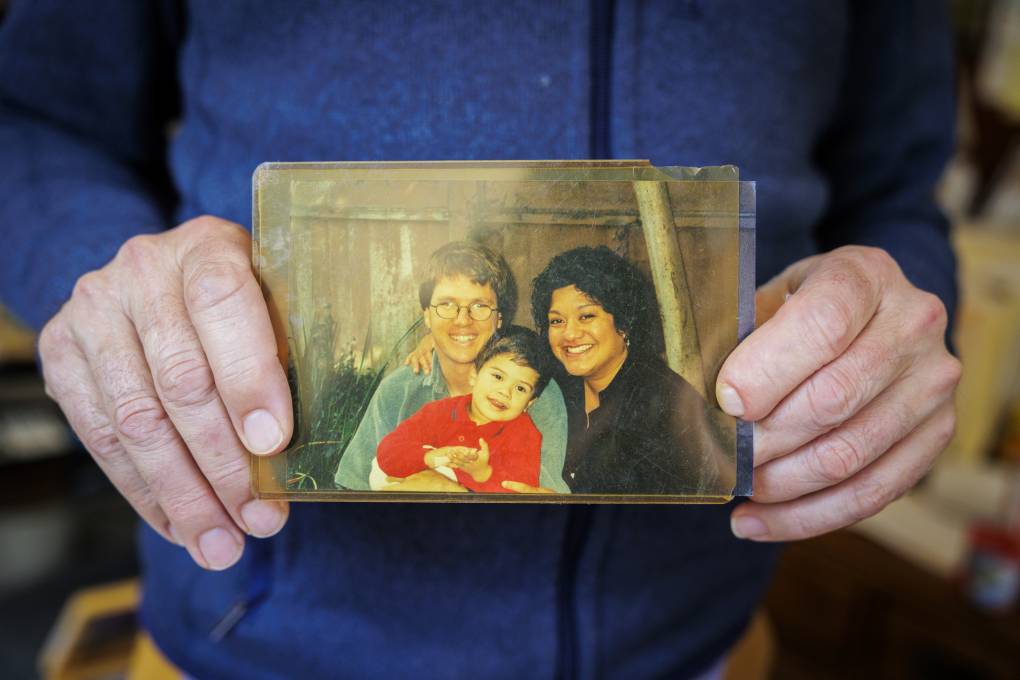
"caption": "David Alter holds a photo of himself, his wife Lisa and their son Zachary at his home in Berkeley on March 18, 2024.",
"description": null,
"title": "240318-AVOIDABLE-BED-DAYS-MD-06-KQED",
"credit": "Martin do Nascimento/KQED",
"status": "inherit",
"altTag": null,
"isLoading": false,
"fetchFailed": false
},
"news_11954996": {
"type": "attachments",
"id": "news_11954996",
"meta": {
"index": "attachments_1716263798",
"site": "news",
"id": "11954996",
"found": true
},
"title": "Supreme Court Term Ends",
"publishDate": 1688577578,
"status": "inherit",
"parent": 12078161,
"modified": 1774999858,
"caption": "The Supreme Court in Washington on April 19, 2023.",
"credit": "Jacquelyn Martin/AP Photo",
"altTag": "The ornate columned facade of the US Supreme Court.",
"description": null,
"imgSizes": {
"medium": {
"file": "https://cdn.kqed.org/wp-content/uploads/sites/10/2023/07/230705-SUPREME-COURT-SCOTUS-AP-JM-KQED-800x533.jpg",
"width": 800,
"height": 533,
"mimeType": "image/jpeg"
},
"large": {
"file": "https://cdn.kqed.org/wp-content/uploads/sites/10/2023/07/230705-SUPREME-COURT-SCOTUS-AP-JM-KQED-1020x680.jpg",
"width": 1020,
"height": 680,
"mimeType": "image/jpeg"
},
"thumbnail": {
"file": "https://cdn.kqed.org/wp-content/uploads/sites/10/2023/07/230705-SUPREME-COURT-SCOTUS-AP-JM-KQED-160x107.jpg",
"width": 160,
"height": 107,
"mimeType": "image/jpeg"
},
"1536x1536": {
"file": "https://cdn.kqed.org/wp-content/uploads/sites/10/2023/07/230705-SUPREME-COURT-SCOTUS-AP-JM-KQED-1536x1024.jpg",
"width": 1536,
"height": 1024,
"mimeType": "image/jpeg"
},
"post-thumbnail": {
"file": "https://cdn.kqed.org/wp-content/uploads/sites/10/2023/07/230705-SUPREME-COURT-SCOTUS-AP-JM-KQED-672x372.jpg",
"width": 672,
"height": 372,
"mimeType": "image/jpeg"
},
"twentyfourteen-full-width": {
"file": "https://cdn.kqed.org/wp-content/uploads/sites/10/2023/07/230705-SUPREME-COURT-SCOTUS-AP-JM-KQED-1038x576.jpg",
"width": 1038,
"height": 576,
"mimeType": "image/jpeg"
},
"full-width": {
"file": "https://cdn.kqed.org/wp-content/uploads/sites/10/2023/07/230705-SUPREME-COURT-SCOTUS-AP-JM-KQED-1920x1280.jpg",
"width": 1920,
"height": 1280,
"mimeType": "image/jpeg"
},
"kqedFullSize": {
"file": "https://cdn.kqed.org/wp-content/uploads/sites/10/2023/07/230705-SUPREME-COURT-SCOTUS-AP-JM-KQED.jpg",
"width": 2000,
"height": 1333
}
},
"isLoading": false,
"fetchFailed": false
},
"news_11982976": {
"type": "attachments",
"id": "news_11982976",
"meta": {
"index": "attachments_1716263798",
"site": "news",
"id": "11982976",
"found": true
},
"parent": 11982973,
"imgSizes": {
"twentyfourteen-full-width": {
"file": "https://cdn.kqed.org/wp-content/uploads/sites/10/2024/04/240408-FCIDublin-012-BL_qut-1038x576.jpg",
"width": 1038,
"mimeType": "image/jpeg",
"height": 576
},
"thumbnail": {
"file": "https://cdn.kqed.org/wp-content/uploads/sites/10/2024/04/240408-FCIDublin-012-BL_qut-160x107.jpg",
"width": 160,
"mimeType": "image/jpeg",
"height": 107
},
"post-thumbnail": {
"file": "https://cdn.kqed.org/wp-content/uploads/sites/10/2024/04/240408-FCIDublin-012-BL_qut-672x372.jpg",
"width": 672,
"mimeType": "image/jpeg",
"height": 372
},
"kqedFullSize": {
"file": "https://cdn.kqed.org/wp-content/uploads/sites/10/2024/04/240408-FCIDublin-012-BL_qut.jpg",
"width": 1920,
"height": 1280
},
"large": {
"file": "https://cdn.kqed.org/wp-content/uploads/sites/10/2024/04/240408-FCIDublin-012-BL_qut-1020x680.jpg",
"width": 1020,
"mimeType": "image/jpeg",
"height": 680
},
"1536x1536": {
"file": "https://cdn.kqed.org/wp-content/uploads/sites/10/2024/04/240408-FCIDublin-012-BL_qut-1536x1024.jpg",
"width": 1536,
"mimeType": "image/jpeg",
"height": 1024
},
"medium": {
"file": "https://cdn.kqed.org/wp-content/uploads/sites/10/2024/04/240408-FCIDublin-012-BL_qut-800x533.jpg",
"width": 800,
"mimeType": "image/jpeg",
"height": 533
}
},
"publishDate": 1713200608,
"modified": 1713204708,
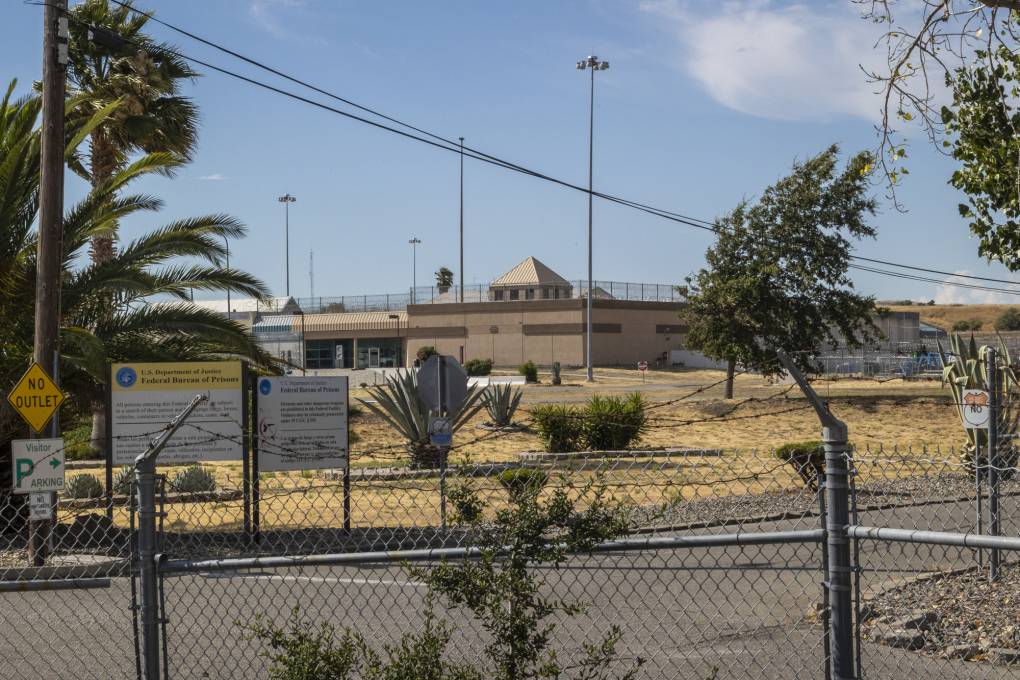
"caption": "The closure comes after a judge ordered independent third-party oversight of the scandal-plagued prison. ",
"description": null,
"title": "240408-FCIDublin-012-BL_qut",
"credit": "Beth LaBerge/KQED",
"status": "inherit",
"altTag": null,
"isLoading": false,
"fetchFailed": false
},
"news_11979221": {
"type": "attachments",
"id": "news_11979221",
"meta": {
"index": "attachments_1716263798",
"site": "news",
"id": "11979221",
"found": true
},
"parent": 11979071,
"imgSizes": {
"twentyfourteen-full-width": {
"file": "https://cdn.kqed.org/wp-content/uploads/sites/10/2024/03/240309-EARLY-START-DEVELOPMENTAL-DELAYS-MD-02-KQED-1-1038x576.jpg",
"width": 1038,
"mimeType": "image/jpeg",
"height": 576
},
"thumbnail": {
"file": "https://cdn.kqed.org/wp-content/uploads/sites/10/2024/03/240309-EARLY-START-DEVELOPMENTAL-DELAYS-MD-02-KQED-1-160x107.jpg",
"width": 160,
"mimeType": "image/jpeg",
"height": 107
},
"post-thumbnail": {
"file": "https://cdn.kqed.org/wp-content/uploads/sites/10/2024/03/240309-EARLY-START-DEVELOPMENTAL-DELAYS-MD-02-KQED-1-672x372.jpg",
"width": 672,
"mimeType": "image/jpeg",
"height": 372
},
"kqedFullSize": {
"file": "https://cdn.kqed.org/wp-content/uploads/sites/10/2024/03/240309-EARLY-START-DEVELOPMENTAL-DELAYS-MD-02-KQED-1.jpg",
"width": 2000,
"height": 1333
},
"large": {
"file": "https://cdn.kqed.org/wp-content/uploads/sites/10/2024/03/240309-EARLY-START-DEVELOPMENTAL-DELAYS-MD-02-KQED-1-1020x680.jpg",
"width": 1020,
"mimeType": "image/jpeg",
"height": 680
},
"1536x1536": {
"file": "https://cdn.kqed.org/wp-content/uploads/sites/10/2024/03/240309-EARLY-START-DEVELOPMENTAL-DELAYS-MD-02-KQED-1-1536x1024.jpg",
"width": 1536,
"mimeType": "image/jpeg",
"height": 1024
},
"full-width": {
"file": "https://cdn.kqed.org/wp-content/uploads/sites/10/2024/03/240309-EARLY-START-DEVELOPMENTAL-DELAYS-MD-02-KQED-1-1920x1280.jpg",
"width": 1920,
"mimeType": "image/jpeg",
"height": 1280
},
"medium": {
"file": "https://cdn.kqed.org/wp-content/uploads/sites/10/2024/03/240309-EARLY-START-DEVELOPMENTAL-DELAYS-MD-02-KQED-1-800x533.jpg",
"width": 800,
"mimeType": "image/jpeg",
"height": 533
}
},
"publishDate": 1710350941,
"modified": 1710350958,
"caption": "Reyna Balladares and her 3-year-old foster child play on the roof of their building in San Francisco on Mar. 9, 2024.",
"description": null,
"title": "240309-EARLY START-DEVELOPMENTAL DELAYS-MD-02-KQED-1",
"credit": "Martin do Nascimento/KQED",
"status": "inherit",
"altTag": null,
"isLoading": false,
"fetchFailed": false
},
"news_11971397": {
"type": "attachments",
"id": "news_11971397",
"meta": {
"index": "attachments_1716263798",
"site": "news",
"id": "11971397",
"found": true
},
"parent": 0,
"imgSizes": {
"twentyfourteen-full-width": {
"file": "https://cdn.kqed.org/wp-content/uploads/sites/10/2024/01/230816-FCI-DUBLIN-WOMENS-PRISON-MD-03-KQED-1038x576.jpg",
"width": 1038,
"mimeType": "image/jpeg",
"height": 576
},
"thumbnail": {
"file": "https://cdn.kqed.org/wp-content/uploads/sites/10/2024/01/230816-FCI-DUBLIN-WOMENS-PRISON-MD-03-KQED-160x107.jpg",
"width": 160,
"mimeType": "image/jpeg",
"height": 107
},
"post-thumbnail": {
"file": "https://cdn.kqed.org/wp-content/uploads/sites/10/2024/01/230816-FCI-DUBLIN-WOMENS-PRISON-MD-03-KQED-672x372.jpg",
"width": 672,
"mimeType": "image/jpeg",
"height": 372
},
"kqedFullSize": {
"file": "https://cdn.kqed.org/wp-content/uploads/sites/10/2024/01/230816-FCI-DUBLIN-WOMENS-PRISON-MD-03-KQED.jpg",
"width": 2000,
"height": 1333
},
"large": {
"file": "https://cdn.kqed.org/wp-content/uploads/sites/10/2024/01/230816-FCI-DUBLIN-WOMENS-PRISON-MD-03-KQED-1020x680.jpg",
"width": 1020,
"mimeType": "image/jpeg",
"height": 680
},
"1536x1536": {
"file": "https://cdn.kqed.org/wp-content/uploads/sites/10/2024/01/230816-FCI-DUBLIN-WOMENS-PRISON-MD-03-KQED-1536x1024.jpg",
"width": 1536,
"mimeType": "image/jpeg",
"height": 1024
},
"full-width": {
"file": "https://cdn.kqed.org/wp-content/uploads/sites/10/2024/01/230816-FCI-DUBLIN-WOMENS-PRISON-MD-03-KQED-1920x1280.jpg",
"width": 1920,
"mimeType": "image/jpeg",
"height": 1280
},
"medium": {
"file": "https://cdn.kqed.org/wp-content/uploads/sites/10/2024/01/230816-FCI-DUBLIN-WOMENS-PRISON-MD-03-KQED-800x533.jpg",
"width": 800,
"mimeType": "image/jpeg",
"height": 533
}
},
"publishDate": 1704221876,
"modified": 1704221906,
"caption": "FCI Dublin Women's Prison in Dublin on Aug. 16, 2023.",
"description": null,
"title": "230816-FCI DUBLIN WOMENS PRISON-MD-03-KQED",
"credit": "Martin do Nascimento/KQED",
"status": "inherit",
"altTag": "A large walled and gated complex.",
"isLoading": false,
"fetchFailed": false
},
"news_11978069": {
"type": "attachments",
"id": "news_11978069",
"meta": {
"index": "attachments_1716263798",
"site": "news",
"id": "11978069",
"found": true
},
"parent": 11978051,
"imgSizes": {
"twentyfourteen-full-width": {
"file": "https://cdn.kqed.org/wp-content/uploads/sites/10/2024/03/51689355703_65cc8c69df_o-1038x576.jpg",
"width": 1038,
"mimeType": "image/jpeg",
"height": 576
},
"thumbnail": {
"file": "https://cdn.kqed.org/wp-content/uploads/sites/10/2024/03/51689355703_65cc8c69df_o-160x107.jpg",
"width": 160,
"mimeType": "image/jpeg",
"height": 107
},
"post-thumbnail": {
"file": "https://cdn.kqed.org/wp-content/uploads/sites/10/2024/03/51689355703_65cc8c69df_o-672x372.jpg",
"width": 672,
"mimeType": "image/jpeg",
"height": 372
},
"kqedFullSize": {
"file": "https://cdn.kqed.org/wp-content/uploads/sites/10/2024/03/51689355703_65cc8c69df_o.jpg",
"width": 2000,
"height": 1332
},
"large": {
"file": "https://cdn.kqed.org/wp-content/uploads/sites/10/2024/03/51689355703_65cc8c69df_o-1020x679.jpg",
"width": 1020,
"mimeType": "image/jpeg",
"height": 679
},
"1536x1536": {
"file": "https://cdn.kqed.org/wp-content/uploads/sites/10/2024/03/51689355703_65cc8c69df_o-1536x1023.jpg",
"width": 1536,
"mimeType": "image/jpeg",
"height": 1023
},
"full-width": {
"file": "https://cdn.kqed.org/wp-content/uploads/sites/10/2024/03/51689355703_65cc8c69df_o-1920x1279.jpg",
"width": 1920,
"mimeType": "image/jpeg",
"height": 1279
},
"medium": {
"file": "https://cdn.kqed.org/wp-content/uploads/sites/10/2024/03/51689355703_65cc8c69df_o-800x533.jpg",
"width": 800,
"mimeType": "image/jpeg",
"height": 533
}
},
"publishDate": 1709598461,
"modified": 1709757761,
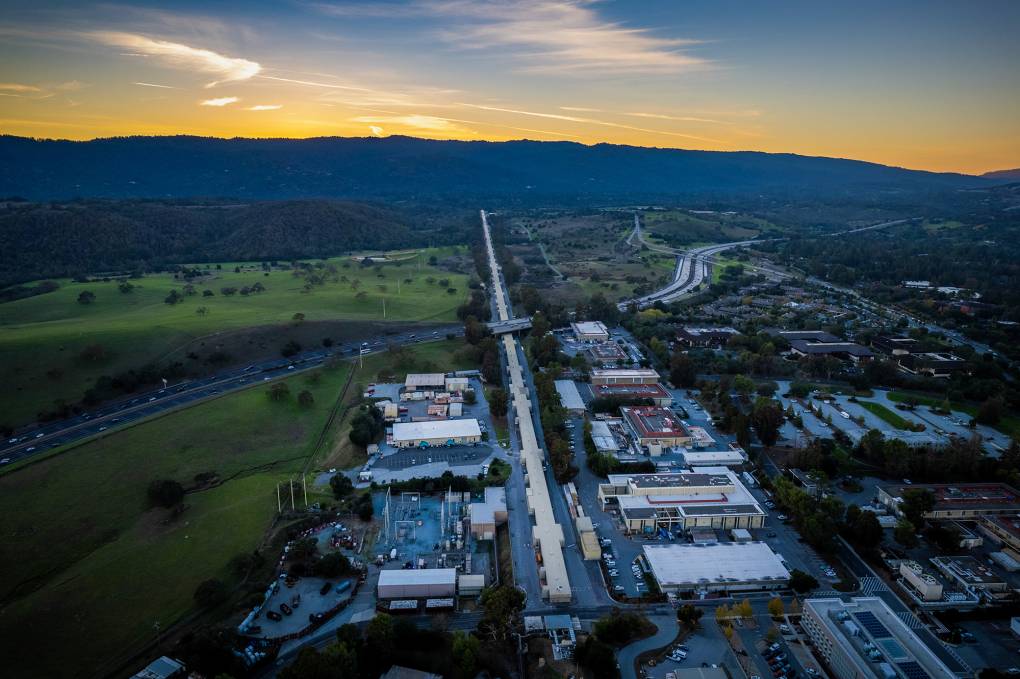
"caption": "SLAC is home to one of the longest buildings in the world, at nearly two miles in length. ",
"description": null,
"title": "51689355703_65cc8c69df_o",
"credit": "Olivier Bonin/SLAC National Accelerator Laboratory",
"status": "inherit",
"altTag": "An aerial view of a very long, skinny and beige building that extends toward the horizon line. It is sunset, and in the background are the Santa Cruz mountains.",
"isLoading": false,
"fetchFailed": false
},
"news_11974721": {
"type": "attachments",
"id": "news_11974721",
"meta": {
"index": "attachments_1716263798",
"site": "news",
"id": "11974721",
"found": true
},
"parent": 11974714,
"imgSizes": {
"twentyfourteen-full-width": {
"file": "https://cdn.kqed.org/wp-content/uploads/sites/10/2024/02/AP24036055261233-1038x576.jpg",
"width": 1038,
"mimeType": "image/jpeg",
"height": 576
},
"thumbnail": {
"file": "https://cdn.kqed.org/wp-content/uploads/sites/10/2024/02/AP24036055261233-160x106.jpg",
"width": 160,
"mimeType": "image/jpeg",
"height": 106
},
"post-thumbnail": {
"file": "https://cdn.kqed.org/wp-content/uploads/sites/10/2024/02/AP24036055261233-672x372.jpg",
"width": 672,
"mimeType": "image/jpeg",
"height": 372
},
"kqedFullSize": {
"file": "https://cdn.kqed.org/wp-content/uploads/sites/10/2024/02/AP24036055261233-scaled.jpg",
"width": 2560,
"height": 1703
},
"2048x2048": {
"file": "https://cdn.kqed.org/wp-content/uploads/sites/10/2024/02/AP24036055261233-2048x1363.jpg",
"width": 2048,
"mimeType": "image/jpeg",
"height": 1363
},
"large": {
"file": "https://cdn.kqed.org/wp-content/uploads/sites/10/2024/02/AP24036055261233-1020x679.jpg",
"width": 1020,
"mimeType": "image/jpeg",
"height": 679
},
"1536x1536": {
"file": "https://cdn.kqed.org/wp-content/uploads/sites/10/2024/02/AP24036055261233-1536x1022.jpg",
"width": 1536,
"mimeType": "image/jpeg",
"height": 1022
},
"full-width": {
"file": "https://cdn.kqed.org/wp-content/uploads/sites/10/2024/02/AP24036055261233-1920x1278.jpg",
"width": 1920,
"mimeType": "image/jpeg",
"height": 1278
},
"medium": {
"file": "https://cdn.kqed.org/wp-content/uploads/sites/10/2024/02/AP24036055261233-800x532.jpg",
"width": 800,
"mimeType": "image/jpeg",
"height": 532
}
},
"publishDate": 1707161293,
"modified": 1707163743,
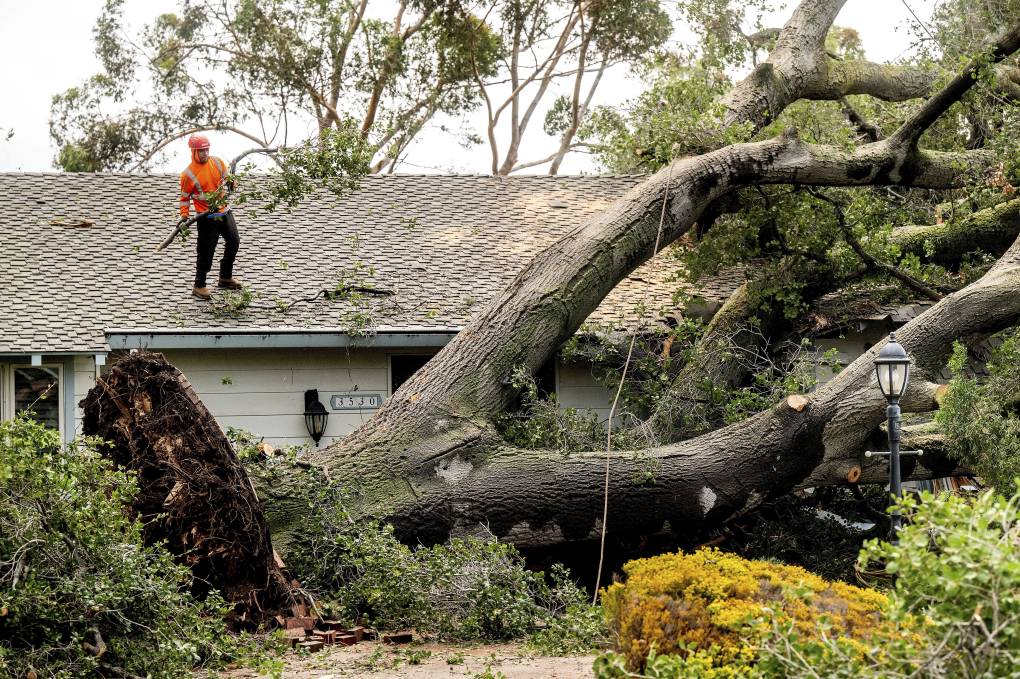
"caption": "Workers clear a tree that fell onto a home during heavy wind and rain on Sunday, Feb. 4, 2024, in San Jose, California.",
"description": null,
"title": "California Storms",
"credit": "Noah Berger/AP Photo",
"status": "inherit",
"altTag": "Workers clear a tree that fell onto a home",
"isLoading": false,
"fetchFailed": false
},
"news_11962789": {
"type": "attachments",
"id": "news_11962789",
"meta": {
"index": "attachments_1716263798",
"site": "news",
"id": "11962789",
"found": true
},
"parent": 11962776,
"imgSizes": {
"thumbnail": {
"file": "https://ww2.kqed.org/app/uploads/sites/10/2023/09/KQED_Podcast_tiles_-_NPR_network_The_Bay-1-160x160.png",
"width": 160,
"mimeType": "image/png",
"height": 160
},
"kqedFullSize": {
"file": "https://ww2.kqed.org/app/uploads/sites/10/2023/09/KQED_Podcast_tiles_-_NPR_network_The_Bay-1.png",
"width": 300,
"height": 300
}
},
"publishDate": 1695936674,
"modified": 1695936674,
"caption": null,
"description": null,
"title": "KQED_Podcast_tiles_-_NPR_network_The_Bay",
"credit": null,
"status": "inherit",
"altTag": null,
"isLoading": false,
"fetchFailed": false
},
"news_11970160": {
"type": "attachments",
"id": "news_11970160",
"meta": {
"index": "attachments_1716263798",
"site": "news",
"id": "11970160",
"found": true
},
"parent": 11970148,
"imgSizes": {
"twentyfourteen-full-width": {
"file": "https://cdn.kqed.org/wp-content/uploads/sites/10/2023/12/DJI_0297-scaled-1-1038x576.jpeg",
"width": 1038,
"mimeType": "image/jpeg",
"height": 576
},
"thumbnail": {
"file": "https://cdn.kqed.org/wp-content/uploads/sites/10/2023/12/DJI_0297-scaled-1-160x107.jpeg",
"width": 160,
"mimeType": "image/jpeg",
"height": 107
},
"post-thumbnail": {
"file": "https://cdn.kqed.org/wp-content/uploads/sites/10/2023/12/DJI_0297-scaled-1-672x372.jpeg",
"width": 672,
"mimeType": "image/jpeg",
"height": 372
},
"kqedFullSize": {
"file": "https://cdn.kqed.org/wp-content/uploads/sites/10/2023/12/DJI_0297-scaled-1.jpeg",
"width": 2560,
"height": 1707
},
"2048x2048": {
"file": "https://cdn.kqed.org/wp-content/uploads/sites/10/2023/12/DJI_0297-scaled-1-2048x1366.jpeg",
"width": 2048,
"mimeType": "image/jpeg",
"height": 1366
},
"large": {
"file": "https://cdn.kqed.org/wp-content/uploads/sites/10/2023/12/DJI_0297-scaled-1-1020x680.jpeg",
"width": 1020,
"mimeType": "image/jpeg",
"height": 680
},
"1536x1536": {
"file": "https://cdn.kqed.org/wp-content/uploads/sites/10/2023/12/DJI_0297-scaled-1-1536x1024.jpeg",
"width": 1536,
"mimeType": "image/jpeg",
"height": 1024
},
"full-width": {
"file": "https://cdn.kqed.org/wp-content/uploads/sites/10/2023/12/DJI_0297-scaled-1-1920x1280.jpeg",
"width": 1920,
"mimeType": "image/jpeg",
"height": 1280
},
"medium": {
"file": "https://cdn.kqed.org/wp-content/uploads/sites/10/2023/12/DJI_0297-scaled-1-800x533.jpeg",
"width": 800,
"mimeType": "image/jpeg",
"height": 533
}
},
"publishDate": 1702685750,
"modified": 1702685813,
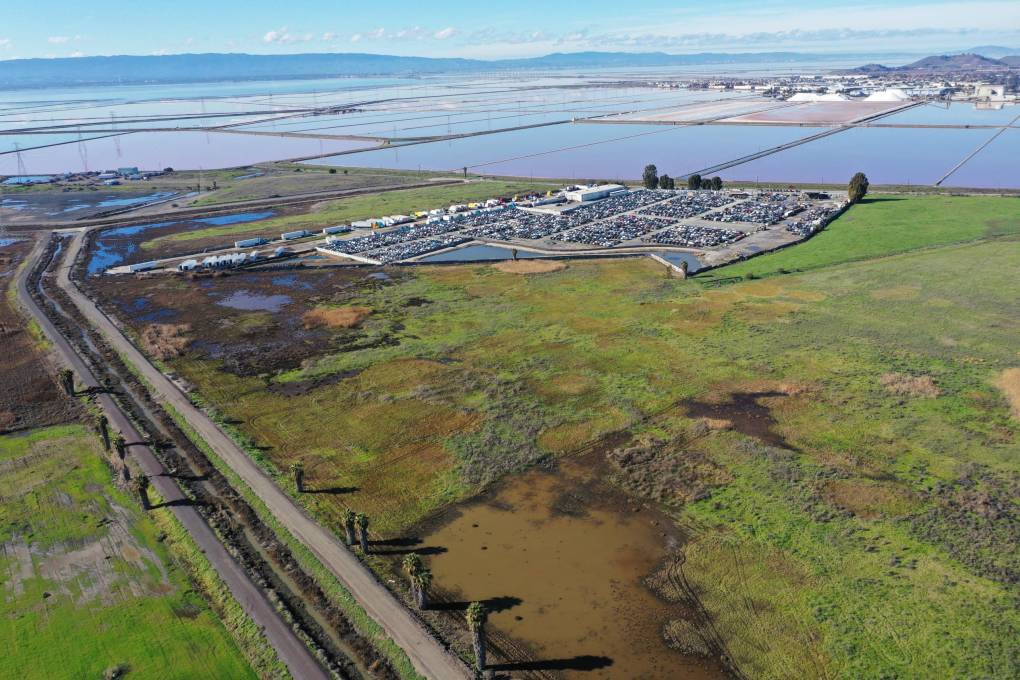
"caption": "A developer would like to build more than 200 homes on the site of an active Pick-n-Pull auto parts yard in the East Bay city of Newark. Climate advocates oppose the idea because of its proximity to the shoreline and fears about rising sea levels. (Photo Courtesy of Derell Licht)",
"description": null,
"title": "DJI_0297-scaled",
"credit": null,
"status": "inherit",
"altTag": null,
"isLoading": false,
"fetchFailed": false
},
"news_11751033": {
"type": "attachments",
"id": "news_11751033",
"meta": {
"index": "attachments_1716263798",
"site": "news",
"id": "11751033",
"found": true
},
"title": "PG&E Transmission Lines-South San Francisco",
"publishDate": 1559198737,
"status": "inherit",
"parent": 11750896,
"modified": 1736377803,
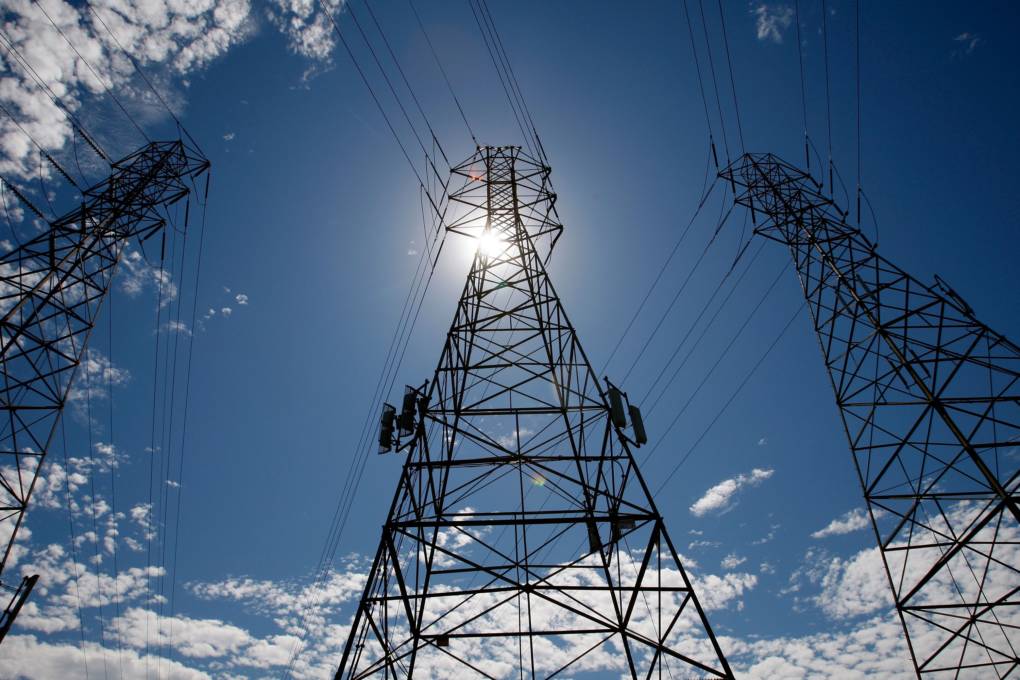
"caption": "PG&E transmission lines in South San Francisco on August 30, 2007. ",
"credit": "Justin Sullivan/Getty Images",
"altTag": null,
"description": "SOUTH SAN FRANCISCO, CA - AUGUST 30: The sun shines over towers carrying electical lines August 30, 2007 in South San Francisco, California. With temperatures over 100 degrees in many parts of the state, the California Independent System Operator, which manages most of the California electricity grid, is planning on declaring a minor power emergency later in the day, followed by a Stage 2 power alert during the late afternoon, indicating that power reserves have fallen below five percent. (Photo by Justin Sullivan/Getty Images)",
"imgSizes": {
"thumbnail": {
"file": "https://cdn.kqed.org/wp-content/uploads/sites/10/2019/05/GettyImages-76412182-160x107.jpg",
"width": 160,
"height": 107,
"mimeType": "image/jpeg"
},
"medium": {
"file": "https://cdn.kqed.org/wp-content/uploads/sites/10/2019/05/GettyImages-76412182-800x533.jpg",
"width": 800,
"height": 533,
"mimeType": "image/jpeg"
},
"large": {
"file": "https://cdn.kqed.org/wp-content/uploads/sites/10/2019/05/GettyImages-76412182-1020x680.jpg",
"width": 1020,
"height": 680,
"mimeType": "image/jpeg"
},
"complete_open_graph": {
"file": "https://cdn.kqed.org/wp-content/uploads/sites/10/2019/05/GettyImages-76412182-1200x800.jpg",
"width": 1200,
"height": 800,
"mimeType": "image/jpeg"
},
"post-thumbnail": {
"file": "https://cdn.kqed.org/wp-content/uploads/sites/10/2019/05/GettyImages-76412182-672x372.jpg",
"width": 672,
"height": 372,
"mimeType": "image/jpeg"
},
"twentyfourteen-full-width": {
"file": "https://cdn.kqed.org/wp-content/uploads/sites/10/2019/05/GettyImages-76412182-1038x576.jpg",
"width": 1038,
"height": 576,
"mimeType": "image/jpeg"
},
"full-width": {
"file": "https://cdn.kqed.org/wp-content/uploads/sites/10/2019/05/GettyImages-76412182-1920x1280.jpg",
"width": 1920,
"height": 1280,
"mimeType": "image/jpeg"
},
"apple_news_ca_landscape_12_9": {
"file": "https://cdn.kqed.org/wp-content/uploads/sites/10/2019/05/GettyImages-76412182-1832x1374.jpg",
"width": 1832,
"height": 1374,
"mimeType": "image/jpeg"
},
"apple_news_ca_landscape_9_7": {
"file": "https://cdn.kqed.org/wp-content/uploads/sites/10/2019/05/GettyImages-76412182-1376x1032.jpg",
"width": 1376,
"height": 1032,
"mimeType": "image/jpeg"
},
"apple_news_ca_landscape_5_5": {
"file": "https://cdn.kqed.org/wp-content/uploads/sites/10/2019/05/GettyImages-76412182-1044x783.jpg",
"width": 1044,
"height": 783,
"mimeType": "image/jpeg"
},
"apple_news_ca_landscape_4_7": {
"file": "https://cdn.kqed.org/wp-content/uploads/sites/10/2019/05/GettyImages-76412182-632x474.jpg",
"width": 632,
"height": 474,
"mimeType": "image/jpeg"
},
"apple_news_ca_landscape_4_0": {
"file": "https://cdn.kqed.org/wp-content/uploads/sites/10/2019/05/GettyImages-76412182-536x402.jpg",
"width": 536,
"height": 402,
"mimeType": "image/jpeg"
},
"apple_news_ca_portrait_12_9": {
"file": "https://cdn.kqed.org/wp-content/uploads/sites/10/2019/05/GettyImages-76412182-1122x1496.jpg",
"width": 1122,
"height": 1496,
"mimeType": "image/jpeg"
},
"apple_news_ca_portrait_9_7": {
"file": "https://cdn.kqed.org/wp-content/uploads/sites/10/2019/05/GettyImages-76412182-840x1120.jpg",
"width": 840,
"height": 1120,
"mimeType": "image/jpeg"
},
"apple_news_ca_portrait_5_5": {
"file": "https://cdn.kqed.org/wp-content/uploads/sites/10/2019/05/GettyImages-76412182-687x916.jpg",
"width": 687,
"height": 916,
"mimeType": "image/jpeg"
},
"apple_news_ca_portrait_4_7": {
"file": "https://cdn.kqed.org/wp-content/uploads/sites/10/2019/05/GettyImages-76412182-414x552.jpg",
"width": 414,
"height": 552,
"mimeType": "image/jpeg"
},
"apple_news_ca_portrait_4_0": {
"file": "https://cdn.kqed.org/wp-content/uploads/sites/10/2019/05/GettyImages-76412182-354x472.jpg",
"width": 354,
"height": 472,
"mimeType": "image/jpeg"
},
"apple_news_ca_square_12_9": {
"file": "https://cdn.kqed.org/wp-content/uploads/sites/10/2019/05/GettyImages-76412182-1472x1472.jpg",
"width": 1472,
"height": 1472,
"mimeType": "image/jpeg"
},
"apple_news_ca_square_9_7": {
"file": "https://cdn.kqed.org/wp-content/uploads/sites/10/2019/05/GettyImages-76412182-1104x1104.jpg",
"width": 1104,
"height": 1104,
"mimeType": "image/jpeg"
},
"apple_news_ca_square_5_5": {
"file": "https://cdn.kqed.org/wp-content/uploads/sites/10/2019/05/GettyImages-76412182-912x912.jpg",
"width": 912,
"height": 912,
"mimeType": "image/jpeg"
},
"apple_news_ca_square_4_7": {
"file": "https://cdn.kqed.org/wp-content/uploads/sites/10/2019/05/GettyImages-76412182-550x550.jpg",
"width": 550,
"height": 550,
"mimeType": "image/jpeg"
},
"apple_news_ca_square_4_0": {
"file": "https://cdn.kqed.org/wp-content/uploads/sites/10/2019/05/GettyImages-76412182-470x470.jpg",
"width": 470,
"height": 470,
"mimeType": "image/jpeg"
},
"kqedFullSize": {
"file": "https://cdn.kqed.org/wp-content/uploads/sites/10/2019/05/GettyImages-76412182-e1559198784751.jpg",
"width": 1920,
"height": 1280
}
},
"isLoading": false,
"fetchFailed": false
}
},
"audioPlayerReducer": {
"postId": "stream_live",
"isPaused": true,
"isPlaying": false,
"pfsActive": false,
"pledgeModalIsOpen": true,
"playerDrawerIsOpen": false,
"liveAudioPlayStartedAt": 0,
"liveAudioPlayContext": ""
},
"authorsReducer": {
"danbrekke": {
"type": "authors",
"id": "222",
"meta": {
"index": "authors_1716337520",
"id": "222",
"found": true
},
"name": "Dan Brekke",
"firstName": "Dan",
"lastName": "Brekke",
"slug": "danbrekke",
"email": "dbrekke@kqed.org",
"display_author_email": true,
"staff_mastheads": [
"news",
"science"
],
"title": "KQED Editor and Reporter",
"bio": "Dan Brekke is a reporter and editor for KQED News, responsible for coverage of topics ranging from California water issues to the Bay Area's transportation challenges. In a newsroom career that began in Chicago in 1972, Dan has worked for \u003cem>The San Francisco Examiner,\u003c/em> Wired and TechTV and has been published in The New York Times, The New York Times Magazine, Business 2.0, Salon and elsewhere.\r\n\r\nSince joining KQED in 2007, Dan has reported, edited and produced both radio and online features and breaking news pieces. He has shared as both editor and reporter in four Society of Professional Journalists Norcal Excellence in Journalism awards and one Edward R. Murrow regional award. He was chosen for a spring 2017 residency at the Mesa Refuge to advance his research on California salmon.\r\n\r\nEmail Dan at: \u003ca href=\"mailto:dbrekke@kqed.org\">dbrekke@kqed.org\u003c/a>\r\n\r\n\u003cstrong>Twitter:\u003c/strong> \u003ca href=\"https://twitter.com/danbrekke\" rel=\"noopener noreferrer\">twitter.com/danbrekke\u003c/a>\r\n\u003cstrong>Facebook:\u003c/strong> \u003ca href=\"https://www.facebook.com/danbrekke\" rel=\"noopener noreferrer\">www.facebook.com/danbrekke\u003c/a>\r\n\u003cstrong>LinkedIn:\u003c/strong> \u003ca href=\"https://www.linkedin.com/in/danbrekke\" rel=\"noopener noreferrer\">www.linkedin.com/in/danbrekke\u003c/a>",
"avatar": "https://secure.gravatar.com/avatar/8f1f0d2a978fb3b23426c922c7e2af558fa36905b49c4ce76a97dc3c72d27226?s=600&d=mm&r=g",
"twitter": "danbrekke",
"bluesky": null,
"facebook": null,
"instagram": "https://www.instagram.com/dan.brekke/",
"linkedin": "https://www.linkedin.com/in/danbrekke/",
"sites": [
{
"site": "news",
"roles": [
"administrator",
"create_posts"
]
},
{
"site": "stateofhealth",
"roles": [
"editor"
]
},
{
"site": "science",
"roles": [
"editor"
]
},
{
"site": "quest",
"roles": [
"contributor"
]
},
{
"site": "food",
"roles": [
"contributor"
]
},
{
"site": "forum",
"roles": [
"contributor"
]
},
{
"site": "elections",
"roles": [
"editor"
]
},
{
"site": "liveblog",
"roles": [
"editor"
]
}
],
"headData": {
"title": "Dan Brekke | KQED",
"description": "KQED Editor and Reporter",
"ogImgSrc": "https://secure.gravatar.com/avatar/8f1f0d2a978fb3b23426c922c7e2af558fa36905b49c4ce76a97dc3c72d27226?s=600&d=mm&r=g",
"twImgSrc": "https://secure.gravatar.com/avatar/8f1f0d2a978fb3b23426c922c7e2af558fa36905b49c4ce76a97dc3c72d27226?s=600&d=mm&r=g"
},
"isLoading": false,
"link": "/author/danbrekke"
},
"rachael-myrow": {
"type": "authors",
"id": "251",
"meta": {
"index": "authors_1716337520",
"id": "251",
"found": true
},
"name": "Rachael Myrow",
"firstName": "Rachael",
"lastName": "Myrow",
"slug": "rachael-myrow",
"email": "rmyrow@kqed.org",
"display_author_email": true,
"staff_mastheads": [
"news"
],
"title": "Senior Editor of KQED's Silicon Valley News Desk",
"bio": "• I write and edit stories about how Silicon Valley power and policies shape everyday life in California. I’m also passionate about making Bay Area history and culture more accessible to a broad public. • I’ve been a journalist for most of my life, starting in high school with The Franklin Press in Los Angeles, where I grew up. While earning my first degree in English at UC Berkeley, I got my start in public radio at KALX-FM. After completing a second degree in journalism at Cal, I landed my first professional job at Marketplace, then moved on to KPCC (now LAist), and then KQED, where I hosted The California Report for more than seven years. • My reporting has appeared on NPR, The World, WBUR’s \u003ci>Here & Now\u003c/i>, and the BBC. I also guest host for KQED’s \u003ci>Forum\u003c/i>, as well as the Commonwealth Club in San Francisco. • I speak periodically on media, democracy and technology issues, and do voiceover work for documentaries and educational video projects. • Outside of the studio, you'll find me hiking Bay Area trails and whipping up Insta-ready meals in my kitchen. • I do not accept gifts, money, or favors from anyone connected to my reporting, I don't pay people for information, and I do not support or donate to political causes. • I strive to treat the people I report on with fairness, honesty, and respect. I also recognize there are often multiple sides to a story and work to verify information through multiple sources and documentation. If I get something wrong, I correct it.",
"avatar": "https://secure.gravatar.com/avatar/3ed8a3c5f26025e4a805ba634cda8cd764906b97438a6d9ce216b044e340da4e?s=600&d=blank&r=g",
"twitter": "rachaelmyrow",
"bluesky": null,
"facebook": null,
"instagram": null,
"linkedin": "https://www.linkedin.com/in/rachaelmyrow/",
"sites": [
{
"site": "arts",
"roles": [
"administrator"
]
},
{
"site": "news",
"roles": [
"edit_others_posts",
"editor"
]
},
{
"site": "futureofyou",
"roles": [
"editor"
]
},
{
"site": "bayareabites",
"roles": [
"editor"
]
},
{
"site": "stateofhealth",
"roles": [
"editor"
]
},
{
"site": "science",
"roles": [
"editor"
]
},
{
"site": "food",
"roles": [
"editor"
]
},
{
"site": "forum",
"roles": [
"editor"
]
},
{
"site": "liveblog",
"roles": [
"author"
]
}
],
"headData": {
"title": "Rachael Myrow | KQED",
"description": "Senior Editor of KQED's Silicon Valley News Desk",
"ogImgSrc": "https://secure.gravatar.com/avatar/3ed8a3c5f26025e4a805ba634cda8cd764906b97438a6d9ce216b044e340da4e?s=600&d=blank&r=g",
"twImgSrc": "https://secure.gravatar.com/avatar/3ed8a3c5f26025e4a805ba634cda8cd764906b97438a6d9ce216b044e340da4e?s=600&d=blank&r=g"
},
"isLoading": false,
"link": "/author/rachael-myrow"
},
"ecruzguevarra": {
"type": "authors",
"id": "8654",
"meta": {
"index": "authors_1716337520",
"id": "8654",
"found": true
},
"name": "Ericka Cruz Guevarra",
"firstName": "Ericka",
"lastName": "Cruz Guevarra",
"slug": "ecruzguevarra",
"email": "ecruzguevarra@kqed.org",
"display_author_email": true,
"staff_mastheads": [
"news"
],
"title": "Producer, The Bay Podcast",
"bio": "Ericka Cruz Guevarra is host of \u003ca href=\"https://www.kqed.org/podcasts/thebay\">\u003cem>The Bay\u003c/em>\u003c/a> podcast at KQED. Before host, she was the show’s producer. Her work in that capacity includes a three-part reported series on policing in Vallejo, which won a 2020 excellence in journalism award from the Society of Professional Journalists. Ericka has worked as a breaking news reporter at Oregon Public Broadcasting, helped produce the Code Switch podcast, and was KQED’s inaugural Raul Ramirez Diversity Fund intern. She’s also an alumna of NPR’s Next Generation Radio program. Send her an email if you have strong feelings about whether Fairfield and Suisun City are the Bay. Ericka is represented by SAG-AFTRA.",
"avatar": "https://secure.gravatar.com/avatar/accefc1de4bafc7e234b69bcb9b6f6536c130fd84709bc3069ef11a78787e1bb?s=600&d=blank&r=g",
"twitter": "NotoriousECG",
"bluesky": null,
"facebook": null,
"instagram": null,
"linkedin": null,
"sites": [
{
"site": "arts",
"roles": [
"subscriber"
]
},
{
"site": "news",
"roles": [
"editor",
"manage_categories"
]
},
{
"site": "futureofyou",
"roles": [
"subscriber"
]
},
{
"site": "stateofhealth",
"roles": [
"subscriber"
]
},
{
"site": "science",
"roles": [
"editor"
]
},
{
"site": "forum",
"roles": [
"subscriber"
]
}
],
"headData": {
"title": "Ericka Cruz Guevarra | KQED",
"description": "Producer, The Bay Podcast",
"ogImgSrc": "https://secure.gravatar.com/avatar/accefc1de4bafc7e234b69bcb9b6f6536c130fd84709bc3069ef11a78787e1bb?s=600&d=blank&r=g",
"twImgSrc": "https://secure.gravatar.com/avatar/accefc1de4bafc7e234b69bcb9b6f6536c130fd84709bc3069ef11a78787e1bb?s=600&d=blank&r=g"
},
"isLoading": false,
"link": "/author/ecruzguevarra"
},
"lesleymcclurg": {
"type": "authors",
"id": "11229",
"meta": {
"index": "authors_1716337520",
"id": "11229",
"found": true
},
"name": "Lesley McClurg",
"firstName": "Lesley",
"lastName": "McClurg",
"slug": "lesleymcclurg",
"email": "lmcclurg@KQED.org",
"display_author_email": false,
"staff_mastheads": [
"news",
"science"
],
"title": "KQED Health Correspondent",
"bio": "Lesley McClurg is a health correspondent and fill-in host whose work is regularly rebroadcast on NPR and PBS programs. She’s earned multiple regional Emmy awards, a national and a regional Edward R. Murrow award, and was named Best Beat Reporter by the Association of Health Care Journalists. The Society of Professional Journalists has recognized her work several times, and the Society of Environmental Journalists spotlighted her coverage of California’s historic drought.\r\n\r\nBefore joining KQED in 2016, Lesley covered food and sustainability for Capital Public Radio, environmental issues for Colorado Public Radio, and reported for KUOW and KCTS 9 in Seattle. Away from the newsroom, she loves skiing with her daughter, mountain biking with her partner, and playing with Ollie, the family’s goldendoodle. On deadline, she runs almost entirely on chocolate chips.\r\n\r\n ",
"avatar": "https://secure.gravatar.com/avatar/bab49e972ea10c774fe0f5e29dba1722b158f7c0d58a360923d1389d380b2978?s=600&d=blank&r=g",
"twitter": "lesleywmcclurg",
"bluesky": null,
"facebook": null,
"instagram": null,
"linkedin": null,
"sites": [
{
"site": "arts",
"roles": [
"author"
]
},
{
"site": "news",
"roles": [
"editor"
]
},
{
"site": "futureofyou",
"roles": [
"editor"
]
},
{
"site": "stateofhealth",
"roles": [
"author"
]
},
{
"site": "science",
"roles": [
"editor"
]
},
{
"site": "quest",
"roles": [
"subscriber"
]
},
{
"site": "forum",
"roles": [
"administrator"
]
},
{
"site": "liveblog",
"roles": [
"author"
]
}
],
"headData": {
"title": "Lesley McClurg | KQED",
"description": "KQED Health Correspondent",
"ogImgSrc": "https://secure.gravatar.com/avatar/bab49e972ea10c774fe0f5e29dba1722b158f7c0d58a360923d1389d380b2978?s=600&d=blank&r=g",
"twImgSrc": "https://secure.gravatar.com/avatar/bab49e972ea10c774fe0f5e29dba1722b158f7c0d58a360923d1389d380b2978?s=600&d=blank&r=g"
},
"isLoading": false,
"link": "/author/lesleymcclurg"
},
"vrancano": {
"type": "authors",
"id": "11276",
"meta": {
"index": "authors_1716337520",
"id": "11276",
"found": true
},
"name": "Vanessa Rancaño",
"firstName": "Vanessa",
"lastName": "Rancaño",
"slug": "vrancano",
"email": "vrancano@kqed.org",
"display_author_email": false,
"staff_mastheads": [
"news"
],
"title": "Reporter",
"bio": "Vanessa Rancaño is a features reporter for KQED. She’s also covered homelessness and education for the station and reported from the Central Valley. Her work has aired across public radio, from flagship national news shows to longform narrative podcasts. Before taking up a mic, she worked as a freelance print journalist. She’s been recognized with a number of national and regional awards. Vanessa grew up in California's Central Valley. She's a former NPR Kroc Fellow, and a graduate of the UC Berkeley Graduate School of Journalism.",
"avatar": "https://secure.gravatar.com/avatar/b3a383dfb0e7ee1c17568f2cf067904ab654d6e3de9743fc661f3c788ade1bed?s=600&d=blank&r=g",
"twitter": "vanessarancano",
"bluesky": null,
"facebook": null,
"instagram": null,
"linkedin": null,
"sites": [
{
"site": "arts",
"roles": [
"editor"
]
},
{
"site": "news",
"roles": [
"editor"
]
},
{
"site": "liveblog",
"roles": [
"contributor"
]
}
],
"headData": {
"title": "Vanessa Rancaño | KQED",
"description": "Reporter",
"ogImgSrc": "https://secure.gravatar.com/avatar/b3a383dfb0e7ee1c17568f2cf067904ab654d6e3de9743fc661f3c788ade1bed?s=600&d=blank&r=g",
"twImgSrc": "https://secure.gravatar.com/avatar/b3a383dfb0e7ee1c17568f2cf067904ab654d6e3de9743fc661f3c788ade1bed?s=600&d=blank&r=g"
},
"isLoading": false,
"link": "/author/vrancano"
},
"dcronin": {
"type": "authors",
"id": "11362",
"meta": {
"index": "authors_1716337520",
"id": "11362",
"found": true
},
"name": "Dana Cronin",
"firstName": "Dana",
"lastName": "Cronin",
"slug": "dcronin",
"email": "dcronin@KQED.org",
"display_author_email": true,
"staff_mastheads": [],
"title": "KQED Contributor",
"bio": "Dana Cronin is a reporter for KQED News. She loves writing stories about climate change, environmental issues, food and agriculture. She's reported across the country, from Colorado to Washington D.C. to Illinois, and has won numerous awards for her coverage. Her work is regularly featured on national broadcasts, including NPR’s Morning Edition, All Things Considered, PBS Newshour and Science Friday. She lives in Oakland and has an avocado tree in her back yard.",
"avatar": "https://secure.gravatar.com/avatar/bcf89e3455ff7235f96ab6fa7258dd95?s=600&d=blank&r=g",
"twitter": "DanaHCronin",
"facebook": null,
"instagram": null,
"linkedin": null,
"sites": [
{
"site": "arts",
"roles": [
"author"
]
},
{
"site": "news",
"roles": [
"editor"
]
},
{
"site": "science",
"roles": [
"author"
]
},
{
"site": "liveblog",
"roles": [
"author"
]
}
],
"headData": {
"title": "Dana Cronin | KQED",
"description": "KQED Contributor",
"ogImgSrc": "https://secure.gravatar.com/avatar/bcf89e3455ff7235f96ab6fa7258dd95?s=600&d=blank&r=g",
"twImgSrc": "https://secure.gravatar.com/avatar/bcf89e3455ff7235f96ab6fa7258dd95?s=600&d=blank&r=g"
},
"isLoading": false,
"link": "/author/dcronin"
},
"ahall": {
"type": "authors",
"id": "11490",
"meta": {
"index": "authors_1716337520",
"id": "11490",
"found": true
},
"name": "Alex Hall",
"firstName": "Alex",
"lastName": "Hall",
"slug": "ahall",
"email": "ahall@kqed.org",
"display_author_email": false,
"staff_mastheads": [
"news"
],
"title": "KQED Enterprise & Accountability Reporter",
"bio": "Alex Hall is KQED's Enterprise and Accountability Reporter. She previously covered the Central Valley for five years from KQED's bureau in Fresno. Before joining KQED, Alex was an investigative reporting fellow at Wisconsin Public Radio and the Wisconsin Center for Investigative Journalism. She has also worked as a bilingual producer for NPR's investigative unit and freelance video producer for Reuters TV on the Latin America desk. She got her start in journalism in South America, where she worked as a radio producer and Spanish-English translator for CNN Chile. Her documentary and investigation into the series of deadly COVID-19 outbreaks at Foster Farms won a national Edward R. Murrow award and was named an Investigative Reporters & Editors award finalist. Alex's reporting for Reveal on the Wisconsin dairy industry's reliance on undocumented immigrant labor was made into a film, Los Lecheros, which won a regional Edward R. Murrow award for best news documentary.",
"avatar": "https://secure.gravatar.com/avatar/04c28ad4a7caa7ac2ef39c655c4030c993a3f331481d1da4799bb76ea85b9afa?s=600&d=blank&r=g",
"twitter": "@chalexhall",
"bluesky": null,
"facebook": null,
"instagram": null,
"linkedin": null,
"sites": [
{
"site": "news",
"roles": [
"editor"
]
},
{
"site": "liveblog",
"roles": [
"author"
]
}
],
"headData": {
"title": "Alex Hall | KQED",
"description": "KQED Enterprise & Accountability Reporter",
"ogImgSrc": "https://secure.gravatar.com/avatar/04c28ad4a7caa7ac2ef39c655c4030c993a3f331481d1da4799bb76ea85b9afa?s=600&d=blank&r=g",
"twImgSrc": "https://secure.gravatar.com/avatar/04c28ad4a7caa7ac2ef39c655c4030c993a3f331481d1da4799bb76ea85b9afa?s=600&d=blank&r=g"
},
"isLoading": false,
"link": "/author/ahall"
},
"kevinstark": {
"type": "authors",
"id": "11608",
"meta": {
"index": "authors_1716337520",
"id": "11608",
"found": true
},
"name": "Kevin Stark",
"firstName": "Kevin",
"lastName": "Stark",
"slug": "kevinstark",
"email": "kstark@kqed.org",
"display_author_email": true,
"staff_mastheads": [
"science"
],
"title": "Senior Editor",
"bio": "Kevin is a senior editor for KQED Science, managing the station's health and climate desks. His journalism career began in the Pacific Northwest, and he later became a lead reporter for the San Francisco Public Press. His work has appeared in Pacific Standard magazine, the Energy News Network, the Center for Investigative Reporting's Reveal and WBEZ in Chicago. Kevin joined KQED in 2019, and has covered issues related to energy, wildfire, climate change and the environment.",
"avatar": "https://secure.gravatar.com/avatar/365aaa4b597d3a8374f67504ff0facd323d7906e8eb4be0a7efd2427408e802c?s=600&d=blank&r=g",
"twitter": "starkkev",
"bluesky": null,
"facebook": null,
"instagram": null,
"linkedin": null,
"sites": [
{
"site": "",
"roles": [
"editor"
]
},
{
"site": "news",
"roles": [
"editor"
]
},
{
"site": "science",
"roles": [
"administrator"
]
}
],
"headData": {
"title": "Kevin Stark | KQED",
"description": "Senior Editor",
"ogImgSrc": "https://secure.gravatar.com/avatar/365aaa4b597d3a8374f67504ff0facd323d7906e8eb4be0a7efd2427408e802c?s=600&d=blank&r=g",
"twImgSrc": "https://secure.gravatar.com/avatar/365aaa4b597d3a8374f67504ff0facd323d7906e8eb4be0a7efd2427408e802c?s=600&d=blank&r=g"
},
"isLoading": false,
"link": "/author/kevinstark"
},
"amontecillo": {
"type": "authors",
"id": "11649",
"meta": {
"index": "authors_1716337520",
"id": "11649",
"found": true
},
"name": "Alan Montecillo",
"firstName": "Alan",
"lastName": "Montecillo",
"slug": "amontecillo",
"email": "amontecillo@kqed.org",
"display_author_email": false,
"staff_mastheads": [
"news"
],
"title": "KQED Contributor",
"bio": "Alan Montecillo is the senior editor of \u003cem>\u003ca href=\"http://kqed.org/thebay\">The Bay\u003c/a>, \u003c/em> KQED's local news podcast. Before moving to the Bay Area, he worked as a senior talk show producer for WILL in Champaign-Urbana, Illinois and at Oregon Public Broadcasting in Portland, Oregon. He has won journalism awards from the Society of Professional Journalists Northern California, the Public Media Journalists Association, The Signal Awards, and has also received a regional Edward R. Murrow award. Alan is a Filipino American from Hong Kong and a graduate of Reed College.",
"avatar": "https://secure.gravatar.com/avatar/268f53a2066899ea9efdd8a5900218b17c822d9862cbc9326cccec53ef41d349?s=600&d=blank&r=g",
"twitter": "alanmontecillo",
"bluesky": null,
"facebook": null,
"instagram": null,
"linkedin": null,
"sites": [
{
"site": "",
"roles": [
"editor"
]
},
{
"site": "news",
"roles": [
"editor",
"manage_categories"
]
}
],
"headData": {
"title": "Alan Montecillo | KQED",
"description": "KQED Contributor",
"ogImgSrc": "https://secure.gravatar.com/avatar/268f53a2066899ea9efdd8a5900218b17c822d9862cbc9326cccec53ef41d349?s=600&d=blank&r=g",
"twImgSrc": "https://secure.gravatar.com/avatar/268f53a2066899ea9efdd8a5900218b17c822d9862cbc9326cccec53ef41d349?s=600&d=blank&r=g"
},
"isLoading": false,
"link": "/author/amontecillo"
},
"eromero": {
"type": "authors",
"id": "11746",
"meta": {
"index": "authors_1716337520",
"id": "11746",
"found": true
},
"name": "Ezra David Romero",
"firstName": "Ezra David",
"lastName": "Romero",
"slug": "eromero",
"email": "eromero@kqed.org",
"display_author_email": true,
"staff_mastheads": [
"news",
"science"
],
"title": "Climate Reporter",
"bio": "Ezra David Romero is a climate reporter for KQED News. He covers the absence and excess of water in the Bay Area — think sea level rise, flooding and drought. For nearly a decade he’s covered how warming temperatures are altering the lives of Californians. He’s reported on farmers worried their pistachio trees aren’t getting enough sleep, families desperate for water, scientists studying dying giant sequoias, and alongside firefighters containing wildfires. His work has appeared on local stations across California and nationally on public radio shows like Morning Edition, Here and Now, All Things Considered and Science Friday. ",
"avatar": "https://secure.gravatar.com/avatar/c76404d287c10ed40224227551ac36e24352c7306f106632caf6fead76f8801f?s=600&d=blank&r=g",
"twitter": "ezraromero",
"bluesky": null,
"facebook": null,
"instagram": null,
"linkedin": null,
"sites": [
{
"site": "arts",
"roles": [
"editor"
]
},
{
"site": "news",
"roles": [
"editor"
]
},
{
"site": "science",
"roles": [
"editor"
]
},
{
"site": "liveblog",
"roles": [
"author"
]
}
],
"headData": {
"title": "Ezra David Romero | KQED",
"description": "Climate Reporter",
"ogImgSrc": "https://secure.gravatar.com/avatar/c76404d287c10ed40224227551ac36e24352c7306f106632caf6fead76f8801f?s=600&d=blank&r=g",
"twImgSrc": "https://secure.gravatar.com/avatar/c76404d287c10ed40224227551ac36e24352c7306f106632caf6fead76f8801f?s=600&d=blank&r=g"
},
"isLoading": false,
"link": "/author/eromero"
},
"mesquinca": {
"type": "authors",
"id": "11802",
"meta": {
"index": "authors_1716337520",
"id": "11802",
"found": true
},
"name": "Maria Esquinca",
"firstName": "Maria",
"lastName": "Esquinca",
"slug": "mesquinca",
"email": "mesquinca@kqed.org",
"display_author_email": false,
"staff_mastheads": [],
"title": "Producer, The Bay",
"bio": "María Esquinca is a producer of The Bay. Before that, she was a New York Women’s Foundation IGNITE Fellow at Latino USA. She worked at Radio Bilingue where she covered the San Joaquin Valley. Maria has interned at WLRN, News 21, The New York Times Student Journalism Institute and at Crain’s Detroit Business as a Dow Jones News Fund Business Reporting Intern. She is an MFA graduate from the University of Miami. In 2017, she graduated from the Walter Cronkite School of Journalism and Mass Communication with a Master of Mass Communication. A fronteriza, she was born in Ciudad Juárez, Chihuahua, Mexico and grew up in El Paso, Texas.",
"avatar": "https://secure.gravatar.com/avatar/77cedba18aae91da775038ba06dcd8d0?s=600&d=blank&r=g",
"twitter": "@m_esquinca",
"facebook": null,
"instagram": null,
"linkedin": null,
"sites": [
{
"site": "news",
"roles": []
}
],
"headData": {
"title": "Maria Esquinca | KQED",
"description": "Producer, The Bay",
"ogImgSrc": "https://secure.gravatar.com/avatar/77cedba18aae91da775038ba06dcd8d0?s=600&d=blank&r=g",
"twImgSrc": "https://secure.gravatar.com/avatar/77cedba18aae91da775038ba06dcd8d0?s=600&d=blank&r=g"
},
"isLoading": false,
"link": "/author/mesquinca"
},
"daisynguyen": {
"type": "authors",
"id": "11829",
"meta": {
"index": "authors_1716337520",
"id": "11829",
"found": true
},
"name": "Daisy Nguyen",
"firstName": "Daisy",
"lastName": "Nguyen",
"slug": "daisynguyen",
"email": "daisynguyen@kqed.org",
"display_author_email": true,
"staff_mastheads": [
"news"
],
"title": "KQED Contributor",
"bio": "I have covered early childhood education and child care for KQED since 2022. I focus on policies aimed at increasing access to early care and education and how they shape individual lives. I've been a journalist for more than two decades, with most of that time devoted to covering breaking news throughout California for The Associated Press. I grew up in San Francisco and studied at UC Davis and Columbia University's Graduate School of Journalism. I live in Oakland with my husband and two kids.",
"avatar": "https://secure.gravatar.com/avatar/2da2127c27f7143b53ebd419800fd55f?s=600&d=blank&r=g",
"twitter": null,
"facebook": null,
"instagram": null,
"linkedin": "https://www.linkedin.com/in/daisynguyen/",
"sites": [
{
"site": "news",
"roles": [
"author"
]
},
{
"site": "liveblog",
"roles": [
"author"
]
}
],
"headData": {
"title": "Daisy Nguyen | KQED",
"description": "KQED Contributor",
"ogImgSrc": "https://secure.gravatar.com/avatar/2da2127c27f7143b53ebd419800fd55f?s=600&d=blank&r=g",
"twImgSrc": "https://secure.gravatar.com/avatar/2da2127c27f7143b53ebd419800fd55f?s=600&d=blank&r=g"
},
"isLoading": false,
"link": "/author/daisynguyen"
},
"sjohnson": {
"type": "authors",
"id": "11840",
"meta": {
"index": "authors_1716337520",
"id": "11840",
"found": true
},
"name": "Sydney Johnson",
"firstName": "Sydney",
"lastName": "Johnson",
"slug": "sjohnson",
"email": "sjohnson@kqed.org",
"display_author_email": false,
"staff_mastheads": [
"news"
],
"title": "KQED Reporter",
"bio": "Sydney Johnson is a general assignment reporter at KQED. She previously reported on public health and city government at the San Francisco Examiner, and before that, she covered statewide education policy for EdSource. Her reporting has won multiple local, state and national awards. Sydney is a graduate of the University of California, Berkeley and lives in San Francisco.",
"avatar": "https://secure.gravatar.com/avatar/97855f2719b72ad6190b7c535fe642c8?s=600&d=blank&r=g",
"twitter": "sydneyfjohnson",
"facebook": null,
"instagram": null,
"linkedin": null,
"sites": [
{
"site": "news",
"roles": [
"editor"
]
}
],
"headData": {
"title": "Sydney Johnson | KQED",
"description": "KQED Reporter",
"ogImgSrc": "https://secure.gravatar.com/avatar/97855f2719b72ad6190b7c535fe642c8?s=600&d=blank&r=g",
"twImgSrc": "https://secure.gravatar.com/avatar/97855f2719b72ad6190b7c535fe642c8?s=600&d=blank&r=g"
},
"isLoading": false,
"link": "/author/sjohnson"
},
"eprickettmorgan": {
"type": "authors",
"id": "11898",
"meta": {
"index": "authors_1716337520",
"id": "11898",
"found": true
},
"name": "Ellie Prickett-Morgan",
"firstName": "Ellie",
"lastName": "Prickett-Morgan",
"slug": "eprickettmorgan",
"email": "eprickettmorgan@kqed.org",
"display_author_email": false,
"staff_mastheads": [],
"title": "KQED Contributor",
"bio": null,
"avatar": "https://secure.gravatar.com/avatar/fb236cba85704b1a64dc213889cd2886?s=600&d=blank&r=g",
"twitter": null,
"facebook": null,
"instagram": null,
"linkedin": null,
"sites": [
{
"site": "news",
"roles": []
}
],
"headData": {
"title": "Ellie Prickett-Morgan | KQED",
"description": "KQED Contributor",
"ogImgSrc": "https://secure.gravatar.com/avatar/fb236cba85704b1a64dc213889cd2886?s=600&d=blank&r=g",
"twImgSrc": "https://secure.gravatar.com/avatar/fb236cba85704b1a64dc213889cd2886?s=600&d=blank&r=g"
},
"isLoading": false,
"link": "/author/eprickettmorgan"
}
},
"pagesReducer": {
"news_program_the-bay": {
"type": "terms",
"id": "news_28779",
"meta": {
"index": "terms_1716263798",
"site": "news",
"id": "28779",
"score": 15.530257
},
"featImg": null,
"name": "The Bay",
"description": null,
"taxonomy": "program",
"headData": {
"twImgId": null,
"twTitle": null,
"ogTitle": null,
"ogImgId": null,
"twDescription": null,
"description": "The Bay is a daily news and culture program from KQED that covers the latest headlines, trends, and stories that matter to the Bay Area.",
"title": "The Bay Area Archives | KQED",
"ogDescription": null
},
"ttid": 28796,
"slug": "the-bay",
"isLoading": false,
"title": "The Bay",
"pageMeta": {
"site": "news",
"WpPageTemplate": "page-topic-editorial",
"currentPage": 7
},
"blocks": [
{
"blockName": "kqed/post-list",
"attrs": {
"layout": "cardArticle2",
"query": "posts/news?program=the-bay",
"seeMore": false,
"paginated": true,
"page": 7
}
},
{
"blockName": "kqed/ad"
}
]
}
},
"pfsSessionReducer": {},
"postsReducer": {
"stream_live": {
"type": "live",
"id": "stream_live",
"audioUrl": "https://streams.kqed.org/kqedradio",
"title": "Live Stream",
"excerpt": "Live Stream information currently unavailable.",
"link": "/radio",
"featImg": "",
"label": {
"name": "KQED Live",
"link": "/"
}
},
"stream_kqedNewscast": {
"type": "posts",
"id": "stream_kqedNewscast",
"audioUrl": "https://www.kqed.org/.stream/anon/radio/RDnews/newscast.mp3?_=1",
"title": "KQED Newscast",
"featImg": "",
"label": {
"name": "88.5 FM",
"link": "/"
}
},
"news_11987183": {
"type": "posts",
"id": "news_11987183",
"meta": {
"index": "posts_1716263798",
"site": "news",
"id": "11987183",
"score": null,
"sort": [
1716372026000
]
},
"guestAuthors": [],
"slug": "how-sf-hopes-to-make-this-critical-opioid-addiction-treatment-more-available",
"title": "How SF Hopes to Make This Critical Opioid Addiction Treatment More Available",
"publishDate": 1716372026,
"format": "audio",
"headTitle": "How SF Hopes to Make This Critical Opioid Addiction Treatment More Available | KQED",
"labelTerm": {},
"content": "\u003cp class=\"p1\">\u003ca href=\"#episode-transcript\">\u003ci>View the full episode transcript.\u003c/i>\u003c/a>\u003c/p>\n\u003cp>\u003cspan style=\"font-weight: 400\">Less than half of all San Francisco pharmacies carry buprenorphine, one of the most powerful medications used to treat opioid addiction, according to San Francisco’s Department of Public Health. The city hopes to change that. \u003c/span>\u003c/p>\n\u003cdiv class=\"card card--enclosed grey\">\n\u003cp id=\"embed-code\" class=\"inconsolata\">\n\u003c!-- iframe plugin v.4.3 wordpress.org/plugins/iframe/ -->\u003cbr>\n\u003ciframe loading=\"lazy\" frameborder=\"0\" height=\"200\" scrolling=\"no\" src=\"https://playlist.megaphone.fm/?e=KQINC6143363888&light=true\" width=\"100%\" class=\"iframe-class\">\u003c/iframe>\n\u003c/p>\n\u003ch2 id=\"episode-transcript\">Episode Transcript\u003c/h2>\n\u003cp>\u003ci>This is a computer-generated transcript. While our team has reviewed it, there may be errors.\u003c/i>\u003c/p>\n\u003cp>\u003cstrong>Ericka Cruz Guevarra: \u003c/strong>I’m Ericka Cruz Guevarra, and welcome to the Bay. Local news to keep you rooted. There are lifesaving medications that can help people suffering from addiction, stay sober, but it can be hard for people to access them. And in- San Francisco, which experienced its deadliest year of drug overdoses in 2023, less than half of pharmacies in the city make a lifesaving drug called buprenorphine available.\u003c/p>\n\u003cp>\u003cstrong>Matt Dorsey: \u003c/strong>Anyone who makes the brave and difficult decision to seek recovery from opioid use disorder is really in a race against the clock, and if that drug is not available, we know that there are life threatening drugs that are abundant on San Francisco streets.\u003c/p>\n\u003cp>\u003cstrong>Ericka Cruz Guevarra: \u003c/strong>Federal and state officials have attempted to lower the barriers to critical opioid treatments like buprenorphine, but San Francisco hopes to take it a step further by requiring pharmacies to carry the drug. Today, how expanding access to buprenorphine can help the city’s drug overdose crisis.\u003c/p>\n\u003cp>\u003cstrong>Sydney Johnson: \u003c/strong>Last year was the worst year on record for overdose deaths in San Francisco.\u003c/p>\n\u003cp>\u003cstrong>Ericka Cruz Guevarra: \u003c/strong>Sydney Johnson is a reporter for KQED.\u003c/p>\n\u003cp>\u003cstrong>Sydney Johnson: \u003c/strong>There were 810 people who died of accidental overdose, according to data from the office of the Chief Medical Examiner. San Francisco has seen a higher rate of overdose deaths per capita compared to a lot of other places in the Bay.\u003c/p>\n\u003cp>\u003cstrong>Sydney Johnson: \u003c/strong>But really, the entire West Coast is experiencing a surge in overdose deaths right now. Oakland. Alameda, you know, certainly other parts of the Bay are experiencing this crisis, too. Most of the overdose deaths have been involving fentanyl, which is an opioid about 50 times stronger than heroin.\u003c/p>\n\u003cp>\u003cstrong>Sydney Johnson: \u003c/strong>It’s sometimes mixed intentionally with other drugs like methamphetamines and sometimes not intentionally. And we see the repercussions of that on both ends.\u003c/p>\n\u003cp>\u003cstrong>Ericka Cruz Guevarra: \u003c/strong>I mean, what do we know about what works when it comes to treating an opioid addiction? Like, what is that process look like for people?\u003c/p>\n\u003cp>\u003cstrong>Sydney Johnson: \u003c/strong>First of all, addiction is so personal to each individual and so is treatment. So I think when we’re talking about any kind of treatment or, you know, what works, it’s important to recognize that and also to recognize that relapse is such a common part of people’s recovery journey.\u003c/p>\n\u003cp>\u003cstrong>Sydney Johnson: \u003c/strong>So all that aside, there are a few different types of opiate addiction treatment. There’s residential treatment options counseling, peer to peer supports. But there’s also these proven treatments that are used to assist in recovery. And you know, these are just medications.\u003c/p>\n\u003cp>\u003cstrong>Ericka Cruz Guevarra: \u003c/strong>Yeah. What are those. What are these medications and drugs that we know really help people fight their opioid addiction.\u003c/p>\n\u003cp>\u003cstrong>Sydney Johnson: \u003c/strong>So the Food and Drug Administration has approved three different medications to treat opioid use disorder. It’s buprenorphine methadone and naltrexone. And all three of those have been found to reduce opioid cravings and withdrawal.\u003c/p>\n\u003cp>\u003cstrong>Sydney Johnson: \u003c/strong>And they’re widely considered to be powerful tools for recovery when combined with things like more counseling and social support, like housing and things that, can really influence someone’s ability to stay in recovery.\u003c/p>\n\u003cp>\u003cstrong>Ericka Cruz Guevarra: \u003c/strong>And I know your story focused specifically on buprenorphine. Why this drug?\u003c/p>\n\u003cp>\u003cstrong>Sydney Johnson: \u003c/strong>It’s been identified that buprenorphine is pretty underutilized under prescribed and under available. And that was something that now the city is trying to take some action in addressing.\u003c/p>\n\u003cp>\u003cstrong>Ericka Cruz Guevarra: \u003c/strong>So it’s what sounds like a really important drug for people suffering from opioid addiction and helping folks address their addiction. What does this drug look like exactly? How do you take it?\u003c/p>\n\u003cp>\u003cstrong>Sydney Johnson: \u003c/strong>Yeah. You can take it as a pill. It comes as a tablet. Or it can also come as a film, which is sort of like placed under the tongue for this quick absorption, you know, rapid response.\u003c/p>\n\u003cp>\u003cstrong>Sydney Johnson: \u003c/strong>There’s also an option to get slow release monthly injections. And, you know, this is a drug that is covered by insurance. You know, it’s very common. And people can sometimes stay on it for a very long time.\u003c/p>\n\u003cp>\u003cstrong>Ericka Cruz Guevarra: \u003c/strong>Let’s say you are someone living in San Francisco, and you decide that you are ready to seek treatment for an opiate addiction. How hard is it to access drugs like buprenorphine?\u003c/p>\n\u003cp>\u003cstrong>Sydney Johnson: \u003c/strong>A lot of pharmacies across the whole city, and really across the whole state, don’t carry enough buprenorphine to actually fill those prescriptions in a single day. If someone were to walk in and decide that they were ready to do that.\u003c/p>\n\u003cp>\u003cstrong>Sydney Johnson: \u003c/strong>So, for example, in San Francisco, where more than 3000 people have died of overdose since 2020, less than half of all the retail pharmacies carried buprenorphine and were able to fill a two week prescription within the same day within the years 2021 to 2022. And that was according to a survey by the city’s Department of Public Health.\u003c/p>\n\u003cp>\u003cstrong>Sydney Johnson: \u003c/strong>You can imagine if you have made it to this point where you’re going to get a prescription, go to get it filled, only to find out that the pharmacy that you’re at doesn’t even carry it, won’t be able to fill it. You know, that can be a really critical time period of trying to engage someone in this whole process. But fewer than half of the city’s pharmacies are able to meet that demand right when people need it.\u003c/p>\n\u003cp>\u003cstrong>Ericka Cruz Guevarra: \u003c/strong>Yeah. And it’s not just buprenorphine. I mean, some of these other drugs. So we’re talking about that really help people out of their addiction are also, in some cases, hard to get. Right.\u003c/p>\n\u003cp>\u003cstrong>Sydney Johnson: \u003c/strong>Right. And really, this is a very similar story here. There are barriers to accessing methadone, such as being required to go in person every day to take your dose. Maybe that’s helpful for some folks, but for people who maybe have been on methadone for several years, you know, they know their doctor well, they know the routine. Maybe it’s actually a huge hang up to have to go to a clinic every single day to do that.\u003c/p>\n\u003cp>\u003cstrong>Matt Dorsey: \u003c/strong>Anyone who makes the brave and difficult decision to seek recovery from opioid use disorder is really in a race against the clock.\u003c/p>\n\u003cp>\u003cstrong>Sydney Johnson: \u003c/strong>Supervisor Matt Dorsey and a handful of other San Francisco supervisors have noted that this particular issue, the lack of access to medication based treatments for opioid use disorder, is a real hang up for the city’s approach to actually trying to curb the rates of overdose that we’re seeing right now.\u003c/p>\n\u003cp>\u003cstrong>Matt Dorsey: \u003c/strong>And if that drug is not available at the pharmacy where you expect it to be. We know that there are life threatening drugs that are abundant on San Francisco streets. So it really is a life and death crisis. And I think ensuring the availability of buprenorphine at all of our retail pharmacies can go a long way to facilitating access.\u003c/p>\n\u003cp>\u003cstrong>Ericka Cruz Guevarra: \u003c/strong>Coming up. Why it’s so hard to get medication for addiction. Stay with us.\u003c/p>\n\u003cp>\u003cstrong>Ericka Cruz Guevarra: \u003c/strong>I mean, between buprenorphine and methadone and some of these barriers that we’re talking about. How would you maybe summarize why these barriers are there in the first place?\u003c/p>\n\u003cp>\u003cstrong>Sydney Johnson: \u003c/strong>Opioid addiction treatment medications have been around for a while, but for decades have been really, really highly regulated. There are reasons behind that. And one of them is that methadone and buprenorphine are technically opioids. They do not lead to overdose in the same way that other opioids have shown.\u003c/p>\n\u003cp>\u003cstrong>Sydney Johnson: \u003c/strong>However, that certainly carries a lot of concern and stigma. You know that this is a type of drug that you’re giving to someone who has problematic use with. And so historically, the federal government has kept these drugs, even ones that are meant to treat opioid use disorder, in really tight control.\u003c/p>\n\u003cp>\u003cstrong>Sydney Johnson: \u003c/strong>I actually met one woman who has been in recovery for several years now. And she takes buprenorphine. And the first time that she got it, she had tried to get it from her doctor, but wasn’t able to the first time and ended up getting it from an illicit market.\u003c/p>\n\u003cp>\u003cstrong>Ericka Cruz Guevarra: \u003c/strong>And what’s been done to lift some of the barriers to access for these lifesaving drugs nationally.\u003c/p>\n\u003cp>\u003cstrong>Sydney Johnson: \u003c/strong>So this year, the federal government agreed to remove a requirement for practitioners that required them to complete additional training that allowed them to obtain this special waiver before prescribing opioid addiction medications.\u003c/p>\n\u003cp>\u003cstrong>Sydney Johnson: \u003c/strong>And these regulations also allow for people to take home their medications rather than showing up daily when that’s appropriate. And for practitioners to be able to just prescribe larger doses and to be able to prescribe doses remotely via telehealth.\u003c/p>\n\u003cp>\u003cstrong>Sydney Johnson: \u003c/strong>So in response to these federal changes at the state level, Assemblymember Matt Haney, who represents San Francisco, has also proposed a bill that would align California law to these federal regulations to reduce those barriers to treatment. And this week, a handful of city leaders here in San Francisco said that they would go one step further and actually require pharmacies to stock the medication.\u003c/p>\n\u003cp>\u003cstrong>Ericka Cruz Guevarra: \u003c/strong>Is this normal to require pharmacies to stock a medication like buprenorphine?\u003c/p>\n\u003cp>\u003cstrong>Sydney Johnson: \u003c/strong>My understanding is that this is the first piece of legislation of its kind, where a city would require local retail pharmacies to stock any particular medication, at least coming from the metro level like this.\u003c/p>\n\u003cp>\u003cstrong>Ericka Cruz Guevarra: \u003c/strong>And this was done in San Francisco with naloxone last year as well. Right?\u003c/p>\n\u003cp>\u003cstrong>Sydney Johnson: \u003c/strong>That’s right. Last year, Supervisor Matt Dorsey proposed a similar piece of legislation to require pharmacies to carry naloxone, which is now actually over the counter. And that, he said, was very important also because naloxone is this really powerful medicine that can reverse an opioid overdose.\u003c/p>\n\u003cp>\u003cstrong>Ericka Cruz Guevarra: \u003c/strong>I mean, Sydney, what do we know about how much giving people access to these drugs actually increases their likelihood of surviving a drug addiction?\u003c/p>\n\u003cp>\u003cstrong>Sydney Johnson: \u003c/strong>So people who use medication assisted treatments, you know, like methadone or buprenorphine, were 80% less likely to die of an opioid overdose compared to people in treatment without the medications. That was according to a 2020 study in the medical journal addiction. These have a lot of potential to reduce the likelihood of overdose and really save lives.\u003c/p>\n\u003cp>\u003cstrong>Ericka Cruz Guevarra: \u003c/strong>I know so often, San Francisco becomes like a city that people are watching to see how we address homelessness, how we address the drug crisis. I mean, even though this is really being, I guess, led in San Francisco, what benefits or what impact could this have for the rest of the Bay area when it comes to how we address the drug crisis? Regionally.\u003c/p>\n\u003cp>\u003cstrong>Sydney Johnson: \u003c/strong>One thing San Francisco, I think is doing is at least trying to add more public health strategies to increase access to buprenorphine and methadone. And I think other cities and counties could learn from just San Francisco actually investing in this public health approach.\u003c/p>\n\u003cp>\u003cstrong>Sydney Johnson: \u003c/strong>There have been decades of underinvestment in this space in general. I think that other cities and counties can look at San Francisco and say, hey, this is a proven treatment. This is something that has a lot of evidence. What can we do to actually make it easier for people who want and can benefit from this?\u003c/p>\n\u003cp>\u003cstrong>Sydney Johnson: \u003c/strong>Because of course, this isn’t going to help everyone and, you know, fix everyone’s addiction. Who struggles with that? But how do we make sure that this is an option for the people who need it?\u003c/p>\n\u003cp>\u003cstrong>Ericka Cruz Guevarra: \u003c/strong>Sydney. Thank you so much.\u003c/p>\n\u003cp>\u003cstrong>Sydney Johnson: \u003c/strong>Of course. Thank you.\u003c/p>\n\u003cp>\u003cstrong>Ericka Cruz Guevarra: \u003c/strong>That was Sydney Johnson, a reporter for KQED. This 30 minute conversation with Sydney was cut down and edited by producer, Maria Esquinca. Ellie Prickett-Morgan is our intern. They scored this episode and added all the tape. Our senior editor is Alan Montecillo.\u003c/p>\n\u003cp>\u003cstrong>Ericka Cruz Guevarra: \u003c/strong>Additional production support from me music courtesy of the Audio Network. The Bay is a production of member supported KQED in San Francisco. I’m Ericka Cruz Guevarra, thanks for listening. Talk to you next time.\u003c/p>\n\u003c/div>\n\u003cp>[ad fullwidth]\u003c/p>\u003cp>[ad floatright]\u003c/p>\n",
"blocks": [],
"excerpt": "Less than half of all San Francisco pharmacies carry buprenorphine, one of the most powerful medications used to treat opioid addiction, according to San Francisco’s Department of Public Health.",
"status": "publish",
"parent": 0,
"modified": 1737658213,
"stats": {
"hasAudio": true,
"hasVideo": false,
"hasChartOrMap": false,
"iframeSrcs": [],
"hasGoogleForm": false,
"hasGallery": false,
"hasHearkenModule": false,
"hasPolis": false,
"paragraphCount": 55,
"wordCount": 2222
},
"headData": {
"title": "How SF Hopes to Make This Critical Opioid Addiction Treatment More Available | KQED",
"description": "Less than half of all San Francisco pharmacies carry buprenorphine, one of the most powerful medications used to treat opioid addiction, according to San Francisco’s Department of Public Health.",
"ogTitle": "",
"ogDescription": "",
"ogImgId": "",
"twTitle": "",
"twDescription": "",
"twImgId": "",
"schema": {
"@context": "https://schema.org",
"@type": "NewsArticle",
"headline": "How SF Hopes to Make This Critical Opioid Addiction Treatment More Available",
"datePublished": "2024-05-22T03:00:26-07:00",
"dateModified": "2025-01-23T10:50:13-08:00",
"image": "https://cdn.kqed.org/wp-content/uploads/2020/02/KQED-OG-Image@1x.png",
"isAccessibleForFree": "True",
"publisher": {
"@type": "NewsMediaOrganization",
"@id": "https://www.kqed.org/#organization",
"name": "KQED",
"logo": "https://cdn.kqed.org/wp-content/uploads/2020/02/KQED-OG-Image@1x.png",
"url": "https://www.kqed.org",
"sameAs": [
"https://www.facebook.com/KQED",
"https://twitter.com/KQED",
"https://www.instagram.com/kqed/",
"https://www.tiktok.com/@kqedofficial",
"https://www.linkedin.com/company/kqed",
"https://www.youtube.com/channel/UCeC0IOo7i1P_61zVUWbJ4nw"
]
}
}
},
"source": "The Bay",
"sourceUrl": "https://www.kqed.org/podcasts/thebay",
"audioUrl": "https://www.podtrac.com/pts/redirect.mp3/chrt.fm/track/G6C7C3/traffic.megaphone.fm/KQINC6143363888.mp3",
"sticky": false,
"nprStoryId": "kqed-11987183",
"templateType": "standard",
"featuredImageType": "standard",
"excludeFromSiteSearch": "Include",
"articleAge": "0",
"path": "/news/11987183/how-sf-hopes-to-make-this-critical-opioid-addiction-treatment-more-available",
"audioTrackLength": null,
"parsedContent": [
{
"type": "contentString",
"content": "\u003cdiv class=\"post-body\">\u003cp>\u003cp class=\"p1\">\u003ca href=\"#episode-transcript\">\u003ci>View the full episode transcript.\u003c/i>\u003c/a>\u003c/p>\n\u003cp>\u003cspan style=\"font-weight: 400\">Less than half of all San Francisco pharmacies carry buprenorphine, one of the most powerful medications used to treat opioid addiction, according to San Francisco’s Department of Public Health. The city hopes to change that. \u003c/span>\u003c/p>\n\u003cdiv class=\"card card--enclosed grey\">\n\u003cp id=\"embed-code\" class=\"inconsolata\">\n\u003c!-- iframe plugin v.4.3 wordpress.org/plugins/iframe/ -->\u003cbr>\n\u003ciframe loading=\"lazy\" frameborder=\"0\" height=\"200\" scrolling=\"no\" src=\"https://playlist.megaphone.fm/?e=KQINC6143363888&light=true\" width=\"100%\" class=\"iframe-class\">\u003c/iframe>\u003c/div>",
"attributes": {
"named": {},
"numeric": []
}
},
{
"type": "contentString",
"content": "\u003cdiv class=\"post-content post-body\">\u003ch2 id=\"episode-transcript\">Episode Transcript\u003c/h2>\n\u003cp>\u003ci>This is a computer-generated transcript. While our team has reviewed it, there may be errors.\u003c/i>\u003c/p>\n\u003cp>\u003cstrong>Ericka Cruz Guevarra: \u003c/strong>I’m Ericka Cruz Guevarra, and welcome to the Bay. Local news to keep you rooted. There are lifesaving medications that can help people suffering from addiction, stay sober, but it can be hard for people to access them. And in- San Francisco, which experienced its deadliest year of drug overdoses in 2023, less than half of pharmacies in the city make a lifesaving drug called buprenorphine available.\u003c/p>\n\u003cp>\u003cstrong>Matt Dorsey: \u003c/strong>Anyone who makes the brave and difficult decision to seek recovery from opioid use disorder is really in a race against the clock, and if that drug is not available, we know that there are life threatening drugs that are abundant on San Francisco streets.\u003c/p>\n\u003cp>\u003cstrong>Ericka Cruz Guevarra: \u003c/strong>Federal and state officials have attempted to lower the barriers to critical opioid treatments like buprenorphine, but San Francisco hopes to take it a step further by requiring pharmacies to carry the drug. Today, how expanding access to buprenorphine can help the city’s drug overdose crisis.\u003c/p>\n\u003cp>\u003cstrong>Sydney Johnson: \u003c/strong>Last year was the worst year on record for overdose deaths in San Francisco.\u003c/p>\n\u003cp>\u003cstrong>Ericka Cruz Guevarra: \u003c/strong>Sydney Johnson is a reporter for KQED.\u003c/p>\n\u003cp>\u003cstrong>Sydney Johnson: \u003c/strong>There were 810 people who died of accidental overdose, according to data from the office of the Chief Medical Examiner. San Francisco has seen a higher rate of overdose deaths per capita compared to a lot of other places in the Bay.\u003c/p>\n\u003cp>\u003cstrong>Sydney Johnson: \u003c/strong>But really, the entire West Coast is experiencing a surge in overdose deaths right now. Oakland. Alameda, you know, certainly other parts of the Bay are experiencing this crisis, too. Most of the overdose deaths have been involving fentanyl, which is an opioid about 50 times stronger than heroin.\u003c/p>\n\u003cp>\u003cstrong>Sydney Johnson: \u003c/strong>It’s sometimes mixed intentionally with other drugs like methamphetamines and sometimes not intentionally. And we see the repercussions of that on both ends.\u003c/p>\n\u003cp>\u003cstrong>Ericka Cruz Guevarra: \u003c/strong>I mean, what do we know about what works when it comes to treating an opioid addiction? Like, what is that process look like for people?\u003c/p>\n\u003cp>\u003cstrong>Sydney Johnson: \u003c/strong>First of all, addiction is so personal to each individual and so is treatment. So I think when we’re talking about any kind of treatment or, you know, what works, it’s important to recognize that and also to recognize that relapse is such a common part of people’s recovery journey.\u003c/p>\n\u003cp>\u003cstrong>Sydney Johnson: \u003c/strong>So all that aside, there are a few different types of opiate addiction treatment. There’s residential treatment options counseling, peer to peer supports. But there’s also these proven treatments that are used to assist in recovery. And you know, these are just medications.\u003c/p>\n\u003cp>\u003cstrong>Ericka Cruz Guevarra: \u003c/strong>Yeah. What are those. What are these medications and drugs that we know really help people fight their opioid addiction.\u003c/p>\n\u003cp>\u003cstrong>Sydney Johnson: \u003c/strong>So the Food and Drug Administration has approved three different medications to treat opioid use disorder. It’s buprenorphine methadone and naltrexone. And all three of those have been found to reduce opioid cravings and withdrawal.\u003c/p>\n\u003cp>\u003cstrong>Sydney Johnson: \u003c/strong>And they’re widely considered to be powerful tools for recovery when combined with things like more counseling and social support, like housing and things that, can really influence someone’s ability to stay in recovery.\u003c/p>\n\u003cp>\u003cstrong>Ericka Cruz Guevarra: \u003c/strong>And I know your story focused specifically on buprenorphine. Why this drug?\u003c/p>\n\u003cp>\u003cstrong>Sydney Johnson: \u003c/strong>It’s been identified that buprenorphine is pretty underutilized under prescribed and under available. And that was something that now the city is trying to take some action in addressing.\u003c/p>\n\u003cp>\u003cstrong>Ericka Cruz Guevarra: \u003c/strong>So it’s what sounds like a really important drug for people suffering from opioid addiction and helping folks address their addiction. What does this drug look like exactly? How do you take it?\u003c/p>\n\u003cp>\u003cstrong>Sydney Johnson: \u003c/strong>Yeah. You can take it as a pill. It comes as a tablet. Or it can also come as a film, which is sort of like placed under the tongue for this quick absorption, you know, rapid response.\u003c/p>\n\u003cp>\u003cstrong>Sydney Johnson: \u003c/strong>There’s also an option to get slow release monthly injections. And, you know, this is a drug that is covered by insurance. You know, it’s very common. And people can sometimes stay on it for a very long time.\u003c/p>\n\u003cp>\u003cstrong>Ericka Cruz Guevarra: \u003c/strong>Let’s say you are someone living in San Francisco, and you decide that you are ready to seek treatment for an opiate addiction. How hard is it to access drugs like buprenorphine?\u003c/p>\n\u003cp>\u003cstrong>Sydney Johnson: \u003c/strong>A lot of pharmacies across the whole city, and really across the whole state, don’t carry enough buprenorphine to actually fill those prescriptions in a single day. If someone were to walk in and decide that they were ready to do that.\u003c/p>\n\u003cp>\u003cstrong>Sydney Johnson: \u003c/strong>So, for example, in San Francisco, where more than 3000 people have died of overdose since 2020, less than half of all the retail pharmacies carried buprenorphine and were able to fill a two week prescription within the same day within the years 2021 to 2022. And that was according to a survey by the city’s Department of Public Health.\u003c/p>\n\u003cp>\u003cstrong>Sydney Johnson: \u003c/strong>You can imagine if you have made it to this point where you’re going to get a prescription, go to get it filled, only to find out that the pharmacy that you’re at doesn’t even carry it, won’t be able to fill it. You know, that can be a really critical time period of trying to engage someone in this whole process. But fewer than half of the city’s pharmacies are able to meet that demand right when people need it.\u003c/p>\n\u003cp>\u003cstrong>Ericka Cruz Guevarra: \u003c/strong>Yeah. And it’s not just buprenorphine. I mean, some of these other drugs. So we’re talking about that really help people out of their addiction are also, in some cases, hard to get. Right.\u003c/p>\n\u003cp>\u003cstrong>Sydney Johnson: \u003c/strong>Right. And really, this is a very similar story here. There are barriers to accessing methadone, such as being required to go in person every day to take your dose. Maybe that’s helpful for some folks, but for people who maybe have been on methadone for several years, you know, they know their doctor well, they know the routine. Maybe it’s actually a huge hang up to have to go to a clinic every single day to do that.\u003c/p>\n\u003cp>\u003cstrong>Matt Dorsey: \u003c/strong>Anyone who makes the brave and difficult decision to seek recovery from opioid use disorder is really in a race against the clock.\u003c/p>\n\u003cp>\u003cstrong>Sydney Johnson: \u003c/strong>Supervisor Matt Dorsey and a handful of other San Francisco supervisors have noted that this particular issue, the lack of access to medication based treatments for opioid use disorder, is a real hang up for the city’s approach to actually trying to curb the rates of overdose that we’re seeing right now.\u003c/p>\n\u003cp>\u003cstrong>Matt Dorsey: \u003c/strong>And if that drug is not available at the pharmacy where you expect it to be. We know that there are life threatening drugs that are abundant on San Francisco streets. So it really is a life and death crisis. And I think ensuring the availability of buprenorphine at all of our retail pharmacies can go a long way to facilitating access.\u003c/p>\n\u003cp>\u003cstrong>Ericka Cruz Guevarra: \u003c/strong>Coming up. Why it’s so hard to get medication for addiction. Stay with us.\u003c/p>\n\u003cp>\u003cstrong>Ericka Cruz Guevarra: \u003c/strong>I mean, between buprenorphine and methadone and some of these barriers that we’re talking about. How would you maybe summarize why these barriers are there in the first place?\u003c/p>\n\u003cp>\u003cstrong>Sydney Johnson: \u003c/strong>Opioid addiction treatment medications have been around for a while, but for decades have been really, really highly regulated. There are reasons behind that. And one of them is that methadone and buprenorphine are technically opioids. They do not lead to overdose in the same way that other opioids have shown.\u003c/p>\n\u003cp>\u003cstrong>Sydney Johnson: \u003c/strong>However, that certainly carries a lot of concern and stigma. You know that this is a type of drug that you’re giving to someone who has problematic use with. And so historically, the federal government has kept these drugs, even ones that are meant to treat opioid use disorder, in really tight control.\u003c/p>\n\u003cp>\u003cstrong>Sydney Johnson: \u003c/strong>I actually met one woman who has been in recovery for several years now. And she takes buprenorphine. And the first time that she got it, she had tried to get it from her doctor, but wasn’t able to the first time and ended up getting it from an illicit market.\u003c/p>\n\u003cp>\u003cstrong>Ericka Cruz Guevarra: \u003c/strong>And what’s been done to lift some of the barriers to access for these lifesaving drugs nationally.\u003c/p>\n\u003cp>\u003cstrong>Sydney Johnson: \u003c/strong>So this year, the federal government agreed to remove a requirement for practitioners that required them to complete additional training that allowed them to obtain this special waiver before prescribing opioid addiction medications.\u003c/p>\n\u003cp>\u003cstrong>Sydney Johnson: \u003c/strong>And these regulations also allow for people to take home their medications rather than showing up daily when that’s appropriate. And for practitioners to be able to just prescribe larger doses and to be able to prescribe doses remotely via telehealth.\u003c/p>\n\u003cp>\u003cstrong>Sydney Johnson: \u003c/strong>So in response to these federal changes at the state level, Assemblymember Matt Haney, who represents San Francisco, has also proposed a bill that would align California law to these federal regulations to reduce those barriers to treatment. And this week, a handful of city leaders here in San Francisco said that they would go one step further and actually require pharmacies to stock the medication.\u003c/p>\n\u003cp>\u003cstrong>Ericka Cruz Guevarra: \u003c/strong>Is this normal to require pharmacies to stock a medication like buprenorphine?\u003c/p>\n\u003cp>\u003cstrong>Sydney Johnson: \u003c/strong>My understanding is that this is the first piece of legislation of its kind, where a city would require local retail pharmacies to stock any particular medication, at least coming from the metro level like this.\u003c/p>\n\u003cp>\u003cstrong>Ericka Cruz Guevarra: \u003c/strong>And this was done in San Francisco with naloxone last year as well. Right?\u003c/p>\n\u003cp>\u003cstrong>Sydney Johnson: \u003c/strong>That’s right. Last year, Supervisor Matt Dorsey proposed a similar piece of legislation to require pharmacies to carry naloxone, which is now actually over the counter. And that, he said, was very important also because naloxone is this really powerful medicine that can reverse an opioid overdose.\u003c/p>\n\u003cp>\u003cstrong>Ericka Cruz Guevarra: \u003c/strong>I mean, Sydney, what do we know about how much giving people access to these drugs actually increases their likelihood of surviving a drug addiction?\u003c/p>\n\u003cp>\u003cstrong>Sydney Johnson: \u003c/strong>So people who use medication assisted treatments, you know, like methadone or buprenorphine, were 80% less likely to die of an opioid overdose compared to people in treatment without the medications. That was according to a 2020 study in the medical journal addiction. These have a lot of potential to reduce the likelihood of overdose and really save lives.\u003c/p>\n\u003cp>\u003cstrong>Ericka Cruz Guevarra: \u003c/strong>I know so often, San Francisco becomes like a city that people are watching to see how we address homelessness, how we address the drug crisis. I mean, even though this is really being, I guess, led in San Francisco, what benefits or what impact could this have for the rest of the Bay area when it comes to how we address the drug crisis? Regionally.\u003c/p>\n\u003cp>\u003cstrong>Sydney Johnson: \u003c/strong>One thing San Francisco, I think is doing is at least trying to add more public health strategies to increase access to buprenorphine and methadone. And I think other cities and counties could learn from just San Francisco actually investing in this public health approach.\u003c/p>\n\u003cp>\u003cstrong>Sydney Johnson: \u003c/strong>There have been decades of underinvestment in this space in general. I think that other cities and counties can look at San Francisco and say, hey, this is a proven treatment. This is something that has a lot of evidence. What can we do to actually make it easier for people who want and can benefit from this?\u003c/p>\n\u003cp>\u003cstrong>Sydney Johnson: \u003c/strong>Because of course, this isn’t going to help everyone and, you know, fix everyone’s addiction. Who struggles with that? But how do we make sure that this is an option for the people who need it?\u003c/p>\n\u003cp>\u003cstrong>Ericka Cruz Guevarra: \u003c/strong>Sydney. Thank you so much.\u003c/p>\n\u003cp>\u003cstrong>Sydney Johnson: \u003c/strong>Of course. Thank you.\u003c/p>\n\u003cp>\u003cstrong>Ericka Cruz Guevarra: \u003c/strong>That was Sydney Johnson, a reporter for KQED. This 30 minute conversation with Sydney was cut down and edited by producer, Maria Esquinca. Ellie Prickett-Morgan is our intern. They scored this episode and added all the tape. Our senior editor is Alan Montecillo.\u003c/p>\n\u003cp>\u003cstrong>Ericka Cruz Guevarra: \u003c/strong>Additional production support from me music courtesy of the Audio Network. The Bay is a production of member supported KQED in San Francisco. I’m Ericka Cruz Guevarra, thanks for listening. Talk to you next time.\u003c/p>\n\u003c/div>\n\u003cp>\u003c/p>\u003cp>\u003c/p>\n\u003c/div>"
}
],
"link": "/news/11987183/how-sf-hopes-to-make-this-critical-opioid-addiction-treatment-more-available",
"authors": [
"8654",
"11840",
"11802",
"11898",
"11649"
],
"programs": [
"news_28779"
],
"categories": [
"news_8",
"news_33520"
],
"tags": [
"news_25959",
"news_33812",
"news_22774",
"news_22598"
],
"featImg": "news_11669370",
"label": "source_news_11987183"
},
"news_11986743": {
"type": "posts",
"id": "news_11986743",
"meta": {
"index": "posts_1716263798",
"site": "news",
"id": "11986743",
"score": null,
"sort": [
1716199247000
]
},
"guestAuthors": [],
"slug": "the-tech-employees-who-want-to-sever-silicon-valleys-deep-ties-with-israel",
"title": "The Tech Employees Who Want to Sever Silicon Valley’s Deep Ties With Israel",
"publishDate": 1716199247,
"format": "audio",
"headTitle": "The Tech Employees Who Want to Sever Silicon Valley’s Deep Ties With Israel | KQED",
"labelTerm": {},
"content": "\u003cp class=\"p1\">\u003ca href=\"#episode-transcript\">\u003ci>View the full episode transcript.\u003c/i>\u003c/a>\u003c/p>\n\u003cp>Last week, protesters blocked the entrance of Google’s largest development conference in Mountain View to protest the tech giant’s ties with the Israeli government.\u003c/p>\n\u003cp>At issue is Project Nimbus, Google and Amazon’s $1.2 billion cloud computing contract with the Israeli government, including the Israeli Defense Ministry. But as KQED’s Rachael Myrow explains, Silicon Valley’s ties to Israel \u003ca href=\"https://www.kqed.org/news/11985580/divestment-from-israeli-tech-is-a-tall-order-for-silicon-valley-heres-why\" target=\"_blank\" rel=\"noopener noreferrer\">run much deeper\u003c/a> — which makes divesting a tall order.\u003c/p>\n\u003cp> \u003c/p>\n\u003cp>\u003c!-- iframe plugin v.4.3 wordpress.org/plugins/iframe/ -->\u003cbr>\n\u003ciframe loading=\"lazy\" frameborder=\"0\" height=\"200\" scrolling=\"no\" src=\"https://playlist.megaphone.fm/?e=KQINC2740176826\" width=\"100%\" class=\"iframe-class\">\u003c/iframe>\u003c/p>\n\u003ch2 id=\"episode-transcript\">Episode Transcript\u003c/h2>\n\u003cp>\u003ci>This is a computer-generated transcript. While our team has reviewed it, there may be errors.\u003c/i>\u003c/p>\n\u003cp>[ad fullwidth]\u003c/p>\n\u003cp>\u003cstrong>Ericka Cruz Guevarra: \u003c/strong>I’m Ericka Cruz Guevarra and welcome to the Bay. Local news to keep you rooted. Last week, protesters blocked the entrance of Google’s largest developer conference in Mountain View, demanding the company divest from contracts with the Israeli government as it continues its siege on Gaza.\u003c/p>\n\u003cp>\u003cstrong>Ericka Cruz Guevarra: \u003c/strong>At issue is Google and Amazon’s Project Nimbus, the tech giant’s cloud computing contract that services the Israeli Ministry of Defense. Protesters included current and former Google employees under the name No Tech for apartheid.\u003c/p>\n\u003cp>\u003cstrong>Hasan Ibraheem: \u003c/strong>We are Google workers inside Google who have had enough of this. We do not want this contract to exist, and we do not want our labor to go towards aiding a genocide.\u003c/p>\n\u003cp>\u003cstrong>Ericka Cruz Guevarra: \u003c/strong>Today, we’ll look into the deep ties between Israel and Silicon Valley and the tech workers hoping to sever them.\u003c/p>\n\u003cp>\u003cstrong>Rachael Myrow: \u003c/strong>The ties run broad and deep, and they have since the 1970s. Across a wide range of technologies.\u003c/p>\n\u003cp>\u003cstrong>Ericka Cruz Guevarra: \u003c/strong>Rachael Myrow is senior editor of KQED Silicon Valley desk. How have you seen tech workers in Silicon Valley begin to organize against the tech industries ties to Israel?\u003c/p>\n\u003cp>\u003cstrong>Rachael Myrow: \u003c/strong>Well, it started on internal slack channels inside affinity groups that were in many cases, already issuing complaints to company management of feeling unheard or less seen than their Jewish or Israeli counterparts, or even retaliated against.\u003c/p>\n\u003cp>\u003cstrong>Rachael Myrow: \u003c/strong>But of course, the organizing took off after Israel invaded Gaza on October 27th. And that’s when you started to see groups like No Tech for apartheid making a bigger noise.\u003c/p>\n\u003cp>\u003cstrong>Ericka Cruz Guevarra: \u003c/strong>And I know you spoke to someone who began organizing with no tech for apartheid. Can you introduce me to Hasan Ibraheem? Who is he and how long has he been working in tech?\u003c/p>\n\u003cp>\u003cstrong>Rachael Myrow: \u003c/strong>The first thing you should know about Hasan is that he’s 23 years old. So, by his own admission, not that long out of college, his first job out of college at Google.\u003c/p>\n\u003cp>\u003cstrong>Hasan Ibraheem: \u003c/strong>I worked on sort of like ads infrastructure. I do mainly like backend server work.\u003c/p>\n\u003cp>\u003cstrong>Rachael Myrow: \u003c/strong>He’s there about a year and a half before this whole thing began with Israel and Gaza. So Hasan starts to get involved, with no tech for apartheid as the situation in Gaza escalates.\u003c/p>\n\u003cp>\u003cstrong>Hasan Ibraheem: \u003c/strong>We don’t expect that any one of our actions is going to cause these companies to suddenly pull out of the deals that they have with Israel, but we hope that with each action that we do, we inspire more tech workers to speak out.\u003c/p>\n\u003cp>\u003cstrong>Ericka Cruz Guevarra: \u003c/strong>And what kinds of actions was he organizing exactly or helping to organize?\u003c/p>\n\u003cp>\u003cstrong>Rachael Myrow: \u003c/strong>Well, we know about him because he was involved in one of the sit ins that no tech for apartheid, staged recently in three different cities Sunnyvale, Seattle and New York. So he was involved in the New York sit in.\u003c/p>\n\u003cp>\u003cstrong>Rachael Myrow: \u003c/strong>Calling for an end to Project Nimbus, which is this $1.2 billion cloud services contract with the Israeli government, including the Ministry of Defense. So, the Israeli Finance Ministry described Project Nimbus as intended to provide the government, the defense establishment and others with an all encompassing cloud solution.\u003c/p>\n\u003cp>\u003cstrong>Rachael Myrow: \u003c/strong>There’s some highly disturbing reporting about the way that the Israeli Ministry of Defense is using artificial intelligence software to choose bombing targets in Gaza, which I should say has not been directly tied to Google or Amazon software per se, or Project Nimbus per se. But for the people in no tech for a part time, the smell of smoke suggests there could be fire somewhere in there.\u003c/p>\n\u003cp>\u003cstrong>Hasan Ibraheem: \u003c/strong>So the original contract was made in 2021. It was between Google, Amazon and Israel, and at the time no one could see the actual contract, but no one had the contract in hand to be like, yes, this contract is between the Israeli military and Google and Amazon until time magazine actually had a hold of it.\u003c/p>\n\u003cp>\u003cstrong>Rachael Myrow: \u003c/strong>No tech for apartheid is insisting that Amazon and Google here again, quote, stop doing business with Israeli apartheid and powering the genocide of Palestinians in Gaza and following in the footsteps of those who fought to divest from apartheid South Africa.\u003c/p>\n\u003cp>\u003cstrong>Rachael Myrow: \u003c/strong>And one. It’s our responsibility to rise up in support of Palestinian freedom. The Amazon and Google execs who signed this contract can still choose to be on the right side of history.\u003c/p>\n\u003cp>\u003cstrong>Hasan Ibraheem: \u003c/strong>Google workers inside Google who have had enough of this. We do not want this contract to exist, and we do not want our labor to go towards aiding a genocide.\u003c/p>\n\u003cp>\u003cstrong>Ericka Cruz Guevarra: \u003c/strong>Well, Rachel, you reported on this story about why some of these demands by tech workers, these demands to divest from military contracts like this with Israel, why? That is such a tall order. Why is it a tall order?\u003c/p>\n\u003cp>\u003cstrong>Rachael Myrow: \u003c/strong>To be frank about it. Money.\u003c/p>\n\u003cp>\u003cstrong>Guy Horowitz: \u003c/strong>And that’s because of what’s going on in Israel, not despite of what’s going on in Israel.\u003c/p>\n\u003cp>\u003cstrong>Rachael Myrow: \u003c/strong>So Guy Horowitz is Israeli. He’s been living in Palo Alto for the past six years, but he’s been a venture capitalist for the last 20.\u003c/p>\n\u003cp>\u003cstrong>Guy Horowitz: \u003c/strong>The essence of Silicon Valley, combining talent with technology and money. I think that’s the very basis of the Israeli Startup nation ethos.\u003c/p>\n\u003cp>\u003cstrong>Rachael Myrow: \u003c/strong>The two economies are joined at the hip by just about any business metric you can think of. How many Silicon Valley giants have purchased Israeli startups, how many Israeli startups have offices or even headquarters here? How many Israelis work here in the Bay area? How many Israelis are employed by Silicon Valley companies in Israel?\u003c/p>\n\u003cp>\u003cstrong>Guy Horowitz: \u003c/strong>So Israel wouldn’t be startup nation without Silicon Valley. But at the same token, it’s hard. To imagine Silicon Valley without Israel.\u003c/p>\n\u003cp>\u003cstrong>Ericka Cruz Guevarra: \u003c/strong>What are some examples, Rachel, of the investments. Silicon Valley has in Israel right now?\u003c/p>\n\u003cp>\u003cstrong>Rachael Myrow: \u003c/strong>So you have a ways, the satellite navigation software company that Google bought that for $1.3 billion in 2013. Nvidia, based in Santa Clara, California, bought Mellanox for about $7 billion roughly in 2019. And they recently announced plans to buy two more Israeli companies focused on AI. Intel, which is Israel’s largest private employer.\u003c/p>\n\u003cp>\u003cstrong>Rachael Myrow: \u003c/strong>I mean, just sit with that fact for a moment. Largest private employer in Israel. That’s Intel, which is based over here. So, they bought, Mobileye, the autonomous driving company, for $15 billion in 2017. They’ve they’ve got, plans for a major semiconductor manufacturing facility in Israel, according to the United States Israel Business Alliance.\u003c/p>\n\u003cp>\u003cstrong>Rachael Myrow: \u003c/strong>California now serves as the global or U.S. headquarters for 35 Israeli founded unicorns. That’s Silicon Valley parlance for privately held companies valued at $1 billion or more. And those are just the big startups. There are hundreds of smaller startups as well.\u003c/p>\n\u003cp>\u003cstrong>Ericka Cruz Guevarra: \u003c/strong>I mean, how long has this relationship been going on?\u003c/p>\n\u003cp>\u003cstrong>Rachael Myrow: \u003c/strong>Some economists say things really heated up in the 1990s. But most agree this really dates back to the 1970s, when U.S. companies, in particular, began to notice Israel’s tech and science universities.\u003c/p>\n\u003cp>\u003cstrong>Guy Horowitz: \u003c/strong>It became evident that Israel was developing for its own needs, technologies that were relevant for Silicon Valley and that came from military sources as well as from the research institutions that were kind of working, in tandem with them.\u003c/p>\n\u003cp>\u003cstrong>Rachael Myrow: \u003c/strong>Technion, Tel Aviv University, the Hebrew University of Jerusalem, the Ben-Gurion University of the Negev. And they started to notice some intriguing developments in things like agtech and biotech.\u003c/p>\n\u003cp>\u003cstrong>Rachael Myrow: \u003c/strong>The Intel 8088, the chip which Intel credits with launching it into the fortune 500. The list is long. And, you know, he acknowledges or even both says, as many Israeli investors do, that it’s all deeply tied with, Israel’s military culture.\u003c/p>\n\u003cp>\u003cstrong>Guy Horowitz: \u003c/strong>The deeper Israelis engage in conflict, then unfortunately, Israel has been in conflict for the past 76 years even more. The more value would be driven for. Israel on the economic side and for Silicon Valley as a counterpart.\u003c/p>\n\u003cp>\u003cstrong>Ericka Cruz Guevarra: \u003c/strong>I mean, that said, this actually isn’t the first time that tech and Google employees have lobbied against military related contracts, right?\u003c/p>\n\u003cp>\u003cstrong>Rachael Myrow: \u003c/strong>I’m glad that you brought that up because that is the case. They’ve been successful in the past, right? Google employees have successfully lobbied to cancel military related contracts like Project Maven with the Pentagon and Project Dragonfly, which was a proposed version of Google search that would have allowed the Chinese government to censor and monitor users within China.\u003c/p>\n\u003cp>\u003cstrong>Rachael Myrow: \u003c/strong>So those are those are two examples where employees internally pressured the leadership to take a different direction. But but I think I should add something from my reporting, Ericka, which is that when it comes to company contracts, labor law, U.S. labor law firmly comes down on the side of the company.\u003c/p>\n\u003cp>\u003cstrong>Rachael Myrow: \u003c/strong>The leadership has the legal right to decide the direction a company takes, with or without the approval of individual employees. So labor attorneys I talked to said, you know, if you don’t like it, you can attempt to pressure the company or leave.\u003c/p>\n\u003cp>\u003cstrong>Ericka Cruz Guevarra: \u003c/strong>Yeah. I think you’re you’re kind of heading towards where I want to go next, Rachel, which is to the Google employees behind no tech for a part. I mean, you know, we have seen universities recently hired to the demands by student protesters to divest from Israel. But I guess, is it realistic to think that tech would do that\u003c/p>\n\u003cp>\u003cstrong>Rachael Myrow: \u003c/strong>After the reporting for this story? I would argue it’s unlikely.\u003c/p>\n\u003cp>\u003cstrong>Guy Horowitz: \u003c/strong>So in a nutshell, I think it’s going to be a nonproductive effort, maybe even counterproductive effort.\u003c/p>\n\u003cp>\u003cstrong>Rachael Myrow: \u003c/strong>Guy and other people like him that I’ve talked to, they don’t seem to be worried about divestment, at least from tech in the slightest. Ericka. And I don’t mean to suggest that these guys are the kind of people who don’t worry. They definitely worry about a lot of things, but not divestment.\u003c/p>\n\u003cp>\u003cstrong>Guy Horowitz: \u003c/strong>So whoever is saying divestment is a way to make Israel, reconsider its political or geopolitical stance on Palestine or whatever. But hey, the deeper the conflict is and the longer it goes would actually make Israel a more lucrative place to do business with for the next 20, 30 years.\u003c/p>\n\u003cp>\u003cstrong>Ericka Cruz Guevarra: \u003c/strong>At the end of the day, Rachel, we are talking about private companies for whom profit is king. How does Hasan respond to this? Why protest anyway?\u003c/p>\n\u003cp>\u003cstrong>Rachael Myrow: \u003c/strong>I think for Hasan, this is this is a moral issue. He sees a direct line from what’s happening right now in Gaza to write the corporate balance sheets of of Silicon Valley.\u003c/p>\n\u003cp>\u003cstrong>Hasan Ibraheem: \u003c/strong>I would not be disappointed to stop working for a company that has an active, contract with the Israeli military.\u003c/p>\n\u003cp>\u003cstrong>Rachael Myrow: \u003c/strong>I think he feels powerfully, you know, not not in a egocentric or a naive way, that he’s in a very special position as somebody who works in tech. To call out what’s upsetting him.\u003c/p>\n\u003cp>\u003cstrong>Hasan Ibraheem: \u003c/strong>We will continue to make noise about this. We will continue to make our voices heard. We will continue to educate our colleagues about what’s going on. And we’ll. Yeah, we’ll continue standing up for Palestine.\u003c/p>\n\u003cp>\u003cstrong>Ericka Cruz Guevarra: \u003c/strong>What happened to Hasan and others who took part in those actions against Google that we were just talking about?\u003c/p>\n\u003cp>\u003cstrong>Rachael Myrow: \u003c/strong>You know, in Hasan’s case, he says he and the fellow protesters in New York were about seven hours into their sit in when they were informed they’d been put on administrative leave, and then their badge access was taken away. Their corporate device is taken away.\u003c/p>\n\u003cp>\u003cstrong>Hasan Ibraheem: \u003c/strong>9:30 p.m. almost ten hours in, the police arrived. So then the very calmly arrested us and escorted out of the building.\u003c/p>\n\u003cp>\u003cstrong>Rachael Myrow: \u003c/strong>About 24 hours later, he gets an email telling him he was terminated immediately.\u003c/p>\n\u003cp>\u003cstrong>Hasan Ibraheem: \u003c/strong>And then the following Monday was when the rest of the 50 people were also fired.\u003c/p>\n\u003cp>\u003cstrong>Ericka Cruz Guevarra: \u003c/strong>So what’s next for him, Rachel? I mean, has this experience changed the way that he feels about being in the tech industry?\u003c/p>\n\u003cp>\u003cstrong>Rachael Myrow: \u003c/strong>Well, you know, he’s, he’s been spending a little time, regrouping with family. But he’s he’s back in it, back in, you know, the protests. He’s participating. He’s energized for the fight ahead.\u003c/p>\n\u003cp>\u003cstrong>Hasan Ibraheem: \u003c/strong>I’m going to continue on doing that. Going to look at what opportunities there are in terms of my next job, because obviously I’m gonna need a job at some point. But I’m going to be a lot more conscious when it comes to actually choosing what company I work for.\u003c/p>\n\u003cp>\u003cstrong>Rachael Myrow: \u003c/strong>I’ll tell you, I, I think I don’t want to speak for Hasan, but I think he recognizes that his problems with Google and its corporate sensibilities extend to other big tech companies. So he told me he might work for maybe a smaller tech firm, without these, you know, multinational contracts or or a nonprofit maybe that needs a software engineer. He’s got options.\u003c/p>\n\u003cp>\u003cstrong>Hasan Ibraheem: \u003c/strong>I want to make sure that my labor is actually going towards something I support.\u003c/p>\n\u003cp>\u003cstrong>Rachael Myrow: \u003c/strong>We’re at a kind of an inflection moment. You know, it is a world where we’re asking, what kind of world do we want to live in, and how do we use or not use technology to help us get there?\u003c/p>\n\u003cp>\u003cstrong>Ericka Cruz Guevarra: \u003c/strong>Rachel, thank you so much.\u003c/p>\n\u003cp>\u003cstrong>Rachael Myrow: \u003c/strong>Thank you.\u003c/p>\n\u003cp>\u003cstrong>Ericka Cruz Guevarra: \u003c/strong>That was Rachael Myrow, senior editor of KQED Silicon Valley desk. This 35 minute conversation with Rachael was cut down and edited by me. Maria Esquinca is our producer. She scored this episode and added all the tape. Our senior editor is Alan Montecillo.\u003c/p>\n\u003cp>[ad floatright]\u003c/p>\n\u003cp>\u003cstrong>Ericka Cruz Guevarra: \u003c/strong>Thanks as well to KQED reporter Joseph Geha for the protest tape you heard at the top of this episode. Music courtesy of the Audio Network. We are a production of listener supported KQED in San Francisco. I’m Ericka Cruz Guevarra. Thanks for listening. Talk to you next time.\u003c/p>\n\n",
"blocks": [],
"excerpt": "At issue is Google and Amazon’s cloud computing service known as Project Nimbus, which services the Israeli Defense Ministry",
"status": "publish",
"parent": 0,
"modified": 1740178970,
"stats": {
"hasAudio": true,
"hasVideo": false,
"hasChartOrMap": false,
"iframeSrcs": [],
"hasGoogleForm": false,
"hasGallery": false,
"hasHearkenModule": false,
"hasPolis": false,
"paragraphCount": 73,
"wordCount": 2660
},
"headData": {
"title": "The Tech Employees Who Want to Sever Silicon Valley’s Deep Ties With Israel | KQED",
"description": "At issue is Google and Amazon’s cloud computing service known as Project Nimbus, which services the Israeli Defense Ministry",
"ogTitle": "",
"ogDescription": "",
"ogImgId": "",
"twTitle": "",
"twDescription": "",
"twImgId": "",
"schema": {
"@context": "https://schema.org",
"@type": "NewsArticle",
"headline": "The Tech Employees Who Want to Sever Silicon Valley’s Deep Ties With Israel",
"datePublished": "2024-05-20T03:00:47-07:00",
"dateModified": "2025-02-21T15:02:50-08:00",
"image": "https://cdn.kqed.org/wp-content/uploads/2020/02/KQED-OG-Image@1x.png",
"isAccessibleForFree": "True",
"publisher": {
"@type": "NewsMediaOrganization",
"@id": "https://www.kqed.org/#organization",
"name": "KQED",
"logo": "https://cdn.kqed.org/wp-content/uploads/2020/02/KQED-OG-Image@1x.png",
"url": "https://www.kqed.org",
"sameAs": [
"https://www.facebook.com/KQED",
"https://twitter.com/KQED",
"https://www.instagram.com/kqed/",
"https://www.tiktok.com/@kqedofficial",
"https://www.linkedin.com/company/kqed",
"https://www.youtube.com/channel/UCeC0IOo7i1P_61zVUWbJ4nw"
]
}
}
},
"source": "The Bay",
"sourceUrl": "https://www.kqed.org/podcasts/thebay",
"audioUrl": "https://www.podtrac.com/pts/redirect.mp3/chrt.fm/track/G6C7C3/traffic.megaphone.fm/KQINC2740176826.mp3?updated=1715974346",
"sticky": false,
"nprStoryId": "kqed-11986743",
"excludeFromSiteSearch": "Include",
"articleAge": "0",
"path": "/news/11986743/the-tech-employees-who-want-to-sever-silicon-valleys-deep-ties-with-israel",
"audioTrackLength": null,
"parsedContent": [
{
"type": "contentString",
"content": "\u003cdiv class=\"post-body\">\u003cp>\u003cp class=\"p1\">\u003ca href=\"#episode-transcript\">\u003ci>View the full episode transcript.\u003c/i>\u003c/a>\u003c/p>\n\u003cp>Last week, protesters blocked the entrance of Google’s largest development conference in Mountain View to protest the tech giant’s ties with the Israeli government.\u003c/p>\n\u003cp>At issue is Project Nimbus, Google and Amazon’s $1.2 billion cloud computing contract with the Israeli government, including the Israeli Defense Ministry. But as KQED’s Rachael Myrow explains, Silicon Valley’s ties to Israel \u003ca href=\"https://www.kqed.org/news/11985580/divestment-from-israeli-tech-is-a-tall-order-for-silicon-valley-heres-why\" target=\"_blank\" rel=\"noopener noreferrer\">run much deeper\u003c/a> — which makes divesting a tall order.\u003c/p>\n\u003cp> \u003c/p>\n\u003cp>\u003c!-- iframe plugin v.4.3 wordpress.org/plugins/iframe/ -->\u003cbr>\n\u003ciframe loading=\"lazy\" frameborder=\"0\" height=\"200\" scrolling=\"no\" src=\"https://playlist.megaphone.fm/?e=KQINC2740176826\" width=\"100%\" class=\"iframe-class\">\u003c/iframe>\u003c/div>",
"attributes": {
"named": {},
"numeric": []
}
},
{
"type": "contentString",
"content": "\u003cdiv class=\"post-content post-body\">\u003ch2 id=\"episode-transcript\">Episode Transcript\u003c/h2>\n\u003cp>\u003ci>This is a computer-generated transcript. While our team has reviewed it, there may be errors.\u003c/i>\u003c/p>\n\u003cp>\u003c/p>\n\u003cp>\u003cstrong>Ericka Cruz Guevarra: \u003c/strong>I’m Ericka Cruz Guevarra and welcome to the Bay. Local news to keep you rooted. Last week, protesters blocked the entrance of Google’s largest developer conference in Mountain View, demanding the company divest from contracts with the Israeli government as it continues its siege on Gaza.\u003c/p>\n\u003cp>\u003cstrong>Ericka Cruz Guevarra: \u003c/strong>At issue is Google and Amazon’s Project Nimbus, the tech giant’s cloud computing contract that services the Israeli Ministry of Defense. Protesters included current and former Google employees under the name No Tech for apartheid.\u003c/p>\n\u003cp>\u003cstrong>Hasan Ibraheem: \u003c/strong>We are Google workers inside Google who have had enough of this. We do not want this contract to exist, and we do not want our labor to go towards aiding a genocide.\u003c/p>\n\u003cp>\u003cstrong>Ericka Cruz Guevarra: \u003c/strong>Today, we’ll look into the deep ties between Israel and Silicon Valley and the tech workers hoping to sever them.\u003c/p>\n\u003cp>\u003cstrong>Rachael Myrow: \u003c/strong>The ties run broad and deep, and they have since the 1970s. Across a wide range of technologies.\u003c/p>\n\u003cp>\u003cstrong>Ericka Cruz Guevarra: \u003c/strong>Rachael Myrow is senior editor of KQED Silicon Valley desk. How have you seen tech workers in Silicon Valley begin to organize against the tech industries ties to Israel?\u003c/p>\n\u003cp>\u003cstrong>Rachael Myrow: \u003c/strong>Well, it started on internal slack channels inside affinity groups that were in many cases, already issuing complaints to company management of feeling unheard or less seen than their Jewish or Israeli counterparts, or even retaliated against.\u003c/p>\n\u003cp>\u003cstrong>Rachael Myrow: \u003c/strong>But of course, the organizing took off after Israel invaded Gaza on October 27th. And that’s when you started to see groups like No Tech for apartheid making a bigger noise.\u003c/p>\n\u003cp>\u003cstrong>Ericka Cruz Guevarra: \u003c/strong>And I know you spoke to someone who began organizing with no tech for apartheid. Can you introduce me to Hasan Ibraheem? Who is he and how long has he been working in tech?\u003c/p>\n\u003cp>\u003cstrong>Rachael Myrow: \u003c/strong>The first thing you should know about Hasan is that he’s 23 years old. So, by his own admission, not that long out of college, his first job out of college at Google.\u003c/p>\n\u003cp>\u003cstrong>Hasan Ibraheem: \u003c/strong>I worked on sort of like ads infrastructure. I do mainly like backend server work.\u003c/p>\n\u003cp>\u003cstrong>Rachael Myrow: \u003c/strong>He’s there about a year and a half before this whole thing began with Israel and Gaza. So Hasan starts to get involved, with no tech for apartheid as the situation in Gaza escalates.\u003c/p>\n\u003cp>\u003cstrong>Hasan Ibraheem: \u003c/strong>We don’t expect that any one of our actions is going to cause these companies to suddenly pull out of the deals that they have with Israel, but we hope that with each action that we do, we inspire more tech workers to speak out.\u003c/p>\n\u003cp>\u003cstrong>Ericka Cruz Guevarra: \u003c/strong>And what kinds of actions was he organizing exactly or helping to organize?\u003c/p>\n\u003cp>\u003cstrong>Rachael Myrow: \u003c/strong>Well, we know about him because he was involved in one of the sit ins that no tech for apartheid, staged recently in three different cities Sunnyvale, Seattle and New York. So he was involved in the New York sit in.\u003c/p>\n\u003cp>\u003cstrong>Rachael Myrow: \u003c/strong>Calling for an end to Project Nimbus, which is this $1.2 billion cloud services contract with the Israeli government, including the Ministry of Defense. So, the Israeli Finance Ministry described Project Nimbus as intended to provide the government, the defense establishment and others with an all encompassing cloud solution.\u003c/p>\n\u003cp>\u003cstrong>Rachael Myrow: \u003c/strong>There’s some highly disturbing reporting about the way that the Israeli Ministry of Defense is using artificial intelligence software to choose bombing targets in Gaza, which I should say has not been directly tied to Google or Amazon software per se, or Project Nimbus per se. But for the people in no tech for a part time, the smell of smoke suggests there could be fire somewhere in there.\u003c/p>\n\u003cp>\u003cstrong>Hasan Ibraheem: \u003c/strong>So the original contract was made in 2021. It was between Google, Amazon and Israel, and at the time no one could see the actual contract, but no one had the contract in hand to be like, yes, this contract is between the Israeli military and Google and Amazon until time magazine actually had a hold of it.\u003c/p>\n\u003cp>\u003cstrong>Rachael Myrow: \u003c/strong>No tech for apartheid is insisting that Amazon and Google here again, quote, stop doing business with Israeli apartheid and powering the genocide of Palestinians in Gaza and following in the footsteps of those who fought to divest from apartheid South Africa.\u003c/p>\n\u003cp>\u003cstrong>Rachael Myrow: \u003c/strong>And one. It’s our responsibility to rise up in support of Palestinian freedom. The Amazon and Google execs who signed this contract can still choose to be on the right side of history.\u003c/p>\n\u003cp>\u003cstrong>Hasan Ibraheem: \u003c/strong>Google workers inside Google who have had enough of this. We do not want this contract to exist, and we do not want our labor to go towards aiding a genocide.\u003c/p>\n\u003cp>\u003cstrong>Ericka Cruz Guevarra: \u003c/strong>Well, Rachel, you reported on this story about why some of these demands by tech workers, these demands to divest from military contracts like this with Israel, why? That is such a tall order. Why is it a tall order?\u003c/p>\n\u003cp>\u003cstrong>Rachael Myrow: \u003c/strong>To be frank about it. Money.\u003c/p>\n\u003cp>\u003cstrong>Guy Horowitz: \u003c/strong>And that’s because of what’s going on in Israel, not despite of what’s going on in Israel.\u003c/p>\n\u003cp>\u003cstrong>Rachael Myrow: \u003c/strong>So Guy Horowitz is Israeli. He’s been living in Palo Alto for the past six years, but he’s been a venture capitalist for the last 20.\u003c/p>\n\u003cp>\u003cstrong>Guy Horowitz: \u003c/strong>The essence of Silicon Valley, combining talent with technology and money. I think that’s the very basis of the Israeli Startup nation ethos.\u003c/p>\n\u003cp>\u003cstrong>Rachael Myrow: \u003c/strong>The two economies are joined at the hip by just about any business metric you can think of. How many Silicon Valley giants have purchased Israeli startups, how many Israeli startups have offices or even headquarters here? How many Israelis work here in the Bay area? How many Israelis are employed by Silicon Valley companies in Israel?\u003c/p>\n\u003cp>\u003cstrong>Guy Horowitz: \u003c/strong>So Israel wouldn’t be startup nation without Silicon Valley. But at the same token, it’s hard. To imagine Silicon Valley without Israel.\u003c/p>\n\u003cp>\u003cstrong>Ericka Cruz Guevarra: \u003c/strong>What are some examples, Rachel, of the investments. Silicon Valley has in Israel right now?\u003c/p>\n\u003cp>\u003cstrong>Rachael Myrow: \u003c/strong>So you have a ways, the satellite navigation software company that Google bought that for $1.3 billion in 2013. Nvidia, based in Santa Clara, California, bought Mellanox for about $7 billion roughly in 2019. And they recently announced plans to buy two more Israeli companies focused on AI. Intel, which is Israel’s largest private employer.\u003c/p>\n\u003cp>\u003cstrong>Rachael Myrow: \u003c/strong>I mean, just sit with that fact for a moment. Largest private employer in Israel. That’s Intel, which is based over here. So, they bought, Mobileye, the autonomous driving company, for $15 billion in 2017. They’ve they’ve got, plans for a major semiconductor manufacturing facility in Israel, according to the United States Israel Business Alliance.\u003c/p>\n\u003cp>\u003cstrong>Rachael Myrow: \u003c/strong>California now serves as the global or U.S. headquarters for 35 Israeli founded unicorns. That’s Silicon Valley parlance for privately held companies valued at $1 billion or more. And those are just the big startups. There are hundreds of smaller startups as well.\u003c/p>\n\u003cp>\u003cstrong>Ericka Cruz Guevarra: \u003c/strong>I mean, how long has this relationship been going on?\u003c/p>\n\u003cp>\u003cstrong>Rachael Myrow: \u003c/strong>Some economists say things really heated up in the 1990s. But most agree this really dates back to the 1970s, when U.S. companies, in particular, began to notice Israel’s tech and science universities.\u003c/p>\n\u003cp>\u003cstrong>Guy Horowitz: \u003c/strong>It became evident that Israel was developing for its own needs, technologies that were relevant for Silicon Valley and that came from military sources as well as from the research institutions that were kind of working, in tandem with them.\u003c/p>\n\u003cp>\u003cstrong>Rachael Myrow: \u003c/strong>Technion, Tel Aviv University, the Hebrew University of Jerusalem, the Ben-Gurion University of the Negev. And they started to notice some intriguing developments in things like agtech and biotech.\u003c/p>\n\u003cp>\u003cstrong>Rachael Myrow: \u003c/strong>The Intel 8088, the chip which Intel credits with launching it into the fortune 500. The list is long. And, you know, he acknowledges or even both says, as many Israeli investors do, that it’s all deeply tied with, Israel’s military culture.\u003c/p>\n\u003cp>\u003cstrong>Guy Horowitz: \u003c/strong>The deeper Israelis engage in conflict, then unfortunately, Israel has been in conflict for the past 76 years even more. The more value would be driven for. Israel on the economic side and for Silicon Valley as a counterpart.\u003c/p>\n\u003cp>\u003cstrong>Ericka Cruz Guevarra: \u003c/strong>I mean, that said, this actually isn’t the first time that tech and Google employees have lobbied against military related contracts, right?\u003c/p>\n\u003cp>\u003cstrong>Rachael Myrow: \u003c/strong>I’m glad that you brought that up because that is the case. They’ve been successful in the past, right? Google employees have successfully lobbied to cancel military related contracts like Project Maven with the Pentagon and Project Dragonfly, which was a proposed version of Google search that would have allowed the Chinese government to censor and monitor users within China.\u003c/p>\n\u003cp>\u003cstrong>Rachael Myrow: \u003c/strong>So those are those are two examples where employees internally pressured the leadership to take a different direction. But but I think I should add something from my reporting, Ericka, which is that when it comes to company contracts, labor law, U.S. labor law firmly comes down on the side of the company.\u003c/p>\n\u003cp>\u003cstrong>Rachael Myrow: \u003c/strong>The leadership has the legal right to decide the direction a company takes, with or without the approval of individual employees. So labor attorneys I talked to said, you know, if you don’t like it, you can attempt to pressure the company or leave.\u003c/p>\n\u003cp>\u003cstrong>Ericka Cruz Guevarra: \u003c/strong>Yeah. I think you’re you’re kind of heading towards where I want to go next, Rachel, which is to the Google employees behind no tech for a part. I mean, you know, we have seen universities recently hired to the demands by student protesters to divest from Israel. But I guess, is it realistic to think that tech would do that\u003c/p>\n\u003cp>\u003cstrong>Rachael Myrow: \u003c/strong>After the reporting for this story? I would argue it’s unlikely.\u003c/p>\n\u003cp>\u003cstrong>Guy Horowitz: \u003c/strong>So in a nutshell, I think it’s going to be a nonproductive effort, maybe even counterproductive effort.\u003c/p>\n\u003cp>\u003cstrong>Rachael Myrow: \u003c/strong>Guy and other people like him that I’ve talked to, they don’t seem to be worried about divestment, at least from tech in the slightest. Ericka. And I don’t mean to suggest that these guys are the kind of people who don’t worry. They definitely worry about a lot of things, but not divestment.\u003c/p>\n\u003cp>\u003cstrong>Guy Horowitz: \u003c/strong>So whoever is saying divestment is a way to make Israel, reconsider its political or geopolitical stance on Palestine or whatever. But hey, the deeper the conflict is and the longer it goes would actually make Israel a more lucrative place to do business with for the next 20, 30 years.\u003c/p>\n\u003cp>\u003cstrong>Ericka Cruz Guevarra: \u003c/strong>At the end of the day, Rachel, we are talking about private companies for whom profit is king. How does Hasan respond to this? Why protest anyway?\u003c/p>\n\u003cp>\u003cstrong>Rachael Myrow: \u003c/strong>I think for Hasan, this is this is a moral issue. He sees a direct line from what’s happening right now in Gaza to write the corporate balance sheets of of Silicon Valley.\u003c/p>\n\u003cp>\u003cstrong>Hasan Ibraheem: \u003c/strong>I would not be disappointed to stop working for a company that has an active, contract with the Israeli military.\u003c/p>\n\u003cp>\u003cstrong>Rachael Myrow: \u003c/strong>I think he feels powerfully, you know, not not in a egocentric or a naive way, that he’s in a very special position as somebody who works in tech. To call out what’s upsetting him.\u003c/p>\n\u003cp>\u003cstrong>Hasan Ibraheem: \u003c/strong>We will continue to make noise about this. We will continue to make our voices heard. We will continue to educate our colleagues about what’s going on. And we’ll. Yeah, we’ll continue standing up for Palestine.\u003c/p>\n\u003cp>\u003cstrong>Ericka Cruz Guevarra: \u003c/strong>What happened to Hasan and others who took part in those actions against Google that we were just talking about?\u003c/p>\n\u003cp>\u003cstrong>Rachael Myrow: \u003c/strong>You know, in Hasan’s case, he says he and the fellow protesters in New York were about seven hours into their sit in when they were informed they’d been put on administrative leave, and then their badge access was taken away. Their corporate device is taken away.\u003c/p>\n\u003cp>\u003cstrong>Hasan Ibraheem: \u003c/strong>9:30 p.m. almost ten hours in, the police arrived. So then the very calmly arrested us and escorted out of the building.\u003c/p>\n\u003cp>\u003cstrong>Rachael Myrow: \u003c/strong>About 24 hours later, he gets an email telling him he was terminated immediately.\u003c/p>\n\u003cp>\u003cstrong>Hasan Ibraheem: \u003c/strong>And then the following Monday was when the rest of the 50 people were also fired.\u003c/p>\n\u003cp>\u003cstrong>Ericka Cruz Guevarra: \u003c/strong>So what’s next for him, Rachel? I mean, has this experience changed the way that he feels about being in the tech industry?\u003c/p>\n\u003cp>\u003cstrong>Rachael Myrow: \u003c/strong>Well, you know, he’s, he’s been spending a little time, regrouping with family. But he’s he’s back in it, back in, you know, the protests. He’s participating. He’s energized for the fight ahead.\u003c/p>\n\u003cp>\u003cstrong>Hasan Ibraheem: \u003c/strong>I’m going to continue on doing that. Going to look at what opportunities there are in terms of my next job, because obviously I’m gonna need a job at some point. But I’m going to be a lot more conscious when it comes to actually choosing what company I work for.\u003c/p>\n\u003cp>\u003cstrong>Rachael Myrow: \u003c/strong>I’ll tell you, I, I think I don’t want to speak for Hasan, but I think he recognizes that his problems with Google and its corporate sensibilities extend to other big tech companies. So he told me he might work for maybe a smaller tech firm, without these, you know, multinational contracts or or a nonprofit maybe that needs a software engineer. He’s got options.\u003c/p>\n\u003cp>\u003cstrong>Hasan Ibraheem: \u003c/strong>I want to make sure that my labor is actually going towards something I support.\u003c/p>\n\u003cp>\u003cstrong>Rachael Myrow: \u003c/strong>We’re at a kind of an inflection moment. You know, it is a world where we’re asking, what kind of world do we want to live in, and how do we use or not use technology to help us get there?\u003c/p>\n\u003cp>\u003cstrong>Ericka Cruz Guevarra: \u003c/strong>Rachel, thank you so much.\u003c/p>\n\u003cp>\u003cstrong>Rachael Myrow: \u003c/strong>Thank you.\u003c/p>\n\u003cp>\u003cstrong>Ericka Cruz Guevarra: \u003c/strong>That was Rachael Myrow, senior editor of KQED Silicon Valley desk. This 35 minute conversation with Rachael was cut down and edited by me. Maria Esquinca is our producer. She scored this episode and added all the tape. Our senior editor is Alan Montecillo.\u003c/p>\n\u003cp>\u003c/p>\n\u003cp>\u003cstrong>Ericka Cruz Guevarra: \u003c/strong>Thanks as well to KQED reporter Joseph Geha for the protest tape you heard at the top of this episode. Music courtesy of the Audio Network. We are a production of listener supported KQED in San Francisco. I’m Ericka Cruz Guevarra. Thanks for listening. Talk to you next time.\u003c/p>\n\n\u003c/div>"
}
],
"link": "/news/11986743/the-tech-employees-who-want-to-sever-silicon-valleys-deep-ties-with-israel",
"authors": [
"8654",
"251",
"11802",
"11649"
],
"programs": [
"news_28779"
],
"categories": [
"news_8",
"news_33520",
"news_248"
],
"tags": [
"news_93",
"news_33812",
"news_33641",
"news_29475",
"news_33646",
"news_1631",
"news_22598"
],
"featImg": "news_11986144",
"label": "source_news_11986743"
},
"news_11984541": {
"type": "posts",
"id": "news_11984541",
"meta": {
"index": "posts_1716263798",
"site": "news",
"id": "11984541",
"score": null,
"sort": [
1714557644000
]
},
"guestAuthors": [],
"slug": "nursing-home-staff-shortages-leave-patients-waiting-in-ers",
"title": "Nursing Home Staff Shortages Leave Patients Waiting in Hospitals",
"publishDate": 1714557644,
"format": "audio",
"headTitle": "Nursing Home Staff Shortages Leave Patients Waiting in Hospitals | KQED",
"labelTerm": {},
"content": "\u003cp class=\"p1\">\u003ca href=\"#episode-transcript\">\u003ci>View the full episode transcript.\u003c/i>\u003c/a>\u003c/p>\n\u003cp>\u003cspan style=\"font-weight: 400\">Some of the state’s sickest patients are stranded in hospitals rooms for weeks, months, and even years as they wait to be moved into nursing homes and psychiatric facilities. The backup is caused by nursing home staffing shortages, coupled with a rapidly aging population. \u003c/span>\u003c/p>\n\u003cp>\u003cspan style=\"font-weight: 400\">KQED’s Lesley McClurg tells us the story of one Berkeley resident’s struggle to find adequate care for his wife.\u003c/span>\u003c/p>\n\u003cp>\u003c!-- iframe plugin v.4.3 wordpress.org/plugins/iframe/ -->\u003cbr>\n\u003ciframe loading=\"lazy\" frameborder=\"0\" height=\"200\" scrolling=\"no\" src=\"https://playlist.megaphone.fm/?e=KQINC2746021185\" width=\"100%\" class=\"iframe-class\">\u003c/iframe>\u003c/p>\n\u003cp>\u003cb>Links:\u003c/b>\u003c/p>\n\u003cul>\n\u003cli>\u003ca href=\"https://www.kqed.org/science/1991871/systemic-neglect-how-staffing-shortages-in-nursing-homes-leave-patients-trapped-in-hospitals\">Systemic Neglect: How Staffing Shortages In Nursing Homes Leave Patients Trapped in Hospitals\u003c/a>\u003c/li>\n\u003c/ul>\n\u003ch2 id=\"episode-transcript\">Episode Transcript\u003c/h2>\n\u003cp class=\"p1\">\u003ci>This is a computer-generated transcript. While our team has reviewed it, there may be errors.\u003c/i>\u003c/p>\n\u003cp>[ad fullwidth]\u003c/p>\n\u003cp>\u003cstrong>Ericka Cruz Guevarra: \u003c/strong>I’m Ericka Cruz Guevarra and welcome to the Bay. Local news to keep you rooted. If you have a loved one who needs 24 over seven medical care, getting them into a nursing home in California can be really difficult. Nursing homes and psychiatric facilities are dealing with a huge staffing shortage, and it’s leaving some of the sickest, neediest patients with few options.\u003c/p>\n\u003cp>\u003cstrong>David Alter: \u003c/strong>As a society, we’re not set up in a way to care for people. At a certain point.\u003c/p>\n\u003cp>\u003cstrong>Ericka Cruz Guevarra: \u003c/strong>While patients wait for their chance to get into a nursing home, they’re increasingly getting trapped in hospitals for weeks, months, and even years. Today, we’ll hear about a man in Berkeley who tried for years to get his wife into a nursing home and why the hospital has become one of the only choices left.\u003c/p>\n\u003cp>\u003cstrong>Lesley McClurg: \u003c/strong>David and Lisa Alter are a couple who met, I think, in their early 20s.\u003c/p>\n\u003cp>\u003cstrong>Ericka Cruz Guevarra: \u003c/strong>Lesley McClurg is a health correspondent for KQED.\u003c/p>\n\u003cp>\u003cstrong>Lesley McClurg: \u003c/strong>They live in Berkeley. They were a lively, well-connected, community oriented couple. They did a lot of adventuring.\u003c/p>\n\u003cp>\u003cstrong>David Alter: \u003c/strong>Where you go skiing and mountain biking and camping and stuff like that.\u003c/p>\n\u003cp>\u003cstrong>Lesley McClurg: \u003c/strong>And they love to go to live concerts.\u003c/p>\n\u003cp>\u003cstrong>David Alter: \u003c/strong>Chris, Isaac and one. You know, it’s like a lot of Tina Turner. And at one point it was, you know, there’s a Joan Jett phase, you know.\u003c/p>\n\u003cp>\u003cstrong>Lesley McClurg: \u003c/strong>They ended up having two kids. And I looked back just last night actually at some family videos and, you know, really sweet, kind of very conventional sweet family videos. And then things started to go a little bit awry.\u003c/p>\n\u003cp>\u003cstrong>David Alter: \u003c/strong>Once the kids were born and stuff, she was starting to struggle.\u003c/p>\n\u003cp>\u003cstrong>Lesley McClurg: \u003c/strong>Lisa started to forget things. She started to struggle at work. She started to struggle to parent in a sense that she would just kind of disappear, literally, physically kind of erratic behavior that David really couldn’t figure out what was going on. And then in 2011, she was diagnosed with Huntington’s disease. When Lisa was diagnosed, she was 45 years old.\u003c/p>\n\u003cp>\u003cstrong>Ericka Cruz Guevarra: \u003c/strong>Tell me a little bit more about Huntington’s disease. I’m actually not super familiar.\u003c/p>\n\u003cp>\u003cstrong>Lesley McClurg: \u003c/strong>Yeah, so it’s a neurodegenerative disease. And over time, basically the brain and the body stop working. So very slowly over time, you know, you kind of lose function. It’s marked by kind of writhing and twitching. That’s sort of the characteristics that are kind of most known. But today, you know, Lisa can’t walk, she can’t eat, she can’t talk, she can’t communicate. It’s a slow and painful decline.\u003c/p>\n\u003cp>\u003cstrong>Ericka Cruz Guevarra: \u003c/strong>I know over time, David was sort of doing a lot of things to try and help Lisa when things I guess started to go awry. What were some of the things that he was doing to try and help her situation?\u003c/p>\n\u003cp>\u003cstrong>Lesley McClurg: \u003c/strong>They were really fortunate in the sense that they have a big family. They have a lot of friends. They were quite well connected to their community in Berkeley and she was quite active.\u003c/p>\n\u003cp>\u003cstrong>David Alter: \u003c/strong>I had an email list with over 40 people on it. Here’s the things that you know. Can you take her to the Y? Can you you know, she she wants to get her hair cut.\u003c/p>\n\u003cp>\u003cstrong>Lesley McClurg: \u003c/strong>And then over time she lost, you know, kind of the ability to walk. But he would still try to walk with her. So he had this sort of large belt that he would help kind of keep her upright with. And he would, you know, as much as possible, try to give her a good quality of life. You know, over time, that group of friends and family and support system kind of dwindled as the work became more challenging and for some, you know, kind of physically impossible.\u003c/p>\n\u003cp>\u003cstrong>Ericka Cruz Guevarra: \u003c/strong>In September of 2020, Lisa had a really terrible accident. What happened?\u003c/p>\n\u003cp>\u003cstrong>Lesley McClurg: \u003c/strong>It was that fall that we can all kind of remember when the state was on fire. There was the Orange Day. We were in the middle of the pandemic. David was kind of losing his mind before this.\u003c/p>\n\u003cp>\u003cstrong>David Alter: \u003c/strong>It’s kind of like when you have an infant, when you know those first few months and you’re kind of always exhausted and you frequently feel like you’re just not making great decisions. It’s like that, but it’s not getting easier. It’s getting harder.\u003c/p>\n\u003cp>\u003cstrong>Lesley McClurg: \u003c/strong>The way he remembers that is he was in the kitchen and he saw Lisa out of the corner of his eye, which worried him. She shouldn’t have been sort of moving around the house without assistance. And so he was going to dry his hands off at the kitchen sink. And then he turned to to look at her. And by the time he made that turn, he heard her head crack on the linoleum floor.\u003c/p>\n\u003cp>\u003cstrong>Lesley McClurg: \u003c/strong>And so he immediately went to try to find some bandages to wrap her up, and then race to the emergency room. This was not an unusual, though occurrence. You know, that was a particularly bad occurrence, and that she was diagnosed at the hospital with a brain bleed. But he said at that time, it wasn’t unusual for them to go to the E.R. twice a week because she was falling.\u003c/p>\n\u003cp>\u003cstrong>David Alter: \u003c/strong>We wouldn’t go to the E.R. for all of these because they were too frequent. So I get up and I patch her up. I would use suture strips or even sometimes Krazy Glue to take close cuts. You know, and we deal with it in the morning because it was just is too frequent. You know, I mean, these things happened a lot.\u003c/p>\n\u003cp>\u003cstrong>Ericka Cruz Guevarra: \u003c/strong>It seems like at this point, David sort of comes to realize that he needs more help, that Lisa needs more help. What kind of help did Lisa really need, exactly?\u003c/p>\n\u003cp>\u003cstrong>Lesley McClurg: \u003c/strong>I mean, I think at this point he was at the breaking point, I think a year or two earlier than that, he realized that he needed help. And David was in the process of attempting to do that in the sense that he had reached out to literally, he says, every nursing home in the state and written them letters.\u003c/p>\n\u003cp>\u003cstrong>David Alter: \u003c/strong>I want you to meet my my wife, Lisa. See picture above a vibrant woman, wife, teacher and mother of two beautiful children who is diagnosed with Huntington’s disease.\u003c/p>\n\u003cp>\u003cstrong>Lesley McClurg: \u003c/strong>And he showed me sort of, you know, personal letters with pictures that made, you know, Lisa and in his family look like a really beautiful, beautiful couple with two kids and living this sort of vibrant life. And now she needed help because she was in this, you know, stage of her disease. And he received letter after letter after letter denying their request for a bed for Lisa.\u003c/p>\n\u003cp>\u003cstrong>David Alter: \u003c/strong>It’s funny, you know, at first you’re thinking, oh, you know, I’m going to go shop for a facility. But I had heard all the stories about how this, you know, how hard this was and stuff, but it didn’t sink in. And then I’m calling and people are very nice and polite, but I’m going nowhere.\u003c/p>\n\u003cp>\u003cstrong>Lesley McClurg: \u003c/strong>So he knew that she needed, you know, 24 hour basically supervision. And then at this point she needed help. You know, bathing, going to the bathroom, eating anything, basically because he hurt her limbs at that point and her brain were not functioning. You know, at one point he hired a consultant to help him. That didn’t work.\u003c/p>\n\u003cp>\u003cstrong>Lesley McClurg: \u003c/strong>If any hired a lawyer to help him, that didn’t work. Then he reached out to his legislators. That didn’t help, all to try to get into a nursing home. Right? Because he has insurance, he does qualify. Lisa qualifies, to get that kind of care. And yet, the centers, the nursing homes were telling him that they didn’t have any long term beds for Lisa, and so he didn’t know what to do.\u003c/p>\n\u003cp>\u003cstrong>Lesley McClurg: \u003c/strong>So he started reaching out to advocates for the Huntington’s Disease Society. And at that point, they started to tell him that really, the only option that he might have is to leave Lisa at the hospital.\u003c/p>\n\u003cp>\u003cstrong>Ericka Cruz Guevarra: \u003c/strong>What does David say about what that was like for him to hear that that is his only real option?\u003c/p>\n\u003cp>\u003cstrong>Lesley McClurg: \u003c/strong>I think the fairest way is sort of flabbergasted. And I think at that point he was sobered, right. He had tried everything else. And so he when he heard that, he thought, Jesus, that’s awful. But maybe that’s what I have to do.\u003c/p>\n\u003cp>\u003cstrong>David Alter: \u003c/strong>I remember sitting in the car in the parking lot at Kaiser and calling one of the social workers I know, and like, just crying like, this isn’t right. Like I shouldn’t be doing this. Are you sure this is, you know, and just trying to get talked down? I mean, it’s just nothing about it feels right.\u003c/p>\n\u003cp>\u003cstrong>Ericka Cruz Guevarra: \u003c/strong>I mean, he chooses to leave his wife at the hospital even though she’s ready to be discharged. Right. And this is something that even advocates are telling people to do. Why is that? Why are advocates saying that this is the best option for people in this situation?\u003c/p>\n\u003cp>\u003cstrong>Lesley McClurg: \u003c/strong>It’s often their only option.\u003c/p>\n\u003cp>\u003cstrong>Maura Gibney: \u003c/strong>Pretty much the only way that you can get into a nursing home in California is if you’re being discharged from the hospital.\u003c/p>\n\u003cp>\u003cstrong>Lesley McClurg: \u003c/strong>Maura Gibney: is the executive director for California Advocates for Nursing Home Reform, and she told me that this is, unfortunately, advice that they give fairly often. Sometimes it’s the only way to take care of a patient like Lisa.\u003c/p>\n\u003cp>\u003cstrong>Maura Gibney: \u003c/strong>And people are really disappointed when they call us, because they’re calling to help, you know, for us to help them find a nursing home for their loved one. I mean, I’m just thinking about the last few years of me talking to consumers. I don’t know anybody that’s gotten into a nursing home any other way.\u003c/p>\n\u003cp>\u003cstrong>Lesley McClurg: \u003c/strong>A hospital is going to have more resources. They have a whole discharge team that can take care of this. They’re going to have more connections. They’re going to be able to work with the insurers easier potentially, and hopefully, you know, find a bed. Advocates know that that patient will be safe in the hospital, even though it’s a burden and not necessarily a fair burden. It’s a broken system to put that burden on the hospital. But that is sort of the the situation that we’re in.\u003c/p>\n\u003cp>\u003cstrong>Ericka Cruz Guevarra: \u003c/strong>Coming up, why patients like Lisa are being left behind. Stay with us.\u003c/p>\n\u003cp>\u003cstrong>Ericka Cruz Guevarra: \u003c/strong>Are there a lot of people in this situation, Leslie? Like how common, I guess, are stories like Lisa’s, where these patients are waiting for the care that they actually need?\u003c/p>\n\u003cp>\u003cstrong>Lesley McClurg: \u003c/strong>That’s definitely becoming more common in 2022. The average length of stay in a hospital across the country increased by about 20%. That’s according to the American Hospital Association. And every day in California, 4500 patients are stranded inside hospitals. That’s according to the California Hospital Association.\u003c/p>\n\u003cp>\u003cstrong>Lesley McClurg: \u003c/strong>So this problem, this problem of people getting stuck in hospitals is getting worse. The data shows that nearly 10% of hospital patients are facing discharge delays of at least three days. So you’re cleared to go home and you get stuck for about three days.\u003c/p>\n\u003cp>\u003cstrong>Lesley McClurg: \u003c/strong>I visited a hospital in San Diego, and that hospital has a psychiatric patient with some physical issues as well, who’s been there for more than two years. And the California Hospital Association estimates that this is costing about $3.25 billion per year in avoidable costs. Right. These people shouldn’t be in the hospital.\u003c/p>\n\u003cp>\u003cstrong>Ericka Cruz Guevarra: \u003c/strong>What we’re talking about here are lots of patients with high medical needs waiting in hospitals to get the care that they actually need, right. But why is it so hard to get patients that care that they need in these nursing homes, in these psychiatric facilities?\u003c/p>\n\u003cp>\u003cstrong>Lesley McClurg: \u003c/strong>I think it’s a two fold issue. The demographics of the country are changing. Boomers are getting older. You know, they’re aging. They’ve got more health issues. They need more care. Simultaneously, we haven’t trained enough people to take care of that population. And this was true pre-pandemic. Right. And then for the last four years, we’ve heard about the staffing shortages in health care.\u003c/p>\n\u003cp>\u003cstrong>Craig Cornett: \u003c/strong>But the problem got significantly worse during Covid and we have not yet recovered.\u003c/p>\n\u003cp>\u003cstrong>Lesley McClurg: \u003c/strong>Craig Cornett is the CEO of the California Association of Health Facilities, which is the industry group that represents nursing homes.\u003c/p>\n\u003cp>\u003cstrong>Craig Cornett: \u003c/strong>Before Covid, there were about 142,000 of workers in skilled nursing facilities in California. That number dropped to 125,000 during Covid.\u003c/p>\n\u003cp>\u003cstrong>Lesley McClurg: \u003c/strong>The work is challenging. The patient population is difficult. The pay is not as good. It’s not as glamorous as other sectors of the healthcare industry. And so it’s been challenging to staff these parts of the industry, and they are trying to improve the situation. But unfortunately it is a major, major issue that’s not going to go away anytime soon.\u003c/p>\n\u003cp>\u003cstrong>Ericka Cruz Guevarra: \u003c/strong>Lesley, what factors affect a patient’s ability to get into a nursing home faster? Like are there types of patients that nursing homes would prefer to have that maybe wouldn’t cost as much?\u003c/p>\n\u003cp>\u003cstrong>Lesley McClurg: \u003c/strong>The ideal patient for a nursing home is someone who is on Medicare. So a senior my aunt is a perfect example. Recently she fell. She broke her hip. She’s 89 years old. She went to the hospital. She was discharged in a couple of days. She went to a nursing home.\u003c/p>\n\u003cp>\u003cstrong>Lesley McClurg: \u003c/strong>She was in and out of the nursing home in two weeks. Her Medicare paid for that, which reimbursed at about $1,250 a day. And then that bed can be turned over for someone else two weeks later. Unfortunately, Lisa is the least attractive kind of patient because she could be there for a very long time.\u003c/p>\n\u003cp>\u003cstrong>Lesley McClurg: \u003c/strong>She’s not on Medicare because she’s not a senior. She’s on Medi-Cal, which is the state’s insurance. And when she goes in, Medicare will reimburse at about $350 a day. And she’s a very high needs patient.\u003c/p>\n\u003cp>\u003cstrong>Ericka Cruz Guevarra: \u003c/strong>And so she just costs more.\u003c/p>\n\u003cp>\u003cstrong>Lesley McClurg: \u003c/strong>Yes. Maura Gibney says this is not a bed issue. She said this is a money issue.\u003c/p>\n\u003cp>\u003cstrong>Maura Gibney: \u003c/strong>And so it really is just a profits issue. How much money are they going to make off of this person?\u003c/p>\n\u003cp>\u003cstrong>Lesley McClurg: \u003c/strong>And this is based on how much money a nursing home can make. And a short term Medicare patient is going to be much more attractive than a long term Medi-Cal or Medicaid patient.\u003c/p>\n\u003cp>\u003cstrong>Maura Gibney: \u003c/strong>Like they they’re going to make more money by keeping the bed open for a few days, avoiding a long term Medi-Cal patient, and then just getting, you know, a short term person instead.\u003c/p>\n\u003cp>\u003cstrong>Ericka Cruz Guevarra: \u003c/strong>And the industry denies that they’re doing this right?\u003c/p>\n\u003cp>\u003cstrong>Lesley McClurg: \u003c/strong>Absolutely. It’s illegal. They have been reprimanded by the state a few times in the last year for doing this. So the industry says they’re not doing it. The state says stop doing it. And the advocates say you’re absolutely doing it.\u003c/p>\n\u003cp>\u003cstrong>Ericka Cruz Guevarra: \u003c/strong>I mean, what’s being done then to solve this problem?\u003c/p>\n\u003cp>\u003cstrong>Lesley McClurg: \u003c/strong>Craig Cornett told me that there are a couple positive things happening. California is spending about $26 million to recruit more health care workers to help kind of fill this gap. This will hopefully attract about 5500 certified nursing assistants by 2027. That’s not nearly enough, but it’s, you know, 5500 people.\u003c/p>\n\u003cp>\u003cstrong>Lesley McClurg: \u003c/strong>State lawmakers are also considering a new bill that would allow select community college districts to offer nursing degrees. This kind of lowers the bar for entry, and that would make it easier for workers to enter the health care industry. Again, he said that neither one of these are, you know, completely going to solve the issue.\u003c/p>\n\u003cp>\u003cstrong>Ericka Cruz Guevarra: \u003c/strong>How then, I guess, do you get a patient into a nursing home given all of this? Leslie.\u003c/p>\n\u003cp>\u003cstrong>Lesley McClurg: \u003c/strong>In this particular case, David decided to, you know, leave his wife in the hospital. She ended up staying there for four months. Eventually they did find her a home, but it wasn’t in a nursing home. They found her care in what’s called a, boarding care or a assisted living facility, where she’s unfortunately not getting the care that she really needs.\u003c/p>\n\u003cp>\u003cstrong>Lesley McClurg: \u003c/strong>It’s more like an apartment building than what I would think of as a medical facility. And they don’t offer any medical care, so they do feed her there. She does have supervision. There are aides, but but not technical nurses.\u003c/p>\n\u003cp>\u003cstrong>Lesley McClurg: \u003c/strong>So they will monitor if you have to take pills or you have to take medicine throughout the day. But if you need any particular treatment, you need to call and arrange to have doctors or nurses come to you.\u003c/p>\n\u003cp>\u003cstrong>Ericka Cruz Guevarra: \u003c/strong>You actually went there to visit her with David, right? What was that like?\u003c/p>\n\u003cp>\u003cstrong>Lesley McClurg: \u003c/strong>You know, she’s 60 to 70 pounds. Her body was very contorted into a position that you couldn’t even imagine the body could be in. She was nearly asleep when we got there, so I didn’t really get to interact with her, but it was a very, very sad situation. You know, and in David’s opinion, he thinks, you know, that she’s probably not getting nearly the nutrition that she needs to sort of sustain.\u003c/p>\n\u003cp>\u003cstrong>Lesley McClurg: \u003c/strong>It’s very depressing for him to visit her, although he does try to go once a week because he doesn’t think that she’s getting enough social interaction. He tried to put a movie on for her. He tries to make that visit, you know, an enjoyable experience. But I think he would say, and from what I could see, she’s not really there.\u003c/p>\n\u003cp>\u003cstrong>David Alter: \u003c/strong>I don’t know, there’s, there’s I mean, there’s nothing good about this situation. There’s nothing is the disease. I mean, she could she could be in that bed for five more years. She has no quality of life. It’s not like she can. She can even watch TV or, you know, she can’t operate a remote. It’s like I come there and I turn on some music for her. I come there, I put on a movie, but, you know, it’s like the people in the facility. I asked them to do that, but I don’t know if that happens, so I kind of think it doesn’t.\u003c/p>\n\u003cp>\u003cstrong>Ericka Cruz Guevarra: \u003c/strong>Yeah. I mean, I was going to ask like, how is David’s spirit or her mood?\u003c/p>\n\u003cp>\u003cstrong>Lesley McClurg: \u003c/strong>To David’s credit, he has an incredible person and has a very strong constitution. And I really saw that during the interview and in ensuing weeks of getting to know him. But he’s crushed. I mean, he’s crushed by the system. He’s crushed by his efforts going nowhere. He’s really, really, really trying to get her good care. He’s really trying to do what’s best for her.\u003c/p>\n\u003cp>\u003cstrong>Lesley McClurg: \u003c/strong>And he feels really, really stuck. And defeated was the word he used. He’s got the financial resources, he’s got the familial resources, he’s got friends. And he was, you know, working a full time job as a software engineer, raising two kids. And he still couldn’t find her care.\u003c/p>\n\u003cp>\u003cstrong>David Alter: \u003c/strong>As a society, we’re not set up in a way to care for people at a certain point.\u003c/p>\n\u003cp>\u003cstrong>Ericka Cruz Guevarra: \u003c/strong>I mean, what do you make of this story? Leslie? As a as a health reporter. I mean, I just feel like we’re talking about some of the sickest, some of the neediest patients in our society. And you would hope that those folks could get the care that they need, but it just sounds so impossible. Like and concerning. Frankly, I.\u003c/p>\n\u003cp>\u003cstrong>Lesley McClurg: \u003c/strong>Left this story very deeply questioning whether we care about this population. If you can’t really fight for yourself, you’re definitely not going to get care. And even when you can really fight for yourself, this is a great example of that. You’re not going to get the right care. So I think as a society, we really have to ask ourselves, do all people deserve to have, you know, some kind of quality of life?\u003c/p>\n\u003cp>\u003cstrong>Lesley McClurg: \u003c/strong>The other main thing that I really got in talking to David about this story is, you know, he knows that Lee says quality of life is not good right now. You know, he really grappled with the question about whether or not she should still be alive. Should she be still getting care?\u003c/p>\n\u003cp>\u003cstrong>Lesley McClurg: \u003c/strong>Now, obviously, that’s a very sensitive and challenging conversation to have, but it’s way harder to have right now than it would have been if they would have had that conversation 20 years ago when she was first diagnosed, and when she was still lucid enough to have put it in her own request for what kind of quality of life she would want. So I really think this underlines for all of us that we should have those conversations with our family members when we’re in good health.\u003c/p>\n\u003cp>\u003cstrong>Ericka Cruz Guevarra: \u003c/strong>Leslie, thank you so much for sharing your reporting with us. I appreciate it.\u003c/p>\n\u003cp>\u003cstrong>Lesley McClurg: \u003c/strong>Yeah. Thank you.\u003c/p>\n\u003cp>[ad floatright]\u003c/p>\n\u003cp>\u003cstrong>Ericka Cruz Guevarra: \u003c/strong>That was Lesley McClurg, a health correspondent for KQED. This 30 minute conversation with Leslie was cut down and edited by senior editor Alan Montecillo. Ellie Prickett-Morgan is our intern. They added all the tape. Additional production support by Marie Esquinca and me. Music courtesy of the Audio Network. The Bay’s a production of listener supported KQED in San Francisco. I’m Ericka Cruz Guevarra. Thanks for listening. Talk to you next time.\u003c/p>\n\n",
"blocks": [],
"excerpt": null,
"status": "publish",
"parent": 0,
"modified": 1738185315,
"stats": {
"hasAudio": true,
"hasVideo": false,
"hasChartOrMap": false,
"iframeSrcs": [],
"hasGoogleForm": false,
"hasGallery": false,
"hasHearkenModule": false,
"hasPolis": false,
"paragraphCount": 91,
"wordCount": 4157
},
"headData": {
"title": "Nursing Home Staff Shortages Leave Patients Waiting in Hospitals | KQED",
"description": "View the full episode transcript. Some of the state’s sickest patients are stranded in hospitals rooms for weeks, months, and even years as they wait to be moved into nursing homes and psychiatric facilities. The backup is caused by nursing home staffing shortages, coupled with a rapidly aging population. KQED’s Lesley McClurg tells us the story of one Berkeley resident’s struggle to find adequate care for his wife. Links: Systemic Neglect: How Staffing Shortages In Nursing Homes Leave Patients Trapped in Hospitals Episode Transcript This is a computer-generated transcript. While our team has reviewed it, there may be errors. Ericka",
"ogTitle": "",
"ogDescription": "",
"ogImgId": "",
"twTitle": "",
"twDescription": "",
"twImgId": "",
"schema": {
"@context": "https://schema.org",
"@type": "NewsArticle",
"headline": "Nursing Home Staff Shortages Leave Patients Waiting in Hospitals",
"datePublished": "2024-05-01T03:00:44-07:00",
"dateModified": "2025-01-29T13:15:15-08:00",
"image": "https://cdn.kqed.org/wp-content/uploads/2020/02/KQED-OG-Image@1x.png",
"isAccessibleForFree": "True",
"publisher": {
"@type": "NewsMediaOrganization",
"@id": "https://www.kqed.org/#organization",
"name": "KQED",
"logo": "https://cdn.kqed.org/wp-content/uploads/2020/02/KQED-OG-Image@1x.png",
"url": "https://www.kqed.org",
"sameAs": [
"https://www.facebook.com/KQED",
"https://twitter.com/KQED",
"https://www.instagram.com/kqed/",
"https://www.tiktok.com/@kqedofficial",
"https://www.linkedin.com/company/kqed",
"https://www.youtube.com/channel/UCeC0IOo7i1P_61zVUWbJ4nw"
]
}
}
},
"source": "The Bay",
"sourceUrl": "https://www.kqed.org/podcasts/thebay",
"audioUrl": "https://www.podtrac.com/pts/redirect.mp3/chrt.fm/track/G6C7C3/traffic.megaphone.fm/KQINC2746021185.mp3?updated=1714515178",
"sticky": false,
"nprStoryId": "kqed-11984541",
"excludeFromSiteSearch": "Include",
"articleAge": "0",
"path": "/news/11984541/nursing-home-staff-shortages-leave-patients-waiting-in-ers",
"audioTrackLength": null,
"parsedContent": [
{
"type": "contentString",
"content": "\u003cdiv class=\"post-body\">\u003cp>\u003cp class=\"p1\">\u003ca href=\"#episode-transcript\">\u003ci>View the full episode transcript.\u003c/i>\u003c/a>\u003c/p>\n\u003cp>\u003cspan style=\"font-weight: 400\">Some of the state’s sickest patients are stranded in hospitals rooms for weeks, months, and even years as they wait to be moved into nursing homes and psychiatric facilities. The backup is caused by nursing home staffing shortages, coupled with a rapidly aging population. \u003c/span>\u003c/p>\n\u003cp>\u003cspan style=\"font-weight: 400\">KQED’s Lesley McClurg tells us the story of one Berkeley resident’s struggle to find adequate care for his wife.\u003c/span>\u003c/p>\n\u003cp>\u003c!-- iframe plugin v.4.3 wordpress.org/plugins/iframe/ -->\u003cbr>\n\u003ciframe loading=\"lazy\" frameborder=\"0\" height=\"200\" scrolling=\"no\" src=\"https://playlist.megaphone.fm/?e=KQINC2746021185\" width=\"100%\" class=\"iframe-class\">\u003c/iframe>\u003c/p>\n\u003cp>\u003cb>Links:\u003c/b>\u003c/p>\n\u003cul>\n\u003cli>\u003ca href=\"https://www.kqed.org/science/1991871/systemic-neglect-how-staffing-shortages-in-nursing-homes-leave-patients-trapped-in-hospitals\">Systemic Neglect: How Staffing Shortages In Nursing Homes Leave Patients Trapped in Hospitals\u003c/a>\u003c/li>\n\u003c/ul>\u003c/div>",
"attributes": {
"named": {},
"numeric": []
}
},
{
"type": "contentString",
"content": "\u003cdiv class=\"post-content post-body\">\u003ch2 id=\"episode-transcript\">Episode Transcript\u003c/h2>\n\u003cp class=\"p1\">\u003ci>This is a computer-generated transcript. While our team has reviewed it, there may be errors.\u003c/i>\u003c/p>\n\u003cp>\u003c/p>\n\u003cp>\u003cstrong>Ericka Cruz Guevarra: \u003c/strong>I’m Ericka Cruz Guevarra and welcome to the Bay. Local news to keep you rooted. If you have a loved one who needs 24 over seven medical care, getting them into a nursing home in California can be really difficult. Nursing homes and psychiatric facilities are dealing with a huge staffing shortage, and it’s leaving some of the sickest, neediest patients with few options.\u003c/p>\n\u003cp>\u003cstrong>David Alter: \u003c/strong>As a society, we’re not set up in a way to care for people. At a certain point.\u003c/p>\n\u003cp>\u003cstrong>Ericka Cruz Guevarra: \u003c/strong>While patients wait for their chance to get into a nursing home, they’re increasingly getting trapped in hospitals for weeks, months, and even years. Today, we’ll hear about a man in Berkeley who tried for years to get his wife into a nursing home and why the hospital has become one of the only choices left.\u003c/p>\n\u003cp>\u003cstrong>Lesley McClurg: \u003c/strong>David and Lisa Alter are a couple who met, I think, in their early 20s.\u003c/p>\n\u003cp>\u003cstrong>Ericka Cruz Guevarra: \u003c/strong>Lesley McClurg is a health correspondent for KQED.\u003c/p>\n\u003cp>\u003cstrong>Lesley McClurg: \u003c/strong>They live in Berkeley. They were a lively, well-connected, community oriented couple. They did a lot of adventuring.\u003c/p>\n\u003cp>\u003cstrong>David Alter: \u003c/strong>Where you go skiing and mountain biking and camping and stuff like that.\u003c/p>\n\u003cp>\u003cstrong>Lesley McClurg: \u003c/strong>And they love to go to live concerts.\u003c/p>\n\u003cp>\u003cstrong>David Alter: \u003c/strong>Chris, Isaac and one. You know, it’s like a lot of Tina Turner. And at one point it was, you know, there’s a Joan Jett phase, you know.\u003c/p>\n\u003cp>\u003cstrong>Lesley McClurg: \u003c/strong>They ended up having two kids. And I looked back just last night actually at some family videos and, you know, really sweet, kind of very conventional sweet family videos. And then things started to go a little bit awry.\u003c/p>\n\u003cp>\u003cstrong>David Alter: \u003c/strong>Once the kids were born and stuff, she was starting to struggle.\u003c/p>\n\u003cp>\u003cstrong>Lesley McClurg: \u003c/strong>Lisa started to forget things. She started to struggle at work. She started to struggle to parent in a sense that she would just kind of disappear, literally, physically kind of erratic behavior that David really couldn’t figure out what was going on. And then in 2011, she was diagnosed with Huntington’s disease. When Lisa was diagnosed, she was 45 years old.\u003c/p>\n\u003cp>\u003cstrong>Ericka Cruz Guevarra: \u003c/strong>Tell me a little bit more about Huntington’s disease. I’m actually not super familiar.\u003c/p>\n\u003cp>\u003cstrong>Lesley McClurg: \u003c/strong>Yeah, so it’s a neurodegenerative disease. And over time, basically the brain and the body stop working. So very slowly over time, you know, you kind of lose function. It’s marked by kind of writhing and twitching. That’s sort of the characteristics that are kind of most known. But today, you know, Lisa can’t walk, she can’t eat, she can’t talk, she can’t communicate. It’s a slow and painful decline.\u003c/p>\n\u003cp>\u003cstrong>Ericka Cruz Guevarra: \u003c/strong>I know over time, David was sort of doing a lot of things to try and help Lisa when things I guess started to go awry. What were some of the things that he was doing to try and help her situation?\u003c/p>\n\u003cp>\u003cstrong>Lesley McClurg: \u003c/strong>They were really fortunate in the sense that they have a big family. They have a lot of friends. They were quite well connected to their community in Berkeley and she was quite active.\u003c/p>\n\u003cp>\u003cstrong>David Alter: \u003c/strong>I had an email list with over 40 people on it. Here’s the things that you know. Can you take her to the Y? Can you you know, she she wants to get her hair cut.\u003c/p>\n\u003cp>\u003cstrong>Lesley McClurg: \u003c/strong>And then over time she lost, you know, kind of the ability to walk. But he would still try to walk with her. So he had this sort of large belt that he would help kind of keep her upright with. And he would, you know, as much as possible, try to give her a good quality of life. You know, over time, that group of friends and family and support system kind of dwindled as the work became more challenging and for some, you know, kind of physically impossible.\u003c/p>\n\u003cp>\u003cstrong>Ericka Cruz Guevarra: \u003c/strong>In September of 2020, Lisa had a really terrible accident. What happened?\u003c/p>\n\u003cp>\u003cstrong>Lesley McClurg: \u003c/strong>It was that fall that we can all kind of remember when the state was on fire. There was the Orange Day. We were in the middle of the pandemic. David was kind of losing his mind before this.\u003c/p>\n\u003cp>\u003cstrong>David Alter: \u003c/strong>It’s kind of like when you have an infant, when you know those first few months and you’re kind of always exhausted and you frequently feel like you’re just not making great decisions. It’s like that, but it’s not getting easier. It’s getting harder.\u003c/p>\n\u003cp>\u003cstrong>Lesley McClurg: \u003c/strong>The way he remembers that is he was in the kitchen and he saw Lisa out of the corner of his eye, which worried him. She shouldn’t have been sort of moving around the house without assistance. And so he was going to dry his hands off at the kitchen sink. And then he turned to to look at her. And by the time he made that turn, he heard her head crack on the linoleum floor.\u003c/p>\n\u003cp>\u003cstrong>Lesley McClurg: \u003c/strong>And so he immediately went to try to find some bandages to wrap her up, and then race to the emergency room. This was not an unusual, though occurrence. You know, that was a particularly bad occurrence, and that she was diagnosed at the hospital with a brain bleed. But he said at that time, it wasn’t unusual for them to go to the E.R. twice a week because she was falling.\u003c/p>\n\u003cp>\u003cstrong>David Alter: \u003c/strong>We wouldn’t go to the E.R. for all of these because they were too frequent. So I get up and I patch her up. I would use suture strips or even sometimes Krazy Glue to take close cuts. You know, and we deal with it in the morning because it was just is too frequent. You know, I mean, these things happened a lot.\u003c/p>\n\u003cp>\u003cstrong>Ericka Cruz Guevarra: \u003c/strong>It seems like at this point, David sort of comes to realize that he needs more help, that Lisa needs more help. What kind of help did Lisa really need, exactly?\u003c/p>\n\u003cp>\u003cstrong>Lesley McClurg: \u003c/strong>I mean, I think at this point he was at the breaking point, I think a year or two earlier than that, he realized that he needed help. And David was in the process of attempting to do that in the sense that he had reached out to literally, he says, every nursing home in the state and written them letters.\u003c/p>\n\u003cp>\u003cstrong>David Alter: \u003c/strong>I want you to meet my my wife, Lisa. See picture above a vibrant woman, wife, teacher and mother of two beautiful children who is diagnosed with Huntington’s disease.\u003c/p>\n\u003cp>\u003cstrong>Lesley McClurg: \u003c/strong>And he showed me sort of, you know, personal letters with pictures that made, you know, Lisa and in his family look like a really beautiful, beautiful couple with two kids and living this sort of vibrant life. And now she needed help because she was in this, you know, stage of her disease. And he received letter after letter after letter denying their request for a bed for Lisa.\u003c/p>\n\u003cp>\u003cstrong>David Alter: \u003c/strong>It’s funny, you know, at first you’re thinking, oh, you know, I’m going to go shop for a facility. But I had heard all the stories about how this, you know, how hard this was and stuff, but it didn’t sink in. And then I’m calling and people are very nice and polite, but I’m going nowhere.\u003c/p>\n\u003cp>\u003cstrong>Lesley McClurg: \u003c/strong>So he knew that she needed, you know, 24 hour basically supervision. And then at this point she needed help. You know, bathing, going to the bathroom, eating anything, basically because he hurt her limbs at that point and her brain were not functioning. You know, at one point he hired a consultant to help him. That didn’t work.\u003c/p>\n\u003cp>\u003cstrong>Lesley McClurg: \u003c/strong>If any hired a lawyer to help him, that didn’t work. Then he reached out to his legislators. That didn’t help, all to try to get into a nursing home. Right? Because he has insurance, he does qualify. Lisa qualifies, to get that kind of care. And yet, the centers, the nursing homes were telling him that they didn’t have any long term beds for Lisa, and so he didn’t know what to do.\u003c/p>\n\u003cp>\u003cstrong>Lesley McClurg: \u003c/strong>So he started reaching out to advocates for the Huntington’s Disease Society. And at that point, they started to tell him that really, the only option that he might have is to leave Lisa at the hospital.\u003c/p>\n\u003cp>\u003cstrong>Ericka Cruz Guevarra: \u003c/strong>What does David say about what that was like for him to hear that that is his only real option?\u003c/p>\n\u003cp>\u003cstrong>Lesley McClurg: \u003c/strong>I think the fairest way is sort of flabbergasted. And I think at that point he was sobered, right. He had tried everything else. And so he when he heard that, he thought, Jesus, that’s awful. But maybe that’s what I have to do.\u003c/p>\n\u003cp>\u003cstrong>David Alter: \u003c/strong>I remember sitting in the car in the parking lot at Kaiser and calling one of the social workers I know, and like, just crying like, this isn’t right. Like I shouldn’t be doing this. Are you sure this is, you know, and just trying to get talked down? I mean, it’s just nothing about it feels right.\u003c/p>\n\u003cp>\u003cstrong>Ericka Cruz Guevarra: \u003c/strong>I mean, he chooses to leave his wife at the hospital even though she’s ready to be discharged. Right. And this is something that even advocates are telling people to do. Why is that? Why are advocates saying that this is the best option for people in this situation?\u003c/p>\n\u003cp>\u003cstrong>Lesley McClurg: \u003c/strong>It’s often their only option.\u003c/p>\n\u003cp>\u003cstrong>Maura Gibney: \u003c/strong>Pretty much the only way that you can get into a nursing home in California is if you’re being discharged from the hospital.\u003c/p>\n\u003cp>\u003cstrong>Lesley McClurg: \u003c/strong>Maura Gibney: is the executive director for California Advocates for Nursing Home Reform, and she told me that this is, unfortunately, advice that they give fairly often. Sometimes it’s the only way to take care of a patient like Lisa.\u003c/p>\n\u003cp>\u003cstrong>Maura Gibney: \u003c/strong>And people are really disappointed when they call us, because they’re calling to help, you know, for us to help them find a nursing home for their loved one. I mean, I’m just thinking about the last few years of me talking to consumers. I don’t know anybody that’s gotten into a nursing home any other way.\u003c/p>\n\u003cp>\u003cstrong>Lesley McClurg: \u003c/strong>A hospital is going to have more resources. They have a whole discharge team that can take care of this. They’re going to have more connections. They’re going to be able to work with the insurers easier potentially, and hopefully, you know, find a bed. Advocates know that that patient will be safe in the hospital, even though it’s a burden and not necessarily a fair burden. It’s a broken system to put that burden on the hospital. But that is sort of the the situation that we’re in.\u003c/p>\n\u003cp>\u003cstrong>Ericka Cruz Guevarra: \u003c/strong>Coming up, why patients like Lisa are being left behind. Stay with us.\u003c/p>\n\u003cp>\u003cstrong>Ericka Cruz Guevarra: \u003c/strong>Are there a lot of people in this situation, Leslie? Like how common, I guess, are stories like Lisa’s, where these patients are waiting for the care that they actually need?\u003c/p>\n\u003cp>\u003cstrong>Lesley McClurg: \u003c/strong>That’s definitely becoming more common in 2022. The average length of stay in a hospital across the country increased by about 20%. That’s according to the American Hospital Association. And every day in California, 4500 patients are stranded inside hospitals. That’s according to the California Hospital Association.\u003c/p>\n\u003cp>\u003cstrong>Lesley McClurg: \u003c/strong>So this problem, this problem of people getting stuck in hospitals is getting worse. The data shows that nearly 10% of hospital patients are facing discharge delays of at least three days. So you’re cleared to go home and you get stuck for about three days.\u003c/p>\n\u003cp>\u003cstrong>Lesley McClurg: \u003c/strong>I visited a hospital in San Diego, and that hospital has a psychiatric patient with some physical issues as well, who’s been there for more than two years. And the California Hospital Association estimates that this is costing about $3.25 billion per year in avoidable costs. Right. These people shouldn’t be in the hospital.\u003c/p>\n\u003cp>\u003cstrong>Ericka Cruz Guevarra: \u003c/strong>What we’re talking about here are lots of patients with high medical needs waiting in hospitals to get the care that they actually need, right. But why is it so hard to get patients that care that they need in these nursing homes, in these psychiatric facilities?\u003c/p>\n\u003cp>\u003cstrong>Lesley McClurg: \u003c/strong>I think it’s a two fold issue. The demographics of the country are changing. Boomers are getting older. You know, they’re aging. They’ve got more health issues. They need more care. Simultaneously, we haven’t trained enough people to take care of that population. And this was true pre-pandemic. Right. And then for the last four years, we’ve heard about the staffing shortages in health care.\u003c/p>\n\u003cp>\u003cstrong>Craig Cornett: \u003c/strong>But the problem got significantly worse during Covid and we have not yet recovered.\u003c/p>\n\u003cp>\u003cstrong>Lesley McClurg: \u003c/strong>Craig Cornett is the CEO of the California Association of Health Facilities, which is the industry group that represents nursing homes.\u003c/p>\n\u003cp>\u003cstrong>Craig Cornett: \u003c/strong>Before Covid, there were about 142,000 of workers in skilled nursing facilities in California. That number dropped to 125,000 during Covid.\u003c/p>\n\u003cp>\u003cstrong>Lesley McClurg: \u003c/strong>The work is challenging. The patient population is difficult. The pay is not as good. It’s not as glamorous as other sectors of the healthcare industry. And so it’s been challenging to staff these parts of the industry, and they are trying to improve the situation. But unfortunately it is a major, major issue that’s not going to go away anytime soon.\u003c/p>\n\u003cp>\u003cstrong>Ericka Cruz Guevarra: \u003c/strong>Lesley, what factors affect a patient’s ability to get into a nursing home faster? Like are there types of patients that nursing homes would prefer to have that maybe wouldn’t cost as much?\u003c/p>\n\u003cp>\u003cstrong>Lesley McClurg: \u003c/strong>The ideal patient for a nursing home is someone who is on Medicare. So a senior my aunt is a perfect example. Recently she fell. She broke her hip. She’s 89 years old. She went to the hospital. She was discharged in a couple of days. She went to a nursing home.\u003c/p>\n\u003cp>\u003cstrong>Lesley McClurg: \u003c/strong>She was in and out of the nursing home in two weeks. Her Medicare paid for that, which reimbursed at about $1,250 a day. And then that bed can be turned over for someone else two weeks later. Unfortunately, Lisa is the least attractive kind of patient because she could be there for a very long time.\u003c/p>\n\u003cp>\u003cstrong>Lesley McClurg: \u003c/strong>She’s not on Medicare because she’s not a senior. She’s on Medi-Cal, which is the state’s insurance. And when she goes in, Medicare will reimburse at about $350 a day. And she’s a very high needs patient.\u003c/p>\n\u003cp>\u003cstrong>Ericka Cruz Guevarra: \u003c/strong>And so she just costs more.\u003c/p>\n\u003cp>\u003cstrong>Lesley McClurg: \u003c/strong>Yes. Maura Gibney says this is not a bed issue. She said this is a money issue.\u003c/p>\n\u003cp>\u003cstrong>Maura Gibney: \u003c/strong>And so it really is just a profits issue. How much money are they going to make off of this person?\u003c/p>\n\u003cp>\u003cstrong>Lesley McClurg: \u003c/strong>And this is based on how much money a nursing home can make. And a short term Medicare patient is going to be much more attractive than a long term Medi-Cal or Medicaid patient.\u003c/p>\n\u003cp>\u003cstrong>Maura Gibney: \u003c/strong>Like they they’re going to make more money by keeping the bed open for a few days, avoiding a long term Medi-Cal patient, and then just getting, you know, a short term person instead.\u003c/p>\n\u003cp>\u003cstrong>Ericka Cruz Guevarra: \u003c/strong>And the industry denies that they’re doing this right?\u003c/p>\n\u003cp>\u003cstrong>Lesley McClurg: \u003c/strong>Absolutely. It’s illegal. They have been reprimanded by the state a few times in the last year for doing this. So the industry says they’re not doing it. The state says stop doing it. And the advocates say you’re absolutely doing it.\u003c/p>\n\u003cp>\u003cstrong>Ericka Cruz Guevarra: \u003c/strong>I mean, what’s being done then to solve this problem?\u003c/p>\n\u003cp>\u003cstrong>Lesley McClurg: \u003c/strong>Craig Cornett told me that there are a couple positive things happening. California is spending about $26 million to recruit more health care workers to help kind of fill this gap. This will hopefully attract about 5500 certified nursing assistants by 2027. That’s not nearly enough, but it’s, you know, 5500 people.\u003c/p>\n\u003cp>\u003cstrong>Lesley McClurg: \u003c/strong>State lawmakers are also considering a new bill that would allow select community college districts to offer nursing degrees. This kind of lowers the bar for entry, and that would make it easier for workers to enter the health care industry. Again, he said that neither one of these are, you know, completely going to solve the issue.\u003c/p>\n\u003cp>\u003cstrong>Ericka Cruz Guevarra: \u003c/strong>How then, I guess, do you get a patient into a nursing home given all of this? Leslie.\u003c/p>\n\u003cp>\u003cstrong>Lesley McClurg: \u003c/strong>In this particular case, David decided to, you know, leave his wife in the hospital. She ended up staying there for four months. Eventually they did find her a home, but it wasn’t in a nursing home. They found her care in what’s called a, boarding care or a assisted living facility, where she’s unfortunately not getting the care that she really needs.\u003c/p>\n\u003cp>\u003cstrong>Lesley McClurg: \u003c/strong>It’s more like an apartment building than what I would think of as a medical facility. And they don’t offer any medical care, so they do feed her there. She does have supervision. There are aides, but but not technical nurses.\u003c/p>\n\u003cp>\u003cstrong>Lesley McClurg: \u003c/strong>So they will monitor if you have to take pills or you have to take medicine throughout the day. But if you need any particular treatment, you need to call and arrange to have doctors or nurses come to you.\u003c/p>\n\u003cp>\u003cstrong>Ericka Cruz Guevarra: \u003c/strong>You actually went there to visit her with David, right? What was that like?\u003c/p>\n\u003cp>\u003cstrong>Lesley McClurg: \u003c/strong>You know, she’s 60 to 70 pounds. Her body was very contorted into a position that you couldn’t even imagine the body could be in. She was nearly asleep when we got there, so I didn’t really get to interact with her, but it was a very, very sad situation. You know, and in David’s opinion, he thinks, you know, that she’s probably not getting nearly the nutrition that she needs to sort of sustain.\u003c/p>\n\u003cp>\u003cstrong>Lesley McClurg: \u003c/strong>It’s very depressing for him to visit her, although he does try to go once a week because he doesn’t think that she’s getting enough social interaction. He tried to put a movie on for her. He tries to make that visit, you know, an enjoyable experience. But I think he would say, and from what I could see, she’s not really there.\u003c/p>\n\u003cp>\u003cstrong>David Alter: \u003c/strong>I don’t know, there’s, there’s I mean, there’s nothing good about this situation. There’s nothing is the disease. I mean, she could she could be in that bed for five more years. She has no quality of life. It’s not like she can. She can even watch TV or, you know, she can’t operate a remote. It’s like I come there and I turn on some music for her. I come there, I put on a movie, but, you know, it’s like the people in the facility. I asked them to do that, but I don’t know if that happens, so I kind of think it doesn’t.\u003c/p>\n\u003cp>\u003cstrong>Ericka Cruz Guevarra: \u003c/strong>Yeah. I mean, I was going to ask like, how is David’s spirit or her mood?\u003c/p>\n\u003cp>\u003cstrong>Lesley McClurg: \u003c/strong>To David’s credit, he has an incredible person and has a very strong constitution. And I really saw that during the interview and in ensuing weeks of getting to know him. But he’s crushed. I mean, he’s crushed by the system. He’s crushed by his efforts going nowhere. He’s really, really, really trying to get her good care. He’s really trying to do what’s best for her.\u003c/p>\n\u003cp>\u003cstrong>Lesley McClurg: \u003c/strong>And he feels really, really stuck. And defeated was the word he used. He’s got the financial resources, he’s got the familial resources, he’s got friends. And he was, you know, working a full time job as a software engineer, raising two kids. And he still couldn’t find her care.\u003c/p>\n\u003cp>\u003cstrong>David Alter: \u003c/strong>As a society, we’re not set up in a way to care for people at a certain point.\u003c/p>\n\u003cp>\u003cstrong>Ericka Cruz Guevarra: \u003c/strong>I mean, what do you make of this story? Leslie? As a as a health reporter. I mean, I just feel like we’re talking about some of the sickest, some of the neediest patients in our society. And you would hope that those folks could get the care that they need, but it just sounds so impossible. Like and concerning. Frankly, I.\u003c/p>\n\u003cp>\u003cstrong>Lesley McClurg: \u003c/strong>Left this story very deeply questioning whether we care about this population. If you can’t really fight for yourself, you’re definitely not going to get care. And even when you can really fight for yourself, this is a great example of that. You’re not going to get the right care. So I think as a society, we really have to ask ourselves, do all people deserve to have, you know, some kind of quality of life?\u003c/p>\n\u003cp>\u003cstrong>Lesley McClurg: \u003c/strong>The other main thing that I really got in talking to David about this story is, you know, he knows that Lee says quality of life is not good right now. You know, he really grappled with the question about whether or not she should still be alive. Should she be still getting care?\u003c/p>\n\u003cp>\u003cstrong>Lesley McClurg: \u003c/strong>Now, obviously, that’s a very sensitive and challenging conversation to have, but it’s way harder to have right now than it would have been if they would have had that conversation 20 years ago when she was first diagnosed, and when she was still lucid enough to have put it in her own request for what kind of quality of life she would want. So I really think this underlines for all of us that we should have those conversations with our family members when we’re in good health.\u003c/p>\n\u003cp>\u003cstrong>Ericka Cruz Guevarra: \u003c/strong>Leslie, thank you so much for sharing your reporting with us. I appreciate it.\u003c/p>\n\u003cp>\u003cstrong>Lesley McClurg: \u003c/strong>Yeah. Thank you.\u003c/p>\n\u003cp>\u003c/p>\n\u003cp>\u003cstrong>Ericka Cruz Guevarra: \u003c/strong>That was Lesley McClurg, a health correspondent for KQED. This 30 minute conversation with Leslie was cut down and edited by senior editor Alan Montecillo. Ellie Prickett-Morgan is our intern. They added all the tape. Additional production support by Marie Esquinca and me. Music courtesy of the Audio Network. The Bay’s a production of listener supported KQED in San Francisco. I’m Ericka Cruz Guevarra. Thanks for listening. Talk to you next time.\u003c/p>\n\n\u003c/div>"
}
],
"link": "/news/11984541/nursing-home-staff-shortages-leave-patients-waiting-in-ers",
"authors": [
"8654",
"11229",
"11649",
"11898",
"11802"
],
"programs": [
"news_28779"
],
"categories": [
"news_8",
"news_33520"
],
"tags": [
"news_18543",
"news_33812",
"news_2605",
"news_26763",
"news_2813",
"news_22598"
],
"featImg": "news_11984543",
"label": "source_news_11984541"
},
"news_11984071": {
"type": "posts",
"id": "news_11984071",
"meta": {
"index": "posts_1716263798",
"site": "news",
"id": "11984071",
"score": null,
"sort": [
1714125604000
]
},
"guestAuthors": [],
"slug": "how-supreme-court-case-on-homelessness-could-affect-the-bay",
"title": "How the Supreme Court Case on Homelessness Could Affect the Bay",
"publishDate": 1714125604,
"format": "audio",
"headTitle": "How the Supreme Court Case on Homelessness Could Affect the Bay | KQED",
"labelTerm": {},
"content": "\u003cp>\u003cspan style=\"font-weight: 400\">On Monday, the U.S. Supreme Court heard oral arguments in City of Grants Pass, Oregon v. Johnson, in what’s been described as the most significant case on homelessness in decades. \u003c/span>\u003c/p>\n\u003cp>\u003cspan style=\"font-weight: 400\">Many Californians are watching this case closely — from politicians, to advocates, to unhoused residents. KQED housing reporter Vanessa Rancaño breaks down the basics of this case, and why people in the Bay are closing following it.\u003c/span>\u003c/p>\n\u003cp>\u003c!-- iframe plugin v.4.3 wordpress.org/plugins/iframe/ -->\u003cbr>\n\u003ciframe loading=\"lazy\" frameborder=\"0\" height=\"200\" scrolling=\"no\" src=\"https://playlist.megaphone.fm/?e=KQINC6505235877\" width=\"100%\" class=\"iframe-class\">\u003c/iframe>\u003c/p>\n\u003cp>[ad fullwidth]\u003c/p>\u003cp>\u003c/p>\n",
"blocks": [],
"excerpt": "Many Californians are watching this case closely — from politicians, to advocates, to unhoused residents.",
"status": "publish",
"parent": 0,
"modified": 1740520204,
"stats": {
"hasAudio": true,
"hasVideo": false,
"hasChartOrMap": false,
"iframeSrcs": [],
"hasGoogleForm": false,
"hasGallery": false,
"hasHearkenModule": false,
"hasPolis": false,
"paragraphCount": 5,
"wordCount": 76
},
"headData": {
"title": "How the Supreme Court Case on Homelessness Could Affect the Bay | KQED",
"description": "Many Californians are watching this case closely — from politicians, to advocates, to unhoused residents.",
"ogTitle": "",
"ogDescription": "",
"ogImgId": "",
"twTitle": "",
"twDescription": "",
"twImgId": "",
"schema": {
"@context": "https://schema.org",
"@type": "NewsArticle",
"headline": "How the Supreme Court Case on Homelessness Could Affect the Bay",
"datePublished": "2024-04-26T03:00:04-07:00",
"dateModified": "2025-02-25T13:50:04-08:00",
"image": "https://cdn.kqed.org/wp-content/uploads/2020/02/KQED-OG-Image@1x.png",
"isAccessibleForFree": "True",
"publisher": {
"@type": "NewsMediaOrganization",
"@id": "https://www.kqed.org/#organization",
"name": "KQED",
"logo": "https://cdn.kqed.org/wp-content/uploads/2020/02/KQED-OG-Image@1x.png",
"url": "https://www.kqed.org",
"sameAs": [
"https://www.facebook.com/KQED",
"https://twitter.com/KQED",
"https://www.instagram.com/kqed/",
"https://www.tiktok.com/@kqedofficial",
"https://www.linkedin.com/company/kqed",
"https://www.youtube.com/channel/UCeC0IOo7i1P_61zVUWbJ4nw"
]
}
}
},
"source": "The Bay",
"sourceUrl": "https://www.kqed.org/podcasts/thebay",
"audioUrl": "https://www.podtrac.com/pts/redirect.mp3/chrt.fm/track/G6C7C3/traffic.megaphone.fm/KQINC6505235877.mp3?updated=1714090249",
"sticky": false,
"excludeFromSiteSearch": "Include",
"articleAge": "0",
"path": "/news/11984071/how-supreme-court-case-on-homelessness-could-affect-the-bay",
"audioTrackLength": null,
"parsedContent": [
{
"type": "contentString",
"content": "\u003cdiv class=\"post-body\">\u003cp>\u003cp>\u003cspan style=\"font-weight: 400\">On Monday, the U.S. Supreme Court heard oral arguments in City of Grants Pass, Oregon v. Johnson, in what’s been described as the most significant case on homelessness in decades. \u003c/span>\u003c/p>\n\u003cp>\u003cspan style=\"font-weight: 400\">Many Californians are watching this case closely — from politicians, to advocates, to unhoused residents. KQED housing reporter Vanessa Rancaño breaks down the basics of this case, and why people in the Bay are closing following it.\u003c/span>\u003c/p>\n\u003cp>\u003c!-- iframe plugin v.4.3 wordpress.org/plugins/iframe/ -->\u003cbr>\n\u003ciframe loading=\"lazy\" frameborder=\"0\" height=\"200\" scrolling=\"no\" src=\"https://playlist.megaphone.fm/?e=KQINC6505235877\" width=\"100%\" class=\"iframe-class\">\u003c/iframe>\u003c/p>\n\u003cp>\u003c/p>\u003c/div>",
"attributes": {
"named": {},
"numeric": []
}
},
{
"type": "component",
"content": "",
"name": "ad",
"attributes": {
"named": {
"label": "fullwidth"
},
"numeric": [
"fullwidth"
]
}
},
{
"type": "contentString",
"content": "\u003cdiv class=\"post-body\">\u003cp>\u003c/p>\u003cp>\u003c/p>\n\u003c/div>\u003c/p>",
"attributes": {
"named": {},
"numeric": []
}
}
],
"link": "/news/11984071/how-supreme-court-case-on-homelessness-could-affect-the-bay",
"authors": [
"8654",
"11276",
"11649",
"11802"
],
"programs": [
"news_28779"
],
"categories": [
"news_6266",
"news_8",
"news_33520"
],
"tags": [
"news_20472",
"news_4020",
"news_33812",
"news_22598"
],
"featImg": "news_11954996",
"label": "source_news_11984071"
},
"news_11983151": {
"type": "posts",
"id": "news_11983151",
"meta": {
"index": "posts_1716263798",
"site": "news",
"id": "11983151",
"score": null,
"sort": [
1713348023000
]
},
"guestAuthors": [],
"slug": "infamous-womens-prison-plagued-by-sex-abuse-closes",
"title": "Infamous Women’s Prison Plagued by Sex Abuse Closes",
"publishDate": 1713348023,
"format": "audio",
"headTitle": "Infamous Women’s Prison Plagued by Sex Abuse Closes | KQED",
"labelTerm": {},
"content": "\u003cp class=\"p1\">\u003ca href=\"#episode-transcript\">\u003ci>View the full episode transcript.\u003c/i>\u003c/a>\u003c/p>\n\u003cp>The Federal Bureau of Prisons abruptly announced that it will shut down Federal Correctional Institution Dublin, the federal women’s prison infamous for an alleged culture of sexual abuse. KQED’s Alex Hall tells us why this news took many people by surprise, and what it could mean for the hundreds of women inside.\u003c/p>\n\u003cp id=\"embed-code\" class=\"inconsolata\">\n\u003c!-- iframe plugin v.4.3 wordpress.org/plugins/iframe/ -->\u003cbr>\n\u003ciframe loading=\"lazy\" frameborder=\"0\" height=\"200\" scrolling=\"no\" src=\"https://playlist.megaphone.fm/?e=KQINC5784740829&light=true\" width=\"100%\" class=\"iframe-class\">\u003c/iframe>\n\u003c/p>\n\u003ch2 id=\"episode-transcript\">Episode Transcript\u003c/h2>\n\u003cp>\u003ci>This is a computer-generated transcript. While our team has reviewed it, there may be errors.\u003c/i>\u003c/p>\n\u003cp>\u003cstrong>Ericka Cruz Guevarra: \u003c/strong>I’m Ericka Cruz Guevarra and welcome to the Bay. Local news to keep you rooted. The Federal Correctional Institution, Dublin or FCI Dublin, has faced allegations of sexual abuse for years. There are nearly 60 lawsuits against the women’s prison, including a class action lawsuit alleging sexual assault and retaliation from guards and other prison officials.\u003c/p>\n\u003cp>[ad fullwidth]\u003c/p>\n\u003cp>\u003cstrong>Speaker: \u003c/strong>I mean, I’ve personally witnessed a bunch of, like, sexual assault the officers used to cover for each other. Officers used to stand, stand, point, like, you know, stand and keep a lookout for other officers while they do whatever they do.\u003c/p>\n\u003cp>\u003cstrong>Ericka Cruz Guevarra: \u003c/strong>In recent weeks, it seemed like the feds were bent on cleaning up the place. The FBI raided the facility, and a third party was appointed to make sure the prison implemented reforms. Then suddenly, this week, the Bureau of Prisons ordered FCI Dublin to shut down.\u003c/p>\n\u003cp>\u003cstrong>Newscaster: \u003c/strong>We’ve talked to a number of lawyers, attorneys who represent women inside this prison, who have been involved in some lawsuits surrounding the prison, saying they’re pretty shocked to hear the news this morning. There are about 600 inmates at the all female.\u003c/p>\n\u003cp>\u003cstrong>Ericka Cruz Guevarra: \u003c/strong>Today, the closure of FCI Dublin, and what this could mean for the hundreds of women who are incarcerated there.\u003c/p>\n\u003cp>\u003cstrong>Alex Hall: \u003c/strong>So the Bureau of Prisons announced this week that they are officially closing FCI Dublin.\u003c/p>\n\u003cp>\u003cstrong>Ericka Cruz Guevarra: \u003c/strong>Alex Hall is an enterprise and accountability reporter for KQED.\u003c/p>\n\u003cp>\u003cstrong>Alex Hall: \u003c/strong>The Federal Bureau of Prisons is the government agency that oversees and operates all of the federal prisons in the United States. At the agency’s director, Collette Peters, issued a statement saying that, you know, for the past several years, the Bureau of Prisons has really taken unprecedented steps and provided a tremendous amount of resources to address the culture at FCI Dublin. But despite those steps, the prison is not meeting expected standards.\u003c/p>\n\u003cp>\u003cstrong>Ericka Cruz Guevarra: \u003c/strong>I mean, was this a big surprise, this announcement, Alex?\u003c/p>\n\u003cp>\u003cstrong>Alex Hall: \u003c/strong>This has been a long time coming. There’s been waves of sexual abuse and misconduct allegations. There’s numerous lawsuits alleging harassment, retaliation, sexual assault. The question is, why now? We’re at a very specific and unprecedented moment in the timeline of FCI Dublin and all of the challenges that the facility has faced in recent years.\u003c/p>\n\u003cp>\u003cstrong>Alex Hall: \u003c/strong>It was only about a week ago that a federal judge appointed a special master to oversee a series of reforms at FCI Dublin. So the special master has full access to the prison’s records. She has a team of experts hired to support her. She is tasked with overseeing a number of immediate changes at the prison. Wendy still was appointed on April 5th\u003c/p>\n\u003cp>\u003cstrong>Alex Hall: \u003c/strong>That’s a week ago last Friday. From what I heard, she really hit the ground running. She was at the prison at least twice last week. And then on Monday we heard, actually, the prison is shutting down. So I think a lot of people are asking the question of what was Bureau prisons leadership thinking?\u003c/p>\n\u003cp>\u003cstrong>Ericka Cruz Guevarra: \u003c/strong>What have their reactions been so far? What are you hearing, especially from inside the prison?\u003c/p>\n\u003cp>\u003cstrong>Alex Hall: \u003c/strong>I spoke with Ashley Castillo. She’s an inmate at FCI Dublin. She’s been there for about six years. She says she found out Monday morning when she woke up because other inmates were saying the prison is shutting down.\u003c/p>\n\u003cp>\u003cstrong>Ashley Castillo: \u003c/strong>Around 830 in the in the morning. We just got woken up and it was by inmates saying, we’re on the news. We’re on the news. They’re closing Dublin down. So we were like, what?\u003c/p>\n\u003cp>\u003cstrong>Alex Hall: \u003c/strong>She told me that Monday when people were notified, they were told, 100 women are going to leave the prison per day, and that by Friday everyone would be gone.\u003c/p>\n\u003cp>\u003cstrong>Ashley Castillo: \u003c/strong>And then they called my name and they said, oh, Castillo, you know, you need to pack your stuff if you’re one of the one that’s leaving today.\u003c/p>\n\u003cp>\u003cstrong>Alex Hall: \u003c/strong>They were told, you know, what items they could bring with them, which items they couldn’t bring with them. She said they were given a green bag to to put their items in. Some women actually got on a bus, she said. And then some point they just turned around and came right back.\u003c/p>\n\u003cp>\u003cstrong>Ashley Castillo: \u003c/strong>Like around 230 ish, the special master, she came in and said, the judge has put a stop to our movement because we’re not medically cleared to go. So yeah, so they just made us pack our lives and then for nothing.\u003c/p>\n\u003cp>\u003cstrong>Alex Hall: \u003c/strong>The situation sounds a little chaotic. I’ve spoken with attorneys, too, who have said Monday they were hearing from their clients that I’m going to be sent somewhere. I don’t know where. I don’t know when. Bopp wouldn’t disclose when the women were being transferred for security reasons.\u003c/p>\n\u003cp>\u003cstrong>Alex Hall: \u003c/strong>And then within a matter of hours, I was hearing from attorneys who said, actually, now we’re being told that the transfers are on hold. So we know as much as you we’re just trying to keep up with what’s going on. One attorney told me that she couldn’t even get a hold of her clients.\u003c/p>\n\u003cp>\u003cstrong>Ericka Cruz Guevarra: \u003c/strong>We’re talking about more than 650 people incarcerated caught up in this chaos. What do we know, Alex, about what is going to happen to them? Or do we know where these women are going?\u003c/p>\n\u003cp>\u003cstrong>Alex Hall: \u003c/strong>We don’t. I mean, we heard word that women were being transferred Monday, but then the situation changed very quickly when there was a hearing that was held immediately within, you know, hours of this announcement being made. Basically, Judge Yvonne Gonzalez Rogers issued this order saying that Bop sHall: update casework for all of the women at FCI Dublin, and that this is required in part to ensure that they are transferred to the correct location.\u003c/p>\n\u003cp>\u003cstrong>Alex Hall: \u003c/strong>That includes whether the women should be released to another Bop facility, of which, you know, there are a limited number of low security female federal women’s prisons in this country. They’re not all clustered on the West Coast, so it is possible that they could be transferred to facilities states away from their families.\u003c/p>\n\u003cp>\u003cstrong>Kara Janssen: \u003c/strong>Folks may want the facility overall to close, or people may see that as a positive things. At the same time, it has some negative impacts on folks.\u003c/p>\n\u003cp>\u003cstrong>Alex Hall: \u003c/strong>So I spoke with Kara Janssen, who is one of the attorneys who’s representing women who filed this class action lawsuit back in August.\u003c/p>\n\u003cp>\u003cstrong>Kara Janssen: \u003c/strong>If your family is here and you’re transferred, you know, across the country to another camp, that’s going to be harder to see your family. It’s going to be harder to talk to your kids on the phone if you’re in a different time zone.\u003c/p>\n\u003cp>\u003cstrong>Alex Hall: \u003c/strong>Her understanding is that people were transferred on Monday before the judge really caught wind that this was happening.\u003c/p>\n\u003cp>\u003cstrong>Kara Janssen: \u003c/strong>People who were supposed to get transferred or had released these coming up are worried that in that transfer process, you know, things will go wrong, you know, and folks don’t know what they’re going to face or where they’re even going to go. So there’s a lot of fear and concern in the facility.\u003c/p>\n\u003cp>\u003cstrong>Alex Hall: \u003c/strong>We’re hearing a lot of different things right now. Some say nobody has been transferred yet. Some say some of the women were transferred on Monday and that, you know, the transfers were put on hold once the judge’s order was issued. But it’s just really hard to know for sure right now.\u003c/p>\n\u003cp>\u003cstrong>Ericka Cruz Guevarra: \u003c/strong>What about the staff of this prison? Alex? Will they be transferred somewhere else? Will they be fired? What’s going on with them?\u003c/p>\n\u003cp>\u003cstrong>Alex Hall: \u003c/strong>I mean, BOP says that staff will not lose their jobs. There are multiple employees. We’re on administrative leave right now. The. So the facility has really struggled with staffing in recent months. For those who are still working there, it’s unclear what’s going to happen to them, but apparently they will maintain employment with the agency whether or not they are transferred to another facility and they have to move or not. It’s it’s unclear.\u003c/p>\n\u003cp>\u003cstrong>Ericka Cruz Guevarra: \u003c/strong>And what about the actual building itself? Is it going to get torn down? What’s going to happen with with the facility?\u003c/p>\n\u003cp>\u003cstrong>Alex Hall: \u003c/strong>That’s another really big unknown. Bob, in their statement said that the closure may be temporary, which was pretty ambiguous. It’s unclear if that means that the prison is going to resume operations at some point in the future, or if the government is still working that out, we really don’t know.\u003c/p>\n\u003cp>\u003cstrong>Ericka Cruz Guevarra: \u003c/strong>Well, I guess besides the shock that people are feeling in the in the chaos, how would you, I guess, describe the range of reactions and emotions you’ve seen to this news so far?\u003c/p>\n\u003cp> \u003c/p>\n\u003cp>\u003cstrong>Alex Hall: \u003c/strong>I think on the one hand, people you know can see the value in the decision and that this facility has had major issues for years.\u003c/p>\n\u003cp> \u003c/p>\n\u003cp>\u003cstrong>Jenna Davidson: \u003c/strong>My first reaction is, thank God, honestly.\u003c/p>\n\u003cp>\u003cstrong>Alex Hall: \u003c/strong>Jenna Davidson was formerly incarcerated at FCI Dublin for a couple of years. She was recently released and she’s now living nearby with her family, but she’s in really close contact with a lot of the women inside.\u003c/p>\n\u003cp>\u003cstrong>Jenna Davidson: \u003c/strong>It does suck for some of the women that are in there because they have to be transferred, but at least are not dealing with the same administration. That has been like screwing them over, you know what I mean?\u003c/p>\n\u003cp>\u003cstrong>Alex Hall: \u003c/strong>I think on the one hand, it’s probably, you know, a relief. But on the other hand, you know, obviously these women are being abruptly uprooted and being sent to they don’t know where. And so, you know, if you’re being told you’re have to leave today or by the end of the week, get rid of all your stuff. It can just be really scary.\u003c/p>\n\u003cp>\u003cstrong>Ashley Castillo \u003c/strong>I’m stressed out a lot because I’m from California. I don’t want to leave.\u003c/p>\n\u003cp>\u003cstrong>Alex Hall: \u003c/strong>Ashley told me she is stressed out. Her family is in California. She said that she hasn’t seen her son for years since he was 11 months old. She says she gave birth to him in prison and hasn’t seen him since. You know, he was almost a year old, you know? Now, at this point, depending on, you know, where she’s going, it’s most likely going to be pretty far away.\u003c/p>\n\u003cp>\u003cstrong>Ashley Castillo: \u003c/strong>My parents are here. They were going to just come and me for my birthday. Like I want to see my family. I haven’t seen them since Covid. Like I just want to go home so bad.\u003c/p>\n\u003cp>\u003cstrong>Alex Hall: \u003c/strong>You know, her attorney told me her family most likely is not going to be able to afford to fly to wherever she’s going to be next. She doesn’t know where she’s going next. She said that in her attorney said that sometimes when you are transferred in Bop custody, it takes quite a bit of time to come out on the other side. You don’t know where you’re going because bop says, you know, that’s a security breach.\u003c/p>\n\u003cp>\u003cstrong>Alex Hall: \u003c/strong>You don’t want to tell the inmates exactly where they’re going, so they don’t know until they get there. She might go to some sort of detention facility before she actually reaches her final destination and might not be able to contact her attorney or her family for a couple of weeks a week. So it’s just really stressful. You know, she has no idea what’s going to happen.\u003c/p>\n\u003cp>\u003cstrong>Ericka Cruz Guevarra: \u003c/strong>What about all of these lawsuits that we’ve talked about in the in the beginning? Is there a chance still for these victims to get justice now that the prison is closing?\u003c/p>\n\u003cp>\u003cstrong>Alex Hall: \u003c/strong>These lawsuits are seeking monetary compensation for abuse or harassment that is alleged to have happened in the past. And this doesn’t change that, right? But what it could impact is the access that women have to their attorneys. It might be harder for plaintiffs lawyers to access their clients. Most of the women have West Coast attorneys.\u003c/p>\n\u003cp>\u003cstrong>Alex Hall: \u003c/strong>So if they’re moved to another state like Texas, for example, that kind of complicates things. One of the attorneys I talked to said that she was scheduling a meeting with a psychological expert to evaluate her client. Now she has to find a new one. You know, there are concerns that the women will be shipped away from their support systems and their families, and that they could face similar problems in other facilities.\u003c/p>\n\u003cp>\u003cstrong>Alex Hall: \u003c/strong>But, you know, in another sense, it might help the lawsuits and that it kind of shows the magnitude of the problems at FCI Dublin. When you have an acknowledgment directly from Bop that FCI Dublin cannot be reasonably operated any longer, that could impact the outcomes of these claims.\u003c/p>\n\u003cp>\u003cstrong>Ericka Cruz Guevarra: \u003c/strong>What happens from here? Like what updates could unfold over the next couple of weeks, given there’s so much we don’t know yet?\u003c/p>\n\u003cp>\u003cstrong>Alex Hall: \u003c/strong>I think that we’re going to know within days what is happening with a lot of these women and where they’re going. One looming question is, will there be more indictments? The Department of Justice’s investigation into FCI Dublin is still ongoing. The FBI was just at the prison conducting a court authorized search last month.\u003c/p>\n\u003cp>\u003cstrong>Alex Hall: \u003c/strong>So it’s unclear whether or not there will be more criminal charges against officials at FCI Dublin. The also the outcomes of the lawsuits, the class action and the 58 other individual damages cases. I think that the special master’s presence was expected to do a lot for transparency and help us all understand what was actually happening inside of the prison. She was already at the prison last week.\u003c/p>\n\u003cp>\u003cstrong>Alex Hall: \u003c/strong>We don’t know exactly what she was doing, but she was expected to write reports about what she was finding out. And so I think that some of that information might still come out. It’s unclear exactly what is going to happen with the special master or where the women end up, but a lot of that, I think, will become clear in the coming days, in the coming weeks.\u003c/p>\n\u003cp>\u003cstrong>Ericka Cruz Guevarra: \u003c/strong>Well, Alex, thanks so much for breaking this all down for us. I really appreciate it.\u003c/p>\n\u003cp>\u003cstrong>Alex Hall: \u003c/strong>Absolutely. Thanks for inviting me.\u003c/p>\n\u003cp>\u003cstrong>Ericka Cruz Guevarra: \u003c/strong>That was Alex Hall, enterprise and accountability reporter for KQED. This 35 minute conversation with Alex was cut down and edited by senior editor Alan Montecillo. Ellie Prickett-Morgan is our intern. They scored this episode and added all the tape. Maria Esquinca is our producer.\u003c/p>\n\u003cp>[ad floatright]\u003c/p>\n\u003cp>\u003cstrong>Ericka Cruz Guevarra: \u003c/strong>Extra production support from me. Music courtesy of Bluedot sessions. The Bay is a production of listener supported KQED in San Francisco. I’m Ericka Cruz Guevarra. Thanks for listening. Talk to you next time.\u003c/p>\n\n",
"blocks": [],
"excerpt": "The Federal Bureau of Prisons announced that it will shut down Federal Correctional Institution Dublin — or FCI Dublin — the infamous federal women’s prison in Dublin plagued by sexual assault allegations, sending shockwaves through the prison. \r\n",
"status": "publish",
"parent": 0,
"modified": 1738778039,
"stats": {
"hasAudio": true,
"hasVideo": false,
"hasChartOrMap": false,
"iframeSrcs": [],
"hasGoogleForm": false,
"hasGallery": false,
"hasHearkenModule": false,
"hasPolis": false,
"paragraphCount": 61,
"wordCount": 2823
},
"headData": {
"title": "Infamous Women’s Prison Plagued by Sex Abuse Closes | KQED",
"description": "The Federal Bureau of Prisons announced that it will shut down Federal Correctional Institution Dublin — or FCI Dublin — the infamous federal women’s prison in Dublin plagued by sexual assault allegations, sending shockwaves through the prison. \r\n",
"ogTitle": "",
"ogDescription": "",
"ogImgId": "",
"twTitle": "",
"twDescription": "",
"twImgId": "",
"schema": {
"@context": "https://schema.org",
"@type": "NewsArticle",
"headline": "Infamous Women’s Prison Plagued by Sex Abuse Closes",
"datePublished": "2024-04-17T03:00:23-07:00",
"dateModified": "2025-02-05T09:53:59-08:00",
"image": "https://cdn.kqed.org/wp-content/uploads/2020/02/KQED-OG-Image@1x.png",
"isAccessibleForFree": "True",
"publisher": {
"@type": "NewsMediaOrganization",
"@id": "https://www.kqed.org/#organization",
"name": "KQED",
"logo": "https://cdn.kqed.org/wp-content/uploads/2020/02/KQED-OG-Image@1x.png",
"url": "https://www.kqed.org",
"sameAs": [
"https://www.facebook.com/KQED",
"https://twitter.com/KQED",
"https://www.instagram.com/kqed/",
"https://www.tiktok.com/@kqedofficial",
"https://www.linkedin.com/company/kqed",
"https://www.youtube.com/channel/UCeC0IOo7i1P_61zVUWbJ4nw"
]
}
}
},
"source": "The Bay",
"sourceUrl": "https://www.kqed.org/podcasts/thebay",
"audioUrl": "https://www.podtrac.com/pts/redirect.mp3/chrt.fm/track/G6C7C3/traffic.megaphone.fm/KQINC5784740829.mp3?updated=1713301776",
"sticky": false,
"excludeFromSiteSearch": "Include",
"articleAge": "0",
"path": "/news/11983151/infamous-womens-prison-plagued-by-sex-abuse-closes",
"audioTrackLength": null,
"parsedContent": [
{
"type": "contentString",
"content": "\u003cdiv class=\"post-body\">\u003cp>\u003cp class=\"p1\">\u003ca href=\"#episode-transcript\">\u003ci>View the full episode transcript.\u003c/i>\u003c/a>\u003c/p>\n\u003cp>The Federal Bureau of Prisons abruptly announced that it will shut down Federal Correctional Institution Dublin, the federal women’s prison infamous for an alleged culture of sexual abuse. KQED’s Alex Hall tells us why this news took many people by surprise, and what it could mean for the hundreds of women inside.\u003c/p>\n\u003cp id=\"embed-code\" class=\"inconsolata\">\n\u003c!-- iframe plugin v.4.3 wordpress.org/plugins/iframe/ -->\u003cbr>\n\u003ciframe loading=\"lazy\" frameborder=\"0\" height=\"200\" scrolling=\"no\" src=\"https://playlist.megaphone.fm/?e=KQINC5784740829&light=true\" width=\"100%\" class=\"iframe-class\">\u003c/iframe>\u003c/div>",
"attributes": {
"named": {},
"numeric": []
}
},
{
"type": "contentString",
"content": "\u003cdiv class=\"post-content post-body\">\u003ch2 id=\"episode-transcript\">Episode Transcript\u003c/h2>\n\u003cp>\u003ci>This is a computer-generated transcript. While our team has reviewed it, there may be errors.\u003c/i>\u003c/p>\n\u003cp>\u003cstrong>Ericka Cruz Guevarra: \u003c/strong>I’m Ericka Cruz Guevarra and welcome to the Bay. Local news to keep you rooted. The Federal Correctional Institution, Dublin or FCI Dublin, has faced allegations of sexual abuse for years. There are nearly 60 lawsuits against the women’s prison, including a class action lawsuit alleging sexual assault and retaliation from guards and other prison officials.\u003c/p>\n\u003cp>\u003c/p>\n\u003cp>\u003cstrong>Speaker: \u003c/strong>I mean, I’ve personally witnessed a bunch of, like, sexual assault the officers used to cover for each other. Officers used to stand, stand, point, like, you know, stand and keep a lookout for other officers while they do whatever they do.\u003c/p>\n\u003cp>\u003cstrong>Ericka Cruz Guevarra: \u003c/strong>In recent weeks, it seemed like the feds were bent on cleaning up the place. The FBI raided the facility, and a third party was appointed to make sure the prison implemented reforms. Then suddenly, this week, the Bureau of Prisons ordered FCI Dublin to shut down.\u003c/p>\n\u003cp>\u003cstrong>Newscaster: \u003c/strong>We’ve talked to a number of lawyers, attorneys who represent women inside this prison, who have been involved in some lawsuits surrounding the prison, saying they’re pretty shocked to hear the news this morning. There are about 600 inmates at the all female.\u003c/p>\n\u003cp>\u003cstrong>Ericka Cruz Guevarra: \u003c/strong>Today, the closure of FCI Dublin, and what this could mean for the hundreds of women who are incarcerated there.\u003c/p>\n\u003cp>\u003cstrong>Alex Hall: \u003c/strong>So the Bureau of Prisons announced this week that they are officially closing FCI Dublin.\u003c/p>\n\u003cp>\u003cstrong>Ericka Cruz Guevarra: \u003c/strong>Alex Hall is an enterprise and accountability reporter for KQED.\u003c/p>\n\u003cp>\u003cstrong>Alex Hall: \u003c/strong>The Federal Bureau of Prisons is the government agency that oversees and operates all of the federal prisons in the United States. At the agency’s director, Collette Peters, issued a statement saying that, you know, for the past several years, the Bureau of Prisons has really taken unprecedented steps and provided a tremendous amount of resources to address the culture at FCI Dublin. But despite those steps, the prison is not meeting expected standards.\u003c/p>\n\u003cp>\u003cstrong>Ericka Cruz Guevarra: \u003c/strong>I mean, was this a big surprise, this announcement, Alex?\u003c/p>\n\u003cp>\u003cstrong>Alex Hall: \u003c/strong>This has been a long time coming. There’s been waves of sexual abuse and misconduct allegations. There’s numerous lawsuits alleging harassment, retaliation, sexual assault. The question is, why now? We’re at a very specific and unprecedented moment in the timeline of FCI Dublin and all of the challenges that the facility has faced in recent years.\u003c/p>\n\u003cp>\u003cstrong>Alex Hall: \u003c/strong>It was only about a week ago that a federal judge appointed a special master to oversee a series of reforms at FCI Dublin. So the special master has full access to the prison’s records. She has a team of experts hired to support her. She is tasked with overseeing a number of immediate changes at the prison. Wendy still was appointed on April 5th\u003c/p>\n\u003cp>\u003cstrong>Alex Hall: \u003c/strong>That’s a week ago last Friday. From what I heard, she really hit the ground running. She was at the prison at least twice last week. And then on Monday we heard, actually, the prison is shutting down. So I think a lot of people are asking the question of what was Bureau prisons leadership thinking?\u003c/p>\n\u003cp>\u003cstrong>Ericka Cruz Guevarra: \u003c/strong>What have their reactions been so far? What are you hearing, especially from inside the prison?\u003c/p>\n\u003cp>\u003cstrong>Alex Hall: \u003c/strong>I spoke with Ashley Castillo. She’s an inmate at FCI Dublin. She’s been there for about six years. She says she found out Monday morning when she woke up because other inmates were saying the prison is shutting down.\u003c/p>\n\u003cp>\u003cstrong>Ashley Castillo: \u003c/strong>Around 830 in the in the morning. We just got woken up and it was by inmates saying, we’re on the news. We’re on the news. They’re closing Dublin down. So we were like, what?\u003c/p>\n\u003cp>\u003cstrong>Alex Hall: \u003c/strong>She told me that Monday when people were notified, they were told, 100 women are going to leave the prison per day, and that by Friday everyone would be gone.\u003c/p>\n\u003cp>\u003cstrong>Ashley Castillo: \u003c/strong>And then they called my name and they said, oh, Castillo, you know, you need to pack your stuff if you’re one of the one that’s leaving today.\u003c/p>\n\u003cp>\u003cstrong>Alex Hall: \u003c/strong>They were told, you know, what items they could bring with them, which items they couldn’t bring with them. She said they were given a green bag to to put their items in. Some women actually got on a bus, she said. And then some point they just turned around and came right back.\u003c/p>\n\u003cp>\u003cstrong>Ashley Castillo: \u003c/strong>Like around 230 ish, the special master, she came in and said, the judge has put a stop to our movement because we’re not medically cleared to go. So yeah, so they just made us pack our lives and then for nothing.\u003c/p>\n\u003cp>\u003cstrong>Alex Hall: \u003c/strong>The situation sounds a little chaotic. I’ve spoken with attorneys, too, who have said Monday they were hearing from their clients that I’m going to be sent somewhere. I don’t know where. I don’t know when. Bopp wouldn’t disclose when the women were being transferred for security reasons.\u003c/p>\n\u003cp>\u003cstrong>Alex Hall: \u003c/strong>And then within a matter of hours, I was hearing from attorneys who said, actually, now we’re being told that the transfers are on hold. So we know as much as you we’re just trying to keep up with what’s going on. One attorney told me that she couldn’t even get a hold of her clients.\u003c/p>\n\u003cp>\u003cstrong>Ericka Cruz Guevarra: \u003c/strong>We’re talking about more than 650 people incarcerated caught up in this chaos. What do we know, Alex, about what is going to happen to them? Or do we know where these women are going?\u003c/p>\n\u003cp>\u003cstrong>Alex Hall: \u003c/strong>We don’t. I mean, we heard word that women were being transferred Monday, but then the situation changed very quickly when there was a hearing that was held immediately within, you know, hours of this announcement being made. Basically, Judge Yvonne Gonzalez Rogers issued this order saying that Bop sHall: update casework for all of the women at FCI Dublin, and that this is required in part to ensure that they are transferred to the correct location.\u003c/p>\n\u003cp>\u003cstrong>Alex Hall: \u003c/strong>That includes whether the women should be released to another Bop facility, of which, you know, there are a limited number of low security female federal women’s prisons in this country. They’re not all clustered on the West Coast, so it is possible that they could be transferred to facilities states away from their families.\u003c/p>\n\u003cp>\u003cstrong>Kara Janssen: \u003c/strong>Folks may want the facility overall to close, or people may see that as a positive things. At the same time, it has some negative impacts on folks.\u003c/p>\n\u003cp>\u003cstrong>Alex Hall: \u003c/strong>So I spoke with Kara Janssen, who is one of the attorneys who’s representing women who filed this class action lawsuit back in August.\u003c/p>\n\u003cp>\u003cstrong>Kara Janssen: \u003c/strong>If your family is here and you’re transferred, you know, across the country to another camp, that’s going to be harder to see your family. It’s going to be harder to talk to your kids on the phone if you’re in a different time zone.\u003c/p>\n\u003cp>\u003cstrong>Alex Hall: \u003c/strong>Her understanding is that people were transferred on Monday before the judge really caught wind that this was happening.\u003c/p>\n\u003cp>\u003cstrong>Kara Janssen: \u003c/strong>People who were supposed to get transferred or had released these coming up are worried that in that transfer process, you know, things will go wrong, you know, and folks don’t know what they’re going to face or where they’re even going to go. So there’s a lot of fear and concern in the facility.\u003c/p>\n\u003cp>\u003cstrong>Alex Hall: \u003c/strong>We’re hearing a lot of different things right now. Some say nobody has been transferred yet. Some say some of the women were transferred on Monday and that, you know, the transfers were put on hold once the judge’s order was issued. But it’s just really hard to know for sure right now.\u003c/p>\n\u003cp>\u003cstrong>Ericka Cruz Guevarra: \u003c/strong>What about the staff of this prison? Alex? Will they be transferred somewhere else? Will they be fired? What’s going on with them?\u003c/p>\n\u003cp>\u003cstrong>Alex Hall: \u003c/strong>I mean, BOP says that staff will not lose their jobs. There are multiple employees. We’re on administrative leave right now. The. So the facility has really struggled with staffing in recent months. For those who are still working there, it’s unclear what’s going to happen to them, but apparently they will maintain employment with the agency whether or not they are transferred to another facility and they have to move or not. It’s it’s unclear.\u003c/p>\n\u003cp>\u003cstrong>Ericka Cruz Guevarra: \u003c/strong>And what about the actual building itself? Is it going to get torn down? What’s going to happen with with the facility?\u003c/p>\n\u003cp>\u003cstrong>Alex Hall: \u003c/strong>That’s another really big unknown. Bob, in their statement said that the closure may be temporary, which was pretty ambiguous. It’s unclear if that means that the prison is going to resume operations at some point in the future, or if the government is still working that out, we really don’t know.\u003c/p>\n\u003cp>\u003cstrong>Ericka Cruz Guevarra: \u003c/strong>Well, I guess besides the shock that people are feeling in the in the chaos, how would you, I guess, describe the range of reactions and emotions you’ve seen to this news so far?\u003c/p>\n\u003cp> \u003c/p>\n\u003cp>\u003cstrong>Alex Hall: \u003c/strong>I think on the one hand, people you know can see the value in the decision and that this facility has had major issues for years.\u003c/p>\n\u003cp> \u003c/p>\n\u003cp>\u003cstrong>Jenna Davidson: \u003c/strong>My first reaction is, thank God, honestly.\u003c/p>\n\u003cp>\u003cstrong>Alex Hall: \u003c/strong>Jenna Davidson was formerly incarcerated at FCI Dublin for a couple of years. She was recently released and she’s now living nearby with her family, but she’s in really close contact with a lot of the women inside.\u003c/p>\n\u003cp>\u003cstrong>Jenna Davidson: \u003c/strong>It does suck for some of the women that are in there because they have to be transferred, but at least are not dealing with the same administration. That has been like screwing them over, you know what I mean?\u003c/p>\n\u003cp>\u003cstrong>Alex Hall: \u003c/strong>I think on the one hand, it’s probably, you know, a relief. But on the other hand, you know, obviously these women are being abruptly uprooted and being sent to they don’t know where. And so, you know, if you’re being told you’re have to leave today or by the end of the week, get rid of all your stuff. It can just be really scary.\u003c/p>\n\u003cp>\u003cstrong>Ashley Castillo \u003c/strong>I’m stressed out a lot because I’m from California. I don’t want to leave.\u003c/p>\n\u003cp>\u003cstrong>Alex Hall: \u003c/strong>Ashley told me she is stressed out. Her family is in California. She said that she hasn’t seen her son for years since he was 11 months old. She says she gave birth to him in prison and hasn’t seen him since. You know, he was almost a year old, you know? Now, at this point, depending on, you know, where she’s going, it’s most likely going to be pretty far away.\u003c/p>\n\u003cp>\u003cstrong>Ashley Castillo: \u003c/strong>My parents are here. They were going to just come and me for my birthday. Like I want to see my family. I haven’t seen them since Covid. Like I just want to go home so bad.\u003c/p>\n\u003cp>\u003cstrong>Alex Hall: \u003c/strong>You know, her attorney told me her family most likely is not going to be able to afford to fly to wherever she’s going to be next. She doesn’t know where she’s going next. She said that in her attorney said that sometimes when you are transferred in Bop custody, it takes quite a bit of time to come out on the other side. You don’t know where you’re going because bop says, you know, that’s a security breach.\u003c/p>\n\u003cp>\u003cstrong>Alex Hall: \u003c/strong>You don’t want to tell the inmates exactly where they’re going, so they don’t know until they get there. She might go to some sort of detention facility before she actually reaches her final destination and might not be able to contact her attorney or her family for a couple of weeks a week. So it’s just really stressful. You know, she has no idea what’s going to happen.\u003c/p>\n\u003cp>\u003cstrong>Ericka Cruz Guevarra: \u003c/strong>What about all of these lawsuits that we’ve talked about in the in the beginning? Is there a chance still for these victims to get justice now that the prison is closing?\u003c/p>\n\u003cp>\u003cstrong>Alex Hall: \u003c/strong>These lawsuits are seeking monetary compensation for abuse or harassment that is alleged to have happened in the past. And this doesn’t change that, right? But what it could impact is the access that women have to their attorneys. It might be harder for plaintiffs lawyers to access their clients. Most of the women have West Coast attorneys.\u003c/p>\n\u003cp>\u003cstrong>Alex Hall: \u003c/strong>So if they’re moved to another state like Texas, for example, that kind of complicates things. One of the attorneys I talked to said that she was scheduling a meeting with a psychological expert to evaluate her client. Now she has to find a new one. You know, there are concerns that the women will be shipped away from their support systems and their families, and that they could face similar problems in other facilities.\u003c/p>\n\u003cp>\u003cstrong>Alex Hall: \u003c/strong>But, you know, in another sense, it might help the lawsuits and that it kind of shows the magnitude of the problems at FCI Dublin. When you have an acknowledgment directly from Bop that FCI Dublin cannot be reasonably operated any longer, that could impact the outcomes of these claims.\u003c/p>\n\u003cp>\u003cstrong>Ericka Cruz Guevarra: \u003c/strong>What happens from here? Like what updates could unfold over the next couple of weeks, given there’s so much we don’t know yet?\u003c/p>\n\u003cp>\u003cstrong>Alex Hall: \u003c/strong>I think that we’re going to know within days what is happening with a lot of these women and where they’re going. One looming question is, will there be more indictments? The Department of Justice’s investigation into FCI Dublin is still ongoing. The FBI was just at the prison conducting a court authorized search last month.\u003c/p>\n\u003cp>\u003cstrong>Alex Hall: \u003c/strong>So it’s unclear whether or not there will be more criminal charges against officials at FCI Dublin. The also the outcomes of the lawsuits, the class action and the 58 other individual damages cases. I think that the special master’s presence was expected to do a lot for transparency and help us all understand what was actually happening inside of the prison. She was already at the prison last week.\u003c/p>\n\u003cp>\u003cstrong>Alex Hall: \u003c/strong>We don’t know exactly what she was doing, but she was expected to write reports about what she was finding out. And so I think that some of that information might still come out. It’s unclear exactly what is going to happen with the special master or where the women end up, but a lot of that, I think, will become clear in the coming days, in the coming weeks.\u003c/p>\n\u003cp>\u003cstrong>Ericka Cruz Guevarra: \u003c/strong>Well, Alex, thanks so much for breaking this all down for us. I really appreciate it.\u003c/p>\n\u003cp>\u003cstrong>Alex Hall: \u003c/strong>Absolutely. Thanks for inviting me.\u003c/p>\n\u003cp>\u003cstrong>Ericka Cruz Guevarra: \u003c/strong>That was Alex Hall, enterprise and accountability reporter for KQED. This 35 minute conversation with Alex was cut down and edited by senior editor Alan Montecillo. Ellie Prickett-Morgan is our intern. They scored this episode and added all the tape. Maria Esquinca is our producer.\u003c/p>\n\u003cp>\u003c/p>\n\u003cp>\u003cstrong>Ericka Cruz Guevarra: \u003c/strong>Extra production support from me. Music courtesy of Bluedot sessions. The Bay is a production of listener supported KQED in San Francisco. I’m Ericka Cruz Guevarra. Thanks for listening. Talk to you next time.\u003c/p>\n\n\u003c/div>"
}
],
"link": "/news/11983151/infamous-womens-prison-plagued-by-sex-abuse-closes",
"authors": [
"8654",
"11490",
"11649",
"11898",
"11802"
],
"programs": [
"news_28779"
],
"categories": [
"news_8",
"news_33520"
],
"tags": [
"news_32143",
"news_33723",
"news_33812",
"news_1471",
"news_2700",
"news_22598"
],
"featImg": "news_11982976",
"label": "source_news_11983151"
},
"news_11980854": {
"type": "posts",
"id": "news_11980854",
"meta": {
"index": "posts_1716263798",
"site": "news",
"id": "11980854",
"score": null,
"sort": [
1711533606000
]
},
"guestAuthors": [],
"slug": "babies-and-toddlers-are-entitled-to-developmental-therapies-many-arent-getting-them",
"title": "Babies and Toddlers With Developmental Delays Are Entitled to Care. Many Aren't Getting It",
"publishDate": 1711533606,
"format": "audio",
"headTitle": "Babies and Toddlers With Developmental Delays Are Entitled to Care. Many Aren’t Getting It | KQED",
"labelTerm": {},
"content": "\u003cp class=\"p1\">\u003ca href=\"#episode-transcript\">\u003ci>View the full episode transcript.\u003c/i>\u003c/a>\u003c/p>\n\u003cp>Every child in California under 3 is entitled to early intervention services like physical, speech, and occupational therapy if they show signs that they need developmental support. Experts say getting these services early and in-person is critical for babies’ development, and that it can actually reduce the need for special education services later in life.\u003c/p>\n\u003cp>But many families aren’t receiving the care they need. KQED’s Daisy Nguyen explains why.\u003c/p>\n\u003cp>\u003cb>Links: \u003c/b>\u003c/p>\n\u003cul>\n\u003cli>\u003ca href=\"https://www.kqed.org/news/11980312/a-caregivers-guide-to-navigating-early-intervention-services\">‘Early Start’ 101: Here’s How Families Can Access Early Intervention Services for Younger Kids\u003c/a>\u003c/li>\n\u003c/ul>\n\u003cp>\u003c!-- iframe plugin v.4.3 wordpress.org/plugins/iframe/ -->\u003cbr>\n\u003ciframe loading=\"lazy\" frameborder=\"0\" height=\"200\" scrolling=\"no\" src=\"https://playlist.megaphone.fm/?e=KQINC5200793499\" width=\"100%\" class=\"iframe-class\">\u003c/iframe>\u003c/p>\n\u003ch2 id=\"episode-transcript\">Episode Transcript\u003c/h2>\n\u003cp>\u003ci>This is a computer-generated transcript. While our team has reviewed it, there may be errors.\u003c/i>\u003c/p>\n\u003cp>[ad fullwidth]\u003c/p>\n\u003cp>\u003cstrong>Ericka Cruz Guevarra: \u003c/strong>I’m Ericka Cruz Guevarra and welcome to the Bay. Local news to keep you rooted. Baby brains have lots to absorb early on. They’re learning how to walk and talk, and their brains are most adaptable in the first three years of life. That makes it a crucial period, because if the child shows signs of delays in their development, those first three years are the time to intervene.\u003c/p>\n\u003cp>\u003cstrong>Daisy Nguyen: \u003c/strong>Receiving early intervention services could really change the developmental path of a child. It could make a big difference, but it has to be given during this period.\u003c/p>\n\u003cp>\u003cstrong>Ericka Cruz Guevarra: \u003c/strong>In California, babies are entitled to help from the state. They show signs of developmental delay, and it happens through a program known as Early Start. But many of the neediest families aren’t getting that help today. I talked with KQED early childhood education reporter Daisy Nguyen about the barriers to getting babies crucial, life altering services on time.\u003c/p>\n\u003cp>\u003cstrong>Daisy Nguyen: \u003c/strong>Reyna Balladares, is a foster parent who lives in the tenderloin.\u003c/p>\n\u003cp>\u003cstrong>Reyna Balladares: \u003c/strong>\u003cem>[speaking spanish]\u003c/em>\u003c/p>\n\u003cp>\u003cstrong>Daisy Nguyen: \u003c/strong>Then she became a foster parent, during the pandemic. She told me that at the time when the, you know, the world was shutting down, she wanted to open up her home to help foster children. She first took care of a baby boy for about six months. And, I think that was a really good experience for her, even though ultimately, you know, that the child was placed in a different home.\u003c/p>\n\u003cp>\u003cstrong>Reyna Balladares: \u003c/strong>\u003cem>[speaking spanish]\u003c/em>\u003c/p>\n\u003cp>\u003cstrong>Daisy Nguyen: \u003c/strong>And then she met this little girl, this newborn baby in 2021.\u003c/p>\n\u003cp>\u003cstrong>Reyna Balladares: \u003c/strong>\u003cem>[speaking spanish]\u003c/em>\u003c/p>\n\u003cp>\u003cstrong>Daisy Nguyen: \u003c/strong>She told me that she just remembered the the baby’s smile and just how sweet her face was. How she lit up when she saw her second city.\u003c/p>\n\u003cp>\u003cstrong>Reyna Balladares: \u003c/strong>\u003cem>[speaking spanish]\u003c/em>\u003c/p>\n\u003cp>\u003cstrong>Daisy Nguyen: \u003c/strong>You know, it broke her heart that the situation, that in which this girl came to her. But the little glimmer of hope when she saw that the girl was making some progress in her development, really reinforced her desire to want to advocate for this, for this little girl.\u003c/p>\n\u003cp>\u003cstrong>Reyna Balladares: \u003c/strong>\u003cem>[speaking spanish]\u003c/em>\u003c/p>\n\u003cp>\u003cstrong>Ericka Cruz Guevarra: \u003c/strong>When did Reyna start to notice this little girl struggling a little bit in her development?\u003c/p>\n\u003cp>\u003cstrong>Daisy Nguyen: \u003c/strong>She said this child was just slow to begin walking and talking. And I think because Reyna had raised two daughters, she had some personal experience.\u003c/p>\n\u003cp>\u003cstrong>Reyna Balladares: \u003c/strong>\u003cem>[speaking spanish]\u003c/em>\u003c/p>\n\u003cp>\u003cstrong>Daisy Nguyen: \u003c/strong>She just felt something wasn’t right. And she she said she mentioned this to doctors who initially told her this is normal. That was slightly dismissive. But she was certain that there was something going on. And ultimately, after seeing specialists, it was confirmed to her that this little girl needed a lot of early intervention services, essentially to help her reach her potential. It was recommended that this little girl receives a physical therapy, speech therapy, occupational therapy, and feeding therapy.\u003c/p>\n\u003cp>\u003cstrong>Ericka Cruz Guevarra: \u003c/strong>We’re talking about really important services that kids need very early on. And I mean, I have to imagine time is of the essence. Why was it so hard for Rina to get the services that she needed for this baby girl? Why did she have to push so hard?\u003c/p>\n\u003cp>\u003cstrong>Daisy Nguyen: \u003c/strong>When I learned was just that the regional center has been overwhelmed, especially since the pandemic, with just a high caseload of children seeking services and probably some staffing shortages, not only at the regional center, but also with a shortage of early intervention providers. Families have to really push to get the services that they need in a timely manner and in the way that they want it to receive it, meaning if they want it to happen in the natural environment of the child.\u003c/p>\n\u003cp>\u003cstrong>Reyna Balladares: \u003c/strong>\u003cem>[speaking spanish]\u003c/em>\u003c/p>\n\u003cp>\u003cstrong>Daisy Nguyen: \u003c/strong>Reyna said that what she stumbled upon was just a lot of resistance by the therapist to come to the tenderloin, where she lives. She told me that the regional center coordinators told her that the therapists were just afraid to come to the tenderloin because they felt unsafe.\u003c/p>\n\u003cp>\u003cstrong>Ericka Cruz Guevarra: \u003c/strong>What does Reyna say about what it was like to not have therapists willing to meet with her foster daughter in person?\u003c/p>\n\u003cp>\u003cstrong>Daisy Nguyen: \u003c/strong>She just felt it was unjust that it was because of where she lives. The therapists weren’t coming there to provide the services that her foster daughter crucially needed.\u003c/p>\n\u003cp>\u003cstrong>Reyna Balladares: \u003c/strong>\u003cem>[speaking spanish]\u003c/em>\u003c/p>\n\u003cp>\u003cstrong>Daisy Nguyen: \u003c/strong>What happened instead was that she was given an alternative, but it wasn’t what she wanted. So the Golden Gate Regional Center was telling her that she could take her foster child to the different clinics across San Francisco to make all these different appointments, which kind of stacked up during the week for her. She had to take a lot of time out of her working days.\u003c/p>\n\u003cp>\u003cstrong>Reyna Balladares: \u003c/strong>\u003cem>[speaking spanish]\u003c/em>\u003c/p>\n\u003cp>\u003cstrong>Daisy Nguyen: \u003c/strong>But the other alternative was to have these services done through zoom.\u003c/p>\n\u003cp>\u003cstrong>Reyna Balladares: \u003c/strong>\u003cem>[speaking spanish]\u003c/em>\u003c/p>\n\u003cp>\u003cstrong>Daisy Nguyen: \u003c/strong>It wasn’t ideal. She said her foster child would not respond to the therapist or just not want to sit in front of a screen.\u003c/p>\n\u003cp>\u003cstrong>Ericka Cruz Guevarra: \u003c/strong>I want to step back a little bit, Daisy, and talk a little bit more about what early intervention services are, what kind of services are we talking about? Exactly? And I know these services are also things that families are entitled to. Right.\u003c/p>\n\u003cp>\u003cstrong>Daisy Nguyen: \u003c/strong>Children with developmental delays are entitled to receive a host of early intervention services to enhance their ability to sit or walk or talk. The services could include physical therapy, speech therapy, occupational therapy. It could even include equipment that helps young children maintain or improve certain skills, or parents could also receive some counseling and training to support their child’s developmental needs.\u003c/p>\n\u003cp>\u003cstrong>Daisy Nguyen: \u003c/strong>Getting the services as early as possible is crucial for children. Experts say that’s because this is a period when children’s brain are rapidly developing, and so they’re more adaptable. So receiving early intervention services could really change the developmental path of a child. It could make a big difference.\u003c/p>\n\u003cp>\u003cstrong>Daisy Nguyen: \u003c/strong>But it has to be given during this period. This is a federal program that’s administered in California by a network of nonprofit regional centers. So in the Bay area, the Golden Gate Regional Center is responsible for coordinating these services for families in San Francisco, Marin, and San Mateo County.\u003c/p>\n\u003cp>\u003cstrong>Ericka Cruz Guevarra: \u003c/strong>What are the bigger systemic problems with the state system for these early intervention services?\u003c/p>\n\u003cp>\u003cstrong>Daisy Nguyen: \u003c/strong>This program has always been plagued by understaffing and underinvestment by the government. The therapist who would provide these services. They are not paid a competitive rate. The rates in which the providers get paid have never been as competitive as what the private market is able to pay for these services, and so they’re just less incentivized to to provide services through this program.\u003c/p>\n\u003cp>\u003cstrong>Daisy Nguyen: \u003c/strong>And so they’re in demand, which means that the number of families who who need the service, who requested these services and are eligible for these services have to kind of wait sometimes just to get it. The other issue is that they don’t get paid to travel to a family’s home.\u003c/p>\n\u003cp>\u003cstrong>Daisy Nguyen: \u003c/strong>So as an alternative, what they’re able to offer to families is appointments in their offices or through telehealth, meaning appointments through zoom. And but for these some of these families, this is not what they considered an ideal way for their children to receive these services. They consider it substandard.\u003c/p>\n\u003cp>\u003cstrong>Ericka Cruz Guevarra: \u003c/strong>Coming up, how underfunding has hurt those who need the most help and how do we fix this? Stay with us.\u003c/p>\n\u003cp>\u003cstrong>Ericka Cruz Guevarra: \u003c/strong>I want to talk more Daisy through, I guess, some of the consequences of this inadequate funding, as you were kind of just starting to talk about. What did you find?\u003c/p>\n\u003cp>\u003cstrong>Daisy Nguyen: \u003c/strong>Doctor Jennifer Albon is a pediatrician at UCSF.\u003c/p>\n\u003cp>\u003cstrong>Dr. Jennifer Albon: \u003c/strong>Most of my young patients are needing early intervention services.\u003c/p>\n\u003cp>\u003cstrong>Daisy Nguyen: \u003c/strong>So she just is seeing, you know, growing geographic and socioeconomic disparities when it comes to who gets early intervention services in their home.\u003c/p>\n\u003cp>\u003cstrong>Dr. Jennifer Albon: \u003c/strong>I have many families who, like, live in certain neighborhoods of San Francisco, and the regional center has flat out told them and told us that there’s not providers who will go to your neighborhood, even within San Francisco.\u003c/p>\n\u003cp>\u003cstrong>Ericka Cruz Guevarra: \u003c/strong>What does Doctor Albon say about the importance of providing this treatment in these children’s homes, but specifically no matter where they live?\u003c/p>\n\u003cp>\u003cstrong>Daisy Nguyen: \u003c/strong>She says it’s just more ideal because children learn best when they’re in familiar surroundings.\u003c/p>\n\u003cp>\u003cstrong>Dr. Jennifer Albon: \u003c/strong>You know, they get scared of coming into like, offices and other things like that. So it’s harder for them to participate when it’s not like their natural environments.\u003c/p>\n\u003cp>\u003cstrong>Daisy Nguyen: \u003c/strong>The parents are also receiving some of the training themselves, so that for the rest of that week, when there’s no therapy, they’re able to practice what they’ve been trained to, you know, by the therapists to do.\u003c/p>\n\u003cp>\u003cstrong>Dr. Jennifer Albon: \u003c/strong>The goal for it to be kind of in their natural environment is that they have all of their regular things. And the and the therapists are showing the family what to do with what they have at home or in these natural environments.\u003c/p>\n\u003cp>\u003cstrong>Daisy Nguyen: \u003c/strong>And I should add that it is it’s a lot. It’s a law where it says that services should ideally be provided in the natural environment. The growth in online therapies have made it accessible for many people. But I think in the case with young children, it’s it’s created more inequities.\u003c/p>\n\u003cp>\u003cstrong>Ericka Cruz Guevarra: \u003c/strong>Will these issues that we’re talking about are systemic, as you described earlier, and they’re also not all new, but what can we do to fix this problem?\u003c/p>\n\u003cp>\u003cstrong>Daisy Nguyen: \u003c/strong>I spoke with leaders of the regional centers, and they say that’s really like the you know, they recognize that this is a distressing situation that they’ve been trying to address for a long time, and they can’t compel therapists to see children in person if they’re just not getting, you know, they’re not being paid enough to do it. And so they’re really calling for greater investment by the state and federal government in the program.\u003c/p>\n\u003cp>\u003cstrong>Daisy Nguyen: \u003c/strong>The state has been gradually been increasing the reimbursement rates for early intervention services. But this budget year, Governor Gavin Newsom wants to delay full implementation of the increases, and the regional center leaders are saying like they they really don’t think delay is a good idea, because increasing the rate is encouraging the therapists to do the work to go and see children in the natural environment. And also it’s encouraging them to to hire more people.\u003c/p>\n\u003cp>\u003cstrong>Daisy Nguyen: \u003c/strong>Ultra regional center services Sacramento and about 9 or 10 surrounding counties, and they receive some federal pandemic aid money to implement a pilot project, where they offered an incentive to therapists to go to underserved zip codes and also hard to reach areas in their region. And they noticed that these incentives, which is I think it was something like $200 per visit, that they saw an increase in the number of children seen in these underserved areas. So clearly, you know, money talks.\u003c/p>\n\u003cp>\u003cstrong>Ericka Cruz Guevarra: \u003c/strong>Coming back to Reyna Balladares, what is she going to do next?\u003c/p>\n\u003cp>\u003cstrong>Daisy Nguyen: \u003c/strong>Her foster child just turned three, which means she is, quote unquote, aged out of, early intervention services. And Raina believes that she could have made much more progress if she had received consistent services. Her daughter now will need more, special education services through the San Francisco Unified School District.\u003c/p>\n\u003cp>\u003cstrong>Ericka Cruz Guevarra: \u003c/strong>That is kind of heartbreaking, because it sounds like she wasn’t able to get the critical services she needed on time. But at the same time, Raina seems like this very active parent who knows a lot and who really pushed to make sure her kid got the services she needed. But I also imagine there’s probably lots of families who struggle to navigate these services, or maybe just don’t even have the time to and I mean, just maybe give up.\u003c/p>\n\u003cp>\u003cstrong>Daisy Nguyen: \u003c/strong>I think that’s what compelled, Reyna to speak with me, because she would she wanted to speak out on behalf of those parents who you can imagine. I think having a child who, if you’re. Especially if you’re a first time parent, just absorbing the news that your child has a developmental delay. These families are often in crisis, and they don’t have the time to make constant calls to the regional center and push for these types of services.\u003c/p>\n\u003cp>\u003cstrong>Reyna Balladares: \u003c/strong>\u003cem>[speaking spanish]\u003c/em>\u003c/p>\n\u003cp>\u003cstrong>Ericka Cruz Guevarra: \u003c/strong>Ultimately, Reyna wants to adopt the the baby girl, right?\u003c/p>\n\u003cp>\u003cstrong>Daisy Nguyen: \u003c/strong>She fell in love with this child.\u003c/p>\n\u003cp>\u003cstrong>Reyna Balladares: \u003c/strong>\u003cem>[speaking spanish]\u003c/em>\u003c/p>\n\u003cp>\u003cstrong>Daisy Nguyen: \u003c/strong>She is much closer to getting the adoption approved bundle.\u003c/p>\n\u003cp>\u003cstrong>Reyna Balladares: \u003c/strong>\u003cem>[speaking spanish]\u003c/em>\u003c/p>\n\u003cp>\u003cstrong>Daisy Nguyen: \u003c/strong>And when I met with them, I mean, you can just see this clear bond. And, she she just wants to do what’s best for this little girl.\u003c/p>\n\u003cp>\u003cstrong>Ericka Cruz Guevarra: \u003c/strong>Well, Daisy, thank you so much for breaking this down for us. I really appreciate it.\u003c/p>\n\u003cp>\u003cstrong>Daisy Nguyen: \u003c/strong>Yeah. No problem.\u003c/p>\n\u003cp>\u003cstrong>Ericka Cruz Guevarra: \u003c/strong>That was Daisy Nguyen, an early childhood education reporter for KQED. This 38 minute conversation with Daisy was cut down and edited by our intern, Ellie Prickett-Morgan and our senior editor, Alan Montecillo. Maria Esquinca is our producer. She scored this episode and added all the tape music courtesy of the Audio Network. Special thanks as well to Carlos Cabrera-Lomelí.\u003c/p>\n\u003cp>[ad floatright]\u003c/p>\n\u003cp>\u003cstrong>Ericka Cruz Guevarra: \u003c/strong>By the way, did you know that the Bay is listener supported? Meaning our funders are people just like you? So if you appreciate the value that the Bay brings to your life, consider becoming a KQED member. Just go to KQED.org/Donate. The Bay is a production of listener supported KQED in San Francisco. I’m Ericka Cruz Guevarra. Thanks for listening. Talk to you next time.\u003c/p>\n\n",
"blocks": [],
"excerpt": "Experts say getting these services early and in-person is critical for babies’ development.",
"status": "publish",
"parent": 0,
"modified": 1726004399,
"stats": {
"hasAudio": true,
"hasVideo": false,
"hasChartOrMap": false,
"iframeSrcs": [],
"hasGoogleForm": false,
"hasGallery": false,
"hasHearkenModule": false,
"hasPolis": false,
"paragraphCount": 75,
"wordCount": 2625
},
"headData": {
"title": "Babies and Toddlers With Developmental Delays Are Entitled to Care. Many Aren't Getting It | KQED",
"description": "Experts say getting these services early and in-person is critical for babies’ development.",
"ogTitle": "",
"ogDescription": "",
"ogImgId": "",
"twTitle": "",
"twDescription": "",
"twImgId": "",
"schema": {
"@context": "https://schema.org",
"@type": "NewsArticle",
"headline": "Babies and Toddlers With Developmental Delays Are Entitled to Care. Many Aren't Getting It",
"datePublished": "2024-03-27T03:00:06-07:00",
"dateModified": "2024-09-10T14:39:59-07:00",
"image": "https://cdn.kqed.org/wp-content/uploads/2020/02/KQED-OG-Image@1x.png",
"isAccessibleForFree": "True",
"publisher": {
"@type": "NewsMediaOrganization",
"@id": "https://www.kqed.org/#organization",
"name": "KQED",
"logo": "https://cdn.kqed.org/wp-content/uploads/2020/02/KQED-OG-Image@1x.png",
"url": "https://www.kqed.org",
"sameAs": [
"https://www.facebook.com/KQED",
"https://twitter.com/KQED",
"https://www.instagram.com/kqed/",
"https://www.tiktok.com/@kqedofficial",
"https://www.linkedin.com/company/kqed",
"https://www.youtube.com/channel/UCeC0IOo7i1P_61zVUWbJ4nw"
]
}
}
},
"source": "The Bay",
"sourceUrl": "https://www.kqed.org/podcasts/thebay/",
"audioUrl": "https://www.podtrac.com/pts/redirect.mp3/chrt.fm/track/G6C7C3/traffic.megaphone.fm/KQINC5200793499.mp3?updated=1711491360",
"sticky": false,
"excludeFromSiteSearch": "Include",
"articleAge": "0",
"path": "/news/11980854/babies-and-toddlers-are-entitled-to-developmental-therapies-many-arent-getting-them",
"audioTrackLength": null,
"parsedContent": [
{
"type": "contentString",
"content": "\u003cdiv class=\"post-body\">\u003cp>\u003cp class=\"p1\">\u003ca href=\"#episode-transcript\">\u003ci>View the full episode transcript.\u003c/i>\u003c/a>\u003c/p>\n\u003cp>Every child in California under 3 is entitled to early intervention services like physical, speech, and occupational therapy if they show signs that they need developmental support. Experts say getting these services early and in-person is critical for babies’ development, and that it can actually reduce the need for special education services later in life.\u003c/p>\n\u003cp>But many families aren’t receiving the care they need. KQED’s Daisy Nguyen explains why.\u003c/p>\n\u003cp>\u003cb>Links: \u003c/b>\u003c/p>\n\u003cul>\n\u003cli>\u003ca href=\"https://www.kqed.org/news/11980312/a-caregivers-guide-to-navigating-early-intervention-services\">‘Early Start’ 101: Here’s How Families Can Access Early Intervention Services for Younger Kids\u003c/a>\u003c/li>\n\u003c/ul>\n\u003cp>\u003c!-- iframe plugin v.4.3 wordpress.org/plugins/iframe/ -->\u003cbr>\n\u003ciframe loading=\"lazy\" frameborder=\"0\" height=\"200\" scrolling=\"no\" src=\"https://playlist.megaphone.fm/?e=KQINC5200793499\" width=\"100%\" class=\"iframe-class\">\u003c/iframe>\u003c/div>",
"attributes": {
"named": {},
"numeric": []
}
},
{
"type": "contentString",
"content": "\u003cdiv class=\"post-content post-body\">\u003ch2 id=\"episode-transcript\">Episode Transcript\u003c/h2>\n\u003cp>\u003ci>This is a computer-generated transcript. While our team has reviewed it, there may be errors.\u003c/i>\u003c/p>\n\u003cp>\u003c/p>\n\u003cp>\u003cstrong>Ericka Cruz Guevarra: \u003c/strong>I’m Ericka Cruz Guevarra and welcome to the Bay. Local news to keep you rooted. Baby brains have lots to absorb early on. They’re learning how to walk and talk, and their brains are most adaptable in the first three years of life. That makes it a crucial period, because if the child shows signs of delays in their development, those first three years are the time to intervene.\u003c/p>\n\u003cp>\u003cstrong>Daisy Nguyen: \u003c/strong>Receiving early intervention services could really change the developmental path of a child. It could make a big difference, but it has to be given during this period.\u003c/p>\n\u003cp>\u003cstrong>Ericka Cruz Guevarra: \u003c/strong>In California, babies are entitled to help from the state. They show signs of developmental delay, and it happens through a program known as Early Start. But many of the neediest families aren’t getting that help today. I talked with KQED early childhood education reporter Daisy Nguyen about the barriers to getting babies crucial, life altering services on time.\u003c/p>\n\u003cp>\u003cstrong>Daisy Nguyen: \u003c/strong>Reyna Balladares, is a foster parent who lives in the tenderloin.\u003c/p>\n\u003cp>\u003cstrong>Reyna Balladares: \u003c/strong>\u003cem>[speaking spanish]\u003c/em>\u003c/p>\n\u003cp>\u003cstrong>Daisy Nguyen: \u003c/strong>Then she became a foster parent, during the pandemic. She told me that at the time when the, you know, the world was shutting down, she wanted to open up her home to help foster children. She first took care of a baby boy for about six months. And, I think that was a really good experience for her, even though ultimately, you know, that the child was placed in a different home.\u003c/p>\n\u003cp>\u003cstrong>Reyna Balladares: \u003c/strong>\u003cem>[speaking spanish]\u003c/em>\u003c/p>\n\u003cp>\u003cstrong>Daisy Nguyen: \u003c/strong>And then she met this little girl, this newborn baby in 2021.\u003c/p>\n\u003cp>\u003cstrong>Reyna Balladares: \u003c/strong>\u003cem>[speaking spanish]\u003c/em>\u003c/p>\n\u003cp>\u003cstrong>Daisy Nguyen: \u003c/strong>She told me that she just remembered the the baby’s smile and just how sweet her face was. How she lit up when she saw her second city.\u003c/p>\n\u003cp>\u003cstrong>Reyna Balladares: \u003c/strong>\u003cem>[speaking spanish]\u003c/em>\u003c/p>\n\u003cp>\u003cstrong>Daisy Nguyen: \u003c/strong>You know, it broke her heart that the situation, that in which this girl came to her. But the little glimmer of hope when she saw that the girl was making some progress in her development, really reinforced her desire to want to advocate for this, for this little girl.\u003c/p>\n\u003cp>\u003cstrong>Reyna Balladares: \u003c/strong>\u003cem>[speaking spanish]\u003c/em>\u003c/p>\n\u003cp>\u003cstrong>Ericka Cruz Guevarra: \u003c/strong>When did Reyna start to notice this little girl struggling a little bit in her development?\u003c/p>\n\u003cp>\u003cstrong>Daisy Nguyen: \u003c/strong>She said this child was just slow to begin walking and talking. And I think because Reyna had raised two daughters, she had some personal experience.\u003c/p>\n\u003cp>\u003cstrong>Reyna Balladares: \u003c/strong>\u003cem>[speaking spanish]\u003c/em>\u003c/p>\n\u003cp>\u003cstrong>Daisy Nguyen: \u003c/strong>She just felt something wasn’t right. And she she said she mentioned this to doctors who initially told her this is normal. That was slightly dismissive. But she was certain that there was something going on. And ultimately, after seeing specialists, it was confirmed to her that this little girl needed a lot of early intervention services, essentially to help her reach her potential. It was recommended that this little girl receives a physical therapy, speech therapy, occupational therapy, and feeding therapy.\u003c/p>\n\u003cp>\u003cstrong>Ericka Cruz Guevarra: \u003c/strong>We’re talking about really important services that kids need very early on. And I mean, I have to imagine time is of the essence. Why was it so hard for Rina to get the services that she needed for this baby girl? Why did she have to push so hard?\u003c/p>\n\u003cp>\u003cstrong>Daisy Nguyen: \u003c/strong>When I learned was just that the regional center has been overwhelmed, especially since the pandemic, with just a high caseload of children seeking services and probably some staffing shortages, not only at the regional center, but also with a shortage of early intervention providers. Families have to really push to get the services that they need in a timely manner and in the way that they want it to receive it, meaning if they want it to happen in the natural environment of the child.\u003c/p>\n\u003cp>\u003cstrong>Reyna Balladares: \u003c/strong>\u003cem>[speaking spanish]\u003c/em>\u003c/p>\n\u003cp>\u003cstrong>Daisy Nguyen: \u003c/strong>Reyna said that what she stumbled upon was just a lot of resistance by the therapist to come to the tenderloin, where she lives. She told me that the regional center coordinators told her that the therapists were just afraid to come to the tenderloin because they felt unsafe.\u003c/p>\n\u003cp>\u003cstrong>Ericka Cruz Guevarra: \u003c/strong>What does Reyna say about what it was like to not have therapists willing to meet with her foster daughter in person?\u003c/p>\n\u003cp>\u003cstrong>Daisy Nguyen: \u003c/strong>She just felt it was unjust that it was because of where she lives. The therapists weren’t coming there to provide the services that her foster daughter crucially needed.\u003c/p>\n\u003cp>\u003cstrong>Reyna Balladares: \u003c/strong>\u003cem>[speaking spanish]\u003c/em>\u003c/p>\n\u003cp>\u003cstrong>Daisy Nguyen: \u003c/strong>What happened instead was that she was given an alternative, but it wasn’t what she wanted. So the Golden Gate Regional Center was telling her that she could take her foster child to the different clinics across San Francisco to make all these different appointments, which kind of stacked up during the week for her. She had to take a lot of time out of her working days.\u003c/p>\n\u003cp>\u003cstrong>Reyna Balladares: \u003c/strong>\u003cem>[speaking spanish]\u003c/em>\u003c/p>\n\u003cp>\u003cstrong>Daisy Nguyen: \u003c/strong>But the other alternative was to have these services done through zoom.\u003c/p>\n\u003cp>\u003cstrong>Reyna Balladares: \u003c/strong>\u003cem>[speaking spanish]\u003c/em>\u003c/p>\n\u003cp>\u003cstrong>Daisy Nguyen: \u003c/strong>It wasn’t ideal. She said her foster child would not respond to the therapist or just not want to sit in front of a screen.\u003c/p>\n\u003cp>\u003cstrong>Ericka Cruz Guevarra: \u003c/strong>I want to step back a little bit, Daisy, and talk a little bit more about what early intervention services are, what kind of services are we talking about? Exactly? And I know these services are also things that families are entitled to. Right.\u003c/p>\n\u003cp>\u003cstrong>Daisy Nguyen: \u003c/strong>Children with developmental delays are entitled to receive a host of early intervention services to enhance their ability to sit or walk or talk. The services could include physical therapy, speech therapy, occupational therapy. It could even include equipment that helps young children maintain or improve certain skills, or parents could also receive some counseling and training to support their child’s developmental needs.\u003c/p>\n\u003cp>\u003cstrong>Daisy Nguyen: \u003c/strong>Getting the services as early as possible is crucial for children. Experts say that’s because this is a period when children’s brain are rapidly developing, and so they’re more adaptable. So receiving early intervention services could really change the developmental path of a child. It could make a big difference.\u003c/p>\n\u003cp>\u003cstrong>Daisy Nguyen: \u003c/strong>But it has to be given during this period. This is a federal program that’s administered in California by a network of nonprofit regional centers. So in the Bay area, the Golden Gate Regional Center is responsible for coordinating these services for families in San Francisco, Marin, and San Mateo County.\u003c/p>\n\u003cp>\u003cstrong>Ericka Cruz Guevarra: \u003c/strong>What are the bigger systemic problems with the state system for these early intervention services?\u003c/p>\n\u003cp>\u003cstrong>Daisy Nguyen: \u003c/strong>This program has always been plagued by understaffing and underinvestment by the government. The therapist who would provide these services. They are not paid a competitive rate. The rates in which the providers get paid have never been as competitive as what the private market is able to pay for these services, and so they’re just less incentivized to to provide services through this program.\u003c/p>\n\u003cp>\u003cstrong>Daisy Nguyen: \u003c/strong>And so they’re in demand, which means that the number of families who who need the service, who requested these services and are eligible for these services have to kind of wait sometimes just to get it. The other issue is that they don’t get paid to travel to a family’s home.\u003c/p>\n\u003cp>\u003cstrong>Daisy Nguyen: \u003c/strong>So as an alternative, what they’re able to offer to families is appointments in their offices or through telehealth, meaning appointments through zoom. And but for these some of these families, this is not what they considered an ideal way for their children to receive these services. They consider it substandard.\u003c/p>\n\u003cp>\u003cstrong>Ericka Cruz Guevarra: \u003c/strong>Coming up, how underfunding has hurt those who need the most help and how do we fix this? Stay with us.\u003c/p>\n\u003cp>\u003cstrong>Ericka Cruz Guevarra: \u003c/strong>I want to talk more Daisy through, I guess, some of the consequences of this inadequate funding, as you were kind of just starting to talk about. What did you find?\u003c/p>\n\u003cp>\u003cstrong>Daisy Nguyen: \u003c/strong>Doctor Jennifer Albon is a pediatrician at UCSF.\u003c/p>\n\u003cp>\u003cstrong>Dr. Jennifer Albon: \u003c/strong>Most of my young patients are needing early intervention services.\u003c/p>\n\u003cp>\u003cstrong>Daisy Nguyen: \u003c/strong>So she just is seeing, you know, growing geographic and socioeconomic disparities when it comes to who gets early intervention services in their home.\u003c/p>\n\u003cp>\u003cstrong>Dr. Jennifer Albon: \u003c/strong>I have many families who, like, live in certain neighborhoods of San Francisco, and the regional center has flat out told them and told us that there’s not providers who will go to your neighborhood, even within San Francisco.\u003c/p>\n\u003cp>\u003cstrong>Ericka Cruz Guevarra: \u003c/strong>What does Doctor Albon say about the importance of providing this treatment in these children’s homes, but specifically no matter where they live?\u003c/p>\n\u003cp>\u003cstrong>Daisy Nguyen: \u003c/strong>She says it’s just more ideal because children learn best when they’re in familiar surroundings.\u003c/p>\n\u003cp>\u003cstrong>Dr. Jennifer Albon: \u003c/strong>You know, they get scared of coming into like, offices and other things like that. So it’s harder for them to participate when it’s not like their natural environments.\u003c/p>\n\u003cp>\u003cstrong>Daisy Nguyen: \u003c/strong>The parents are also receiving some of the training themselves, so that for the rest of that week, when there’s no therapy, they’re able to practice what they’ve been trained to, you know, by the therapists to do.\u003c/p>\n\u003cp>\u003cstrong>Dr. Jennifer Albon: \u003c/strong>The goal for it to be kind of in their natural environment is that they have all of their regular things. And the and the therapists are showing the family what to do with what they have at home or in these natural environments.\u003c/p>\n\u003cp>\u003cstrong>Daisy Nguyen: \u003c/strong>And I should add that it is it’s a lot. It’s a law where it says that services should ideally be provided in the natural environment. The growth in online therapies have made it accessible for many people. But I think in the case with young children, it’s it’s created more inequities.\u003c/p>\n\u003cp>\u003cstrong>Ericka Cruz Guevarra: \u003c/strong>Will these issues that we’re talking about are systemic, as you described earlier, and they’re also not all new, but what can we do to fix this problem?\u003c/p>\n\u003cp>\u003cstrong>Daisy Nguyen: \u003c/strong>I spoke with leaders of the regional centers, and they say that’s really like the you know, they recognize that this is a distressing situation that they’ve been trying to address for a long time, and they can’t compel therapists to see children in person if they’re just not getting, you know, they’re not being paid enough to do it. And so they’re really calling for greater investment by the state and federal government in the program.\u003c/p>\n\u003cp>\u003cstrong>Daisy Nguyen: \u003c/strong>The state has been gradually been increasing the reimbursement rates for early intervention services. But this budget year, Governor Gavin Newsom wants to delay full implementation of the increases, and the regional center leaders are saying like they they really don’t think delay is a good idea, because increasing the rate is encouraging the therapists to do the work to go and see children in the natural environment. And also it’s encouraging them to to hire more people.\u003c/p>\n\u003cp>\u003cstrong>Daisy Nguyen: \u003c/strong>Ultra regional center services Sacramento and about 9 or 10 surrounding counties, and they receive some federal pandemic aid money to implement a pilot project, where they offered an incentive to therapists to go to underserved zip codes and also hard to reach areas in their region. And they noticed that these incentives, which is I think it was something like $200 per visit, that they saw an increase in the number of children seen in these underserved areas. So clearly, you know, money talks.\u003c/p>\n\u003cp>\u003cstrong>Ericka Cruz Guevarra: \u003c/strong>Coming back to Reyna Balladares, what is she going to do next?\u003c/p>\n\u003cp>\u003cstrong>Daisy Nguyen: \u003c/strong>Her foster child just turned three, which means she is, quote unquote, aged out of, early intervention services. And Raina believes that she could have made much more progress if she had received consistent services. Her daughter now will need more, special education services through the San Francisco Unified School District.\u003c/p>\n\u003cp>\u003cstrong>Ericka Cruz Guevarra: \u003c/strong>That is kind of heartbreaking, because it sounds like she wasn’t able to get the critical services she needed on time. But at the same time, Raina seems like this very active parent who knows a lot and who really pushed to make sure her kid got the services she needed. But I also imagine there’s probably lots of families who struggle to navigate these services, or maybe just don’t even have the time to and I mean, just maybe give up.\u003c/p>\n\u003cp>\u003cstrong>Daisy Nguyen: \u003c/strong>I think that’s what compelled, Reyna to speak with me, because she would she wanted to speak out on behalf of those parents who you can imagine. I think having a child who, if you’re. Especially if you’re a first time parent, just absorbing the news that your child has a developmental delay. These families are often in crisis, and they don’t have the time to make constant calls to the regional center and push for these types of services.\u003c/p>\n\u003cp>\u003cstrong>Reyna Balladares: \u003c/strong>\u003cem>[speaking spanish]\u003c/em>\u003c/p>\n\u003cp>\u003cstrong>Ericka Cruz Guevarra: \u003c/strong>Ultimately, Reyna wants to adopt the the baby girl, right?\u003c/p>\n\u003cp>\u003cstrong>Daisy Nguyen: \u003c/strong>She fell in love with this child.\u003c/p>\n\u003cp>\u003cstrong>Reyna Balladares: \u003c/strong>\u003cem>[speaking spanish]\u003c/em>\u003c/p>\n\u003cp>\u003cstrong>Daisy Nguyen: \u003c/strong>She is much closer to getting the adoption approved bundle.\u003c/p>\n\u003cp>\u003cstrong>Reyna Balladares: \u003c/strong>\u003cem>[speaking spanish]\u003c/em>\u003c/p>\n\u003cp>\u003cstrong>Daisy Nguyen: \u003c/strong>And when I met with them, I mean, you can just see this clear bond. And, she she just wants to do what’s best for this little girl.\u003c/p>\n\u003cp>\u003cstrong>Ericka Cruz Guevarra: \u003c/strong>Well, Daisy, thank you so much for breaking this down for us. I really appreciate it.\u003c/p>\n\u003cp>\u003cstrong>Daisy Nguyen: \u003c/strong>Yeah. No problem.\u003c/p>\n\u003cp>\u003cstrong>Ericka Cruz Guevarra: \u003c/strong>That was Daisy Nguyen, an early childhood education reporter for KQED. This 38 minute conversation with Daisy was cut down and edited by our intern, Ellie Prickett-Morgan and our senior editor, Alan Montecillo. Maria Esquinca is our producer. She scored this episode and added all the tape music courtesy of the Audio Network. Special thanks as well to Carlos Cabrera-Lomelí.\u003c/p>\n\u003cp>\u003c/p>\n\u003cp>\u003cstrong>Ericka Cruz Guevarra: \u003c/strong>By the way, did you know that the Bay is listener supported? Meaning our funders are people just like you? So if you appreciate the value that the Bay brings to your life, consider becoming a KQED member. Just go to KQED.org/Donate. The Bay is a production of listener supported KQED in San Francisco. I’m Ericka Cruz Guevarra. Thanks for listening. Talk to you next time.\u003c/p>\n\n\u003c/div>"
}
],
"link": "/news/11980854/babies-and-toddlers-are-entitled-to-developmental-therapies-many-arent-getting-them",
"authors": [
"8654",
"11829",
"11802",
"11649",
"11898"
],
"programs": [
"news_28779"
],
"categories": [
"news_457",
"news_8"
],
"tags": [
"news_32102",
"news_18543",
"news_33812",
"news_17762",
"news_22598"
],
"featImg": "news_11979221",
"label": "source_news_11980854"
},
"news_11979574": {
"type": "posts",
"id": "news_11979574",
"meta": {
"index": "posts_1716263798",
"site": "news",
"id": "11979574",
"score": null,
"sort": [
1710756008000
]
},
"guestAuthors": [],
"slug": "at-this-womens-prison-in-dublin-sexual-abuse-is-pervasive",
"title": "At This Women's Prison in Dublin, Sexual Abuse Is Pervasive",
"publishDate": 1710756008,
"format": "audio",
"headTitle": "At This Women’s Prison in Dublin, Sexual Abuse Is Pervasive | KQED",
"labelTerm": {},
"content": "\u003cp class=\"p1\">\u003ca href=\"#episode-transcript\">\u003ci>View the full episode transcript.\u003c/i>\u003c/a>\u003c/p>\n\u003cp>\u003ci>\u003cspan style=\"font-weight: 400\">This episode discusses sexual abuse.\u003c/span>\u003c/i>\u003c/p>\n\u003cp>\u003cspan style=\"font-weight: 400\">For decades, the Federal Correctional Institution Dublin, a women’s prison, has been known for a pervasive culture of sexual abuse towards the women incarcerated there.\u003c/span>\u003c/p>\n\u003cp>\u003cspan style=\"font-weight: 400\">There have been firings, settlements, and trainings, but the problems haven’t gone away. Now, the FBI has raided the prison as a group of survivors have filed a total of 63 lawsuits against the facility. On Friday, a federal judge ordered an independent third party to oversee reforms and policy changes. Will it be enough to change things?\u003c/span>\u003c/p>\n\u003cdiv class=\"card card--enclosed grey\">\n\u003cp id=\"embed-code\" class=\"inconsolata\">\n\u003c!-- iframe plugin v.4.3 wordpress.org/plugins/iframe/ -->\u003cbr>\n\u003ciframe loading=\"lazy\" frameborder=\"0\" height=\"200\" scrolling=\"no\" src=\"https://playlist.megaphone.fm/?e=KQINC7833798909&light=true\" width=\"100%\" class=\"iframe-class\">\u003c/iframe>\n\u003c/p>\n\u003c/div>\n\u003cp>\u003cb>Links:\u003c/b>\u003c/p>\n\u003cul>\n\u003cli style=\"font-weight: 400\">\u003ca href=\"https://www.kqed.org/news/11979622/a-dysfunctional-mess-judge-orders-third-party-oversight-for-east-bay-womens-prison-plagued-by-sexual-abuse\" target=\"_blank\" rel=\"noopener\">‘A Dysfunctional Mess’: Judge Orders Third-Party Oversight for East Bay Women’s Prison Plagued by Sexual Abuse\u003c/a>\u003c/li>\n\u003c/ul>\n\u003ch2 id=\"episode-transcript\">Episode Transcript\u003c/h2>\n\u003cp>\u003ci>This is a computer-generated transcript. While our team has reviewed it, there may be errors.\u003c/i>\u003c/p>\n\u003cp>[ad fullwidth]\u003c/p>\n\u003cp>\u003cstrong>Alan Montecillo: \u003c/strong>The following episode discusses sexual abuse. Please take care while listening. I’m Alan Montecillo in for Ericka Cruz Guevarra. And welcome to the Bay. Local news to keep you rooted. In the East Bay suburb of Dublin, there is a women’s prison with a notorious reputation.\u003c/p>\n\u003cp>\u003cstrong>Alan Montecillo: \u003c/strong>The Federal Correctional Institution, Dublin or FCI Dublin, has been operating since the 70s. It’s known for a culture of sexual abuse, retaliation and cover ups. The prison has been referred to as a rape club and this has gone on for decades.\u003cstrong> \u003c/strong>\u003c/p>\n\u003cp>\u003cstrong>Amaris Montes: \u003c/strong>Some of these cases, I think it have some of the most horrific facts. And if there isn’t systemic change, things will just continue to be the same.\u003c/p>\n\u003cp>\u003cstrong>Alan Montecillo: \u003c/strong>Last week, federal agents raided FCI Dublin. The Bureau of Prisons, which operates the facility, faces dozens of lawsuits from survivors. And on Friday, a judge ordered an independent third party to oversee the prison. Today we’ll talk about FCI Dublin and what it’ll take to actually change it.\u003c/p>\n\u003cp>\u003cstrong>Sydney Johnson: \u003c/strong>Allegations of sexual abuse at FCI Dublin date back decades.\u003c/p>\n\u003cp>\u003cstrong>Alan Montecillo: \u003c/strong>Sydney Johnson is a reporter for KQED.\u003c/p>\n\u003cp>\u003cstrong>Sydney Johnson: \u003c/strong>A group of women back in the 90s actually sued the prison for sexual abuse that had been happening then.\u003c/p>\n\u003cp>\u003cstrong>Robin Lucas: \u003c/strong>I was 27. Now I’m 57, but she ought to be 58 a couple months.\u003c/p>\n\u003cp>\u003cstrong>Sydney Johnson: \u003c/strong>So one of them was a woman named Robin Lucas, and in 1995, a guard sexually assaulted her while she was staying in a maximum security unit.\u003c/p>\n\u003cp>\u003cstrong>Robin Lucas: \u003c/strong>I was working out of control. Probably would have been to partner because I had that trauma. So I kept asking myself, why did they do it?\u003c/p>\n\u003cp>\u003cstrong>Sydney Johnson: \u003c/strong>And when Robin went to report this, she said that it was downplayed, that folks didn’t take it seriously, and that they basically told her, you know why you’re making such a big deal out of this.\u003c/p>\n\u003cp>\u003cstrong>Robin Lucas: \u003c/strong>You know, the Captain Smith told me, why are you complaining? I asked him, how would you feel if this happened to your mother, your daughter, your wife, her aunt, your childhood friend? What would you say?\u003c/p>\n\u003cp>\u003cstrong>Sydney Johnson: \u003c/strong>She, along with two others who were incarcerated at FCI Dublin at the time, sued and reached a $500,000 settlement in 1998.\u003c/p>\n\u003cp>\u003cstrong>Robin Lucas: \u003c/strong>So they may have taken a stash off my rosy lenses, a question that that night they did not kill me. They didn’t stop my heart pounding.\u003c/p>\n\u003cp>\u003cstrong>Sydney Johnson: \u003c/strong>In this latest iteration of this scandal. She’s been present in the courtroom just supporting survivors, but also speaking out at press conferences. One thing that she has said was that she had hoped that her experience, you know, almost three decades ago, could have ended this. You know, that that was such a horrific example. She won her case that that could maybe change things. And what she is often talking about these days is that it’s a lot of the same types of testimony and a lot of the same types of lawsuits that are still coming forward.\u003c/p>\n\u003cp>\u003cstrong>Robin Lucas: \u003c/strong>I’m here to say from my reflection, 30 years of sitting here watching and listening. We must make changes.\u003c/p>\n\u003cp>\u003cstrong>Alan Montecillo: \u003c/strong>That’s what’s really hard about this story, is that people like Robin spoke out decades ago, and the same problems seem to be there. And, you know, in the last few years, there’s been a lot of recent news, lots of lawsuits. There is an Associated Press investigation. What kind of details have come to light in more recent years?\u003c/p>\n\u003cp>\u003cstrong>Sydney Johnson: \u003c/strong>So the AP investigation really revealed some longstanding patterns of abuse at the prison. Things like multiple guards that were participating in forcing rape and other sex acts in exchange for things like access to commissary or even leaving, someone’s cell. Everything from some women saying that they were inappropriately patted down to others being watched, and reports of voyeurism. Also reports of being forced down.\u003c/p>\n\u003cp>\u003cstrong>Sydney Johnson: \u003c/strong>That there was one woman who said that this happened repeatedly to her. Other instances where there was retaliation for reporting sexual abuse, whether that was a firsthand experience or something that was witnessed. One woman who testified in some hearings that I went and listened in to in January, said that she was working in the kitchen and saw an officer having sex with, inmate, and that she was horrified.\u003c/p>\n\u003cp>\u003cstrong>Sydney Johnson: \u003c/strong>You know, she was afraid of what might happen if she came forward and said something. She knew it wasn’t right, and she ultimately felt that she couldn’t report it, because that she had heard all these other stories of retaliation from her peers. And she had a history of of trauma and abuse just in her own life. So you can really start to see how some of these things start to compound and really start to spread culturally as well.\u003c/p>\n\u003cp>\u003cstrong>Sydney Johnson: \u003c/strong>Since then, eight prison staff were actually charged with some of these sex crimes. Seven of them have been convicted or pled guilty. That included a former warden, the chaplain and other guards on site. And one case is still pending currently.\u003c/p>\n\u003cp>\u003cstrong>Alan Montecillo: \u003c/strong>Is this prison an outlier, Sydney?\u003c/p>\n\u003cp>\u003cstrong>Sydney Johnson: \u003c/strong>Attorneys that I’ve spoken to, who are representing the plaintiffs in this case, have said that Dublin has had some of the most egregious examples of sexual abuse that they have encountered across even other cases in the prison system. At the same time, women’s prisons in this country have a pretty horrible reputation for abuses like this.\u003c/p>\n\u003cp>\u003cstrong>Sydney Johnson: \u003c/strong>I mean, so much so that we saw a popular culture show, Orange Is the New Black, that really harped on a lot of these themes, almost. So even alongside some of these broader systemic issues and, and challenges that we know exist at women’s prisons and just power dynamics that happen there. Advocates for people who are currently incarcerated at Dublin said that this is some of the worst repeated violence that they have seen.\u003c/p>\n\u003cp>\u003cstrong>Alan Montecillo: \u003c/strong>Have there been any attempts to stop it, either in the form of recourse for victims or policy changes? I mean, this isn’t new information, but it keeps happening.\u003c/p>\n\u003cp>\u003cstrong>Sydney Johnson: \u003c/strong>Yeah, of course, you know, any type of sexual assault or retaliation for reporting such is against the law. It violates the Prison Rape Elimination Act, which President Bush signed into law in 2003. But FCI Dublin, you know, there have been some changes since this all started coming to light to the warden, chaplain and other six officers who were charged early on when this scandal broke. You know, of course, no longer work at the prison.\u003c/p>\n\u003cp>\u003cstrong>Sydney Johnson: \u003c/strong>An entirely new administration has essentially stepped in, and officials say that they have really revamped their reporting process. One of the officials who testified in January said that they have been putting up new signs informing inmates about how they can report issues when they see them and in general said that they’re trying to just increase understanding among guards and people who are incarcerated there about these reporting protocols.\u003c/p>\n\u003cp>\u003cstrong>Sydney Johnson: \u003c/strong>But just last week, the latest warden, who is the third to step in since the scandal broke, was removed from the position. So alongside some of these efforts that they are reporting, it’s also been a bit of a revolving door. And at the same time, these abuses have kept happening in a way that it’s been handled so far, mainly case by case.\u003c/p>\n\u003cp>\u003cstrong>Alan Montecillo: \u003c/strong>Coming up, we’ll talk about the most recent attempts to hold the prison accountable. Stay with us.\u003c/p>\n\u003cp>\u003cstrong>Alan Montecillo: \u003c/strong>Let’s talk about this latest round of news, Sydney, because it’s obviously an indication that despite attempts to change training, to change staff, to remind people what their rights are. This hasn’t solved the problem. So let’s start with the news that at least a dozen FBI agents raided FCI Dublin last week. What’s happening there?\u003c/p>\n\u003cp>\u003cstrong>Sydney Johnson: \u003c/strong>On March 12th, the FBI raided the prison. They took computers and other documents, and we still don’t really know exactly what prompted the raid. Federal investigators have been pretty tight lipped about it, but it’s certainly interesting. And seeing that the warden was removed from his position alongside that raid. But this is a federal prison.\u003c/p>\n\u003cp>\u003cstrong>Sydney Johnson: \u003c/strong>You have a federal judge that is deciding whether or not there should be changes mandated at this prison. Meanwhile, you have the Department of Justice defending itself against these plaintiffs in the case. And you have the FBI raiding separate to all of this. So really, it’s it’s kind of like the Department of Justice is investigating itself in a way. And it’s very complicated, for lack of a better word.\u003c/p>\n\u003cp>\u003cstrong>Alan Montecillo: \u003c/strong>There are also all of these lawsuits, right. How many are there again? And have they led to any changes?\u003c/p>\n\u003cp>\u003cstrong>Sydney Johnson: \u003c/strong>Yeah. So FCI Dublin is currently faced with 63 lawsuits total. Those are individual lawsuits. And 12 of those ones were very recently filed. Just about a week ago on Friday, there was some pretty big news where actually a third party special master was appointed by a federal judge to come in and actually monitor whether the prison is making some changes and actually substantially trying to address some of these reports and patterns, really, of abuse that have been going on for decades there.\u003c/p>\n\u003cp>\u003cstrong>Alan Montecillo: \u003c/strong>So is this third party special master. Just kind of a strange name. Does this represent a major change for this facility compared to some of the other attempts at changing things in the past?\u003c/p>\n\u003cp>\u003cstrong>Sydney Johnson: \u003c/strong>Yeah, appointing the special master is a pretty big deal. This is the first time that such a, you know, third party oversight has been provided at a federal prison. So it’s pretty unique for actually the entire system, but definitely unique for FCI Dublin, because they have been handling all these lawsuits on a case by case basis. Lawsuit by lawsuit. Not that there haven’t been attempts to clean up some of those problems that have existed at the prison as well.\u003c/p>\n\u003cp>\u003cstrong>Sydney Johnson: \u003c/strong>Some of the administration has changed. You know, there’s been several convictions already, but up until this point at the special master, it’s kind of been this pattern of reports come out and someone gets in trouble, but then no major systemic change follows. So advocates and attorneys for the plaintiffs in this case were pushing for this third party overseer. And just last week they got what they wanted.\u003c/p>\n\u003cp>\u003cstrong>Alan Montecillo: \u003c/strong>And I know the judge who ordered this special master had some pretty strong words for the prison. Right?\u003c/p>\n\u003cp>\u003cstrong>Sydney Johnson: \u003c/strong>Right. Yeah. It’s U.S. District Judge Yvonne Gonzalez Rogers, and she wrote the Federal Correctional Institute. FCI Dublin is a dysfunctional mess. The situation can no longer be tolerated. The facility is in dire need of immediate change.\u003c/p>\n\u003cp>\u003cstrong>Alan Montecillo: \u003c/strong>Wow. What kind of relief or justice, if any? Has there been for people like Rob and Lucas: who have already come forward and, and talked about what’s happened to them?\u003c/p>\n\u003cp>\u003cstrong>Sydney Johnson: \u003c/strong>The Federal Bureau of Prisons has paid out a lot of money in some of these cases. You look at Robin Lucas, and that was a $500,000 settlement case back in the 90s. You know, some of these lawsuits right now are obviously still pending. But in the meantime, several of the guards and officers who were charged have already been sentenced. So we’re seeing some of that accountability.\u003c/p>\n\u003cp>\u003cstrong>Sydney Johnson: \u003c/strong>Whether or not that’s justice, I think is a huge debate, of course. But one thing that I did hear from some of the women who testified in January, even who had to go back to FCI Dublin at the end of the day and, you know, face some of the guards that they were potentially making serious allegations over that having the opportunity to even raise some of this and speak in a courtroom was a type of justice as well, even if it doesn’t end the way that they’re hoping that it will.\u003c/p>\n\u003cp>\u003cstrong>Sydney Johnson: \u003c/strong>But I think it was something where for a lot of these women, they’ve seen these abuses go on. And it’s been a culture of silence and fear and being able to have some voice to it, I think, has given some of the women that I heard from, if not justice, a moment of it.\u003c/p>\n\u003cp>\u003cstrong>Alan Montecillo: \u003c/strong>Sydney, you know, this federal prison is right here in the Bay area. And there really have been, you know, decades of sexual abuse, and yet that things seem to be more or less the same. What will it take to change this, to stop it?\u003c/p>\n\u003cp>\u003cstrong>Sydney Johnson: \u003c/strong>I mean, we’ve seen so many stories by FCI Dublin, but, you know, there’s also San Quentin is in the news a lot. Santa Rita jail. One thing I think that’s, you know, worth pointing out. There’s been a lot of interest in recent years in prison reform. You know, things like diversion programs, which, for example, might send someone to treatment rather than jail time or things like, you know, mobile crisis teams that can respond to certain emergencies rather than police trying to just redirect certain responses.\u003c/p>\n\u003cp>\u003cstrong>Amaris Montes: \u003c/strong>The poison runs deeper than, these few line level officers.\u003c/p>\n\u003cp>\u003cstrong>Sydney Johnson: \u003c/strong>Amaris Montez is the director of West Coast litigation, rights behind bars. And, you know, she talks about how there needs to be more than just this revolving door of administrative officials and that there needs to be some sort of serious cultural change there.\u003c/p>\n\u003cp>\u003cstrong>Amaris Montes: \u003c/strong>There are still officers who are have not been criminally prosecuted. There are still officers who have not been removed from their positions, or even if they are removed, they’re sent to other facilities. Criminal prosecution is not necessarily going to solve all the issues, and neither is, you know, removing officers. But even at the base of what they are saying as a solution, they’re still not doing that. So it reinforces the idea that what is needed is policy changes.\u003c/p>\n\u003cp>\u003cstrong>Sydney Johnson: \u003c/strong>You know, still, women and non-binary people are not often at the center of these discussions and criminal justice reform. Still, even though women are the fastest growing segment of the prison population right now in the country. And so I think those two things side by side is just something that we’re going to have to reckon with a little bit more if things are going to change. Survivors that I heard from, they just want to feel safe.\u003c/p>\n\u003cp>\u003cstrong>Robin Lucas: \u003c/strong>You know, a predator when we see something I was thinking about, it raises your hair on the back of your neck.\u003c/p>\n\u003cp>\u003cstrong>Sydney Johnson: \u003c/strong>People like Robin Lucas: said that they are paying their debt to society. Why are they having to endure this type of violence over and over again?\u003c/p>\n\u003cp>\u003cstrong>Robin Lucas: \u003c/strong>You do not put a predator amongst women who are vulnerable and aren’t under the care of the poppy. The government just try and stop the staff from treating us like animals. In the first paragraph of the policy, the be open policy, it says every inmate must be treated like a single human being.\u003c/p>\n\u003cp>\u003cstrong>Sydney Johnson: \u003c/strong>Really, what folks want is the opportunity to be safe in this environment and serve their sentence without fear of violence.\u003c/p>\n\u003cp>\u003cstrong>Alan Montecillo: \u003c/strong>Sydney. Thank you.\u003c/p>\n\u003cp>\u003cstrong>Sydney Johnson: \u003c/strong>Thank you.\u003c/p>\n\u003cp>[ad floatright]\u003c/p>\n\u003cp>\u003cstrong>Alan Montecillo: \u003c/strong>That was Sydney Johnson, a reporter for KQED. This conversation was cut down and edited by Dana Cronin. Maria Esquinca is our producer. She scored it and added the tape. Thanks as well to KQED reporter Alex Hall. Music courtesy of Audio Network. The Bay is a production of member supported KQED in San Francisco. I’m Alan Montecillo in for Ericka Cruz Guevarra. Thanks for listening.\u003c/p>\n\n",
"blocks": [],
"excerpt": "In this episode of The Bay, we talk about a women's prison in Dublin where sexual abuse is pervasive. ",
"status": "publish",
"parent": 0,
"modified": 1738778092,
"stats": {
"hasAudio": true,
"hasVideo": false,
"hasChartOrMap": false,
"iframeSrcs": [],
"hasGoogleForm": false,
"hasGallery": false,
"hasHearkenModule": false,
"hasPolis": false,
"paragraphCount": 63,
"wordCount": 2944
},
"headData": {
"title": "At This Women's Prison in Dublin, Sexual Abuse Is Pervasive | KQED",
"description": "In this episode of The Bay, we talk about a women's prison in Dublin where sexual abuse is pervasive. ",
"ogTitle": "",
"ogDescription": "",
"ogImgId": "",
"twTitle": "",
"twDescription": "",
"twImgId": "",
"schema": {
"@context": "https://schema.org",
"@type": "NewsArticle",
"headline": "At This Women's Prison in Dublin, Sexual Abuse Is Pervasive",
"datePublished": "2024-03-18T03:00:08-07:00",
"dateModified": "2025-02-05T09:54:52-08:00",
"image": "https://cdn.kqed.org/wp-content/uploads/2020/02/KQED-OG-Image@1x.png",
"isAccessibleForFree": "True",
"publisher": {
"@type": "NewsMediaOrganization",
"@id": "https://www.kqed.org/#organization",
"name": "KQED",
"logo": "https://cdn.kqed.org/wp-content/uploads/2020/02/KQED-OG-Image@1x.png",
"url": "https://www.kqed.org",
"sameAs": [
"https://www.facebook.com/KQED",
"https://twitter.com/KQED",
"https://www.instagram.com/kqed/",
"https://www.tiktok.com/@kqedofficial",
"https://www.linkedin.com/company/kqed",
"https://www.youtube.com/channel/UCeC0IOo7i1P_61zVUWbJ4nw"
]
}
}
},
"source": "The Bay",
"sourceUrl": "https://www.kqed.org/podcasts/thebay",
"audioUrl": "https://www.podtrac.com/pts/redirect.mp3/chrt.fm/track/G6C7C3/traffic.megaphone.fm/KQINC7833798909.mp3?updated=1710527757",
"sticky": false,
"excludeFromSiteSearch": "Include",
"articleAge": "0",
"path": "/news/11979574/at-this-womens-prison-in-dublin-sexual-abuse-is-pervasive",
"audioTrackLength": null,
"parsedContent": [
{
"type": "contentString",
"content": "\u003cdiv class=\"post-body\">\u003cp>\u003cp class=\"p1\">\u003ca href=\"#episode-transcript\">\u003ci>View the full episode transcript.\u003c/i>\u003c/a>\u003c/p>\n\u003cp>\u003ci>\u003cspan style=\"font-weight: 400\">This episode discusses sexual abuse.\u003c/span>\u003c/i>\u003c/p>\n\u003cp>\u003cspan style=\"font-weight: 400\">For decades, the Federal Correctional Institution Dublin, a women’s prison, has been known for a pervasive culture of sexual abuse towards the women incarcerated there.\u003c/span>\u003c/p>\n\u003cp>\u003cspan style=\"font-weight: 400\">There have been firings, settlements, and trainings, but the problems haven’t gone away. Now, the FBI has raided the prison as a group of survivors have filed a total of 63 lawsuits against the facility. On Friday, a federal judge ordered an independent third party to oversee reforms and policy changes. Will it be enough to change things?\u003c/span>\u003c/p>\n\u003cdiv class=\"card card--enclosed grey\">\n\u003cp id=\"embed-code\" class=\"inconsolata\">\n\u003c!-- iframe plugin v.4.3 wordpress.org/plugins/iframe/ -->\u003cbr>\n\u003ciframe loading=\"lazy\" frameborder=\"0\" height=\"200\" scrolling=\"no\" src=\"https://playlist.megaphone.fm/?e=KQINC7833798909&light=true\" width=\"100%\" class=\"iframe-class\">\u003c/iframe>\n\u003c/p>\n\u003c/div>\n\u003cp>\u003cb>Links:\u003c/b>\u003c/p>\n\u003cul>\n\u003cli style=\"font-weight: 400\">\u003ca href=\"https://www.kqed.org/news/11979622/a-dysfunctional-mess-judge-orders-third-party-oversight-for-east-bay-womens-prison-plagued-by-sexual-abuse\" target=\"_blank\" rel=\"noopener\">‘A Dysfunctional Mess’: Judge Orders Third-Party Oversight for East Bay Women’s Prison Plagued by Sexual Abuse\u003c/a>\u003c/li>\n\u003c/ul>\u003c/div>",
"attributes": {
"named": {},
"numeric": []
}
},
{
"type": "contentString",
"content": "\u003cdiv class=\"post-content post-body\">\u003ch2 id=\"episode-transcript\">Episode Transcript\u003c/h2>\n\u003cp>\u003ci>This is a computer-generated transcript. While our team has reviewed it, there may be errors.\u003c/i>\u003c/p>\n\u003cp>\u003c/p>\n\u003cp>\u003cstrong>Alan Montecillo: \u003c/strong>The following episode discusses sexual abuse. Please take care while listening. I’m Alan Montecillo in for Ericka Cruz Guevarra. And welcome to the Bay. Local news to keep you rooted. In the East Bay suburb of Dublin, there is a women’s prison with a notorious reputation.\u003c/p>\n\u003cp>\u003cstrong>Alan Montecillo: \u003c/strong>The Federal Correctional Institution, Dublin or FCI Dublin, has been operating since the 70s. It’s known for a culture of sexual abuse, retaliation and cover ups. The prison has been referred to as a rape club and this has gone on for decades.\u003cstrong> \u003c/strong>\u003c/p>\n\u003cp>\u003cstrong>Amaris Montes: \u003c/strong>Some of these cases, I think it have some of the most horrific facts. And if there isn’t systemic change, things will just continue to be the same.\u003c/p>\n\u003cp>\u003cstrong>Alan Montecillo: \u003c/strong>Last week, federal agents raided FCI Dublin. The Bureau of Prisons, which operates the facility, faces dozens of lawsuits from survivors. And on Friday, a judge ordered an independent third party to oversee the prison. Today we’ll talk about FCI Dublin and what it’ll take to actually change it.\u003c/p>\n\u003cp>\u003cstrong>Sydney Johnson: \u003c/strong>Allegations of sexual abuse at FCI Dublin date back decades.\u003c/p>\n\u003cp>\u003cstrong>Alan Montecillo: \u003c/strong>Sydney Johnson is a reporter for KQED.\u003c/p>\n\u003cp>\u003cstrong>Sydney Johnson: \u003c/strong>A group of women back in the 90s actually sued the prison for sexual abuse that had been happening then.\u003c/p>\n\u003cp>\u003cstrong>Robin Lucas: \u003c/strong>I was 27. Now I’m 57, but she ought to be 58 a couple months.\u003c/p>\n\u003cp>\u003cstrong>Sydney Johnson: \u003c/strong>So one of them was a woman named Robin Lucas, and in 1995, a guard sexually assaulted her while she was staying in a maximum security unit.\u003c/p>\n\u003cp>\u003cstrong>Robin Lucas: \u003c/strong>I was working out of control. Probably would have been to partner because I had that trauma. So I kept asking myself, why did they do it?\u003c/p>\n\u003cp>\u003cstrong>Sydney Johnson: \u003c/strong>And when Robin went to report this, she said that it was downplayed, that folks didn’t take it seriously, and that they basically told her, you know why you’re making such a big deal out of this.\u003c/p>\n\u003cp>\u003cstrong>Robin Lucas: \u003c/strong>You know, the Captain Smith told me, why are you complaining? I asked him, how would you feel if this happened to your mother, your daughter, your wife, her aunt, your childhood friend? What would you say?\u003c/p>\n\u003cp>\u003cstrong>Sydney Johnson: \u003c/strong>She, along with two others who were incarcerated at FCI Dublin at the time, sued and reached a $500,000 settlement in 1998.\u003c/p>\n\u003cp>\u003cstrong>Robin Lucas: \u003c/strong>So they may have taken a stash off my rosy lenses, a question that that night they did not kill me. They didn’t stop my heart pounding.\u003c/p>\n\u003cp>\u003cstrong>Sydney Johnson: \u003c/strong>In this latest iteration of this scandal. She’s been present in the courtroom just supporting survivors, but also speaking out at press conferences. One thing that she has said was that she had hoped that her experience, you know, almost three decades ago, could have ended this. You know, that that was such a horrific example. She won her case that that could maybe change things. And what she is often talking about these days is that it’s a lot of the same types of testimony and a lot of the same types of lawsuits that are still coming forward.\u003c/p>\n\u003cp>\u003cstrong>Robin Lucas: \u003c/strong>I’m here to say from my reflection, 30 years of sitting here watching and listening. We must make changes.\u003c/p>\n\u003cp>\u003cstrong>Alan Montecillo: \u003c/strong>That’s what’s really hard about this story, is that people like Robin spoke out decades ago, and the same problems seem to be there. And, you know, in the last few years, there’s been a lot of recent news, lots of lawsuits. There is an Associated Press investigation. What kind of details have come to light in more recent years?\u003c/p>\n\u003cp>\u003cstrong>Sydney Johnson: \u003c/strong>So the AP investigation really revealed some longstanding patterns of abuse at the prison. Things like multiple guards that were participating in forcing rape and other sex acts in exchange for things like access to commissary or even leaving, someone’s cell. Everything from some women saying that they were inappropriately patted down to others being watched, and reports of voyeurism. Also reports of being forced down.\u003c/p>\n\u003cp>\u003cstrong>Sydney Johnson: \u003c/strong>That there was one woman who said that this happened repeatedly to her. Other instances where there was retaliation for reporting sexual abuse, whether that was a firsthand experience or something that was witnessed. One woman who testified in some hearings that I went and listened in to in January, said that she was working in the kitchen and saw an officer having sex with, inmate, and that she was horrified.\u003c/p>\n\u003cp>\u003cstrong>Sydney Johnson: \u003c/strong>You know, she was afraid of what might happen if she came forward and said something. She knew it wasn’t right, and she ultimately felt that she couldn’t report it, because that she had heard all these other stories of retaliation from her peers. And she had a history of of trauma and abuse just in her own life. So you can really start to see how some of these things start to compound and really start to spread culturally as well.\u003c/p>\n\u003cp>\u003cstrong>Sydney Johnson: \u003c/strong>Since then, eight prison staff were actually charged with some of these sex crimes. Seven of them have been convicted or pled guilty. That included a former warden, the chaplain and other guards on site. And one case is still pending currently.\u003c/p>\n\u003cp>\u003cstrong>Alan Montecillo: \u003c/strong>Is this prison an outlier, Sydney?\u003c/p>\n\u003cp>\u003cstrong>Sydney Johnson: \u003c/strong>Attorneys that I’ve spoken to, who are representing the plaintiffs in this case, have said that Dublin has had some of the most egregious examples of sexual abuse that they have encountered across even other cases in the prison system. At the same time, women’s prisons in this country have a pretty horrible reputation for abuses like this.\u003c/p>\n\u003cp>\u003cstrong>Sydney Johnson: \u003c/strong>I mean, so much so that we saw a popular culture show, Orange Is the New Black, that really harped on a lot of these themes, almost. So even alongside some of these broader systemic issues and, and challenges that we know exist at women’s prisons and just power dynamics that happen there. Advocates for people who are currently incarcerated at Dublin said that this is some of the worst repeated violence that they have seen.\u003c/p>\n\u003cp>\u003cstrong>Alan Montecillo: \u003c/strong>Have there been any attempts to stop it, either in the form of recourse for victims or policy changes? I mean, this isn’t new information, but it keeps happening.\u003c/p>\n\u003cp>\u003cstrong>Sydney Johnson: \u003c/strong>Yeah, of course, you know, any type of sexual assault or retaliation for reporting such is against the law. It violates the Prison Rape Elimination Act, which President Bush signed into law in 2003. But FCI Dublin, you know, there have been some changes since this all started coming to light to the warden, chaplain and other six officers who were charged early on when this scandal broke. You know, of course, no longer work at the prison.\u003c/p>\n\u003cp>\u003cstrong>Sydney Johnson: \u003c/strong>An entirely new administration has essentially stepped in, and officials say that they have really revamped their reporting process. One of the officials who testified in January said that they have been putting up new signs informing inmates about how they can report issues when they see them and in general said that they’re trying to just increase understanding among guards and people who are incarcerated there about these reporting protocols.\u003c/p>\n\u003cp>\u003cstrong>Sydney Johnson: \u003c/strong>But just last week, the latest warden, who is the third to step in since the scandal broke, was removed from the position. So alongside some of these efforts that they are reporting, it’s also been a bit of a revolving door. And at the same time, these abuses have kept happening in a way that it’s been handled so far, mainly case by case.\u003c/p>\n\u003cp>\u003cstrong>Alan Montecillo: \u003c/strong>Coming up, we’ll talk about the most recent attempts to hold the prison accountable. Stay with us.\u003c/p>\n\u003cp>\u003cstrong>Alan Montecillo: \u003c/strong>Let’s talk about this latest round of news, Sydney, because it’s obviously an indication that despite attempts to change training, to change staff, to remind people what their rights are. This hasn’t solved the problem. So let’s start with the news that at least a dozen FBI agents raided FCI Dublin last week. What’s happening there?\u003c/p>\n\u003cp>\u003cstrong>Sydney Johnson: \u003c/strong>On March 12th, the FBI raided the prison. They took computers and other documents, and we still don’t really know exactly what prompted the raid. Federal investigators have been pretty tight lipped about it, but it’s certainly interesting. And seeing that the warden was removed from his position alongside that raid. But this is a federal prison.\u003c/p>\n\u003cp>\u003cstrong>Sydney Johnson: \u003c/strong>You have a federal judge that is deciding whether or not there should be changes mandated at this prison. Meanwhile, you have the Department of Justice defending itself against these plaintiffs in the case. And you have the FBI raiding separate to all of this. So really, it’s it’s kind of like the Department of Justice is investigating itself in a way. And it’s very complicated, for lack of a better word.\u003c/p>\n\u003cp>\u003cstrong>Alan Montecillo: \u003c/strong>There are also all of these lawsuits, right. How many are there again? And have they led to any changes?\u003c/p>\n\u003cp>\u003cstrong>Sydney Johnson: \u003c/strong>Yeah. So FCI Dublin is currently faced with 63 lawsuits total. Those are individual lawsuits. And 12 of those ones were very recently filed. Just about a week ago on Friday, there was some pretty big news where actually a third party special master was appointed by a federal judge to come in and actually monitor whether the prison is making some changes and actually substantially trying to address some of these reports and patterns, really, of abuse that have been going on for decades there.\u003c/p>\n\u003cp>\u003cstrong>Alan Montecillo: \u003c/strong>So is this third party special master. Just kind of a strange name. Does this represent a major change for this facility compared to some of the other attempts at changing things in the past?\u003c/p>\n\u003cp>\u003cstrong>Sydney Johnson: \u003c/strong>Yeah, appointing the special master is a pretty big deal. This is the first time that such a, you know, third party oversight has been provided at a federal prison. So it’s pretty unique for actually the entire system, but definitely unique for FCI Dublin, because they have been handling all these lawsuits on a case by case basis. Lawsuit by lawsuit. Not that there haven’t been attempts to clean up some of those problems that have existed at the prison as well.\u003c/p>\n\u003cp>\u003cstrong>Sydney Johnson: \u003c/strong>Some of the administration has changed. You know, there’s been several convictions already, but up until this point at the special master, it’s kind of been this pattern of reports come out and someone gets in trouble, but then no major systemic change follows. So advocates and attorneys for the plaintiffs in this case were pushing for this third party overseer. And just last week they got what they wanted.\u003c/p>\n\u003cp>\u003cstrong>Alan Montecillo: \u003c/strong>And I know the judge who ordered this special master had some pretty strong words for the prison. Right?\u003c/p>\n\u003cp>\u003cstrong>Sydney Johnson: \u003c/strong>Right. Yeah. It’s U.S. District Judge Yvonne Gonzalez Rogers, and she wrote the Federal Correctional Institute. FCI Dublin is a dysfunctional mess. The situation can no longer be tolerated. The facility is in dire need of immediate change.\u003c/p>\n\u003cp>\u003cstrong>Alan Montecillo: \u003c/strong>Wow. What kind of relief or justice, if any? Has there been for people like Rob and Lucas: who have already come forward and, and talked about what’s happened to them?\u003c/p>\n\u003cp>\u003cstrong>Sydney Johnson: \u003c/strong>The Federal Bureau of Prisons has paid out a lot of money in some of these cases. You look at Robin Lucas, and that was a $500,000 settlement case back in the 90s. You know, some of these lawsuits right now are obviously still pending. But in the meantime, several of the guards and officers who were charged have already been sentenced. So we’re seeing some of that accountability.\u003c/p>\n\u003cp>\u003cstrong>Sydney Johnson: \u003c/strong>Whether or not that’s justice, I think is a huge debate, of course. But one thing that I did hear from some of the women who testified in January, even who had to go back to FCI Dublin at the end of the day and, you know, face some of the guards that they were potentially making serious allegations over that having the opportunity to even raise some of this and speak in a courtroom was a type of justice as well, even if it doesn’t end the way that they’re hoping that it will.\u003c/p>\n\u003cp>\u003cstrong>Sydney Johnson: \u003c/strong>But I think it was something where for a lot of these women, they’ve seen these abuses go on. And it’s been a culture of silence and fear and being able to have some voice to it, I think, has given some of the women that I heard from, if not justice, a moment of it.\u003c/p>\n\u003cp>\u003cstrong>Alan Montecillo: \u003c/strong>Sydney, you know, this federal prison is right here in the Bay area. And there really have been, you know, decades of sexual abuse, and yet that things seem to be more or less the same. What will it take to change this, to stop it?\u003c/p>\n\u003cp>\u003cstrong>Sydney Johnson: \u003c/strong>I mean, we’ve seen so many stories by FCI Dublin, but, you know, there’s also San Quentin is in the news a lot. Santa Rita jail. One thing I think that’s, you know, worth pointing out. There’s been a lot of interest in recent years in prison reform. You know, things like diversion programs, which, for example, might send someone to treatment rather than jail time or things like, you know, mobile crisis teams that can respond to certain emergencies rather than police trying to just redirect certain responses.\u003c/p>\n\u003cp>\u003cstrong>Amaris Montes: \u003c/strong>The poison runs deeper than, these few line level officers.\u003c/p>\n\u003cp>\u003cstrong>Sydney Johnson: \u003c/strong>Amaris Montez is the director of West Coast litigation, rights behind bars. And, you know, she talks about how there needs to be more than just this revolving door of administrative officials and that there needs to be some sort of serious cultural change there.\u003c/p>\n\u003cp>\u003cstrong>Amaris Montes: \u003c/strong>There are still officers who are have not been criminally prosecuted. There are still officers who have not been removed from their positions, or even if they are removed, they’re sent to other facilities. Criminal prosecution is not necessarily going to solve all the issues, and neither is, you know, removing officers. But even at the base of what they are saying as a solution, they’re still not doing that. So it reinforces the idea that what is needed is policy changes.\u003c/p>\n\u003cp>\u003cstrong>Sydney Johnson: \u003c/strong>You know, still, women and non-binary people are not often at the center of these discussions and criminal justice reform. Still, even though women are the fastest growing segment of the prison population right now in the country. And so I think those two things side by side is just something that we’re going to have to reckon with a little bit more if things are going to change. Survivors that I heard from, they just want to feel safe.\u003c/p>\n\u003cp>\u003cstrong>Robin Lucas: \u003c/strong>You know, a predator when we see something I was thinking about, it raises your hair on the back of your neck.\u003c/p>\n\u003cp>\u003cstrong>Sydney Johnson: \u003c/strong>People like Robin Lucas: said that they are paying their debt to society. Why are they having to endure this type of violence over and over again?\u003c/p>\n\u003cp>\u003cstrong>Robin Lucas: \u003c/strong>You do not put a predator amongst women who are vulnerable and aren’t under the care of the poppy. The government just try and stop the staff from treating us like animals. In the first paragraph of the policy, the be open policy, it says every inmate must be treated like a single human being.\u003c/p>\n\u003cp>\u003cstrong>Sydney Johnson: \u003c/strong>Really, what folks want is the opportunity to be safe in this environment and serve their sentence without fear of violence.\u003c/p>\n\u003cp>\u003cstrong>Alan Montecillo: \u003c/strong>Sydney. Thank you.\u003c/p>\n\u003cp>\u003cstrong>Sydney Johnson: \u003c/strong>Thank you.\u003c/p>\n\u003cp>\u003c/p>\n\u003cp>\u003cstrong>Alan Montecillo: \u003c/strong>That was Sydney Johnson, a reporter for KQED. This conversation was cut down and edited by Dana Cronin. Maria Esquinca is our producer. She scored it and added the tape. Thanks as well to KQED reporter Alex Hall. Music courtesy of Audio Network. The Bay is a production of member supported KQED in San Francisco. I’m Alan Montecillo in for Ericka Cruz Guevarra. Thanks for listening.\u003c/p>\n\n\u003c/div>"
}
],
"link": "/news/11979574/at-this-womens-prison-in-dublin-sexual-abuse-is-pervasive",
"authors": [
"11649",
"11840",
"11362",
"11802"
],
"programs": [
"news_28779"
],
"categories": [
"news_34167",
"news_8",
"news_33520"
],
"tags": [
"news_17725",
"news_3543",
"news_33812",
"news_1471",
"news_22598"
],
"featImg": "news_11971397",
"label": "source_news_11979574"
},
"news_11978051": {
"type": "posts",
"id": "news_11978051",
"meta": {
"index": "posts_1716263798",
"site": "news",
"id": "11978051",
"score": null,
"sort": [
1710410432000
]
},
"guestAuthors": [],
"slug": "unraveling-the-mysteries-of-the-universe-inside-slac",
"title": "Unraveling the Mysteries of the Universe Inside SLAC",
"publishDate": 1710410432,
"format": "standard",
"headTitle": "Unraveling the Mysteries of the Universe Inside SLAC | KQED",
"labelTerm": {},
"content": "\u003cp>\u003ca href=\"#episode-transcript\">View the full episode transcript.\u003c/a>\u003c/p>\n\u003cp>Did you know one of the longest buildings \u003cem>on the planet\u003c/em> is in Menlo Park? And drivers speeding along Interstate 280, near Sand Hill Road, pass mere meters above it?\u003c/p>\n\u003cp>Bay Curious listener Eric Nelson of Petaluma wanted to know more about the nearly 2-mile-long structure. He asked, “What’s that huge, long building on the side of 280 that I drive by all the time but really have no idea what it is?”\u003c/p>\n\u003cp>[baycuriouspodcastinfo]\u003c/p>\n\u003cp>Turns out the \u003ca href=\"https://www6.slac.stanford.edu/sites/default/files/2022-10/slac_factsheet_btn_08_2022_final.pdf\">SLAC National Accelerator Laboratory\u003c/a> is home to a scientific marvel that pushes particles to travel close to the speed of light. We called up Stanford, which is home to SLAC — SLAC used to stand for the Stanford Linear Accelerator Center, but now it’s just SLAC. Not an acronym — and they said the equivalent of, “Come on over! We give tours!”\u003c/p>\n\u003cfigure id=\"attachment_11978061\" class=\"wp-caption aligncenter\" style=\"max-width: 1920px\">\u003cimg loading=\"lazy\" decoding=\"async\" class=\"size-full wp-image-11978061\" src=\"https://cdn.kqed.org/wp-content/uploads/sites/10/2024/03/240129-SLAC-21-BL_qut.jpg\" alt=\"A woman faces a monitor that is displaying information about the linear accelerator. She is pointing at a part of the screen with her finger. You cannot see her face, only the back of her head. \" width=\"1920\" height=\"1280\" srcset=\"https://cdn.kqed.org/wp-content/uploads/sites/10/2024/03/240129-SLAC-21-BL_qut.jpg 1920w, https://cdn.kqed.org/wp-content/uploads/sites/10/2024/03/240129-SLAC-21-BL_qut-800x533.jpg 800w, https://cdn.kqed.org/wp-content/uploads/sites/10/2024/03/240129-SLAC-21-BL_qut-1020x680.jpg 1020w, https://cdn.kqed.org/wp-content/uploads/sites/10/2024/03/240129-SLAC-21-BL_qut-160x107.jpg 160w, https://cdn.kqed.org/wp-content/uploads/sites/10/2024/03/240129-SLAC-21-BL_qut-1536x1024.jpg 1536w\" sizes=\"(max-width: 1920px) 100vw, 1920px\">\u003cfigcaption class=\"wp-caption-text\">Student researcher Rachel Spurlock explains the Linear Accelerator at the SLAC National Accelerator Laboratory, operated by Stanford University for the US Department of Energy, in Menlo Park on Jan. 29, 2024. \u003ccite>(Beth LaBerge/KQED)\u003c/cite>\u003c/figcaption>\u003c/figure>\n\u003ch2>Not one lab but many\u003c/h2>\n\u003cp>Let’s start with the fact that SLAC is big. It’s a \u003ca href=\"https://www6.slac.stanford.edu/about/lab-overview\">426-acre campus\u003c/a> near Stanford University is made up of several facilities where scientists are conducting all sorts of cutting-edge research. That long, skinny building Eric noticed is just one of the facilities — the linear accelerator. It’s not the only particle accelerator in the world, but it was \u003ca href=\"https://www.kqed.org/quest/17535/homegrown-particle-accelerators\">one of the first.\u003c/a>\u003c/p>\n\u003cp>[ad fullwidth]\u003c/p>\n\u003cp>The building that houses this thing is almost two miles long. Cameras inside record the ultra-bright X-ray light that particles throw off to create freeze-frame movies of molecules, allowing the scientists to see what’s going on in the universe at the subatomic level. This is research that has implications for particle physics, yes, but also \u003ca href=\"https://www.kqed.org/futureofyou/443483/physicists-go-small-lets-put-a-particle-accelerator-on-a-chip\">computer chips\u003c/a>, \u003ca href=\"https://www.kqed.org/science/916677/stanford-develops-chiclet-sized-device-that-purifies-water-using-sunlight\">clean energy\u003c/a>, \u003ca href=\"https://www.kqed.org/science/28510/researchers-at-slac-study-promising-alternative-to-morphine\">medicine\u003c/a>, \u003ca href=\"https://www.kqed.org/science/99894/what-happens-when-you-zap-coral-with-the-worlds-most-powerful-x-ray-laser\">ancient weather\u003c/a>, and much, much more.\u003c/p>\n\u003cp>When electrons move fast, they buzz. A LOT.\u003c/p>\n\u003cp>“A lot of people who come visit think that the noise is actually the fluorescents, but it’s the accelerator,” our tour guide, Rachel Spurlock, told us in the visitor alcove of SLAC’s Linear Accelerator. She’s working on her Ph.D. in Chemical Engineering at Stanford. “That is actually the sound of our accelerator operating. Our accelerator moves 120 bunches of electrons per second.”\u003c/p>\n\u003cp>How do they pick up that much speed?\u003c/p>\n\u003cfigure id=\"attachment_11975061\" class=\"wp-caption aligncenter\" style=\"max-width: 2000px\">\u003cimg loading=\"lazy\" decoding=\"async\" class=\"size-full wp-image-11975061\" src=\"https://cdn.kqed.org/wp-content/uploads/sites/10/2024/02/240129-SLAC-20-BL-KQED.jpg\" alt=\"A long room that you cannot see the end of. It is about 20 feet wide. On the left is a walkway for people and small vehicles. On the right side of the image, is the linear accelerator equipment, which looks like a lot of tubes and wires.\" width=\"2000\" height=\"1333\" srcset=\"https://cdn.kqed.org/wp-content/uploads/sites/10/2024/02/240129-SLAC-20-BL-KQED.jpg 2000w, https://cdn.kqed.org/wp-content/uploads/sites/10/2024/02/240129-SLAC-20-BL-KQED-800x533.jpg 800w, https://cdn.kqed.org/wp-content/uploads/sites/10/2024/02/240129-SLAC-20-BL-KQED-1020x680.jpg 1020w, https://cdn.kqed.org/wp-content/uploads/sites/10/2024/02/240129-SLAC-20-BL-KQED-160x107.jpg 160w, https://cdn.kqed.org/wp-content/uploads/sites/10/2024/02/240129-SLAC-20-BL-KQED-1536x1024.jpg 1536w, https://cdn.kqed.org/wp-content/uploads/sites/10/2024/02/240129-SLAC-20-BL-KQED-1920x1280.jpg 1920w\" sizes=\"(max-width: 2000px) 100vw, 2000px\">\u003cfigcaption class=\"wp-caption-text\">The building that houses the Linear Accelerator at the SLAC National Accelerator Laboratory, operated by Stanford University for the US Department of Energy, in Menlo Park on Jan. 29, 2024. \u003ccite>(Beth LaBerge/KQED)\u003c/cite>\u003c/figcaption>\u003c/figure>\n\u003cp>Particle accelerators \u003ca href=\"https://www.energy.gov/articles/how-particle-accelerators-work\">use electric fields\u003c/a> to speed up and energize a beam of particles, which are steered and focused by magnetic fields while the beam travels. Electric fields spaced around the accelerator switch from positive to negative at a given frequency, creating radio waves that accelerate particles in bunches.\u003c/p>\n\u003cp>Two long tubes stretch to what seems like infinity to the human eye at SLAC: one large aluminum tube on the bottom and a smaller copper tube on top, where the electrons are. More than 150 microwave generators called \u003ca href=\"https://www6.slac.stanford.edu/media/2015-1216-0484-klystrongallery-tripodjpg\">klystrons\u003c/a> move the electrons along.\u003c/p>\n\u003cp>“The exact same thing that you have in your kitchen at home in your microwave, except about 60 times stronger,” explains Spurlock, adding that you could bake a potato in one of these klystrons in a millisecond.\u003c/p>\n\u003cp>During WWII, physicists working in Los Alamos, New Mexico, developed the atom bomb. After WWII, Stanford physicists wanted to get a better look inside the atom. So they pitched the idea of a linear accelerator to the Atomic Energy Commission, explained here in a 1964 documentary called “The Worlds Within.”\u003c/p>\n\u003cp>https://www.youtube.com/watch?v=9I4GxICAcBs\u003c/p>\n\u003cp>Over the following years, SLAC won three Nobel prizes for its early research, including the discovery of two fundamental particles, proving protons are made of quarks, and showing how DNA directs protein manufacturing in cells.\u003c/p>\n\u003cp>But of course, science has moved on from these first, basic lines of inquiry, and so has SLAC. The facilities on this campus are constantly being modernized to allow scientists to stay on the cutting edge of research.\u003c/p>\n\u003cp>Today, SLAC functions like a high-tech hacker space. Anybody can propose a project, and if receiving the thumbs up from a research committee, do their experiment at one of the facilities.\u003c/p>\n\u003cp>“If your proposal is accepted, you can come and use our facilities absolutely for free, as long as you publish your results,” Spurlock said. “If you don’t want to publish your results, it can get very expensive.”\u003c/p>\n\u003cp>That said, private corporations hoping to profit from the results of their research sometimes pitch experiments to SLAC.\u003c/p>\n\u003cfigure id=\"attachment_11975065\" class=\"wp-caption aligncenter\" style=\"max-width: 2000px\">\u003cimg loading=\"lazy\" decoding=\"async\" class=\"size-full wp-image-11975065\" src=\"https://cdn.kqed.org/wp-content/uploads/sites/10/2024/02/240129-SLAC-46-BL-KQED.jpg\" alt=\"A very complicated looking instrument about the size of a car with colorful wires and tubes.\" width=\"2000\" height=\"1333\" srcset=\"https://cdn.kqed.org/wp-content/uploads/sites/10/2024/02/240129-SLAC-46-BL-KQED.jpg 2000w, https://cdn.kqed.org/wp-content/uploads/sites/10/2024/02/240129-SLAC-46-BL-KQED-800x533.jpg 800w, https://cdn.kqed.org/wp-content/uploads/sites/10/2024/02/240129-SLAC-46-BL-KQED-1020x680.jpg 1020w, https://cdn.kqed.org/wp-content/uploads/sites/10/2024/02/240129-SLAC-46-BL-KQED-160x107.jpg 160w, https://cdn.kqed.org/wp-content/uploads/sites/10/2024/02/240129-SLAC-46-BL-KQED-1536x1024.jpg 1536w, https://cdn.kqed.org/wp-content/uploads/sites/10/2024/02/240129-SLAC-46-BL-KQED-1920x1280.jpg 1920w\" sizes=\"(max-width: 2000px) 100vw, 2000px\">\u003cfigcaption class=\"wp-caption-text\">The complexity of the research happening at SLAC can be overwhelming to many visitors, as one glance at this Linac Coherent Light Source instrument demonstrates. \u003ccite>(Beth LaBerge/KQED)\u003c/cite>\u003c/figcaption>\u003c/figure>\n\u003ch2>The world’s first hard X-ray free-electron laser\u003c/h2>\n\u003cp>Beyond the accelerators, SLAC’s campus is full of different lab spaces doing different things.\u003c/p>\n\u003cp>“With X-ray light, we’re able to look at atoms. So we’re looking at microscopic details of what matter is doing,” said Matthias Kling, Director of Science, Research and Development at the Linac Coherent Light Source (\u003ca href=\"https://lcls.slac.stanford.edu/\">LCLS\u003c/a>) lab at SLAC. (There’s a second X-ray laser, too, at SLAC, called the \u003ca href=\"https://www.almanacnews.com/news/2023/09/18/menlo-parks-slac-turns-on-x-ray-that-can-take-images-at-the-attosecond/\">LCLS-II\u003c/a>.)\u003c/p>\n\u003cp>https://www.youtube.com/watch?v=kUeraeIkTmo&t=2s\u003c/p>\n\u003cp>You know the MRI machine doctors use to get a 3D picture of your organs and tissues? Now imagine using that X-ray light that particles speeding through a linear accelerator throw off to look at your insides at the molecular level.\u003c/p>\n\u003cp>Scientists are also trying to find ways to make the equipment smaller, cheaper, and capable of operating at room temperature so that one day, the equivalent of an MRI machine could be available to many more people.\u003c/p>\n\u003cp>“We’re striving to stay at that frontier. So that’s why we’re constantly thinking about, OK, ‘What is it that would enable us to answer the next big question?’” Kling said.\u003c/p>\n\u003cp>When Kling was done leading his part of the tour, I turned to Nelson, whose eyes were spinning as fast as mine. “I’m just blown away with the people who founded this originally. [I wonder] if they had a vision of where they would be now. If you could put them in a time machine and [ask], ‘Here you are. Did you have any concept of this little tube you built, what impact it would be having on the world?’” Nelson said.\u003c/p>\n\u003cp>But wait, there’s more.\u003c/p>\n\u003ch2>SLAC is home to the world’s largest digital camera\u003c/h2>\n\u003cfigure id=\"attachment_11975069\" class=\"wp-caption aligncenter\" style=\"max-width: 2000px\">\u003cimg loading=\"lazy\" decoding=\"async\" class=\"size-full wp-image-11975069\" src=\"https://cdn.kqed.org/wp-content/uploads/sites/10/2024/02/240129-SLAC-56-BL-KQED.jpg\" alt=\"A large white room with a black cylindrical drum-shaped instrument in the middle that is about the size of a car. \" width=\"2000\" height=\"1333\" srcset=\"https://cdn.kqed.org/wp-content/uploads/sites/10/2024/02/240129-SLAC-56-BL-KQED.jpg 2000w, https://cdn.kqed.org/wp-content/uploads/sites/10/2024/02/240129-SLAC-56-BL-KQED-800x533.jpg 800w, https://cdn.kqed.org/wp-content/uploads/sites/10/2024/02/240129-SLAC-56-BL-KQED-1020x680.jpg 1020w, https://cdn.kqed.org/wp-content/uploads/sites/10/2024/02/240129-SLAC-56-BL-KQED-160x107.jpg 160w, https://cdn.kqed.org/wp-content/uploads/sites/10/2024/02/240129-SLAC-56-BL-KQED-1536x1024.jpg 1536w, https://cdn.kqed.org/wp-content/uploads/sites/10/2024/02/240129-SLAC-56-BL-KQED-1920x1280.jpg 1920w\" sizes=\"(max-width: 2000px) 100vw, 2000px\">\u003cfigcaption class=\"wp-caption-text\">The Legacy Survey of Space and Time, or LSST, camera at the SLAC National Accelerator Laboratory. The camera is the world’s largest digital camera and will be trasnported to the Vera C. Rubin Observatory in the mountains of Chile, where it will be mapping the southern sky. \u003ccite>(Beth LaBerge/KQED)\u003c/cite>\u003c/figcaption>\u003c/figure>\n\u003cp>The world’s largest digital camera has 3.2 gigapixels. That’s considerably larger than your smartphone camera. This thing is massive, the size of a 3-ton car, with a lens bigger than 5 feet in diameter. Also, it can capture a huge swath of sky with every photograph.\u003c/p>\n\u003cp>“It will take images, and within 60 seconds of a shutter closing, it will do a bunch of analysis. It will do comparisons to previous images that it has, and it will detect that there’s things that are different,” SLAC LSST Camera Deputy Project Manager Travis Lange said.\u003c/p>\n\u003cp>“In a very large image, there’s going to be thousands and thousands of things,” Lange said. “So every single image, you’re going to get a lot of things that are different from the previous time. There are some things in cosmology that happen very slowly. Most things, actually, right? The universe is a very slow-moving thing, but there are some things that occur very fast. Things like supernovas or asteroids that are coming through our solar system. Those kinds of things, those very transient events, are very hard to detect.”\u003c/p>\n\u003cfigure id=\"attachment_11978064\" class=\"wp-caption aligncenter\" style=\"max-width: 1920px\">\u003cimg loading=\"lazy\" decoding=\"async\" class=\"size-full wp-image-11978064\" src=\"https://cdn.kqed.org/wp-content/uploads/sites/10/2024/03/240129-SLAC-61-BL_qut.jpg\" alt=\"Two men having a conversation. One is facing the camera and wearing a blue shirt and glasses. The other is wearing a green shirt and facing away from the camera.\" width=\"1920\" height=\"1280\" srcset=\"https://cdn.kqed.org/wp-content/uploads/sites/10/2024/03/240129-SLAC-61-BL_qut.jpg 1920w, https://cdn.kqed.org/wp-content/uploads/sites/10/2024/03/240129-SLAC-61-BL_qut-800x533.jpg 800w, https://cdn.kqed.org/wp-content/uploads/sites/10/2024/03/240129-SLAC-61-BL_qut-1020x680.jpg 1020w, https://cdn.kqed.org/wp-content/uploads/sites/10/2024/03/240129-SLAC-61-BL_qut-160x107.jpg 160w, https://cdn.kqed.org/wp-content/uploads/sites/10/2024/03/240129-SLAC-61-BL_qut-1536x1024.jpg 1536w\" sizes=\"(max-width: 1920px) 100vw, 1920px\">\u003cfigcaption class=\"wp-caption-text\">Travis Lange speaks with tour guest Eric Nelson about the Legacy Survey of Space and Time, or LSST, camera at the SLAC National Accelerator Laboratory. \u003ccite>(Beth LaBerge/KQED)\u003c/cite>\u003c/figcaption>\u003c/figure>\n\u003cp>This camera, which cost $200 million to construct and will be mounted on a mountaintop in \u003ca href=\"https://phys.org/news/2024-01-astronomers-chile-scour-universe-car.html\">northern Chile\u003c/a>, can detect those transient events. Then, scientists can direct astronomers working with bigger, more powerful telescopes to point them at the thing that is happening, “and get a really in-depth image in real time,” Lange said.\u003c/p>\n\u003cp>Mind-blowing. But wait, there’s more.\u003c/p>\n\u003ch2>A race for a cleaner, greener, long-lasting battery\u003c/h2>\n\u003cfigure id=\"attachment_11975074\" class=\"wp-caption aligncenter\" style=\"max-width: 2000px\">\u003cimg loading=\"lazy\" decoding=\"async\" class=\"size-full wp-image-11975074\" src=\"https://cdn.kqed.org/wp-content/uploads/sites/10/2024/02/240129-SLAC-86-BL-KQED.jpg\" alt=\"A woman stands in a laboratory touching small objects the size of playing cards. She is wearing purple gloves. \" width=\"2000\" height=\"1333\" srcset=\"https://cdn.kqed.org/wp-content/uploads/sites/10/2024/02/240129-SLAC-86-BL-KQED.jpg 2000w, https://cdn.kqed.org/wp-content/uploads/sites/10/2024/02/240129-SLAC-86-BL-KQED-800x533.jpg 800w, https://cdn.kqed.org/wp-content/uploads/sites/10/2024/02/240129-SLAC-86-BL-KQED-1020x680.jpg 1020w, https://cdn.kqed.org/wp-content/uploads/sites/10/2024/02/240129-SLAC-86-BL-KQED-160x107.jpg 160w, https://cdn.kqed.org/wp-content/uploads/sites/10/2024/02/240129-SLAC-86-BL-KQED-1536x1024.jpg 1536w, https://cdn.kqed.org/wp-content/uploads/sites/10/2024/02/240129-SLAC-86-BL-KQED-1920x1280.jpg 1920w\" sizes=\"(max-width: 2000px) 100vw, 2000px\">\u003cfigcaption class=\"wp-caption-text\">Scientist Johanna Nelson Weker displays pouch cells in a battery lab. \u003ccite>(Beth LaBerge/KQED)\u003c/cite>\u003c/figcaption>\u003c/figure>\n\u003cp>“Can we make a battery out of rust? Iron oxygen battery? Things that are ridiculously cheap that could bring the cost of storing energy down,” asked SLAC-Stanford Battery Center lead scientist Johanna Nelson Weker. She might not have the answers to those questions now, but she hopes to soon.\u003c/p>\n\u003cp>Scientists in Weker’s lab are also trying to make things inexpensive, sustainable and free of elements that lead to \u003ca href=\"https://www.washingtonpost.com/world/interactive/2023/ev-cobalt-mines-congo/\">child labor and strip mining\u003c/a>. This effort requires intimate and coordinated collaboration, which is \u003ca href=\"https://www6.slac.stanford.edu/news/2023-04-13-new-slac-stanford-battery-center-targets-roadblocks-sustainable-energy-transition\">a strength for SLAC and Stanford,\u003c/a> between experts in chemistry, materials science, engineering and a host of other fields.\u003c/p>\n\u003cp>So, did our question-asker, Eric Nelson, understand it all?\u003c/p>\n\u003cp>“Absolutely. In fact, if you need a recap later, I’m sure I’ll be able to help. No problem at all,” he laughed.\u003c/p>\n\u003cp>If you’re interested in taking a public tour of SLAC, there are two to four\u003ca href=\"https://www6.slac.stanford.edu/public-tours\"> of them available each month\u003c/a>. But they’re capped at 30 people at a time, and I’m told they fill up quickly. I can’t recommend it highly enough!\u003c/p>\n\u003cp>[baycuriousquestion]\u003c/p>\n\u003ch2 id=\"episode-transcript\">Episode Transcript\u003c/h2>\n\u003cp>\u003cb>Olivia Allen-Price:\u003c/b> Hey everyone! I’m Olivia Allen-Price. And this is Bay Curious.\u003c/p>\n\u003cp>Should you find yourself driving on Interstate 280, just south of the Sand Hill Road exit, near Stanford, there is this overpass that crosses over a long, skinny building.\u003c/p>\n\u003cp>And when I say long, I do mean looooong. At nearly 2 miles, it’s one of the longest buildings on the planet.\u003c/p>\n\u003cp>Eric Nelson of Petaluma has wondered about it for years.\u003c/p>\n\u003cp>\u003cb>Eric Nelson: \u003c/b>What’s that huge, long building on the side of 280 that I drive by all the time but really have no idea what it is?\u003c/p>\n\u003cp>\u003cb>Olivia Allen-Price:\u003c/b> Turns out, drivers crossing over that long, skinny building are mere meters away from one of the most advanced technology labs in the world. A place where scientists are exploring how the universe works at the biggest and smallest levels. Inside the lab, particles travel at speeds that would put any hot rod to shame. I’m talking 669 million miles per hour, that’s just shy of the speed of light!\u003c/p>\n\u003cp>We called up Stanford to ask what’s up with this thing? And they said “Come on over! We give tours!” So today on the show we’re heading inside the \u003ca href=\"https://www6.slac.stanford.edu/sites/default/files/2022-10/slac_factsheet_btn_08_2022_final.pdf\">SLAC National Accelerator Laboratory\u003c/a> in Menlo Park. SLAC used to stand for the Stanford Linear Accelerator Center, but now it’s just SLAC. Not an acronym.\u003c/p>\n\u003cp>Get ready to have your mind a little bit blown. Or a lotta bit blown, if you zoned out during high school physics class like I did. That’s all just ahead on Bay Curious! I’m Olivia Allen-Price.\u003c/p>\n\u003cp>\u003ci>Sponsor message\u003c/i>\u003c/p>\n\u003cp>\u003cb>Olivia Allen-Price:\u003c/b> Today we’re exploring a massive, 426-acre campus near Stanford where scientists are conducting all sorts of cutting edge research that has implications for astronomy, clean energy, medicine and more.\u003c/p>\n\u003cp>Our question asker, Eric Nelson, is along for the ride with KQED’s Rachael Myrow. She was an English major in college, so hopefully, she can explain some of this to us in plain English.\u003c/p>\n\u003cp>\u003cb>Rachael Myrow:\u003c/b> Look, if you’re like me, metaphors help to get a grip on complex scientific concepts. So before we get out of the tour van to visit SLAC — that’s SLAC with a C, not with a CK like the office app — I want to make a quick stop in the 19th century.\u003c/p>\n\u003cp>\u003ci>Crackle of phonograph \u003c/i>\u003c/p>\n\u003cp>\u003cb>Rachael Myrow: \u003c/b>Just to help illustrate the basic concept behind a linear accelerator, let’s review a scientific first that happened in Palo Alto before Stanford was Stanford.\u003c/p>\n\u003cp>\u003ci>Sound of a horse running\u003c/i>\u003c/p>\n\u003cp>\u003cb>Rachael Myrow: \u003c/b>Leland Stanford, the super rich railroad baron, bred and raced horses on the land he later built the university on. In the 1870s, Stanford hired a guy named Eadweard Muybridge to photograph those horses\u003c/p>\n\u003cp>\u003ci>Sound of a camera clicking twice \u003c/i>\u003c/p>\n\u003cp>\u003cb>Rachael Myrow: \u003c/b>To get a closer look at their strides. Closer than strides had ever been observed before. Now, Muybridge had a scientific bent to his thinking. So after some annoyingly blurry snaps he had an electric-powered battery of 12 cameras installed at Stanford’s race track, to catch a horse running past in a series of freeze frames.\u003c/p>\n\u003cp>\u003ci>Sound of an old-timey projector rolling\u003c/i>\u003c/p>\n\u003cp>\u003cb>Olivia Allen-Price:\u003c/b> Hey, I know this story! When Muybridge ran all those photographs together at high speed, he got what, today, we call a movie. The father of “motion pictures.”\u003c/p>\n\u003cp>\u003cb>Rachael Myrow: \u003c/b>Exactly. Now imagine a much longer racetrack. And imagine, not horses running past, but tiny, tiny subatomic particles.\u003c/p>\n\u003cp>\u003ci>Buzzing sound\u003c/i>\u003c/p>\n\u003cp>\u003cb>Rachael Myrow: \u003c/b>The building that houses this thing is almost two miles long and the cameras, instead of recording sunlight bouncing off horses, use ultra bright x-ray light those particles throw off to create freeze frame movies of molecules. Also, when they move fast, they buzz. A lot.\u003c/p>\n\u003cp>\u003cb>Rachel Spurlock: \u003c/b>That is actually the sound of our accelerator operating.\u003c/p>\n\u003cp>\u003cb>Rachael Myrow:\u003c/b>That’s Rachel Spurlock, working on her PhD in Chemical Engineering at Stanford, and our tour guide in the visitor alcove of SLAC’s Linear Accelerator.\u003c/p>\n\u003cp>\u003ci>Spooky sound effect\u003c/i>\u003c/p>\n\u003cp>\u003cb>Rachael Myrow: \u003c/b>This is what drivers on 280 pass over regularly — absolutely clueless — because from the outside, the linear accelerator building looks like a long, skinny, beige warehouse.\u003c/p>\n\u003cp>\u003cb>Rachael Myrow (in scene): \u003c/b>What are the pros and cons of having a linear accelerator, versus a circular one?\u003c/p>\n\u003cp>\u003cb>Rachel Spurlock: \u003c/b>Yeah, Nowadays, I think it would be very rare to find a linear accelerator the way we have here at SLAC. Most are built circular. But we also have some accelerator research going on here at SLAC. One portion of our original 1960s accelerator is dedicated to research to shorten the length of accelerators.\u003c/p>\n\u003cp>\u003cb>Rachael Myrow: \u003c/b>When this was built in the 1960s, they needed a two-mile long building so there’s time and space enough to “accelerate” electrons to close to the speed of light. The building is so long, you can’t see to the end of it inside.\u003c/p>\n\u003cp>\u003cb>Rachel Spurlock: \u003c/b>Our accelerator moves 120 bunches of electrons per second.\u003c/p>\n\u003cp>\u003cb>Rachael Myrow (In scene): \u003c/b>They make a big noise for such small particles.\u003c/p>\n\u003cp>\u003cb>Rachel Spurlock: \u003c/b>They do. They do. A lot of people who come visit think that the noise is actually the fluorescents, but it’s the accelerator. \u003cb> \u003c/b>\u003c/p>\n\u003cp>\u003cb>Rachael Myrow: \u003c/b>Inside the building that houses them, two long tubes stretch to what seems like infinity to the human eye — one large aluminum tube on the bottom, and a smaller copper tube on top, where the electrons are. What’s moving the electrons along? More than 150 microwave generators called “klystrons.”\u003c/p>\n\u003cp>\u003cb>Rachel Spurlock:\u003c/b> The exact same thing that you have in your kitchen at home in your microwave, except about 60 times stronger.\u003c/p>\n\u003cp>\u003cb>Rachael Myrow: \u003c/b>You could bake a potato in one of these klystrons in a millisecond. Which impressed our question asker, Eric.\u003c/p>\n\u003cp>\u003cb>Eric Nelson: \u003c/b>I want to come here to fix my TV dinner tonight!\u003c/p>\n\u003cp>\u003cb>Rachael Myrow: \u003c/b>The whole shebang is surrounded by a lot of yellow “caution” tape and bright, plastic, orange delineators, to keep people from touching things they’re not supposed to touch. How did this thing get here? Let’s go back to the end of World War II.\u003c/p>\n\u003cp>During WWII, physicists working in Los Alamos, New Mexico developed the atom bomb. A\u003ci>fter\u003c/i> that war, Stanford physicists wanted to get a better look \u003ci>inside\u003c/i> the atom. But just like Muybridge, they needed a specialized, cutting edge contraption to do it. So they pitched the idea of a linear accelerator to the Atomic Energy Commission, to explore the basic building blocks of the universe, as explained here in a 1964 documentary called “The Worlds Within.”\u003c/p>\n\u003cp>\u003cb>Archival Video: \u003c/b>The largest and most expensive tool in the world, in a pastoral setting. Music. What the nation is investing in this accelerator, and the contribution which Stanford is making in terms of its land, are used to buy knowledge and fundamental understanding of nature.\u003c/p>\n\u003cp>\u003cb>Rachael Myrow: \u003c/b>Over the following years, SLAC won 3 Nobel prizes for its early research, including: the discovery of two fundamental particles, proving protons are made of quarks, and showing how DNA directs protein manufacturing in cells.\u003c/p>\n\u003cp>\u003cb>Olivia Allen-Price:\u003c/b> Not too shabby. But of course, science has moved on from these first, basic lines of inquiry.\u003c/p>\n\u003cp>\u003cb>Rachael Myrow:\u003c/b> Yes! Now, as then, SLAC functions like a cutting edge research \u003ci>hacker space\u003c/i>. Anybody can propose a project, and if receiving the thumbs up from a research committee, do their experiment at one of the facilities. Which are constantly being upgraded and modernized to allow for scientists to \u003ci>stay\u003c/i> on the cutting edge of research.\u003c/p>\n\u003cp>\u003cb>Rachel Spurlock: \u003c/b>We no longer use our linear accelerator for those particle physics experiments that I mentioned were kind of the foundation of SLAC when it was first conceived and developed.\u003c/p>\n\u003cp>\u003cb>Rachael Myrow: \u003c/b>In fact, if you were flying over the campus, you’d see what looks like a clutch of big warehouses. Nondescript on the outside, chock full of scientific labs on the inside: wires, tubes, cylinders and tanks and such.\u003c/p>\n\u003cp>\u003cb>Rachel Spurlock: \u003c/b>If your proposal is accepted, you can come and use our facilities absolutely for free, as long as you publish your results. If you don’t want to publish your results, it can get very expensive.\u003c/p>\n\u003cp>\u003cb>Rachael Myrow (in scene): \u003c/b>And would those mostly be, I guess, private corporations that are hoping to profit from the results of their research?\u003c/p>\n\u003cp>\u003cb>Rachel Spurlock: \u003c/b>Exactly.\u003c/p>\n\u003cp>\u003cb>Olivia Allen-Price:\u003c/b> What kind of research happens at SLAC today?\u003c/p>\n\u003cp>\u003cb>Rachael Myrow\u003c/b> Soooo many kinds.\u003c/p>\n\u003cp>\u003ci>Music starts\u003c/i>\u003c/p>\n\u003cp>\u003cb>Rachael Myrow: \u003c/b>And not just using the linear accelerators. \u003ci>Yes, plural. \u003c/i>SLAC is home to a campus full of different lab spaces doing different things, using X-rays, lasers and electron beams for groundbreaking experiments.\u003c/p>\n\u003cp>\u003cb>Olivia Allen-Price:\u003c/b> Like what? Anything concrete a regular person would understand?\u003c/p>\n\u003cp>\u003cb>Rachael Myrow:\u003c/b> Here’s another metaphor. You know the MRI machine doctors use to get a 3-D picture of your organs and tissues?\u003c/p>\n\u003cp>\u003cb>Olivia Allen-Price:\u003c/b> Yup.\u003c/p>\n\u003cp>\u003cb>Rachael Myrow:\u003c/b> Now imagine using that x-ray light I mentioned earlier — the x-ray light that particles speeding through a linear accelerator throw off — to look at your insides! at the molecular level!\u003c/p>\n\u003cp>\u003cb>Matthias Kling: \u003c/b>With X-ray light, we’re able to look at atoms. So we’re looking at microscopic details of what matter is doing.\u003c/p>\n\u003cp>\u003cb>Rachael Myrow: \u003c/b>Matthias Kling is Director of Science, Research and Development at the Linac Coherent Light Source at SLAC. I know, Olivia, that’s a mouthful.\u003c/p>\n\u003cp>Scientists are trying to find ways to make the equipment smaller, cheaper, and capable of operating at room temperature, so one day the equivalent of an MRI machine could be available to many more people. At their doctor’s offices, among other places.\u003c/p>\n\u003cp>\u003cb>Matthias Kling: \u003c/b>We’re striving to stay at that frontier. So that’s why we’re constantly thinking about, OK, ‘What is it that would enable us to answer the next big question?’\u003c/p>\n\u003cp>\u003cb>Rachael Myrow: \u003c/b>Watching chemical reactions as they happen, at the molecular level, could lead to groundbreaking insights in a variety of fields, from computing to pharmaceuticals to aerospace to clean energy.\u003c/p>\n\u003cp>When Matthias was done with his part of the tour, I turned to our question asker Eric, whose eyes were spinning as fast as mine.\u003c/p>\n\u003cp>\u003cb>Rachael Myrow (in scene): \u003c/b>Any questions?\u003cbr>\n\u003cb>Eric Nelson: \u003c/b>No, I’m just blown away with the people who founded this originally. If they had a vision of where they would be now. If you could, Like, put them in a time machine. And like, ‘Here you are. Did you have any concept of this little tube you built, what impact it would be having on the world?’ That just blows me away.\u003c/p>\n\u003cp>\u003cb>Rachael Myrow: \u003c/b>And now to a camera big enough to capture the night sky.\u003c/p>\n\u003cp>\u003ci>Music starts\u003c/i>\u003c/p>\n\u003cp>\u003cb>Rachael Myrow: \u003c/b>We took a van over to a hangar where SLAC LSST Camera Deputy Project Manager Travis Lange stood with us in front of a brightly lit clean room, home to…\u003c/p>\n\u003cp>\u003cb>Travis Lange: \u003c/b>The world’s \u003ca href=\"https://phys.org/news/2024-01-astronomers-chile-scour-universe-car.html\">largest digital camera\u003c/a>. 3.2 giga pixels. Considerably larger than, you know, your iPhone camera. It is going to be mounted on a mountaintop in northern Chile. And we are using it to do a survey of the sky.\u003c/p>\n\u003cp>\u003cb>Rachael Myrow: \u003c/b>It’s not just that this thing is massive, the size of a 3 ton car, with a lens bigger than 5 feet in diameter. Or that it can capture a huge swath of sky with every photograph.\u003c/p>\n\u003cp>\u003cb>Travis Lange: \u003c/b>It will take images, and within 60 seconds of a shutter closing, it will do a bunch of analysis. It will do comparisons to previous images that it has, and it will detect that there’s things that are different.\u003c/p>\n\u003cp>\u003cb>Rachael Myrow: \u003c/b>What’s the point of a camera this big? One that costs $200 million dollars to construct?\u003c/p>\n\u003cp>\u003cb>Travis Lange: \u003c/b>In a very large image, there’s going to be thousands and thousands of things. So every single image, you’re going to get a lot of things that are different from the previous time. So there are some things in cosmology that happen very slowly. Most things, actually, right? The universe is a very slow moving thing. But there are some things that occur very fast. So things like super novaes. Or asteroids that are coming through our solar system. So those kind of things, those very transient events, are very hard to detect.\u003c/p>\n\u003cp>\u003cb>Rachael Myrow: \u003c/b>This camera can detect them, and then scientists can direct astronomers working with bigger, more powerful telescopes to point them at the thing that is happening.\u003c/p>\n\u003cp>\u003cb>Travis Lange: \u003c/b>And get a really in depth image in real time.\u003c/p>\n\u003cp>\u003cb>Olivia Allen-Price:\u003c/b> Rachael, that’s mind blowing.\u003c/p>\n\u003cp>\u003cb>Rachael Myrow:\u003c/b> But wait, there’s more! You might be wondering at this point whether anything SLAC researchers are working on could be ready for the rest of us to use in \u003ci>the near future\u003c/i>.\u003c/p>\n\u003cp>\u003cb>Olivia Allen-Price:\u003c/b> Yes, yes I am.\u003c/p>\n\u003cp>\u003cb>Rachael Myrow:\u003c/b> That’s where Johanna Nelson Weker comes in. She’s a lead scientist at the SLAC-Stanford Battery Center. She and her colleagues are researching cleaner, greener forms of energy storage.\u003c/p>\n\u003cp>\u003cb>Johanna Nelson Weker: \u003c/b>One of the goals for making a battery for, not a vehicle, but putting it onto the grid, is for it to be longer duration than a standard lithium ion battery. If you want to store energy for more than 8 hours, lithium ion battery technology’s not good. It’s way too expensive and it doesn’t last.\u003c/p>\n\u003cp>\u003cb>Rachael Myrow:\u003c/b> Scientists in Weker’s lab are also trying to make things inexpensive, sustainable and free of elements that lead to child labor and strip mining.\u003c/p>\n\u003cp>\u003cb>Johanna Nelson Weker: \u003c/b>So we’re looking at things that are much cheaper. Can we make a battery out of rust, for example? Iron oxygen battery? Things that are, you know, ridiculously cheap, that you could bring the cost of storing energy down.\u003c/p>\n\u003cp>\u003cb>Rachael Myrow (in scene): \u003c/b>Does that make the batteries more sustainable, more easily disposed of, et cetera, et cetera?\u003c/p>\n\u003cp>\u003cb>Johanna Nelson Weker: \u003c/b>Not necessarily, but that’s also a goal we have.\u003c/p>\n\u003cp>\u003cb>Olivia Allen-Price:\u003c/b> Rachael, this all sounds super cool. But I’m overwhelmed! Did our question asker Eric understand it all?\u003c/p>\n\u003cp>\u003cb>Eric Nelson: \u003c/b>Absolutely. In fact, if you need a recap later, I’m sure I’ll be able to help, provide a recap. No problem at all. \u003ci>(Laughing)\u003c/i>\u003c/p>\n\u003cp>\u003cb>Rachael Myrow:\u003c/b> I hope I haven’t scared y’all off — because this is an awesome tour — and there are two to four of them a month available to the public. But they’re capped at 30 people at a time and I’m told they fill up pretty quick. Can’t recommend it highly enough.\u003c/p>\n\u003cp>\u003cb>Olivia Allen-Price:\u003c/b> KQED’s Rachael Myrow, thank you so much.\u003c/p>\n\u003cp>\u003cb>Rachael Myrow: \u003c/b>You’re welcome.\u003c/p>\n\u003cp>\u003ci>Music starts\u003c/i>\u003c/p>\n\u003cp>\u003cb>Olivia Allen-Price:\u003c/b> Big thanks to Eric Nelson for asking this week’s question.\u003c/p>\n\u003cp>Bay Curious is made in San Francisco at member-supported KQED.\u003c/p>\n\u003cp>If you are enjoying Bay Curious, would you do me a favor? Head to Bay Curious in the listening app of your choice, make sure you subscribe and make sure you turn on your auto downloads. That way you’re automatically getting every episode as soon as it comes out. And! It would be so nice if you could leave a rating and review for the show. You can do that on Apple Podcasts and Spotify. Five stars. A written review. Let us know what you’re enjoying about the show so we can bring you even more of it. Those are much appreciated. Thanks to everyone who has done so already. I know it only takes a minute, but wow does that minute mean a lot to us.\u003c/p>\n\u003cp>Our show is produced by Katrina Schwartz, Christopher Beale, and me, Olivia-Allen Price. Additional support from Jen Chien, Katie Sprenger, Cesar Saldana, Maha Sanad, Carly Severn, Bianca Taylor, Holly Kernan and the whole KQED Family.\u003c/p>\n\u003cp>[ad floatright]\u003c/p>\n\u003cp>Have a great week!\u003c/p>\n\n",
"blocks": [],
"excerpt": "Inside one of the most advanced technology labs on the planet — one most Bay Area drivers fly over on I-280 without a clue.",
"status": "publish",
"parent": 0,
"modified": 1729027271,
"stats": {
"hasAudio": false,
"hasVideo": true,
"hasChartOrMap": false,
"iframeSrcs": [],
"hasGoogleForm": false,
"hasGallery": false,
"hasHearkenModule": true,
"hasPolis": false,
"paragraphCount": 132,
"wordCount": 4535
},
"headData": {
"title": "Unraveling the Mysteries of the Universe Inside SLAC | KQED",
"description": "Inside one of the most advanced technology labs on the planet — one most Bay Area drivers fly over on I-280 without a clue.",
"ogTitle": "",
"ogDescription": "",
"ogImgId": "",
"twTitle": "",
"twDescription": "",
"twImgId": "",
"schema": {
"@context": "https://schema.org",
"@type": "NewsArticle",
"headline": "Unraveling the Mysteries of the Universe Inside SLAC",
"datePublished": "2024-03-14T03:00:32-07:00",
"dateModified": "2024-10-15T14:21:11-07:00",
"image": "https://cdn.kqed.org/wp-content/uploads/2020/02/KQED-OG-Image@1x.png",
"isAccessibleForFree": "True",
"publisher": {
"@type": "NewsMediaOrganization",
"@id": "https://www.kqed.org/#organization",
"name": "KQED",
"logo": "https://cdn.kqed.org/wp-content/uploads/2020/02/KQED-OG-Image@1x.png",
"url": "https://www.kqed.org",
"sameAs": [
"https://www.facebook.com/KQED",
"https://twitter.com/KQED",
"https://www.instagram.com/kqed/",
"https://www.tiktok.com/@kqedofficial",
"https://www.linkedin.com/company/kqed",
"https://www.youtube.com/channel/UCeC0IOo7i1P_61zVUWbJ4nw"
]
}
}
},
"source": "Bay Curious",
"sourceUrl": "https://www.kqed.org/podcasts/baycurious/",
"audioUrl": "https://dcs.megaphone.fm/KQINC1707097560.mp3?key=ab5c2d7787d71199c36e3f67d296059b&request_event_id=73f1422a-8f95-4df3-85f6-664397d44096",
"sticky": false,
"excludeFromSiteSearch": "Include",
"articleAge": "0",
"path": "/news/11978051/unraveling-the-mysteries-of-the-universe-inside-slac",
"audioTrackLength": null,
"parsedContent": [
{
"type": "contentString",
"content": "\u003cdiv class=\"post-body\">\u003cp>\u003cp>\u003ca href=\"#episode-transcript\">View the full episode transcript.\u003c/a>\u003c/p>\n\u003cp>Did you know one of the longest buildings \u003cem>on the planet\u003c/em> is in Menlo Park? And drivers speeding along Interstate 280, near Sand Hill Road, pass mere meters above it?\u003c/p>\n\u003cp>Bay Curious listener Eric Nelson of Petaluma wanted to know more about the nearly 2-mile-long structure. He asked, “What’s that huge, long building on the side of 280 that I drive by all the time but really have no idea what it is?”\u003c/p>\n\u003cp>\u003c/p>\u003cp>\u003caside class=\"alignleft utils-parseShortcode-shortcodes-__bayCuriousPodcastShortcode__bayCurious\">\u003cimg src=https://cdn.kqed.org/wp-content/uploads/2023/02/bayCuriousLogo.png alt=\"Bay Curious Podcast\" loading=\"lazy\" />\n \u003ca href=\"/news/series/baycurious\">Bay Curious\u003c/a> is a podcast that answers your questions about the Bay Area.\n Subscribe on \u003ca href=\"https://itunes.apple.com/us/podcast/bay-curious/id1172473406\" target=\"_blank\" rel=\"noopener noreferrer\">Apple Podcasts\u003c/a>,\n \u003ca href=\"http://www.npr.org/podcasts/500557090/bay-curious\" target=\"_blank\" rel=\"noopener noreferrer\">NPR One\u003c/a> or your favorite podcast platform.\u003c/aside>\u003c/p>\u003cp>\u003c/p>\n\u003cp>Turns out the \u003ca href=\"https://www6.slac.stanford.edu/sites/default/files/2022-10/slac_factsheet_btn_08_2022_final.pdf\">SLAC National Accelerator Laboratory\u003c/a> is home to a scientific marvel that pushes particles to travel close to the speed of light. We called up Stanford, which is home to SLAC — SLAC used to stand for the Stanford Linear Accelerator Center, but now it’s just SLAC. Not an acronym — and they said the equivalent of, “Come on over! We give tours!”\u003c/p>\n\u003cfigure id=\"attachment_11978061\" class=\"wp-caption aligncenter\" style=\"max-width: 1920px\">\u003cimg loading=\"lazy\" decoding=\"async\" class=\"size-full wp-image-11978061\" src=\"https://cdn.kqed.org/wp-content/uploads/sites/10/2024/03/240129-SLAC-21-BL_qut.jpg\" alt=\"A woman faces a monitor that is displaying information about the linear accelerator. She is pointing at a part of the screen with her finger. You cannot see her face, only the back of her head. \" width=\"1920\" height=\"1280\" srcset=\"https://cdn.kqed.org/wp-content/uploads/sites/10/2024/03/240129-SLAC-21-BL_qut.jpg 1920w, https://cdn.kqed.org/wp-content/uploads/sites/10/2024/03/240129-SLAC-21-BL_qut-800x533.jpg 800w, https://cdn.kqed.org/wp-content/uploads/sites/10/2024/03/240129-SLAC-21-BL_qut-1020x680.jpg 1020w, https://cdn.kqed.org/wp-content/uploads/sites/10/2024/03/240129-SLAC-21-BL_qut-160x107.jpg 160w, https://cdn.kqed.org/wp-content/uploads/sites/10/2024/03/240129-SLAC-21-BL_qut-1536x1024.jpg 1536w\" sizes=\"(max-width: 1920px) 100vw, 1920px\">\u003cfigcaption class=\"wp-caption-text\">Student researcher Rachel Spurlock explains the Linear Accelerator at the SLAC National Accelerator Laboratory, operated by Stanford University for the US Department of Energy, in Menlo Park on Jan. 29, 2024. \u003ccite>(Beth LaBerge/KQED)\u003c/cite>\u003c/figcaption>\u003c/figure>\n\u003ch2>Not one lab but many\u003c/h2>\n\u003cp>Let’s start with the fact that SLAC is big. It’s a \u003ca href=\"https://www6.slac.stanford.edu/about/lab-overview\">426-acre campus\u003c/a> near Stanford University is made up of several facilities where scientists are conducting all sorts of cutting-edge research. That long, skinny building Eric noticed is just one of the facilities — the linear accelerator. It’s not the only particle accelerator in the world, but it was \u003ca href=\"https://www.kqed.org/quest/17535/homegrown-particle-accelerators\">one of the first.\u003c/a>\u003c/p>\n\u003cp>\u003c/p>\u003c/div>",
"attributes": {
"named": {},
"numeric": []
}
},
{
"type": "component",
"content": "",
"name": "ad",
"attributes": {
"named": {
"label": "fullwidth"
},
"numeric": [
"fullwidth"
]
}
},
{
"type": "contentString",
"content": "\u003cdiv class=\"post-body\">\u003cp>\u003c/p>\n\u003cp>The building that houses this thing is almost two miles long. Cameras inside record the ultra-bright X-ray light that particles throw off to create freeze-frame movies of molecules, allowing the scientists to see what’s going on in the universe at the subatomic level. This is research that has implications for particle physics, yes, but also \u003ca href=\"https://www.kqed.org/futureofyou/443483/physicists-go-small-lets-put-a-particle-accelerator-on-a-chip\">computer chips\u003c/a>, \u003ca href=\"https://www.kqed.org/science/916677/stanford-develops-chiclet-sized-device-that-purifies-water-using-sunlight\">clean energy\u003c/a>, \u003ca href=\"https://www.kqed.org/science/28510/researchers-at-slac-study-promising-alternative-to-morphine\">medicine\u003c/a>, \u003ca href=\"https://www.kqed.org/science/99894/what-happens-when-you-zap-coral-with-the-worlds-most-powerful-x-ray-laser\">ancient weather\u003c/a>, and much, much more.\u003c/p>\n\u003cp>When electrons move fast, they buzz. A LOT.\u003c/p>\n\u003cp>“A lot of people who come visit think that the noise is actually the fluorescents, but it’s the accelerator,” our tour guide, Rachel Spurlock, told us in the visitor alcove of SLAC’s Linear Accelerator. She’s working on her Ph.D. in Chemical Engineering at Stanford. “That is actually the sound of our accelerator operating. Our accelerator moves 120 bunches of electrons per second.”\u003c/p>\n\u003cp>How do they pick up that much speed?\u003c/p>\n\u003cfigure id=\"attachment_11975061\" class=\"wp-caption aligncenter\" style=\"max-width: 2000px\">\u003cimg loading=\"lazy\" decoding=\"async\" class=\"size-full wp-image-11975061\" src=\"https://cdn.kqed.org/wp-content/uploads/sites/10/2024/02/240129-SLAC-20-BL-KQED.jpg\" alt=\"A long room that you cannot see the end of. It is about 20 feet wide. On the left is a walkway for people and small vehicles. On the right side of the image, is the linear accelerator equipment, which looks like a lot of tubes and wires.\" width=\"2000\" height=\"1333\" srcset=\"https://cdn.kqed.org/wp-content/uploads/sites/10/2024/02/240129-SLAC-20-BL-KQED.jpg 2000w, https://cdn.kqed.org/wp-content/uploads/sites/10/2024/02/240129-SLAC-20-BL-KQED-800x533.jpg 800w, https://cdn.kqed.org/wp-content/uploads/sites/10/2024/02/240129-SLAC-20-BL-KQED-1020x680.jpg 1020w, https://cdn.kqed.org/wp-content/uploads/sites/10/2024/02/240129-SLAC-20-BL-KQED-160x107.jpg 160w, https://cdn.kqed.org/wp-content/uploads/sites/10/2024/02/240129-SLAC-20-BL-KQED-1536x1024.jpg 1536w, https://cdn.kqed.org/wp-content/uploads/sites/10/2024/02/240129-SLAC-20-BL-KQED-1920x1280.jpg 1920w\" sizes=\"(max-width: 2000px) 100vw, 2000px\">\u003cfigcaption class=\"wp-caption-text\">The building that houses the Linear Accelerator at the SLAC National Accelerator Laboratory, operated by Stanford University for the US Department of Energy, in Menlo Park on Jan. 29, 2024. \u003ccite>(Beth LaBerge/KQED)\u003c/cite>\u003c/figcaption>\u003c/figure>\n\u003cp>Particle accelerators \u003ca href=\"https://www.energy.gov/articles/how-particle-accelerators-work\">use electric fields\u003c/a> to speed up and energize a beam of particles, which are steered and focused by magnetic fields while the beam travels. Electric fields spaced around the accelerator switch from positive to negative at a given frequency, creating radio waves that accelerate particles in bunches.\u003c/p>\n\u003cp>Two long tubes stretch to what seems like infinity to the human eye at SLAC: one large aluminum tube on the bottom and a smaller copper tube on top, where the electrons are. More than 150 microwave generators called \u003ca href=\"https://www6.slac.stanford.edu/media/2015-1216-0484-klystrongallery-tripodjpg\">klystrons\u003c/a> move the electrons along.\u003c/p>\n\u003cp>“The exact same thing that you have in your kitchen at home in your microwave, except about 60 times stronger,” explains Spurlock, adding that you could bake a potato in one of these klystrons in a millisecond.\u003c/p>\n\u003cp>During WWII, physicists working in Los Alamos, New Mexico, developed the atom bomb. After WWII, Stanford physicists wanted to get a better look inside the atom. So they pitched the idea of a linear accelerator to the Atomic Energy Commission, explained here in a 1964 documentary called “The Worlds Within.”\u003c/p>\u003c/p>\u003cp>\u003cspan class='utils-parseShortcode-shortcodes-__youtubeShortcode__embedYoutube'>\n \u003cspan class='utils-parseShortcode-shortcodes-__youtubeShortcode__embedYoutubeInside'>\n \u003ciframe\n loading='lazy'\n class='utils-parseShortcode-shortcodes-__youtubeShortcode__youtubePlayer'\n type='text/html'\n src='//www.youtube.com/embed/9I4GxICAcBs'\n title='//www.youtube.com/embed/9I4GxICAcBs'\n allowfullscreen='true'\n style='border:0;'>\u003c/iframe>\n \u003c/span>\n \u003c/span>\u003c/p>\u003cp>\u003cp>Over the following years, SLAC won three Nobel prizes for its early research, including the discovery of two fundamental particles, proving protons are made of quarks, and showing how DNA directs protein manufacturing in cells.\u003c/p>\n\u003cp>But of course, science has moved on from these first, basic lines of inquiry, and so has SLAC. The facilities on this campus are constantly being modernized to allow scientists to stay on the cutting edge of research.\u003c/p>\n\u003cp>Today, SLAC functions like a high-tech hacker space. Anybody can propose a project, and if receiving the thumbs up from a research committee, do their experiment at one of the facilities.\u003c/p>\n\u003cp>“If your proposal is accepted, you can come and use our facilities absolutely for free, as long as you publish your results,” Spurlock said. “If you don’t want to publish your results, it can get very expensive.”\u003c/p>\n\u003cp>That said, private corporations hoping to profit from the results of their research sometimes pitch experiments to SLAC.\u003c/p>\n\u003cfigure id=\"attachment_11975065\" class=\"wp-caption aligncenter\" style=\"max-width: 2000px\">\u003cimg loading=\"lazy\" decoding=\"async\" class=\"size-full wp-image-11975065\" src=\"https://cdn.kqed.org/wp-content/uploads/sites/10/2024/02/240129-SLAC-46-BL-KQED.jpg\" alt=\"A very complicated looking instrument about the size of a car with colorful wires and tubes.\" width=\"2000\" height=\"1333\" srcset=\"https://cdn.kqed.org/wp-content/uploads/sites/10/2024/02/240129-SLAC-46-BL-KQED.jpg 2000w, https://cdn.kqed.org/wp-content/uploads/sites/10/2024/02/240129-SLAC-46-BL-KQED-800x533.jpg 800w, https://cdn.kqed.org/wp-content/uploads/sites/10/2024/02/240129-SLAC-46-BL-KQED-1020x680.jpg 1020w, https://cdn.kqed.org/wp-content/uploads/sites/10/2024/02/240129-SLAC-46-BL-KQED-160x107.jpg 160w, https://cdn.kqed.org/wp-content/uploads/sites/10/2024/02/240129-SLAC-46-BL-KQED-1536x1024.jpg 1536w, https://cdn.kqed.org/wp-content/uploads/sites/10/2024/02/240129-SLAC-46-BL-KQED-1920x1280.jpg 1920w\" sizes=\"(max-width: 2000px) 100vw, 2000px\">\u003cfigcaption class=\"wp-caption-text\">The complexity of the research happening at SLAC can be overwhelming to many visitors, as one glance at this Linac Coherent Light Source instrument demonstrates. \u003ccite>(Beth LaBerge/KQED)\u003c/cite>\u003c/figcaption>\u003c/figure>\n\u003ch2>The world’s first hard X-ray free-electron laser\u003c/h2>\n\u003cp>Beyond the accelerators, SLAC’s campus is full of different lab spaces doing different things.\u003c/p>\n\u003cp>“With X-ray light, we’re able to look at atoms. So we’re looking at microscopic details of what matter is doing,” said Matthias Kling, Director of Science, Research and Development at the Linac Coherent Light Source (\u003ca href=\"https://lcls.slac.stanford.edu/\">LCLS\u003c/a>) lab at SLAC. (There’s a second X-ray laser, too, at SLAC, called the \u003ca href=\"https://www.almanacnews.com/news/2023/09/18/menlo-parks-slac-turns-on-x-ray-that-can-take-images-at-the-attosecond/\">LCLS-II\u003c/a>.)\u003c/p>\u003c/p>\u003cp>\u003cspan class='utils-parseShortcode-shortcodes-__youtubeShortcode__embedYoutube'>\n \u003cspan class='utils-parseShortcode-shortcodes-__youtubeShortcode__embedYoutubeInside'>\n \u003ciframe\n loading='lazy'\n class='utils-parseShortcode-shortcodes-__youtubeShortcode__youtubePlayer'\n type='text/html'\n src='//www.youtube.com/embed/kUeraeIkTmo'\n title='//www.youtube.com/embed/kUeraeIkTmo'\n allowfullscreen='true'\n style='border:0;'>\u003c/iframe>\n \u003c/span>\n \u003c/span>\u003c/p>\u003cp>\u003cp>You know the MRI machine doctors use to get a 3D picture of your organs and tissues? Now imagine using that X-ray light that particles speeding through a linear accelerator throw off to look at your insides at the molecular level.\u003c/p>\n\u003cp>Scientists are also trying to find ways to make the equipment smaller, cheaper, and capable of operating at room temperature so that one day, the equivalent of an MRI machine could be available to many more people.\u003c/p>\n\u003cp>“We’re striving to stay at that frontier. So that’s why we’re constantly thinking about, OK, ‘What is it that would enable us to answer the next big question?’” Kling said.\u003c/p>\n\u003cp>When Kling was done leading his part of the tour, I turned to Nelson, whose eyes were spinning as fast as mine. “I’m just blown away with the people who founded this originally. [I wonder] if they had a vision of where they would be now. If you could put them in a time machine and [ask], ‘Here you are. Did you have any concept of this little tube you built, what impact it would be having on the world?’” Nelson said.\u003c/p>\n\u003cp>But wait, there’s more.\u003c/p>\n\u003ch2>SLAC is home to the world’s largest digital camera\u003c/h2>\n\u003cfigure id=\"attachment_11975069\" class=\"wp-caption aligncenter\" style=\"max-width: 2000px\">\u003cimg loading=\"lazy\" decoding=\"async\" class=\"size-full wp-image-11975069\" src=\"https://cdn.kqed.org/wp-content/uploads/sites/10/2024/02/240129-SLAC-56-BL-KQED.jpg\" alt=\"A large white room with a black cylindrical drum-shaped instrument in the middle that is about the size of a car. \" width=\"2000\" height=\"1333\" srcset=\"https://cdn.kqed.org/wp-content/uploads/sites/10/2024/02/240129-SLAC-56-BL-KQED.jpg 2000w, https://cdn.kqed.org/wp-content/uploads/sites/10/2024/02/240129-SLAC-56-BL-KQED-800x533.jpg 800w, https://cdn.kqed.org/wp-content/uploads/sites/10/2024/02/240129-SLAC-56-BL-KQED-1020x680.jpg 1020w, https://cdn.kqed.org/wp-content/uploads/sites/10/2024/02/240129-SLAC-56-BL-KQED-160x107.jpg 160w, https://cdn.kqed.org/wp-content/uploads/sites/10/2024/02/240129-SLAC-56-BL-KQED-1536x1024.jpg 1536w, https://cdn.kqed.org/wp-content/uploads/sites/10/2024/02/240129-SLAC-56-BL-KQED-1920x1280.jpg 1920w\" sizes=\"(max-width: 2000px) 100vw, 2000px\">\u003cfigcaption class=\"wp-caption-text\">The Legacy Survey of Space and Time, or LSST, camera at the SLAC National Accelerator Laboratory. The camera is the world’s largest digital camera and will be trasnported to the Vera C. Rubin Observatory in the mountains of Chile, where it will be mapping the southern sky. \u003ccite>(Beth LaBerge/KQED)\u003c/cite>\u003c/figcaption>\u003c/figure>\n\u003cp>The world’s largest digital camera has 3.2 gigapixels. That’s considerably larger than your smartphone camera. This thing is massive, the size of a 3-ton car, with a lens bigger than 5 feet in diameter. Also, it can capture a huge swath of sky with every photograph.\u003c/p>\n\u003cp>“It will take images, and within 60 seconds of a shutter closing, it will do a bunch of analysis. It will do comparisons to previous images that it has, and it will detect that there’s things that are different,” SLAC LSST Camera Deputy Project Manager Travis Lange said.\u003c/p>\n\u003cp>“In a very large image, there’s going to be thousands and thousands of things,” Lange said. “So every single image, you’re going to get a lot of things that are different from the previous time. There are some things in cosmology that happen very slowly. Most things, actually, right? The universe is a very slow-moving thing, but there are some things that occur very fast. Things like supernovas or asteroids that are coming through our solar system. Those kinds of things, those very transient events, are very hard to detect.”\u003c/p>\n\u003cfigure id=\"attachment_11978064\" class=\"wp-caption aligncenter\" style=\"max-width: 1920px\">\u003cimg loading=\"lazy\" decoding=\"async\" class=\"size-full wp-image-11978064\" src=\"https://cdn.kqed.org/wp-content/uploads/sites/10/2024/03/240129-SLAC-61-BL_qut.jpg\" alt=\"Two men having a conversation. One is facing the camera and wearing a blue shirt and glasses. The other is wearing a green shirt and facing away from the camera.\" width=\"1920\" height=\"1280\" srcset=\"https://cdn.kqed.org/wp-content/uploads/sites/10/2024/03/240129-SLAC-61-BL_qut.jpg 1920w, https://cdn.kqed.org/wp-content/uploads/sites/10/2024/03/240129-SLAC-61-BL_qut-800x533.jpg 800w, https://cdn.kqed.org/wp-content/uploads/sites/10/2024/03/240129-SLAC-61-BL_qut-1020x680.jpg 1020w, https://cdn.kqed.org/wp-content/uploads/sites/10/2024/03/240129-SLAC-61-BL_qut-160x107.jpg 160w, https://cdn.kqed.org/wp-content/uploads/sites/10/2024/03/240129-SLAC-61-BL_qut-1536x1024.jpg 1536w\" sizes=\"(max-width: 1920px) 100vw, 1920px\">\u003cfigcaption class=\"wp-caption-text\">Travis Lange speaks with tour guest Eric Nelson about the Legacy Survey of Space and Time, or LSST, camera at the SLAC National Accelerator Laboratory. \u003ccite>(Beth LaBerge/KQED)\u003c/cite>\u003c/figcaption>\u003c/figure>\n\u003cp>This camera, which cost $200 million to construct and will be mounted on a mountaintop in \u003ca href=\"https://phys.org/news/2024-01-astronomers-chile-scour-universe-car.html\">northern Chile\u003c/a>, can detect those transient events. Then, scientists can direct astronomers working with bigger, more powerful telescopes to point them at the thing that is happening, “and get a really in-depth image in real time,” Lange said.\u003c/p>\n\u003cp>Mind-blowing. But wait, there’s more.\u003c/p>\n\u003ch2>A race for a cleaner, greener, long-lasting battery\u003c/h2>\n\u003cfigure id=\"attachment_11975074\" class=\"wp-caption aligncenter\" style=\"max-width: 2000px\">\u003cimg loading=\"lazy\" decoding=\"async\" class=\"size-full wp-image-11975074\" src=\"https://cdn.kqed.org/wp-content/uploads/sites/10/2024/02/240129-SLAC-86-BL-KQED.jpg\" alt=\"A woman stands in a laboratory touching small objects the size of playing cards. She is wearing purple gloves. \" width=\"2000\" height=\"1333\" srcset=\"https://cdn.kqed.org/wp-content/uploads/sites/10/2024/02/240129-SLAC-86-BL-KQED.jpg 2000w, https://cdn.kqed.org/wp-content/uploads/sites/10/2024/02/240129-SLAC-86-BL-KQED-800x533.jpg 800w, https://cdn.kqed.org/wp-content/uploads/sites/10/2024/02/240129-SLAC-86-BL-KQED-1020x680.jpg 1020w, https://cdn.kqed.org/wp-content/uploads/sites/10/2024/02/240129-SLAC-86-BL-KQED-160x107.jpg 160w, https://cdn.kqed.org/wp-content/uploads/sites/10/2024/02/240129-SLAC-86-BL-KQED-1536x1024.jpg 1536w, https://cdn.kqed.org/wp-content/uploads/sites/10/2024/02/240129-SLAC-86-BL-KQED-1920x1280.jpg 1920w\" sizes=\"(max-width: 2000px) 100vw, 2000px\">\u003cfigcaption class=\"wp-caption-text\">Scientist Johanna Nelson Weker displays pouch cells in a battery lab. \u003ccite>(Beth LaBerge/KQED)\u003c/cite>\u003c/figcaption>\u003c/figure>\n\u003cp>“Can we make a battery out of rust? Iron oxygen battery? Things that are ridiculously cheap that could bring the cost of storing energy down,” asked SLAC-Stanford Battery Center lead scientist Johanna Nelson Weker. She might not have the answers to those questions now, but she hopes to soon.\u003c/p>\n\u003cp>Scientists in Weker’s lab are also trying to make things inexpensive, sustainable and free of elements that lead to \u003ca href=\"https://www.washingtonpost.com/world/interactive/2023/ev-cobalt-mines-congo/\">child labor and strip mining\u003c/a>. This effort requires intimate and coordinated collaboration, which is \u003ca href=\"https://www6.slac.stanford.edu/news/2023-04-13-new-slac-stanford-battery-center-targets-roadblocks-sustainable-energy-transition\">a strength for SLAC and Stanford,\u003c/a> between experts in chemistry, materials science, engineering and a host of other fields.\u003c/p>\n\u003cp>So, did our question-asker, Eric Nelson, understand it all?\u003c/p>\n\u003cp>“Absolutely. In fact, if you need a recap later, I’m sure I’ll be able to help. No problem at all,” he laughed.\u003c/p>\n\u003cp>If you’re interested in taking a public tour of SLAC, there are two to four\u003ca href=\"https://www6.slac.stanford.edu/public-tours\"> of them available each month\u003c/a>. But they’re capped at 30 people at a time, and I’m told they fill up quickly. I can’t recommend it highly enough!\u003c/p>\n\u003cp>\u003c/p>\u003c/div>",
"attributes": {
"named": {},
"numeric": []
}
},
{
"type": "component",
"content": "",
"name": "baycuriousquestion",
"attributes": {
"named": {
"label": ""
},
"numeric": []
}
},
{
"type": "contentString",
"content": "\u003cdiv class=\"post-body\">\u003c/div>",
"attributes": {
"named": {},
"numeric": []
}
},
{
"type": "contentString",
"content": "\u003cdiv class=\"post-content post-body\">\u003ch2 id=\"episode-transcript\">Episode Transcript\u003c/h2>\n\u003cp>\u003cb>Olivia Allen-Price:\u003c/b> Hey everyone! I’m Olivia Allen-Price. And this is Bay Curious.\u003c/p>\n\u003cp>Should you find yourself driving on Interstate 280, just south of the Sand Hill Road exit, near Stanford, there is this overpass that crosses over a long, skinny building.\u003c/p>\n\u003cp>And when I say long, I do mean looooong. At nearly 2 miles, it’s one of the longest buildings on the planet.\u003c/p>\n\u003cp>Eric Nelson of Petaluma has wondered about it for years.\u003c/p>\n\u003cp>\u003cb>Eric Nelson: \u003c/b>What’s that huge, long building on the side of 280 that I drive by all the time but really have no idea what it is?\u003c/p>\n\u003cp>\u003cb>Olivia Allen-Price:\u003c/b> Turns out, drivers crossing over that long, skinny building are mere meters away from one of the most advanced technology labs in the world. A place where scientists are exploring how the universe works at the biggest and smallest levels. Inside the lab, particles travel at speeds that would put any hot rod to shame. I’m talking 669 million miles per hour, that’s just shy of the speed of light!\u003c/p>\n\u003cp>We called up Stanford to ask what’s up with this thing? And they said “Come on over! We give tours!” So today on the show we’re heading inside the \u003ca href=\"https://www6.slac.stanford.edu/sites/default/files/2022-10/slac_factsheet_btn_08_2022_final.pdf\">SLAC National Accelerator Laboratory\u003c/a> in Menlo Park. SLAC used to stand for the Stanford Linear Accelerator Center, but now it’s just SLAC. Not an acronym.\u003c/p>\n\u003cp>Get ready to have your mind a little bit blown. Or a lotta bit blown, if you zoned out during high school physics class like I did. That’s all just ahead on Bay Curious! I’m Olivia Allen-Price.\u003c/p>\n\u003cp>\u003ci>Sponsor message\u003c/i>\u003c/p>\n\u003cp>\u003cb>Olivia Allen-Price:\u003c/b> Today we’re exploring a massive, 426-acre campus near Stanford where scientists are conducting all sorts of cutting edge research that has implications for astronomy, clean energy, medicine and more.\u003c/p>\n\u003cp>Our question asker, Eric Nelson, is along for the ride with KQED’s Rachael Myrow. She was an English major in college, so hopefully, she can explain some of this to us in plain English.\u003c/p>\n\u003cp>\u003cb>Rachael Myrow:\u003c/b> Look, if you’re like me, metaphors help to get a grip on complex scientific concepts. So before we get out of the tour van to visit SLAC — that’s SLAC with a C, not with a CK like the office app — I want to make a quick stop in the 19th century.\u003c/p>\n\u003cp>\u003ci>Crackle of phonograph \u003c/i>\u003c/p>\n\u003cp>\u003cb>Rachael Myrow: \u003c/b>Just to help illustrate the basic concept behind a linear accelerator, let’s review a scientific first that happened in Palo Alto before Stanford was Stanford.\u003c/p>\n\u003cp>\u003ci>Sound of a horse running\u003c/i>\u003c/p>\n\u003cp>\u003cb>Rachael Myrow: \u003c/b>Leland Stanford, the super rich railroad baron, bred and raced horses on the land he later built the university on. In the 1870s, Stanford hired a guy named Eadweard Muybridge to photograph those horses\u003c/p>\n\u003cp>\u003ci>Sound of a camera clicking twice \u003c/i>\u003c/p>\n\u003cp>\u003cb>Rachael Myrow: \u003c/b>To get a closer look at their strides. Closer than strides had ever been observed before. Now, Muybridge had a scientific bent to his thinking. So after some annoyingly blurry snaps he had an electric-powered battery of 12 cameras installed at Stanford’s race track, to catch a horse running past in a series of freeze frames.\u003c/p>\n\u003cp>\u003ci>Sound of an old-timey projector rolling\u003c/i>\u003c/p>\n\u003cp>\u003cb>Olivia Allen-Price:\u003c/b> Hey, I know this story! When Muybridge ran all those photographs together at high speed, he got what, today, we call a movie. The father of “motion pictures.”\u003c/p>\n\u003cp>\u003cb>Rachael Myrow: \u003c/b>Exactly. Now imagine a much longer racetrack. And imagine, not horses running past, but tiny, tiny subatomic particles.\u003c/p>\n\u003cp>\u003ci>Buzzing sound\u003c/i>\u003c/p>\n\u003cp>\u003cb>Rachael Myrow: \u003c/b>The building that houses this thing is almost two miles long and the cameras, instead of recording sunlight bouncing off horses, use ultra bright x-ray light those particles throw off to create freeze frame movies of molecules. Also, when they move fast, they buzz. A lot.\u003c/p>\n\u003cp>\u003cb>Rachel Spurlock: \u003c/b>That is actually the sound of our accelerator operating.\u003c/p>\n\u003cp>\u003cb>Rachael Myrow:\u003c/b>That’s Rachel Spurlock, working on her PhD in Chemical Engineering at Stanford, and our tour guide in the visitor alcove of SLAC’s Linear Accelerator.\u003c/p>\n\u003cp>\u003ci>Spooky sound effect\u003c/i>\u003c/p>\n\u003cp>\u003cb>Rachael Myrow: \u003c/b>This is what drivers on 280 pass over regularly — absolutely clueless — because from the outside, the linear accelerator building looks like a long, skinny, beige warehouse.\u003c/p>\n\u003cp>\u003cb>Rachael Myrow (in scene): \u003c/b>What are the pros and cons of having a linear accelerator, versus a circular one?\u003c/p>\n\u003cp>\u003cb>Rachel Spurlock: \u003c/b>Yeah, Nowadays, I think it would be very rare to find a linear accelerator the way we have here at SLAC. Most are built circular. But we also have some accelerator research going on here at SLAC. One portion of our original 1960s accelerator is dedicated to research to shorten the length of accelerators.\u003c/p>\n\u003cp>\u003cb>Rachael Myrow: \u003c/b>When this was built in the 1960s, they needed a two-mile long building so there’s time and space enough to “accelerate” electrons to close to the speed of light. The building is so long, you can’t see to the end of it inside.\u003c/p>\n\u003cp>\u003cb>Rachel Spurlock: \u003c/b>Our accelerator moves 120 bunches of electrons per second.\u003c/p>\n\u003cp>\u003cb>Rachael Myrow (In scene): \u003c/b>They make a big noise for such small particles.\u003c/p>\n\u003cp>\u003cb>Rachel Spurlock: \u003c/b>They do. They do. A lot of people who come visit think that the noise is actually the fluorescents, but it’s the accelerator. \u003cb> \u003c/b>\u003c/p>\n\u003cp>\u003cb>Rachael Myrow: \u003c/b>Inside the building that houses them, two long tubes stretch to what seems like infinity to the human eye — one large aluminum tube on the bottom, and a smaller copper tube on top, where the electrons are. What’s moving the electrons along? More than 150 microwave generators called “klystrons.”\u003c/p>\n\u003cp>\u003cb>Rachel Spurlock:\u003c/b> The exact same thing that you have in your kitchen at home in your microwave, except about 60 times stronger.\u003c/p>\n\u003cp>\u003cb>Rachael Myrow: \u003c/b>You could bake a potato in one of these klystrons in a millisecond. Which impressed our question asker, Eric.\u003c/p>\n\u003cp>\u003cb>Eric Nelson: \u003c/b>I want to come here to fix my TV dinner tonight!\u003c/p>\n\u003cp>\u003cb>Rachael Myrow: \u003c/b>The whole shebang is surrounded by a lot of yellow “caution” tape and bright, plastic, orange delineators, to keep people from touching things they’re not supposed to touch. How did this thing get here? Let’s go back to the end of World War II.\u003c/p>\n\u003cp>During WWII, physicists working in Los Alamos, New Mexico developed the atom bomb. A\u003ci>fter\u003c/i> that war, Stanford physicists wanted to get a better look \u003ci>inside\u003c/i> the atom. But just like Muybridge, they needed a specialized, cutting edge contraption to do it. So they pitched the idea of a linear accelerator to the Atomic Energy Commission, to explore the basic building blocks of the universe, as explained here in a 1964 documentary called “The Worlds Within.”\u003c/p>\n\u003cp>\u003cb>Archival Video: \u003c/b>The largest and most expensive tool in the world, in a pastoral setting. Music. What the nation is investing in this accelerator, and the contribution which Stanford is making in terms of its land, are used to buy knowledge and fundamental understanding of nature.\u003c/p>\n\u003cp>\u003cb>Rachael Myrow: \u003c/b>Over the following years, SLAC won 3 Nobel prizes for its early research, including: the discovery of two fundamental particles, proving protons are made of quarks, and showing how DNA directs protein manufacturing in cells.\u003c/p>\n\u003cp>\u003cb>Olivia Allen-Price:\u003c/b> Not too shabby. But of course, science has moved on from these first, basic lines of inquiry.\u003c/p>\n\u003cp>\u003cb>Rachael Myrow:\u003c/b> Yes! Now, as then, SLAC functions like a cutting edge research \u003ci>hacker space\u003c/i>. Anybody can propose a project, and if receiving the thumbs up from a research committee, do their experiment at one of the facilities. Which are constantly being upgraded and modernized to allow for scientists to \u003ci>stay\u003c/i> on the cutting edge of research.\u003c/p>\n\u003cp>\u003cb>Rachel Spurlock: \u003c/b>We no longer use our linear accelerator for those particle physics experiments that I mentioned were kind of the foundation of SLAC when it was first conceived and developed.\u003c/p>\n\u003cp>\u003cb>Rachael Myrow: \u003c/b>In fact, if you were flying over the campus, you’d see what looks like a clutch of big warehouses. Nondescript on the outside, chock full of scientific labs on the inside: wires, tubes, cylinders and tanks and such.\u003c/p>\n\u003cp>\u003cb>Rachel Spurlock: \u003c/b>If your proposal is accepted, you can come and use our facilities absolutely for free, as long as you publish your results. If you don’t want to publish your results, it can get very expensive.\u003c/p>\n\u003cp>\u003cb>Rachael Myrow (in scene): \u003c/b>And would those mostly be, I guess, private corporations that are hoping to profit from the results of their research?\u003c/p>\n\u003cp>\u003cb>Rachel Spurlock: \u003c/b>Exactly.\u003c/p>\n\u003cp>\u003cb>Olivia Allen-Price:\u003c/b> What kind of research happens at SLAC today?\u003c/p>\n\u003cp>\u003cb>Rachael Myrow\u003c/b> Soooo many kinds.\u003c/p>\n\u003cp>\u003ci>Music starts\u003c/i>\u003c/p>\n\u003cp>\u003cb>Rachael Myrow: \u003c/b>And not just using the linear accelerators. \u003ci>Yes, plural. \u003c/i>SLAC is home to a campus full of different lab spaces doing different things, using X-rays, lasers and electron beams for groundbreaking experiments.\u003c/p>\n\u003cp>\u003cb>Olivia Allen-Price:\u003c/b> Like what? Anything concrete a regular person would understand?\u003c/p>\n\u003cp>\u003cb>Rachael Myrow:\u003c/b> Here’s another metaphor. You know the MRI machine doctors use to get a 3-D picture of your organs and tissues?\u003c/p>\n\u003cp>\u003cb>Olivia Allen-Price:\u003c/b> Yup.\u003c/p>\n\u003cp>\u003cb>Rachael Myrow:\u003c/b> Now imagine using that x-ray light I mentioned earlier — the x-ray light that particles speeding through a linear accelerator throw off — to look at your insides! at the molecular level!\u003c/p>\n\u003cp>\u003cb>Matthias Kling: \u003c/b>With X-ray light, we’re able to look at atoms. So we’re looking at microscopic details of what matter is doing.\u003c/p>\n\u003cp>\u003cb>Rachael Myrow: \u003c/b>Matthias Kling is Director of Science, Research and Development at the Linac Coherent Light Source at SLAC. I know, Olivia, that’s a mouthful.\u003c/p>\n\u003cp>Scientists are trying to find ways to make the equipment smaller, cheaper, and capable of operating at room temperature, so one day the equivalent of an MRI machine could be available to many more people. At their doctor’s offices, among other places.\u003c/p>\n\u003cp>\u003cb>Matthias Kling: \u003c/b>We’re striving to stay at that frontier. So that’s why we’re constantly thinking about, OK, ‘What is it that would enable us to answer the next big question?’\u003c/p>\n\u003cp>\u003cb>Rachael Myrow: \u003c/b>Watching chemical reactions as they happen, at the molecular level, could lead to groundbreaking insights in a variety of fields, from computing to pharmaceuticals to aerospace to clean energy.\u003c/p>\n\u003cp>When Matthias was done with his part of the tour, I turned to our question asker Eric, whose eyes were spinning as fast as mine.\u003c/p>\n\u003cp>\u003cb>Rachael Myrow (in scene): \u003c/b>Any questions?\u003cbr>\n\u003cb>Eric Nelson: \u003c/b>No, I’m just blown away with the people who founded this originally. If they had a vision of where they would be now. If you could, Like, put them in a time machine. And like, ‘Here you are. Did you have any concept of this little tube you built, what impact it would be having on the world?’ That just blows me away.\u003c/p>\n\u003cp>\u003cb>Rachael Myrow: \u003c/b>And now to a camera big enough to capture the night sky.\u003c/p>\n\u003cp>\u003ci>Music starts\u003c/i>\u003c/p>\n\u003cp>\u003cb>Rachael Myrow: \u003c/b>We took a van over to a hangar where SLAC LSST Camera Deputy Project Manager Travis Lange stood with us in front of a brightly lit clean room, home to…\u003c/p>\n\u003cp>\u003cb>Travis Lange: \u003c/b>The world’s \u003ca href=\"https://phys.org/news/2024-01-astronomers-chile-scour-universe-car.html\">largest digital camera\u003c/a>. 3.2 giga pixels. Considerably larger than, you know, your iPhone camera. It is going to be mounted on a mountaintop in northern Chile. And we are using it to do a survey of the sky.\u003c/p>\n\u003cp>\u003cb>Rachael Myrow: \u003c/b>It’s not just that this thing is massive, the size of a 3 ton car, with a lens bigger than 5 feet in diameter. Or that it can capture a huge swath of sky with every photograph.\u003c/p>\n\u003cp>\u003cb>Travis Lange: \u003c/b>It will take images, and within 60 seconds of a shutter closing, it will do a bunch of analysis. It will do comparisons to previous images that it has, and it will detect that there’s things that are different.\u003c/p>\n\u003cp>\u003cb>Rachael Myrow: \u003c/b>What’s the point of a camera this big? One that costs $200 million dollars to construct?\u003c/p>\n\u003cp>\u003cb>Travis Lange: \u003c/b>In a very large image, there’s going to be thousands and thousands of things. So every single image, you’re going to get a lot of things that are different from the previous time. So there are some things in cosmology that happen very slowly. Most things, actually, right? The universe is a very slow moving thing. But there are some things that occur very fast. So things like super novaes. Or asteroids that are coming through our solar system. So those kind of things, those very transient events, are very hard to detect.\u003c/p>\n\u003cp>\u003cb>Rachael Myrow: \u003c/b>This camera can detect them, and then scientists can direct astronomers working with bigger, more powerful telescopes to point them at the thing that is happening.\u003c/p>\n\u003cp>\u003cb>Travis Lange: \u003c/b>And get a really in depth image in real time.\u003c/p>\n\u003cp>\u003cb>Olivia Allen-Price:\u003c/b> Rachael, that’s mind blowing.\u003c/p>\n\u003cp>\u003cb>Rachael Myrow:\u003c/b> But wait, there’s more! You might be wondering at this point whether anything SLAC researchers are working on could be ready for the rest of us to use in \u003ci>the near future\u003c/i>.\u003c/p>\n\u003cp>\u003cb>Olivia Allen-Price:\u003c/b> Yes, yes I am.\u003c/p>\n\u003cp>\u003cb>Rachael Myrow:\u003c/b> That’s where Johanna Nelson Weker comes in. She’s a lead scientist at the SLAC-Stanford Battery Center. She and her colleagues are researching cleaner, greener forms of energy storage.\u003c/p>\n\u003cp>\u003cb>Johanna Nelson Weker: \u003c/b>One of the goals for making a battery for, not a vehicle, but putting it onto the grid, is for it to be longer duration than a standard lithium ion battery. If you want to store energy for more than 8 hours, lithium ion battery technology’s not good. It’s way too expensive and it doesn’t last.\u003c/p>\n\u003cp>\u003cb>Rachael Myrow:\u003c/b> Scientists in Weker’s lab are also trying to make things inexpensive, sustainable and free of elements that lead to child labor and strip mining.\u003c/p>\n\u003cp>\u003cb>Johanna Nelson Weker: \u003c/b>So we’re looking at things that are much cheaper. Can we make a battery out of rust, for example? Iron oxygen battery? Things that are, you know, ridiculously cheap, that you could bring the cost of storing energy down.\u003c/p>\n\u003cp>\u003cb>Rachael Myrow (in scene): \u003c/b>Does that make the batteries more sustainable, more easily disposed of, et cetera, et cetera?\u003c/p>\n\u003cp>\u003cb>Johanna Nelson Weker: \u003c/b>Not necessarily, but that’s also a goal we have.\u003c/p>\n\u003cp>\u003cb>Olivia Allen-Price:\u003c/b> Rachael, this all sounds super cool. But I’m overwhelmed! Did our question asker Eric understand it all?\u003c/p>\n\u003cp>\u003cb>Eric Nelson: \u003c/b>Absolutely. In fact, if you need a recap later, I’m sure I’ll be able to help, provide a recap. No problem at all. \u003ci>(Laughing)\u003c/i>\u003c/p>\n\u003cp>\u003cb>Rachael Myrow:\u003c/b> I hope I haven’t scared y’all off — because this is an awesome tour — and there are two to four of them a month available to the public. But they’re capped at 30 people at a time and I’m told they fill up pretty quick. Can’t recommend it highly enough.\u003c/p>\n\u003cp>\u003cb>Olivia Allen-Price:\u003c/b> KQED’s Rachael Myrow, thank you so much.\u003c/p>\n\u003cp>\u003cb>Rachael Myrow: \u003c/b>You’re welcome.\u003c/p>\n\u003cp>\u003ci>Music starts\u003c/i>\u003c/p>\n\u003cp>\u003cb>Olivia Allen-Price:\u003c/b> Big thanks to Eric Nelson for asking this week’s question.\u003c/p>\n\u003cp>Bay Curious is made in San Francisco at member-supported KQED.\u003c/p>\n\u003cp>If you are enjoying Bay Curious, would you do me a favor? Head to Bay Curious in the listening app of your choice, make sure you subscribe and make sure you turn on your auto downloads. That way you’re automatically getting every episode as soon as it comes out. And! It would be so nice if you could leave a rating and review for the show. You can do that on Apple Podcasts and Spotify. Five stars. A written review. Let us know what you’re enjoying about the show so we can bring you even more of it. Those are much appreciated. Thanks to everyone who has done so already. I know it only takes a minute, but wow does that minute mean a lot to us.\u003c/p>\n\u003cp>Our show is produced by Katrina Schwartz, Christopher Beale, and me, Olivia-Allen Price. Additional support from Jen Chien, Katie Sprenger, Cesar Saldana, Maha Sanad, Carly Severn, Bianca Taylor, Holly Kernan and the whole KQED Family.\u003c/p>\n\u003cp>\u003c/p>\n\u003cp>Have a great week!\u003c/p>\n\n\u003c/div>"
}
],
"link": "/news/11978051/unraveling-the-mysteries-of-the-universe-inside-slac",
"authors": [
"251"
],
"programs": [
"news_28779",
"news_34552",
"news_33523"
],
"series": [
"news_17986"
],
"categories": [
"news_8",
"news_33520",
"news_356",
"news_248"
],
"tags": [
"news_1631"
],
"featImg": "news_11978069",
"label": "source_news_11978051"
},
"news_11974886": {
"type": "posts",
"id": "news_11974886",
"meta": {
"index": "posts_1716263798",
"site": "news",
"id": "11974886",
"score": null,
"sort": [
1707303626000
]
},
"parent": 0,
"labelTerm": {},
"blocks": [],
"publishDate": 1707303626,
"format": "audio",
"title": "Why Were There So Many Power Outages Last Weekend?",
"headTitle": "Why Were There So Many Power Outages Last Weekend? | KQED",
"content": "\u003cp class=\"p1\">\u003ca href=\"#episode-transcript\">\u003ci>View the full episode transcript.\u003c/i>\u003c/a>\u003c/p>\n\u003cp>\u003cspan style=\"font-weight: 400\">A huge storm system hit the Bay Area this past weekend, leaving many across the 9 counties without power. At its peak, an estimated 1.5 million customers were without electricity statewide, marking the third-largest single-day outage in PG&E’s history. \u003c/span>\u003c/p>\n\u003cp>\u003cspan style=\"font-weight: 400\">KQED’s Dan Brekke tells us why this storm was so bad, what about our infrastructure is lacking, and how we can be better prepared for more storms like this one going forward.\u003c/span>\u003c/p>\n\u003cp>\u003c!-- iframe plugin v.4.3 wordpress.org/plugins/iframe/ -->\u003cbr>\n\u003ciframe loading=\"lazy\" frameborder=\"0\" height=\"200\" scrolling=\"no\" src=\"https://playlist.megaphone.fm/?e=KQINC2662180444&light=true\" width=\"100%\" class=\"iframe-class\">\u003c/iframe>\u003c/p>\n\u003ch2 id=\"episode-transcript\">Episode Transcript\u003c/h2>\n\u003cp class=\"p1\">\u003ci>This is a computer-generated transcript. While our team has reviewed it, there may be errors.\u003c/i>\u003c/p>\n\u003cp>[ad fullwidth]\u003c/p>\n\u003cp>\u003cstrong>Alan Montecillo: \u003c/strong>Hi, I’m Alan Montecillo, in for Ericka Cruz Guevarra. And welcome to the Bay. Local news to keep you rooted. Bay Area residents are picking up the pieces after a weekend full of rain and very strong winds. At least three people died in Northern California as a result of the storms, and more than a million people lost power. Some people, like Ashley in South San Francisco, haven’t had power for days.\u003c/p>\n\u003cp>\u003cstrong>Ashley: \u003c/strong>Our power has been out for the past 48 hours, to the point where I’m glad that my grandma is in the hospital so that she wouldn’t be in a cold, dark house.\u003c/p>\n\u003cp>\u003cstrong>Alan Montecillo: \u003c/strong>Others, like Eric near Point Reyes, are lucky to be alive.\u003c/p>\n\u003cp>\u003cstrong>Eric: \u003c/strong>We were sitting in the living room and heard the trees wailing around, and suddenly it just started to get really intense. Looked out the window and watched the 60 foot cypress tree fall onto our house. Everybody screaming. Everybody yelling. I mean, we were so lucky. Another couple feeding a different direction and we’d be having a very different conversation.\u003c/p>\n\u003cp>\u003cstrong>Alan Montecillo: \u003c/strong>Today. I talked with KQED s Dan Brekke about what made this storm so strong, and what we can do to prevent power outages of this scale in the future. How bad were the storms this past weekend?\u003c/p>\n\u003cp>\u003cstrong>Dan Brekke: \u003c/strong>So what we saw Saturday evening and all day Sunday was a very special kind of storm. It built up very quickly and moved through relatively rapidly compared to the forecasts. This storm underperformed in terms of the rain it dropped, but the winds were something else because this was such a rapidly developing storm and became so strong so quickly.\u003c/p>\n\u003cp>\u003cstrong>Dan Brekke: \u003c/strong>It was very, very windy. And so we saw winds that you might see once or twice a generation. There were a couple spots in Marin County, for instance. One was recorded with a 102 mile an hour wind gust. Another close by had 99 miles an hour. That was a really spectacular instance of Pacific storms rolling into California.\u003c/p>\n\u003cp>\u003cstrong>Alan Montecillo: \u003c/strong>So rain wasn’t as bad as we feared, at least in the Bay area, but winds were super strong. How much of that has to do with climate change?\u003c/p>\n\u003cp>\u003cstrong>Dan Brekke: \u003c/strong>You know, it’s really hard to say about any particular storm, what the specific contribution of global warming or climate change is. There is a scientific consensus that changing climatic conditions are making severe storms of this nature more likely. But this was a really remarkable storm. I mean, I haven’t used the term yet, but it’s what’s called a bomb cyclone.\u003c/p>\n\u003cp>\u003cstrong>Dan Brekke: \u003c/strong>That’s a term that Norwegian meteorologists came up with during World War two to describe a rapidly developing low pressure center, a storm that seemingly comes out of nowhere and can have really high winds and other severe effects. And that’s what we had off the coast here. A very rapidly developing storm that is very unusual and according to the National Weather Service, was the strongest storm we’ve had off the California coast in 15 years.\u003c/p>\n\u003cp>\u003cstrong>Alan Montecillo: \u003c/strong>What kind of damage did these winds cause? Like, what is the range of things that you’ve seen or that that we’ve, we’ve heard reported so far?\u003c/p>\n\u003cp>\u003cstrong>Dan Brekke: \u003c/strong>Well, the number one thing is lots of trees down. You know, there’s no precise count, but it’s safe to say thousands of trees went down. So what happens when a tree falls? I mean, it may block a road. It may fall on a car and injure somebody, or worse, it may fall on a house and cause major damage. It may take down power lines. There was some flooding that went along with the storm, even though, as I said, in most places, the rain was not as much as forecast.\u003c/p>\n\u003cp>\u003cstrong>Dan Brekke: \u003c/strong>But since the soil here is so saturated, all the water that was falling from the sky wound up as runoff and going into creeks and rivers, which which rose very quickly and caused some some flooding. And when you hear about power lines down, well, you know, it’s one thing when it happens in your neighborhood. But this was happening all across Northern California and Central California over most of PG and E’s 70,000 square mile service territory. So this was the really big impact from this storm.\u003c/p>\n\u003cp>\u003cstrong>Alan Montecillo: \u003c/strong>What did that damage look like in the Bay area? Like what parts of our region were hit the hardest?\u003c/p>\n\u003cp>\u003cstrong>Dan Brekke: \u003c/strong>It looks like there were, two main zones of of damage. If you judge by power outages, one was in the South Bay and the peninsula. San Mateo County in Santa Clara County had lots of trees down, lots of wires down, and lots of people in the dark because they lost their power. And then the other place was the North Bay. Mostly Sonoma County, but, also Marin and Napa County had unusual numbers of, people without power.\u003c/p>\n\u003cp>\u003cstrong>Dan Brekke: \u003c/strong>But, you know, once I say that, I mean, I’m thinking, you know, it’s been a long time since I’ve seen the number of customers, PGA customers who went without power in places like Alameda County, in Contra Costa County, you know, 20, 30, 40,000 people out at one time on Sunday night. So it was pretty widely distributed. But those were the two places that really stood out North and South Bay.\u003c/p>\n\u003cp>\u003cstrong>Alan Montecillo: \u003c/strong>At its peak. How many people in the Bay area lost power?\u003c/p>\n\u003cp>\u003cstrong>Dan Brekke: \u003c/strong>You know, the largest number I saw at one time was close to half a million customers. But, you know, that was just a snapshot in time. And PGE is actually still counting up the numbers. You know, I talked to PGA spokesperson Jeff Smith, who’s based in the Central Valley.\u003c/p>\n\u003cp>\u003cstrong>Jeff Smith: \u003c/strong>You know, we’re working really, really hard to get as many customers restored as quickly as possible.\u003c/p>\n\u003cp>\u003cstrong>Dan Brekke: \u003c/strong>He gave me some numbers at midday on Monday, and he was saying that 900,000 customers have been restored, which is a huge number, and 400,000 across the state were still out. And so I added those numbers together and asked him, so we’re talking 1.3 million. And he said, yes, that’s right. But what does customer mean? Well, customers are mostly households. When you look at a number like 1.3 million customers out, that means maybe close to 4 million people were in the dark at some point.\u003c/p>\n\u003cp>\u003cstrong>Dan Brekke: \u003c/strong>And in the Bay area, at least a million people working these numbers a little further, about one inch for PG and E customers throughout the state. And maybe 1 in 10 Californians suffered a power outage sometime during that storm through midday on Monday. And then I asked, so where does this rank and in PGA history? And he had an interesting answer.\u003c/p>\n\u003cp>\u003cstrong>Jeff Smith: \u003c/strong>Right now it is the third biggest single storm in PGA history.\u003c/p>\n\u003cp>\u003cstrong>Dan Brekke: \u003c/strong>Now that goes back to the early 20th century more than 100 years ago. I think PGA e probably is at the point where they’ve reconnected most of the people who were easy to connect. And Smith said, you know, when you’re going out to restore power, sometimes you can restring a line or, you know, you get a tree out of the way and restore the line and you’ll reconnect 2000 people at once. But he said, a lot of places, you know, that are more remote. Doing the same thing may only reconnect two customers.\u003c/p>\n\u003cp>\u003cstrong>Jeff Smith: \u003c/strong>And so there’s just a lot of outages. And sometimes there are there are extensive repairs that take multiple hours. And you only bring back a handful of customers, once that returns May.\u003c/p>\n\u003cp>\u003cstrong>Alan Montecillo: \u003c/strong>Coming up. What we know and don’t know about why there were so many power outages across the Bay area. Stay with us.\u003c/p>\n\u003cp>\u003cstrong>Alan Montecillo: \u003c/strong>So we’ve been talking about why these storms were so strong, why the winds were so high, why we got so much rain. But let’s talk more about power outages specifically. Why were there so many power outages, Dan.\u003c/p>\n\u003cp>\u003cstrong>Dan Brekke: \u003c/strong>I think the main reason there were outages distributed over such a wide area is that we had such prolonged high winds. They started to ramp up on Saturday night and then all day Sunday until early Monday morning hours. Really. You saw the same thing distributed over a huge area of sustained winds, maybe in the 30 to 40 mile an hour range and then gusts up to 60, 70, 80, 90 miles an hour. So I think that’s really the main explanation. Now, there are parts of this that we still don’t know.\u003c/p>\n\u003cp>\u003cstrong>Dan Brekke: \u003c/strong>For instance, PGA is known to have a backlog of power poles that it needs to replace. So how many locations do we have where power poles might might have failed because they were old and needed to be replaced? We don’t know. How many places did some other infrastructure that maybe should have been hardened or better maintained failed? We don’t know that yet. So this will all probably come to light because the utility is required to file a report with the California Public Utilities Commission on any major outage. And of course, this is perhaps the biggest outage they’ve ever had.\u003c/p>\n\u003cp>\u003cstrong>Alan Montecillo: \u003c/strong>I want to drill down to that a little more like what is PPG and his role here? How should we be thinking about this utility in the context of these massive power outages? Because, you know, almost all of us get our power from this utility. We all rely on it. You know, we don’t have to rehash our state’s troubled history with PGE, but what is what is the role here, you think?\u003c/p>\n\u003cp>\u003cstrong>Dan Brekke: \u003c/strong>Well, you know, that’s a really huge question. And people are thinking and talking about that a lot right now for reasons other than a big power outage. What’s happening with PGA right now across the state is people are seeing very high energy bills and of course, in much of California. And I’m really talking about northern and central California. PGA is the only game in town if you want electricity. So when something goes wrong, all fingers I think rightly point to PGA for explanations.\u003c/p>\n\u003cp>\u003cstrong>Dan Brekke: \u003c/strong>So in the past we’ve seen, you know, proposals to try to do more, to, ensure that PGA is doing all the things it needs to do to make sure that the power system is both safe and reliable. It’s a hard industry to regulate, and I think the California Public Utilities Commission and the legislature have both struggled and some would say have failed to do it effectively because PGA has a history of problems. We just happened to go through a year, 2023 where PGA did not start a major fire. But that’s exceptional, right. And its performance in in times like this, when there’s severe winter weather is something that people will continue to scrutinize.\u003c/p>\n\u003cp>\u003cstrong>Alan Montecillo: \u003c/strong>How can we be better prepared then. So we don’t have as many power outages next time there are heavy winds.\u003c/p>\n\u003cp>\u003cstrong>Dan Brekke: \u003c/strong>So I think there are a couple things people look at when they think about making the power system more reliable. I mean, of course, one obvious thing is the best maintenance practices. So make sure that all your equipment is up to date and well-maintained. And Pgti has been very severely criticized for the condition of some of their infrastructure in the past, especially, for instance, in connection with something like the campfire. But beyond things like that, which, as I say, seem obvious, you know, I don’t want to make it sound simple. PGA has a vast network.\u003c/p>\n\u003cp>\u003cstrong>Dan Brekke: \u003c/strong>They have more than 100,000 miles of power lines, so that’s a complex task. But beyond that, I mean, people are talking about things like microgrids, for instance. Creating much smaller areas can be self-contained, like islands, essentially, where the power is generated and consumed within one small area and not dependent on what’s happening in the larger grid. You know, it’s hard to say that we’re going to see anything like that on a large scale. There are places where it’s working now.\u003c/p>\n\u003cp>\u003cstrong>Dan Brekke: \u003c/strong>There’s a little town up in Napa County called Angwin, which has its own little self-contained power island or power system. And PGA is actually played a role in setting that up. Those are the major things. But beyond that, I think what people really want to see is accountability from the regulators, the California Public Utilities Commission, and they want the legislature to actually do a better job of making sure that PGA and the CPUc are accountable for how the power utilities perform.\u003c/p>\n\u003cp>\u003cstrong>Dan Brekke: \u003c/strong>And just to be fair to PGA, this is not just a question for them. There are big power utilities in Southern California. They’re called investor owned utilities. And they’ve had their own problems in the past. And they’re being looked at too, for the same kinds of things that PGA is the the sort of prices they’re charging and whether they’re operating efficiently enough.\u003c/p>\n\u003cp>\u003cstrong>Alan Montecillo: \u003c/strong>Dan, as I said, we’re talking on Tuesday. People will hear this Wednesday. Hopefully a lot of the damage will have been fixed. But how long would it take before everyone’s power is back and, you know, damage from falling trees, whether it’s on your car or your home? How long would it take for those kind of fixes to be to be complete?\u003c/p>\n\u003cp>\u003cstrong>Dan Brekke: \u003c/strong>I think in the case of PGD, most people will see their lights come back on in the next day or two. That’s still a long time to be out of power. There are some places that are remote where the damage to infrastructure is a little bit more complicated to fix or get at, and people there might be out for a week or two. We’ve seen this happen in the past. You know, in terms of, you know, the kinds of things that we see along the streets, tree trees down. You know, that stuff is dealt with pretty quickly, but we’ll see the effects of it for a while.\u003c/p>\n\u003cp>\u003cstrong>Dan Brekke: \u003c/strong>And that’s really minor compared to what’s happening in places like Sonoma County, Marin, rural parts of Napa, and, you know, other parts of the Bay area where it will take probably weeks to get all the storm damage cleaned up. And and there’s a possibility that we haven’t seen all the damage yet. With the ground so saturated. There could be landslides that will cause further damage. Bring more trees down. So we’re not really done with the damage from this storm yet? Probably.\u003c/p>\n\u003cp>\u003cstrong>Alan Montecillo: \u003c/strong>Well Dan, thank you so much. Really appreciate it.\u003c/p>\n\u003cp>\u003cstrong>Dan Brekke: \u003c/strong>It’s always a pleasure.\u003c/p>\n\u003cp>[ad floatright]\u003c/p>\n\u003cp>\u003cstrong>Alan Montecillo: \u003c/strong>That was Dan Brekke, editor and reporter for KQED. This episode was cut down and edited by Dana Cronin. I added the tape in the music with production help from our intern, Ellie Prickett-Morgan. Music courtesy of NPR, First come music and Bluedot sessions. Special thanks to the team at KQED’s Forum, for Eric’s call that you heard at the top of the show. The Bay is a production of member supported KQED in San Francisco. I’m Alan Montecillo in for Ericka Cruz Guevarra. Talk to you next time.\u003c/p>\n\n",
"stats": {
"hasVideo": false,
"hasChartOrMap": false,
"hasAudio": true,
"hasPolis": false,
"wordCount": 2873,
"hasGoogleForm": false,
"hasGallery": false,
"hasHearkenModule": false,
"iframeSrcs": [],
"paragraphCount": 47
},
"modified": 1708640095,
"excerpt": "A huge storm system hit the Bay Area this past weekend, leaving many across the 9 counties without power.",
"headData": {
"twImgId": "",
"twTitle": "",
"ogTitle": "",
"ogImgId": "",
"twDescription": "",
"description": "A huge storm system hit the Bay Area this past weekend, leaving many across the 9 counties without power.",
"title": "Why Were There So Many Power Outages Last Weekend? | KQED",
"ogDescription": "",
"schema": {
"@context": "https://schema.org",
"@type": "NewsArticle",
"headline": "Why Were There So Many Power Outages Last Weekend?",
"datePublished": "2024-02-07T03:00:26-08:00",
"dateModified": "2024-02-22T14:14:55-08:00",
"image": "https://cdn.kqed.org/wp-content/uploads/2020/02/KQED-OG-Image@1x.png",
"isAccessibleForFree": "True",
"publisher": {
"@type": "NewsMediaOrganization",
"@id": "https://www.kqed.org/#organization",
"name": "KQED",
"logo": "https://cdn.kqed.org/wp-content/uploads/2020/02/KQED-OG-Image@1x.png",
"url": "https://www.kqed.org",
"sameAs": [
"https://www.facebook.com/KQED",
"https://twitter.com/KQED",
"https://www.instagram.com/kqed/",
"https://www.tiktok.com/@kqedofficial",
"https://www.linkedin.com/company/kqed",
"https://www.youtube.com/channel/UCeC0IOo7i1P_61zVUWbJ4nw"
]
}
}
},
"guestAuthors": [],
"slug": "why-do-storms-cause-so-many-power-outages-in-the-bay",
"status": "publish",
"sourceUrl": "https://www.kqed.org/podcasts/thebay",
"audioUrl": "https://www.podtrac.com/pts/redirect.mp3/chrt.fm/track/G6C7C3/traffic.megaphone.fm/KQINC2662180444.mp3?updated=1707264517",
"excludeFromSiteSearch": "Include",
"sticky": false,
"source": "The Bay",
"articleAge": "0",
"path": "/news/11974886/why-do-storms-cause-so-many-power-outages-in-the-bay",
"audioTrackLength": null,
"parsedContent": [
{
"type": "contentString",
"content": "\u003cdiv class=\"post-body\">\u003cp>\u003cp class=\"p1\">\u003ca href=\"#episode-transcript\">\u003ci>View the full episode transcript.\u003c/i>\u003c/a>\u003c/p>\n\u003cp>\u003cspan style=\"font-weight: 400\">A huge storm system hit the Bay Area this past weekend, leaving many across the 9 counties without power. At its peak, an estimated 1.5 million customers were without electricity statewide, marking the third-largest single-day outage in PG&E’s history. \u003c/span>\u003c/p>\n\u003cp>\u003cspan style=\"font-weight: 400\">KQED’s Dan Brekke tells us why this storm was so bad, what about our infrastructure is lacking, and how we can be better prepared for more storms like this one going forward.\u003c/span>\u003c/p>\n\u003cp>\u003c!-- iframe plugin v.4.3 wordpress.org/plugins/iframe/ -->\u003cbr>\n\u003ciframe loading=\"lazy\" frameborder=\"0\" height=\"200\" scrolling=\"no\" src=\"https://playlist.megaphone.fm/?e=KQINC2662180444&light=true\" width=\"100%\" class=\"iframe-class\">\u003c/iframe>\u003c/div>",
"attributes": {
"named": {},
"numeric": []
}
},
{
"type": "contentString",
"content": "\u003cdiv class=\"post-content post-body\">\u003ch2 id=\"episode-transcript\">Episode Transcript\u003c/h2>\n\u003cp class=\"p1\">\u003ci>This is a computer-generated transcript. While our team has reviewed it, there may be errors.\u003c/i>\u003c/p>\n\u003cp>\u003c/p>\n\u003cp>\u003cstrong>Alan Montecillo: \u003c/strong>Hi, I’m Alan Montecillo, in for Ericka Cruz Guevarra. And welcome to the Bay. Local news to keep you rooted. Bay Area residents are picking up the pieces after a weekend full of rain and very strong winds. At least three people died in Northern California as a result of the storms, and more than a million people lost power. Some people, like Ashley in South San Francisco, haven’t had power for days.\u003c/p>\n\u003cp>\u003cstrong>Ashley: \u003c/strong>Our power has been out for the past 48 hours, to the point where I’m glad that my grandma is in the hospital so that she wouldn’t be in a cold, dark house.\u003c/p>\n\u003cp>\u003cstrong>Alan Montecillo: \u003c/strong>Others, like Eric near Point Reyes, are lucky to be alive.\u003c/p>\n\u003cp>\u003cstrong>Eric: \u003c/strong>We were sitting in the living room and heard the trees wailing around, and suddenly it just started to get really intense. Looked out the window and watched the 60 foot cypress tree fall onto our house. Everybody screaming. Everybody yelling. I mean, we were so lucky. Another couple feeding a different direction and we’d be having a very different conversation.\u003c/p>\n\u003cp>\u003cstrong>Alan Montecillo: \u003c/strong>Today. I talked with KQED s Dan Brekke about what made this storm so strong, and what we can do to prevent power outages of this scale in the future. How bad were the storms this past weekend?\u003c/p>\n\u003cp>\u003cstrong>Dan Brekke: \u003c/strong>So what we saw Saturday evening and all day Sunday was a very special kind of storm. It built up very quickly and moved through relatively rapidly compared to the forecasts. This storm underperformed in terms of the rain it dropped, but the winds were something else because this was such a rapidly developing storm and became so strong so quickly.\u003c/p>\n\u003cp>\u003cstrong>Dan Brekke: \u003c/strong>It was very, very windy. And so we saw winds that you might see once or twice a generation. There were a couple spots in Marin County, for instance. One was recorded with a 102 mile an hour wind gust. Another close by had 99 miles an hour. That was a really spectacular instance of Pacific storms rolling into California.\u003c/p>\n\u003cp>\u003cstrong>Alan Montecillo: \u003c/strong>So rain wasn’t as bad as we feared, at least in the Bay area, but winds were super strong. How much of that has to do with climate change?\u003c/p>\n\u003cp>\u003cstrong>Dan Brekke: \u003c/strong>You know, it’s really hard to say about any particular storm, what the specific contribution of global warming or climate change is. There is a scientific consensus that changing climatic conditions are making severe storms of this nature more likely. But this was a really remarkable storm. I mean, I haven’t used the term yet, but it’s what’s called a bomb cyclone.\u003c/p>\n\u003cp>\u003cstrong>Dan Brekke: \u003c/strong>That’s a term that Norwegian meteorologists came up with during World War two to describe a rapidly developing low pressure center, a storm that seemingly comes out of nowhere and can have really high winds and other severe effects. And that’s what we had off the coast here. A very rapidly developing storm that is very unusual and according to the National Weather Service, was the strongest storm we’ve had off the California coast in 15 years.\u003c/p>\n\u003cp>\u003cstrong>Alan Montecillo: \u003c/strong>What kind of damage did these winds cause? Like, what is the range of things that you’ve seen or that that we’ve, we’ve heard reported so far?\u003c/p>\n\u003cp>\u003cstrong>Dan Brekke: \u003c/strong>Well, the number one thing is lots of trees down. You know, there’s no precise count, but it’s safe to say thousands of trees went down. So what happens when a tree falls? I mean, it may block a road. It may fall on a car and injure somebody, or worse, it may fall on a house and cause major damage. It may take down power lines. There was some flooding that went along with the storm, even though, as I said, in most places, the rain was not as much as forecast.\u003c/p>\n\u003cp>\u003cstrong>Dan Brekke: \u003c/strong>But since the soil here is so saturated, all the water that was falling from the sky wound up as runoff and going into creeks and rivers, which which rose very quickly and caused some some flooding. And when you hear about power lines down, well, you know, it’s one thing when it happens in your neighborhood. But this was happening all across Northern California and Central California over most of PG and E’s 70,000 square mile service territory. So this was the really big impact from this storm.\u003c/p>\n\u003cp>\u003cstrong>Alan Montecillo: \u003c/strong>What did that damage look like in the Bay area? Like what parts of our region were hit the hardest?\u003c/p>\n\u003cp>\u003cstrong>Dan Brekke: \u003c/strong>It looks like there were, two main zones of of damage. If you judge by power outages, one was in the South Bay and the peninsula. San Mateo County in Santa Clara County had lots of trees down, lots of wires down, and lots of people in the dark because they lost their power. And then the other place was the North Bay. Mostly Sonoma County, but, also Marin and Napa County had unusual numbers of, people without power.\u003c/p>\n\u003cp>\u003cstrong>Dan Brekke: \u003c/strong>But, you know, once I say that, I mean, I’m thinking, you know, it’s been a long time since I’ve seen the number of customers, PGA customers who went without power in places like Alameda County, in Contra Costa County, you know, 20, 30, 40,000 people out at one time on Sunday night. So it was pretty widely distributed. But those were the two places that really stood out North and South Bay.\u003c/p>\n\u003cp>\u003cstrong>Alan Montecillo: \u003c/strong>At its peak. How many people in the Bay area lost power?\u003c/p>\n\u003cp>\u003cstrong>Dan Brekke: \u003c/strong>You know, the largest number I saw at one time was close to half a million customers. But, you know, that was just a snapshot in time. And PGE is actually still counting up the numbers. You know, I talked to PGA spokesperson Jeff Smith, who’s based in the Central Valley.\u003c/p>\n\u003cp>\u003cstrong>Jeff Smith: \u003c/strong>You know, we’re working really, really hard to get as many customers restored as quickly as possible.\u003c/p>\n\u003cp>\u003cstrong>Dan Brekke: \u003c/strong>He gave me some numbers at midday on Monday, and he was saying that 900,000 customers have been restored, which is a huge number, and 400,000 across the state were still out. And so I added those numbers together and asked him, so we’re talking 1.3 million. And he said, yes, that’s right. But what does customer mean? Well, customers are mostly households. When you look at a number like 1.3 million customers out, that means maybe close to 4 million people were in the dark at some point.\u003c/p>\n\u003cp>\u003cstrong>Dan Brekke: \u003c/strong>And in the Bay area, at least a million people working these numbers a little further, about one inch for PG and E customers throughout the state. And maybe 1 in 10 Californians suffered a power outage sometime during that storm through midday on Monday. And then I asked, so where does this rank and in PGA history? And he had an interesting answer.\u003c/p>\n\u003cp>\u003cstrong>Jeff Smith: \u003c/strong>Right now it is the third biggest single storm in PGA history.\u003c/p>\n\u003cp>\u003cstrong>Dan Brekke: \u003c/strong>Now that goes back to the early 20th century more than 100 years ago. I think PGA e probably is at the point where they’ve reconnected most of the people who were easy to connect. And Smith said, you know, when you’re going out to restore power, sometimes you can restring a line or, you know, you get a tree out of the way and restore the line and you’ll reconnect 2000 people at once. But he said, a lot of places, you know, that are more remote. Doing the same thing may only reconnect two customers.\u003c/p>\n\u003cp>\u003cstrong>Jeff Smith: \u003c/strong>And so there’s just a lot of outages. And sometimes there are there are extensive repairs that take multiple hours. And you only bring back a handful of customers, once that returns May.\u003c/p>\n\u003cp>\u003cstrong>Alan Montecillo: \u003c/strong>Coming up. What we know and don’t know about why there were so many power outages across the Bay area. Stay with us.\u003c/p>\n\u003cp>\u003cstrong>Alan Montecillo: \u003c/strong>So we’ve been talking about why these storms were so strong, why the winds were so high, why we got so much rain. But let’s talk more about power outages specifically. Why were there so many power outages, Dan.\u003c/p>\n\u003cp>\u003cstrong>Dan Brekke: \u003c/strong>I think the main reason there were outages distributed over such a wide area is that we had such prolonged high winds. They started to ramp up on Saturday night and then all day Sunday until early Monday morning hours. Really. You saw the same thing distributed over a huge area of sustained winds, maybe in the 30 to 40 mile an hour range and then gusts up to 60, 70, 80, 90 miles an hour. So I think that’s really the main explanation. Now, there are parts of this that we still don’t know.\u003c/p>\n\u003cp>\u003cstrong>Dan Brekke: \u003c/strong>For instance, PGA is known to have a backlog of power poles that it needs to replace. So how many locations do we have where power poles might might have failed because they were old and needed to be replaced? We don’t know. How many places did some other infrastructure that maybe should have been hardened or better maintained failed? We don’t know that yet. So this will all probably come to light because the utility is required to file a report with the California Public Utilities Commission on any major outage. And of course, this is perhaps the biggest outage they’ve ever had.\u003c/p>\n\u003cp>\u003cstrong>Alan Montecillo: \u003c/strong>I want to drill down to that a little more like what is PPG and his role here? How should we be thinking about this utility in the context of these massive power outages? Because, you know, almost all of us get our power from this utility. We all rely on it. You know, we don’t have to rehash our state’s troubled history with PGE, but what is what is the role here, you think?\u003c/p>\n\u003cp>\u003cstrong>Dan Brekke: \u003c/strong>Well, you know, that’s a really huge question. And people are thinking and talking about that a lot right now for reasons other than a big power outage. What’s happening with PGA right now across the state is people are seeing very high energy bills and of course, in much of California. And I’m really talking about northern and central California. PGA is the only game in town if you want electricity. So when something goes wrong, all fingers I think rightly point to PGA for explanations.\u003c/p>\n\u003cp>\u003cstrong>Dan Brekke: \u003c/strong>So in the past we’ve seen, you know, proposals to try to do more, to, ensure that PGA is doing all the things it needs to do to make sure that the power system is both safe and reliable. It’s a hard industry to regulate, and I think the California Public Utilities Commission and the legislature have both struggled and some would say have failed to do it effectively because PGA has a history of problems. We just happened to go through a year, 2023 where PGA did not start a major fire. But that’s exceptional, right. And its performance in in times like this, when there’s severe winter weather is something that people will continue to scrutinize.\u003c/p>\n\u003cp>\u003cstrong>Alan Montecillo: \u003c/strong>How can we be better prepared then. So we don’t have as many power outages next time there are heavy winds.\u003c/p>\n\u003cp>\u003cstrong>Dan Brekke: \u003c/strong>So I think there are a couple things people look at when they think about making the power system more reliable. I mean, of course, one obvious thing is the best maintenance practices. So make sure that all your equipment is up to date and well-maintained. And Pgti has been very severely criticized for the condition of some of their infrastructure in the past, especially, for instance, in connection with something like the campfire. But beyond things like that, which, as I say, seem obvious, you know, I don’t want to make it sound simple. PGA has a vast network.\u003c/p>\n\u003cp>\u003cstrong>Dan Brekke: \u003c/strong>They have more than 100,000 miles of power lines, so that’s a complex task. But beyond that, I mean, people are talking about things like microgrids, for instance. Creating much smaller areas can be self-contained, like islands, essentially, where the power is generated and consumed within one small area and not dependent on what’s happening in the larger grid. You know, it’s hard to say that we’re going to see anything like that on a large scale. There are places where it’s working now.\u003c/p>\n\u003cp>\u003cstrong>Dan Brekke: \u003c/strong>There’s a little town up in Napa County called Angwin, which has its own little self-contained power island or power system. And PGA is actually played a role in setting that up. Those are the major things. But beyond that, I think what people really want to see is accountability from the regulators, the California Public Utilities Commission, and they want the legislature to actually do a better job of making sure that PGA and the CPUc are accountable for how the power utilities perform.\u003c/p>\n\u003cp>\u003cstrong>Dan Brekke: \u003c/strong>And just to be fair to PGA, this is not just a question for them. There are big power utilities in Southern California. They’re called investor owned utilities. And they’ve had their own problems in the past. And they’re being looked at too, for the same kinds of things that PGA is the the sort of prices they’re charging and whether they’re operating efficiently enough.\u003c/p>\n\u003cp>\u003cstrong>Alan Montecillo: \u003c/strong>Dan, as I said, we’re talking on Tuesday. People will hear this Wednesday. Hopefully a lot of the damage will have been fixed. But how long would it take before everyone’s power is back and, you know, damage from falling trees, whether it’s on your car or your home? How long would it take for those kind of fixes to be to be complete?\u003c/p>\n\u003cp>\u003cstrong>Dan Brekke: \u003c/strong>I think in the case of PGD, most people will see their lights come back on in the next day or two. That’s still a long time to be out of power. There are some places that are remote where the damage to infrastructure is a little bit more complicated to fix or get at, and people there might be out for a week or two. We’ve seen this happen in the past. You know, in terms of, you know, the kinds of things that we see along the streets, tree trees down. You know, that stuff is dealt with pretty quickly, but we’ll see the effects of it for a while.\u003c/p>\n\u003cp>\u003cstrong>Dan Brekke: \u003c/strong>And that’s really minor compared to what’s happening in places like Sonoma County, Marin, rural parts of Napa, and, you know, other parts of the Bay area where it will take probably weeks to get all the storm damage cleaned up. And and there’s a possibility that we haven’t seen all the damage yet. With the ground so saturated. There could be landslides that will cause further damage. Bring more trees down. So we’re not really done with the damage from this storm yet? Probably.\u003c/p>\n\u003cp>\u003cstrong>Alan Montecillo: \u003c/strong>Well Dan, thank you so much. Really appreciate it.\u003c/p>\n\u003cp>\u003cstrong>Dan Brekke: \u003c/strong>It’s always a pleasure.\u003c/p>\n\u003cp>\u003c/p>\n\u003cp>\u003cstrong>Alan Montecillo: \u003c/strong>That was Dan Brekke, editor and reporter for KQED. This episode was cut down and edited by Dana Cronin. I added the tape in the music with production help from our intern, Ellie Prickett-Morgan. Music courtesy of NPR, First come music and Bluedot sessions. Special thanks to the team at KQED’s Forum, for Eric’s call that you heard at the top of the show. The Bay is a production of member supported KQED in San Francisco. I’m Alan Montecillo in for Ericka Cruz Guevarra. Talk to you next time.\u003c/p>\n\n\u003c/div>"
}
],
"link": "/news/11974886/why-do-storms-cause-so-many-power-outages-in-the-bay",
"authors": [
"11649",
"222",
"11362"
],
"programs": [
"news_28779"
],
"categories": [
"news_33520"
],
"tags": [
"news_31961",
"news_140",
"news_1084",
"news_22598"
],
"featImg": "news_11974721",
"label": "source_news_11974886"
},
"news_11974251": {
"type": "posts",
"id": "news_11974251",
"meta": {
"index": "posts_1716263798",
"site": "news",
"id": "11974251",
"score": null,
"sort": [
1706698859000
]
},
"guestAuthors": [],
"slug": "january-news-roundup-techs-role-in-media-layoffs-san-mateo-county-criminalizes-camping-sfs-district-attorney-race",
"title": "January News Roundup: Tech's Role in Media Layoffs, San Mateo County Criminalizes Camping, SF's District Attorney Race",
"publishDate": 1706698859,
"format": "audio",
"headTitle": "January News Roundup: Tech’s Role in Media Layoffs, San Mateo County Criminalizes Camping, SF’s District Attorney Race | KQED",
"labelTerm": {},
"content": "\u003cp class=\"p2\">\u003ca href=\"#episode-transcript\">\u003ci>View the full episode transcript.\u003c/i>\u003c/a>\u003c/p>\n\u003cp>In this edition of The Bay’s monthly news roundup, Ericka, Maria and Alan discuss how mass layoffs at the \u003cem>L.A. Times\u003c/em> have brought renewed attention to a California bill that would force tech companies to pay news outlets, San Mateo County’s vote to make it a crime to camp in certain areas when shelter beds are available, and a former prosecutor under Chesa Boudin who’s decided to enter the race for San Francisco District Attorney. Plus, we introduce our new intern!\u003c/p>\n\u003cp>\u003c!-- iframe plugin v.4.3 wordpress.org/plugins/iframe/ -->\u003cbr>\n\u003ciframe loading=\"lazy\" frameborder=\"0\" height=\"200\" scrolling=\"no\" src=\"https://playlist.megaphone.fm/?e=KQINC9460852209\" width=\"100%\" class=\"iframe-class\">\u003c/iframe>\u003c/p>\n\u003cp>Links:\u003c/p>\n\u003cul>\n\u003cli>\u003ca href=\"https://www.sfchronicle.com/politics/article/la-times-layoffs-bill-18624182.php\" target=\"_blank\" rel=\"noopener noreferrer\">As layoffs batter L.A. Times, California lawmaker renews push to force Google, Facebook to pay for news\u003c/a>\u003c/li>\n\u003cli>\u003ca href=\"https://www.sfchronicle.com/bayarea/article/sf-district-attorney-race-khojasteh-18626462.php\" target=\"_blank\" rel=\"noopener noreferrer\">S.F. D.A. Brooke Jenkins fired him. Now he’s running against her\u003c/a>\u003c/li>\n\u003cli>\u003ca href=\"https://www.kqed.org/news/11973307/san-mateo-county-supes-vote-to-criminalize-camping-in-unincorporated-areas\" target=\"_blank\" rel=\"noopener noreferrer\">San Mateo County Supes Vote to Criminalize Camping in Unincorporated Areas\u003c/a>\u003c/li>\n\u003c/ul>\n\u003ch2 id=\"episode-transcript\">Episode Transcript\u003c/h2>\n\u003cp>\u003ci>This is a computer-generated transcript. While our team has reviewed it, there may be errors.\u003c/i>\u003c/p>\n\u003cp>[ad fullwidth]\u003c/p>\n\u003cp>\u003cstrong>Ericka Cruz Guevarra: \u003c/strong>I’m Ericka Cruz Guevarra, and welcome to the Bay and local news to keep you rooted. And welcome to our first news roundup of the New Year. I don’t know if it’s weird to say Happy New Year anymore, but happy New year.\u003c/p>\n\u003cp>\u003cstrong>Maria Esquinca: \u003c/strong>Happy new year.\u003c/p>\n\u003cp>\u003cstrong>Alan Montecillo: \u003c/strong>It’s still okay.\u003c/p>\n\u003cp>\u003cstrong>Ericka Cruz Guevarra: \u003c/strong>This is where we take some time at the end of the month to sit down with the entire Bay production team, to talk about some of the other stories around the Bay area that we’ve been following this month that we maybe didn’t get to make an episode on. I’m joined by our senior editor, Alan Montecillo What’s up? Alan?\u003c/p>\n\u003cp>\u003cstrong>Alan Montecillo: \u003c/strong>Hello.\u003c/p>\n\u003cp>\u003cstrong>Ericka Cruz Guevarra: \u003c/strong>And our producer, Maria Esquinca. And also a very special guest, our intern, Eleanor Prickett-Morgan, who is in their second week with us here at KQED. Welcome, Ellie.\u003c/p>\n\u003cp>\u003cstrong>Ellie Prickett-Morgan: \u003c/strong>Hi. Very excited to be here.\u003c/p>\n\u003cp>\u003cstrong>Ericka Cruz Guevarra: \u003c/strong>Well, before we dive into our news roundup, l’m wondering if you can just tell us a little bit about yourself and your background.\u003c/p>\n\u003cp>\u003cstrong>Ellie Prickett-Morgan: \u003c/strong>I’m a bay transplant by way of Santa Cruz, and I have spent the past couple of years doing some reporting with KPFA on housing and homelessness. I followed the Wood Street encampment for somewhere around a year through their eviction, and then I’ve continued to follow the community. And, yeah, I’m just really passionate about local news.\u003c/p>\n\u003cp>\u003cstrong>Ericka Cruz Guevarra: \u003c/strong>And I know you’ve done a lot of stories out of the East Bay, in particular homelessness and housing. What kind of stories are you excited about working on on our show?\u003c/p>\n\u003cp>\u003cstrong>Ellie Prickett-Morgan: \u003c/strong>I’m really excited to kind of expand the different areas of coverage and pretty rooted in Oakland right now. And I’m also really excited to talk about potentially more labor issues, obviously, like the election coming up and maybe some transit stuff too.\u003c/p>\n\u003cp>\u003cstrong>Ericka Cruz Guevarra: \u003c/strong>Well, Ellie, thank you so much. It’s really exciting to have you here, and we are so excited to see all the things we make with you. Likewise. And right after the break, we’ll talk about the three stories that the Bay team has been following this month. Stay with us.\u003c/p>\n\u003cp>\u003cstrong>Ericka Cruz Guevarra: \u003c/strong>And welcome back to The Bay’s monthly news roundup, our first of the year. We’re going to go ahead and start with my story, which is about a recent wave of layoffs in the media industry and the role that some local lawmakers here in the Bay actually believe that tech can and should play in saving the industry from further catastrophe. Last week, the L.A. times laid off 115 journalists, which amounts to more than 20% of the newsroom. Many of the cuts were to culture writers, the team covering LA’s Latino community, the Washington, D.C. bureau, which I mean, of course, is really crazy to think about in an election year.\u003c/p>\n\u003cp>\u003cstrong>Ericka Cruz Guevarra: \u003c/strong>The union says that the cuts also disproportionately affected black, Latino and Asian American employees, and the paper’s owner, Doctor Patrick Soon-shiong, said the cuts were necessary because the times could no longer lose up to $40 million a year without boosting advertising. It’s also bringing renewed attention to efforts by some California lawmakers to hold tech companies accountable for their role in the plight of the media industry.\u003c/p>\n\u003cp>\u003cstrong>Maria Esquinca: \u003c/strong>Can you explain to us how is the tech industry connected to the news layoffs?\u003c/p>\n\u003cp>\u003cstrong>Ericka Cruz Guevarra: \u003c/strong>So, I mean, if you think about back in the day, right, when everyone needs to get newspapers and the main source of revenue for those newspapers was the advertising, the internet platforms like Google and Facebook. As we all know, those platforms have changed the entire industry. Many of these newspapers are no longer making money from advertising in their newspapers. Right, because everyone’s advertising online. And so the logic is that these platforms have contributed to this really devastating climate for news, while at the same time benefiting from the news articles that are posted to their websites.\u003c/p>\n\u003cp>\u003cstrong>Alan Montecillo: \u003c/strong>In some ways, this is part of a much longer story of local news getting cut and cut and cut. And when you say, you know, California lawmakers are trying to hold tech accountable, how does that factor in to this recent news about the L.A. times?\u003c/p>\n\u003cp>\u003cstrong>Ericka Cruz Guevarra: \u003c/strong>There is at least one local lawmaker, Buffy Wicks, Democrat from Oakland, who believes that tech companies including Google, Facebook and Microsoft have really benefited from the work of journalists whose stories end up on these platforms. And basically, there’s this bill called the Journalism Preservation Act, or AB 886 that would require platforms to pay a journalism usage fee to news organizations.\u003c/p>\n\u003cp>\u003cstrong>Alan Montecillo: \u003c/strong>This isn’t totally new idea, and from what I know, the tech industry is pretty hostile to any notion of paying for content that appears on their platforms. I have to assume something similar is happening in California.\u003c/p>\n\u003cp>\u003cstrong>Ericka Cruz Guevarra: \u003c/strong>Yeah, I mean, this bill actually stalled in the legislature last year, and its author, Buffy Wicks, decided to table it essentially in part because tech companies spent lots of money in 2023 lobbying California lawmakers and regulators against the bill. The LA times ironically reported that Google had spent $1.2 million and ad campaign against AB 886 last year, and that proved to be successful.\u003c/p>\n\u003cp>\u003cstrong>Ericka Cruz Guevarra: \u003c/strong>I mean, despite being passed in the Assembly in June of last year with notably bipartisan support, the bill stalled in the Senate Judiciary Committee. And also meta went as far as to threaten removing news from its platforms last year. In particular Facebook and Instagram. If the bill became law.\u003c/p>\n\u003cp>\u003cstrong>Maria Esquinca: \u003c/strong>So I imagine the tech industry is going to pour a lot of money into trying to fight this bill again. What’s next for this bill?\u003c/p>\n\u003cp>\u003cstrong>Ericka Cruz Guevarra: \u003c/strong>With the recent news out of the L.A. times and this round of layoffs, it’s sort of come up again. Buffy Wicks told the San Francisco Chronicle that this bill and passing it will be a top priority of hers in the coming year. All right. Well, that was my story for the month. Now I want to transition over to our senior editor, Alan Monticello. Alan, what have you been following this month?\u003c/p>\n\u003cp>\u003cstrong>Alan Montecillo: \u003c/strong>My story is, I would say, the latest chapter in the ongoing fights, argument, public debate, whatever you want to call it. About homeless encampments. San Mateo County will soon make it a crime to camp in public and unincorporated areas where shelter beds are available.\u003c/p>\n\u003cp>\u003cstrong>Ericka Cruz Guevarra: \u003c/strong>Can you tell us a little bit more about the particular context around homelessness in San Mateo County? Like, why is this happening?\u003c/p>\n\u003cp>\u003cstrong>Alan Montecillo: \u003c/strong>Well, like all regions in the Bay area, San Mateo County has a housing crisis. It has a homelessness crisis. The most recent data, we have estimated about 1800 people who don’t have a place to live. About a third of those are estimated to be living outside or on the streets. Let’s be clear this law is specific to unincorporated parts of the county, that is, parts of the county that are not part of a city. But it does hit at this issue that residents and advocates and public officials are debating over, which is. And what do you do about homeless encampments?\u003c/p>\n\u003cp>\u003cstrong>Maria Esquinca: \u003c/strong>How is this law going to work?\u003c/p>\n\u003cp>\u003cstrong>Alan Montecillo: \u003c/strong>There’s a number of criteria that you’d have to meet in order to be charged with a crime. You need to have been given two written warnings and you have to have refused shelter twice. And then on top of that, last week they added a couple more provisions, including that there must be mental health screening before the first warning, and that unhoused people won’t be charged money for storing their belongings. Because what happens a lot during homeless encampments is that people’s belongings get taken away or thrown out or destroyed.\u003c/p>\n\u003cp>\u003cstrong>Ericka Cruz Guevarra: \u003c/strong>How do supervisors explain why they want to do this?\u003c/p>\n\u003cp>\u003cstrong>Alan Montecillo: \u003c/strong>I think it is striking that the board voted unanimously. Our colleague Vanessa Rancaño reported on this for KQED, and one of the people she spoke to was board president Warren Slocum. He really frames it as an issue of public health and safety, saying that, you know, laws like this will help compel people who are otherwise resistant into getting the help that they need resources and, crucially, off the streets.\u003c/p>\n\u003cp>\u003cstrong>Warren Slocum: \u003c/strong>This is a, I think, a positive way to encourage homeless residents to get the mental health and drug. Counseling that they need. Plus, get a roof over their heads.\u003c/p>\n\u003cp>\u003cstrong>Alan Montecillo: \u003c/strong>I think the operative word there is encourage. There is, I think, much more political will to compel people into shelter, into mental health treatment. If the authorities can show that they’ve refused it.\u003c/p>\n\u003cp>\u003cstrong>Maria Esquinca: \u003c/strong>That’s what the supporters say. But I imagine a lot of people have something to say about that.\u003c/p>\n\u003cp>\u003cstrong>Alan Montecillo: \u003c/strong>Homelessness advocates are strongly against this, and they and other residents came out and said as much at the Board of Supervisors meeting last week. One of the people who spoke was Tristia Bauman. She’s the directing attorney of housing for the Law Foundation of Silicon Valley. She also spoke with our colleague Vanessa Rancaño about this.\u003c/p>\n\u003cp>\u003cstrong>Tristia Bauman: \u003c/strong>In many ways, it is an example of the failed punitive strategy that, cities and counties have attempted to implement in response to, the growing homelessness crisis.\u003c/p>\n\u003cp>\u003cstrong>Alan Montecillo: \u003c/strong>And you know, what Tristia and others are saying is, look, you’re just cracking down on people for living outside. You’re not actually getting at the root causes of homelessness. Again, this is a debate we’re very familiar with in the Bay area. Supporters of law like this will say, well, they’ve refused shelter a few times. So we now have the right to clear the encampment and in some cases, charge them with a crime.\u003c/p>\n\u003cp>\u003cstrong>Alan Montecillo: \u003c/strong>Advocates and others would say people refuse congregate shelter for a variety of reasons. People don’t feel safe. Some people might not want to leave their stuff there. Maybe they have pets and they’re not allowed. Shelters have all kinds of different rules. You have to leave during certain hours. And so there’s a whole host of reasons why somebody would much rather live outside than live in a congregate shelter.\u003c/p>\n\u003cp>\u003cstrong>Alan Montecillo: \u003c/strong>So this debate played out in San Mateo County. It’s played out in Alameda County, Los Angeles, all over the state, and of course, in San Francisco, where, you know, this is a different story, but the US Supreme Court recently agreed to take up a case that gets at a similar question about what authorities can and can’t do with homeless encampments.\u003c/p>\n\u003cp>\u003cstrong>Ericka Cruz Guevarra: \u003c/strong>Well, thank you so much for that, Alan. And last but not least, Maria, what do you got for us today?\u003c/p>\n\u003cp>\u003cstrong>Maria Esquinca: \u003c/strong>We have a another election story, but this time out of San Francisco, where Ryan Khojasteh has officially filed paperwork to declare himself a candidate against Brooke Jenkins in the race for district attorney.\u003c/p>\n\u003cp>\u003cstrong>Ericka Cruz Guevarra: \u003c/strong>Okay, honestly, that is not a name that I know. Who is this guy? What is his background? What’s his deal?\u003c/p>\n\u003cp>\u003cstrong>Maria Esquinca: \u003c/strong>So he is currently a prosecutor out of Alameda County. He’s 30 years old, which I think is pretty young. And when we’re talking about politics, but I think he’s most known for because he served under Chesa Boudin. But then he was one of 14 other staffers to be fired under Brooke Jenkins when she was appointed as a D.A. by Mayor London Breed.\u003c/p>\n\u003cp>\u003cstrong>Maria Esquinca: \u003c/strong>And according to the San Francisco Chronicle, he did say that he believes that he was fired because he wrote an article that was published in SFGate, where he basically talks about reforms that were implemented under Chesa Boudin. That should have continued.\u003c/p>\n\u003cp>\u003cstrong>Alan Montecillo: \u003c/strong>Well, that’s a good segue to the to my next question, Maria, which is what is Ryan Khojasteh: running on?\u003c/p>\n\u003cp>\u003cstrong>Maria Esquinca: \u003c/strong>So this is interesting because he describes himself as having a moderate approach between Chesa Boudin and Brooke Jenkins. And he talked to our colleague Erika Kelly a little bit about this.\u003c/p>\n\u003cp>\u003cstrong>Ryan Khojasteh: \u003c/strong>I would view the past D.A. as progressive and the current DA’s conservative. And I hope to bring a balance and be a responsible, moderating voice on public safety.\u003c/p>\n\u003cp>\u003cstrong>Maria Esquinca: \u003c/strong>He talks about both being someone that is willing to prosecute, but he also, at the policy level, is pushing against some of the things that Brooke Jenkins has done.\u003c/p>\n\u003cp>\u003cstrong>Ryan Khojasteh: \u003c/strong>You look at Brooke Jenkins reviving failed policies like the war on drugs. Of course, drug overdose deaths will reach a record level if you just arrest drug users.\u003c/p>\n\u003cp>\u003cstrong>Maria Esquinca: \u003c/strong>Yet he’s also willing to prosecute and work with police.\u003c/p>\n\u003cp>\u003cstrong>Ryan Khojasteh: \u003c/strong>I’ve actually prosecuted crime and made difficult decisions to hold people in custody. I’ve asked for jail time and have asked for prison time. I’ve worked directly with police and victims.\u003c/p>\n\u003cp>\u003cstrong>Ericka Cruz Guevarra: \u003c/strong>While San Francisco voters won’t be voting on a Da this March, they will be in November. Right? And he is essentially the first candidate to announce that he’s running against Brooke Jenkins. Is that right? What is the significance of this announcement?\u003c/p>\n\u003cp>\u003cstrong>Maria Esquinca: \u003c/strong>Right now, San Francisco really has risen to the national spotlight when it comes to things like crime and addiction and homelessness. So I imagine that this is particularly a race that is going to get a lot of eyes, a lot of attention, a lot of coverage. And we have our first contender here. I imagine there’s going to be more. And so I think this is really getting the wheels in motion. And, you know, it’s almost feels like the engine is starting to turn on for one of the biggest races this season.\u003c/p>\n\u003cp>\u003cstrong>Ericka Cruz Guevarra: \u003c/strong>And that is it for The Bay’s monthly news roundup this January. Producer Maria Esquinca, thank you so much.\u003c/p>\n\u003cp>\u003cstrong>Maria Esquinca: \u003c/strong>Thank you.\u003c/p>\n\u003cp>\u003cstrong>Ericka Cruz Guevarra: \u003c/strong>And senior editor Alan Montecillo. Thank you.\u003c/p>\n\u003cp>\u003cstrong>Alan Montecillo: \u003c/strong>Go, Niners.\u003c/p>\n\u003cp>[ad floatright]\u003c/p>\n\u003cp>\u003cstrong>Ericka Cruz Guevarra: \u003c/strong>The Bay is a production of member supported KQED. I’m Ericka Cruz Guevarra, thanks so much for listening. Talk to you next time.\u003c/p>\n\n",
"blocks": [],
"excerpt": null,
"status": "publish",
"parent": 0,
"modified": 1740517037,
"stats": {
"hasAudio": true,
"hasVideo": false,
"hasChartOrMap": false,
"iframeSrcs": [],
"hasGoogleForm": false,
"hasGallery": false,
"hasHearkenModule": false,
"hasPolis": false,
"paragraphCount": 63,
"wordCount": 2737
},
"headData": {
"title": "January News Roundup: Tech's Role in Media Layoffs, San Mateo County Criminalizes Camping, SF's District Attorney Race | KQED",
"description": "View the full episode transcript. In this edition of The Bay’s monthly news roundup, Ericka, Maria and Alan discuss how mass layoffs at the L.A. Times have brought renewed attention to a California bill that would force tech companies to pay news outlets, San Mateo County’s vote to make it a crime to camp in certain areas when shelter beds are available, and a former prosecutor under Chesa Boudin who’s decided to enter the race for San Francisco District Attorney. Plus, we introduce our new intern! Links: As layoffs batter L.A. Times, California lawmaker renews push to force Google, Facebook",
"ogTitle": "",
"ogDescription": "",
"ogImgId": "",
"twTitle": "",
"twDescription": "",
"twImgId": "",
"schema": {
"@context": "https://schema.org",
"@type": "NewsArticle",
"headline": "January News Roundup: Tech's Role in Media Layoffs, San Mateo County Criminalizes Camping, SF's District Attorney Race",
"datePublished": "2024-01-31T03:00:59-08:00",
"dateModified": "2025-02-25T12:57:17-08:00",
"image": "https://cdn.kqed.org/wp-content/uploads/2020/02/KQED-OG-Image@1x.png",
"isAccessibleForFree": "True",
"publisher": {
"@type": "NewsMediaOrganization",
"@id": "https://www.kqed.org/#organization",
"name": "KQED",
"logo": "https://cdn.kqed.org/wp-content/uploads/2020/02/KQED-OG-Image@1x.png",
"url": "https://www.kqed.org",
"sameAs": [
"https://www.facebook.com/KQED",
"https://twitter.com/KQED",
"https://www.instagram.com/kqed/",
"https://www.tiktok.com/@kqedofficial",
"https://www.linkedin.com/company/kqed",
"https://www.youtube.com/channel/UCeC0IOo7i1P_61zVUWbJ4nw"
]
}
}
},
"source": "The Bay",
"sourceUrl": "https://www.kqed.org/podcasts/thebay",
"audioUrl": "https://www.podtrac.com/pts/redirect.mp3/chrt.fm/track/G6C7C3/traffic.megaphone.fm/KQINC9460852209.mp3?updated=1706651093",
"sticky": false,
"excludeFromSiteSearch": "Include",
"articleAge": "0",
"path": "/news/11974251/january-news-roundup-techs-role-in-media-layoffs-san-mateo-county-criminalizes-camping-sfs-district-attorney-race",
"audioTrackLength": null,
"parsedContent": [
{
"type": "contentString",
"content": "\u003cdiv class=\"post-body\">\u003cp>\u003cp class=\"p2\">\u003ca href=\"#episode-transcript\">\u003ci>View the full episode transcript.\u003c/i>\u003c/a>\u003c/p>\n\u003cp>In this edition of The Bay’s monthly news roundup, Ericka, Maria and Alan discuss how mass layoffs at the \u003cem>L.A. Times\u003c/em> have brought renewed attention to a California bill that would force tech companies to pay news outlets, San Mateo County’s vote to make it a crime to camp in certain areas when shelter beds are available, and a former prosecutor under Chesa Boudin who’s decided to enter the race for San Francisco District Attorney. Plus, we introduce our new intern!\u003c/p>\n\u003cp>\u003c!-- iframe plugin v.4.3 wordpress.org/plugins/iframe/ -->\u003cbr>\n\u003ciframe loading=\"lazy\" frameborder=\"0\" height=\"200\" scrolling=\"no\" src=\"https://playlist.megaphone.fm/?e=KQINC9460852209\" width=\"100%\" class=\"iframe-class\">\u003c/iframe>\u003c/p>\n\u003cp>Links:\u003c/p>\n\u003cul>\n\u003cli>\u003ca href=\"https://www.sfchronicle.com/politics/article/la-times-layoffs-bill-18624182.php\" target=\"_blank\" rel=\"noopener noreferrer\">As layoffs batter L.A. Times, California lawmaker renews push to force Google, Facebook to pay for news\u003c/a>\u003c/li>\n\u003cli>\u003ca href=\"https://www.sfchronicle.com/bayarea/article/sf-district-attorney-race-khojasteh-18626462.php\" target=\"_blank\" rel=\"noopener noreferrer\">S.F. D.A. Brooke Jenkins fired him. Now he’s running against her\u003c/a>\u003c/li>\n\u003cli>\u003ca href=\"https://www.kqed.org/news/11973307/san-mateo-county-supes-vote-to-criminalize-camping-in-unincorporated-areas\" target=\"_blank\" rel=\"noopener noreferrer\">San Mateo County Supes Vote to Criminalize Camping in Unincorporated Areas\u003c/a>\u003c/li>\n\u003c/ul>\u003c/div>",
"attributes": {
"named": {},
"numeric": []
}
},
{
"type": "contentString",
"content": "\u003cdiv class=\"post-content post-body\">\u003ch2 id=\"episode-transcript\">Episode Transcript\u003c/h2>\n\u003cp>\u003ci>This is a computer-generated transcript. While our team has reviewed it, there may be errors.\u003c/i>\u003c/p>\n\u003cp>\u003c/p>\n\u003cp>\u003cstrong>Ericka Cruz Guevarra: \u003c/strong>I’m Ericka Cruz Guevarra, and welcome to the Bay and local news to keep you rooted. And welcome to our first news roundup of the New Year. I don’t know if it’s weird to say Happy New Year anymore, but happy New year.\u003c/p>\n\u003cp>\u003cstrong>Maria Esquinca: \u003c/strong>Happy new year.\u003c/p>\n\u003cp>\u003cstrong>Alan Montecillo: \u003c/strong>It’s still okay.\u003c/p>\n\u003cp>\u003cstrong>Ericka Cruz Guevarra: \u003c/strong>This is where we take some time at the end of the month to sit down with the entire Bay production team, to talk about some of the other stories around the Bay area that we’ve been following this month that we maybe didn’t get to make an episode on. I’m joined by our senior editor, Alan Montecillo What’s up? Alan?\u003c/p>\n\u003cp>\u003cstrong>Alan Montecillo: \u003c/strong>Hello.\u003c/p>\n\u003cp>\u003cstrong>Ericka Cruz Guevarra: \u003c/strong>And our producer, Maria Esquinca. And also a very special guest, our intern, Eleanor Prickett-Morgan, who is in their second week with us here at KQED. Welcome, Ellie.\u003c/p>\n\u003cp>\u003cstrong>Ellie Prickett-Morgan: \u003c/strong>Hi. Very excited to be here.\u003c/p>\n\u003cp>\u003cstrong>Ericka Cruz Guevarra: \u003c/strong>Well, before we dive into our news roundup, l’m wondering if you can just tell us a little bit about yourself and your background.\u003c/p>\n\u003cp>\u003cstrong>Ellie Prickett-Morgan: \u003c/strong>I’m a bay transplant by way of Santa Cruz, and I have spent the past couple of years doing some reporting with KPFA on housing and homelessness. I followed the Wood Street encampment for somewhere around a year through their eviction, and then I’ve continued to follow the community. And, yeah, I’m just really passionate about local news.\u003c/p>\n\u003cp>\u003cstrong>Ericka Cruz Guevarra: \u003c/strong>And I know you’ve done a lot of stories out of the East Bay, in particular homelessness and housing. What kind of stories are you excited about working on on our show?\u003c/p>\n\u003cp>\u003cstrong>Ellie Prickett-Morgan: \u003c/strong>I’m really excited to kind of expand the different areas of coverage and pretty rooted in Oakland right now. And I’m also really excited to talk about potentially more labor issues, obviously, like the election coming up and maybe some transit stuff too.\u003c/p>\n\u003cp>\u003cstrong>Ericka Cruz Guevarra: \u003c/strong>Well, Ellie, thank you so much. It’s really exciting to have you here, and we are so excited to see all the things we make with you. Likewise. And right after the break, we’ll talk about the three stories that the Bay team has been following this month. Stay with us.\u003c/p>\n\u003cp>\u003cstrong>Ericka Cruz Guevarra: \u003c/strong>And welcome back to The Bay’s monthly news roundup, our first of the year. We’re going to go ahead and start with my story, which is about a recent wave of layoffs in the media industry and the role that some local lawmakers here in the Bay actually believe that tech can and should play in saving the industry from further catastrophe. Last week, the L.A. times laid off 115 journalists, which amounts to more than 20% of the newsroom. Many of the cuts were to culture writers, the team covering LA’s Latino community, the Washington, D.C. bureau, which I mean, of course, is really crazy to think about in an election year.\u003c/p>\n\u003cp>\u003cstrong>Ericka Cruz Guevarra: \u003c/strong>The union says that the cuts also disproportionately affected black, Latino and Asian American employees, and the paper’s owner, Doctor Patrick Soon-shiong, said the cuts were necessary because the times could no longer lose up to $40 million a year without boosting advertising. It’s also bringing renewed attention to efforts by some California lawmakers to hold tech companies accountable for their role in the plight of the media industry.\u003c/p>\n\u003cp>\u003cstrong>Maria Esquinca: \u003c/strong>Can you explain to us how is the tech industry connected to the news layoffs?\u003c/p>\n\u003cp>\u003cstrong>Ericka Cruz Guevarra: \u003c/strong>So, I mean, if you think about back in the day, right, when everyone needs to get newspapers and the main source of revenue for those newspapers was the advertising, the internet platforms like Google and Facebook. As we all know, those platforms have changed the entire industry. Many of these newspapers are no longer making money from advertising in their newspapers. Right, because everyone’s advertising online. And so the logic is that these platforms have contributed to this really devastating climate for news, while at the same time benefiting from the news articles that are posted to their websites.\u003c/p>\n\u003cp>\u003cstrong>Alan Montecillo: \u003c/strong>In some ways, this is part of a much longer story of local news getting cut and cut and cut. And when you say, you know, California lawmakers are trying to hold tech accountable, how does that factor in to this recent news about the L.A. times?\u003c/p>\n\u003cp>\u003cstrong>Ericka Cruz Guevarra: \u003c/strong>There is at least one local lawmaker, Buffy Wicks, Democrat from Oakland, who believes that tech companies including Google, Facebook and Microsoft have really benefited from the work of journalists whose stories end up on these platforms. And basically, there’s this bill called the Journalism Preservation Act, or AB 886 that would require platforms to pay a journalism usage fee to news organizations.\u003c/p>\n\u003cp>\u003cstrong>Alan Montecillo: \u003c/strong>This isn’t totally new idea, and from what I know, the tech industry is pretty hostile to any notion of paying for content that appears on their platforms. I have to assume something similar is happening in California.\u003c/p>\n\u003cp>\u003cstrong>Ericka Cruz Guevarra: \u003c/strong>Yeah, I mean, this bill actually stalled in the legislature last year, and its author, Buffy Wicks, decided to table it essentially in part because tech companies spent lots of money in 2023 lobbying California lawmakers and regulators against the bill. The LA times ironically reported that Google had spent $1.2 million and ad campaign against AB 886 last year, and that proved to be successful.\u003c/p>\n\u003cp>\u003cstrong>Ericka Cruz Guevarra: \u003c/strong>I mean, despite being passed in the Assembly in June of last year with notably bipartisan support, the bill stalled in the Senate Judiciary Committee. And also meta went as far as to threaten removing news from its platforms last year. In particular Facebook and Instagram. If the bill became law.\u003c/p>\n\u003cp>\u003cstrong>Maria Esquinca: \u003c/strong>So I imagine the tech industry is going to pour a lot of money into trying to fight this bill again. What’s next for this bill?\u003c/p>\n\u003cp>\u003cstrong>Ericka Cruz Guevarra: \u003c/strong>With the recent news out of the L.A. times and this round of layoffs, it’s sort of come up again. Buffy Wicks told the San Francisco Chronicle that this bill and passing it will be a top priority of hers in the coming year. All right. Well, that was my story for the month. Now I want to transition over to our senior editor, Alan Monticello. Alan, what have you been following this month?\u003c/p>\n\u003cp>\u003cstrong>Alan Montecillo: \u003c/strong>My story is, I would say, the latest chapter in the ongoing fights, argument, public debate, whatever you want to call it. About homeless encampments. San Mateo County will soon make it a crime to camp in public and unincorporated areas where shelter beds are available.\u003c/p>\n\u003cp>\u003cstrong>Ericka Cruz Guevarra: \u003c/strong>Can you tell us a little bit more about the particular context around homelessness in San Mateo County? Like, why is this happening?\u003c/p>\n\u003cp>\u003cstrong>Alan Montecillo: \u003c/strong>Well, like all regions in the Bay area, San Mateo County has a housing crisis. It has a homelessness crisis. The most recent data, we have estimated about 1800 people who don’t have a place to live. About a third of those are estimated to be living outside or on the streets. Let’s be clear this law is specific to unincorporated parts of the county, that is, parts of the county that are not part of a city. But it does hit at this issue that residents and advocates and public officials are debating over, which is. And what do you do about homeless encampments?\u003c/p>\n\u003cp>\u003cstrong>Maria Esquinca: \u003c/strong>How is this law going to work?\u003c/p>\n\u003cp>\u003cstrong>Alan Montecillo: \u003c/strong>There’s a number of criteria that you’d have to meet in order to be charged with a crime. You need to have been given two written warnings and you have to have refused shelter twice. And then on top of that, last week they added a couple more provisions, including that there must be mental health screening before the first warning, and that unhoused people won’t be charged money for storing their belongings. Because what happens a lot during homeless encampments is that people’s belongings get taken away or thrown out or destroyed.\u003c/p>\n\u003cp>\u003cstrong>Ericka Cruz Guevarra: \u003c/strong>How do supervisors explain why they want to do this?\u003c/p>\n\u003cp>\u003cstrong>Alan Montecillo: \u003c/strong>I think it is striking that the board voted unanimously. Our colleague Vanessa Rancaño reported on this for KQED, and one of the people she spoke to was board president Warren Slocum. He really frames it as an issue of public health and safety, saying that, you know, laws like this will help compel people who are otherwise resistant into getting the help that they need resources and, crucially, off the streets.\u003c/p>\n\u003cp>\u003cstrong>Warren Slocum: \u003c/strong>This is a, I think, a positive way to encourage homeless residents to get the mental health and drug. Counseling that they need. Plus, get a roof over their heads.\u003c/p>\n\u003cp>\u003cstrong>Alan Montecillo: \u003c/strong>I think the operative word there is encourage. There is, I think, much more political will to compel people into shelter, into mental health treatment. If the authorities can show that they’ve refused it.\u003c/p>\n\u003cp>\u003cstrong>Maria Esquinca: \u003c/strong>That’s what the supporters say. But I imagine a lot of people have something to say about that.\u003c/p>\n\u003cp>\u003cstrong>Alan Montecillo: \u003c/strong>Homelessness advocates are strongly against this, and they and other residents came out and said as much at the Board of Supervisors meeting last week. One of the people who spoke was Tristia Bauman. She’s the directing attorney of housing for the Law Foundation of Silicon Valley. She also spoke with our colleague Vanessa Rancaño about this.\u003c/p>\n\u003cp>\u003cstrong>Tristia Bauman: \u003c/strong>In many ways, it is an example of the failed punitive strategy that, cities and counties have attempted to implement in response to, the growing homelessness crisis.\u003c/p>\n\u003cp>\u003cstrong>Alan Montecillo: \u003c/strong>And you know, what Tristia and others are saying is, look, you’re just cracking down on people for living outside. You’re not actually getting at the root causes of homelessness. Again, this is a debate we’re very familiar with in the Bay area. Supporters of law like this will say, well, they’ve refused shelter a few times. So we now have the right to clear the encampment and in some cases, charge them with a crime.\u003c/p>\n\u003cp>\u003cstrong>Alan Montecillo: \u003c/strong>Advocates and others would say people refuse congregate shelter for a variety of reasons. People don’t feel safe. Some people might not want to leave their stuff there. Maybe they have pets and they’re not allowed. Shelters have all kinds of different rules. You have to leave during certain hours. And so there’s a whole host of reasons why somebody would much rather live outside than live in a congregate shelter.\u003c/p>\n\u003cp>\u003cstrong>Alan Montecillo: \u003c/strong>So this debate played out in San Mateo County. It’s played out in Alameda County, Los Angeles, all over the state, and of course, in San Francisco, where, you know, this is a different story, but the US Supreme Court recently agreed to take up a case that gets at a similar question about what authorities can and can’t do with homeless encampments.\u003c/p>\n\u003cp>\u003cstrong>Ericka Cruz Guevarra: \u003c/strong>Well, thank you so much for that, Alan. And last but not least, Maria, what do you got for us today?\u003c/p>\n\u003cp>\u003cstrong>Maria Esquinca: \u003c/strong>We have a another election story, but this time out of San Francisco, where Ryan Khojasteh has officially filed paperwork to declare himself a candidate against Brooke Jenkins in the race for district attorney.\u003c/p>\n\u003cp>\u003cstrong>Ericka Cruz Guevarra: \u003c/strong>Okay, honestly, that is not a name that I know. Who is this guy? What is his background? What’s his deal?\u003c/p>\n\u003cp>\u003cstrong>Maria Esquinca: \u003c/strong>So he is currently a prosecutor out of Alameda County. He’s 30 years old, which I think is pretty young. And when we’re talking about politics, but I think he’s most known for because he served under Chesa Boudin. But then he was one of 14 other staffers to be fired under Brooke Jenkins when she was appointed as a D.A. by Mayor London Breed.\u003c/p>\n\u003cp>\u003cstrong>Maria Esquinca: \u003c/strong>And according to the San Francisco Chronicle, he did say that he believes that he was fired because he wrote an article that was published in SFGate, where he basically talks about reforms that were implemented under Chesa Boudin. That should have continued.\u003c/p>\n\u003cp>\u003cstrong>Alan Montecillo: \u003c/strong>Well, that’s a good segue to the to my next question, Maria, which is what is Ryan Khojasteh: running on?\u003c/p>\n\u003cp>\u003cstrong>Maria Esquinca: \u003c/strong>So this is interesting because he describes himself as having a moderate approach between Chesa Boudin and Brooke Jenkins. And he talked to our colleague Erika Kelly a little bit about this.\u003c/p>\n\u003cp>\u003cstrong>Ryan Khojasteh: \u003c/strong>I would view the past D.A. as progressive and the current DA’s conservative. And I hope to bring a balance and be a responsible, moderating voice on public safety.\u003c/p>\n\u003cp>\u003cstrong>Maria Esquinca: \u003c/strong>He talks about both being someone that is willing to prosecute, but he also, at the policy level, is pushing against some of the things that Brooke Jenkins has done.\u003c/p>\n\u003cp>\u003cstrong>Ryan Khojasteh: \u003c/strong>You look at Brooke Jenkins reviving failed policies like the war on drugs. Of course, drug overdose deaths will reach a record level if you just arrest drug users.\u003c/p>\n\u003cp>\u003cstrong>Maria Esquinca: \u003c/strong>Yet he’s also willing to prosecute and work with police.\u003c/p>\n\u003cp>\u003cstrong>Ryan Khojasteh: \u003c/strong>I’ve actually prosecuted crime and made difficult decisions to hold people in custody. I’ve asked for jail time and have asked for prison time. I’ve worked directly with police and victims.\u003c/p>\n\u003cp>\u003cstrong>Ericka Cruz Guevarra: \u003c/strong>While San Francisco voters won’t be voting on a Da this March, they will be in November. Right? And he is essentially the first candidate to announce that he’s running against Brooke Jenkins. Is that right? What is the significance of this announcement?\u003c/p>\n\u003cp>\u003cstrong>Maria Esquinca: \u003c/strong>Right now, San Francisco really has risen to the national spotlight when it comes to things like crime and addiction and homelessness. So I imagine that this is particularly a race that is going to get a lot of eyes, a lot of attention, a lot of coverage. And we have our first contender here. I imagine there’s going to be more. And so I think this is really getting the wheels in motion. And, you know, it’s almost feels like the engine is starting to turn on for one of the biggest races this season.\u003c/p>\n\u003cp>\u003cstrong>Ericka Cruz Guevarra: \u003c/strong>And that is it for The Bay’s monthly news roundup this January. Producer Maria Esquinca, thank you so much.\u003c/p>\n\u003cp>\u003cstrong>Maria Esquinca: \u003c/strong>Thank you.\u003c/p>\n\u003cp>\u003cstrong>Ericka Cruz Guevarra: \u003c/strong>And senior editor Alan Montecillo. Thank you.\u003c/p>\n\u003cp>\u003cstrong>Alan Montecillo: \u003c/strong>Go, Niners.\u003c/p>\n\u003cp>\u003c/p>\n\u003cp>\u003cstrong>Ericka Cruz Guevarra: \u003c/strong>The Bay is a production of member supported KQED. I’m Ericka Cruz Guevarra, thanks so much for listening. Talk to you next time.\u003c/p>\n\n\u003c/div>"
}
],
"link": "/news/11974251/january-news-roundup-techs-role-in-media-layoffs-san-mateo-county-criminalizes-camping-sfs-district-attorney-race",
"authors": [
"8654",
"11802",
"11649"
],
"programs": [
"news_28779"
],
"categories": [
"news_8",
"news_33520"
],
"tags": [
"news_93",
"news_4020",
"news_33628",
"news_31041",
"news_22598"
],
"featImg": "news_11962789",
"label": "source_news_11974251"
},
"news_11970148": {
"type": "posts",
"id": "news_11970148",
"meta": {
"index": "posts_1716263798",
"site": "news",
"id": "11970148",
"score": null,
"sort": [
1702897217000
]
},
"guestAuthors": [],
"slug": "housing-or-wetlands-newark-faces-a-difficult-choice",
"title": "Housing or Wetlands? Newark Faces a Difficult Choice",
"publishDate": 1702897217,
"format": "audio",
"headTitle": "Housing or Wetlands? Newark Faces a Difficult Choice | KQED",
"labelTerm": {},
"content": "\u003cp>\u003ca href=\"#episode-transcript\">\u003ci>\u003cspan style=\"font-weight: 400\">View the full episode transcript.\u003c/span>\u003c/i>\u003c/a>\u003c/p>\n\u003cp>\u003cspan style=\"font-weight: 400\">Two very Bay Area crises – sea level rise and the housing crisis – are colliding in the East Bay city of Newark, where the city will consider plans to build housing on one of the few remnants of the Bay’s vast marshland. It’s a fight for the marshes’ future, which environmentalists say should be maintained as natural flood protection. \u003c/span>\u003c/p>\n\u003cp>Links:\u003c/p>\n\u003cul>\n\u003cli>\u003ca href=\"https://www.kqed.org/science/1985322/bay-area-housing-project-raises-concerns-about-sea-level-rise\" target=\"_blank\" rel=\"noopener\">Bay Area Housing Project Raises Concerns About Sea-Level Rise\u003c/a>\u003c/li>\n\u003c/ul>\n\u003cp id=\"embed-code\" class=\"inconsolata\">\n\u003c!-- iframe plugin v.4.3 wordpress.org/plugins/iframe/ -->\u003cbr>\n\u003ciframe loading=\"lazy\" frameborder=\"0\" height=\"200\" scrolling=\"no\" src=\"https://playlist.megaphone.fm/?e=KQINC3722034951&light=true\" width=\"100%\" class=\"iframe-class\">\u003c/iframe>\n\u003c/p>\n\u003ch2 id=\"episode-transcript\">Episode Transcript\u003c/h2>\n\u003cp>\u003ci>\u003cspan style=\"font-weight: 400\">This is a computer-generated transcript. While our team has reviewed it, there may be errors.\u003c/span>\u003c/i>\u003c/p>\n\u003cp>[ad fullwidth]\u003c/p>\n\u003cp>\u003cstrong>Ericka Cruz Guevarra: \u003c/strong>I’m Ericka Cruz Guevarra, and welcome to the Bay; local news to keep you rooted. In the East Bay city of Newark, right along the water, you can find vast open wetlands, remnants of what used to be the Bay Area’s expansive marshes. On the other side is an auto yard with rolling hills in the distance. This area of land is facing the threat of sea level rise. It’s also the site of plans to build new housing.\u003c/p>\n\u003cp>\u003cstrong>Ezra David Romero: \u003c/strong>Some developers there want to build about 600 homes on these two sites, and that’s kind of where the tension is.\u003c/p>\n\u003cp>\u003cstrong>Ericka Cruz Guevarra: \u003c/strong>The city of Newark is debating what kind of future this plot of land will have. Will it be more housing or will it be restored into the kind of vast wetlands that once thrived here? Today, we talk with KQED climate reporter Ezra David Romero about one of the few remaining marshlands in the Bay Area and whether we should build on top of it.\u003c/p>\n\u003cp>\u003cstrong>Ezra David Romero: \u003c/strong>Before the Bay Area grew up, there were about 150,000 acres of marshland all around the Bay Area, and that’s been reduced to about 10%. And so these were few remaining areas like in Sassoon Marsh or down here and Newark are just the remnants of what was there in the past.\u003c/p>\n\u003cp>\u003cstrong>Ericka Cruz Guevarra: \u003c/strong>And so now there are plans to potentially build housing in this remaining land, at least in Newark. What type of housing do they want to build here?\u003c/p>\n\u003cp>\u003cstrong>Ezra David Romero: \u003c/strong>So at the sight of the auto wrecking yard, they want to build like 204 single family homes. I sort of describe them as like the American dream style homes, you know, two stories with a big front yard and a big backyard. There’s going to be a skate park in the community. The other property, they want to build something similar. And I think it’ll be a bit more of a mixed use type housing. So some of these small homes may be smaller ones. Those would be kind of on these like three or four manufactured islands within this wetland area. So they’d be in this razed spot and the houses would be all on that.\u003c/p>\n\u003cp>\u003cstrong>Ericka Cruz Guevarra: \u003c/strong>So why build here of all places?\u003c/p>\n\u003cp>\u003cstrong>Ezra David Romero: \u003c/strong>You know, there’s not that many places to build in the Bay Area because, you know, there’s like something like 8 million people here we’ve developed right up to the shoreline. So some of the only places to build an open land are in places like Newark, where there is open land to build.\u003c/p>\n\u003cp>\u003cstrong>Evan Knapp: \u003c/strong>We know we’re in a housing crisis. There’s no doubt about that.\u003c/p>\n\u003cp>\u003cstrong>Ezra David Romero: \u003c/strong>I spoke with Evan Knapp. He’s with Integral Communities. He’s one of the developers. He said there’s really this need for this middle income earner households, something like teachers and firefighters and people like that. And he believes this is an answer to get housing for them.\u003c/p>\n\u003cp>\u003cstrong>Evan Knapp: \u003c/strong>We can actually better the area by getting rid of an auto dump, providing housing in an urban setting.\u003c/p>\n\u003cp>\u003cstrong>Ezra David Romero: \u003c/strong>You know, Newark’s about an hour south of San Francisco if there’s no traffic. And so Evan talked about how, you know, Newark’s a great place to build a family and in like kind of like an Americana style place with a cute downtown and proximity to big cities like San Jose in San Francisco and Oakland. But also you can have like shoreline living.\u003c/p>\n\u003cp>\u003cstrong>Evan Knapp: \u003c/strong>Every house will have a yard, a side yard, a backyard. Every house will have a driveway. You start checking the boxes, looking at it. It’s an overwhelming positive for the city of community.\u003c/p>\n\u003cp>\u003cstrong>Ezra David Romero: \u003c/strong>There are other groups that are also wanting this to happen. I talked to the representative from the Bay Area Council. That’s a regional business association. They really support this project because they believe it’s going to help create middle income housing. And then there are residents who I spoke to as well that are also for people like Nick Valencia.\u003c/p>\n\u003cp>\u003cstrong>Nick Valencia: \u003c/strong>I tend to trust developers and them kind of coming up with plans on how to mitigate those impacts. I mean, I think the developer obviously has a vested interest. They don’t want to build a community that is just going to get washed away. There’s a couple of different areas too, or I think a lot more people, well, can also help Newark as well.\u003c/p>\n\u003cp>\u003cstrong>Ericka Cruz Guevarra: \u003c/strong>So the developers say that this is a great location. We need more housing. This can help make a dent in the housing crisis. But what are the concerns? Generally.\u003c/p>\n\u003cp>\u003cstrong>Ezra David Romero: \u003c/strong>I think comes down to like the beauty of the bay is that risk and then the future when it comes to sea level rise that these houses would be in jeopardy.\u003c/p>\n\u003cp>\u003cstrong>Taran Singh: \u003c/strong>I believe that if you build on this and keep building like this, Newark or cities like us would have existential crisis in the future.\u003c/p>\n\u003cp>\u003cstrong>Ezra David Romero: \u003c/strong>I spoke to Taran Singh, he’s this like long time Newark resident. He’s been there more than 15 years. He moved there after college. Do you go to these wetlands a lot?\u003c/p>\n\u003cp>\u003cstrong>Taran Singh: \u003c/strong>I definitely go every day on and off. My evening routine is to take a walk every day.\u003c/p>\n\u003cp>\u003cstrong>Ezra David Romero: \u003c/strong>He’s really concerned that by putting housing there would destroy this, like, vibrant place he loves to go to this.\u003c/p>\n\u003cp>\u003cstrong>Taran Singh: \u003c/strong>Wetlands lies in the path of so many migrating birds that come and go to the Bay Area. This land is prestigious due to the wetlands that have been here prior to human being inhabiting the bay.\u003c/p>\n\u003cp>\u003cstrong>Ezra David Romero: \u003c/strong>And then secondarily, he’s worried that with climate change as seas rise because of ice sheets melting and the ocean expanding, that these houses will be in jeopardy and that they could be underwater in the future.\u003c/p>\n\u003cp>\u003cstrong>Taran Singh: \u003c/strong>These are our only buffer zones for auction as the bay is not expanded. With the melting ice, we have no place for the water to go.\u003c/p>\n\u003cp>\u003cstrong>Ericka Cruz Guevarra: \u003c/strong>Coming up, why environmentalists say these wetlands are worth saving. Stay with us.\u003c/p>\n\u003cp>\u003cstrong>Ezra David Romero: \u003c/strong>So the entire bay is supposed to rise by about a foot, by 2015. It could rise by more than a meter by the end of the century. And those are like middle of the road levels. Like if the world doesn’t curb its emissions faster, those numbers could be a lot higher. And so this is an area that could soak up the seas like marshes, kind of act like a sponge as water goes into them. And so by putting houses on this marshland or what we call upland, like the little hills next to it would kind of rob Newark of this like natural climate solution that they already have that already exists there.\u003c/p>\n\u003cp>\u003cstrong>Ezra David Romero: \u003c/strong>And the second thing is that marshes act like a carbon sink. They pull carbon out of the air and hold it in the ground. And, you know, carbon is what’s warming up the atmosphere. And so they are this like climate solution that pulls the very thing that’s warming our world out of the air and holds it underground. When we have drought or flooding from like big storms or wildfire, it’s here right now. Like we see those effects immediately. But when it comes a sea level rise, it’s this long game.\u003c/p>\n\u003cp>\u003cstrong>Ezra David Romero: \u003c/strong>And scientists are studying like how fast Antarctica or Greenland or melting seas could rise faster than what the scientists are actually outlined in these guidelines as of right now. So I think a lot of people hear those headlines and they question these kind of projects right on the day, because while the developer has an idea of like, we’re going to raise these houses like 14 feet, the larger question is like, should we build there if seas are going to rise and we don’t actually know to what level?\u003c/p>\n\u003cp>\u003cstrong>Ericka Cruz Guevarra: \u003c/strong>Well, what other ideas then, are there for what to do with this land, Ezra?\u003c/p>\n\u003cp>\u003cstrong>Ezra David Romero: \u003c/strong>So I think at the base level, they want to see this area restored to the wetlands that were once there. And like them, the grassy green areas above them where, like the marshes could migrate to as seas rise. So, like, those marshes have a place to go. I talked to Victor Flores about this. He’s an East Bay resilience manager for the environmental group Greenbelt Alliance.\u003c/p>\n\u003cp>\u003cstrong>Victor Flores: \u003c/strong>Those marshes are some of the greatest carbon capturing systems that we have out there.\u003c/p>\n\u003cp>\u003cstrong>Ezra David Romero: \u003c/strong>Because there are so few marshlands or wetlands anywhere in the Bay Area. So this could be a really big opportunity to save them.\u003c/p>\n\u003cp>\u003cstrong>Victor Flores: \u003c/strong>If we missed that opportunity. We’re going to see sea level rise, ground water continue to impact Newark, which it already has been. If you lose this section. That opportunity is going to be gone. You’re not going to come in and bulldoze 200, 600 homes. So if we don’t do this now, we’re probably going to be looking at those impacts pretty soon and regretting those decisions that were made.\u003c/p>\n\u003cp>\u003cstrong>Ericka Cruz Guevarra: \u003c/strong>This story highlights this tension between our very immediate needs for housing in the Bay Area, but also the threat of rising sea levels and climate change. Where does that leave things now? Like what is the status of the project in Newark?\u003c/p>\n\u003cp>\u003cstrong>Ezra David Romero: \u003c/strong>This project is going to go before the City Council sometime next year, as soon as January, and the City Council will decide what can happen with this property. And so I’m sure there’s going to be a big city council meeting with lots of people in favor and against it, talking about how they feel about it and whether it should be restored, too, or if houses should be built there.\u003c/p>\n\u003cp>\u003cstrong>Michael Hannon: \u003c/strong>I want to make sure that the community knows that these are not done deals.\u003c/p>\n\u003cp>\u003cstrong>Ezra David Romero: \u003c/strong>I spoke to the mayor, Michael Hannon. He said he heard about the project. He hasn’t seen all the formal documents for it. He’s really interested in seeing what the housing opportunities are to fill housing in the town. But he also said, like if it is going to destroy the environment or it like rids the community of a climate solution. He said he’s open to actually hearing that side of the argument.\u003c/p>\n\u003cp>\u003cstrong>Michael Hannon: \u003c/strong>I’m really sensitive to the issues that the environmentalists raised. I certainly don’t want to be, you know, approving a project that, you know, ten, 20 years from now. You know, folks that are living in that project are concerned about their own health and safety. And we’re not going to go into any approval of any project blindly without recognizing that these issues occur and these concerns are out there.\u003c/p>\n\u003cp>\u003cstrong>Ericka Cruz Guevarra: \u003c/strong>You know, we’re talking about this one random patch of land in Newark. Why are we talking about this now? And what do you think it can tell us about the region as a whole?\u003c/p>\n\u003cp>\u003cstrong>Ezra David Romero: \u003c/strong>I think we’re talking about this now because what happens in Newark is like this microcosm of the rest of the Bay Area. We have these housing battles all around the bay, whether that’s in San Francisco or Newark or Menlo Park or Oakland, where people want to live on the shoreline. It’s sort of like this American dream, like you want to have a piece of the shore, you want a beautiful view. But like the climate crisis is like coming head on to that view of that American dream. And so we have this moment in California right now before seas rise to a point where our homes are underwater to make a change.\u003c/p>\n\u003cp>\u003cstrong>Ezra David Romero: \u003c/strong>And we have this very small opportunity to restore this kind of land that’s that that is this natural solution. Because the other option is to build seawalls or big barriers in the water or big levees to protect these communities that are like harden the sides of the bay, make it look very different. So this is an opportunity to make it look beautiful and have it be green and lush with birds and things like that. Earlier this week, I went across the bay to Menlo Park where they actually broke a levee and they restored a wetland.\u003c/p>\n\u003cp>\u003cstrong>Ezra David Romero: \u003c/strong>It was like this very beautiful sight, like you saw the water turn this like dry moonscape into like this lush area again. And that’s that is going to help protect the city of Menlo Park in East Palo Alto. It kind of gave me a glimpse of what Newark could have just across the bay, this area that could be protected in this natural way. Out of all the people I talked to, none of them were like climate denying this, right. Like, they all understood that climate change is real. Sea level rise is happening. It’s more about like where they put their trust.\u003c/p>\n\u003cp>\u003cstrong>Ezra David Romero: \u003c/strong>Do they put their trust in the developer that they’re going to do the right thing and build in a place and like protect this place? We all we all know we need houses. It’s like the basic tenet of life, like you want a place to live, protected from the elements. Right? But what if those elements get a lot worse because of climate change? Is the house going to be okay? So I think that’s the concern of the people I spoke to in the story.\u003c/p>\n\u003cp>\u003cstrong>Ericka Cruz Guevarra: \u003c/strong>Well, Ezra, thank you so much.\u003c/p>\n\u003cp>\u003cstrong>Ezra David Romero: \u003c/strong>Thanks for having me.\u003c/p>\n\u003cp>[ad floatright]\u003c/p>\n\u003cp>\u003cstrong>Ericka Cruz Guevarra: \u003c/strong>That was Ezra David Romero, a climate reporter for KQED. This 30 minute conversation with Ezra was cut down and edited by producer Maria Esquinca. Allan Montecillo is our senior editor. He scored this episode and added all the tape. If you liked this episode, share it with a friend. Word of mouth is the best way to help others find our show. The Bay is a production of member supported KQED in San Francisco. I’m Ericka Cruz Guevarra. Thanks for listening. Peace.\u003c/p>\n\n",
"blocks": [],
"excerpt": "In the East Bay city of Newark, city officials are considering plans to build housing an one of the few remaining marshlands in the region. It’s a fight for the marshes’ future, which environmentalists say should be maintained as natural flood protection. ",
"status": "publish",
"parent": 0,
"modified": 1755699843,
"stats": {
"hasAudio": true,
"hasVideo": false,
"hasChartOrMap": false,
"iframeSrcs": [],
"hasGoogleForm": false,
"hasGallery": false,
"hasHearkenModule": false,
"hasPolis": false,
"paragraphCount": 52,
"wordCount": 2658
},
"headData": {
"title": "Housing or Wetlands? Newark Faces a Difficult Choice | KQED",
"description": "In the East Bay city of Newark, city officials are considering plans to build housing an one of the few remaining marshlands in the region. It’s a fight for the marshes’ future, which environmentalists say should be maintained as natural flood protection. ",
"ogTitle": "",
"ogDescription": "",
"ogImgId": "",
"twTitle": "",
"twDescription": "",
"twImgId": "",
"schema": {
"@context": "https://schema.org",
"@type": "NewsArticle",
"headline": "Housing or Wetlands? Newark Faces a Difficult Choice",
"datePublished": "2023-12-18T03:00:17-08:00",
"dateModified": "2025-08-20T07:24:03-07:00",
"image": "https://cdn.kqed.org/wp-content/uploads/2020/02/KQED-OG-Image@1x.png",
"isAccessibleForFree": "True",
"publisher": {
"@type": "NewsMediaOrganization",
"@id": "https://www.kqed.org/#organization",
"name": "KQED",
"logo": "https://cdn.kqed.org/wp-content/uploads/2020/02/KQED-OG-Image@1x.png",
"url": "https://www.kqed.org",
"sameAs": [
"https://www.facebook.com/KQED",
"https://twitter.com/KQED",
"https://www.instagram.com/kqed/",
"https://www.tiktok.com/@kqedofficial",
"https://www.linkedin.com/company/kqed",
"https://www.youtube.com/channel/UCeC0IOo7i1P_61zVUWbJ4nw"
]
}
}
},
"source": "The Bay",
"sourceUrl": "https://www.kqed.org/podcasts/thebay",
"audioUrl": "https://www.podtrac.com/pts/redirect.mp3/chrt.fm/track/G6C7C3/traffic.megaphone.fm/KQINC3722034951.mp3?updated=1702682527",
"sticky": false,
"excludeFromSiteSearch": "Include",
"articleAge": "0",
"path": "/news/11970148/housing-or-wetlands-newark-faces-a-difficult-choice",
"audioTrackLength": null,
"parsedContent": [
{
"type": "contentString",
"content": "\u003cdiv class=\"post-body\">\u003cp>\u003cp>\u003ca href=\"#episode-transcript\">\u003ci>\u003cspan style=\"font-weight: 400\">View the full episode transcript.\u003c/span>\u003c/i>\u003c/a>\u003c/p>\n\u003cp>\u003cspan style=\"font-weight: 400\">Two very Bay Area crises – sea level rise and the housing crisis – are colliding in the East Bay city of Newark, where the city will consider plans to build housing on one of the few remnants of the Bay’s vast marshland. It’s a fight for the marshes’ future, which environmentalists say should be maintained as natural flood protection. \u003c/span>\u003c/p>\n\u003cp>Links:\u003c/p>\n\u003cul>\n\u003cli>\u003ca href=\"https://www.kqed.org/science/1985322/bay-area-housing-project-raises-concerns-about-sea-level-rise\" target=\"_blank\" rel=\"noopener\">Bay Area Housing Project Raises Concerns About Sea-Level Rise\u003c/a>\u003c/li>\n\u003c/ul>\n\u003cp id=\"embed-code\" class=\"inconsolata\">\n\u003c!-- iframe plugin v.4.3 wordpress.org/plugins/iframe/ -->\u003cbr>\n\u003ciframe loading=\"lazy\" frameborder=\"0\" height=\"200\" scrolling=\"no\" src=\"https://playlist.megaphone.fm/?e=KQINC3722034951&light=true\" width=\"100%\" class=\"iframe-class\">\u003c/iframe>\u003c/div>",
"attributes": {
"named": {},
"numeric": []
}
},
{
"type": "contentString",
"content": "\u003cdiv class=\"post-content post-body\">\u003ch2 id=\"episode-transcript\">Episode Transcript\u003c/h2>\n\u003cp>\u003ci>\u003cspan style=\"font-weight: 400\">This is a computer-generated transcript. While our team has reviewed it, there may be errors.\u003c/span>\u003c/i>\u003c/p>\n\u003cp>\u003c/p>\n\u003cp>\u003cstrong>Ericka Cruz Guevarra: \u003c/strong>I’m Ericka Cruz Guevarra, and welcome to the Bay; local news to keep you rooted. In the East Bay city of Newark, right along the water, you can find vast open wetlands, remnants of what used to be the Bay Area’s expansive marshes. On the other side is an auto yard with rolling hills in the distance. This area of land is facing the threat of sea level rise. It’s also the site of plans to build new housing.\u003c/p>\n\u003cp>\u003cstrong>Ezra David Romero: \u003c/strong>Some developers there want to build about 600 homes on these two sites, and that’s kind of where the tension is.\u003c/p>\n\u003cp>\u003cstrong>Ericka Cruz Guevarra: \u003c/strong>The city of Newark is debating what kind of future this plot of land will have. Will it be more housing or will it be restored into the kind of vast wetlands that once thrived here? Today, we talk with KQED climate reporter Ezra David Romero about one of the few remaining marshlands in the Bay Area and whether we should build on top of it.\u003c/p>\n\u003cp>\u003cstrong>Ezra David Romero: \u003c/strong>Before the Bay Area grew up, there were about 150,000 acres of marshland all around the Bay Area, and that’s been reduced to about 10%. And so these were few remaining areas like in Sassoon Marsh or down here and Newark are just the remnants of what was there in the past.\u003c/p>\n\u003cp>\u003cstrong>Ericka Cruz Guevarra: \u003c/strong>And so now there are plans to potentially build housing in this remaining land, at least in Newark. What type of housing do they want to build here?\u003c/p>\n\u003cp>\u003cstrong>Ezra David Romero: \u003c/strong>So at the sight of the auto wrecking yard, they want to build like 204 single family homes. I sort of describe them as like the American dream style homes, you know, two stories with a big front yard and a big backyard. There’s going to be a skate park in the community. The other property, they want to build something similar. And I think it’ll be a bit more of a mixed use type housing. So some of these small homes may be smaller ones. Those would be kind of on these like three or four manufactured islands within this wetland area. So they’d be in this razed spot and the houses would be all on that.\u003c/p>\n\u003cp>\u003cstrong>Ericka Cruz Guevarra: \u003c/strong>So why build here of all places?\u003c/p>\n\u003cp>\u003cstrong>Ezra David Romero: \u003c/strong>You know, there’s not that many places to build in the Bay Area because, you know, there’s like something like 8 million people here we’ve developed right up to the shoreline. So some of the only places to build an open land are in places like Newark, where there is open land to build.\u003c/p>\n\u003cp>\u003cstrong>Evan Knapp: \u003c/strong>We know we’re in a housing crisis. There’s no doubt about that.\u003c/p>\n\u003cp>\u003cstrong>Ezra David Romero: \u003c/strong>I spoke with Evan Knapp. He’s with Integral Communities. He’s one of the developers. He said there’s really this need for this middle income earner households, something like teachers and firefighters and people like that. And he believes this is an answer to get housing for them.\u003c/p>\n\u003cp>\u003cstrong>Evan Knapp: \u003c/strong>We can actually better the area by getting rid of an auto dump, providing housing in an urban setting.\u003c/p>\n\u003cp>\u003cstrong>Ezra David Romero: \u003c/strong>You know, Newark’s about an hour south of San Francisco if there’s no traffic. And so Evan talked about how, you know, Newark’s a great place to build a family and in like kind of like an Americana style place with a cute downtown and proximity to big cities like San Jose in San Francisco and Oakland. But also you can have like shoreline living.\u003c/p>\n\u003cp>\u003cstrong>Evan Knapp: \u003c/strong>Every house will have a yard, a side yard, a backyard. Every house will have a driveway. You start checking the boxes, looking at it. It’s an overwhelming positive for the city of community.\u003c/p>\n\u003cp>\u003cstrong>Ezra David Romero: \u003c/strong>There are other groups that are also wanting this to happen. I talked to the representative from the Bay Area Council. That’s a regional business association. They really support this project because they believe it’s going to help create middle income housing. And then there are residents who I spoke to as well that are also for people like Nick Valencia.\u003c/p>\n\u003cp>\u003cstrong>Nick Valencia: \u003c/strong>I tend to trust developers and them kind of coming up with plans on how to mitigate those impacts. I mean, I think the developer obviously has a vested interest. They don’t want to build a community that is just going to get washed away. There’s a couple of different areas too, or I think a lot more people, well, can also help Newark as well.\u003c/p>\n\u003cp>\u003cstrong>Ericka Cruz Guevarra: \u003c/strong>So the developers say that this is a great location. We need more housing. This can help make a dent in the housing crisis. But what are the concerns? Generally.\u003c/p>\n\u003cp>\u003cstrong>Ezra David Romero: \u003c/strong>I think comes down to like the beauty of the bay is that risk and then the future when it comes to sea level rise that these houses would be in jeopardy.\u003c/p>\n\u003cp>\u003cstrong>Taran Singh: \u003c/strong>I believe that if you build on this and keep building like this, Newark or cities like us would have existential crisis in the future.\u003c/p>\n\u003cp>\u003cstrong>Ezra David Romero: \u003c/strong>I spoke to Taran Singh, he’s this like long time Newark resident. He’s been there more than 15 years. He moved there after college. Do you go to these wetlands a lot?\u003c/p>\n\u003cp>\u003cstrong>Taran Singh: \u003c/strong>I definitely go every day on and off. My evening routine is to take a walk every day.\u003c/p>\n\u003cp>\u003cstrong>Ezra David Romero: \u003c/strong>He’s really concerned that by putting housing there would destroy this, like, vibrant place he loves to go to this.\u003c/p>\n\u003cp>\u003cstrong>Taran Singh: \u003c/strong>Wetlands lies in the path of so many migrating birds that come and go to the Bay Area. This land is prestigious due to the wetlands that have been here prior to human being inhabiting the bay.\u003c/p>\n\u003cp>\u003cstrong>Ezra David Romero: \u003c/strong>And then secondarily, he’s worried that with climate change as seas rise because of ice sheets melting and the ocean expanding, that these houses will be in jeopardy and that they could be underwater in the future.\u003c/p>\n\u003cp>\u003cstrong>Taran Singh: \u003c/strong>These are our only buffer zones for auction as the bay is not expanded. With the melting ice, we have no place for the water to go.\u003c/p>\n\u003cp>\u003cstrong>Ericka Cruz Guevarra: \u003c/strong>Coming up, why environmentalists say these wetlands are worth saving. Stay with us.\u003c/p>\n\u003cp>\u003cstrong>Ezra David Romero: \u003c/strong>So the entire bay is supposed to rise by about a foot, by 2015. It could rise by more than a meter by the end of the century. And those are like middle of the road levels. Like if the world doesn’t curb its emissions faster, those numbers could be a lot higher. And so this is an area that could soak up the seas like marshes, kind of act like a sponge as water goes into them. And so by putting houses on this marshland or what we call upland, like the little hills next to it would kind of rob Newark of this like natural climate solution that they already have that already exists there.\u003c/p>\n\u003cp>\u003cstrong>Ezra David Romero: \u003c/strong>And the second thing is that marshes act like a carbon sink. They pull carbon out of the air and hold it in the ground. And, you know, carbon is what’s warming up the atmosphere. And so they are this like climate solution that pulls the very thing that’s warming our world out of the air and holds it underground. When we have drought or flooding from like big storms or wildfire, it’s here right now. Like we see those effects immediately. But when it comes a sea level rise, it’s this long game.\u003c/p>\n\u003cp>\u003cstrong>Ezra David Romero: \u003c/strong>And scientists are studying like how fast Antarctica or Greenland or melting seas could rise faster than what the scientists are actually outlined in these guidelines as of right now. So I think a lot of people hear those headlines and they question these kind of projects right on the day, because while the developer has an idea of like, we’re going to raise these houses like 14 feet, the larger question is like, should we build there if seas are going to rise and we don’t actually know to what level?\u003c/p>\n\u003cp>\u003cstrong>Ericka Cruz Guevarra: \u003c/strong>Well, what other ideas then, are there for what to do with this land, Ezra?\u003c/p>\n\u003cp>\u003cstrong>Ezra David Romero: \u003c/strong>So I think at the base level, they want to see this area restored to the wetlands that were once there. And like them, the grassy green areas above them where, like the marshes could migrate to as seas rise. So, like, those marshes have a place to go. I talked to Victor Flores about this. He’s an East Bay resilience manager for the environmental group Greenbelt Alliance.\u003c/p>\n\u003cp>\u003cstrong>Victor Flores: \u003c/strong>Those marshes are some of the greatest carbon capturing systems that we have out there.\u003c/p>\n\u003cp>\u003cstrong>Ezra David Romero: \u003c/strong>Because there are so few marshlands or wetlands anywhere in the Bay Area. So this could be a really big opportunity to save them.\u003c/p>\n\u003cp>\u003cstrong>Victor Flores: \u003c/strong>If we missed that opportunity. We’re going to see sea level rise, ground water continue to impact Newark, which it already has been. If you lose this section. That opportunity is going to be gone. You’re not going to come in and bulldoze 200, 600 homes. So if we don’t do this now, we’re probably going to be looking at those impacts pretty soon and regretting those decisions that were made.\u003c/p>\n\u003cp>\u003cstrong>Ericka Cruz Guevarra: \u003c/strong>This story highlights this tension between our very immediate needs for housing in the Bay Area, but also the threat of rising sea levels and climate change. Where does that leave things now? Like what is the status of the project in Newark?\u003c/p>\n\u003cp>\u003cstrong>Ezra David Romero: \u003c/strong>This project is going to go before the City Council sometime next year, as soon as January, and the City Council will decide what can happen with this property. And so I’m sure there’s going to be a big city council meeting with lots of people in favor and against it, talking about how they feel about it and whether it should be restored, too, or if houses should be built there.\u003c/p>\n\u003cp>\u003cstrong>Michael Hannon: \u003c/strong>I want to make sure that the community knows that these are not done deals.\u003c/p>\n\u003cp>\u003cstrong>Ezra David Romero: \u003c/strong>I spoke to the mayor, Michael Hannon. He said he heard about the project. He hasn’t seen all the formal documents for it. He’s really interested in seeing what the housing opportunities are to fill housing in the town. But he also said, like if it is going to destroy the environment or it like rids the community of a climate solution. He said he’s open to actually hearing that side of the argument.\u003c/p>\n\u003cp>\u003cstrong>Michael Hannon: \u003c/strong>I’m really sensitive to the issues that the environmentalists raised. I certainly don’t want to be, you know, approving a project that, you know, ten, 20 years from now. You know, folks that are living in that project are concerned about their own health and safety. And we’re not going to go into any approval of any project blindly without recognizing that these issues occur and these concerns are out there.\u003c/p>\n\u003cp>\u003cstrong>Ericka Cruz Guevarra: \u003c/strong>You know, we’re talking about this one random patch of land in Newark. Why are we talking about this now? And what do you think it can tell us about the region as a whole?\u003c/p>\n\u003cp>\u003cstrong>Ezra David Romero: \u003c/strong>I think we’re talking about this now because what happens in Newark is like this microcosm of the rest of the Bay Area. We have these housing battles all around the bay, whether that’s in San Francisco or Newark or Menlo Park or Oakland, where people want to live on the shoreline. It’s sort of like this American dream, like you want to have a piece of the shore, you want a beautiful view. But like the climate crisis is like coming head on to that view of that American dream. And so we have this moment in California right now before seas rise to a point where our homes are underwater to make a change.\u003c/p>\n\u003cp>\u003cstrong>Ezra David Romero: \u003c/strong>And we have this very small opportunity to restore this kind of land that’s that that is this natural solution. Because the other option is to build seawalls or big barriers in the water or big levees to protect these communities that are like harden the sides of the bay, make it look very different. So this is an opportunity to make it look beautiful and have it be green and lush with birds and things like that. Earlier this week, I went across the bay to Menlo Park where they actually broke a levee and they restored a wetland.\u003c/p>\n\u003cp>\u003cstrong>Ezra David Romero: \u003c/strong>It was like this very beautiful sight, like you saw the water turn this like dry moonscape into like this lush area again. And that’s that is going to help protect the city of Menlo Park in East Palo Alto. It kind of gave me a glimpse of what Newark could have just across the bay, this area that could be protected in this natural way. Out of all the people I talked to, none of them were like climate denying this, right. Like, they all understood that climate change is real. Sea level rise is happening. It’s more about like where they put their trust.\u003c/p>\n\u003cp>\u003cstrong>Ezra David Romero: \u003c/strong>Do they put their trust in the developer that they’re going to do the right thing and build in a place and like protect this place? We all we all know we need houses. It’s like the basic tenet of life, like you want a place to live, protected from the elements. Right? But what if those elements get a lot worse because of climate change? Is the house going to be okay? So I think that’s the concern of the people I spoke to in the story.\u003c/p>\n\u003cp>\u003cstrong>Ericka Cruz Guevarra: \u003c/strong>Well, Ezra, thank you so much.\u003c/p>\n\u003cp>\u003cstrong>Ezra David Romero: \u003c/strong>Thanks for having me.\u003c/p>\n\u003cp>\u003c/p>\n\u003cp>\u003cstrong>Ericka Cruz Guevarra: \u003c/strong>That was Ezra David Romero, a climate reporter for KQED. This 30 minute conversation with Ezra was cut down and edited by producer Maria Esquinca. Allan Montecillo is our senior editor. He scored this episode and added all the tape. If you liked this episode, share it with a friend. Word of mouth is the best way to help others find our show. The Bay is a production of member supported KQED in San Francisco. I’m Ericka Cruz Guevarra. Thanks for listening. Peace.\u003c/p>\n\n\u003c/div>"
}
],
"link": "/news/11970148/housing-or-wetlands-newark-faces-a-difficult-choice",
"authors": [
"8654",
"11746",
"11649",
"11802"
],
"programs": [
"news_28779"
],
"categories": [
"news_34165",
"news_8",
"news_33520"
],
"tags": [
"news_32945",
"news_255",
"news_22598"
],
"featImg": "news_11970160",
"label": "source_news_11970148"
},
"news_11968220": {
"type": "posts",
"id": "news_11968220",
"meta": {
"index": "posts_1716263798",
"site": "news",
"id": "11968220",
"score": null,
"sort": [
1701082845000
]
},
"parent": 0,
"labelTerm": {
"site": "news",
"term": 28779
},
"blocks": [],
"publishDate": 1701082845,
"format": "audio",
"title": "Why Your PG&E Bill is About to Go Up",
"headTitle": "Why Your PG&E Bill is About to Go Up | KQED",
"content": "\u003cdiv class=\"c-message_kit__blocks c-message_kit__blocks--rich_text\">\n\u003cdiv class=\"c-message__message_blocks c-message__message_blocks--rich_text\" data-qa=\"message-text\">\n\u003cdiv class=\"p-block_kit_renderer\" data-qa=\"block-kit-renderer\">\n\u003cdiv class=\"p-block_kit_renderer__block_wrapper p-block_kit_renderer__block_wrapper--first\">\n\u003cdiv class=\"p-rich_text_block\" dir=\"auto\">\n\u003cdiv class=\"p-rich_text_section\">\u003ca href=\"#episode-transcript\">\u003ci>\u003cspan style=\"font-weight: 400\">View the full episode transcript.\u003c/span>\u003c/i>\u003c/a>\u003c/div>\n\u003c/div>\n\u003c/div>\n\u003c/div>\n\u003c/div>\n\u003c/div>\n\u003cdiv class=\"c-message__reply_bar c-message_kit__thread_replies c-message__reply_bar--progressive-disclosure-tip-wrapper-ia4\" role=\"presentation\" data-qa=\"reply_bar\" data-stringify-ignore=\"true\">\u003c/div>\n\u003cp>\u003cspan style=\"font-weight: 400\">Starting in January, PG&E ratepayers can expect their monthly bills to increase by an average of about $30. The utility says the money will go toward important infrastructure projects, including work on power lines that will reduce the risk of wildfires. But is this the best way to pay for it?\u003c/span>\u003c/p>\n\u003cp>\u003cstrong>Links:\u003c/strong>\u003c/p>\n\u003cul>\n\u003cli>\u003ca href=\"https://www.kqed.org/science/1985398/california-regulators-set-to-vote-on-pges-newest-rate-increase-plan\">PG&E Gets Green Light to Raise Rates for Wildfire Prevention Efforts\u003c/a>\u003c/li>\n\u003c/ul>\n\u003cdiv class=\"card card--enclosed grey\">\n\u003cp id=\"embed-code\" class=\"inconsolata\">\n\u003c!-- iframe plugin v.4.3 wordpress.org/plugins/iframe/ -->\u003cbr>\n\u003ciframe loading=\"lazy\" frameborder=\"0\" height=\"200\" scrolling=\"no\" src=\"https://playlist.megaphone.fm/?e=KQINC2366580289&light=true\" width=\"100%\" class=\"iframe-class\">\u003c/iframe>\n\u003c/p>\n\u003ch2 id=\"episode-transcript\">Episode Transcript\u003c/h2>\n\u003cp>\u003ci>\u003cspan style=\"font-weight: 400\">This is a computer-generated transcript. While our team has reviewed it, there may be errors.\u003c/span>\u003c/i>\u003c/p>\n\u003cp>\u003cstrong>Alan Montecillo: \u003c/strong>I’m Alan Montecillo, in for Ericka Cruz Guevarra. And welcome to the bay. Local news to keep you rooted. At the end of each month. I get an email in my inbox that fills me with trepidation. It has the same subject line, your PG&E Energy statement is ready to view. Every time I open it, I just hope it isn’t too bad because Californians already pay some of the highest utility bills in the nation. And starting in January, your PG&E bill is going to increase again.\u003c/p>\n\u003cp>\u003cstrong>Kevin Stark: \u003c/strong>This is a several billion dollar rate increase. So this is really pretty expensive.\u003c/p>\n\u003cp>\u003cstrong>Alan Montecillo: \u003c/strong>Today I speak with KQED senior climate editor Kevin Stark about why our energy bills are going to get more expensive and what PG&E wants to do with that money. Kevin, why is this happening and how did we get here?\u003c/p>\n\u003cp>\u003cstrong>Kevin Stark: \u003c/strong>What PG&E just did is they just resolved what’s called their rate case? Every few years the utility has to go before state regulators and make a case for their spending priorities. What they’ll charge customers, what they’ll do, the stuff that they’ll build. And this particular plan has a really big project inside of it.\u003c/p>\n\u003cp>\u003cstrong>Kevin Stark: \u003c/strong>What this plan will do is actually allow them to bury more than a thousand miles of power lines underground, especially in the most risky wildfire prone parts of the state. Insulate a bunch of other power lines. It will allow them to do other mitigation work, invest in clean energy and a whole range of other things.\u003c/p>\n\u003cp>\u003cstrong>Kevin Stark: \u003c/strong>But what I’ve been reporting on and what the big focus of this proposal has been is the wildfire mitigation stuff. It’s part of the story of Jeannie over the last few years that their equipment is outdated. They have not maintained it well. They have been involved in some incredibly tragic incidents. The camp fire was touched off by PGE equipment. We have we have the Dixie Fire, the Zogg Fire. I mean, kind of the list goes on. And a state has really been pushing them to deal with this, to update their equipment. And one of the things that they’ve asked them to do is to bury power lines.\u003c/p>\n\u003cp>\u003cstrong>Alan Montecillo: \u003c/strong>So this increase in all of our utility bills, that money is meant to go to upgrades basically to make sure that another campfire doesn’t happen again.\u003c/p>\n\u003cp>\u003cstrong>Kevin Stark: \u003c/strong>Yeah. In new places. So this is not going to fix some of the areas that I was talking about. This is like new construction that that needs to happen.\u003c/p>\n\u003cp>\u003cstrong>Alan Montecillo: \u003c/strong>So I know this was finalized at a California Public Utilities Commission meeting which PGE attended. What was that meeting like and what were people there to discuss?\u003c/p>\n\u003cp>\u003cstrong>Kevin Stark: \u003c/strong>There was tons of meetings for this, right. So we’ll talk about it.\u003c/p>\n\u003cp>\u003cstrong>Alan Montecillo: \u003c/strong>I’ll talk about naive of me to think it was just one meeting. Right.\u003c/p>\n\u003cp>\u003cstrong>Kevin Stark: \u003c/strong>Right. You really had to get through this. This is like, you know, years of debate leading up to this. There was a hearing where they really like rubber to the road. Were debating the details of this plan.\u003c/p>\n\u003cp>\u003cstrong>Carla Peterman: \u003c/strong>Good morning. I am Carla Peterman. Executive vice president, corporate affairs for PG&E Corporation.\u003c/p>\n\u003cp>\u003cstrong>Kevin Stark: \u003c/strong>You know, PG&E had put forward its proposal, which was to bury 2000 miles of power lines to push that on to ratepayers. That would have been a average rate increase of about $40.\u003c/p>\n\u003cp>\u003cstrong>Alan Montecillo: \u003c/strong>So they wanted a bigger plan.\u003c/p>\n\u003cp>\u003cstrong>Kevin Stark: \u003c/strong>They want a bigger plan. And PG&E has a profit incentive here. Like the way that utilities make money is by doing capital projects. They had a very capital intensive plan. So they came to the C, B, C and made their case. And the state officials really balked at the plan for a couple of reasons. The cost is incredibly expensive and also the scale of what they were proposing is not something that utility has a track record of ever completing. And John Reynolds, who is one of the commissioners, made that pointed and clear.\u003c/p>\n\u003cp>\u003cstrong>John Reynolds: \u003c/strong>Now I’ll offer that. I think it’s uncontroverted here that PGE has never delivered this scale of undergrounding that you’ve proposed here. I have concerns that any failure to meet the plans as you proposed them will result in customers paying for work that doesn’t get done.\u003c/p>\n\u003cp>\u003cstrong>Kevin Stark: \u003c/strong>PGE had this really pointed back and forth, and Carla Peterman was one of the executives at PGE who was there. And she made the case that basically the utility has been doubling, even tripling the amount of work that it’s done undergrounding lines over the last few years, that it’s really figuring it out and that they can get this done.\u003c/p>\n\u003cp>\u003cstrong>Carla Peterman: \u003c/strong>This is also an area where we have applied the best of the best in terms of our work management tools. We have a command center focused on undergrounding. We are tracking every day progress, understanding where the bottlenecks are. So we are approaching this work differently and that is a part of our strategy.\u003c/p>\n\u003cp>\u003cstrong>Kevin Stark: \u003c/strong>And then on top of that, there is just all the other public comment people coming out of the woodwork criticizing the utility advocates, really pushing back on the cost and saying that, you know, this should really be the responsibility of the utility, not of its ratepayers.\u003c/p>\n\u003cp>\u003cstrong>Speaker 8: \u003c/strong>And I only reduce my electricity. I don’t turn lights on inside the dog. I don’t watch TV. I have not hit the pilot light. My cats don’t because I can’t afford it.\u003c/p>\n\u003cp>\u003cstrong>Kevin Stark: \u003c/strong>People are upset and they’re angry and they don’t trust the utility. They don’t feel like they should be paying for this work.\u003c/p>\n\u003cp>\u003cstrong>Speaker 8: \u003c/strong>The having generated communities kills people already raised rates multiple times. And for you to consider that again, it’s really, really turning your back on already struggling payers in California.\u003c/p>\n\u003cp>\u003cstrong>Alan Montecillo: \u003c/strong>Please vote against the agendas desired exorbitant rate increase and restore rates that are in line with the cost of living.\u003c/p>\n\u003cp>\u003cstrong>Kevin Stark: \u003c/strong>And then you can read all the comments online like they’re in. I don’t even know how to put it. The incredibly colorful language used to describe the utility and to criticize it. I’m on this stuff.\u003c/p>\n\u003cp>\u003cstrong>Alan Montecillo: \u003c/strong>A lot of anger.\u003c/p>\n\u003cp>\u003cstrong>Kevin Stark: \u003c/strong>Yes, a lot of anger.\u003c/p>\n\u003cp>\u003cstrong>Alan Montecillo: \u003c/strong>What does all of that lead to?\u003c/p>\n\u003cp>\u003cstrong>Kevin Stark: \u003c/strong>So the end result of the negotiations basically were instead of PGE ratepayers paying to underground 2000 miles of power lines. They’re going to underground about 1200 and then about 800 in which they’re going to insulate the lines, basically put protective covers on them. And that and all of the other facets of this rate case are going to equal an increase on people’s utility bills of about $30 a month, the average utility bill.\u003c/p>\n\u003cp>\u003cstrong>Alan Montecillo: \u003c/strong>And it could have been more right.\u003c/p>\n\u003cp>\u003cstrong>Kevin Stark: \u003c/strong>It would have been up above 40.\u003c/p>\n\u003cp>\u003cstrong>Alan Montecillo: \u003c/strong>Coming up, whether there’s a better way to pay for Puccini’s plan to reduce the risk of wildfires. Stay with us.\u003c/p>\n\u003cp>\u003cstrong>Alan Montecillo: \u003c/strong>So we’ve been talking about this plan having rate payers, all of us find these improvements to these equipment. It seems like that’s basically the norm for how we pay for this stuff. Are there other ways to to fund this, though?\u003c/p>\n\u003cp>\u003cstrong>Kevin Stark: \u003c/strong>Absolutely. Just because it’s the norm does not mean that’s the only way. So there’s sort of three ways that it could get paid for. There’s what’s happening, asking rate payers to foot the bill. And this is how utilities operate. Most utilities in the country, because they’re heavily regulated and they’re monopolies. The other avenues would be that the shareholders that invest in the private company foot the bill.\u003c/p>\n\u003cp>\u003cstrong>Kevin Stark: \u003c/strong>The third option would be that the money would come from the state or from basically public infrastructure investment. The shareholders would cover issues in which the utility has messed up. But we’re talking about new construction. So like really the most common way for this to happen is through pushing onto rate payers.\u003c/p>\n\u003cp>\u003cstrong>Severin Borenstein: \u003c/strong>I think we need to recognize that those are costs that society has to bear.\u003c/p>\n\u003cp>\u003cstrong>Kevin Stark: \u003c/strong>There’s an argument and Severin Borenstein, who is at UC Berkeley, made this case pretty well, that it’s more equitable to have this done through the state budget.\u003c/p>\n\u003cp>\u003cstrong>Severin Borenstein: \u003c/strong>The problem is that when we put it on to utility bills, it is disproportionately paid by low and middle income households. It is much more regressive than paying for it through the state budget, which is primarily financed through income taxes and a bit by sales taxes.\u003c/p>\n\u003cp>\u003cstrong>Kevin Stark: \u003c/strong>If you’re paying for it through taxes, there’s just a lot of other ways in which the government can either offset the costs. The Earned income tax Credit. It can mean that that low income families don’t bear the burden.\u003c/p>\n\u003cp>\u003cstrong>Severin Borenstein: \u003c/strong>We are choosing not to do that and say no, that has to be paid for by ratepayers. I think that’s a glaring difference and I think it’s pretty clearly coming from the fact that legislators know that if they don’t pay for this, they can put it on to utility bills.\u003c/p>\n\u003cp>\u003cstrong>Alan Montecillo: \u003c/strong>Are there any ways that the state could either subsidize the costs for lower income families or just pay for this in a different way?\u003c/p>\n\u003cp>\u003cstrong>Kevin Stark: \u003c/strong>State Senator Josh Becker is proposing that exact thing, which would be to move this outside of ratepayer increases and make this a publicly funded investment. If you want to look at the politics of it, here is where it gets a little tricky. It’s not hard to see how people could see that as a bailout of genie, but there is a lot of money coming from the federal government and the state already to do infrastructure upgrades. And if this is something that needs to happen, then there’s an argument that that it should happen through public investment. Yes.\u003c/p>\n\u003cp>\u003cstrong>Alan Montecillo: \u003c/strong>I guess the other part of this is I want to believe that this extra money that we’re all going to pay is going to lead to on time construction of these projects. Do we have any indication of whether that’s going to happen?\u003c/p>\n\u003cp>\u003cstrong>Kevin Stark: \u003c/strong>You know, it’s such a great question. This stuff is really, really, really hard to do. There is that reported and is up in the Berkeley Hills where there are people who have been pushing for literally decades, decades to get two miles of power lines underground. And what PGE is talking about in this plan is 2000 miles. What they want to do over the next ten years is 10,000 miles. So I think the bottom line is just this is really complicated, difficult to do, and you need does not have a great track record of doing that.\u003c/p>\n\u003cp>\u003cstrong>Alan Montecillo: \u003c/strong>I feel like PGE wasn’t in the headlines that much this year and wildfires weren’t in the news as much. I think we you know, we had a pretty good fire season that said, what do you think this story says about where we are right now, where we’re headed with PGE and this is a big part of our lives. Wildfires, PGE, Climate change.\u003c/p>\n\u003cp>\u003cstrong>Kevin Stark: \u003c/strong>The risk dial has gotten turned way up. And I think we maybe don’t feel that quite as much right now because, as you said, this was a pretty gentle wildfire season, All things considered. Last year was also comparatively not. There was some some big and devastating fires, but it was not. 20, 20, 2019.\u003c/p>\n\u003cp>\u003cstrong>Alan Montecillo: \u003c/strong>No orange sky.\u003c/p>\n\u003cp>\u003cstrong>Kevin Stark: \u003c/strong>No orange sky. But that doesn’t mean that that risk has gone away. And I think maybe that if there’s a big lesson here, it’s that we just we’re running out of space to make mistakes. That leaves us moving forward with trying to figure out how to dial the risk down through mitigation, through reducing emissions, through hardening our systems. Just to put this on a PG and E, like I think the utility is really scrambling to fix that culture to make up for some of the things that it’s done and to try and prevent the next big, huge mega fire. No one wants that. They don’t want that.\u003c/p>\n\u003cp>\u003cstrong>Alan Montecillo: \u003c/strong>And then who should pay the cost of that?\u003c/p>\n\u003cp>\u003cstrong>Kevin Stark: \u003c/strong>Who should pay the cost? It’s a huge question.\u003c/p>\n\u003cp>\u003cstrong>Alan Montecillo: \u003c/strong>Well, Kevin, thanks so much.\u003c/p>\n\u003cp>\u003cstrong>Kevin Stark: \u003c/strong>Thanks for having me.\u003c/p>\n\u003cp>\u003cstrong>Alan Montecillo: \u003c/strong>That was Kevin Stark, senior climate editor for KQED. This episode was cut down and edited by me, Alan Montecillo. Maria Esquinca guest scored it and added all the tape. The Bay is a production of member supported KQED Public Radio in San Francisco. I’m Alan Montecillo, in for Ericka Cruz Guevarra. And thanks for listening.\u003c/p>\n\u003c/div>\n\u003cp>[ad fullwidth]\u003c/p>\u003cp>[ad floatright]\u003c/p>\n",
"stats": {
"hasVideo": false,
"hasChartOrMap": false,
"hasAudio": true,
"hasPolis": false,
"wordCount": 2446,
"hasGoogleForm": false,
"hasGallery": false,
"hasHearkenModule": false,
"iframeSrcs": [],
"paragraphCount": 58
},
"modified": 1701302955,
"excerpt": null,
"headData": {
"twImgId": "",
"twTitle": "",
"ogTitle": "",
"ogImgId": "",
"twDescription": "",
"description": "View the full episode transcript. Starting in January, PG&E ratepayers can expect their monthly bills to increase by an average of about $30. The utility says the money will go toward important infrastructure projects, including work on power lines that will reduce the risk of wildfires. But is this the best way to pay for",
"title": "Why Your PG&E Bill is About to Go Up | KQED",
"ogDescription": "",
"schema": {
"@context": "https://schema.org",
"@type": "NewsArticle",
"headline": "Why Your PG&E Bill is About to Go Up",
"datePublished": "2023-11-27T03:00:45-08:00",
"dateModified": "2023-11-29T16:09:15-08:00",
"image": "https://cdn.kqed.org/wp-content/uploads/2020/02/KQED-OG-Image@1x.png",
"isAccessibleForFree": "True",
"publisher": {
"@type": "NewsMediaOrganization",
"@id": "https://www.kqed.org/#organization",
"name": "KQED",
"logo": "https://cdn.kqed.org/wp-content/uploads/2020/02/KQED-OG-Image@1x.png",
"url": "https://www.kqed.org",
"sameAs": [
"https://www.facebook.com/KQED",
"https://twitter.com/KQED",
"https://www.instagram.com/kqed/",
"https://www.tiktok.com/@kqedofficial",
"https://www.linkedin.com/company/kqed",
"https://www.youtube.com/channel/UCeC0IOo7i1P_61zVUWbJ4nw"
]
}
}
},
"guestAuthors": [],
"slug": "why-your-pge-bill-is-about-to-go-up",
"status": "publish",
"templateType": "standard",
"audioUrl": "https://www.podtrac.com/pts/redirect.mp3/chrt.fm/track/G6C7C3/traffic.megaphone.fm/KQINC2366580289.mp3?updated=1700684276",
"excludeFromSiteSearch": "Include",
"featuredImageType": "standard",
"articleAge": "0",
"path": "/news/11968220/why-your-pge-bill-is-about-to-go-up",
"audioTrackLength": null,
"parsedContent": [
{
"type": "contentString",
"content": "\u003cdiv class=\"post-body\">\u003cp>\u003cdiv class=\"c-message_kit__blocks c-message_kit__blocks--rich_text\">\n\u003cdiv class=\"c-message__message_blocks c-message__message_blocks--rich_text\" data-qa=\"message-text\">\n\u003cdiv class=\"p-block_kit_renderer\" data-qa=\"block-kit-renderer\">\n\u003cdiv class=\"p-block_kit_renderer__block_wrapper p-block_kit_renderer__block_wrapper--first\">\n\u003cdiv class=\"p-rich_text_block\" dir=\"auto\">\n\u003cdiv class=\"p-rich_text_section\">\u003ca href=\"#episode-transcript\">\u003ci>\u003cspan style=\"font-weight: 400\">View the full episode transcript.\u003c/span>\u003c/i>\u003c/a>\u003c/div>\n\u003c/div>\n\u003c/div>\n\u003c/div>\n\u003c/div>\n\u003c/div>\n\u003cdiv class=\"c-message__reply_bar c-message_kit__thread_replies c-message__reply_bar--progressive-disclosure-tip-wrapper-ia4\" role=\"presentation\" data-qa=\"reply_bar\" data-stringify-ignore=\"true\">\u003c/div>\n\u003cp>\u003cspan style=\"font-weight: 400\">Starting in January, PG&E ratepayers can expect their monthly bills to increase by an average of about $30. The utility says the money will go toward important infrastructure projects, including work on power lines that will reduce the risk of wildfires. But is this the best way to pay for it?\u003c/span>\u003c/p>\n\u003cp>\u003cstrong>Links:\u003c/strong>\u003c/p>\n\u003cul>\n\u003cli>\u003ca href=\"https://www.kqed.org/science/1985398/california-regulators-set-to-vote-on-pges-newest-rate-increase-plan\">PG&E Gets Green Light to Raise Rates for Wildfire Prevention Efforts\u003c/a>\u003c/li>\n\u003c/ul>\n\u003cdiv class=\"card card--enclosed grey\">\n\u003cp id=\"embed-code\" class=\"inconsolata\">\n\u003c!-- iframe plugin v.4.3 wordpress.org/plugins/iframe/ -->\u003cbr>\n\u003ciframe loading=\"lazy\" frameborder=\"0\" height=\"200\" scrolling=\"no\" src=\"https://playlist.megaphone.fm/?e=KQINC2366580289&light=true\" width=\"100%\" class=\"iframe-class\">\u003c/iframe>\u003c/div>",
"attributes": {
"named": {},
"numeric": []
}
},
{
"type": "contentString",
"content": "\u003cdiv class=\"post-content post-body\">\u003ch2 id=\"episode-transcript\">Episode Transcript\u003c/h2>\n\u003cp>\u003ci>\u003cspan style=\"font-weight: 400\">This is a computer-generated transcript. While our team has reviewed it, there may be errors.\u003c/span>\u003c/i>\u003c/p>\n\u003cp>\u003cstrong>Alan Montecillo: \u003c/strong>I’m Alan Montecillo, in for Ericka Cruz Guevarra. And welcome to the bay. Local news to keep you rooted. At the end of each month. I get an email in my inbox that fills me with trepidation. It has the same subject line, your PG&E Energy statement is ready to view. Every time I open it, I just hope it isn’t too bad because Californians already pay some of the highest utility bills in the nation. And starting in January, your PG&E bill is going to increase again.\u003c/p>\n\u003cp>\u003cstrong>Kevin Stark: \u003c/strong>This is a several billion dollar rate increase. So this is really pretty expensive.\u003c/p>\n\u003cp>\u003cstrong>Alan Montecillo: \u003c/strong>Today I speak with KQED senior climate editor Kevin Stark about why our energy bills are going to get more expensive and what PG&E wants to do with that money. Kevin, why is this happening and how did we get here?\u003c/p>\n\u003cp>\u003cstrong>Kevin Stark: \u003c/strong>What PG&E just did is they just resolved what’s called their rate case? Every few years the utility has to go before state regulators and make a case for their spending priorities. What they’ll charge customers, what they’ll do, the stuff that they’ll build. And this particular plan has a really big project inside of it.\u003c/p>\n\u003cp>\u003cstrong>Kevin Stark: \u003c/strong>What this plan will do is actually allow them to bury more than a thousand miles of power lines underground, especially in the most risky wildfire prone parts of the state. Insulate a bunch of other power lines. It will allow them to do other mitigation work, invest in clean energy and a whole range of other things.\u003c/p>\n\u003cp>\u003cstrong>Kevin Stark: \u003c/strong>But what I’ve been reporting on and what the big focus of this proposal has been is the wildfire mitigation stuff. It’s part of the story of Jeannie over the last few years that their equipment is outdated. They have not maintained it well. They have been involved in some incredibly tragic incidents. The camp fire was touched off by PGE equipment. We have we have the Dixie Fire, the Zogg Fire. I mean, kind of the list goes on. And a state has really been pushing them to deal with this, to update their equipment. And one of the things that they’ve asked them to do is to bury power lines.\u003c/p>\n\u003cp>\u003cstrong>Alan Montecillo: \u003c/strong>So this increase in all of our utility bills, that money is meant to go to upgrades basically to make sure that another campfire doesn’t happen again.\u003c/p>\n\u003cp>\u003cstrong>Kevin Stark: \u003c/strong>Yeah. In new places. So this is not going to fix some of the areas that I was talking about. This is like new construction that that needs to happen.\u003c/p>\n\u003cp>\u003cstrong>Alan Montecillo: \u003c/strong>So I know this was finalized at a California Public Utilities Commission meeting which PGE attended. What was that meeting like and what were people there to discuss?\u003c/p>\n\u003cp>\u003cstrong>Kevin Stark: \u003c/strong>There was tons of meetings for this, right. So we’ll talk about it.\u003c/p>\n\u003cp>\u003cstrong>Alan Montecillo: \u003c/strong>I’ll talk about naive of me to think it was just one meeting. Right.\u003c/p>\n\u003cp>\u003cstrong>Kevin Stark: \u003c/strong>Right. You really had to get through this. This is like, you know, years of debate leading up to this. There was a hearing where they really like rubber to the road. Were debating the details of this plan.\u003c/p>\n\u003cp>\u003cstrong>Carla Peterman: \u003c/strong>Good morning. I am Carla Peterman. Executive vice president, corporate affairs for PG&E Corporation.\u003c/p>\n\u003cp>\u003cstrong>Kevin Stark: \u003c/strong>You know, PG&E had put forward its proposal, which was to bury 2000 miles of power lines to push that on to ratepayers. That would have been a average rate increase of about $40.\u003c/p>\n\u003cp>\u003cstrong>Alan Montecillo: \u003c/strong>So they wanted a bigger plan.\u003c/p>\n\u003cp>\u003cstrong>Kevin Stark: \u003c/strong>They want a bigger plan. And PG&E has a profit incentive here. Like the way that utilities make money is by doing capital projects. They had a very capital intensive plan. So they came to the C, B, C and made their case. And the state officials really balked at the plan for a couple of reasons. The cost is incredibly expensive and also the scale of what they were proposing is not something that utility has a track record of ever completing. And John Reynolds, who is one of the commissioners, made that pointed and clear.\u003c/p>\n\u003cp>\u003cstrong>John Reynolds: \u003c/strong>Now I’ll offer that. I think it’s uncontroverted here that PGE has never delivered this scale of undergrounding that you’ve proposed here. I have concerns that any failure to meet the plans as you proposed them will result in customers paying for work that doesn’t get done.\u003c/p>\n\u003cp>\u003cstrong>Kevin Stark: \u003c/strong>PGE had this really pointed back and forth, and Carla Peterman was one of the executives at PGE who was there. And she made the case that basically the utility has been doubling, even tripling the amount of work that it’s done undergrounding lines over the last few years, that it’s really figuring it out and that they can get this done.\u003c/p>\n\u003cp>\u003cstrong>Carla Peterman: \u003c/strong>This is also an area where we have applied the best of the best in terms of our work management tools. We have a command center focused on undergrounding. We are tracking every day progress, understanding where the bottlenecks are. So we are approaching this work differently and that is a part of our strategy.\u003c/p>\n\u003cp>\u003cstrong>Kevin Stark: \u003c/strong>And then on top of that, there is just all the other public comment people coming out of the woodwork criticizing the utility advocates, really pushing back on the cost and saying that, you know, this should really be the responsibility of the utility, not of its ratepayers.\u003c/p>\n\u003cp>\u003cstrong>Speaker 8: \u003c/strong>And I only reduce my electricity. I don’t turn lights on inside the dog. I don’t watch TV. I have not hit the pilot light. My cats don’t because I can’t afford it.\u003c/p>\n\u003cp>\u003cstrong>Kevin Stark: \u003c/strong>People are upset and they’re angry and they don’t trust the utility. They don’t feel like they should be paying for this work.\u003c/p>\n\u003cp>\u003cstrong>Speaker 8: \u003c/strong>The having generated communities kills people already raised rates multiple times. And for you to consider that again, it’s really, really turning your back on already struggling payers in California.\u003c/p>\n\u003cp>\u003cstrong>Alan Montecillo: \u003c/strong>Please vote against the agendas desired exorbitant rate increase and restore rates that are in line with the cost of living.\u003c/p>\n\u003cp>\u003cstrong>Kevin Stark: \u003c/strong>And then you can read all the comments online like they’re in. I don’t even know how to put it. The incredibly colorful language used to describe the utility and to criticize it. I’m on this stuff.\u003c/p>\n\u003cp>\u003cstrong>Alan Montecillo: \u003c/strong>A lot of anger.\u003c/p>\n\u003cp>\u003cstrong>Kevin Stark: \u003c/strong>Yes, a lot of anger.\u003c/p>\n\u003cp>\u003cstrong>Alan Montecillo: \u003c/strong>What does all of that lead to?\u003c/p>\n\u003cp>\u003cstrong>Kevin Stark: \u003c/strong>So the end result of the negotiations basically were instead of PGE ratepayers paying to underground 2000 miles of power lines. They’re going to underground about 1200 and then about 800 in which they’re going to insulate the lines, basically put protective covers on them. And that and all of the other facets of this rate case are going to equal an increase on people’s utility bills of about $30 a month, the average utility bill.\u003c/p>\n\u003cp>\u003cstrong>Alan Montecillo: \u003c/strong>And it could have been more right.\u003c/p>\n\u003cp>\u003cstrong>Kevin Stark: \u003c/strong>It would have been up above 40.\u003c/p>\n\u003cp>\u003cstrong>Alan Montecillo: \u003c/strong>Coming up, whether there’s a better way to pay for Puccini’s plan to reduce the risk of wildfires. Stay with us.\u003c/p>\n\u003cp>\u003cstrong>Alan Montecillo: \u003c/strong>So we’ve been talking about this plan having rate payers, all of us find these improvements to these equipment. It seems like that’s basically the norm for how we pay for this stuff. Are there other ways to to fund this, though?\u003c/p>\n\u003cp>\u003cstrong>Kevin Stark: \u003c/strong>Absolutely. Just because it’s the norm does not mean that’s the only way. So there’s sort of three ways that it could get paid for. There’s what’s happening, asking rate payers to foot the bill. And this is how utilities operate. Most utilities in the country, because they’re heavily regulated and they’re monopolies. The other avenues would be that the shareholders that invest in the private company foot the bill.\u003c/p>\n\u003cp>\u003cstrong>Kevin Stark: \u003c/strong>The third option would be that the money would come from the state or from basically public infrastructure investment. The shareholders would cover issues in which the utility has messed up. But we’re talking about new construction. So like really the most common way for this to happen is through pushing onto rate payers.\u003c/p>\n\u003cp>\u003cstrong>Severin Borenstein: \u003c/strong>I think we need to recognize that those are costs that society has to bear.\u003c/p>\n\u003cp>\u003cstrong>Kevin Stark: \u003c/strong>There’s an argument and Severin Borenstein, who is at UC Berkeley, made this case pretty well, that it’s more equitable to have this done through the state budget.\u003c/p>\n\u003cp>\u003cstrong>Severin Borenstein: \u003c/strong>The problem is that when we put it on to utility bills, it is disproportionately paid by low and middle income households. It is much more regressive than paying for it through the state budget, which is primarily financed through income taxes and a bit by sales taxes.\u003c/p>\n\u003cp>\u003cstrong>Kevin Stark: \u003c/strong>If you’re paying for it through taxes, there’s just a lot of other ways in which the government can either offset the costs. The Earned income tax Credit. It can mean that that low income families don’t bear the burden.\u003c/p>\n\u003cp>\u003cstrong>Severin Borenstein: \u003c/strong>We are choosing not to do that and say no, that has to be paid for by ratepayers. I think that’s a glaring difference and I think it’s pretty clearly coming from the fact that legislators know that if they don’t pay for this, they can put it on to utility bills.\u003c/p>\n\u003cp>\u003cstrong>Alan Montecillo: \u003c/strong>Are there any ways that the state could either subsidize the costs for lower income families or just pay for this in a different way?\u003c/p>\n\u003cp>\u003cstrong>Kevin Stark: \u003c/strong>State Senator Josh Becker is proposing that exact thing, which would be to move this outside of ratepayer increases and make this a publicly funded investment. If you want to look at the politics of it, here is where it gets a little tricky. It’s not hard to see how people could see that as a bailout of genie, but there is a lot of money coming from the federal government and the state already to do infrastructure upgrades. And if this is something that needs to happen, then there’s an argument that that it should happen through public investment. Yes.\u003c/p>\n\u003cp>\u003cstrong>Alan Montecillo: \u003c/strong>I guess the other part of this is I want to believe that this extra money that we’re all going to pay is going to lead to on time construction of these projects. Do we have any indication of whether that’s going to happen?\u003c/p>\n\u003cp>\u003cstrong>Kevin Stark: \u003c/strong>You know, it’s such a great question. This stuff is really, really, really hard to do. There is that reported and is up in the Berkeley Hills where there are people who have been pushing for literally decades, decades to get two miles of power lines underground. And what PGE is talking about in this plan is 2000 miles. What they want to do over the next ten years is 10,000 miles. So I think the bottom line is just this is really complicated, difficult to do, and you need does not have a great track record of doing that.\u003c/p>\n\u003cp>\u003cstrong>Alan Montecillo: \u003c/strong>I feel like PGE wasn’t in the headlines that much this year and wildfires weren’t in the news as much. I think we you know, we had a pretty good fire season that said, what do you think this story says about where we are right now, where we’re headed with PGE and this is a big part of our lives. Wildfires, PGE, Climate change.\u003c/p>\n\u003cp>\u003cstrong>Kevin Stark: \u003c/strong>The risk dial has gotten turned way up. And I think we maybe don’t feel that quite as much right now because, as you said, this was a pretty gentle wildfire season, All things considered. Last year was also comparatively not. There was some some big and devastating fires, but it was not. 20, 20, 2019.\u003c/p>\n\u003cp>\u003cstrong>Alan Montecillo: \u003c/strong>No orange sky.\u003c/p>\n\u003cp>\u003cstrong>Kevin Stark: \u003c/strong>No orange sky. But that doesn’t mean that that risk has gone away. And I think maybe that if there’s a big lesson here, it’s that we just we’re running out of space to make mistakes. That leaves us moving forward with trying to figure out how to dial the risk down through mitigation, through reducing emissions, through hardening our systems. Just to put this on a PG and E, like I think the utility is really scrambling to fix that culture to make up for some of the things that it’s done and to try and prevent the next big, huge mega fire. No one wants that. They don’t want that.\u003c/p>\n\u003cp>\u003cstrong>Alan Montecillo: \u003c/strong>And then who should pay the cost of that?\u003c/p>\n\u003cp>\u003cstrong>Kevin Stark: \u003c/strong>Who should pay the cost? It’s a huge question.\u003c/p>\n\u003cp>\u003cstrong>Alan Montecillo: \u003c/strong>Well, Kevin, thanks so much.\u003c/p>\n\u003cp>\u003cstrong>Kevin Stark: \u003c/strong>Thanks for having me.\u003c/p>\n\u003cp>\u003cstrong>Alan Montecillo: \u003c/strong>That was Kevin Stark, senior climate editor for KQED. This episode was cut down and edited by me, Alan Montecillo. Maria Esquinca guest scored it and added all the tape. The Bay is a production of member supported KQED Public Radio in San Francisco. I’m Alan Montecillo, in for Ericka Cruz Guevarra. And thanks for listening.\u003c/p>\n\u003c/div>\n\u003cp>\u003c/p>\u003cp>\u003c/p>\n\u003c/div>"
}
],
"link": "/news/11968220/why-your-pge-bill-is-about-to-go-up",
"authors": [
"11649",
"11608",
"11802"
],
"programs": [
"news_28779"
],
"categories": [
"news_8",
"news_33520"
],
"tags": [
"news_140",
"news_22598",
"news_4463"
],
"featImg": "news_11751033",
"label": "news_28779"
}
},
"podcastsReducer": {
"isFetching": false,
"fetchFailed": false,
"hasFetched": false,
"podcasts": {}
},
"radioProgramsReducer": {
"isFetching": false,
"fetchFailed": false,
"hasFetched": false,
"radioPrograms": {}
},
"radioSearchSegmentsReducer": {},
"programsReducer": {
"all-things-considered": {
"id": "all-things-considered",
"title": "All Things Considered",
"info": "Every weekday, \u003cem>All Things Considered\u003c/em> hosts Robert Siegel, Audie Cornish, Ari Shapiro, and Kelly McEvers present the program's trademark mix of news, interviews, commentaries, reviews, and offbeat features. Michel Martin hosts on the weekends.",
"airtime": "MON-FRI 1pm-2pm, 4:30pm-6:30pm\u003cbr />SAT-SUN 5pm-6pm",
"imageSrc": "https://cdn.kqed.org/wp-content/uploads/2024/04/All-Things-Considered-Podcast-Tile-360x360-1.jpg",
"officialWebsiteLink": "https://www.npr.org/programs/all-things-considered/",
"meta": {
"site": "news",
"source": "npr"
},
"link": "/radio/program/all-things-considered"
},
"american-suburb-podcast": {
"id": "american-suburb-podcast",
"title": "American Suburb: The Podcast",
"tagline": "The flip side of gentrification, told through one town",
"info": "Gentrification is changing cities across America, forcing people from neighborhoods they have long called home. Call them the displaced. Now those priced out of the Bay Area are looking for a better life in an unlikely place. American Suburb follows this migration to one California town along the Delta, 45 miles from San Francisco. But is this once sleepy suburb ready for them?",
"imageSrc": "https://cdn.kqed.org/wp-content/uploads/2024/04/American-Suburb-Podcast-Tile-703x703-1.jpg",
"officialWebsiteLink": "/news/series/american-suburb-podcast",
"meta": {
"site": "news",
"source": "kqed",
"order": 19
},
"link": "/news/series/american-suburb-podcast/",
"subscribe": {
"npr": "https://rpb3r.app.goo.gl/RBrW",
"apple": "https://itunes.apple.com/WebObjects/MZStore.woa/wa/viewPodcast?mt=2&id=1287748328",
"tuneIn": "https://tunein.com/radio/American-Suburb-p1086805/",
"rss": "https://ww2.kqed.org/news/series/american-suburb-podcast/feed/podcast",
"google": "https://podcasts.google.com/feed/aHR0cHM6Ly9mZWVkcy5tZWdhcGhvbmUuZm0vS1FJTkMzMDExODgxNjA5"
}
},
"baycurious": {
"id": "baycurious",
"title": "Bay Curious",
"tagline": "Exploring the Bay Area, one question at a time",
"info": "KQED’s new podcast, Bay Curious, gets to the bottom of the mysteries — both profound and peculiar — that give the Bay Area its unique identity. And we’ll do it with your help! You ask the questions. You decide what Bay Curious investigates. And you join us on the journey to find the answers.",
"imageSrc": "https://cdn.kqed.org/wp-content/uploads/2024/04/Bay-Curious-Podcast-Tile-703x703-1.jpg",
"imageAlt": "KQED Bay Curious",
"officialWebsiteLink": "/news/series/baycurious",
"meta": {
"site": "news",
"source": "kqed",
"order": 3
},
"link": "/podcasts/baycurious",
"subscribe": {
"apple": "https://podcasts.apple.com/us/podcast/bay-curious/id1172473406",
"npr": "https://www.npr.org/podcasts/500557090/bay-curious",
"rss": "https://ww2.kqed.org/news/category/bay-curious-podcast/feed/podcast",
"amazon": "https://music.amazon.com/podcasts/9a90d476-aa04-455d-9a4c-0871ed6216d4/bay-curious",
"stitcher": "https://www.stitcher.com/podcast/kqed/bay-curious",
"spotify": "https://open.spotify.com/show/6O76IdmhixfijmhTZLIJ8k"
}
},
"bbc-world-service": {
"id": "bbc-world-service",
"title": "BBC World Service",
"info": "The day's top stories from BBC News compiled twice daily in the week, once at weekends.",
"airtime": "MON-FRI 9pm-10pm, TUE-FRI 1am-2am",
"imageSrc": "https://cdn.kqed.org/wp-content/uploads/2024/04/BBC-World-Service-Podcast-Tile-360x360-1.jpg",
"officialWebsiteLink": "https://www.bbc.co.uk/sounds/play/live:bbc_world_service",
"meta": {
"site": "news",
"source": "BBC World Service"
},
"link": "/radio/program/bbc-world-service",
"subscribe": {
"apple": "https://itunes.apple.com/us/podcast/global-news-podcast/id135067274?mt=2",
"tuneIn": "https://tunein.com/radio/BBC-World-Service-p455581/",
"rss": "https://podcasts.files.bbci.co.uk/p02nq0gn.rss"
}
},
"californiareport": {
"id": "californiareport",
"title": "The California Report",
"tagline": "California, day by day",
"info": "KQED’s statewide radio news program providing daily coverage of issues, trends and public policy decisions.",
"imageSrc": "https://cdn.kqed.org/wp-content/uploads/2024/04/The-California-Report-Podcast-Tile-703x703-1.jpg",
"imageAlt": "KQED The California Report",
"officialWebsiteLink": "/californiareport",
"meta": {
"site": "news",
"source": "kqed",
"order": 8
},
"link": "/californiareport",
"subscribe": {
"apple": "https://podcasts.apple.com/us/podcast/kqeds-the-california-report/id79681292",
"amazon": "https://music.amazon.com/podcasts/26099305-72af-4542-9dde-ac1807fe36d5/kqed-s-the-california-report",
"npr": "https://www.npr.org/podcasts/432285393/the-california-report",
"stitcher": "https://www.stitcher.com/podcast/kqedfm-kqeds-the-california-report-podcast-8838",
"rss": "https://ww2.kqed.org/news/tag/tcram/feed/podcast"
}
},
"californiareportmagazine": {
"id": "californiareportmagazine",
"title": "The California Report Magazine",
"tagline": "Your state, your stories",
"info": "Every week, The California Report Magazine takes you on a road trip for the ears: to visit the places and meet the people who make California unique. The in-depth storytelling podcast from the California Report.",
"airtime": "FRI 4:30pm-5pm, 6:30pm-7pm, 11pm-11:30pm",
"imageSrc": "https://cdn.kqed.org/wp-content/uploads/2024/04/The-California-Report-Magazine-Podcast-Tile-703x703-1.jpg",
"imageAlt": "KQED The California Report Magazine",
"officialWebsiteLink": "/californiareportmagazine",
"meta": {
"site": "news",
"source": "kqed",
"order": 10
},
"link": "/californiareportmagazine",
"subscribe": {
"apple": "https://podcasts.apple.com/us/podcast/the-california-report-magazine/id1314750545",
"google": "https://podcasts.google.com/feed/aHR0cHM6Ly9mZWVkcy5tZWdhcGhvbmUuZm0vS1FJTkM3NjkwNjk1OTAz",
"npr": "https://www.npr.org/podcasts/564733126/the-california-report-magazine",
"stitcher": "https://www.stitcher.com/podcast/kqed/the-california-report-magazine",
"rss": "https://ww2.kqed.org/news/tag/tcrmag/feed/podcast"
}
},
"city-arts": {
"id": "city-arts",
"title": "City Arts & Lectures",
"info": "A one-hour radio program to hear celebrated writers, artists and thinkers address contemporary ideas and values, often discussing the creative process. Please note: tapes or transcripts are not available",
"imageSrc": "https://ww2.kqed.org/radio/wp-content/uploads/sites/50/2018/05/cityartsandlecture-300x300.jpg",
"officialWebsiteLink": "https://www.cityarts.net/",
"airtime": "SUN 1pm-2pm, TUE 10pm, WED 1am",
"meta": {
"site": "news",
"source": "City Arts & Lectures"
},
"link": "https://www.cityarts.net",
"subscribe": {
"tuneIn": "https://tunein.com/radio/City-Arts-and-Lectures-p692/",
"rss": "https://www.cityarts.net/feed/"
}
},
"closealltabs": {
"id": "closealltabs",
"title": "Close All Tabs",
"tagline": "Your irreverent guide to the trends redefining our world",
"info": "Close All Tabs breaks down how digital culture shapes our world through thoughtful insights and irreverent humor.",
"imageSrc": "https://cdn.kqed.org/wp-content/uploads/2025/02/CAT_2_Tile-scaled.jpg",
"imageAlt": "KQED Close All Tabs",
"officialWebsiteLink": "/podcasts/closealltabs",
"meta": {
"site": "news",
"source": "kqed",
"order": 1
},
"link": "/podcasts/closealltabs",
"subscribe": {
"apple": "https://podcasts.apple.com/us/podcast/close-all-tabs/id214663465",
"rss": "https://feeds.megaphone.fm/KQINC6993880386",
"amazon": "https://music.amazon.com/podcasts/92d9d4ac-67a3-4eed-b10a-fb45d45b1ef2/close-all-tabs",
"spotify": "https://open.spotify.com/show/6LAJFHnGK1pYXYzv6SIol6?si=deb0cae19813417c"
}
},
"code-switch-life-kit": {
"id": "code-switch-life-kit",
"title": "Code Switch / Life Kit",
"info": "\u003cem>Code Switch\u003c/em>, which listeners will hear in the first part of the hour, has fearless and much-needed conversations about race. Hosted by journalists of color, the show tackles the subject of race head-on, exploring how it impacts every part of society — from politics and pop culture to history, sports and more.\u003cbr />\u003cbr />\u003cem>Life Kit\u003c/em>, which will be in the second part of the hour, guides you through spaces and feelings no one prepares you for — from finances to mental health, from workplace microaggressions to imposter syndrome, from relationships to parenting. The show features experts with real world experience and shares their knowledge. Because everyone needs a little help being human.\u003cbr />\u003cbr />\u003ca href=\"https://www.npr.org/podcasts/510312/codeswitch\">\u003cem>Code Switch\u003c/em> offical site and podcast\u003c/a>\u003cbr />\u003ca href=\"https://www.npr.org/lifekit\">\u003cem>Life Kit\u003c/em> offical site and podcast\u003c/a>\u003cbr />",
"airtime": "SUN 9pm-10pm",
"imageSrc": "https://cdn.kqed.org/wp-content/uploads/2024/04/Code-Switch-Life-Kit-Podcast-Tile-360x360-1.jpg",
"meta": {
"site": "radio",
"source": "npr"
},
"link": "/radio/program/code-switch-life-kit",
"subscribe": {
"apple": "https://podcasts.apple.com/podcast/1112190608?mt=2&at=11l79Y&ct=nprdirectory",
"google": "https://podcasts.google.com/feed/aHR0cHM6Ly93d3cubnByLm9yZy9yc3MvcG9kY2FzdC5waHA_aWQ9NTEwMzEy",
"spotify": "https://open.spotify.com/show/3bExJ9JQpkwNhoHvaIIuyV",
"rss": "https://feeds.npr.org/510312/podcast.xml"
}
},
"commonwealth-club": {
"id": "commonwealth-club",
"title": "Commonwealth Club of California Podcast",
"info": "The Commonwealth Club of California is the nation's oldest and largest public affairs forum. As a non-partisan forum, The Club brings to the public airwaves diverse viewpoints on important topics. The Club's weekly radio broadcast - the oldest in the U.S., dating back to 1924 - is carried across the nation on public radio stations and is now podcasting. Our website archive features audio of our recent programs, as well as selected speeches from our long and distinguished history. This podcast feed is usually updated twice a week and is always un-edited.",
"airtime": "THU 10pm, FRI 1am",
"imageSrc": "https://cdn.kqed.org/wp-content/uploads/2024/04/Commonwealth-Club-Podcast-Tile-360x360-1.jpg",
"officialWebsiteLink": "https://www.commonwealthclub.org/podcasts",
"meta": {
"site": "news",
"source": "Commonwealth Club of California"
},
"link": "/radio/program/commonwealth-club",
"subscribe": {
"apple": "https://itunes.apple.com/us/podcast/commonwealth-club-of-california-podcast/id976334034?mt=2",
"google": "https://podcasts.google.com/feed/aHR0cDovL3d3dy5jb21tb253ZWFsdGhjbHViLm9yZy9hdWRpby9wb2RjYXN0L3dlZWtseS54bWw",
"tuneIn": "https://tunein.com/radio/Commonwealth-Club-of-California-p1060/"
}
},
"forum": {
"id": "forum",
"title": "Forum",
"tagline": "The conversation starts here",
"info": "KQED’s live call-in program discussing local, state, national and international issues, as well as in-depth interviews.",
"airtime": "MON-FRI 9am-11am, 10pm-11pm",
"imageSrc": "https://cdn.kqed.org/wp-content/uploads/2024/04/Forum-Podcast-Tile-703x703-1.jpg",
"imageAlt": "KQED Forum with Mina Kim and Alexis Madrigal",
"officialWebsiteLink": "/forum",
"meta": {
"site": "news",
"source": "kqed",
"order": 9
},
"link": "/forum",
"subscribe": {
"apple": "https://podcasts.apple.com/us/podcast/kqeds-forum/id73329719",
"google": "https://podcasts.google.com/feed/aHR0cHM6Ly9mZWVkcy5tZWdhcGhvbmUuZm0vS1FJTkM5NTU3MzgxNjMz",
"npr": "https://www.npr.org/podcasts/432307980/forum",
"stitcher": "https://www.stitcher.com/podcast/kqedfm-kqeds-forum-podcast",
"rss": "https://feeds.megaphone.fm/KQINC9557381633"
}
},
"freakonomics-radio": {
"id": "freakonomics-radio",
"title": "Freakonomics Radio",
"info": "Freakonomics Radio is a one-hour award-winning podcast and public-radio project hosted by Stephen Dubner, with co-author Steve Levitt as a regular guest. It is produced in partnership with WNYC.",
"imageSrc": "https://ww2.kqed.org/news/wp-content/uploads/sites/10/2018/05/freakonomicsRadio.png",
"officialWebsiteLink": "http://freakonomics.com/",
"airtime": "SUN 1am-2am, SAT 3pm-4pm",
"meta": {
"site": "radio",
"source": "WNYC"
},
"link": "/radio/program/freakonomics-radio",
"subscribe": {
"npr": "https://rpb3r.app.goo.gl/4s8b",
"apple": "https://itunes.apple.com/us/podcast/freakonomics-radio/id354668519",
"tuneIn": "https://tunein.com/podcasts/WNYC-Podcasts/Freakonomics-Radio-p272293/",
"rss": "https://feeds.feedburner.com/freakonomicsradio"
}
},
"fresh-air": {
"id": "fresh-air",
"title": "Fresh Air",
"info": "Hosted by Terry Gross, \u003cem>Fresh Air from WHYY\u003c/em> is the Peabody Award-winning weekday magazine of contemporary arts and issues. One of public radio's most popular programs, Fresh Air features intimate conversations with today's biggest luminaries.",
"airtime": "MON-FRI 7pm-8pm",
"imageSrc": "https://cdn.kqed.org/wp-content/uploads/2024/04/Fresh-Air-Podcast-Tile-360x360-1.jpg",
"officialWebsiteLink": "https://www.npr.org/programs/fresh-air/",
"meta": {
"site": "radio",
"source": "npr"
},
"link": "/radio/program/fresh-air",
"subscribe": {
"npr": "https://rpb3r.app.goo.gl/4s8b",
"apple": "https://itunes.apple.com/WebObjects/MZStore.woa/wa/viewPodcast?s=143441&mt=2&id=214089682&at=11l79Y&ct=nprdirectory",
"tuneIn": "https://tunein.com/radio/Fresh-Air-p17/",
"rss": "https://feeds.npr.org/381444908/podcast.xml"
}
},
"here-and-now": {
"id": "here-and-now",
"title": "Here & Now",
"info": "A live production of NPR and WBUR Boston, in collaboration with stations across the country, Here & Now reflects the fluid world of news as it's happening in the middle of the day, with timely, in-depth news, interviews and conversation. Hosted by Robin Young, Jeremy Hobson and Tonya Mosley.",
"airtime": "MON-THU 11am-12pm",
"imageSrc": "https://cdn.kqed.org/wp-content/uploads/2024/04/Here-And-Now-Podcast-Tile-360x360-1.jpg",
"officialWebsiteLink": "http://www.wbur.org/hereandnow",
"meta": {
"site": "news",
"source": "npr"
},
"link": "/radio/program/here-and-now",
"subsdcribe": {
"apple": "https://itunes.apple.com/WebObjects/MZStore.woa/wa/viewPodcast?mt=2&id=426698661",
"tuneIn": "https://tunein.com/radio/Here--Now-p211/",
"rss": "https://feeds.npr.org/510051/podcast.xml"
}
},
"hidden-brain": {
"id": "hidden-brain",
"title": "Hidden Brain",
"info": "Shankar Vedantam uses science and storytelling to reveal the unconscious patterns that drive human behavior, shape our choices and direct our relationships.",
"imageSrc": "https://ww2.kqed.org/radio/wp-content/uploads/sites/50/2018/05/hiddenbrain.jpg",
"officialWebsiteLink": "https://www.npr.org/series/423302056/hidden-brain",
"airtime": "SUN 7pm-8pm",
"meta": {
"site": "news",
"source": "NPR"
},
"link": "/radio/program/hidden-brain",
"subscribe": {
"apple": "https://itunes.apple.com/us/podcast/hidden-brain/id1028908750?mt=2",
"tuneIn": "https://tunein.com/podcasts/Science-Podcasts/Hidden-Brain-p787503/",
"rss": "https://feeds.npr.org/510308/podcast.xml"
}
},
"how-i-built-this": {
"id": "how-i-built-this",
"title": "How I Built This with Guy Raz",
"info": "Guy Raz dives into the stories behind some of the world's best known companies. How I Built This weaves a narrative journey about innovators, entrepreneurs and idealists—and the movements they built.",
"imageSrc": "https://ww2.kqed.org/news/wp-content/uploads/sites/10/2018/05/howIBuiltThis.png",
"officialWebsiteLink": "https://www.npr.org/podcasts/510313/how-i-built-this",
"airtime": "SUN 7:30pm-8pm",
"meta": {
"site": "news",
"source": "npr"
},
"link": "/radio/program/how-i-built-this",
"subscribe": {
"npr": "https://rpb3r.app.goo.gl/3zxy",
"apple": "https://itunes.apple.com/us/podcast/how-i-built-this-with-guy-raz/id1150510297?mt=2",
"tuneIn": "https://tunein.com/podcasts/Arts--Culture-Podcasts/How-I-Built-This-p910896/",
"rss": "https://feeds.npr.org/510313/podcast.xml"
}
},
"hyphenacion": {
"id": "hyphenacion",
"title": "Hyphenación",
"tagline": "Where conversation and cultura meet",
"info": "What kind of no sabo word is Hyphenación? For us, it’s about living within a hyphenation. Like being a third-gen Mexican-American from the Texas border now living that Bay Area Chicano life. Like Xorje! Each week we bring together a couple of hyphenated Latinos to talk all about personal life choices: family, careers, relationships, belonging … everything is on the table. ",
"imageSrc": "https://cdn.kqed.org/wp-content/uploads/2025/03/Hyphenacion_FinalAssets_PodcastTile.png",
"imageAlt": "KQED Hyphenación",
"officialWebsiteLink": "/podcasts/hyphenacion",
"meta": {
"site": "news",
"source": "kqed",
"order": 15
},
"link": "/podcasts/hyphenacion",
"subscribe": {
"apple": "https://podcasts.apple.com/us/podcast/hyphenaci%C3%B3n/id1191591838",
"spotify": "https://open.spotify.com/show/2p3Fifq96nw9BPcmFdIq0o?si=39209f7b25774f38",
"youtube": "https://www.youtube.com/c/kqedarts",
"amazon": "https://music.amazon.com/podcasts/6c3dd23c-93fb-4aab-97ba-1725fa6315f1/hyphenaci%C3%B3n",
"rss": "https://feeds.megaphone.fm/KQINC2275451163"
}
},
"jerrybrown": {
"id": "jerrybrown",
"title": "The Political Mind of Jerry Brown",
"tagline": "Lessons from a lifetime in politics",
"info": "The Political Mind of Jerry Brown brings listeners the wisdom of the former Governor, Mayor, and presidential candidate. Scott Shafer interviewed Brown for more than 40 hours, covering the former governor's life and half-century in the political game – and Brown has some lessons he'd like to share. ",
"imageSrc": "https://cdn.kqed.org/wp-content/uploads/2024/04/The-Political-Mind-of-Jerry-Brown-Podcast-Tile-703x703-1.jpg",
"imageAlt": "KQED The Political Mind of Jerry Brown",
"officialWebsiteLink": "/podcasts/jerrybrown",
"meta": {
"site": "news",
"source": "kqed",
"order": 18
},
"link": "/podcasts/jerrybrown",
"subscribe": {
"npr": "https://www.npr.org/podcasts/790253322/the-political-mind-of-jerry-brown",
"apple": "https://itunes.apple.com/us/podcast/id1492194549",
"rss": "https://ww2.kqed.org/news/series/jerrybrown/feed/podcast/",
"tuneIn": "http://tun.in/pjGcK",
"stitcher": "https://www.stitcher.com/podcast/kqed/the-political-mind-of-jerry-brown",
"spotify": "https://open.spotify.com/show/54C1dmuyFyKMFttY6X2j6r?si=K8SgRCoISNK6ZbjpXrX5-w",
"amazon": "https://music.amazon.com/podcasts/44420f75-3b0e-4301-ab3b-16da6b09e543/the-political-mind-of-jerry-brown"
}
},
"latino-usa": {
"id": "latino-usa",
"title": "Latino USA",
"airtime": "MON 1am-2am, SUN 6pm-7pm",
"info": "Latino USA, the radio journal of news and culture, is the only national, English-language radio program produced from a Latino perspective.",
"imageSrc": "https://ww2.kqed.org/radio/wp-content/uploads/sites/50/2018/04/latinoUsa.jpg",
"officialWebsiteLink": "http://latinousa.org/",
"meta": {
"site": "news",
"source": "npr"
},
"link": "/radio/program/latino-usa",
"subscribe": {
"npr": "https://rpb3r.app.goo.gl/xtTd",
"apple": "https://itunes.apple.com/WebObjects/MZStore.woa/wa/viewPodcast?s=143441&mt=2&id=79681317&at=11l79Y&ct=nprdirectory",
"tuneIn": "https://tunein.com/radio/Latino-USA-p621/",
"rss": "https://feeds.npr.org/510016/podcast.xml"
}
},
"marketplace": {
"id": "marketplace",
"title": "Marketplace",
"info": "Our flagship program, helmed by Kai Ryssdal, examines what the day in money delivered, through stories, conversations, newsworthy numbers and more. Updated Monday through Friday at about 3:30 p.m. PT.",
"airtime": "MON-FRI 4pm-4:30pm, MON-WED 6:30pm-7pm",
"imageSrc": "https://cdn.kqed.org/wp-content/uploads/2024/04/Marketplace-Podcast-Tile-360x360-1.jpg",
"officialWebsiteLink": "https://www.marketplace.org/",
"meta": {
"site": "news",
"source": "American Public Media"
},
"link": "/radio/program/marketplace",
"subscribe": {
"apple": "https://itunes.apple.com/WebObjects/MZStore.woa/wa/viewPodcast?s=143441&mt=2&id=201853034&at=11l79Y&ct=nprdirectory",
"tuneIn": "https://tunein.com/radio/APM-Marketplace-p88/",
"rss": "https://feeds.publicradio.org/public_feeds/marketplace-pm/rss/rss"
}
},
"masters-of-scale": {
"id": "masters-of-scale",
"title": "Masters of Scale",
"info": "Masters of Scale is an original podcast in which LinkedIn co-founder and Greylock Partner Reid Hoffman sets out to describe and prove theories that explain how great entrepreneurs take their companies from zero to a gazillion in ingenious fashion.",
"airtime": "Every other Wednesday June 12 through October 16 at 8pm (repeats Thursdays at 2am)",
"imageSrc": "https://cdn.kqed.org/wp-content/uploads/2024/04/Masters-of-Scale-Podcast-Tile-360x360-1.jpg",
"officialWebsiteLink": "https://mastersofscale.com/",
"meta": {
"site": "radio",
"source": "WaitWhat"
},
"link": "/radio/program/masters-of-scale",
"subscribe": {
"apple": "http://mastersofscale.app.link/",
"rss": "https://rss.art19.com/masters-of-scale"
}
},
"mindshift": {
"id": "mindshift",
"title": "MindShift",
"tagline": "A podcast about the future of learning and how we raise our kids",
"info": "The MindShift podcast explores the innovations in education that are shaping how kids learn. Hosts Ki Sung and Katrina Schwartz introduce listeners to educators, researchers, parents and students who are developing effective ways to improve how kids learn. We cover topics like how fed-up administrators are developing surprising tactics to deal with classroom disruptions; how listening to podcasts are helping kids develop reading skills; the consequences of overparenting; and why interdisciplinary learning can engage students on all ends of the traditional achievement spectrum. This podcast is part of the MindShift education site, a division of KQED News. KQED is an NPR/PBS member station based in San Francisco. You can also visit the MindShift website for episodes and supplemental blog posts or tweet us \u003ca href=\"https://twitter.com/MindShiftKQED\">@MindShiftKQED\u003c/a> or visit us at \u003ca href=\"/mindshift\">MindShift.KQED.org\u003c/a>",
"imageSrc": "https://cdn.kqed.org/wp-content/uploads/2024/04/Mindshift-Podcast-Tile-703x703-1.jpg",
"imageAlt": "KQED MindShift: How We Will Learn",
"officialWebsiteLink": "/mindshift/",
"meta": {
"site": "news",
"source": "kqed",
"order": 12
},
"link": "/podcasts/mindshift",
"subscribe": {
"apple": "https://podcasts.apple.com/us/podcast/mindshift-podcast/id1078765985",
"google": "https://podcasts.google.com/feed/aHR0cHM6Ly9mZWVkcy5tZWdhcGhvbmUuZm0vS1FJTkM1NzY0NjAwNDI5",
"npr": "https://www.npr.org/podcasts/464615685/mind-shift-podcast",
"stitcher": "https://www.stitcher.com/podcast/kqed/stories-teachers-share",
"spotify": "https://open.spotify.com/show/0MxSpNYZKNprFLCl7eEtyx"
}
},
"morning-edition": {
"id": "morning-edition",
"title": "Morning Edition",
"info": "\u003cem>Morning Edition\u003c/em> takes listeners around the country and the world with multi-faceted stories and commentaries every weekday. Hosts Steve Inskeep, David Greene and Rachel Martin bring you the latest breaking news and features to prepare you for the day.",
"airtime": "MON-FRI 3am-9am",
"imageSrc": "https://cdn.kqed.org/wp-content/uploads/2024/04/Morning-Edition-Podcast-Tile-360x360-1.jpg",
"officialWebsiteLink": "https://www.npr.org/programs/morning-edition/",
"meta": {
"site": "news",
"source": "npr"
},
"link": "/radio/program/morning-edition"
},
"onourwatch": {
"id": "onourwatch",
"title": "On Our Watch",
"tagline": "Deeply-reported investigative journalism",
"info": "For decades, the process for how police police themselves has been inconsistent – if not opaque. In some states, like California, these proceedings were completely hidden. After a new police transparency law unsealed scores of internal affairs files, our reporters set out to examine these cases and the shadow world of police discipline. On Our Watch brings listeners into the rooms where officers are questioned and witnesses are interrogated to find out who this system is really protecting. Is it the officers, or the public they've sworn to serve?",
"imageSrc": "https://cdn.kqed.org/wp-content/uploads/2024/04/On-Our-Watch-Podcast-Tile-703x703-1.jpg",
"imageAlt": "On Our Watch from NPR and KQED",
"officialWebsiteLink": "/podcasts/onourwatch",
"meta": {
"site": "news",
"source": "kqed",
"order": 11
},
"link": "/podcasts/onourwatch",
"subscribe": {
"apple": "https://podcasts.apple.com/podcast/id1567098962",
"google": "https://podcasts.google.com/feed/aHR0cHM6Ly9mZWVkcy5ucHIub3JnLzUxMDM2MC9wb2RjYXN0LnhtbD9zYz1nb29nbGVwb2RjYXN0cw",
"npr": "https://rpb3r.app.goo.gl/onourwatch",
"spotify": "https://open.spotify.com/show/0OLWoyizopu6tY1XiuX70x",
"tuneIn": "https://tunein.com/radio/On-Our-Watch-p1436229/",
"stitcher": "https://www.stitcher.com/show/on-our-watch",
"rss": "https://feeds.npr.org/510360/podcast.xml"
}
},
"on-the-media": {
"id": "on-the-media",
"title": "On The Media",
"info": "Our weekly podcast explores how the media 'sausage' is made, casts an incisive eye on fluctuations in the marketplace of ideas, and examines threats to the freedom of information and expression in America and abroad. For one hour a week, the show tries to lift the veil from the process of \"making media,\" especially news media, because it's through that lens that we see the world and the world sees us",
"airtime": "SUN 2pm-3pm, MON 12am-1am",
"imageSrc": "https://ww2.kqed.org/radio/wp-content/uploads/sites/50/2018/04/onTheMedia.png",
"officialWebsiteLink": "https://www.wnycstudios.org/shows/otm",
"meta": {
"site": "news",
"source": "wnyc"
},
"link": "/radio/program/on-the-media",
"subscribe": {
"apple": "https://itunes.apple.com/us/podcast/on-the-media/id73330715?mt=2",
"tuneIn": "https://tunein.com/radio/On-the-Media-p69/",
"rss": "http://feeds.wnyc.org/onthemedia"
}
},
"pbs-newshour": {
"id": "pbs-newshour",
"title": "PBS NewsHour",
"info": "Analysis, background reports and updates from the PBS NewsHour putting today's news in context.",
"airtime": "MON-FRI 3pm-4pm",
"imageSrc": "https://cdn.kqed.org/wp-content/uploads/2024/04/PBS-News-Hour-Podcast-Tile-360x360-1.jpg",
"officialWebsiteLink": "https://www.pbs.org/newshour/",
"meta": {
"site": "news",
"source": "pbs"
},
"link": "/radio/program/pbs-newshour",
"subscribe": {
"apple": "https://itunes.apple.com/us/podcast/pbs-newshour-full-show/id394432287?mt=2",
"tuneIn": "https://tunein.com/radio/PBS-NewsHour---Full-Show-p425698/",
"rss": "https://www.pbs.org/newshour/feeds/rss/podcasts/show"
}
},
"perspectives": {
"id": "perspectives",
"title": "Perspectives",
"tagline": "KQED's series of daily listener commentaries since 1991",
"info": "KQED's series of daily listener commentaries since 1991.",
"imageSrc": "https://cdn.kqed.org/wp-content/uploads/2025/01/Perspectives_Tile_Final.jpg",
"imageAlt": "KQED Perspectives",
"officialWebsiteLink": "/perspectives/",
"meta": {
"site": "radio",
"source": "kqed",
"order": 14
},
"link": "/perspectives",
"subscribe": {
"apple": "https://podcasts.apple.com/us/podcast/id73801135",
"npr": "https://www.npr.org/podcasts/432309616/perspectives",
"rss": "https://ww2.kqed.org/perspectives/category/perspectives/feed/",
"google": "https://podcasts.google.com/feed/aHR0cHM6Ly93dzIua3FlZC5vcmcvcGVyc3BlY3RpdmVzL2NhdGVnb3J5L3BlcnNwZWN0aXZlcy9mZWVkLw"
}
},
"planet-money": {
"id": "planet-money",
"title": "Planet Money",
"info": "The economy explained. Imagine you could call up a friend and say, Meet me at the bar and tell me what's going on with the economy. Now imagine that's actually a fun evening.",
"airtime": "SUN 3pm-4pm",
"imageSrc": "https://ww2.kqed.org/radio/wp-content/uploads/sites/50/2018/04/planetmoney.jpg",
"officialWebsiteLink": "https://www.npr.org/sections/money/",
"meta": {
"site": "news",
"source": "npr"
},
"link": "/radio/program/planet-money",
"subscribe": {
"npr": "https://rpb3r.app.goo.gl/M4f5",
"apple": "https://itunes.apple.com/us/podcast/planet-money/id290783428?mt=2",
"tuneIn": "https://tunein.com/podcasts/Business--Economics-Podcasts/Planet-Money-p164680/",
"rss": "https://feeds.npr.org/510289/podcast.xml"
}
},
"politicalbreakdown": {
"id": "politicalbreakdown",
"title": "Political Breakdown",
"tagline": "Politics from a personal perspective",
"info": "Political Breakdown is a new series that explores the political intersection of California and the nation. Each week hosts Scott Shafer and Marisa Lagos are joined with a new special guest to unpack politics -- with personality — and offer an insider’s glimpse at how politics happens.",
"airtime": "THU 6:30pm-7pm",
"imageSrc": "https://cdn.kqed.org/wp-content/uploads/2024/04/Political-Breakdown-2024-Podcast-Tile-703x703-1.jpg",
"imageAlt": "KQED Political Breakdown",
"officialWebsiteLink": "/podcasts/politicalbreakdown",
"meta": {
"site": "radio",
"source": "kqed",
"order": 5
},
"link": "/podcasts/politicalbreakdown",
"subscribe": {
"apple": "https://podcasts.apple.com/us/podcast/political-breakdown/id1327641087",
"amazon": "https://music.amazon.com/podcasts/e0c2d153-ad36-4c8d-901d-f1da6a724824/political-breakdown",
"npr": "https://www.npr.org/podcasts/572155894/political-breakdown",
"stitcher": "https://www.stitcher.com/podcast/kqed/political-breakdown",
"spotify": "https://open.spotify.com/show/07RVyIjIdk2WDuVehvBMoN",
"rss": "https://ww2.kqed.org/news/tag/political-breakdown/feed/podcast"
}
},
"possible": {
"id": "possible",
"title": "Possible",
"info": "Possible is hosted by entrepreneur Reid Hoffman and writer Aria Finger. Together in Possible, Hoffman and Finger lead enlightening discussions about building a brighter collective future. The show features interviews with visionary guests like Trevor Noah, Sam Altman and Janette Sadik-Khan. Possible paints an optimistic portrait of the world we can create through science, policy, business, art and our shared humanity. It asks: What if everything goes right for once? How can we get there? Each episode also includes a short fiction story generated by advanced AI GPT-4, serving as a thought-provoking springboard to speculate how humanity could leverage technology for good.",
"airtime": "SUN 2pm",
"imageSrc": "https://cdn.kqed.org/wp-content/uploads/2024/04/Possible-Podcast-Tile-360x360-1.jpg",
"officialWebsiteLink": "https://www.possible.fm/",
"meta": {
"site": "news",
"source": "Possible"
},
"link": "/radio/program/possible",
"subscribe": {
"apple": "https://podcasts.apple.com/us/podcast/possible/id1677184070",
"spotify": "https://open.spotify.com/show/730YpdUSNlMyPQwNnyjp4k"
}
},
"pri-the-world": {
"id": "pri-the-world",
"title": "PRI's The World: Latest Edition",
"info": "Each weekday, host Marco Werman and his team of producers bring you the world's most interesting stories in an hour of radio that reminds us just how small our planet really is.",
"airtime": "MON-FRI 2pm-3pm",
"imageSrc": "https://cdn.kqed.org/wp-content/uploads/2024/04/The-World-Podcast-Tile-360x360-1.jpg",
"officialWebsiteLink": "https://www.pri.org/programs/the-world",
"meta": {
"site": "news",
"source": "PRI"
},
"link": "/radio/program/pri-the-world",
"subscribe": {
"apple": "https://itunes.apple.com/us/podcast/pris-the-world-latest-edition/id278196007?mt=2",
"tuneIn": "https://tunein.com/podcasts/News--Politics-Podcasts/PRIs-The-World-p24/",
"rss": "http://feeds.feedburner.com/pri/theworld"
}
},
"radiolab": {
"id": "radiolab",
"title": "Radiolab",
"info": "A two-time Peabody Award-winner, Radiolab is an investigation told through sounds and stories, and centered around one big idea. In the Radiolab world, information sounds like music and science and culture collide. Hosted by Jad Abumrad and Robert Krulwich, the show is designed for listeners who demand skepticism, but appreciate wonder. WNYC Studios is the producer of other leading podcasts including Freakonomics Radio, Death, Sex & Money, On the Media and many more.",
"airtime": "SUN 12am-1am, SAT 2pm-3pm",
"imageSrc": "https://ww2.kqed.org/radio/wp-content/uploads/sites/50/2018/04/radiolab1400.png",
"officialWebsiteLink": "https://www.wnycstudios.org/shows/radiolab/",
"meta": {
"site": "science",
"source": "WNYC"
},
"link": "/radio/program/radiolab",
"subscribe": {
"apple": "https://itunes.apple.com/us/podcast/radiolab/id152249110?mt=2",
"tuneIn": "https://tunein.com/radio/RadioLab-p68032/",
"rss": "https://feeds.wnyc.org/radiolab"
}
},
"reveal": {
"id": "reveal",
"title": "Reveal",
"info": "Created by The Center for Investigative Reporting and PRX, Reveal is public radios first one-hour weekly radio show and podcast dedicated to investigative reporting. Credible, fact based and without a partisan agenda, Reveal combines the power and artistry of driveway moment storytelling with data-rich reporting on critically important issues. The result is stories that inform and inspire, arming our listeners with information to right injustices, hold the powerful accountable and improve lives.Reveal is hosted by Al Letson and showcases the award-winning work of CIR and newsrooms large and small across the nation. In a radio and podcast market crowded with choices, Reveal focuses on important and often surprising stories that illuminate the world for our listeners.",
"airtime": "SAT 4pm-5pm",
"imageSrc": "https://ww2.kqed.org/radio/wp-content/uploads/sites/50/2018/04/reveal300px.png",
"officialWebsiteLink": "https://www.revealnews.org/episodes/",
"meta": {
"site": "news",
"source": "npr"
},
"link": "/radio/program/reveal",
"subscribe": {
"apple": "https://itunes.apple.com/us/podcast/reveal/id886009669",
"tuneIn": "https://tunein.com/radio/Reveal-p679597/",
"rss": "http://feeds.revealradio.org/revealpodcast"
}
},
"rightnowish": {
"id": "rightnowish",
"title": "Rightnowish",
"tagline": "Art is where you find it",
"info": "Rightnowish digs into life in the Bay Area right now… ish. Journalist Pendarvis Harshaw takes us to galleries painted on the sides of liquor stores in West Oakland. We'll dance in warehouses in the Bayview, make smoothies with kids in South Berkeley, and listen to classical music in a 1984 Cutlass Supreme in Richmond. Every week, Pen talks to movers and shakers about how the Bay Area shapes what they create, and how they shape the place we call home.",
"imageSrc": "https://cdn.kqed.org/wp-content/uploads/2024/04/Rightnowish-Podcast-Tile-500x500-1.jpg",
"imageAlt": "KQED Rightnowish with Pendarvis Harshaw",
"officialWebsiteLink": "/podcasts/rightnowish",
"meta": {
"site": "arts",
"source": "kqed",
"order": 16
},
"link": "/podcasts/rightnowish",
"subscribe": {
"npr": "https://www.npr.org/podcasts/721590300/rightnowish",
"rss": "https://ww2.kqed.org/arts/programs/rightnowish/feed/podcast",
"apple": "https://podcasts.apple.com/us/podcast/rightnowish/id1482187648",
"stitcher": "https://www.stitcher.com/podcast/kqed/rightnowish",
"google": "https://podcasts.google.com/feed/aHR0cHM6Ly9mZWVkcy5tZWdhcGhvbmUuZm0vS1FJTkMxMjU5MTY3NDc4",
"spotify": "https://open.spotify.com/show/7kEJuafTzTVan7B78ttz1I"
}
},
"science-friday": {
"id": "science-friday",
"title": "Science Friday",
"info": "Science Friday is a weekly science talk show, broadcast live over public radio stations nationwide. Each week, the show focuses on science topics that are in the news and tries to bring an educated, balanced discussion to bear on the scientific issues at hand. Panels of expert guests join host Ira Flatow, a veteran science journalist, to discuss science and to take questions from listeners during the call-in portion of the program.",
"airtime": "FRI 11am-1pm",
"imageSrc": "https://cdn.kqed.org/wp-content/uploads/2024/04/Science-Friday-Podcast-Tile-360x360-1.jpg",
"officialWebsiteLink": "https://www.wnycstudios.org/shows/science-friday",
"meta": {
"site": "news",
"source": "npr"
},
"link": "/radio/program/science-friday",
"subscribe": {
"apple": "https://itunes.apple.com/WebObjects/MZStore.woa/wa/viewPodcast?s=143441&mt=2&id=73329284&at=11l79Y&ct=nprdirectory",
"tuneIn": "https://tunein.com/radio/Science-Friday-p394/",
"rss": "http://feeds.wnyc.org/science-friday"
}
},
"snap-judgment": {
"id": "snap-judgment",
"title": "Snap Judgment",
"tagline": "Real stories with killer beats",
"info": "The Snap Judgment radio show and podcast mixes real stories with killer beats to produce cinematic, dramatic radio. Snap's musical brand of storytelling dares listeners to see the world through the eyes of another. This is storytelling... with a BEAT!! Snap first aired on public radio stations nationwide in July 2010. Today, Snap Judgment airs on over 450 public radio stations and is brought to the airwaves by KQED & PRX.",
"airtime": "SAT 1pm-2pm, 9pm-10pm",
"imageSrc": "https://cdn.kqed.org/wp-content/uploads/2024/05/Snap-Judgment-Podcast-Tile-703x703-1.jpg",
"imageAlt": "KQED Snap Judgment",
"officialWebsiteLink": "https://snapjudgment.org",
"meta": {
"site": "arts",
"source": "kqed",
"order": 4
},
"link": "https://snapjudgment.org",
"subscribe": {
"apple": "https://podcasts.apple.com/us/podcast/snap-judgment/id283657561",
"npr": "https://www.npr.org/podcasts/449018144/snap-judgment",
"stitcher": "https://www.pandora.com/podcast/snap-judgment/PC:241?source=stitcher-sunset",
"spotify": "https://open.spotify.com/show/3Cct7ZWmxHNAtLgBTqjC5v",
"rss": "https://snap.feed.snapjudgment.org/"
}
},
"soldout": {
"id": "soldout",
"title": "SOLD OUT: Rethinking Housing in America",
"tagline": "A new future for housing",
"info": "Sold Out: Rethinking Housing in America",
"imageSrc": "https://cdn.kqed.org/wp-content/uploads/2024/04/Sold-Out-Podcast-Tile-703x703-1.jpg",
"imageAlt": "KQED Sold Out: Rethinking Housing in America",
"officialWebsiteLink": "/podcasts/soldout",
"meta": {
"site": "news",
"source": "kqed",
"order": 13
},
"link": "/podcasts/soldout",
"subscribe": {
"npr": "https://www.npr.org/podcasts/911586047/s-o-l-d-o-u-t-a-new-future-for-housing",
"apple": "https://podcasts.apple.com/us/podcast/introducing-sold-out-rethinking-housing-in-america/id1531354937",
"rss": "https://feeds.megaphone.fm/soldout",
"spotify": "https://open.spotify.com/show/38dTBSk2ISFoPiyYNoKn1X",
"stitcher": "https://www.stitcher.com/podcast/kqed/sold-out-rethinking-housing-in-america",
"tunein": "https://tunein.com/radio/SOLD-OUT-Rethinking-Housing-in-America-p1365871/"
}
},
"spooked": {
"id": "spooked",
"title": "Spooked",
"tagline": "True-life supernatural stories",
"info": "",
"imageSrc": "https://cdn.kqed.org/wp-content/uploads/2024/10/Spooked-Podcast-Tile-703x703-1.jpg",
"imageAlt": "KQED Spooked",
"officialWebsiteLink": "https://spookedpodcast.org/",
"meta": {
"site": "news",
"source": "kqed",
"order": 7
},
"link": "https://spookedpodcast.org/",
"subscribe": {
"apple": "https://podcasts.apple.com/us/podcast/spooked/id1279361017",
"npr": "https://www.npr.org/podcasts/549547848/snap-judgment-presents-spooked",
"spotify": "https://open.spotify.com/show/76571Rfl3m7PLJQZKQIGCT",
"rss": "https://feeds.simplecast.com/TBotaapn"
}
},
"tech-nation": {
"id": "tech-nation",
"title": "Tech Nation Radio Podcast",
"info": "Tech Nation is a weekly public radio program, hosted by Dr. Moira Gunn. Founded in 1993, it has grown from a simple interview show to a multi-faceted production, featuring conversations with noted technology and science leaders, and a weekly science and technology-related commentary.",
"airtime": "FRI 10pm",
"imageSrc": "https://cdn.kqed.org/wp-content/uploads/2024/04/Tech-Nation-Radio-Podcast-Tile-360x360-1.jpg",
"officialWebsiteLink": "http://technation.podomatic.com/",
"meta": {
"site": "science",
"source": "Tech Nation Media"
},
"link": "/radio/program/tech-nation",
"subscribe": {
"rss": "https://technation.podomatic.com/rss2.xml"
}
},
"ted-radio-hour": {
"id": "ted-radio-hour",
"title": "TED Radio Hour",
"info": "The TED Radio Hour is a journey through fascinating ideas, astonishing inventions, fresh approaches to old problems, and new ways to think and create.",
"airtime": "SUN 3pm-4pm, SAT 10pm-11pm",
"imageSrc": "https://ww2.kqed.org/radio/wp-content/uploads/sites/50/2018/04/tedRadioHour.jpg",
"officialWebsiteLink": "https://www.npr.org/programs/ted-radio-hour/?showDate=2018-06-22",
"meta": {
"site": "news",
"source": "npr"
},
"link": "/radio/program/ted-radio-hour",
"subscribe": {
"npr": "https://rpb3r.app.goo.gl/8vsS",
"apple": "https://itunes.apple.com/WebObjects/MZStore.woa/wa/viewPodcast?s=143441&mt=2&id=523121474&at=11l79Y&ct=nprdirectory",
"tuneIn": "https://tunein.com/radio/TED-Radio-Hour-p418021/",
"rss": "https://feeds.npr.org/510298/podcast.xml"
}
},
"thebay": {
"id": "thebay",
"title": "The Bay",
"tagline": "Local news to keep you rooted",
"info": "Host Devin Katayama walks you through the biggest story of the day with reporters and newsmakers.",
"imageSrc": "https://cdn.kqed.org/wp-content/uploads/2024/04/The-Bay-Podcast-Tile-703x703-1.jpg",
"imageAlt": "KQED The Bay",
"officialWebsiteLink": "/podcasts/thebay",
"meta": {
"site": "radio",
"source": "kqed",
"order": 2
},
"link": "/podcasts/thebay",
"subscribe": {
"apple": "https://podcasts.apple.com/us/podcast/the-bay/id1350043452",
"amazon": "https://music.amazon.com/podcasts/d800ea4c-7a2c-42f2-b861-edaf78a5db0b/the-bay",
"npr": "https://www.npr.org/podcasts/586725995/the-bay",
"stitcher": "https://www.stitcher.com/podcast/kqed/the-bay",
"spotify": "https://open.spotify.com/show/4BIKBKIujizLHlIlBNaAqQ",
"rss": "https://feeds.megaphone.fm/KQINC8259786327"
}
},
"thelatest": {
"id": "thelatest",
"title": "The Latest",
"tagline": "Trusted local news in real time",
"info": "",
"imageSrc": "https://cdn.kqed.org/wp-content/uploads/2025/05/The-Latest-2025-Podcast-Tile-703x703-1.jpg",
"imageAlt": "KQED The Latest",
"officialWebsiteLink": "/thelatest",
"meta": {
"site": "news",
"source": "kqed",
"order": 6
},
"link": "/thelatest",
"subscribe": {
"apple": "https://podcasts.apple.com/us/podcast/the-latest-from-kqed/id1197721799",
"npr": "https://www.npr.org/podcasts/1257949365/the-latest-from-k-q-e-d",
"spotify": "https://open.spotify.com/show/5KIIXMgM9GTi5AepwOYvIZ?si=bd3053fec7244dba",
"rss": "https://feeds.megaphone.fm/KQINC9137121918"
}
},
"theleap": {
"id": "theleap",
"title": "The Leap",
"tagline": "What if you closed your eyes, and jumped?",
"info": "Stories about people making dramatic, risky changes, told by award-winning public radio reporter Judy Campbell.",
"imageSrc": "https://cdn.kqed.org/wp-content/uploads/2024/04/The-Leap-Podcast-Tile-703x703-1.jpg",
"imageAlt": "KQED The Leap",
"officialWebsiteLink": "/podcasts/theleap",
"meta": {
"site": "news",
"source": "kqed",
"order": 17
},
"link": "/podcasts/theleap",
"subscribe": {
"apple": "https://podcasts.apple.com/us/podcast/the-leap/id1046668171",
"npr": "https://www.npr.org/podcasts/447248267/the-leap",
"stitcher": "https://www.stitcher.com/podcast/kqed/the-leap",
"spotify": "https://open.spotify.com/show/3sSlVHHzU0ytLwuGs1SD1U",
"rss": "https://ww2.kqed.org/news/programs/the-leap/feed/podcast"
}
},
"the-moth-radio-hour": {
"id": "the-moth-radio-hour",
"title": "The Moth Radio Hour",
"info": "Since its launch in 1997, The Moth has presented thousands of true stories, told live and without notes, to standing-room-only crowds worldwide. Moth storytellers stand alone, under a spotlight, with only a microphone and a roomful of strangers. The storyteller and the audience embark on a high-wire act of shared experience which is both terrifying and exhilarating. Since 2008, The Moth podcast has featured many of our favorite stories told live on Moth stages around the country. For information on all of our programs and live events, visit themoth.org.",
"airtime": "SAT 8pm-9pm and SUN 11am-12pm",
"imageSrc": "https://ww2.kqed.org/radio/wp-content/uploads/sites/50/2018/04/theMoth.jpg",
"officialWebsiteLink": "https://themoth.org/",
"meta": {
"site": "arts",
"source": "prx"
},
"link": "/radio/program/the-moth-radio-hour",
"subscribe": {
"apple": "https://itunes.apple.com/us/podcast/the-moth-podcast/id275699983?mt=2",
"tuneIn": "https://tunein.com/radio/The-Moth-p273888/",
"rss": "http://feeds.themoth.org/themothpodcast"
}
},
"the-new-yorker-radio-hour": {
"id": "the-new-yorker-radio-hour",
"title": "The New Yorker Radio Hour",
"info": "The New Yorker Radio Hour is a weekly program presented by the magazine's editor, David Remnick, and produced by WNYC Studios and The New Yorker. Each episode features a diverse mix of interviews, profiles, storytelling, and an occasional burst of humor inspired by the magazine, and shaped by its writers, artists, and editors. This isn't a radio version of a magazine, but something all its own, reflecting the rich possibilities of audio storytelling and conversation. Theme music for the show was composed and performed by Merrill Garbus of tUnE-YArDs.",
"airtime": "SAT 10am-11am",
"imageSrc": "https://cdn.kqed.org/wp-content/uploads/2024/04/The-New-Yorker-Podcast-Tile-360x360-1.jpg",
"officialWebsiteLink": "https://www.wnycstudios.org/shows/tnyradiohour",
"meta": {
"site": "arts",
"source": "WNYC"
},
"link": "/radio/program/the-new-yorker-radio-hour",
"subscribe": {
"apple": "https://itunes.apple.com/us/podcast/id1050430296",
"tuneIn": "https://tunein.com/podcasts/WNYC-Podcasts/New-Yorker-Radio-Hour-p803804/",
"rss": "https://feeds.feedburner.com/newyorkerradiohour"
}
},
"the-sam-sanders-show": {
"id": "the-sam-sanders-show",
"title": "The Sam Sanders Show",
"info": "One of public radio's most dynamic voices, Sam Sanders helped launch The NPR Politics Podcast and hosted NPR's hit show It's Been A Minute. Now, the award-winning host returns with something brand new, The Sam Sanders Show. Every week, Sam Sanders and friends dig into the culture that shapes our lives: what's driving the biggest trends, how artists really think, and even the memes you can't stop scrolling past. Sam is beloved for his way of unpacking the world and bringing you up close to fresh currents and engaging conversations. The Sam Sanders Show is smart, funny and always a good time.",
"airtime": "FRI 12-1pm AND SAT 11am-12pm",
"imageSrc": "https://cdn.kqed.org/wp-content/uploads/2025/11/The-Sam-Sanders-Show-Podcast-Tile-400x400-1.jpg",
"officialWebsiteLink": "https://www.kcrw.com/shows/the-sam-sanders-show/latest",
"meta": {
"site": "arts",
"source": "KCRW"
},
"link": "https://www.kcrw.com/shows/the-sam-sanders-show/latest",
"subscribe": {
"rss": "https://feed.cdnstream1.com/zjb/feed/download/ac/28/59/ac28594c-e1d0-4231-8728-61865cdc80e8.xml"
}
},
"the-splendid-table": {
"id": "the-splendid-table",
"title": "The Splendid Table",
"info": "\u003cem>The Splendid Table\u003c/em> hosts our nation's conversations about cooking, sustainability and food culture.",
"imageSrc": "https://cdn.kqed.org/wp-content/uploads/2024/04/The-Splendid-Table-Podcast-Tile-360x360-1.jpg",
"officialWebsiteLink": "https://www.splendidtable.org/",
"airtime": "SUN 10-11 pm",
"meta": {
"site": "radio",
"source": "npr"
},
"link": "/radio/program/the-splendid-table"
},
"this-american-life": {
"id": "this-american-life",
"title": "This American Life",
"info": "This American Life is a weekly public radio show, heard by 2.2 million people on more than 500 stations. Another 2.5 million people download the weekly podcast. It is hosted by Ira Glass, produced in collaboration with Chicago Public Media, delivered to stations by PRX The Public Radio Exchange, and has won all of the major broadcasting awards.",
"airtime": "SAT 12pm-1pm, 7pm-8pm",
"imageSrc": "https://ww2.kqed.org/radio/wp-content/uploads/sites/50/2018/04/thisAmericanLife.png",
"officialWebsiteLink": "https://www.thisamericanlife.org/",
"meta": {
"site": "news",
"source": "wbez"
},
"link": "/radio/program/this-american-life",
"subscribe": {
"apple": "https://itunes.apple.com/WebObjects/MZStore.woa/wa/viewPodcast?s=143441&mt=2&id=201671138&at=11l79Y&ct=nprdirectory",
"rss": "https://www.thisamericanlife.org/podcast/rss.xml"
}
},
"tinydeskradio": {
"id": "tinydeskradio",
"title": "Tiny Desk Radio",
"info": "We're bringing the best of Tiny Desk to the airwaves, only on public radio.",
"airtime": "SUN 8pm and SAT 9pm",
"imageSrc": "https://cdn.kqed.org/wp-content/uploads/2025/04/300x300-For-Member-Station-Logo-Tiny-Desk-Radio-@2x.png",
"officialWebsiteLink": "https://www.npr.org/series/g-s1-52030/tiny-desk-radio",
"meta": {
"site": "news",
"source": "npr"
},
"link": "/radio/program/tinydeskradio",
"subscribe": {
"rss": "https://feeds.npr.org/g-s1-52030/rss.xml"
}
},
"wait-wait-dont-tell-me": {
"id": "wait-wait-dont-tell-me",
"title": "Wait Wait... Don't Tell Me!",
"info": "Peter Sagal and Bill Kurtis host the weekly NPR News quiz show alongside some of the best and brightest news and entertainment personalities.",
"airtime": "SUN 10am-11am, SAT 11am-12pm, SAT 6pm-7pm",
"imageSrc": "https://cdn.kqed.org/wp-content/uploads/2024/04/Wait-Wait-Podcast-Tile-300x300-1.jpg",
"officialWebsiteLink": "https://www.npr.org/programs/wait-wait-dont-tell-me/",
"meta": {
"site": "news",
"source": "npr"
},
"link": "/radio/program/wait-wait-dont-tell-me",
"subscribe": {
"npr": "https://rpb3r.app.goo.gl/Xogv",
"apple": "https://itunes.apple.com/WebObjects/MZStore.woa/wa/viewPodcast?s=143441&mt=2&id=121493804&at=11l79Y&ct=nprdirectory",
"tuneIn": "https://tunein.com/radio/Wait-Wait-Dont-Tell-Me-p46/",
"rss": "https://feeds.npr.org/344098539/podcast.xml"
}
},
"weekend-edition-saturday": {
"id": "weekend-edition-saturday",
"title": "Weekend Edition Saturday",
"info": "Weekend Edition Saturday wraps up the week's news and offers a mix of analysis and features on a wide range of topics, including arts, sports, entertainment, and human interest stories. The two-hour program is hosted by NPR's Peabody Award-winning Scott Simon.",
"airtime": "SAT 5am-10am",
"imageSrc": "https://cdn.kqed.org/wp-content/uploads/2024/04/Weekend-Edition-Podcast-Tile-360x360-1.jpg",
"officialWebsiteLink": "https://www.npr.org/programs/weekend-edition-saturday/",
"meta": {
"site": "news",
"source": "npr"
},
"link": "/radio/program/weekend-edition-saturday"
},
"weekend-edition-sunday": {
"id": "weekend-edition-sunday",
"title": "Weekend Edition Sunday",
"info": "Weekend Edition Sunday features interviews with newsmakers, artists, scientists, politicians, musicians, writers, theologians and historians. The program has covered news events from Nelson Mandela's 1990 release from a South African prison to the capture of Saddam Hussein.",
"airtime": "SUN 5am-10am",
"imageSrc": "https://cdn.kqed.org/wp-content/uploads/2024/04/Weekend-Edition-Podcast-Tile-360x360-1.jpg",
"officialWebsiteLink": "https://www.npr.org/programs/weekend-edition-sunday/",
"meta": {
"site": "news",
"source": "npr"
},
"link": "/radio/program/weekend-edition-sunday"
}
},
"racesReducer": {},
"racesGenElectionReducer": {},
"racesGenElection2026Reducer": {},
"racesGenElection2026PresidentialReducer": {},
"radioSchedulesReducer": {},
"listsReducer": {
"posts/news?program=the-bay": {
"isFetching": false,
"latestQuery": {
"from": 72,
"size": 12
},
"vitalsOnly": false,
"totalRequested": 12,
"isLoading": false,
"isLoadingMore": true,
"total": {
"value": 932,
"relation": "eq"
},
"items": [
"news_11987183",
"news_11986743",
"news_11984541",
"news_11984071",
"news_11983151",
"news_11980854",
"news_11979574",
"news_11978051",
"news_11974886",
"news_11974251",
"news_11970148",
"news_11968220"
],
"complete": true
}
},
"recallGuideReducer": {
"intros": {},
"policy": {},
"candidates": {}
},
"savedArticleReducer": {
"articles": [],
"status": {}
},
"newslettersReducer": {
"isFetching": false,
"fetchFailed": false,
"hasFetched": false,
"newsletters": {},
"isSubscribing": false,
"isUnsubscribing": false,
"subscribedNewsletters": {}
},
"termsReducer": {
"about": {
"name": "About",
"type": "terms",
"id": "about",
"slug": "about",
"link": "/about",
"taxonomy": "site"
},
"arts": {
"name": "Arts & Culture",
"grouping": [
"arts",
"pop",
"trulyca"
],
"description": "KQED Arts provides daily in-depth coverage of the Bay Area's music, art, film, performing arts, literature and arts news, as well as cultural commentary and criticism.",
"type": "terms",
"id": "arts",
"slug": "arts",
"link": "/arts",
"taxonomy": "site"
},
"artschool": {
"name": "Art School",
"parent": "arts",
"type": "terms",
"id": "artschool",
"slug": "artschool",
"link": "/artschool",
"taxonomy": "site"
},
"bayareabites": {
"name": "KQED food",
"grouping": [
"food",
"bayareabites",
"checkplease"
],
"parent": "food",
"type": "terms",
"id": "bayareabites",
"slug": "bayareabites",
"link": "/food",
"taxonomy": "site"
},
"bayareahiphop": {
"name": "Bay Area Hiphop",
"type": "terms",
"id": "bayareahiphop",
"slug": "bayareahiphop",
"link": "/bayareahiphop",
"taxonomy": "site"
},
"campaign21": {
"name": "Campaign 21",
"type": "terms",
"id": "campaign21",
"slug": "campaign21",
"link": "/campaign21",
"taxonomy": "site"
},
"careers": {
"name": "Careers",
"type": "terms",
"id": "careers",
"slug": "careers",
"link": "/careers",
"taxonomy": "site"
},
"checkplease": {
"name": "KQED food",
"grouping": [
"food",
"bayareabites",
"checkplease"
],
"parent": "food",
"type": "terms",
"id": "checkplease",
"slug": "checkplease",
"link": "/food",
"taxonomy": "site"
},
"education": {
"name": "Education",
"grouping": [
"education"
],
"type": "terms",
"id": "education",
"slug": "education",
"link": "/education",
"taxonomy": "site"
},
"elections": {
"name": "Elections",
"type": "terms",
"id": "elections",
"slug": "elections",
"link": "/elections",
"taxonomy": "site"
},
"events": {
"name": "Events",
"type": "terms",
"id": "events",
"slug": "events",
"link": "/events",
"taxonomy": "site"
},
"event": {
"name": "Event",
"alias": "events",
"type": "terms",
"id": "event",
"slug": "event",
"link": "/event",
"taxonomy": "site"
},
"filmschoolshorts": {
"name": "Film School Shorts",
"type": "terms",
"id": "filmschoolshorts",
"slug": "filmschoolshorts",
"link": "/filmschoolshorts",
"taxonomy": "site"
},
"food": {
"name": "KQED food",
"grouping": [
"food",
"bayareabites",
"checkplease"
],
"type": "terms",
"id": "food",
"slug": "food",
"link": "/food",
"taxonomy": "site"
},
"forum": {
"name": "Forum",
"relatedContentQuery": "posts/forum?",
"parent": "news",
"type": "terms",
"id": "forum",
"slug": "forum",
"link": "/forum",
"taxonomy": "site"
},
"futureofyou": {
"name": "Future of You",
"grouping": [
"science",
"futureofyou"
],
"parent": "science",
"type": "terms",
"id": "futureofyou",
"slug": "futureofyou",
"link": "/futureofyou",
"taxonomy": "site"
},
"jpepinheart": {
"name": "KQED food",
"relatedContentQuery": "posts/food,bayareabites,checkplease",
"parent": "food",
"type": "terms",
"id": "jpepinheart",
"slug": "jpepinheart",
"link": "/food",
"taxonomy": "site"
},
"liveblog": {
"name": "Live Blog",
"type": "terms",
"id": "liveblog",
"slug": "liveblog",
"link": "/liveblog",
"taxonomy": "site"
},
"livetv": {
"name": "Live TV",
"parent": "tv",
"type": "terms",
"id": "livetv",
"slug": "livetv",
"link": "/livetv",
"taxonomy": "site"
},
"lowdown": {
"name": "The Lowdown",
"relatedContentQuery": "posts/lowdown?",
"parent": "news",
"type": "terms",
"id": "lowdown",
"slug": "lowdown",
"link": "/lowdown",
"taxonomy": "site"
},
"mindshift": {
"name": "Mindshift",
"parent": "news",
"description": "MindShift explores the future of education by highlighting the innovative – and sometimes counterintuitive – ways educators and parents are helping all children succeed.",
"type": "terms",
"id": "mindshift",
"slug": "mindshift",
"link": "/mindshift",
"taxonomy": "site"
},
"news": {
"name": "News",
"grouping": [
"news",
"forum"
],
"type": "terms",
"id": "news",
"slug": "news",
"link": "/news",
"taxonomy": "site"
},
"newsletters": {
"name": "newsletters",
"type": "terms",
"id": "newsletters",
"slug": "newsletters",
"link": "/newsletters",
"taxonomy": "site"
},
"perspectives": {
"name": "Perspectives",
"parent": "radio",
"type": "terms",
"id": "perspectives",
"slug": "perspectives",
"link": "/perspectives",
"taxonomy": "site"
},
"podcasts": {
"name": "Podcasts",
"type": "terms",
"id": "podcasts",
"slug": "podcasts",
"link": "/podcasts",
"taxonomy": "site"
},
"pop": {
"name": "Pop",
"parent": "arts",
"type": "terms",
"id": "pop",
"slug": "pop",
"link": "/pop",
"taxonomy": "site"
},
"pressroom": {
"name": "Pressroom",
"type": "terms",
"id": "pressroom",
"slug": "pressroom",
"link": "/pressroom",
"taxonomy": "site"
},
"quest": {
"name": "Quest",
"parent": "science",
"type": "terms",
"id": "quest",
"slug": "quest",
"link": "/quest",
"taxonomy": "site"
},
"radio": {
"name": "Radio",
"grouping": [
"forum",
"perspectives"
],
"description": "Listen to KQED Public Radio – home of Forum and The California Report – on 88.5 FM in San Francisco, 89.3 FM in Sacramento, 88.3 FM in Santa Rosa and 88.1 FM in Martinez.",
"type": "terms",
"id": "radio",
"slug": "radio",
"link": "/radio",
"taxonomy": "site"
},
"root": {
"name": "KQED",
"image": "https://ww2.kqed.org/app/uploads/2020/02/KQED-OG-Image@1x.png",
"imageWidth": 1200,
"imageHeight": 630,
"headData": {
"title": "KQED | News, Radio, Podcasts, TV | Public Media for Northern California",
"description": "KQED provides public radio, television, and independent reporting on issues that matter to the Bay Area. We’re the NPR and PBS member station for Northern California."
},
"type": "terms",
"id": "root",
"slug": "root",
"link": "/root",
"taxonomy": "site"
},
"science": {
"name": "Science",
"grouping": [
"science",
"futureofyou"
],
"description": "KQED Science brings you award-winning science and environment coverage from the Bay Area and beyond.",
"type": "terms",
"id": "science",
"slug": "science",
"link": "/science",
"taxonomy": "site"
},
"stateofhealth": {
"name": "State of Health",
"parent": "science",
"type": "terms",
"id": "stateofhealth",
"slug": "stateofhealth",
"link": "/stateofhealth",
"taxonomy": "site"
},
"support": {
"name": "Support",
"type": "terms",
"id": "support",
"slug": "support",
"link": "/support",
"taxonomy": "site"
},
"thedolist": {
"name": "The Do List",
"parent": "arts",
"type": "terms",
"id": "thedolist",
"slug": "thedolist",
"link": "/thedolist",
"taxonomy": "site"
},
"trulyca": {
"name": "Truly CA",
"grouping": [
"arts",
"pop",
"trulyca"
],
"parent": "arts",
"type": "terms",
"id": "trulyca",
"slug": "trulyca",
"link": "/trulyca",
"taxonomy": "site"
},
"tv": {
"name": "TV",
"type": "terms",
"id": "tv",
"slug": "tv",
"link": "/tv",
"taxonomy": "site"
},
"voterguide": {
"name": "Voter Guide",
"parent": "elections",
"alias": "elections",
"type": "terms",
"id": "voterguide",
"slug": "voterguide",
"link": "/voterguide",
"taxonomy": "site"
},
"guiaelectoral": {
"name": "Guia Electoral",
"parent": "elections",
"alias": "elections",
"type": "terms",
"id": "guiaelectoral",
"slug": "guiaelectoral",
"link": "/guiaelectoral",
"taxonomy": "site"
},
"news_program_the-bay": {
"isLoading": true
},
"news_28779": {
"type": "terms",
"id": "news_28779",
"meta": {
"index": "terms_1716263798",
"site": "news",
"id": "28779",
"found": true
},
"relationships": {},
"featImg": null,
"name": "The Bay",
"description": null,
"taxonomy": "program",
"headData": {
"twImgId": null,
"twTitle": null,
"ogTitle": null,
"ogImgId": null,
"twDescription": null,
"description": "The Bay is a daily news and culture program from KQED that covers the latest headlines, trends, and stories that matter to the Bay Area.",
"title": "The Bay Area Archives | KQED",
"ogDescription": null
},
"ttid": 28796,
"slug": "the-bay",
"isLoading": false,
"link": "/news/program/the-bay"
},
"source_news_11987183": {
"type": "terms",
"id": "source_news_11987183",
"meta": {
"override": true
},
"name": "The Bay",
"link": "https://www.kqed.org/podcasts/thebay",
"isLoading": false
},
"source_news_11986743": {
"type": "terms",
"id": "source_news_11986743",
"meta": {
"override": true
},
"name": "The Bay",
"link": "https://www.kqed.org/podcasts/thebay",
"isLoading": false
},
"source_news_11984541": {
"type": "terms",
"id": "source_news_11984541",
"meta": {
"override": true
},
"name": "The Bay",
"link": "https://www.kqed.org/podcasts/thebay",
"isLoading": false
},
"source_news_11984071": {
"type": "terms",
"id": "source_news_11984071",
"meta": {
"override": true
},
"name": "The Bay",
"link": "https://www.kqed.org/podcasts/thebay",
"isLoading": false
},
"source_news_11983151": {
"type": "terms",
"id": "source_news_11983151",
"meta": {
"override": true
},
"name": "The Bay",
"link": "https://www.kqed.org/podcasts/thebay",
"isLoading": false
},
"source_news_11980854": {
"type": "terms",
"id": "source_news_11980854",
"meta": {
"override": true
},
"name": "The Bay",
"link": "https://www.kqed.org/podcasts/thebay/",
"isLoading": false
},
"source_news_11979574": {
"type": "terms",
"id": "source_news_11979574",
"meta": {
"override": true
},
"name": "The Bay",
"link": "https://www.kqed.org/podcasts/thebay",
"isLoading": false
},
"source_news_11978051": {
"type": "terms",
"id": "source_news_11978051",
"meta": {
"override": true
},
"name": "Bay Curious",
"link": "https://www.kqed.org/podcasts/baycurious/",
"isLoading": false
},
"source_news_11974886": {
"type": "terms",
"id": "source_news_11974886",
"meta": {
"override": true
},
"name": "The Bay",
"link": "https://www.kqed.org/podcasts/thebay",
"isLoading": false
},
"source_news_11974251": {
"type": "terms",
"id": "source_news_11974251",
"meta": {
"override": true
},
"name": "The Bay",
"link": "https://www.kqed.org/podcasts/thebay",
"isLoading": false
},
"source_news_11970148": {
"type": "terms",
"id": "source_news_11970148",
"meta": {
"override": true
},
"name": "The Bay",
"link": "https://www.kqed.org/podcasts/thebay",
"isLoading": false
},
"news_8": {
"type": "terms",
"id": "news_8",
"meta": {
"index": "terms_1716263798",
"site": "news",
"id": "8",
"found": true
},
"relationships": {},
"featImg": null,
"name": "News",
"description": null,
"taxonomy": "category",
"headData": {
"twImgId": null,
"twTitle": null,
"ogTitle": null,
"ogImgId": null,
"twDescription": null,
"description": null,
"title": "News Archives | KQED News",
"ogDescription": null
},
"ttid": 8,
"slug": "news",
"isLoading": false,
"link": "/news/category/news"
},
"news_33520": {
"type": "terms",
"id": "news_33520",
"meta": {
"index": "terms_1716263798",
"site": "news",
"id": "33520",
"found": true
},
"relationships": {},
"featImg": null,
"name": "Podcast",
"description": null,
"taxonomy": "category",
"headData": {
"twImgId": null,
"twTitle": null,
"ogTitle": null,
"ogImgId": null,
"twDescription": null,
"description": null,
"title": "Podcast Archives | KQED News",
"ogDescription": null
},
"ttid": 33537,
"slug": "podcast",
"isLoading": false,
"link": "/news/category/podcast"
},
"news_25959": {
"type": "terms",
"id": "news_25959",
"meta": {
"index": "terms_1716263798",
"site": "news",
"id": "25959",
"found": true
},
"relationships": {},
"featImg": null,
"name": "drug treatment",
"description": null,
"taxonomy": "tag",
"headData": {
"twImgId": null,
"twTitle": null,
"ogTitle": null,
"ogImgId": null,
"twDescription": null,
"description": null,
"title": "drug treatment Archives | KQED News",
"ogDescription": null
},
"ttid": 25976,
"slug": "drug-treatment",
"isLoading": false,
"link": "/news/tag/drug-treatment"
},
"news_33812": {
"type": "terms",
"id": "news_33812",
"meta": {
"index": "terms_1716263798",
"site": "news",
"id": "33812",
"found": true
},
"relationships": {},
"featImg": null,
"name": "Interests",
"description": null,
"taxonomy": "tag",
"headData": {
"twImgId": null,
"twTitle": null,
"ogTitle": null,
"ogImgId": null,
"twDescription": null,
"description": null,
"title": "Interests Archives | KQED News",
"ogDescription": null
},
"ttid": 33829,
"slug": "interests",
"isLoading": false,
"link": "/news/tag/interests"
},
"news_22774": {
"type": "terms",
"id": "news_22774",
"meta": {
"index": "terms_1716263798",
"site": "news",
"id": "22774",
"found": true
},
"relationships": {},
"featImg": null,
"name": "opioids",
"description": null,
"taxonomy": "tag",
"headData": {
"twImgId": null,
"twTitle": null,
"ogTitle": null,
"ogImgId": null,
"twDescription": null,
"description": null,
"title": "opioids Archives | KQED News",
"ogDescription": null
},
"ttid": 22791,
"slug": "opioids",
"isLoading": false,
"link": "/news/tag/opioids"
},
"news_22598": {
"type": "terms",
"id": "news_22598",
"meta": {
"index": "terms_1716263798",
"site": "news",
"id": "22598",
"found": true
},
"relationships": {},
"featImg": null,
"name": "The Bay",
"description": "\u003cimg class=\"alignnone size-medium wp-image-11638190\" src=\"https://ww2.kqed.org/news/wp-content/uploads/sites/10/2018/02/TheBay_1200x6301.png\" alt=\"\" />\r\n\u003cbr/>\r\n\r\nEvery good story starts local. So that’s where we start. \u003ci>The Bay\u003c/i> is storytelling for daily news. KQED host Devin Katayama talks with reporters to help us make sense of what’s happening in the Bay Area. One story. One conversation. One idea.\r\n\r\n\u003cstrong>Subscribe to The Bay:\u003c/strong>\r\n\r\n\u003ca href=\"https://itunes.apple.com/us/podcast/the-bay/id1350043452?mt=2\">\u003cimg src=\"https://ww2.kqed.org/news/wp-content/uploads/sites/10/2018/01/Listen_on_Apple_Podcasts_sRGB_US-e1515635079510.png\" />\u003c/a>",
"taxonomy": "tag",
"headData": {
"twImgId": null,
"twTitle": null,
"ogTitle": null,
"ogImgId": null,
"twDescription": null,
"description": "Every good story starts local. So that’s where we start. The Bay is storytelling for daily news. KQED host Devin Katayama talks with reporters to help us make sense of what’s happening in the Bay Area. One story. One conversation. One idea. Subscribe to The Bay:",
"title": "The Bay Archives | KQED News",
"ogDescription": null
},
"ttid": 22615,
"slug": "the-bay",
"isLoading": false,
"link": "/news/tag/the-bay"
},
"news_248": {
"type": "terms",
"id": "news_248",
"meta": {
"index": "terms_1716263798",
"site": "news",
"id": "248",
"found": true
},
"relationships": {},
"featImg": null,
"name": "Technology",
"description": null,
"taxonomy": "category",
"headData": {
"twImgId": null,
"twTitle": null,
"ogTitle": null,
"ogImgId": null,
"twDescription": null,
"description": null,
"title": "Technology Archives | KQED News",
"ogDescription": null
},
"ttid": 256,
"slug": "technology",
"isLoading": false,
"link": "/news/category/technology"
},
"news_93": {
"type": "terms",
"id": "news_93",
"meta": {
"index": "terms_1716263798",
"site": "news",
"id": "93",
"found": true
},
"relationships": {},
"featImg": null,
"name": "Google",
"description": null,
"taxonomy": "tag",
"headData": {
"twImgId": null,
"twTitle": null,
"ogTitle": null,
"ogImgId": null,
"twDescription": null,
"description": null,
"title": "Google Archives | KQED News",
"ogDescription": null
},
"ttid": 96,
"slug": "google",
"isLoading": false,
"link": "/news/tag/google"
},
"news_33641": {
"type": "terms",
"id": "news_33641",
"meta": {
"index": "terms_1716263798",
"site": "news",
"id": "33641",
"found": true
},
"relationships": {},
"featImg": null,
"name": "Israel-gaza",
"description": null,
"taxonomy": "tag",
"headData": {
"twImgId": null,
"twTitle": null,
"ogTitle": null,
"ogImgId": null,
"twDescription": null,
"description": null,
"title": "Israel-gaza Archives | KQED News",
"ogDescription": null
},
"ttid": 33658,
"slug": "israel-gaza",
"isLoading": false,
"link": "/news/tag/israel-gaza"
},
"news_29475": {
"type": "terms",
"id": "news_29475",
"meta": {
"index": "terms_1716263798",
"site": "news",
"id": "29475",
"found": true
},
"relationships": {},
"featImg": null,
"name": "palestine",
"description": null,
"taxonomy": "tag",
"headData": {
"twImgId": null,
"twTitle": null,
"ogTitle": null,
"ogImgId": null,
"twDescription": null,
"description": null,
"title": "palestine Archives | KQED News",
"ogDescription": null
},
"ttid": 29492,
"slug": "palestine",
"isLoading": false,
"link": "/news/tag/palestine"
},
"news_33646": {
"type": "terms",
"id": "news_33646",
"meta": {
"index": "terms_1716263798",
"site": "news",
"id": "33646",
"found": true
},
"relationships": {},
"name": "Project Nimbus",
"slug": "project-nimbus",
"taxonomy": "tag",
"description": null,
"featImg": null,
"headData": {
"title": "Project Nimbus | KQED News",
"description": null,
"ogTitle": null,
"ogDescription": null,
"ogImgId": null,
"twTitle": null,
"twDescription": null,
"twImgId": null,
"metaRobotsNoIndex": "noindex"
},
"ttid": 33663,
"isLoading": false,
"link": "/news/tag/project-nimbus"
},
"news_1631": {
"type": "terms",
"id": "news_1631",
"meta": {
"index": "terms_1716263798",
"site": "news",
"id": "1631",
"found": true
},
"relationships": {},
"name": "Technology",
"slug": "technology",
"taxonomy": "tag",
"description": null,
"featImg": null,
"headData": {
"title": "Technology | KQED News",
"description": null,
"ogTitle": null,
"ogDescription": null,
"ogImgId": null,
"twTitle": null,
"twDescription": null,
"twImgId": null
},
"ttid": 1643,
"isLoading": false,
"link": "/news/tag/technology"
},
"news_18543": {
"type": "terms",
"id": "news_18543",
"meta": {
"index": "terms_1716263798",
"site": "news",
"id": "18543",
"found": true
},
"relationships": {},
"featImg": null,
"name": "Health",
"description": null,
"taxonomy": "tag",
"headData": {
"twImgId": null,
"twTitle": null,
"ogTitle": null,
"ogImgId": null,
"twDescription": null,
"description": null,
"title": "Health Archives | KQED News",
"ogDescription": null
},
"ttid": 466,
"slug": "health",
"isLoading": false,
"link": "/news/tag/health"
},
"news_2605": {
"type": "terms",
"id": "news_2605",
"meta": {
"index": "terms_1716263798",
"site": "news",
"id": "2605",
"found": true
},
"relationships": {},
"featImg": null,
"name": "Medi-Cal",
"description": null,
"taxonomy": "tag",
"headData": {
"twImgId": null,
"twTitle": null,
"ogTitle": null,
"ogImgId": null,
"twDescription": null,
"description": null,
"title": "Medi-Cal Archives | KQED News",
"ogDescription": null
},
"ttid": 2621,
"slug": "medi-cal",
"isLoading": false,
"link": "/news/tag/medi-cal"
},
"news_26763": {
"type": "terms",
"id": "news_26763",
"meta": {
"index": "terms_1716263798",
"site": "news",
"id": "26763",
"found": true
},
"relationships": {},
"featImg": null,
"name": "Medicare",
"description": null,
"taxonomy": "tag",
"headData": {
"twImgId": null,
"twTitle": null,
"ogTitle": null,
"ogImgId": null,
"twDescription": null,
"description": null,
"title": "Medicare Archives | KQED News",
"ogDescription": null
},
"ttid": 26780,
"slug": "medicare",
"isLoading": false,
"link": "/news/tag/medicare"
},
"news_2813": {
"type": "terms",
"id": "news_2813",
"meta": {
"index": "terms_1716263798",
"site": "news",
"id": "2813",
"found": true
},
"relationships": {},
"featImg": null,
"name": "nursing homes",
"description": null,
"taxonomy": "tag",
"headData": {
"twImgId": null,
"twTitle": null,
"ogTitle": null,
"ogImgId": null,
"twDescription": null,
"description": null,
"title": "nursing homes Archives | KQED News",
"ogDescription": null
},
"ttid": 2831,
"slug": "nursing-homes",
"isLoading": false,
"link": "/news/tag/nursing-homes"
},
"news_6266": {
"type": "terms",
"id": "news_6266",
"meta": {
"index": "terms_1716263798",
"site": "news",
"id": "6266",
"found": true
},
"relationships": {},
"featImg": null,
"name": "Housing",
"description": null,
"taxonomy": "category",
"headData": {
"twImgId": null,
"twTitle": null,
"ogTitle": null,
"ogImgId": null,
"twDescription": null,
"description": null,
"title": "Housing Archives | KQED News",
"ogDescription": null
},
"ttid": 6290,
"slug": "housing",
"isLoading": false,
"link": "/news/category/housing"
},
"news_20472": {
"type": "terms",
"id": "news_20472",
"meta": {
"index": "terms_1716263798",
"site": "news",
"id": "20472",
"found": true
},
"relationships": {},
"featImg": null,
"name": "california housing",
"description": null,
"taxonomy": "tag",
"headData": {
"twImgId": null,
"twTitle": null,
"ogTitle": null,
"ogImgId": null,
"twDescription": null,
"description": null,
"title": "california housing Archives | KQED News",
"ogDescription": null
},
"ttid": 20489,
"slug": "california-housing",
"isLoading": false,
"link": "/news/tag/california-housing"
},
"news_4020": {
"type": "terms",
"id": "news_4020",
"meta": {
"index": "terms_1716263798",
"site": "news",
"id": "4020",
"found": true
},
"relationships": {},
"name": "Homelessness",
"slug": "homelessness",
"taxonomy": "tag",
"description": null,
"featImg": null,
"headData": {
"title": "Homelessness | KQED News",
"description": null,
"ogTitle": null,
"ogDescription": null,
"ogImgId": null,
"twTitle": null,
"twDescription": null,
"twImgId": null,
"metaRobotsNoIndex": "index"
},
"ttid": 4039,
"isLoading": false,
"link": "/news/tag/homelessness"
},
"news_32143": {
"type": "terms",
"id": "news_32143",
"meta": {
"index": "terms_1716263798",
"site": "news",
"id": "32143",
"found": true
},
"relationships": {},
"name": "California prison closures",
"slug": "california-prison-closures",
"taxonomy": "tag",
"description": null,
"featImg": null,
"headData": {
"title": "California prison closures | KQED News",
"description": null,
"ogTitle": null,
"ogDescription": null,
"ogImgId": null,
"twTitle": null,
"twDescription": null,
"twImgId": null,
"metaRobotsNoIndex": "noindex"
},
"ttid": 32160,
"isLoading": false,
"link": "/news/tag/california-prison-closures"
},
"news_33723": {
"type": "terms",
"id": "news_33723",
"meta": {
"index": "terms_1716263798",
"site": "news",
"id": "33723",
"found": true
},
"relationships": {},
"featImg": null,
"name": "fci dublin",
"description": null,
"taxonomy": "tag",
"headData": {
"twImgId": null,
"twTitle": null,
"ogTitle": null,
"ogImgId": null,
"twDescription": null,
"description": null,
"title": "fci dublin Archives | KQED News",
"ogDescription": null
},
"ttid": 33740,
"slug": "fci-dublin",
"isLoading": false,
"link": "/news/tag/fci-dublin"
},
"news_1471": {
"type": "terms",
"id": "news_1471",
"meta": {
"index": "terms_1716263798",
"site": "news",
"id": "1471",
"found": true
},
"relationships": {},
"featImg": null,
"name": "prisons",
"description": null,
"taxonomy": "tag",
"headData": {
"twImgId": null,
"twTitle": null,
"ogTitle": null,
"ogImgId": null,
"twDescription": null,
"description": null,
"title": "prisons Archives | KQED News",
"ogDescription": null
},
"ttid": 1483,
"slug": "prisons",
"isLoading": false,
"link": "/news/tag/prisons"
},
"news_2700": {
"type": "terms",
"id": "news_2700",
"meta": {
"index": "terms_1716263798",
"site": "news",
"id": "2700",
"found": true
},
"relationships": {},
"featImg": null,
"name": "sexual abuse",
"description": null,
"taxonomy": "tag",
"headData": {
"twImgId": null,
"twTitle": null,
"ogTitle": null,
"ogImgId": null,
"twDescription": null,
"description": null,
"title": "sexual abuse Archives | KQED News",
"ogDescription": null
},
"ttid": 2718,
"slug": "sexual-abuse",
"isLoading": false,
"link": "/news/tag/sexual-abuse"
},
"news_457": {
"type": "terms",
"id": "news_457",
"meta": {
"index": "terms_1716263798",
"site": "news",
"id": "457",
"found": true
},
"relationships": {},
"featImg": null,
"name": "Health",
"description": null,
"taxonomy": "category",
"headData": {
"twImgId": null,
"twTitle": null,
"ogTitle": null,
"ogImgId": null,
"twDescription": null,
"description": null,
"title": "Health Archives | KQED News",
"ogDescription": null
},
"ttid": 16998,
"slug": "health",
"isLoading": false,
"link": "/news/category/health"
},
"news_32102": {
"type": "terms",
"id": "news_32102",
"meta": {
"index": "terms_1716263798",
"site": "news",
"id": "32102",
"found": true
},
"relationships": {},
"featImg": null,
"name": "early childhood education and care",
"description": null,
"taxonomy": "tag",
"headData": {
"twImgId": null,
"twTitle": null,
"ogTitle": null,
"ogImgId": null,
"twDescription": null,
"description": null,
"title": "early childhood education and care Archives | KQED News",
"ogDescription": null
},
"ttid": 32119,
"slug": "early-childhood-education-and-care",
"isLoading": false,
"link": "/news/tag/early-childhood-education-and-care"
},
"news_17762": {
"type": "terms",
"id": "news_17762",
"meta": {
"index": "terms_1716263798",
"site": "news",
"id": "17762",
"found": true
},
"relationships": {},
"featImg": null,
"name": "kids",
"description": null,
"taxonomy": "tag",
"headData": {
"twImgId": null,
"twTitle": null,
"ogTitle": null,
"ogImgId": null,
"twDescription": null,
"description": null,
"title": "kids Archives | KQED News",
"ogDescription": null
},
"ttid": 17796,
"slug": "kids",
"isLoading": false,
"link": "/news/tag/kids"
},
"news_34167": {
"type": "terms",
"id": "news_34167",
"meta": {
"index": "terms_1716263798",
"site": "news",
"id": "34167",
"found": true
},
"relationships": {},
"name": "Criminal Justice",
"slug": "criminal-justice",
"taxonomy": "category",
"description": null,
"featImg": null,
"headData": {
"title": "Criminal Justice Archives | KQED News",
"description": null,
"ogTitle": null,
"ogDescription": null,
"ogImgId": null,
"twTitle": null,
"twDescription": null,
"twImgId": null
},
"ttid": 34184,
"isLoading": false,
"link": "/news/category/criminal-justice"
},
"news_17725": {
"type": "terms",
"id": "news_17725",
"meta": {
"index": "terms_1716263798",
"site": "news",
"id": "17725",
"found": true
},
"relationships": {},
"featImg": null,
"name": "criminal justice",
"description": null,
"taxonomy": "tag",
"headData": {
"twImgId": null,
"twTitle": null,
"ogTitle": null,
"ogImgId": null,
"twDescription": null,
"description": null,
"title": "criminal justice Archives | KQED News",
"ogDescription": null
},
"ttid": 17759,
"slug": "criminal-justice",
"isLoading": false,
"link": "/news/tag/criminal-justice"
},
"news_3543": {
"type": "terms",
"id": "news_3543",
"meta": {
"index": "terms_1716263798",
"site": "news",
"id": "3543",
"found": true
},
"relationships": {},
"featImg": null,
"name": "Dublin",
"description": null,
"taxonomy": "tag",
"headData": {
"twImgId": null,
"twTitle": null,
"ogTitle": null,
"ogImgId": null,
"twDescription": null,
"description": null,
"title": "Dublin Archives | KQED News",
"ogDescription": null
},
"ttid": 3561,
"slug": "dublin",
"isLoading": false,
"link": "/news/tag/dublin"
},
"news_34552": {
"type": "terms",
"id": "news_34552",
"meta": {
"index": "terms_1716263798",
"site": "news",
"id": "34552",
"found": true
},
"relationships": {},
"name": "baycurious",
"slug": "baycurious",
"taxonomy": "program",
"description": null,
"featImg": null,
"headData": {
"title": "baycurious | KQED News",
"description": null,
"ogTitle": null,
"ogDescription": null,
"ogImgId": null,
"twTitle": null,
"twDescription": null,
"twImgId": null
},
"ttid": 34569,
"isLoading": false,
"link": "/news/program/baycurious"
},
"news_33523": {
"type": "terms",
"id": "news_33523",
"meta": {
"index": "terms_1716263798",
"site": "news",
"id": "33523",
"found": true
},
"relationships": {},
"featImg": null,
"name": "Bay Curious",
"description": null,
"taxonomy": "program",
"headData": {
"twImgId": null,
"twTitle": null,
"ogTitle": null,
"ogImgId": null,
"twDescription": null,
"description": null,
"title": "Bay Curious Archives | KQED News",
"ogDescription": null
},
"ttid": 33540,
"slug": "bay-curious",
"isLoading": false,
"link": "/news/program/bay-curious"
},
"news_17986": {
"type": "terms",
"id": "news_17986",
"meta": {
"index": "terms_1716263798",
"site": "news",
"id": "17986",
"found": true
},
"relationships": {},
"featImg": "https://ww2.kqed.org/app/uploads/sites/10/2016/11/BayCuriousLogoFinal01-e1493662037229.png",
"name": "Bay Curious",
"description": "\u003ch2>A podcast exploring the Bay Area one question at a time\u003c/h2>\r\n\r\n\u003caside>\r\n\u003cdiv style=\"width: 100%; padding-right: 20px;\">\r\n\r\nKQED’s \u003cstrong>Bay Curious\u003c/strong> gets to the bottom of the mysteries — both profound and peculiar — that give the Bay Area its unique identity. And we’ll do it with your help! You ask the questions. You decide what Bay Curious investigates. And you join us on the journey to find the answers.\r\n\u003cbr />\r\n\u003cspan class=\"alignleft\">\u003ca href=\"https://itunes.apple.com/us/podcast/id1172473406\">\u003cimg width=\"75px\" src=\"https://ww2.kqed.org/news/wp-content/uploads/sites/10/2016/11/DownloadOniTunes_100x100.png\">\u003c/a> \u003ca href=\"https://goo.gl/app/playmusic?ibi=com.google.PlayMusic&isi=691797987&ius=googleplaymusic&link=https://play.google.com/music/m/Ipi2mc5aqfen4nr2daayiziiyuy?t%3DBay_Curious\">\u003cimg width=\"75px\" src=\"https://ww2.kqed.org/news/wp-content/uploads/sites/10/2016/11/Google_Play_100x100.png\">\u003c/a>\u003c/span>\u003c/div>\r\n\u003c/aside> \r\n\u003ch2>What's your question?\u003c/h2>\r\n\u003cdiv id=\"huxq6\" class=\"curiosity-module\" data-pym-src=\"//modules.wearehearken.com/kqed/curiosity_modules/133\">\u003c/div>\r\n\u003cscript src=\"//assets.wearehearken.com/production/thirdparty/p.m.js\">\u003c/script>\r\n\u003ch2>Bay Curious monthly newsletter\u003c/h2>\r\nWe're launching it soon! \u003ca href=\"https://docs.google.com/forms/d/e/1FAIpQLSdEtzbyNbSQkRHCCAkKhoGiAl3Bd0zWxhk0ZseJ1KH_o_ZDjQ/viewform\" target=\"_blank\">Sign up\u003c/a> so you don't miss it when it drops.\r\n",
"taxonomy": "series",
"headData": {
"twImgId": null,
"twTitle": null,
"ogTitle": null,
"ogImgId": null,
"twDescription": null,
"description": "A podcast exploring the Bay Area one question at a time KQED’s Bay Curious gets to the bottom of the mysteries — both profound and peculiar — that give the Bay Area its unique identity. And we’ll do it with your help! You ask the questions. You decide what Bay Curious investigates. And you join us on the journey to find the answers. What's your question? Bay Curious monthly newsletter We're launching it soon! Sign up so you don't miss it when it drops.",
"title": "Bay Curious Archives | KQED News",
"ogDescription": null
},
"ttid": 18020,
"slug": "baycurious",
"isLoading": false,
"link": "/news/series/baycurious"
},
"news_356": {
"type": "terms",
"id": "news_356",
"meta": {
"index": "terms_1716263798",
"site": "news",
"id": "356",
"found": true
},
"relationships": {},
"featImg": null,
"name": "Science",
"description": null,
"taxonomy": "category",
"headData": {
"twImgId": null,
"twTitle": null,
"ogTitle": null,
"ogImgId": null,
"twDescription": null,
"description": null,
"title": "Science Archives | KQED News",
"ogDescription": null
},
"ttid": 364,
"slug": "science",
"isLoading": false,
"link": "/news/category/science"
},
"news_33738": {
"type": "terms",
"id": "news_33738",
"meta": {
"index": "terms_1716263798",
"site": "news",
"id": "33738",
"found": true
},
"relationships": {},
"featImg": null,
"name": "California",
"description": null,
"taxonomy": "interest",
"headData": {
"twImgId": null,
"twTitle": null,
"ogTitle": null,
"ogImgId": null,
"twDescription": null,
"description": null,
"title": "California Archives | KQED News",
"ogDescription": null
},
"ttid": 33755,
"slug": "california",
"isLoading": false,
"link": "/news/interest/california"
},
"news_33744": {
"type": "terms",
"id": "news_33744",
"meta": {
"index": "terms_1716263798",
"site": "news",
"id": "33744",
"found": true
},
"relationships": {},
"featImg": null,
"name": "Peninsula",
"description": null,
"taxonomy": "interest",
"headData": {
"twImgId": null,
"twTitle": null,
"ogTitle": null,
"ogImgId": null,
"twDescription": null,
"description": null,
"title": "Peninsula Archives | KQED News",
"ogDescription": null
},
"ttid": 33761,
"slug": "peninsula",
"isLoading": false,
"link": "/news/interest/peninsula"
},
"news_33737": {
"type": "terms",
"id": "news_33737",
"meta": {
"index": "terms_1716263798",
"site": "news",
"id": "33737",
"found": true
},
"relationships": {},
"featImg": null,
"name": "Science",
"description": null,
"taxonomy": "interest",
"headData": {
"twImgId": null,
"twTitle": null,
"ogTitle": null,
"ogImgId": null,
"twDescription": null,
"description": null,
"title": "Science Archives | KQED News",
"ogDescription": null
},
"ttid": 33754,
"slug": "science",
"isLoading": false,
"link": "/news/interest/science"
},
"news_31961": {
"type": "terms",
"id": "news_31961",
"meta": {
"index": "terms_1716263798",
"site": "news",
"id": "31961",
"found": true
},
"relationships": {},
"featImg": null,
"name": "California storm",
"description": null,
"taxonomy": "tag",
"headData": {
"twImgId": null,
"twTitle": null,
"ogTitle": null,
"ogImgId": null,
"twDescription": null,
"description": null,
"title": "California storm Archives | KQED News",
"ogDescription": null
},
"ttid": 31978,
"slug": "california-storm",
"isLoading": false,
"link": "/news/tag/california-storm"
},
"news_140": {
"type": "terms",
"id": "news_140",
"meta": {
"index": "terms_1716263798",
"site": "news",
"id": "140",
"found": true
},
"relationships": {},
"featImg": null,
"name": "PG&E",
"description": null,
"taxonomy": "tag",
"headData": {
"twImgId": null,
"twTitle": null,
"ogTitle": null,
"ogImgId": null,
"twDescription": null,
"description": null,
"title": "PG&E Archives | KQED News",
"ogDescription": null
},
"ttid": 144,
"slug": "pge",
"isLoading": false,
"link": "/news/tag/pge"
},
"news_1084": {
"type": "terms",
"id": "news_1084",
"meta": {
"index": "terms_1716263798",
"site": "news",
"id": "1084",
"found": true
},
"relationships": {},
"featImg": null,
"name": "power outage",
"description": null,
"taxonomy": "tag",
"headData": {
"twImgId": null,
"twTitle": null,
"ogTitle": null,
"ogImgId": null,
"twDescription": null,
"description": null,
"title": "power outage Archives | KQED News",
"ogDescription": null
},
"ttid": 1095,
"slug": "power-outage",
"isLoading": false,
"link": "/news/tag/power-outage"
},
"news_33628": {
"type": "terms",
"id": "news_33628",
"meta": {
"index": "terms_1716263798",
"site": "news",
"id": "33628",
"found": true
},
"relationships": {},
"featImg": null,
"name": "San Mateo County Board of Supervisors",
"description": null,
"taxonomy": "tag",
"headData": {
"twImgId": null,
"twTitle": null,
"ogTitle": null,
"ogImgId": null,
"twDescription": null,
"description": null,
"title": "San Mateo County Board of Supervisors Archives | KQED News",
"ogDescription": null
},
"ttid": 33645,
"slug": "san-mateo-county-board-of-supervisors",
"isLoading": false,
"link": "/news/tag/san-mateo-county-board-of-supervisors"
},
"news_31041": {
"type": "terms",
"id": "news_31041",
"meta": {
"index": "terms_1716263798",
"site": "news",
"id": "31041",
"found": true
},
"relationships": {},
"name": "SF DA recall",
"slug": "sf-da-recall",
"taxonomy": "tag",
"description": null,
"featImg": null,
"headData": {
"title": "SF DA recall | KQED News",
"description": null,
"ogTitle": null,
"ogDescription": null,
"ogImgId": null,
"twTitle": null,
"twDescription": null,
"twImgId": null,
"metaRobotsNoIndex": "noindex"
},
"ttid": 31058,
"isLoading": false,
"link": "/news/tag/sf-da-recall"
},
"news_34165": {
"type": "terms",
"id": "news_34165",
"meta": {
"index": "terms_1716263798",
"site": "news",
"id": "34165",
"found": true
},
"relationships": {},
"name": "Climate",
"slug": "climate",
"taxonomy": "category",
"description": null,
"featImg": null,
"headData": {
"title": "Climate Archives | KQED News",
"description": null,
"ogTitle": null,
"ogDescription": null,
"ogImgId": null,
"twTitle": null,
"twDescription": null,
"twImgId": null
},
"ttid": 34182,
"isLoading": false,
"link": "/news/category/climate"
},
"news_32945": {
"type": "terms",
"id": "news_32945",
"meta": {
"index": "terms_1716263798",
"site": "news",
"id": "32945",
"found": true
},
"relationships": {},
"featImg": null,
"name": "bay area housing",
"description": null,
"taxonomy": "tag",
"headData": {
"twImgId": null,
"twTitle": null,
"ogTitle": null,
"ogImgId": null,
"twDescription": null,
"description": null,
"title": "bay area housing Archives | KQED News",
"ogDescription": null
},
"ttid": 32962,
"slug": "bay-area-housing",
"isLoading": false,
"link": "/news/tag/bay-area-housing"
},
"news_255": {
"type": "terms",
"id": "news_255",
"meta": {
"index": "terms_1716263798",
"site": "news",
"id": "255",
"found": true
},
"relationships": {},
"featImg": null,
"name": "climate change",
"description": null,
"taxonomy": "tag",
"headData": {
"twImgId": null,
"twTitle": null,
"ogTitle": null,
"ogImgId": null,
"twDescription": null,
"description": null,
"title": "climate change Archives | KQED News",
"ogDescription": null
},
"ttid": 263,
"slug": "climate-change",
"isLoading": false,
"link": "/news/tag/climate-change"
},
"news_4463": {
"type": "terms",
"id": "news_4463",
"meta": {
"index": "terms_1716263798",
"site": "news",
"id": "4463",
"found": true
},
"relationships": {},
"featImg": null,
"name": "wildfires",
"description": null,
"taxonomy": "tag",
"headData": {
"twImgId": null,
"twTitle": null,
"ogTitle": null,
"ogImgId": null,
"twDescription": null,
"description": null,
"title": "wildfires Archives | KQED News",
"ogDescription": null
},
"ttid": 4482,
"slug": "wildfires",
"isLoading": false,
"link": "/news/tag/wildfires"
}
},
"userPermissionsReducer": {
"wpLoggedIn": false
},
"eventsReducer": {},
"fssReducer": {},
"tvDailyScheduleReducer": {},
"tvWeeklyScheduleReducer": {},
"tvPrimetimeScheduleReducer": {},
"tvMonthlyScheduleReducer": {},
"userAccountReducer": {
"user": {
"email": null,
"emailStatus": "EMAIL_UNVALIDATED",
"loggedStatus": "LOGGED_OUT",
"loggingChecked": false,
"articles": [],
"firstName": null,
"lastName": null,
"phoneNumber": null,
"fetchingMembership": false,
"membershipError": false,
"memberships": [
{
"id": null,
"startDate": null,
"firstName": null,
"lastName": null,
"familyNumber": null,
"memberNumber": null,
"memberSince": null,
"expirationDate": null,
"pfsEligible": false,
"isSustaining": false,
"membershipLevel": "Prospect",
"membershipStatus": "Non Member",
"lastGiftDate": null,
"renewalDate": null,
"lastDonationAmount": null
}
]
},
"authModal": {
"isOpen": false,
"view": "LANDING_VIEW"
},
"error": null
},
"youthMediaReducer": {},
"checkPleaseReducer": {
"filterData": {
"region": {
"key": "Restaurant Region",
"filters": [
"Any Region"
]
},
"cuisine": {
"key": "Restaurant Cuisine",
"filters": [
"Any Cuisine"
]
}
},
"restaurantDataById": {},
"restaurantIdsSorted": [],
"error": null
},
"userAgentReducer": {
"userAgent": "Mozilla/5.0 AppleWebKit/537.36 (KHTML, like Gecko; compatible; ClaudeBot/1.0; +claudebot@anthropic.com)",
"isBot": true
},
"requestOutcomesReducer": {
"notFound": []
}
}