window.__IS_SSR__=true
window.__INITIAL_STATE__={
"attachmentsReducer": {
"audio_0": {
"type": "attachments",
"id": "audio_0",
"imgSizes": {
"kqedFullSize": {
"file": "https://ww2.kqed.org/news/wp-content/themes/KQED-unified/img/audio_bgs/background0.jpg"
}
}
},
"audio_1": {
"type": "attachments",
"id": "audio_1",
"imgSizes": {
"kqedFullSize": {
"file": "https://ww2.kqed.org/news/wp-content/themes/KQED-unified/img/audio_bgs/background1.jpg"
}
}
},
"audio_2": {
"type": "attachments",
"id": "audio_2",
"imgSizes": {
"kqedFullSize": {
"file": "https://ww2.kqed.org/news/wp-content/themes/KQED-unified/img/audio_bgs/background2.jpg"
}
}
},
"audio_3": {
"type": "attachments",
"id": "audio_3",
"imgSizes": {
"kqedFullSize": {
"file": "https://ww2.kqed.org/news/wp-content/themes/KQED-unified/img/audio_bgs/background3.jpg"
}
}
},
"audio_4": {
"type": "attachments",
"id": "audio_4",
"imgSizes": {
"kqedFullSize": {
"file": "https://ww2.kqed.org/news/wp-content/themes/KQED-unified/img/audio_bgs/background4.jpg"
}
}
},
"placeholder": {
"type": "attachments",
"id": "placeholder",
"imgSizes": {
"thumbnail": {
"file": "https://cdn.kqed.org/wp-content/uploads/2024/12/KQED-Default-Image-816638274-2000x1333-1-160x107.jpg",
"width": 160,
"height": 107,
"mimeType": "image/jpeg"
},
"medium": {
"file": "https://cdn.kqed.org/wp-content/uploads/2024/12/KQED-Default-Image-816638274-2000x1333-1-800x533.jpg",
"width": 800,
"height": 533,
"mimeType": "image/jpeg"
},
"medium_large": {
"file": "https://cdn.kqed.org/wp-content/uploads/2024/12/KQED-Default-Image-816638274-2000x1333-1-768x512.jpg",
"width": 768,
"height": 512,
"mimeType": "image/jpeg"
},
"large": {
"file": "https://cdn.kqed.org/wp-content/uploads/2024/12/KQED-Default-Image-816638274-2000x1333-1-1020x680.jpg",
"width": 1020,
"height": 680,
"mimeType": "image/jpeg"
},
"1536x1536": {
"file": "https://cdn.kqed.org/wp-content/uploads/2024/12/KQED-Default-Image-816638274-2000x1333-1-1536x1024.jpg",
"width": 1536,
"height": 1024,
"mimeType": "image/jpeg"
},
"fd-lrg": {
"file": "https://cdn.kqed.org/wp-content/uploads/2024/12/KQED-Default-Image-816638274-2000x1333-1-1536x1024.jpg",
"width": 1536,
"height": 1024,
"mimeType": "image/jpeg"
},
"fd-med": {
"file": "https://cdn.kqed.org/wp-content/uploads/2024/12/KQED-Default-Image-816638274-2000x1333-1-1020x680.jpg",
"width": 1020,
"height": 680,
"mimeType": "image/jpeg"
},
"fd-sm": {
"file": "https://cdn.kqed.org/wp-content/uploads/2024/12/KQED-Default-Image-816638274-2000x1333-1-800x533.jpg",
"width": 800,
"height": 533,
"mimeType": "image/jpeg"
},
"post-thumbnail": {
"file": "https://cdn.kqed.org/wp-content/uploads/2024/12/KQED-Default-Image-816638274-2000x1333-1-672x372.jpg",
"width": 672,
"height": 372,
"mimeType": "image/jpeg"
},
"twentyfourteen-full-width": {
"file": "https://cdn.kqed.org/wp-content/uploads/2024/12/KQED-Default-Image-816638274-2000x1333-1-1038x576.jpg",
"width": 1038,
"height": 576,
"mimeType": "image/jpeg"
},
"xxsmall": {
"file": "https://cdn.kqed.org/wp-content/uploads/2024/12/KQED-Default-Image-816638274-2000x1333-1-160x107.jpg",
"width": 160,
"height": 107,
"mimeType": "image/jpeg"
},
"xsmall": {
"file": "https://cdn.kqed.org/wp-content/uploads/2024/12/KQED-Default-Image-816638274-2000x1333-1-672x372.jpg",
"width": 672,
"height": 372,
"mimeType": "image/jpeg"
},
"small": {
"file": "https://cdn.kqed.org/wp-content/uploads/2024/12/KQED-Default-Image-816638274-2000x1333-1-672x372.jpg",
"width": 672,
"height": 372,
"mimeType": "image/jpeg"
},
"xlarge": {
"file": "https://cdn.kqed.org/wp-content/uploads/2024/12/KQED-Default-Image-816638274-2000x1333-1-1020x680.jpg",
"width": 1020,
"height": 680,
"mimeType": "image/jpeg"
},
"full-width": {
"file": "https://cdn.kqed.org/wp-content/uploads/2024/12/KQED-Default-Image-816638274-2000x1333-1-1920x1280.jpg",
"width": 1920,
"height": 1280,
"mimeType": "image/jpeg"
},
"guest-author-32": {
"file": "https://cdn.kqed.org/wp-content/uploads/2025/01/KQED-Default-Image-816638274-1333x1333-1-160x160.jpg",
"width": 32,
"height": 32,
"mimeType": "image/jpeg"
},
"guest-author-50": {
"file": "https://cdn.kqed.org/wp-content/uploads/2025/01/KQED-Default-Image-816638274-1333x1333-1-160x160.jpg",
"width": 50,
"height": 50,
"mimeType": "image/jpeg"
},
"guest-author-64": {
"file": "https://cdn.kqed.org/wp-content/uploads/2025/01/KQED-Default-Image-816638274-1333x1333-1-160x160.jpg",
"width": 64,
"height": 64,
"mimeType": "image/jpeg"
},
"guest-author-96": {
"file": "https://cdn.kqed.org/wp-content/uploads/2025/01/KQED-Default-Image-816638274-1333x1333-1-160x160.jpg",
"width": 96,
"height": 96,
"mimeType": "image/jpeg"
},
"guest-author-128": {
"file": "https://cdn.kqed.org/wp-content/uploads/2025/01/KQED-Default-Image-816638274-1333x1333-1-160x160.jpg",
"width": 128,
"height": 128,
"mimeType": "image/jpeg"
},
"detail": {
"file": "https://cdn.kqed.org/wp-content/uploads/2025/01/KQED-Default-Image-816638274-1333x1333-1-160x160.jpg",
"width": 160,
"height": 160,
"mimeType": "image/jpeg"
},
"kqedFullSize": {
"file": "https://cdn.kqed.org/wp-content/uploads/2024/12/KQED-Default-Image-816638274-2000x1333-1.jpg",
"width": 2000,
"height": 1333
}
}
},
"news_12000000": {
"type": "attachments",
"id": "news_12000000",
"meta": {
"index": "attachments_1716263798",
"site": "news",
"id": "12000000",
"found": true
},
"title": "20240604_FloodedSchool-17_qed",
"publishDate": 1723574766,
"status": "inherit",
"parent": 11999998,
"modified": 1723574781,
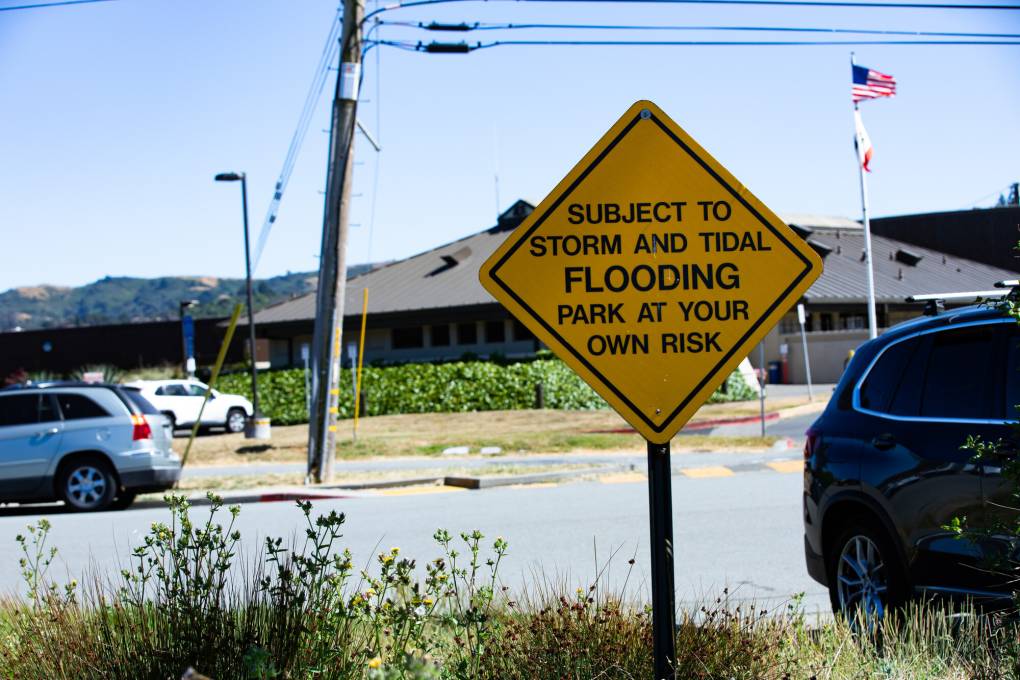
"caption": "Flood warning signs are posted at the Mill Valley Middle School staff parking lot on Tuesday, June 4, 2024. In October 2021, Mill Valley Middle School closed down for two days due to flooding and storm damage caused by rain induced flooding and high tides.",
"credit": "Gina Castro/KQED",
"altTag": null,
"description": null,
"imgSizes": {
"medium": {
"file": "https://cdn.kqed.org/wp-content/uploads/sites/10/2024/08/20240604_FloodedSchool-17_qed-800x533.jpg",
"width": 800,
"height": 533,
"mimeType": "image/jpeg"
},
"large": {
"file": "https://cdn.kqed.org/wp-content/uploads/sites/10/2024/08/20240604_FloodedSchool-17_qed-1020x680.jpg",
"width": 1020,
"height": 680,
"mimeType": "image/jpeg"
},
"thumbnail": {
"file": "https://cdn.kqed.org/wp-content/uploads/sites/10/2024/08/20240604_FloodedSchool-17_qed-160x107.jpg",
"width": 160,
"height": 107,
"mimeType": "image/jpeg"
},
"1536x1536": {
"file": "https://cdn.kqed.org/wp-content/uploads/sites/10/2024/08/20240604_FloodedSchool-17_qed-1536x1024.jpg",
"width": 1536,
"height": 1024,
"mimeType": "image/jpeg"
},
"post-thumbnail": {
"file": "https://cdn.kqed.org/wp-content/uploads/sites/10/2024/08/20240604_FloodedSchool-17_qed-672x372.jpg",
"width": 672,
"height": 372,
"mimeType": "image/jpeg"
},
"twentyfourteen-full-width": {
"file": "https://cdn.kqed.org/wp-content/uploads/sites/10/2024/08/20240604_FloodedSchool-17_qed-1038x576.jpg",
"width": 1038,
"height": 576,
"mimeType": "image/jpeg"
},
"full-width": {
"file": "https://cdn.kqed.org/wp-content/uploads/sites/10/2024/08/20240604_FloodedSchool-17_qed-1920x1280.jpg",
"width": 1920,
"height": 1280,
"mimeType": "image/jpeg"
},
"kqedFullSize": {
"file": "https://cdn.kqed.org/wp-content/uploads/sites/10/2024/08/20240604_FloodedSchool-17_qed.jpg",
"width": 2000,
"height": 1333
}
},
"isLoading": false,
"fetchFailed": false
},
"news_11999267": {
"type": "attachments",
"id": "news_11999267",
"meta": {
"index": "attachments_1716263798",
"site": "news",
"id": "11999267",
"found": true
},
"title": "20240506_EVFile-2_qed",
"publishDate": 1723064389,
"status": "inherit",
"parent": 11999232,
"modified": 1723065361,
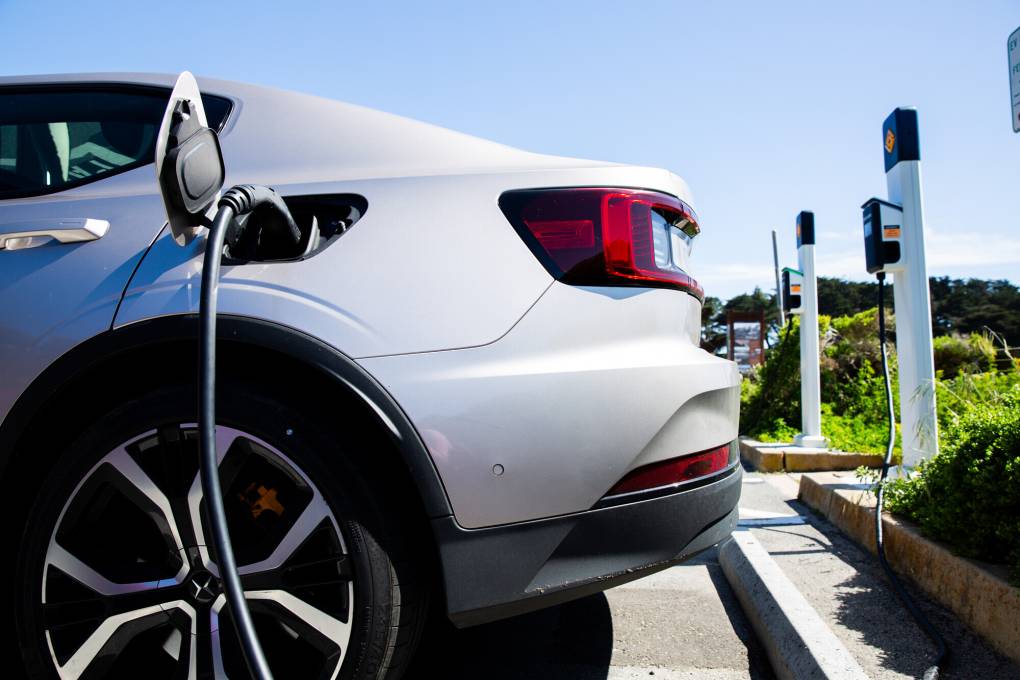
"caption": "A Polestar 2 charges at an EV charging station in San Francisco on Monday, May 6, 2024.",
"credit": "Gina Castro/KQED",
"altTag": null,
"description": null,
"imgSizes": {
"medium": {
"file": "https://cdn.kqed.org/wp-content/uploads/sites/10/2024/08/20240506_EVFile-2_qed-800x533.jpg",
"width": 800,
"height": 533,
"mimeType": "image/jpeg"
},
"large": {
"file": "https://cdn.kqed.org/wp-content/uploads/sites/10/2024/08/20240506_EVFile-2_qed-1020x680.jpg",
"width": 1020,
"height": 680,
"mimeType": "image/jpeg"
},
"thumbnail": {
"file": "https://cdn.kqed.org/wp-content/uploads/sites/10/2024/08/20240506_EVFile-2_qed-160x107.jpg",
"width": 160,
"height": 107,
"mimeType": "image/jpeg"
},
"1536x1536": {
"file": "https://cdn.kqed.org/wp-content/uploads/sites/10/2024/08/20240506_EVFile-2_qed-1536x1024.jpg",
"width": 1536,
"height": 1024,
"mimeType": "image/jpeg"
},
"post-thumbnail": {
"file": "https://cdn.kqed.org/wp-content/uploads/sites/10/2024/08/20240506_EVFile-2_qed-672x372.jpg",
"width": 672,
"height": 372,
"mimeType": "image/jpeg"
},
"twentyfourteen-full-width": {
"file": "https://cdn.kqed.org/wp-content/uploads/sites/10/2024/08/20240506_EVFile-2_qed-1038x576.jpg",
"width": 1038,
"height": 576,
"mimeType": "image/jpeg"
},
"full-width": {
"file": "https://cdn.kqed.org/wp-content/uploads/sites/10/2024/08/20240506_EVFile-2_qed-1920x1280.jpg",
"width": 1920,
"height": 1280,
"mimeType": "image/jpeg"
},
"kqedFullSize": {
"file": "https://cdn.kqed.org/wp-content/uploads/sites/10/2024/08/20240506_EVFile-2_qed.jpg",
"width": 2000,
"height": 1333
}
},
"isLoading": false,
"fetchFailed": false
},
"news_11998577": {
"type": "attachments",
"id": "news_11998577",
"meta": {
"index": "attachments_1716263798",
"site": "news",
"id": "11998577",
"found": true
},
"title": "240801-ENCAMPMENT SWEEPS-MD-09-KQED",
"publishDate": 1722601945,
"status": "inherit",
"parent": 0,
"modified": 1722602684,
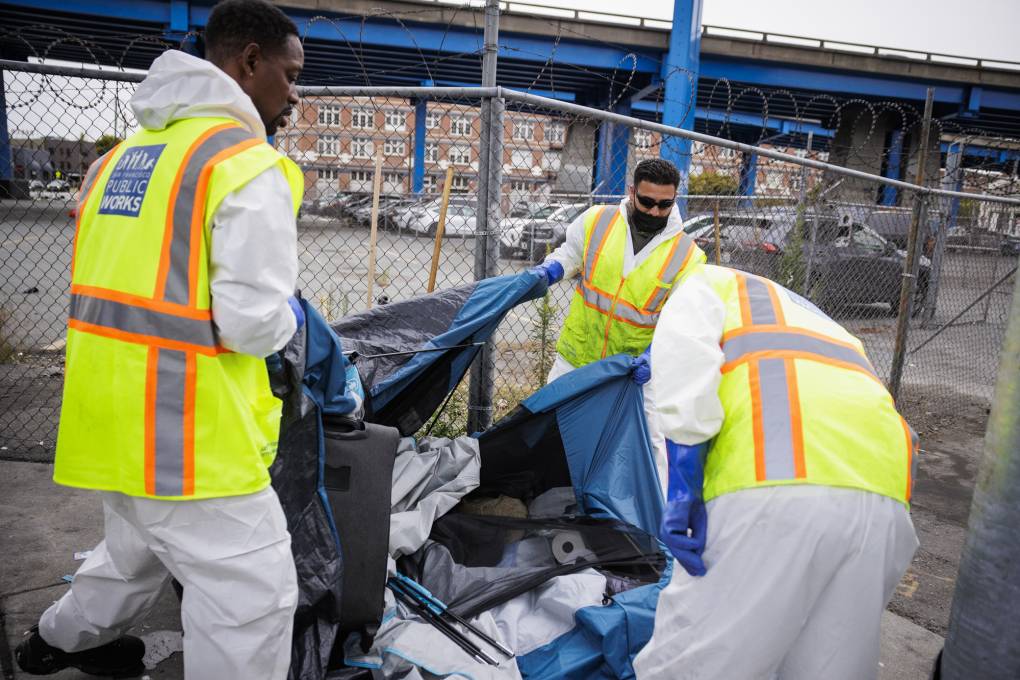
"caption": "San Francisco's Department of Public Works removes a tent filled with its owners possessions from an encampment around Showplace Square in San Francisco on Aug. 1, 2024.",
"credit": "Martin do Nascimento/KQED",
"altTag": null,
"description": null,
"imgSizes": {
"medium": {
"file": "https://cdn.kqed.org/wp-content/uploads/sites/10/2024/08/240801-ENCAMPMENT-SWEEPS-MD-09-KQED-800x533.jpg",
"width": 800,
"height": 533,
"mimeType": "image/jpeg"
},
"large": {
"file": "https://cdn.kqed.org/wp-content/uploads/sites/10/2024/08/240801-ENCAMPMENT-SWEEPS-MD-09-KQED-1020x680.jpg",
"width": 1020,
"height": 680,
"mimeType": "image/jpeg"
},
"thumbnail": {
"file": "https://cdn.kqed.org/wp-content/uploads/sites/10/2024/08/240801-ENCAMPMENT-SWEEPS-MD-09-KQED-160x107.jpg",
"width": 160,
"height": 107,
"mimeType": "image/jpeg"
},
"1536x1536": {
"file": "https://cdn.kqed.org/wp-content/uploads/sites/10/2024/08/240801-ENCAMPMENT-SWEEPS-MD-09-KQED-1536x1024.jpg",
"width": 1536,
"height": 1024,
"mimeType": "image/jpeg"
},
"post-thumbnail": {
"file": "https://cdn.kqed.org/wp-content/uploads/sites/10/2024/08/240801-ENCAMPMENT-SWEEPS-MD-09-KQED-672x372.jpg",
"width": 672,
"height": 372,
"mimeType": "image/jpeg"
},
"twentyfourteen-full-width": {
"file": "https://cdn.kqed.org/wp-content/uploads/sites/10/2024/08/240801-ENCAMPMENT-SWEEPS-MD-09-KQED-1038x576.jpg",
"width": 1038,
"height": 576,
"mimeType": "image/jpeg"
},
"full-width": {
"file": "https://cdn.kqed.org/wp-content/uploads/sites/10/2024/08/240801-ENCAMPMENT-SWEEPS-MD-09-KQED-1920x1280.jpg",
"width": 1920,
"height": 1280,
"mimeType": "image/jpeg"
},
"kqedFullSize": {
"file": "https://cdn.kqed.org/wp-content/uploads/sites/10/2024/08/240801-ENCAMPMENT-SWEEPS-MD-09-KQED.jpg",
"width": 2000,
"height": 1333
}
},
"isLoading": false,
"fetchFailed": false
},
"news_11997226": {
"type": "attachments",
"id": "news_11997226",
"meta": {
"index": "attachments_1716263798",
"site": "news",
"id": "11997226",
"found": true
},
"title": "Millbrae City Hall in Millbrae on July 10, 2024.",
"publishDate": 1721859702,
"status": "inherit",
"parent": 11997219,
"modified": 1721859793,
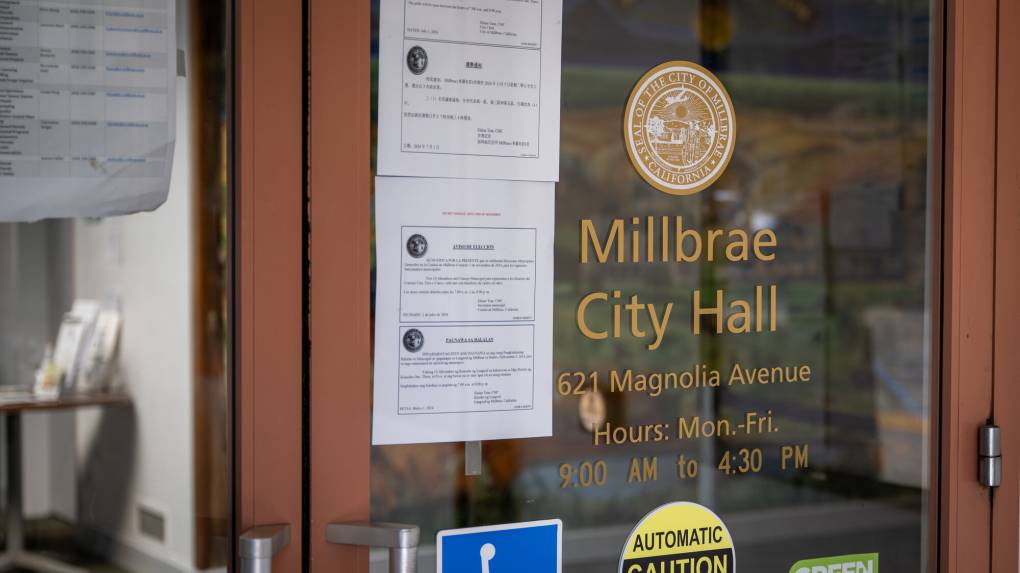
"caption": "Millbrae City Hall in Millbrae on July 10, 2024. Stemming from a bitter debate over plans to turn a hotel into supportive housing, the recall effort against two Millbrae City Council members appears to have passed.",
"credit": "Beth LaBerge/KQED",
"altTag": null,
"description": null,
"imgSizes": {
"medium": {
"file": "https://cdn.kqed.org/wp-content/uploads/sites/10/2024/07/240710-MillbraeCityHall-01-BL_qed-800x450.jpg",
"width": 800,
"height": 450,
"mimeType": "image/jpeg"
},
"large": {
"file": "https://cdn.kqed.org/wp-content/uploads/sites/10/2024/07/240710-MillbraeCityHall-01-BL_qed-1020x573.jpg",
"width": 1020,
"height": 573,
"mimeType": "image/jpeg"
},
"thumbnail": {
"file": "https://cdn.kqed.org/wp-content/uploads/sites/10/2024/07/240710-MillbraeCityHall-01-BL_qed-160x90.jpg",
"width": 160,
"height": 90,
"mimeType": "image/jpeg"
},
"1536x1536": {
"file": "https://cdn.kqed.org/wp-content/uploads/sites/10/2024/07/240710-MillbraeCityHall-01-BL_qed-1536x863.jpg",
"width": 1536,
"height": 863,
"mimeType": "image/jpeg"
},
"post-thumbnail": {
"file": "https://cdn.kqed.org/wp-content/uploads/sites/10/2024/07/240710-MillbraeCityHall-01-BL_qed-672x372.jpg",
"width": 672,
"height": 372,
"mimeType": "image/jpeg"
},
"twentyfourteen-full-width": {
"file": "https://cdn.kqed.org/wp-content/uploads/sites/10/2024/07/240710-MillbraeCityHall-01-BL_qed-1038x576.jpg",
"width": 1038,
"height": 576,
"mimeType": "image/jpeg"
},
"full-width": {
"file": "https://cdn.kqed.org/wp-content/uploads/sites/10/2024/07/240710-MillbraeCityHall-01-BL_qed-1920x1079.jpg",
"width": 1920,
"height": 1079,
"mimeType": "image/jpeg"
},
"kqedFullSize": {
"file": "https://cdn.kqed.org/wp-content/uploads/sites/10/2024/07/240710-MillbraeCityHall-01-BL_qed.jpg",
"width": 2000,
"height": 1124
}
},
"isLoading": false,
"fetchFailed": false
},
"news_11996617": {
"type": "attachments",
"id": "news_11996617",
"meta": {
"index": "attachments_1716263798",
"site": "news",
"id": "11996617",
"found": true
},
"title": "TOPSHOT-US-POLITICS-BIDEN-ELECTION",
"publishDate": 1721585419,
"status": "inherit",
"parent": 11996616,
"modified": 1721585457,
"caption": "US President Joe Biden waves on stage during the Vote To Live Properity Summit at the College of Southern Nevada in Las Vegas, Nevada, on July 16, 2024. ",
"credit": "Kent Nishimura/AFP via Getty Images",
"altTag": null,
"description": null,
"imgSizes": {
"medium": {
"file": "https://cdn.kqed.org/wp-content/uploads/sites/10/2024/07/GettyImages-2161719570-800x534.jpg",
"width": 800,
"height": 534,
"mimeType": "image/jpeg"
},
"large": {
"file": "https://cdn.kqed.org/wp-content/uploads/sites/10/2024/07/GettyImages-2161719570-1020x680.jpg",
"width": 1020,
"height": 680,
"mimeType": "image/jpeg"
},
"thumbnail": {
"file": "https://cdn.kqed.org/wp-content/uploads/sites/10/2024/07/GettyImages-2161719570-160x107.jpg",
"width": 160,
"height": 107,
"mimeType": "image/jpeg"
},
"post-thumbnail": {
"file": "https://cdn.kqed.org/wp-content/uploads/sites/10/2024/07/GettyImages-2161719570-672x372.jpg",
"width": 672,
"height": 372,
"mimeType": "image/jpeg"
},
"twentyfourteen-full-width": {
"file": "https://cdn.kqed.org/wp-content/uploads/sites/10/2024/07/GettyImages-2161719570-1024x576.jpg",
"width": 1024,
"height": 576,
"mimeType": "image/jpeg"
},
"kqedFullSize": {
"file": "https://cdn.kqed.org/wp-content/uploads/sites/10/2024/07/GettyImages-2161719570.jpg",
"width": 1024,
"height": 683
}
},
"isLoading": false,
"fetchFailed": false
},
"news_11988349": {
"type": "attachments",
"id": "news_11988349",
"meta": {
"index": "attachments_1716263798",
"site": "news",
"id": "11988349",
"found": true
},
"title": "KQED_Podcast_tiles_-_NPR_network_The_Bay",
"publishDate": 1717110998,
"status": "inherit",
"parent": 11988346,
"modified": 1717110998,
"caption": null,
"credit": null,
"altTag": null,
"description": null,
"imgSizes": {
"thumbnail": {
"file": "https://cdn.kqed.org/wp-content/uploads/sites/10/2024/05/KQED_Podcast_tiles_-_NPR_network_The_Bay-2-160x160.png",
"width": 160,
"height": 160,
"mimeType": "image/png"
},
"kqedFullSize": {
"file": "https://cdn.kqed.org/wp-content/uploads/sites/10/2024/05/KQED_Podcast_tiles_-_NPR_network_The_Bay-2.png",
"width": 300,
"height": 300
}
},
"isLoading": false,
"fetchFailed": false
},
"news_11990788": {
"type": "attachments",
"id": "news_11990788",
"meta": {
"index": "attachments_1716263798",
"site": "news",
"id": "11990788",
"found": true
},
"title": "US-FIRE-CALIFORNIA",
"publishDate": 1718662121,
"status": "inherit",
"parent": 11624317,
"modified": 1718662176,
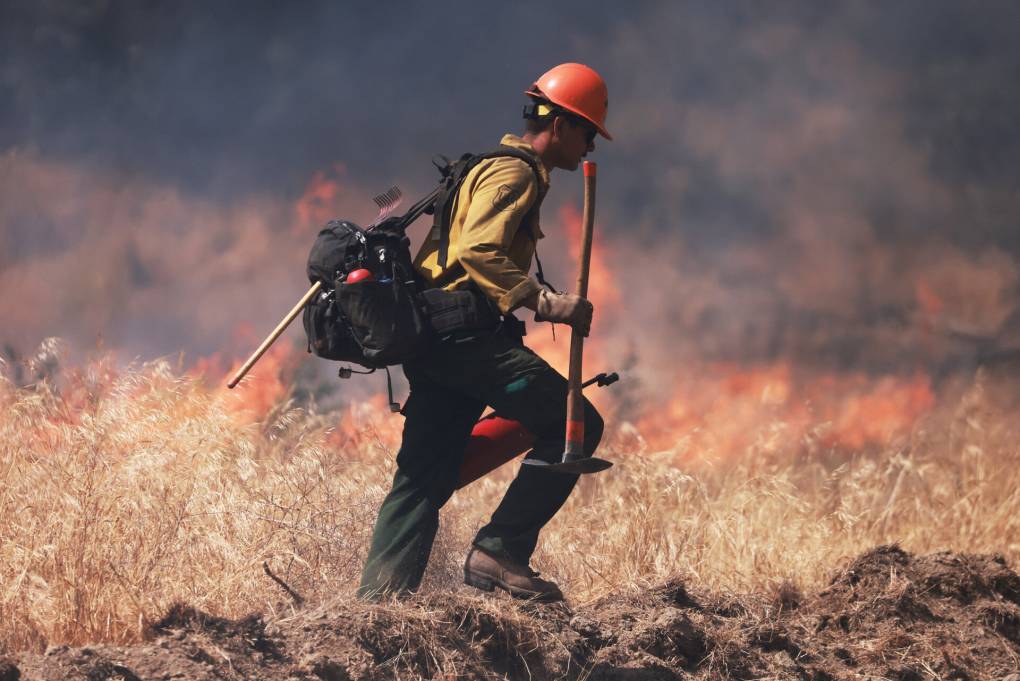
"caption": "A U.S. Forest Service firefighter sets a controlled burn as the Post Fire burns through Castaic, California, on June 16.",
"credit": "DAVID SWANSON/AFP via Getty Images",
"altTag": null,
"description": null,
"imgSizes": {
"medium": {
"file": "https://cdn.kqed.org/wp-content/uploads/sites/10/2017/10/GettyImages-2157340569_qut-800x534.jpg",
"width": 800,
"height": 534,
"mimeType": "image/jpeg"
},
"large": {
"file": "https://cdn.kqed.org/wp-content/uploads/sites/10/2017/10/GettyImages-2157340569_qut-1020x681.jpg",
"width": 1020,
"height": 681,
"mimeType": "image/jpeg"
},
"thumbnail": {
"file": "https://cdn.kqed.org/wp-content/uploads/sites/10/2017/10/GettyImages-2157340569_qut-160x107.jpg",
"width": 160,
"height": 107,
"mimeType": "image/jpeg"
},
"1536x1536": {
"file": "https://cdn.kqed.org/wp-content/uploads/sites/10/2017/10/GettyImages-2157340569_qut-1536x1025.jpg",
"width": 1536,
"height": 1025,
"mimeType": "image/jpeg"
},
"post-thumbnail": {
"file": "https://cdn.kqed.org/wp-content/uploads/sites/10/2017/10/GettyImages-2157340569_qut-672x372.jpg",
"width": 672,
"height": 372,
"mimeType": "image/jpeg"
},
"twentyfourteen-full-width": {
"file": "https://cdn.kqed.org/wp-content/uploads/sites/10/2017/10/GettyImages-2157340569_qut-1038x576.jpg",
"width": 1038,
"height": 576,
"mimeType": "image/jpeg"
},
"kqedFullSize": {
"file": "https://cdn.kqed.org/wp-content/uploads/sites/10/2017/10/GettyImages-2157340569_qut.jpg",
"width": 1920,
"height": 1281
}
},
"isLoading": false,
"fetchFailed": false
},
"news_11950734": {
"type": "attachments",
"id": "news_11950734",
"meta": {
"index": "attachments_1716263798",
"site": "news",
"id": "11950734",
"found": true
},
"parent": 0,
"imgSizes": {
"twentyfourteen-full-width": {
"file": "https://ww2.kqed.org/app/uploads/sites/10/2023/05/RS65874_05252023_bankobrownfuneral-288-qut-1038x576.jpg",
"width": 1038,
"mimeType": "image/jpeg",
"height": 576
},
"thumbnail": {
"file": "https://ww2.kqed.org/app/uploads/sites/10/2023/05/RS65874_05252023_bankobrownfuneral-288-qut-160x107.jpg",
"width": 160,
"mimeType": "image/jpeg",
"height": 107
},
"post-thumbnail": {
"file": "https://ww2.kqed.org/app/uploads/sites/10/2023/05/RS65874_05252023_bankobrownfuneral-288-qut-672x372.jpg",
"width": 672,
"mimeType": "image/jpeg",
"height": 372
},
"kqedFullSize": {
"file": "https://ww2.kqed.org/app/uploads/sites/10/2023/05/RS65874_05252023_bankobrownfuneral-288-qut.jpg",
"width": 1920,
"height": 1282
},
"large": {
"file": "https://ww2.kqed.org/app/uploads/sites/10/2023/05/RS65874_05252023_bankobrownfuneral-288-qut-1020x681.jpg",
"width": 1020,
"mimeType": "image/jpeg",
"height": 681
},
"1536x1536": {
"file": "https://ww2.kqed.org/app/uploads/sites/10/2023/05/RS65874_05252023_bankobrownfuneral-288-qut-1536x1026.jpg",
"width": 1536,
"mimeType": "image/jpeg",
"height": 1026
},
"medium": {
"file": "https://ww2.kqed.org/app/uploads/sites/10/2023/05/RS65874_05252023_bankobrownfuneral-288-qut-800x534.jpg",
"width": 800,
"mimeType": "image/jpeg",
"height": 534
}
},
"publishDate": 1685050047,
"modified": 1685051090,
"caption": "A person wearing a sweater with an image of Banko Brown sits among Brown's family and friends during a memorial service at the historic Third Baptist Church in San Francisco, on May 25, 2023. Last month, a Walgreens security guard shot and killed Brown after Brown allegedly attempted to shoplift from the store’s Market Street location.",
"description": null,
"title": "RS65874_05252023_bankobrownfuneral 288-qut",
"credit": "Kori Suzuki/KQED",
"status": "inherit",
"altTag": "An African American woman with a white jacket and the photo of Banko Brown stands at a pew in a church, beneath the photo is written \"Justice 4 Banko\"",
"isLoading": false,
"fetchFailed": false
},
"news_11922435": {
"type": "attachments",
"id": "news_11922435",
"meta": {
"index": "attachments_1716263798",
"site": "news",
"id": "11922435",
"found": true
},
"parent": 11922427,
"imgSizes": {
"twentyfourteen-full-width": {
"file": "https://ww2.kqed.org/app/uploads/sites/10/2022/08/Sophia-S-Image-1038x576.jpeg",
"width": 1038,
"mimeType": "image/jpeg",
"height": 576
},
"thumbnail": {
"file": "https://ww2.kqed.org/app/uploads/sites/10/2022/08/Sophia-S-Image-160x122.jpeg",
"width": 160,
"mimeType": "image/jpeg",
"height": 122
},
"post-thumbnail": {
"file": "https://ww2.kqed.org/app/uploads/sites/10/2022/08/Sophia-S-Image-672x372.jpeg",
"width": 672,
"mimeType": "image/jpeg",
"height": 372
},
"kqedFullSize": {
"file": "https://ww2.kqed.org/app/uploads/sites/10/2022/08/Sophia-S-Image-scaled.jpeg",
"width": 2560,
"height": 1946
},
"2048x2048": {
"file": "https://ww2.kqed.org/app/uploads/sites/10/2022/08/Sophia-S-Image-2048x1557.jpeg",
"width": 2048,
"mimeType": "image/jpeg",
"height": 1557
},
"large": {
"file": "https://ww2.kqed.org/app/uploads/sites/10/2022/08/Sophia-S-Image-1020x775.jpeg",
"width": 1020,
"mimeType": "image/jpeg",
"height": 775
},
"1536x1536": {
"file": "https://ww2.kqed.org/app/uploads/sites/10/2022/08/Sophia-S-Image-1536x1168.jpeg",
"width": 1536,
"mimeType": "image/jpeg",
"height": 1168
},
"full-width": {
"file": "https://ww2.kqed.org/app/uploads/sites/10/2022/08/Sophia-S-Image-1920x1460.jpeg",
"width": 1920,
"mimeType": "image/jpeg",
"height": 1460
},
"medium": {
"file": "https://ww2.kqed.org/app/uploads/sites/10/2022/08/Sophia-S-Image-800x608.jpeg",
"width": 800,
"mimeType": "image/jpeg",
"height": 608
}
},
"publishDate": 1660342294,
"modified": 1660342351,
"caption": "Sophia Shao is a senior at Los Altos High School.",
"description": null,
"title": "Sophia S - Image",
"credit": null,
"status": "inherit",
"altTag": null,
"isLoading": false,
"fetchFailed": false
},
"news_11953871": {
"type": "attachments",
"id": "news_11953871",
"meta": {
"index": "attachments_1716263798",
"site": "news",
"id": "11953871",
"found": true
},
"parent": 11953853,
"imgSizes": {
"twentyfourteen-full-width": {
"file": "https://ww2.kqed.org/app/uploads/sites/10/2023/06/RS66535_GettyImages-523679818-1-qut-1038x576.jpg",
"width": 1038,
"mimeType": "image/jpeg",
"height": 576
},
"thumbnail": {
"file": "https://ww2.kqed.org/app/uploads/sites/10/2023/06/RS66535_GettyImages-523679818-1-qut-160x108.jpg",
"width": 160,
"mimeType": "image/jpeg",
"height": 108
},
"post-thumbnail": {
"file": "https://ww2.kqed.org/app/uploads/sites/10/2023/06/RS66535_GettyImages-523679818-1-qut-672x372.jpg",
"width": 672,
"mimeType": "image/jpeg",
"height": 372
},
"kqedFullSize": {
"file": "https://ww2.kqed.org/app/uploads/sites/10/2023/06/RS66535_GettyImages-523679818-1-qut.jpg",
"width": 1920,
"height": 1291
},
"large": {
"file": "https://ww2.kqed.org/app/uploads/sites/10/2023/06/RS66535_GettyImages-523679818-1-qut-1020x686.jpg",
"width": 1020,
"mimeType": "image/jpeg",
"height": 686
},
"1536x1536": {
"file": "https://ww2.kqed.org/app/uploads/sites/10/2023/06/RS66535_GettyImages-523679818-1-qut-1536x1033.jpg",
"width": 1536,
"mimeType": "image/jpeg",
"height": 1033
},
"medium": {
"file": "https://ww2.kqed.org/app/uploads/sites/10/2023/06/RS66535_GettyImages-523679818-1-qut-800x538.jpg",
"width": 800,
"mimeType": "image/jpeg",
"height": 538
}
},
"publishDate": 1687541995,
"modified": 1687542056,
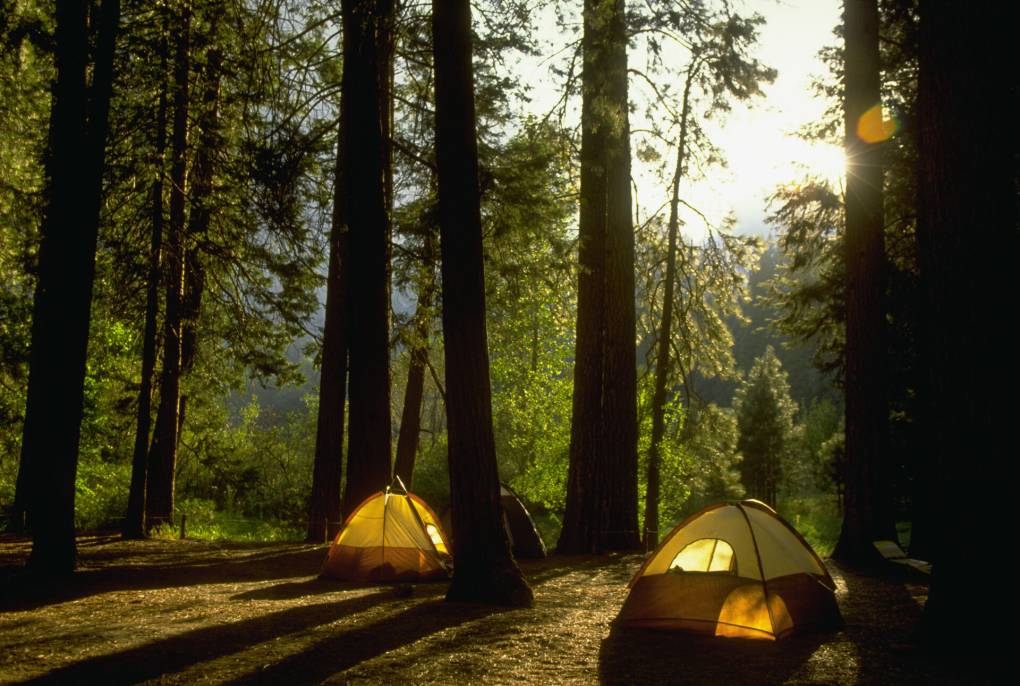
"caption": "Struggling to find a campsite in California? We have tips.",
"description": null,
"title": "camping-near-me",
"credit": "Robert Holmes/Getty",
"status": "inherit",
"altTag": "A view of two yellow tents in a forest of tall redwood treats, in low light",
"isLoading": false,
"fetchFailed": false
},
"news_11979247": {
"type": "attachments",
"id": "news_11979247",
"meta": {
"index": "attachments_1716263798",
"site": "news",
"id": "11979247",
"found": true
},
"parent": 0,
"imgSizes": {
"twentyfourteen-full-width": {
"file": "https://cdn.kqed.org/wp-content/uploads/sites/10/2024/03/240313-BART-CRISIS-INTERVENTION-UNIT-MD-10-KQED-1038x576.jpg",
"width": 1038,
"mimeType": "image/jpeg",
"height": 576
},
"thumbnail": {
"file": "https://cdn.kqed.org/wp-content/uploads/sites/10/2024/03/240313-BART-CRISIS-INTERVENTION-UNIT-MD-10-KQED-160x107.jpg",
"width": 160,
"mimeType": "image/jpeg",
"height": 107
},
"post-thumbnail": {
"file": "https://cdn.kqed.org/wp-content/uploads/sites/10/2024/03/240313-BART-CRISIS-INTERVENTION-UNIT-MD-10-KQED-672x372.jpg",
"width": 672,
"mimeType": "image/jpeg",
"height": 372
},
"kqedFullSize": {
"file": "https://cdn.kqed.org/wp-content/uploads/sites/10/2024/03/240313-BART-CRISIS-INTERVENTION-UNIT-MD-10-KQED.jpg",
"width": 2000,
"height": 1333
},
"large": {
"file": "https://cdn.kqed.org/wp-content/uploads/sites/10/2024/03/240313-BART-CRISIS-INTERVENTION-UNIT-MD-10-KQED-1020x680.jpg",
"width": 1020,
"mimeType": "image/jpeg",
"height": 680
},
"1536x1536": {
"file": "https://cdn.kqed.org/wp-content/uploads/sites/10/2024/03/240313-BART-CRISIS-INTERVENTION-UNIT-MD-10-KQED-1536x1024.jpg",
"width": 1536,
"mimeType": "image/jpeg",
"height": 1024
},
"full-width": {
"file": "https://cdn.kqed.org/wp-content/uploads/sites/10/2024/03/240313-BART-CRISIS-INTERVENTION-UNIT-MD-10-KQED-1920x1280.jpg",
"width": 1920,
"mimeType": "image/jpeg",
"height": 1280
},
"medium": {
"file": "https://cdn.kqed.org/wp-content/uploads/sites/10/2024/03/240313-BART-CRISIS-INTERVENTION-UNIT-MD-10-KQED-800x533.jpg",
"width": 800,
"mimeType": "image/jpeg",
"height": 533
}
},
"publishDate": 1710354016,
"modified": 1710354062,
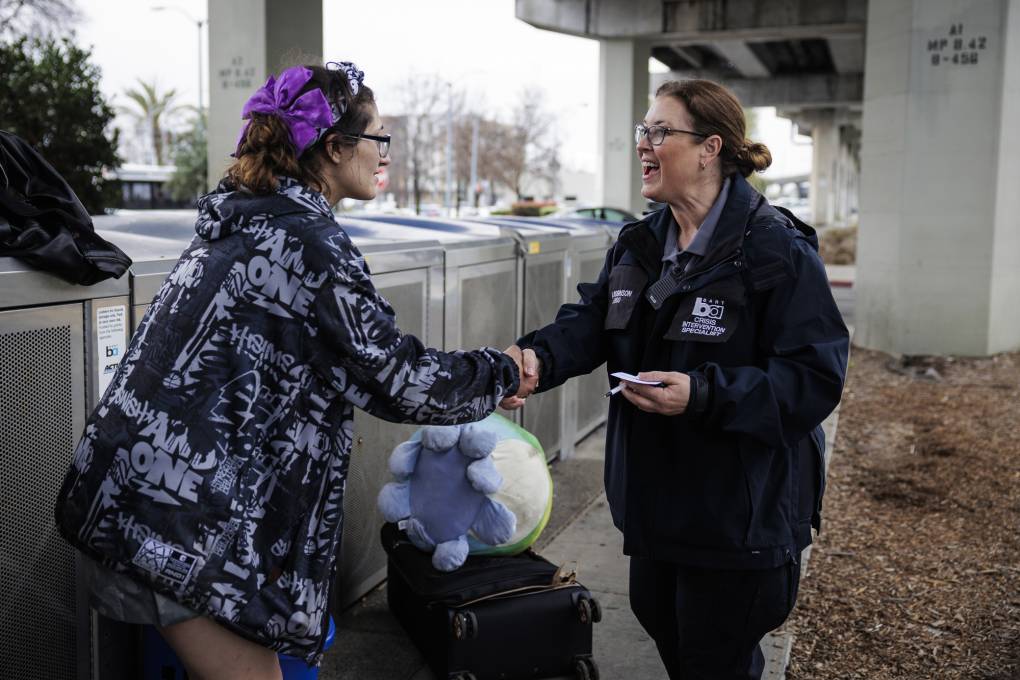
"caption": "BART Crisis Intervention Specialist Stephine Barnes shakes hands and introduces herself to Cat Cheatham, an unhoused person outside of the San Leandro BART station on March 13, 2024.",
"description": null,
"title": "240313-BART CRISIS INTERVENTION UNIT-MD-10-KQED",
"credit": "Martin do Nascimento/KQED",
"status": "inherit",
"altTag": null,
"isLoading": false,
"fetchFailed": false
}
},
"audioPlayerReducer": {
"postId": "stream_live",
"isPaused": true,
"isPlaying": false,
"pfsActive": false,
"pledgeModalIsOpen": true,
"playerDrawerIsOpen": false,
"liveAudioPlayStartedAt": 0,
"liveAudioPlayContext": ""
},
"authorsReducer": {
"byline_news_11988346": {
"type": "authors",
"id": "byline_news_11988346",
"meta": {
"override": true
},
"slug": "byline_news_11988346",
"name": " Ericka Cruz Guevarra, Alan Montecillo, Ellie Prickett-Morgan, Tamuna Chkareuli",
"isLoading": false
},
"byline_news_11987874": {
"type": "authors",
"id": "byline_news_11987874",
"meta": {
"override": true
},
"slug": "byline_news_11987874",
"name": "Ericka Cruz Guevarra, Matthew Green, Alan Montecillo, Ellie Prickett-Morgan, and Tamuna Chkareuli",
"isLoading": false
},
"ohubertallen": {
"type": "authors",
"id": "102",
"meta": {
"index": "authors_1716337520",
"id": "102",
"found": true
},
"name": "Olivia Allen-Price",
"firstName": "Olivia",
"lastName": "Allen-Price",
"slug": "ohubertallen",
"email": "oallenprice@kqed.org",
"display_author_email": false,
"staff_mastheads": [
"news"
],
"title": "Senior Editor",
"bio": "Olivia Allen-Price is senior editor and host of the award-winning Bay Curious podcast. Prior to joining KQED in 2013, Olivia worked at The Baltimore Sun and The Virginian-Pilot in Norfolk, Va. She holds degrees in journalism and political science from Elon University. Her work has earned awards from the Society of Professional Journalists, the Hearst Foundation and Hearken. She loves to talk about running and curly hair.\r\n\r\nFollow: \u003ca href=\"https://twitter.com/oallenprice\">@oallenprice\u003c/a>\r\nEmail: \u003ca href=\"mailto:oallenprice@kqed.org\">oallenprice@kqed.org\u003c/a>",
"avatar": "https://secure.gravatar.com/avatar/07f7803c1f6be56f3be58ef276dfa64dce898502e0554408ef4858451a8294f7?s=600&d=blank&r=g",
"twitter": "oallenprice",
"bluesky": null,
"facebook": null,
"instagram": null,
"linkedin": null,
"sites": [
{
"site": "",
"roles": [
"editor"
]
},
{
"site": "arts",
"roles": [
"subscriber"
]
},
{
"site": "news",
"roles": [
"administrator"
]
},
{
"site": "pop",
"roles": [
"administrator"
]
},
{
"site": "bayareabites",
"roles": [
"contributor"
]
},
{
"site": "stateofhealth",
"roles": [
"administrator"
]
},
{
"site": "science",
"roles": [
"editor"
]
}
],
"headData": {
"title": "Olivia Allen-Price | KQED",
"description": "Senior Editor",
"ogImgSrc": "https://secure.gravatar.com/avatar/07f7803c1f6be56f3be58ef276dfa64dce898502e0554408ef4858451a8294f7?s=600&d=blank&r=g",
"twImgSrc": "https://secure.gravatar.com/avatar/07f7803c1f6be56f3be58ef276dfa64dce898502e0554408ef4858451a8294f7?s=600&d=blank&r=g"
},
"isLoading": false,
"link": "/author/ohubertallen"
},
"kdomara": {
"type": "authors",
"id": "1459",
"meta": {
"index": "authors_1716337520",
"id": "1459",
"found": true
},
"name": "Kelly O'Mara",
"firstName": "Kelly",
"lastName": "O'Mara",
"slug": "kdomara",
"email": "komara@kqed.org",
"display_author_email": false,
"staff_mastheads": [
"news"
],
"title": "KQED Contributor",
"bio": "Kelly O'Mara is a writer and reporter in the San Francisco Bay Area. She writes about food, health, sports, travel, business and California news. Her work has appeared on KQED, online for Outside Magazine, epsnW, VICE and in Competitor Magazine, among others. Follow Kelly on Twitter \u003ca href=\"https://twitter.com/kellydomara\">@kellydomara\u003c/a>.",
"avatar": "https://secure.gravatar.com/avatar/768fec7412028b72f13bdd0f5f9d8186?s=600&d=blank&r=g",
"twitter": null,
"facebook": null,
"instagram": null,
"linkedin": null,
"sites": [
{
"site": "arts",
"roles": []
},
{
"site": "news",
"roles": []
},
{
"site": "bayareabites",
"roles": []
},
{
"site": "stateofhealth",
"roles": []
},
{
"site": "science",
"roles": []
},
{
"site": "checkplease",
"roles": [
"editor"
]
},
{
"site": "food",
"roles": []
},
{
"site": "forum",
"roles": [
"editor"
]
},
{
"site": "liveblog",
"roles": [
"editor"
]
}
],
"headData": {
"title": "Kelly O'Mara | KQED",
"description": "KQED Contributor",
"ogImgSrc": "https://secure.gravatar.com/avatar/768fec7412028b72f13bdd0f5f9d8186?s=600&d=blank&r=g",
"twImgSrc": "https://secure.gravatar.com/avatar/768fec7412028b72f13bdd0f5f9d8186?s=600&d=blank&r=g"
},
"isLoading": false,
"link": "/author/kdomara"
},
"shossaini": {
"type": "authors",
"id": "3214",
"meta": {
"index": "authors_1716337520",
"id": "3214",
"found": true
},
"name": "Sara Hossaini",
"firstName": "Sara",
"lastName": "Hossaini",
"slug": "shossaini",
"email": "shossaini@kqed.org",
"display_author_email": true,
"staff_mastheads": [
"news"
],
"title": "KQED Reporter",
"bio": "Sara Hossaini came to general assignment reporting at KQED in 2013 after two winters reporting at Wyoming Public Radio. She holds a bachelor's degree in broadcast journalism from the University of Nebraska-Lincoln. Her radio romance began after a bitter breakup with documentary film (Ok, maybe it's still complicated). Her first simultaneous jobs in San Francisco were as Associate Producer on a PBS film series through the Center for Asian American Media and as a butler. She likes to trot, plot and make things with her hands.",
"avatar": "https://secure.gravatar.com/avatar/060e9f56b9554e17942e89f413242774?s=600&d=blank&r=g",
"twitter": "mshossaini",
"facebook": null,
"instagram": null,
"linkedin": null,
"sites": [
{
"site": "news",
"roles": [
"author"
]
},
{
"site": "stateofhealth",
"roles": [
"author"
]
}
],
"headData": {
"title": "Sara Hossaini | KQED",
"description": "KQED Reporter",
"ogImgSrc": "https://secure.gravatar.com/avatar/060e9f56b9554e17942e89f413242774?s=600&d=blank&r=g",
"twImgSrc": "https://secure.gravatar.com/avatar/060e9f56b9554e17942e89f413242774?s=600&d=blank&r=g"
},
"isLoading": false,
"link": "/author/shossaini"
},
"carlysevern": {
"type": "authors",
"id": "3243",
"meta": {
"index": "authors_1716337520",
"id": "3243",
"found": true
},
"name": "Carly Severn",
"firstName": "Carly",
"lastName": "Severn",
"slug": "carlysevern",
"email": "csevern@kqed.org",
"display_author_email": false,
"staff_mastheads": [
"news"
],
"title": "Senior Editor, Audience News ",
"bio": "Carly is KQED's Senior Editor of Audience News on the Digital News team, and has reported for the California Report Magazine, Bay Curious and KQED Arts. She's formerly the host of \u003ca href=\"http://ww2.kqed.org/pop/category/the-cooler/\" rel=\"noopener noreferrer\">The Cooler\u003c/a> podcast.",
"avatar": "https://secure.gravatar.com/avatar/54037bf5c128fe678f0ef26cec97a93f2e7f220a22d7285703328f12c42c1b1d?s=600&d=blank&r=g",
"twitter": "teacupinthebay",
"bluesky": null,
"facebook": null,
"instagram": null,
"linkedin": null,
"sites": [
{
"site": "",
"roles": [
"editor"
]
},
{
"site": "arts",
"roles": [
"editor"
]
},
{
"site": "news",
"roles": [
"administrator"
]
},
{
"site": "pop",
"roles": [
"editor"
]
},
{
"site": "futureofyou",
"roles": [
"editor"
]
},
{
"site": "about",
"roles": [
"administrator"
]
},
{
"site": "mindshift",
"roles": [
"editor"
]
},
{
"site": "bayareabites",
"roles": [
"editor"
]
},
{
"site": "stateofhealth",
"roles": [
"editor"
]
},
{
"site": "science",
"roles": [
"editor"
]
},
{
"site": "food",
"roles": [
"contributor"
]
},
{
"site": "forum",
"roles": [
"editor"
]
},
{
"site": "perspectives",
"roles": [
"administrator"
]
},
{
"site": "liveblog",
"roles": [
"editor"
]
}
],
"headData": {
"title": "Carly Severn | KQED",
"description": "Senior Editor, Audience News ",
"ogImgSrc": "https://secure.gravatar.com/avatar/54037bf5c128fe678f0ef26cec97a93f2e7f220a22d7285703328f12c42c1b1d?s=600&d=blank&r=g",
"twImgSrc": "https://secure.gravatar.com/avatar/54037bf5c128fe678f0ef26cec97a93f2e7f220a22d7285703328f12c42c1b1d?s=600&d=blank&r=g"
},
"isLoading": false,
"link": "/author/carlysevern"
},
"lindseyhoshaw": {
"type": "authors",
"id": "5432",
"meta": {
"index": "authors_1716337520",
"id": "5432",
"found": true
},
"name": "Lindsey Hoshaw",
"firstName": "Lindsey",
"lastName": "Hoshaw",
"slug": "lindseyhoshaw",
"email": "lhoshaw@kqed.org",
"display_author_email": false,
"staff_mastheads": [],
"title": "KQED Contributor",
"bio": "Lindsey Hoshaw is a former interactive producer for KQED Science. Before joining KQED, Lindsey was a science correspondent for The New York Times, The Boston Globe, Forbes and Scientific American. On Twitter @lindseyhoshaw",
"avatar": "https://secure.gravatar.com/avatar/274b07694c998eaa8f26cfabaa941186?s=600&d=mm&r=g",
"twitter": "lindseyhoshaw",
"facebook": "lindsey.hoshaw.9",
"instagram": null,
"linkedin": null,
"sites": [
{
"site": "arts",
"roles": [
"author"
]
},
{
"site": "news",
"roles": [
"subscriber"
]
},
{
"site": "futureofyou",
"roles": [
"editor"
]
},
{
"site": "bayareabites",
"roles": [
"contributor"
]
},
{
"site": "stateofhealth",
"roles": [
"author"
]
},
{
"site": "science",
"roles": [
"edit_theme_options",
"subscriber"
]
},
{
"site": "quest",
"roles": [
"edit_post_subscriptions",
"edit_usergroups",
"unfiltered_html",
"unfiltered_upload",
"leadcoordinator",
"editor"
]
},
{
"site": "food",
"roles": []
}
],
"headData": {
"title": "Lindsey Hoshaw | KQED",
"description": "KQED Contributor",
"ogImgSrc": "https://secure.gravatar.com/avatar/274b07694c998eaa8f26cfabaa941186?s=600&d=mm&r=g",
"twImgSrc": "https://secure.gravatar.com/avatar/274b07694c998eaa8f26cfabaa941186?s=600&d=mm&r=g"
},
"isLoading": false,
"link": "/author/lindseyhoshaw"
},
"jplaczek": {
"type": "authors",
"id": "8606",
"meta": {
"index": "authors_1716337520",
"id": "8606",
"found": true
},
"name": "Jessica Placzek",
"firstName": "Jessica",
"lastName": "Placzek",
"slug": "jplaczek",
"email": "jessicalplaczek@gmail.com",
"display_author_email": false,
"staff_mastheads": [
"news"
],
"title": "KQED Contributor",
"bio": "Jessica Placzek is a former senior editor of podcasts at KQED where she served as the editorial lead of the podcast department. She worked with shows like MindShift, Rightnowish, Consider This, SOLD OUT, Bay Curious and The Bay. She’s also been a reporter and audio producer at KQED, KPFA, and KALW. She taught audio production to men incarcerated at California State Prison Solano and edited pieces they produced for the Uncuffed podcast through KALW. In 2018 she co-hosted and produced the third season of Raw Material for SFMOMA. In New Orleans she wrote for the Nola Defender. Her work has also appeared on Marketplace, All Things Considered, The California Report, and Vice. You can find more at jessicaplaczek.com",
"avatar": "https://secure.gravatar.com/avatar/5ead103b5880f672eceb84ce75eecd1b4b6f74a47edc457684a73ad5b8b158e9?s=600&d=blank&r=g",
"twitter": null,
"bluesky": null,
"facebook": null,
"instagram": null,
"linkedin": null,
"sites": [
{
"site": "arts",
"roles": [
"subscriber"
]
},
{
"site": "news",
"roles": [
"subscriber"
]
},
{
"site": "stateofhealth",
"roles": [
"editor"
]
},
{
"site": "forum",
"roles": [
"editor"
]
}
],
"headData": {
"title": "Jessica Placzek | KQED",
"description": "KQED Contributor",
"ogImgSrc": "https://secure.gravatar.com/avatar/5ead103b5880f672eceb84ce75eecd1b4b6f74a47edc457684a73ad5b8b158e9?s=600&d=blank&r=g",
"twImgSrc": "https://secure.gravatar.com/avatar/5ead103b5880f672eceb84ce75eecd1b4b6f74a47edc457684a73ad5b8b158e9?s=600&d=blank&r=g"
},
"isLoading": false,
"link": "/author/jplaczek"
},
"ecruzguevarra": {
"type": "authors",
"id": "8654",
"meta": {
"index": "authors_1716337520",
"id": "8654",
"found": true
},
"name": "Ericka Cruz Guevarra",
"firstName": "Ericka",
"lastName": "Cruz Guevarra",
"slug": "ecruzguevarra",
"email": "ecruzguevarra@kqed.org",
"display_author_email": true,
"staff_mastheads": [
"news"
],
"title": "Producer, The Bay Podcast",
"bio": "Ericka Cruz Guevarra is host of \u003ca href=\"https://www.kqed.org/podcasts/thebay\">\u003cem>The Bay\u003c/em>\u003c/a> podcast at KQED. Before host, she was the show’s producer. Her work in that capacity includes a three-part reported series on policing in Vallejo, which won a 2020 excellence in journalism award from the Society of Professional Journalists. Ericka has worked as a breaking news reporter at Oregon Public Broadcasting, helped produce the Code Switch podcast, and was KQED’s inaugural Raul Ramirez Diversity Fund intern. She’s also an alumna of NPR’s Next Generation Radio program. Send her an email if you have strong feelings about whether Fairfield and Suisun City are the Bay. Ericka is represented by SAG-AFTRA.",
"avatar": "https://secure.gravatar.com/avatar/accefc1de4bafc7e234b69bcb9b6f6536c130fd84709bc3069ef11a78787e1bb?s=600&d=blank&r=g",
"twitter": "NotoriousECG",
"bluesky": null,
"facebook": null,
"instagram": null,
"linkedin": null,
"sites": [
{
"site": "arts",
"roles": [
"subscriber"
]
},
{
"site": "news",
"roles": [
"editor",
"manage_categories"
]
},
{
"site": "futureofyou",
"roles": [
"subscriber"
]
},
{
"site": "stateofhealth",
"roles": [
"subscriber"
]
},
{
"site": "science",
"roles": [
"editor"
]
},
{
"site": "forum",
"roles": [
"subscriber"
]
}
],
"headData": {
"title": "Ericka Cruz Guevarra | KQED",
"description": "Producer, The Bay Podcast",
"ogImgSrc": "https://secure.gravatar.com/avatar/accefc1de4bafc7e234b69bcb9b6f6536c130fd84709bc3069ef11a78787e1bb?s=600&d=blank&r=g",
"twImgSrc": "https://secure.gravatar.com/avatar/accefc1de4bafc7e234b69bcb9b6f6536c130fd84709bc3069ef11a78787e1bb?s=600&d=blank&r=g"
},
"isLoading": false,
"link": "/author/ecruzguevarra"
},
"rlevi": {
"type": "authors",
"id": "11260",
"meta": {
"index": "authors_1716337520",
"id": "11260",
"found": true
},
"name": "Ryan Levi",
"firstName": "Ryan",
"lastName": "Levi",
"slug": "rlevi",
"email": "rlevi@KQED.org",
"display_author_email": false,
"staff_mastheads": [],
"title": "KQED Contributor",
"bio": "Ryan Levi was a reporter and podcast producer at KQED News from 2016-2019. He worked on \u003ca href=\"https://www.kqed.org/news/series/baycurious\">Bay Curious\u003c/a>, \u003ca href=\"https://www.kqed.org/news/tag/the-bay/\">The Bay, \u003c/a>and \u003ca href=\"https://podcasts.apple.com/us/podcast/the-california-report-magazine/id1314750545\">The California Report Magazine\u003c/a>, as well as hosting and producing the weekly \u003ca href=\"https://www.kqed.org/news/program/qedup/\">Q'ed Up podcast. \u003c/a>He also helped inaugurate KQED's weekend news coverage in 2017 as one of two original digital producers. Ryan holds degrees in multimedia journalism and Spanish from the University of Missouri.",
"avatar": "https://secure.gravatar.com/avatar/4cb2ddd028ac8807d1adf09609c5555d?s=600&d=blank&r=g",
"twitter": "ryan_levi",
"facebook": null,
"instagram": null,
"linkedin": null,
"sites": [
{
"site": "arts",
"roles": [
"editor"
]
},
{
"site": "news",
"roles": [
"subscriber"
]
},
{
"site": "stateofhealth",
"roles": [
"editor"
]
},
{
"site": "science",
"roles": [
"editor"
]
},
{
"site": "forum",
"roles": [
"administrator"
]
},
{
"site": "perspectives",
"roles": [
"administrator"
]
}
],
"headData": {
"title": "Ryan Levi | KQED",
"description": "KQED Contributor",
"ogImgSrc": "https://secure.gravatar.com/avatar/4cb2ddd028ac8807d1adf09609c5555d?s=600&d=blank&r=g",
"twImgSrc": "https://secure.gravatar.com/avatar/4cb2ddd028ac8807d1adf09609c5555d?s=600&d=blank&r=g"
},
"isLoading": false,
"link": "/author/rlevi"
},
"dcronin": {
"type": "authors",
"id": "11362",
"meta": {
"index": "authors_1716337520",
"id": "11362",
"found": true
},
"name": "Dana Cronin",
"firstName": "Dana",
"lastName": "Cronin",
"slug": "dcronin",
"email": "dcronin@KQED.org",
"display_author_email": true,
"staff_mastheads": [],
"title": "KQED Contributor",
"bio": "Dana Cronin is a reporter for KQED News. She loves writing stories about climate change, environmental issues, food and agriculture. She's reported across the country, from Colorado to Washington D.C. to Illinois, and has won numerous awards for her coverage. Her work is regularly featured on national broadcasts, including NPR’s Morning Edition, All Things Considered, PBS Newshour and Science Friday. She lives in Oakland and has an avocado tree in her back yard.",
"avatar": "https://secure.gravatar.com/avatar/bcf89e3455ff7235f96ab6fa7258dd95?s=600&d=blank&r=g",
"twitter": "DanaHCronin",
"facebook": null,
"instagram": null,
"linkedin": null,
"sites": [
{
"site": "arts",
"roles": [
"author"
]
},
{
"site": "news",
"roles": [
"editor"
]
},
{
"site": "science",
"roles": [
"author"
]
},
{
"site": "liveblog",
"roles": [
"author"
]
}
],
"headData": {
"title": "Dana Cronin | KQED",
"description": "KQED Contributor",
"ogImgSrc": "https://secure.gravatar.com/avatar/bcf89e3455ff7235f96ab6fa7258dd95?s=600&d=blank&r=g",
"twImgSrc": "https://secure.gravatar.com/avatar/bcf89e3455ff7235f96ab6fa7258dd95?s=600&d=blank&r=g"
},
"isLoading": false,
"link": "/author/dcronin"
},
"amontecillo": {
"type": "authors",
"id": "11649",
"meta": {
"index": "authors_1716337520",
"id": "11649",
"found": true
},
"name": "Alan Montecillo",
"firstName": "Alan",
"lastName": "Montecillo",
"slug": "amontecillo",
"email": "amontecillo@kqed.org",
"display_author_email": false,
"staff_mastheads": [
"news"
],
"title": "KQED Contributor",
"bio": "Alan Montecillo is the senior editor of \u003cem>\u003ca href=\"http://kqed.org/thebay\">The Bay\u003c/a>, \u003c/em> KQED's local news podcast. Before moving to the Bay Area, he worked as a senior talk show producer for WILL in Champaign-Urbana, Illinois and at Oregon Public Broadcasting in Portland, Oregon. He has won journalism awards from the Society of Professional Journalists Northern California, the Public Media Journalists Association, The Signal Awards, and has also received a regional Edward R. Murrow award. Alan is a Filipino American from Hong Kong and a graduate of Reed College.",
"avatar": "https://secure.gravatar.com/avatar/268f53a2066899ea9efdd8a5900218b17c822d9862cbc9326cccec53ef41d349?s=600&d=blank&r=g",
"twitter": "alanmontecillo",
"bluesky": null,
"facebook": null,
"instagram": null,
"linkedin": null,
"sites": [
{
"site": "",
"roles": [
"editor"
]
},
{
"site": "news",
"roles": [
"editor",
"manage_categories"
]
}
],
"headData": {
"title": "Alan Montecillo | KQED",
"description": "KQED Contributor",
"ogImgSrc": "https://secure.gravatar.com/avatar/268f53a2066899ea9efdd8a5900218b17c822d9862cbc9326cccec53ef41d349?s=600&d=blank&r=g",
"twImgSrc": "https://secure.gravatar.com/avatar/268f53a2066899ea9efdd8a5900218b17c822d9862cbc9326cccec53ef41d349?s=600&d=blank&r=g"
},
"isLoading": false,
"link": "/author/amontecillo"
},
"abandlamudi": {
"type": "authors",
"id": "11672",
"meta": {
"index": "authors_1716337520",
"id": "11672",
"found": true
},
"name": "Adhiti Bandlamudi",
"firstName": "Adhiti",
"lastName": "Bandlamudi",
"slug": "abandlamudi",
"email": "abandlamudi@kqed.org",
"display_author_email": false,
"staff_mastheads": [
"news"
],
"title": "KQED Housing Reporter",
"bio": "Adhiti Bandlamudi reports for KQED's Housing desk. She focuses on how housing gets built across the Bay Area. Before joining KQED in 2020, she reported for WUNC in Durham, North Carolina, WABE in Atlanta, Georgia and Capital Public Radio in Sacramento. In 2017, she was awarded a Kroc Fellowship at NPR where she reported on everything from sprinkles to the Golden State Killer's arrest. When she's not reporting, she's baking new recipes in her kitchen or watching movies with friends and family. She's originally from Georgia and has strong opinions about Great British Bake Off.",
"avatar": "https://secure.gravatar.com/avatar/868129c8b257bb99a3500e2c86a65400?s=600&d=mm&r=g",
"twitter": "oddity_adhiti",
"facebook": null,
"instagram": null,
"linkedin": null,
"sites": [
{
"site": "arts",
"roles": [
"author"
]
},
{
"site": "news",
"roles": [
"editor"
]
},
{
"site": "liveblog",
"roles": [
"author"
]
}
],
"headData": {
"title": "Adhiti Bandlamudi | KQED",
"description": "KQED Housing Reporter",
"ogImgSrc": "https://secure.gravatar.com/avatar/868129c8b257bb99a3500e2c86a65400?s=600&d=mm&r=g",
"twImgSrc": "https://secure.gravatar.com/avatar/868129c8b257bb99a3500e2c86a65400?s=600&d=mm&r=g"
},
"isLoading": false,
"link": "/author/abandlamudi"
},
"jrodriguez": {
"type": "authors",
"id": "11690",
"meta": {
"index": "authors_1716337520",
"id": "11690",
"found": true
},
"name": "Joe Fitzgerald Rodriguez",
"firstName": "Joe",
"lastName": "Fitzgerald Rodriguez",
"slug": "jrodriguez",
"email": "jrodriguez@kqed.org",
"display_author_email": true,
"staff_mastheads": [
"news"
],
"title": "Reporter and Producer",
"bio": "Joe Fitzgerald Rodriguez is a reporter and digital producer for KQED covering politics. Joe most recently wrote for the \u003cem>San Francisco Examiner\u003c/em> as a political columnist covering The City. He was raised in San Francisco and has spent his reporting career in his beloved, foggy, city by the bay. Joe was 12-years-old when he conducted his first interview in journalism, grilling former San Francisco Mayor Willie Brown for the Marina Middle School newspaper, \u003cem>The Penguin Press, \u003c/em>and he continues to report on the San Francisco Bay Area to this day.",
"avatar": "https://secure.gravatar.com/avatar/2247beb0564c1e9c62228d5649d2edac?s=600&d=blank&r=g",
"twitter": "FitztheReporter",
"facebook": null,
"instagram": "https://www.instagram.com/fitzthereporter/",
"linkedin": null,
"sites": [
{
"site": "",
"roles": [
"editor"
]
},
{
"site": "arts",
"roles": [
"editor"
]
},
{
"site": "news",
"roles": [
"editor"
]
},
{
"site": "science",
"roles": [
"editor"
]
},
{
"site": "elections",
"roles": [
"editor"
]
},
{
"site": "liveblog",
"roles": [
"editor"
]
}
],
"headData": {
"title": "Joe Fitzgerald Rodriguez | KQED",
"description": "Reporter and Producer",
"ogImgSrc": "https://secure.gravatar.com/avatar/2247beb0564c1e9c62228d5649d2edac?s=600&d=blank&r=g",
"twImgSrc": "https://secure.gravatar.com/avatar/2247beb0564c1e9c62228d5649d2edac?s=600&d=blank&r=g"
},
"isLoading": false,
"link": "/author/jrodriguez"
},
"eromero": {
"type": "authors",
"id": "11746",
"meta": {
"index": "authors_1716337520",
"id": "11746",
"found": true
},
"name": "Ezra David Romero",
"firstName": "Ezra David",
"lastName": "Romero",
"slug": "eromero",
"email": "eromero@kqed.org",
"display_author_email": true,
"staff_mastheads": [
"news",
"science"
],
"title": "Climate Reporter",
"bio": "Ezra David Romero is a climate reporter for KQED News. He covers the absence and excess of water in the Bay Area — think sea level rise, flooding and drought. For nearly a decade he’s covered how warming temperatures are altering the lives of Californians. He’s reported on farmers worried their pistachio trees aren’t getting enough sleep, families desperate for water, scientists studying dying giant sequoias, and alongside firefighters containing wildfires. His work has appeared on local stations across California and nationally on public radio shows like Morning Edition, Here and Now, All Things Considered and Science Friday. ",
"avatar": "https://secure.gravatar.com/avatar/c76404d287c10ed40224227551ac36e24352c7306f106632caf6fead76f8801f?s=600&d=blank&r=g",
"twitter": "ezraromero",
"bluesky": null,
"facebook": null,
"instagram": null,
"linkedin": null,
"sites": [
{
"site": "arts",
"roles": [
"editor"
]
},
{
"site": "news",
"roles": [
"editor"
]
},
{
"site": "science",
"roles": [
"editor"
]
},
{
"site": "liveblog",
"roles": [
"author"
]
}
],
"headData": {
"title": "Ezra David Romero | KQED",
"description": "Climate Reporter",
"ogImgSrc": "https://secure.gravatar.com/avatar/c76404d287c10ed40224227551ac36e24352c7306f106632caf6fead76f8801f?s=600&d=blank&r=g",
"twImgSrc": "https://secure.gravatar.com/avatar/c76404d287c10ed40224227551ac36e24352c7306f106632caf6fead76f8801f?s=600&d=blank&r=g"
},
"isLoading": false,
"link": "/author/eromero"
},
"mesquinca": {
"type": "authors",
"id": "11802",
"meta": {
"index": "authors_1716337520",
"id": "11802",
"found": true
},
"name": "Maria Esquinca",
"firstName": "Maria",
"lastName": "Esquinca",
"slug": "mesquinca",
"email": "mesquinca@kqed.org",
"display_author_email": false,
"staff_mastheads": [],
"title": "Producer, The Bay",
"bio": "María Esquinca is a producer of The Bay. Before that, she was a New York Women’s Foundation IGNITE Fellow at Latino USA. She worked at Radio Bilingue where she covered the San Joaquin Valley. Maria has interned at WLRN, News 21, The New York Times Student Journalism Institute and at Crain’s Detroit Business as a Dow Jones News Fund Business Reporting Intern. She is an MFA graduate from the University of Miami. In 2017, she graduated from the Walter Cronkite School of Journalism and Mass Communication with a Master of Mass Communication. A fronteriza, she was born in Ciudad Juárez, Chihuahua, Mexico and grew up in El Paso, Texas.",
"avatar": "https://secure.gravatar.com/avatar/77cedba18aae91da775038ba06dcd8d0?s=600&d=blank&r=g",
"twitter": "@m_esquinca",
"facebook": null,
"instagram": null,
"linkedin": null,
"sites": [
{
"site": "news",
"roles": []
}
],
"headData": {
"title": "Maria Esquinca | KQED",
"description": "Producer, The Bay",
"ogImgSrc": "https://secure.gravatar.com/avatar/77cedba18aae91da775038ba06dcd8d0?s=600&d=blank&r=g",
"twImgSrc": "https://secure.gravatar.com/avatar/77cedba18aae91da775038ba06dcd8d0?s=600&d=blank&r=g"
},
"isLoading": false,
"link": "/author/mesquinca"
},
"eprickettmorgan": {
"type": "authors",
"id": "11898",
"meta": {
"index": "authors_1716337520",
"id": "11898",
"found": true
},
"name": "Ellie Prickett-Morgan",
"firstName": "Ellie",
"lastName": "Prickett-Morgan",
"slug": "eprickettmorgan",
"email": "eprickettmorgan@kqed.org",
"display_author_email": false,
"staff_mastheads": [],
"title": "KQED Contributor",
"bio": null,
"avatar": "https://secure.gravatar.com/avatar/fb236cba85704b1a64dc213889cd2886?s=600&d=blank&r=g",
"twitter": null,
"facebook": null,
"instagram": null,
"linkedin": null,
"sites": [
{
"site": "news",
"roles": []
}
],
"headData": {
"title": "Ellie Prickett-Morgan | KQED",
"description": "KQED Contributor",
"ogImgSrc": "https://secure.gravatar.com/avatar/fb236cba85704b1a64dc213889cd2886?s=600&d=blank&r=g",
"twImgSrc": "https://secure.gravatar.com/avatar/fb236cba85704b1a64dc213889cd2886?s=600&d=blank&r=g"
},
"isLoading": false,
"link": "/author/eprickettmorgan"
}
},
"pagesReducer": {
"news_program_the-bay": {
"type": "terms",
"id": "news_28779",
"meta": {
"index": "terms_1716263798",
"site": "news",
"id": "28779",
"score": 15.530257
},
"featImg": null,
"name": "The Bay",
"description": null,
"taxonomy": "program",
"headData": {
"twImgId": null,
"twTitle": null,
"ogTitle": null,
"ogImgId": null,
"twDescription": null,
"description": "The Bay is a daily news and culture program from KQED that covers the latest headlines, trends, and stories that matter to the Bay Area.",
"title": "The Bay Area Archives | KQED",
"ogDescription": null
},
"ttid": 28796,
"slug": "the-bay",
"isLoading": false,
"title": "The Bay",
"pageMeta": {
"site": "news",
"WpPageTemplate": "page-topic-editorial",
"currentPage": 6
},
"blocks": [
{
"blockName": "kqed/post-list",
"attrs": {
"layout": "cardArticle2",
"query": "posts/news?program=the-bay",
"seeMore": false,
"paginated": true,
"page": 6
}
},
{
"blockName": "kqed/ad"
}
]
}
},
"pfsSessionReducer": {},
"postsReducer": {
"stream_live": {
"type": "live",
"id": "stream_live",
"audioUrl": "https://streams.kqed.org/kqedradio",
"title": "Live Stream",
"excerpt": "Live Stream information currently unavailable.",
"link": "/radio",
"featImg": "",
"label": {
"name": "KQED Live",
"link": "/"
}
},
"stream_kqedNewscast": {
"type": "posts",
"id": "stream_kqedNewscast",
"audioUrl": "https://www.kqed.org/.stream/anon/radio/RDnews/newscast.mp3?_=1",
"title": "KQED Newscast",
"featImg": "",
"label": {
"name": "88.5 FM",
"link": "/"
}
},
"news_11999998": {
"type": "posts",
"id": "news_11999998",
"meta": {
"index": "posts_1716263798",
"site": "news",
"id": "11999998",
"score": null,
"sort": [
1723629604000
]
},
"guestAuthors": [],
"slug": "bay-area-schools-face-sea-level-rise-threat",
"title": "Bay Area Schools Face Sea Level Rise Threat",
"publishDate": 1723629604,
"format": "audio",
"headTitle": "Bay Area Schools Face Sea Level Rise Threat | KQED",
"labelTerm": {},
"content": "\u003cp class=\"p1\">\u003ca href=\"#episode-transcript\">\u003ci>View the full episode transcript.\u003c/i>\u003c/a>\u003c/p>\n\u003cp>\u003cspan style=\"font-weight: 400\">52 Bay Area public schools are already at risk of being inundated with ocean and groundwater, according to a new analysis by KQED and Climate Central. KQED’s Ezra David Romero tells us how the threat of sea level rise has already ignited a debate over rebuilding a middle school in Marin County.\u003c/span>\u003c/p>\n\u003cdiv class=\"card card--enclosed grey\">\n\u003cp id=\"embed-code\" class=\"inconsolata\">\n\u003c!-- iframe plugin v.4.3 wordpress.org/plugins/iframe/ -->\u003cbr>\n\u003ciframe loading=\"lazy\" frameborder=\"0\" height=\"200\" scrolling=\"no\" src=\"https://playlist.megaphone.fm/?e=KQINC1063445518&light=true\" width=\"100%\" class=\"iframe-class\">\u003c/iframe>\n\u003c/p>\n\u003c/div>\n\u003cp>\u003cb>Links:\u003c/b>\u003c/p>\n\u003cul>\n\u003cli style=\"font-weight: 400\">\u003ca href=\"https://www.kqed.org/science/1993783/schools-in-deep-water-bay-area-faces-uphill-battle-against-climate-change\">\u003cspan style=\"font-weight: 400\">Schools in Deep Water: Bay Area Faces Uphill Battle Against Climate Change\u003c/span>\u003c/a>\u003c/li>\n\u003c/ul>\n\u003ch2 id=\"episode-transcript\">Episode Transcript\u003c/h2>\n\u003cp>\u003ci>This is a computer-generated transcript. While our team has reviewed it, there may be errors.\u003c/i>\u003c/p>\n\u003cp>\u003cstrong>Ericka Cruz Guevarra: \u003c/strong> I’m Ericka Cruz Guevarra and welcome to the Bay. Local news to keep you rooted. A new analysis from KQED and Climate Central found that more than 50 public schools around the Bay Area are already at risk of sea level rise thanks to human caused climate change. And that includes a middle school in Marin County, where rising water is already at the school’s doorstep.\u003c/p>\n\u003cp>[ad fullwidth]\u003c/p>\n\u003cp>\u003cstrong>Miranda O’Connell: \u003c/strong>When we drive here or the kids ride their bikes on the bike path here, it is pretty often flooded.\u003c/p>\n\u003cp>\u003cstrong>Ericka Cruz Guevarra: \u003c/strong>The high tide line in the San Francisco Bay has risen by eight inches over the last century, and much of the bay shoreline has more flooding in its future. Today we go to one school in Mill Valley that’s already feeling the impact of sea level rise.\u003c/p>\n\u003cp>\u003cstrong>Ezra David Romero: \u003c/strong>I went to Mill Valley in Marin County. It’s this town at the end of Richardson Bay. You know, there’s San Francisco Bay and then there’s Richardson Bay. And this is the very end of it.\u003c/p>\n\u003cp>\u003cstrong>Ericka Cruz Guevarra: \u003c/strong>Ezra David Romero is a climate reporter for KQED.\u003c/p>\n\u003cp>\u003cstrong>Ezra David Romero: \u003c/strong>It’s a more affluent community, just like Marin County is. And it’s a beautiful place. It’s like kind of this like little mountain valley next to the bay. It’s quite cute. And they have a cute downtown.\u003c/p>\n\u003cp>\u003cstrong>Ericka Cruz Guevarra: \u003c/strong>And I know you went to a public school there. Can you tell me what what school you went to exactly, And what did it look like when you arrived?\u003c/p>\n\u003cp>\u003cstrong>Ezra David Romero: \u003c/strong>Yeah, I went to Mill Valley Middle School. It’s this school literally, like ten, 15, 20ft away from the bay itself. It’s quite beautiful, right? There’s Mt. Tam in the distance. There’s the bay right there. There’s a cute little park in front of the school. It kind of looks just like a regular school to me, right? But just in this serene location right next to the bay.\u003c/p>\n\u003cp>\u003cstrong>Miranda O’Connell: \u003c/strong>Is it? And I think. Yeah. Miranda, Pleasure for having.\u003c/p>\n\u003cp>\u003cstrong>Ezra David Romero: \u003c/strong>Me. I met up with Juliette Hart and Miranda O’Connell. They both have sixth graders going to the school and both had kids who left the school recently.\u003c/p>\n\u003cp>\u003cstrong>Miranda O’Connell: \u003c/strong>So this is in addition to kind of the bike path and the safe routes to school, the community center.\u003c/p>\n\u003cp>\u003cstrong>Ezra David Romero: \u003c/strong>We met up at the school because they are quite concerned about this school district wanting to rebuild that school right in the same place.\u003c/p>\n\u003cp>\u003cstrong>Ericka Cruz Guevarra: \u003c/strong>You went to this school because of your sort of broader reporting on sea level rise. But what exactly is happening at Mill Valley Middle School when it comes to sea level rise and how is it affecting people there? Now, what did Miranda and Juliet tell you about that?\u003c/p>\n\u003cp>\u003cstrong>Ezra David Romero: \u003c/strong>Well, this is a place that floods, you know, when we have high tides or extremely high tides because it’s so close to the bay. So basically, the school has a creek that runs on one side. There’s a little marsh, and then there’s like some human made channels. So when there’s a high tide, that water comes up and like floods the road that the one road in and out of campus.\u003c/p>\n\u003cp>\u003cstrong>Miranda O’Connell: \u003c/strong>Yeah. So the main drop off area is in one of the spots that routinely gets flooded.\u003c/p>\n\u003cp>\u003cstrong>Ezra David Romero: \u003c/strong>Miranda showed me the outside of Mill Valley Middle School where it floods. There’s basically one road in and out of campus that ends kind of in this cul de sac. She basically said that, like this area floods multiple times a year.\u003c/p>\n\u003cp>\u003cstrong>Miranda O’Connell: \u003c/strong>And so it just causes a huge safety mass because there’s you can’t drop off the kids there. And so they end up kind of jumping out at random spots on a very busy road.\u003c/p>\n\u003cp>\u003cstrong>Ezra David Romero: \u003c/strong>You know, it creates this like traffic chaos and a quite difficult way to just start your day when you just want to drop off your kids and get to work. And so they’re worried that the school, because the school wants to rebuild there, that they’re just going to put kids in danger in the future and then they’re not actually fixing the problem. There’s been this long debate over whether the school should be rebuilt.\u003c/p>\n\u003cp>\u003cstrong>Ericka Cruz Guevarra: \u003c/strong>So, I mean, it sounds like the threat of sea level rise is very present for parents and families at Mill Valley Middle. But how does this problem go beyond Mill Valley, this problem of sea level rise affecting schools in the Bay Area specifically?\u003c/p>\n\u003cp>\u003cstrong>Ezra David Romero: \u003c/strong>So this school is like a case example of all the schools around the Bay Area where this could happen. We have 400 plus miles of shoreline. There’s many, many schools in that area. We’ve only had about like eight inches of sea level rise since the industrial revolution. And that’s supposed to speed up as human caused climate change exacerbates and seas rise.\u003c/p>\n\u003cp>\u003cstrong>Ezra David Romero: \u003c/strong>We found that 52 schools around the Bay Area already are at risk of flooding from sea level rise. Whether that’s like groundwater being pushed up or like water actually coming over the shores like we see here at Mill Valley. And that just gets worse as it goes into the future. I linked up with this group called Climate Central. They’re a non advocacy news group.\u003c/p>\n\u003cp>\u003cstrong>Ezra David Romero: \u003c/strong>They have a data journalist named Katie Worth, and we worked on this together. We looked at USGS data around where groundwater is and how it’s going to rise in different places. And then we basically superimposed all that information onto a map. And then we saw all the schools that were at risk. And so what we found, though, is that there’s 52 schools already at risk of groundwater floods linked to sea level rise.\u003c/p>\n\u003cp>\u003cstrong>Ezra David Romero: \u003c/strong>And seven of them also carry the risk of coastal floods, compounding the likelihood that they could be inundated. And by 2050, 16 will have both risks. And the bulk of these schools are pretty much in San Mateo, Alameda and Marin counties, you know, all low lying places, places where there’s like fill. That’s where we like filled in part of the bay. And some of it’s like actually below sea level or just right above it.\u003c/p>\n\u003cp>\u003cstrong>Ericka Cruz Guevarra: \u003c/strong>Yeah. And so and you’re talking not just about the threat of the bay sort of rising, but also groundwater rising as well. Right. Can you talk about that and kind of explain what experts say about that?\u003c/p>\n\u003cp>\u003cstrong>Ezra David Romero: \u003c/strong>So when we think about sea level rise, we’re often thinking about like, say, the Marshall Islands or somewhere out in the water where the actual ocean. Right. Is like covering land, Right. But groundwater is a phenomenon that scientists are talking about right now.\u003c/p>\n\u003cp>\u003cstrong>Ezra David Romero: \u003c/strong>For the past like five, ten years, that could happen before we see so much water coming over the shore. When you think of the ocean or the bay, you know that water is above ground. Right. But it also saturates the ground underneath the land. So what happens is the seas rise. That water also rises in that ground, that saturated soil.\u003c/p>\n\u003cp>\u003cstrong>Ezra David Romero: \u003c/strong>And we also have groundwater in there, right? Like natural groundwater, shallow groundwater. And so the idea is as seas rise, it can push that groundwater up, become more saturated and eventually become emergent or right flooding inland.\u003c/p>\n\u003cp>\u003cstrong>Ericka Cruz Guevarra: \u003c/strong>I know you also talked with some experts for this story. What do experts say about how they see the threat of sea level rise potentially impacting schools?\u003c/p>\n\u003cp>\u003cstrong>Kevin Befus: \u003c/strong>Schools haven’t dealt with this issue before.\u003c/p>\n\u003cp>\u003cstrong>Ezra David Romero: \u003c/strong>I talked to Kevin Befus a lot about this. You know, he’s an assistant professor at the University of Arkansas Department of Geosciences, and he studied the hydrology of the Bay Area lot, specifically for USGS, creating the maps that we used for our story.\u003c/p>\n\u003cp>\u003cstrong>Kevin Befus: \u003c/strong>Do you get a storm, a 20 year storm, So it has a 5% chance of happening in any given year. A 5% chance storm in a year could make the school an island almost.\u003c/p>\n\u003cp>\u003cstrong>Ezra David Romero: \u003c/strong>When I talked to Kevin about how schools are going to be impacted by this, he thought about like high water days, kind of like foggy day schedules or snow days.\u003c/p>\n\u003cp>\u003cstrong>Kevin Befus: \u003c/strong>Those sort of events, I think will become more and more common for these schools along the coast. The administrators will have to be keeping track of tides, the king tides and the size of storms coming through and be ready to to have a high water day.\u003c/p>\n\u003cp>\u003cstrong>Ezra David Romero: \u003c/strong>He sees this as an imminent threat to schools, to businesses, to highways all around the Bay Area, because as seas rise. Right, it’s going to affect everything around that lap of the bay. For example, at Mill Valley, they want to raise the school five feet above the 100 year storm level where it can be put in flood really bad. But he is saying like the school can raise it. But what about everything around it, like the roads, the community?\u003c/p>\n\u003cp>\u003cstrong>Kevin Befus: \u003c/strong>I think the cost will be astronomical no matter what. A lot of this happens so slowly that I think that’s why people don’t necessarily think of that right away. It’s not on the front of their mind until it’s their house. It’s their car. It’s their school.\u003c/p>\n\u003cp>\u003cstrong>Ericka Cruz Guevarra: \u003c/strong>Coming up, the plan to rebuild Mill Valley Middle School. Stay with us.\u003c/p>\n\u003cp>\u003cstrong>Ericka Cruz Guevarra: \u003c/strong>I want to come back, Ezra, to where we started in this story. Mill Valley. You already described the threat of sea level rise being imminent for parents and the students at that school. So what exactly is being done to address that?\u003c/p>\n\u003cp>\u003cstrong>Ezra David Romero: \u003c/strong>Yeah, well, the community in Mill Valley voted on a bond measure called Measure G back in 2022, and it was for like $194 million to modernize and beautify schools in Mill Valley. So the school district decided they wanted to use a portion of that money. $130 million would go to rebuilding Mill Valley Middle School.\u003c/p>\n\u003cp>\u003cstrong>Sharon Nakatani: \u003c/strong>It’s very, very expensive, too. So we are taking it very seriously. We are a medical share.\u003c/p>\n\u003cp>\u003cstrong>Ezra David Romero: \u003c/strong>I met up with Sharon Nakatania. She’s the board president for the Mill Valley School District.\u003c/p>\n\u003cp>\u003cstrong>Sharon Nakatani: \u003c/strong>And this is our, you know, it’s a really large library, actually, for a middle school.\u003c/p>\n\u003cp>\u003cstrong>Ezra David Romero: \u003c/strong>We are we toured the campus and, you know, she showed me the area that floods. We thought we had like the cool library they have. And she talked about their plans.\u003c/p>\n\u003cp>\u003cstrong>Sharon Nakatani: \u003c/strong>Now we have deemed the school is has reached its age and it will be demolished and rebuilt in the same spot.\u003c/p>\n\u003cp>\u003cstrong>Ezra David Romero: \u003c/strong>What they want to do is they want to raise that school about five feet above the 100 year storm. That’s basically like a historic big storm, you know, that could flood the area. So they believe that they’re raising the school out of the risk from future sea level rise.\u003c/p>\n\u003cp>\u003cstrong>Sharon Nakatani: \u003c/strong>I think there’s a plan to for what we can demolish from this building. We will use this film to to raise the site.\u003c/p>\n\u003cp>\u003cstrong>Ezra David Romero: \u003c/strong>Sharon told me that, like, you know, there are other sites, but there’s like an existing school there. So they’d have to like, figure out what to do with this elementary school. And then there could be uproar from parents about like, you’re moving our kids. And so they felt like this site is still the best site even with future sea level rise because point blank, they just didn’t feel like they had the land and or the money to like go buy some new land and also have the money to rebuild this school.\u003c/p>\n\u003cp>\u003cstrong>Sharon Nakatani: \u003c/strong>To do a new middle school in Mill Valley. Again, 10 to 12 acres. So there’s no available flat land. That’s 10 to 12 acres. There might be hills that are really accessible. But when you look at the larger picture of Mill Valley, this school is really right in the middle, which is why.\u003c/p>\n\u003cp>\u003cstrong>Ezra David Romero: \u003c/strong>So when I asked her about, you know, what about the road that that currently floods or, you know, the community around it. Her answer was like, it’s not in the school’s purview.\u003c/p>\n\u003cp>\u003cstrong>Sharon Nakatani: \u003c/strong>The sea level rise is everyone’s issue, frankly, and it’s up to us to do what we can for our school and our students. And it’s also up to the city to do what we can for the residents and for the county Marin to do and say to California, etc., etc..\u003c/p>\n\u003cp>\u003cstrong>Ericka Cruz Guevarra: \u003c/strong>But I know it’s very contentious among parents. Right. What do you what do they say about the decision to build on this same spot? And what are the parents you spoke with want to see instead?\u003c/p>\n\u003cp>\u003cstrong>Ezra David Romero: \u003c/strong>Yeah, the parents I spoke to, you know, Juliet and Miranda, they were quite angry that this school district still wants to build on this site.\u003c/p>\n\u003cp>\u003cstrong>Miranda O’Connell: \u003c/strong>These are long lived assets that we built. So why are we building something that we know in 20 years will be vulnerable, will be have standing water surrounding it? Why aren’t we thinking about places that don’t have that risk?\u003c/p>\n\u003cp>\u003cstrong>Ezra David Romero: \u003c/strong>So a few months ago when I interviewed Miranda, you know, she had an eighth grader at the school and she was just quite tired of seeing the flooding happening. Right. She was living through it multiple times a year. And so she was really worried about the future. Right. She has another sixth grader coming into the campus this year.\u003c/p>\n\u003cp>\u003cstrong>Miranda O’Connell: \u003c/strong>So I have one that’s leaving and then I have one that’s starting this coming school year for the three year period and another one starting in two years for an additional three year period. Yeah, you’re.\u003c/p>\n\u003cp>\u003cstrong>Ezra David Romero: \u003c/strong>Going to deal with this for a while.\u003c/p>\n\u003cp>\u003cstrong>Miranda O’Connell: \u003c/strong>For the next six years. Yeah.\u003c/p>\n\u003cp>\u003cstrong>Ezra David Romero: \u003c/strong>She was worried about like the kids having to be at the school as they rebuild this site and into the future as as. CS Right. So she had like concerns about right now and into the future. And when I interviewed Juliet Harte the same day, you know, she has a sixth grader coming into the school. Her concern was really about sea level rise.\u003c/p>\n\u003cp>\u003cstrong>Miranda O’Connell: \u003c/strong>I look at this site and think sea level rise because that’s what I do. But it’s not surprising to me that people haven’t thought of that. What’s surprising to me is that now that they know they’re still moving forward.\u003c/p>\n\u003cp>\u003cstrong>Ezra David Romero: \u003c/strong>Professionally, she’s actually like an oceanographer, so she knows how much sea level rise is going to impact the school. She knows how many feet and by what year and what time. So she was just really worried about the future because, you know, when you think about climate change all day and what’s it going to do to the Bay Area, then your kids go to a school right next to the bay. I mean, I think those two things coincide.\u003c/p>\n\u003cp>\u003cstrong>Ericka Cruz Guevarra: \u003c/strong>Right? And her her sixth grader who’s starting there this year is going to have a couple more years at that school. So, I mean, it sounds like these parents basically want the district to find somewhere else to rebuild.\u003c/p>\n\u003cp>\u003cstrong>Ezra David Romero: \u003c/strong>Yeah, they want the school district or build the school somewhere else. But the school district, when I talked to Sharon Nakatani, she basically said it’s a done deal. Like this is where we’re rebuilding the school. We’ve look, we’ve exhausted all of our other options. We’ve been in many meetings about this, but I think the last thing that’s might determine what happens there is in this environmental review.\u003c/p>\n\u003cp>\u003cstrong>Ezra David Romero: \u003c/strong>So, you know, every building project, you know, in in the state has to go through environmental review when you know, when it’s in the process and that they look at everything from like sea level rise to flooding to storms to what’s a site like? What’s the hydrology there? One also caveat about this site. It’s on an old city dump site.\u003c/p>\n\u003cp>\u003cstrong>Ezra David Romero: \u003c/strong>So like under the school, it’s a bunch of dump material, trash and stuff like that. The school measures how much methane is coming off of that site every day. So they’re paying attention to that. So there’s a lot of concerns at this site. I’m not sure where it’ll go from here.\u003c/p>\n\u003cp>\u003cstrong>Ezra David Romero: \u003c/strong>I could see and I think the parents are really hoping that, you know, this environmental review that like state regulators will really think about this site, especially when it comes to the dump. There’s a lot of factors here that are going on. And I think it’ll just we’ll see what’s going to happen in the next couple of months or maybe a year or so.\u003c/p>\n\u003cp>\u003cstrong>Ericka Cruz Guevarra: \u003c/strong>When we’re talking about these schools, right. That are built to last 50 years, what should be done in order to really address and and adapt to. The threat of sea level rise.\u003c/p>\n\u003cp>\u003cstrong>Ezra David Romero: \u003c/strong>A lot of my reporting, we look at like an individual cases like this in Mill Valley. But really solutions for sea level rise are regional, right? Or citywide, Right. Like in San Francisco, we’re thinking about a whole waterfront sea level rise plan for seven and a half miles of the of the bay. And then there’s other plans for other areas, Right?\u003c/p>\n\u003cp>\u003cstrong>Ezra David Romero: \u003c/strong>It’s like this huge thing. So something for Mill Valley or another part of the bay. They need to think about this regionally. Well, when it comes to schools, they can do whatever is in their purview, like how much money they have and they can raise the school. But, you know, not all schools have that luxury, right?\u003c/p>\n\u003cp>\u003cstrong>Ezra David Romero: \u003c/strong>It costs a lot of money to build a school or in this case, they’re going to spend $130 million to rebuild this school, which is a lot of money. Right. For especially for community that doesn’t have that kind of funds or maybe isn’t in an affluent area where they can pass a bond measure to do that. And Kevin Befus from the University of Arkansas talked about that.\u003c/p>\n\u003cp>\u003cstrong>Kevin Befus: \u003c/strong>It ends up being for those who can afford to protect themselves well, and those who can’t, you know, end up with the extra water.\u003c/p>\n\u003cp>\u003cstrong>Ezra David Romero: \u003c/strong>I mean, I think what our reporting does right, we’re like we lay out what schools are at risk. Right? We found these 52 schools. There’s of each has a varying level of risk. But when you think of a school, they’re really like a community center, right. If this school is in danger from sea features, sea level rise or current sea level rise or current flooding, then the entire community or large portions of it might be. In some way. Our analysis is like a red flag for these communities to pay attention about what’s to come.\u003c/p>\n\u003cp>\u003cstrong>Ericka Cruz Guevarra: \u003c/strong>Ezra, thank you so much.\u003c/p>\n\u003cp>\u003cstrong>Ezra David Romero: \u003c/strong>Hey, thanks for having me.\u003c/p>\n\u003cp>\u003cstrong>Ericka Cruz Guevarra: \u003c/strong>That was Ezra David Romero, a climate reporter for KQED. We’re going to leave you a link to Ezra’s story in our shownotes, which includes graphics of where schools will be impacted by sea level rise. This 30 minute conversation with Ezra was cut down and edited by senior editor Alan Montecillo. It was produced and scored by me. Music Courtesy of Audio Network.\u003c/p>\n\u003cp>[ad floatright]\u003c/p>\n\u003cp>\u003cstrong>Ericka Cruz Guevarra: \u003c/strong>The Bay is a production of listener supported KQED Public Media. If you liked this episode or you learn something new, consider sharing it with a friend. Word of mouth is one of the best ways that you can support our show. I’m Ericka Cruz Guevarra. Thank you so much for listening. Talk to you next time.\u003c/p>\n\n",
"blocks": [],
"excerpt": "52 Bay Area public schools are already at risk of being inundated with ocean and groundwater, according to a new analysis by KQED and Climate Central.",
"status": "publish",
"parent": 0,
"modified": 1729883613,
"stats": {
"hasAudio": true,
"hasVideo": false,
"hasChartOrMap": false,
"iframeSrcs": [],
"hasGoogleForm": false,
"hasGallery": false,
"hasHearkenModule": false,
"hasPolis": false,
"paragraphCount": 79,
"wordCount": 3779
},
"headData": {
"title": "Bay Area Schools Face Sea Level Rise Threat | KQED",
"description": "52 Bay Area public schools are already at risk of being inundated with ocean and groundwater, according to a new analysis by KQED and Climate Central.",
"ogTitle": "",
"ogDescription": "",
"ogImgId": "",
"twTitle": "",
"twDescription": "",
"twImgId": "",
"schema": {
"@context": "https://schema.org",
"@type": "NewsArticle",
"headline": "Bay Area Schools Face Sea Level Rise Threat",
"datePublished": "2024-08-14T03:00:04-07:00",
"dateModified": "2024-10-25T12:13:33-07:00",
"image": "https://cdn.kqed.org/wp-content/uploads/2020/02/KQED-OG-Image@1x.png",
"isAccessibleForFree": "True",
"publisher": {
"@type": "NewsMediaOrganization",
"@id": "https://www.kqed.org/#organization",
"name": "KQED",
"logo": "https://cdn.kqed.org/wp-content/uploads/2020/02/KQED-OG-Image@1x.png",
"url": "https://www.kqed.org",
"sameAs": [
"https://www.facebook.com/KQED",
"https://twitter.com/KQED",
"https://www.instagram.com/kqed/",
"https://www.tiktok.com/@kqedofficial",
"https://www.linkedin.com/company/kqed",
"https://www.youtube.com/channel/UCeC0IOo7i1P_61zVUWbJ4nw"
]
}
}
},
"source": "The Bay",
"sourceUrl": "https://www.kqed.org/podcasts/thebay",
"audioUrl": "https://www.podtrac.com/pts/redirect.mp3/chrt.fm/track/G6C7C3/traffic.megaphone.fm/KQINC1063445518.mp3?updated=1723575231",
"sticky": false,
"nprStoryId": "kqed-11999998",
"excludeFromSiteSearch": "Include",
"articleAge": "0",
"path": "/news/11999998/bay-area-schools-face-sea-level-rise-threat",
"audioTrackLength": null,
"parsedContent": [
{
"type": "contentString",
"content": "\u003cdiv class=\"post-body\">\u003cp>\u003cp class=\"p1\">\u003ca href=\"#episode-transcript\">\u003ci>View the full episode transcript.\u003c/i>\u003c/a>\u003c/p>\n\u003cp>\u003cspan style=\"font-weight: 400\">52 Bay Area public schools are already at risk of being inundated with ocean and groundwater, according to a new analysis by KQED and Climate Central. KQED’s Ezra David Romero tells us how the threat of sea level rise has already ignited a debate over rebuilding a middle school in Marin County.\u003c/span>\u003c/p>\n\u003cdiv class=\"card card--enclosed grey\">\n\u003cp id=\"embed-code\" class=\"inconsolata\">\n\u003c!-- iframe plugin v.4.3 wordpress.org/plugins/iframe/ -->\u003cbr>\n\u003ciframe loading=\"lazy\" frameborder=\"0\" height=\"200\" scrolling=\"no\" src=\"https://playlist.megaphone.fm/?e=KQINC1063445518&light=true\" width=\"100%\" class=\"iframe-class\">\u003c/iframe>\n\u003c/p>\n\u003c/div>\n\u003cp>\u003cb>Links:\u003c/b>\u003c/p>\n\u003cul>\n\u003cli style=\"font-weight: 400\">\u003ca href=\"https://www.kqed.org/science/1993783/schools-in-deep-water-bay-area-faces-uphill-battle-against-climate-change\">\u003cspan style=\"font-weight: 400\">Schools in Deep Water: Bay Area Faces Uphill Battle Against Climate Change\u003c/span>\u003c/a>\u003c/li>\n\u003c/ul>\u003c/div>",
"attributes": {
"named": {},
"numeric": []
}
},
{
"type": "contentString",
"content": "\u003cdiv class=\"post-content post-body\">\u003ch2 id=\"episode-transcript\">Episode Transcript\u003c/h2>\n\u003cp>\u003ci>This is a computer-generated transcript. While our team has reviewed it, there may be errors.\u003c/i>\u003c/p>\n\u003cp>\u003cstrong>Ericka Cruz Guevarra: \u003c/strong> I’m Ericka Cruz Guevarra and welcome to the Bay. Local news to keep you rooted. A new analysis from KQED and Climate Central found that more than 50 public schools around the Bay Area are already at risk of sea level rise thanks to human caused climate change. And that includes a middle school in Marin County, where rising water is already at the school’s doorstep.\u003c/p>\n\u003cp>\u003c/p>\n\u003cp>\u003cstrong>Miranda O’Connell: \u003c/strong>When we drive here or the kids ride their bikes on the bike path here, it is pretty often flooded.\u003c/p>\n\u003cp>\u003cstrong>Ericka Cruz Guevarra: \u003c/strong>The high tide line in the San Francisco Bay has risen by eight inches over the last century, and much of the bay shoreline has more flooding in its future. Today we go to one school in Mill Valley that’s already feeling the impact of sea level rise.\u003c/p>\n\u003cp>\u003cstrong>Ezra David Romero: \u003c/strong>I went to Mill Valley in Marin County. It’s this town at the end of Richardson Bay. You know, there’s San Francisco Bay and then there’s Richardson Bay. And this is the very end of it.\u003c/p>\n\u003cp>\u003cstrong>Ericka Cruz Guevarra: \u003c/strong>Ezra David Romero is a climate reporter for KQED.\u003c/p>\n\u003cp>\u003cstrong>Ezra David Romero: \u003c/strong>It’s a more affluent community, just like Marin County is. And it’s a beautiful place. It’s like kind of this like little mountain valley next to the bay. It’s quite cute. And they have a cute downtown.\u003c/p>\n\u003cp>\u003cstrong>Ericka Cruz Guevarra: \u003c/strong>And I know you went to a public school there. Can you tell me what what school you went to exactly, And what did it look like when you arrived?\u003c/p>\n\u003cp>\u003cstrong>Ezra David Romero: \u003c/strong>Yeah, I went to Mill Valley Middle School. It’s this school literally, like ten, 15, 20ft away from the bay itself. It’s quite beautiful, right? There’s Mt. Tam in the distance. There’s the bay right there. There’s a cute little park in front of the school. It kind of looks just like a regular school to me, right? But just in this serene location right next to the bay.\u003c/p>\n\u003cp>\u003cstrong>Miranda O’Connell: \u003c/strong>Is it? And I think. Yeah. Miranda, Pleasure for having.\u003c/p>\n\u003cp>\u003cstrong>Ezra David Romero: \u003c/strong>Me. I met up with Juliette Hart and Miranda O’Connell. They both have sixth graders going to the school and both had kids who left the school recently.\u003c/p>\n\u003cp>\u003cstrong>Miranda O’Connell: \u003c/strong>So this is in addition to kind of the bike path and the safe routes to school, the community center.\u003c/p>\n\u003cp>\u003cstrong>Ezra David Romero: \u003c/strong>We met up at the school because they are quite concerned about this school district wanting to rebuild that school right in the same place.\u003c/p>\n\u003cp>\u003cstrong>Ericka Cruz Guevarra: \u003c/strong>You went to this school because of your sort of broader reporting on sea level rise. But what exactly is happening at Mill Valley Middle School when it comes to sea level rise and how is it affecting people there? Now, what did Miranda and Juliet tell you about that?\u003c/p>\n\u003cp>\u003cstrong>Ezra David Romero: \u003c/strong>Well, this is a place that floods, you know, when we have high tides or extremely high tides because it’s so close to the bay. So basically, the school has a creek that runs on one side. There’s a little marsh, and then there’s like some human made channels. So when there’s a high tide, that water comes up and like floods the road that the one road in and out of campus.\u003c/p>\n\u003cp>\u003cstrong>Miranda O’Connell: \u003c/strong>Yeah. So the main drop off area is in one of the spots that routinely gets flooded.\u003c/p>\n\u003cp>\u003cstrong>Ezra David Romero: \u003c/strong>Miranda showed me the outside of Mill Valley Middle School where it floods. There’s basically one road in and out of campus that ends kind of in this cul de sac. She basically said that, like this area floods multiple times a year.\u003c/p>\n\u003cp>\u003cstrong>Miranda O’Connell: \u003c/strong>And so it just causes a huge safety mass because there’s you can’t drop off the kids there. And so they end up kind of jumping out at random spots on a very busy road.\u003c/p>\n\u003cp>\u003cstrong>Ezra David Romero: \u003c/strong>You know, it creates this like traffic chaos and a quite difficult way to just start your day when you just want to drop off your kids and get to work. And so they’re worried that the school, because the school wants to rebuild there, that they’re just going to put kids in danger in the future and then they’re not actually fixing the problem. There’s been this long debate over whether the school should be rebuilt.\u003c/p>\n\u003cp>\u003cstrong>Ericka Cruz Guevarra: \u003c/strong>So, I mean, it sounds like the threat of sea level rise is very present for parents and families at Mill Valley Middle. But how does this problem go beyond Mill Valley, this problem of sea level rise affecting schools in the Bay Area specifically?\u003c/p>\n\u003cp>\u003cstrong>Ezra David Romero: \u003c/strong>So this school is like a case example of all the schools around the Bay Area where this could happen. We have 400 plus miles of shoreline. There’s many, many schools in that area. We’ve only had about like eight inches of sea level rise since the industrial revolution. And that’s supposed to speed up as human caused climate change exacerbates and seas rise.\u003c/p>\n\u003cp>\u003cstrong>Ezra David Romero: \u003c/strong>We found that 52 schools around the Bay Area already are at risk of flooding from sea level rise. Whether that’s like groundwater being pushed up or like water actually coming over the shores like we see here at Mill Valley. And that just gets worse as it goes into the future. I linked up with this group called Climate Central. They’re a non advocacy news group.\u003c/p>\n\u003cp>\u003cstrong>Ezra David Romero: \u003c/strong>They have a data journalist named Katie Worth, and we worked on this together. We looked at USGS data around where groundwater is and how it’s going to rise in different places. And then we basically superimposed all that information onto a map. And then we saw all the schools that were at risk. And so what we found, though, is that there’s 52 schools already at risk of groundwater floods linked to sea level rise.\u003c/p>\n\u003cp>\u003cstrong>Ezra David Romero: \u003c/strong>And seven of them also carry the risk of coastal floods, compounding the likelihood that they could be inundated. And by 2050, 16 will have both risks. And the bulk of these schools are pretty much in San Mateo, Alameda and Marin counties, you know, all low lying places, places where there’s like fill. That’s where we like filled in part of the bay. And some of it’s like actually below sea level or just right above it.\u003c/p>\n\u003cp>\u003cstrong>Ericka Cruz Guevarra: \u003c/strong>Yeah. And so and you’re talking not just about the threat of the bay sort of rising, but also groundwater rising as well. Right. Can you talk about that and kind of explain what experts say about that?\u003c/p>\n\u003cp>\u003cstrong>Ezra David Romero: \u003c/strong>So when we think about sea level rise, we’re often thinking about like, say, the Marshall Islands or somewhere out in the water where the actual ocean. Right. Is like covering land, Right. But groundwater is a phenomenon that scientists are talking about right now.\u003c/p>\n\u003cp>\u003cstrong>Ezra David Romero: \u003c/strong>For the past like five, ten years, that could happen before we see so much water coming over the shore. When you think of the ocean or the bay, you know that water is above ground. Right. But it also saturates the ground underneath the land. So what happens is the seas rise. That water also rises in that ground, that saturated soil.\u003c/p>\n\u003cp>\u003cstrong>Ezra David Romero: \u003c/strong>And we also have groundwater in there, right? Like natural groundwater, shallow groundwater. And so the idea is as seas rise, it can push that groundwater up, become more saturated and eventually become emergent or right flooding inland.\u003c/p>\n\u003cp>\u003cstrong>Ericka Cruz Guevarra: \u003c/strong>I know you also talked with some experts for this story. What do experts say about how they see the threat of sea level rise potentially impacting schools?\u003c/p>\n\u003cp>\u003cstrong>Kevin Befus: \u003c/strong>Schools haven’t dealt with this issue before.\u003c/p>\n\u003cp>\u003cstrong>Ezra David Romero: \u003c/strong>I talked to Kevin Befus a lot about this. You know, he’s an assistant professor at the University of Arkansas Department of Geosciences, and he studied the hydrology of the Bay Area lot, specifically for USGS, creating the maps that we used for our story.\u003c/p>\n\u003cp>\u003cstrong>Kevin Befus: \u003c/strong>Do you get a storm, a 20 year storm, So it has a 5% chance of happening in any given year. A 5% chance storm in a year could make the school an island almost.\u003c/p>\n\u003cp>\u003cstrong>Ezra David Romero: \u003c/strong>When I talked to Kevin about how schools are going to be impacted by this, he thought about like high water days, kind of like foggy day schedules or snow days.\u003c/p>\n\u003cp>\u003cstrong>Kevin Befus: \u003c/strong>Those sort of events, I think will become more and more common for these schools along the coast. The administrators will have to be keeping track of tides, the king tides and the size of storms coming through and be ready to to have a high water day.\u003c/p>\n\u003cp>\u003cstrong>Ezra David Romero: \u003c/strong>He sees this as an imminent threat to schools, to businesses, to highways all around the Bay Area, because as seas rise. Right, it’s going to affect everything around that lap of the bay. For example, at Mill Valley, they want to raise the school five feet above the 100 year storm level where it can be put in flood really bad. But he is saying like the school can raise it. But what about everything around it, like the roads, the community?\u003c/p>\n\u003cp>\u003cstrong>Kevin Befus: \u003c/strong>I think the cost will be astronomical no matter what. A lot of this happens so slowly that I think that’s why people don’t necessarily think of that right away. It’s not on the front of their mind until it’s their house. It’s their car. It’s their school.\u003c/p>\n\u003cp>\u003cstrong>Ericka Cruz Guevarra: \u003c/strong>Coming up, the plan to rebuild Mill Valley Middle School. Stay with us.\u003c/p>\n\u003cp>\u003cstrong>Ericka Cruz Guevarra: \u003c/strong>I want to come back, Ezra, to where we started in this story. Mill Valley. You already described the threat of sea level rise being imminent for parents and the students at that school. So what exactly is being done to address that?\u003c/p>\n\u003cp>\u003cstrong>Ezra David Romero: \u003c/strong>Yeah, well, the community in Mill Valley voted on a bond measure called Measure G back in 2022, and it was for like $194 million to modernize and beautify schools in Mill Valley. So the school district decided they wanted to use a portion of that money. $130 million would go to rebuilding Mill Valley Middle School.\u003c/p>\n\u003cp>\u003cstrong>Sharon Nakatani: \u003c/strong>It’s very, very expensive, too. So we are taking it very seriously. We are a medical share.\u003c/p>\n\u003cp>\u003cstrong>Ezra David Romero: \u003c/strong>I met up with Sharon Nakatania. She’s the board president for the Mill Valley School District.\u003c/p>\n\u003cp>\u003cstrong>Sharon Nakatani: \u003c/strong>And this is our, you know, it’s a really large library, actually, for a middle school.\u003c/p>\n\u003cp>\u003cstrong>Ezra David Romero: \u003c/strong>We are we toured the campus and, you know, she showed me the area that floods. We thought we had like the cool library they have. And she talked about their plans.\u003c/p>\n\u003cp>\u003cstrong>Sharon Nakatani: \u003c/strong>Now we have deemed the school is has reached its age and it will be demolished and rebuilt in the same spot.\u003c/p>\n\u003cp>\u003cstrong>Ezra David Romero: \u003c/strong>What they want to do is they want to raise that school about five feet above the 100 year storm. That’s basically like a historic big storm, you know, that could flood the area. So they believe that they’re raising the school out of the risk from future sea level rise.\u003c/p>\n\u003cp>\u003cstrong>Sharon Nakatani: \u003c/strong>I think there’s a plan to for what we can demolish from this building. We will use this film to to raise the site.\u003c/p>\n\u003cp>\u003cstrong>Ezra David Romero: \u003c/strong>Sharon told me that, like, you know, there are other sites, but there’s like an existing school there. So they’d have to like, figure out what to do with this elementary school. And then there could be uproar from parents about like, you’re moving our kids. And so they felt like this site is still the best site even with future sea level rise because point blank, they just didn’t feel like they had the land and or the money to like go buy some new land and also have the money to rebuild this school.\u003c/p>\n\u003cp>\u003cstrong>Sharon Nakatani: \u003c/strong>To do a new middle school in Mill Valley. Again, 10 to 12 acres. So there’s no available flat land. That’s 10 to 12 acres. There might be hills that are really accessible. But when you look at the larger picture of Mill Valley, this school is really right in the middle, which is why.\u003c/p>\n\u003cp>\u003cstrong>Ezra David Romero: \u003c/strong>So when I asked her about, you know, what about the road that that currently floods or, you know, the community around it. Her answer was like, it’s not in the school’s purview.\u003c/p>\n\u003cp>\u003cstrong>Sharon Nakatani: \u003c/strong>The sea level rise is everyone’s issue, frankly, and it’s up to us to do what we can for our school and our students. And it’s also up to the city to do what we can for the residents and for the county Marin to do and say to California, etc., etc..\u003c/p>\n\u003cp>\u003cstrong>Ericka Cruz Guevarra: \u003c/strong>But I know it’s very contentious among parents. Right. What do you what do they say about the decision to build on this same spot? And what are the parents you spoke with want to see instead?\u003c/p>\n\u003cp>\u003cstrong>Ezra David Romero: \u003c/strong>Yeah, the parents I spoke to, you know, Juliet and Miranda, they were quite angry that this school district still wants to build on this site.\u003c/p>\n\u003cp>\u003cstrong>Miranda O’Connell: \u003c/strong>These are long lived assets that we built. So why are we building something that we know in 20 years will be vulnerable, will be have standing water surrounding it? Why aren’t we thinking about places that don’t have that risk?\u003c/p>\n\u003cp>\u003cstrong>Ezra David Romero: \u003c/strong>So a few months ago when I interviewed Miranda, you know, she had an eighth grader at the school and she was just quite tired of seeing the flooding happening. Right. She was living through it multiple times a year. And so she was really worried about the future. Right. She has another sixth grader coming into the campus this year.\u003c/p>\n\u003cp>\u003cstrong>Miranda O’Connell: \u003c/strong>So I have one that’s leaving and then I have one that’s starting this coming school year for the three year period and another one starting in two years for an additional three year period. Yeah, you’re.\u003c/p>\n\u003cp>\u003cstrong>Ezra David Romero: \u003c/strong>Going to deal with this for a while.\u003c/p>\n\u003cp>\u003cstrong>Miranda O’Connell: \u003c/strong>For the next six years. Yeah.\u003c/p>\n\u003cp>\u003cstrong>Ezra David Romero: \u003c/strong>She was worried about like the kids having to be at the school as they rebuild this site and into the future as as. CS Right. So she had like concerns about right now and into the future. And when I interviewed Juliet Harte the same day, you know, she has a sixth grader coming into the school. Her concern was really about sea level rise.\u003c/p>\n\u003cp>\u003cstrong>Miranda O’Connell: \u003c/strong>I look at this site and think sea level rise because that’s what I do. But it’s not surprising to me that people haven’t thought of that. What’s surprising to me is that now that they know they’re still moving forward.\u003c/p>\n\u003cp>\u003cstrong>Ezra David Romero: \u003c/strong>Professionally, she’s actually like an oceanographer, so she knows how much sea level rise is going to impact the school. She knows how many feet and by what year and what time. So she was just really worried about the future because, you know, when you think about climate change all day and what’s it going to do to the Bay Area, then your kids go to a school right next to the bay. I mean, I think those two things coincide.\u003c/p>\n\u003cp>\u003cstrong>Ericka Cruz Guevarra: \u003c/strong>Right? And her her sixth grader who’s starting there this year is going to have a couple more years at that school. So, I mean, it sounds like these parents basically want the district to find somewhere else to rebuild.\u003c/p>\n\u003cp>\u003cstrong>Ezra David Romero: \u003c/strong>Yeah, they want the school district or build the school somewhere else. But the school district, when I talked to Sharon Nakatani, she basically said it’s a done deal. Like this is where we’re rebuilding the school. We’ve look, we’ve exhausted all of our other options. We’ve been in many meetings about this, but I think the last thing that’s might determine what happens there is in this environmental review.\u003c/p>\n\u003cp>\u003cstrong>Ezra David Romero: \u003c/strong>So, you know, every building project, you know, in in the state has to go through environmental review when you know, when it’s in the process and that they look at everything from like sea level rise to flooding to storms to what’s a site like? What’s the hydrology there? One also caveat about this site. It’s on an old city dump site.\u003c/p>\n\u003cp>\u003cstrong>Ezra David Romero: \u003c/strong>So like under the school, it’s a bunch of dump material, trash and stuff like that. The school measures how much methane is coming off of that site every day. So they’re paying attention to that. So there’s a lot of concerns at this site. I’m not sure where it’ll go from here.\u003c/p>\n\u003cp>\u003cstrong>Ezra David Romero: \u003c/strong>I could see and I think the parents are really hoping that, you know, this environmental review that like state regulators will really think about this site, especially when it comes to the dump. There’s a lot of factors here that are going on. And I think it’ll just we’ll see what’s going to happen in the next couple of months or maybe a year or so.\u003c/p>\n\u003cp>\u003cstrong>Ericka Cruz Guevarra: \u003c/strong>When we’re talking about these schools, right. That are built to last 50 years, what should be done in order to really address and and adapt to. The threat of sea level rise.\u003c/p>\n\u003cp>\u003cstrong>Ezra David Romero: \u003c/strong>A lot of my reporting, we look at like an individual cases like this in Mill Valley. But really solutions for sea level rise are regional, right? Or citywide, Right. Like in San Francisco, we’re thinking about a whole waterfront sea level rise plan for seven and a half miles of the of the bay. And then there’s other plans for other areas, Right?\u003c/p>\n\u003cp>\u003cstrong>Ezra David Romero: \u003c/strong>It’s like this huge thing. So something for Mill Valley or another part of the bay. They need to think about this regionally. Well, when it comes to schools, they can do whatever is in their purview, like how much money they have and they can raise the school. But, you know, not all schools have that luxury, right?\u003c/p>\n\u003cp>\u003cstrong>Ezra David Romero: \u003c/strong>It costs a lot of money to build a school or in this case, they’re going to spend $130 million to rebuild this school, which is a lot of money. Right. For especially for community that doesn’t have that kind of funds or maybe isn’t in an affluent area where they can pass a bond measure to do that. And Kevin Befus from the University of Arkansas talked about that.\u003c/p>\n\u003cp>\u003cstrong>Kevin Befus: \u003c/strong>It ends up being for those who can afford to protect themselves well, and those who can’t, you know, end up with the extra water.\u003c/p>\n\u003cp>\u003cstrong>Ezra David Romero: \u003c/strong>I mean, I think what our reporting does right, we’re like we lay out what schools are at risk. Right? We found these 52 schools. There’s of each has a varying level of risk. But when you think of a school, they’re really like a community center, right. If this school is in danger from sea features, sea level rise or current sea level rise or current flooding, then the entire community or large portions of it might be. In some way. Our analysis is like a red flag for these communities to pay attention about what’s to come.\u003c/p>\n\u003cp>\u003cstrong>Ericka Cruz Guevarra: \u003c/strong>Ezra, thank you so much.\u003c/p>\n\u003cp>\u003cstrong>Ezra David Romero: \u003c/strong>Hey, thanks for having me.\u003c/p>\n\u003cp>\u003cstrong>Ericka Cruz Guevarra: \u003c/strong>That was Ezra David Romero, a climate reporter for KQED. We’re going to leave you a link to Ezra’s story in our shownotes, which includes graphics of where schools will be impacted by sea level rise. This 30 minute conversation with Ezra was cut down and edited by senior editor Alan Montecillo. It was produced and scored by me. Music Courtesy of Audio Network.\u003c/p>\n\u003cp>\u003c/p>\n\u003cp>\u003cstrong>Ericka Cruz Guevarra: \u003c/strong>The Bay is a production of listener supported KQED Public Media. If you liked this episode or you learn something new, consider sharing it with a friend. Word of mouth is one of the best ways that you can support our show. I’m Ericka Cruz Guevarra. Thank you so much for listening. Talk to you next time.\u003c/p>\n\n\u003c/div>"
}
],
"link": "/news/11999998/bay-area-schools-face-sea-level-rise-threat",
"authors": [
"8654",
"11746",
"11649"
],
"programs": [
"news_28779"
],
"categories": [
"news_34165",
"news_18540",
"news_8",
"news_33520"
],
"tags": [
"news_19204",
"news_20013",
"news_33812",
"news_3729",
"news_657",
"news_2998",
"news_34401",
"news_22598"
],
"featImg": "news_12000000",
"label": "source_news_11999998"
},
"news_11999232": {
"type": "posts",
"id": "news_11999232",
"meta": {
"index": "posts_1716263798",
"site": "news",
"id": "11999232",
"score": null,
"sort": [
1723111242000
]
},
"guestAuthors": [],
"slug": "what-will-it-take-to-improve-ev-infrastructure-in-california",
"title": "What Will It Take to Improve EV Infrastructure in California?",
"publishDate": 1723111242,
"format": "standard",
"headTitle": "What Will It Take to Improve EV Infrastructure in California? | KQED",
"labelTerm": {
"term": 33523,
"site": "news"
},
"content": "\u003cp>\u003ca href=\"#episode-transcript\">\u003ci>View the full episode transcript.\u003c/i>\u003c/a>\u003c/p>\n\u003cp>You may have heard some horror stories about electric vehicle charging — long lines, lengthy waits, broken units. Sometimes even\u003cem> finding \u003c/em>a charging station is a challenge. When your car’s low on charge but no charger is available, it’s stressful. Maybe you’re halfway between San Francisco and Los Angeles and you’re stuck waiting.\u003c/p>\n\u003cp>That’s one of the big things stopping Bay Curious listener Kelly Lindberg from buying an electric car right now.\u003c/p>\n\u003cp>[baycuriouspodcastinfo]\u003c/p>\n\u003cp>“I’m hoping that by 2030, between having some years to save up and the technology getting better and cheaper, maybe that’s around the time [it] could work for our family,” she said.\u003c/p>\n\u003cp>In the meantime, Lindberg has an idea to help alleviate the charging congestion. She’s noticed a lot of empty former gas station sites around her neighborhood in Oakland and wondered, “Would it be a good idea to turn some of these spaces into electric car charging stations?”\u003c/p>\n\u003cp>In 2020, Gov. Gavin Newsom set a goal for the state to ban the sale of new gas-powered vehicles by the year 2035. So even if you’ve got a gas-powered car, and this isn’t a problem you’re facing currently, it may be soon.\u003c/p>\n\u003ch2>\u003cstrong>How to set up a charging station\u003c/strong>\u003c/h2>\n\u003cp>To find out what goes into installing a new charging station, I met up with Jonah Eidus, who oversees real estate development for electric car charging company EVgo. The company has hundreds of charging stalls across the Bay Area and thousands across the country.\u003c/p>\n\u003cp>“In general, when we’re installing new chargers, we’re looking to be in high-traffic areas where the chargers will be used for about 15 to 45 minutes,” Eidus said. “And that means we also want to have amenities nearby so people have something to do during those 15 to 45 minutes.”\u003c/p>\n\u003cp>[ad fullwidth]\u003c/p>\n\u003cp>Since charging your car takes longer than pumping gas, stations are designed with the surroundings in mind. They aim to install stations in the parking lot of a Safeway, for example, or close to a coffee shop.\u003c/p>\n\u003cp>There are many other considerations too, Eidus said, including the availability of parking stalls. Is there enough space for many cars to park? The goal, after all, is to build as many charging stalls per site as possible.\u003c/p>\n\u003cp>Does the site integrate well into the electrical grid? The product they are ultimately selling is electricity, so they have to make sure that a site \u003cem>has \u003c/em>the electricity to sell at an affordable price.\u003c/p>\n\u003cp>Additionally, is the charging station set up near those who need it most, including those who live in apartment complexes and don’t have the option to charge from their own garage? There are also city zoning regulations and safety considerations to take into account.\u003c/p>\n\u003cp>That’s not even half of what goes into establishing a charging site. In fact, EVgo has a mapping algorithm that integrates 27 different factors.\u003c/p>\n\u003cp>“Suffice to say, it is a fairly sophisticated process that we go through,” Eidus said. “When a site goes live, a lot of thought and a lot of data has gone into the decision to build that site.”\u003c/p>\n\u003ch2>\u003cstrong>Improving reliability and keeping up with demand\u003c/strong>\u003c/h2>\n\u003cp>California — particularly the Bay Area — \u003ca href=\"https://www.nytimes.com/2024/03/12/us/bay-area-electric-vehicles.html\">leads the nation\u003c/a> in electric vehicle adoption. To meet that growing demand, California has to build 1 million new chargers by the end of 2030, \u003ca href=\"https://s3.documentcloud.org/documents/24795161/assembly-bill-2127-second-electric-vehicle-charging-infrastructure-second-assessment-revised-staff-report.pdf#page=52\">according to the state’s own projections (PDF)\u003c/a>. Some experts say \u003ca href=\"https://calmatters.org/environment/climate-change/2024/07/california-electric-car-chargers-unrealistic-goals/\">that’s not feasible\u003c/a>.\u003c/p>\n\u003cp>“I would say we’re tight on the number of chargers,” said Carleen Cullen, co-founder of the environmental nonprofit Cool the Earth and a former transportation advisor to Gov. Newsom.\u003c/p>\n\u003cp>Not only are they in short supply, the ones we do have are not always reliable, Cullen said. She helped conduct a study a few years ago to test the reliability of charging stations in the Bay Area and found that a quarter of them weren’t functional, meaning the screens were broken, the payment system didn’t work or the equipment was flawed.\u003c/p>\n\u003cp>Cullen said while the infrastructure has improved a lot since then, there’s still not enough of it — despite the fact that \u003ca href=\"https://smartasset.com/data-studies/ev-chargers-2023\">California is outpacing other states\u003c/a> in both EV adoption and infrastructure. And in order to reach Newsom’s goal, we need consumers, charging companies, EV manufacturers, local governments and utility companies to work together, Cullen said.\u003c/p>\n\u003cp>“We need to move the adoption of EVs forward, we need to move the number of charging ports available as well, and we need to move the grid capacity as well,” she said.\u003c/p>\n\u003cfigure id=\"attachment_11999354\" class=\"wp-caption aligncenter\" style=\"max-width: 1999px\">\u003cimg loading=\"lazy\" decoding=\"async\" class=\"size-full wp-image-11999354\" src=\"https://cdn.kqed.org/wp-content/uploads/sites/10/2024/08/240129-EVFILE-KSM-24_qed.jpg\" alt=\"\" width=\"1999\" height=\"1333\" srcset=\"https://cdn.kqed.org/wp-content/uploads/sites/10/2024/08/240129-EVFILE-KSM-24_qed.jpg 1999w, https://cdn.kqed.org/wp-content/uploads/sites/10/2024/08/240129-EVFILE-KSM-24_qed-800x533.jpg 800w, https://cdn.kqed.org/wp-content/uploads/sites/10/2024/08/240129-EVFILE-KSM-24_qed-1020x680.jpg 1020w, https://cdn.kqed.org/wp-content/uploads/sites/10/2024/08/240129-EVFILE-KSM-24_qed-160x107.jpg 160w, https://cdn.kqed.org/wp-content/uploads/sites/10/2024/08/240129-EVFILE-KSM-24_qed-1536x1024.jpg 1536w, https://cdn.kqed.org/wp-content/uploads/sites/10/2024/08/240129-EVFILE-KSM-24_qed-1920x1280.jpg 1920w\" sizes=\"(max-width: 1999px) 100vw, 1999px\">\u003cfigcaption class=\"wp-caption-text\">Tashinda Richardson of Oakland plugs in her rented electric vehicle at an EVgo Fast Charging station in Oakland on Jan. 29. Richardson said it can be hard to find a charger when she needs one. Sometimes, she said, chargers won’t work or the plug will get stuck in the car. \u003ccite>(Kathryn Styer Martínez/KQED)\u003c/cite>\u003c/figcaption>\u003c/figure>\n\u003cp>A big hold-up right now, according to Cullen, lies with PG&E.\u003c/p>\n\u003cp>“There’s a huge lag time between when the charging station vendor requests the power and when PG&E actually delivers it,” she said.\u003c/p>\n\u003cp>For a charging station to operate, it needs to be hooked up to the power grid. That’s where PG&E comes in. And they won’t just let you set up a charging station anywhere. They have to be able to deliver enough power to that site.\u003c/p>\n\u003cp>Is the section of the grid you’re trying to connect to also connected to a big manufacturing plant, for example? Are your neighbors using a lot of electricity during certain times of the day? Then the available power is likely spoken for. Does that portion of the grid rely heavily on solar power? Then the chargers may not work when the sun goes down.\u003c/p>\n\u003cp>“We have over 600,000 EVs in our service territory. And we’ve seen EV adoption grow at about 26% of the compound annual growth rate over the last few years. That’s a significant amount of load that we’re seeing on the system,” said David Almeida, a manager within PG&E’s clean energy transportation group.\u003c/p>\n\u003cp>Almeida said the utility company underestimated electricity demand, and as a result, it doesn’t have the infrastructure to support the rapidly growing EV industry right now.\u003c/p>\n\u003cp>But they’re working on it.\u003c/p>\n\u003cp>“We are building out a forecast that doesn’t look at necessarily just historical load, but it looks at where we anticipate load growth,” he said.\u003c/p>\n\u003cp>The goal is to make electric car charging stations faster to build and more reliable once they’re up and running.\u003c/p>\n\u003cp>Despite all the work needed to bolster this transportation system overhaul, Almeida said it’s ultimately worth it.\u003c/p>\n\u003cp>Right now, California’s transportation system is by far the \u003ca href=\"https://ww2.arb.ca.gov/ghg-inventory-data\">largest contributor\u003c/a> to our greenhouse gas emissions. Transitioning away from gas-powered cars is critical to mitigating the impacts of climate change, and EVs are already helping to do that.\u003c/p>\n\u003cp>A recent \u003ca href=\"https://pubs.acs.org/doi/10.1021/acs.est.3c09642\">study\u003c/a> by scientists at UC Berkeley showed EV adoption in the Bay Area has already reduced our carbon emissions by almost 2%.\u003c/p>\n\u003cp>“I’ve been a believer from the very beginning,” Almeida said. “And it’s just very cool to see a lot of this prove out.”\u003c/p>\n\u003cp>[baycuriousquestion]\u003c/p>\n\u003ch2 id=\"episode-transcript\">Episode Transcript\u003c/h2>\n\u003cp>\u003ci>This is a computer-generated transcript. While our team has reviewed it, there may be errors.\u003c/i>\u003c/p>\n\u003cp>\u003cstrong>Olivia Allen-Price: \u003c/strong>I’m Olivia Allen-Price. This is Bay curious. And today we’re going on a little road trip.\u003c/p>\n\u003cp>\u003cem>Sounds of a car driving\u003c/em>\u003c/p>\n\u003cp>\u003cstrong>Olivia Allen-Price: \u003c/strong>Here we go. So we are driving around San Francisco in my Volkswagen E-golf, and it’s an electric vehicle. And we’re looking for a place to charge. And I’m here with Dana Cronin.\u003c/p>\n\u003cp>\u003cstrong>Dana Cronin: \u003c/strong>And how do you normally find a place to charge in the city?\u003c/p>\n\u003cp>\u003cstrong>Olivia Allen-Price:\u003c/strong> It’s pretty rare that I have to find a place to charge because I mostly charge at home. But when I do have to find a place, I pull up an app on my phone and …\u003c/p>\n\u003cp>\u003cstrong>Dana Cronin:\u003c/strong> Safely, of course, pulled over by the side of the road.\u003c/p>\n\u003cp>\u003cstrong>Olivia Allen-Price:\u003c/strong> Exactly. Let’s actually pull over real quick up here.\u003c/p>\n\u003cp>(sound of car decelerating)\u003c/p>\n\u003cp>\u003cstrong>Olivia Allen-Price: \u003c/strong>Okay, so I pull up this app on my phone and what it does is it loads all sorts of different chargers that are nearby that are owned by all sorts of different companies. The numbers mean how many charging stations are in each of these locations. Of the one that’s nearby, it looks like one is out of service; four are currently being used … but looks like one is available.\u003c/p>\n\u003cp>\u003cstrong>Dana Cronin:\u003c/strong> 0.2 miles away. That’s not too bad.\u003c/p>\n\u003cp>\u003cstrong>Olivia Allen-Price:\u003c/strong> Yeah, let’s give it a shot. Okay, so the charger is somewhere in this enormous parking lot.\u003c/p>\n\u003cp>\u003cstrong>Dana Cronin:\u003c/strong> You know that there’s a spot open right now because of your app, right? Or is it possible that it’s there but someone’s using it?\u003c/p>\n\u003cp>\u003cstrong>Olivia Allen-Price:\u003c/strong> I would … I would say I don’t feel 100% confident based on the app.\u003c/p>\n\u003cp>\u003cstrong>Dana Cronin:\u003c/strong> There’s a line of Teslas.\u003c/p>\n\u003cp>\u003cstrong>Olivia Allen-Price: \u003c/strong>So, let’s go and see if the non-Tesla chargers are near the Tesla ones, too. Oh, and here we are to the right. … This is also Tesla charging. Just kidding.\u003c/p>\n\u003cp>\u003cstrong>Olivia Allen-Price: \u003c/strong>We drove around the parking lot for a while but then finally found the chargers.\u003c/p>\n\u003cp>\u003cstrong>Dana Cronin:\u003c/strong> So, it’s full. (laughs)\u003c/p>\n\u003cp>\u003cstrong>Olivia Allen-Price:\u003c/strong> There was a little dispute with another customer over who was there first. It was totally us, but we let it go. Eventually, another stall opened up.\u003c/p>\n\u003cp>\u003cstrong>Olivia Allen-Price: \u003c/strong>Charging port here, plug it in and it looks like this one gives me the option to pay by the EVgo app, or I can pay by credit card, which is actually great. It does not seem … Oh, there we go, there we go. Okay, let’s remove the card … (pause) authorization declined. I will try a different card payment. (pause) Authorized!\u003c/p>\n\u003cp>\u003cstrong>Dana Cronin:\u003c/strong> Step one: Complete! (laughing)\u003c/p>\n\u003cp>\u003cstrong>Olivia Allen-Price: \u003c/strong>Step 7,962: pay for the charging. (laughing)\u003c/p>\n\u003cp>\u003cstrong>Dana Cronin: \u003c/strong>Generally, I would say this was not super easy, and yet it’s pretty much totally full.\u003c/p>\n\u003cp>\u003cstrong>Olivia Allen-Price\u003c/strong>: Yeah, I mean, it’s not easy. I feel really lucky most of the time. I charge at home because it is, you know, it’s a pain and it’s a little stressful, especially if you are really low on charge. Like I’ve been in situations where I’m really sweating it out because I go to one charging station and like the screen is broken or the Wi-Fi isn’t working, or sometimes they’ll have these in paid parking garages and they don’t tell you that. And it’s like $30 just to get in the garage.\u003c/p>\n\u003cp>\u003cstrong>Dana Cronin:\u003c/strong> Like it feels like you do have to have an at-home charger right now for this to be convenient and conducive to your lifestyle. Like, I can’t imagine, like fully relying on this, you know. I, for one, will probably just stick with my Subaru for now. My gas-powered Subaru, for now.\u003c/p>\n\u003cp>\u003cstrong>Olivia Allen-Price:\u003c/strong> On today’s episode of Bay Curious, we dive into the world of electric vehicles. I love driving mine, but as you saw, it’s not perfect. California currently dominates the EV market, and the state has a lofty goal of banning the sale of new gas-powered vehicles by 2035. So if you’re not driving an EV yet, you may be soon. Is your community set up for it? Is the Bay area’s current infrastructure matching up with the demand? We’ll get into all that just after a quick break.\u003c/p>\n\u003cp>\u003cem>SPONSOR\u003c/em>\u003c/p>\n\u003cp>\u003cstrong>Olivia Allen-Price: \u003c/strong>For this episode, I’m tossing to my co-pilot … reporter Dana Cronin … to explain what’s going on with the Bay Area’s EV infrastructure.\u003c/p>\n\u003cp>\u003cstrong>Dana Cronin:\u003c/strong> Like a lot of Bay Area residents … maybe you included … I want my next car to be electric. But if my 2012 Subaru Outback died tomorrow … I’m not sure I’d be ready to make the switch. Especially after that drive with Olivia.\u003c/p>\n\u003cp>Bay Curious listener Kelly Lindberg … feels the same way.\u003c/p>\n\u003cp>\u003cstrong>Kelly Lindberg:\u003c/strong> You hear those stories in the news sometimes about, like, the drive between, like, Las Vegas and Los Angeles. You know, people going in their Teslas and having a super long line at the charging station.\u003c/p>\n\u003cp>\u003cstrong>Dana Cronin: \u003c/strong>Kelly works for a climate startup accelerator, and she’s thought, “There’s gotta be a solution to this problem.”\u003c/p>\n\u003cp>One came to her… as she was driving through her neighborhood in Oakland. She’s noticed a lot of abandoned gas stations around.\u003c/p>\n\u003cp>\u003cstrong>Kelly Lindberg:\u003c/strong> Would it be a good idea to maybe turn some of these spaces into electric car charging stations?\u003c/p>\n\u003cp>\u003cstrong>Dana Cronin: \u003c/strong>I mean … sounds like a good idea to me. I, too, live in Oakland and have noticed quite a few empty lots. Whether they’re former gas stations, convenience stores, or storefronts … it seems like there’s plenty of empty space for charging stations to set up shop.\u003c/p>\n\u003cp>But, to do that, you first need a charging company. So, I met with one.\u003c/p>\n\u003cp>(sounds of loud road noise)\u003c/p>\n\u003cp>\u003cstrong>Dana Cronin: \u003c/strong>Jonah Eidus is wearing a navy-logoed polo and is parked at an EVgo charging station. He oversees EVgo’s real estate department.\u003c/p>\n\u003cp>EVgo has hundreds of charging stalls in the Bay Area … the one we’re meeting at is in Oakland’s Fruitvale neighborhood … right off of 580 on Fruitvale Avenue. It’s set up at a Shell gas station.\u003c/p>\n\u003cp>\u003cstrong>Jonah Eidus:\u003c/strong> So this site is an eight-stall, fast-charging site, capable of delivering up to 350 kW to each car. And it is definitely one of the more popular stations in Oakland.\u003c/p>\n\u003cp>\u003cstrong>Dana Cronin: \u003c/strong>That’s enough to charge most modern EVs in less than 20 minutes. And it is popular! Over the course of our interview … all eight stalls were full almost the whole time.\u003c/p>\n\u003cp>Without wasting any time, I posed Kelly’s question. Could empty lots and gas stations near her house get setups like this one?\u003c/p>\n\u003cp>\u003cstrong>Jonah Eidus:\u003c/strong> In general, when we’re installing new chargers, we’re looking to be in high-traffic areas where the chargers will be used for about 15 to 45 minutes. And that means we also want to have amenities nearby so people have something to do during those 15 to 45 minutes.\u003c/p>\n\u003cp>\u003cstrong>Dana Cronin: \u003c/strong>It takes longer to charge your car’s battery than it does to pump gas. So this charging station, for example, is right next to a Peet’s Coffee and a Farmer Joe’s grocery store. A perfect place to run some errands while you wait.\u003c/p>\n\u003cp>As we’re talking, Dave Robinson drives up in his brand new 2023 KIA EV6, backs into a stall, and plugs in.\u003c/p>\n\u003cp>\u003cstrong>Dana Cronin: \u003c/strong>What do you plan to do while you wait?\u003c/p>\n\u003cp>\u003cstrong>Dave Robinson:\u003c/strong> Just hang out. You know, if it’s going to be a while, there’s coffee shops and everything else around. So it’s easy.\u003c/p>\n\u003cp>\u003cstrong>Dana Cronin: \u003c/strong>Convenience! It’s a big factor in selecting a charging site, Jonah says. But there are lots of other factors, too.\u003c/p>\n\u003cp>\u003cstrong>Jonah Eidus: \u003c/strong>Availability of parking stalls, grid interconnection, forecasted charging demand, electricity rates and importantly, multifamily housing density nearby the charging station.\u003c/p>\n\u003cp>\u003cstrong>Dana Cronin: \u003c/strong>OK … let’s take those one at a time.\u003c/p>\n\u003cp>\u003cstrong>Jonah Eidus:\u003c/strong> Availability of parking stalls …\u003c/p>\n\u003cp>\u003cstrong>Dana Cronin: \u003c/strong>Meaning … is there enough space for cars to park here? The goal is to build as many charging stalls as possible per site.\u003c/p>\n\u003cp>\u003cstrong>Jonah Eidus:\u003c/strong> … grid interconnection …\u003c/p>\n\u003cp>\u003cstrong>Dana Cronin: \u003c/strong>This one is super important. Because after all, the product they are ultimately selling … is electricity. And they need to make sure that a specific site HAS the electricity to sell\u003c/p>\n\u003cp>\u003cstrong>Jonah Eidus:\u003c/strong> … forecasted charging demand … electricity rates …\u003c/p>\n\u003cp>\u003cstrong>Dana Cronin: \u003c/strong>How many customers do they expect, and how much will those customers have to pay to charge? The cost of electricity can \u003cem>literally \u003c/em>vary block to block.\u003c/p>\n\u003cp>\u003cstrong>Dana Cronin: \u003c/strong>And … EVGo is a for-profit company after all … so it needs to pencil out.\u003c/p>\n\u003cp>\u003cstrong>Jonah Eidus:\u003c/strong> … and importantly, multifamily housing density nearby the charging station.\u003c/p>\n\u003cp>\u003cstrong>Dana Cronin: \u003c/strong>Is the charging station set up near those who need it the most? Those who live in apartment complexes, for example, don’t have the option to charge from their own garage.\u003c/p>\n\u003cp>That’s not even \u003cem>half \u003c/em>the considerations that go into establishing a charging site. There’s also things like a city’s zoning regulations … and safety considerations.\u003c/p>\n\u003cp>In fact, EVgo has a mapping algorithm that integrates 27 different factors.\u003c/p>\n\u003cp>\u003cstrong>Jonah Eidus: \u003c/strong>Suffice to say, it is a fairly sophisticated process that we go through. And when a site goes live, a lot of thought and a lot of data has gone into the decision to build that site.\u003c/p>\n\u003cp>\u003cstrong>Dana Cronin: \u003c/strong>Jonah couldn’t say exactly whether the specific abandoned gas stations in Kelly’s neighborhood could be converted to charging sites … I guess that’s a question for the algorithm.\u003c/p>\n\u003cp>(music)\u003c/p>\n\u003cp>\u003cem> \u003c/em>So that’s how companies choose specific charging sites … and avoid others.\u003c/p>\n\u003cp>But at the \u003cem>heart \u003c/em>of Kelly’s question … is a bigger question. Clearly, we need MORE charging stations … whether at abandoned gas stations … or near coffee shops and grocery stores. So … why hasn’t the electric vehicle charging infrastructure kept up with demand?\u003c/p>\n\u003cp>To answer that question, I met up with Carleen Cullen. She’s the co-founder of the environmental nonprofit Cool the Earth and a former transportation advisor to Governor Newsom.\u003c/p>\n\u003cp>(sounds of a busy parking lot)\u003c/p>\n\u003cp>\u003cstrong>Dana Cronin: \u003c/strong>We meet up at another charging station … this one in the parking lot of a Safeway in Mill Valley. We’re chatting next to Carleen’s Chevy Bolt … which is parked in a stall, ready to charge … when, all of a sudden, another EV driver pulls up behind us and asks how long we plan to be.\u003c/p>\n\u003cp>\u003cstrong>Dana Cronin: \u003c/strong>I guess that’s part of the challenge is that there’s so few chargers that we have someone waiting on us here waiting for a charge, somewhat impatiently. So we’re going to go ahead and get charging.\u003c/p>\n\u003cp>\u003cstrong>Carleen Cullen:\u003c/strong> Let’s get started.\u003c/p>\n\u003cp>\u003cstrong>Dana Cronin: \u003c/strong>Carleen swipes her credit card, pulls the charger around to her car, plugs in, and it starts charging.\u003c/p>\n\u003cp>(sound of the high-pitched hum from the charger)\u003c/p>\n\u003cp>\u003cstrong>Carleen Cullen: \u003c/strong>So when you hear that great hum, you know that that’s happening.\u003c/p>\n\u003cp>\u003cstrong>Dana Cronin: \u003c/strong>Carleen is somewhat of an electric vehicle evangelist … an E-V-vangelist … if you will. Half the time we spent together I felt like I was in an EV infomercial. But she’s not naive. She knows the current infrastructure is flawed. In fact, she did a study a few years ago where she tested the reliability of charging stations in the Bay Area.\u003c/p>\n\u003cp>\u003cstrong>Carleen Cullen: \u003c/strong>And we found that about a quarter of the stations in the Bay area weren’t functional.\u003c/p>\n\u003cp>\u003cstrong>Dana Cronin: \u003c/strong>Meaning the screens were broken or the payment system didn’t work or the equipment was flawed. She says the infrastructure has improved a lot since then, but there’s still not enough of it.\u003c/p>\n\u003cp>\u003cstrong>Carleen Cullen: \u003c/strong>I would say we’re tight on the number of chargers. Yeah, we’re definitely tight.\u003c/p>\n\u003cp>\u003cstrong>Dana Cronin: \u003c/strong>And that’s in part because … what we’re talking about here … is a MAJOR overhaul of an entire transportation system. In 2020, Governor Newsom set a goal to ban the sale of new gas-powered vehicles in California by the year 2035. And California is outpacing other states in both EV adoption and infrastructure by a long shot. We have more chargers than any other state. But in order to reach that lofty goal … Carleen says we need three things:\u003c/p>\n\u003cp>\u003cstrong>Carleen Cullen:\u003c/strong> We need to move the adoption of EVs forward. We need to move the number of charging ports available as well, and we need to move the grid capacity as well.\u003c/p>\n\u003cp>\u003cstrong>Dana Cronin: \u003c/strong>These things all have to happen simultaneously. Consumers, charging companies, EV manufacturers, utility companies, local governments … everyone has to work in concert for this to work. Carleen says, right now, the utility companies aren’t necessarily pulling their weight.\u003c/p>\n\u003cp>\u003cstrong>Carleen Cullen: \u003c/strong>There’s a huge lag time between when the station, the charging station vendor requests the power and when PG&E actually delivers it.\u003c/p>\n\u003cp>\u003cstrong>Dana Cronin: \u003c/strong>For a charging station to operate, it needs to be hooked up to our power grid. That’s where PG&E comes in. And they won’t just let you set up a charging station ANYWHERE. They have to be able to deliver enough power to that site.\u003c/p>\n\u003cp>Is the section of the grid you’re trying to connect to also connected to a big manufacturing plant … for example? Are your neighbors using a lot of electricity during certain times of the day? Then the available power is likely spoken for. Does that portion of the grid rely heavily on solar power? Then the chargers may not work when the sun goes down.\u003c/p>\n\u003cp>These are critical considerations, says David Almeida … a manager within PG&E’s clean energy transportation group. And he says Carleen’s critique is fair. He says, yes, the utility is definitely still playing catch-up.\u003c/p>\n\u003cp>\u003cstrong>David Almeida:\u003c/strong> So we have over 600,000 EVs in our service territory. And we’ve seen EV adoption grow at about 26% of the compound annual growth rate over the last few years. That’s a significant amount of load that we’re seeing on the system.\u003c/p>\n\u003cp>\u003cstrong>Dana Cronin: \u003c/strong>He also says … they didn’t plan for that increased demand for electricity. In fact, they UNDERestimated it … and, as a result, they don’t have the infrastructure to support it right now.\u003c/p>\n\u003cp>But, he says, they’re working on it.\u003c/p>\n\u003cp>\u003cstrong>David Almeida: \u003c/strong>We are building out a forecast that doesn’t look at necessarily just historical load, but it looks at where we anticipate load growth.\u003c/p>\n\u003cp>\u003cstrong>Dana Cronin: \u003c/strong>He says their goal is to make electric car charging stations faster to build and more reliable once they’re up and running.\u003c/p>\n\u003cp>\u003cem>Music\u003c/em>\u003c/p>\n\u003cp>\u003cstrong>Dana Cronin: \u003c/strong>This all sounds like a lot of work. Overhauling our entire state’s transportation system … building thousands and thousands of new charging stations … getting utility companies on board … I’m exhausted just thinking about it.\u003c/p>\n\u003cp>But it’s important to remember WHY we’re doing this. Right now, California’s transportation system is BY FAR the largest contributor to our greenhouse gas emissions. Transitioning away from gas-powered cars is critical to mitigating the impacts of climate change.\u003c/p>\n\u003cp>And Evs are already helping to do that.\u003c/p>\n\u003cp>A recent study by scientists at UC Berkeley showed EV adoption in the Bay Area has already reduced our carbon emissions by almost 2 percent.\u003c/p>\n\u003cp>Now, obviously, to keep up that progress … the system has to work for EVERYONE. And I’m not sure we’re there yet.\u003c/p>\n\u003cp>\u003cem>Music sneaks in\u003c/em>\u003c/p>\n\u003cp>\u003cstrong>Dana Cronin:\u003c/strong> What do you think, Olivia? Any more sympathy for the cause?\u003c/p>\n\u003cp>\u003cstrong>Olivia Allen-Price:\u003c/strong> You know, yeah. I didn’t realize there were so many hurdles to getting new charging stations online. I feel really lucky that I am able to charge my car at home and so this isn’t an issue I have to deal with very often. But for folks who can’t charge overnight where they live — that’s a huge hurdle. And I’m sure it’s a non-starter for some people! It’s got to get better.\u003c/p>\n\u003cp>\u003cstrong>Dana Cronin:\u003c/strong> Yeah … 2035 is not THAT far away … and if we’re gonna reach that goal, we’re going to need more charging stations.\u003c/p>\n\u003cp>I’m kind of hoping my Subaru lasts just a couple more years …\u003c/p>\n\u003cp>\u003cstrong>Olivia Allen-Price:\u003c/strong> Dana Cronin — thank you!\u003c/p>\n\u003cp>\u003cstrong>Dana Cronin:\u003c/strong> Thank you.\u003c/p>\n\u003cp>\u003cem>Music\u003c/em>\u003c/p>\n\u003cp>\u003cstrong>Olivia Allen-Price: \u003c/strong>That was KQED’s Dana Cronin.\u003c/p>\n\u003cp>This story would not have been possible without our question-asker, Kelly Lindberg. That’s because you, our dear audience, decide what we cover by submitting questions — and then voting on which ones we should answer.\u003c/p>\n\u003cp>We have a new voting round-up at BayCurious.org with three enticing questions.\u003c/p>\n\u003cp>\u003cstrong>Voice 1:\u003c/strong> Why did Oakland International Airport become San Francisco Bay Oakland International Airport, giving us two very confusingly similar-sounding airports?\u003c/p>\n\u003cp>\u003cstrong>Voice 2:\u003c/strong> I remember going to the Berkeley dump, now Cesar Chavez Park, with my dad in the 1970s. It was pretty wild. It’d be really interesting to learn more about its evolution from dump to park.\u003c/p>\n\u003cp>\u003cstrong>Voice 3:\u003c/strong> I was walking my dog on Thornton Beach on the Daly City/SF border and found a really long tunnel coming out of the hillside around some abandoned piers. Any idea what it is?\u003c/p>\n\u003cp>\u003cstrong>Olivia Allen-Price: \u003c/strong>Voting is so easy! Just grab your phone, pull up BayCurious.org, scroll to our voting round and click on your favorite question! No registering or emails or phone numbers or anything complicated. We try to make it easy on you.\u003c/p>\n\u003cp>Bay Curious is made by Ana De Almeida Amaral, Amanda Font, Olivia Allen-Price, Christopher Beale. Special thanks to Laura Klivans, Jen Chien, Katie Sprenger, Maha Sanad, Holly Kernan and the whole KQED Family.\u003c/p>\n\u003cp>\u003cstrong>Olivia Allen-Price: \u003c/strong>I’m Olivia Allen-Price.\u003c/p>\n\u003cp>[ad floatright]\u003c/p>\n",
"blocks": [],
"excerpt": "EV owners face challenges in finding charging stations with infrastructure still lagging behind ambitious California goals. But few are aware of just how many complicated considerations go into the building charging stations.",
"status": "publish",
"parent": 0,
"modified": 1729027055,
"stats": {
"hasAudio": false,
"hasVideo": false,
"hasChartOrMap": false,
"iframeSrcs": [],
"hasGoogleForm": false,
"hasGallery": false,
"hasHearkenModule": true,
"hasPolis": false,
"paragraphCount": 148,
"wordCount": 4565
},
"headData": {
"title": "What Will It Take to Improve EV Infrastructure in California? | KQED",
"description": "EV owners face challenges in finding charging stations with infrastructure still lagging behind ambitious California goals. But few are aware of just how many complicated considerations go into the building charging stations.",
"ogTitle": "",
"ogDescription": "",
"ogImgId": "",
"twTitle": "",
"twDescription": "",
"twImgId": "",
"schema": {
"@context": "https://schema.org",
"@type": "NewsArticle",
"headline": "What Will It Take to Improve EV Infrastructure in California?",
"datePublished": "2024-08-08T03:00:42-07:00",
"dateModified": "2024-10-15T14:17:35-07:00",
"image": "https://cdn.kqed.org/wp-content/uploads/2020/02/KQED-OG-Image@1x.png",
"isAccessibleForFree": "True",
"publisher": {
"@type": "NewsMediaOrganization",
"@id": "https://www.kqed.org/#organization",
"name": "KQED",
"logo": "https://cdn.kqed.org/wp-content/uploads/2020/02/KQED-OG-Image@1x.png",
"url": "https://www.kqed.org",
"sameAs": [
"https://www.facebook.com/KQED",
"https://twitter.com/KQED",
"https://www.instagram.com/kqed/",
"https://www.tiktok.com/@kqedofficial",
"https://www.linkedin.com/company/kqed",
"https://www.youtube.com/channel/UCeC0IOo7i1P_61zVUWbJ4nw"
]
}
}
},
"audioUrl": "https://www.podtrac.com/pts/redirect.mp3/pdst.fm/e/chrt.fm/track/G6C7C3/traffic.megaphone.fm/KQINC9615068029.mp3?updated=1723057572",
"sticky": false,
"nprStoryId": "kqed-11999232",
"excludeFromSiteSearch": "Include",
"articleAge": "0",
"path": "/news/11999232/what-will-it-take-to-improve-ev-infrastructure-in-california",
"audioTrackLength": null,
"parsedContent": [
{
"type": "contentString",
"content": "\u003cdiv class=\"post-body\">\u003cp>\u003cp>\u003ca href=\"#episode-transcript\">\u003ci>View the full episode transcript.\u003c/i>\u003c/a>\u003c/p>\n\u003cp>You may have heard some horror stories about electric vehicle charging — long lines, lengthy waits, broken units. Sometimes even\u003cem> finding \u003c/em>a charging station is a challenge. When your car’s low on charge but no charger is available, it’s stressful. Maybe you’re halfway between San Francisco and Los Angeles and you’re stuck waiting.\u003c/p>\n\u003cp>That’s one of the big things stopping Bay Curious listener Kelly Lindberg from buying an electric car right now.\u003c/p>\n\u003cp>\u003c/p>\u003cp>\u003caside class=\"alignleft utils-parseShortcode-shortcodes-__bayCuriousPodcastShortcode__bayCurious\">\u003cimg src=https://cdn.kqed.org/wp-content/uploads/2023/02/bayCuriousLogo.png alt=\"Bay Curious Podcast\" loading=\"lazy\" />\n \u003ca href=\"/news/series/baycurious\">Bay Curious\u003c/a> is a podcast that answers your questions about the Bay Area.\n Subscribe on \u003ca href=\"https://itunes.apple.com/us/podcast/bay-curious/id1172473406\" target=\"_blank\" rel=\"noopener noreferrer\">Apple Podcasts\u003c/a>,\n \u003ca href=\"http://www.npr.org/podcasts/500557090/bay-curious\" target=\"_blank\" rel=\"noopener noreferrer\">NPR One\u003c/a> or your favorite podcast platform.\u003c/aside>\u003c/p>\u003cp>\u003c/p>\n\u003cp>“I’m hoping that by 2030, between having some years to save up and the technology getting better and cheaper, maybe that’s around the time [it] could work for our family,” she said.\u003c/p>\n\u003cp>In the meantime, Lindberg has an idea to help alleviate the charging congestion. She’s noticed a lot of empty former gas station sites around her neighborhood in Oakland and wondered, “Would it be a good idea to turn some of these spaces into electric car charging stations?”\u003c/p>\n\u003cp>In 2020, Gov. Gavin Newsom set a goal for the state to ban the sale of new gas-powered vehicles by the year 2035. So even if you’ve got a gas-powered car, and this isn’t a problem you’re facing currently, it may be soon.\u003c/p>\n\u003ch2>\u003cstrong>How to set up a charging station\u003c/strong>\u003c/h2>\n\u003cp>To find out what goes into installing a new charging station, I met up with Jonah Eidus, who oversees real estate development for electric car charging company EVgo. The company has hundreds of charging stalls across the Bay Area and thousands across the country.\u003c/p>\n\u003cp>“In general, when we’re installing new chargers, we’re looking to be in high-traffic areas where the chargers will be used for about 15 to 45 minutes,” Eidus said. “And that means we also want to have amenities nearby so people have something to do during those 15 to 45 minutes.”\u003c/p>\n\u003cp>\u003c/p>\u003c/div>",
"attributes": {
"named": {},
"numeric": []
}
},
{
"type": "component",
"content": "",
"name": "ad",
"attributes": {
"named": {
"label": "fullwidth"
},
"numeric": [
"fullwidth"
]
}
},
{
"type": "contentString",
"content": "\u003cdiv class=\"post-body\">\u003cp>\u003c/p>\n\u003cp>Since charging your car takes longer than pumping gas, stations are designed with the surroundings in mind. They aim to install stations in the parking lot of a Safeway, for example, or close to a coffee shop.\u003c/p>\n\u003cp>There are many other considerations too, Eidus said, including the availability of parking stalls. Is there enough space for many cars to park? The goal, after all, is to build as many charging stalls per site as possible.\u003c/p>\n\u003cp>Does the site integrate well into the electrical grid? The product they are ultimately selling is electricity, so they have to make sure that a site \u003cem>has \u003c/em>the electricity to sell at an affordable price.\u003c/p>\n\u003cp>Additionally, is the charging station set up near those who need it most, including those who live in apartment complexes and don’t have the option to charge from their own garage? There are also city zoning regulations and safety considerations to take into account.\u003c/p>\n\u003cp>That’s not even half of what goes into establishing a charging site. In fact, EVgo has a mapping algorithm that integrates 27 different factors.\u003c/p>\n\u003cp>“Suffice to say, it is a fairly sophisticated process that we go through,” Eidus said. “When a site goes live, a lot of thought and a lot of data has gone into the decision to build that site.”\u003c/p>\n\u003ch2>\u003cstrong>Improving reliability and keeping up with demand\u003c/strong>\u003c/h2>\n\u003cp>California — particularly the Bay Area — \u003ca href=\"https://www.nytimes.com/2024/03/12/us/bay-area-electric-vehicles.html\">leads the nation\u003c/a> in electric vehicle adoption. To meet that growing demand, California has to build 1 million new chargers by the end of 2030, \u003ca href=\"https://s3.documentcloud.org/documents/24795161/assembly-bill-2127-second-electric-vehicle-charging-infrastructure-second-assessment-revised-staff-report.pdf#page=52\">according to the state’s own projections (PDF)\u003c/a>. Some experts say \u003ca href=\"https://calmatters.org/environment/climate-change/2024/07/california-electric-car-chargers-unrealistic-goals/\">that’s not feasible\u003c/a>.\u003c/p>\n\u003cp>“I would say we’re tight on the number of chargers,” said Carleen Cullen, co-founder of the environmental nonprofit Cool the Earth and a former transportation advisor to Gov. Newsom.\u003c/p>\n\u003cp>Not only are they in short supply, the ones we do have are not always reliable, Cullen said. She helped conduct a study a few years ago to test the reliability of charging stations in the Bay Area and found that a quarter of them weren’t functional, meaning the screens were broken, the payment system didn’t work or the equipment was flawed.\u003c/p>\n\u003cp>Cullen said while the infrastructure has improved a lot since then, there’s still not enough of it — despite the fact that \u003ca href=\"https://smartasset.com/data-studies/ev-chargers-2023\">California is outpacing other states\u003c/a> in both EV adoption and infrastructure. And in order to reach Newsom’s goal, we need consumers, charging companies, EV manufacturers, local governments and utility companies to work together, Cullen said.\u003c/p>\n\u003cp>“We need to move the adoption of EVs forward, we need to move the number of charging ports available as well, and we need to move the grid capacity as well,” she said.\u003c/p>\n\u003cfigure id=\"attachment_11999354\" class=\"wp-caption aligncenter\" style=\"max-width: 1999px\">\u003cimg loading=\"lazy\" decoding=\"async\" class=\"size-full wp-image-11999354\" src=\"https://cdn.kqed.org/wp-content/uploads/sites/10/2024/08/240129-EVFILE-KSM-24_qed.jpg\" alt=\"\" width=\"1999\" height=\"1333\" srcset=\"https://cdn.kqed.org/wp-content/uploads/sites/10/2024/08/240129-EVFILE-KSM-24_qed.jpg 1999w, https://cdn.kqed.org/wp-content/uploads/sites/10/2024/08/240129-EVFILE-KSM-24_qed-800x533.jpg 800w, https://cdn.kqed.org/wp-content/uploads/sites/10/2024/08/240129-EVFILE-KSM-24_qed-1020x680.jpg 1020w, https://cdn.kqed.org/wp-content/uploads/sites/10/2024/08/240129-EVFILE-KSM-24_qed-160x107.jpg 160w, https://cdn.kqed.org/wp-content/uploads/sites/10/2024/08/240129-EVFILE-KSM-24_qed-1536x1024.jpg 1536w, https://cdn.kqed.org/wp-content/uploads/sites/10/2024/08/240129-EVFILE-KSM-24_qed-1920x1280.jpg 1920w\" sizes=\"(max-width: 1999px) 100vw, 1999px\">\u003cfigcaption class=\"wp-caption-text\">Tashinda Richardson of Oakland plugs in her rented electric vehicle at an EVgo Fast Charging station in Oakland on Jan. 29. Richardson said it can be hard to find a charger when she needs one. Sometimes, she said, chargers won’t work or the plug will get stuck in the car. \u003ccite>(Kathryn Styer Martínez/KQED)\u003c/cite>\u003c/figcaption>\u003c/figure>\n\u003cp>A big hold-up right now, according to Cullen, lies with PG&E.\u003c/p>\n\u003cp>“There’s a huge lag time between when the charging station vendor requests the power and when PG&E actually delivers it,” she said.\u003c/p>\n\u003cp>For a charging station to operate, it needs to be hooked up to the power grid. That’s where PG&E comes in. And they won’t just let you set up a charging station anywhere. They have to be able to deliver enough power to that site.\u003c/p>\n\u003cp>Is the section of the grid you’re trying to connect to also connected to a big manufacturing plant, for example? Are your neighbors using a lot of electricity during certain times of the day? Then the available power is likely spoken for. Does that portion of the grid rely heavily on solar power? Then the chargers may not work when the sun goes down.\u003c/p>\n\u003cp>“We have over 600,000 EVs in our service territory. And we’ve seen EV adoption grow at about 26% of the compound annual growth rate over the last few years. That’s a significant amount of load that we’re seeing on the system,” said David Almeida, a manager within PG&E’s clean energy transportation group.\u003c/p>\n\u003cp>Almeida said the utility company underestimated electricity demand, and as a result, it doesn’t have the infrastructure to support the rapidly growing EV industry right now.\u003c/p>\n\u003cp>But they’re working on it.\u003c/p>\n\u003cp>“We are building out a forecast that doesn’t look at necessarily just historical load, but it looks at where we anticipate load growth,” he said.\u003c/p>\n\u003cp>The goal is to make electric car charging stations faster to build and more reliable once they’re up and running.\u003c/p>\n\u003cp>Despite all the work needed to bolster this transportation system overhaul, Almeida said it’s ultimately worth it.\u003c/p>\n\u003cp>Right now, California’s transportation system is by far the \u003ca href=\"https://ww2.arb.ca.gov/ghg-inventory-data\">largest contributor\u003c/a> to our greenhouse gas emissions. Transitioning away from gas-powered cars is critical to mitigating the impacts of climate change, and EVs are already helping to do that.\u003c/p>\n\u003cp>A recent \u003ca href=\"https://pubs.acs.org/doi/10.1021/acs.est.3c09642\">study\u003c/a> by scientists at UC Berkeley showed EV adoption in the Bay Area has already reduced our carbon emissions by almost 2%.\u003c/p>\n\u003cp>“I’ve been a believer from the very beginning,” Almeida said. “And it’s just very cool to see a lot of this prove out.”\u003c/p>\n\u003cp>\u003c/p>\u003c/div>",
"attributes": {
"named": {},
"numeric": []
}
},
{
"type": "component",
"content": "",
"name": "baycuriousquestion",
"attributes": {
"named": {
"label": ""
},
"numeric": []
}
},
{
"type": "contentString",
"content": "\u003cdiv class=\"post-body\">\u003c/div>",
"attributes": {
"named": {},
"numeric": []
}
},
{
"type": "contentString",
"content": "\u003cdiv class=\"post-content post-body\">\u003ch2 id=\"episode-transcript\">Episode Transcript\u003c/h2>\n\u003cp>\u003ci>This is a computer-generated transcript. While our team has reviewed it, there may be errors.\u003c/i>\u003c/p>\n\u003cp>\u003cstrong>Olivia Allen-Price: \u003c/strong>I’m Olivia Allen-Price. This is Bay curious. And today we’re going on a little road trip.\u003c/p>\n\u003cp>\u003cem>Sounds of a car driving\u003c/em>\u003c/p>\n\u003cp>\u003cstrong>Olivia Allen-Price: \u003c/strong>Here we go. So we are driving around San Francisco in my Volkswagen E-golf, and it’s an electric vehicle. And we’re looking for a place to charge. And I’m here with Dana Cronin.\u003c/p>\n\u003cp>\u003cstrong>Dana Cronin: \u003c/strong>And how do you normally find a place to charge in the city?\u003c/p>\n\u003cp>\u003cstrong>Olivia Allen-Price:\u003c/strong> It’s pretty rare that I have to find a place to charge because I mostly charge at home. But when I do have to find a place, I pull up an app on my phone and …\u003c/p>\n\u003cp>\u003cstrong>Dana Cronin:\u003c/strong> Safely, of course, pulled over by the side of the road.\u003c/p>\n\u003cp>\u003cstrong>Olivia Allen-Price:\u003c/strong> Exactly. Let’s actually pull over real quick up here.\u003c/p>\n\u003cp>(sound of car decelerating)\u003c/p>\n\u003cp>\u003cstrong>Olivia Allen-Price: \u003c/strong>Okay, so I pull up this app on my phone and what it does is it loads all sorts of different chargers that are nearby that are owned by all sorts of different companies. The numbers mean how many charging stations are in each of these locations. Of the one that’s nearby, it looks like one is out of service; four are currently being used … but looks like one is available.\u003c/p>\n\u003cp>\u003cstrong>Dana Cronin:\u003c/strong> 0.2 miles away. That’s not too bad.\u003c/p>\n\u003cp>\u003cstrong>Olivia Allen-Price:\u003c/strong> Yeah, let’s give it a shot. Okay, so the charger is somewhere in this enormous parking lot.\u003c/p>\n\u003cp>\u003cstrong>Dana Cronin:\u003c/strong> You know that there’s a spot open right now because of your app, right? Or is it possible that it’s there but someone’s using it?\u003c/p>\n\u003cp>\u003cstrong>Olivia Allen-Price:\u003c/strong> I would … I would say I don’t feel 100% confident based on the app.\u003c/p>\n\u003cp>\u003cstrong>Dana Cronin:\u003c/strong> There’s a line of Teslas.\u003c/p>\n\u003cp>\u003cstrong>Olivia Allen-Price: \u003c/strong>So, let’s go and see if the non-Tesla chargers are near the Tesla ones, too. Oh, and here we are to the right. … This is also Tesla charging. Just kidding.\u003c/p>\n\u003cp>\u003cstrong>Olivia Allen-Price: \u003c/strong>We drove around the parking lot for a while but then finally found the chargers.\u003c/p>\n\u003cp>\u003cstrong>Dana Cronin:\u003c/strong> So, it’s full. (laughs)\u003c/p>\n\u003cp>\u003cstrong>Olivia Allen-Price:\u003c/strong> There was a little dispute with another customer over who was there first. It was totally us, but we let it go. Eventually, another stall opened up.\u003c/p>\n\u003cp>\u003cstrong>Olivia Allen-Price: \u003c/strong>Charging port here, plug it in and it looks like this one gives me the option to pay by the EVgo app, or I can pay by credit card, which is actually great. It does not seem … Oh, there we go, there we go. Okay, let’s remove the card … (pause) authorization declined. I will try a different card payment. (pause) Authorized!\u003c/p>\n\u003cp>\u003cstrong>Dana Cronin:\u003c/strong> Step one: Complete! (laughing)\u003c/p>\n\u003cp>\u003cstrong>Olivia Allen-Price: \u003c/strong>Step 7,962: pay for the charging. (laughing)\u003c/p>\n\u003cp>\u003cstrong>Dana Cronin: \u003c/strong>Generally, I would say this was not super easy, and yet it’s pretty much totally full.\u003c/p>\n\u003cp>\u003cstrong>Olivia Allen-Price\u003c/strong>: Yeah, I mean, it’s not easy. I feel really lucky most of the time. I charge at home because it is, you know, it’s a pain and it’s a little stressful, especially if you are really low on charge. Like I’ve been in situations where I’m really sweating it out because I go to one charging station and like the screen is broken or the Wi-Fi isn’t working, or sometimes they’ll have these in paid parking garages and they don’t tell you that. And it’s like $30 just to get in the garage.\u003c/p>\n\u003cp>\u003cstrong>Dana Cronin:\u003c/strong> Like it feels like you do have to have an at-home charger right now for this to be convenient and conducive to your lifestyle. Like, I can’t imagine, like fully relying on this, you know. I, for one, will probably just stick with my Subaru for now. My gas-powered Subaru, for now.\u003c/p>\n\u003cp>\u003cstrong>Olivia Allen-Price:\u003c/strong> On today’s episode of Bay Curious, we dive into the world of electric vehicles. I love driving mine, but as you saw, it’s not perfect. California currently dominates the EV market, and the state has a lofty goal of banning the sale of new gas-powered vehicles by 2035. So if you’re not driving an EV yet, you may be soon. Is your community set up for it? Is the Bay area’s current infrastructure matching up with the demand? We’ll get into all that just after a quick break.\u003c/p>\n\u003cp>\u003cem>SPONSOR\u003c/em>\u003c/p>\n\u003cp>\u003cstrong>Olivia Allen-Price: \u003c/strong>For this episode, I’m tossing to my co-pilot … reporter Dana Cronin … to explain what’s going on with the Bay Area’s EV infrastructure.\u003c/p>\n\u003cp>\u003cstrong>Dana Cronin:\u003c/strong> Like a lot of Bay Area residents … maybe you included … I want my next car to be electric. But if my 2012 Subaru Outback died tomorrow … I’m not sure I’d be ready to make the switch. Especially after that drive with Olivia.\u003c/p>\n\u003cp>Bay Curious listener Kelly Lindberg … feels the same way.\u003c/p>\n\u003cp>\u003cstrong>Kelly Lindberg:\u003c/strong> You hear those stories in the news sometimes about, like, the drive between, like, Las Vegas and Los Angeles. You know, people going in their Teslas and having a super long line at the charging station.\u003c/p>\n\u003cp>\u003cstrong>Dana Cronin: \u003c/strong>Kelly works for a climate startup accelerator, and she’s thought, “There’s gotta be a solution to this problem.”\u003c/p>\n\u003cp>One came to her… as she was driving through her neighborhood in Oakland. She’s noticed a lot of abandoned gas stations around.\u003c/p>\n\u003cp>\u003cstrong>Kelly Lindberg:\u003c/strong> Would it be a good idea to maybe turn some of these spaces into electric car charging stations?\u003c/p>\n\u003cp>\u003cstrong>Dana Cronin: \u003c/strong>I mean … sounds like a good idea to me. I, too, live in Oakland and have noticed quite a few empty lots. Whether they’re former gas stations, convenience stores, or storefronts … it seems like there’s plenty of empty space for charging stations to set up shop.\u003c/p>\n\u003cp>But, to do that, you first need a charging company. So, I met with one.\u003c/p>\n\u003cp>(sounds of loud road noise)\u003c/p>\n\u003cp>\u003cstrong>Dana Cronin: \u003c/strong>Jonah Eidus is wearing a navy-logoed polo and is parked at an EVgo charging station. He oversees EVgo’s real estate department.\u003c/p>\n\u003cp>EVgo has hundreds of charging stalls in the Bay Area … the one we’re meeting at is in Oakland’s Fruitvale neighborhood … right off of 580 on Fruitvale Avenue. It’s set up at a Shell gas station.\u003c/p>\n\u003cp>\u003cstrong>Jonah Eidus:\u003c/strong> So this site is an eight-stall, fast-charging site, capable of delivering up to 350 kW to each car. And it is definitely one of the more popular stations in Oakland.\u003c/p>\n\u003cp>\u003cstrong>Dana Cronin: \u003c/strong>That’s enough to charge most modern EVs in less than 20 minutes. And it is popular! Over the course of our interview … all eight stalls were full almost the whole time.\u003c/p>\n\u003cp>Without wasting any time, I posed Kelly’s question. Could empty lots and gas stations near her house get setups like this one?\u003c/p>\n\u003cp>\u003cstrong>Jonah Eidus:\u003c/strong> In general, when we’re installing new chargers, we’re looking to be in high-traffic areas where the chargers will be used for about 15 to 45 minutes. And that means we also want to have amenities nearby so people have something to do during those 15 to 45 minutes.\u003c/p>\n\u003cp>\u003cstrong>Dana Cronin: \u003c/strong>It takes longer to charge your car’s battery than it does to pump gas. So this charging station, for example, is right next to a Peet’s Coffee and a Farmer Joe’s grocery store. A perfect place to run some errands while you wait.\u003c/p>\n\u003cp>As we’re talking, Dave Robinson drives up in his brand new 2023 KIA EV6, backs into a stall, and plugs in.\u003c/p>\n\u003cp>\u003cstrong>Dana Cronin: \u003c/strong>What do you plan to do while you wait?\u003c/p>\n\u003cp>\u003cstrong>Dave Robinson:\u003c/strong> Just hang out. You know, if it’s going to be a while, there’s coffee shops and everything else around. So it’s easy.\u003c/p>\n\u003cp>\u003cstrong>Dana Cronin: \u003c/strong>Convenience! It’s a big factor in selecting a charging site, Jonah says. But there are lots of other factors, too.\u003c/p>\n\u003cp>\u003cstrong>Jonah Eidus: \u003c/strong>Availability of parking stalls, grid interconnection, forecasted charging demand, electricity rates and importantly, multifamily housing density nearby the charging station.\u003c/p>\n\u003cp>\u003cstrong>Dana Cronin: \u003c/strong>OK … let’s take those one at a time.\u003c/p>\n\u003cp>\u003cstrong>Jonah Eidus:\u003c/strong> Availability of parking stalls …\u003c/p>\n\u003cp>\u003cstrong>Dana Cronin: \u003c/strong>Meaning … is there enough space for cars to park here? The goal is to build as many charging stalls as possible per site.\u003c/p>\n\u003cp>\u003cstrong>Jonah Eidus:\u003c/strong> … grid interconnection …\u003c/p>\n\u003cp>\u003cstrong>Dana Cronin: \u003c/strong>This one is super important. Because after all, the product they are ultimately selling … is electricity. And they need to make sure that a specific site HAS the electricity to sell\u003c/p>\n\u003cp>\u003cstrong>Jonah Eidus:\u003c/strong> … forecasted charging demand … electricity rates …\u003c/p>\n\u003cp>\u003cstrong>Dana Cronin: \u003c/strong>How many customers do they expect, and how much will those customers have to pay to charge? The cost of electricity can \u003cem>literally \u003c/em>vary block to block.\u003c/p>\n\u003cp>\u003cstrong>Dana Cronin: \u003c/strong>And … EVGo is a for-profit company after all … so it needs to pencil out.\u003c/p>\n\u003cp>\u003cstrong>Jonah Eidus:\u003c/strong> … and importantly, multifamily housing density nearby the charging station.\u003c/p>\n\u003cp>\u003cstrong>Dana Cronin: \u003c/strong>Is the charging station set up near those who need it the most? Those who live in apartment complexes, for example, don’t have the option to charge from their own garage.\u003c/p>\n\u003cp>That’s not even \u003cem>half \u003c/em>the considerations that go into establishing a charging site. There’s also things like a city’s zoning regulations … and safety considerations.\u003c/p>\n\u003cp>In fact, EVgo has a mapping algorithm that integrates 27 different factors.\u003c/p>\n\u003cp>\u003cstrong>Jonah Eidus: \u003c/strong>Suffice to say, it is a fairly sophisticated process that we go through. And when a site goes live, a lot of thought and a lot of data has gone into the decision to build that site.\u003c/p>\n\u003cp>\u003cstrong>Dana Cronin: \u003c/strong>Jonah couldn’t say exactly whether the specific abandoned gas stations in Kelly’s neighborhood could be converted to charging sites … I guess that’s a question for the algorithm.\u003c/p>\n\u003cp>(music)\u003c/p>\n\u003cp>\u003cem> \u003c/em>So that’s how companies choose specific charging sites … and avoid others.\u003c/p>\n\u003cp>But at the \u003cem>heart \u003c/em>of Kelly’s question … is a bigger question. Clearly, we need MORE charging stations … whether at abandoned gas stations … or near coffee shops and grocery stores. So … why hasn’t the electric vehicle charging infrastructure kept up with demand?\u003c/p>\n\u003cp>To answer that question, I met up with Carleen Cullen. She’s the co-founder of the environmental nonprofit Cool the Earth and a former transportation advisor to Governor Newsom.\u003c/p>\n\u003cp>(sounds of a busy parking lot)\u003c/p>\n\u003cp>\u003cstrong>Dana Cronin: \u003c/strong>We meet up at another charging station … this one in the parking lot of a Safeway in Mill Valley. We’re chatting next to Carleen’s Chevy Bolt … which is parked in a stall, ready to charge … when, all of a sudden, another EV driver pulls up behind us and asks how long we plan to be.\u003c/p>\n\u003cp>\u003cstrong>Dana Cronin: \u003c/strong>I guess that’s part of the challenge is that there’s so few chargers that we have someone waiting on us here waiting for a charge, somewhat impatiently. So we’re going to go ahead and get charging.\u003c/p>\n\u003cp>\u003cstrong>Carleen Cullen:\u003c/strong> Let’s get started.\u003c/p>\n\u003cp>\u003cstrong>Dana Cronin: \u003c/strong>Carleen swipes her credit card, pulls the charger around to her car, plugs in, and it starts charging.\u003c/p>\n\u003cp>(sound of the high-pitched hum from the charger)\u003c/p>\n\u003cp>\u003cstrong>Carleen Cullen: \u003c/strong>So when you hear that great hum, you know that that’s happening.\u003c/p>\n\u003cp>\u003cstrong>Dana Cronin: \u003c/strong>Carleen is somewhat of an electric vehicle evangelist … an E-V-vangelist … if you will. Half the time we spent together I felt like I was in an EV infomercial. But she’s not naive. She knows the current infrastructure is flawed. In fact, she did a study a few years ago where she tested the reliability of charging stations in the Bay Area.\u003c/p>\n\u003cp>\u003cstrong>Carleen Cullen: \u003c/strong>And we found that about a quarter of the stations in the Bay area weren’t functional.\u003c/p>\n\u003cp>\u003cstrong>Dana Cronin: \u003c/strong>Meaning the screens were broken or the payment system didn’t work or the equipment was flawed. She says the infrastructure has improved a lot since then, but there’s still not enough of it.\u003c/p>\n\u003cp>\u003cstrong>Carleen Cullen: \u003c/strong>I would say we’re tight on the number of chargers. Yeah, we’re definitely tight.\u003c/p>\n\u003cp>\u003cstrong>Dana Cronin: \u003c/strong>And that’s in part because … what we’re talking about here … is a MAJOR overhaul of an entire transportation system. In 2020, Governor Newsom set a goal to ban the sale of new gas-powered vehicles in California by the year 2035. And California is outpacing other states in both EV adoption and infrastructure by a long shot. We have more chargers than any other state. But in order to reach that lofty goal … Carleen says we need three things:\u003c/p>\n\u003cp>\u003cstrong>Carleen Cullen:\u003c/strong> We need to move the adoption of EVs forward. We need to move the number of charging ports available as well, and we need to move the grid capacity as well.\u003c/p>\n\u003cp>\u003cstrong>Dana Cronin: \u003c/strong>These things all have to happen simultaneously. Consumers, charging companies, EV manufacturers, utility companies, local governments … everyone has to work in concert for this to work. Carleen says, right now, the utility companies aren’t necessarily pulling their weight.\u003c/p>\n\u003cp>\u003cstrong>Carleen Cullen: \u003c/strong>There’s a huge lag time between when the station, the charging station vendor requests the power and when PG&E actually delivers it.\u003c/p>\n\u003cp>\u003cstrong>Dana Cronin: \u003c/strong>For a charging station to operate, it needs to be hooked up to our power grid. That’s where PG&E comes in. And they won’t just let you set up a charging station ANYWHERE. They have to be able to deliver enough power to that site.\u003c/p>\n\u003cp>Is the section of the grid you’re trying to connect to also connected to a big manufacturing plant … for example? Are your neighbors using a lot of electricity during certain times of the day? Then the available power is likely spoken for. Does that portion of the grid rely heavily on solar power? Then the chargers may not work when the sun goes down.\u003c/p>\n\u003cp>These are critical considerations, says David Almeida … a manager within PG&E’s clean energy transportation group. And he says Carleen’s critique is fair. He says, yes, the utility is definitely still playing catch-up.\u003c/p>\n\u003cp>\u003cstrong>David Almeida:\u003c/strong> So we have over 600,000 EVs in our service territory. And we’ve seen EV adoption grow at about 26% of the compound annual growth rate over the last few years. That’s a significant amount of load that we’re seeing on the system.\u003c/p>\n\u003cp>\u003cstrong>Dana Cronin: \u003c/strong>He also says … they didn’t plan for that increased demand for electricity. In fact, they UNDERestimated it … and, as a result, they don’t have the infrastructure to support it right now.\u003c/p>\n\u003cp>But, he says, they’re working on it.\u003c/p>\n\u003cp>\u003cstrong>David Almeida: \u003c/strong>We are building out a forecast that doesn’t look at necessarily just historical load, but it looks at where we anticipate load growth.\u003c/p>\n\u003cp>\u003cstrong>Dana Cronin: \u003c/strong>He says their goal is to make electric car charging stations faster to build and more reliable once they’re up and running.\u003c/p>\n\u003cp>\u003cem>Music\u003c/em>\u003c/p>\n\u003cp>\u003cstrong>Dana Cronin: \u003c/strong>This all sounds like a lot of work. Overhauling our entire state’s transportation system … building thousands and thousands of new charging stations … getting utility companies on board … I’m exhausted just thinking about it.\u003c/p>\n\u003cp>But it’s important to remember WHY we’re doing this. Right now, California’s transportation system is BY FAR the largest contributor to our greenhouse gas emissions. Transitioning away from gas-powered cars is critical to mitigating the impacts of climate change.\u003c/p>\n\u003cp>And Evs are already helping to do that.\u003c/p>\n\u003cp>A recent study by scientists at UC Berkeley showed EV adoption in the Bay Area has already reduced our carbon emissions by almost 2 percent.\u003c/p>\n\u003cp>Now, obviously, to keep up that progress … the system has to work for EVERYONE. And I’m not sure we’re there yet.\u003c/p>\n\u003cp>\u003cem>Music sneaks in\u003c/em>\u003c/p>\n\u003cp>\u003cstrong>Dana Cronin:\u003c/strong> What do you think, Olivia? Any more sympathy for the cause?\u003c/p>\n\u003cp>\u003cstrong>Olivia Allen-Price:\u003c/strong> You know, yeah. I didn’t realize there were so many hurdles to getting new charging stations online. I feel really lucky that I am able to charge my car at home and so this isn’t an issue I have to deal with very often. But for folks who can’t charge overnight where they live — that’s a huge hurdle. And I’m sure it’s a non-starter for some people! It’s got to get better.\u003c/p>\n\u003cp>\u003cstrong>Dana Cronin:\u003c/strong> Yeah … 2035 is not THAT far away … and if we’re gonna reach that goal, we’re going to need more charging stations.\u003c/p>\n\u003cp>I’m kind of hoping my Subaru lasts just a couple more years …\u003c/p>\n\u003cp>\u003cstrong>Olivia Allen-Price:\u003c/strong> Dana Cronin — thank you!\u003c/p>\n\u003cp>\u003cstrong>Dana Cronin:\u003c/strong> Thank you.\u003c/p>\n\u003cp>\u003cem>Music\u003c/em>\u003c/p>\n\u003cp>\u003cstrong>Olivia Allen-Price: \u003c/strong>That was KQED’s Dana Cronin.\u003c/p>\n\u003cp>This story would not have been possible without our question-asker, Kelly Lindberg. That’s because you, our dear audience, decide what we cover by submitting questions — and then voting on which ones we should answer.\u003c/p>\n\u003cp>We have a new voting round-up at BayCurious.org with three enticing questions.\u003c/p>\n\u003cp>\u003cstrong>Voice 1:\u003c/strong> Why did Oakland International Airport become San Francisco Bay Oakland International Airport, giving us two very confusingly similar-sounding airports?\u003c/p>\n\u003cp>\u003cstrong>Voice 2:\u003c/strong> I remember going to the Berkeley dump, now Cesar Chavez Park, with my dad in the 1970s. It was pretty wild. It’d be really interesting to learn more about its evolution from dump to park.\u003c/p>\n\u003cp>\u003cstrong>Voice 3:\u003c/strong> I was walking my dog on Thornton Beach on the Daly City/SF border and found a really long tunnel coming out of the hillside around some abandoned piers. Any idea what it is?\u003c/p>\n\u003cp>\u003cstrong>Olivia Allen-Price: \u003c/strong>Voting is so easy! Just grab your phone, pull up BayCurious.org, scroll to our voting round and click on your favorite question! No registering or emails or phone numbers or anything complicated. We try to make it easy on you.\u003c/p>\n\u003cp>Bay Curious is made by Ana De Almeida Amaral, Amanda Font, Olivia Allen-Price, Christopher Beale. Special thanks to Laura Klivans, Jen Chien, Katie Sprenger, Maha Sanad, Holly Kernan and the whole KQED Family.\u003c/p>\n\u003cp>\u003cstrong>Olivia Allen-Price: \u003c/strong>I’m Olivia Allen-Price.\u003c/p>\n\u003cp>\u003c/p>\n\u003c/div>"
}
],
"link": "/news/11999232/what-will-it-take-to-improve-ev-infrastructure-in-california",
"authors": [
"11362"
],
"programs": [
"news_28779",
"news_34552",
"news_33523"
],
"series": [
"news_17986"
],
"categories": [
"news_31795",
"news_1758",
"news_19906",
"news_8",
"news_33520",
"news_248",
"news_1397"
],
"tags": [
"news_18426",
"news_21349",
"news_22457",
"news_21348",
"news_27626",
"news_1631"
],
"featImg": "news_11999267",
"label": "news_33523"
},
"news_11999056": {
"type": "posts",
"id": "news_11999056",
"meta": {
"index": "posts_1716263798",
"site": "news",
"id": "11999056",
"score": null,
"sort": [
1723024821000
]
},
"guestAuthors": [],
"slug": "sf-promises-to-make-life-uncomfortable-for-people-sleeping-outside",
"title": "SF Promises to Make Life 'Uncomfortable' for People Sleeping Outside",
"publishDate": 1723024821,
"format": "audio",
"headTitle": "SF Promises to Make Life ‘Uncomfortable’ for People Sleeping Outside | KQED",
"labelTerm": {},
"content": "\u003cp class=\"p1\">\u003ca href=\"#episode-transcript\">\u003ci>View the full episode transcript.\u003c/i>\u003c/a>\u003c/p>\n\u003cp>\u003cspan style=\"font-weight: 400\">San Francisco Mayor London Breed has promised “\u003c/span>\u003ca href=\"https://www.kqed.org/news/11996234/sf-mayor-says-very-aggressive-encampment-sweeps-will-start-in-august\">\u003cspan style=\"font-weight: 400\">very aggressive”\u003c/span>\u003c/a>\u003cspan style=\"font-weight: 400\"> sweeps of homeless encampments this month, on the heels of a U.S. Supreme Court ruling in June that gives cities more leeway to fine or jail people for camping in public. KQED’s Sara Hossaini joins us to talk about what’s changed on the ground — and what hasn’t. \u003c/span>\u003c/p>\n\u003cp>\u003c!-- iframe plugin v.4.3 wordpress.org/plugins/iframe/ -->\u003cbr>\n\u003ciframe loading=\"lazy\" frameborder=\"0\" height=\"200\" scrolling=\"no\" src=\"https://playlist.megaphone.fm/?e=KQINC3561974266\" width=\"100%\" class=\"iframe-class\">\u003c/iframe>\u003c/p>\n\u003ch2 id=\"episode-transcript\">Episode Transcript\u003c/h2>\n\u003cp>\u003ci>This is a computer-generated transcript. While our team has reviewed it, there may be errors.\u003c/i>\u003c/p>\n\u003cp>\u003cstrong>Ericka Cruz Guevarra: \u003c/strong>I’m Ericka Cruz Guevarra and welcome to the Bay. Local news to keep you rooted. San Francisco mayor, London Breed has promised to get much more aggressive at sweeping homeless encampments after a U.S. Supreme Court ruling in June that gives cities more leeway to fine or jail people for camping in public.\u003c/p>\n\u003cp>[ad fullwidth]\u003c/p>\n\u003cp>\u003cstrong>Mayor London Breed: \u003c/strong>This is not just about cleaning and clearing because these are people and they got to go somewhere. But we are going to make them so uncomfortable on the streets of San Francisco that they have to take our offer. That really is the goal of what we’re trying to accomplish.\u003c/p>\n\u003cp>\u003cstrong>Ericka Cruz Guevarra: \u003c/strong>Homeless advocates have been bracing for the impact of the Supreme Court decision on encampments across the bay today. What’s changed on the ground in San Francisco and what hasn’t?\u003c/p>\n\u003cp>\u003cstrong>Sara Hossaini: \u003c/strong>Mayor London Breed had come out in July and basically promised that she was going to get aggressive.\u003c/p>\n\u003cp>\u003cstrong>Ericka Cruz Guevarra: \u003c/strong>Sara Hossaini is a reporter for KQED.\u003c/p>\n\u003cp>\u003cstrong>Sara Hossaini: \u003c/strong>I think she had a quote that was like she was going to make it so uncomfortable that people would have to either move or accept the city’s offer of shelter. And this kind of comes hand in hand with the Supreme Court case ruling, the grants pass ruling, which basically overturned a precedent that had been if you’re clearing an encampment, you can’t fine or jail people if you don’t have adequate shelter available.\u003c/p>\n\u003cp>\u003cstrong>Sara Hossaini: \u003c/strong>If someone’s only option is sleeping on the street and you’re saying you can’t. It’s cruel and unusual punishment. But what happened with the Supreme Court ruling in June is that they decided that actually fines and jail time are not cruel. Cities and counties can decide their own policies. But if you if you want to do those things, you can do them. You can find in jail, folks.\u003c/p>\n\u003cp>\u003cstrong>Ericka Cruz Guevarra: \u003c/strong>And I know in anticipation of these sweeps and these changes, you actually went out to some homeless encampments in San Francisco first. Where did you go and and how were folks feeling where you went?\u003c/p>\n\u003cp>\u003cstrong>Sara Hossaini: \u003c/strong>So I went out to one in the city’s design district, which is around Division and Potrero Streets. It’s several blocks large. It’s under an underpass that goes to the 1 to 1, and it’s actually really close to KQED station. So I just headed out there a couple of days before August 1st, which is kind of when Mayor London Breed had suggested that things were going to heat up.\u003c/p>\n\u003cp>\u003cstrong>Sara Hossaini: \u003c/strong>The scene was already pretty sparse. A notice from the city had gone up, and I think it was a mix of this is familiar, but also people on the street were aware of the rhetoric kind of shift, and so they weren’t really sure what it was going to mean for them, but they were preparing to move as as they do often there.\u003c/p>\n\u003cp>\u003cstrong>Ericka Cruz Guevarra: \u003c/strong>So who’d you meet while you were out there?\u003c/p>\n\u003cp>\u003cstrong>Sara Hossaini: \u003c/strong>So one of the people that I spent a lot of time with was this young man, 32 year old named C.J.. C.J., I sort of caught out of the corner of my eye as he was taking this black bucket to a fire hydrant, opening it up with a wrench and filling it with water to take back to his tent as he was preparing to leave. Cleaning up around your area?\u003c/p>\n\u003cp>\u003cstrong>CJ: \u003c/strong>Yeah, Keeping it sanitized. Yeah. People are dirty.\u003c/p>\n\u003cp>\u003cstrong>Ericka Cruz Guevarra: \u003c/strong>Yeah. And tell me a little bit more about C.J. and what he told you about why he’s living on the streets.\u003c/p>\n\u003cp>\u003cstrong>Sara Hossaini: \u003c/strong>So C.J. told me that he had been there for about a year, and he talked about his brother having died a few years prior. He himself since then has survived a fentanyl overdose.\u003c/p>\n\u003cp>\u003cstrong>CJ: \u003c/strong>I passed away from overdose, but they brought me back to the Narcan. Spitting.\u003c/p>\n\u003cp>\u003cstrong>Sara Hossaini: \u003c/strong>He still does meth. He says he knows he should quit, but he will when the time is right. He is HIV positive. He seems to be a little bit of a loner. He says that in the year he’s been out, folks from the city have come and asked him if he wants shelter three times. He said that he told them, I’m not going to a shelter. I don’t like shelters. At the same time, he says, I know I should go there and see about this.\u003c/p>\n\u003cp>\u003cstrong>CJ: \u003c/strong>They said, Do I want housing right now? I said, No, I don’t know why I said that. So I’m still trying. I need to. It’s just hard. I never thought I would have said, this is comfortable for me. For some reason. I got comfortable and got comfortable like this.\u003c/p>\n\u003cp>\u003cstrong>Sara Hossaini: \u003c/strong>How did you end up living?\u003c/p>\n\u003cp>\u003cstrong>Ericka Cruz Guevarra: \u003c/strong>I mean, it sounds like he is the exact kind of person who people like London Breed would like to see in shelters, but who they sort of have a hard time getting to accept offers for shelters.\u003c/p>\n\u003cp>\u003cstrong>Sara Hossaini: \u003c/strong>Absolutely. And I think that if you talk to C.J., you realize that he has reasons and his reasons are varied.\u003c/p>\n\u003cp>\u003cstrong>CJ: \u003c/strong>I don’t like people stellar for me and. I don’t like arguing when he will let you know that.\u003c/p>\n\u003cp>\u003cstrong>Sara Hossaini: \u003c/strong>He has this prized possession. It’s his cart. It’s a kind of like a mail cart with four shelves and he’s attached some milk crates to it and it has wheels. And this is something he uses to basically pack up and leave and come back to wherever he’s going in 45 minutes. It’s kind of a nomadic existence, and he depends on this.\u003c/p>\n\u003cp>\u003cstrong>CJ: \u003c/strong>They’re not going to take this weight either. The only reason why they think the only way they’re going to take it away if I go inside.\u003c/p>\n\u003cp>\u003cstrong>Sara Hossaini: \u003c/strong>Etc.. So, yeah, the idea of going to a temporary shelter, a congregate shelter maybe for a day or two, which is often the case, I mean, we have a bad track record of moving people from these temporary shelters into actual permanent housing. So the idea of giving this thing up and then not being clear on what happens afterwards is not appealing to many people.\u003c/p>\n\u003cp>\u003cstrong>Sara Hossaini: \u003c/strong>There’s also just not enough shelters. San Francisco has about 8000 unhoused people and 4000 shelter beds, and those are full. So what does that mean? We’re asking them potentially to give up everything they have on the street. So it’s kind of a catch 22.\u003c/p>\n\u003cp>\u003cstrong>Ericka Cruz Guevarra: \u003c/strong>You mentioned homeless advocates. What was your sense of how these advocates were gearing up for these sweeps?\u003c/p>\n\u003cp>\u003cstrong>Sara Hossaini: \u003c/strong>Advocates like Lukas Illa of the Coalition on Homelessness were feeling watchful.\u003c/p>\n\u003cp>\u003cstrong>Lukas Illa: \u003c/strong>We’re kind of bracing for impact in that way, right where the mayor is taking this big game.\u003c/p>\n\u003cp>\u003cstrong>Sara Hossaini: \u003c/strong>It’s on the one hand, Lukas was saying, yes, they sweep this encampments very regularly. And as far as they’re concerned, the aggressive sweeps have been in play. But on the other hand, this rhetoric that we’re going to get aggressive and make it so uncomfortable for people that they have to do what we’re asking them is something that they’re keeping an eye on.\u003c/p>\n\u003cp>\u003cstrong>Lukas Illa: \u003c/strong>It’s an election year. Homeless folks know it. They’ve been well rehearsed and practiced in knowing that they’re in the direct focus of her ire and how she scores political points, that they’re going to be facing a lot more scrutiny.\u003c/p>\n\u003cp>\u003cstrong>Sara Hossaini: \u003c/strong>But and so they were out there trying to see if they could keep an eye on the situation and prepare people that they met.\u003c/p>\n\u003cp>\u003cstrong>Ericka Cruz Guevarra: \u003c/strong>Coming up, what Sarah saw when she went back to the encampment on the day of the sweep. Stay with us.\u003c/p>\n\u003cp>\u003cstrong>Ericka Cruz Guevarra: \u003c/strong>So you went back to this same encampment on the day that the city actually did promise to sweep it August 1st. What did you see? Sarah?\u003c/p>\n\u003cp>\u003cstrong>Sara Hossaini: \u003c/strong>So when I got there on August 1st, the first thing I noticed is it seemed pretty desolate. People that were there with the city team, which was a handful of Department of Public Works workers who were, you know, dressed in their white and their bright vests. So busily trying to clean the streets with power washers and discarding unattended tents, as well as police and social workers who kind of just had nothing to do.\u003c/p>\n\u003cp>\u003cstrong>Sara Hossaini: \u003c/strong>They were standing idly by. There was an observer from the city’s attorney’s office taking notes. There was an Office of Emergency services spokesman there kind of on the scene. I didn’t see any unhoused people in the area when the teams arrived. Everyone had left. I think people at this particular spot are used to sweeps.\u003c/p>\n\u003cp>\u003cstrong>Sara Hossaini: \u003c/strong>It’s nothing new in that sense, but it does seem like almost everyone has left. Now, if you walk 4 or 5 blocks down the road, that’s where you found many of them. They were just kind of right outside the perimeter until the coast is clear. And then many of them said they they would try to return. What’s your name?\u003c/p>\n\u003cp>\u003cstrong>Lt. Wayman Young: \u003c/strong>Lt. Wayman Young.\u003c/p>\n\u003cp>\u003cstrong>Sara Hossaini: \u003c/strong>And how do you spell your first name?\u003c/p>\n\u003cp>\u003cstrong>Lt. Wayman Young: \u003c/strong>W a y m…\u003c/p>\n\u003cp>\u003cstrong>Sara Hossaini: \u003c/strong>And so when I was on scene, I spoke with the San Francisco Police Department’s police representative on scene for the Healthy Streets Operation Center. His name was Lieutenant Waymon Young. And I was just sort of asking him how he thought things were going. You know, what do you think about all this? Do you do you consider this futile? And he said he didn’t.\u003c/p>\n\u003cp>\u003cstrong>Lt. Wayman Young: \u003c/strong>Well, our plan has always been the same. I mean, we clean it. And that’s what’s been happening all these years. We clean it, they come back to clean it. They come back and. If we come back more often. That’s how you prevent the encampment.\u003c/p>\n\u003cp>\u003cstrong>Ericka Cruz Guevarra: \u003c/strong>Did the lieutenant that you spoke with, Sara, tell you about whether his job feels different now since the grants pass ruling? Does he have more authority now than he did maybe a couple months ago?\u003c/p>\n\u003cp>\u003cstrong>Sara Hossaini: \u003c/strong>I think with grants pass and with Governor Gavin Newsom’s embracing of that, as well as Mayor Breed’s pledge to get rid of encampments. I think that Lieutenant Young felt that he had more tools available to him.\u003c/p>\n\u003cp>\u003cstrong>Lt. Wayman Young: \u003c/strong>The only difference was during the injunction, we have to verify that what that was, there was actually shelter beds available. So what we had to do was call verify.\u003c/p>\n\u003cp>\u003cstrong>Sara Hossaini: \u003c/strong>He did say that he’s intends to still offer people shelter when he meets them. Even ones who return to the encampments, which is something the city has said they no longer have to do. But he also said that he feels a duty to people like, you know, the grandma who’s just trying to get across the sidewalk.\u003c/p>\n\u003cp>\u003cstrong>Lt. Wayman Young: \u003c/strong>You have the other side, the citizens that deserve to have a place I want. I have mothers with baby stroller, people that are wheelchair elderly that have to walk in the street. Well, how do you what do you say to those folks?\u003c/p>\n\u003cp>\u003cstrong>Sara Hossaini: \u003c/strong>He just feels that he’s enforcing the law and the law is there for a reason.\u003c/p>\n\u003cp>\u003cstrong>Lt. Wayman Young: \u003c/strong>And it’s very easy for us. We enforce the law. If I think that if people are upset at us or. Were happy with us. Change the law.\u003c/p>\n\u003cp>\u003cstrong>Ericka Cruz Guevarra: \u003c/strong>I mean, I’m curious, too, if you saw C.J. again, Sarah, the homeless man that you had met the day before the sweeps.\u003c/p>\n\u003cp>\u003cstrong>Sara Hossaini: \u003c/strong>I did see C.J. again on the day of the sweep. I saw him riding a pink child’s bike that said, Chase your dreams. Holding in one hand a stack of flattened cardboard. And then the other hand, a broom. And he was biking five blocks down to the spot where his neighbors from the encampment had moved.\u003c/p>\n\u003cp>\u003cstrong>Sara Hossaini: \u003c/strong>And I asked him, what are you going to do? And he said, you know, I might go to my auntie’s for a night, but I’ll come back here. And I said, Why? And he said, he said, he’s comfortable here. He’s lived here for a year. And. And these sorts of sweeps aren’t new to him. So that was his plan.\u003c/p>\n\u003cp>\u003cstrong>Ericka Cruz Guevarra: \u003c/strong>Sarah, you asked earlier, like, what is different as a result of Gran’s pass? And I guess that really is like the question of this episode, right? Is like, was this sweep, I guess, different from the kind of sweeps that we’ve seen before in San Francisco?\u003c/p>\n\u003cp>\u003cstrong>Sara Hossaini: \u003c/strong>I don’t think that people on the ground, the unhoused folks, the advocates, even many of the the workers on these cleanup teams would consider this too different from what we’ve had already. This particular site has been swept more an average of more than once a week for the past six months. And people still return.\u003c/p>\n\u003cp>\u003cstrong>Sara Hossaini: \u003c/strong>They still consider themselves residents of this area. Really, the only thing that I think changes is the possibility that some of these people will end up in the justice system into this cycle of being fined or even going to jail. And does that encourage people to get into shelter? Maybe, maybe not.\u003c/p>\n\u003cp>\u003cstrong>Ericka Cruz Guevarra: \u003c/strong>And what about across the city? Are things basically the same when it comes to sweeps or are they really shifting? Because we have seen some news reports about the city getting more aggressive.\u003c/p>\n\u003cp>\u003cstrong>Sara Hossaini: \u003c/strong>You know, a lot kind of happened on Thursday. So it was the first day of the sweep. There was this press release from the mayor’s office that they were going to start using this existing program called the Journey Home Program to start issuing people bus tickets out of town before they would offer them services. There was also reports of encampments being swept without notice.\u003c/p>\n\u003cp>\u003cstrong>Sara Hossaini: \u003c/strong>There was also a scheduled meeting of the Homelessness Oversight Commission where the vice chair warned that unhoused people were being stripped of essential items like IDs and medication, which just makes their job harder when it comes to getting people into the system and getting them out and off the streets. While it seems like for some encampments like the one I visited, this is old hat.\u003c/p>\n\u003cp>\u003cstrong>Sara Hossaini: \u003c/strong>There’s this sort of shift in tone towards less tolerance. And how that actually will play out remains to be seen. Mayor Breed is running for reelection. And there are people on her heels and people on her heels about the issue of the homelessness crisis. So I think that that is something to keep in mind. The timing is important here. And I think that people on the street know that to.\u003c/p>\n\u003cp>\u003cstrong>Ericka Cruz Guevarra: \u003c/strong>Sara, thank you so much.\u003c/p>\n\u003cp>\u003cstrong>Sara Hossaini: \u003c/strong>Thank you.\u003c/p>\n\u003cp>[ad floatright]\u003c/p>\n\u003cp>\u003cstrong>Ericka Cruz Guevarra: \u003c/strong>That was Sara Hossaini, a reporter for KQED. This 35 minute conversation with Sara was cut down and edited by me. Alan Montecillo is our senior editor. He scored this episode and added all the tape music courtesy of NPR and Audio Network. The Bay is a listener supported production. I’m Ericka Cruz Guevarra. Thanks for listening. Talk to you next time.\u003c/p>\n\n",
"blocks": [],
"excerpt": "San Francisco Mayor London Breed has promised ‘very aggressive’ sweeps of homeless encampments this month",
"status": "publish",
"parent": 0,
"modified": 1740611648,
"stats": {
"hasAudio": true,
"hasVideo": false,
"hasChartOrMap": false,
"iframeSrcs": [],
"hasGoogleForm": false,
"hasGallery": false,
"hasHearkenModule": false,
"hasPolis": false,
"paragraphCount": 67,
"wordCount": 2880
},
"headData": {
"title": "SF Promises to Make Life 'Uncomfortable' for People Sleeping Outside | KQED",
"description": "San Francisco Mayor London Breed has promised ‘very aggressive’ sweeps of homeless encampments this month",
"ogTitle": "",
"ogDescription": "",
"ogImgId": "",
"twTitle": "",
"twDescription": "",
"twImgId": "",
"schema": {
"@context": "https://schema.org",
"@type": "NewsArticle",
"headline": "SF Promises to Make Life 'Uncomfortable' for People Sleeping Outside",
"datePublished": "2024-08-07T03:00:21-07:00",
"dateModified": "2025-02-26T15:14:08-08:00",
"image": "https://cdn.kqed.org/wp-content/uploads/2020/02/KQED-OG-Image@1x.png",
"isAccessibleForFree": "True",
"publisher": {
"@type": "NewsMediaOrganization",
"@id": "https://www.kqed.org/#organization",
"name": "KQED",
"logo": "https://cdn.kqed.org/wp-content/uploads/2020/02/KQED-OG-Image@1x.png",
"url": "https://www.kqed.org",
"sameAs": [
"https://www.facebook.com/KQED",
"https://twitter.com/KQED",
"https://www.instagram.com/kqed/",
"https://www.tiktok.com/@kqedofficial",
"https://www.linkedin.com/company/kqed",
"https://www.youtube.com/channel/UCeC0IOo7i1P_61zVUWbJ4nw"
]
}
}
},
"source": "The Bay",
"sourceUrl": "https://www.kqed.org/podcasts/thebay",
"audioUrl": "https://www.podtrac.com/pts/redirect.mp3/chrt.fm/track/G6C7C3/traffic.megaphone.fm/KQINC3561974266.mp3?updated=1722976712",
"sticky": false,
"nprStoryId": "kqed-11999056",
"excludeFromSiteSearch": "Include",
"articleAge": "0",
"path": "/news/11999056/sf-promises-to-make-life-uncomfortable-for-people-sleeping-outside",
"audioTrackLength": null,
"parsedContent": [
{
"type": "contentString",
"content": "\u003cdiv class=\"post-body\">\u003cp>\u003cp class=\"p1\">\u003ca href=\"#episode-transcript\">\u003ci>View the full episode transcript.\u003c/i>\u003c/a>\u003c/p>\n\u003cp>\u003cspan style=\"font-weight: 400\">San Francisco Mayor London Breed has promised “\u003c/span>\u003ca href=\"https://www.kqed.org/news/11996234/sf-mayor-says-very-aggressive-encampment-sweeps-will-start-in-august\">\u003cspan style=\"font-weight: 400\">very aggressive”\u003c/span>\u003c/a>\u003cspan style=\"font-weight: 400\"> sweeps of homeless encampments this month, on the heels of a U.S. Supreme Court ruling in June that gives cities more leeway to fine or jail people for camping in public. KQED’s Sara Hossaini joins us to talk about what’s changed on the ground — and what hasn’t. \u003c/span>\u003c/p>\n\u003cp>\u003c!-- iframe plugin v.4.3 wordpress.org/plugins/iframe/ -->\u003cbr>\n\u003ciframe loading=\"lazy\" frameborder=\"0\" height=\"200\" scrolling=\"no\" src=\"https://playlist.megaphone.fm/?e=KQINC3561974266\" width=\"100%\" class=\"iframe-class\">\u003c/iframe>\u003c/div>",
"attributes": {
"named": {},
"numeric": []
}
},
{
"type": "contentString",
"content": "\u003cdiv class=\"post-content post-body\">\u003ch2 id=\"episode-transcript\">Episode Transcript\u003c/h2>\n\u003cp>\u003ci>This is a computer-generated transcript. While our team has reviewed it, there may be errors.\u003c/i>\u003c/p>\n\u003cp>\u003cstrong>Ericka Cruz Guevarra: \u003c/strong>I’m Ericka Cruz Guevarra and welcome to the Bay. Local news to keep you rooted. San Francisco mayor, London Breed has promised to get much more aggressive at sweeping homeless encampments after a U.S. Supreme Court ruling in June that gives cities more leeway to fine or jail people for camping in public.\u003c/p>\n\u003cp>\u003c/p>\n\u003cp>\u003cstrong>Mayor London Breed: \u003c/strong>This is not just about cleaning and clearing because these are people and they got to go somewhere. But we are going to make them so uncomfortable on the streets of San Francisco that they have to take our offer. That really is the goal of what we’re trying to accomplish.\u003c/p>\n\u003cp>\u003cstrong>Ericka Cruz Guevarra: \u003c/strong>Homeless advocates have been bracing for the impact of the Supreme Court decision on encampments across the bay today. What’s changed on the ground in San Francisco and what hasn’t?\u003c/p>\n\u003cp>\u003cstrong>Sara Hossaini: \u003c/strong>Mayor London Breed had come out in July and basically promised that she was going to get aggressive.\u003c/p>\n\u003cp>\u003cstrong>Ericka Cruz Guevarra: \u003c/strong>Sara Hossaini is a reporter for KQED.\u003c/p>\n\u003cp>\u003cstrong>Sara Hossaini: \u003c/strong>I think she had a quote that was like she was going to make it so uncomfortable that people would have to either move or accept the city’s offer of shelter. And this kind of comes hand in hand with the Supreme Court case ruling, the grants pass ruling, which basically overturned a precedent that had been if you’re clearing an encampment, you can’t fine or jail people if you don’t have adequate shelter available.\u003c/p>\n\u003cp>\u003cstrong>Sara Hossaini: \u003c/strong>If someone’s only option is sleeping on the street and you’re saying you can’t. It’s cruel and unusual punishment. But what happened with the Supreme Court ruling in June is that they decided that actually fines and jail time are not cruel. Cities and counties can decide their own policies. But if you if you want to do those things, you can do them. You can find in jail, folks.\u003c/p>\n\u003cp>\u003cstrong>Ericka Cruz Guevarra: \u003c/strong>And I know in anticipation of these sweeps and these changes, you actually went out to some homeless encampments in San Francisco first. Where did you go and and how were folks feeling where you went?\u003c/p>\n\u003cp>\u003cstrong>Sara Hossaini: \u003c/strong>So I went out to one in the city’s design district, which is around Division and Potrero Streets. It’s several blocks large. It’s under an underpass that goes to the 1 to 1, and it’s actually really close to KQED station. So I just headed out there a couple of days before August 1st, which is kind of when Mayor London Breed had suggested that things were going to heat up.\u003c/p>\n\u003cp>\u003cstrong>Sara Hossaini: \u003c/strong>The scene was already pretty sparse. A notice from the city had gone up, and I think it was a mix of this is familiar, but also people on the street were aware of the rhetoric kind of shift, and so they weren’t really sure what it was going to mean for them, but they were preparing to move as as they do often there.\u003c/p>\n\u003cp>\u003cstrong>Ericka Cruz Guevarra: \u003c/strong>So who’d you meet while you were out there?\u003c/p>\n\u003cp>\u003cstrong>Sara Hossaini: \u003c/strong>So one of the people that I spent a lot of time with was this young man, 32 year old named C.J.. C.J., I sort of caught out of the corner of my eye as he was taking this black bucket to a fire hydrant, opening it up with a wrench and filling it with water to take back to his tent as he was preparing to leave. Cleaning up around your area?\u003c/p>\n\u003cp>\u003cstrong>CJ: \u003c/strong>Yeah, Keeping it sanitized. Yeah. People are dirty.\u003c/p>\n\u003cp>\u003cstrong>Ericka Cruz Guevarra: \u003c/strong>Yeah. And tell me a little bit more about C.J. and what he told you about why he’s living on the streets.\u003c/p>\n\u003cp>\u003cstrong>Sara Hossaini: \u003c/strong>So C.J. told me that he had been there for about a year, and he talked about his brother having died a few years prior. He himself since then has survived a fentanyl overdose.\u003c/p>\n\u003cp>\u003cstrong>CJ: \u003c/strong>I passed away from overdose, but they brought me back to the Narcan. Spitting.\u003c/p>\n\u003cp>\u003cstrong>Sara Hossaini: \u003c/strong>He still does meth. He says he knows he should quit, but he will when the time is right. He is HIV positive. He seems to be a little bit of a loner. He says that in the year he’s been out, folks from the city have come and asked him if he wants shelter three times. He said that he told them, I’m not going to a shelter. I don’t like shelters. At the same time, he says, I know I should go there and see about this.\u003c/p>\n\u003cp>\u003cstrong>CJ: \u003c/strong>They said, Do I want housing right now? I said, No, I don’t know why I said that. So I’m still trying. I need to. It’s just hard. I never thought I would have said, this is comfortable for me. For some reason. I got comfortable and got comfortable like this.\u003c/p>\n\u003cp>\u003cstrong>Sara Hossaini: \u003c/strong>How did you end up living?\u003c/p>\n\u003cp>\u003cstrong>Ericka Cruz Guevarra: \u003c/strong>I mean, it sounds like he is the exact kind of person who people like London Breed would like to see in shelters, but who they sort of have a hard time getting to accept offers for shelters.\u003c/p>\n\u003cp>\u003cstrong>Sara Hossaini: \u003c/strong>Absolutely. And I think that if you talk to C.J., you realize that he has reasons and his reasons are varied.\u003c/p>\n\u003cp>\u003cstrong>CJ: \u003c/strong>I don’t like people stellar for me and. I don’t like arguing when he will let you know that.\u003c/p>\n\u003cp>\u003cstrong>Sara Hossaini: \u003c/strong>He has this prized possession. It’s his cart. It’s a kind of like a mail cart with four shelves and he’s attached some milk crates to it and it has wheels. And this is something he uses to basically pack up and leave and come back to wherever he’s going in 45 minutes. It’s kind of a nomadic existence, and he depends on this.\u003c/p>\n\u003cp>\u003cstrong>CJ: \u003c/strong>They’re not going to take this weight either. The only reason why they think the only way they’re going to take it away if I go inside.\u003c/p>\n\u003cp>\u003cstrong>Sara Hossaini: \u003c/strong>Etc.. So, yeah, the idea of going to a temporary shelter, a congregate shelter maybe for a day or two, which is often the case, I mean, we have a bad track record of moving people from these temporary shelters into actual permanent housing. So the idea of giving this thing up and then not being clear on what happens afterwards is not appealing to many people.\u003c/p>\n\u003cp>\u003cstrong>Sara Hossaini: \u003c/strong>There’s also just not enough shelters. San Francisco has about 8000 unhoused people and 4000 shelter beds, and those are full. So what does that mean? We’re asking them potentially to give up everything they have on the street. So it’s kind of a catch 22.\u003c/p>\n\u003cp>\u003cstrong>Ericka Cruz Guevarra: \u003c/strong>You mentioned homeless advocates. What was your sense of how these advocates were gearing up for these sweeps?\u003c/p>\n\u003cp>\u003cstrong>Sara Hossaini: \u003c/strong>Advocates like Lukas Illa of the Coalition on Homelessness were feeling watchful.\u003c/p>\n\u003cp>\u003cstrong>Lukas Illa: \u003c/strong>We’re kind of bracing for impact in that way, right where the mayor is taking this big game.\u003c/p>\n\u003cp>\u003cstrong>Sara Hossaini: \u003c/strong>It’s on the one hand, Lukas was saying, yes, they sweep this encampments very regularly. And as far as they’re concerned, the aggressive sweeps have been in play. But on the other hand, this rhetoric that we’re going to get aggressive and make it so uncomfortable for people that they have to do what we’re asking them is something that they’re keeping an eye on.\u003c/p>\n\u003cp>\u003cstrong>Lukas Illa: \u003c/strong>It’s an election year. Homeless folks know it. They’ve been well rehearsed and practiced in knowing that they’re in the direct focus of her ire and how she scores political points, that they’re going to be facing a lot more scrutiny.\u003c/p>\n\u003cp>\u003cstrong>Sara Hossaini: \u003c/strong>But and so they were out there trying to see if they could keep an eye on the situation and prepare people that they met.\u003c/p>\n\u003cp>\u003cstrong>Ericka Cruz Guevarra: \u003c/strong>Coming up, what Sarah saw when she went back to the encampment on the day of the sweep. Stay with us.\u003c/p>\n\u003cp>\u003cstrong>Ericka Cruz Guevarra: \u003c/strong>So you went back to this same encampment on the day that the city actually did promise to sweep it August 1st. What did you see? Sarah?\u003c/p>\n\u003cp>\u003cstrong>Sara Hossaini: \u003c/strong>So when I got there on August 1st, the first thing I noticed is it seemed pretty desolate. People that were there with the city team, which was a handful of Department of Public Works workers who were, you know, dressed in their white and their bright vests. So busily trying to clean the streets with power washers and discarding unattended tents, as well as police and social workers who kind of just had nothing to do.\u003c/p>\n\u003cp>\u003cstrong>Sara Hossaini: \u003c/strong>They were standing idly by. There was an observer from the city’s attorney’s office taking notes. There was an Office of Emergency services spokesman there kind of on the scene. I didn’t see any unhoused people in the area when the teams arrived. Everyone had left. I think people at this particular spot are used to sweeps.\u003c/p>\n\u003cp>\u003cstrong>Sara Hossaini: \u003c/strong>It’s nothing new in that sense, but it does seem like almost everyone has left. Now, if you walk 4 or 5 blocks down the road, that’s where you found many of them. They were just kind of right outside the perimeter until the coast is clear. And then many of them said they they would try to return. What’s your name?\u003c/p>\n\u003cp>\u003cstrong>Lt. Wayman Young: \u003c/strong>Lt. Wayman Young.\u003c/p>\n\u003cp>\u003cstrong>Sara Hossaini: \u003c/strong>And how do you spell your first name?\u003c/p>\n\u003cp>\u003cstrong>Lt. Wayman Young: \u003c/strong>W a y m…\u003c/p>\n\u003cp>\u003cstrong>Sara Hossaini: \u003c/strong>And so when I was on scene, I spoke with the San Francisco Police Department’s police representative on scene for the Healthy Streets Operation Center. His name was Lieutenant Waymon Young. And I was just sort of asking him how he thought things were going. You know, what do you think about all this? Do you do you consider this futile? And he said he didn’t.\u003c/p>\n\u003cp>\u003cstrong>Lt. Wayman Young: \u003c/strong>Well, our plan has always been the same. I mean, we clean it. And that’s what’s been happening all these years. We clean it, they come back to clean it. They come back and. If we come back more often. That’s how you prevent the encampment.\u003c/p>\n\u003cp>\u003cstrong>Ericka Cruz Guevarra: \u003c/strong>Did the lieutenant that you spoke with, Sara, tell you about whether his job feels different now since the grants pass ruling? Does he have more authority now than he did maybe a couple months ago?\u003c/p>\n\u003cp>\u003cstrong>Sara Hossaini: \u003c/strong>I think with grants pass and with Governor Gavin Newsom’s embracing of that, as well as Mayor Breed’s pledge to get rid of encampments. I think that Lieutenant Young felt that he had more tools available to him.\u003c/p>\n\u003cp>\u003cstrong>Lt. Wayman Young: \u003c/strong>The only difference was during the injunction, we have to verify that what that was, there was actually shelter beds available. So what we had to do was call verify.\u003c/p>\n\u003cp>\u003cstrong>Sara Hossaini: \u003c/strong>He did say that he’s intends to still offer people shelter when he meets them. Even ones who return to the encampments, which is something the city has said they no longer have to do. But he also said that he feels a duty to people like, you know, the grandma who’s just trying to get across the sidewalk.\u003c/p>\n\u003cp>\u003cstrong>Lt. Wayman Young: \u003c/strong>You have the other side, the citizens that deserve to have a place I want. I have mothers with baby stroller, people that are wheelchair elderly that have to walk in the street. Well, how do you what do you say to those folks?\u003c/p>\n\u003cp>\u003cstrong>Sara Hossaini: \u003c/strong>He just feels that he’s enforcing the law and the law is there for a reason.\u003c/p>\n\u003cp>\u003cstrong>Lt. Wayman Young: \u003c/strong>And it’s very easy for us. We enforce the law. If I think that if people are upset at us or. Were happy with us. Change the law.\u003c/p>\n\u003cp>\u003cstrong>Ericka Cruz Guevarra: \u003c/strong>I mean, I’m curious, too, if you saw C.J. again, Sarah, the homeless man that you had met the day before the sweeps.\u003c/p>\n\u003cp>\u003cstrong>Sara Hossaini: \u003c/strong>I did see C.J. again on the day of the sweep. I saw him riding a pink child’s bike that said, Chase your dreams. Holding in one hand a stack of flattened cardboard. And then the other hand, a broom. And he was biking five blocks down to the spot where his neighbors from the encampment had moved.\u003c/p>\n\u003cp>\u003cstrong>Sara Hossaini: \u003c/strong>And I asked him, what are you going to do? And he said, you know, I might go to my auntie’s for a night, but I’ll come back here. And I said, Why? And he said, he said, he’s comfortable here. He’s lived here for a year. And. And these sorts of sweeps aren’t new to him. So that was his plan.\u003c/p>\n\u003cp>\u003cstrong>Ericka Cruz Guevarra: \u003c/strong>Sarah, you asked earlier, like, what is different as a result of Gran’s pass? And I guess that really is like the question of this episode, right? Is like, was this sweep, I guess, different from the kind of sweeps that we’ve seen before in San Francisco?\u003c/p>\n\u003cp>\u003cstrong>Sara Hossaini: \u003c/strong>I don’t think that people on the ground, the unhoused folks, the advocates, even many of the the workers on these cleanup teams would consider this too different from what we’ve had already. This particular site has been swept more an average of more than once a week for the past six months. And people still return.\u003c/p>\n\u003cp>\u003cstrong>Sara Hossaini: \u003c/strong>They still consider themselves residents of this area. Really, the only thing that I think changes is the possibility that some of these people will end up in the justice system into this cycle of being fined or even going to jail. And does that encourage people to get into shelter? Maybe, maybe not.\u003c/p>\n\u003cp>\u003cstrong>Ericka Cruz Guevarra: \u003c/strong>And what about across the city? Are things basically the same when it comes to sweeps or are they really shifting? Because we have seen some news reports about the city getting more aggressive.\u003c/p>\n\u003cp>\u003cstrong>Sara Hossaini: \u003c/strong>You know, a lot kind of happened on Thursday. So it was the first day of the sweep. There was this press release from the mayor’s office that they were going to start using this existing program called the Journey Home Program to start issuing people bus tickets out of town before they would offer them services. There was also reports of encampments being swept without notice.\u003c/p>\n\u003cp>\u003cstrong>Sara Hossaini: \u003c/strong>There was also a scheduled meeting of the Homelessness Oversight Commission where the vice chair warned that unhoused people were being stripped of essential items like IDs and medication, which just makes their job harder when it comes to getting people into the system and getting them out and off the streets. While it seems like for some encampments like the one I visited, this is old hat.\u003c/p>\n\u003cp>\u003cstrong>Sara Hossaini: \u003c/strong>There’s this sort of shift in tone towards less tolerance. And how that actually will play out remains to be seen. Mayor Breed is running for reelection. And there are people on her heels and people on her heels about the issue of the homelessness crisis. So I think that that is something to keep in mind. The timing is important here. And I think that people on the street know that to.\u003c/p>\n\u003cp>\u003cstrong>Ericka Cruz Guevarra: \u003c/strong>Sara, thank you so much.\u003c/p>\n\u003cp>\u003cstrong>Sara Hossaini: \u003c/strong>Thank you.\u003c/p>\n\u003cp>\u003c/p>\n\u003cp>\u003cstrong>Ericka Cruz Guevarra: \u003c/strong>That was Sara Hossaini, a reporter for KQED. This 35 minute conversation with Sara was cut down and edited by me. Alan Montecillo is our senior editor. He scored this episode and added all the tape music courtesy of NPR and Audio Network. The Bay is a listener supported production. I’m Ericka Cruz Guevarra. Thanks for listening. Talk to you next time.\u003c/p>\n\n\u003c/div>"
}
],
"link": "/news/11999056/sf-promises-to-make-life-uncomfortable-for-people-sleeping-outside",
"authors": [
"8654",
"3214",
"11649"
],
"programs": [
"news_28779"
],
"categories": [
"news_8",
"news_33520"
],
"tags": [
"news_4020",
"news_33812",
"news_22598"
],
"featImg": "news_11998577",
"label": "source_news_11999056"
},
"news_11998391": {
"type": "posts",
"id": "news_11998391",
"meta": {
"index": "posts_1716263798",
"site": "news",
"id": "11998391",
"score": null,
"sort": [
1722592856000
]
},
"guestAuthors": [],
"slug": "why-millbrae-voters-recalled-2-city-councilmembers",
"title": "Why Millbrae Voters Recalled 2 City Councilmembers",
"publishDate": 1722592856,
"format": "audio",
"headTitle": "Why Millbrae Voters Recalled 2 City Councilmembers | KQED",
"labelTerm": {},
"content": "\u003cp class=\"p1\">\u003ca href=\"#episode-transcript\">\u003ci>View the full episode transcript.\u003c/i>\u003c/a>\u003c/p>\n\u003cp>\u003cspan style=\"font-weight: 400\">In late July, voters in the city of Millbrae, in northern San Mateo County, overwhelmingly recalled 2 of their 5 city councilmembers. \u003c/span>\u003c/p>\n\u003cp>\u003cspan style=\"font-weight: 400\">It’s a fight that started nearly a year ago, when former Councilmembers Angelina Cahalan and Maurice Goodman declined to publicly oppose a permanent supportive housing project. KQED’s Adhiti Bandlamudi tells us how that dispute snowballed into yet another recall election in the Bay Area.\u003c/span>\u003c/p>\n\u003cdiv class=\"card card--enclosed grey\">\n\u003cp id=\"embed-code\" class=\"inconsolata\">\n\u003c!-- iframe plugin v.4.3 wordpress.org/plugins/iframe/ -->\u003cbr>\n\u003ciframe loading=\"lazy\" frameborder=\"0\" height=\"200\" scrolling=\"no\" src=\"https://playlist.megaphone.fm/?e=KQINC7815950873&light=true\" width=\"100%\" class=\"iframe-class\">\u003c/iframe>\n\u003c/p>\n\u003ch2 id=\"episode-transcript\">Episode Transcript\u003c/h2>\n\u003cp>\u003ci>This is a computer-generated transcript. While our team has reviewed it, there may be errors.\u003c/i>\u003c/p>\n\u003cp>\u003cstrong>Ericka Cruz Guevarra: \u003c/strong>Hey, it’s Ericka Cruz Guevarra And we’re back. While we were taking a break from making new episodes of the show, Alan and I have been looking for our new producer and we hope to make an announcement about that sometime real soon. It’s been a crazy July. Between that President Joe Biden dropping out of the presidential race.\u003c/p>\n\u003cp>\u003cstrong>Ericka Cruz Guevarra: \u003c/strong>That huge wildfire near Chico right now, a global tech outage, homeless sweeps. I mean, phew. But we’re here and we’re ready to get back to bringing you deep dives into the important stories of our region. Make sure you’re subscribed so you don’t miss a beat. It’s good to be back, y’all. Let’s get it.\u003c/p>\n\u003cp>\u003cstrong>Ericka Cruz Guevarra: \u003c/strong>I’m Ericka Cruz Guevarra and welcome to the bay. Local news to keep you rooted. Millbury voters have recalled two of their city councilors by a landslide after a special election late last month with a controversial affordable housing project at the center of it all.\u003c/p>\n\u003cp>\u003cstrong>Speaker 4: \u003c/strong>They want to know more about how the project will impact our community, affect on their property values, security issues, street safety, hygiene problems, and are there sufficient staff to take care of and supervise the residents today?\u003c/p>\n\u003cp>\u003cstrong>Ericka Cruz Guevarra: \u003c/strong>How an affordable housing fight in Millbury snowballed into a recall campaign.\u003c/p>\n\u003cp>\u003cstrong>Adhiti Bandlamudi: \u003c/strong>Millbrae is a super small city. You probably have passed by it or passed through it on your way to SFO, the Airport authority.\u003c/p>\n\u003cp>\u003cstrong>Ericka Cruz Guevarra: \u003c/strong>Adhiti Bandlamudi is a housing reporter for KQED.\u003c/p>\n\u003cp>\u003cstrong>Adhiti Bandlamudi: \u003c/strong>It’s in the peninsula in San Mateo County. It’s tucked between San Bruno and like Burlingame, there’s only about like 20,000 people who live there. It’s a lot of families mostly earning like six figures as the median household income.\u003c/p>\n\u003cp>\u003cstrong>Ericka Cruz Guevarra: \u003c/strong>So this is in San Mateo County, which is one of the most expensive counties in the Bay Area. So and I imagine it’s expensive to live in Millbrae as well.\u003c/p>\n\u003cp>\u003cstrong>Adhiti Bandlamudi: \u003c/strong>Very much so. I was looking at a rocket home study from June of this year and the median home sold price was 1.9 million. You know, it’s like it’s it’s got good schools. It’s a great place for families. And it’s it’s a pretty like sleepy area.\u003c/p>\n\u003cp>\u003cstrong>Ericka Cruz Guevarra: \u003c/strong>Is there much affordable housing? There is. And is homelessness much of an issue in the city?\u003c/p>\n\u003cp>\u003cstrong>Adhiti Bandlamudi: \u003c/strong>They have some affordable housing in the city. There is an 80 unit, low income housing development, mostly leased to veterans that just opened and it’s close to the Mill Bay Bart station. But there is a unhoused population there and, you know, many of them live nearby that Bart station.\u003c/p>\n\u003cp>\u003cstrong>Ericka Cruz Guevarra: \u003c/strong>Well, now I want to talk about where this recall effort really began. I mean, we’re talking to you about Millbury because voters there recently decided to recall two city council members. What is this all about?\u003c/p>\n\u003cp>\u003cstrong>Adhiti Bandlamudi: \u003c/strong>So a lot of back story basically leads to this recall. So in the fall of last year, the board of supervisors are basically starting to talk about buying two hotels, one in Millbrae, which is the La Quinta and another one in south San Francisco.\u003c/p>\n\u003cp>\u003cstrong>News Cast Audio: \u003c/strong>San Mateo County wants to buy this hotel for $33 million and convert it into permanent rental housing for people experiencing homelessness.\u003c/p>\n\u003cp>\u003cstrong>Adhiti Bandlamudi: \u003c/strong>And the idea of purchasing the La Quinta Inn is that it’s a ten minute walk from the Bart station. It’s close to the 1 to 1. It’s right off of El Camino Real. And the county wants to turn this basically into permanent supportive housing for people who are exiting homelessness. And they were going to do this through Project Homekey funding.\u003c/p>\n\u003cp>\u003cstrong>Adhiti Bandlamudi: \u003c/strong>Homekey was this program headed by Governor Gavin Newsom to basically convert hotels into housing for those experiencing homelessness? And De La Quinta was also in a really good position to be purchased. The owners were planning to retire and their kids didn’t want to take on the hotel business. So it seemed like sort of the perfect opportunity.\u003c/p>\n\u003cp>\u003cstrong>Adhiti Bandlamudi: \u003c/strong>They proposed the project would house families and seniors that were experiencing homelessness, and they basically would have supportive housing services. So that means they would have like education and benefits assistance, you know, physical and behavioral health care, substance use services, things like that. And it would basically convert the 100 room hotel into like a 75 unit complex.\u003c/p>\n\u003cp>\u003cstrong>Ericka Cruz Guevarra: \u003c/strong>So this would be a complex that houses people who are transitioning out of homelessness, as you said. And this is, of course, a plan by the San Mateo County Board of Supervisors. But how did people in the city of Millbrae respond at the time?\u003c/p>\n\u003cp>\u003cstrong>Adhiti Bandlamudi: \u003c/strong>Millbrae does not have any permanent supportive housing like this project. And city officials from Millbrae said they were largely blindsided by this decision. They said they only found out about the hotel purchase and the intentions to do so after the board started talking about it without them.\u003c/p>\n\u003cp>\u003cstrong>Speaker: \u003c/strong>I’d ask that you submit your questions on the men to meet her hands in a card so your community members can be heard.\u003c/p>\n\u003cp>\u003cstrong>Adhiti Bandlamudi: \u003c/strong>So in August of last year, sort of like middle of that month, the county held an informational meeting about the project. And for the most part, the county isn’t really asking people if they want this. They’re telling people, we’re going to purchase this and we can answer questions about it.\u003c/p>\n\u003cp>\u003cstrong>Speaker 6: \u003c/strong>Unfortunately, that this is not up for this is not up for a vote. This is an information session here. I hope to give you that information.\u003c/p>\n\u003cp>\u003cstrong>News Cast Audio: \u003c/strong>We didn’t get to the next questions.\u003c/p>\n\u003cp>\u003cstrong>Adhiti Bandlamudi: \u003c/strong>I think this is really where the conflict stemmed. The residents of Millbrae were largely upset and said that, you know, they feel like they weren’t asked about whether they wanted this housing and it’s just sort of being sprung upon them.\u003c/p>\n\u003cp>\u003cstrong>Speaker: \u003c/strong>On behalf of the residents of the building right near here. They want to know more about how the project will impact our community. For example, effect on their property values, security issues, street safety, hygiene problems, and are there sufficient staff?\u003c/p>\n\u003cp>\u003cstrong>Adhiti Bandlamudi: \u003c/strong>People brought up the fact that it’s like close to elementary schools and playgrounds. You know, there were concerns that there would be more 911 calls made to this area and that generally, like public safety, would be a bigger issue.\u003c/p>\n\u003cp>\u003cstrong>Albert Yam \u003c/strong>And many other facilities throughout the state, there are incidents of violence, sex offenders, drugs and murder. How can we trust you? It will not happen at a location within a block from three schools. And why would you need wraparound service for these facilities?\u003c/p>\n\u003cp>\u003cstrong>Ericka Cruz Guevarra: \u003c/strong>Kind of the the sorts of things that we hear when we hear about an affordable housing, low income housing project popping up in in some sort of community. Right?\u003c/p>\n\u003cp>\u003cstrong>Adhiti Bandlamudi: \u003c/strong>Yeah. These are concerns that people will have about supportive housing, about low income housing. They’re not necessarily backed by statistics and by fact. In fact, KQED correspondent Guy Marzorati looked into 911 calls to see if they actually, like, increase in frequency.\u003c/p>\n\u003cp>\u003cstrong>Adhiti Bandlamudi: \u003c/strong>And he found that that actually doesn’t happen. And what’s more, it’s like this housing is for families and seniors, you know, sort of I think there was misinformation that it was going to be like a shelter or like interim housing when in fact, this would have been, you know, permanent supportive housing.\u003c/p>\n\u003cp>\u003cstrong>Ericka Cruz Guevarra: \u003c/strong>It sounds like residents were upset by this idea and this plan by the county to convert this hotel into permanent supportive housing. What do city leaders in Millbury decide to do in response to these plans? Do they try and stop the county from doing it?\u003c/p>\n\u003cp>\u003cstrong>Adhiti Bandlamudi: \u003c/strong>So on September 1st, so a few weeks after that informational meeting, the city council members basically hosted this special meeting to discuss what they’re going to do about this plan that seemingly they didn’t have a part to play in it, and they don’t know how much power they really have in stopping the county from doing it anyway. The city council basically decides to send a letter opposing the project and asking for more information about how this would impact the city.\u003c/p>\n\u003cp>\u003cstrong>Speaker 1: \u003c/strong>City Manager Please read it into the record.\u003c/p>\n\u003cp>\u003cstrong>Thomas Williams: \u003c/strong>Okay. The letter the address letter is to the San Mateo County Board of Supervisors care of Dave Pine.\u003c/p>\n\u003cp>\u003cstrong>Adhiti Bandlamudi: \u003c/strong>Many city council members bring up the fact that this hotel generates revenue for the city because the hotel pays a tax to the city that then funds services. Now, some city council members do note that, you know, hey, this might have been the issue anyway because the owners are thinking of retiring. But nonetheless, the question is there of how is this going to impact the city?\u003c/p>\n\u003cp>\u003cstrong>Thomas Williams: \u003c/strong>We urge the county to meet with our staff and the city council to further discuss ways that both parties can work together proactively.\u003c/p>\n\u003cp>\u003cstrong>Adhiti Bandlamudi: \u003c/strong>So they draft this letter, basically getting ready to send it to the board of Supervisors.\u003c/p>\n\u003cp>\u003cstrong>Ericka Cruz Guevarra: \u003c/strong>And is this a letter that has any kind of like legal power?\u003c/p>\n\u003cp>\u003cstrong>Adhiti Bandlamudi: \u003c/strong>It really doesn’t. It’s sort of it’s like urging the board of supervisors to not purchase the hotel and instead work with the city on an alternative solution that doesn’t take away this revenue stream.\u003c/p>\n\u003cp>\u003cstrong>Ericka Cruz Guevarra: \u003c/strong>Okay, so this letter doesn’t quite have any legal power, but these city leaders write it up opposing the project. Did everyone agree that this project was a bad idea for Millbury, or did every city councilor sign on to this letter?\u003c/p>\n\u003cp>\u003cstrong>Adhiti Bandlamudi: \u003c/strong>There are two city council members who don’t sign the letter. Angelina Cahalan is one of them. And Vice Mayor Morris Goodman is another.\u003c/p>\n\u003cp>\u003cstrong>Angelina Cahalan: \u003c/strong>I’d like to address a few different items.\u003c/p>\n\u003cp>\u003cstrong>Adhiti Bandlamudi: \u003c/strong>Cahalan’s comments. She says she actually lives near the hotel and her kids went to the elementary school that’s nearby.\u003c/p>\n\u003cp>\u003cstrong>Angelina Cahalan: \u003c/strong>I very much hear our community’s fear for safety. I know so many of us have worked so hard to, you know, build a life where we can afford a home and raise our family and be in a community like Millbury where we feel safe.\u003c/p>\n\u003cp>\u003cstrong>Adhiti Bandlamudi: \u003c/strong>And she says that, you know, many of the people who would be living in the permanent supportive housing are very similar to the current residents of Millbrae. You know, family is seniors, people who would be in the community long term.\u003c/p>\n\u003cp>\u003cstrong>Angelina Cahalan: \u003c/strong>I think it’s important to recognize that we are we do have people in our community that are struggling financially, that are experiencing mental illness, that might be experiencing addiction, that are in recovery. And they’re all active members of our community that we all live together.\u003c/p>\n\u003cp>\u003cstrong>Adhiti Bandlamudi: \u003c/strong>Vice Mayor Maurice Goodman is also against signing the letter and in favor of the supportive housing. And he sort of says, like the letter is dog whistling, talking about the public safety concerns that might come up with this development and the kinds of, you know, issues that it could raise within the city.\u003c/p>\n\u003cp>\u003cstrong>Maurice Goodman: \u003c/strong>It is my belief that while there is a need for communication to our Board of Supervisors counterparts, I feel that this letter at this time is nothing short of a carefully crafted letter to be utilized as propaganda, to further manipulate and politicize our collective responsibility, to welcome care for and support those in need.\u003c/p>\n\u003cp>\u003cstrong>Adhiti Bandlamudi: \u003c/strong>He makes it clear that he doesn’t want to sign the letter, but welcomes the opportunity for it to be presented.\u003c/p>\n\u003cp>\u003cstrong>Maurice Goodman: \u003c/strong>I do support the project and I believe that we all can do better at leading our collective community, both city and county, and not continue to drive a wedge between a compassionate and welcoming community using dog whistle political rhetoric.\u003c/p>\n\u003cp>\u003cstrong>Adhiti Bandlamudi: \u003c/strong>You know, basically, Goodman and Carlin don’t send the letter, but out of the five city council members, three of them do sign the letters. So the majority signs it. It goes through, but it doesn’t really change much because on September 12th, just a few weeks after they send the letter, the board of supervisors votes to move forward with this project anyway. And I think this is kind of the turning point of what kicks off the recall campaign.\u003c/p>\n\u003cp>\u003cstrong>Ericka Cruz Guevarra: \u003c/strong>Coming up, the results of Millbrae’s recall election and what it says about our fights over affordable housing. Stay with us.\u003c/p>\n\u003cp>\u003cstrong>Ericka Cruz Guevarra: \u003c/strong>All right, Adhiti. So you were just talking about this letter. City leaders in Millbury opposing this project, and then the county basically going on to approve it anyway. But how does all this turn into a recall effort against two of these Millbrae city council members?\u003c/p>\n\u003cp>\u003cstrong>Adhiti Bandlamudi: \u003c/strong>I totally understand the framing. Like on the surface, it seems kind of weird, right? Like two city council members are getting recalled for not wanting to sign a letter that got sent anyway. But I spoke with Albert Yam, who is the head of the organizing campaign for the recall, and he basically told me that the letter is just one piece of the puzzle.\u003c/p>\n\u003cp>\u003cstrong>Adhiti Bandlamudi: \u003c/strong>He was concerned about the safety aspects of the affordable housing development. He was worried about the fact that it was close to elementary schools. And he said there wasn’t really a discussion that was able to happen.\u003c/p>\n\u003cp>\u003cstrong>Albert Yam: \u003c/strong>Hello, my name is Albert Yam. I’m a new resident of Millbrae, but I’ve been coming to Millbrae Tuesday to.\u003c/p>\n\u003cp>\u003cstrong>Adhiti Bandlamudi: \u003c/strong>You know, he spoke at the special meeting that Millbrae hosted before they sent this letter. And he basically was saying like, this is not fair.\u003c/p>\n\u003cp>\u003cstrong>Albert Yam: \u003c/strong>I think there were a lot of questions that Millbrae residents asked at the town hall meeting if they were addressed but not answer.\u003c/p>\n\u003cp>\u003cstrong>Adhiti Bandlamudi: \u003c/strong>You know, he moved to this country to, you know, be in a place where he could have a say in the decisions that government makes. And, you know, he felt like that wasn’t happening here.\u003c/p>\n\u003cp>\u003cstrong>Albert Yam: \u003c/strong>I work hard. I pay taxes. And I totally understood, you know, that there are the less fortunate that needs to be helped. But also, it almost makes me feel like this is this is becoming a socialist state. You know, that’s where I came from. I thought America is a land of freedom of speech, freedom, free capitalism and innovation, meaning all the ideas of the people should be listened to and make good decisions.\u003c/p>\n\u003cp>\u003cstrong>Ericka Cruz Guevarra: \u003c/strong>What were the supporters of Cahalan and Goodman saying?\u003c/p>\n\u003cp>\u003cstrong>Adhiti Bandlamudi: \u003c/strong>There were people who were against the recall. There were people who support supportive housing and getting unhoused people into housing. You know, I heard from people who were either involved in affordable housing, nonprofits, people who had previously experienced homelessness, who were speaking especially loud against the recall.\u003c/p>\n\u003cp>\u003cstrong>Adhiti Bandlamudi: \u003c/strong>The San Mateo Democratic Party was actually particularly vocal against the recall, and they were the ones who really, you know, said that this isn’t the way a democracy works, where you recall someone that you don’t agree with. Not everything an elected official does is going to like, you know, sit right with you. But you have to, like have some give and take.\u003c/p>\n\u003cp>\u003cstrong>Ericka Cruz Guevarra: \u003c/strong>And so the recall was held in a special election in late July already. How many people participated in that election and how did those who did participate vote?\u003c/p>\n\u003cp>\u003cstrong>Adhiti Bandlamudi: \u003c/strong>Yeah. So there are 5688 registered voters in Bilbray and only about 2617 participated in the special election. So about 46% of people voted. But of the people who participated, more than 70% voted in favor of recalling. Angelina Kaylin and Maurice Goodman from the city council seats.\u003c/p>\n\u003cp>\u003cstrong>Ericka Cruz Guevarra: \u003c/strong>This special election authority was held on July 23rd, and the recall campaign won by quite a lot. I mean, what reactions have you heard, starting with the pro recall side?\u003c/p>\n\u003cp>\u003cstrong>Adhiti Bandlamudi: \u003c/strong>Yeah, I unfortunately didn’t get tape of my conversation with Albert GM, but he told me he was exhausted but really happy with the results. He said it confirmed what he had expected, which is that the people felt that the council members actions didn’t align with the concerns of the voters.\u003c/p>\n\u003cp>\u003cstrong>Ericka Cruz Guevarra: \u003c/strong>And what about supporters of Cahalan and Goodman? How have they responded to their recall?\u003c/p>\n\u003cp>\u003cstrong>Kalimah Salahuddin: \u003c/strong>The repercussions that happened in Millbury and their decision is going to ripple across the county.\u003c/p>\n\u003cp>\u003cstrong>Adhiti Bandlamudi: \u003c/strong>I spoke with Kalima Salahuddin, who was a volunteer for Goodman’s campaign, actually, and she said that she was devastated to see the results.\u003c/p>\n\u003cp>\u003cstrong>Kalimah Salahuddin: \u003c/strong>You know, I’ve come to this as someone who was homeless. And the hardest part about being homeless was the stigma.\u003c/p>\n\u003cp>\u003cstrong>Adhiti Bandlamudi: \u003c/strong>And it especially hurt her to hear the rhetoric that was being used against unhoused people and how that really catalyzed this movement to oppose affordable housing for people who were like her.\u003c/p>\n\u003cp>\u003cstrong>Kalimah Salahuddin: \u003c/strong>You know, we all need to care about each other regardless of the lines that have been drawn and life that we all drop.\u003c/p>\n\u003cp>\u003cstrong>Ericka Cruz Guevarra: \u003c/strong>Well, already. I mean, Millbrae is now down to city councilors. What is going to happen in the meantime and I guess in the immediate term.\u003c/p>\n\u003cp>\u003cstrong>Adhiti Bandlamudi: \u003c/strong>So the remaining city council members could appoint two people to fill those vacant seats. And what’s interesting is that the remaining council members terms actually end in December. So we’ll see if those seats get appointed before then or by election. Callan and Goodman’s terms were set to expire in 2026, so whoever takes up that role will only have two years in office.\u003c/p>\n\u003cp>\u003cstrong>Ericka Cruz Guevarra: \u003c/strong>And what about this housing project at the La Quinta Inn? I mean, is it happening? Is it not?\u003c/p>\n\u003cp>\u003cstrong>Adhiti Bandlamudi: \u003c/strong>What’s interesting is, like despite the recall and all the sort of drama that surrounds the La Quinta, the project seems to be moving along. The the county bought it and they’re right now working on a formal application that will, you know, be submitted and, you know, voted on. So we’ll see.\u003c/p>\n\u003cp>\u003cstrong>Ericka Cruz Guevarra: \u003c/strong>We’ll see what happens. I mean, one thing I think that stands out to me about this story is that there are fights over affordable housing in California all the time. But I don’t feel like they usually look like this, like in the form of a recall campaign. Is that right?\u003c/p>\n\u003cp>\u003cstrong>Adhiti Bandlamudi: \u003c/strong>They really don’t. Like, this is a really interesting example of how discussions about about affordable housing and where it should be placed, you know, spill out into politics. It’s it’s a very interesting time in California right now because cities and counties are facing overwhelming pressure to make way for more housing and to streamline it so that the housing can come online faster.\u003c/p>\n\u003cp>\u003cstrong>Adhiti Bandlamudi: \u003c/strong>But at the same time, there are many people who move to California and who move to cities like Millbrae largely because they are sleepy. They are filled with single family homes and they see these projects and see that as sort of an offense to the way that they have been living. Now, some of these perceptions of, you know, what these kind of projects could bring are not necessarily rooted in fact, but they result in these political movements that have real consequences.\u003c/p>\n\u003cp>\u003cstrong>Ericka Cruz Guevarra: \u003c/strong>Well, Adhiti, thank you so much.\u003c/p>\n\u003cp>\u003cstrong>Adhiti Bandlamudi: \u003c/strong>Thanks for having me.\u003c/p>\n\u003cp>\u003cstrong>Ericka Cruz Guevarra: \u003c/strong>That was Adhiti Bandlamudi housing reporter for KQED. This 30 minute conversation with Adhiti was cut down and edited by senior editor Alan Montecillo. I produced this episode, scored it, and added all the tape music courtesy of the audio network.\u003c/p>\n\u003cp>If you’re new to the Bay, what’s up? We’re a local news podcast bringing the best of local Bay Area journalism to your earbuds. Each episode is really about what it means to live here. Subscribe wherever you get your podcasts. New episodes drop Monday, Wednesday and Friday.\u003c/p>\n\u003cp>The Bay is a production of KQED Public Media in San Francisco. I am Ericka Cruz Guevarra. Thanks so much for listening. Peace.\u003c/p>\n\u003c/div>\n\u003cp>[ad fullwidth]\u003c/p>\u003cp>[ad floatright]\u003c/p>\n",
"blocks": [],
"excerpt": "In late July, voters in Millbrae overwhelmingly recalled 2 of their 5 city councilmembers.",
"status": "publish",
"parent": 0,
"modified": 1729640919,
"stats": {
"hasAudio": true,
"hasVideo": false,
"hasChartOrMap": false,
"iframeSrcs": [],
"hasGoogleForm": false,
"hasGallery": false,
"hasHearkenModule": false,
"hasPolis": false,
"paragraphCount": 91,
"wordCount": 3734
},
"headData": {
"title": "Why Millbrae Voters Recalled 2 City Councilmembers | KQED",
"description": "In late July, voters in Millbrae overwhelmingly recalled 2 of their 5 city councilmembers.",
"ogTitle": "",
"ogDescription": "",
"ogImgId": "",
"twTitle": "",
"twDescription": "",
"twImgId": "",
"schema": {
"@context": "https://schema.org",
"@type": "NewsArticle",
"headline": "Why Millbrae Voters Recalled 2 City Councilmembers",
"datePublished": "2024-08-02T03:00:56-07:00",
"dateModified": "2024-10-22T16:48:39-07:00",
"image": "https://cdn.kqed.org/wp-content/uploads/2020/02/KQED-OG-Image@1x.png",
"isAccessibleForFree": "True",
"publisher": {
"@type": "NewsMediaOrganization",
"@id": "https://www.kqed.org/#organization",
"name": "KQED",
"logo": "https://cdn.kqed.org/wp-content/uploads/2020/02/KQED-OG-Image@1x.png",
"url": "https://www.kqed.org",
"sameAs": [
"https://www.facebook.com/KQED",
"https://twitter.com/KQED",
"https://www.instagram.com/kqed/",
"https://www.tiktok.com/@kqedofficial",
"https://www.linkedin.com/company/kqed",
"https://www.youtube.com/channel/UCeC0IOo7i1P_61zVUWbJ4nw"
]
}
}
},
"source": "The Bay",
"sourceUrl": "https://www.kqed.org/podcasts/thebay",
"audioUrl": "https://www.podtrac.com/pts/redirect.mp3/chrt.fm/track/G6C7C3/traffic.megaphone.fm/KQINC7815950873.mp3?updated=1722535723",
"sticky": false,
"nprStoryId": "kqed-11998391",
"excludeFromSiteSearch": "Include",
"articleAge": "0",
"path": "/news/11998391/why-millbrae-voters-recalled-2-city-councilmembers",
"audioTrackLength": null,
"parsedContent": [
{
"type": "contentString",
"content": "\u003cdiv class=\"post-body\">\u003cp>\u003cp class=\"p1\">\u003ca href=\"#episode-transcript\">\u003ci>View the full episode transcript.\u003c/i>\u003c/a>\u003c/p>\n\u003cp>\u003cspan style=\"font-weight: 400\">In late July, voters in the city of Millbrae, in northern San Mateo County, overwhelmingly recalled 2 of their 5 city councilmembers. \u003c/span>\u003c/p>\n\u003cp>\u003cspan style=\"font-weight: 400\">It’s a fight that started nearly a year ago, when former Councilmembers Angelina Cahalan and Maurice Goodman declined to publicly oppose a permanent supportive housing project. KQED’s Adhiti Bandlamudi tells us how that dispute snowballed into yet another recall election in the Bay Area.\u003c/span>\u003c/p>\n\u003cdiv class=\"card card--enclosed grey\">\n\u003cp id=\"embed-code\" class=\"inconsolata\">\n\u003c!-- iframe plugin v.4.3 wordpress.org/plugins/iframe/ -->\u003cbr>\n\u003ciframe loading=\"lazy\" frameborder=\"0\" height=\"200\" scrolling=\"no\" src=\"https://playlist.megaphone.fm/?e=KQINC7815950873&light=true\" width=\"100%\" class=\"iframe-class\">\u003c/iframe>\u003c/div>",
"attributes": {
"named": {},
"numeric": []
}
},
{
"type": "contentString",
"content": "\u003cdiv class=\"post-content post-body\">\u003ch2 id=\"episode-transcript\">Episode Transcript\u003c/h2>\n\u003cp>\u003ci>This is a computer-generated transcript. While our team has reviewed it, there may be errors.\u003c/i>\u003c/p>\n\u003cp>\u003cstrong>Ericka Cruz Guevarra: \u003c/strong>Hey, it’s Ericka Cruz Guevarra And we’re back. While we were taking a break from making new episodes of the show, Alan and I have been looking for our new producer and we hope to make an announcement about that sometime real soon. It’s been a crazy July. Between that President Joe Biden dropping out of the presidential race.\u003c/p>\n\u003cp>\u003cstrong>Ericka Cruz Guevarra: \u003c/strong>That huge wildfire near Chico right now, a global tech outage, homeless sweeps. I mean, phew. But we’re here and we’re ready to get back to bringing you deep dives into the important stories of our region. Make sure you’re subscribed so you don’t miss a beat. It’s good to be back, y’all. Let’s get it.\u003c/p>\n\u003cp>\u003cstrong>Ericka Cruz Guevarra: \u003c/strong>I’m Ericka Cruz Guevarra and welcome to the bay. Local news to keep you rooted. Millbury voters have recalled two of their city councilors by a landslide after a special election late last month with a controversial affordable housing project at the center of it all.\u003c/p>\n\u003cp>\u003cstrong>Speaker 4: \u003c/strong>They want to know more about how the project will impact our community, affect on their property values, security issues, street safety, hygiene problems, and are there sufficient staff to take care of and supervise the residents today?\u003c/p>\n\u003cp>\u003cstrong>Ericka Cruz Guevarra: \u003c/strong>How an affordable housing fight in Millbury snowballed into a recall campaign.\u003c/p>\n\u003cp>\u003cstrong>Adhiti Bandlamudi: \u003c/strong>Millbrae is a super small city. You probably have passed by it or passed through it on your way to SFO, the Airport authority.\u003c/p>\n\u003cp>\u003cstrong>Ericka Cruz Guevarra: \u003c/strong>Adhiti Bandlamudi is a housing reporter for KQED.\u003c/p>\n\u003cp>\u003cstrong>Adhiti Bandlamudi: \u003c/strong>It’s in the peninsula in San Mateo County. It’s tucked between San Bruno and like Burlingame, there’s only about like 20,000 people who live there. It’s a lot of families mostly earning like six figures as the median household income.\u003c/p>\n\u003cp>\u003cstrong>Ericka Cruz Guevarra: \u003c/strong>So this is in San Mateo County, which is one of the most expensive counties in the Bay Area. So and I imagine it’s expensive to live in Millbrae as well.\u003c/p>\n\u003cp>\u003cstrong>Adhiti Bandlamudi: \u003c/strong>Very much so. I was looking at a rocket home study from June of this year and the median home sold price was 1.9 million. You know, it’s like it’s it’s got good schools. It’s a great place for families. And it’s it’s a pretty like sleepy area.\u003c/p>\n\u003cp>\u003cstrong>Ericka Cruz Guevarra: \u003c/strong>Is there much affordable housing? There is. And is homelessness much of an issue in the city?\u003c/p>\n\u003cp>\u003cstrong>Adhiti Bandlamudi: \u003c/strong>They have some affordable housing in the city. There is an 80 unit, low income housing development, mostly leased to veterans that just opened and it’s close to the Mill Bay Bart station. But there is a unhoused population there and, you know, many of them live nearby that Bart station.\u003c/p>\n\u003cp>\u003cstrong>Ericka Cruz Guevarra: \u003c/strong>Well, now I want to talk about where this recall effort really began. I mean, we’re talking to you about Millbury because voters there recently decided to recall two city council members. What is this all about?\u003c/p>\n\u003cp>\u003cstrong>Adhiti Bandlamudi: \u003c/strong>So a lot of back story basically leads to this recall. So in the fall of last year, the board of supervisors are basically starting to talk about buying two hotels, one in Millbrae, which is the La Quinta and another one in south San Francisco.\u003c/p>\n\u003cp>\u003cstrong>News Cast Audio: \u003c/strong>San Mateo County wants to buy this hotel for $33 million and convert it into permanent rental housing for people experiencing homelessness.\u003c/p>\n\u003cp>\u003cstrong>Adhiti Bandlamudi: \u003c/strong>And the idea of purchasing the La Quinta Inn is that it’s a ten minute walk from the Bart station. It’s close to the 1 to 1. It’s right off of El Camino Real. And the county wants to turn this basically into permanent supportive housing for people who are exiting homelessness. And they were going to do this through Project Homekey funding.\u003c/p>\n\u003cp>\u003cstrong>Adhiti Bandlamudi: \u003c/strong>Homekey was this program headed by Governor Gavin Newsom to basically convert hotels into housing for those experiencing homelessness? And De La Quinta was also in a really good position to be purchased. The owners were planning to retire and their kids didn’t want to take on the hotel business. So it seemed like sort of the perfect opportunity.\u003c/p>\n\u003cp>\u003cstrong>Adhiti Bandlamudi: \u003c/strong>They proposed the project would house families and seniors that were experiencing homelessness, and they basically would have supportive housing services. So that means they would have like education and benefits assistance, you know, physical and behavioral health care, substance use services, things like that. And it would basically convert the 100 room hotel into like a 75 unit complex.\u003c/p>\n\u003cp>\u003cstrong>Ericka Cruz Guevarra: \u003c/strong>So this would be a complex that houses people who are transitioning out of homelessness, as you said. And this is, of course, a plan by the San Mateo County Board of Supervisors. But how did people in the city of Millbrae respond at the time?\u003c/p>\n\u003cp>\u003cstrong>Adhiti Bandlamudi: \u003c/strong>Millbrae does not have any permanent supportive housing like this project. And city officials from Millbrae said they were largely blindsided by this decision. They said they only found out about the hotel purchase and the intentions to do so after the board started talking about it without them.\u003c/p>\n\u003cp>\u003cstrong>Speaker: \u003c/strong>I’d ask that you submit your questions on the men to meet her hands in a card so your community members can be heard.\u003c/p>\n\u003cp>\u003cstrong>Adhiti Bandlamudi: \u003c/strong>So in August of last year, sort of like middle of that month, the county held an informational meeting about the project. And for the most part, the county isn’t really asking people if they want this. They’re telling people, we’re going to purchase this and we can answer questions about it.\u003c/p>\n\u003cp>\u003cstrong>Speaker 6: \u003c/strong>Unfortunately, that this is not up for this is not up for a vote. This is an information session here. I hope to give you that information.\u003c/p>\n\u003cp>\u003cstrong>News Cast Audio: \u003c/strong>We didn’t get to the next questions.\u003c/p>\n\u003cp>\u003cstrong>Adhiti Bandlamudi: \u003c/strong>I think this is really where the conflict stemmed. The residents of Millbrae were largely upset and said that, you know, they feel like they weren’t asked about whether they wanted this housing and it’s just sort of being sprung upon them.\u003c/p>\n\u003cp>\u003cstrong>Speaker: \u003c/strong>On behalf of the residents of the building right near here. They want to know more about how the project will impact our community. For example, effect on their property values, security issues, street safety, hygiene problems, and are there sufficient staff?\u003c/p>\n\u003cp>\u003cstrong>Adhiti Bandlamudi: \u003c/strong>People brought up the fact that it’s like close to elementary schools and playgrounds. You know, there were concerns that there would be more 911 calls made to this area and that generally, like public safety, would be a bigger issue.\u003c/p>\n\u003cp>\u003cstrong>Albert Yam \u003c/strong>And many other facilities throughout the state, there are incidents of violence, sex offenders, drugs and murder. How can we trust you? It will not happen at a location within a block from three schools. And why would you need wraparound service for these facilities?\u003c/p>\n\u003cp>\u003cstrong>Ericka Cruz Guevarra: \u003c/strong>Kind of the the sorts of things that we hear when we hear about an affordable housing, low income housing project popping up in in some sort of community. Right?\u003c/p>\n\u003cp>\u003cstrong>Adhiti Bandlamudi: \u003c/strong>Yeah. These are concerns that people will have about supportive housing, about low income housing. They’re not necessarily backed by statistics and by fact. In fact, KQED correspondent Guy Marzorati looked into 911 calls to see if they actually, like, increase in frequency.\u003c/p>\n\u003cp>\u003cstrong>Adhiti Bandlamudi: \u003c/strong>And he found that that actually doesn’t happen. And what’s more, it’s like this housing is for families and seniors, you know, sort of I think there was misinformation that it was going to be like a shelter or like interim housing when in fact, this would have been, you know, permanent supportive housing.\u003c/p>\n\u003cp>\u003cstrong>Ericka Cruz Guevarra: \u003c/strong>It sounds like residents were upset by this idea and this plan by the county to convert this hotel into permanent supportive housing. What do city leaders in Millbury decide to do in response to these plans? Do they try and stop the county from doing it?\u003c/p>\n\u003cp>\u003cstrong>Adhiti Bandlamudi: \u003c/strong>So on September 1st, so a few weeks after that informational meeting, the city council members basically hosted this special meeting to discuss what they’re going to do about this plan that seemingly they didn’t have a part to play in it, and they don’t know how much power they really have in stopping the county from doing it anyway. The city council basically decides to send a letter opposing the project and asking for more information about how this would impact the city.\u003c/p>\n\u003cp>\u003cstrong>Speaker 1: \u003c/strong>City Manager Please read it into the record.\u003c/p>\n\u003cp>\u003cstrong>Thomas Williams: \u003c/strong>Okay. The letter the address letter is to the San Mateo County Board of Supervisors care of Dave Pine.\u003c/p>\n\u003cp>\u003cstrong>Adhiti Bandlamudi: \u003c/strong>Many city council members bring up the fact that this hotel generates revenue for the city because the hotel pays a tax to the city that then funds services. Now, some city council members do note that, you know, hey, this might have been the issue anyway because the owners are thinking of retiring. But nonetheless, the question is there of how is this going to impact the city?\u003c/p>\n\u003cp>\u003cstrong>Thomas Williams: \u003c/strong>We urge the county to meet with our staff and the city council to further discuss ways that both parties can work together proactively.\u003c/p>\n\u003cp>\u003cstrong>Adhiti Bandlamudi: \u003c/strong>So they draft this letter, basically getting ready to send it to the board of Supervisors.\u003c/p>\n\u003cp>\u003cstrong>Ericka Cruz Guevarra: \u003c/strong>And is this a letter that has any kind of like legal power?\u003c/p>\n\u003cp>\u003cstrong>Adhiti Bandlamudi: \u003c/strong>It really doesn’t. It’s sort of it’s like urging the board of supervisors to not purchase the hotel and instead work with the city on an alternative solution that doesn’t take away this revenue stream.\u003c/p>\n\u003cp>\u003cstrong>Ericka Cruz Guevarra: \u003c/strong>Okay, so this letter doesn’t quite have any legal power, but these city leaders write it up opposing the project. Did everyone agree that this project was a bad idea for Millbury, or did every city councilor sign on to this letter?\u003c/p>\n\u003cp>\u003cstrong>Adhiti Bandlamudi: \u003c/strong>There are two city council members who don’t sign the letter. Angelina Cahalan is one of them. And Vice Mayor Morris Goodman is another.\u003c/p>\n\u003cp>\u003cstrong>Angelina Cahalan: \u003c/strong>I’d like to address a few different items.\u003c/p>\n\u003cp>\u003cstrong>Adhiti Bandlamudi: \u003c/strong>Cahalan’s comments. She says she actually lives near the hotel and her kids went to the elementary school that’s nearby.\u003c/p>\n\u003cp>\u003cstrong>Angelina Cahalan: \u003c/strong>I very much hear our community’s fear for safety. I know so many of us have worked so hard to, you know, build a life where we can afford a home and raise our family and be in a community like Millbury where we feel safe.\u003c/p>\n\u003cp>\u003cstrong>Adhiti Bandlamudi: \u003c/strong>And she says that, you know, many of the people who would be living in the permanent supportive housing are very similar to the current residents of Millbrae. You know, family is seniors, people who would be in the community long term.\u003c/p>\n\u003cp>\u003cstrong>Angelina Cahalan: \u003c/strong>I think it’s important to recognize that we are we do have people in our community that are struggling financially, that are experiencing mental illness, that might be experiencing addiction, that are in recovery. And they’re all active members of our community that we all live together.\u003c/p>\n\u003cp>\u003cstrong>Adhiti Bandlamudi: \u003c/strong>Vice Mayor Maurice Goodman is also against signing the letter and in favor of the supportive housing. And he sort of says, like the letter is dog whistling, talking about the public safety concerns that might come up with this development and the kinds of, you know, issues that it could raise within the city.\u003c/p>\n\u003cp>\u003cstrong>Maurice Goodman: \u003c/strong>It is my belief that while there is a need for communication to our Board of Supervisors counterparts, I feel that this letter at this time is nothing short of a carefully crafted letter to be utilized as propaganda, to further manipulate and politicize our collective responsibility, to welcome care for and support those in need.\u003c/p>\n\u003cp>\u003cstrong>Adhiti Bandlamudi: \u003c/strong>He makes it clear that he doesn’t want to sign the letter, but welcomes the opportunity for it to be presented.\u003c/p>\n\u003cp>\u003cstrong>Maurice Goodman: \u003c/strong>I do support the project and I believe that we all can do better at leading our collective community, both city and county, and not continue to drive a wedge between a compassionate and welcoming community using dog whistle political rhetoric.\u003c/p>\n\u003cp>\u003cstrong>Adhiti Bandlamudi: \u003c/strong>You know, basically, Goodman and Carlin don’t send the letter, but out of the five city council members, three of them do sign the letters. So the majority signs it. It goes through, but it doesn’t really change much because on September 12th, just a few weeks after they send the letter, the board of supervisors votes to move forward with this project anyway. And I think this is kind of the turning point of what kicks off the recall campaign.\u003c/p>\n\u003cp>\u003cstrong>Ericka Cruz Guevarra: \u003c/strong>Coming up, the results of Millbrae’s recall election and what it says about our fights over affordable housing. Stay with us.\u003c/p>\n\u003cp>\u003cstrong>Ericka Cruz Guevarra: \u003c/strong>All right, Adhiti. So you were just talking about this letter. City leaders in Millbury opposing this project, and then the county basically going on to approve it anyway. But how does all this turn into a recall effort against two of these Millbrae city council members?\u003c/p>\n\u003cp>\u003cstrong>Adhiti Bandlamudi: \u003c/strong>I totally understand the framing. Like on the surface, it seems kind of weird, right? Like two city council members are getting recalled for not wanting to sign a letter that got sent anyway. But I spoke with Albert Yam, who is the head of the organizing campaign for the recall, and he basically told me that the letter is just one piece of the puzzle.\u003c/p>\n\u003cp>\u003cstrong>Adhiti Bandlamudi: \u003c/strong>He was concerned about the safety aspects of the affordable housing development. He was worried about the fact that it was close to elementary schools. And he said there wasn’t really a discussion that was able to happen.\u003c/p>\n\u003cp>\u003cstrong>Albert Yam: \u003c/strong>Hello, my name is Albert Yam. I’m a new resident of Millbrae, but I’ve been coming to Millbrae Tuesday to.\u003c/p>\n\u003cp>\u003cstrong>Adhiti Bandlamudi: \u003c/strong>You know, he spoke at the special meeting that Millbrae hosted before they sent this letter. And he basically was saying like, this is not fair.\u003c/p>\n\u003cp>\u003cstrong>Albert Yam: \u003c/strong>I think there were a lot of questions that Millbrae residents asked at the town hall meeting if they were addressed but not answer.\u003c/p>\n\u003cp>\u003cstrong>Adhiti Bandlamudi: \u003c/strong>You know, he moved to this country to, you know, be in a place where he could have a say in the decisions that government makes. And, you know, he felt like that wasn’t happening here.\u003c/p>\n\u003cp>\u003cstrong>Albert Yam: \u003c/strong>I work hard. I pay taxes. And I totally understood, you know, that there are the less fortunate that needs to be helped. But also, it almost makes me feel like this is this is becoming a socialist state. You know, that’s where I came from. I thought America is a land of freedom of speech, freedom, free capitalism and innovation, meaning all the ideas of the people should be listened to and make good decisions.\u003c/p>\n\u003cp>\u003cstrong>Ericka Cruz Guevarra: \u003c/strong>What were the supporters of Cahalan and Goodman saying?\u003c/p>\n\u003cp>\u003cstrong>Adhiti Bandlamudi: \u003c/strong>There were people who were against the recall. There were people who support supportive housing and getting unhoused people into housing. You know, I heard from people who were either involved in affordable housing, nonprofits, people who had previously experienced homelessness, who were speaking especially loud against the recall.\u003c/p>\n\u003cp>\u003cstrong>Adhiti Bandlamudi: \u003c/strong>The San Mateo Democratic Party was actually particularly vocal against the recall, and they were the ones who really, you know, said that this isn’t the way a democracy works, where you recall someone that you don’t agree with. Not everything an elected official does is going to like, you know, sit right with you. But you have to, like have some give and take.\u003c/p>\n\u003cp>\u003cstrong>Ericka Cruz Guevarra: \u003c/strong>And so the recall was held in a special election in late July already. How many people participated in that election and how did those who did participate vote?\u003c/p>\n\u003cp>\u003cstrong>Adhiti Bandlamudi: \u003c/strong>Yeah. So there are 5688 registered voters in Bilbray and only about 2617 participated in the special election. So about 46% of people voted. But of the people who participated, more than 70% voted in favor of recalling. Angelina Kaylin and Maurice Goodman from the city council seats.\u003c/p>\n\u003cp>\u003cstrong>Ericka Cruz Guevarra: \u003c/strong>This special election authority was held on July 23rd, and the recall campaign won by quite a lot. I mean, what reactions have you heard, starting with the pro recall side?\u003c/p>\n\u003cp>\u003cstrong>Adhiti Bandlamudi: \u003c/strong>Yeah, I unfortunately didn’t get tape of my conversation with Albert GM, but he told me he was exhausted but really happy with the results. He said it confirmed what he had expected, which is that the people felt that the council members actions didn’t align with the concerns of the voters.\u003c/p>\n\u003cp>\u003cstrong>Ericka Cruz Guevarra: \u003c/strong>And what about supporters of Cahalan and Goodman? How have they responded to their recall?\u003c/p>\n\u003cp>\u003cstrong>Kalimah Salahuddin: \u003c/strong>The repercussions that happened in Millbury and their decision is going to ripple across the county.\u003c/p>\n\u003cp>\u003cstrong>Adhiti Bandlamudi: \u003c/strong>I spoke with Kalima Salahuddin, who was a volunteer for Goodman’s campaign, actually, and she said that she was devastated to see the results.\u003c/p>\n\u003cp>\u003cstrong>Kalimah Salahuddin: \u003c/strong>You know, I’ve come to this as someone who was homeless. And the hardest part about being homeless was the stigma.\u003c/p>\n\u003cp>\u003cstrong>Adhiti Bandlamudi: \u003c/strong>And it especially hurt her to hear the rhetoric that was being used against unhoused people and how that really catalyzed this movement to oppose affordable housing for people who were like her.\u003c/p>\n\u003cp>\u003cstrong>Kalimah Salahuddin: \u003c/strong>You know, we all need to care about each other regardless of the lines that have been drawn and life that we all drop.\u003c/p>\n\u003cp>\u003cstrong>Ericka Cruz Guevarra: \u003c/strong>Well, already. I mean, Millbrae is now down to city councilors. What is going to happen in the meantime and I guess in the immediate term.\u003c/p>\n\u003cp>\u003cstrong>Adhiti Bandlamudi: \u003c/strong>So the remaining city council members could appoint two people to fill those vacant seats. And what’s interesting is that the remaining council members terms actually end in December. So we’ll see if those seats get appointed before then or by election. Callan and Goodman’s terms were set to expire in 2026, so whoever takes up that role will only have two years in office.\u003c/p>\n\u003cp>\u003cstrong>Ericka Cruz Guevarra: \u003c/strong>And what about this housing project at the La Quinta Inn? I mean, is it happening? Is it not?\u003c/p>\n\u003cp>\u003cstrong>Adhiti Bandlamudi: \u003c/strong>What’s interesting is, like despite the recall and all the sort of drama that surrounds the La Quinta, the project seems to be moving along. The the county bought it and they’re right now working on a formal application that will, you know, be submitted and, you know, voted on. So we’ll see.\u003c/p>\n\u003cp>\u003cstrong>Ericka Cruz Guevarra: \u003c/strong>We’ll see what happens. I mean, one thing I think that stands out to me about this story is that there are fights over affordable housing in California all the time. But I don’t feel like they usually look like this, like in the form of a recall campaign. Is that right?\u003c/p>\n\u003cp>\u003cstrong>Adhiti Bandlamudi: \u003c/strong>They really don’t. Like, this is a really interesting example of how discussions about about affordable housing and where it should be placed, you know, spill out into politics. It’s it’s a very interesting time in California right now because cities and counties are facing overwhelming pressure to make way for more housing and to streamline it so that the housing can come online faster.\u003c/p>\n\u003cp>\u003cstrong>Adhiti Bandlamudi: \u003c/strong>But at the same time, there are many people who move to California and who move to cities like Millbrae largely because they are sleepy. They are filled with single family homes and they see these projects and see that as sort of an offense to the way that they have been living. Now, some of these perceptions of, you know, what these kind of projects could bring are not necessarily rooted in fact, but they result in these political movements that have real consequences.\u003c/p>\n\u003cp>\u003cstrong>Ericka Cruz Guevarra: \u003c/strong>Well, Adhiti, thank you so much.\u003c/p>\n\u003cp>\u003cstrong>Adhiti Bandlamudi: \u003c/strong>Thanks for having me.\u003c/p>\n\u003cp>\u003cstrong>Ericka Cruz Guevarra: \u003c/strong>That was Adhiti Bandlamudi housing reporter for KQED. This 30 minute conversation with Adhiti was cut down and edited by senior editor Alan Montecillo. I produced this episode, scored it, and added all the tape music courtesy of the audio network.\u003c/p>\n\u003cp>If you’re new to the Bay, what’s up? We’re a local news podcast bringing the best of local Bay Area journalism to your earbuds. Each episode is really about what it means to live here. Subscribe wherever you get your podcasts. New episodes drop Monday, Wednesday and Friday.\u003c/p>\n\u003cp>The Bay is a production of KQED Public Media in San Francisco. I am Ericka Cruz Guevarra. Thanks so much for listening. Peace.\u003c/p>\n\u003c/div>\n\u003cp>\u003c/p>\u003cp>\u003c/p>\n\u003c/div>"
}
],
"link": "/news/11998391/why-millbrae-voters-recalled-2-city-councilmembers",
"authors": [
"8654",
"11672",
"11649"
],
"programs": [
"news_28779"
],
"categories": [
"news_6266",
"news_8",
"news_33520"
],
"tags": [
"news_1775",
"news_33812",
"news_34356",
"news_21509",
"news_22598"
],
"featImg": "news_11997226",
"label": "source_news_11998391"
},
"news_11996629": {
"type": "posts",
"id": "news_11996629",
"meta": {
"index": "posts_1716263798",
"site": "news",
"id": "11996629",
"score": null,
"sort": [
1721642439000
]
},
"guestAuthors": [],
"slug": "bay-area-reactions-to-the-end-of-bidens-reelection-campaign",
"title": "Bay Area Reactions to Biden Dropping Out",
"publishDate": 1721642439,
"format": "standard",
"headTitle": "Bay Area Reactions to Biden Dropping Out | KQED",
"labelTerm": {
"term": 28779,
"site": "news"
},
"content": "\u003cp class=\"p1\">\u003ca href=\"#episode-transcript\">\u003ci>View the full episode transcript.\u003c/i>\u003c/a>\u003c/p>\n\u003cp>\u003cspan style=\"font-weight: 400\">We’re still technically on our July break, but…the news is news-ing. Today, we bring you reactions to Sunday’s news that President Joe Biden will not be running for re-election.\u003c/span>\u003c/p>\n\u003cp>\u003c!-- iframe plugin v.4.3 wordpress.org/plugins/iframe/ -->\u003cbr>\n\u003ciframe loading=\"lazy\" frameborder=\"0\" height=\"200\" scrolling=\"no\" src=\"https://playlist.megaphone.fm/?e=KQINC1787433010\" width=\"100%\" class=\"iframe-class\">\u003c/iframe>\u003c/p>\n\u003cp>\u003cstrong>Links:\u003c/strong>\u003c/p>\n\u003cul>\n\u003cli>\n\u003cp class=\"LC20lb MBeuO DKV0Md\">\u003ca href=\"https://www.kqed.org/news/11832968/how-san-francisco-shaped-vice-presidential-nominee-kamala-harris\">How San Francisco Shaped VP Nominee Kamala Harris\u003c/a>\u003c/p>\n\u003c/li>\n\u003c/ul>\n\u003ch2 id=\"episode-transcript\">Episode Transcript\u003c/h2>\n\u003cp>\u003ci>This is a computer-generated transcript. While our team has reviewed it, there may be errors.\u003c/i>\u003c/p>\n\u003cp>[ad fullwidth]\u003c/p>\n\u003cp>\u003cstrong>Ericka Cruz Guevarra: \u003c/strong>Hey, it’s Ericka. I know it’s still July and the bay is still technically on a break, but the news is news ING and we just couldn’t ignore this headline. President Joe Biden announced Sunday that he will not run for reelection. Biden has faced lots of pressure in recent weeks to step aside after a debate performance that raised concerns about his ability to beat former President Donald Trump and serve another four years in office.\u003c/p>\n\u003cp>\u003cstrong>Ericka Cruz Guevarra: \u003c/strong>Biden has since thrown his support behind Vice President Kamala Harris. Reactions poured in from all over the country, including here in the Bay Area. So today we’re putting our work hats back on real quick to hear how the Bay Area is responding to this huge news.\u003c/p>\n\u003cp>\u003cstrong>Congresswoman Anna Eshoo: \u003c/strong>Well, the first thing that came to mind was that Joe Biden has always been a great patriot. He has loved our country. He has served our country for over a half century.\u003c/p>\n\u003cp>\u003cstrong>Congresswoman Barbara Lee” \u003c/strong>Well, I think first it was a historic announcement, and I’m confident he did this with a lot of soul searching. And I’m sure it’s a day that’s very emotional for him. Made the announcement based on what was good for the country.\u003c/p>\n\u003cp>\u003cstrong>John Dennis: \u003c/strong>I think it was probably the best for the Democrats for him to do that. I bet the Democrats wish they had done it sooner. Vice President Harris, assuming that she’s the nominee, whoever the nominee is, a lot of ground is going to have to make up against Donald Trump. But I think in many ways, this is just a way to have a shot at saving the House and the Senate.\u003c/p>\n\u003cp>\u003cstrong>Rusty Hicks: \u003c/strong>For California Democrats, our mission has always been to defeat Donald Trump, to retake the House. My support will be for Kamala Harris as our next Democratic nominee for president and our next president.\u003c/p>\n\u003cp>\u003cstrong>Congressman Mark DeSaulnier: \u003c/strong>I’ve already endorsed Vice President Joe Biden for decades, and I’ve known her since we were both in local government. If other people want to run, they should go and make their case. But I don’t fight for myself. I think Kamala Harris is the person for the job.\u003c/p>\n\u003cp>\u003cstrong>Jonathan Padilla: \u003c/strong>I think Kamala Harris has done great things for the state of California. That being said, I want to talk to people in the district. I want to get a pulse for how people feel. I think I think I’m being honest. It’s probably Vice President Harris. But, you know, I think I think we’re still reeling from the last two, three hours. I want to get a sense of what this race will look like by the week.\u003c/p>\n\u003cp>\u003cstrong>Alex Emslie: \u003c/strong>So, yeah, Just what was your reaction to that news this morning about. By not only saying he’s not going to seek the nomination, but also putting his endorsement behind Kamala Harris for president?\u003c/p>\n\u003cp>\u003cstrong>Victor Quatrell Bolenger: \u003c/strong>It’s time, because, I mean, he’s been sleep, so it’s time for him to relax. And he tried his best. So it is time to see if we can do something else.\u003c/p>\n\u003cp>\u003cstrong>Gwen Goens: \u003c/strong>It’s definitely quite interesting. I think I’m still sort of processing it. It’s just it’s also super last minute.\u003c/p>\n\u003cp>\u003cstrong>AD Mohanraj: \u003c/strong>I think, like since it’s so late, like maybe there is a time for like a full, like, who else might be like a candidate. So it seems like, it makes sense for me like that. It’s like Harris is well positioned, but I don’t know anything about like, her policies or anything specifically.\u003c/p>\n\u003cp>\u003cstrong>Julie Shew: \u003c/strong>I think I’m jazzed about it. I’m totally jazzed about the fact that he stepped down and he’s picking Kamala Harris. I think it’s a really good thing. You know, I’m excited about what’s to come. And I know my friends are as well. I think it would be really great. I think women have to break a lot of glass ceilings and to see a woman president of color would be a really wonderful thing for this country.\u003c/p>\n\u003cp>\u003cstrong>Alex Emslie: \u003c/strong>I just first like to ask just what your reaction to information was today that bulls President Joe Biden said he’s not going to be the nominee to run against Donald Trump. He’s talking out of the race and that he endorses Kamala Harris to run for president instead of him.\u003c/p>\n\u003cp>\u003cstrong>Ted Johnson: \u003c/strong>Well, that’s a that’s going to be a major change.\u003c/p>\n\u003cp>\u003cstrong>Alex Emslie: \u003c/strong>Do you think she can beat Trump in a general election? And if she gets the nomination, that’s not a done deal.\u003c/p>\n\u003cp>\u003cstrong>Ted Johnson: \u003c/strong>I don’t think so. I don’t think she’s going to beat Trump because Trump is a millionaire. And plus, Trump. Trump got a lot of support. It’s going to be hard.\u003c/p>\n\u003cp>\u003cstrong>Sloan Holzer: \u003c/strong>I consider myself a liberal person. I know you know, we live in a world where it seems like the option or the left or the right, and I really don’t believe in that. I think there’s people that know what to do and people who don’t know what to do. And I think this guy was not prepared. No, not prepared. He was not fit. I don’t know if I heard that is going to come out here. He’s going to be the substitute, Right?\u003c/p>\n\u003cp>\u003cstrong>Alex Emslie: \u003c/strong>I don’t think it’s a done deal. But Joe Biden endorsed her to be there. What’s your opinion on whether she can be?\u003c/p>\n\u003cp>\u003cstrong>Sloan Holzer: \u003c/strong>I really don’t know. I really don’t. I don’t know her that well. To give my opinion serious would be in about how feasible is to get that position. But, you know.\u003c/p>\n\u003cp>\u003cstrong>Marcelo Pweeg: \u003c/strong>I mean it’s like a Oakland resident. I think there have been a lot of instances in which people coming out of the Bay Area have tried to appeal to like the esthetics of Bay Area radicalism and like Oakland radicalism, while not really sustaining those legacies in any meaningful way. I think that’s like a pretty big instance of that. I think that it will be a really interesting campaign to follow no matter what happens.\u003c/p>\n\u003cp>\u003cstrong>Sloan Holzer: \u003c/strong>Cross your fingers and hope that whatever whoever is going to be in charge of this really important viewed the best thing for all of us. Seems like the people who’s going to be in charge, whoever it is, has to be someone, has to be smart, has to be fair, has to be prepared for this desk.\u003c/p>\n\u003cp>\u003cstrong>Ericka Cruz Guevarra: \u003c/strong>Thanks to all the folks who spoke with KQED’s Alex Emslie around Lake Merritt. That’s Victor Cottrell Bolenger, Gwen Goens, AD Mohanraj, Julie Shew, Ted Johnson, Sloan Holzer and Marcelo Pweeg.\u003c/p>\n\u003cp>\u003cstrong>Ericka Cruz Guevarra: \u003c/strong>The people you heard at the very top of the show where Congresswoman Anna Eshoo, Congresswoman Barbara Lee, San Francisco Republican Party Chairman John Dennis, California Democratic Party Chairman Rusty Hicks, Congressman Mark DeSaulnier and Democratic Delegate Jonathan Padilla. This episode was produced by me and Alan Montecillo.\u003c/p>\n\u003cp>\u003cstrong>Ericka Cruz Guevarra: \u003c/strong>Thanks as well to KQED’s Guy Marzorati, Sara Hosseini and Elize Monoukian for the sound you heard in this episode. Music courtesy of the Audio Network. For more coverage of this story and how the Bay Area is reacting, follow KQED on socials and at kqed.org.\u003c/p>\n\u003cp>[ad floatright]\u003c/p>\n\u003cp>\u003cstrong>Ericka Cruz Guevarra: \u003c/strong>In our show notes, we’re going to leave you a link to an episode we did on how San Francisco shaped Vice President Kamala Harris. It’s got some great stuff in there about her background. Yes, we are still on break from making new episodes of The Bay. We just felt compelled to pop in and respond to this news because, yeah, breaking news was breaking. Anyway, we’ll catch you back here in August. Peace.\u003c/p>\n\n",
"blocks": [],
"excerpt": "Here's how the Bay Area is reacting to the end of Biden's reelection campaign.",
"status": "publish",
"parent": 0,
"modified": 1729640042,
"stats": {
"hasAudio": true,
"hasVideo": false,
"hasChartOrMap": false,
"iframeSrcs": [],
"hasGoogleForm": false,
"hasGallery": false,
"hasHearkenModule": false,
"hasPolis": false,
"paragraphCount": 32,
"wordCount": 1504
},
"headData": {
"title": "Bay Area Reactions to Biden Dropping Out | KQED",
"description": "Here's how the Bay Area is reacting to the end of Biden's reelection campaign.",
"ogTitle": "",
"ogDescription": "",
"ogImgId": "",
"twTitle": "",
"twDescription": "",
"twImgId": "",
"schema": {
"@context": "https://schema.org",
"@type": "NewsArticle",
"headline": "Bay Area Reactions to Biden Dropping Out",
"datePublished": "2024-07-22T03:00:39-07:00",
"dateModified": "2024-10-22T16:34:02-07:00",
"image": "https://cdn.kqed.org/wp-content/uploads/2020/02/KQED-OG-Image@1x.png",
"isAccessibleForFree": "True",
"publisher": {
"@type": "NewsMediaOrganization",
"@id": "https://www.kqed.org/#organization",
"name": "KQED",
"logo": "https://cdn.kqed.org/wp-content/uploads/2020/02/KQED-OG-Image@1x.png",
"url": "https://www.kqed.org",
"sameAs": [
"https://www.facebook.com/KQED",
"https://twitter.com/KQED",
"https://www.instagram.com/kqed/",
"https://www.tiktok.com/@kqedofficial",
"https://www.linkedin.com/company/kqed",
"https://www.youtube.com/channel/UCeC0IOo7i1P_61zVUWbJ4nw"
]
}
}
},
"audioUrl": "https://www.podtrac.com/pts/redirect.mp3/chrt.fm/track/G6C7C3/traffic.megaphone.fm/KQINC1787433010.mp3?updated=1721593261",
"sticky": false,
"nprStoryId": "kqed-11996629",
"excludeFromSiteSearch": "Include",
"articleAge": "0",
"path": "/news/11996629/bay-area-reactions-to-the-end-of-bidens-reelection-campaign",
"audioTrackLength": null,
"parsedContent": [
{
"type": "contentString",
"content": "\u003cdiv class=\"post-body\">\u003cp>\u003cp class=\"p1\">\u003ca href=\"#episode-transcript\">\u003ci>View the full episode transcript.\u003c/i>\u003c/a>\u003c/p>\n\u003cp>\u003cspan style=\"font-weight: 400\">We’re still technically on our July break, but…the news is news-ing. Today, we bring you reactions to Sunday’s news that President Joe Biden will not be running for re-election.\u003c/span>\u003c/p>\n\u003cp>\u003c!-- iframe plugin v.4.3 wordpress.org/plugins/iframe/ -->\u003cbr>\n\u003ciframe loading=\"lazy\" frameborder=\"0\" height=\"200\" scrolling=\"no\" src=\"https://playlist.megaphone.fm/?e=KQINC1787433010\" width=\"100%\" class=\"iframe-class\">\u003c/iframe>\u003c/p>\n\u003cp>\u003cstrong>Links:\u003c/strong>\u003c/p>\n\u003cul>\n\u003cli>\n\u003cp class=\"LC20lb MBeuO DKV0Md\">\u003ca href=\"https://www.kqed.org/news/11832968/how-san-francisco-shaped-vice-presidential-nominee-kamala-harris\">How San Francisco Shaped VP Nominee Kamala Harris\u003c/a>\u003c/p>\n\u003c/li>\n\u003c/ul>\u003c/div>",
"attributes": {
"named": {},
"numeric": []
}
},
{
"type": "contentString",
"content": "\u003cdiv class=\"post-content post-body\">\u003ch2 id=\"episode-transcript\">Episode Transcript\u003c/h2>\n\u003cp>\u003ci>This is a computer-generated transcript. While our team has reviewed it, there may be errors.\u003c/i>\u003c/p>\n\u003cp>\u003c/p>\n\u003cp>\u003cstrong>Ericka Cruz Guevarra: \u003c/strong>Hey, it’s Ericka. I know it’s still July and the bay is still technically on a break, but the news is news ING and we just couldn’t ignore this headline. President Joe Biden announced Sunday that he will not run for reelection. Biden has faced lots of pressure in recent weeks to step aside after a debate performance that raised concerns about his ability to beat former President Donald Trump and serve another four years in office.\u003c/p>\n\u003cp>\u003cstrong>Ericka Cruz Guevarra: \u003c/strong>Biden has since thrown his support behind Vice President Kamala Harris. Reactions poured in from all over the country, including here in the Bay Area. So today we’re putting our work hats back on real quick to hear how the Bay Area is responding to this huge news.\u003c/p>\n\u003cp>\u003cstrong>Congresswoman Anna Eshoo: \u003c/strong>Well, the first thing that came to mind was that Joe Biden has always been a great patriot. He has loved our country. He has served our country for over a half century.\u003c/p>\n\u003cp>\u003cstrong>Congresswoman Barbara Lee” \u003c/strong>Well, I think first it was a historic announcement, and I’m confident he did this with a lot of soul searching. And I’m sure it’s a day that’s very emotional for him. Made the announcement based on what was good for the country.\u003c/p>\n\u003cp>\u003cstrong>John Dennis: \u003c/strong>I think it was probably the best for the Democrats for him to do that. I bet the Democrats wish they had done it sooner. Vice President Harris, assuming that she’s the nominee, whoever the nominee is, a lot of ground is going to have to make up against Donald Trump. But I think in many ways, this is just a way to have a shot at saving the House and the Senate.\u003c/p>\n\u003cp>\u003cstrong>Rusty Hicks: \u003c/strong>For California Democrats, our mission has always been to defeat Donald Trump, to retake the House. My support will be for Kamala Harris as our next Democratic nominee for president and our next president.\u003c/p>\n\u003cp>\u003cstrong>Congressman Mark DeSaulnier: \u003c/strong>I’ve already endorsed Vice President Joe Biden for decades, and I’ve known her since we were both in local government. If other people want to run, they should go and make their case. But I don’t fight for myself. I think Kamala Harris is the person for the job.\u003c/p>\n\u003cp>\u003cstrong>Jonathan Padilla: \u003c/strong>I think Kamala Harris has done great things for the state of California. That being said, I want to talk to people in the district. I want to get a pulse for how people feel. I think I think I’m being honest. It’s probably Vice President Harris. But, you know, I think I think we’re still reeling from the last two, three hours. I want to get a sense of what this race will look like by the week.\u003c/p>\n\u003cp>\u003cstrong>Alex Emslie: \u003c/strong>So, yeah, Just what was your reaction to that news this morning about. By not only saying he’s not going to seek the nomination, but also putting his endorsement behind Kamala Harris for president?\u003c/p>\n\u003cp>\u003cstrong>Victor Quatrell Bolenger: \u003c/strong>It’s time, because, I mean, he’s been sleep, so it’s time for him to relax. And he tried his best. So it is time to see if we can do something else.\u003c/p>\n\u003cp>\u003cstrong>Gwen Goens: \u003c/strong>It’s definitely quite interesting. I think I’m still sort of processing it. It’s just it’s also super last minute.\u003c/p>\n\u003cp>\u003cstrong>AD Mohanraj: \u003c/strong>I think, like since it’s so late, like maybe there is a time for like a full, like, who else might be like a candidate. So it seems like, it makes sense for me like that. It’s like Harris is well positioned, but I don’t know anything about like, her policies or anything specifically.\u003c/p>\n\u003cp>\u003cstrong>Julie Shew: \u003c/strong>I think I’m jazzed about it. I’m totally jazzed about the fact that he stepped down and he’s picking Kamala Harris. I think it’s a really good thing. You know, I’m excited about what’s to come. And I know my friends are as well. I think it would be really great. I think women have to break a lot of glass ceilings and to see a woman president of color would be a really wonderful thing for this country.\u003c/p>\n\u003cp>\u003cstrong>Alex Emslie: \u003c/strong>I just first like to ask just what your reaction to information was today that bulls President Joe Biden said he’s not going to be the nominee to run against Donald Trump. He’s talking out of the race and that he endorses Kamala Harris to run for president instead of him.\u003c/p>\n\u003cp>\u003cstrong>Ted Johnson: \u003c/strong>Well, that’s a that’s going to be a major change.\u003c/p>\n\u003cp>\u003cstrong>Alex Emslie: \u003c/strong>Do you think she can beat Trump in a general election? And if she gets the nomination, that’s not a done deal.\u003c/p>\n\u003cp>\u003cstrong>Ted Johnson: \u003c/strong>I don’t think so. I don’t think she’s going to beat Trump because Trump is a millionaire. And plus, Trump. Trump got a lot of support. It’s going to be hard.\u003c/p>\n\u003cp>\u003cstrong>Sloan Holzer: \u003c/strong>I consider myself a liberal person. I know you know, we live in a world where it seems like the option or the left or the right, and I really don’t believe in that. I think there’s people that know what to do and people who don’t know what to do. And I think this guy was not prepared. No, not prepared. He was not fit. I don’t know if I heard that is going to come out here. He’s going to be the substitute, Right?\u003c/p>\n\u003cp>\u003cstrong>Alex Emslie: \u003c/strong>I don’t think it’s a done deal. But Joe Biden endorsed her to be there. What’s your opinion on whether she can be?\u003c/p>\n\u003cp>\u003cstrong>Sloan Holzer: \u003c/strong>I really don’t know. I really don’t. I don’t know her that well. To give my opinion serious would be in about how feasible is to get that position. But, you know.\u003c/p>\n\u003cp>\u003cstrong>Marcelo Pweeg: \u003c/strong>I mean it’s like a Oakland resident. I think there have been a lot of instances in which people coming out of the Bay Area have tried to appeal to like the esthetics of Bay Area radicalism and like Oakland radicalism, while not really sustaining those legacies in any meaningful way. I think that’s like a pretty big instance of that. I think that it will be a really interesting campaign to follow no matter what happens.\u003c/p>\n\u003cp>\u003cstrong>Sloan Holzer: \u003c/strong>Cross your fingers and hope that whatever whoever is going to be in charge of this really important viewed the best thing for all of us. Seems like the people who’s going to be in charge, whoever it is, has to be someone, has to be smart, has to be fair, has to be prepared for this desk.\u003c/p>\n\u003cp>\u003cstrong>Ericka Cruz Guevarra: \u003c/strong>Thanks to all the folks who spoke with KQED’s Alex Emslie around Lake Merritt. That’s Victor Cottrell Bolenger, Gwen Goens, AD Mohanraj, Julie Shew, Ted Johnson, Sloan Holzer and Marcelo Pweeg.\u003c/p>\n\u003cp>\u003cstrong>Ericka Cruz Guevarra: \u003c/strong>The people you heard at the very top of the show where Congresswoman Anna Eshoo, Congresswoman Barbara Lee, San Francisco Republican Party Chairman John Dennis, California Democratic Party Chairman Rusty Hicks, Congressman Mark DeSaulnier and Democratic Delegate Jonathan Padilla. This episode was produced by me and Alan Montecillo.\u003c/p>\n\u003cp>\u003cstrong>Ericka Cruz Guevarra: \u003c/strong>Thanks as well to KQED’s Guy Marzorati, Sara Hosseini and Elize Monoukian for the sound you heard in this episode. Music courtesy of the Audio Network. For more coverage of this story and how the Bay Area is reacting, follow KQED on socials and at kqed.org.\u003c/p>\n\u003cp>\u003c/p>\n\u003cp>\u003cstrong>Ericka Cruz Guevarra: \u003c/strong>In our show notes, we’re going to leave you a link to an episode we did on how San Francisco shaped Vice President Kamala Harris. It’s got some great stuff in there about her background. Yes, we are still on break from making new episodes of The Bay. We just felt compelled to pop in and respond to this news because, yeah, breaking news was breaking. Anyway, we’ll catch you back here in August. Peace.\u003c/p>\n\n\u003c/div>"
}
],
"link": "/news/11996629/bay-area-reactions-to-the-end-of-bidens-reelection-campaign",
"authors": [
"8654",
"11649"
],
"programs": [
"news_28779"
],
"categories": [
"news_8",
"news_33520"
],
"tags": [
"news_33812",
"news_717",
"news_61",
"news_38",
"news_22598"
],
"featImg": "news_11996617",
"label": "news_28779"
},
"news_11992271": {
"type": "posts",
"id": "news_11992271",
"meta": {
"index": "posts_1716263798",
"site": "news",
"id": "11992271",
"score": null,
"sort": [
1719568854000
]
},
"guestAuthors": [],
"slug": "fbi-raids-home-of-oakland-mayor-sheng-thao-a-state-budget-deal-and-wildfire-season",
"title": "FBI Raids Home of Oakland Mayor Sheng Thao, a State Budget Deal, and Wildfire Season",
"publishDate": 1719568854,
"format": "audio",
"headTitle": "FBI Raids Home of Oakland Mayor Sheng Thao, a State Budget Deal, and Wildfire Season | KQED",
"labelTerm": {},
"content": "\u003cp>\u003cspan style=\"font-weight: 400;\">In this edition of The Bay’s monthly news roundup, we discuss last week’s FBI raid on the home of Oakland Mayor Sheng Thao, what lawmakers and Gov. Gavin Newsom cut in order to close California’s budget deficit, and what climate experts are expecting this fire season. Plus, we say goodbye to our intern, Ellie Prickett-Morgan.\u003c/span>\u003c/p>\n\u003cdiv class=\"card card--enclosed grey\">\n\u003cp id=\"embed-code\" class=\"inconsolata\">\n\u003c!-- iframe plugin v.4.3 wordpress.org/plugins/iframe/ -->\u003cbr />\n\u003ciframe loading=\"lazy\" frameborder=\"0\" height=\"200\" scrolling=\"no\" src=\"https://playlist.megaphone.fm/?e=KQINC4799927588&light=true\" 0=\"width="100%"/iframe\" width=\"100%\" class=\"iframe-class\">\u003c/iframe>\n\u003c/p>\n\u003c/div>\n\u003cp>\u003cem>In this episode we state that the FBI raided three homes belonging to the Duong family. The FBI raided two homes belonging to the Duong family, along with the corporate headquarters of their company California Waste Solutions. \u003c/em>\u003c/p>\n\u003cp>\u003cstrong>Links: \u003c/strong>\u003c/p>\n\u003cul>\n\u003cli>\u003ca href=\"https://oaklandside.org/2024/06/25/fbi-raids-in-oakland-heres-what-we-know-and-dont-know/\">5 days after Oakland FBI raids, here’s what we do—and don’t—know\u003c/a>\u003c/li>\n\u003cli>\u003ca href=\"https://www.kqed.org/news/11991747/heres-what-you-should-know-about-californias-budget-deal\">Here’s What You Should Know About California’s Budget Deal\u003c/a>\u003c/li>\n\u003cli>\n\u003cdiv class=\"routes-Site-routes-Post-SinglePost-__SinglePost__mpost_Title\">\n\u003cdiv>\n\u003cp class=\"routes-Site-routes-Post-Title-__Title__title\">\u003ca href=\"https://www.kqed.org/science/1993411/sonoma-county-point-fire-foreshadows-a-busy-summer-to-come-climate-expert-says\">Sonoma County Point Fire Foreshadows a Busy Summer to Come, Climate Expert Says\u003c/a>\u003c/p>\n\u003c/div>\n\u003c/div>\n\u003c/li>\n\u003c/ul>\n",
"blocks": [],
"excerpt": "The Bay team sits down for its monthly news roundup.",
"status": "publish",
"parent": 0,
"modified": 1790790852,
"stats": {
"hasAudio": true,
"hasVideo": false,
"hasChartOrMap": false,
"iframeSrcs": [],
"hasGoogleForm": false,
"hasGallery": false,
"hasHearkenModule": false,
"hasPolis": false,
"paragraphCount": 3,
"wordCount": 138
},
"headData": {
"title": "FBI Raids Home of Oakland Mayor Sheng Thao, a State Budget Deal, and Wildfire Season | KQED",
"description": "The Bay team sits down for its monthly news roundup.",
"ogTitle": "",
"ogDescription": "",
"ogImgId": "",
"twTitle": "",
"twDescription": "",
"twImgId": "",
"schema": {
"@context": "https://schema.org",
"@type": "NewsArticle",
"headline": "FBI Raids Home of Oakland Mayor Sheng Thao, a State Budget Deal, and Wildfire Season",
"datePublished": "2024-06-28T03:00:54-07:00",
"dateModified": "2026-09-30T10:54:12-07:00",
"image": "https://cdn.kqed.org/wp-content/uploads/2020/02/KQED-OG-Image@1x.png",
"isAccessibleForFree": "True",
"publisher": {
"@type": "NewsMediaOrganization",
"@id": "https://www.kqed.org/#organization",
"name": "KQED",
"logo": "https://cdn.kqed.org/wp-content/uploads/2020/02/KQED-OG-Image@1x.png",
"url": "https://www.kqed.org",
"sameAs": [
"https://www.facebook.com/KQED",
"https://twitter.com/KQED",
"https://www.instagram.com/kqed/",
"https://www.tiktok.com/@kqedofficial",
"https://www.linkedin.com/company/kqed",
"https://www.youtube.com/channel/UCeC0IOo7i1P_61zVUWbJ4nw"
]
}
}
},
"primaryCategory": {
"termId": 8,
"slug": "news",
"name": "News"
},
"source": "The Bay",
"sourceUrl": "https://www.kqed.org/podcasts/thebay",
"audioUrl": "https://www.podtrac.com/pts/redirect.mp3/chrt.fm/track/G6C7C3/traffic.megaphone.fm/KQINC4799927588.mp3?updated=1719515690",
"sticky": false,
"nprStoryId": "kqed-11992271",
"templateType": "standard",
"featuredImageType": "standard",
"excludeFromSiteSearch": "Include",
"articleAge": "0",
"path": "/news/11992271/fbi-raids-home-of-oakland-mayor-sheng-thao-a-state-budget-deal-and-wildfire-season",
"audioTrackLength": null,
"parsedContent": [
{
"type": "contentString",
"content": "\u003cdiv class=\"post-body\">\u003cp>\u003cp>\u003cspan style=\"font-weight: 400;\">In this edition of The Bay’s monthly news roundup, we discuss last week’s FBI raid on the home of Oakland Mayor Sheng Thao, what lawmakers and Gov. Gavin Newsom cut in order to close California’s budget deficit, and what climate experts are expecting this fire season. Plus, we say goodbye to our intern, Ellie Prickett-Morgan.\u003c/span>\u003c/p>\n\u003cdiv class=\"card card--enclosed grey\">\n\u003cp id=\"embed-code\" class=\"inconsolata\">\n\u003c!-- iframe plugin v.4.3 wordpress.org/plugins/iframe/ -->\u003cbr />\n\u003ciframe loading=\"lazy\" frameborder=\"0\" height=\"200\" scrolling=\"no\" src=\"https://playlist.megaphone.fm/?e=KQINC4799927588&light=true\" 0=\"width="100%"/iframe\" width=\"100%\" class=\"iframe-class\">\u003c/iframe>\n\u003c/p>\n\u003c/div>\n\u003cp>\u003cem>In this episode we state that the FBI raided three homes belonging to the Duong family. The FBI raided two homes belonging to the Duong family, along with the corporate headquarters of their company California Waste Solutions. \u003c/em>\u003c/p>\n\u003cp>\u003cstrong>Links: \u003c/strong>\u003c/p>\n\u003cul>\n\u003cli>\u003ca href=\"https://oaklandside.org/2024/06/25/fbi-raids-in-oakland-heres-what-we-know-and-dont-know/\">5 days after Oakland FBI raids, here’s what we do—and don’t—know\u003c/a>\u003c/li>\n\u003cli>\u003ca href=\"https://www.kqed.org/news/11991747/heres-what-you-should-know-about-californias-budget-deal\">Here’s What You Should Know About California’s Budget Deal\u003c/a>\u003c/li>\n\u003cli>\n\u003cdiv class=\"routes-Site-routes-Post-SinglePost-__SinglePost__mpost_Title\">\n\u003cdiv>\n\u003cp class=\"routes-Site-routes-Post-Title-__Title__title\">\u003ca href=\"https://www.kqed.org/science/1993411/sonoma-county-point-fire-foreshadows-a-busy-summer-to-come-climate-expert-says\">Sonoma County Point Fire Foreshadows a Busy Summer to Come, Climate Expert Says\u003c/a>\u003c/p>\n\u003c/div>\n\u003c/div>\n\u003c/li>\n\u003c/ul>\n\u003c/div>\u003c/p>",
"attributes": {
"named": {},
"numeric": []
}
}
],
"link": "/news/11992271/fbi-raids-home-of-oakland-mayor-sheng-thao-a-state-budget-deal-and-wildfire-season",
"authors": [
"8654",
"11898",
"11649"
],
"programs": [
"news_28779"
],
"categories": [
"news_8",
"news_33520"
],
"tags": [
"news_33812",
"news_34236",
"news_34054",
"news_31962",
"news_37497",
"news_22598",
"news_4463"
],
"featImg": "news_11988349",
"label": "source_news_11992271"
},
"news_11624317": {
"type": "posts",
"id": "news_11624317",
"meta": {
"index": "posts_1716263798",
"site": "news",
"id": "11624317",
"score": null,
"sort": [
1718662258000
]
},
"guestAuthors": [],
"slug": "wildfires-youve-got-questions-weve-got-answers",
"title": "What Does It Mean to 'Contain' a Wildfire? And More Answers to Your Questions",
"publishDate": 1718662258,
"format": "standard",
"headTitle": "What Does It Mean to ‘Contain’ a Wildfire? And More Answers to Your Questions | KQED",
"labelTerm": {
"term": 28779,
"site": "news"
},
"content": "\u003cp>\u003cem>Updated 10 a.m. on January 9, 2025\u003c/em>\u003c/p>\n\u003cp>When\u003ca href=\"https://www.kqed.org/news/12020872/la-fires-eaton-fire-palisades-pasadena-wildfire-resources-air-quality\"> a deadly wildfire\u003c/a> breaks out in California, causing people to lose their homes, security or even their lives, it can be a truly distressing and confusing time for those of us who live here.\u003c/p>\n\u003cp>The \u003ca href=\"https://www.kqed.org/podcasts/baycurious\">Bay Curious\u003c/a> team asked KQED audiences their most pressing questions about wildfires. Read on for the full answers.\u003c/p>\n\u003ch2>‘What does it mean when a fire is \u003cem>contained\u003c/em> or \u003cem>controlled\u003c/em>?’\u003c/h2>\n\u003cp>Once a fire starts, the goal is suppression, and the first step is containment.\u003c/p>\n\u003cp>Fire updates often include a “% contained” figure, and it can take days for fire crews to get even 10% containment on certain fires.\u003c/p>\n\u003cp>[baycuriouspodcastinfo]\u003c/p>\n\u003cp>So what does containment mean, and why is it so hard to achieve?\u003c/p>\n\u003cp>“Containment means that there’s some type of barrier between the area that has been burned, which we call ‘the black’ and an area that has not been burned, which we refer to as ‘the green,'” Cal Fire public information officer Jaime Williams says.\u003c/p>\n\u003cp>The “% contained” indicates how much of the fire’s perimeter is surrounded by a barrier. So, for a fire whose perimeter is 10 miles around, if firefighters create a 5-mile-long dirt area around the fire, the fire is 50% contained.\u003c/p>\n\u003cp>There are two types of barriers: natural and artificial. A stream or lake can act as a natural barrier, and an artificial barrier is often a dirt path dug around the fire. Firefighters will use a bulldozer to create what is called a “dozer line” or manually carve out a path using picks and shovels, which is called a “hand line.”\u003c/p>\n\u003cp>“They basically scrape the top layer of the grass off to leave bare mineral soil,” Williams says. “That way, the fire stops because there’s nothing to burn.”\u003c/p>\n\u003cp>Or firefighters will employ a “hose lay,” where they’ll carry a synthetic hose around the fire, periodically spraying the area inside “the black.”\u003c/p>\n\u003cp>But that doesn’t mean fires can’t spread beyond a containment line.\u003c/p>\n\u003cfigure id=\"attachment_1916742\" class=\"wp-caption aligncenter\" style=\"max-width: 2404px\">\u003ca href=\"https://ww2.kqed.org/science/wp-content/uploads/sites/35/2017/10/Fork-Complex_Aug-5-3.jpg\">\u003cimg loading=\"lazy\" decoding=\"async\" class=\"size-full wp-image-1916742\" src=\"https://ww2.kqed.org/science/wp-content/uploads/sites/35/2017/10/Fork-Complex_Aug-5-3.jpg\" alt=\"\" width=\"2404\" height=\"1412\">\u003c/a>\u003cfigcaption class=\"wp-caption-text\">Firefighters use picks to create a barrier between unburned vegetation and the fire in a technique called a ‘hand line.’ \u003cem>(Deleware.gov)\u003c/em>\u003c/figcaption>\u003c/figure>\n\u003cp>Winds can carry embers beyond containment lines, which spark new fires nearby.\u003c/p>\n\u003cp>And then a fire can go from 50% contained to 20% contained.\u003c/p>\n\u003cp>Even after a fire is contained, there’s still a lot of work to do.\u003c/p>\n\u003cp>A contained fire can still be flaming inside the perimeter and firefighters must burn out untouched vegetation inside the barrier and cool down hot spots that could flare up. After the hot spots and unburned vegetation are treated and the barrier is expected to hold, a fire is considered “controlled.”\u003c/p>\n\u003cp>https://www.youtube.com/watch?v=9EzcA3KvEsY\u003c/p>\n\u003ch2>‘How do wildfires get their names?’\u003c/h2>\n\u003cp>The first fire crew on the scene typically names the fire. Usually, they’re inspired by a nearby landmark like a road, mountain, lake or town.\u003c/p>\n\u003cp>The \u003ca href=\"http://www.fire.ca.gov/current_incidents/incidentdetails/Index/1867\" target=\"_blank\" rel=\"noopener noreferrer\">Tubbs Fire, which \u003c/a>destroyed parts of Santa Rosa in 2017, started near Tubbs Lane, just north of Calistoga. The \u003ca href=\"http://www.fire.ca.gov/current_incidents/incidentdetails/Index/1866\" target=\"_blank\" rel=\"noopener noreferrer\">Atlas Fire\u003c/a> in Napa was named for Atlas Peak, a nearby mountain.\u003c/p>\n\u003cp>But the naming process isn’t always that simple — especially with the sheer number of fires in play.\u003c/p>\n\u003cp>Back in 2015, \u003ca href=\"http://www.npr.org/2015/08/26/434821450/how-do-wildfires-get-their-names-the-national-park-service-explains\">firefighters in Idaho faced their 57th fire of the season\u003c/a> and couldn’t come up with a creative name for the fire. So, they named it \u003ca href=\"https://inciweb.nwcg.gov/incident/4523\" target=\"_blank\" rel=\"noopener noreferrer\">Not Creative Fire\u003c/a>.\u003c/p>\n\u003cp>[baycuriousbug]\u003c/p>\n\u003cp>Fire names also often include the word “complex,” like the CZU Lightning Complex fires that burned in San Mateo and Santa Cruz counties in 2020. That means there are two or more individual fires located in the same general area, and it has been assigned to a unified command.\u003c/p>\n\u003ch2>‘How can I prepare for a wildfire?’\u003c/h2>\n\u003cp>Wildfires may now feel grimly inevitable in Northern California. But there is still a great deal you can do personally to prepare yourself, your family and your home for wildfire and its wide-reaching effects. Find our most-read guides to wildfire preparedness below:\u003c/p>\n\u003cp>\u003cstrong>\u003ca href=\"https://www.kqed.org/science/1965575/and-now-fire-season-heres-how-to-prepare\">How to Prepare Your Home For Wildfire\u003c/a>\u003c/strong>\u003c/p>\n\u003cp>Even if your home isn’t in the direct path of flames, wildfire can still reach you through flying embers. Find out how to do a self-assessment of the trees, brush and other vegetation on and around your property, and \u003ca href=\"https://www.kqed.org/science/1965575/and-now-fire-season-heres-how-to-prepare\">learn the steps to protect your home\u003c/a> from wildfire by creating defensible space and “hardening” your home.\u003c/p>\n\u003cp>\u003cstrong>\u003ca href=\"https://www.kqed.org/news/11833686/what-to-pack-in-your-emergency-bag-with-covid-19-in-mind\">What to Pack in Your Emergency Bag to Prepare For a Wildfire\u003c/a>\u003c/strong>\u003c/p>\n\u003cp>Fire moves incredibly fast, and if you live in an at-risk zone, you and your family may have to leave your home immediately. Read \u003ca href=\"https://www.kqed.org/news/11833686/what-to-pack-in-your-emergency-bag-with-covid-19-in-mind\">our guide to what should be in your emergency bag\u003c/a>.\u003c/p>\n\u003cfigure id=\"attachment_11619961\" class=\"wp-caption aligncenter\" style=\"max-width: 800px\">\u003ca href=\"https://ww2.kqed.org/news/wp-content/uploads/sites/10/2017/09/RS27070_Inmate-Firefighters-1-qut.jpg\">\u003cimg loading=\"lazy\" decoding=\"async\" class=\"wp-image-11619961 size-medium\" src=\"https://ww2.kqed.org/news/wp-content/uploads/sites/10/2017/09/RS27070_Inmate-Firefighters-1-qut-800x530.jpg\" alt=\"Inmate firefighters clear brush from a roadside in the Berkeley Hills in September. Fire officials say fuel reduction projects like this are critical to preventing major wildfires, but funding for fuel reduction on federal land has been squeezed to pay for increasing firefighting costs.\" width=\"800\" height=\"530\" srcset=\"https://cdn.kqed.org/wp-content/uploads/sites/10/2017/09/RS27070_Inmate-Firefighters-1-qut-800x530.jpg 800w, https://cdn.kqed.org/wp-content/uploads/sites/10/2017/09/RS27070_Inmate-Firefighters-1-qut-160x106.jpg 160w, https://cdn.kqed.org/wp-content/uploads/sites/10/2017/09/RS27070_Inmate-Firefighters-1-qut-1020x676.jpg 1020w, https://cdn.kqed.org/wp-content/uploads/sites/10/2017/09/RS27070_Inmate-Firefighters-1-qut.jpg 1920w, https://cdn.kqed.org/wp-content/uploads/sites/10/2017/09/RS27070_Inmate-Firefighters-1-qut-1180x782.jpg 1180w, https://cdn.kqed.org/wp-content/uploads/sites/10/2017/09/RS27070_Inmate-Firefighters-1-qut-960x636.jpg 960w, https://cdn.kqed.org/wp-content/uploads/sites/10/2017/09/RS27070_Inmate-Firefighters-1-qut-240x159.jpg 240w, https://cdn.kqed.org/wp-content/uploads/sites/10/2017/09/RS27070_Inmate-Firefighters-1-qut-375x248.jpg 375w, https://cdn.kqed.org/wp-content/uploads/sites/10/2017/09/RS27070_Inmate-Firefighters-1-qut-520x345.jpg 520w\" sizes=\"auto, (max-width: 800px) 100vw, 800px\">\u003c/a>\u003cfigcaption class=\"wp-caption-text\">Inmate firefighters clear brush from a roadside in the Berkeley Hills in September 2017. Fire officials say fuel reduction projects like this are critical to preventing major wildfires, but funding for fuel reduction on federal land has been squeezed to pay for increasing firefighting costs. \u003ccite>(Ryan Levi/KQED)\u003c/cite>\u003c/figcaption>\u003c/figure>\n\u003cp>\u003cstrong>\u003ca href=\"https://www.kqed.org/news/11834901/fire-evacuation-what-actually-happens-and-how-can-you-plan\">Fire Evacuation: What Actually Happens? And How Can You Plan?\u003c/a>\u003c/strong>\u003c/p>\n\u003cp>Having to evacuate your home due to the threat of wildfire is a scary prospect — especially if you’ve never had to do it before. \u003ca href=\"https://www.kqed.org/news/11834901/fire-evacuation-what-actually-happens-and-how-can-you-plan\">Read our guide to safely and swiftly leaving your home\u003c/a>, from when you should leave to what you should bring (and what you should wear).\u003c/p>\n\u003cp>\u003cstrong>\u003ca href=\"https://www.kqed.org/news/11840047/during-a-disaster-your-phone-might-stop-working-how-can-you-communicate\">During a Wildfire, Your Phone Might Stop Working. How Can You Communicate?\u003c/a>\u003c/strong>\u003c/p>\n\u003cp>In a disaster situation, communication between you and those you care about is key. But what if the one device you rely on to communicate — your phone — isn’t working because of downed cell towers? Read these \u003ca href=\"https://www.kqed.org/news/11840047/during-a-disaster-your-phone-might-stop-working-how-can-you-communicate\">steps you can take to maintain contact with others\u003c/a> and keep loved ones up-to-date on your safety.\u003c/p>\n\u003cp>[ad fullwidth]\u003c/p>\n\u003cp>\u003cstrong>\u003ca href=\"https://www.kqed.org/news/11834305/masks-for-smoke-and-covid-19-what-kind-is-best\">When Air Quality’s Bad, Which Mask Should I Wear for Wildfire Smoke?\u003c/a>\u003c/strong>\u003c/p>\n\u003cp>Californians have become familiar with masks in recent years. And in a nutshell, that collection of N95 or KN95 masks you may still have in your home for COVID is the best choice for protecting yourself from wildfire smoke. \u003ca href=\"https://www.kqed.org/news/11834305/masks-for-smoke-and-covid-19-what-kind-is-best\">Read more about how these masks work\u003c/a>, and which ones just aren’t effective.\u003c/p>\n\u003cp>\u003cstrong>\u003ca href=\"https://www.kqed.org/news/11834305/masks-for-smoke-and-covid-19-what-kind-is-best\">Why Wildfire Smoke is So Dangerous to Your Health\u003c/a>\u003c/strong>\u003c/p>\n\u003cp>Even brief exposure to wildfire smoke can cause potentially serious health problems for everyone. And the most dangerous thing for your health in this smoke is the fine particulate matter: that is, the tiny pieces of soot and ash that are invisible to the naked eye. Read more about \u003ca href=\"https://www.kqed.org/science/1926793/protecting-your-health-from-toxic-wildfire-smoke\">why protecting yourself against wildfire smoke is so crucial\u003c/a>, and how to do it.\u003c/p>\n\u003cp>\u003cem>An earlier version of this story was originally published in Oct. 2017.\u003c/em>\u003c/p>\n\u003cp>[baycuriousquestion]\u003c/p>\n\u003cp>[ad floatright]\u003c/p>\n",
"blocks": [],
"excerpt": "What does containment mean? How are wildfires named? And how can you prepare your home and your family for wildfire?",
"status": "publish",
"parent": 0,
"modified": 1736445484,
"stats": {
"hasAudio": false,
"hasVideo": true,
"hasChartOrMap": false,
"iframeSrcs": [],
"hasGoogleForm": false,
"hasGallery": false,
"hasHearkenModule": true,
"hasPolis": false,
"paragraphCount": 40,
"wordCount": 1168
},
"headData": {
"title": "What Does It Mean to 'Contain' a Wildfire? And More Answers to Your Questions | KQED",
"description": "What does containment mean? How are wildfires named? And how can you prepare your home and your family for wildfire?",
"ogTitle": "",
"ogDescription": "",
"ogImgId": "",
"twTitle": "",
"twDescription": "",
"twImgId": "",
"schema": {
"@context": "https://schema.org",
"@type": "NewsArticle",
"headline": "What Does It Mean to 'Contain' a Wildfire? And More Answers to Your Questions",
"datePublished": "2024-06-17T15:10:58-07:00",
"dateModified": "2025-01-09T09:58:04-08:00",
"image": "https://cdn.kqed.org/wp-content/uploads/2020/02/KQED-OG-Image@1x.png",
"isAccessibleForFree": "True",
"publisher": {
"@type": "NewsMediaOrganization",
"@id": "https://www.kqed.org/#organization",
"name": "KQED",
"logo": "https://cdn.kqed.org/wp-content/uploads/2020/02/KQED-OG-Image@1x.png",
"url": "https://www.kqed.org",
"sameAs": [
"https://www.facebook.com/KQED",
"https://twitter.com/KQED",
"https://www.instagram.com/kqed/",
"https://www.tiktok.com/@kqedofficial",
"https://www.linkedin.com/company/kqed",
"https://www.youtube.com/channel/UCeC0IOo7i1P_61zVUWbJ4nw"
]
}
}
},
"sticky": false,
"audioTrackLength": 819,
"excludeFromSiteSearch": "Include",
"articleAge": "0",
"path": "/news/11624317/wildfires-youve-got-questions-weve-got-answers",
"parsedContent": [
{
"type": "contentString",
"content": "\u003cdiv class=\"post-body\">\u003cp>\u003cp>\u003cem>Updated 10 a.m. on January 9, 2025\u003c/em>\u003c/p>\n\u003cp>When\u003ca href=\"https://www.kqed.org/news/12020872/la-fires-eaton-fire-palisades-pasadena-wildfire-resources-air-quality\"> a deadly wildfire\u003c/a> breaks out in California, causing people to lose their homes, security or even their lives, it can be a truly distressing and confusing time for those of us who live here.\u003c/p>\n\u003cp>The \u003ca href=\"https://www.kqed.org/podcasts/baycurious\">Bay Curious\u003c/a> team asked KQED audiences their most pressing questions about wildfires. Read on for the full answers.\u003c/p>\n\u003ch2>‘What does it mean when a fire is \u003cem>contained\u003c/em> or \u003cem>controlled\u003c/em>?’\u003c/h2>\n\u003cp>Once a fire starts, the goal is suppression, and the first step is containment.\u003c/p>\n\u003cp>Fire updates often include a “% contained” figure, and it can take days for fire crews to get even 10% containment on certain fires.\u003c/p>\n\u003cp>\u003c/p>\u003cp>\u003caside class=\"alignleft utils-parseShortcode-shortcodes-__bayCuriousPodcastShortcode__bayCurious\">\u003cimg src=https://cdn.kqed.org/wp-content/uploads/2023/02/bayCuriousLogo.png alt=\"Bay Curious Podcast\" loading=\"lazy\" />\n \u003ca href=\"/news/series/baycurious\">Bay Curious\u003c/a> is a podcast that answers your questions about the Bay Area.\n Subscribe on \u003ca href=\"https://itunes.apple.com/us/podcast/bay-curious/id1172473406\" target=\"_blank\" rel=\"noopener noreferrer\">Apple Podcasts\u003c/a>,\n \u003ca href=\"http://www.npr.org/podcasts/500557090/bay-curious\" target=\"_blank\" rel=\"noopener noreferrer\">NPR One\u003c/a> or your favorite podcast platform.\u003c/aside>\u003c/p>\u003cp>\u003c/p>\n\u003cp>So what does containment mean, and why is it so hard to achieve?\u003c/p>\n\u003cp>“Containment means that there’s some type of barrier between the area that has been burned, which we call ‘the black’ and an area that has not been burned, which we refer to as ‘the green,'” Cal Fire public information officer Jaime Williams says.\u003c/p>\n\u003cp>The “% contained” indicates how much of the fire’s perimeter is surrounded by a barrier. So, for a fire whose perimeter is 10 miles around, if firefighters create a 5-mile-long dirt area around the fire, the fire is 50% contained.\u003c/p>\n\u003cp>There are two types of barriers: natural and artificial. A stream or lake can act as a natural barrier, and an artificial barrier is often a dirt path dug around the fire. Firefighters will use a bulldozer to create what is called a “dozer line” or manually carve out a path using picks and shovels, which is called a “hand line.”\u003c/p>\n\u003cp>“They basically scrape the top layer of the grass off to leave bare mineral soil,” Williams says. “That way, the fire stops because there’s nothing to burn.”\u003c/p>\n\u003cp>Or firefighters will employ a “hose lay,” where they’ll carry a synthetic hose around the fire, periodically spraying the area inside “the black.”\u003c/p>\n\u003cp>But that doesn’t mean fires can’t spread beyond a containment line.\u003c/p>\n\u003cfigure id=\"attachment_1916742\" class=\"wp-caption aligncenter\" style=\"max-width: 2404px\">\u003ca href=\"https://ww2.kqed.org/science/wp-content/uploads/sites/35/2017/10/Fork-Complex_Aug-5-3.jpg\">\u003cimg loading=\"lazy\" decoding=\"async\" class=\"size-full wp-image-1916742\" src=\"https://ww2.kqed.org/science/wp-content/uploads/sites/35/2017/10/Fork-Complex_Aug-5-3.jpg\" alt=\"\" width=\"2404\" height=\"1412\">\u003c/a>\u003cfigcaption class=\"wp-caption-text\">Firefighters use picks to create a barrier between unburned vegetation and the fire in a technique called a ‘hand line.’ \u003cem>(Deleware.gov)\u003c/em>\u003c/figcaption>\u003c/figure>\n\u003cp>Winds can carry embers beyond containment lines, which spark new fires nearby.\u003c/p>\n\u003cp>And then a fire can go from 50% contained to 20% contained.\u003c/p>\n\u003cp>Even after a fire is contained, there’s still a lot of work to do.\u003c/p>\n\u003cp>A contained fire can still be flaming inside the perimeter and firefighters must burn out untouched vegetation inside the barrier and cool down hot spots that could flare up. After the hot spots and unburned vegetation are treated and the barrier is expected to hold, a fire is considered “controlled.”\u003c/p>\u003c/p>\u003cp>\u003cspan class='utils-parseShortcode-shortcodes-__youtubeShortcode__embedYoutube'>\n \u003cspan class='utils-parseShortcode-shortcodes-__youtubeShortcode__embedYoutubeInside'>\n \u003ciframe\n loading='lazy'\n class='utils-parseShortcode-shortcodes-__youtubeShortcode__youtubePlayer'\n type='text/html'\n src='//www.youtube.com/embed/9EzcA3KvEsY'\n title='//www.youtube.com/embed/9EzcA3KvEsY'\n allowfullscreen='true'\n style='border:0;'>\u003c/iframe>\n \u003c/span>\n \u003c/span>\u003c/p>\u003cp>\u003ch2>‘How do wildfires get their names?’\u003c/h2>\n\u003cp>The first fire crew on the scene typically names the fire. Usually, they’re inspired by a nearby landmark like a road, mountain, lake or town.\u003c/p>\n\u003cp>The \u003ca href=\"http://www.fire.ca.gov/current_incidents/incidentdetails/Index/1867\" target=\"_blank\" rel=\"noopener noreferrer\">Tubbs Fire, which \u003c/a>destroyed parts of Santa Rosa in 2017, started near Tubbs Lane, just north of Calistoga. The \u003ca href=\"http://www.fire.ca.gov/current_incidents/incidentdetails/Index/1866\" target=\"_blank\" rel=\"noopener noreferrer\">Atlas Fire\u003c/a> in Napa was named for Atlas Peak, a nearby mountain.\u003c/p>\n\u003cp>But the naming process isn’t always that simple — especially with the sheer number of fires in play.\u003c/p>\n\u003cp>Back in 2015, \u003ca href=\"http://www.npr.org/2015/08/26/434821450/how-do-wildfires-get-their-names-the-national-park-service-explains\">firefighters in Idaho faced their 57th fire of the season\u003c/a> and couldn’t come up with a creative name for the fire. So, they named it \u003ca href=\"https://inciweb.nwcg.gov/incident/4523\" target=\"_blank\" rel=\"noopener noreferrer\">Not Creative Fire\u003c/a>.\u003c/p>\n\u003cp>\u003c/p>\u003cp>\u003caside class=\"alignleft utils-parseShortcode-shortcodes-__bayCuriousPodcastShortcode__bayCurious\">\u003cimg src=https://cdn.kqed.org/wp-content/uploads/2023/02/bayCuriousLogo.png alt=\"Bay Curious Podcast\" loading=\"lazy\" />\n What do you wonder about the Bay Area, its culture or people that you want KQED to investigate?\n \u003ca href=\"/news/series/baycurious\">Ask Bay Curious.\u003c/a>\u003c/aside>\u003c/p>\u003cp>\u003c/p>\n\u003cp>Fire names also often include the word “complex,” like the CZU Lightning Complex fires that burned in San Mateo and Santa Cruz counties in 2020. That means there are two or more individual fires located in the same general area, and it has been assigned to a unified command.\u003c/p>\n\u003ch2>‘How can I prepare for a wildfire?’\u003c/h2>\n\u003cp>Wildfires may now feel grimly inevitable in Northern California. But there is still a great deal you can do personally to prepare yourself, your family and your home for wildfire and its wide-reaching effects. Find our most-read guides to wildfire preparedness below:\u003c/p>\n\u003cp>\u003cstrong>\u003ca href=\"https://www.kqed.org/science/1965575/and-now-fire-season-heres-how-to-prepare\">How to Prepare Your Home For Wildfire\u003c/a>\u003c/strong>\u003c/p>\n\u003cp>Even if your home isn’t in the direct path of flames, wildfire can still reach you through flying embers. Find out how to do a self-assessment of the trees, brush and other vegetation on and around your property, and \u003ca href=\"https://www.kqed.org/science/1965575/and-now-fire-season-heres-how-to-prepare\">learn the steps to protect your home\u003c/a> from wildfire by creating defensible space and “hardening” your home.\u003c/p>\n\u003cp>\u003cstrong>\u003ca href=\"https://www.kqed.org/news/11833686/what-to-pack-in-your-emergency-bag-with-covid-19-in-mind\">What to Pack in Your Emergency Bag to Prepare For a Wildfire\u003c/a>\u003c/strong>\u003c/p>\n\u003cp>Fire moves incredibly fast, and if you live in an at-risk zone, you and your family may have to leave your home immediately. Read \u003ca href=\"https://www.kqed.org/news/11833686/what-to-pack-in-your-emergency-bag-with-covid-19-in-mind\">our guide to what should be in your emergency bag\u003c/a>.\u003c/p>\n\u003cfigure id=\"attachment_11619961\" class=\"wp-caption aligncenter\" style=\"max-width: 800px\">\u003ca href=\"https://ww2.kqed.org/news/wp-content/uploads/sites/10/2017/09/RS27070_Inmate-Firefighters-1-qut.jpg\">\u003cimg loading=\"lazy\" decoding=\"async\" class=\"wp-image-11619961 size-medium\" src=\"https://ww2.kqed.org/news/wp-content/uploads/sites/10/2017/09/RS27070_Inmate-Firefighters-1-qut-800x530.jpg\" alt=\"Inmate firefighters clear brush from a roadside in the Berkeley Hills in September. Fire officials say fuel reduction projects like this are critical to preventing major wildfires, but funding for fuel reduction on federal land has been squeezed to pay for increasing firefighting costs.\" width=\"800\" height=\"530\" srcset=\"https://cdn.kqed.org/wp-content/uploads/sites/10/2017/09/RS27070_Inmate-Firefighters-1-qut-800x530.jpg 800w, https://cdn.kqed.org/wp-content/uploads/sites/10/2017/09/RS27070_Inmate-Firefighters-1-qut-160x106.jpg 160w, https://cdn.kqed.org/wp-content/uploads/sites/10/2017/09/RS27070_Inmate-Firefighters-1-qut-1020x676.jpg 1020w, https://cdn.kqed.org/wp-content/uploads/sites/10/2017/09/RS27070_Inmate-Firefighters-1-qut.jpg 1920w, https://cdn.kqed.org/wp-content/uploads/sites/10/2017/09/RS27070_Inmate-Firefighters-1-qut-1180x782.jpg 1180w, https://cdn.kqed.org/wp-content/uploads/sites/10/2017/09/RS27070_Inmate-Firefighters-1-qut-960x636.jpg 960w, https://cdn.kqed.org/wp-content/uploads/sites/10/2017/09/RS27070_Inmate-Firefighters-1-qut-240x159.jpg 240w, https://cdn.kqed.org/wp-content/uploads/sites/10/2017/09/RS27070_Inmate-Firefighters-1-qut-375x248.jpg 375w, https://cdn.kqed.org/wp-content/uploads/sites/10/2017/09/RS27070_Inmate-Firefighters-1-qut-520x345.jpg 520w\" sizes=\"auto, (max-width: 800px) 100vw, 800px\">\u003c/a>\u003cfigcaption class=\"wp-caption-text\">Inmate firefighters clear brush from a roadside in the Berkeley Hills in September 2017. Fire officials say fuel reduction projects like this are critical to preventing major wildfires, but funding for fuel reduction on federal land has been squeezed to pay for increasing firefighting costs. \u003ccite>(Ryan Levi/KQED)\u003c/cite>\u003c/figcaption>\u003c/figure>\n\u003cp>\u003cstrong>\u003ca href=\"https://www.kqed.org/news/11834901/fire-evacuation-what-actually-happens-and-how-can-you-plan\">Fire Evacuation: What Actually Happens? And How Can You Plan?\u003c/a>\u003c/strong>\u003c/p>\n\u003cp>Having to evacuate your home due to the threat of wildfire is a scary prospect — especially if you’ve never had to do it before. \u003ca href=\"https://www.kqed.org/news/11834901/fire-evacuation-what-actually-happens-and-how-can-you-plan\">Read our guide to safely and swiftly leaving your home\u003c/a>, from when you should leave to what you should bring (and what you should wear).\u003c/p>\n\u003cp>\u003cstrong>\u003ca href=\"https://www.kqed.org/news/11840047/during-a-disaster-your-phone-might-stop-working-how-can-you-communicate\">During a Wildfire, Your Phone Might Stop Working. How Can You Communicate?\u003c/a>\u003c/strong>\u003c/p>\n\u003cp>In a disaster situation, communication between you and those you care about is key. But what if the one device you rely on to communicate — your phone — isn’t working because of downed cell towers? Read these \u003ca href=\"https://www.kqed.org/news/11840047/during-a-disaster-your-phone-might-stop-working-how-can-you-communicate\">steps you can take to maintain contact with others\u003c/a> and keep loved ones up-to-date on your safety.\u003c/p>\n\u003cp>\u003c/p>\u003c/div>",
"attributes": {
"named": {},
"numeric": []
}
},
{
"type": "component",
"content": "",
"name": "ad",
"attributes": {
"named": {
"label": "fullwidth"
},
"numeric": [
"fullwidth"
]
}
},
{
"type": "contentString",
"content": "\u003cdiv class=\"post-body\">\u003cp>\u003c/p>\n\u003cp>\u003cstrong>\u003ca href=\"https://www.kqed.org/news/11834305/masks-for-smoke-and-covid-19-what-kind-is-best\">When Air Quality’s Bad, Which Mask Should I Wear for Wildfire Smoke?\u003c/a>\u003c/strong>\u003c/p>\n\u003cp>Californians have become familiar with masks in recent years. And in a nutshell, that collection of N95 or KN95 masks you may still have in your home for COVID is the best choice for protecting yourself from wildfire smoke. \u003ca href=\"https://www.kqed.org/news/11834305/masks-for-smoke-and-covid-19-what-kind-is-best\">Read more about how these masks work\u003c/a>, and which ones just aren’t effective.\u003c/p>\n\u003cp>\u003cstrong>\u003ca href=\"https://www.kqed.org/news/11834305/masks-for-smoke-and-covid-19-what-kind-is-best\">Why Wildfire Smoke is So Dangerous to Your Health\u003c/a>\u003c/strong>\u003c/p>\n\u003cp>Even brief exposure to wildfire smoke can cause potentially serious health problems for everyone. And the most dangerous thing for your health in this smoke is the fine particulate matter: that is, the tiny pieces of soot and ash that are invisible to the naked eye. Read more about \u003ca href=\"https://www.kqed.org/science/1926793/protecting-your-health-from-toxic-wildfire-smoke\">why protecting yourself against wildfire smoke is so crucial\u003c/a>, and how to do it.\u003c/p>\n\u003cp>\u003cem>An earlier version of this story was originally published in Oct. 2017.\u003c/em>\u003c/p>\n\u003cp>\u003c/p>\u003c/div>",
"attributes": {
"named": {},
"numeric": []
}
},
{
"type": "component",
"content": "",
"name": "baycuriousquestion",
"attributes": {
"named": {
"label": ""
},
"numeric": []
}
},
{
"type": "contentString",
"content": "\u003cdiv class=\"post-body\">\u003cp>\u003c/p>\n\u003cp>\u003c/p>\u003c/div>",
"attributes": {
"named": {},
"numeric": []
}
},
{
"type": "component",
"content": "",
"name": "ad",
"attributes": {
"named": {
"label": "floatright"
},
"numeric": [
"floatright"
]
}
},
{
"type": "contentString",
"content": "\u003cdiv class=\"post-body\">\u003cp>\u003c/p>\n\u003c/div>\u003c/p>",
"attributes": {
"named": {},
"numeric": []
}
}
],
"link": "/news/11624317/wildfires-youve-got-questions-weve-got-answers",
"authors": [
"102",
"5432",
"8606",
"11260",
"3243"
],
"programs": [
"news_33523",
"news_34552",
"news_28779"
],
"series": [
"news_17986"
],
"categories": [
"news_19906",
"news_8",
"news_33520",
"news_356"
],
"tags": [
"news_18426",
"news_4463"
],
"featImg": "news_11990788",
"label": "news_28779"
},
"news_11990260": {
"type": "posts",
"id": "news_11990260",
"meta": {
"index": "posts_1716263798",
"site": "news",
"id": "11990260",
"score": null,
"sort": [
1718359227000
]
},
"guestAuthors": [],
"slug": "a-conversation-with-banko-browns-chosen-family",
"title": "A Conversation With Banko Brown's Chosen Family",
"publishDate": 1718359227,
"format": "audio",
"headTitle": "A Conversation With Banko Brown’s Chosen Family | KQED",
"labelTerm": {},
"content": "\u003cp>\u003cspan style=\"font-weight: 400\">On April 27, 2023, an armed security guard shot and killed a Black trans man named Banko Brown outside of a San Francisco Walgreens.\u003c/span>\u003c/p>\n\u003cp>\u003cspan style=\"font-weight: 400\">Brown’s killing sparked outrage. But San Francisco District Attorney Brooke Jenkins decided not to charge the security guard who shot him, saying that he acted in self-defense. And just last Friday, Attorney General Rob Bonta’s office \u003c/span>\u003ca href=\"https://www.kqed.org/news/11989756/california-ag-backs-decision-not-to-charge-guard-in-banko-brown-killing\">\u003cspan style=\"font-weight: 400\">announced that it supported that decision\u003c/span>\u003c/a>\u003cspan style=\"font-weight: 400\">. \u003c/span>\u003c/p>\n\u003cp>\u003cspan style=\"font-weight: 400\">This announcement has crushed Banko Brown’s loved ones, including those who say that his killing was an example of the conditions that unhoused transgender people face in San Francisco.\u003c/span>\u003c/p>\n\u003cp>\u003cspan style=\"font-weight: 400\">KQED reporter Joe Fitzgerald Rodriguez sits down with Brown’s chosen family, to discuss life as a homeless queer person in San Francisco, and Banko’s life before his death.\u003c/span>\u003c/p>\n\u003cp>\u003c!-- iframe plugin v.4.3 wordpress.org/plugins/iframe/ -->\u003cbr>\n\u003ciframe loading=\"lazy\" frameborder=\"0\" height=\"200\" scrolling=\"no\" src=\"https://playlist.megaphone.fm/?e=KQINC9297731217\" width=\"100%\" class=\"iframe-class\">\u003c/iframe>\u003c/p>\n\u003cp>[ad fullwidth]\u003c/p>\n\u003cp>[ad floatright]\u003c/p>\n\u003cp>\u003ci>\u003cspan style=\"font-weight: 400\">This episode originally aired on Sept. 6, 2023.\u003c/span>\u003c/i>\u003c/p>\n\u003cdiv class=\"post-body\">\n\u003ch2 id=\"episode-transcript\">Episode Transcript\u003c/h2>\n\u003cp>\u003ci>This is a computer-generated transcript. While our team has reviewed it, there may be errors.\u003c/i>\u003c/p>\n\u003c/div>\n\u003cdiv class=\"post-body\">\n\u003cp>\u003cstrong>Ericka Cruz Guevarra: \u003c/strong>\u003cspan style=\"font-weight: 400\">On April 27, 2023, an armed security guard shot and killed a Black trans man named Banko Brown outside of a San Francisco Walgreens after he allegedly stole $14 worth of snacks. \u003c/span>\u003cspan style=\"font-weight: 400\">Brown was homeless. And his killing sparked outrage. Many saw his death as the worst-case scenario for trans folks living unhoused in San Francisco. \u003c/span>\u003cspan style=\"font-weight: 400\">Despite that outrage, San Francisco District Attorney Brooke Jenkins declined to prosecute the security guard, saying he acted in self defense. And even though Attorney General Rob Bonta promised to re-examine the case at the time, just last Friday his office backed Jenkins’ decision. \u003c/span>\u003cspan style=\"font-weight: 400\">This announcement was a huge blow to Banko’s family and loved ones,, who are still grieving his death more than a year later.\u003c/span>\u003c/p>\n\u003cp>\u003cspan style=\"font-weight: 400\">So today, we’re sharing this episode from September of last year… My colleague Joe Fitzgerald Rodriguez sat down with Banko Brown’s \u003c/span>chosen\u003cspan style=\"font-weight: 400\"> family, to discuss life as a homeless queer person in San Francisco, Banko’s life before his death, and what it’ll take to truly make the city a safe place for all queer and trans people. Stay with us. \u003c/span>\u003c/p>\n\u003cp>\u003cstrong>Xavier Davenport: \u003c/strong>Homelessness is when you do not have rights to a space of your own. Banko never had a space of his own.\u003c/p>\n\u003cp>\u003cstrong>Ericka Cruz Guevarra: \u003c/strong>My colleague and reporter Joe Fitzgerald Rodriguez sat down with Banko Brown’s shows and family to discuss life as a homeless queer person in San Francisco. Banko’s life before his death and what it’s going to take to truly make the city a safe place for queer and trans people. Stay with us.\u003c/p>\n\u003cp>\u003cstrong>Joe Fitzgerald Rodriguez: \u003c/strong>If you could just very briefly tell me a little bit about yourself. Introduce yourself to folks who are listening with your name, who you are, and your relation to Banko.\u003c/p>\n\u003cp>\u003cstrong>JuJu Pikes-Prince: \u003c/strong>Hello, my name is JuJu. I’m from the Young Woman’s Freedom Center. I’m a youth organizer. I officially met Banko maybe a year ago. But we have– we share relatives. His nieces and nephews are my little cousins. So, I’ve always known Banko, but we never spoke for about a year ago. And that’s when I introduced him to my sister. And he became my sister’s chosen child and I’m the auntie.\u003c/p>\n\u003cp>\u003cstrong>Xavier Davenport: \u003c/strong>I’m Xavier. I met Banko through Young Woman’s Freedom Center. He became my mentee. And that was during the pandemic. We were focused on a lot of projects that were going to empower trans masculinity. I wanted to make sure we had a group during the pandemic, like a peer to peer support group, because the pandemic was very hard for a lot of Transmasculine folks. A lot of them were essential workers. A lot of them were creators that lost jobs. Some of them were sex workers that lost jobs. So my focus was to empower those people and make sure that they were heard. And so Banko would come to those groups.\u003c/p>\n\u003cp>\u003cstrong>Kazani Kalani Finao: \u003c/strong>My name’s Kazani. I met Banko through Young Woman’s Freedom as well. We just had amazing, great conversations. Just always sparring with each other, bouncing back with, like, fun ideas. He uses a bright, outgoing apartment. Conversation was always immaculate, always amazing. Of he was a visionary. The struggle not only brought us together, but like I was able to, like, really build a relation with him based on, like, his gifts. He was very creative, his swag, his drip, like he was a trendsetter to me. He’s definitely inspirational to me to like, you know, him, me younger to me, like I always share with him. Like, bro, you give me so much confidence, you give me so much courage for me to be me. He didn’t even know it. But again, he was just natural at that. Whatever I remember of him is his drips, sauce, smile, hugs, goofiness.\u003c/p>\n\u003cp>\u003cstrong>Joe Fitzgerald Rodriguez: \u003c/strong>All the jokes.\u003c/p>\n\u003cp>\u003cstrong>Kazani Kalani Finao: \u003c/strong>Hell yeah, hell yeah. He funny, he hella funny. We always was direct. He pushed me to always have hard conversations. Be honest, being honest. And so to have that and to tell somebody yes, to hold me accountable, I’ll take that any day.\u003c/p>\n\u003cp>\u003cstrong>Joe Fitzgerald Rodriguez: \u003c/strong>Banko was in and out of homelessness. And I wonder if you could talk about what was – what the housing situation was like for Banko and what you saw him go through.\u003c/p>\n\u003cp>\u003cstrong>JuJu Pikes-Prince: \u003c/strong>When I first had met Banko, he was housed at some point. Then later on, when we lost another trans sister in the community, Ivory Nicole, that’s when, like, you know, stuff started to come out like, Oh, he’s looking for housing. He has nowhere to go. With only so much a person can do for an individual. It’s hard out here. I’ve been through. But for somebody to sleep on BART and got to blow time just to get it start today. If you go to the center, the $50 gift card or 25 gift card, no one’s gonna ever understand that.\u003c/p>\n\u003cp>\u003cstrong>Joe Fitzgerald Rodriguez: \u003c/strong>And we were talking about sleeping on Bart. We’re talking about Banko Banko. You said he drifted in and out of it yourself. Can you talk a little bit about homelessness?\u003c/p>\n\u003cp>\u003cstrong>JuJu Pikes-Prince: \u003c/strong>Navigating homelessness in San Francisco is hard. As hard and it’s expensive. No matter way. Being homeless is still expensive. I was homeless for about two years, maybe a year or two years. I didn’t know what to do and it just wasn’t working out. We were living in McGuire. I thought his his parents were going to take a friend, but that wasn’t the case. Then even shelters. Shelters don’t protect you. Shelters don’t protect my people either. Stuff gets stolen. There’s fights that break out. People look at us like we’re nasty. So it’s things like that that we still have to navigate.\u003c/p>\n\u003cp>\u003cstrong>Joe Fitzgerald Rodriguez: \u003c/strong>Have you heard them say that?\u003c/p>\n\u003cp>\u003cstrong>JuJu Pikes-Prince: \u003c/strong>Yeah. I mean, I’ve had problems at the outset and you can’t do nothing about it. You don’t lose this part. So it’s one of those things you got to say to sleep, wake up and do something productive. And so you get called for housing and permanent housing.\u003c/p>\n\u003cp>\u003cstrong>Joe Fitzgerald Rodriguez: \u003c/strong>Xavier.\u003c/p>\n\u003cp>\u003cstrong>Xavier Davenport: \u003c/strong>Where do we start?\u003c/p>\n\u003cp>\u003cstrong>Joe Fitzgerald Rodriguez: \u003c/strong>Well, it would then go first, and then we’ll go on to your own experiences.\u003c/p>\n\u003cp>\u003cstrong>Xavier Davenport: \u003c/strong>Banko never had a space of his own. Banko had been in and out of shelter, in and out of people’s homes, sometimes even some people’s own sorrows. So let’s really break down what that really looks like when you are living in a one room space with another individual. You do not have privacy. Nine times out of ten, being a transmasculine identify person, especially being black, you have to render some type of services to stay there, whether it be sexual, whether it be drugs. So when we talk about black men and being fetishized, Banko dealt with a lot of that. And so those people would be the people to take him in.\u003c/p>\n\u003cp>\u003cstrong>Joe Fitzgerald Rodriguez: \u003c/strong>Here, kind of like not in a long Kazani like like you’ve been there. Have you been there?\u003c/p>\n\u003cp>\u003cstrong>Kazani Kalani Finao: \u003c/strong>I mean, shit’s hella complex. So, for me personally, couch surfing always been my my survival tactic since I can remember of couch surfing, refusing to go to shelters because of horror stories I heard from former homies of going there and, you know, being violated. My mama, she went to prison when I was right after my fifth grade graduation in 2000. That’s when her body album dropped, too, so that that summer was live. So, you know, like, my mom was big shoes, shoes surviving, too. And so her like being sentenced to prison in state prison, being a young person, I mean, to pick up quick to hustle and survive.\u003c/p>\n\u003cp>\u003cstrong>Joe Fitzgerald Rodriguez: \u003c/strong>When your mom went to prison, you talk about who who else was there for you, if anyone.\u003c/p>\n\u003cp>\u003cstrong>Kazani Kalani Finao: \u003c/strong>Or family for her immediate family, blood relatives. My mom got nine siblings, eight total that are living. I’m also born and raised in San Francisco when my mom went to prison. They were figuring now they system impacted they in and out of jails allocated. So I just got a bed in somebody’s house or whatever that looks like in that moment. I just had to make sure I had to protect myself, take care of the things I have for the moment, and just keep trying to get through at 11 years old.\u003c/p>\n\u003cp>\u003cstrong>Joe Fitzgerald Rodriguez: \u003c/strong>And can we talk a little bit about Banko in terms of the safety? You know, obviously Banko went through the least safe thing you could imagine with the most terrible outcome you can imagine. What was Banko experiencing in terms of safety during this whole process?\u003c/p>\n\u003cp>\u003cstrong>Xavier Davenport: \u003c/strong>Banko was actually experiencing a lot of issues with violence happening in some of the places that he was trying to stay at. Nobody’s perfect, you know, especially when we’re talking about community, right? People have all kinds of issues and trauma that they are that they’re trying to live through as well. I definitely know that there were a few times where, you know, he was upset from violent experiences that had taken place. And what we all do, right, we get upset. We want to do something about it. So, you know, really trying to calm him down to, like, see a different side of it, for him to just move through the trauma that he was experiencing.\u003c/p>\n\u003cp>\u003cstrong>Joe Fitzgerald Rodriguez: \u003c/strong>Yeah. And I don’t know how much you all followed kind of the public discussion of what happened to Banko afterwards. A lot of what I heard was a kind of a questioning of like, what did Bianca’s trans identity or black trans identity have to do with the shooting, especially when the security guard themselves was was black. I wonder if you could talk a bit about for people who don’t understand what does Mango’s black trans identity have to do with what brought him there that day and what happened? And whoever wants to jump in idea or something.\u003c/p>\n\u003cp>\u003cstrong>Xavier Davenport: \u003c/strong>Yeah. So this is Xavier or what? What what that all has to do with is when you are a young, black, transmasculine identified person, people see that he walks in, he’s dark skinned, he has a hat on a t shirt, he has a little bit of a like a goatee or, you know, something growing in. And as another black man or being another man, there is a fight for power for who is the man for Banko. You know, the thought process is you look like a little boy or you’re trying to pretend to be a little boy. Because let’s be clear, Banko had not had, you know, top surgery. He had not been going through that part of of medical transitioning. So you have a masculine person with visible breast coming at you. You are going to now struggle for your manhood. I’m going to show you who’s boss is something that for people that are even lesbians who are more masculine looking. There is a struggle between men and any form of masculinity that they can see to them isn’t necessarily real.\u003c/p>\n\u003cp>\u003cstrong>Joe Fitzgerald Rodriguez: \u003c/strong>So it’s a it’s like a challenge.\u003c/p>\n\u003cp>\u003cstrong>Xavier Davenport: \u003c/strong>It is a challenge. It very much is a challenge. I know this first experience. I have dealt with this my entire life.\u003c/p>\n\u003cp>\u003cstrong>JuJu Pikes-Prince: \u003c/strong>And if I can just highlight that it’s true. And these are cases that’s not getting covered. And this is Juju speaking of Black Trans Men getting killed.\u003c/p>\n\u003cp>\u003cstrong>Joe Fitzgerald Rodriguez: \u003c/strong>I wonder if we can shift a little. I do want to know how that support can come through from family. Are you at a point of acceptance with your family right now and if you could touch on that?\u003c/p>\n\u003cp>\u003cstrong>Xavier Davenport: \u003c/strong>Me and my mother understand what’s happening, but my father and my my siblings that my father has. They’re not. They were only produced by my father. My father’s children. They have a bit of a hard time. And so we don’t necessarily talk the way that people would think family should or relatives should. But, you know, my mother respects who I am. My mother understands what has what has taken place. And she’s accepted that.\u003c/p>\n\u003cp>\u003cstrong>JuJu Pikes-Prince: \u003c/strong>I mean. Then if they’re very understanding our friends there with ties. But when I told my mom everything and broke it down that you don’t want to be a child, right. This kind of anything, you have to take a step back. My father, on the other hand, he’s more big on education. He didn’t. He taught him. He taught me, You don’t care what I do. He wants me to graduate and I’ll ever be like, so-and-so. I got it. You’ve been away. But I still had a heart and I still struggle. Identity came into play. I mean, it was still some some things going on at home. She understood. She knew, like, okay, as long as you’re safe, you know what? The protocols lie, you know, And I love you. I just I want to say this, too, because there was narratives being painted. Banko do have family that do care and love. But there was, you know, at some point everyone went their own ways. So I do want to just that on the record. He did have family that they can’t love, but he was looking for looking for a space. In people’s hearts to fill that void that he has been missing.\u003c/p>\n\u003cp>\u003cstrong>Kazani Kalani Finao: \u003c/strong>This goes on for me. My mother, she told me straight up, like, be you, son. Be you, son. And for me, that’s a fucking privilege. Like, you know, for someone who’s being who they are, like me, like for my mom to just show up right away. How she was able to just accept me. For me, it was just like a restart of our relationship as a as a mother and son. She’s just a gift to me, you know? And so what I’ve been doing with my folks is just like, sharing my mama with them. You know, share my mama with them.\u003c/p>\n\u003cp>\u003cstrong>Joe Fitzgerald Rodriguez: \u003c/strong>When you mean to share your mama, do you mean you share your mother with other transpeople who don’t have that?\u003c/p>\n\u003cp>\u003cstrong>Kazani Kalani Finao: \u003c/strong>Trans people, all people, even when they struggle like my mom just signs up like, I love you, I forgive you. And so I share my mama with my folks. And it’s my duty to make sure to create spaces for folks to be themselves.\u003c/p>\n\u003cp>\u003cstrong>Joe Fitzgerald Rodriguez: \u003c/strong>What I want to ask you all lastly was about joy, because we’ve been talking about hardship. We’ve been talking about really hard things. But the goal is joy, right? I mean, let’s talk about the mechanical and let’s talk about the heart to the mechanical part is if you had these city leaders who are all talking about what happened to Banko, what would you say needs to change? And then after that, I want you to tell me what your joy looks like.\u003c/p>\n\u003cp>\u003cstrong>Xavier Davenport: \u003c/strong>Yeah, I’ll start this, Xavier. I would say what needs to change is the systems in how they construct homelessness. There needs to be shelters specific for transmasculine folks. There needs to be shelters for trans people, period. But trans men need their own space. There needs to be more black, trans masculine leaders. There’s nobody else that can speak about black transness except for black trans people.\u003c/p>\n\u003cp>\u003cstrong>Joe Fitzgerald Rodriguez: \u003c/strong>And how about the joy? What is your joy look like right now?\u003c/p>\n\u003cp>\u003cstrong>Xavier Davenport: \u003c/strong>My joy looks like, you know the rest of the work that I do. The Bay Area Transmasculine calendar is doing a second premiere of a calendar that we started last year with a group of Transmasculine folks to continue to ensure that Transmasculine folks are seen and can receive joy in seeing and having representation of themselves in all bodies, in all forms of trans masculine bodies, and in all forms of trans masculine and different cultures and ethnicities.\u003c/p>\n\u003cp>\u003cstrong>Joe Fitzgerald Rodriguez: \u003c/strong>That’s beautiful.\u003c/p>\n\u003cp>\u003cstrong>JuJu Pikes-Prince: \u003c/strong>Did you figuring out the funding, figuring out where money can go to? I definitely believe that there should be more programs for black trans men, even from our community. My film Queens My Doors. We need to serve our queens, our triumph queens if I’m getting emotional. And it’s because I’m thinking about the joy part living and finding purpose. Picking up someone else’s purpose when they couldn’t find their purpose. And knowing that I’m here and I can also at least set some type of story for someone just to save surface and hopefully help another next person, next generation to continue to do this advocacy work.\u003c/p>\n\u003cp>\u003cstrong>Joe Fitzgerald Rodriguez: \u003c/strong>Because any changes you want to see and then tell us about your joy.\u003c/p>\n\u003cp>\u003cstrong>Kazani Kalani Finao: \u003c/strong>More action. People need to really start, especially like these politicians. Folks move in and power like really, really start, you know, on the ground and get dirty with us. All the years of just all the years I’ve been living in living in the city, I have not seen nothing that has been pivotal yet, specifically tailored to supporting trans people of color, people that are our natives, the first couple folks that are still here. There’s so many things that we need. So many corporations as are going out to rent something, hotels that’s going to manage or that how do we take those metro shelters, make an independent living for folks without all the stipulations and the requirements, because that’s overwhelming for our people to having to jump through these hoops and things and having to retraumatize ourselves just to get a fucking bed. Come on, now, we’ve got to really redefine what a sanctuary in San Francisco. As for my joy. I really love what you said. You, you know, picking up somebody else’s purpose. And this moment, that’s what it is for me personally. Is it bringing up some of the joys, the joy and the beauty that I learned about Banko and where he was dreaming of envisioning of, and how do you incorporate it not just in the individual people, but in community, in people, in organizations, in how we just do life and learn how to grieve and love myself at the same time. Because I have to say he is not the last person. And so while I’m still here, I’m building on my armor because I’m doing God’s work.\u003c/p>\n\u003cp>\u003cstrong>Joe Fitzgerald Rodriguez: \u003c/strong>So would you say that Banko has influenced where your life is going?\u003c/p>\n\u003cp>\u003cstrong>Kazani Kalani Finao: \u003c/strong>I think about his nieces and nephews. I really do every day. I wake up and you say their names and how they’re having a great day in the moment. That’s how I carry you. And that’s what I think of him every day. Because, again, trans people being here and we’re won’t keep coming here. Like it or not, you want to get on board whether you like it or not. We still here? We are forever going to be here. We take care of the village.\u003c/p>\n\u003cp>\u003cstrong>Ericka Cruz Guevarra: \u003c/strong>That was KQED reporter Joe Fitzgerald Rodriguez in conversation with Xavier Davenport. JuJu Pikes-Prince and Kazani Kalani Finao. Their conversation was cut down and edited by producer Maria Esquinca. It was edited by senior editor Alan Montecillo. The Bay is a production of KQED in San Francisco. I’m Ericka Cruz Guevarra. Talk to you next time.\u003c/p>\n\u003c/div>\n\n",
"blocks": [],
"excerpt": "Attorney General Rob Bonta’s office says it supports San Francisco DA Brooke Jenkins decision not to charge in the case.",
"status": "publish",
"parent": 0,
"modified": 1725923667,
"stats": {
"hasAudio": true,
"hasVideo": false,
"hasChartOrMap": false,
"iframeSrcs": [],
"hasGoogleForm": false,
"hasGallery": false,
"hasHearkenModule": false,
"hasPolis": false,
"paragraphCount": 57,
"wordCount": 3788
},
"headData": {
"title": "A Conversation With Banko Brown's Chosen Family | KQED",
"description": "Attorney General Rob Bonta’s office says it supports San Francisco DA Brooke Jenkins decision not to charge in the case.",
"ogTitle": "",
"ogDescription": "",
"ogImgId": "",
"twTitle": "",
"twDescription": "",
"twImgId": "",
"schema": {
"@context": "https://schema.org",
"@type": "NewsArticle",
"headline": "A Conversation With Banko Brown's Chosen Family",
"datePublished": "2024-06-14T03:00:27-07:00",
"dateModified": "2024-09-09T16:14:27-07:00",
"image": "https://cdn.kqed.org/wp-content/uploads/2020/02/KQED-OG-Image@1x.png",
"isAccessibleForFree": "True",
"publisher": {
"@type": "NewsMediaOrganization",
"@id": "https://www.kqed.org/#organization",
"name": "KQED",
"logo": "https://cdn.kqed.org/wp-content/uploads/2020/02/KQED-OG-Image@1x.png",
"url": "https://www.kqed.org",
"sameAs": [
"https://www.facebook.com/KQED",
"https://twitter.com/KQED",
"https://www.instagram.com/kqed/",
"https://www.tiktok.com/@kqedofficial",
"https://www.linkedin.com/company/kqed",
"https://www.youtube.com/channel/UCeC0IOo7i1P_61zVUWbJ4nw"
]
}
}
},
"source": "The Bay",
"sourceUrl": "https://www.kqed.org/podcasts/thebay",
"audioUrl": "https://www.podtrac.com/pts/redirect.mp3/chrt.fm/track/G6C7C3/traffic.megaphone.fm/KQINC9297731217.mp3?updated=1718314391",
"sticky": false,
"nprStoryId": "kqed-11990260",
"excludeFromSiteSearch": "Include",
"articleAge": "0",
"path": "/news/11990260/a-conversation-with-banko-browns-chosen-family",
"audioTrackLength": null,
"parsedContent": [
{
"type": "contentString",
"content": "\u003cdiv class=\"post-body\">\u003cp>\u003cp>\u003cspan style=\"font-weight: 400\">On April 27, 2023, an armed security guard shot and killed a Black trans man named Banko Brown outside of a San Francisco Walgreens.\u003c/span>\u003c/p>\n\u003cp>\u003cspan style=\"font-weight: 400\">Brown’s killing sparked outrage. But San Francisco District Attorney Brooke Jenkins decided not to charge the security guard who shot him, saying that he acted in self-defense. And just last Friday, Attorney General Rob Bonta’s office \u003c/span>\u003ca href=\"https://www.kqed.org/news/11989756/california-ag-backs-decision-not-to-charge-guard-in-banko-brown-killing\">\u003cspan style=\"font-weight: 400\">announced that it supported that decision\u003c/span>\u003c/a>\u003cspan style=\"font-weight: 400\">. \u003c/span>\u003c/p>\n\u003cp>\u003cspan style=\"font-weight: 400\">This announcement has crushed Banko Brown’s loved ones, including those who say that his killing was an example of the conditions that unhoused transgender people face in San Francisco.\u003c/span>\u003c/p>\n\u003cp>\u003cspan style=\"font-weight: 400\">KQED reporter Joe Fitzgerald Rodriguez sits down with Brown’s chosen family, to discuss life as a homeless queer person in San Francisco, and Banko’s life before his death.\u003c/span>\u003c/p>\n\u003cp>\u003c!-- iframe plugin v.4.3 wordpress.org/plugins/iframe/ -->\u003cbr>\n\u003ciframe loading=\"lazy\" frameborder=\"0\" height=\"200\" scrolling=\"no\" src=\"https://playlist.megaphone.fm/?e=KQINC9297731217\" width=\"100%\" class=\"iframe-class\">\u003c/iframe>\u003c/p>\n\u003cp>\u003c/p>\u003c/div>",
"attributes": {
"named": {},
"numeric": []
}
},
{
"type": "component",
"content": "",
"name": "ad",
"attributes": {
"named": {
"label": "fullwidth"
},
"numeric": [
"fullwidth"
]
}
},
{
"type": "contentString",
"content": "\u003cdiv class=\"post-body\">\u003cp>\u003c/p>\n\u003cp>\u003c/p>\u003c/div>",
"attributes": {
"named": {},
"numeric": []
}
},
{
"type": "component",
"content": "",
"name": "ad",
"attributes": {
"named": {
"label": "floatright"
},
"numeric": [
"floatright"
]
}
},
{
"type": "contentString",
"content": "\u003cdiv class=\"post-body\">\u003cp>\u003c/p>\n\u003cp>\u003ci>\u003cspan style=\"font-weight: 400\">This episode originally aired on Sept. 6, 2023.\u003c/span>\u003c/i>\u003c/p>\n\u003cdiv class=\"post-body\">\u003c/div>",
"attributes": {
"named": {},
"numeric": []
}
},
{
"type": "contentString",
"content": "\u003cdiv class=\"post-content post-body\">\u003ch2 id=\"episode-transcript\">Episode Transcript\u003c/h2>\n\u003cp>\u003ci>This is a computer-generated transcript. While our team has reviewed it, there may be errors.\u003c/i>\u003c/p>\n\u003c/div>\n\u003cdiv class=\"post-body\">\n\u003cp>\u003cstrong>Ericka Cruz Guevarra: \u003c/strong>\u003cspan style=\"font-weight: 400\">On April 27, 2023, an armed security guard shot and killed a Black trans man named Banko Brown outside of a San Francisco Walgreens after he allegedly stole $14 worth of snacks. \u003c/span>\u003cspan style=\"font-weight: 400\">Brown was homeless. And his killing sparked outrage. Many saw his death as the worst-case scenario for trans folks living unhoused in San Francisco. \u003c/span>\u003cspan style=\"font-weight: 400\">Despite that outrage, San Francisco District Attorney Brooke Jenkins declined to prosecute the security guard, saying he acted in self defense. And even though Attorney General Rob Bonta promised to re-examine the case at the time, just last Friday his office backed Jenkins’ decision. \u003c/span>\u003cspan style=\"font-weight: 400\">This announcement was a huge blow to Banko’s family and loved ones,, who are still grieving his death more than a year later.\u003c/span>\u003c/p>\n\u003cp>\u003cspan style=\"font-weight: 400\">So today, we’re sharing this episode from September of last year… My colleague Joe Fitzgerald Rodriguez sat down with Banko Brown’s \u003c/span>chosen\u003cspan style=\"font-weight: 400\"> family, to discuss life as a homeless queer person in San Francisco, Banko’s life before his death, and what it’ll take to truly make the city a safe place for all queer and trans people. Stay with us. \u003c/span>\u003c/p>\n\u003cp>\u003cstrong>Xavier Davenport: \u003c/strong>Homelessness is when you do not have rights to a space of your own. Banko never had a space of his own.\u003c/p>\n\u003cp>\u003cstrong>Ericka Cruz Guevarra: \u003c/strong>My colleague and reporter Joe Fitzgerald Rodriguez sat down with Banko Brown’s shows and family to discuss life as a homeless queer person in San Francisco. Banko’s life before his death and what it’s going to take to truly make the city a safe place for queer and trans people. Stay with us.\u003c/p>\n\u003cp>\u003cstrong>Joe Fitzgerald Rodriguez: \u003c/strong>If you could just very briefly tell me a little bit about yourself. Introduce yourself to folks who are listening with your name, who you are, and your relation to Banko.\u003c/p>\n\u003cp>\u003cstrong>JuJu Pikes-Prince: \u003c/strong>Hello, my name is JuJu. I’m from the Young Woman’s Freedom Center. I’m a youth organizer. I officially met Banko maybe a year ago. But we have– we share relatives. His nieces and nephews are my little cousins. So, I’ve always known Banko, but we never spoke for about a year ago. And that’s when I introduced him to my sister. And he became my sister’s chosen child and I’m the auntie.\u003c/p>\n\u003cp>\u003cstrong>Xavier Davenport: \u003c/strong>I’m Xavier. I met Banko through Young Woman’s Freedom Center. He became my mentee. And that was during the pandemic. We were focused on a lot of projects that were going to empower trans masculinity. I wanted to make sure we had a group during the pandemic, like a peer to peer support group, because the pandemic was very hard for a lot of Transmasculine folks. A lot of them were essential workers. A lot of them were creators that lost jobs. Some of them were sex workers that lost jobs. So my focus was to empower those people and make sure that they were heard. And so Banko would come to those groups.\u003c/p>\n\u003cp>\u003cstrong>Kazani Kalani Finao: \u003c/strong>My name’s Kazani. I met Banko through Young Woman’s Freedom as well. We just had amazing, great conversations. Just always sparring with each other, bouncing back with, like, fun ideas. He uses a bright, outgoing apartment. Conversation was always immaculate, always amazing. Of he was a visionary. The struggle not only brought us together, but like I was able to, like, really build a relation with him based on, like, his gifts. He was very creative, his swag, his drip, like he was a trendsetter to me. He’s definitely inspirational to me to like, you know, him, me younger to me, like I always share with him. Like, bro, you give me so much confidence, you give me so much courage for me to be me. He didn’t even know it. But again, he was just natural at that. Whatever I remember of him is his drips, sauce, smile, hugs, goofiness.\u003c/p>\n\u003cp>\u003cstrong>Joe Fitzgerald Rodriguez: \u003c/strong>All the jokes.\u003c/p>\n\u003cp>\u003cstrong>Kazani Kalani Finao: \u003c/strong>Hell yeah, hell yeah. He funny, he hella funny. We always was direct. He pushed me to always have hard conversations. Be honest, being honest. And so to have that and to tell somebody yes, to hold me accountable, I’ll take that any day.\u003c/p>\n\u003cp>\u003cstrong>Joe Fitzgerald Rodriguez: \u003c/strong>Banko was in and out of homelessness. And I wonder if you could talk about what was – what the housing situation was like for Banko and what you saw him go through.\u003c/p>\n\u003cp>\u003cstrong>JuJu Pikes-Prince: \u003c/strong>When I first had met Banko, he was housed at some point. Then later on, when we lost another trans sister in the community, Ivory Nicole, that’s when, like, you know, stuff started to come out like, Oh, he’s looking for housing. He has nowhere to go. With only so much a person can do for an individual. It’s hard out here. I’ve been through. But for somebody to sleep on BART and got to blow time just to get it start today. If you go to the center, the $50 gift card or 25 gift card, no one’s gonna ever understand that.\u003c/p>\n\u003cp>\u003cstrong>Joe Fitzgerald Rodriguez: \u003c/strong>And we were talking about sleeping on Bart. We’re talking about Banko Banko. You said he drifted in and out of it yourself. Can you talk a little bit about homelessness?\u003c/p>\n\u003cp>\u003cstrong>JuJu Pikes-Prince: \u003c/strong>Navigating homelessness in San Francisco is hard. As hard and it’s expensive. No matter way. Being homeless is still expensive. I was homeless for about two years, maybe a year or two years. I didn’t know what to do and it just wasn’t working out. We were living in McGuire. I thought his his parents were going to take a friend, but that wasn’t the case. Then even shelters. Shelters don’t protect you. Shelters don’t protect my people either. Stuff gets stolen. There’s fights that break out. People look at us like we’re nasty. So it’s things like that that we still have to navigate.\u003c/p>\n\u003cp>\u003cstrong>Joe Fitzgerald Rodriguez: \u003c/strong>Have you heard them say that?\u003c/p>\n\u003cp>\u003cstrong>JuJu Pikes-Prince: \u003c/strong>Yeah. I mean, I’ve had problems at the outset and you can’t do nothing about it. You don’t lose this part. So it’s one of those things you got to say to sleep, wake up and do something productive. And so you get called for housing and permanent housing.\u003c/p>\n\u003cp>\u003cstrong>Joe Fitzgerald Rodriguez: \u003c/strong>Xavier.\u003c/p>\n\u003cp>\u003cstrong>Xavier Davenport: \u003c/strong>Where do we start?\u003c/p>\n\u003cp>\u003cstrong>Joe Fitzgerald Rodriguez: \u003c/strong>Well, it would then go first, and then we’ll go on to your own experiences.\u003c/p>\n\u003cp>\u003cstrong>Xavier Davenport: \u003c/strong>Banko never had a space of his own. Banko had been in and out of shelter, in and out of people’s homes, sometimes even some people’s own sorrows. So let’s really break down what that really looks like when you are living in a one room space with another individual. You do not have privacy. Nine times out of ten, being a transmasculine identify person, especially being black, you have to render some type of services to stay there, whether it be sexual, whether it be drugs. So when we talk about black men and being fetishized, Banko dealt with a lot of that. And so those people would be the people to take him in.\u003c/p>\n\u003cp>\u003cstrong>Joe Fitzgerald Rodriguez: \u003c/strong>Here, kind of like not in a long Kazani like like you’ve been there. Have you been there?\u003c/p>\n\u003cp>\u003cstrong>Kazani Kalani Finao: \u003c/strong>I mean, shit’s hella complex. So, for me personally, couch surfing always been my my survival tactic since I can remember of couch surfing, refusing to go to shelters because of horror stories I heard from former homies of going there and, you know, being violated. My mama, she went to prison when I was right after my fifth grade graduation in 2000. That’s when her body album dropped, too, so that that summer was live. So, you know, like, my mom was big shoes, shoes surviving, too. And so her like being sentenced to prison in state prison, being a young person, I mean, to pick up quick to hustle and survive.\u003c/p>\n\u003cp>\u003cstrong>Joe Fitzgerald Rodriguez: \u003c/strong>When your mom went to prison, you talk about who who else was there for you, if anyone.\u003c/p>\n\u003cp>\u003cstrong>Kazani Kalani Finao: \u003c/strong>Or family for her immediate family, blood relatives. My mom got nine siblings, eight total that are living. I’m also born and raised in San Francisco when my mom went to prison. They were figuring now they system impacted they in and out of jails allocated. So I just got a bed in somebody’s house or whatever that looks like in that moment. I just had to make sure I had to protect myself, take care of the things I have for the moment, and just keep trying to get through at 11 years old.\u003c/p>\n\u003cp>\u003cstrong>Joe Fitzgerald Rodriguez: \u003c/strong>And can we talk a little bit about Banko in terms of the safety? You know, obviously Banko went through the least safe thing you could imagine with the most terrible outcome you can imagine. What was Banko experiencing in terms of safety during this whole process?\u003c/p>\n\u003cp>\u003cstrong>Xavier Davenport: \u003c/strong>Banko was actually experiencing a lot of issues with violence happening in some of the places that he was trying to stay at. Nobody’s perfect, you know, especially when we’re talking about community, right? People have all kinds of issues and trauma that they are that they’re trying to live through as well. I definitely know that there were a few times where, you know, he was upset from violent experiences that had taken place. And what we all do, right, we get upset. We want to do something about it. So, you know, really trying to calm him down to, like, see a different side of it, for him to just move through the trauma that he was experiencing.\u003c/p>\n\u003cp>\u003cstrong>Joe Fitzgerald Rodriguez: \u003c/strong>Yeah. And I don’t know how much you all followed kind of the public discussion of what happened to Banko afterwards. A lot of what I heard was a kind of a questioning of like, what did Bianca’s trans identity or black trans identity have to do with the shooting, especially when the security guard themselves was was black. I wonder if you could talk a bit about for people who don’t understand what does Mango’s black trans identity have to do with what brought him there that day and what happened? And whoever wants to jump in idea or something.\u003c/p>\n\u003cp>\u003cstrong>Xavier Davenport: \u003c/strong>Yeah. So this is Xavier or what? What what that all has to do with is when you are a young, black, transmasculine identified person, people see that he walks in, he’s dark skinned, he has a hat on a t shirt, he has a little bit of a like a goatee or, you know, something growing in. And as another black man or being another man, there is a fight for power for who is the man for Banko. You know, the thought process is you look like a little boy or you’re trying to pretend to be a little boy. Because let’s be clear, Banko had not had, you know, top surgery. He had not been going through that part of of medical transitioning. So you have a masculine person with visible breast coming at you. You are going to now struggle for your manhood. I’m going to show you who’s boss is something that for people that are even lesbians who are more masculine looking. There is a struggle between men and any form of masculinity that they can see to them isn’t necessarily real.\u003c/p>\n\u003cp>\u003cstrong>Joe Fitzgerald Rodriguez: \u003c/strong>So it’s a it’s like a challenge.\u003c/p>\n\u003cp>\u003cstrong>Xavier Davenport: \u003c/strong>It is a challenge. It very much is a challenge. I know this first experience. I have dealt with this my entire life.\u003c/p>\n\u003cp>\u003cstrong>JuJu Pikes-Prince: \u003c/strong>And if I can just highlight that it’s true. And these are cases that’s not getting covered. And this is Juju speaking of Black Trans Men getting killed.\u003c/p>\n\u003cp>\u003cstrong>Joe Fitzgerald Rodriguez: \u003c/strong>I wonder if we can shift a little. I do want to know how that support can come through from family. Are you at a point of acceptance with your family right now and if you could touch on that?\u003c/p>\n\u003cp>\u003cstrong>Xavier Davenport: \u003c/strong>Me and my mother understand what’s happening, but my father and my my siblings that my father has. They’re not. They were only produced by my father. My father’s children. They have a bit of a hard time. And so we don’t necessarily talk the way that people would think family should or relatives should. But, you know, my mother respects who I am. My mother understands what has what has taken place. And she’s accepted that.\u003c/p>\n\u003cp>\u003cstrong>JuJu Pikes-Prince: \u003c/strong>I mean. Then if they’re very understanding our friends there with ties. But when I told my mom everything and broke it down that you don’t want to be a child, right. This kind of anything, you have to take a step back. My father, on the other hand, he’s more big on education. He didn’t. He taught him. He taught me, You don’t care what I do. He wants me to graduate and I’ll ever be like, so-and-so. I got it. You’ve been away. But I still had a heart and I still struggle. Identity came into play. I mean, it was still some some things going on at home. She understood. She knew, like, okay, as long as you’re safe, you know what? The protocols lie, you know, And I love you. I just I want to say this, too, because there was narratives being painted. Banko do have family that do care and love. But there was, you know, at some point everyone went their own ways. So I do want to just that on the record. He did have family that they can’t love, but he was looking for looking for a space. In people’s hearts to fill that void that he has been missing.\u003c/p>\n\u003cp>\u003cstrong>Kazani Kalani Finao: \u003c/strong>This goes on for me. My mother, she told me straight up, like, be you, son. Be you, son. And for me, that’s a fucking privilege. Like, you know, for someone who’s being who they are, like me, like for my mom to just show up right away. How she was able to just accept me. For me, it was just like a restart of our relationship as a as a mother and son. She’s just a gift to me, you know? And so what I’ve been doing with my folks is just like, sharing my mama with them. You know, share my mama with them.\u003c/p>\n\u003cp>\u003cstrong>Joe Fitzgerald Rodriguez: \u003c/strong>When you mean to share your mama, do you mean you share your mother with other transpeople who don’t have that?\u003c/p>\n\u003cp>\u003cstrong>Kazani Kalani Finao: \u003c/strong>Trans people, all people, even when they struggle like my mom just signs up like, I love you, I forgive you. And so I share my mama with my folks. And it’s my duty to make sure to create spaces for folks to be themselves.\u003c/p>\n\u003cp>\u003cstrong>Joe Fitzgerald Rodriguez: \u003c/strong>What I want to ask you all lastly was about joy, because we’ve been talking about hardship. We’ve been talking about really hard things. But the goal is joy, right? I mean, let’s talk about the mechanical and let’s talk about the heart to the mechanical part is if you had these city leaders who are all talking about what happened to Banko, what would you say needs to change? And then after that, I want you to tell me what your joy looks like.\u003c/p>\n\u003cp>\u003cstrong>Xavier Davenport: \u003c/strong>Yeah, I’ll start this, Xavier. I would say what needs to change is the systems in how they construct homelessness. There needs to be shelters specific for transmasculine folks. There needs to be shelters for trans people, period. But trans men need their own space. There needs to be more black, trans masculine leaders. There’s nobody else that can speak about black transness except for black trans people.\u003c/p>\n\u003cp>\u003cstrong>Joe Fitzgerald Rodriguez: \u003c/strong>And how about the joy? What is your joy look like right now?\u003c/p>\n\u003cp>\u003cstrong>Xavier Davenport: \u003c/strong>My joy looks like, you know the rest of the work that I do. The Bay Area Transmasculine calendar is doing a second premiere of a calendar that we started last year with a group of Transmasculine folks to continue to ensure that Transmasculine folks are seen and can receive joy in seeing and having representation of themselves in all bodies, in all forms of trans masculine bodies, and in all forms of trans masculine and different cultures and ethnicities.\u003c/p>\n\u003cp>\u003cstrong>Joe Fitzgerald Rodriguez: \u003c/strong>That’s beautiful.\u003c/p>\n\u003cp>\u003cstrong>JuJu Pikes-Prince: \u003c/strong>Did you figuring out the funding, figuring out where money can go to? I definitely believe that there should be more programs for black trans men, even from our community. My film Queens My Doors. We need to serve our queens, our triumph queens if I’m getting emotional. And it’s because I’m thinking about the joy part living and finding purpose. Picking up someone else’s purpose when they couldn’t find their purpose. And knowing that I’m here and I can also at least set some type of story for someone just to save surface and hopefully help another next person, next generation to continue to do this advocacy work.\u003c/p>\n\u003cp>\u003cstrong>Joe Fitzgerald Rodriguez: \u003c/strong>Because any changes you want to see and then tell us about your joy.\u003c/p>\n\u003cp>\u003cstrong>Kazani Kalani Finao: \u003c/strong>More action. People need to really start, especially like these politicians. Folks move in and power like really, really start, you know, on the ground and get dirty with us. All the years of just all the years I’ve been living in living in the city, I have not seen nothing that has been pivotal yet, specifically tailored to supporting trans people of color, people that are our natives, the first couple folks that are still here. There’s so many things that we need. So many corporations as are going out to rent something, hotels that’s going to manage or that how do we take those metro shelters, make an independent living for folks without all the stipulations and the requirements, because that’s overwhelming for our people to having to jump through these hoops and things and having to retraumatize ourselves just to get a fucking bed. Come on, now, we’ve got to really redefine what a sanctuary in San Francisco. As for my joy. I really love what you said. You, you know, picking up somebody else’s purpose. And this moment, that’s what it is for me personally. Is it bringing up some of the joys, the joy and the beauty that I learned about Banko and where he was dreaming of envisioning of, and how do you incorporate it not just in the individual people, but in community, in people, in organizations, in how we just do life and learn how to grieve and love myself at the same time. Because I have to say he is not the last person. And so while I’m still here, I’m building on my armor because I’m doing God’s work.\u003c/p>\n\u003cp>\u003cstrong>Joe Fitzgerald Rodriguez: \u003c/strong>So would you say that Banko has influenced where your life is going?\u003c/p>\n\u003cp>\u003cstrong>Kazani Kalani Finao: \u003c/strong>I think about his nieces and nephews. I really do every day. I wake up and you say their names and how they’re having a great day in the moment. That’s how I carry you. And that’s what I think of him every day. Because, again, trans people being here and we’re won’t keep coming here. Like it or not, you want to get on board whether you like it or not. We still here? We are forever going to be here. We take care of the village.\u003c/p>\n\u003cp>\u003cstrong>Ericka Cruz Guevarra: \u003c/strong>That was KQED reporter Joe Fitzgerald Rodriguez in conversation with Xavier Davenport. JuJu Pikes-Prince and Kazani Kalani Finao. Their conversation was cut down and edited by producer Maria Esquinca. It was edited by senior editor Alan Montecillo. The Bay is a production of KQED in San Francisco. I’m Ericka Cruz Guevarra. Talk to you next time.\u003c/p>\n\u003c/div>\n\n\u003c/div>"
}
],
"link": "/news/11990260/a-conversation-with-banko-browns-chosen-family",
"authors": [
"8654",
"11649",
"11690",
"11802"
],
"programs": [
"news_28779"
],
"categories": [
"news_34167",
"news_6266",
"news_8"
],
"tags": [
"news_32718",
"news_17626",
"news_4020",
"news_33812",
"news_82",
"news_22598"
],
"featImg": "news_11950734",
"label": "source_news_11990260"
},
"news_11989635": {
"type": "posts",
"id": "news_11989635",
"meta": {
"index": "posts_1716263798",
"site": "news",
"id": "11989635",
"score": null,
"sort": [
1718186415000
]
},
"guestAuthors": [],
"slug": "for-high-schoolers-in-the-south-bay-silicon-valley-looms",
"title": "For High Schoolers in the South Bay, Silicon Valley Looms",
"publishDate": 1718186415,
"format": "audio",
"headTitle": "For High Schoolers in the South Bay, Silicon Valley Looms | KQED",
"labelTerm": {},
"content": "\u003cp>\u003cspan style=\"font-weight: 400\">At elite high schools in Silicon Valley, the pressure to succeed is intense. And according to Sophia Shao, a former student at Los Altos High School, her proximity to California’s tech capital is a big reason why. \u003c/span>\u003c/p>\n\u003cp>\u003cspan style=\"font-weight: 400\">In this special collaboration with \u003c/span>\u003ca href=\"http://kqed.org/youthtakeover\">\u003cspan style=\"font-weight: 400\">KQED’s Youth Takeover\u003c/span>\u003c/a>\u003cspan style=\"font-weight: 400\">, a yearlong project to highlight compelling stories written and produced by local teens, Shao talks with us about going to school in a place where everyone is expected to excel.\u003c/span>\u003c/p>\n\u003cp>\u003c!-- iframe plugin v.4.3 wordpress.org/plugins/iframe/ -->\u003cbr>\n\u003ciframe loading=\"lazy\" frameborder=\"0\" height=\"200\" scrolling=\"no\" src=\"https://playlist.megaphone.fm/?e=KQINC3806424948\" width=\"100%\" class=\"iframe-class\">\u003c/iframe>\u003c/p>\n\u003cp>\u003ci>\u003cspan style=\"font-weight: 400\">This episode first ran on Aug. 15, 2022\u003c/span>\u003c/i>\u003c/p>\n\u003ch2 id=\"episode-transcript\">Episode Transcript\u003c/h2>\n\u003cp>\u003ci>This is a computer-generated transcript. While our team has reviewed it, there may be errors.\u003c/i>\u003c/p>\n\u003cp>[ad fullwidth]\u003c/p>\n\u003cp>\u003cb>Sophia Shao: \u003c/b>\u003cem>[00:03:57] \u003c/em>My name is Sophia. Sophia Shao. I’m from Los Altos, California. I go to Los Altos High School. I’m 17.5. I guess I’m almost 18. For fun, I play tennis. I box a little bit. I swim a little bit. It’s cool. It’s a little bit of everything.\u003c/p>\n\u003cp>\u003cb>Ericka Cruz Guevarra: \u003c/b>\u003cem>[00:04:19] \u003c/em>I feel like boxing is very rare. I never hear. That.\u003c/p>\n\u003cp>\u003cb>Sophia Shao: \u003c/b>\u003cem>[00:04:22] \u003c/em>Yeah, it’s kind of casual, but, like, it’s a good way to stress relief. Yeah.\u003c/p>\n\u003cp>\u003cb>Ericka Cruz Guevarra: \u003c/b>\u003cem>[00:04:28] \u003c/em>Yeah. Can that makes sense? Can you tell me a little bit about your family sophia?\u003c/p>\n\u003cp>\u003cb>Sophia Shao: \u003c/b>\u003cem>[00:04:34] \u003c/em>My parents both immigrated here from China. My dad went to one of the top universities in China, and both of them were able to move to the US. Right now, my grandparents are staying with us, which is pretty nice. My little sister is a rising sophomore in high school, so she’s excited for that.\u003c/p>\n\u003cp>\u003cb>Ericka Cruz Guevarra: \u003c/b>\u003cem>[00:05:00] \u003c/em>I’m curious. Growing up in Milpitas and then also now. I Mean, you’re still growing up in many ways in Los Altos. What are the people you’re growing up around like?\u003c/p>\n\u003cp>\u003cb>Sophia Shao: \u003c/b>\u003cem>[00:05:13] \u003c/em>When I was in elementary school, obviously, I remember there was a really big emphasis on the AMC test. Like, what’s that? It was like a big math competition. Specifically, remember the two kids who got the best scores in our school? And then I got third. And then in eighth grade where we had like an actual graduation with caps and gowns. And we had little ropes that we hung around or not. If you had a 4.0 and a four or a 4.5. We had awards for every grade. I remember I got to very proud of myself. And parents are also very proud of me because you got to stand in front of the stage and have you just say a speech about you. Wow. But it’s kind of those things where you just kind of grow up knowing that you need to be at a certain caliber to compete with everyone else. I just I remember growing up like that and being really upset when I got like a 3.9 or 3.8. I was so obsessed with getting A’s and I think I carried that with me tonight. Great. And it just hit me like a ton of bricks.\u003c/p>\n\u003cp>\u003cb>Ericka Cruz Guevarra: \u003c/b>\u003cem>[00:06:42] \u003c/em>I mean, you also grew up in an immigrant household, which for me has come with, I think, like a certain pressure to succeed, at least in the sense that I felt like I should live a better life than my parents had. Right. I’m curious if that’s similar to your experience at all.\u003c/p>\n\u003cp>\u003cb>Sophia Shao: \u003c/b>\u003cem>[00:07:00] \u003c/em>I think in the beginning it was when I was in elementary school if when I was in middle school, because they took such long sacrifices to get us where we were today. And when I moved to Los Altos, though, and I started high school, that almost faded in a way, mostly because I started piling on like work after work. Like, for example, today I have this obviously in the morning at about 130. I have a physical for my tennis season that’s coming up in a week. And then after that, I’m helping out my coach with something and they’re all things that I kind of signed up for that. And I probably have to do call jobs because tomorrow at 830, I have a college counselor meeting. My goodness. It’s kind of been my summer. So it’s gotten to the point where my parents are just like, you need to cool down, like just takes some things off of your schedule. So at this point, it’s like the parents are there. Like if it’s okay, if you don’t become like a heart surgeon or something.\u003c/p>\n\u003cp>\u003cb>Ericka Cruz Guevarra: \u003c/b>\u003cem>[00:08:11] \u003c/em>It’s interesting because it sounds like the pressure isn’t necessarily coming from your parents, but like, more like yourself. Like a self-imposed pressure?\u003c/p>\n\u003cp>\u003cb>Sophia Shao: \u003c/b>\u003cem>[00:08:21] \u003c/em>Yeah. I mean, I really like being busy. It used to be because of college, and I think a lot of people still do it because of college.\u003c/p>\n\u003cp>\u003cb>Ericka Cruz Guevarra: \u003c/b>\u003cem>[00:08:31] \u003c/em>Yeah. Like, you want to get into the best school.\u003c/p>\n\u003cp>\u003cb>Sophia Shao: \u003c/b>\u003cem>[00:08:34] \u003c/em>Right. But like at this point, I just kind of I’m used to it, so it’s like, I’ll just keep doing it, I guess.\u003c/p>\n\u003cp>\u003cb>Ericka Cruz Guevarra: \u003c/b>\u003cem>[00:08:42] \u003c/em>When you were a freshman, though, what were like how did this stress show up in conversations that you had with your friends? Like where you all just like struggling every day, just like, my God, I hate this math homework right now. Or like, did you have friends who noticed that stress to do that come up in their conversations?\u003c/p>\n\u003cp>\u003cb>Sophia Shao: \u003c/b>\u003cem>[00:09:02] \u003c/em>I remember the first time I had a conversation about college was freshman year, and when I was in freshman year, any two colleges I knew Stanford and Harvard. And I remember sophomore year I asked my appearance for a college counselor because I was still in the mindset of do whatever on your resume. They can get you into college.\u003c/p>\n\u003cp>\u003cb>Ericka Cruz Guevarra: \u003c/b>\u003cem>[00:09:27] \u003c/em>What was the turning point for you then? Did you have a turning point where you were like, This is too much for me?\u003c/p>\n\u003cp>\u003cb>Sophia Shao: \u003c/b>\u003cem>[00:09:35] \u003c/em>Sophomore year, summer, junior year, I kind of had a mental health episode. And that kind of it did kind of shift me into perspective because I went to like a bunch of hospitals and I saw kind of the state that the pandemic and being in Silicon Valley had left me in. And I talked to a lot of the psychiatrist there, and they told me that a lot of the people who come to mental hospitals and asylums, they’re from areas like Super Chino and Los Altos, who are also known for churning out like higher success rates, high graduating rates. Wow. And it kind of just hit me that I would just rather do things that I like doing rather than having to follow some sort of guidebook. You start this thing and you start this thing and you’re the founder of this club. It just you go down the list of what, a college football.\u003c/p>\n\u003cp>\u003cb>Ericka Cruz Guevarra: \u003c/b>\u003cem>[00:11:00] \u003c/em>So you realized that this pressure was eating at your soul, right? It sounds like. Yeah. And that a lot of it comes from just growing up in a place that values success and achievement over all else. Yeah. How do you fight against that?\u003c/p>\n\u003cp>\u003cb>Sophia Shao: \u003c/b>\u003cem>[00:11:18] \u003c/em>As like, bad as it is, if I just put it in like, a phrase I just don’t really care about. I mean, obviously, I want to get into college. Like, I don’t want people to listen to this and be like, Yes, I do want to get into college. It would be nice, but. I don’t want getting into a good college. Kind of take away from me actually living my life and going through each day.\u003c/p>\n\u003cp>\u003cb>Ericka Cruz Guevarra: \u003c/b>\u003cem>[00:11:50] \u003c/em>I mean, what things do you love to do and hope to do?\u003c/p>\n\u003cp>\u003cb>Sophia Shao: \u003c/b>\u003cem>[00:11:54] \u003c/em>I love helping people. I’ve talked to a friend about this who got into you. Chicago. If he hears this, isn’t so happy that you did. But he kind of helped me put it into words where I want to make a measurable impact on helping people, especially people in marginalized communities and kids. Because I worked at it as a head coach at a local sports camp. I love helping kids, especially the people, the kids that are either on the spectrum or have trouble controlling their emotions because I kind of see me a little bit in that and I feel like I don’t know. It just feels amazing to be able to make a difference for those kids. I like volunteering. I love playing tennis. My ball kid. Yesterday I got to meet Naomi Osaka and saw her practicing. I know. And that was awesome. Is that going to help my college resumé? Not that much. Am I ever going to see Naomi Osaka, like, five feet away from me? Probably not. So it’s like a give and take system.\u003c/p>\n\u003cp>\u003cb>Ericka Cruz Guevarra: \u003c/b>\u003cem>[00:13:03] \u003c/em>I mean, it is. So it’s. Speaking of college, it’s college application season. What are your conversations with your friends like now?\u003c/p>\n\u003cp>\u003cb>Sophia Shao: \u003c/b>\u003cem>[00:13:12] \u003c/em>My thing is I had a lot of issues in high school that I got over and a lot of comebacks that I’ve made, but it doesn’t the comebacks don’t show up on my GPA and my score. And I’m much more proud of my comebacks than him. Anything else.\u003c/p>\n\u003cp>\u003cb>Ericka Cruz Guevarra: \u003c/b>\u003cem>[00:13:31] \u003c/em>Like personal comebacks?\u003c/p>\n\u003cp>\u003cb>Sophia Shao: \u003c/b>\u003cem>[00:13:34] \u003c/em>Yeah personal comebacks\u003cem> \u003c/em>\u003c/p>\n\u003cp>\u003cb>Ericka Cruz Guevarra: \u003c/b>\u003cem>[00:13:34] \u003c/em>Not academic comebacks.\u003cem> \u003c/em>\u003c/p>\n\u003cp>\u003cb>Sophia Shao: \u003c/b>\u003cem>[00:13:37] \u003c/em>But so many of my friends. So that’s the reason why I’m not as stressed out. But a lot of my other friends either they suffered in silence or they deal with their issues in another sort of way. But a lot of them, when they’re nearing college application season, they know that their parents and themselves have super high expectations on where they want to go. Last year, I think around eight people got into Stanford, and I know everything. Not personally, but I know every single one of them by name. And more people got into Cornell’s Ivies, a lot of them into you C’s. You can tell because in your insta in their Instagram bio, they didn’t put a college probably means that they’re not going to college that they’re necessarily proud of.\u003c/p>\n\u003cp>\u003cb>Ericka Cruz Guevarra: \u003c/b>\u003cem>[00:14:29] \u003c/em>Wow.\u003c/p>\n\u003cp>\u003cb>Sophia Shao: \u003c/b>\u003cem>[00:14:30] \u003c/em>Or they didn’t reach that high expectation. But if they did put it in their Instagram bio, then they probably did.\u003c/p>\n\u003cp>\u003cb>Ericka Cruz Guevarra: \u003c/b>\u003cem>[00:14:37] \u003c/em>Well, Sophia, I mean, it’s your senior year. It is. That’s very exciting. I’m curious what you’re looking forward to most this year outside of academics.\u003c/p>\n\u003cp>\u003cb>Sophia Shao: \u003c/b>\u003cem>[00:14:50] \u003c/em>I am so excited for Tennis Season like so excited. I don’t know if I’m going to be captain or not yet, but I am going to be one of the oldest, if not the oldest person on the team. And it feels like only it might be because of the pandemic, but it feels like yesterday where I was a freshman on on my tennis team and the seniors were driving me home. I can’t drive, but it’s like it feels like it’s a roundabout now. I again took a lot of apps. I’m taking six, I believe, and I need to make up a lot of classes from sophomore year. I’m taking classes that I think I’ve never done before or at least are like sort of interesting to me, except for physics.\u003c/p>\n\u003cp>\u003cb>Ericka Cruz Guevarra: \u003c/b>\u003cem>[00:15:42] \u003c/em>But which one are you excited about the most?\u003c/p>\n\u003cp>\u003cb>Sophia Shao: \u003c/b>\u003cem>[00:15:45] \u003c/em>I’m really excited to take AP psych. I think it’ll be yeah, I think it’ll be pretty fun. I’m starting to do emergency medical service type things. I’m excited for my journalism class.\u003c/p>\n\u003cp>\u003cb>Ericka Cruz Guevarra: \u003c/b>\u003cem>[00:15:57] \u003c/em>Ooo love that\u003cem> \u003c/em>\u003c/p>\n\u003cp>\u003cb>Sophia Shao: \u003c/b>\u003cem>[00:15:59] \u003c/em>Yeah. I’ll again be one of the oldest. So it’ll be nice to have everyone new coming in. I hope at least my teacher trusts me enough now, so she’ll let me do, like, solo projects. But I guess we’ll see. Yeah. Senior year it should be. It should be pretty fun.\u003c/p>\n\u003cp>\u003cb>Ericka Cruz Guevarra: \u003c/b>\u003cem>[00:16:23] \u003c/em>Well, I hope that it is fun. Sophia. I hope you enjoy your last year of high school. Thank you so much for joining us.\u003c/p>\n\u003cp>[ad floatright]\u003c/p>\n\u003cp>\u003cb>Sophia Shao: \u003c/b>\u003cem>[00:16:30] \u003c/em>Thank you really appreciate it. \u003cem> [\u003c/em> \u003cb>Ericka Cruz Guevarra: \u003c/b>\u003cem>[00:16:41] \u003c/em>That was Sophia Shao, a former student at Los Altos High School. We checked in with Sophia to see what she’s been up to since this episode first aired in August of 2022. I’m happy to report Sophia is doing great and is finishing up her first year at UC Irvine. She plans to major in human biology and hopes to pursue medical school. And she’s still keeping busy outside of school as well with all of her hobbies. She’s a research assistant studying neural circuits in depression, and she volunteers for a few nonprofits working on suicide prevention. And yes, she’s still boxing, and she tells me she can’t imagine being anywhere else but where she is now. Sophia, it’s so awesome to hear you are thriving in Irvine. We wish you the best of luck with finals this week.\u003c/p>\n\n",
"blocks": [],
"excerpt": "At elite high schools in Silicon Valley, the pressure to succeed is intense.",
"status": "publish",
"parent": 0,
"modified": 1733944274,
"stats": {
"hasAudio": true,
"hasVideo": false,
"hasChartOrMap": false,
"iframeSrcs": [],
"hasGoogleForm": false,
"hasGallery": false,
"hasHearkenModule": false,
"hasPolis": false,
"paragraphCount": 44,
"wordCount": 2490
},
"headData": {
"title": "For High Schoolers in the South Bay, Silicon Valley Looms | KQED",
"description": "At elite high schools in Silicon Valley, the pressure to succeed is intense.",
"ogTitle": "",
"ogDescription": "",
"ogImgId": "",
"twTitle": "",
"twDescription": "",
"twImgId": "",
"schema": {
"@context": "https://schema.org",
"@type": "NewsArticle",
"headline": "For High Schoolers in the South Bay, Silicon Valley Looms",
"datePublished": "2024-06-12T03:00:15-07:00",
"dateModified": "2024-12-11T11:11:14-08:00",
"image": "https://cdn.kqed.org/wp-content/uploads/2020/02/KQED-OG-Image@1x.png",
"isAccessibleForFree": "True",
"publisher": {
"@type": "NewsMediaOrganization",
"@id": "https://www.kqed.org/#organization",
"name": "KQED",
"logo": "https://cdn.kqed.org/wp-content/uploads/2020/02/KQED-OG-Image@1x.png",
"url": "https://www.kqed.org",
"sameAs": [
"https://www.facebook.com/KQED",
"https://twitter.com/KQED",
"https://www.instagram.com/kqed/",
"https://www.tiktok.com/@kqedofficial",
"https://www.linkedin.com/company/kqed",
"https://www.youtube.com/channel/UCeC0IOo7i1P_61zVUWbJ4nw"
]
}
}
},
"source": "The Bay",
"sourceUrl": "https://www.kqed.org/podcasts/thebay",
"audioUrl": "https://www.podtrac.com/pts/redirect.mp3/chrt.fm/track/G6C7C3/traffic.megaphone.fm/KQINC3806424948.mp3?updated=1718049269",
"sticky": false,
"nprStoryId": "kqed-11989635",
"excludeFromSiteSearch": "Include",
"articleAge": "0",
"path": "/news/11989635/for-high-schoolers-in-the-south-bay-silicon-valley-looms",
"audioTrackLength": null,
"parsedContent": [
{
"type": "contentString",
"content": "\u003cdiv class=\"post-body\">\u003cp>\u003cp>\u003cspan style=\"font-weight: 400\">At elite high schools in Silicon Valley, the pressure to succeed is intense. And according to Sophia Shao, a former student at Los Altos High School, her proximity to California’s tech capital is a big reason why. \u003c/span>\u003c/p>\n\u003cp>\u003cspan style=\"font-weight: 400\">In this special collaboration with \u003c/span>\u003ca href=\"http://kqed.org/youthtakeover\">\u003cspan style=\"font-weight: 400\">KQED’s Youth Takeover\u003c/span>\u003c/a>\u003cspan style=\"font-weight: 400\">, a yearlong project to highlight compelling stories written and produced by local teens, Shao talks with us about going to school in a place where everyone is expected to excel.\u003c/span>\u003c/p>\n\u003cp>\u003c!-- iframe plugin v.4.3 wordpress.org/plugins/iframe/ -->\u003cbr>\n\u003ciframe loading=\"lazy\" frameborder=\"0\" height=\"200\" scrolling=\"no\" src=\"https://playlist.megaphone.fm/?e=KQINC3806424948\" width=\"100%\" class=\"iframe-class\">\u003c/iframe>\u003c/p>\n\u003cp>\u003ci>\u003cspan style=\"font-weight: 400\">This episode first ran on Aug. 15, 2022\u003c/span>\u003c/i>\u003c/div>",
"attributes": {
"named": {},
"numeric": []
}
},
{
"type": "contentString",
"content": "\u003cdiv class=\"post-content post-body\">\u003ch2 id=\"episode-transcript\">Episode Transcript\u003c/h2>\n\u003cp>\u003ci>This is a computer-generated transcript. While our team has reviewed it, there may be errors.\u003c/i>\u003c/p>\n\u003cp>\u003c/p>\n\u003cp>\u003cb>Sophia Shao: \u003c/b>\u003cem>[00:03:57] \u003c/em>My name is Sophia. Sophia Shao. I’m from Los Altos, California. I go to Los Altos High School. I’m 17.5. I guess I’m almost 18. For fun, I play tennis. I box a little bit. I swim a little bit. It’s cool. It’s a little bit of everything.\u003c/p>\n\u003cp>\u003cb>Ericka Cruz Guevarra: \u003c/b>\u003cem>[00:04:19] \u003c/em>I feel like boxing is very rare. I never hear. That.\u003c/p>\n\u003cp>\u003cb>Sophia Shao: \u003c/b>\u003cem>[00:04:22] \u003c/em>Yeah, it’s kind of casual, but, like, it’s a good way to stress relief. Yeah.\u003c/p>\n\u003cp>\u003cb>Ericka Cruz Guevarra: \u003c/b>\u003cem>[00:04:28] \u003c/em>Yeah. Can that makes sense? Can you tell me a little bit about your family sophia?\u003c/p>\n\u003cp>\u003cb>Sophia Shao: \u003c/b>\u003cem>[00:04:34] \u003c/em>My parents both immigrated here from China. My dad went to one of the top universities in China, and both of them were able to move to the US. Right now, my grandparents are staying with us, which is pretty nice. My little sister is a rising sophomore in high school, so she’s excited for that.\u003c/p>\n\u003cp>\u003cb>Ericka Cruz Guevarra: \u003c/b>\u003cem>[00:05:00] \u003c/em>I’m curious. Growing up in Milpitas and then also now. I Mean, you’re still growing up in many ways in Los Altos. What are the people you’re growing up around like?\u003c/p>\n\u003cp>\u003cb>Sophia Shao: \u003c/b>\u003cem>[00:05:13] \u003c/em>When I was in elementary school, obviously, I remember there was a really big emphasis on the AMC test. Like, what’s that? It was like a big math competition. Specifically, remember the two kids who got the best scores in our school? And then I got third. And then in eighth grade where we had like an actual graduation with caps and gowns. And we had little ropes that we hung around or not. If you had a 4.0 and a four or a 4.5. We had awards for every grade. I remember I got to very proud of myself. And parents are also very proud of me because you got to stand in front of the stage and have you just say a speech about you. Wow. But it’s kind of those things where you just kind of grow up knowing that you need to be at a certain caliber to compete with everyone else. I just I remember growing up like that and being really upset when I got like a 3.9 or 3.8. I was so obsessed with getting A’s and I think I carried that with me tonight. Great. And it just hit me like a ton of bricks.\u003c/p>\n\u003cp>\u003cb>Ericka Cruz Guevarra: \u003c/b>\u003cem>[00:06:42] \u003c/em>I mean, you also grew up in an immigrant household, which for me has come with, I think, like a certain pressure to succeed, at least in the sense that I felt like I should live a better life than my parents had. Right. I’m curious if that’s similar to your experience at all.\u003c/p>\n\u003cp>\u003cb>Sophia Shao: \u003c/b>\u003cem>[00:07:00] \u003c/em>I think in the beginning it was when I was in elementary school if when I was in middle school, because they took such long sacrifices to get us where we were today. And when I moved to Los Altos, though, and I started high school, that almost faded in a way, mostly because I started piling on like work after work. Like, for example, today I have this obviously in the morning at about 130. I have a physical for my tennis season that’s coming up in a week. And then after that, I’m helping out my coach with something and they’re all things that I kind of signed up for that. And I probably have to do call jobs because tomorrow at 830, I have a college counselor meeting. My goodness. It’s kind of been my summer. So it’s gotten to the point where my parents are just like, you need to cool down, like just takes some things off of your schedule. So at this point, it’s like the parents are there. Like if it’s okay, if you don’t become like a heart surgeon or something.\u003c/p>\n\u003cp>\u003cb>Ericka Cruz Guevarra: \u003c/b>\u003cem>[00:08:11] \u003c/em>It’s interesting because it sounds like the pressure isn’t necessarily coming from your parents, but like, more like yourself. Like a self-imposed pressure?\u003c/p>\n\u003cp>\u003cb>Sophia Shao: \u003c/b>\u003cem>[00:08:21] \u003c/em>Yeah. I mean, I really like being busy. It used to be because of college, and I think a lot of people still do it because of college.\u003c/p>\n\u003cp>\u003cb>Ericka Cruz Guevarra: \u003c/b>\u003cem>[00:08:31] \u003c/em>Yeah. Like, you want to get into the best school.\u003c/p>\n\u003cp>\u003cb>Sophia Shao: \u003c/b>\u003cem>[00:08:34] \u003c/em>Right. But like at this point, I just kind of I’m used to it, so it’s like, I’ll just keep doing it, I guess.\u003c/p>\n\u003cp>\u003cb>Ericka Cruz Guevarra: \u003c/b>\u003cem>[00:08:42] \u003c/em>When you were a freshman, though, what were like how did this stress show up in conversations that you had with your friends? Like where you all just like struggling every day, just like, my God, I hate this math homework right now. Or like, did you have friends who noticed that stress to do that come up in their conversations?\u003c/p>\n\u003cp>\u003cb>Sophia Shao: \u003c/b>\u003cem>[00:09:02] \u003c/em>I remember the first time I had a conversation about college was freshman year, and when I was in freshman year, any two colleges I knew Stanford and Harvard. And I remember sophomore year I asked my appearance for a college counselor because I was still in the mindset of do whatever on your resume. They can get you into college.\u003c/p>\n\u003cp>\u003cb>Ericka Cruz Guevarra: \u003c/b>\u003cem>[00:09:27] \u003c/em>What was the turning point for you then? Did you have a turning point where you were like, This is too much for me?\u003c/p>\n\u003cp>\u003cb>Sophia Shao: \u003c/b>\u003cem>[00:09:35] \u003c/em>Sophomore year, summer, junior year, I kind of had a mental health episode. And that kind of it did kind of shift me into perspective because I went to like a bunch of hospitals and I saw kind of the state that the pandemic and being in Silicon Valley had left me in. And I talked to a lot of the psychiatrist there, and they told me that a lot of the people who come to mental hospitals and asylums, they’re from areas like Super Chino and Los Altos, who are also known for churning out like higher success rates, high graduating rates. Wow. And it kind of just hit me that I would just rather do things that I like doing rather than having to follow some sort of guidebook. You start this thing and you start this thing and you’re the founder of this club. It just you go down the list of what, a college football.\u003c/p>\n\u003cp>\u003cb>Ericka Cruz Guevarra: \u003c/b>\u003cem>[00:11:00] \u003c/em>So you realized that this pressure was eating at your soul, right? It sounds like. Yeah. And that a lot of it comes from just growing up in a place that values success and achievement over all else. Yeah. How do you fight against that?\u003c/p>\n\u003cp>\u003cb>Sophia Shao: \u003c/b>\u003cem>[00:11:18] \u003c/em>As like, bad as it is, if I just put it in like, a phrase I just don’t really care about. I mean, obviously, I want to get into college. Like, I don’t want people to listen to this and be like, Yes, I do want to get into college. It would be nice, but. I don’t want getting into a good college. Kind of take away from me actually living my life and going through each day.\u003c/p>\n\u003cp>\u003cb>Ericka Cruz Guevarra: \u003c/b>\u003cem>[00:11:50] \u003c/em>I mean, what things do you love to do and hope to do?\u003c/p>\n\u003cp>\u003cb>Sophia Shao: \u003c/b>\u003cem>[00:11:54] \u003c/em>I love helping people. I’ve talked to a friend about this who got into you. Chicago. If he hears this, isn’t so happy that you did. But he kind of helped me put it into words where I want to make a measurable impact on helping people, especially people in marginalized communities and kids. Because I worked at it as a head coach at a local sports camp. I love helping kids, especially the people, the kids that are either on the spectrum or have trouble controlling their emotions because I kind of see me a little bit in that and I feel like I don’t know. It just feels amazing to be able to make a difference for those kids. I like volunteering. I love playing tennis. My ball kid. Yesterday I got to meet Naomi Osaka and saw her practicing. I know. And that was awesome. Is that going to help my college resumé? Not that much. Am I ever going to see Naomi Osaka, like, five feet away from me? Probably not. So it’s like a give and take system.\u003c/p>\n\u003cp>\u003cb>Ericka Cruz Guevarra: \u003c/b>\u003cem>[00:13:03] \u003c/em>I mean, it is. So it’s. Speaking of college, it’s college application season. What are your conversations with your friends like now?\u003c/p>\n\u003cp>\u003cb>Sophia Shao: \u003c/b>\u003cem>[00:13:12] \u003c/em>My thing is I had a lot of issues in high school that I got over and a lot of comebacks that I’ve made, but it doesn’t the comebacks don’t show up on my GPA and my score. And I’m much more proud of my comebacks than him. Anything else.\u003c/p>\n\u003cp>\u003cb>Ericka Cruz Guevarra: \u003c/b>\u003cem>[00:13:31] \u003c/em>Like personal comebacks?\u003c/p>\n\u003cp>\u003cb>Sophia Shao: \u003c/b>\u003cem>[00:13:34] \u003c/em>Yeah personal comebacks\u003cem> \u003c/em>\u003c/p>\n\u003cp>\u003cb>Ericka Cruz Guevarra: \u003c/b>\u003cem>[00:13:34] \u003c/em>Not academic comebacks.\u003cem> \u003c/em>\u003c/p>\n\u003cp>\u003cb>Sophia Shao: \u003c/b>\u003cem>[00:13:37] \u003c/em>But so many of my friends. So that’s the reason why I’m not as stressed out. But a lot of my other friends either they suffered in silence or they deal with their issues in another sort of way. But a lot of them, when they’re nearing college application season, they know that their parents and themselves have super high expectations on where they want to go. Last year, I think around eight people got into Stanford, and I know everything. Not personally, but I know every single one of them by name. And more people got into Cornell’s Ivies, a lot of them into you C’s. You can tell because in your insta in their Instagram bio, they didn’t put a college probably means that they’re not going to college that they’re necessarily proud of.\u003c/p>\n\u003cp>\u003cb>Ericka Cruz Guevarra: \u003c/b>\u003cem>[00:14:29] \u003c/em>Wow.\u003c/p>\n\u003cp>\u003cb>Sophia Shao: \u003c/b>\u003cem>[00:14:30] \u003c/em>Or they didn’t reach that high expectation. But if they did put it in their Instagram bio, then they probably did.\u003c/p>\n\u003cp>\u003cb>Ericka Cruz Guevarra: \u003c/b>\u003cem>[00:14:37] \u003c/em>Well, Sophia, I mean, it’s your senior year. It is. That’s very exciting. I’m curious what you’re looking forward to most this year outside of academics.\u003c/p>\n\u003cp>\u003cb>Sophia Shao: \u003c/b>\u003cem>[00:14:50] \u003c/em>I am so excited for Tennis Season like so excited. I don’t know if I’m going to be captain or not yet, but I am going to be one of the oldest, if not the oldest person on the team. And it feels like only it might be because of the pandemic, but it feels like yesterday where I was a freshman on on my tennis team and the seniors were driving me home. I can’t drive, but it’s like it feels like it’s a roundabout now. I again took a lot of apps. I’m taking six, I believe, and I need to make up a lot of classes from sophomore year. I’m taking classes that I think I’ve never done before or at least are like sort of interesting to me, except for physics.\u003c/p>\n\u003cp>\u003cb>Ericka Cruz Guevarra: \u003c/b>\u003cem>[00:15:42] \u003c/em>But which one are you excited about the most?\u003c/p>\n\u003cp>\u003cb>Sophia Shao: \u003c/b>\u003cem>[00:15:45] \u003c/em>I’m really excited to take AP psych. I think it’ll be yeah, I think it’ll be pretty fun. I’m starting to do emergency medical service type things. I’m excited for my journalism class.\u003c/p>\n\u003cp>\u003cb>Ericka Cruz Guevarra: \u003c/b>\u003cem>[00:15:57] \u003c/em>Ooo love that\u003cem> \u003c/em>\u003c/p>\n\u003cp>\u003cb>Sophia Shao: \u003c/b>\u003cem>[00:15:59] \u003c/em>Yeah. I’ll again be one of the oldest. So it’ll be nice to have everyone new coming in. I hope at least my teacher trusts me enough now, so she’ll let me do, like, solo projects. But I guess we’ll see. Yeah. Senior year it should be. It should be pretty fun.\u003c/p>\n\u003cp>\u003cb>Ericka Cruz Guevarra: \u003c/b>\u003cem>[00:16:23] \u003c/em>Well, I hope that it is fun. Sophia. I hope you enjoy your last year of high school. Thank you so much for joining us.\u003c/p>\n\u003cp>\u003c/p>\n\u003cp>\u003cb>Sophia Shao: \u003c/b>\u003cem>[00:16:30] \u003c/em>Thank you really appreciate it. \u003cem> [\u003c/em> \u003cb>Ericka Cruz Guevarra: \u003c/b>\u003cem>[00:16:41] \u003c/em>That was Sophia Shao, a former student at Los Altos High School. We checked in with Sophia to see what she’s been up to since this episode first aired in August of 2022. I’m happy to report Sophia is doing great and is finishing up her first year at UC Irvine. She plans to major in human biology and hopes to pursue medical school. And she’s still keeping busy outside of school as well with all of her hobbies. She’s a research assistant studying neural circuits in depression, and she volunteers for a few nonprofits working on suicide prevention. And yes, she’s still boxing, and she tells me she can’t imagine being anywhere else but where she is now. Sophia, it’s so awesome to hear you are thriving in Irvine. We wish you the best of luck with finals this week.\u003c/p>\n\n\u003c/div>"
}
],
"link": "/news/11989635/for-high-schoolers-in-the-south-bay-silicon-valley-looms",
"authors": [
"8654"
],
"programs": [
"news_28779"
],
"categories": [
"news_8",
"news_33520",
"news_248"
],
"tags": [
"news_34160",
"news_4922",
"news_33812",
"news_2109",
"news_1631",
"news_22598"
],
"featImg": "news_11922435",
"label": "source_news_11989635"
},
"news_11953853": {
"type": "posts",
"id": "news_11953853",
"meta": {
"index": "posts_1716263798",
"site": "news",
"id": "11953853",
"score": null,
"sort": [
1717165827000
]
},
"guestAuthors": [],
"slug": "how-to-find-a-camping-spot-in-california-when-they-always-seem-to-be-fully-booked",
"title": "California Camping: Finding a Spot When It's Fully Booked",
"publishDate": 1717165827,
"format": "standard",
"headTitle": "California Camping: Finding a Spot When It’s Fully Booked | KQED",
"labelTerm": {
"term": 28779,
"site": "news"
},
"content": "\u003cp>\u003cem>\u003cstrong>A version of this story first appeared in the Bay Curious newsletter. \u003ca href=\"https://www.kqed.org/newsletters/bay-curious\">Sign up to get Bay Curious in your inbox every month.\u003c/a>\u003c/strong>\u003c/em>\u003c/p>\n\u003cp>If you’ve ever tried to grab a spot at one of the state’s more popular campgrounds, especially campsites near San Francisco, you’ve probably experienced this frustrating moment: You log in at the exact minute reservations are opened and … everything’s already booked.\u003c/p>\n\u003cp>In fact, it’s such a common experience that \u003ca href=\"https://www.kqed.org/news/11450483/cant-get-that-camping-spot-it-could-be-bots\">many people assume that bots are to blame for snagging all the best campsites\u003c/a>.\u003c/p>\n\u003cp>Let’s get this out of the way first: Bots aren’t actually a problem anymore, says California State Parks information officer Jorge Moreno.\u003c/p>\n\u003cp>After the state parks moved to a third-party online reservation system called \u003ca href=\"https://www.reservecalifornia.com/Web/\">Reserve California\u003c/a> in 2017, many campers did complain about bots automatically snapping up spots faster than a human could click a button. But Moreno says that’s why, in 2019, that site’s parent company, Reserve America, added a captcha and verification step to the process.\u003c/p>\n\u003cul>\n\u003cli>\u003cstrong>\u003ca href=\"#tellus\">Tell us: What else do you need information about right now?\u003c/a>\u003c/strong>\u003c/li>\n\u003c/ul>\n\u003cp>In 2021, to be sure the new methods were effective, they did an analysis of the reservation IPs and time stamps. “It was determined that automated bots were no longer an issue,” he said. Additionally, any account caught using bots or reselling reservations now earns a ban.\u003c/p>\n\u003cp>If that’s the case, then why are so many campsites still already full the second they open up for reservations?\u003c/p>\n\u003cp>“Demand is greater than inventory,” Moreno said. For some of the most popular spots — like \u003ca href=\"https://www.reservecalifornia.com/Web/#!park/682/766\">the cabins at Steep Ravine in Mount Tamalpais State Park\u003c/a> — there might be 100 people logging on for one of eight cabins. “It’s really like a lottery,” he said.\u003c/p>\n\u003cp>So how can you find a campsite near you? Are there free campgrounds near San Francisco? KQED talked to the experts to learn several tips for booking a camping spot in California.\u003c/p>\n\u003cp>\u003cstrong>Jump straight to:\u003c/strong>\u003c/p>\n\u003cul>\n\u003cli>\u003cstrong>\u003ca href=\"#campingnearme\">The different kinds of California campsites, and how to book them\u003c/a>\u003c/strong>\u003c/li>\n\u003cli>\u003cstrong>\u003ca href=\"#walkincampsites\">How to find cancellations and day-of reservations\u003c/a>\u003c/strong>\u003c/li>\n\u003cli>\u003cstrong>\u003ca href=\"#hiddengemscamping\">Under-the-radar campsites in California that are less crowded\u003c/a>\u003c/strong>\u003c/li>\n\u003c/ul>\n\u003ch2>Be ready with all your info — ahead of time\u003c/h2>\n\u003cp>Low-hanging fruit first: Moreno recommends creating an account on the camping reservation website and confirming all your account details are up to date — before you need to reserve your campsite.\u003c/p>\n\u003cp>You should also have all other information you might need on hand, even your vehicle license plate (some campgrounds require that when you’re finalizing your reservation).[aside postID=news_11920867 hero='https://ww2.kqed.org/app/uploads/sites/10/2022/07/RS57480_Photo-by-Todd-Trapani-Pexels-qut-1020x681.jpg']\u003c/p>\n\u003cp>Another part of making sure you have all the info you need? Understanding all the various California camping options out there — which can definitely be confusing — and making sure you have the right one (keep reading for those tips).\u003c/p>\n\u003cp>Finally, get logged into the reservation site before the time slot opens, so you’re ready to go when the clock strikes.\u003c/p>\n\u003ch2>\u003ca id=\"campingnearme\">\u003c/a>Understand the different types of California campsites\u003c/h2>\n\u003cp>It’s also key to know that there are many different parks and campgrounds in California, with varying availability and reservation processes.\u003c/p>\n\u003cp>State parks and national parks are often the most crowded. Local and regional parks are sometimes overlooked, and can have open spots. And the (very rustic) U.S. Forest Service camping spots are often virtually empty if you want a real adventure.\u003c/p>\n\u003cp>\u003cstrong>Camping via the National Park Service\u003c/strong>\u003c/p>\n\u003cp>\u003cem>Reserve through:\u003c/em> \u003ca href=\"https://www.recreation.gov/\">Recreation.gov\u003c/a>\u003cbr>\n\u003cem>Reservations open:\u003c/em> For GGNRA and Pt. Reyes it’s three months in advance at 7 a.m. (except for a handful of sites in Pt. Reyes National Seashore that are held back until 14 days in advance or for same-day reservations); for the Presidio campground and others it’s six months in advance at 7 a.m.\u003c/p>\n\u003cp>In the Bay Area, National Parks Service campgrounds include those at the \u003ca href=\"https://www.nps.gov/goga/planyourvisit/camping.htm\">Golden Gate National Recreation Area (GGNRA)\u003c/a> and \u003ca href=\"https://www.nps.gov/pore/planyourvisit/campgrounds.htm\">Point Reyes National Seashore\u003c/a>, as well as the one campsite within San Francisco proper, \u003ca href=\"https://www.presidio.gov/lodging/rob-hill-campground\">the Rob Hill campground in the Presidio\u003c/a>.\u003c/p>\n\u003cp>\u003cstrong>Camping in California State Parks\u003c/strong>\u003c/p>\n\u003cp>\u003cem>Reserve through:\u003c/em> \u003ca href=\"https://www.reservecalifornia.com/Web/\">ReserveCalifornia.com\u003c/a>\u003cbr>\n\u003cem>Reservations open:\u003c/em> Typically, six months in advance at 8 a.m.\u003c/p>\n\u003cp>In the Bay Area, California State Parks camping areas include \u003ca href=\"https://reservecalifornia.com/Web/#!park/682\">Mount Tamalpais State Park\u003c/a>, \u003ca href=\"https://reservecalifornia.com/Web/#!park/683\">Mount Diablo State Park\u003c/a>, \u003ca href=\"https://reservecalifornia.com/Web/#!park/695\">Portola Redwoods State Park\u003c/a>, \u003ca href=\"https://reservecalifornia.com/Web/#!park/656\">Henry W. Coe State Park\u003c/a> and \u003ca href=\"https://reservecalifornia.com/Web/#!park/614\">Angel Island State Park\u003c/a>.\u003c/p>\n\u003cp>\u003cstrong>Camping in county and local parks\u003c/strong>\u003c/p>\n\u003cp>\u003cem>Reserve through:\u003c/em> \u003ca href=\"https://www.reserveamerica.com/\">ReserveAmerica.com\u003c/a> and individual park websites\u003cbr>\n\u003cem>Reservations open:\u003c/em> Varies\u003c/p>\n\u003cp>In some cases, there are campgrounds run locally — like the East Bay Regional Park District campgrounds at \u003ca href=\"https://www.reserveamerica.com/explore/del-valle/EB/110003/overview\">Lake Del Valle\u003c/a> and \u003ca href=\"https://www.reserveamerica.com/explore/anthony-chabot/EB/110004/overview\">Anthony Chabot\u003c/a> (which open in two six-month blocks in 2024 on Jan. 3 and May 1) or the Santa Clara County campgrounds at \u003ca href=\"https://parks.sccgov.org/santa-clara-county-parks/uvas-canyon-county-park\">Uvas Canyon\u003c/a> or Coyote Lake (which open six months in advance).\u003c/p>\n\u003cp>\u003cstrong>Camping via the US Forest Service\u003c/strong>\u003c/p>\n\u003cp>\u003cem>Reserve through:\u003c/em> \u003ca href=\"https://www.recreation.gov/\">Recreation.gov\u003c/a>, but\u003ca href=\"https://www.kqed.org/news/11920867/how-to-find-free-camping-in-californias-national-forests\"> dispersed camping\u003c/a> — i.e., camping not in a campground — is allowed for free across the country on Bureau of Land Management (BLM) land and in most cases on Forest Service land. Backcountry camping, or thru-camping, however, may require specific permits with the local ranger.\u003cbr>\n\u003cem>Reservations open:\u003c/em> Varies\u003c/p>\n\u003cp>Forest Service land is found farther away from the Bay Area, in the national forests around Tahoe, the Mendocino National Forest or the wilderness area outside Big Sur. \u003ca href=\"https://www.fs.usda.gov/ivm/index.html?minx=-13627654&miny=4108556&maxx=-13158025&maxy=4329306&exploremenu=no&utm_medium=Email&utm_source=ExactTarget&utm_campaign=Bay%20Curious%20Newsletter&mc_key=90524295\">Use the Forest Service map to find possible campgrounds.\u003c/a>\u003c/p>\n\u003cp>Ready to try dispersed camping in one of California’s national forests? It’s one way to nearly guarantee yourself a last-minute campsite. Don’t be intimidated: \u003ca href=\"https://www.fs.usda.gov/detailfull/sierra/recreation/?cid=stelprdb5121831\">Dispersed camping\u003c/a> just means camping not in a developed campground — so you need to pack-in and pack-out all waste. \u003ca href=\"https://www.kqed.org/news/11920867/how-to-find-free-camping-in-californias-national-forests\">Here’s how to find free dispersed camping sites and get started.\u003c/a>\u003c/p>\n\u003cp>\u003cstrong>Camping in private campgrounds\u003c/strong>\u003c/p>\n\u003cp>\u003cem>Reserve through:\u003c/em> Individual websites and/or sites like \u003ca href=\"https://www.hipcamp.com/\">Hipcamp\u003c/a>\u003cbr>\n\u003cem>Reservations\u003c/em> open: Varies\u003c/p>\n\u003cp>In popular camping areas near San Francisco — like around the Russian River — there are also private campgrounds. Services like Hipcamp can help narrow those down.\u003c/p>\n\u003cfigure id=\"attachment_11953872\" class=\"wp-caption alignnone\" style=\"max-width: 1920px\">\u003cimg loading=\"lazy\" decoding=\"async\" class=\"size-full wp-image-11953872\" src=\"https://ww2.kqed.org/app/uploads/sites/10/2023/06/RS66536_GettyImages-1366211065-qut.jpg\" alt=\"A view of a brown tent in a forest, with a canopy extended from its top.\" width=\"1920\" height=\"1281\" srcset=\"https://cdn.kqed.org/wp-content/uploads/sites/10/2023/06/RS66536_GettyImages-1366211065-qut.jpg 1920w, https://cdn.kqed.org/wp-content/uploads/sites/10/2023/06/RS66536_GettyImages-1366211065-qut-800x534.jpg 800w, https://cdn.kqed.org/wp-content/uploads/sites/10/2023/06/RS66536_GettyImages-1366211065-qut-1020x681.jpg 1020w, https://cdn.kqed.org/wp-content/uploads/sites/10/2023/06/RS66536_GettyImages-1366211065-qut-160x107.jpg 160w, https://cdn.kqed.org/wp-content/uploads/sites/10/2023/06/RS66536_GettyImages-1366211065-qut-1536x1025.jpg 1536w\" sizes=\"auto, (max-width: 1920px) 100vw, 1920px\">\u003cfigcaption class=\"wp-caption-text\">It pays to know about your different camping options before you try to secure a site. \u003ccite>(Twenty47studio/Getty)\u003c/cite>\u003c/figcaption>\u003c/figure>\n\u003ch2>\u003ca id=\"walkincampsites\">\u003c/a>Look for last-minute cancellations and day-of walk-up spots\u003c/h2>\n\u003cp>Of course, it’s easiest to find open campsites on weekdays (especially if you work remotely) or on non-holiday weekends. But if you have some flexibility, then you can also utilize last-minute camping options.\u003c/p>\n\u003cp>\u003cstrong>Hit the road and cruise for reservation-free spots\u003c/strong>\u003c/p>\n\u003cp>This is where we once more must shout out \u003ca href=\"https://www.kqed.org/news/11920867/how-to-find-free-camping-in-californias-national-forests\">the benefits of dispersed camping and backpacking\u003c/a>. If you make a list of possible dispersed and backcountry campsites, then you can hit them up on the road until you find one that’s open — just remember to download an offline map of the area using a service like Google Maps, in case you lose cellphone service.\u003c/p>\n\u003cp>\u003cstrong>Want a weekend spot? Try making a booking that starts a few days before\u003c/strong>\u003c/p>\n\u003cp>Because reservations can fill up three or six months in advance (depending on the campground), many industrious campers will book a spot starting Wednesday or Thursday that extends through the weekend. This approach allows you to get into the reservation system earlier and book the weekend before it fills up.\u003c/p>\n\u003cp>However, if you’re trying this, it’s important to know what the deadline is by which you need to arrive at your campsite — so you don’t lose your spot. For example, Moreno said, state parks require you to be there by noon the day after your arrival date — and you need to actually call the park if you’re going to be late. How many days you can book out a campsite also varies by agency.\u003c/p>\n\u003cp>\u003cstrong>Be vigilant for cancellations\u003c/strong>\u003c/p>\n\u003cp>The flip side of that coin is a surprising number of people don’t actually use their hard-earned reservations. \u003ca href=\"https://www.backpacker.com/news-and-events/news/california-law-campsite-reservations/\">A bill that passed the state Legislature this past fall\u003c/a> incentivizes people to cancel their reservations early, opening them up to others. You can then use the reservation websites to look for last-minute cancellations or call the campgrounds to find out whether there are no-shows. (Or, if you’re an adventurous person with flexibility, you can also just show up — and hope someone else doesn’t.)\u003c/p>\n\u003cp>Don’t want to keep pressing refresh? \u003ca href=\"https://campnab.com/\">The site Campnab lets you know if a cancellation opens up.\u003c/a> (Yes, this service is something of a bot – but it doesn’t book the reservation for you, rather just tells you when it opens up.) You can also set notification alerts on both the state and national park websites to email you if a spot opens up within your parameters.\u003c/p>\n\u003cp>\u003cstrong>Know about day-of spots and walk-in sites\u003c/strong>\u003c/p>\n\u003cp>Point Reyes National Seashore, for example, holds back a handful of campsites both to give out two weeks beforehand and a few to hand out each day. \u003ca href=\"https://www.recreation.gov/camping/campgrounds/233359?tab=info\">These spots open up online at 7 a.m.\u003c/a> for camping either in two weeks or for later that day, depending on the site, so you still need to reserve.\u003c/p>\n\u003cp>As for walk-ins, \u003ca href=\"https://www.parks.ca.gov/?page_id=22230\">many popular campgrounds also operate first-come, first-serve sites\u003c/a>, which you can typically claim if you get there by noon — but if you want the site for a busy weekend, then you probably need to be there on Friday morning or Thursday evening for long weekends. The farther you’re willing to walk, the more likely you are to find a campsite.\u003c/p>\n\u003cp>A number of popular walk-in campgrounds are currently still closed from storm damage, but some remaining open options are:\u003c/p>\n\u003cul>\n\u003cli style=\"list-style-type: none;\">\n\u003cul>\n\u003cli>\u003ca href=\"https://www.redwoodhikes.com/Muir/PantollCG.html\">Bootjack and Pantoll walk-in campsites\u003c/a> on Mount Tamalpais\u003c/li>\n\u003cli>\u003ca href=\"https://www.parks.ca.gov/?page_id=26658\">Five backcountry sites at Castle Rock\u003c/a>\u003c/li>\n\u003cli>\u003ca href=\"https://www.parks.ca.gov/?page_id=29736\">Huckleberry Campground at Portola Redwoods\u003c/a> has four hike or bike first-come, first-serve sites\u003c/li>\n\u003cli>\u003ca href=\"https://coepark.net/camping/\">Henry W. Coe State Park\u003c/a> opens up backpacking permits first-come, first-serve\u003c/li>\n\u003cli>\u003ca href=\"https://www.parks.ca.gov/?page_id=1348\">Five campsites at Ruck-a-Chucky\u003c/a> at Auburn State Recreation Area\u003c/li>\n\u003cli>A portion of all the \u003ca href=\"https://www.fs.usda.gov/activity/tahoe/recreation/camping-cabins\">family campgrounds in the Tahoe National Forest\u003c/a> are held back for first-come, first serve.\u003c/li>\n\u003c/ul>\n\u003c/li>\n\u003c/ul>\n\u003cp>[ad fullwidth]\u003c/p>\n\u003ch2>\u003ca id=\"hiddengemscamping\">\u003c/a>Finally, hit up lesser-known camping spots\u003c/h2>\n\u003cp>Moreno also recommends using the Reserve California recommendation engine to find other state park campgrounds. When you input certain dates, the site will then suggest other parks nearby that have availability. Having a few options on your list can help you book if your Plan A is full — and heading to places that are less well-known will help you find more open campsites.\u003c/p>\n\u003cp>\u003cstrong>A couple of Moreno’s favorite hidden gem campsites\u003c/strong>\u003c/p>\n\u003cul>\n\u003cli>\u003ca href=\"https://www.parks.ca.gov/?page_id=557\">Caswell Memorial State Park\u003c/a> along the Stanislaus River\u003c/li>\n\u003cli>\u003ca href=\"https://www.parks.ca.gov/?page_id=435\">Navarro Beach Campground\u003c/a> (first-come, first-serve), where the river hits the ocean along the Mendocino coast\u003c/li>\n\u003c/ul>\n\u003cp>\u003cstrong>Other campgrounds farther afield\u003c/strong>\u003c/p>\n\u003cul>\n\u003cli>\u003ca href=\"https://www.nps.gov/pinn/planyourvisit/camp.htm\">Pinnacles National Park\u003c/a>, a great Yosemite alternative\u003c/li>\n\u003cli>\u003ca href=\"https://www.parks.ca.gov/?page_id=453\">Salt Point State Park\u003c/a> up past Fort Ross along the water on Highway 1\u003c/li>\n\u003cli>\u003ca href=\"https://www.nps.gov/lavo/planyourvisit/juniper-lake-campground.htm\">Juniper Lake\u003c/a> near Lassen Volcanic National Park remains closed in 2024\u003c/li>\n\u003c/ul>\n\u003cp>\u003ca href=\"https://www.parks.ca.gov/?page_id=469\">Samuel P. Taylor State Park in Marin\u003c/a> is an easily reachable, large area, and also has \u003ca href=\"https://www.reservecalifornia.com/Web/#!park/706\">cabins available for rental\u003c/a>. And if you really want to try something different, \u003ca href=\"https://www.nps.gov/pore/planyourvisit/tomales-bay-boat-in-camping.htm\">boat-in camping on Tomales Bay\u003c/a> is almost always open — but you’ll need to rent a kayak.\u003c/p>\n\u003ch2>\u003ca id=\"tellus\">\u003c/a>Tell us: What else do you need information about?\u003c/h2>\n\u003cp>At KQED News, we know that it can sometimes be hard to track down the answers to navigate life in the Bay Area in 2024. We’ve published \u003ca href=\"https://www.kqed.org/news/tag/coronavirus-resources-and-explainers\">clear, practical explainers and guides about COVID\u003c/a>, \u003ca href=\"https://www.kqed.org/news/11936674/how-to-prepare-for-this-weeks-atmospheric-river-storm-sandbags-emergency-kits-and-more\">how to cope with intense winter weather\u003c/a> and \u003ca href=\"https://www.kqed.org/news/11821950/how-to-safely-attend-a-protest-in-the-bay-area\">how to exercise your right to protest safely\u003c/a>.\u003c/p>\n\u003cp>So tell us: What do you need to know more about? Tell us, and you could see your question answered online or on social media. What you submit will make our reporting stronger, and help us decide what to cover here on our site, and on KQED Public Radio, too.\u003c/p>\n\u003cp>[hearken id=\"10483\" src=\"https://modules.wearehearken.com/kqed/embed/10483.js\"]\u003c/p>\n\u003cp>\u003cem>A version of this story originally published on June 23, 2023.\u003c/em>\u003c/p>\n\u003cp>[ad floatright]\u003c/p>\n",
"blocks": [],
"excerpt": "'Why can't I find camping near me that's available?' is a common refrain in the San Francisco Bay Area. We have tips for how to find a campsite this summer — yes, even on a weekend.",
"status": "publish",
"parent": 0,
"modified": 1746606075,
"stats": {
"hasAudio": false,
"hasVideo": false,
"hasChartOrMap": false,
"iframeSrcs": [],
"hasGoogleForm": false,
"hasGallery": false,
"hasHearkenModule": true,
"hasPolis": false,
"paragraphCount": 55,
"wordCount": 2071
},
"headData": {
"title": "California Camping: How to Find Spots When Fully Booked | KQED",
"description": "Learn how to find camping spots, even when they seem fully booked. Discover tips and tricks for securing your perfect campsite. Camp in California!",
"ogTitle": "",
"ogDescription": "",
"ogImgId": "",
"twTitle": "",
"twDescription": "",
"twImgId": "",
"socialTitle": "California Camping: How to Find Spots When Fully Booked | KQED",
"socialDescription": "Learn how to find camping spots, even when they seem fully booked. Discover tips and tricks for securing your perfect campsite. Camp in California!",
"schema": {
"@context": "https://schema.org",
"@type": "NewsArticle",
"headline": "California Camping: Finding a Spot When It's Fully Booked",
"datePublished": "2024-05-31T07:30:27-07:00",
"dateModified": "2025-05-07T01:21:15-07:00",
"image": "https://cdn.kqed.org/wp-content/uploads/2020/02/KQED-OG-Image@1x.png",
"isAccessibleForFree": "True",
"publisher": {
"@type": "NewsMediaOrganization",
"@id": "https://www.kqed.org/#organization",
"name": "KQED",
"logo": "https://cdn.kqed.org/wp-content/uploads/2020/02/KQED-OG-Image@1x.png",
"url": "https://www.kqed.org",
"sameAs": [
"https://www.facebook.com/KQED",
"https://twitter.com/KQED",
"https://www.instagram.com/kqed/",
"https://www.tiktok.com/@kqedofficial",
"https://www.linkedin.com/company/kqed",
"https://www.youtube.com/channel/UCeC0IOo7i1P_61zVUWbJ4nw"
]
}
}
},
"sticky": false,
"templateType": "standard",
"featuredImageType": "standard",
"excludeFromSiteSearch": "Include",
"articleAge": "0",
"path": "/news/11953853/how-to-find-a-camping-spot-in-california-when-they-always-seem-to-be-fully-booked",
"audioTrackLength": null,
"parsedContent": [
{
"type": "contentString",
"content": "\u003cdiv class=\"post-body\">\u003cp>\u003cp>\u003cem>\u003cstrong>A version of this story first appeared in the Bay Curious newsletter. \u003ca href=\"https://www.kqed.org/newsletters/bay-curious\">Sign up to get Bay Curious in your inbox every month.\u003c/a>\u003c/strong>\u003c/em>\u003c/p>\n\u003cp>If you’ve ever tried to grab a spot at one of the state’s more popular campgrounds, especially campsites near San Francisco, you’ve probably experienced this frustrating moment: You log in at the exact minute reservations are opened and … everything’s already booked.\u003c/p>\n\u003cp>In fact, it’s such a common experience that \u003ca href=\"https://www.kqed.org/news/11450483/cant-get-that-camping-spot-it-could-be-bots\">many people assume that bots are to blame for snagging all the best campsites\u003c/a>.\u003c/p>\n\u003cp>Let’s get this out of the way first: Bots aren’t actually a problem anymore, says California State Parks information officer Jorge Moreno.\u003c/p>\n\u003cp>After the state parks moved to a third-party online reservation system called \u003ca href=\"https://www.reservecalifornia.com/Web/\">Reserve California\u003c/a> in 2017, many campers did complain about bots automatically snapping up spots faster than a human could click a button. But Moreno says that’s why, in 2019, that site’s parent company, Reserve America, added a captcha and verification step to the process.\u003c/p>\n\u003cul>\n\u003cli>\u003cstrong>\u003ca href=\"#tellus\">Tell us: What else do you need information about right now?\u003c/a>\u003c/strong>\u003c/li>\n\u003c/ul>\n\u003cp>In 2021, to be sure the new methods were effective, they did an analysis of the reservation IPs and time stamps. “It was determined that automated bots were no longer an issue,” he said. Additionally, any account caught using bots or reselling reservations now earns a ban.\u003c/p>\n\u003cp>If that’s the case, then why are so many campsites still already full the second they open up for reservations?\u003c/p>\n\u003cp>“Demand is greater than inventory,” Moreno said. For some of the most popular spots — like \u003ca href=\"https://www.reservecalifornia.com/Web/#!park/682/766\">the cabins at Steep Ravine in Mount Tamalpais State Park\u003c/a> — there might be 100 people logging on for one of eight cabins. “It’s really like a lottery,” he said.\u003c/p>\n\u003cp>So how can you find a campsite near you? Are there free campgrounds near San Francisco? KQED talked to the experts to learn several tips for booking a camping spot in California.\u003c/p>\n\u003cp>\u003cstrong>Jump straight to:\u003c/strong>\u003c/p>\n\u003cul>\n\u003cli>\u003cstrong>\u003ca href=\"#campingnearme\">The different kinds of California campsites, and how to book them\u003c/a>\u003c/strong>\u003c/li>\n\u003cli>\u003cstrong>\u003ca href=\"#walkincampsites\">How to find cancellations and day-of reservations\u003c/a>\u003c/strong>\u003c/li>\n\u003cli>\u003cstrong>\u003ca href=\"#hiddengemscamping\">Under-the-radar campsites in California that are less crowded\u003c/a>\u003c/strong>\u003c/li>\n\u003c/ul>\n\u003ch2>Be ready with all your info — ahead of time\u003c/h2>\n\u003cp>Low-hanging fruit first: Moreno recommends creating an account on the camping reservation website and confirming all your account details are up to date — before you need to reserve your campsite.\u003c/p>\n\u003cp>You should also have all other information you might need on hand, even your vehicle license plate (some campgrounds require that when you’re finalizing your reservation).\u003c/p>\u003c/div>",
"attributes": {
"named": {},
"numeric": []
}
},
{
"type": "component",
"content": "",
"name": "aside",
"attributes": {
"named": {
"postid": "news_11920867",
"hero": "https://ww2.kqed.org/app/uploads/sites/10/2022/07/RS57480_Photo-by-Todd-Trapani-Pexels-qut-1020x681.jpg",
"label": ""
},
"numeric": []
}
},
{
"type": "contentString",
"content": "\u003cdiv class=\"post-body\">\u003cp>\u003c/p>\n\u003cp>Another part of making sure you have all the info you need? Understanding all the various California camping options out there — which can definitely be confusing — and making sure you have the right one (keep reading for those tips).\u003c/p>\n\u003cp>Finally, get logged into the reservation site before the time slot opens, so you’re ready to go when the clock strikes.\u003c/p>\n\u003ch2>\u003ca id=\"campingnearme\">\u003c/a>Understand the different types of California campsites\u003c/h2>\n\u003cp>It’s also key to know that there are many different parks and campgrounds in California, with varying availability and reservation processes.\u003c/p>\n\u003cp>State parks and national parks are often the most crowded. Local and regional parks are sometimes overlooked, and can have open spots. And the (very rustic) U.S. Forest Service camping spots are often virtually empty if you want a real adventure.\u003c/p>\n\u003cp>\u003cstrong>Camping via the National Park Service\u003c/strong>\u003c/p>\n\u003cp>\u003cem>Reserve through:\u003c/em> \u003ca href=\"https://www.recreation.gov/\">Recreation.gov\u003c/a>\u003cbr>\n\u003cem>Reservations open:\u003c/em> For GGNRA and Pt. Reyes it’s three months in advance at 7 a.m. (except for a handful of sites in Pt. Reyes National Seashore that are held back until 14 days in advance or for same-day reservations); for the Presidio campground and others it’s six months in advance at 7 a.m.\u003c/p>\n\u003cp>In the Bay Area, National Parks Service campgrounds include those at the \u003ca href=\"https://www.nps.gov/goga/planyourvisit/camping.htm\">Golden Gate National Recreation Area (GGNRA)\u003c/a> and \u003ca href=\"https://www.nps.gov/pore/planyourvisit/campgrounds.htm\">Point Reyes National Seashore\u003c/a>, as well as the one campsite within San Francisco proper, \u003ca href=\"https://www.presidio.gov/lodging/rob-hill-campground\">the Rob Hill campground in the Presidio\u003c/a>.\u003c/p>\n\u003cp>\u003cstrong>Camping in California State Parks\u003c/strong>\u003c/p>\n\u003cp>\u003cem>Reserve through:\u003c/em> \u003ca href=\"https://www.reservecalifornia.com/Web/\">ReserveCalifornia.com\u003c/a>\u003cbr>\n\u003cem>Reservations open:\u003c/em> Typically, six months in advance at 8 a.m.\u003c/p>\n\u003cp>In the Bay Area, California State Parks camping areas include \u003ca href=\"https://reservecalifornia.com/Web/#!park/682\">Mount Tamalpais State Park\u003c/a>, \u003ca href=\"https://reservecalifornia.com/Web/#!park/683\">Mount Diablo State Park\u003c/a>, \u003ca href=\"https://reservecalifornia.com/Web/#!park/695\">Portola Redwoods State Park\u003c/a>, \u003ca href=\"https://reservecalifornia.com/Web/#!park/656\">Henry W. Coe State Park\u003c/a> and \u003ca href=\"https://reservecalifornia.com/Web/#!park/614\">Angel Island State Park\u003c/a>.\u003c/p>\n\u003cp>\u003cstrong>Camping in county and local parks\u003c/strong>\u003c/p>\n\u003cp>\u003cem>Reserve through:\u003c/em> \u003ca href=\"https://www.reserveamerica.com/\">ReserveAmerica.com\u003c/a> and individual park websites\u003cbr>\n\u003cem>Reservations open:\u003c/em> Varies\u003c/p>\n\u003cp>In some cases, there are campgrounds run locally — like the East Bay Regional Park District campgrounds at \u003ca href=\"https://www.reserveamerica.com/explore/del-valle/EB/110003/overview\">Lake Del Valle\u003c/a> and \u003ca href=\"https://www.reserveamerica.com/explore/anthony-chabot/EB/110004/overview\">Anthony Chabot\u003c/a> (which open in two six-month blocks in 2024 on Jan. 3 and May 1) or the Santa Clara County campgrounds at \u003ca href=\"https://parks.sccgov.org/santa-clara-county-parks/uvas-canyon-county-park\">Uvas Canyon\u003c/a> or Coyote Lake (which open six months in advance).\u003c/p>\n\u003cp>\u003cstrong>Camping via the US Forest Service\u003c/strong>\u003c/p>\n\u003cp>\u003cem>Reserve through:\u003c/em> \u003ca href=\"https://www.recreation.gov/\">Recreation.gov\u003c/a>, but\u003ca href=\"https://www.kqed.org/news/11920867/how-to-find-free-camping-in-californias-national-forests\"> dispersed camping\u003c/a> — i.e., camping not in a campground — is allowed for free across the country on Bureau of Land Management (BLM) land and in most cases on Forest Service land. Backcountry camping, or thru-camping, however, may require specific permits with the local ranger.\u003cbr>\n\u003cem>Reservations open:\u003c/em> Varies\u003c/p>\n\u003cp>Forest Service land is found farther away from the Bay Area, in the national forests around Tahoe, the Mendocino National Forest or the wilderness area outside Big Sur. \u003ca href=\"https://www.fs.usda.gov/ivm/index.html?minx=-13627654&miny=4108556&maxx=-13158025&maxy=4329306&exploremenu=no&utm_medium=Email&utm_source=ExactTarget&utm_campaign=Bay%20Curious%20Newsletter&mc_key=90524295\">Use the Forest Service map to find possible campgrounds.\u003c/a>\u003c/p>\n\u003cp>Ready to try dispersed camping in one of California’s national forests? It’s one way to nearly guarantee yourself a last-minute campsite. Don’t be intimidated: \u003ca href=\"https://www.fs.usda.gov/detailfull/sierra/recreation/?cid=stelprdb5121831\">Dispersed camping\u003c/a> just means camping not in a developed campground — so you need to pack-in and pack-out all waste. \u003ca href=\"https://www.kqed.org/news/11920867/how-to-find-free-camping-in-californias-national-forests\">Here’s how to find free dispersed camping sites and get started.\u003c/a>\u003c/p>\n\u003cp>\u003cstrong>Camping in private campgrounds\u003c/strong>\u003c/p>\n\u003cp>\u003cem>Reserve through:\u003c/em> Individual websites and/or sites like \u003ca href=\"https://www.hipcamp.com/\">Hipcamp\u003c/a>\u003cbr>\n\u003cem>Reservations\u003c/em> open: Varies\u003c/p>\n\u003cp>In popular camping areas near San Francisco — like around the Russian River — there are also private campgrounds. Services like Hipcamp can help narrow those down.\u003c/p>\n\u003cfigure id=\"attachment_11953872\" class=\"wp-caption alignnone\" style=\"max-width: 1920px\">\u003cimg loading=\"lazy\" decoding=\"async\" class=\"size-full wp-image-11953872\" src=\"https://ww2.kqed.org/app/uploads/sites/10/2023/06/RS66536_GettyImages-1366211065-qut.jpg\" alt=\"A view of a brown tent in a forest, with a canopy extended from its top.\" width=\"1920\" height=\"1281\" srcset=\"https://cdn.kqed.org/wp-content/uploads/sites/10/2023/06/RS66536_GettyImages-1366211065-qut.jpg 1920w, https://cdn.kqed.org/wp-content/uploads/sites/10/2023/06/RS66536_GettyImages-1366211065-qut-800x534.jpg 800w, https://cdn.kqed.org/wp-content/uploads/sites/10/2023/06/RS66536_GettyImages-1366211065-qut-1020x681.jpg 1020w, https://cdn.kqed.org/wp-content/uploads/sites/10/2023/06/RS66536_GettyImages-1366211065-qut-160x107.jpg 160w, https://cdn.kqed.org/wp-content/uploads/sites/10/2023/06/RS66536_GettyImages-1366211065-qut-1536x1025.jpg 1536w\" sizes=\"auto, (max-width: 1920px) 100vw, 1920px\">\u003cfigcaption class=\"wp-caption-text\">It pays to know about your different camping options before you try to secure a site. \u003ccite>(Twenty47studio/Getty)\u003c/cite>\u003c/figcaption>\u003c/figure>\n\u003ch2>\u003ca id=\"walkincampsites\">\u003c/a>Look for last-minute cancellations and day-of walk-up spots\u003c/h2>\n\u003cp>Of course, it’s easiest to find open campsites on weekdays (especially if you work remotely) or on non-holiday weekends. But if you have some flexibility, then you can also utilize last-minute camping options.\u003c/p>\n\u003cp>\u003cstrong>Hit the road and cruise for reservation-free spots\u003c/strong>\u003c/p>\n\u003cp>This is where we once more must shout out \u003ca href=\"https://www.kqed.org/news/11920867/how-to-find-free-camping-in-californias-national-forests\">the benefits of dispersed camping and backpacking\u003c/a>. If you make a list of possible dispersed and backcountry campsites, then you can hit them up on the road until you find one that’s open — just remember to download an offline map of the area using a service like Google Maps, in case you lose cellphone service.\u003c/p>\n\u003cp>\u003cstrong>Want a weekend spot? Try making a booking that starts a few days before\u003c/strong>\u003c/p>\n\u003cp>Because reservations can fill up three or six months in advance (depending on the campground), many industrious campers will book a spot starting Wednesday or Thursday that extends through the weekend. This approach allows you to get into the reservation system earlier and book the weekend before it fills up.\u003c/p>\n\u003cp>However, if you’re trying this, it’s important to know what the deadline is by which you need to arrive at your campsite — so you don’t lose your spot. For example, Moreno said, state parks require you to be there by noon the day after your arrival date — and you need to actually call the park if you’re going to be late. How many days you can book out a campsite also varies by agency.\u003c/p>\n\u003cp>\u003cstrong>Be vigilant for cancellations\u003c/strong>\u003c/p>\n\u003cp>The flip side of that coin is a surprising number of people don’t actually use their hard-earned reservations. \u003ca href=\"https://www.backpacker.com/news-and-events/news/california-law-campsite-reservations/\">A bill that passed the state Legislature this past fall\u003c/a> incentivizes people to cancel their reservations early, opening them up to others. You can then use the reservation websites to look for last-minute cancellations or call the campgrounds to find out whether there are no-shows. (Or, if you’re an adventurous person with flexibility, you can also just show up — and hope someone else doesn’t.)\u003c/p>\n\u003cp>Don’t want to keep pressing refresh? \u003ca href=\"https://campnab.com/\">The site Campnab lets you know if a cancellation opens up.\u003c/a> (Yes, this service is something of a bot – but it doesn’t book the reservation for you, rather just tells you when it opens up.) You can also set notification alerts on both the state and national park websites to email you if a spot opens up within your parameters.\u003c/p>\n\u003cp>\u003cstrong>Know about day-of spots and walk-in sites\u003c/strong>\u003c/p>\n\u003cp>Point Reyes National Seashore, for example, holds back a handful of campsites both to give out two weeks beforehand and a few to hand out each day. \u003ca href=\"https://www.recreation.gov/camping/campgrounds/233359?tab=info\">These spots open up online at 7 a.m.\u003c/a> for camping either in two weeks or for later that day, depending on the site, so you still need to reserve.\u003c/p>\n\u003cp>As for walk-ins, \u003ca href=\"https://www.parks.ca.gov/?page_id=22230\">many popular campgrounds also operate first-come, first-serve sites\u003c/a>, which you can typically claim if you get there by noon — but if you want the site for a busy weekend, then you probably need to be there on Friday morning or Thursday evening for long weekends. The farther you’re willing to walk, the more likely you are to find a campsite.\u003c/p>\n\u003cp>A number of popular walk-in campgrounds are currently still closed from storm damage, but some remaining open options are:\u003c/p>\n\u003cul>\n\u003cli style=\"list-style-type: none;\">\n\u003cul>\n\u003cli>\u003ca href=\"https://www.redwoodhikes.com/Muir/PantollCG.html\">Bootjack and Pantoll walk-in campsites\u003c/a> on Mount Tamalpais\u003c/li>\n\u003cli>\u003ca href=\"https://www.parks.ca.gov/?page_id=26658\">Five backcountry sites at Castle Rock\u003c/a>\u003c/li>\n\u003cli>\u003ca href=\"https://www.parks.ca.gov/?page_id=29736\">Huckleberry Campground at Portola Redwoods\u003c/a> has four hike or bike first-come, first-serve sites\u003c/li>\n\u003cli>\u003ca href=\"https://coepark.net/camping/\">Henry W. Coe State Park\u003c/a> opens up backpacking permits first-come, first-serve\u003c/li>\n\u003cli>\u003ca href=\"https://www.parks.ca.gov/?page_id=1348\">Five campsites at Ruck-a-Chucky\u003c/a> at Auburn State Recreation Area\u003c/li>\n\u003cli>A portion of all the \u003ca href=\"https://www.fs.usda.gov/activity/tahoe/recreation/camping-cabins\">family campgrounds in the Tahoe National Forest\u003c/a> are held back for first-come, first serve.\u003c/li>\n\u003c/ul>\n\u003c/li>\n\u003c/ul>\n\u003cp>\u003c/p>\u003c/div>",
"attributes": {
"named": {},
"numeric": []
}
},
{
"type": "component",
"content": "",
"name": "ad",
"attributes": {
"named": {
"label": "fullwidth"
},
"numeric": [
"fullwidth"
]
}
},
{
"type": "contentString",
"content": "\u003cdiv class=\"post-body\">\u003cp>\u003c/p>\n\u003ch2>\u003ca id=\"hiddengemscamping\">\u003c/a>Finally, hit up lesser-known camping spots\u003c/h2>\n\u003cp>Moreno also recommends using the Reserve California recommendation engine to find other state park campgrounds. When you input certain dates, the site will then suggest other parks nearby that have availability. Having a few options on your list can help you book if your Plan A is full — and heading to places that are less well-known will help you find more open campsites.\u003c/p>\n\u003cp>\u003cstrong>A couple of Moreno’s favorite hidden gem campsites\u003c/strong>\u003c/p>\n\u003cul>\n\u003cli>\u003ca href=\"https://www.parks.ca.gov/?page_id=557\">Caswell Memorial State Park\u003c/a> along the Stanislaus River\u003c/li>\n\u003cli>\u003ca href=\"https://www.parks.ca.gov/?page_id=435\">Navarro Beach Campground\u003c/a> (first-come, first-serve), where the river hits the ocean along the Mendocino coast\u003c/li>\n\u003c/ul>\n\u003cp>\u003cstrong>Other campgrounds farther afield\u003c/strong>\u003c/p>\n\u003cul>\n\u003cli>\u003ca href=\"https://www.nps.gov/pinn/planyourvisit/camp.htm\">Pinnacles National Park\u003c/a>, a great Yosemite alternative\u003c/li>\n\u003cli>\u003ca href=\"https://www.parks.ca.gov/?page_id=453\">Salt Point State Park\u003c/a> up past Fort Ross along the water on Highway 1\u003c/li>\n\u003cli>\u003ca href=\"https://www.nps.gov/lavo/planyourvisit/juniper-lake-campground.htm\">Juniper Lake\u003c/a> near Lassen Volcanic National Park remains closed in 2024\u003c/li>\n\u003c/ul>\n\u003cp>\u003ca href=\"https://www.parks.ca.gov/?page_id=469\">Samuel P. Taylor State Park in Marin\u003c/a> is an easily reachable, large area, and also has \u003ca href=\"https://www.reservecalifornia.com/Web/#!park/706\">cabins available for rental\u003c/a>. And if you really want to try something different, \u003ca href=\"https://www.nps.gov/pore/planyourvisit/tomales-bay-boat-in-camping.htm\">boat-in camping on Tomales Bay\u003c/a> is almost always open — but you’ll need to rent a kayak.\u003c/p>\n\u003ch2>\u003ca id=\"tellus\">\u003c/a>Tell us: What else do you need information about?\u003c/h2>\n\u003cp>At KQED News, we know that it can sometimes be hard to track down the answers to navigate life in the Bay Area in 2024. We’ve published \u003ca href=\"https://www.kqed.org/news/tag/coronavirus-resources-and-explainers\">clear, practical explainers and guides about COVID\u003c/a>, \u003ca href=\"https://www.kqed.org/news/11936674/how-to-prepare-for-this-weeks-atmospheric-river-storm-sandbags-emergency-kits-and-more\">how to cope with intense winter weather\u003c/a> and \u003ca href=\"https://www.kqed.org/news/11821950/how-to-safely-attend-a-protest-in-the-bay-area\">how to exercise your right to protest safely\u003c/a>.\u003c/p>\n\u003cp>So tell us: What do you need to know more about? Tell us, and you could see your question answered online or on social media. What you submit will make our reporting stronger, and help us decide what to cover here on our site, and on KQED Public Radio, too.\u003c/p>\n\u003cp>\u003c/p>\u003c/div>",
"attributes": {
"named": {},
"numeric": []
}
},
{
"type": "component",
"content": "",
"name": "hearken",
"attributes": {
"named": {
"id": "10483",
"src": "https://modules.wearehearken.com/kqed/embed/10483.js",
"label": ""
},
"numeric": []
}
},
{
"type": "contentString",
"content": "\u003cdiv class=\"post-body\">\u003cp>\u003c/p>\n\u003cp>\u003cem>A version of this story originally published on June 23, 2023.\u003c/em>\u003c/p>\n\u003cp>\u003c/p>\u003c/div>",
"attributes": {
"named": {},
"numeric": []
}
},
{
"type": "component",
"content": "",
"name": "ad",
"attributes": {
"named": {
"label": "floatright"
},
"numeric": [
"floatright"
]
}
},
{
"type": "contentString",
"content": "\u003cdiv class=\"post-body\">\u003cp>\u003c/p>\n\u003c/div>\u003c/p>",
"attributes": {
"named": {},
"numeric": []
}
}
],
"link": "/news/11953853/how-to-find-a-camping-spot-in-california-when-they-always-seem-to-be-fully-booked",
"authors": [
"1459"
],
"programs": [
"news_34552",
"news_28779"
],
"series": [
"news_17986"
],
"categories": [
"news_34168",
"news_8",
"news_33520"
],
"tags": [
"news_32707",
"news_20023",
"news_4747"
],
"featImg": "news_11953871",
"label": "news_28779"
},
"news_11988346": {
"type": "posts",
"id": "news_11988346",
"meta": {
"index": "posts_1716263798",
"site": "news",
"id": "11988346",
"score": null,
"sort": [
1717149606000
]
},
"guestAuthors": [],
"slug": "may-news-roundup-a-chevron-tax-farmworker-housing-and-berkeleys-baby-falcons-plus-a-visiting-journalist-from-the-republic-of-georgia",
"title": "May News Roundup: A Chevron Tax(?), Farmworker Housing, and Berkeley's Baby Falcons. Plus, a Visiting Journalist From the Republic of Georgia",
"publishDate": 1717149606,
"format": "audio",
"headTitle": "May News Roundup: A Chevron Tax(?), Farmworker Housing, and Berkeley’s Baby Falcons. Plus, a Visiting Journalist From the Republic of Georgia | KQED",
"labelTerm": {},
"content": "\u003cp>\u003cspan style=\"font-weight: 400\">In this edition of The Bay’s monthly news roundup, Ericka, Alan, and \u003c/span>\u003cspan style=\"font-weight: 400\">intern Ellie talk about a possible tax on oil refining in Richmond, the debate over farmworker housing in Half Moon Bay, and Berkeley’s baby falcons. Plus, an interview with Tamuna Chkareuli, a visiting journalist from the Republic of Georgia who has been working at KQED for the past few weeks.\u003c/span>\u003c/p>\n\u003cp id=\"embed-code\" class=\"inconsolata\">\n\u003c!-- iframe plugin v.4.3 wordpress.org/plugins/iframe/ -->\u003cbr>\n\u003ciframe loading=\"lazy\" frameborder=\"0\" height=\"200\" scrolling=\"no\" src=\"https://playlist.megaphone.fm/?e=KQINC6046635860&light=true\" width=\"100%\" class=\"iframe-class\">\u003c/iframe>\u003c/p>\n\u003cp>[ad fullwidth]\u003c/p>\u003cp>\u003c/p>\n",
"blocks": [],
"excerpt": "In this edition of The Bay’s monthly news roundup, Ericka, Alan, and intern Ellie talk about a possible tax on oil refining in Richmond, the debate over farmworker housing in Half Moon Bay, and Berkeley’s baby falcons. Plus, an interview with Tamuna Chkareuli, a visiting journalist from the Republic of Georgia.",
"status": "publish",
"parent": 0,
"modified": 1717178615,
"stats": {
"hasAudio": true,
"hasVideo": false,
"hasChartOrMap": false,
"iframeSrcs": [],
"hasGoogleForm": false,
"hasGallery": false,
"hasHearkenModule": false,
"hasPolis": false,
"paragraphCount": 3,
"wordCount": 68
},
"headData": {
"title": "May News Roundup: A Chevron Tax(?), Farmworker Housing, and Berkeley's Baby Falcons. Plus, a Visiting Journalist From the Republic of Georgia | KQED",
"description": "In this edition of The Bay’s monthly news roundup, Ericka, Alan, and intern Ellie talk about a possible tax on oil refining in Richmond, the debate over farmworker housing in Half Moon Bay, and Berkeley’s baby falcons. Plus, an interview with Tamuna Chkareuli, a visiting journalist from the Republic of Georgia.",
"ogTitle": "",
"ogDescription": "",
"ogImgId": "",
"twTitle": "",
"twDescription": "",
"twImgId": "",
"schema": {
"@context": "https://schema.org",
"@type": "NewsArticle",
"headline": "May News Roundup: A Chevron Tax(?), Farmworker Housing, and Berkeley's Baby Falcons. Plus, a Visiting Journalist From the Republic of Georgia",
"datePublished": "2024-05-31T03:00:06-07:00",
"dateModified": "2024-05-31T11:03:35-07:00",
"image": "https://cdn.kqed.org/wp-content/uploads/2020/02/KQED-OG-Image@1x.png",
"isAccessibleForFree": "True",
"publisher": {
"@type": "NewsMediaOrganization",
"@id": "https://www.kqed.org/#organization",
"name": "KQED",
"logo": "https://cdn.kqed.org/wp-content/uploads/2020/02/KQED-OG-Image@1x.png",
"url": "https://www.kqed.org",
"sameAs": [
"https://www.facebook.com/KQED",
"https://twitter.com/KQED",
"https://www.instagram.com/kqed/",
"https://www.tiktok.com/@kqedofficial",
"https://www.linkedin.com/company/kqed",
"https://www.youtube.com/channel/UCeC0IOo7i1P_61zVUWbJ4nw"
]
}
}
},
"source": "The Bay",
"sourceUrl": "https://www.kqed.org/podcasts/thebay",
"audioUrl": "https://www.podtrac.com/pts/redirect.mp3/chrt.fm/track/G6C7C3/traffic.megaphone.fm/KQINC6046635860.mp3?updated=1717110936",
"sticky": false,
"nprByline": " Ericka Cruz Guevarra, Alan Montecillo, Ellie Prickett-Morgan, Tamuna Chkareuli",
"nprStoryId": "kqed-11988346",
"excludeFromSiteSearch": "Include",
"showOnAuthorArchivePages": "No",
"articleAge": "0",
"path": "/news/11988346/may-news-roundup-a-chevron-tax-farmworker-housing-and-berkeleys-baby-falcons-plus-a-visiting-journalist-from-the-republic-of-georgia",
"audioTrackLength": null,
"parsedContent": [
{
"type": "contentString",
"content": "\u003cdiv class=\"post-body\">\u003cp>\u003cp>\u003cspan style=\"font-weight: 400\">In this edition of The Bay’s monthly news roundup, Ericka, Alan, and \u003c/span>\u003cspan style=\"font-weight: 400\">intern Ellie talk about a possible tax on oil refining in Richmond, the debate over farmworker housing in Half Moon Bay, and Berkeley’s baby falcons. Plus, an interview with Tamuna Chkareuli, a visiting journalist from the Republic of Georgia who has been working at KQED for the past few weeks.\u003c/span>\u003c/p>\n\u003cp id=\"embed-code\" class=\"inconsolata\">\n\u003c!-- iframe plugin v.4.3 wordpress.org/plugins/iframe/ -->\u003cbr>\n\u003ciframe loading=\"lazy\" frameborder=\"0\" height=\"200\" scrolling=\"no\" src=\"https://playlist.megaphone.fm/?e=KQINC6046635860&light=true\" width=\"100%\" class=\"iframe-class\">\u003c/iframe>\u003c/p>\n\u003cp>\u003c/p>\u003c/div>",
"attributes": {
"named": {},
"numeric": []
}
},
{
"type": "component",
"content": "",
"name": "ad",
"attributes": {
"named": {
"label": "fullwidth"
},
"numeric": [
"fullwidth"
]
}
},
{
"type": "contentString",
"content": "\u003cdiv class=\"post-body\">\u003cp>\u003c/p>\u003cp>\u003c/p>\n\u003c/div>\u003c/p>",
"attributes": {
"named": {},
"numeric": []
}
}
],
"link": "/news/11988346/may-news-roundup-a-chevron-tax-farmworker-housing-and-berkeleys-baby-falcons-plus-a-visiting-journalist-from-the-republic-of-georgia",
"authors": [
"byline_news_11988346"
],
"programs": [
"news_28779"
],
"categories": [
"news_8"
],
"tags": [
"news_129",
"news_226",
"news_579",
"news_22598"
],
"featImg": "news_11988349",
"label": "source_news_11988346"
},
"news_11987874": {
"type": "posts",
"id": "news_11987874",
"meta": {
"index": "posts_1716263798",
"site": "news",
"id": "11987874",
"score": null,
"sort": [
1716976857000
]
},
"guestAuthors": [],
"slug": "a-morning-with-barts-crisis-intervention-specialists",
"title": "A Morning with BART’s Crisis Intervention Specialists",
"publishDate": 1716976857,
"format": "audio",
"headTitle": "A Morning with BART’s Crisis Intervention Specialists | KQED",
"labelTerm": {},
"content": "\u003cp class=\"p1\">\u003ca href=\"#episode-transcript\">\u003ci>View the full episode transcript.\u003c/i>\u003c/a>\u003c/p>\n\u003cp>\u003cspan style=\"font-weight: 400\">If you ride BART, you may have seen uniformed employees with the words ‘Crisis Intervention Specialist” on their backs. \u003c/span>\u003c/p>\n\u003cp>\u003cspan style=\"font-weight: 400\">About 20 of these ‘CIS-es’ — who are not police officers — can be \u003c/span>\u003cspan style=\"font-weight: 400\">seen walking through trains\u003c/span>\u003cspan style=\"font-weight: 400\">, seeking out and offering help to the many people in the sprawling transit system struggling with lack of shelter, mental health problems or addiction. \u003c/span>\u003c/p>\n\u003cp>\u003cspan style=\"font-weight: 400\">KQED’s Matthew Green joins us to talk about what he learned about this program, and what a morning on the job was like.\u003c/span>\u003c/p>\n\u003cdiv class=\"card card--enclosed grey\">\n\u003cp id=\"embed-code\" class=\"inconsolata\">\n\u003c!-- iframe plugin v.4.3 wordpress.org/plugins/iframe/ -->\u003cbr>\n\u003ciframe loading=\"lazy\" frameborder=\"0\" height=\"200\" scrolling=\"no\" src=\"https://playlist.megaphone.fm/?e=KQINC7502978150&light=true\" width=\"100%\" class=\"iframe-class\">\u003c/iframe>\n\u003c/p>\n\u003c/div>\n\u003cp>\u003cstrong>Links:\u003c/strong>\u003c/p>\n\u003cdiv class=\"routes-Site-routes-Post-SinglePost-__SinglePost__mpost_Title\">\n\u003cdiv>\n\u003cul>\n\u003cli class=\"routes-Site-routes-Post-Title-__Title__title\">\u003ca href=\"https://www.kqed.org/news/11985965/we-approach-in-peace-are-barts-outreach-efforts-to-help-people-in-crisis-working\">‘We Approach in Peace’: Are BART’s Efforts to Help People in Crisis Working?\u003c/a>\u003c/li>\n\u003c/ul>\n\u003cp id=\"episode-transcript\">Episode Transcript\u003c/p>\n\u003cp>\u003ci>This is a computer-generated transcript. While our team has reviewed it, there may be errors.\u003c/i>\u003c/p>\n\u003cp>\u003cstrong>Ericka Cruz Guevarra: \u003c/strong>I’m Ericka Cruz Guevarra, and welcome to the Bay local news to keep you rooted. If you ride Bart, you may have seen uniformed employees with the words crisis intervention specialist on their backs.\u003c/p>\n\u003cp>\u003cstrong>Ericka Cruz Guevarra: \u003c/strong>They walk through trains equipped with latex gloves, snacks and Narcan to help reverse drug overdoses, hoping to connect those in need with social services. And they’re part of the agency’s attempt to address human crises that show up on Bart trains and platforms every day, with the goal of getting more people back on trains.\u003c/p>\n\u003cp>\u003cstrong>Stephanie Barnes: \u003c/strong>We approach in peace. It’s it’s about a greeting. It’s about, hey, how are you? How are you doing? You know, how can I best support you today?\u003c/p>\n\u003cp>\u003cstrong>Ericka Cruz Guevarra: \u003c/strong>A day in the life of the Bart crisis intervention specialist.\u003c/p>\n\u003cp>\u003cstrong>Matthew Green: \u003c/strong>The ridership levels plummeted during the pandemic and they have rebounded a little bit, but nothing like where they were.\u003c/p>\n\u003cp>\u003cstrong>Ericka Cruz Guevarra: \u003c/strong>Matthew Green is a digital editor for KQED.\u003c/p>\n\u003cp>\u003cstrong>Matthew Green: \u003c/strong>They’ve been trying a number of different approaches. They recognize that riders are particularly displeased with the way the agency has handled homelessness. They’ve tried to balance enforcement with a more social service focused approach. So creating a new agency that is not law enforcement based. That really deals with helping people in need in the system and referring them to services.\u003c/p>\n\u003cp>\u003cstrong>Ericka Cruz Guevarra: \u003c/strong>And these are known as crisis intervention specialists. Right. And I know you decided to do some reporting and actually meet up with some crisis intervention specialists. Tell me about that. Who did you meet and where did you go to meet them?\u003c/p>\n\u003cp>\u003cstrong>Matthew Green: \u003c/strong>Yeah. So I got in touch with Bart. They put me in touch with the program, and arranged for me to meet, two women who have been with the program since it started in 2021, Stephanie Barnes and Natalie Robinson.\u003c/p>\n\u003cp>\u003cstrong>Natalie Robinson: \u003c/strong>I would describe this position as, in my words. You know, we get to do God’s work out here. We’re helping people.\u003c/p>\n\u003cp>\u003cstrong>Matthew Green: \u003c/strong>They are veteran Bart workers. Natalie worked as a police dispatcher for 15 years.\u003c/p>\n\u003cp>\u003cstrong>Natalie Robinson: \u003c/strong>One of the first people to move over to the crisis intervention team.\u003c/p>\n\u003cp>\u003cstrong>Matthew Green: \u003c/strong>Stephanie said that she had worked as a station agent for. I believe she said 27 years.\u003c/p>\n\u003cp>\u003cstrong>Stephanie Barnes: \u003c/strong>Prior to coming over to this position, I was the opening station agent at the Coliseum.\u003c/p>\n\u003cp>\u003cstrong>Matthew Green: \u003c/strong>And just saw a lot of people who, in her words, needed more than a corporate card.\u003c/p>\n\u003cp>\u003cstrong>Stephanie Barnes: \u003c/strong>A lot of the problems that were happening outside the station were coming inside the station. And of course, as an agent, you see that firsthand. So this…\u003c/p>\n\u003cp>\u003cstrong>Matthew Green: \u003c/strong> And she said that when bart came up with this initiative, she thought it was an amazing opportunity. And in her words, it was kind of customer service on steroids.\u003c/p>\n\u003cp>\u003cstrong>Stephanie Barnes: \u003c/strong>We don’t have any weapons. We come in peace. We do carry Narcan and we do carry, you know, flashlights and stuff of that sort. But when we come, we come in support of you.\u003c/p>\n\u003cp>\u003cstrong>Ericka Cruz Guevarra: \u003c/strong>What are folks like Stephanie and Natalie hired to do exactly as crisis intervention specialists?\u003c/p>\n\u003cp>\u003cstrong>Matthew Green: \u003c/strong>They’re hired to look for people who they think are experiencing some kind of crisis.\u003c/p>\n\u003cp>\u003cstrong>Natalie Robinson: \u003c/strong>We’re helping people who are unhoused, who have substance abuse, issues, who have mental health, issues as well, and being able to connect them to the proper service and those who are willing to.\u003c/p>\n\u003cp>\u003cstrong>Matthew Green: \u003c/strong>And it’s their job to go up to them and make it clear that they’re not the police and offer to connect them to social services, not social services. Bart offers social services, in the community. And these are providers that Bart partners with. So I think they would say their job is to help people rewarding.\u003c/p>\n\u003cp>\u003cstrong>Natalie Robinson: \u003c/strong>See those changes happen and to build the relationships with individuals so that they can trust that you’re actually here to do good for them.\u003c/p>\n\u003cp>\u003cstrong>Ericka Cruz Guevarra: \u003c/strong>Matthew, what are the origins of these crisis intervention specialists like? When and how did this idea come about?\u003c/p>\n\u003cp>\u003cstrong>Matthew Green: \u003c/strong>The homelessness issue on Bart had been going on for a while, well before the pandemic and long before the impact of George Floyd’s murder, the protests that followed. Related to that, in terms of in terms of race and policing accountability. But, I think in the in the immediate sense, it’s Bart board of directors decided to create something called the Progressive Policing Bureau, in October 2020.\u003c/p>\n\u003cp>\u003cstrong>Matthew Green: \u003c/strong>The idea was to have a group of workers who were affiliated with the police, but not police officers, who could really go out and work directly with populations in the system who were, in their view, really becoming an overwhelming presence and very much mirroring the increase in homelessness in the communities that Bart serves.\u003c/p>\n\u003cp>\u003cstrong>Ericka Cruz Guevarra: \u003c/strong>And so, Matthew, you spent a day with Natalie and Stephanie. Where did you go first? And what did you see when you were out with them?\u003c/p>\n\u003cp>\u003cstrong>Matthew Green: \u003c/strong>So I met up with them at the Lake Merritt station at, 930 on a Tuesday morning. Now and then. We hung out there for a little bit and then sort of almost on cue, they got a call from their dispatcher that there was a disturbance happening on a train that was now stalled in that station in Lake Merritt, at Lake Merritt.\u003c/p>\n\u003cp>\u003cstrong>Matthew Green: \u003c/strong>And they talked with the train operator and found out that there had been a man in the first car of the train.\u003c/p>\n\u003cp>\u003cstrong>Natalie Robinson: \u003c/strong>Apparently, the laundry that he was going through had feces all over it. So it was all over the train cars. They said he wiped it out, but it definitely needs disinfecting.\u003c/p>\n\u003cp>\u003cstrong>Matthew Green: \u003c/strong>The man had already walked off the train and headed up the stairs toward the exit, and they tried to follow him.\u003c/p>\n\u003cp>\u003cstrong>Natalie Robinson: \u003c/strong>He has an immediate need. I know that there’s a shower and laundry truck that comes to the lake sometime, so we’ll look up that schedule and see if that’s something he might be interested in getting. But we’ll check. Where?\u003c/p>\n\u003cp>\u003cstrong>Ericka Cruz Guevarra: \u003c/strong>Did they find him?\u003c/p>\n\u003cp>\u003cstrong>Matthew Green: \u003c/strong>They didn’t. They tried though.\u003c/p>\n\u003cp>\u003cstrong>Natalie Robinson: \u003c/strong>We’ll always try to make an attempt to find someone and and offer our assistance. On the back side, the train operator has people they report to, and our dispatch has people they will call, and they’ll get those seats all cleaned up.\u003c/p>\n\u003cp>\u003cstrong>Ericka Cruz Guevarra: \u003c/strong>But yeah, it sounds like ultimately they didn’t they weren’t able to offer him those services, which it sounds like is the immediate goal. Were they able to do that at all the day that you spent with them?\u003c/p>\n\u003cp>\u003cstrong>Matthew Green: \u003c/strong>So I was with them for about two hours that morning. And we went, to a bunch of stations between San Leandro and Lake Merritt. During that time, they approached roughly ten people, and nine out of ten either kind of went away or waved them off and, you know, said they didn’t need help. The one person that they found who was interested in hearing them out was a woman who introduced herself as cat.\u003c/p>\n\u003cp>\u003cstrong>Natalie Robinson: \u003c/strong>What is it, cat. Cat? Yeah. It’s a short for something. Catherine. Okay. Yeah, I think.\u003c/p>\n\u003cp>\u003cstrong>Matthew Green: \u003c/strong>She was outside the San Leandro Bart station. She was pretty frantically grabbing a random array of belongings from one of those Bart bike lockers. There were items kind of splayed all around her, and they made clear that they were not police.\u003c/p>\n\u003cp>\u003cstrong>Matthew Green: \u003c/strong>They said they weren’t interested in rushing her out and had no intent on telling her to leave. Natalie asked. It looks like you’re on a deadline. And she said that a, Bart police officer had just told her that she needed to get all of her stuff out of there immediately.\u003c/p>\n\u003cp>\u003cstrong>Ericka Cruz Guevarra: \u003c/strong>What ultimately came out of that interaction with Kat?\u003c/p>\n\u003cp>\u003cstrong>Matthew Green: \u003c/strong>They asked if they could tell her about some services and asked a little bit about her story. She seemed somewhat tentative, but, was receptive and kind of continued pulling stuff out as she was talking.\u003c/p>\n\u003cp>\u003cstrong>Matthew Green: \u003c/strong>But told them that she and her boyfriend are from Southern California and had moved up here recently and were living in their car, nearby and keeping their stuff in his locker, and they were looking for work.\u003c/p>\n\u003cp>\u003cstrong>Matthew Green: \u003c/strong>Natalie and Stephanie started talking to them about a supportive housing service in Hayward.\u003c/p>\n\u003cp>\u003cstrong>Stephanie Barnes: \u003c/strong>Well, we can at least give you points. You in the direction if you guys are interested in getting on the list for permanent housing in Alameda County.\u003c/p>\n\u003cp>\u003cstrong>Stephanie Barnes: \u003c/strong>Yeah yeah yeah yeah yeah yeah. You know where to go. You don’t have to go running around in circles. Yeah. Because they they do it. They do it. They do. Right there. Okay.\u003c/p>\n\u003cp>\u003cstrong>Ericka Cruz Guevarra: \u003c/strong>Matthew, what did Stephanie and Natalie tell you about how the morning went?\u003c/p>\n\u003cp>\u003cstrong>Matthew Green: \u003c/strong>They were not fazed at all or didn’t seem to be faze at all when people wave them off. They just kind of kept on going. Stephanie explained to me. She’s like, you know, we don’t like we’re not going to beg to help people. We’re going to offer.\u003c/p>\n\u003cp>\u003cstrong>Matthew Green: \u003c/strong>And if they don’t want our help, then they don’t want to help, and we move on. There’s plenty of other people that will want our help. The sense I got is they didn’t see it as necessarily good or bad. It was just sort of part of the course for the the work that they do.\u003c/p>\n\u003cp>\u003cstrong>Ericka Cruz Guevarra: \u003c/strong>Coming up, we’ll talk about whether the Crisis Intervention Specialist program is working. Stay with us.\u003c/p>\n\u003cp>\u003cstrong>Ericka Cruz Guevarra: \u003c/strong>It’s hard to know for folks like Stephanie and Natalie whether those services actually get utilized in the long run. And again, this is just one person the two of them were able to make contact with in those two hours.\u003c/p>\n\u003cp>\u003cstrong>Ericka Cruz Guevarra: \u003c/strong>Is that pretty typical of these interactions with kids is that you sort of maybe get Ahold of one person, and then you sort of are left to guess whether they’ve actually were able to connect with the services.\u003c/p>\n\u003cp>\u003cstrong>Matthew Green: \u003c/strong>Every time they can connect someone experiencing a crisis with support services, they consider that to be a success. My impression is that it’s pretty common that the actual rate of success, in terms of having people be responsive and say that they will follow up on services, is pretty low.\u003c/p>\n\u003cp>\u003cstrong>Matthew Green: \u003c/strong>In the last quarter of 2023, the Progressive Policing Bureau reported their SES has had more than 4500 contacts with people, 210 of which, resulted in verifiable connections to service providers. That’s just under 5%.\u003c/p>\n\u003cp>\u003cstrong>Ericka Cruz Guevarra: \u003c/strong>So there are 20 of these crisis intervention specialists. How much is Bartz spending on this program so far?\u003c/p>\n\u003cp>\u003cstrong>Matthew Green: \u003c/strong>It says it’s spending a little over $8 million on the progressive policing program that includes the 20 cities, as are called crisis intervention specialists. And it also includes up to ten transit ambassadors. One of the big arguments they make is that for every six, you need fewer police officers.\u003c/p>\n\u003cp>\u003cstrong>Matthew Green: \u003c/strong>Are there, dealing with problems that if they weren’t there, police would have to deal with? And these aren’t issues that police should have to do. So they’re freeing up police to deal with, really dangerous situations.\u003c/p>\n\u003cp>\u003cstrong>Ericka Cruz Guevarra: \u003c/strong>Matthew, we are talking about this one single program and as you mentioned earlier, it was really a result of the uprisings we saw in 2020 where people were sort of looking for alternatives to police. But it’s 2024 now, and I feel like the pendulum has kind of swung in the opposite direction.\u003c/p>\n\u003cp>\u003cstrong>Ericka Cruz Guevarra: \u003c/strong>And I know that there are Bart surveys actually showing rioters wanting more police. And Bart has actually been simultaneously, while doing this program, been beefing up its police force. Right.\u003c/p>\n\u003cp>\u003cstrong>Matthew Green: \u003c/strong>Yeah, it is pretty aggressively recruiting. If you ride Bart with any regularity, you’ve probably seen posters announcing higher starting salaries and signing bonuses. They recently announced that in 2023, there was a 62% increase in arrests.\u003c/p>\n\u003cp>\u003cstrong>Matthew Green: \u003c/strong>So that’s a pretty significant departure from at least their stated language when they created the Progressive Policing Bureau, which was to try to address a lot of these societal problems in their system without the use of force or without the use of people who could use force.\u003c/p>\n\u003cp>\u003cstrong>Ericka Cruz Guevarra: \u003c/strong>Matthew, does everyone agree that having these crisis intervention specialists is the right way to get more people on Bart?\u003c/p>\n\u003cp>\u003cstrong>Matthew Green: \u003c/strong>No, they definitely don’t. There was, survey put out by a business group that works with Bart, that found that, pretty large majority of people surveyed, and these are people surveyed who have in the four out of the five counties that Bart services would rather Bart exclusively focus on the business of transportation, on getting people from A to B efficiently and safely and not delve into the work of social services. Leave that to outside providers and agencies.\u003c/p>\n\u003cp>\u003cstrong>Debora Allen: \u003c/strong>We should remain focused on transit.\u003c/p>\n\u003cp>\u003cstrong>Matthew Green: \u003c/strong>On the Bart board, even though, the majority of the board voted for the program and supports it, and I believe continues to support it. There’s, one pretty pronounced opponent, Bart board director Debora Allen.\u003c/p>\n\u003cp>\u003cstrong>Debora Allen: \u003c/strong>I’m trying to take a business case approach and say we are doing a very good job of even delivering the transit.\u003c/p>\n\u003cp>\u003cstrong>Matthew Green: \u003c/strong>She’s pretty focused on numbers, specifically on Bart’s financials, and has been for years now a pretty staunch proponent of more enforcement on Bart, trying to get the agency to do more to address fare evasion.\u003c/p>\n\u003cp>\u003cstrong>Debora Allen: \u003c/strong>And what I have argued all along is. It’s certainly okay to put some of those people outside of the fair gates, but our first line of defense should be to keep those people out of the system.\u003c/p>\n\u003cp>\u003cstrong>Matthew Green: \u003c/strong>She, you know, sees it as a nice idea, but something that doesn’t have proven results. And that’s costing money for a system that doesn’t have any money to spare. And that ultimately isn’t what writers want.\u003c/p>\n\u003cp>\u003cstrong>Ericka Cruz Guevarra: \u003c/strong>How do Stephanie and Natalie respond to this criticism? Like, why do they think that their jobs are actually necessary?\u003c/p>\n\u003cp>\u003cstrong>Matthew Green: \u003c/strong>One part they both truly believe that this is the way to reach certain people in the system who are not going to be responsive to the police.\u003c/p>\n\u003cp>\u003cstrong>Stephanie Barnes: \u003c/strong>Because most of the jobs here station agents, train operators, for worker supervisors, police officers. There was nothing, though, that really addressed the mental health component or the homelessness crisis that we’re experiencing in the Bay area.\u003c/p>\n\u003cp>\u003cstrong>Matthew Green: \u003c/strong>They truly believe that they’re making a difference, even if it’s at a pretty slow pace, or even if it’s not easily quantified.\u003c/p>\n\u003cp>\u003cstrong>Stephanie Barnes: \u003c/strong>Because we can be more accessible to the public than the officers can. You know, they’re responding to emergencies. They’re responding to fights. They’re responding to, someone with a weapon, and they need to talk to me for an hour. You have me for an hour.\u003c/p>\n\u003cp>\u003cstrong>Ericka Cruz Guevarra: \u003c/strong>I mean, it seems like the goal really is to to get people feeling safe to ride Bart again. So, I mean, I’m curious, what do you think, Matthew, after reporting on this story? Do Bart’s efforts to help people in crisis seem to be working in that regard?\u003c/p>\n\u003cp>\u003cstrong>Matthew Green: \u003c/strong>I mean, my sense is that when riders see Bart personnel, regardless of whether they’re police or not, they I think that it’s a that’s a net positive when they see that the Bart this is don’t have any enforcement power and aren’t armed for some people that that diminishes their confidence. That said, I think there’s also a lot of people, especially in the Bay area, who don’t want to see a lot more police on Bart. I think it’s a mixed bag.\u003c/p>\n\u003cp>\u003cstrong>Ericka Cruz Guevarra: \u003c/strong>And I mean, for Bart, it’s really about getting more people riding again. But how do you think Stephanie and Nathalie measure success in their job?\u003c/p>\n\u003cp>\u003cstrong>Matthew Green: \u003c/strong>I think it’s individual interactions. They both told me stories in which they ran into people, that they helped people who were really having a hard time were kind of at the very bottom. And they directed them to services and they basically essentially held their hand and later found out that they had followed through and that their lives had pretty significantly changed.\u003c/p>\n\u003cp>\u003cstrong>Stephanie Barnes: \u003c/strong>It’s amazing how even when people are in their worst state, they are still are very thankful that someone’s checking on them.\u003c/p>\n\u003cp>\u003cstrong>Matthew Green: \u003c/strong>I mean, I think those are the things that, that really keep them coming back to the job.\u003c/p>\n\u003cp>\u003cstrong>Natalie Robinson: \u003c/strong>It’s really rewarding, to see those changes happen and to build the relationships with individuals so that they can trust that you’re actually here to do good for them.\u003c/p>\n\u003cp>\u003cstrong>Ericka Cruz Guevarra: \u003c/strong>Well, Matthew, thank you so much for sharing your reporting with us.\u003c/p>\n\u003cp>\u003cstrong>Matthew Green: \u003c/strong>Thanks for having me.\u003c/p>\n\u003cp>\u003cstrong>Ericka Cruz Guevarra: \u003c/strong>That was Matthew Green, a digital editor for KQED. This 40 minute conversation with Matthew was cut down and edited by senior editor Alan Montecillo. I produced this episode, scored it, and added all the tape.\u003c/p>\n\u003cp>\u003cstrong>Ericka Cruz Guevarra: \u003c/strong>We got additional production support from Ellie Prickett-Morgan and to Tamuna Chkareuli. Music courtesy of the Audio Network. Where production of listener supported KQED in San Francisco. I’m Ericka Cruz Guevarra. Thanks for listening. Talk to you next time.\u003c/p>\n\u003c/div>\n\u003c/div>\n\u003cp>[ad fullwidth]\u003c/p>\u003cp>[ad floatright]\u003c/p>\n",
"blocks": [],
"excerpt": "In this episode of The Bay, KQED's Matthew Green joins 2 of BART's Crisis Intervention Specialists for a morning on the job.",
"status": "publish",
"parent": 0,
"modified": 1717717002,
"stats": {
"hasAudio": true,
"hasVideo": false,
"hasChartOrMap": false,
"iframeSrcs": [],
"hasGoogleForm": false,
"hasGallery": false,
"hasHearkenModule": false,
"hasPolis": false,
"paragraphCount": 92,
"wordCount": 3329
},
"headData": {
"title": "A Morning with BART’s Crisis Intervention Specialists | KQED",
"description": "In this episode of The Bay, KQED's Matthew Green joins 2 of BART's Crisis Intervention Specialists for a morning on the job.",
"ogTitle": "",
"ogDescription": "",
"ogImgId": "",
"twTitle": "",
"twDescription": "",
"twImgId": "",
"schema": {
"@context": "https://schema.org",
"@type": "NewsArticle",
"headline": "A Morning with BART’s Crisis Intervention Specialists",
"datePublished": "2024-05-29T03:00:57-07:00",
"dateModified": "2024-06-06T16:36:42-07:00",
"image": "https://cdn.kqed.org/wp-content/uploads/2020/02/KQED-OG-Image@1x.png",
"isAccessibleForFree": "True",
"publisher": {
"@type": "NewsMediaOrganization",
"@id": "https://www.kqed.org/#organization",
"name": "KQED",
"logo": "https://cdn.kqed.org/wp-content/uploads/2020/02/KQED-OG-Image@1x.png",
"url": "https://www.kqed.org",
"sameAs": [
"https://www.facebook.com/KQED",
"https://twitter.com/KQED",
"https://www.instagram.com/kqed/",
"https://www.tiktok.com/@kqedofficial",
"https://www.linkedin.com/company/kqed",
"https://www.youtube.com/channel/UCeC0IOo7i1P_61zVUWbJ4nw"
]
}
}
},
"source": "The Bay",
"sourceUrl": "https://www.kqed.org/podcasts/thebay",
"audioUrl": "https://www.podtrac.com/pts/redirect.mp3/chrt.fm/track/G6C7C3/traffic.megaphone.fm/KQINC7502978150.mp3?updated=1716920685",
"sticky": false,
"nprByline": "Ericka Cruz Guevarra, Matthew Green, Alan Montecillo, Ellie Prickett-Morgan, and Tamuna Chkareuli",
"nprStoryId": "kqed-11987874",
"excludeFromSiteSearch": "Include",
"showOnAuthorArchivePages": "No",
"articleAge": "0",
"path": "/news/11987874/a-morning-with-barts-crisis-intervention-specialists",
"audioTrackLength": null,
"parsedContent": [
{
"type": "contentString",
"content": "\u003cdiv class=\"post-body\">\u003cp>\u003cp class=\"p1\">\u003ca href=\"#episode-transcript\">\u003ci>View the full episode transcript.\u003c/i>\u003c/a>\u003c/p>\n\u003cp>\u003cspan style=\"font-weight: 400\">If you ride BART, you may have seen uniformed employees with the words ‘Crisis Intervention Specialist” on their backs. \u003c/span>\u003c/p>\n\u003cp>\u003cspan style=\"font-weight: 400\">About 20 of these ‘CIS-es’ — who are not police officers — can be \u003c/span>\u003cspan style=\"font-weight: 400\">seen walking through trains\u003c/span>\u003cspan style=\"font-weight: 400\">, seeking out and offering help to the many people in the sprawling transit system struggling with lack of shelter, mental health problems or addiction. \u003c/span>\u003c/p>\n\u003cp>\u003cspan style=\"font-weight: 400\">KQED’s Matthew Green joins us to talk about what he learned about this program, and what a morning on the job was like.\u003c/span>\u003c/p>\n\u003cdiv class=\"card card--enclosed grey\">\n\u003cp id=\"embed-code\" class=\"inconsolata\">\n\u003c!-- iframe plugin v.4.3 wordpress.org/plugins/iframe/ -->\u003cbr>\n\u003ciframe loading=\"lazy\" frameborder=\"0\" height=\"200\" scrolling=\"no\" src=\"https://playlist.megaphone.fm/?e=KQINC7502978150&light=true\" width=\"100%\" class=\"iframe-class\">\u003c/iframe>\n\u003c/p>\n\u003c/div>\n\u003cp>\u003cstrong>Links:\u003c/strong>\u003c/p>\n\u003cdiv class=\"routes-Site-routes-Post-SinglePost-__SinglePost__mpost_Title\">\n\u003cdiv>\n\u003cul>\n\u003cli class=\"routes-Site-routes-Post-Title-__Title__title\">\u003ca href=\"https://www.kqed.org/news/11985965/we-approach-in-peace-are-barts-outreach-efforts-to-help-people-in-crisis-working\">‘We Approach in Peace’: Are BART’s Efforts to Help People in Crisis Working?\u003c/a>\u003c/li>\n\u003c/ul>\n\u003cp id=\"episode-transcript\">Episode Transcript\u003c/p>\n\u003cp>\u003ci>This is a computer-generated transcript. While our team has reviewed it, there may be errors.\u003c/i>\u003c/p>\n\u003cp>\u003cstrong>Ericka Cruz Guevarra: \u003c/strong>I’m Ericka Cruz Guevarra, and welcome to the Bay local news to keep you rooted. If you ride Bart, you may have seen uniformed employees with the words crisis intervention specialist on their backs.\u003c/p>\n\u003cp>\u003cstrong>Ericka Cruz Guevarra: \u003c/strong>They walk through trains equipped with latex gloves, snacks and Narcan to help reverse drug overdoses, hoping to connect those in need with social services. And they’re part of the agency’s attempt to address human crises that show up on Bart trains and platforms every day, with the goal of getting more people back on trains.\u003c/p>\n\u003cp>\u003cstrong>Stephanie Barnes: \u003c/strong>We approach in peace. It’s it’s about a greeting. It’s about, hey, how are you? How are you doing? You know, how can I best support you today?\u003c/p>\n\u003cp>\u003cstrong>Ericka Cruz Guevarra: \u003c/strong>A day in the life of the Bart crisis intervention specialist.\u003c/p>\n\u003cp>\u003cstrong>Matthew Green: \u003c/strong>The ridership levels plummeted during the pandemic and they have rebounded a little bit, but nothing like where they were.\u003c/p>\n\u003cp>\u003cstrong>Ericka Cruz Guevarra: \u003c/strong>Matthew Green is a digital editor for KQED.\u003c/p>\n\u003cp>\u003cstrong>Matthew Green: \u003c/strong>They’ve been trying a number of different approaches. They recognize that riders are particularly displeased with the way the agency has handled homelessness. They’ve tried to balance enforcement with a more social service focused approach. So creating a new agency that is not law enforcement based. That really deals with helping people in need in the system and referring them to services.\u003c/p>\n\u003cp>\u003cstrong>Ericka Cruz Guevarra: \u003c/strong>And these are known as crisis intervention specialists. Right. And I know you decided to do some reporting and actually meet up with some crisis intervention specialists. Tell me about that. Who did you meet and where did you go to meet them?\u003c/p>\n\u003cp>\u003cstrong>Matthew Green: \u003c/strong>Yeah. So I got in touch with Bart. They put me in touch with the program, and arranged for me to meet, two women who have been with the program since it started in 2021, Stephanie Barnes and Natalie Robinson.\u003c/p>\n\u003cp>\u003cstrong>Natalie Robinson: \u003c/strong>I would describe this position as, in my words. You know, we get to do God’s work out here. We’re helping people.\u003c/p>\n\u003cp>\u003cstrong>Matthew Green: \u003c/strong>They are veteran Bart workers. Natalie worked as a police dispatcher for 15 years.\u003c/p>\n\u003cp>\u003cstrong>Natalie Robinson: \u003c/strong>One of the first people to move over to the crisis intervention team.\u003c/p>\n\u003cp>\u003cstrong>Matthew Green: \u003c/strong>Stephanie said that she had worked as a station agent for. I believe she said 27 years.\u003c/p>\n\u003cp>\u003cstrong>Stephanie Barnes: \u003c/strong>Prior to coming over to this position, I was the opening station agent at the Coliseum.\u003c/p>\n\u003cp>\u003cstrong>Matthew Green: \u003c/strong>And just saw a lot of people who, in her words, needed more than a corporate card.\u003c/p>\n\u003cp>\u003cstrong>Stephanie Barnes: \u003c/strong>A lot of the problems that were happening outside the station were coming inside the station. And of course, as an agent, you see that firsthand. So this…\u003c/p>\n\u003cp>\u003cstrong>Matthew Green: \u003c/strong> And she said that when bart came up with this initiative, she thought it was an amazing opportunity. And in her words, it was kind of customer service on steroids.\u003c/p>\n\u003cp>\u003cstrong>Stephanie Barnes: \u003c/strong>We don’t have any weapons. We come in peace. We do carry Narcan and we do carry, you know, flashlights and stuff of that sort. But when we come, we come in support of you.\u003c/p>\n\u003cp>\u003cstrong>Ericka Cruz Guevarra: \u003c/strong>What are folks like Stephanie and Natalie hired to do exactly as crisis intervention specialists?\u003c/p>\n\u003cp>\u003cstrong>Matthew Green: \u003c/strong>They’re hired to look for people who they think are experiencing some kind of crisis.\u003c/p>\n\u003cp>\u003cstrong>Natalie Robinson: \u003c/strong>We’re helping people who are unhoused, who have substance abuse, issues, who have mental health, issues as well, and being able to connect them to the proper service and those who are willing to.\u003c/p>\n\u003cp>\u003cstrong>Matthew Green: \u003c/strong>And it’s their job to go up to them and make it clear that they’re not the police and offer to connect them to social services, not social services. Bart offers social services, in the community. And these are providers that Bart partners with. So I think they would say their job is to help people rewarding.\u003c/p>\n\u003cp>\u003cstrong>Natalie Robinson: \u003c/strong>See those changes happen and to build the relationships with individuals so that they can trust that you’re actually here to do good for them.\u003c/p>\n\u003cp>\u003cstrong>Ericka Cruz Guevarra: \u003c/strong>Matthew, what are the origins of these crisis intervention specialists like? When and how did this idea come about?\u003c/p>\n\u003cp>\u003cstrong>Matthew Green: \u003c/strong>The homelessness issue on Bart had been going on for a while, well before the pandemic and long before the impact of George Floyd’s murder, the protests that followed. Related to that, in terms of in terms of race and policing accountability. But, I think in the in the immediate sense, it’s Bart board of directors decided to create something called the Progressive Policing Bureau, in October 2020.\u003c/p>\n\u003cp>\u003cstrong>Matthew Green: \u003c/strong>The idea was to have a group of workers who were affiliated with the police, but not police officers, who could really go out and work directly with populations in the system who were, in their view, really becoming an overwhelming presence and very much mirroring the increase in homelessness in the communities that Bart serves.\u003c/p>\n\u003cp>\u003cstrong>Ericka Cruz Guevarra: \u003c/strong>And so, Matthew, you spent a day with Natalie and Stephanie. Where did you go first? And what did you see when you were out with them?\u003c/p>\n\u003cp>\u003cstrong>Matthew Green: \u003c/strong>So I met up with them at the Lake Merritt station at, 930 on a Tuesday morning. Now and then. We hung out there for a little bit and then sort of almost on cue, they got a call from their dispatcher that there was a disturbance happening on a train that was now stalled in that station in Lake Merritt, at Lake Merritt.\u003c/p>\n\u003cp>\u003cstrong>Matthew Green: \u003c/strong>And they talked with the train operator and found out that there had been a man in the first car of the train.\u003c/p>\n\u003cp>\u003cstrong>Natalie Robinson: \u003c/strong>Apparently, the laundry that he was going through had feces all over it. So it was all over the train cars. They said he wiped it out, but it definitely needs disinfecting.\u003c/p>\n\u003cp>\u003cstrong>Matthew Green: \u003c/strong>The man had already walked off the train and headed up the stairs toward the exit, and they tried to follow him.\u003c/p>\n\u003cp>\u003cstrong>Natalie Robinson: \u003c/strong>He has an immediate need. I know that there’s a shower and laundry truck that comes to the lake sometime, so we’ll look up that schedule and see if that’s something he might be interested in getting. But we’ll check. Where?\u003c/p>\n\u003cp>\u003cstrong>Ericka Cruz Guevarra: \u003c/strong>Did they find him?\u003c/p>\n\u003cp>\u003cstrong>Matthew Green: \u003c/strong>They didn’t. They tried though.\u003c/p>\n\u003cp>\u003cstrong>Natalie Robinson: \u003c/strong>We’ll always try to make an attempt to find someone and and offer our assistance. On the back side, the train operator has people they report to, and our dispatch has people they will call, and they’ll get those seats all cleaned up.\u003c/p>\n\u003cp>\u003cstrong>Ericka Cruz Guevarra: \u003c/strong>But yeah, it sounds like ultimately they didn’t they weren’t able to offer him those services, which it sounds like is the immediate goal. Were they able to do that at all the day that you spent with them?\u003c/p>\n\u003cp>\u003cstrong>Matthew Green: \u003c/strong>So I was with them for about two hours that morning. And we went, to a bunch of stations between San Leandro and Lake Merritt. During that time, they approached roughly ten people, and nine out of ten either kind of went away or waved them off and, you know, said they didn’t need help. The one person that they found who was interested in hearing them out was a woman who introduced herself as cat.\u003c/p>\n\u003cp>\u003cstrong>Natalie Robinson: \u003c/strong>What is it, cat. Cat? Yeah. It’s a short for something. Catherine. Okay. Yeah, I think.\u003c/p>\n\u003cp>\u003cstrong>Matthew Green: \u003c/strong>She was outside the San Leandro Bart station. She was pretty frantically grabbing a random array of belongings from one of those Bart bike lockers. There were items kind of splayed all around her, and they made clear that they were not police.\u003c/p>\n\u003cp>\u003cstrong>Matthew Green: \u003c/strong>They said they weren’t interested in rushing her out and had no intent on telling her to leave. Natalie asked. It looks like you’re on a deadline. And she said that a, Bart police officer had just told her that she needed to get all of her stuff out of there immediately.\u003c/p>\n\u003cp>\u003cstrong>Ericka Cruz Guevarra: \u003c/strong>What ultimately came out of that interaction with Kat?\u003c/p>\n\u003cp>\u003cstrong>Matthew Green: \u003c/strong>They asked if they could tell her about some services and asked a little bit about her story. She seemed somewhat tentative, but, was receptive and kind of continued pulling stuff out as she was talking.\u003c/p>\n\u003cp>\u003cstrong>Matthew Green: \u003c/strong>But told them that she and her boyfriend are from Southern California and had moved up here recently and were living in their car, nearby and keeping their stuff in his locker, and they were looking for work.\u003c/p>\n\u003cp>\u003cstrong>Matthew Green: \u003c/strong>Natalie and Stephanie started talking to them about a supportive housing service in Hayward.\u003c/p>\n\u003cp>\u003cstrong>Stephanie Barnes: \u003c/strong>Well, we can at least give you points. You in the direction if you guys are interested in getting on the list for permanent housing in Alameda County.\u003c/p>\n\u003cp>\u003cstrong>Stephanie Barnes: \u003c/strong>Yeah yeah yeah yeah yeah yeah. You know where to go. You don’t have to go running around in circles. Yeah. Because they they do it. They do it. They do. Right there. Okay.\u003c/p>\n\u003cp>\u003cstrong>Ericka Cruz Guevarra: \u003c/strong>Matthew, what did Stephanie and Natalie tell you about how the morning went?\u003c/p>\n\u003cp>\u003cstrong>Matthew Green: \u003c/strong>They were not fazed at all or didn’t seem to be faze at all when people wave them off. They just kind of kept on going. Stephanie explained to me. She’s like, you know, we don’t like we’re not going to beg to help people. We’re going to offer.\u003c/p>\n\u003cp>\u003cstrong>Matthew Green: \u003c/strong>And if they don’t want our help, then they don’t want to help, and we move on. There’s plenty of other people that will want our help. The sense I got is they didn’t see it as necessarily good or bad. It was just sort of part of the course for the the work that they do.\u003c/p>\n\u003cp>\u003cstrong>Ericka Cruz Guevarra: \u003c/strong>Coming up, we’ll talk about whether the Crisis Intervention Specialist program is working. Stay with us.\u003c/p>\n\u003cp>\u003cstrong>Ericka Cruz Guevarra: \u003c/strong>It’s hard to know for folks like Stephanie and Natalie whether those services actually get utilized in the long run. And again, this is just one person the two of them were able to make contact with in those two hours.\u003c/p>\n\u003cp>\u003cstrong>Ericka Cruz Guevarra: \u003c/strong>Is that pretty typical of these interactions with kids is that you sort of maybe get Ahold of one person, and then you sort of are left to guess whether they’ve actually were able to connect with the services.\u003c/p>\n\u003cp>\u003cstrong>Matthew Green: \u003c/strong>Every time they can connect someone experiencing a crisis with support services, they consider that to be a success. My impression is that it’s pretty common that the actual rate of success, in terms of having people be responsive and say that they will follow up on services, is pretty low.\u003c/p>\n\u003cp>\u003cstrong>Matthew Green: \u003c/strong>In the last quarter of 2023, the Progressive Policing Bureau reported their SES has had more than 4500 contacts with people, 210 of which, resulted in verifiable connections to service providers. That’s just under 5%.\u003c/p>\n\u003cp>\u003cstrong>Ericka Cruz Guevarra: \u003c/strong>So there are 20 of these crisis intervention specialists. How much is Bartz spending on this program so far?\u003c/p>\n\u003cp>\u003cstrong>Matthew Green: \u003c/strong>It says it’s spending a little over $8 million on the progressive policing program that includes the 20 cities, as are called crisis intervention specialists. And it also includes up to ten transit ambassadors. One of the big arguments they make is that for every six, you need fewer police officers.\u003c/p>\n\u003cp>\u003cstrong>Matthew Green: \u003c/strong>Are there, dealing with problems that if they weren’t there, police would have to deal with? And these aren’t issues that police should have to do. So they’re freeing up police to deal with, really dangerous situations.\u003c/p>\n\u003cp>\u003cstrong>Ericka Cruz Guevarra: \u003c/strong>Matthew, we are talking about this one single program and as you mentioned earlier, it was really a result of the uprisings we saw in 2020 where people were sort of looking for alternatives to police. But it’s 2024 now, and I feel like the pendulum has kind of swung in the opposite direction.\u003c/p>\n\u003cp>\u003cstrong>Ericka Cruz Guevarra: \u003c/strong>And I know that there are Bart surveys actually showing rioters wanting more police. And Bart has actually been simultaneously, while doing this program, been beefing up its police force. Right.\u003c/p>\n\u003cp>\u003cstrong>Matthew Green: \u003c/strong>Yeah, it is pretty aggressively recruiting. If you ride Bart with any regularity, you’ve probably seen posters announcing higher starting salaries and signing bonuses. They recently announced that in 2023, there was a 62% increase in arrests.\u003c/p>\n\u003cp>\u003cstrong>Matthew Green: \u003c/strong>So that’s a pretty significant departure from at least their stated language when they created the Progressive Policing Bureau, which was to try to address a lot of these societal problems in their system without the use of force or without the use of people who could use force.\u003c/p>\n\u003cp>\u003cstrong>Ericka Cruz Guevarra: \u003c/strong>Matthew, does everyone agree that having these crisis intervention specialists is the right way to get more people on Bart?\u003c/p>\n\u003cp>\u003cstrong>Matthew Green: \u003c/strong>No, they definitely don’t. There was, survey put out by a business group that works with Bart, that found that, pretty large majority of people surveyed, and these are people surveyed who have in the four out of the five counties that Bart services would rather Bart exclusively focus on the business of transportation, on getting people from A to B efficiently and safely and not delve into the work of social services. Leave that to outside providers and agencies.\u003c/p>\n\u003cp>\u003cstrong>Debora Allen: \u003c/strong>We should remain focused on transit.\u003c/p>\n\u003cp>\u003cstrong>Matthew Green: \u003c/strong>On the Bart board, even though, the majority of the board voted for the program and supports it, and I believe continues to support it. There’s, one pretty pronounced opponent, Bart board director Debora Allen.\u003c/p>\n\u003cp>\u003cstrong>Debora Allen: \u003c/strong>I’m trying to take a business case approach and say we are doing a very good job of even delivering the transit.\u003c/p>\n\u003cp>\u003cstrong>Matthew Green: \u003c/strong>She’s pretty focused on numbers, specifically on Bart’s financials, and has been for years now a pretty staunch proponent of more enforcement on Bart, trying to get the agency to do more to address fare evasion.\u003c/p>\n\u003cp>\u003cstrong>Debora Allen: \u003c/strong>And what I have argued all along is. It’s certainly okay to put some of those people outside of the fair gates, but our first line of defense should be to keep those people out of the system.\u003c/p>\n\u003cp>\u003cstrong>Matthew Green: \u003c/strong>She, you know, sees it as a nice idea, but something that doesn’t have proven results. And that’s costing money for a system that doesn’t have any money to spare. And that ultimately isn’t what writers want.\u003c/p>\n\u003cp>\u003cstrong>Ericka Cruz Guevarra: \u003c/strong>How do Stephanie and Natalie respond to this criticism? Like, why do they think that their jobs are actually necessary?\u003c/p>\n\u003cp>\u003cstrong>Matthew Green: \u003c/strong>One part they both truly believe that this is the way to reach certain people in the system who are not going to be responsive to the police.\u003c/p>\n\u003cp>\u003cstrong>Stephanie Barnes: \u003c/strong>Because most of the jobs here station agents, train operators, for worker supervisors, police officers. There was nothing, though, that really addressed the mental health component or the homelessness crisis that we’re experiencing in the Bay area.\u003c/p>\n\u003cp>\u003cstrong>Matthew Green: \u003c/strong>They truly believe that they’re making a difference, even if it’s at a pretty slow pace, or even if it’s not easily quantified.\u003c/p>\n\u003cp>\u003cstrong>Stephanie Barnes: \u003c/strong>Because we can be more accessible to the public than the officers can. You know, they’re responding to emergencies. They’re responding to fights. They’re responding to, someone with a weapon, and they need to talk to me for an hour. You have me for an hour.\u003c/p>\n\u003cp>\u003cstrong>Ericka Cruz Guevarra: \u003c/strong>I mean, it seems like the goal really is to to get people feeling safe to ride Bart again. So, I mean, I’m curious, what do you think, Matthew, after reporting on this story? Do Bart’s efforts to help people in crisis seem to be working in that regard?\u003c/p>\n\u003cp>\u003cstrong>Matthew Green: \u003c/strong>I mean, my sense is that when riders see Bart personnel, regardless of whether they’re police or not, they I think that it’s a that’s a net positive when they see that the Bart this is don’t have any enforcement power and aren’t armed for some people that that diminishes their confidence. That said, I think there’s also a lot of people, especially in the Bay area, who don’t want to see a lot more police on Bart. I think it’s a mixed bag.\u003c/p>\n\u003cp>\u003cstrong>Ericka Cruz Guevarra: \u003c/strong>And I mean, for Bart, it’s really about getting more people riding again. But how do you think Stephanie and Nathalie measure success in their job?\u003c/p>\n\u003cp>\u003cstrong>Matthew Green: \u003c/strong>I think it’s individual interactions. They both told me stories in which they ran into people, that they helped people who were really having a hard time were kind of at the very bottom. And they directed them to services and they basically essentially held their hand and later found out that they had followed through and that their lives had pretty significantly changed.\u003c/p>\n\u003cp>\u003cstrong>Stephanie Barnes: \u003c/strong>It’s amazing how even when people are in their worst state, they are still are very thankful that someone’s checking on them.\u003c/p>\n\u003cp>\u003cstrong>Matthew Green: \u003c/strong>I mean, I think those are the things that, that really keep them coming back to the job.\u003c/p>\n\u003cp>\u003cstrong>Natalie Robinson: \u003c/strong>It’s really rewarding, to see those changes happen and to build the relationships with individuals so that they can trust that you’re actually here to do good for them.\u003c/p>\n\u003cp>\u003cstrong>Ericka Cruz Guevarra: \u003c/strong>Well, Matthew, thank you so much for sharing your reporting with us.\u003c/p>\n\u003cp>\u003cstrong>Matthew Green: \u003c/strong>Thanks for having me.\u003c/p>\n\u003cp>\u003cstrong>Ericka Cruz Guevarra: \u003c/strong>That was Matthew Green, a digital editor for KQED. This 40 minute conversation with Matthew was cut down and edited by senior editor Alan Montecillo. I produced this episode, scored it, and added all the tape.\u003c/p>\n\u003cp>\u003cstrong>Ericka Cruz Guevarra: \u003c/strong>We got additional production support from Ellie Prickett-Morgan and to Tamuna Chkareuli. Music courtesy of the Audio Network. Where production of listener supported KQED in San Francisco. I’m Ericka Cruz Guevarra. Thanks for listening. Talk to you next time.\u003c/p>\n\u003c/div>\n\u003c/div>\n\u003cp>\u003c/p>\u003c/div>",
"attributes": {
"named": {},
"numeric": []
}
},
{
"type": "component",
"content": "",
"name": "ad",
"attributes": {
"named": {
"label": "fullwidth"
},
"numeric": [
"fullwidth"
]
}
},
{
"type": "contentString",
"content": "\u003cdiv class=\"post-body\">\u003cp>\u003c/p>\u003cp>\u003c/p>\u003c/div>",
"attributes": {
"named": {},
"numeric": []
}
},
{
"type": "component",
"content": "",
"name": "ad",
"attributes": {
"named": {
"label": "floatright"
},
"numeric": [
"floatright"
]
}
},
{
"type": "contentString",
"content": "\u003cdiv class=\"post-body\">\u003cp>\u003c/p>\n\u003c/div>\u003c/p>",
"attributes": {
"named": {},
"numeric": []
}
}
],
"link": "/news/11987874/a-morning-with-barts-crisis-intervention-specialists",
"authors": [
"byline_news_11987874"
],
"programs": [
"news_28779"
],
"categories": [
"news_8"
],
"tags": [
"news_269",
"news_34113",
"news_33812",
"news_1533",
"news_22598",
"news_2684",
"news_29607"
],
"featImg": "news_11979247",
"label": "source_news_11987874"
}
},
"podcastsReducer": {
"isFetching": false,
"fetchFailed": false,
"hasFetched": false,
"podcasts": {}
},
"radioProgramsReducer": {
"isFetching": false,
"fetchFailed": false,
"hasFetched": false,
"radioPrograms": {}
},
"radioSearchSegmentsReducer": {},
"programsReducer": {
"all-things-considered": {
"id": "all-things-considered",
"title": "All Things Considered",
"info": "Every weekday, \u003cem>All Things Considered\u003c/em> hosts Robert Siegel, Audie Cornish, Ari Shapiro, and Kelly McEvers present the program's trademark mix of news, interviews, commentaries, reviews, and offbeat features. Michel Martin hosts on the weekends.",
"airtime": "MON-FRI 1pm-2pm, 4:30pm-6:30pm\u003cbr />SAT-SUN 5pm-6pm",
"imageSrc": "https://cdn.kqed.org/wp-content/uploads/2024/04/All-Things-Considered-Podcast-Tile-360x360-1.jpg",
"officialWebsiteLink": "https://www.npr.org/programs/all-things-considered/",
"meta": {
"site": "news",
"source": "npr"
},
"link": "/radio/program/all-things-considered"
},
"american-suburb-podcast": {
"id": "american-suburb-podcast",
"title": "American Suburb: The Podcast",
"tagline": "The flip side of gentrification, told through one town",
"info": "Gentrification is changing cities across America, forcing people from neighborhoods they have long called home. Call them the displaced. Now those priced out of the Bay Area are looking for a better life in an unlikely place. American Suburb follows this migration to one California town along the Delta, 45 miles from San Francisco. But is this once sleepy suburb ready for them?",
"imageSrc": "https://cdn.kqed.org/wp-content/uploads/2024/04/American-Suburb-Podcast-Tile-703x703-1.jpg",
"officialWebsiteLink": "/news/series/american-suburb-podcast",
"meta": {
"site": "news",
"source": "kqed",
"order": 19
},
"link": "/news/series/american-suburb-podcast/",
"subscribe": {
"npr": "https://rpb3r.app.goo.gl/RBrW",
"apple": "https://itunes.apple.com/WebObjects/MZStore.woa/wa/viewPodcast?mt=2&id=1287748328",
"tuneIn": "https://tunein.com/radio/American-Suburb-p1086805/",
"rss": "https://ww2.kqed.org/news/series/american-suburb-podcast/feed/podcast",
"google": "https://podcasts.google.com/feed/aHR0cHM6Ly9mZWVkcy5tZWdhcGhvbmUuZm0vS1FJTkMzMDExODgxNjA5"
}
},
"baycurious": {
"id": "baycurious",
"title": "Bay Curious",
"tagline": "Exploring the Bay Area, one question at a time",
"info": "KQED’s new podcast, Bay Curious, gets to the bottom of the mysteries — both profound and peculiar — that give the Bay Area its unique identity. And we’ll do it with your help! You ask the questions. You decide what Bay Curious investigates. And you join us on the journey to find the answers.",
"imageSrc": "https://cdn.kqed.org/wp-content/uploads/2024/04/Bay-Curious-Podcast-Tile-703x703-1.jpg",
"imageAlt": "KQED Bay Curious",
"officialWebsiteLink": "/news/series/baycurious",
"meta": {
"site": "news",
"source": "kqed",
"order": 3
},
"link": "/podcasts/baycurious",
"subscribe": {
"apple": "https://podcasts.apple.com/us/podcast/bay-curious/id1172473406",
"npr": "https://www.npr.org/podcasts/500557090/bay-curious",
"rss": "https://ww2.kqed.org/news/category/bay-curious-podcast/feed/podcast",
"amazon": "https://music.amazon.com/podcasts/9a90d476-aa04-455d-9a4c-0871ed6216d4/bay-curious",
"stitcher": "https://www.stitcher.com/podcast/kqed/bay-curious",
"spotify": "https://open.spotify.com/show/6O76IdmhixfijmhTZLIJ8k"
}
},
"bbc-world-service": {
"id": "bbc-world-service",
"title": "BBC World Service",
"info": "The day's top stories from BBC News compiled twice daily in the week, once at weekends.",
"airtime": "MON-FRI 9pm-10pm, TUE-FRI 1am-2am",
"imageSrc": "https://cdn.kqed.org/wp-content/uploads/2024/04/BBC-World-Service-Podcast-Tile-360x360-1.jpg",
"officialWebsiteLink": "https://www.bbc.co.uk/sounds/play/live:bbc_world_service",
"meta": {
"site": "news",
"source": "BBC World Service"
},
"link": "/radio/program/bbc-world-service",
"subscribe": {
"apple": "https://itunes.apple.com/us/podcast/global-news-podcast/id135067274?mt=2",
"tuneIn": "https://tunein.com/radio/BBC-World-Service-p455581/",
"rss": "https://podcasts.files.bbci.co.uk/p02nq0gn.rss"
}
},
"californiareport": {
"id": "californiareport",
"title": "The California Report",
"tagline": "California, day by day",
"info": "KQED’s statewide radio news program providing daily coverage of issues, trends and public policy decisions.",
"imageSrc": "https://cdn.kqed.org/wp-content/uploads/2024/04/The-California-Report-Podcast-Tile-703x703-1.jpg",
"imageAlt": "KQED The California Report",
"officialWebsiteLink": "/californiareport",
"meta": {
"site": "news",
"source": "kqed",
"order": 8
},
"link": "/californiareport",
"subscribe": {
"apple": "https://podcasts.apple.com/us/podcast/kqeds-the-california-report/id79681292",
"amazon": "https://music.amazon.com/podcasts/26099305-72af-4542-9dde-ac1807fe36d5/kqed-s-the-california-report",
"npr": "https://www.npr.org/podcasts/432285393/the-california-report",
"stitcher": "https://www.stitcher.com/podcast/kqedfm-kqeds-the-california-report-podcast-8838",
"rss": "https://ww2.kqed.org/news/tag/tcram/feed/podcast"
}
},
"californiareportmagazine": {
"id": "californiareportmagazine",
"title": "The California Report Magazine",
"tagline": "Your state, your stories",
"info": "Every week, The California Report Magazine takes you on a road trip for the ears: to visit the places and meet the people who make California unique. The in-depth storytelling podcast from the California Report.",
"airtime": "FRI 4:30pm-5pm, 6:30pm-7pm, 11pm-11:30pm",
"imageSrc": "https://cdn.kqed.org/wp-content/uploads/2024/04/The-California-Report-Magazine-Podcast-Tile-703x703-1.jpg",
"imageAlt": "KQED The California Report Magazine",
"officialWebsiteLink": "/californiareportmagazine",
"meta": {
"site": "news",
"source": "kqed",
"order": 10
},
"link": "/californiareportmagazine",
"subscribe": {
"apple": "https://podcasts.apple.com/us/podcast/the-california-report-magazine/id1314750545",
"google": "https://podcasts.google.com/feed/aHR0cHM6Ly9mZWVkcy5tZWdhcGhvbmUuZm0vS1FJTkM3NjkwNjk1OTAz",
"npr": "https://www.npr.org/podcasts/564733126/the-california-report-magazine",
"stitcher": "https://www.stitcher.com/podcast/kqed/the-california-report-magazine",
"rss": "https://ww2.kqed.org/news/tag/tcrmag/feed/podcast"
}
},
"city-arts": {
"id": "city-arts",
"title": "City Arts & Lectures",
"info": "A one-hour radio program to hear celebrated writers, artists and thinkers address contemporary ideas and values, often discussing the creative process. Please note: tapes or transcripts are not available",
"imageSrc": "https://ww2.kqed.org/radio/wp-content/uploads/sites/50/2018/05/cityartsandlecture-300x300.jpg",
"officialWebsiteLink": "https://www.cityarts.net/",
"airtime": "SUN 1pm-2pm, TUE 10pm, WED 1am",
"meta": {
"site": "news",
"source": "City Arts & Lectures"
},
"link": "https://www.cityarts.net",
"subscribe": {
"tuneIn": "https://tunein.com/radio/City-Arts-and-Lectures-p692/",
"rss": "https://www.cityarts.net/feed/"
}
},
"closealltabs": {
"id": "closealltabs",
"title": "Close All Tabs",
"tagline": "Your irreverent guide to the trends redefining our world",
"info": "Close All Tabs breaks down how digital culture shapes our world through thoughtful insights and irreverent humor.",
"imageSrc": "https://cdn.kqed.org/wp-content/uploads/2025/02/CAT_2_Tile-scaled.jpg",
"imageAlt": "KQED Close All Tabs",
"officialWebsiteLink": "/podcasts/closealltabs",
"meta": {
"site": "news",
"source": "kqed",
"order": 1
},
"link": "/podcasts/closealltabs",
"subscribe": {
"apple": "https://podcasts.apple.com/us/podcast/close-all-tabs/id214663465",
"rss": "https://feeds.megaphone.fm/KQINC6993880386",
"amazon": "https://music.amazon.com/podcasts/92d9d4ac-67a3-4eed-b10a-fb45d45b1ef2/close-all-tabs",
"spotify": "https://open.spotify.com/show/6LAJFHnGK1pYXYzv6SIol6?si=deb0cae19813417c"
}
},
"code-switch-life-kit": {
"id": "code-switch-life-kit",
"title": "Code Switch / Life Kit",
"info": "\u003cem>Code Switch\u003c/em>, which listeners will hear in the first part of the hour, has fearless and much-needed conversations about race. Hosted by journalists of color, the show tackles the subject of race head-on, exploring how it impacts every part of society — from politics and pop culture to history, sports and more.\u003cbr />\u003cbr />\u003cem>Life Kit\u003c/em>, which will be in the second part of the hour, guides you through spaces and feelings no one prepares you for — from finances to mental health, from workplace microaggressions to imposter syndrome, from relationships to parenting. The show features experts with real world experience and shares their knowledge. Because everyone needs a little help being human.\u003cbr />\u003cbr />\u003ca href=\"https://www.npr.org/podcasts/510312/codeswitch\">\u003cem>Code Switch\u003c/em> offical site and podcast\u003c/a>\u003cbr />\u003ca href=\"https://www.npr.org/lifekit\">\u003cem>Life Kit\u003c/em> offical site and podcast\u003c/a>\u003cbr />",
"airtime": "SUN 9pm-10pm",
"imageSrc": "https://cdn.kqed.org/wp-content/uploads/2024/04/Code-Switch-Life-Kit-Podcast-Tile-360x360-1.jpg",
"meta": {
"site": "radio",
"source": "npr"
},
"link": "/radio/program/code-switch-life-kit",
"subscribe": {
"apple": "https://podcasts.apple.com/podcast/1112190608?mt=2&at=11l79Y&ct=nprdirectory",
"google": "https://podcasts.google.com/feed/aHR0cHM6Ly93d3cubnByLm9yZy9yc3MvcG9kY2FzdC5waHA_aWQ9NTEwMzEy",
"spotify": "https://open.spotify.com/show/3bExJ9JQpkwNhoHvaIIuyV",
"rss": "https://feeds.npr.org/510312/podcast.xml"
}
},
"commonwealth-club": {
"id": "commonwealth-club",
"title": "Commonwealth Club of California Podcast",
"info": "The Commonwealth Club of California is the nation's oldest and largest public affairs forum. As a non-partisan forum, The Club brings to the public airwaves diverse viewpoints on important topics. The Club's weekly radio broadcast - the oldest in the U.S., dating back to 1924 - is carried across the nation on public radio stations and is now podcasting. Our website archive features audio of our recent programs, as well as selected speeches from our long and distinguished history. This podcast feed is usually updated twice a week and is always un-edited.",
"airtime": "THU 10pm, FRI 1am",
"imageSrc": "https://cdn.kqed.org/wp-content/uploads/2024/04/Commonwealth-Club-Podcast-Tile-360x360-1.jpg",
"officialWebsiteLink": "https://www.commonwealthclub.org/podcasts",
"meta": {
"site": "news",
"source": "Commonwealth Club of California"
},
"link": "/radio/program/commonwealth-club",
"subscribe": {
"apple": "https://itunes.apple.com/us/podcast/commonwealth-club-of-california-podcast/id976334034?mt=2",
"google": "https://podcasts.google.com/feed/aHR0cDovL3d3dy5jb21tb253ZWFsdGhjbHViLm9yZy9hdWRpby9wb2RjYXN0L3dlZWtseS54bWw",
"tuneIn": "https://tunein.com/radio/Commonwealth-Club-of-California-p1060/"
}
},
"forum": {
"id": "forum",
"title": "Forum",
"tagline": "The conversation starts here",
"info": "KQED’s live call-in program discussing local, state, national and international issues, as well as in-depth interviews.",
"airtime": "MON-FRI 9am-11am, 10pm-11pm",
"imageSrc": "https://cdn.kqed.org/wp-content/uploads/2024/04/Forum-Podcast-Tile-703x703-1.jpg",
"imageAlt": "KQED Forum with Mina Kim and Alexis Madrigal",
"officialWebsiteLink": "/forum",
"meta": {
"site": "news",
"source": "kqed",
"order": 9
},
"link": "/forum",
"subscribe": {
"apple": "https://podcasts.apple.com/us/podcast/kqeds-forum/id73329719",
"google": "https://podcasts.google.com/feed/aHR0cHM6Ly9mZWVkcy5tZWdhcGhvbmUuZm0vS1FJTkM5NTU3MzgxNjMz",
"npr": "https://www.npr.org/podcasts/432307980/forum",
"stitcher": "https://www.stitcher.com/podcast/kqedfm-kqeds-forum-podcast",
"rss": "https://feeds.megaphone.fm/KQINC9557381633"
}
},
"freakonomics-radio": {
"id": "freakonomics-radio",
"title": "Freakonomics Radio",
"info": "Freakonomics Radio is a one-hour award-winning podcast and public-radio project hosted by Stephen Dubner, with co-author Steve Levitt as a regular guest. It is produced in partnership with WNYC.",
"imageSrc": "https://ww2.kqed.org/news/wp-content/uploads/sites/10/2018/05/freakonomicsRadio.png",
"officialWebsiteLink": "http://freakonomics.com/",
"airtime": "SUN 1am-2am, SAT 3pm-4pm",
"meta": {
"site": "radio",
"source": "WNYC"
},
"link": "/radio/program/freakonomics-radio",
"subscribe": {
"npr": "https://rpb3r.app.goo.gl/4s8b",
"apple": "https://itunes.apple.com/us/podcast/freakonomics-radio/id354668519",
"tuneIn": "https://tunein.com/podcasts/WNYC-Podcasts/Freakonomics-Radio-p272293/",
"rss": "https://feeds.feedburner.com/freakonomicsradio"
}
},
"fresh-air": {
"id": "fresh-air",
"title": "Fresh Air",
"info": "Hosted by Terry Gross, \u003cem>Fresh Air from WHYY\u003c/em> is the Peabody Award-winning weekday magazine of contemporary arts and issues. One of public radio's most popular programs, Fresh Air features intimate conversations with today's biggest luminaries.",
"airtime": "MON-FRI 7pm-8pm",
"imageSrc": "https://cdn.kqed.org/wp-content/uploads/2024/04/Fresh-Air-Podcast-Tile-360x360-1.jpg",
"officialWebsiteLink": "https://www.npr.org/programs/fresh-air/",
"meta": {
"site": "radio",
"source": "npr"
},
"link": "/radio/program/fresh-air",
"subscribe": {
"npr": "https://rpb3r.app.goo.gl/4s8b",
"apple": "https://itunes.apple.com/WebObjects/MZStore.woa/wa/viewPodcast?s=143441&mt=2&id=214089682&at=11l79Y&ct=nprdirectory",
"tuneIn": "https://tunein.com/radio/Fresh-Air-p17/",
"rss": "https://feeds.npr.org/381444908/podcast.xml"
}
},
"here-and-now": {
"id": "here-and-now",
"title": "Here & Now",
"info": "A live production of NPR and WBUR Boston, in collaboration with stations across the country, Here & Now reflects the fluid world of news as it's happening in the middle of the day, with timely, in-depth news, interviews and conversation. Hosted by Robin Young, Jeremy Hobson and Tonya Mosley.",
"airtime": "MON-THU 11am-12pm",
"imageSrc": "https://cdn.kqed.org/wp-content/uploads/2024/04/Here-And-Now-Podcast-Tile-360x360-1.jpg",
"officialWebsiteLink": "http://www.wbur.org/hereandnow",
"meta": {
"site": "news",
"source": "npr"
},
"link": "/radio/program/here-and-now",
"subsdcribe": {
"apple": "https://itunes.apple.com/WebObjects/MZStore.woa/wa/viewPodcast?mt=2&id=426698661",
"tuneIn": "https://tunein.com/radio/Here--Now-p211/",
"rss": "https://feeds.npr.org/510051/podcast.xml"
}
},
"hidden-brain": {
"id": "hidden-brain",
"title": "Hidden Brain",
"info": "Shankar Vedantam uses science and storytelling to reveal the unconscious patterns that drive human behavior, shape our choices and direct our relationships.",
"imageSrc": "https://ww2.kqed.org/radio/wp-content/uploads/sites/50/2018/05/hiddenbrain.jpg",
"officialWebsiteLink": "https://www.npr.org/series/423302056/hidden-brain",
"airtime": "SUN 7pm-8pm",
"meta": {
"site": "news",
"source": "NPR"
},
"link": "/radio/program/hidden-brain",
"subscribe": {
"apple": "https://itunes.apple.com/us/podcast/hidden-brain/id1028908750?mt=2",
"tuneIn": "https://tunein.com/podcasts/Science-Podcasts/Hidden-Brain-p787503/",
"rss": "https://feeds.npr.org/510308/podcast.xml"
}
},
"how-i-built-this": {
"id": "how-i-built-this",
"title": "How I Built This with Guy Raz",
"info": "Guy Raz dives into the stories behind some of the world's best known companies. How I Built This weaves a narrative journey about innovators, entrepreneurs and idealists—and the movements they built.",
"imageSrc": "https://ww2.kqed.org/news/wp-content/uploads/sites/10/2018/05/howIBuiltThis.png",
"officialWebsiteLink": "https://www.npr.org/podcasts/510313/how-i-built-this",
"airtime": "SUN 7:30pm-8pm",
"meta": {
"site": "news",
"source": "npr"
},
"link": "/radio/program/how-i-built-this",
"subscribe": {
"npr": "https://rpb3r.app.goo.gl/3zxy",
"apple": "https://itunes.apple.com/us/podcast/how-i-built-this-with-guy-raz/id1150510297?mt=2",
"tuneIn": "https://tunein.com/podcasts/Arts--Culture-Podcasts/How-I-Built-This-p910896/",
"rss": "https://feeds.npr.org/510313/podcast.xml"
}
},
"hyphenacion": {
"id": "hyphenacion",
"title": "Hyphenación",
"tagline": "Where conversation and cultura meet",
"info": "What kind of no sabo word is Hyphenación? For us, it’s about living within a hyphenation. Like being a third-gen Mexican-American from the Texas border now living that Bay Area Chicano life. Like Xorje! Each week we bring together a couple of hyphenated Latinos to talk all about personal life choices: family, careers, relationships, belonging … everything is on the table. ",
"imageSrc": "https://cdn.kqed.org/wp-content/uploads/2025/03/Hyphenacion_FinalAssets_PodcastTile.png",
"imageAlt": "KQED Hyphenación",
"officialWebsiteLink": "/podcasts/hyphenacion",
"meta": {
"site": "news",
"source": "kqed",
"order": 15
},
"link": "/podcasts/hyphenacion",
"subscribe": {
"apple": "https://podcasts.apple.com/us/podcast/hyphenaci%C3%B3n/id1191591838",
"spotify": "https://open.spotify.com/show/2p3Fifq96nw9BPcmFdIq0o?si=39209f7b25774f38",
"youtube": "https://www.youtube.com/c/kqedarts",
"amazon": "https://music.amazon.com/podcasts/6c3dd23c-93fb-4aab-97ba-1725fa6315f1/hyphenaci%C3%B3n",
"rss": "https://feeds.megaphone.fm/KQINC2275451163"
}
},
"jerrybrown": {
"id": "jerrybrown",
"title": "The Political Mind of Jerry Brown",
"tagline": "Lessons from a lifetime in politics",
"info": "The Political Mind of Jerry Brown brings listeners the wisdom of the former Governor, Mayor, and presidential candidate. Scott Shafer interviewed Brown for more than 40 hours, covering the former governor's life and half-century in the political game – and Brown has some lessons he'd like to share. ",
"imageSrc": "https://cdn.kqed.org/wp-content/uploads/2024/04/The-Political-Mind-of-Jerry-Brown-Podcast-Tile-703x703-1.jpg",
"imageAlt": "KQED The Political Mind of Jerry Brown",
"officialWebsiteLink": "/podcasts/jerrybrown",
"meta": {
"site": "news",
"source": "kqed",
"order": 18
},
"link": "/podcasts/jerrybrown",
"subscribe": {
"npr": "https://www.npr.org/podcasts/790253322/the-political-mind-of-jerry-brown",
"apple": "https://itunes.apple.com/us/podcast/id1492194549",
"rss": "https://ww2.kqed.org/news/series/jerrybrown/feed/podcast/",
"tuneIn": "http://tun.in/pjGcK",
"stitcher": "https://www.stitcher.com/podcast/kqed/the-political-mind-of-jerry-brown",
"spotify": "https://open.spotify.com/show/54C1dmuyFyKMFttY6X2j6r?si=K8SgRCoISNK6ZbjpXrX5-w",
"amazon": "https://music.amazon.com/podcasts/44420f75-3b0e-4301-ab3b-16da6b09e543/the-political-mind-of-jerry-brown"
}
},
"latino-usa": {
"id": "latino-usa",
"title": "Latino USA",
"airtime": "MON 1am-2am, SUN 6pm-7pm",
"info": "Latino USA, the radio journal of news and culture, is the only national, English-language radio program produced from a Latino perspective.",
"imageSrc": "https://ww2.kqed.org/radio/wp-content/uploads/sites/50/2018/04/latinoUsa.jpg",
"officialWebsiteLink": "http://latinousa.org/",
"meta": {
"site": "news",
"source": "npr"
},
"link": "/radio/program/latino-usa",
"subscribe": {
"npr": "https://rpb3r.app.goo.gl/xtTd",
"apple": "https://itunes.apple.com/WebObjects/MZStore.woa/wa/viewPodcast?s=143441&mt=2&id=79681317&at=11l79Y&ct=nprdirectory",
"tuneIn": "https://tunein.com/radio/Latino-USA-p621/",
"rss": "https://feeds.npr.org/510016/podcast.xml"
}
},
"marketplace": {
"id": "marketplace",
"title": "Marketplace",
"info": "Our flagship program, helmed by Kai Ryssdal, examines what the day in money delivered, through stories, conversations, newsworthy numbers and more. Updated Monday through Friday at about 3:30 p.m. PT.",
"airtime": "MON-FRI 4pm-4:30pm, MON-WED 6:30pm-7pm",
"imageSrc": "https://cdn.kqed.org/wp-content/uploads/2024/04/Marketplace-Podcast-Tile-360x360-1.jpg",
"officialWebsiteLink": "https://www.marketplace.org/",
"meta": {
"site": "news",
"source": "American Public Media"
},
"link": "/radio/program/marketplace",
"subscribe": {
"apple": "https://itunes.apple.com/WebObjects/MZStore.woa/wa/viewPodcast?s=143441&mt=2&id=201853034&at=11l79Y&ct=nprdirectory",
"tuneIn": "https://tunein.com/radio/APM-Marketplace-p88/",
"rss": "https://feeds.publicradio.org/public_feeds/marketplace-pm/rss/rss"
}
},
"masters-of-scale": {
"id": "masters-of-scale",
"title": "Masters of Scale",
"info": "Masters of Scale is an original podcast in which LinkedIn co-founder and Greylock Partner Reid Hoffman sets out to describe and prove theories that explain how great entrepreneurs take their companies from zero to a gazillion in ingenious fashion.",
"airtime": "Every other Wednesday June 12 through October 16 at 8pm (repeats Thursdays at 2am)",
"imageSrc": "https://cdn.kqed.org/wp-content/uploads/2024/04/Masters-of-Scale-Podcast-Tile-360x360-1.jpg",
"officialWebsiteLink": "https://mastersofscale.com/",
"meta": {
"site": "radio",
"source": "WaitWhat"
},
"link": "/radio/program/masters-of-scale",
"subscribe": {
"apple": "http://mastersofscale.app.link/",
"rss": "https://rss.art19.com/masters-of-scale"
}
},
"mindshift": {
"id": "mindshift",
"title": "MindShift",
"tagline": "A podcast about the future of learning and how we raise our kids",
"info": "The MindShift podcast explores the innovations in education that are shaping how kids learn. Hosts Ki Sung and Katrina Schwartz introduce listeners to educators, researchers, parents and students who are developing effective ways to improve how kids learn. We cover topics like how fed-up administrators are developing surprising tactics to deal with classroom disruptions; how listening to podcasts are helping kids develop reading skills; the consequences of overparenting; and why interdisciplinary learning can engage students on all ends of the traditional achievement spectrum. This podcast is part of the MindShift education site, a division of KQED News. KQED is an NPR/PBS member station based in San Francisco. You can also visit the MindShift website for episodes and supplemental blog posts or tweet us \u003ca href=\"https://twitter.com/MindShiftKQED\">@MindShiftKQED\u003c/a> or visit us at \u003ca href=\"/mindshift\">MindShift.KQED.org\u003c/a>",
"imageSrc": "https://cdn.kqed.org/wp-content/uploads/2024/04/Mindshift-Podcast-Tile-703x703-1.jpg",
"imageAlt": "KQED MindShift: How We Will Learn",
"officialWebsiteLink": "/mindshift/",
"meta": {
"site": "news",
"source": "kqed",
"order": 12
},
"link": "/podcasts/mindshift",
"subscribe": {
"apple": "https://podcasts.apple.com/us/podcast/mindshift-podcast/id1078765985",
"google": "https://podcasts.google.com/feed/aHR0cHM6Ly9mZWVkcy5tZWdhcGhvbmUuZm0vS1FJTkM1NzY0NjAwNDI5",
"npr": "https://www.npr.org/podcasts/464615685/mind-shift-podcast",
"stitcher": "https://www.stitcher.com/podcast/kqed/stories-teachers-share",
"spotify": "https://open.spotify.com/show/0MxSpNYZKNprFLCl7eEtyx"
}
},
"morning-edition": {
"id": "morning-edition",
"title": "Morning Edition",
"info": "\u003cem>Morning Edition\u003c/em> takes listeners around the country and the world with multi-faceted stories and commentaries every weekday. Hosts Steve Inskeep, David Greene and Rachel Martin bring you the latest breaking news and features to prepare you for the day.",
"airtime": "MON-FRI 3am-9am",
"imageSrc": "https://cdn.kqed.org/wp-content/uploads/2024/04/Morning-Edition-Podcast-Tile-360x360-1.jpg",
"officialWebsiteLink": "https://www.npr.org/programs/morning-edition/",
"meta": {
"site": "news",
"source": "npr"
},
"link": "/radio/program/morning-edition"
},
"onourwatch": {
"id": "onourwatch",
"title": "On Our Watch",
"tagline": "Deeply-reported investigative journalism",
"info": "For decades, the process for how police police themselves has been inconsistent – if not opaque. In some states, like California, these proceedings were completely hidden. After a new police transparency law unsealed scores of internal affairs files, our reporters set out to examine these cases and the shadow world of police discipline. On Our Watch brings listeners into the rooms where officers are questioned and witnesses are interrogated to find out who this system is really protecting. Is it the officers, or the public they've sworn to serve?",
"imageSrc": "https://cdn.kqed.org/wp-content/uploads/2024/04/On-Our-Watch-Podcast-Tile-703x703-1.jpg",
"imageAlt": "On Our Watch from NPR and KQED",
"officialWebsiteLink": "/podcasts/onourwatch",
"meta": {
"site": "news",
"source": "kqed",
"order": 11
},
"link": "/podcasts/onourwatch",
"subscribe": {
"apple": "https://podcasts.apple.com/podcast/id1567098962",
"google": "https://podcasts.google.com/feed/aHR0cHM6Ly9mZWVkcy5ucHIub3JnLzUxMDM2MC9wb2RjYXN0LnhtbD9zYz1nb29nbGVwb2RjYXN0cw",
"npr": "https://rpb3r.app.goo.gl/onourwatch",
"spotify": "https://open.spotify.com/show/0OLWoyizopu6tY1XiuX70x",
"tuneIn": "https://tunein.com/radio/On-Our-Watch-p1436229/",
"stitcher": "https://www.stitcher.com/show/on-our-watch",
"rss": "https://feeds.npr.org/510360/podcast.xml"
}
},
"on-the-media": {
"id": "on-the-media",
"title": "On The Media",
"info": "Our weekly podcast explores how the media 'sausage' is made, casts an incisive eye on fluctuations in the marketplace of ideas, and examines threats to the freedom of information and expression in America and abroad. For one hour a week, the show tries to lift the veil from the process of \"making media,\" especially news media, because it's through that lens that we see the world and the world sees us",
"airtime": "SUN 2pm-3pm, MON 12am-1am",
"imageSrc": "https://ww2.kqed.org/radio/wp-content/uploads/sites/50/2018/04/onTheMedia.png",
"officialWebsiteLink": "https://www.wnycstudios.org/shows/otm",
"meta": {
"site": "news",
"source": "wnyc"
},
"link": "/radio/program/on-the-media",
"subscribe": {
"apple": "https://itunes.apple.com/us/podcast/on-the-media/id73330715?mt=2",
"tuneIn": "https://tunein.com/radio/On-the-Media-p69/",
"rss": "http://feeds.wnyc.org/onthemedia"
}
},
"pbs-newshour": {
"id": "pbs-newshour",
"title": "PBS NewsHour",
"info": "Analysis, background reports and updates from the PBS NewsHour putting today's news in context.",
"airtime": "MON-FRI 3pm-4pm",
"imageSrc": "https://cdn.kqed.org/wp-content/uploads/2024/04/PBS-News-Hour-Podcast-Tile-360x360-1.jpg",
"officialWebsiteLink": "https://www.pbs.org/newshour/",
"meta": {
"site": "news",
"source": "pbs"
},
"link": "/radio/program/pbs-newshour",
"subscribe": {
"apple": "https://itunes.apple.com/us/podcast/pbs-newshour-full-show/id394432287?mt=2",
"tuneIn": "https://tunein.com/radio/PBS-NewsHour---Full-Show-p425698/",
"rss": "https://www.pbs.org/newshour/feeds/rss/podcasts/show"
}
},
"perspectives": {
"id": "perspectives",
"title": "Perspectives",
"tagline": "KQED's series of daily listener commentaries since 1991",
"info": "KQED's series of daily listener commentaries since 1991.",
"imageSrc": "https://cdn.kqed.org/wp-content/uploads/2025/01/Perspectives_Tile_Final.jpg",
"imageAlt": "KQED Perspectives",
"officialWebsiteLink": "/perspectives/",
"meta": {
"site": "radio",
"source": "kqed",
"order": 14
},
"link": "/perspectives",
"subscribe": {
"apple": "https://podcasts.apple.com/us/podcast/id73801135",
"npr": "https://www.npr.org/podcasts/432309616/perspectives",
"rss": "https://ww2.kqed.org/perspectives/category/perspectives/feed/",
"google": "https://podcasts.google.com/feed/aHR0cHM6Ly93dzIua3FlZC5vcmcvcGVyc3BlY3RpdmVzL2NhdGVnb3J5L3BlcnNwZWN0aXZlcy9mZWVkLw"
}
},
"planet-money": {
"id": "planet-money",
"title": "Planet Money",
"info": "The economy explained. Imagine you could call up a friend and say, Meet me at the bar and tell me what's going on with the economy. Now imagine that's actually a fun evening.",
"airtime": "SUN 3pm-4pm",
"imageSrc": "https://ww2.kqed.org/radio/wp-content/uploads/sites/50/2018/04/planetmoney.jpg",
"officialWebsiteLink": "https://www.npr.org/sections/money/",
"meta": {
"site": "news",
"source": "npr"
},
"link": "/radio/program/planet-money",
"subscribe": {
"npr": "https://rpb3r.app.goo.gl/M4f5",
"apple": "https://itunes.apple.com/us/podcast/planet-money/id290783428?mt=2",
"tuneIn": "https://tunein.com/podcasts/Business--Economics-Podcasts/Planet-Money-p164680/",
"rss": "https://feeds.npr.org/510289/podcast.xml"
}
},
"politicalbreakdown": {
"id": "politicalbreakdown",
"title": "Political Breakdown",
"tagline": "Politics from a personal perspective",
"info": "Political Breakdown is a new series that explores the political intersection of California and the nation. Each week hosts Scott Shafer and Marisa Lagos are joined with a new special guest to unpack politics -- with personality — and offer an insider’s glimpse at how politics happens.",
"airtime": "THU 6:30pm-7pm",
"imageSrc": "https://cdn.kqed.org/wp-content/uploads/2024/04/Political-Breakdown-2024-Podcast-Tile-703x703-1.jpg",
"imageAlt": "KQED Political Breakdown",
"officialWebsiteLink": "/podcasts/politicalbreakdown",
"meta": {
"site": "radio",
"source": "kqed",
"order": 5
},
"link": "/podcasts/politicalbreakdown",
"subscribe": {
"apple": "https://podcasts.apple.com/us/podcast/political-breakdown/id1327641087",
"amazon": "https://music.amazon.com/podcasts/e0c2d153-ad36-4c8d-901d-f1da6a724824/political-breakdown",
"npr": "https://www.npr.org/podcasts/572155894/political-breakdown",
"stitcher": "https://www.stitcher.com/podcast/kqed/political-breakdown",
"spotify": "https://open.spotify.com/show/07RVyIjIdk2WDuVehvBMoN",
"rss": "https://ww2.kqed.org/news/tag/political-breakdown/feed/podcast"
}
},
"possible": {
"id": "possible",
"title": "Possible",
"info": "Possible is hosted by entrepreneur Reid Hoffman and writer Aria Finger. Together in Possible, Hoffman and Finger lead enlightening discussions about building a brighter collective future. The show features interviews with visionary guests like Trevor Noah, Sam Altman and Janette Sadik-Khan. Possible paints an optimistic portrait of the world we can create through science, policy, business, art and our shared humanity. It asks: What if everything goes right for once? How can we get there? Each episode also includes a short fiction story generated by advanced AI GPT-4, serving as a thought-provoking springboard to speculate how humanity could leverage technology for good.",
"airtime": "SUN 2pm",
"imageSrc": "https://cdn.kqed.org/wp-content/uploads/2024/04/Possible-Podcast-Tile-360x360-1.jpg",
"officialWebsiteLink": "https://www.possible.fm/",
"meta": {
"site": "news",
"source": "Possible"
},
"link": "/radio/program/possible",
"subscribe": {
"apple": "https://podcasts.apple.com/us/podcast/possible/id1677184070",
"spotify": "https://open.spotify.com/show/730YpdUSNlMyPQwNnyjp4k"
}
},
"pri-the-world": {
"id": "pri-the-world",
"title": "PRI's The World: Latest Edition",
"info": "Each weekday, host Marco Werman and his team of producers bring you the world's most interesting stories in an hour of radio that reminds us just how small our planet really is.",
"airtime": "MON-FRI 2pm-3pm",
"imageSrc": "https://cdn.kqed.org/wp-content/uploads/2024/04/The-World-Podcast-Tile-360x360-1.jpg",
"officialWebsiteLink": "https://www.pri.org/programs/the-world",
"meta": {
"site": "news",
"source": "PRI"
},
"link": "/radio/program/pri-the-world",
"subscribe": {
"apple": "https://itunes.apple.com/us/podcast/pris-the-world-latest-edition/id278196007?mt=2",
"tuneIn": "https://tunein.com/podcasts/News--Politics-Podcasts/PRIs-The-World-p24/",
"rss": "http://feeds.feedburner.com/pri/theworld"
}
},
"radiolab": {
"id": "radiolab",
"title": "Radiolab",
"info": "A two-time Peabody Award-winner, Radiolab is an investigation told through sounds and stories, and centered around one big idea. In the Radiolab world, information sounds like music and science and culture collide. Hosted by Jad Abumrad and Robert Krulwich, the show is designed for listeners who demand skepticism, but appreciate wonder. WNYC Studios is the producer of other leading podcasts including Freakonomics Radio, Death, Sex & Money, On the Media and many more.",
"airtime": "SUN 12am-1am, SAT 2pm-3pm",
"imageSrc": "https://ww2.kqed.org/radio/wp-content/uploads/sites/50/2018/04/radiolab1400.png",
"officialWebsiteLink": "https://www.wnycstudios.org/shows/radiolab/",
"meta": {
"site": "science",
"source": "WNYC"
},
"link": "/radio/program/radiolab",
"subscribe": {
"apple": "https://itunes.apple.com/us/podcast/radiolab/id152249110?mt=2",
"tuneIn": "https://tunein.com/radio/RadioLab-p68032/",
"rss": "https://feeds.wnyc.org/radiolab"
}
},
"reveal": {
"id": "reveal",
"title": "Reveal",
"info": "Created by The Center for Investigative Reporting and PRX, Reveal is public radios first one-hour weekly radio show and podcast dedicated to investigative reporting. Credible, fact based and without a partisan agenda, Reveal combines the power and artistry of driveway moment storytelling with data-rich reporting on critically important issues. The result is stories that inform and inspire, arming our listeners with information to right injustices, hold the powerful accountable and improve lives.Reveal is hosted by Al Letson and showcases the award-winning work of CIR and newsrooms large and small across the nation. In a radio and podcast market crowded with choices, Reveal focuses on important and often surprising stories that illuminate the world for our listeners.",
"airtime": "SAT 4pm-5pm",
"imageSrc": "https://ww2.kqed.org/radio/wp-content/uploads/sites/50/2018/04/reveal300px.png",
"officialWebsiteLink": "https://www.revealnews.org/episodes/",
"meta": {
"site": "news",
"source": "npr"
},
"link": "/radio/program/reveal",
"subscribe": {
"apple": "https://itunes.apple.com/us/podcast/reveal/id886009669",
"tuneIn": "https://tunein.com/radio/Reveal-p679597/",
"rss": "http://feeds.revealradio.org/revealpodcast"
}
},
"rightnowish": {
"id": "rightnowish",
"title": "Rightnowish",
"tagline": "Art is where you find it",
"info": "Rightnowish digs into life in the Bay Area right now… ish. Journalist Pendarvis Harshaw takes us to galleries painted on the sides of liquor stores in West Oakland. We'll dance in warehouses in the Bayview, make smoothies with kids in South Berkeley, and listen to classical music in a 1984 Cutlass Supreme in Richmond. Every week, Pen talks to movers and shakers about how the Bay Area shapes what they create, and how they shape the place we call home.",
"imageSrc": "https://cdn.kqed.org/wp-content/uploads/2024/04/Rightnowish-Podcast-Tile-500x500-1.jpg",
"imageAlt": "KQED Rightnowish with Pendarvis Harshaw",
"officialWebsiteLink": "/podcasts/rightnowish",
"meta": {
"site": "arts",
"source": "kqed",
"order": 16
},
"link": "/podcasts/rightnowish",
"subscribe": {
"npr": "https://www.npr.org/podcasts/721590300/rightnowish",
"rss": "https://ww2.kqed.org/arts/programs/rightnowish/feed/podcast",
"apple": "https://podcasts.apple.com/us/podcast/rightnowish/id1482187648",
"stitcher": "https://www.stitcher.com/podcast/kqed/rightnowish",
"google": "https://podcasts.google.com/feed/aHR0cHM6Ly9mZWVkcy5tZWdhcGhvbmUuZm0vS1FJTkMxMjU5MTY3NDc4",
"spotify": "https://open.spotify.com/show/7kEJuafTzTVan7B78ttz1I"
}
},
"science-friday": {
"id": "science-friday",
"title": "Science Friday",
"info": "Science Friday is a weekly science talk show, broadcast live over public radio stations nationwide. Each week, the show focuses on science topics that are in the news and tries to bring an educated, balanced discussion to bear on the scientific issues at hand. Panels of expert guests join host Ira Flatow, a veteran science journalist, to discuss science and to take questions from listeners during the call-in portion of the program.",
"airtime": "FRI 11am-1pm",
"imageSrc": "https://cdn.kqed.org/wp-content/uploads/2024/04/Science-Friday-Podcast-Tile-360x360-1.jpg",
"officialWebsiteLink": "https://www.wnycstudios.org/shows/science-friday",
"meta": {
"site": "news",
"source": "npr"
},
"link": "/radio/program/science-friday",
"subscribe": {
"apple": "https://itunes.apple.com/WebObjects/MZStore.woa/wa/viewPodcast?s=143441&mt=2&id=73329284&at=11l79Y&ct=nprdirectory",
"tuneIn": "https://tunein.com/radio/Science-Friday-p394/",
"rss": "http://feeds.wnyc.org/science-friday"
}
},
"snap-judgment": {
"id": "snap-judgment",
"title": "Snap Judgment",
"tagline": "Real stories with killer beats",
"info": "The Snap Judgment radio show and podcast mixes real stories with killer beats to produce cinematic, dramatic radio. Snap's musical brand of storytelling dares listeners to see the world through the eyes of another. This is storytelling... with a BEAT!! Snap first aired on public radio stations nationwide in July 2010. Today, Snap Judgment airs on over 450 public radio stations and is brought to the airwaves by KQED & PRX.",
"airtime": "SAT 1pm-2pm, 9pm-10pm",
"imageSrc": "https://cdn.kqed.org/wp-content/uploads/2024/05/Snap-Judgment-Podcast-Tile-703x703-1.jpg",
"imageAlt": "KQED Snap Judgment",
"officialWebsiteLink": "https://snapjudgment.org",
"meta": {
"site": "arts",
"source": "kqed",
"order": 4
},
"link": "https://snapjudgment.org",
"subscribe": {
"apple": "https://podcasts.apple.com/us/podcast/snap-judgment/id283657561",
"npr": "https://www.npr.org/podcasts/449018144/snap-judgment",
"stitcher": "https://www.pandora.com/podcast/snap-judgment/PC:241?source=stitcher-sunset",
"spotify": "https://open.spotify.com/show/3Cct7ZWmxHNAtLgBTqjC5v",
"rss": "https://snap.feed.snapjudgment.org/"
}
},
"soldout": {
"id": "soldout",
"title": "SOLD OUT: Rethinking Housing in America",
"tagline": "A new future for housing",
"info": "Sold Out: Rethinking Housing in America",
"imageSrc": "https://cdn.kqed.org/wp-content/uploads/2024/04/Sold-Out-Podcast-Tile-703x703-1.jpg",
"imageAlt": "KQED Sold Out: Rethinking Housing in America",
"officialWebsiteLink": "/podcasts/soldout",
"meta": {
"site": "news",
"source": "kqed",
"order": 13
},
"link": "/podcasts/soldout",
"subscribe": {
"npr": "https://www.npr.org/podcasts/911586047/s-o-l-d-o-u-t-a-new-future-for-housing",
"apple": "https://podcasts.apple.com/us/podcast/introducing-sold-out-rethinking-housing-in-america/id1531354937",
"rss": "https://feeds.megaphone.fm/soldout",
"spotify": "https://open.spotify.com/show/38dTBSk2ISFoPiyYNoKn1X",
"stitcher": "https://www.stitcher.com/podcast/kqed/sold-out-rethinking-housing-in-america",
"tunein": "https://tunein.com/radio/SOLD-OUT-Rethinking-Housing-in-America-p1365871/"
}
},
"spooked": {
"id": "spooked",
"title": "Spooked",
"tagline": "True-life supernatural stories",
"info": "",
"imageSrc": "https://cdn.kqed.org/wp-content/uploads/2024/10/Spooked-Podcast-Tile-703x703-1.jpg",
"imageAlt": "KQED Spooked",
"officialWebsiteLink": "https://spookedpodcast.org/",
"meta": {
"site": "news",
"source": "kqed",
"order": 7
},
"link": "https://spookedpodcast.org/",
"subscribe": {
"apple": "https://podcasts.apple.com/us/podcast/spooked/id1279361017",
"npr": "https://www.npr.org/podcasts/549547848/snap-judgment-presents-spooked",
"spotify": "https://open.spotify.com/show/76571Rfl3m7PLJQZKQIGCT",
"rss": "https://feeds.simplecast.com/TBotaapn"
}
},
"tech-nation": {
"id": "tech-nation",
"title": "Tech Nation Radio Podcast",
"info": "Tech Nation is a weekly public radio program, hosted by Dr. Moira Gunn. Founded in 1993, it has grown from a simple interview show to a multi-faceted production, featuring conversations with noted technology and science leaders, and a weekly science and technology-related commentary.",
"airtime": "FRI 10pm",
"imageSrc": "https://cdn.kqed.org/wp-content/uploads/2024/04/Tech-Nation-Radio-Podcast-Tile-360x360-1.jpg",
"officialWebsiteLink": "http://technation.podomatic.com/",
"meta": {
"site": "science",
"source": "Tech Nation Media"
},
"link": "/radio/program/tech-nation",
"subscribe": {
"rss": "https://technation.podomatic.com/rss2.xml"
}
},
"ted-radio-hour": {
"id": "ted-radio-hour",
"title": "TED Radio Hour",
"info": "The TED Radio Hour is a journey through fascinating ideas, astonishing inventions, fresh approaches to old problems, and new ways to think and create.",
"airtime": "SUN 3pm-4pm, SAT 10pm-11pm",
"imageSrc": "https://ww2.kqed.org/radio/wp-content/uploads/sites/50/2018/04/tedRadioHour.jpg",
"officialWebsiteLink": "https://www.npr.org/programs/ted-radio-hour/?showDate=2018-06-22",
"meta": {
"site": "news",
"source": "npr"
},
"link": "/radio/program/ted-radio-hour",
"subscribe": {
"npr": "https://rpb3r.app.goo.gl/8vsS",
"apple": "https://itunes.apple.com/WebObjects/MZStore.woa/wa/viewPodcast?s=143441&mt=2&id=523121474&at=11l79Y&ct=nprdirectory",
"tuneIn": "https://tunein.com/radio/TED-Radio-Hour-p418021/",
"rss": "https://feeds.npr.org/510298/podcast.xml"
}
},
"thebay": {
"id": "thebay",
"title": "The Bay",
"tagline": "Local news to keep you rooted",
"info": "Host Devin Katayama walks you through the biggest story of the day with reporters and newsmakers.",
"imageSrc": "https://cdn.kqed.org/wp-content/uploads/2024/04/The-Bay-Podcast-Tile-703x703-1.jpg",
"imageAlt": "KQED The Bay",
"officialWebsiteLink": "/podcasts/thebay",
"meta": {
"site": "radio",
"source": "kqed",
"order": 2
},
"link": "/podcasts/thebay",
"subscribe": {
"apple": "https://podcasts.apple.com/us/podcast/the-bay/id1350043452",
"amazon": "https://music.amazon.com/podcasts/d800ea4c-7a2c-42f2-b861-edaf78a5db0b/the-bay",
"npr": "https://www.npr.org/podcasts/586725995/the-bay",
"stitcher": "https://www.stitcher.com/podcast/kqed/the-bay",
"spotify": "https://open.spotify.com/show/4BIKBKIujizLHlIlBNaAqQ",
"rss": "https://feeds.megaphone.fm/KQINC8259786327"
}
},
"thelatest": {
"id": "thelatest",
"title": "The Latest",
"tagline": "Trusted local news in real time",
"info": "",
"imageSrc": "https://cdn.kqed.org/wp-content/uploads/2025/05/The-Latest-2025-Podcast-Tile-703x703-1.jpg",
"imageAlt": "KQED The Latest",
"officialWebsiteLink": "/thelatest",
"meta": {
"site": "news",
"source": "kqed",
"order": 6
},
"link": "/thelatest",
"subscribe": {
"apple": "https://podcasts.apple.com/us/podcast/the-latest-from-kqed/id1197721799",
"npr": "https://www.npr.org/podcasts/1257949365/the-latest-from-k-q-e-d",
"spotify": "https://open.spotify.com/show/5KIIXMgM9GTi5AepwOYvIZ?si=bd3053fec7244dba",
"rss": "https://feeds.megaphone.fm/KQINC9137121918"
}
},
"theleap": {
"id": "theleap",
"title": "The Leap",
"tagline": "What if you closed your eyes, and jumped?",
"info": "Stories about people making dramatic, risky changes, told by award-winning public radio reporter Judy Campbell.",
"imageSrc": "https://cdn.kqed.org/wp-content/uploads/2024/04/The-Leap-Podcast-Tile-703x703-1.jpg",
"imageAlt": "KQED The Leap",
"officialWebsiteLink": "/podcasts/theleap",
"meta": {
"site": "news",
"source": "kqed",
"order": 17
},
"link": "/podcasts/theleap",
"subscribe": {
"apple": "https://podcasts.apple.com/us/podcast/the-leap/id1046668171",
"npr": "https://www.npr.org/podcasts/447248267/the-leap",
"stitcher": "https://www.stitcher.com/podcast/kqed/the-leap",
"spotify": "https://open.spotify.com/show/3sSlVHHzU0ytLwuGs1SD1U",
"rss": "https://ww2.kqed.org/news/programs/the-leap/feed/podcast"
}
},
"the-moth-radio-hour": {
"id": "the-moth-radio-hour",
"title": "The Moth Radio Hour",
"info": "Since its launch in 1997, The Moth has presented thousands of true stories, told live and without notes, to standing-room-only crowds worldwide. Moth storytellers stand alone, under a spotlight, with only a microphone and a roomful of strangers. The storyteller and the audience embark on a high-wire act of shared experience which is both terrifying and exhilarating. Since 2008, The Moth podcast has featured many of our favorite stories told live on Moth stages around the country. For information on all of our programs and live events, visit themoth.org.",
"airtime": "SAT 8pm-9pm and SUN 11am-12pm",
"imageSrc": "https://ww2.kqed.org/radio/wp-content/uploads/sites/50/2018/04/theMoth.jpg",
"officialWebsiteLink": "https://themoth.org/",
"meta": {
"site": "arts",
"source": "prx"
},
"link": "/radio/program/the-moth-radio-hour",
"subscribe": {
"apple": "https://itunes.apple.com/us/podcast/the-moth-podcast/id275699983?mt=2",
"tuneIn": "https://tunein.com/radio/The-Moth-p273888/",
"rss": "http://feeds.themoth.org/themothpodcast"
}
},
"the-new-yorker-radio-hour": {
"id": "the-new-yorker-radio-hour",
"title": "The New Yorker Radio Hour",
"info": "The New Yorker Radio Hour is a weekly program presented by the magazine's editor, David Remnick, and produced by WNYC Studios and The New Yorker. Each episode features a diverse mix of interviews, profiles, storytelling, and an occasional burst of humor inspired by the magazine, and shaped by its writers, artists, and editors. This isn't a radio version of a magazine, but something all its own, reflecting the rich possibilities of audio storytelling and conversation. Theme music for the show was composed and performed by Merrill Garbus of tUnE-YArDs.",
"airtime": "SAT 10am-11am",
"imageSrc": "https://cdn.kqed.org/wp-content/uploads/2024/04/The-New-Yorker-Podcast-Tile-360x360-1.jpg",
"officialWebsiteLink": "https://www.wnycstudios.org/shows/tnyradiohour",
"meta": {
"site": "arts",
"source": "WNYC"
},
"link": "/radio/program/the-new-yorker-radio-hour",
"subscribe": {
"apple": "https://itunes.apple.com/us/podcast/id1050430296",
"tuneIn": "https://tunein.com/podcasts/WNYC-Podcasts/New-Yorker-Radio-Hour-p803804/",
"rss": "https://feeds.feedburner.com/newyorkerradiohour"
}
},
"the-sam-sanders-show": {
"id": "the-sam-sanders-show",
"title": "The Sam Sanders Show",
"info": "One of public radio's most dynamic voices, Sam Sanders helped launch The NPR Politics Podcast and hosted NPR's hit show It's Been A Minute. Now, the award-winning host returns with something brand new, The Sam Sanders Show. Every week, Sam Sanders and friends dig into the culture that shapes our lives: what's driving the biggest trends, how artists really think, and even the memes you can't stop scrolling past. Sam is beloved for his way of unpacking the world and bringing you up close to fresh currents and engaging conversations. The Sam Sanders Show is smart, funny and always a good time.",
"airtime": "FRI 12-1pm AND SAT 11am-12pm",
"imageSrc": "https://cdn.kqed.org/wp-content/uploads/2025/11/The-Sam-Sanders-Show-Podcast-Tile-400x400-1.jpg",
"officialWebsiteLink": "https://www.kcrw.com/shows/the-sam-sanders-show/latest",
"meta": {
"site": "arts",
"source": "KCRW"
},
"link": "https://www.kcrw.com/shows/the-sam-sanders-show/latest",
"subscribe": {
"rss": "https://feed.cdnstream1.com/zjb/feed/download/ac/28/59/ac28594c-e1d0-4231-8728-61865cdc80e8.xml"
}
},
"the-splendid-table": {
"id": "the-splendid-table",
"title": "The Splendid Table",
"info": "\u003cem>The Splendid Table\u003c/em> hosts our nation's conversations about cooking, sustainability and food culture.",
"imageSrc": "https://cdn.kqed.org/wp-content/uploads/2024/04/The-Splendid-Table-Podcast-Tile-360x360-1.jpg",
"officialWebsiteLink": "https://www.splendidtable.org/",
"airtime": "SUN 10-11 pm",
"meta": {
"site": "radio",
"source": "npr"
},
"link": "/radio/program/the-splendid-table"
},
"this-american-life": {
"id": "this-american-life",
"title": "This American Life",
"info": "This American Life is a weekly public radio show, heard by 2.2 million people on more than 500 stations. Another 2.5 million people download the weekly podcast. It is hosted by Ira Glass, produced in collaboration with Chicago Public Media, delivered to stations by PRX The Public Radio Exchange, and has won all of the major broadcasting awards.",
"airtime": "SAT 12pm-1pm, 7pm-8pm",
"imageSrc": "https://ww2.kqed.org/radio/wp-content/uploads/sites/50/2018/04/thisAmericanLife.png",
"officialWebsiteLink": "https://www.thisamericanlife.org/",
"meta": {
"site": "news",
"source": "wbez"
},
"link": "/radio/program/this-american-life",
"subscribe": {
"apple": "https://itunes.apple.com/WebObjects/MZStore.woa/wa/viewPodcast?s=143441&mt=2&id=201671138&at=11l79Y&ct=nprdirectory",
"rss": "https://www.thisamericanlife.org/podcast/rss.xml"
}
},
"tinydeskradio": {
"id": "tinydeskradio",
"title": "Tiny Desk Radio",
"info": "We're bringing the best of Tiny Desk to the airwaves, only on public radio.",
"airtime": "SUN 8pm and SAT 9pm",
"imageSrc": "https://cdn.kqed.org/wp-content/uploads/2025/04/300x300-For-Member-Station-Logo-Tiny-Desk-Radio-@2x.png",
"officialWebsiteLink": "https://www.npr.org/series/g-s1-52030/tiny-desk-radio",
"meta": {
"site": "news",
"source": "npr"
},
"link": "/radio/program/tinydeskradio",
"subscribe": {
"rss": "https://feeds.npr.org/g-s1-52030/rss.xml"
}
},
"wait-wait-dont-tell-me": {
"id": "wait-wait-dont-tell-me",
"title": "Wait Wait... Don't Tell Me!",
"info": "Peter Sagal and Bill Kurtis host the weekly NPR News quiz show alongside some of the best and brightest news and entertainment personalities.",
"airtime": "SUN 10am-11am, SAT 11am-12pm, SAT 6pm-7pm",
"imageSrc": "https://cdn.kqed.org/wp-content/uploads/2024/04/Wait-Wait-Podcast-Tile-300x300-1.jpg",
"officialWebsiteLink": "https://www.npr.org/programs/wait-wait-dont-tell-me/",
"meta": {
"site": "news",
"source": "npr"
},
"link": "/radio/program/wait-wait-dont-tell-me",
"subscribe": {
"npr": "https://rpb3r.app.goo.gl/Xogv",
"apple": "https://itunes.apple.com/WebObjects/MZStore.woa/wa/viewPodcast?s=143441&mt=2&id=121493804&at=11l79Y&ct=nprdirectory",
"tuneIn": "https://tunein.com/radio/Wait-Wait-Dont-Tell-Me-p46/",
"rss": "https://feeds.npr.org/344098539/podcast.xml"
}
},
"weekend-edition-saturday": {
"id": "weekend-edition-saturday",
"title": "Weekend Edition Saturday",
"info": "Weekend Edition Saturday wraps up the week's news and offers a mix of analysis and features on a wide range of topics, including arts, sports, entertainment, and human interest stories. The two-hour program is hosted by NPR's Peabody Award-winning Scott Simon.",
"airtime": "SAT 5am-10am",
"imageSrc": "https://cdn.kqed.org/wp-content/uploads/2024/04/Weekend-Edition-Podcast-Tile-360x360-1.jpg",
"officialWebsiteLink": "https://www.npr.org/programs/weekend-edition-saturday/",
"meta": {
"site": "news",
"source": "npr"
},
"link": "/radio/program/weekend-edition-saturday"
},
"weekend-edition-sunday": {
"id": "weekend-edition-sunday",
"title": "Weekend Edition Sunday",
"info": "Weekend Edition Sunday features interviews with newsmakers, artists, scientists, politicians, musicians, writers, theologians and historians. The program has covered news events from Nelson Mandela's 1990 release from a South African prison to the capture of Saddam Hussein.",
"airtime": "SUN 5am-10am",
"imageSrc": "https://cdn.kqed.org/wp-content/uploads/2024/04/Weekend-Edition-Podcast-Tile-360x360-1.jpg",
"officialWebsiteLink": "https://www.npr.org/programs/weekend-edition-sunday/",
"meta": {
"site": "news",
"source": "npr"
},
"link": "/radio/program/weekend-edition-sunday"
}
},
"racesReducer": {},
"racesGenElectionReducer": {},
"racesGenElection2026Reducer": {},
"racesGenElection2026PresidentialReducer": {},
"radioSchedulesReducer": {},
"listsReducer": {
"posts/news?program=the-bay": {
"isFetching": false,
"latestQuery": {
"from": 60,
"size": 12
},
"vitalsOnly": false,
"totalRequested": 12,
"isLoading": false,
"isLoadingMore": true,
"total": {
"value": 932,
"relation": "eq"
},
"items": [
"news_11999998",
"news_11999232",
"news_11999056",
"news_11998391",
"news_11996629",
"news_11992271",
"news_11624317",
"news_11990260",
"news_11989635",
"news_11953853",
"news_11988346",
"news_11987874"
],
"complete": true
}
},
"recallGuideReducer": {
"intros": {},
"policy": {},
"candidates": {}
},
"savedArticleReducer": {
"articles": [],
"status": {}
},
"newslettersReducer": {
"isFetching": false,
"fetchFailed": false,
"hasFetched": false,
"newsletters": {},
"isSubscribing": false,
"isUnsubscribing": false,
"subscribedNewsletters": {}
},
"termsReducer": {
"about": {
"name": "About",
"type": "terms",
"id": "about",
"slug": "about",
"link": "/about",
"taxonomy": "site"
},
"arts": {
"name": "Arts & Culture",
"grouping": [
"arts",
"pop",
"trulyca"
],
"description": "KQED Arts provides daily in-depth coverage of the Bay Area's music, art, film, performing arts, literature and arts news, as well as cultural commentary and criticism.",
"type": "terms",
"id": "arts",
"slug": "arts",
"link": "/arts",
"taxonomy": "site"
},
"artschool": {
"name": "Art School",
"parent": "arts",
"type": "terms",
"id": "artschool",
"slug": "artschool",
"link": "/artschool",
"taxonomy": "site"
},
"bayareabites": {
"name": "KQED food",
"grouping": [
"food",
"bayareabites",
"checkplease"
],
"parent": "food",
"type": "terms",
"id": "bayareabites",
"slug": "bayareabites",
"link": "/food",
"taxonomy": "site"
},
"bayareahiphop": {
"name": "Bay Area Hiphop",
"type": "terms",
"id": "bayareahiphop",
"slug": "bayareahiphop",
"link": "/bayareahiphop",
"taxonomy": "site"
},
"campaign21": {
"name": "Campaign 21",
"type": "terms",
"id": "campaign21",
"slug": "campaign21",
"link": "/campaign21",
"taxonomy": "site"
},
"careers": {
"name": "Careers",
"type": "terms",
"id": "careers",
"slug": "careers",
"link": "/careers",
"taxonomy": "site"
},
"checkplease": {
"name": "KQED food",
"grouping": [
"food",
"bayareabites",
"checkplease"
],
"parent": "food",
"type": "terms",
"id": "checkplease",
"slug": "checkplease",
"link": "/food",
"taxonomy": "site"
},
"education": {
"name": "Education",
"grouping": [
"education"
],
"type": "terms",
"id": "education",
"slug": "education",
"link": "/education",
"taxonomy": "site"
},
"elections": {
"name": "Elections",
"type": "terms",
"id": "elections",
"slug": "elections",
"link": "/elections",
"taxonomy": "site"
},
"events": {
"name": "Events",
"type": "terms",
"id": "events",
"slug": "events",
"link": "/events",
"taxonomy": "site"
},
"event": {
"name": "Event",
"alias": "events",
"type": "terms",
"id": "event",
"slug": "event",
"link": "/event",
"taxonomy": "site"
},
"filmschoolshorts": {
"name": "Film School Shorts",
"type": "terms",
"id": "filmschoolshorts",
"slug": "filmschoolshorts",
"link": "/filmschoolshorts",
"taxonomy": "site"
},
"food": {
"name": "KQED food",
"grouping": [
"food",
"bayareabites",
"checkplease"
],
"type": "terms",
"id": "food",
"slug": "food",
"link": "/food",
"taxonomy": "site"
},
"forum": {
"name": "Forum",
"relatedContentQuery": "posts/forum?",
"parent": "news",
"type": "terms",
"id": "forum",
"slug": "forum",
"link": "/forum",
"taxonomy": "site"
},
"futureofyou": {
"name": "Future of You",
"grouping": [
"science",
"futureofyou"
],
"parent": "science",
"type": "terms",
"id": "futureofyou",
"slug": "futureofyou",
"link": "/futureofyou",
"taxonomy": "site"
},
"jpepinheart": {
"name": "KQED food",
"relatedContentQuery": "posts/food,bayareabites,checkplease",
"parent": "food",
"type": "terms",
"id": "jpepinheart",
"slug": "jpepinheart",
"link": "/food",
"taxonomy": "site"
},
"liveblog": {
"name": "Live Blog",
"type": "terms",
"id": "liveblog",
"slug": "liveblog",
"link": "/liveblog",
"taxonomy": "site"
},
"livetv": {
"name": "Live TV",
"parent": "tv",
"type": "terms",
"id": "livetv",
"slug": "livetv",
"link": "/livetv",
"taxonomy": "site"
},
"lowdown": {
"name": "The Lowdown",
"relatedContentQuery": "posts/lowdown?",
"parent": "news",
"type": "terms",
"id": "lowdown",
"slug": "lowdown",
"link": "/lowdown",
"taxonomy": "site"
},
"mindshift": {
"name": "Mindshift",
"parent": "news",
"description": "MindShift explores the future of education by highlighting the innovative – and sometimes counterintuitive – ways educators and parents are helping all children succeed.",
"type": "terms",
"id": "mindshift",
"slug": "mindshift",
"link": "/mindshift",
"taxonomy": "site"
},
"news": {
"name": "News",
"grouping": [
"news",
"forum"
],
"type": "terms",
"id": "news",
"slug": "news",
"link": "/news",
"taxonomy": "site"
},
"newsletters": {
"name": "newsletters",
"type": "terms",
"id": "newsletters",
"slug": "newsletters",
"link": "/newsletters",
"taxonomy": "site"
},
"perspectives": {
"name": "Perspectives",
"parent": "radio",
"type": "terms",
"id": "perspectives",
"slug": "perspectives",
"link": "/perspectives",
"taxonomy": "site"
},
"podcasts": {
"name": "Podcasts",
"type": "terms",
"id": "podcasts",
"slug": "podcasts",
"link": "/podcasts",
"taxonomy": "site"
},
"pop": {
"name": "Pop",
"parent": "arts",
"type": "terms",
"id": "pop",
"slug": "pop",
"link": "/pop",
"taxonomy": "site"
},
"pressroom": {
"name": "Pressroom",
"type": "terms",
"id": "pressroom",
"slug": "pressroom",
"link": "/pressroom",
"taxonomy": "site"
},
"quest": {
"name": "Quest",
"parent": "science",
"type": "terms",
"id": "quest",
"slug": "quest",
"link": "/quest",
"taxonomy": "site"
},
"radio": {
"name": "Radio",
"grouping": [
"forum",
"perspectives"
],
"description": "Listen to KQED Public Radio – home of Forum and The California Report – on 88.5 FM in San Francisco, 89.3 FM in Sacramento, 88.3 FM in Santa Rosa and 88.1 FM in Martinez.",
"type": "terms",
"id": "radio",
"slug": "radio",
"link": "/radio",
"taxonomy": "site"
},
"root": {
"name": "KQED",
"image": "https://ww2.kqed.org/app/uploads/2020/02/KQED-OG-Image@1x.png",
"imageWidth": 1200,
"imageHeight": 630,
"headData": {
"title": "KQED | News, Radio, Podcasts, TV | Public Media for Northern California",
"description": "KQED provides public radio, television, and independent reporting on issues that matter to the Bay Area. We’re the NPR and PBS member station for Northern California."
},
"type": "terms",
"id": "root",
"slug": "root",
"link": "/root",
"taxonomy": "site"
},
"science": {
"name": "Science",
"grouping": [
"science",
"futureofyou"
],
"description": "KQED Science brings you award-winning science and environment coverage from the Bay Area and beyond.",
"type": "terms",
"id": "science",
"slug": "science",
"link": "/science",
"taxonomy": "site"
},
"stateofhealth": {
"name": "State of Health",
"parent": "science",
"type": "terms",
"id": "stateofhealth",
"slug": "stateofhealth",
"link": "/stateofhealth",
"taxonomy": "site"
},
"support": {
"name": "Support",
"type": "terms",
"id": "support",
"slug": "support",
"link": "/support",
"taxonomy": "site"
},
"thedolist": {
"name": "The Do List",
"parent": "arts",
"type": "terms",
"id": "thedolist",
"slug": "thedolist",
"link": "/thedolist",
"taxonomy": "site"
},
"trulyca": {
"name": "Truly CA",
"grouping": [
"arts",
"pop",
"trulyca"
],
"parent": "arts",
"type": "terms",
"id": "trulyca",
"slug": "trulyca",
"link": "/trulyca",
"taxonomy": "site"
},
"tv": {
"name": "TV",
"type": "terms",
"id": "tv",
"slug": "tv",
"link": "/tv",
"taxonomy": "site"
},
"voterguide": {
"name": "Voter Guide",
"parent": "elections",
"alias": "elections",
"type": "terms",
"id": "voterguide",
"slug": "voterguide",
"link": "/voterguide",
"taxonomy": "site"
},
"guiaelectoral": {
"name": "Guia Electoral",
"parent": "elections",
"alias": "elections",
"type": "terms",
"id": "guiaelectoral",
"slug": "guiaelectoral",
"link": "/guiaelectoral",
"taxonomy": "site"
},
"news_program_the-bay": {
"isLoading": true
},
"news_28779": {
"type": "terms",
"id": "news_28779",
"meta": {
"index": "terms_1716263798",
"site": "news",
"id": "28779",
"found": true
},
"relationships": {},
"featImg": null,
"name": "The Bay",
"description": null,
"taxonomy": "program",
"headData": {
"twImgId": null,
"twTitle": null,
"ogTitle": null,
"ogImgId": null,
"twDescription": null,
"description": "The Bay is a daily news and culture program from KQED that covers the latest headlines, trends, and stories that matter to the Bay Area.",
"title": "The Bay Area Archives | KQED",
"ogDescription": null
},
"ttid": 28796,
"slug": "the-bay",
"isLoading": false,
"link": "/news/program/the-bay"
},
"source_news_11999998": {
"type": "terms",
"id": "source_news_11999998",
"meta": {
"override": true
},
"name": "The Bay",
"link": "https://www.kqed.org/podcasts/thebay",
"isLoading": false
},
"source_news_11999056": {
"type": "terms",
"id": "source_news_11999056",
"meta": {
"override": true
},
"name": "The Bay",
"link": "https://www.kqed.org/podcasts/thebay",
"isLoading": false
},
"source_news_11998391": {
"type": "terms",
"id": "source_news_11998391",
"meta": {
"override": true
},
"name": "The Bay",
"link": "https://www.kqed.org/podcasts/thebay",
"isLoading": false
},
"source_news_11992271": {
"type": "terms",
"id": "source_news_11992271",
"meta": {
"override": true
},
"name": "The Bay",
"link": "https://www.kqed.org/podcasts/thebay",
"isLoading": false
},
"source_news_11990260": {
"type": "terms",
"id": "source_news_11990260",
"meta": {
"override": true
},
"name": "The Bay",
"link": "https://www.kqed.org/podcasts/thebay",
"isLoading": false
},
"source_news_11989635": {
"type": "terms",
"id": "source_news_11989635",
"meta": {
"override": true
},
"name": "The Bay",
"link": "https://www.kqed.org/podcasts/thebay",
"isLoading": false
},
"source_news_11988346": {
"type": "terms",
"id": "source_news_11988346",
"meta": {
"override": true
},
"name": "The Bay",
"link": "https://www.kqed.org/podcasts/thebay",
"isLoading": false
},
"source_news_11987874": {
"type": "terms",
"id": "source_news_11987874",
"meta": {
"override": true
},
"name": "The Bay",
"link": "https://www.kqed.org/podcasts/thebay",
"isLoading": false
},
"news_34165": {
"type": "terms",
"id": "news_34165",
"meta": {
"index": "terms_1716263798",
"site": "news",
"id": "34165",
"found": true
},
"relationships": {},
"name": "Climate",
"slug": "climate",
"taxonomy": "category",
"description": null,
"featImg": null,
"headData": {
"title": "Climate Archives | KQED News",
"description": null,
"ogTitle": null,
"ogDescription": null,
"ogImgId": null,
"twTitle": null,
"twDescription": null,
"twImgId": null
},
"ttid": 34182,
"isLoading": false,
"link": "/news/category/climate"
},
"news_18540": {
"type": "terms",
"id": "news_18540",
"meta": {
"index": "terms_1716263798",
"site": "news",
"id": "18540",
"found": true
},
"relationships": {},
"featImg": null,
"name": "Education",
"description": null,
"taxonomy": "category",
"headData": {
"twImgId": null,
"twTitle": null,
"ogTitle": null,
"ogImgId": null,
"twDescription": null,
"description": null,
"title": "Education Archives | KQED News",
"ogDescription": null
},
"ttid": 2595,
"slug": "education",
"isLoading": false,
"link": "/news/category/education"
},
"news_8": {
"type": "terms",
"id": "news_8",
"meta": {
"index": "terms_1716263798",
"site": "news",
"id": "8",
"found": true
},
"relationships": {},
"featImg": null,
"name": "News",
"description": null,
"taxonomy": "category",
"headData": {
"twImgId": null,
"twTitle": null,
"ogTitle": null,
"ogImgId": null,
"twDescription": null,
"description": null,
"title": "News Archives | KQED News",
"ogDescription": null
},
"ttid": 8,
"slug": "news",
"isLoading": false,
"link": "/news/category/news"
},
"news_33520": {
"type": "terms",
"id": "news_33520",
"meta": {
"index": "terms_1716263798",
"site": "news",
"id": "33520",
"found": true
},
"relationships": {},
"featImg": null,
"name": "Podcast",
"description": null,
"taxonomy": "category",
"headData": {
"twImgId": null,
"twTitle": null,
"ogTitle": null,
"ogImgId": null,
"twDescription": null,
"description": null,
"title": "Podcast Archives | KQED News",
"ogDescription": null
},
"ttid": 33537,
"slug": "podcast",
"isLoading": false,
"link": "/news/category/podcast"
},
"news_19204": {
"type": "terms",
"id": "news_19204",
"meta": {
"index": "terms_1716263798",
"site": "news",
"id": "19204",
"found": true
},
"relationships": {},
"featImg": null,
"name": "climate",
"description": null,
"taxonomy": "tag",
"headData": {
"twImgId": null,
"twTitle": null,
"ogTitle": null,
"ogImgId": null,
"twDescription": null,
"description": null,
"title": "climate Archives | KQED News",
"ogDescription": null
},
"ttid": 19221,
"slug": "climate",
"isLoading": false,
"link": "/news/tag/climate"
},
"news_20013": {
"type": "terms",
"id": "news_20013",
"meta": {
"index": "terms_1716263798",
"site": "news",
"id": "20013",
"found": true
},
"relationships": {},
"featImg": null,
"name": "education",
"description": null,
"taxonomy": "tag",
"headData": {
"twImgId": null,
"twTitle": null,
"ogTitle": null,
"ogImgId": null,
"twDescription": null,
"description": null,
"title": "education Archives | KQED News",
"ogDescription": null
},
"ttid": 20030,
"slug": "education",
"isLoading": false,
"link": "/news/tag/education"
},
"news_33812": {
"type": "terms",
"id": "news_33812",
"meta": {
"index": "terms_1716263798",
"site": "news",
"id": "33812",
"found": true
},
"relationships": {},
"featImg": null,
"name": "Interests",
"description": null,
"taxonomy": "tag",
"headData": {
"twImgId": null,
"twTitle": null,
"ogTitle": null,
"ogImgId": null,
"twDescription": null,
"description": null,
"title": "Interests Archives | KQED News",
"ogDescription": null
},
"ttid": 33829,
"slug": "interests",
"isLoading": false,
"link": "/news/tag/interests"
},
"news_3729": {
"type": "terms",
"id": "news_3729",
"meta": {
"index": "terms_1716263798",
"site": "news",
"id": "3729",
"found": true
},
"relationships": {},
"featImg": null,
"name": "Marin County",
"description": null,
"taxonomy": "tag",
"headData": {
"twImgId": null,
"twTitle": null,
"ogTitle": null,
"ogImgId": null,
"twDescription": null,
"description": null,
"title": "Marin County Archives | KQED News",
"ogDescription": null
},
"ttid": 3747,
"slug": "marin-county",
"isLoading": false,
"link": "/news/tag/marin-county"
},
"news_657": {
"type": "terms",
"id": "news_657",
"meta": {
"index": "terms_1716263798",
"site": "news",
"id": "657",
"found": true
},
"relationships": {},
"featImg": null,
"name": "Mill Valley",
"description": null,
"taxonomy": "tag",
"headData": {
"twImgId": null,
"twTitle": null,
"ogTitle": null,
"ogImgId": null,
"twDescription": null,
"description": null,
"title": "Mill Valley Archives | KQED News",
"ogDescription": null
},
"ttid": 666,
"slug": "mill-valley",
"isLoading": false,
"link": "/news/tag/mill-valley"
},
"news_2998": {
"type": "terms",
"id": "news_2998",
"meta": {
"index": "terms_1716263798",
"site": "news",
"id": "2998",
"found": true
},
"relationships": {},
"featImg": null,
"name": "schools",
"description": null,
"taxonomy": "tag",
"headData": {
"twImgId": null,
"twTitle": null,
"ogTitle": null,
"ogImgId": null,
"twDescription": null,
"description": null,
"title": "schools Archives | KQED News",
"ogDescription": null
},
"ttid": 3016,
"slug": "schools",
"isLoading": false,
"link": "/news/tag/schools"
},
"news_34401": {
"type": "terms",
"id": "news_34401",
"meta": {
"index": "terms_1716263798",
"site": "news",
"id": "34401",
"found": true
},
"relationships": {},
"name": "sea levelrise",
"slug": "sea-levelrise",
"taxonomy": "tag",
"description": null,
"featImg": null,
"headData": {
"title": "sea levelrise | KQED News",
"description": null,
"ogTitle": null,
"ogDescription": null,
"ogImgId": null,
"twTitle": null,
"twDescription": null,
"twImgId": null,
"metaRobotsNoIndex": "noindex"
},
"ttid": 34418,
"isLoading": false,
"link": "/news/tag/sea-levelrise"
},
"news_22598": {
"type": "terms",
"id": "news_22598",
"meta": {
"index": "terms_1716263798",
"site": "news",
"id": "22598",
"found": true
},
"relationships": {},
"featImg": null,
"name": "The Bay",
"description": "\u003cimg class=\"alignnone size-medium wp-image-11638190\" src=\"https://ww2.kqed.org/news/wp-content/uploads/sites/10/2018/02/TheBay_1200x6301.png\" alt=\"\" />\r\n\u003cbr/>\r\n\r\nEvery good story starts local. So that’s where we start. \u003ci>The Bay\u003c/i> is storytelling for daily news. KQED host Devin Katayama talks with reporters to help us make sense of what’s happening in the Bay Area. One story. One conversation. One idea.\r\n\r\n\u003cstrong>Subscribe to The Bay:\u003c/strong>\r\n\r\n\u003ca href=\"https://itunes.apple.com/us/podcast/the-bay/id1350043452?mt=2\">\u003cimg src=\"https://ww2.kqed.org/news/wp-content/uploads/sites/10/2018/01/Listen_on_Apple_Podcasts_sRGB_US-e1515635079510.png\" />\u003c/a>",
"taxonomy": "tag",
"headData": {
"twImgId": null,
"twTitle": null,
"ogTitle": null,
"ogImgId": null,
"twDescription": null,
"description": "Every good story starts local. So that’s where we start. The Bay is storytelling for daily news. KQED host Devin Katayama talks with reporters to help us make sense of what’s happening in the Bay Area. One story. One conversation. One idea. Subscribe to The Bay:",
"title": "The Bay Archives | KQED News",
"ogDescription": null
},
"ttid": 22615,
"slug": "the-bay",
"isLoading": false,
"link": "/news/tag/the-bay"
},
"news_34552": {
"type": "terms",
"id": "news_34552",
"meta": {
"index": "terms_1716263798",
"site": "news",
"id": "34552",
"found": true
},
"relationships": {},
"name": "baycurious",
"slug": "baycurious",
"taxonomy": "program",
"description": null,
"featImg": null,
"headData": {
"title": "baycurious | KQED News",
"description": null,
"ogTitle": null,
"ogDescription": null,
"ogImgId": null,
"twTitle": null,
"twDescription": null,
"twImgId": null
},
"ttid": 34569,
"isLoading": false,
"link": "/news/program/baycurious"
},
"news_33523": {
"type": "terms",
"id": "news_33523",
"meta": {
"index": "terms_1716263798",
"site": "news",
"id": "33523",
"found": true
},
"relationships": {},
"featImg": null,
"name": "Bay Curious",
"description": null,
"taxonomy": "program",
"headData": {
"twImgId": null,
"twTitle": null,
"ogTitle": null,
"ogImgId": null,
"twDescription": null,
"description": null,
"title": "Bay Curious Archives | KQED News",
"ogDescription": null
},
"ttid": 33540,
"slug": "bay-curious",
"isLoading": false,
"link": "/news/program/bay-curious"
},
"news_17986": {
"type": "terms",
"id": "news_17986",
"meta": {
"index": "terms_1716263798",
"site": "news",
"id": "17986",
"found": true
},
"relationships": {},
"featImg": "https://ww2.kqed.org/app/uploads/sites/10/2016/11/BayCuriousLogoFinal01-e1493662037229.png",
"name": "Bay Curious",
"description": "\u003ch2>A podcast exploring the Bay Area one question at a time\u003c/h2>\r\n\r\n\u003caside>\r\n\u003cdiv style=\"width: 100%; padding-right: 20px;\">\r\n\r\nKQED’s \u003cstrong>Bay Curious\u003c/strong> gets to the bottom of the mysteries — both profound and peculiar — that give the Bay Area its unique identity. And we’ll do it with your help! You ask the questions. You decide what Bay Curious investigates. And you join us on the journey to find the answers.\r\n\u003cbr />\r\n\u003cspan class=\"alignleft\">\u003ca href=\"https://itunes.apple.com/us/podcast/id1172473406\">\u003cimg width=\"75px\" src=\"https://ww2.kqed.org/news/wp-content/uploads/sites/10/2016/11/DownloadOniTunes_100x100.png\">\u003c/a> \u003ca href=\"https://goo.gl/app/playmusic?ibi=com.google.PlayMusic&isi=691797987&ius=googleplaymusic&link=https://play.google.com/music/m/Ipi2mc5aqfen4nr2daayiziiyuy?t%3DBay_Curious\">\u003cimg width=\"75px\" src=\"https://ww2.kqed.org/news/wp-content/uploads/sites/10/2016/11/Google_Play_100x100.png\">\u003c/a>\u003c/span>\u003c/div>\r\n\u003c/aside> \r\n\u003ch2>What's your question?\u003c/h2>\r\n\u003cdiv id=\"huxq6\" class=\"curiosity-module\" data-pym-src=\"//modules.wearehearken.com/kqed/curiosity_modules/133\">\u003c/div>\r\n\u003cscript src=\"//assets.wearehearken.com/production/thirdparty/p.m.js\">\u003c/script>\r\n\u003ch2>Bay Curious monthly newsletter\u003c/h2>\r\nWe're launching it soon! \u003ca href=\"https://docs.google.com/forms/d/e/1FAIpQLSdEtzbyNbSQkRHCCAkKhoGiAl3Bd0zWxhk0ZseJ1KH_o_ZDjQ/viewform\" target=\"_blank\">Sign up\u003c/a> so you don't miss it when it drops.\r\n",
"taxonomy": "series",
"headData": {
"twImgId": null,
"twTitle": null,
"ogTitle": null,
"ogImgId": null,
"twDescription": null,
"description": "A podcast exploring the Bay Area one question at a time KQED’s Bay Curious gets to the bottom of the mysteries — both profound and peculiar — that give the Bay Area its unique identity. And we’ll do it with your help! You ask the questions. You decide what Bay Curious investigates. And you join us on the journey to find the answers. What's your question? Bay Curious monthly newsletter We're launching it soon! Sign up so you don't miss it when it drops.",
"title": "Bay Curious Archives | KQED News",
"ogDescription": null
},
"ttid": 18020,
"slug": "baycurious",
"isLoading": false,
"link": "/news/series/baycurious"
},
"news_31795": {
"type": "terms",
"id": "news_31795",
"meta": {
"index": "terms_1716263798",
"site": "news",
"id": "31795",
"found": true
},
"relationships": {},
"featImg": null,
"name": "California",
"description": null,
"taxonomy": "category",
"headData": {
"twImgId": null,
"twTitle": null,
"ogTitle": null,
"ogImgId": null,
"twDescription": null,
"description": null,
"title": "California Archives | KQED News",
"ogDescription": null
},
"ttid": 31812,
"slug": "california",
"isLoading": false,
"link": "/news/category/california"
},
"news_1758": {
"type": "terms",
"id": "news_1758",
"meta": {
"index": "terms_1716263798",
"site": "news",
"id": "1758",
"found": true
},
"relationships": {},
"featImg": null,
"name": "Economy",
"description": null,
"taxonomy": "category",
"headData": {
"twImgId": null,
"twTitle": null,
"ogTitle": null,
"ogImgId": null,
"twDescription": null,
"description": "Full coverage of the economy",
"title": "Economy Archives | KQED News",
"ogDescription": null
},
"ttid": 2648,
"slug": "economy",
"isLoading": false,
"link": "/news/category/economy"
},
"news_19906": {
"type": "terms",
"id": "news_19906",
"meta": {
"index": "terms_1716263798",
"site": "news",
"id": "19906",
"found": true
},
"relationships": {},
"featImg": null,
"name": "Environment",
"description": null,
"taxonomy": "category",
"headData": {
"twImgId": null,
"twTitle": null,
"ogTitle": null,
"ogImgId": null,
"twDescription": null,
"description": null,
"title": "Environment Archives | KQED News",
"ogDescription": null
},
"ttid": 19923,
"slug": "environment",
"isLoading": false,
"link": "/news/category/environment"
},
"news_248": {
"type": "terms",
"id": "news_248",
"meta": {
"index": "terms_1716263798",
"site": "news",
"id": "248",
"found": true
},
"relationships": {},
"featImg": null,
"name": "Technology",
"description": null,
"taxonomy": "category",
"headData": {
"twImgId": null,
"twTitle": null,
"ogTitle": null,
"ogImgId": null,
"twDescription": null,
"description": null,
"title": "Technology Archives | KQED News",
"ogDescription": null
},
"ttid": 256,
"slug": "technology",
"isLoading": false,
"link": "/news/category/technology"
},
"news_1397": {
"type": "terms",
"id": "news_1397",
"meta": {
"index": "terms_1716263798",
"site": "news",
"id": "1397",
"found": true
},
"relationships": {},
"featImg": null,
"name": "Transportation",
"description": null,
"taxonomy": "category",
"headData": {
"twImgId": null,
"twTitle": null,
"ogTitle": null,
"ogImgId": null,
"twDescription": null,
"description": null,
"title": "Transportation Archives | KQED News",
"ogDescription": null
},
"ttid": 1409,
"slug": "transportation",
"isLoading": false,
"link": "/news/category/transportation"
},
"news_18426": {
"type": "terms",
"id": "news_18426",
"meta": {
"index": "terms_1716263798",
"site": "news",
"id": "18426",
"found": true
},
"relationships": {},
"featImg": null,
"name": "Bay Curious",
"description": null,
"taxonomy": "tag",
"headData": {
"twImgId": null,
"twTitle": null,
"ogTitle": null,
"ogImgId": null,
"twDescription": null,
"description": null,
"title": "Bay Curious Archives | KQED News",
"ogDescription": null
},
"ttid": 18460,
"slug": "bay-curious",
"isLoading": false,
"link": "/news/tag/bay-curious"
},
"news_21349": {
"type": "terms",
"id": "news_21349",
"meta": {
"index": "terms_1716263798",
"site": "news",
"id": "21349",
"found": true
},
"relationships": {},
"featImg": null,
"name": "clean energy",
"description": null,
"taxonomy": "tag",
"headData": {
"twImgId": null,
"twTitle": null,
"ogTitle": null,
"ogImgId": null,
"twDescription": null,
"description": null,
"title": "clean energy Archives | KQED News",
"ogDescription": null
},
"ttid": 21366,
"slug": "clean-energy",
"isLoading": false,
"link": "/news/tag/clean-energy"
},
"news_22457": {
"type": "terms",
"id": "news_22457",
"meta": {
"index": "terms_1716263798",
"site": "news",
"id": "22457",
"found": true
},
"relationships": {},
"featImg": null,
"name": "electric cars",
"description": null,
"taxonomy": "tag",
"headData": {
"twImgId": null,
"twTitle": null,
"ogTitle": null,
"ogImgId": null,
"twDescription": null,
"description": null,
"title": "electric cars Archives | KQED News",
"ogDescription": null
},
"ttid": 22474,
"slug": "electric-cars",
"isLoading": false,
"link": "/news/tag/electric-cars"
},
"news_21348": {
"type": "terms",
"id": "news_21348",
"meta": {
"index": "terms_1716263798",
"site": "news",
"id": "21348",
"found": true
},
"relationships": {},
"featImg": null,
"name": "electric vehicles;",
"description": null,
"taxonomy": "tag",
"headData": {
"twImgId": null,
"twTitle": null,
"ogTitle": null,
"ogImgId": null,
"twDescription": null,
"description": null,
"title": "electric vehicles; Archives | KQED News",
"ogDescription": null
},
"ttid": 21365,
"slug": "electric-vehicles",
"isLoading": false,
"link": "/news/tag/electric-vehicles"
},
"news_27626": {
"type": "terms",
"id": "news_27626",
"meta": {
"index": "terms_1716263798",
"site": "news",
"id": "27626",
"found": true
},
"relationships": {},
"featImg": null,
"name": "featured-news",
"description": null,
"taxonomy": "tag",
"headData": {
"twImgId": null,
"twTitle": null,
"ogTitle": null,
"ogImgId": null,
"twDescription": null,
"description": null,
"title": "featured-news Archives | KQED News",
"ogDescription": null
},
"ttid": 27643,
"slug": "featured-news",
"isLoading": false,
"link": "/news/tag/featured-news"
},
"news_1631": {
"type": "terms",
"id": "news_1631",
"meta": {
"index": "terms_1716263798",
"site": "news",
"id": "1631",
"found": true
},
"relationships": {},
"name": "Technology",
"slug": "technology",
"taxonomy": "tag",
"description": null,
"featImg": null,
"headData": {
"title": "Technology | KQED News",
"description": null,
"ogTitle": null,
"ogDescription": null,
"ogImgId": null,
"twTitle": null,
"twDescription": null,
"twImgId": null
},
"ttid": 1643,
"isLoading": false,
"link": "/news/tag/technology"
},
"news_33738": {
"type": "terms",
"id": "news_33738",
"meta": {
"index": "terms_1716263798",
"site": "news",
"id": "33738",
"found": true
},
"relationships": {},
"featImg": null,
"name": "California",
"description": null,
"taxonomy": "interest",
"headData": {
"twImgId": null,
"twTitle": null,
"ogTitle": null,
"ogImgId": null,
"twDescription": null,
"description": null,
"title": "California Archives | KQED News",
"ogDescription": null
},
"ttid": 33755,
"slug": "california",
"isLoading": false,
"link": "/news/interest/california"
},
"news_33733": {
"type": "terms",
"id": "news_33733",
"meta": {
"index": "terms_1716263798",
"site": "news",
"id": "33733",
"found": true
},
"relationships": {},
"featImg": null,
"name": "News",
"description": null,
"taxonomy": "interest",
"headData": {
"twImgId": null,
"twTitle": null,
"ogTitle": null,
"ogImgId": null,
"twDescription": null,
"description": null,
"title": "News Archives | KQED News",
"ogDescription": null
},
"ttid": 33750,
"slug": "news",
"isLoading": false,
"link": "/news/interest/news"
},
"news_33737": {
"type": "terms",
"id": "news_33737",
"meta": {
"index": "terms_1716263798",
"site": "news",
"id": "33737",
"found": true
},
"relationships": {},
"featImg": null,
"name": "Science",
"description": null,
"taxonomy": "interest",
"headData": {
"twImgId": null,
"twTitle": null,
"ogTitle": null,
"ogImgId": null,
"twDescription": null,
"description": null,
"title": "Science Archives | KQED News",
"ogDescription": null
},
"ttid": 33754,
"slug": "science",
"isLoading": false,
"link": "/news/interest/science"
},
"news_33732": {
"type": "terms",
"id": "news_33732",
"meta": {
"index": "terms_1716263798",
"site": "news",
"id": "33732",
"found": true
},
"relationships": {},
"featImg": null,
"name": "Technology",
"description": null,
"taxonomy": "interest",
"headData": {
"twImgId": null,
"twTitle": null,
"ogTitle": null,
"ogImgId": null,
"twDescription": null,
"description": null,
"title": "Technology Archives | KQED News",
"ogDescription": null
},
"ttid": 33749,
"slug": "technology",
"isLoading": false,
"link": "/news/interest/technology"
},
"news_4020": {
"type": "terms",
"id": "news_4020",
"meta": {
"index": "terms_1716263798",
"site": "news",
"id": "4020",
"found": true
},
"relationships": {},
"name": "Homelessness",
"slug": "homelessness",
"taxonomy": "tag",
"description": null,
"featImg": null,
"headData": {
"title": "Homelessness | KQED News",
"description": null,
"ogTitle": null,
"ogDescription": null,
"ogImgId": null,
"twTitle": null,
"twDescription": null,
"twImgId": null,
"metaRobotsNoIndex": "index"
},
"ttid": 4039,
"isLoading": false,
"link": "/news/tag/homelessness"
},
"news_6266": {
"type": "terms",
"id": "news_6266",
"meta": {
"index": "terms_1716263798",
"site": "news",
"id": "6266",
"found": true
},
"relationships": {},
"featImg": null,
"name": "Housing",
"description": null,
"taxonomy": "category",
"headData": {
"twImgId": null,
"twTitle": null,
"ogTitle": null,
"ogImgId": null,
"twDescription": null,
"description": null,
"title": "Housing Archives | KQED News",
"ogDescription": null
},
"ttid": 6290,
"slug": "housing",
"isLoading": false,
"link": "/news/category/housing"
},
"news_1775": {
"type": "terms",
"id": "news_1775",
"meta": {
"index": "terms_1716263798",
"site": "news",
"id": "1775",
"found": true
},
"relationships": {},
"featImg": null,
"name": "housing",
"description": null,
"taxonomy": "tag",
"headData": {
"twImgId": null,
"twTitle": null,
"ogTitle": null,
"ogImgId": null,
"twDescription": null,
"description": null,
"title": "housing Archives | KQED News",
"ogDescription": null
},
"ttid": 1790,
"slug": "housing",
"isLoading": false,
"link": "/news/tag/housing"
},
"news_34356": {
"type": "terms",
"id": "news_34356",
"meta": {
"index": "terms_1716263798",
"site": "news",
"id": "34356",
"found": true
},
"relationships": {},
"name": "millbrae",
"slug": "millbrae",
"taxonomy": "tag",
"description": null,
"featImg": null,
"headData": {
"title": "millbrae | KQED News",
"description": null,
"ogTitle": null,
"ogDescription": null,
"ogImgId": null,
"twTitle": null,
"twDescription": null,
"twImgId": null,
"metaRobotsNoIndex": "noindex"
},
"ttid": 34373,
"isLoading": false,
"link": "/news/tag/millbrae"
},
"news_21509": {
"type": "terms",
"id": "news_21509",
"meta": {
"index": "terms_1716263798",
"site": "news",
"id": "21509",
"found": true
},
"relationships": {},
"featImg": null,
"name": "recall",
"description": null,
"taxonomy": "tag",
"headData": {
"twImgId": null,
"twTitle": null,
"ogTitle": null,
"ogImgId": null,
"twDescription": null,
"description": null,
"title": "recall Archives | KQED News",
"ogDescription": null
},
"ttid": 21526,
"slug": "recall",
"isLoading": false,
"link": "/news/tag/recall"
},
"news_717": {
"type": "terms",
"id": "news_717",
"meta": {
"index": "terms_1716263798",
"site": "news",
"id": "717",
"found": true
},
"relationships": {},
"featImg": null,
"name": "Joe Biden",
"description": null,
"taxonomy": "tag",
"headData": {
"twImgId": null,
"twTitle": null,
"ogTitle": null,
"ogImgId": null,
"twDescription": null,
"description": null,
"title": "Joe Biden Archives | KQED News",
"ogDescription": null
},
"ttid": 726,
"slug": "joe-biden",
"isLoading": false,
"link": "/news/tag/joe-biden"
},
"news_61": {
"type": "terms",
"id": "news_61",
"meta": {
"index": "terms_1716263798",
"site": "news",
"id": "61",
"found": true
},
"relationships": {},
"name": "Kamala Harris",
"slug": "kamala-harris",
"taxonomy": "tag",
"description": "Browse all our stories on Vice President Kamala Harris, including archive coverage of her accomplishments — and controversies — during her time in Bay Area and California politics before 2020.\r\n\r\nThe Oakland-born, Berkeley-raised Harris was San Francisco district attorney from 2004–10, California attorney general from 2011–17 and United States senator for California from 2017–21. In 2020, she became the first woman, the first Black woman and the first South Asian woman to be elected to vice president.",
"featImg": null,
"headData": {
"title": "Kamala Harris Archives | KQED News",
"description": "Browse all our stories on Vice President Kamala Harris, including archive coverage of her accomplishments — and controversies — during her time in Bay Area and California politics before 2020. The Oakland-born, Berkeley-raised Harris was San Francisco district attorney from 2004–10, California attorney general from 2011–17 and United States senator for California from 2017–21. In 2020, she became the first woman, the first Black woman and the first South Asian woman to be elected to vice president.",
"ogTitle": null,
"ogDescription": null,
"ogImgId": null,
"twTitle": null,
"twDescription": null,
"twImgId": null
},
"ttid": 62,
"isLoading": false,
"link": "/news/tag/kamala-harris"
},
"news_38": {
"type": "terms",
"id": "news_38",
"meta": {
"index": "terms_1716263798",
"site": "news",
"id": "38",
"found": true
},
"relationships": {},
"featImg": null,
"name": "San Francisco",
"description": null,
"taxonomy": "tag",
"headData": {
"twImgId": null,
"twTitle": null,
"ogTitle": null,
"ogImgId": null,
"twDescription": null,
"description": null,
"title": "San Francisco Archives | KQED News",
"ogDescription": null
},
"ttid": 58,
"slug": "san-francisco",
"isLoading": false,
"link": "/news/tag/san-francisco"
},
"news_34236": {
"type": "terms",
"id": "news_34236",
"meta": {
"index": "terms_1716263798",
"site": "news",
"id": "34236",
"found": true
},
"relationships": {},
"name": "June",
"slug": "june",
"taxonomy": "tag",
"description": null,
"featImg": null,
"headData": {
"title": "June Archives | KQED News",
"description": null,
"ogTitle": null,
"ogDescription": null,
"ogImgId": null,
"twTitle": null,
"twDescription": null,
"twImgId": null
},
"ttid": 34253,
"isLoading": false,
"link": "/news/tag/june"
},
"news_34054": {
"type": "terms",
"id": "news_34054",
"meta": {
"index": "terms_1716263798",
"site": "news",
"id": "34054",
"found": true
},
"relationships": {},
"featImg": null,
"name": "oakland",
"description": null,
"taxonomy": "tag",
"headData": {
"twImgId": null,
"twTitle": null,
"ogTitle": null,
"ogImgId": null,
"twDescription": null,
"description": null,
"title": "oakland Archives | KQED News",
"ogDescription": null
},
"ttid": 34071,
"slug": "oakland",
"isLoading": false,
"link": "/news/tag/oakland"
},
"news_31962": {
"type": "terms",
"id": "news_31962",
"meta": {
"index": "terms_1716263798",
"site": "news",
"id": "31962",
"found": true
},
"relationships": {},
"name": "Sheng Thao",
"slug": "sheng-thao",
"taxonomy": "tag",
"description": null,
"featImg": null,
"headData": {
"title": "Sheng Thao Archives | KQED News",
"description": null,
"ogTitle": null,
"ogDescription": null,
"ogImgId": null,
"twTitle": null,
"twDescription": null,
"twImgId": null
},
"ttid": 31979,
"isLoading": false,
"link": "/news/tag/sheng-thao"
},
"news_37497": {
"type": "terms",
"id": "news_37497",
"meta": {
"index": "terms_1716263798",
"site": "news",
"id": "37497",
"found": true
},
"relationships": {},
"name": "Sheng Thao Trial",
"slug": "sheng-thao-trial",
"taxonomy": "tag",
"description": null,
"featImg": null,
"headData": {
"title": "Sheng Thao Trial | KQED News",
"description": null,
"ogTitle": null,
"ogDescription": null,
"ogImgId": null,
"twTitle": null,
"twDescription": null,
"twImgId": null
},
"ttid": 37514,
"isLoading": false,
"link": "/news/tag/sheng-thao-trial"
},
"news_4463": {
"type": "terms",
"id": "news_4463",
"meta": {
"index": "terms_1716263798",
"site": "news",
"id": "4463",
"found": true
},
"relationships": {},
"featImg": null,
"name": "wildfires",
"description": null,
"taxonomy": "tag",
"headData": {
"twImgId": null,
"twTitle": null,
"ogTitle": null,
"ogImgId": null,
"twDescription": null,
"description": null,
"title": "wildfires Archives | KQED News",
"ogDescription": null
},
"ttid": 4482,
"slug": "wildfires",
"isLoading": false,
"link": "/news/tag/wildfires"
},
"news_356": {
"type": "terms",
"id": "news_356",
"meta": {
"index": "terms_1716263798",
"site": "news",
"id": "356",
"found": true
},
"relationships": {},
"featImg": null,
"name": "Science",
"description": null,
"taxonomy": "category",
"headData": {
"twImgId": null,
"twTitle": null,
"ogTitle": null,
"ogImgId": null,
"twDescription": null,
"description": null,
"title": "Science Archives | KQED News",
"ogDescription": null
},
"ttid": 364,
"slug": "science",
"isLoading": false,
"link": "/news/category/science"
},
"news_33750": {
"type": "terms",
"id": "news_33750",
"meta": {
"index": "terms_1716263798",
"site": "news",
"id": "33750",
"found": true
},
"relationships": {},
"featImg": null,
"name": "Climate",
"description": null,
"taxonomy": "interest",
"headData": {
"twImgId": null,
"twTitle": null,
"ogTitle": null,
"ogImgId": null,
"twDescription": null,
"description": null,
"title": "Climate Archives | KQED News",
"ogDescription": null
},
"ttid": 33767,
"slug": "climate",
"isLoading": false,
"link": "/news/interest/climate"
},
"news_34167": {
"type": "terms",
"id": "news_34167",
"meta": {
"index": "terms_1716263798",
"site": "news",
"id": "34167",
"found": true
},
"relationships": {},
"name": "Criminal Justice",
"slug": "criminal-justice",
"taxonomy": "category",
"description": null,
"featImg": null,
"headData": {
"title": "Criminal Justice Archives | KQED News",
"description": null,
"ogTitle": null,
"ogDescription": null,
"ogImgId": null,
"twTitle": null,
"twDescription": null,
"twImgId": null
},
"ttid": 34184,
"isLoading": false,
"link": "/news/category/criminal-justice"
},
"news_32718": {
"type": "terms",
"id": "news_32718",
"meta": {
"index": "terms_1716263798",
"site": "news",
"id": "32718",
"found": true
},
"relationships": {},
"featImg": null,
"name": "banko brown",
"description": null,
"taxonomy": "tag",
"headData": {
"twImgId": null,
"twTitle": null,
"ogTitle": null,
"ogImgId": null,
"twDescription": null,
"description": null,
"title": "banko brown Archives | KQED News",
"ogDescription": null
},
"ttid": 32735,
"slug": "banko-brown",
"isLoading": false,
"link": "/news/tag/banko-brown"
},
"news_17626": {
"type": "terms",
"id": "news_17626",
"meta": {
"index": "terms_1716263798",
"site": "news",
"id": "17626",
"found": true
},
"relationships": {},
"featImg": null,
"name": "crime",
"description": null,
"taxonomy": "tag",
"headData": {
"twImgId": null,
"twTitle": null,
"ogTitle": null,
"ogImgId": null,
"twDescription": null,
"description": null,
"title": "crime Archives | KQED News",
"ogDescription": null
},
"ttid": 17660,
"slug": "crime",
"isLoading": false,
"link": "/news/tag/crime"
},
"news_82": {
"type": "terms",
"id": "news_82",
"meta": {
"index": "terms_1716263798",
"site": "news",
"id": "82",
"found": true
},
"relationships": {},
"featImg": null,
"name": "LGBT",
"description": null,
"taxonomy": "tag",
"headData": {
"twImgId": null,
"twTitle": null,
"ogTitle": null,
"ogImgId": null,
"twDescription": null,
"description": null,
"title": "LGBT Archives | KQED News",
"ogDescription": null
},
"ttid": 83,
"slug": "lgbt",
"isLoading": false,
"link": "/news/tag/lgbt"
},
"news_34160": {
"type": "terms",
"id": "news_34160",
"meta": {
"index": "terms_1716263798",
"site": "news",
"id": "34160",
"found": true
},
"relationships": {},
"name": "College Applications",
"slug": "college-applications",
"taxonomy": "tag",
"description": null,
"featImg": null,
"headData": {
"title": "College Applications | KQED News",
"description": null,
"ogTitle": null,
"ogDescription": null,
"ogImgId": null,
"twTitle": null,
"twDescription": null,
"twImgId": null,
"metaRobotsNoIndex": "noindex"
},
"ttid": 34177,
"isLoading": false,
"link": "/news/tag/college-applications"
},
"news_4922": {
"type": "terms",
"id": "news_4922",
"meta": {
"index": "terms_1716263798",
"site": "news",
"id": "4922",
"found": true
},
"relationships": {},
"featImg": null,
"name": "high school",
"description": null,
"taxonomy": "tag",
"headData": {
"twImgId": null,
"twTitle": null,
"ogTitle": null,
"ogImgId": null,
"twDescription": null,
"description": null,
"title": "high school Archives | KQED News",
"ogDescription": null
},
"ttid": 4941,
"slug": "high-school",
"isLoading": false,
"link": "/news/tag/high-school"
},
"news_2109": {
"type": "terms",
"id": "news_2109",
"meta": {
"index": "terms_1716263798",
"site": "news",
"id": "2109",
"found": true
},
"relationships": {},
"featImg": null,
"name": "mental health",
"description": null,
"taxonomy": "tag",
"headData": {
"twImgId": null,
"twTitle": null,
"ogTitle": null,
"ogImgId": null,
"twDescription": null,
"description": null,
"title": "mental health Archives | KQED News",
"ogDescription": null
},
"ttid": 2124,
"slug": "mental-health",
"isLoading": false,
"link": "/news/tag/mental-health"
},
"news_33746": {
"type": "terms",
"id": "news_33746",
"meta": {
"index": "terms_1716263798",
"site": "news",
"id": "33746",
"found": true
},
"relationships": {},
"featImg": null,
"name": "Education",
"description": null,
"taxonomy": "interest",
"headData": {
"twImgId": null,
"twTitle": null,
"ogTitle": null,
"ogImgId": null,
"twDescription": null,
"description": null,
"title": "Education Archives | KQED News",
"ogDescription": null
},
"ttid": 33763,
"slug": "education",
"isLoading": false,
"link": "/news/interest/education"
},
"news_34168": {
"type": "terms",
"id": "news_34168",
"meta": {
"index": "terms_1716263798",
"site": "news",
"id": "34168",
"found": true
},
"relationships": {},
"name": "Guides and Explainers",
"slug": "guides-and-explainers",
"taxonomy": "category",
"description": null,
"featImg": null,
"headData": {
"title": "Guides and Explainers Archives | KQED News",
"description": null,
"ogTitle": null,
"ogDescription": null,
"ogImgId": null,
"twTitle": null,
"twDescription": null,
"twImgId": null
},
"ttid": 34185,
"isLoading": false,
"link": "/news/category/guides-and-explainers"
},
"news_32707": {
"type": "terms",
"id": "news_32707",
"meta": {
"index": "terms_1716263798",
"site": "news",
"id": "32707",
"found": true
},
"relationships": {},
"featImg": null,
"name": "audience-news",
"description": null,
"taxonomy": "tag",
"headData": {
"twImgId": null,
"twTitle": null,
"ogTitle": null,
"ogImgId": null,
"twDescription": null,
"description": null,
"title": "audience-news Archives | KQED News",
"ogDescription": null
},
"ttid": 32724,
"slug": "audience-news",
"isLoading": false,
"link": "/news/tag/audience-news"
},
"news_20023": {
"type": "terms",
"id": "news_20023",
"meta": {
"index": "terms_1716263798",
"site": "news",
"id": "20023",
"found": true
},
"relationships": {},
"featImg": null,
"name": "environment",
"description": null,
"taxonomy": "tag",
"headData": {
"twImgId": null,
"twTitle": null,
"ogTitle": null,
"ogImgId": null,
"twDescription": null,
"description": null,
"title": "environment Archives | KQED News",
"ogDescription": null
},
"ttid": 20040,
"slug": "environment",
"isLoading": false,
"link": "/news/tag/environment"
},
"news_4747": {
"type": "terms",
"id": "news_4747",
"meta": {
"index": "terms_1716263798",
"site": "news",
"id": "4747",
"found": true
},
"relationships": {},
"featImg": null,
"name": "Sierra Nevada",
"description": null,
"taxonomy": "tag",
"headData": {
"twImgId": null,
"twTitle": null,
"ogTitle": null,
"ogImgId": null,
"twDescription": null,
"description": null,
"title": "Sierra Nevada Archives | KQED News",
"ogDescription": null
},
"ttid": 4766,
"slug": "sierra-nevada",
"isLoading": false,
"link": "/news/tag/sierra-nevada"
},
"news_129": {
"type": "terms",
"id": "news_129",
"meta": {
"index": "terms_1716263798",
"site": "news",
"id": "129",
"found": true
},
"relationships": {},
"featImg": null,
"name": "Berkeley",
"description": null,
"taxonomy": "tag",
"headData": {
"twImgId": null,
"twTitle": null,
"ogTitle": null,
"ogImgId": null,
"twDescription": null,
"description": null,
"title": "Berkeley Archives | KQED News",
"ogDescription": null
},
"ttid": 133,
"slug": "berkeley",
"isLoading": false,
"link": "/news/tag/berkeley"
},
"news_226": {
"type": "terms",
"id": "news_226",
"meta": {
"index": "terms_1716263798",
"site": "news",
"id": "226",
"found": true
},
"relationships": {},
"featImg": null,
"name": "oil refinery",
"description": null,
"taxonomy": "tag",
"headData": {
"twImgId": null,
"twTitle": null,
"ogTitle": null,
"ogImgId": null,
"twDescription": null,
"description": null,
"title": "oil refinery Archives | KQED News",
"ogDescription": null
},
"ttid": 234,
"slug": "oil-refinery",
"isLoading": false,
"link": "/news/tag/oil-refinery"
},
"news_579": {
"type": "terms",
"id": "news_579",
"meta": {
"index": "terms_1716263798",
"site": "news",
"id": "579",
"found": true
},
"relationships": {},
"featImg": null,
"name": "Richmond",
"description": null,
"taxonomy": "tag",
"headData": {
"twImgId": null,
"twTitle": null,
"ogTitle": null,
"ogImgId": null,
"twDescription": null,
"description": null,
"title": "Richmond Archives | KQED News",
"ogDescription": null
},
"ttid": 2717,
"slug": "richmond",
"isLoading": false,
"link": "/news/tag/richmond"
},
"news_269": {
"type": "terms",
"id": "news_269",
"meta": {
"index": "terms_1716263798",
"site": "news",
"id": "269",
"found": true
},
"relationships": {},
"featImg": null,
"name": "BART",
"description": null,
"taxonomy": "tag",
"headData": {
"twImgId": null,
"twTitle": null,
"ogTitle": null,
"ogImgId": null,
"twDescription": null,
"description": null,
"title": "BART Archives | KQED News",
"ogDescription": null
},
"ttid": 277,
"slug": "bart",
"isLoading": false,
"link": "/news/tag/bart"
},
"news_34113": {
"type": "terms",
"id": "news_34113",
"meta": {
"index": "terms_1716263798",
"site": "news",
"id": "34113",
"found": true
},
"relationships": {},
"name": "Crisis Intervention",
"slug": "crisis-intervention",
"taxonomy": "tag",
"description": null,
"featImg": null,
"headData": {
"title": "Crisis Intervention | KQED News",
"description": null,
"ogTitle": null,
"ogDescription": null,
"ogImgId": null,
"twTitle": null,
"twDescription": null,
"twImgId": null,
"metaRobotsNoIndex": "noindex"
},
"ttid": 34130,
"isLoading": false,
"link": "/news/tag/crisis-intervention"
},
"news_1533": {
"type": "terms",
"id": "news_1533",
"meta": {
"index": "terms_1716263798",
"site": "news",
"id": "1533",
"found": true
},
"relationships": {},
"featImg": null,
"name": "public transportation",
"description": null,
"taxonomy": "tag",
"headData": {
"twImgId": null,
"twTitle": null,
"ogTitle": null,
"ogImgId": null,
"twDescription": null,
"description": null,
"title": "public transportation Archives | KQED News",
"ogDescription": null
},
"ttid": 1545,
"slug": "public-transportation",
"isLoading": false,
"link": "/news/tag/public-transportation"
},
"news_2684": {
"type": "terms",
"id": "news_2684",
"meta": {
"index": "terms_1716263798",
"site": "news",
"id": "2684",
"found": true
},
"relationships": {},
"featImg": null,
"name": "transit",
"description": null,
"taxonomy": "tag",
"headData": {
"twImgId": null,
"twTitle": null,
"ogTitle": null,
"ogImgId": null,
"twDescription": null,
"description": null,
"title": "transit Archives | KQED News",
"ogDescription": null
},
"ttid": 2701,
"slug": "transit",
"isLoading": false,
"link": "/news/tag/transit"
},
"news_29607": {
"type": "terms",
"id": "news_29607",
"meta": {
"index": "terms_1716263798",
"site": "news",
"id": "29607",
"found": true
},
"relationships": {},
"featImg": null,
"name": "unhoused",
"description": null,
"taxonomy": "tag",
"headData": {
"twImgId": null,
"twTitle": null,
"ogTitle": null,
"ogImgId": null,
"twDescription": null,
"description": null,
"title": "unhoused Archives | KQED News",
"ogDescription": null
},
"ttid": 29624,
"slug": "unhoused",
"isLoading": false,
"link": "/news/tag/unhoused"
}
},
"userPermissionsReducer": {
"wpLoggedIn": false
},
"eventsReducer": {},
"fssReducer": {},
"tvDailyScheduleReducer": {},
"tvWeeklyScheduleReducer": {},
"tvPrimetimeScheduleReducer": {},
"tvMonthlyScheduleReducer": {},
"userAccountReducer": {
"user": {
"email": null,
"emailStatus": "EMAIL_UNVALIDATED",
"loggedStatus": "LOGGED_OUT",
"loggingChecked": false,
"articles": [],
"firstName": null,
"lastName": null,
"phoneNumber": null,
"fetchingMembership": false,
"membershipError": false,
"memberships": [
{
"id": null,
"startDate": null,
"firstName": null,
"lastName": null,
"familyNumber": null,
"memberNumber": null,
"memberSince": null,
"expirationDate": null,
"pfsEligible": false,
"isSustaining": false,
"membershipLevel": "Prospect",
"membershipStatus": "Non Member",
"lastGiftDate": null,
"renewalDate": null,
"lastDonationAmount": null
}
]
},
"authModal": {
"isOpen": false,
"view": "LANDING_VIEW"
},
"error": null
},
"youthMediaReducer": {},
"checkPleaseReducer": {
"filterData": {
"region": {
"key": "Restaurant Region",
"filters": [
"Any Region"
]
},
"cuisine": {
"key": "Restaurant Cuisine",
"filters": [
"Any Cuisine"
]
}
},
"restaurantDataById": {},
"restaurantIdsSorted": [],
"error": null
},
"userAgentReducer": {
"userAgent": "Mozilla/5.0 AppleWebKit/537.36 (KHTML, like Gecko; compatible; ClaudeBot/1.0; +claudebot@anthropic.com)",
"isBot": true
},
"requestOutcomesReducer": {
"notFound": []
}
}