window.__IS_SSR__=true
window.__INITIAL_STATE__={
"attachmentsReducer": {
"audio_0": {
"type": "attachments",
"id": "audio_0",
"imgSizes": {
"kqedFullSize": {
"file": "https://ww2.kqed.org/news/wp-content/themes/KQED-unified/img/audio_bgs/background0.jpg"
}
}
},
"audio_1": {
"type": "attachments",
"id": "audio_1",
"imgSizes": {
"kqedFullSize": {
"file": "https://ww2.kqed.org/news/wp-content/themes/KQED-unified/img/audio_bgs/background1.jpg"
}
}
},
"audio_2": {
"type": "attachments",
"id": "audio_2",
"imgSizes": {
"kqedFullSize": {
"file": "https://ww2.kqed.org/news/wp-content/themes/KQED-unified/img/audio_bgs/background2.jpg"
}
}
},
"audio_3": {
"type": "attachments",
"id": "audio_3",
"imgSizes": {
"kqedFullSize": {
"file": "https://ww2.kqed.org/news/wp-content/themes/KQED-unified/img/audio_bgs/background3.jpg"
}
}
},
"audio_4": {
"type": "attachments",
"id": "audio_4",
"imgSizes": {
"kqedFullSize": {
"file": "https://ww2.kqed.org/news/wp-content/themes/KQED-unified/img/audio_bgs/background4.jpg"
}
}
},
"placeholder": {
"type": "attachments",
"id": "placeholder",
"imgSizes": {
"thumbnail": {
"file": "https://cdn.kqed.org/wp-content/uploads/2024/12/KQED-Default-Image-816638274-2000x1333-1-160x107.jpg",
"width": 160,
"height": 107,
"mimeType": "image/jpeg"
},
"medium": {
"file": "https://cdn.kqed.org/wp-content/uploads/2024/12/KQED-Default-Image-816638274-2000x1333-1-800x533.jpg",
"width": 800,
"height": 533,
"mimeType": "image/jpeg"
},
"medium_large": {
"file": "https://cdn.kqed.org/wp-content/uploads/2024/12/KQED-Default-Image-816638274-2000x1333-1-768x512.jpg",
"width": 768,
"height": 512,
"mimeType": "image/jpeg"
},
"large": {
"file": "https://cdn.kqed.org/wp-content/uploads/2024/12/KQED-Default-Image-816638274-2000x1333-1-1020x680.jpg",
"width": 1020,
"height": 680,
"mimeType": "image/jpeg"
},
"1536x1536": {
"file": "https://cdn.kqed.org/wp-content/uploads/2024/12/KQED-Default-Image-816638274-2000x1333-1-1536x1024.jpg",
"width": 1536,
"height": 1024,
"mimeType": "image/jpeg"
},
"fd-lrg": {
"file": "https://cdn.kqed.org/wp-content/uploads/2024/12/KQED-Default-Image-816638274-2000x1333-1-1536x1024.jpg",
"width": 1536,
"height": 1024,
"mimeType": "image/jpeg"
},
"fd-med": {
"file": "https://cdn.kqed.org/wp-content/uploads/2024/12/KQED-Default-Image-816638274-2000x1333-1-1020x680.jpg",
"width": 1020,
"height": 680,
"mimeType": "image/jpeg"
},
"fd-sm": {
"file": "https://cdn.kqed.org/wp-content/uploads/2024/12/KQED-Default-Image-816638274-2000x1333-1-800x533.jpg",
"width": 800,
"height": 533,
"mimeType": "image/jpeg"
},
"post-thumbnail": {
"file": "https://cdn.kqed.org/wp-content/uploads/2024/12/KQED-Default-Image-816638274-2000x1333-1-672x372.jpg",
"width": 672,
"height": 372,
"mimeType": "image/jpeg"
},
"twentyfourteen-full-width": {
"file": "https://cdn.kqed.org/wp-content/uploads/2024/12/KQED-Default-Image-816638274-2000x1333-1-1038x576.jpg",
"width": 1038,
"height": 576,
"mimeType": "image/jpeg"
},
"xxsmall": {
"file": "https://cdn.kqed.org/wp-content/uploads/2024/12/KQED-Default-Image-816638274-2000x1333-1-160x107.jpg",
"width": 160,
"height": 107,
"mimeType": "image/jpeg"
},
"xsmall": {
"file": "https://cdn.kqed.org/wp-content/uploads/2024/12/KQED-Default-Image-816638274-2000x1333-1-672x372.jpg",
"width": 672,
"height": 372,
"mimeType": "image/jpeg"
},
"small": {
"file": "https://cdn.kqed.org/wp-content/uploads/2024/12/KQED-Default-Image-816638274-2000x1333-1-672x372.jpg",
"width": 672,
"height": 372,
"mimeType": "image/jpeg"
},
"xlarge": {
"file": "https://cdn.kqed.org/wp-content/uploads/2024/12/KQED-Default-Image-816638274-2000x1333-1-1020x680.jpg",
"width": 1020,
"height": 680,
"mimeType": "image/jpeg"
},
"full-width": {
"file": "https://cdn.kqed.org/wp-content/uploads/2024/12/KQED-Default-Image-816638274-2000x1333-1-1920x1280.jpg",
"width": 1920,
"height": 1280,
"mimeType": "image/jpeg"
},
"guest-author-32": {
"file": "https://cdn.kqed.org/wp-content/uploads/2025/01/KQED-Default-Image-816638274-1333x1333-1-160x160.jpg",
"width": 32,
"height": 32,
"mimeType": "image/jpeg"
},
"guest-author-50": {
"file": "https://cdn.kqed.org/wp-content/uploads/2025/01/KQED-Default-Image-816638274-1333x1333-1-160x160.jpg",
"width": 50,
"height": 50,
"mimeType": "image/jpeg"
},
"guest-author-64": {
"file": "https://cdn.kqed.org/wp-content/uploads/2025/01/KQED-Default-Image-816638274-1333x1333-1-160x160.jpg",
"width": 64,
"height": 64,
"mimeType": "image/jpeg"
},
"guest-author-96": {
"file": "https://cdn.kqed.org/wp-content/uploads/2025/01/KQED-Default-Image-816638274-1333x1333-1-160x160.jpg",
"width": 96,
"height": 96,
"mimeType": "image/jpeg"
},
"guest-author-128": {
"file": "https://cdn.kqed.org/wp-content/uploads/2025/01/KQED-Default-Image-816638274-1333x1333-1-160x160.jpg",
"width": 128,
"height": 128,
"mimeType": "image/jpeg"
},
"detail": {
"file": "https://cdn.kqed.org/wp-content/uploads/2025/01/KQED-Default-Image-816638274-1333x1333-1-160x160.jpg",
"width": 160,
"height": 160,
"mimeType": "image/jpeg"
},
"kqedFullSize": {
"file": "https://cdn.kqed.org/wp-content/uploads/2024/12/KQED-Default-Image-816638274-2000x1333-1.jpg",
"width": 2000,
"height": 1333
}
}
},
"news_11629618": {
"type": "attachments",
"id": "news_11629618",
"meta": {
"index": "attachments_1716263798",
"site": "news",
"id": "11629618",
"found": true
},
"parent": 11629198,
"imgSizes": {
"small": {
"file": "https://ww2.kqed.org/app/uploads/sites/10/2017/11/KaiMain-520x421.jpg",
"width": 520,
"mimeType": "image/jpeg",
"height": 421
},
"twentyfourteen-full-width": {
"file": "https://ww2.kqed.org/app/uploads/sites/10/2017/11/KaiMain-1038x576.jpg",
"width": 1038,
"mimeType": "image/jpeg",
"height": 576
},
"thumbnail": {
"file": "https://ww2.kqed.org/app/uploads/sites/10/2017/11/KaiMain-160x129.jpg",
"width": 160,
"mimeType": "image/jpeg",
"height": 129
},
"fd-sm": {
"file": "https://ww2.kqed.org/app/uploads/sites/10/2017/11/KaiMain-960x777.jpg",
"width": 960,
"mimeType": "image/jpeg",
"height": 777
},
"post-thumbnail": {
"file": "https://ww2.kqed.org/app/uploads/sites/10/2017/11/KaiMain-672x372.jpg",
"width": 672,
"mimeType": "image/jpeg",
"height": 372
},
"xsmall": {
"file": "https://ww2.kqed.org/app/uploads/sites/10/2017/11/KaiMain-375x303.jpg",
"width": 375,
"mimeType": "image/jpeg",
"height": 303
},
"kqedFullSize": {
"file": "https://ww2.kqed.org/app/uploads/sites/10/2017/11/KaiMain.jpg",
"width": 1920,
"height": 1553
},
"large": {
"file": "https://ww2.kqed.org/app/uploads/sites/10/2017/11/KaiMain-1020x825.jpg",
"width": 1020,
"mimeType": "image/jpeg",
"height": 825
},
"xlarge": {
"file": "https://ww2.kqed.org/app/uploads/sites/10/2017/11/KaiMain-1180x954.jpg",
"width": 1180,
"mimeType": "image/jpeg",
"height": 954
},
"guest-author-50": {
"file": "https://ww2.kqed.org/app/uploads/sites/10/2017/11/KaiMain-50x50.jpg",
"width": 50,
"mimeType": "image/jpeg",
"height": 50
},
"guest-author-96": {
"file": "https://ww2.kqed.org/app/uploads/sites/10/2017/11/KaiMain-96x96.jpg",
"width": 96,
"mimeType": "image/jpeg",
"height": 96
},
"medium": {
"file": "https://ww2.kqed.org/app/uploads/sites/10/2017/11/KaiMain-800x647.jpg",
"width": 800,
"mimeType": "image/jpeg",
"height": 647
},
"guest-author-64": {
"file": "https://ww2.kqed.org/app/uploads/sites/10/2017/11/KaiMain-64x64.jpg",
"width": 64,
"mimeType": "image/jpeg",
"height": 64
},
"guest-author-32": {
"file": "https://ww2.kqed.org/app/uploads/sites/10/2017/11/KaiMain-32x32.jpg",
"width": 32,
"mimeType": "image/jpeg",
"height": 32
},
"fd-lrg": {
"file": "https://ww2.kqed.org/app/uploads/sites/10/2017/11/KaiMain-1920x1553.jpg",
"width": 1920,
"mimeType": "image/jpeg",
"height": 1553
},
"fd-med": {
"file": "https://ww2.kqed.org/app/uploads/sites/10/2017/11/KaiMain-1180x954.jpg",
"width": 1180,
"mimeType": "image/jpeg",
"height": 954
},
"full-width": {
"file": "https://ww2.kqed.org/app/uploads/sites/10/2017/11/KaiMain-1920x1553.jpg",
"width": 1920,
"mimeType": "image/jpeg",
"height": 1553
},
"detail": {
"file": "https://ww2.kqed.org/app/uploads/sites/10/2017/11/KaiMain-150x150.jpg",
"width": 150,
"mimeType": "image/jpeg",
"height": 150
},
"guest-author-128": {
"file": "https://ww2.kqed.org/app/uploads/sites/10/2017/11/KaiMain-128x128.jpg",
"width": 128,
"mimeType": "image/jpeg",
"height": 128
},
"xxsmall": {
"file": "https://ww2.kqed.org/app/uploads/sites/10/2017/11/KaiMain-240x194.jpg",
"width": 240,
"mimeType": "image/jpeg",
"height": 194
}
},
"publishDate": 1510262043,
"modified": 1510273845,
"caption": "Kai Logan Shepherd, 14, was the youngest person to die in the Northern California wildfires in October. ",
"description": "Kai Logan Shepherd, 14, was the youngest person to die in the Northern California Wildfires in October. ",
"title": "KaiMain",
"credit": "Courtesy Mindi Ramos",
"status": "inherit",
"isLoading": false,
"fetchFailed": false
},
"stateofhealth_361925": {
"type": "attachments",
"id": "stateofhealth_361925",
"meta": {
"index": "attachments_1716263798",
"site": "stateofhealth",
"id": "361925",
"found": true
},
"parent": 361923,
"imgSizes": {
"small": {
"file": "https://ww2.kqed.org/app/uploads/sites/27/2017/11/roundup_1170-520x347.jpg",
"width": 520,
"mimeType": "image/jpeg",
"height": 347
},
"twentyfourteen-full-width": {
"file": "https://ww2.kqed.org/app/uploads/sites/27/2017/11/roundup_1170-1024x576.jpg",
"width": 1024,
"mimeType": "image/jpeg",
"height": 576
},
"thumbnail": {
"file": "https://ww2.kqed.org/app/uploads/sites/27/2017/11/roundup_1170-160x107.jpg",
"width": 160,
"mimeType": "image/jpeg",
"height": 107
},
"fd-sm": {
"file": "https://ww2.kqed.org/app/uploads/sites/27/2017/11/roundup_1170-960x640.jpg",
"width": 960,
"mimeType": "image/jpeg",
"height": 640
},
"post-thumbnail": {
"file": "https://ww2.kqed.org/app/uploads/sites/27/2017/11/roundup_1170-672x372.jpg",
"width": 672,
"mimeType": "image/jpeg",
"height": 372
},
"xsmall": {
"file": "https://ww2.kqed.org/app/uploads/sites/27/2017/11/roundup_1170-375x250.jpg",
"width": 375,
"mimeType": "image/jpeg",
"height": 250
},
"kqedFullSize": {
"file": "https://ww2.kqed.org/app/uploads/sites/27/2017/11/roundup_1170.jpg",
"width": 1024,
"height": 683
},
"large": {
"file": "https://ww2.kqed.org/app/uploads/sites/27/2017/11/roundup_1170-1020x680.jpg",
"width": 1020,
"mimeType": "image/jpeg",
"height": 680
},
"guest-author-50": {
"file": "https://ww2.kqed.org/app/uploads/sites/27/2017/11/roundup_1170-50x50.jpg",
"width": 50,
"mimeType": "image/jpeg",
"height": 50
},
"guest-author-96": {
"file": "https://ww2.kqed.org/app/uploads/sites/27/2017/11/roundup_1170-96x96.jpg",
"width": 96,
"mimeType": "image/jpeg",
"height": 96
},
"medium": {
"file": "https://ww2.kqed.org/app/uploads/sites/27/2017/11/roundup_1170-800x534.jpg",
"width": 800,
"mimeType": "image/jpeg",
"height": 534
},
"guest-author-64": {
"file": "https://ww2.kqed.org/app/uploads/sites/27/2017/11/roundup_1170-64x64.jpg",
"width": 64,
"mimeType": "image/jpeg",
"height": 64
},
"guest-author-32": {
"file": "https://ww2.kqed.org/app/uploads/sites/27/2017/11/roundup_1170-32x32.jpg",
"width": 32,
"mimeType": "image/jpeg",
"height": 32
},
"detail": {
"file": "https://ww2.kqed.org/app/uploads/sites/27/2017/11/roundup_1170-150x150.jpg",
"width": 150,
"mimeType": "image/jpeg",
"height": 150
},
"medium_large": {
"file": "https://ww2.kqed.org/app/uploads/sites/27/2017/11/roundup_1170-768x512.jpg",
"width": 768,
"mimeType": "image/jpeg",
"height": 512
},
"guest-author-128": {
"file": "https://ww2.kqed.org/app/uploads/sites/27/2017/11/roundup_1170-128x128.jpg",
"width": 128,
"mimeType": "image/jpeg",
"height": 128
},
"xxsmall": {
"file": "https://ww2.kqed.org/app/uploads/sites/27/2017/11/roundup_1170-240x160.jpg",
"width": 240,
"mimeType": "image/jpeg",
"height": 160
}
},
"publishDate": 1510188993,
"modified": 1510189047,
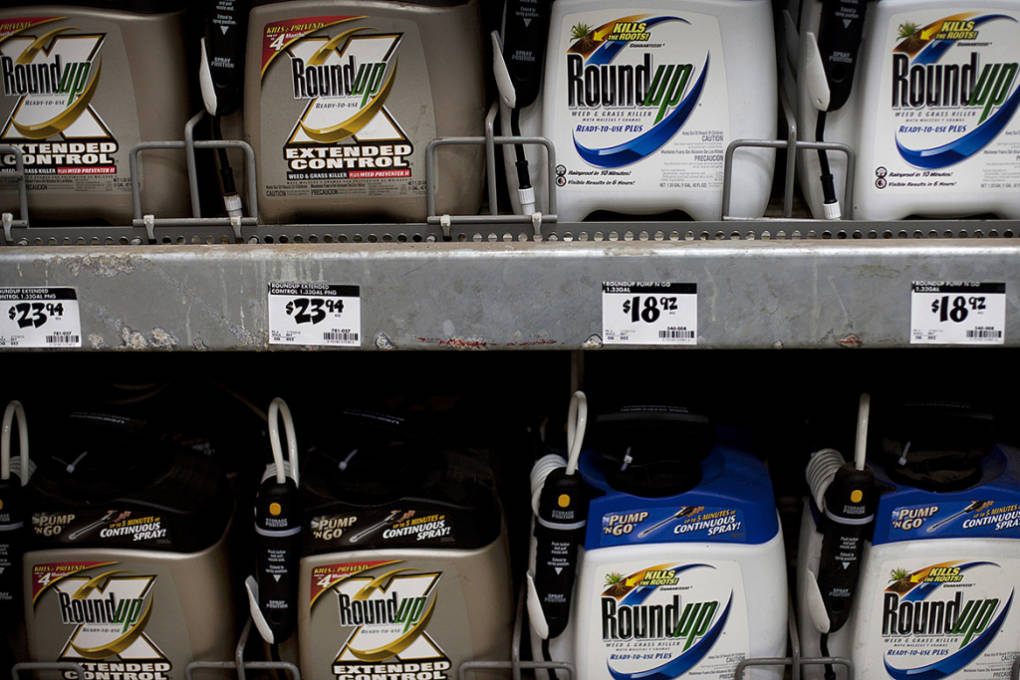
"caption": "Containers of Roundup, a weed killer by Monsanto Co., are displayed for sale at a Home Depot Inc. store in the Brooklyn borough of New York, U.S., on Friday, Dec. 30, 2011. Monsanto Co., the world's largest seed company, is scheduled to release its first-quarter earnings on Jan. 5. ",
"description": "Containers of Roundup, a weed killer by Monsanto Co., are displayed for sale at a Home Depot Inc. store in the Brooklyn borough of New York, U.S., on Friday, Dec. 30, 2011. Monsanto Co., the world's largest seed company, is scheduled to release its first-quarter earnings on Jan. 5. ",
"title": "Monsanto Releases First-Quarter Earnings",
"credit": "Victor J. Blue/Bloomberg via Getty Images",
"status": "inherit",
"isLoading": false,
"fetchFailed": false
},
"news_11629419": {
"type": "attachments",
"id": "news_11629419",
"meta": {
"index": "attachments_1716263798",
"site": "news",
"id": "11629419",
"found": true
},
"parent": 11629415,
"imgSizes": {
"small": {
"file": "https://ww2.kqed.org/app/uploads/sites/10/2017/11/RS27583_alt_648-520x353.jpg",
"width": 520,
"mimeType": "image/jpeg",
"height": 353
},
"twentyfourteen-full-width": {
"file": "https://ww2.kqed.org/app/uploads/sites/10/2017/11/RS27583_alt_648-1038x576.jpg",
"width": 1038,
"mimeType": "image/jpeg",
"height": 576
},
"thumbnail": {
"file": "https://ww2.kqed.org/app/uploads/sites/10/2017/11/RS27583_alt_648-160x109.jpg",
"width": 160,
"mimeType": "image/jpeg",
"height": 109
},
"fd-sm": {
"file": "https://ww2.kqed.org/app/uploads/sites/10/2017/11/RS27583_alt_648-960x651.jpg",
"width": 960,
"mimeType": "image/jpeg",
"height": 651
},
"post-thumbnail": {
"file": "https://ww2.kqed.org/app/uploads/sites/10/2017/11/RS27583_alt_648-672x372.jpg",
"width": 672,
"mimeType": "image/jpeg",
"height": 372
},
"xsmall": {
"file": "https://ww2.kqed.org/app/uploads/sites/10/2017/11/RS27583_alt_648-375x254.jpg",
"width": 375,
"mimeType": "image/jpeg",
"height": 254
},
"kqedFullSize": {
"file": "https://ww2.kqed.org/app/uploads/sites/10/2017/11/RS27583_alt_648.jpg",
"width": 1920,
"height": 1302
},
"large": {
"file": "https://ww2.kqed.org/app/uploads/sites/10/2017/11/RS27583_alt_648-1020x692.jpg",
"width": 1020,
"mimeType": "image/jpeg",
"height": 692
},
"xlarge": {
"file": "https://ww2.kqed.org/app/uploads/sites/10/2017/11/RS27583_alt_648-1180x800.jpg",
"width": 1180,
"mimeType": "image/jpeg",
"height": 800
},
"guest-author-50": {
"file": "https://ww2.kqed.org/app/uploads/sites/10/2017/11/RS27583_alt_648-50x50.jpg",
"width": 50,
"mimeType": "image/jpeg",
"height": 50
},
"guest-author-96": {
"file": "https://ww2.kqed.org/app/uploads/sites/10/2017/11/RS27583_alt_648-96x96.jpg",
"width": 96,
"mimeType": "image/jpeg",
"height": 96
},
"medium": {
"file": "https://ww2.kqed.org/app/uploads/sites/10/2017/11/RS27583_alt_648-800x543.jpg",
"width": 800,
"mimeType": "image/jpeg",
"height": 543
},
"guest-author-64": {
"file": "https://ww2.kqed.org/app/uploads/sites/10/2017/11/RS27583_alt_648-64x64.jpg",
"width": 64,
"mimeType": "image/jpeg",
"height": 64
},
"guest-author-32": {
"file": "https://ww2.kqed.org/app/uploads/sites/10/2017/11/RS27583_alt_648-32x32.jpg",
"width": 32,
"mimeType": "image/jpeg",
"height": 32
},
"fd-lrg": {
"file": "https://ww2.kqed.org/app/uploads/sites/10/2017/11/RS27583_alt_648-1920x1302.jpg",
"width": 1920,
"mimeType": "image/jpeg",
"height": 1302
},
"fd-med": {
"file": "https://ww2.kqed.org/app/uploads/sites/10/2017/11/RS27583_alt_648-1180x800.jpg",
"width": 1180,
"mimeType": "image/jpeg",
"height": 800
},
"full-width": {
"file": "https://ww2.kqed.org/app/uploads/sites/10/2017/11/RS27583_alt_648-1920x1302.jpg",
"width": 1920,
"mimeType": "image/jpeg",
"height": 1302
},
"detail": {
"file": "https://ww2.kqed.org/app/uploads/sites/10/2017/11/RS27583_alt_648-150x150.jpg",
"width": 150,
"mimeType": "image/jpeg",
"height": 150
},
"guest-author-128": {
"file": "https://ww2.kqed.org/app/uploads/sites/10/2017/11/RS27583_alt_648-128x128.jpg",
"width": 128,
"mimeType": "image/jpeg",
"height": 128
},
"xxsmall": {
"file": "https://ww2.kqed.org/app/uploads/sites/10/2017/11/RS27583_alt_648-240x163.jpg",
"width": 240,
"mimeType": "image/jpeg",
"height": 163
}
},
"publishDate": 1510194051,
"modified": 1512084944,
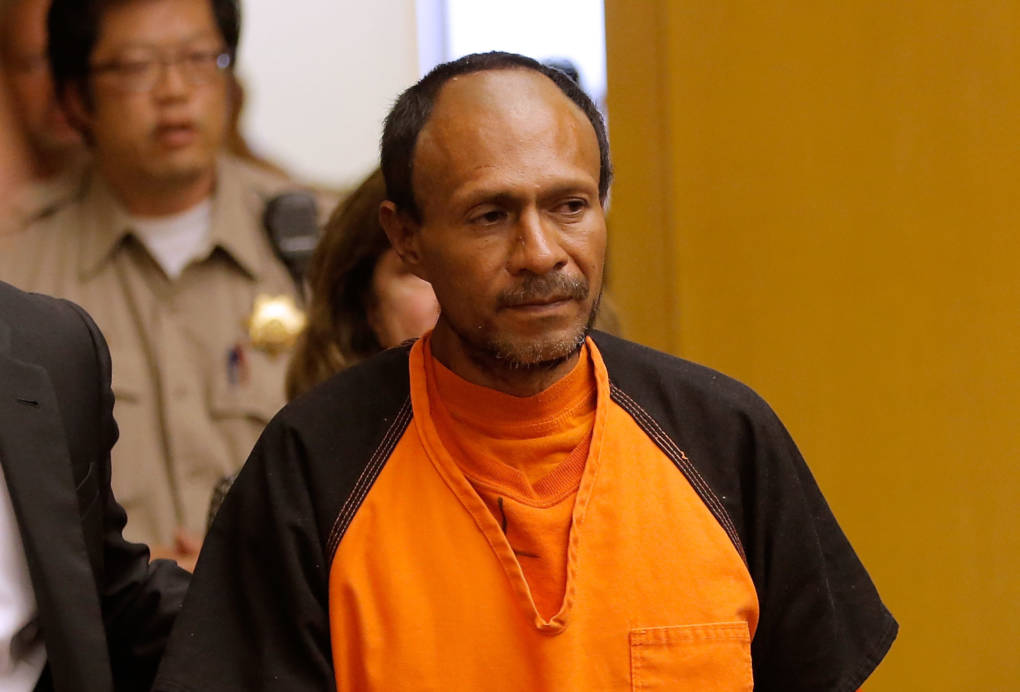
"caption": "Defendant Jose Ines Garcia Zarate, who is also known as Juan Francisco Lopez Sanchez, enters court for an arraignment on July 7, 2015, in San Francisco.",
"description": "Jose Ines Garcia Zarate, who is also known as Juan Francisco Lopez Sanchez, enters court for an arraignment on July 7, 2015 in San Francisco.",
"title": "Arraignment Held For Francisco Sanchez, Charged With The Shooting Death Of Kathryn Steinle On Pier 14",
"credit": "Michael Macor-Pool/Getty Images",
"status": "inherit",
"isLoading": false,
"fetchFailed": false
},
"news_11629345": {
"type": "attachments",
"id": "news_11629345",
"meta": {
"index": "attachments_1716263798",
"site": "news",
"id": "11629345",
"found": true
},
"parent": 11629146,
"imgSizes": {
"small": {
"file": "https://ww2.kqed.org/app/uploads/sites/10/2017/11/RS17471_HomelessSanJoseCityHall.JPG-520x390.jpg",
"width": 520,
"mimeType": "image/jpeg",
"height": 390
},
"twentyfourteen-full-width": {
"file": "https://ww2.kqed.org/app/uploads/sites/10/2017/11/RS17471_HomelessSanJoseCityHall.JPG-1038x576.jpg",
"width": 1038,
"mimeType": "image/jpeg",
"height": 576
},
"thumbnail": {
"file": "https://ww2.kqed.org/app/uploads/sites/10/2017/11/RS17471_HomelessSanJoseCityHall.JPG-160x120.jpg",
"width": 160,
"mimeType": "image/jpeg",
"height": 120
},
"fd-sm": {
"file": "https://ww2.kqed.org/app/uploads/sites/10/2017/11/RS17471_HomelessSanJoseCityHall.JPG-960x720.jpg",
"width": 960,
"mimeType": "image/jpeg",
"height": 720
},
"post-thumbnail": {
"file": "https://ww2.kqed.org/app/uploads/sites/10/2017/11/RS17471_HomelessSanJoseCityHall.JPG-672x372.jpg",
"width": 672,
"mimeType": "image/jpeg",
"height": 372
},
"xsmall": {
"file": "https://ww2.kqed.org/app/uploads/sites/10/2017/11/RS17471_HomelessSanJoseCityHall.JPG-375x281.jpg",
"width": 375,
"mimeType": "image/jpeg",
"height": 281
},
"kqedFullSize": {
"file": "https://ww2.kqed.org/app/uploads/sites/10/2017/11/RS17471_HomelessSanJoseCityHall.JPG.jpg",
"width": 2048,
"height": 1536
},
"large": {
"file": "https://ww2.kqed.org/app/uploads/sites/10/2017/11/RS17471_HomelessSanJoseCityHall.JPG-1020x765.jpg",
"width": 1020,
"mimeType": "image/jpeg",
"height": 765
},
"xlarge": {
"file": "https://ww2.kqed.org/app/uploads/sites/10/2017/11/RS17471_HomelessSanJoseCityHall.JPG-1180x885.jpg",
"width": 1180,
"mimeType": "image/jpeg",
"height": 885
},
"guest-author-50": {
"file": "https://ww2.kqed.org/app/uploads/sites/10/2017/11/RS17471_HomelessSanJoseCityHall.JPG-50x50.jpg",
"width": 50,
"mimeType": "image/jpeg",
"height": 50
},
"guest-author-96": {
"file": "https://ww2.kqed.org/app/uploads/sites/10/2017/11/RS17471_HomelessSanJoseCityHall.JPG-96x96.jpg",
"width": 96,
"mimeType": "image/jpeg",
"height": 96
},
"medium": {
"file": "https://ww2.kqed.org/app/uploads/sites/10/2017/11/RS17471_HomelessSanJoseCityHall.JPG-800x600.jpg",
"width": 800,
"mimeType": "image/jpeg",
"height": 600
},
"guest-author-64": {
"file": "https://ww2.kqed.org/app/uploads/sites/10/2017/11/RS17471_HomelessSanJoseCityHall.JPG-64x64.jpg",
"width": 64,
"mimeType": "image/jpeg",
"height": 64
},
"guest-author-32": {
"file": "https://ww2.kqed.org/app/uploads/sites/10/2017/11/RS17471_HomelessSanJoseCityHall.JPG-32x32.jpg",
"width": 32,
"mimeType": "image/jpeg",
"height": 32
},
"fd-lrg": {
"file": "https://ww2.kqed.org/app/uploads/sites/10/2017/11/RS17471_HomelessSanJoseCityHall.JPG-1920x1440.jpg",
"width": 1920,
"mimeType": "image/jpeg",
"height": 1440
},
"fd-med": {
"file": "https://ww2.kqed.org/app/uploads/sites/10/2017/11/RS17471_HomelessSanJoseCityHall.JPG-1180x885.jpg",
"width": 1180,
"mimeType": "image/jpeg",
"height": 885
},
"full-width": {
"file": "https://ww2.kqed.org/app/uploads/sites/10/2017/11/RS17471_HomelessSanJoseCityHall.JPG-1920x1440.jpg",
"width": 1920,
"mimeType": "image/jpeg",
"height": 1440
},
"detail": {
"file": "https://ww2.kqed.org/app/uploads/sites/10/2017/11/RS17471_HomelessSanJoseCityHall.JPG-150x150.jpg",
"width": 150,
"mimeType": "image/jpeg",
"height": 150
},
"guest-author-128": {
"file": "https://ww2.kqed.org/app/uploads/sites/10/2017/11/RS17471_HomelessSanJoseCityHall.JPG-128x128.jpg",
"width": 128,
"mimeType": "image/jpeg",
"height": 128
},
"xxsmall": {
"file": "https://ww2.kqed.org/app/uploads/sites/10/2017/11/RS17471_HomelessSanJoseCityHall.JPG-240x180.jpg",
"width": 240,
"mimeType": "image/jpeg",
"height": 180
}
},
"publishDate": 1510186545,
"modified": 1510186628,
"caption": "The median rent in the San Jose metro area is $3,500 a month, yet the median wage is $12 an hour in food service and $19 an hour in health care support, an amount that won't even cover housing costs.",
"description": "The median rent in the San Jose metro area is $3,500 a month, yet the median wage is $12 an hour in food service and $19 an hour in health care support, an amount that won't even cover housing costs.",
"title": "RS17471_HomelessSanJoseCityHall.JPG",
"credit": "Rachel Myrow/KQED",
"status": "inherit",
"isLoading": false,
"fetchFailed": false
},
"news_11629088": {
"type": "attachments",
"id": "news_11629088",
"meta": {
"index": "attachments_1716263798",
"site": "news",
"id": "11629088",
"found": true
},
"parent": 11629056,
"imgSizes": {
"small": {
"file": "https://ww2.kqed.org/app/uploads/sites/10/2017/11/GZ-Pier-group-520x292.jpg",
"width": 520,
"mimeType": "image/jpeg",
"height": 292
},
"twentyfourteen-full-width": {
"file": "https://ww2.kqed.org/app/uploads/sites/10/2017/11/GZ-Pier-group-1038x576.jpg",
"width": 1038,
"mimeType": "image/jpeg",
"height": 576
},
"thumbnail": {
"file": "https://ww2.kqed.org/app/uploads/sites/10/2017/11/GZ-Pier-group-160x90.jpg",
"width": 160,
"mimeType": "image/jpeg",
"height": 90
},
"fd-sm": {
"file": "https://ww2.kqed.org/app/uploads/sites/10/2017/11/GZ-Pier-group-960x540.jpg",
"width": 960,
"mimeType": "image/jpeg",
"height": 540
},
"post-thumbnail": {
"file": "https://ww2.kqed.org/app/uploads/sites/10/2017/11/GZ-Pier-group-672x372.jpg",
"width": 672,
"mimeType": "image/jpeg",
"height": 372
},
"xsmall": {
"file": "https://ww2.kqed.org/app/uploads/sites/10/2017/11/GZ-Pier-group-375x211.jpg",
"width": 375,
"mimeType": "image/jpeg",
"height": 211
},
"kqedFullSize": {
"file": "https://ww2.kqed.org/app/uploads/sites/10/2017/11/GZ-Pier-group.jpg",
"width": 1366,
"height": 768
},
"large": {
"file": "https://ww2.kqed.org/app/uploads/sites/10/2017/11/GZ-Pier-group-1020x573.jpg",
"width": 1020,
"mimeType": "image/jpeg",
"height": 573
},
"xlarge": {
"file": "https://ww2.kqed.org/app/uploads/sites/10/2017/11/GZ-Pier-group-1180x663.jpg",
"width": 1180,
"mimeType": "image/jpeg",
"height": 663
},
"guest-author-50": {
"file": "https://ww2.kqed.org/app/uploads/sites/10/2017/11/GZ-Pier-group-50x50.jpg",
"width": 50,
"mimeType": "image/jpeg",
"height": 50
},
"guest-author-96": {
"file": "https://ww2.kqed.org/app/uploads/sites/10/2017/11/GZ-Pier-group-96x96.jpg",
"width": 96,
"mimeType": "image/jpeg",
"height": 96
},
"medium": {
"file": "https://ww2.kqed.org/app/uploads/sites/10/2017/11/GZ-Pier-group-800x450.jpg",
"width": 800,
"mimeType": "image/jpeg",
"height": 450
},
"guest-author-64": {
"file": "https://ww2.kqed.org/app/uploads/sites/10/2017/11/GZ-Pier-group-64x64.jpg",
"width": 64,
"mimeType": "image/jpeg",
"height": 64
},
"guest-author-32": {
"file": "https://ww2.kqed.org/app/uploads/sites/10/2017/11/GZ-Pier-group-32x32.jpg",
"width": 32,
"mimeType": "image/jpeg",
"height": 32
},
"fd-med": {
"file": "https://ww2.kqed.org/app/uploads/sites/10/2017/11/GZ-Pier-group-1180x663.jpg",
"width": 1180,
"mimeType": "image/jpeg",
"height": 663
},
"detail": {
"file": "https://ww2.kqed.org/app/uploads/sites/10/2017/11/GZ-Pier-group-150x150.jpg",
"width": 150,
"mimeType": "image/jpeg",
"height": 150
},
"guest-author-128": {
"file": "https://ww2.kqed.org/app/uploads/sites/10/2017/11/GZ-Pier-group-128x128.jpg",
"width": 128,
"mimeType": "image/jpeg",
"height": 128
},
"xxsmall": {
"file": "https://ww2.kqed.org/app/uploads/sites/10/2017/11/GZ-Pier-group-240x135.jpg",
"width": 240,
"mimeType": "image/jpeg",
"height": 135
}
},
"publishDate": 1510111803,
"modified": 1510111877,
"caption": "A frame from surveillance video from San Francisco's Pier 14 just over an hour before Kathryn Steinle was fatally shot.",
"description": "A frame from surveillance video from San Francisco's Pier 14 just over an hour before Kathryn Steinle was fatally shot.",
"title": "GZ Pier group",
"credit": "Courtesy of the San Francisco Public Defender's Office",
"status": "inherit",
"isLoading": false,
"fetchFailed": false
},
"news_11629288": {
"type": "attachments",
"id": "news_11629288",
"meta": {
"index": "attachments_1716263798",
"site": "news",
"id": "11629288",
"found": true
},
"parent": 11629280,
"imgSizes": {
"small": {
"file": "https://ww2.kqed.org/app/uploads/sites/10/2017/11/DonaldTrump-520x347.jpg",
"width": 520,
"mimeType": "image/jpeg",
"height": 347
},
"twentyfourteen-full-width": {
"file": "https://ww2.kqed.org/app/uploads/sites/10/2017/11/DonaldTrump-1038x576.jpg",
"width": 1038,
"mimeType": "image/jpeg",
"height": 576
},
"thumbnail": {
"file": "https://ww2.kqed.org/app/uploads/sites/10/2017/11/DonaldTrump-160x107.jpg",
"width": 160,
"mimeType": "image/jpeg",
"height": 107
},
"fd-sm": {
"file": "https://ww2.kqed.org/app/uploads/sites/10/2017/11/DonaldTrump-960x640.jpg",
"width": 960,
"mimeType": "image/jpeg",
"height": 640
},
"post-thumbnail": {
"file": "https://ww2.kqed.org/app/uploads/sites/10/2017/11/DonaldTrump-672x372.jpg",
"width": 672,
"mimeType": "image/jpeg",
"height": 372
},
"xsmall": {
"file": "https://ww2.kqed.org/app/uploads/sites/10/2017/11/DonaldTrump-375x250.jpg",
"width": 375,
"mimeType": "image/jpeg",
"height": 250
},
"kqedFullSize": {
"file": "https://ww2.kqed.org/app/uploads/sites/10/2017/11/DonaldTrump.jpg",
"width": 1920,
"height": 1280
},
"large": {
"file": "https://ww2.kqed.org/app/uploads/sites/10/2017/11/DonaldTrump-1020x680.jpg",
"width": 1020,
"mimeType": "image/jpeg",
"height": 680
},
"xlarge": {
"file": "https://ww2.kqed.org/app/uploads/sites/10/2017/11/DonaldTrump-1180x787.jpg",
"width": 1180,
"mimeType": "image/jpeg",
"height": 787
},
"guest-author-50": {
"file": "https://ww2.kqed.org/app/uploads/sites/10/2017/11/DonaldTrump-50x50.jpg",
"width": 50,
"mimeType": "image/jpeg",
"height": 50
},
"guest-author-96": {
"file": "https://ww2.kqed.org/app/uploads/sites/10/2017/11/DonaldTrump-96x96.jpg",
"width": 96,
"mimeType": "image/jpeg",
"height": 96
},
"medium": {
"file": "https://ww2.kqed.org/app/uploads/sites/10/2017/11/DonaldTrump-800x533.jpg",
"width": 800,
"mimeType": "image/jpeg",
"height": 533
},
"guest-author-64": {
"file": "https://ww2.kqed.org/app/uploads/sites/10/2017/11/DonaldTrump-64x64.jpg",
"width": 64,
"mimeType": "image/jpeg",
"height": 64
},
"guest-author-32": {
"file": "https://ww2.kqed.org/app/uploads/sites/10/2017/11/DonaldTrump-32x32.jpg",
"width": 32,
"mimeType": "image/jpeg",
"height": 32
},
"fd-lrg": {
"file": "https://ww2.kqed.org/app/uploads/sites/10/2017/11/DonaldTrump-1920x1280.jpg",
"width": 1920,
"mimeType": "image/jpeg",
"height": 1280
},
"fd-med": {
"file": "https://ww2.kqed.org/app/uploads/sites/10/2017/11/DonaldTrump-1180x787.jpg",
"width": 1180,
"mimeType": "image/jpeg",
"height": 787
},
"full-width": {
"file": "https://ww2.kqed.org/app/uploads/sites/10/2017/11/DonaldTrump-1920x1280.jpg",
"width": 1920,
"mimeType": "image/jpeg",
"height": 1280
},
"detail": {
"file": "https://ww2.kqed.org/app/uploads/sites/10/2017/11/DonaldTrump-150x150.jpg",
"width": 150,
"mimeType": "image/jpeg",
"height": 150
},
"guest-author-128": {
"file": "https://ww2.kqed.org/app/uploads/sites/10/2017/11/DonaldTrump-128x128.jpg",
"width": 128,
"mimeType": "image/jpeg",
"height": 128
},
"xxsmall": {
"file": "https://ww2.kqed.org/app/uploads/sites/10/2017/11/DonaldTrump-240x160.jpg",
"width": 240,
"mimeType": "image/jpeg",
"height": 160
}
},
"publishDate": 1510182585,
"modified": 1510182629,
"caption": "Some Twitter users argue President Trump is violating the First Amendment by blocking people from his feed after they posted negative comments.",
"description": "Some Twitter users argue President Trump is violating the First Amendment by blocking people from his feed after they posted negative comments.",
"title": "DonaldTrump",
"credit": "JIM WATSON/AFP/Getty Images",
"status": "inherit",
"isLoading": false,
"fetchFailed": false
},
"news_11628711": {
"type": "attachments",
"id": "news_11628711",
"meta": {
"index": "attachments_1716263798",
"site": "news",
"id": "11628711",
"found": true
},
"parent": 11628699,
"imgSizes": {
"small": {
"file": "https://ww2.kqed.org/app/uploads/sites/10/2017/11/hillside-520x293.jpg",
"width": 520,
"mimeType": "image/jpeg",
"height": 293
},
"twentyfourteen-full-width": {
"file": "https://ww2.kqed.org/app/uploads/sites/10/2017/11/hillside-1038x576.jpg",
"width": 1038,
"mimeType": "image/jpeg",
"height": 576
},
"thumbnail": {
"file": "https://ww2.kqed.org/app/uploads/sites/10/2017/11/hillside-160x90.jpg",
"width": 160,
"mimeType": "image/jpeg",
"height": 90
},
"fd-sm": {
"file": "https://ww2.kqed.org/app/uploads/sites/10/2017/11/hillside-960x540.jpg",
"width": 960,
"mimeType": "image/jpeg",
"height": 540
},
"post-thumbnail": {
"file": "https://ww2.kqed.org/app/uploads/sites/10/2017/11/hillside-672x372.jpg",
"width": 672,
"mimeType": "image/jpeg",
"height": 372
},
"xsmall": {
"file": "https://ww2.kqed.org/app/uploads/sites/10/2017/11/hillside-375x211.jpg",
"width": 375,
"mimeType": "image/jpeg",
"height": 211
},
"kqedFullSize": {
"file": "https://ww2.kqed.org/app/uploads/sites/10/2017/11/hillside-e1510167692349.jpg",
"width": 1920,
"height": 1080
},
"large": {
"file": "https://ww2.kqed.org/app/uploads/sites/10/2017/11/hillside-1020x574.jpg",
"width": 1020,
"mimeType": "image/jpeg",
"height": 574
},
"xlarge": {
"file": "https://ww2.kqed.org/app/uploads/sites/10/2017/11/hillside-1180x664.jpg",
"width": 1180,
"mimeType": "image/jpeg",
"height": 664
},
"guest-author-50": {
"file": "https://ww2.kqed.org/app/uploads/sites/10/2017/11/hillside-50x50.jpg",
"width": 50,
"mimeType": "image/jpeg",
"height": 50
},
"guest-author-96": {
"file": "https://ww2.kqed.org/app/uploads/sites/10/2017/11/hillside-96x96.jpg",
"width": 96,
"mimeType": "image/jpeg",
"height": 96
},
"medium": {
"file": "https://ww2.kqed.org/app/uploads/sites/10/2017/11/hillside-800x450.jpg",
"width": 800,
"mimeType": "image/jpeg",
"height": 450
},
"guest-author-64": {
"file": "https://ww2.kqed.org/app/uploads/sites/10/2017/11/hillside-64x64.jpg",
"width": 64,
"mimeType": "image/jpeg",
"height": 64
},
"guest-author-32": {
"file": "https://ww2.kqed.org/app/uploads/sites/10/2017/11/hillside-32x32.jpg",
"width": 32,
"mimeType": "image/jpeg",
"height": 32
},
"fd-lrg": {
"file": "https://ww2.kqed.org/app/uploads/sites/10/2017/11/hillside-1920x1080.jpg",
"width": 1920,
"mimeType": "image/jpeg",
"height": 1080
},
"fd-med": {
"file": "https://ww2.kqed.org/app/uploads/sites/10/2017/11/hillside-1180x664.jpg",
"width": 1180,
"mimeType": "image/jpeg",
"height": 664
},
"full-width": {
"file": "https://ww2.kqed.org/app/uploads/sites/10/2017/11/hillside-1920x1080.jpg",
"width": 1920,
"mimeType": "image/jpeg",
"height": 1080
},
"detail": {
"file": "https://ww2.kqed.org/app/uploads/sites/10/2017/11/hillside-150x150.jpg",
"width": 150,
"mimeType": "image/jpeg",
"height": 150
},
"guest-author-128": {
"file": "https://ww2.kqed.org/app/uploads/sites/10/2017/11/hillside-128x128.jpg",
"width": 128,
"mimeType": "image/jpeg",
"height": 128
},
"xxsmall": {
"file": "https://ww2.kqed.org/app/uploads/sites/10/2017/11/hillside-240x135.jpg",
"width": 240,
"mimeType": "image/jpeg",
"height": 135
}
},
"publishDate": 1510019512,
"modified": 1510019735,
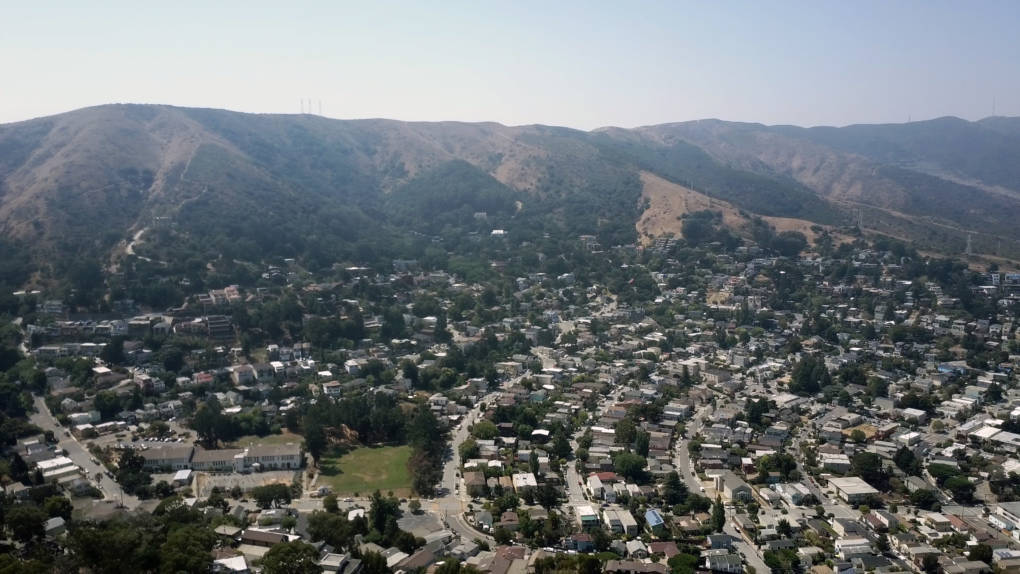
"caption": "The city of Brisbane, estimated population of 4,700 in 2016, has faced major growth and housing challenges because of its proximity to job centers in San Francisco and Silicon Valley.",
"description": null,
"title": "Brisbane, CA hillside",
"credit": "Johnny Miller/African Drone",
"status": "inherit",
"isLoading": false,
"fetchFailed": false
},
"news_11159700": {
"type": "attachments",
"id": "news_11159700",
"meta": {
"index": "attachments_1716263798",
"site": "news",
"id": "11159700",
"found": true
},
"parent": 11159698,
"imgSizes": {
"small": {
"file": "https://ww2.kqed.org/app/uploads/sites/10/2017/11/bartcars-520x347.jpg",
"width": 520,
"mimeType": "image/jpeg",
"height": 347
},
"twentyfourteen-full-width": {
"file": "https://ww2.kqed.org/app/uploads/sites/10/2017/11/bartcars-1038x576.jpg",
"width": 1038,
"mimeType": "image/jpeg",
"height": 576
},
"thumbnail": {
"file": "https://ww2.kqed.org/app/uploads/sites/10/2017/11/bartcars-160x107.jpg",
"width": 160,
"mimeType": "image/jpeg",
"height": 107
},
"fd-sm": {
"file": "https://ww2.kqed.org/app/uploads/sites/10/2017/11/bartcars-960x640.jpg",
"width": 960,
"mimeType": "image/jpeg",
"height": 640
},
"post-thumbnail": {
"file": "https://ww2.kqed.org/app/uploads/sites/10/2017/11/bartcars-672x372.jpg",
"width": 672,
"mimeType": "image/jpeg",
"height": 372
},
"xsmall": {
"file": "https://ww2.kqed.org/app/uploads/sites/10/2017/11/bartcars-375x250.jpg",
"width": 375,
"mimeType": "image/jpeg",
"height": 250
},
"kqedFullSize": {
"file": "https://ww2.kqed.org/app/uploads/sites/10/2017/11/bartcars.jpg",
"width": 1920,
"height": 1280
},
"large": {
"file": "https://ww2.kqed.org/app/uploads/sites/10/2017/11/bartcars-1020x680.jpg",
"width": 1020,
"mimeType": "image/jpeg",
"height": 680
},
"xlarge": {
"file": "https://ww2.kqed.org/app/uploads/sites/10/2017/11/bartcars-1180x787.jpg",
"width": 1180,
"mimeType": "image/jpeg",
"height": 787
},
"guest-author-50": {
"file": "https://ww2.kqed.org/app/uploads/sites/10/2017/11/bartcars-50x50.jpg",
"width": 50,
"mimeType": "image/jpeg",
"height": 50
},
"guest-author-96": {
"file": "https://ww2.kqed.org/app/uploads/sites/10/2017/11/bartcars-96x96.jpg",
"width": 96,
"mimeType": "image/jpeg",
"height": 96
},
"medium": {
"file": "https://ww2.kqed.org/app/uploads/sites/10/2017/11/bartcars-800x533.jpg",
"width": 800,
"mimeType": "image/jpeg",
"height": 533
},
"guest-author-64": {
"file": "https://ww2.kqed.org/app/uploads/sites/10/2017/11/bartcars-64x64.jpg",
"width": 64,
"mimeType": "image/jpeg",
"height": 64
},
"guest-author-32": {
"file": "https://ww2.kqed.org/app/uploads/sites/10/2017/11/bartcars-32x32.jpg",
"width": 32,
"mimeType": "image/jpeg",
"height": 32
},
"jmtc-small-thumb": {
"file": "https://ww2.kqed.org/app/uploads/sites/10/2017/11/bartcars-280x150.jpg",
"width": 280,
"mimeType": "image/jpeg",
"height": 150
},
"fd-lrg": {
"file": "https://ww2.kqed.org/app/uploads/sites/10/2017/11/bartcars-1920x1280.jpg",
"width": 1920,
"mimeType": "image/jpeg",
"height": 1280
},
"fd-med": {
"file": "https://ww2.kqed.org/app/uploads/sites/10/2017/11/bartcars-1180x787.jpg",
"width": 1180,
"mimeType": "image/jpeg",
"height": 787
},
"full-width": {
"file": "https://ww2.kqed.org/app/uploads/sites/10/2017/11/bartcars-1920x1280.jpg",
"width": 1920,
"mimeType": "image/jpeg",
"height": 1280
},
"detail": {
"file": "https://ww2.kqed.org/app/uploads/sites/10/2017/11/bartcars-150x150.jpg",
"width": 150,
"mimeType": "image/jpeg",
"height": 150
},
"guest-author-128": {
"file": "https://ww2.kqed.org/app/uploads/sites/10/2017/11/bartcars-128x128.jpg",
"width": 128,
"mimeType": "image/jpeg",
"height": 128
},
"xxsmall": {
"file": "https://ww2.kqed.org/app/uploads/sites/10/2017/11/bartcars-240x160.jpg",
"width": 240,
"mimeType": "image/jpeg",
"height": 160
}
},
"publishDate": 1478297376,
"modified": 1516140615,
"caption": "A car from BART's 'Fleet of the Future,' right, alongside one of the transit agency's old cars at Pleasant Hill Station in October 2016. ",
"description": "BART trains at Pleasant Hill station, October 2016. ",
"title": "BART Cars",
"credit": "Dan Brekke/KQED",
"status": "inherit",
"isLoading": false,
"fetchFailed": false
},
"news_11629079": {
"type": "attachments",
"id": "news_11629079",
"meta": {
"index": "attachments_1716263798",
"site": "news",
"id": "11629079",
"found": true
},
"parent": 11628986,
"imgSizes": {
"small": {
"file": "https://ww2.kqed.org/app/uploads/sites/10/2017/11/ArmoredTruck-520x339.jpg",
"width": 520,
"mimeType": "image/jpeg",
"height": 339
},
"twentyfourteen-full-width": {
"file": "https://ww2.kqed.org/app/uploads/sites/10/2017/11/ArmoredTruck-1038x576.jpg",
"width": 1038,
"mimeType": "image/jpeg",
"height": 576
},
"thumbnail": {
"file": "https://ww2.kqed.org/app/uploads/sites/10/2017/11/ArmoredTruck-160x104.jpg",
"width": 160,
"mimeType": "image/jpeg",
"height": 104
},
"fd-sm": {
"file": "https://ww2.kqed.org/app/uploads/sites/10/2017/11/ArmoredTruck-960x626.jpg",
"width": 960,
"mimeType": "image/jpeg",
"height": 626
},
"post-thumbnail": {
"file": "https://ww2.kqed.org/app/uploads/sites/10/2017/11/ArmoredTruck-672x372.jpg",
"width": 672,
"mimeType": "image/jpeg",
"height": 372
},
"xsmall": {
"file": "https://ww2.kqed.org/app/uploads/sites/10/2017/11/ArmoredTruck-375x245.jpg",
"width": 375,
"mimeType": "image/jpeg",
"height": 245
},
"kqedFullSize": {
"file": "https://ww2.kqed.org/app/uploads/sites/10/2017/11/ArmoredTruck.jpg",
"width": 1920,
"height": 1252
},
"large": {
"file": "https://ww2.kqed.org/app/uploads/sites/10/2017/11/ArmoredTruck-1020x665.jpg",
"width": 1020,
"mimeType": "image/jpeg",
"height": 665
},
"xlarge": {
"file": "https://ww2.kqed.org/app/uploads/sites/10/2017/11/ArmoredTruck-1180x769.jpg",
"width": 1180,
"mimeType": "image/jpeg",
"height": 769
},
"guest-author-50": {
"file": "https://ww2.kqed.org/app/uploads/sites/10/2017/11/ArmoredTruck-50x50.jpg",
"width": 50,
"mimeType": "image/jpeg",
"height": 50
},
"guest-author-96": {
"file": "https://ww2.kqed.org/app/uploads/sites/10/2017/11/ArmoredTruck-96x96.jpg",
"width": 96,
"mimeType": "image/jpeg",
"height": 96
},
"medium": {
"file": "https://ww2.kqed.org/app/uploads/sites/10/2017/11/ArmoredTruck-800x522.jpg",
"width": 800,
"mimeType": "image/jpeg",
"height": 522
},
"guest-author-64": {
"file": "https://ww2.kqed.org/app/uploads/sites/10/2017/11/ArmoredTruck-64x64.jpg",
"width": 64,
"mimeType": "image/jpeg",
"height": 64
},
"guest-author-32": {
"file": "https://ww2.kqed.org/app/uploads/sites/10/2017/11/ArmoredTruck-32x32.jpg",
"width": 32,
"mimeType": "image/jpeg",
"height": 32
},
"fd-lrg": {
"file": "https://ww2.kqed.org/app/uploads/sites/10/2017/11/ArmoredTruck-1920x1252.jpg",
"width": 1920,
"mimeType": "image/jpeg",
"height": 1252
},
"fd-med": {
"file": "https://ww2.kqed.org/app/uploads/sites/10/2017/11/ArmoredTruck-1180x769.jpg",
"width": 1180,
"mimeType": "image/jpeg",
"height": 769
},
"full-width": {
"file": "https://ww2.kqed.org/app/uploads/sites/10/2017/11/ArmoredTruck-1920x1252.jpg",
"width": 1920,
"mimeType": "image/jpeg",
"height": 1252
},
"detail": {
"file": "https://ww2.kqed.org/app/uploads/sites/10/2017/11/ArmoredTruck-150x150.jpg",
"width": 150,
"mimeType": "image/jpeg",
"height": 150
},
"guest-author-128": {
"file": "https://ww2.kqed.org/app/uploads/sites/10/2017/11/ArmoredTruck-128x128.jpg",
"width": 128,
"mimeType": "image/jpeg",
"height": 128
},
"xxsmall": {
"file": "https://ww2.kqed.org/app/uploads/sites/10/2017/11/ArmoredTruck-240x157.jpg",
"width": 240,
"mimeType": "image/jpeg",
"height": 157
}
},
"publishDate": 1510109109,
"modified": 1510109266,
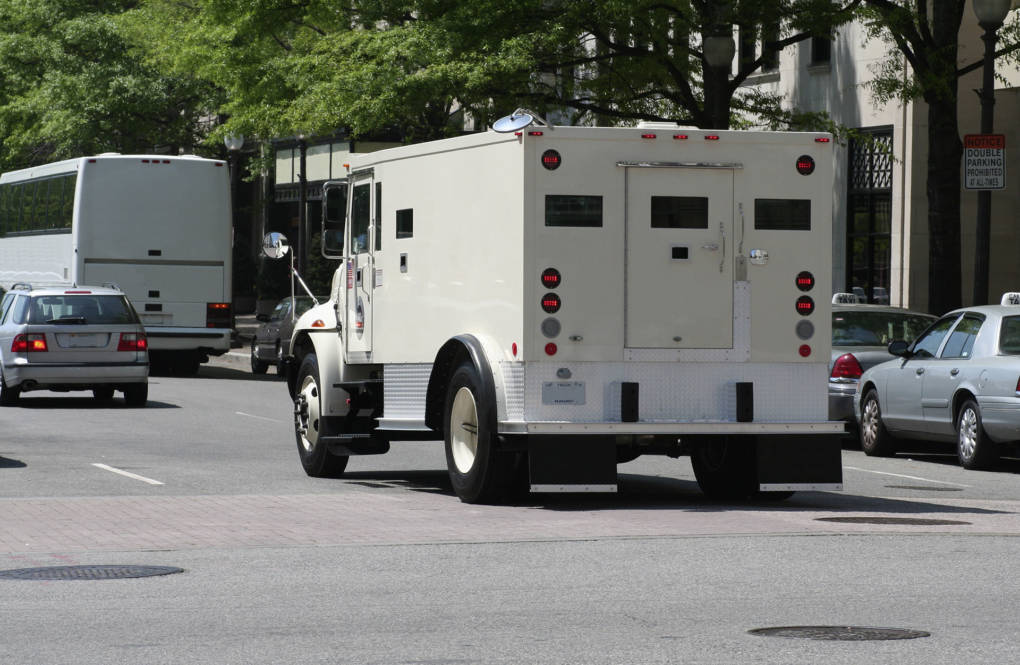
"caption": "California Treasurer John Chiang has suggested using armored vehicles to help facilitate the state's largely cash-based cannabis economy.",
"description": "California Treasurer John Chiang has suggested using armored vehicles to help facilitate the state's largely cash-based cannabis economy.",
"title": "ArmoredTruck",
"credit": "Getty Images",
"status": "inherit",
"isLoading": false,
"fetchFailed": false
},
"news_11629063": {
"type": "attachments",
"id": "news_11629063",
"meta": {
"index": "attachments_1716263798",
"site": "news",
"id": "11629063",
"found": true
},
"parent": 11628998,
"imgSizes": {
"small": {
"file": "https://ww2.kqed.org/app/uploads/sites/10/2017/11/OpioidMain-520x322.jpg",
"width": 520,
"mimeType": "image/jpeg",
"height": 322
},
"twentyfourteen-full-width": {
"file": "https://ww2.kqed.org/app/uploads/sites/10/2017/11/OpioidMain-1038x576.jpg",
"width": 1038,
"mimeType": "image/jpeg",
"height": 576
},
"thumbnail": {
"file": "https://ww2.kqed.org/app/uploads/sites/10/2017/11/OpioidMain-160x99.jpg",
"width": 160,
"mimeType": "image/jpeg",
"height": 99
},
"fd-sm": {
"file": "https://ww2.kqed.org/app/uploads/sites/10/2017/11/OpioidMain-960x595.jpg",
"width": 960,
"mimeType": "image/jpeg",
"height": 595
},
"post-thumbnail": {
"file": "https://ww2.kqed.org/app/uploads/sites/10/2017/11/OpioidMain-672x372.jpg",
"width": 672,
"mimeType": "image/jpeg",
"height": 372
},
"xsmall": {
"file": "https://ww2.kqed.org/app/uploads/sites/10/2017/11/OpioidMain-375x232.jpg",
"width": 375,
"mimeType": "image/jpeg",
"height": 232
},
"kqedFullSize": {
"file": "https://ww2.kqed.org/app/uploads/sites/10/2017/11/OpioidMain.jpg",
"width": 1920,
"height": 1189
},
"large": {
"file": "https://ww2.kqed.org/app/uploads/sites/10/2017/11/OpioidMain-1020x632.jpg",
"width": 1020,
"mimeType": "image/jpeg",
"height": 632
},
"xlarge": {
"file": "https://ww2.kqed.org/app/uploads/sites/10/2017/11/OpioidMain-1180x731.jpg",
"width": 1180,
"mimeType": "image/jpeg",
"height": 731
},
"guest-author-50": {
"file": "https://ww2.kqed.org/app/uploads/sites/10/2017/11/OpioidMain-50x50.jpg",
"width": 50,
"mimeType": "image/jpeg",
"height": 50
},
"guest-author-96": {
"file": "https://ww2.kqed.org/app/uploads/sites/10/2017/11/OpioidMain-96x96.jpg",
"width": 96,
"mimeType": "image/jpeg",
"height": 96
},
"medium": {
"file": "https://ww2.kqed.org/app/uploads/sites/10/2017/11/OpioidMain-800x495.jpg",
"width": 800,
"mimeType": "image/jpeg",
"height": 495
},
"guest-author-64": {
"file": "https://ww2.kqed.org/app/uploads/sites/10/2017/11/OpioidMain-64x64.jpg",
"width": 64,
"mimeType": "image/jpeg",
"height": 64
},
"guest-author-32": {
"file": "https://ww2.kqed.org/app/uploads/sites/10/2017/11/OpioidMain-32x32.jpg",
"width": 32,
"mimeType": "image/jpeg",
"height": 32
},
"fd-lrg": {
"file": "https://ww2.kqed.org/app/uploads/sites/10/2017/11/OpioidMain-1920x1189.jpg",
"width": 1920,
"mimeType": "image/jpeg",
"height": 1189
},
"fd-med": {
"file": "https://ww2.kqed.org/app/uploads/sites/10/2017/11/OpioidMain-1180x731.jpg",
"width": 1180,
"mimeType": "image/jpeg",
"height": 731
},
"full-width": {
"file": "https://ww2.kqed.org/app/uploads/sites/10/2017/11/OpioidMain-1920x1189.jpg",
"width": 1920,
"mimeType": "image/jpeg",
"height": 1189
},
"detail": {
"file": "https://ww2.kqed.org/app/uploads/sites/10/2017/11/OpioidMain-150x150.jpg",
"width": 150,
"mimeType": "image/jpeg",
"height": 150
},
"guest-author-128": {
"file": "https://ww2.kqed.org/app/uploads/sites/10/2017/11/OpioidMain-128x128.jpg",
"width": 128,
"mimeType": "image/jpeg",
"height": 128
},
"xxsmall": {
"file": "https://ww2.kqed.org/app/uploads/sites/10/2017/11/OpioidMain-240x149.jpg",
"width": 240,
"mimeType": "image/jpeg",
"height": 149
}
},
"publishDate": 1510106551,
"modified": 1510106606,
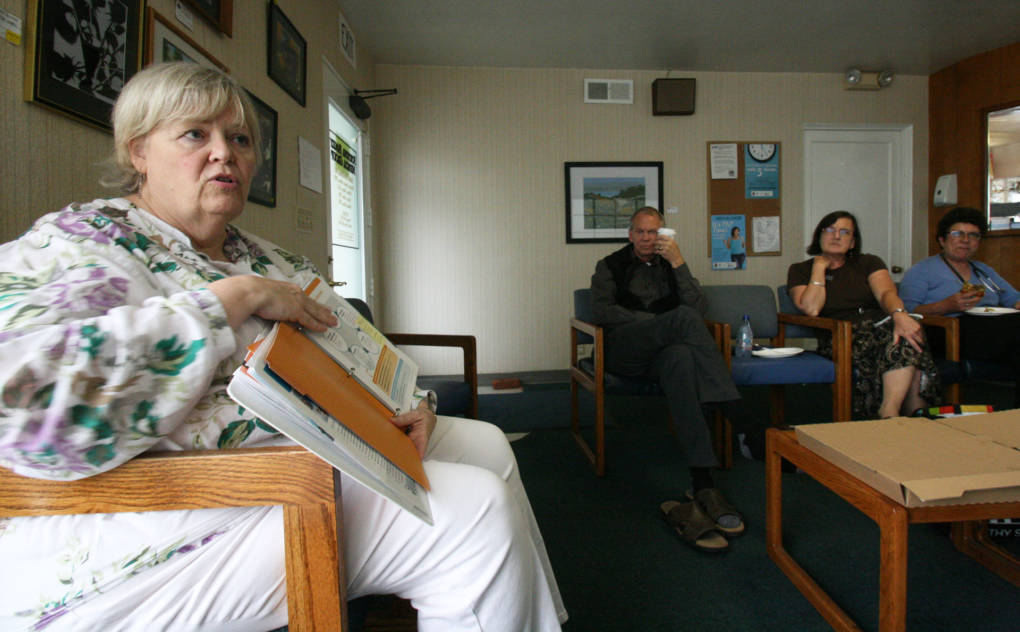
"caption": "Dr. Mary Meengs (L) shares tips about treating opioid addiction at a small family medical practice in Fortuna, California.",
"description": "Dr. Mary Meengs (L) shares tips about treating opioid addiction at a small family medical practice in Fortuna, California.",
"title": "OpioidMain",
"credit": "Pauline Bartolone/California Healthline",
"status": "inherit",
"isLoading": false,
"fetchFailed": false
},
"news_11408801": {
"type": "attachments",
"id": "news_11408801",
"meta": {
"index": "attachments_1716263798",
"site": "news",
"id": "11408801",
"found": true
},
"parent": 11367902,
"imgSizes": {
"small": {
"file": "https://ww2.kqed.org/app/uploads/sites/10/2017/04/2016_09_20-16.07.59.194-CDT-520x390.jpeg",
"width": 520,
"mimeType": "image/jpeg",
"height": 390
},
"twentyfourteen-full-width": {
"file": "https://ww2.kqed.org/app/uploads/sites/10/2017/04/2016_09_20-16.07.59.194-CDT-1038x576.jpeg",
"width": 1038,
"mimeType": "image/jpeg",
"height": 576
},
"thumbnail": {
"file": "https://ww2.kqed.org/app/uploads/sites/10/2017/04/2016_09_20-16.07.59.194-CDT-160x120.jpeg",
"width": 160,
"mimeType": "image/jpeg",
"height": 120
},
"fd-sm": {
"file": "https://ww2.kqed.org/app/uploads/sites/10/2017/04/2016_09_20-16.07.59.194-CDT-960x720.jpeg",
"width": 960,
"mimeType": "image/jpeg",
"height": 720
},
"post-thumbnail": {
"file": "https://ww2.kqed.org/app/uploads/sites/10/2017/04/2016_09_20-16.07.59.194-CDT-672x372.jpeg",
"width": 672,
"mimeType": "image/jpeg",
"height": 372
},
"xsmall": {
"file": "https://ww2.kqed.org/app/uploads/sites/10/2017/04/2016_09_20-16.07.59.194-CDT-375x281.jpeg",
"width": 375,
"mimeType": "image/jpeg",
"height": 281
},
"kqedFullSize": {
"file": "https://ww2.kqed.org/app/uploads/sites/10/2017/04/2016_09_20-16.07.59.194-CDT-e1492207421893.jpeg",
"width": 1920,
"height": 1440
},
"large": {
"file": "https://ww2.kqed.org/app/uploads/sites/10/2017/04/2016_09_20-16.07.59.194-CDT-1020x765.jpeg",
"width": 1020,
"mimeType": "image/jpeg",
"height": 765
},
"xlarge": {
"file": "https://ww2.kqed.org/app/uploads/sites/10/2017/04/2016_09_20-16.07.59.194-CDT-1180x885.jpeg",
"width": 1180,
"mimeType": "image/jpeg",
"height": 885
},
"guest-author-50": {
"file": "https://ww2.kqed.org/app/uploads/sites/10/2017/04/2016_09_20-16.07.59.194-CDT-50x50.jpeg",
"width": 50,
"mimeType": "image/jpeg",
"height": 50
},
"guest-author-96": {
"file": "https://ww2.kqed.org/app/uploads/sites/10/2017/04/2016_09_20-16.07.59.194-CDT-96x96.jpeg",
"width": 96,
"mimeType": "image/jpeg",
"height": 96
},
"medium": {
"file": "https://ww2.kqed.org/app/uploads/sites/10/2017/04/2016_09_20-16.07.59.194-CDT-800x600.jpeg",
"width": 800,
"mimeType": "image/jpeg",
"height": 600
},
"guest-author-64": {
"file": "https://ww2.kqed.org/app/uploads/sites/10/2017/04/2016_09_20-16.07.59.194-CDT-64x64.jpeg",
"width": 64,
"mimeType": "image/jpeg",
"height": 64
},
"guest-author-32": {
"file": "https://ww2.kqed.org/app/uploads/sites/10/2017/04/2016_09_20-16.07.59.194-CDT-32x32.jpeg",
"width": 32,
"mimeType": "image/jpeg",
"height": 32
},
"fd-lrg": {
"file": "https://ww2.kqed.org/app/uploads/sites/10/2017/04/2016_09_20-16.07.59.194-CDT-1920x1440.jpeg",
"width": 1920,
"mimeType": "image/jpeg",
"height": 1440
},
"fd-med": {
"file": "https://ww2.kqed.org/app/uploads/sites/10/2017/04/2016_09_20-16.07.59.194-CDT-1180x885.jpeg",
"width": 1180,
"mimeType": "image/jpeg",
"height": 885
},
"full-width": {
"file": "https://ww2.kqed.org/app/uploads/sites/10/2017/04/2016_09_20-16.07.59.194-CDT-1920x1440.jpeg",
"width": 1920,
"mimeType": "image/jpeg",
"height": 1440
},
"detail": {
"file": "https://ww2.kqed.org/app/uploads/sites/10/2017/04/2016_09_20-16.07.59.194-CDT-150x150.jpeg",
"width": 150,
"mimeType": "image/jpeg",
"height": 150
},
"guest-author-128": {
"file": "https://ww2.kqed.org/app/uploads/sites/10/2017/04/2016_09_20-16.07.59.194-CDT-128x128.jpeg",
"width": 128,
"mimeType": "image/jpeg",
"height": 128
},
"xxsmall": {
"file": "https://ww2.kqed.org/app/uploads/sites/10/2017/04/2016_09_20-16.07.59.194-CDT-240x180.jpeg",
"width": 240,
"mimeType": "image/jpeg",
"height": 180
}
},
"publishDate": 1492207270,
"modified": 1510096007,
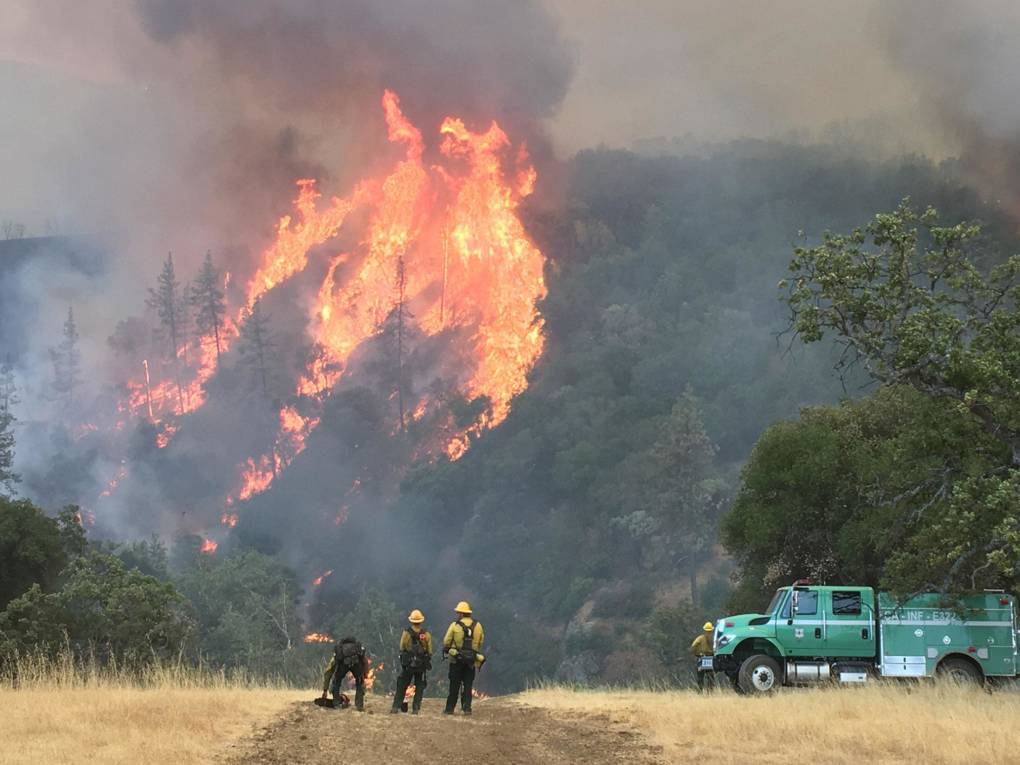
"caption": "A U.S. Forest Service engine crew on the fire line during the Soberanes Fire in September 2016. ",
"description": null,
"title": "2016_09_20-16.07.59.194-CDT",
"credit": "InciWeb",
"status": "inherit",
"isLoading": false,
"fetchFailed": false
},
"news_11628946": {
"type": "attachments",
"id": "news_11628946",
"meta": {
"index": "attachments_1716263798",
"site": "news",
"id": "11628946",
"found": true
},
"parent": 11628923,
"imgSizes": {
"small": {
"file": "https://ww2.kqed.org/app/uploads/sites/10/2017/11/gettyimages-860630970-038c6641223321b76a73e670dcd6fc32af2c304e-s1600-c85-520x390.jpg",
"width": 520,
"mimeType": "image/jpeg",
"height": 390
},
"twentyfourteen-full-width": {
"file": "https://ww2.kqed.org/app/uploads/sites/10/2017/11/gettyimages-860630970-038c6641223321b76a73e670dcd6fc32af2c304e-s1600-c85-1038x576.jpg",
"width": 1038,
"mimeType": "image/jpeg",
"height": 576
},
"thumbnail": {
"file": "https://ww2.kqed.org/app/uploads/sites/10/2017/11/gettyimages-860630970-038c6641223321b76a73e670dcd6fc32af2c304e-s1600-c85-160x120.jpg",
"width": 160,
"mimeType": "image/jpeg",
"height": 120
},
"fd-sm": {
"file": "https://ww2.kqed.org/app/uploads/sites/10/2017/11/gettyimages-860630970-038c6641223321b76a73e670dcd6fc32af2c304e-s1600-c85-960x719.jpg",
"width": 960,
"mimeType": "image/jpeg",
"height": 719
},
"post-thumbnail": {
"file": "https://ww2.kqed.org/app/uploads/sites/10/2017/11/gettyimages-860630970-038c6641223321b76a73e670dcd6fc32af2c304e-s1600-c85-672x372.jpg",
"width": 672,
"mimeType": "image/jpeg",
"height": 372
},
"xsmall": {
"file": "https://ww2.kqed.org/app/uploads/sites/10/2017/11/gettyimages-860630970-038c6641223321b76a73e670dcd6fc32af2c304e-s1600-c85-375x281.jpg",
"width": 375,
"mimeType": "image/jpeg",
"height": 281
},
"kqedFullSize": {
"file": "https://ww2.kqed.org/app/uploads/sites/10/2017/11/gettyimages-860630970-038c6641223321b76a73e670dcd6fc32af2c304e-s1600-c85.jpg",
"width": 1600,
"height": 1199
},
"large": {
"file": "https://ww2.kqed.org/app/uploads/sites/10/2017/11/gettyimages-860630970-038c6641223321b76a73e670dcd6fc32af2c304e-s1600-c85-1020x764.jpg",
"width": 1020,
"mimeType": "image/jpeg",
"height": 764
},
"xlarge": {
"file": "https://ww2.kqed.org/app/uploads/sites/10/2017/11/gettyimages-860630970-038c6641223321b76a73e670dcd6fc32af2c304e-s1600-c85-1180x884.jpg",
"width": 1180,
"mimeType": "image/jpeg",
"height": 884
},
"guest-author-50": {
"file": "https://ww2.kqed.org/app/uploads/sites/10/2017/11/gettyimages-860630970-038c6641223321b76a73e670dcd6fc32af2c304e-s1600-c85-50x50.jpg",
"width": 50,
"mimeType": "image/jpeg",
"height": 50
},
"guest-author-96": {
"file": "https://ww2.kqed.org/app/uploads/sites/10/2017/11/gettyimages-860630970-038c6641223321b76a73e670dcd6fc32af2c304e-s1600-c85-96x96.jpg",
"width": 96,
"mimeType": "image/jpeg",
"height": 96
},
"medium": {
"file": "https://ww2.kqed.org/app/uploads/sites/10/2017/11/gettyimages-860630970-038c6641223321b76a73e670dcd6fc32af2c304e-s1600-c85-800x600.jpg",
"width": 800,
"mimeType": "image/jpeg",
"height": 600
},
"guest-author-64": {
"file": "https://ww2.kqed.org/app/uploads/sites/10/2017/11/gettyimages-860630970-038c6641223321b76a73e670dcd6fc32af2c304e-s1600-c85-64x64.jpg",
"width": 64,
"mimeType": "image/jpeg",
"height": 64
},
"guest-author-32": {
"file": "https://ww2.kqed.org/app/uploads/sites/10/2017/11/gettyimages-860630970-038c6641223321b76a73e670dcd6fc32af2c304e-s1600-c85-32x32.jpg",
"width": 32,
"mimeType": "image/jpeg",
"height": 32
},
"fd-med": {
"file": "https://ww2.kqed.org/app/uploads/sites/10/2017/11/gettyimages-860630970-038c6641223321b76a73e670dcd6fc32af2c304e-s1600-c85-1180x884.jpg",
"width": 1180,
"mimeType": "image/jpeg",
"height": 884
},
"detail": {
"file": "https://ww2.kqed.org/app/uploads/sites/10/2017/11/gettyimages-860630970-038c6641223321b76a73e670dcd6fc32af2c304e-s1600-c85-150x150.jpg",
"width": 150,
"mimeType": "image/jpeg",
"height": 150
},
"guest-author-128": {
"file": "https://ww2.kqed.org/app/uploads/sites/10/2017/11/gettyimages-860630970-038c6641223321b76a73e670dcd6fc32af2c304e-s1600-c85-128x128.jpg",
"width": 128,
"mimeType": "image/jpeg",
"height": 128
},
"xxsmall": {
"file": "https://ww2.kqed.org/app/uploads/sites/10/2017/11/gettyimages-860630970-038c6641223321b76a73e670dcd6fc32af2c304e-s1600-c85-240x180.jpg",
"width": 240,
"mimeType": "image/jpeg",
"height": 180
}
},
"publishDate": 1510095005,
"modified": 1510095042,
"caption": "U.S. Commerce Secretary Wilbur Ross \"was a major client of Appleby,\" an offshore law firm at the heart of the Paradise Papers, according to the International Consortium of Investigative Journalists.",
"description": "U.S. Commerce Secretary Wilbur Ross \"was a major client of Appleby,\" an offshore law firm at the heart of the Paradise Papers, according to the International Consortium of Investigative Journalists.",
"title": "gettyimages-860630970-038c6641223321b76a73e670dcd6fc32af2c304e-s1600-c85",
"credit": "Brendan Smialowski/AFP/Getty Images",
"status": "inherit",
"isLoading": false,
"fetchFailed": false
}
},
"audioPlayerReducer": {
"postId": "stream_live",
"isPaused": true,
"isPlaying": false,
"pfsActive": false,
"pledgeModalIsOpen": true,
"playerDrawerIsOpen": false,
"liveAudioPlayStartedAt": 0,
"liveAudioPlayContext": ""
},
"authorsReducer": {
"byline_stateofhealth_361923": {
"type": "authors",
"id": "byline_stateofhealth_361923",
"meta": {
"override": true
},
"slug": "byline_stateofhealth_361923",
"name": "\u003ca href=\"https://khn.org/news/author/stephanie-oneill/\" target=\"_blank\" rel=\"noopener\">Stephanie O'Neill\u003c/a>",
"isLoading": false
},
"byline_news_11629146": {
"type": "authors",
"id": "byline_news_11629146",
"meta": {
"override": true
},
"slug": "byline_news_11629146",
"name": "\u003cstrong>Janie Harr\u003c/strong>\u003cbr>\u003cstrong>Associated Press\u003c/strong>",
"isLoading": false
},
"byline_news_11629280": {
"type": "authors",
"id": "byline_news_11629280",
"meta": {
"override": true
},
"slug": "byline_news_11629280",
"name": "Laura Sydell",
"isLoading": false
},
"byline_news_11628998": {
"type": "authors",
"id": "byline_news_11628998",
"meta": {
"override": true
},
"slug": "byline_news_11628998",
"name": "\u003cstrong>\u003ca href=\"https://californiahealthline.org/news/author/pauline-bartolone/\">Pauline Bartolone\u003c/a>\u003c/strong>",
"isLoading": false
},
"byline_news_11628923": {
"type": "authors",
"id": "byline_news_11628923",
"meta": {
"override": true
},
"slug": "byline_news_11628923",
"name": "\u003cstrong>\u003ca href=\"https://www.npr.org/people/14562108/bill-chappell\">Bill Chappell\u003c/a>\u003c/strong>",
"isLoading": false
},
"danbrekke": {
"type": "authors",
"id": "222",
"meta": {
"index": "authors_1716337520",
"id": "222",
"found": true
},
"name": "Dan Brekke",
"firstName": "Dan",
"lastName": "Brekke",
"slug": "danbrekke",
"email": "dbrekke@kqed.org",
"display_author_email": true,
"staff_mastheads": [
"news",
"science"
],
"title": "KQED Editor and Reporter",
"bio": "Dan Brekke is a reporter and editor for KQED News, responsible for coverage of topics ranging from California water issues to the Bay Area's transportation challenges. In a newsroom career that began in Chicago in 1972, Dan has worked for \u003cem>The San Francisco Examiner,\u003c/em> Wired and TechTV and has been published in The New York Times, The New York Times Magazine, Business 2.0, Salon and elsewhere.\r\n\r\nSince joining KQED in 2007, Dan has reported, edited and produced both radio and online features and breaking news pieces. He has shared as both editor and reporter in four Society of Professional Journalists Norcal Excellence in Journalism awards and one Edward R. Murrow regional award. He was chosen for a spring 2017 residency at the Mesa Refuge to advance his research on California salmon.\r\n\r\nEmail Dan at: \u003ca href=\"mailto:dbrekke@kqed.org\">dbrekke@kqed.org\u003c/a>\r\n\r\n\u003cstrong>Twitter:\u003c/strong> \u003ca href=\"https://twitter.com/danbrekke\" rel=\"noopener noreferrer\">twitter.com/danbrekke\u003c/a>\r\n\u003cstrong>Facebook:\u003c/strong> \u003ca href=\"https://www.facebook.com/danbrekke\" rel=\"noopener noreferrer\">www.facebook.com/danbrekke\u003c/a>\r\n\u003cstrong>LinkedIn:\u003c/strong> \u003ca href=\"https://www.linkedin.com/in/danbrekke\" rel=\"noopener noreferrer\">www.linkedin.com/in/danbrekke\u003c/a>",
"avatar": "https://secure.gravatar.com/avatar/8f1f0d2a978fb3b23426c922c7e2af558fa36905b49c4ce76a97dc3c72d27226?s=600&d=mm&r=g",
"twitter": "danbrekke",
"bluesky": null,
"facebook": null,
"instagram": "https://www.instagram.com/dan.brekke/",
"linkedin": "https://www.linkedin.com/in/danbrekke/",
"sites": [
{
"site": "news",
"roles": [
"administrator",
"create_posts"
]
},
{
"site": "stateofhealth",
"roles": [
"editor"
]
},
{
"site": "science",
"roles": [
"editor"
]
},
{
"site": "quest",
"roles": [
"contributor"
]
},
{
"site": "food",
"roles": [
"contributor"
]
},
{
"site": "forum",
"roles": [
"contributor"
]
},
{
"site": "elections",
"roles": [
"editor"
]
},
{
"site": "liveblog",
"roles": [
"editor"
]
}
],
"headData": {
"title": "Dan Brekke | KQED",
"description": "KQED Editor and Reporter",
"ogImgSrc": "https://secure.gravatar.com/avatar/8f1f0d2a978fb3b23426c922c7e2af558fa36905b49c4ce76a97dc3c72d27226?s=600&d=mm&r=g",
"twImgSrc": "https://secure.gravatar.com/avatar/8f1f0d2a978fb3b23426c922c7e2af558fa36905b49c4ce76a97dc3c72d27226?s=600&d=mm&r=g"
},
"isLoading": false,
"link": "/author/danbrekke"
},
"tgoldberg": {
"type": "authors",
"id": "258",
"meta": {
"index": "authors_1716337520",
"id": "258",
"found": true
},
"name": "Ted Goldberg",
"firstName": "Ted",
"lastName": "Goldberg",
"slug": "tgoldberg",
"email": "tgoldberg@kqed.org",
"display_author_email": true,
"staff_mastheads": [
"news"
],
"title": "KQED Managing Editor, News and Newscasts",
"bio": "Ted Goldberg is Managing Editor of News and Newscasts at KQED. His main reporting beat is the Bay Area's oil refining industry.\r\n\r\nPrior to joining KQED in 2014, Ted worked at CBS News and WCBS AM in New York and Bay City News and KCBS Radio in San Francisco. He graduated from Oberlin College in Ohio in 1998.",
"avatar": "https://secure.gravatar.com/avatar/30ce2e4fe89135e104f89be2394d16225b9d36c121b5b3cb7651ce642978b96f?s=600&d=blank&r=g",
"twitter": "TedrickG",
"bluesky": null,
"facebook": null,
"instagram": null,
"linkedin": null,
"sites": [
{
"site": "news",
"roles": [
"editor"
]
},
{
"site": "science",
"roles": [
"editor"
]
}
],
"headData": {
"title": "Ted Goldberg | KQED",
"description": "KQED Managing Editor, News and Newscasts",
"ogImgSrc": "https://secure.gravatar.com/avatar/30ce2e4fe89135e104f89be2394d16225b9d36c121b5b3cb7651ce642978b96f?s=600&d=blank&r=g",
"twImgSrc": "https://secure.gravatar.com/avatar/30ce2e4fe89135e104f89be2394d16225b9d36c121b5b3cb7651ce642978b96f?s=600&d=blank&r=g"
},
"isLoading": false,
"link": "/author/tgoldberg"
},
"adembosky": {
"type": "authors",
"id": "3205",
"meta": {
"index": "authors_1716337520",
"id": "3205",
"found": true
},
"name": "April Dembosky",
"firstName": "April",
"lastName": "Dembosky",
"slug": "adembosky",
"email": "adembosky@kqed.org",
"display_author_email": false,
"staff_mastheads": [
"news",
"science"
],
"title": "KQED Health Correspondent",
"bio": "April Dembosky is the health correspondent for KQED News and a regular contributor to NPR. She specializes in covering altered states of mind, from postpartum depression to methamphetamine-induced psychosis to the insanity defense. Her investigative series on insurance companies sidestepping mental health laws won multiple awards, including first place in beat reporting from the national Association of Health Care Journalists. She is the recipient of numerous other prizes and fellowships, including a national Edward R. Murrow award for investigative reporting, a Society of Professional Journalists award for long-form storytelling, and a Carter Center Fellowship for Mental Health Journalism.\r\n\r\nDembosky reported and produced \u003cem>Soundtrack of Silence\u003c/em>, an audio documentary about music and memory that is currently being made into a feature film by Paramount Pictures.\r\n\r\nBefore joining KQED in 2013, Dembosky covered technology and Silicon Valley for \u003cem>The Financial Times of London,\u003c/em> and contributed business and arts stories to \u003cem>Marketplace \u003c/em>and \u003cem>The New York Times.\u003c/em> She got her undergraduate degree in philosophy from Smith College and her master's in journalism from the University of California, Berkeley. She is a classically trained violinist and proud alum of the first symphony orchestra at Burning Man.",
"avatar": "https://secure.gravatar.com/avatar/d6593cd737b732102fe0b6250b5351c2d3bc9b2987566514aa3c9a106494d684?s=600&d=blank&r=g",
"twitter": "adembosky",
"bluesky": null,
"facebook": null,
"instagram": null,
"linkedin": null,
"sites": [
{
"site": "arts",
"roles": [
"author"
]
},
{
"site": "news",
"roles": [
"editor"
]
},
{
"site": "futureofyou",
"roles": [
"author"
]
},
{
"site": "stateofhealth",
"roles": [
"editor"
]
},
{
"site": "science",
"roles": [
"editor"
]
},
{
"site": "forum",
"roles": [
"editor"
]
}
],
"headData": {
"title": "April Dembosky | KQED",
"description": "KQED Health Correspondent",
"ogImgSrc": "https://secure.gravatar.com/avatar/d6593cd737b732102fe0b6250b5351c2d3bc9b2987566514aa3c9a106494d684?s=600&d=blank&r=g",
"twImgSrc": "https://secure.gravatar.com/avatar/d6593cd737b732102fe0b6250b5351c2d3bc9b2987566514aa3c9a106494d684?s=600&d=blank&r=g"
},
"isLoading": false,
"link": "/author/adembosky"
},
"aemslie": {
"type": "authors",
"id": "3206",
"meta": {
"index": "authors_1716337520",
"id": "3206",
"found": true
},
"name": "Alex Emslie",
"firstName": "Alex",
"lastName": "Emslie",
"slug": "aemslie",
"email": "aemslie@kqed.org",
"display_author_email": true,
"staff_mastheads": [
"news"
],
"title": "KQED Senior Editor",
"bio": "Alex Emslie is senior editor of talent and development at KQED, where he manages dozens of early career journalists and oversees news department internships.\r\n\r\nHe is a former carpenter and proud graduate of City College of San Francisco and San Francisco State University, where he studied journalism and criminal justice before joining KQED in 2013.\r\n\r\nAlex produced investigative journalism focused on \u003ca href=\"https://www.kqed.org/news/11667594/the-trials-of-marvin-mutch-video\">criminal justice\u003c/a> and policing for most of a decade. He has broken major stories about \u003ca href=\"https://www.kqed.org/news/135682/amid-a-series-of-vallejo-police-shootings-one-officers-name-stands-out\">police use of deadly force\u003c/a>, \u003ca href=\"https://www.kqed.org/news/10454955/racist-texts-prompt-sfpd-internal-investigation\">officer misconduct\u003c/a> and \u003ca href=\"https://www.kqed.org/news/11712239/terrorist-or-troll-judge-to-weigh-whether-oakland-man-really-intended-to-attack-bay-area\">other\u003c/a> \u003ca href=\"https://www.kqed.org/news/11221414/hayward-paid-159000-to-husband-of-retired-police-chief-documents-show\">high\u003c/a>-\u003ca href=\"https://www.kqed.org/news/10622762/the-forgotten-tracking-two-homicides-in-san-francisco-public-housing\">profile\u003c/a> \u003ca href=\"https://www.kqed.org/news/11624516/federal-agency-promoted-ranger-just-months-after-his-gun-was-stolen-and-used-in-steinle-killing\">cases\u003c/a>. He co-founded the \u003ca href=\"https://projects.scpr.org/california-reporting-project/\">California Reporting Project\u003c/a> in 2019 to obtain and report on previously confidential police internal investigations. The effort produced well over 100 original stories and changed the course of multiple criminal cases.\r\n\r\nHis work has been recognized with numerous journalism awards, including a national Edward R. Murrow award for several years of \u003ca href=\"https://www.kqed.org/news/11688481/sfpd-officers-in-mario-woods-case-recount-shooting-in-newly-filed-depositions\">reporting\u003c/a> on the San Francisco Police shooting of Mario Woods. His \u003ca href=\"https://www.kqed.org/news/147854/half-of-those-killed-by-san-francisco-police-are-mentally-ill\">reporting\u003c/a> on police killings of people in psychiatric crisis was cited in amicus briefs before the U.S. Supreme Court.\r\n\r\nAlex now enjoys mentoring the next generation of journalists at KQED.",
"avatar": "https://secure.gravatar.com/avatar/e691e65209f20e9da202bd730ead5663?s=600&d=blank&r=g",
"twitter": "SFNewsReporter",
"facebook": null,
"instagram": null,
"linkedin": null,
"sites": [
{
"site": "arts",
"roles": [
"editor"
]
},
{
"site": "news",
"roles": [
"editor"
]
},
{
"site": "mindshift",
"roles": [
"editor"
]
},
{
"site": "stateofhealth",
"roles": [
"editor"
]
},
{
"site": "science",
"roles": [
"administrator"
]
}
],
"headData": {
"title": "Alex Emslie | KQED",
"description": "KQED Senior Editor",
"ogImgSrc": "https://secure.gravatar.com/avatar/e691e65209f20e9da202bd730ead5663?s=600&d=blank&r=g",
"twImgSrc": "https://secure.gravatar.com/avatar/e691e65209f20e9da202bd730ead5663?s=600&d=blank&r=g"
},
"isLoading": false,
"link": "/author/aemslie"
},
"korr": {
"type": "authors",
"id": "11200",
"meta": {
"index": "authors_1716337520",
"id": "11200",
"found": true
},
"name": "Katie Orr",
"firstName": "Katie",
"lastName": "Orr",
"slug": "korr",
"email": "korr@kqed.org",
"display_author_email": false,
"staff_mastheads": [],
"title": "KQED Contributor",
"bio": "Katie Orr was a Sacramento-based reporter for KQED's Politics and Government Desk, covering the state Capitol and a variety of issues including women in politics, voting and elections and legislation. Prior to joining KQED in 2016, Katie was state government reporter for Capital Public Radio in Sacramento. She's also worked for KPBS in San Diego, where she covered City Hall.\r\n\r\nKatie received her masters degree in political science from San Diego State University and holds a Bachelors degree in broadcast journalism from Arizona State University.\r\n\r\nIn 2015 Katie won a national Clarion Award for a series of stories she did on women in California politics. She's been honored by the Society for Professional Journalists and, in 2013, was named by \u003cem>The Washington Post\u003c/em> as one of the country's top state Capitol reporters. She's also reported for the award-winning documentary series \u003cem>The View from Here \u003c/em>and was part of the team that won national PRNDI and Gabriel Awards in 2015. She lives in Sacramento with her husband. Twitter: @1KatieOrr",
"avatar": "https://secure.gravatar.com/avatar/41a40b25845adc78f50808670860449e?s=600&d=blank&r=g",
"twitter": "1katieorr",
"facebook": null,
"instagram": null,
"linkedin": null,
"sites": [
{
"site": "news",
"roles": [
"subscriber"
]
},
{
"site": "stateofhealth",
"roles": [
"author"
]
},
{
"site": "forum",
"roles": [
"author"
]
}
],
"headData": {
"title": "Katie Orr | KQED",
"description": "KQED Contributor",
"ogImgSrc": "https://secure.gravatar.com/avatar/41a40b25845adc78f50808670860449e?s=600&d=blank&r=g",
"twImgSrc": "https://secure.gravatar.com/avatar/41a40b25845adc78f50808670860449e?s=600&d=blank&r=g"
},
"isLoading": false,
"link": "/author/korr"
},
"eaguilar": {
"type": "authors",
"id": "11382",
"meta": {
"index": "authors_1716337520",
"id": "11382",
"found": true
},
"name": "Erika Aguilar",
"firstName": "Erika",
"lastName": "Aguilar",
"slug": "eaguilar",
"email": "eaa712@gmail.com",
"display_author_email": false,
"staff_mastheads": [],
"title": "KQED Contributor",
"bio": "Erika Aguilar was the director of podcasts at KQED. She was in charge of KQED's portfolio of original podcasts and teams, and sets strategic plans for production and engagement.\r\n\r\nErika helped establish KQED's new housing affordability desk as senior editor. She was also a producer and editor for KQED's local news podcast called \u003cem>The Bay, \u003c/em>and wrote stories about housing in the Bay Area as a reporter for KQED News.\r\n\r\nErika joined KQED in 2017 after producing independent audio projects and podcasts in Southern California. She spent more than a dozen years reporting stories about law enforcement, breaking news, homelessness, government and the environment for KPCC in Los Angeles and KUT in Austin. She also volunteers as an editor and mentor for various journalism training programs.\r\n\r\nErika Aguilar is a proud Tejana from San Antonio. She believes in compromise, optimism and Selena.",
"avatar": "https://secure.gravatar.com/avatar/85bf7bb8dd9af4136525d94cef00f026?s=600&d=blank&r=g",
"twitter": "erikaaaguilar",
"facebook": null,
"instagram": null,
"linkedin": null,
"sites": [
{
"site": "",
"roles": [
"editor"
]
},
{
"site": "news",
"roles": [
"subscriber"
]
},
{
"site": "podcasts",
"roles": [
"editor"
]
}
],
"headData": {
"title": "Erika Aguilar | KQED",
"description": "KQED Contributor",
"ogImgSrc": "https://secure.gravatar.com/avatar/85bf7bb8dd9af4136525d94cef00f026?s=600&d=blank&r=g",
"twImgSrc": "https://secure.gravatar.com/avatar/85bf7bb8dd9af4136525d94cef00f026?s=600&d=blank&r=g"
},
"isLoading": false,
"link": "/author/eaguilar"
}
},
"pagesReducer": {
"news_program_news-fix": {
"type": "terms",
"id": "news_6944",
"meta": {
"index": "terms_1716263798",
"site": "news",
"id": "6944",
"score": 16.377514
},
"featImg": "https://ww2.kqed.org/app/uploads/sites/10/2014/10/News-Fix-Logo-Web-Banners-04.png",
"name": "News Fix",
"description": null,
"taxonomy": "program",
"headData": {
"twImgId": null,
"twTitle": null,
"ogTitle": null,
"ogImgId": null,
"twDescription": null,
"description": "The News Fix is a daily news podcast from KQED that breaks down the latest headlines and provides in-depth analysis of the stories that matter to the Bay Area.",
"title": "News Fix - Daily Dose of Bay Area News | KQED",
"ogDescription": null
},
"ttid": 6968,
"slug": "news-fix",
"isLoading": false,
"title": "News Fix",
"pageMeta": {
"site": "news",
"WpPageTemplate": "page-topic-editorial",
"currentPage": 71
},
"blocks": [
{
"blockName": "kqed/post-list",
"attrs": {
"layout": "cardArticle2",
"query": "posts/news?program=news-fix",
"seeMore": false,
"paginated": true,
"page": 71
}
},
{
"blockName": "kqed/ad"
}
]
}
},
"pfsSessionReducer": {},
"postsReducer": {
"stream_live": {
"type": "live",
"id": "stream_live",
"audioUrl": "https://streams.kqed.org/kqedradio",
"title": "Live Stream",
"excerpt": "Live Stream information currently unavailable.",
"link": "/radio",
"featImg": "",
"label": {
"name": "KQED Live",
"link": "/"
}
},
"stream_kqedNewscast": {
"type": "posts",
"id": "stream_kqedNewscast",
"audioUrl": "https://www.kqed.org/.stream/anon/radio/RDnews/newscast.mp3?_=1",
"title": "KQED Newscast",
"featImg": "",
"label": {
"name": "88.5 FM",
"link": "/"
}
},
"news_11629198": {
"type": "posts",
"id": "news_11629198",
"meta": {
"index": "posts_1716263798",
"site": "news",
"id": "11629198",
"score": null,
"sort": [
1510246737000
]
},
"guestAuthors": [],
"slug": "touch-football-and-a-middle-school-crush-after-the-fire-8th-graders-remember-classmate-kai-shepherd",
"title": "Touch Football and a Middle School Crush: After the Fire, 8th-Graders Remember Classmate Kai Shepherd",
"publishDate": 1510246737,
"format": "standard",
"headTitle": "Touch Football and a Middle School Crush: After the Fire, 8th-Graders Remember Classmate Kai Shepherd | KQED",
"labelTerm": {
"term": 72,
"site": "news"
},
"content": "\u003cp>It’s wear-your-pajamas-to-school day at Eagle Peak Middle School in Redwood Valley, as principal Dan Stearns shuffles down the hall in his slippers and plaid bathrobe.\u003c/p>\n\u003cp>Eagle Peak’s Spirit Week, which features a different dress-up theme every day, was delayed by three weeks after wildfires devastated neighborhoods in this Mendocino County community and killed nine people, including 14-year-old Kai Logan Shepherd.\u003c/p>\n\u003cp>“Some people have described him as shy, but that was not my perspective,” Stearns says. “I saw him constantly running from group to group, interacting, laughing, joking around.”\u003c/p>\n\u003cp>[audio src=\"https://www.kqed.org/.stream/anon/radio/tcr/2017/11/KaiSheperdDembosky171109.mp3\" Image=\"https://u.s.kqed.net/2017/11/09/KaiBaseball.jpg\" Title=\"After the Fire, 8th Graders Remember Classmate Kai Shepherd\" program=\"The California Report\"]\u003c/p>\n\u003cp>Stearns stops at a classroom on the second floor where a group of eighth-grade students is hunched over their laptops, scrolling through photos of Kai: Kai at the beach, Kai playing baseball, Kai goofing around with his friends.\u003c/p>\n\u003cp>[ad fullwidth]\u003c/p>\n\u003cp>School was closed for a week after the fire, but the first day back, students asked their digital media teacher if they could make a dedication page for Kai in the yearbook.\u003c/p>\n\u003cp>“They’ve been working nonstop on it since then,” says Elizabeth DeVinny, who taught Kai in her honors English class last year. “They’ve been gathering photos and even asking if they could have extra space, because they have so much that their classmates want to say and their teachers want to say.”\u003c/p>\n\u003cfigure id=\"attachment_11629210\" class=\"wp-caption aligncenter\" style=\"max-width: 800px\">\u003cimg loading=\"lazy\" decoding=\"async\" class=\"size-medium wp-image-11629210\" src=\"https://ww2.kqed.org/news/wp-content/uploads/sites/10/2017/11/IMG_3030-800x600.jpg\" alt=\"\" width=\"800\" height=\"600\">\u003cfigcaption class=\"wp-caption-text\">Janeane Higdon (left) and Joshua Harding work on the yearbook dedication page for Kai. \u003ccite>(April Dembosky)\u003c/cite>\u003c/figcaption>\u003c/figure>\n\u003cp>Kai loved sports. One of his best friends, Brenton Wheeler, took a video of Kai competing in a wrestling match last year.\u003c/p>\n\u003cp>“After he was done wrestling … he kinda … he smiled. Even though he lost, he smiled, and, kept his chin up,” Brenton remembers.\u003c/p>\n\u003cp>Winning or losing, he always walked off the mat with a smile, says Shane Stearns, another of Kai’s friends.\u003c/p>\n\u003cp>The three boys played touch football every morning on the blacktop at school, he says. Kai was the quarterback.\u003c/p>\n\u003cp>“He would get frustrated easily, but …,” Brenton says.\u003c/p>\n\u003cp>“He’d always be laughing when he was arguing, though,” Shane finishes.\u003c/p>\n\u003cfigure id=\"attachment_11629205\" class=\"wp-caption aligncenter\" style=\"max-width: 800px\">\u003cimg loading=\"lazy\" decoding=\"async\" class=\"size-medium wp-image-11629205\" src=\"https://ww2.kqed.org/news/wp-content/uploads/sites/10/2017/11/Brenton-and-Shane-800x600.jpg\" alt=\"\" width=\"800\" height=\"600\">\u003cfigcaption class=\"wp-caption-text\">Shane Stearns, foreground, and Brenton Wheeler, friends of Kai’s, edit photos of Kai they plan to use in the yearbook. \u003ccite>(April Dembosky)\u003c/cite>\u003c/figcaption>\u003c/figure>\n\u003cp>Kai had other dimensions, and Janeane Higdon, 13, wants to show the side of him that she knew in the yearbook.\u003c/p>\n\u003cp>“On the outside, I know he was very athletic. But on Instagram, he’d just act like a totally different person. He would talk about nerd stuff like Magic and video games,” she says. “Deep down inside, I think he was a nerd.”\u003c/p>\n\u003cp>For their celebration of Dia de los Muertos, or Day of the Dead, students put together an altar for Kai. It has a baseball and football on it. And a box of Kai’s favorite cereal: Golden Grahams. Janeane draped a special necklace over the box.\u003c/p>\n\u003cfigure id=\"attachment_11629206\" class=\"wp-caption aligncenter\" style=\"max-width: 800px\">\u003cimg loading=\"lazy\" decoding=\"async\" class=\"size-medium wp-image-11629206\" src=\"https://ww2.kqed.org/news/wp-content/uploads/sites/10/2017/11/IMG_3051-1-800x600.jpg\" alt=\"\" width=\"800\" height=\"600\" srcset=\"https://cdn.kqed.org/wp-content/uploads/sites/10/2017/11/IMG_3051-1-800x600.jpg 800w, https://cdn.kqed.org/wp-content/uploads/sites/10/2017/11/IMG_3051-1-160x120.jpg 160w, https://cdn.kqed.org/wp-content/uploads/sites/10/2017/11/IMG_3051-1-1020x765.jpg 1020w, https://cdn.kqed.org/wp-content/uploads/sites/10/2017/11/IMG_3051-1-1920x1440.jpg 1920w, https://cdn.kqed.org/wp-content/uploads/sites/10/2017/11/IMG_3051-1-1180x885.jpg 1180w, https://cdn.kqed.org/wp-content/uploads/sites/10/2017/11/IMG_3051-1-960x720.jpg 960w, https://cdn.kqed.org/wp-content/uploads/sites/10/2017/11/IMG_3051-1-240x180.jpg 240w, https://cdn.kqed.org/wp-content/uploads/sites/10/2017/11/IMG_3051-1-375x281.jpg 375w, https://cdn.kqed.org/wp-content/uploads/sites/10/2017/11/IMG_3051-1-520x390.jpg 520w\" sizes=\"(max-width: 800px) 100vw, 800px\">\u003cfigcaption class=\"wp-caption-text\">Students at Eagle Peak Middle School built an altar in Kai’s memory for Day of the Dead. \u003ccite>(April Dembosky)\u003c/cite>\u003c/figcaption>\u003c/figure>\n\u003cp>“We had matching shark-tooth necklaces from Six Flags,” she says, the kind that are sold in pairs.\u003c/p>\n\u003cp>Janeane kept one, and gave the other one to Kai.\u003c/p>\n\u003cp>“I had a crush on Kai last year,” she says. “So I brought him back a necklace. And he wore it, I think, twice. And then he put it on his shelf, I’m pretty sure he told me. So I had one of his best friends deliver it to him, ’cause I was kind of scared to.”\u003c/p>\n\u003cp>They started messaging over Instagram. Janeane wrote poems about him in her honors English class, including an ode to Kai’s blue eyes.\u003c/p>\n\u003cblockquote>\u003cp>Because your eyes are as blue as the sky,\u003cbr>\nthey make me get butterflies.\u003cbr>\nBecause your eyes are as blue as the sky,\u003cbr>\naround you they make me feel shy.\u003cbr>\nBecause your eyes are as blue as the sky,\u003cbr>\nthey make me feel high.\u003cbr>\nBecause your eyes are as blue as the sky,\u003cbr>\nthey make me love the plain dull sky\u003cbr>\nBecause your eyes are as blue as the sky,\u003cbr>\nthoughts of you preoccupy my mind\u003cbr>\nBecause your eyes are as blue as the sky,\u003cbr>\nthey’re prettier than a dragon’s eye….\u003c/p>\u003c/blockquote>\n\u003cfigure id=\"attachment_11629207\" class=\"wp-caption aligncenter\" style=\"max-width: 800px\">\u003cimg loading=\"lazy\" decoding=\"async\" class=\"size-medium wp-image-11629207\" src=\"https://ww2.kqed.org/news/wp-content/uploads/sites/10/2017/11/IMG_3041-800x600.jpg\" alt=\"\" width=\"800\" height=\"600\" srcset=\"https://cdn.kqed.org/wp-content/uploads/sites/10/2017/11/IMG_3041-800x600.jpg 800w, https://cdn.kqed.org/wp-content/uploads/sites/10/2017/11/IMG_3041-160x120.jpg 160w, https://cdn.kqed.org/wp-content/uploads/sites/10/2017/11/IMG_3041-1020x765.jpg 1020w, https://cdn.kqed.org/wp-content/uploads/sites/10/2017/11/IMG_3041-1920x1440.jpg 1920w, https://cdn.kqed.org/wp-content/uploads/sites/10/2017/11/IMG_3041-1180x885.jpg 1180w, https://cdn.kqed.org/wp-content/uploads/sites/10/2017/11/IMG_3041-960x720.jpg 960w, https://cdn.kqed.org/wp-content/uploads/sites/10/2017/11/IMG_3041-240x180.jpg 240w, https://cdn.kqed.org/wp-content/uploads/sites/10/2017/11/IMG_3041-375x281.jpg 375w, https://cdn.kqed.org/wp-content/uploads/sites/10/2017/11/IMG_3041-520x390.jpg 520w\" sizes=\"(max-width: 800px) 100vw, 800px\">\u003cfigcaption class=\"wp-caption-text\">Janeane Higdon looks at a selfie she took during Spirit Week last year. She is in the front with red hair. Kai is in the back row on the left. \u003ccite>(April Dembosky)\u003c/cite>\u003c/figcaption>\u003c/figure>\n\u003cp>Janeane gave a couple of her poems to Kai, and he told her he liked them because they reminded him of rap music. She was never really sure, though, what Kai thought about her.\u003c/p>\n\u003cp>But Brenton and Shane did.\u003c/p>\n\u003cp>“I remember Kai kinda liked Janeane, too, at one point,” Shane says. “I remember him talking about that.”\u003c/p>\n\u003cp>“Kai would say, ‘It’s kinda nice knowing that Janeane likes me,’ ” Brenton says. “And how he kinda liked her back.”\u003c/p>\n\u003cp>Janeane didn’t know this.\u003c/p>\n\u003cp>\u003c/p>\n\u003cp>“It kinda makes me sad now. Because we could have gotten closer,” she says. “And now that he’s dead, I know that we won’t be able to replay that.”\u003c/p>\n\n",
"blocks": [],
"excerpt": "Classmates of the 14-year old boy who died in the Redwood Valley fire plan to memorialize him in the school yearbook.",
"status": "publish",
"parent": 0,
"modified": 1722634889,
"stats": {
"hasAudio": true,
"hasVideo": false,
"hasChartOrMap": false,
"iframeSrcs": [],
"hasGoogleForm": false,
"hasGallery": false,
"hasHearkenModule": false,
"hasPolis": false,
"paragraphCount": 28,
"wordCount": 943
},
"headData": {
"title": "Touch Football and a Middle School Crush: After the Fire, 8th-Graders Remember Classmate Kai Shepherd | KQED",
"description": "Classmates of the 14-year old boy who died in the Redwood Valley fire plan to memorialize him in the school yearbook.",
"ogTitle": "",
"ogDescription": "",
"ogImgId": "",
"twTitle": "",
"twDescription": "",
"twImgId": "",
"schema": {
"@context": "https://schema.org",
"@type": "NewsArticle",
"headline": "Touch Football and a Middle School Crush: After the Fire, 8th-Graders Remember Classmate Kai Shepherd",
"datePublished": "2017-11-09T08:58:57-08:00",
"dateModified": "2024-08-02T14:41:29-07:00",
"image": "https://cdn.kqed.org/wp-content/uploads/2020/02/KQED-OG-Image@1x.png",
"isAccessibleForFree": "True",
"publisher": {
"@type": "NewsMediaOrganization",
"@id": "https://www.kqed.org/#organization",
"name": "KQED",
"logo": "https://cdn.kqed.org/wp-content/uploads/2020/02/KQED-OG-Image@1x.png",
"url": "https://www.kqed.org",
"sameAs": [
"https://www.facebook.com/KQED",
"https://twitter.com/KQED",
"https://www.instagram.com/kqed/",
"https://www.tiktok.com/@kqedofficial",
"https://www.linkedin.com/company/kqed",
"https://www.youtube.com/channel/UCeC0IOo7i1P_61zVUWbJ4nw"
]
}
}
},
"audioUrl": "https://www.kqed.org/.stream/anon/radio/tcr/2017/11/KaiSheperdDembosky171109.mp3",
"sticky": false,
"path": "/news/11629198/touch-football-and-a-middle-school-crush-after-the-fire-8th-graders-remember-classmate-kai-shepherd",
"audioDuration": 242000,
"audioTrackLength": null,
"parsedContent": [
{
"type": "contentString",
"content": "\u003cdiv class=\"post-body\">\u003cp>\u003cp>It’s wear-your-pajamas-to-school day at Eagle Peak Middle School in Redwood Valley, as principal Dan Stearns shuffles down the hall in his slippers and plaid bathrobe.\u003c/p>\n\u003cp>Eagle Peak’s Spirit Week, which features a different dress-up theme every day, was delayed by three weeks after wildfires devastated neighborhoods in this Mendocino County community and killed nine people, including 14-year-old Kai Logan Shepherd.\u003c/p>\n\u003cp>“Some people have described him as shy, but that was not my perspective,” Stearns says. “I saw him constantly running from group to group, interacting, laughing, joking around.”\u003c/p>\n\u003cp>\u003c/p>\u003c/div>",
"attributes": {
"named": {},
"numeric": []
}
},
{
"type": "component",
"content": "",
"name": "audio",
"attributes": {
"named": {
"src": "https://www.kqed.org/.stream/anon/radio/tcr/2017/11/KaiSheperdDembosky171109.mp3",
"image": "https://u.s.kqed.net/2017/11/09/KaiBaseball.jpg",
"title": "After the Fire, 8th Graders Remember Classmate Kai Shepherd",
"program": "The California Report",
"label": ""
},
"numeric": []
}
},
{
"type": "contentString",
"content": "\u003cdiv class=\"post-body\">\u003cp>\u003c/p>\n\u003cp>Stearns stops at a classroom on the second floor where a group of eighth-grade students is hunched over their laptops, scrolling through photos of Kai: Kai at the beach, Kai playing baseball, Kai goofing around with his friends.\u003c/p>\n\u003cp>\u003c/p>\u003c/div>",
"attributes": {
"named": {},
"numeric": []
}
},
{
"type": "component",
"content": "",
"name": "ad",
"attributes": {
"named": {
"label": "fullwidth"
},
"numeric": [
"fullwidth"
]
}
},
{
"type": "contentString",
"content": "\u003cdiv class=\"post-body\">\u003cp>\u003c/p>\n\u003cp>School was closed for a week after the fire, but the first day back, students asked their digital media teacher if they could make a dedication page for Kai in the yearbook.\u003c/p>\n\u003cp>“They’ve been working nonstop on it since then,” says Elizabeth DeVinny, who taught Kai in her honors English class last year. “They’ve been gathering photos and even asking if they could have extra space, because they have so much that their classmates want to say and their teachers want to say.”\u003c/p>\n\u003cfigure id=\"attachment_11629210\" class=\"wp-caption aligncenter\" style=\"max-width: 800px\">\u003cimg loading=\"lazy\" decoding=\"async\" class=\"size-medium wp-image-11629210\" src=\"https://ww2.kqed.org/news/wp-content/uploads/sites/10/2017/11/IMG_3030-800x600.jpg\" alt=\"\" width=\"800\" height=\"600\">\u003cfigcaption class=\"wp-caption-text\">Janeane Higdon (left) and Joshua Harding work on the yearbook dedication page for Kai. \u003ccite>(April Dembosky)\u003c/cite>\u003c/figcaption>\u003c/figure>\n\u003cp>Kai loved sports. One of his best friends, Brenton Wheeler, took a video of Kai competing in a wrestling match last year.\u003c/p>\n\u003cp>“After he was done wrestling … he kinda … he smiled. Even though he lost, he smiled, and, kept his chin up,” Brenton remembers.\u003c/p>\n\u003cp>Winning or losing, he always walked off the mat with a smile, says Shane Stearns, another of Kai’s friends.\u003c/p>\n\u003cp>The three boys played touch football every morning on the blacktop at school, he says. Kai was the quarterback.\u003c/p>\n\u003cp>“He would get frustrated easily, but …,” Brenton says.\u003c/p>\n\u003cp>“He’d always be laughing when he was arguing, though,” Shane finishes.\u003c/p>\n\u003cfigure id=\"attachment_11629205\" class=\"wp-caption aligncenter\" style=\"max-width: 800px\">\u003cimg loading=\"lazy\" decoding=\"async\" class=\"size-medium wp-image-11629205\" src=\"https://ww2.kqed.org/news/wp-content/uploads/sites/10/2017/11/Brenton-and-Shane-800x600.jpg\" alt=\"\" width=\"800\" height=\"600\">\u003cfigcaption class=\"wp-caption-text\">Shane Stearns, foreground, and Brenton Wheeler, friends of Kai’s, edit photos of Kai they plan to use in the yearbook. \u003ccite>(April Dembosky)\u003c/cite>\u003c/figcaption>\u003c/figure>\n\u003cp>Kai had other dimensions, and Janeane Higdon, 13, wants to show the side of him that she knew in the yearbook.\u003c/p>\n\u003cp>“On the outside, I know he was very athletic. But on Instagram, he’d just act like a totally different person. He would talk about nerd stuff like Magic and video games,” she says. “Deep down inside, I think he was a nerd.”\u003c/p>\n\u003cp>For their celebration of Dia de los Muertos, or Day of the Dead, students put together an altar for Kai. It has a baseball and football on it. And a box of Kai’s favorite cereal: Golden Grahams. Janeane draped a special necklace over the box.\u003c/p>\n\u003cfigure id=\"attachment_11629206\" class=\"wp-caption aligncenter\" style=\"max-width: 800px\">\u003cimg loading=\"lazy\" decoding=\"async\" class=\"size-medium wp-image-11629206\" src=\"https://ww2.kqed.org/news/wp-content/uploads/sites/10/2017/11/IMG_3051-1-800x600.jpg\" alt=\"\" width=\"800\" height=\"600\" srcset=\"https://cdn.kqed.org/wp-content/uploads/sites/10/2017/11/IMG_3051-1-800x600.jpg 800w, https://cdn.kqed.org/wp-content/uploads/sites/10/2017/11/IMG_3051-1-160x120.jpg 160w, https://cdn.kqed.org/wp-content/uploads/sites/10/2017/11/IMG_3051-1-1020x765.jpg 1020w, https://cdn.kqed.org/wp-content/uploads/sites/10/2017/11/IMG_3051-1-1920x1440.jpg 1920w, https://cdn.kqed.org/wp-content/uploads/sites/10/2017/11/IMG_3051-1-1180x885.jpg 1180w, https://cdn.kqed.org/wp-content/uploads/sites/10/2017/11/IMG_3051-1-960x720.jpg 960w, https://cdn.kqed.org/wp-content/uploads/sites/10/2017/11/IMG_3051-1-240x180.jpg 240w, https://cdn.kqed.org/wp-content/uploads/sites/10/2017/11/IMG_3051-1-375x281.jpg 375w, https://cdn.kqed.org/wp-content/uploads/sites/10/2017/11/IMG_3051-1-520x390.jpg 520w\" sizes=\"(max-width: 800px) 100vw, 800px\">\u003cfigcaption class=\"wp-caption-text\">Students at Eagle Peak Middle School built an altar in Kai’s memory for Day of the Dead. \u003ccite>(April Dembosky)\u003c/cite>\u003c/figcaption>\u003c/figure>\n\u003cp>“We had matching shark-tooth necklaces from Six Flags,” she says, the kind that are sold in pairs.\u003c/p>\n\u003cp>Janeane kept one, and gave the other one to Kai.\u003c/p>\n\u003cp>“I had a crush on Kai last year,” she says. “So I brought him back a necklace. And he wore it, I think, twice. And then he put it on his shelf, I’m pretty sure he told me. So I had one of his best friends deliver it to him, ’cause I was kind of scared to.”\u003c/p>\n\u003cp>They started messaging over Instagram. Janeane wrote poems about him in her honors English class, including an ode to Kai’s blue eyes.\u003c/p>\n\u003cblockquote>\u003cp>Because your eyes are as blue as the sky,\u003cbr>\nthey make me get butterflies.\u003cbr>\nBecause your eyes are as blue as the sky,\u003cbr>\naround you they make me feel shy.\u003cbr>\nBecause your eyes are as blue as the sky,\u003cbr>\nthey make me feel high.\u003cbr>\nBecause your eyes are as blue as the sky,\u003cbr>\nthey make me love the plain dull sky\u003cbr>\nBecause your eyes are as blue as the sky,\u003cbr>\nthoughts of you preoccupy my mind\u003cbr>\nBecause your eyes are as blue as the sky,\u003cbr>\nthey’re prettier than a dragon’s eye….\u003c/p>\u003c/blockquote>\n\u003cfigure id=\"attachment_11629207\" class=\"wp-caption aligncenter\" style=\"max-width: 800px\">\u003cimg loading=\"lazy\" decoding=\"async\" class=\"size-medium wp-image-11629207\" src=\"https://ww2.kqed.org/news/wp-content/uploads/sites/10/2017/11/IMG_3041-800x600.jpg\" alt=\"\" width=\"800\" height=\"600\" srcset=\"https://cdn.kqed.org/wp-content/uploads/sites/10/2017/11/IMG_3041-800x600.jpg 800w, https://cdn.kqed.org/wp-content/uploads/sites/10/2017/11/IMG_3041-160x120.jpg 160w, https://cdn.kqed.org/wp-content/uploads/sites/10/2017/11/IMG_3041-1020x765.jpg 1020w, https://cdn.kqed.org/wp-content/uploads/sites/10/2017/11/IMG_3041-1920x1440.jpg 1920w, https://cdn.kqed.org/wp-content/uploads/sites/10/2017/11/IMG_3041-1180x885.jpg 1180w, https://cdn.kqed.org/wp-content/uploads/sites/10/2017/11/IMG_3041-960x720.jpg 960w, https://cdn.kqed.org/wp-content/uploads/sites/10/2017/11/IMG_3041-240x180.jpg 240w, https://cdn.kqed.org/wp-content/uploads/sites/10/2017/11/IMG_3041-375x281.jpg 375w, https://cdn.kqed.org/wp-content/uploads/sites/10/2017/11/IMG_3041-520x390.jpg 520w\" sizes=\"(max-width: 800px) 100vw, 800px\">\u003cfigcaption class=\"wp-caption-text\">Janeane Higdon looks at a selfie she took during Spirit Week last year. She is in the front with red hair. Kai is in the back row on the left. \u003ccite>(April Dembosky)\u003c/cite>\u003c/figcaption>\u003c/figure>\n\u003cp>Janeane gave a couple of her poems to Kai, and he told her he liked them because they reminded him of rap music. She was never really sure, though, what Kai thought about her.\u003c/p>\n\u003cp>But Brenton and Shane did.\u003c/p>\n\u003cp>“I remember Kai kinda liked Janeane, too, at one point,” Shane says. “I remember him talking about that.”\u003c/p>\n\u003cp>“Kai would say, ‘It’s kinda nice knowing that Janeane likes me,’ ” Brenton says. “And how he kinda liked her back.”\u003c/p>\n\u003cp>Janeane didn’t know this.\u003c/p>\n\u003cp>\u003c/p>\n\u003cp>“It kinda makes me sad now. Because we could have gotten closer,” she says. “And now that he’s dead, I know that we won’t be able to replay that.”\u003c/p>\n\n\u003c/div>\u003c/p>",
"attributes": {
"named": {},
"numeric": []
}
}
],
"link": "/news/11629198/touch-football-and-a-middle-school-crush-after-the-fire-8th-graders-remember-classmate-kai-shepherd",
"authors": [
"3205"
],
"programs": [
"news_6944",
"news_72"
],
"categories": [
"news_8"
],
"tags": [
"news_18538",
"news_17286",
"news_17041",
"news_4463"
],
"featImg": "news_11629618",
"label": "news_72"
},
"stateofhealth_361923": {
"type": "posts",
"id": "stateofhealth_361923",
"meta": {
"index": "posts_1716263798",
"site": "stateofhealth",
"id": "361923",
"score": null,
"sort": [
1510189709000
]
},
"parent": 0,
"labelTerm": {
"site": "stateofhealth",
"term": 3007
},
"blocks": [],
"publishDate": 1510189709,
"format": "standard",
"disqusTitle": "California Cracks Down On Weed Killer As Lawsuits Abound",
"title": "California Cracks Down On Weed Killer As Lawsuits Abound",
"headTitle": "Kaiser Health News | State of Health | KQED News",
"content": "\u003cp>Jack McCall was a fixture at the local farmers market, where he sold avocados and other fruits he grew on his 20-acre ranch in Cambria, on California’s Central Coast.\u003c/p>\n\u003cp>The U.S. postal worker and Little League coach was “very environmentally friendly,” said Teri McCall, his wife of 41 years. He avoided chemicals, using only his tractor-mower to root out the thistle and other weeds that continually sprouted on the flat areas of the ranch.\u003c/p>\n\u003cp>But he did make one exception to that rule — a fateful one, his wife now believes. For more than three decades, on the hilly parts of the ranch where he grew the avocados, and around newly planted fruit trees, Jack donned a backpack sprayer and doused weeds with the widely sold herbicide Roundup.\u003c/p>\n\u003cp>“He believed Roundup was safe,” Teri McCall said, noting that St. Louis-based Monsanto Co. has regularly touted its flagship product as \u003ca href=\"https://www.youtube.com/watch?v=vJboNdWoFws\" target=\"_blank\" rel=\"noopener\">harmless to people and pets\u003c/a>.\u003c/p>\n\u003cp>In 2012, the McCalls’ 6-year-old dog, Duke, who regularly accompanied Jack around the farm, fell ill with swollen lymph nodes in his neck and died shortly afterward of lymphoma — a type of blood cancer. Three years later, Jack discovered swollen lymph nodes in his own neck, Teri said. The diagnosis: a rare form of non-Hodgkin lymphoma, which killed him on Dec. 26, 2015.\u003c/p>\n\u003cp>[ad fullwidth]\u003c/p>\n\u003cp>“I thought, ‘That’s kind of a coincidence that they both got lumps in their neck,’” Teri recalled. “Then I thought about all the time Duke spent sticking his nose in grass that had been sprayed with Roundup.”\u003c/p>\n\u003cp>In March 2016, McCall filed a \u003ca href=\"http://baumhedlundlaw.com/pdf/monsanto-documents/Teri-McCall-Monsanto-Roundup-Lawsuit-Complaint.pdf\" target=\"_blank\" rel=\"noopener\">wrongful death lawsuit\u003c/a> against Monsanto, alleging that the company concealed the cancer risk posed by a chemical called “glyphosate,” the active ingredient in Roundup, which she now blames for the deaths of her husband and their dog.\u003c/p>\n\u003cp>Hundreds of similar lawsuits are pending in federal and state courthouses around the United States.\u003c/p>\n\u003cp>Monsanto vigorously contests them.\u003c/p>\n\u003cp>“To be clear: The underlying science behind glyphosate is not at question,” said Scott Partridge, the company’s vice president of global strategy. “Monsanto’s glyphosate-based herbicides have a long history of safe use and have been studied in real-world application, including the largest study ever of the actual use of pesticides by farmers.”\u003c/p>\n\u003cp>Monsanto’s Partridge contended that “cherry-picking isolated documents out of context is an attempt by the plaintiffs’ attorneys in pending litigation to distract from the science, which is not on their side.”\u003c/p>\n\u003cp>The use of glyphosate has grown exponentially in the past two decades. The chemical has found its way into the food chain — and into people’s bodies. A \u003ca href=\"https://jamanetwork.com/journals/jama/article-abstract/2658306\" target=\"_blank\" rel=\"noopener\">study\u003c/a> published this week in the medical journal JAMA showed that the number of Southern California adults who tested positive for glyphosate in their urine rose dramatically from 1993 to 2016, as did the amount of the chemical in those who excreted it.\u003c/p>\n\u003cp>In July, California added glyphosate to its list of cancer-causing chemicals under the \u003ca href=\"https://oehha.ca.gov/proposition-65\" target=\"_blank\" rel=\"noopener\">Safe Drinking Water and Toxic Enforcement Act of 1986.\u003c/a> The act, also known as Proposition 65, requires businesses to warn consumers if their products or facilities contain potentially unsafe amounts of any toxic substances known to cause cancer, birth defects or other reproductive harm.\u003c/p>\n\u003cp>California is the first state in the U.S. to “take regulatory action to protect our residents from this chemical,” said Olga Naidenko, senior science adviser for the Environmental Working Group, a nonprofit research and advocacy organization. The move is “a huge step and has global implications.”\u003c/p>\n\u003cp>The state’s Office of Environmental Health Hazard Assessment, which is responsible for listing chemicals under Proposition 65, has proposed a \u003ca href=\"https://oehha.ca.gov/media/downloads/crnr/glyphosate032917isor.pdf\" target=\"_blank\" rel=\"noopener\">threshold\u003c/a> of 1.1 milligrams of glyphosate a day for an adult weighing 70 kilograms, or 154 pounds. That’s about 122 times more stringent than the federal Environmental Protection Agency’s safety guideline.\u003c/p>\n\u003cp>The state agency is studying more than 1,300 written public comments, along with oral testimony from a \u003ca href=\"https://oehha.ca.gov/media/downloads/crnr/060717glyphosatetranscript.pdf\" target=\"_blank\" rel=\"noopener\">June hearing\u003c/a>, to decide whether it should implement or revise its proposed limit.\u003c/p>\n\u003cp>The Prop. 65 listing requires warning labels beginning next July.\u003c/p>\n\u003cp>Other companies, including Dow AgroSciences and DuPont, also sell products containing glyphosate, since Monsanto’s patent expired in 2000.\u003c/p>\n\u003cp>California’s decision to list the chemical was triggered by a 2015 \u003ca href=\"https://www.iarc.fr/en/media-centre/iarcnews/pdf/MonographVolume112.pdf\">study\u003c/a> from the World Health Organization that described the chemical as “probably carcinogenic to humans” and cited “convincing evidence that glyphosate also can cause cancer in laboratory animals.”\u003c/p>\n\u003cp>The organization’s International Agency for Research on Cancer found a “positive association” between exposure to glyphosate and malignancy in humans, though it added that other explanations could not be excluded. In particular, the international agency found a possible link to non-Hodgkin lymphoma, the type of cancer that killed Jack McCall.\u003c/p>\n\u003cp>Monsanto sued in state Superior Court to overrule the California listing but \u003ca href=\"http://www.latimes.com/business/la-fi-roundup-california-20170314-story.html\">lost in March\u003c/a>, and it has appealed that decision. Its bid to temporarily halt the cancer listing pending trial was rejected by a state appellate court and the California Supreme Court. The company says that labeling glyphosate a cancer risk is unjustified.\u003c/p>\n\u003cp>It argues that the International Agency for Research on Cancer erred by neglecting to consider data suggesting no link between glyphosate and non-Hodgkin lymphoma. That research was in an unpublished part of the multiyear and multifaceted \u003ca href=\"https://aghealth.nih.gov/\" target=\"_blank\" rel=\"noopener\">Agricultural Health Study\u003c/a>, which assesses the effects of pesticide exposure on farmers. The international cancer agency, an independent panel of scientists, said it weighs only published, peer-reviewed studies.\u003c/p>\n\u003cp>Other studies also have failed to establish a convincing link between glyphosate and cancer. Earlier this year, the European Union’s chemical safety regulator determined there was \u003ca href=\"https://echa.europa.eu/-/glyphosate-not-classified-as-a-carcinogen-by-echa\" target=\"_blank\" rel=\"noopener\">not sufficient evidence\u003c/a> to classify glyphosate as a carcinogen, though it did say the compound could cause eye damage and long-term harm to aquatic life.\u003c/p>\n\u003cp>But the international cancer agency, which said it examined about 1,000 studies, determined there was enough information to support its finding of a link between glyphosate and cancer.\u003c/p>\n\u003cp>Advocates for farmers say California’s plan to require warning labels for glyphosate-based products is wrong-headed. At a June hearing, Cynthia Cory, environmental affairs director for the nonprofit California Farm Bureau Federation, told the board of the health hazard assessment agency that the herbicide is an important tool for farmers. It ultimately benefits the environment, she said, because “it allows us to reduce our tractor passes, which means you have cleaner air.”\u003c/p>\n\u003cp>Dr. Michelle Perro, a pediatrician who treats children for glyphosate exposure, offered the board a different viewpoint. “What I am seeing is sicker kids,” she said.\u003c/p>\n\u003cp>Research suggests that Roundup and other glyphosate-based herbicides may be linked not only to cancer but to a variety of \u003ca href=\"http://www.mdpi.com/1099-4300/15/4/1416\" target=\"_blank\" rel=\"noopener\">other health problems\u003c/a>. Recent studies link the compound to DNA and chromosomal damage in human cells, kidney failure, chronic kidney disease, intestinal disorders, \u003ca href=\"https://www.ncbi.nlm.nih.gov/pmc/articles/PMC3945755/\" target=\"_blank\" rel=\"noopener\">Celiac disease\u003c/a> and autism.\u003c/p>\n\u003cp>About 250 million pounds of glyphosate were sprayed on U.S. crops in 2014, a ninefold increase in just under two decades, according to \u003ca href=\"https://enveurope.springeropen.com/articles/10.1186/s12302-016-0070-0\" target=\"_blank\" rel=\"noopener\">a study\u003c/a> in the journal Environmental Sciences Europe. Two-thirds of all the glyphosate used in the U.S. during the 40 years from 1974 to 2014 was sprayed in the last decade.\u003c/p>\n\u003cp>And you don’t need to live next to farm fields to be exposed to it, said Dr. Paul Winchester, a clinical professor of neonatology at Indiana University School of Medicine and medical director of the neonatal unit at Franciscan St. Francis Health in Indianapolis. “It turns out it’s in almost every [non-organic] food.”\u003c/p>\n\u003cp>That concerns him in light of a \u003ca href=\"http://journals.plos.org/plosone/article?id=10.1371/journal.pone.0066318\" target=\"_blank\" rel=\"noopener\">study\u003c/a> that suggests chromosomal damage caused by pesticides has the potential to embed in DNA and get passed down to future generations.\u003c/p>\n\u003cp>Teri McCall said she applauds California’s decision to list glyphosate as a carcinogen and hopes it will help protect others from the kind of loss she’s suffered.\u003c/p>\n\u003cp>Since her husband’s death, “it’s kind of like my life of living color has gone to black-and-white,” she said. “My life with Jack was just so full of joy and laughter and fun, and this has just left a huge void. … Every day is just a series of efforts to escape the loss and there’s just no escaping it.”\u003c/p>\n\u003cp>\u003cem>This story was produced by \u003ca href=\"https://khn.org/\" target=\"_blank\" rel=\"noopener\">Kaiser Health News\u003c/a>, which publishes \u003ca href=\"http://www.californiahealthline.org/\" target=\"_blank\" rel=\"noopener\">California Healthline\u003c/a>, a service of the \u003ca href=\"http://www.chcf.org/\" target=\"_blank\" rel=\"noopener\">California Health Care Foundation\u003c/a>.\u003c/em>\u003c/p>\n\u003cp>[ad floatright]\u003c/p>\n\u003cp>\u003cem>\u003ca href=\"http://www.kaiserhealthnews.org/\" target=\"_blank\" rel=\"noopener\">Kaiser Health News\u003c/a> (KHN) is a national health policy news service. It is an editorially independent program of the \u003ca href=\"http://www.kff.org/\" target=\"_blank\" rel=\"noopener\">Henry J. Kaiser Family Foundation\u003c/a>.\u003c/em>\u003c/p>\n\n",
"disqusIdentifier": "361923 https://ww2.kqed.org/stateofhealth/?p=361923",
"disqusUrl": "https://ww2.kqed.org/stateofhealth/2017/11/08/california-cracks-down-on-weed-killer-as-lawsuits-abound/",
"stats": {
"hasVideo": false,
"hasChartOrMap": false,
"hasAudio": false,
"hasPolis": false,
"wordCount": 1501,
"hasGoogleForm": false,
"hasGallery": false,
"hasHearkenModule": false,
"iframeSrcs": [],
"paragraphCount": 36
},
"modified": 1510189709,
"excerpt": "California has listed the active ingredient in Monsanto’s Roundup as cancer-causing.",
"headData": {
"twImgId": "",
"twTitle": "",
"ogTitle": "",
"ogImgId": "",
"twDescription": "",
"description": "California has listed the active ingredient in Monsanto’s Roundup as cancer-causing.",
"title": "California Cracks Down On Weed Killer As Lawsuits Abound | KQED",
"ogDescription": "",
"schema": {
"@context": "https://schema.org",
"@type": "Article",
"headline": "California Cracks Down On Weed Killer As Lawsuits Abound",
"datePublished": "2017-11-08T17:08:29-08:00",
"dateModified": "2017-11-08T17:08:29-08:00",
"image": "https://cdn.kqed.org/wp-content/uploads/2020/02/KQED-OG-Image@1x.png"
}
},
"guestAuthors": [],
"slug": "california-cracks-down-on-weed-killer-as-lawsuits-abound",
"status": "publish",
"nprByline": "\u003ca href=\"https://khn.org/news/author/stephanie-oneill/\" target=\"_blank\" rel=\"noopener\">Stephanie O'Neill\u003c/a>",
"path": "/stateofhealth/361923/california-cracks-down-on-weed-killer-as-lawsuits-abound",
"audioTrackLength": null,
"parsedContent": [
{
"type": "contentString",
"content": "\u003cdiv class=\"post-body\">\u003cp>\u003cp>Jack McCall was a fixture at the local farmers market, where he sold avocados and other fruits he grew on his 20-acre ranch in Cambria, on California’s Central Coast.\u003c/p>\n\u003cp>The U.S. postal worker and Little League coach was “very environmentally friendly,” said Teri McCall, his wife of 41 years. He avoided chemicals, using only his tractor-mower to root out the thistle and other weeds that continually sprouted on the flat areas of the ranch.\u003c/p>\n\u003cp>But he did make one exception to that rule — a fateful one, his wife now believes. For more than three decades, on the hilly parts of the ranch where he grew the avocados, and around newly planted fruit trees, Jack donned a backpack sprayer and doused weeds with the widely sold herbicide Roundup.\u003c/p>\n\u003cp>“He believed Roundup was safe,” Teri McCall said, noting that St. Louis-based Monsanto Co. has regularly touted its flagship product as \u003ca href=\"https://www.youtube.com/watch?v=vJboNdWoFws\" target=\"_blank\" rel=\"noopener\">harmless to people and pets\u003c/a>.\u003c/p>\n\u003cp>In 2012, the McCalls’ 6-year-old dog, Duke, who regularly accompanied Jack around the farm, fell ill with swollen lymph nodes in his neck and died shortly afterward of lymphoma — a type of blood cancer. Three years later, Jack discovered swollen lymph nodes in his own neck, Teri said. The diagnosis: a rare form of non-Hodgkin lymphoma, which killed him on Dec. 26, 2015.\u003c/p>\n\u003cp>\u003c/p>\u003c/div>",
"attributes": {
"named": {},
"numeric": []
}
},
{
"type": "component",
"content": "",
"name": "ad",
"attributes": {
"named": {
"label": "fullwidth"
},
"numeric": [
"fullwidth"
]
}
},
{
"type": "contentString",
"content": "\u003cdiv class=\"post-body\">\u003cp>\u003c/p>\n\u003cp>“I thought, ‘That’s kind of a coincidence that they both got lumps in their neck,’” Teri recalled. “Then I thought about all the time Duke spent sticking his nose in grass that had been sprayed with Roundup.”\u003c/p>\n\u003cp>In March 2016, McCall filed a \u003ca href=\"http://baumhedlundlaw.com/pdf/monsanto-documents/Teri-McCall-Monsanto-Roundup-Lawsuit-Complaint.pdf\" target=\"_blank\" rel=\"noopener\">wrongful death lawsuit\u003c/a> against Monsanto, alleging that the company concealed the cancer risk posed by a chemical called “glyphosate,” the active ingredient in Roundup, which she now blames for the deaths of her husband and their dog.\u003c/p>\n\u003cp>Hundreds of similar lawsuits are pending in federal and state courthouses around the United States.\u003c/p>\n\u003cp>Monsanto vigorously contests them.\u003c/p>\n\u003cp>“To be clear: The underlying science behind glyphosate is not at question,” said Scott Partridge, the company’s vice president of global strategy. “Monsanto’s glyphosate-based herbicides have a long history of safe use and have been studied in real-world application, including the largest study ever of the actual use of pesticides by farmers.”\u003c/p>\n\u003cp>Monsanto’s Partridge contended that “cherry-picking isolated documents out of context is an attempt by the plaintiffs’ attorneys in pending litigation to distract from the science, which is not on their side.”\u003c/p>\n\u003cp>The use of glyphosate has grown exponentially in the past two decades. The chemical has found its way into the food chain — and into people’s bodies. A \u003ca href=\"https://jamanetwork.com/journals/jama/article-abstract/2658306\" target=\"_blank\" rel=\"noopener\">study\u003c/a> published this week in the medical journal JAMA showed that the number of Southern California adults who tested positive for glyphosate in their urine rose dramatically from 1993 to 2016, as did the amount of the chemical in those who excreted it.\u003c/p>\n\u003cp>In July, California added glyphosate to its list of cancer-causing chemicals under the \u003ca href=\"https://oehha.ca.gov/proposition-65\" target=\"_blank\" rel=\"noopener\">Safe Drinking Water and Toxic Enforcement Act of 1986.\u003c/a> The act, also known as Proposition 65, requires businesses to warn consumers if their products or facilities contain potentially unsafe amounts of any toxic substances known to cause cancer, birth defects or other reproductive harm.\u003c/p>\n\u003cp>California is the first state in the U.S. to “take regulatory action to protect our residents from this chemical,” said Olga Naidenko, senior science adviser for the Environmental Working Group, a nonprofit research and advocacy organization. The move is “a huge step and has global implications.”\u003c/p>\n\u003cp>The state’s Office of Environmental Health Hazard Assessment, which is responsible for listing chemicals under Proposition 65, has proposed a \u003ca href=\"https://oehha.ca.gov/media/downloads/crnr/glyphosate032917isor.pdf\" target=\"_blank\" rel=\"noopener\">threshold\u003c/a> of 1.1 milligrams of glyphosate a day for an adult weighing 70 kilograms, or 154 pounds. That’s about 122 times more stringent than the federal Environmental Protection Agency’s safety guideline.\u003c/p>\n\u003cp>The state agency is studying more than 1,300 written public comments, along with oral testimony from a \u003ca href=\"https://oehha.ca.gov/media/downloads/crnr/060717glyphosatetranscript.pdf\" target=\"_blank\" rel=\"noopener\">June hearing\u003c/a>, to decide whether it should implement or revise its proposed limit.\u003c/p>\n\u003cp>The Prop. 65 listing requires warning labels beginning next July.\u003c/p>\n\u003cp>Other companies, including Dow AgroSciences and DuPont, also sell products containing glyphosate, since Monsanto’s patent expired in 2000.\u003c/p>\n\u003cp>California’s decision to list the chemical was triggered by a 2015 \u003ca href=\"https://www.iarc.fr/en/media-centre/iarcnews/pdf/MonographVolume112.pdf\">study\u003c/a> from the World Health Organization that described the chemical as “probably carcinogenic to humans” and cited “convincing evidence that glyphosate also can cause cancer in laboratory animals.”\u003c/p>\n\u003cp>The organization’s International Agency for Research on Cancer found a “positive association” between exposure to glyphosate and malignancy in humans, though it added that other explanations could not be excluded. In particular, the international agency found a possible link to non-Hodgkin lymphoma, the type of cancer that killed Jack McCall.\u003c/p>\n\u003cp>Monsanto sued in state Superior Court to overrule the California listing but \u003ca href=\"http://www.latimes.com/business/la-fi-roundup-california-20170314-story.html\">lost in March\u003c/a>, and it has appealed that decision. Its bid to temporarily halt the cancer listing pending trial was rejected by a state appellate court and the California Supreme Court. The company says that labeling glyphosate a cancer risk is unjustified.\u003c/p>\n\u003cp>It argues that the International Agency for Research on Cancer erred by neglecting to consider data suggesting no link between glyphosate and non-Hodgkin lymphoma. That research was in an unpublished part of the multiyear and multifaceted \u003ca href=\"https://aghealth.nih.gov/\" target=\"_blank\" rel=\"noopener\">Agricultural Health Study\u003c/a>, which assesses the effects of pesticide exposure on farmers. The international cancer agency, an independent panel of scientists, said it weighs only published, peer-reviewed studies.\u003c/p>\n\u003cp>Other studies also have failed to establish a convincing link between glyphosate and cancer. Earlier this year, the European Union’s chemical safety regulator determined there was \u003ca href=\"https://echa.europa.eu/-/glyphosate-not-classified-as-a-carcinogen-by-echa\" target=\"_blank\" rel=\"noopener\">not sufficient evidence\u003c/a> to classify glyphosate as a carcinogen, though it did say the compound could cause eye damage and long-term harm to aquatic life.\u003c/p>\n\u003cp>But the international cancer agency, which said it examined about 1,000 studies, determined there was enough information to support its finding of a link between glyphosate and cancer.\u003c/p>\n\u003cp>Advocates for farmers say California’s plan to require warning labels for glyphosate-based products is wrong-headed. At a June hearing, Cynthia Cory, environmental affairs director for the nonprofit California Farm Bureau Federation, told the board of the health hazard assessment agency that the herbicide is an important tool for farmers. It ultimately benefits the environment, she said, because “it allows us to reduce our tractor passes, which means you have cleaner air.”\u003c/p>\n\u003cp>Dr. Michelle Perro, a pediatrician who treats children for glyphosate exposure, offered the board a different viewpoint. “What I am seeing is sicker kids,” she said.\u003c/p>\n\u003cp>Research suggests that Roundup and other glyphosate-based herbicides may be linked not only to cancer but to a variety of \u003ca href=\"http://www.mdpi.com/1099-4300/15/4/1416\" target=\"_blank\" rel=\"noopener\">other health problems\u003c/a>. Recent studies link the compound to DNA and chromosomal damage in human cells, kidney failure, chronic kidney disease, intestinal disorders, \u003ca href=\"https://www.ncbi.nlm.nih.gov/pmc/articles/PMC3945755/\" target=\"_blank\" rel=\"noopener\">Celiac disease\u003c/a> and autism.\u003c/p>\n\u003cp>About 250 million pounds of glyphosate were sprayed on U.S. crops in 2014, a ninefold increase in just under two decades, according to \u003ca href=\"https://enveurope.springeropen.com/articles/10.1186/s12302-016-0070-0\" target=\"_blank\" rel=\"noopener\">a study\u003c/a> in the journal Environmental Sciences Europe. Two-thirds of all the glyphosate used in the U.S. during the 40 years from 1974 to 2014 was sprayed in the last decade.\u003c/p>\n\u003cp>And you don’t need to live next to farm fields to be exposed to it, said Dr. Paul Winchester, a clinical professor of neonatology at Indiana University School of Medicine and medical director of the neonatal unit at Franciscan St. Francis Health in Indianapolis. “It turns out it’s in almost every [non-organic] food.”\u003c/p>\n\u003cp>That concerns him in light of a \u003ca href=\"http://journals.plos.org/plosone/article?id=10.1371/journal.pone.0066318\" target=\"_blank\" rel=\"noopener\">study\u003c/a> that suggests chromosomal damage caused by pesticides has the potential to embed in DNA and get passed down to future generations.\u003c/p>\n\u003cp>Teri McCall said she applauds California’s decision to list glyphosate as a carcinogen and hopes it will help protect others from the kind of loss she’s suffered.\u003c/p>\n\u003cp>Since her husband’s death, “it’s kind of like my life of living color has gone to black-and-white,” she said. “My life with Jack was just so full of joy and laughter and fun, and this has just left a huge void. … Every day is just a series of efforts to escape the loss and there’s just no escaping it.”\u003c/p>\n\u003cp>\u003cem>This story was produced by \u003ca href=\"https://khn.org/\" target=\"_blank\" rel=\"noopener\">Kaiser Health News\u003c/a>, which publishes \u003ca href=\"http://www.californiahealthline.org/\" target=\"_blank\" rel=\"noopener\">California Healthline\u003c/a>, a service of the \u003ca href=\"http://www.chcf.org/\" target=\"_blank\" rel=\"noopener\">California Health Care Foundation\u003c/a>.\u003c/em>\u003c/p>\n\u003cp>\u003c/p>\u003c/div>",
"attributes": {
"named": {},
"numeric": []
}
},
{
"type": "component",
"content": "",
"name": "ad",
"attributes": {
"named": {
"label": "floatright"
},
"numeric": [
"floatright"
]
}
},
{
"type": "contentString",
"content": "\u003cdiv class=\"post-body\">\u003cp>\u003c/p>\n\u003cp>\u003cem>\u003ca href=\"http://www.kaiserhealthnews.org/\" target=\"_blank\" rel=\"noopener\">Kaiser Health News\u003c/a> (KHN) is a national health policy news service. It is an editorially independent program of the \u003ca href=\"http://www.kff.org/\" target=\"_blank\" rel=\"noopener\">Henry J. Kaiser Family Foundation\u003c/a>.\u003c/em>\u003c/p>\n\n\u003c/div>\u003c/p>",
"attributes": {
"named": {},
"numeric": []
}
}
],
"link": "/stateofhealth/361923/california-cracks-down-on-weed-killer-as-lawsuits-abound",
"authors": [
"byline_stateofhealth_361923"
],
"categories": [
"stateofhealth_11",
"stateofhealth_2746",
"stateofhealth_1"
],
"tags": [
"stateofhealth_2808",
"stateofhealth_3196",
"stateofhealth_2519",
"stateofhealth_3195"
],
"affiliates": [
"stateofhealth_3007"
],
"featImg": "stateofhealth_361925",
"label": "stateofhealth_3007"
},
"news_11629415": {
"type": "posts",
"id": "news_11629415",
"meta": {
"index": "posts_1716263798",
"site": "news",
"id": "11629415",
"score": null,
"sort": [
1510195372000
]
},
"parent": 0,
"labelTerm": {
"site": "news",
"term": 6944
},
"blocks": [],
"publishDate": 1510195372,
"format": "standard",
"disqusTitle": "Steinle Trial Defense Expert Says Facts of Shooting Suggest Accidental Discharge",
"title": "Steinle Trial Defense Expert Says Facts of Shooting Suggest Accidental Discharge",
"headTitle": "News Fix | KQED News",
"content": "\u003cp>The gunshot that killed Kathryn Steinle in 2015 had several characteristics of an accidental discharge, a defense expert testified Wednesday in the high-profile San Francisco murder trial.\u003c/p>\n\u003cp>The testimony drives at the crux of Jose Ines Garcia Zarate's defense: He picked up an object wrapped in cloth on a pedestrian pier and didn't know he was holding a gun until it fired. The shot ricocheted off the concrete pier about 12 feet from Garcia Zarate, then flew another 78 feet to hit Steinle in the back.\u003c/p>\n\u003cp>The prosecution is arguing Garcia Zarate intended to fire the fatal shot on a crowded pier.\u003c/p>\n\u003cp>The case drew national attention when conservative politicians -- including then-candidate Donald Trump -- seized on it to push a hard-line stance on immigration enforcement and criticize so-called sanctuary cities. Garcia Zarate is a Mexican citizen with a history of deportations and illegal re-entry into the U.S. He was released in San Francisco two months before Steinle's death. The bullet's ricochet is rarely, if ever, raised in the national debate.\u003c/p>\n\u003cp>But it's a crucial point in the San Francisco murder trial.\u003c/p>\n\u003cp>[ad fullwidth]\u003c/p>\n\u003cp>Forensic firearms consultant Alan Voth spent 35 years in the Royal Canadian Mounted Police, he testified on Wednesday, including decades as a forensic firearms analyst. He said he has studied -- and published articles on -- accidental gunshots and estimated he personally investigated about 100 cases involving unintentional discharges.\u003c/p>\n\u003cp>He also said he had accidentally fired his own weapon five times.\u003c/p>\n\u003cp>\"If you handle firearms long enough, you're going to have an unintentional discharge,\" Voth testified. \"The only unknown is where the bullet is going to go.\"\u003c/p>\n\u003cp>He described what he called eight \"indicators\" of a potential accidental shooting:\u003c/p>\n\u003cul>\n\u003cli>Firing a single shot\u003c/li>\n\u003cli>Training of the individual involved\u003c/li>\n\u003cli>The presence of self-inflicted wounds\u003c/li>\n\u003cli>Whether there is an apparent \"lack of deliberate aiming\"\u003c/li>\n\u003cli>An \"illogical\" initial striking point of the bullet\u003c/li>\n\u003cli>No apparent motivation for firing the shot.\u003c/li>\n\u003cli>A lack of planning before the shot\u003c/li>\n\u003cli>The actions of the shooter after the shot was fired\u003c/li>\n\u003c/ul>\n\u003cp>He said he would categorize the ricochet in the Steinle case as an illogical bullet strike.\u003c/p>\n\u003cp>\"There's no apparent reason to fire a shot at a concrete pier,\" he said.\u003c/p>\n\u003cp>It took defense attorney Matt Gonzalez three tries to ask Voth what his ultimate conclusion on the Steinle shooting was. Prosecutor Diana Garcia repeatedly objected, arguing that whether the shooting was an accident was an \"ultimate fact for the jury to decide.\"\u003c/p>\n\u003cp>Gonzalez tried again, reciting key facts about the case as a hypothetical question: a single shot, fired from a seated position, with the bullet traveling 12 feet before ricocheting and another 78 feet before striking a person in the back.\u003c/p>\n\u003cp>\"What's your opinion?\" Gonzalez asked, and Judge Samuel Feng overruled Garcia's third objection.\u003c/p>\n\u003cp>\"They're all indicators of an unintentional discharge,\" Voth said, adding that the shooting was probably accidental.\u003c/p>\n\u003cp>Garcia asked Voth during cross-examination whether he'd reviewed an interview between San Francisco homicide inspectors and Garcia Zarate the night of the shooting, during which the defendant agreed with the officers at one point that he had held the gun and fired it. Voth said he had not reviewed the interview.\u003c/p>\n\u003cp>\u003c/p>\n\u003cp>Garcia also pointed out that Garcia Zarate threw the gun into the bay within seconds of the shooting, and then immediately left the pier.\u003c/p>\n\n",
"disqusIdentifier": "11629415 https://ww2.kqed.org/news/?p=11629415",
"disqusUrl": "https://ww2.kqed.org/news/2017/11/08/steinle-trial-defense-expert-says-facts-of-shooting-suggest-accidental-discharge/",
"stats": {
"hasVideo": false,
"hasChartOrMap": false,
"hasAudio": false,
"hasPolis": false,
"wordCount": 570,
"hasGoogleForm": false,
"hasGallery": false,
"hasHearkenModule": false,
"iframeSrcs": [],
"paragraphCount": 19
},
"modified": 1510266536,
"excerpt": "Defendant Jose Ines Garcia Zarate is arguing he picked up an object wrapped in cloth and didn't know he was holding a gun until it fired. The shot ricocheted off the concrete pier about 12 feet from Garcia Zarate, then flew another 78 feet to hit Steinle in the back.",
"headData": {
"twImgId": "",
"twTitle": "",
"ogTitle": "",
"ogImgId": "",
"twDescription": "",
"description": "Defendant Jose Ines Garcia Zarate is arguing he picked up an object wrapped in cloth and didn't know he was holding a gun until it fired. The shot ricocheted off the concrete pier about 12 feet from Garcia Zarate, then flew another 78 feet to hit Steinle in the back.",
"title": "Steinle Trial Defense Expert Says Facts of Shooting Suggest Accidental Discharge | KQED",
"ogDescription": "",
"schema": {
"@context": "https://schema.org",
"@type": "NewsArticle",
"headline": "Steinle Trial Defense Expert Says Facts of Shooting Suggest Accidental Discharge",
"datePublished": "2017-11-08T18:42:52-08:00",
"dateModified": "2017-11-09T14:28:56-08:00",
"image": "https://cdn.kqed.org/wp-content/uploads/2020/02/KQED-OG-Image@1x.png",
"isAccessibleForFree": "True",
"publisher": {
"@type": "NewsMediaOrganization",
"@id": "https://www.kqed.org/#organization",
"name": "KQED",
"logo": "https://cdn.kqed.org/wp-content/uploads/2020/02/KQED-OG-Image@1x.png",
"url": "https://www.kqed.org",
"sameAs": [
"https://www.facebook.com/KQED",
"https://twitter.com/KQED",
"https://www.instagram.com/kqed/",
"https://www.tiktok.com/@kqedofficial",
"https://www.linkedin.com/company/kqed",
"https://www.youtube.com/channel/UCeC0IOo7i1P_61zVUWbJ4nw"
]
}
}
},
"guestAuthors": [],
"slug": "steinle-trial-defense-expert-says-facts-of-shooting-suggest-accidental-discharge",
"status": "publish",
"path": "/news/11629415/steinle-trial-defense-expert-says-facts-of-shooting-suggest-accidental-discharge",
"audioTrackLength": null,
"parsedContent": [
{
"type": "contentString",
"content": "\u003cdiv class=\"post-body\">\u003cp>\u003cp>The gunshot that killed Kathryn Steinle in 2015 had several characteristics of an accidental discharge, a defense expert testified Wednesday in the high-profile San Francisco murder trial.\u003c/p>\n\u003cp>The testimony drives at the crux of Jose Ines Garcia Zarate's defense: He picked up an object wrapped in cloth on a pedestrian pier and didn't know he was holding a gun until it fired. The shot ricocheted off the concrete pier about 12 feet from Garcia Zarate, then flew another 78 feet to hit Steinle in the back.\u003c/p>\n\u003cp>The prosecution is arguing Garcia Zarate intended to fire the fatal shot on a crowded pier.\u003c/p>\n\u003cp>The case drew national attention when conservative politicians -- including then-candidate Donald Trump -- seized on it to push a hard-line stance on immigration enforcement and criticize so-called sanctuary cities. Garcia Zarate is a Mexican citizen with a history of deportations and illegal re-entry into the U.S. He was released in San Francisco two months before Steinle's death. The bullet's ricochet is rarely, if ever, raised in the national debate.\u003c/p>\n\u003cp>But it's a crucial point in the San Francisco murder trial.\u003c/p>\n\u003cp>\u003c/p>\u003c/div>",
"attributes": {
"named": {},
"numeric": []
}
},
{
"type": "component",
"content": "",
"name": "ad",
"attributes": {
"named": {
"label": "fullwidth"
},
"numeric": [
"fullwidth"
]
}
},
{
"type": "contentString",
"content": "\u003cdiv class=\"post-body\">\u003cp>\u003c/p>\n\u003cp>Forensic firearms consultant Alan Voth spent 35 years in the Royal Canadian Mounted Police, he testified on Wednesday, including decades as a forensic firearms analyst. He said he has studied -- and published articles on -- accidental gunshots and estimated he personally investigated about 100 cases involving unintentional discharges.\u003c/p>\n\u003cp>He also said he had accidentally fired his own weapon five times.\u003c/p>\n\u003cp>\"If you handle firearms long enough, you're going to have an unintentional discharge,\" Voth testified. \"The only unknown is where the bullet is going to go.\"\u003c/p>\n\u003cp>He described what he called eight \"indicators\" of a potential accidental shooting:\u003c/p>\n\u003cul>\n\u003cli>Firing a single shot\u003c/li>\n\u003cli>Training of the individual involved\u003c/li>\n\u003cli>The presence of self-inflicted wounds\u003c/li>\n\u003cli>Whether there is an apparent \"lack of deliberate aiming\"\u003c/li>\n\u003cli>An \"illogical\" initial striking point of the bullet\u003c/li>\n\u003cli>No apparent motivation for firing the shot.\u003c/li>\n\u003cli>A lack of planning before the shot\u003c/li>\n\u003cli>The actions of the shooter after the shot was fired\u003c/li>\n\u003c/ul>\n\u003cp>He said he would categorize the ricochet in the Steinle case as an illogical bullet strike.\u003c/p>\n\u003cp>\"There's no apparent reason to fire a shot at a concrete pier,\" he said.\u003c/p>\n\u003cp>It took defense attorney Matt Gonzalez three tries to ask Voth what his ultimate conclusion on the Steinle shooting was. Prosecutor Diana Garcia repeatedly objected, arguing that whether the shooting was an accident was an \"ultimate fact for the jury to decide.\"\u003c/p>\n\u003cp>Gonzalez tried again, reciting key facts about the case as a hypothetical question: a single shot, fired from a seated position, with the bullet traveling 12 feet before ricocheting and another 78 feet before striking a person in the back.\u003c/p>\n\u003cp>\"What's your opinion?\" Gonzalez asked, and Judge Samuel Feng overruled Garcia's third objection.\u003c/p>\n\u003cp>\"They're all indicators of an unintentional discharge,\" Voth said, adding that the shooting was probably accidental.\u003c/p>\n\u003cp>Garcia asked Voth during cross-examination whether he'd reviewed an interview between San Francisco homicide inspectors and Garcia Zarate the night of the shooting, during which the defendant agreed with the officers at one point that he had held the gun and fired it. Voth said he had not reviewed the interview.\u003c/p>\n\u003cp>\u003c/p>\n\u003cp>Garcia also pointed out that Garcia Zarate threw the gun into the bay within seconds of the shooting, and then immediately left the pier.\u003c/p>\n\n\u003c/div>\u003c/p>",
"attributes": {
"named": {},
"numeric": []
}
}
],
"link": "/news/11629415/steinle-trial-defense-expert-says-facts-of-shooting-suggest-accidental-discharge",
"authors": [
"3206"
],
"programs": [
"news_6944"
],
"categories": [
"news_6188",
"news_8"
],
"tags": [
"news_18308"
],
"featImg": "news_11629419",
"label": "news_6944"
},
"news_11629146": {
"type": "posts",
"id": "news_11629146",
"meta": {
"index": "posts_1716263798",
"site": "news",
"id": "11629146",
"score": null,
"sort": [
1510192844000
]
},
"guestAuthors": [],
"slug": "working-homeless-struggle-in-shadow-of-big-tech",
"title": "Working Homeless Struggle in Shadow of Big Tech",
"publishDate": 1510192844,
"format": "standard",
"headTitle": "Working Homeless Struggle in Shadow of Big Tech | KQED",
"labelTerm": {},
"content": "\u003cp>In the same affluent suburban city where Google built its headquarters, Tes Saldana lives in a crowded but tidy camper she parks on the street.\u003c/p>\n\u003cp>She concedes it’s “not a very nice living situation,” but it also is not unusual. Until authorities told them to move, more than a dozen other RVs filled with people who can’t afford rent joined Saldana on a tree-lined street in Mountain View, parked between a Target and a luxury apartment complex.\u003c/p>\n\u003cp>Homeless advocates and city officials say it’s outrageous that in the shadow of a booming tech economy — where young millionaires dine on $15 wood-grilled avocado and think nothing of paying $1,000 for an iPhone X — thousands of families can’t afford a home. Many of the homeless work regular jobs, in some cases serving the very people whose sky-high net worth is the reason housing has become unaffordable for so many.\u003c/p>\n\u003cp>Across the street from Saldana’s camper, for example, two-bedroom units in the apartment complex start at $3,840, including concierge service. That’s more than she brings home, even in a good month.\u003c/p>\n\u003cp>Saldana and her three adult sons, who live with her, have looked for less rustic accommodations, but rents are $3,000 a month or more, and most of the available housing is distant. She said it makes more sense to stay in the camper near their jobs and try to save for a brighter future, even if a recent city crackdown chased them from their parking spot.\u003c/p>\n\u003cp>[ad fullwidth]\u003c/p>\n\u003cp>“We still need to eat,” said Saldana, 51. “I still want to bring my kids, once in a while, to a movie, to eat out.”\u003c/p>\n\u003cp>She cooks and serves food at two hotels in nearby Palo Alto, jobs that keep her going most days from 5 in the morning until 10 at night. Two of her sons, all in their 20s, work at a bakery and pay $700 toward the RV each month. They’re all very much aware of the economic disparity in Silicon Valley.\u003c/p>\n\u003cp>“How about for us people who are serving these tech people?” Saldana said. “We don’t get the same paycheck that they do.”\u003c/p>\n\u003cp>It’s all part of a growing crisis along the West Coast, where many cities and counties have seen a surge in the number of people living on the streets over the past two years. Counts taken earlier this year show 168,000 homeless people in California, Oregon and Washington — 20,000 more than were counted just two years ago.\u003c/p>\n\u003cp>The booming economy, fueled by the tech sector, and decades of under-building have led to a historic shortage of affordable housing. It has upended the stereotypical view of people out on the streets as unemployed: They are retail clerks, plumbers, janitors — even teachers — who go to work, sleep where they can and buy gym memberships for a place to shower.\u003c/p>\n\u003cp>The surge in homelessness has prompted at least 10 local governments along the West Coast to declare states of emergency, and cities from San Diego to Seattle are struggling to come up with immediate and long-range solutions.\u003c/p>\n\u003cp>San Francisco is well-known for homeless tent encampments. But the homeless problem has now spread throughout Silicon Valley, where the disparity between the rich and everyone else is glaring.\u003c/p>\n\u003cp>There is no firm estimate on the number of people who live in vehicles in Silicon Valley, but the problem is pervasive and apparent to anyone who sees RVs lining thoroughfares; not as visible are the cars tucked away at night in parking lots. Advocates for the homeless say it will only get worse unless more affordable housing is built.\u003c/p>\n\u003cp>The median rent in the San Jose metro area is $3,500 a month, yet the median wage is $12 an hour in food service and $19 an hour in health care support, an amount that won’t even cover housing costs. The minimum annual salary needed to live comfortably in San Jose is $87,000, according to a study by personal finance website GoBankingRates.\u003c/p>\n\u003cp>So dilapidated RVs line the eastern edge of Stanford University in Palo Alto, and officials in neighboring Mountain View have mapped out more than a dozen areas where campers tend to cluster, some of them about a mile from Google headquarters.\u003c/p>\n\u003cp>On a recent evening, Benito Hernandez returned to a crammed RV in Mountain View after laying flagstones for a home in Atherton, where Zillow pegs the median value of a house at $6.5 million. He rents the RV for $1,000 a month and lives there with his pregnant wife and children.\u003c/p>\n\u003cp>The family was evicted two years ago from an apartment where the rent kept going up, nearing $3,000 a month.\u003c/p>\n\u003cp>“After that, I lost everything,” said Hernandez, 33, who works as a landscaper and roofer.\u003c/p>\n\u003cp>He says his wife “is a little bit sad because she says, ‘You’re working very hard but don’t have credit to get an apartment.’ I tell her, ‘Just wait, maybe a half-year more, and I’ll get my credit back.’ ”\u003c/p>\n\u003cp>The plight of the Hernandez family points out one of the confounding problems of the homeless surge along the West Coast.\u003c/p>\n\u003cp>“This is not a crisis of unemployment that’s leading to poverty around here,” said Tom Myers, executive director of Community Services Agency, a nonprofit based in Mountain View. “People are working.”\u003c/p>\n\u003cp>Mountain View, a city of 80,000 which also is home to Mozilla and 23andMe, has committed more than $1 million over two years for homeless services, including money for an outreach case manager and a police officer to help people who live in vehicles. At last count, there were people living in more than 330 vehicles throughout the city.\u003c/p>\n\u003cp>Mayor Ken Rosenberg is proud of the city’s response to the crisis — focusing not on penalties but on providing services. Yet he’s also worried that the peace won’t last as RVs crowd into bike lanes and overtaxed streets.\u003c/p>\n\u003cp>Last week, Mountain View officials posted signs banning vehicles more than 6 feet high on some parts of the street where Saldana, Hernandez and others living in RVs were parked, saying they were creating a traffic hazard. The average RV is well over that height.\u003c/p>\n\u003cp>That follows similar moves over the summer by Palo Alto, which started cracking down on RVs and other vehicles that exceed the 72-hour limit on a busy stretch of El Camino Real.\u003c/p>\n\u003cp>In San Jose, officials recently approved an ordinance pushed by an interfaith group called the Winter Faith Collaborative to allow places of assembly — including gyms and churches — to shelter homeless people year-round.\u003c/p>\n\u003cp>Ellen Tara James-Penney, a 54-year-old lecturer at San Jose State University, parks her old Volvo at one of those safe-haven churches, Grace Baptist Church, and eats in its dining hall. She is paid $28,000 a year to teach four English classes and is carrying $143,000 in student debt after earning two degrees.\u003c/p>\n\u003cp>She grades papers and prepares lessons in the Volvo. At night, she leans back in the driver’s seat and prepares for sleep, one of two dogs, Hank, by her side. Her husband, Jim, who is too tall for the car, sleeps outside in a tent cot with their other dog, Buddy.\u003c/p>\n\u003cp>The Bay Area native remembers the time a class was studying John Steinbeck, when another student said that she was sick of hearing about the homeless.\u003c/p>\n\u003cp>“And I said, ‘Watch your mouth. You’re looking at one.’ Then you could have heard a pin drop,” she said. “It’s quite easy to judge when you have a house to live in or you have meds when you’re depressed and health care.”\u003c/p>\n\u003cp>In response to growing wealth inequities, unions, civil rights groups and community organizations formed Silicon Valley Rising about three years ago. They demand better pay and benefits for the low-income earners who make the region run.\u003c/p>\n\u003cp>SEIU United Service Workers West, for example, organized roughly 3,000 security guards who work for companies that contract with Facebook, Google and Caltrain, the mass transit system that connects Silicon Valley with San Francisco.\u003c/p>\n\u003cp>One of those workers is Albert Brown III, a 46-year-old security officer who recently signed a lease for half of a $3,400 two-bedroom unit in Half Moon Bay, about 13 miles from his job.\u003c/p>\n\u003cp>He can barely afford the rent on his $16-an-hour salary, even with overtime, but the car that doubled as his home needed a pricey repair and he found a landlord willing to overlook his lousy credit. Still, Brown worries he won’t be able to keep up with his payments.\u003c/p>\n\u003cp>His feet have been hurting. What if a doctor tells him to rest for a few days or a week?\u003c/p>\n\u003cp>“I can’t miss a minute. If I miss a minute or a shift? No way, man. A week? Forget it, it’s over. It’s all downhill from there,” he said.\u003c/p>\n\u003cp>[ad floatright]\u003c/p>\n\u003cp>“It’s a sad choice. I have to decide whether to be homeless or penniless, right?”\u003c/p>\n\n",
"blocks": [],
"excerpt": "The booming economy, fueled by the tech sector, and decades of under-building have led to a historic shortage of affordable housing.",
"status": "publish",
"parent": 0,
"modified": 1740517731,
"stats": {
"hasAudio": false,
"hasVideo": false,
"hasChartOrMap": false,
"iframeSrcs": [],
"hasGoogleForm": false,
"hasGallery": false,
"hasHearkenModule": false,
"hasPolis": false,
"paragraphCount": 39,
"wordCount": 1600
},
"headData": {
"title": "Working Homeless Struggle in Shadow of Big Tech | KQED",
"description": "The booming economy, fueled by the tech sector, and decades of under-building have led to a historic shortage of affordable housing.",
"ogTitle": "",
"ogDescription": "",
"ogImgId": "",
"twTitle": "",
"twDescription": "",
"twImgId": "",
"schema": {
"@context": "https://schema.org",
"@type": "NewsArticle",
"headline": "Working Homeless Struggle in Shadow of Big Tech",
"datePublished": "2017-11-08T18:00:44-08:00",
"dateModified": "2025-02-25T13:08:51-08:00",
"image": "https://cdn.kqed.org/wp-content/uploads/2020/02/KQED-OG-Image@1x.png",
"isAccessibleForFree": "True",
"publisher": {
"@type": "NewsMediaOrganization",
"@id": "https://www.kqed.org/#organization",
"name": "KQED",
"logo": "https://cdn.kqed.org/wp-content/uploads/2020/02/KQED-OG-Image@1x.png",
"url": "https://www.kqed.org",
"sameAs": [
"https://www.facebook.com/KQED",
"https://twitter.com/KQED",
"https://www.instagram.com/kqed/",
"https://www.tiktok.com/@kqedofficial",
"https://www.linkedin.com/company/kqed",
"https://www.youtube.com/channel/UCeC0IOo7i1P_61zVUWbJ4nw"
]
}
}
},
"source": "Associated Press",
"sticky": false,
"nprByline": "\u003cstrong>Janie Harr\u003c/strong>\u003cbr>\u003cstrong>Associated Press\u003c/strong>",
"path": "/news/11629146/working-homeless-struggle-in-shadow-of-big-tech",
"audioTrackLength": null,
"parsedContent": [
{
"type": "contentString",
"content": "\u003cdiv class=\"post-body\">\u003cp>\u003cp>In the same affluent suburban city where Google built its headquarters, Tes Saldana lives in a crowded but tidy camper she parks on the street.\u003c/p>\n\u003cp>She concedes it’s “not a very nice living situation,” but it also is not unusual. Until authorities told them to move, more than a dozen other RVs filled with people who can’t afford rent joined Saldana on a tree-lined street in Mountain View, parked between a Target and a luxury apartment complex.\u003c/p>\n\u003cp>Homeless advocates and city officials say it’s outrageous that in the shadow of a booming tech economy — where young millionaires dine on $15 wood-grilled avocado and think nothing of paying $1,000 for an iPhone X — thousands of families can’t afford a home. Many of the homeless work regular jobs, in some cases serving the very people whose sky-high net worth is the reason housing has become unaffordable for so many.\u003c/p>\n\u003cp>Across the street from Saldana’s camper, for example, two-bedroom units in the apartment complex start at $3,840, including concierge service. That’s more than she brings home, even in a good month.\u003c/p>\n\u003cp>Saldana and her three adult sons, who live with her, have looked for less rustic accommodations, but rents are $3,000 a month or more, and most of the available housing is distant. She said it makes more sense to stay in the camper near their jobs and try to save for a brighter future, even if a recent city crackdown chased them from their parking spot.\u003c/p>\n\u003cp>\u003c/p>\u003c/div>",
"attributes": {
"named": {},
"numeric": []
}
},
{
"type": "component",
"content": "",
"name": "ad",
"attributes": {
"named": {
"label": "fullwidth"
},
"numeric": [
"fullwidth"
]
}
},
{
"type": "contentString",
"content": "\u003cdiv class=\"post-body\">\u003cp>\u003c/p>\n\u003cp>“We still need to eat,” said Saldana, 51. “I still want to bring my kids, once in a while, to a movie, to eat out.”\u003c/p>\n\u003cp>She cooks and serves food at two hotels in nearby Palo Alto, jobs that keep her going most days from 5 in the morning until 10 at night. Two of her sons, all in their 20s, work at a bakery and pay $700 toward the RV each month. They’re all very much aware of the economic disparity in Silicon Valley.\u003c/p>\n\u003cp>“How about for us people who are serving these tech people?” Saldana said. “We don’t get the same paycheck that they do.”\u003c/p>\n\u003cp>It’s all part of a growing crisis along the West Coast, where many cities and counties have seen a surge in the number of people living on the streets over the past two years. Counts taken earlier this year show 168,000 homeless people in California, Oregon and Washington — 20,000 more than were counted just two years ago.\u003c/p>\n\u003cp>The booming economy, fueled by the tech sector, and decades of under-building have led to a historic shortage of affordable housing. It has upended the stereotypical view of people out on the streets as unemployed: They are retail clerks, plumbers, janitors — even teachers — who go to work, sleep where they can and buy gym memberships for a place to shower.\u003c/p>\n\u003cp>The surge in homelessness has prompted at least 10 local governments along the West Coast to declare states of emergency, and cities from San Diego to Seattle are struggling to come up with immediate and long-range solutions.\u003c/p>\n\u003cp>San Francisco is well-known for homeless tent encampments. But the homeless problem has now spread throughout Silicon Valley, where the disparity between the rich and everyone else is glaring.\u003c/p>\n\u003cp>There is no firm estimate on the number of people who live in vehicles in Silicon Valley, but the problem is pervasive and apparent to anyone who sees RVs lining thoroughfares; not as visible are the cars tucked away at night in parking lots. Advocates for the homeless say it will only get worse unless more affordable housing is built.\u003c/p>\n\u003cp>The median rent in the San Jose metro area is $3,500 a month, yet the median wage is $12 an hour in food service and $19 an hour in health care support, an amount that won’t even cover housing costs. The minimum annual salary needed to live comfortably in San Jose is $87,000, according to a study by personal finance website GoBankingRates.\u003c/p>\n\u003cp>So dilapidated RVs line the eastern edge of Stanford University in Palo Alto, and officials in neighboring Mountain View have mapped out more than a dozen areas where campers tend to cluster, some of them about a mile from Google headquarters.\u003c/p>\n\u003cp>On a recent evening, Benito Hernandez returned to a crammed RV in Mountain View after laying flagstones for a home in Atherton, where Zillow pegs the median value of a house at $6.5 million. He rents the RV for $1,000 a month and lives there with his pregnant wife and children.\u003c/p>\n\u003cp>The family was evicted two years ago from an apartment where the rent kept going up, nearing $3,000 a month.\u003c/p>\n\u003cp>“After that, I lost everything,” said Hernandez, 33, who works as a landscaper and roofer.\u003c/p>\n\u003cp>He says his wife “is a little bit sad because she says, ‘You’re working very hard but don’t have credit to get an apartment.’ I tell her, ‘Just wait, maybe a half-year more, and I’ll get my credit back.’ ”\u003c/p>\n\u003cp>The plight of the Hernandez family points out one of the confounding problems of the homeless surge along the West Coast.\u003c/p>\n\u003cp>“This is not a crisis of unemployment that’s leading to poverty around here,” said Tom Myers, executive director of Community Services Agency, a nonprofit based in Mountain View. “People are working.”\u003c/p>\n\u003cp>Mountain View, a city of 80,000 which also is home to Mozilla and 23andMe, has committed more than $1 million over two years for homeless services, including money for an outreach case manager and a police officer to help people who live in vehicles. At last count, there were people living in more than 330 vehicles throughout the city.\u003c/p>\n\u003cp>Mayor Ken Rosenberg is proud of the city’s response to the crisis — focusing not on penalties but on providing services. Yet he’s also worried that the peace won’t last as RVs crowd into bike lanes and overtaxed streets.\u003c/p>\n\u003cp>Last week, Mountain View officials posted signs banning vehicles more than 6 feet high on some parts of the street where Saldana, Hernandez and others living in RVs were parked, saying they were creating a traffic hazard. The average RV is well over that height.\u003c/p>\n\u003cp>That follows similar moves over the summer by Palo Alto, which started cracking down on RVs and other vehicles that exceed the 72-hour limit on a busy stretch of El Camino Real.\u003c/p>\n\u003cp>In San Jose, officials recently approved an ordinance pushed by an interfaith group called the Winter Faith Collaborative to allow places of assembly — including gyms and churches — to shelter homeless people year-round.\u003c/p>\n\u003cp>Ellen Tara James-Penney, a 54-year-old lecturer at San Jose State University, parks her old Volvo at one of those safe-haven churches, Grace Baptist Church, and eats in its dining hall. She is paid $28,000 a year to teach four English classes and is carrying $143,000 in student debt after earning two degrees.\u003c/p>\n\u003cp>She grades papers and prepares lessons in the Volvo. At night, she leans back in the driver’s seat and prepares for sleep, one of two dogs, Hank, by her side. Her husband, Jim, who is too tall for the car, sleeps outside in a tent cot with their other dog, Buddy.\u003c/p>\n\u003cp>The Bay Area native remembers the time a class was studying John Steinbeck, when another student said that she was sick of hearing about the homeless.\u003c/p>\n\u003cp>“And I said, ‘Watch your mouth. You’re looking at one.’ Then you could have heard a pin drop,” she said. “It’s quite easy to judge when you have a house to live in or you have meds when you’re depressed and health care.”\u003c/p>\n\u003cp>In response to growing wealth inequities, unions, civil rights groups and community organizations formed Silicon Valley Rising about three years ago. They demand better pay and benefits for the low-income earners who make the region run.\u003c/p>\n\u003cp>SEIU United Service Workers West, for example, organized roughly 3,000 security guards who work for companies that contract with Facebook, Google and Caltrain, the mass transit system that connects Silicon Valley with San Francisco.\u003c/p>\n\u003cp>One of those workers is Albert Brown III, a 46-year-old security officer who recently signed a lease for half of a $3,400 two-bedroom unit in Half Moon Bay, about 13 miles from his job.\u003c/p>\n\u003cp>He can barely afford the rent on his $16-an-hour salary, even with overtime, but the car that doubled as his home needed a pricey repair and he found a landlord willing to overlook his lousy credit. Still, Brown worries he won’t be able to keep up with his payments.\u003c/p>\n\u003cp>His feet have been hurting. What if a doctor tells him to rest for a few days or a week?\u003c/p>\n\u003cp>“I can’t miss a minute. If I miss a minute or a shift? No way, man. A week? Forget it, it’s over. It’s all downhill from there,” he said.\u003c/p>\n\u003cp>\u003c/p>\u003c/div>",
"attributes": {
"named": {},
"numeric": []
}
},
{
"type": "component",
"content": "",
"name": "ad",
"attributes": {
"named": {
"label": "floatright"
},
"numeric": [
"floatright"
]
}
},
{
"type": "contentString",
"content": "\u003cdiv class=\"post-body\">\u003cp>\u003c/p>\n\u003cp>“It’s a sad choice. I have to decide whether to be homeless or penniless, right?”\u003c/p>\n\n\u003c/div>\u003c/p>",
"attributes": {
"named": {},
"numeric": []
}
}
],
"link": "/news/11629146/working-homeless-struggle-in-shadow-of-big-tech",
"authors": [
"byline_news_11629146"
],
"programs": [
"news_6944"
],
"categories": [
"news_6266",
"news_8",
"news_248"
],
"tags": [
"news_4020",
"news_1631"
],
"featImg": "news_11629345",
"label": "source_news_11629146"
},
"news_11629056": {
"type": "posts",
"id": "news_11629056",
"meta": {
"index": "posts_1716263798",
"site": "news",
"id": "11629056",
"score": null,
"sort": [
1510186627000
]
},
"parent": 0,
"labelTerm": {
"site": "news",
"term": 6944
},
"blocks": [],
"publishDate": 1510186627,
"format": "standard",
"disqusTitle": "Six Shadowy Figures: Steinle Trial Defense Attorneys Say It's 'Likely' Group Dropped Gun",
"title": "Six Shadowy Figures: Steinle Trial Defense Attorneys Say It's 'Likely' Group Dropped Gun",
"headTitle": "News Fix | KQED News",
"content": "\u003cp>In the trial over the slaying of Kathryn Steinle, the defense presented enhanced surveillance video in court Tuesday that showed a group gathered on San Francisco's Pier 14. The footage was taken half an hour before the man on trial for killing Kathryn Steinle says he found a gun in that same spot -- near a metal chair -- and accidentally fired it.\u003c/p>\n\u003cp>Defense attorneys say the footage aligns with defendant Jose Ines Garcia Zarate's \u003ca href=\"https://ww2.kqed.org/news/2017/11/01/defendant-in-steinle-murder-trial-told-police-he-fired-threw-gun-in-bay-to-stop-it-from-shooting/\" target=\"_blank\" rel=\"noopener\">statements to police\u003c/a> several hours after the shooting that he found the gun wrapped in cloth where he was sitting. The gun was stolen from a \u003ca href=\"https://ww2.kqed.org/news/2017/07/07/court-filing-ids-fed-whose-stolen-gun-was-used-in-kate-steinle-killing/\" target=\"_blank\" rel=\"noopener\">U.S. Bureau of Land Management ranger's\u003c/a> car four days before the shooting, and police found no evidence that Garcia Zarate was involved in that or \u003ca href=\"https://ww2.kqed.org/news/2017/08/21/second-auto-burglary-at-play-as-steinle-murder-trial-opens-in-s-f/\" target=\"_blank\" rel=\"noopener\">related auto burglaries\u003c/a>.\u003c/p>\n\u003cp>Garcia Zarate is a Mexican citizen with a history of deportations and low-level drug crimes. He spent 15 of the past 20 years serving time in federal prison for illegal re-entry into the U.S. He was released in San Francisco two months before Steinle was killed despite a request from immigration agents to hold him for deportation. Conservative politicians pushing for stronger immigration enforcement, including President Trump, seized on the case to criticize so-called sanctuary cities like San Francisco.\u003c/p>\n\u003cp>[contextly_sidebar id=\"t1syGQbORp6zYJ0KhHjyFZnfpwvsGQiN\"]\u003c/p>\n\u003cp>Defense attorney Francisco Ugarte said outside court that six people convening at the chair so close in time to the shooting was \"remarkably coincidental.\"\u003c/p>\n\u003cp>[ad fullwidth]\u003c/p>\n\u003cp>\"They appeared to be circling the seat looking down, bending down,\" Ugarte said. \"We believe that it's entirely likely that group of individuals discarded the weapon.\"\u003c/p>\n\u003cp>Grainy surveillance video from a pier over a quarter-mile away captured the July 1, 2015, shooting, and footage from an hour before, when six figures appeared to convene around the steel seat for almost 30 minutes. Members of the group appeared to repeatedly bend down around the base of the chair, setting down and then picking up blurry objects.\u003c/p>\n\u003cp>They left the pier at approximately 5:38 p.m., and Garcia Zarate arrived at the seat about 6:07 p.m.\u003c/p>\n\u003cp>The evidence was entered during testimony from Paul Endo, an expert video analyst hired by the defense. Garcia Zarate is charged with murder, and the prosecution is arguing he likely brought the gun with him to the pier and \u003ca href=\"https://ww2.kqed.org/news/2017/10/30/bullet-trajectory-and-ricochet-shot-central-to-steinle-murder-trial/\" target=\"_blank\" rel=\"noopener\">intended to fire\u003c/a> the shot that killed Steinle.\u003cbr>\n[contextly_sidebar id=\"nUUfqVXTopJ2pBn2zxPd8CUooJ3B5dRZ\"]\u003cbr>\nUgarte said police didn't investigate the group who gathered at the scene, and they missed an opportunity to corroborate Garcia Zarate's story.\u003c/p>\n\u003cp>\"You would imagine that sergeants -- experienced homicide inspectors -- looking at surveillance footage would want to know how that gun got to the pier,\" Ugarte said, \"particularly when Mr. Garcia Zarate said he found it there, particularly when there is a meeting of six individuals on the pier half an hour before he sits down. They didn't investigate it. It's unclear why. It's sloppy. And unfortunately, we're the ones putting forth that evidence.\"\u003c/p>\n\u003cp>During cross-examination Wednesday morning, prosecutor Diana Garcia asked Endo whether he could tell if the group gathered around the steel seat was engaged in criminal activity. Endo said he couldn't tell.\u003c/p>\n\u003cp>Garcia noted that the group appeared to gather around the chair for 28 minutes. She asked Endo if a group doing something criminal would \"hang out for 28 minutes.\"\u003c/p>\n\u003cp>\"I don't know what a criminal group would do,\" Endo said.\u003c/p>\n\u003cp>Garcia asked him if he was told the defense's theory of the case -- that Garcia Zarate didn't mean to fire the shot that killed Steinle -- and essentially find evidence to support it. Endo said he was asked to enhance the video and point out anything unusual, especially at the metal seat.\u003c/p>\n\u003cp>\"Are you aware that they're trying to show, through you, that they were dropping the gun there?\" Garcia asked.\u003c/p>\n\u003cp>Endo said he was hired by the defense to analyze the video but didn't initially know about the defense argument.\u003c/p>\n\u003cp>During direct testimony Tuesday, Endo also discussed video from the seconds before the shooting at approximately 6:30 p.m. He said the extremely blurry magnification of Garcia Zarate showed him move his leg and then bend down just before Steinle fell. She was standing next to her father, James Steinle, who can be seen on the video moving to help her.\u003c/p>\n\u003cp>Garcia Zarate's movements, however, were not clearly visible until he got up to leave after the shooting.\u003c/p>\n\u003cp>\"Is it your testimony that the blob that we saw yesterday is a clear image?\" Garcia asked Endo on Wednesday about the zoomed-in portion of the surveillance video of Garcia Zarate's position moments before Steinle fell.\u003c/p>\n\u003cp>\u003c/p>\n\u003cp>\"It's the clearest image possible at that time,\" Endo said.\u003c/p>\n\u003cfigure id=\"attachment_11629294\" class=\"wp-caption aligncenter\" style=\"max-width: 480px\">\u003cimg class=\"size-full wp-image-11629294\" src=\"https://ww2.kqed.org/news/wp-content/uploads/sites/10/2017/11/giphy-1.gif\" alt=\"Surveillance footage from another pier a little over a quarter mile southwest of Pier 14. The arrow points to the seat defendant Jose Ines Garcia Zarate occupied later.\" width=\"480\" height=\"270\">\u003cfigcaption class=\"wp-caption-text\">Surveillance footage from another pier a little over a quarter-mile southwest of Pier 14. The arrow points to the seat defendant Jose Ines Garcia Zarate occupied later. \u003ccite>(Courtesy San Francisco Public Defender’s Office)\u003c/cite>\u003c/figcaption>\u003c/figure>\n\n",
"disqusIdentifier": "11629056 https://ww2.kqed.org/news/?p=11629056",
"disqusUrl": "https://ww2.kqed.org/news/2017/11/08/six-shadowy-figures-steinle-trial-defense-attorneys-say-its-likely-group-dropped-gun/",
"stats": {
"hasVideo": false,
"hasChartOrMap": false,
"hasAudio": false,
"hasPolis": false,
"wordCount": 835,
"hasGoogleForm": false,
"hasGallery": false,
"hasHearkenModule": false,
"iframeSrcs": [],
"paragraphCount": 22
},
"modified": 1510189090,
"excerpt": "Defense attorneys presented footage they argued aligns with defendant's claims that he found the gun wrapped in cloth where he was sitting.",
"headData": {
"twImgId": "",
"twTitle": "",
"ogTitle": "",
"ogImgId": "",
"twDescription": "",
"description": "Defense attorneys presented footage they argued aligns with defendant's claims that he found the gun wrapped in cloth where he was sitting.",
"title": "Six Shadowy Figures: Steinle Trial Defense Attorneys Say It's 'Likely' Group Dropped Gun | KQED",
"ogDescription": "",
"schema": {
"@context": "https://schema.org",
"@type": "NewsArticle",
"headline": "Six Shadowy Figures: Steinle Trial Defense Attorneys Say It's 'Likely' Group Dropped Gun",
"datePublished": "2017-11-08T16:17:07-08:00",
"dateModified": "2017-11-08T16:58:10-08:00",
"image": "https://cdn.kqed.org/wp-content/uploads/2020/02/KQED-OG-Image@1x.png",
"isAccessibleForFree": "True",
"publisher": {
"@type": "NewsMediaOrganization",
"@id": "https://www.kqed.org/#organization",
"name": "KQED",
"logo": "https://cdn.kqed.org/wp-content/uploads/2020/02/KQED-OG-Image@1x.png",
"url": "https://www.kqed.org",
"sameAs": [
"https://www.facebook.com/KQED",
"https://twitter.com/KQED",
"https://www.instagram.com/kqed/",
"https://www.tiktok.com/@kqedofficial",
"https://www.linkedin.com/company/kqed",
"https://www.youtube.com/channel/UCeC0IOo7i1P_61zVUWbJ4nw"
]
}
}
},
"guestAuthors": [],
"slug": "six-shadowy-figures-steinle-trial-defense-attorneys-say-its-likely-group-dropped-gun",
"status": "publish",
"path": "/news/11629056/six-shadowy-figures-steinle-trial-defense-attorneys-say-its-likely-group-dropped-gun",
"audioTrackLength": null,
"parsedContent": [
{
"type": "contentString",
"content": "\u003cdiv class=\"post-body\">\u003cp>\u003cp>In the trial over the slaying of Kathryn Steinle, the defense presented enhanced surveillance video in court Tuesday that showed a group gathered on San Francisco's Pier 14. The footage was taken half an hour before the man on trial for killing Kathryn Steinle says he found a gun in that same spot -- near a metal chair -- and accidentally fired it.\u003c/p>\n\u003cp>Defense attorneys say the footage aligns with defendant Jose Ines Garcia Zarate's \u003ca href=\"https://ww2.kqed.org/news/2017/11/01/defendant-in-steinle-murder-trial-told-police-he-fired-threw-gun-in-bay-to-stop-it-from-shooting/\" target=\"_blank\" rel=\"noopener\">statements to police\u003c/a> several hours after the shooting that he found the gun wrapped in cloth where he was sitting. The gun was stolen from a \u003ca href=\"https://ww2.kqed.org/news/2017/07/07/court-filing-ids-fed-whose-stolen-gun-was-used-in-kate-steinle-killing/\" target=\"_blank\" rel=\"noopener\">U.S. Bureau of Land Management ranger's\u003c/a> car four days before the shooting, and police found no evidence that Garcia Zarate was involved in that or \u003ca href=\"https://ww2.kqed.org/news/2017/08/21/second-auto-burglary-at-play-as-steinle-murder-trial-opens-in-s-f/\" target=\"_blank\" rel=\"noopener\">related auto burglaries\u003c/a>.\u003c/p>\n\u003cp>Garcia Zarate is a Mexican citizen with a history of deportations and low-level drug crimes. He spent 15 of the past 20 years serving time in federal prison for illegal re-entry into the U.S. He was released in San Francisco two months before Steinle was killed despite a request from immigration agents to hold him for deportation. Conservative politicians pushing for stronger immigration enforcement, including President Trump, seized on the case to criticize so-called sanctuary cities like San Francisco.\u003c/p>\n\u003cp>\u003c/p>\u003cp>\u003c/p>\u003cp>\u003c/p>\n\u003cp>Defense attorney Francisco Ugarte said outside court that six people convening at the chair so close in time to the shooting was \"remarkably coincidental.\"\u003c/p>\n\u003cp>\u003c/p>\u003c/div>",
"attributes": {
"named": {},
"numeric": []
}
},
{
"type": "component",
"content": "",
"name": "ad",
"attributes": {
"named": {
"label": "fullwidth"
},
"numeric": [
"fullwidth"
]
}
},
{
"type": "contentString",
"content": "\u003cdiv class=\"post-body\">\u003cp>\u003c/p>\n\u003cp>\"They appeared to be circling the seat looking down, bending down,\" Ugarte said. \"We believe that it's entirely likely that group of individuals discarded the weapon.\"\u003c/p>\n\u003cp>Grainy surveillance video from a pier over a quarter-mile away captured the July 1, 2015, shooting, and footage from an hour before, when six figures appeared to convene around the steel seat for almost 30 minutes. Members of the group appeared to repeatedly bend down around the base of the chair, setting down and then picking up blurry objects.\u003c/p>\n\u003cp>They left the pier at approximately 5:38 p.m., and Garcia Zarate arrived at the seat about 6:07 p.m.\u003c/p>\n\u003cp>The evidence was entered during testimony from Paul Endo, an expert video analyst hired by the defense. Garcia Zarate is charged with murder, and the prosecution is arguing he likely brought the gun with him to the pier and \u003ca href=\"https://ww2.kqed.org/news/2017/10/30/bullet-trajectory-and-ricochet-shot-central-to-steinle-murder-trial/\" target=\"_blank\" rel=\"noopener\">intended to fire\u003c/a> the shot that killed Steinle.\u003cbr>\n\u003c/p>\u003cp>\u003c/p>\u003cp>\u003cbr>\nUgarte said police didn't investigate the group who gathered at the scene, and they missed an opportunity to corroborate Garcia Zarate's story.\u003c/p>\n\u003cp>\"You would imagine that sergeants -- experienced homicide inspectors -- looking at surveillance footage would want to know how that gun got to the pier,\" Ugarte said, \"particularly when Mr. Garcia Zarate said he found it there, particularly when there is a meeting of six individuals on the pier half an hour before he sits down. They didn't investigate it. It's unclear why. It's sloppy. And unfortunately, we're the ones putting forth that evidence.\"\u003c/p>\n\u003cp>During cross-examination Wednesday morning, prosecutor Diana Garcia asked Endo whether he could tell if the group gathered around the steel seat was engaged in criminal activity. Endo said he couldn't tell.\u003c/p>\n\u003cp>Garcia noted that the group appeared to gather around the chair for 28 minutes. She asked Endo if a group doing something criminal would \"hang out for 28 minutes.\"\u003c/p>\n\u003cp>\"I don't know what a criminal group would do,\" Endo said.\u003c/p>\n\u003cp>Garcia asked him if he was told the defense's theory of the case -- that Garcia Zarate didn't mean to fire the shot that killed Steinle -- and essentially find evidence to support it. Endo said he was asked to enhance the video and point out anything unusual, especially at the metal seat.\u003c/p>\n\u003cp>\"Are you aware that they're trying to show, through you, that they were dropping the gun there?\" Garcia asked.\u003c/p>\n\u003cp>Endo said he was hired by the defense to analyze the video but didn't initially know about the defense argument.\u003c/p>\n\u003cp>During direct testimony Tuesday, Endo also discussed video from the seconds before the shooting at approximately 6:30 p.m. He said the extremely blurry magnification of Garcia Zarate showed him move his leg and then bend down just before Steinle fell. She was standing next to her father, James Steinle, who can be seen on the video moving to help her.\u003c/p>\n\u003cp>Garcia Zarate's movements, however, were not clearly visible until he got up to leave after the shooting.\u003c/p>\n\u003cp>\"Is it your testimony that the blob that we saw yesterday is a clear image?\" Garcia asked Endo on Wednesday about the zoomed-in portion of the surveillance video of Garcia Zarate's position moments before Steinle fell.\u003c/p>\n\u003cp>\u003c/p>\n\u003cp>\"It's the clearest image possible at that time,\" Endo said.\u003c/p>\n\u003cfigure id=\"attachment_11629294\" class=\"wp-caption aligncenter\" style=\"max-width: 480px\">\u003cimg class=\"size-full wp-image-11629294\" src=\"https://ww2.kqed.org/news/wp-content/uploads/sites/10/2017/11/giphy-1.gif\" alt=\"Surveillance footage from another pier a little over a quarter mile southwest of Pier 14. The arrow points to the seat defendant Jose Ines Garcia Zarate occupied later.\" width=\"480\" height=\"270\">\u003cfigcaption class=\"wp-caption-text\">Surveillance footage from another pier a little over a quarter-mile southwest of Pier 14. The arrow points to the seat defendant Jose Ines Garcia Zarate occupied later. \u003ccite>(Courtesy San Francisco Public Defender’s Office)\u003c/cite>\u003c/figcaption>\u003c/figure>\n\n\u003c/div>\u003c/p>",
"attributes": {
"named": {},
"numeric": []
}
}
],
"link": "/news/11629056/six-shadowy-figures-steinle-trial-defense-attorneys-say-its-likely-group-dropped-gun",
"authors": [
"3206"
],
"programs": [
"news_6944"
],
"categories": [
"news_6188",
"news_8"
],
"tags": [
"news_18308"
],
"featImg": "news_11629088",
"label": "news_6944"
},
"news_11629280": {
"type": "posts",
"id": "news_11629280",
"meta": {
"index": "posts_1716263798",
"site": "news",
"id": "11629280",
"score": null,
"sort": [
1510182855000
]
},
"parent": 0,
"labelTerm": {},
"blocks": [],
"publishDate": 1510182855,
"format": "standard",
"disqusTitle": "First Amendment Advocates Charge Trump Can't Block Critics on Twitter",
"title": "First Amendment Advocates Charge Trump Can't Block Critics on Twitter",
"headTitle": "The California Report | KQED News",
"content": "\u003cp>President Trump is \u003ca href=\"https://www.npr.org/sections/thetwo-way/2017/07/12/536842197/lawsuit-says-its-unconstitutional-for-president-trump-to-block-critics-on-twitte\">facing a lawsuit\u003c/a> for blocking people from his Twitter account.\u003c/p>\n\u003cp>This week some First Amendment advocates joined the suit — and they are making a novel argument about the right to communicate with the president in the digital age.\u003c/p>\n\u003cp>One of the plaintiffs in the suit is Philip Cohen, a sociology professor at University of Maryland. Just like Trump, Cohen likes to tweet. He saw an opportunity to express himself to the president by tweeting to the account \u003ca href=\"https://twitter.com/realdonaldtrump\">@realDonaldTrump\u003c/a>.\u003c/p>\n\u003cp>\"I noticed right away that his Twitter feed was a place that people congregated and exchanged views,\" he says. \"So that was the place to go to express myself.\"\u003c/p>\n\u003cp>\u003c!-- iframe plugin v.4.3 wordpress.org/plugins/iframe/ -->\u003cbr>\n\u003ciframe src=\"https://www.npr.org/player/embed/562619874/562619875\" width=\"100%\" height=\"290\" frameborder=\"0\" scrolling=\"no\" title=\"NPR embedded audio player\" class=\"iframe-class\">\u003c/iframe>\u003c/p>\n\u003cp>[ad fullwidth]\u003c/p>\n\u003cp>Cohen has a \u003ca href=\"https://twitter.com/familyunequal\">verified account\u003c/a> on Twitter — that's when you have a following and they confirm you are who you say you are. That means his tweets got to the top of the president's feed. Cohen set up an alert so that he could know when Trump tweeted.\u003c/p>\n\u003cp>\"If I replied right away, I could get lucky and have a lot of people read my tweets,\" he says.\u003c/p>\n\u003cp>But then, one day the president blocked him. Cohen was surprised. He says he wasn't trolling the president.\u003c/p>\n\u003cp>\"I was basically civil,\" he says. \"I didn't use a lot of profanity. I didn't harass people individually. I mostly made graphical memes with slogans on them like 'corrupt,' 'incompetent,' and 'authoritarian.' \"\u003c/p>\n\u003cp>Cohen says that once he was blocked, his tweets about the president reached fewer people. So he believes the blocking is censoring his ability to criticize the government.\u003c/p>\n\u003cp>[contextly_sidebar id=\"Soe6aHxo0WQfSKh4czKkZtb4byshYd0D\"]\u003c/p>\n\u003cp>Cohen is now one of the plaintiffs in a groundbreaking lawsuit brought by the \u003ca href=\"https://knightcolumbia.org/\">Knight First Amendment Institute\u003c/a> at Columbia University.\u003c/p>\n\u003cp>Katie Fallow, a \u003ca href=\"https://knightcolumbia.org/directory/katie-fallow\">senior attorney\u003c/a> at the institute, says the suit is based on long-standing First Amendment principles, \"where if the government opens up a space or hosts a kind of public forum where they allow the public to speak, they can't exclude someone from that forum based on their views.\"\u003c/p>\n\u003cp>The Twitter account @realDonaldTrump is the president's personal account. It was created before he became president. But Fallow says the president has used it to make official announcements.\u003c/p>\n\u003cp>\"Like the replacement for the FBI director after he fired James Comey, and the transgender ban,\" as well as a lot of other policy announcements, says Fallow.\u003c/p>\n\u003cp>But it isn't just that Trump uses the account to make official announcements. He also uses it to interact with the public.\u003c/p>\n\u003cp>Josh Geltzer, the founding executive director of the \u003ca href=\"https://www.law.georgetown.edu/academics/centers-institutes/constitutional-advocacy-protection/our-team.cfm\">Institute for Constitutional Advocacy and Protection\u003c/a> at Georgetown University Law Center, says it's like a virtual town hall.\u003c/p>\n\u003cp>The institute filed a brief in support of the blocked Twitter users. He says you can exclude people from a town hall for lack of space, but not for their opinions. He points to a \u003ca href=\"https://docs.justia.com/cases/federal/district-courts/virginia/vaedce/1:2016cv00932/348006/132\">recent case in Virginia\u003c/a> where a federal court found the country could not block an individual from an official county Facebook page.\u003c/p>\n\u003cp>Geltzer says the case was similar to this one. He says the county was trying to \"shut out voices that weren't obscene or bullying, but voices that simply expressed criticism or unwanted viewpoints.\"\u003c/p>\n\u003cp>No one from the Justice Department was available in time to speak to NPR. However, in its \u003ca href=\"https://knightcolumbia.org/sites/default/files/content/Knight_v_Trump_WH_opening_brief.pdf\">brief\u003c/a>, the government argues that this is the president's private Twitter account. He's using it just like everyone else. Twitter is a private platform with its own rules. The president has a right to block people.\u003c/p>\n\u003cp>\u003c/p>\n\u003cp>All this makes for a novel case in the digital age. If the court finds against the president, it could certainly have implications on how government officials chose to use social media in the future.\u003c/p>\n\u003cdiv class=\"fullattribution\">Copyright 2017 NPR. To see more, visit http://www.npr.org/.\u003cimg src=\"https://www.google-analytics.com/__utm.gif?utmac=UA-5828686-4&utmdt=First+Amendment+Advocates+Charge+Trump+Can%27t+Block+Critics+On+Twitter&utme=8(APIKey)9(MDAxOTAwOTE4MDEyMTkxMDAzNjczZDljZA004)\">\u003c/div>\n\n",
"disqusIdentifier": "11629280 https://ww2.kqed.org/news/?p=11629280",
"disqusUrl": "https://ww2.kqed.org/news/2017/11/08/first-amendment-advocates-charge-trump-cant-block-critics-on-twitter/",
"stats": {
"hasVideo": false,
"hasChartOrMap": false,
"hasAudio": false,
"hasPolis": false,
"wordCount": 640,
"hasGoogleForm": false,
"hasGallery": false,
"hasHearkenModule": false,
"iframeSrcs": [],
"paragraphCount": 23
},
"modified": 1510185340,
"excerpt": "Some First Amendment advocates joined a suit against the president for blocking people from his Twitter account — and they are making a novel argument about the right to communicate in a digital age.",
"headData": {
"twImgId": "",
"twTitle": "",
"ogTitle": "",
"ogImgId": "",
"twDescription": "",
"description": "Some First Amendment advocates joined a suit against the president for blocking people from his Twitter account — and they are making a novel argument about the right to communicate in a digital age.",
"title": "First Amendment Advocates Charge Trump Can't Block Critics on Twitter | KQED",
"ogDescription": "",
"schema": {
"@context": "https://schema.org",
"@type": "NewsArticle",
"headline": "First Amendment Advocates Charge Trump Can't Block Critics on Twitter",
"datePublished": "2017-11-08T15:14:15-08:00",
"dateModified": "2017-11-08T15:55:40-08:00",
"image": "https://cdn.kqed.org/wp-content/uploads/2020/02/KQED-OG-Image@1x.png",
"isAccessibleForFree": "True",
"publisher": {
"@type": "NewsMediaOrganization",
"@id": "https://www.kqed.org/#organization",
"name": "KQED",
"logo": "https://cdn.kqed.org/wp-content/uploads/2020/02/KQED-OG-Image@1x.png",
"url": "https://www.kqed.org",
"sameAs": [
"https://www.facebook.com/KQED",
"https://twitter.com/KQED",
"https://www.instagram.com/kqed/",
"https://www.tiktok.com/@kqedofficial",
"https://www.linkedin.com/company/kqed",
"https://www.youtube.com/channel/UCeC0IOo7i1P_61zVUWbJ4nw"
]
}
}
},
"guestAuthors": [],
"slug": "first-amendment-advocates-charge-trump-cant-block-critics-on-twitter",
"status": "publish",
"nprApiLink": "http://api.npr.org/query?id=562619874&apiKey=MDAxOTAwOTE4MDEyMTkxMDAzNjczZDljZA004",
"nprStoryDate": "Tue, 07 Nov 2017 16:54:00 -0500",
"nprLastModifiedDate": "Wed, 08 Nov 2017 10:02:11 -0500",
"nprHtmlLink": "https://www.npr.org/sections/alltechconsidered/2017/11/07/562619874/first-amendment-advocates-charge-trump-cant-block-critics-on-twitter?ft=nprml&f=562619874",
"nprAudio": "https://ondemand.npr.org/anon.npr-mp3/npr/atc/2017/11/20171107_atc_twitter_users_have_sued_trump_over_his_practice_of_blocking_critics.mp3?orgId=1&topicId=1019&d=212&p=2&story=562619874&ft=nprml&f=562619874",
"nprImageAgency": "AP",
"source": "NPR",
"nprAudioM3u": "http://api.npr.org/m3u/1562619875-ca1aeb.m3u?orgId=1&topicId=1019&d=212&p=2&story=562619874&ft=nprml&f=562619874",
"nprStoryId": "562619874",
"sourceUrl": "https://www.npr.org/",
"nprByline": "Laura Sydell",
"nprImageCredit": "J. David Ake",
"nprRetrievedStory": "1",
"nprPubDate": "Wed, 08 Nov 2017 10:02:00 -0500",
"path": "/news/11629280/first-amendment-advocates-charge-trump-cant-block-critics-on-twitter",
"audioUrl": "https://ondemand.npr.org/anon.npr-mp3/npr/atc/2017/11/20171107_atc_twitter_users_have_sued_trump_over_his_practice_of_blocking_critics.mp3?orgId=1&topicId=1019&d=212&p=2&story=562619874&ft=nprml&f=562619874",
"audioTrackLength": null,
"parsedContent": [
{
"type": "contentString",
"content": "\u003cdiv class=\"post-body\">\u003cp>\u003cp>President Trump is \u003ca href=\"https://www.npr.org/sections/thetwo-way/2017/07/12/536842197/lawsuit-says-its-unconstitutional-for-president-trump-to-block-critics-on-twitte\">facing a lawsuit\u003c/a> for blocking people from his Twitter account.\u003c/p>\n\u003cp>This week some First Amendment advocates joined the suit — and they are making a novel argument about the right to communicate with the president in the digital age.\u003c/p>\n\u003cp>One of the plaintiffs in the suit is Philip Cohen, a sociology professor at University of Maryland. Just like Trump, Cohen likes to tweet. He saw an opportunity to express himself to the president by tweeting to the account \u003ca href=\"https://twitter.com/realdonaldtrump\">@realDonaldTrump\u003c/a>.\u003c/p>\n\u003cp>\"I noticed right away that his Twitter feed was a place that people congregated and exchanged views,\" he says. \"So that was the place to go to express myself.\"\u003c/p>\n\u003cp>\u003c!-- iframe plugin v.4.3 wordpress.org/plugins/iframe/ -->\u003cbr>\n\u003ciframe src=\"https://www.npr.org/player/embed/562619874/562619875\" width=\"100%\" height=\"290\" frameborder=\"0\" scrolling=\"no\" title=\"NPR embedded audio player\" class=\"iframe-class\">\u003c/iframe>\u003c/p>\n\u003cp>\u003c/p>\u003c/div>",
"attributes": {
"named": {},
"numeric": []
}
},
{
"type": "component",
"content": "",
"name": "ad",
"attributes": {
"named": {
"label": "fullwidth"
},
"numeric": [
"fullwidth"
]
}
},
{
"type": "contentString",
"content": "\u003cdiv class=\"post-body\">\u003cp>\u003c/p>\n\u003cp>Cohen has a \u003ca href=\"https://twitter.com/familyunequal\">verified account\u003c/a> on Twitter — that's when you have a following and they confirm you are who you say you are. That means his tweets got to the top of the president's feed. Cohen set up an alert so that he could know when Trump tweeted.\u003c/p>\n\u003cp>\"If I replied right away, I could get lucky and have a lot of people read my tweets,\" he says.\u003c/p>\n\u003cp>But then, one day the president blocked him. Cohen was surprised. He says he wasn't trolling the president.\u003c/p>\n\u003cp>\"I was basically civil,\" he says. \"I didn't use a lot of profanity. I didn't harass people individually. I mostly made graphical memes with slogans on them like 'corrupt,' 'incompetent,' and 'authoritarian.' \"\u003c/p>\n\u003cp>Cohen says that once he was blocked, his tweets about the president reached fewer people. So he believes the blocking is censoring his ability to criticize the government.\u003c/p>\n\u003cp>\u003c/p>\u003cp>\u003c/p>\u003cp>\u003c/p>\n\u003cp>Cohen is now one of the plaintiffs in a groundbreaking lawsuit brought by the \u003ca href=\"https://knightcolumbia.org/\">Knight First Amendment Institute\u003c/a> at Columbia University.\u003c/p>\n\u003cp>Katie Fallow, a \u003ca href=\"https://knightcolumbia.org/directory/katie-fallow\">senior attorney\u003c/a> at the institute, says the suit is based on long-standing First Amendment principles, \"where if the government opens up a space or hosts a kind of public forum where they allow the public to speak, they can't exclude someone from that forum based on their views.\"\u003c/p>\n\u003cp>The Twitter account @realDonaldTrump is the president's personal account. It was created before he became president. But Fallow says the president has used it to make official announcements.\u003c/p>\n\u003cp>\"Like the replacement for the FBI director after he fired James Comey, and the transgender ban,\" as well as a lot of other policy announcements, says Fallow.\u003c/p>\n\u003cp>But it isn't just that Trump uses the account to make official announcements. He also uses it to interact with the public.\u003c/p>\n\u003cp>Josh Geltzer, the founding executive director of the \u003ca href=\"https://www.law.georgetown.edu/academics/centers-institutes/constitutional-advocacy-protection/our-team.cfm\">Institute for Constitutional Advocacy and Protection\u003c/a> at Georgetown University Law Center, says it's like a virtual town hall.\u003c/p>\n\u003cp>The institute filed a brief in support of the blocked Twitter users. He says you can exclude people from a town hall for lack of space, but not for their opinions. He points to a \u003ca href=\"https://docs.justia.com/cases/federal/district-courts/virginia/vaedce/1:2016cv00932/348006/132\">recent case in Virginia\u003c/a> where a federal court found the country could not block an individual from an official county Facebook page.\u003c/p>\n\u003cp>Geltzer says the case was similar to this one. He says the county was trying to \"shut out voices that weren't obscene or bullying, but voices that simply expressed criticism or unwanted viewpoints.\"\u003c/p>\n\u003cp>No one from the Justice Department was available in time to speak to NPR. However, in its \u003ca href=\"https://knightcolumbia.org/sites/default/files/content/Knight_v_Trump_WH_opening_brief.pdf\">brief\u003c/a>, the government argues that this is the president's private Twitter account. He's using it just like everyone else. Twitter is a private platform with its own rules. The president has a right to block people.\u003c/p>\n\u003cp>\u003c/p>\n\u003cp>All this makes for a novel case in the digital age. If the court finds against the president, it could certainly have implications on how government officials chose to use social media in the future.\u003c/p>\n\u003cdiv class=\"fullattribution\">Copyright 2017 NPR. To see more, visit http://www.npr.org/.\u003cimg src=\"https://www.google-analytics.com/__utm.gif?utmac=UA-5828686-4&utmdt=First+Amendment+Advocates+Charge+Trump+Can%27t+Block+Critics+On+Twitter&utme=8(APIKey)9(MDAxOTAwOTE4MDEyMTkxMDAzNjczZDljZA004)\">\u003c/div>\n\n\u003c/div>\u003c/p>",
"attributes": {
"named": {},
"numeric": []
}
}
],
"link": "/news/11629280/first-amendment-advocates-charge-trump-cant-block-critics-on-twitter",
"authors": [
"byline_news_11629280"
],
"programs": [
"news_6944",
"news_72"
],
"categories": [
"news_6188",
"news_8",
"news_13",
"news_248"
],
"tags": [
"news_1323",
"news_17286",
"news_346"
],
"affiliates": [
"news_253"
],
"featImg": "news_11629288",
"label": "source_news_11629280"
},
"news_11628699": {
"type": "posts",
"id": "news_11628699",
"meta": {
"index": "posts_1716263798",
"site": "news",
"id": "11628699",
"score": null,
"sort": [
1510167736000
]
},
"parent": 0,
"labelTerm": {
"site": "news",
"term": 6944
},
"blocks": [],
"publishDate": 1510167736,
"format": "audio",
"disqusTitle": "Housing Debate Looms Over Brisbane Local Elections",
"title": "Housing Debate Looms Over Brisbane Local Elections",
"headTitle": "News Fix | KQED News",
"content": "\u003cp>\u003cem>Editors note: This audio has been updated to clarify that a high speed rail maintenance facility is being considered in Brisbane, not a rail stop. We regret this error.\u003c/em>\u003c/p>\n\u003cp>Brisbane voters on Tuesday elected three City Council members at a time when a debate has taken center stage among residents over a proposed development to add thousands of housing units that could help make a dent in the Bay Area's housing crunch and transform the city.\u003c/p>\n\u003cp>Clarke Conway and Cliff Lentz, two incumbents on the Brisbane City Council, earned approximately 22 percent and 20 percent of the vote. Karen Cunningham captured about 18 percent, according to \u003ca href=\"http://racetracker.shapethefuture.org/\">final election reports from the San Mateo County Assessor-County Clerk-Recorder office\u003c/a>.\u003c/p>\n\u003cp>The 684-acre Baylands housing project would add a high school, pharmacy, park space and about 4,400 units to the city’s northeast waterfront, effectively tripling Brisbane’s \u003ca href=\"https://factfinder.census.gov/faces/nav/jsf/pages/community_facts.xhtml?src=bkmk\">estimated population of 4,700 people\u003c/a>.\u003c/p>\n\u003cp>“It would totally change the place,” said longtime Brisbane resident Ray Miller.\u003c/p>\n\u003cp>[ad fullwidth]\u003c/p>\n\u003cp>Miller was elected to the Brisbane City Council in 1984 and later served as mayor. He and his wife, Anja Miller, who also served on the council in 1973 and is a former mayor of Brisbane, have lived in the same yellow home on the hill in Brisbane for about 50 years.\u003c/p>\n\u003cp>“This was meant to be our starter house,” said Anja Miller. “My ambition was to move down the Peninsula farther to have a bigger yard, but we got involved in the community and that became more important.”\u003c/p>\n\u003cp>Since then, the Millers have been fighting to maintain the Brisbane they know -- the city that twinkles on the mountain during the holidays with decorative stars on houses. The city that helped preserve San Bruno Mountain and \u003ca href=\"http://www.mountainwatch.org/sanbrunomt/\">protect the Mission Blue butterfly.\u003c/a> The city that tries to hold on to what it means to have neighbors.\u003c/p>\n\u003cp>“We're in between all those cities that have been developing like crazy,” said Ray Miller. “And we've been trying to take our time.”\u003c/p>\n\u003cfigure id=\"attachment_11628713\" class=\"wp-caption aligncenter\" style=\"max-width: 800px\">\u003cimg class=\"wp-image-11628713 size-medium\" src=\"https://ww2.kqed.org/news/wp-content/uploads/sites/10/2017/11/IMG_0963-800x600.jpg\" alt=\"\" width=\"800\" height=\"600\" srcset=\"https://ww2.kqed.org/app/uploads/sites/10/2017/11/IMG_0963-800x600.jpg 800w, https://ww2.kqed.org/app/uploads/sites/10/2017/11/IMG_0963-160x120.jpg 160w, https://ww2.kqed.org/app/uploads/sites/10/2017/11/IMG_0963-1020x765.jpg 1020w, https://ww2.kqed.org/app/uploads/sites/10/2017/11/IMG_0963-1920x1440.jpg 1920w, https://ww2.kqed.org/app/uploads/sites/10/2017/11/IMG_0963-1180x885.jpg 1180w, https://ww2.kqed.org/app/uploads/sites/10/2017/11/IMG_0963-960x720.jpg 960w, https://ww2.kqed.org/app/uploads/sites/10/2017/11/IMG_0963-240x180.jpg 240w, https://ww2.kqed.org/app/uploads/sites/10/2017/11/IMG_0963-375x281.jpg 375w, https://ww2.kqed.org/app/uploads/sites/10/2017/11/IMG_0963-520x390.jpg 520w\" sizes=\"(max-width: 800px) 100vw, 800px\">\u003cfigcaption class=\"wp-caption-text\">Ray and Anja Miller have lived in Brisbane since the late 1960s. They were each elected to the City Council and served as mayor. \"You get this really small-town continuity that you don't get in a lot of places,\" said Ray Miller. \u003ccite>(Erika Aguilar/KQED)\u003c/cite>\u003c/figcaption>\u003c/figure>\n\u003cp>The developer, Universal Paragon Corp., submitted its plan to build on the Brisbane Baylands area in 2006. Back then, no housing was proposed, but the developer updated its proposal in 2011, adding approximately 4,400 units of housing. UPC would be subjected to Brisbane’s 15 percent affordable housing inclusionary ordinance.\u003c/p>\n\u003cp>The development site sits on 228 acres of former Southern Pacific freight rail yard and what used to be a landfill for San Francisco’s waste. Recology currently operates on a piece of the land, and construction companies dump soil from development sites elsewhere in the Bay Area on a southern portion of the property.\u003c/p>\n\u003cfigure id=\"attachment_11628759\" class=\"wp-caption aligncenter\" style=\"max-width: 800px\">\u003cimg class=\"size-medium wp-image-11628759\" src=\"https://ww2.kqed.org/news/wp-content/uploads/sites/10/2017/11/IMG_0997-800x600.jpg\" alt=\"\" width=\"800\" height=\"600\" srcset=\"https://ww2.kqed.org/app/uploads/sites/10/2017/11/IMG_0997-800x600.jpg 800w, https://ww2.kqed.org/app/uploads/sites/10/2017/11/IMG_0997-160x120.jpg 160w, https://ww2.kqed.org/app/uploads/sites/10/2017/11/IMG_0997-1020x765.jpg 1020w, https://ww2.kqed.org/app/uploads/sites/10/2017/11/IMG_0997-1920x1440.jpg 1920w, https://ww2.kqed.org/app/uploads/sites/10/2017/11/IMG_0997-1180x885.jpg 1180w, https://ww2.kqed.org/app/uploads/sites/10/2017/11/IMG_0997-960x720.jpg 960w, https://ww2.kqed.org/app/uploads/sites/10/2017/11/IMG_0997-240x180.jpg 240w, https://ww2.kqed.org/app/uploads/sites/10/2017/11/IMG_0997-375x281.jpg 375w, https://ww2.kqed.org/app/uploads/sites/10/2017/11/IMG_0997-520x390.jpg 520w\" sizes=\"(max-width: 800px) 100vw, 800px\">\u003cfigcaption class=\"wp-caption-text\">This giant pile of dirt located on the baylands site is one of the existing uses. The soil comes from excavation projects at various Bay Area construction sites. This operation occupies approximately 175 acres. \u003ccite>(Erika Aguilar/KQED)\u003c/cite>\u003c/figcaption>\u003c/figure>\n\u003cp>“This site sits adjacent to the most underutilized Caltrain station on the line,” said Jonathan Scharfman, director of development for the Baylands project and \u003ca href=\"http://www.universalparagoncorp.com/about-us/who-we-are/\">general manager of Universal Paragon Corp\u003c/a>.\u003c/p>\n\u003cp>Scharfman said the Baylands project would connect much-needed housing along public transit lines to the tech job center sites in the Peninsula and San Francisco.\u003c/p>\n\u003cp>“There's a lot of the workforce that is being displaced by the higher-income new employees, particularly of tech and biotech industries, that can afford the higher rents but are moving into the older housing stock in some of our neighborhoods and displacing the workforce,” said Scharfman.\u003c/p>\n\u003cp>One argument Brisbane residents make against the development is that they don't believe the site is safe enough to live on. They cite the potential health and environmental impacts of building housing on top of a former industrial and landfill site.\u003c/p>\n\u003cp>\"Contaminants known to be present in this area include volatile organic compounds (VOCs), metals, Bunker C fuel oil (used for locomotives), and total petroleum hydrocarbon (TPH), a term used for any mixture of hydrocarbons found in crude oil,\" according to the \u003ca href=\"http://www.ci.brisbane.ca.us/sites/default/files/3_prj-description.pdf\">draft environmental impact report\u003c/a>.\u003c/p>\n\u003cp>Residents would like to see the land remediated to the highest standards, which would be for habitation under the state’s toxic cleanup guidelines, and used as a renewable energy farm.\u003c/p>\n\u003cp>City Manager Clayton Holstine said Brisbane must consider other city revenue contracts with companies that currently operate on the site, such as Recology.\u003c/p>\n\u003cp>“The council can’t sit here and become a single-issue advocate for anything,” he said. “They have to look at a broad spectrum of potential impacts.”\u003c/p>\n\u003cp>The \u003ca href=\"http://brisbaneca.org/sites/default/files/Draft%20cc%2009%2018%2017%20City%20Council%20Minutes_0.pdf\">City Council on Sept. 18 created an ad hoc committee\u003c/a> to review how state housing legislation may affect Brisbane, but another city hearing or meeting on the future of the Baylands housing project has not been scheduled.\u003c/p>\n\u003cp>State officials and mayors from other cities have pressured Brisbane to approve the 4,440-unit housing development proposal, which became a hot topic among Brisbane candidates running for City Council this year.\u003c/p>\n\u003cfigure id=\"attachment_11628764\" class=\"wp-caption aligncenter\" style=\"max-width: 600px\">\u003cimg class=\"wp-image-11628764 size-full\" src=\"https://ww2.kqed.org/news/wp-content/uploads/sites/10/2017/11/LandUseMap.png\" alt=\"\" width=\"600\" height=\"1000\" srcset=\"https://ww2.kqed.org/app/uploads/sites/10/2017/11/LandUseMap.png 600w, https://ww2.kqed.org/app/uploads/sites/10/2017/11/LandUseMap-160x267.png 160w, https://ww2.kqed.org/app/uploads/sites/10/2017/11/LandUseMap-240x400.png 240w, https://ww2.kqed.org/app/uploads/sites/10/2017/11/LandUseMap-375x625.png 375w, https://ww2.kqed.org/app/uploads/sites/10/2017/11/LandUseMap-520x867.png 520w\" sizes=\"(max-width: 600px) 100vw, 600px\">\u003cfigcaption class=\"wp-caption-text\">This is a map produced by developer Universal Paragon Corp. sponsoring the Brisbane Baylands project. The colored portions of the map show different types of development. For example, red represents retail and restaurants. Certain yellow segments show residential housing neighborhoods. More information can be found here: \u003ca href=\"http://brisbanebaylands.com/plan/\" target=\"_blank\" rel=\"noopener\">http://brisbanebaylands.com/plan/\u003c/a> \u003ccite>(Courtesy of Universal Paragon Corporation and the Brisbane Baylands project.)\u003c/cite>\u003c/figcaption>\u003c/figure>\n\u003cp>“The Sacramento politicians from San Francisco want to bully us into what they want,” said Clarke Conway, during a \u003ca href=\"https://youtu.be/Bugs70XVWqk\">candidate forum held in September\u003c/a>.\u003c/p>\n\u003cp>All six candidates expressed animosity about the outside pressure on the city to approve the project, and many have said that maybe the best way to resolve this issue is to allow Brisbane voters to decide in a future election. Some warned that while San Francisco politicians may not have jurisdiction in this project, state politicians could draft legislation that would force the city to do what it doesn't want to.\u003c/p>\n\u003cp>\"Now will other cities wake up to that?\" said Ray Miller. \"They might just say, 'Well, it's happening in Brisbane. It doesn't bother us' ... when you're really in the crosshairs eventually.\"\u003c/p>\n\u003cp>[ad floatright]\u003c/p>\n\u003cp>\u003cem>This story has been updated with new election information.\u003c/em>\u003c/p>\n\n",
"disqusIdentifier": "11628699 https://ww2.kqed.org/news/?p=11628699",
"disqusUrl": "https://ww2.kqed.org/news/2017/11/08/housing-debate-looms-over-brisbane-local-elections/",
"stats": {
"hasVideo": false,
"hasChartOrMap": false,
"hasAudio": false,
"hasPolis": false,
"wordCount": 1105,
"hasGoogleForm": false,
"hasGallery": false,
"hasHearkenModule": false,
"iframeSrcs": [],
"paragraphCount": 27
},
"modified": 1510894330,
"excerpt": "Can a small city with 680 acres of undeveloped land stay small during a housing crisis? Brisbane is trying. ",
"headData": {
"twImgId": "",
"twTitle": "",
"ogTitle": "",
"ogImgId": "",
"twDescription": "",
"description": "Can a small city with 680 acres of undeveloped land stay small during a housing crisis? Brisbane is trying. ",
"title": "Housing Debate Looms Over Brisbane Local Elections | KQED",
"ogDescription": "",
"schema": {
"@context": "https://schema.org",
"@type": "NewsArticle",
"headline": "Housing Debate Looms Over Brisbane Local Elections",
"datePublished": "2017-11-08T11:02:16-08:00",
"dateModified": "2017-11-16T20:52:10-08:00",
"image": "https://cdn.kqed.org/wp-content/uploads/2020/02/KQED-OG-Image@1x.png",
"isAccessibleForFree": "True",
"publisher": {
"@type": "NewsMediaOrganization",
"@id": "https://www.kqed.org/#organization",
"name": "KQED",
"logo": "https://cdn.kqed.org/wp-content/uploads/2020/02/KQED-OG-Image@1x.png",
"url": "https://www.kqed.org",
"sameAs": [
"https://www.facebook.com/KQED",
"https://twitter.com/KQED",
"https://www.instagram.com/kqed/",
"https://www.tiktok.com/@kqedofficial",
"https://www.linkedin.com/company/kqed",
"https://www.youtube.com/channel/UCeC0IOo7i1P_61zVUWbJ4nw"
]
}
}
},
"guestAuthors": [],
"slug": "housing-debate-looms-over-brisbane-local-elections",
"status": "publish",
"audioUrl": "https://www.kqed.org/.stream/anon/radio/RDnews/2017/11/BrisbaneAguilarcorrex.mp3",
"path": "/news/11628699/housing-debate-looms-over-brisbane-local-elections",
"audioTrackLength": null,
"parsedContent": [
{
"type": "contentString",
"content": "\u003cdiv class=\"post-body\">\u003cp>\u003cp>\u003cem>Editors note: This audio has been updated to clarify that a high speed rail maintenance facility is being considered in Brisbane, not a rail stop. We regret this error.\u003c/em>\u003c/p>\n\u003cp>Brisbane voters on Tuesday elected three City Council members at a time when a debate has taken center stage among residents over a proposed development to add thousands of housing units that could help make a dent in the Bay Area's housing crunch and transform the city.\u003c/p>\n\u003cp>Clarke Conway and Cliff Lentz, two incumbents on the Brisbane City Council, earned approximately 22 percent and 20 percent of the vote. Karen Cunningham captured about 18 percent, according to \u003ca href=\"http://racetracker.shapethefuture.org/\">final election reports from the San Mateo County Assessor-County Clerk-Recorder office\u003c/a>.\u003c/p>\n\u003cp>The 684-acre Baylands housing project would add a high school, pharmacy, park space and about 4,400 units to the city’s northeast waterfront, effectively tripling Brisbane’s \u003ca href=\"https://factfinder.census.gov/faces/nav/jsf/pages/community_facts.xhtml?src=bkmk\">estimated population of 4,700 people\u003c/a>.\u003c/p>\n\u003cp>“It would totally change the place,” said longtime Brisbane resident Ray Miller.\u003c/p>\n\u003cp>\u003c/p>\u003c/div>",
"attributes": {
"named": {},
"numeric": []
}
},
{
"type": "component",
"content": "",
"name": "ad",
"attributes": {
"named": {
"label": "fullwidth"
},
"numeric": [
"fullwidth"
]
}
},
{
"type": "contentString",
"content": "\u003cdiv class=\"post-body\">\u003cp>\u003c/p>\n\u003cp>Miller was elected to the Brisbane City Council in 1984 and later served as mayor. He and his wife, Anja Miller, who also served on the council in 1973 and is a former mayor of Brisbane, have lived in the same yellow home on the hill in Brisbane for about 50 years.\u003c/p>\n\u003cp>“This was meant to be our starter house,” said Anja Miller. “My ambition was to move down the Peninsula farther to have a bigger yard, but we got involved in the community and that became more important.”\u003c/p>\n\u003cp>Since then, the Millers have been fighting to maintain the Brisbane they know -- the city that twinkles on the mountain during the holidays with decorative stars on houses. The city that helped preserve San Bruno Mountain and \u003ca href=\"http://www.mountainwatch.org/sanbrunomt/\">protect the Mission Blue butterfly.\u003c/a> The city that tries to hold on to what it means to have neighbors.\u003c/p>\n\u003cp>“We're in between all those cities that have been developing like crazy,” said Ray Miller. “And we've been trying to take our time.”\u003c/p>\n\u003cfigure id=\"attachment_11628713\" class=\"wp-caption aligncenter\" style=\"max-width: 800px\">\u003cimg class=\"wp-image-11628713 size-medium\" src=\"https://ww2.kqed.org/news/wp-content/uploads/sites/10/2017/11/IMG_0963-800x600.jpg\" alt=\"\" width=\"800\" height=\"600\" srcset=\"https://ww2.kqed.org/app/uploads/sites/10/2017/11/IMG_0963-800x600.jpg 800w, https://ww2.kqed.org/app/uploads/sites/10/2017/11/IMG_0963-160x120.jpg 160w, https://ww2.kqed.org/app/uploads/sites/10/2017/11/IMG_0963-1020x765.jpg 1020w, https://ww2.kqed.org/app/uploads/sites/10/2017/11/IMG_0963-1920x1440.jpg 1920w, https://ww2.kqed.org/app/uploads/sites/10/2017/11/IMG_0963-1180x885.jpg 1180w, https://ww2.kqed.org/app/uploads/sites/10/2017/11/IMG_0963-960x720.jpg 960w, https://ww2.kqed.org/app/uploads/sites/10/2017/11/IMG_0963-240x180.jpg 240w, https://ww2.kqed.org/app/uploads/sites/10/2017/11/IMG_0963-375x281.jpg 375w, https://ww2.kqed.org/app/uploads/sites/10/2017/11/IMG_0963-520x390.jpg 520w\" sizes=\"(max-width: 800px) 100vw, 800px\">\u003cfigcaption class=\"wp-caption-text\">Ray and Anja Miller have lived in Brisbane since the late 1960s. They were each elected to the City Council and served as mayor. \"You get this really small-town continuity that you don't get in a lot of places,\" said Ray Miller. \u003ccite>(Erika Aguilar/KQED)\u003c/cite>\u003c/figcaption>\u003c/figure>\n\u003cp>The developer, Universal Paragon Corp., submitted its plan to build on the Brisbane Baylands area in 2006. Back then, no housing was proposed, but the developer updated its proposal in 2011, adding approximately 4,400 units of housing. UPC would be subjected to Brisbane’s 15 percent affordable housing inclusionary ordinance.\u003c/p>\n\u003cp>The development site sits on 228 acres of former Southern Pacific freight rail yard and what used to be a landfill for San Francisco’s waste. Recology currently operates on a piece of the land, and construction companies dump soil from development sites elsewhere in the Bay Area on a southern portion of the property.\u003c/p>\n\u003cfigure id=\"attachment_11628759\" class=\"wp-caption aligncenter\" style=\"max-width: 800px\">\u003cimg class=\"size-medium wp-image-11628759\" src=\"https://ww2.kqed.org/news/wp-content/uploads/sites/10/2017/11/IMG_0997-800x600.jpg\" alt=\"\" width=\"800\" height=\"600\" srcset=\"https://ww2.kqed.org/app/uploads/sites/10/2017/11/IMG_0997-800x600.jpg 800w, https://ww2.kqed.org/app/uploads/sites/10/2017/11/IMG_0997-160x120.jpg 160w, https://ww2.kqed.org/app/uploads/sites/10/2017/11/IMG_0997-1020x765.jpg 1020w, https://ww2.kqed.org/app/uploads/sites/10/2017/11/IMG_0997-1920x1440.jpg 1920w, https://ww2.kqed.org/app/uploads/sites/10/2017/11/IMG_0997-1180x885.jpg 1180w, https://ww2.kqed.org/app/uploads/sites/10/2017/11/IMG_0997-960x720.jpg 960w, https://ww2.kqed.org/app/uploads/sites/10/2017/11/IMG_0997-240x180.jpg 240w, https://ww2.kqed.org/app/uploads/sites/10/2017/11/IMG_0997-375x281.jpg 375w, https://ww2.kqed.org/app/uploads/sites/10/2017/11/IMG_0997-520x390.jpg 520w\" sizes=\"(max-width: 800px) 100vw, 800px\">\u003cfigcaption class=\"wp-caption-text\">This giant pile of dirt located on the baylands site is one of the existing uses. The soil comes from excavation projects at various Bay Area construction sites. This operation occupies approximately 175 acres. \u003ccite>(Erika Aguilar/KQED)\u003c/cite>\u003c/figcaption>\u003c/figure>\n\u003cp>“This site sits adjacent to the most underutilized Caltrain station on the line,” said Jonathan Scharfman, director of development for the Baylands project and \u003ca href=\"http://www.universalparagoncorp.com/about-us/who-we-are/\">general manager of Universal Paragon Corp\u003c/a>.\u003c/p>\n\u003cp>Scharfman said the Baylands project would connect much-needed housing along public transit lines to the tech job center sites in the Peninsula and San Francisco.\u003c/p>\n\u003cp>“There's a lot of the workforce that is being displaced by the higher-income new employees, particularly of tech and biotech industries, that can afford the higher rents but are moving into the older housing stock in some of our neighborhoods and displacing the workforce,” said Scharfman.\u003c/p>\n\u003cp>One argument Brisbane residents make against the development is that they don't believe the site is safe enough to live on. They cite the potential health and environmental impacts of building housing on top of a former industrial and landfill site.\u003c/p>\n\u003cp>\"Contaminants known to be present in this area include volatile organic compounds (VOCs), metals, Bunker C fuel oil (used for locomotives), and total petroleum hydrocarbon (TPH), a term used for any mixture of hydrocarbons found in crude oil,\" according to the \u003ca href=\"http://www.ci.brisbane.ca.us/sites/default/files/3_prj-description.pdf\">draft environmental impact report\u003c/a>.\u003c/p>\n\u003cp>Residents would like to see the land remediated to the highest standards, which would be for habitation under the state’s toxic cleanup guidelines, and used as a renewable energy farm.\u003c/p>\n\u003cp>City Manager Clayton Holstine said Brisbane must consider other city revenue contracts with companies that currently operate on the site, such as Recology.\u003c/p>\n\u003cp>“The council can’t sit here and become a single-issue advocate for anything,” he said. “They have to look at a broad spectrum of potential impacts.”\u003c/p>\n\u003cp>The \u003ca href=\"http://brisbaneca.org/sites/default/files/Draft%20cc%2009%2018%2017%20City%20Council%20Minutes_0.pdf\">City Council on Sept. 18 created an ad hoc committee\u003c/a> to review how state housing legislation may affect Brisbane, but another city hearing or meeting on the future of the Baylands housing project has not been scheduled.\u003c/p>\n\u003cp>State officials and mayors from other cities have pressured Brisbane to approve the 4,440-unit housing development proposal, which became a hot topic among Brisbane candidates running for City Council this year.\u003c/p>\n\u003cfigure id=\"attachment_11628764\" class=\"wp-caption aligncenter\" style=\"max-width: 600px\">\u003cimg class=\"wp-image-11628764 size-full\" src=\"https://ww2.kqed.org/news/wp-content/uploads/sites/10/2017/11/LandUseMap.png\" alt=\"\" width=\"600\" height=\"1000\" srcset=\"https://ww2.kqed.org/app/uploads/sites/10/2017/11/LandUseMap.png 600w, https://ww2.kqed.org/app/uploads/sites/10/2017/11/LandUseMap-160x267.png 160w, https://ww2.kqed.org/app/uploads/sites/10/2017/11/LandUseMap-240x400.png 240w, https://ww2.kqed.org/app/uploads/sites/10/2017/11/LandUseMap-375x625.png 375w, https://ww2.kqed.org/app/uploads/sites/10/2017/11/LandUseMap-520x867.png 520w\" sizes=\"(max-width: 600px) 100vw, 600px\">\u003cfigcaption class=\"wp-caption-text\">This is a map produced by developer Universal Paragon Corp. sponsoring the Brisbane Baylands project. The colored portions of the map show different types of development. For example, red represents retail and restaurants. Certain yellow segments show residential housing neighborhoods. More information can be found here: \u003ca href=\"http://brisbanebaylands.com/plan/\" target=\"_blank\" rel=\"noopener\">http://brisbanebaylands.com/plan/\u003c/a> \u003ccite>(Courtesy of Universal Paragon Corporation and the Brisbane Baylands project.)\u003c/cite>\u003c/figcaption>\u003c/figure>\n\u003cp>“The Sacramento politicians from San Francisco want to bully us into what they want,” said Clarke Conway, during a \u003ca href=\"https://youtu.be/Bugs70XVWqk\">candidate forum held in September\u003c/a>.\u003c/p>\n\u003cp>All six candidates expressed animosity about the outside pressure on the city to approve the project, and many have said that maybe the best way to resolve this issue is to allow Brisbane voters to decide in a future election. Some warned that while San Francisco politicians may not have jurisdiction in this project, state politicians could draft legislation that would force the city to do what it doesn't want to.\u003c/p>\n\u003cp>\"Now will other cities wake up to that?\" said Ray Miller. \"They might just say, 'Well, it's happening in Brisbane. It doesn't bother us' ... when you're really in the crosshairs eventually.\"\u003c/p>\n\u003cp>\u003c/p>\u003c/div>",
"attributes": {
"named": {},
"numeric": []
}
},
{
"type": "component",
"content": "",
"name": "ad",
"attributes": {
"named": {
"label": "floatright"
},
"numeric": [
"floatright"
]
}
},
{
"type": "contentString",
"content": "\u003cdiv class=\"post-body\">\u003cp>\u003c/p>\n\u003cp>\u003cem>This story has been updated with new election information.\u003c/em>\u003c/p>\n\n\u003c/div>\u003c/p>",
"attributes": {
"named": {},
"numeric": []
}
}
],
"link": "/news/11628699/housing-debate-looms-over-brisbane-local-elections",
"authors": [
"11382"
],
"programs": [
"news_6944"
],
"categories": [
"news_6266",
"news_8"
],
"tags": [
"news_3921",
"news_21422",
"news_1775"
],
"featImg": "news_11628711",
"label": "news_6944"
},
"news_11629111": {
"type": "posts",
"id": "news_11629111",
"meta": {
"index": "posts_1716263798",
"site": "news",
"id": "11629111",
"score": null,
"sort": [
1510161197000
]
},
"parent": 0,
"labelTerm": {
"site": "news",
"term": 6944
},
"blocks": [],
"publishDate": 1510161197,
"format": "standard",
"disqusTitle": "BART Faces New Delay in Rolling Out 'Fleet of the Future'",
"title": "BART Faces New Delay in Rolling Out 'Fleet of the Future'",
"headTitle": "News Fix | KQED News",
"content": "\u003cp>BART is trying to sort out a problem that could derail its plan to roll out the first of its \u003ca href=\"https://ww2.kqed.org/news/2017/07/24/bart-unveils-cleanest-best-smelling-quietest-cars-ever/\" target=\"_blank\" rel=\"noopener\">anxiously awaited new train cars\u003c/a> by the end of the month.\u003c/p>\n\u003cp>The agency has been conducting intensive testing and refinement of the cars, which the agency calls the Fleet of the Future, ever since receiving the first of the new vehicles early in 2016.\u003c/p>\n\u003cp>The agency now has 10 cars on the tracks, and last month said it was ready to put them into revenue service -- transit-speak for carrying paying passengers.\u003c/p>\n\u003cp>Just one hurdle remained: The California Public Utilities Commission, which oversees rail transit agencies in the state, needed to conduct its own safety testing and sign off on the cars.\u003c/p>\n\u003cp>Which brings us to last Friday morning, when all 10 of the new cars were running as a \"consist\" -- transit-speak for a train -- with a team of four CPUC inspectors on board. Everything was fine, apparently, until the train pulled into San Leandro's Bay Fair Station.\u003c/p>\n\u003cp>[ad fullwidth]\u003c/p>\n\u003cp>For reasons still not fully explained, the onboard system controlling the \"consist\" decided at that point it was a three-car train, not a 10-car train. The system automatically locked the doors to cars four through 10, and the operator could not get them to open.\u003c/p>\n\u003cp>BART says the cars went into a \"safe mode\" as the train approached the Bay Fair station. \"The train acted in a fail-safe manner as intended,\" the agency said in a statement.\u003c/p>\n\u003cp>The result: The CPUC flunked the train and on Monday sent BART \u003ca href=\"https://www.documentcloud.org/documents/4177041-CPUC-Denies-BART-Permission-to-Operate-New-Train.html\" target=\"_blank\" rel=\"noopener\">a letter\u003c/a> denying permission to use the new cars. Further, the commission told BART it must diagnose, explain and correct the problem before scheduling a further \"ride check\" with the agency's inspectors on board. That test run will include a trip through BART's entire 110-mile system, including stops at all 46 station platforms.\u003c/p>\n\u003cp>BART says it's conferring with the cars' manufacturer, Montreal-based Bombardier, to get to the bottom of the problem.\u003c/p>\n\u003cp>Will the new cars roll by the end of the month? BART says it's too early to say.\u003c/p>\n\u003cp>The agency's statement said the issue must be analyzed and a fix identified \"before we can assess the impact, if any, on the planned operation of the cars in passenger service around Thanksgiving.\"\u003c/p>\n\u003cp>\u003c/p>\n\u003cp>BART says the long series of delays getting the Fleet of the Future on the rails -- the agency at one point hoped to have new cars carrying riders in 2016 -- should not affect its long-term plan to have 775 new cars running by 2021. Officials have said that once all the bugs in the cars are ironed out, Bombardier will be able to rapidly ramp up production of the new vehicles.\u003c/p>\n\n",
"disqusIdentifier": "11629111 https://ww2.kqed.org/news/?p=11629111",
"disqusUrl": "https://ww2.kqed.org/news/2017/11/08/bart-faces-new-delay-in-rolling-out-fleet-of-the-future/",
"stats": {
"hasVideo": false,
"hasChartOrMap": false,
"hasAudio": false,
"hasPolis": false,
"wordCount": 465,
"hasGoogleForm": false,
"hasGallery": false,
"hasHearkenModule": false,
"iframeSrcs": [],
"paragraphCount": 14
},
"modified": 1510179880,
"excerpt": "New cars suffer problem during test run, putting agency's hoped-for November launch date in question. ",
"headData": {
"twImgId": "",
"twTitle": "",
"ogTitle": "",
"ogImgId": "",
"twDescription": "",
"description": "New cars suffer problem during test run, putting agency's hoped-for November launch date in question. ",
"title": "BART Faces New Delay in Rolling Out 'Fleet of the Future' | KQED",
"ogDescription": "",
"schema": {
"@context": "https://schema.org",
"@type": "NewsArticle",
"headline": "BART Faces New Delay in Rolling Out 'Fleet of the Future'",
"datePublished": "2017-11-08T09:13:17-08:00",
"dateModified": "2017-11-08T14:24:40-08:00",
"image": "https://cdn.kqed.org/wp-content/uploads/2020/02/KQED-OG-Image@1x.png",
"isAccessibleForFree": "True",
"publisher": {
"@type": "NewsMediaOrganization",
"@id": "https://www.kqed.org/#organization",
"name": "KQED",
"logo": "https://cdn.kqed.org/wp-content/uploads/2020/02/KQED-OG-Image@1x.png",
"url": "https://www.kqed.org",
"sameAs": [
"https://www.facebook.com/KQED",
"https://twitter.com/KQED",
"https://www.instagram.com/kqed/",
"https://www.tiktok.com/@kqedofficial",
"https://www.linkedin.com/company/kqed",
"https://www.youtube.com/channel/UCeC0IOo7i1P_61zVUWbJ4nw"
]
}
}
},
"guestAuthors": [],
"slug": "bart-faces-new-delay-in-rolling-out-fleet-of-the-future",
"status": "publish",
"path": "/news/11629111/bart-faces-new-delay-in-rolling-out-fleet-of-the-future",
"audioTrackLength": null,
"parsedContent": [
{
"type": "contentString",
"content": "\u003cdiv class=\"post-body\">\u003cp>\u003cp>BART is trying to sort out a problem that could derail its plan to roll out the first of its \u003ca href=\"https://ww2.kqed.org/news/2017/07/24/bart-unveils-cleanest-best-smelling-quietest-cars-ever/\" target=\"_blank\" rel=\"noopener\">anxiously awaited new train cars\u003c/a> by the end of the month.\u003c/p>\n\u003cp>The agency has been conducting intensive testing and refinement of the cars, which the agency calls the Fleet of the Future, ever since receiving the first of the new vehicles early in 2016.\u003c/p>\n\u003cp>The agency now has 10 cars on the tracks, and last month said it was ready to put them into revenue service -- transit-speak for carrying paying passengers.\u003c/p>\n\u003cp>Just one hurdle remained: The California Public Utilities Commission, which oversees rail transit agencies in the state, needed to conduct its own safety testing and sign off on the cars.\u003c/p>\n\u003cp>Which brings us to last Friday morning, when all 10 of the new cars were running as a \"consist\" -- transit-speak for a train -- with a team of four CPUC inspectors on board. Everything was fine, apparently, until the train pulled into San Leandro's Bay Fair Station.\u003c/p>\n\u003cp>\u003c/p>\u003c/div>",
"attributes": {
"named": {},
"numeric": []
}
},
{
"type": "component",
"content": "",
"name": "ad",
"attributes": {
"named": {
"label": "fullwidth"
},
"numeric": [
"fullwidth"
]
}
},
{
"type": "contentString",
"content": "\u003cdiv class=\"post-body\">\u003cp>\u003c/p>\n\u003cp>For reasons still not fully explained, the onboard system controlling the \"consist\" decided at that point it was a three-car train, not a 10-car train. The system automatically locked the doors to cars four through 10, and the operator could not get them to open.\u003c/p>\n\u003cp>BART says the cars went into a \"safe mode\" as the train approached the Bay Fair station. \"The train acted in a fail-safe manner as intended,\" the agency said in a statement.\u003c/p>\n\u003cp>The result: The CPUC flunked the train and on Monday sent BART \u003ca href=\"https://www.documentcloud.org/documents/4177041-CPUC-Denies-BART-Permission-to-Operate-New-Train.html\" target=\"_blank\" rel=\"noopener\">a letter\u003c/a> denying permission to use the new cars. Further, the commission told BART it must diagnose, explain and correct the problem before scheduling a further \"ride check\" with the agency's inspectors on board. That test run will include a trip through BART's entire 110-mile system, including stops at all 46 station platforms.\u003c/p>\n\u003cp>BART says it's conferring with the cars' manufacturer, Montreal-based Bombardier, to get to the bottom of the problem.\u003c/p>\n\u003cp>Will the new cars roll by the end of the month? BART says it's too early to say.\u003c/p>\n\u003cp>The agency's statement said the issue must be analyzed and a fix identified \"before we can assess the impact, if any, on the planned operation of the cars in passenger service around Thanksgiving.\"\u003c/p>\n\u003cp>\u003c/p>\n\u003cp>BART says the long series of delays getting the Fleet of the Future on the rails -- the agency at one point hoped to have new cars carrying riders in 2016 -- should not affect its long-term plan to have 775 new cars running by 2021. Officials have said that once all the bugs in the cars are ironed out, Bombardier will be able to rapidly ramp up production of the new vehicles.\u003c/p>\n\n\u003c/div>\u003c/p>",
"attributes": {
"named": {},
"numeric": []
}
}
],
"link": "/news/11629111/bart-faces-new-delay-in-rolling-out-fleet-of-the-future",
"authors": [
"222"
],
"programs": [
"news_6944"
],
"categories": [
"news_8",
"news_1397"
],
"tags": [
"news_269",
"news_19542",
"news_2684"
],
"featImg": "news_11159700",
"label": "news_6944"
},
"news_11628986": {
"type": "posts",
"id": "news_11628986",
"meta": {
"index": "posts_1716263798",
"site": "news",
"id": "11628986",
"score": null,
"sort": [
1510151427000
]
},
"parent": 0,
"labelTerm": {
"site": "news",
"term": 72
},
"blocks": [],
"publishDate": 1510151427,
"format": "audio",
"disqusTitle": "Why Legal Weed Might Mean a Lot More Armored Cars on the Street",
"title": "Why Legal Weed Might Mean a Lot More Armored Cars on the Street",
"headTitle": "The California Report | KQED News",
"content": "\u003cp>In less than two months, recreational cannabis becomes lawful for California adults.\u003c/p>\n\u003cp>Legal weed is expected to create a multibillion-dollar industry, much of it in cash. But because selling marijuana is still against federal law, a lot of banks won’t deal with cannabis businesses. Treasurer -- and gubernatorial candidate -- John Chiang says that makes things complicated.\u003c/p>\n\u003cp>\"The simple act of paying taxes can be a nightmare for both tax collectors and taxpayers,\" he says. \"Government agencies must spend money and manpower on beefed-up security and counting and sorting piles of cash.”\u003c/p>\n\u003cp>[contextly_sidebar id=\"T4a05k9siD35tUXZ1RMVUk26H4i1kUhD\"]\u003c/p>\n\u003cp>In anticipation of the largely cash industry, Chiang on Tuesday released a \u003ca href=\"http://www.treasurer.ca.gov/cbwg/resources/reports/110717-cannabis-report.pdf\" target=\"_blank\" rel=\"noopener\">report\u003c/a> from his Cannabis Working Group, outlining how California can address the lack of banking.\u003c/p>\n\u003cp>[ad fullwidth]\u003c/p>\n\u003cp>Among the suggestions? Hiring armored courier services to handle the industry’s cash and studying whether the state should create a public bank for cannabis businesses.\u003c/p>\n\u003cp>But Chiang admits California can only do so much.\u003c/p>\n\u003cp>\"The definitive bulletproof solution will remain elusive until the federal government removes cannabis from its official list of banned drugs,\" he says. \"Or Congress approves safe harbor legislation protecting banks that serve business from prosecution.\"\u003c/p>\n\u003cfigure id=\"attachment_11629081\" class=\"wp-caption aligncenter\" style=\"max-width: 800px\">\u003cimg class=\"size-medium wp-image-11629081\" src=\"https://ww2.kqed.org/news/wp-content/uploads/sites/10/2017/11/WeedCounter-800x531.jpg\" alt=\"A customer prepares to buy marijuana from a cannabis farmers market in L.A.\" width=\"800\" height=\"531\" srcset=\"https://ww2.kqed.org/app/uploads/sites/10/2017/11/WeedCounter-800x531.jpg 800w, https://ww2.kqed.org/app/uploads/sites/10/2017/11/WeedCounter-160x106.jpg 160w, https://ww2.kqed.org/app/uploads/sites/10/2017/11/WeedCounter-1020x677.jpg 1020w, https://ww2.kqed.org/app/uploads/sites/10/2017/11/WeedCounter.jpg 1920w, https://ww2.kqed.org/app/uploads/sites/10/2017/11/WeedCounter-1180x783.jpg 1180w, https://ww2.kqed.org/app/uploads/sites/10/2017/11/WeedCounter-960x637.jpg 960w, https://ww2.kqed.org/app/uploads/sites/10/2017/11/WeedCounter-240x159.jpg 240w, https://ww2.kqed.org/app/uploads/sites/10/2017/11/WeedCounter-375x249.jpg 375w, https://ww2.kqed.org/app/uploads/sites/10/2017/11/WeedCounter-520x345.jpg 520w\" sizes=\"(max-width: 800px) 100vw, 800px\">\u003cfigcaption class=\"wp-caption-text\">A customer prepares to buy marijuana from a cannabis farmers market in L.A. \u003ccite>(Frederic J. Brown/AFP/Getty Images)\u003c/cite>\u003c/figcaption>\u003c/figure>\n\u003cp>Jim Araby is with the United Food and Commercial Workers Union, which is \u003ca href=\"http://www.ufcw.org/cannabis-workers/\">working to unionize\u003c/a> the cannabis industry in everything from cultivating and manufacturing to dispensing. He says better banking practices would also benefit workers.\u003c/p>\n\u003cp>\"A safe banking system that brings the industry out of the shadows means workers can enter the mainstream workforce, declare their incomes, pay their taxes and be recognized under the law,\" Araby says.\u003c/p>\n\u003cp>Chiang is hoping a group approach might be more effective with the federal government.\u003c/p>\n\u003cp>\u003c/p>\n\u003cp>He says California should join with other cannabis legal-states to lobby for changes to federal law.\u003c/p>\n\n",
"disqusIdentifier": "11628986 https://ww2.kqed.org/news/?p=11628986",
"disqusUrl": "https://ww2.kqed.org/news/2017/11/08/why-legal-weed-might-mean-a-lot-more-armored-cars-on-the-street/",
"stats": {
"hasVideo": false,
"hasChartOrMap": false,
"hasAudio": false,
"hasPolis": false,
"wordCount": 318,
"hasGoogleForm": false,
"hasGallery": false,
"hasHearkenModule": false,
"iframeSrcs": [],
"paragraphCount": 14
},
"modified": 1510191145,
"excerpt": "In less than two months, recreational cannabis will be legal in California. That presents challenges for a largely cash-based industry that most banks won’t do business with.",
"headData": {
"twImgId": "",
"twTitle": "",
"ogTitle": "",
"ogImgId": "",
"twDescription": "",
"description": "In less than two months, recreational cannabis will be legal in California. That presents challenges for a largely cash-based industry that most banks won’t do business with.",
"title": "Why Legal Weed Might Mean a Lot More Armored Cars on the Street | KQED",
"ogDescription": "",
"schema": {
"@context": "https://schema.org",
"@type": "NewsArticle",
"headline": "Why Legal Weed Might Mean a Lot More Armored Cars on the Street",
"datePublished": "2017-11-08T06:30:27-08:00",
"dateModified": "2017-11-08T17:32:25-08:00",
"image": "https://cdn.kqed.org/wp-content/uploads/2020/02/KQED-OG-Image@1x.png",
"isAccessibleForFree": "True",
"publisher": {
"@type": "NewsMediaOrganization",
"@id": "https://www.kqed.org/#organization",
"name": "KQED",
"logo": "https://cdn.kqed.org/wp-content/uploads/2020/02/KQED-OG-Image@1x.png",
"url": "https://www.kqed.org",
"sameAs": [
"https://www.facebook.com/KQED",
"https://twitter.com/KQED",
"https://www.instagram.com/kqed/",
"https://www.tiktok.com/@kqedofficial",
"https://www.linkedin.com/company/kqed",
"https://www.youtube.com/channel/UCeC0IOo7i1P_61zVUWbJ4nw"
]
}
}
},
"guestAuthors": [],
"slug": "why-legal-weed-might-mean-a-lot-more-armored-cars-on-the-street",
"status": "publish",
"audioUrl": "https://www.kqed.org/.stream/anon/radio/tcr/2017/11/PotBankingOrr.mp3",
"path": "/news/11628986/why-legal-weed-might-mean-a-lot-more-armored-cars-on-the-street",
"audioDuration": 110000,
"audioTrackLength": null,
"parsedContent": [
{
"type": "contentString",
"content": "\u003cdiv class=\"post-body\">\u003cp>\u003cp>In less than two months, recreational cannabis becomes lawful for California adults.\u003c/p>\n\u003cp>Legal weed is expected to create a multibillion-dollar industry, much of it in cash. But because selling marijuana is still against federal law, a lot of banks won’t deal with cannabis businesses. Treasurer -- and gubernatorial candidate -- John Chiang says that makes things complicated.\u003c/p>\n\u003cp>\"The simple act of paying taxes can be a nightmare for both tax collectors and taxpayers,\" he says. \"Government agencies must spend money and manpower on beefed-up security and counting and sorting piles of cash.”\u003c/p>\n\u003cp>\u003c/p>\u003cp>\u003c/p>\u003cp>\u003c/p>\n\u003cp>In anticipation of the largely cash industry, Chiang on Tuesday released a \u003ca href=\"http://www.treasurer.ca.gov/cbwg/resources/reports/110717-cannabis-report.pdf\" target=\"_blank\" rel=\"noopener\">report\u003c/a> from his Cannabis Working Group, outlining how California can address the lack of banking.\u003c/p>\n\u003cp>\u003c/p>\u003c/div>",
"attributes": {
"named": {},
"numeric": []
}
},
{
"type": "component",
"content": "",
"name": "ad",
"attributes": {
"named": {
"label": "fullwidth"
},
"numeric": [
"fullwidth"
]
}
},
{
"type": "contentString",
"content": "\u003cdiv class=\"post-body\">\u003cp>\u003c/p>\n\u003cp>Among the suggestions? Hiring armored courier services to handle the industry’s cash and studying whether the state should create a public bank for cannabis businesses.\u003c/p>\n\u003cp>But Chiang admits California can only do so much.\u003c/p>\n\u003cp>\"The definitive bulletproof solution will remain elusive until the federal government removes cannabis from its official list of banned drugs,\" he says. \"Or Congress approves safe harbor legislation protecting banks that serve business from prosecution.\"\u003c/p>\n\u003cfigure id=\"attachment_11629081\" class=\"wp-caption aligncenter\" style=\"max-width: 800px\">\u003cimg class=\"size-medium wp-image-11629081\" src=\"https://ww2.kqed.org/news/wp-content/uploads/sites/10/2017/11/WeedCounter-800x531.jpg\" alt=\"A customer prepares to buy marijuana from a cannabis farmers market in L.A.\" width=\"800\" height=\"531\" srcset=\"https://ww2.kqed.org/app/uploads/sites/10/2017/11/WeedCounter-800x531.jpg 800w, https://ww2.kqed.org/app/uploads/sites/10/2017/11/WeedCounter-160x106.jpg 160w, https://ww2.kqed.org/app/uploads/sites/10/2017/11/WeedCounter-1020x677.jpg 1020w, https://ww2.kqed.org/app/uploads/sites/10/2017/11/WeedCounter.jpg 1920w, https://ww2.kqed.org/app/uploads/sites/10/2017/11/WeedCounter-1180x783.jpg 1180w, https://ww2.kqed.org/app/uploads/sites/10/2017/11/WeedCounter-960x637.jpg 960w, https://ww2.kqed.org/app/uploads/sites/10/2017/11/WeedCounter-240x159.jpg 240w, https://ww2.kqed.org/app/uploads/sites/10/2017/11/WeedCounter-375x249.jpg 375w, https://ww2.kqed.org/app/uploads/sites/10/2017/11/WeedCounter-520x345.jpg 520w\" sizes=\"(max-width: 800px) 100vw, 800px\">\u003cfigcaption class=\"wp-caption-text\">A customer prepares to buy marijuana from a cannabis farmers market in L.A. \u003ccite>(Frederic J. Brown/AFP/Getty Images)\u003c/cite>\u003c/figcaption>\u003c/figure>\n\u003cp>Jim Araby is with the United Food and Commercial Workers Union, which is \u003ca href=\"http://www.ufcw.org/cannabis-workers/\">working to unionize\u003c/a> the cannabis industry in everything from cultivating and manufacturing to dispensing. He says better banking practices would also benefit workers.\u003c/p>\n\u003cp>\"A safe banking system that brings the industry out of the shadows means workers can enter the mainstream workforce, declare their incomes, pay their taxes and be recognized under the law,\" Araby says.\u003c/p>\n\u003cp>Chiang is hoping a group approach might be more effective with the federal government.\u003c/p>\n\u003cp>\u003c/p>\n\u003cp>He says California should join with other cannabis legal-states to lobby for changes to federal law.\u003c/p>\n\n\u003c/div>\u003c/p>",
"attributes": {
"named": {},
"numeric": []
}
}
],
"link": "/news/11628986/why-legal-weed-might-mean-a-lot-more-armored-cars-on-the-street",
"authors": [
"11200"
],
"programs": [
"news_6944",
"news_72"
],
"categories": [
"news_1758",
"news_6188",
"news_8",
"news_13"
],
"tags": [
"news_2704",
"news_592",
"news_21926",
"news_102",
"news_19962",
"news_17286"
],
"featImg": "news_11629079",
"label": "news_72"
},
"news_11628998": {
"type": "posts",
"id": "news_11628998",
"meta": {
"index": "posts_1716263798",
"site": "news",
"id": "11628998",
"score": null,
"sort": [
1510149641000
]
},
"parent": 0,
"labelTerm": {},
"blocks": [],
"publishDate": 1510149641,
"format": "standard",
"disqusTitle": "Tearing a Page Out of Pharma's Playbook to Fight the Opioid Crisis",
"title": "Tearing a Page Out of Pharma's Playbook to Fight the Opioid Crisis",
"headTitle": "The California Report | KQED News",
"content": "\u003cp>Dr. Mary Meengs remembers the days, a couple of decades ago, when pharmaceutical salespeople would drop into her family practice in Chicago, eager to catch a moment between patients so they could pitch her a new drug. \u003c/p>\n\u003cp>Meengs, who has since moved to Humboldt County, is now taking a page from the pharmaceutical industry’s playbook, but with an opposite goal in mind: to reduce the use of prescription painkillers.\u003c/p>\n\u003cp>Meengs, medical director at the Humboldt Independent Practice Association, no longer sees patients. She is one of 10 California doctors and pharmacists funded by Obama-era federal grants to persuade medical colleagues in Northern California to help curb opioid addiction by altering their prescribing habits.\u003c/p>\n\u003cp>[audio src=\"https://www.kqed.org/.stream/anon/radio/tcr/2017/11/UnSellingOpioidsBartolone.mp3\" Image=\"https://ww2.kqed.org/futureofyou/wp-content/uploads/sites/13/2017/02/opioid.jpg\" Title=\"Tearing a Page Out of Pharma's Playbook to Fight the Opioid Crisis\" program=\"The California Report\"]\u003c/p>\n\u003cp>This past summer, Meengs embarked on a two-year project consisting of occasional visits to medical providers in California’s most rural areas, where opioid deaths and prescribing rates are high. \u003c/p>\n\u003cp>[ad fullwidth]\u003c/p>\n\u003cp>“I view it as a peer education,” Meengs said. “They don't have to attend a lecture half an hour away. I'm doing it at [their] convenience.”\u003c/p>\n\u003cp>This one-on-one, personalized medical education is called “academic detailing” -- lifted from the term “pharmaceutical detailing” used by industry salespeople. It is just one of the ways in which California health officials are trying to diminish opioid addiction in the state. \u003c/p>\n\u003cp>California is also expanding access to medication-assisted addiction treatment under a different, $90 million grant through the federal 21st Century Cures Act. \u003c/p>\n\u003caside class=\"pullquote alignright\">'There is some poetic justice... in using the same kind of marketing approach to disseminate helpful evidence-based information, as some [drug] companies were using... to disseminate less helpful and occasionally distorted information.'\u003ccite>Dr. Jerry Avorn, Harvard Medical School\u003c/cite>\u003c/aside>\n\u003cp>The total budget of the detailing project in California is less than $2 million. The money comes from the federal “Prevention for States” program run by the Centers for Disease Control and Prevention (CDC). The program provides funding for 29 states to help combat prescription drug overdoses. \u003c/p>\n\u003cp>The California doctors and pharmacists who conduct the detailing conversations are focusing on their peers in the three counties hardest hit by opioid addiction: Lake County, Shasta and Humboldt. \u003c/p>\n\u003cp>They arrive armed with binders full of facts and figures from the CDC to help inform their fellow providers about easing patients off prescription painkillers, treating addiction with medication and writing more prescriptions for naloxone, a drug that reverses the toxic effects of an overdose.\u003c/p>\n\u003cp>“Academic detailing is a sales pitch, an evidence-based ... sales pitch,” said Dr. Phillip Coffin, director of substance-use research at San Francisco’s Department of Public Health -- the agency California hired to train the detailers.\u003c/p>\n\u003cp>Coffin said his department, as part of an earlier initiative, had conducted detailing sessions with 40 San Francisco doctors, who have since increased their prescriptions of naloxone elevenfold. \u003c/p>\n\u003cp>“One-on-one time with the providers, even if it was just three or four minutes, was hugely beneficial,” Coffin said. He noted that the discussions usually focused on specific patients, which is “way more helpful” than talking generally about prescription practices.\u003c/p>\n\u003cp>Meengs and her fellow detailers hope to make a dent in the magnitude of addiction in sparsely populated Humboldt County, where the opioid death rate was the second-highest in California last year -- almost five times the statewide average. Thirty-three people died of opioid overdoses in Humboldt last year.\u003c/p>\n\u003cfigure id=\"attachment_11629065\" class=\"wp-caption aligncenter\" style=\"max-width: 800px\">\u003cimg src=\"https://ww2.kqed.org/news/wp-content/uploads/sites/10/2017/11/DrRuben-800x570.jpg\" alt=\"Dr. Ruben Brinckhaus says his small family practice in Fortuna has been trying to wean patients off of opiates.\" width=\"800\" height=\"570\" class=\"size-medium wp-image-11629065\" srcset=\"https://ww2.kqed.org/app/uploads/sites/10/2017/11/DrRuben-800x570.jpg 800w, https://ww2.kqed.org/app/uploads/sites/10/2017/11/DrRuben-160x114.jpg 160w, https://ww2.kqed.org/app/uploads/sites/10/2017/11/DrRuben-1020x727.jpg 1020w, https://ww2.kqed.org/app/uploads/sites/10/2017/11/DrRuben.jpg 1920w, https://ww2.kqed.org/app/uploads/sites/10/2017/11/DrRuben-1180x841.jpg 1180w, https://ww2.kqed.org/app/uploads/sites/10/2017/11/DrRuben-960x685.jpg 960w, https://ww2.kqed.org/app/uploads/sites/10/2017/11/DrRuben-240x171.jpg 240w, https://ww2.kqed.org/app/uploads/sites/10/2017/11/DrRuben-375x267.jpg 375w, https://ww2.kqed.org/app/uploads/sites/10/2017/11/DrRuben-520x371.jpg 520w\" sizes=\"(max-width: 800px) 100vw, 800px\">\u003cfigcaption class=\"wp-caption-text\">Dr. Ruben Brinckhaus says his small family practice in Fortuna has been trying to wean patients off of opiates. \u003ccite>(Pauline Bartolone/California Healthline)\u003c/cite>\u003c/figcaption>\u003c/figure>\n\u003cp>One recent afternoon, Meengs paid a visit during the lunch hour to Fortuna Family Medical Group in Fortuna, a town of about 12,000 people in Humboldt County. \u003c/p>\n\u003cp>“Anybody here ever known somebody, a patient, who passed away from an overdose?” Meengs asked the group -- a physician, two nurses and a physician’s assistant -- who gathered around her in the waiting room, which they had temporarily closed to patients. \u003c/p>\n\u003cp>“I think we all do,” replied the physician, Dr. Ruben Brinckhaus. \u003c/p>\n\u003cp>Brinckhaus said about half the patients at the practice have a prescription for a controlled substance, such as opioids or anti-anxiety drugs. Some of them had been introduced to the drugs years ago by other prescribers. \u003c/p>\n\u003cp>[contextly_sidebar id=\"4UkCuSxtF8IJWjt1Rf7HzSf6RCtU2eUD\"]\u003c/p>\n\u003cp>Meengs’ main goal was to discuss ways in which the Fortuna group could ween its patients off opioids. But she was not there to scold or lecture them. She asked the providers what their challenges were, so she could help overcome them. \u003c/p>\n\u003cp>This format was developed 38 years ago by Harvard Medical School professor Dr. Jerry Avorn, who said he devised it after interviewing pharmaceutical sales representatives about the tricks of their trade. \u003c/p>\n\u003cp>Recent lawsuits have alleged that drug companies pushed painkillers too aggressively, laying the groundwork for widespread opioid addiction. \u003c/p>\n\u003cp>Detailing is \"like fighting fire with fire,\" Avorn said. \"There is some poetic justice in the fact that these programs are using the same kind of marketing approach to disseminate helpful evidence-based information, as some [drug] companies were using ... to disseminate less helpful and occasionally distorted information.\"\u003c/p>\n\u003cp>Avorn said detailing has also been used to persuade doctors to cut back on unnecessary antibiotics and to discourage the use of expensive Alzheimer's disease medications that have side effects. \u003c/p>\n\u003cp>Kaiser Permanente, a large medical system that operates in California, as well as seven other states and Washington, D.C., has used the approach to change the opioid prescribing practices of its doctors since at least 2013. (Kaiser Health News is not affiliated with Kaiser Permanente.) \u003c/p>\n\u003cp>Meengs said she would keep making her office calls until August 2019 in the hope that doctors will eventually tame the addiction crisis. \u003c/p>\n\u003cp>\u003c/p>\n\u003cp>“It's a big ship to turn around,” says Meengs. “It takes time.”\u003c/p>\n\n",
"disqusIdentifier": "11628998 https://ww2.kqed.org/news/?p=11628998",
"disqusUrl": "https://ww2.kqed.org/news/2017/11/08/tearing-a-page-out-of-pharmas-playbook-to-fight-the-opioid-crisis/",
"stats": {
"hasVideo": false,
"hasChartOrMap": false,
"hasAudio": true,
"hasPolis": false,
"wordCount": 1028,
"hasGoogleForm": false,
"hasGallery": false,
"hasHearkenModule": false,
"iframeSrcs": [],
"paragraphCount": 29
},
"modified": 1510108078,
"excerpt": "Doctors and pharmacists in Northern California are emulating drug company sales reps, but with a very different purpose in mind.",
"headData": {
"twImgId": "",
"twTitle": "",
"ogTitle": "",
"ogImgId": "",
"twDescription": "",
"description": "Doctors and pharmacists in Northern California are emulating drug company sales reps, but with a very different purpose in mind.",
"title": "Tearing a Page Out of Pharma's Playbook to Fight the Opioid Crisis | KQED",
"ogDescription": "",
"schema": {
"@context": "https://schema.org",
"@type": "NewsArticle",
"headline": "Tearing a Page Out of Pharma's Playbook to Fight the Opioid Crisis",
"datePublished": "2017-11-08T06:00:41-08:00",
"dateModified": "2017-11-07T18:27:58-08:00",
"image": "https://cdn.kqed.org/wp-content/uploads/2020/02/KQED-OG-Image@1x.png",
"isAccessibleForFree": "True",
"publisher": {
"@type": "NewsMediaOrganization",
"@id": "https://www.kqed.org/#organization",
"name": "KQED",
"logo": "https://cdn.kqed.org/wp-content/uploads/2020/02/KQED-OG-Image@1x.png",
"url": "https://www.kqed.org",
"sameAs": [
"https://www.facebook.com/KQED",
"https://twitter.com/KQED",
"https://www.instagram.com/kqed/",
"https://www.tiktok.com/@kqedofficial",
"https://www.linkedin.com/company/kqed",
"https://www.youtube.com/channel/UCeC0IOo7i1P_61zVUWbJ4nw"
]
}
}
},
"guestAuthors": [],
"slug": "tearing-a-page-out-of-pharmas-playbook-to-fight-the-opioid-crisis",
"status": "publish",
"sourceUrl": "https://californiahealthline.org/",
"nprByline": "\u003cstrong>\u003ca href=\"https://californiahealthline.org/news/author/pauline-bartolone/\">Pauline Bartolone\u003c/a>\u003c/strong>",
"source": "California Healthline",
"path": "/news/11628998/tearing-a-page-out-of-pharmas-playbook-to-fight-the-opioid-crisis",
"audioUrl": "https://www.kqed.org/.stream/anon/radio/tcr/2017/11/UnSellingOpioidsBartolone.mp3",
"audioDuration": 222000,
"audioTrackLength": null,
"parsedContent": [
{
"type": "contentString",
"content": "\u003cdiv class=\"post-body\">\u003cp>\u003cp>Dr. Mary Meengs remembers the days, a couple of decades ago, when pharmaceutical salespeople would drop into her family practice in Chicago, eager to catch a moment between patients so they could pitch her a new drug. \u003c/p>\n\u003cp>Meengs, who has since moved to Humboldt County, is now taking a page from the pharmaceutical industry’s playbook, but with an opposite goal in mind: to reduce the use of prescription painkillers.\u003c/p>\n\u003cp>Meengs, medical director at the Humboldt Independent Practice Association, no longer sees patients. She is one of 10 California doctors and pharmacists funded by Obama-era federal grants to persuade medical colleagues in Northern California to help curb opioid addiction by altering their prescribing habits.\u003c/p>\n\u003cp>\u003c/p>\u003c/div>",
"attributes": {
"named": {},
"numeric": []
}
},
{
"type": "component",
"content": "",
"name": "audio",
"attributes": {
"named": {
"src": "https://www.kqed.org/.stream/anon/radio/tcr/2017/11/UnSellingOpioidsBartolone.mp3",
"image": "https://ww2.kqed.org/futureofyou/wp-content/uploads/sites/13/2017/02/opioid.jpg",
"title": "Tearing a Page Out of Pharma's Playbook to Fight the Opioid Crisis",
"program": "The California Report",
"label": ""
},
"numeric": []
}
},
{
"type": "contentString",
"content": "\u003cdiv class=\"post-body\">\u003cp>\u003c/p>\n\u003cp>This past summer, Meengs embarked on a two-year project consisting of occasional visits to medical providers in California’s most rural areas, where opioid deaths and prescribing rates are high. \u003c/p>\n\u003cp>\u003c/p>\u003c/div>",
"attributes": {
"named": {},
"numeric": []
}
},
{
"type": "component",
"content": "",
"name": "ad",
"attributes": {
"named": {
"label": "fullwidth"
},
"numeric": [
"fullwidth"
]
}
},
{
"type": "contentString",
"content": "\u003cdiv class=\"post-body\">\u003cp>\u003c/p>\n\u003cp>“I view it as a peer education,” Meengs said. “They don't have to attend a lecture half an hour away. I'm doing it at [their] convenience.”\u003c/p>\n\u003cp>This one-on-one, personalized medical education is called “academic detailing” -- lifted from the term “pharmaceutical detailing” used by industry salespeople. It is just one of the ways in which California health officials are trying to diminish opioid addiction in the state. \u003c/p>\n\u003cp>California is also expanding access to medication-assisted addiction treatment under a different, $90 million grant through the federal 21st Century Cures Act. \u003c/p>\n\u003caside class=\"pullquote alignright\">'There is some poetic justice... in using the same kind of marketing approach to disseminate helpful evidence-based information, as some [drug] companies were using... to disseminate less helpful and occasionally distorted information.'\u003ccite>Dr. Jerry Avorn, Harvard Medical School\u003c/cite>\u003c/aside>\n\u003cp>The total budget of the detailing project in California is less than $2 million. The money comes from the federal “Prevention for States” program run by the Centers for Disease Control and Prevention (CDC). The program provides funding for 29 states to help combat prescription drug overdoses. \u003c/p>\n\u003cp>The California doctors and pharmacists who conduct the detailing conversations are focusing on their peers in the three counties hardest hit by opioid addiction: Lake County, Shasta and Humboldt. \u003c/p>\n\u003cp>They arrive armed with binders full of facts and figures from the CDC to help inform their fellow providers about easing patients off prescription painkillers, treating addiction with medication and writing more prescriptions for naloxone, a drug that reverses the toxic effects of an overdose.\u003c/p>\n\u003cp>“Academic detailing is a sales pitch, an evidence-based ... sales pitch,” said Dr. Phillip Coffin, director of substance-use research at San Francisco’s Department of Public Health -- the agency California hired to train the detailers.\u003c/p>\n\u003cp>Coffin said his department, as part of an earlier initiative, had conducted detailing sessions with 40 San Francisco doctors, who have since increased their prescriptions of naloxone elevenfold. \u003c/p>\n\u003cp>“One-on-one time with the providers, even if it was just three or four minutes, was hugely beneficial,” Coffin said. He noted that the discussions usually focused on specific patients, which is “way more helpful” than talking generally about prescription practices.\u003c/p>\n\u003cp>Meengs and her fellow detailers hope to make a dent in the magnitude of addiction in sparsely populated Humboldt County, where the opioid death rate was the second-highest in California last year -- almost five times the statewide average. Thirty-three people died of opioid overdoses in Humboldt last year.\u003c/p>\n\u003cfigure id=\"attachment_11629065\" class=\"wp-caption aligncenter\" style=\"max-width: 800px\">\u003cimg src=\"https://ww2.kqed.org/news/wp-content/uploads/sites/10/2017/11/DrRuben-800x570.jpg\" alt=\"Dr. Ruben Brinckhaus says his small family practice in Fortuna has been trying to wean patients off of opiates.\" width=\"800\" height=\"570\" class=\"size-medium wp-image-11629065\" srcset=\"https://ww2.kqed.org/app/uploads/sites/10/2017/11/DrRuben-800x570.jpg 800w, https://ww2.kqed.org/app/uploads/sites/10/2017/11/DrRuben-160x114.jpg 160w, https://ww2.kqed.org/app/uploads/sites/10/2017/11/DrRuben-1020x727.jpg 1020w, https://ww2.kqed.org/app/uploads/sites/10/2017/11/DrRuben.jpg 1920w, https://ww2.kqed.org/app/uploads/sites/10/2017/11/DrRuben-1180x841.jpg 1180w, https://ww2.kqed.org/app/uploads/sites/10/2017/11/DrRuben-960x685.jpg 960w, https://ww2.kqed.org/app/uploads/sites/10/2017/11/DrRuben-240x171.jpg 240w, https://ww2.kqed.org/app/uploads/sites/10/2017/11/DrRuben-375x267.jpg 375w, https://ww2.kqed.org/app/uploads/sites/10/2017/11/DrRuben-520x371.jpg 520w\" sizes=\"(max-width: 800px) 100vw, 800px\">\u003cfigcaption class=\"wp-caption-text\">Dr. Ruben Brinckhaus says his small family practice in Fortuna has been trying to wean patients off of opiates. \u003ccite>(Pauline Bartolone/California Healthline)\u003c/cite>\u003c/figcaption>\u003c/figure>\n\u003cp>One recent afternoon, Meengs paid a visit during the lunch hour to Fortuna Family Medical Group in Fortuna, a town of about 12,000 people in Humboldt County. \u003c/p>\n\u003cp>“Anybody here ever known somebody, a patient, who passed away from an overdose?” Meengs asked the group -- a physician, two nurses and a physician’s assistant -- who gathered around her in the waiting room, which they had temporarily closed to patients. \u003c/p>\n\u003cp>“I think we all do,” replied the physician, Dr. Ruben Brinckhaus. \u003c/p>\n\u003cp>Brinckhaus said about half the patients at the practice have a prescription for a controlled substance, such as opioids or anti-anxiety drugs. Some of them had been introduced to the drugs years ago by other prescribers. \u003c/p>\n\u003cp>\u003c/p>\u003cp>\u003c/p>\u003cp>\u003c/p>\n\u003cp>Meengs’ main goal was to discuss ways in which the Fortuna group could ween its patients off opioids. But she was not there to scold or lecture them. She asked the providers what their challenges were, so she could help overcome them. \u003c/p>\n\u003cp>This format was developed 38 years ago by Harvard Medical School professor Dr. Jerry Avorn, who said he devised it after interviewing pharmaceutical sales representatives about the tricks of their trade. \u003c/p>\n\u003cp>Recent lawsuits have alleged that drug companies pushed painkillers too aggressively, laying the groundwork for widespread opioid addiction. \u003c/p>\n\u003cp>Detailing is \"like fighting fire with fire,\" Avorn said. \"There is some poetic justice in the fact that these programs are using the same kind of marketing approach to disseminate helpful evidence-based information, as some [drug] companies were using ... to disseminate less helpful and occasionally distorted information.\"\u003c/p>\n\u003cp>Avorn said detailing has also been used to persuade doctors to cut back on unnecessary antibiotics and to discourage the use of expensive Alzheimer's disease medications that have side effects. \u003c/p>\n\u003cp>Kaiser Permanente, a large medical system that operates in California, as well as seven other states and Washington, D.C., has used the approach to change the opioid prescribing practices of its doctors since at least 2013. (Kaiser Health News is not affiliated with Kaiser Permanente.) \u003c/p>\n\u003cp>Meengs said she would keep making her office calls until August 2019 in the hope that doctors will eventually tame the addiction crisis. \u003c/p>\n\u003cp>\u003c/p>\n\u003cp>“It's a big ship to turn around,” says Meengs. “It takes time.”\u003c/p>\n\n\u003c/div>\u003c/p>",
"attributes": {
"named": {},
"numeric": []
}
}
],
"link": "/news/11628998/tearing-a-page-out-of-pharmas-playbook-to-fight-the-opioid-crisis",
"authors": [
"byline_news_11628998"
],
"programs": [
"news_6944",
"news_72"
],
"categories": [
"news_457",
"news_8"
],
"tags": [
"news_18153",
"news_17286"
],
"affiliates": [
"news_20286"
],
"featImg": "news_11629063",
"label": "source_news_11628998"
},
"news_11628474": {
"type": "posts",
"id": "news_11628474",
"meta": {
"index": "posts_1716263798",
"site": "news",
"id": "11628474",
"score": null,
"sort": [
1510128098000
]
},
"parent": 0,
"labelTerm": {
"site": "news",
"term": 72
},
"blocks": [],
"publishDate": 1510128098,
"format": "standard",
"disqusTitle": "A 1960s Law Blocks Firefighting Contractors From Suing State",
"title": "A 1960s Law Blocks Firefighting Contractors From Suing State",
"headTitle": "The California Report | KQED News",
"content": "\u003cp>The families of the hundreds of private contractors who help California battle wildfires every year can't hold the state legally accountable if their loved ones are killed or injured during a blaze.\u003c/p>\n\u003cp>That's because under \u003ca href=\"http://leginfo.legislature.ca.gov/faces/codes_displaySection.xhtml?lawCode=GOV§ionNum=850.4.\" target=\"_blank\" rel=\"noopener\">a law\u003c/a> passed in 1963, neither public agencies in the state nor their employees can be held liable \"for any injury caused in fighting fires.\"\u003c/p>\n\u003cp>The law recently prompted the family of Robert Reagan, a contract bulldozer operator \u003ca href=\"https://ww2.kqed.org/news/2016/08/05/cal-fire-probe-details-death-of-dozer-driver-in-big-sur-blaze/\" target=\"_blank\" rel=\"noopener\">killed in the 2016 Soberanes Fire\u003c/a>, to drop a wrongful death lawsuit against the state. \u003c/p>\n\u003cp>Legal scholars say such provisions, which grant public emergency-response agencies immunity from lawsuits, are common in the United States and make sense: You don't want firefighters to worry about getting sued while they're in the middle of battling a blaze.\u003c/p>\n\u003cp>But they also say California's statute is too far-reaching and that the state needs to create a safety net for the families of \u003ca href=\"https://ww2.kqed.org/news/2017/04/17/casualties-in-big-sur-blaze-point-to-hazards-of-wildfire-gig-economy/\" target=\"_blank\" rel=\"noopener\">contractors hurt or killed on the job\u003c/a>.\u003c/p>\n\u003cp>[ad fullwidth]\u003c/p>\n\u003cp>\"Why would you engage in this kind of risk, put your life at risk in this way, if you and your family have no way of holding anyone accountable if you're injured,\" said Veena Dubal, an associate professor at UC Hastings College of the Law.\u003c/p>\n\u003cp>\"It seems unduly harsh,\" said Dubal, who studies the gig-worker economy. \"It also might speak to the fears around an increased number of contractors used in fighting fires and fears of liability against the state.\"\u003c/p>\n\u003cp>Workers for companies that contract with Cal Fire do not have the same protection as state employees. For instance, the thousands of firefighters on the Cal Fire payroll are members of \u003ca href=\"http://www.calfirelocal2881.org/\" target=\"_blank\" rel=\"noopener\">Cal Fire Local 2881\u003c/a> and get death benefits negotiated by the union.\u003c/p>\n\u003ch2>Few Options for Families\u003c/h2>\n\u003cp>Without those benefits, relatives of contractors killed in a wildfire are left with few options, according to Craig Peters, an attorney with the San Francisco-based Veen law firm who specializes in heavy equipment and construction site injuries.\u003c/p>\n\u003cp>\"They (Cal Fire) win on both ends when they hire a contractor,\" Peters said. \"They don't have to give them all the benefits of an employee and don't have to provide any benefits to them when they pass away because they can shield themselves.\u003c/p>\n\u003cp>\"Just out of a pure issue of equity and fairness, they ought to be providing some benefits to those families, which would be those families being able to sue to get fair compensation.\"\u003c/p>\n\u003cp>The companies hired to help Cal Fire and the U.S. Forest Service battle wildfires, by providing them heavy equipment like bulldozers and water trucks as well as the workers to operate them, are required to have current workers' compensation coverage for their employees.\u003c/p>\n\u003cp>But three times in the past year or so, KQED's reporting has found, small firms employing contractors killed or seriously injured fighting California wildfires have turned out not to be carrying the required workers' comp coverage.\u003c/p>\n\u003cp>The company that hired Reagan, killed when his bulldozer rolled over, did not have workers' comp. The firm that employed John Tiersma, a water tender driver seriously injured while working on the same blaze, did not have the benefit. And the company that hired \u003ca href=\"https://ww2.kqed.org/news/2017/10/20/state-investigating-employer-of-driver-killed-fighting-north-bay-wildfires/\" target=\"_blank\" rel=\"noopener\">Garrett Paiz\u003c/a>, killed last month helping battle the Nuns Fire in Napa County, also lacked workers' comp.\u003c/p>\n\u003cp>Dubal points out that many of the firms the state relies are on are small, run by owners who are probably just getting by.\u003c/p>\n\u003cp>\"They're struggling themselves and so they don't pay for workers' compensation, and the fact that the state requests that they do that is crazy,\" Dubal said. She says the state should foot the bill for the coverage.\u003c/p>\n\u003cp>State workplace regulators say families of those whose firms fail to get workers' comp policies can sue the employers and file claims for death benefits with the Workers' Compensation Appeals Board.\u003c/p>\n\u003cp>But some firefighter advocates agree with Dubal that government agencies should cover the cost of workers' compensation insurance for private contractors.\u003c/p>\n\u003ch2>Over-reliance on Contractors?\u003c/h2>\n\u003cp>Rich Fairbanks, a former U.S. Forest Service firefighter who's now on the board of the Oregon-based Firefighters United for Safety, Ethics and Ecology, says the reliance on private contractors has gone too far.\u003c/p>\n\u003cp>\"It's gotten to a ridiculous point where you're getting people killed and you can't even compensate the widow,\" Fairbanks said.\u003c/p>\n\u003cp>Every three years Cal Fire reviews whether the workers' compensation policies of private heavy equipment operators are current, according to agency spokeswoman Janet Upton.\u003c/p>\n\u003cp>The recent cases of contractors lacking the workers' comp coverage have prompted the agency to look for new ways to ensure contractors abide by the rules, Upton said.\u003c/p>\n\u003cp>\u003c/p>\n\u003cp>\"Cal Fire program staff will be exploring ways to bolster the state contract provisions with additional provisions specific to the department's use of hired equipment on the state's wildfires,\" Upton said in an email. The agency plans to hold a meeting on the issue this December.\u003c/p>\n\n",
"disqusIdentifier": "11628474 https://ww2.kqed.org/news/?p=11628474",
"disqusUrl": "https://ww2.kqed.org/news/2017/11/08/a-1960s-law-blocks-firefighting-contractors-from-suing-state/",
"stats": {
"hasVideo": false,
"hasChartOrMap": false,
"hasAudio": false,
"hasPolis": false,
"wordCount": 838,
"hasGoogleForm": false,
"hasGallery": false,
"hasHearkenModule": false,
"iframeSrcs": [],
"paragraphCount": 25
},
"modified": 1510182077,
"excerpt": "Statute protects public agencies from lawsuits arising from fire response but stops growing number of independent contractors from holding state accountable. ",
"headData": {
"twImgId": "",
"twTitle": "",
"ogTitle": "",
"ogImgId": "",
"twDescription": "",
"description": "Statute protects public agencies from lawsuits arising from fire response but stops growing number of independent contractors from holding state accountable. ",
"title": "A 1960s Law Blocks Firefighting Contractors From Suing State | KQED",
"ogDescription": "",
"schema": {
"@context": "https://schema.org",
"@type": "NewsArticle",
"headline": "A 1960s Law Blocks Firefighting Contractors From Suing State",
"datePublished": "2017-11-08T00:01:38-08:00",
"dateModified": "2017-11-08T15:01:17-08:00",
"image": "https://cdn.kqed.org/wp-content/uploads/2020/02/KQED-OG-Image@1x.png",
"isAccessibleForFree": "True",
"publisher": {
"@type": "NewsMediaOrganization",
"@id": "https://www.kqed.org/#organization",
"name": "KQED",
"logo": "https://cdn.kqed.org/wp-content/uploads/2020/02/KQED-OG-Image@1x.png",
"url": "https://www.kqed.org",
"sameAs": [
"https://www.facebook.com/KQED",
"https://twitter.com/KQED",
"https://www.instagram.com/kqed/",
"https://www.tiktok.com/@kqedofficial",
"https://www.linkedin.com/company/kqed",
"https://www.youtube.com/channel/UCeC0IOo7i1P_61zVUWbJ4nw"
]
}
}
},
"guestAuthors": [],
"slug": "a-1960s-law-blocks-firefighting-contractors-from-suing-state",
"status": "publish",
"path": "/news/11628474/a-1960s-law-blocks-firefighting-contractors-from-suing-state",
"audioTrackLength": null,
"parsedContent": [
{
"type": "contentString",
"content": "\u003cdiv class=\"post-body\">\u003cp>\u003cp>The families of the hundreds of private contractors who help California battle wildfires every year can't hold the state legally accountable if their loved ones are killed or injured during a blaze.\u003c/p>\n\u003cp>That's because under \u003ca href=\"http://leginfo.legislature.ca.gov/faces/codes_displaySection.xhtml?lawCode=GOV§ionNum=850.4.\" target=\"_blank\" rel=\"noopener\">a law\u003c/a> passed in 1963, neither public agencies in the state nor their employees can be held liable \"for any injury caused in fighting fires.\"\u003c/p>\n\u003cp>The law recently prompted the family of Robert Reagan, a contract bulldozer operator \u003ca href=\"https://ww2.kqed.org/news/2016/08/05/cal-fire-probe-details-death-of-dozer-driver-in-big-sur-blaze/\" target=\"_blank\" rel=\"noopener\">killed in the 2016 Soberanes Fire\u003c/a>, to drop a wrongful death lawsuit against the state. \u003c/p>\n\u003cp>Legal scholars say such provisions, which grant public emergency-response agencies immunity from lawsuits, are common in the United States and make sense: You don't want firefighters to worry about getting sued while they're in the middle of battling a blaze.\u003c/p>\n\u003cp>But they also say California's statute is too far-reaching and that the state needs to create a safety net for the families of \u003ca href=\"https://ww2.kqed.org/news/2017/04/17/casualties-in-big-sur-blaze-point-to-hazards-of-wildfire-gig-economy/\" target=\"_blank\" rel=\"noopener\">contractors hurt or killed on the job\u003c/a>.\u003c/p>\n\u003cp>\u003c/p>\u003c/div>",
"attributes": {
"named": {},
"numeric": []
}
},
{
"type": "component",
"content": "",
"name": "ad",
"attributes": {
"named": {
"label": "fullwidth"
},
"numeric": [
"fullwidth"
]
}
},
{
"type": "contentString",
"content": "\u003cdiv class=\"post-body\">\u003cp>\u003c/p>\n\u003cp>\"Why would you engage in this kind of risk, put your life at risk in this way, if you and your family have no way of holding anyone accountable if you're injured,\" said Veena Dubal, an associate professor at UC Hastings College of the Law.\u003c/p>\n\u003cp>\"It seems unduly harsh,\" said Dubal, who studies the gig-worker economy. \"It also might speak to the fears around an increased number of contractors used in fighting fires and fears of liability against the state.\"\u003c/p>\n\u003cp>Workers for companies that contract with Cal Fire do not have the same protection as state employees. For instance, the thousands of firefighters on the Cal Fire payroll are members of \u003ca href=\"http://www.calfirelocal2881.org/\" target=\"_blank\" rel=\"noopener\">Cal Fire Local 2881\u003c/a> and get death benefits negotiated by the union.\u003c/p>\n\u003ch2>Few Options for Families\u003c/h2>\n\u003cp>Without those benefits, relatives of contractors killed in a wildfire are left with few options, according to Craig Peters, an attorney with the San Francisco-based Veen law firm who specializes in heavy equipment and construction site injuries.\u003c/p>\n\u003cp>\"They (Cal Fire) win on both ends when they hire a contractor,\" Peters said. \"They don't have to give them all the benefits of an employee and don't have to provide any benefits to them when they pass away because they can shield themselves.\u003c/p>\n\u003cp>\"Just out of a pure issue of equity and fairness, they ought to be providing some benefits to those families, which would be those families being able to sue to get fair compensation.\"\u003c/p>\n\u003cp>The companies hired to help Cal Fire and the U.S. Forest Service battle wildfires, by providing them heavy equipment like bulldozers and water trucks as well as the workers to operate them, are required to have current workers' compensation coverage for their employees.\u003c/p>\n\u003cp>But three times in the past year or so, KQED's reporting has found, small firms employing contractors killed or seriously injured fighting California wildfires have turned out not to be carrying the required workers' comp coverage.\u003c/p>\n\u003cp>The company that hired Reagan, killed when his bulldozer rolled over, did not have workers' comp. The firm that employed John Tiersma, a water tender driver seriously injured while working on the same blaze, did not have the benefit. And the company that hired \u003ca href=\"https://ww2.kqed.org/news/2017/10/20/state-investigating-employer-of-driver-killed-fighting-north-bay-wildfires/\" target=\"_blank\" rel=\"noopener\">Garrett Paiz\u003c/a>, killed last month helping battle the Nuns Fire in Napa County, also lacked workers' comp.\u003c/p>\n\u003cp>Dubal points out that many of the firms the state relies are on are small, run by owners who are probably just getting by.\u003c/p>\n\u003cp>\"They're struggling themselves and so they don't pay for workers' compensation, and the fact that the state requests that they do that is crazy,\" Dubal said. She says the state should foot the bill for the coverage.\u003c/p>\n\u003cp>State workplace regulators say families of those whose firms fail to get workers' comp policies can sue the employers and file claims for death benefits with the Workers' Compensation Appeals Board.\u003c/p>\n\u003cp>But some firefighter advocates agree with Dubal that government agencies should cover the cost of workers' compensation insurance for private contractors.\u003c/p>\n\u003ch2>Over-reliance on Contractors?\u003c/h2>\n\u003cp>Rich Fairbanks, a former U.S. Forest Service firefighter who's now on the board of the Oregon-based Firefighters United for Safety, Ethics and Ecology, says the reliance on private contractors has gone too far.\u003c/p>\n\u003cp>\"It's gotten to a ridiculous point where you're getting people killed and you can't even compensate the widow,\" Fairbanks said.\u003c/p>\n\u003cp>Every three years Cal Fire reviews whether the workers' compensation policies of private heavy equipment operators are current, according to agency spokeswoman Janet Upton.\u003c/p>\n\u003cp>The recent cases of contractors lacking the workers' comp coverage have prompted the agency to look for new ways to ensure contractors abide by the rules, Upton said.\u003c/p>\n\u003cp>\u003c/p>\n\u003cp>\"Cal Fire program staff will be exploring ways to bolster the state contract provisions with additional provisions specific to the department's use of hired equipment on the state's wildfires,\" Upton said in an email. The agency plans to hold a meeting on the issue this December.\u003c/p>\n\n\u003c/div>\u003c/p>",
"attributes": {
"named": {},
"numeric": []
}
}
],
"link": "/news/11628474/a-1960s-law-blocks-firefighting-contractors-from-suing-state",
"authors": [
"258"
],
"programs": [
"news_6944",
"news_72"
],
"categories": [
"news_6188",
"news_8"
],
"tags": [
"news_6383",
"news_17286",
"news_17041"
],
"featImg": "news_11408801",
"label": "news_72"
},
"news_11628923": {
"type": "posts",
"id": "news_11628923",
"meta": {
"index": "posts_1716263798",
"site": "news",
"id": "11628923",
"score": null,
"sort": [
1510098602000
]
},
"parent": 0,
"labelTerm": {},
"blocks": [],
"publishDate": 1510098602,
"format": "standard",
"disqusTitle": "The Paradise Papers: Revelations Spring From Leaked Records of World's Wealthy",
"title": "The Paradise Papers: Revelations Spring From Leaked Records of World's Wealthy",
"headTitle": "The California Report | KQED News",
"content": "\u003cp>U.S. Commerce Secretary Wilbur Ross, Britain's Queen Elizabeth and a key ally to Canadian Prime Minister Justin Trudeau are among the 120 rich and powerful people mentioned in the Paradise Papers, a new release of data about offshore tax havens and obscure financial dealings.\u003c/p>\n\u003cp>\u003ca href=\"https://www.icij.org/investigations/paradise-papers/\">The Paradise Papers\u003c/a> are a massive trove of 13.4 million records — many of which were leaked from the offshore law firm Appleby, which was founded more than 100 years ago and operates in places ranging from Bermuda and the Cayman Islands to the Isle of Man, Mauritius, Shanghai and Hong Kong.\u003c/p>\n\u003cp>Reflecting millions of loan deals, financial statements, emails and other documents, the data reveal how specialty firms handle the money of wealthy individuals, families and corporations.\u003c/p>\n\u003cp>Some 380 journalists collaborated to unravel the connections in the Paradise Papers' nearly 1.5 terabytes of data. The trove was acquired by \u003ca href=\"http://www.sueddeutsche.de/wirtschaft/paradise-papers-das-paradies-der-reichen-1.3735767\">the German newspaper Süddeutsche Zeitung\u003c/a>, which says the records show how the wealthy and powerful sometimes duck taxes, regulations, sanctions and \"at least their social responsibility.\"\u003c/p>\n\u003cp>https://www.youtube.com/watch?v=o4XeBz1hYJQ\u003c/p>\n\u003cp>[ad fullwidth]\u003c/p>\n\u003cp>Wilbur Ross \"was a major client of Appleby,\" the International Consortium of Investigative Journalists says, noting that the law firm administered more than 50 companies and partnerships linked to investments on behalf of his private equity firm, W.L. Ross & Co, LLC.\u003c/p>\n\u003cp>\"Ross divested himself of most of his business interests when he joined the Trump Cabinet in February 2017,\" \u003ca href=\"https://offshoreleaks.cloud.icij.org/stories/wilbur-louis-ross-jr\">the group says\u003c/a>. \"But he kept a stake in the shipping company Navigator Holdings through a chain of companies in the Cayman Islands, Appleby's files and public records show.\"\u003c/p>\n\u003cp>Discussing Ross' Paradise Papers file with NPR's Mary Louise Kelly, reporter Jon Swaine of \u003cem>The Guardian\u003c/em> said Ross' investments link him to Navigator — which is in turn linked to Russian President Vladimir Putin's son-in-law.\u003c/p>\n\u003cp>\u003cem>\"\u003c/em>Navigator is paid about $20 million a year to ship gas out of Russia for a Russian company named Sibur,\" Swaine said on \u003cem>Morning Edition\u003c/em>. \"And Sibur is co-owned by Putin's son-in-law, Kirill Shamalov.\"\u003c/p>\n\u003cp>\u003c!-- iframe plugin v.4.3 wordpress.org/plugins/iframe/ -->\u003cbr>\n\u003ciframe src=\"https://www.npr.org/player/embed/562349277/562349927\" width=\"100%\" height=\"290\" frameborder=\"0\" scrolling=\"no\" title=\"NPR embedded audio player\" class=\"iframe-class\">\u003c/iframe>\u003c/p>\n\u003cp>In \u003ca href=\"http://www.bbc.com/news/world-us-canada-41883392\">an interview with the BBC\u003c/a>, Ross said Monday, \"There is nothing whatsoever improper about Navigator having a relationship with Sibur.\"\u003c/p>\n\u003cp>Ross said that Sibur wasn't under sanctions when the deal was made and that it's not under sanctions now. But critics of the arrangement note that in addition to Shamalov, another of Sibur's co-owners is Gennady Timchenko, a close Putin ally who is currently under U.S. sanctions.\u003c/p>\n\u003cp>As for the money generated by the deal, Swaine says, \"Navigator's brought in about $68 million in revenue since 2014 from the deal. The contract is worth at least $200 million a year, and it's scheduled to continue for about a decade.\"\u003c/p>\n\u003cp>Referring to Sibur, the commerce secretary said, \"The fact that it happens to be called a Russian company does not mean that there's any evil in it.\"\u003c/p>\n\u003cp>Referring to his financial disclosure Form 278 that was filed with the U.S. Office of Government Ethics, Ross said, \"Where there is evil is the misstatement that I did not disclose those holdings in my original form.\"\u003c/p>\n\u003cp>Another high-profile figure named in the papers is \u003ca href=\"https://offshoreleaks.cloud.icij.org/stories/queen-elizabeth-ii\">Queen Elizabeth\u003c/a>, who reportedly had around 10 million pounds (some $13 million) of her money offshore, \u003ca href=\"http://www.bbc.com/news/live/world-41879690\">the BBC says\u003c/a>. The queen's investments included a previously undisclosed stake in a Cayman fund in control of a rent-to-own company called BrightHouse, which, as the \u003cem>Guardian \u003c/em>reports, has been criticized \"for exploiting thousands of poor families and vulnerable people.\"\u003c/p>\n\u003cp>\u003ca href=\"https://www.theguardian.com/news/2017/nov/05/revealed-queen-private-estate-invested-offshore-paradise-papers\">The Guardian notes\u003c/a> that Elizabeth's estate, the Duchy of Lancaster, says it was unaware of the holding prior to being contacted by news agencies. The ICIJ notes that \"the queen voluntarily pays tax on income received.\"\u003c/p>\n\u003cp>[contextly_sidebar id=\"3iSL3usQwBbjT0c84fwIwAjRPzSVZThT\"]\u003c/p>\n\u003cp>Other notable names include tech giants Facebook and Twitter — which \u003ca href=\"https://www.revealnews.org/article/kremlin-owned-firms-linked-to-major-investments-in-twitter-and-facebook\">the news site Reveal\u003c/a> says benefited from large investments that were indirectly made by \"two Russian government-owned firms known as vehicles for the Kremlin's politically sensitive dealings.\"\u003c/p>\n\u003cp>Those investments — reportedly $191 million, in the case of Twitter — were used to buy early stakes in Twitter and Facebook via the investment firm DST Global, according to Reveal, which adds that DST founder Yuri Milner and others made profits of more than $1 billion when it sold some holdings after the two social media giants took their stocks public.\u003c/p>\n\u003cp>Those revelations come as Russia's attempts to use social media to influence the 2016 U.S. election remains a hot topic. Both tech firms and members of President Trump's inner circle have faced scrutiny; the Paradise Papers add to that conversation.\u003c/p>\n\u003cp>\"More recently, Milner invested $850,000 in Cadre, a real estate firm co-founded by Trump's son-in-law and White House adviser, Jared Kushner,\" \u003ca href=\"https://www.icij.org/investigations/paradise-papers/paradise-papers-exposes-donald-trump-russia-links-and-piggy-banks-of-the-wealthiest-1-percent/\">the ICIJ reports\u003c/a>.\u003c/p>\n\u003cp>The ICIJ adds, \"Milner is a Russian citizen who lives in Silicon Valley. His ties to Twitter, Facebook and Kushner's firm have been previously disclosed. But his links to the Kremlin financial institutions weren't known.\"\u003c/p>\n\u003cfigure id=\"attachment_11628987\" class=\"wp-caption aligncenter\" style=\"max-width: 800px\">\u003cimg class=\"size-medium wp-image-11628987\" src=\"https://ww2.kqed.org/news/wp-content/uploads/sites/10/2017/11/TimCook-800x559.jpg\" alt=\"Apple CEO Tim Cook.\" width=\"800\" height=\"559\" srcset=\"https://ww2.kqed.org/app/uploads/sites/10/2017/11/TimCook-800x559.jpg 800w, https://ww2.kqed.org/app/uploads/sites/10/2017/11/TimCook-160x112.jpg 160w, https://ww2.kqed.org/app/uploads/sites/10/2017/11/TimCook-1020x712.jpg 1020w, https://ww2.kqed.org/app/uploads/sites/10/2017/11/TimCook.jpg 1920w, https://ww2.kqed.org/app/uploads/sites/10/2017/11/TimCook-1180x824.jpg 1180w, https://ww2.kqed.org/app/uploads/sites/10/2017/11/TimCook-960x671.jpg 960w, https://ww2.kqed.org/app/uploads/sites/10/2017/11/TimCook-240x168.jpg 240w, https://ww2.kqed.org/app/uploads/sites/10/2017/11/TimCook-375x262.jpg 375w, https://ww2.kqed.org/app/uploads/sites/10/2017/11/TimCook-520x363.jpg 520w\" sizes=\"(max-width: 800px) 100vw, 800px\">\u003cfigcaption class=\"wp-caption-text\">Apple CEO Tim Cook. \u003ccite>(Justin Sullivan/Getty Images)\u003c/cite>\u003c/figcaption>\u003c/figure>\n\u003cp>Many of the deals and documents cited in the Paradise Papers have to do with avoiding taxes — and that is the focus of reports on Apple, the most valuable publicly traded company in the world.\u003c/p>\n\u003cp>Recording billions in profits, Apple began to look for a new way to shelter itself from taxes after Ireland toughened its stance on international corporations in late 2013. That prompted Apple to make a plan with Appleby to use subsidiaries to park money in Jersey, a tax haven in the English Channel, according to \u003ca href=\"https://www.icij.org/investigations/paradise-papers/apples-secret-offshore-island-hop-revealed-by-paradise-papers-leak-icij/\">the ICIJ\u003c/a>.\u003c/p>\n\u003cp>As \u003ca href=\"https://www.nytimes.com/2017/11/06/world/apple-taxes-jersey.html?hp&action=click&pgtype=Homepage&clickSource=story-heading&module=second-column-region®ion=top-news&WT.nav=top-news\">the New York Times reports\u003c/a>, \"Apple has accumulated more than $128 billion in profits offshore, and probably much more, that is untaxed by the United States and hardly touched by any other country. Nearly all of that was generated over the past decade.\"\u003c/p>\n\u003cp>Another Trump Cabinet member, Secretary of State Rex Tillerson, is mentioned in the documents as a former director of a Bermuda company named Marib Upstream Services Co., which the ICIJ says was \"created to conduct oil and gas operations\" in Yemen. Tillerson reportedly served on Marib's board for roughly a year, from 1997 to 1998.\u003c/p>\n\u003cp>[contextly_sidebar id=\"l3oAyMgTe6NyZH6cYbeIEtX7v2L3PVat\"]\u003c/p>\n\u003cp>The report also highlights two Democrats who are not currently in government. \u003ca href=\"https://offshoreleaks.icij.org/stories/penny-pritzker\">Former Commerce Secretary Penny Pritzker\u003c/a> is said to have transferred shares of two companies into a limited liability corporation that is referred to as being \"owned by trusts that are for the benefit of Penny Pritzker's children,\" the ICIJ says, citing Appleby documents. The move was made just after Pritzker was confirmed; the report says she later filed ethics paperwork in which the holdings were \"simply listed as having been sold.\"\u003c/p>\n\u003cp>In a shorter entry, former \u003ca href=\"https://offshoreleaks.cloud.icij.org/stories/wesley-k-clark\">presidential candidate Wesley Clark\u003c/a> is mentioned for his ties to Amaya, an online gaming company that is now called the Stars Group.\u003c/p>\n\u003cp>The Paradise Papers are the fruit of a new branch of the work that brought \u003ca href=\"http://www.npr.org/sections/thetwo-way/2016/04/04/472985787/heres-what-you-need-to-know-so-far-about-panama-papers\">the Panama Papers\u003c/a> to light in 2015 and 2016. Those leaked documents caused embarrassment among the elites in several countries, from the U.K. to Ukraine, and resulted in the prime ministers of Iceland and Pakistan leaving office.\u003c/p>\n\u003cp>The leaked Appleby records that are at the heart of the Paradise Papers detail more ties to the U.S. than to any other nation, according to the ICIJ.\u003c/p>\n\u003cp>\"At least 31,000 of the individual and corporate clients included in Appleby's records are U.S. citizens or have U.S. addresses, more than from any other country,\" \u003ca href=\"https://www.icij.org/investigations/paradise-papers/about/\">the ICIJ said in a statement about the release\u003c/a>. \"Appleby also counted clients from the United Kingdom, China and Canada among its biggest sources of business.\"\u003c/p>\n\u003cp>\u003ca href=\"http://www.cbc.ca/news/business/stephen-bronfman-trudeau-paradise-papers-1.4382511\">The Canadian Broadcasting Corp. reports\u003c/a> that the names of more than 3,000 Canadian citizens, companies and other entities appear in the Paradise Papers, including three former prime ministers: Brian Mulroney, Jean Chrétien and Paul Martin.\u003c/p>\n\u003cp>Also mentioned is Stephen Bronfman, a key fundraiser for Prime Minister Justin Trudeau. Noting that Trudeau has mentioned tax fairness as a priority, the CBC says that Bronfman, a Seagram family heir, and his investment company, Claridge Inc., \"were key players linked to a $60 million U.S. offshore trust in the Cayman Islands that may have cost Canadians millions in unpaid taxes.\"\u003c/p>\n\u003cp>More revelations seem likely to come from the Paradise Papers — so far, we're seeing only a sampling of the documents; the stories that were launched by dozens of collaborating media outlets on Sunday reflect only the highlights of the data. A member of the ICIJ's data team says the group will release \"the full structured data from the Paradise Papers investigation in the coming weeks.\"\u003c/p>\n\u003cp>As for the timeline described in the leaked documents, the ICIJ says the records date back to 1950 and run forward to 2016.\u003c/p>\n\u003cp>In response to the reports, Appleby released a statement saying in part, \"The journalists do not allege, nor could they, that Appleby has done anything unlawful. There is no wrongdoing. It is a patchwork quilt of unrelated allegations with a clear political agenda and movement against offshore.\"\u003c/p>\n\u003cp>The law firm added, \"We wish to reiterate that our firm was not the subject of a leak but of a serious criminal act. This was an illegal computer hack.\"\u003c/p>\n\u003cp>News of offshore accounts and tax havens has been grabbing headlines since it broke on Sunday. But the ICIJ warns against assuming the guilt of anyone mentioned in its reporting. Noting that there are \"legitimate uses for offshore companies and trusts,\" the group says, \"we do not intend to suggest or imply that any people, companies or other entities included in the ICIJ Offshore Leaks Database have broken the law or otherwise acted improperly.\"\u003c/p>\n\u003cp>[ad floatright]\u003c/p>\n\u003cp>The International Consortium of Investigative Journalists was founded in 1997, as part of the Center for Public Integrity; it became an independent organization early in 2017.\u003c/p>\n\n",
"disqusIdentifier": "11628923 https://ww2.kqed.org/news/?p=11628923",
"disqusUrl": "https://ww2.kqed.org/news/2017/11/07/the-paradise-papers-revelations-spring-from-leaked-records-of-worlds-wealthy/",
"stats": {
"hasVideo": true,
"hasChartOrMap": false,
"hasAudio": false,
"hasPolis": false,
"wordCount": 1704,
"hasGoogleForm": false,
"hasGallery": false,
"hasHearkenModule": false,
"iframeSrcs": [],
"paragraphCount": 42
},
"modified": 1510103978,
"excerpt": "Many of the documents cited in the papers have to do with avoiding taxes -- and that's the focus of reports on Apple, the most valuable publicly traded company in the world.",
"headData": {
"twImgId": "",
"twTitle": "",
"ogTitle": "",
"ogImgId": "",
"twDescription": "",
"description": "Many of the documents cited in the papers have to do with avoiding taxes -- and that's the focus of reports on Apple, the most valuable publicly traded company in the world.",
"title": "The Paradise Papers: Revelations Spring From Leaked Records of World's Wealthy | KQED",
"ogDescription": "",
"schema": {
"@context": "https://schema.org",
"@type": "NewsArticle",
"headline": "The Paradise Papers: Revelations Spring From Leaked Records of World's Wealthy",
"datePublished": "2017-11-07T15:50:02-08:00",
"dateModified": "2017-11-07T17:19:38-08:00",
"image": "https://cdn.kqed.org/wp-content/uploads/2020/02/KQED-OG-Image@1x.png",
"isAccessibleForFree": "True",
"publisher": {
"@type": "NewsMediaOrganization",
"@id": "https://www.kqed.org/#organization",
"name": "KQED",
"logo": "https://cdn.kqed.org/wp-content/uploads/2020/02/KQED-OG-Image@1x.png",
"url": "https://www.kqed.org",
"sameAs": [
"https://www.facebook.com/KQED",
"https://twitter.com/KQED",
"https://www.instagram.com/kqed/",
"https://www.tiktok.com/@kqedofficial",
"https://www.linkedin.com/company/kqed",
"https://www.youtube.com/channel/UCeC0IOo7i1P_61zVUWbJ4nw"
]
}
}
},
"guestAuthors": [],
"slug": "the-paradise-papers-revelations-spring-from-leaked-records-of-worlds-wealthy",
"status": "publish",
"sourceUrl": "https://www.npr.org/",
"nprByline": "\u003cstrong>\u003ca href=\"https://www.npr.org/people/14562108/bill-chappell\">Bill Chappell\u003c/a>\u003c/strong>",
"source": "NPR",
"path": "/news/11628923/the-paradise-papers-revelations-spring-from-leaked-records-of-worlds-wealthy",
"audioTrackLength": null,
"parsedContent": [
{
"type": "contentString",
"content": "\u003cdiv class=\"post-body\">\u003cp>\u003cp>U.S. Commerce Secretary Wilbur Ross, Britain's Queen Elizabeth and a key ally to Canadian Prime Minister Justin Trudeau are among the 120 rich and powerful people mentioned in the Paradise Papers, a new release of data about offshore tax havens and obscure financial dealings.\u003c/p>\n\u003cp>\u003ca href=\"https://www.icij.org/investigations/paradise-papers/\">The Paradise Papers\u003c/a> are a massive trove of 13.4 million records — many of which were leaked from the offshore law firm Appleby, which was founded more than 100 years ago and operates in places ranging from Bermuda and the Cayman Islands to the Isle of Man, Mauritius, Shanghai and Hong Kong.\u003c/p>\n\u003cp>Reflecting millions of loan deals, financial statements, emails and other documents, the data reveal how specialty firms handle the money of wealthy individuals, families and corporations.\u003c/p>\n\u003cp>Some 380 journalists collaborated to unravel the connections in the Paradise Papers' nearly 1.5 terabytes of data. The trove was acquired by \u003ca href=\"http://www.sueddeutsche.de/wirtschaft/paradise-papers-das-paradies-der-reichen-1.3735767\">the German newspaper Süddeutsche Zeitung\u003c/a>, which says the records show how the wealthy and powerful sometimes duck taxes, regulations, sanctions and \"at least their social responsibility.\"\u003c/p>\u003c/p>\u003cp>\u003cspan class='utils-parseShortcode-shortcodes-__youtubeShortcode__embedYoutube'>\n \u003cspan class='utils-parseShortcode-shortcodes-__youtubeShortcode__embedYoutubeInside'>\n \u003ciframe\n loading='lazy'\n class='utils-parseShortcode-shortcodes-__youtubeShortcode__youtubePlayer'\n type='text/html'\n src='//www.youtube.com/embed/o4XeBz1hYJQ'\n title='//www.youtube.com/embed/o4XeBz1hYJQ'\n allowfullscreen='true'\n style='border:0;'>\u003c/iframe>\n \u003c/span>\n \u003c/span>\u003c/p>\u003cp>\u003cp>\u003c/p>\u003c/div>",
"attributes": {
"named": {},
"numeric": []
}
},
{
"type": "component",
"content": "",
"name": "ad",
"attributes": {
"named": {
"label": "fullwidth"
},
"numeric": [
"fullwidth"
]
}
},
{
"type": "contentString",
"content": "\u003cdiv class=\"post-body\">\u003cp>\u003c/p>\n\u003cp>Wilbur Ross \"was a major client of Appleby,\" the International Consortium of Investigative Journalists says, noting that the law firm administered more than 50 companies and partnerships linked to investments on behalf of his private equity firm, W.L. Ross & Co, LLC.\u003c/p>\n\u003cp>\"Ross divested himself of most of his business interests when he joined the Trump Cabinet in February 2017,\" \u003ca href=\"https://offshoreleaks.cloud.icij.org/stories/wilbur-louis-ross-jr\">the group says\u003c/a>. \"But he kept a stake in the shipping company Navigator Holdings through a chain of companies in the Cayman Islands, Appleby's files and public records show.\"\u003c/p>\n\u003cp>Discussing Ross' Paradise Papers file with NPR's Mary Louise Kelly, reporter Jon Swaine of \u003cem>The Guardian\u003c/em> said Ross' investments link him to Navigator — which is in turn linked to Russian President Vladimir Putin's son-in-law.\u003c/p>\n\u003cp>\u003cem>\"\u003c/em>Navigator is paid about $20 million a year to ship gas out of Russia for a Russian company named Sibur,\" Swaine said on \u003cem>Morning Edition\u003c/em>. \"And Sibur is co-owned by Putin's son-in-law, Kirill Shamalov.\"\u003c/p>\n\u003cp>\u003c!-- iframe plugin v.4.3 wordpress.org/plugins/iframe/ -->\u003cbr>\n\u003ciframe src=\"https://www.npr.org/player/embed/562349277/562349927\" width=\"100%\" height=\"290\" frameborder=\"0\" scrolling=\"no\" title=\"NPR embedded audio player\" class=\"iframe-class\">\u003c/iframe>\u003c/p>\n\u003cp>In \u003ca href=\"http://www.bbc.com/news/world-us-canada-41883392\">an interview with the BBC\u003c/a>, Ross said Monday, \"There is nothing whatsoever improper about Navigator having a relationship with Sibur.\"\u003c/p>\n\u003cp>Ross said that Sibur wasn't under sanctions when the deal was made and that it's not under sanctions now. But critics of the arrangement note that in addition to Shamalov, another of Sibur's co-owners is Gennady Timchenko, a close Putin ally who is currently under U.S. sanctions.\u003c/p>\n\u003cp>As for the money generated by the deal, Swaine says, \"Navigator's brought in about $68 million in revenue since 2014 from the deal. The contract is worth at least $200 million a year, and it's scheduled to continue for about a decade.\"\u003c/p>\n\u003cp>Referring to Sibur, the commerce secretary said, \"The fact that it happens to be called a Russian company does not mean that there's any evil in it.\"\u003c/p>\n\u003cp>Referring to his financial disclosure Form 278 that was filed with the U.S. Office of Government Ethics, Ross said, \"Where there is evil is the misstatement that I did not disclose those holdings in my original form.\"\u003c/p>\n\u003cp>Another high-profile figure named in the papers is \u003ca href=\"https://offshoreleaks.cloud.icij.org/stories/queen-elizabeth-ii\">Queen Elizabeth\u003c/a>, who reportedly had around 10 million pounds (some $13 million) of her money offshore, \u003ca href=\"http://www.bbc.com/news/live/world-41879690\">the BBC says\u003c/a>. The queen's investments included a previously undisclosed stake in a Cayman fund in control of a rent-to-own company called BrightHouse, which, as the \u003cem>Guardian \u003c/em>reports, has been criticized \"for exploiting thousands of poor families and vulnerable people.\"\u003c/p>\n\u003cp>\u003ca href=\"https://www.theguardian.com/news/2017/nov/05/revealed-queen-private-estate-invested-offshore-paradise-papers\">The Guardian notes\u003c/a> that Elizabeth's estate, the Duchy of Lancaster, says it was unaware of the holding prior to being contacted by news agencies. The ICIJ notes that \"the queen voluntarily pays tax on income received.\"\u003c/p>\n\u003cp>\u003c/p>\u003cp>\u003c/p>\u003cp>\u003c/p>\n\u003cp>Other notable names include tech giants Facebook and Twitter — which \u003ca href=\"https://www.revealnews.org/article/kremlin-owned-firms-linked-to-major-investments-in-twitter-and-facebook\">the news site Reveal\u003c/a> says benefited from large investments that were indirectly made by \"two Russian government-owned firms known as vehicles for the Kremlin's politically sensitive dealings.\"\u003c/p>\n\u003cp>Those investments — reportedly $191 million, in the case of Twitter — were used to buy early stakes in Twitter and Facebook via the investment firm DST Global, according to Reveal, which adds that DST founder Yuri Milner and others made profits of more than $1 billion when it sold some holdings after the two social media giants took their stocks public.\u003c/p>\n\u003cp>Those revelations come as Russia's attempts to use social media to influence the 2016 U.S. election remains a hot topic. Both tech firms and members of President Trump's inner circle have faced scrutiny; the Paradise Papers add to that conversation.\u003c/p>\n\u003cp>\"More recently, Milner invested $850,000 in Cadre, a real estate firm co-founded by Trump's son-in-law and White House adviser, Jared Kushner,\" \u003ca href=\"https://www.icij.org/investigations/paradise-papers/paradise-papers-exposes-donald-trump-russia-links-and-piggy-banks-of-the-wealthiest-1-percent/\">the ICIJ reports\u003c/a>.\u003c/p>\n\u003cp>The ICIJ adds, \"Milner is a Russian citizen who lives in Silicon Valley. His ties to Twitter, Facebook and Kushner's firm have been previously disclosed. But his links to the Kremlin financial institutions weren't known.\"\u003c/p>\n\u003cfigure id=\"attachment_11628987\" class=\"wp-caption aligncenter\" style=\"max-width: 800px\">\u003cimg class=\"size-medium wp-image-11628987\" src=\"https://ww2.kqed.org/news/wp-content/uploads/sites/10/2017/11/TimCook-800x559.jpg\" alt=\"Apple CEO Tim Cook.\" width=\"800\" height=\"559\" srcset=\"https://ww2.kqed.org/app/uploads/sites/10/2017/11/TimCook-800x559.jpg 800w, https://ww2.kqed.org/app/uploads/sites/10/2017/11/TimCook-160x112.jpg 160w, https://ww2.kqed.org/app/uploads/sites/10/2017/11/TimCook-1020x712.jpg 1020w, https://ww2.kqed.org/app/uploads/sites/10/2017/11/TimCook.jpg 1920w, https://ww2.kqed.org/app/uploads/sites/10/2017/11/TimCook-1180x824.jpg 1180w, https://ww2.kqed.org/app/uploads/sites/10/2017/11/TimCook-960x671.jpg 960w, https://ww2.kqed.org/app/uploads/sites/10/2017/11/TimCook-240x168.jpg 240w, https://ww2.kqed.org/app/uploads/sites/10/2017/11/TimCook-375x262.jpg 375w, https://ww2.kqed.org/app/uploads/sites/10/2017/11/TimCook-520x363.jpg 520w\" sizes=\"(max-width: 800px) 100vw, 800px\">\u003cfigcaption class=\"wp-caption-text\">Apple CEO Tim Cook. \u003ccite>(Justin Sullivan/Getty Images)\u003c/cite>\u003c/figcaption>\u003c/figure>\n\u003cp>Many of the deals and documents cited in the Paradise Papers have to do with avoiding taxes — and that is the focus of reports on Apple, the most valuable publicly traded company in the world.\u003c/p>\n\u003cp>Recording billions in profits, Apple began to look for a new way to shelter itself from taxes after Ireland toughened its stance on international corporations in late 2013. That prompted Apple to make a plan with Appleby to use subsidiaries to park money in Jersey, a tax haven in the English Channel, according to \u003ca href=\"https://www.icij.org/investigations/paradise-papers/apples-secret-offshore-island-hop-revealed-by-paradise-papers-leak-icij/\">the ICIJ\u003c/a>.\u003c/p>\n\u003cp>As \u003ca href=\"https://www.nytimes.com/2017/11/06/world/apple-taxes-jersey.html?hp&action=click&pgtype=Homepage&clickSource=story-heading&module=second-column-region®ion=top-news&WT.nav=top-news\">the New York Times reports\u003c/a>, \"Apple has accumulated more than $128 billion in profits offshore, and probably much more, that is untaxed by the United States and hardly touched by any other country. Nearly all of that was generated over the past decade.\"\u003c/p>\n\u003cp>Another Trump Cabinet member, Secretary of State Rex Tillerson, is mentioned in the documents as a former director of a Bermuda company named Marib Upstream Services Co., which the ICIJ says was \"created to conduct oil and gas operations\" in Yemen. Tillerson reportedly served on Marib's board for roughly a year, from 1997 to 1998.\u003c/p>\n\u003cp>\u003c/p>\u003cp>\u003c/p>\u003cp>\u003c/p>\n\u003cp>The report also highlights two Democrats who are not currently in government. \u003ca href=\"https://offshoreleaks.icij.org/stories/penny-pritzker\">Former Commerce Secretary Penny Pritzker\u003c/a> is said to have transferred shares of two companies into a limited liability corporation that is referred to as being \"owned by trusts that are for the benefit of Penny Pritzker's children,\" the ICIJ says, citing Appleby documents. The move was made just after Pritzker was confirmed; the report says she later filed ethics paperwork in which the holdings were \"simply listed as having been sold.\"\u003c/p>\n\u003cp>In a shorter entry, former \u003ca href=\"https://offshoreleaks.cloud.icij.org/stories/wesley-k-clark\">presidential candidate Wesley Clark\u003c/a> is mentioned for his ties to Amaya, an online gaming company that is now called the Stars Group.\u003c/p>\n\u003cp>The Paradise Papers are the fruit of a new branch of the work that brought \u003ca href=\"http://www.npr.org/sections/thetwo-way/2016/04/04/472985787/heres-what-you-need-to-know-so-far-about-panama-papers\">the Panama Papers\u003c/a> to light in 2015 and 2016. Those leaked documents caused embarrassment among the elites in several countries, from the U.K. to Ukraine, and resulted in the prime ministers of Iceland and Pakistan leaving office.\u003c/p>\n\u003cp>The leaked Appleby records that are at the heart of the Paradise Papers detail more ties to the U.S. than to any other nation, according to the ICIJ.\u003c/p>\n\u003cp>\"At least 31,000 of the individual and corporate clients included in Appleby's records are U.S. citizens or have U.S. addresses, more than from any other country,\" \u003ca href=\"https://www.icij.org/investigations/paradise-papers/about/\">the ICIJ said in a statement about the release\u003c/a>. \"Appleby also counted clients from the United Kingdom, China and Canada among its biggest sources of business.\"\u003c/p>\n\u003cp>\u003ca href=\"http://www.cbc.ca/news/business/stephen-bronfman-trudeau-paradise-papers-1.4382511\">The Canadian Broadcasting Corp. reports\u003c/a> that the names of more than 3,000 Canadian citizens, companies and other entities appear in the Paradise Papers, including three former prime ministers: Brian Mulroney, Jean Chrétien and Paul Martin.\u003c/p>\n\u003cp>Also mentioned is Stephen Bronfman, a key fundraiser for Prime Minister Justin Trudeau. Noting that Trudeau has mentioned tax fairness as a priority, the CBC says that Bronfman, a Seagram family heir, and his investment company, Claridge Inc., \"were key players linked to a $60 million U.S. offshore trust in the Cayman Islands that may have cost Canadians millions in unpaid taxes.\"\u003c/p>\n\u003cp>More revelations seem likely to come from the Paradise Papers — so far, we're seeing only a sampling of the documents; the stories that were launched by dozens of collaborating media outlets on Sunday reflect only the highlights of the data. A member of the ICIJ's data team says the group will release \"the full structured data from the Paradise Papers investigation in the coming weeks.\"\u003c/p>\n\u003cp>As for the timeline described in the leaked documents, the ICIJ says the records date back to 1950 and run forward to 2016.\u003c/p>\n\u003cp>In response to the reports, Appleby released a statement saying in part, \"The journalists do not allege, nor could they, that Appleby has done anything unlawful. There is no wrongdoing. It is a patchwork quilt of unrelated allegations with a clear political agenda and movement against offshore.\"\u003c/p>\n\u003cp>The law firm added, \"We wish to reiterate that our firm was not the subject of a leak but of a serious criminal act. This was an illegal computer hack.\"\u003c/p>\n\u003cp>News of offshore accounts and tax havens has been grabbing headlines since it broke on Sunday. But the ICIJ warns against assuming the guilt of anyone mentioned in its reporting. Noting that there are \"legitimate uses for offshore companies and trusts,\" the group says, \"we do not intend to suggest or imply that any people, companies or other entities included in the ICIJ Offshore Leaks Database have broken the law or otherwise acted improperly.\"\u003c/p>\n\u003cp>\u003c/p>\u003c/div>",
"attributes": {
"named": {},
"numeric": []
}
},
{
"type": "component",
"content": "",
"name": "ad",
"attributes": {
"named": {
"label": "floatright"
},
"numeric": [
"floatright"
]
}
},
{
"type": "contentString",
"content": "\u003cdiv class=\"post-body\">\u003cp>\u003c/p>\n\u003cp>The International Consortium of Investigative Journalists was founded in 1997, as part of the Center for Public Integrity; it became an independent organization early in 2017.\u003c/p>\n\n\u003c/div>\u003c/p>",
"attributes": {
"named": {},
"numeric": []
}
}
],
"link": "/news/11628923/the-paradise-papers-revelations-spring-from-leaked-records-of-worlds-wealthy",
"authors": [
"byline_news_11628923"
],
"programs": [
"news_6944",
"news_72"
],
"categories": [
"news_1758",
"news_6188",
"news_8",
"news_13",
"news_248"
],
"tags": [
"news_19182",
"news_17286"
],
"affiliates": [
"news_253"
],
"featImg": "news_11628946",
"label": "source_news_11628923"
}
},
"podcastsReducer": {
"isFetching": false,
"fetchFailed": false,
"hasFetched": false,
"podcasts": {}
},
"radioProgramsReducer": {
"isFetching": false,
"fetchFailed": false,
"hasFetched": false,
"radioPrograms": {}
},
"radioSearchSegmentsReducer": {},
"programsReducer": {
"all-things-considered": {
"id": "all-things-considered",
"title": "All Things Considered",
"info": "Every weekday, \u003cem>All Things Considered\u003c/em> hosts Robert Siegel, Audie Cornish, Ari Shapiro, and Kelly McEvers present the program's trademark mix of news, interviews, commentaries, reviews, and offbeat features. Michel Martin hosts on the weekends.",
"airtime": "MON-FRI 1pm-2pm, 4:30pm-6:30pm\u003cbr />SAT-SUN 5pm-6pm",
"imageSrc": "https://cdn.kqed.org/wp-content/uploads/2024/04/All-Things-Considered-Podcast-Tile-360x360-1.jpg",
"officialWebsiteLink": "https://www.npr.org/programs/all-things-considered/",
"meta": {
"site": "news",
"source": "npr"
},
"link": "/radio/program/all-things-considered"
},
"american-suburb-podcast": {
"id": "american-suburb-podcast",
"title": "American Suburb: The Podcast",
"tagline": "The flip side of gentrification, told through one town",
"info": "Gentrification is changing cities across America, forcing people from neighborhoods they have long called home. Call them the displaced. Now those priced out of the Bay Area are looking for a better life in an unlikely place. American Suburb follows this migration to one California town along the Delta, 45 miles from San Francisco. But is this once sleepy suburb ready for them?",
"imageSrc": "https://cdn.kqed.org/wp-content/uploads/2024/04/American-Suburb-Podcast-Tile-703x703-1.jpg",
"officialWebsiteLink": "/news/series/american-suburb-podcast",
"meta": {
"site": "news",
"source": "kqed",
"order": 19
},
"link": "/news/series/american-suburb-podcast/",
"subscribe": {
"npr": "https://rpb3r.app.goo.gl/RBrW",
"apple": "https://itunes.apple.com/WebObjects/MZStore.woa/wa/viewPodcast?mt=2&id=1287748328",
"tuneIn": "https://tunein.com/radio/American-Suburb-p1086805/",
"rss": "https://ww2.kqed.org/news/series/american-suburb-podcast/feed/podcast",
"google": "https://podcasts.google.com/feed/aHR0cHM6Ly9mZWVkcy5tZWdhcGhvbmUuZm0vS1FJTkMzMDExODgxNjA5"
}
},
"baycurious": {
"id": "baycurious",
"title": "Bay Curious",
"tagline": "Exploring the Bay Area, one question at a time",
"info": "KQED’s new podcast, Bay Curious, gets to the bottom of the mysteries — both profound and peculiar — that give the Bay Area its unique identity. And we’ll do it with your help! You ask the questions. You decide what Bay Curious investigates. And you join us on the journey to find the answers.",
"imageSrc": "https://cdn.kqed.org/wp-content/uploads/2024/04/Bay-Curious-Podcast-Tile-703x703-1.jpg",
"imageAlt": "KQED Bay Curious",
"officialWebsiteLink": "/news/series/baycurious",
"meta": {
"site": "news",
"source": "kqed",
"order": 3
},
"link": "/podcasts/baycurious",
"subscribe": {
"apple": "https://podcasts.apple.com/us/podcast/bay-curious/id1172473406",
"npr": "https://www.npr.org/podcasts/500557090/bay-curious",
"rss": "https://ww2.kqed.org/news/category/bay-curious-podcast/feed/podcast",
"amazon": "https://music.amazon.com/podcasts/9a90d476-aa04-455d-9a4c-0871ed6216d4/bay-curious",
"stitcher": "https://www.stitcher.com/podcast/kqed/bay-curious",
"spotify": "https://open.spotify.com/show/6O76IdmhixfijmhTZLIJ8k"
}
},
"bbc-world-service": {
"id": "bbc-world-service",
"title": "BBC World Service",
"info": "The day's top stories from BBC News compiled twice daily in the week, once at weekends.",
"airtime": "MON-FRI 9pm-10pm, TUE-FRI 1am-2am",
"imageSrc": "https://cdn.kqed.org/wp-content/uploads/2024/04/BBC-World-Service-Podcast-Tile-360x360-1.jpg",
"officialWebsiteLink": "https://www.bbc.co.uk/sounds/play/live:bbc_world_service",
"meta": {
"site": "news",
"source": "BBC World Service"
},
"link": "/radio/program/bbc-world-service",
"subscribe": {
"apple": "https://itunes.apple.com/us/podcast/global-news-podcast/id135067274?mt=2",
"tuneIn": "https://tunein.com/radio/BBC-World-Service-p455581/",
"rss": "https://podcasts.files.bbci.co.uk/p02nq0gn.rss"
}
},
"californiareport": {
"id": "californiareport",
"title": "The California Report",
"tagline": "California, day by day",
"info": "KQED’s statewide radio news program providing daily coverage of issues, trends and public policy decisions.",
"imageSrc": "https://cdn.kqed.org/wp-content/uploads/2024/04/The-California-Report-Podcast-Tile-703x703-1.jpg",
"imageAlt": "KQED The California Report",
"officialWebsiteLink": "/californiareport",
"meta": {
"site": "news",
"source": "kqed",
"order": 8
},
"link": "/californiareport",
"subscribe": {
"apple": "https://podcasts.apple.com/us/podcast/kqeds-the-california-report/id79681292",
"amazon": "https://music.amazon.com/podcasts/26099305-72af-4542-9dde-ac1807fe36d5/kqed-s-the-california-report",
"npr": "https://www.npr.org/podcasts/432285393/the-california-report",
"stitcher": "https://www.stitcher.com/podcast/kqedfm-kqeds-the-california-report-podcast-8838",
"rss": "https://ww2.kqed.org/news/tag/tcram/feed/podcast"
}
},
"californiareportmagazine": {
"id": "californiareportmagazine",
"title": "The California Report Magazine",
"tagline": "Your state, your stories",
"info": "Every week, The California Report Magazine takes you on a road trip for the ears: to visit the places and meet the people who make California unique. The in-depth storytelling podcast from the California Report.",
"airtime": "FRI 4:30pm-5pm, 6:30pm-7pm, 11pm-11:30pm",
"imageSrc": "https://cdn.kqed.org/wp-content/uploads/2024/04/The-California-Report-Magazine-Podcast-Tile-703x703-1.jpg",
"imageAlt": "KQED The California Report Magazine",
"officialWebsiteLink": "/californiareportmagazine",
"meta": {
"site": "news",
"source": "kqed",
"order": 10
},
"link": "/californiareportmagazine",
"subscribe": {
"apple": "https://podcasts.apple.com/us/podcast/the-california-report-magazine/id1314750545",
"google": "https://podcasts.google.com/feed/aHR0cHM6Ly9mZWVkcy5tZWdhcGhvbmUuZm0vS1FJTkM3NjkwNjk1OTAz",
"npr": "https://www.npr.org/podcasts/564733126/the-california-report-magazine",
"stitcher": "https://www.stitcher.com/podcast/kqed/the-california-report-magazine",
"rss": "https://ww2.kqed.org/news/tag/tcrmag/feed/podcast"
}
},
"city-arts": {
"id": "city-arts",
"title": "City Arts & Lectures",
"info": "A one-hour radio program to hear celebrated writers, artists and thinkers address contemporary ideas and values, often discussing the creative process. Please note: tapes or transcripts are not available",
"imageSrc": "https://ww2.kqed.org/radio/wp-content/uploads/sites/50/2018/05/cityartsandlecture-300x300.jpg",
"officialWebsiteLink": "https://www.cityarts.net/",
"airtime": "SUN 1pm-2pm, TUE 10pm, WED 1am",
"meta": {
"site": "news",
"source": "City Arts & Lectures"
},
"link": "https://www.cityarts.net",
"subscribe": {
"tuneIn": "https://tunein.com/radio/City-Arts-and-Lectures-p692/",
"rss": "https://www.cityarts.net/feed/"
}
},
"closealltabs": {
"id": "closealltabs",
"title": "Close All Tabs",
"tagline": "Your irreverent guide to the trends redefining our world",
"info": "Close All Tabs breaks down how digital culture shapes our world through thoughtful insights and irreverent humor.",
"imageSrc": "https://cdn.kqed.org/wp-content/uploads/2025/02/CAT_2_Tile-scaled.jpg",
"imageAlt": "KQED Close All Tabs",
"officialWebsiteLink": "/podcasts/closealltabs",
"meta": {
"site": "news",
"source": "kqed",
"order": 1
},
"link": "/podcasts/closealltabs",
"subscribe": {
"apple": "https://podcasts.apple.com/us/podcast/close-all-tabs/id214663465",
"rss": "https://feeds.megaphone.fm/KQINC6993880386",
"amazon": "https://music.amazon.com/podcasts/92d9d4ac-67a3-4eed-b10a-fb45d45b1ef2/close-all-tabs",
"spotify": "https://open.spotify.com/show/6LAJFHnGK1pYXYzv6SIol6?si=deb0cae19813417c"
}
},
"code-switch-life-kit": {
"id": "code-switch-life-kit",
"title": "Code Switch / Life Kit",
"info": "\u003cem>Code Switch\u003c/em>, which listeners will hear in the first part of the hour, has fearless and much-needed conversations about race. Hosted by journalists of color, the show tackles the subject of race head-on, exploring how it impacts every part of society — from politics and pop culture to history, sports and more.\u003cbr />\u003cbr />\u003cem>Life Kit\u003c/em>, which will be in the second part of the hour, guides you through spaces and feelings no one prepares you for — from finances to mental health, from workplace microaggressions to imposter syndrome, from relationships to parenting. The show features experts with real world experience and shares their knowledge. Because everyone needs a little help being human.\u003cbr />\u003cbr />\u003ca href=\"https://www.npr.org/podcasts/510312/codeswitch\">\u003cem>Code Switch\u003c/em> offical site and podcast\u003c/a>\u003cbr />\u003ca href=\"https://www.npr.org/lifekit\">\u003cem>Life Kit\u003c/em> offical site and podcast\u003c/a>\u003cbr />",
"airtime": "SUN 9pm-10pm",
"imageSrc": "https://cdn.kqed.org/wp-content/uploads/2024/04/Code-Switch-Life-Kit-Podcast-Tile-360x360-1.jpg",
"meta": {
"site": "radio",
"source": "npr"
},
"link": "/radio/program/code-switch-life-kit",
"subscribe": {
"apple": "https://podcasts.apple.com/podcast/1112190608?mt=2&at=11l79Y&ct=nprdirectory",
"google": "https://podcasts.google.com/feed/aHR0cHM6Ly93d3cubnByLm9yZy9yc3MvcG9kY2FzdC5waHA_aWQ9NTEwMzEy",
"spotify": "https://open.spotify.com/show/3bExJ9JQpkwNhoHvaIIuyV",
"rss": "https://feeds.npr.org/510312/podcast.xml"
}
},
"commonwealth-club": {
"id": "commonwealth-club",
"title": "Commonwealth Club of California Podcast",
"info": "The Commonwealth Club of California is the nation's oldest and largest public affairs forum. As a non-partisan forum, The Club brings to the public airwaves diverse viewpoints on important topics. The Club's weekly radio broadcast - the oldest in the U.S., dating back to 1924 - is carried across the nation on public radio stations and is now podcasting. Our website archive features audio of our recent programs, as well as selected speeches from our long and distinguished history. This podcast feed is usually updated twice a week and is always un-edited.",
"airtime": "THU 10pm, FRI 1am",
"imageSrc": "https://cdn.kqed.org/wp-content/uploads/2024/04/Commonwealth-Club-Podcast-Tile-360x360-1.jpg",
"officialWebsiteLink": "https://www.commonwealthclub.org/podcasts",
"meta": {
"site": "news",
"source": "Commonwealth Club of California"
},
"link": "/radio/program/commonwealth-club",
"subscribe": {
"apple": "https://itunes.apple.com/us/podcast/commonwealth-club-of-california-podcast/id976334034?mt=2",
"google": "https://podcasts.google.com/feed/aHR0cDovL3d3dy5jb21tb253ZWFsdGhjbHViLm9yZy9hdWRpby9wb2RjYXN0L3dlZWtseS54bWw",
"tuneIn": "https://tunein.com/radio/Commonwealth-Club-of-California-p1060/"
}
},
"forum": {
"id": "forum",
"title": "Forum",
"tagline": "The conversation starts here",
"info": "KQED’s live call-in program discussing local, state, national and international issues, as well as in-depth interviews.",
"airtime": "MON-FRI 9am-11am, 10pm-11pm",
"imageSrc": "https://cdn.kqed.org/wp-content/uploads/2024/04/Forum-Podcast-Tile-703x703-1.jpg",
"imageAlt": "KQED Forum with Mina Kim and Alexis Madrigal",
"officialWebsiteLink": "/forum",
"meta": {
"site": "news",
"source": "kqed",
"order": 9
},
"link": "/forum",
"subscribe": {
"apple": "https://podcasts.apple.com/us/podcast/kqeds-forum/id73329719",
"google": "https://podcasts.google.com/feed/aHR0cHM6Ly9mZWVkcy5tZWdhcGhvbmUuZm0vS1FJTkM5NTU3MzgxNjMz",
"npr": "https://www.npr.org/podcasts/432307980/forum",
"stitcher": "https://www.stitcher.com/podcast/kqedfm-kqeds-forum-podcast",
"rss": "https://feeds.megaphone.fm/KQINC9557381633"
}
},
"freakonomics-radio": {
"id": "freakonomics-radio",
"title": "Freakonomics Radio",
"info": "Freakonomics Radio is a one-hour award-winning podcast and public-radio project hosted by Stephen Dubner, with co-author Steve Levitt as a regular guest. It is produced in partnership with WNYC.",
"imageSrc": "https://ww2.kqed.org/news/wp-content/uploads/sites/10/2018/05/freakonomicsRadio.png",
"officialWebsiteLink": "http://freakonomics.com/",
"airtime": "SUN 1am-2am, SAT 3pm-4pm",
"meta": {
"site": "radio",
"source": "WNYC"
},
"link": "/radio/program/freakonomics-radio",
"subscribe": {
"npr": "https://rpb3r.app.goo.gl/4s8b",
"apple": "https://itunes.apple.com/us/podcast/freakonomics-radio/id354668519",
"tuneIn": "https://tunein.com/podcasts/WNYC-Podcasts/Freakonomics-Radio-p272293/",
"rss": "https://feeds.feedburner.com/freakonomicsradio"
}
},
"fresh-air": {
"id": "fresh-air",
"title": "Fresh Air",
"info": "Hosted by Terry Gross, \u003cem>Fresh Air from WHYY\u003c/em> is the Peabody Award-winning weekday magazine of contemporary arts and issues. One of public radio's most popular programs, Fresh Air features intimate conversations with today's biggest luminaries.",
"airtime": "MON-FRI 7pm-8pm",
"imageSrc": "https://cdn.kqed.org/wp-content/uploads/2024/04/Fresh-Air-Podcast-Tile-360x360-1.jpg",
"officialWebsiteLink": "https://www.npr.org/programs/fresh-air/",
"meta": {
"site": "radio",
"source": "npr"
},
"link": "/radio/program/fresh-air",
"subscribe": {
"npr": "https://rpb3r.app.goo.gl/4s8b",
"apple": "https://itunes.apple.com/WebObjects/MZStore.woa/wa/viewPodcast?s=143441&mt=2&id=214089682&at=11l79Y&ct=nprdirectory",
"tuneIn": "https://tunein.com/radio/Fresh-Air-p17/",
"rss": "https://feeds.npr.org/381444908/podcast.xml"
}
},
"here-and-now": {
"id": "here-and-now",
"title": "Here & Now",
"info": "A live production of NPR and WBUR Boston, in collaboration with stations across the country, Here & Now reflects the fluid world of news as it's happening in the middle of the day, with timely, in-depth news, interviews and conversation. Hosted by Robin Young, Jeremy Hobson and Tonya Mosley.",
"airtime": "MON-THU 11am-12pm",
"imageSrc": "https://cdn.kqed.org/wp-content/uploads/2024/04/Here-And-Now-Podcast-Tile-360x360-1.jpg",
"officialWebsiteLink": "http://www.wbur.org/hereandnow",
"meta": {
"site": "news",
"source": "npr"
},
"link": "/radio/program/here-and-now",
"subsdcribe": {
"apple": "https://itunes.apple.com/WebObjects/MZStore.woa/wa/viewPodcast?mt=2&id=426698661",
"tuneIn": "https://tunein.com/radio/Here--Now-p211/",
"rss": "https://feeds.npr.org/510051/podcast.xml"
}
},
"hidden-brain": {
"id": "hidden-brain",
"title": "Hidden Brain",
"info": "Shankar Vedantam uses science and storytelling to reveal the unconscious patterns that drive human behavior, shape our choices and direct our relationships.",
"imageSrc": "https://ww2.kqed.org/radio/wp-content/uploads/sites/50/2018/05/hiddenbrain.jpg",
"officialWebsiteLink": "https://www.npr.org/series/423302056/hidden-brain",
"airtime": "SUN 7pm-8pm",
"meta": {
"site": "news",
"source": "NPR"
},
"link": "/radio/program/hidden-brain",
"subscribe": {
"apple": "https://itunes.apple.com/us/podcast/hidden-brain/id1028908750?mt=2",
"tuneIn": "https://tunein.com/podcasts/Science-Podcasts/Hidden-Brain-p787503/",
"rss": "https://feeds.npr.org/510308/podcast.xml"
}
},
"how-i-built-this": {
"id": "how-i-built-this",
"title": "How I Built This with Guy Raz",
"info": "Guy Raz dives into the stories behind some of the world's best known companies. How I Built This weaves a narrative journey about innovators, entrepreneurs and idealists—and the movements they built.",
"imageSrc": "https://ww2.kqed.org/news/wp-content/uploads/sites/10/2018/05/howIBuiltThis.png",
"officialWebsiteLink": "https://www.npr.org/podcasts/510313/how-i-built-this",
"airtime": "SUN 7:30pm-8pm",
"meta": {
"site": "news",
"source": "npr"
},
"link": "/radio/program/how-i-built-this",
"subscribe": {
"npr": "https://rpb3r.app.goo.gl/3zxy",
"apple": "https://itunes.apple.com/us/podcast/how-i-built-this-with-guy-raz/id1150510297?mt=2",
"tuneIn": "https://tunein.com/podcasts/Arts--Culture-Podcasts/How-I-Built-This-p910896/",
"rss": "https://feeds.npr.org/510313/podcast.xml"
}
},
"hyphenacion": {
"id": "hyphenacion",
"title": "Hyphenación",
"tagline": "Where conversation and cultura meet",
"info": "What kind of no sabo word is Hyphenación? For us, it’s about living within a hyphenation. Like being a third-gen Mexican-American from the Texas border now living that Bay Area Chicano life. Like Xorje! Each week we bring together a couple of hyphenated Latinos to talk all about personal life choices: family, careers, relationships, belonging … everything is on the table. ",
"imageSrc": "https://cdn.kqed.org/wp-content/uploads/2025/03/Hyphenacion_FinalAssets_PodcastTile.png",
"imageAlt": "KQED Hyphenación",
"officialWebsiteLink": "/podcasts/hyphenacion",
"meta": {
"site": "news",
"source": "kqed",
"order": 15
},
"link": "/podcasts/hyphenacion",
"subscribe": {
"apple": "https://podcasts.apple.com/us/podcast/hyphenaci%C3%B3n/id1191591838",
"spotify": "https://open.spotify.com/show/2p3Fifq96nw9BPcmFdIq0o?si=39209f7b25774f38",
"youtube": "https://www.youtube.com/c/kqedarts",
"amazon": "https://music.amazon.com/podcasts/6c3dd23c-93fb-4aab-97ba-1725fa6315f1/hyphenaci%C3%B3n",
"rss": "https://feeds.megaphone.fm/KQINC2275451163"
}
},
"jerrybrown": {
"id": "jerrybrown",
"title": "The Political Mind of Jerry Brown",
"tagline": "Lessons from a lifetime in politics",
"info": "The Political Mind of Jerry Brown brings listeners the wisdom of the former Governor, Mayor, and presidential candidate. Scott Shafer interviewed Brown for more than 40 hours, covering the former governor's life and half-century in the political game – and Brown has some lessons he'd like to share. ",
"imageSrc": "https://cdn.kqed.org/wp-content/uploads/2024/04/The-Political-Mind-of-Jerry-Brown-Podcast-Tile-703x703-1.jpg",
"imageAlt": "KQED The Political Mind of Jerry Brown",
"officialWebsiteLink": "/podcasts/jerrybrown",
"meta": {
"site": "news",
"source": "kqed",
"order": 18
},
"link": "/podcasts/jerrybrown",
"subscribe": {
"npr": "https://www.npr.org/podcasts/790253322/the-political-mind-of-jerry-brown",
"apple": "https://itunes.apple.com/us/podcast/id1492194549",
"rss": "https://ww2.kqed.org/news/series/jerrybrown/feed/podcast/",
"tuneIn": "http://tun.in/pjGcK",
"stitcher": "https://www.stitcher.com/podcast/kqed/the-political-mind-of-jerry-brown",
"spotify": "https://open.spotify.com/show/54C1dmuyFyKMFttY6X2j6r?si=K8SgRCoISNK6ZbjpXrX5-w",
"amazon": "https://music.amazon.com/podcasts/44420f75-3b0e-4301-ab3b-16da6b09e543/the-political-mind-of-jerry-brown"
}
},
"latino-usa": {
"id": "latino-usa",
"title": "Latino USA",
"airtime": "MON 1am-2am, SUN 6pm-7pm",
"info": "Latino USA, the radio journal of news and culture, is the only national, English-language radio program produced from a Latino perspective.",
"imageSrc": "https://ww2.kqed.org/radio/wp-content/uploads/sites/50/2018/04/latinoUsa.jpg",
"officialWebsiteLink": "http://latinousa.org/",
"meta": {
"site": "news",
"source": "npr"
},
"link": "/radio/program/latino-usa",
"subscribe": {
"npr": "https://rpb3r.app.goo.gl/xtTd",
"apple": "https://itunes.apple.com/WebObjects/MZStore.woa/wa/viewPodcast?s=143441&mt=2&id=79681317&at=11l79Y&ct=nprdirectory",
"tuneIn": "https://tunein.com/radio/Latino-USA-p621/",
"rss": "https://feeds.npr.org/510016/podcast.xml"
}
},
"marketplace": {
"id": "marketplace",
"title": "Marketplace",
"info": "Our flagship program, helmed by Kai Ryssdal, examines what the day in money delivered, through stories, conversations, newsworthy numbers and more. Updated Monday through Friday at about 3:30 p.m. PT.",
"airtime": "MON-FRI 4pm-4:30pm, MON-WED 6:30pm-7pm",
"imageSrc": "https://cdn.kqed.org/wp-content/uploads/2024/04/Marketplace-Podcast-Tile-360x360-1.jpg",
"officialWebsiteLink": "https://www.marketplace.org/",
"meta": {
"site": "news",
"source": "American Public Media"
},
"link": "/radio/program/marketplace",
"subscribe": {
"apple": "https://itunes.apple.com/WebObjects/MZStore.woa/wa/viewPodcast?s=143441&mt=2&id=201853034&at=11l79Y&ct=nprdirectory",
"tuneIn": "https://tunein.com/radio/APM-Marketplace-p88/",
"rss": "https://feeds.publicradio.org/public_feeds/marketplace-pm/rss/rss"
}
},
"masters-of-scale": {
"id": "masters-of-scale",
"title": "Masters of Scale",
"info": "Masters of Scale is an original podcast in which LinkedIn co-founder and Greylock Partner Reid Hoffman sets out to describe and prove theories that explain how great entrepreneurs take their companies from zero to a gazillion in ingenious fashion.",
"airtime": "Every other Wednesday June 12 through October 16 at 8pm (repeats Thursdays at 2am)",
"imageSrc": "https://cdn.kqed.org/wp-content/uploads/2024/04/Masters-of-Scale-Podcast-Tile-360x360-1.jpg",
"officialWebsiteLink": "https://mastersofscale.com/",
"meta": {
"site": "radio",
"source": "WaitWhat"
},
"link": "/radio/program/masters-of-scale",
"subscribe": {
"apple": "http://mastersofscale.app.link/",
"rss": "https://rss.art19.com/masters-of-scale"
}
},
"mindshift": {
"id": "mindshift",
"title": "MindShift",
"tagline": "A podcast about the future of learning and how we raise our kids",
"info": "The MindShift podcast explores the innovations in education that are shaping how kids learn. Hosts Ki Sung and Katrina Schwartz introduce listeners to educators, researchers, parents and students who are developing effective ways to improve how kids learn. We cover topics like how fed-up administrators are developing surprising tactics to deal with classroom disruptions; how listening to podcasts are helping kids develop reading skills; the consequences of overparenting; and why interdisciplinary learning can engage students on all ends of the traditional achievement spectrum. This podcast is part of the MindShift education site, a division of KQED News. KQED is an NPR/PBS member station based in San Francisco. You can also visit the MindShift website for episodes and supplemental blog posts or tweet us \u003ca href=\"https://twitter.com/MindShiftKQED\">@MindShiftKQED\u003c/a> or visit us at \u003ca href=\"/mindshift\">MindShift.KQED.org\u003c/a>",
"imageSrc": "https://cdn.kqed.org/wp-content/uploads/2024/04/Mindshift-Podcast-Tile-703x703-1.jpg",
"imageAlt": "KQED MindShift: How We Will Learn",
"officialWebsiteLink": "/mindshift/",
"meta": {
"site": "news",
"source": "kqed",
"order": 12
},
"link": "/podcasts/mindshift",
"subscribe": {
"apple": "https://podcasts.apple.com/us/podcast/mindshift-podcast/id1078765985",
"google": "https://podcasts.google.com/feed/aHR0cHM6Ly9mZWVkcy5tZWdhcGhvbmUuZm0vS1FJTkM1NzY0NjAwNDI5",
"npr": "https://www.npr.org/podcasts/464615685/mind-shift-podcast",
"stitcher": "https://www.stitcher.com/podcast/kqed/stories-teachers-share",
"spotify": "https://open.spotify.com/show/0MxSpNYZKNprFLCl7eEtyx"
}
},
"morning-edition": {
"id": "morning-edition",
"title": "Morning Edition",
"info": "\u003cem>Morning Edition\u003c/em> takes listeners around the country and the world with multi-faceted stories and commentaries every weekday. Hosts Steve Inskeep, David Greene and Rachel Martin bring you the latest breaking news and features to prepare you for the day.",
"airtime": "MON-FRI 3am-9am",
"imageSrc": "https://cdn.kqed.org/wp-content/uploads/2024/04/Morning-Edition-Podcast-Tile-360x360-1.jpg",
"officialWebsiteLink": "https://www.npr.org/programs/morning-edition/",
"meta": {
"site": "news",
"source": "npr"
},
"link": "/radio/program/morning-edition"
},
"onourwatch": {
"id": "onourwatch",
"title": "On Our Watch",
"tagline": "Deeply-reported investigative journalism",
"info": "For decades, the process for how police police themselves has been inconsistent – if not opaque. In some states, like California, these proceedings were completely hidden. After a new police transparency law unsealed scores of internal affairs files, our reporters set out to examine these cases and the shadow world of police discipline. On Our Watch brings listeners into the rooms where officers are questioned and witnesses are interrogated to find out who this system is really protecting. Is it the officers, or the public they've sworn to serve?",
"imageSrc": "https://cdn.kqed.org/wp-content/uploads/2024/04/On-Our-Watch-Podcast-Tile-703x703-1.jpg",
"imageAlt": "On Our Watch from NPR and KQED",
"officialWebsiteLink": "/podcasts/onourwatch",
"meta": {
"site": "news",
"source": "kqed",
"order": 11
},
"link": "/podcasts/onourwatch",
"subscribe": {
"apple": "https://podcasts.apple.com/podcast/id1567098962",
"google": "https://podcasts.google.com/feed/aHR0cHM6Ly9mZWVkcy5ucHIub3JnLzUxMDM2MC9wb2RjYXN0LnhtbD9zYz1nb29nbGVwb2RjYXN0cw",
"npr": "https://rpb3r.app.goo.gl/onourwatch",
"spotify": "https://open.spotify.com/show/0OLWoyizopu6tY1XiuX70x",
"tuneIn": "https://tunein.com/radio/On-Our-Watch-p1436229/",
"stitcher": "https://www.stitcher.com/show/on-our-watch",
"rss": "https://feeds.npr.org/510360/podcast.xml"
}
},
"on-the-media": {
"id": "on-the-media",
"title": "On The Media",
"info": "Our weekly podcast explores how the media 'sausage' is made, casts an incisive eye on fluctuations in the marketplace of ideas, and examines threats to the freedom of information and expression in America and abroad. For one hour a week, the show tries to lift the veil from the process of \"making media,\" especially news media, because it's through that lens that we see the world and the world sees us",
"airtime": "SUN 2pm-3pm, MON 12am-1am",
"imageSrc": "https://ww2.kqed.org/radio/wp-content/uploads/sites/50/2018/04/onTheMedia.png",
"officialWebsiteLink": "https://www.wnycstudios.org/shows/otm",
"meta": {
"site": "news",
"source": "wnyc"
},
"link": "/radio/program/on-the-media",
"subscribe": {
"apple": "https://itunes.apple.com/us/podcast/on-the-media/id73330715?mt=2",
"tuneIn": "https://tunein.com/radio/On-the-Media-p69/",
"rss": "http://feeds.wnyc.org/onthemedia"
}
},
"pbs-newshour": {
"id": "pbs-newshour",
"title": "PBS NewsHour",
"info": "Analysis, background reports and updates from the PBS NewsHour putting today's news in context.",
"airtime": "MON-FRI 3pm-4pm",
"imageSrc": "https://cdn.kqed.org/wp-content/uploads/2024/04/PBS-News-Hour-Podcast-Tile-360x360-1.jpg",
"officialWebsiteLink": "https://www.pbs.org/newshour/",
"meta": {
"site": "news",
"source": "pbs"
},
"link": "/radio/program/pbs-newshour",
"subscribe": {
"apple": "https://itunes.apple.com/us/podcast/pbs-newshour-full-show/id394432287?mt=2",
"tuneIn": "https://tunein.com/radio/PBS-NewsHour---Full-Show-p425698/",
"rss": "https://www.pbs.org/newshour/feeds/rss/podcasts/show"
}
},
"perspectives": {
"id": "perspectives",
"title": "Perspectives",
"tagline": "KQED's series of daily listener commentaries since 1991",
"info": "KQED's series of daily listener commentaries since 1991.",
"imageSrc": "https://cdn.kqed.org/wp-content/uploads/2025/01/Perspectives_Tile_Final.jpg",
"imageAlt": "KQED Perspectives",
"officialWebsiteLink": "/perspectives/",
"meta": {
"site": "radio",
"source": "kqed",
"order": 14
},
"link": "/perspectives",
"subscribe": {
"apple": "https://podcasts.apple.com/us/podcast/id73801135",
"npr": "https://www.npr.org/podcasts/432309616/perspectives",
"rss": "https://ww2.kqed.org/perspectives/category/perspectives/feed/",
"google": "https://podcasts.google.com/feed/aHR0cHM6Ly93dzIua3FlZC5vcmcvcGVyc3BlY3RpdmVzL2NhdGVnb3J5L3BlcnNwZWN0aXZlcy9mZWVkLw"
}
},
"planet-money": {
"id": "planet-money",
"title": "Planet Money",
"info": "The economy explained. Imagine you could call up a friend and say, Meet me at the bar and tell me what's going on with the economy. Now imagine that's actually a fun evening.",
"airtime": "SUN 3pm-4pm",
"imageSrc": "https://ww2.kqed.org/radio/wp-content/uploads/sites/50/2018/04/planetmoney.jpg",
"officialWebsiteLink": "https://www.npr.org/sections/money/",
"meta": {
"site": "news",
"source": "npr"
},
"link": "/radio/program/planet-money",
"subscribe": {
"npr": "https://rpb3r.app.goo.gl/M4f5",
"apple": "https://itunes.apple.com/us/podcast/planet-money/id290783428?mt=2",
"tuneIn": "https://tunein.com/podcasts/Business--Economics-Podcasts/Planet-Money-p164680/",
"rss": "https://feeds.npr.org/510289/podcast.xml"
}
},
"politicalbreakdown": {
"id": "politicalbreakdown",
"title": "Political Breakdown",
"tagline": "Politics from a personal perspective",
"info": "Political Breakdown is a new series that explores the political intersection of California and the nation. Each week hosts Scott Shafer and Marisa Lagos are joined with a new special guest to unpack politics -- with personality — and offer an insider’s glimpse at how politics happens.",
"airtime": "THU 6:30pm-7pm",
"imageSrc": "https://cdn.kqed.org/wp-content/uploads/2024/04/Political-Breakdown-2024-Podcast-Tile-703x703-1.jpg",
"imageAlt": "KQED Political Breakdown",
"officialWebsiteLink": "/podcasts/politicalbreakdown",
"meta": {
"site": "radio",
"source": "kqed",
"order": 5
},
"link": "/podcasts/politicalbreakdown",
"subscribe": {
"apple": "https://podcasts.apple.com/us/podcast/political-breakdown/id1327641087",
"amazon": "https://music.amazon.com/podcasts/e0c2d153-ad36-4c8d-901d-f1da6a724824/political-breakdown",
"npr": "https://www.npr.org/podcasts/572155894/political-breakdown",
"stitcher": "https://www.stitcher.com/podcast/kqed/political-breakdown",
"spotify": "https://open.spotify.com/show/07RVyIjIdk2WDuVehvBMoN",
"rss": "https://ww2.kqed.org/news/tag/political-breakdown/feed/podcast"
}
},
"possible": {
"id": "possible",
"title": "Possible",
"info": "Possible is hosted by entrepreneur Reid Hoffman and writer Aria Finger. Together in Possible, Hoffman and Finger lead enlightening discussions about building a brighter collective future. The show features interviews with visionary guests like Trevor Noah, Sam Altman and Janette Sadik-Khan. Possible paints an optimistic portrait of the world we can create through science, policy, business, art and our shared humanity. It asks: What if everything goes right for once? How can we get there? Each episode also includes a short fiction story generated by advanced AI GPT-4, serving as a thought-provoking springboard to speculate how humanity could leverage technology for good.",
"airtime": "SUN 2pm",
"imageSrc": "https://cdn.kqed.org/wp-content/uploads/2024/04/Possible-Podcast-Tile-360x360-1.jpg",
"officialWebsiteLink": "https://www.possible.fm/",
"meta": {
"site": "news",
"source": "Possible"
},
"link": "/radio/program/possible",
"subscribe": {
"apple": "https://podcasts.apple.com/us/podcast/possible/id1677184070",
"spotify": "https://open.spotify.com/show/730YpdUSNlMyPQwNnyjp4k"
}
},
"pri-the-world": {
"id": "pri-the-world",
"title": "PRI's The World: Latest Edition",
"info": "Each weekday, host Marco Werman and his team of producers bring you the world's most interesting stories in an hour of radio that reminds us just how small our planet really is.",
"airtime": "MON-FRI 2pm-3pm",
"imageSrc": "https://cdn.kqed.org/wp-content/uploads/2024/04/The-World-Podcast-Tile-360x360-1.jpg",
"officialWebsiteLink": "https://www.pri.org/programs/the-world",
"meta": {
"site": "news",
"source": "PRI"
},
"link": "/radio/program/pri-the-world",
"subscribe": {
"apple": "https://itunes.apple.com/us/podcast/pris-the-world-latest-edition/id278196007?mt=2",
"tuneIn": "https://tunein.com/podcasts/News--Politics-Podcasts/PRIs-The-World-p24/",
"rss": "http://feeds.feedburner.com/pri/theworld"
}
},
"radiolab": {
"id": "radiolab",
"title": "Radiolab",
"info": "A two-time Peabody Award-winner, Radiolab is an investigation told through sounds and stories, and centered around one big idea. In the Radiolab world, information sounds like music and science and culture collide. Hosted by Jad Abumrad and Robert Krulwich, the show is designed for listeners who demand skepticism, but appreciate wonder. WNYC Studios is the producer of other leading podcasts including Freakonomics Radio, Death, Sex & Money, On the Media and many more.",
"airtime": "SUN 12am-1am, SAT 2pm-3pm",
"imageSrc": "https://ww2.kqed.org/radio/wp-content/uploads/sites/50/2018/04/radiolab1400.png",
"officialWebsiteLink": "https://www.wnycstudios.org/shows/radiolab/",
"meta": {
"site": "science",
"source": "WNYC"
},
"link": "/radio/program/radiolab",
"subscribe": {
"apple": "https://itunes.apple.com/us/podcast/radiolab/id152249110?mt=2",
"tuneIn": "https://tunein.com/radio/RadioLab-p68032/",
"rss": "https://feeds.wnyc.org/radiolab"
}
},
"reveal": {
"id": "reveal",
"title": "Reveal",
"info": "Created by The Center for Investigative Reporting and PRX, Reveal is public radios first one-hour weekly radio show and podcast dedicated to investigative reporting. Credible, fact based and without a partisan agenda, Reveal combines the power and artistry of driveway moment storytelling with data-rich reporting on critically important issues. The result is stories that inform and inspire, arming our listeners with information to right injustices, hold the powerful accountable and improve lives.Reveal is hosted by Al Letson and showcases the award-winning work of CIR and newsrooms large and small across the nation. In a radio and podcast market crowded with choices, Reveal focuses on important and often surprising stories that illuminate the world for our listeners.",
"airtime": "SAT 4pm-5pm",
"imageSrc": "https://ww2.kqed.org/radio/wp-content/uploads/sites/50/2018/04/reveal300px.png",
"officialWebsiteLink": "https://www.revealnews.org/episodes/",
"meta": {
"site": "news",
"source": "npr"
},
"link": "/radio/program/reveal",
"subscribe": {
"apple": "https://itunes.apple.com/us/podcast/reveal/id886009669",
"tuneIn": "https://tunein.com/radio/Reveal-p679597/",
"rss": "http://feeds.revealradio.org/revealpodcast"
}
},
"rightnowish": {
"id": "rightnowish",
"title": "Rightnowish",
"tagline": "Art is where you find it",
"info": "Rightnowish digs into life in the Bay Area right now… ish. Journalist Pendarvis Harshaw takes us to galleries painted on the sides of liquor stores in West Oakland. We'll dance in warehouses in the Bayview, make smoothies with kids in South Berkeley, and listen to classical music in a 1984 Cutlass Supreme in Richmond. Every week, Pen talks to movers and shakers about how the Bay Area shapes what they create, and how they shape the place we call home.",
"imageSrc": "https://cdn.kqed.org/wp-content/uploads/2024/04/Rightnowish-Podcast-Tile-500x500-1.jpg",
"imageAlt": "KQED Rightnowish with Pendarvis Harshaw",
"officialWebsiteLink": "/podcasts/rightnowish",
"meta": {
"site": "arts",
"source": "kqed",
"order": 16
},
"link": "/podcasts/rightnowish",
"subscribe": {
"npr": "https://www.npr.org/podcasts/721590300/rightnowish",
"rss": "https://ww2.kqed.org/arts/programs/rightnowish/feed/podcast",
"apple": "https://podcasts.apple.com/us/podcast/rightnowish/id1482187648",
"stitcher": "https://www.stitcher.com/podcast/kqed/rightnowish",
"google": "https://podcasts.google.com/feed/aHR0cHM6Ly9mZWVkcy5tZWdhcGhvbmUuZm0vS1FJTkMxMjU5MTY3NDc4",
"spotify": "https://open.spotify.com/show/7kEJuafTzTVan7B78ttz1I"
}
},
"science-friday": {
"id": "science-friday",
"title": "Science Friday",
"info": "Science Friday is a weekly science talk show, broadcast live over public radio stations nationwide. Each week, the show focuses on science topics that are in the news and tries to bring an educated, balanced discussion to bear on the scientific issues at hand. Panels of expert guests join host Ira Flatow, a veteran science journalist, to discuss science and to take questions from listeners during the call-in portion of the program.",
"airtime": "FRI 11am-1pm",
"imageSrc": "https://cdn.kqed.org/wp-content/uploads/2024/04/Science-Friday-Podcast-Tile-360x360-1.jpg",
"officialWebsiteLink": "https://www.wnycstudios.org/shows/science-friday",
"meta": {
"site": "news",
"source": "npr"
},
"link": "/radio/program/science-friday",
"subscribe": {
"apple": "https://itunes.apple.com/WebObjects/MZStore.woa/wa/viewPodcast?s=143441&mt=2&id=73329284&at=11l79Y&ct=nprdirectory",
"tuneIn": "https://tunein.com/radio/Science-Friday-p394/",
"rss": "http://feeds.wnyc.org/science-friday"
}
},
"snap-judgment": {
"id": "snap-judgment",
"title": "Snap Judgment",
"tagline": "Real stories with killer beats",
"info": "The Snap Judgment radio show and podcast mixes real stories with killer beats to produce cinematic, dramatic radio. Snap's musical brand of storytelling dares listeners to see the world through the eyes of another. This is storytelling... with a BEAT!! Snap first aired on public radio stations nationwide in July 2010. Today, Snap Judgment airs on over 450 public radio stations and is brought to the airwaves by KQED & PRX.",
"airtime": "SAT 1pm-2pm, 9pm-10pm",
"imageSrc": "https://cdn.kqed.org/wp-content/uploads/2024/05/Snap-Judgment-Podcast-Tile-703x703-1.jpg",
"imageAlt": "KQED Snap Judgment",
"officialWebsiteLink": "https://snapjudgment.org",
"meta": {
"site": "arts",
"source": "kqed",
"order": 4
},
"link": "https://snapjudgment.org",
"subscribe": {
"apple": "https://podcasts.apple.com/us/podcast/snap-judgment/id283657561",
"npr": "https://www.npr.org/podcasts/449018144/snap-judgment",
"stitcher": "https://www.pandora.com/podcast/snap-judgment/PC:241?source=stitcher-sunset",
"spotify": "https://open.spotify.com/show/3Cct7ZWmxHNAtLgBTqjC5v",
"rss": "https://snap.feed.snapjudgment.org/"
}
},
"soldout": {
"id": "soldout",
"title": "SOLD OUT: Rethinking Housing in America",
"tagline": "A new future for housing",
"info": "Sold Out: Rethinking Housing in America",
"imageSrc": "https://cdn.kqed.org/wp-content/uploads/2024/04/Sold-Out-Podcast-Tile-703x703-1.jpg",
"imageAlt": "KQED Sold Out: Rethinking Housing in America",
"officialWebsiteLink": "/podcasts/soldout",
"meta": {
"site": "news",
"source": "kqed",
"order": 13
},
"link": "/podcasts/soldout",
"subscribe": {
"npr": "https://www.npr.org/podcasts/911586047/s-o-l-d-o-u-t-a-new-future-for-housing",
"apple": "https://podcasts.apple.com/us/podcast/introducing-sold-out-rethinking-housing-in-america/id1531354937",
"rss": "https://feeds.megaphone.fm/soldout",
"spotify": "https://open.spotify.com/show/38dTBSk2ISFoPiyYNoKn1X",
"stitcher": "https://www.stitcher.com/podcast/kqed/sold-out-rethinking-housing-in-america",
"tunein": "https://tunein.com/radio/SOLD-OUT-Rethinking-Housing-in-America-p1365871/"
}
},
"spooked": {
"id": "spooked",
"title": "Spooked",
"tagline": "True-life supernatural stories",
"info": "",
"imageSrc": "https://cdn.kqed.org/wp-content/uploads/2024/10/Spooked-Podcast-Tile-703x703-1.jpg",
"imageAlt": "KQED Spooked",
"officialWebsiteLink": "https://spookedpodcast.org/",
"meta": {
"site": "news",
"source": "kqed",
"order": 7
},
"link": "https://spookedpodcast.org/",
"subscribe": {
"apple": "https://podcasts.apple.com/us/podcast/spooked/id1279361017",
"npr": "https://www.npr.org/podcasts/549547848/snap-judgment-presents-spooked",
"spotify": "https://open.spotify.com/show/76571Rfl3m7PLJQZKQIGCT",
"rss": "https://feeds.simplecast.com/TBotaapn"
}
},
"tech-nation": {
"id": "tech-nation",
"title": "Tech Nation Radio Podcast",
"info": "Tech Nation is a weekly public radio program, hosted by Dr. Moira Gunn. Founded in 1993, it has grown from a simple interview show to a multi-faceted production, featuring conversations with noted technology and science leaders, and a weekly science and technology-related commentary.",
"airtime": "FRI 10pm",
"imageSrc": "https://cdn.kqed.org/wp-content/uploads/2024/04/Tech-Nation-Radio-Podcast-Tile-360x360-1.jpg",
"officialWebsiteLink": "http://technation.podomatic.com/",
"meta": {
"site": "science",
"source": "Tech Nation Media"
},
"link": "/radio/program/tech-nation",
"subscribe": {
"rss": "https://technation.podomatic.com/rss2.xml"
}
},
"ted-radio-hour": {
"id": "ted-radio-hour",
"title": "TED Radio Hour",
"info": "The TED Radio Hour is a journey through fascinating ideas, astonishing inventions, fresh approaches to old problems, and new ways to think and create.",
"airtime": "SUN 3pm-4pm, SAT 10pm-11pm",
"imageSrc": "https://ww2.kqed.org/radio/wp-content/uploads/sites/50/2018/04/tedRadioHour.jpg",
"officialWebsiteLink": "https://www.npr.org/programs/ted-radio-hour/?showDate=2018-06-22",
"meta": {
"site": "news",
"source": "npr"
},
"link": "/radio/program/ted-radio-hour",
"subscribe": {
"npr": "https://rpb3r.app.goo.gl/8vsS",
"apple": "https://itunes.apple.com/WebObjects/MZStore.woa/wa/viewPodcast?s=143441&mt=2&id=523121474&at=11l79Y&ct=nprdirectory",
"tuneIn": "https://tunein.com/radio/TED-Radio-Hour-p418021/",
"rss": "https://feeds.npr.org/510298/podcast.xml"
}
},
"thebay": {
"id": "thebay",
"title": "The Bay",
"tagline": "Local news to keep you rooted",
"info": "Host Devin Katayama walks you through the biggest story of the day with reporters and newsmakers.",
"imageSrc": "https://cdn.kqed.org/wp-content/uploads/2024/04/The-Bay-Podcast-Tile-703x703-1.jpg",
"imageAlt": "KQED The Bay",
"officialWebsiteLink": "/podcasts/thebay",
"meta": {
"site": "radio",
"source": "kqed",
"order": 2
},
"link": "/podcasts/thebay",
"subscribe": {
"apple": "https://podcasts.apple.com/us/podcast/the-bay/id1350043452",
"amazon": "https://music.amazon.com/podcasts/d800ea4c-7a2c-42f2-b861-edaf78a5db0b/the-bay",
"npr": "https://www.npr.org/podcasts/586725995/the-bay",
"stitcher": "https://www.stitcher.com/podcast/kqed/the-bay",
"spotify": "https://open.spotify.com/show/4BIKBKIujizLHlIlBNaAqQ",
"rss": "https://feeds.megaphone.fm/KQINC8259786327"
}
},
"thelatest": {
"id": "thelatest",
"title": "The Latest",
"tagline": "Trusted local news in real time",
"info": "",
"imageSrc": "https://cdn.kqed.org/wp-content/uploads/2025/05/The-Latest-2025-Podcast-Tile-703x703-1.jpg",
"imageAlt": "KQED The Latest",
"officialWebsiteLink": "/thelatest",
"meta": {
"site": "news",
"source": "kqed",
"order": 6
},
"link": "/thelatest",
"subscribe": {
"apple": "https://podcasts.apple.com/us/podcast/the-latest-from-kqed/id1197721799",
"npr": "https://www.npr.org/podcasts/1257949365/the-latest-from-k-q-e-d",
"spotify": "https://open.spotify.com/show/5KIIXMgM9GTi5AepwOYvIZ?si=bd3053fec7244dba",
"rss": "https://feeds.megaphone.fm/KQINC9137121918"
}
},
"theleap": {
"id": "theleap",
"title": "The Leap",
"tagline": "What if you closed your eyes, and jumped?",
"info": "Stories about people making dramatic, risky changes, told by award-winning public radio reporter Judy Campbell.",
"imageSrc": "https://cdn.kqed.org/wp-content/uploads/2024/04/The-Leap-Podcast-Tile-703x703-1.jpg",
"imageAlt": "KQED The Leap",
"officialWebsiteLink": "/podcasts/theleap",
"meta": {
"site": "news",
"source": "kqed",
"order": 17
},
"link": "/podcasts/theleap",
"subscribe": {
"apple": "https://podcasts.apple.com/us/podcast/the-leap/id1046668171",
"npr": "https://www.npr.org/podcasts/447248267/the-leap",
"stitcher": "https://www.stitcher.com/podcast/kqed/the-leap",
"spotify": "https://open.spotify.com/show/3sSlVHHzU0ytLwuGs1SD1U",
"rss": "https://ww2.kqed.org/news/programs/the-leap/feed/podcast"
}
},
"the-moth-radio-hour": {
"id": "the-moth-radio-hour",
"title": "The Moth Radio Hour",
"info": "Since its launch in 1997, The Moth has presented thousands of true stories, told live and without notes, to standing-room-only crowds worldwide. Moth storytellers stand alone, under a spotlight, with only a microphone and a roomful of strangers. The storyteller and the audience embark on a high-wire act of shared experience which is both terrifying and exhilarating. Since 2008, The Moth podcast has featured many of our favorite stories told live on Moth stages around the country. For information on all of our programs and live events, visit themoth.org.",
"airtime": "SAT 8pm-9pm and SUN 11am-12pm",
"imageSrc": "https://ww2.kqed.org/radio/wp-content/uploads/sites/50/2018/04/theMoth.jpg",
"officialWebsiteLink": "https://themoth.org/",
"meta": {
"site": "arts",
"source": "prx"
},
"link": "/radio/program/the-moth-radio-hour",
"subscribe": {
"apple": "https://itunes.apple.com/us/podcast/the-moth-podcast/id275699983?mt=2",
"tuneIn": "https://tunein.com/radio/The-Moth-p273888/",
"rss": "http://feeds.themoth.org/themothpodcast"
}
},
"the-new-yorker-radio-hour": {
"id": "the-new-yorker-radio-hour",
"title": "The New Yorker Radio Hour",
"info": "The New Yorker Radio Hour is a weekly program presented by the magazine's editor, David Remnick, and produced by WNYC Studios and The New Yorker. Each episode features a diverse mix of interviews, profiles, storytelling, and an occasional burst of humor inspired by the magazine, and shaped by its writers, artists, and editors. This isn't a radio version of a magazine, but something all its own, reflecting the rich possibilities of audio storytelling and conversation. Theme music for the show was composed and performed by Merrill Garbus of tUnE-YArDs.",
"airtime": "SAT 10am-11am",
"imageSrc": "https://cdn.kqed.org/wp-content/uploads/2024/04/The-New-Yorker-Podcast-Tile-360x360-1.jpg",
"officialWebsiteLink": "https://www.wnycstudios.org/shows/tnyradiohour",
"meta": {
"site": "arts",
"source": "WNYC"
},
"link": "/radio/program/the-new-yorker-radio-hour",
"subscribe": {
"apple": "https://itunes.apple.com/us/podcast/id1050430296",
"tuneIn": "https://tunein.com/podcasts/WNYC-Podcasts/New-Yorker-Radio-Hour-p803804/",
"rss": "https://feeds.feedburner.com/newyorkerradiohour"
}
},
"the-sam-sanders-show": {
"id": "the-sam-sanders-show",
"title": "The Sam Sanders Show",
"info": "One of public radio's most dynamic voices, Sam Sanders helped launch The NPR Politics Podcast and hosted NPR's hit show It's Been A Minute. Now, the award-winning host returns with something brand new, The Sam Sanders Show. Every week, Sam Sanders and friends dig into the culture that shapes our lives: what's driving the biggest trends, how artists really think, and even the memes you can't stop scrolling past. Sam is beloved for his way of unpacking the world and bringing you up close to fresh currents and engaging conversations. The Sam Sanders Show is smart, funny and always a good time.",
"airtime": "FRI 12-1pm AND SAT 11am-12pm",
"imageSrc": "https://cdn.kqed.org/wp-content/uploads/2025/11/The-Sam-Sanders-Show-Podcast-Tile-400x400-1.jpg",
"officialWebsiteLink": "https://www.kcrw.com/shows/the-sam-sanders-show/latest",
"meta": {
"site": "arts",
"source": "KCRW"
},
"link": "https://www.kcrw.com/shows/the-sam-sanders-show/latest",
"subscribe": {
"rss": "https://feed.cdnstream1.com/zjb/feed/download/ac/28/59/ac28594c-e1d0-4231-8728-61865cdc80e8.xml"
}
},
"the-splendid-table": {
"id": "the-splendid-table",
"title": "The Splendid Table",
"info": "\u003cem>The Splendid Table\u003c/em> hosts our nation's conversations about cooking, sustainability and food culture.",
"imageSrc": "https://cdn.kqed.org/wp-content/uploads/2024/04/The-Splendid-Table-Podcast-Tile-360x360-1.jpg",
"officialWebsiteLink": "https://www.splendidtable.org/",
"airtime": "SUN 10-11 pm",
"meta": {
"site": "radio",
"source": "npr"
},
"link": "/radio/program/the-splendid-table"
},
"this-american-life": {
"id": "this-american-life",
"title": "This American Life",
"info": "This American Life is a weekly public radio show, heard by 2.2 million people on more than 500 stations. Another 2.5 million people download the weekly podcast. It is hosted by Ira Glass, produced in collaboration with Chicago Public Media, delivered to stations by PRX The Public Radio Exchange, and has won all of the major broadcasting awards.",
"airtime": "SAT 12pm-1pm, 7pm-8pm",
"imageSrc": "https://ww2.kqed.org/radio/wp-content/uploads/sites/50/2018/04/thisAmericanLife.png",
"officialWebsiteLink": "https://www.thisamericanlife.org/",
"meta": {
"site": "news",
"source": "wbez"
},
"link": "/radio/program/this-american-life",
"subscribe": {
"apple": "https://itunes.apple.com/WebObjects/MZStore.woa/wa/viewPodcast?s=143441&mt=2&id=201671138&at=11l79Y&ct=nprdirectory",
"rss": "https://www.thisamericanlife.org/podcast/rss.xml"
}
},
"tinydeskradio": {
"id": "tinydeskradio",
"title": "Tiny Desk Radio",
"info": "We're bringing the best of Tiny Desk to the airwaves, only on public radio.",
"airtime": "SUN 8pm and SAT 9pm",
"imageSrc": "https://cdn.kqed.org/wp-content/uploads/2025/04/300x300-For-Member-Station-Logo-Tiny-Desk-Radio-@2x.png",
"officialWebsiteLink": "https://www.npr.org/series/g-s1-52030/tiny-desk-radio",
"meta": {
"site": "news",
"source": "npr"
},
"link": "/radio/program/tinydeskradio",
"subscribe": {
"rss": "https://feeds.npr.org/g-s1-52030/rss.xml"
}
},
"wait-wait-dont-tell-me": {
"id": "wait-wait-dont-tell-me",
"title": "Wait Wait... Don't Tell Me!",
"info": "Peter Sagal and Bill Kurtis host the weekly NPR News quiz show alongside some of the best and brightest news and entertainment personalities.",
"airtime": "SUN 10am-11am, SAT 11am-12pm, SAT 6pm-7pm",
"imageSrc": "https://cdn.kqed.org/wp-content/uploads/2024/04/Wait-Wait-Podcast-Tile-300x300-1.jpg",
"officialWebsiteLink": "https://www.npr.org/programs/wait-wait-dont-tell-me/",
"meta": {
"site": "news",
"source": "npr"
},
"link": "/radio/program/wait-wait-dont-tell-me",
"subscribe": {
"npr": "https://rpb3r.app.goo.gl/Xogv",
"apple": "https://itunes.apple.com/WebObjects/MZStore.woa/wa/viewPodcast?s=143441&mt=2&id=121493804&at=11l79Y&ct=nprdirectory",
"tuneIn": "https://tunein.com/radio/Wait-Wait-Dont-Tell-Me-p46/",
"rss": "https://feeds.npr.org/344098539/podcast.xml"
}
},
"weekend-edition-saturday": {
"id": "weekend-edition-saturday",
"title": "Weekend Edition Saturday",
"info": "Weekend Edition Saturday wraps up the week's news and offers a mix of analysis and features on a wide range of topics, including arts, sports, entertainment, and human interest stories. The two-hour program is hosted by NPR's Peabody Award-winning Scott Simon.",
"airtime": "SAT 5am-10am",
"imageSrc": "https://cdn.kqed.org/wp-content/uploads/2024/04/Weekend-Edition-Podcast-Tile-360x360-1.jpg",
"officialWebsiteLink": "https://www.npr.org/programs/weekend-edition-saturday/",
"meta": {
"site": "news",
"source": "npr"
},
"link": "/radio/program/weekend-edition-saturday"
},
"weekend-edition-sunday": {
"id": "weekend-edition-sunday",
"title": "Weekend Edition Sunday",
"info": "Weekend Edition Sunday features interviews with newsmakers, artists, scientists, politicians, musicians, writers, theologians and historians. The program has covered news events from Nelson Mandela's 1990 release from a South African prison to the capture of Saddam Hussein.",
"airtime": "SUN 5am-10am",
"imageSrc": "https://cdn.kqed.org/wp-content/uploads/2024/04/Weekend-Edition-Podcast-Tile-360x360-1.jpg",
"officialWebsiteLink": "https://www.npr.org/programs/weekend-edition-sunday/",
"meta": {
"site": "news",
"source": "npr"
},
"link": "/radio/program/weekend-edition-sunday"
}
},
"racesReducer": {},
"racesGenElectionReducer": {},
"racesGenElection2026Reducer": {},
"racesGenElection2026PresidentialReducer": {},
"radioSchedulesReducer": {},
"listsReducer": {
"posts/news?program=news-fix": {
"isFetching": false,
"latestQuery": {
"from": 840,
"size": 12
},
"vitalsOnly": false,
"totalRequested": 12,
"isLoading": false,
"isLoadingMore": true,
"total": {
"value": 10000,
"relation": "gte"
},
"items": [
"news_11629198",
"stateofhealth_361923",
"news_11629415",
"news_11629146",
"news_11629056",
"news_11629280",
"news_11628699",
"news_11629111",
"news_11628986",
"news_11628998",
"news_11628474",
"news_11628923"
],
"complete": true
}
},
"recallGuideReducer": {
"intros": {},
"policy": {},
"candidates": {}
},
"savedArticleReducer": {
"articles": [],
"status": {}
},
"newslettersReducer": {
"isFetching": false,
"fetchFailed": false,
"hasFetched": false,
"newsletters": {},
"isSubscribing": false,
"isUnsubscribing": false,
"subscribedNewsletters": {}
},
"termsReducer": {
"about": {
"name": "About",
"type": "terms",
"id": "about",
"slug": "about",
"link": "/about",
"taxonomy": "site"
},
"arts": {
"name": "Arts & Culture",
"grouping": [
"arts",
"pop",
"trulyca"
],
"description": "KQED Arts provides daily in-depth coverage of the Bay Area's music, art, film, performing arts, literature and arts news, as well as cultural commentary and criticism.",
"type": "terms",
"id": "arts",
"slug": "arts",
"link": "/arts",
"taxonomy": "site"
},
"artschool": {
"name": "Art School",
"parent": "arts",
"type": "terms",
"id": "artschool",
"slug": "artschool",
"link": "/artschool",
"taxonomy": "site"
},
"bayareabites": {
"name": "KQED food",
"grouping": [
"food",
"bayareabites",
"checkplease"
],
"parent": "food",
"type": "terms",
"id": "bayareabites",
"slug": "bayareabites",
"link": "/food",
"taxonomy": "site"
},
"bayareahiphop": {
"name": "Bay Area Hiphop",
"type": "terms",
"id": "bayareahiphop",
"slug": "bayareahiphop",
"link": "/bayareahiphop",
"taxonomy": "site"
},
"campaign21": {
"name": "Campaign 21",
"type": "terms",
"id": "campaign21",
"slug": "campaign21",
"link": "/campaign21",
"taxonomy": "site"
},
"careers": {
"name": "Careers",
"type": "terms",
"id": "careers",
"slug": "careers",
"link": "/careers",
"taxonomy": "site"
},
"checkplease": {
"name": "KQED food",
"grouping": [
"food",
"bayareabites",
"checkplease"
],
"parent": "food",
"type": "terms",
"id": "checkplease",
"slug": "checkplease",
"link": "/food",
"taxonomy": "site"
},
"education": {
"name": "Education",
"grouping": [
"education"
],
"type": "terms",
"id": "education",
"slug": "education",
"link": "/education",
"taxonomy": "site"
},
"elections": {
"name": "Elections",
"type": "terms",
"id": "elections",
"slug": "elections",
"link": "/elections",
"taxonomy": "site"
},
"events": {
"name": "Events",
"type": "terms",
"id": "events",
"slug": "events",
"link": "/events",
"taxonomy": "site"
},
"event": {
"name": "Event",
"alias": "events",
"type": "terms",
"id": "event",
"slug": "event",
"link": "/event",
"taxonomy": "site"
},
"filmschoolshorts": {
"name": "Film School Shorts",
"type": "terms",
"id": "filmschoolshorts",
"slug": "filmschoolshorts",
"link": "/filmschoolshorts",
"taxonomy": "site"
},
"food": {
"name": "KQED food",
"grouping": [
"food",
"bayareabites",
"checkplease"
],
"type": "terms",
"id": "food",
"slug": "food",
"link": "/food",
"taxonomy": "site"
},
"forum": {
"name": "Forum",
"relatedContentQuery": "posts/forum?",
"parent": "news",
"type": "terms",
"id": "forum",
"slug": "forum",
"link": "/forum",
"taxonomy": "site"
},
"futureofyou": {
"name": "Future of You",
"grouping": [
"science",
"futureofyou"
],
"parent": "science",
"type": "terms",
"id": "futureofyou",
"slug": "futureofyou",
"link": "/futureofyou",
"taxonomy": "site"
},
"jpepinheart": {
"name": "KQED food",
"relatedContentQuery": "posts/food,bayareabites,checkplease",
"parent": "food",
"type": "terms",
"id": "jpepinheart",
"slug": "jpepinheart",
"link": "/food",
"taxonomy": "site"
},
"liveblog": {
"name": "Live Blog",
"type": "terms",
"id": "liveblog",
"slug": "liveblog",
"link": "/liveblog",
"taxonomy": "site"
},
"livetv": {
"name": "Live TV",
"parent": "tv",
"type": "terms",
"id": "livetv",
"slug": "livetv",
"link": "/livetv",
"taxonomy": "site"
},
"lowdown": {
"name": "The Lowdown",
"relatedContentQuery": "posts/lowdown?",
"parent": "news",
"type": "terms",
"id": "lowdown",
"slug": "lowdown",
"link": "/lowdown",
"taxonomy": "site"
},
"mindshift": {
"name": "Mindshift",
"parent": "news",
"description": "MindShift explores the future of education by highlighting the innovative – and sometimes counterintuitive – ways educators and parents are helping all children succeed.",
"type": "terms",
"id": "mindshift",
"slug": "mindshift",
"link": "/mindshift",
"taxonomy": "site"
},
"news": {
"name": "News",
"grouping": [
"news",
"forum"
],
"type": "terms",
"id": "news",
"slug": "news",
"link": "/news",
"taxonomy": "site"
},
"newsletters": {
"name": "newsletters",
"type": "terms",
"id": "newsletters",
"slug": "newsletters",
"link": "/newsletters",
"taxonomy": "site"
},
"perspectives": {
"name": "Perspectives",
"parent": "radio",
"type": "terms",
"id": "perspectives",
"slug": "perspectives",
"link": "/perspectives",
"taxonomy": "site"
},
"podcasts": {
"name": "Podcasts",
"type": "terms",
"id": "podcasts",
"slug": "podcasts",
"link": "/podcasts",
"taxonomy": "site"
},
"pop": {
"name": "Pop",
"parent": "arts",
"type": "terms",
"id": "pop",
"slug": "pop",
"link": "/pop",
"taxonomy": "site"
},
"pressroom": {
"name": "Pressroom",
"type": "terms",
"id": "pressroom",
"slug": "pressroom",
"link": "/pressroom",
"taxonomy": "site"
},
"quest": {
"name": "Quest",
"parent": "science",
"type": "terms",
"id": "quest",
"slug": "quest",
"link": "/quest",
"taxonomy": "site"
},
"radio": {
"name": "Radio",
"grouping": [
"forum",
"perspectives"
],
"description": "Listen to KQED Public Radio – home of Forum and The California Report – on 88.5 FM in San Francisco, 89.3 FM in Sacramento, 88.3 FM in Santa Rosa and 88.1 FM in Martinez.",
"type": "terms",
"id": "radio",
"slug": "radio",
"link": "/radio",
"taxonomy": "site"
},
"root": {
"name": "KQED",
"image": "https://ww2.kqed.org/app/uploads/2020/02/KQED-OG-Image@1x.png",
"imageWidth": 1200,
"imageHeight": 630,
"headData": {
"title": "KQED | News, Radio, Podcasts, TV | Public Media for Northern California",
"description": "KQED provides public radio, television, and independent reporting on issues that matter to the Bay Area. We’re the NPR and PBS member station for Northern California."
},
"type": "terms",
"id": "root",
"slug": "root",
"link": "/root",
"taxonomy": "site"
},
"science": {
"name": "Science",
"grouping": [
"science",
"futureofyou"
],
"description": "KQED Science brings you award-winning science and environment coverage from the Bay Area and beyond.",
"type": "terms",
"id": "science",
"slug": "science",
"link": "/science",
"taxonomy": "site"
},
"stateofhealth": {
"name": "State of Health",
"parent": "science",
"type": "terms",
"id": "stateofhealth",
"slug": "stateofhealth",
"link": "/stateofhealth",
"taxonomy": "site"
},
"support": {
"name": "Support",
"type": "terms",
"id": "support",
"slug": "support",
"link": "/support",
"taxonomy": "site"
},
"thedolist": {
"name": "The Do List",
"parent": "arts",
"type": "terms",
"id": "thedolist",
"slug": "thedolist",
"link": "/thedolist",
"taxonomy": "site"
},
"trulyca": {
"name": "Truly CA",
"grouping": [
"arts",
"pop",
"trulyca"
],
"parent": "arts",
"type": "terms",
"id": "trulyca",
"slug": "trulyca",
"link": "/trulyca",
"taxonomy": "site"
},
"tv": {
"name": "TV",
"type": "terms",
"id": "tv",
"slug": "tv",
"link": "/tv",
"taxonomy": "site"
},
"voterguide": {
"name": "Voter Guide",
"parent": "elections",
"alias": "elections",
"type": "terms",
"id": "voterguide",
"slug": "voterguide",
"link": "/voterguide",
"taxonomy": "site"
},
"guiaelectoral": {
"name": "Guia Electoral",
"parent": "elections",
"alias": "elections",
"type": "terms",
"id": "guiaelectoral",
"slug": "guiaelectoral",
"link": "/guiaelectoral",
"taxonomy": "site"
},
"news_program_news-fix": {
"isLoading": true
},
"news_6944": {
"type": "terms",
"id": "news_6944",
"meta": {
"index": "terms_1716263798",
"site": "news",
"id": "6944",
"found": true
},
"relationships": {},
"featImg": "https://ww2.kqed.org/app/uploads/sites/10/2014/10/News-Fix-Logo-Web-Banners-04.png",
"name": "News Fix",
"description": null,
"taxonomy": "program",
"headData": {
"twImgId": null,
"twTitle": null,
"ogTitle": null,
"ogImgId": null,
"twDescription": null,
"description": "The News Fix is a daily news podcast from KQED that breaks down the latest headlines and provides in-depth analysis of the stories that matter to the Bay Area.",
"title": "News Fix - Daily Dose of Bay Area News | KQED",
"ogDescription": null
},
"ttid": 6968,
"slug": "news-fix",
"isLoading": false,
"link": "/news/program/news-fix"
},
"source_news_11629146": {
"type": "terms",
"id": "source_news_11629146",
"meta": {
"override": true
},
"name": "Associated Press",
"isLoading": false
},
"source_news_11629280": {
"type": "terms",
"id": "source_news_11629280",
"meta": {
"override": true
},
"name": "NPR",
"link": "https://www.npr.org/",
"isLoading": false
},
"source_news_11628998": {
"type": "terms",
"id": "source_news_11628998",
"meta": {
"override": true
},
"name": "California Healthline",
"link": "https://californiahealthline.org/",
"isLoading": false
},
"source_news_11628923": {
"type": "terms",
"id": "source_news_11628923",
"meta": {
"override": true
},
"name": "NPR",
"link": "https://www.npr.org/",
"isLoading": false
},
"news_72": {
"type": "terms",
"id": "news_72",
"meta": {
"index": "terms_1716263798",
"site": "news",
"id": "72",
"found": true
},
"relationships": {},
"featImg": "https://ww2.kqed.org/app/uploads/sites/10/2014/10/TCR-2-Logo-Web-Banners-03.png",
"name": "The California Report",
"description": null,
"taxonomy": "program",
"headData": {
"twImgId": null,
"twTitle": null,
"ogTitle": null,
"ogImgId": null,
"twDescription": null,
"description": null,
"title": "The California Report Archives | KQED News",
"ogDescription": null
},
"ttid": 6969,
"slug": "the-california-report",
"isLoading": false,
"link": "/news/program/the-california-report"
},
"news_8": {
"type": "terms",
"id": "news_8",
"meta": {
"index": "terms_1716263798",
"site": "news",
"id": "8",
"found": true
},
"relationships": {},
"featImg": null,
"name": "News",
"description": null,
"taxonomy": "category",
"headData": {
"twImgId": null,
"twTitle": null,
"ogTitle": null,
"ogImgId": null,
"twDescription": null,
"description": null,
"title": "News Archives | KQED News",
"ogDescription": null
},
"ttid": 8,
"slug": "news",
"isLoading": false,
"link": "/news/category/news"
},
"news_18538": {
"type": "terms",
"id": "news_18538",
"meta": {
"index": "terms_1716263798",
"site": "news",
"id": "18538",
"found": true
},
"relationships": {},
"featImg": null,
"name": "California",
"description": null,
"taxonomy": "tag",
"headData": {
"twImgId": null,
"twTitle": null,
"ogTitle": null,
"ogImgId": null,
"twDescription": null,
"description": null,
"title": "California Archives | KQED News",
"ogDescription": null
},
"ttid": 31,
"slug": "california",
"isLoading": false,
"link": "/news/tag/california"
},
"news_17286": {
"type": "terms",
"id": "news_17286",
"meta": {
"index": "terms_1716263798",
"site": "news",
"id": "17286",
"found": true
},
"relationships": {},
"featImg": null,
"name": "tcr",
"description": null,
"taxonomy": "tag",
"headData": {
"twImgId": null,
"twTitle": null,
"ogTitle": null,
"ogImgId": null,
"twDescription": null,
"description": null,
"title": "tcr Archives | KQED News",
"ogDescription": null
},
"ttid": 17318,
"slug": "tcr",
"isLoading": false,
"link": "/news/tag/tcr"
},
"news_17041": {
"type": "terms",
"id": "news_17041",
"meta": {
"index": "terms_1716263798",
"site": "news",
"id": "17041",
"found": true
},
"relationships": {},
"featImg": null,
"name": "the-california-report-featured",
"description": null,
"taxonomy": "tag",
"headData": {
"twImgId": null,
"twTitle": null,
"ogTitle": null,
"ogImgId": null,
"twDescription": null,
"description": null,
"title": "the-california-report-featured Archives | KQED News",
"ogDescription": null
},
"ttid": 17067,
"slug": "the-california-report-featured",
"isLoading": false,
"link": "/news/tag/the-california-report-featured"
},
"news_4463": {
"type": "terms",
"id": "news_4463",
"meta": {
"index": "terms_1716263798",
"site": "news",
"id": "4463",
"found": true
},
"relationships": {},
"featImg": null,
"name": "wildfires",
"description": null,
"taxonomy": "tag",
"headData": {
"twImgId": null,
"twTitle": null,
"ogTitle": null,
"ogImgId": null,
"twDescription": null,
"description": null,
"title": "wildfires Archives | KQED News",
"ogDescription": null
},
"ttid": 4482,
"slug": "wildfires",
"isLoading": false,
"link": "/news/tag/wildfires"
},
"stateofhealth_11": {
"type": "terms",
"id": "stateofhealth_11",
"meta": {
"index": "terms_1716263798",
"site": "stateofhealth",
"id": "11",
"found": true
},
"relationships": {},
"featImg": null,
"name": "Community Health",
"description": "\r\n\r\nFrom rural California to urban neighborhoods, where you live affects your health",
"taxonomy": "category",
"headData": {
"twImgId": null,
"twTitle": null,
"ogTitle": null,
"ogImgId": null,
"twDescription": null,
"description": "From rural California to urban neighborhoods, where you live affects your health",
"title": "Community Health Archives | KQED Arts",
"ogDescription": null
},
"ttid": 11,
"slug": "place-matters",
"isLoading": false,
"link": "/stateofhealth/category/place-matters"
},
"stateofhealth_2746": {
"type": "terms",
"id": "stateofhealth_2746",
"meta": {
"index": "terms_1716263798",
"site": "stateofhealth",
"id": "2746",
"found": true
},
"relationships": {},
"featImg": null,
"name": "Public Health",
"description": null,
"taxonomy": "category",
"headData": {
"twImgId": null,
"twTitle": null,
"ogTitle": null,
"ogImgId": null,
"twDescription": null,
"description": null,
"title": "Public Health Archives | KQED Arts",
"ogDescription": null
},
"ttid": 2755,
"slug": "public-health",
"isLoading": false,
"link": "/stateofhealth/category/public-health"
},
"stateofhealth_1": {
"type": "terms",
"id": "stateofhealth_1",
"meta": {
"index": "terms_1716263798",
"site": "stateofhealth",
"id": "1",
"found": true
},
"relationships": {},
"featImg": null,
"name": "Uncategorized",
"description": null,
"taxonomy": "category",
"headData": {
"twImgId": null,
"twTitle": null,
"ogTitle": null,
"ogImgId": null,
"twDescription": null,
"description": null,
"title": "Uncategorized Archives | KQED Arts",
"ogDescription": null
},
"ttid": 1,
"slug": "uncategorized",
"isLoading": false,
"link": "/stateofhealth/category/uncategorized"
},
"stateofhealth_2808": {
"type": "terms",
"id": "stateofhealth_2808",
"meta": {
"index": "terms_1716263798",
"site": "stateofhealth",
"id": "2808",
"found": true
},
"relationships": {},
"featImg": null,
"name": "featured",
"description": null,
"taxonomy": "tag",
"headData": {
"twImgId": null,
"twTitle": null,
"ogTitle": null,
"ogImgId": null,
"twDescription": null,
"description": null,
"title": "featured Archives | KQED Arts",
"ogDescription": null
},
"ttid": 2817,
"slug": "featured",
"isLoading": false,
"link": "/stateofhealth/tag/featured"
},
"stateofhealth_3196": {
"type": "terms",
"id": "stateofhealth_3196",
"meta": {
"index": "terms_1716263798",
"site": "stateofhealth",
"id": "3196",
"found": true
},
"relationships": {},
"featImg": null,
"name": "Monsanto",
"description": null,
"taxonomy": "tag",
"headData": {
"twImgId": null,
"twTitle": null,
"ogTitle": null,
"ogImgId": null,
"twDescription": null,
"description": null,
"title": "Monsanto Archives | KQED Arts",
"ogDescription": null
},
"ttid": 3205,
"slug": "monsanto",
"isLoading": false,
"link": "/stateofhealth/tag/monsanto"
},
"stateofhealth_2519": {
"type": "terms",
"id": "stateofhealth_2519",
"meta": {
"index": "terms_1716263798",
"site": "stateofhealth",
"id": "2519",
"found": true
},
"relationships": {},
"featImg": null,
"name": "News",
"description": null,
"taxonomy": "tag",
"headData": {
"twImgId": null,
"twTitle": null,
"ogTitle": null,
"ogImgId": null,
"twDescription": null,
"description": null,
"title": "News Archives | KQED Arts",
"ogDescription": null
},
"ttid": 2528,
"slug": "news",
"isLoading": false,
"link": "/stateofhealth/tag/news"
},
"stateofhealth_3195": {
"type": "terms",
"id": "stateofhealth_3195",
"meta": {
"index": "terms_1716263798",
"site": "stateofhealth",
"id": "3195",
"found": true
},
"relationships": {},
"featImg": null,
"name": "round-up",
"description": null,
"taxonomy": "tag",
"headData": {
"twImgId": null,
"twTitle": null,
"ogTitle": null,
"ogImgId": null,
"twDescription": null,
"description": null,
"title": "round-up Archives | KQED Arts",
"ogDescription": null
},
"ttid": 3204,
"slug": "round-up",
"isLoading": false,
"link": "/stateofhealth/tag/round-up"
},
"stateofhealth_3007": {
"type": "terms",
"id": "stateofhealth_3007",
"meta": {
"index": "terms_1716263798",
"site": "stateofhealth",
"id": "3007",
"found": true
},
"relationships": {},
"featImg": null,
"name": "Kaiser Health News",
"description": null,
"taxonomy": "affiliate",
"headData": {
"twImgId": null,
"twTitle": null,
"ogTitle": null,
"ogImgId": null,
"twDescription": null,
"description": null,
"title": "Kaiser Health News Archives | KQED Arts",
"ogDescription": null
},
"ttid": 3016,
"slug": "kaiser-health-news",
"isLoading": false,
"link": "/stateofhealth/affiliate/kaiser-health-news"
},
"news_6188": {
"type": "terms",
"id": "news_6188",
"meta": {
"index": "terms_1716263798",
"site": "news",
"id": "6188",
"found": true
},
"relationships": {},
"featImg": null,
"name": "Law and Justice",
"description": null,
"taxonomy": "category",
"headData": {
"twImgId": null,
"twTitle": null,
"ogTitle": null,
"ogImgId": null,
"twDescription": null,
"description": null,
"title": "Law and Justice Archives | KQED News",
"ogDescription": null
},
"ttid": 6212,
"slug": "law-and-justice",
"isLoading": false,
"link": "/news/category/law-and-justice"
},
"news_18308": {
"type": "terms",
"id": "news_18308",
"meta": {
"index": "terms_1716263798",
"site": "news",
"id": "18308",
"found": true
},
"relationships": {},
"featImg": null,
"name": "Kathryn Steinle",
"description": null,
"taxonomy": "tag",
"headData": {
"twImgId": null,
"twTitle": null,
"ogTitle": null,
"ogImgId": null,
"twDescription": null,
"description": null,
"title": "Kathryn Steinle Archives | KQED News",
"ogDescription": null
},
"ttid": 18342,
"slug": "kathryn-steinle",
"isLoading": false,
"link": "/news/tag/kathryn-steinle"
},
"news_6266": {
"type": "terms",
"id": "news_6266",
"meta": {
"index": "terms_1716263798",
"site": "news",
"id": "6266",
"found": true
},
"relationships": {},
"featImg": null,
"name": "Housing",
"description": null,
"taxonomy": "category",
"headData": {
"twImgId": null,
"twTitle": null,
"ogTitle": null,
"ogImgId": null,
"twDescription": null,
"description": null,
"title": "Housing Archives | KQED News",
"ogDescription": null
},
"ttid": 6290,
"slug": "housing",
"isLoading": false,
"link": "/news/category/housing"
},
"news_248": {
"type": "terms",
"id": "news_248",
"meta": {
"index": "terms_1716263798",
"site": "news",
"id": "248",
"found": true
},
"relationships": {},
"featImg": null,
"name": "Technology",
"description": null,
"taxonomy": "category",
"headData": {
"twImgId": null,
"twTitle": null,
"ogTitle": null,
"ogImgId": null,
"twDescription": null,
"description": null,
"title": "Technology Archives | KQED News",
"ogDescription": null
},
"ttid": 256,
"slug": "technology",
"isLoading": false,
"link": "/news/category/technology"
},
"news_4020": {
"type": "terms",
"id": "news_4020",
"meta": {
"index": "terms_1716263798",
"site": "news",
"id": "4020",
"found": true
},
"relationships": {},
"name": "Homelessness",
"slug": "homelessness",
"taxonomy": "tag",
"description": null,
"featImg": null,
"headData": {
"title": "Homelessness | KQED News",
"description": null,
"ogTitle": null,
"ogDescription": null,
"ogImgId": null,
"twTitle": null,
"twDescription": null,
"twImgId": null,
"metaRobotsNoIndex": "index"
},
"ttid": 4039,
"isLoading": false,
"link": "/news/tag/homelessness"
},
"news_1631": {
"type": "terms",
"id": "news_1631",
"meta": {
"index": "terms_1716263798",
"site": "news",
"id": "1631",
"found": true
},
"relationships": {},
"name": "Technology",
"slug": "technology",
"taxonomy": "tag",
"description": null,
"featImg": null,
"headData": {
"title": "Technology | KQED News",
"description": null,
"ogTitle": null,
"ogDescription": null,
"ogImgId": null,
"twTitle": null,
"twDescription": null,
"twImgId": null
},
"ttid": 1643,
"isLoading": false,
"link": "/news/tag/technology"
},
"news_13": {
"type": "terms",
"id": "news_13",
"meta": {
"index": "terms_1716263798",
"site": "news",
"id": "13",
"found": true
},
"relationships": {},
"name": "Politics",
"slug": "politics",
"taxonomy": "category",
"description": null,
"featImg": null,
"headData": {
"title": "Politics | KQED News",
"description": null,
"ogTitle": null,
"ogDescription": null,
"ogImgId": null,
"twTitle": null,
"twDescription": null,
"twImgId": null
},
"ttid": 13,
"isLoading": false,
"link": "/news/category/politics"
},
"news_1323": {
"type": "terms",
"id": "news_1323",
"meta": {
"index": "terms_1716263798",
"site": "news",
"id": "1323",
"found": true
},
"relationships": {},
"featImg": null,
"name": "Donald Trump",
"description": null,
"taxonomy": "tag",
"headData": {
"twImgId": null,
"twTitle": null,
"ogTitle": null,
"ogImgId": null,
"twDescription": null,
"description": null,
"title": "Donald Trump Archives | KQED News",
"ogDescription": null
},
"ttid": 1335,
"slug": "donald-trump",
"isLoading": false,
"link": "/news/tag/donald-trump"
},
"news_346": {
"type": "terms",
"id": "news_346",
"meta": {
"index": "terms_1716263798",
"site": "news",
"id": "346",
"found": true
},
"relationships": {},
"featImg": null,
"name": "Twitter",
"description": null,
"taxonomy": "tag",
"headData": {
"twImgId": null,
"twTitle": null,
"ogTitle": null,
"ogImgId": null,
"twDescription": null,
"description": null,
"title": "Twitter Archives | KQED News",
"ogDescription": null
},
"ttid": 354,
"slug": "twitter",
"isLoading": false,
"link": "/news/tag/twitter"
},
"news_253": {
"type": "terms",
"id": "news_253",
"meta": {
"index": "terms_1716263798",
"site": "news",
"id": "253",
"found": true
},
"relationships": {},
"featImg": null,
"name": "NPR",
"description": null,
"taxonomy": "affiliate",
"headData": {
"twImgId": null,
"twTitle": null,
"ogTitle": null,
"ogImgId": null,
"twDescription": null,
"description": "KQED is the NPR station for the Bay Area, providing award-winning news, programming, and community engagement.",
"title": "NPR Archives - Get the Latest News and Reports from California | KQED",
"ogDescription": null
},
"ttid": 7083,
"slug": "npr",
"isLoading": false,
"link": "/news/affiliate/npr"
},
"news_3921": {
"type": "terms",
"id": "news_3921",
"meta": {
"index": "terms_1716263798",
"site": "news",
"id": "3921",
"found": true
},
"relationships": {},
"featImg": null,
"name": "affordable housing",
"description": null,
"taxonomy": "tag",
"headData": {
"twImgId": null,
"twTitle": null,
"ogTitle": null,
"ogImgId": null,
"twDescription": null,
"description": null,
"title": "affordable housing Archives | KQED News",
"ogDescription": null
},
"ttid": 3940,
"slug": "affordable-housing",
"isLoading": false,
"link": "/news/tag/affordable-housing"
},
"news_21422": {
"type": "terms",
"id": "news_21422",
"meta": {
"index": "terms_1716263798",
"site": "news",
"id": "21422",
"found": true
},
"relationships": {},
"name": "Brisbane",
"slug": "brisbane",
"taxonomy": "tag",
"description": null,
"featImg": null,
"headData": {
"title": "Brisbane | KQED News",
"description": null,
"ogTitle": null,
"ogDescription": null,
"ogImgId": null,
"twTitle": null,
"twDescription": null,
"twImgId": null,
"metaRobotsNoIndex": "noindex"
},
"ttid": 21439,
"isLoading": false,
"link": "/news/tag/brisbane"
},
"news_1775": {
"type": "terms",
"id": "news_1775",
"meta": {
"index": "terms_1716263798",
"site": "news",
"id": "1775",
"found": true
},
"relationships": {},
"featImg": null,
"name": "housing",
"description": null,
"taxonomy": "tag",
"headData": {
"twImgId": null,
"twTitle": null,
"ogTitle": null,
"ogImgId": null,
"twDescription": null,
"description": null,
"title": "housing Archives | KQED News",
"ogDescription": null
},
"ttid": 1790,
"slug": "housing",
"isLoading": false,
"link": "/news/tag/housing"
},
"news_1397": {
"type": "terms",
"id": "news_1397",
"meta": {
"index": "terms_1716263798",
"site": "news",
"id": "1397",
"found": true
},
"relationships": {},
"featImg": null,
"name": "Transportation",
"description": null,
"taxonomy": "category",
"headData": {
"twImgId": null,
"twTitle": null,
"ogTitle": null,
"ogImgId": null,
"twDescription": null,
"description": null,
"title": "Transportation Archives | KQED News",
"ogDescription": null
},
"ttid": 1409,
"slug": "transportation",
"isLoading": false,
"link": "/news/category/transportation"
},
"news_269": {
"type": "terms",
"id": "news_269",
"meta": {
"index": "terms_1716263798",
"site": "news",
"id": "269",
"found": true
},
"relationships": {},
"featImg": null,
"name": "BART",
"description": null,
"taxonomy": "tag",
"headData": {
"twImgId": null,
"twTitle": null,
"ogTitle": null,
"ogImgId": null,
"twDescription": null,
"description": null,
"title": "BART Archives | KQED News",
"ogDescription": null
},
"ttid": 277,
"slug": "bart",
"isLoading": false,
"link": "/news/tag/bart"
},
"news_19542": {
"type": "terms",
"id": "news_19542",
"meta": {
"index": "terms_1716263798",
"site": "news",
"id": "19542",
"found": true
},
"relationships": {},
"featImg": null,
"name": "featured",
"description": null,
"taxonomy": "tag",
"headData": {
"twImgId": null,
"twTitle": null,
"ogTitle": null,
"ogImgId": null,
"twDescription": null,
"description": null,
"title": "featured Archives | KQED News",
"ogDescription": null
},
"ttid": 19559,
"slug": "featured",
"isLoading": false,
"link": "/news/tag/featured"
},
"news_2684": {
"type": "terms",
"id": "news_2684",
"meta": {
"index": "terms_1716263798",
"site": "news",
"id": "2684",
"found": true
},
"relationships": {},
"featImg": null,
"name": "transit",
"description": null,
"taxonomy": "tag",
"headData": {
"twImgId": null,
"twTitle": null,
"ogTitle": null,
"ogImgId": null,
"twDescription": null,
"description": null,
"title": "transit Archives | KQED News",
"ogDescription": null
},
"ttid": 2701,
"slug": "transit",
"isLoading": false,
"link": "/news/tag/transit"
},
"news_1758": {
"type": "terms",
"id": "news_1758",
"meta": {
"index": "terms_1716263798",
"site": "news",
"id": "1758",
"found": true
},
"relationships": {},
"featImg": null,
"name": "Economy",
"description": null,
"taxonomy": "category",
"headData": {
"twImgId": null,
"twTitle": null,
"ogTitle": null,
"ogImgId": null,
"twDescription": null,
"description": "Full coverage of the economy",
"title": "Economy Archives | KQED News",
"ogDescription": null
},
"ttid": 2648,
"slug": "economy",
"isLoading": false,
"link": "/news/category/economy"
},
"news_2704": {
"type": "terms",
"id": "news_2704",
"meta": {
"index": "terms_1716263798",
"site": "news",
"id": "2704",
"found": true
},
"relationships": {},
"featImg": null,
"name": "California Legislature",
"description": null,
"taxonomy": "tag",
"headData": {
"twImgId": null,
"twTitle": null,
"ogTitle": null,
"ogImgId": null,
"twDescription": null,
"description": null,
"title": "California Legislature Archives | KQED News",
"ogDescription": null
},
"ttid": 2722,
"slug": "california-legislature",
"isLoading": false,
"link": "/news/tag/california-legislature"
},
"news_592": {
"type": "terms",
"id": "news_592",
"meta": {
"index": "terms_1716263798",
"site": "news",
"id": "592",
"found": true
},
"relationships": {},
"featImg": null,
"name": "John Chiang",
"description": null,
"taxonomy": "tag",
"headData": {
"twImgId": null,
"twTitle": null,
"ogTitle": null,
"ogImgId": null,
"twDescription": null,
"description": null,
"title": "John Chiang Archives | KQED News",
"ogDescription": null
},
"ttid": 601,
"slug": "john-chiang",
"isLoading": false,
"link": "/news/tag/john-chiang"
},
"news_21926": {
"type": "terms",
"id": "news_21926",
"meta": {
"index": "terms_1716263798",
"site": "news",
"id": "21926",
"found": true
},
"relationships": {},
"featImg": null,
"name": "legal cannabis",
"description": null,
"taxonomy": "tag",
"headData": {
"twImgId": null,
"twTitle": null,
"ogTitle": null,
"ogImgId": null,
"twDescription": null,
"description": null,
"title": "legal cannabis Archives | KQED News",
"ogDescription": null
},
"ttid": 21943,
"slug": "legal-cannabis",
"isLoading": false,
"link": "/news/tag/legal-cannabis"
},
"news_102": {
"type": "terms",
"id": "news_102",
"meta": {
"index": "terms_1716263798",
"site": "news",
"id": "102",
"found": true
},
"relationships": {},
"featImg": null,
"name": "marijuana",
"description": null,
"taxonomy": "tag",
"headData": {
"twImgId": null,
"twTitle": null,
"ogTitle": null,
"ogImgId": null,
"twDescription": null,
"description": null,
"title": "marijuana Archives | KQED News",
"ogDescription": null
},
"ttid": 106,
"slug": "marijuana",
"isLoading": false,
"link": "/news/tag/marijuana"
},
"news_19962": {
"type": "terms",
"id": "news_19962",
"meta": {
"index": "terms_1716263798",
"site": "news",
"id": "19962",
"found": true
},
"relationships": {},
"featImg": null,
"name": "Prop 64",
"description": null,
"taxonomy": "tag",
"headData": {
"twImgId": null,
"twTitle": null,
"ogTitle": null,
"ogImgId": null,
"twDescription": null,
"description": null,
"title": "Prop 64 Archives | KQED News",
"ogDescription": null
},
"ttid": 19979,
"slug": "prop-64",
"isLoading": false,
"link": "/news/tag/prop-64"
},
"news_457": {
"type": "terms",
"id": "news_457",
"meta": {
"index": "terms_1716263798",
"site": "news",
"id": "457",
"found": true
},
"relationships": {},
"featImg": null,
"name": "Health",
"description": null,
"taxonomy": "category",
"headData": {
"twImgId": null,
"twTitle": null,
"ogTitle": null,
"ogImgId": null,
"twDescription": null,
"description": null,
"title": "Health Archives | KQED News",
"ogDescription": null
},
"ttid": 16998,
"slug": "health",
"isLoading": false,
"link": "/news/category/health"
},
"news_18153": {
"type": "terms",
"id": "news_18153",
"meta": {
"index": "terms_1716263798",
"site": "news",
"id": "18153",
"found": true
},
"relationships": {},
"featImg": null,
"name": "Prescription Drugs",
"description": null,
"taxonomy": "tag",
"headData": {
"twImgId": null,
"twTitle": null,
"ogTitle": null,
"ogImgId": null,
"twDescription": null,
"description": null,
"title": "Prescription Drugs Archives | KQED News",
"ogDescription": null
},
"ttid": 18187,
"slug": "prescription-drugs",
"isLoading": false,
"link": "/news/tag/prescription-drugs"
},
"news_20286": {
"type": "terms",
"id": "news_20286",
"meta": {
"index": "terms_1716263798",
"site": "news",
"id": "20286",
"found": true
},
"relationships": {},
"featImg": null,
"name": "California Healthline",
"description": null,
"taxonomy": "affiliate",
"headData": {
"twImgId": null,
"twTitle": null,
"ogTitle": null,
"ogImgId": null,
"twDescription": null,
"description": null,
"title": "California Healthline Archives | KQED Arts",
"ogDescription": null
},
"ttid": 20303,
"slug": "california-healthline",
"isLoading": false,
"link": "/news/affiliate/california-healthline"
},
"news_6383": {
"type": "terms",
"id": "news_6383",
"meta": {
"index": "terms_1716263798",
"site": "news",
"id": "6383",
"found": true
},
"relationships": {},
"featImg": null,
"name": "Cal Fire",
"description": null,
"taxonomy": "tag",
"headData": {
"twImgId": null,
"twTitle": null,
"ogTitle": null,
"ogImgId": null,
"twDescription": null,
"description": null,
"title": "Cal Fire Archives | KQED News",
"ogDescription": null
},
"ttid": 6407,
"slug": "cal-fire",
"isLoading": false,
"link": "/news/tag/cal-fire"
},
"news_19182": {
"type": "terms",
"id": "news_19182",
"meta": {
"index": "terms_1716263798",
"site": "news",
"id": "19182",
"found": true
},
"relationships": {},
"featImg": null,
"name": "Apple",
"description": null,
"taxonomy": "tag",
"headData": {
"twImgId": null,
"twTitle": null,
"ogTitle": null,
"ogImgId": null,
"twDescription": null,
"description": null,
"title": "Apple Archives | KQED News",
"ogDescription": null
},
"ttid": 19199,
"slug": "apple",
"isLoading": false,
"link": "/news/tag/apple"
}
},
"userPermissionsReducer": {
"wpLoggedIn": false
},
"eventsReducer": {},
"fssReducer": {},
"tvDailyScheduleReducer": {},
"tvWeeklyScheduleReducer": {},
"tvPrimetimeScheduleReducer": {},
"tvMonthlyScheduleReducer": {},
"userAccountReducer": {
"user": {
"email": null,
"emailStatus": "EMAIL_UNVALIDATED",
"loggedStatus": "LOGGED_OUT",
"loggingChecked": false,
"articles": [],
"firstName": null,
"lastName": null,
"phoneNumber": null,
"fetchingMembership": false,
"membershipError": false,
"memberships": [
{
"id": null,
"startDate": null,
"firstName": null,
"lastName": null,
"familyNumber": null,
"memberNumber": null,
"memberSince": null,
"expirationDate": null,
"pfsEligible": false,
"isSustaining": false,
"membershipLevel": "Prospect",
"membershipStatus": "Non Member",
"lastGiftDate": null,
"renewalDate": null,
"lastDonationAmount": null
}
]
},
"authModal": {
"isOpen": false,
"view": "LANDING_VIEW"
},
"error": null
},
"youthMediaReducer": {},
"checkPleaseReducer": {
"filterData": {
"region": {
"key": "Restaurant Region",
"filters": [
"Any Region"
]
},
"cuisine": {
"key": "Restaurant Cuisine",
"filters": [
"Any Cuisine"
]
}
},
"restaurantDataById": {},
"restaurantIdsSorted": [],
"error": null
},
"userAgentReducer": {
"userAgent": "Mozilla/5.0 AppleWebKit/537.36 (KHTML, like Gecko; compatible; ClaudeBot/1.0; +claudebot@anthropic.com)",
"isBot": true
},
"requestOutcomesReducer": {
"notFound": []
}
}