window.__IS_SSR__=true
window.__INITIAL_STATE__={
"attachmentsReducer": {
"audio_0": {
"type": "attachments",
"id": "audio_0",
"imgSizes": {
"kqedFullSize": {
"file": "https://ww2.kqed.org/news/wp-content/themes/KQED-unified/img/audio_bgs/background0.jpg"
}
}
},
"audio_1": {
"type": "attachments",
"id": "audio_1",
"imgSizes": {
"kqedFullSize": {
"file": "https://ww2.kqed.org/news/wp-content/themes/KQED-unified/img/audio_bgs/background1.jpg"
}
}
},
"audio_2": {
"type": "attachments",
"id": "audio_2",
"imgSizes": {
"kqedFullSize": {
"file": "https://ww2.kqed.org/news/wp-content/themes/KQED-unified/img/audio_bgs/background2.jpg"
}
}
},
"audio_3": {
"type": "attachments",
"id": "audio_3",
"imgSizes": {
"kqedFullSize": {
"file": "https://ww2.kqed.org/news/wp-content/themes/KQED-unified/img/audio_bgs/background3.jpg"
}
}
},
"audio_4": {
"type": "attachments",
"id": "audio_4",
"imgSizes": {
"kqedFullSize": {
"file": "https://ww2.kqed.org/news/wp-content/themes/KQED-unified/img/audio_bgs/background4.jpg"
}
}
},
"placeholder": {
"type": "attachments",
"id": "placeholder",
"imgSizes": {
"thumbnail": {
"file": "https://cdn.kqed.org/wp-content/uploads/2024/12/KQED-Default-Image-816638274-2000x1333-1-160x107.jpg",
"width": 160,
"height": 107,
"mimeType": "image/jpeg"
},
"medium": {
"file": "https://cdn.kqed.org/wp-content/uploads/2024/12/KQED-Default-Image-816638274-2000x1333-1-800x533.jpg",
"width": 800,
"height": 533,
"mimeType": "image/jpeg"
},
"medium_large": {
"file": "https://cdn.kqed.org/wp-content/uploads/2024/12/KQED-Default-Image-816638274-2000x1333-1-768x512.jpg",
"width": 768,
"height": 512,
"mimeType": "image/jpeg"
},
"large": {
"file": "https://cdn.kqed.org/wp-content/uploads/2024/12/KQED-Default-Image-816638274-2000x1333-1-1020x680.jpg",
"width": 1020,
"height": 680,
"mimeType": "image/jpeg"
},
"1536x1536": {
"file": "https://cdn.kqed.org/wp-content/uploads/2024/12/KQED-Default-Image-816638274-2000x1333-1-1536x1024.jpg",
"width": 1536,
"height": 1024,
"mimeType": "image/jpeg"
},
"fd-lrg": {
"file": "https://cdn.kqed.org/wp-content/uploads/2024/12/KQED-Default-Image-816638274-2000x1333-1-1536x1024.jpg",
"width": 1536,
"height": 1024,
"mimeType": "image/jpeg"
},
"fd-med": {
"file": "https://cdn.kqed.org/wp-content/uploads/2024/12/KQED-Default-Image-816638274-2000x1333-1-1020x680.jpg",
"width": 1020,
"height": 680,
"mimeType": "image/jpeg"
},
"fd-sm": {
"file": "https://cdn.kqed.org/wp-content/uploads/2024/12/KQED-Default-Image-816638274-2000x1333-1-800x533.jpg",
"width": 800,
"height": 533,
"mimeType": "image/jpeg"
},
"post-thumbnail": {
"file": "https://cdn.kqed.org/wp-content/uploads/2024/12/KQED-Default-Image-816638274-2000x1333-1-672x372.jpg",
"width": 672,
"height": 372,
"mimeType": "image/jpeg"
},
"twentyfourteen-full-width": {
"file": "https://cdn.kqed.org/wp-content/uploads/2024/12/KQED-Default-Image-816638274-2000x1333-1-1038x576.jpg",
"width": 1038,
"height": 576,
"mimeType": "image/jpeg"
},
"xxsmall": {
"file": "https://cdn.kqed.org/wp-content/uploads/2024/12/KQED-Default-Image-816638274-2000x1333-1-160x107.jpg",
"width": 160,
"height": 107,
"mimeType": "image/jpeg"
},
"xsmall": {
"file": "https://cdn.kqed.org/wp-content/uploads/2024/12/KQED-Default-Image-816638274-2000x1333-1-672x372.jpg",
"width": 672,
"height": 372,
"mimeType": "image/jpeg"
},
"small": {
"file": "https://cdn.kqed.org/wp-content/uploads/2024/12/KQED-Default-Image-816638274-2000x1333-1-672x372.jpg",
"width": 672,
"height": 372,
"mimeType": "image/jpeg"
},
"xlarge": {
"file": "https://cdn.kqed.org/wp-content/uploads/2024/12/KQED-Default-Image-816638274-2000x1333-1-1020x680.jpg",
"width": 1020,
"height": 680,
"mimeType": "image/jpeg"
},
"full-width": {
"file": "https://cdn.kqed.org/wp-content/uploads/2024/12/KQED-Default-Image-816638274-2000x1333-1-1920x1280.jpg",
"width": 1920,
"height": 1280,
"mimeType": "image/jpeg"
},
"guest-author-32": {
"file": "https://cdn.kqed.org/wp-content/uploads/2025/01/KQED-Default-Image-816638274-1333x1333-1-160x160.jpg",
"width": 32,
"height": 32,
"mimeType": "image/jpeg"
},
"guest-author-50": {
"file": "https://cdn.kqed.org/wp-content/uploads/2025/01/KQED-Default-Image-816638274-1333x1333-1-160x160.jpg",
"width": 50,
"height": 50,
"mimeType": "image/jpeg"
},
"guest-author-64": {
"file": "https://cdn.kqed.org/wp-content/uploads/2025/01/KQED-Default-Image-816638274-1333x1333-1-160x160.jpg",
"width": 64,
"height": 64,
"mimeType": "image/jpeg"
},
"guest-author-96": {
"file": "https://cdn.kqed.org/wp-content/uploads/2025/01/KQED-Default-Image-816638274-1333x1333-1-160x160.jpg",
"width": 96,
"height": 96,
"mimeType": "image/jpeg"
},
"guest-author-128": {
"file": "https://cdn.kqed.org/wp-content/uploads/2025/01/KQED-Default-Image-816638274-1333x1333-1-160x160.jpg",
"width": 128,
"height": 128,
"mimeType": "image/jpeg"
},
"detail": {
"file": "https://cdn.kqed.org/wp-content/uploads/2025/01/KQED-Default-Image-816638274-1333x1333-1-160x160.jpg",
"width": 160,
"height": 160,
"mimeType": "image/jpeg"
},
"kqedFullSize": {
"file": "https://cdn.kqed.org/wp-content/uploads/2024/12/KQED-Default-Image-816638274-2000x1333-1.jpg",
"width": 2000,
"height": 1333
}
}
},
"news_11630024": {
"type": "attachments",
"id": "news_11630024",
"meta": {
"index": "attachments_1716263798",
"site": "news",
"id": "11630024",
"found": true
},
"parent": 11630011,
"imgSizes": {
"small": {
"file": "https://ww2.kqed.org/app/uploads/sites/10/2017/11/download-2-520x293.jpeg",
"width": 520,
"mimeType": "image/jpeg",
"height": 293
},
"twentyfourteen-full-width": {
"file": "https://ww2.kqed.org/app/uploads/sites/10/2017/11/download-2-1038x576.jpeg",
"width": 1038,
"mimeType": "image/jpeg",
"height": 576
},
"thumbnail": {
"file": "https://ww2.kqed.org/app/uploads/sites/10/2017/11/download-2-160x90.jpeg",
"width": 160,
"mimeType": "image/jpeg",
"height": 90
},
"fd-sm": {
"file": "https://ww2.kqed.org/app/uploads/sites/10/2017/11/download-2-960x540.jpeg",
"width": 960,
"mimeType": "image/jpeg",
"height": 540
},
"post-thumbnail": {
"file": "https://ww2.kqed.org/app/uploads/sites/10/2017/11/download-2-672x372.jpeg",
"width": 672,
"mimeType": "image/jpeg",
"height": 372
},
"xsmall": {
"file": "https://ww2.kqed.org/app/uploads/sites/10/2017/11/download-2-375x211.jpeg",
"width": 375,
"mimeType": "image/jpeg",
"height": 211
},
"kqedFullSize": {
"file": "https://ww2.kqed.org/app/uploads/sites/10/2017/11/download-2.jpeg",
"width": 1920,
"height": 1080
},
"large": {
"file": "https://ww2.kqed.org/app/uploads/sites/10/2017/11/download-2-1020x574.jpeg",
"width": 1020,
"mimeType": "image/jpeg",
"height": 574
},
"xlarge": {
"file": "https://ww2.kqed.org/app/uploads/sites/10/2017/11/download-2-1180x664.jpeg",
"width": 1180,
"mimeType": "image/jpeg",
"height": 664
},
"guest-author-50": {
"file": "https://ww2.kqed.org/app/uploads/sites/10/2017/11/download-2-50x50.jpeg",
"width": 50,
"mimeType": "image/jpeg",
"height": 50
},
"guest-author-96": {
"file": "https://ww2.kqed.org/app/uploads/sites/10/2017/11/download-2-96x96.jpeg",
"width": 96,
"mimeType": "image/jpeg",
"height": 96
},
"medium": {
"file": "https://ww2.kqed.org/app/uploads/sites/10/2017/11/download-2-800x450.jpeg",
"width": 800,
"mimeType": "image/jpeg",
"height": 450
},
"guest-author-64": {
"file": "https://ww2.kqed.org/app/uploads/sites/10/2017/11/download-2-64x64.jpeg",
"width": 64,
"mimeType": "image/jpeg",
"height": 64
},
"guest-author-32": {
"file": "https://ww2.kqed.org/app/uploads/sites/10/2017/11/download-2-32x32.jpeg",
"width": 32,
"mimeType": "image/jpeg",
"height": 32
},
"fd-lrg": {
"file": "https://ww2.kqed.org/app/uploads/sites/10/2017/11/download-2-1920x1080.jpeg",
"width": 1920,
"mimeType": "image/jpeg",
"height": 1080
},
"fd-med": {
"file": "https://ww2.kqed.org/app/uploads/sites/10/2017/11/download-2-1180x664.jpeg",
"width": 1180,
"mimeType": "image/jpeg",
"height": 664
},
"full-width": {
"file": "https://ww2.kqed.org/app/uploads/sites/10/2017/11/download-2-1920x1080.jpeg",
"width": 1920,
"mimeType": "image/jpeg",
"height": 1080
},
"detail": {
"file": "https://ww2.kqed.org/app/uploads/sites/10/2017/11/download-2-150x150.jpeg",
"width": 150,
"mimeType": "image/jpeg",
"height": 150
},
"guest-author-128": {
"file": "https://ww2.kqed.org/app/uploads/sites/10/2017/11/download-2-128x128.jpeg",
"width": 128,
"mimeType": "image/jpeg",
"height": 128
},
"xxsmall": {
"file": "https://ww2.kqed.org/app/uploads/sites/10/2017/11/download-2-240x135.jpeg",
"width": 240,
"mimeType": "image/jpeg",
"height": 135
}
},
"publishDate": 1510351402,
"modified": 1510351436,
"caption": "Interim chair of the Democratic National Committee, Donna Brazile delivers remarks on the second day of the Democratic National Convention at the Wells Fargo Center, July 26, 2016 in Philadelphia, Pennsylvania.",
"description": "Interim chair of the Democratic National Committee, Donna Brazile delivers remarks on the second day of the Democratic National Convention at the Wells Fargo Center, July 26, 2016 in Philadelphia, Pennsylvania.",
"title": "download (2)",
"credit": "Aaron P. Bernstein/Getty Images",
"status": "inherit",
"isLoading": false,
"fetchFailed": false
},
"stateofhealth_361951": {
"type": "attachments",
"id": "stateofhealth_361951",
"meta": {
"index": "attachments_1716263798",
"site": "stateofhealth",
"id": "361951",
"found": true
},
"parent": 361907,
"imgSizes": {
"small": {
"file": "https://ww2.kqed.org/app/uploads/sites/27/2017/11/RonFleming-520x328.jpg",
"width": 520,
"mimeType": "image/jpeg",
"height": 328
},
"twentyfourteen-full-width": {
"file": "https://ww2.kqed.org/app/uploads/sites/27/2017/11/RonFleming-1038x576.jpg",
"width": 1038,
"mimeType": "image/jpeg",
"height": 576
},
"thumbnail": {
"file": "https://ww2.kqed.org/app/uploads/sites/27/2017/11/RonFleming-160x101.jpg",
"width": 160,
"mimeType": "image/jpeg",
"height": 101
},
"fd-sm": {
"file": "https://ww2.kqed.org/app/uploads/sites/27/2017/11/RonFleming-960x606.jpg",
"width": 960,
"mimeType": "image/jpeg",
"height": 606
},
"post-thumbnail": {
"file": "https://ww2.kqed.org/app/uploads/sites/27/2017/11/RonFleming-672x372.jpg",
"width": 672,
"mimeType": "image/jpeg",
"height": 372
},
"xsmall": {
"file": "https://ww2.kqed.org/app/uploads/sites/27/2017/11/RonFleming-375x237.jpg",
"width": 375,
"mimeType": "image/jpeg",
"height": 237
},
"kqedFullSize": {
"file": "https://ww2.kqed.org/app/uploads/sites/27/2017/11/RonFleming.jpg",
"width": 1920,
"height": 1211
},
"large": {
"file": "https://ww2.kqed.org/app/uploads/sites/27/2017/11/RonFleming-1020x643.jpg",
"width": 1020,
"mimeType": "image/jpeg",
"height": 643
},
"xlarge": {
"file": "https://ww2.kqed.org/app/uploads/sites/27/2017/11/RonFleming-1180x744.jpg",
"width": 1180,
"mimeType": "image/jpeg",
"height": 744
},
"guest-author-50": {
"file": "https://ww2.kqed.org/app/uploads/sites/27/2017/11/RonFleming-50x50.jpg",
"width": 50,
"mimeType": "image/jpeg",
"height": 50
},
"guest-author-96": {
"file": "https://ww2.kqed.org/app/uploads/sites/27/2017/11/RonFleming-96x96.jpg",
"width": 96,
"mimeType": "image/jpeg",
"height": 96
},
"medium": {
"file": "https://ww2.kqed.org/app/uploads/sites/27/2017/11/RonFleming-800x505.jpg",
"width": 800,
"mimeType": "image/jpeg",
"height": 505
},
"guest-author-64": {
"file": "https://ww2.kqed.org/app/uploads/sites/27/2017/11/RonFleming-64x64.jpg",
"width": 64,
"mimeType": "image/jpeg",
"height": 64
},
"guest-author-32": {
"file": "https://ww2.kqed.org/app/uploads/sites/27/2017/11/RonFleming-32x32.jpg",
"width": 32,
"mimeType": "image/jpeg",
"height": 32
},
"fd-lrg": {
"file": "https://ww2.kqed.org/app/uploads/sites/27/2017/11/RonFleming-1920x1211.jpg",
"width": 1920,
"mimeType": "image/jpeg",
"height": 1211
},
"fd-med": {
"file": "https://ww2.kqed.org/app/uploads/sites/27/2017/11/RonFleming-1180x744.jpg",
"width": 1180,
"mimeType": "image/jpeg",
"height": 744
},
"full-width": {
"file": "https://ww2.kqed.org/app/uploads/sites/27/2017/11/RonFleming-1920x1211.jpg",
"width": 1920,
"mimeType": "image/jpeg",
"height": 1211
},
"detail": {
"file": "https://ww2.kqed.org/app/uploads/sites/27/2017/11/RonFleming-150x150.jpg",
"width": 150,
"mimeType": "image/jpeg",
"height": 150
},
"medium_large": {
"file": "https://ww2.kqed.org/app/uploads/sites/27/2017/11/RonFleming-768x484.jpg",
"width": 768,
"mimeType": "image/jpeg",
"height": 484
},
"guest-author-128": {
"file": "https://ww2.kqed.org/app/uploads/sites/27/2017/11/RonFleming-128x128.jpg",
"width": 128,
"mimeType": "image/jpeg",
"height": 128
},
"xxsmall": {
"file": "https://ww2.kqed.org/app/uploads/sites/27/2017/11/RonFleming-240x151.jpg",
"width": 240,
"mimeType": "image/jpeg",
"height": 151
}
},
"publishDate": 1510273970,
"modified": 1510273999,
"caption": "Ron Fleming was a helicopter door gunner in the Vietnam War. He was in the VA hospital in San Francisco for an asthma attack.",
"description": "Ron Fleming was a helicopter door gunner in the Vietnam War. He was in the VA hospital in San Francisco for an asthma attack.",
"title": "RonFleming",
"credit": "April Dembosky/KQED",
"status": "inherit",
"isLoading": false,
"fetchFailed": false
},
"news_11629936": {
"type": "attachments",
"id": "news_11629936",
"meta": {
"index": "attachments_1716263798",
"site": "news",
"id": "11629936",
"found": true
},
"parent": 11628847,
"imgSizes": {
"small": {
"file": "https://ww2.kqed.org/app/uploads/sites/10/2017/11/TaxPlanFinal-520x278.jpg",
"width": 520,
"mimeType": "image/jpeg",
"height": 278
},
"twentyfourteen-full-width": {
"file": "https://ww2.kqed.org/app/uploads/sites/10/2017/11/TaxPlanFinal-1038x576.jpg",
"width": 1038,
"mimeType": "image/jpeg",
"height": 576
},
"thumbnail": {
"file": "https://ww2.kqed.org/app/uploads/sites/10/2017/11/TaxPlanFinal-160x86.jpg",
"width": 160,
"mimeType": "image/jpeg",
"height": 86
},
"fd-sm": {
"file": "https://ww2.kqed.org/app/uploads/sites/10/2017/11/TaxPlanFinal-960x514.jpg",
"width": 960,
"mimeType": "image/jpeg",
"height": 514
},
"post-thumbnail": {
"file": "https://ww2.kqed.org/app/uploads/sites/10/2017/11/TaxPlanFinal-672x372.jpg",
"width": 672,
"mimeType": "image/jpeg",
"height": 372
},
"xsmall": {
"file": "https://ww2.kqed.org/app/uploads/sites/10/2017/11/TaxPlanFinal-375x201.jpg",
"width": 375,
"mimeType": "image/jpeg",
"height": 201
},
"kqedFullSize": {
"file": "https://ww2.kqed.org/app/uploads/sites/10/2017/11/TaxPlanFinal.jpg",
"width": 1920,
"height": 1028
},
"large": {
"file": "https://ww2.kqed.org/app/uploads/sites/10/2017/11/TaxPlanFinal-1020x546.jpg",
"width": 1020,
"mimeType": "image/jpeg",
"height": 546
},
"xlarge": {
"file": "https://ww2.kqed.org/app/uploads/sites/10/2017/11/TaxPlanFinal-1180x632.jpg",
"width": 1180,
"mimeType": "image/jpeg",
"height": 632
},
"guest-author-50": {
"file": "https://ww2.kqed.org/app/uploads/sites/10/2017/11/TaxPlanFinal-50x50.jpg",
"width": 50,
"mimeType": "image/jpeg",
"height": 50
},
"guest-author-96": {
"file": "https://ww2.kqed.org/app/uploads/sites/10/2017/11/TaxPlanFinal-96x96.jpg",
"width": 96,
"mimeType": "image/jpeg",
"height": 96
},
"medium": {
"file": "https://ww2.kqed.org/app/uploads/sites/10/2017/11/TaxPlanFinal-800x428.jpg",
"width": 800,
"mimeType": "image/jpeg",
"height": 428
},
"guest-author-64": {
"file": "https://ww2.kqed.org/app/uploads/sites/10/2017/11/TaxPlanFinal-64x64.jpg",
"width": 64,
"mimeType": "image/jpeg",
"height": 64
},
"guest-author-32": {
"file": "https://ww2.kqed.org/app/uploads/sites/10/2017/11/TaxPlanFinal-32x32.jpg",
"width": 32,
"mimeType": "image/jpeg",
"height": 32
},
"fd-lrg": {
"file": "https://ww2.kqed.org/app/uploads/sites/10/2017/11/TaxPlanFinal-1920x1028.jpg",
"width": 1920,
"mimeType": "image/jpeg",
"height": 1028
},
"fd-med": {
"file": "https://ww2.kqed.org/app/uploads/sites/10/2017/11/TaxPlanFinal-1180x632.jpg",
"width": 1180,
"mimeType": "image/jpeg",
"height": 632
},
"full-width": {
"file": "https://ww2.kqed.org/app/uploads/sites/10/2017/11/TaxPlanFinal-1920x1028.jpg",
"width": 1920,
"mimeType": "image/jpeg",
"height": 1028
},
"detail": {
"file": "https://ww2.kqed.org/app/uploads/sites/10/2017/11/TaxPlanFinal-150x150.jpg",
"width": 150,
"mimeType": "image/jpeg",
"height": 150
},
"guest-author-128": {
"file": "https://ww2.kqed.org/app/uploads/sites/10/2017/11/TaxPlanFinal-128x128.jpg",
"width": 128,
"mimeType": "image/jpeg",
"height": 128
},
"xxsmall": {
"file": "https://ww2.kqed.org/app/uploads/sites/10/2017/11/TaxPlanFinal-240x129.jpg",
"width": 240,
"mimeType": "image/jpeg",
"height": 129
}
},
"publishDate": 1510280328,
"modified": 1510280357,
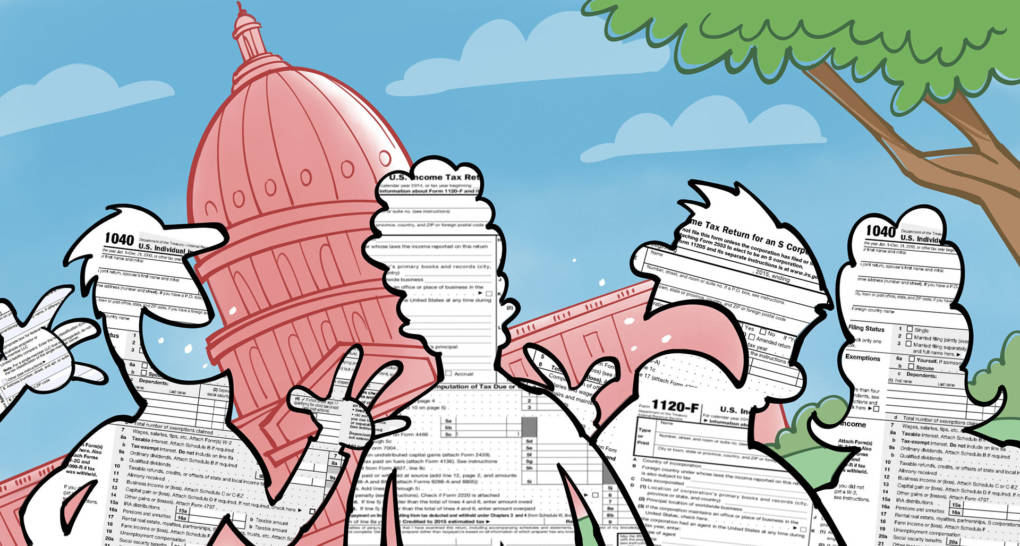
"caption": "Some California Republicans have split from their party over a provision that would eliminate the state and local tax deduction.",
"description": "Some California Republicans have split from their party over a provision that would eliminate the state and local tax deduction.",
"title": "TaxPlanFinal",
"credit": "Mark Fiore/KQED",
"status": "inherit",
"isLoading": false,
"fetchFailed": false
},
"futureofyou_436907": {
"type": "attachments",
"id": "futureofyou_436907",
"meta": {
"index": "attachments_1716263798",
"site": "futureofyou",
"id": "436907",
"found": true
},
"parent": 436409,
"imgSizes": {
"small": {
"file": "https://ww2.kqed.org/app/uploads/sites/13/2017/11/Aisen-Photo-520x347.jpg",
"width": 520,
"mimeType": "image/jpeg",
"height": 347
},
"twentyfourteen-full-width": {
"file": "https://ww2.kqed.org/app/uploads/sites/13/2017/11/Aisen-Photo-1038x576.jpg",
"width": 1038,
"mimeType": "image/jpeg",
"height": 576
},
"thumbnail": {
"file": "https://ww2.kqed.org/app/uploads/sites/13/2017/11/Aisen-Photo-160x107.jpg",
"width": 160,
"mimeType": "image/jpeg",
"height": 107
},
"fd-sm": {
"file": "https://ww2.kqed.org/app/uploads/sites/13/2017/11/Aisen-Photo-960x640.jpg",
"width": 960,
"mimeType": "image/jpeg",
"height": 640
},
"post-thumbnail": {
"file": "https://ww2.kqed.org/app/uploads/sites/13/2017/11/Aisen-Photo-672x372.jpg",
"width": 672,
"mimeType": "image/jpeg",
"height": 372
},
"xsmall": {
"file": "https://ww2.kqed.org/app/uploads/sites/13/2017/11/Aisen-Photo-375x250.jpg",
"width": 375,
"mimeType": "image/jpeg",
"height": 250
},
"kqedFullSize": {
"file": "https://ww2.kqed.org/app/uploads/sites/13/2017/11/Aisen-Photo-e1510179237902.jpg",
"width": 1920,
"height": 1280
},
"large": {
"file": "https://ww2.kqed.org/app/uploads/sites/13/2017/11/Aisen-Photo-1020x680.jpg",
"width": 1020,
"mimeType": "image/jpeg",
"height": 680
},
"xlarge": {
"file": "https://ww2.kqed.org/app/uploads/sites/13/2017/11/Aisen-Photo-1180x787.jpg",
"width": 1180,
"mimeType": "image/jpeg",
"height": 787
},
"guest-author-50": {
"file": "https://ww2.kqed.org/app/uploads/sites/13/2017/11/Aisen-Photo-50x50.jpg",
"width": 50,
"mimeType": "image/jpeg",
"height": 50
},
"guest-author-96": {
"file": "https://ww2.kqed.org/app/uploads/sites/13/2017/11/Aisen-Photo-96x96.jpg",
"width": 96,
"mimeType": "image/jpeg",
"height": 96
},
"medium": {
"file": "https://ww2.kqed.org/app/uploads/sites/13/2017/11/Aisen-Photo-800x533.jpg",
"width": 800,
"mimeType": "image/jpeg",
"height": 533
},
"guest-author-64": {
"file": "https://ww2.kqed.org/app/uploads/sites/13/2017/11/Aisen-Photo-64x64.jpg",
"width": 64,
"mimeType": "image/jpeg",
"height": 64
},
"guest-author-32": {
"file": "https://ww2.kqed.org/app/uploads/sites/13/2017/11/Aisen-Photo-32x32.jpg",
"width": 32,
"mimeType": "image/jpeg",
"height": 32
},
"fd-lrg": {
"file": "https://ww2.kqed.org/app/uploads/sites/13/2017/11/Aisen-Photo-1920x1280.jpg",
"width": 1920,
"mimeType": "image/jpeg",
"height": 1280
},
"fd-med": {
"file": "https://ww2.kqed.org/app/uploads/sites/13/2017/11/Aisen-Photo-1180x787.jpg",
"width": 1180,
"mimeType": "image/jpeg",
"height": 787
},
"full-width": {
"file": "https://ww2.kqed.org/app/uploads/sites/13/2017/11/Aisen-Photo-1920x1280.jpg",
"width": 1920,
"mimeType": "image/jpeg",
"height": 1280
},
"detail": {
"file": "https://ww2.kqed.org/app/uploads/sites/13/2017/11/Aisen-Photo-150x150.jpg",
"width": 150,
"mimeType": "image/jpeg",
"height": 150
},
"medium_large": {
"file": "https://ww2.kqed.org/app/uploads/sites/13/2017/11/Aisen-Photo-768x512.jpg",
"width": 768,
"mimeType": "image/jpeg",
"height": 512
},
"guest-author-128": {
"file": "https://ww2.kqed.org/app/uploads/sites/13/2017/11/Aisen-Photo-128x128.jpg",
"width": 128,
"mimeType": "image/jpeg",
"height": 128
},
"xxsmall": {
"file": "https://ww2.kqed.org/app/uploads/sites/13/2017/11/Aisen-Photo-240x160.jpg",
"width": 240,
"mimeType": "image/jpeg",
"height": 160
}
},
"publishDate": 1510178616,
"modified": 1510187108,
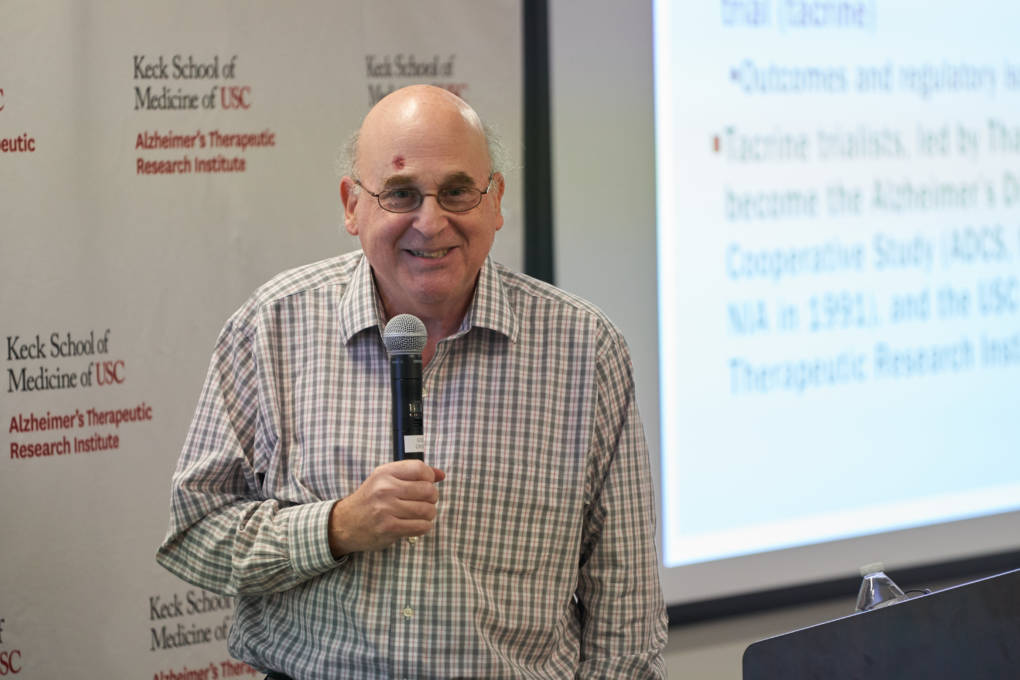
"caption": "Dr. Paul Aisen believes the so-called amyloid hypothesis of Alzheimer's disease is correct, but that the protein must be eradicated much earlier than previous clinical trials have tried.",
"description": null,
"title": "Aisen Photo",
"credit": "Keck School of Medicine of USC/John Riedy",
"status": "inherit",
"isLoading": false,
"fetchFailed": false
},
"news_11629662": {
"type": "attachments",
"id": "news_11629662",
"meta": {
"index": "attachments_1716263798",
"site": "news",
"id": "11629662",
"found": true
},
"parent": 11629621,
"imgSizes": {
"small": {
"file": "https://ww2.kqed.org/app/uploads/sites/10/2017/11/RS27953_GettyImages-479823632-qut-520x347.jpg",
"width": 520,
"mimeType": "image/jpeg",
"height": 347
},
"twentyfourteen-full-width": {
"file": "https://ww2.kqed.org/app/uploads/sites/10/2017/11/RS27953_GettyImages-479823632-qut-1038x576.jpg",
"width": 1038,
"mimeType": "image/jpeg",
"height": 576
},
"thumbnail": {
"file": "https://ww2.kqed.org/app/uploads/sites/10/2017/11/RS27953_GettyImages-479823632-qut-160x107.jpg",
"width": 160,
"mimeType": "image/jpeg",
"height": 107
},
"fd-sm": {
"file": "https://ww2.kqed.org/app/uploads/sites/10/2017/11/RS27953_GettyImages-479823632-qut-960x640.jpg",
"width": 960,
"mimeType": "image/jpeg",
"height": 640
},
"post-thumbnail": {
"file": "https://ww2.kqed.org/app/uploads/sites/10/2017/11/RS27953_GettyImages-479823632-qut-672x372.jpg",
"width": 672,
"mimeType": "image/jpeg",
"height": 372
},
"xsmall": {
"file": "https://ww2.kqed.org/app/uploads/sites/10/2017/11/RS27953_GettyImages-479823632-qut-375x250.jpg",
"width": 375,
"mimeType": "image/jpeg",
"height": 250
},
"kqedFullSize": {
"file": "https://ww2.kqed.org/app/uploads/sites/10/2017/11/RS27953_GettyImages-479823632-qut.jpg",
"width": 1920,
"height": 1280
},
"large": {
"file": "https://ww2.kqed.org/app/uploads/sites/10/2017/11/RS27953_GettyImages-479823632-qut-1020x680.jpg",
"width": 1020,
"mimeType": "image/jpeg",
"height": 680
},
"xlarge": {
"file": "https://ww2.kqed.org/app/uploads/sites/10/2017/11/RS27953_GettyImages-479823632-qut-1180x787.jpg",
"width": 1180,
"mimeType": "image/jpeg",
"height": 787
},
"guest-author-50": {
"file": "https://ww2.kqed.org/app/uploads/sites/10/2017/11/RS27953_GettyImages-479823632-qut-50x50.jpg",
"width": 50,
"mimeType": "image/jpeg",
"height": 50
},
"guest-author-96": {
"file": "https://ww2.kqed.org/app/uploads/sites/10/2017/11/RS27953_GettyImages-479823632-qut-96x96.jpg",
"width": 96,
"mimeType": "image/jpeg",
"height": 96
},
"medium": {
"file": "https://ww2.kqed.org/app/uploads/sites/10/2017/11/RS27953_GettyImages-479823632-qut-800x533.jpg",
"width": 800,
"mimeType": "image/jpeg",
"height": 533
},
"guest-author-64": {
"file": "https://ww2.kqed.org/app/uploads/sites/10/2017/11/RS27953_GettyImages-479823632-qut-64x64.jpg",
"width": 64,
"mimeType": "image/jpeg",
"height": 64
},
"guest-author-32": {
"file": "https://ww2.kqed.org/app/uploads/sites/10/2017/11/RS27953_GettyImages-479823632-qut-32x32.jpg",
"width": 32,
"mimeType": "image/jpeg",
"height": 32
},
"fd-lrg": {
"file": "https://ww2.kqed.org/app/uploads/sites/10/2017/11/RS27953_GettyImages-479823632-qut-1920x1280.jpg",
"width": 1920,
"mimeType": "image/jpeg",
"height": 1280
},
"fd-med": {
"file": "https://ww2.kqed.org/app/uploads/sites/10/2017/11/RS27953_GettyImages-479823632-qut-1180x787.jpg",
"width": 1180,
"mimeType": "image/jpeg",
"height": 787
},
"full-width": {
"file": "https://ww2.kqed.org/app/uploads/sites/10/2017/11/RS27953_GettyImages-479823632-qut-1920x1280.jpg",
"width": 1920,
"mimeType": "image/jpeg",
"height": 1280
},
"detail": {
"file": "https://ww2.kqed.org/app/uploads/sites/10/2017/11/RS27953_GettyImages-479823632-qut-150x150.jpg",
"width": 150,
"mimeType": "image/jpeg",
"height": 150
},
"guest-author-128": {
"file": "https://ww2.kqed.org/app/uploads/sites/10/2017/11/RS27953_GettyImages-479823632-qut-128x128.jpg",
"width": 128,
"mimeType": "image/jpeg",
"height": 128
},
"xxsmall": {
"file": "https://ww2.kqed.org/app/uploads/sites/10/2017/11/RS27953_GettyImages-479823632-qut-240x160.jpg",
"width": 240,
"mimeType": "image/jpeg",
"height": 160
}
},
"publishDate": 1510267227,
"modified": 1510270822,
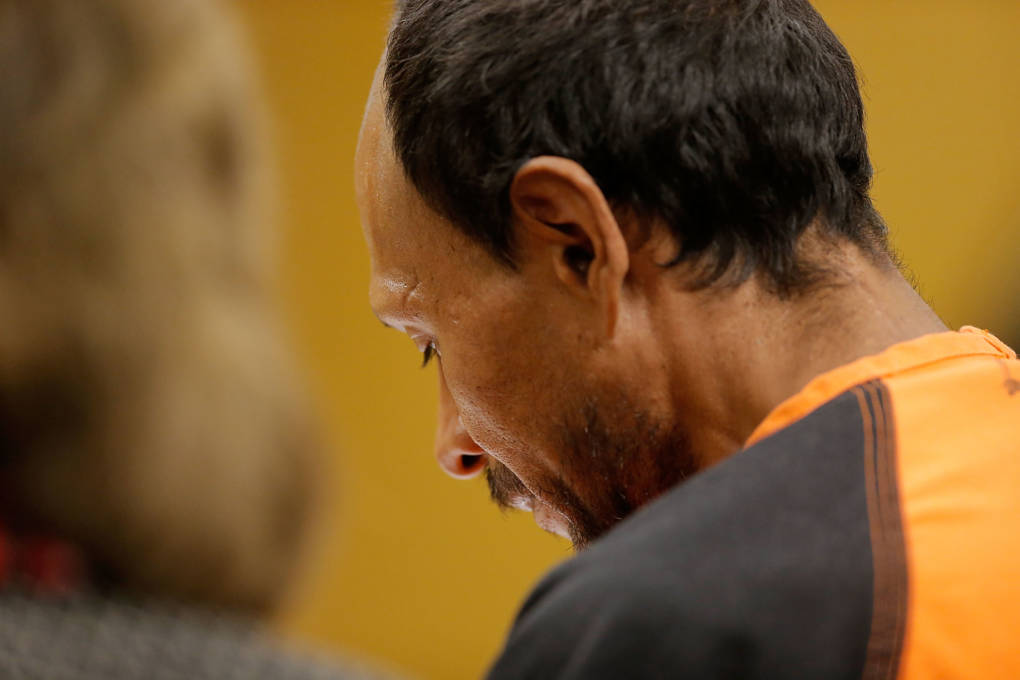
"caption": "Jose Ines Garcia Zarate, also known as Juan Francisco Lopez Sanchez, at an arraignment hearing on July 7, 2015, in San Francisco.",
"description": "Jose Ines Garcia Zarate, also known as Juan Francisco Lopez Sanchez, at an arraignment hearing on July 7, 2015 in San Francisco.",
"title": "Arraignment Held For Francisco Sanchez, Charged With The Shooting Death Of Kathryn Steinle On Pier 14",
"credit": "Michael Macor-Pool/Getty Images",
"status": "inherit",
"isLoading": false,
"fetchFailed": false
},
"news_11629651": {
"type": "attachments",
"id": "news_11629651",
"meta": {
"index": "attachments_1716263798",
"site": "news",
"id": "11629651",
"found": true
},
"parent": 11628908,
"imgSizes": {
"small": {
"file": "https://ww2.kqed.org/app/uploads/sites/10/2017/11/DeLeon-520x342.jpg",
"width": 520,
"mimeType": "image/jpeg",
"height": 342
},
"twentyfourteen-full-width": {
"file": "https://ww2.kqed.org/app/uploads/sites/10/2017/11/DeLeon-1038x576.jpg",
"width": 1038,
"mimeType": "image/jpeg",
"height": 576
},
"thumbnail": {
"file": "https://ww2.kqed.org/app/uploads/sites/10/2017/11/DeLeon-160x105.jpg",
"width": 160,
"mimeType": "image/jpeg",
"height": 105
},
"fd-sm": {
"file": "https://ww2.kqed.org/app/uploads/sites/10/2017/11/DeLeon-960x631.jpg",
"width": 960,
"mimeType": "image/jpeg",
"height": 631
},
"post-thumbnail": {
"file": "https://ww2.kqed.org/app/uploads/sites/10/2017/11/DeLeon-672x372.jpg",
"width": 672,
"mimeType": "image/jpeg",
"height": 372
},
"xsmall": {
"file": "https://ww2.kqed.org/app/uploads/sites/10/2017/11/DeLeon-375x246.jpg",
"width": 375,
"mimeType": "image/jpeg",
"height": 246
},
"kqedFullSize": {
"file": "https://ww2.kqed.org/app/uploads/sites/10/2017/11/DeLeon.jpg",
"width": 1920,
"height": 1262
},
"large": {
"file": "https://ww2.kqed.org/app/uploads/sites/10/2017/11/DeLeon-1020x670.jpg",
"width": 1020,
"mimeType": "image/jpeg",
"height": 670
},
"xlarge": {
"file": "https://ww2.kqed.org/app/uploads/sites/10/2017/11/DeLeon-1180x776.jpg",
"width": 1180,
"mimeType": "image/jpeg",
"height": 776
},
"guest-author-50": {
"file": "https://ww2.kqed.org/app/uploads/sites/10/2017/11/DeLeon-50x50.jpg",
"width": 50,
"mimeType": "image/jpeg",
"height": 50
},
"guest-author-96": {
"file": "https://ww2.kqed.org/app/uploads/sites/10/2017/11/DeLeon-96x96.jpg",
"width": 96,
"mimeType": "image/jpeg",
"height": 96
},
"medium": {
"file": "https://ww2.kqed.org/app/uploads/sites/10/2017/11/DeLeon-800x526.jpg",
"width": 800,
"mimeType": "image/jpeg",
"height": 526
},
"guest-author-64": {
"file": "https://ww2.kqed.org/app/uploads/sites/10/2017/11/DeLeon-64x64.jpg",
"width": 64,
"mimeType": "image/jpeg",
"height": 64
},
"guest-author-32": {
"file": "https://ww2.kqed.org/app/uploads/sites/10/2017/11/DeLeon-32x32.jpg",
"width": 32,
"mimeType": "image/jpeg",
"height": 32
},
"fd-lrg": {
"file": "https://ww2.kqed.org/app/uploads/sites/10/2017/11/DeLeon-1920x1262.jpg",
"width": 1920,
"mimeType": "image/jpeg",
"height": 1262
},
"fd-med": {
"file": "https://ww2.kqed.org/app/uploads/sites/10/2017/11/DeLeon-1180x776.jpg",
"width": 1180,
"mimeType": "image/jpeg",
"height": 776
},
"full-width": {
"file": "https://ww2.kqed.org/app/uploads/sites/10/2017/11/DeLeon-1920x1262.jpg",
"width": 1920,
"mimeType": "image/jpeg",
"height": 1262
},
"detail": {
"file": "https://ww2.kqed.org/app/uploads/sites/10/2017/11/DeLeon-150x150.jpg",
"width": 150,
"mimeType": "image/jpeg",
"height": 150
},
"guest-author-128": {
"file": "https://ww2.kqed.org/app/uploads/sites/10/2017/11/DeLeon-128x128.jpg",
"width": 128,
"mimeType": "image/jpeg",
"height": 128
},
"xxsmall": {
"file": "https://ww2.kqed.org/app/uploads/sites/10/2017/11/DeLeon-240x158.jpg",
"width": 240,
"mimeType": "image/jpeg",
"height": 158
}
},
"publishDate": 1510266252,
"modified": 1510266464,
"caption": "California State Sen. Kevin De León addresses the first day of the Democratic National Convention on July 25, 2016.",
"description": "California State Sen. Kevin De León addresses the first day of the Democratic National Convention on July 25, 2016.",
"title": "DeLeon",
"credit": "Jessica Kourkounis/Getty Images",
"status": "inherit",
"isLoading": false,
"fetchFailed": false
},
"news_11629612": {
"type": "attachments",
"id": "news_11629612",
"meta": {
"index": "attachments_1716263798",
"site": "news",
"id": "11629612",
"found": true
},
"parent": 11629608,
"imgSizes": {
"small": {
"file": "https://ww2.kqed.org/app/uploads/sites/10/2017/11/OHatch-520x328.jpg",
"width": 520,
"mimeType": "image/jpeg",
"height": 328
},
"twentyfourteen-full-width": {
"file": "https://ww2.kqed.org/app/uploads/sites/10/2017/11/OHatch-1038x576.jpg",
"width": 1038,
"mimeType": "image/jpeg",
"height": 576
},
"thumbnail": {
"file": "https://ww2.kqed.org/app/uploads/sites/10/2017/11/OHatch-160x101.jpg",
"width": 160,
"mimeType": "image/jpeg",
"height": 101
},
"fd-sm": {
"file": "https://ww2.kqed.org/app/uploads/sites/10/2017/11/OHatch-960x605.jpg",
"width": 960,
"mimeType": "image/jpeg",
"height": 605
},
"post-thumbnail": {
"file": "https://ww2.kqed.org/app/uploads/sites/10/2017/11/OHatch-672x372.jpg",
"width": 672,
"mimeType": "image/jpeg",
"height": 372
},
"xsmall": {
"file": "https://ww2.kqed.org/app/uploads/sites/10/2017/11/OHatch-375x236.jpg",
"width": 375,
"mimeType": "image/jpeg",
"height": 236
},
"kqedFullSize": {
"file": "https://ww2.kqed.org/app/uploads/sites/10/2017/11/OHatch.jpg",
"width": 1920,
"height": 1210
},
"large": {
"file": "https://ww2.kqed.org/app/uploads/sites/10/2017/11/OHatch-1020x643.jpg",
"width": 1020,
"mimeType": "image/jpeg",
"height": 643
},
"xlarge": {
"file": "https://ww2.kqed.org/app/uploads/sites/10/2017/11/OHatch-1180x744.jpg",
"width": 1180,
"mimeType": "image/jpeg",
"height": 744
},
"guest-author-50": {
"file": "https://ww2.kqed.org/app/uploads/sites/10/2017/11/OHatch-50x50.jpg",
"width": 50,
"mimeType": "image/jpeg",
"height": 50
},
"guest-author-96": {
"file": "https://ww2.kqed.org/app/uploads/sites/10/2017/11/OHatch-96x96.jpg",
"width": 96,
"mimeType": "image/jpeg",
"height": 96
},
"medium": {
"file": "https://ww2.kqed.org/app/uploads/sites/10/2017/11/OHatch-800x504.jpg",
"width": 800,
"mimeType": "image/jpeg",
"height": 504
},
"guest-author-64": {
"file": "https://ww2.kqed.org/app/uploads/sites/10/2017/11/OHatch-64x64.jpg",
"width": 64,
"mimeType": "image/jpeg",
"height": 64
},
"guest-author-32": {
"file": "https://ww2.kqed.org/app/uploads/sites/10/2017/11/OHatch-32x32.jpg",
"width": 32,
"mimeType": "image/jpeg",
"height": 32
},
"fd-lrg": {
"file": "https://ww2.kqed.org/app/uploads/sites/10/2017/11/OHatch-1920x1210.jpg",
"width": 1920,
"mimeType": "image/jpeg",
"height": 1210
},
"fd-med": {
"file": "https://ww2.kqed.org/app/uploads/sites/10/2017/11/OHatch-1180x744.jpg",
"width": 1180,
"mimeType": "image/jpeg",
"height": 744
},
"full-width": {
"file": "https://ww2.kqed.org/app/uploads/sites/10/2017/11/OHatch-1920x1210.jpg",
"width": 1920,
"mimeType": "image/jpeg",
"height": 1210
},
"detail": {
"file": "https://ww2.kqed.org/app/uploads/sites/10/2017/11/OHatch-150x150.jpg",
"width": 150,
"mimeType": "image/jpeg",
"height": 150
},
"guest-author-128": {
"file": "https://ww2.kqed.org/app/uploads/sites/10/2017/11/OHatch-128x128.jpg",
"width": 128,
"mimeType": "image/jpeg",
"height": 128
},
"xxsmall": {
"file": "https://ww2.kqed.org/app/uploads/sites/10/2017/11/OHatch-240x151.jpg",
"width": 240,
"mimeType": "image/jpeg",
"height": 151
}
},
"publishDate": 1510261587,
"modified": 1510261627,
"caption": "Senate Finance Committee Chairman Orrin Hatch, R-Utah, talks with reporters at the Capitol.",
"description": "Senate Finance Committee Chairman Orrin Hatch, R-Utah, talks with reporters at the Capitol.",
"title": "OHatch",
"credit": "Chip Somodevilla/Getty Images",
"status": "inherit",
"isLoading": false,
"fetchFailed": false
},
"news_11629580": {
"type": "attachments",
"id": "news_11629580",
"meta": {
"index": "attachments_1716263798",
"site": "news",
"id": "11629580",
"found": true
},
"parent": 11629563,
"imgSizes": {
"small": {
"file": "https://ww2.kqed.org/app/uploads/sites/10/2017/11/atat-520x293.jpg",
"width": 520,
"mimeType": "image/jpeg",
"height": 293
},
"twentyfourteen-full-width": {
"file": "https://ww2.kqed.org/app/uploads/sites/10/2017/11/atat-1038x576.jpg",
"width": 1038,
"mimeType": "image/jpeg",
"height": 576
},
"thumbnail": {
"file": "https://ww2.kqed.org/app/uploads/sites/10/2017/11/atat-160x90.jpg",
"width": 160,
"mimeType": "image/jpeg",
"height": 90
},
"fd-sm": {
"file": "https://ww2.kqed.org/app/uploads/sites/10/2017/11/atat-960x540.jpg",
"width": 960,
"mimeType": "image/jpeg",
"height": 540
},
"post-thumbnail": {
"file": "https://ww2.kqed.org/app/uploads/sites/10/2017/11/atat-672x372.jpg",
"width": 672,
"mimeType": "image/jpeg",
"height": 372
},
"xsmall": {
"file": "https://ww2.kqed.org/app/uploads/sites/10/2017/11/atat-375x211.jpg",
"width": 375,
"mimeType": "image/jpeg",
"height": 211
},
"kqedFullSize": {
"file": "https://ww2.kqed.org/app/uploads/sites/10/2017/11/atat.jpg",
"width": 1920,
"height": 1080
},
"large": {
"file": "https://ww2.kqed.org/app/uploads/sites/10/2017/11/atat-1020x574.jpg",
"width": 1020,
"mimeType": "image/jpeg",
"height": 574
},
"xlarge": {
"file": "https://ww2.kqed.org/app/uploads/sites/10/2017/11/atat-1180x664.jpg",
"width": 1180,
"mimeType": "image/jpeg",
"height": 664
},
"guest-author-50": {
"file": "https://ww2.kqed.org/app/uploads/sites/10/2017/11/atat-50x50.jpg",
"width": 50,
"mimeType": "image/jpeg",
"height": 50
},
"guest-author-96": {
"file": "https://ww2.kqed.org/app/uploads/sites/10/2017/11/atat-96x96.jpg",
"width": 96,
"mimeType": "image/jpeg",
"height": 96
},
"medium": {
"file": "https://ww2.kqed.org/app/uploads/sites/10/2017/11/atat-800x450.jpg",
"width": 800,
"mimeType": "image/jpeg",
"height": 450
},
"guest-author-64": {
"file": "https://ww2.kqed.org/app/uploads/sites/10/2017/11/atat-64x64.jpg",
"width": 64,
"mimeType": "image/jpeg",
"height": 64
},
"guest-author-32": {
"file": "https://ww2.kqed.org/app/uploads/sites/10/2017/11/atat-32x32.jpg",
"width": 32,
"mimeType": "image/jpeg",
"height": 32
},
"fd-lrg": {
"file": "https://ww2.kqed.org/app/uploads/sites/10/2017/11/atat-1920x1080.jpg",
"width": 1920,
"mimeType": "image/jpeg",
"height": 1080
},
"fd-med": {
"file": "https://ww2.kqed.org/app/uploads/sites/10/2017/11/atat-1180x664.jpg",
"width": 1180,
"mimeType": "image/jpeg",
"height": 664
},
"full-width": {
"file": "https://ww2.kqed.org/app/uploads/sites/10/2017/11/atat-1920x1080.jpg",
"width": 1920,
"mimeType": "image/jpeg",
"height": 1080
},
"detail": {
"file": "https://ww2.kqed.org/app/uploads/sites/10/2017/11/atat-150x150.jpg",
"width": 150,
"mimeType": "image/jpeg",
"height": 150
},
"guest-author-128": {
"file": "https://ww2.kqed.org/app/uploads/sites/10/2017/11/atat-128x128.jpg",
"width": 128,
"mimeType": "image/jpeg",
"height": 128
},
"xxsmall": {
"file": "https://ww2.kqed.org/app/uploads/sites/10/2017/11/atat-240x135.jpg",
"width": 240,
"mimeType": "image/jpeg",
"height": 135
}
},
"publishDate": 1510258451,
"modified": 1510258637,
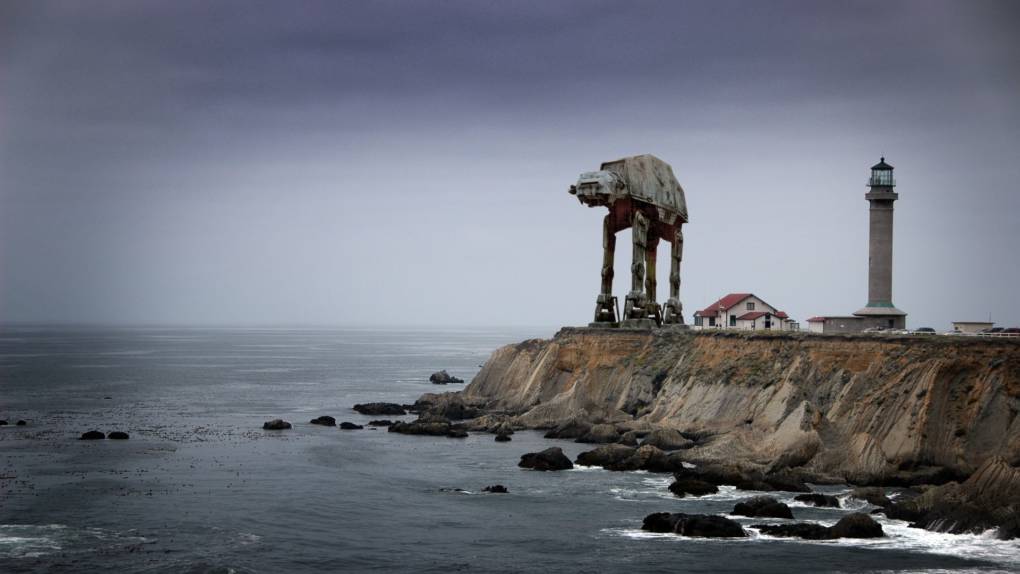
"caption": "A photoshopped image of an AT-AT created by a desktop wallpaper website. ",
"description": "A photoshopped image of an AT-AT created by a desktop wallpaper website. ",
"title": "atat",
"credit": "\u003ca href=\"https://wallpaperstock.net/at-at_wallpapers_30840_1920x1080_1.html\" target=\"_blank\">wallpaperstock.net\u003c/a>",
"status": "inherit",
"isLoading": false,
"fetchFailed": false
},
"news_11622912": {
"type": "attachments",
"id": "news_11622912",
"meta": {
"index": "attachments_1716263798",
"site": "news",
"id": "11622912",
"found": true
},
"parent": 11622830,
"imgSizes": {
"small": {
"file": "https://ww2.kqed.org/app/uploads/sites/10/2017/10/CEOWithSchoolImage-520x390.jpg",
"width": 520,
"mimeType": "image/jpeg",
"height": 390
},
"twentyfourteen-full-width": {
"file": "https://ww2.kqed.org/app/uploads/sites/10/2017/10/CEOWithSchoolImage-1038x576.jpg",
"width": 1038,
"mimeType": "image/jpeg",
"height": 576
},
"thumbnail": {
"file": "https://ww2.kqed.org/app/uploads/sites/10/2017/10/CEOWithSchoolImage-160x120.jpg",
"width": 160,
"mimeType": "image/jpeg",
"height": 120
},
"fd-sm": {
"file": "https://ww2.kqed.org/app/uploads/sites/10/2017/10/CEOWithSchoolImage-960x720.jpg",
"width": 960,
"mimeType": "image/jpeg",
"height": 720
},
"post-thumbnail": {
"file": "https://ww2.kqed.org/app/uploads/sites/10/2017/10/CEOWithSchoolImage-672x372.jpg",
"width": 672,
"mimeType": "image/jpeg",
"height": 372
},
"xsmall": {
"file": "https://ww2.kqed.org/app/uploads/sites/10/2017/10/CEOWithSchoolImage-375x281.jpg",
"width": 375,
"mimeType": "image/jpeg",
"height": 281
},
"kqedFullSize": {
"file": "https://ww2.kqed.org/app/uploads/sites/10/2017/10/CEOWithSchoolImage.jpg",
"width": 1920,
"height": 1440
},
"large": {
"file": "https://ww2.kqed.org/app/uploads/sites/10/2017/10/CEOWithSchoolImage-1020x765.jpg",
"width": 1020,
"mimeType": "image/jpeg",
"height": 765
},
"xlarge": {
"file": "https://ww2.kqed.org/app/uploads/sites/10/2017/10/CEOWithSchoolImage-1180x885.jpg",
"width": 1180,
"mimeType": "image/jpeg",
"height": 885
},
"guest-author-50": {
"file": "https://ww2.kqed.org/app/uploads/sites/10/2017/10/CEOWithSchoolImage-50x50.jpg",
"width": 50,
"mimeType": "image/jpeg",
"height": 50
},
"guest-author-96": {
"file": "https://ww2.kqed.org/app/uploads/sites/10/2017/10/CEOWithSchoolImage-96x96.jpg",
"width": 96,
"mimeType": "image/jpeg",
"height": 96
},
"medium": {
"file": "https://ww2.kqed.org/app/uploads/sites/10/2017/10/CEOWithSchoolImage-800x600.jpg",
"width": 800,
"mimeType": "image/jpeg",
"height": 600
},
"guest-author-64": {
"file": "https://ww2.kqed.org/app/uploads/sites/10/2017/10/CEOWithSchoolImage-64x64.jpg",
"width": 64,
"mimeType": "image/jpeg",
"height": 64
},
"guest-author-32": {
"file": "https://ww2.kqed.org/app/uploads/sites/10/2017/10/CEOWithSchoolImage-32x32.jpg",
"width": 32,
"mimeType": "image/jpeg",
"height": 32
},
"fd-lrg": {
"file": "https://ww2.kqed.org/app/uploads/sites/10/2017/10/CEOWithSchoolImage-1920x1440.jpg",
"width": 1920,
"mimeType": "image/jpeg",
"height": 1440
},
"fd-med": {
"file": "https://ww2.kqed.org/app/uploads/sites/10/2017/10/CEOWithSchoolImage-1180x885.jpg",
"width": 1180,
"mimeType": "image/jpeg",
"height": 885
},
"full-width": {
"file": "https://ww2.kqed.org/app/uploads/sites/10/2017/10/CEOWithSchoolImage-1920x1440.jpg",
"width": 1920,
"mimeType": "image/jpeg",
"height": 1440
},
"detail": {
"file": "https://ww2.kqed.org/app/uploads/sites/10/2017/10/CEOWithSchoolImage-150x150.jpg",
"width": 150,
"mimeType": "image/jpeg",
"height": 150
},
"guest-author-128": {
"file": "https://ww2.kqed.org/app/uploads/sites/10/2017/10/CEOWithSchoolImage-128x128.jpg",
"width": 128,
"mimeType": "image/jpeg",
"height": 128
},
"xxsmall": {
"file": "https://ww2.kqed.org/app/uploads/sites/10/2017/10/CEOWithSchoolImage-240x180.jpg",
"width": 240,
"mimeType": "image/jpeg",
"height": 180
}
},
"publishDate": 1507838411,
"modified": 1510266880,
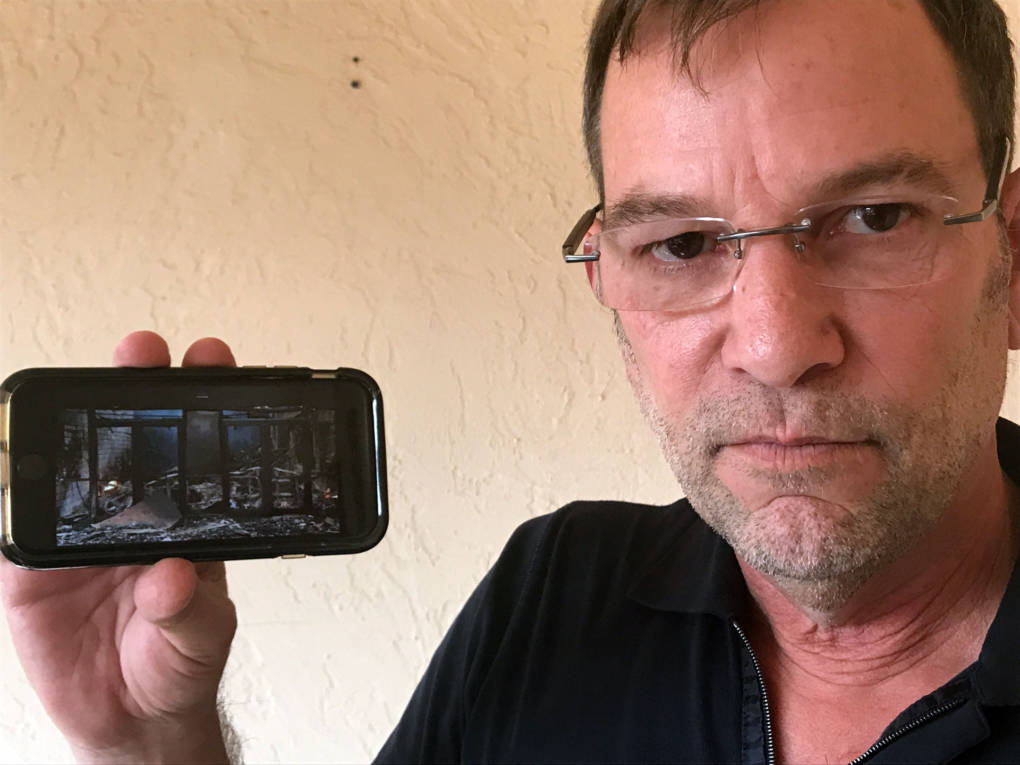
"caption": "Andrew Bailey, CEO of Anova, holds a cellphone with a photo of the school, destroyed by the Tubbs Fire.",
"description": "Andrew Bailey, CEO of Anova, holds a cellphone with a photo of the school, destroyed by the Tubbs Fire.",
"title": "CEOWithSchoolImage",
"credit": "Devin Katayama/KQED ",
"status": "inherit",
"isLoading": false,
"fetchFailed": false
},
"news_11629438": {
"type": "attachments",
"id": "news_11629438",
"meta": {
"index": "attachments_1716263798",
"site": "news",
"id": "11629438",
"found": true
},
"parent": 11629112,
"imgSizes": {
"small": {
"file": "https://ww2.kqed.org/app/uploads/sites/10/2017/11/RS27936_Rainbow-Tunnel-qut-520x390.jpg",
"width": 520,
"mimeType": "image/jpeg",
"height": 390
},
"twentyfourteen-full-width": {
"file": "https://ww2.kqed.org/app/uploads/sites/10/2017/11/RS27936_Rainbow-Tunnel-qut-1038x576.jpg",
"width": 1038,
"mimeType": "image/jpeg",
"height": 576
},
"thumbnail": {
"file": "https://ww2.kqed.org/app/uploads/sites/10/2017/11/RS27936_Rainbow-Tunnel-qut-160x120.jpg",
"width": 160,
"mimeType": "image/jpeg",
"height": 120
},
"fd-sm": {
"file": "https://ww2.kqed.org/app/uploads/sites/10/2017/11/RS27936_Rainbow-Tunnel-qut-960x720.jpg",
"width": 960,
"mimeType": "image/jpeg",
"height": 720
},
"post-thumbnail": {
"file": "https://ww2.kqed.org/app/uploads/sites/10/2017/11/RS27936_Rainbow-Tunnel-qut-672x372.jpg",
"width": 672,
"mimeType": "image/jpeg",
"height": 372
},
"xsmall": {
"file": "https://ww2.kqed.org/app/uploads/sites/10/2017/11/RS27936_Rainbow-Tunnel-qut-375x281.jpg",
"width": 375,
"mimeType": "image/jpeg",
"height": 281
},
"kqedFullSize": {
"file": "https://ww2.kqed.org/app/uploads/sites/10/2017/11/RS27936_Rainbow-Tunnel-qut.jpg",
"width": 1920,
"height": 1440
},
"large": {
"file": "https://ww2.kqed.org/app/uploads/sites/10/2017/11/RS27936_Rainbow-Tunnel-qut-1020x765.jpg",
"width": 1020,
"mimeType": "image/jpeg",
"height": 765
},
"xlarge": {
"file": "https://ww2.kqed.org/app/uploads/sites/10/2017/11/RS27936_Rainbow-Tunnel-qut-1180x885.jpg",
"width": 1180,
"mimeType": "image/jpeg",
"height": 885
},
"guest-author-50": {
"file": "https://ww2.kqed.org/app/uploads/sites/10/2017/11/RS27936_Rainbow-Tunnel-qut-50x50.jpg",
"width": 50,
"mimeType": "image/jpeg",
"height": 50
},
"guest-author-96": {
"file": "https://ww2.kqed.org/app/uploads/sites/10/2017/11/RS27936_Rainbow-Tunnel-qut-96x96.jpg",
"width": 96,
"mimeType": "image/jpeg",
"height": 96
},
"medium": {
"file": "https://ww2.kqed.org/app/uploads/sites/10/2017/11/RS27936_Rainbow-Tunnel-qut-800x600.jpg",
"width": 800,
"mimeType": "image/jpeg",
"height": 600
},
"guest-author-64": {
"file": "https://ww2.kqed.org/app/uploads/sites/10/2017/11/RS27936_Rainbow-Tunnel-qut-64x64.jpg",
"width": 64,
"mimeType": "image/jpeg",
"height": 64
},
"guest-author-32": {
"file": "https://ww2.kqed.org/app/uploads/sites/10/2017/11/RS27936_Rainbow-Tunnel-qut-32x32.jpg",
"width": 32,
"mimeType": "image/jpeg",
"height": 32
},
"fd-lrg": {
"file": "https://ww2.kqed.org/app/uploads/sites/10/2017/11/RS27936_Rainbow-Tunnel-qut-1920x1440.jpg",
"width": 1920,
"mimeType": "image/jpeg",
"height": 1440
},
"fd-med": {
"file": "https://ww2.kqed.org/app/uploads/sites/10/2017/11/RS27936_Rainbow-Tunnel-qut-1180x885.jpg",
"width": 1180,
"mimeType": "image/jpeg",
"height": 885
},
"full-width": {
"file": "https://ww2.kqed.org/app/uploads/sites/10/2017/11/RS27936_Rainbow-Tunnel-qut-1920x1440.jpg",
"width": 1920,
"mimeType": "image/jpeg",
"height": 1440
},
"detail": {
"file": "https://ww2.kqed.org/app/uploads/sites/10/2017/11/RS27936_Rainbow-Tunnel-qut-150x150.jpg",
"width": 150,
"mimeType": "image/jpeg",
"height": 150
},
"guest-author-128": {
"file": "https://ww2.kqed.org/app/uploads/sites/10/2017/11/RS27936_Rainbow-Tunnel-qut-128x128.jpg",
"width": 128,
"mimeType": "image/jpeg",
"height": 128
},
"xxsmall": {
"file": "https://ww2.kqed.org/app/uploads/sites/10/2017/11/RS27936_Rainbow-Tunnel-qut-240x180.jpg",
"width": 240,
"mimeType": "image/jpeg",
"height": 180
}
},
"publishDate": 1510201953,
"modified": 1510202011,
"caption": "The rainbow paint on the tunnel between Marin and San Francisco on Highway 101 was the brainchild of Caltrans public affairs officer Robert Halligan Sr.",
"description": null,
"title": "RS27936_Rainbow Tunnel-qut",
"credit": "Courtesy of California Department of Transportation",
"status": "inherit",
"isLoading": false,
"fetchFailed": false
},
"futureofyou_436943": {
"type": "attachments",
"id": "futureofyou_436943",
"meta": {
"index": "attachments_1716263798",
"site": "futureofyou",
"id": "436943",
"found": true
},
"parent": 436928,
"imgSizes": {
"small": {
"file": "https://ww2.kqed.org/app/uploads/sites/13/2017/11/49ers-520x346.jpg",
"width": 520,
"mimeType": "image/jpeg",
"height": 346
},
"twentyfourteen-full-width": {
"file": "https://ww2.kqed.org/app/uploads/sites/13/2017/11/49ers-1038x576.jpg",
"width": 1038,
"mimeType": "image/jpeg",
"height": 576
},
"thumbnail": {
"file": "https://ww2.kqed.org/app/uploads/sites/13/2017/11/49ers-160x107.jpg",
"width": 160,
"mimeType": "image/jpeg",
"height": 107
},
"fd-sm": {
"file": "https://ww2.kqed.org/app/uploads/sites/13/2017/11/49ers-960x640.jpg",
"width": 960,
"mimeType": "image/jpeg",
"height": 640
},
"post-thumbnail": {
"file": "https://ww2.kqed.org/app/uploads/sites/13/2017/11/49ers-672x372.jpg",
"width": 672,
"mimeType": "image/jpeg",
"height": 372
},
"xsmall": {
"file": "https://ww2.kqed.org/app/uploads/sites/13/2017/11/49ers-375x250.jpg",
"width": 375,
"mimeType": "image/jpeg",
"height": 250
},
"kqedFullSize": {
"file": "https://ww2.kqed.org/app/uploads/sites/13/2017/11/49ers.jpg",
"width": 2160,
"height": 1439
},
"large": {
"file": "https://ww2.kqed.org/app/uploads/sites/13/2017/11/49ers-1020x680.jpg",
"width": 1020,
"mimeType": "image/jpeg",
"height": 680
},
"xlarge": {
"file": "https://ww2.kqed.org/app/uploads/sites/13/2017/11/49ers-1180x786.jpg",
"width": 1180,
"mimeType": "image/jpeg",
"height": 786
},
"guest-author-50": {
"file": "https://ww2.kqed.org/app/uploads/sites/13/2017/11/49ers-50x50.jpg",
"width": 50,
"mimeType": "image/jpeg",
"height": 50
},
"guest-author-96": {
"file": "https://ww2.kqed.org/app/uploads/sites/13/2017/11/49ers-96x96.jpg",
"width": 96,
"mimeType": "image/jpeg",
"height": 96
},
"medium": {
"file": "https://ww2.kqed.org/app/uploads/sites/13/2017/11/49ers-800x533.jpg",
"width": 800,
"mimeType": "image/jpeg",
"height": 533
},
"guest-author-64": {
"file": "https://ww2.kqed.org/app/uploads/sites/13/2017/11/49ers-64x64.jpg",
"width": 64,
"mimeType": "image/jpeg",
"height": 64
},
"guest-author-32": {
"file": "https://ww2.kqed.org/app/uploads/sites/13/2017/11/49ers-32x32.jpg",
"width": 32,
"mimeType": "image/jpeg",
"height": 32
},
"fd-lrg": {
"file": "https://ww2.kqed.org/app/uploads/sites/13/2017/11/49ers-1920x1279.jpg",
"width": 1920,
"mimeType": "image/jpeg",
"height": 1279
},
"fd-med": {
"file": "https://ww2.kqed.org/app/uploads/sites/13/2017/11/49ers-1180x786.jpg",
"width": 1180,
"mimeType": "image/jpeg",
"height": 786
},
"full-width": {
"file": "https://ww2.kqed.org/app/uploads/sites/13/2017/11/49ers-1920x1279.jpg",
"width": 1920,
"mimeType": "image/jpeg",
"height": 1279
},
"detail": {
"file": "https://ww2.kqed.org/app/uploads/sites/13/2017/11/49ers-150x150.jpg",
"width": 150,
"mimeType": "image/jpeg",
"height": 150
},
"medium_large": {
"file": "https://ww2.kqed.org/app/uploads/sites/13/2017/11/49ers-768x512.jpg",
"width": 768,
"mimeType": "image/jpeg",
"height": 512
},
"guest-author-128": {
"file": "https://ww2.kqed.org/app/uploads/sites/13/2017/11/49ers-128x128.jpg",
"width": 128,
"mimeType": "image/jpeg",
"height": 128
},
"xxsmall": {
"file": "https://ww2.kqed.org/app/uploads/sites/13/2017/11/49ers-240x160.jpg",
"width": 240,
"mimeType": "image/jpeg",
"height": 160
}
},
"publishDate": 1510252312,
"modified": 1510254019,
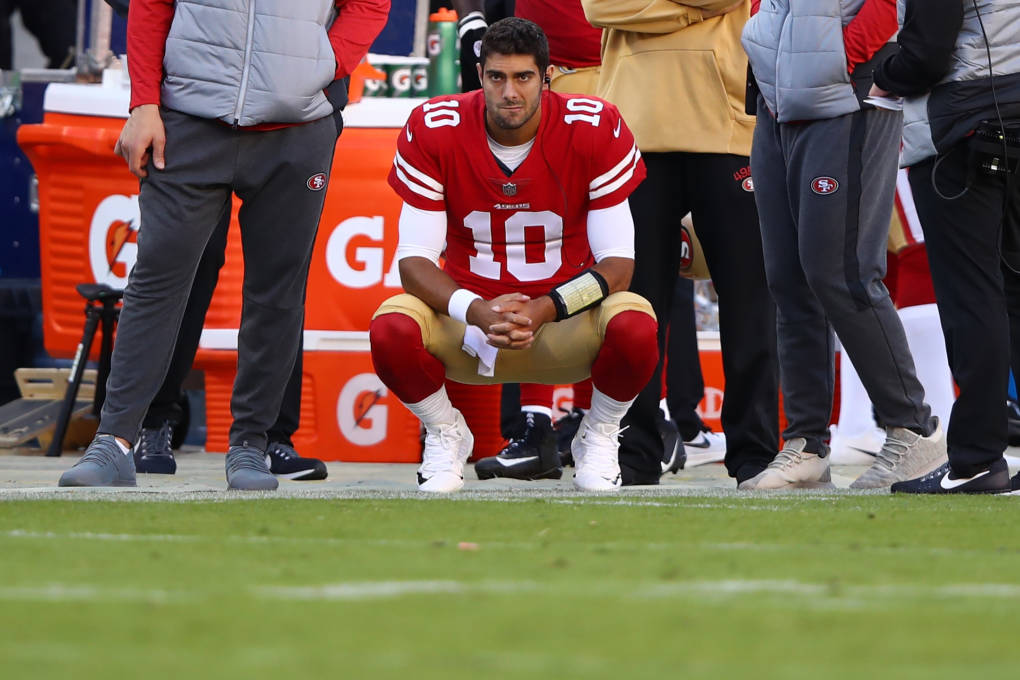
"caption": "Jimmy Garoppolo of the 49ers during a game against the Arizona Cardinals at Levi's Stadium on Nov. 5, 2017. The 49ers are 0-9, but at least you can get a free DNA kit in the stands. Should you, though?",
"description": null,
"title": "Arizona Cardinals vs San Francisco 49ers",
"credit": "Ezra Shaw/Getty Images",
"status": "inherit",
"isLoading": false,
"fetchFailed": false
},
"news_11629479": {
"type": "attachments",
"id": "news_11629479",
"meta": {
"index": "attachments_1716263798",
"site": "news",
"id": "11629479",
"found": true
},
"parent": 11629475,
"imgSizes": {
"small": {
"file": "https://ww2.kqed.org/app/uploads/sites/10/2017/11/RS27937_bigger-treeline-qut-1-520x346.jpg",
"width": 520,
"mimeType": "image/jpeg",
"height": 346
},
"twentyfourteen-full-width": {
"file": "https://ww2.kqed.org/app/uploads/sites/10/2017/11/RS27937_bigger-treeline-qut-1-1038x576.jpg",
"width": 1038,
"mimeType": "image/jpeg",
"height": 576
},
"thumbnail": {
"file": "https://ww2.kqed.org/app/uploads/sites/10/2017/11/RS27937_bigger-treeline-qut-1-160x106.jpg",
"width": 160,
"mimeType": "image/jpeg",
"height": 106
},
"fd-sm": {
"file": "https://ww2.kqed.org/app/uploads/sites/10/2017/11/RS27937_bigger-treeline-qut-1-960x638.jpg",
"width": 960,
"mimeType": "image/jpeg",
"height": 638
},
"post-thumbnail": {
"file": "https://ww2.kqed.org/app/uploads/sites/10/2017/11/RS27937_bigger-treeline-qut-1-672x372.jpg",
"width": 672,
"mimeType": "image/jpeg",
"height": 372
},
"xsmall": {
"file": "https://ww2.kqed.org/app/uploads/sites/10/2017/11/RS27937_bigger-treeline-qut-1-375x249.jpg",
"width": 375,
"mimeType": "image/jpeg",
"height": 249
},
"kqedFullSize": {
"file": "https://ww2.kqed.org/app/uploads/sites/10/2017/11/RS27937_bigger-treeline-qut-1.jpg",
"width": 1920,
"height": 1276
},
"large": {
"file": "https://ww2.kqed.org/app/uploads/sites/10/2017/11/RS27937_bigger-treeline-qut-1-1020x678.jpg",
"width": 1020,
"mimeType": "image/jpeg",
"height": 678
},
"xlarge": {
"file": "https://ww2.kqed.org/app/uploads/sites/10/2017/11/RS27937_bigger-treeline-qut-1-1180x784.jpg",
"width": 1180,
"mimeType": "image/jpeg",
"height": 784
},
"guest-author-50": {
"file": "https://ww2.kqed.org/app/uploads/sites/10/2017/11/RS27937_bigger-treeline-qut-1-50x50.jpg",
"width": 50,
"mimeType": "image/jpeg",
"height": 50
},
"guest-author-96": {
"file": "https://ww2.kqed.org/app/uploads/sites/10/2017/11/RS27937_bigger-treeline-qut-1-96x96.jpg",
"width": 96,
"mimeType": "image/jpeg",
"height": 96
},
"medium": {
"file": "https://ww2.kqed.org/app/uploads/sites/10/2017/11/RS27937_bigger-treeline-qut-1-800x532.jpg",
"width": 800,
"mimeType": "image/jpeg",
"height": 532
},
"guest-author-64": {
"file": "https://ww2.kqed.org/app/uploads/sites/10/2017/11/RS27937_bigger-treeline-qut-1-64x64.jpg",
"width": 64,
"mimeType": "image/jpeg",
"height": 64
},
"guest-author-32": {
"file": "https://ww2.kqed.org/app/uploads/sites/10/2017/11/RS27937_bigger-treeline-qut-1-32x32.jpg",
"width": 32,
"mimeType": "image/jpeg",
"height": 32
},
"fd-lrg": {
"file": "https://ww2.kqed.org/app/uploads/sites/10/2017/11/RS27937_bigger-treeline-qut-1-1920x1276.jpg",
"width": 1920,
"mimeType": "image/jpeg",
"height": 1276
},
"fd-med": {
"file": "https://ww2.kqed.org/app/uploads/sites/10/2017/11/RS27937_bigger-treeline-qut-1-1180x784.jpg",
"width": 1180,
"mimeType": "image/jpeg",
"height": 784
},
"full-width": {
"file": "https://ww2.kqed.org/app/uploads/sites/10/2017/11/RS27937_bigger-treeline-qut-1-1920x1276.jpg",
"width": 1920,
"mimeType": "image/jpeg",
"height": 1276
},
"detail": {
"file": "https://ww2.kqed.org/app/uploads/sites/10/2017/11/RS27937_bigger-treeline-qut-1-150x150.jpg",
"width": 150,
"mimeType": "image/jpeg",
"height": 150
},
"guest-author-128": {
"file": "https://ww2.kqed.org/app/uploads/sites/10/2017/11/RS27937_bigger-treeline-qut-1-128x128.jpg",
"width": 128,
"mimeType": "image/jpeg",
"height": 128
},
"xxsmall": {
"file": "https://ww2.kqed.org/app/uploads/sites/10/2017/11/RS27937_bigger-treeline-qut-1-240x160.jpg",
"width": 240,
"mimeType": "image/jpeg",
"height": 160
}
},
"publishDate": 1510242505,
"modified": 1510245500,
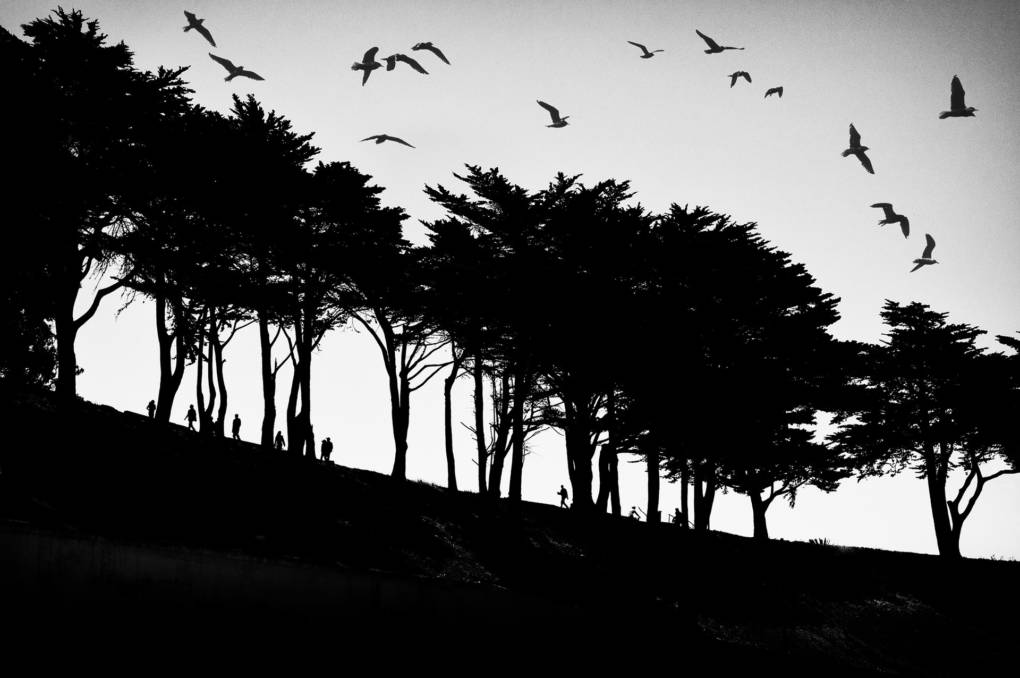
"caption": "Photographer Fred Lyon shot 'Treeline at Fort Mason' in 2017. It is currently on display in an exhibition at the Leica Gallery in San Francisco.",
"description": "Photographer Fred Lyon shot \"Treeline at Fort Mason\" in 2017. It is currently on display in an exhibition at the Leica Gallery in San Francisco.",
"title": "Fred Lyon \"Treeline\"",
"credit": "Fred Lyon",
"status": "inherit",
"isLoading": false,
"fetchFailed": false
}
},
"audioPlayerReducer": {
"postId": "stream_live",
"isPaused": true,
"isPlaying": false,
"pfsActive": false,
"pledgeModalIsOpen": true,
"playerDrawerIsOpen": false,
"liveAudioPlayStartedAt": 0,
"liveAudioPlayContext": ""
},
"authorsReducer": {
"byline_futureofyou_436409": {
"type": "authors",
"id": "byline_futureofyou_436409",
"meta": {
"override": true
},
"slug": "byline_futureofyou_436409",
"name": "Li Miao Lovett",
"isLoading": false
},
"byline_news_11628908": {
"type": "authors",
"id": "byline_news_11628908",
"meta": {
"override": true
},
"slug": "byline_news_11628908",
"name": "\u003cstrong>\u003ca href=\"https://theconversation.com/profiles/jody-agius-vallejo-249830\">Jody Agius Vallejo\u003c/a>\u003c/strong>\u003cbr>University of Southern California for \u003cstrong>\u003ca href=\"https://theconversation.com/us\">The Conversation\u003c/a>\u003c/strong>",
"isLoading": false
},
"byline_news_11629608": {
"type": "authors",
"id": "byline_news_11629608",
"meta": {
"override": true
},
"slug": "byline_news_11629608",
"name": "Susan Davis",
"isLoading": false
},
"byline_futureofyou_436928": {
"type": "authors",
"id": "byline_futureofyou_436928",
"meta": {
"override": true
},
"slug": "byline_futureofyou_436928",
"name": "Doug Levy\u003cbr />NPR Shots",
"isLoading": false
},
"ohubertallen": {
"type": "authors",
"id": "102",
"meta": {
"index": "authors_1716337520",
"id": "102",
"found": true
},
"name": "Olivia Allen-Price",
"firstName": "Olivia",
"lastName": "Allen-Price",
"slug": "ohubertallen",
"email": "oallenprice@kqed.org",
"display_author_email": false,
"staff_mastheads": [
"news"
],
"title": "Senior Editor",
"bio": "Olivia Allen-Price is senior editor and host of the award-winning Bay Curious podcast. Prior to joining KQED in 2013, Olivia worked at The Baltimore Sun and The Virginian-Pilot in Norfolk, Va. She holds degrees in journalism and political science from Elon University. Her work has earned awards from the Society of Professional Journalists, the Hearst Foundation and Hearken. She loves to talk about running and curly hair.\r\n\r\nFollow: \u003ca href=\"https://twitter.com/oallenprice\">@oallenprice\u003c/a>\r\nEmail: \u003ca href=\"mailto:oallenprice@kqed.org\">oallenprice@kqed.org\u003c/a>",
"avatar": "https://secure.gravatar.com/avatar/07f7803c1f6be56f3be58ef276dfa64dce898502e0554408ef4858451a8294f7?s=600&d=blank&r=g",
"twitter": "oallenprice",
"bluesky": null,
"facebook": null,
"instagram": null,
"linkedin": null,
"sites": [
{
"site": "",
"roles": [
"editor"
]
},
{
"site": "arts",
"roles": [
"subscriber"
]
},
{
"site": "news",
"roles": [
"administrator"
]
},
{
"site": "pop",
"roles": [
"administrator"
]
},
{
"site": "bayareabites",
"roles": [
"contributor"
]
},
{
"site": "stateofhealth",
"roles": [
"administrator"
]
},
{
"site": "science",
"roles": [
"editor"
]
}
],
"headData": {
"title": "Olivia Allen-Price | KQED",
"description": "Senior Editor",
"ogImgSrc": "https://secure.gravatar.com/avatar/07f7803c1f6be56f3be58ef276dfa64dce898502e0554408ef4858451a8294f7?s=600&d=blank&r=g",
"twImgSrc": "https://secure.gravatar.com/avatar/07f7803c1f6be56f3be58ef276dfa64dce898502e0554408ef4858451a8294f7?s=600&d=blank&r=g"
},
"isLoading": false,
"link": "/author/ohubertallen"
},
"gmarzorati": {
"type": "authors",
"id": "227",
"meta": {
"index": "authors_1716337520",
"id": "227",
"found": true
},
"name": "Guy Marzorati",
"firstName": "Guy",
"lastName": "Marzorati",
"slug": "gmarzorati",
"email": "gmarzorati@KQED.org",
"display_author_email": true,
"staff_mastheads": [
"news"
],
"title": "Correspondent",
"bio": "Guy Marzorati is a correspondent on KQED's California Politics and Government Desk, based in San Jose. A graduate of Santa Clara University, Guy joined KQED in 2013. He reports on state and local politics and produces KQED's digital voter guide.",
"avatar": "https://secure.gravatar.com/avatar/e7038b8dbfd55b104369b76b1cd0b9de?s=600&d=blank&r=g",
"twitter": "guymarzorati",
"facebook": null,
"instagram": null,
"linkedin": null,
"sites": [
{
"site": "",
"roles": [
"editor"
]
},
{
"site": "news",
"roles": [
"editor"
]
},
{
"site": "science",
"roles": [
"editor"
]
},
{
"site": "forum",
"roles": [
"editor"
]
},
{
"site": "elections",
"roles": [
"editor"
]
},
{
"site": "liveblog",
"roles": [
"editor"
]
}
],
"headData": {
"title": "Guy Marzorati | KQED",
"description": "Correspondent",
"ogImgSrc": "https://secure.gravatar.com/avatar/e7038b8dbfd55b104369b76b1cd0b9de?s=600&d=blank&r=g",
"twImgSrc": "https://secure.gravatar.com/avatar/e7038b8dbfd55b104369b76b1cd0b9de?s=600&d=blank&r=g"
},
"isLoading": false,
"link": "/author/gmarzorati"
},
"patyollin": {
"type": "authors",
"id": "247",
"meta": {
"index": "authors_1716337520",
"id": "247",
"found": true
},
"name": "Patricia Yollin",
"firstName": "Patricia",
"lastName": "Yollin",
"slug": "patyollin",
"email": "pyollin@kqed.org",
"display_author_email": false,
"staff_mastheads": [],
"title": "KQED Contributor",
"bio": "Pat Yollin has written about lots of stuff, including organ transplants, wayward penguins at the San Francisco Zoo, the comeback of the cream puff, New York on the fifth anniversary of 9/11, a Slow Food gathering in Italy, and the microcredit movement in Northern California. Among her favorite stories: an interview with George Lucas at Skywalker Ranch that broke the story about his plan to build a cultural museum, and a pirate Trader Joe's operation in Vancouver that prompted the grocery chain to sue -- and lose. She joined KQED in 2013 and was previously a reporter and editor at the San Francisco Chronicle, the Hearst-owned San Francisco Examiner and the Hayward Daily Review.",
"avatar": "https://secure.gravatar.com/avatar/0a18ac41a263665c04b25b2c7d6b817c?s=600&d=blank&r=g",
"twitter": null,
"facebook": null,
"instagram": null,
"linkedin": null,
"sites": [
{
"site": "arts",
"roles": [
"subscriber"
]
},
{
"site": "news",
"roles": [
"subscriber"
]
},
{
"site": "futureofyou",
"roles": [
"editor"
]
},
{
"site": "lowdown",
"roles": [
"editor"
]
},
{
"site": "stateofhealth",
"roles": [
"editor"
]
}
],
"headData": {
"title": "Patricia Yollin | KQED",
"description": "KQED Contributor",
"ogImgSrc": "https://secure.gravatar.com/avatar/0a18ac41a263665c04b25b2c7d6b817c?s=600&d=blank&r=g",
"twImgSrc": "https://secure.gravatar.com/avatar/0a18ac41a263665c04b25b2c7d6b817c?s=600&d=blank&r=g"
},
"isLoading": false,
"link": "/author/patyollin"
},
"scottshafer": {
"type": "authors",
"id": "255",
"meta": {
"index": "authors_1716337520",
"id": "255",
"found": true
},
"name": "Scott Shafer",
"firstName": "Scott",
"lastName": "Shafer",
"slug": "scottshafer",
"email": "sshafer@kqed.org",
"display_author_email": false,
"staff_mastheads": [
"news"
],
"title": "KQED Contributor",
"bio": "Scott Shafer is a senior editor with the KQED Politics and Government desk. He is co-host of Political Breakdown, the award-winning radio show and podcast with a personal take on the world of politics. Scott came to KQED in 1998 to host the statewide\u003cem> California Report\u003c/em>. Prior to that he had extended stints in politics and government\u003cem>.\u003c/em> He uses that inside experience at KQED in his, reporting, hosting and analysis for the politics desk. Scott collaborated \u003cem>Political Breakdown a\u003c/em>nd on \u003cem>The Political Mind of Jerry Brown, \u003c/em>an eight-part series about the life and extraordinary political career of the former governor. For fun, he plays water polo with the San Francisco Tsunami.",
"avatar": "https://secure.gravatar.com/avatar/a62ebae45b79d7aed1a39a0e3bf68104?s=600&d=blank&r=g",
"twitter": "scottshafer",
"bluesky": null,
"facebook": null,
"instagram": null,
"linkedin": null,
"sites": [
{
"site": "news",
"roles": [
"editor"
]
},
{
"site": "stateofhealth",
"roles": [
"author"
]
},
{
"site": "science",
"roles": [
"author"
]
},
{
"site": "forum",
"roles": [
"subscriber"
]
},
{
"site": "liveblog",
"roles": [
"author"
]
}
],
"headData": {
"title": "Scott Shafer | KQED",
"description": "KQED Contributor",
"ogImgSrc": "https://secure.gravatar.com/avatar/a62ebae45b79d7aed1a39a0e3bf68104?s=600&d=blank&r=g",
"twImgSrc": "https://secure.gravatar.com/avatar/a62ebae45b79d7aed1a39a0e3bf68104?s=600&d=blank&r=g"
},
"isLoading": false,
"link": "/author/scottshafer"
},
"adembosky": {
"type": "authors",
"id": "3205",
"meta": {
"index": "authors_1716337520",
"id": "3205",
"found": true
},
"name": "April Dembosky",
"firstName": "April",
"lastName": "Dembosky",
"slug": "adembosky",
"email": "adembosky@kqed.org",
"display_author_email": false,
"staff_mastheads": [
"news",
"science"
],
"title": "KQED Health Correspondent",
"bio": "April Dembosky is the health correspondent for KQED News and a regular contributor to NPR. She specializes in covering altered states of mind, from postpartum depression to methamphetamine-induced psychosis to the insanity defense. Her investigative series on insurance companies sidestepping mental health laws won multiple awards, including first place in beat reporting from the national Association of Health Care Journalists. She is the recipient of numerous other prizes and fellowships, including a national Edward R. Murrow award for investigative reporting, a Society of Professional Journalists award for long-form storytelling, and a Carter Center Fellowship for Mental Health Journalism.\r\n\r\nDembosky reported and produced \u003cem>Soundtrack of Silence\u003c/em>, an audio documentary about music and memory that is currently being made into a feature film by Paramount Pictures.\r\n\r\nBefore joining KQED in 2013, Dembosky covered technology and Silicon Valley for \u003cem>The Financial Times of London,\u003c/em> and contributed business and arts stories to \u003cem>Marketplace \u003c/em>and \u003cem>The New York Times.\u003c/em> She got her undergraduate degree in philosophy from Smith College and her master's in journalism from the University of California, Berkeley. She is a classically trained violinist and proud alum of the first symphony orchestra at Burning Man.",
"avatar": "https://secure.gravatar.com/avatar/d6593cd737b732102fe0b6250b5351c2d3bc9b2987566514aa3c9a106494d684?s=600&d=blank&r=g",
"twitter": "adembosky",
"bluesky": null,
"facebook": null,
"instagram": null,
"linkedin": null,
"sites": [
{
"site": "arts",
"roles": [
"author"
]
},
{
"site": "news",
"roles": [
"editor"
]
},
{
"site": "futureofyou",
"roles": [
"author"
]
},
{
"site": "stateofhealth",
"roles": [
"editor"
]
},
{
"site": "science",
"roles": [
"editor"
]
},
{
"site": "forum",
"roles": [
"editor"
]
}
],
"headData": {
"title": "April Dembosky | KQED",
"description": "KQED Health Correspondent",
"ogImgSrc": "https://secure.gravatar.com/avatar/d6593cd737b732102fe0b6250b5351c2d3bc9b2987566514aa3c9a106494d684?s=600&d=blank&r=g",
"twImgSrc": "https://secure.gravatar.com/avatar/d6593cd737b732102fe0b6250b5351c2d3bc9b2987566514aa3c9a106494d684?s=600&d=blank&r=g"
},
"isLoading": false,
"link": "/author/adembosky"
},
"aemslie": {
"type": "authors",
"id": "3206",
"meta": {
"index": "authors_1716337520",
"id": "3206",
"found": true
},
"name": "Alex Emslie",
"firstName": "Alex",
"lastName": "Emslie",
"slug": "aemslie",
"email": "aemslie@kqed.org",
"display_author_email": true,
"staff_mastheads": [
"news"
],
"title": "KQED Senior Editor",
"bio": "Alex Emslie is senior editor of talent and development at KQED, where he manages dozens of early career journalists and oversees news department internships.\r\n\r\nHe is a former carpenter and proud graduate of City College of San Francisco and San Francisco State University, where he studied journalism and criminal justice before joining KQED in 2013.\r\n\r\nAlex produced investigative journalism focused on \u003ca href=\"https://www.kqed.org/news/11667594/the-trials-of-marvin-mutch-video\">criminal justice\u003c/a> and policing for most of a decade. He has broken major stories about \u003ca href=\"https://www.kqed.org/news/135682/amid-a-series-of-vallejo-police-shootings-one-officers-name-stands-out\">police use of deadly force\u003c/a>, \u003ca href=\"https://www.kqed.org/news/10454955/racist-texts-prompt-sfpd-internal-investigation\">officer misconduct\u003c/a> and \u003ca href=\"https://www.kqed.org/news/11712239/terrorist-or-troll-judge-to-weigh-whether-oakland-man-really-intended-to-attack-bay-area\">other\u003c/a> \u003ca href=\"https://www.kqed.org/news/11221414/hayward-paid-159000-to-husband-of-retired-police-chief-documents-show\">high\u003c/a>-\u003ca href=\"https://www.kqed.org/news/10622762/the-forgotten-tracking-two-homicides-in-san-francisco-public-housing\">profile\u003c/a> \u003ca href=\"https://www.kqed.org/news/11624516/federal-agency-promoted-ranger-just-months-after-his-gun-was-stolen-and-used-in-steinle-killing\">cases\u003c/a>. He co-founded the \u003ca href=\"https://projects.scpr.org/california-reporting-project/\">California Reporting Project\u003c/a> in 2019 to obtain and report on previously confidential police internal investigations. The effort produced well over 100 original stories and changed the course of multiple criminal cases.\r\n\r\nHis work has been recognized with numerous journalism awards, including a national Edward R. Murrow award for several years of \u003ca href=\"https://www.kqed.org/news/11688481/sfpd-officers-in-mario-woods-case-recount-shooting-in-newly-filed-depositions\">reporting\u003c/a> on the San Francisco Police shooting of Mario Woods. His \u003ca href=\"https://www.kqed.org/news/147854/half-of-those-killed-by-san-francisco-police-are-mentally-ill\">reporting\u003c/a> on police killings of people in psychiatric crisis was cited in amicus briefs before the U.S. Supreme Court.\r\n\r\nAlex now enjoys mentoring the next generation of journalists at KQED.",
"avatar": "https://secure.gravatar.com/avatar/e691e65209f20e9da202bd730ead5663?s=600&d=blank&r=g",
"twitter": "SFNewsReporter",
"facebook": null,
"instagram": null,
"linkedin": null,
"sites": [
{
"site": "arts",
"roles": [
"editor"
]
},
{
"site": "news",
"roles": [
"editor"
]
},
{
"site": "mindshift",
"roles": [
"editor"
]
},
{
"site": "stateofhealth",
"roles": [
"editor"
]
},
{
"site": "science",
"roles": [
"administrator"
]
}
],
"headData": {
"title": "Alex Emslie | KQED",
"description": "KQED Senior Editor",
"ogImgSrc": "https://secure.gravatar.com/avatar/e691e65209f20e9da202bd730ead5663?s=600&d=blank&r=g",
"twImgSrc": "https://secure.gravatar.com/avatar/e691e65209f20e9da202bd730ead5663?s=600&d=blank&r=g"
},
"isLoading": false,
"link": "/author/aemslie"
},
"dkatayama": {
"type": "authors",
"id": "7240",
"meta": {
"index": "authors_1716337520",
"id": "7240",
"found": true
},
"name": "Devin Katayama",
"firstName": "Devin",
"lastName": "Katayama",
"slug": "dkatayama",
"email": "dkatayama@kqed.org",
"display_author_email": true,
"staff_mastheads": [
"news"
],
"title": "Editor of Talent and Development",
"bio": "Devin Katayama is former Editor of Talent and Development for KQED. He supported our internship program and on-call staff by looking for equitable opportunities to improve the newsroom.\r\n\r\nHe previously hosted The Bay and American Suburb podcasts from KQED News. Prior to returning to the Bay Area in 2015, Devin was the education reporter for WFPL in Louisville and worked as a producer with radio stations in Chicago and Portland, OR. His work has appeared on NPR’s \u003cem>Morning Edition, All Things Considered, The Takeaway\u003c/em> and \u003cem>Here and Now.\u003c/em>\r\n\r\nDevin earned his MA in Journalism from Columbia College Chicago, where he was a Follett Fellow and the recipient of the 2011 Studs Terkel Community Media Workshop Scholarship for his story on Chicago's homeless youth. He won WBUR's 2014 Daniel Schorr award and a regional RTNDA Edward R. Murrow Award for his documentary \"At Risk\" that looked at issues facing some of Louisville's students. Devin has also received numerous local awards from the Associated Press and the Society of Professional Journalists.",
"avatar": "https://secure.gravatar.com/avatar/d0d2978a31002fb2de107921a8e18405?s=600&d=blank&r=g",
"twitter": "RadioDevin",
"facebook": null,
"instagram": null,
"linkedin": null,
"sites": [
{
"site": "arts",
"roles": []
},
{
"site": "news",
"roles": [
"author"
]
},
{
"site": "stateofhealth",
"roles": [
"author"
]
},
{
"site": "forum",
"roles": [
"editor"
]
},
{
"site": "perspectives",
"roles": [
"editor"
]
}
],
"headData": {
"title": "Devin Katayama | KQED",
"description": "Editor of Talent and Development",
"ogImgSrc": "https://secure.gravatar.com/avatar/d0d2978a31002fb2de107921a8e18405?s=600&d=blank&r=g",
"twImgSrc": "https://secure.gravatar.com/avatar/d0d2978a31002fb2de107921a8e18405?s=600&d=blank&r=g"
},
"isLoading": false,
"link": "/author/dkatayama"
},
"jplaczek": {
"type": "authors",
"id": "8606",
"meta": {
"index": "authors_1716337520",
"id": "8606",
"found": true
},
"name": "Jessica Placzek",
"firstName": "Jessica",
"lastName": "Placzek",
"slug": "jplaczek",
"email": "jessicalplaczek@gmail.com",
"display_author_email": false,
"staff_mastheads": [
"news"
],
"title": "KQED Contributor",
"bio": "Jessica Placzek is a former senior editor of podcasts at KQED where she served as the editorial lead of the podcast department. She worked with shows like MindShift, Rightnowish, Consider This, SOLD OUT, Bay Curious and The Bay. She’s also been a reporter and audio producer at KQED, KPFA, and KALW. She taught audio production to men incarcerated at California State Prison Solano and edited pieces they produced for the Uncuffed podcast through KALW. In 2018 she co-hosted and produced the third season of Raw Material for SFMOMA. In New Orleans she wrote for the Nola Defender. Her work has also appeared on Marketplace, All Things Considered, The California Report, and Vice. You can find more at jessicaplaczek.com",
"avatar": "https://secure.gravatar.com/avatar/5ead103b5880f672eceb84ce75eecd1b4b6f74a47edc457684a73ad5b8b158e9?s=600&d=blank&r=g",
"twitter": null,
"bluesky": null,
"facebook": null,
"instagram": null,
"linkedin": null,
"sites": [
{
"site": "arts",
"roles": [
"subscriber"
]
},
{
"site": "news",
"roles": [
"subscriber"
]
},
{
"site": "stateofhealth",
"roles": [
"editor"
]
},
{
"site": "forum",
"roles": [
"editor"
]
}
],
"headData": {
"title": "Jessica Placzek | KQED",
"description": "KQED Contributor",
"ogImgSrc": "https://secure.gravatar.com/avatar/5ead103b5880f672eceb84ce75eecd1b4b6f74a47edc457684a73ad5b8b158e9?s=600&d=blank&r=g",
"twImgSrc": "https://secure.gravatar.com/avatar/5ead103b5880f672eceb84ce75eecd1b4b6f74a47edc457684a73ad5b8b158e9?s=600&d=blank&r=g"
},
"isLoading": false,
"link": "/author/jplaczek"
},
"rlevi": {
"type": "authors",
"id": "11260",
"meta": {
"index": "authors_1716337520",
"id": "11260",
"found": true
},
"name": "Ryan Levi",
"firstName": "Ryan",
"lastName": "Levi",
"slug": "rlevi",
"email": "rlevi@KQED.org",
"display_author_email": false,
"staff_mastheads": [],
"title": "KQED Contributor",
"bio": "Ryan Levi was a reporter and podcast producer at KQED News from 2016-2019. He worked on \u003ca href=\"https://www.kqed.org/news/series/baycurious\">Bay Curious\u003c/a>, \u003ca href=\"https://www.kqed.org/news/tag/the-bay/\">The Bay, \u003c/a>and \u003ca href=\"https://podcasts.apple.com/us/podcast/the-california-report-magazine/id1314750545\">The California Report Magazine\u003c/a>, as well as hosting and producing the weekly \u003ca href=\"https://www.kqed.org/news/program/qedup/\">Q'ed Up podcast. \u003c/a>He also helped inaugurate KQED's weekend news coverage in 2017 as one of two original digital producers. Ryan holds degrees in multimedia journalism and Spanish from the University of Missouri.",
"avatar": "https://secure.gravatar.com/avatar/4cb2ddd028ac8807d1adf09609c5555d?s=600&d=blank&r=g",
"twitter": "ryan_levi",
"facebook": null,
"instagram": null,
"linkedin": null,
"sites": [
{
"site": "arts",
"roles": [
"editor"
]
},
{
"site": "news",
"roles": [
"subscriber"
]
},
{
"site": "stateofhealth",
"roles": [
"editor"
]
},
{
"site": "science",
"roles": [
"editor"
]
},
{
"site": "forum",
"roles": [
"administrator"
]
},
{
"site": "perspectives",
"roles": [
"administrator"
]
}
],
"headData": {
"title": "Ryan Levi | KQED",
"description": "KQED Contributor",
"ogImgSrc": "https://secure.gravatar.com/avatar/4cb2ddd028ac8807d1adf09609c5555d?s=600&d=blank&r=g",
"twImgSrc": "https://secure.gravatar.com/avatar/4cb2ddd028ac8807d1adf09609c5555d?s=600&d=blank&r=g"
},
"isLoading": false,
"link": "/author/rlevi"
}
},
"pagesReducer": {
"news_program_news-fix": {
"type": "terms",
"id": "news_6944",
"meta": {
"index": "terms_1716263798",
"site": "news",
"id": "6944",
"score": 16.377554
},
"featImg": "https://ww2.kqed.org/app/uploads/sites/10/2014/10/News-Fix-Logo-Web-Banners-04.png",
"name": "News Fix",
"description": null,
"taxonomy": "program",
"headData": {
"twImgId": null,
"twTitle": null,
"ogTitle": null,
"ogImgId": null,
"twDescription": null,
"description": "The News Fix is a daily news podcast from KQED that breaks down the latest headlines and provides in-depth analysis of the stories that matter to the Bay Area.",
"title": "News Fix - Daily Dose of Bay Area News | KQED",
"ogDescription": null
},
"ttid": 6968,
"slug": "news-fix",
"isLoading": false,
"title": "News Fix",
"pageMeta": {
"site": "news",
"WpPageTemplate": "page-topic-editorial",
"currentPage": 70
},
"blocks": [
{
"blockName": "kqed/post-list",
"attrs": {
"layout": "cardArticle2",
"query": "posts/news?program=news-fix",
"seeMore": false,
"paginated": true,
"page": 70
}
},
{
"blockName": "kqed/ad"
}
]
}
},
"pfsSessionReducer": {},
"postsReducer": {
"stream_live": {
"type": "live",
"id": "stream_live",
"audioUrl": "https://streams.kqed.org/kqedradio",
"title": "Live Stream",
"excerpt": "Live Stream information currently unavailable.",
"link": "/radio",
"featImg": "",
"label": {
"name": "KQED Live",
"link": "/"
}
},
"stream_kqedNewscast": {
"type": "posts",
"id": "stream_kqedNewscast",
"audioUrl": "https://www.kqed.org/.stream/anon/radio/RDnews/newscast.mp3?_=1",
"title": "KQED Newscast",
"featImg": "",
"label": {
"name": "88.5 FM",
"link": "/"
}
},
"news_11630011": {
"type": "posts",
"id": "news_11630011",
"meta": {
"index": "posts_1716263798",
"site": "news",
"id": "11630011",
"score": null,
"sort": [
1510358852000
]
},
"parent": 0,
"labelTerm": {
"site": "news",
"term": 6944
},
"blocks": [],
"publishDate": 1510358852,
"format": "standard",
"disqusTitle": "Former DNC Chair Brazile: 'I Didn't Vote for Hillary or Bernie'",
"title": "Former DNC Chair Brazile: 'I Didn't Vote for Hillary or Bernie'",
"headTitle": "News Fix | KQED News",
"content": "\u003cp>Democratic National Committee Chair Donna Brazile's new book \u003ca href=\"https://www.amazon.com/Hacks-Inside-Break-ins-Breakdowns-Donald/dp/0316478512\" target=\"_blank\" rel=\"noopener\">\"Hacks\"\u003c/a> claims the party's apparatus tilted the nominating process toward Hillary Clinton against Bernie Sanders.\u003c/p>\n\u003cp>But in an\u003ca href=\"https://ww2.kqed.org/forum/2017/11/09/ex-dnc-chair-donna-brazile-stokes-controversy-and-fury-with-retelling-of-2016-election/\" target=\"_blank\" rel=\"noopener\"> interview\u003c/a> with KQED on Friday, Brazile says she didn't cast a ballot for either one of them in the June 14 District of Columbia primary where she votes. By that time, Clinton had wrapped up the nomination.\u003c/p>\n\u003cp>\"I didn't want to get involved in the primary,\" Brazile said on KQED's \u003ca href=\"https://ww2.kqed.org/forum/2017/11/09/ex-dnc-chair-donna-brazile-stokes-controversy-and-fury-with-retelling-of-2016-election/\" target=\"_blank\" rel=\"noopener\">Forum\u003c/a>. \"The last time I got involved in a Democratic primary was Al Gore versus Bill Bradley in 2000.\u003c/p>\n\u003cp>\"In 2008 they said, 'Donna, you're black you gotta be for Obama. Donna, you're a woman, you gotta be for Hillary.' And you know what I told people? 'I'm getting old and grumpy, I might support John McCain, so back off.'\"\u003c/p>\n\u003cp>When pressed, Brazile said she wrote in the name of D.C.'s representative in Congress, Eleanor Holmes Norton, \"because I'm an activist Democrat.\" Asked if it was a protest vote, Brazile said, \"Hell yeah, it was a protest. I did not want to get involved.\" \u003c/p>\n\u003cp>[ad fullwidth]\u003c/p>\n\u003cp>It wasn't clear exactly what she was protesting.\u003c/p>\n\u003cp>At the time, Brazile was not yet the DNC chair but still a commentator on CNN (the network would later sever ties with her over allegations from a WikiLeaks email that she tipped off Clinton to topics that might be raised by voters in a town hall meeting aired by CNN.)\u003c/p>\n\u003cp>The former DNC chair's response was unexpected.\u003c/p>\n\u003cp>\"It's out of the ordinary,\" said long-time Democratic strategist Darry Sragow. \"Not bad out of the ordinary. I would be loath to make a value judgment.\"\u003c/p>\n\u003cp>Consultant Ace Smith, who worked for the Clinton campaign in California, was not terribly surprised by Brazile's revelation.\u003c/p>\n\u003cp>\"It’s a free country,\" Smith said. \"She’s raising legitimate questions [about the Democratic party] and people should stop carping about it and do something about it.\"\u003c/p>\n\u003cp>Sragow noted Brazile's comfort in \"plotting her own course.\"\u003c/p>\n\u003cp>\u003c/p>\n\u003cp>\"On some level I find that admirable,\" Sragow said. \"But if you march to your own drum too often, you end up on the margins.\"\u003c/p>\n\n",
"disqusIdentifier": "11630011 https://ww2.kqed.org/news/?p=11630011",
"disqusUrl": "https://ww2.kqed.org/news/2017/11/10/former-dnc-chair-donna-brazile-i-didnt-vote-for-hillary-or-bernie-in-the-primary/",
"stats": {
"hasVideo": false,
"hasChartOrMap": false,
"hasAudio": false,
"hasPolis": false,
"wordCount": 375,
"hasGoogleForm": false,
"hasGallery": false,
"hasHearkenModule": false,
"iframeSrcs": [],
"paragraphCount": 15
},
"modified": 1510377051,
"excerpt": "Donna Brazile's book has reopened old wounds between supporters of Bernie Sanders and Hillary Clinton, and created some new ones.",
"headData": {
"twImgId": "",
"twTitle": "",
"ogTitle": "",
"ogImgId": "",
"twDescription": "",
"description": "Donna Brazile's book has reopened old wounds between supporters of Bernie Sanders and Hillary Clinton, and created some new ones.",
"title": "Former DNC Chair Brazile: 'I Didn't Vote for Hillary or Bernie' | KQED",
"ogDescription": "",
"schema": {
"@context": "https://schema.org",
"@type": "NewsArticle",
"headline": "Former DNC Chair Brazile: 'I Didn't Vote for Hillary or Bernie'",
"datePublished": "2017-11-10T16:07:32-08:00",
"dateModified": "2017-11-10T21:10:51-08:00",
"image": "https://cdn.kqed.org/wp-content/uploads/2020/02/KQED-OG-Image@1x.png",
"isAccessibleForFree": "True",
"publisher": {
"@type": "NewsMediaOrganization",
"@id": "https://www.kqed.org/#organization",
"name": "KQED",
"logo": "https://cdn.kqed.org/wp-content/uploads/2020/02/KQED-OG-Image@1x.png",
"url": "https://www.kqed.org",
"sameAs": [
"https://www.facebook.com/KQED",
"https://twitter.com/KQED",
"https://www.instagram.com/kqed/",
"https://www.tiktok.com/@kqedofficial",
"https://www.linkedin.com/company/kqed",
"https://www.youtube.com/channel/UCeC0IOo7i1P_61zVUWbJ4nw"
]
}
}
},
"guestAuthors": [],
"slug": "former-dnc-chair-donna-brazile-i-didnt-vote-for-hillary-or-bernie-in-the-primary",
"status": "publish",
"path": "/news/11630011/former-dnc-chair-donna-brazile-i-didnt-vote-for-hillary-or-bernie-in-the-primary",
"audioTrackLength": null,
"parsedContent": [
{
"type": "contentString",
"content": "\u003cdiv class=\"post-body\">\u003cp>\u003cp>Democratic National Committee Chair Donna Brazile's new book \u003ca href=\"https://www.amazon.com/Hacks-Inside-Break-ins-Breakdowns-Donald/dp/0316478512\" target=\"_blank\" rel=\"noopener\">\"Hacks\"\u003c/a> claims the party's apparatus tilted the nominating process toward Hillary Clinton against Bernie Sanders.\u003c/p>\n\u003cp>But in an\u003ca href=\"https://ww2.kqed.org/forum/2017/11/09/ex-dnc-chair-donna-brazile-stokes-controversy-and-fury-with-retelling-of-2016-election/\" target=\"_blank\" rel=\"noopener\"> interview\u003c/a> with KQED on Friday, Brazile says she didn't cast a ballot for either one of them in the June 14 District of Columbia primary where she votes. By that time, Clinton had wrapped up the nomination.\u003c/p>\n\u003cp>\"I didn't want to get involved in the primary,\" Brazile said on KQED's \u003ca href=\"https://ww2.kqed.org/forum/2017/11/09/ex-dnc-chair-donna-brazile-stokes-controversy-and-fury-with-retelling-of-2016-election/\" target=\"_blank\" rel=\"noopener\">Forum\u003c/a>. \"The last time I got involved in a Democratic primary was Al Gore versus Bill Bradley in 2000.\u003c/p>\n\u003cp>\"In 2008 they said, 'Donna, you're black you gotta be for Obama. Donna, you're a woman, you gotta be for Hillary.' And you know what I told people? 'I'm getting old and grumpy, I might support John McCain, so back off.'\"\u003c/p>\n\u003cp>When pressed, Brazile said she wrote in the name of D.C.'s representative in Congress, Eleanor Holmes Norton, \"because I'm an activist Democrat.\" Asked if it was a protest vote, Brazile said, \"Hell yeah, it was a protest. I did not want to get involved.\" \u003c/p>\n\u003cp>\u003c/p>\u003c/div>",
"attributes": {
"named": {},
"numeric": []
}
},
{
"type": "component",
"content": "",
"name": "ad",
"attributes": {
"named": {
"label": "fullwidth"
},
"numeric": [
"fullwidth"
]
}
},
{
"type": "contentString",
"content": "\u003cdiv class=\"post-body\">\u003cp>\u003c/p>\n\u003cp>It wasn't clear exactly what she was protesting.\u003c/p>\n\u003cp>At the time, Brazile was not yet the DNC chair but still a commentator on CNN (the network would later sever ties with her over allegations from a WikiLeaks email that she tipped off Clinton to topics that might be raised by voters in a town hall meeting aired by CNN.)\u003c/p>\n\u003cp>The former DNC chair's response was unexpected.\u003c/p>\n\u003cp>\"It's out of the ordinary,\" said long-time Democratic strategist Darry Sragow. \"Not bad out of the ordinary. I would be loath to make a value judgment.\"\u003c/p>\n\u003cp>Consultant Ace Smith, who worked for the Clinton campaign in California, was not terribly surprised by Brazile's revelation.\u003c/p>\n\u003cp>\"It’s a free country,\" Smith said. \"She’s raising legitimate questions [about the Democratic party] and people should stop carping about it and do something about it.\"\u003c/p>\n\u003cp>Sragow noted Brazile's comfort in \"plotting her own course.\"\u003c/p>\n\u003cp>\u003c/p>\n\u003cp>\"On some level I find that admirable,\" Sragow said. \"But if you march to your own drum too often, you end up on the margins.\"\u003c/p>\n\n\u003c/div>\u003c/p>",
"attributes": {
"named": {},
"numeric": []
}
}
],
"link": "/news/11630011/former-dnc-chair-donna-brazile-i-didnt-vote-for-hillary-or-bernie-in-the-primary",
"authors": [
"255"
],
"programs": [
"news_18537",
"news_6944"
],
"categories": [
"news_8",
"news_13"
],
"featImg": "news_11630024",
"label": "news_6944"
},
"stateofhealth_361907": {
"type": "posts",
"id": "stateofhealth_361907",
"meta": {
"index": "posts_1716263798",
"site": "stateofhealth",
"id": "361907",
"score": null,
"sort": [
1510218031000
]
},
"parent": 0,
"labelTerm": {
"site": "stateofhealth"
},
"blocks": [],
"publishDate": 1510218031,
"format": "audio",
"disqusTitle": "What Vets Want at the End of Life Is Very Different From What Civilians Want",
"title": "What Vets Want at the End of Life Is Very Different From What Civilians Want",
"headTitle": "State of Health | KQED News",
"content": "\u003cp>A lot of Ron Fleming’s fellow soldiers spent the last five decades trying to forget what they saw and did in Vietnam. Now 74, Fleming has spent most of that time trying to hold on to it. He has never been as proud as he was when he was 21.\u003c/p>\n\u003cp>“I take issue with those who say we lost. We didn’t lose that war,” he said, sitting on the edge of his hospital bed at the \u003ca href=\"https://www.sanfrancisco.va.gov/\" target=\"_blank\" rel=\"noopener\">San Francisco VA medical center\u003c/a>. “Everywhere I went, we literally kicked the crap out of them.”\u003c/p>\n\u003cp>Fleming was a door gunner in the war, hanging out of a helicopter on a strap with a machine gun in his hands. He fought in the Tet Offensive, sometimes 40 hours straight, firing 6,000 rounds a minute. But he never gave much thought to catching one himself.\u003c/p>\n\u003cp>“You see, at 21, you’re bulletproof,” he said. “Dying wasn’t on the agenda.”\u003c/p>\n\u003cp>But now, it is. Fleming has congestive heart failure, arthritis and breathing problems. He often lands in the VA hospital with asthma attacks, and the palliative care team visits him regularly. He thinks about death.\u003c/p>\n\u003cp>[ad fullwidth]\u003c/p>\n\u003cp>“I wish it’d get off its ass and come on me. I’m sick of this crap,” he said, as his heart rate monitor ticked up. “You see, dying’s the easy part. Living is what’s hard.”\u003c/p>\n\u003cp>Fleming has had trouble holding down a job since he got back from the war. He had a girl he lived with for 10 years, but they never married, never had kids. He lives alone in Oakland now. He says he angers easily and is always hypervigilant. About 10 years ago, he was diagnosed with PTSD. More than anything, he says, he suffers from a \"rotten outlook\" on life.\u003c/p>\n\u003cp>“Sometimes I think that now I’m being paid back for all the men I killed,” he said. “I killed a lot of them. More than I can count.”\u003c/p>\n\u003cp>Unlike Fleming, some Vietnam vets don’t find out they have PTSD until they have just months or weeks left to live. Symptoms of terminal illnesses, like pain or breathlessness, can trigger flashbacks, making vets feel as threatened as they did on the battlefield.\u003c/p>\n\u003cp>“The war memories start coming back, they start having nightmares,” said \u003ca href=\"https://profiles.stanford.edu/vj-periyakoil\" target=\"_blank\" rel=\"noopener\">VJ Periyakoil\u003c/a>, a palliative care physician at the VA in Palo Alto. She says opioid medications, like morphine and oxycodone, that are often used for treating pain and breathlessness can make PTSD symptoms worse.\u003c/p>\n\u003cp>“The side effect of those medications, they make you fuzzyheaded,” she said. “Your defenses that you use to cope with the PTSD, which might help repress a lot of the difficult memories, that coping strategy starts to come apart.”\u003c/p>\n\u003cp>She has had patients tell her: “I would much rather tolerate the physical pain, the cancer pain, than take opioids and my defenses crumble.”\u003c/p>\n\u003cp>Some vets see their pain or PTSD as retribution for their work in the line of duty.\u003c/p>\n\u003cp>“Sometimes I’ve had patients refuse medications that might ease their experiences because they feel that they deserve to suffer,” Periyakoil said. “This is redemptive.”\u003c/p>\n\u003cp>The best thing to do in these situations can be to stand down, she said. With weeks left to live, there isn’t enough time to resolve the mental anguish, and staff have to let patients set the pace and tone for their care.\u003c/p>\n\u003cp>But doctors and nurses, just like soldiers, hate doing nothing.\u003c/p>\n\u003cp>“We talk about the moral distress that \u003cem>we \u003c/em>have sometimes about really knowing that we’re doing the right thing for this individual, so that we can be present for \u003cem>their \u003c/em>suffering, the way \u003cem>they\u003c/em> need to do it,” said Patrice Villars, a hospice nurse at the San Francisco VA.\u003c/p>\n\u003cp>For Ron Fleming, death is still likely a couple of years out. His doctors have been begging him, gently, to consider mental health counseling or antidepressants. But he has refused.\u003c/p>\n\u003cp>“I don’t want to take psychiatric drugs. The vets call them the happy pills,” he said. “I don’t want any of those, because they change you. I don’t want to change.”\u003c/p>\n\u003cp>He’s not sure if he deserves to be happy.\u003c/p>\n\u003cp>“That I don’t know,” he said.\u003c/p>\n\u003cp>\u003c/p>\n\u003cp>His pain is what connects him to the past. Fleming was awarded 18 air medals for acts of meritorious achievement and heroism. The loss and grief he experienced in Vietnam are woven into the same memories of victory and glory. He doesn’t want treatment that might make that go away.\u003c/p>\n\n",
"disqusIdentifier": "361907 https://ww2.kqed.org/stateofhealth/?p=361907",
"disqusUrl": "https://ww2.kqed.org/stateofhealth/2017/11/09/what-vets-want-at-the-end-of-life-is-very-different-from-what-civilians-want/",
"stats": {
"hasVideo": false,
"hasChartOrMap": false,
"hasAudio": false,
"hasPolis": false,
"wordCount": 817,
"hasGoogleForm": false,
"hasGallery": false,
"hasHearkenModule": false,
"iframeSrcs": [],
"paragraphCount": 24
},
"modified": 1510279371,
"excerpt": "Honor and respect can be much more important for dying vets than being comfortable or free of pain.",
"headData": {
"twImgId": "",
"twTitle": "",
"ogTitle": "",
"ogImgId": "",
"twDescription": "",
"description": "Honor and respect can be much more important for dying vets than being comfortable or free of pain.",
"title": "What Vets Want at the End of Life Is Very Different From What Civilians Want | KQED",
"ogDescription": "",
"schema": {
"@context": "https://schema.org",
"@type": "Article",
"headline": "What Vets Want at the End of Life Is Very Different From What Civilians Want",
"datePublished": "2017-11-09T01:00:31-08:00",
"dateModified": "2017-11-09T18:02:51-08:00",
"image": "https://cdn.kqed.org/wp-content/uploads/2020/02/KQED-OG-Image@1x.png"
}
},
"guestAuthors": [],
"slug": "what-vets-want-at-the-end-of-life-is-very-different-from-what-civilians-want",
"status": "publish",
"audioUrl": "https://www.kqed.org/.stream/anon/radio/RDnews/2017/11/DemboskyVetsEndofLife.mp3",
"path": "/stateofhealth/361907/what-vets-want-at-the-end-of-life-is-very-different-from-what-civilians-want",
"audioTrackLength": null,
"parsedContent": [
{
"type": "contentString",
"content": "\u003cdiv class=\"post-body\">\u003cp>\u003cp>A lot of Ron Fleming’s fellow soldiers spent the last five decades trying to forget what they saw and did in Vietnam. Now 74, Fleming has spent most of that time trying to hold on to it. He has never been as proud as he was when he was 21.\u003c/p>\n\u003cp>“I take issue with those who say we lost. We didn’t lose that war,” he said, sitting on the edge of his hospital bed at the \u003ca href=\"https://www.sanfrancisco.va.gov/\" target=\"_blank\" rel=\"noopener\">San Francisco VA medical center\u003c/a>. “Everywhere I went, we literally kicked the crap out of them.”\u003c/p>\n\u003cp>Fleming was a door gunner in the war, hanging out of a helicopter on a strap with a machine gun in his hands. He fought in the Tet Offensive, sometimes 40 hours straight, firing 6,000 rounds a minute. But he never gave much thought to catching one himself.\u003c/p>\n\u003cp>“You see, at 21, you’re bulletproof,” he said. “Dying wasn’t on the agenda.”\u003c/p>\n\u003cp>But now, it is. Fleming has congestive heart failure, arthritis and breathing problems. He often lands in the VA hospital with asthma attacks, and the palliative care team visits him regularly. He thinks about death.\u003c/p>\n\u003cp>\u003c/p>\u003c/div>",
"attributes": {
"named": {},
"numeric": []
}
},
{
"type": "component",
"content": "",
"name": "ad",
"attributes": {
"named": {
"label": "fullwidth"
},
"numeric": [
"fullwidth"
]
}
},
{
"type": "contentString",
"content": "\u003cdiv class=\"post-body\">\u003cp>\u003c/p>\n\u003cp>“I wish it’d get off its ass and come on me. I’m sick of this crap,” he said, as his heart rate monitor ticked up. “You see, dying’s the easy part. Living is what’s hard.”\u003c/p>\n\u003cp>Fleming has had trouble holding down a job since he got back from the war. He had a girl he lived with for 10 years, but they never married, never had kids. He lives alone in Oakland now. He says he angers easily and is always hypervigilant. About 10 years ago, he was diagnosed with PTSD. More than anything, he says, he suffers from a \"rotten outlook\" on life.\u003c/p>\n\u003cp>“Sometimes I think that now I’m being paid back for all the men I killed,” he said. “I killed a lot of them. More than I can count.”\u003c/p>\n\u003cp>Unlike Fleming, some Vietnam vets don’t find out they have PTSD until they have just months or weeks left to live. Symptoms of terminal illnesses, like pain or breathlessness, can trigger flashbacks, making vets feel as threatened as they did on the battlefield.\u003c/p>\n\u003cp>“The war memories start coming back, they start having nightmares,” said \u003ca href=\"https://profiles.stanford.edu/vj-periyakoil\" target=\"_blank\" rel=\"noopener\">VJ Periyakoil\u003c/a>, a palliative care physician at the VA in Palo Alto. She says opioid medications, like morphine and oxycodone, that are often used for treating pain and breathlessness can make PTSD symptoms worse.\u003c/p>\n\u003cp>“The side effect of those medications, they make you fuzzyheaded,” she said. “Your defenses that you use to cope with the PTSD, which might help repress a lot of the difficult memories, that coping strategy starts to come apart.”\u003c/p>\n\u003cp>She has had patients tell her: “I would much rather tolerate the physical pain, the cancer pain, than take opioids and my defenses crumble.”\u003c/p>\n\u003cp>Some vets see their pain or PTSD as retribution for their work in the line of duty.\u003c/p>\n\u003cp>“Sometimes I’ve had patients refuse medications that might ease their experiences because they feel that they deserve to suffer,” Periyakoil said. “This is redemptive.”\u003c/p>\n\u003cp>The best thing to do in these situations can be to stand down, she said. With weeks left to live, there isn’t enough time to resolve the mental anguish, and staff have to let patients set the pace and tone for their care.\u003c/p>\n\u003cp>But doctors and nurses, just like soldiers, hate doing nothing.\u003c/p>\n\u003cp>“We talk about the moral distress that \u003cem>we \u003c/em>have sometimes about really knowing that we’re doing the right thing for this individual, so that we can be present for \u003cem>their \u003c/em>suffering, the way \u003cem>they\u003c/em> need to do it,” said Patrice Villars, a hospice nurse at the San Francisco VA.\u003c/p>\n\u003cp>For Ron Fleming, death is still likely a couple of years out. His doctors have been begging him, gently, to consider mental health counseling or antidepressants. But he has refused.\u003c/p>\n\u003cp>“I don’t want to take psychiatric drugs. The vets call them the happy pills,” he said. “I don’t want any of those, because they change you. I don’t want to change.”\u003c/p>\n\u003cp>He’s not sure if he deserves to be happy.\u003c/p>\n\u003cp>“That I don’t know,” he said.\u003c/p>\n\u003cp>\u003c/p>\n\u003cp>His pain is what connects him to the past. Fleming was awarded 18 air medals for acts of meritorious achievement and heroism. The loss and grief he experienced in Vietnam are woven into the same memories of victory and glory. He doesn’t want treatment that might make that go away.\u003c/p>\n\n\u003c/div>\u003c/p>",
"attributes": {
"named": {},
"numeric": []
}
}
],
"link": "/stateofhealth/361907/what-vets-want-at-the-end-of-life-is-very-different-from-what-civilians-want",
"authors": [
"3205"
],
"categories": [
"stateofhealth_3012",
"stateofhealth_1"
],
"tags": [
"stateofhealth_2847",
"stateofhealth_2808",
"stateofhealth_3023",
"stateofhealth_2519",
"stateofhealth_2656",
"stateofhealth_3194",
"stateofhealth_136",
"stateofhealth_3193"
],
"featImg": "stateofhealth_361951",
"label": "stateofhealth"
},
"news_11628847": {
"type": "posts",
"id": "news_11628847",
"meta": {
"index": "posts_1716263798",
"site": "news",
"id": "11628847",
"score": null,
"sort": [
1510322429000
]
},
"guestAuthors": [],
"slug": "what-does-your-congress-member-think-of-the-house-gop-tax-reform-plan",
"title": "What Does Your Congress Member Think of the House GOP Tax Reform Plan?",
"publishDate": 1510322429,
"format": "image",
"headTitle": "What Does Your Congress Member Think of the House GOP Tax Reform Plan? | KQED",
"labelTerm": {
"term": 72,
"site": "news"
},
"content": "\u003cp>Republicans in the House of Representatives are pushing for a floor vote next week on a historic reform of the tax code.\u003c/p>\n\u003cp>The Tax Cuts and Jobs Act aims to lower rates for corporations and individuals, although its benefits for middle-income Americans are less certain.\u003c/p>\n\u003cp>The bill would end the ability of taxpayers to deduct state and local taxes from their federal tax burden, a change that could have an outsize impact in a high-tax state like California.\u003c/p>\n\u003cp>On Thursday, the Senate released its own tax reform plan, which could ultimately be reconciled with the House version.\u003c/p>\n\u003cp>We gathered comments on the proposal made via social media, comments from hearings, interviews and statements sent out by each member’s office. We will continue to add responses as they come in or change.\u003c/p>\n\u003ch3>\u003cstrong>Doug LaMalfa (R-Richvale, District 1)\u003c/strong>\u003c/h3>\n\u003cp>“I welcome all input on ways to further improve this legislation, but I support this bill and I look forward to its timely passage through committee and a vote on the House floor.”\u003c/p>\n\u003cblockquote>\u003cp>\u003ca href=\"https://lamalfa.house.gov/media-center/press-releases/lamalfa-issues-statement-after-release-of-new-tax-reform-legislation\">Statement\u003c/a>\u003c/p>\u003c/blockquote>\n\u003ch3>\u003cstrong>Jared Huffman (D-San Rafael, District 2)\u003c/strong>\u003c/h3>\n\u003cp>“The Republican tax plan is bad news. It’s bad news for the country because it slashes taxes on the wealthiest one percent and passes the burden to middle class families. But it’s especially bad news for Californians, because the bill would repeal the deduction for state and local income and sales taxes.”\u003c/p>\n\u003cblockquote>\u003cp>\u003ca href=\"https://www.facebook.com/RepHuffman/\">Facebook\u003c/a>\u003c/p>\u003c/blockquote>\n\u003ch3>\u003cstrong>John Garamendi (D-Walnut Grove, District 3)\u003c/strong>\u003c/h3>\n\u003cp>“When you look at the numbers behind this plan, it’s an obvious giveaway to the super-rich. But it especially punishes residents of states like California, which have an income tax, some local taxes and high median home values.”\u003c/p>\n\u003cblockquote>\u003cp>\u003ca href=\"http://www.davisenterprise.com/forum/opinion-columns/gop-tax-cut-plan-hits-california-particularly-hard/\" target=\"_blank\" rel=\"noopener\">Op-ed\u003c/a>\u003c/p>\u003c/blockquote>\n\u003ch3>\u003cstrong>Tom McClintock (R-Elk Grove, District 4)\u003c/strong>\u003c/h3>\n\u003cp>“As desirable as tax simplification is, I wonder if it is simply a bridge too far given the timetable we’re on, the political environment we’re in and the complexities of the tax code that are certain to continue to yield unpleasant and unintended consequences. I urge us to consider leaving the personal income tax structure intact, but using the budget authority instead to provide a permanent uniform across-the-board reduction in the rates for ALL tax brackets.”\u003c/p>\n\u003cblockquote>\u003cp>\u003ca href=\"https://mcclintock.house.gov/newsroom/press-releases/leave-no-taxpayer-behind\" target=\"_blank\" rel=\"noopener\">Letter \u003c/a>\u003c/p>\u003c/blockquote>\n\u003ch3>\u003cstrong>Mike Thompson (D-Napa, District 5)\u003c/strong>\u003c/h3>\n\u003cp>“Let’s be clear about what this bill is: it’s a plan that adds $1.5 trillion to our national debt to give tax breaks to wealthy and corporate interests. This is wildly irresponsible. Instead of building a tax plan from the middle class out, Republicans want to slash taxes for corporations and the wealthy at the expense of middle class families, and, in some cases, raising effective tax rates on middle class families.”\u003c/p>\n\u003cblockquote>\u003cp>\u003ca href=\"https://mikethompson.house.gov/newsroom/press-releases/rep-thompson-s-statement-on-republicans-irresponsible-tax-bill\" target=\"_blank\" rel=\"noopener\">Statement\u003c/a>\u003c/p>\u003c/blockquote>\n\u003ch3>Doris Matsui (D-Sacramento, District 6)\u003c/h3>\n\u003cp>“Families in Sacramento can’t afford this plan. It gives tax cuts to billionaires and corporations at the expense of the middle class. It drains our budget, just so Republicans can turn around and rip away benefits from middle class families, seniors, people with disabilities, and children who rely on Medicare and Medicaid for their health and economic security.”\u003c/p>\n\u003cblockquote>\u003cp>\u003ca href=\"https://matsui.house.gov/news/documentsingle.aspx?DocumentID=1710\" target=\"_blank\" rel=\"noopener\">Statement\u003c/a>\u003c/p>\u003c/blockquote>\n\u003ch3>\u003cstrong>Ami Bera (D-Elk Grove, District 7)\u003c/strong>\u003c/h3>\n\u003cp class=\"p1\">\u003cspan class=\"s1\">“Sacramento County families pay their fair share of taxes and are counting on us to put politics aside and work in their best interests – this bill falls short. Californians deserve better from Washington.”\u003c/span>\u003c/p>\n\u003cblockquote>\u003cp>Emailed statement\u003c/p>\u003c/blockquote>\n\u003ch3>\u003cstrong>Paul Cook (R-Yucca Valley, District 8)\u003c/strong>\u003c/h3>\n\u003cp>“It looks pretty good. I wanted to make sure that we took care of the middle-class. I know they’re going to say this just helps the rich. I that’s a false argument.”\u003c/p>\n\u003cblockquote>\u003cp>\u003ca href=\"https://twitter.com/RepPaulCook/status/926302040896294912\" target=\"_blank\" rel=\"noopener\">Twitter\u003c/a>\u003c/p>\u003c/blockquote>\n\u003ch3>\u003cstrong>Jerry McNerney (D-Stockton, District 9)\u003c/strong>\u003c/h3>\n\u003cp>“With nearly 40% of taxpayers who make $50K-75K a year benefiting from the State & Local Tax deduction, it’s hard to understand why the \u003cs>@\u003c/s>\u003cb>HouseGOP\u003c/b> wants to eliminate it. This plan puts \u003cs>#\u003c/s>\u003cb>BillionairesFirst\u003c/b>.”\u003c/p>\n\u003cblockquote>\u003cp>\u003ca href=\"https://twitter.com/RepMcNerney/status/926131037004017665\" target=\"_blank\" rel=\"noopener\">Twitter\u003c/a>\u003c/p>\u003c/blockquote>\n\u003ch3>\u003cstrong>Jeff Denham (R-Modesto, District 10)\u003c/strong>\u003c/h3>\n\u003cp>“This is something that will create jobs in the Valley, something that lowers the business rates to make us more competitive. I think the biggest thing that people will see is starting January 1, they’re going to see it in their paycheck that their taxes have gone down, and that they have more money to put back into their family’s budget.”\u003c/p>\n\u003cblockquote>\u003cp>KQED Interview\u003c/p>\u003c/blockquote>\n\u003ch3>\u003cstrong>Mark DeSaulnier (D-Concord, District 11)\u003c/strong>\u003c/h3>\n\u003cp>“Capping the mortgage interest deduction & eliminating SALT is bad for the Bay Area, CA & hundreds of thousands of hardworking families.”\u003c/p>\n\u003cblockquote>\u003cp>\u003ca href=\"https://twitter.com/RepDeSaulnier/status/926584448249946114\" target=\"_blank\" rel=\"noopener\">Twitter\u003c/a>\u003c/p>\u003c/blockquote>\n\u003ch3>\u003cstrong>Nancy Pelosi (D-San Francisco, District 12) \u003c/strong>\u003c/h3>\n\u003cp>“Hidden in the pages of the Ryan-McConnell bill are plans to raise taxes on working families by dismantling state and local tax deductions. Encouraging companies to ship jobs overseas, this is very important, shipping jobs overseas costs you less than creating jobs in America, offshoring jobs at the expense of the American worker.”\u003c/p>\n\u003cblockquote>\u003cp>\u003ca href=\"https://www.youtube.com/watch?v=dTkZR6MxWKo\" target=\"_blank\" rel=\"noopener\">Press briefing \u003c/a>\u003c/p>\u003c/blockquote>\n\u003ch3>\u003cstrong>Barbara Lee (D-Oakland, District 13)\u003c/strong>\u003c/h3>\n\u003cp>Who loses under the \u003cs>#\u003c/s>\u003cb>GOPTaxScam\u003c/b>? Working families, teachers, young people paying off student loans, small business owners & homeowners. This “plan” is a disgrace.\u003c/p>\n\u003cblockquote>\u003cp>\u003ca href=\"https://twitter.com/RepBarbaraLee/status/928301159009411077\" target=\"_blank\" rel=\"noopener\">Twitter\u003c/a>\u003c/p>\u003c/blockquote>\n\u003ch3>\u003cstrong>Jackie Speier (D-San Mateo, District 14) \u003c/strong>\u003c/h3>\n\u003cp>Rep. Speier is against the proposed Tax Cuts and Jobs Act.\u003c/p>\n\u003cblockquote>\u003cp>Emailed statement\u003c/p>\u003c/blockquote>\n\u003ch3>\u003cstrong>Eric Swalwell (D-Dublin, District 15)\u003c/strong>\u003c/h3>\n\u003cp>“Americans carry about $1.3 trillion in student loan debt — and \u003ca class=\"twitter-atreply pretty-link js-nav\" href=\"https://twitter.com/realDonaldTrump\">\u003cs>@\u003c/s>\u003cb>realDonaldTrump\u003c/b>\u003c/a>’s tax “reform” plan would make this crisis worse. Many student loan borrowers can’t afford to start family, buy home, launch biz. Now \u003ca class=\"twitter-atreply pretty-link js-nav\" href=\"https://twitter.com/realDonaldTrump\">\u003cs>@\u003c/s>\u003cb>realDonaldTrump\u003c/b>\u003c/a> wants to abolish their tax deduction.”\u003c/p>\n\u003cblockquote>\u003cp>\u003ca href=\"https://twitter.com/RepSwalwell/status/926517221249159169\">Twitter\u003c/a>\u003c/p>\u003c/blockquote>\n\u003ch3>\u003cstrong>Jim Costa (D-Fresno, District 16)\u003c/strong>\u003c/h3>\n\u003cp>“Over the next few days, I will carefully review the \u003cem>Tax Cuts and Jobs Act\u003c/em> and evaluate the policy based on how it would likely affect our national debt, and how it plans to incentive intelligent investment in the American economy and our American future.”\u003c/p>\n\u003cblockquote>\u003cp>\u003ca href=\"https://costa.house.gov/media-center/press-releases/costa-statement-house-republican-tax-bill\" target=\"_blank\" rel=\"noopener\">Statement\u003c/a>\u003c/p>\u003c/blockquote>\n\u003ch3>\u003cstrong>Ro Khanna (D-Fremont, District 17)\u003c/strong>\u003c/h3>\n\u003cp>“The Republican plan is a disservice to a third of the middle class Americans who would have to pay higher taxes. I am disappointed that it limits the traditional state and local tax (SALT) deduction to property taxes, placing an even greater burden on the residents of California in particular.”\u003c/p>\n\u003cblockquote>\u003cp>\u003ca href=\"https://khanna.house.gov/media/press-releases/statement-rep-khanna-responds-republican-tax-reform-plan\" target=\"_blank\" rel=\"noopener\">Statement\u003c/a>\u003c/p>\u003c/blockquote>\n\u003ch3>\u003cstrong>Anna Eshoo (D-Silicon Valley, District 18)\u003c/strong>\u003c/h3>\n\u003cp>“By \u003cem>eliminating\u003c/em> the deductibility of key items and \u003cem>raising\u003c/em> taxes, the middle class bears the brunt of this tax plan. It should be the reverse. The middle class should be relieved of some of its burdens.”\u003c/p>\n\u003cblockquote>\u003cp>\u003ca href=\"https://eshoo.house.gov/news-stories/e-newsletters/an-open-letter-to-my-constituents-on-the-gop-tax-plan/\" target=\"_blank\" rel=\"noopener\">Letter\u003c/a>\u003c/p>\u003c/blockquote>\n\u003ch3>\u003cstrong>Zoe Lofgren (D-San Jose, District 19)\u003c/strong>\u003c/h3>\n\u003cp>“Calif’s GOP members of Congress shouldn’t raise taxes on middle-class constituents just to put \u003ca class=\"twitter-hashtag pretty-link js-nav\" href=\"https://twitter.com/hashtag/BillionairesFirst?src=hash\">\u003cs>#\u003c/s>\u003cb>BillionairesFirst\u003c/b>\u003c/a>”\u003c/p>\n\u003cblockquote>\u003cp>\u003ca href=\"https://twitter.com/RepZoeLofgren/status/926509322242330624\" target=\"_blank\" rel=\"noopener\">Twitter\u003c/a>\u003c/p>\u003c/blockquote>\n\u003ch3>\u003cstrong>Jimmy Panetta (D-Carmel Valley, District 20)\u003c/strong>\u003c/h3>\n\u003cp>“Congressman Panetta does not support [the plan] in its current form.”\u003c/p>\n\u003cblockquote>\u003cp>Emailed statement\u003c/p>\u003c/blockquote>\n\u003ch3>\u003cstrong>David Valadao (R-Hanford, District 21)\u003c/strong>\u003c/h3>\n\u003cp>“This tax plan will create more jobs, increase the amount of money workers take home, and strengthen our economy.”\u003c/p>\n\u003cblockquote>\u003cp>\u003ca href=\"https://valadao.house.gov/news/documentsingle.aspx?DocumentID=398463\" target=\"_blank\" rel=\"noopener\">Statement\u003c/a>\u003c/p>\u003c/blockquote>\n\u003ch3>\u003cstrong>Devin Nunes (R- Tulare, District 22)\u003c/strong>\u003c/h3>\n\u003cp>“This is as close to fixing the tax code as we can possibly get. This is going to simplify the tax code for nearly every American. All Americans will get a tax cut.”\u003c/p>\n\u003cblockquote>\u003cp>\u003ca href=\"https://www.c-span.org/video/?436990-101/house-ways-means-committee-approves-gop-tax-reform-bill-2416\" target=\"_blank\" rel=\"noopener\">Committee on Ways and Means hearing\u003c/a>\u003c/p>\u003c/blockquote>\n\u003ch3>\u003cstrong>Kevin McCarthy (R-Bakersfield, District 23)\u003c/strong>\u003c/h3>\n\u003cp>“This tax legislation will produce a simple system, good jobs, a growing economy, and bigger paychecks. That makes life better for everyone.”\u003c/p>\n\u003cblockquote>\u003cp>\u003ca href=\"https://www.majorityleader.gov/2017/11/02/mccarthy-tax-cuts-and-jobs-act/\" target=\"_blank\" rel=\"noopener\">Statement\u003c/a>\u003c/p>\u003c/blockquote>\n\u003ch3>\u003cstrong>Salud Carbajal (D-Santa Barbara, District 24)\u003c/strong>\u003c/h3>\n\u003cp>“Who are the Americans paying more under the rigged GOP tax plan? Middle-class families, teachers, Americans paying off student loans, small businesses, & homeowners.”\u003c/p>\n\u003cblockquote>\u003cp>\u003ca href=\"https://twitter.com/RepCarbajal/status/928284024388366337\" target=\"_blank\" rel=\"noopener\">Twitter\u003c/a>\u003c/p>\u003c/blockquote>\n\u003ch3>\u003cstrong>Steve Knight (R-Santa Clarita, District 25)\u003c/strong>\u003c/h3>\n\u003cp>“While a good start, the tax reform package is still a work in progress and there are several issues my colleagues and I are working on. One of these issues is restoring the Adoption Tax Credit to make it easier for families to provide stable homes for adopted children.”\u003c/p>\n\u003cblockquote>\u003cp>\u003ca href=\"https://www.facebook.com/RepresentativeSteveKnight/\">Facebook\u003c/a>\u003c/p>\u003c/blockquote>\n\u003ch3>\u003cstrong>Julia Brownley (D-Westlake Village, District 26)\u003c/strong>\u003c/h3>\n\u003cp>“Their giveaway to the rich eliminates deductions that are critical for middle-class families in California, including the state and local income tax deduction, the medical expense deduction, the student loan interest deduction, and the dependent care credit. They also limit the property tax deduction and the mortgage interest deduction for future homebuyers.”\u003c/p>\n\u003cblockquote>\u003cp>\u003ca href=\"https://juliabrownley.house.gov/media-center/press-releases/gop-tax-cut-bill-puts-billionaires-ahead-of-middle-class-families-says\" target=\"_blank\" rel=\"noopener\">Statement\u003c/a>\u003c/p>\u003c/blockquote>\n\u003ch3>\u003cstrong>Judy Chu\u003c/strong>\u003cstrong> (D-Monterey Park, District 27)\u003c/strong>\u003c/h3>\n\u003cp>“Corporations have seen record profits while family incomes stagnated. Why are corporations, not workers, getting the most from GOP tax plan?”\u003c/p>\n\u003cblockquote>\u003cp>\u003ca href=\"https://twitter.com/RepJudyChu/status/926162069430390784\" target=\"_blank\" rel=\"noopener\">Twitter\u003c/a>\u003c/p>\u003c/blockquote>\n\u003ch3>\u003cstrong>Adam Schiff (D-Burbank, District 28) \u003c/strong>\u003c/h3>\n\u003cp>“GOP tax plan promises hundreds of millions in tax relief for families. Well, actually, for just one family. The Trumps.”\u003c/p>\n\u003cblockquote>\u003cp>\u003ca href=\"https://twitter.com/RepAdamSchiff/status/926493348315230208\" target=\"_blank\" rel=\"noopener\">Twitter\u003c/a>\u003c/p>\u003c/blockquote>\n\u003ch3>\u003cstrong>Tony Cardenas (D-San Fernando Valley, District 29)\u003c/strong>\u003c/h3>\n\u003cp>“I completely oppose the \u003ca class=\"twitter-hashtag pretty-link js-nav\" href=\"https://twitter.com/hashtag/GOPtaxbill?src=hash\">\u003cs>#\u003c/s>\u003cb>GOPtaxbill\u003c/b>\u003c/a> — it cuts taxes for the wealthiest Americans while leaving working families with less.”\u003c/p>\n\u003cblockquote>\u003cp>\u003ca href=\"https://twitter.com/RepCardenas/status/927611550608715776\" target=\"_blank\" rel=\"noopener\">Twitter\u003c/a>\u003c/p>\u003c/blockquote>\n\u003ch3>\u003cstrong>Brad Sherman\u003c/strong>\u003cstrong> (D-Sherman Oaks, District 30)\u003c/strong>\u003c/h3>\n\u003cp>“Deficit exploding, job killing \u003ca class=\"twitter-atreply pretty-link js-nav\" href=\"https://twitter.com/GOP\">\u003cs>@\u003c/s>\u003cb>GOP\u003c/b>\u003c/a> \u003ca class=\"twitter-hashtag pretty-link js-nav\" href=\"https://twitter.com/hashtag/tax?src=hash\">\u003cs>#\u003c/s>\u003cb>tax\u003c/b>\u003c/a> plan to enrich billionaires will devastate California families.”\u003c/p>\n\u003cblockquote>\u003cp>\u003ca href=\"https://twitter.com/BradSherman/status/926147777285025792\" target=\"_blank\" rel=\"noopener\">Twitter\u003c/a>\u003c/p>\u003c/blockquote>\n\u003ch3>Pete Aguilar (D-San Bernadino, District 31)\u003c/h3>\n\u003cp>“The \u003ca class=\"twitter-hashtag pretty-link js-nav\" href=\"https://twitter.com/hashtag/GOPTaxBill?src=hash\">\u003cs>#\u003c/s>\u003cb>GOPTaxBill\u003c/b>\u003c/a> sells out students to pay for tax cuts for millionaires and billionaires. This is not the bipartisan \u003ca class=\"twitter-hashtag pretty-link js-nav\" href=\"https://twitter.com/hashtag/TaxReform?src=hash\">\u003cs>#\u003c/s>\u003cb>TaxReform\u003c/b>\u003c/a> we need.”\u003c/p>\n\u003cblockquote>\u003cp>\u003ca href=\"https://twitter.com/RepPeteAguilar/status/927601231236870144\" target=\"_blank\" rel=\"noopener\">Twitter\u003c/a>\u003cstrong>\u003cbr>\n\u003c/strong>\u003c/p>\u003c/blockquote>\n\u003ch3>\u003cstrong>Grace Napolitano (D-El Monte, District 32)\u003c/strong>\u003c/h3>\n\u003cp>“The Republican bill is a tax hike on San Gabriel Valley residents and all of California’s hardworking families. It cripples the State and Local Tax (SALT) deduction and bars new homebuyers from receiving mortgage interest tax breaks above $500,000, devastating those particularly in LA County.”\u003c/p>\n\u003cblockquote>\u003cp>\u003ca href=\"https://napolitano.house.gov/media/press-releases/napolitano-s-statement-gop-tax-bill\" target=\"_blank\" rel=\"noopener\">Statement\u003c/a>\u003c/p>\u003c/blockquote>\n\u003ch3>\u003cstrong>Ted Lieu (D-Torrance, District 33)\u003c/strong>\u003c/h3>\n\u003cp>“How stupid is the \u003ca class=\"twitter-hashtag pretty-link js-nav\" href=\"https://twitter.com/hashtag/GOP?src=hash\">\u003cs>#\u003c/s>\u003cb>GOP\u003c/b>\u003c/a> tax plan? It RAISES TAXES on nearly half of middle class families. To benefit the rich. That’s S. T. U. P. I. D.”\u003c/p>\n\u003cblockquote>\u003cp>\u003ca href=\"https://twitter.com/tedlieu/status/927908335864680448\" target=\"_blank\" rel=\"noopener\">Twitter\u003c/a>\u003c/p>\u003c/blockquote>\n\u003ch3>Jimmy Gomez (D-Los Angeles, District 34)\u003c/h3>\n\u003cp>“The Republican tax plan is a reckless scheme that puts corporations before working families and does nothing to create jobs, grow the economy, or raise wages. It would blow a $1.5 trillion hole into our deficit and fuel future Republican demands for substantial cuts to vital public services to compensate for the dramatic shortfall.”\u003c/p>\n\u003cblockquote>\u003cp>\u003ca href=\"https://gomez.house.gov/news/documentsingle.aspx?DocumentID=88\" target=\"_blank\" rel=\"noopener\">Statement\u003c/a>\u003c/p>\u003c/blockquote>\n\u003ch3>\u003cstrong>Norma Torres (D-Pomona, District 35)\u003c/strong>\u003c/h3>\n\u003cp>“Last year 8.8 million Americans used a tax dedication to help afford health care expenses. The \u003ca class=\"twitter-hashtag pretty-link js-nav\" href=\"https://twitter.com/hashtag/GOPTaxScam?src=hash\">\u003cs>#\u003c/s>\u003cb>GOPTaxScam\u003c/b>\u003c/a> eliminates it.”\u003c/p>\n\u003cblockquote>\u003cp>\u003ca href=\"https://twitter.com/NormaJTorres/status/928285292695519232\" target=\"_blank\" rel=\"noopener\">Twitter\u003c/a>\u003c/p>\u003c/blockquote>\n\u003ch3>\u003cstrong>Raul Ruiz (D-Palm Desert, District 36)\u003c/strong>\u003c/h3>\n\u003cblockquote>\u003cp>Did not respond with comment\u003c/p>\u003c/blockquote>\n\u003ch3>\u003cstrong>Karen Bass (D-Los Angeles, District 37)\u003c/strong>\u003c/h3>\n\u003cp>“This plan is a sorry response to millions of Americans demanding tax relief. In place of what should’ve been fair reform designed to benefit families across the country, House leadership has proposed to further rig our tax system to entrap families in lower income brackets while protecting wealthy filers with the empty promise and false economic principle of trickledown economics.”\u003c/p>\n\u003cblockquote>\u003cp>Statement\u003c/p>\u003c/blockquote>\n\u003ch3>\u003cstrong>Linda Sanchez (D-Orange, District 38)\u003c/strong>\u003c/h3>\n\u003cp>“Just as expected, it is another fiscally irresponsible tax giveaway to wealthy Americans and corporations. But massive corporate tax cuts does not guarantee job growth or increased wages for working families. It only guarantees adding at least $1.5 trillion to the deficit.”\u003c/p>\n\u003cblockquote>\u003cp>\u003ca href=\"https://lindasanchez.house.gov/media-center/press-releases/linda-s-nchez-statement-ryan-mcconnell-tax-fiasco\" target=\"_blank\" rel=\"noopener\">Statement\u003c/a>\u003c/p>\u003c/blockquote>\n\u003ch3>\u003cstrong>Ed Royce (R-Fullerton, District 39)\u003c/strong>\u003c/h3>\n\u003cblockquote>\u003cp>Did not respond with comment\u003c/p>\u003c/blockquote>\n\u003ch3>\u003cstrong>Lucille Roybal-Allard (D-Los Angel\u003c/strong>\u003cstrong>es, District 40)\u003c/strong>\u003c/h3>\n\u003cp>Do you or your friends and relatives have \u003ca class=\"twitter-hashtag pretty-link js-nav\" href=\"https://twitter.com/hashtag/CollegeDebt?src=hash\">\u003cs>#\u003c/s>\u003cb>CollegeDebt\u003c/b>\u003c/a>? The \u003ca class=\"twitter-hashtag pretty-link js-nav\" href=\"https://twitter.com/hashtag/GOPTaxScam?src=hash\">\u003cs>#\u003c/s>\u003cb>GOPTaxScam\u003c/b>\u003c/a> makes it harder for Americans to afford \u003ca class=\"twitter-hashtag pretty-link js-nav\" href=\"https://twitter.com/hashtag/HigherEducation?src=hash\">\u003cs>#\u003c/s>\u003cb>HigherEducation\u003c/b>\u003c/a>.\u003c/p>\n\u003cblockquote>\u003cp>\u003ca href=\"https://twitter.com/RepRoybalAllard/status/928284144060239874\">Twitter\u003c/a>\u003c/p>\u003c/blockquote>\n\u003ch3>\u003cstrong>Mark Takano (D-Riverside, District 41)\u003c/strong>\u003c/h3>\n\u003cp>“Limiting deductions for state and local taxes, capping the mortgage interest deduction, and eliminating the student-loan-interest and medical-expense deductions are all policies that are specifically designed to hit Californians, who already contribute more to the federal government than they receive.”\u003c/p>\n\u003cblockquote>\u003cp>\u003ca href=\"https://takano.house.gov/newsroom/press-releases/rep-takano-gop-tax-plan-transfers-wealth-from-middle-class-californians-to-large-corporations\" target=\"_blank\" rel=\"noopener\">Statement\u003c/a>\u003c/p>\u003c/blockquote>\n\u003ch3>\u003cstrong>Ken Calvert (R-Corona, District 42)\u003c/strong>\u003c/h3>\n\u003cp>“I am very encouraged that the Tax Cuts and Jobs Act will help us deliver the tax reform and relief that middle-income taxpayers and our job creators so desperately need. Lowering rates, doubling the standard deduction, and increasing the child tax credit are great steps that will allow working families to keep more of the money they earn.”\u003c/p>\n\u003cblockquote>\u003cp>\u003ca href=\"https://calvert.house.gov/news/documentsingle.aspx?DocumentID=397612\" target=\"_blank\" rel=\"noopener\">Statement\u003c/a>\u003c/p>\u003c/blockquote>\n\u003ch3>\u003cstrong>Maxine Waters (D-Inglewood, District 43)\u003c/strong>\u003c/h3>\n\u003cp>“For Californians, and residents of my district in particular, the Republican tax plan is devastating. It eliminates the state and local income tax deduction, a deduction almost one third of people living in my district use. Without this deduction, they’d be double taxed: once on a state and local level, and again by the federal government.”\u003c/p>\n\u003cblockquote>\u003cp>\u003ca href=\"https://waters.house.gov/media-center/press-releases/rep-waters-slams-gop-s-shameful-pro-billionaire-tax-scam\" target=\"_blank\" rel=\"noopener\">Statement\u003c/a>\u003c/p>\u003c/blockquote>\n\u003ch3>\u003cstrong>Nanette Barragan (D-San Pedro, District 44)\u003c/strong>\u003c/h3>\n\u003cp>“Adding $1.5 *trillion* to the deficit while cutting taxes for the 1% is simply a \u003ca class=\"twitter-hashtag pretty-link js-nav\" href=\"https://twitter.com/hashtag/GOPTaxScam?src=hash\">\u003cs>#\u003c/s>\u003cb>GOPTaxScam\u003c/b>\u003c/a>.”\u003c/p>\n\u003cblockquote>\u003cp>\u003ca href=\"https://twitter.com/RepBarragan/status/927906367742140416\" target=\"_blank\" rel=\"noopener\">Twitter\u003c/a>\u003c/p>\u003c/blockquote>\n\u003ch3>\u003cstrong>Mimi Walters (R-Laguna Niguel, District 45)\u003c/strong>\u003c/h3>\n\u003cp>“The Tax Cuts and Jobs Act will provide much needed tax relief for hard-working taxpayers across the country squeezed by a federal tax code that is outdated, complex and unfair.\u003c/p>\n\u003cp>[ad fullwidth]\u003c/p>\n\u003cp>“Under our plan, tax rates will fall, the standard federal deduction will double, and middle class workers will benefit. This means Americans will get to keep more of their hard-earned paychecks.”\u003c/p>\n\u003cblockquote>\u003cp>\u003ca href=\"https://walters.house.gov/media-center/press-releases/tax-cuts-and-jobs-act-win-middle-class-and-american-enterprise\" target=\"_blank\" rel=\"noopener\">Statement\u003c/a>\u003c/p>\u003c/blockquote>\n\u003ch3>Lou Correa (D-Santa Ana, District 46)\u003c/h3>\n\u003cblockquote>\u003cp>Did not respond with comment.\u003c/p>\u003c/blockquote>\n\u003ch3>\u003cstrong>Alan Lowenthal (D-Long Beach, District 47)\u003c/strong>\u003c/h3>\n\u003cp>“It explodes the deficit by $1.5 trillion. \u003ca class=\"twitter-atreply pretty-link js-nav\" href=\"https://twitter.com/GOP\">\u003cs>@\u003c/s>\u003cb>GOP\u003c/b>\u003c/a> argues that growth will create enough revenue, but this has never occurred. Idea is widely debunked.”\u003c/p>\n\u003cblockquote>\u003cp>\u003ca href=\"https://twitter.com/RepLowenthal/status/928005827679670272\" target=\"_blank\" rel=\"noopener\">Twitter\u003c/a>\u003c/p>\u003c/blockquote>\n\u003ch3>\u003cstrong>Dana Rohrabacher (R-Costa Mesa, District 48)\u003c/strong>\u003c/h3>\n\u003cp>“I am studying the various provisions of the House tax bill and I am participating in serious discussions with my fellow Republican colleagues about its contents. My goal is passing a tax reform bill that does not increase the taxes being paid by any of my constituents.”\u003c/p>\n\u003cblockquote>\u003cp>\u003ca href=\"http://www.rohrabacher.com/news/rep-rohrabachers-statement-on-the-tax-reform-bill-now-being-considered-by-the-house\" target=\"_blank\" rel=\"noopener\">Statement\u003c/a>\u003c/p>\u003c/blockquote>\n\u003ch3>\u003cstrong>Darrell Issa (R-Vista, District 49)\u003c/strong>\u003c/h3>\n\u003cp>“My overriding concern with the current House tax reform proposal is that many Californians who need and deserve tax relief won’t benefit from the current framework, or at worse, may see their tax burden rise as a consequence of certain changes including, but not limited to, the elimination of the state and local income tax deduction.”\u003c/p>\n\u003cblockquote>\u003cp>\u003ca href=\"https://issa.house.gov/news-room/press-releases/issa-im-no-tax-reform-without-changes-ca-families\" target=\"_blank\" rel=\"noopener\">Statement\u003c/a>\u003c/p>\u003c/blockquote>\n\u003ch3>\u003cstrong>Duncan D. Hunter (R-Lakeside, District 50)\u003c/strong>\u003c/h3>\n\u003cp>“Very excited about the \u003ca class=\"twitter-hashtag pretty-link js-nav\" href=\"https://twitter.com/hashtag/TaxCutsAndJobsAct?src=hash\">\u003cs>#\u003c/s>\u003cb>TaxCutsAndJobsAct\u003c/b>\u003c/a>, a once-in-a-generation opportunity.”\u003c/p>\n\u003cblockquote>\u003cp>\u003ca href=\"https://twitter.com/Rep_Hunter/status/926236332497793030\" target=\"_blank\" rel=\"noopener\">Twitter\u003c/a>\u003c/p>\u003c/blockquote>\n\u003ch3>\u003cstrong>Juan Vargas (D-San Diego, District 51)\u003c/strong>\u003c/h3>\n\u003cp>“The \u003ca class=\"twitter-hashtag pretty-link js-nav\" href=\"https://twitter.com/hashtag/GOPTaxScam?src=hash\">\u003cs>#\u003c/s>\u003cb>GOPTaxScam\u003c/b>\u003c/a> benefits the wealthy at the expense of hardworking Americans and middle-class families.”\u003c/p>\n\u003cblockquote>\u003cp>\u003ca href=\"https://twitter.com/RepJuanVargas/status/928034932248719362\" target=\"_blank\" rel=\"noopener\">Twitter\u003c/a>\u003c/p>\u003c/blockquote>\n\u003ch3>\u003cstrong>Scott Peters (D-La Jolla, District 52)\u003c/strong>\u003c/h3>\n\u003cp>“The \u003ca class=\"twitter-hashtag pretty-link js-nav\" href=\"https://twitter.com/hashtag/GOPTaxBill?src=hash\">\u003cs>#\u003c/s>\u003cb>GOPTaxBill\u003c/b>\u003c/a> would hurt: -American families -Students -Homeowners -Teachers -People Recovering from Disasters.”\u003c/p>\n\u003cblockquote>\u003cp>\u003ca href=\"https://twitter.com/RepScottPeters/status/928702732931801089\" target=\"_blank\" rel=\"noopener\">Twitter\u003c/a>\u003c/p>\u003c/blockquote>\n\u003ch3>\u003cstrong>Susan Davis (D-San Diego, District 53)\u003c/strong>\u003c/h3>\n\u003cp>[ad floatright]\u003c/p>\n\u003cp>“The \u003ca class=\"twitter-hashtag pretty-link js-nav\" href=\"https://twitter.com/hashtag/GOPtaxbill?src=hash\">\u003cs>#\u003c/s>\u003cb>GOPtaxbill\u003c/b>\u003c/a> will no longer let teachers deduct the money they spend on pencils, pens, and paper for their students. However, a large corporation will still be able to deduct the money it spends on its office supplies.”\u003c/p>\n\u003cblockquote>\u003cp>\u003ca href=\"https://twitter.com/RepSusanDavis/status/928669413871669248\" target=\"_blank\" rel=\"noopener\">Twitter\u003c/a>\u003c/p>\u003c/blockquote>\n\n",
"blocks": [],
"excerpt": "Californians could see a drastic change in their taxes, as a result of a plan expected to be voted on in Congress next week.",
"status": "publish",
"parent": 0,
"modified": 1721112435,
"stats": {
"hasAudio": false,
"hasVideo": false,
"hasChartOrMap": false,
"iframeSrcs": [],
"hasGoogleForm": false,
"hasGallery": false,
"hasHearkenModule": false,
"hasPolis": false,
"paragraphCount": 110,
"wordCount": 2552
},
"headData": {
"title": "What Does Your Congress Member Think of the House GOP Tax Reform Plan? | KQED",
"description": "Californians could see a drastic change in their taxes, as a result of a plan expected to be voted on in Congress next week.",
"ogTitle": "",
"ogDescription": "",
"ogImgId": "",
"twTitle": "",
"twDescription": "",
"twImgId": "",
"schema": {
"@context": "https://schema.org",
"@type": "NewsArticle",
"headline": "What Does Your Congress Member Think of the House GOP Tax Reform Plan?",
"datePublished": "2017-11-10T06:00:29-08:00",
"dateModified": "2024-07-15T23:47:15-07:00",
"image": "https://cdn.kqed.org/wp-content/uploads/2020/02/KQED-OG-Image@1x.png",
"isAccessibleForFree": "True",
"publisher": {
"@type": "NewsMediaOrganization",
"@id": "https://www.kqed.org/#organization",
"name": "KQED",
"logo": "https://cdn.kqed.org/wp-content/uploads/2020/02/KQED-OG-Image@1x.png",
"url": "https://www.kqed.org",
"sameAs": [
"https://www.facebook.com/KQED",
"https://twitter.com/KQED",
"https://www.instagram.com/kqed/",
"https://www.tiktok.com/@kqedofficial",
"https://www.linkedin.com/company/kqed",
"https://www.youtube.com/channel/UCeC0IOo7i1P_61zVUWbJ4nw"
]
}
}
},
"sticky": false,
"path": "/news/11628847/what-does-your-congress-member-think-of-the-house-gop-tax-reform-plan",
"audioTrackLength": null,
"parsedContent": [
{
"type": "contentString",
"content": "\u003cdiv class=\"post-body\">\u003cp>\u003cp>Republicans in the House of Representatives are pushing for a floor vote next week on a historic reform of the tax code.\u003c/p>\n\u003cp>The Tax Cuts and Jobs Act aims to lower rates for corporations and individuals, although its benefits for middle-income Americans are less certain.\u003c/p>\n\u003cp>The bill would end the ability of taxpayers to deduct state and local taxes from their federal tax burden, a change that could have an outsize impact in a high-tax state like California.\u003c/p>\n\u003cp>On Thursday, the Senate released its own tax reform plan, which could ultimately be reconciled with the House version.\u003c/p>\n\u003cp>We gathered comments on the proposal made via social media, comments from hearings, interviews and statements sent out by each member’s office. We will continue to add responses as they come in or change.\u003c/p>\n\u003ch3>\u003cstrong>Doug LaMalfa (R-Richvale, District 1)\u003c/strong>\u003c/h3>\n\u003cp>“I welcome all input on ways to further improve this legislation, but I support this bill and I look forward to its timely passage through committee and a vote on the House floor.”\u003c/p>\n\u003cblockquote>\u003cp>\u003ca href=\"https://lamalfa.house.gov/media-center/press-releases/lamalfa-issues-statement-after-release-of-new-tax-reform-legislation\">Statement\u003c/a>\u003c/p>\u003c/blockquote>\n\u003ch3>\u003cstrong>Jared Huffman (D-San Rafael, District 2)\u003c/strong>\u003c/h3>\n\u003cp>“The Republican tax plan is bad news. It’s bad news for the country because it slashes taxes on the wealthiest one percent and passes the burden to middle class families. But it’s especially bad news for Californians, because the bill would repeal the deduction for state and local income and sales taxes.”\u003c/p>\n\u003cblockquote>\u003cp>\u003ca href=\"https://www.facebook.com/RepHuffman/\">Facebook\u003c/a>\u003c/p>\u003c/blockquote>\n\u003ch3>\u003cstrong>John Garamendi (D-Walnut Grove, District 3)\u003c/strong>\u003c/h3>\n\u003cp>“When you look at the numbers behind this plan, it’s an obvious giveaway to the super-rich. But it especially punishes residents of states like California, which have an income tax, some local taxes and high median home values.”\u003c/p>\n\u003cblockquote>\u003cp>\u003ca href=\"http://www.davisenterprise.com/forum/opinion-columns/gop-tax-cut-plan-hits-california-particularly-hard/\" target=\"_blank\" rel=\"noopener\">Op-ed\u003c/a>\u003c/p>\u003c/blockquote>\n\u003ch3>\u003cstrong>Tom McClintock (R-Elk Grove, District 4)\u003c/strong>\u003c/h3>\n\u003cp>“As desirable as tax simplification is, I wonder if it is simply a bridge too far given the timetable we’re on, the political environment we’re in and the complexities of the tax code that are certain to continue to yield unpleasant and unintended consequences. I urge us to consider leaving the personal income tax structure intact, but using the budget authority instead to provide a permanent uniform across-the-board reduction in the rates for ALL tax brackets.”\u003c/p>\n\u003cblockquote>\u003cp>\u003ca href=\"https://mcclintock.house.gov/newsroom/press-releases/leave-no-taxpayer-behind\" target=\"_blank\" rel=\"noopener\">Letter \u003c/a>\u003c/p>\u003c/blockquote>\n\u003ch3>\u003cstrong>Mike Thompson (D-Napa, District 5)\u003c/strong>\u003c/h3>\n\u003cp>“Let’s be clear about what this bill is: it’s a plan that adds $1.5 trillion to our national debt to give tax breaks to wealthy and corporate interests. This is wildly irresponsible. Instead of building a tax plan from the middle class out, Republicans want to slash taxes for corporations and the wealthy at the expense of middle class families, and, in some cases, raising effective tax rates on middle class families.”\u003c/p>\n\u003cblockquote>\u003cp>\u003ca href=\"https://mikethompson.house.gov/newsroom/press-releases/rep-thompson-s-statement-on-republicans-irresponsible-tax-bill\" target=\"_blank\" rel=\"noopener\">Statement\u003c/a>\u003c/p>\u003c/blockquote>\n\u003ch3>Doris Matsui (D-Sacramento, District 6)\u003c/h3>\n\u003cp>“Families in Sacramento can’t afford this plan. It gives tax cuts to billionaires and corporations at the expense of the middle class. It drains our budget, just so Republicans can turn around and rip away benefits from middle class families, seniors, people with disabilities, and children who rely on Medicare and Medicaid for their health and economic security.”\u003c/p>\n\u003cblockquote>\u003cp>\u003ca href=\"https://matsui.house.gov/news/documentsingle.aspx?DocumentID=1710\" target=\"_blank\" rel=\"noopener\">Statement\u003c/a>\u003c/p>\u003c/blockquote>\n\u003ch3>\u003cstrong>Ami Bera (D-Elk Grove, District 7)\u003c/strong>\u003c/h3>\n\u003cp class=\"p1\">\u003cspan class=\"s1\">“Sacramento County families pay their fair share of taxes and are counting on us to put politics aside and work in their best interests – this bill falls short. Californians deserve better from Washington.”\u003c/span>\u003c/p>\n\u003cblockquote>\u003cp>Emailed statement\u003c/p>\u003c/blockquote>\n\u003ch3>\u003cstrong>Paul Cook (R-Yucca Valley, District 8)\u003c/strong>\u003c/h3>\n\u003cp>“It looks pretty good. I wanted to make sure that we took care of the middle-class. I know they’re going to say this just helps the rich. I that’s a false argument.”\u003c/p>\n\u003cblockquote>\u003cp>\u003ca href=\"https://twitter.com/RepPaulCook/status/926302040896294912\" target=\"_blank\" rel=\"noopener\">Twitter\u003c/a>\u003c/p>\u003c/blockquote>\n\u003ch3>\u003cstrong>Jerry McNerney (D-Stockton, District 9)\u003c/strong>\u003c/h3>\n\u003cp>“With nearly 40% of taxpayers who make $50K-75K a year benefiting from the State & Local Tax deduction, it’s hard to understand why the \u003cs>@\u003c/s>\u003cb>HouseGOP\u003c/b> wants to eliminate it. This plan puts \u003cs>#\u003c/s>\u003cb>BillionairesFirst\u003c/b>.”\u003c/p>\n\u003cblockquote>\u003cp>\u003ca href=\"https://twitter.com/RepMcNerney/status/926131037004017665\" target=\"_blank\" rel=\"noopener\">Twitter\u003c/a>\u003c/p>\u003c/blockquote>\n\u003ch3>\u003cstrong>Jeff Denham (R-Modesto, District 10)\u003c/strong>\u003c/h3>\n\u003cp>“This is something that will create jobs in the Valley, something that lowers the business rates to make us more competitive. I think the biggest thing that people will see is starting January 1, they’re going to see it in their paycheck that their taxes have gone down, and that they have more money to put back into their family’s budget.”\u003c/p>\n\u003cblockquote>\u003cp>KQED Interview\u003c/p>\u003c/blockquote>\n\u003ch3>\u003cstrong>Mark DeSaulnier (D-Concord, District 11)\u003c/strong>\u003c/h3>\n\u003cp>“Capping the mortgage interest deduction & eliminating SALT is bad for the Bay Area, CA & hundreds of thousands of hardworking families.”\u003c/p>\n\u003cblockquote>\u003cp>\u003ca href=\"https://twitter.com/RepDeSaulnier/status/926584448249946114\" target=\"_blank\" rel=\"noopener\">Twitter\u003c/a>\u003c/p>\u003c/blockquote>\n\u003ch3>\u003cstrong>Nancy Pelosi (D-San Francisco, District 12) \u003c/strong>\u003c/h3>\n\u003cp>“Hidden in the pages of the Ryan-McConnell bill are plans to raise taxes on working families by dismantling state and local tax deductions. Encouraging companies to ship jobs overseas, this is very important, shipping jobs overseas costs you less than creating jobs in America, offshoring jobs at the expense of the American worker.”\u003c/p>\n\u003cblockquote>\u003cp>\u003ca href=\"https://www.youtube.com/watch?v=dTkZR6MxWKo\" target=\"_blank\" rel=\"noopener\">Press briefing \u003c/a>\u003c/p>\u003c/blockquote>\n\u003ch3>\u003cstrong>Barbara Lee (D-Oakland, District 13)\u003c/strong>\u003c/h3>\n\u003cp>Who loses under the \u003cs>#\u003c/s>\u003cb>GOPTaxScam\u003c/b>? Working families, teachers, young people paying off student loans, small business owners & homeowners. This “plan” is a disgrace.\u003c/p>\n\u003cblockquote>\u003cp>\u003ca href=\"https://twitter.com/RepBarbaraLee/status/928301159009411077\" target=\"_blank\" rel=\"noopener\">Twitter\u003c/a>\u003c/p>\u003c/blockquote>\n\u003ch3>\u003cstrong>Jackie Speier (D-San Mateo, District 14) \u003c/strong>\u003c/h3>\n\u003cp>Rep. Speier is against the proposed Tax Cuts and Jobs Act.\u003c/p>\n\u003cblockquote>\u003cp>Emailed statement\u003c/p>\u003c/blockquote>\n\u003ch3>\u003cstrong>Eric Swalwell (D-Dublin, District 15)\u003c/strong>\u003c/h3>\n\u003cp>“Americans carry about $1.3 trillion in student loan debt — and \u003ca class=\"twitter-atreply pretty-link js-nav\" href=\"https://twitter.com/realDonaldTrump\">\u003cs>@\u003c/s>\u003cb>realDonaldTrump\u003c/b>\u003c/a>’s tax “reform” plan would make this crisis worse. Many student loan borrowers can’t afford to start family, buy home, launch biz. Now \u003ca class=\"twitter-atreply pretty-link js-nav\" href=\"https://twitter.com/realDonaldTrump\">\u003cs>@\u003c/s>\u003cb>realDonaldTrump\u003c/b>\u003c/a> wants to abolish their tax deduction.”\u003c/p>\n\u003cblockquote>\u003cp>\u003ca href=\"https://twitter.com/RepSwalwell/status/926517221249159169\">Twitter\u003c/a>\u003c/p>\u003c/blockquote>\n\u003ch3>\u003cstrong>Jim Costa (D-Fresno, District 16)\u003c/strong>\u003c/h3>\n\u003cp>“Over the next few days, I will carefully review the \u003cem>Tax Cuts and Jobs Act\u003c/em> and evaluate the policy based on how it would likely affect our national debt, and how it plans to incentive intelligent investment in the American economy and our American future.”\u003c/p>\n\u003cblockquote>\u003cp>\u003ca href=\"https://costa.house.gov/media-center/press-releases/costa-statement-house-republican-tax-bill\" target=\"_blank\" rel=\"noopener\">Statement\u003c/a>\u003c/p>\u003c/blockquote>\n\u003ch3>\u003cstrong>Ro Khanna (D-Fremont, District 17)\u003c/strong>\u003c/h3>\n\u003cp>“The Republican plan is a disservice to a third of the middle class Americans who would have to pay higher taxes. I am disappointed that it limits the traditional state and local tax (SALT) deduction to property taxes, placing an even greater burden on the residents of California in particular.”\u003c/p>\n\u003cblockquote>\u003cp>\u003ca href=\"https://khanna.house.gov/media/press-releases/statement-rep-khanna-responds-republican-tax-reform-plan\" target=\"_blank\" rel=\"noopener\">Statement\u003c/a>\u003c/p>\u003c/blockquote>\n\u003ch3>\u003cstrong>Anna Eshoo (D-Silicon Valley, District 18)\u003c/strong>\u003c/h3>\n\u003cp>“By \u003cem>eliminating\u003c/em> the deductibility of key items and \u003cem>raising\u003c/em> taxes, the middle class bears the brunt of this tax plan. It should be the reverse. The middle class should be relieved of some of its burdens.”\u003c/p>\n\u003cblockquote>\u003cp>\u003ca href=\"https://eshoo.house.gov/news-stories/e-newsletters/an-open-letter-to-my-constituents-on-the-gop-tax-plan/\" target=\"_blank\" rel=\"noopener\">Letter\u003c/a>\u003c/p>\u003c/blockquote>\n\u003ch3>\u003cstrong>Zoe Lofgren (D-San Jose, District 19)\u003c/strong>\u003c/h3>\n\u003cp>“Calif’s GOP members of Congress shouldn’t raise taxes on middle-class constituents just to put \u003ca class=\"twitter-hashtag pretty-link js-nav\" href=\"https://twitter.com/hashtag/BillionairesFirst?src=hash\">\u003cs>#\u003c/s>\u003cb>BillionairesFirst\u003c/b>\u003c/a>”\u003c/p>\n\u003cblockquote>\u003cp>\u003ca href=\"https://twitter.com/RepZoeLofgren/status/926509322242330624\" target=\"_blank\" rel=\"noopener\">Twitter\u003c/a>\u003c/p>\u003c/blockquote>\n\u003ch3>\u003cstrong>Jimmy Panetta (D-Carmel Valley, District 20)\u003c/strong>\u003c/h3>\n\u003cp>“Congressman Panetta does not support [the plan] in its current form.”\u003c/p>\n\u003cblockquote>\u003cp>Emailed statement\u003c/p>\u003c/blockquote>\n\u003ch3>\u003cstrong>David Valadao (R-Hanford, District 21)\u003c/strong>\u003c/h3>\n\u003cp>“This tax plan will create more jobs, increase the amount of money workers take home, and strengthen our economy.”\u003c/p>\n\u003cblockquote>\u003cp>\u003ca href=\"https://valadao.house.gov/news/documentsingle.aspx?DocumentID=398463\" target=\"_blank\" rel=\"noopener\">Statement\u003c/a>\u003c/p>\u003c/blockquote>\n\u003ch3>\u003cstrong>Devin Nunes (R- Tulare, District 22)\u003c/strong>\u003c/h3>\n\u003cp>“This is as close to fixing the tax code as we can possibly get. This is going to simplify the tax code for nearly every American. All Americans will get a tax cut.”\u003c/p>\n\u003cblockquote>\u003cp>\u003ca href=\"https://www.c-span.org/video/?436990-101/house-ways-means-committee-approves-gop-tax-reform-bill-2416\" target=\"_blank\" rel=\"noopener\">Committee on Ways and Means hearing\u003c/a>\u003c/p>\u003c/blockquote>\n\u003ch3>\u003cstrong>Kevin McCarthy (R-Bakersfield, District 23)\u003c/strong>\u003c/h3>\n\u003cp>“This tax legislation will produce a simple system, good jobs, a growing economy, and bigger paychecks. That makes life better for everyone.”\u003c/p>\n\u003cblockquote>\u003cp>\u003ca href=\"https://www.majorityleader.gov/2017/11/02/mccarthy-tax-cuts-and-jobs-act/\" target=\"_blank\" rel=\"noopener\">Statement\u003c/a>\u003c/p>\u003c/blockquote>\n\u003ch3>\u003cstrong>Salud Carbajal (D-Santa Barbara, District 24)\u003c/strong>\u003c/h3>\n\u003cp>“Who are the Americans paying more under the rigged GOP tax plan? Middle-class families, teachers, Americans paying off student loans, small businesses, & homeowners.”\u003c/p>\n\u003cblockquote>\u003cp>\u003ca href=\"https://twitter.com/RepCarbajal/status/928284024388366337\" target=\"_blank\" rel=\"noopener\">Twitter\u003c/a>\u003c/p>\u003c/blockquote>\n\u003ch3>\u003cstrong>Steve Knight (R-Santa Clarita, District 25)\u003c/strong>\u003c/h3>\n\u003cp>“While a good start, the tax reform package is still a work in progress and there are several issues my colleagues and I are working on. One of these issues is restoring the Adoption Tax Credit to make it easier for families to provide stable homes for adopted children.”\u003c/p>\n\u003cblockquote>\u003cp>\u003ca href=\"https://www.facebook.com/RepresentativeSteveKnight/\">Facebook\u003c/a>\u003c/p>\u003c/blockquote>\n\u003ch3>\u003cstrong>Julia Brownley (D-Westlake Village, District 26)\u003c/strong>\u003c/h3>\n\u003cp>“Their giveaway to the rich eliminates deductions that are critical for middle-class families in California, including the state and local income tax deduction, the medical expense deduction, the student loan interest deduction, and the dependent care credit. They also limit the property tax deduction and the mortgage interest deduction for future homebuyers.”\u003c/p>\n\u003cblockquote>\u003cp>\u003ca href=\"https://juliabrownley.house.gov/media-center/press-releases/gop-tax-cut-bill-puts-billionaires-ahead-of-middle-class-families-says\" target=\"_blank\" rel=\"noopener\">Statement\u003c/a>\u003c/p>\u003c/blockquote>\n\u003ch3>\u003cstrong>Judy Chu\u003c/strong>\u003cstrong> (D-Monterey Park, District 27)\u003c/strong>\u003c/h3>\n\u003cp>“Corporations have seen record profits while family incomes stagnated. Why are corporations, not workers, getting the most from GOP tax plan?”\u003c/p>\n\u003cblockquote>\u003cp>\u003ca href=\"https://twitter.com/RepJudyChu/status/926162069430390784\" target=\"_blank\" rel=\"noopener\">Twitter\u003c/a>\u003c/p>\u003c/blockquote>\n\u003ch3>\u003cstrong>Adam Schiff (D-Burbank, District 28) \u003c/strong>\u003c/h3>\n\u003cp>“GOP tax plan promises hundreds of millions in tax relief for families. Well, actually, for just one family. The Trumps.”\u003c/p>\n\u003cblockquote>\u003cp>\u003ca href=\"https://twitter.com/RepAdamSchiff/status/926493348315230208\" target=\"_blank\" rel=\"noopener\">Twitter\u003c/a>\u003c/p>\u003c/blockquote>\n\u003ch3>\u003cstrong>Tony Cardenas (D-San Fernando Valley, District 29)\u003c/strong>\u003c/h3>\n\u003cp>“I completely oppose the \u003ca class=\"twitter-hashtag pretty-link js-nav\" href=\"https://twitter.com/hashtag/GOPtaxbill?src=hash\">\u003cs>#\u003c/s>\u003cb>GOPtaxbill\u003c/b>\u003c/a> — it cuts taxes for the wealthiest Americans while leaving working families with less.”\u003c/p>\n\u003cblockquote>\u003cp>\u003ca href=\"https://twitter.com/RepCardenas/status/927611550608715776\" target=\"_blank\" rel=\"noopener\">Twitter\u003c/a>\u003c/p>\u003c/blockquote>\n\u003ch3>\u003cstrong>Brad Sherman\u003c/strong>\u003cstrong> (D-Sherman Oaks, District 30)\u003c/strong>\u003c/h3>\n\u003cp>“Deficit exploding, job killing \u003ca class=\"twitter-atreply pretty-link js-nav\" href=\"https://twitter.com/GOP\">\u003cs>@\u003c/s>\u003cb>GOP\u003c/b>\u003c/a> \u003ca class=\"twitter-hashtag pretty-link js-nav\" href=\"https://twitter.com/hashtag/tax?src=hash\">\u003cs>#\u003c/s>\u003cb>tax\u003c/b>\u003c/a> plan to enrich billionaires will devastate California families.”\u003c/p>\n\u003cblockquote>\u003cp>\u003ca href=\"https://twitter.com/BradSherman/status/926147777285025792\" target=\"_blank\" rel=\"noopener\">Twitter\u003c/a>\u003c/p>\u003c/blockquote>\n\u003ch3>Pete Aguilar (D-San Bernadino, District 31)\u003c/h3>\n\u003cp>“The \u003ca class=\"twitter-hashtag pretty-link js-nav\" href=\"https://twitter.com/hashtag/GOPTaxBill?src=hash\">\u003cs>#\u003c/s>\u003cb>GOPTaxBill\u003c/b>\u003c/a> sells out students to pay for tax cuts for millionaires and billionaires. This is not the bipartisan \u003ca class=\"twitter-hashtag pretty-link js-nav\" href=\"https://twitter.com/hashtag/TaxReform?src=hash\">\u003cs>#\u003c/s>\u003cb>TaxReform\u003c/b>\u003c/a> we need.”\u003c/p>\n\u003cblockquote>\u003cp>\u003ca href=\"https://twitter.com/RepPeteAguilar/status/927601231236870144\" target=\"_blank\" rel=\"noopener\">Twitter\u003c/a>\u003cstrong>\u003cbr>\n\u003c/strong>\u003c/p>\u003c/blockquote>\n\u003ch3>\u003cstrong>Grace Napolitano (D-El Monte, District 32)\u003c/strong>\u003c/h3>\n\u003cp>“The Republican bill is a tax hike on San Gabriel Valley residents and all of California’s hardworking families. It cripples the State and Local Tax (SALT) deduction and bars new homebuyers from receiving mortgage interest tax breaks above $500,000, devastating those particularly in LA County.”\u003c/p>\n\u003cblockquote>\u003cp>\u003ca href=\"https://napolitano.house.gov/media/press-releases/napolitano-s-statement-gop-tax-bill\" target=\"_blank\" rel=\"noopener\">Statement\u003c/a>\u003c/p>\u003c/blockquote>\n\u003ch3>\u003cstrong>Ted Lieu (D-Torrance, District 33)\u003c/strong>\u003c/h3>\n\u003cp>“How stupid is the \u003ca class=\"twitter-hashtag pretty-link js-nav\" href=\"https://twitter.com/hashtag/GOP?src=hash\">\u003cs>#\u003c/s>\u003cb>GOP\u003c/b>\u003c/a> tax plan? It RAISES TAXES on nearly half of middle class families. To benefit the rich. That’s S. T. U. P. I. D.”\u003c/p>\n\u003cblockquote>\u003cp>\u003ca href=\"https://twitter.com/tedlieu/status/927908335864680448\" target=\"_blank\" rel=\"noopener\">Twitter\u003c/a>\u003c/p>\u003c/blockquote>\n\u003ch3>Jimmy Gomez (D-Los Angeles, District 34)\u003c/h3>\n\u003cp>“The Republican tax plan is a reckless scheme that puts corporations before working families and does nothing to create jobs, grow the economy, or raise wages. It would blow a $1.5 trillion hole into our deficit and fuel future Republican demands for substantial cuts to vital public services to compensate for the dramatic shortfall.”\u003c/p>\n\u003cblockquote>\u003cp>\u003ca href=\"https://gomez.house.gov/news/documentsingle.aspx?DocumentID=88\" target=\"_blank\" rel=\"noopener\">Statement\u003c/a>\u003c/p>\u003c/blockquote>\n\u003ch3>\u003cstrong>Norma Torres (D-Pomona, District 35)\u003c/strong>\u003c/h3>\n\u003cp>“Last year 8.8 million Americans used a tax dedication to help afford health care expenses. The \u003ca class=\"twitter-hashtag pretty-link js-nav\" href=\"https://twitter.com/hashtag/GOPTaxScam?src=hash\">\u003cs>#\u003c/s>\u003cb>GOPTaxScam\u003c/b>\u003c/a> eliminates it.”\u003c/p>\n\u003cblockquote>\u003cp>\u003ca href=\"https://twitter.com/NormaJTorres/status/928285292695519232\" target=\"_blank\" rel=\"noopener\">Twitter\u003c/a>\u003c/p>\u003c/blockquote>\n\u003ch3>\u003cstrong>Raul Ruiz (D-Palm Desert, District 36)\u003c/strong>\u003c/h3>\n\u003cblockquote>\u003cp>Did not respond with comment\u003c/p>\u003c/blockquote>\n\u003ch3>\u003cstrong>Karen Bass (D-Los Angeles, District 37)\u003c/strong>\u003c/h3>\n\u003cp>“This plan is a sorry response to millions of Americans demanding tax relief. In place of what should’ve been fair reform designed to benefit families across the country, House leadership has proposed to further rig our tax system to entrap families in lower income brackets while protecting wealthy filers with the empty promise and false economic principle of trickledown economics.”\u003c/p>\n\u003cblockquote>\u003cp>Statement\u003c/p>\u003c/blockquote>\n\u003ch3>\u003cstrong>Linda Sanchez (D-Orange, District 38)\u003c/strong>\u003c/h3>\n\u003cp>“Just as expected, it is another fiscally irresponsible tax giveaway to wealthy Americans and corporations. But massive corporate tax cuts does not guarantee job growth or increased wages for working families. It only guarantees adding at least $1.5 trillion to the deficit.”\u003c/p>\n\u003cblockquote>\u003cp>\u003ca href=\"https://lindasanchez.house.gov/media-center/press-releases/linda-s-nchez-statement-ryan-mcconnell-tax-fiasco\" target=\"_blank\" rel=\"noopener\">Statement\u003c/a>\u003c/p>\u003c/blockquote>\n\u003ch3>\u003cstrong>Ed Royce (R-Fullerton, District 39)\u003c/strong>\u003c/h3>\n\u003cblockquote>\u003cp>Did not respond with comment\u003c/p>\u003c/blockquote>\n\u003ch3>\u003cstrong>Lucille Roybal-Allard (D-Los Angel\u003c/strong>\u003cstrong>es, District 40)\u003c/strong>\u003c/h3>\n\u003cp>Do you or your friends and relatives have \u003ca class=\"twitter-hashtag pretty-link js-nav\" href=\"https://twitter.com/hashtag/CollegeDebt?src=hash\">\u003cs>#\u003c/s>\u003cb>CollegeDebt\u003c/b>\u003c/a>? The \u003ca class=\"twitter-hashtag pretty-link js-nav\" href=\"https://twitter.com/hashtag/GOPTaxScam?src=hash\">\u003cs>#\u003c/s>\u003cb>GOPTaxScam\u003c/b>\u003c/a> makes it harder for Americans to afford \u003ca class=\"twitter-hashtag pretty-link js-nav\" href=\"https://twitter.com/hashtag/HigherEducation?src=hash\">\u003cs>#\u003c/s>\u003cb>HigherEducation\u003c/b>\u003c/a>.\u003c/p>\n\u003cblockquote>\u003cp>\u003ca href=\"https://twitter.com/RepRoybalAllard/status/928284144060239874\">Twitter\u003c/a>\u003c/p>\u003c/blockquote>\n\u003ch3>\u003cstrong>Mark Takano (D-Riverside, District 41)\u003c/strong>\u003c/h3>\n\u003cp>“Limiting deductions for state and local taxes, capping the mortgage interest deduction, and eliminating the student-loan-interest and medical-expense deductions are all policies that are specifically designed to hit Californians, who already contribute more to the federal government than they receive.”\u003c/p>\n\u003cblockquote>\u003cp>\u003ca href=\"https://takano.house.gov/newsroom/press-releases/rep-takano-gop-tax-plan-transfers-wealth-from-middle-class-californians-to-large-corporations\" target=\"_blank\" rel=\"noopener\">Statement\u003c/a>\u003c/p>\u003c/blockquote>\n\u003ch3>\u003cstrong>Ken Calvert (R-Corona, District 42)\u003c/strong>\u003c/h3>\n\u003cp>“I am very encouraged that the Tax Cuts and Jobs Act will help us deliver the tax reform and relief that middle-income taxpayers and our job creators so desperately need. Lowering rates, doubling the standard deduction, and increasing the child tax credit are great steps that will allow working families to keep more of the money they earn.”\u003c/p>\n\u003cblockquote>\u003cp>\u003ca href=\"https://calvert.house.gov/news/documentsingle.aspx?DocumentID=397612\" target=\"_blank\" rel=\"noopener\">Statement\u003c/a>\u003c/p>\u003c/blockquote>\n\u003ch3>\u003cstrong>Maxine Waters (D-Inglewood, District 43)\u003c/strong>\u003c/h3>\n\u003cp>“For Californians, and residents of my district in particular, the Republican tax plan is devastating. It eliminates the state and local income tax deduction, a deduction almost one third of people living in my district use. Without this deduction, they’d be double taxed: once on a state and local level, and again by the federal government.”\u003c/p>\n\u003cblockquote>\u003cp>\u003ca href=\"https://waters.house.gov/media-center/press-releases/rep-waters-slams-gop-s-shameful-pro-billionaire-tax-scam\" target=\"_blank\" rel=\"noopener\">Statement\u003c/a>\u003c/p>\u003c/blockquote>\n\u003ch3>\u003cstrong>Nanette Barragan (D-San Pedro, District 44)\u003c/strong>\u003c/h3>\n\u003cp>“Adding $1.5 *trillion* to the deficit while cutting taxes for the 1% is simply a \u003ca class=\"twitter-hashtag pretty-link js-nav\" href=\"https://twitter.com/hashtag/GOPTaxScam?src=hash\">\u003cs>#\u003c/s>\u003cb>GOPTaxScam\u003c/b>\u003c/a>.”\u003c/p>\n\u003cblockquote>\u003cp>\u003ca href=\"https://twitter.com/RepBarragan/status/927906367742140416\" target=\"_blank\" rel=\"noopener\">Twitter\u003c/a>\u003c/p>\u003c/blockquote>\n\u003ch3>\u003cstrong>Mimi Walters (R-Laguna Niguel, District 45)\u003c/strong>\u003c/h3>\n\u003cp>“The Tax Cuts and Jobs Act will provide much needed tax relief for hard-working taxpayers across the country squeezed by a federal tax code that is outdated, complex and unfair.\u003c/p>\n\u003cp>\u003c/p>\u003c/div>",
"attributes": {
"named": {},
"numeric": []
}
},
{
"type": "component",
"content": "",
"name": "ad",
"attributes": {
"named": {
"label": "fullwidth"
},
"numeric": [
"fullwidth"
]
}
},
{
"type": "contentString",
"content": "\u003cdiv class=\"post-body\">\u003cp>\u003c/p>\n\u003cp>“Under our plan, tax rates will fall, the standard federal deduction will double, and middle class workers will benefit. This means Americans will get to keep more of their hard-earned paychecks.”\u003c/p>\n\u003cblockquote>\u003cp>\u003ca href=\"https://walters.house.gov/media-center/press-releases/tax-cuts-and-jobs-act-win-middle-class-and-american-enterprise\" target=\"_blank\" rel=\"noopener\">Statement\u003c/a>\u003c/p>\u003c/blockquote>\n\u003ch3>Lou Correa (D-Santa Ana, District 46)\u003c/h3>\n\u003cblockquote>\u003cp>Did not respond with comment.\u003c/p>\u003c/blockquote>\n\u003ch3>\u003cstrong>Alan Lowenthal (D-Long Beach, District 47)\u003c/strong>\u003c/h3>\n\u003cp>“It explodes the deficit by $1.5 trillion. \u003ca class=\"twitter-atreply pretty-link js-nav\" href=\"https://twitter.com/GOP\">\u003cs>@\u003c/s>\u003cb>GOP\u003c/b>\u003c/a> argues that growth will create enough revenue, but this has never occurred. Idea is widely debunked.”\u003c/p>\n\u003cblockquote>\u003cp>\u003ca href=\"https://twitter.com/RepLowenthal/status/928005827679670272\" target=\"_blank\" rel=\"noopener\">Twitter\u003c/a>\u003c/p>\u003c/blockquote>\n\u003ch3>\u003cstrong>Dana Rohrabacher (R-Costa Mesa, District 48)\u003c/strong>\u003c/h3>\n\u003cp>“I am studying the various provisions of the House tax bill and I am participating in serious discussions with my fellow Republican colleagues about its contents. My goal is passing a tax reform bill that does not increase the taxes being paid by any of my constituents.”\u003c/p>\n\u003cblockquote>\u003cp>\u003ca href=\"http://www.rohrabacher.com/news/rep-rohrabachers-statement-on-the-tax-reform-bill-now-being-considered-by-the-house\" target=\"_blank\" rel=\"noopener\">Statement\u003c/a>\u003c/p>\u003c/blockquote>\n\u003ch3>\u003cstrong>Darrell Issa (R-Vista, District 49)\u003c/strong>\u003c/h3>\n\u003cp>“My overriding concern with the current House tax reform proposal is that many Californians who need and deserve tax relief won’t benefit from the current framework, or at worse, may see their tax burden rise as a consequence of certain changes including, but not limited to, the elimination of the state and local income tax deduction.”\u003c/p>\n\u003cblockquote>\u003cp>\u003ca href=\"https://issa.house.gov/news-room/press-releases/issa-im-no-tax-reform-without-changes-ca-families\" target=\"_blank\" rel=\"noopener\">Statement\u003c/a>\u003c/p>\u003c/blockquote>\n\u003ch3>\u003cstrong>Duncan D. Hunter (R-Lakeside, District 50)\u003c/strong>\u003c/h3>\n\u003cp>“Very excited about the \u003ca class=\"twitter-hashtag pretty-link js-nav\" href=\"https://twitter.com/hashtag/TaxCutsAndJobsAct?src=hash\">\u003cs>#\u003c/s>\u003cb>TaxCutsAndJobsAct\u003c/b>\u003c/a>, a once-in-a-generation opportunity.”\u003c/p>\n\u003cblockquote>\u003cp>\u003ca href=\"https://twitter.com/Rep_Hunter/status/926236332497793030\" target=\"_blank\" rel=\"noopener\">Twitter\u003c/a>\u003c/p>\u003c/blockquote>\n\u003ch3>\u003cstrong>Juan Vargas (D-San Diego, District 51)\u003c/strong>\u003c/h3>\n\u003cp>“The \u003ca class=\"twitter-hashtag pretty-link js-nav\" href=\"https://twitter.com/hashtag/GOPTaxScam?src=hash\">\u003cs>#\u003c/s>\u003cb>GOPTaxScam\u003c/b>\u003c/a> benefits the wealthy at the expense of hardworking Americans and middle-class families.”\u003c/p>\n\u003cblockquote>\u003cp>\u003ca href=\"https://twitter.com/RepJuanVargas/status/928034932248719362\" target=\"_blank\" rel=\"noopener\">Twitter\u003c/a>\u003c/p>\u003c/blockquote>\n\u003ch3>\u003cstrong>Scott Peters (D-La Jolla, District 52)\u003c/strong>\u003c/h3>\n\u003cp>“The \u003ca class=\"twitter-hashtag pretty-link js-nav\" href=\"https://twitter.com/hashtag/GOPTaxBill?src=hash\">\u003cs>#\u003c/s>\u003cb>GOPTaxBill\u003c/b>\u003c/a> would hurt: -American families -Students -Homeowners -Teachers -People Recovering from Disasters.”\u003c/p>\n\u003cblockquote>\u003cp>\u003ca href=\"https://twitter.com/RepScottPeters/status/928702732931801089\" target=\"_blank\" rel=\"noopener\">Twitter\u003c/a>\u003c/p>\u003c/blockquote>\n\u003ch3>\u003cstrong>Susan Davis (D-San Diego, District 53)\u003c/strong>\u003c/h3>\n\u003cp>\u003c/p>\u003c/div>",
"attributes": {
"named": {},
"numeric": []
}
},
{
"type": "component",
"content": "",
"name": "ad",
"attributes": {
"named": {
"label": "floatright"
},
"numeric": [
"floatright"
]
}
},
{
"type": "contentString",
"content": "\u003cdiv class=\"post-body\">\u003cp>\u003c/p>\n\u003cp>“The \u003ca class=\"twitter-hashtag pretty-link js-nav\" href=\"https://twitter.com/hashtag/GOPtaxbill?src=hash\">\u003cs>#\u003c/s>\u003cb>GOPtaxbill\u003c/b>\u003c/a> will no longer let teachers deduct the money they spend on pencils, pens, and paper for their students. However, a large corporation will still be able to deduct the money it spends on its office supplies.”\u003c/p>\n\u003cblockquote>\u003cp>\u003ca href=\"https://twitter.com/RepSusanDavis/status/928669413871669248\" target=\"_blank\" rel=\"noopener\">Twitter\u003c/a>\u003c/p>\u003c/blockquote>\n\n\u003c/div>\u003c/p>",
"attributes": {
"named": {},
"numeric": []
}
}
],
"link": "/news/11628847/what-does-your-congress-member-think-of-the-house-gop-tax-reform-plan",
"authors": [
"227"
],
"programs": [
"news_6944",
"news_72"
],
"categories": [
"news_8",
"news_13"
],
"tags": [
"news_20149",
"news_423",
"news_17286",
"news_17041",
"news_387"
],
"featImg": "news_11629936",
"label": "news_72"
},
"futureofyou_436409": {
"type": "posts",
"id": "futureofyou_436409",
"meta": {
"index": "posts_1716263798",
"site": "futureofyou",
"id": "436409",
"score": null,
"sort": [
1510591614000
]
},
"parent": 0,
"labelTerm": {},
"blocks": [],
"publishDate": 1510591614,
"format": "standard",
"disqusTitle": "Amyloid Approach to Alzheimer’s Has Repeatedly Failed. Early Intervention May Be Its Last Shot",
"title": "Amyloid Approach to Alzheimer’s Has Repeatedly Failed. Early Intervention May Be Its Last Shot",
"headTitle": "KQED Future of You | KQED Science",
"content": "\u003cp>Neuroscientist Paul Aisen has seen a lot of brains in patients afflicted with Alzheimer’s disease. In the tie-dye pattern characteristic of brain-imaging PET scans, researchers like Aisen are able to spot one of Alzheimer’s hallmarks: clumps of a certain type of protein that can be detected years before memory loss sets in.\u003c/p>\n\u003caside class=\"pullquote alignright\">'The amyloid story needs to be finished, and either it works or it doesn’t in the current trials.'\u003ccite>Dr. David Knopman, Mayo Clinic\u003c/cite>\u003c/aside>\n\u003cp>Long-term studies indicate this protein — known as amyloid beta — starts building up excessively in the brain 15 or 20 years \u003ca href=\"https://www.mayoclinic.org/medical-professionals/clinical-updates/neurosciences/preclinical-alzheimers-disease\" target=\"_blank\" rel=\"noopener\">before any signs \u003c/a>of memory loss or cognitive difficulties. Healthy brains are \u003ca href=\"https://www.ncbi.nlm.nih.gov/pubmed/24493463\" target=\"_blank\" rel=\"noopener\">generally free \u003c/a>from these fibers of accumulated amyloid that have been linked to brain cell damage seen in Alzheimer's patients.\u003c/p>\n\u003cp>About\u003ca href=\"https://www.alz.org/facts/\" target=\"_blank\" rel=\"noopener\"> 5.5 million Americans\u003c/a> currently have the disease, according to the Alzheimer's Association.\u003c/p>\n\u003cp>Researchers like Aisen, who teaches at the University of Southern California's Keck School of Medicine, are betting that the early targeting and destruction of amyloid proteins will stop the disease before it can wreak havoc on a patient’s mind, and even long before overt symptoms appear. It's a novel idea for tackling Alzheimer's, based on tools like brain-imaging PET scans and long-term studies that have tracked amyloid buildup along with declines in memory.\u003c/p>\n\u003cp>A group of clinical trials just underway or currently recruiting subjects will test this approach. If they fail, it could prove to be the nail in the coffin for treatment based on the \u003ca href=\"https://www.google.com/search?q=amyloid+hypothesis\" target=\"_blank\" rel=\"noopener\">amyloid hypothesis\u003c/a> -- the idea that eradicating amyloid plaque will prevent or cure the disease. Multiple trials targeting the protein after symptoms have already begun have shown \u003ca href=\"https://www.theatlantic.com/health/archive/2017/02/alzheimers-amyloid-hypothesis/517185/\" target=\"_blank\" rel=\"noopener\">disappointing results\u003c/a>, including Eli Lilly’s high-profile \u003ca href=\"https://ww2.kqed.org/futureofyou/2017/01/11/failure-of-experimental-alzheimers-drug-the-latest-blow-to-amyloid-hypothesis/\" target=\"_blank\" rel=\"noopener\">flop\u003c/a> last year with the drug solanezumab.\u003c/p>\n\u003cp>[ad fullwidth]\u003c/p>\n\u003cp>Dr. David Knopman, a clinician and researcher in cognitive disorders at the Mayo Clinic, thinks looking for drugs outside of amyloid targets “is critically important for the field.\" He mentions targeting the\u003ca href=\"http://blogs.sciencemag.org/pipeline/archives/2017/05/26/a-movement-towards-tau-in-alzheimers\" target=\"_blank\" rel=\"noopener\"> tau protein \u003c/a>as an approach researchers are excited about.\u003c/p>\n\u003cp>\"Even if an anti-amyloid agent did work,\" he says, \"there must be other processes downstream that could be more easily targeted or effective than amyloid.”\u003c/p>\n\u003cp>\u003cstrong>Amyloid, But Early\u003c/strong>\u003cbr>\n[contextly_sidebar id=\"cahpe4dxxqEqzeVeXObMxbAPDdMuyzx3\"]But according to Aisen, solanezumab is not dead yet. The problem with past trials, he believes, is they did not get to patients early enough.\u003c/p>\n\u003cp>“We strongly believe the effect will be greater in prevention trials that are underway, probably about 15 years earlier in the course of Alzheimer’s than the studies that were completed,\" he says.\u003c/p>\n\u003cp>This new crop of trials — five in total — have either recently begun or will soon get underway. Each trial is aiming to treat and prevent Alzheimer’s by targeting amyloid before cognitive symptoms ever develop.\u003c/p>\n\u003cp>Aisen is one of the lead scientists for the Anti-Amyloid Treatment in Asymptomatic Alzheimer’s (or A4) trial. As part of the trial, solanezumab will be given to seniors ages 65 to 85 who have elevated levels of amyloid plaque but no outward symptoms. Some of the 1,150 participants will receive the drug, an antibody that cleans up free-floating amyloid, over the course of four-and-a-half years, while others will get a placebo.\u003c/p>\n\u003cp>The participants will be monitored throughout for changes in memory and cognition, along with lab tests and brain imaging to detect physiological changes.\u003c/p>\n\u003cp>Another study known as the EARLY trial is still recruiting participants, ages 60 to 85, also healthy but at risk for Alzheimer's due to an elevated amyloid level or other factors. The treatment period lasts for four-and-a-half years with a drug that hampers the production of the protein. Both the A4 and the EARLY trials are coordinated by the \u003ca href=\"http://keck.usc.edu/atri/research/studies/\" target=\"_blank\" rel=\"noopener\">Alzheimer’s Therapeutic Research Institute\u003c/a>, which Aisen directs.\u003c/p>\n\u003cp>The \u003ca href=\"http://banneralz.org/research-clinical-trials/studies-currently-enrolling.aspx\" target=\"_blank\" rel=\"noopener\">Banner Alzheimer’s Institute\u003c/a> is conducting a trial on a different drug that also blocks the production of amyloid. Its Alzheimer’s Prevention Initiative program is still recruiting 1,300 participants worldwide for the trial, which will last 5 to 8 years. Known as the API Generation study, individuals ages 60 to 75 who are healthy but have a genetic profile that increases their risk for Alzheimer’s will be treated with one of two drugs. One targets amyloid in the brain for removal, and the other acts in a unique way that’s analogous to “the body being able to create its own vaccine,” says principal scientist Jessica Langbaum at Banner Alzheimer’s Institute.\u003c/p>\n\u003cp>Participants are selected based on a genetic risk factor known as APOE4, though they will not be made aware of this if they choose not to, says Langbaum. The study will also provide genetic counseling so that risk profiles aren’t misunderstood as prophecies of disease.\u003c/p>\n\u003cp>The Banner institute has created a registry called \u003ca href=\"http://banneralz.org/research-clinical-trials/genematch.aspx\" target=\"_blank\" rel=\"noopener\">GeneMatch\u003c/a> for Alzheimer's \u003ca href=\"http://banneralz.org/research-clinical-trials/studies-currently-enrolling.aspx\" target=\"_blank\" rel=\"noopener\">studies\u003c/a> currently enrolling people. These studies call for subjects as young as 40.\u003c/p>\n\u003cp>\u003cstrong>'Either It Works or It Doesn't'\u003c/strong>\u003c/p>\n\u003cp>In these three trials, even though the subjects have biochemical markers linked to the disease, the participants will not necessarily wind up with Alzheimer's.\u003c/p>\n\u003cp>Not so with two other two trials that are looking at a form of \u003ca href=\"https://www.mayoclinic.org/diseases-conditions/alzheimers-disease/in-depth/alzheimers/art-20048356\" target=\"_blank\" rel=\"noopener\">early onset Alzheimer’s. \u003c/a>These individuals all have one of a few rare genes in which the disease manifests before age 65, usually when people are in their 40s or 50s. About 5 percent of people with Alzheimer's fall into this category.\u003c/p>\n\u003cp>Will targeting amyloid in the asymptomatic stage keep dementia at bay? That’s the billion-dollar question. But it's going to take several years for the results to trickle in.\u003c/p>\n\u003cp>Says Knopman: \"The amyloid story needs to be finished, and either it works or it doesn't in the current trials.\"\u003c/p>\n\u003cp>\u003cem>Dr. Paul Aisen discusses early targeting of amyloid in 2014.\u003c/em>\u003c/p>\n\u003cp>\u003c/p>\n\u003cp>https://www.youtube.com/watch?v=99ysY7LOajQ\u003c/p>\n\n",
"disqusIdentifier": "436409 https://ww2.kqed.org/futureofyou/?p=436409",
"disqusUrl": "https://ww2.kqed.org/futureofyou/2017/11/13/new-trials-aim-to-stop-alzheimers-before-it-starts/",
"stats": {
"hasVideo": true,
"hasChartOrMap": false,
"hasAudio": false,
"hasPolis": false,
"wordCount": 1026,
"hasGoogleForm": false,
"hasGallery": false,
"hasHearkenModule": false,
"iframeSrcs": [],
"paragraphCount": 24
},
"modified": 1513096756,
"excerpt": "If the trials are unsuccessful, it could mean the end of the line for the idea that amyloid plaque is the real cause of the disease.",
"headData": {
"twImgId": "",
"twTitle": "",
"ogTitle": "",
"ogImgId": "",
"twDescription": "",
"description": "If the trials are unsuccessful, it could mean the end of the line for the idea that amyloid plaque is the real cause of the disease.",
"title": "Amyloid Approach to Alzheimer’s Has Repeatedly Failed. Early Intervention May Be Its Last Shot | KQED",
"ogDescription": "",
"schema": {
"@context": "https://schema.org",
"@type": "Article",
"headline": "Amyloid Approach to Alzheimer’s Has Repeatedly Failed. Early Intervention May Be Its Last Shot",
"datePublished": "2017-11-13T08:46:54-08:00",
"dateModified": "2017-12-12T08:39:16-08:00",
"image": "https://cdn.kqed.org/wp-content/uploads/2020/02/KQED-OG-Image@1x.png"
}
},
"guestAuthors": [],
"slug": "new-trials-aim-to-stop-alzheimers-before-it-starts",
"status": "publish",
"nprByline": "Li Miao Lovett",
"source": "KQED Future of You",
"path": "/futureofyou/436409/new-trials-aim-to-stop-alzheimers-before-it-starts",
"audioTrackLength": null,
"parsedContent": [
{
"type": "contentString",
"content": "\u003cdiv class=\"post-body\">\u003cp>\u003cp>Neuroscientist Paul Aisen has seen a lot of brains in patients afflicted with Alzheimer’s disease. In the tie-dye pattern characteristic of brain-imaging PET scans, researchers like Aisen are able to spot one of Alzheimer’s hallmarks: clumps of a certain type of protein that can be detected years before memory loss sets in.\u003c/p>\n\u003caside class=\"pullquote alignright\">'The amyloid story needs to be finished, and either it works or it doesn’t in the current trials.'\u003ccite>Dr. David Knopman, Mayo Clinic\u003c/cite>\u003c/aside>\n\u003cp>Long-term studies indicate this protein — known as amyloid beta — starts building up excessively in the brain 15 or 20 years \u003ca href=\"https://www.mayoclinic.org/medical-professionals/clinical-updates/neurosciences/preclinical-alzheimers-disease\" target=\"_blank\" rel=\"noopener\">before any signs \u003c/a>of memory loss or cognitive difficulties. Healthy brains are \u003ca href=\"https://www.ncbi.nlm.nih.gov/pubmed/24493463\" target=\"_blank\" rel=\"noopener\">generally free \u003c/a>from these fibers of accumulated amyloid that have been linked to brain cell damage seen in Alzheimer's patients.\u003c/p>\n\u003cp>About\u003ca href=\"https://www.alz.org/facts/\" target=\"_blank\" rel=\"noopener\"> 5.5 million Americans\u003c/a> currently have the disease, according to the Alzheimer's Association.\u003c/p>\n\u003cp>Researchers like Aisen, who teaches at the University of Southern California's Keck School of Medicine, are betting that the early targeting and destruction of amyloid proteins will stop the disease before it can wreak havoc on a patient’s mind, and even long before overt symptoms appear. It's a novel idea for tackling Alzheimer's, based on tools like brain-imaging PET scans and long-term studies that have tracked amyloid buildup along with declines in memory.\u003c/p>\n\u003cp>A group of clinical trials just underway or currently recruiting subjects will test this approach. If they fail, it could prove to be the nail in the coffin for treatment based on the \u003ca href=\"https://www.google.com/search?q=amyloid+hypothesis\" target=\"_blank\" rel=\"noopener\">amyloid hypothesis\u003c/a> -- the idea that eradicating amyloid plaque will prevent or cure the disease. Multiple trials targeting the protein after symptoms have already begun have shown \u003ca href=\"https://www.theatlantic.com/health/archive/2017/02/alzheimers-amyloid-hypothesis/517185/\" target=\"_blank\" rel=\"noopener\">disappointing results\u003c/a>, including Eli Lilly’s high-profile \u003ca href=\"https://ww2.kqed.org/futureofyou/2017/01/11/failure-of-experimental-alzheimers-drug-the-latest-blow-to-amyloid-hypothesis/\" target=\"_blank\" rel=\"noopener\">flop\u003c/a> last year with the drug solanezumab.\u003c/p>\n\u003cp>\u003c/p>\u003c/div>",
"attributes": {
"named": {},
"numeric": []
}
},
{
"type": "component",
"content": "",
"name": "ad",
"attributes": {
"named": {
"label": "fullwidth"
},
"numeric": [
"fullwidth"
]
}
},
{
"type": "contentString",
"content": "\u003cdiv class=\"post-body\">\u003cp>\u003c/p>\n\u003cp>Dr. David Knopman, a clinician and researcher in cognitive disorders at the Mayo Clinic, thinks looking for drugs outside of amyloid targets “is critically important for the field.\" He mentions targeting the\u003ca href=\"http://blogs.sciencemag.org/pipeline/archives/2017/05/26/a-movement-towards-tau-in-alzheimers\" target=\"_blank\" rel=\"noopener\"> tau protein \u003c/a>as an approach researchers are excited about.\u003c/p>\n\u003cp>\"Even if an anti-amyloid agent did work,\" he says, \"there must be other processes downstream that could be more easily targeted or effective than amyloid.”\u003c/p>\n\u003cp>\u003cstrong>Amyloid, But Early\u003c/strong>\u003cbr>\n\u003c/p>\u003cp>\u003c/p>\u003cp>But according to Aisen, solanezumab is not dead yet. The problem with past trials, he believes, is they did not get to patients early enough.\u003c/p>\n\u003cp>“We strongly believe the effect will be greater in prevention trials that are underway, probably about 15 years earlier in the course of Alzheimer’s than the studies that were completed,\" he says.\u003c/p>\n\u003cp>This new crop of trials — five in total — have either recently begun or will soon get underway. Each trial is aiming to treat and prevent Alzheimer’s by targeting amyloid before cognitive symptoms ever develop.\u003c/p>\n\u003cp>Aisen is one of the lead scientists for the Anti-Amyloid Treatment in Asymptomatic Alzheimer’s (or A4) trial. As part of the trial, solanezumab will be given to seniors ages 65 to 85 who have elevated levels of amyloid plaque but no outward symptoms. Some of the 1,150 participants will receive the drug, an antibody that cleans up free-floating amyloid, over the course of four-and-a-half years, while others will get a placebo.\u003c/p>\n\u003cp>The participants will be monitored throughout for changes in memory and cognition, along with lab tests and brain imaging to detect physiological changes.\u003c/p>\n\u003cp>Another study known as the EARLY trial is still recruiting participants, ages 60 to 85, also healthy but at risk for Alzheimer's due to an elevated amyloid level or other factors. The treatment period lasts for four-and-a-half years with a drug that hampers the production of the protein. Both the A4 and the EARLY trials are coordinated by the \u003ca href=\"http://keck.usc.edu/atri/research/studies/\" target=\"_blank\" rel=\"noopener\">Alzheimer’s Therapeutic Research Institute\u003c/a>, which Aisen directs.\u003c/p>\n\u003cp>The \u003ca href=\"http://banneralz.org/research-clinical-trials/studies-currently-enrolling.aspx\" target=\"_blank\" rel=\"noopener\">Banner Alzheimer’s Institute\u003c/a> is conducting a trial on a different drug that also blocks the production of amyloid. Its Alzheimer’s Prevention Initiative program is still recruiting 1,300 participants worldwide for the trial, which will last 5 to 8 years. Known as the API Generation study, individuals ages 60 to 75 who are healthy but have a genetic profile that increases their risk for Alzheimer’s will be treated with one of two drugs. One targets amyloid in the brain for removal, and the other acts in a unique way that’s analogous to “the body being able to create its own vaccine,” says principal scientist Jessica Langbaum at Banner Alzheimer’s Institute.\u003c/p>\n\u003cp>Participants are selected based on a genetic risk factor known as APOE4, though they will not be made aware of this if they choose not to, says Langbaum. The study will also provide genetic counseling so that risk profiles aren’t misunderstood as prophecies of disease.\u003c/p>\n\u003cp>The Banner institute has created a registry called \u003ca href=\"http://banneralz.org/research-clinical-trials/genematch.aspx\" target=\"_blank\" rel=\"noopener\">GeneMatch\u003c/a> for Alzheimer's \u003ca href=\"http://banneralz.org/research-clinical-trials/studies-currently-enrolling.aspx\" target=\"_blank\" rel=\"noopener\">studies\u003c/a> currently enrolling people. These studies call for subjects as young as 40.\u003c/p>\n\u003cp>\u003cstrong>'Either It Works or It Doesn't'\u003c/strong>\u003c/p>\n\u003cp>In these three trials, even though the subjects have biochemical markers linked to the disease, the participants will not necessarily wind up with Alzheimer's.\u003c/p>\n\u003cp>Not so with two other two trials that are looking at a form of \u003ca href=\"https://www.mayoclinic.org/diseases-conditions/alzheimers-disease/in-depth/alzheimers/art-20048356\" target=\"_blank\" rel=\"noopener\">early onset Alzheimer’s. \u003c/a>These individuals all have one of a few rare genes in which the disease manifests before age 65, usually when people are in their 40s or 50s. About 5 percent of people with Alzheimer's fall into this category.\u003c/p>\n\u003cp>Will targeting amyloid in the asymptomatic stage keep dementia at bay? That’s the billion-dollar question. But it's going to take several years for the results to trickle in.\u003c/p>\n\u003cp>Says Knopman: \"The amyloid story needs to be finished, and either it works or it doesn't in the current trials.\"\u003c/p>\n\u003cp>\u003cem>Dr. Paul Aisen discusses early targeting of amyloid in 2014.\u003c/em>\u003c/p>\n\u003cp>\u003c/p>\u003c/p>\u003cp>\u003cspan class='utils-parseShortcode-shortcodes-__youtubeShortcode__embedYoutube'>\n \u003cspan class='utils-parseShortcode-shortcodes-__youtubeShortcode__embedYoutubeInside'>\n \u003ciframe\n loading='lazy'\n class='utils-parseShortcode-shortcodes-__youtubeShortcode__youtubePlayer'\n type='text/html'\n src='//www.youtube.com/embed/99ysY7LOajQ'\n title='//www.youtube.com/embed/99ysY7LOajQ'\n allowfullscreen='true'\n style='border:0;'>\u003c/iframe>\n \u003c/span>\n \u003c/span>\u003c/p>\u003cp>\n\u003c/div>\u003c/p>",
"attributes": {
"named": {},
"numeric": []
}
}
],
"link": "/futureofyou/436409/new-trials-aim-to-stop-alzheimers-before-it-starts",
"authors": [
"byline_futureofyou_436409"
],
"categories": [
"futureofyou_452",
"futureofyou_1062",
"futureofyou_1",
"futureofyou_73"
],
"tags": [
"futureofyou_999",
"futureofyou_717",
"futureofyou_1275"
],
"collections": [
"futureofyou_1097"
],
"featImg": "futureofyou_436907",
"label": "source_futureofyou_436409"
},
"news_11629621": {
"type": "posts",
"id": "news_11629621",
"meta": {
"index": "posts_1716263798",
"site": "news",
"id": "11629621",
"score": null,
"sort": [
1510271545000
]
},
"parent": 0,
"labelTerm": {
"site": "news",
"term": 6944
},
"blocks": [],
"publishDate": 1510271545,
"format": "standard",
"disqusTitle": "'Trigger' Mistranslated: Defense Rests Case in Steinle Murder Trial",
"title": "'Trigger' Mistranslated: Defense Rests Case in Steinle Murder Trial",
"headTitle": "News Fix | KQED News",
"content": "\u003cp>The man on trial for killing Kathryn Steinle sometimes agreed with a pair of San Francisco homicide inspectors during \u003ca href=\"https://ww2.kqed.org/news/2017/11/01/defendant-in-steinle-murder-trial-told-police-he-fired-threw-gun-in-bay-to-stop-it-from-shooting/\" target=\"_blank\" rel=\"noopener\">a 4½-hour interview\u003c/a> the night of Steinle's death in 2015. But exactly what defendant Jose Ines Garcia Zarate was agreeing with might have been lost in translation, his defense attorneys argued Thursday, before resting their case in the high-profile murder trial.\u003c/p>\n\u003cp>Defense attorney Francisco Ugarte said that, among a \"host of issues\" with how the inspectors' questions and Garcia Zarate's answers were translated by a third officer, each time Garcia Zarate was asked if he \"pulled the trigger,\" it was translated as \"shoot\" or \"fire.\"\u003c/p>\n\u003cp>\"The issue of whether Mr. Garcia Zarate admitted to pulling the trigger is a very important issue in this case,\" Ugarte said outside court, \"and the term 'pull the trigger' was literally never interpreted to Mr. Garcia Zarate.\"\u003c/p>\n\u003cp>[contextly_sidebar id=\"lV4yHosupYVsbFjPW6SW1Q6ub0GHxg5q\"]\u003c/p>\n\u003cp>It's a crucial point because of the defense argument that the shooting was an accident. Garcia Zarate isn't disputing that he -- \u003cem>unintentionally\u003c/em> -- fired the gun. He's arguing that he picked up an unknown object wrapped in cloth on San Francisco's Pier 14 moments before Steinle was fatally shot.\u003c/p>\n\u003cp>[ad fullwidth]\u003c/p>\n\u003cp>\"He did not know what it was and it fired,\" defense attorney Matt Gonzalez said outside court Thursday after testimony from the defense's last witness, an English and Spanish interpretation expert. \"We covered a lot of ground, we think this jury has been very attentive, and so we’re ready to argue the case.\"\u003c/p>\n\u003cp>He said whether there is a substantial difference between admitting to firing a gun and admitting to pulling the trigger is \"for the jury to decide.\"\u003c/p>\n\u003cp>\"The people's entire theory of the case, from the beginning, has been he pulled the trigger,\" Gonzalez said, referring to the prosecution. \"Inspector [Anthony] Ravano may have said that, and he may have believed that's what was being translated, but it wasn't.\"\u003c/p>\n\u003cp>The shot ricocheted off the concrete pier about 12 feet from a chair where Garcia Zarate was sitting. It flew 78 more feet before it struck Steinle in the lower back as she walked along the tourist pier with her father. She said \"Help me dad,\" as she fell, \u003ca href=\"https://ww2.kqed.org/news/2017/10/24/steinle-trial-opens-intent-the-gun-and-grief-take-center-stage/\" target=\"_blank\" rel=\"noopener\">James Steinle testified\u003c/a> earlier in the trial. The bullet severed her abdominal aorta, according to the medical examiner's testimony, and she died later at the hospital.\u003c/p>\n\u003cp>[contextly_sidebar id=\"EgItSJ5YRjbnLdSFUA7hTwRz0tiNWY5j\"]\u003c/p>\n\u003cp>The bulk of the prosecution's case focused on Garcia Zarate's appearance before and actions after the shooting. Within seconds of firing a single shot, Garcia Zarate tossed the gun into San Francisco Bay and walked away. He was arrested within an hour about a mile away.\u003c/p>\n\u003cp>The \u003ca href=\"https://ww2.kqed.org/news/2017/10/30/bullet-trajectory-and-ricochet-shot-central-to-steinle-murder-trial/\" target=\"_blank\" rel=\"noopener\">prosecution called\u003c/a> a now-retired San Francisco police crime scene investigator who said the shot, despite the ricochet, did not bank left or right.\u003c/p>\n\u003cp>\"A human being held a firearm, pointed it in the direction of Ms. Steinle, pulled the trigger and fired, killing her,” former SFPD Officer John Evans testified. “That is the only way this could have occurred that is reasonable.\"\u003c/p>\n\u003cp>The prosecution also implied that Garcia Zarate could have carried the Sig Sauer semi-automatic handgun with him to the pier in a bulky jacket he was wearing, instead of finding it under his seat as the defense argued.\u003c/p>\n\u003cp>The gun was stolen four days before Steinle's July 1, 2015, death from a \u003ca href=\"https://ww2.kqed.org/news/2017/10/26/blm-ranger-tells-jury-how-his-gun-was-stolen-before-steinle-killing/\" target=\"_blank\" rel=\"noopener\">U.S. Bureau of Land Management ranger's\u003c/a> car as he stopped in San Francisco for dinner. Police were unable to find any evidence linking Garcia Zarate to that auto burglary or \u003ca href=\"https://ww2.kqed.org/news/2017/08/21/second-auto-burglary-at-play-as-steinle-murder-trial-opens-in-s-f/\" target=\"_blank\" rel=\"noopener\">related car break-ins\u003c/a>. His defense attorneys say the thefts were more likely the work of an auto-burglary ring rather than an impoverished homeless man who collected cans for money.\u003c/p>\n\u003cp>[contextly_sidebar id=\"u4wdJdasajZjQarRCN5N96wvnDylYA8n\"]\u003c/p>\n\u003cp>They presented enhanced surveillance video of the shooting scene on Monday, which \u003ca href=\"https://ww2.kqed.org/news/2017/11/08/six-shadowy-figures-steinle-trial-defense-attorneys-say-its-likely-group-dropped-gun/\" target=\"_blank\" rel=\"noopener\">showed a group\u003c/a> of six people gathered around the chair the shot was fired from shortly before Garcia Zarate got there. The group was at the chair for almost 30 minutes, and some of the people appeared to set down and pick up a number of unidentifiable objects.\u003c/p>\n\u003cp>The defense also called two firearms experts to the witness stand. The first, former SFPD crime lab manager James Norris, testified that the \u003ca href=\"https://ww2.kqed.org/news/2017/11/06/defense-expert-shot-that-killed-kathryn-steinle-fired-from-low-to-the-ground/\" target=\"_blank\" rel=\"noopener\">gun was fairly low to the ground\u003c/a> when it fired, likely below Garcia Zarate's knees as he sat in the chair. Firearms expert Alan Voth testified that the ricochet's proximity to the chair and distance from Steinle, among other factors, \u003ca href=\"https://ww2.kqed.org/news/2017/11/08/steinle-trial-defense-expert-says-facts-of-shooting-suggest-accidental-discharge/\" target=\"_blank\" rel=\"noopener\">indicated an accidental discharge\u003c/a>.\u003c/p>\n\u003cp>The prosecution's firearms expert, current SFPD supervising criminalist Andy Smith, \u003ca href=\"https://ww2.kqed.org/news/2017/10/31/defense-in-steinle-murder-trial-wants-jury-to-dry-fire-gun-to-test-trigger-pull/\" target=\"_blank\" rel=\"noopener\">testified\u003c/a> that there are internal mechanisms that prevent the gun from firing \u003cem>unless\u003c/em> the trigger is pulled. The series of Sig Sauer pistols, including the P239 model in the Steinle case, do not have external safety levers.\u003c/p>\n\u003cp>The defense sought to allow the jury to \"\u003ca href=\"https://ww2.kqed.org/news/2017/10/31/defense-in-steinle-murder-trial-wants-jury-to-dry-fire-gun-to-test-trigger-pull/\" target=\"_blank\" rel=\"noopener\">dry fire\u003c/a>\" the weapon to feel the pressure required to pull the trigger -- about 4 to 5 pounds if cocked and about 10 pounds if not cocked. It's unclear as of Thursday whether jurors will be allowed to handle the weapon.\u003c/p>\n\u003cp>\u003c/p>\n\u003cp>Closing arguments in the case are tentatively scheduled for Nov. 20.\u003c/p>\n\n",
"disqusIdentifier": "11629621 https://ww2.kqed.org/news/?p=11629621",
"disqusUrl": "https://ww2.kqed.org/news/2017/11/09/trigger-mistranslated-defense-rests-case-in-steinle-murder-trial/",
"stats": {
"hasVideo": false,
"hasChartOrMap": false,
"hasAudio": false,
"hasPolis": false,
"wordCount": 883,
"hasGoogleForm": false,
"hasGallery": false,
"hasHearkenModule": false,
"iframeSrcs": [],
"paragraphCount": 23
},
"modified": 1510273570,
"excerpt": "Each time police asked defendant Jose Ines Garcia Zarate if he 'pulled the trigger,' it was translated as 'shoot' or 'fire.'",
"headData": {
"twImgId": "",
"twTitle": "",
"ogTitle": "",
"ogImgId": "",
"twDescription": "",
"description": "Each time police asked defendant Jose Ines Garcia Zarate if he 'pulled the trigger,' it was translated as 'shoot' or 'fire.'",
"title": "'Trigger' Mistranslated: Defense Rests Case in Steinle Murder Trial | KQED",
"ogDescription": "",
"schema": {
"@context": "https://schema.org",
"@type": "NewsArticle",
"headline": "'Trigger' Mistranslated: Defense Rests Case in Steinle Murder Trial",
"datePublished": "2017-11-09T15:52:25-08:00",
"dateModified": "2017-11-09T16:26:10-08:00",
"image": "https://cdn.kqed.org/wp-content/uploads/2020/02/KQED-OG-Image@1x.png",
"isAccessibleForFree": "True",
"publisher": {
"@type": "NewsMediaOrganization",
"@id": "https://www.kqed.org/#organization",
"name": "KQED",
"logo": "https://cdn.kqed.org/wp-content/uploads/2020/02/KQED-OG-Image@1x.png",
"url": "https://www.kqed.org",
"sameAs": [
"https://www.facebook.com/KQED",
"https://twitter.com/KQED",
"https://www.instagram.com/kqed/",
"https://www.tiktok.com/@kqedofficial",
"https://www.linkedin.com/company/kqed",
"https://www.youtube.com/channel/UCeC0IOo7i1P_61zVUWbJ4nw"
]
}
}
},
"guestAuthors": [],
"slug": "trigger-mistranslated-defense-rests-case-in-steinle-murder-trial",
"status": "publish",
"path": "/news/11629621/trigger-mistranslated-defense-rests-case-in-steinle-murder-trial",
"audioTrackLength": null,
"parsedContent": [
{
"type": "contentString",
"content": "\u003cdiv class=\"post-body\">\u003cp>\u003cp>The man on trial for killing Kathryn Steinle sometimes agreed with a pair of San Francisco homicide inspectors during \u003ca href=\"https://ww2.kqed.org/news/2017/11/01/defendant-in-steinle-murder-trial-told-police-he-fired-threw-gun-in-bay-to-stop-it-from-shooting/\" target=\"_blank\" rel=\"noopener\">a 4½-hour interview\u003c/a> the night of Steinle's death in 2015. But exactly what defendant Jose Ines Garcia Zarate was agreeing with might have been lost in translation, his defense attorneys argued Thursday, before resting their case in the high-profile murder trial.\u003c/p>\n\u003cp>Defense attorney Francisco Ugarte said that, among a \"host of issues\" with how the inspectors' questions and Garcia Zarate's answers were translated by a third officer, each time Garcia Zarate was asked if he \"pulled the trigger,\" it was translated as \"shoot\" or \"fire.\"\u003c/p>\n\u003cp>\"The issue of whether Mr. Garcia Zarate admitted to pulling the trigger is a very important issue in this case,\" Ugarte said outside court, \"and the term 'pull the trigger' was literally never interpreted to Mr. Garcia Zarate.\"\u003c/p>\n\u003cp>\u003c/p>\u003cp>\u003c/p>\u003cp>\u003c/p>\n\u003cp>It's a crucial point because of the defense argument that the shooting was an accident. Garcia Zarate isn't disputing that he -- \u003cem>unintentionally\u003c/em> -- fired the gun. He's arguing that he picked up an unknown object wrapped in cloth on San Francisco's Pier 14 moments before Steinle was fatally shot.\u003c/p>\n\u003cp>\u003c/p>\u003c/div>",
"attributes": {
"named": {},
"numeric": []
}
},
{
"type": "component",
"content": "",
"name": "ad",
"attributes": {
"named": {
"label": "fullwidth"
},
"numeric": [
"fullwidth"
]
}
},
{
"type": "contentString",
"content": "\u003cdiv class=\"post-body\">\u003cp>\u003c/p>\n\u003cp>\"He did not know what it was and it fired,\" defense attorney Matt Gonzalez said outside court Thursday after testimony from the defense's last witness, an English and Spanish interpretation expert. \"We covered a lot of ground, we think this jury has been very attentive, and so we’re ready to argue the case.\"\u003c/p>\n\u003cp>He said whether there is a substantial difference between admitting to firing a gun and admitting to pulling the trigger is \"for the jury to decide.\"\u003c/p>\n\u003cp>\"The people's entire theory of the case, from the beginning, has been he pulled the trigger,\" Gonzalez said, referring to the prosecution. \"Inspector [Anthony] Ravano may have said that, and he may have believed that's what was being translated, but it wasn't.\"\u003c/p>\n\u003cp>The shot ricocheted off the concrete pier about 12 feet from a chair where Garcia Zarate was sitting. It flew 78 more feet before it struck Steinle in the lower back as she walked along the tourist pier with her father. She said \"Help me dad,\" as she fell, \u003ca href=\"https://ww2.kqed.org/news/2017/10/24/steinle-trial-opens-intent-the-gun-and-grief-take-center-stage/\" target=\"_blank\" rel=\"noopener\">James Steinle testified\u003c/a> earlier in the trial. The bullet severed her abdominal aorta, according to the medical examiner's testimony, and she died later at the hospital.\u003c/p>\n\u003cp>\u003c/p>\u003cp>\u003c/p>\u003cp>\u003c/p>\n\u003cp>The bulk of the prosecution's case focused on Garcia Zarate's appearance before and actions after the shooting. Within seconds of firing a single shot, Garcia Zarate tossed the gun into San Francisco Bay and walked away. He was arrested within an hour about a mile away.\u003c/p>\n\u003cp>The \u003ca href=\"https://ww2.kqed.org/news/2017/10/30/bullet-trajectory-and-ricochet-shot-central-to-steinle-murder-trial/\" target=\"_blank\" rel=\"noopener\">prosecution called\u003c/a> a now-retired San Francisco police crime scene investigator who said the shot, despite the ricochet, did not bank left or right.\u003c/p>\n\u003cp>\"A human being held a firearm, pointed it in the direction of Ms. Steinle, pulled the trigger and fired, killing her,” former SFPD Officer John Evans testified. “That is the only way this could have occurred that is reasonable.\"\u003c/p>\n\u003cp>The prosecution also implied that Garcia Zarate could have carried the Sig Sauer semi-automatic handgun with him to the pier in a bulky jacket he was wearing, instead of finding it under his seat as the defense argued.\u003c/p>\n\u003cp>The gun was stolen four days before Steinle's July 1, 2015, death from a \u003ca href=\"https://ww2.kqed.org/news/2017/10/26/blm-ranger-tells-jury-how-his-gun-was-stolen-before-steinle-killing/\" target=\"_blank\" rel=\"noopener\">U.S. Bureau of Land Management ranger's\u003c/a> car as he stopped in San Francisco for dinner. Police were unable to find any evidence linking Garcia Zarate to that auto burglary or \u003ca href=\"https://ww2.kqed.org/news/2017/08/21/second-auto-burglary-at-play-as-steinle-murder-trial-opens-in-s-f/\" target=\"_blank\" rel=\"noopener\">related car break-ins\u003c/a>. His defense attorneys say the thefts were more likely the work of an auto-burglary ring rather than an impoverished homeless man who collected cans for money.\u003c/p>\n\u003cp>\u003c/p>\u003cp>\u003c/p>\u003cp>\u003c/p>\n\u003cp>They presented enhanced surveillance video of the shooting scene on Monday, which \u003ca href=\"https://ww2.kqed.org/news/2017/11/08/six-shadowy-figures-steinle-trial-defense-attorneys-say-its-likely-group-dropped-gun/\" target=\"_blank\" rel=\"noopener\">showed a group\u003c/a> of six people gathered around the chair the shot was fired from shortly before Garcia Zarate got there. The group was at the chair for almost 30 minutes, and some of the people appeared to set down and pick up a number of unidentifiable objects.\u003c/p>\n\u003cp>The defense also called two firearms experts to the witness stand. The first, former SFPD crime lab manager James Norris, testified that the \u003ca href=\"https://ww2.kqed.org/news/2017/11/06/defense-expert-shot-that-killed-kathryn-steinle-fired-from-low-to-the-ground/\" target=\"_blank\" rel=\"noopener\">gun was fairly low to the ground\u003c/a> when it fired, likely below Garcia Zarate's knees as he sat in the chair. Firearms expert Alan Voth testified that the ricochet's proximity to the chair and distance from Steinle, among other factors, \u003ca href=\"https://ww2.kqed.org/news/2017/11/08/steinle-trial-defense-expert-says-facts-of-shooting-suggest-accidental-discharge/\" target=\"_blank\" rel=\"noopener\">indicated an accidental discharge\u003c/a>.\u003c/p>\n\u003cp>The prosecution's firearms expert, current SFPD supervising criminalist Andy Smith, \u003ca href=\"https://ww2.kqed.org/news/2017/10/31/defense-in-steinle-murder-trial-wants-jury-to-dry-fire-gun-to-test-trigger-pull/\" target=\"_blank\" rel=\"noopener\">testified\u003c/a> that there are internal mechanisms that prevent the gun from firing \u003cem>unless\u003c/em> the trigger is pulled. The series of Sig Sauer pistols, including the P239 model in the Steinle case, do not have external safety levers.\u003c/p>\n\u003cp>The defense sought to allow the jury to \"\u003ca href=\"https://ww2.kqed.org/news/2017/10/31/defense-in-steinle-murder-trial-wants-jury-to-dry-fire-gun-to-test-trigger-pull/\" target=\"_blank\" rel=\"noopener\">dry fire\u003c/a>\" the weapon to feel the pressure required to pull the trigger -- about 4 to 5 pounds if cocked and about 10 pounds if not cocked. It's unclear as of Thursday whether jurors will be allowed to handle the weapon.\u003c/p>\n\u003cp>\u003c/p>\n\u003cp>Closing arguments in the case are tentatively scheduled for Nov. 20.\u003c/p>\n\n\u003c/div>\u003c/p>",
"attributes": {
"named": {},
"numeric": []
}
}
],
"link": "/news/11629621/trigger-mistranslated-defense-rests-case-in-steinle-murder-trial",
"authors": [
"3206"
],
"programs": [
"news_6944"
],
"categories": [
"news_6188",
"news_8"
],
"tags": [
"news_19542",
"news_18308"
],
"featImg": "news_11629662",
"label": "news_6944"
},
"news_11628908": {
"type": "posts",
"id": "news_11628908",
"meta": {
"index": "posts_1716263798",
"site": "news",
"id": "11628908",
"score": null,
"sort": [
1510268398000
]
},
"parent": 0,
"labelTerm": {
"site": "news",
"term": 72
},
"blocks": [],
"publishDate": 1510268398,
"format": "image",
"disqusTitle": "How Latino Elites Are Paying the California Dream Forward",
"title": "How Latino Elites Are Paying the California Dream Forward",
"headTitle": "The California Dream | The California Report | KQED News",
"content": "\u003cp>\u003cem>\u003ca href=\"https://theconversation.com/profiles/jody-agius-vallejo-249830\">Jody Agius Vallejo\u003c/a> is associate professor of sociology and American studies and associate director of the Center for the Study of Immigrant Integration at the \u003ca href=\"http://theconversation.com/institutions/university-of-southern-california-dornsife-college-of-letters-arts-and-sciences-2669\">University of Southern California – Dornsife College of Letters, Arts and Sciences\u003c/a>.\u003c/em>\u003c/p>\n\u003cp>American Latino economic elites have incomes and wealth in the top 5 percent of earners. Some own multi-million-dollar companies or work as corporate executives. Latino politicians -- like Kevin De León, who is serving as California Senate president while running for U.S. Senate, and California’s Attorney General Xavier Becerra -- are especially visible in the state.\u003c/p>\n\u003cp>What role do these successful men and women play in the wider Latino community?\u003c/p>\n\u003cp>It’s an important question because \u003ca href=\"http://newdiversities.mmg.mpg.de/wp-content/uploads/2014/11/2014_16-01_02_Lee.pdf\">scholars view\u003c/a> elites of color as critical to the creation of educational, financial and social resources that help ethnic communities thrive.\u003c/p>\n\u003ch2>Sharing Resources\u003c/h2>\n\u003cp>California is at the vanguard of racial and ethnic demographic change in the United States.\u003c/p>\n\u003cp>[ad fullwidth]\u003c/p>\n\u003cp>In 1980, \u003ca href=\"http://nationalequityatlas.org/indicators/Race%7Eethnicity/Racial_and_ethnic_composition:32756/California/false/\">two-thirds of California’s population was white\u003c/a> and 19 percent was Latino. By 2015, Latinos had edged just past whites to become the state’s largest ethnic group at 39 percent of the population. By 2050, Latinos are projected to make up 51 percent of California’s population. Whites are projected to decrease to 24 percent.\u003c/p>\n\u003cp>Births are fueling this population growth, not immigration. In fact, \u003ca href=\"http://www.pewhispanic.org/states/state/ca/\">two-thirds of Latinos in California\u003c/a> -- and the U.S. more generally -- are born on American soil. The Golden State’s future is linked to the social and economic integration of Latino Californians.\u003c/p>\n\u003cp>In contrast to the \u003ca href=\"http://time.com/4473972/donald-trump-mexico-meeting-insult/\">criminal\u003c/a> and \u003ca href=\"https://www.washingtonpost.com/news/fact-checker/wp/2016/08/31/trumps-repeated-claim-that-more-hispanics-are-in-poverty-under-obama/?utm_term=.81e5d0eb2b86\">poverty narratives\u003c/a> so often told by President Donald Trump, \u003ca href=\"http://www.sup.org/books/title/?id=21566\">I study\u003c/a> the Latino middle class. Currently, I’m looking into the rise of a small but powerful class of Latino economic and political elites.\u003c/p>\n\u003cp>\u003ca href=\"https://global.oup.com/academic/product/handbook-of-family-diversity-9780195120394?cc=us&lang=en&\">Latino communities are often viewed\u003c/a> as lacking ethnic elites who can infuse communities with educational and financial resources. \u003ca href=\"http://press.uchicago.edu/ucp/books/book/chicago/T/bo13375722.html\">Scholars also question\u003c/a> whether those who enter the middle and upper class abandon lower-income neighborhoods and the people who live there, taking with them networks and financial resources that can support mobility.\u003c/p>\n\u003cp>[contextly_sidebar id=\"j5tNdlnFvFxA3zuSH9jbmoZTpTSYycFp\"]\u003c/p>\n\u003cp>Who is correct? Interviews I’ve conducted in California’s Latino community as research for a book suggests that a small well-heeled group is actively involved in growing a Latino middle class. They are using their social, economic and political resources to help others attain college degrees, start small businesses and build wealth.\u003c/p>\n\u003cp>Their desire to work for change is rooted in optimism for the future based on their own success, as many are the children of immigrants. They also say they were politicized by key moments when politicians targeted Latinos with nativist anti-immigrant rhetoric and punitive legislation. These positive and negative experiences have instilled in them a sense of responsibility for the community.\u003c/p>\n\u003cp>Some trace their ethnic solidarity to California’s anti-immigrant era in the 1990s.\u003c/p>\n\u003cp>Pete Wilson, then governor of California, ran his reelection campaign on a \u003ca href=\"http://www.latinamericanstudies.org/latinos/rise-nativism.pdf\">nativist platform\u003c/a>. Some people I interviewed who were in college during this period participated in actions against laws like \u003ca href=\"https://ballotpedia.org/California_Proposition_187,_Illegal_Aliens_Ineligible_for_Public_Benefits_(1994)\">Proposition 187\u003c/a>, an anti-immigrant initiative that sought to deny benefits to unauthorized immigrants. Others have been pushed into action by more recent threats to the Latino population, such as \u003ca href=\"http://www.everydaysociologyblog.com/2010/05/arizona-immigration-law-and-racial-profiling.html\">SB 1070\u003c/a>, Arizona’s harsh 2010 immigration law that institutionalized racial profiling. Their desire to combat negative stereotypes and infuse their communities with resources has only grown more urgent in the Trump era, a time when many feel once again under attack.\u003c/p>\n\u003ch2>What matters to Latino economic and political elites?\u003c/h2>\n\u003cp>Latino economic elites are overseeing and funding Latino institutions centered on two key social issues. One issue is Latino youths’ access to higher education and college degree completion. The second is economic empowerment through the financial sector.\u003c/p>\n\u003cp>\"We are on the verge of a major demographic shift, a power shift,\" one person I interviewed told me. “It’s already happening in politics. The idea is to create our own opportunities and open up access to these areas. To grow the Latino middle class, we have to give back by providing access.\"\u003c/p>\n\u003cp>They approach these concerns in different ways.\u003c/p>\n\u003cp>Despite \u003ca href=\"http://www.pewresearch.org/fact-tank/2017/09/29/hispanic-dropout-rate-hits-new-low-college-enrollment-at-new-high/\">record levels of college enrollments nationwide\u003c/a>, Latino educational attainment remains relatively low. Latino elites are organizing around this issue through what I call “ethno-racial philanthropy.” This is the practice of creating, or giving to, Latino nonprofit organizations that focus on alleviating social and economic inequalities. They give to Latino-led organizations that facilitate college prep programs in low-income communities with the goal of increasing the number of Latinos going to college. They spearhead charter schools in Latino communities. They collectively give millions to local and national Latino scholarship funds. They attempt to establish pipelines into careers in which Latinos are severely underrepresented, such as media and STEM.\u003c/p>\n\u003cp>[contextly_sidebar id=\"qIEisjL50Wuqpv3qPYjWa5al4Vz95H2l\"]\u003c/p>\n\u003cp>Others, like Gil and Jacki Cisneros, start their own educational \u003ca href=\"http://cisnerosfoundation.org/\">philanthropic organizations\u003c/a>. The Cisneroses won the Mega Millions jackpot in 2010 and are \u003ca href=\"https://www.insidephilanthropy.com/home/2015/6/24/lucky-and-focused-a-lottery-winner-uses-his-millions-to-boos.html\">focusing their giving on Latino educational access and attainment\u003c/a>. The Cisneros’ have endowed a scholarship at USC Annenberg and established the Cisneros Hispanic Leadership Institute at George Washington University.\u003c/p>\n\u003cp>Gil Cisneros told me, “To me, education is the biggest issue. It really is a game changer. It has the potential to change the trajectory of your life... As the Latino population grows, we need to talk about how we will elevate this community.”\u003c/p>\n\u003cp>Gil Cisneros is now one of several candidates of color running for Congress in the primaries in \u003ca href=\"https://ballotpedia.org/California%27s_39th_Congressional_District_election,_2018\">California’s 39th Congressional District\u003c/a>, a battleground in Orange County and my hometown district.\u003c/p>\n\u003cp>Similarly, Latino elites are concerned about \u003ca href=\"http://www.pewsocialtrends.org/2016/06/27/1-demographic-trends-and-economic-well-being/\">the persistent Latino wealth gap\u003c/a>. White households hold 10 times the wealth of Latino households. Some Latino elites have started Latino banks or are engaging in other efforts to connect Latinos to sources of financial capital from which they’ve traditionally been excluded. They believe that these efforts will help Latinos build assets and wealth.\u003c/p>\n\u003cp>While these actions may be profit-driven, those involved also see a broader mission of \"creating economic stability in the community\" by helping unbanked low-income Latinos open bank accounts and build credit scores.\u003c/p>\n\u003cp>Other efforts concentrate on providing access to loans to Latino entrepreneurs, who are growing at a rate \u003ca href=\"https://www.gsb.stanford.edu/faculty-research/publications/state-latino-entrepreneurship-2016\">faster than any other group\u003c/a> and \u003ca href=\"http://soba.ucr.edu/centers/carousel/Minority_Business_Owner_Report_Hispanic_4_13_2016.pdf\">who own a quarter of all businesses in California\u003c/a>.\u003c/p>\n\u003cp>\"The bank is a critical component of a successful community,\" one wealthy business owner told me. \"Banks can play a vital role for communities and groups. It is not just about the bottom line for us, but more about how do we build a sound and total community.\"\u003c/p>\n\u003cp>[contextly_sidebar id=\"5Ep43TXEGoxBjJMp8PRbrLPXhSpAplOl\"]\u003c/p>\n\u003cp>Latino political leaders in California are also working to help Latinos attain the California dream.\u003c/p>\n\u003cp>Most, like Kevin de León and \u003ca href=\"http://www.latimes.com/local/la-me-ricardo-lara-20130728-dto-htmlstory.html\">Sen. Ricardo Lara\u003c/a>, are the upwardly mobile children of immigrants.\u003c/p>\n\u003cp>These elected officials -- along with others like Sen. Tony Mendoza, Assembly Speaker Anthony Rendon, Assemblywoman Lorena Gonzalez-Fletcher and L.A. City Council member Gil Cedillo -- are proposing and passing progressive immigrant integration legislation at all levels of \u003ca href=\"http://policymatters.ucr.edu/vol6-3-immigration/\">California state government\u003c/a>.\u003c/p>\n\u003cp>Who should bear the responsibility of relieving inequalities in an era where the federal and \u003ca href=\"https://ww2.kqed.org/news/2017/11/01/after-tax-cuts-derailed-the-california-dream-can-the-state-get-back-on-track/\">state government\u003c/a> has continuously moved away from funding basic services to the poor and middle class? And in a period where the current president constantly makes villains of Latinos?\u003c/p>\n\u003cp>Latino elites’ efforts to infuse their communities with resources are important, but they alone cannot solve widespread social and economic inequalities.\u003c/p>\n\u003cp>These economic elites have not amassed enough wealth to generate resources on a scale that can adequately address growing income and wealth inequality in California. Creating and supporting pathways to the California dream is the responsibility of us all.\u003cimg src=\"https://counter.theconversation.com/content/80871/count.gif?distributor=republish-lightbox-advanced\" alt=\"The Conversation\" width=\"1\" height=\"1\">\u003c/p>\n\u003cp>\u003cem>This article originally appeared in \u003ca href=\"http://theconversation.com\" target=\"_blank\" rel=\"noopener\">The Conversation\u003c/a>, a publication that features academics writing about their research and ideas for the public. KQED and The Conversation are partners in the \u003ca href=\"https://ww2.kqed.org/news/series/californiadream/\" target=\"_blank\" rel=\"noopener\">California Dream\u003c/a> project, a collaboration looking at the Golden State's promise, whether we are achieving it, and the future of California.\u003c/em>\u003c/p>\n\u003cp>\u003cem>\u003ca href=\"https://www.kqed.org/news/series/californiadream/\" target=\"_blank\" rel=\"noopener\">The California Dream series\u003c/a> is a statewide media collaboration of CALmatters, KPBS, KPCC, KQED and Capital Public Radio with support from the Corporation for Public Broadcasting, the James Irvine Foundation and the College Futures Foundation.\u003c/em>\u003c/p>\n\u003cp>\u003cimg class=\"aligncenter size-medium wp-image-11660142\" src=\"https://ww2.kqed.org/news/wp-content/uploads/sites/10/2018/04/CADreamBanner-800x219.jpg\" alt=\"\" width=\"800\" height=\"219\" srcset=\"https://ww2.kqed.org/app/uploads/sites/10/2018/04/CADreamBanner-800x219.jpg 800w, https://ww2.kqed.org/app/uploads/sites/10/2018/04/CADreamBanner-160x44.jpg 160w, https://ww2.kqed.org/app/uploads/sites/10/2018/04/CADreamBanner-1020x280.jpg 1020w, https://ww2.kqed.org/app/uploads/sites/10/2018/04/CADreamBanner-1180x324.jpg 1180w, https://ww2.kqed.org/app/uploads/sites/10/2018/04/CADreamBanner-960x263.jpg 960w, https://ww2.kqed.org/app/uploads/sites/10/2018/04/CADreamBanner-240x66.jpg 240w, https://ww2.kqed.org/app/uploads/sites/10/2018/04/CADreamBanner-375x103.jpg 375w, https://ww2.kqed.org/app/uploads/sites/10/2018/04/CADreamBanner-520x143.jpg 520w, https://ww2.kqed.org/app/uploads/sites/10/2018/04/CADreamBanner.jpg 1867w\" sizes=\"(max-width: 800px) 100vw, 800px\">\u003c/p>\n\u003cp>[ad floatright]\u003c/p>\n\u003cp>http://bit.ly/kqedcadream\u003c/p>\n\n",
"disqusIdentifier": "11628908 https://ww2.kqed.org/news/?p=11628908",
"disqusUrl": "https://ww2.kqed.org/news/2017/11/09/how-latino-elites-are-paying-the-california-dream-forward/",
"stats": {
"hasVideo": false,
"hasChartOrMap": false,
"hasAudio": false,
"hasPolis": false,
"wordCount": 1402,
"hasGoogleForm": false,
"hasGallery": false,
"hasHearkenModule": false,
"iframeSrcs": [],
"paragraphCount": 38
},
"modified": 1523647526,
"excerpt": "USC sociology professor Jody Agius Vallejo says elites of color are critical to the creation of educational, financial and social resources that help ethnic communities thrive.",
"headData": {
"twImgId": "",
"twTitle": "",
"ogTitle": "",
"ogImgId": "",
"twDescription": "",
"description": "USC sociology professor Jody Agius Vallejo says elites of color are critical to the creation of educational, financial and social resources that help ethnic communities thrive.",
"title": "How Latino Elites Are Paying the California Dream Forward | KQED",
"ogDescription": "",
"schema": {
"@context": "https://schema.org",
"@type": "NewsArticle",
"headline": "How Latino Elites Are Paying the California Dream Forward",
"datePublished": "2017-11-09T14:59:58-08:00",
"dateModified": "2018-04-13T12:25:26-07:00",
"image": "https://cdn.kqed.org/wp-content/uploads/2020/02/KQED-OG-Image@1x.png",
"isAccessibleForFree": "True",
"publisher": {
"@type": "NewsMediaOrganization",
"@id": "https://www.kqed.org/#organization",
"name": "KQED",
"logo": "https://cdn.kqed.org/wp-content/uploads/2020/02/KQED-OG-Image@1x.png",
"url": "https://www.kqed.org",
"sameAs": [
"https://www.facebook.com/KQED",
"https://twitter.com/KQED",
"https://www.instagram.com/kqed/",
"https://www.tiktok.com/@kqedofficial",
"https://www.linkedin.com/company/kqed",
"https://www.youtube.com/channel/UCeC0IOo7i1P_61zVUWbJ4nw"
]
}
}
},
"guestAuthors": [],
"slug": "how-latino-elites-are-paying-the-california-dream-forward",
"status": "publish",
"nprByline": "\u003cstrong>\u003ca href=\"https://theconversation.com/profiles/jody-agius-vallejo-249830\">Jody Agius Vallejo\u003c/a>\u003c/strong>\u003cbr>University of Southern California for \u003cstrong>\u003ca href=\"https://theconversation.com/us\">The Conversation\u003c/a>\u003c/strong>",
"path": "/news/11628908/how-latino-elites-are-paying-the-california-dream-forward",
"audioTrackLength": null,
"parsedContent": [
{
"type": "contentString",
"content": "\u003cdiv class=\"post-body\">\u003cp>\u003cp>\u003cem>\u003ca href=\"https://theconversation.com/profiles/jody-agius-vallejo-249830\">Jody Agius Vallejo\u003c/a> is associate professor of sociology and American studies and associate director of the Center for the Study of Immigrant Integration at the \u003ca href=\"http://theconversation.com/institutions/university-of-southern-california-dornsife-college-of-letters-arts-and-sciences-2669\">University of Southern California – Dornsife College of Letters, Arts and Sciences\u003c/a>.\u003c/em>\u003c/p>\n\u003cp>American Latino economic elites have incomes and wealth in the top 5 percent of earners. Some own multi-million-dollar companies or work as corporate executives. Latino politicians -- like Kevin De León, who is serving as California Senate president while running for U.S. Senate, and California’s Attorney General Xavier Becerra -- are especially visible in the state.\u003c/p>\n\u003cp>What role do these successful men and women play in the wider Latino community?\u003c/p>\n\u003cp>It’s an important question because \u003ca href=\"http://newdiversities.mmg.mpg.de/wp-content/uploads/2014/11/2014_16-01_02_Lee.pdf\">scholars view\u003c/a> elites of color as critical to the creation of educational, financial and social resources that help ethnic communities thrive.\u003c/p>\n\u003ch2>Sharing Resources\u003c/h2>\n\u003cp>California is at the vanguard of racial and ethnic demographic change in the United States.\u003c/p>\n\u003cp>\u003c/p>\u003c/div>",
"attributes": {
"named": {},
"numeric": []
}
},
{
"type": "component",
"content": "",
"name": "ad",
"attributes": {
"named": {
"label": "fullwidth"
},
"numeric": [
"fullwidth"
]
}
},
{
"type": "contentString",
"content": "\u003cdiv class=\"post-body\">\u003cp>\u003c/p>\n\u003cp>In 1980, \u003ca href=\"http://nationalequityatlas.org/indicators/Race%7Eethnicity/Racial_and_ethnic_composition:32756/California/false/\">two-thirds of California’s population was white\u003c/a> and 19 percent was Latino. By 2015, Latinos had edged just past whites to become the state’s largest ethnic group at 39 percent of the population. By 2050, Latinos are projected to make up 51 percent of California’s population. Whites are projected to decrease to 24 percent.\u003c/p>\n\u003cp>Births are fueling this population growth, not immigration. In fact, \u003ca href=\"http://www.pewhispanic.org/states/state/ca/\">two-thirds of Latinos in California\u003c/a> -- and the U.S. more generally -- are born on American soil. The Golden State’s future is linked to the social and economic integration of Latino Californians.\u003c/p>\n\u003cp>In contrast to the \u003ca href=\"http://time.com/4473972/donald-trump-mexico-meeting-insult/\">criminal\u003c/a> and \u003ca href=\"https://www.washingtonpost.com/news/fact-checker/wp/2016/08/31/trumps-repeated-claim-that-more-hispanics-are-in-poverty-under-obama/?utm_term=.81e5d0eb2b86\">poverty narratives\u003c/a> so often told by President Donald Trump, \u003ca href=\"http://www.sup.org/books/title/?id=21566\">I study\u003c/a> the Latino middle class. Currently, I’m looking into the rise of a small but powerful class of Latino economic and political elites.\u003c/p>\n\u003cp>\u003ca href=\"https://global.oup.com/academic/product/handbook-of-family-diversity-9780195120394?cc=us&lang=en&\">Latino communities are often viewed\u003c/a> as lacking ethnic elites who can infuse communities with educational and financial resources. \u003ca href=\"http://press.uchicago.edu/ucp/books/book/chicago/T/bo13375722.html\">Scholars also question\u003c/a> whether those who enter the middle and upper class abandon lower-income neighborhoods and the people who live there, taking with them networks and financial resources that can support mobility.\u003c/p>\n\u003cp>\u003c/p>\u003cp>\u003c/p>\u003cp>\u003c/p>\n\u003cp>Who is correct? Interviews I’ve conducted in California’s Latino community as research for a book suggests that a small well-heeled group is actively involved in growing a Latino middle class. They are using their social, economic and political resources to help others attain college degrees, start small businesses and build wealth.\u003c/p>\n\u003cp>Their desire to work for change is rooted in optimism for the future based on their own success, as many are the children of immigrants. They also say they were politicized by key moments when politicians targeted Latinos with nativist anti-immigrant rhetoric and punitive legislation. These positive and negative experiences have instilled in them a sense of responsibility for the community.\u003c/p>\n\u003cp>Some trace their ethnic solidarity to California’s anti-immigrant era in the 1990s.\u003c/p>\n\u003cp>Pete Wilson, then governor of California, ran his reelection campaign on a \u003ca href=\"http://www.latinamericanstudies.org/latinos/rise-nativism.pdf\">nativist platform\u003c/a>. Some people I interviewed who were in college during this period participated in actions against laws like \u003ca href=\"https://ballotpedia.org/California_Proposition_187,_Illegal_Aliens_Ineligible_for_Public_Benefits_(1994)\">Proposition 187\u003c/a>, an anti-immigrant initiative that sought to deny benefits to unauthorized immigrants. Others have been pushed into action by more recent threats to the Latino population, such as \u003ca href=\"http://www.everydaysociologyblog.com/2010/05/arizona-immigration-law-and-racial-profiling.html\">SB 1070\u003c/a>, Arizona’s harsh 2010 immigration law that institutionalized racial profiling. Their desire to combat negative stereotypes and infuse their communities with resources has only grown more urgent in the Trump era, a time when many feel once again under attack.\u003c/p>\n\u003ch2>What matters to Latino economic and political elites?\u003c/h2>\n\u003cp>Latino economic elites are overseeing and funding Latino institutions centered on two key social issues. One issue is Latino youths’ access to higher education and college degree completion. The second is economic empowerment through the financial sector.\u003c/p>\n\u003cp>\"We are on the verge of a major demographic shift, a power shift,\" one person I interviewed told me. “It’s already happening in politics. The idea is to create our own opportunities and open up access to these areas. To grow the Latino middle class, we have to give back by providing access.\"\u003c/p>\n\u003cp>They approach these concerns in different ways.\u003c/p>\n\u003cp>Despite \u003ca href=\"http://www.pewresearch.org/fact-tank/2017/09/29/hispanic-dropout-rate-hits-new-low-college-enrollment-at-new-high/\">record levels of college enrollments nationwide\u003c/a>, Latino educational attainment remains relatively low. Latino elites are organizing around this issue through what I call “ethno-racial philanthropy.” This is the practice of creating, or giving to, Latino nonprofit organizations that focus on alleviating social and economic inequalities. They give to Latino-led organizations that facilitate college prep programs in low-income communities with the goal of increasing the number of Latinos going to college. They spearhead charter schools in Latino communities. They collectively give millions to local and national Latino scholarship funds. They attempt to establish pipelines into careers in which Latinos are severely underrepresented, such as media and STEM.\u003c/p>\n\u003cp>\u003c/p>\u003cp>\u003c/p>\u003cp>\u003c/p>\n\u003cp>Others, like Gil and Jacki Cisneros, start their own educational \u003ca href=\"http://cisnerosfoundation.org/\">philanthropic organizations\u003c/a>. The Cisneroses won the Mega Millions jackpot in 2010 and are \u003ca href=\"https://www.insidephilanthropy.com/home/2015/6/24/lucky-and-focused-a-lottery-winner-uses-his-millions-to-boos.html\">focusing their giving on Latino educational access and attainment\u003c/a>. The Cisneros’ have endowed a scholarship at USC Annenberg and established the Cisneros Hispanic Leadership Institute at George Washington University.\u003c/p>\n\u003cp>Gil Cisneros told me, “To me, education is the biggest issue. It really is a game changer. It has the potential to change the trajectory of your life... As the Latino population grows, we need to talk about how we will elevate this community.”\u003c/p>\n\u003cp>Gil Cisneros is now one of several candidates of color running for Congress in the primaries in \u003ca href=\"https://ballotpedia.org/California%27s_39th_Congressional_District_election,_2018\">California’s 39th Congressional District\u003c/a>, a battleground in Orange County and my hometown district.\u003c/p>\n\u003cp>Similarly, Latino elites are concerned about \u003ca href=\"http://www.pewsocialtrends.org/2016/06/27/1-demographic-trends-and-economic-well-being/\">the persistent Latino wealth gap\u003c/a>. White households hold 10 times the wealth of Latino households. Some Latino elites have started Latino banks or are engaging in other efforts to connect Latinos to sources of financial capital from which they’ve traditionally been excluded. They believe that these efforts will help Latinos build assets and wealth.\u003c/p>\n\u003cp>While these actions may be profit-driven, those involved also see a broader mission of \"creating economic stability in the community\" by helping unbanked low-income Latinos open bank accounts and build credit scores.\u003c/p>\n\u003cp>Other efforts concentrate on providing access to loans to Latino entrepreneurs, who are growing at a rate \u003ca href=\"https://www.gsb.stanford.edu/faculty-research/publications/state-latino-entrepreneurship-2016\">faster than any other group\u003c/a> and \u003ca href=\"http://soba.ucr.edu/centers/carousel/Minority_Business_Owner_Report_Hispanic_4_13_2016.pdf\">who own a quarter of all businesses in California\u003c/a>.\u003c/p>\n\u003cp>\"The bank is a critical component of a successful community,\" one wealthy business owner told me. \"Banks can play a vital role for communities and groups. It is not just about the bottom line for us, but more about how do we build a sound and total community.\"\u003c/p>\n\u003cp>\u003c/p>\u003cp>\u003c/p>\u003cp>\u003c/p>\n\u003cp>Latino political leaders in California are also working to help Latinos attain the California dream.\u003c/p>\n\u003cp>Most, like Kevin de León and \u003ca href=\"http://www.latimes.com/local/la-me-ricardo-lara-20130728-dto-htmlstory.html\">Sen. Ricardo Lara\u003c/a>, are the upwardly mobile children of immigrants.\u003c/p>\n\u003cp>These elected officials -- along with others like Sen. Tony Mendoza, Assembly Speaker Anthony Rendon, Assemblywoman Lorena Gonzalez-Fletcher and L.A. City Council member Gil Cedillo -- are proposing and passing progressive immigrant integration legislation at all levels of \u003ca href=\"http://policymatters.ucr.edu/vol6-3-immigration/\">California state government\u003c/a>.\u003c/p>\n\u003cp>Who should bear the responsibility of relieving inequalities in an era where the federal and \u003ca href=\"https://ww2.kqed.org/news/2017/11/01/after-tax-cuts-derailed-the-california-dream-can-the-state-get-back-on-track/\">state government\u003c/a> has continuously moved away from funding basic services to the poor and middle class? And in a period where the current president constantly makes villains of Latinos?\u003c/p>\n\u003cp>Latino elites’ efforts to infuse their communities with resources are important, but they alone cannot solve widespread social and economic inequalities.\u003c/p>\n\u003cp>These economic elites have not amassed enough wealth to generate resources on a scale that can adequately address growing income and wealth inequality in California. Creating and supporting pathways to the California dream is the responsibility of us all.\u003cimg src=\"https://counter.theconversation.com/content/80871/count.gif?distributor=republish-lightbox-advanced\" alt=\"The Conversation\" width=\"1\" height=\"1\">\u003c/p>\n\u003cp>\u003cem>This article originally appeared in \u003ca href=\"http://theconversation.com\" target=\"_blank\" rel=\"noopener\">The Conversation\u003c/a>, a publication that features academics writing about their research and ideas for the public. KQED and The Conversation are partners in the \u003ca href=\"https://ww2.kqed.org/news/series/californiadream/\" target=\"_blank\" rel=\"noopener\">California Dream\u003c/a> project, a collaboration looking at the Golden State's promise, whether we are achieving it, and the future of California.\u003c/em>\u003c/p>\n\u003cp>\u003cem>\u003ca href=\"https://www.kqed.org/news/series/californiadream/\" target=\"_blank\" rel=\"noopener\">The California Dream series\u003c/a> is a statewide media collaboration of CALmatters, KPBS, KPCC, KQED and Capital Public Radio with support from the Corporation for Public Broadcasting, the James Irvine Foundation and the College Futures Foundation.\u003c/em>\u003c/p>\n\u003cp>\u003cimg class=\"aligncenter size-medium wp-image-11660142\" src=\"https://ww2.kqed.org/news/wp-content/uploads/sites/10/2018/04/CADreamBanner-800x219.jpg\" alt=\"\" width=\"800\" height=\"219\" srcset=\"https://ww2.kqed.org/app/uploads/sites/10/2018/04/CADreamBanner-800x219.jpg 800w, https://ww2.kqed.org/app/uploads/sites/10/2018/04/CADreamBanner-160x44.jpg 160w, https://ww2.kqed.org/app/uploads/sites/10/2018/04/CADreamBanner-1020x280.jpg 1020w, https://ww2.kqed.org/app/uploads/sites/10/2018/04/CADreamBanner-1180x324.jpg 1180w, https://ww2.kqed.org/app/uploads/sites/10/2018/04/CADreamBanner-960x263.jpg 960w, https://ww2.kqed.org/app/uploads/sites/10/2018/04/CADreamBanner-240x66.jpg 240w, https://ww2.kqed.org/app/uploads/sites/10/2018/04/CADreamBanner-375x103.jpg 375w, https://ww2.kqed.org/app/uploads/sites/10/2018/04/CADreamBanner-520x143.jpg 520w, https://ww2.kqed.org/app/uploads/sites/10/2018/04/CADreamBanner.jpg 1867w\" sizes=\"(max-width: 800px) 100vw, 800px\">\u003c/p>\n\u003cp>\u003c/p>\u003c/div>",
"attributes": {
"named": {},
"numeric": []
}
},
{
"type": "component",
"content": "",
"name": "ad",
"attributes": {
"named": {
"label": "floatright"
},
"numeric": [
"floatright"
]
}
},
{
"type": "contentString",
"content": "\u003cdiv class=\"post-body\">\u003cp>\u003c/p>\n\u003cp>http://bit.ly/kqedcadream\u003c/p>\n\n\u003c/div>\u003c/p>",
"attributes": {
"named": {},
"numeric": []
}
}
],
"link": "/news/11628908/how-latino-elites-are-paying-the-california-dream-forward",
"authors": [
"byline_news_11628908"
],
"programs": [
"news_6944",
"news_72"
],
"series": [
"news_21879"
],
"categories": [
"news_1169",
"news_8",
"news_13"
],
"tags": [
"news_18391",
"news_18142",
"news_17286",
"news_20378"
],
"featImg": "news_11629651",
"label": "news_72"
},
"news_11629608": {
"type": "posts",
"id": "news_11629608",
"meta": {
"index": "posts_1716263798",
"site": "news",
"id": "11629608",
"score": null,
"sort": [
1510264800000
]
},
"parent": 0,
"labelTerm": {},
"blocks": [],
"publishDate": 1510264800,
"format": "standard",
"disqusTitle": "GOP Senators Unveil Competing Tax Overhaul",
"title": "GOP Senators Unveil Competing Tax Overhaul",
"headTitle": "The California Report | KQED News",
"content": "\u003cp>\u003cstrong>Updated at 4:20 p.m. ET\u003c/strong>\u003c/p>\n\u003cp>The Senate Finance Committee unveiled its version of a sweeping overhaul of the federal tax code on Thursday, as the House Ways and Means Committee was preparing to pass its own bill. The differing proposals forecast clashes between the two chambers that will make it difficult for Congress to enact the legislation by the end of the year as promised.\u003c/p>\n\u003cp>The two bills share a name, The Tax Cut and Jobs Act, but diverge on tax policy that affects both the business and individual sides of the tax code.\u003c/p>\n\u003cp>The Senate bill maintains the current seven tax brackets but adjusts the qualifying income levels and doubles the standard deduction for individuals, married couples and single parents.\u003c/p>\n\u003cp>The bill also protects popular tax breaks the House bill wants to eliminate, including deductions for medical expenses and interest on student loans to pay for college.\u003c/p>\n\u003cp>[ad fullwidth]\u003c/p>\n\u003cp>[contextly_sidebar id=\"QgUSkf9k19RaPj1bWgDKBNwe0PTownME\"]\u003c/p>\n\u003cp>It maintains popular deductions for charitable giving and protects the mortgage interest deduction for current homeowners. It would maintain the threshold for deductions for future home purchases at $1 million, instead of lowering it to $500,000 as the House bill does.\u003c/p>\n\u003cp>The proposal does not touch current tax protections for 401(k) retirement investments, and it does not repeal the individual mandate under the Affordable Care Act, although some conservatives and President Trump have indicated they would like to see that in the final bill.\u003c/p>\n\u003cp>Like the House bill, the Senate version also bumps up the child tax credit from $1,000 to $1,650.\u003c/p>\n\u003cp>The Senate version is also notably less generous to multimillionaires in at least one respect: While the House bill repeals the estate gift tax entirely, the Senate version doubles the amount that is exempt from taxation to $11 million. Both would eliminate the alternative minimum tax.\u003c/p>\n\u003cp>Under current law, the left-leaning Tax Policy Center estimates that about 11,310 individuals in 2017 will leave estates large enough to be affected by the estate tax, and that of those estates about 5,460 will ultimately owe taxes.\u003c/p>\n\u003cp>[contextly_sidebar id=\"3ktmM5AhvTJ9KLJzWAwpGfIunEM5EBlc\"]\u003c/p>\n\u003cp>On the business side, the House and Senate bills share a goal of lowering the corporate tax rate from 35 percent to 20 percent and grants a more generous system of deductions for smaller businesses, although the Senate version would delay the cut in the corporate rate for one year--against the wishes of President Trump. The overarching goal is to lower tax rates for U.S. multinational companies and make it harder to shelter profits overseas.\u003c/p>\n\u003cp>Senate Democrats derided the bill as a reckless proposal that will add to the federal deficit and disproportionately benefit the wealthy.\u003c/p>\n\u003cp>\"How many million Americans will have to face a tax hike before Republicans give up their crusade to shower multinational corporations with multitrillion-dollar tax cuts?\" said Sen. Ron Wyden, D-Ore., the top Democrat on the Senate Finance Committee. Democrats like Wyden, and some House Republicans, are particularly incensed by the elimination of the federal tax deduction for state and local taxes, a benefit that helps taxpayers in high cost-of-living areas like suburban New York and New Jersey.\u003c/p>\n\u003cp>The White House continues to try to woo some Senate Democrats to support the bill, particularly those running for re-election next year in states Trump won in 2016. Top White House aides huddled this week with a group of Senate Democrats — and President Trump called in while traveling in Asia — but there is little public indication Democrats are warming to a tax plan crafted by Republicans.\u003c/p>\n\u003cp>[contextly_sidebar id=\"7KlrvWS0CWmNfYtpx20SAUErpD6y8hO7\"]\u003c/p>\n\u003cp>The Senate Finance Committee will hold its hearing on the bill next week. Senators are aiming to pass it out of committee before the Thanksgiving holiday. \u003c/p>\n\u003cp>Across the Capitol, House Republicans were on track to pass their bill out of the Ways and Means Committee on Thursday. House Majority Leader Kevin McCarthy, R-Calif., said the bill will be on the House floor by late next week.\u003c/p>\n\u003cp>Republicans have committed to getting a bill to President Trump's desk by the end of the year. The political pressure is mounting significantly on Republicans to produce at least one major legislative win in their first year as a governing majority in Washington. Republicans will have to navigate competing ideological, regional and corporate interests unlike anything their majority has faced to date. Their previous major legislative push, to repeal and replace the Affordable Care Act, ended in failure.\u003c/p>\n\u003cp>\u003c/p>\n\u003cp>Senate Minority Leader Chuck Schumer, D-N.Y., argued the tax bill would be a political loser for Republicans no matter what. \"This bill is a lose-lose for them. They lose if they pass it. They lose if they don't pass it,\" Schumer said. \u003c/p>\n\u003cdiv class=\"fullattribution\">Copyright 2017 NPR. To see more, visit http://www.npr.org/.\u003cimg src=\"https://www.google-analytics.com/__utm.gif?utmac=UA-5828686-4&utmdt=GOP+Senators+Unveil+Competing+Tax+Overhaul&utme=8(APIKey)9(MDAxOTAwOTE4MDEyMTkxMDAzNjczZDljZA004)\">\u003c/div>\n\n",
"disqusIdentifier": "11629608 https://ww2.kqed.org/news/?p=11629608",
"disqusUrl": "https://ww2.kqed.org/news/2017/11/09/gop-senators-unveil-competing-tax-overhaul/",
"stats": {
"hasVideo": false,
"hasChartOrMap": false,
"hasAudio": false,
"hasPolis": false,
"wordCount": 805,
"hasGoogleForm": false,
"hasGallery": false,
"hasHearkenModule": false,
"iframeSrcs": [],
"paragraphCount": 23
},
"modified": 1510265276,
"excerpt": "The House and Senate bills are structurally similar, but they diverge on some major policies that could be hard to reconcile before the end of the year.",
"headData": {
"twImgId": "",
"twTitle": "",
"ogTitle": "",
"ogImgId": "",
"twDescription": "",
"description": "The House and Senate bills are structurally similar, but they diverge on some major policies that could be hard to reconcile before the end of the year.",
"title": "GOP Senators Unveil Competing Tax Overhaul | KQED",
"ogDescription": "",
"schema": {
"@context": "https://schema.org",
"@type": "NewsArticle",
"headline": "GOP Senators Unveil Competing Tax Overhaul",
"datePublished": "2017-11-09T14:00:00-08:00",
"dateModified": "2017-11-09T14:07:56-08:00",
"image": "https://cdn.kqed.org/wp-content/uploads/2020/02/KQED-OG-Image@1x.png",
"isAccessibleForFree": "True",
"publisher": {
"@type": "NewsMediaOrganization",
"@id": "https://www.kqed.org/#organization",
"name": "KQED",
"logo": "https://cdn.kqed.org/wp-content/uploads/2020/02/KQED-OG-Image@1x.png",
"url": "https://www.kqed.org",
"sameAs": [
"https://www.facebook.com/KQED",
"https://twitter.com/KQED",
"https://www.instagram.com/kqed/",
"https://www.tiktok.com/@kqedofficial",
"https://www.linkedin.com/company/kqed",
"https://www.youtube.com/channel/UCeC0IOo7i1P_61zVUWbJ4nw"
]
}
}
},
"guestAuthors": [],
"slug": "gop-senators-unveil-competing-tax-overhaul",
"status": "publish",
"sourceUrl": "https://www.npr.org/",
"nprApiLink": "http://api.npr.org/query?id=563095268&apiKey=MDAxOTAwOTE4MDEyMTkxMDAzNjczZDljZA004",
"nprByline": "Susan Davis",
"nprStoryDate": "Thu, 09 Nov 2017 15:00:00 -0500",
"nprLastModifiedDate": "Thu, 09 Nov 2017 17:03:06 -0500",
"nprHtmlLink": "https://www.npr.org/2017/11/09/563095268/gop-senators-unveil-competing-tax-overhaul?ft=nprml&f=563095268",
"nprImageAgency": "AP",
"nprImageCredit": "J. Scott Applewhite",
"source": "NPR",
"nprStoryId": "563095268",
"nprRetrievedStory": "1",
"nprPubDate": "Thu, 09 Nov 2017 17:03:00 -0500",
"path": "/news/11629608/gop-senators-unveil-competing-tax-overhaul",
"audioTrackLength": null,
"parsedContent": [
{
"type": "contentString",
"content": "\u003cdiv class=\"post-body\">\u003cp>\u003cp>\u003cstrong>Updated at 4:20 p.m. ET\u003c/strong>\u003c/p>\n\u003cp>The Senate Finance Committee unveiled its version of a sweeping overhaul of the federal tax code on Thursday, as the House Ways and Means Committee was preparing to pass its own bill. The differing proposals forecast clashes between the two chambers that will make it difficult for Congress to enact the legislation by the end of the year as promised.\u003c/p>\n\u003cp>The two bills share a name, The Tax Cut and Jobs Act, but diverge on tax policy that affects both the business and individual sides of the tax code.\u003c/p>\n\u003cp>The Senate bill maintains the current seven tax brackets but adjusts the qualifying income levels and doubles the standard deduction for individuals, married couples and single parents.\u003c/p>\n\u003cp>The bill also protects popular tax breaks the House bill wants to eliminate, including deductions for medical expenses and interest on student loans to pay for college.\u003c/p>\n\u003cp>\u003c/p>\u003c/div>",
"attributes": {
"named": {},
"numeric": []
}
},
{
"type": "component",
"content": "",
"name": "ad",
"attributes": {
"named": {
"label": "fullwidth"
},
"numeric": [
"fullwidth"
]
}
},
{
"type": "contentString",
"content": "\u003cdiv class=\"post-body\">\u003cp>\u003c/p>\n\u003cp>\u003c/p>\u003cp>\u003c/p>\u003cp>\u003c/p>\n\u003cp>It maintains popular deductions for charitable giving and protects the mortgage interest deduction for current homeowners. It would maintain the threshold for deductions for future home purchases at $1 million, instead of lowering it to $500,000 as the House bill does.\u003c/p>\n\u003cp>The proposal does not touch current tax protections for 401(k) retirement investments, and it does not repeal the individual mandate under the Affordable Care Act, although some conservatives and President Trump have indicated they would like to see that in the final bill.\u003c/p>\n\u003cp>Like the House bill, the Senate version also bumps up the child tax credit from $1,000 to $1,650.\u003c/p>\n\u003cp>The Senate version is also notably less generous to multimillionaires in at least one respect: While the House bill repeals the estate gift tax entirely, the Senate version doubles the amount that is exempt from taxation to $11 million. Both would eliminate the alternative minimum tax.\u003c/p>\n\u003cp>Under current law, the left-leaning Tax Policy Center estimates that about 11,310 individuals in 2017 will leave estates large enough to be affected by the estate tax, and that of those estates about 5,460 will ultimately owe taxes.\u003c/p>\n\u003cp>\u003c/p>\u003cp>\u003c/p>\u003cp>\u003c/p>\n\u003cp>On the business side, the House and Senate bills share a goal of lowering the corporate tax rate from 35 percent to 20 percent and grants a more generous system of deductions for smaller businesses, although the Senate version would delay the cut in the corporate rate for one year--against the wishes of President Trump. The overarching goal is to lower tax rates for U.S. multinational companies and make it harder to shelter profits overseas.\u003c/p>\n\u003cp>Senate Democrats derided the bill as a reckless proposal that will add to the federal deficit and disproportionately benefit the wealthy.\u003c/p>\n\u003cp>\"How many million Americans will have to face a tax hike before Republicans give up their crusade to shower multinational corporations with multitrillion-dollar tax cuts?\" said Sen. Ron Wyden, D-Ore., the top Democrat on the Senate Finance Committee. Democrats like Wyden, and some House Republicans, are particularly incensed by the elimination of the federal tax deduction for state and local taxes, a benefit that helps taxpayers in high cost-of-living areas like suburban New York and New Jersey.\u003c/p>\n\u003cp>The White House continues to try to woo some Senate Democrats to support the bill, particularly those running for re-election next year in states Trump won in 2016. Top White House aides huddled this week with a group of Senate Democrats — and President Trump called in while traveling in Asia — but there is little public indication Democrats are warming to a tax plan crafted by Republicans.\u003c/p>\n\u003cp>\u003c/p>\u003cp>\u003c/p>\u003cp>\u003c/p>\n\u003cp>The Senate Finance Committee will hold its hearing on the bill next week. Senators are aiming to pass it out of committee before the Thanksgiving holiday. \u003c/p>\n\u003cp>Across the Capitol, House Republicans were on track to pass their bill out of the Ways and Means Committee on Thursday. House Majority Leader Kevin McCarthy, R-Calif., said the bill will be on the House floor by late next week.\u003c/p>\n\u003cp>Republicans have committed to getting a bill to President Trump's desk by the end of the year. The political pressure is mounting significantly on Republicans to produce at least one major legislative win in their first year as a governing majority in Washington. Republicans will have to navigate competing ideological, regional and corporate interests unlike anything their majority has faced to date. Their previous major legislative push, to repeal and replace the Affordable Care Act, ended in failure.\u003c/p>\n\u003cp>\u003c/p>\n\u003cp>Senate Minority Leader Chuck Schumer, D-N.Y., argued the tax bill would be a political loser for Republicans no matter what. \"This bill is a lose-lose for them. They lose if they pass it. They lose if they don't pass it,\" Schumer said. \u003c/p>\n\u003cdiv class=\"fullattribution\">Copyright 2017 NPR. To see more, visit http://www.npr.org/.\u003cimg src=\"https://www.google-analytics.com/__utm.gif?utmac=UA-5828686-4&utmdt=GOP+Senators+Unveil+Competing+Tax+Overhaul&utme=8(APIKey)9(MDAxOTAwOTE4MDEyMTkxMDAzNjczZDljZA004)\">\u003c/div>\n\n\u003c/div>\u003c/p>",
"attributes": {
"named": {},
"numeric": []
}
}
],
"link": "/news/11629608/gop-senators-unveil-competing-tax-overhaul",
"authors": [
"byline_news_11629608"
],
"programs": [
"news_6944",
"news_72"
],
"categories": [
"news_1758",
"news_8",
"news_13"
],
"tags": [
"news_19542",
"news_423",
"news_17286",
"news_17628"
],
"affiliates": [
"news_253"
],
"featImg": "news_11629612",
"label": "source_news_11629608"
},
"news_11629563": {
"type": "posts",
"id": "news_11629563",
"meta": {
"index": "posts_1716263798",
"site": "news",
"id": "11629563",
"score": null,
"sort": [
1510259413000
]
},
"parent": 0,
"labelTerm": {},
"blocks": [],
"publishDate": 1510259413,
"format": "audio",
"title": "Bay Curious Lightning Round: Inspiration for AT-ATs, the 'Tenderloin' and Popeye's Voice",
"headTitle": "Bay Curious Lightning Round: Inspiration for AT-ATs, the ‘Tenderloin’ and Popeye’s Voice | KQED",
"content": "\u003cp>\u003cem>This week the Bay Curious podcast is celebrating our one-year anniversary with a lightning round of questions and answers!\u003c/em>\u003c/p>\n\u003ch2>Is it true that George Lucas was inspired to create the AT-AT because of the cranes at the Port of Oakland?\u003c/h2>\n\u003cp>No. Sadly, this is not true.\u003c/p>\n\u003cp>George Lucas \u003ca href=\"http://www.sfgate.com/bayarea/article/Nah-dude-they-weren-t-cranes-they-were-garbage-3279459.php\" target=\"_blank\" rel=\"noopener\">told the San Francisco Chronicle’s Peter Hartlaub\u003c/a>, “That’s a myth. That is definitely a myth.”\u003c/p>\n\u003cp>Hartlaub also followed up with Phil Tippett, the stop-motion animator who oversaw production of the AT-AT sequence. Tippett allows for a small chance that somewhere in the process someone looked at the cranes, but added that the original vehicles actually looked nothing like container cranes, and more like garbage trucks.\u003c/p>\n\u003cp>[baycuriouspodcastinfo]\u003c/p>\n\u003cp>Sidenote on Phil Tippett: He was credited as “Dinosaur Supervisor” at the end of “Jurassic Park” and has been the \u003ca href=\"https://www.buzzfeed.com/scottybryan/the-dinosaur-supervisor-on-jurassic-park-has-the-perfect-res?utm_term=.qbrA6VbwXd#.heZN2kMOdE\" target=\"_blank\" rel=\"noopener\">topic of several popular internet memes\u003c/a>. Poor guy has spent years now explaining what the “supervision” element of his job actually was.\u003c/p>\n\u003cp>[ad fullwidth]\u003c/p>\n\u003cp>\u003cem>Question submitted by Bay Curious listener Matteen Mokalla. \u003c/em>\u003c/p>\n\u003chr>\n\u003cp>\u003ca href=\"https://ww2.kqed.org/news/wp-content/uploads/sites/10/2017/11/Screen-Shot-2017-11-08-at-8.39.26-PM.png\">\u003cimg decoding=\"async\" loading=\"lazy\" class=\"aligncenter wp-image-11629443 size-medium\" src=\"https://ww2.kqed.org/news/wp-content/uploads/sites/10/2017/11/Screen-Shot-2017-11-08-at-8.39.26-PM-e1510203144398-800x452.png\" alt=\"\" width=\"800\" height=\"452\" srcset=\"https://ww2.kqed.org/app/uploads/sites/10/2017/11/Screen-Shot-2017-11-08-at-8.39.26-PM-e1510203144398-800x452.png 800w, https://ww2.kqed.org/app/uploads/sites/10/2017/11/Screen-Shot-2017-11-08-at-8.39.26-PM-e1510203144398-160x90.png 160w, https://ww2.kqed.org/app/uploads/sites/10/2017/11/Screen-Shot-2017-11-08-at-8.39.26-PM-e1510203144398-1020x576.png 1020w, https://ww2.kqed.org/app/uploads/sites/10/2017/11/Screen-Shot-2017-11-08-at-8.39.26-PM-e1510203144398-1180x666.png 1180w, https://ww2.kqed.org/app/uploads/sites/10/2017/11/Screen-Shot-2017-11-08-at-8.39.26-PM-e1510203144398-960x542.png 960w, https://ww2.kqed.org/app/uploads/sites/10/2017/11/Screen-Shot-2017-11-08-at-8.39.26-PM-e1510203144398-240x136.png 240w, https://ww2.kqed.org/app/uploads/sites/10/2017/11/Screen-Shot-2017-11-08-at-8.39.26-PM-e1510203144398-375x212.png 375w, https://ww2.kqed.org/app/uploads/sites/10/2017/11/Screen-Shot-2017-11-08-at-8.39.26-PM-e1510203144398-520x294.png 520w, https://ww2.kqed.org/app/uploads/sites/10/2017/11/Screen-Shot-2017-11-08-at-8.39.26-PM-e1510203144398.png 1498w\" sizes=\"(max-width: 800px) 100vw, 800px\">\u003c/a>\u003c/p>\n\u003ch2>How did the Tenderloin get its name?\u003c/h2>\n\u003cp>In the mid-1800s the Tenderloin was a great spot to spend a night out on the town, but by the late 1800s, crime had crept into the neighborhood. It was around this time that people began calling the area the Tenderloin.\u003c/p>\n\u003cp>So how did it get the name? Was it a reference to the “tender loins” of prostitutes who did business there? Or maybe something to do with the shape of the neighborhood?\u003c/p>\n\u003cp>No. According to the Tenderloin Museum, the name came from a New York City police captain named Alexander Williams who supposedly called vice-heavy areas the “tenderloin”, in reference to all the bribes he would get for turning a blind eye to illegal activities. Williams was quoted as saying, “I’ve had nothing but chuck steak for a long time, and now I’m going to get a little of the tenderloin.”\u003c/p>\n\u003cp>He hoped to buy nicer meat with his bribe money.\u003c/p>\n\u003cp>\u003cem>Question submitted by Bay Curious listener Kevin Beach. \u003c/em>\u003c/p>\n\u003chr>\n\u003cp>https://www.youtube.com/watch?v=i8O0PwGSoO0\u003c/p>\n\u003ch2>Is it true that the original voice of Popeye died in a San Jose trailer park?\u003c/h2>\n\u003cp>Yes. The gruff voice of William Costello was the original voice of Popeye the Sailor Man.\u003c/p>\n\u003cp>But the show’s producers wanted a softer voice for Popeye, and Costello was becoming difficult to work with. One day, while the show was in the middle of production, Costello asked for a vacation and he was fired.\u003c/p>\n\u003cp>[baycuriousbug]\u003c/p>\n\u003cp>After that, Costello had a long career as a musician. According to his obituary, Costello worked with Ginger Rogers and Bing Crosby and went on to play in over 100 orchestras.\u003c/p>\n\u003cp>In the late 1950s, he retired to manage a trailer park in San Jose. He remained manager until he died in 1971 at the age of 73.\u003c/p>\n\u003cp>\u003cem>Question submitted by Bay Curious listener Peter Caravalho. \u003c/em>\u003c/p>\n\u003chr>\n\u003ch2>Why Are There Rainbows on the Tunnel Between S.F. and Marin?\u003c/h2>\n\u003cp>We answered this question in a separate post. \u003ca href=\"https://ww2.kqed.org/news/2017/11/09/why-are-there-rainbows-on-the-tunnel-between-s-f-and-marin-plus-bonus-anniversary-questions/\" rel=\"noopener\">Check it out! \u003c/a>\u003c/p>\n\u003cp>\u003c/p>\n\u003cp>[baycuriousquestion]\u003c/p>\n\n",
"stats": {
"hasVideo": true,
"hasChartOrMap": false,
"hasAudio": false,
"hasPolis": false,
"wordCount": 532,
"hasGoogleForm": false,
"hasGallery": false,
"hasHearkenModule": true,
"iframeSrcs": [],
"paragraphCount": 23
},
"modified": 1700597370,
"excerpt": "'Were the AT-ATs in 'Star Wars' inspired by the cranes at the Port of Oakland?' and more questions answered!",
"headData": {
"twImgId": "",
"twTitle": "",
"ogTitle": "",
"ogImgId": "",
"twDescription": "",
"description": "'Were the AT-ATs in 'Star Wars' inspired by the cranes at the Port of Oakland?' and more questions answered!",
"title": "Bay Curious Lightning Round: Inspiration for AT-ATs, the 'Tenderloin' and Popeye's Voice | KQED",
"ogDescription": "",
"schema": {
"@context": "https://schema.org",
"@type": "NewsArticle",
"headline": "Bay Curious Lightning Round: Inspiration for AT-ATs, the 'Tenderloin' and Popeye's Voice",
"datePublished": "2017-11-09T12:30:13-08:00",
"dateModified": "2023-11-21T12:09:30-08:00",
"image": "https://cdn.kqed.org/wp-content/uploads/2020/02/KQED-OG-Image@1x.png",
"isAccessibleForFree": "True",
"publisher": {
"@type": "NewsMediaOrganization",
"@id": "https://www.kqed.org/#organization",
"name": "KQED",
"logo": "https://cdn.kqed.org/wp-content/uploads/2020/02/KQED-OG-Image@1x.png",
"url": "https://www.kqed.org",
"sameAs": [
"https://www.facebook.com/KQED",
"https://twitter.com/KQED",
"https://www.instagram.com/kqed/",
"https://www.tiktok.com/@kqedofficial",
"https://www.linkedin.com/company/kqed",
"https://www.youtube.com/channel/UCeC0IOo7i1P_61zVUWbJ4nw"
]
}
}
},
"guestAuthors": [],
"slug": "bay-curious-lightning-round-inspiration-for-at-ats-the-tenderloin-and-popeyes-voice",
"status": "publish",
"sourceUrl": "https://www.kqed.org/news/series/baycurious",
"audioUrl": "https://www.kqed.org/.stream/anon/radio/bay-curious/2017/11/oneyearshow.mp3",
"source": "Bay Curious",
"WpOldSlug": "bay-curious-lighting-round-inspiration-for-at-ats-the-tenderloin-and-popeyes-voice",
"path": "/news/11629563/bay-curious-lightning-round-inspiration-for-at-ats-the-tenderloin-and-popeyes-voice",
"audioDuration": 903000,
"audioTrackLength": null,
"parsedContent": [
{
"type": "contentString",
"content": "\u003cdiv class=\"post-body\">\u003cp>\u003cp>\u003cem>This week the Bay Curious podcast is celebrating our one-year anniversary with a lightning round of questions and answers!\u003c/em>\u003c/p>\n\u003ch2>Is it true that George Lucas was inspired to create the AT-AT because of the cranes at the Port of Oakland?\u003c/h2>\n\u003cp>No. Sadly, this is not true.\u003c/p>\n\u003cp>George Lucas \u003ca href=\"http://www.sfgate.com/bayarea/article/Nah-dude-they-weren-t-cranes-they-were-garbage-3279459.php\" target=\"_blank\" rel=\"noopener\">told the San Francisco Chronicle’s Peter Hartlaub\u003c/a>, “That’s a myth. That is definitely a myth.”\u003c/p>\n\u003cp>Hartlaub also followed up with Phil Tippett, the stop-motion animator who oversaw production of the AT-AT sequence. Tippett allows for a small chance that somewhere in the process someone looked at the cranes, but added that the original vehicles actually looked nothing like container cranes, and more like garbage trucks.\u003c/p>\n\u003cp>\u003c/p>\u003cp>\u003caside class=\"alignleft utils-parseShortcode-shortcodes-__bayCuriousPodcastShortcode__bayCurious\">\u003cimg src=https://cdn.kqed.org/wp-content/uploads/2023/02/bayCuriousLogo.png alt=\"Bay Curious Podcast\" loading=\"lazy\" />\n \u003ca href=\"/news/series/baycurious\">Bay Curious\u003c/a> is a podcast that answers your questions about the Bay Area.\n Subscribe on \u003ca href=\"https://itunes.apple.com/us/podcast/bay-curious/id1172473406\" target=\"_blank\" rel=\"noopener noreferrer\">Apple Podcasts\u003c/a>,\n \u003ca href=\"http://www.npr.org/podcasts/500557090/bay-curious\" target=\"_blank\" rel=\"noopener noreferrer\">NPR One\u003c/a> or your favorite podcast platform.\u003c/aside>\u003c/p>\u003cp>\u003c/p>\n\u003cp>Sidenote on Phil Tippett: He was credited as “Dinosaur Supervisor” at the end of “Jurassic Park” and has been the \u003ca href=\"https://www.buzzfeed.com/scottybryan/the-dinosaur-supervisor-on-jurassic-park-has-the-perfect-res?utm_term=.qbrA6VbwXd#.heZN2kMOdE\" target=\"_blank\" rel=\"noopener\">topic of several popular internet memes\u003c/a>. Poor guy has spent years now explaining what the “supervision” element of his job actually was.\u003c/p>\n\u003cp>\u003c/p>\u003c/div>",
"attributes": {
"named": {},
"numeric": []
}
},
{
"type": "component",
"content": "",
"name": "ad",
"attributes": {
"named": {
"label": "fullwidth"
},
"numeric": [
"fullwidth"
]
}
},
{
"type": "contentString",
"content": "\u003cdiv class=\"post-body\">\u003cp>\u003c/p>\n\u003cp>\u003cem>Question submitted by Bay Curious listener Matteen Mokalla. \u003c/em>\u003c/p>\n\u003chr>\n\u003cp>\u003ca href=\"https://ww2.kqed.org/news/wp-content/uploads/sites/10/2017/11/Screen-Shot-2017-11-08-at-8.39.26-PM.png\">\u003cimg decoding=\"async\" loading=\"lazy\" class=\"aligncenter wp-image-11629443 size-medium\" src=\"https://ww2.kqed.org/news/wp-content/uploads/sites/10/2017/11/Screen-Shot-2017-11-08-at-8.39.26-PM-e1510203144398-800x452.png\" alt=\"\" width=\"800\" height=\"452\" srcset=\"https://ww2.kqed.org/app/uploads/sites/10/2017/11/Screen-Shot-2017-11-08-at-8.39.26-PM-e1510203144398-800x452.png 800w, https://ww2.kqed.org/app/uploads/sites/10/2017/11/Screen-Shot-2017-11-08-at-8.39.26-PM-e1510203144398-160x90.png 160w, https://ww2.kqed.org/app/uploads/sites/10/2017/11/Screen-Shot-2017-11-08-at-8.39.26-PM-e1510203144398-1020x576.png 1020w, https://ww2.kqed.org/app/uploads/sites/10/2017/11/Screen-Shot-2017-11-08-at-8.39.26-PM-e1510203144398-1180x666.png 1180w, https://ww2.kqed.org/app/uploads/sites/10/2017/11/Screen-Shot-2017-11-08-at-8.39.26-PM-e1510203144398-960x542.png 960w, https://ww2.kqed.org/app/uploads/sites/10/2017/11/Screen-Shot-2017-11-08-at-8.39.26-PM-e1510203144398-240x136.png 240w, https://ww2.kqed.org/app/uploads/sites/10/2017/11/Screen-Shot-2017-11-08-at-8.39.26-PM-e1510203144398-375x212.png 375w, https://ww2.kqed.org/app/uploads/sites/10/2017/11/Screen-Shot-2017-11-08-at-8.39.26-PM-e1510203144398-520x294.png 520w, https://ww2.kqed.org/app/uploads/sites/10/2017/11/Screen-Shot-2017-11-08-at-8.39.26-PM-e1510203144398.png 1498w\" sizes=\"(max-width: 800px) 100vw, 800px\">\u003c/a>\u003c/p>\n\u003ch2>How did the Tenderloin get its name?\u003c/h2>\n\u003cp>In the mid-1800s the Tenderloin was a great spot to spend a night out on the town, but by the late 1800s, crime had crept into the neighborhood. It was around this time that people began calling the area the Tenderloin.\u003c/p>\n\u003cp>So how did it get the name? Was it a reference to the “tender loins” of prostitutes who did business there? Or maybe something to do with the shape of the neighborhood?\u003c/p>\n\u003cp>No. According to the Tenderloin Museum, the name came from a New York City police captain named Alexander Williams who supposedly called vice-heavy areas the “tenderloin”, in reference to all the bribes he would get for turning a blind eye to illegal activities. Williams was quoted as saying, “I’ve had nothing but chuck steak for a long time, and now I’m going to get a little of the tenderloin.”\u003c/p>\n\u003cp>He hoped to buy nicer meat with his bribe money.\u003c/p>\n\u003cp>\u003cem>Question submitted by Bay Curious listener Kevin Beach. \u003c/em>\u003c/p>\n\u003chr>\u003c/p>\u003cp>\u003cspan class='utils-parseShortcode-shortcodes-__youtubeShortcode__embedYoutube'>\n \u003cspan class='utils-parseShortcode-shortcodes-__youtubeShortcode__embedYoutubeInside'>\n \u003ciframe\n loading='lazy'\n class='utils-parseShortcode-shortcodes-__youtubeShortcode__youtubePlayer'\n type='text/html'\n src='//www.youtube.com/embed/i8O0PwGSoO0'\n title='//www.youtube.com/embed/i8O0PwGSoO0'\n allowfullscreen='true'\n style='border:0;'>\u003c/iframe>\n \u003c/span>\n \u003c/span>\u003c/p>\u003cp>\u003ch2>Is it true that the original voice of Popeye died in a San Jose trailer park?\u003c/h2>\n\u003cp>Yes. The gruff voice of William Costello was the original voice of Popeye the Sailor Man.\u003c/p>\n\u003cp>But the show’s producers wanted a softer voice for Popeye, and Costello was becoming difficult to work with. One day, while the show was in the middle of production, Costello asked for a vacation and he was fired.\u003c/p>\n\u003cp>\u003c/p>\u003cp>\u003caside class=\"alignleft utils-parseShortcode-shortcodes-__bayCuriousPodcastShortcode__bayCurious\">\u003cimg src=https://cdn.kqed.org/wp-content/uploads/2023/02/bayCuriousLogo.png alt=\"Bay Curious Podcast\" loading=\"lazy\" />\n What do you wonder about the Bay Area, its culture or people that you want KQED to investigate?\n \u003ca href=\"/news/series/baycurious\">Ask Bay Curious.\u003c/a>\u003c/aside>\u003c/p>\u003cp>\u003c/p>\n\u003cp>After that, Costello had a long career as a musician. According to his obituary, Costello worked with Ginger Rogers and Bing Crosby and went on to play in over 100 orchestras.\u003c/p>\n\u003cp>In the late 1950s, he retired to manage a trailer park in San Jose. He remained manager until he died in 1971 at the age of 73.\u003c/p>\n\u003cp>\u003cem>Question submitted by Bay Curious listener Peter Caravalho. \u003c/em>\u003c/p>\n\u003chr>\n\u003ch2>Why Are There Rainbows on the Tunnel Between S.F. and Marin?\u003c/h2>\n\u003cp>We answered this question in a separate post. \u003ca href=\"https://ww2.kqed.org/news/2017/11/09/why-are-there-rainbows-on-the-tunnel-between-s-f-and-marin-plus-bonus-anniversary-questions/\" rel=\"noopener\">Check it out! \u003c/a>\u003c/p>\n\u003cp>\u003c/p>\n\u003cp>\u003c/p>\u003c/div>",
"attributes": {
"named": {},
"numeric": []
}
},
{
"type": "component",
"content": "",
"name": "baycuriousquestion",
"attributes": {
"named": {
"label": ""
},
"numeric": []
}
},
{
"type": "contentString",
"content": "\u003cdiv class=\"post-body\">\u003cp>\u003c/p>\n\n\u003c/div>\u003c/p>",
"attributes": {
"named": {},
"numeric": []
}
}
],
"link": "/news/11629563/bay-curious-lightning-round-inspiration-for-at-ats-the-tenderloin-and-popeyes-voice",
"authors": [
"8606"
],
"programs": [
"news_6944",
"news_33523"
],
"series": [
"news_17986"
],
"categories": [
"news_223",
"news_8",
"news_33520"
],
"tags": [
"news_22136"
],
"featImg": "news_11629580",
"label": "source_news_11629563"
},
"news_11628508": {
"type": "posts",
"id": "news_11628508",
"meta": {
"index": "posts_1716263798",
"site": "news",
"id": "11628508",
"score": null,
"sort": [
1510258266000
]
},
"guestAuthors": [],
"slug": "students-with-autism-back-in-class-after-tubbs-fire-destroyed-their-school",
"title": "Students With Autism Back in Class After Tubbs Fire Destroyed Their School",
"publishDate": 1510258266,
"format": "standard",
"headTitle": "Students With Autism Back in Class After Tubbs Fire Destroyed Their School | KQED",
"labelTerm": {
"term": 6944,
"site": "news"
},
"content": "\u003cp>The sound of laughing children is one of the best indications that the rebirth of a school is really taking hold.\u003c/p>\n\u003cp>That is the opinion of Andrew Bailey, CEO of Anova, a school for children with autism and learning differences that was among the thousands of structures destroyed in the North Bay fires. Anova served 122 students at its Santa Rosa site who were \u003ca href=\"https://ww2.kqed.org/news/2017/10/12/fire-destroys-santa-rosa-school-for-students-with-autism/\">displaced after the Tubbs Fire\u003c/a> spread to parts of the city.\u003c/p>\n\u003cp>Students were back in classes starting Oct. 30, divided among three separate locations. The goal now, which Bailey calls daunting, is to re-establish Anova within the next two months at the Luther Burbank Center for the Arts, which was hosting the school before the fire.\u003c/p>\n\u003cp>In the days after the fire destroyed Anova, several school districts and cities reached out to offer their space as a temporary solution. After getting expedited permits for new locations, Anova classes are now being held at a community center in Healdsburg, a school in Bennett Valley and at Anova’s administration building in Santa Rosa.\u003c/p>\n\u003cp>“Our team couldn’t be happier with how things are going,” Bailey said.\u003c/p>\n\u003cp>[ad fullwidth]\u003c/p>\n\u003cp>Anova opened its temporary locations on the same day that Santa Rosa City Schools reopened the rest of its closed campuses, which was a goal all along, Bailey said.\u003c/p>\n\u003cp>The goal now is to rebuild parts of the Luther Burbank Center that were destroyed and to start classes on that site as soon as possible, he said. As a temporary solution, Anova may consider holding classes in part of the center that wasn’t damaged or in portable facilities in the parking lot, Bailey said.\u003c/p>\n\u003cp>For now, the Luther Burbank Center has offered its space to Anova for its annual Thanksgiving event, which serves dinner to 200-300 people, including students and families.\u003c/p>\n\u003cp>\u003c/p>\n\u003cp>“That will occur in the lobby of the Luther Burbank Center, which will be something of a triumph and homecoming,” Bailey said.\u003c/p>\n\n",
"blocks": [],
"excerpt": "Anova is currently holding classes in three temporary locations in the North Bay.",
"status": "publish",
"parent": 0,
"modified": 1722634884,
"stats": {
"hasAudio": false,
"hasVideo": false,
"hasChartOrMap": false,
"iframeSrcs": [],
"hasGoogleForm": false,
"hasGallery": false,
"hasHearkenModule": false,
"hasPolis": false,
"paragraphCount": 11,
"wordCount": 335
},
"headData": {
"title": "Students With Autism Back in Class After Tubbs Fire Destroyed Their School | KQED",
"description": "Anova is currently holding classes in three temporary locations in the North Bay.",
"ogTitle": "",
"ogDescription": "",
"ogImgId": "",
"twTitle": "",
"twDescription": "",
"twImgId": "",
"schema": {
"@context": "https://schema.org",
"@type": "NewsArticle",
"headline": "Students With Autism Back in Class After Tubbs Fire Destroyed Their School",
"datePublished": "2017-11-09T12:11:06-08:00",
"dateModified": "2024-08-02T14:41:24-07:00",
"image": "https://cdn.kqed.org/wp-content/uploads/2020/02/KQED-OG-Image@1x.png",
"isAccessibleForFree": "True",
"publisher": {
"@type": "NewsMediaOrganization",
"@id": "https://www.kqed.org/#organization",
"name": "KQED",
"logo": "https://cdn.kqed.org/wp-content/uploads/2020/02/KQED-OG-Image@1x.png",
"url": "https://www.kqed.org",
"sameAs": [
"https://www.facebook.com/KQED",
"https://twitter.com/KQED",
"https://www.instagram.com/kqed/",
"https://www.tiktok.com/@kqedofficial",
"https://www.linkedin.com/company/kqed",
"https://www.youtube.com/channel/UCeC0IOo7i1P_61zVUWbJ4nw"
]
}
}
},
"sticky": false,
"path": "/news/11628508/students-with-autism-back-in-class-after-tubbs-fire-destroyed-their-school",
"audioTrackLength": null,
"parsedContent": [
{
"type": "contentString",
"content": "\u003cdiv class=\"post-body\">\u003cp>\u003cp>The sound of laughing children is one of the best indications that the rebirth of a school is really taking hold.\u003c/p>\n\u003cp>That is the opinion of Andrew Bailey, CEO of Anova, a school for children with autism and learning differences that was among the thousands of structures destroyed in the North Bay fires. Anova served 122 students at its Santa Rosa site who were \u003ca href=\"https://ww2.kqed.org/news/2017/10/12/fire-destroys-santa-rosa-school-for-students-with-autism/\">displaced after the Tubbs Fire\u003c/a> spread to parts of the city.\u003c/p>\n\u003cp>Students were back in classes starting Oct. 30, divided among three separate locations. The goal now, which Bailey calls daunting, is to re-establish Anova within the next two months at the Luther Burbank Center for the Arts, which was hosting the school before the fire.\u003c/p>\n\u003cp>In the days after the fire destroyed Anova, several school districts and cities reached out to offer their space as a temporary solution. After getting expedited permits for new locations, Anova classes are now being held at a community center in Healdsburg, a school in Bennett Valley and at Anova’s administration building in Santa Rosa.\u003c/p>\n\u003cp>“Our team couldn’t be happier with how things are going,” Bailey said.\u003c/p>\n\u003cp>\u003c/p>\u003c/div>",
"attributes": {
"named": {},
"numeric": []
}
},
{
"type": "component",
"content": "",
"name": "ad",
"attributes": {
"named": {
"label": "fullwidth"
},
"numeric": [
"fullwidth"
]
}
},
{
"type": "contentString",
"content": "\u003cdiv class=\"post-body\">\u003cp>\u003c/p>\n\u003cp>Anova opened its temporary locations on the same day that Santa Rosa City Schools reopened the rest of its closed campuses, which was a goal all along, Bailey said.\u003c/p>\n\u003cp>The goal now is to rebuild parts of the Luther Burbank Center that were destroyed and to start classes on that site as soon as possible, he said. As a temporary solution, Anova may consider holding classes in part of the center that wasn’t damaged or in portable facilities in the parking lot, Bailey said.\u003c/p>\n\u003cp>For now, the Luther Burbank Center has offered its space to Anova for its annual Thanksgiving event, which serves dinner to 200-300 people, including students and families.\u003c/p>\n\u003cp>\u003c/p>\n\u003cp>“That will occur in the lobby of the Luther Burbank Center, which will be something of a triumph and homecoming,” Bailey said.\u003c/p>\n\n\u003c/div>\u003c/p>",
"attributes": {
"named": {},
"numeric": []
}
}
],
"link": "/news/11628508/students-with-autism-back-in-class-after-tubbs-fire-destroyed-their-school",
"authors": [
"7240"
],
"programs": [
"news_6944"
],
"categories": [
"news_18540",
"news_8"
],
"tags": [
"news_980",
"news_20013",
"news_6615",
"news_474",
"news_21760",
"news_4463"
],
"featImg": "news_11622912",
"label": "news_6944"
},
"news_11629112": {
"type": "posts",
"id": "news_11629112",
"meta": {
"index": "posts_1716263798",
"site": "news",
"id": "11629112",
"score": null,
"sort": [
1510254631000
]
},
"parent": 0,
"labelTerm": {
"site": "news",
"term": 33523
},
"blocks": [],
"publishDate": 1510254631,
"format": "audio",
"title": "Why Are There Rainbows on the Tunnel Between S.F. and Marin? (Plus Bonus Anniversary Questions)",
"headTitle": "Why Are There Rainbows on the Tunnel Between S.F. and Marin? (Plus Bonus Anniversary Questions) | KQED",
"content": "\u003cp>\u003cem>It’s the Bay Curious podcast’s one-year anniversary! To celebrate, we’re answering four questions in one episode. So buckle up.\u003c/em>\u003c/p>\n\u003cp>Anyone who has driven between San Francisco and Marin on Highway 101 in the past half-century has made the journey underneath a rainbow, regardless of the weather.\u003c/p>\n\u003cp>Jessica Schimm often rode through what was then known as the Waldo Tunnel (named after 19th century California politician William Waldo) just north of the Golden Gate Bridge when she was a kid growing up in San Francisco.\u003c/p>\n\u003cp>[baycuriouspodcastinfo]\u003c/p>\n\u003cp>“As a kid, my dad worked in San Francisco, and the rainbow tunnel was kind of the first landmark associated with the city,” says Schimm, who now lives in New York City. “Going through the tunnel, we’d always be chanting, ‘Rainbow tunnel! Rainbow tunnel!’ and I remember asking my parents, ‘Why does it have the rainbow on it?’ and neither of them could answer the question.”\u003c/p>\n\u003cfigure id=\"attachment_11629439\" class=\"wp-caption aligncenter\" style=\"max-width: 800px\">\u003ca href=\"https://ww2.kqed.org/news/wp-content/uploads/sites/10/2017/11/RS27935_Rainbow-Tunnel-2-qut.jpg\">\u003cimg decoding=\"async\" loading=\"lazy\" class=\"size-medium wp-image-11629439\" src=\"https://ww2.kqed.org/news/wp-content/uploads/sites/10/2017/11/RS27935_Rainbow-Tunnel-2-qut-800x600.jpg\" alt=\"\" width=\"800\" height=\"600\" srcset=\"https://ww2.kqed.org/app/uploads/sites/10/2017/11/RS27935_Rainbow-Tunnel-2-qut-800x600.jpg 800w, https://ww2.kqed.org/app/uploads/sites/10/2017/11/RS27935_Rainbow-Tunnel-2-qut-160x120.jpg 160w, https://ww2.kqed.org/app/uploads/sites/10/2017/11/RS27935_Rainbow-Tunnel-2-qut-1020x765.jpg 1020w, https://ww2.kqed.org/app/uploads/sites/10/2017/11/RS27935_Rainbow-Tunnel-2-qut.jpg 1920w, https://ww2.kqed.org/app/uploads/sites/10/2017/11/RS27935_Rainbow-Tunnel-2-qut-1180x885.jpg 1180w, https://ww2.kqed.org/app/uploads/sites/10/2017/11/RS27935_Rainbow-Tunnel-2-qut-960x720.jpg 960w, https://ww2.kqed.org/app/uploads/sites/10/2017/11/RS27935_Rainbow-Tunnel-2-qut-240x180.jpg 240w, https://ww2.kqed.org/app/uploads/sites/10/2017/11/RS27935_Rainbow-Tunnel-2-qut-375x281.jpg 375w, https://ww2.kqed.org/app/uploads/sites/10/2017/11/RS27935_Rainbow-Tunnel-2-qut-520x390.jpg 520w\" sizes=\"(max-width: 800px) 100vw, 800px\">\u003c/a>\u003cfigcaption class=\"wp-caption-text\">The rainbow paint on the tunnel between Marin and San Francisco on Highway 101 was the brainchild of Caltrans public affairs officer Robert Halligan Sr. \u003ccite>(Courtesy of the California Department of Transportation)\u003c/cite>\u003c/figcaption>\u003c/figure>\n\u003cp>All these years later, the tunnel has a new name — the Robin Williams Tunnel — but Schimm is still looking for an answer:\u003c/p>\n\u003cp>[ad fullwidth]\u003c/p>\n\u003cp>\u003cstrong> Why are there rainbows painted on the tunnel and who painted them?\u003c/strong>\u003c/p>\n\u003caside class=\"alignright\">\n\u003ch3>Anniversary Bonus Question\u003c/h3>\n\u003cp>[Atat]\u003cbr>\n\u003cstrong>Is it true that George Lucas was inspired to create the AT-AT because of the cranes at the Port of Oakland?\u003c/strong> Get the answer in our \u003ca href=\"https://ww2.kqed.org/news/2017/11/09/bay-curious-lighting-round-inspiration-for-at-ats-the-tenderloin-and-popeyes-voice/\" target=\"_blank\" rel=\"noopener\">lightning round post!\u003c/a>\u003c/p>\n\u003c/aside>\n\u003cp>The story starts in the 1960s with a guy named Robert Halligan Sr. driving through what was, at the time, some drab-looking concrete tunnels between San Francisco and Marin.\u003c/p>\n\u003cp>“My dad commuted there every single day,” says Robert Halligan Jr. The Halligans lived in Marinwood at the time, and Halligan Sr. thought it would be great if there was something a little nicer to welcome commuters driving back to the North Bay at the end of the day.\u003c/p>\n\u003cp>But Halligan Sr. was not your average commuter. He was also the public affairs officer with the California Department of Transportation, and he had a flair for the creative.\u003c/p>\n\u003cp>At the time, the Bay Area was opening a lot of new freeways, and Halligan Sr. put his creative mind to work. His son says he had a Silicon Valley robot clip the ribbon at one ceremony and had a local traffic helicopter drive through the ribbon at another.\u003c/p>\n\u003cp>This was also the time — the 1960s and ’70s — when highway planners were thinking a lot about the aesthetics and design of the roads they were laying down. Californians were spending a lot of time on the roads, and people thought it would be nice if those roads were a little more beautiful.\u003c/p>\n\u003caside class=\"alignleft\">\n\u003ch3>Anniversary Bonus Question\u003c/h3>\n\u003cp>\u003ca href=\"https://ww2.kqed.org/news/wp-content/uploads/sites/10/2017/11/Screen-Shot-2017-11-08-at-8.39.26-PM.png\">\u003cimg decoding=\"async\" loading=\"lazy\" class=\"aligncenter wp-image-11629443 size-medium\" src=\"https://ww2.kqed.org/news/wp-content/uploads/sites/10/2017/11/Screen-Shot-2017-11-08-at-8.39.26-PM-e1510203144398-800x452.png\" alt=\"\" width=\"800\" height=\"452\" srcset=\"https://ww2.kqed.org/app/uploads/sites/10/2017/11/Screen-Shot-2017-11-08-at-8.39.26-PM-e1510203144398-800x452.png 800w, https://ww2.kqed.org/app/uploads/sites/10/2017/11/Screen-Shot-2017-11-08-at-8.39.26-PM-e1510203144398-160x90.png 160w, https://ww2.kqed.org/app/uploads/sites/10/2017/11/Screen-Shot-2017-11-08-at-8.39.26-PM-e1510203144398-1020x576.png 1020w, https://ww2.kqed.org/app/uploads/sites/10/2017/11/Screen-Shot-2017-11-08-at-8.39.26-PM-e1510203144398-1180x666.png 1180w, https://ww2.kqed.org/app/uploads/sites/10/2017/11/Screen-Shot-2017-11-08-at-8.39.26-PM-e1510203144398-960x542.png 960w, https://ww2.kqed.org/app/uploads/sites/10/2017/11/Screen-Shot-2017-11-08-at-8.39.26-PM-e1510203144398-240x136.png 240w, https://ww2.kqed.org/app/uploads/sites/10/2017/11/Screen-Shot-2017-11-08-at-8.39.26-PM-e1510203144398-375x212.png 375w, https://ww2.kqed.org/app/uploads/sites/10/2017/11/Screen-Shot-2017-11-08-at-8.39.26-PM-e1510203144398-520x294.png 520w, https://ww2.kqed.org/app/uploads/sites/10/2017/11/Screen-Shot-2017-11-08-at-8.39.26-PM-e1510203144398.png 1498w\" sizes=\"(max-width: 800px) 100vw, 800px\">\u003c/a>\u003cbr>\n\u003cstrong>How did the Tenderloin get its name?\u003c/strong> Was it a reference to the “tender loins” of prostitutes who did business there? Or maybe something to do with the shape of the neighborhood? Get the answer in our \u003ca href=\"https://ww2.kqed.org/news/2017/11/09/bay-curious-lighting-round-inspiration-for-at-ats-the-tenderloin-and-popeyes-voice/\" target=\"_blank\" rel=\"noopener\">lightning round post!\u003c/a>\u003c/p>\n\u003c/aside>\n\u003cp>So when Halligan Sr. proposed painting rainbows at the entrance to the tunnels in Marin, his colleagues said they were on board.\u003c/p>\n\u003cp>“The rainbow tunnels were simply part of that kind of experience, trying to improve the aesthetics of concrete in people’s lives,” Halligan Jr. said.\u003c/p>\n\u003cp>But it wasn’t just their colorful presence that made rainbows the right choice. Halligan Jr. says the half-circle shape of the tunnel openings made a rainbow “naturally conducive” to the project.\u003c/p>\n\u003cp>When the rainbows first went up, most residents loved them, but a few hated the new paint job. The two sides battled it out in the Letters to the Editor page of the San Rafael Daily Independent Journal.\u003c/p>\n\u003cp>“This is a disfiguration of the landscape and an insult to the quiet beauty of this entire county,” wrote Dr. and Mrs. Alan J. Davidson of Mill Valley on Nov. 3, 1970. “The pastels of Cartoonland should be confined to the Sunday funnies.”\u003c/p>\n\u003cp>“Did a muse, en route to an appointment with Andy Warhol, veer off course and land in the Division of Highways? Let us be grateful for an inspired treatment of dull, gray concrete!” countered Lewis W. Stewart of San Anselmo on Nov. 10, 1970.\u003c/p>\n\u003cfigure id=\"attachment_11629432\" class=\"wp-caption aligncenter\" style=\"max-width: 494px\">\u003ca href=\"https://ww2.kqed.org/news/wp-content/uploads/sites/10/2017/11/RS27930_Tunnel-Clips-Combined.jpg\">\u003cimg decoding=\"async\" loading=\"lazy\" class=\"size-full wp-image-11629432\" src=\"https://ww2.kqed.org/news/wp-content/uploads/sites/10/2017/11/RS27930_Tunnel-Clips-Combined.jpg\" alt=\"\" width=\"494\" height=\"354\" srcset=\"https://ww2.kqed.org/app/uploads/sites/10/2017/11/RS27930_Tunnel-Clips-Combined.jpg 494w, https://ww2.kqed.org/app/uploads/sites/10/2017/11/RS27930_Tunnel-Clips-Combined-160x115.jpg 160w, https://ww2.kqed.org/app/uploads/sites/10/2017/11/RS27930_Tunnel-Clips-Combined-240x172.jpg 240w, https://ww2.kqed.org/app/uploads/sites/10/2017/11/RS27930_Tunnel-Clips-Combined-375x269.jpg 375w\" sizes=\"(max-width: 494px) 100vw, 494px\">\u003c/a>\u003cfigcaption class=\"wp-caption-text\">Residents debated the new rainbow design on the Waldo Tunnel in letters to the editor in San Rafael’s Daily Independent Journal in 1970.\u003c/figcaption>\u003c/figure>\n\u003cp>“My dad used to say if it’s not controversial, it’s not art,” Halligan Jr. said.\u003c/p>\n\u003cp>And he didn’t stop caring about his controversial artwork. When it came time to give the rainbow a new paint job, Halligan Sr. was not impressed with the work.\u003c/p>\n\u003caside class=\"alignright\">\n\u003ch3>Anniversary Bonus Question\u003c/h3>\n\u003cp>[youtube https://www.youtube.com/watch?v=i8O0PwGSoO0&w=560&h=315]\u003cbr>\n\u003cstrong>Is it true that the original voice of Popeye died in a San Jose trailer park?\u003c/strong> Get the answer in our \u003ca href=\"https://ww2.kqed.org/news/2017/11/09/bay-curious-lighting-round-inspiration-for-at-ats-the-tenderloin-and-popeyes-voice/\" target=\"_blank\" rel=\"noopener\">lightning round post!\u003c/a>\u003c/p>\n\u003c/aside>\n\u003cp>“My dad looked at them and said, ‘Oh my God, they repainted them the faded colors,’ ” Halligan Jr. said. “So they had to go back and repaint them the original bright colors you see today.”\u003c/p>\n\u003cp>Ultimately, Halligan Sr. considered the rainbow tunnels to be one of the best things he accomplished during his career. When he died in 1999, the San Francisco Chronicle even mentioned them in his obituary.\u003c/p>\n\u003cp>“He was a simple man,” Halligan Jr. said, “but a simple man that was in a position to have things that have had a legacy that lasts far beyond him, which is amazing. Few of us get a chance to do that.”\u003c/p>\n\u003cp>\u003c/p>\n\u003cp>[baycuriousquestion]\u003c/p>\n\n",
"stats": {
"hasVideo": true,
"hasChartOrMap": false,
"hasAudio": false,
"hasPolis": false,
"wordCount": 990,
"hasGoogleForm": false,
"hasGallery": false,
"hasHearkenModule": true,
"iframeSrcs": [],
"paragraphCount": 29
},
"modified": 1700597383,
"excerpt": "It started as a quest to make Bay Area highways more beautiful.",
"headData": {
"twImgId": "",
"twTitle": "",
"ogTitle": "",
"ogImgId": "",
"twDescription": "",
"description": "It started as a quest to make Bay Area highways more beautiful.",
"title": "Why Are There Rainbows on the Tunnel Between S.F. and Marin? (Plus Bonus Anniversary Questions) | KQED",
"ogDescription": "",
"schema": {
"@context": "https://schema.org",
"@type": "NewsArticle",
"headline": "Why Are There Rainbows on the Tunnel Between S.F. and Marin? (Plus Bonus Anniversary Questions)",
"datePublished": "2017-11-09T11:10:31-08:00",
"dateModified": "2023-11-21T12:09:43-08:00",
"image": "https://cdn.kqed.org/wp-content/uploads/2020/02/KQED-OG-Image@1x.png",
"isAccessibleForFree": "True",
"publisher": {
"@type": "NewsMediaOrganization",
"@id": "https://www.kqed.org/#organization",
"name": "KQED",
"logo": "https://cdn.kqed.org/wp-content/uploads/2020/02/KQED-OG-Image@1x.png",
"url": "https://www.kqed.org",
"sameAs": [
"https://www.facebook.com/KQED",
"https://twitter.com/KQED",
"https://www.instagram.com/kqed/",
"https://www.tiktok.com/@kqedofficial",
"https://www.linkedin.com/company/kqed",
"https://www.youtube.com/channel/UCeC0IOo7i1P_61zVUWbJ4nw"
]
}
}
},
"guestAuthors": [],
"slug": "why-are-there-rainbows-on-the-tunnel-between-s-f-and-marin-plus-bonus-anniversary-questions",
"status": "publish",
"audioUrl": "https://www.kqed.org/.stream/anon/radio/bay-curious/2017/11/oneyearshow.mp3",
"path": "/news/11629112/why-are-there-rainbows-on-the-tunnel-between-s-f-and-marin-plus-bonus-anniversary-questions",
"audioDuration": 908000,
"audioTrackLength": null,
"parsedContent": [
{
"type": "contentString",
"content": "\u003cdiv class=\"post-body\">\u003cp>\u003cp>\u003cem>It’s the Bay Curious podcast’s one-year anniversary! To celebrate, we’re answering four questions in one episode. So buckle up.\u003c/em>\u003c/p>\n\u003cp>Anyone who has driven between San Francisco and Marin on Highway 101 in the past half-century has made the journey underneath a rainbow, regardless of the weather.\u003c/p>\n\u003cp>Jessica Schimm often rode through what was then known as the Waldo Tunnel (named after 19th century California politician William Waldo) just north of the Golden Gate Bridge when she was a kid growing up in San Francisco.\u003c/p>\n\u003cp>\u003c/p>\u003cp>\u003caside class=\"alignleft utils-parseShortcode-shortcodes-__bayCuriousPodcastShortcode__bayCurious\">\u003cimg src=https://cdn.kqed.org/wp-content/uploads/2023/02/bayCuriousLogo.png alt=\"Bay Curious Podcast\" loading=\"lazy\" />\n \u003ca href=\"/news/series/baycurious\">Bay Curious\u003c/a> is a podcast that answers your questions about the Bay Area.\n Subscribe on \u003ca href=\"https://itunes.apple.com/us/podcast/bay-curious/id1172473406\" target=\"_blank\" rel=\"noopener noreferrer\">Apple Podcasts\u003c/a>,\n \u003ca href=\"http://www.npr.org/podcasts/500557090/bay-curious\" target=\"_blank\" rel=\"noopener noreferrer\">NPR One\u003c/a> or your favorite podcast platform.\u003c/aside>\u003c/p>\u003cp>\u003c/p>\n\u003cp>“As a kid, my dad worked in San Francisco, and the rainbow tunnel was kind of the first landmark associated with the city,” says Schimm, who now lives in New York City. “Going through the tunnel, we’d always be chanting, ‘Rainbow tunnel! Rainbow tunnel!’ and I remember asking my parents, ‘Why does it have the rainbow on it?’ and neither of them could answer the question.”\u003c/p>\n\u003cfigure id=\"attachment_11629439\" class=\"wp-caption aligncenter\" style=\"max-width: 800px\">\u003ca href=\"https://ww2.kqed.org/news/wp-content/uploads/sites/10/2017/11/RS27935_Rainbow-Tunnel-2-qut.jpg\">\u003cimg decoding=\"async\" loading=\"lazy\" class=\"size-medium wp-image-11629439\" src=\"https://ww2.kqed.org/news/wp-content/uploads/sites/10/2017/11/RS27935_Rainbow-Tunnel-2-qut-800x600.jpg\" alt=\"\" width=\"800\" height=\"600\" srcset=\"https://ww2.kqed.org/app/uploads/sites/10/2017/11/RS27935_Rainbow-Tunnel-2-qut-800x600.jpg 800w, https://ww2.kqed.org/app/uploads/sites/10/2017/11/RS27935_Rainbow-Tunnel-2-qut-160x120.jpg 160w, https://ww2.kqed.org/app/uploads/sites/10/2017/11/RS27935_Rainbow-Tunnel-2-qut-1020x765.jpg 1020w, https://ww2.kqed.org/app/uploads/sites/10/2017/11/RS27935_Rainbow-Tunnel-2-qut.jpg 1920w, https://ww2.kqed.org/app/uploads/sites/10/2017/11/RS27935_Rainbow-Tunnel-2-qut-1180x885.jpg 1180w, https://ww2.kqed.org/app/uploads/sites/10/2017/11/RS27935_Rainbow-Tunnel-2-qut-960x720.jpg 960w, https://ww2.kqed.org/app/uploads/sites/10/2017/11/RS27935_Rainbow-Tunnel-2-qut-240x180.jpg 240w, https://ww2.kqed.org/app/uploads/sites/10/2017/11/RS27935_Rainbow-Tunnel-2-qut-375x281.jpg 375w, https://ww2.kqed.org/app/uploads/sites/10/2017/11/RS27935_Rainbow-Tunnel-2-qut-520x390.jpg 520w\" sizes=\"(max-width: 800px) 100vw, 800px\">\u003c/a>\u003cfigcaption class=\"wp-caption-text\">The rainbow paint on the tunnel between Marin and San Francisco on Highway 101 was the brainchild of Caltrans public affairs officer Robert Halligan Sr. \u003ccite>(Courtesy of the California Department of Transportation)\u003c/cite>\u003c/figcaption>\u003c/figure>\n\u003cp>All these years later, the tunnel has a new name — the Robin Williams Tunnel — but Schimm is still looking for an answer:\u003c/p>\n\u003cp>\u003c/p>\u003c/div>",
"attributes": {
"named": {},
"numeric": []
}
},
{
"type": "component",
"content": "",
"name": "ad",
"attributes": {
"named": {
"label": "fullwidth"
},
"numeric": [
"fullwidth"
]
}
},
{
"type": "contentString",
"content": "\u003cdiv class=\"post-body\">\u003cp>\u003c/p>\n\u003cp>\u003cstrong> Why are there rainbows painted on the tunnel and who painted them?\u003c/strong>\u003c/p>\n\u003caside class=\"alignright\">\n\u003ch3>Anniversary Bonus Question\u003c/h3>\n\u003cp>[Atat]\u003cbr>\n\u003cstrong>Is it true that George Lucas was inspired to create the AT-AT because of the cranes at the Port of Oakland?\u003c/strong> Get the answer in our \u003ca href=\"https://ww2.kqed.org/news/2017/11/09/bay-curious-lighting-round-inspiration-for-at-ats-the-tenderloin-and-popeyes-voice/\" target=\"_blank\" rel=\"noopener\">lightning round post!\u003c/a>\u003c/p>\n\u003c/aside>\n\u003cp>The story starts in the 1960s with a guy named Robert Halligan Sr. driving through what was, at the time, some drab-looking concrete tunnels between San Francisco and Marin.\u003c/p>\n\u003cp>“My dad commuted there every single day,” says Robert Halligan Jr. The Halligans lived in Marinwood at the time, and Halligan Sr. thought it would be great if there was something a little nicer to welcome commuters driving back to the North Bay at the end of the day.\u003c/p>\n\u003cp>But Halligan Sr. was not your average commuter. He was also the public affairs officer with the California Department of Transportation, and he had a flair for the creative.\u003c/p>\n\u003cp>At the time, the Bay Area was opening a lot of new freeways, and Halligan Sr. put his creative mind to work. His son says he had a Silicon Valley robot clip the ribbon at one ceremony and had a local traffic helicopter drive through the ribbon at another.\u003c/p>\n\u003cp>This was also the time — the 1960s and ’70s — when highway planners were thinking a lot about the aesthetics and design of the roads they were laying down. Californians were spending a lot of time on the roads, and people thought it would be nice if those roads were a little more beautiful.\u003c/p>\n\u003caside class=\"alignleft\">\n\u003ch3>Anniversary Bonus Question\u003c/h3>\n\u003cp>\u003ca href=\"https://ww2.kqed.org/news/wp-content/uploads/sites/10/2017/11/Screen-Shot-2017-11-08-at-8.39.26-PM.png\">\u003cimg decoding=\"async\" loading=\"lazy\" class=\"aligncenter wp-image-11629443 size-medium\" src=\"https://ww2.kqed.org/news/wp-content/uploads/sites/10/2017/11/Screen-Shot-2017-11-08-at-8.39.26-PM-e1510203144398-800x452.png\" alt=\"\" width=\"800\" height=\"452\" srcset=\"https://ww2.kqed.org/app/uploads/sites/10/2017/11/Screen-Shot-2017-11-08-at-8.39.26-PM-e1510203144398-800x452.png 800w, https://ww2.kqed.org/app/uploads/sites/10/2017/11/Screen-Shot-2017-11-08-at-8.39.26-PM-e1510203144398-160x90.png 160w, https://ww2.kqed.org/app/uploads/sites/10/2017/11/Screen-Shot-2017-11-08-at-8.39.26-PM-e1510203144398-1020x576.png 1020w, https://ww2.kqed.org/app/uploads/sites/10/2017/11/Screen-Shot-2017-11-08-at-8.39.26-PM-e1510203144398-1180x666.png 1180w, https://ww2.kqed.org/app/uploads/sites/10/2017/11/Screen-Shot-2017-11-08-at-8.39.26-PM-e1510203144398-960x542.png 960w, https://ww2.kqed.org/app/uploads/sites/10/2017/11/Screen-Shot-2017-11-08-at-8.39.26-PM-e1510203144398-240x136.png 240w, https://ww2.kqed.org/app/uploads/sites/10/2017/11/Screen-Shot-2017-11-08-at-8.39.26-PM-e1510203144398-375x212.png 375w, https://ww2.kqed.org/app/uploads/sites/10/2017/11/Screen-Shot-2017-11-08-at-8.39.26-PM-e1510203144398-520x294.png 520w, https://ww2.kqed.org/app/uploads/sites/10/2017/11/Screen-Shot-2017-11-08-at-8.39.26-PM-e1510203144398.png 1498w\" sizes=\"(max-width: 800px) 100vw, 800px\">\u003c/a>\u003cbr>\n\u003cstrong>How did the Tenderloin get its name?\u003c/strong> Was it a reference to the “tender loins” of prostitutes who did business there? Or maybe something to do with the shape of the neighborhood? Get the answer in our \u003ca href=\"https://ww2.kqed.org/news/2017/11/09/bay-curious-lighting-round-inspiration-for-at-ats-the-tenderloin-and-popeyes-voice/\" target=\"_blank\" rel=\"noopener\">lightning round post!\u003c/a>\u003c/p>\n\u003c/aside>\n\u003cp>So when Halligan Sr. proposed painting rainbows at the entrance to the tunnels in Marin, his colleagues said they were on board.\u003c/p>\n\u003cp>“The rainbow tunnels were simply part of that kind of experience, trying to improve the aesthetics of concrete in people’s lives,” Halligan Jr. said.\u003c/p>\n\u003cp>But it wasn’t just their colorful presence that made rainbows the right choice. Halligan Jr. says the half-circle shape of the tunnel openings made a rainbow “naturally conducive” to the project.\u003c/p>\n\u003cp>When the rainbows first went up, most residents loved them, but a few hated the new paint job. The two sides battled it out in the Letters to the Editor page of the San Rafael Daily Independent Journal.\u003c/p>\n\u003cp>“This is a disfiguration of the landscape and an insult to the quiet beauty of this entire county,” wrote Dr. and Mrs. Alan J. Davidson of Mill Valley on Nov. 3, 1970. “The pastels of Cartoonland should be confined to the Sunday funnies.”\u003c/p>\n\u003cp>“Did a muse, en route to an appointment with Andy Warhol, veer off course and land in the Division of Highways? Let us be grateful for an inspired treatment of dull, gray concrete!” countered Lewis W. Stewart of San Anselmo on Nov. 10, 1970.\u003c/p>\n\u003cfigure id=\"attachment_11629432\" class=\"wp-caption aligncenter\" style=\"max-width: 494px\">\u003ca href=\"https://ww2.kqed.org/news/wp-content/uploads/sites/10/2017/11/RS27930_Tunnel-Clips-Combined.jpg\">\u003cimg decoding=\"async\" loading=\"lazy\" class=\"size-full wp-image-11629432\" src=\"https://ww2.kqed.org/news/wp-content/uploads/sites/10/2017/11/RS27930_Tunnel-Clips-Combined.jpg\" alt=\"\" width=\"494\" height=\"354\" srcset=\"https://ww2.kqed.org/app/uploads/sites/10/2017/11/RS27930_Tunnel-Clips-Combined.jpg 494w, https://ww2.kqed.org/app/uploads/sites/10/2017/11/RS27930_Tunnel-Clips-Combined-160x115.jpg 160w, https://ww2.kqed.org/app/uploads/sites/10/2017/11/RS27930_Tunnel-Clips-Combined-240x172.jpg 240w, https://ww2.kqed.org/app/uploads/sites/10/2017/11/RS27930_Tunnel-Clips-Combined-375x269.jpg 375w\" sizes=\"(max-width: 494px) 100vw, 494px\">\u003c/a>\u003cfigcaption class=\"wp-caption-text\">Residents debated the new rainbow design on the Waldo Tunnel in letters to the editor in San Rafael’s Daily Independent Journal in 1970.\u003c/figcaption>\u003c/figure>\n\u003cp>“My dad used to say if it’s not controversial, it’s not art,” Halligan Jr. said.\u003c/p>\n\u003cp>And he didn’t stop caring about his controversial artwork. When it came time to give the rainbow a new paint job, Halligan Sr. was not impressed with the work.\u003c/p>\n\u003caside class=\"alignright\">\n\u003ch3>Anniversary Bonus Question\u003c/h3>\n\u003cp>\u003c/p>\u003cp>\u003cspan class='utils-parseShortcode-shortcodes-__youtubeShortcode__embedYoutube'>\n \u003cspan class='utils-parseShortcode-shortcodes-__youtubeShortcode__embedYoutubeInside'>\n \u003ciframe\n loading='lazy'\n class='utils-parseShortcode-shortcodes-__youtubeShortcode__youtubePlayer'\n type='text/html'\n src='//www.youtube.com/embed/i8O0PwGSoO0'\n title='//www.youtube.com/embed/i8O0PwGSoO0'\n allowfullscreen='true'\n style='border:0;'>\u003c/iframe>\n \u003c/span>\n \u003c/span>\u003c/p>\u003cp>\u003cbr>\n\u003cstrong>Is it true that the original voice of Popeye died in a San Jose trailer park?\u003c/strong> Get the answer in our \u003ca href=\"https://ww2.kqed.org/news/2017/11/09/bay-curious-lighting-round-inspiration-for-at-ats-the-tenderloin-and-popeyes-voice/\" target=\"_blank\" rel=\"noopener\">lightning round post!\u003c/a>\u003c/p>\n\u003c/aside>\n\u003cp>“My dad looked at them and said, ‘Oh my God, they repainted them the faded colors,’ ” Halligan Jr. said. “So they had to go back and repaint them the original bright colors you see today.”\u003c/p>\n\u003cp>Ultimately, Halligan Sr. considered the rainbow tunnels to be one of the best things he accomplished during his career. When he died in 1999, the San Francisco Chronicle even mentioned them in his obituary.\u003c/p>\n\u003cp>“He was a simple man,” Halligan Jr. said, “but a simple man that was in a position to have things that have had a legacy that lasts far beyond him, which is amazing. Few of us get a chance to do that.”\u003c/p>\n\u003cp>\u003c/p>\n\u003cp>\u003c/p>\u003c/div>",
"attributes": {
"named": {},
"numeric": []
}
},
{
"type": "component",
"content": "",
"name": "baycuriousquestion",
"attributes": {
"named": {
"label": ""
},
"numeric": []
}
},
{
"type": "contentString",
"content": "\u003cdiv class=\"post-body\">\u003cp>\u003c/p>\n\n\u003c/div>\u003c/p>",
"attributes": {
"named": {},
"numeric": []
}
}
],
"link": "/news/11629112/why-are-there-rainbows-on-the-tunnel-between-s-f-and-marin-plus-bonus-anniversary-questions",
"authors": [
"8606",
"102",
"11260"
],
"programs": [
"news_6944",
"news_33523"
],
"series": [
"news_17986"
],
"categories": [
"news_8",
"news_33520"
],
"tags": [
"news_3407",
"news_6505",
"news_3181"
],
"featImg": "news_11629438",
"label": "news_33523"
},
"futureofyou_436928": {
"type": "posts",
"id": "futureofyou_436928",
"meta": {
"index": "posts_1716263798",
"site": "futureofyou",
"id": "436928",
"score": null,
"sort": [
1510252699000
]
},
"guestAuthors": [],
"slug": "free-dna-kits-at-s-f-49ers-games-attract-skeptics-and-regulators",
"title": "Free DNA Kits at S.F. 49ers Games Attract Skeptics -- and Regulators",
"publishDate": 1510252699,
"format": "standard",
"headTitle": "Free DNA Kits at S.F. 49ers Games Attract Skeptics — and Regulators | KQED",
"labelTerm": {},
"content": "\u003cp>Depending on whom you ask, finding out whether your genes make you a better athlete or give you healthier skin may be as easy as swabbing your cheeks for a DNA test on your way into a football game. But others say these “wellness” tests marketed directly to consumers are modern snake oil — worthless, or even misleading.\u003c/p>\n\u003cp>On Monday, the Food and Drug Administration gave a boost to direct-to-consumer genetic testing when it announced plans to streamline its approval process.\u003c/p>\n\u003caside class=\"pullquote alignright\">‘Giving out DNA kits at a football game screams out for regulation.’\u003ccite>Peter Pitts, Center for Medicine in the Public Interest\u003c/cite>\u003c/aside>\n\u003cp>“These tests can prompt consumers to be more engaged in pursuing the benefits of healthy lifestyle choices and more aware of their health risks,” FDA Commissioner Scott Gottlieb said in a \u003ca href=\"https://www.prnewswire.com/news-releases/statement-from-fda-commissioner-scott-gottlieb-md-on-implementation-of-agencys-streamlined-development-and-review-pathway-for-consumer-tests-that-evaluate-genetic-health-risks-300549992.html\" target=\"_blank\" rel=\"noopener\">statement\u003c/a>. However, he continued, “They’re not without their own risks — especially if they provide consumers with incorrect or misleading information that may be used to make health choices without considering the advice of a medical professional.”\u003c/p>\n\u003cp>The FDA intends to let sellers of direct-to-consumer DNA test kits seek a one-time FDA review, which would allow subsequent tests to be sold without going first to the FDA for approval. Under present rules, each new health test must be submitted and reviewed. The FDA’s jurisdiction applies to tests used to assess or diagnose health.\u003c/p>\n\u003cp>But a company in Boston is finding out that mass marketing of DNA tests attracts not just customers and fans, but skeptics and regulators. \u003ca href=\"http://orig3n.com/\" target=\"_blank\" rel=\"noopener\">Orig3n\u003c/a>, which sells genetic test kits with catchy names like “Fitcode,” “Fuel” and “Bliss” at festivals and sporting events, now finds itself under scrutiny by state and federal officials.\u003c/p>\n\u003cp>[ad fullwidth]\u003c/p>\n\u003cp>“The California Department of Public Health is investigating the nature and distribution of these test kits by Orig3n at Levi’s Stadium in Santa Clara,” a department representative said in an email.\u003c/p>\n\u003cp>At every 49ers home game during the current season, the company has a booth where it offers free introductory DNA test kits to the 68,000 fans entering the stadium. Fans can also purchase other tests at prices ranging from $29 to $149 each. It has a similar relationship with the Baltimore Ravens, but a plan to give test kits to every fan entering a September game was called off after Maryland regulators had some questions.\u003c/p>\n\u003cp>“I want people to learn more about themselves, and what they choose to do with that information is really up to them,” says Orig3n co-founder and chief operating officer Kate Blanchard. “But some of the information can really impact the way they live their life.”\u003c/p>\n\u003cp>That is precisely the problem, and it’s why state and federal regulators have said that “information” tests like Orig3n’s should be regulated as medical tests, because they’re assessing a person’s health. It’s a complex question, as the FDA’s Gottlieb notes. “Consider the consequences of a person who is told they’re not at risk for coronary heart disease and incorrectly opts to forgo dietary changes or drugs that reduce their risk of heart attack and death,” he says.\u003c/p>\n\u003cp>As much as genetic science has advanced, scientists do not fully understand how the more than 50 million known genetic variations interact with each other or with lifestyle and other factors to affect someone’s health, wellness or behavior. Very few genes are as closely associated with a specific outcome as the breast cancer genes BRCA1 and BRCA2, and even a positive test for these cancer-associated genes is insufficient for doctors to advise patients to have surgery or other major treatments.\u003c/p>\n\u003cp>In other words, you can get a test that tells you what variations you have, but that test alone cannot predict your future or dictate specific health or lifestyle decisions. Skeptics worry that people will read too much into genetic test results, especially if they are done without the help of a medical professional.\u003c/p>\n\u003cp>Blanchard says she stepped up her personal training regimen after her DNA test indicated that she might perform well in endurance sports. She says it was a change she might not have made without this information.\u003c/p>\n\u003cp>Distributing DNA tests to tens of thousands of people at NFL football games “is not good clinical practice,” says Peter Pitts, president of the advocacy group \u003ca href=\"http://cmpi.org/\">Center for Medicine in the Public Interest\u003c/a>. Unlike tests done in clinical laboratories, like tests for diabetes or cholesterol, there is less control over the quality of the test process, so the resulting data may be “highly questionable,” says Pitts, who is a former associate commissioner of the Food and Drug Administration.\u003c/p>\n\u003cp>Now you can get a nutrition plan and ready-to-eat meals based on “your body’s unique make-up” from Campbell’s Soup-funded \u003ca href=\"http://habit.com/\">Habit\u003c/a>. \u003ca href=\"http://ancestry.com/\">Ancestry\u003c/a> sells a test that “tells a more complete story of you,” and \u003ca href=\"https://www.helix.com/shop/\">Helix\u003c/a> promotes more than a dozen of its partners who sell genetic tests ranging from National Geographic (your ancestor’s migration paths) to companies that offer targeted fitness routines based on the DNA results, and several health companies. There is even a \u003ca href=\"https://www.helix.com/shop/vinome-wine-explorer/\">wine club\u003c/a> with wines “scientifically selected based on your DNA.”\u003c/p>\n\u003cp>“We don’t begrudge the excitement and the desire to help people based on genetics,” says Shirley Wu, director of product science for 23andMe, a direct-to-consumer genetic testing company that started in 2006. However, she questions companies that may be overpromising on what the tests can tell you. The science behind some consumer-oriented tests is lacking, says Wu. “We are still at the beginning of our understanding.”\u003c/p>\n\u003cp>The FDA \u003ca href=\"https://www.npr.org/sections/health-shots/2013/12/06/249231236/23andme-bows-to-fdas-demands-drops-health-claims\">halted 23andMe’s sales\u003c/a> of medical-risk tests in 2013, saying that it couldn’t prove those tests were accurate. In April, 23andMe obtained federal \u003ca href=\"https://www.fda.gov/newsevents/newsroom/pressannouncements/ucm551185.htm\">clearance\u003c/a> to resume selling direct-to-consumer DNA tests for certain health risks. Now, consumers can get reports on their ancestry as well as genes associated with sleep quality, lactose sensitivity, weight and other wellness factors and risks for several dozen inherited conditions for about $200.\u003c/p>\n\u003cp>And companies can offer very different information on the same finding. That’s evident in two reports on the CC variant of the ACTN3 gene:\u003c/p>\n\u003cul>\n\u003cli>23andMe tells you that you have a trait “common among elite power athletes … but its role for non-elite athletes isn’t completely understood.” The report also says that lifestyle and training are the driver of athletic performance for most people.\u003c/li>\n\u003cli>Orig3n also tells you that this trait is common in elite athletes and “is found in 45 percent of the general population.” And it “contributes to your ability to perform better in sports requiring power such as sprinting.” The Orig3n report recommends the types of sports that someone with this biomarker might want to pursue.\u003c/li>\n\u003c/ul>\n\u003cp>A \u003ca href=\"https://www.ncbi.nlm.nih.gov/pmc/articles/PMC4278350/\">2015 review\u003c/a> of genetic testing for sports concluded that there is little value to knowing the ACTN3 or other variants in recreational athletes. However, genetic testing of professional athletes may be useful for training and injury prevention, the review authors concluded.\u003c/p>\n\u003cp>“For the most part, data on personal genomic testing have revealed little or no harms but also little or no health benefits,” writes Dr. Muin Khoury, director of the Office of Public Health Genomics at the Centers for Disease Control and Prevention in a \u003ca href=\"https://blogs.cdc.gov/genomics/2017/04/18/direct-to-consumer-2/\">recent article\u003c/a>. “Also, evidence on the ability of genetic information to change health behavior has been lacking.”\u003c/p>\n\u003cp>Blanchard says that Orig3n got the idea for its fitness DNA test after it solicited blood samples for research at marathons and other sporting events. “People started asking, ‘What can you tell me about me?’ ” she says.\u003c/p>\n\u003cp>The business model for 23andMe, Helix and some of the other direct-to-consumer DNA testing companies doesn’t rely solely on sales of test kits. They want to aggregate massive amounts of human genetic data that can be mined for research and commercial uses. Consumers are asked to “opt-in” to this when getting tested — and most do, according to 23andMe.\u003c/p>\n\u003cp>Orig3n is an exception: It says it would contact people separately if it ever wanted to use the DNA for anything other than the person’s own tests. But those test kits create a pool of people who would be more likely to give blood samples for Orig3n’s stem cell research. Its business banks on amassing tens of thousands of human blood samples so that it can create many stem cell lines.\u003c/p>\n\u003cp>Orig3n has sponsorship arrangements with the Baltimore Ravens and the San Francisco 49ers football teams. Fans at home games can get a free test that reports on three genes — ACTN3 for muscle force, FOXP2 for language-learning ability and AGER for skin aging. For $149, Orig3n reports back on 27 genes related to strength, metabolism, endurance and power. The company’s other tests are to provide information about genes associated with skin, child development, and how you think, feel and react.\u003c/p>\n\u003cp>Orig3n says its tests are “not diagnostic” and “for informational purposes only.” The federal agency that oversees medical labs disagrees. That distinction is critical because it is the boundary between regulated medical services and ones that avoid that level of scrutiny.\u003c/p>\n\u003cp>After reviewing Orig3n’s materials, the Centers for Medicare and Medicaid Services told the company on Oct. 30 that it must follow the rules for medical laboratories because its services include “genetic testing for the assessment of health.”\u003c/p>\n\u003cp>The decision was based on 18 of the 140 genes included in Orig3n’s tests, according to a \u003ca href=\"https://www.documentcloud.org/documents/4176983-CMS-Letter.html\">letter\u003c/a> from CMS to Orig3n.\u003c/p>\n\u003cp>Orig3n’s Blanchard says the company will continue selling its tests without those 18 genes until Orig3n receives approval from regulators to resume. In addition to CMS, Orig3n must satisfy state regulators in Massachusetts, Maryland and California – or any other states where it operates. “Going forward, we will continue to work with CMS, California, Massachusetts and the other states to ensure that we are meeting all federal and state regulatory requirements regarding our products,” Blanchard said in an email.\u003c/p>\n\u003cp>That may not be enough to satisfy all the critics. Says Pitts: “Giving out DNA kits at a football game screams out for regulation.”\u003c/p>\n\u003chr>\n\u003cp>[ad floatright]\u003c/p>\n\u003cp>\u003cem>Doug Levy is a freelance writer based in Sausalito, Calif. \u003c/em>\u003c/p>\n\u003cdiv class=\"fullattribution\">Copyright 2017 NPR. To see more, visit http://www.npr.org/.\u003cimg decoding=\"async\" src=\"https://www.google-analytics.com/__utm.gif?utmac=UA-5828686-4&utmdt=You+Can+Get+Your+DNA+Tested+At+An+NFL+Game.+Should+You%3F+&utme=8(APIKey)9(MDAxOTAwOTE4MDEyMTkxMDAzNjczZDljZA004)\">\u003c/div>\n\n",
"blocks": [],
"excerpt": "Companies distributing genetic tests at pro sports events say they can help people make the most of exercise and nutrition. But regulators say some are medical tests that could land people in trouble.",
"status": "publish",
"parent": 0,
"modified": 1721254875,
"stats": {
"hasAudio": false,
"hasVideo": false,
"hasChartOrMap": false,
"iframeSrcs": [],
"hasGoogleForm": false,
"hasGallery": false,
"hasHearkenModule": false,
"hasPolis": false,
"paragraphCount": 31,
"wordCount": 1809
},
"headData": {
"title": "Free DNA Kits at S.F. 49ers Games Attract Skeptics — and Regulators",
"description": "Companies distributing genetic tests at pro sports events say they can help people make the most of exercise and nutrition. But regulators say some are medical tests that could land people in trouble.",
"ogTitle": "",
"ogDescription": "",
"ogImgId": "",
"twTitle": "",
"twDescription": "",
"twImgId": "",
"schema": {
"@context": "https://schema.org",
"@type": "Article",
"headline": "Free DNA Kits at S.F. 49ers Games Attract Skeptics -- and Regulators",
"datePublished": "2017-11-09T10:38:19-08:00",
"dateModified": "2024-07-17T15:21:15-07:00",
"image": "https://cdn.kqed.org/wp-content/uploads/2020/02/KQED-OG-Image@1x.png"
}
},
"source": "KQED Future of You",
"sticky": false,
"nprByline": "Doug Levy\u003cbr />NPR Shots",
"nprImageAgency": "Douglas Levy for NPR",
"nprStoryId": "562564639",
"nprApiLink": "http://api.npr.org/query?id=562564639&apiKey=MDAxOTAwOTE4MDEyMTkxMDAzNjczZDljZA004",
"nprHtmlLink": "https://www.npr.org/sections/health-shots/2017/11/08/562564639/you-can-get-your-dna-tested-at-an-nfl-game-should-you?ft=nprml&f=562564639",
"nprRetrievedStory": "1",
"nprPubDate": "Wed, 08 Nov 2017 15:44:00 -0500",
"nprStoryDate": "Wed, 08 Nov 2017 05:00:00 -0500",
"nprLastModifiedDate": "Wed, 08 Nov 2017 20:19:10 -0500",
"templateType": "standard",
"featuredImageType": "standard",
"excludeFromSiteSearch": "Include",
"showOnAuthorArchivePages": "No",
"articleAge": "0",
"path": "/futureofyou/436928/free-dna-kits-at-s-f-49ers-games-attract-skeptics-and-regulators",
"audioTrackLength": null,
"parsedContent": [
{
"type": "contentString",
"content": "\u003cdiv class=\"post-body\">\u003cp>\u003cp>Depending on whom you ask, finding out whether your genes make you a better athlete or give you healthier skin may be as easy as swabbing your cheeks for a DNA test on your way into a football game. But others say these “wellness” tests marketed directly to consumers are modern snake oil — worthless, or even misleading.\u003c/p>\n\u003cp>On Monday, the Food and Drug Administration gave a boost to direct-to-consumer genetic testing when it announced plans to streamline its approval process.\u003c/p>\n\u003caside class=\"pullquote alignright\">‘Giving out DNA kits at a football game screams out for regulation.’\u003ccite>Peter Pitts, Center for Medicine in the Public Interest\u003c/cite>\u003c/aside>\n\u003cp>“These tests can prompt consumers to be more engaged in pursuing the benefits of healthy lifestyle choices and more aware of their health risks,” FDA Commissioner Scott Gottlieb said in a \u003ca href=\"https://www.prnewswire.com/news-releases/statement-from-fda-commissioner-scott-gottlieb-md-on-implementation-of-agencys-streamlined-development-and-review-pathway-for-consumer-tests-that-evaluate-genetic-health-risks-300549992.html\" target=\"_blank\" rel=\"noopener\">statement\u003c/a>. However, he continued, “They’re not without their own risks — especially if they provide consumers with incorrect or misleading information that may be used to make health choices without considering the advice of a medical professional.”\u003c/p>\n\u003cp>The FDA intends to let sellers of direct-to-consumer DNA test kits seek a one-time FDA review, which would allow subsequent tests to be sold without going first to the FDA for approval. Under present rules, each new health test must be submitted and reviewed. The FDA’s jurisdiction applies to tests used to assess or diagnose health.\u003c/p>\n\u003cp>But a company in Boston is finding out that mass marketing of DNA tests attracts not just customers and fans, but skeptics and regulators. \u003ca href=\"http://orig3n.com/\" target=\"_blank\" rel=\"noopener\">Orig3n\u003c/a>, which sells genetic test kits with catchy names like “Fitcode,” “Fuel” and “Bliss” at festivals and sporting events, now finds itself under scrutiny by state and federal officials.\u003c/p>\n\u003cp>\u003c/p>\u003c/div>",
"attributes": {
"named": {},
"numeric": []
}
},
{
"type": "component",
"content": "",
"name": "ad",
"attributes": {
"named": {
"label": "fullwidth"
},
"numeric": [
"fullwidth"
]
}
},
{
"type": "contentString",
"content": "\u003cdiv class=\"post-body\">\u003cp>\u003c/p>\n\u003cp>“The California Department of Public Health is investigating the nature and distribution of these test kits by Orig3n at Levi’s Stadium in Santa Clara,” a department representative said in an email.\u003c/p>\n\u003cp>At every 49ers home game during the current season, the company has a booth where it offers free introductory DNA test kits to the 68,000 fans entering the stadium. Fans can also purchase other tests at prices ranging from $29 to $149 each. It has a similar relationship with the Baltimore Ravens, but a plan to give test kits to every fan entering a September game was called off after Maryland regulators had some questions.\u003c/p>\n\u003cp>“I want people to learn more about themselves, and what they choose to do with that information is really up to them,” says Orig3n co-founder and chief operating officer Kate Blanchard. “But some of the information can really impact the way they live their life.”\u003c/p>\n\u003cp>That is precisely the problem, and it’s why state and federal regulators have said that “information” tests like Orig3n’s should be regulated as medical tests, because they’re assessing a person’s health. It’s a complex question, as the FDA’s Gottlieb notes. “Consider the consequences of a person who is told they’re not at risk for coronary heart disease and incorrectly opts to forgo dietary changes or drugs that reduce their risk of heart attack and death,” he says.\u003c/p>\n\u003cp>As much as genetic science has advanced, scientists do not fully understand how the more than 50 million known genetic variations interact with each other or with lifestyle and other factors to affect someone’s health, wellness or behavior. Very few genes are as closely associated with a specific outcome as the breast cancer genes BRCA1 and BRCA2, and even a positive test for these cancer-associated genes is insufficient for doctors to advise patients to have surgery or other major treatments.\u003c/p>\n\u003cp>In other words, you can get a test that tells you what variations you have, but that test alone cannot predict your future or dictate specific health or lifestyle decisions. Skeptics worry that people will read too much into genetic test results, especially if they are done without the help of a medical professional.\u003c/p>\n\u003cp>Blanchard says she stepped up her personal training regimen after her DNA test indicated that she might perform well in endurance sports. She says it was a change she might not have made without this information.\u003c/p>\n\u003cp>Distributing DNA tests to tens of thousands of people at NFL football games “is not good clinical practice,” says Peter Pitts, president of the advocacy group \u003ca href=\"http://cmpi.org/\">Center for Medicine in the Public Interest\u003c/a>. Unlike tests done in clinical laboratories, like tests for diabetes or cholesterol, there is less control over the quality of the test process, so the resulting data may be “highly questionable,” says Pitts, who is a former associate commissioner of the Food and Drug Administration.\u003c/p>\n\u003cp>Now you can get a nutrition plan and ready-to-eat meals based on “your body’s unique make-up” from Campbell’s Soup-funded \u003ca href=\"http://habit.com/\">Habit\u003c/a>. \u003ca href=\"http://ancestry.com/\">Ancestry\u003c/a> sells a test that “tells a more complete story of you,” and \u003ca href=\"https://www.helix.com/shop/\">Helix\u003c/a> promotes more than a dozen of its partners who sell genetic tests ranging from National Geographic (your ancestor’s migration paths) to companies that offer targeted fitness routines based on the DNA results, and several health companies. There is even a \u003ca href=\"https://www.helix.com/shop/vinome-wine-explorer/\">wine club\u003c/a> with wines “scientifically selected based on your DNA.”\u003c/p>\n\u003cp>“We don’t begrudge the excitement and the desire to help people based on genetics,” says Shirley Wu, director of product science for 23andMe, a direct-to-consumer genetic testing company that started in 2006. However, she questions companies that may be overpromising on what the tests can tell you. The science behind some consumer-oriented tests is lacking, says Wu. “We are still at the beginning of our understanding.”\u003c/p>\n\u003cp>The FDA \u003ca href=\"https://www.npr.org/sections/health-shots/2013/12/06/249231236/23andme-bows-to-fdas-demands-drops-health-claims\">halted 23andMe’s sales\u003c/a> of medical-risk tests in 2013, saying that it couldn’t prove those tests were accurate. In April, 23andMe obtained federal \u003ca href=\"https://www.fda.gov/newsevents/newsroom/pressannouncements/ucm551185.htm\">clearance\u003c/a> to resume selling direct-to-consumer DNA tests for certain health risks. Now, consumers can get reports on their ancestry as well as genes associated with sleep quality, lactose sensitivity, weight and other wellness factors and risks for several dozen inherited conditions for about $200.\u003c/p>\n\u003cp>And companies can offer very different information on the same finding. That’s evident in two reports on the CC variant of the ACTN3 gene:\u003c/p>\n\u003cul>\n\u003cli>23andMe tells you that you have a trait “common among elite power athletes … but its role for non-elite athletes isn’t completely understood.” The report also says that lifestyle and training are the driver of athletic performance for most people.\u003c/li>\n\u003cli>Orig3n also tells you that this trait is common in elite athletes and “is found in 45 percent of the general population.” And it “contributes to your ability to perform better in sports requiring power such as sprinting.” The Orig3n report recommends the types of sports that someone with this biomarker might want to pursue.\u003c/li>\n\u003c/ul>\n\u003cp>A \u003ca href=\"https://www.ncbi.nlm.nih.gov/pmc/articles/PMC4278350/\">2015 review\u003c/a> of genetic testing for sports concluded that there is little value to knowing the ACTN3 or other variants in recreational athletes. However, genetic testing of professional athletes may be useful for training and injury prevention, the review authors concluded.\u003c/p>\n\u003cp>“For the most part, data on personal genomic testing have revealed little or no harms but also little or no health benefits,” writes Dr. Muin Khoury, director of the Office of Public Health Genomics at the Centers for Disease Control and Prevention in a \u003ca href=\"https://blogs.cdc.gov/genomics/2017/04/18/direct-to-consumer-2/\">recent article\u003c/a>. “Also, evidence on the ability of genetic information to change health behavior has been lacking.”\u003c/p>\n\u003cp>Blanchard says that Orig3n got the idea for its fitness DNA test after it solicited blood samples for research at marathons and other sporting events. “People started asking, ‘What can you tell me about me?’ ” she says.\u003c/p>\n\u003cp>The business model for 23andMe, Helix and some of the other direct-to-consumer DNA testing companies doesn’t rely solely on sales of test kits. They want to aggregate massive amounts of human genetic data that can be mined for research and commercial uses. Consumers are asked to “opt-in” to this when getting tested — and most do, according to 23andMe.\u003c/p>\n\u003cp>Orig3n is an exception: It says it would contact people separately if it ever wanted to use the DNA for anything other than the person’s own tests. But those test kits create a pool of people who would be more likely to give blood samples for Orig3n’s stem cell research. Its business banks on amassing tens of thousands of human blood samples so that it can create many stem cell lines.\u003c/p>\n\u003cp>Orig3n has sponsorship arrangements with the Baltimore Ravens and the San Francisco 49ers football teams. Fans at home games can get a free test that reports on three genes — ACTN3 for muscle force, FOXP2 for language-learning ability and AGER for skin aging. For $149, Orig3n reports back on 27 genes related to strength, metabolism, endurance and power. The company’s other tests are to provide information about genes associated with skin, child development, and how you think, feel and react.\u003c/p>\n\u003cp>Orig3n says its tests are “not diagnostic” and “for informational purposes only.” The federal agency that oversees medical labs disagrees. That distinction is critical because it is the boundary between regulated medical services and ones that avoid that level of scrutiny.\u003c/p>\n\u003cp>After reviewing Orig3n’s materials, the Centers for Medicare and Medicaid Services told the company on Oct. 30 that it must follow the rules for medical laboratories because its services include “genetic testing for the assessment of health.”\u003c/p>\n\u003cp>The decision was based on 18 of the 140 genes included in Orig3n’s tests, according to a \u003ca href=\"https://www.documentcloud.org/documents/4176983-CMS-Letter.html\">letter\u003c/a> from CMS to Orig3n.\u003c/p>\n\u003cp>Orig3n’s Blanchard says the company will continue selling its tests without those 18 genes until Orig3n receives approval from regulators to resume. In addition to CMS, Orig3n must satisfy state regulators in Massachusetts, Maryland and California – or any other states where it operates. “Going forward, we will continue to work with CMS, California, Massachusetts and the other states to ensure that we are meeting all federal and state regulatory requirements regarding our products,” Blanchard said in an email.\u003c/p>\n\u003cp>That may not be enough to satisfy all the critics. Says Pitts: “Giving out DNA kits at a football game screams out for regulation.”\u003c/p>\n\u003chr>\n\u003cp>\u003c/p>\u003c/div>",
"attributes": {
"named": {},
"numeric": []
}
},
{
"type": "component",
"content": "",
"name": "ad",
"attributes": {
"named": {
"label": "floatright"
},
"numeric": [
"floatright"
]
}
},
{
"type": "contentString",
"content": "\u003cdiv class=\"post-body\">\u003cp>\u003c/p>\n\u003cp>\u003cem>Doug Levy is a freelance writer based in Sausalito, Calif. \u003c/em>\u003c/p>\n\u003cdiv class=\"fullattribution\">Copyright 2017 NPR. To see more, visit http://www.npr.org/.\u003cimg decoding=\"async\" src=\"https://www.google-analytics.com/__utm.gif?utmac=UA-5828686-4&utmdt=You+Can+Get+Your+DNA+Tested+At+An+NFL+Game.+Should+You%3F+&utme=8(APIKey)9(MDAxOTAwOTE4MDEyMTkxMDAzNjczZDljZA004)\">\u003c/div>\n\n\u003c/div>\u003c/p>",
"attributes": {
"named": {},
"numeric": []
}
}
],
"link": "/futureofyou/436928/free-dna-kits-at-s-f-49ers-games-attract-skeptics-and-regulators",
"authors": [
"byline_futureofyou_436928"
],
"categories": [
"futureofyou_452",
"futureofyou_1",
"futureofyou_73",
"futureofyou_1064"
],
"tags": [
"futureofyou_15",
"futureofyou_1390",
"futureofyou_1015",
"futureofyou_1391"
],
"featImg": "futureofyou_436943",
"label": "source_futureofyou_436928"
},
"news_11629475": {
"type": "posts",
"id": "news_11629475",
"meta": {
"index": "posts_1716263798",
"site": "news",
"id": "11629475",
"score": null,
"sort": [
1510252055000
]
},
"guestAuthors": [],
"slug": "photographer-fred-lyon-is-93-and-still-in-love-with-san-francisco",
"title": "Photographer Fred Lyon Is 93 and Still in Love With San Francisco",
"publishDate": 1510252055,
"format": "image",
"headTitle": "Photographer Fred Lyon Is 93 and Still in Love With San Francisco | KQED",
"labelTerm": {
"term": 72,
"site": "news"
},
"content": "\u003cp>[dropcap]Y[/dropcap]ou might think that 93-year-old \u003ca href=\"http://www.fredlyon.com/\">Fred Lyon\u003c/a>, whose photographs have captured San Francisco for seven decades, spends most of his time indulging in nostalgia and recoiling at the changes that have transformed the city of his birth. You’d be very wrong.\u003c/p>\n\u003cp>“San Francisco is still a magical city,” said Lyon. “If I were a little tougher, I’d put aside that sentimental romanticism. But the city is the people, and that’s what persists. Maybe it’s a sickness we all have, but we keep attempting to recreate a lot of what attracted us here in the first place.”\u003c/p>\n\u003cp>His latest book, \u003ca href=\"https://www.leicastoresf.com/248638\">“San Francisco Noir,”\u003c/a> has just come out, and an exhibition of his photos opened a few weeks ago at the \u003ca href=\"http://gallery.leicastoresf.com/exhibitions/current-exhibitions\">Leica Gallery\u003c/a> and runs through Dec. 30. The opening was a mob scene, with hundreds of people jostling for a chance to get an autograph, a few minutes of conversation or a selfie with Lyon.\u003c/p>\n\u003cp>On Sept. 27, he spent his birthday a few blocks away, speaking to a large audience at the Apple Store on Union Square, where he was billed as “San Francisco’s photography icon.”\u003c/p>\n\u003cfigure id=\"attachment_11629482\" class=\"wp-caption aligncenter\" style=\"max-width: 1500px\">\u003cimg loading=\"lazy\" decoding=\"async\" class=\"wp-image-11629482 size-full\" src=\"https://ww2.kqed.org/news/wp-content/uploads/sites/10/2017/11/RS27939_couple-in-fog-qut.jpg\" alt='Fred Lyon shot \"Foggy Night, Lands End\" on a classic San Francisco evening, not far from the Pacific Ocean. It is one of his most successful photographs.' width=\"1500\" height=\"1519\" srcset=\"https://cdn.kqed.org/wp-content/uploads/sites/10/2017/11/RS27939_couple-in-fog-qut.jpg 1500w, https://cdn.kqed.org/wp-content/uploads/sites/10/2017/11/RS27939_couple-in-fog-qut-160x162.jpg 160w, https://cdn.kqed.org/wp-content/uploads/sites/10/2017/11/RS27939_couple-in-fog-qut-800x810.jpg 800w, https://cdn.kqed.org/wp-content/uploads/sites/10/2017/11/RS27939_couple-in-fog-qut-1020x1033.jpg 1020w, https://cdn.kqed.org/wp-content/uploads/sites/10/2017/11/RS27939_couple-in-fog-qut-1180x1195.jpg 1180w, https://cdn.kqed.org/wp-content/uploads/sites/10/2017/11/RS27939_couple-in-fog-qut-960x972.jpg 960w, https://cdn.kqed.org/wp-content/uploads/sites/10/2017/11/RS27939_couple-in-fog-qut-240x243.jpg 240w, https://cdn.kqed.org/wp-content/uploads/sites/10/2017/11/RS27939_couple-in-fog-qut-375x380.jpg 375w, https://cdn.kqed.org/wp-content/uploads/sites/10/2017/11/RS27939_couple-in-fog-qut-520x527.jpg 520w, https://cdn.kqed.org/wp-content/uploads/sites/10/2017/11/RS27939_couple-in-fog-qut-32x32.jpg 32w, https://cdn.kqed.org/wp-content/uploads/sites/10/2017/11/RS27939_couple-in-fog-qut-50x50.jpg 50w, https://cdn.kqed.org/wp-content/uploads/sites/10/2017/11/RS27939_couple-in-fog-qut-64x64.jpg 64w, https://cdn.kqed.org/wp-content/uploads/sites/10/2017/11/RS27939_couple-in-fog-qut-96x96.jpg 96w\" sizes=\"(max-width: 1500px) 100vw, 1500px\">\u003cfigcaption class=\"wp-caption-text\">Fred Lyon shot ‘Foggy Night, Lands End’ on a classic San Francisco evening, not far from the Pacific Ocean. It is one of his most successful photographs. \u003ccite>(Fred Lyon)\u003c/cite>\u003c/figcaption>\u003c/figure>\n\u003cp>Lyon, a fourth-generation San Franciscan who was born at St. Luke’s Hospital, is having a very good time — even though he doesn’t wander the streets of his hometown the way he once did.\u003c/p>\n\u003cp>[ad fullwidth]\u003c/p>\n\u003cp>“When I went to see my doctor last year, he said, ‘How are you?’ which you should never say to anyone past a certain age. I said, ‘Well, my eyes don’t work, my ears don’t work, my hands have carpal tunnel and I can’t straighten up anymore. But I’m fine,’ ” Lyon recalled during a wide-ranging interview.\u003c/p>\n\u003cp>He has photographed everyone from migrant workers to movie stars to presidents — five to be exact — and he traveled the world on assignment during the heyday of Life, Look, the Saturday Evening Post and other magazines, many long gone. But he is best known for his photographs of San Francisco.\u003c/p>\n\u003cfigure id=\"attachment_11629483\" class=\"wp-caption aligncenter\" style=\"max-width: 1920px\">\u003cimg loading=\"lazy\" decoding=\"async\" class=\"wp-image-11629483 size-full\" src=\"https://ww2.kqed.org/news/wp-content/uploads/sites/10/2017/11/RS27943_fred-in-his-studio-qut.jpg\" alt=\"'I am frequently seated here,' says photographer Fred Lyon, who puts in long hours in the studio of his San Francisco home. This picture was taken on Oct. 25, 2017.\" width=\"1920\" height=\"1440\" srcset=\"https://cdn.kqed.org/wp-content/uploads/sites/10/2017/11/RS27943_fred-in-his-studio-qut.jpg 1920w, https://cdn.kqed.org/wp-content/uploads/sites/10/2017/11/RS27943_fred-in-his-studio-qut-160x120.jpg 160w, https://cdn.kqed.org/wp-content/uploads/sites/10/2017/11/RS27943_fred-in-his-studio-qut-800x600.jpg 800w, https://cdn.kqed.org/wp-content/uploads/sites/10/2017/11/RS27943_fred-in-his-studio-qut-1020x765.jpg 1020w, https://cdn.kqed.org/wp-content/uploads/sites/10/2017/11/RS27943_fred-in-his-studio-qut-1180x885.jpg 1180w, https://cdn.kqed.org/wp-content/uploads/sites/10/2017/11/RS27943_fred-in-his-studio-qut-960x720.jpg 960w, https://cdn.kqed.org/wp-content/uploads/sites/10/2017/11/RS27943_fred-in-his-studio-qut-240x180.jpg 240w, https://cdn.kqed.org/wp-content/uploads/sites/10/2017/11/RS27943_fred-in-his-studio-qut-375x281.jpg 375w, https://cdn.kqed.org/wp-content/uploads/sites/10/2017/11/RS27943_fred-in-his-studio-qut-520x390.jpg 520w\" sizes=\"(max-width: 1920px) 100vw, 1920px\">\u003cfigcaption class=\"wp-caption-text\">‘I am frequently seated here,’ says photographer Fred Lyon, who puts in long hours in the studio of his San Francisco home. \u003ccite>(Patricia Yollin/KQED)\u003c/cite>\u003c/figcaption>\u003c/figure>\n\u003cp>[dropcap]T[/dropcap]he current exhibition at the Leica Gallery consists of 63 photos, mostly taken between 1940 and 1960. Titled “San Francisco Noir,” like the book, the show reveals a moody and cinematic side of the city. There are dockworkers, beach walkers, a police car in the fog, fireworks during Chinese New Year and some of the musicians that Lyon loved — Billie Holiday, Ralph Hawkins, Sonny Rollins.\u003c/p>\n\u003cp>“Fred can tell you things about San Francisco you never knew,” said Alex Ramos, gallery director at the Leica Store on Bush Street. “These photographs are incredibly significant. They’re a strong record of an era many of us haven’t seen.”\u003c/p>\n\u003cp>That might be why the opening drew people of all ages. One of them was Josh Haftel, 38, product manager of mobile photography at Adobe.\u003c/p>\n\u003cfigure id=\"attachment_11629484\" class=\"wp-caption alignright\" style=\"max-width: 800px\">\u003cimg loading=\"lazy\" decoding=\"async\" class=\"wp-image-11629484 size-medium\" src=\"https://ww2.kqed.org/news/wp-content/uploads/sites/10/2017/11/RS27944_josh-fred-qut-800x600.jpg\" alt='Josh Haftel (center), product manager of mobile photography at Adobe, chats with Fred Lyon at the opening of \"San Francisco Noir\" at the Leica Gallery in San Francisco on Oct. 12, 2017.' width=\"800\" height=\"600\" srcset=\"https://cdn.kqed.org/wp-content/uploads/sites/10/2017/11/RS27944_josh-fred-qut-800x600.jpg 800w, https://cdn.kqed.org/wp-content/uploads/sites/10/2017/11/RS27944_josh-fred-qut-160x120.jpg 160w, https://cdn.kqed.org/wp-content/uploads/sites/10/2017/11/RS27944_josh-fred-qut-1020x765.jpg 1020w, https://cdn.kqed.org/wp-content/uploads/sites/10/2017/11/RS27944_josh-fred-qut.jpg 1920w, https://cdn.kqed.org/wp-content/uploads/sites/10/2017/11/RS27944_josh-fred-qut-1180x885.jpg 1180w, https://cdn.kqed.org/wp-content/uploads/sites/10/2017/11/RS27944_josh-fred-qut-960x720.jpg 960w, https://cdn.kqed.org/wp-content/uploads/sites/10/2017/11/RS27944_josh-fred-qut-240x180.jpg 240w, https://cdn.kqed.org/wp-content/uploads/sites/10/2017/11/RS27944_josh-fred-qut-375x281.jpg 375w, https://cdn.kqed.org/wp-content/uploads/sites/10/2017/11/RS27944_josh-fred-qut-520x390.jpg 520w\" sizes=\"(max-width: 800px) 100vw, 800px\">\u003cfigcaption class=\"wp-caption-text\">Josh Haftel (center), product manager of mobile photography at Adobe, chats with Fred Lyon at the opening of ‘San Francisco Noir’ at the Leica Gallery in San Francisco on Oct. 12, 2017. \u003ccite>(Patricia Yollin/KQED)\u003c/cite>\u003c/figcaption>\u003c/figure>\n\u003cp>“Fred Lyon has captured the heart and soul of San Francisco.” said Haftel, who interviews photographers for his \u003ca href=\"https://www.youtube.com/watch?v=t2iBgGE41rM&list=PLD8AMy73ZVxVyjtlMg-fpnL_n1V9fr5xC&index=6&t=16s\">“Make It” show \u003c/a>and asked the nonagenarian to offer tips on storytelling and taking pictures.\u003c/p>\n\u003cp>“Fred was a wonderful guest,” Haftel said. “He had a lot of history and passion to share. He’s a fun and positive person with such a lust for life.”\u003c/p>\n\u003cp>In earlier times, that lust for life frequently surfaced in the city’s bars and jazz joints, often with the late San Francisco Chronicle columnist Herb Caen, who shared Lyon’s fondness for the nocturnal world.\u003c/p>\n\u003cp>“There were generally no drugs available then, so we were all booze-oriented,” Lyon said. “I have no idea why I’m still alive.”\u003c/p>\n\u003caside class=\"pullquote alignleft\">‘Fred can tell you things about San Francisco you never knew. These photographs are incredibly significant. They’re a strong record of an era many of us haven’t seen.’\u003ccite>Alex Ramos, Leica Gallery director\u003c/cite>\u003c/aside>\n\u003cp>He was sitting in the studio of his Cow Hollow home, which happens to be on Lyon Street. It’s near the Golden Gate Bridge and is convenient for trips to his cottage in the Napa Valley, where he grew wine grapes for 30 years. He was there on Oct. 8, hours before the wildfires broke out, and the flames burned close to his house on three sides.\u003c/p>\n\u003cp>His studio in the city is where Lyon spends much of his time. He works long days and a lot of weekends, but no longer pulls all-nighters. He said he’s thrilled with how the Leica Gallery has handled his pictures.\u003c/p>\n\u003cp>“I just love that place,” Lyon said. “Black and white really pops against that exposed brick wall. When it comes time to take the show down, I want to take the walls with me.”\u003c/p>\n\u003cfigure id=\"attachment_11629487\" class=\"wp-caption alignleft\" style=\"max-width: 800px\">\u003cimg loading=\"lazy\" decoding=\"async\" class=\"wp-image-11629487 size-medium\" src=\"https://ww2.kqed.org/news/wp-content/uploads/sites/10/2017/11/RS27940_dock-workers-qut-800x837.jpg\" alt=\"Fred Lyon spent a lot of the time on the San Francisco waterfront, which has changed a lot since he shot 'Dock Workers, Embarcadero.'\" width=\"800\" height=\"837\" srcset=\"https://cdn.kqed.org/wp-content/uploads/sites/10/2017/11/RS27940_dock-workers-qut-800x837.jpg 800w, https://cdn.kqed.org/wp-content/uploads/sites/10/2017/11/RS27940_dock-workers-qut-160x167.jpg 160w, https://cdn.kqed.org/wp-content/uploads/sites/10/2017/11/RS27940_dock-workers-qut-1020x1068.jpg 1020w, https://cdn.kqed.org/wp-content/uploads/sites/10/2017/11/RS27940_dock-workers-qut-1180x1235.jpg 1180w, https://cdn.kqed.org/wp-content/uploads/sites/10/2017/11/RS27940_dock-workers-qut-960x1005.jpg 960w, https://cdn.kqed.org/wp-content/uploads/sites/10/2017/11/RS27940_dock-workers-qut-240x251.jpg 240w, https://cdn.kqed.org/wp-content/uploads/sites/10/2017/11/RS27940_dock-workers-qut-375x393.jpg 375w, https://cdn.kqed.org/wp-content/uploads/sites/10/2017/11/RS27940_dock-workers-qut-520x544.jpg 520w, https://cdn.kqed.org/wp-content/uploads/sites/10/2017/11/RS27940_dock-workers-qut-32x32.jpg 32w, https://cdn.kqed.org/wp-content/uploads/sites/10/2017/11/RS27940_dock-workers-qut.jpg 1433w\" sizes=\"(max-width: 800px) 100vw, 800px\">\u003cfigcaption class=\"wp-caption-text\">Fred Lyon spent a lot of the time on the San Francisco waterfront, which has changed greatly since he photographed ‘Dock Workers, Embarcadero.’ \u003ccite>(Fred Lyon)\u003c/cite>\u003c/figcaption>\u003c/figure>\n\u003cp>[dropcap]V[/dropcap]isiting the exhibition, one is struck at times by how much San Francisco has changed since the middle of the 20th century. But something else comes across as well — how little it has changed in so many ways. There are certain constants: Fog. Hills. Cable cars. Bridges. Chinatown during Lunar New Year. Strolling on the beach.\u003c/p>\n\u003cp>Lyon’s San Francisco is a timeless city.\u003c/p>\n\u003cp>“There are certain things we cannot interrupt,” Lyon said. “We can’t control the fog. And people are still crazy enough to go to Ocean Beach, which is a terrible beach.”\u003c/p>\n\u003cp>Although he notes that he has been “reduced to a shuffle,” Lyon still gets around the city and takes pictures occasionally. Two of them are in the Leica show and were shot this year: a line of trees at Fort Mason and the Mission District’s 500 Club dive bar at night — the latter image captured with the help of his wife, interior designer \u003ca href=\"http://www.pennyrozis.com/\">Penny Rozis.\u003c/a>\u003c/p>\n\u003cp>“Penny went out there because her job was to keep me from being hit by motorists,” Lyon said. “I want to be wherever the composition is right, and it’s usually in the middle of traffic. I love the 500 Club because it has the cocktail glass and the neon sign.”\u003c/p>\n\u003cp>He has always enjoyed shooting at night. “It’s akin to taking pictures in the fog,” he said. “It covers up a lot of human mistakes.”\u003c/p>\n\u003cfigure id=\"attachment_11629488\" class=\"wp-caption alignright\" style=\"max-width: 800px\">\u003cimg loading=\"lazy\" decoding=\"async\" class=\"wp-image-11629488 size-medium\" src=\"https://ww2.kqed.org/news/wp-content/uploads/sites/10/2017/11/RS27941_fireworks-qut-800x1133.jpg\" alt=\"\" width=\"800\" height=\"1133\" srcset=\"https://cdn.kqed.org/wp-content/uploads/sites/10/2017/11/RS27941_fireworks-qut-800x1133.jpg 800w, https://cdn.kqed.org/wp-content/uploads/sites/10/2017/11/RS27941_fireworks-qut-160x227.jpg 160w, https://cdn.kqed.org/wp-content/uploads/sites/10/2017/11/RS27941_fireworks-qut-1020x1445.jpg 1020w, https://cdn.kqed.org/wp-content/uploads/sites/10/2017/11/RS27941_fireworks-qut-960x1360.jpg 960w, https://cdn.kqed.org/wp-content/uploads/sites/10/2017/11/RS27941_fireworks-qut-240x340.jpg 240w, https://cdn.kqed.org/wp-content/uploads/sites/10/2017/11/RS27941_fireworks-qut-375x531.jpg 375w, https://cdn.kqed.org/wp-content/uploads/sites/10/2017/11/RS27941_fireworks-qut-520x737.jpg 520w, https://cdn.kqed.org/wp-content/uploads/sites/10/2017/11/RS27941_fireworks-qut.jpg 1059w\" sizes=\"(max-width: 800px) 100vw, 800px\">\u003cfigcaption class=\"wp-caption-text\">Fred Lyon took “Chop Suey, Fireworks During Chinese New Year” in Chinatown in midcentury San Francisco.\u003c/figcaption>\u003c/figure>\n\u003cp>He gets mad at his body because it limits what he can do, but Lyon is not given to lamenting his various aches and pains — or to hearing about anyone else’s.\u003c/p>\n\u003cp>“I’m on my way out and I want to have things my way,” he said. “I don’t want to waste time with people who just want to tell me where they hurt today. That’s what old people do — and they bore the hell out of me. I want to be around people who are doing stuff.”\u003c/p>\n\u003cp>[dropcap]L[/dropcap]yon is doing plenty. Besides promoting his new book, he is going through his files — including 22,000 digitized images — to find candidates for either future projects or the trash bin.\u003c/p>\n\u003cp>“The moment you die, people attach tremendous importance to your garbage,” he said. “I’ve done everything except combat. Aerials, underwater, whatever it takes to get the best perspective. But there are things I did as exercises or experiments, and I don’t want those photos floating around. I’ve got to throw away all the bad images.”\u003c/p>\n\u003cp>He has taken so many pictures that he doesn’t always remember when or where they were shot. For instance, he and his wife have spent hours driving around San Francisco trying to figure out the neighborhood where “Houses on the Hills” — on display in the Leica show — is located. “Perhaps we should have a contest,” he said. “Excelsior? Crocker-Amazon?”\u003c/p>\n\u003cfigure id=\"attachment_11629489\" class=\"wp-caption aligncenter\" style=\"max-width: 1500px\">\u003ca href=\"https://ww2.kqed.org/news/wp-content/uploads/sites/10/2017/11/RS27942_houses-on-hill-qut.jpg\">\u003cimg loading=\"lazy\" decoding=\"async\" class=\"wp-image-11629489 size-full\" src=\"https://ww2.kqed.org/news/wp-content/uploads/sites/10/2017/11/RS27942_houses-on-hill-qut.jpg\" alt=\"Fred Lyon has taken so many pictures that he doesn't always remember when or where they were shot. He and his wife have spent hours driving around San Francisco trying to figure out the neighborhood where "Houses on the Hills" is located.\" width=\"1500\" height=\"1166\" srcset=\"https://cdn.kqed.org/wp-content/uploads/sites/10/2017/11/RS27942_houses-on-hill-qut.jpg 1500w, https://cdn.kqed.org/wp-content/uploads/sites/10/2017/11/RS27942_houses-on-hill-qut-160x124.jpg 160w, https://cdn.kqed.org/wp-content/uploads/sites/10/2017/11/RS27942_houses-on-hill-qut-800x622.jpg 800w, https://cdn.kqed.org/wp-content/uploads/sites/10/2017/11/RS27942_houses-on-hill-qut-1020x793.jpg 1020w, https://cdn.kqed.org/wp-content/uploads/sites/10/2017/11/RS27942_houses-on-hill-qut-1180x917.jpg 1180w, https://cdn.kqed.org/wp-content/uploads/sites/10/2017/11/RS27942_houses-on-hill-qut-960x746.jpg 960w, https://cdn.kqed.org/wp-content/uploads/sites/10/2017/11/RS27942_houses-on-hill-qut-240x187.jpg 240w, https://cdn.kqed.org/wp-content/uploads/sites/10/2017/11/RS27942_houses-on-hill-qut-375x292.jpg 375w, https://cdn.kqed.org/wp-content/uploads/sites/10/2017/11/RS27942_houses-on-hill-qut-520x404.jpg 520w\" sizes=\"(max-width: 1500px) 100vw, 1500px\">\u003c/a>\u003cfigcaption class=\"wp-caption-text\">Fred Lyon has taken so many pictures that he doesn’t always remember when or where they were shot. He and his wife have spent hours driving around San Francisco trying to figure out the neighborhood where ‘Houses on the Hills’ is located. \u003ccite>(Fred Lyon)\u003c/cite>\u003c/figcaption>\u003c/figure>\n\u003cp>In 2004, Lyon switched from film to digital, and he still marvels at how much it has simplified life. “Before, a slide could only be in one place in the file cabinet,” he said. “In the computer, it can be anywhere and I can put together collections quickly.”\u003c/p>\n\u003cp>He has become a fan of mobile photography. “It’s a wonderful time because everybody takes pictures now,” Lyon said. “They’re seeing things and people as they never did before. It’s sensitizing them visually. And people are also more relaxed about being photographed.”\u003c/p>\n\u003cp>But he uses a Nikon D300 and most of the photographers he admires are of a different era: Arnold Genthe, Andre Kertesz, Henri Cartier-Bresson, Robert Doisneau and Jacques-Henri Lartigue — as well as \u003ca href=\"https://www.icp.org/browse/archive/constituents/brassa%C3%AF-gyula-hal%C3%A1sz?all/all/all/all/0\">Brassai,\u003c/a> with whom he’s sometimes compared.\u003c/p>\n\u003cfigure id=\"attachment_11629492\" class=\"wp-caption aligncenter\" style=\"max-width: 1140px\">\u003cimg loading=\"lazy\" decoding=\"async\" class=\"size-full wp-image-11629492\" src=\"https://ww2.kqed.org/news/wp-content/uploads/sites/10/2017/11/RS27938_cannery-row-qut.jpg\" alt=\"'After Hours Jam, Monterey Jazz Festival, Cannery Row' is one of Fred Lyon's favorite photos. It was taken in 1958.\" width=\"1140\" height=\"1500\" srcset=\"https://cdn.kqed.org/wp-content/uploads/sites/10/2017/11/RS27938_cannery-row-qut.jpg 1140w, https://cdn.kqed.org/wp-content/uploads/sites/10/2017/11/RS27938_cannery-row-qut-160x211.jpg 160w, https://cdn.kqed.org/wp-content/uploads/sites/10/2017/11/RS27938_cannery-row-qut-800x1053.jpg 800w, https://cdn.kqed.org/wp-content/uploads/sites/10/2017/11/RS27938_cannery-row-qut-1020x1342.jpg 1020w, https://cdn.kqed.org/wp-content/uploads/sites/10/2017/11/RS27938_cannery-row-qut-960x1263.jpg 960w, https://cdn.kqed.org/wp-content/uploads/sites/10/2017/11/RS27938_cannery-row-qut-240x316.jpg 240w, https://cdn.kqed.org/wp-content/uploads/sites/10/2017/11/RS27938_cannery-row-qut-375x493.jpg 375w, https://cdn.kqed.org/wp-content/uploads/sites/10/2017/11/RS27938_cannery-row-qut-520x684.jpg 520w\" sizes=\"(max-width: 1140px) 100vw, 1140px\">\u003cfigcaption class=\"wp-caption-text\">‘After Hours Jam, Monterey Jazz Festival, Cannery Row’ is one of Fred Lyon’s favorite photos. It was taken in 1958. \u003ccite>(Fred Lyon)\u003c/cite>\u003c/figcaption>\u003c/figure>\n\u003cp>[dropcap]L[/dropcap]yon became fascinated with photography as a young teenager. “Cameras were shiny objects,” he said. “I knew a guy who had one and he always seemed to have a lot of cute girls around him. I thought that if I had a camera, maybe I’d get girls, too.”\u003c/p>\n\u003cp>He skipped two grades, graduated from high school early, apprenticed at the Gabriel Moulin Studio in San Francisco at age 14 and studied at the Art Center School in Los Angeles, where Ansel Adams was a teacher, a year later. Lyon was a Navy photographer during World War II and then shot fashion in New York before returning in 1946 to the Bay Area as heir apparent to the family real estate business. But he had other ideas.\u003c/p>\n\u003cp>“Photography wasn’t really an honorable profession,” Lyon said. “It wasn’t a profession at all. When our family physician found out what I was doing, he said, ‘Oh Frederick, that’s no work for a man.’ But it’s the ideal pursuit for an inherently nosy person. You get to peek into everyone else’s life.”\u003c/p>\n\u003caside class=\"pullquote alignright\">‘I don’t want to waste time with people who just want to tell me where they hurt today. That’s what old people do — and they bore the hell out of me. I want to be around people who are doing stuff.’\u003ccite>Photographer Fred Lyon\u003c/cite>\u003c/aside>\n\u003cp>Lyon has had neither the time nor inclination to embrace nostalgia, but there are things he misses about the old San Francisco: He used to swim at \u003ca href=\"https://www.nps.gov/goga/learn/historyculture/sutro-baths.htm\">Sutro Baths.\u003c/a> Kids played in the streets. People didn’t hurry and weren’t on “their damn iPhones all the time.” There wasn’t much traffic or all those “killer buses.” San Franciscans didn’t dress like they were camping, and didn’t wear baseball caps backward in good restaurants.\u003c/p>\n\u003cp>“Now that I’m officially an antique, I can say that I’m old-fashioned,” Lyon said.\u003c/p>\n\u003cp>And life was so much easier decades ago. “At the end of the month the rent was due and I had to create excitement,” he said. “I remember going into the office of the Golden Gate Bridge and saying it would be fun to photograph the bridge painters (for a magazine). The guy says, ‘That sounds fine. Go out and see Joe. He’s the foreman. He’ll fix you up.’ I crawled around the bridge for a couple of weeks. Now you’d have to put up $10 million in insurance.”\u003c/p>\n\u003cp>But Lyon loves San Francisco in its current incarnation, especially certain things: The profusion of Thai restaurants. Bicycles everywhere. Fantastic fruits and vegetables. All the watercraft on the bay. A revitalized North Beach. The \u003ca href=\"https://www.nps.gov/goga/planyourvisit/landsend.htm\">Lands End Lookout.\u003c/a> And a lot more sidewalk trees, which “cover up some execrable architecture.”\u003c/p>\n\u003cp>[ad floatright]\u003c/p>\n\u003cp>“I see pictures I would like to take,” Lyon said. “I need another lifetime to photograph San Francisco. But my life has been so much fun I can’t believe it. I keep thinking I’m being softened up for something really grim. And it hasn’t happened yet.”\u003c/p>\n\n",
"blocks": [],
"excerpt": "A fourth-generation native, he has been chronicling his hometown for seven decades and keeps finding new things to shoot.",
"status": "publish",
"parent": 0,
"modified": 1721113022,
"stats": {
"hasAudio": false,
"hasVideo": false,
"hasChartOrMap": false,
"iframeSrcs": [],
"hasGoogleForm": false,
"hasGallery": false,
"hasHearkenModule": false,
"hasPolis": false,
"paragraphCount": 41,
"wordCount": 2312
},
"headData": {
"title": "Photographer Fred Lyon Is 93 and Still in Love With San Francisco | KQED",
"description": "A fourth-generation native, he has been chronicling his hometown for seven decades and keeps finding new things to shoot.",
"ogTitle": "",
"ogDescription": "",
"ogImgId": "",
"twTitle": "",
"twDescription": "",
"twImgId": "",
"schema": {
"@context": "https://schema.org",
"@type": "NewsArticle",
"headline": "Photographer Fred Lyon Is 93 and Still in Love With San Francisco",
"datePublished": "2017-11-09T10:27:35-08:00",
"dateModified": "2024-07-15T23:57:02-07:00",
"image": "https://cdn.kqed.org/wp-content/uploads/2020/02/KQED-OG-Image@1x.png",
"isAccessibleForFree": "True",
"publisher": {
"@type": "NewsMediaOrganization",
"@id": "https://www.kqed.org/#organization",
"name": "KQED",
"logo": "https://cdn.kqed.org/wp-content/uploads/2020/02/KQED-OG-Image@1x.png",
"url": "https://www.kqed.org",
"sameAs": [
"https://www.facebook.com/KQED",
"https://twitter.com/KQED",
"https://www.instagram.com/kqed/",
"https://www.tiktok.com/@kqedofficial",
"https://www.linkedin.com/company/kqed",
"https://www.youtube.com/channel/UCeC0IOo7i1P_61zVUWbJ4nw"
]
}
}
},
"sticky": false,
"path": "/news/11629475/photographer-fred-lyon-is-93-and-still-in-love-with-san-francisco",
"audioTrackLength": null,
"parsedContent": [
{
"type": "contentString",
"content": "\u003cdiv class=\"post-body\">\u003cp>\u003cp>\u003c/p>\u003cp>\u003cspan class=\"utils-parseShortcode-shortcodes-__dropcapShortcode__dropcap\">Y\u003c/span>\u003c/p>\u003cp>ou might think that 93-year-old \u003ca href=\"http://www.fredlyon.com/\">Fred Lyon\u003c/a>, whose photographs have captured San Francisco for seven decades, spends most of his time indulging in nostalgia and recoiling at the changes that have transformed the city of his birth. You’d be very wrong.\u003c/p>\n\u003cp>“San Francisco is still a magical city,” said Lyon. “If I were a little tougher, I’d put aside that sentimental romanticism. But the city is the people, and that’s what persists. Maybe it’s a sickness we all have, but we keep attempting to recreate a lot of what attracted us here in the first place.”\u003c/p>\n\u003cp>His latest book, \u003ca href=\"https://www.leicastoresf.com/248638\">“San Francisco Noir,”\u003c/a> has just come out, and an exhibition of his photos opened a few weeks ago at the \u003ca href=\"http://gallery.leicastoresf.com/exhibitions/current-exhibitions\">Leica Gallery\u003c/a> and runs through Dec. 30. The opening was a mob scene, with hundreds of people jostling for a chance to get an autograph, a few minutes of conversation or a selfie with Lyon.\u003c/p>\n\u003cp>On Sept. 27, he spent his birthday a few blocks away, speaking to a large audience at the Apple Store on Union Square, where he was billed as “San Francisco’s photography icon.”\u003c/p>\n\u003cfigure id=\"attachment_11629482\" class=\"wp-caption aligncenter\" style=\"max-width: 1500px\">\u003cimg loading=\"lazy\" decoding=\"async\" class=\"wp-image-11629482 size-full\" src=\"https://ww2.kqed.org/news/wp-content/uploads/sites/10/2017/11/RS27939_couple-in-fog-qut.jpg\" alt='Fred Lyon shot \"Foggy Night, Lands End\" on a classic San Francisco evening, not far from the Pacific Ocean. It is one of his most successful photographs.' width=\"1500\" height=\"1519\" srcset=\"https://cdn.kqed.org/wp-content/uploads/sites/10/2017/11/RS27939_couple-in-fog-qut.jpg 1500w, https://cdn.kqed.org/wp-content/uploads/sites/10/2017/11/RS27939_couple-in-fog-qut-160x162.jpg 160w, https://cdn.kqed.org/wp-content/uploads/sites/10/2017/11/RS27939_couple-in-fog-qut-800x810.jpg 800w, https://cdn.kqed.org/wp-content/uploads/sites/10/2017/11/RS27939_couple-in-fog-qut-1020x1033.jpg 1020w, https://cdn.kqed.org/wp-content/uploads/sites/10/2017/11/RS27939_couple-in-fog-qut-1180x1195.jpg 1180w, https://cdn.kqed.org/wp-content/uploads/sites/10/2017/11/RS27939_couple-in-fog-qut-960x972.jpg 960w, https://cdn.kqed.org/wp-content/uploads/sites/10/2017/11/RS27939_couple-in-fog-qut-240x243.jpg 240w, https://cdn.kqed.org/wp-content/uploads/sites/10/2017/11/RS27939_couple-in-fog-qut-375x380.jpg 375w, https://cdn.kqed.org/wp-content/uploads/sites/10/2017/11/RS27939_couple-in-fog-qut-520x527.jpg 520w, https://cdn.kqed.org/wp-content/uploads/sites/10/2017/11/RS27939_couple-in-fog-qut-32x32.jpg 32w, https://cdn.kqed.org/wp-content/uploads/sites/10/2017/11/RS27939_couple-in-fog-qut-50x50.jpg 50w, https://cdn.kqed.org/wp-content/uploads/sites/10/2017/11/RS27939_couple-in-fog-qut-64x64.jpg 64w, https://cdn.kqed.org/wp-content/uploads/sites/10/2017/11/RS27939_couple-in-fog-qut-96x96.jpg 96w\" sizes=\"(max-width: 1500px) 100vw, 1500px\">\u003cfigcaption class=\"wp-caption-text\">Fred Lyon shot ‘Foggy Night, Lands End’ on a classic San Francisco evening, not far from the Pacific Ocean. It is one of his most successful photographs. \u003ccite>(Fred Lyon)\u003c/cite>\u003c/figcaption>\u003c/figure>\n\u003cp>Lyon, a fourth-generation San Franciscan who was born at St. Luke’s Hospital, is having a very good time — even though he doesn’t wander the streets of his hometown the way he once did.\u003c/p>\n\u003cp>\u003c/p>\u003c/div>",
"attributes": {
"named": {},
"numeric": []
}
},
{
"type": "component",
"content": "",
"name": "ad",
"attributes": {
"named": {
"label": "fullwidth"
},
"numeric": [
"fullwidth"
]
}
},
{
"type": "contentString",
"content": "\u003cdiv class=\"post-body\">\u003cp>\u003c/p>\n\u003cp>“When I went to see my doctor last year, he said, ‘How are you?’ which you should never say to anyone past a certain age. I said, ‘Well, my eyes don’t work, my ears don’t work, my hands have carpal tunnel and I can’t straighten up anymore. But I’m fine,’ ” Lyon recalled during a wide-ranging interview.\u003c/p>\n\u003cp>He has photographed everyone from migrant workers to movie stars to presidents — five to be exact — and he traveled the world on assignment during the heyday of Life, Look, the Saturday Evening Post and other magazines, many long gone. But he is best known for his photographs of San Francisco.\u003c/p>\n\u003cfigure id=\"attachment_11629483\" class=\"wp-caption aligncenter\" style=\"max-width: 1920px\">\u003cimg loading=\"lazy\" decoding=\"async\" class=\"wp-image-11629483 size-full\" src=\"https://ww2.kqed.org/news/wp-content/uploads/sites/10/2017/11/RS27943_fred-in-his-studio-qut.jpg\" alt=\"'I am frequently seated here,' says photographer Fred Lyon, who puts in long hours in the studio of his San Francisco home. This picture was taken on Oct. 25, 2017.\" width=\"1920\" height=\"1440\" srcset=\"https://cdn.kqed.org/wp-content/uploads/sites/10/2017/11/RS27943_fred-in-his-studio-qut.jpg 1920w, https://cdn.kqed.org/wp-content/uploads/sites/10/2017/11/RS27943_fred-in-his-studio-qut-160x120.jpg 160w, https://cdn.kqed.org/wp-content/uploads/sites/10/2017/11/RS27943_fred-in-his-studio-qut-800x600.jpg 800w, https://cdn.kqed.org/wp-content/uploads/sites/10/2017/11/RS27943_fred-in-his-studio-qut-1020x765.jpg 1020w, https://cdn.kqed.org/wp-content/uploads/sites/10/2017/11/RS27943_fred-in-his-studio-qut-1180x885.jpg 1180w, https://cdn.kqed.org/wp-content/uploads/sites/10/2017/11/RS27943_fred-in-his-studio-qut-960x720.jpg 960w, https://cdn.kqed.org/wp-content/uploads/sites/10/2017/11/RS27943_fred-in-his-studio-qut-240x180.jpg 240w, https://cdn.kqed.org/wp-content/uploads/sites/10/2017/11/RS27943_fred-in-his-studio-qut-375x281.jpg 375w, https://cdn.kqed.org/wp-content/uploads/sites/10/2017/11/RS27943_fred-in-his-studio-qut-520x390.jpg 520w\" sizes=\"(max-width: 1920px) 100vw, 1920px\">\u003cfigcaption class=\"wp-caption-text\">‘I am frequently seated here,’ says photographer Fred Lyon, who puts in long hours in the studio of his San Francisco home. \u003ccite>(Patricia Yollin/KQED)\u003c/cite>\u003c/figcaption>\u003c/figure>\n\u003cp>\u003c/p>\u003cp>\u003cspan class=\"utils-parseShortcode-shortcodes-__dropcapShortcode__dropcap\">T\u003c/span>\u003c/p>\u003cp>he current exhibition at the Leica Gallery consists of 63 photos, mostly taken between 1940 and 1960. Titled “San Francisco Noir,” like the book, the show reveals a moody and cinematic side of the city. There are dockworkers, beach walkers, a police car in the fog, fireworks during Chinese New Year and some of the musicians that Lyon loved — Billie Holiday, Ralph Hawkins, Sonny Rollins.\u003c/p>\n\u003cp>“Fred can tell you things about San Francisco you never knew,” said Alex Ramos, gallery director at the Leica Store on Bush Street. “These photographs are incredibly significant. They’re a strong record of an era many of us haven’t seen.”\u003c/p>\n\u003cp>That might be why the opening drew people of all ages. One of them was Josh Haftel, 38, product manager of mobile photography at Adobe.\u003c/p>\n\u003cfigure id=\"attachment_11629484\" class=\"wp-caption alignright\" style=\"max-width: 800px\">\u003cimg loading=\"lazy\" decoding=\"async\" class=\"wp-image-11629484 size-medium\" src=\"https://ww2.kqed.org/news/wp-content/uploads/sites/10/2017/11/RS27944_josh-fred-qut-800x600.jpg\" alt='Josh Haftel (center), product manager of mobile photography at Adobe, chats with Fred Lyon at the opening of \"San Francisco Noir\" at the Leica Gallery in San Francisco on Oct. 12, 2017.' width=\"800\" height=\"600\" srcset=\"https://cdn.kqed.org/wp-content/uploads/sites/10/2017/11/RS27944_josh-fred-qut-800x600.jpg 800w, https://cdn.kqed.org/wp-content/uploads/sites/10/2017/11/RS27944_josh-fred-qut-160x120.jpg 160w, https://cdn.kqed.org/wp-content/uploads/sites/10/2017/11/RS27944_josh-fred-qut-1020x765.jpg 1020w, https://cdn.kqed.org/wp-content/uploads/sites/10/2017/11/RS27944_josh-fred-qut.jpg 1920w, https://cdn.kqed.org/wp-content/uploads/sites/10/2017/11/RS27944_josh-fred-qut-1180x885.jpg 1180w, https://cdn.kqed.org/wp-content/uploads/sites/10/2017/11/RS27944_josh-fred-qut-960x720.jpg 960w, https://cdn.kqed.org/wp-content/uploads/sites/10/2017/11/RS27944_josh-fred-qut-240x180.jpg 240w, https://cdn.kqed.org/wp-content/uploads/sites/10/2017/11/RS27944_josh-fred-qut-375x281.jpg 375w, https://cdn.kqed.org/wp-content/uploads/sites/10/2017/11/RS27944_josh-fred-qut-520x390.jpg 520w\" sizes=\"(max-width: 800px) 100vw, 800px\">\u003cfigcaption class=\"wp-caption-text\">Josh Haftel (center), product manager of mobile photography at Adobe, chats with Fred Lyon at the opening of ‘San Francisco Noir’ at the Leica Gallery in San Francisco on Oct. 12, 2017. \u003ccite>(Patricia Yollin/KQED)\u003c/cite>\u003c/figcaption>\u003c/figure>\n\u003cp>“Fred Lyon has captured the heart and soul of San Francisco.” said Haftel, who interviews photographers for his \u003ca href=\"https://www.youtube.com/watch?v=t2iBgGE41rM&list=PLD8AMy73ZVxVyjtlMg-fpnL_n1V9fr5xC&index=6&t=16s\">“Make It” show \u003c/a>and asked the nonagenarian to offer tips on storytelling and taking pictures.\u003c/p>\n\u003cp>“Fred was a wonderful guest,” Haftel said. “He had a lot of history and passion to share. He’s a fun and positive person with such a lust for life.”\u003c/p>\n\u003cp>In earlier times, that lust for life frequently surfaced in the city’s bars and jazz joints, often with the late San Francisco Chronicle columnist Herb Caen, who shared Lyon’s fondness for the nocturnal world.\u003c/p>\n\u003cp>“There were generally no drugs available then, so we were all booze-oriented,” Lyon said. “I have no idea why I’m still alive.”\u003c/p>\n\u003caside class=\"pullquote alignleft\">‘Fred can tell you things about San Francisco you never knew. These photographs are incredibly significant. They’re a strong record of an era many of us haven’t seen.’\u003ccite>Alex Ramos, Leica Gallery director\u003c/cite>\u003c/aside>\n\u003cp>He was sitting in the studio of his Cow Hollow home, which happens to be on Lyon Street. It’s near the Golden Gate Bridge and is convenient for trips to his cottage in the Napa Valley, where he grew wine grapes for 30 years. He was there on Oct. 8, hours before the wildfires broke out, and the flames burned close to his house on three sides.\u003c/p>\n\u003cp>His studio in the city is where Lyon spends much of his time. He works long days and a lot of weekends, but no longer pulls all-nighters. He said he’s thrilled with how the Leica Gallery has handled his pictures.\u003c/p>\n\u003cp>“I just love that place,” Lyon said. “Black and white really pops against that exposed brick wall. When it comes time to take the show down, I want to take the walls with me.”\u003c/p>\n\u003cfigure id=\"attachment_11629487\" class=\"wp-caption alignleft\" style=\"max-width: 800px\">\u003cimg loading=\"lazy\" decoding=\"async\" class=\"wp-image-11629487 size-medium\" src=\"https://ww2.kqed.org/news/wp-content/uploads/sites/10/2017/11/RS27940_dock-workers-qut-800x837.jpg\" alt=\"Fred Lyon spent a lot of the time on the San Francisco waterfront, which has changed a lot since he shot 'Dock Workers, Embarcadero.'\" width=\"800\" height=\"837\" srcset=\"https://cdn.kqed.org/wp-content/uploads/sites/10/2017/11/RS27940_dock-workers-qut-800x837.jpg 800w, https://cdn.kqed.org/wp-content/uploads/sites/10/2017/11/RS27940_dock-workers-qut-160x167.jpg 160w, https://cdn.kqed.org/wp-content/uploads/sites/10/2017/11/RS27940_dock-workers-qut-1020x1068.jpg 1020w, https://cdn.kqed.org/wp-content/uploads/sites/10/2017/11/RS27940_dock-workers-qut-1180x1235.jpg 1180w, https://cdn.kqed.org/wp-content/uploads/sites/10/2017/11/RS27940_dock-workers-qut-960x1005.jpg 960w, https://cdn.kqed.org/wp-content/uploads/sites/10/2017/11/RS27940_dock-workers-qut-240x251.jpg 240w, https://cdn.kqed.org/wp-content/uploads/sites/10/2017/11/RS27940_dock-workers-qut-375x393.jpg 375w, https://cdn.kqed.org/wp-content/uploads/sites/10/2017/11/RS27940_dock-workers-qut-520x544.jpg 520w, https://cdn.kqed.org/wp-content/uploads/sites/10/2017/11/RS27940_dock-workers-qut-32x32.jpg 32w, https://cdn.kqed.org/wp-content/uploads/sites/10/2017/11/RS27940_dock-workers-qut.jpg 1433w\" sizes=\"(max-width: 800px) 100vw, 800px\">\u003cfigcaption class=\"wp-caption-text\">Fred Lyon spent a lot of the time on the San Francisco waterfront, which has changed greatly since he photographed ‘Dock Workers, Embarcadero.’ \u003ccite>(Fred Lyon)\u003c/cite>\u003c/figcaption>\u003c/figure>\n\u003cp>\u003c/p>\u003cp>\u003cspan class=\"utils-parseShortcode-shortcodes-__dropcapShortcode__dropcap\">V\u003c/span>\u003c/p>\u003cp>isiting the exhibition, one is struck at times by how much San Francisco has changed since the middle of the 20th century. But something else comes across as well — how little it has changed in so many ways. There are certain constants: Fog. Hills. Cable cars. Bridges. Chinatown during Lunar New Year. Strolling on the beach.\u003c/p>\n\u003cp>Lyon’s San Francisco is a timeless city.\u003c/p>\n\u003cp>“There are certain things we cannot interrupt,” Lyon said. “We can’t control the fog. And people are still crazy enough to go to Ocean Beach, which is a terrible beach.”\u003c/p>\n\u003cp>Although he notes that he has been “reduced to a shuffle,” Lyon still gets around the city and takes pictures occasionally. Two of them are in the Leica show and were shot this year: a line of trees at Fort Mason and the Mission District’s 500 Club dive bar at night — the latter image captured with the help of his wife, interior designer \u003ca href=\"http://www.pennyrozis.com/\">Penny Rozis.\u003c/a>\u003c/p>\n\u003cp>“Penny went out there because her job was to keep me from being hit by motorists,” Lyon said. “I want to be wherever the composition is right, and it’s usually in the middle of traffic. I love the 500 Club because it has the cocktail glass and the neon sign.”\u003c/p>\n\u003cp>He has always enjoyed shooting at night. “It’s akin to taking pictures in the fog,” he said. “It covers up a lot of human mistakes.”\u003c/p>\n\u003cfigure id=\"attachment_11629488\" class=\"wp-caption alignright\" style=\"max-width: 800px\">\u003cimg loading=\"lazy\" decoding=\"async\" class=\"wp-image-11629488 size-medium\" src=\"https://ww2.kqed.org/news/wp-content/uploads/sites/10/2017/11/RS27941_fireworks-qut-800x1133.jpg\" alt=\"\" width=\"800\" height=\"1133\" srcset=\"https://cdn.kqed.org/wp-content/uploads/sites/10/2017/11/RS27941_fireworks-qut-800x1133.jpg 800w, https://cdn.kqed.org/wp-content/uploads/sites/10/2017/11/RS27941_fireworks-qut-160x227.jpg 160w, https://cdn.kqed.org/wp-content/uploads/sites/10/2017/11/RS27941_fireworks-qut-1020x1445.jpg 1020w, https://cdn.kqed.org/wp-content/uploads/sites/10/2017/11/RS27941_fireworks-qut-960x1360.jpg 960w, https://cdn.kqed.org/wp-content/uploads/sites/10/2017/11/RS27941_fireworks-qut-240x340.jpg 240w, https://cdn.kqed.org/wp-content/uploads/sites/10/2017/11/RS27941_fireworks-qut-375x531.jpg 375w, https://cdn.kqed.org/wp-content/uploads/sites/10/2017/11/RS27941_fireworks-qut-520x737.jpg 520w, https://cdn.kqed.org/wp-content/uploads/sites/10/2017/11/RS27941_fireworks-qut.jpg 1059w\" sizes=\"(max-width: 800px) 100vw, 800px\">\u003cfigcaption class=\"wp-caption-text\">Fred Lyon took “Chop Suey, Fireworks During Chinese New Year” in Chinatown in midcentury San Francisco.\u003c/figcaption>\u003c/figure>\n\u003cp>He gets mad at his body because it limits what he can do, but Lyon is not given to lamenting his various aches and pains — or to hearing about anyone else’s.\u003c/p>\n\u003cp>“I’m on my way out and I want to have things my way,” he said. “I don’t want to waste time with people who just want to tell me where they hurt today. That’s what old people do — and they bore the hell out of me. I want to be around people who are doing stuff.”\u003c/p>\n\u003cp>\u003c/p>\u003cp>\u003cspan class=\"utils-parseShortcode-shortcodes-__dropcapShortcode__dropcap\">L\u003c/span>\u003c/p>\u003cp>yon is doing plenty. Besides promoting his new book, he is going through his files — including 22,000 digitized images — to find candidates for either future projects or the trash bin.\u003c/p>\n\u003cp>“The moment you die, people attach tremendous importance to your garbage,” he said. “I’ve done everything except combat. Aerials, underwater, whatever it takes to get the best perspective. But there are things I did as exercises or experiments, and I don’t want those photos floating around. I’ve got to throw away all the bad images.”\u003c/p>\n\u003cp>He has taken so many pictures that he doesn’t always remember when or where they were shot. For instance, he and his wife have spent hours driving around San Francisco trying to figure out the neighborhood where “Houses on the Hills” — on display in the Leica show — is located. “Perhaps we should have a contest,” he said. “Excelsior? Crocker-Amazon?”\u003c/p>\n\u003cfigure id=\"attachment_11629489\" class=\"wp-caption aligncenter\" style=\"max-width: 1500px\">\u003ca href=\"https://ww2.kqed.org/news/wp-content/uploads/sites/10/2017/11/RS27942_houses-on-hill-qut.jpg\">\u003cimg loading=\"lazy\" decoding=\"async\" class=\"wp-image-11629489 size-full\" src=\"https://ww2.kqed.org/news/wp-content/uploads/sites/10/2017/11/RS27942_houses-on-hill-qut.jpg\" alt=\"Fred Lyon has taken so many pictures that he doesn't always remember when or where they were shot. He and his wife have spent hours driving around San Francisco trying to figure out the neighborhood where "Houses on the Hills" is located.\" width=\"1500\" height=\"1166\" srcset=\"https://cdn.kqed.org/wp-content/uploads/sites/10/2017/11/RS27942_houses-on-hill-qut.jpg 1500w, https://cdn.kqed.org/wp-content/uploads/sites/10/2017/11/RS27942_houses-on-hill-qut-160x124.jpg 160w, https://cdn.kqed.org/wp-content/uploads/sites/10/2017/11/RS27942_houses-on-hill-qut-800x622.jpg 800w, https://cdn.kqed.org/wp-content/uploads/sites/10/2017/11/RS27942_houses-on-hill-qut-1020x793.jpg 1020w, https://cdn.kqed.org/wp-content/uploads/sites/10/2017/11/RS27942_houses-on-hill-qut-1180x917.jpg 1180w, https://cdn.kqed.org/wp-content/uploads/sites/10/2017/11/RS27942_houses-on-hill-qut-960x746.jpg 960w, https://cdn.kqed.org/wp-content/uploads/sites/10/2017/11/RS27942_houses-on-hill-qut-240x187.jpg 240w, https://cdn.kqed.org/wp-content/uploads/sites/10/2017/11/RS27942_houses-on-hill-qut-375x292.jpg 375w, https://cdn.kqed.org/wp-content/uploads/sites/10/2017/11/RS27942_houses-on-hill-qut-520x404.jpg 520w\" sizes=\"(max-width: 1500px) 100vw, 1500px\">\u003c/a>\u003cfigcaption class=\"wp-caption-text\">Fred Lyon has taken so many pictures that he doesn’t always remember when or where they were shot. He and his wife have spent hours driving around San Francisco trying to figure out the neighborhood where ‘Houses on the Hills’ is located. \u003ccite>(Fred Lyon)\u003c/cite>\u003c/figcaption>\u003c/figure>\n\u003cp>In 2004, Lyon switched from film to digital, and he still marvels at how much it has simplified life. “Before, a slide could only be in one place in the file cabinet,” he said. “In the computer, it can be anywhere and I can put together collections quickly.”\u003c/p>\n\u003cp>He has become a fan of mobile photography. “It’s a wonderful time because everybody takes pictures now,” Lyon said. “They’re seeing things and people as they never did before. It’s sensitizing them visually. And people are also more relaxed about being photographed.”\u003c/p>\n\u003cp>But he uses a Nikon D300 and most of the photographers he admires are of a different era: Arnold Genthe, Andre Kertesz, Henri Cartier-Bresson, Robert Doisneau and Jacques-Henri Lartigue — as well as \u003ca href=\"https://www.icp.org/browse/archive/constituents/brassa%C3%AF-gyula-hal%C3%A1sz?all/all/all/all/0\">Brassai,\u003c/a> with whom he’s sometimes compared.\u003c/p>\n\u003cfigure id=\"attachment_11629492\" class=\"wp-caption aligncenter\" style=\"max-width: 1140px\">\u003cimg loading=\"lazy\" decoding=\"async\" class=\"size-full wp-image-11629492\" src=\"https://ww2.kqed.org/news/wp-content/uploads/sites/10/2017/11/RS27938_cannery-row-qut.jpg\" alt=\"'After Hours Jam, Monterey Jazz Festival, Cannery Row' is one of Fred Lyon's favorite photos. It was taken in 1958.\" width=\"1140\" height=\"1500\" srcset=\"https://cdn.kqed.org/wp-content/uploads/sites/10/2017/11/RS27938_cannery-row-qut.jpg 1140w, https://cdn.kqed.org/wp-content/uploads/sites/10/2017/11/RS27938_cannery-row-qut-160x211.jpg 160w, https://cdn.kqed.org/wp-content/uploads/sites/10/2017/11/RS27938_cannery-row-qut-800x1053.jpg 800w, https://cdn.kqed.org/wp-content/uploads/sites/10/2017/11/RS27938_cannery-row-qut-1020x1342.jpg 1020w, https://cdn.kqed.org/wp-content/uploads/sites/10/2017/11/RS27938_cannery-row-qut-960x1263.jpg 960w, https://cdn.kqed.org/wp-content/uploads/sites/10/2017/11/RS27938_cannery-row-qut-240x316.jpg 240w, https://cdn.kqed.org/wp-content/uploads/sites/10/2017/11/RS27938_cannery-row-qut-375x493.jpg 375w, https://cdn.kqed.org/wp-content/uploads/sites/10/2017/11/RS27938_cannery-row-qut-520x684.jpg 520w\" sizes=\"(max-width: 1140px) 100vw, 1140px\">\u003cfigcaption class=\"wp-caption-text\">‘After Hours Jam, Monterey Jazz Festival, Cannery Row’ is one of Fred Lyon’s favorite photos. It was taken in 1958. \u003ccite>(Fred Lyon)\u003c/cite>\u003c/figcaption>\u003c/figure>\n\u003cp>\u003c/p>\u003cp>\u003cspan class=\"utils-parseShortcode-shortcodes-__dropcapShortcode__dropcap\">L\u003c/span>\u003c/p>\u003cp>yon became fascinated with photography as a young teenager. “Cameras were shiny objects,” he said. “I knew a guy who had one and he always seemed to have a lot of cute girls around him. I thought that if I had a camera, maybe I’d get girls, too.”\u003c/p>\n\u003cp>He skipped two grades, graduated from high school early, apprenticed at the Gabriel Moulin Studio in San Francisco at age 14 and studied at the Art Center School in Los Angeles, where Ansel Adams was a teacher, a year later. Lyon was a Navy photographer during World War II and then shot fashion in New York before returning in 1946 to the Bay Area as heir apparent to the family real estate business. But he had other ideas.\u003c/p>\n\u003cp>“Photography wasn’t really an honorable profession,” Lyon said. “It wasn’t a profession at all. When our family physician found out what I was doing, he said, ‘Oh Frederick, that’s no work for a man.’ But it’s the ideal pursuit for an inherently nosy person. You get to peek into everyone else’s life.”\u003c/p>\n\u003caside class=\"pullquote alignright\">‘I don’t want to waste time with people who just want to tell me where they hurt today. That’s what old people do — and they bore the hell out of me. I want to be around people who are doing stuff.’\u003ccite>Photographer Fred Lyon\u003c/cite>\u003c/aside>\n\u003cp>Lyon has had neither the time nor inclination to embrace nostalgia, but there are things he misses about the old San Francisco: He used to swim at \u003ca href=\"https://www.nps.gov/goga/learn/historyculture/sutro-baths.htm\">Sutro Baths.\u003c/a> Kids played in the streets. People didn’t hurry and weren’t on “their damn iPhones all the time.” There wasn’t much traffic or all those “killer buses.” San Franciscans didn’t dress like they were camping, and didn’t wear baseball caps backward in good restaurants.\u003c/p>\n\u003cp>“Now that I’m officially an antique, I can say that I’m old-fashioned,” Lyon said.\u003c/p>\n\u003cp>And life was so much easier decades ago. “At the end of the month the rent was due and I had to create excitement,” he said. “I remember going into the office of the Golden Gate Bridge and saying it would be fun to photograph the bridge painters (for a magazine). The guy says, ‘That sounds fine. Go out and see Joe. He’s the foreman. He’ll fix you up.’ I crawled around the bridge for a couple of weeks. Now you’d have to put up $10 million in insurance.”\u003c/p>\n\u003cp>But Lyon loves San Francisco in its current incarnation, especially certain things: The profusion of Thai restaurants. Bicycles everywhere. Fantastic fruits and vegetables. All the watercraft on the bay. A revitalized North Beach. The \u003ca href=\"https://www.nps.gov/goga/planyourvisit/landsend.htm\">Lands End Lookout.\u003c/a> And a lot more sidewalk trees, which “cover up some execrable architecture.”\u003c/p>\n\u003cp>\u003c/p>\u003c/div>",
"attributes": {
"named": {},
"numeric": []
}
},
{
"type": "component",
"content": "",
"name": "ad",
"attributes": {
"named": {
"label": "floatright"
},
"numeric": [
"floatright"
]
}
},
{
"type": "contentString",
"content": "\u003cdiv class=\"post-body\">\u003cp>\u003c/p>\n\u003cp>“I see pictures I would like to take,” Lyon said. “I need another lifetime to photograph San Francisco. But my life has been so much fun I can’t believe it. I keep thinking I’m being softened up for something really grim. And it hasn’t happened yet.”\u003c/p>\n\n\u003c/div>\u003c/p>",
"attributes": {
"named": {},
"numeric": []
}
}
],
"link": "/news/11629475/photographer-fred-lyon-is-93-and-still-in-love-with-san-francisco",
"authors": [
"247"
],
"programs": [
"news_6944",
"news_72"
],
"categories": [
"news_223",
"news_8"
],
"tags": [
"news_19133",
"news_2672",
"news_38"
],
"featImg": "news_11629479",
"label": "news_72"
}
},
"podcastsReducer": {
"isFetching": false,
"fetchFailed": false,
"hasFetched": false,
"podcasts": {}
},
"radioProgramsReducer": {
"isFetching": false,
"fetchFailed": false,
"hasFetched": false,
"radioPrograms": {}
},
"radioSearchSegmentsReducer": {},
"programsReducer": {
"all-things-considered": {
"id": "all-things-considered",
"title": "All Things Considered",
"info": "Every weekday, \u003cem>All Things Considered\u003c/em> hosts Robert Siegel, Audie Cornish, Ari Shapiro, and Kelly McEvers present the program's trademark mix of news, interviews, commentaries, reviews, and offbeat features. Michel Martin hosts on the weekends.",
"airtime": "MON-FRI 1pm-2pm, 4:30pm-6:30pm\u003cbr />SAT-SUN 5pm-6pm",
"imageSrc": "https://cdn.kqed.org/wp-content/uploads/2024/04/All-Things-Considered-Podcast-Tile-360x360-1.jpg",
"officialWebsiteLink": "https://www.npr.org/programs/all-things-considered/",
"meta": {
"site": "news",
"source": "npr"
},
"link": "/radio/program/all-things-considered"
},
"american-suburb-podcast": {
"id": "american-suburb-podcast",
"title": "American Suburb: The Podcast",
"tagline": "The flip side of gentrification, told through one town",
"info": "Gentrification is changing cities across America, forcing people from neighborhoods they have long called home. Call them the displaced. Now those priced out of the Bay Area are looking for a better life in an unlikely place. American Suburb follows this migration to one California town along the Delta, 45 miles from San Francisco. But is this once sleepy suburb ready for them?",
"imageSrc": "https://cdn.kqed.org/wp-content/uploads/2024/04/American-Suburb-Podcast-Tile-703x703-1.jpg",
"officialWebsiteLink": "/news/series/american-suburb-podcast",
"meta": {
"site": "news",
"source": "kqed",
"order": 19
},
"link": "/news/series/american-suburb-podcast/",
"subscribe": {
"npr": "https://rpb3r.app.goo.gl/RBrW",
"apple": "https://itunes.apple.com/WebObjects/MZStore.woa/wa/viewPodcast?mt=2&id=1287748328",
"tuneIn": "https://tunein.com/radio/American-Suburb-p1086805/",
"rss": "https://ww2.kqed.org/news/series/american-suburb-podcast/feed/podcast",
"google": "https://podcasts.google.com/feed/aHR0cHM6Ly9mZWVkcy5tZWdhcGhvbmUuZm0vS1FJTkMzMDExODgxNjA5"
}
},
"baycurious": {
"id": "baycurious",
"title": "Bay Curious",
"tagline": "Exploring the Bay Area, one question at a time",
"info": "KQED’s new podcast, Bay Curious, gets to the bottom of the mysteries — both profound and peculiar — that give the Bay Area its unique identity. And we’ll do it with your help! You ask the questions. You decide what Bay Curious investigates. And you join us on the journey to find the answers.",
"imageSrc": "https://cdn.kqed.org/wp-content/uploads/2024/04/Bay-Curious-Podcast-Tile-703x703-1.jpg",
"imageAlt": "KQED Bay Curious",
"officialWebsiteLink": "/news/series/baycurious",
"meta": {
"site": "news",
"source": "kqed",
"order": 3
},
"link": "/podcasts/baycurious",
"subscribe": {
"apple": "https://podcasts.apple.com/us/podcast/bay-curious/id1172473406",
"npr": "https://www.npr.org/podcasts/500557090/bay-curious",
"rss": "https://ww2.kqed.org/news/category/bay-curious-podcast/feed/podcast",
"amazon": "https://music.amazon.com/podcasts/9a90d476-aa04-455d-9a4c-0871ed6216d4/bay-curious",
"stitcher": "https://www.stitcher.com/podcast/kqed/bay-curious",
"spotify": "https://open.spotify.com/show/6O76IdmhixfijmhTZLIJ8k"
}
},
"bbc-world-service": {
"id": "bbc-world-service",
"title": "BBC World Service",
"info": "The day's top stories from BBC News compiled twice daily in the week, once at weekends.",
"airtime": "MON-FRI 9pm-10pm, TUE-FRI 1am-2am",
"imageSrc": "https://cdn.kqed.org/wp-content/uploads/2024/04/BBC-World-Service-Podcast-Tile-360x360-1.jpg",
"officialWebsiteLink": "https://www.bbc.co.uk/sounds/play/live:bbc_world_service",
"meta": {
"site": "news",
"source": "BBC World Service"
},
"link": "/radio/program/bbc-world-service",
"subscribe": {
"apple": "https://itunes.apple.com/us/podcast/global-news-podcast/id135067274?mt=2",
"tuneIn": "https://tunein.com/radio/BBC-World-Service-p455581/",
"rss": "https://podcasts.files.bbci.co.uk/p02nq0gn.rss"
}
},
"californiareport": {
"id": "californiareport",
"title": "The California Report",
"tagline": "California, day by day",
"info": "KQED’s statewide radio news program providing daily coverage of issues, trends and public policy decisions.",
"imageSrc": "https://cdn.kqed.org/wp-content/uploads/2024/04/The-California-Report-Podcast-Tile-703x703-1.jpg",
"imageAlt": "KQED The California Report",
"officialWebsiteLink": "/californiareport",
"meta": {
"site": "news",
"source": "kqed",
"order": 8
},
"link": "/californiareport",
"subscribe": {
"apple": "https://podcasts.apple.com/us/podcast/kqeds-the-california-report/id79681292",
"amazon": "https://music.amazon.com/podcasts/26099305-72af-4542-9dde-ac1807fe36d5/kqed-s-the-california-report",
"npr": "https://www.npr.org/podcasts/432285393/the-california-report",
"stitcher": "https://www.stitcher.com/podcast/kqedfm-kqeds-the-california-report-podcast-8838",
"rss": "https://ww2.kqed.org/news/tag/tcram/feed/podcast"
}
},
"californiareportmagazine": {
"id": "californiareportmagazine",
"title": "The California Report Magazine",
"tagline": "Your state, your stories",
"info": "Every week, The California Report Magazine takes you on a road trip for the ears: to visit the places and meet the people who make California unique. The in-depth storytelling podcast from the California Report.",
"airtime": "FRI 4:30pm-5pm, 6:30pm-7pm, 11pm-11:30pm",
"imageSrc": "https://cdn.kqed.org/wp-content/uploads/2024/04/The-California-Report-Magazine-Podcast-Tile-703x703-1.jpg",
"imageAlt": "KQED The California Report Magazine",
"officialWebsiteLink": "/californiareportmagazine",
"meta": {
"site": "news",
"source": "kqed",
"order": 10
},
"link": "/californiareportmagazine",
"subscribe": {
"apple": "https://podcasts.apple.com/us/podcast/the-california-report-magazine/id1314750545",
"google": "https://podcasts.google.com/feed/aHR0cHM6Ly9mZWVkcy5tZWdhcGhvbmUuZm0vS1FJTkM3NjkwNjk1OTAz",
"npr": "https://www.npr.org/podcasts/564733126/the-california-report-magazine",
"stitcher": "https://www.stitcher.com/podcast/kqed/the-california-report-magazine",
"rss": "https://ww2.kqed.org/news/tag/tcrmag/feed/podcast"
}
},
"city-arts": {
"id": "city-arts",
"title": "City Arts & Lectures",
"info": "A one-hour radio program to hear celebrated writers, artists and thinkers address contemporary ideas and values, often discussing the creative process. Please note: tapes or transcripts are not available",
"imageSrc": "https://ww2.kqed.org/radio/wp-content/uploads/sites/50/2018/05/cityartsandlecture-300x300.jpg",
"officialWebsiteLink": "https://www.cityarts.net/",
"airtime": "SUN 1pm-2pm, TUE 10pm, WED 1am",
"meta": {
"site": "news",
"source": "City Arts & Lectures"
},
"link": "https://www.cityarts.net",
"subscribe": {
"tuneIn": "https://tunein.com/radio/City-Arts-and-Lectures-p692/",
"rss": "https://www.cityarts.net/feed/"
}
},
"closealltabs": {
"id": "closealltabs",
"title": "Close All Tabs",
"tagline": "Your irreverent guide to the trends redefining our world",
"info": "Close All Tabs breaks down how digital culture shapes our world through thoughtful insights and irreverent humor.",
"imageSrc": "https://cdn.kqed.org/wp-content/uploads/2025/02/CAT_2_Tile-scaled.jpg",
"imageAlt": "KQED Close All Tabs",
"officialWebsiteLink": "/podcasts/closealltabs",
"meta": {
"site": "news",
"source": "kqed",
"order": 1
},
"link": "/podcasts/closealltabs",
"subscribe": {
"apple": "https://podcasts.apple.com/us/podcast/close-all-tabs/id214663465",
"rss": "https://feeds.megaphone.fm/KQINC6993880386",
"amazon": "https://music.amazon.com/podcasts/92d9d4ac-67a3-4eed-b10a-fb45d45b1ef2/close-all-tabs",
"spotify": "https://open.spotify.com/show/6LAJFHnGK1pYXYzv6SIol6?si=deb0cae19813417c"
}
},
"code-switch-life-kit": {
"id": "code-switch-life-kit",
"title": "Code Switch / Life Kit",
"info": "\u003cem>Code Switch\u003c/em>, which listeners will hear in the first part of the hour, has fearless and much-needed conversations about race. Hosted by journalists of color, the show tackles the subject of race head-on, exploring how it impacts every part of society — from politics and pop culture to history, sports and more.\u003cbr />\u003cbr />\u003cem>Life Kit\u003c/em>, which will be in the second part of the hour, guides you through spaces and feelings no one prepares you for — from finances to mental health, from workplace microaggressions to imposter syndrome, from relationships to parenting. The show features experts with real world experience and shares their knowledge. Because everyone needs a little help being human.\u003cbr />\u003cbr />\u003ca href=\"https://www.npr.org/podcasts/510312/codeswitch\">\u003cem>Code Switch\u003c/em> offical site and podcast\u003c/a>\u003cbr />\u003ca href=\"https://www.npr.org/lifekit\">\u003cem>Life Kit\u003c/em> offical site and podcast\u003c/a>\u003cbr />",
"airtime": "SUN 9pm-10pm",
"imageSrc": "https://cdn.kqed.org/wp-content/uploads/2024/04/Code-Switch-Life-Kit-Podcast-Tile-360x360-1.jpg",
"meta": {
"site": "radio",
"source": "npr"
},
"link": "/radio/program/code-switch-life-kit",
"subscribe": {
"apple": "https://podcasts.apple.com/podcast/1112190608?mt=2&at=11l79Y&ct=nprdirectory",
"google": "https://podcasts.google.com/feed/aHR0cHM6Ly93d3cubnByLm9yZy9yc3MvcG9kY2FzdC5waHA_aWQ9NTEwMzEy",
"spotify": "https://open.spotify.com/show/3bExJ9JQpkwNhoHvaIIuyV",
"rss": "https://feeds.npr.org/510312/podcast.xml"
}
},
"commonwealth-club": {
"id": "commonwealth-club",
"title": "Commonwealth Club of California Podcast",
"info": "The Commonwealth Club of California is the nation's oldest and largest public affairs forum. As a non-partisan forum, The Club brings to the public airwaves diverse viewpoints on important topics. The Club's weekly radio broadcast - the oldest in the U.S., dating back to 1924 - is carried across the nation on public radio stations and is now podcasting. Our website archive features audio of our recent programs, as well as selected speeches from our long and distinguished history. This podcast feed is usually updated twice a week and is always un-edited.",
"airtime": "THU 10pm, FRI 1am",
"imageSrc": "https://cdn.kqed.org/wp-content/uploads/2024/04/Commonwealth-Club-Podcast-Tile-360x360-1.jpg",
"officialWebsiteLink": "https://www.commonwealthclub.org/podcasts",
"meta": {
"site": "news",
"source": "Commonwealth Club of California"
},
"link": "/radio/program/commonwealth-club",
"subscribe": {
"apple": "https://itunes.apple.com/us/podcast/commonwealth-club-of-california-podcast/id976334034?mt=2",
"google": "https://podcasts.google.com/feed/aHR0cDovL3d3dy5jb21tb253ZWFsdGhjbHViLm9yZy9hdWRpby9wb2RjYXN0L3dlZWtseS54bWw",
"tuneIn": "https://tunein.com/radio/Commonwealth-Club-of-California-p1060/"
}
},
"forum": {
"id": "forum",
"title": "Forum",
"tagline": "The conversation starts here",
"info": "KQED’s live call-in program discussing local, state, national and international issues, as well as in-depth interviews.",
"airtime": "MON-FRI 9am-11am, 10pm-11pm",
"imageSrc": "https://cdn.kqed.org/wp-content/uploads/2024/04/Forum-Podcast-Tile-703x703-1.jpg",
"imageAlt": "KQED Forum with Mina Kim and Alexis Madrigal",
"officialWebsiteLink": "/forum",
"meta": {
"site": "news",
"source": "kqed",
"order": 9
},
"link": "/forum",
"subscribe": {
"apple": "https://podcasts.apple.com/us/podcast/kqeds-forum/id73329719",
"google": "https://podcasts.google.com/feed/aHR0cHM6Ly9mZWVkcy5tZWdhcGhvbmUuZm0vS1FJTkM5NTU3MzgxNjMz",
"npr": "https://www.npr.org/podcasts/432307980/forum",
"stitcher": "https://www.stitcher.com/podcast/kqedfm-kqeds-forum-podcast",
"rss": "https://feeds.megaphone.fm/KQINC9557381633"
}
},
"freakonomics-radio": {
"id": "freakonomics-radio",
"title": "Freakonomics Radio",
"info": "Freakonomics Radio is a one-hour award-winning podcast and public-radio project hosted by Stephen Dubner, with co-author Steve Levitt as a regular guest. It is produced in partnership with WNYC.",
"imageSrc": "https://ww2.kqed.org/news/wp-content/uploads/sites/10/2018/05/freakonomicsRadio.png",
"officialWebsiteLink": "http://freakonomics.com/",
"airtime": "SUN 1am-2am, SAT 3pm-4pm",
"meta": {
"site": "radio",
"source": "WNYC"
},
"link": "/radio/program/freakonomics-radio",
"subscribe": {
"npr": "https://rpb3r.app.goo.gl/4s8b",
"apple": "https://itunes.apple.com/us/podcast/freakonomics-radio/id354668519",
"tuneIn": "https://tunein.com/podcasts/WNYC-Podcasts/Freakonomics-Radio-p272293/",
"rss": "https://feeds.feedburner.com/freakonomicsradio"
}
},
"fresh-air": {
"id": "fresh-air",
"title": "Fresh Air",
"info": "Hosted by Terry Gross, \u003cem>Fresh Air from WHYY\u003c/em> is the Peabody Award-winning weekday magazine of contemporary arts and issues. One of public radio's most popular programs, Fresh Air features intimate conversations with today's biggest luminaries.",
"airtime": "MON-FRI 7pm-8pm",
"imageSrc": "https://cdn.kqed.org/wp-content/uploads/2024/04/Fresh-Air-Podcast-Tile-360x360-1.jpg",
"officialWebsiteLink": "https://www.npr.org/programs/fresh-air/",
"meta": {
"site": "radio",
"source": "npr"
},
"link": "/radio/program/fresh-air",
"subscribe": {
"npr": "https://rpb3r.app.goo.gl/4s8b",
"apple": "https://itunes.apple.com/WebObjects/MZStore.woa/wa/viewPodcast?s=143441&mt=2&id=214089682&at=11l79Y&ct=nprdirectory",
"tuneIn": "https://tunein.com/radio/Fresh-Air-p17/",
"rss": "https://feeds.npr.org/381444908/podcast.xml"
}
},
"here-and-now": {
"id": "here-and-now",
"title": "Here & Now",
"info": "A live production of NPR and WBUR Boston, in collaboration with stations across the country, Here & Now reflects the fluid world of news as it's happening in the middle of the day, with timely, in-depth news, interviews and conversation. Hosted by Robin Young, Jeremy Hobson and Tonya Mosley.",
"airtime": "MON-THU 11am-12pm",
"imageSrc": "https://cdn.kqed.org/wp-content/uploads/2024/04/Here-And-Now-Podcast-Tile-360x360-1.jpg",
"officialWebsiteLink": "http://www.wbur.org/hereandnow",
"meta": {
"site": "news",
"source": "npr"
},
"link": "/radio/program/here-and-now",
"subsdcribe": {
"apple": "https://itunes.apple.com/WebObjects/MZStore.woa/wa/viewPodcast?mt=2&id=426698661",
"tuneIn": "https://tunein.com/radio/Here--Now-p211/",
"rss": "https://feeds.npr.org/510051/podcast.xml"
}
},
"hidden-brain": {
"id": "hidden-brain",
"title": "Hidden Brain",
"info": "Shankar Vedantam uses science and storytelling to reveal the unconscious patterns that drive human behavior, shape our choices and direct our relationships.",
"imageSrc": "https://ww2.kqed.org/radio/wp-content/uploads/sites/50/2018/05/hiddenbrain.jpg",
"officialWebsiteLink": "https://www.npr.org/series/423302056/hidden-brain",
"airtime": "SUN 7pm-8pm",
"meta": {
"site": "news",
"source": "NPR"
},
"link": "/radio/program/hidden-brain",
"subscribe": {
"apple": "https://itunes.apple.com/us/podcast/hidden-brain/id1028908750?mt=2",
"tuneIn": "https://tunein.com/podcasts/Science-Podcasts/Hidden-Brain-p787503/",
"rss": "https://feeds.npr.org/510308/podcast.xml"
}
},
"how-i-built-this": {
"id": "how-i-built-this",
"title": "How I Built This with Guy Raz",
"info": "Guy Raz dives into the stories behind some of the world's best known companies. How I Built This weaves a narrative journey about innovators, entrepreneurs and idealists—and the movements they built.",
"imageSrc": "https://ww2.kqed.org/news/wp-content/uploads/sites/10/2018/05/howIBuiltThis.png",
"officialWebsiteLink": "https://www.npr.org/podcasts/510313/how-i-built-this",
"airtime": "SUN 7:30pm-8pm",
"meta": {
"site": "news",
"source": "npr"
},
"link": "/radio/program/how-i-built-this",
"subscribe": {
"npr": "https://rpb3r.app.goo.gl/3zxy",
"apple": "https://itunes.apple.com/us/podcast/how-i-built-this-with-guy-raz/id1150510297?mt=2",
"tuneIn": "https://tunein.com/podcasts/Arts--Culture-Podcasts/How-I-Built-This-p910896/",
"rss": "https://feeds.npr.org/510313/podcast.xml"
}
},
"hyphenacion": {
"id": "hyphenacion",
"title": "Hyphenación",
"tagline": "Where conversation and cultura meet",
"info": "What kind of no sabo word is Hyphenación? For us, it’s about living within a hyphenation. Like being a third-gen Mexican-American from the Texas border now living that Bay Area Chicano life. Like Xorje! Each week we bring together a couple of hyphenated Latinos to talk all about personal life choices: family, careers, relationships, belonging … everything is on the table. ",
"imageSrc": "https://cdn.kqed.org/wp-content/uploads/2025/03/Hyphenacion_FinalAssets_PodcastTile.png",
"imageAlt": "KQED Hyphenación",
"officialWebsiteLink": "/podcasts/hyphenacion",
"meta": {
"site": "news",
"source": "kqed",
"order": 15
},
"link": "/podcasts/hyphenacion",
"subscribe": {
"apple": "https://podcasts.apple.com/us/podcast/hyphenaci%C3%B3n/id1191591838",
"spotify": "https://open.spotify.com/show/2p3Fifq96nw9BPcmFdIq0o?si=39209f7b25774f38",
"youtube": "https://www.youtube.com/c/kqedarts",
"amazon": "https://music.amazon.com/podcasts/6c3dd23c-93fb-4aab-97ba-1725fa6315f1/hyphenaci%C3%B3n",
"rss": "https://feeds.megaphone.fm/KQINC2275451163"
}
},
"jerrybrown": {
"id": "jerrybrown",
"title": "The Political Mind of Jerry Brown",
"tagline": "Lessons from a lifetime in politics",
"info": "The Political Mind of Jerry Brown brings listeners the wisdom of the former Governor, Mayor, and presidential candidate. Scott Shafer interviewed Brown for more than 40 hours, covering the former governor's life and half-century in the political game – and Brown has some lessons he'd like to share. ",
"imageSrc": "https://cdn.kqed.org/wp-content/uploads/2024/04/The-Political-Mind-of-Jerry-Brown-Podcast-Tile-703x703-1.jpg",
"imageAlt": "KQED The Political Mind of Jerry Brown",
"officialWebsiteLink": "/podcasts/jerrybrown",
"meta": {
"site": "news",
"source": "kqed",
"order": 18
},
"link": "/podcasts/jerrybrown",
"subscribe": {
"npr": "https://www.npr.org/podcasts/790253322/the-political-mind-of-jerry-brown",
"apple": "https://itunes.apple.com/us/podcast/id1492194549",
"rss": "https://ww2.kqed.org/news/series/jerrybrown/feed/podcast/",
"tuneIn": "http://tun.in/pjGcK",
"stitcher": "https://www.stitcher.com/podcast/kqed/the-political-mind-of-jerry-brown",
"spotify": "https://open.spotify.com/show/54C1dmuyFyKMFttY6X2j6r?si=K8SgRCoISNK6ZbjpXrX5-w",
"amazon": "https://music.amazon.com/podcasts/44420f75-3b0e-4301-ab3b-16da6b09e543/the-political-mind-of-jerry-brown"
}
},
"latino-usa": {
"id": "latino-usa",
"title": "Latino USA",
"airtime": "MON 1am-2am, SUN 6pm-7pm",
"info": "Latino USA, the radio journal of news and culture, is the only national, English-language radio program produced from a Latino perspective.",
"imageSrc": "https://ww2.kqed.org/radio/wp-content/uploads/sites/50/2018/04/latinoUsa.jpg",
"officialWebsiteLink": "http://latinousa.org/",
"meta": {
"site": "news",
"source": "npr"
},
"link": "/radio/program/latino-usa",
"subscribe": {
"npr": "https://rpb3r.app.goo.gl/xtTd",
"apple": "https://itunes.apple.com/WebObjects/MZStore.woa/wa/viewPodcast?s=143441&mt=2&id=79681317&at=11l79Y&ct=nprdirectory",
"tuneIn": "https://tunein.com/radio/Latino-USA-p621/",
"rss": "https://feeds.npr.org/510016/podcast.xml"
}
},
"marketplace": {
"id": "marketplace",
"title": "Marketplace",
"info": "Our flagship program, helmed by Kai Ryssdal, examines what the day in money delivered, through stories, conversations, newsworthy numbers and more. Updated Monday through Friday at about 3:30 p.m. PT.",
"airtime": "MON-FRI 4pm-4:30pm, MON-WED 6:30pm-7pm",
"imageSrc": "https://cdn.kqed.org/wp-content/uploads/2024/04/Marketplace-Podcast-Tile-360x360-1.jpg",
"officialWebsiteLink": "https://www.marketplace.org/",
"meta": {
"site": "news",
"source": "American Public Media"
},
"link": "/radio/program/marketplace",
"subscribe": {
"apple": "https://itunes.apple.com/WebObjects/MZStore.woa/wa/viewPodcast?s=143441&mt=2&id=201853034&at=11l79Y&ct=nprdirectory",
"tuneIn": "https://tunein.com/radio/APM-Marketplace-p88/",
"rss": "https://feeds.publicradio.org/public_feeds/marketplace-pm/rss/rss"
}
},
"masters-of-scale": {
"id": "masters-of-scale",
"title": "Masters of Scale",
"info": "Masters of Scale is an original podcast in which LinkedIn co-founder and Greylock Partner Reid Hoffman sets out to describe and prove theories that explain how great entrepreneurs take their companies from zero to a gazillion in ingenious fashion.",
"airtime": "Every other Wednesday June 12 through October 16 at 8pm (repeats Thursdays at 2am)",
"imageSrc": "https://cdn.kqed.org/wp-content/uploads/2024/04/Masters-of-Scale-Podcast-Tile-360x360-1.jpg",
"officialWebsiteLink": "https://mastersofscale.com/",
"meta": {
"site": "radio",
"source": "WaitWhat"
},
"link": "/radio/program/masters-of-scale",
"subscribe": {
"apple": "http://mastersofscale.app.link/",
"rss": "https://rss.art19.com/masters-of-scale"
}
},
"mindshift": {
"id": "mindshift",
"title": "MindShift",
"tagline": "A podcast about the future of learning and how we raise our kids",
"info": "The MindShift podcast explores the innovations in education that are shaping how kids learn. Hosts Ki Sung and Katrina Schwartz introduce listeners to educators, researchers, parents and students who are developing effective ways to improve how kids learn. We cover topics like how fed-up administrators are developing surprising tactics to deal with classroom disruptions; how listening to podcasts are helping kids develop reading skills; the consequences of overparenting; and why interdisciplinary learning can engage students on all ends of the traditional achievement spectrum. This podcast is part of the MindShift education site, a division of KQED News. KQED is an NPR/PBS member station based in San Francisco. You can also visit the MindShift website for episodes and supplemental blog posts or tweet us \u003ca href=\"https://twitter.com/MindShiftKQED\">@MindShiftKQED\u003c/a> or visit us at \u003ca href=\"/mindshift\">MindShift.KQED.org\u003c/a>",
"imageSrc": "https://cdn.kqed.org/wp-content/uploads/2024/04/Mindshift-Podcast-Tile-703x703-1.jpg",
"imageAlt": "KQED MindShift: How We Will Learn",
"officialWebsiteLink": "/mindshift/",
"meta": {
"site": "news",
"source": "kqed",
"order": 12
},
"link": "/podcasts/mindshift",
"subscribe": {
"apple": "https://podcasts.apple.com/us/podcast/mindshift-podcast/id1078765985",
"google": "https://podcasts.google.com/feed/aHR0cHM6Ly9mZWVkcy5tZWdhcGhvbmUuZm0vS1FJTkM1NzY0NjAwNDI5",
"npr": "https://www.npr.org/podcasts/464615685/mind-shift-podcast",
"stitcher": "https://www.stitcher.com/podcast/kqed/stories-teachers-share",
"spotify": "https://open.spotify.com/show/0MxSpNYZKNprFLCl7eEtyx"
}
},
"morning-edition": {
"id": "morning-edition",
"title": "Morning Edition",
"info": "\u003cem>Morning Edition\u003c/em> takes listeners around the country and the world with multi-faceted stories and commentaries every weekday. Hosts Steve Inskeep, David Greene and Rachel Martin bring you the latest breaking news and features to prepare you for the day.",
"airtime": "MON-FRI 3am-9am",
"imageSrc": "https://cdn.kqed.org/wp-content/uploads/2024/04/Morning-Edition-Podcast-Tile-360x360-1.jpg",
"officialWebsiteLink": "https://www.npr.org/programs/morning-edition/",
"meta": {
"site": "news",
"source": "npr"
},
"link": "/radio/program/morning-edition"
},
"onourwatch": {
"id": "onourwatch",
"title": "On Our Watch",
"tagline": "Deeply-reported investigative journalism",
"info": "For decades, the process for how police police themselves has been inconsistent – if not opaque. In some states, like California, these proceedings were completely hidden. After a new police transparency law unsealed scores of internal affairs files, our reporters set out to examine these cases and the shadow world of police discipline. On Our Watch brings listeners into the rooms where officers are questioned and witnesses are interrogated to find out who this system is really protecting. Is it the officers, or the public they've sworn to serve?",
"imageSrc": "https://cdn.kqed.org/wp-content/uploads/2024/04/On-Our-Watch-Podcast-Tile-703x703-1.jpg",
"imageAlt": "On Our Watch from NPR and KQED",
"officialWebsiteLink": "/podcasts/onourwatch",
"meta": {
"site": "news",
"source": "kqed",
"order": 11
},
"link": "/podcasts/onourwatch",
"subscribe": {
"apple": "https://podcasts.apple.com/podcast/id1567098962",
"google": "https://podcasts.google.com/feed/aHR0cHM6Ly9mZWVkcy5ucHIub3JnLzUxMDM2MC9wb2RjYXN0LnhtbD9zYz1nb29nbGVwb2RjYXN0cw",
"npr": "https://rpb3r.app.goo.gl/onourwatch",
"spotify": "https://open.spotify.com/show/0OLWoyizopu6tY1XiuX70x",
"tuneIn": "https://tunein.com/radio/On-Our-Watch-p1436229/",
"stitcher": "https://www.stitcher.com/show/on-our-watch",
"rss": "https://feeds.npr.org/510360/podcast.xml"
}
},
"on-the-media": {
"id": "on-the-media",
"title": "On The Media",
"info": "Our weekly podcast explores how the media 'sausage' is made, casts an incisive eye on fluctuations in the marketplace of ideas, and examines threats to the freedom of information and expression in America and abroad. For one hour a week, the show tries to lift the veil from the process of \"making media,\" especially news media, because it's through that lens that we see the world and the world sees us",
"airtime": "SUN 2pm-3pm, MON 12am-1am",
"imageSrc": "https://ww2.kqed.org/radio/wp-content/uploads/sites/50/2018/04/onTheMedia.png",
"officialWebsiteLink": "https://www.wnycstudios.org/shows/otm",
"meta": {
"site": "news",
"source": "wnyc"
},
"link": "/radio/program/on-the-media",
"subscribe": {
"apple": "https://itunes.apple.com/us/podcast/on-the-media/id73330715?mt=2",
"tuneIn": "https://tunein.com/radio/On-the-Media-p69/",
"rss": "http://feeds.wnyc.org/onthemedia"
}
},
"pbs-newshour": {
"id": "pbs-newshour",
"title": "PBS NewsHour",
"info": "Analysis, background reports and updates from the PBS NewsHour putting today's news in context.",
"airtime": "MON-FRI 3pm-4pm",
"imageSrc": "https://cdn.kqed.org/wp-content/uploads/2024/04/PBS-News-Hour-Podcast-Tile-360x360-1.jpg",
"officialWebsiteLink": "https://www.pbs.org/newshour/",
"meta": {
"site": "news",
"source": "pbs"
},
"link": "/radio/program/pbs-newshour",
"subscribe": {
"apple": "https://itunes.apple.com/us/podcast/pbs-newshour-full-show/id394432287?mt=2",
"tuneIn": "https://tunein.com/radio/PBS-NewsHour---Full-Show-p425698/",
"rss": "https://www.pbs.org/newshour/feeds/rss/podcasts/show"
}
},
"perspectives": {
"id": "perspectives",
"title": "Perspectives",
"tagline": "KQED's series of daily listener commentaries since 1991",
"info": "KQED's series of daily listener commentaries since 1991.",
"imageSrc": "https://cdn.kqed.org/wp-content/uploads/2025/01/Perspectives_Tile_Final.jpg",
"imageAlt": "KQED Perspectives",
"officialWebsiteLink": "/perspectives/",
"meta": {
"site": "radio",
"source": "kqed",
"order": 14
},
"link": "/perspectives",
"subscribe": {
"apple": "https://podcasts.apple.com/us/podcast/id73801135",
"npr": "https://www.npr.org/podcasts/432309616/perspectives",
"rss": "https://ww2.kqed.org/perspectives/category/perspectives/feed/",
"google": "https://podcasts.google.com/feed/aHR0cHM6Ly93dzIua3FlZC5vcmcvcGVyc3BlY3RpdmVzL2NhdGVnb3J5L3BlcnNwZWN0aXZlcy9mZWVkLw"
}
},
"planet-money": {
"id": "planet-money",
"title": "Planet Money",
"info": "The economy explained. Imagine you could call up a friend and say, Meet me at the bar and tell me what's going on with the economy. Now imagine that's actually a fun evening.",
"airtime": "SUN 3pm-4pm",
"imageSrc": "https://ww2.kqed.org/radio/wp-content/uploads/sites/50/2018/04/planetmoney.jpg",
"officialWebsiteLink": "https://www.npr.org/sections/money/",
"meta": {
"site": "news",
"source": "npr"
},
"link": "/radio/program/planet-money",
"subscribe": {
"npr": "https://rpb3r.app.goo.gl/M4f5",
"apple": "https://itunes.apple.com/us/podcast/planet-money/id290783428?mt=2",
"tuneIn": "https://tunein.com/podcasts/Business--Economics-Podcasts/Planet-Money-p164680/",
"rss": "https://feeds.npr.org/510289/podcast.xml"
}
},
"politicalbreakdown": {
"id": "politicalbreakdown",
"title": "Political Breakdown",
"tagline": "Politics from a personal perspective",
"info": "Political Breakdown is a new series that explores the political intersection of California and the nation. Each week hosts Scott Shafer and Marisa Lagos are joined with a new special guest to unpack politics -- with personality — and offer an insider’s glimpse at how politics happens.",
"airtime": "THU 6:30pm-7pm",
"imageSrc": "https://cdn.kqed.org/wp-content/uploads/2024/04/Political-Breakdown-2024-Podcast-Tile-703x703-1.jpg",
"imageAlt": "KQED Political Breakdown",
"officialWebsiteLink": "/podcasts/politicalbreakdown",
"meta": {
"site": "radio",
"source": "kqed",
"order": 5
},
"link": "/podcasts/politicalbreakdown",
"subscribe": {
"apple": "https://podcasts.apple.com/us/podcast/political-breakdown/id1327641087",
"amazon": "https://music.amazon.com/podcasts/e0c2d153-ad36-4c8d-901d-f1da6a724824/political-breakdown",
"npr": "https://www.npr.org/podcasts/572155894/political-breakdown",
"stitcher": "https://www.stitcher.com/podcast/kqed/political-breakdown",
"spotify": "https://open.spotify.com/show/07RVyIjIdk2WDuVehvBMoN",
"rss": "https://ww2.kqed.org/news/tag/political-breakdown/feed/podcast"
}
},
"possible": {
"id": "possible",
"title": "Possible",
"info": "Possible is hosted by entrepreneur Reid Hoffman and writer Aria Finger. Together in Possible, Hoffman and Finger lead enlightening discussions about building a brighter collective future. The show features interviews with visionary guests like Trevor Noah, Sam Altman and Janette Sadik-Khan. Possible paints an optimistic portrait of the world we can create through science, policy, business, art and our shared humanity. It asks: What if everything goes right for once? How can we get there? Each episode also includes a short fiction story generated by advanced AI GPT-4, serving as a thought-provoking springboard to speculate how humanity could leverage technology for good.",
"airtime": "SUN 2pm",
"imageSrc": "https://cdn.kqed.org/wp-content/uploads/2024/04/Possible-Podcast-Tile-360x360-1.jpg",
"officialWebsiteLink": "https://www.possible.fm/",
"meta": {
"site": "news",
"source": "Possible"
},
"link": "/radio/program/possible",
"subscribe": {
"apple": "https://podcasts.apple.com/us/podcast/possible/id1677184070",
"spotify": "https://open.spotify.com/show/730YpdUSNlMyPQwNnyjp4k"
}
},
"pri-the-world": {
"id": "pri-the-world",
"title": "PRI's The World: Latest Edition",
"info": "Each weekday, host Marco Werman and his team of producers bring you the world's most interesting stories in an hour of radio that reminds us just how small our planet really is.",
"airtime": "MON-FRI 2pm-3pm",
"imageSrc": "https://cdn.kqed.org/wp-content/uploads/2024/04/The-World-Podcast-Tile-360x360-1.jpg",
"officialWebsiteLink": "https://www.pri.org/programs/the-world",
"meta": {
"site": "news",
"source": "PRI"
},
"link": "/radio/program/pri-the-world",
"subscribe": {
"apple": "https://itunes.apple.com/us/podcast/pris-the-world-latest-edition/id278196007?mt=2",
"tuneIn": "https://tunein.com/podcasts/News--Politics-Podcasts/PRIs-The-World-p24/",
"rss": "http://feeds.feedburner.com/pri/theworld"
}
},
"radiolab": {
"id": "radiolab",
"title": "Radiolab",
"info": "A two-time Peabody Award-winner, Radiolab is an investigation told through sounds and stories, and centered around one big idea. In the Radiolab world, information sounds like music and science and culture collide. Hosted by Jad Abumrad and Robert Krulwich, the show is designed for listeners who demand skepticism, but appreciate wonder. WNYC Studios is the producer of other leading podcasts including Freakonomics Radio, Death, Sex & Money, On the Media and many more.",
"airtime": "SUN 12am-1am, SAT 2pm-3pm",
"imageSrc": "https://ww2.kqed.org/radio/wp-content/uploads/sites/50/2018/04/radiolab1400.png",
"officialWebsiteLink": "https://www.wnycstudios.org/shows/radiolab/",
"meta": {
"site": "science",
"source": "WNYC"
},
"link": "/radio/program/radiolab",
"subscribe": {
"apple": "https://itunes.apple.com/us/podcast/radiolab/id152249110?mt=2",
"tuneIn": "https://tunein.com/radio/RadioLab-p68032/",
"rss": "https://feeds.wnyc.org/radiolab"
}
},
"reveal": {
"id": "reveal",
"title": "Reveal",
"info": "Created by The Center for Investigative Reporting and PRX, Reveal is public radios first one-hour weekly radio show and podcast dedicated to investigative reporting. Credible, fact based and without a partisan agenda, Reveal combines the power and artistry of driveway moment storytelling with data-rich reporting on critically important issues. The result is stories that inform and inspire, arming our listeners with information to right injustices, hold the powerful accountable and improve lives.Reveal is hosted by Al Letson and showcases the award-winning work of CIR and newsrooms large and small across the nation. In a radio and podcast market crowded with choices, Reveal focuses on important and often surprising stories that illuminate the world for our listeners.",
"airtime": "SAT 4pm-5pm",
"imageSrc": "https://ww2.kqed.org/radio/wp-content/uploads/sites/50/2018/04/reveal300px.png",
"officialWebsiteLink": "https://www.revealnews.org/episodes/",
"meta": {
"site": "news",
"source": "npr"
},
"link": "/radio/program/reveal",
"subscribe": {
"apple": "https://itunes.apple.com/us/podcast/reveal/id886009669",
"tuneIn": "https://tunein.com/radio/Reveal-p679597/",
"rss": "http://feeds.revealradio.org/revealpodcast"
}
},
"rightnowish": {
"id": "rightnowish",
"title": "Rightnowish",
"tagline": "Art is where you find it",
"info": "Rightnowish digs into life in the Bay Area right now… ish. Journalist Pendarvis Harshaw takes us to galleries painted on the sides of liquor stores in West Oakland. We'll dance in warehouses in the Bayview, make smoothies with kids in South Berkeley, and listen to classical music in a 1984 Cutlass Supreme in Richmond. Every week, Pen talks to movers and shakers about how the Bay Area shapes what they create, and how they shape the place we call home.",
"imageSrc": "https://cdn.kqed.org/wp-content/uploads/2024/04/Rightnowish-Podcast-Tile-500x500-1.jpg",
"imageAlt": "KQED Rightnowish with Pendarvis Harshaw",
"officialWebsiteLink": "/podcasts/rightnowish",
"meta": {
"site": "arts",
"source": "kqed",
"order": 16
},
"link": "/podcasts/rightnowish",
"subscribe": {
"npr": "https://www.npr.org/podcasts/721590300/rightnowish",
"rss": "https://ww2.kqed.org/arts/programs/rightnowish/feed/podcast",
"apple": "https://podcasts.apple.com/us/podcast/rightnowish/id1482187648",
"stitcher": "https://www.stitcher.com/podcast/kqed/rightnowish",
"google": "https://podcasts.google.com/feed/aHR0cHM6Ly9mZWVkcy5tZWdhcGhvbmUuZm0vS1FJTkMxMjU5MTY3NDc4",
"spotify": "https://open.spotify.com/show/7kEJuafTzTVan7B78ttz1I"
}
},
"science-friday": {
"id": "science-friday",
"title": "Science Friday",
"info": "Science Friday is a weekly science talk show, broadcast live over public radio stations nationwide. Each week, the show focuses on science topics that are in the news and tries to bring an educated, balanced discussion to bear on the scientific issues at hand. Panels of expert guests join host Ira Flatow, a veteran science journalist, to discuss science and to take questions from listeners during the call-in portion of the program.",
"airtime": "FRI 11am-1pm",
"imageSrc": "https://cdn.kqed.org/wp-content/uploads/2024/04/Science-Friday-Podcast-Tile-360x360-1.jpg",
"officialWebsiteLink": "https://www.wnycstudios.org/shows/science-friday",
"meta": {
"site": "news",
"source": "npr"
},
"link": "/radio/program/science-friday",
"subscribe": {
"apple": "https://itunes.apple.com/WebObjects/MZStore.woa/wa/viewPodcast?s=143441&mt=2&id=73329284&at=11l79Y&ct=nprdirectory",
"tuneIn": "https://tunein.com/radio/Science-Friday-p394/",
"rss": "http://feeds.wnyc.org/science-friday"
}
},
"snap-judgment": {
"id": "snap-judgment",
"title": "Snap Judgment",
"tagline": "Real stories with killer beats",
"info": "The Snap Judgment radio show and podcast mixes real stories with killer beats to produce cinematic, dramatic radio. Snap's musical brand of storytelling dares listeners to see the world through the eyes of another. This is storytelling... with a BEAT!! Snap first aired on public radio stations nationwide in July 2010. Today, Snap Judgment airs on over 450 public radio stations and is brought to the airwaves by KQED & PRX.",
"airtime": "SAT 1pm-2pm, 9pm-10pm",
"imageSrc": "https://cdn.kqed.org/wp-content/uploads/2024/05/Snap-Judgment-Podcast-Tile-703x703-1.jpg",
"imageAlt": "KQED Snap Judgment",
"officialWebsiteLink": "https://snapjudgment.org",
"meta": {
"site": "arts",
"source": "kqed",
"order": 4
},
"link": "https://snapjudgment.org",
"subscribe": {
"apple": "https://podcasts.apple.com/us/podcast/snap-judgment/id283657561",
"npr": "https://www.npr.org/podcasts/449018144/snap-judgment",
"stitcher": "https://www.pandora.com/podcast/snap-judgment/PC:241?source=stitcher-sunset",
"spotify": "https://open.spotify.com/show/3Cct7ZWmxHNAtLgBTqjC5v",
"rss": "https://snap.feed.snapjudgment.org/"
}
},
"soldout": {
"id": "soldout",
"title": "SOLD OUT: Rethinking Housing in America",
"tagline": "A new future for housing",
"info": "Sold Out: Rethinking Housing in America",
"imageSrc": "https://cdn.kqed.org/wp-content/uploads/2024/04/Sold-Out-Podcast-Tile-703x703-1.jpg",
"imageAlt": "KQED Sold Out: Rethinking Housing in America",
"officialWebsiteLink": "/podcasts/soldout",
"meta": {
"site": "news",
"source": "kqed",
"order": 13
},
"link": "/podcasts/soldout",
"subscribe": {
"npr": "https://www.npr.org/podcasts/911586047/s-o-l-d-o-u-t-a-new-future-for-housing",
"apple": "https://podcasts.apple.com/us/podcast/introducing-sold-out-rethinking-housing-in-america/id1531354937",
"rss": "https://feeds.megaphone.fm/soldout",
"spotify": "https://open.spotify.com/show/38dTBSk2ISFoPiyYNoKn1X",
"stitcher": "https://www.stitcher.com/podcast/kqed/sold-out-rethinking-housing-in-america",
"tunein": "https://tunein.com/radio/SOLD-OUT-Rethinking-Housing-in-America-p1365871/"
}
},
"spooked": {
"id": "spooked",
"title": "Spooked",
"tagline": "True-life supernatural stories",
"info": "",
"imageSrc": "https://cdn.kqed.org/wp-content/uploads/2024/10/Spooked-Podcast-Tile-703x703-1.jpg",
"imageAlt": "KQED Spooked",
"officialWebsiteLink": "https://spookedpodcast.org/",
"meta": {
"site": "news",
"source": "kqed",
"order": 7
},
"link": "https://spookedpodcast.org/",
"subscribe": {
"apple": "https://podcasts.apple.com/us/podcast/spooked/id1279361017",
"npr": "https://www.npr.org/podcasts/549547848/snap-judgment-presents-spooked",
"spotify": "https://open.spotify.com/show/76571Rfl3m7PLJQZKQIGCT",
"rss": "https://feeds.simplecast.com/TBotaapn"
}
},
"tech-nation": {
"id": "tech-nation",
"title": "Tech Nation Radio Podcast",
"info": "Tech Nation is a weekly public radio program, hosted by Dr. Moira Gunn. Founded in 1993, it has grown from a simple interview show to a multi-faceted production, featuring conversations with noted technology and science leaders, and a weekly science and technology-related commentary.",
"airtime": "FRI 10pm",
"imageSrc": "https://cdn.kqed.org/wp-content/uploads/2024/04/Tech-Nation-Radio-Podcast-Tile-360x360-1.jpg",
"officialWebsiteLink": "http://technation.podomatic.com/",
"meta": {
"site": "science",
"source": "Tech Nation Media"
},
"link": "/radio/program/tech-nation",
"subscribe": {
"rss": "https://technation.podomatic.com/rss2.xml"
}
},
"ted-radio-hour": {
"id": "ted-radio-hour",
"title": "TED Radio Hour",
"info": "The TED Radio Hour is a journey through fascinating ideas, astonishing inventions, fresh approaches to old problems, and new ways to think and create.",
"airtime": "SUN 3pm-4pm, SAT 10pm-11pm",
"imageSrc": "https://ww2.kqed.org/radio/wp-content/uploads/sites/50/2018/04/tedRadioHour.jpg",
"officialWebsiteLink": "https://www.npr.org/programs/ted-radio-hour/?showDate=2018-06-22",
"meta": {
"site": "news",
"source": "npr"
},
"link": "/radio/program/ted-radio-hour",
"subscribe": {
"npr": "https://rpb3r.app.goo.gl/8vsS",
"apple": "https://itunes.apple.com/WebObjects/MZStore.woa/wa/viewPodcast?s=143441&mt=2&id=523121474&at=11l79Y&ct=nprdirectory",
"tuneIn": "https://tunein.com/radio/TED-Radio-Hour-p418021/",
"rss": "https://feeds.npr.org/510298/podcast.xml"
}
},
"thebay": {
"id": "thebay",
"title": "The Bay",
"tagline": "Local news to keep you rooted",
"info": "Host Devin Katayama walks you through the biggest story of the day with reporters and newsmakers.",
"imageSrc": "https://cdn.kqed.org/wp-content/uploads/2024/04/The-Bay-Podcast-Tile-703x703-1.jpg",
"imageAlt": "KQED The Bay",
"officialWebsiteLink": "/podcasts/thebay",
"meta": {
"site": "radio",
"source": "kqed",
"order": 2
},
"link": "/podcasts/thebay",
"subscribe": {
"apple": "https://podcasts.apple.com/us/podcast/the-bay/id1350043452",
"amazon": "https://music.amazon.com/podcasts/d800ea4c-7a2c-42f2-b861-edaf78a5db0b/the-bay",
"npr": "https://www.npr.org/podcasts/586725995/the-bay",
"stitcher": "https://www.stitcher.com/podcast/kqed/the-bay",
"spotify": "https://open.spotify.com/show/4BIKBKIujizLHlIlBNaAqQ",
"rss": "https://feeds.megaphone.fm/KQINC8259786327"
}
},
"thelatest": {
"id": "thelatest",
"title": "The Latest",
"tagline": "Trusted local news in real time",
"info": "",
"imageSrc": "https://cdn.kqed.org/wp-content/uploads/2025/05/The-Latest-2025-Podcast-Tile-703x703-1.jpg",
"imageAlt": "KQED The Latest",
"officialWebsiteLink": "/thelatest",
"meta": {
"site": "news",
"source": "kqed",
"order": 6
},
"link": "/thelatest",
"subscribe": {
"apple": "https://podcasts.apple.com/us/podcast/the-latest-from-kqed/id1197721799",
"npr": "https://www.npr.org/podcasts/1257949365/the-latest-from-k-q-e-d",
"spotify": "https://open.spotify.com/show/5KIIXMgM9GTi5AepwOYvIZ?si=bd3053fec7244dba",
"rss": "https://feeds.megaphone.fm/KQINC9137121918"
}
},
"theleap": {
"id": "theleap",
"title": "The Leap",
"tagline": "What if you closed your eyes, and jumped?",
"info": "Stories about people making dramatic, risky changes, told by award-winning public radio reporter Judy Campbell.",
"imageSrc": "https://cdn.kqed.org/wp-content/uploads/2024/04/The-Leap-Podcast-Tile-703x703-1.jpg",
"imageAlt": "KQED The Leap",
"officialWebsiteLink": "/podcasts/theleap",
"meta": {
"site": "news",
"source": "kqed",
"order": 17
},
"link": "/podcasts/theleap",
"subscribe": {
"apple": "https://podcasts.apple.com/us/podcast/the-leap/id1046668171",
"npr": "https://www.npr.org/podcasts/447248267/the-leap",
"stitcher": "https://www.stitcher.com/podcast/kqed/the-leap",
"spotify": "https://open.spotify.com/show/3sSlVHHzU0ytLwuGs1SD1U",
"rss": "https://ww2.kqed.org/news/programs/the-leap/feed/podcast"
}
},
"the-moth-radio-hour": {
"id": "the-moth-radio-hour",
"title": "The Moth Radio Hour",
"info": "Since its launch in 1997, The Moth has presented thousands of true stories, told live and without notes, to standing-room-only crowds worldwide. Moth storytellers stand alone, under a spotlight, with only a microphone and a roomful of strangers. The storyteller and the audience embark on a high-wire act of shared experience which is both terrifying and exhilarating. Since 2008, The Moth podcast has featured many of our favorite stories told live on Moth stages around the country. For information on all of our programs and live events, visit themoth.org.",
"airtime": "SAT 8pm-9pm and SUN 11am-12pm",
"imageSrc": "https://ww2.kqed.org/radio/wp-content/uploads/sites/50/2018/04/theMoth.jpg",
"officialWebsiteLink": "https://themoth.org/",
"meta": {
"site": "arts",
"source": "prx"
},
"link": "/radio/program/the-moth-radio-hour",
"subscribe": {
"apple": "https://itunes.apple.com/us/podcast/the-moth-podcast/id275699983?mt=2",
"tuneIn": "https://tunein.com/radio/The-Moth-p273888/",
"rss": "http://feeds.themoth.org/themothpodcast"
}
},
"the-new-yorker-radio-hour": {
"id": "the-new-yorker-radio-hour",
"title": "The New Yorker Radio Hour",
"info": "The New Yorker Radio Hour is a weekly program presented by the magazine's editor, David Remnick, and produced by WNYC Studios and The New Yorker. Each episode features a diverse mix of interviews, profiles, storytelling, and an occasional burst of humor inspired by the magazine, and shaped by its writers, artists, and editors. This isn't a radio version of a magazine, but something all its own, reflecting the rich possibilities of audio storytelling and conversation. Theme music for the show was composed and performed by Merrill Garbus of tUnE-YArDs.",
"airtime": "SAT 10am-11am",
"imageSrc": "https://cdn.kqed.org/wp-content/uploads/2024/04/The-New-Yorker-Podcast-Tile-360x360-1.jpg",
"officialWebsiteLink": "https://www.wnycstudios.org/shows/tnyradiohour",
"meta": {
"site": "arts",
"source": "WNYC"
},
"link": "/radio/program/the-new-yorker-radio-hour",
"subscribe": {
"apple": "https://itunes.apple.com/us/podcast/id1050430296",
"tuneIn": "https://tunein.com/podcasts/WNYC-Podcasts/New-Yorker-Radio-Hour-p803804/",
"rss": "https://feeds.feedburner.com/newyorkerradiohour"
}
},
"the-sam-sanders-show": {
"id": "the-sam-sanders-show",
"title": "The Sam Sanders Show",
"info": "One of public radio's most dynamic voices, Sam Sanders helped launch The NPR Politics Podcast and hosted NPR's hit show It's Been A Minute. Now, the award-winning host returns with something brand new, The Sam Sanders Show. Every week, Sam Sanders and friends dig into the culture that shapes our lives: what's driving the biggest trends, how artists really think, and even the memes you can't stop scrolling past. Sam is beloved for his way of unpacking the world and bringing you up close to fresh currents and engaging conversations. The Sam Sanders Show is smart, funny and always a good time.",
"airtime": "FRI 12-1pm AND SAT 11am-12pm",
"imageSrc": "https://cdn.kqed.org/wp-content/uploads/2025/11/The-Sam-Sanders-Show-Podcast-Tile-400x400-1.jpg",
"officialWebsiteLink": "https://www.kcrw.com/shows/the-sam-sanders-show/latest",
"meta": {
"site": "arts",
"source": "KCRW"
},
"link": "https://www.kcrw.com/shows/the-sam-sanders-show/latest",
"subscribe": {
"rss": "https://feed.cdnstream1.com/zjb/feed/download/ac/28/59/ac28594c-e1d0-4231-8728-61865cdc80e8.xml"
}
},
"the-splendid-table": {
"id": "the-splendid-table",
"title": "The Splendid Table",
"info": "\u003cem>The Splendid Table\u003c/em> hosts our nation's conversations about cooking, sustainability and food culture.",
"imageSrc": "https://cdn.kqed.org/wp-content/uploads/2024/04/The-Splendid-Table-Podcast-Tile-360x360-1.jpg",
"officialWebsiteLink": "https://www.splendidtable.org/",
"airtime": "SUN 10-11 pm",
"meta": {
"site": "radio",
"source": "npr"
},
"link": "/radio/program/the-splendid-table"
},
"this-american-life": {
"id": "this-american-life",
"title": "This American Life",
"info": "This American Life is a weekly public radio show, heard by 2.2 million people on more than 500 stations. Another 2.5 million people download the weekly podcast. It is hosted by Ira Glass, produced in collaboration with Chicago Public Media, delivered to stations by PRX The Public Radio Exchange, and has won all of the major broadcasting awards.",
"airtime": "SAT 12pm-1pm, 7pm-8pm",
"imageSrc": "https://ww2.kqed.org/radio/wp-content/uploads/sites/50/2018/04/thisAmericanLife.png",
"officialWebsiteLink": "https://www.thisamericanlife.org/",
"meta": {
"site": "news",
"source": "wbez"
},
"link": "/radio/program/this-american-life",
"subscribe": {
"apple": "https://itunes.apple.com/WebObjects/MZStore.woa/wa/viewPodcast?s=143441&mt=2&id=201671138&at=11l79Y&ct=nprdirectory",
"rss": "https://www.thisamericanlife.org/podcast/rss.xml"
}
},
"tinydeskradio": {
"id": "tinydeskradio",
"title": "Tiny Desk Radio",
"info": "We're bringing the best of Tiny Desk to the airwaves, only on public radio.",
"airtime": "SUN 8pm and SAT 9pm",
"imageSrc": "https://cdn.kqed.org/wp-content/uploads/2025/04/300x300-For-Member-Station-Logo-Tiny-Desk-Radio-@2x.png",
"officialWebsiteLink": "https://www.npr.org/series/g-s1-52030/tiny-desk-radio",
"meta": {
"site": "news",
"source": "npr"
},
"link": "/radio/program/tinydeskradio",
"subscribe": {
"rss": "https://feeds.npr.org/g-s1-52030/rss.xml"
}
},
"wait-wait-dont-tell-me": {
"id": "wait-wait-dont-tell-me",
"title": "Wait Wait... Don't Tell Me!",
"info": "Peter Sagal and Bill Kurtis host the weekly NPR News quiz show alongside some of the best and brightest news and entertainment personalities.",
"airtime": "SUN 10am-11am, SAT 11am-12pm, SAT 6pm-7pm",
"imageSrc": "https://cdn.kqed.org/wp-content/uploads/2024/04/Wait-Wait-Podcast-Tile-300x300-1.jpg",
"officialWebsiteLink": "https://www.npr.org/programs/wait-wait-dont-tell-me/",
"meta": {
"site": "news",
"source": "npr"
},
"link": "/radio/program/wait-wait-dont-tell-me",
"subscribe": {
"npr": "https://rpb3r.app.goo.gl/Xogv",
"apple": "https://itunes.apple.com/WebObjects/MZStore.woa/wa/viewPodcast?s=143441&mt=2&id=121493804&at=11l79Y&ct=nprdirectory",
"tuneIn": "https://tunein.com/radio/Wait-Wait-Dont-Tell-Me-p46/",
"rss": "https://feeds.npr.org/344098539/podcast.xml"
}
},
"weekend-edition-saturday": {
"id": "weekend-edition-saturday",
"title": "Weekend Edition Saturday",
"info": "Weekend Edition Saturday wraps up the week's news and offers a mix of analysis and features on a wide range of topics, including arts, sports, entertainment, and human interest stories. The two-hour program is hosted by NPR's Peabody Award-winning Scott Simon.",
"airtime": "SAT 5am-10am",
"imageSrc": "https://cdn.kqed.org/wp-content/uploads/2024/04/Weekend-Edition-Podcast-Tile-360x360-1.jpg",
"officialWebsiteLink": "https://www.npr.org/programs/weekend-edition-saturday/",
"meta": {
"site": "news",
"source": "npr"
},
"link": "/radio/program/weekend-edition-saturday"
},
"weekend-edition-sunday": {
"id": "weekend-edition-sunday",
"title": "Weekend Edition Sunday",
"info": "Weekend Edition Sunday features interviews with newsmakers, artists, scientists, politicians, musicians, writers, theologians and historians. The program has covered news events from Nelson Mandela's 1990 release from a South African prison to the capture of Saddam Hussein.",
"airtime": "SUN 5am-10am",
"imageSrc": "https://cdn.kqed.org/wp-content/uploads/2024/04/Weekend-Edition-Podcast-Tile-360x360-1.jpg",
"officialWebsiteLink": "https://www.npr.org/programs/weekend-edition-sunday/",
"meta": {
"site": "news",
"source": "npr"
},
"link": "/radio/program/weekend-edition-sunday"
}
},
"racesReducer": {},
"racesGenElectionReducer": {},
"racesGenElection2026Reducer": {},
"racesGenElection2026PresidentialReducer": {},
"radioSchedulesReducer": {},
"listsReducer": {
"posts/news?program=news-fix": {
"isFetching": false,
"latestQuery": {
"from": 828,
"size": 12
},
"vitalsOnly": false,
"totalRequested": 12,
"isLoading": false,
"isLoadingMore": true,
"total": {
"value": 10000,
"relation": "gte"
},
"items": [
"news_11630011",
"stateofhealth_361907",
"news_11628847",
"futureofyou_436409",
"news_11629621",
"news_11628908",
"news_11629608",
"news_11629563",
"news_11628508",
"news_11629112",
"futureofyou_436928",
"news_11629475"
],
"complete": true
}
},
"recallGuideReducer": {
"intros": {},
"policy": {},
"candidates": {}
},
"savedArticleReducer": {
"articles": [],
"status": {}
},
"newslettersReducer": {
"isFetching": false,
"fetchFailed": false,
"hasFetched": false,
"newsletters": {},
"isSubscribing": false,
"isUnsubscribing": false,
"subscribedNewsletters": {}
},
"termsReducer": {
"about": {
"name": "About",
"type": "terms",
"id": "about",
"slug": "about",
"link": "/about",
"taxonomy": "site"
},
"arts": {
"name": "Arts & Culture",
"grouping": [
"arts",
"pop",
"trulyca"
],
"description": "KQED Arts provides daily in-depth coverage of the Bay Area's music, art, film, performing arts, literature and arts news, as well as cultural commentary and criticism.",
"type": "terms",
"id": "arts",
"slug": "arts",
"link": "/arts",
"taxonomy": "site"
},
"artschool": {
"name": "Art School",
"parent": "arts",
"type": "terms",
"id": "artschool",
"slug": "artschool",
"link": "/artschool",
"taxonomy": "site"
},
"bayareabites": {
"name": "KQED food",
"grouping": [
"food",
"bayareabites",
"checkplease"
],
"parent": "food",
"type": "terms",
"id": "bayareabites",
"slug": "bayareabites",
"link": "/food",
"taxonomy": "site"
},
"bayareahiphop": {
"name": "Bay Area Hiphop",
"type": "terms",
"id": "bayareahiphop",
"slug": "bayareahiphop",
"link": "/bayareahiphop",
"taxonomy": "site"
},
"campaign21": {
"name": "Campaign 21",
"type": "terms",
"id": "campaign21",
"slug": "campaign21",
"link": "/campaign21",
"taxonomy": "site"
},
"careers": {
"name": "Careers",
"type": "terms",
"id": "careers",
"slug": "careers",
"link": "/careers",
"taxonomy": "site"
},
"checkplease": {
"name": "KQED food",
"grouping": [
"food",
"bayareabites",
"checkplease"
],
"parent": "food",
"type": "terms",
"id": "checkplease",
"slug": "checkplease",
"link": "/food",
"taxonomy": "site"
},
"education": {
"name": "Education",
"grouping": [
"education"
],
"type": "terms",
"id": "education",
"slug": "education",
"link": "/education",
"taxonomy": "site"
},
"elections": {
"name": "Elections",
"type": "terms",
"id": "elections",
"slug": "elections",
"link": "/elections",
"taxonomy": "site"
},
"events": {
"name": "Events",
"type": "terms",
"id": "events",
"slug": "events",
"link": "/events",
"taxonomy": "site"
},
"event": {
"name": "Event",
"alias": "events",
"type": "terms",
"id": "event",
"slug": "event",
"link": "/event",
"taxonomy": "site"
},
"filmschoolshorts": {
"name": "Film School Shorts",
"type": "terms",
"id": "filmschoolshorts",
"slug": "filmschoolshorts",
"link": "/filmschoolshorts",
"taxonomy": "site"
},
"food": {
"name": "KQED food",
"grouping": [
"food",
"bayareabites",
"checkplease"
],
"type": "terms",
"id": "food",
"slug": "food",
"link": "/food",
"taxonomy": "site"
},
"forum": {
"name": "Forum",
"relatedContentQuery": "posts/forum?",
"parent": "news",
"type": "terms",
"id": "forum",
"slug": "forum",
"link": "/forum",
"taxonomy": "site"
},
"futureofyou": {
"name": "Future of You",
"grouping": [
"science",
"futureofyou"
],
"parent": "science",
"type": "terms",
"id": "futureofyou",
"slug": "futureofyou",
"link": "/futureofyou",
"taxonomy": "site"
},
"jpepinheart": {
"name": "KQED food",
"relatedContentQuery": "posts/food,bayareabites,checkplease",
"parent": "food",
"type": "terms",
"id": "jpepinheart",
"slug": "jpepinheart",
"link": "/food",
"taxonomy": "site"
},
"liveblog": {
"name": "Live Blog",
"type": "terms",
"id": "liveblog",
"slug": "liveblog",
"link": "/liveblog",
"taxonomy": "site"
},
"livetv": {
"name": "Live TV",
"parent": "tv",
"type": "terms",
"id": "livetv",
"slug": "livetv",
"link": "/livetv",
"taxonomy": "site"
},
"lowdown": {
"name": "The Lowdown",
"relatedContentQuery": "posts/lowdown?",
"parent": "news",
"type": "terms",
"id": "lowdown",
"slug": "lowdown",
"link": "/lowdown",
"taxonomy": "site"
},
"mindshift": {
"name": "Mindshift",
"parent": "news",
"description": "MindShift explores the future of education by highlighting the innovative – and sometimes counterintuitive – ways educators and parents are helping all children succeed.",
"type": "terms",
"id": "mindshift",
"slug": "mindshift",
"link": "/mindshift",
"taxonomy": "site"
},
"news": {
"name": "News",
"grouping": [
"news",
"forum"
],
"type": "terms",
"id": "news",
"slug": "news",
"link": "/news",
"taxonomy": "site"
},
"newsletters": {
"name": "newsletters",
"type": "terms",
"id": "newsletters",
"slug": "newsletters",
"link": "/newsletters",
"taxonomy": "site"
},
"perspectives": {
"name": "Perspectives",
"parent": "radio",
"type": "terms",
"id": "perspectives",
"slug": "perspectives",
"link": "/perspectives",
"taxonomy": "site"
},
"podcasts": {
"name": "Podcasts",
"type": "terms",
"id": "podcasts",
"slug": "podcasts",
"link": "/podcasts",
"taxonomy": "site"
},
"pop": {
"name": "Pop",
"parent": "arts",
"type": "terms",
"id": "pop",
"slug": "pop",
"link": "/pop",
"taxonomy": "site"
},
"pressroom": {
"name": "Pressroom",
"type": "terms",
"id": "pressroom",
"slug": "pressroom",
"link": "/pressroom",
"taxonomy": "site"
},
"quest": {
"name": "Quest",
"parent": "science",
"type": "terms",
"id": "quest",
"slug": "quest",
"link": "/quest",
"taxonomy": "site"
},
"radio": {
"name": "Radio",
"grouping": [
"forum",
"perspectives"
],
"description": "Listen to KQED Public Radio – home of Forum and The California Report – on 88.5 FM in San Francisco, 89.3 FM in Sacramento, 88.3 FM in Santa Rosa and 88.1 FM in Martinez.",
"type": "terms",
"id": "radio",
"slug": "radio",
"link": "/radio",
"taxonomy": "site"
},
"root": {
"name": "KQED",
"image": "https://ww2.kqed.org/app/uploads/2020/02/KQED-OG-Image@1x.png",
"imageWidth": 1200,
"imageHeight": 630,
"headData": {
"title": "KQED | News, Radio, Podcasts, TV | Public Media for Northern California",
"description": "KQED provides public radio, television, and independent reporting on issues that matter to the Bay Area. We’re the NPR and PBS member station for Northern California."
},
"type": "terms",
"id": "root",
"slug": "root",
"link": "/root",
"taxonomy": "site"
},
"science": {
"name": "Science",
"grouping": [
"science",
"futureofyou"
],
"description": "KQED Science brings you award-winning science and environment coverage from the Bay Area and beyond.",
"type": "terms",
"id": "science",
"slug": "science",
"link": "/science",
"taxonomy": "site"
},
"stateofhealth": {
"name": "State of Health",
"parent": "science",
"type": "terms",
"id": "stateofhealth",
"slug": "stateofhealth",
"link": "/stateofhealth",
"taxonomy": "site"
},
"support": {
"name": "Support",
"type": "terms",
"id": "support",
"slug": "support",
"link": "/support",
"taxonomy": "site"
},
"thedolist": {
"name": "The Do List",
"parent": "arts",
"type": "terms",
"id": "thedolist",
"slug": "thedolist",
"link": "/thedolist",
"taxonomy": "site"
},
"trulyca": {
"name": "Truly CA",
"grouping": [
"arts",
"pop",
"trulyca"
],
"parent": "arts",
"type": "terms",
"id": "trulyca",
"slug": "trulyca",
"link": "/trulyca",
"taxonomy": "site"
},
"tv": {
"name": "TV",
"type": "terms",
"id": "tv",
"slug": "tv",
"link": "/tv",
"taxonomy": "site"
},
"voterguide": {
"name": "Voter Guide",
"parent": "elections",
"alias": "elections",
"type": "terms",
"id": "voterguide",
"slug": "voterguide",
"link": "/voterguide",
"taxonomy": "site"
},
"guiaelectoral": {
"name": "Guia Electoral",
"parent": "elections",
"alias": "elections",
"type": "terms",
"id": "guiaelectoral",
"slug": "guiaelectoral",
"link": "/guiaelectoral",
"taxonomy": "site"
},
"news_program_news-fix": {
"isLoading": true
},
"news_6944": {
"type": "terms",
"id": "news_6944",
"meta": {
"index": "terms_1716263798",
"site": "news",
"id": "6944",
"found": true
},
"relationships": {},
"featImg": "https://ww2.kqed.org/app/uploads/sites/10/2014/10/News-Fix-Logo-Web-Banners-04.png",
"name": "News Fix",
"description": null,
"taxonomy": "program",
"headData": {
"twImgId": null,
"twTitle": null,
"ogTitle": null,
"ogImgId": null,
"twDescription": null,
"description": "The News Fix is a daily news podcast from KQED that breaks down the latest headlines and provides in-depth analysis of the stories that matter to the Bay Area.",
"title": "News Fix - Daily Dose of Bay Area News | KQED",
"ogDescription": null
},
"ttid": 6968,
"slug": "news-fix",
"isLoading": false,
"link": "/news/program/news-fix"
},
"source_futureofyou_436409": {
"type": "terms",
"id": "source_futureofyou_436409",
"meta": {
"override": true
},
"name": "KQED Future of You",
"isLoading": false
},
"source_news_11629608": {
"type": "terms",
"id": "source_news_11629608",
"meta": {
"override": true
},
"name": "NPR",
"link": "https://www.npr.org/",
"isLoading": false
},
"source_news_11629563": {
"type": "terms",
"id": "source_news_11629563",
"meta": {
"override": true
},
"name": "Bay Curious",
"link": "https://www.kqed.org/news/series/baycurious",
"isLoading": false
},
"source_futureofyou_436928": {
"type": "terms",
"id": "source_futureofyou_436928",
"meta": {
"override": true
},
"name": "KQED Future of You",
"isLoading": false
},
"news_18537": {
"type": "terms",
"id": "news_18537",
"meta": {
"index": "terms_1716263798",
"site": "news",
"id": "18537",
"found": true
},
"relationships": {},
"featImg": "https://ww2.kqed.org/app/uploads/sites/10/2014/10/Forum-Logo-Web-Banners-06.png",
"name": "Forum",
"description": null,
"taxonomy": "program",
"headData": {
"twImgId": null,
"twTitle": null,
"ogTitle": null,
"ogImgId": null,
"twDescription": null,
"description": null,
"title": "Forum Archives | KQED News",
"ogDescription": null
},
"ttid": 7076,
"slug": "forum",
"isLoading": false,
"link": "/news/program/forum"
},
"news_8": {
"type": "terms",
"id": "news_8",
"meta": {
"index": "terms_1716263798",
"site": "news",
"id": "8",
"found": true
},
"relationships": {},
"featImg": null,
"name": "News",
"description": null,
"taxonomy": "category",
"headData": {
"twImgId": null,
"twTitle": null,
"ogTitle": null,
"ogImgId": null,
"twDescription": null,
"description": null,
"title": "News Archives | KQED News",
"ogDescription": null
},
"ttid": 8,
"slug": "news",
"isLoading": false,
"link": "/news/category/news"
},
"news_13": {
"type": "terms",
"id": "news_13",
"meta": {
"index": "terms_1716263798",
"site": "news",
"id": "13",
"found": true
},
"relationships": {},
"name": "Politics",
"slug": "politics",
"taxonomy": "category",
"description": null,
"featImg": null,
"headData": {
"title": "Politics | KQED News",
"description": null,
"ogTitle": null,
"ogDescription": null,
"ogImgId": null,
"twTitle": null,
"twDescription": null,
"twImgId": null
},
"ttid": 13,
"isLoading": false,
"link": "/news/category/politics"
},
"stateofhealth_3012": {
"type": "terms",
"id": "stateofhealth_3012",
"meta": {
"index": "terms_1716263798",
"site": "stateofhealth",
"id": "3012",
"found": true
},
"relationships": {},
"featImg": null,
"name": "Mental Health",
"description": null,
"taxonomy": "category",
"headData": {
"twImgId": null,
"twTitle": null,
"ogTitle": null,
"ogImgId": null,
"twDescription": null,
"description": null,
"title": "Mental Health Archives | KQED Arts",
"ogDescription": null
},
"ttid": 3021,
"slug": "mental-health",
"isLoading": false,
"link": "/stateofhealth/category/mental-health"
},
"stateofhealth_1": {
"type": "terms",
"id": "stateofhealth_1",
"meta": {
"index": "terms_1716263798",
"site": "stateofhealth",
"id": "1",
"found": true
},
"relationships": {},
"featImg": null,
"name": "Uncategorized",
"description": null,
"taxonomy": "category",
"headData": {
"twImgId": null,
"twTitle": null,
"ogTitle": null,
"ogImgId": null,
"twDescription": null,
"description": null,
"title": "Uncategorized Archives | KQED Arts",
"ogDescription": null
},
"ttid": 1,
"slug": "uncategorized",
"isLoading": false,
"link": "/stateofhealth/category/uncategorized"
},
"stateofhealth_2847": {
"type": "terms",
"id": "stateofhealth_2847",
"meta": {
"index": "terms_1716263798",
"site": "stateofhealth",
"id": "2847",
"found": true
},
"relationships": {},
"featImg": null,
"name": "End of Life",
"description": null,
"taxonomy": "tag",
"headData": {
"twImgId": null,
"twTitle": null,
"ogTitle": null,
"ogImgId": null,
"twDescription": null,
"description": null,
"title": "End of Life Archives | KQED Arts",
"ogDescription": null
},
"ttid": 2856,
"slug": "end-of-life",
"isLoading": false,
"link": "/stateofhealth/tag/end-of-life"
},
"stateofhealth_2808": {
"type": "terms",
"id": "stateofhealth_2808",
"meta": {
"index": "terms_1716263798",
"site": "stateofhealth",
"id": "2808",
"found": true
},
"relationships": {},
"featImg": null,
"name": "featured",
"description": null,
"taxonomy": "tag",
"headData": {
"twImgId": null,
"twTitle": null,
"ogTitle": null,
"ogImgId": null,
"twDescription": null,
"description": null,
"title": "featured Archives | KQED Arts",
"ogDescription": null
},
"ttid": 2817,
"slug": "featured",
"isLoading": false,
"link": "/stateofhealth/tag/featured"
},
"stateofhealth_3023": {
"type": "terms",
"id": "stateofhealth_3023",
"meta": {
"index": "terms_1716263798",
"site": "stateofhealth",
"id": "3023",
"found": true
},
"relationships": {},
"featImg": null,
"name": "hospice",
"description": null,
"taxonomy": "tag",
"headData": {
"twImgId": null,
"twTitle": null,
"ogTitle": null,
"ogImgId": null,
"twDescription": null,
"description": null,
"title": "hospice Archives | KQED Arts",
"ogDescription": null
},
"ttid": 3032,
"slug": "hospice",
"isLoading": false,
"link": "/stateofhealth/tag/hospice"
},
"stateofhealth_2519": {
"type": "terms",
"id": "stateofhealth_2519",
"meta": {
"index": "terms_1716263798",
"site": "stateofhealth",
"id": "2519",
"found": true
},
"relationships": {},
"featImg": null,
"name": "News",
"description": null,
"taxonomy": "tag",
"headData": {
"twImgId": null,
"twTitle": null,
"ogTitle": null,
"ogImgId": null,
"twDescription": null,
"description": null,
"title": "News Archives | KQED Arts",
"ogDescription": null
},
"ttid": 2528,
"slug": "news",
"isLoading": false,
"link": "/stateofhealth/tag/news"
},
"stateofhealth_2656": {
"type": "terms",
"id": "stateofhealth_2656",
"meta": {
"index": "terms_1716263798",
"site": "stateofhealth",
"id": "2656",
"found": true
},
"relationships": {},
"featImg": null,
"name": "Opioids",
"description": null,
"taxonomy": "tag",
"headData": {
"twImgId": null,
"twTitle": null,
"ogTitle": null,
"ogImgId": null,
"twDescription": null,
"description": null,
"title": "Opioids Archives | KQED Arts",
"ogDescription": null
},
"ttid": 2665,
"slug": "opioids",
"isLoading": false,
"link": "/stateofhealth/tag/opioids"
},
"stateofhealth_3194": {
"type": "terms",
"id": "stateofhealth_3194",
"meta": {
"index": "terms_1716263798",
"site": "stateofhealth",
"id": "3194",
"found": true
},
"relationships": {},
"featImg": null,
"name": "Palliative Care",
"description": null,
"taxonomy": "tag",
"headData": {
"twImgId": null,
"twTitle": null,
"ogTitle": null,
"ogImgId": null,
"twDescription": null,
"description": null,
"title": "Palliative Care Archives | KQED Arts",
"ogDescription": null
},
"ttid": 3203,
"slug": "palliative-care",
"isLoading": false,
"link": "/stateofhealth/tag/palliative-care"
},
"stateofhealth_136": {
"type": "terms",
"id": "stateofhealth_136",
"meta": {
"index": "terms_1716263798",
"site": "stateofhealth",
"id": "136",
"found": true
},
"relationships": {},
"featImg": null,
"name": "PTSD",
"description": null,
"taxonomy": "tag",
"headData": {
"twImgId": null,
"twTitle": null,
"ogTitle": null,
"ogImgId": null,
"twDescription": null,
"description": null,
"title": "PTSD Archives | KQED Arts",
"ogDescription": null
},
"ttid": 136,
"slug": "ptsd",
"isLoading": false,
"link": "/stateofhealth/tag/ptsd"
},
"stateofhealth_3193": {
"type": "terms",
"id": "stateofhealth_3193",
"meta": {
"index": "terms_1716263798",
"site": "stateofhealth",
"id": "3193",
"found": true
},
"relationships": {},
"featImg": null,
"name": "Vets",
"description": null,
"taxonomy": "tag",
"headData": {
"twImgId": null,
"twTitle": null,
"ogTitle": null,
"ogImgId": null,
"twDescription": null,
"description": null,
"title": "Vets Archives | KQED Arts",
"ogDescription": null
},
"ttid": 3202,
"slug": "vets",
"isLoading": false,
"link": "/stateofhealth/tag/vets"
},
"news_72": {
"type": "terms",
"id": "news_72",
"meta": {
"index": "terms_1716263798",
"site": "news",
"id": "72",
"found": true
},
"relationships": {},
"featImg": "https://ww2.kqed.org/app/uploads/sites/10/2014/10/TCR-2-Logo-Web-Banners-03.png",
"name": "The California Report",
"description": null,
"taxonomy": "program",
"headData": {
"twImgId": null,
"twTitle": null,
"ogTitle": null,
"ogImgId": null,
"twDescription": null,
"description": null,
"title": "The California Report Archives | KQED News",
"ogDescription": null
},
"ttid": 6969,
"slug": "the-california-report",
"isLoading": false,
"link": "/news/program/the-california-report"
},
"news_20149": {
"type": "terms",
"id": "news_20149",
"meta": {
"index": "terms_1716263798",
"site": "news",
"id": "20149",
"found": true
},
"relationships": {},
"featImg": null,
"name": "Congress",
"description": null,
"taxonomy": "tag",
"headData": {
"twImgId": null,
"twTitle": null,
"ogTitle": null,
"ogImgId": null,
"twDescription": null,
"description": null,
"title": "Congress Archives | KQED News",
"ogDescription": null
},
"ttid": 20166,
"slug": "congress",
"isLoading": false,
"link": "/news/tag/congress"
},
"news_423": {
"type": "terms",
"id": "news_423",
"meta": {
"index": "terms_1716263798",
"site": "news",
"id": "423",
"found": true
},
"relationships": {},
"featImg": null,
"name": "taxes",
"description": null,
"taxonomy": "tag",
"headData": {
"twImgId": null,
"twTitle": null,
"ogTitle": null,
"ogImgId": null,
"twDescription": null,
"description": null,
"title": "taxes Archives | KQED News",
"ogDescription": null
},
"ttid": 432,
"slug": "taxes",
"isLoading": false,
"link": "/news/tag/taxes"
},
"news_17286": {
"type": "terms",
"id": "news_17286",
"meta": {
"index": "terms_1716263798",
"site": "news",
"id": "17286",
"found": true
},
"relationships": {},
"featImg": null,
"name": "tcr",
"description": null,
"taxonomy": "tag",
"headData": {
"twImgId": null,
"twTitle": null,
"ogTitle": null,
"ogImgId": null,
"twDescription": null,
"description": null,
"title": "tcr Archives | KQED News",
"ogDescription": null
},
"ttid": 17318,
"slug": "tcr",
"isLoading": false,
"link": "/news/tag/tcr"
},
"news_17041": {
"type": "terms",
"id": "news_17041",
"meta": {
"index": "terms_1716263798",
"site": "news",
"id": "17041",
"found": true
},
"relationships": {},
"featImg": null,
"name": "the-california-report-featured",
"description": null,
"taxonomy": "tag",
"headData": {
"twImgId": null,
"twTitle": null,
"ogTitle": null,
"ogImgId": null,
"twDescription": null,
"description": null,
"title": "the-california-report-featured Archives | KQED News",
"ogDescription": null
},
"ttid": 17067,
"slug": "the-california-report-featured",
"isLoading": false,
"link": "/news/tag/the-california-report-featured"
},
"news_387": {
"type": "terms",
"id": "news_387",
"meta": {
"index": "terms_1716263798",
"site": "news",
"id": "387",
"found": true
},
"relationships": {},
"featImg": null,
"name": "U.S. House of Representatives",
"description": null,
"taxonomy": "tag",
"headData": {
"twImgId": null,
"twTitle": null,
"ogTitle": null,
"ogImgId": null,
"twDescription": null,
"description": null,
"title": "U.S. House of Representatives Archives | KQED News",
"ogDescription": null
},
"ttid": 395,
"slug": "u-s-house-of-representatives",
"isLoading": false,
"link": "/news/tag/u-s-house-of-representatives"
},
"futureofyou_452": {
"type": "terms",
"id": "futureofyou_452",
"meta": {
"index": "terms_1716263798",
"site": "futureofyou",
"id": "452",
"found": true
},
"relationships": {},
"featImg": null,
"name": "Health Policy",
"description": null,
"taxonomy": "category",
"headData": {
"twImgId": null,
"twTitle": null,
"ogTitle": null,
"ogImgId": null,
"twDescription": null,
"description": null,
"title": "Health Policy Archives | KQED Arts",
"ogDescription": null
},
"ttid": 452,
"slug": "health-policy",
"isLoading": false,
"link": "/futureofyou/category/health-policy"
},
"futureofyou_1062": {
"type": "terms",
"id": "futureofyou_1062",
"meta": {
"index": "terms_1716263798",
"site": "futureofyou",
"id": "1062",
"found": true
},
"relationships": {},
"featImg": null,
"name": "Hope/Hype",
"description": null,
"taxonomy": "category",
"headData": {
"twImgId": null,
"twTitle": null,
"ogTitle": null,
"ogImgId": null,
"twDescription": null,
"description": null,
"title": "Hope/Hype Archives | KQED Arts",
"ogDescription": null
},
"ttid": 1062,
"slug": "hopehype",
"isLoading": false,
"link": "/futureofyou/category/hopehype"
},
"futureofyou_1": {
"type": "terms",
"id": "futureofyou_1",
"meta": {
"index": "terms_1716263798",
"site": "futureofyou",
"id": "1",
"found": true
},
"relationships": {},
"featImg": null,
"name": "KQED Future Of You",
"description": null,
"taxonomy": "category",
"headData": {
"twImgId": null,
"twTitle": null,
"ogTitle": null,
"ogImgId": null,
"twDescription": null,
"description": null,
"title": "KQED Future Of You Archives | KQED Arts",
"ogDescription": null
},
"ttid": 1,
"slug": "future-of-you",
"isLoading": false,
"link": "/futureofyou/category/future-of-you"
},
"futureofyou_73": {
"type": "terms",
"id": "futureofyou_73",
"meta": {
"index": "terms_1716263798",
"site": "futureofyou",
"id": "73",
"found": true
},
"relationships": {},
"featImg": null,
"name": "KQED News",
"description": null,
"taxonomy": "category",
"headData": {
"twImgId": null,
"twTitle": null,
"ogTitle": null,
"ogImgId": null,
"twDescription": null,
"description": null,
"title": "KQED News Archives | KQED Arts",
"ogDescription": null
},
"ttid": 73,
"slug": "kqed-news",
"isLoading": false,
"link": "/futureofyou/category/kqed-news"
},
"futureofyou_999": {
"type": "terms",
"id": "futureofyou_999",
"meta": {
"index": "terms_1716263798",
"site": "futureofyou",
"id": "999",
"found": true
},
"relationships": {},
"featImg": null,
"name": "Alzheimer's",
"description": null,
"taxonomy": "tag",
"headData": {
"twImgId": null,
"twTitle": null,
"ogTitle": null,
"ogImgId": null,
"twDescription": null,
"description": null,
"title": "Alzheimer's Archives | KQED Arts",
"ogDescription": null
},
"ttid": 999,
"slug": "alzheimers",
"isLoading": false,
"link": "/futureofyou/tag/alzheimers"
},
"futureofyou_717": {
"type": "terms",
"id": "futureofyou_717",
"meta": {
"index": "terms_1716263798",
"site": "futureofyou",
"id": "717",
"found": true
},
"relationships": {},
"featImg": null,
"name": "clinical trials",
"description": null,
"taxonomy": "tag",
"headData": {
"twImgId": null,
"twTitle": null,
"ogTitle": null,
"ogImgId": null,
"twDescription": null,
"description": null,
"title": "clinical trials Archives | KQED Arts",
"ogDescription": null
},
"ttid": 717,
"slug": "clinical-trials",
"isLoading": false,
"link": "/futureofyou/tag/clinical-trials"
},
"futureofyou_1275": {
"type": "terms",
"id": "futureofyou_1275",
"meta": {
"index": "terms_1716263798",
"site": "futureofyou",
"id": "1275",
"found": true
},
"relationships": {},
"featImg": null,
"name": "featured",
"description": null,
"taxonomy": "tag",
"headData": {
"twImgId": null,
"twTitle": null,
"ogTitle": null,
"ogImgId": null,
"twDescription": null,
"description": null,
"title": "featured Archives | KQED Arts",
"ogDescription": null
},
"ttid": 1275,
"slug": "featured",
"isLoading": false,
"link": "/futureofyou/tag/featured"
},
"futureofyou_1097": {
"type": "terms",
"id": "futureofyou_1097",
"meta": {
"index": "terms_1716263798",
"site": "futureofyou",
"id": "1097",
"found": true
},
"relationships": {},
"featImg": null,
"name": "Hope/Hype",
"description": null,
"taxonomy": "collection",
"headData": {
"twImgId": null,
"twTitle": null,
"ogTitle": null,
"ogImgId": null,
"twDescription": null,
"description": null,
"title": "Hope/Hype Archives | KQED Arts",
"ogDescription": null
},
"ttid": 1097,
"slug": "hopehype",
"isLoading": false,
"link": "/futureofyou/collection/hopehype"
},
"news_6188": {
"type": "terms",
"id": "news_6188",
"meta": {
"index": "terms_1716263798",
"site": "news",
"id": "6188",
"found": true
},
"relationships": {},
"featImg": null,
"name": "Law and Justice",
"description": null,
"taxonomy": "category",
"headData": {
"twImgId": null,
"twTitle": null,
"ogTitle": null,
"ogImgId": null,
"twDescription": null,
"description": null,
"title": "Law and Justice Archives | KQED News",
"ogDescription": null
},
"ttid": 6212,
"slug": "law-and-justice",
"isLoading": false,
"link": "/news/category/law-and-justice"
},
"news_19542": {
"type": "terms",
"id": "news_19542",
"meta": {
"index": "terms_1716263798",
"site": "news",
"id": "19542",
"found": true
},
"relationships": {},
"featImg": null,
"name": "featured",
"description": null,
"taxonomy": "tag",
"headData": {
"twImgId": null,
"twTitle": null,
"ogTitle": null,
"ogImgId": null,
"twDescription": null,
"description": null,
"title": "featured Archives | KQED News",
"ogDescription": null
},
"ttid": 19559,
"slug": "featured",
"isLoading": false,
"link": "/news/tag/featured"
},
"news_18308": {
"type": "terms",
"id": "news_18308",
"meta": {
"index": "terms_1716263798",
"site": "news",
"id": "18308",
"found": true
},
"relationships": {},
"featImg": null,
"name": "Kathryn Steinle",
"description": null,
"taxonomy": "tag",
"headData": {
"twImgId": null,
"twTitle": null,
"ogTitle": null,
"ogImgId": null,
"twDescription": null,
"description": null,
"title": "Kathryn Steinle Archives | KQED News",
"ogDescription": null
},
"ttid": 18342,
"slug": "kathryn-steinle",
"isLoading": false,
"link": "/news/tag/kathryn-steinle"
},
"news_21879": {
"type": "terms",
"id": "news_21879",
"meta": {
"index": "terms_1716263798",
"site": "news",
"id": "21879",
"found": true
},
"relationships": {},
"featImg": "https://ww2.kqed.org/app/uploads/sites/10/2017/10/interstate-1920x1080-tight-crop.jpg",
"name": "The California Dream",
"description": "\u003ch1>The California Dream\u003c/h1>\r\nYou became a Californian because someone in your family believed in a dream. A strong public education. The promise of a job. The weather. (Ahhh, the weather.) In its long history, the California Dream has meant different things to different people. Today, the state’s identity is in marked contrast to the rest of the country. The dream may still be alive, but it’s challenged at every corner.\r\n\r\nWhat does it mean today?\r\n\r\nKQED and mission-driven media organizations around the state will explore the California Dream starting this year. Reporters and producers will tell the personal stories and discuss the ideas that make up the history, future and current state of the California Dream.\r\n\r\nIs the dream still attainable for most people who live here? \u003ca href=\"https://www.kqed.org/news/11671006/what-was-your-familys-california-dream\">\u003cstrong>Tell us your California Dream story\u003c/strong>\u003c/a>.\r\n\r\n\u003ca href=\"https://www.kqed.org/news/11671006/what-was-your-familys-california-dream\">\u003cimg class=\"aligncenter size-medium wp-image-11660152\" src=\"https://ww2.kqed.org/news/wp-content/uploads/sites/10/2018/04/CADreamBanner-1-800x219.jpg\" alt=\"\" width=\"800\" height=\"219\" />\u003c/a>",
"taxonomy": "series",
"headData": {
"twImgId": null,
"twTitle": null,
"ogTitle": null,
"ogImgId": null,
"twDescription": null,
"description": "The California Dream You became a Californian because someone in your family believed in a dream. A strong public education. The promise of a job. The weather. (Ahhh, the weather.) In its long history, the California Dream has meant different things to different people. Today, the state’s identity is in marked contrast to the rest of the country. The dream may still be alive, but it’s challenged at every corner. What does it mean today? KQED and mission-driven media organizations around the state will explore the California Dream starting this year. Reporters and producers will tell the personal stories and discuss the ideas that make up the history, future and current state of the California Dream. Is the dream still attainable for most people who live here? Tell us your California Dream story.",
"title": "The California Dream Archives | KQED News",
"ogDescription": null
},
"ttid": 21896,
"slug": "californiadream",
"isLoading": false,
"link": "/news/series/californiadream"
},
"news_1169": {
"type": "terms",
"id": "news_1169",
"meta": {
"index": "terms_1716263798",
"site": "news",
"id": "1169",
"found": true
},
"relationships": {},
"featImg": null,
"name": "Immigration",
"description": null,
"taxonomy": "category",
"headData": {
"twImgId": null,
"twTitle": null,
"ogTitle": null,
"ogImgId": null,
"twDescription": null,
"description": null,
"title": "Immigration Archives | KQED News",
"ogDescription": null
},
"ttid": 1180,
"slug": "immigration",
"isLoading": false,
"link": "/news/category/immigration"
},
"news_18391": {
"type": "terms",
"id": "news_18391",
"meta": {
"index": "terms_1716263798",
"site": "news",
"id": "18391",
"found": true
},
"relationships": {},
"featImg": null,
"name": "Kevin de Leon",
"description": null,
"taxonomy": "tag",
"headData": {
"twImgId": null,
"twTitle": null,
"ogTitle": null,
"ogImgId": null,
"twDescription": null,
"description": null,
"title": "Kevin de Leon Archives | KQED News",
"ogDescription": null
},
"ttid": 18425,
"slug": "kevin-de-leon",
"isLoading": false,
"link": "/news/tag/kevin-de-leon"
},
"news_18142": {
"type": "terms",
"id": "news_18142",
"meta": {
"index": "terms_1716263798",
"site": "news",
"id": "18142",
"found": true
},
"relationships": {},
"featImg": null,
"name": "Latinos",
"description": null,
"taxonomy": "tag",
"headData": {
"twImgId": null,
"twTitle": null,
"ogTitle": null,
"ogImgId": null,
"twDescription": null,
"description": null,
"title": "Latinos Archives | KQED News",
"ogDescription": null
},
"ttid": 18176,
"slug": "latinos",
"isLoading": false,
"link": "/news/tag/latinos"
},
"news_20378": {
"type": "terms",
"id": "news_20378",
"meta": {
"index": "terms_1716263798",
"site": "news",
"id": "20378",
"found": true
},
"relationships": {},
"featImg": null,
"name": "Xavier Becerra",
"description": null,
"taxonomy": "tag",
"headData": {
"twImgId": null,
"twTitle": null,
"ogTitle": null,
"ogImgId": null,
"twDescription": null,
"description": null,
"title": "Xavier Becerra Archives | KQED News",
"ogDescription": null
},
"ttid": 20395,
"slug": "xavier-becerra",
"isLoading": false,
"link": "/news/tag/xavier-becerra"
},
"news_1758": {
"type": "terms",
"id": "news_1758",
"meta": {
"index": "terms_1716263798",
"site": "news",
"id": "1758",
"found": true
},
"relationships": {},
"featImg": null,
"name": "Economy",
"description": null,
"taxonomy": "category",
"headData": {
"twImgId": null,
"twTitle": null,
"ogTitle": null,
"ogImgId": null,
"twDescription": null,
"description": "Full coverage of the economy",
"title": "Economy Archives | KQED News",
"ogDescription": null
},
"ttid": 2648,
"slug": "economy",
"isLoading": false,
"link": "/news/category/economy"
},
"news_17628": {
"type": "terms",
"id": "news_17628",
"meta": {
"index": "terms_1716263798",
"site": "news",
"id": "17628",
"found": true
},
"relationships": {},
"featImg": null,
"name": "U.S. Senate",
"description": null,
"taxonomy": "tag",
"headData": {
"twImgId": null,
"twTitle": null,
"ogTitle": null,
"ogImgId": null,
"twDescription": null,
"description": null,
"title": "U.S. Senate Archives | KQED News",
"ogDescription": null
},
"ttid": 17662,
"slug": "u-s-senate",
"isLoading": false,
"link": "/news/tag/u-s-senate"
},
"news_253": {
"type": "terms",
"id": "news_253",
"meta": {
"index": "terms_1716263798",
"site": "news",
"id": "253",
"found": true
},
"relationships": {},
"featImg": null,
"name": "NPR",
"description": null,
"taxonomy": "affiliate",
"headData": {
"twImgId": null,
"twTitle": null,
"ogTitle": null,
"ogImgId": null,
"twDescription": null,
"description": "KQED is the NPR station for the Bay Area, providing award-winning news, programming, and community engagement.",
"title": "NPR Archives - Get the Latest News and Reports from California | KQED",
"ogDescription": null
},
"ttid": 7083,
"slug": "npr",
"isLoading": false,
"link": "/news/affiliate/npr"
},
"news_33523": {
"type": "terms",
"id": "news_33523",
"meta": {
"index": "terms_1716263798",
"site": "news",
"id": "33523",
"found": true
},
"relationships": {},
"featImg": null,
"name": "Bay Curious",
"description": null,
"taxonomy": "program",
"headData": {
"twImgId": null,
"twTitle": null,
"ogTitle": null,
"ogImgId": null,
"twDescription": null,
"description": null,
"title": "Bay Curious Archives | KQED News",
"ogDescription": null
},
"ttid": 33540,
"slug": "bay-curious",
"isLoading": false,
"link": "/news/program/bay-curious"
},
"news_17986": {
"type": "terms",
"id": "news_17986",
"meta": {
"index": "terms_1716263798",
"site": "news",
"id": "17986",
"found": true
},
"relationships": {},
"featImg": "https://ww2.kqed.org/app/uploads/sites/10/2016/11/BayCuriousLogoFinal01-e1493662037229.png",
"name": "Bay Curious",
"description": "\u003ch2>A podcast exploring the Bay Area one question at a time\u003c/h2>\r\n\r\n\u003caside>\r\n\u003cdiv style=\"width: 100%; padding-right: 20px;\">\r\n\r\nKQED’s \u003cstrong>Bay Curious\u003c/strong> gets to the bottom of the mysteries — both profound and peculiar — that give the Bay Area its unique identity. And we’ll do it with your help! You ask the questions. You decide what Bay Curious investigates. And you join us on the journey to find the answers.\r\n\u003cbr />\r\n\u003cspan class=\"alignleft\">\u003ca href=\"https://itunes.apple.com/us/podcast/id1172473406\">\u003cimg width=\"75px\" src=\"https://ww2.kqed.org/news/wp-content/uploads/sites/10/2016/11/DownloadOniTunes_100x100.png\">\u003c/a> \u003ca href=\"https://goo.gl/app/playmusic?ibi=com.google.PlayMusic&isi=691797987&ius=googleplaymusic&link=https://play.google.com/music/m/Ipi2mc5aqfen4nr2daayiziiyuy?t%3DBay_Curious\">\u003cimg width=\"75px\" src=\"https://ww2.kqed.org/news/wp-content/uploads/sites/10/2016/11/Google_Play_100x100.png\">\u003c/a>\u003c/span>\u003c/div>\r\n\u003c/aside> \r\n\u003ch2>What's your question?\u003c/h2>\r\n\u003cdiv id=\"huxq6\" class=\"curiosity-module\" data-pym-src=\"//modules.wearehearken.com/kqed/curiosity_modules/133\">\u003c/div>\r\n\u003cscript src=\"//assets.wearehearken.com/production/thirdparty/p.m.js\">\u003c/script>\r\n\u003ch2>Bay Curious monthly newsletter\u003c/h2>\r\nWe're launching it soon! \u003ca href=\"https://docs.google.com/forms/d/e/1FAIpQLSdEtzbyNbSQkRHCCAkKhoGiAl3Bd0zWxhk0ZseJ1KH_o_ZDjQ/viewform\" target=\"_blank\">Sign up\u003c/a> so you don't miss it when it drops.\r\n",
"taxonomy": "series",
"headData": {
"twImgId": null,
"twTitle": null,
"ogTitle": null,
"ogImgId": null,
"twDescription": null,
"description": "A podcast exploring the Bay Area one question at a time KQED’s Bay Curious gets to the bottom of the mysteries — both profound and peculiar — that give the Bay Area its unique identity. And we’ll do it with your help! You ask the questions. You decide what Bay Curious investigates. And you join us on the journey to find the answers. What's your question? Bay Curious monthly newsletter We're launching it soon! Sign up so you don't miss it when it drops.",
"title": "Bay Curious Archives | KQED News",
"ogDescription": null
},
"ttid": 18020,
"slug": "baycurious",
"isLoading": false,
"link": "/news/series/baycurious"
},
"news_223": {
"type": "terms",
"id": "news_223",
"meta": {
"index": "terms_1716263798",
"site": "news",
"id": "223",
"found": true
},
"relationships": {},
"featImg": null,
"name": "Arts and Culture",
"description": null,
"taxonomy": "category",
"headData": {
"twImgId": null,
"twTitle": null,
"ogTitle": null,
"ogImgId": null,
"twDescription": null,
"description": null,
"title": "Arts and Culture Archives | KQED News",
"ogDescription": null
},
"ttid": 231,
"slug": "arts-and-culture",
"isLoading": false,
"link": "/news/category/arts-and-culture"
},
"news_33520": {
"type": "terms",
"id": "news_33520",
"meta": {
"index": "terms_1716263798",
"site": "news",
"id": "33520",
"found": true
},
"relationships": {},
"featImg": null,
"name": "Podcast",
"description": null,
"taxonomy": "category",
"headData": {
"twImgId": null,
"twTitle": null,
"ogTitle": null,
"ogImgId": null,
"twDescription": null,
"description": null,
"title": "Podcast Archives | KQED News",
"ogDescription": null
},
"ttid": 33537,
"slug": "podcast",
"isLoading": false,
"link": "/news/category/podcast"
},
"news_22136": {
"type": "terms",
"id": "news_22136",
"meta": {
"index": "terms_1716263798",
"site": "news",
"id": "22136",
"found": true
},
"relationships": {},
"featImg": null,
"name": "BC First Play",
"description": null,
"taxonomy": "tag",
"headData": {
"twImgId": null,
"twTitle": null,
"ogTitle": null,
"ogImgId": null,
"twDescription": null,
"description": null,
"title": "BC First Play Archives | KQED News",
"ogDescription": null
},
"ttid": 22153,
"slug": "bc-first-play",
"isLoading": false,
"link": "/news/tag/bc-first-play"
},
"news_18540": {
"type": "terms",
"id": "news_18540",
"meta": {
"index": "terms_1716263798",
"site": "news",
"id": "18540",
"found": true
},
"relationships": {},
"featImg": null,
"name": "Education",
"description": null,
"taxonomy": "category",
"headData": {
"twImgId": null,
"twTitle": null,
"ogTitle": null,
"ogImgId": null,
"twDescription": null,
"description": null,
"title": "Education Archives | KQED News",
"ogDescription": null
},
"ttid": 2595,
"slug": "education",
"isLoading": false,
"link": "/news/category/education"
},
"news_980": {
"type": "terms",
"id": "news_980",
"meta": {
"index": "terms_1716263798",
"site": "news",
"id": "980",
"found": true
},
"relationships": {},
"featImg": null,
"name": "autism",
"description": null,
"taxonomy": "tag",
"headData": {
"twImgId": null,
"twTitle": null,
"ogTitle": null,
"ogImgId": null,
"twDescription": null,
"description": null,
"title": "autism Archives | KQED News",
"ogDescription": null
},
"ttid": 990,
"slug": "autism",
"isLoading": false,
"link": "/news/tag/autism"
},
"news_20013": {
"type": "terms",
"id": "news_20013",
"meta": {
"index": "terms_1716263798",
"site": "news",
"id": "20013",
"found": true
},
"relationships": {},
"featImg": null,
"name": "education",
"description": null,
"taxonomy": "tag",
"headData": {
"twImgId": null,
"twTitle": null,
"ogTitle": null,
"ogImgId": null,
"twDescription": null,
"description": null,
"title": "education Archives | KQED News",
"ogDescription": null
},
"ttid": 20030,
"slug": "education",
"isLoading": false,
"link": "/news/tag/education"
},
"news_6615": {
"type": "terms",
"id": "news_6615",
"meta": {
"index": "terms_1716263798",
"site": "news",
"id": "6615",
"found": true
},
"relationships": {},
"featImg": null,
"name": "North Bay",
"description": null,
"taxonomy": "tag",
"headData": {
"twImgId": null,
"twTitle": null,
"ogTitle": null,
"ogImgId": null,
"twDescription": null,
"description": null,
"title": "North Bay Archives | KQED News",
"ogDescription": null
},
"ttid": 6639,
"slug": "north-bay",
"isLoading": false,
"link": "/news/tag/north-bay"
},
"news_474": {
"type": "terms",
"id": "news_474",
"meta": {
"index": "terms_1716263798",
"site": "news",
"id": "474",
"found": true
},
"relationships": {},
"featImg": null,
"name": "Santa Rosa",
"description": null,
"taxonomy": "tag",
"headData": {
"twImgId": null,
"twTitle": null,
"ogTitle": null,
"ogImgId": null,
"twDescription": null,
"description": null,
"title": "Santa Rosa Archives | KQED News",
"ogDescription": null
},
"ttid": 483,
"slug": "santa-rosa",
"isLoading": false,
"link": "/news/tag/santa-rosa"
},
"news_21760": {
"type": "terms",
"id": "news_21760",
"meta": {
"index": "terms_1716263798",
"site": "news",
"id": "21760",
"found": true
},
"relationships": {},
"featImg": null,
"name": "Tubbs Fire",
"description": null,
"taxonomy": "tag",
"headData": {
"twImgId": null,
"twTitle": null,
"ogTitle": null,
"ogImgId": null,
"twDescription": null,
"description": null,
"title": "Tubbs Fire Archives | KQED News",
"ogDescription": null
},
"ttid": 21777,
"slug": "tubbs-fire",
"isLoading": false,
"link": "/news/tag/tubbs-fire"
},
"news_4463": {
"type": "terms",
"id": "news_4463",
"meta": {
"index": "terms_1716263798",
"site": "news",
"id": "4463",
"found": true
},
"relationships": {},
"featImg": null,
"name": "wildfires",
"description": null,
"taxonomy": "tag",
"headData": {
"twImgId": null,
"twTitle": null,
"ogTitle": null,
"ogImgId": null,
"twDescription": null,
"description": null,
"title": "wildfires Archives | KQED News",
"ogDescription": null
},
"ttid": 4482,
"slug": "wildfires",
"isLoading": false,
"link": "/news/tag/wildfires"
},
"news_3407": {
"type": "terms",
"id": "news_3407",
"meta": {
"index": "terms_1716263798",
"site": "news",
"id": "3407",
"found": true
},
"relationships": {},
"featImg": null,
"name": "George Lucas",
"description": null,
"taxonomy": "tag",
"headData": {
"twImgId": null,
"twTitle": null,
"ogTitle": null,
"ogImgId": null,
"twDescription": null,
"description": null,
"title": "George Lucas Archives | KQED News",
"ogDescription": null
},
"ttid": 3425,
"slug": "george-lucas",
"isLoading": false,
"link": "/news/tag/george-lucas"
},
"news_6505": {
"type": "terms",
"id": "news_6505",
"meta": {
"index": "terms_1716263798",
"site": "news",
"id": "6505",
"found": true
},
"relationships": {},
"featImg": null,
"name": "Marin",
"description": null,
"taxonomy": "tag",
"headData": {
"twImgId": null,
"twTitle": null,
"ogTitle": null,
"ogImgId": null,
"twDescription": null,
"description": null,
"title": "Marin Archives | KQED News",
"ogDescription": null
},
"ttid": 6529,
"slug": "marin",
"isLoading": false,
"link": "/news/tag/marin"
},
"news_3181": {
"type": "terms",
"id": "news_3181",
"meta": {
"index": "terms_1716263798",
"site": "news",
"id": "3181",
"found": true
},
"relationships": {},
"featImg": null,
"name": "Tenderloin",
"description": null,
"taxonomy": "tag",
"headData": {
"twImgId": null,
"twTitle": null,
"ogTitle": null,
"ogImgId": null,
"twDescription": null,
"description": null,
"title": "Tenderloin Archives | KQED News",
"ogDescription": null
},
"ttid": 3199,
"slug": "tenderloin",
"isLoading": false,
"link": "/news/tag/tenderloin"
},
"futureofyou_1064": {
"type": "terms",
"id": "futureofyou_1064",
"meta": {
"index": "terms_1716263798",
"site": "futureofyou",
"id": "1064",
"found": true
},
"relationships": {},
"featImg": null,
"name": "Your Genes",
"description": null,
"taxonomy": "category",
"headData": {
"twImgId": null,
"twTitle": null,
"ogTitle": null,
"ogImgId": null,
"twDescription": null,
"description": null,
"title": "Your Genes Archives | KQED Arts",
"ogDescription": null
},
"ttid": 1064,
"slug": "your-genes",
"isLoading": false,
"link": "/futureofyou/category/your-genes"
},
"futureofyou_15": {
"type": "terms",
"id": "futureofyou_15",
"meta": {
"index": "terms_1716263798",
"site": "futureofyou",
"id": "15",
"found": true
},
"relationships": {},
"featImg": null,
"name": "23andMe",
"description": null,
"taxonomy": "tag",
"headData": {
"twImgId": null,
"twTitle": null,
"ogTitle": null,
"ogImgId": null,
"twDescription": null,
"description": null,
"title": "23andMe Archives | KQED Arts",
"ogDescription": null
},
"ttid": 15,
"slug": "23andme",
"isLoading": false,
"link": "/futureofyou/tag/23andme"
},
"futureofyou_1390": {
"type": "terms",
"id": "futureofyou_1390",
"meta": {
"index": "terms_1716263798",
"site": "futureofyou",
"id": "1390",
"found": true
},
"relationships": {},
"featImg": null,
"name": "49ers",
"description": null,
"taxonomy": "tag",
"headData": {
"twImgId": null,
"twTitle": null,
"ogTitle": null,
"ogImgId": null,
"twDescription": null,
"description": null,
"title": "49ers Archives | KQED Arts",
"ogDescription": null
},
"ttid": 1390,
"slug": "49ers",
"isLoading": false,
"link": "/futureofyou/tag/49ers"
},
"futureofyou_1015": {
"type": "terms",
"id": "futureofyou_1015",
"meta": {
"index": "terms_1716263798",
"site": "futureofyou",
"id": "1015",
"found": true
},
"relationships": {},
"featImg": null,
"name": "genetic testing",
"description": null,
"taxonomy": "tag",
"headData": {
"twImgId": null,
"twTitle": null,
"ogTitle": null,
"ogImgId": null,
"twDescription": null,
"description": null,
"title": "genetic testing Archives | KQED Arts",
"ogDescription": null
},
"ttid": 1015,
"slug": "genetic-testing",
"isLoading": false,
"link": "/futureofyou/tag/genetic-testing"
},
"futureofyou_1391": {
"type": "terms",
"id": "futureofyou_1391",
"meta": {
"index": "terms_1716263798",
"site": "futureofyou",
"id": "1391",
"found": true
},
"relationships": {},
"featImg": null,
"name": "Orig3n",
"description": null,
"taxonomy": "tag",
"headData": {
"twImgId": null,
"twTitle": null,
"ogTitle": null,
"ogImgId": null,
"twDescription": null,
"description": null,
"title": "Orig3n Archives | KQED Arts",
"ogDescription": null
},
"ttid": 1391,
"slug": "orig3n",
"isLoading": false,
"link": "/futureofyou/tag/orig3n"
},
"news_19133": {
"type": "terms",
"id": "news_19133",
"meta": {
"index": "terms_1716263798",
"site": "news",
"id": "19133",
"found": true
},
"relationships": {},
"featImg": null,
"name": "Arts",
"description": null,
"taxonomy": "tag",
"headData": {
"twImgId": null,
"twTitle": null,
"ogTitle": null,
"ogImgId": null,
"twDescription": null,
"description": null,
"title": "Arts Archives | KQED News",
"ogDescription": null
},
"ttid": 19150,
"slug": "arts",
"isLoading": false,
"link": "/news/tag/arts"
},
"news_2672": {
"type": "terms",
"id": "news_2672",
"meta": {
"index": "terms_1716263798",
"site": "news",
"id": "2672",
"found": true
},
"relationships": {},
"featImg": null,
"name": "Photography",
"description": "Witness the Bay Area through captivating images and compelling narratives. Explore the latest visually-driven storytelling by KQED and immerse yourself in the heart of our community.",
"taxonomy": "tag",
"headData": {
"twImgId": null,
"twTitle": null,
"ogTitle": null,
"ogImgId": null,
"twDescription": null,
"description": "Witness the Bay Area through captivating images and compelling narratives. Explore the latest visually-driven storytelling by KQED and immerse yourself in the heart of our community.",
"title": "Photography Archives | KQED News",
"ogDescription": null
},
"ttid": 2689,
"slug": "photography",
"isLoading": false,
"link": "/news/tag/photography"
},
"news_38": {
"type": "terms",
"id": "news_38",
"meta": {
"index": "terms_1716263798",
"site": "news",
"id": "38",
"found": true
},
"relationships": {},
"featImg": null,
"name": "San Francisco",
"description": null,
"taxonomy": "tag",
"headData": {
"twImgId": null,
"twTitle": null,
"ogTitle": null,
"ogImgId": null,
"twDescription": null,
"description": null,
"title": "San Francisco Archives | KQED News",
"ogDescription": null
},
"ttid": 58,
"slug": "san-francisco",
"isLoading": false,
"link": "/news/tag/san-francisco"
}
},
"userPermissionsReducer": {
"wpLoggedIn": false
},
"eventsReducer": {},
"fssReducer": {},
"tvDailyScheduleReducer": {},
"tvWeeklyScheduleReducer": {},
"tvPrimetimeScheduleReducer": {},
"tvMonthlyScheduleReducer": {},
"userAccountReducer": {
"user": {
"email": null,
"emailStatus": "EMAIL_UNVALIDATED",
"loggedStatus": "LOGGED_OUT",
"loggingChecked": false,
"articles": [],
"firstName": null,
"lastName": null,
"phoneNumber": null,
"fetchingMembership": false,
"membershipError": false,
"memberships": [
{
"id": null,
"startDate": null,
"firstName": null,
"lastName": null,
"familyNumber": null,
"memberNumber": null,
"memberSince": null,
"expirationDate": null,
"pfsEligible": false,
"isSustaining": false,
"membershipLevel": "Prospect",
"membershipStatus": "Non Member",
"lastGiftDate": null,
"renewalDate": null,
"lastDonationAmount": null
}
]
},
"authModal": {
"isOpen": false,
"view": "LANDING_VIEW"
},
"error": null
},
"youthMediaReducer": {},
"checkPleaseReducer": {
"filterData": {
"region": {
"key": "Restaurant Region",
"filters": [
"Any Region"
]
},
"cuisine": {
"key": "Restaurant Cuisine",
"filters": [
"Any Cuisine"
]
}
},
"restaurantDataById": {},
"restaurantIdsSorted": [],
"error": null
},
"userAgentReducer": {
"userAgent": "Mozilla/5.0 AppleWebKit/537.36 (KHTML, like Gecko; compatible; ClaudeBot/1.0; +claudebot@anthropic.com)",
"isBot": true
},
"requestOutcomesReducer": {
"notFound": []
}
}