window.__IS_SSR__=true
window.__INITIAL_STATE__={
"attachmentsReducer": {
"audio_0": {
"type": "attachments",
"id": "audio_0",
"imgSizes": {
"kqedFullSize": {
"file": "https://ww2.kqed.org/news/wp-content/themes/KQED-unified/img/audio_bgs/background0.jpg"
}
}
},
"audio_1": {
"type": "attachments",
"id": "audio_1",
"imgSizes": {
"kqedFullSize": {
"file": "https://ww2.kqed.org/news/wp-content/themes/KQED-unified/img/audio_bgs/background1.jpg"
}
}
},
"audio_2": {
"type": "attachments",
"id": "audio_2",
"imgSizes": {
"kqedFullSize": {
"file": "https://ww2.kqed.org/news/wp-content/themes/KQED-unified/img/audio_bgs/background2.jpg"
}
}
},
"audio_3": {
"type": "attachments",
"id": "audio_3",
"imgSizes": {
"kqedFullSize": {
"file": "https://ww2.kqed.org/news/wp-content/themes/KQED-unified/img/audio_bgs/background3.jpg"
}
}
},
"audio_4": {
"type": "attachments",
"id": "audio_4",
"imgSizes": {
"kqedFullSize": {
"file": "https://ww2.kqed.org/news/wp-content/themes/KQED-unified/img/audio_bgs/background4.jpg"
}
}
},
"placeholder": {
"type": "attachments",
"id": "placeholder",
"imgSizes": {
"thumbnail": {
"file": "https://cdn.kqed.org/wp-content/uploads/2024/12/KQED-Default-Image-816638274-2000x1333-1-160x107.jpg",
"width": 160,
"height": 107,
"mimeType": "image/jpeg"
},
"medium": {
"file": "https://cdn.kqed.org/wp-content/uploads/2024/12/KQED-Default-Image-816638274-2000x1333-1-800x533.jpg",
"width": 800,
"height": 533,
"mimeType": "image/jpeg"
},
"medium_large": {
"file": "https://cdn.kqed.org/wp-content/uploads/2024/12/KQED-Default-Image-816638274-2000x1333-1-768x512.jpg",
"width": 768,
"height": 512,
"mimeType": "image/jpeg"
},
"large": {
"file": "https://cdn.kqed.org/wp-content/uploads/2024/12/KQED-Default-Image-816638274-2000x1333-1-1020x680.jpg",
"width": 1020,
"height": 680,
"mimeType": "image/jpeg"
},
"1536x1536": {
"file": "https://cdn.kqed.org/wp-content/uploads/2024/12/KQED-Default-Image-816638274-2000x1333-1-1536x1024.jpg",
"width": 1536,
"height": 1024,
"mimeType": "image/jpeg"
},
"fd-lrg": {
"file": "https://cdn.kqed.org/wp-content/uploads/2024/12/KQED-Default-Image-816638274-2000x1333-1-1536x1024.jpg",
"width": 1536,
"height": 1024,
"mimeType": "image/jpeg"
},
"fd-med": {
"file": "https://cdn.kqed.org/wp-content/uploads/2024/12/KQED-Default-Image-816638274-2000x1333-1-1020x680.jpg",
"width": 1020,
"height": 680,
"mimeType": "image/jpeg"
},
"fd-sm": {
"file": "https://cdn.kqed.org/wp-content/uploads/2024/12/KQED-Default-Image-816638274-2000x1333-1-800x533.jpg",
"width": 800,
"height": 533,
"mimeType": "image/jpeg"
},
"post-thumbnail": {
"file": "https://cdn.kqed.org/wp-content/uploads/2024/12/KQED-Default-Image-816638274-2000x1333-1-672x372.jpg",
"width": 672,
"height": 372,
"mimeType": "image/jpeg"
},
"twentyfourteen-full-width": {
"file": "https://cdn.kqed.org/wp-content/uploads/2024/12/KQED-Default-Image-816638274-2000x1333-1-1038x576.jpg",
"width": 1038,
"height": 576,
"mimeType": "image/jpeg"
},
"xxsmall": {
"file": "https://cdn.kqed.org/wp-content/uploads/2024/12/KQED-Default-Image-816638274-2000x1333-1-160x107.jpg",
"width": 160,
"height": 107,
"mimeType": "image/jpeg"
},
"xsmall": {
"file": "https://cdn.kqed.org/wp-content/uploads/2024/12/KQED-Default-Image-816638274-2000x1333-1-672x372.jpg",
"width": 672,
"height": 372,
"mimeType": "image/jpeg"
},
"small": {
"file": "https://cdn.kqed.org/wp-content/uploads/2024/12/KQED-Default-Image-816638274-2000x1333-1-672x372.jpg",
"width": 672,
"height": 372,
"mimeType": "image/jpeg"
},
"xlarge": {
"file": "https://cdn.kqed.org/wp-content/uploads/2024/12/KQED-Default-Image-816638274-2000x1333-1-1020x680.jpg",
"width": 1020,
"height": 680,
"mimeType": "image/jpeg"
},
"full-width": {
"file": "https://cdn.kqed.org/wp-content/uploads/2024/12/KQED-Default-Image-816638274-2000x1333-1-1920x1280.jpg",
"width": 1920,
"height": 1280,
"mimeType": "image/jpeg"
},
"guest-author-32": {
"file": "https://cdn.kqed.org/wp-content/uploads/2025/01/KQED-Default-Image-816638274-1333x1333-1-160x160.jpg",
"width": 32,
"height": 32,
"mimeType": "image/jpeg"
},
"guest-author-50": {
"file": "https://cdn.kqed.org/wp-content/uploads/2025/01/KQED-Default-Image-816638274-1333x1333-1-160x160.jpg",
"width": 50,
"height": 50,
"mimeType": "image/jpeg"
},
"guest-author-64": {
"file": "https://cdn.kqed.org/wp-content/uploads/2025/01/KQED-Default-Image-816638274-1333x1333-1-160x160.jpg",
"width": 64,
"height": 64,
"mimeType": "image/jpeg"
},
"guest-author-96": {
"file": "https://cdn.kqed.org/wp-content/uploads/2025/01/KQED-Default-Image-816638274-1333x1333-1-160x160.jpg",
"width": 96,
"height": 96,
"mimeType": "image/jpeg"
},
"guest-author-128": {
"file": "https://cdn.kqed.org/wp-content/uploads/2025/01/KQED-Default-Image-816638274-1333x1333-1-160x160.jpg",
"width": 128,
"height": 128,
"mimeType": "image/jpeg"
},
"detail": {
"file": "https://cdn.kqed.org/wp-content/uploads/2025/01/KQED-Default-Image-816638274-1333x1333-1-160x160.jpg",
"width": 160,
"height": 160,
"mimeType": "image/jpeg"
},
"kqedFullSize": {
"file": "https://cdn.kqed.org/wp-content/uploads/2024/12/KQED-Default-Image-816638274-2000x1333-1.jpg",
"width": 2000,
"height": 1333
}
}
},
"news_10527000": {
"type": "attachments",
"id": "news_10527000",
"meta": {
"index": "attachments_1716263798",
"site": "news",
"id": "10527000",
"found": true
},
"parent": 10526142,
"imgSizes": {
"twentyfourteen-full-width": {
"file": "https://ww2.kqed.org/app/uploads/sites/10/2015/05/BrownBudgetRevise-1038x576.jpg",
"width": 1038,
"mimeType": "image/jpeg",
"height": 576
},
"thumbnail": {
"file": "https://ww2.kqed.org/app/uploads/sites/10/2015/05/BrownBudgetRevise-400x206.jpg",
"width": 400,
"mimeType": "image/jpeg",
"height": 206
},
"fd-sm": {
"file": "https://ww2.kqed.org/app/uploads/sites/10/2015/05/BrownBudgetRevise-960x495.jpg",
"width": 960,
"mimeType": "image/jpeg",
"height": 495
},
"post-thumbnail": {
"file": "https://ww2.kqed.org/app/uploads/sites/10/2015/05/BrownBudgetRevise-672x372.jpg",
"width": 672,
"mimeType": "image/jpeg",
"height": 372
},
"kqedFullSize": {
"file": "https://ww2.kqed.org/app/uploads/sites/10/2015/05/BrownBudgetRevise.jpg",
"width": 1920,
"height": 990
},
"large": {
"file": "https://ww2.kqed.org/app/uploads/sites/10/2015/05/BrownBudgetRevise-1440x743.jpg",
"width": 1440,
"mimeType": "image/jpeg",
"height": 743
},
"guest-author-96": {
"file": "https://ww2.kqed.org/app/uploads/sites/10/2015/05/BrownBudgetRevise-96x96.jpg",
"width": 96,
"mimeType": "image/jpeg",
"height": 96
},
"medium": {
"file": "https://ww2.kqed.org/app/uploads/sites/10/2015/05/BrownBudgetRevise-800x413.jpg",
"width": 800,
"mimeType": "image/jpeg",
"height": 413
},
"guest-author-64": {
"file": "https://ww2.kqed.org/app/uploads/sites/10/2015/05/BrownBudgetRevise-64x64.jpg",
"width": 64,
"mimeType": "image/jpeg",
"height": 64
},
"guest-author-32": {
"file": "https://ww2.kqed.org/app/uploads/sites/10/2015/05/BrownBudgetRevise-32x32.jpg",
"width": 32,
"mimeType": "image/jpeg",
"height": 32
},
"fd-med": {
"file": "https://ww2.kqed.org/app/uploads/sites/10/2015/05/BrownBudgetRevise-1180x608.jpg",
"width": 1180,
"mimeType": "image/jpeg",
"height": 608
},
"detail": {
"file": "https://ww2.kqed.org/app/uploads/sites/10/2015/05/BrownBudgetRevise-75x75.jpg",
"width": 75,
"mimeType": "image/jpeg",
"height": 75
},
"guest-author-128": {
"file": "https://ww2.kqed.org/app/uploads/sites/10/2015/05/BrownBudgetRevise-128x128.jpg",
"width": 128,
"mimeType": "image/jpeg",
"height": 128
}
},
"publishDate": 1431711764,
"modified": 1431724949,
"caption": "Gov. Jerry Brown presents his revised state budget on May 14, 2015, at the state Capitol.",
"description": "Gov. Jerry Brown presents his revised state budget on May 14, 2015 at the state Capitol.",
"title": "BrownBudgetRevise",
"credit": "John Myers/KQED",
"status": "inherit",
"isLoading": false,
"fetchFailed": false
},
"news_10527002": {
"type": "attachments",
"id": "news_10527002",
"meta": {
"index": "attachments_1716263798",
"site": "news",
"id": "10527002",
"found": true
},
"parent": 10525865,
"imgSizes": {
"twentyfourteen-full-width": {
"file": "https://ww2.kqed.org/app/uploads/sites/10/2015/05/JerryBrown-1038x576.jpg",
"width": 1038,
"mimeType": "image/jpeg",
"height": 576
},
"thumbnail": {
"file": "https://ww2.kqed.org/app/uploads/sites/10/2015/05/JerryBrown-400x254.jpg",
"width": 400,
"mimeType": "image/jpeg",
"height": 254
},
"fd-sm": {
"file": "https://ww2.kqed.org/app/uploads/sites/10/2015/05/JerryBrown-960x609.jpg",
"width": 960,
"mimeType": "image/jpeg",
"height": 609
},
"post-thumbnail": {
"file": "https://ww2.kqed.org/app/uploads/sites/10/2015/05/JerryBrown-672x372.jpg",
"width": 672,
"mimeType": "image/jpeg",
"height": 372
},
"kqedFullSize": {
"file": "https://ww2.kqed.org/app/uploads/sites/10/2015/05/JerryBrown.jpg",
"width": 1920,
"height": 1217
},
"large": {
"file": "https://ww2.kqed.org/app/uploads/sites/10/2015/05/JerryBrown-1440x913.jpg",
"width": 1440,
"mimeType": "image/jpeg",
"height": 913
},
"guest-author-96": {
"file": "https://ww2.kqed.org/app/uploads/sites/10/2015/05/JerryBrown-96x96.jpg",
"width": 96,
"mimeType": "image/jpeg",
"height": 96
},
"medium": {
"file": "https://ww2.kqed.org/app/uploads/sites/10/2015/05/JerryBrown-800x507.jpg",
"width": 800,
"mimeType": "image/jpeg",
"height": 507
},
"guest-author-64": {
"file": "https://ww2.kqed.org/app/uploads/sites/10/2015/05/JerryBrown-64x64.jpg",
"width": 64,
"mimeType": "image/jpeg",
"height": 64
},
"guest-author-32": {
"file": "https://ww2.kqed.org/app/uploads/sites/10/2015/05/JerryBrown-32x32.jpg",
"width": 32,
"mimeType": "image/jpeg",
"height": 32
},
"fd-med": {
"file": "https://ww2.kqed.org/app/uploads/sites/10/2015/05/JerryBrown-1180x748.jpg",
"width": 1180,
"mimeType": "image/jpeg",
"height": 748
},
"detail": {
"file": "https://ww2.kqed.org/app/uploads/sites/10/2015/05/JerryBrown-75x75.jpg",
"width": 75,
"mimeType": "image/jpeg",
"height": 75
},
"guest-author-128": {
"file": "https://ww2.kqed.org/app/uploads/sites/10/2015/05/JerryBrown-128x128.jpg",
"width": 128,
"mimeType": "image/jpeg",
"height": 128
}
},
"publishDate": 1431712164,
"modified": 1431712193,
"caption": "Gov. Jerry Brown",
"description": "Gov. Jerry Brown",
"title": "JerryBrown",
"credit": "Chip Somodevilla/Getty Images",
"status": "inherit",
"isLoading": false,
"fetchFailed": false
},
"news_10524507": {
"type": "attachments",
"id": "news_10524507",
"meta": {
"index": "attachments_1716263798",
"site": "news",
"id": "10524507",
"found": true
},
"parent": 10524388,
"imgSizes": {
"twentyfourteen-full-width": {
"file": "https://ww2.kqed.org/app/uploads/sites/10/2015/05/RS15157_466890418-qut-1038x576.jpg",
"width": 1038,
"mimeType": "image/jpeg",
"height": 576
},
"thumbnail": {
"file": "https://ww2.kqed.org/app/uploads/sites/10/2015/05/RS15157_466890418-qut-400x283.jpg",
"width": 400,
"mimeType": "image/jpeg",
"height": 283
},
"fd-sm": {
"file": "https://ww2.kqed.org/app/uploads/sites/10/2015/05/RS15157_466890418-qut-960x680.jpg",
"width": 960,
"mimeType": "image/jpeg",
"height": 680
},
"post-thumbnail": {
"file": "https://ww2.kqed.org/app/uploads/sites/10/2015/05/RS15157_466890418-qut-672x372.jpg",
"width": 672,
"mimeType": "image/jpeg",
"height": 372
},
"kqedFullSize": {
"file": "https://ww2.kqed.org/app/uploads/sites/10/2015/05/RS15157_466890418-qut.jpg",
"width": 1920,
"height": 1359
},
"large": {
"file": "https://ww2.kqed.org/app/uploads/sites/10/2015/05/RS15157_466890418-qut-1440x1019.jpg",
"width": 1440,
"mimeType": "image/jpeg",
"height": 1019
},
"guest-author-96": {
"file": "https://ww2.kqed.org/app/uploads/sites/10/2015/05/RS15157_466890418-qut-96x96.jpg",
"width": 96,
"mimeType": "image/jpeg",
"height": 96
},
"medium": {
"file": "https://ww2.kqed.org/app/uploads/sites/10/2015/05/RS15157_466890418-qut-800x566.jpg",
"width": 800,
"mimeType": "image/jpeg",
"height": 566
},
"guest-author-64": {
"file": "https://ww2.kqed.org/app/uploads/sites/10/2015/05/RS15157_466890418-qut-64x64.jpg",
"width": 64,
"mimeType": "image/jpeg",
"height": 64
},
"guest-author-32": {
"file": "https://ww2.kqed.org/app/uploads/sites/10/2015/05/RS15157_466890418-qut-32x32.jpg",
"width": 32,
"mimeType": "image/jpeg",
"height": 32
},
"fd-med": {
"file": "https://ww2.kqed.org/app/uploads/sites/10/2015/05/RS15157_466890418-qut-1180x835.jpg",
"width": 1180,
"mimeType": "image/jpeg",
"height": 835
},
"detail": {
"file": "https://ww2.kqed.org/app/uploads/sites/10/2015/05/RS15157_466890418-qut-75x75.jpg",
"width": 75,
"mimeType": "image/jpeg",
"height": 75
},
"guest-author-128": {
"file": "https://ww2.kqed.org/app/uploads/sites/10/2015/05/RS15157_466890418-qut-128x128.jpg",
"width": 128,
"mimeType": "image/jpeg",
"height": 128
}
},
"publishDate": 1431546983,
"modified": 1431552805,
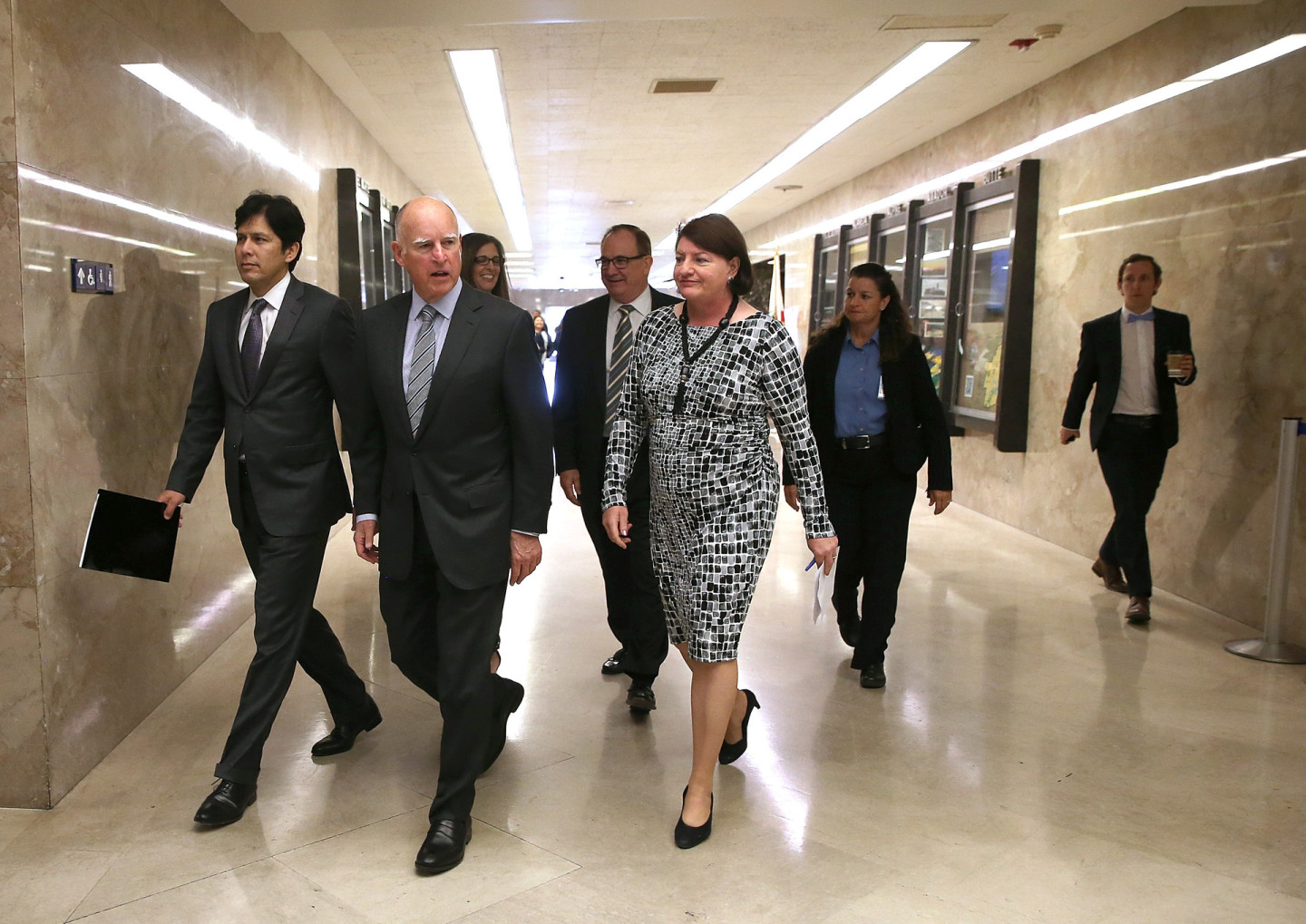
"caption": "California Gov. Jerry Brown (C) walks with Senate President pro Tempore Kevin de León (L) and Assembly Speaker Toni Atkins (R) to a news conference on March 19, 2015.",
"description": "California Gov. Jerry Brown (C) walks with Senate President pro Tempore Kevin de León (L) and Assembly Speaker Toni Atkins (R) to a news conference on March 19, 2015.",
"title": "RS15157_466890418-qut",
"credit": "Justin Sullivan/Getty Images",
"status": "inherit",
"isLoading": false,
"fetchFailed": false
},
"news_10522077": {
"type": "attachments",
"id": "news_10522077",
"meta": {
"index": "attachments_1716263798",
"site": "news",
"id": "10522077",
"found": true
},
"parent": 10521958,
"imgSizes": {
"twentyfourteen-full-width": {
"file": "https://ww2.kqed.org/app/uploads/sites/10/2015/05/RS14990_IMG_2966.JPG-e1431376354430-1038x576.jpg",
"width": 1038,
"mimeType": "image/jpeg",
"height": 576
},
"thumbnail": {
"file": "https://ww2.kqed.org/app/uploads/sites/10/2015/05/RS14990_IMG_2966.JPG-e1431376354430-400x316.jpg",
"width": 400,
"mimeType": "image/jpeg",
"height": 316
},
"fd-sm": {
"file": "https://ww2.kqed.org/app/uploads/sites/10/2015/05/RS14990_IMG_2966.JPG-e1431376354430-960x758.jpg",
"width": 960,
"mimeType": "image/jpeg",
"height": 758
},
"post-thumbnail": {
"file": "https://ww2.kqed.org/app/uploads/sites/10/2015/05/RS14990_IMG_2966.JPG-e1431376354430-672x372.jpg",
"width": 672,
"mimeType": "image/jpeg",
"height": 372
},
"kqedFullSize": {
"file": "https://ww2.kqed.org/app/uploads/sites/10/2015/05/RS14990_IMG_2966.JPG-e1431376354430.jpg",
"width": 1392,
"height": 1099
},
"large": {
"file": "https://ww2.kqed.org/app/uploads/sites/10/2015/05/RS14990_IMG_2966.JPG-1440x1022.jpg",
"width": 1440,
"mimeType": "image/jpeg",
"height": 1022
},
"guest-author-96": {
"file": "https://ww2.kqed.org/app/uploads/sites/10/2015/05/RS14990_IMG_2966.JPG-e1431376354430-96x96.jpg",
"width": 96,
"mimeType": "image/jpeg",
"height": 96
},
"medium": {
"file": "https://ww2.kqed.org/app/uploads/sites/10/2015/05/RS14990_IMG_2966.JPG-e1431376354430-800x632.jpg",
"width": 800,
"mimeType": "image/jpeg",
"height": 632
},
"guest-author-64": {
"file": "https://ww2.kqed.org/app/uploads/sites/10/2015/05/RS14990_IMG_2966.JPG-e1431376354430-64x64.jpg",
"width": 64,
"mimeType": "image/jpeg",
"height": 64
},
"guest-author-32": {
"file": "https://ww2.kqed.org/app/uploads/sites/10/2015/05/RS14990_IMG_2966.JPG-e1431376354430-32x32.jpg",
"width": 32,
"mimeType": "image/jpeg",
"height": 32
},
"fd-med": {
"file": "https://ww2.kqed.org/app/uploads/sites/10/2015/05/RS14990_IMG_2966.JPG-e1431376354430-1180x932.jpg",
"width": 1180,
"mimeType": "image/jpeg",
"height": 932
},
"detail": {
"file": "https://ww2.kqed.org/app/uploads/sites/10/2015/05/RS14990_IMG_2966.JPG-e1431376354430-75x75.jpg",
"width": 75,
"mimeType": "image/jpeg",
"height": 75
},
"guest-author-128": {
"file": "https://ww2.kqed.org/app/uploads/sites/10/2015/05/RS14990_IMG_2966.JPG-e1431376354430-128x128.jpg",
"width": 128,
"mimeType": "image/jpeg",
"height": 128
}
},
"publishDate": 1431376318,
"modified": 1431376419,
"caption": "Gov. Jerry Brown, seen here on Apr. 28 in Sacramento, will get a salary boost in December under action taken on May 11.",
"description": null,
"title": "RS14990_IMG_2966.JPG",
"credit": "John Myers/KQED",
"status": "inherit",
"isLoading": false,
"fetchFailed": false
},
"news_10518170": {
"type": "attachments",
"id": "news_10518170",
"meta": {
"index": "attachments_1716263798",
"site": "news",
"id": "10518170",
"found": true
},
"parent": 10518166,
"imgSizes": {
"twentyfourteen-full-width": {
"file": "https://ww2.kqed.org/app/uploads/sites/10/2015/05/RS11260_180501096-e1431104382361-1038x576.jpg",
"width": 1038,
"mimeType": "image/jpeg",
"height": 576
},
"thumbnail": {
"file": "https://ww2.kqed.org/app/uploads/sites/10/2015/05/RS11260_180501096-e1431104382361-400x287.jpg",
"width": 400,
"mimeType": "image/jpeg",
"height": 287
},
"fd-sm": {
"file": "https://ww2.kqed.org/app/uploads/sites/10/2015/05/RS11260_180501096-e1431104382361-960x689.jpg",
"width": 960,
"mimeType": "image/jpeg",
"height": 689
},
"post-thumbnail": {
"file": "https://ww2.kqed.org/app/uploads/sites/10/2015/05/RS11260_180501096-e1431104382361-672x372.jpg",
"width": 672,
"mimeType": "image/jpeg",
"height": 372
},
"kqedFullSize": {
"file": "https://ww2.kqed.org/app/uploads/sites/10/2015/05/RS11260_180501096-e1431104382361.jpg",
"width": 1444,
"height": 1036
},
"large": {
"file": "https://ww2.kqed.org/app/uploads/sites/10/2015/05/RS11260_180501096-e1431104382361-1440x1033.jpg",
"width": 1440,
"mimeType": "image/jpeg",
"height": 1033
},
"guest-author-96": {
"file": "https://ww2.kqed.org/app/uploads/sites/10/2015/05/RS11260_180501096-e1431104382361-96x96.jpg",
"width": 96,
"mimeType": "image/jpeg",
"height": 96
},
"medium": {
"file": "https://ww2.kqed.org/app/uploads/sites/10/2015/05/RS11260_180501096-e1431104382361-800x574.jpg",
"width": 800,
"mimeType": "image/jpeg",
"height": 574
},
"guest-author-64": {
"file": "https://ww2.kqed.org/app/uploads/sites/10/2015/05/RS11260_180501096-e1431104382361-64x64.jpg",
"width": 64,
"mimeType": "image/jpeg",
"height": 64
},
"guest-author-32": {
"file": "https://ww2.kqed.org/app/uploads/sites/10/2015/05/RS11260_180501096-e1431104382361-32x32.jpg",
"width": 32,
"mimeType": "image/jpeg",
"height": 32
},
"fd-med": {
"file": "https://ww2.kqed.org/app/uploads/sites/10/2015/05/RS11260_180501096-e1431104382361-1180x847.jpg",
"width": 1180,
"mimeType": "image/jpeg",
"height": 847
},
"detail": {
"file": "https://ww2.kqed.org/app/uploads/sites/10/2015/05/RS11260_180501096-e1431104382361-75x75.jpg",
"width": 75,
"mimeType": "image/jpeg",
"height": 75
},
"guest-author-128": {
"file": "https://ww2.kqed.org/app/uploads/sites/10/2015/05/RS11260_180501096-e1431104382361-128x128.jpg",
"width": 128,
"mimeType": "image/jpeg",
"height": 128
}
},
"publishDate": 1431104314,
"modified": 1431126077,
"caption": "Sales taxes are used by both state and local government, but cover fewer and fewer of the things Californians buy.",
"description": "An unidentified man (L) pays for groceries at Trader Joe's in Centreville, Virginia, on September 13, 2013. The national supermarket chain informed part-time employees that it would end health insurance benefits in 2014 for employees who work less than 30 hours a week, sending them instead to the new public insurance marketplaces with an extra 500 USD to help purchase coverage. Under the Affordable Care Act (ACA), or \"Obamacare\", companies are not required to offer health coverage to their part-time workers. AFP PHOTO/Paul J. Richards (Photo credit should read PAUL J. RICHARDS/AFP/Getty Images)",
"title": "US-HEALTH CARE-TRADER JOE'S",
"credit": "Paul Richards/Getty Images",
"status": "inherit",
"isLoading": false,
"fetchFailed": false
},
"news_10508407": {
"type": "attachments",
"id": "news_10508407",
"meta": {
"index": "attachments_1716263798",
"site": "news",
"id": "10508407",
"found": true
},
"parent": 10508403,
"imgSizes": {
"twentyfourteen-full-width": {
"file": "https://ww2.kqed.org/app/uploads/sites/10/2015/05/IMG_3008-1038x576.jpg",
"width": 1038,
"mimeType": "image/jpeg",
"height": 576
},
"thumbnail": {
"file": "https://ww2.kqed.org/app/uploads/sites/10/2015/05/IMG_3008-400x300.jpg",
"width": 400,
"mimeType": "image/jpeg",
"height": 300
},
"fd-sm": {
"file": "https://ww2.kqed.org/app/uploads/sites/10/2015/05/IMG_3008-960x720.jpg",
"width": 960,
"mimeType": "image/jpeg",
"height": 720
},
"post-thumbnail": {
"file": "https://ww2.kqed.org/app/uploads/sites/10/2015/05/IMG_3008-672x372.jpg",
"width": 672,
"mimeType": "image/jpeg",
"height": 372
},
"kqedFullSize": {
"file": "https://ww2.kqed.org/app/uploads/sites/10/2015/05/IMG_3008-e1430439102550.jpg",
"width": 1920,
"height": 1440
},
"large": {
"file": "https://ww2.kqed.org/app/uploads/sites/10/2015/05/IMG_3008-1440x1080.jpg",
"width": 1440,
"mimeType": "image/jpeg",
"height": 1080
},
"guest-author-96": {
"file": "https://ww2.kqed.org/app/uploads/sites/10/2015/05/IMG_3008-96x96.jpg",
"width": 96,
"mimeType": "image/jpeg",
"height": 96
},
"medium": {
"file": "https://ww2.kqed.org/app/uploads/sites/10/2015/05/IMG_3008-800x600.jpg",
"width": 800,
"mimeType": "image/jpeg",
"height": 600
},
"guest-author-64": {
"file": "https://ww2.kqed.org/app/uploads/sites/10/2015/05/IMG_3008-64x64.jpg",
"width": 64,
"mimeType": "image/jpeg",
"height": 64
},
"guest-author-32": {
"file": "https://ww2.kqed.org/app/uploads/sites/10/2015/05/IMG_3008-32x32.jpg",
"width": 32,
"mimeType": "image/jpeg",
"height": 32
},
"fd-med": {
"file": "https://ww2.kqed.org/app/uploads/sites/10/2015/05/IMG_3008-1180x885.jpg",
"width": 1180,
"mimeType": "image/jpeg",
"height": 885
},
"detail": {
"file": "https://ww2.kqed.org/app/uploads/sites/10/2015/05/IMG_3008-75x75.jpg",
"width": 75,
"mimeType": "image/jpeg",
"height": 75
},
"guest-author-128": {
"file": "https://ww2.kqed.org/app/uploads/sites/10/2015/05/IMG_3008-128x128.jpg",
"width": 128,
"mimeType": "image/jpeg",
"height": 128
}
},
"publishDate": 1430439005,
"modified": 1434149993,
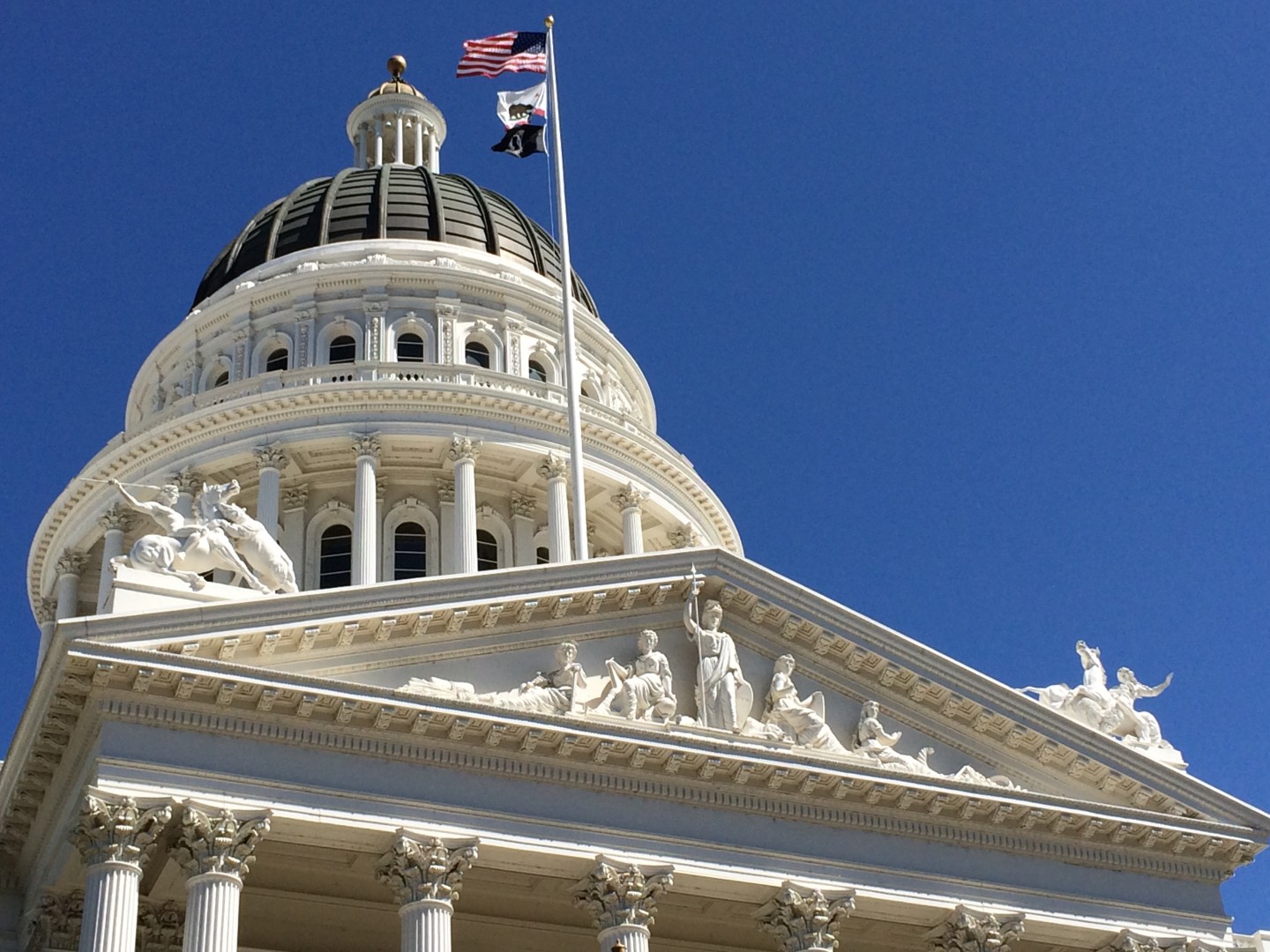
"caption": "State Capitol",
"description": "State Capitol",
"title": "IMG_3008",
"credit": "John Myers/KQED",
"status": "inherit",
"isLoading": false,
"fetchFailed": false
},
"news_10514576": {
"type": "attachments",
"id": "news_10514576",
"meta": {
"index": "attachments_1716263798",
"site": "news",
"id": "10514576",
"found": true
},
"parent": 10513168,
"imgSizes": {
"twentyfourteen-full-width": {
"file": "https://ww2.kqed.org/app/uploads/sites/10/2015/05/sponsored_still04-1038x576.png",
"width": 1038,
"mimeType": "image/png",
"height": 576
},
"thumbnail": {
"file": "https://ww2.kqed.org/app/uploads/sites/10/2015/05/sponsored_still04-400x225.png",
"width": 400,
"mimeType": "image/png",
"height": 225
},
"fd-sm": {
"file": "https://ww2.kqed.org/app/uploads/sites/10/2015/05/sponsored_still04-960x540.png",
"width": 960,
"mimeType": "image/png",
"height": 540
},
"post-thumbnail": {
"file": "https://ww2.kqed.org/app/uploads/sites/10/2015/05/sponsored_still04-672x372.png",
"width": 672,
"mimeType": "image/png",
"height": 372
},
"kqedFullSize": {
"file": "https://ww2.kqed.org/app/uploads/sites/10/2015/05/sponsored_still04.png",
"width": 1920,
"height": 1080
},
"large": {
"file": "https://ww2.kqed.org/app/uploads/sites/10/2015/05/sponsored_still04-1440x810.png",
"width": 1440,
"mimeType": "image/png",
"height": 810
},
"guest-author-96": {
"file": "https://ww2.kqed.org/app/uploads/sites/10/2015/05/sponsored_still04-96x96.png",
"width": 96,
"mimeType": "image/png",
"height": 96
},
"medium": {
"file": "https://ww2.kqed.org/app/uploads/sites/10/2015/05/sponsored_still04-800x450.png",
"width": 800,
"mimeType": "image/png",
"height": 450
},
"guest-author-64": {
"file": "https://ww2.kqed.org/app/uploads/sites/10/2015/05/sponsored_still04-64x64.png",
"width": 64,
"mimeType": "image/png",
"height": 64
},
"guest-author-32": {
"file": "https://ww2.kqed.org/app/uploads/sites/10/2015/05/sponsored_still04-32x32.png",
"width": 32,
"mimeType": "image/png",
"height": 32
},
"fd-med": {
"file": "https://ww2.kqed.org/app/uploads/sites/10/2015/05/sponsored_still04-1180x664.png",
"width": 1180,
"mimeType": "image/png",
"height": 664
},
"detail": {
"file": "https://ww2.kqed.org/app/uploads/sites/10/2015/05/sponsored_still04-75x75.png",
"width": 75,
"mimeType": "image/png",
"height": 75
},
"guest-author-128": {
"file": "https://ww2.kqed.org/app/uploads/sites/10/2015/05/sponsored_still04-128x128.png",
"width": 128,
"mimeType": "image/png",
"height": 128
}
},
"publishDate": 1430874631,
"modified": 1430874650,
"caption": null,
"description": null,
"title": "sponsored_still04",
"credit": "Mark Fiore/KQED",
"status": "inherit",
"isLoading": false,
"fetchFailed": false
},
"news_10513986": {
"type": "attachments",
"id": "news_10513986",
"meta": {
"index": "attachments_1716263798",
"site": "news",
"id": "10513986",
"found": true
},
"parent": 10513981,
"imgSizes": {
"twentyfourteen-full-width": {
"file": "https://ww2.kqed.org/app/uploads/sites/10/2015/05/1921_transform-1038x576.jpg",
"width": 1038,
"mimeType": "image/jpeg",
"height": 576
},
"thumbnail": {
"file": "https://ww2.kqed.org/app/uploads/sites/10/2015/05/1921_transform-400x300.jpg",
"width": 400,
"mimeType": "image/jpeg",
"height": 300
},
"fd-sm": {
"file": "https://ww2.kqed.org/app/uploads/sites/10/2015/05/1921_transform-960x720.jpg",
"width": 960,
"mimeType": "image/jpeg",
"height": 720
},
"post-thumbnail": {
"file": "https://ww2.kqed.org/app/uploads/sites/10/2015/05/1921_transform-672x372.jpg",
"width": 672,
"mimeType": "image/jpeg",
"height": 372
},
"kqedFullSize": {
"file": "https://ww2.kqed.org/app/uploads/sites/10/2015/05/1921_transform.jpg",
"width": 1920,
"height": 1440
},
"large": {
"file": "https://ww2.kqed.org/app/uploads/sites/10/2015/05/1921_transform-1440x1080.jpg",
"width": 1440,
"mimeType": "image/jpeg",
"height": 1080
},
"guest-author-96": {
"file": "https://ww2.kqed.org/app/uploads/sites/10/2015/05/1921_transform-96x96.jpg",
"width": 96,
"mimeType": "image/jpeg",
"height": 96
},
"medium": {
"file": "https://ww2.kqed.org/app/uploads/sites/10/2015/05/1921_transform-800x600.jpg",
"width": 800,
"mimeType": "image/jpeg",
"height": 600
},
"guest-author-64": {
"file": "https://ww2.kqed.org/app/uploads/sites/10/2015/05/1921_transform-64x64.jpg",
"width": 64,
"mimeType": "image/jpeg",
"height": 64
},
"guest-author-32": {
"file": "https://ww2.kqed.org/app/uploads/sites/10/2015/05/1921_transform-32x32.jpg",
"width": 32,
"mimeType": "image/jpeg",
"height": 32
},
"fd-med": {
"file": "https://ww2.kqed.org/app/uploads/sites/10/2015/05/1921_transform-1180x885.jpg",
"width": 1180,
"mimeType": "image/jpeg",
"height": 885
},
"detail": {
"file": "https://ww2.kqed.org/app/uploads/sites/10/2015/05/1921_transform-75x75.jpg",
"width": 75,
"mimeType": "image/jpeg",
"height": 75
},
"guest-author-128": {
"file": "https://ww2.kqed.org/app/uploads/sites/10/2015/05/1921_transform-128x128.jpg",
"width": 128,
"mimeType": "image/jpeg",
"height": 128
}
},
"publishDate": 1430840415,
"modified": 1430840461,
"caption": "County jails, like this one in Los Angeles, are getting fewer inmates because of Prop. 47.",
"description": null,
"title": "1921_transform",
"credit": "Krissy Clark/KQED",
"status": "inherit",
"isLoading": false,
"fetchFailed": false
},
"news_10507092": {
"type": "attachments",
"id": "news_10507092",
"meta": {
"index": "attachments_1716263798",
"site": "news",
"id": "10507092",
"found": true
},
"parent": 10507039,
"imgSizes": {
"twentyfourteen-full-width": {
"file": "https://ww2.kqed.org/app/uploads/sites/10/2015/04/IMG_3014-1038x576.jpg",
"width": 1038,
"mimeType": "image/jpeg",
"height": 576
},
"thumbnail": {
"file": "https://ww2.kqed.org/app/uploads/sites/10/2015/04/IMG_3014-400x259.jpg",
"width": 400,
"mimeType": "image/jpeg",
"height": 259
},
"fd-sm": {
"file": "https://ww2.kqed.org/app/uploads/sites/10/2015/04/IMG_3014-960x622.jpg",
"width": 960,
"mimeType": "image/jpeg",
"height": 622
},
"post-thumbnail": {
"file": "https://ww2.kqed.org/app/uploads/sites/10/2015/04/IMG_3014-672x372.jpg",
"width": 672,
"mimeType": "image/jpeg",
"height": 372
},
"kqedFullSize": {
"file": "https://ww2.kqed.org/app/uploads/sites/10/2015/04/IMG_3014-e1430346961219.jpg",
"width": 1919,
"height": 1244
},
"large": {
"file": "https://ww2.kqed.org/app/uploads/sites/10/2015/04/IMG_3014-1440x933.jpg",
"width": 1440,
"mimeType": "image/jpeg",
"height": 933
},
"guest-author-96": {
"file": "https://ww2.kqed.org/app/uploads/sites/10/2015/04/IMG_3014-96x96.jpg",
"width": 96,
"mimeType": "image/jpeg",
"height": 96
},
"medium": {
"file": "https://ww2.kqed.org/app/uploads/sites/10/2015/04/IMG_3014-800x518.jpg",
"width": 800,
"mimeType": "image/jpeg",
"height": 518
},
"guest-author-64": {
"file": "https://ww2.kqed.org/app/uploads/sites/10/2015/04/IMG_3014-64x64.jpg",
"width": 64,
"mimeType": "image/jpeg",
"height": 64
},
"guest-author-32": {
"file": "https://ww2.kqed.org/app/uploads/sites/10/2015/04/IMG_3014-32x32.jpg",
"width": 32,
"mimeType": "image/jpeg",
"height": 32
},
"fd-med": {
"file": "https://ww2.kqed.org/app/uploads/sites/10/2015/04/IMG_3014-1180x765.jpg",
"width": 1180,
"mimeType": "image/jpeg",
"height": 765
},
"detail": {
"file": "https://ww2.kqed.org/app/uploads/sites/10/2015/04/IMG_3014-75x75.jpg",
"width": 75,
"mimeType": "image/jpeg",
"height": 75
},
"guest-author-128": {
"file": "https://ww2.kqed.org/app/uploads/sites/10/2015/04/IMG_3014-128x128.jpg",
"width": 128,
"mimeType": "image/jpeg",
"height": 128
}
},
"publishDate": 1430346935,
"modified": 1430347060,
"caption": "A new statewide poll finds neither party loyalty nor ideology changes the support among Californians for more transparency in state government.",
"description": "California state Capitol on April 29, 2015.",
"title": "State Capitol April 2015",
"credit": "John Myers/KQED",
"status": "inherit",
"isLoading": false,
"fetchFailed": false
},
"news_10506007": {
"type": "attachments",
"id": "news_10506007",
"meta": {
"index": "attachments_1716263798",
"site": "news",
"id": "10506007",
"found": true
},
"parent": 10506005,
"imgSizes": {
"twentyfourteen-full-width": {
"file": "https://ww2.kqed.org/app/uploads/sites/10/2015/04/Screen-Shot-2015-04-28-at-3.36.30-PM-e1430261057319-1038x576.png",
"width": 1038,
"mimeType": "image/png",
"height": 576
},
"thumbnail": {
"file": "https://ww2.kqed.org/app/uploads/sites/10/2015/04/Screen-Shot-2015-04-28-at-3.36.30-PM-e1430261057319-400x258.png",
"width": 400,
"mimeType": "image/png",
"height": 258
},
"fd-sm": {
"file": "https://ww2.kqed.org/app/uploads/sites/10/2015/04/Screen-Shot-2015-04-28-at-3.36.30-PM-e1430261057319-960x619.png",
"width": 960,
"mimeType": "image/png",
"height": 619
},
"post-thumbnail": {
"file": "https://ww2.kqed.org/app/uploads/sites/10/2015/04/Screen-Shot-2015-04-28-at-3.36.30-PM-e1430261057319-672x372.png",
"width": 672,
"mimeType": "image/png",
"height": 372
},
"kqedFullSize": {
"file": "https://ww2.kqed.org/app/uploads/sites/10/2015/04/Screen-Shot-2015-04-28-at-3.36.30-PM-e1430261057319.png",
"width": 1435,
"height": 926
},
"large": {
"file": "https://ww2.kqed.org/app/uploads/sites/10/2015/04/Screen-Shot-2015-04-28-at-3.36.30-PM-1440x812.png",
"width": 1440,
"mimeType": "image/png",
"height": 812
},
"guest-author-96": {
"file": "https://ww2.kqed.org/app/uploads/sites/10/2015/04/Screen-Shot-2015-04-28-at-3.36.30-PM-e1430261057319-96x96.png",
"width": 96,
"mimeType": "image/png",
"height": 96
},
"medium": {
"file": "https://ww2.kqed.org/app/uploads/sites/10/2015/04/Screen-Shot-2015-04-28-at-3.36.30-PM-e1430261057319-800x516.png",
"width": 800,
"mimeType": "image/png",
"height": 516
},
"guest-author-64": {
"file": "https://ww2.kqed.org/app/uploads/sites/10/2015/04/Screen-Shot-2015-04-28-at-3.36.30-PM-e1430261057319-64x64.png",
"width": 64,
"mimeType": "image/png",
"height": 64
},
"guest-author-32": {
"file": "https://ww2.kqed.org/app/uploads/sites/10/2015/04/Screen-Shot-2015-04-28-at-3.36.30-PM-e1430261057319-32x32.png",
"width": 32,
"mimeType": "image/png",
"height": 32
},
"fd-med": {
"file": "https://ww2.kqed.org/app/uploads/sites/10/2015/04/Screen-Shot-2015-04-28-at-3.36.30-PM-e1430261057319-1180x761.png",
"width": 1180,
"mimeType": "image/png",
"height": 761
},
"detail": {
"file": "https://ww2.kqed.org/app/uploads/sites/10/2015/04/Screen-Shot-2015-04-28-at-3.36.30-PM-e1430261057319-75x75.png",
"width": 75,
"mimeType": "image/png",
"height": 75
},
"guest-author-128": {
"file": "https://ww2.kqed.org/app/uploads/sites/10/2015/04/Screen-Shot-2015-04-28-at-3.36.30-PM-e1430261057319-128x128.png",
"width": 128,
"mimeType": "image/png",
"height": 128
}
},
"publishDate": 1430260951,
"modified": 1430263931,
"caption": "The 'Fix California Challenge' would offer venture capital funds for the best ideas to improve California governance.",
"description": null,
"title": "Screen Shot 2015-04-28 at 3.36.30 PM",
"credit": "Fix CA Website",
"status": "inherit",
"isLoading": false,
"fetchFailed": false
},
"news_10504575": {
"type": "attachments",
"id": "news_10504575",
"meta": {
"index": "attachments_1716263798",
"site": "news",
"id": "10504575",
"found": true
},
"parent": 10504502,
"imgSizes": {
"twentyfourteen-full-width": {
"file": "https://ww2.kqed.org/app/uploads/sites/10/2015/04/RS2826_cashregister20120522-1038x576.jpg",
"width": 1038,
"mimeType": "image/jpeg",
"height": 576
},
"thumbnail": {
"file": "https://ww2.kqed.org/app/uploads/sites/10/2015/04/RS2826_cashregister20120522-400x267.jpg",
"width": 400,
"mimeType": "image/jpeg",
"height": 267
},
"fd-sm": {
"file": "https://ww2.kqed.org/app/uploads/sites/10/2015/04/RS2826_cashregister20120522-960x640.jpg",
"width": 960,
"mimeType": "image/jpeg",
"height": 640
},
"post-thumbnail": {
"file": "https://ww2.kqed.org/app/uploads/sites/10/2015/04/RS2826_cashregister20120522-672x372.jpg",
"width": 672,
"mimeType": "image/jpeg",
"height": 372
},
"kqedFullSize": {
"file": "https://ww2.kqed.org/app/uploads/sites/10/2015/04/RS2826_cashregister20120522-e1430162029879.jpg",
"width": 1920,
"height": 1280
},
"large": {
"file": "https://ww2.kqed.org/app/uploads/sites/10/2015/04/RS2826_cashregister20120522-1440x960.jpg",
"width": 1440,
"mimeType": "image/jpeg",
"height": 960
},
"guest-author-96": {
"file": "https://ww2.kqed.org/app/uploads/sites/10/2015/04/RS2826_cashregister20120522-96x96.jpg",
"width": 96,
"mimeType": "image/jpeg",
"height": 96
},
"medium": {
"file": "https://ww2.kqed.org/app/uploads/sites/10/2015/04/RS2826_cashregister20120522-800x533.jpg",
"width": 800,
"mimeType": "image/jpeg",
"height": 533
},
"guest-author-64": {
"file": "https://ww2.kqed.org/app/uploads/sites/10/2015/04/RS2826_cashregister20120522-64x64.jpg",
"width": 64,
"mimeType": "image/jpeg",
"height": 64
},
"guest-author-32": {
"file": "https://ww2.kqed.org/app/uploads/sites/10/2015/04/RS2826_cashregister20120522-32x32.jpg",
"width": 32,
"mimeType": "image/jpeg",
"height": 32
},
"fd-med": {
"file": "https://ww2.kqed.org/app/uploads/sites/10/2015/04/RS2826_cashregister20120522-1180x787.jpg",
"width": 1180,
"mimeType": "image/jpeg",
"height": 787
},
"detail": {
"file": "https://ww2.kqed.org/app/uploads/sites/10/2015/04/RS2826_cashregister20120522-75x75.jpg",
"width": 75,
"mimeType": "image/jpeg",
"height": 75
},
"guest-author-128": {
"file": "https://ww2.kqed.org/app/uploads/sites/10/2015/04/RS2826_cashregister20120522-128x128.jpg",
"width": 128,
"mimeType": "image/jpeg",
"height": 128
}
},
"publishDate": 1430161977,
"modified": 1430174103,
"caption": "Labor and business groups could battle over a 2016 statewide initiative to raise the minimum wage.",
"description": "BRIDGEHAMPTON, NY - JUNE 15: Euros, from a recent sale, lay next to American currency in the cash register of Loaves & Fishes Cookshop June 15, 2008 in Bridgehampton, in the Hamptons section of Long Island, New York. Like several Hampton retailers, they have begun accepting Euros as payment, catering to the large amounts of visiting Europeans and the weak dollar. This is the first year they are doing so. (Photo by Annie Tritt/Getty Images)",
"title": "RS2826_cashregister20120522",
"credit": "Annie Tritt/Getty Images",
"status": "inherit",
"isLoading": false,
"fetchFailed": false
}
},
"audioPlayerReducer": {
"postId": "stream_live",
"isPaused": true,
"isPlaying": false,
"pfsActive": false,
"pledgeModalIsOpen": true,
"playerDrawerIsOpen": false,
"liveAudioPlayStartedAt": 0,
"liveAudioPlayContext": ""
},
"authorsReducer": {
"lisapickoffwhite-2": {
"type": "authors",
"id": "199",
"meta": {
"index": "authors_1716337520",
"id": "199",
"found": true
},
"name": "Lisa Pickoff-White",
"firstName": "Lisa",
"lastName": "Pickoff-White",
"slug": "lisapickoffwhite-2",
"email": "lpickoffwhite@kqed.org",
"display_author_email": false,
"staff_mastheads": [
"news"
],
"title": "Data Journalist, Senior Producer",
"bio": "Lisa Pickoff-White is KQED's data reporter. Lisa specializes in simplifying complex topics and bringing them to life through compelling visuals, including photography and data visualizations. She previously has worked at the Center for Investigative Reporting and other national outlets. Her work has been honored with awards from the Online News Association, Investigative Reporters and Editors, the Society of Professional Journalists and SXSW Interactive. \u003cstrong> \u003c/strong>",
"avatar": "https://secure.gravatar.com/avatar/5513c5f3967df792aa65bee2501e84d6?s=600&d=blank&r=g",
"twitter": "pickoffwhite",
"facebook": null,
"instagram": null,
"linkedin": null,
"sites": [
{
"site": "",
"roles": [
"editor"
]
},
{
"site": "arts",
"roles": []
},
{
"site": "news",
"roles": [
"administrator"
]
},
{
"site": "about",
"roles": [
"editor"
]
},
{
"site": "stateofhealth",
"roles": [
"administrator"
]
},
{
"site": "science",
"roles": [
"editor"
]
},
{
"site": "quest",
"roles": [
"editor"
]
},
{
"site": "forum",
"roles": [
"editor"
]
}
],
"headData": {
"title": "Lisa Pickoff-White | KQED",
"description": "Data Journalist, Senior Producer",
"ogImgSrc": "https://secure.gravatar.com/avatar/5513c5f3967df792aa65bee2501e84d6?s=600&d=blank&r=g",
"twImgSrc": "https://secure.gravatar.com/avatar/5513c5f3967df792aa65bee2501e84d6?s=600&d=blank&r=g"
},
"isLoading": false,
"link": "/author/lisapickoffwhite-2"
},
"jmyers": {
"type": "authors",
"id": "232",
"meta": {
"index": "authors_1716337520",
"id": "232",
"found": true
},
"name": "John Myers",
"firstName": "John",
"lastName": "Myers",
"slug": "jmyers",
"email": "jmyers@kqed.org",
"display_author_email": false,
"staff_mastheads": [],
"title": null,
"bio": "John Myers is Senior Editor of KQED's new California Politics and Government Desk. A veteran of almost two decades of political coverage, he was KQED's longest serving statehouse bureau chief and recently was political editor for Sacramento's ABC affiliate, News10 (KXTV). John was moderator of the only 2014 gubernatorial debate, and was named by \u003cem>The Washington Post\u003c/em> to two \"Best Of\" lists: the 2015 list of top state politics reporters and 2014's list of America's most influential statehouse reporters.",
"avatar": "https://secure.gravatar.com/avatar/c0ac98482caf0b8229a792662b38722a?s=600&d=blank&r=g",
"twitter": "johnmyers",
"facebook": null,
"instagram": null,
"linkedin": null,
"sites": [
{
"site": "news",
"roles": [
"subscriber"
]
}
],
"headData": {
"title": "John Myers | KQED",
"description": null,
"ogImgSrc": "https://secure.gravatar.com/avatar/c0ac98482caf0b8229a792662b38722a?s=600&d=blank&r=g",
"twImgSrc": "https://secure.gravatar.com/avatar/c0ac98482caf0b8229a792662b38722a?s=600&d=blank&r=g"
},
"isLoading": false,
"link": "/author/jmyers"
},
"mlagos": {
"type": "authors",
"id": "3239",
"meta": {
"index": "authors_1716337520",
"id": "3239",
"found": true
},
"name": "Marisa Lagos",
"firstName": "Marisa",
"lastName": "Lagos",
"slug": "mlagos",
"email": "mlagos@kqed.org",
"display_author_email": false,
"staff_mastheads": [
"news"
],
"title": "KQED Contributor",
"bio": "Marisa Lagos is a correspondent for KQED’s California Politics and Government Desk and co-hosts the award-winning show and podcast, Political Breakdown. At KQED, Lagos also conducts reporting, analysis and investigations into state, local and national politics for radio, TV, online and onstage. In 2022, she and co-host, Scott Shafer, moderated the only gubernatorial debate in California. In 2020, the \u003ci>Washington Post\u003c/i> named her one of the top political journalists in California; she was nominated for a Peabody and won several other awards for her work investigating the 2017 California wildfires. She has worked at the \u003ci>San Francisco Chronicle\u003c/i>, \u003ci>San Francisco Examiner\u003c/i> and \u003ci>Los Angeles Times\u003c/i>. A UC Santa Barbara graduate, she lives in San Francisco with her two sons and husband.",
"avatar": "https://secure.gravatar.com/avatar/a261a0d3696fc066871ef96b85b5e7d2?s=600&d=blank&r=g",
"twitter": "@mlagos",
"facebook": null,
"instagram": null,
"linkedin": null,
"sites": [
{
"site": "arts",
"roles": [
"author"
]
},
{
"site": "news",
"roles": [
"editor"
]
},
{
"site": "science",
"roles": [
"editor"
]
},
{
"site": "forum",
"roles": [
"author"
]
},
{
"site": "liveblog",
"roles": [
"author"
]
}
],
"headData": {
"title": "Marisa Lagos | KQED",
"description": "KQED Contributor",
"ogImgSrc": "https://secure.gravatar.com/avatar/a261a0d3696fc066871ef96b85b5e7d2?s=600&d=blank&r=g",
"twImgSrc": "https://secure.gravatar.com/avatar/a261a0d3696fc066871ef96b85b5e7d2?s=600&d=blank&r=g"
},
"isLoading": false,
"link": "/author/mlagos"
}
},
"pagesReducer": {
"news_program_faultlines": {
"type": "terms",
"id": "news_7051",
"meta": {
"index": "terms_1716263798",
"site": "news",
"id": "7051",
"score": 16.377302
},
"featImg": "https://ww2.kqed.org/app/uploads/sites/10/2014/10/Faultlines-2.png",
"name": "FaultLines",
"description": null,
"taxonomy": "program",
"headData": {
"twImgId": null,
"twTitle": null,
"ogTitle": null,
"ogImgId": null,
"twDescription": null,
"description": null,
"title": "FaultLines Archives | KQED News",
"ogDescription": null
},
"ttid": 7077,
"slug": "faultlines",
"isLoading": false,
"title": "FaultLines",
"pageMeta": {
"site": "news",
"WpPageTemplate": "page-topic-editorial",
"currentPage": 7
},
"blocks": [
{
"blockName": "kqed/post-list",
"attrs": {
"layout": "cardArticle2",
"query": "posts/news?program=faultlines",
"seeMore": false,
"paginated": true,
"page": 7
}
},
{
"blockName": "kqed/ad"
}
]
}
},
"pfsSessionReducer": {},
"postsReducer": {
"stream_live": {
"type": "live",
"id": "stream_live",
"audioUrl": "https://streams.kqed.org/kqedradio",
"title": "Live Stream",
"excerpt": "Live Stream information currently unavailable.",
"link": "/radio",
"featImg": "",
"label": {
"name": "KQED Live",
"link": "/"
}
},
"stream_kqedNewscast": {
"type": "posts",
"id": "stream_kqedNewscast",
"audioUrl": "https://www.kqed.org/.stream/anon/radio/RDnews/newscast.mp3?_=1",
"title": "KQED Newscast",
"featImg": "",
"label": {
"name": "88.5 FM",
"link": "/"
}
},
"news_10526142": {
"type": "posts",
"id": "news_10526142",
"meta": {
"index": "posts_1716263798",
"site": "news",
"id": "10526142",
"score": null,
"sort": [
1431673313000
]
},
"parent": 0,
"labelTerm": {
"site": "news",
"term": 7051
},
"blocks": [],
"publishDate": 1431673313,
"format": "standard",
"disqusTitle": "Revised California Budget Reinforces Brown's Manifesto of Moderation",
"title": "Revised California Budget Reinforces Brown's Manifesto of Moderation",
"headTitle": "FaultLines | KQED News",
"content": "\u003cp>It was an animated Gov. Jerry Brown, fielding yet another question about Democrats wanting additional boosts to state spending, who uttered a sentence that pretty much sums up his entire approach to governing.\u003c/p>\n\u003cp>\"I don't want to get caught in the jaws of the persistent, fiscal instability of the state government of California,\" said a somewhat exasperated Brown. He then said, matter-of-factly, \"There it is.\"\u003c/p>\n\u003cp>There it is, indeed: A manifesto of moderation, it seems, that's guided Brown more than anything other since his return to Sacramento in 2011.\u003c/p>\n\u003cp>And it's no surprise why. The governor's approach, in the early days, helped him forge a middle ground between \u003ca href=\"http://articles.latimes.com/2011/jan/12/local/la-me-state-budget-20110112\" target=\"_blank\">no new taxes\u003c/a> and \u003ca href=\"http://www.mercurynews.com/ci_19556853\" target=\"_blank\">permanent new taxes\u003c/a>. Then it was \u003ca href=\"http://gov.ca.gov/news.php?id=17694\" target=\"_blank\">a deal on public employee pensions\u003c/a>. Then, \u003ca href=\"http://ww2.kqed.org/news/2014/08/14/california-water-bond-proposition-1/\" target=\"_blank\">a new water bond\u003c/a>. All along, Brown seems to have been trying to find some kind of narrow passage between political battle lines -- especially the lingering one with his fellow Democrats over the size and role of state government.\u003c/p>\n\u003cp>[soundcloud url=\"https://api.soundcloud.com/tracks/205627618\" params=\"color=ff5500&auto_play=false&hide_related=false&show_comments=true&show_user=true&show_reposts=false\" width=\"100%\" height=\"166\" iframe=\"true\" /]\u003c/p>\n\u003cp>That can be hard to do when there's suddenly a lot of unexpected cash. Take \u003ca href=\"http://gov.ca.gov/news.php?id=18958\" target=\"_blank\">Thursday's revised budget\u003c/a>: Last June, Brown's fiscal advisers assumed the 2014-15 budget year would end with $70.2 billion in personal income taxes collected. Now, they are pegging the total tax take this year at almost $75.4 billion.\u003c/p>\n\u003cp>[ad fullwidth]\u003c/p>\n\u003cp>Over the course of three fiscal years (last year, this year, next year), the Brown administration has now raised its general fund revenue estimates by $6.7 billion.\u003c/p>\n\u003cp>Spending has gone up, too, driven largely by the constitutional school funding guarantees under \u003ca href=\"http://www.lao.ca.gov/2005/prop_98_primer/prop_98_primer_020805.htm\" target=\"_blank\">Proposition 98\u003c/a>. But the revised spending plan also includes a recalibration of the Brown manifesto, changes made in the face of new demands that the governor hasn't done enough to help some of those in need.\u003c/p>\n\u003cp>\u003cstrong>Brown's Tax Break For the Working Poor\u003c/strong>\u003c/p>\n\u003cp>The best example of the course adjustment may be Thursday's rollout of a new state earned income tax credit (EITC) -- \u003ca href=\"http://www.taxpolicycenter.org/briefing-book/key-elements/family/eitc.cfm\" target=\"_blank\">a staple of federal tax policy since 1975\u003c/a> and one embraced with additional tax credits in more than two dozen other states. Last year, the Legislature asked for \u003ca href=\"http://www.lao.ca.gov/reports/2014/finance/state-eitc/options-state-eitc-121814.aspx\" target=\"_blank\">a detailed review of EITC options from the nonpartisan Legislative Analyst's Office\u003c/a>. In that report, the LAO concluded that 10 million Californians -- more than one in four -- lived in a household in 2012 that benefited from the federal EITC. Advocates have long praised the tax break at as an effective way to put more money back into the pockets of the working poor.\u003c/p>\n\u003cp>There have been three legislative proposals in the past four years to create a state tax credit, and \u003ca href=\"http://www.latimes.com/local/political/la-me-pc-assembly-democrats-budget-higher-education-roads-20150505-story.html\" target=\"_blank\">Assembly Democrats placed it on their budget wish list\u003c/a> just days ago.\u003c/p>\n\u003cp>On Thursday, the governor tried to not sound like a newcomer to the idea. \"I've always liked the earned income tax credit,\" said Brown.\u003c/p>\n\u003cp>[soundcloud url=\"https://api.soundcloud.com/tracks/205679069\" params=\"color=ff5500&auto_play=false&hide_related=false&show_comments=true&show_user=true&show_reposts=false\" width=\"100%\" height=\"166\" iframe=\"true\" /]\u003c/p>\n\u003cp>His proposal is smaller than other EITC ideas, and thus would cost less, about $380 million in the coming year and assumed to exist for at least the next four years. Brown defended his proposal's size in the Q&A with reporters, while still conceding there are some who think he hasn't done enough on the issue of income inequality.\u003c/p>\n\u003cp>\"I've heard that,\" said the governor at his budget news conference. \"And I thought this would be a reasonable response.\"\u003c/p>\n\u003cp>\u003cstrong>Brown Cuts a Deal With UC\u003c/strong>\u003c/p>\n\u003cp>Reasonable can be read by some as \"moderate,\" and the tax credit isn't the only example of that in Brown's revised budget plan. It's also one way to describe the deal struck with the University of California and UC's politically savvy president, Janet Napolitano.\u003c/p>\n\u003cp>In a nutshell: Napolitano \u003ca href=\"http://www.universityofcalifornia.edu/press-room/uc-press-release-governors-revised-budget\" target=\"_blank\">called off any in-state tuition increases for the next two school years\u003c/a> in exchange for Brown adding $146 million to the state's UC spending in the fiscal year to come -- earmarked for maintenance, energy efficiency and help in filling in the university's long-term employee pension shortfall. (The pension money, which will come from \u003ca href=\"http://ballotpedia.org/California_Proposition_2,_Rainy_Day_Budget_Stabilization_Fund_Act_%282014%29\" target=\"_blank\">Proposition 2\u003c/a> debt payment funds, totals $436 million over three fiscal years).\u003c/p>\n\u003cp>That kind of moderation seems to have resolved at least the short-term fight with UC's leadership. Napolitano, a veteran politician herself, saw it as a deal worth taking.\u003c/p>\n\u003cp>\"Obviously, one always wants more money from the state,\" she said in an interview with KQED News. \"But I think this is a very, very fair deal for us.\"\u003c/p>\n\u003cp>And Brown was careful to squelch any idea that he'd given away too much, especially on the help for UC's pension debt.\u003c/p>\n\u003cp>\"This is not free money,\" he said Thursday.\u003c/p>\n\u003cp>So what's next? The 32 days between the revised budget's release and the constitutional deadline for the Legislature to place a spending plan on Brown's desk will be fascinating to watch. Perhaps the moderating strategy, even if it means new expenses, isn't over. For example, Brown's \u003ca href=\"https://twitter.com/anthonyyork49/status/598909844318359552\" target=\"_blank\">budget director suggested on Thursday that there's room to talk about another fiscal fight\u003c/a>: The effort by \u003ca href=\"http://www.cmanet.org/we-care-for-california/medi-cal-a-broken-promise/\" target=\"_blank\">doctors and other advocates to restore the recession-era cuts\u003c/a> in fees paid to doctors who take Medi-Cal patients.\u003c/p>\n\u003cp>Even so, there's probably some kind of tipping point -- perhaps only known to Brown and his closest advisers -- for what's a reasonable expense, and what's a harbinger of a new era of money mistakes. And perhaps that tipping point is tied to the Capitol's growing sense that a gubernatorial legacy is now coming into sight.\u003c/p>\n\u003cp>\u003c/p>\n\u003cp>\"One thing we know is that when governors leave town with big deficits, they're more scorned than praised,\" said Brown toward the end of his budget presentation. \"I think it's all balance.\"\u003c/p>\n\n",
"disqusIdentifier": "10526142 http://ww2.kqed.org/news/?p=10526142",
"disqusUrl": "https://ww2.kqed.org/news/2015/05/15/revised-california-budget-reinforces-browns-manifesto-of-moderation/",
"stats": {
"hasVideo": false,
"hasChartOrMap": false,
"hasAudio": false,
"hasPolis": false,
"wordCount": 1053,
"hasGoogleForm": false,
"hasGallery": false,
"hasHearkenModule": false,
"iframeSrcs": [],
"paragraphCount": 27
},
"modified": 1432320681,
"excerpt": "The governor's quest for a political middle ground continues in his new budget plan.",
"headData": {
"twImgId": "",
"twTitle": "",
"ogTitle": "",
"ogImgId": "",
"twDescription": "",
"description": "The governor's quest for a political middle ground continues in his new budget plan.",
"title": "Revised California Budget Reinforces Brown's Manifesto of Moderation | KQED",
"ogDescription": "",
"schema": {
"@context": "https://schema.org",
"@type": "NewsArticle",
"headline": "Revised California Budget Reinforces Brown's Manifesto of Moderation",
"datePublished": "2015-05-15T00:01:53-07:00",
"dateModified": "2015-05-22T11:51:21-07:00",
"image": "https://cdn.kqed.org/wp-content/uploads/2020/02/KQED-OG-Image@1x.png",
"isAccessibleForFree": "True",
"publisher": {
"@type": "NewsMediaOrganization",
"@id": "https://www.kqed.org/#organization",
"name": "KQED",
"logo": "https://cdn.kqed.org/wp-content/uploads/2020/02/KQED-OG-Image@1x.png",
"url": "https://www.kqed.org",
"sameAs": [
"https://www.facebook.com/KQED",
"https://twitter.com/KQED",
"https://www.instagram.com/kqed/",
"https://www.tiktok.com/@kqedofficial",
"https://www.linkedin.com/company/kqed",
"https://www.youtube.com/channel/UCeC0IOo7i1P_61zVUWbJ4nw"
]
}
}
},
"guestAuthors": [],
"slug": "revised-california-budget-reinforces-browns-manifesto-of-moderation",
"status": "publish",
"customPermalink": "2015/05/15/revised-California-budget-reinforces-Jerry+Brown-manifesto-of-moderation/",
"path": "/news/10526142/revised-california-budget-reinforces-browns-manifesto-of-moderation",
"audioTrackLength": null,
"parsedContent": [
{
"type": "contentString",
"content": "\u003cdiv class=\"post-body\">\u003cp>\u003cp>It was an animated Gov. Jerry Brown, fielding yet another question about Democrats wanting additional boosts to state spending, who uttered a sentence that pretty much sums up his entire approach to governing.\u003c/p>\n\u003cp>\"I don't want to get caught in the jaws of the persistent, fiscal instability of the state government of California,\" said a somewhat exasperated Brown. He then said, matter-of-factly, \"There it is.\"\u003c/p>\n\u003cp>There it is, indeed: A manifesto of moderation, it seems, that's guided Brown more than anything other since his return to Sacramento in 2011.\u003c/p>\n\u003cp>And it's no surprise why. The governor's approach, in the early days, helped him forge a middle ground between \u003ca href=\"http://articles.latimes.com/2011/jan/12/local/la-me-state-budget-20110112\" target=\"_blank\">no new taxes\u003c/a> and \u003ca href=\"http://www.mercurynews.com/ci_19556853\" target=\"_blank\">permanent new taxes\u003c/a>. Then it was \u003ca href=\"http://gov.ca.gov/news.php?id=17694\" target=\"_blank\">a deal on public employee pensions\u003c/a>. Then, \u003ca href=\"http://ww2.kqed.org/news/2014/08/14/california-water-bond-proposition-1/\" target=\"_blank\">a new water bond\u003c/a>. All along, Brown seems to have been trying to find some kind of narrow passage between political battle lines -- especially the lingering one with his fellow Democrats over the size and role of state government.\u003c/p>\n\u003cp>\u003c/p>\u003cp>\u003cdiv class='utils-parseShortcode-shortcodes-__shortcodes__shortcodeWrapper'>\n \u003ciframe width='100%' height='166'\n scrolling='no' frameborder='no'\n src='https://w.soundcloud.com/player/?url=https://api.soundcloud.com/tracks/205627618&visual=true&color=ff5500&auto_play=false&hide_related=false&show_comments=true&show_user=true&show_reposts=false'\n title='https://api.soundcloud.com/tracks/205627618'>\n \u003c/iframe>\n \u003c/div>\u003c/p>\u003cp>\u003c/p>\n\u003cp>That can be hard to do when there's suddenly a lot of unexpected cash. Take \u003ca href=\"http://gov.ca.gov/news.php?id=18958\" target=\"_blank\">Thursday's revised budget\u003c/a>: Last June, Brown's fiscal advisers assumed the 2014-15 budget year would end with $70.2 billion in personal income taxes collected. Now, they are pegging the total tax take this year at almost $75.4 billion.\u003c/p>\n\u003cp>\u003c/p>\u003c/div>",
"attributes": {
"named": {},
"numeric": []
}
},
{
"type": "component",
"content": "",
"name": "ad",
"attributes": {
"named": {
"label": "fullwidth"
},
"numeric": [
"fullwidth"
]
}
},
{
"type": "contentString",
"content": "\u003cdiv class=\"post-body\">\u003cp>\u003c/p>\n\u003cp>Over the course of three fiscal years (last year, this year, next year), the Brown administration has now raised its general fund revenue estimates by $6.7 billion.\u003c/p>\n\u003cp>Spending has gone up, too, driven largely by the constitutional school funding guarantees under \u003ca href=\"http://www.lao.ca.gov/2005/prop_98_primer/prop_98_primer_020805.htm\" target=\"_blank\">Proposition 98\u003c/a>. But the revised spending plan also includes a recalibration of the Brown manifesto, changes made in the face of new demands that the governor hasn't done enough to help some of those in need.\u003c/p>\n\u003cp>\u003cstrong>Brown's Tax Break For the Working Poor\u003c/strong>\u003c/p>\n\u003cp>The best example of the course adjustment may be Thursday's rollout of a new state earned income tax credit (EITC) -- \u003ca href=\"http://www.taxpolicycenter.org/briefing-book/key-elements/family/eitc.cfm\" target=\"_blank\">a staple of federal tax policy since 1975\u003c/a> and one embraced with additional tax credits in more than two dozen other states. Last year, the Legislature asked for \u003ca href=\"http://www.lao.ca.gov/reports/2014/finance/state-eitc/options-state-eitc-121814.aspx\" target=\"_blank\">a detailed review of EITC options from the nonpartisan Legislative Analyst's Office\u003c/a>. In that report, the LAO concluded that 10 million Californians -- more than one in four -- lived in a household in 2012 that benefited from the federal EITC. Advocates have long praised the tax break at as an effective way to put more money back into the pockets of the working poor.\u003c/p>\n\u003cp>There have been three legislative proposals in the past four years to create a state tax credit, and \u003ca href=\"http://www.latimes.com/local/political/la-me-pc-assembly-democrats-budget-higher-education-roads-20150505-story.html\" target=\"_blank\">Assembly Democrats placed it on their budget wish list\u003c/a> just days ago.\u003c/p>\n\u003cp>On Thursday, the governor tried to not sound like a newcomer to the idea. \"I've always liked the earned income tax credit,\" said Brown.\u003c/p>\n\u003cp>\u003c/p>\u003cp>\u003cdiv class='utils-parseShortcode-shortcodes-__shortcodes__shortcodeWrapper'>\n \u003ciframe width='100%' height='166'\n scrolling='no' frameborder='no'\n src='https://w.soundcloud.com/player/?url=https://api.soundcloud.com/tracks/205679069&visual=true&color=ff5500&auto_play=false&hide_related=false&show_comments=true&show_user=true&show_reposts=false'\n title='https://api.soundcloud.com/tracks/205679069'>\n \u003c/iframe>\n \u003c/div>\u003c/p>\u003cp>\u003c/p>\n\u003cp>His proposal is smaller than other EITC ideas, and thus would cost less, about $380 million in the coming year and assumed to exist for at least the next four years. Brown defended his proposal's size in the Q&A with reporters, while still conceding there are some who think he hasn't done enough on the issue of income inequality.\u003c/p>\n\u003cp>\"I've heard that,\" said the governor at his budget news conference. \"And I thought this would be a reasonable response.\"\u003c/p>\n\u003cp>\u003cstrong>Brown Cuts a Deal With UC\u003c/strong>\u003c/p>\n\u003cp>Reasonable can be read by some as \"moderate,\" and the tax credit isn't the only example of that in Brown's revised budget plan. It's also one way to describe the deal struck with the University of California and UC's politically savvy president, Janet Napolitano.\u003c/p>\n\u003cp>In a nutshell: Napolitano \u003ca href=\"http://www.universityofcalifornia.edu/press-room/uc-press-release-governors-revised-budget\" target=\"_blank\">called off any in-state tuition increases for the next two school years\u003c/a> in exchange for Brown adding $146 million to the state's UC spending in the fiscal year to come -- earmarked for maintenance, energy efficiency and help in filling in the university's long-term employee pension shortfall. (The pension money, which will come from \u003ca href=\"http://ballotpedia.org/California_Proposition_2,_Rainy_Day_Budget_Stabilization_Fund_Act_%282014%29\" target=\"_blank\">Proposition 2\u003c/a> debt payment funds, totals $436 million over three fiscal years).\u003c/p>\n\u003cp>That kind of moderation seems to have resolved at least the short-term fight with UC's leadership. Napolitano, a veteran politician herself, saw it as a deal worth taking.\u003c/p>\n\u003cp>\"Obviously, one always wants more money from the state,\" she said in an interview with KQED News. \"But I think this is a very, very fair deal for us.\"\u003c/p>\n\u003cp>And Brown was careful to squelch any idea that he'd given away too much, especially on the help for UC's pension debt.\u003c/p>\n\u003cp>\"This is not free money,\" he said Thursday.\u003c/p>\n\u003cp>So what's next? The 32 days between the revised budget's release and the constitutional deadline for the Legislature to place a spending plan on Brown's desk will be fascinating to watch. Perhaps the moderating strategy, even if it means new expenses, isn't over. For example, Brown's \u003ca href=\"https://twitter.com/anthonyyork49/status/598909844318359552\" target=\"_blank\">budget director suggested on Thursday that there's room to talk about another fiscal fight\u003c/a>: The effort by \u003ca href=\"http://www.cmanet.org/we-care-for-california/medi-cal-a-broken-promise/\" target=\"_blank\">doctors and other advocates to restore the recession-era cuts\u003c/a> in fees paid to doctors who take Medi-Cal patients.\u003c/p>\n\u003cp>Even so, there's probably some kind of tipping point -- perhaps only known to Brown and his closest advisers -- for what's a reasonable expense, and what's a harbinger of a new era of money mistakes. And perhaps that tipping point is tied to the Capitol's growing sense that a gubernatorial legacy is now coming into sight.\u003c/p>\n\u003cp>\u003c/p>\n\u003cp>\"One thing we know is that when governors leave town with big deficits, they're more scorned than praised,\" said Brown toward the end of his budget presentation. \"I think it's all balance.\"\u003c/p>\n\n\u003c/div>\u003c/p>",
"attributes": {
"named": {},
"numeric": []
}
}
],
"link": "/news/10526142/revised-california-budget-reinforces-browns-manifesto-of-moderation",
"authors": [
"232"
],
"programs": [
"news_7051"
],
"categories": [
"news_8"
],
"tags": [
"news_402",
"news_2704",
"news_17599",
"news_1790",
"news_30",
"news_17286",
"news_17041"
],
"featImg": "news_10527000",
"label": "news_7051"
},
"news_10525865": {
"type": "posts",
"id": "news_10525865",
"meta": {
"index": "posts_1716263798",
"site": "news",
"id": "10525865",
"score": null,
"sort": [
1431646682000
]
},
"parent": 0,
"labelTerm": {
"site": "news",
"term": 7051
},
"blocks": [],
"publishDate": 1431646682,
"format": "standard",
"disqusTitle": "Gov. Brown Steers Money Toward Schools, Universities, Tax Credit for Poor",
"title": "Gov. Brown Steers Money Toward Schools, Universities, Tax Credit for Poor",
"headTitle": "FaultLines | KQED News",
"content": "\u003cp>California's rebounding economy will pump $6.7 billion more than expected into state coffers next fiscal year, Gov. Jerry Brown announced Thursday -- a windfall that will mostly benefit K-12 schools and community colleges.\u003c/p>\n\u003cp>But in a $115.3 billion revised budget plan unveiled Thursday, Brown also proposed an earned income tax credit for the state's working poor and announced a deal with University of California President Janet Napolitano to hold tuition at the public university flat for another two years.\u003c/p>\n\u003cp>[soundcloud url=\"https://api.soundcloud.com/tracks/205529290\" params=\"color=ff5500&auto_play=false&hide_related=false&show_comments=true&show_user=true&show_reposts=false\" width=\"100%\" height=\"166\" iframe=\"true\" /]\u003c/p>\n\u003cp>Brown and Napolitano\u003ca href=\"http://www.washingtonpost.com/politics/brown-napolitano-clash-over-proposed-tuition-hike-at-the-university-of-california/2015/01/22/93506c88-a28a-11e4-9f89-561284a573f8_story.html\"> sparred earlier this year\u003c/a> over her insistence that the state provide hundreds of millions more dollars to the UC system if lawmakers wanted to see student fees stay put. After a series of one-on-one meetings through the winter and early spring, Brown said the duo agreed on a plan that will put nearly $450 million in state money over the next three years toward paying down a portion of UC's billions in unfunded pension debt.\u003c/p>\n\u003cp>In return, the university will agree to hold tuition flat for the next two school years and will lower its cap on pensionable earnings by UC employees.\u003c/p>\n\u003caside class=\"pullquote alignright\">'The state is definitely on the rebound from just a few years ago, when the state was mired in red ink.' \u003ccite>Gov. Jerry Brown\u003c/cite>\u003c/aside>\n\u003cp>In unveiling \u003ca href=\"http://www.ebudget.ca.gov/FullBudgetSummary.pdf\" target=\"_blank\">the revised spending plan\u003c/a>, Brown was largely upbeat, noting that the state faced a $26 billion deficit when he was elected five years ago.\u003c/p>\n\u003cp>[ad fullwidth]\u003c/p>\n\u003cp>\"I can say very simply that the state is definitely on the rebound from just a few years ago, when the state was mired in red ink,\" he said. \"The finances have stabilized, we are balancing our budget, and just since January several billion have come into state coffers.\"\u003c/p>\n\u003cp>Most of the additional revenue, under the state constitution, is earmarked for schools: a total of $5.5 billion in new money, raising overall general fund spending to $49.7 in the fiscal year that begins on July 1. Some of that will go toward paying down debt the state owed to schools because of previous years of dismal revenues.\u003c/p>\n\u003cp>Brown's spending plan also sets aside more money for a rainy day fund authorized by voters last fall through Proposition 2. The revised budget adds $633 million in stashed-away funds through the Prop. 2 mandate, and pays down $633 million in existing state debts.\u003c/p>\n\u003cp>But in a nod to legislative Democrats, Brown is also pushing several spending initiatives aimed at helping the millions of Californians who live in poverty. Both Assembly Speaker Toni Atkins (D-San Diego) and Senate President pro Tem Kevin de León (D-Los Angeles) have made clear that their priorities include restoring deep cuts made during the recession to programs that benefit California's poorest residents.\u003c/p>\n\u003caside class=\"pullquote alignleft\">'I couldn’t be happier with the earned income tax proposal. ... I don’t think anybody who works a full-time job should be in poverty in California.' \u003ccite>Assembly Speaker Toni Atkins\u003c/cite>\u003c/aside>\n\u003cp>Brown wants to establish, for the first time ever, a state equivalent of the federal earned income tax credit. His proposal calls for a slightly less generous tax break, set at 85 percent of the federal credit. It would apply to households on the bottom of the income ladder -- for example, a couple without kids that makes just $6,580 a year. On average, according to the governor's office, the tax credit would put about $460 a year back into the pockets of an estimated 825,000 families. The credit would cost the state about $380 million a year.\u003c/p>\n\u003cp>He said the federal credit was established in 1975, when he was first governor, and that it was a program he \"always liked.\"\u003c/p>\n\u003cp>\"Given the tremendous growth in income on the part of higher-income people, I thought it would be reasonable to establish this program in California,\" he said. \"I have always liked the earned income tax credit because it doesn't have any particular bureaucracy, or complexity. It's just a straight deliverance of funding to people who are working very hard and who are earning very little money.\"\u003c/p>\n\u003cp>The governor is also proposing expanding Medi-Cal benefits to undocumented immigrants eligible for permanent residency under a executive order signed by President Obama in November. That order is being \u003ca href=\"http://www.npr.org/2015/02/17/386863032/judge-temporarily-blocks-obamas-executive-action-on-immigration\">challenged in court\u003c/a>, but Brown said that if it's upheld, state health care costs will rise $62 million next fiscal year and $200 million annually in the following years.\u003c/p>\n\u003cp>And the governor said he will push an amnesty program \u003ca href=\"http://ww2.kqed.org/news/2015/04/08/california-poor-subject-to-fines-fees-like-in-ferguson-says-report\" target=\"_blank\">for the estimated 4 million Californians \u003c/a>who have lost their driver's licenses and other privileges because they owe money for unpaid traffic tickets or other minor offenses. On Thursday, he called the spiraling debt related to such infractions a \"hellhole of desperation\" for the state's poor, and said the program would allow people to pay half of what they owe and get their licenses reinstated.\u003c/p>\n\u003cp>Democratic lawmakers have proposed more far-reaching plans, including expanding Medi-Cal to all undocumented immigrants, increasing reimbursement rates for doctors who take Medi-Cal patients, hiking state spending on early childhood education programs, and a\u003ca href=\"http://leginfo.legislature.ca.gov/faces/billNavClient.xhtml;jsessionid=457ab925ef4ba551130faff901cc\" target=\"_blank\">n earned income tax credit that matches the federal one\u003c/a>. While Brown's budget falls short of those proposals, Atkins said it's a good starting place.\u003c/p>\n\u003cp>\"My general takeaway of the governor’s May revision is positive,\" she said in an interview. \"The governor has focused on one of our key priorities, poverty. I couldn't be happier with the earned income tax proposal. We have been working on that for quite a time in the Assembly -- I don't think anybody who works a full-time job should be in poverty in California.\"\u003c/p>\n\u003caside class=\"pullquote alignright\">'The continued investment in schools is really important, but it's only as good as how well the kids are clothed and fed and the living environment they have before they get to school.'\u003ccite>Mike Herald, Western Center on Law and Poverty\u003c/cite>\u003c/aside>\n\u003cp>Atkins also praised Brown's willingness to \"reinvest\" in the UC and California State University systems, though she said there's still work to do in that area, particularly around ensuring CSU is funded as well as UC, and prioritizing in-state students for enrollment and financial aid at both systems. And she noted that the budget includes no new spending on child care and early childhood education, a key priority for both her and de León.\u003c/p>\n\u003cp>\"We know we are not going to get everything we want in this process,\" she said. \"But I think we feel good that this year's budget, and the framework and architecture of it, is gonna help us be successful and make some progress in some key priority areas.\"\u003c/p>\n\u003cp>But advocates for the poor, including Mike Herald, said they are disappointed that Brown isn't addressing many of the state's \"deep poverty issues.\"\u003c/p>\n\u003cp>Herald, from the Western Center on Law and Poverty, said the tax credit is a \"good first step.\"\u003c/p>\n\u003cp>“But it really doesn't address some of the deep poverty issues we’re concerned about -- many families aren't earning money from work and they aren't going to benefit from a tax credit,\" he said.\u003c/p>\n\u003cp>He said the state needs to consider restoring deep cuts made to public assistance programs for the blind, aging and disabled, and should repeal a decades-old law that \u003ca href=\"http://www.sacbee.com/news/politics-government/capitol-alert/article10966202.html\" target=\"_blank\">caps the amount of welfare a family can receive if they have more kids\u003c/a>.\u003c/p>\n\u003cp>\"The continued investment in schools is really important, but it's only as good as how well the kids are clothed and fed and the living environment they have before they get to school,\" he said. \"We think sometimes we are not looking at that side of the equation enough.\"\u003c/p>\n\u003cp>[ad floatright]\u003c/p>\n\u003cp>The Legislature has until June 15 to negotiate and pass a budget for the fiscal year that begins July 1.\u003c/p>\n\n",
"disqusIdentifier": "10525865 http://ww2.kqed.org/news/?p=10525865",
"disqusUrl": "https://ww2.kqed.org/news/2015/05/14/gov-brown-steers-money-toward-schools-universities-tax-credit-for-poor/",
"stats": {
"hasVideo": false,
"hasChartOrMap": false,
"hasAudio": false,
"hasPolis": false,
"wordCount": 1400,
"hasGoogleForm": false,
"hasGallery": false,
"hasHearkenModule": false,
"iframeSrcs": [],
"paragraphCount": 27
},
"modified": 1432320693,
"excerpt": "Budget plan includes deal with UC head Janet Napolitano to hold tuition flat for another two years.",
"headData": {
"twImgId": "",
"twTitle": "",
"ogTitle": "",
"ogImgId": "",
"twDescription": "",
"description": "Budget plan includes deal with UC head Janet Napolitano to hold tuition flat for another two years.",
"title": "Gov. Brown Steers Money Toward Schools, Universities, Tax Credit for Poor | KQED",
"ogDescription": "",
"schema": {
"@context": "https://schema.org",
"@type": "NewsArticle",
"headline": "Gov. Brown Steers Money Toward Schools, Universities, Tax Credit for Poor",
"datePublished": "2015-05-14T16:38:02-07:00",
"dateModified": "2015-05-22T11:51:33-07:00",
"image": "https://cdn.kqed.org/wp-content/uploads/2020/02/KQED-OG-Image@1x.png",
"isAccessibleForFree": "True",
"publisher": {
"@type": "NewsMediaOrganization",
"@id": "https://www.kqed.org/#organization",
"name": "KQED",
"logo": "https://cdn.kqed.org/wp-content/uploads/2020/02/KQED-OG-Image@1x.png",
"url": "https://www.kqed.org",
"sameAs": [
"https://www.facebook.com/KQED",
"https://twitter.com/KQED",
"https://www.instagram.com/kqed/",
"https://www.tiktok.com/@kqedofficial",
"https://www.linkedin.com/company/kqed",
"https://www.youtube.com/channel/UCeC0IOo7i1P_61zVUWbJ4nw"
]
}
}
},
"guestAuthors": [],
"slug": "gov-brown-steers-money-toward-schools-universities-tax-credit-for-poor",
"status": "publish",
"path": "/news/10525865/gov-brown-steers-money-toward-schools-universities-tax-credit-for-poor",
"audioTrackLength": null,
"parsedContent": [
{
"type": "contentString",
"content": "\u003cdiv class=\"post-body\">\u003cp>\u003cp>California's rebounding economy will pump $6.7 billion more than expected into state coffers next fiscal year, Gov. Jerry Brown announced Thursday -- a windfall that will mostly benefit K-12 schools and community colleges.\u003c/p>\n\u003cp>But in a $115.3 billion revised budget plan unveiled Thursday, Brown also proposed an earned income tax credit for the state's working poor and announced a deal with University of California President Janet Napolitano to hold tuition at the public university flat for another two years.\u003c/p>\n\u003cp>\u003c/p>\u003cp>\u003cdiv class='utils-parseShortcode-shortcodes-__shortcodes__shortcodeWrapper'>\n \u003ciframe width='100%' height='166'\n scrolling='no' frameborder='no'\n src='https://w.soundcloud.com/player/?url=https://api.soundcloud.com/tracks/205529290&visual=true&color=ff5500&auto_play=false&hide_related=false&show_comments=true&show_user=true&show_reposts=false'\n title='https://api.soundcloud.com/tracks/205529290'>\n \u003c/iframe>\n \u003c/div>\u003c/p>\u003cp>\u003c/p>\n\u003cp>Brown and Napolitano\u003ca href=\"http://www.washingtonpost.com/politics/brown-napolitano-clash-over-proposed-tuition-hike-at-the-university-of-california/2015/01/22/93506c88-a28a-11e4-9f89-561284a573f8_story.html\"> sparred earlier this year\u003c/a> over her insistence that the state provide hundreds of millions more dollars to the UC system if lawmakers wanted to see student fees stay put. After a series of one-on-one meetings through the winter and early spring, Brown said the duo agreed on a plan that will put nearly $450 million in state money over the next three years toward paying down a portion of UC's billions in unfunded pension debt.\u003c/p>\n\u003cp>In return, the university will agree to hold tuition flat for the next two school years and will lower its cap on pensionable earnings by UC employees.\u003c/p>\n\u003caside class=\"pullquote alignright\">'The state is definitely on the rebound from just a few years ago, when the state was mired in red ink.' \u003ccite>Gov. Jerry Brown\u003c/cite>\u003c/aside>\n\u003cp>In unveiling \u003ca href=\"http://www.ebudget.ca.gov/FullBudgetSummary.pdf\" target=\"_blank\">the revised spending plan\u003c/a>, Brown was largely upbeat, noting that the state faced a $26 billion deficit when he was elected five years ago.\u003c/p>\n\u003cp>\u003c/p>\u003c/div>",
"attributes": {
"named": {},
"numeric": []
}
},
{
"type": "component",
"content": "",
"name": "ad",
"attributes": {
"named": {
"label": "fullwidth"
},
"numeric": [
"fullwidth"
]
}
},
{
"type": "contentString",
"content": "\u003cdiv class=\"post-body\">\u003cp>\u003c/p>\n\u003cp>\"I can say very simply that the state is definitely on the rebound from just a few years ago, when the state was mired in red ink,\" he said. \"The finances have stabilized, we are balancing our budget, and just since January several billion have come into state coffers.\"\u003c/p>\n\u003cp>Most of the additional revenue, under the state constitution, is earmarked for schools: a total of $5.5 billion in new money, raising overall general fund spending to $49.7 in the fiscal year that begins on July 1. Some of that will go toward paying down debt the state owed to schools because of previous years of dismal revenues.\u003c/p>\n\u003cp>Brown's spending plan also sets aside more money for a rainy day fund authorized by voters last fall through Proposition 2. The revised budget adds $633 million in stashed-away funds through the Prop. 2 mandate, and pays down $633 million in existing state debts.\u003c/p>\n\u003cp>But in a nod to legislative Democrats, Brown is also pushing several spending initiatives aimed at helping the millions of Californians who live in poverty. Both Assembly Speaker Toni Atkins (D-San Diego) and Senate President pro Tem Kevin de León (D-Los Angeles) have made clear that their priorities include restoring deep cuts made during the recession to programs that benefit California's poorest residents.\u003c/p>\n\u003caside class=\"pullquote alignleft\">'I couldn’t be happier with the earned income tax proposal. ... I don’t think anybody who works a full-time job should be in poverty in California.' \u003ccite>Assembly Speaker Toni Atkins\u003c/cite>\u003c/aside>\n\u003cp>Brown wants to establish, for the first time ever, a state equivalent of the federal earned income tax credit. His proposal calls for a slightly less generous tax break, set at 85 percent of the federal credit. It would apply to households on the bottom of the income ladder -- for example, a couple without kids that makes just $6,580 a year. On average, according to the governor's office, the tax credit would put about $460 a year back into the pockets of an estimated 825,000 families. The credit would cost the state about $380 million a year.\u003c/p>\n\u003cp>He said the federal credit was established in 1975, when he was first governor, and that it was a program he \"always liked.\"\u003c/p>\n\u003cp>\"Given the tremendous growth in income on the part of higher-income people, I thought it would be reasonable to establish this program in California,\" he said. \"I have always liked the earned income tax credit because it doesn't have any particular bureaucracy, or complexity. It's just a straight deliverance of funding to people who are working very hard and who are earning very little money.\"\u003c/p>\n\u003cp>The governor is also proposing expanding Medi-Cal benefits to undocumented immigrants eligible for permanent residency under a executive order signed by President Obama in November. That order is being \u003ca href=\"http://www.npr.org/2015/02/17/386863032/judge-temporarily-blocks-obamas-executive-action-on-immigration\">challenged in court\u003c/a>, but Brown said that if it's upheld, state health care costs will rise $62 million next fiscal year and $200 million annually in the following years.\u003c/p>\n\u003cp>And the governor said he will push an amnesty program \u003ca href=\"http://ww2.kqed.org/news/2015/04/08/california-poor-subject-to-fines-fees-like-in-ferguson-says-report\" target=\"_blank\">for the estimated 4 million Californians \u003c/a>who have lost their driver's licenses and other privileges because they owe money for unpaid traffic tickets or other minor offenses. On Thursday, he called the spiraling debt related to such infractions a \"hellhole of desperation\" for the state's poor, and said the program would allow people to pay half of what they owe and get their licenses reinstated.\u003c/p>\n\u003cp>Democratic lawmakers have proposed more far-reaching plans, including expanding Medi-Cal to all undocumented immigrants, increasing reimbursement rates for doctors who take Medi-Cal patients, hiking state spending on early childhood education programs, and a\u003ca href=\"http://leginfo.legislature.ca.gov/faces/billNavClient.xhtml;jsessionid=457ab925ef4ba551130faff901cc\" target=\"_blank\">n earned income tax credit that matches the federal one\u003c/a>. While Brown's budget falls short of those proposals, Atkins said it's a good starting place.\u003c/p>\n\u003cp>\"My general takeaway of the governor’s May revision is positive,\" she said in an interview. \"The governor has focused on one of our key priorities, poverty. I couldn't be happier with the earned income tax proposal. We have been working on that for quite a time in the Assembly -- I don't think anybody who works a full-time job should be in poverty in California.\"\u003c/p>\n\u003caside class=\"pullquote alignright\">'The continued investment in schools is really important, but it's only as good as how well the kids are clothed and fed and the living environment they have before they get to school.'\u003ccite>Mike Herald, Western Center on Law and Poverty\u003c/cite>\u003c/aside>\n\u003cp>Atkins also praised Brown's willingness to \"reinvest\" in the UC and California State University systems, though she said there's still work to do in that area, particularly around ensuring CSU is funded as well as UC, and prioritizing in-state students for enrollment and financial aid at both systems. And she noted that the budget includes no new spending on child care and early childhood education, a key priority for both her and de León.\u003c/p>\n\u003cp>\"We know we are not going to get everything we want in this process,\" she said. \"But I think we feel good that this year's budget, and the framework and architecture of it, is gonna help us be successful and make some progress in some key priority areas.\"\u003c/p>\n\u003cp>But advocates for the poor, including Mike Herald, said they are disappointed that Brown isn't addressing many of the state's \"deep poverty issues.\"\u003c/p>\n\u003cp>Herald, from the Western Center on Law and Poverty, said the tax credit is a \"good first step.\"\u003c/p>\n\u003cp>“But it really doesn't address some of the deep poverty issues we’re concerned about -- many families aren't earning money from work and they aren't going to benefit from a tax credit,\" he said.\u003c/p>\n\u003cp>He said the state needs to consider restoring deep cuts made to public assistance programs for the blind, aging and disabled, and should repeal a decades-old law that \u003ca href=\"http://www.sacbee.com/news/politics-government/capitol-alert/article10966202.html\" target=\"_blank\">caps the amount of welfare a family can receive if they have more kids\u003c/a>.\u003c/p>\n\u003cp>\"The continued investment in schools is really important, but it's only as good as how well the kids are clothed and fed and the living environment they have before they get to school,\" he said. \"We think sometimes we are not looking at that side of the equation enough.\"\u003c/p>\n\u003cp>\u003c/p>\u003c/div>",
"attributes": {
"named": {},
"numeric": []
}
},
{
"type": "component",
"content": "",
"name": "ad",
"attributes": {
"named": {
"label": "floatright"
},
"numeric": [
"floatright"
]
}
},
{
"type": "contentString",
"content": "\u003cdiv class=\"post-body\">\u003cp>\u003c/p>\n\u003cp>The Legislature has until June 15 to negotiate and pass a budget for the fiscal year that begins July 1.\u003c/p>\n\n\u003c/div>\u003c/p>",
"attributes": {
"named": {},
"numeric": []
}
}
],
"link": "/news/10525865/gov-brown-steers-money-toward-schools-universities-tax-credit-for-poor",
"authors": [
"3239"
],
"programs": [
"news_7051"
],
"categories": [
"news_18540",
"news_8",
"news_13"
],
"tags": [
"news_17599",
"news_30",
"news_70",
"news_17286",
"news_17041"
],
"featImg": "news_10527002",
"label": "news_7051"
},
"news_10524388": {
"type": "posts",
"id": "news_10524388",
"meta": {
"index": "posts_1716263798",
"site": "news",
"id": "10524388",
"score": null,
"sort": [
1431586886000
]
},
"parent": 0,
"labelTerm": {
"site": "news",
"term": 7051
},
"blocks": [],
"publishDate": 1431586886,
"format": "standard",
"disqusTitle": "California Interest Groups Hedge Their Bets, Give Cash to Anyone In Power",
"title": "California Interest Groups Hedge Their Bets, Give Cash to Anyone In Power",
"headTitle": "Political Muscle | FaultLines | KQED News",
"content": "\u003cp>In politics, we hear a lot about groups that back one party or one candidate. Unions for Democrats, business groups for Republicans.\u003c/p>\n\u003cp>But in Sacramento, political giving from some special interests isn’t that special at all: Many big groups flex their political muscle by simply hedging their bets, spreading money around to both parties -- and in some cases, even both candidates in the same race.\u003c/p>\n\u003cp>The reason, say political experts, is the desire to ensure access, plain and simple.\u003c/p>\n\u003cp>KQED News picked four groups that represent a range of interests: telecommunications giant \u003ca href=\"http://www.att.com/\" target=\"_blank\">AT&T\u003c/a>, the \u003ca href=\"http://www.car.org/\" target=\"_blank\">California Association of Realtors\u003c/a>, the \u003ca href=\"http://www.pechanga-nsn.gov/\" target=\"_blank\">Pechanga Band of Luiseño Indians\u003c/a>, and utility behemoth \u003ca href=\"http://www.pge.com/\" target=\"_blank\">Pacific Gas & Electric Co\u003c/a>.\u003c/p>\n\u003cp>An analysis of recent political giving showed that these entities -- which have given sitting lawmakers a combined $3.2 million since 2012 -- spread their money nearly evenly among Democrats and Republicans, and in many cases gave to both candidates in some of the Legislature’s most contested races.\u003c/p>\n\u003cp>[ad fullwidth]\u003c/p>\n\u003cp>\u003cstrong>How Many Legislators Accepted Money From these Groups?\u003c/strong>\u003c/p>\n\u003cdiv class=\"iframeContainer\" style=\"position: relative;width: 80%;max-width: 80% !important;height: 400px;overflow: hidden !important; background-color: #f5f5f5; margin-left: 12% !important\">\n\u003ciframe src=\"http://projects1.kqed.org/swapping-the-bets/index.html\" style=\"position: absolute;top:0;left: 0;width: 100%;height: 100%;\">\u003cbr>\n\u003c/iframe>\n\u003c/div>\n\u003cp>\n\u003ca href=\"#leg\">View in a sortable database.\u003c/a>\u003cbr>\n\u003c/p>\n\u003cp>\u003cstrong>AT&T: Reach Out and Touch ... Everyone\u003c/strong>\u003c/p>\n\u003cp>AT&T gave money to nearly every sitting lawmaker in his or her last election; only four senators and three Assembly members missed out on a contribution from the telecommunications company.\u003c/p>\n\u003cp>AT&T also played both sides of the same contest in some cases, handing out money to competing candidates in a total of 10 Assembly or Senate races. The other groups in this analysis weren’t far behind, generally giving money to between 80 and 90 percent of incumbent lawmakers (the one outlier was PG&E, which gave to only 60 percent of current senators, but 86 percent of Assembly members).\u003c/p>\n\u003cp>In all, AT&T directly contributed more than $570,000 to candidates and another $900,000 to the state Democratic and Republican parties between 2012 and 2014. Those amounts don’t include campaign giving by AT&T executives or its other employees. Company officials did not respond to requests for comment.\u003c/p>\n\u003cp>And AT&T is still making its careful bets. Last week, the company gave the maximum allowable to both Susan Bonilla and Steve Glazer in the East Bay’s bitter\u003ca href=\"http://ww2.kqed.org/news/2015/04/21/most-popular-man-in-east-bay-senate-race-is-jerry-brown/\" target=\"_blank\"> Democrat-versus-Democrat special election\u003c/a> for the state Senate.\u003ca href=\"http://cal-access.ss.ca.gov/Campaign/Committees/Detail.aspx?id=1007720&view=contributions\" target=\"_blank\"> \u003c/a>\u003ca href=\"http://cal-access.ss.ca.gov/Campaign/Committees/Detail.aspx?id=1007720&view=contributions\" target=\"_blank\">Last month, it cut both a $65,000 check\u003c/a> to the California Democratic Party and a $25,000 check to the California Republican Party.\u003c/p>\n\u003cp>\u003ca href=\"http://www.fppc.ca.gov/bulletin/007-Dec-2014StateContributionLimitsChart.pdf\" target=\"_blank\">State campaign finance limits\u003c/a> to political parties are set at $32,500 per election cycle, while candidates for the Legislature can take only $4,200 from an individual or business. The parties can, in turn, donate unlimited sums to candidates.\u003c/p>\n\u003cp>“Money buys access, and access is critical to influence,” said\u003ca href=\"http://maplight.org/content/staff\" target=\"_blank\"> Dan Newman\u003c/a>, executive director of the nonprofit \u003ca href=\"http://maplight.org/\" target=\"_blank\">MapLight\u003c/a>, which analyzes money in politics and assisted KQED News with the analysis. “These companies are regulated by the state of California, and what lawmakers do can have billions of dollars of effects on them. … They are willing to spend money to have the ability to get in front of lawmakers, to make their case and have influence.”\u003c/p>\n\u003cp>The political giving included in KQED News’ analysis accounts for only a fraction of the money that groups like these spend trying to influence decision-makers in the state Capitol each year: Over the same two-year period, AT&T spent nearly $4 million on lobbying efforts in Sacramento; PG&E spent $3.7 million; the Pechanga Band shelled out more than $700,000; and the Realtors spent $2.4 million. Those figures include gifts to state officials.\u003c/p>\n\u003cfigure id=\"attachment_10524502\" class=\"wp-caption alignleft\" style=\"max-width: 800px\">\u003cimg class=\"size-medium wp-image-10524502\" src=\"http://ww2.kqed.org/news/wp-content/uploads/sites/10/2015/05/Screen-Shot-2015-05-13-at-12.27.58-PM-800x540.png\" alt=\"Invitation sent out earlier this month for AT&T's annual fundraiser for Assembly Democrats.\" width=\"800\" height=\"540\" srcset=\"https://ww2.kqed.org/app/uploads/sites/10/2015/05/Screen-Shot-2015-05-13-at-12.27.58-PM-800x540.png 800w, https://ww2.kqed.org/app/uploads/sites/10/2015/05/Screen-Shot-2015-05-13-at-12.27.58-PM-400x270.png 400w, https://ww2.kqed.org/app/uploads/sites/10/2015/05/Screen-Shot-2015-05-13-at-12.27.58-PM-1440x971.png 1440w, https://ww2.kqed.org/app/uploads/sites/10/2015/05/Screen-Shot-2015-05-13-at-12.27.58-PM-1180x796.png 1180w, https://ww2.kqed.org/app/uploads/sites/10/2015/05/Screen-Shot-2015-05-13-at-12.27.58-PM-960x647.png 960w, https://ww2.kqed.org/app/uploads/sites/10/2015/05/Screen-Shot-2015-05-13-at-12.27.58-PM.png 1886w\" sizes=\"(max-width: 800px) 100vw, 800px\">\u003cfigcaption class=\"wp-caption-text\">Invitation sent out earlier this month for AT&T's annual fundraiser for Assembly Democrats. \u003ccite>(Fundraiser Invitation/KQED)\u003c/cite>\u003c/figcaption>\u003c/figure>\n\u003cp>AT&T also \u003ca href=\"http://articles.latimes.com/2012/apr/22/local/la-me-att-20120422\" target=\"_blank\">spends hundreds of thousands of dollars every year hosting the Speaker’s Cup at Pebble Beach\u003c/a>, a fundraiser for Assembly Democrats that was held earlier this month. Campaign finance reports from that event haven’t been filed yet.\u003c/p>\n\u003cp>The four groups also gave a combined $112,200 to Gov. Jerry Brown in the last election. PG&E gave the most to the governor’s campaign, $54,200 -- just under the maximum allowed by law.\u003c/p>\n\u003cp>\u003cstrong>Supporting 'Friends'\u003c/strong>\u003c/p>\n\u003cp>Only \u003ca href=\"http://www.pechanga-nsn.gov/index.php/tribal-government/pechanga-tribal-council/elected-officials/mark-macarro-tribal-chairman\" target=\"_blank\">Mark Macarro\u003c/a>, chairman of the Pechanga Band in Riverside County, responded to a request for comment. In a written statement, he said that the tribe’s goal in making campaign contributions is to protect “historic tribal rights so that tribes can survive another generation.\"\u003c/p>\n\u003cp>“History has demonstrated that avoiding political participation results in catastrophic policies against Native people and our inherent tribal rights. Native American rights and issues are highly diverse and truly nonpartisan. Our issues stretch from gaming policy, to Indian child welfare, to sacred sites protection,” he stated.\u003c/p>\n\u003cp>But why would the tribe give to two legislative candidates running against one another, as in 2014 in both the state’s 28th Senate District (Republican \u003ca href=\"http://www.desertsun.com/story/news/politics/elections/2014/11/05/th-california-senate-election/18521741/\" target=\"_blank\">Jeff Stone and Republican Bonnie Garcia\u003c/a>) and the 34th Senate District (Republican \u003ca href=\"http://www.latimes.com/local/political/la-me-pc-orange-county-senate-seat-20141029-story.html\" target=\"_blank\">Janet Nguyen and Democrat Jose Solorio\u003c/a>)?\u003c/p>\n\u003caside class=\"alignright\">[soundcloud url=\"https://api.soundcloud.com/tracks/205464748\" params=\"color=ff5500&auto_play=false&hide_related=false&show_comments=true&show_user=true&show_reposts=false\" width=\"100%\" height=\"166\" iframe=\"true\" /]\u003c/aside>\n\u003cp>“Term limits and the top-two primary system has sometimes resulted in friends running for the same office,” said Macarro. “In those rare instances we like to support both friends.”\u003c/p>\n\u003cp>While MapLight’s Newman said it may not make sense to the average voter for someone to make donations to both sides in a race, companies and other influential groups have different considerations.\u003c/p>\n\u003cp>“You as a voter are choosing between which candidates to vote for -- for companies it’s different. They are trying to influence government,” he said. “They want access to everybody in power in the Legislature -- to them it doesn’t really matter who’s elected … it’s good for companies, but it's bad for the rest of us and it’s bad for democracy.”\u003c/p>\n\u003cp>Newman said it’s bad because the Legislature ends up being “overly responsive” to these big givers.\u003c/p>\n\u003cp>But \u003ca href=\"http://politicalscience.sfsu.edu/jason-mcdaniel\" target=\"_blank\">Jason McDaniel, \u003c/a>a political science professor at San Francisco State University, said the simple act of giving or taking money isn’t corrupting.\u003c/p>\n\u003cp>“The assumption that money buys politics, buys elections is mostly incorrect and I think it’s corrosive to our trust in democracy,” he said, adding that campaign finance is “highly regulated and highly transparent” in California.\u003c/p>\n\u003cp>He agreed with Newman, though, that groups hedging their bets are angling for a seat at the table. But McDaniel argues that lawmakers still have a vested interest in generally voting the way in which their constituents expect.\u003c/p>\n\u003cp>“I think (these groups) recognize their interests are fundamentally at stake in the governmental policy process,\" he said, \"and want to make sure they are on good terms with whoever might be influential in the policy process.\"\u003c/p>\n\u003cp>Besides pure spending power, McDaniel said, groups such as Indian tribes and big business groups have another advantage over citizens: Their interests are narrow, allowing them to to focus their influence in a way individual constituents generally can't.\u003c/p>\n\u003cp>\u003cstrong>\u003ca name=\"leg\">Methodology and Data\u003c/a>\u003cbr>\n\u003c/strong>\u003cbr>\nKQED News examined campaign finance reports from each Assembly member and senator’s last election committee and the contribution reports filed by the outside organizations. Not included are any contributions made by an employee PAC, or individuals employed by these four organizations. \u003c/p>\n\u003cdiv style=\"display: inline-block; width: 100%;\">\n\u003cdiv style=\"position: relative; padding-bottom: 100%; padding-top: 25px; height: 0;\">\n\u003c!-- iframe plugin v.4.3 wordpress.org/plugins/iframe/ -->\u003cbr>\n\u003ciframe src=\"//lisatest.silk.co/s/embed/table/collection/covering-the-bets/column/district/column/party/pin/filter/equals/att/Yes/suggestion/filter/equals/crepac/suggestion/filter/equals/pechenga/suggestion/filter/equals/pge\" style=\"border:0;position: absolute; top:0; left:0; width: 100%;height:100%;\" width=\"100%\" height=\"500\" scrolling=\"yes\" class=\"iframe-class\" frameborder=\"0\">\u003c/iframe>\n\u003c/div>\n\u003c/div>\n\u003cp>[ad floatright]\u003c/p>\n\u003cp>\u003cem>KQED News producers Guy Marzorati and Lisa Pickoff-White contributed to this report.\u003c/em>\u003c/p>\n\n",
"disqusIdentifier": "10524388 http://ww2.kqed.org/news/?p=10524388",
"disqusUrl": "https://ww2.kqed.org/news/2015/05/14/california-interest-groups-hedge-their-bets-give-cash-to-anyone-in-power/",
"stats": {
"hasVideo": false,
"hasChartOrMap": false,
"hasAudio": false,
"hasPolis": false,
"wordCount": 1310,
"hasGoogleForm": false,
"hasGallery": false,
"hasHearkenModule": false,
"iframeSrcs": [],
"paragraphCount": 34
},
"modified": 1432320707,
"excerpt": "A KQED News analysis finds influential groups spread campaign cash on all sides of the political arena. ",
"headData": {
"twImgId": "",
"twTitle": "",
"ogTitle": "",
"ogImgId": "",
"twDescription": "",
"description": "A KQED News analysis finds influential groups spread campaign cash on all sides of the political arena. ",
"title": "California Interest Groups Hedge Their Bets, Give Cash to Anyone In Power | KQED",
"ogDescription": "",
"schema": {
"@context": "https://schema.org",
"@type": "NewsArticle",
"headline": "California Interest Groups Hedge Their Bets, Give Cash to Anyone In Power",
"datePublished": "2015-05-14T00:01:26-07:00",
"dateModified": "2015-05-22T11:51:47-07:00",
"image": "https://cdn.kqed.org/wp-content/uploads/2020/02/KQED-OG-Image@1x.png",
"isAccessibleForFree": "True",
"publisher": {
"@type": "NewsMediaOrganization",
"@id": "https://www.kqed.org/#organization",
"name": "KQED",
"logo": "https://cdn.kqed.org/wp-content/uploads/2020/02/KQED-OG-Image@1x.png",
"url": "https://www.kqed.org",
"sameAs": [
"https://www.facebook.com/KQED",
"https://twitter.com/KQED",
"https://www.instagram.com/kqed/",
"https://www.tiktok.com/@kqedofficial",
"https://www.linkedin.com/company/kqed",
"https://www.youtube.com/channel/UCeC0IOo7i1P_61zVUWbJ4nw"
]
}
}
},
"guestAuthors": [],
"slug": "california-interest-groups-hedge-their-bets-give-cash-to-anyone-in-power",
"status": "publish",
"customPermalink": "2015/05/14/california-interest-groups-hedge-their-bets-give-campaign-cash-to-anyone-in-power/",
"path": "/news/10524388/california-interest-groups-hedge-their-bets-give-cash-to-anyone-in-power",
"audioTrackLength": null,
"parsedContent": [
{
"type": "contentString",
"content": "\u003cdiv class=\"post-body\">\u003cp>\u003cp>In politics, we hear a lot about groups that back one party or one candidate. Unions for Democrats, business groups for Republicans.\u003c/p>\n\u003cp>But in Sacramento, political giving from some special interests isn’t that special at all: Many big groups flex their political muscle by simply hedging their bets, spreading money around to both parties -- and in some cases, even both candidates in the same race.\u003c/p>\n\u003cp>The reason, say political experts, is the desire to ensure access, plain and simple.\u003c/p>\n\u003cp>KQED News picked four groups that represent a range of interests: telecommunications giant \u003ca href=\"http://www.att.com/\" target=\"_blank\">AT&T\u003c/a>, the \u003ca href=\"http://www.car.org/\" target=\"_blank\">California Association of Realtors\u003c/a>, the \u003ca href=\"http://www.pechanga-nsn.gov/\" target=\"_blank\">Pechanga Band of Luiseño Indians\u003c/a>, and utility behemoth \u003ca href=\"http://www.pge.com/\" target=\"_blank\">Pacific Gas & Electric Co\u003c/a>.\u003c/p>\n\u003cp>An analysis of recent political giving showed that these entities -- which have given sitting lawmakers a combined $3.2 million since 2012 -- spread their money nearly evenly among Democrats and Republicans, and in many cases gave to both candidates in some of the Legislature’s most contested races.\u003c/p>\n\u003cp>\u003c/p>\u003c/div>",
"attributes": {
"named": {},
"numeric": []
}
},
{
"type": "component",
"content": "",
"name": "ad",
"attributes": {
"named": {
"label": "fullwidth"
},
"numeric": [
"fullwidth"
]
}
},
{
"type": "contentString",
"content": "\u003cdiv class=\"post-body\">\u003cp>\u003c/p>\n\u003cp>\u003cstrong>How Many Legislators Accepted Money From these Groups?\u003c/strong>\u003c/p>\n\u003cdiv class=\"iframeContainer\" style=\"position: relative;width: 80%;max-width: 80% !important;height: 400px;overflow: hidden !important; background-color: #f5f5f5; margin-left: 12% !important\">\n\u003ciframe src=\"http://projects1.kqed.org/swapping-the-bets/index.html\" style=\"position: absolute;top:0;left: 0;width: 100%;height: 100%;\">\u003cbr>\n\u003c/iframe>\n\u003c/div>\n\u003cp>\n\u003ca href=\"#leg\">View in a sortable database.\u003c/a>\u003cbr>\n\u003c/p>\n\u003cp>\u003cstrong>AT&T: Reach Out and Touch ... Everyone\u003c/strong>\u003c/p>\n\u003cp>AT&T gave money to nearly every sitting lawmaker in his or her last election; only four senators and three Assembly members missed out on a contribution from the telecommunications company.\u003c/p>\n\u003cp>AT&T also played both sides of the same contest in some cases, handing out money to competing candidates in a total of 10 Assembly or Senate races. The other groups in this analysis weren’t far behind, generally giving money to between 80 and 90 percent of incumbent lawmakers (the one outlier was PG&E, which gave to only 60 percent of current senators, but 86 percent of Assembly members).\u003c/p>\n\u003cp>In all, AT&T directly contributed more than $570,000 to candidates and another $900,000 to the state Democratic and Republican parties between 2012 and 2014. Those amounts don’t include campaign giving by AT&T executives or its other employees. Company officials did not respond to requests for comment.\u003c/p>\n\u003cp>And AT&T is still making its careful bets. Last week, the company gave the maximum allowable to both Susan Bonilla and Steve Glazer in the East Bay’s bitter\u003ca href=\"http://ww2.kqed.org/news/2015/04/21/most-popular-man-in-east-bay-senate-race-is-jerry-brown/\" target=\"_blank\"> Democrat-versus-Democrat special election\u003c/a> for the state Senate.\u003ca href=\"http://cal-access.ss.ca.gov/Campaign/Committees/Detail.aspx?id=1007720&view=contributions\" target=\"_blank\"> \u003c/a>\u003ca href=\"http://cal-access.ss.ca.gov/Campaign/Committees/Detail.aspx?id=1007720&view=contributions\" target=\"_blank\">Last month, it cut both a $65,000 check\u003c/a> to the California Democratic Party and a $25,000 check to the California Republican Party.\u003c/p>\n\u003cp>\u003ca href=\"http://www.fppc.ca.gov/bulletin/007-Dec-2014StateContributionLimitsChart.pdf\" target=\"_blank\">State campaign finance limits\u003c/a> to political parties are set at $32,500 per election cycle, while candidates for the Legislature can take only $4,200 from an individual or business. The parties can, in turn, donate unlimited sums to candidates.\u003c/p>\n\u003cp>“Money buys access, and access is critical to influence,” said\u003ca href=\"http://maplight.org/content/staff\" target=\"_blank\"> Dan Newman\u003c/a>, executive director of the nonprofit \u003ca href=\"http://maplight.org/\" target=\"_blank\">MapLight\u003c/a>, which analyzes money in politics and assisted KQED News with the analysis. “These companies are regulated by the state of California, and what lawmakers do can have billions of dollars of effects on them. … They are willing to spend money to have the ability to get in front of lawmakers, to make their case and have influence.”\u003c/p>\n\u003cp>The political giving included in KQED News’ analysis accounts for only a fraction of the money that groups like these spend trying to influence decision-makers in the state Capitol each year: Over the same two-year period, AT&T spent nearly $4 million on lobbying efforts in Sacramento; PG&E spent $3.7 million; the Pechanga Band shelled out more than $700,000; and the Realtors spent $2.4 million. Those figures include gifts to state officials.\u003c/p>\n\u003cfigure id=\"attachment_10524502\" class=\"wp-caption alignleft\" style=\"max-width: 800px\">\u003cimg class=\"size-medium wp-image-10524502\" src=\"http://ww2.kqed.org/news/wp-content/uploads/sites/10/2015/05/Screen-Shot-2015-05-13-at-12.27.58-PM-800x540.png\" alt=\"Invitation sent out earlier this month for AT&T's annual fundraiser for Assembly Democrats.\" width=\"800\" height=\"540\" srcset=\"https://ww2.kqed.org/app/uploads/sites/10/2015/05/Screen-Shot-2015-05-13-at-12.27.58-PM-800x540.png 800w, https://ww2.kqed.org/app/uploads/sites/10/2015/05/Screen-Shot-2015-05-13-at-12.27.58-PM-400x270.png 400w, https://ww2.kqed.org/app/uploads/sites/10/2015/05/Screen-Shot-2015-05-13-at-12.27.58-PM-1440x971.png 1440w, https://ww2.kqed.org/app/uploads/sites/10/2015/05/Screen-Shot-2015-05-13-at-12.27.58-PM-1180x796.png 1180w, https://ww2.kqed.org/app/uploads/sites/10/2015/05/Screen-Shot-2015-05-13-at-12.27.58-PM-960x647.png 960w, https://ww2.kqed.org/app/uploads/sites/10/2015/05/Screen-Shot-2015-05-13-at-12.27.58-PM.png 1886w\" sizes=\"(max-width: 800px) 100vw, 800px\">\u003cfigcaption class=\"wp-caption-text\">Invitation sent out earlier this month for AT&T's annual fundraiser for Assembly Democrats. \u003ccite>(Fundraiser Invitation/KQED)\u003c/cite>\u003c/figcaption>\u003c/figure>\n\u003cp>AT&T also \u003ca href=\"http://articles.latimes.com/2012/apr/22/local/la-me-att-20120422\" target=\"_blank\">spends hundreds of thousands of dollars every year hosting the Speaker’s Cup at Pebble Beach\u003c/a>, a fundraiser for Assembly Democrats that was held earlier this month. Campaign finance reports from that event haven’t been filed yet.\u003c/p>\n\u003cp>The four groups also gave a combined $112,200 to Gov. Jerry Brown in the last election. PG&E gave the most to the governor’s campaign, $54,200 -- just under the maximum allowed by law.\u003c/p>\n\u003cp>\u003cstrong>Supporting 'Friends'\u003c/strong>\u003c/p>\n\u003cp>Only \u003ca href=\"http://www.pechanga-nsn.gov/index.php/tribal-government/pechanga-tribal-council/elected-officials/mark-macarro-tribal-chairman\" target=\"_blank\">Mark Macarro\u003c/a>, chairman of the Pechanga Band in Riverside County, responded to a request for comment. In a written statement, he said that the tribe’s goal in making campaign contributions is to protect “historic tribal rights so that tribes can survive another generation.\"\u003c/p>\n\u003cp>“History has demonstrated that avoiding political participation results in catastrophic policies against Native people and our inherent tribal rights. Native American rights and issues are highly diverse and truly nonpartisan. Our issues stretch from gaming policy, to Indian child welfare, to sacred sites protection,” he stated.\u003c/p>\n\u003cp>But why would the tribe give to two legislative candidates running against one another, as in 2014 in both the state’s 28th Senate District (Republican \u003ca href=\"http://www.desertsun.com/story/news/politics/elections/2014/11/05/th-california-senate-election/18521741/\" target=\"_blank\">Jeff Stone and Republican Bonnie Garcia\u003c/a>) and the 34th Senate District (Republican \u003ca href=\"http://www.latimes.com/local/political/la-me-pc-orange-county-senate-seat-20141029-story.html\" target=\"_blank\">Janet Nguyen and Democrat Jose Solorio\u003c/a>)?\u003c/p>\n\u003caside class=\"alignright\">\u003c/p>\u003cp>\u003cdiv class='utils-parseShortcode-shortcodes-__shortcodes__shortcodeWrapper'>\n \u003ciframe width='100%' height='166'\n scrolling='no' frameborder='no'\n src='https://w.soundcloud.com/player/?url=https://api.soundcloud.com/tracks/205464748&visual=true&color=ff5500&auto_play=false&hide_related=false&show_comments=true&show_user=true&show_reposts=false'\n title='https://api.soundcloud.com/tracks/205464748'>\n \u003c/iframe>\n \u003c/div>\u003c/p>\u003cp>\u003c/aside>\n\u003cp>“Term limits and the top-two primary system has sometimes resulted in friends running for the same office,” said Macarro. “In those rare instances we like to support both friends.”\u003c/p>\n\u003cp>While MapLight’s Newman said it may not make sense to the average voter for someone to make donations to both sides in a race, companies and other influential groups have different considerations.\u003c/p>\n\u003cp>“You as a voter are choosing between which candidates to vote for -- for companies it’s different. They are trying to influence government,” he said. “They want access to everybody in power in the Legislature -- to them it doesn’t really matter who’s elected … it’s good for companies, but it's bad for the rest of us and it’s bad for democracy.”\u003c/p>\n\u003cp>Newman said it’s bad because the Legislature ends up being “overly responsive” to these big givers.\u003c/p>\n\u003cp>But \u003ca href=\"http://politicalscience.sfsu.edu/jason-mcdaniel\" target=\"_blank\">Jason McDaniel, \u003c/a>a political science professor at San Francisco State University, said the simple act of giving or taking money isn’t corrupting.\u003c/p>\n\u003cp>“The assumption that money buys politics, buys elections is mostly incorrect and I think it’s corrosive to our trust in democracy,” he said, adding that campaign finance is “highly regulated and highly transparent” in California.\u003c/p>\n\u003cp>He agreed with Newman, though, that groups hedging their bets are angling for a seat at the table. But McDaniel argues that lawmakers still have a vested interest in generally voting the way in which their constituents expect.\u003c/p>\n\u003cp>“I think (these groups) recognize their interests are fundamentally at stake in the governmental policy process,\" he said, \"and want to make sure they are on good terms with whoever might be influential in the policy process.\"\u003c/p>\n\u003cp>Besides pure spending power, McDaniel said, groups such as Indian tribes and big business groups have another advantage over citizens: Their interests are narrow, allowing them to to focus their influence in a way individual constituents generally can't.\u003c/p>\n\u003cp>\u003cstrong>\u003ca name=\"leg\">Methodology and Data\u003c/a>\u003cbr>\n\u003c/strong>\u003cbr>\nKQED News examined campaign finance reports from each Assembly member and senator’s last election committee and the contribution reports filed by the outside organizations. Not included are any contributions made by an employee PAC, or individuals employed by these four organizations. \u003c/p>\n\u003cdiv style=\"display: inline-block; width: 100%;\">\n\u003cdiv style=\"position: relative; padding-bottom: 100%; padding-top: 25px; height: 0;\">\n\u003c!-- iframe plugin v.4.3 wordpress.org/plugins/iframe/ -->\u003cbr>\n\u003ciframe src=\"//lisatest.silk.co/s/embed/table/collection/covering-the-bets/column/district/column/party/pin/filter/equals/att/Yes/suggestion/filter/equals/crepac/suggestion/filter/equals/pechenga/suggestion/filter/equals/pge\" style=\"border:0;position: absolute; top:0; left:0; width: 100%;height:100%;\" width=\"100%\" height=\"500\" scrolling=\"yes\" class=\"iframe-class\" frameborder=\"0\">\u003c/iframe>\n\u003c/div>\n\u003c/div>\n\u003cp>\u003c/p>\u003c/div>",
"attributes": {
"named": {},
"numeric": []
}
},
{
"type": "component",
"content": "",
"name": "ad",
"attributes": {
"named": {
"label": "floatright"
},
"numeric": [
"floatright"
]
}
},
{
"type": "contentString",
"content": "\u003cdiv class=\"post-body\">\u003cp>\u003c/p>\n\u003cp>\u003cem>KQED News producers Guy Marzorati and Lisa Pickoff-White contributed to this report.\u003c/em>\u003c/p>\n\n\u003c/div>\u003c/p>",
"attributes": {
"named": {},
"numeric": []
}
}
],
"link": "/news/10524388/california-interest-groups-hedge-their-bets-give-cash-to-anyone-in-power",
"authors": [
"3239"
],
"programs": [
"news_7051"
],
"series": [
"news_17955"
],
"categories": [
"news_8",
"news_13"
],
"tags": [
"news_2704",
"news_19905",
"news_17599",
"news_140"
],
"featImg": "news_10524507",
"label": "news_7051"
},
"news_10521958": {
"type": "posts",
"id": "news_10521958",
"meta": {
"index": "posts_1716263798",
"site": "news",
"id": "10521958",
"score": null,
"sort": [
1431378246000
]
},
"guestAuthors": [],
"slug": "governor-lawmakers-will-receive-a-3-percent-pay-hike",
"title": "Governor, Lawmakers Will Receive a 3 Percent Pay Hike",
"publishDate": 1431378246,
"format": "standard",
"headTitle": "Governor, Lawmakers Will Receive a 3 Percent Pay Hike | KQED",
"labelTerm": {
"term": 7051,
"site": "news"
},
"content": "\u003cp>To hear members of the panel that sets California lawmaker salaries tell it, this may be the last year of the traditional across-the-board decision to either boost or cut the paychecks of top officials.\u003c/p>\n\u003cp>The unanimous 4-0 vote of the California Citizens Compensation Commission to raise the salary of Gov. Jerry Brown and top state officials came on Monday after a robust discussion about separating the executive branch’s pay rates from those of the Legislature.\u003c/p>\n\u003cp>“My opinion is that some of the state officers deserve a little bit higher raise than the Assembly and the Senate,” said Commissioner Anthony Burkett.\u003c/p>\n\u003cp>Nonetheless, the panel gave all state lawmakers — from the governor to the attorney general and down to rank-and-file legislators — a 3 percent annual increase, beginning in December. The commission also rescinded a 10 percent cut in health, dental and vision benefits to top officials imposed during the recession; those rates will now be equal to the benefits paid for managerial state employees.\u003c/p>\n\u003cfigure id=\"attachment_10522025\" class=\"wp-caption aligncenter\" style=\"max-width: 800px\">\u003cimg loading=\"lazy\" decoding=\"async\" class=\"wp-image-10522025 size-medium\" src=\"http://ww2.kqed.org/news/wp-content/uploads/sites/10/2015/05/salary.001-800x600.jpg\" alt=\"Salary levels for governor, attorney general and legislators approved on May 11 by the California Citizens Compensation Commission.\" width=\"800\" height=\"600\" srcset=\"https://cdn.kqed.org/wp-content/uploads/sites/10/2015/05/salary.001-800x600.jpg 800w, https://cdn.kqed.org/wp-content/uploads/sites/10/2015/05/salary.001-400x300.jpg 400w, https://cdn.kqed.org/wp-content/uploads/sites/10/2015/05/salary.001-960x720.jpg 960w, https://cdn.kqed.org/wp-content/uploads/sites/10/2015/05/salary.001.jpg 1024w\" sizes=\"(max-width: 800px) 100vw, 800px\">\u003cfigcaption class=\"wp-caption-text\">Salary levels for governor, attorney general and legislators approved on May 11 by the California Citizens Compensation Commission. \u003ccite>(John Myers/KQED)\u003c/cite>\u003c/figcaption>\u003c/figure>\n\u003cp>Gov. Brown’s annual salary will rise to $182,791 a year, while legislators will see base pay rise to $100,112 a year (more for legislative leaders). The panel also set new, higher salaries for lieutenant governor, attorney general, controller, treasurer, secretary of state, insurance commissioner, superintendent of public instruction and leadership positions in the Legislature.\u003c/p>\n\u003cp>[ad fullwidth]\u003c/p>\n\u003cp>But it was clear that the panel, with three vacancies and able to take action only \u003ca href=\"https://twitter.com/johnmyers/status/597814475215867904\" target=\"_blank\" rel=\"noopener\">after Brown appointed a new member last week\u003c/a>, wants to rethink its tried-and-true practice of moving all salaries up or down in unison.\u003c/p>\n\u003cp>“I think a discussion is warranted about what we think is reasonable compensation for each one of these elected officials, separate from treating them as a group,” said Commissioner Burkett.\u003c/p>\n\u003cp>Commissioners pointed to data showing that a number of officials on the local level in California — from supervisors to district attorneys in the largest counties — continue to be paid much more than the governor and attorney general.\u003c/p>\n\u003cp>But no one wanted to go that far on top-level salaries, at least not yet.\u003c/p>\n\u003cp>“I think because you’re talking about some significant increases to a particular position, that has ramifications in the press, in the public,” said Commissioner Nancy Miller.\u003c/p>\n\u003cp>The commission’s decision comes in the wake of last year’s 2 percent salary increase for top state officials, but after larger cutbacks in two consecutive years during the recession.\u003c/p>\n\u003cp>Legislators in California, who are also eligible for $142 a day per diem while in Sacramento, have been the best paid in the nation for several years running (though many legislatures in other states are part-time bodies, not year-round as in the Golden State). And there was little support for linking lawmakers’ salary to the state’s expected fiscal surplus, unlike the linkage in years past to budget deficits.\u003c/p>\n\u003cp>“When there is a deficit,” said commission chairman Thomas Dalzell, “I think we have an obligation as a matter, if nothing else, of symbolism.”\u003c/p>\n\u003cp>Still, commissioners expressed concern about the pay rates of the governor and attorney general vis-a-vis local officials, and a desire for a new methodology, perhaps as soon as their annual meeting in 2016.\u003c/p>\n\u003cp>\u003c/p>\n\u003cp>“I think it’s a restructuring that probably has a lot of merit,” said Dalzell.\u003c/p>\n\n",
"blocks": [],
"excerpt": "Citizen pay panel boosts salary and benefits for state lawmakers, but not to pre-recession levels.",
"status": "publish",
"parent": 0,
"modified": 1721107320,
"stats": {
"hasAudio": false,
"hasVideo": false,
"hasChartOrMap": false,
"iframeSrcs": [],
"hasGoogleForm": false,
"hasGallery": false,
"hasHearkenModule": false,
"hasPolis": false,
"paragraphCount": 17,
"wordCount": 601
},
"headData": {
"title": "Governor, Lawmakers Will Receive a 3 Percent Pay Hike | KQED",
"description": "Citizen pay panel boosts salary and benefits for state lawmakers, but not to pre-recession levels.",
"ogTitle": "",
"ogDescription": "",
"ogImgId": "",
"twTitle": "",
"twDescription": "",
"twImgId": "",
"schema": {
"@context": "https://schema.org",
"@type": "NewsArticle",
"headline": "Governor, Lawmakers Will Receive a 3 Percent Pay Hike",
"datePublished": "2015-05-11T14:04:06-07:00",
"dateModified": "2024-07-15T22:22:00-07:00",
"image": "https://cdn.kqed.org/wp-content/uploads/2020/02/KQED-OG-Image@1x.png",
"isAccessibleForFree": "True",
"publisher": {
"@type": "NewsMediaOrganization",
"@id": "https://www.kqed.org/#organization",
"name": "KQED",
"logo": "https://cdn.kqed.org/wp-content/uploads/2020/02/KQED-OG-Image@1x.png",
"url": "https://www.kqed.org",
"sameAs": [
"https://www.facebook.com/KQED",
"https://twitter.com/KQED",
"https://www.instagram.com/kqed/",
"https://www.tiktok.com/@kqedofficial",
"https://www.linkedin.com/company/kqed",
"https://www.youtube.com/channel/UCeC0IOo7i1P_61zVUWbJ4nw"
]
}
}
},
"sticky": false,
"customPermalink": "2015/05/11/governor-and-lawmakers-are-getting-a-3-percent-pay-hike/",
"path": "/news/10521958/governor-lawmakers-will-receive-a-3-percent-pay-hike",
"audioTrackLength": null,
"parsedContent": [
{
"type": "contentString",
"content": "\u003cdiv class=\"post-body\">\u003cp>\u003cp>To hear members of the panel that sets California lawmaker salaries tell it, this may be the last year of the traditional across-the-board decision to either boost or cut the paychecks of top officials.\u003c/p>\n\u003cp>The unanimous 4-0 vote of the California Citizens Compensation Commission to raise the salary of Gov. Jerry Brown and top state officials came on Monday after a robust discussion about separating the executive branch’s pay rates from those of the Legislature.\u003c/p>\n\u003cp>“My opinion is that some of the state officers deserve a little bit higher raise than the Assembly and the Senate,” said Commissioner Anthony Burkett.\u003c/p>\n\u003cp>Nonetheless, the panel gave all state lawmakers — from the governor to the attorney general and down to rank-and-file legislators — a 3 percent annual increase, beginning in December. The commission also rescinded a 10 percent cut in health, dental and vision benefits to top officials imposed during the recession; those rates will now be equal to the benefits paid for managerial state employees.\u003c/p>\n\u003cfigure id=\"attachment_10522025\" class=\"wp-caption aligncenter\" style=\"max-width: 800px\">\u003cimg loading=\"lazy\" decoding=\"async\" class=\"wp-image-10522025 size-medium\" src=\"http://ww2.kqed.org/news/wp-content/uploads/sites/10/2015/05/salary.001-800x600.jpg\" alt=\"Salary levels for governor, attorney general and legislators approved on May 11 by the California Citizens Compensation Commission.\" width=\"800\" height=\"600\" srcset=\"https://cdn.kqed.org/wp-content/uploads/sites/10/2015/05/salary.001-800x600.jpg 800w, https://cdn.kqed.org/wp-content/uploads/sites/10/2015/05/salary.001-400x300.jpg 400w, https://cdn.kqed.org/wp-content/uploads/sites/10/2015/05/salary.001-960x720.jpg 960w, https://cdn.kqed.org/wp-content/uploads/sites/10/2015/05/salary.001.jpg 1024w\" sizes=\"(max-width: 800px) 100vw, 800px\">\u003cfigcaption class=\"wp-caption-text\">Salary levels for governor, attorney general and legislators approved on May 11 by the California Citizens Compensation Commission. \u003ccite>(John Myers/KQED)\u003c/cite>\u003c/figcaption>\u003c/figure>\n\u003cp>Gov. Brown’s annual salary will rise to $182,791 a year, while legislators will see base pay rise to $100,112 a year (more for legislative leaders). The panel also set new, higher salaries for lieutenant governor, attorney general, controller, treasurer, secretary of state, insurance commissioner, superintendent of public instruction and leadership positions in the Legislature.\u003c/p>\n\u003cp>\u003c/p>\u003c/div>",
"attributes": {
"named": {},
"numeric": []
}
},
{
"type": "component",
"content": "",
"name": "ad",
"attributes": {
"named": {
"label": "fullwidth"
},
"numeric": [
"fullwidth"
]
}
},
{
"type": "contentString",
"content": "\u003cdiv class=\"post-body\">\u003cp>\u003c/p>\n\u003cp>But it was clear that the panel, with three vacancies and able to take action only \u003ca href=\"https://twitter.com/johnmyers/status/597814475215867904\" target=\"_blank\" rel=\"noopener\">after Brown appointed a new member last week\u003c/a>, wants to rethink its tried-and-true practice of moving all salaries up or down in unison.\u003c/p>\n\u003cp>“I think a discussion is warranted about what we think is reasonable compensation for each one of these elected officials, separate from treating them as a group,” said Commissioner Burkett.\u003c/p>\n\u003cp>Commissioners pointed to data showing that a number of officials on the local level in California — from supervisors to district attorneys in the largest counties — continue to be paid much more than the governor and attorney general.\u003c/p>\n\u003cp>But no one wanted to go that far on top-level salaries, at least not yet.\u003c/p>\n\u003cp>“I think because you’re talking about some significant increases to a particular position, that has ramifications in the press, in the public,” said Commissioner Nancy Miller.\u003c/p>\n\u003cp>The commission’s decision comes in the wake of last year’s 2 percent salary increase for top state officials, but after larger cutbacks in two consecutive years during the recession.\u003c/p>\n\u003cp>Legislators in California, who are also eligible for $142 a day per diem while in Sacramento, have been the best paid in the nation for several years running (though many legislatures in other states are part-time bodies, not year-round as in the Golden State). And there was little support for linking lawmakers’ salary to the state’s expected fiscal surplus, unlike the linkage in years past to budget deficits.\u003c/p>\n\u003cp>“When there is a deficit,” said commission chairman Thomas Dalzell, “I think we have an obligation as a matter, if nothing else, of symbolism.”\u003c/p>\n\u003cp>Still, commissioners expressed concern about the pay rates of the governor and attorney general vis-a-vis local officials, and a desire for a new methodology, perhaps as soon as their annual meeting in 2016.\u003c/p>\n\u003cp>\u003c/p>\n\u003cp>“I think it’s a restructuring that probably has a lot of merit,” said Dalzell.\u003c/p>\n\n\u003c/div>\u003c/p>",
"attributes": {
"named": {},
"numeric": []
}
}
],
"link": "/news/10521958/governor-lawmakers-will-receive-a-3-percent-pay-hike",
"authors": [
"232"
],
"programs": [
"news_7051"
],
"categories": [
"news_13"
],
"tags": [
"news_17599"
],
"featImg": "news_10522077",
"label": "news_7051"
},
"news_10518166": {
"type": "posts",
"id": "news_10518166",
"meta": {
"index": "posts_1716263798",
"site": "news",
"id": "10518166",
"score": null,
"sort": [
1431154907000
]
},
"parent": 0,
"labelTerm": {
"site": "news",
"term": 7051
},
"blocks": [],
"publishDate": 1431154907,
"format": "standard",
"disqusTitle": "Is a Do-Over on the Horizon for California's Sales Tax?",
"title": "Is a Do-Over on the Horizon for California's Sales Tax?",
"headTitle": "FaultLines | KQED News",
"content": "\u003cp>Few sentences may have ever captured California's bizarre sales tax rules better than the one in a new report from the state's nonpartisan Legislative Analyst's Office.\u003c/p>\n\u003cp>\"A sandwich purchased to go,\" says the report, \"may shift from tax-exempt to taxable if the customer chooses to have the bread toasted.\"\u003c/p>\n\u003cp>Seriously? \u003cem>Toasted bread and the price of the sandwich goes up?\u003c/em>\u003c/p>\n\u003cp>The reason is buried deep in a system that's so full of what feels like Byzantine requirements and exclusions that it has sparked a steady chorus of voices -- for years -- to remake the sales tax system. Into what, you ask? Something that's more uniform, more broadly applied, and probably set at a lower rate. And this year, that chorus seems to be a little louder.\u003c/p>\n\u003cp>The \u003ca href=\"http://www.lao.ca.gov/reports/2015/finance/sales-tax/understanding-sales-tax-050615.aspx\" target=\"_blank\">LAO report offers some fascinating detail into how we got here\u003c/a>, and what the sales tax -- technically, a sales and use tax -- means to local and state government. In short: California first imposed a sales tax in 1933 and now averages about 8.5 percent (rates vary because some cities and counties place their own local tax on top of the state's base sales tax).\u003c/p>\n\u003cp>[ad fullwidth]\u003c/p>\n\u003cp>Lawmakers have gradually raised the state rate or shifted its allocations, often in reaction to whopping budget deficits. And voters approved a temporary boost in the state's portion through \u003ca href=\"http://ballotpedia.org/California_Proposition_30,_Sales_and_Income_Tax_Increase_%282012%29\" target=\"_blank\">Proposition 30 in 2012 \u003c/a>-- a boost that is scheduled to expire at the end of 2016.\u003c/p>\n\u003cp>\u003cstrong>Sales Tax: Slow and Steady\u003c/strong>\u003c/p>\n\u003cp>The sales tax used to be the most important source of state government revenue, but was long ago eclipsed by personal income tax, which now provides two-thirds of California's general fund tax dollars.\u003c/p>\n\u003cp>But the sales tax often gets labeled with the two \"R's\": reliable and regressive. On reliability, it's proved to be far less volatile than income tax revenues; the LAO report calculates annual sales tax growth since 1970-71 (after adjusting for inflation and rate changes) at only about 1.4 percent. Critics, though, argue it's also the most \u003ca href=\"http://www.brookings.edu/research/papers/1998/03/taxes-gale\" target=\"_blank\">regressive tax\u003c/a> -- in that low-income Californians, who pay the same sales tax rate as everyone else, end up paying a higher share of their income to sales taxes than the more wealthy. In contrast, the personal income tax increases along with wages -- a more progressive structure.\u003c/p>\n\u003cp>OK, enough background. The fact is that the sales tax is imposed in ways that can make your head spin: Sales tax on hot but not cold foods; sales tax on a newspaper subscription but not one to a magazine; sales tax on a new car but not on car maintenance or repair services.\u003c/p>\n\u003cp>And then there were the great sales tax fights of days gone by, like the 1991 law that deemed bottled water and candy as non-foods, which then led to a quirky political campaign in 1992 for Proposition 163, which repealed the \"snack tax.\"\u003c/p>\n\u003cfigure id=\"attachment_10518245\" class=\"wp-caption aligncenter\" style=\"max-width: 569px\">\u003cimg class=\"wp-image-10518245 size-full\" src=\"http://ww2.kqed.org/news/wp-content/uploads/sites/10/2015/05/salestx.jpg\" alt=\"salestx\" width=\"569\" height=\"811\" srcset=\"https://ww2.kqed.org/app/uploads/sites/10/2015/05/salestx.jpg 569w, https://ww2.kqed.org/app/uploads/sites/10/2015/05/salestx-400x570.jpg 400w\" sizes=\"(max-width: 569px) 100vw, 569px\">\u003cfigcaption class=\"wp-caption-text\">California's sales tax rules are, to put it mildly, confusing. (Graphic: Legislative Analyst's Office) \u003ccite>(Graphic: Legislative Analyst's Office)\u003c/cite>\u003c/figcaption>\u003c/figure>\n\u003cp>But the broader issue is that California's sales tax remains largely focused on goods and not services, while the state's economy has decidedly shifted toward more growth and reliance on services.\u003c/p>\n\u003cp>So ... does that mean changes are overdue? Or, more importantly, are they politically doable?\u003c/p>\n\u003cp>\u003cstrong>Broadening Sales Taxes: Big Money, Big Political Hurdles\u003c/strong>\u003c/p>\n\u003cp>There's a lot of buzz about new efforts in Sacramento to overhaul the sales tax system, but they are really a continuation of a discussion that began in the depths of the Great Recession.\u003c/p>\n\u003cp>In his proposed 2009-2010 budget, Gov. Arnold Schwarzenegger \u003ca href=\"http://www.utsandiego.com/news/2009/jan/26/ca-state-budget-service-taxes-012609/\" target=\"_blank\">proposed imposing sales taxes on a portion of the state's service economy\u003c/a>. In two stages, Schwarzenegger wanted to include repair services (for appliances and cars); visits to the veterinarian; amusement parks; sporting events; and rounds of playing golf. The proposal promptly went nowhere, but it led to a much larger -- and contentious -- debate.\u003c/p>\n\u003cp>That debate was centered on the work of Schwarzenegger's Commission on the 21st Century Economy, dubbed the \"Parsky Commission\" after its chairman, financier and GOP activist \u003ca href=\"http://www.auroracap.com/people/equity-partners-gparsky.php\" target=\"_blank\">Gerald Parsky\u003c/a>. For most of 2009, the bipartisan commission contemplated and clashed over the idea of a vastly different sales tax -- one that would be completely redesigned with an eye on flattening and expanding to more sectors of the economy. The commission called it a \"business net receipts tax,\" and it was often described as looking something like the \u003ca href=\"http://ec.europa.eu/taxation_customs/taxation/vat/how_vat_works/index_en.htm\" target=\"_blank\">European value added tax\u003c/a> (VAT).\u003c/p>\n\u003cp>In the end, the idea was hammered by liberal groups and on opinion pages as too much of a new burden on low-income Californians. The \u003ca href=\"http://www.cotce.ca.gov/documents/reports/documents/Commission_on_the_21st_Century_Economy-Final_Report.pdf\" target=\"_blank\">415-page Parsky Commission report\u003c/a> landed with a thud in the state Capitol, where's it's been gathering dust ever since.\u003c/p>\n\u003cp>2015's version of the debate is the work-in-progress \u003ca href=\"http://www.leginfo.ca.gov/pub/15-16/bill/sen/sb_0001-0050/sb_8_bill_20150210_amended_sen_v98.htm\" target=\"_blank\">Senate Bill 8\u003c/a> by state Sen. Bob Hertzberg (D-Van Nuys), \u003ca href=\"http://sd18.senate.ca.gov/news/1122015-sen-bob-hertzberg-pushes-plan-modernize-california%E2%80%99s-tax-structure-promote-upward\" target=\"_blank\">an omnibus tax overhaul proposal\u003c/a> that's generated a lot of discussion -- so much that some think it could provide the basis of a 2016 ballot initiative if the Legislature takes a pass.\u003c/p>\n\u003cp>Hertzberg, a former Assembly speaker who spent a few years leading the bipartisan think tank California Forward, has become a passionate activist for getting away from the traditional sales tax structure.\u003c/p>\n\u003cp>[youtube http://www.youtube.com/watch?v=WtLHl7E6J54?start=236]\u003c/p>\n\u003cp>\"The economy's changed,\" said Hertzberg earlier this year in a Senate Democratic caucus video. \"If you're a lawyer, if you're an accountant, if you're an engineer, if you're a political consultant, those are services which should be taxed.\"\u003c/p>\n\u003cp>SB8 has yet to get an actual vote in the Senate, and its prospects are a bit unclear. Even so, it's generated some interesting discussion.That included \u003ca href=\"http://www.boe.ca.gov/news/2015/35-15-G.htm\" target=\"_blank\">an analysis in mid-April by the state Board of Equalization that suggested a broad sales tax could produce $122.6 billion in revenues\u003c/a> -- a whopper of an amount, and one that sent \u003ca href=\"http://www.foxandhoundsdaily.com/2015/04/boe-study-on-service-taxes-sets-off-debate/\" target=\"_blank\">critics of sales tax changes into a tizzy\u003c/a>.\u003c/p>\n\u003cp>Whether any of this results in actual change remains to be seen. In fact, the most likely sales tax changes from the state Capitol in 2015 are special exclusions, like \u003ca href=\"http://asmdc.org/members/a80/news-room/press-releases/assemblywoman-lorena-gonzalez-proposes-elimination-of-california-s-diaper-tax\" target=\"_blank\">a high-profile effort to exempt diapers from items that are charged a sales tax\u003c/a>.\u003c/p>\n\u003cp>[ad floatright]\u003c/p>\n\u003cp>Still, the broader debate raises important questions about the relationship between California's economy and its tax structure -- a relationship that seems to be changing all the time, and redefining who bears which part of the load when it comes to California's tax burden.\u003c/p>\n\n",
"disqusIdentifier": "10518166 http://ww2.kqed.org/news/?p=10518166",
"disqusUrl": "https://ww2.kqed.org/news/2015/05/09/is-a-do-over-on-the-horizon-for-californias-sales-tax/",
"stats": {
"hasVideo": true,
"hasChartOrMap": false,
"hasAudio": false,
"hasPolis": false,
"wordCount": 1110,
"hasGoogleForm": false,
"hasGallery": false,
"hasHearkenModule": false,
"iframeSrcs": [],
"paragraphCount": 27
},
"modified": 1432320735,
"excerpt": "Lawmakers are considering whether a lower, more broadly applied sales tax makes better sense.",
"headData": {
"twImgId": "",
"twTitle": "",
"ogTitle": "",
"ogImgId": "",
"twDescription": "",
"description": "Lawmakers are considering whether a lower, more broadly applied sales tax makes better sense.",
"title": "Is a Do-Over on the Horizon for California's Sales Tax? | KQED",
"ogDescription": "",
"schema": {
"@context": "https://schema.org",
"@type": "NewsArticle",
"headline": "Is a Do-Over on the Horizon for California's Sales Tax?",
"datePublished": "2015-05-09T00:01:47-07:00",
"dateModified": "2015-05-22T11:52:15-07:00",
"image": "https://cdn.kqed.org/wp-content/uploads/2020/02/KQED-OG-Image@1x.png",
"isAccessibleForFree": "True",
"publisher": {
"@type": "NewsMediaOrganization",
"@id": "https://www.kqed.org/#organization",
"name": "KQED",
"logo": "https://cdn.kqed.org/wp-content/uploads/2020/02/KQED-OG-Image@1x.png",
"url": "https://www.kqed.org",
"sameAs": [
"https://www.facebook.com/KQED",
"https://twitter.com/KQED",
"https://www.instagram.com/kqed/",
"https://www.tiktok.com/@kqedofficial",
"https://www.linkedin.com/company/kqed",
"https://www.youtube.com/channel/UCeC0IOo7i1P_61zVUWbJ4nw"
]
}
}
},
"guestAuthors": [],
"slug": "is-a-do-over-on-the-horizon-for-californias-sales-tax",
"status": "publish",
"customPermalink": "2015/05/09/is-a-do-over-on-the-horizon-for-california-sales-tax/",
"path": "/news/10518166/is-a-do-over-on-the-horizon-for-californias-sales-tax",
"audioTrackLength": null,
"parsedContent": [
{
"type": "contentString",
"content": "\u003cdiv class=\"post-body\">\u003cp>\u003cp>Few sentences may have ever captured California's bizarre sales tax rules better than the one in a new report from the state's nonpartisan Legislative Analyst's Office.\u003c/p>\n\u003cp>\"A sandwich purchased to go,\" says the report, \"may shift from tax-exempt to taxable if the customer chooses to have the bread toasted.\"\u003c/p>\n\u003cp>Seriously? \u003cem>Toasted bread and the price of the sandwich goes up?\u003c/em>\u003c/p>\n\u003cp>The reason is buried deep in a system that's so full of what feels like Byzantine requirements and exclusions that it has sparked a steady chorus of voices -- for years -- to remake the sales tax system. Into what, you ask? Something that's more uniform, more broadly applied, and probably set at a lower rate. And this year, that chorus seems to be a little louder.\u003c/p>\n\u003cp>The \u003ca href=\"http://www.lao.ca.gov/reports/2015/finance/sales-tax/understanding-sales-tax-050615.aspx\" target=\"_blank\">LAO report offers some fascinating detail into how we got here\u003c/a>, and what the sales tax -- technically, a sales and use tax -- means to local and state government. In short: California first imposed a sales tax in 1933 and now averages about 8.5 percent (rates vary because some cities and counties place their own local tax on top of the state's base sales tax).\u003c/p>\n\u003cp>\u003c/p>\u003c/div>",
"attributes": {
"named": {},
"numeric": []
}
},
{
"type": "component",
"content": "",
"name": "ad",
"attributes": {
"named": {
"label": "fullwidth"
},
"numeric": [
"fullwidth"
]
}
},
{
"type": "contentString",
"content": "\u003cdiv class=\"post-body\">\u003cp>\u003c/p>\n\u003cp>Lawmakers have gradually raised the state rate or shifted its allocations, often in reaction to whopping budget deficits. And voters approved a temporary boost in the state's portion through \u003ca href=\"http://ballotpedia.org/California_Proposition_30,_Sales_and_Income_Tax_Increase_%282012%29\" target=\"_blank\">Proposition 30 in 2012 \u003c/a>-- a boost that is scheduled to expire at the end of 2016.\u003c/p>\n\u003cp>\u003cstrong>Sales Tax: Slow and Steady\u003c/strong>\u003c/p>\n\u003cp>The sales tax used to be the most important source of state government revenue, but was long ago eclipsed by personal income tax, which now provides two-thirds of California's general fund tax dollars.\u003c/p>\n\u003cp>But the sales tax often gets labeled with the two \"R's\": reliable and regressive. On reliability, it's proved to be far less volatile than income tax revenues; the LAO report calculates annual sales tax growth since 1970-71 (after adjusting for inflation and rate changes) at only about 1.4 percent. Critics, though, argue it's also the most \u003ca href=\"http://www.brookings.edu/research/papers/1998/03/taxes-gale\" target=\"_blank\">regressive tax\u003c/a> -- in that low-income Californians, who pay the same sales tax rate as everyone else, end up paying a higher share of their income to sales taxes than the more wealthy. In contrast, the personal income tax increases along with wages -- a more progressive structure.\u003c/p>\n\u003cp>OK, enough background. The fact is that the sales tax is imposed in ways that can make your head spin: Sales tax on hot but not cold foods; sales tax on a newspaper subscription but not one to a magazine; sales tax on a new car but not on car maintenance or repair services.\u003c/p>\n\u003cp>And then there were the great sales tax fights of days gone by, like the 1991 law that deemed bottled water and candy as non-foods, which then led to a quirky political campaign in 1992 for Proposition 163, which repealed the \"snack tax.\"\u003c/p>\n\u003cfigure id=\"attachment_10518245\" class=\"wp-caption aligncenter\" style=\"max-width: 569px\">\u003cimg class=\"wp-image-10518245 size-full\" src=\"http://ww2.kqed.org/news/wp-content/uploads/sites/10/2015/05/salestx.jpg\" alt=\"salestx\" width=\"569\" height=\"811\" srcset=\"https://ww2.kqed.org/app/uploads/sites/10/2015/05/salestx.jpg 569w, https://ww2.kqed.org/app/uploads/sites/10/2015/05/salestx-400x570.jpg 400w\" sizes=\"(max-width: 569px) 100vw, 569px\">\u003cfigcaption class=\"wp-caption-text\">California's sales tax rules are, to put it mildly, confusing. (Graphic: Legislative Analyst's Office) \u003ccite>(Graphic: Legislative Analyst's Office)\u003c/cite>\u003c/figcaption>\u003c/figure>\n\u003cp>But the broader issue is that California's sales tax remains largely focused on goods and not services, while the state's economy has decidedly shifted toward more growth and reliance on services.\u003c/p>\n\u003cp>So ... does that mean changes are overdue? Or, more importantly, are they politically doable?\u003c/p>\n\u003cp>\u003cstrong>Broadening Sales Taxes: Big Money, Big Political Hurdles\u003c/strong>\u003c/p>\n\u003cp>There's a lot of buzz about new efforts in Sacramento to overhaul the sales tax system, but they are really a continuation of a discussion that began in the depths of the Great Recession.\u003c/p>\n\u003cp>In his proposed 2009-2010 budget, Gov. Arnold Schwarzenegger \u003ca href=\"http://www.utsandiego.com/news/2009/jan/26/ca-state-budget-service-taxes-012609/\" target=\"_blank\">proposed imposing sales taxes on a portion of the state's service economy\u003c/a>. In two stages, Schwarzenegger wanted to include repair services (for appliances and cars); visits to the veterinarian; amusement parks; sporting events; and rounds of playing golf. The proposal promptly went nowhere, but it led to a much larger -- and contentious -- debate.\u003c/p>\n\u003cp>That debate was centered on the work of Schwarzenegger's Commission on the 21st Century Economy, dubbed the \"Parsky Commission\" after its chairman, financier and GOP activist \u003ca href=\"http://www.auroracap.com/people/equity-partners-gparsky.php\" target=\"_blank\">Gerald Parsky\u003c/a>. For most of 2009, the bipartisan commission contemplated and clashed over the idea of a vastly different sales tax -- one that would be completely redesigned with an eye on flattening and expanding to more sectors of the economy. The commission called it a \"business net receipts tax,\" and it was often described as looking something like the \u003ca href=\"http://ec.europa.eu/taxation_customs/taxation/vat/how_vat_works/index_en.htm\" target=\"_blank\">European value added tax\u003c/a> (VAT).\u003c/p>\n\u003cp>In the end, the idea was hammered by liberal groups and on opinion pages as too much of a new burden on low-income Californians. The \u003ca href=\"http://www.cotce.ca.gov/documents/reports/documents/Commission_on_the_21st_Century_Economy-Final_Report.pdf\" target=\"_blank\">415-page Parsky Commission report\u003c/a> landed with a thud in the state Capitol, where's it's been gathering dust ever since.\u003c/p>\n\u003cp>2015's version of the debate is the work-in-progress \u003ca href=\"http://www.leginfo.ca.gov/pub/15-16/bill/sen/sb_0001-0050/sb_8_bill_20150210_amended_sen_v98.htm\" target=\"_blank\">Senate Bill 8\u003c/a> by state Sen. Bob Hertzberg (D-Van Nuys), \u003ca href=\"http://sd18.senate.ca.gov/news/1122015-sen-bob-hertzberg-pushes-plan-modernize-california%E2%80%99s-tax-structure-promote-upward\" target=\"_blank\">an omnibus tax overhaul proposal\u003c/a> that's generated a lot of discussion -- so much that some think it could provide the basis of a 2016 ballot initiative if the Legislature takes a pass.\u003c/p>\n\u003cp>Hertzberg, a former Assembly speaker who spent a few years leading the bipartisan think tank California Forward, has become a passionate activist for getting away from the traditional sales tax structure.\u003c/p>\n\u003cp>\u003c/p>\u003cp>\u003cspan class='utils-parseShortcode-shortcodes-__youtubeShortcode__embedYoutube'>\n \u003cspan class='utils-parseShortcode-shortcodes-__youtubeShortcode__embedYoutubeInside'>\n \u003ciframe\n loading='lazy'\n class='utils-parseShortcode-shortcodes-__youtubeShortcode__youtubePlayer'\n type='text/html'\n src='//www.youtube.com/embed/WtLHl7E6J54?start=236'\n title='//www.youtube.com/embed/WtLHl7E6J54?start=236'\n allowfullscreen='true'\n style='border:0;'>\u003c/iframe>\n \u003c/span>\n \u003c/span>\u003c/p>\u003cp>\u003c/p>\n\u003cp>\"The economy's changed,\" said Hertzberg earlier this year in a Senate Democratic caucus video. \"If you're a lawyer, if you're an accountant, if you're an engineer, if you're a political consultant, those are services which should be taxed.\"\u003c/p>\n\u003cp>SB8 has yet to get an actual vote in the Senate, and its prospects are a bit unclear. Even so, it's generated some interesting discussion.That included \u003ca href=\"http://www.boe.ca.gov/news/2015/35-15-G.htm\" target=\"_blank\">an analysis in mid-April by the state Board of Equalization that suggested a broad sales tax could produce $122.6 billion in revenues\u003c/a> -- a whopper of an amount, and one that sent \u003ca href=\"http://www.foxandhoundsdaily.com/2015/04/boe-study-on-service-taxes-sets-off-debate/\" target=\"_blank\">critics of sales tax changes into a tizzy\u003c/a>.\u003c/p>\n\u003cp>Whether any of this results in actual change remains to be seen. In fact, the most likely sales tax changes from the state Capitol in 2015 are special exclusions, like \u003ca href=\"http://asmdc.org/members/a80/news-room/press-releases/assemblywoman-lorena-gonzalez-proposes-elimination-of-california-s-diaper-tax\" target=\"_blank\">a high-profile effort to exempt diapers from items that are charged a sales tax\u003c/a>.\u003c/p>\n\u003cp>\u003c/p>\u003c/div>",
"attributes": {
"named": {},
"numeric": []
}
},
{
"type": "component",
"content": "",
"name": "ad",
"attributes": {
"named": {
"label": "floatright"
},
"numeric": [
"floatright"
]
}
},
{
"type": "contentString",
"content": "\u003cdiv class=\"post-body\">\u003cp>\u003c/p>\n\u003cp>Still, the broader debate raises important questions about the relationship between California's economy and its tax structure -- a relationship that seems to be changing all the time, and redefining who bears which part of the load when it comes to California's tax burden.\u003c/p>\n\n\u003c/div>\u003c/p>",
"attributes": {
"named": {},
"numeric": []
}
}
],
"link": "/news/10518166/is-a-do-over-on-the-horizon-for-californias-sales-tax",
"authors": [
"232"
],
"programs": [
"news_7051"
],
"categories": [
"news_1758",
"news_8",
"news_13"
],
"tags": [
"news_17599"
],
"featImg": "news_10518170",
"label": "news_7051"
},
"news_10517494": {
"type": "posts",
"id": "news_10517494",
"meta": {
"index": "posts_1716263798",
"site": "news",
"id": "10517494",
"score": null,
"sort": [
1431068489000
]
},
"parent": 0,
"labelTerm": {
"site": "news",
"term": 7051
},
"blocks": [],
"publishDate": 1431068489,
"format": "audio",
"disqusTitle": "2016 Chess Moves: California Politics Podcast",
"title": "2016 Chess Moves: California Politics Podcast",
"headTitle": "Election 2016 | FaultLines | KQED News",
"content": "\u003cp>Political campaigns, especially those involving ballot initiatives in California, are often like a big chess board. You need to think about not just the move you're making now, but about what moves you might have to make toward the end.\u003c/p>\n\u003cp>This week's California Politics Podcast starts off with a look at three potentially explosive topics that could all appear on the November 2016 statewide ballot: A $2 per pack tobacco tax, an increase in the homeowner's property tax exemption, and a long debated and closely watched effort that could ask voters to tinker with the legendary Proposition 13.\u003c/p>\n\u003cp>We also look at the bitter fight to define what it means to be a Democrat in the East Bay's special state Senate election. And, with Gov. Jerry Brown's revised budget coming out next week, a quick look at what we'll be watching.\u003c/p>\n\u003cp>As always, I'm joined by Anthony York of the Grizzly Bear Project and Marisa Lagos of KQED News.\u003c/p>\n\u003cp>[ad fullwidth]\u003c/p>\u003cp>\u003c/p>\n",
"disqusIdentifier": "10517494 http://ww2.kqed.org/news/?p=10517494",
"disqusUrl": "https://ww2.kqed.org/news/2015/05/08/2016-chess-moves-california-politics-podcast/",
"stats": {
"hasVideo": false,
"hasChartOrMap": false,
"hasAudio": false,
"hasPolis": false,
"wordCount": 168,
"hasGoogleForm": false,
"hasGallery": false,
"hasHearkenModule": false,
"iframeSrcs": [],
"paragraphCount": 6
},
"modified": 1453922245,
"excerpt": "This week: big initiatives headed to the 2016 ballot, Democratic infighting and a state budget preview.",
"headData": {
"twImgId": "",
"twTitle": "",
"ogTitle": "",
"ogImgId": "",
"twDescription": "",
"description": "This week: big initiatives headed to the 2016 ballot, Democratic infighting and a state budget preview.",
"title": "2016 Chess Moves: California Politics Podcast | KQED",
"ogDescription": "",
"schema": {
"@context": "https://schema.org",
"@type": "NewsArticle",
"headline": "2016 Chess Moves: California Politics Podcast",
"datePublished": "2015-05-08T00:01:29-07:00",
"dateModified": "2016-01-27T11:17:25-08:00",
"image": "https://cdn.kqed.org/wp-content/uploads/2020/02/KQED-OG-Image@1x.png",
"isAccessibleForFree": "True",
"publisher": {
"@type": "NewsMediaOrganization",
"@id": "https://www.kqed.org/#organization",
"name": "KQED",
"logo": "https://cdn.kqed.org/wp-content/uploads/2020/02/KQED-OG-Image@1x.png",
"url": "https://www.kqed.org",
"sameAs": [
"https://www.facebook.com/KQED",
"https://twitter.com/KQED",
"https://www.instagram.com/kqed/",
"https://www.tiktok.com/@kqedofficial",
"https://www.linkedin.com/company/kqed",
"https://www.youtube.com/channel/UCeC0IOo7i1P_61zVUWbJ4nw"
]
}
}
},
"guestAuthors": [],
"slug": "2016-chess-moves-california-politics-podcast",
"status": "publish",
"customPermalink": "2015/05/08/2016-chess-moves-california-politics-podcast/",
"audioUrl": "http://www.kqed.org/.stream/anon/radio/RDnews/2015/05/PoliticsPodcast050815.mp3",
"guestFields": "0",
"nprStoryId": "464591087",
"path": "/news/10517494/2016-chess-moves-california-politics-podcast",
"audioDuration": null,
"audioTrackLength": null,
"parsedContent": [
{
"type": "contentString",
"content": "\u003cdiv class=\"post-body\">\u003cp>\u003cp>Political campaigns, especially those involving ballot initiatives in California, are often like a big chess board. You need to think about not just the move you're making now, but about what moves you might have to make toward the end.\u003c/p>\n\u003cp>This week's California Politics Podcast starts off with a look at three potentially explosive topics that could all appear on the November 2016 statewide ballot: A $2 per pack tobacco tax, an increase in the homeowner's property tax exemption, and a long debated and closely watched effort that could ask voters to tinker with the legendary Proposition 13.\u003c/p>\n\u003cp>We also look at the bitter fight to define what it means to be a Democrat in the East Bay's special state Senate election. And, with Gov. Jerry Brown's revised budget coming out next week, a quick look at what we'll be watching.\u003c/p>\n\u003cp>As always, I'm joined by Anthony York of the Grizzly Bear Project and Marisa Lagos of KQED News.\u003c/p>\n\u003cp>\u003c/p>\u003c/div>",
"attributes": {
"named": {},
"numeric": []
}
},
{
"type": "component",
"content": "",
"name": "ad",
"attributes": {
"named": {
"label": "fullwidth"
},
"numeric": [
"fullwidth"
]
}
},
{
"type": "contentString",
"content": "\u003cdiv class=\"post-body\">\u003cp>\u003c/p>\u003cp>\u003c/p>\n\u003c/div>\u003c/p>",
"attributes": {
"named": {},
"numeric": []
}
}
],
"link": "/news/10517494/2016-chess-moves-california-politics-podcast",
"authors": [
"232"
],
"programs": [
"news_7051"
],
"series": [
"news_19101"
],
"categories": [
"news_13",
"news_17793"
],
"tags": [
"news_402",
"news_17599",
"news_30",
"news_725",
"news_19960",
"news_17810",
"news_17812",
"news_423",
"news_2629",
"news_2561"
],
"featImg": "news_10508407",
"label": "news_7051"
},
"news_10513168": {
"type": "posts",
"id": "news_10513168",
"meta": {
"index": "posts_1716263798",
"site": "news",
"id": "10513168",
"score": null,
"sort": [
1430895667000
]
},
"parent": 0,
"labelTerm": {
"site": "news",
"term": 7051
},
"blocks": [],
"publishDate": 1430895667,
"format": "video",
"disqusTitle": "Bills 'Sponsored' in Sacramento by Outside Groups Usually Become Law",
"title": "Bills 'Sponsored' in Sacramento by Outside Groups Usually Become Law",
"headTitle": "Political Muscle | FaultLines | KQED News",
"content": "\u003cp>There are a lot of reasons why legislation lives or dies at the state Capitol, but one powerful reason may be whether it's been championed -- or in some cases completely written -- by influential interest groups.\u003c/p>\n\u003cp>These are pieces of legislation known as \"sponsored bills,\" a designation that at its most basic level points out the impetus for the proposal came from an outside group. But beyond that, it's the Sacramento equivalent of a Rorschach test -- a designation that means something different to everyone and almost impossible to universally define.\u003c/p>\n\u003caside class=\"pullquote alignright\">Sponsored bills in 2013-14 were much more likely to become law, and fewer were vetoed.\u003c/aside>\n\u003cp>In some cases, lobbyists and interest groups simply suggest an idea to a member of the Assembly or Senate; in others, they completely write the bill's language and work behind the scenes on everything from managing media strategy to having the final say in whether their bill can be amended.\u003c/p>\n\u003cp>And it pays off. Using electronic records that are public but in bulk form, KQED News analyzed data on each of the 4,800 bills introduced in the 2013-2014 legislative session. Compared with regular bills, the success and failure rate of sponsored bills is striking.\u003c/p>\n\u003cp>\u003cstrong>Most Sponsored Bills Become Law\u003c/strong>\u003c/p>\n\u003cp>[ad fullwidth]\u003c/p>\n\u003cp>In the most recent two-year-session, 67 percent of the bills in the California Legislature with a listed sponsor were chaptered into California law; the overall success rate for bills was just 43 percent.\u003c/p>\n\u003cp>Those odds seem to have improved in recent years: A \u003ca href=\"http://www.mercurynews.com/california/ci_15489181\" target=\"_blank\">2010 analysis by the San Jose Mercury News\u003c/a> found that 60 percent of sponsored bills in the 2007-2008 session became law.\u003c/p>\n\u003cp>The contrast is even more noticeable when it comes to the rate of rejection. Just 28 percent of sponsored bills were defeated in the Legislature in 2013-2014, while the overall failure rate for legislation was 50 percent -- \u003cem>almost twice as high as for sponsored bills\u003c/em>.\u003c/p>\n\u003cp>(The numbers don't add up to 100 percent because a fraction of bills simply fizzle out, and are counted as inactive. But factor in those stalled proposals, and the relative strength of sponsored bills seems even higher.)\u003c/p>\n\u003cp>[soundcloud url=\"https://api.soundcloud.com/tracks/204184140\" params=\"color=ff5500&auto_play=false&hide_related=false&show_comments=true&show_user=true&show_reposts=false\" width=\"100%\" height=\"166\" iframe=\"true\" /]\u003c/p>\n\u003cp>Insiders say the success rate is so high because influential sponsors rarely leave much, if anything, to chance.\u003c/p>\n\u003cp>\"You need the right politics,\" said Shaudi Falamaki Fulp, a former legislative lobbyist who now works as political and public affairs strategist. \"That means having the right coalition of support, the right messaging, and the right legislator\" to carry the bill.\u003c/p>\n\u003cp>Even so, sponsors seem to focus their efforts — or at least voluntarily reveal those efforts — more in the Assembly, home to more rookie legislators than the Senate. Of the 712 bills identified as sponsored in 2013-2014, 464 of them originated in the lower house.\u003c/p>\n\u003cp>\u003cstrong>Who Carries Sponsored Bills ... And Why?\u003c/strong>\u003c/p>\n\u003cp>Just how many sponsored bills exist is almost impossible to say with any certainty. The designation, briefly mentioned in the analysis of a bill that's prepared by legislative staff, is completely voluntary. And everyone interviewed for this story agreed that the phenomenon is undercounted by what's made public.\u003c/p>\n\u003cp>\"Nobody wants to say that somebody outside [of the Legislature] wrote the bill,\" said Roger Dickinson, a former Democratic assemblyman from Sacramento. He carried seven sponsored bills in 2013-2014, records show.\u003c/p>\n\u003cp>[contextly_sidebar id=\"u82Z702D9rqUJnoc2wy7dObp0CaiB1NM\"]\u003c/p>\n\u003cp>And he had a lot of company. In fact, the KQED News analysis found 116 legislators -- all but just four -- carried at least one sponsored bill. Twenty legislators carried 10 or more sponsored bills.\u003c/p>\n\u003cp>The two who carried the most: Assemblyman Don Wagner (R-Irvine) and Assemblyman Ed Chau (D-Arcadia). Wagner carried 16 bills sponsored by outside groups; Chau carried 14 sponsored bills. And they say they have no problem with the practice.\u003c/p>\n\u003cp>\"I try not to come up here and pretend that I know everything,\" said Wagner in an interview.\u003c/p>\n\u003cp>The chief of staff to Chau said in an email that bill sponsors are groups that \"share similar priorities\" with the legislator.\u003c/p>\n\u003cp>\u003cstrong>Could There Be More Disclosure?\u003c/strong>\u003c/p>\n\u003cp>Observers of the legislative process say it's not the existence of sponsored bills that's a concern -- but rather the lack of disclosure.\u003c/p>\n\u003cp>\"Whenever people try to influence elected officials, I think it is better for the public to know,\" said Jessica Levinson, a professor at Loyola Law School in Los Angeles who specializes in governance ethics. \"When bills are sponsored, the key is to give the public as much information as possible.\"\u003c/p>\n\u003cp>The problem, say Capitol staff and lobbyists who didn't want to be identified on an issue affecting their employers or clients, is that the perception is almost always negative.\u003c/p>\n\u003cp>But even the legislator who carried more sponsored bills than anyone in 2013-2014 says the system should change.\u003c/p>\n\u003cp>\"I am all for more transparency,\" said Wagner. \"I think there's way too little of it up here.\"\u003c/p>\n\u003cp>\u003cstrong>Methodology\u003c/strong>\u003c/p>\n\u003cp>\u003c/p>\n\u003cp>KQED News examined 20,214 bill analyses from the 2013-2014 legislative session, records provided by the \u003ca href=\"http://leginfo.legislature.ca.gov/\" target=\"_blank\">Legislative Counsel of California\u003c/a>. We converted the files to text and used a program called \u003ca href=\"https://www.overviewproject.org\" target=\"_blank\">Overview\u003c/a> and MySQL to search for variations of the phrase \"sponsored by\" in the documents. We attempted to exclude records that include the phrases \"author sponsored\" or \"sponsored by author,\" both of which would indicate that a legislator and not an interest group or lobbyist wrote the bill.\u003c/p>\n\n",
"disqusIdentifier": "10513168 http://ww2.kqed.org/news/?p=10513168",
"disqusUrl": "https://ww2.kqed.org/news/2015/05/06/bills-sponsored-in-sacramento-by-outside-groups-usually-become-law/",
"stats": {
"hasVideo": false,
"hasChartOrMap": false,
"hasAudio": false,
"hasPolis": false,
"wordCount": 944,
"hasGoogleForm": false,
"hasGallery": false,
"hasHearkenModule": false,
"iframeSrcs": [],
"paragraphCount": 31
},
"modified": 1432320749,
"excerpt": "67 percent of legislation instigated by outside interest groups became California law in 2013-2014.",
"headData": {
"twImgId": "",
"twTitle": "",
"ogTitle": "",
"ogImgId": "",
"twDescription": "",
"description": "67 percent of legislation instigated by outside interest groups became California law in 2013-2014.",
"title": "Bills 'Sponsored' in Sacramento by Outside Groups Usually Become Law | KQED",
"ogDescription": "",
"schema": {
"@context": "https://schema.org",
"@type": "NewsArticle",
"headline": "Bills 'Sponsored' in Sacramento by Outside Groups Usually Become Law",
"datePublished": "2015-05-06T00:01:07-07:00",
"dateModified": "2015-05-22T11:52:29-07:00",
"image": "https://cdn.kqed.org/wp-content/uploads/2020/02/KQED-OG-Image@1x.png",
"isAccessibleForFree": "True",
"publisher": {
"@type": "NewsMediaOrganization",
"@id": "https://www.kqed.org/#organization",
"name": "KQED",
"logo": "https://cdn.kqed.org/wp-content/uploads/2020/02/KQED-OG-Image@1x.png",
"url": "https://www.kqed.org",
"sameAs": [
"https://www.facebook.com/KQED",
"https://twitter.com/KQED",
"https://www.instagram.com/kqed/",
"https://www.tiktok.com/@kqedofficial",
"https://www.linkedin.com/company/kqed",
"https://www.youtube.com/channel/UCeC0IOo7i1P_61zVUWbJ4nw"
]
}
}
},
"guestAuthors": [],
"slug": "bills-sponsored-in-sacramento-by-outside-groups-usually-become-law",
"status": "publish",
"customPermalink": "2015/05/06/bills-sponsored-by-outside-groups-usually-become-law-in-sacramento/",
"videoEmbed": "https://youtu.be/t9T1ZwSLCZU",
"path": "/news/10513168/bills-sponsored-in-sacramento-by-outside-groups-usually-become-law",
"audioTrackLength": null,
"parsedContent": [
{
"type": "contentString",
"content": "\u003cdiv class=\"post-body\">\u003cp>\u003cp>There are a lot of reasons why legislation lives or dies at the state Capitol, but one powerful reason may be whether it's been championed -- or in some cases completely written -- by influential interest groups.\u003c/p>\n\u003cp>These are pieces of legislation known as \"sponsored bills,\" a designation that at its most basic level points out the impetus for the proposal came from an outside group. But beyond that, it's the Sacramento equivalent of a Rorschach test -- a designation that means something different to everyone and almost impossible to universally define.\u003c/p>\n\u003caside class=\"pullquote alignright\">Sponsored bills in 2013-14 were much more likely to become law, and fewer were vetoed.\u003c/aside>\n\u003cp>In some cases, lobbyists and interest groups simply suggest an idea to a member of the Assembly or Senate; in others, they completely write the bill's language and work behind the scenes on everything from managing media strategy to having the final say in whether their bill can be amended.\u003c/p>\n\u003cp>And it pays off. Using electronic records that are public but in bulk form, KQED News analyzed data on each of the 4,800 bills introduced in the 2013-2014 legislative session. Compared with regular bills, the success and failure rate of sponsored bills is striking.\u003c/p>\n\u003cp>\u003cstrong>Most Sponsored Bills Become Law\u003c/strong>\u003c/p>\n\u003cp>\u003c/p>\u003c/div>",
"attributes": {
"named": {},
"numeric": []
}
},
{
"type": "component",
"content": "",
"name": "ad",
"attributes": {
"named": {
"label": "fullwidth"
},
"numeric": [
"fullwidth"
]
}
},
{
"type": "contentString",
"content": "\u003cdiv class=\"post-body\">\u003cp>\u003c/p>\n\u003cp>In the most recent two-year-session, 67 percent of the bills in the California Legislature with a listed sponsor were chaptered into California law; the overall success rate for bills was just 43 percent.\u003c/p>\n\u003cp>Those odds seem to have improved in recent years: A \u003ca href=\"http://www.mercurynews.com/california/ci_15489181\" target=\"_blank\">2010 analysis by the San Jose Mercury News\u003c/a> found that 60 percent of sponsored bills in the 2007-2008 session became law.\u003c/p>\n\u003cp>The contrast is even more noticeable when it comes to the rate of rejection. Just 28 percent of sponsored bills were defeated in the Legislature in 2013-2014, while the overall failure rate for legislation was 50 percent -- \u003cem>almost twice as high as for sponsored bills\u003c/em>.\u003c/p>\n\u003cp>(The numbers don't add up to 100 percent because a fraction of bills simply fizzle out, and are counted as inactive. But factor in those stalled proposals, and the relative strength of sponsored bills seems even higher.)\u003c/p>\n\u003cp>\u003c/p>\u003cp>\u003cdiv class='utils-parseShortcode-shortcodes-__shortcodes__shortcodeWrapper'>\n \u003ciframe width='100%' height='166'\n scrolling='no' frameborder='no'\n src='https://w.soundcloud.com/player/?url=https://api.soundcloud.com/tracks/204184140&visual=true&color=ff5500&auto_play=false&hide_related=false&show_comments=true&show_user=true&show_reposts=false'\n title='https://api.soundcloud.com/tracks/204184140'>\n \u003c/iframe>\n \u003c/div>\u003c/p>\u003cp>\u003c/p>\n\u003cp>Insiders say the success rate is so high because influential sponsors rarely leave much, if anything, to chance.\u003c/p>\n\u003cp>\"You need the right politics,\" said Shaudi Falamaki Fulp, a former legislative lobbyist who now works as political and public affairs strategist. \"That means having the right coalition of support, the right messaging, and the right legislator\" to carry the bill.\u003c/p>\n\u003cp>Even so, sponsors seem to focus their efforts — or at least voluntarily reveal those efforts — more in the Assembly, home to more rookie legislators than the Senate. Of the 712 bills identified as sponsored in 2013-2014, 464 of them originated in the lower house.\u003c/p>\n\u003cp>\u003cstrong>Who Carries Sponsored Bills ... And Why?\u003c/strong>\u003c/p>\n\u003cp>Just how many sponsored bills exist is almost impossible to say with any certainty. The designation, briefly mentioned in the analysis of a bill that's prepared by legislative staff, is completely voluntary. And everyone interviewed for this story agreed that the phenomenon is undercounted by what's made public.\u003c/p>\n\u003cp>\"Nobody wants to say that somebody outside [of the Legislature] wrote the bill,\" said Roger Dickinson, a former Democratic assemblyman from Sacramento. He carried seven sponsored bills in 2013-2014, records show.\u003c/p>\n\u003cp>\u003c/p>\u003cp>\u003c/p>\u003cp>\u003c/p>\n\u003cp>And he had a lot of company. In fact, the KQED News analysis found 116 legislators -- all but just four -- carried at least one sponsored bill. Twenty legislators carried 10 or more sponsored bills.\u003c/p>\n\u003cp>The two who carried the most: Assemblyman Don Wagner (R-Irvine) and Assemblyman Ed Chau (D-Arcadia). Wagner carried 16 bills sponsored by outside groups; Chau carried 14 sponsored bills. And they say they have no problem with the practice.\u003c/p>\n\u003cp>\"I try not to come up here and pretend that I know everything,\" said Wagner in an interview.\u003c/p>\n\u003cp>The chief of staff to Chau said in an email that bill sponsors are groups that \"share similar priorities\" with the legislator.\u003c/p>\n\u003cp>\u003cstrong>Could There Be More Disclosure?\u003c/strong>\u003c/p>\n\u003cp>Observers of the legislative process say it's not the existence of sponsored bills that's a concern -- but rather the lack of disclosure.\u003c/p>\n\u003cp>\"Whenever people try to influence elected officials, I think it is better for the public to know,\" said Jessica Levinson, a professor at Loyola Law School in Los Angeles who specializes in governance ethics. \"When bills are sponsored, the key is to give the public as much information as possible.\"\u003c/p>\n\u003cp>The problem, say Capitol staff and lobbyists who didn't want to be identified on an issue affecting their employers or clients, is that the perception is almost always negative.\u003c/p>\n\u003cp>But even the legislator who carried more sponsored bills than anyone in 2013-2014 says the system should change.\u003c/p>\n\u003cp>\"I am all for more transparency,\" said Wagner. \"I think there's way too little of it up here.\"\u003c/p>\n\u003cp>\u003cstrong>Methodology\u003c/strong>\u003c/p>\n\u003cp>\u003c/p>\n\u003cp>KQED News examined 20,214 bill analyses from the 2013-2014 legislative session, records provided by the \u003ca href=\"http://leginfo.legislature.ca.gov/\" target=\"_blank\">Legislative Counsel of California\u003c/a>. We converted the files to text and used a program called \u003ca href=\"https://www.overviewproject.org\" target=\"_blank\">Overview\u003c/a> and MySQL to search for variations of the phrase \"sponsored by\" in the documents. We attempted to exclude records that include the phrases \"author sponsored\" or \"sponsored by author,\" both of which would indicate that a legislator and not an interest group or lobbyist wrote the bill.\u003c/p>\n\n\u003c/div>\u003c/p>",
"attributes": {
"named": {},
"numeric": []
}
}
],
"link": "/news/10513168/bills-sponsored-in-sacramento-by-outside-groups-usually-become-law",
"authors": [
"232",
"199"
],
"programs": [
"news_7051"
],
"series": [
"news_17955"
],
"categories": [
"news_13"
],
"tags": [
"news_17599",
"news_17286",
"news_17041"
],
"featImg": "news_10514576",
"label": "news_7051"
},
"news_10513981": {
"type": "posts",
"id": "news_10513981",
"meta": {
"index": "posts_1716263798",
"site": "news",
"id": "10513981",
"score": null,
"sort": [
1430857848000
]
},
"parent": 0,
"labelTerm": {
"site": "news",
"term": 7051
},
"blocks": [],
"publishDate": 1430857848,
"format": "standard",
"disqusTitle": "Lawmakers Back Away From Major Changes to Prop. 47 Criminal Justice Reforms",
"title": "Lawmakers Back Away From Major Changes to Prop. 47 Criminal Justice Reforms",
"headTitle": "FaultLines | KQED News",
"content": "\u003cp>Criminal justice reforms in California are always controversial.\u003c/p>\n\u003cp>So it wasn’t a big surprise when many law enforcement groups opposed \u003ca href=\"http://www.voterguide.sos.ca.gov/en/propositions/47/arguments-rebuttals.htm\" target=\"_blank\">Proposition 47\u003c/a>, a November 2014 ballot measure that reduced many lower-level crimes in California, like drug possession, from a felony to a misdemeanor.\u003c/p>\n\u003cp>It also wasn’t surprising that after the measure passed, those same critics went to the Legislature to ask for what they described as “fixes.” In all, nine bills related to Prop. 47 were introduced this year, seven of them direct attempts to change what opponents saw as problems with the ballot measure.\u003c/p>\n\u003cp>But after initial negotiations in Sacramento, most of those bills have been modified to the point that they don’t actually change the law passed by voters. To do that would require another vote by the electorate.\u003c/p>\n\u003cp>Only two remain strong enough in their current form to require voter approval in 2016 if they are passed by the Legislature and signed by Gov. Jerry Brown. \u003ca href=\"http://www.leginfo.ca.gov/pub/15-16/bill/asm/ab_0101-0150/ab_150_bill_20150318_amended_asm_v97.pdf%20\" target=\"_blank\">AB150\u003c/a> and \u003ca href=\"http://www.leginfo.ca.gov/pub/15-16/bill/sen/sb_0451-0500/sb_452_bill_20150225_introduced.pdf\" target=\"_blank\">SB452\u003c/a> would both make stealing a gun a felony in all cases\u003c/p>\n\u003cp>[ad fullwidth]\u003c/p>\n\u003cp>As such, Prop. 47’s backers aren’t fighting the changes.\u003c/p>\n\u003cp>“None of the legislative discussions occurring around Proposition 47 have the potential to undermine the initiative,” said Lenore Anderson, who co-authored the measure, chaired the ballot campaign and directs Californians for Safety and Justice, a progressive policy group.\u003c/p>\n\u003cp>\u003c!-- iframe plugin v.4.3 wordpress.org/plugins/iframe/ -->\u003cbr>\n\u003ciframe width=\"100%\" height=\"166\" scrolling=\"no\" frameborder=\"no\" src=\"https://w.soundcloud.com/player/?url=https%3A//api.soundcloud.com/tracks/204195829&color=ff5500&auto_play=false&hide_related=false&show_comments=true&show_user=true&show_reposts=false\" class=\"iframe-class\">\u003c/iframe>\u003c/p>\n\u003cp>She said supporters aren’t surprised the Legislature is looking at these issues, and that most of the bills aren’t going to substantively change what Prop. 47 is aiming to achieve: a criminal justice system that focuses on locking up only serious offenders, like those convicted of violent crimes, and not people addicted to drugs who commit petty crimes.\u003c/p>\n\u003cp>The measure was retroactive, allowing people in prisons or jails to ask for reduced sentences as well as people with past convictions who are no longer incarcerated. So far, more than 115,000 people have filed petitions asking courts to reduce their sentences from felonies to misdemeanors, according to the Judicial Council of California. And more than 3,200 have been released from state prisons.\u003c/p>\n\u003cp>Mark Zahner, CEO of the California District Attorneys Association, denied that his group's support for the changes in Prop. 47 amounts to an attempt to undo the law.\u003c/p>\n\u003cp>“If these were attempts to undermine Proposition 47, they were ill-conceived and weak attempts,” he said. “What we are talking about are little nuanced corrections that change very little about Prop. 47 at the end of the day. It’s not an attempt to undermine, but enhance the measure and work within the purviews of 47.”\u003c/p>\n\u003cp>Among the bills:\u003c/p>\n\u003cul>\n\u003cli>\u003ca href=\"http://www.leginfo.ca.gov/pub/15-16/bill/asm/ab_0001-0050/ab_46_bill_20150423_amended_asm_v95.pdf%20\" target=\"_blank\">Assembly Bill 46\u003c/a> and \u003ca href=\"http://www.leginfo.ca.gov/pub/15-16/bill/sen/sb_0301-0350/sb_333_bill_20150420_amended_sen_v98.pdf\" target=\"_blank\">Senate Bill 333\u003c/a> both initially aimed to make possession of so-called date-rape drugs, such as GHB and ketamine, a felony. But critics pointed out that some people use those drugs recreationally, so the measures were both changed to make clear they apply only to someone who has the intent to commit a sexual assault. Since Prop. 47 always excluded anything beyond simple drug possession, the bills no longer apply to the ballot measure.\u003c/li>\n\u003cli>\u003ca href=\"http://www.leginfo.ca.gov/pub/15-16/bill/asm/ab_0351-0400/ab_390_bill_20150406_amended_asm_v98.pdf\" target=\"_blank\">AB390\u003c/a> is the bill Prop. 47 supporters have the most concern about. It would change the state’s DNA collection policy so that anyone convicted of any of the crimes reduced from felonies to misdemeanors by Prop. 47 would still have to submit their DNA to the state database. Anderson, of Californians for Safety and Justice, said her group opposes the bill because it looks only at misdemeanors covered by Prop. 47, like petty theft, while ignoring far more troubling convictions for misdemeanors such as battery or domestic violence. She wrote in a recent letter to the bill’s author that AB390’s “sole focus on the six crimes in Proposition 47 implies that it is not motivated by thoughtful policy analysis.”\u003c/li>\n\u003cli>\u003ca href=\"http://www.leginfo.ca.gov/pub/15-16/bill/asm/ab_1401-1450/ab_1415_bill_20150429_amended_asm_v97.pdf\" target=\"_blank\">AB1415\u003c/a> and \u003ca href=\"http://www.leginfo.ca.gov/pub/15-16/bill/sen/sb_0301-0350/sb_347_bill_20150421_amended_sen_v98.pdf\" target=\"_blank\">SB347\u003c/a> would make it a felony for someone convicted of the newly classified misdemeanors to have a gun. Backers of the bills say that while Prop. 47 already stated this, it didn’t change the state code.\u003c/li>\n\u003c/ul>\n\u003cp>Anderson and other supporters aren’t opposing AB1415 and SB347. But they argue the measures, as well as the two pieces of legislation dealing with stealing a firearm, are simply unnecessary -- because California already has so many laws on the books dealing with guns that a prosecutor will almost certainly always be able to charge someone with a felony.\u003c/p>\n\u003cp>Anderson said the issues were discussed “at length during the campaign,” and that there’s “no question that any gun-related activity can and should be pursued as a felony.” She said opponents are simply interpreting the law differently than proponents.\u003c/p>\n\u003cp>San Francisco District Attorney George Gascón, one of the initiative’s backers, was more blunt. He said you have a “better chance of finding flying unicorns than you do of finding a situation” where someone stole a gun and could be charged only with a misdemeanor. He called any arguments to the contrary “disingenuous.”\u003c/p>\n\u003cp>But Zahner, of the district attorneys group, said that if everyone agrees that stealing a gun should be a felony, the law should explicitly say so. He also said that prosecutors agree with Anderson, that more misdemeanors should be subject to DNA collection laws, but that it’s better to add some now than none at all.\u003c/p>\n\u003cp>Zahner noted that Prop. 47 isn’t the only recent drastic change to California’s criminal justice system. In 2011, the state’s realignment law shifted responsibility for many lower-level felons from state prison and parole to county jails and probation. And in 2012, voters approved Proposition 36, which revised California’s tough “three strikes” law.\u003c/p>\n\u003cp>He said after decades of voters pushing for tougher criminal justice laws, the pendulum has now swung wildly in the other direction, a change to which it’s difficult for many in law enforcement to adjust.\u003c/p>\n\u003cp>\"Unfortunately, people look at criminal justice as a cause, when really it's a reaction to everything else that’s messed up in society,” he said. “Prosecutors are frustrated, they are trying do the right thing, and elected district attorneys are frustrated. They are elected to keep people safe and they feel this is an erosion of the law that takes away their discretion. Their ability to approach how particular communities want things handled is being taken away, and it is frustrating for them, and it is a sea change.”\u003c/p>\n\u003cp>Anderson, who worked as policy director for Kamala Harris when Harris was San Francisco’s district attorney, said supporters of Prop. 47 want the same things as law enforcement: safe communities.\u003c/p>\n\u003cp>“California overrelied on its prison-first approach -- it built 22 prisons over a 25-year period, and increased prison spending by 1,500 percent … a skyrocketing amount of money and energy went into prison expansion, and you have to ask what we got. We got a high recidivism rate, and a depletion of resources for the prevention of crime at the local level,” she said.\u003c/p>\n\u003cp>[ad floatright]\u003c/p>\n\u003cp>“As changes occur ... this isn’t a time to complain, this is a time to adapt,” Anderson said. “The public has spoken loud and clear: They want a criminal justice system that prioritizes law enforcement resources for violent and serious crimes, and gets smart about local treatment and alternatives. Prop. 47 has provided a huge opportunity for the state of California to do that.”\u003c/p>\n\n",
"disqusIdentifier": "10513981 http://ww2.kqed.org/news/?p=10513981",
"disqusUrl": "https://ww2.kqed.org/news/2015/05/05/lawmakers-back-away-from-major-changes-to-prop-47-criminal-justice-reforms/",
"stats": {
"hasVideo": false,
"hasChartOrMap": false,
"hasAudio": true,
"hasPolis": false,
"wordCount": 1304,
"hasGoogleForm": false,
"hasGallery": false,
"hasHearkenModule": false,
"iframeSrcs": [],
"paragraphCount": 25
},
"modified": 1432320761,
"excerpt": "Supporters of law say bills won't substantively change focus on locking up only serious offenders.",
"headData": {
"twImgId": "",
"twTitle": "",
"ogTitle": "",
"ogImgId": "",
"twDescription": "",
"description": "Supporters of law say bills won't substantively change focus on locking up only serious offenders.",
"title": "Lawmakers Back Away From Major Changes to Prop. 47 Criminal Justice Reforms | KQED",
"ogDescription": "",
"schema": {
"@context": "https://schema.org",
"@type": "NewsArticle",
"headline": "Lawmakers Back Away From Major Changes to Prop. 47 Criminal Justice Reforms",
"datePublished": "2015-05-05T13:30:48-07:00",
"dateModified": "2015-05-22T11:52:41-07:00",
"image": "https://cdn.kqed.org/wp-content/uploads/2020/02/KQED-OG-Image@1x.png",
"isAccessibleForFree": "True",
"publisher": {
"@type": "NewsMediaOrganization",
"@id": "https://www.kqed.org/#organization",
"name": "KQED",
"logo": "https://cdn.kqed.org/wp-content/uploads/2020/02/KQED-OG-Image@1x.png",
"url": "https://www.kqed.org",
"sameAs": [
"https://www.facebook.com/KQED",
"https://twitter.com/KQED",
"https://www.instagram.com/kqed/",
"https://www.tiktok.com/@kqedofficial",
"https://www.linkedin.com/company/kqed",
"https://www.youtube.com/channel/UCeC0IOo7i1P_61zVUWbJ4nw"
]
}
}
},
"guestAuthors": [],
"slug": "lawmakers-back-away-from-major-changes-to-prop-47-criminal-justice-reforms",
"status": "publish",
"path": "/news/10513981/lawmakers-back-away-from-major-changes-to-prop-47-criminal-justice-reforms",
"audioTrackLength": null,
"parsedContent": [
{
"type": "contentString",
"content": "\u003cdiv class=\"post-body\">\u003cp>\u003cp>Criminal justice reforms in California are always controversial.\u003c/p>\n\u003cp>So it wasn’t a big surprise when many law enforcement groups opposed \u003ca href=\"http://www.voterguide.sos.ca.gov/en/propositions/47/arguments-rebuttals.htm\" target=\"_blank\">Proposition 47\u003c/a>, a November 2014 ballot measure that reduced many lower-level crimes in California, like drug possession, from a felony to a misdemeanor.\u003c/p>\n\u003cp>It also wasn’t surprising that after the measure passed, those same critics went to the Legislature to ask for what they described as “fixes.” In all, nine bills related to Prop. 47 were introduced this year, seven of them direct attempts to change what opponents saw as problems with the ballot measure.\u003c/p>\n\u003cp>But after initial negotiations in Sacramento, most of those bills have been modified to the point that they don’t actually change the law passed by voters. To do that would require another vote by the electorate.\u003c/p>\n\u003cp>Only two remain strong enough in their current form to require voter approval in 2016 if they are passed by the Legislature and signed by Gov. Jerry Brown. \u003ca href=\"http://www.leginfo.ca.gov/pub/15-16/bill/asm/ab_0101-0150/ab_150_bill_20150318_amended_asm_v97.pdf%20\" target=\"_blank\">AB150\u003c/a> and \u003ca href=\"http://www.leginfo.ca.gov/pub/15-16/bill/sen/sb_0451-0500/sb_452_bill_20150225_introduced.pdf\" target=\"_blank\">SB452\u003c/a> would both make stealing a gun a felony in all cases\u003c/p>\n\u003cp>\u003c/p>\u003c/div>",
"attributes": {
"named": {},
"numeric": []
}
},
{
"type": "component",
"content": "",
"name": "ad",
"attributes": {
"named": {
"label": "fullwidth"
},
"numeric": [
"fullwidth"
]
}
},
{
"type": "contentString",
"content": "\u003cdiv class=\"post-body\">\u003cp>\u003c/p>\n\u003cp>As such, Prop. 47’s backers aren’t fighting the changes.\u003c/p>\n\u003cp>“None of the legislative discussions occurring around Proposition 47 have the potential to undermine the initiative,” said Lenore Anderson, who co-authored the measure, chaired the ballot campaign and directs Californians for Safety and Justice, a progressive policy group.\u003c/p>\n\u003cp>\u003c!-- iframe plugin v.4.3 wordpress.org/plugins/iframe/ -->\u003cbr>\n\u003ciframe width=\"100%\" height=\"166\" scrolling=\"no\" frameborder=\"no\" src=\"https://w.soundcloud.com/player/?url=https%3A//api.soundcloud.com/tracks/204195829&color=ff5500&auto_play=false&hide_related=false&show_comments=true&show_user=true&show_reposts=false\" class=\"iframe-class\">\u003c/iframe>\u003c/p>\n\u003cp>She said supporters aren’t surprised the Legislature is looking at these issues, and that most of the bills aren’t going to substantively change what Prop. 47 is aiming to achieve: a criminal justice system that focuses on locking up only serious offenders, like those convicted of violent crimes, and not people addicted to drugs who commit petty crimes.\u003c/p>\n\u003cp>The measure was retroactive, allowing people in prisons or jails to ask for reduced sentences as well as people with past convictions who are no longer incarcerated. So far, more than 115,000 people have filed petitions asking courts to reduce their sentences from felonies to misdemeanors, according to the Judicial Council of California. And more than 3,200 have been released from state prisons.\u003c/p>\n\u003cp>Mark Zahner, CEO of the California District Attorneys Association, denied that his group's support for the changes in Prop. 47 amounts to an attempt to undo the law.\u003c/p>\n\u003cp>“If these were attempts to undermine Proposition 47, they were ill-conceived and weak attempts,” he said. “What we are talking about are little nuanced corrections that change very little about Prop. 47 at the end of the day. It’s not an attempt to undermine, but enhance the measure and work within the purviews of 47.”\u003c/p>\n\u003cp>Among the bills:\u003c/p>\n\u003cul>\n\u003cli>\u003ca href=\"http://www.leginfo.ca.gov/pub/15-16/bill/asm/ab_0001-0050/ab_46_bill_20150423_amended_asm_v95.pdf%20\" target=\"_blank\">Assembly Bill 46\u003c/a> and \u003ca href=\"http://www.leginfo.ca.gov/pub/15-16/bill/sen/sb_0301-0350/sb_333_bill_20150420_amended_sen_v98.pdf\" target=\"_blank\">Senate Bill 333\u003c/a> both initially aimed to make possession of so-called date-rape drugs, such as GHB and ketamine, a felony. But critics pointed out that some people use those drugs recreationally, so the measures were both changed to make clear they apply only to someone who has the intent to commit a sexual assault. Since Prop. 47 always excluded anything beyond simple drug possession, the bills no longer apply to the ballot measure.\u003c/li>\n\u003cli>\u003ca href=\"http://www.leginfo.ca.gov/pub/15-16/bill/asm/ab_0351-0400/ab_390_bill_20150406_amended_asm_v98.pdf\" target=\"_blank\">AB390\u003c/a> is the bill Prop. 47 supporters have the most concern about. It would change the state’s DNA collection policy so that anyone convicted of any of the crimes reduced from felonies to misdemeanors by Prop. 47 would still have to submit their DNA to the state database. Anderson, of Californians for Safety and Justice, said her group opposes the bill because it looks only at misdemeanors covered by Prop. 47, like petty theft, while ignoring far more troubling convictions for misdemeanors such as battery or domestic violence. She wrote in a recent letter to the bill’s author that AB390’s “sole focus on the six crimes in Proposition 47 implies that it is not motivated by thoughtful policy analysis.”\u003c/li>\n\u003cli>\u003ca href=\"http://www.leginfo.ca.gov/pub/15-16/bill/asm/ab_1401-1450/ab_1415_bill_20150429_amended_asm_v97.pdf\" target=\"_blank\">AB1415\u003c/a> and \u003ca href=\"http://www.leginfo.ca.gov/pub/15-16/bill/sen/sb_0301-0350/sb_347_bill_20150421_amended_sen_v98.pdf\" target=\"_blank\">SB347\u003c/a> would make it a felony for someone convicted of the newly classified misdemeanors to have a gun. Backers of the bills say that while Prop. 47 already stated this, it didn’t change the state code.\u003c/li>\n\u003c/ul>\n\u003cp>Anderson and other supporters aren’t opposing AB1415 and SB347. But they argue the measures, as well as the two pieces of legislation dealing with stealing a firearm, are simply unnecessary -- because California already has so many laws on the books dealing with guns that a prosecutor will almost certainly always be able to charge someone with a felony.\u003c/p>\n\u003cp>Anderson said the issues were discussed “at length during the campaign,” and that there’s “no question that any gun-related activity can and should be pursued as a felony.” She said opponents are simply interpreting the law differently than proponents.\u003c/p>\n\u003cp>San Francisco District Attorney George Gascón, one of the initiative’s backers, was more blunt. He said you have a “better chance of finding flying unicorns than you do of finding a situation” where someone stole a gun and could be charged only with a misdemeanor. He called any arguments to the contrary “disingenuous.”\u003c/p>\n\u003cp>But Zahner, of the district attorneys group, said that if everyone agrees that stealing a gun should be a felony, the law should explicitly say so. He also said that prosecutors agree with Anderson, that more misdemeanors should be subject to DNA collection laws, but that it’s better to add some now than none at all.\u003c/p>\n\u003cp>Zahner noted that Prop. 47 isn’t the only recent drastic change to California’s criminal justice system. In 2011, the state’s realignment law shifted responsibility for many lower-level felons from state prison and parole to county jails and probation. And in 2012, voters approved Proposition 36, which revised California’s tough “three strikes” law.\u003c/p>\n\u003cp>He said after decades of voters pushing for tougher criminal justice laws, the pendulum has now swung wildly in the other direction, a change to which it’s difficult for many in law enforcement to adjust.\u003c/p>\n\u003cp>\"Unfortunately, people look at criminal justice as a cause, when really it's a reaction to everything else that’s messed up in society,” he said. “Prosecutors are frustrated, they are trying do the right thing, and elected district attorneys are frustrated. They are elected to keep people safe and they feel this is an erosion of the law that takes away their discretion. Their ability to approach how particular communities want things handled is being taken away, and it is frustrating for them, and it is a sea change.”\u003c/p>\n\u003cp>Anderson, who worked as policy director for Kamala Harris when Harris was San Francisco’s district attorney, said supporters of Prop. 47 want the same things as law enforcement: safe communities.\u003c/p>\n\u003cp>“California overrelied on its prison-first approach -- it built 22 prisons over a 25-year period, and increased prison spending by 1,500 percent … a skyrocketing amount of money and energy went into prison expansion, and you have to ask what we got. We got a high recidivism rate, and a depletion of resources for the prevention of crime at the local level,” she said.\u003c/p>\n\u003cp>\u003c/p>\u003c/div>",
"attributes": {
"named": {},
"numeric": []
}
},
{
"type": "component",
"content": "",
"name": "ad",
"attributes": {
"named": {
"label": "floatright"
},
"numeric": [
"floatright"
]
}
},
{
"type": "contentString",
"content": "\u003cdiv class=\"post-body\">\u003cp>\u003c/p>\n\u003cp>“As changes occur ... this isn’t a time to complain, this is a time to adapt,” Anderson said. “The public has spoken loud and clear: They want a criminal justice system that prioritizes law enforcement resources for violent and serious crimes, and gets smart about local treatment and alternatives. Prop. 47 has provided a huge opportunity for the state of California to do that.”\u003c/p>\n\n\u003c/div>\u003c/p>",
"attributes": {
"named": {},
"numeric": []
}
}
],
"link": "/news/10513981/lawmakers-back-away-from-major-changes-to-prop-47-criminal-justice-reforms",
"authors": [
"3239"
],
"programs": [
"news_7051"
],
"categories": [
"news_6188"
],
"tags": [
"news_2704",
"news_17725",
"news_2069",
"news_17286"
],
"featImg": "news_10513986",
"label": "news_7051"
},
"news_10508403": {
"type": "posts",
"id": "news_10508403",
"meta": {
"index": "posts_1716263798",
"site": "news",
"id": "10508403",
"score": null,
"sort": [
1430463668000
]
},
"parent": 0,
"labelTerm": {
"site": "news",
"term": 7051
},
"blocks": [],
"publishDate": 1430463668,
"format": "audio",
"disqusTitle": "Minimum Wage Slugfest 2016: California Politics Podcast",
"title": "Minimum Wage Slugfest 2016: California Politics Podcast",
"headTitle": "Election 2016 | FaultLines | KQED News",
"content": "\u003cp>There are \"known unknowns,\" as Donald Rumsfeld so once famously said. And it certainly feels like it holds true when assessing the potential for a 2016 fight over California's minimum wage.\u003c/p>\n\u003cp>This week's California Politics Podcast examines the road ahead for organized labor's effort to boost the minimum wage via a statewide ballot initiative.\u003c/p>\n\u003cp>We also take a look at some of the notable bills in the Legislature as the first big legislative deadline approached. And we discuss Gov. Jerry Brown's busy week in water: Potentially large fines, and the reworking of his hotly debated Sacramento-San Joaquin Delta plan.\u003c/p>\n\u003cp>I'm joined by KQED News' Marisa Lagos and Anthony York of the Grizzly Bear Project.\u003c/p>\n\u003cp>[ad fullwidth]\u003c/p>\u003cp>\u003c/p>\n",
"disqusIdentifier": "10508403 http://ww2.kqed.org/news/?p=10508403",
"disqusUrl": "https://ww2.kqed.org/news/2015/05/01/minimum-wage-slugfest-2016-california-politics-podcast/",
"stats": {
"hasVideo": false,
"hasChartOrMap": false,
"hasAudio": false,
"hasPolis": false,
"wordCount": 123,
"hasGoogleForm": false,
"hasGallery": false,
"hasHearkenModule": false,
"iframeSrcs": [],
"paragraphCount": 6
},
"modified": 1453922446,
"excerpt": "This week: a minimum wage battle brewing...a big legislation deadline...and Gov. Brown's water woes.",
"headData": {
"twImgId": "",
"twTitle": "",
"ogTitle": "",
"ogImgId": "",
"twDescription": "",
"description": "This week: a minimum wage battle brewing...a big legislation deadline...and Gov. Brown's water woes.",
"title": "Minimum Wage Slugfest 2016: California Politics Podcast | KQED",
"ogDescription": "",
"schema": {
"@context": "https://schema.org",
"@type": "NewsArticle",
"headline": "Minimum Wage Slugfest 2016: California Politics Podcast",
"datePublished": "2015-05-01T00:01:08-07:00",
"dateModified": "2016-01-27T11:20:46-08:00",
"image": "https://cdn.kqed.org/wp-content/uploads/2020/02/KQED-OG-Image@1x.png",
"isAccessibleForFree": "True",
"publisher": {
"@type": "NewsMediaOrganization",
"@id": "https://www.kqed.org/#organization",
"name": "KQED",
"logo": "https://cdn.kqed.org/wp-content/uploads/2020/02/KQED-OG-Image@1x.png",
"url": "https://www.kqed.org",
"sameAs": [
"https://www.facebook.com/KQED",
"https://twitter.com/KQED",
"https://www.instagram.com/kqed/",
"https://www.tiktok.com/@kqedofficial",
"https://www.linkedin.com/company/kqed",
"https://www.youtube.com/channel/UCeC0IOo7i1P_61zVUWbJ4nw"
]
}
}
},
"guestAuthors": [],
"slug": "minimum-wage-slugfest-2016-california-politics-podcast",
"status": "publish",
"customPermalink": "2015/05/01/minimum-wage-slugfest-2016-california-politics-podcast/",
"audioUrl": "http://www.kqed.org/.stream/anon/radio/RDnews/2015/04/PoliticsPodcast050115.mp3",
"guestFields": "0",
"nprStoryId": "464591311",
"path": "/news/10508403/minimum-wage-slugfest-2016-california-politics-podcast",
"audioDuration": 2842000,
"audioTrackLength": null,
"parsedContent": [
{
"type": "contentString",
"content": "\u003cdiv class=\"post-body\">\u003cp>\u003cp>There are \"known unknowns,\" as Donald Rumsfeld so once famously said. And it certainly feels like it holds true when assessing the potential for a 2016 fight over California's minimum wage.\u003c/p>\n\u003cp>This week's California Politics Podcast examines the road ahead for organized labor's effort to boost the minimum wage via a statewide ballot initiative.\u003c/p>\n\u003cp>We also take a look at some of the notable bills in the Legislature as the first big legislative deadline approached. And we discuss Gov. Jerry Brown's busy week in water: Potentially large fines, and the reworking of his hotly debated Sacramento-San Joaquin Delta plan.\u003c/p>\n\u003cp>I'm joined by KQED News' Marisa Lagos and Anthony York of the Grizzly Bear Project.\u003c/p>\n\u003cp>\u003c/p>\u003c/div>",
"attributes": {
"named": {},
"numeric": []
}
},
{
"type": "component",
"content": "",
"name": "ad",
"attributes": {
"named": {
"label": "fullwidth"
},
"numeric": [
"fullwidth"
]
}
},
{
"type": "contentString",
"content": "\u003cdiv class=\"post-body\">\u003cp>\u003c/p>\u003cp>\u003c/p>\n\u003c/div>\u003c/p>",
"attributes": {
"named": {},
"numeric": []
}
}
],
"link": "/news/10508403/minimum-wage-slugfest-2016-california-politics-podcast",
"authors": [
"232"
],
"programs": [
"news_7051"
],
"series": [
"news_19101"
],
"categories": [
"news_8",
"news_13",
"news_17793"
],
"tags": [
"news_17599",
"news_2141"
],
"featImg": "news_10508407",
"label": "news_7051"
},
"news_10507039": {
"type": "posts",
"id": "news_10507039",
"meta": {
"index": "posts_1716263798",
"site": "news",
"id": "10507039",
"score": null,
"sort": [
1430377319000
]
},
"parent": 0,
"labelTerm": {
"site": "news",
"term": 7051
},
"blocks": [],
"publishDate": 1430377319,
"format": "standard",
"disqusTitle": "Big Support In Bipartisan Poll For a More Transparent California Legislature",
"title": "Big Support In Bipartisan Poll For a More Transparent California Legislature",
"headTitle": "Political Muscle | FaultLines | KQED News",
"content": "\u003cp>The political world often predicts electoral success using a model of which voters actually cast ballots. Presidential election years are more likely to mean passage of liberal ideas, while other years lean more toward the conservative viewpoint.\u003c/p>\n\u003cp>And that's what might make the findings of a new poll so notable: No matter which voters you ask, there's broad support for shining some sunlight into how things are done under the state Capitol dome.\u003c/p>\n\u003cp>\"This issue seems to cut through the partisanship,\" said Sam Blakeslee, a former Assembly Republican leader and now director of the \u003ca href=\"http://www.iatpp.calpoly.edu/\" target=\"_blank\">Institute for Advanced Technology & Public Policy\u003c/a> at Cal Poly San Luis Obispo.\u003c/p>\n\u003cp>A newly released poll commissioned by the institute finds an impressive breadth and depth of support among likely voters for five different changes in the way the Legislature conducts its business:\u003c/p>\n\u003cul>\n\u003cli>Requiring all documents, including the state budget, to be online and easily searchable: 91 percent support\u003c/li>\n\u003cli>Requiring the Legislature to produce a detailed report every quarter of its spending, including on travel and any perks: 90 percent support\u003c/li>\n\u003cli>Requiring that all proposed laws be in print at least 72 hours before any final legislative vote: 89 percent support\u003c/li>\n\u003cli>Requiring that video recordings of all legislative hearings be online within 24 hours of the event: 86 percent support.\u003c/li>\n\u003cli>Requiring that all bill analyses be written by the nonpartisan Legislative Analyst's Office, not legislative staff: 82 percent support.\u003c/li>\n\u003c/ul>\n\u003cp>\"It is clear that the public wants information, and they want it presented in a way that is quick and easy to find, understand and act upon,\" said Lt. Gov. Gavin Newsom in a statement. Newsom is on the Cal Poly institute's advisory board.\u003c/p>\n\u003cp>[ad fullwidth]\u003c/p>\n\u003cp>Still, some politicos are likely to react to the poll findings with a nothing-to-see-here attitude, a view that these are no-brainers.\u003c/p>\n\u003cp>Exactly, said Sam Blakeslee. \"It sort of begs the question: Why haven't they been implemented?\"\u003c/p>\n\u003cp>One of those items -- the time for all legislation to be in print -- has been the source of considerable Capitol discussion in recent years, \u003ca href=\"http://archive.news10.net/news/article/226315/0/New-push-for-more-public-review-of-state-legislation\" target=\"_blank\">debate that has led to stalemate\u003c/a> but nonetheless \u003ca href=\"http://www.kristinolsen.org/2015/03/19/group-of-bills-aimed-at-making-government-more-transparent/\" target=\"_blank\">remains alive\u003c/a>.\u003c/p>\n\u003cp>The survey, conducted jointly by both Democratic and GOP pollsters, also found overwhelming support for knowing more about the powerful forces that flex their political muscle in Sacramento. Of those polled, 82 percent said it's important to know more about which interest groups are behind a proposed law (\u003ca href=\"http://ww2.kqed.org/news/2015/04/16/political-muscle-of-california-powerful-often-means-writing-your-own-legislation/\" target=\"_blank\">something at which we recently took a closer look\u003c/a>). And 78 percent said it should be easier to know how much money that interest groups donate to elected officials.\u003c/p>\n\u003cp>The Cal Poly think tank behind the poll launches its own effort at more legislative transparency next week. The program has received grant money to create an online portal for searching legislative hearings by transcript and video -- to search for specific bills and topics being debated, and then hone in to see who said what.\u003c/p>\n\u003cp>But some of these ideas no doubt could, and ultimately might, make their way to a statewide ballot. And while most initiatives appeal to one subset of voters -- those who show up even in quiet off-year elections, those who ride the wave of excitement from a presidential race -- these could, if the polling is accurate, work just about anytime.\u003c/p>\n\u003cp>\u003c/p>\n\u003cp>\"When you have common-sense reforms,\" said Blakeslee, \"those are reforms we should all agree on, and then move forward.\"\u003c/p>\n\n",
"disqusIdentifier": "10507039 http://ww2.kqed.org/news/?p=10507039",
"disqusUrl": "https://ww2.kqed.org/news/2015/04/30/big-support-in-bipartisan-poll-for-a-more-transparent-california-legislature/",
"stats": {
"hasVideo": false,
"hasChartOrMap": false,
"hasAudio": false,
"hasPolis": false,
"wordCount": 575,
"hasGoogleForm": false,
"hasGallery": false,
"hasHearkenModule": false,
"iframeSrcs": [],
"paragraphCount": 14
},
"modified": 1432320783,
"excerpt": "A bipartisan poll finds big support for more disclosure of who's behind the action in Sacramento.",
"headData": {
"twImgId": "",
"twTitle": "",
"ogTitle": "",
"ogImgId": "",
"twDescription": "",
"description": "A bipartisan poll finds big support for more disclosure of who's behind the action in Sacramento.",
"title": "Big Support In Bipartisan Poll For a More Transparent California Legislature | KQED",
"ogDescription": "",
"schema": {
"@context": "https://schema.org",
"@type": "NewsArticle",
"headline": "Big Support In Bipartisan Poll For a More Transparent California Legislature",
"datePublished": "2015-04-30T00:01:59-07:00",
"dateModified": "2015-05-22T11:53:03-07:00",
"image": "https://cdn.kqed.org/wp-content/uploads/2020/02/KQED-OG-Image@1x.png",
"isAccessibleForFree": "True",
"publisher": {
"@type": "NewsMediaOrganization",
"@id": "https://www.kqed.org/#organization",
"name": "KQED",
"logo": "https://cdn.kqed.org/wp-content/uploads/2020/02/KQED-OG-Image@1x.png",
"url": "https://www.kqed.org",
"sameAs": [
"https://www.facebook.com/KQED",
"https://twitter.com/KQED",
"https://www.instagram.com/kqed/",
"https://www.tiktok.com/@kqedofficial",
"https://www.linkedin.com/company/kqed",
"https://www.youtube.com/channel/UCeC0IOo7i1P_61zVUWbJ4nw"
]
}
}
},
"guestAuthors": [],
"slug": "big-support-in-bipartisan-poll-for-a-more-transparent-california-legislature",
"status": "publish",
"customPermalink": "2015/04/29/big-support-in-bipartisan-poll-for-more-transparent-california-legislature/",
"path": "/news/10507039/big-support-in-bipartisan-poll-for-a-more-transparent-california-legislature",
"audioTrackLength": null,
"parsedContent": [
{
"type": "contentString",
"content": "\u003cdiv class=\"post-body\">\u003cp>\u003cp>The political world often predicts electoral success using a model of which voters actually cast ballots. Presidential election years are more likely to mean passage of liberal ideas, while other years lean more toward the conservative viewpoint.\u003c/p>\n\u003cp>And that's what might make the findings of a new poll so notable: No matter which voters you ask, there's broad support for shining some sunlight into how things are done under the state Capitol dome.\u003c/p>\n\u003cp>\"This issue seems to cut through the partisanship,\" said Sam Blakeslee, a former Assembly Republican leader and now director of the \u003ca href=\"http://www.iatpp.calpoly.edu/\" target=\"_blank\">Institute for Advanced Technology & Public Policy\u003c/a> at Cal Poly San Luis Obispo.\u003c/p>\n\u003cp>A newly released poll commissioned by the institute finds an impressive breadth and depth of support among likely voters for five different changes in the way the Legislature conducts its business:\u003c/p>\n\u003cul>\n\u003cli>Requiring all documents, including the state budget, to be online and easily searchable: 91 percent support\u003c/li>\n\u003cli>Requiring the Legislature to produce a detailed report every quarter of its spending, including on travel and any perks: 90 percent support\u003c/li>\n\u003cli>Requiring that all proposed laws be in print at least 72 hours before any final legislative vote: 89 percent support\u003c/li>\n\u003cli>Requiring that video recordings of all legislative hearings be online within 24 hours of the event: 86 percent support.\u003c/li>\n\u003cli>Requiring that all bill analyses be written by the nonpartisan Legislative Analyst's Office, not legislative staff: 82 percent support.\u003c/li>\n\u003c/ul>\n\u003cp>\"It is clear that the public wants information, and they want it presented in a way that is quick and easy to find, understand and act upon,\" said Lt. Gov. Gavin Newsom in a statement. Newsom is on the Cal Poly institute's advisory board.\u003c/p>\n\u003cp>\u003c/p>\u003c/div>",
"attributes": {
"named": {},
"numeric": []
}
},
{
"type": "component",
"content": "",
"name": "ad",
"attributes": {
"named": {
"label": "fullwidth"
},
"numeric": [
"fullwidth"
]
}
},
{
"type": "contentString",
"content": "\u003cdiv class=\"post-body\">\u003cp>\u003c/p>\n\u003cp>Still, some politicos are likely to react to the poll findings with a nothing-to-see-here attitude, a view that these are no-brainers.\u003c/p>\n\u003cp>Exactly, said Sam Blakeslee. \"It sort of begs the question: Why haven't they been implemented?\"\u003c/p>\n\u003cp>One of those items -- the time for all legislation to be in print -- has been the source of considerable Capitol discussion in recent years, \u003ca href=\"http://archive.news10.net/news/article/226315/0/New-push-for-more-public-review-of-state-legislation\" target=\"_blank\">debate that has led to stalemate\u003c/a> but nonetheless \u003ca href=\"http://www.kristinolsen.org/2015/03/19/group-of-bills-aimed-at-making-government-more-transparent/\" target=\"_blank\">remains alive\u003c/a>.\u003c/p>\n\u003cp>The survey, conducted jointly by both Democratic and GOP pollsters, also found overwhelming support for knowing more about the powerful forces that flex their political muscle in Sacramento. Of those polled, 82 percent said it's important to know more about which interest groups are behind a proposed law (\u003ca href=\"http://ww2.kqed.org/news/2015/04/16/political-muscle-of-california-powerful-often-means-writing-your-own-legislation/\" target=\"_blank\">something at which we recently took a closer look\u003c/a>). And 78 percent said it should be easier to know how much money that interest groups donate to elected officials.\u003c/p>\n\u003cp>The Cal Poly think tank behind the poll launches its own effort at more legislative transparency next week. The program has received grant money to create an online portal for searching legislative hearings by transcript and video -- to search for specific bills and topics being debated, and then hone in to see who said what.\u003c/p>\n\u003cp>But some of these ideas no doubt could, and ultimately might, make their way to a statewide ballot. And while most initiatives appeal to one subset of voters -- those who show up even in quiet off-year elections, those who ride the wave of excitement from a presidential race -- these could, if the polling is accurate, work just about anytime.\u003c/p>\n\u003cp>\u003c/p>\n\u003cp>\"When you have common-sense reforms,\" said Blakeslee, \"those are reforms we should all agree on, and then move forward.\"\u003c/p>\n\n\u003c/div>\u003c/p>",
"attributes": {
"named": {},
"numeric": []
}
}
],
"link": "/news/10507039/big-support-in-bipartisan-poll-for-a-more-transparent-california-legislature",
"authors": [
"232"
],
"programs": [
"news_7051"
],
"series": [
"news_17955"
],
"categories": [
"news_13"
],
"tags": [
"news_2704",
"news_17599"
],
"featImg": "news_10507092",
"label": "news_7051"
},
"news_10506005": {
"type": "posts",
"id": "news_10506005",
"meta": {
"index": "posts_1716263798",
"site": "news",
"id": "10506005",
"score": null,
"sort": [
1430290875000
]
},
"guestAuthors": [],
"slug": "silicon-valley-entrepreneur-goes-from-six-californias-to-one-governance-contest",
"title": "Silicon Valley Entrepreneur Goes From Six Californias To One Governance Contest",
"publishDate": 1430290875,
"format": "standard",
"headTitle": "Silicon Valley Entrepreneur Goes From Six Californias To One Governance Contest | KQED",
"labelTerm": {
"term": 7051,
"site": "news"
},
"content": "\u003cp>Tim Draper is undaunted in his fixation with fixing California, even after his failed 2014 quest to carve California into six separate states.\u003c/p>\n\u003cp>“I am open to the idea that maybe there’s even something better,” said Draper.\u003c/p>\n\u003cp>Now, the Silicon Valley venture capitalist and tinkerer is going at things a different way, launching a website for government innovators to lay out their own ideas and entice a wealthy donor (or donors) to bankroll them.\u003c/p>\n\u003cfigure id=\"attachment_10506016\" class=\"wp-caption alignleft\" style=\"max-width: 800px\">\u003cimg loading=\"lazy\" decoding=\"async\" class=\"size-medium wp-image-10506016\" src=\"http://ww2.kqed.org/news/wp-content/uploads/sites/10/2015/04/IMG_2979-800x674.jpg\" alt=\"Silicon Valley venture capitalist Tim Draper is launching a new website to solicit ideas on how to improve California's system of governance.\" width=\"800\" height=\"674\" srcset=\"https://cdn.kqed.org/wp-content/uploads/sites/10/2015/04/IMG_2979-800x674.jpg 800w, https://cdn.kqed.org/wp-content/uploads/sites/10/2015/04/IMG_2979-400x337.jpg 400w, https://cdn.kqed.org/wp-content/uploads/sites/10/2015/04/IMG_2979-1440x1214.jpg 1440w, https://cdn.kqed.org/wp-content/uploads/sites/10/2015/04/IMG_2979-1180x995.jpg 1180w, https://cdn.kqed.org/wp-content/uploads/sites/10/2015/04/IMG_2979-960x809.jpg 960w\" sizes=\"(max-width: 800px) 100vw, 800px\">\u003cfigcaption class=\"wp-caption-text\">Silicon Valley venture capitalist Tim Draper is launching a new website to solicit ideas on how to improve California’s system of governance. \u003ccite>(John Myers/KQED)\u003c/cite>\u003c/figcaption>\u003c/figure>\n\u003cp>“We want to create real venture governance,” said Draper in an interview at KQED News’ Sacramento bureau on Tuesday.\u003c/p>\n\u003cp>Draper is unveiling his “\u003ca href=\"http://www.fixcal.org/\" target=\"_blank\" rel=\"noopener\">Fix California Challenge\u003c/a>” this week, an effort to essentially match good ideas with the money to make them reality. And he’s well aware of what that could cost; last year, Draper spent $4.9 million of his own money to try and put his “Six Californias” idea on the ballot — \u003ca href=\"http://ww2.kqed.org/news/2014/09/12/plan-to-split-california-six-ways-fails-to-make-ballot\" target=\"_blank\" rel=\"noopener\">a proposal to carve the Golden State into six separate states, one that attracted a lot of national attention in the process\u003c/a>.\u003c/p>\n\u003cp>[ad fullwidth]\u003c/p>\n\u003cp>(And by the way, Draper still thinks he collected enough signatures and that elections officials rejected some that were valid. But we digress.)\u003c/p>\n\u003cp>The website pretty much works like this: You submit an idea, be it a ballot initiative or a nonprofit to help government run better, and then you wait to see if a venture capitalist will come forward and fund it. Draper says that he has a few wealthy backers ready to participate, and that one of those potential funders may be him.\u003c/p>\n\u003cp>“It could be a number of different things,” he said, about what kinds of government reform ideas could be chosen.\u003c/p>\n\u003cp>Draper plans to take it even further: He is mulling a kind of contest, inspired by the reality entrepreneur TV show\u003ca href=\"http://www.cnbcprime.com/shark-tank?__source=pd%7CSharkTank%7CGoogle_Search&par=pd\" target=\"_blank\" rel=\"noopener\"> “Shark Tank\u003c/a>,” where Californians with a ballot initiative idea would vie for the chance to have that proposal be funded by … well, him.\u003c/p>\n\u003cp>The collapse of his own effort in California’s direct democracy system hasn’t deterred the wealthy player in the tech world. In fact, he almost likens his attempt to go around the traditional system to the drive that led reformers in \u003ca href=\"http://www.iandrinstitute.org/California.htm\" target=\"_blank\" rel=\"noopener\">the early 20th century\u003c/a> to create the initiative process itself.\u003c/p>\n\u003cp>\u003c/p>\n\u003cp>“The government looks like a monopoly to me,” said Draper.\u003c/p>\n\n",
"blocks": [],
"excerpt": "The man behind 'Six Californias' launches a contest to solicit ideas on fixing the Golden State.",
"status": "publish",
"parent": 0,
"modified": 1721107843,
"stats": {
"hasAudio": false,
"hasVideo": false,
"hasChartOrMap": false,
"iframeSrcs": [],
"hasGoogleForm": false,
"hasGallery": false,
"hasHearkenModule": false,
"hasPolis": false,
"paragraphCount": 13,
"wordCount": 434
},
"headData": {
"title": "Silicon Valley Entrepreneur Goes From Six Californias To One Governance Contest | KQED",
"description": "The man behind 'Six Californias' launches a contest to solicit ideas on fixing the Golden State.",
"ogTitle": "",
"ogDescription": "",
"ogImgId": "",
"twTitle": "",
"twDescription": "",
"twImgId": "",
"schema": {
"@context": "https://schema.org",
"@type": "NewsArticle",
"headline": "Silicon Valley Entrepreneur Goes From Six Californias To One Governance Contest",
"datePublished": "2015-04-29T00:01:15-07:00",
"dateModified": "2024-07-15T22:30:43-07:00",
"image": "https://cdn.kqed.org/wp-content/uploads/2020/02/KQED-OG-Image@1x.png",
"isAccessibleForFree": "True",
"publisher": {
"@type": "NewsMediaOrganization",
"@id": "https://www.kqed.org/#organization",
"name": "KQED",
"logo": "https://cdn.kqed.org/wp-content/uploads/2020/02/KQED-OG-Image@1x.png",
"url": "https://www.kqed.org",
"sameAs": [
"https://www.facebook.com/KQED",
"https://twitter.com/KQED",
"https://www.instagram.com/kqed/",
"https://www.tiktok.com/@kqedofficial",
"https://www.linkedin.com/company/kqed",
"https://www.youtube.com/channel/UCeC0IOo7i1P_61zVUWbJ4nw"
]
}
}
},
"sticky": false,
"customPermalink": "2015/04/28/silicon-valley-entrepreneur-goes-from-six-califiornias-to-one-governance-contest/",
"path": "/news/10506005/silicon-valley-entrepreneur-goes-from-six-californias-to-one-governance-contest",
"audioTrackLength": null,
"parsedContent": [
{
"type": "contentString",
"content": "\u003cdiv class=\"post-body\">\u003cp>\u003cp>Tim Draper is undaunted in his fixation with fixing California, even after his failed 2014 quest to carve California into six separate states.\u003c/p>\n\u003cp>“I am open to the idea that maybe there’s even something better,” said Draper.\u003c/p>\n\u003cp>Now, the Silicon Valley venture capitalist and tinkerer is going at things a different way, launching a website for government innovators to lay out their own ideas and entice a wealthy donor (or donors) to bankroll them.\u003c/p>\n\u003cfigure id=\"attachment_10506016\" class=\"wp-caption alignleft\" style=\"max-width: 800px\">\u003cimg loading=\"lazy\" decoding=\"async\" class=\"size-medium wp-image-10506016\" src=\"http://ww2.kqed.org/news/wp-content/uploads/sites/10/2015/04/IMG_2979-800x674.jpg\" alt=\"Silicon Valley venture capitalist Tim Draper is launching a new website to solicit ideas on how to improve California's system of governance.\" width=\"800\" height=\"674\" srcset=\"https://cdn.kqed.org/wp-content/uploads/sites/10/2015/04/IMG_2979-800x674.jpg 800w, https://cdn.kqed.org/wp-content/uploads/sites/10/2015/04/IMG_2979-400x337.jpg 400w, https://cdn.kqed.org/wp-content/uploads/sites/10/2015/04/IMG_2979-1440x1214.jpg 1440w, https://cdn.kqed.org/wp-content/uploads/sites/10/2015/04/IMG_2979-1180x995.jpg 1180w, https://cdn.kqed.org/wp-content/uploads/sites/10/2015/04/IMG_2979-960x809.jpg 960w\" sizes=\"(max-width: 800px) 100vw, 800px\">\u003cfigcaption class=\"wp-caption-text\">Silicon Valley venture capitalist Tim Draper is launching a new website to solicit ideas on how to improve California’s system of governance. \u003ccite>(John Myers/KQED)\u003c/cite>\u003c/figcaption>\u003c/figure>\n\u003cp>“We want to create real venture governance,” said Draper in an interview at KQED News’ Sacramento bureau on Tuesday.\u003c/p>\n\u003cp>Draper is unveiling his “\u003ca href=\"http://www.fixcal.org/\" target=\"_blank\" rel=\"noopener\">Fix California Challenge\u003c/a>” this week, an effort to essentially match good ideas with the money to make them reality. And he’s well aware of what that could cost; last year, Draper spent $4.9 million of his own money to try and put his “Six Californias” idea on the ballot — \u003ca href=\"http://ww2.kqed.org/news/2014/09/12/plan-to-split-california-six-ways-fails-to-make-ballot\" target=\"_blank\" rel=\"noopener\">a proposal to carve the Golden State into six separate states, one that attracted a lot of national attention in the process\u003c/a>.\u003c/p>\n\u003cp>\u003c/p>\u003c/div>",
"attributes": {
"named": {},
"numeric": []
}
},
{
"type": "component",
"content": "",
"name": "ad",
"attributes": {
"named": {
"label": "fullwidth"
},
"numeric": [
"fullwidth"
]
}
},
{
"type": "contentString",
"content": "\u003cdiv class=\"post-body\">\u003cp>\u003c/p>\n\u003cp>(And by the way, Draper still thinks he collected enough signatures and that elections officials rejected some that were valid. But we digress.)\u003c/p>\n\u003cp>The website pretty much works like this: You submit an idea, be it a ballot initiative or a nonprofit to help government run better, and then you wait to see if a venture capitalist will come forward and fund it. Draper says that he has a few wealthy backers ready to participate, and that one of those potential funders may be him.\u003c/p>\n\u003cp>“It could be a number of different things,” he said, about what kinds of government reform ideas could be chosen.\u003c/p>\n\u003cp>Draper plans to take it even further: He is mulling a kind of contest, inspired by the reality entrepreneur TV show\u003ca href=\"http://www.cnbcprime.com/shark-tank?__source=pd%7CSharkTank%7CGoogle_Search&par=pd\" target=\"_blank\" rel=\"noopener\"> “Shark Tank\u003c/a>,” where Californians with a ballot initiative idea would vie for the chance to have that proposal be funded by … well, him.\u003c/p>\n\u003cp>The collapse of his own effort in California’s direct democracy system hasn’t deterred the wealthy player in the tech world. In fact, he almost likens his attempt to go around the traditional system to the drive that led reformers in \u003ca href=\"http://www.iandrinstitute.org/California.htm\" target=\"_blank\" rel=\"noopener\">the early 20th century\u003c/a> to create the initiative process itself.\u003c/p>\n\u003cp>\u003c/p>\n\u003cp>“The government looks like a monopoly to me,” said Draper.\u003c/p>\n\n\u003c/div>\u003c/p>",
"attributes": {
"named": {},
"numeric": []
}
}
],
"link": "/news/10506005/silicon-valley-entrepreneur-goes-from-six-californias-to-one-governance-contest",
"authors": [
"232"
],
"programs": [
"news_7051"
],
"categories": [
"news_8",
"news_13"
],
"tags": [
"news_18538",
"news_17599"
],
"featImg": "news_10506007",
"label": "news_7051"
},
"news_10504502": {
"type": "posts",
"id": "news_10504502",
"meta": {
"index": "posts_1716263798",
"site": "news",
"id": "10504502",
"score": null,
"sort": [
1430168860000
]
},
"parent": 0,
"labelTerm": {
"site": "news",
"term": 7051
},
"blocks": [],
"publishDate": 1430168860,
"format": "standard",
"disqusTitle": "Union Group Submits 2016 Initiative to Boost California's Minimum Wage",
"title": "Union Group Submits 2016 Initiative to Boost California's Minimum Wage",
"headTitle": "FaultLines | KQED News",
"content": "\u003cp>Take the swirling politics over wages and income inequality, add in a healthy dose of expectations about the size and ideology of California's 2016 electorate, and you've got the perfect recipe -- in the minds of some -- for voters to boost the state's minimum wage via a ballot initiative.\u003c/p>\n\u003cp>One of the state's largest and most active health care unions -- \u003ca href=\"http://www.seiu-uhw.org/\" target=\"_blank\">SEIU United Healthcare Workers West\u003c/a> -- submitted \u003ca href=\"https://oag.ca.gov/system/files/initiatives/pdfs/15-0026%20%28Minimum%20Wage%29.pdf?\" target=\"_blank\">an initiative on Monday\u003c/a> to boost California's statewide minimum wage to $15 an hour by the year 2021.\u003c/p>\n\u003cp>The increase would happen incrementally, with the wage rising $1 a year for the next five years. California's \u003ca href=\"http://www.dir.ca.gov/dlse/faq_minimumwage.htm\" target=\"_blank\">current minimum wage, $9 an hour\u003c/a>, is already slated to rise to $10 an hour next January.\u003c/p>\n\u003cp>The initiative also seeks to create something long fought by business groups during legislative debates at the state Capitol: An automatic increase in the minimum wage during times of rising inflation.\u003c/p>\n\u003cp>Steve Trossman of SEIU-UHW said the initiative is just the latest effort inspired by \u003ca href=\"http://www.seiu-uhw.org/archives/21006\" target=\"_blank\">the national charge for a $15-an-hour wage\u003c/a>.\u003c/p>\n\u003cp>[ad fullwidth]\u003c/p>\n\u003cp>\"This week, we are taking direct action to make that a reality,\" he said. \"This initiative will improve the lives of millions of Californians who work, many of them full time, but still can't get by and take care of their families.\"\u003c/p>\n\u003cp>Bypassing the legislative process in favor of a statewide ballot initiative may be the better bet for supporters. The electorate that turns out in 2016, a presidential election year, is widely expected to be larger than in recent years and more liberal. It's also the easiest election cycle in which to \u003ca href=\"http://www.sos.ca.gov/elections/ballot-measures/how-qualify-initiative/\" target=\"_blank\">qualify an initiative\u003c/a> -- 365,880 valid voter signatures -- than at any time in the past four decades.\u003c/p>\n\u003cp>(And just for the fun of a political parlor game, this is the first election season under \u003ca href=\"http://ww2.kqed.org/news/2014/09/27/big-changes-to-california-initiative-process-signed-by-jerry-brown/\" target=\"_blank\">2014's changes to the initiative process\u003c/a>, which require legislative hearings and allow pending initiatives to be tweaked. That could also raise the odds for a 2016 plan -- maybe even in Sacramento -- to boost the pay rate of low-wage workers.)\u003c/p>\n\u003cp>Business groups may fight back against the initiative should it qualify for the November 2016 ballot, restating their argument that across-the-board wage boosts have a negative impact on job growth. If they do, that could easily provoke a big-spending labor-versus-business slugfest ... bigger than those from years gone by.\u003c/p>\n\u003cp>\u003c/p>\n\u003cp>In other words, just the kind of political holy war that observers have been warning about in California. Whether it happens depends on, frankly, what happens next when it comes to the policy and political discussions over what's the appropriate level for the minimum wage.\u003c/p>\n\n",
"disqusIdentifier": "10504502 http://ww2.kqed.org/news/?p=10504502",
"disqusUrl": "https://ww2.kqed.org/news/2015/04/27/union-group-submits-2016-initiative-to-boost-californias-minimum-wage/",
"stats": {
"hasVideo": false,
"hasChartOrMap": false,
"hasAudio": false,
"hasPolis": false,
"wordCount": 452,
"hasGoogleForm": false,
"hasGallery": false,
"hasHearkenModule": false,
"iframeSrcs": [],
"paragraphCount": 12
},
"modified": 1432320797,
"excerpt": "The initiative would raise minimum wage in state to $15 an hour by 2021.",
"headData": {
"twImgId": "",
"twTitle": "",
"ogTitle": "",
"ogImgId": "",
"twDescription": "",
"description": "The initiative would raise minimum wage in state to $15 an hour by 2021.",
"title": "Union Group Submits 2016 Initiative to Boost California's Minimum Wage | KQED",
"ogDescription": "",
"schema": {
"@context": "https://schema.org",
"@type": "NewsArticle",
"headline": "Union Group Submits 2016 Initiative to Boost California's Minimum Wage",
"datePublished": "2015-04-27T14:07:40-07:00",
"dateModified": "2015-05-22T11:53:17-07:00",
"image": "https://cdn.kqed.org/wp-content/uploads/2020/02/KQED-OG-Image@1x.png",
"isAccessibleForFree": "True",
"publisher": {
"@type": "NewsMediaOrganization",
"@id": "https://www.kqed.org/#organization",
"name": "KQED",
"logo": "https://cdn.kqed.org/wp-content/uploads/2020/02/KQED-OG-Image@1x.png",
"url": "https://www.kqed.org",
"sameAs": [
"https://www.facebook.com/KQED",
"https://twitter.com/KQED",
"https://www.instagram.com/kqed/",
"https://www.tiktok.com/@kqedofficial",
"https://www.linkedin.com/company/kqed",
"https://www.youtube.com/channel/UCeC0IOo7i1P_61zVUWbJ4nw"
]
}
}
},
"guestAuthors": [],
"slug": "union-group-submits-2016-initiative-to-boost-californias-minimum-wage",
"status": "publish",
"customPermalink": "2015/04/27/-union-group-aims-to-hike-california-minimum-wage-via-2016-initiative/",
"path": "/news/10504502/union-group-submits-2016-initiative-to-boost-californias-minimum-wage",
"audioTrackLength": null,
"parsedContent": [
{
"type": "contentString",
"content": "\u003cdiv class=\"post-body\">\u003cp>\u003cp>Take the swirling politics over wages and income inequality, add in a healthy dose of expectations about the size and ideology of California's 2016 electorate, and you've got the perfect recipe -- in the minds of some -- for voters to boost the state's minimum wage via a ballot initiative.\u003c/p>\n\u003cp>One of the state's largest and most active health care unions -- \u003ca href=\"http://www.seiu-uhw.org/\" target=\"_blank\">SEIU United Healthcare Workers West\u003c/a> -- submitted \u003ca href=\"https://oag.ca.gov/system/files/initiatives/pdfs/15-0026%20%28Minimum%20Wage%29.pdf?\" target=\"_blank\">an initiative on Monday\u003c/a> to boost California's statewide minimum wage to $15 an hour by the year 2021.\u003c/p>\n\u003cp>The increase would happen incrementally, with the wage rising $1 a year for the next five years. California's \u003ca href=\"http://www.dir.ca.gov/dlse/faq_minimumwage.htm\" target=\"_blank\">current minimum wage, $9 an hour\u003c/a>, is already slated to rise to $10 an hour next January.\u003c/p>\n\u003cp>The initiative also seeks to create something long fought by business groups during legislative debates at the state Capitol: An automatic increase in the minimum wage during times of rising inflation.\u003c/p>\n\u003cp>Steve Trossman of SEIU-UHW said the initiative is just the latest effort inspired by \u003ca href=\"http://www.seiu-uhw.org/archives/21006\" target=\"_blank\">the national charge for a $15-an-hour wage\u003c/a>.\u003c/p>\n\u003cp>\u003c/p>\u003c/div>",
"attributes": {
"named": {},
"numeric": []
}
},
{
"type": "component",
"content": "",
"name": "ad",
"attributes": {
"named": {
"label": "fullwidth"
},
"numeric": [
"fullwidth"
]
}
},
{
"type": "contentString",
"content": "\u003cdiv class=\"post-body\">\u003cp>\u003c/p>\n\u003cp>\"This week, we are taking direct action to make that a reality,\" he said. \"This initiative will improve the lives of millions of Californians who work, many of them full time, but still can't get by and take care of their families.\"\u003c/p>\n\u003cp>Bypassing the legislative process in favor of a statewide ballot initiative may be the better bet for supporters. The electorate that turns out in 2016, a presidential election year, is widely expected to be larger than in recent years and more liberal. It's also the easiest election cycle in which to \u003ca href=\"http://www.sos.ca.gov/elections/ballot-measures/how-qualify-initiative/\" target=\"_blank\">qualify an initiative\u003c/a> -- 365,880 valid voter signatures -- than at any time in the past four decades.\u003c/p>\n\u003cp>(And just for the fun of a political parlor game, this is the first election season under \u003ca href=\"http://ww2.kqed.org/news/2014/09/27/big-changes-to-california-initiative-process-signed-by-jerry-brown/\" target=\"_blank\">2014's changes to the initiative process\u003c/a>, which require legislative hearings and allow pending initiatives to be tweaked. That could also raise the odds for a 2016 plan -- maybe even in Sacramento -- to boost the pay rate of low-wage workers.)\u003c/p>\n\u003cp>Business groups may fight back against the initiative should it qualify for the November 2016 ballot, restating their argument that across-the-board wage boosts have a negative impact on job growth. If they do, that could easily provoke a big-spending labor-versus-business slugfest ... bigger than those from years gone by.\u003c/p>\n\u003cp>\u003c/p>\n\u003cp>In other words, just the kind of political holy war that observers have been warning about in California. Whether it happens depends on, frankly, what happens next when it comes to the policy and political discussions over what's the appropriate level for the minimum wage.\u003c/p>\n\n\u003c/div>\u003c/p>",
"attributes": {
"named": {},
"numeric": []
}
}
],
"link": "/news/10504502/union-group-submits-2016-initiative-to-boost-californias-minimum-wage",
"authors": [
"232"
],
"programs": [
"news_7051"
],
"categories": [
"news_1758",
"news_13"
],
"tags": [
"news_17599",
"news_2141",
"news_17286",
"news_17041"
],
"featImg": "news_10504575",
"label": "news_7051"
}
},
"podcastsReducer": {
"isFetching": false,
"fetchFailed": false,
"hasFetched": false,
"podcasts": {}
},
"radioProgramsReducer": {
"isFetching": false,
"fetchFailed": false,
"hasFetched": false,
"radioPrograms": {}
},
"radioSearchSegmentsReducer": {},
"programsReducer": {
"all-things-considered": {
"id": "all-things-considered",
"title": "All Things Considered",
"info": "Every weekday, \u003cem>All Things Considered\u003c/em> hosts Robert Siegel, Audie Cornish, Ari Shapiro, and Kelly McEvers present the program's trademark mix of news, interviews, commentaries, reviews, and offbeat features. Michel Martin hosts on the weekends.",
"airtime": "MON-FRI 1pm-2pm, 4:30pm-6:30pm\u003cbr />SAT-SUN 5pm-6pm",
"imageSrc": "https://cdn.kqed.org/wp-content/uploads/2024/04/All-Things-Considered-Podcast-Tile-360x360-1.jpg",
"officialWebsiteLink": "https://www.npr.org/programs/all-things-considered/",
"meta": {
"site": "news",
"source": "npr"
},
"link": "/radio/program/all-things-considered"
},
"american-suburb-podcast": {
"id": "american-suburb-podcast",
"title": "American Suburb: The Podcast",
"tagline": "The flip side of gentrification, told through one town",
"info": "Gentrification is changing cities across America, forcing people from neighborhoods they have long called home. Call them the displaced. Now those priced out of the Bay Area are looking for a better life in an unlikely place. American Suburb follows this migration to one California town along the Delta, 45 miles from San Francisco. But is this once sleepy suburb ready for them?",
"imageSrc": "https://cdn.kqed.org/wp-content/uploads/2024/04/American-Suburb-Podcast-Tile-703x703-1.jpg",
"officialWebsiteLink": "/news/series/american-suburb-podcast",
"meta": {
"site": "news",
"source": "kqed",
"order": 19
},
"link": "/news/series/american-suburb-podcast/",
"subscribe": {
"npr": "https://rpb3r.app.goo.gl/RBrW",
"apple": "https://itunes.apple.com/WebObjects/MZStore.woa/wa/viewPodcast?mt=2&id=1287748328",
"tuneIn": "https://tunein.com/radio/American-Suburb-p1086805/",
"rss": "https://ww2.kqed.org/news/series/american-suburb-podcast/feed/podcast",
"google": "https://podcasts.google.com/feed/aHR0cHM6Ly9mZWVkcy5tZWdhcGhvbmUuZm0vS1FJTkMzMDExODgxNjA5"
}
},
"baycurious": {
"id": "baycurious",
"title": "Bay Curious",
"tagline": "Exploring the Bay Area, one question at a time",
"info": "KQED’s new podcast, Bay Curious, gets to the bottom of the mysteries — both profound and peculiar — that give the Bay Area its unique identity. And we’ll do it with your help! You ask the questions. You decide what Bay Curious investigates. And you join us on the journey to find the answers.",
"imageSrc": "https://cdn.kqed.org/wp-content/uploads/2024/04/Bay-Curious-Podcast-Tile-703x703-1.jpg",
"imageAlt": "KQED Bay Curious",
"officialWebsiteLink": "/news/series/baycurious",
"meta": {
"site": "news",
"source": "kqed",
"order": 3
},
"link": "/podcasts/baycurious",
"subscribe": {
"apple": "https://podcasts.apple.com/us/podcast/bay-curious/id1172473406",
"npr": "https://www.npr.org/podcasts/500557090/bay-curious",
"rss": "https://ww2.kqed.org/news/category/bay-curious-podcast/feed/podcast",
"amazon": "https://music.amazon.com/podcasts/9a90d476-aa04-455d-9a4c-0871ed6216d4/bay-curious",
"stitcher": "https://www.stitcher.com/podcast/kqed/bay-curious",
"spotify": "https://open.spotify.com/show/6O76IdmhixfijmhTZLIJ8k"
}
},
"bbc-world-service": {
"id": "bbc-world-service",
"title": "BBC World Service",
"info": "The day's top stories from BBC News compiled twice daily in the week, once at weekends.",
"airtime": "MON-FRI 9pm-10pm, TUE-FRI 1am-2am",
"imageSrc": "https://cdn.kqed.org/wp-content/uploads/2024/04/BBC-World-Service-Podcast-Tile-360x360-1.jpg",
"officialWebsiteLink": "https://www.bbc.co.uk/sounds/play/live:bbc_world_service",
"meta": {
"site": "news",
"source": "BBC World Service"
},
"link": "/radio/program/bbc-world-service",
"subscribe": {
"apple": "https://itunes.apple.com/us/podcast/global-news-podcast/id135067274?mt=2",
"tuneIn": "https://tunein.com/radio/BBC-World-Service-p455581/",
"rss": "https://podcasts.files.bbci.co.uk/p02nq0gn.rss"
}
},
"californiareport": {
"id": "californiareport",
"title": "The California Report",
"tagline": "California, day by day",
"info": "KQED’s statewide radio news program providing daily coverage of issues, trends and public policy decisions.",
"imageSrc": "https://cdn.kqed.org/wp-content/uploads/2024/04/The-California-Report-Podcast-Tile-703x703-1.jpg",
"imageAlt": "KQED The California Report",
"officialWebsiteLink": "/californiareport",
"meta": {
"site": "news",
"source": "kqed",
"order": 8
},
"link": "/californiareport",
"subscribe": {
"apple": "https://podcasts.apple.com/us/podcast/kqeds-the-california-report/id79681292",
"amazon": "https://music.amazon.com/podcasts/26099305-72af-4542-9dde-ac1807fe36d5/kqed-s-the-california-report",
"npr": "https://www.npr.org/podcasts/432285393/the-california-report",
"stitcher": "https://www.stitcher.com/podcast/kqedfm-kqeds-the-california-report-podcast-8838",
"rss": "https://ww2.kqed.org/news/tag/tcram/feed/podcast"
}
},
"californiareportmagazine": {
"id": "californiareportmagazine",
"title": "The California Report Magazine",
"tagline": "Your state, your stories",
"info": "Every week, The California Report Magazine takes you on a road trip for the ears: to visit the places and meet the people who make California unique. The in-depth storytelling podcast from the California Report.",
"airtime": "FRI 4:30pm-5pm, 6:30pm-7pm, 11pm-11:30pm",
"imageSrc": "https://cdn.kqed.org/wp-content/uploads/2024/04/The-California-Report-Magazine-Podcast-Tile-703x703-1.jpg",
"imageAlt": "KQED The California Report Magazine",
"officialWebsiteLink": "/californiareportmagazine",
"meta": {
"site": "news",
"source": "kqed",
"order": 10
},
"link": "/californiareportmagazine",
"subscribe": {
"apple": "https://podcasts.apple.com/us/podcast/the-california-report-magazine/id1314750545",
"google": "https://podcasts.google.com/feed/aHR0cHM6Ly9mZWVkcy5tZWdhcGhvbmUuZm0vS1FJTkM3NjkwNjk1OTAz",
"npr": "https://www.npr.org/podcasts/564733126/the-california-report-magazine",
"stitcher": "https://www.stitcher.com/podcast/kqed/the-california-report-magazine",
"rss": "https://ww2.kqed.org/news/tag/tcrmag/feed/podcast"
}
},
"city-arts": {
"id": "city-arts",
"title": "City Arts & Lectures",
"info": "A one-hour radio program to hear celebrated writers, artists and thinkers address contemporary ideas and values, often discussing the creative process. Please note: tapes or transcripts are not available",
"imageSrc": "https://ww2.kqed.org/radio/wp-content/uploads/sites/50/2018/05/cityartsandlecture-300x300.jpg",
"officialWebsiteLink": "https://www.cityarts.net/",
"airtime": "SUN 1pm-2pm, TUE 10pm, WED 1am",
"meta": {
"site": "news",
"source": "City Arts & Lectures"
},
"link": "https://www.cityarts.net",
"subscribe": {
"tuneIn": "https://tunein.com/radio/City-Arts-and-Lectures-p692/",
"rss": "https://www.cityarts.net/feed/"
}
},
"closealltabs": {
"id": "closealltabs",
"title": "Close All Tabs",
"tagline": "Your irreverent guide to the trends redefining our world",
"info": "Close All Tabs breaks down how digital culture shapes our world through thoughtful insights and irreverent humor.",
"imageSrc": "https://cdn.kqed.org/wp-content/uploads/2025/02/CAT_2_Tile-scaled.jpg",
"imageAlt": "KQED Close All Tabs",
"officialWebsiteLink": "/podcasts/closealltabs",
"meta": {
"site": "news",
"source": "kqed",
"order": 1
},
"link": "/podcasts/closealltabs",
"subscribe": {
"apple": "https://podcasts.apple.com/us/podcast/close-all-tabs/id214663465",
"rss": "https://feeds.megaphone.fm/KQINC6993880386",
"amazon": "https://music.amazon.com/podcasts/92d9d4ac-67a3-4eed-b10a-fb45d45b1ef2/close-all-tabs",
"spotify": "https://open.spotify.com/show/6LAJFHnGK1pYXYzv6SIol6?si=deb0cae19813417c"
}
},
"code-switch-life-kit": {
"id": "code-switch-life-kit",
"title": "Code Switch / Life Kit",
"info": "\u003cem>Code Switch\u003c/em>, which listeners will hear in the first part of the hour, has fearless and much-needed conversations about race. Hosted by journalists of color, the show tackles the subject of race head-on, exploring how it impacts every part of society — from politics and pop culture to history, sports and more.\u003cbr />\u003cbr />\u003cem>Life Kit\u003c/em>, which will be in the second part of the hour, guides you through spaces and feelings no one prepares you for — from finances to mental health, from workplace microaggressions to imposter syndrome, from relationships to parenting. The show features experts with real world experience and shares their knowledge. Because everyone needs a little help being human.\u003cbr />\u003cbr />\u003ca href=\"https://www.npr.org/podcasts/510312/codeswitch\">\u003cem>Code Switch\u003c/em> offical site and podcast\u003c/a>\u003cbr />\u003ca href=\"https://www.npr.org/lifekit\">\u003cem>Life Kit\u003c/em> offical site and podcast\u003c/a>\u003cbr />",
"airtime": "SUN 9pm-10pm",
"imageSrc": "https://cdn.kqed.org/wp-content/uploads/2024/04/Code-Switch-Life-Kit-Podcast-Tile-360x360-1.jpg",
"meta": {
"site": "radio",
"source": "npr"
},
"link": "/radio/program/code-switch-life-kit",
"subscribe": {
"apple": "https://podcasts.apple.com/podcast/1112190608?mt=2&at=11l79Y&ct=nprdirectory",
"google": "https://podcasts.google.com/feed/aHR0cHM6Ly93d3cubnByLm9yZy9yc3MvcG9kY2FzdC5waHA_aWQ9NTEwMzEy",
"spotify": "https://open.spotify.com/show/3bExJ9JQpkwNhoHvaIIuyV",
"rss": "https://feeds.npr.org/510312/podcast.xml"
}
},
"commonwealth-club": {
"id": "commonwealth-club",
"title": "Commonwealth Club of California Podcast",
"info": "The Commonwealth Club of California is the nation's oldest and largest public affairs forum. As a non-partisan forum, The Club brings to the public airwaves diverse viewpoints on important topics. The Club's weekly radio broadcast - the oldest in the U.S., dating back to 1924 - is carried across the nation on public radio stations and is now podcasting. Our website archive features audio of our recent programs, as well as selected speeches from our long and distinguished history. This podcast feed is usually updated twice a week and is always un-edited.",
"airtime": "THU 10pm, FRI 1am",
"imageSrc": "https://cdn.kqed.org/wp-content/uploads/2024/04/Commonwealth-Club-Podcast-Tile-360x360-1.jpg",
"officialWebsiteLink": "https://www.commonwealthclub.org/podcasts",
"meta": {
"site": "news",
"source": "Commonwealth Club of California"
},
"link": "/radio/program/commonwealth-club",
"subscribe": {
"apple": "https://itunes.apple.com/us/podcast/commonwealth-club-of-california-podcast/id976334034?mt=2",
"google": "https://podcasts.google.com/feed/aHR0cDovL3d3dy5jb21tb253ZWFsdGhjbHViLm9yZy9hdWRpby9wb2RjYXN0L3dlZWtseS54bWw",
"tuneIn": "https://tunein.com/radio/Commonwealth-Club-of-California-p1060/"
}
},
"forum": {
"id": "forum",
"title": "Forum",
"tagline": "The conversation starts here",
"info": "KQED’s live call-in program discussing local, state, national and international issues, as well as in-depth interviews.",
"airtime": "MON-FRI 9am-11am, 10pm-11pm",
"imageSrc": "https://cdn.kqed.org/wp-content/uploads/2024/04/Forum-Podcast-Tile-703x703-1.jpg",
"imageAlt": "KQED Forum with Mina Kim and Alexis Madrigal",
"officialWebsiteLink": "/forum",
"meta": {
"site": "news",
"source": "kqed",
"order": 9
},
"link": "/forum",
"subscribe": {
"apple": "https://podcasts.apple.com/us/podcast/kqeds-forum/id73329719",
"google": "https://podcasts.google.com/feed/aHR0cHM6Ly9mZWVkcy5tZWdhcGhvbmUuZm0vS1FJTkM5NTU3MzgxNjMz",
"npr": "https://www.npr.org/podcasts/432307980/forum",
"stitcher": "https://www.stitcher.com/podcast/kqedfm-kqeds-forum-podcast",
"rss": "https://feeds.megaphone.fm/KQINC9557381633"
}
},
"freakonomics-radio": {
"id": "freakonomics-radio",
"title": "Freakonomics Radio",
"info": "Freakonomics Radio is a one-hour award-winning podcast and public-radio project hosted by Stephen Dubner, with co-author Steve Levitt as a regular guest. It is produced in partnership with WNYC.",
"imageSrc": "https://ww2.kqed.org/news/wp-content/uploads/sites/10/2018/05/freakonomicsRadio.png",
"officialWebsiteLink": "http://freakonomics.com/",
"airtime": "SUN 1am-2am, SAT 3pm-4pm",
"meta": {
"site": "radio",
"source": "WNYC"
},
"link": "/radio/program/freakonomics-radio",
"subscribe": {
"npr": "https://rpb3r.app.goo.gl/4s8b",
"apple": "https://itunes.apple.com/us/podcast/freakonomics-radio/id354668519",
"tuneIn": "https://tunein.com/podcasts/WNYC-Podcasts/Freakonomics-Radio-p272293/",
"rss": "https://feeds.feedburner.com/freakonomicsradio"
}
},
"fresh-air": {
"id": "fresh-air",
"title": "Fresh Air",
"info": "Hosted by Terry Gross, \u003cem>Fresh Air from WHYY\u003c/em> is the Peabody Award-winning weekday magazine of contemporary arts and issues. One of public radio's most popular programs, Fresh Air features intimate conversations with today's biggest luminaries.",
"airtime": "MON-FRI 7pm-8pm",
"imageSrc": "https://cdn.kqed.org/wp-content/uploads/2024/04/Fresh-Air-Podcast-Tile-360x360-1.jpg",
"officialWebsiteLink": "https://www.npr.org/programs/fresh-air/",
"meta": {
"site": "radio",
"source": "npr"
},
"link": "/radio/program/fresh-air",
"subscribe": {
"npr": "https://rpb3r.app.goo.gl/4s8b",
"apple": "https://itunes.apple.com/WebObjects/MZStore.woa/wa/viewPodcast?s=143441&mt=2&id=214089682&at=11l79Y&ct=nprdirectory",
"tuneIn": "https://tunein.com/radio/Fresh-Air-p17/",
"rss": "https://feeds.npr.org/381444908/podcast.xml"
}
},
"here-and-now": {
"id": "here-and-now",
"title": "Here & Now",
"info": "A live production of NPR and WBUR Boston, in collaboration with stations across the country, Here & Now reflects the fluid world of news as it's happening in the middle of the day, with timely, in-depth news, interviews and conversation. Hosted by Robin Young, Jeremy Hobson and Tonya Mosley.",
"airtime": "MON-THU 11am-12pm",
"imageSrc": "https://cdn.kqed.org/wp-content/uploads/2024/04/Here-And-Now-Podcast-Tile-360x360-1.jpg",
"officialWebsiteLink": "http://www.wbur.org/hereandnow",
"meta": {
"site": "news",
"source": "npr"
},
"link": "/radio/program/here-and-now",
"subsdcribe": {
"apple": "https://itunes.apple.com/WebObjects/MZStore.woa/wa/viewPodcast?mt=2&id=426698661",
"tuneIn": "https://tunein.com/radio/Here--Now-p211/",
"rss": "https://feeds.npr.org/510051/podcast.xml"
}
},
"hidden-brain": {
"id": "hidden-brain",
"title": "Hidden Brain",
"info": "Shankar Vedantam uses science and storytelling to reveal the unconscious patterns that drive human behavior, shape our choices and direct our relationships.",
"imageSrc": "https://ww2.kqed.org/radio/wp-content/uploads/sites/50/2018/05/hiddenbrain.jpg",
"officialWebsiteLink": "https://www.npr.org/series/423302056/hidden-brain",
"airtime": "SUN 7pm-8pm",
"meta": {
"site": "news",
"source": "NPR"
},
"link": "/radio/program/hidden-brain",
"subscribe": {
"apple": "https://itunes.apple.com/us/podcast/hidden-brain/id1028908750?mt=2",
"tuneIn": "https://tunein.com/podcasts/Science-Podcasts/Hidden-Brain-p787503/",
"rss": "https://feeds.npr.org/510308/podcast.xml"
}
},
"how-i-built-this": {
"id": "how-i-built-this",
"title": "How I Built This with Guy Raz",
"info": "Guy Raz dives into the stories behind some of the world's best known companies. How I Built This weaves a narrative journey about innovators, entrepreneurs and idealists—and the movements they built.",
"imageSrc": "https://ww2.kqed.org/news/wp-content/uploads/sites/10/2018/05/howIBuiltThis.png",
"officialWebsiteLink": "https://www.npr.org/podcasts/510313/how-i-built-this",
"airtime": "SUN 7:30pm-8pm",
"meta": {
"site": "news",
"source": "npr"
},
"link": "/radio/program/how-i-built-this",
"subscribe": {
"npr": "https://rpb3r.app.goo.gl/3zxy",
"apple": "https://itunes.apple.com/us/podcast/how-i-built-this-with-guy-raz/id1150510297?mt=2",
"tuneIn": "https://tunein.com/podcasts/Arts--Culture-Podcasts/How-I-Built-This-p910896/",
"rss": "https://feeds.npr.org/510313/podcast.xml"
}
},
"hyphenacion": {
"id": "hyphenacion",
"title": "Hyphenación",
"tagline": "Where conversation and cultura meet",
"info": "What kind of no sabo word is Hyphenación? For us, it’s about living within a hyphenation. Like being a third-gen Mexican-American from the Texas border now living that Bay Area Chicano life. Like Xorje! Each week we bring together a couple of hyphenated Latinos to talk all about personal life choices: family, careers, relationships, belonging … everything is on the table. ",
"imageSrc": "https://cdn.kqed.org/wp-content/uploads/2025/03/Hyphenacion_FinalAssets_PodcastTile.png",
"imageAlt": "KQED Hyphenación",
"officialWebsiteLink": "/podcasts/hyphenacion",
"meta": {
"site": "news",
"source": "kqed",
"order": 15
},
"link": "/podcasts/hyphenacion",
"subscribe": {
"apple": "https://podcasts.apple.com/us/podcast/hyphenaci%C3%B3n/id1191591838",
"spotify": "https://open.spotify.com/show/2p3Fifq96nw9BPcmFdIq0o?si=39209f7b25774f38",
"youtube": "https://www.youtube.com/c/kqedarts",
"amazon": "https://music.amazon.com/podcasts/6c3dd23c-93fb-4aab-97ba-1725fa6315f1/hyphenaci%C3%B3n",
"rss": "https://feeds.megaphone.fm/KQINC2275451163"
}
},
"jerrybrown": {
"id": "jerrybrown",
"title": "The Political Mind of Jerry Brown",
"tagline": "Lessons from a lifetime in politics",
"info": "The Political Mind of Jerry Brown brings listeners the wisdom of the former Governor, Mayor, and presidential candidate. Scott Shafer interviewed Brown for more than 40 hours, covering the former governor's life and half-century in the political game – and Brown has some lessons he'd like to share. ",
"imageSrc": "https://cdn.kqed.org/wp-content/uploads/2024/04/The-Political-Mind-of-Jerry-Brown-Podcast-Tile-703x703-1.jpg",
"imageAlt": "KQED The Political Mind of Jerry Brown",
"officialWebsiteLink": "/podcasts/jerrybrown",
"meta": {
"site": "news",
"source": "kqed",
"order": 18
},
"link": "/podcasts/jerrybrown",
"subscribe": {
"npr": "https://www.npr.org/podcasts/790253322/the-political-mind-of-jerry-brown",
"apple": "https://itunes.apple.com/us/podcast/id1492194549",
"rss": "https://ww2.kqed.org/news/series/jerrybrown/feed/podcast/",
"tuneIn": "http://tun.in/pjGcK",
"stitcher": "https://www.stitcher.com/podcast/kqed/the-political-mind-of-jerry-brown",
"spotify": "https://open.spotify.com/show/54C1dmuyFyKMFttY6X2j6r?si=K8SgRCoISNK6ZbjpXrX5-w",
"amazon": "https://music.amazon.com/podcasts/44420f75-3b0e-4301-ab3b-16da6b09e543/the-political-mind-of-jerry-brown"
}
},
"latino-usa": {
"id": "latino-usa",
"title": "Latino USA",
"airtime": "MON 1am-2am, SUN 6pm-7pm",
"info": "Latino USA, the radio journal of news and culture, is the only national, English-language radio program produced from a Latino perspective.",
"imageSrc": "https://ww2.kqed.org/radio/wp-content/uploads/sites/50/2018/04/latinoUsa.jpg",
"officialWebsiteLink": "http://latinousa.org/",
"meta": {
"site": "news",
"source": "npr"
},
"link": "/radio/program/latino-usa",
"subscribe": {
"npr": "https://rpb3r.app.goo.gl/xtTd",
"apple": "https://itunes.apple.com/WebObjects/MZStore.woa/wa/viewPodcast?s=143441&mt=2&id=79681317&at=11l79Y&ct=nprdirectory",
"tuneIn": "https://tunein.com/radio/Latino-USA-p621/",
"rss": "https://feeds.npr.org/510016/podcast.xml"
}
},
"marketplace": {
"id": "marketplace",
"title": "Marketplace",
"info": "Our flagship program, helmed by Kai Ryssdal, examines what the day in money delivered, through stories, conversations, newsworthy numbers and more. Updated Monday through Friday at about 3:30 p.m. PT.",
"airtime": "MON-FRI 4pm-4:30pm, MON-WED 6:30pm-7pm",
"imageSrc": "https://cdn.kqed.org/wp-content/uploads/2024/04/Marketplace-Podcast-Tile-360x360-1.jpg",
"officialWebsiteLink": "https://www.marketplace.org/",
"meta": {
"site": "news",
"source": "American Public Media"
},
"link": "/radio/program/marketplace",
"subscribe": {
"apple": "https://itunes.apple.com/WebObjects/MZStore.woa/wa/viewPodcast?s=143441&mt=2&id=201853034&at=11l79Y&ct=nprdirectory",
"tuneIn": "https://tunein.com/radio/APM-Marketplace-p88/",
"rss": "https://feeds.publicradio.org/public_feeds/marketplace-pm/rss/rss"
}
},
"masters-of-scale": {
"id": "masters-of-scale",
"title": "Masters of Scale",
"info": "Masters of Scale is an original podcast in which LinkedIn co-founder and Greylock Partner Reid Hoffman sets out to describe and prove theories that explain how great entrepreneurs take their companies from zero to a gazillion in ingenious fashion.",
"airtime": "Every other Wednesday June 12 through October 16 at 8pm (repeats Thursdays at 2am)",
"imageSrc": "https://cdn.kqed.org/wp-content/uploads/2024/04/Masters-of-Scale-Podcast-Tile-360x360-1.jpg",
"officialWebsiteLink": "https://mastersofscale.com/",
"meta": {
"site": "radio",
"source": "WaitWhat"
},
"link": "/radio/program/masters-of-scale",
"subscribe": {
"apple": "http://mastersofscale.app.link/",
"rss": "https://rss.art19.com/masters-of-scale"
}
},
"mindshift": {
"id": "mindshift",
"title": "MindShift",
"tagline": "A podcast about the future of learning and how we raise our kids",
"info": "The MindShift podcast explores the innovations in education that are shaping how kids learn. Hosts Ki Sung and Katrina Schwartz introduce listeners to educators, researchers, parents and students who are developing effective ways to improve how kids learn. We cover topics like how fed-up administrators are developing surprising tactics to deal with classroom disruptions; how listening to podcasts are helping kids develop reading skills; the consequences of overparenting; and why interdisciplinary learning can engage students on all ends of the traditional achievement spectrum. This podcast is part of the MindShift education site, a division of KQED News. KQED is an NPR/PBS member station based in San Francisco. You can also visit the MindShift website for episodes and supplemental blog posts or tweet us \u003ca href=\"https://twitter.com/MindShiftKQED\">@MindShiftKQED\u003c/a> or visit us at \u003ca href=\"/mindshift\">MindShift.KQED.org\u003c/a>",
"imageSrc": "https://cdn.kqed.org/wp-content/uploads/2024/04/Mindshift-Podcast-Tile-703x703-1.jpg",
"imageAlt": "KQED MindShift: How We Will Learn",
"officialWebsiteLink": "/mindshift/",
"meta": {
"site": "news",
"source": "kqed",
"order": 12
},
"link": "/podcasts/mindshift",
"subscribe": {
"apple": "https://podcasts.apple.com/us/podcast/mindshift-podcast/id1078765985",
"google": "https://podcasts.google.com/feed/aHR0cHM6Ly9mZWVkcy5tZWdhcGhvbmUuZm0vS1FJTkM1NzY0NjAwNDI5",
"npr": "https://www.npr.org/podcasts/464615685/mind-shift-podcast",
"stitcher": "https://www.stitcher.com/podcast/kqed/stories-teachers-share",
"spotify": "https://open.spotify.com/show/0MxSpNYZKNprFLCl7eEtyx"
}
},
"morning-edition": {
"id": "morning-edition",
"title": "Morning Edition",
"info": "\u003cem>Morning Edition\u003c/em> takes listeners around the country and the world with multi-faceted stories and commentaries every weekday. Hosts Steve Inskeep, David Greene and Rachel Martin bring you the latest breaking news and features to prepare you for the day.",
"airtime": "MON-FRI 3am-9am",
"imageSrc": "https://cdn.kqed.org/wp-content/uploads/2024/04/Morning-Edition-Podcast-Tile-360x360-1.jpg",
"officialWebsiteLink": "https://www.npr.org/programs/morning-edition/",
"meta": {
"site": "news",
"source": "npr"
},
"link": "/radio/program/morning-edition"
},
"onourwatch": {
"id": "onourwatch",
"title": "On Our Watch",
"tagline": "Deeply-reported investigative journalism",
"info": "For decades, the process for how police police themselves has been inconsistent – if not opaque. In some states, like California, these proceedings were completely hidden. After a new police transparency law unsealed scores of internal affairs files, our reporters set out to examine these cases and the shadow world of police discipline. On Our Watch brings listeners into the rooms where officers are questioned and witnesses are interrogated to find out who this system is really protecting. Is it the officers, or the public they've sworn to serve?",
"imageSrc": "https://cdn.kqed.org/wp-content/uploads/2024/04/On-Our-Watch-Podcast-Tile-703x703-1.jpg",
"imageAlt": "On Our Watch from NPR and KQED",
"officialWebsiteLink": "/podcasts/onourwatch",
"meta": {
"site": "news",
"source": "kqed",
"order": 11
},
"link": "/podcasts/onourwatch",
"subscribe": {
"apple": "https://podcasts.apple.com/podcast/id1567098962",
"google": "https://podcasts.google.com/feed/aHR0cHM6Ly9mZWVkcy5ucHIub3JnLzUxMDM2MC9wb2RjYXN0LnhtbD9zYz1nb29nbGVwb2RjYXN0cw",
"npr": "https://rpb3r.app.goo.gl/onourwatch",
"spotify": "https://open.spotify.com/show/0OLWoyizopu6tY1XiuX70x",
"tuneIn": "https://tunein.com/radio/On-Our-Watch-p1436229/",
"stitcher": "https://www.stitcher.com/show/on-our-watch",
"rss": "https://feeds.npr.org/510360/podcast.xml"
}
},
"on-the-media": {
"id": "on-the-media",
"title": "On The Media",
"info": "Our weekly podcast explores how the media 'sausage' is made, casts an incisive eye on fluctuations in the marketplace of ideas, and examines threats to the freedom of information and expression in America and abroad. For one hour a week, the show tries to lift the veil from the process of \"making media,\" especially news media, because it's through that lens that we see the world and the world sees us",
"airtime": "SUN 2pm-3pm, MON 12am-1am",
"imageSrc": "https://ww2.kqed.org/radio/wp-content/uploads/sites/50/2018/04/onTheMedia.png",
"officialWebsiteLink": "https://www.wnycstudios.org/shows/otm",
"meta": {
"site": "news",
"source": "wnyc"
},
"link": "/radio/program/on-the-media",
"subscribe": {
"apple": "https://itunes.apple.com/us/podcast/on-the-media/id73330715?mt=2",
"tuneIn": "https://tunein.com/radio/On-the-Media-p69/",
"rss": "http://feeds.wnyc.org/onthemedia"
}
},
"pbs-newshour": {
"id": "pbs-newshour",
"title": "PBS NewsHour",
"info": "Analysis, background reports and updates from the PBS NewsHour putting today's news in context.",
"airtime": "MON-FRI 3pm-4pm",
"imageSrc": "https://cdn.kqed.org/wp-content/uploads/2024/04/PBS-News-Hour-Podcast-Tile-360x360-1.jpg",
"officialWebsiteLink": "https://www.pbs.org/newshour/",
"meta": {
"site": "news",
"source": "pbs"
},
"link": "/radio/program/pbs-newshour",
"subscribe": {
"apple": "https://itunes.apple.com/us/podcast/pbs-newshour-full-show/id394432287?mt=2",
"tuneIn": "https://tunein.com/radio/PBS-NewsHour---Full-Show-p425698/",
"rss": "https://www.pbs.org/newshour/feeds/rss/podcasts/show"
}
},
"perspectives": {
"id": "perspectives",
"title": "Perspectives",
"tagline": "KQED's series of daily listener commentaries since 1991",
"info": "KQED's series of daily listener commentaries since 1991.",
"imageSrc": "https://cdn.kqed.org/wp-content/uploads/2025/01/Perspectives_Tile_Final.jpg",
"imageAlt": "KQED Perspectives",
"officialWebsiteLink": "/perspectives/",
"meta": {
"site": "radio",
"source": "kqed",
"order": 14
},
"link": "/perspectives",
"subscribe": {
"apple": "https://podcasts.apple.com/us/podcast/id73801135",
"npr": "https://www.npr.org/podcasts/432309616/perspectives",
"rss": "https://ww2.kqed.org/perspectives/category/perspectives/feed/",
"google": "https://podcasts.google.com/feed/aHR0cHM6Ly93dzIua3FlZC5vcmcvcGVyc3BlY3RpdmVzL2NhdGVnb3J5L3BlcnNwZWN0aXZlcy9mZWVkLw"
}
},
"planet-money": {
"id": "planet-money",
"title": "Planet Money",
"info": "The economy explained. Imagine you could call up a friend and say, Meet me at the bar and tell me what's going on with the economy. Now imagine that's actually a fun evening.",
"airtime": "SUN 3pm-4pm",
"imageSrc": "https://ww2.kqed.org/radio/wp-content/uploads/sites/50/2018/04/planetmoney.jpg",
"officialWebsiteLink": "https://www.npr.org/sections/money/",
"meta": {
"site": "news",
"source": "npr"
},
"link": "/radio/program/planet-money",
"subscribe": {
"npr": "https://rpb3r.app.goo.gl/M4f5",
"apple": "https://itunes.apple.com/us/podcast/planet-money/id290783428?mt=2",
"tuneIn": "https://tunein.com/podcasts/Business--Economics-Podcasts/Planet-Money-p164680/",
"rss": "https://feeds.npr.org/510289/podcast.xml"
}
},
"politicalbreakdown": {
"id": "politicalbreakdown",
"title": "Political Breakdown",
"tagline": "Politics from a personal perspective",
"info": "Political Breakdown is a new series that explores the political intersection of California and the nation. Each week hosts Scott Shafer and Marisa Lagos are joined with a new special guest to unpack politics -- with personality — and offer an insider’s glimpse at how politics happens.",
"airtime": "THU 6:30pm-7pm",
"imageSrc": "https://cdn.kqed.org/wp-content/uploads/2024/04/Political-Breakdown-2024-Podcast-Tile-703x703-1.jpg",
"imageAlt": "KQED Political Breakdown",
"officialWebsiteLink": "/podcasts/politicalbreakdown",
"meta": {
"site": "radio",
"source": "kqed",
"order": 5
},
"link": "/podcasts/politicalbreakdown",
"subscribe": {
"apple": "https://podcasts.apple.com/us/podcast/political-breakdown/id1327641087",
"amazon": "https://music.amazon.com/podcasts/e0c2d153-ad36-4c8d-901d-f1da6a724824/political-breakdown",
"npr": "https://www.npr.org/podcasts/572155894/political-breakdown",
"stitcher": "https://www.stitcher.com/podcast/kqed/political-breakdown",
"spotify": "https://open.spotify.com/show/07RVyIjIdk2WDuVehvBMoN",
"rss": "https://ww2.kqed.org/news/tag/political-breakdown/feed/podcast"
}
},
"possible": {
"id": "possible",
"title": "Possible",
"info": "Possible is hosted by entrepreneur Reid Hoffman and writer Aria Finger. Together in Possible, Hoffman and Finger lead enlightening discussions about building a brighter collective future. The show features interviews with visionary guests like Trevor Noah, Sam Altman and Janette Sadik-Khan. Possible paints an optimistic portrait of the world we can create through science, policy, business, art and our shared humanity. It asks: What if everything goes right for once? How can we get there? Each episode also includes a short fiction story generated by advanced AI GPT-4, serving as a thought-provoking springboard to speculate how humanity could leverage technology for good.",
"airtime": "SUN 2pm",
"imageSrc": "https://cdn.kqed.org/wp-content/uploads/2024/04/Possible-Podcast-Tile-360x360-1.jpg",
"officialWebsiteLink": "https://www.possible.fm/",
"meta": {
"site": "news",
"source": "Possible"
},
"link": "/radio/program/possible",
"subscribe": {
"apple": "https://podcasts.apple.com/us/podcast/possible/id1677184070",
"spotify": "https://open.spotify.com/show/730YpdUSNlMyPQwNnyjp4k"
}
},
"pri-the-world": {
"id": "pri-the-world",
"title": "PRI's The World: Latest Edition",
"info": "Each weekday, host Marco Werman and his team of producers bring you the world's most interesting stories in an hour of radio that reminds us just how small our planet really is.",
"airtime": "MON-FRI 2pm-3pm",
"imageSrc": "https://cdn.kqed.org/wp-content/uploads/2024/04/The-World-Podcast-Tile-360x360-1.jpg",
"officialWebsiteLink": "https://www.pri.org/programs/the-world",
"meta": {
"site": "news",
"source": "PRI"
},
"link": "/radio/program/pri-the-world",
"subscribe": {
"apple": "https://itunes.apple.com/us/podcast/pris-the-world-latest-edition/id278196007?mt=2",
"tuneIn": "https://tunein.com/podcasts/News--Politics-Podcasts/PRIs-The-World-p24/",
"rss": "http://feeds.feedburner.com/pri/theworld"
}
},
"radiolab": {
"id": "radiolab",
"title": "Radiolab",
"info": "A two-time Peabody Award-winner, Radiolab is an investigation told through sounds and stories, and centered around one big idea. In the Radiolab world, information sounds like music and science and culture collide. Hosted by Jad Abumrad and Robert Krulwich, the show is designed for listeners who demand skepticism, but appreciate wonder. WNYC Studios is the producer of other leading podcasts including Freakonomics Radio, Death, Sex & Money, On the Media and many more.",
"airtime": "SUN 12am-1am, SAT 2pm-3pm",
"imageSrc": "https://ww2.kqed.org/radio/wp-content/uploads/sites/50/2018/04/radiolab1400.png",
"officialWebsiteLink": "https://www.wnycstudios.org/shows/radiolab/",
"meta": {
"site": "science",
"source": "WNYC"
},
"link": "/radio/program/radiolab",
"subscribe": {
"apple": "https://itunes.apple.com/us/podcast/radiolab/id152249110?mt=2",
"tuneIn": "https://tunein.com/radio/RadioLab-p68032/",
"rss": "https://feeds.wnyc.org/radiolab"
}
},
"reveal": {
"id": "reveal",
"title": "Reveal",
"info": "Created by The Center for Investigative Reporting and PRX, Reveal is public radios first one-hour weekly radio show and podcast dedicated to investigative reporting. Credible, fact based and without a partisan agenda, Reveal combines the power and artistry of driveway moment storytelling with data-rich reporting on critically important issues. The result is stories that inform and inspire, arming our listeners with information to right injustices, hold the powerful accountable and improve lives.Reveal is hosted by Al Letson and showcases the award-winning work of CIR and newsrooms large and small across the nation. In a radio and podcast market crowded with choices, Reveal focuses on important and often surprising stories that illuminate the world for our listeners.",
"airtime": "SAT 4pm-5pm",
"imageSrc": "https://ww2.kqed.org/radio/wp-content/uploads/sites/50/2018/04/reveal300px.png",
"officialWebsiteLink": "https://www.revealnews.org/episodes/",
"meta": {
"site": "news",
"source": "npr"
},
"link": "/radio/program/reveal",
"subscribe": {
"apple": "https://itunes.apple.com/us/podcast/reveal/id886009669",
"tuneIn": "https://tunein.com/radio/Reveal-p679597/",
"rss": "http://feeds.revealradio.org/revealpodcast"
}
},
"rightnowish": {
"id": "rightnowish",
"title": "Rightnowish",
"tagline": "Art is where you find it",
"info": "Rightnowish digs into life in the Bay Area right now… ish. Journalist Pendarvis Harshaw takes us to galleries painted on the sides of liquor stores in West Oakland. We'll dance in warehouses in the Bayview, make smoothies with kids in South Berkeley, and listen to classical music in a 1984 Cutlass Supreme in Richmond. Every week, Pen talks to movers and shakers about how the Bay Area shapes what they create, and how they shape the place we call home.",
"imageSrc": "https://cdn.kqed.org/wp-content/uploads/2024/04/Rightnowish-Podcast-Tile-500x500-1.jpg",
"imageAlt": "KQED Rightnowish with Pendarvis Harshaw",
"officialWebsiteLink": "/podcasts/rightnowish",
"meta": {
"site": "arts",
"source": "kqed",
"order": 16
},
"link": "/podcasts/rightnowish",
"subscribe": {
"npr": "https://www.npr.org/podcasts/721590300/rightnowish",
"rss": "https://ww2.kqed.org/arts/programs/rightnowish/feed/podcast",
"apple": "https://podcasts.apple.com/us/podcast/rightnowish/id1482187648",
"stitcher": "https://www.stitcher.com/podcast/kqed/rightnowish",
"google": "https://podcasts.google.com/feed/aHR0cHM6Ly9mZWVkcy5tZWdhcGhvbmUuZm0vS1FJTkMxMjU5MTY3NDc4",
"spotify": "https://open.spotify.com/show/7kEJuafTzTVan7B78ttz1I"
}
},
"science-friday": {
"id": "science-friday",
"title": "Science Friday",
"info": "Science Friday is a weekly science talk show, broadcast live over public radio stations nationwide. Each week, the show focuses on science topics that are in the news and tries to bring an educated, balanced discussion to bear on the scientific issues at hand. Panels of expert guests join host Ira Flatow, a veteran science journalist, to discuss science and to take questions from listeners during the call-in portion of the program.",
"airtime": "FRI 11am-1pm",
"imageSrc": "https://cdn.kqed.org/wp-content/uploads/2024/04/Science-Friday-Podcast-Tile-360x360-1.jpg",
"officialWebsiteLink": "https://www.wnycstudios.org/shows/science-friday",
"meta": {
"site": "news",
"source": "npr"
},
"link": "/radio/program/science-friday",
"subscribe": {
"apple": "https://itunes.apple.com/WebObjects/MZStore.woa/wa/viewPodcast?s=143441&mt=2&id=73329284&at=11l79Y&ct=nprdirectory",
"tuneIn": "https://tunein.com/radio/Science-Friday-p394/",
"rss": "http://feeds.wnyc.org/science-friday"
}
},
"snap-judgment": {
"id": "snap-judgment",
"title": "Snap Judgment",
"tagline": "Real stories with killer beats",
"info": "The Snap Judgment radio show and podcast mixes real stories with killer beats to produce cinematic, dramatic radio. Snap's musical brand of storytelling dares listeners to see the world through the eyes of another. This is storytelling... with a BEAT!! Snap first aired on public radio stations nationwide in July 2010. Today, Snap Judgment airs on over 450 public radio stations and is brought to the airwaves by KQED & PRX.",
"airtime": "SAT 1pm-2pm, 9pm-10pm",
"imageSrc": "https://cdn.kqed.org/wp-content/uploads/2024/05/Snap-Judgment-Podcast-Tile-703x703-1.jpg",
"imageAlt": "KQED Snap Judgment",
"officialWebsiteLink": "https://snapjudgment.org",
"meta": {
"site": "arts",
"source": "kqed",
"order": 4
},
"link": "https://snapjudgment.org",
"subscribe": {
"apple": "https://podcasts.apple.com/us/podcast/snap-judgment/id283657561",
"npr": "https://www.npr.org/podcasts/449018144/snap-judgment",
"stitcher": "https://www.pandora.com/podcast/snap-judgment/PC:241?source=stitcher-sunset",
"spotify": "https://open.spotify.com/show/3Cct7ZWmxHNAtLgBTqjC5v",
"rss": "https://snap.feed.snapjudgment.org/"
}
},
"soldout": {
"id": "soldout",
"title": "SOLD OUT: Rethinking Housing in America",
"tagline": "A new future for housing",
"info": "Sold Out: Rethinking Housing in America",
"imageSrc": "https://cdn.kqed.org/wp-content/uploads/2024/04/Sold-Out-Podcast-Tile-703x703-1.jpg",
"imageAlt": "KQED Sold Out: Rethinking Housing in America",
"officialWebsiteLink": "/podcasts/soldout",
"meta": {
"site": "news",
"source": "kqed",
"order": 13
},
"link": "/podcasts/soldout",
"subscribe": {
"npr": "https://www.npr.org/podcasts/911586047/s-o-l-d-o-u-t-a-new-future-for-housing",
"apple": "https://podcasts.apple.com/us/podcast/introducing-sold-out-rethinking-housing-in-america/id1531354937",
"rss": "https://feeds.megaphone.fm/soldout",
"spotify": "https://open.spotify.com/show/38dTBSk2ISFoPiyYNoKn1X",
"stitcher": "https://www.stitcher.com/podcast/kqed/sold-out-rethinking-housing-in-america",
"tunein": "https://tunein.com/radio/SOLD-OUT-Rethinking-Housing-in-America-p1365871/"
}
},
"spooked": {
"id": "spooked",
"title": "Spooked",
"tagline": "True-life supernatural stories",
"info": "",
"imageSrc": "https://cdn.kqed.org/wp-content/uploads/2024/10/Spooked-Podcast-Tile-703x703-1.jpg",
"imageAlt": "KQED Spooked",
"officialWebsiteLink": "https://spookedpodcast.org/",
"meta": {
"site": "news",
"source": "kqed",
"order": 7
},
"link": "https://spookedpodcast.org/",
"subscribe": {
"apple": "https://podcasts.apple.com/us/podcast/spooked/id1279361017",
"npr": "https://www.npr.org/podcasts/549547848/snap-judgment-presents-spooked",
"spotify": "https://open.spotify.com/show/76571Rfl3m7PLJQZKQIGCT",
"rss": "https://feeds.simplecast.com/TBotaapn"
}
},
"tech-nation": {
"id": "tech-nation",
"title": "Tech Nation Radio Podcast",
"info": "Tech Nation is a weekly public radio program, hosted by Dr. Moira Gunn. Founded in 1993, it has grown from a simple interview show to a multi-faceted production, featuring conversations with noted technology and science leaders, and a weekly science and technology-related commentary.",
"airtime": "FRI 10pm",
"imageSrc": "https://cdn.kqed.org/wp-content/uploads/2024/04/Tech-Nation-Radio-Podcast-Tile-360x360-1.jpg",
"officialWebsiteLink": "http://technation.podomatic.com/",
"meta": {
"site": "science",
"source": "Tech Nation Media"
},
"link": "/radio/program/tech-nation",
"subscribe": {
"rss": "https://technation.podomatic.com/rss2.xml"
}
},
"ted-radio-hour": {
"id": "ted-radio-hour",
"title": "TED Radio Hour",
"info": "The TED Radio Hour is a journey through fascinating ideas, astonishing inventions, fresh approaches to old problems, and new ways to think and create.",
"airtime": "SUN 3pm-4pm, SAT 10pm-11pm",
"imageSrc": "https://ww2.kqed.org/radio/wp-content/uploads/sites/50/2018/04/tedRadioHour.jpg",
"officialWebsiteLink": "https://www.npr.org/programs/ted-radio-hour/?showDate=2018-06-22",
"meta": {
"site": "news",
"source": "npr"
},
"link": "/radio/program/ted-radio-hour",
"subscribe": {
"npr": "https://rpb3r.app.goo.gl/8vsS",
"apple": "https://itunes.apple.com/WebObjects/MZStore.woa/wa/viewPodcast?s=143441&mt=2&id=523121474&at=11l79Y&ct=nprdirectory",
"tuneIn": "https://tunein.com/radio/TED-Radio-Hour-p418021/",
"rss": "https://feeds.npr.org/510298/podcast.xml"
}
},
"thebay": {
"id": "thebay",
"title": "The Bay",
"tagline": "Local news to keep you rooted",
"info": "Host Devin Katayama walks you through the biggest story of the day with reporters and newsmakers.",
"imageSrc": "https://cdn.kqed.org/wp-content/uploads/2024/04/The-Bay-Podcast-Tile-703x703-1.jpg",
"imageAlt": "KQED The Bay",
"officialWebsiteLink": "/podcasts/thebay",
"meta": {
"site": "radio",
"source": "kqed",
"order": 2
},
"link": "/podcasts/thebay",
"subscribe": {
"apple": "https://podcasts.apple.com/us/podcast/the-bay/id1350043452",
"amazon": "https://music.amazon.com/podcasts/d800ea4c-7a2c-42f2-b861-edaf78a5db0b/the-bay",
"npr": "https://www.npr.org/podcasts/586725995/the-bay",
"stitcher": "https://www.stitcher.com/podcast/kqed/the-bay",
"spotify": "https://open.spotify.com/show/4BIKBKIujizLHlIlBNaAqQ",
"rss": "https://feeds.megaphone.fm/KQINC8259786327"
}
},
"thelatest": {
"id": "thelatest",
"title": "The Latest",
"tagline": "Trusted local news in real time",
"info": "",
"imageSrc": "https://cdn.kqed.org/wp-content/uploads/2025/05/The-Latest-2025-Podcast-Tile-703x703-1.jpg",
"imageAlt": "KQED The Latest",
"officialWebsiteLink": "/thelatest",
"meta": {
"site": "news",
"source": "kqed",
"order": 6
},
"link": "/thelatest",
"subscribe": {
"apple": "https://podcasts.apple.com/us/podcast/the-latest-from-kqed/id1197721799",
"npr": "https://www.npr.org/podcasts/1257949365/the-latest-from-k-q-e-d",
"spotify": "https://open.spotify.com/show/5KIIXMgM9GTi5AepwOYvIZ?si=bd3053fec7244dba",
"rss": "https://feeds.megaphone.fm/KQINC9137121918"
}
},
"theleap": {
"id": "theleap",
"title": "The Leap",
"tagline": "What if you closed your eyes, and jumped?",
"info": "Stories about people making dramatic, risky changes, told by award-winning public radio reporter Judy Campbell.",
"imageSrc": "https://cdn.kqed.org/wp-content/uploads/2024/04/The-Leap-Podcast-Tile-703x703-1.jpg",
"imageAlt": "KQED The Leap",
"officialWebsiteLink": "/podcasts/theleap",
"meta": {
"site": "news",
"source": "kqed",
"order": 17
},
"link": "/podcasts/theleap",
"subscribe": {
"apple": "https://podcasts.apple.com/us/podcast/the-leap/id1046668171",
"npr": "https://www.npr.org/podcasts/447248267/the-leap",
"stitcher": "https://www.stitcher.com/podcast/kqed/the-leap",
"spotify": "https://open.spotify.com/show/3sSlVHHzU0ytLwuGs1SD1U",
"rss": "https://ww2.kqed.org/news/programs/the-leap/feed/podcast"
}
},
"the-moth-radio-hour": {
"id": "the-moth-radio-hour",
"title": "The Moth Radio Hour",
"info": "Since its launch in 1997, The Moth has presented thousands of true stories, told live and without notes, to standing-room-only crowds worldwide. Moth storytellers stand alone, under a spotlight, with only a microphone and a roomful of strangers. The storyteller and the audience embark on a high-wire act of shared experience which is both terrifying and exhilarating. Since 2008, The Moth podcast has featured many of our favorite stories told live on Moth stages around the country. For information on all of our programs and live events, visit themoth.org.",
"airtime": "SAT 8pm-9pm and SUN 11am-12pm",
"imageSrc": "https://ww2.kqed.org/radio/wp-content/uploads/sites/50/2018/04/theMoth.jpg",
"officialWebsiteLink": "https://themoth.org/",
"meta": {
"site": "arts",
"source": "prx"
},
"link": "/radio/program/the-moth-radio-hour",
"subscribe": {
"apple": "https://itunes.apple.com/us/podcast/the-moth-podcast/id275699983?mt=2",
"tuneIn": "https://tunein.com/radio/The-Moth-p273888/",
"rss": "http://feeds.themoth.org/themothpodcast"
}
},
"the-new-yorker-radio-hour": {
"id": "the-new-yorker-radio-hour",
"title": "The New Yorker Radio Hour",
"info": "The New Yorker Radio Hour is a weekly program presented by the magazine's editor, David Remnick, and produced by WNYC Studios and The New Yorker. Each episode features a diverse mix of interviews, profiles, storytelling, and an occasional burst of humor inspired by the magazine, and shaped by its writers, artists, and editors. This isn't a radio version of a magazine, but something all its own, reflecting the rich possibilities of audio storytelling and conversation. Theme music for the show was composed and performed by Merrill Garbus of tUnE-YArDs.",
"airtime": "SAT 10am-11am",
"imageSrc": "https://cdn.kqed.org/wp-content/uploads/2024/04/The-New-Yorker-Podcast-Tile-360x360-1.jpg",
"officialWebsiteLink": "https://www.wnycstudios.org/shows/tnyradiohour",
"meta": {
"site": "arts",
"source": "WNYC"
},
"link": "/radio/program/the-new-yorker-radio-hour",
"subscribe": {
"apple": "https://itunes.apple.com/us/podcast/id1050430296",
"tuneIn": "https://tunein.com/podcasts/WNYC-Podcasts/New-Yorker-Radio-Hour-p803804/",
"rss": "https://feeds.feedburner.com/newyorkerradiohour"
}
},
"the-sam-sanders-show": {
"id": "the-sam-sanders-show",
"title": "The Sam Sanders Show",
"info": "One of public radio's most dynamic voices, Sam Sanders helped launch The NPR Politics Podcast and hosted NPR's hit show It's Been A Minute. Now, the award-winning host returns with something brand new, The Sam Sanders Show. Every week, Sam Sanders and friends dig into the culture that shapes our lives: what's driving the biggest trends, how artists really think, and even the memes you can't stop scrolling past. Sam is beloved for his way of unpacking the world and bringing you up close to fresh currents and engaging conversations. The Sam Sanders Show is smart, funny and always a good time.",
"airtime": "FRI 12-1pm AND SAT 11am-12pm",
"imageSrc": "https://cdn.kqed.org/wp-content/uploads/2025/11/The-Sam-Sanders-Show-Podcast-Tile-400x400-1.jpg",
"officialWebsiteLink": "https://www.kcrw.com/shows/the-sam-sanders-show/latest",
"meta": {
"site": "arts",
"source": "KCRW"
},
"link": "https://www.kcrw.com/shows/the-sam-sanders-show/latest",
"subscribe": {
"rss": "https://feed.cdnstream1.com/zjb/feed/download/ac/28/59/ac28594c-e1d0-4231-8728-61865cdc80e8.xml"
}
},
"the-splendid-table": {
"id": "the-splendid-table",
"title": "The Splendid Table",
"info": "\u003cem>The Splendid Table\u003c/em> hosts our nation's conversations about cooking, sustainability and food culture.",
"imageSrc": "https://cdn.kqed.org/wp-content/uploads/2024/04/The-Splendid-Table-Podcast-Tile-360x360-1.jpg",
"officialWebsiteLink": "https://www.splendidtable.org/",
"airtime": "SUN 10-11 pm",
"meta": {
"site": "radio",
"source": "npr"
},
"link": "/radio/program/the-splendid-table"
},
"this-american-life": {
"id": "this-american-life",
"title": "This American Life",
"info": "This American Life is a weekly public radio show, heard by 2.2 million people on more than 500 stations. Another 2.5 million people download the weekly podcast. It is hosted by Ira Glass, produced in collaboration with Chicago Public Media, delivered to stations by PRX The Public Radio Exchange, and has won all of the major broadcasting awards.",
"airtime": "SAT 12pm-1pm, 7pm-8pm",
"imageSrc": "https://ww2.kqed.org/radio/wp-content/uploads/sites/50/2018/04/thisAmericanLife.png",
"officialWebsiteLink": "https://www.thisamericanlife.org/",
"meta": {
"site": "news",
"source": "wbez"
},
"link": "/radio/program/this-american-life",
"subscribe": {
"apple": "https://itunes.apple.com/WebObjects/MZStore.woa/wa/viewPodcast?s=143441&mt=2&id=201671138&at=11l79Y&ct=nprdirectory",
"rss": "https://www.thisamericanlife.org/podcast/rss.xml"
}
},
"tinydeskradio": {
"id": "tinydeskradio",
"title": "Tiny Desk Radio",
"info": "We're bringing the best of Tiny Desk to the airwaves, only on public radio.",
"airtime": "SUN 8pm and SAT 9pm",
"imageSrc": "https://cdn.kqed.org/wp-content/uploads/2025/04/300x300-For-Member-Station-Logo-Tiny-Desk-Radio-@2x.png",
"officialWebsiteLink": "https://www.npr.org/series/g-s1-52030/tiny-desk-radio",
"meta": {
"site": "news",
"source": "npr"
},
"link": "/radio/program/tinydeskradio",
"subscribe": {
"rss": "https://feeds.npr.org/g-s1-52030/rss.xml"
}
},
"wait-wait-dont-tell-me": {
"id": "wait-wait-dont-tell-me",
"title": "Wait Wait... Don't Tell Me!",
"info": "Peter Sagal and Bill Kurtis host the weekly NPR News quiz show alongside some of the best and brightest news and entertainment personalities.",
"airtime": "SUN 10am-11am, SAT 11am-12pm, SAT 6pm-7pm",
"imageSrc": "https://cdn.kqed.org/wp-content/uploads/2024/04/Wait-Wait-Podcast-Tile-300x300-1.jpg",
"officialWebsiteLink": "https://www.npr.org/programs/wait-wait-dont-tell-me/",
"meta": {
"site": "news",
"source": "npr"
},
"link": "/radio/program/wait-wait-dont-tell-me",
"subscribe": {
"npr": "https://rpb3r.app.goo.gl/Xogv",
"apple": "https://itunes.apple.com/WebObjects/MZStore.woa/wa/viewPodcast?s=143441&mt=2&id=121493804&at=11l79Y&ct=nprdirectory",
"tuneIn": "https://tunein.com/radio/Wait-Wait-Dont-Tell-Me-p46/",
"rss": "https://feeds.npr.org/344098539/podcast.xml"
}
},
"weekend-edition-saturday": {
"id": "weekend-edition-saturday",
"title": "Weekend Edition Saturday",
"info": "Weekend Edition Saturday wraps up the week's news and offers a mix of analysis and features on a wide range of topics, including arts, sports, entertainment, and human interest stories. The two-hour program is hosted by NPR's Peabody Award-winning Scott Simon.",
"airtime": "SAT 5am-10am",
"imageSrc": "https://cdn.kqed.org/wp-content/uploads/2024/04/Weekend-Edition-Podcast-Tile-360x360-1.jpg",
"officialWebsiteLink": "https://www.npr.org/programs/weekend-edition-saturday/",
"meta": {
"site": "news",
"source": "npr"
},
"link": "/radio/program/weekend-edition-saturday"
},
"weekend-edition-sunday": {
"id": "weekend-edition-sunday",
"title": "Weekend Edition Sunday",
"info": "Weekend Edition Sunday features interviews with newsmakers, artists, scientists, politicians, musicians, writers, theologians and historians. The program has covered news events from Nelson Mandela's 1990 release from a South African prison to the capture of Saddam Hussein.",
"airtime": "SUN 5am-10am",
"imageSrc": "https://cdn.kqed.org/wp-content/uploads/2024/04/Weekend-Edition-Podcast-Tile-360x360-1.jpg",
"officialWebsiteLink": "https://www.npr.org/programs/weekend-edition-sunday/",
"meta": {
"site": "news",
"source": "npr"
},
"link": "/radio/program/weekend-edition-sunday"
}
},
"racesReducer": {},
"racesGenElectionReducer": {},
"racesGenElection2026Reducer": {},
"racesGenElection2026PresidentialReducer": {},
"radioSchedulesReducer": {},
"listsReducer": {
"posts/news?program=faultlines": {
"isFetching": false,
"latestQuery": {
"from": 72,
"size": 12
},
"vitalsOnly": false,
"totalRequested": 12,
"isLoading": false,
"isLoadingMore": true,
"total": {
"value": 169,
"relation": "eq"
},
"items": [
"news_10526142",
"news_10525865",
"news_10524388",
"news_10521958",
"news_10518166",
"news_10517494",
"news_10513168",
"news_10513981",
"news_10508403",
"news_10507039",
"news_10506005",
"news_10504502"
],
"complete": true
}
},
"recallGuideReducer": {
"intros": {},
"policy": {},
"candidates": {}
},
"savedArticleReducer": {
"articles": [],
"status": {}
},
"newslettersReducer": {
"isFetching": false,
"fetchFailed": false,
"hasFetched": false,
"newsletters": {},
"isSubscribing": false,
"isUnsubscribing": false,
"subscribedNewsletters": {}
},
"termsReducer": {
"about": {
"name": "About",
"type": "terms",
"id": "about",
"slug": "about",
"link": "/about",
"taxonomy": "site"
},
"arts": {
"name": "Arts & Culture",
"grouping": [
"arts",
"pop",
"trulyca"
],
"description": "KQED Arts provides daily in-depth coverage of the Bay Area's music, art, film, performing arts, literature and arts news, as well as cultural commentary and criticism.",
"type": "terms",
"id": "arts",
"slug": "arts",
"link": "/arts",
"taxonomy": "site"
},
"artschool": {
"name": "Art School",
"parent": "arts",
"type": "terms",
"id": "artschool",
"slug": "artschool",
"link": "/artschool",
"taxonomy": "site"
},
"bayareabites": {
"name": "KQED food",
"grouping": [
"food",
"bayareabites",
"checkplease"
],
"parent": "food",
"type": "terms",
"id": "bayareabites",
"slug": "bayareabites",
"link": "/food",
"taxonomy": "site"
},
"bayareahiphop": {
"name": "Bay Area Hiphop",
"type": "terms",
"id": "bayareahiphop",
"slug": "bayareahiphop",
"link": "/bayareahiphop",
"taxonomy": "site"
},
"campaign21": {
"name": "Campaign 21",
"type": "terms",
"id": "campaign21",
"slug": "campaign21",
"link": "/campaign21",
"taxonomy": "site"
},
"careers": {
"name": "Careers",
"type": "terms",
"id": "careers",
"slug": "careers",
"link": "/careers",
"taxonomy": "site"
},
"checkplease": {
"name": "KQED food",
"grouping": [
"food",
"bayareabites",
"checkplease"
],
"parent": "food",
"type": "terms",
"id": "checkplease",
"slug": "checkplease",
"link": "/food",
"taxonomy": "site"
},
"education": {
"name": "Education",
"grouping": [
"education"
],
"type": "terms",
"id": "education",
"slug": "education",
"link": "/education",
"taxonomy": "site"
},
"elections": {
"name": "Elections",
"type": "terms",
"id": "elections",
"slug": "elections",
"link": "/elections",
"taxonomy": "site"
},
"events": {
"name": "Events",
"type": "terms",
"id": "events",
"slug": "events",
"link": "/events",
"taxonomy": "site"
},
"event": {
"name": "Event",
"alias": "events",
"type": "terms",
"id": "event",
"slug": "event",
"link": "/event",
"taxonomy": "site"
},
"filmschoolshorts": {
"name": "Film School Shorts",
"type": "terms",
"id": "filmschoolshorts",
"slug": "filmschoolshorts",
"link": "/filmschoolshorts",
"taxonomy": "site"
},
"food": {
"name": "KQED food",
"grouping": [
"food",
"bayareabites",
"checkplease"
],
"type": "terms",
"id": "food",
"slug": "food",
"link": "/food",
"taxonomy": "site"
},
"forum": {
"name": "Forum",
"relatedContentQuery": "posts/forum?",
"parent": "news",
"type": "terms",
"id": "forum",
"slug": "forum",
"link": "/forum",
"taxonomy": "site"
},
"futureofyou": {
"name": "Future of You",
"grouping": [
"science",
"futureofyou"
],
"parent": "science",
"type": "terms",
"id": "futureofyou",
"slug": "futureofyou",
"link": "/futureofyou",
"taxonomy": "site"
},
"jpepinheart": {
"name": "KQED food",
"relatedContentQuery": "posts/food,bayareabites,checkplease",
"parent": "food",
"type": "terms",
"id": "jpepinheart",
"slug": "jpepinheart",
"link": "/food",
"taxonomy": "site"
},
"liveblog": {
"name": "Live Blog",
"type": "terms",
"id": "liveblog",
"slug": "liveblog",
"link": "/liveblog",
"taxonomy": "site"
},
"livetv": {
"name": "Live TV",
"parent": "tv",
"type": "terms",
"id": "livetv",
"slug": "livetv",
"link": "/livetv",
"taxonomy": "site"
},
"lowdown": {
"name": "The Lowdown",
"relatedContentQuery": "posts/lowdown?",
"parent": "news",
"type": "terms",
"id": "lowdown",
"slug": "lowdown",
"link": "/lowdown",
"taxonomy": "site"
},
"mindshift": {
"name": "Mindshift",
"parent": "news",
"description": "MindShift explores the future of education by highlighting the innovative – and sometimes counterintuitive – ways educators and parents are helping all children succeed.",
"type": "terms",
"id": "mindshift",
"slug": "mindshift",
"link": "/mindshift",
"taxonomy": "site"
},
"news": {
"name": "News",
"grouping": [
"news",
"forum"
],
"type": "terms",
"id": "news",
"slug": "news",
"link": "/news",
"taxonomy": "site"
},
"newsletters": {
"name": "newsletters",
"type": "terms",
"id": "newsletters",
"slug": "newsletters",
"link": "/newsletters",
"taxonomy": "site"
},
"perspectives": {
"name": "Perspectives",
"parent": "radio",
"type": "terms",
"id": "perspectives",
"slug": "perspectives",
"link": "/perspectives",
"taxonomy": "site"
},
"podcasts": {
"name": "Podcasts",
"type": "terms",
"id": "podcasts",
"slug": "podcasts",
"link": "/podcasts",
"taxonomy": "site"
},
"pop": {
"name": "Pop",
"parent": "arts",
"type": "terms",
"id": "pop",
"slug": "pop",
"link": "/pop",
"taxonomy": "site"
},
"pressroom": {
"name": "Pressroom",
"type": "terms",
"id": "pressroom",
"slug": "pressroom",
"link": "/pressroom",
"taxonomy": "site"
},
"quest": {
"name": "Quest",
"parent": "science",
"type": "terms",
"id": "quest",
"slug": "quest",
"link": "/quest",
"taxonomy": "site"
},
"radio": {
"name": "Radio",
"grouping": [
"forum",
"perspectives"
],
"description": "Listen to KQED Public Radio – home of Forum and The California Report – on 88.5 FM in San Francisco, 89.3 FM in Sacramento, 88.3 FM in Santa Rosa and 88.1 FM in Martinez.",
"type": "terms",
"id": "radio",
"slug": "radio",
"link": "/radio",
"taxonomy": "site"
},
"root": {
"name": "KQED",
"image": "https://ww2.kqed.org/app/uploads/2020/02/KQED-OG-Image@1x.png",
"imageWidth": 1200,
"imageHeight": 630,
"headData": {
"title": "KQED | News, Radio, Podcasts, TV | Public Media for Northern California",
"description": "KQED provides public radio, television, and independent reporting on issues that matter to the Bay Area. We’re the NPR and PBS member station for Northern California."
},
"type": "terms",
"id": "root",
"slug": "root",
"link": "/root",
"taxonomy": "site"
},
"science": {
"name": "Science",
"grouping": [
"science",
"futureofyou"
],
"description": "KQED Science brings you award-winning science and environment coverage from the Bay Area and beyond.",
"type": "terms",
"id": "science",
"slug": "science",
"link": "/science",
"taxonomy": "site"
},
"stateofhealth": {
"name": "State of Health",
"parent": "science",
"type": "terms",
"id": "stateofhealth",
"slug": "stateofhealth",
"link": "/stateofhealth",
"taxonomy": "site"
},
"support": {
"name": "Support",
"type": "terms",
"id": "support",
"slug": "support",
"link": "/support",
"taxonomy": "site"
},
"thedolist": {
"name": "The Do List",
"parent": "arts",
"type": "terms",
"id": "thedolist",
"slug": "thedolist",
"link": "/thedolist",
"taxonomy": "site"
},
"trulyca": {
"name": "Truly CA",
"grouping": [
"arts",
"pop",
"trulyca"
],
"parent": "arts",
"type": "terms",
"id": "trulyca",
"slug": "trulyca",
"link": "/trulyca",
"taxonomy": "site"
},
"tv": {
"name": "TV",
"type": "terms",
"id": "tv",
"slug": "tv",
"link": "/tv",
"taxonomy": "site"
},
"voterguide": {
"name": "Voter Guide",
"parent": "elections",
"alias": "elections",
"type": "terms",
"id": "voterguide",
"slug": "voterguide",
"link": "/voterguide",
"taxonomy": "site"
},
"guiaelectoral": {
"name": "Guia Electoral",
"parent": "elections",
"alias": "elections",
"type": "terms",
"id": "guiaelectoral",
"slug": "guiaelectoral",
"link": "/guiaelectoral",
"taxonomy": "site"
},
"news_program_faultlines": {
"isLoading": true
},
"news_7051": {
"type": "terms",
"id": "news_7051",
"meta": {
"index": "terms_1716263798",
"site": "news",
"id": "7051",
"found": true
},
"relationships": {},
"featImg": "https://ww2.kqed.org/app/uploads/sites/10/2014/10/Faultlines-2.png",
"name": "FaultLines",
"description": null,
"taxonomy": "program",
"headData": {
"twImgId": null,
"twTitle": null,
"ogTitle": null,
"ogImgId": null,
"twDescription": null,
"description": null,
"title": "FaultLines Archives | KQED News",
"ogDescription": null
},
"ttid": 7077,
"slug": "faultlines",
"isLoading": false,
"link": "/news/program/faultlines"
},
"news_8": {
"type": "terms",
"id": "news_8",
"meta": {
"index": "terms_1716263798",
"site": "news",
"id": "8",
"found": true
},
"relationships": {},
"featImg": null,
"name": "News",
"description": null,
"taxonomy": "category",
"headData": {
"twImgId": null,
"twTitle": null,
"ogTitle": null,
"ogImgId": null,
"twDescription": null,
"description": null,
"title": "News Archives | KQED News",
"ogDescription": null
},
"ttid": 8,
"slug": "news",
"isLoading": false,
"link": "/news/category/news"
},
"news_402": {
"type": "terms",
"id": "news_402",
"meta": {
"index": "terms_1716263798",
"site": "news",
"id": "402",
"found": true
},
"relationships": {},
"featImg": null,
"name": "California budget",
"description": null,
"taxonomy": "tag",
"headData": {
"twImgId": null,
"twTitle": null,
"ogTitle": null,
"ogImgId": null,
"twDescription": null,
"description": null,
"title": "California budget Archives | KQED News",
"ogDescription": null
},
"ttid": 410,
"slug": "california-budget",
"isLoading": false,
"link": "/news/tag/california-budget"
},
"news_2704": {
"type": "terms",
"id": "news_2704",
"meta": {
"index": "terms_1716263798",
"site": "news",
"id": "2704",
"found": true
},
"relationships": {},
"featImg": null,
"name": "California Legislature",
"description": null,
"taxonomy": "tag",
"headData": {
"twImgId": null,
"twTitle": null,
"ogTitle": null,
"ogImgId": null,
"twDescription": null,
"description": null,
"title": "California Legislature Archives | KQED News",
"ogDescription": null
},
"ttid": 2722,
"slug": "california-legislature",
"isLoading": false,
"link": "/news/tag/california-legislature"
},
"news_17599": {
"type": "terms",
"id": "news_17599",
"meta": {
"index": "terms_1716263798",
"site": "news",
"id": "17599",
"found": true
},
"relationships": {},
"featImg": null,
"name": "faultlines-featured",
"description": null,
"taxonomy": "tag",
"headData": {
"twImgId": null,
"twTitle": null,
"ogTitle": null,
"ogImgId": null,
"twDescription": null,
"description": null,
"title": "faultlines-featured Archives | KQED News",
"ogDescription": null
},
"ttid": 17633,
"slug": "faultlines-featured",
"isLoading": false,
"link": "/news/tag/faultlines-featured"
},
"news_1790": {
"type": "terms",
"id": "news_1790",
"meta": {
"index": "terms_1716263798",
"site": "news",
"id": "1790",
"found": true
},
"relationships": {},
"featImg": null,
"name": "Janet Napolitano",
"description": null,
"taxonomy": "tag",
"headData": {
"twImgId": null,
"twTitle": null,
"ogTitle": null,
"ogImgId": null,
"twDescription": null,
"description": null,
"title": "Janet Napolitano Archives | KQED News",
"ogDescription": null
},
"ttid": 1805,
"slug": "janet-napolitano",
"isLoading": false,
"link": "/news/tag/janet-napolitano"
},
"news_30": {
"type": "terms",
"id": "news_30",
"meta": {
"index": "terms_1716263798",
"site": "news",
"id": "30",
"found": true
},
"relationships": {},
"featImg": null,
"name": "Jerry Brown",
"description": null,
"taxonomy": "tag",
"headData": {
"twImgId": null,
"twTitle": null,
"ogTitle": null,
"ogImgId": null,
"twDescription": null,
"description": null,
"title": "Jerry Brown Archives | KQED News",
"ogDescription": null
},
"ttid": 30,
"slug": "jerry-brown",
"isLoading": false,
"link": "/news/tag/jerry-brown"
},
"news_17286": {
"type": "terms",
"id": "news_17286",
"meta": {
"index": "terms_1716263798",
"site": "news",
"id": "17286",
"found": true
},
"relationships": {},
"featImg": null,
"name": "tcr",
"description": null,
"taxonomy": "tag",
"headData": {
"twImgId": null,
"twTitle": null,
"ogTitle": null,
"ogImgId": null,
"twDescription": null,
"description": null,
"title": "tcr Archives | KQED News",
"ogDescription": null
},
"ttid": 17318,
"slug": "tcr",
"isLoading": false,
"link": "/news/tag/tcr"
},
"news_17041": {
"type": "terms",
"id": "news_17041",
"meta": {
"index": "terms_1716263798",
"site": "news",
"id": "17041",
"found": true
},
"relationships": {},
"featImg": null,
"name": "the-california-report-featured",
"description": null,
"taxonomy": "tag",
"headData": {
"twImgId": null,
"twTitle": null,
"ogTitle": null,
"ogImgId": null,
"twDescription": null,
"description": null,
"title": "the-california-report-featured Archives | KQED News",
"ogDescription": null
},
"ttid": 17067,
"slug": "the-california-report-featured",
"isLoading": false,
"link": "/news/tag/the-california-report-featured"
},
"news_18540": {
"type": "terms",
"id": "news_18540",
"meta": {
"index": "terms_1716263798",
"site": "news",
"id": "18540",
"found": true
},
"relationships": {},
"featImg": null,
"name": "Education",
"description": null,
"taxonomy": "category",
"headData": {
"twImgId": null,
"twTitle": null,
"ogTitle": null,
"ogImgId": null,
"twDescription": null,
"description": null,
"title": "Education Archives | KQED News",
"ogDescription": null
},
"ttid": 2595,
"slug": "education",
"isLoading": false,
"link": "/news/category/education"
},
"news_13": {
"type": "terms",
"id": "news_13",
"meta": {
"index": "terms_1716263798",
"site": "news",
"id": "13",
"found": true
},
"relationships": {},
"name": "Politics",
"slug": "politics",
"taxonomy": "category",
"description": null,
"featImg": null,
"headData": {
"title": "Politics | KQED News",
"description": null,
"ogTitle": null,
"ogDescription": null,
"ogImgId": null,
"twTitle": null,
"twDescription": null,
"twImgId": null
},
"ttid": 13,
"isLoading": false,
"link": "/news/category/politics"
},
"news_70": {
"type": "terms",
"id": "news_70",
"meta": {
"index": "terms_1716263798",
"site": "news",
"id": "70",
"found": true
},
"relationships": {},
"featImg": null,
"name": "state budget",
"description": null,
"taxonomy": "tag",
"headData": {
"twImgId": null,
"twTitle": null,
"ogTitle": null,
"ogImgId": null,
"twDescription": null,
"description": null,
"title": "state budget Archives | KQED News",
"ogDescription": null
},
"ttid": 71,
"slug": "state-budget",
"isLoading": false,
"link": "/news/tag/state-budget"
},
"news_17955": {
"type": "terms",
"id": "news_17955",
"meta": {
"index": "terms_1716263798",
"site": "news",
"id": "17955",
"found": true
},
"relationships": {},
"featImg": "https://ww2.kqed.org/app/uploads/sites/10/2015/04/political_muscle_logo001.gif",
"name": "Political Muscle",
"description": "A 2015 project examining the role of political influence in California government.",
"taxonomy": "series",
"headData": {
"twImgId": null,
"twTitle": null,
"ogTitle": null,
"ogImgId": null,
"twDescription": null,
"description": "A 2015 project examining the role of political influence in California government.",
"title": "Political Muscle Archives | KQED News",
"ogDescription": null
},
"ttid": 17989,
"slug": "political-muscle",
"isLoading": false,
"link": "/news/series/political-muscle"
},
"news_19905": {
"type": "terms",
"id": "news_19905",
"meta": {
"index": "terms_1716263798",
"site": "news",
"id": "19905",
"found": true
},
"relationships": {},
"featImg": null,
"name": "campaign finance",
"description": null,
"taxonomy": "tag",
"headData": {
"twImgId": null,
"twTitle": null,
"ogTitle": null,
"ogImgId": null,
"twDescription": null,
"description": null,
"title": "campaign finance Archives | KQED News",
"ogDescription": null
},
"ttid": 19922,
"slug": "campaign-finance",
"isLoading": false,
"link": "/news/tag/campaign-finance"
},
"news_140": {
"type": "terms",
"id": "news_140",
"meta": {
"index": "terms_1716263798",
"site": "news",
"id": "140",
"found": true
},
"relationships": {},
"featImg": null,
"name": "PG&E",
"description": null,
"taxonomy": "tag",
"headData": {
"twImgId": null,
"twTitle": null,
"ogTitle": null,
"ogImgId": null,
"twDescription": null,
"description": null,
"title": "PG&E Archives | KQED News",
"ogDescription": null
},
"ttid": 144,
"slug": "pge",
"isLoading": false,
"link": "/news/tag/pge"
},
"news_1758": {
"type": "terms",
"id": "news_1758",
"meta": {
"index": "terms_1716263798",
"site": "news",
"id": "1758",
"found": true
},
"relationships": {},
"featImg": null,
"name": "Economy",
"description": null,
"taxonomy": "category",
"headData": {
"twImgId": null,
"twTitle": null,
"ogTitle": null,
"ogImgId": null,
"twDescription": null,
"description": "Full coverage of the economy",
"title": "Economy Archives | KQED News",
"ogDescription": null
},
"ttid": 2648,
"slug": "economy",
"isLoading": false,
"link": "/news/category/economy"
},
"news_19101": {
"type": "terms",
"id": "news_19101",
"meta": {
"index": "terms_1716263798",
"site": "news",
"id": "19101",
"found": true
},
"relationships": {},
"featImg": "https://ww2.kqed.org/app/uploads/sites/10/2016/04/election2016_hor.png",
"name": "Election 2016",
"description": null,
"taxonomy": "series",
"headData": {
"twImgId": null,
"twTitle": null,
"ogTitle": null,
"ogImgId": null,
"twDescription": null,
"description": null,
"title": "Election 2016 Archives | KQED News",
"ogDescription": null
},
"ttid": 19118,
"slug": "election-2016",
"isLoading": false,
"link": "/news/series/election-2016"
},
"news_17793": {
"type": "terms",
"id": "news_17793",
"meta": {
"index": "terms_1716263798",
"site": "news",
"id": "17793",
"found": true
},
"relationships": {},
"featImg": null,
"name": "Politics Podcast",
"description": null,
"taxonomy": "category",
"headData": {
"twImgId": null,
"twTitle": null,
"ogTitle": null,
"ogImgId": null,
"twDescription": null,
"description": null,
"title": "Politics Podcast Archives | KQED News",
"ogDescription": null
},
"ttid": 17827,
"slug": "politics-podcast",
"isLoading": false,
"link": "/news/category/politics-podcast"
},
"news_725": {
"type": "terms",
"id": "news_725",
"meta": {
"index": "terms_1716263798",
"site": "news",
"id": "725",
"found": true
},
"relationships": {},
"featImg": null,
"name": "Proposition 13",
"description": null,
"taxonomy": "tag",
"headData": {
"twImgId": null,
"twTitle": null,
"ogTitle": null,
"ogImgId": null,
"twDescription": null,
"description": null,
"title": "Proposition 13 Archives | KQED News",
"ogDescription": null
},
"ttid": 734,
"slug": "proposition-13",
"isLoading": false,
"link": "/news/tag/proposition-13"
},
"news_19960": {
"type": "terms",
"id": "news_19960",
"meta": {
"index": "terms_1716263798",
"site": "news",
"id": "19960",
"found": true
},
"relationships": {},
"featImg": null,
"name": "public health",
"description": null,
"taxonomy": "tag",
"headData": {
"twImgId": null,
"twTitle": null,
"ogTitle": null,
"ogImgId": null,
"twDescription": null,
"description": null,
"title": "public health Archives | KQED News",
"ogDescription": null
},
"ttid": 19977,
"slug": "public-health",
"isLoading": false,
"link": "/news/tag/public-health"
},
"news_17810": {
"type": "terms",
"id": "news_17810",
"meta": {
"index": "terms_1716263798",
"site": "news",
"id": "17810",
"found": true
},
"relationships": {},
"featImg": null,
"name": "Steve Glazer",
"description": null,
"taxonomy": "tag",
"headData": {
"twImgId": null,
"twTitle": null,
"ogTitle": null,
"ogImgId": null,
"twDescription": null,
"description": null,
"title": "Steve Glazer Archives | KQED News",
"ogDescription": null
},
"ttid": 17844,
"slug": "steve-glazer",
"isLoading": false,
"link": "/news/tag/steve-glazer"
},
"news_17812": {
"type": "terms",
"id": "news_17812",
"meta": {
"index": "terms_1716263798",
"site": "news",
"id": "17812",
"found": true
},
"relationships": {},
"featImg": null,
"name": "Susan Bonilla",
"description": null,
"taxonomy": "tag",
"headData": {
"twImgId": null,
"twTitle": null,
"ogTitle": null,
"ogImgId": null,
"twDescription": null,
"description": null,
"title": "Susan Bonilla Archives | KQED News",
"ogDescription": null
},
"ttid": 17846,
"slug": "susan-bonilla",
"isLoading": false,
"link": "/news/tag/susan-bonilla"
},
"news_423": {
"type": "terms",
"id": "news_423",
"meta": {
"index": "terms_1716263798",
"site": "news",
"id": "423",
"found": true
},
"relationships": {},
"featImg": null,
"name": "taxes",
"description": null,
"taxonomy": "tag",
"headData": {
"twImgId": null,
"twTitle": null,
"ogTitle": null,
"ogImgId": null,
"twDescription": null,
"description": null,
"title": "taxes Archives | KQED News",
"ogDescription": null
},
"ttid": 432,
"slug": "taxes",
"isLoading": false,
"link": "/news/tag/taxes"
},
"news_2629": {
"type": "terms",
"id": "news_2629",
"meta": {
"index": "terms_1716263798",
"site": "news",
"id": "2629",
"found": true
},
"relationships": {},
"featImg": null,
"name": "tobacco",
"description": null,
"taxonomy": "tag",
"headData": {
"twImgId": null,
"twTitle": null,
"ogTitle": null,
"ogImgId": null,
"twDescription": null,
"description": null,
"title": "tobacco Archives | KQED News",
"ogDescription": null
},
"ttid": 2645,
"slug": "tobacco",
"isLoading": false,
"link": "/news/tag/tobacco"
},
"news_2561": {
"type": "terms",
"id": "news_2561",
"meta": {
"index": "terms_1716263798",
"site": "news",
"id": "2561",
"found": true
},
"relationships": {},
"featImg": null,
"name": "tobacco tax",
"description": null,
"taxonomy": "tag",
"headData": {
"twImgId": null,
"twTitle": null,
"ogTitle": null,
"ogImgId": null,
"twDescription": null,
"description": null,
"title": "tobacco tax Archives | KQED News",
"ogDescription": null
},
"ttid": 2576,
"slug": "tobacco-tax",
"isLoading": false,
"link": "/news/tag/tobacco-tax"
},
"news_6188": {
"type": "terms",
"id": "news_6188",
"meta": {
"index": "terms_1716263798",
"site": "news",
"id": "6188",
"found": true
},
"relationships": {},
"featImg": null,
"name": "Law and Justice",
"description": null,
"taxonomy": "category",
"headData": {
"twImgId": null,
"twTitle": null,
"ogTitle": null,
"ogImgId": null,
"twDescription": null,
"description": null,
"title": "Law and Justice Archives | KQED News",
"ogDescription": null
},
"ttid": 6212,
"slug": "law-and-justice",
"isLoading": false,
"link": "/news/category/law-and-justice"
},
"news_17725": {
"type": "terms",
"id": "news_17725",
"meta": {
"index": "terms_1716263798",
"site": "news",
"id": "17725",
"found": true
},
"relationships": {},
"featImg": null,
"name": "criminal justice",
"description": null,
"taxonomy": "tag",
"headData": {
"twImgId": null,
"twTitle": null,
"ogTitle": null,
"ogImgId": null,
"twDescription": null,
"description": null,
"title": "criminal justice Archives | KQED News",
"ogDescription": null
},
"ttid": 17759,
"slug": "criminal-justice",
"isLoading": false,
"link": "/news/tag/criminal-justice"
},
"news_2069": {
"type": "terms",
"id": "news_2069",
"meta": {
"index": "terms_1716263798",
"site": "news",
"id": "2069",
"found": true
},
"relationships": {},
"featImg": null,
"name": "Jails",
"description": null,
"taxonomy": "tag",
"headData": {
"twImgId": null,
"twTitle": null,
"ogTitle": null,
"ogImgId": null,
"twDescription": null,
"description": null,
"title": "Jails Archives | KQED News",
"ogDescription": null
},
"ttid": 2084,
"slug": "jails",
"isLoading": false,
"link": "/news/tag/jails"
},
"news_2141": {
"type": "terms",
"id": "news_2141",
"meta": {
"index": "terms_1716263798",
"site": "news",
"id": "2141",
"found": true
},
"relationships": {},
"featImg": null,
"name": "minimum wage",
"description": null,
"taxonomy": "tag",
"headData": {
"twImgId": null,
"twTitle": null,
"ogTitle": null,
"ogImgId": null,
"twDescription": null,
"description": null,
"title": "minimum wage Archives | KQED News",
"ogDescription": null
},
"ttid": 2156,
"slug": "minimum-wage",
"isLoading": false,
"link": "/news/tag/minimum-wage"
},
"news_18538": {
"type": "terms",
"id": "news_18538",
"meta": {
"index": "terms_1716263798",
"site": "news",
"id": "18538",
"found": true
},
"relationships": {},
"featImg": null,
"name": "California",
"description": null,
"taxonomy": "tag",
"headData": {
"twImgId": null,
"twTitle": null,
"ogTitle": null,
"ogImgId": null,
"twDescription": null,
"description": null,
"title": "California Archives | KQED News",
"ogDescription": null
},
"ttid": 31,
"slug": "california",
"isLoading": false,
"link": "/news/tag/california"
}
},
"userPermissionsReducer": {
"wpLoggedIn": false
},
"eventsReducer": {},
"fssReducer": {},
"tvDailyScheduleReducer": {},
"tvWeeklyScheduleReducer": {},
"tvPrimetimeScheduleReducer": {},
"tvMonthlyScheduleReducer": {},
"userAccountReducer": {
"user": {
"email": null,
"emailStatus": "EMAIL_UNVALIDATED",
"loggedStatus": "LOGGED_OUT",
"loggingChecked": false,
"articles": [],
"firstName": null,
"lastName": null,
"phoneNumber": null,
"fetchingMembership": false,
"membershipError": false,
"memberships": [
{
"id": null,
"startDate": null,
"firstName": null,
"lastName": null,
"familyNumber": null,
"memberNumber": null,
"memberSince": null,
"expirationDate": null,
"pfsEligible": false,
"isSustaining": false,
"membershipLevel": "Prospect",
"membershipStatus": "Non Member",
"lastGiftDate": null,
"renewalDate": null,
"lastDonationAmount": null
}
]
},
"authModal": {
"isOpen": false,
"view": "LANDING_VIEW"
},
"error": null
},
"youthMediaReducer": {},
"checkPleaseReducer": {
"filterData": {
"region": {
"key": "Restaurant Region",
"filters": [
"Any Region"
]
},
"cuisine": {
"key": "Restaurant Cuisine",
"filters": [
"Any Cuisine"
]
}
},
"restaurantDataById": {},
"restaurantIdsSorted": [],
"error": null
},
"userAgentReducer": {
"userAgent": "Mozilla/5.0 AppleWebKit/537.36 (KHTML, like Gecko; compatible; ClaudeBot/1.0; +claudebot@anthropic.com)",
"isBot": true
},
"requestOutcomesReducer": {
"notFound": []
}
}