window.__IS_SSR__=true
window.__INITIAL_STATE__={
"attachmentsReducer": {
"audio_0": {
"type": "attachments",
"id": "audio_0",
"imgSizes": {
"kqedFullSize": {
"file": "https://ww2.kqed.org/news/wp-content/themes/KQED-unified/img/audio_bgs/background0.jpg"
}
}
},
"audio_1": {
"type": "attachments",
"id": "audio_1",
"imgSizes": {
"kqedFullSize": {
"file": "https://ww2.kqed.org/news/wp-content/themes/KQED-unified/img/audio_bgs/background1.jpg"
}
}
},
"audio_2": {
"type": "attachments",
"id": "audio_2",
"imgSizes": {
"kqedFullSize": {
"file": "https://ww2.kqed.org/news/wp-content/themes/KQED-unified/img/audio_bgs/background2.jpg"
}
}
},
"audio_3": {
"type": "attachments",
"id": "audio_3",
"imgSizes": {
"kqedFullSize": {
"file": "https://ww2.kqed.org/news/wp-content/themes/KQED-unified/img/audio_bgs/background3.jpg"
}
}
},
"audio_4": {
"type": "attachments",
"id": "audio_4",
"imgSizes": {
"kqedFullSize": {
"file": "https://ww2.kqed.org/news/wp-content/themes/KQED-unified/img/audio_bgs/background4.jpg"
}
}
},
"placeholder": {
"type": "attachments",
"id": "placeholder",
"imgSizes": {
"thumbnail": {
"file": "https://cdn.kqed.org/wp-content/uploads/2024/12/KQED-Default-Image-816638274-2000x1333-1-160x107.jpg",
"width": 160,
"height": 107,
"mimeType": "image/jpeg"
},
"medium": {
"file": "https://cdn.kqed.org/wp-content/uploads/2024/12/KQED-Default-Image-816638274-2000x1333-1-800x533.jpg",
"width": 800,
"height": 533,
"mimeType": "image/jpeg"
},
"medium_large": {
"file": "https://cdn.kqed.org/wp-content/uploads/2024/12/KQED-Default-Image-816638274-2000x1333-1-768x512.jpg",
"width": 768,
"height": 512,
"mimeType": "image/jpeg"
},
"large": {
"file": "https://cdn.kqed.org/wp-content/uploads/2024/12/KQED-Default-Image-816638274-2000x1333-1-1020x680.jpg",
"width": 1020,
"height": 680,
"mimeType": "image/jpeg"
},
"1536x1536": {
"file": "https://cdn.kqed.org/wp-content/uploads/2024/12/KQED-Default-Image-816638274-2000x1333-1-1536x1024.jpg",
"width": 1536,
"height": 1024,
"mimeType": "image/jpeg"
},
"fd-lrg": {
"file": "https://cdn.kqed.org/wp-content/uploads/2024/12/KQED-Default-Image-816638274-2000x1333-1-1536x1024.jpg",
"width": 1536,
"height": 1024,
"mimeType": "image/jpeg"
},
"fd-med": {
"file": "https://cdn.kqed.org/wp-content/uploads/2024/12/KQED-Default-Image-816638274-2000x1333-1-1020x680.jpg",
"width": 1020,
"height": 680,
"mimeType": "image/jpeg"
},
"fd-sm": {
"file": "https://cdn.kqed.org/wp-content/uploads/2024/12/KQED-Default-Image-816638274-2000x1333-1-800x533.jpg",
"width": 800,
"height": 533,
"mimeType": "image/jpeg"
},
"post-thumbnail": {
"file": "https://cdn.kqed.org/wp-content/uploads/2024/12/KQED-Default-Image-816638274-2000x1333-1-672x372.jpg",
"width": 672,
"height": 372,
"mimeType": "image/jpeg"
},
"twentyfourteen-full-width": {
"file": "https://cdn.kqed.org/wp-content/uploads/2024/12/KQED-Default-Image-816638274-2000x1333-1-1038x576.jpg",
"width": 1038,
"height": 576,
"mimeType": "image/jpeg"
},
"xxsmall": {
"file": "https://cdn.kqed.org/wp-content/uploads/2024/12/KQED-Default-Image-816638274-2000x1333-1-160x107.jpg",
"width": 160,
"height": 107,
"mimeType": "image/jpeg"
},
"xsmall": {
"file": "https://cdn.kqed.org/wp-content/uploads/2024/12/KQED-Default-Image-816638274-2000x1333-1-672x372.jpg",
"width": 672,
"height": 372,
"mimeType": "image/jpeg"
},
"small": {
"file": "https://cdn.kqed.org/wp-content/uploads/2024/12/KQED-Default-Image-816638274-2000x1333-1-672x372.jpg",
"width": 672,
"height": 372,
"mimeType": "image/jpeg"
},
"xlarge": {
"file": "https://cdn.kqed.org/wp-content/uploads/2024/12/KQED-Default-Image-816638274-2000x1333-1-1020x680.jpg",
"width": 1020,
"height": 680,
"mimeType": "image/jpeg"
},
"full-width": {
"file": "https://cdn.kqed.org/wp-content/uploads/2024/12/KQED-Default-Image-816638274-2000x1333-1-1920x1280.jpg",
"width": 1920,
"height": 1280,
"mimeType": "image/jpeg"
},
"guest-author-32": {
"file": "https://cdn.kqed.org/wp-content/uploads/2025/01/KQED-Default-Image-816638274-1333x1333-1-160x160.jpg",
"width": 32,
"height": 32,
"mimeType": "image/jpeg"
},
"guest-author-50": {
"file": "https://cdn.kqed.org/wp-content/uploads/2025/01/KQED-Default-Image-816638274-1333x1333-1-160x160.jpg",
"width": 50,
"height": 50,
"mimeType": "image/jpeg"
},
"guest-author-64": {
"file": "https://cdn.kqed.org/wp-content/uploads/2025/01/KQED-Default-Image-816638274-1333x1333-1-160x160.jpg",
"width": 64,
"height": 64,
"mimeType": "image/jpeg"
},
"guest-author-96": {
"file": "https://cdn.kqed.org/wp-content/uploads/2025/01/KQED-Default-Image-816638274-1333x1333-1-160x160.jpg",
"width": 96,
"height": 96,
"mimeType": "image/jpeg"
},
"guest-author-128": {
"file": "https://cdn.kqed.org/wp-content/uploads/2025/01/KQED-Default-Image-816638274-1333x1333-1-160x160.jpg",
"width": 128,
"height": 128,
"mimeType": "image/jpeg"
},
"detail": {
"file": "https://cdn.kqed.org/wp-content/uploads/2025/01/KQED-Default-Image-816638274-1333x1333-1-160x160.jpg",
"width": 160,
"height": 160,
"mimeType": "image/jpeg"
},
"kqedFullSize": {
"file": "https://cdn.kqed.org/wp-content/uploads/2024/12/KQED-Default-Image-816638274-2000x1333-1.jpg",
"width": 2000,
"height": 1333
}
}
},
"news_10565720": {
"type": "attachments",
"id": "news_10565720",
"meta": {
"index": "attachments_1716263798",
"site": "news",
"id": "10565720",
"found": true
},
"parent": 10565719,
"imgSizes": {
"twentyfourteen-full-width": {
"file": "https://ww2.kqed.org/app/uploads/sites/10/2015/06/IMG_3370-e1434492384174-1038x576.jpg",
"width": 1038,
"mimeType": "image/jpeg",
"height": 576
},
"thumbnail": {
"file": "https://ww2.kqed.org/app/uploads/sites/10/2015/06/IMG_3370-e1434492384174-400x287.jpg",
"width": 400,
"mimeType": "image/jpeg",
"height": 287
},
"fd-sm": {
"file": "https://ww2.kqed.org/app/uploads/sites/10/2015/06/IMG_3370-e1434492384174-960x689.jpg",
"width": 960,
"mimeType": "image/jpeg",
"height": 689
},
"post-thumbnail": {
"file": "https://ww2.kqed.org/app/uploads/sites/10/2015/06/IMG_3370-e1434492384174-672x372.jpg",
"width": 672,
"mimeType": "image/jpeg",
"height": 372
},
"kqedFullSize": {
"file": "https://ww2.kqed.org/app/uploads/sites/10/2015/06/IMG_3370-e1434492393611.jpg",
"width": 1920,
"height": 1378
},
"large": {
"file": "https://ww2.kqed.org/app/uploads/sites/10/2015/06/IMG_3370-e1434492384174-1440x1034.jpg",
"width": 1440,
"mimeType": "image/jpeg",
"height": 1034
},
"guest-author-96": {
"file": "https://ww2.kqed.org/app/uploads/sites/10/2015/06/IMG_3370-e1434492384174-96x96.jpg",
"width": 96,
"mimeType": "image/jpeg",
"height": 96
},
"medium": {
"file": "https://ww2.kqed.org/app/uploads/sites/10/2015/06/IMG_3370-e1434492384174-800x574.jpg",
"width": 800,
"mimeType": "image/jpeg",
"height": 574
},
"guest-author-64": {
"file": "https://ww2.kqed.org/app/uploads/sites/10/2015/06/IMG_3370-e1434492384174-64x64.jpg",
"width": 64,
"mimeType": "image/jpeg",
"height": 64
},
"guest-author-32": {
"file": "https://ww2.kqed.org/app/uploads/sites/10/2015/06/IMG_3370-e1434492384174-32x32.jpg",
"width": 32,
"mimeType": "image/jpeg",
"height": 32
},
"jmtc-small-thumb": {
"file": "https://ww2.kqed.org/app/uploads/sites/10/2015/06/IMG_3370-e1434492384174-280x150.jpg",
"width": 280,
"mimeType": "image/jpeg",
"height": 150
},
"fd-med": {
"file": "https://ww2.kqed.org/app/uploads/sites/10/2015/06/IMG_3370-e1434492384174-1180x847.jpg",
"width": 1180,
"mimeType": "image/jpeg",
"height": 847
},
"detail": {
"file": "https://ww2.kqed.org/app/uploads/sites/10/2015/06/IMG_3370-e1434492384174-75x75.jpg",
"width": 75,
"mimeType": "image/jpeg",
"height": 75
},
"guest-author-128": {
"file": "https://ww2.kqed.org/app/uploads/sites/10/2015/06/IMG_3370-e1434492384174-128x128.jpg",
"width": 128,
"mimeType": "image/jpeg",
"height": 128
}
},
"publishDate": 1434492336,
"modified": 1434492468,
"caption": "Gov. Jerry Brown announces a budget deal alongside Assembly Speaker Toni Atkins, D-San Diego, and Senate President pro Tem Kevin de León, D-Los Angeles, on June 16 in Sacramento.",
"description": null,
"title": "IMG_3370",
"credit": "John Myers/KQED",
"status": "inherit",
"isLoading": false,
"fetchFailed": false
},
"news_10564708": {
"type": "attachments",
"id": "news_10564708",
"meta": {
"index": "attachments_1716263798",
"site": "news",
"id": "10564708",
"found": true
},
"parent": 10564360,
"imgSizes": {
"twentyfourteen-full-width": {
"file": "https://ww2.kqed.org/app/uploads/sites/10/2015/06/BUDGET_03-e1434418431205-1038x576.jpg",
"width": 1038,
"mimeType": "image/jpeg",
"height": 576
},
"thumbnail": {
"file": "https://ww2.kqed.org/app/uploads/sites/10/2015/06/BUDGET_03-e1434418431205-400x261.jpg",
"width": 400,
"mimeType": "image/jpeg",
"height": 261
},
"fd-sm": {
"file": "https://ww2.kqed.org/app/uploads/sites/10/2015/06/BUDGET_03-e1434418431205-960x625.jpg",
"width": 960,
"mimeType": "image/jpeg",
"height": 625
},
"post-thumbnail": {
"file": "https://ww2.kqed.org/app/uploads/sites/10/2015/06/BUDGET_03-e1434418431205-672x372.jpg",
"width": 672,
"mimeType": "image/jpeg",
"height": 372
},
"kqedFullSize": {
"file": "https://ww2.kqed.org/app/uploads/sites/10/2015/06/BUDGET_03-e1434418431205.jpg",
"width": 1761,
"height": 1147
},
"large": {
"file": "https://ww2.kqed.org/app/uploads/sites/10/2015/06/BUDGET_03-e1434418431205-1440x938.jpg",
"width": 1440,
"mimeType": "image/jpeg",
"height": 938
},
"guest-author-96": {
"file": "https://ww2.kqed.org/app/uploads/sites/10/2015/06/BUDGET_03-e1434418431205-96x96.jpg",
"width": 96,
"mimeType": "image/jpeg",
"height": 96
},
"medium": {
"file": "https://ww2.kqed.org/app/uploads/sites/10/2015/06/BUDGET_03-e1434418431205-800x521.jpg",
"width": 800,
"mimeType": "image/jpeg",
"height": 521
},
"guest-author-64": {
"file": "https://ww2.kqed.org/app/uploads/sites/10/2015/06/BUDGET_03-e1434418431205-64x64.jpg",
"width": 64,
"mimeType": "image/jpeg",
"height": 64
},
"guest-author-32": {
"file": "https://ww2.kqed.org/app/uploads/sites/10/2015/06/BUDGET_03-e1434418431205-32x32.jpg",
"width": 32,
"mimeType": "image/jpeg",
"height": 32
},
"jmtc-small-thumb": {
"file": "https://ww2.kqed.org/app/uploads/sites/10/2015/06/BUDGET_03-e1434418431205-280x150.jpg",
"width": 280,
"mimeType": "image/jpeg",
"height": 150
},
"fd-med": {
"file": "https://ww2.kqed.org/app/uploads/sites/10/2015/06/BUDGET_03-e1434418431205-1180x769.jpg",
"width": 1180,
"mimeType": "image/jpeg",
"height": 769
},
"detail": {
"file": "https://ww2.kqed.org/app/uploads/sites/10/2015/06/BUDGET_03-e1434418431205-75x75.jpg",
"width": 75,
"mimeType": "image/jpeg",
"height": 75
},
"guest-author-128": {
"file": "https://ww2.kqed.org/app/uploads/sites/10/2015/06/BUDGET_03-e1434418431205-128x128.jpg",
"width": 128,
"mimeType": "image/jpeg",
"height": 128
}
},
"publishDate": 1434418388,
"modified": 1434418534,
"caption": "State senators Hannah-Beth Jackson D-Santa Barbara) and Bob Hertzberg D-Van Nuys) high-five as Sen. Bill Monning D-Carmel) looks on during debate on the state budget at the Capitol in Sacramento, California on June 15, 2015.",
"description": null,
"title": "BUDGET_03",
"credit": "Max Whittaker/KQED",
"status": "inherit",
"isLoading": false,
"fetchFailed": false
},
"news_10508407": {
"type": "attachments",
"id": "news_10508407",
"meta": {
"index": "attachments_1716263798",
"site": "news",
"id": "10508407",
"found": true
},
"parent": 10508403,
"imgSizes": {
"twentyfourteen-full-width": {
"file": "https://ww2.kqed.org/app/uploads/sites/10/2015/05/IMG_3008-1038x576.jpg",
"width": 1038,
"mimeType": "image/jpeg",
"height": 576
},
"thumbnail": {
"file": "https://ww2.kqed.org/app/uploads/sites/10/2015/05/IMG_3008-400x300.jpg",
"width": 400,
"mimeType": "image/jpeg",
"height": 300
},
"fd-sm": {
"file": "https://ww2.kqed.org/app/uploads/sites/10/2015/05/IMG_3008-960x720.jpg",
"width": 960,
"mimeType": "image/jpeg",
"height": 720
},
"post-thumbnail": {
"file": "https://ww2.kqed.org/app/uploads/sites/10/2015/05/IMG_3008-672x372.jpg",
"width": 672,
"mimeType": "image/jpeg",
"height": 372
},
"kqedFullSize": {
"file": "https://ww2.kqed.org/app/uploads/sites/10/2015/05/IMG_3008-e1430439102550.jpg",
"width": 1920,
"height": 1440
},
"large": {
"file": "https://ww2.kqed.org/app/uploads/sites/10/2015/05/IMG_3008-1440x1080.jpg",
"width": 1440,
"mimeType": "image/jpeg",
"height": 1080
},
"guest-author-96": {
"file": "https://ww2.kqed.org/app/uploads/sites/10/2015/05/IMG_3008-96x96.jpg",
"width": 96,
"mimeType": "image/jpeg",
"height": 96
},
"medium": {
"file": "https://ww2.kqed.org/app/uploads/sites/10/2015/05/IMG_3008-800x600.jpg",
"width": 800,
"mimeType": "image/jpeg",
"height": 600
},
"guest-author-64": {
"file": "https://ww2.kqed.org/app/uploads/sites/10/2015/05/IMG_3008-64x64.jpg",
"width": 64,
"mimeType": "image/jpeg",
"height": 64
},
"guest-author-32": {
"file": "https://ww2.kqed.org/app/uploads/sites/10/2015/05/IMG_3008-32x32.jpg",
"width": 32,
"mimeType": "image/jpeg",
"height": 32
},
"fd-med": {
"file": "https://ww2.kqed.org/app/uploads/sites/10/2015/05/IMG_3008-1180x885.jpg",
"width": 1180,
"mimeType": "image/jpeg",
"height": 885
},
"detail": {
"file": "https://ww2.kqed.org/app/uploads/sites/10/2015/05/IMG_3008-75x75.jpg",
"width": 75,
"mimeType": "image/jpeg",
"height": 75
},
"guest-author-128": {
"file": "https://ww2.kqed.org/app/uploads/sites/10/2015/05/IMG_3008-128x128.jpg",
"width": 128,
"mimeType": "image/jpeg",
"height": 128
}
},
"publishDate": 1430439005,
"modified": 1434149993,
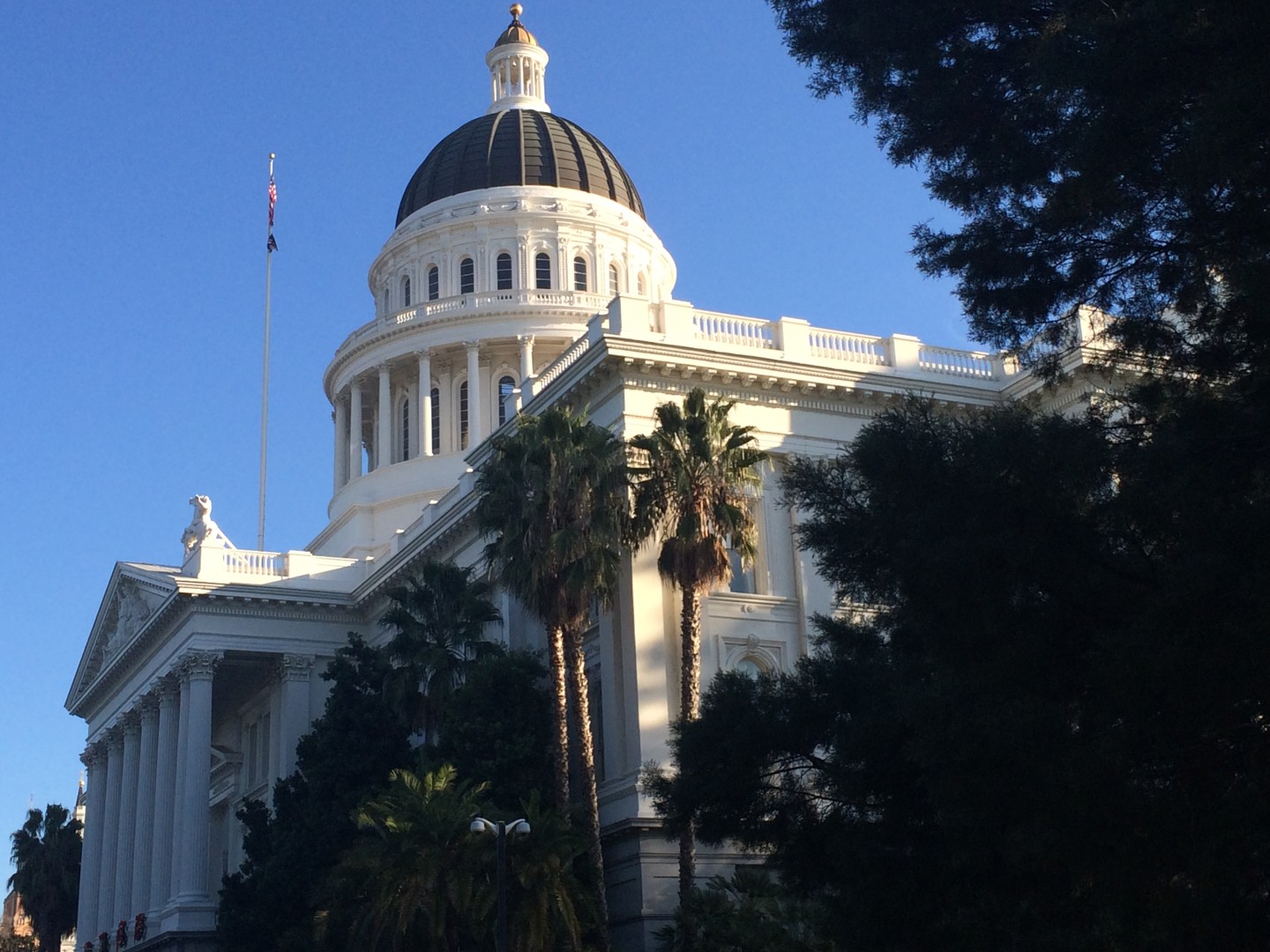
"caption": "State Capitol",
"description": "State Capitol",
"title": "IMG_3008",
"credit": "John Myers/KQED",
"status": "inherit",
"isLoading": false,
"fetchFailed": false
},
"news_10555428": {
"type": "attachments",
"id": "news_10555428",
"meta": {
"index": "attachments_1716263798",
"site": "news",
"id": "10555428",
"found": true
},
"parent": 10555371,
"imgSizes": {
"twentyfourteen-full-width": {
"file": "https://ww2.kqed.org/app/uploads/sites/10/2015/06/Merv-2004-71-e1433791336904-1038x576.jpg",
"width": 1038,
"mimeType": "image/jpeg",
"height": 576
},
"thumbnail": {
"file": "https://ww2.kqed.org/app/uploads/sites/10/2015/06/Merv-2004-71-e1433791336904-400x274.jpg",
"width": 400,
"mimeType": "image/jpeg",
"height": 274
},
"fd-sm": {
"file": "https://ww2.kqed.org/app/uploads/sites/10/2015/06/Merv-2004-71-e1433791336904-960x656.jpg",
"width": 960,
"mimeType": "image/jpeg",
"height": 656
},
"post-thumbnail": {
"file": "https://ww2.kqed.org/app/uploads/sites/10/2015/06/Merv-2004-71-e1433791336904-672x372.jpg",
"width": 672,
"mimeType": "image/jpeg",
"height": 372
},
"kqedFullSize": {
"file": "https://ww2.kqed.org/app/uploads/sites/10/2015/06/Merv-2004-71-e1433791336904.jpg",
"width": 1502,
"height": 1027
},
"large": {
"file": "https://ww2.kqed.org/app/uploads/sites/10/2015/06/Merv-2004-71-e1433791336904-1440x985.jpg",
"width": 1440,
"mimeType": "image/jpeg",
"height": 985
},
"guest-author-96": {
"file": "https://ww2.kqed.org/app/uploads/sites/10/2015/06/Merv-2004-71-e1433791336904-96x96.jpg",
"width": 96,
"mimeType": "image/jpeg",
"height": 96
},
"medium": {
"file": "https://ww2.kqed.org/app/uploads/sites/10/2015/06/Merv-2004-71-e1433791336904-800x547.jpg",
"width": 800,
"mimeType": "image/jpeg",
"height": 547
},
"guest-author-64": {
"file": "https://ww2.kqed.org/app/uploads/sites/10/2015/06/Merv-2004-71-e1433791336904-64x64.jpg",
"width": 64,
"mimeType": "image/jpeg",
"height": 64
},
"guest-author-32": {
"file": "https://ww2.kqed.org/app/uploads/sites/10/2015/06/Merv-2004-71-e1433791336904-32x32.jpg",
"width": 32,
"mimeType": "image/jpeg",
"height": 32
},
"fd-med": {
"file": "https://ww2.kqed.org/app/uploads/sites/10/2015/06/Merv-2004-71-e1433791336904-1180x807.jpg",
"width": 1180,
"mimeType": "image/jpeg",
"height": 807
},
"detail": {
"file": "https://ww2.kqed.org/app/uploads/sites/10/2015/06/Merv-2004-71-e1433791336904-75x75.jpg",
"width": 75,
"mimeType": "image/jpeg",
"height": 75
},
"guest-author-128": {
"file": "https://ww2.kqed.org/app/uploads/sites/10/2015/06/Merv-2004-71-e1433791336904-128x128.jpg",
"width": 128,
"mimeType": "image/jpeg",
"height": 128
}
},
"publishDate": 1433791304,
"modified": 1433791380,
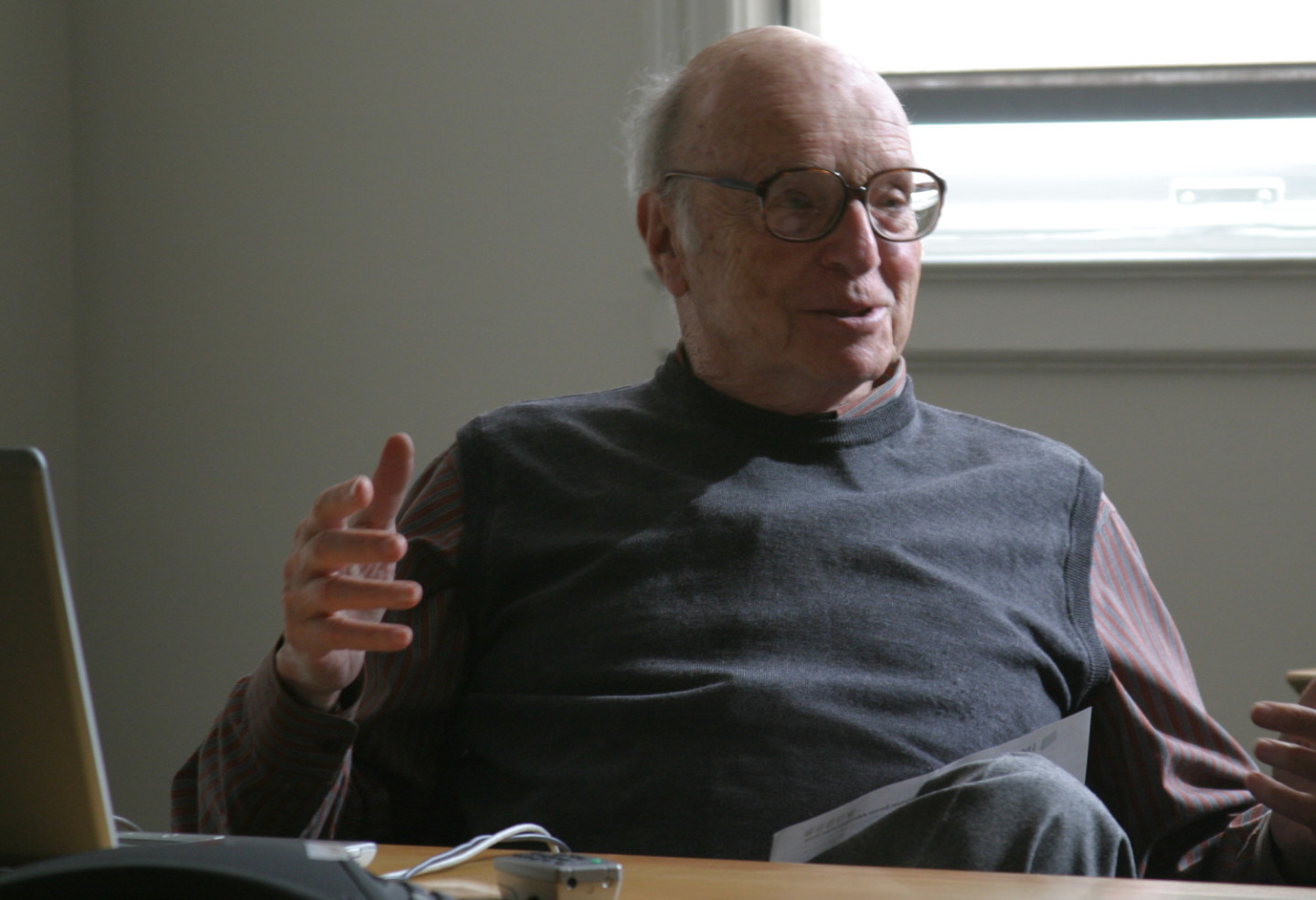
"caption": "Pollster Mervin Field, seen here in 2004, chronicled the rise of modern California. He died on Monday, June 8.",
"description": null,
"title": "Merv 2004-7[1]",
"credit": "Field Research Corporation",
"status": "inherit",
"isLoading": false,
"fetchFailed": false
},
"news_10438159": {
"type": "attachments",
"id": "news_10438159",
"meta": {
"index": "attachments_1716263798",
"site": "news",
"id": "10438159",
"found": true
},
"parent": 10438158,
"imgSizes": {
"twentyfourteen-full-width": {
"file": "https://ww2.kqed.org/app/uploads/sites/10/2015/02/IMG_16891-1038x576.jpg",
"width": 1038,
"mimeType": "image/jpeg",
"height": 576
},
"thumbnail": {
"file": "https://ww2.kqed.org/app/uploads/sites/10/2015/02/IMG_16891-400x300.jpg",
"width": 400,
"mimeType": "image/jpeg",
"height": 300
},
"post-thumbnail": {
"file": "https://ww2.kqed.org/app/uploads/sites/10/2015/02/IMG_16891-672x372.jpg",
"width": 672,
"mimeType": "image/jpeg",
"height": 372
},
"kqedFullSize": {
"file": "https://ww2.kqed.org/app/uploads/sites/10/2015/02/IMG_16891.jpg",
"width": 3264,
"height": 2448
},
"large": {
"file": "https://ww2.kqed.org/app/uploads/sites/10/2015/02/IMG_16891-1440x1080.jpg",
"width": 1440,
"mimeType": "image/jpeg",
"height": 1080
},
"guest-author-96": {
"file": "https://ww2.kqed.org/app/uploads/sites/10/2015/02/IMG_16891-96x96.jpg",
"width": 96,
"mimeType": "image/jpeg",
"height": 96
},
"medium": {
"file": "https://ww2.kqed.org/app/uploads/sites/10/2015/02/IMG_16891-800x600.jpg",
"width": 800,
"mimeType": "image/jpeg",
"height": 600
},
"guest-author-64": {
"file": "https://ww2.kqed.org/app/uploads/sites/10/2015/02/IMG_16891-64x64.jpg",
"width": 64,
"mimeType": "image/jpeg",
"height": 64
},
"detail": {
"file": "https://ww2.kqed.org/app/uploads/sites/10/2015/02/IMG_16891-75x75.jpg",
"width": 75,
"mimeType": "image/jpeg",
"height": 75
},
"guest-author-32": {
"file": "https://ww2.kqed.org/app/uploads/sites/10/2015/02/IMG_16891-32x32.jpg",
"width": 32,
"mimeType": "image/jpeg",
"height": 32
},
"guest-author-128": {
"file": "https://ww2.kqed.org/app/uploads/sites/10/2015/02/IMG_16891-128x128.jpg",
"width": 128,
"mimeType": "image/jpeg",
"height": 128
}
},
"publishDate": 1424412001,
"modified": 1424412017,
"caption": null,
"description": "California State Capitol",
"title": "IMG_1689",
"credit": "John Myers/KQED",
"status": "inherit",
"isLoading": false,
"fetchFailed": false
},
"news_10549886": {
"type": "attachments",
"id": "news_10549886",
"meta": {
"index": "attachments_1716263798",
"site": "news",
"id": "10549886",
"found": true
},
"parent": 10549822,
"imgSizes": {
"twentyfourteen-full-width": {
"file": "https://ww2.kqed.org/app/uploads/sites/10/2015/06/RS14116_38875166_thumbnail-1038x576.jpg",
"width": 1038,
"mimeType": "image/jpeg",
"height": 576
},
"thumbnail": {
"file": "https://ww2.kqed.org/app/uploads/sites/10/2015/06/RS14116_38875166_thumbnail-400x400.jpg",
"width": 400,
"mimeType": "image/jpeg",
"height": 400
},
"fd-sm": {
"file": "https://ww2.kqed.org/app/uploads/sites/10/2015/06/RS14116_38875166_thumbnail-960x960.jpg",
"width": 960,
"mimeType": "image/jpeg",
"height": 960
},
"post-thumbnail": {
"file": "https://ww2.kqed.org/app/uploads/sites/10/2015/06/RS14116_38875166_thumbnail-672x372.jpg",
"width": 672,
"mimeType": "image/jpeg",
"height": 372
},
"kqedFullSize": {
"file": "https://ww2.kqed.org/app/uploads/sites/10/2015/06/RS14116_38875166_thumbnail-e1433370273134.jpg",
"width": 1920,
"height": 1920
},
"large": {
"file": "https://ww2.kqed.org/app/uploads/sites/10/2015/06/RS14116_38875166_thumbnail-1440x1440.jpg",
"width": 1440,
"mimeType": "image/jpeg",
"height": 1440
},
"guest-author-96": {
"file": "https://ww2.kqed.org/app/uploads/sites/10/2015/06/RS14116_38875166_thumbnail-96x96.jpg",
"width": 96,
"mimeType": "image/jpeg",
"height": 96
},
"medium": {
"file": "https://ww2.kqed.org/app/uploads/sites/10/2015/06/RS14116_38875166_thumbnail-800x800.jpg",
"width": 800,
"mimeType": "image/jpeg",
"height": 800
},
"guest-author-64": {
"file": "https://ww2.kqed.org/app/uploads/sites/10/2015/06/RS14116_38875166_thumbnail-64x64.jpg",
"width": 64,
"mimeType": "image/jpeg",
"height": 64
},
"guest-author-32": {
"file": "https://ww2.kqed.org/app/uploads/sites/10/2015/06/RS14116_38875166_thumbnail-32x32.jpg",
"width": 32,
"mimeType": "image/jpeg",
"height": 32
},
"fd-med": {
"file": "https://ww2.kqed.org/app/uploads/sites/10/2015/06/RS14116_38875166_thumbnail-1180x1180.jpg",
"width": 1180,
"mimeType": "image/jpeg",
"height": 1180
},
"detail": {
"file": "https://ww2.kqed.org/app/uploads/sites/10/2015/06/RS14116_38875166_thumbnail-75x75.jpg",
"width": 75,
"mimeType": "image/jpeg",
"height": 75
},
"guest-author-128": {
"file": "https://ww2.kqed.org/app/uploads/sites/10/2015/06/RS14116_38875166_thumbnail-128x128.jpg",
"width": 128,
"mimeType": "image/jpeg",
"height": 128
}
},
"publishDate": 1433370254,
"modified": 1433370254,
"caption": "Many people voting at a meeting in a large hall retro vector illustration",
"description": null,
"title": "Voting people",
"credit": null,
"status": "inherit",
"isLoading": false,
"fetchFailed": false
},
"news_10541519": {
"type": "attachments",
"id": "news_10541519",
"meta": {
"index": "attachments_1716263798",
"site": "news",
"id": "10541519",
"found": true
},
"parent": 10540066,
"imgSizes": {
"twentyfourteen-full-width": {
"file": "https://ww2.kqed.org/app/uploads/sites/10/2015/05/Screen-Shot-2015-05-27-at-3.51.37-PM-e1432767170735-1038x576.png",
"width": 1038,
"mimeType": "image/png",
"height": 576
},
"thumbnail": {
"file": "https://ww2.kqed.org/app/uploads/sites/10/2015/05/Screen-Shot-2015-05-27-at-3.51.37-PM-e1432767170735-400x291.png",
"width": 400,
"mimeType": "image/png",
"height": 291
},
"fd-sm": {
"file": "https://ww2.kqed.org/app/uploads/sites/10/2015/05/Screen-Shot-2015-05-27-at-3.51.37-PM-e1432767170735-960x699.png",
"width": 960,
"mimeType": "image/png",
"height": 699
},
"post-thumbnail": {
"file": "https://ww2.kqed.org/app/uploads/sites/10/2015/05/Screen-Shot-2015-05-27-at-3.51.37-PM-e1432767170735-672x372.png",
"width": 672,
"mimeType": "image/png",
"height": 372
},
"kqedFullSize": {
"file": "https://ww2.kqed.org/app/uploads/sites/10/2015/05/Screen-Shot-2015-05-27-at-3.51.37-PM-e1432767170735.png",
"width": 1747,
"height": 1272
},
"large": {
"file": "https://ww2.kqed.org/app/uploads/sites/10/2015/05/Screen-Shot-2015-05-27-at-3.51.37-PM-e1432767170735-1440x1048.png",
"width": 1440,
"mimeType": "image/png",
"height": 1048
},
"guest-author-96": {
"file": "https://ww2.kqed.org/app/uploads/sites/10/2015/05/Screen-Shot-2015-05-27-at-3.51.37-PM-e1432767170735-96x96.png",
"width": 96,
"mimeType": "image/png",
"height": 96
},
"medium": {
"file": "https://ww2.kqed.org/app/uploads/sites/10/2015/05/Screen-Shot-2015-05-27-at-3.51.37-PM-e1432767170735-800x582.png",
"width": 800,
"mimeType": "image/png",
"height": 582
},
"guest-author-64": {
"file": "https://ww2.kqed.org/app/uploads/sites/10/2015/05/Screen-Shot-2015-05-27-at-3.51.37-PM-e1432767170735-64x64.png",
"width": 64,
"mimeType": "image/png",
"height": 64
},
"guest-author-32": {
"file": "https://ww2.kqed.org/app/uploads/sites/10/2015/05/Screen-Shot-2015-05-27-at-3.51.37-PM-e1432767170735-32x32.png",
"width": 32,
"mimeType": "image/png",
"height": 32
},
"fd-med": {
"file": "https://ww2.kqed.org/app/uploads/sites/10/2015/05/Screen-Shot-2015-05-27-at-3.51.37-PM-e1432767170735-1180x859.png",
"width": 1180,
"mimeType": "image/png",
"height": 859
},
"detail": {
"file": "https://ww2.kqed.org/app/uploads/sites/10/2015/05/Screen-Shot-2015-05-27-at-3.51.37-PM-e1432767170735-75x75.png",
"width": 75,
"mimeType": "image/png",
"height": 75
},
"guest-author-128": {
"file": "https://ww2.kqed.org/app/uploads/sites/10/2015/05/Screen-Shot-2015-05-27-at-3.51.37-PM-e1432767170735-128x128.png",
"width": 128,
"mimeType": "image/png",
"height": 128
}
},
"publishDate": 1432767131,
"modified": 1432767262,
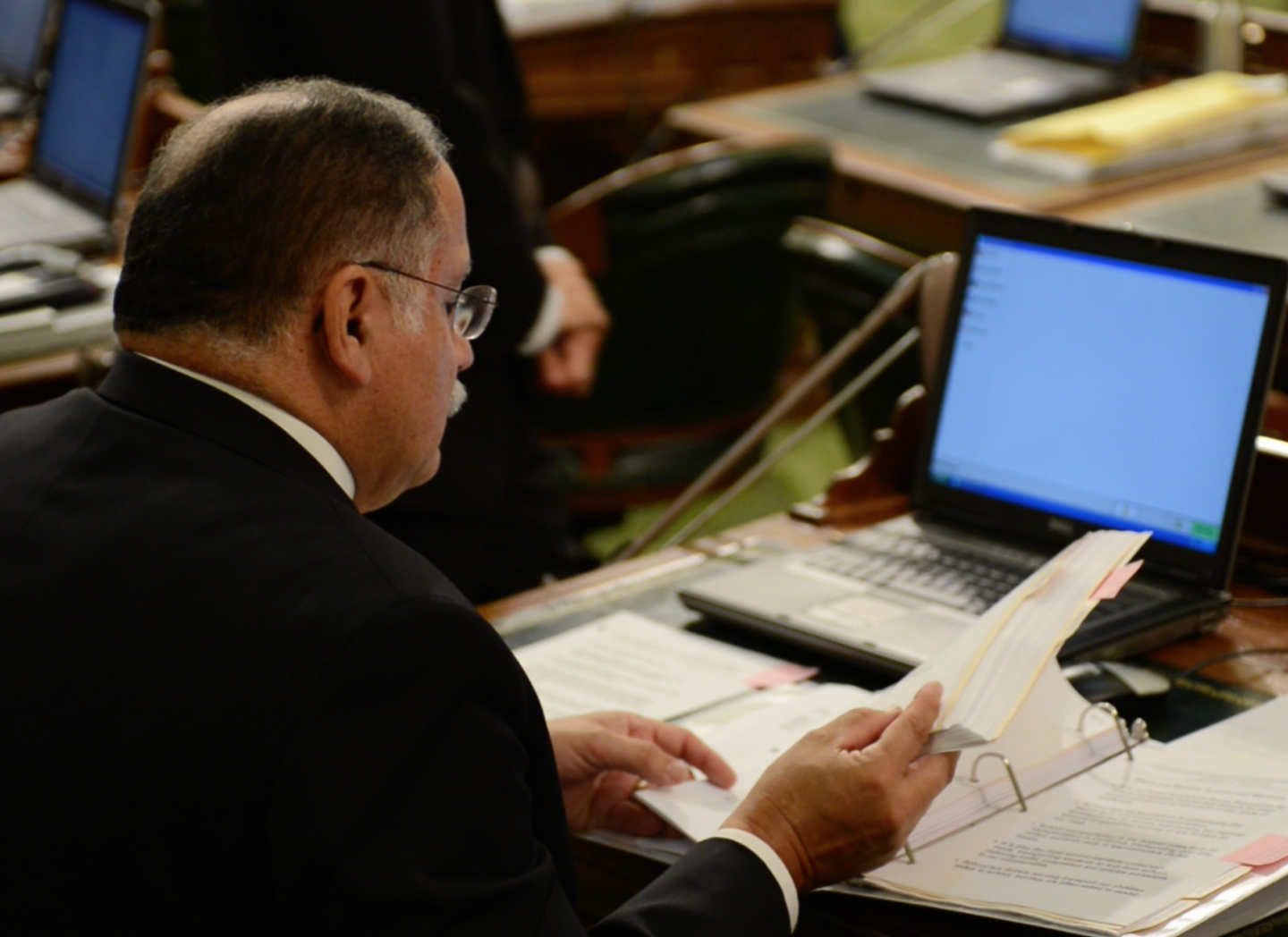
"caption": "Assemblyman Jose Medina, D-Riverside, reviews documents on the Assembly floor in 2014.",
"description": "Legislature",
"title": "Screen Shot 2015-05-27 at 3.51.37 PM",
"credit": "Phil Desmangles/KQED",
"status": "inherit",
"isLoading": false,
"fetchFailed": false
},
"news_10534491": {
"type": "attachments",
"id": "news_10534491",
"meta": {
"index": "attachments_1716263798",
"site": "news",
"id": "10534491",
"found": true
},
"parent": 0,
"imgSizes": {
"twentyfourteen-full-width": {
"file": "https://ww2.kqed.org/app/uploads/sites/10/2015/05/IMG_3009-1038x576.jpg",
"width": 1038,
"mimeType": "image/jpeg",
"height": 576
},
"thumbnail": {
"file": "https://ww2.kqed.org/app/uploads/sites/10/2015/05/IMG_3009-400x300.jpg",
"width": 400,
"mimeType": "image/jpeg",
"height": 300
},
"fd-sm": {
"file": "https://ww2.kqed.org/app/uploads/sites/10/2015/05/IMG_3009-960x720.jpg",
"width": 960,
"mimeType": "image/jpeg",
"height": 720
},
"post-thumbnail": {
"file": "https://ww2.kqed.org/app/uploads/sites/10/2015/05/IMG_3009-672x372.jpg",
"width": 672,
"mimeType": "image/jpeg",
"height": 372
},
"kqedFullSize": {
"file": "https://ww2.kqed.org/app/uploads/sites/10/2015/05/IMG_3009.jpg",
"width": 3264,
"height": 2448
},
"large": {
"file": "https://ww2.kqed.org/app/uploads/sites/10/2015/05/IMG_3009-1440x1080.jpg",
"width": 1440,
"mimeType": "image/jpeg",
"height": 1080
},
"guest-author-96": {
"file": "https://ww2.kqed.org/app/uploads/sites/10/2015/05/IMG_3009-96x96.jpg",
"width": 96,
"mimeType": "image/jpeg",
"height": 96
},
"medium": {
"file": "https://ww2.kqed.org/app/uploads/sites/10/2015/05/IMG_3009-800x600.jpg",
"width": 800,
"mimeType": "image/jpeg",
"height": 600
},
"guest-author-64": {
"file": "https://ww2.kqed.org/app/uploads/sites/10/2015/05/IMG_3009-64x64.jpg",
"width": 64,
"mimeType": "image/jpeg",
"height": 64
},
"guest-author-32": {
"file": "https://ww2.kqed.org/app/uploads/sites/10/2015/05/IMG_3009-32x32.jpg",
"width": 32,
"mimeType": "image/jpeg",
"height": 32
},
"fd-med": {
"file": "https://ww2.kqed.org/app/uploads/sites/10/2015/05/IMG_3009-1180x885.jpg",
"width": 1180,
"mimeType": "image/jpeg",
"height": 885
},
"detail": {
"file": "https://ww2.kqed.org/app/uploads/sites/10/2015/05/IMG_3009-75x75.jpg",
"width": 75,
"mimeType": "image/jpeg",
"height": 75
},
"guest-author-128": {
"file": "https://ww2.kqed.org/app/uploads/sites/10/2015/05/IMG_3009-128x128.jpg",
"width": 128,
"mimeType": "image/jpeg",
"height": 128
}
},
"publishDate": 1432266839,
"modified": 1432266839,
"caption": null,
"description": null,
"title": "IMG_3009",
"credit": null,
"status": "inherit",
"isLoading": false,
"fetchFailed": false
},
"news_10532030": {
"type": "attachments",
"id": "news_10532030",
"meta": {
"index": "attachments_1716263798",
"site": "news",
"id": "10532030",
"found": true
},
"parent": 10531014,
"imgSizes": {
"twentyfourteen-full-width": {
"file": "https://ww2.kqed.org/app/uploads/sites/10/2015/05/IMG_3005-1038x576.jpg",
"width": 1038,
"mimeType": "image/jpeg",
"height": 576
},
"thumbnail": {
"file": "https://ww2.kqed.org/app/uploads/sites/10/2015/05/IMG_3005-400x300.jpg",
"width": 400,
"mimeType": "image/jpeg",
"height": 300
},
"fd-sm": {
"file": "https://ww2.kqed.org/app/uploads/sites/10/2015/05/IMG_3005-960x720.jpg",
"width": 960,
"mimeType": "image/jpeg",
"height": 720
},
"post-thumbnail": {
"file": "https://ww2.kqed.org/app/uploads/sites/10/2015/05/IMG_3005-672x372.jpg",
"width": 672,
"mimeType": "image/jpeg",
"height": 372
},
"kqedFullSize": {
"file": "https://ww2.kqed.org/app/uploads/sites/10/2015/05/IMG_3005-e1432084799708.jpg",
"width": 1920,
"height": 1440
},
"large": {
"file": "https://ww2.kqed.org/app/uploads/sites/10/2015/05/IMG_3005-1440x1080.jpg",
"width": 1440,
"mimeType": "image/jpeg",
"height": 1080
},
"guest-author-96": {
"file": "https://ww2.kqed.org/app/uploads/sites/10/2015/05/IMG_3005-96x96.jpg",
"width": 96,
"mimeType": "image/jpeg",
"height": 96
},
"medium": {
"file": "https://ww2.kqed.org/app/uploads/sites/10/2015/05/IMG_3005-800x600.jpg",
"width": 800,
"mimeType": "image/jpeg",
"height": 600
},
"guest-author-64": {
"file": "https://ww2.kqed.org/app/uploads/sites/10/2015/05/IMG_3005-64x64.jpg",
"width": 64,
"mimeType": "image/jpeg",
"height": 64
},
"guest-author-32": {
"file": "https://ww2.kqed.org/app/uploads/sites/10/2015/05/IMG_3005-32x32.jpg",
"width": 32,
"mimeType": "image/jpeg",
"height": 32
},
"fd-med": {
"file": "https://ww2.kqed.org/app/uploads/sites/10/2015/05/IMG_3005-1180x885.jpg",
"width": 1180,
"mimeType": "image/jpeg",
"height": 885
},
"detail": {
"file": "https://ww2.kqed.org/app/uploads/sites/10/2015/05/IMG_3005-75x75.jpg",
"width": 75,
"mimeType": "image/jpeg",
"height": 75
},
"guest-author-128": {
"file": "https://ww2.kqed.org/app/uploads/sites/10/2015/05/IMG_3005-128x128.jpg",
"width": 128,
"mimeType": "image/jpeg",
"height": 128
}
},
"publishDate": 1432084787,
"modified": 1432084875,
"caption": "Legislative leaders and lawyers decline to comment on \"unbacked bills,\" proposed laws often drafted at the private request of lobbyists.",
"description": null,
"title": "IMG_3005",
"credit": "John Myers/KQED",
"status": "inherit",
"isLoading": false,
"fetchFailed": false
},
"news_10528557": {
"type": "attachments",
"id": "news_10528557",
"meta": {
"index": "attachments_1716263798",
"site": "news",
"id": "10528557",
"found": true
},
"parent": 10528196,
"imgSizes": {
"twentyfourteen-full-width": {
"file": "https://ww2.kqed.org/app/uploads/sites/10/2015/05/RS15203_FullSizeRender-qut-1038x576.jpg",
"width": 1038,
"mimeType": "image/jpeg",
"height": 576
},
"thumbnail": {
"file": "https://ww2.kqed.org/app/uploads/sites/10/2015/05/RS15203_FullSizeRender-qut-400x373.jpg",
"width": 400,
"mimeType": "image/jpeg",
"height": 373
},
"fd-sm": {
"file": "https://ww2.kqed.org/app/uploads/sites/10/2015/05/RS15203_FullSizeRender-qut-960x895.jpg",
"width": 960,
"mimeType": "image/jpeg",
"height": 895
},
"post-thumbnail": {
"file": "https://ww2.kqed.org/app/uploads/sites/10/2015/05/RS15203_FullSizeRender-qut-672x372.jpg",
"width": 672,
"mimeType": "image/jpeg",
"height": 372
},
"kqedFullSize": {
"file": "https://ww2.kqed.org/app/uploads/sites/10/2015/05/RS15203_FullSizeRender-qut.jpg",
"width": 1920,
"height": 1789
},
"large": {
"file": "https://ww2.kqed.org/app/uploads/sites/10/2015/05/RS15203_FullSizeRender-qut-1440x1342.jpg",
"width": 1440,
"mimeType": "image/jpeg",
"height": 1342
},
"guest-author-96": {
"file": "https://ww2.kqed.org/app/uploads/sites/10/2015/05/RS15203_FullSizeRender-qut-96x96.jpg",
"width": 96,
"mimeType": "image/jpeg",
"height": 96
},
"medium": {
"file": "https://ww2.kqed.org/app/uploads/sites/10/2015/05/RS15203_FullSizeRender-qut-800x745.jpg",
"width": 800,
"mimeType": "image/jpeg",
"height": 745
},
"guest-author-64": {
"file": "https://ww2.kqed.org/app/uploads/sites/10/2015/05/RS15203_FullSizeRender-qut-64x64.jpg",
"width": 64,
"mimeType": "image/jpeg",
"height": 64
},
"guest-author-32": {
"file": "https://ww2.kqed.org/app/uploads/sites/10/2015/05/RS15203_FullSizeRender-qut-32x32.jpg",
"width": 32,
"mimeType": "image/jpeg",
"height": 32
},
"fd-med": {
"file": "https://ww2.kqed.org/app/uploads/sites/10/2015/05/RS15203_FullSizeRender-qut-1180x1099.jpg",
"width": 1180,
"mimeType": "image/jpeg",
"height": 1099
},
"detail": {
"file": "https://ww2.kqed.org/app/uploads/sites/10/2015/05/RS15203_FullSizeRender-qut-75x75.jpg",
"width": 75,
"mimeType": "image/jpeg",
"height": 75
},
"guest-author-128": {
"file": "https://ww2.kqed.org/app/uploads/sites/10/2015/05/RS15203_FullSizeRender-qut-128x128.jpg",
"width": 128,
"mimeType": "image/jpeg",
"height": 128
}
},
"publishDate": 1431825850,
"modified": 1431832799,
"caption": "Kamala Harris speaks at the California Democratic Convention May 16, 2015.",
"description": null,
"title": "RS15203_FullSizeRender-qut",
"credit": "Marisa Lagos/KQED",
"status": "inherit",
"isLoading": false,
"fetchFailed": false
}
},
"audioPlayerReducer": {
"postId": "stream_live",
"isPaused": true,
"isPlaying": false,
"pfsActive": false,
"pledgeModalIsOpen": true,
"playerDrawerIsOpen": false,
"liveAudioPlayStartedAt": 0,
"liveAudioPlayContext": ""
},
"authorsReducer": {
"jmyers": {
"type": "authors",
"id": "232",
"meta": {
"index": "authors_1716337520",
"id": "232",
"found": true
},
"name": "John Myers",
"firstName": "John",
"lastName": "Myers",
"slug": "jmyers",
"email": "jmyers@kqed.org",
"display_author_email": false,
"staff_mastheads": [],
"title": null,
"bio": "John Myers is Senior Editor of KQED's new California Politics and Government Desk. A veteran of almost two decades of political coverage, he was KQED's longest serving statehouse bureau chief and recently was political editor for Sacramento's ABC affiliate, News10 (KXTV). John was moderator of the only 2014 gubernatorial debate, and was named by \u003cem>The Washington Post\u003c/em> to two \"Best Of\" lists: the 2015 list of top state politics reporters and 2014's list of America's most influential statehouse reporters.",
"avatar": "https://secure.gravatar.com/avatar/c0ac98482caf0b8229a792662b38722a?s=600&d=blank&r=g",
"twitter": "johnmyers",
"facebook": null,
"instagram": null,
"linkedin": null,
"sites": [
{
"site": "news",
"roles": [
"subscriber"
]
}
],
"headData": {
"title": "John Myers | KQED",
"description": null,
"ogImgSrc": "https://secure.gravatar.com/avatar/c0ac98482caf0b8229a792662b38722a?s=600&d=blank&r=g",
"twImgSrc": "https://secure.gravatar.com/avatar/c0ac98482caf0b8229a792662b38722a?s=600&d=blank&r=g"
},
"isLoading": false,
"link": "/author/jmyers"
},
"mlagos": {
"type": "authors",
"id": "3239",
"meta": {
"index": "authors_1716337520",
"id": "3239",
"found": true
},
"name": "Marisa Lagos",
"firstName": "Marisa",
"lastName": "Lagos",
"slug": "mlagos",
"email": "mlagos@kqed.org",
"display_author_email": false,
"staff_mastheads": [
"news"
],
"title": "KQED Contributor",
"bio": "Marisa Lagos is a correspondent for KQED’s California Politics and Government Desk and co-hosts the award-winning show and podcast, Political Breakdown. At KQED, Lagos also conducts reporting, analysis and investigations into state, local and national politics for radio, TV, online and onstage. In 2022, she and co-host, Scott Shafer, moderated the only gubernatorial debate in California. In 2020, the \u003ci>Washington Post\u003c/i> named her one of the top political journalists in California; she was nominated for a Peabody and won several other awards for her work investigating the 2017 California wildfires. She has worked at the \u003ci>San Francisco Chronicle\u003c/i>, \u003ci>San Francisco Examiner\u003c/i> and \u003ci>Los Angeles Times\u003c/i>. A UC Santa Barbara graduate, she lives in San Francisco with her two sons and husband.",
"avatar": "https://secure.gravatar.com/avatar/a261a0d3696fc066871ef96b85b5e7d2?s=600&d=blank&r=g",
"twitter": "@mlagos",
"facebook": null,
"instagram": null,
"linkedin": null,
"sites": [
{
"site": "arts",
"roles": [
"author"
]
},
{
"site": "news",
"roles": [
"editor"
]
},
{
"site": "science",
"roles": [
"editor"
]
},
{
"site": "forum",
"roles": [
"author"
]
},
{
"site": "liveblog",
"roles": [
"author"
]
}
],
"headData": {
"title": "Marisa Lagos | KQED",
"description": "KQED Contributor",
"ogImgSrc": "https://secure.gravatar.com/avatar/a261a0d3696fc066871ef96b85b5e7d2?s=600&d=blank&r=g",
"twImgSrc": "https://secure.gravatar.com/avatar/a261a0d3696fc066871ef96b85b5e7d2?s=600&d=blank&r=g"
},
"isLoading": false,
"link": "/author/mlagos"
}
},
"pagesReducer": {
"news_program_faultlines": {
"type": "terms",
"id": "news_7051",
"meta": {
"index": "terms_1716263798",
"site": "news",
"id": "7051",
"score": 16.377302
},
"featImg": "https://ww2.kqed.org/app/uploads/sites/10/2014/10/Faultlines-2.png",
"name": "FaultLines",
"description": null,
"taxonomy": "program",
"headData": {
"twImgId": null,
"twTitle": null,
"ogTitle": null,
"ogImgId": null,
"twDescription": null,
"description": null,
"title": "FaultLines Archives | KQED News",
"ogDescription": null
},
"ttid": 7077,
"slug": "faultlines",
"isLoading": false,
"title": "FaultLines",
"pageMeta": {
"site": "news",
"WpPageTemplate": "page-topic-editorial",
"currentPage": 6
},
"blocks": [
{
"blockName": "kqed/post-list",
"attrs": {
"layout": "cardArticle2",
"query": "posts/news?program=faultlines",
"seeMore": false,
"paginated": true,
"page": 6
}
},
{
"blockName": "kqed/ad"
}
]
}
},
"pfsSessionReducer": {},
"postsReducer": {
"stream_live": {
"type": "live",
"id": "stream_live",
"audioUrl": "https://streams.kqed.org/kqedradio",
"title": "Live Stream",
"excerpt": "Live Stream information currently unavailable.",
"link": "/radio",
"featImg": "",
"label": {
"name": "KQED Live",
"link": "/"
}
},
"stream_kqedNewscast": {
"type": "posts",
"id": "stream_kqedNewscast",
"audioUrl": "https://www.kqed.org/.stream/anon/radio/RDnews/newscast.mp3?_=1",
"title": "KQED Newscast",
"featImg": "",
"label": {
"name": "88.5 FM",
"link": "/"
}
},
"news_10565719": {
"type": "posts",
"id": "news_10565719",
"meta": {
"index": "posts_1716263798",
"site": "news",
"id": "10565719",
"score": null,
"sort": [
1434499914000
]
},
"parent": 0,
"labelTerm": {
"site": "news",
"term": 7051
},
"blocks": [],
"publishDate": 1434499914,
"format": "standard",
"disqusTitle": "State Budget Deal Struck, Governor Brown Concedes Little",
"title": "State Budget Deal Struck, Governor Brown Concedes Little",
"headTitle": "FaultLines | KQED News",
"content": "\u003cp>Calling the negotiations \"difficult but productive,\" Gov. Jerry Brown and Democratic legislative leaders have unveiled a $167.6 billion state budget, a plan that includes some adjustments demanded by legislators but is awfully close to a slam dunk for the governor's own fiscal priorities.\u003c/p>\n\u003cp>The \u003ca href=\"http://gov.ca.gov/news.php?id=19005\" target=\"_blank\">deal announced Monday afternoon at the state Capitol\u003c/a> paves the way for an enacted budget in plenty of time for the July 1 beginning of the state’s new fiscal year, a rarity for most of the past two decades, but now a common occurrence since voters made legislative passage of a budget simpler by approving \u003ca href=\"http://www.voterguide.sos.ca.gov/past/2010/general/propositions/25/\" target=\"_blank\">Proposition 25 in 2010\u003c/a>. Legislative staffers said they expect final votes sometime on Friday.\u003c/p>\n\u003cp>[soundcloud url=\"https://api.soundcloud.com/tracks/210775919\" params=\"color=ff5500&auto_play=false&hide_related=false&show_comments=true&show_user=true&show_reposts=false\" width=\"100%\" height=\"166\" iframe=\"true\" /]\u003c/p>\n\u003cp>Those votes will be on a budget that largely hews to the governor's demands, demonstrably different than the spending plan lawmakers endorsed only a day earlier.\u003c/p>\n\u003cp>\u003cstrong>Preschool In, Developmental Services Funding Out\u003c/strong>\u003c/p>\n\u003cp>[ad fullwidth]\u003c/p>\n\u003cp>Under the brokered deal, the state will expand access to preschool and child care services by 13,800 slots. That’s more than Brown had endorsed in his \u003ca href=\"http://www.ebudget.ca.gov/2015-16/Revised/BudgetSummary/BSS/BSS.html\" target=\"_blank\">revised budget in May\u003c/a> (and financed from a number of pots of money, including some out of the K-14 education funding guarantee); but it’s smaller than the 27,000 slots legislative Democrats had demanded in their own spending plan.\u003c/p>\n\u003cp>And it offers $40 million for a high-profile effort to allow all children, regardless of their immigration status, health care coverage under the Medi-Cal plan. Legislative Democrats had wanted the coverage to kick in early in 2016; the compromise allows undocumented children into the system on May 1 of next year.\u003c/p>\n\u003cp>The deal also expands funding for the California State University and University of California systems beyond the governor's May budget -- $59 million more for CSU, $25 million more for UC -- but that money comes with strings attached, especially for UC officials who would have to add 5,000 in-state students by the summer of 2017 to get the cash.\u003c/p>\n\u003cp>Other highlights of the deal between the governor and legislative leaders include:\u003c/p>\n\u003cul>\n\u003cli>$226 million to restore a cut made several years ago to In-Home Supportive Services funding, but only for the 2016-17 budget year\u003c/li>\n\u003cli>A $500 million block grant to focus on teacher effectiveness, paid for out of the state's K-14 education funding guarantee\u003c/li>\n\u003cli>A new state earned income tax credit to help the working poor, at a cost of $380 million\u003c/li>\n\u003c/ul>\n\u003cp>But there was much more, it seemed, that the governor was unwilling to give legislative Democrats and to advocacy groups who wanted expanded social services. Perhaps most notable was a boost in funding for the developmental disability programs and a boost in monthly cash stipends for the aged, blind and disabled.\u003c/p>\n\u003cp>Also missing: \u003ca href=\"http://ww2.kqed.org/news/2015/06/04/lawmakers-push-for-welfare-money\" target=\"_blank\">additional money for families in the welfare assistance program, CalWORKs\u003c/a> -- including a legislative proposal to end the maximum family grant cap for families that have more children while receiving assistance.\u003c/p>\n\u003cp>\"We have more work to do,\" said Assembly Speaker Toni Atkins (D-San Diego) in her remarks at the news conference with the governor and Senate President pro Tem Kevin de León (D-Los Angeles). \"We didn't get everything we wanted accomplished in this budget, and so we'll redouble our efforts.\"\u003c/p>\n\u003cp>\u003cstrong>Special Legislative Sessions On Roads, Health Care\u003c/strong>\u003c/p>\n\u003cp>Those efforts will now turn to special legislative sessions being called by the governor to address state infrastructure needs and to craft long-term funding for health care services. Moving those items to a special session -- and out of the budget -- not only buys more time for negotiations, but also could put some political pressure on legislative Republicans. A number of GOP legislators expressed support for both policy needs during the budget debates this year, but would now be asked to approve new revenues to fund them.\u003c/p>\n\u003cp>\u003cstrong>Governor Wins Tax Estimate Fight ... Again\u003c/strong>\u003c/p>\n\u003cp>For Brown, the deal marks another milestone in his quest for state budget stability -- stability brought on by a fascinating combination of an improving economy, new budget crafting rules approved by voters over the past few years, and the governor’s unique ability to control the master political narrative in Sacramento.\u003c/p>\n\u003cp>It was, after all, Brown who vetoed the budget in his first go round on returning to the governor’s office in 2011. Since then, he has won pretty much every budget fight, none more important than the debate over tax revenue projections.\u003c/p>\n\u003cp>The new budget agreement again relies on the estimates crafted by the governor’s fiscal advisers, an estimate that’s approximately $2.2 billion smaller in size than the one favored by the Legislature. As such, the negotiated deal is less ambitious than the spending plan approved less than 24 hours earlier.\u003c/p>\n\u003cp>\"If we start fiddling\" with the system of predicting revenues, said Brown in the budget deal news conference, \"we get subjective, political, and I'm not prepared to do that.\"\u003c/p>\n\u003cp>Brown’s \u003ca href=\"http://ww2.kqed.org/news/2015/05/27/california-state-budget-fight-now-about-predictions-more-than-programs\" target=\"_blank\">continued success in shrinking revenue expectations\u003c/a> has meant fewer resources for social services and other non-mandated expenses. It’s also allowed the governor to limit the use of “surplus” dollars each time that his predictions have been surpassed. Had Brown agreed, both this time and in previous years, to cementing the higher revenue estimates in the annual budget act, more of the money would have been funneled into ongoing commitments.\u003c/p>\n\u003cp>\u003c/p>\n\u003cp>\"Given the yo-yo quality of our finances,\" said the governor, \"I think the steady consistency [of the Brown administration's economists] is a good idea.\"\u003c/p>\n\n",
"disqusIdentifier": "10565719 http://ww2.kqed.org/news/?p=10565719",
"disqusUrl": "https://ww2.kqed.org/news/2015/06/16/state-budget-deal-struck-governor-brown-concedes-little/",
"stats": {
"hasVideo": false,
"hasChartOrMap": false,
"hasAudio": false,
"hasPolis": false,
"wordCount": 967,
"hasGoogleForm": false,
"hasGallery": false,
"hasHearkenModule": false,
"iframeSrcs": [],
"paragraphCount": 23
},
"modified": 1434564257,
"excerpt": "Brown wins the fight over tax revenue predictions; state budget likely to be signed into law within days.",
"headData": {
"twImgId": "",
"twTitle": "",
"ogTitle": "",
"ogImgId": "",
"twDescription": "",
"description": "Brown wins the fight over tax revenue predictions; state budget likely to be signed into law within days.",
"title": "State Budget Deal Struck, Governor Brown Concedes Little | KQED",
"ogDescription": "",
"schema": {
"@context": "https://schema.org",
"@type": "NewsArticle",
"headline": "State Budget Deal Struck, Governor Brown Concedes Little",
"datePublished": "2015-06-16T17:11:54-07:00",
"dateModified": "2015-06-17T11:04:17-07:00",
"image": "https://cdn.kqed.org/wp-content/uploads/2020/02/KQED-OG-Image@1x.png",
"isAccessibleForFree": "True",
"publisher": {
"@type": "NewsMediaOrganization",
"@id": "https://www.kqed.org/#organization",
"name": "KQED",
"logo": "https://cdn.kqed.org/wp-content/uploads/2020/02/KQED-OG-Image@1x.png",
"url": "https://www.kqed.org",
"sameAs": [
"https://www.facebook.com/KQED",
"https://twitter.com/KQED",
"https://www.instagram.com/kqed/",
"https://www.tiktok.com/@kqedofficial",
"https://www.linkedin.com/company/kqed",
"https://www.youtube.com/channel/UCeC0IOo7i1P_61zVUWbJ4nw"
]
}
}
},
"guestAuthors": [],
"slug": "state-budget-deal-struck-governor-brown-concedes-little",
"status": "publish",
"customPermalink": "2015/06/16/california-budget-deal-struck-governor-jerry-brown-concedes-little/",
"path": "/news/10565719/state-budget-deal-struck-governor-brown-concedes-little",
"audioTrackLength": null,
"parsedContent": [
{
"type": "contentString",
"content": "\u003cdiv class=\"post-body\">\u003cp>\u003cp>Calling the negotiations \"difficult but productive,\" Gov. Jerry Brown and Democratic legislative leaders have unveiled a $167.6 billion state budget, a plan that includes some adjustments demanded by legislators but is awfully close to a slam dunk for the governor's own fiscal priorities.\u003c/p>\n\u003cp>The \u003ca href=\"http://gov.ca.gov/news.php?id=19005\" target=\"_blank\">deal announced Monday afternoon at the state Capitol\u003c/a> paves the way for an enacted budget in plenty of time for the July 1 beginning of the state’s new fiscal year, a rarity for most of the past two decades, but now a common occurrence since voters made legislative passage of a budget simpler by approving \u003ca href=\"http://www.voterguide.sos.ca.gov/past/2010/general/propositions/25/\" target=\"_blank\">Proposition 25 in 2010\u003c/a>. Legislative staffers said they expect final votes sometime on Friday.\u003c/p>\n\u003cp>\u003c/p>\u003cp>\u003cdiv class='utils-parseShortcode-shortcodes-__shortcodes__shortcodeWrapper'>\n \u003ciframe width='100%' height='166'\n scrolling='no' frameborder='no'\n src='https://w.soundcloud.com/player/?url=https://api.soundcloud.com/tracks/210775919&visual=true&color=ff5500&auto_play=false&hide_related=false&show_comments=true&show_user=true&show_reposts=false'\n title='https://api.soundcloud.com/tracks/210775919'>\n \u003c/iframe>\n \u003c/div>\u003c/p>\u003cp>\u003c/p>\n\u003cp>Those votes will be on a budget that largely hews to the governor's demands, demonstrably different than the spending plan lawmakers endorsed only a day earlier.\u003c/p>\n\u003cp>\u003cstrong>Preschool In, Developmental Services Funding Out\u003c/strong>\u003c/p>\n\u003cp>\u003c/p>\u003c/div>",
"attributes": {
"named": {},
"numeric": []
}
},
{
"type": "component",
"content": "",
"name": "ad",
"attributes": {
"named": {
"label": "fullwidth"
},
"numeric": [
"fullwidth"
]
}
},
{
"type": "contentString",
"content": "\u003cdiv class=\"post-body\">\u003cp>\u003c/p>\n\u003cp>Under the brokered deal, the state will expand access to preschool and child care services by 13,800 slots. That’s more than Brown had endorsed in his \u003ca href=\"http://www.ebudget.ca.gov/2015-16/Revised/BudgetSummary/BSS/BSS.html\" target=\"_blank\">revised budget in May\u003c/a> (and financed from a number of pots of money, including some out of the K-14 education funding guarantee); but it’s smaller than the 27,000 slots legislative Democrats had demanded in their own spending plan.\u003c/p>\n\u003cp>And it offers $40 million for a high-profile effort to allow all children, regardless of their immigration status, health care coverage under the Medi-Cal plan. Legislative Democrats had wanted the coverage to kick in early in 2016; the compromise allows undocumented children into the system on May 1 of next year.\u003c/p>\n\u003cp>The deal also expands funding for the California State University and University of California systems beyond the governor's May budget -- $59 million more for CSU, $25 million more for UC -- but that money comes with strings attached, especially for UC officials who would have to add 5,000 in-state students by the summer of 2017 to get the cash.\u003c/p>\n\u003cp>Other highlights of the deal between the governor and legislative leaders include:\u003c/p>\n\u003cul>\n\u003cli>$226 million to restore a cut made several years ago to In-Home Supportive Services funding, but only for the 2016-17 budget year\u003c/li>\n\u003cli>A $500 million block grant to focus on teacher effectiveness, paid for out of the state's K-14 education funding guarantee\u003c/li>\n\u003cli>A new state earned income tax credit to help the working poor, at a cost of $380 million\u003c/li>\n\u003c/ul>\n\u003cp>But there was much more, it seemed, that the governor was unwilling to give legislative Democrats and to advocacy groups who wanted expanded social services. Perhaps most notable was a boost in funding for the developmental disability programs and a boost in monthly cash stipends for the aged, blind and disabled.\u003c/p>\n\u003cp>Also missing: \u003ca href=\"http://ww2.kqed.org/news/2015/06/04/lawmakers-push-for-welfare-money\" target=\"_blank\">additional money for families in the welfare assistance program, CalWORKs\u003c/a> -- including a legislative proposal to end the maximum family grant cap for families that have more children while receiving assistance.\u003c/p>\n\u003cp>\"We have more work to do,\" said Assembly Speaker Toni Atkins (D-San Diego) in her remarks at the news conference with the governor and Senate President pro Tem Kevin de León (D-Los Angeles). \"We didn't get everything we wanted accomplished in this budget, and so we'll redouble our efforts.\"\u003c/p>\n\u003cp>\u003cstrong>Special Legislative Sessions On Roads, Health Care\u003c/strong>\u003c/p>\n\u003cp>Those efforts will now turn to special legislative sessions being called by the governor to address state infrastructure needs and to craft long-term funding for health care services. Moving those items to a special session -- and out of the budget -- not only buys more time for negotiations, but also could put some political pressure on legislative Republicans. A number of GOP legislators expressed support for both policy needs during the budget debates this year, but would now be asked to approve new revenues to fund them.\u003c/p>\n\u003cp>\u003cstrong>Governor Wins Tax Estimate Fight ... Again\u003c/strong>\u003c/p>\n\u003cp>For Brown, the deal marks another milestone in his quest for state budget stability -- stability brought on by a fascinating combination of an improving economy, new budget crafting rules approved by voters over the past few years, and the governor’s unique ability to control the master political narrative in Sacramento.\u003c/p>\n\u003cp>It was, after all, Brown who vetoed the budget in his first go round on returning to the governor’s office in 2011. Since then, he has won pretty much every budget fight, none more important than the debate over tax revenue projections.\u003c/p>\n\u003cp>The new budget agreement again relies on the estimates crafted by the governor’s fiscal advisers, an estimate that’s approximately $2.2 billion smaller in size than the one favored by the Legislature. As such, the negotiated deal is less ambitious than the spending plan approved less than 24 hours earlier.\u003c/p>\n\u003cp>\"If we start fiddling\" with the system of predicting revenues, said Brown in the budget deal news conference, \"we get subjective, political, and I'm not prepared to do that.\"\u003c/p>\n\u003cp>Brown’s \u003ca href=\"http://ww2.kqed.org/news/2015/05/27/california-state-budget-fight-now-about-predictions-more-than-programs\" target=\"_blank\">continued success in shrinking revenue expectations\u003c/a> has meant fewer resources for social services and other non-mandated expenses. It’s also allowed the governor to limit the use of “surplus” dollars each time that his predictions have been surpassed. Had Brown agreed, both this time and in previous years, to cementing the higher revenue estimates in the annual budget act, more of the money would have been funneled into ongoing commitments.\u003c/p>\n\u003cp>\u003c/p>\n\u003cp>\"Given the yo-yo quality of our finances,\" said the governor, \"I think the steady consistency [of the Brown administration's economists] is a good idea.\"\u003c/p>\n\n\u003c/div>\u003c/p>",
"attributes": {
"named": {},
"numeric": []
}
}
],
"link": "/news/10565719/state-budget-deal-struck-governor-brown-concedes-little",
"authors": [
"232"
],
"programs": [
"news_7051"
],
"categories": [
"news_1758",
"news_18540",
"news_457",
"news_8",
"news_13"
],
"tags": [
"news_2704",
"news_17599",
"news_30",
"news_70"
],
"featImg": "news_10565720",
"label": "news_7051"
},
"news_10564360": {
"type": "posts",
"id": "news_10564360",
"meta": {
"index": "posts_1716263798",
"site": "news",
"id": "10564360",
"score": null,
"sort": [
1434418757000
]
},
"parent": 0,
"labelTerm": {
"site": "news",
"term": 7051
},
"blocks": [],
"publishDate": 1434418757,
"format": "standard",
"disqusTitle": "State Lawmakers Beat Budget Deadline, But No Deal Yet With Governor",
"title": "State Lawmakers Beat Budget Deadline, But No Deal Yet With Governor",
"headTitle": "FaultLines | KQED News",
"content": "\u003cp>If there is one narrative that Democrats in the California Legislature are working hard to kill, it's that they have big differences left to iron out with Gov. Jerry Brown over a new state budget, differences reflected in the budget approved on Monday afternoon.\u003c/p>\n\u003cp>\"We're differing from the governor's proposal by about point eight of one percent ,\" said state Sen. Mark Leno (D-San Francisco) as he introduced the legislative plan which passed both houses on a party-line vote.\u003c/p>\n\u003cp>\"So all of the news stories, all of the drama,\" said Leno, \"is over point eight of one percent.\"\u003c/p>\n\u003cp>Leno's comment was focused on about $800 million in discretionary spending, the amount by which the Legislature's $117 billion in general fund spending exceeds that \u003ca href=\"http://ww2.kqed.org/news/2015/05/14/gov-brown-steers-money-toward-schools-universities-tax-credit-for-poor\" target=\"_blank\">proposed by Brown last month\u003c/a>.\u003c/p>\n\u003cp>But that gap is actually part of a larger, more fundamental disagreement -- one about economic expectations over the coming twelve months and \u003ca href=\"http://ww2.kqed.org/news/2015/05/15/revised-California-budget-reinforces-Jerry+Brown-manifesto-of-moderation/\" target=\"_blank\">the governor's push for more conservative revenue predictions\u003c/a>. Those predictions have been, as legislative Democrats point out, generally wrong; but they've also then allowed the governor to funnel additional dollars into one-time expenses, not ongoing government programs like those legislators hope to boost in the wake of the state's deep recession.\u003c/p>\n\u003cp>[ad fullwidth]\u003c/p>\n\u003cp>[soundcloud url=\"https://api.soundcloud.com/tracks/210588385\" params=\"color=ff5500&auto_play=false&hide_related=false&show_comments=true&show_user=true&show_reposts=false\" width=\"100%\" height=\"166\" iframe=\"true\" /]\u003c/p>\n\u003cp>\"Our state is on firm financial footing,\" said Assembly Speaker Toni Atkins (D-San Diego) in her floor speech. \"And that stability gives us an opportunity that has been rare in recent years.\"\u003c/p>\n\u003cp>The \u003ca href=\"http://abgt.assembly.ca.gov/sites/abgt.assembly.ca.gov/files/Floor%20Report.pdf\" target=\"_blank\">legislative budget plan\u003c/a> boosts spending on education and social services programs. It would, among other things, expand slots for child care services for the working poor; add more money than Brown's plan to the CSU system; incrementally increase spending on developmental disability services; and fund Medi-Cal services for all children regardless of their immigration status.\u003c/p>\n\u003cfigure id=\"attachment_10564709\" class=\"wp-caption alignleft\" style=\"max-width: 800px\">\u003cimg class=\"wp-image-10564709 size-medium\" src=\"http://ww2.kqed.org/news/wp-content/uploads/sites/10/2015/06/BUDGET_12-e1434418646989-800x582.jpg\" alt=\"State Senator Jim Nielsen, R-Gerber, speaks on the budget in the Senate Chambers at the State Capitol in Sacramento, California on June 15, 2015.\" width=\"800\" height=\"582\">\u003cfigcaption class=\"wp-caption-text\">State Senator Jim Nielsen, R-Gerber, speaks on the budget in the Senate Chambers at the State Capitol in Sacramento, California on June 15, 2015. \u003ccite>(Max Whittaker/Getty)\u003c/cite>\u003c/figcaption>\u003c/figure>\n\u003cp>The budget also would increase K-14 education funding, thanks to existing state budget formulas, to $69 billion in the fiscal year that begins on July 1. And through the mandate approved by voters last year, it would set aside more money than Brown's budget for debt repayment and cash reserves.\u003c/p>\n\u003cp>In all, the Legislature is assuming about $3 billion more in tax revenues, the source of all of this additional spending. For his part, \u003ca href=\"https://twitter.com/philwillon/status/610570182998761472\" target=\"_blank\">Brown was mum on Monday after an event in Los Angeles how much -- if any -- of this he will accept\u003c/a>.\u003c/p>\n\u003cp>Democrats were effusive in their praise for the spending plan on Monday, many taking to social media to extoll its many virtues. While there were early differences between the two houses, those were quickly hashed out last week by a budget conference committee, thus setting the stage for Monday's vote.\u003c/p>\n\u003cblockquote class=\"twitter-tweet\" lang=\"en\">\n\u003cp dir=\"ltr\" lang=\"en\">Today we passed an on-time and balance \u003ca href=\"https://twitter.com/hashtag/CABudget?src=hash\">#CABudget\u003c/a>. Crucial investments in all sectors affecting everyone across the state. \u003ca href=\"https://twitter.com/hashtag/CALeg?src=hash\">#CALeg\u003c/a>\u003c/p>\n\u003cp>— Tony Thurmond (@TonyThurmond) \u003ca href=\"https://twitter.com/TonyThurmond/status/610592018180521984\">June 15, 2015\u003c/a>\u003c/p>\u003c/blockquote>\n\u003cp>Republicans, whose votes in the Assembly and Senate aren't needed to pass a budget, pointed out that only a fraction of the bills needed to implement a state budget were brought up for a vote on Monday -- proof, they argued, that the votes were being driven only by the date on the calendar: June 15, the deadline by which legislators aren't paid without passing a budget.\u003c/p>\n\u003cp>\"It's not a budget bill,\" said Assemblywoman Melissa Melendez (R-Lake Elsinore) in her floor speech. \"It's the legislative paycheck protection act.\"\u003c/p>\n\u003cp>But no one thought the final outcome was in doubt. In fact, the real highlights of Capitol chatter were whether Democrats would actually send the \u003ca href=\"http://www.leginfo.ca.gov/pub/15-16/bill/asm/ab_0051-0100/ab_93_bill_20150611_proposed.htm\" target=\"_blank\">main budget bill\u003c/a> to the governor's desk -- or procedurally hang on to it in hopes of a quick compromise -- and the one GOP assemblyman who appeared to vote for the budget... but then made clear it was a mistake.\u003c/p>\n\u003cblockquote class=\"twitter-tweet\" lang=\"en\">\u003cp>My wife is right - I can't multitask! Accidentally voted for Budget while Facebooking against AB 93. The perils of social media \u003ca href=\"https://twitter.com/hashtag/CABudget?src=hash\">#CABudget\u003c/a>\u003c/p>\n\u003cp>— Scott Wilk (@ScottWilkCA) \u003ca href=\"https://twitter.com/ScottWilkCA/status/610578303959887873\">June 15, 2015\u003c/a>\u003c/p>\u003c/blockquote>\n\u003cp>\u003c/p>\n\u003cp>Budget watchers believe there's still substantial work to be done in closed door negotiations between the governor and legislative leaders. And there's plenty of time to do so, with two weeks left before the beginning of the new fiscal year.\u003c/p>\n\n",
"disqusIdentifier": "10564360 http://ww2.kqed.org/news/?p=10564360",
"disqusUrl": "https://ww2.kqed.org/news/2015/06/15/state-lawmakers-beat-budget-deadline-but-no-deal-yet-with-governor/",
"stats": {
"hasVideo": false,
"hasChartOrMap": false,
"hasAudio": false,
"hasPolis": false,
"wordCount": 769,
"hasGoogleForm": false,
"hasGallery": false,
"hasHearkenModule": false,
"iframeSrcs": [],
"paragraphCount": 20
},
"modified": 1434476283,
"excerpt": "Democratic legislators approve a $171 billion budget, but Gov. Jerry Brown will likely demand changes.",
"headData": {
"twImgId": "",
"twTitle": "",
"ogTitle": "",
"ogImgId": "",
"twDescription": "",
"description": "Democratic legislators approve a $171 billion budget, but Gov. Jerry Brown will likely demand changes.",
"title": "State Lawmakers Beat Budget Deadline, But No Deal Yet With Governor | KQED",
"ogDescription": "",
"schema": {
"@context": "https://schema.org",
"@type": "NewsArticle",
"headline": "State Lawmakers Beat Budget Deadline, But No Deal Yet With Governor",
"datePublished": "2015-06-15T18:39:17-07:00",
"dateModified": "2015-06-16T10:38:03-07:00",
"image": "https://cdn.kqed.org/wp-content/uploads/2020/02/KQED-OG-Image@1x.png",
"isAccessibleForFree": "True",
"publisher": {
"@type": "NewsMediaOrganization",
"@id": "https://www.kqed.org/#organization",
"name": "KQED",
"logo": "https://cdn.kqed.org/wp-content/uploads/2020/02/KQED-OG-Image@1x.png",
"url": "https://www.kqed.org",
"sameAs": [
"https://www.facebook.com/KQED",
"https://twitter.com/KQED",
"https://www.instagram.com/kqed/",
"https://www.tiktok.com/@kqedofficial",
"https://www.linkedin.com/company/kqed",
"https://www.youtube.com/channel/UCeC0IOo7i1P_61zVUWbJ4nw"
]
}
}
},
"guestAuthors": [],
"slug": "state-lawmakers-beat-budget-deadline-but-no-deal-yet-with-governor",
"status": "publish",
"customPermalink": "2015/06/15-state-lawmakers-beat-budget-deadline-but-no-deal-yet-with-brown/",
"path": "/news/10564360/state-lawmakers-beat-budget-deadline-but-no-deal-yet-with-governor",
"audioTrackLength": null,
"parsedContent": [
{
"type": "contentString",
"content": "\u003cdiv class=\"post-body\">\u003cp>\u003cp>If there is one narrative that Democrats in the California Legislature are working hard to kill, it's that they have big differences left to iron out with Gov. Jerry Brown over a new state budget, differences reflected in the budget approved on Monday afternoon.\u003c/p>\n\u003cp>\"We're differing from the governor's proposal by about point eight of one percent ,\" said state Sen. Mark Leno (D-San Francisco) as he introduced the legislative plan which passed both houses on a party-line vote.\u003c/p>\n\u003cp>\"So all of the news stories, all of the drama,\" said Leno, \"is over point eight of one percent.\"\u003c/p>\n\u003cp>Leno's comment was focused on about $800 million in discretionary spending, the amount by which the Legislature's $117 billion in general fund spending exceeds that \u003ca href=\"http://ww2.kqed.org/news/2015/05/14/gov-brown-steers-money-toward-schools-universities-tax-credit-for-poor\" target=\"_blank\">proposed by Brown last month\u003c/a>.\u003c/p>\n\u003cp>But that gap is actually part of a larger, more fundamental disagreement -- one about economic expectations over the coming twelve months and \u003ca href=\"http://ww2.kqed.org/news/2015/05/15/revised-California-budget-reinforces-Jerry+Brown-manifesto-of-moderation/\" target=\"_blank\">the governor's push for more conservative revenue predictions\u003c/a>. Those predictions have been, as legislative Democrats point out, generally wrong; but they've also then allowed the governor to funnel additional dollars into one-time expenses, not ongoing government programs like those legislators hope to boost in the wake of the state's deep recession.\u003c/p>\n\u003cp>\u003c/p>\u003c/div>",
"attributes": {
"named": {},
"numeric": []
}
},
{
"type": "component",
"content": "",
"name": "ad",
"attributes": {
"named": {
"label": "fullwidth"
},
"numeric": [
"fullwidth"
]
}
},
{
"type": "contentString",
"content": "\u003cdiv class=\"post-body\">\u003cp>\u003c/p>\n\u003cp>\u003c/p>\u003cp>\u003cdiv class='utils-parseShortcode-shortcodes-__shortcodes__shortcodeWrapper'>\n \u003ciframe width='100%' height='166'\n scrolling='no' frameborder='no'\n src='https://w.soundcloud.com/player/?url=https://api.soundcloud.com/tracks/210588385&visual=true&color=ff5500&auto_play=false&hide_related=false&show_comments=true&show_user=true&show_reposts=false'\n title='https://api.soundcloud.com/tracks/210588385'>\n \u003c/iframe>\n \u003c/div>\u003c/p>\u003cp>\u003c/p>\n\u003cp>\"Our state is on firm financial footing,\" said Assembly Speaker Toni Atkins (D-San Diego) in her floor speech. \"And that stability gives us an opportunity that has been rare in recent years.\"\u003c/p>\n\u003cp>The \u003ca href=\"http://abgt.assembly.ca.gov/sites/abgt.assembly.ca.gov/files/Floor%20Report.pdf\" target=\"_blank\">legislative budget plan\u003c/a> boosts spending on education and social services programs. It would, among other things, expand slots for child care services for the working poor; add more money than Brown's plan to the CSU system; incrementally increase spending on developmental disability services; and fund Medi-Cal services for all children regardless of their immigration status.\u003c/p>\n\u003cfigure id=\"attachment_10564709\" class=\"wp-caption alignleft\" style=\"max-width: 800px\">\u003cimg class=\"wp-image-10564709 size-medium\" src=\"http://ww2.kqed.org/news/wp-content/uploads/sites/10/2015/06/BUDGET_12-e1434418646989-800x582.jpg\" alt=\"State Senator Jim Nielsen, R-Gerber, speaks on the budget in the Senate Chambers at the State Capitol in Sacramento, California on June 15, 2015.\" width=\"800\" height=\"582\">\u003cfigcaption class=\"wp-caption-text\">State Senator Jim Nielsen, R-Gerber, speaks on the budget in the Senate Chambers at the State Capitol in Sacramento, California on June 15, 2015. \u003ccite>(Max Whittaker/Getty)\u003c/cite>\u003c/figcaption>\u003c/figure>\n\u003cp>The budget also would increase K-14 education funding, thanks to existing state budget formulas, to $69 billion in the fiscal year that begins on July 1. And through the mandate approved by voters last year, it would set aside more money than Brown's budget for debt repayment and cash reserves.\u003c/p>\n\u003cp>In all, the Legislature is assuming about $3 billion more in tax revenues, the source of all of this additional spending. For his part, \u003ca href=\"https://twitter.com/philwillon/status/610570182998761472\" target=\"_blank\">Brown was mum on Monday after an event in Los Angeles how much -- if any -- of this he will accept\u003c/a>.\u003c/p>\n\u003cp>Democrats were effusive in their praise for the spending plan on Monday, many taking to social media to extoll its many virtues. While there were early differences between the two houses, those were quickly hashed out last week by a budget conference committee, thus setting the stage for Monday's vote.\u003c/p>\n\u003cblockquote class=\"twitter-tweet\" lang=\"en\">\n\u003cp dir=\"ltr\" lang=\"en\">Today we passed an on-time and balance \u003ca href=\"https://twitter.com/hashtag/CABudget?src=hash\">#CABudget\u003c/a>. Crucial investments in all sectors affecting everyone across the state. \u003ca href=\"https://twitter.com/hashtag/CALeg?src=hash\">#CALeg\u003c/a>\u003c/p>\n\u003cp>— Tony Thurmond (@TonyThurmond) \u003ca href=\"https://twitter.com/TonyThurmond/status/610592018180521984\">June 15, 2015\u003c/a>\u003c/p>\u003c/blockquote>\n\u003cp>Republicans, whose votes in the Assembly and Senate aren't needed to pass a budget, pointed out that only a fraction of the bills needed to implement a state budget were brought up for a vote on Monday -- proof, they argued, that the votes were being driven only by the date on the calendar: June 15, the deadline by which legislators aren't paid without passing a budget.\u003c/p>\n\u003cp>\"It's not a budget bill,\" said Assemblywoman Melissa Melendez (R-Lake Elsinore) in her floor speech. \"It's the legislative paycheck protection act.\"\u003c/p>\n\u003cp>But no one thought the final outcome was in doubt. In fact, the real highlights of Capitol chatter were whether Democrats would actually send the \u003ca href=\"http://www.leginfo.ca.gov/pub/15-16/bill/asm/ab_0051-0100/ab_93_bill_20150611_proposed.htm\" target=\"_blank\">main budget bill\u003c/a> to the governor's desk -- or procedurally hang on to it in hopes of a quick compromise -- and the one GOP assemblyman who appeared to vote for the budget... but then made clear it was a mistake.\u003c/p>\n\u003cblockquote class=\"twitter-tweet\" lang=\"en\">\u003cp>My wife is right - I can't multitask! Accidentally voted for Budget while Facebooking against AB 93. The perils of social media \u003ca href=\"https://twitter.com/hashtag/CABudget?src=hash\">#CABudget\u003c/a>\u003c/p>\n\u003cp>— Scott Wilk (@ScottWilkCA) \u003ca href=\"https://twitter.com/ScottWilkCA/status/610578303959887873\">June 15, 2015\u003c/a>\u003c/p>\u003c/blockquote>\n\u003cp>\u003c/p>\n\u003cp>Budget watchers believe there's still substantial work to be done in closed door negotiations between the governor and legislative leaders. And there's plenty of time to do so, with two weeks left before the beginning of the new fiscal year.\u003c/p>\n\n\u003c/div>\u003c/p>",
"attributes": {
"named": {},
"numeric": []
}
}
],
"link": "/news/10564360/state-lawmakers-beat-budget-deadline-but-no-deal-yet-with-governor",
"authors": [
"232"
],
"programs": [
"news_7051"
],
"categories": [
"news_8",
"news_13"
],
"tags": [
"news_402",
"news_2704",
"news_17599",
"news_30"
],
"featImg": "news_10564708",
"label": "news_7051"
},
"news_10560879": {
"type": "posts",
"id": "news_10560879",
"meta": {
"index": "posts_1716263798",
"site": "news",
"id": "10560879",
"score": null,
"sort": [
1434149219000
]
},
"guestAuthors": [],
"slug": "measuring-the-mood-california-politics-podcast",
"title": "Measuring the Mood: California Politics Podcast",
"publishDate": 1434149219,
"format": "audio",
"headTitle": "Measuring the Mood: California Politics Podcast | KQED",
"labelTerm": {
"term": 7051,
"site": "news"
},
"content": "\u003cp>Politics is not only the art of the possible, but figuring out what people want, and why. Which brings us to this year’s state budget debate.\u003c/p>\n\u003cp>This week, our California Politics Podcast examines how the week is ending with no deal between legislative Democrats and Gov. Jerry Brown on a new state budget. The legislative version gets a vote on Monday … but what happens then?\u003c/p>\n\u003cp>We also bid farewell to polling legend Mervin Field with a look at the importance of modern polling in all things California politics.\u003c/p>\n\u003cp>I’m joined by KQED News’ Marisa Lagos and Anthony York of the Grizzly Bear Project.\u003c/p>\n\u003cp>[ad fullwidth]\u003c/p>\u003cp>\u003c/p>\n",
"blocks": [],
"excerpt": "Might legislators just let Gov. Jerry Brown line-item-veto spending? And: Remembering a polling legend.",
"status": "publish",
"parent": 0,
"modified": 1721150561,
"stats": {
"hasAudio": false,
"hasVideo": false,
"hasChartOrMap": false,
"iframeSrcs": [],
"hasGoogleForm": false,
"hasGallery": false,
"hasHearkenModule": false,
"hasPolis": false,
"paragraphCount": 6,
"wordCount": 111
},
"headData": {
"title": "Measuring the Mood: California Politics Podcast | KQED",
"description": "Might legislators just let Gov. Jerry Brown line-item-veto spending? And: Remembering a polling legend.",
"ogTitle": "",
"ogDescription": "",
"ogImgId": "",
"twTitle": "",
"twDescription": "",
"twImgId": "",
"schema": {
"@context": "https://schema.org",
"@type": "NewsArticle",
"headline": "Measuring the Mood: California Politics Podcast",
"datePublished": "2015-06-12T15:46:59-07:00",
"dateModified": "2024-07-16T10:22:41-07:00",
"image": "https://cdn.kqed.org/wp-content/uploads/2020/02/KQED-OG-Image@1x.png",
"isAccessibleForFree": "True",
"publisher": {
"@type": "NewsMediaOrganization",
"@id": "https://www.kqed.org/#organization",
"name": "KQED",
"logo": "https://cdn.kqed.org/wp-content/uploads/2020/02/KQED-OG-Image@1x.png",
"url": "https://www.kqed.org",
"sameAs": [
"https://www.facebook.com/KQED",
"https://twitter.com/KQED",
"https://www.instagram.com/kqed/",
"https://www.tiktok.com/@kqedofficial",
"https://www.linkedin.com/company/kqed",
"https://www.youtube.com/channel/UCeC0IOo7i1P_61zVUWbJ4nw"
]
}
}
},
"audioUrl": "http://www.kqed.org/.stream/mp3splice/radio/RDnews/2015/06/PolPodcast061215.mp3",
"sticky": false,
"customPermalink": "2015/06/12/measuring-the-mood-kqed-california-politics-podcast/",
"path": "/news/10560879/measuring-the-mood-california-politics-podcast",
"audioDuration": 2187000,
"audioTrackLength": null,
"parsedContent": [
{
"type": "contentString",
"content": "\u003cdiv class=\"post-body\">\u003cp>\u003cp>Politics is not only the art of the possible, but figuring out what people want, and why. Which brings us to this year’s state budget debate.\u003c/p>\n\u003cp>This week, our California Politics Podcast examines how the week is ending with no deal between legislative Democrats and Gov. Jerry Brown on a new state budget. The legislative version gets a vote on Monday … but what happens then?\u003c/p>\n\u003cp>We also bid farewell to polling legend Mervin Field with a look at the importance of modern polling in all things California politics.\u003c/p>\n\u003cp>I’m joined by KQED News’ Marisa Lagos and Anthony York of the Grizzly Bear Project.\u003c/p>\n\u003cp>\u003c/p>\u003c/div>",
"attributes": {
"named": {},
"numeric": []
}
},
{
"type": "component",
"content": "",
"name": "ad",
"attributes": {
"named": {
"label": "fullwidth"
},
"numeric": [
"fullwidth"
]
}
},
{
"type": "contentString",
"content": "\u003cdiv class=\"post-body\">\u003cp>\u003c/p>\u003cp>\u003c/p>\n\u003c/div>\u003c/p>",
"attributes": {
"named": {},
"numeric": []
}
}
],
"link": "/news/10560879/measuring-the-mood-california-politics-podcast",
"authors": [
"232"
],
"programs": [
"news_7051"
],
"categories": [
"news_13",
"news_17793"
],
"tags": [
"news_402",
"news_2704",
"news_30"
],
"featImg": "news_10508407",
"label": "news_7051"
},
"news_10555371": {
"type": "posts",
"id": "news_10555371",
"meta": {
"index": "posts_1716263798",
"site": "news",
"id": "10555371",
"score": null,
"sort": [
1433794598000
]
},
"guestAuthors": [],
"slug": "mervin-field-a-chronicler-of-modern-california-dies-at-94",
"title": "Mervin Field, a Chronicler of Modern California, Dies at 94",
"publishDate": 1433794598,
"format": "standard",
"headTitle": "Mervin Field, a Chronicler of Modern California, Dies at 94 | KQED",
"labelTerm": {
"term": 72,
"site": "news"
},
"content": "\u003cp>Once described as “the lens through which most of the nation viewed California,” longtime pollster Mervin Field died at his home in Marin County on Monday after a brief illness. He was 94.\u003c/p>\n\u003cp>The \u003ca href=\"http://www.field.com/fieldpollonline/subscribers/\" target=\"_blank\" rel=\"noopener\">Field Poll\u003c/a>, his eponymous contribution to understanding and chronicling the Golden State, first sampled the opinions of the state’s residents in 1947. In the seven decades since, it has measured the highs and lows of modern California as it rose to an economic and cultural bellwether for the nation.\u003c/p>\n\u003cp>“He would call a spade a spade,” said Mark DiCamillo, Field’s protege who took over the main duties as pollster in recent years.\u003c/p>\n\u003cp>[soundcloud url=”https://api.soundcloud.com/tracks/209567626″ params=”color=ff5500&auto_play=false&hide_related=false&show_comments=true&show_user=true&show_reposts=false” width=”100%” height=”166″ iframe=”true” /]\u003c/p>\n\u003cp>Mervin Field retired in 2005 from full-time duties at the organization he founded, but his name remained on every survey — which is why his longtime colleague, DiCamillo, said he was startled when Field left him a voicemail last week saying that for the first time, his name should be taken off the poll.\u003c/p>\n\u003cp>[ad fullwidth]\u003c/p>\n\u003cp>In all, the Field Poll has published more than 2,500 reports on the moods and musings of California, reports that became the go-to resource for political insiders and analysts.\u003c/p>\n\u003cp>“Field and his poll have defined California politics,” said a 1999 profile of the pollster in the now defunct California Journal. “He has been the man who explained Californians to one another and to the nation.”\u003c/p>\n\u003cp>His love of taking surveys seemed to date back to at least his high school days in New Jersey, and a serendipitous introduction to legendary pollster George Gallup. Field went on to work for Gallup’s company after high school, and moved west to California after serving in the U.S. Merchant Marine during World War II.\u003c/p>\n\u003cp>By the 1960s, The California Poll (the original name of his landmark surveys before the nickname “The Field Poll” caught on) was a major part of every California political campaign. In 1961, a full year before the election for governor, Field’s poll showed incumbent Pat Brown trailing former Vice President Richard Nixon by 18 points. According to the California Journal profile:\u003c/p>\n\u003cblockquote>\u003cp>A Brown aide called [Field] to ask, “Is it all over for Pat? Field, shaken that a single poll could have such a profound impact, suggested the governor would be ill-advised to make any decision based on a single poll. When a later poll showed Brown pulling ahead, a furious Nixon attacked Field. By the mid-’60s, an adverse showing in a Field Poll could dry up a candidate’s fundraising.\u003c/p>\u003c/blockquote>\n\u003cp>Even so, the pollster long disputed the direct impact his surveys could have on an election’s final result. In a 1976 interview, Field said that, “The 1 percent of campaign managers and politicians who live or die by it, or political reporters, are not the rank and file” of citizens.\u003c/p>\n\u003cp>Field’s honesty about the pitfalls of polling won him praise from the very beginning. His 1948 statewide poll on the presidential race close to Election Day originally showed President Harry Truman and GOP nominee Thomas Dewey tied in the Golden State. Field thought the result was wrong, reassessed the data, and proclaimed Dewey ahead by 5 points. Truman, of course, defied the skeptics and won California by half a percentage point. Field quickly offered a \u003cem>mea culpa\u003c/em> for second-guessing his data.\u003c/p>\n\u003cp>The pollster also found himself in the thick of the news cycle in California’s 1982 governor’s race.\u003c/p>\n\u003cp>Field’s final pre-election poll showed Tom Bradley, the Democratic mayor of Los Angeles, as likely to beat George Deukmejian, the state’s Republican attorney general. Deukmejian, of course, pulled out the victory. Field told reporters that some voters leaving the polls had said they didn’t vote for Bradley, an African-American, because of his race — a confession they wouldn’t make when polled before the election. The “Bradley effect” of hidden voter feelings still remains a topic of discussion in political circles.\u003c/p>\n\u003cp>\u003c/p>\n\u003cp>In truth, Field’s sampling of political issues began mainly as a means of promotion. He once admitted that he began The California Poll as a way to attract the attention of paying customers, businesses that would be eager for high-quality consumer research. Through the years, Field’s company has continued to do that kind of survey work. But it was the statewide public polls that “were his baby,” said colleague DiCamillo.\u003c/p>\n\n",
"blocks": [],
"excerpt": "Pollster launched operation in 1947 -- an effort that became an essential part of understanding California.",
"status": "publish",
"parent": 0,
"modified": 1721150565,
"stats": {
"hasAudio": false,
"hasVideo": false,
"hasChartOrMap": false,
"iframeSrcs": [],
"hasGoogleForm": false,
"hasGallery": false,
"hasHearkenModule": false,
"hasPolis": false,
"paragraphCount": 17,
"wordCount": 810
},
"headData": {
"title": "Mervin Field, a Chronicler of Modern California, Dies at 94 | KQED",
"description": "Pollster launched operation in 1947 -- an effort that became an essential part of understanding California.",
"ogTitle": "",
"ogDescription": "",
"ogImgId": "",
"twTitle": "",
"twDescription": "",
"twImgId": "",
"schema": {
"@context": "https://schema.org",
"@type": "NewsArticle",
"headline": "Mervin Field, a Chronicler of Modern California, Dies at 94",
"datePublished": "2015-06-08T13:16:38-07:00",
"dateModified": "2024-07-16T10:22:45-07:00",
"image": "https://cdn.kqed.org/wp-content/uploads/2020/02/KQED-OG-Image@1x.png",
"isAccessibleForFree": "True",
"publisher": {
"@type": "NewsMediaOrganization",
"@id": "https://www.kqed.org/#organization",
"name": "KQED",
"logo": "https://cdn.kqed.org/wp-content/uploads/2020/02/KQED-OG-Image@1x.png",
"url": "https://www.kqed.org",
"sameAs": [
"https://www.facebook.com/KQED",
"https://twitter.com/KQED",
"https://www.instagram.com/kqed/",
"https://www.tiktok.com/@kqedofficial",
"https://www.linkedin.com/company/kqed",
"https://www.youtube.com/channel/UCeC0IOo7i1P_61zVUWbJ4nw"
]
}
}
},
"sticky": false,
"customPermalink": "2015/06/08/mervin-field-chronicler-of-modern-california-dies-at-94/",
"path": "/news/10555371/mervin-field-a-chronicler-of-modern-california-dies-at-94",
"audioTrackLength": null,
"parsedContent": [
{
"type": "contentString",
"content": "\u003cdiv class=\"post-body\">\u003cp>\u003cp>Once described as “the lens through which most of the nation viewed California,” longtime pollster Mervin Field died at his home in Marin County on Monday after a brief illness. He was 94.\u003c/p>\n\u003cp>The \u003ca href=\"http://www.field.com/fieldpollonline/subscribers/\" target=\"_blank\" rel=\"noopener\">Field Poll\u003c/a>, his eponymous contribution to understanding and chronicling the Golden State, first sampled the opinions of the state’s residents in 1947. In the seven decades since, it has measured the highs and lows of modern California as it rose to an economic and cultural bellwether for the nation.\u003c/p>\n\u003cp>“He would call a spade a spade,” said Mark DiCamillo, Field’s protege who took over the main duties as pollster in recent years.\u003c/p>\n\u003cp>\u003c/p>\u003cp>\u003cdiv class='utils-parseShortcode-shortcodes-__shortcodes__shortcodeWrapper'>\n \u003ciframe width='”100%”' height='”166″'\n scrolling='no' frameborder='no'\n src='https://w.soundcloud.com/player/?url=”https://api.soundcloud.com/tracks/209567626″&visual=true&”color=ff5500&auto_play=false&hide_related=false&show_comments=true&show_user=true&show_reposts=false”'\n title='”https://api.soundcloud.com/tracks/209567626″'>\n \u003c/iframe>\n \u003c/div>\u003c/p>\u003cp>\u003c/p>\n\u003cp>Mervin Field retired in 2005 from full-time duties at the organization he founded, but his name remained on every survey — which is why his longtime colleague, DiCamillo, said he was startled when Field left him a voicemail last week saying that for the first time, his name should be taken off the poll.\u003c/p>\n\u003cp>\u003c/p>\u003c/div>",
"attributes": {
"named": {},
"numeric": []
}
},
{
"type": "component",
"content": "",
"name": "ad",
"attributes": {
"named": {
"label": "fullwidth"
},
"numeric": [
"fullwidth"
]
}
},
{
"type": "contentString",
"content": "\u003cdiv class=\"post-body\">\u003cp>\u003c/p>\n\u003cp>In all, the Field Poll has published more than 2,500 reports on the moods and musings of California, reports that became the go-to resource for political insiders and analysts.\u003c/p>\n\u003cp>“Field and his poll have defined California politics,” said a 1999 profile of the pollster in the now defunct California Journal. “He has been the man who explained Californians to one another and to the nation.”\u003c/p>\n\u003cp>His love of taking surveys seemed to date back to at least his high school days in New Jersey, and a serendipitous introduction to legendary pollster George Gallup. Field went on to work for Gallup’s company after high school, and moved west to California after serving in the U.S. Merchant Marine during World War II.\u003c/p>\n\u003cp>By the 1960s, The California Poll (the original name of his landmark surveys before the nickname “The Field Poll” caught on) was a major part of every California political campaign. In 1961, a full year before the election for governor, Field’s poll showed incumbent Pat Brown trailing former Vice President Richard Nixon by 18 points. According to the California Journal profile:\u003c/p>\n\u003cblockquote>\u003cp>A Brown aide called [Field] to ask, “Is it all over for Pat? Field, shaken that a single poll could have such a profound impact, suggested the governor would be ill-advised to make any decision based on a single poll. When a later poll showed Brown pulling ahead, a furious Nixon attacked Field. By the mid-’60s, an adverse showing in a Field Poll could dry up a candidate’s fundraising.\u003c/p>\u003c/blockquote>\n\u003cp>Even so, the pollster long disputed the direct impact his surveys could have on an election’s final result. In a 1976 interview, Field said that, “The 1 percent of campaign managers and politicians who live or die by it, or political reporters, are not the rank and file” of citizens.\u003c/p>\n\u003cp>Field’s honesty about the pitfalls of polling won him praise from the very beginning. His 1948 statewide poll on the presidential race close to Election Day originally showed President Harry Truman and GOP nominee Thomas Dewey tied in the Golden State. Field thought the result was wrong, reassessed the data, and proclaimed Dewey ahead by 5 points. Truman, of course, defied the skeptics and won California by half a percentage point. Field quickly offered a \u003cem>mea culpa\u003c/em> for second-guessing his data.\u003c/p>\n\u003cp>The pollster also found himself in the thick of the news cycle in California’s 1982 governor’s race.\u003c/p>\n\u003cp>Field’s final pre-election poll showed Tom Bradley, the Democratic mayor of Los Angeles, as likely to beat George Deukmejian, the state’s Republican attorney general. Deukmejian, of course, pulled out the victory. Field told reporters that some voters leaving the polls had said they didn’t vote for Bradley, an African-American, because of his race — a confession they wouldn’t make when polled before the election. The “Bradley effect” of hidden voter feelings still remains a topic of discussion in political circles.\u003c/p>\n\u003cp>\u003c/p>\n\u003cp>In truth, Field’s sampling of political issues began mainly as a means of promotion. He once admitted that he began The California Poll as a way to attract the attention of paying customers, businesses that would be eager for high-quality consumer research. Through the years, Field’s company has continued to do that kind of survey work. But it was the statewide public polls that “were his baby,” said colleague DiCamillo.\u003c/p>\n\n\u003c/div>\u003c/p>",
"attributes": {
"named": {},
"numeric": []
}
}
],
"link": "/news/10555371/mervin-field-a-chronicler-of-modern-california-dies-at-94",
"authors": [
"232"
],
"programs": [
"news_7051",
"news_6944",
"news_72"
],
"categories": [
"news_13"
],
"tags": [
"news_17599",
"news_5215",
"news_17286"
],
"featImg": "news_10555428",
"label": "news_72"
},
"news_10551007": {
"type": "posts",
"id": "news_10551007",
"meta": {
"index": "posts_1716263798",
"site": "news",
"id": "10551007",
"score": null,
"sort": [
1433487677000
]
},
"parent": 0,
"labelTerm": {
"site": "news",
"term": 7051
},
"blocks": [],
"publishDate": 1433487677,
"format": "standard",
"disqusTitle": "Political Power Tomorrow, Today: California Politics Podcast",
"title": "Political Power Tomorrow, Today: California Politics Podcast",
"headTitle": "Election 2016 | FaultLines | KQED News",
"content": "\u003cp>[soundcloud url=\"https://api.soundcloud.com/tracks/208845954\" params=\"auto_play=false&hide_related=false&show_comments=true&show_user=true&show_reposts=false&visual=true\" width=\"100%\" height=\"450\" iframe=\"true\" /]\u003c/p>\n\u003cp>Political power is an interesting thing, in that it's usually most valuable for its perception -- especially among those who fear being on the losing side.\u003c/p>\n\u003cp>This week, we examine some glimpses at both perceived and real political power: A proposed 2016 initiative to limit public sector pensions; a new poll showing how voters see some of next year's biggest issues; and an intriguing new profile of a major Sacramento power player, First Lady Anne Gust Brown.\u003c/p>\n\u003cp>With KQED's Marisa Lagos away, I'm joined by Anthony York of the Grizzly Bear Project.\u003c/p>\n\u003cp>[ad fullwidth]\u003c/p>\u003cp>\u003c/p>\n",
"disqusIdentifier": "10551007 http://ww2.kqed.org/news/?p=10551007",
"disqusUrl": "https://ww2.kqed.org/news/2015/06/05/political-power-tomorrow-today-california-politics-podcast/",
"stats": {
"hasVideo": false,
"hasChartOrMap": false,
"hasAudio": false,
"hasPolis": false,
"wordCount": 129,
"hasGoogleForm": false,
"hasGallery": false,
"hasHearkenModule": false,
"iframeSrcs": [],
"paragraphCount": 6
},
"modified": 1453922382,
"excerpt": "This week: 2016 pension maneuvers, a new statewide poll and the power of California's first lady.",
"headData": {
"twImgId": "",
"twTitle": "",
"ogTitle": "",
"ogImgId": "",
"twDescription": "",
"description": "This week: 2016 pension maneuvers, a new statewide poll and the power of California's first lady.",
"title": "Political Power Tomorrow, Today: California Politics Podcast | KQED",
"ogDescription": "",
"schema": {
"@context": "https://schema.org",
"@type": "NewsArticle",
"headline": "Political Power Tomorrow, Today: California Politics Podcast",
"datePublished": "2015-06-05T00:01:17-07:00",
"dateModified": "2016-01-27T11:19:42-08:00",
"image": "https://cdn.kqed.org/wp-content/uploads/2020/02/KQED-OG-Image@1x.png",
"isAccessibleForFree": "True",
"publisher": {
"@type": "NewsMediaOrganization",
"@id": "https://www.kqed.org/#organization",
"name": "KQED",
"logo": "https://cdn.kqed.org/wp-content/uploads/2020/02/KQED-OG-Image@1x.png",
"url": "https://www.kqed.org",
"sameAs": [
"https://www.facebook.com/KQED",
"https://twitter.com/KQED",
"https://www.instagram.com/kqed/",
"https://www.tiktok.com/@kqedofficial",
"https://www.linkedin.com/company/kqed",
"https://www.youtube.com/channel/UCeC0IOo7i1P_61zVUWbJ4nw"
]
}
}
},
"guestAuthors": [],
"slug": "political-power-tomorrow-today-california-politics-podcast",
"status": "publish",
"audioUrl": "http://www.kqed.org/.stream/mp3splice/radio/RDnews/2015/06/PolPodcast060515.mp3",
"nprStoryId": "464591215",
"path": "/news/10551007/political-power-tomorrow-today-california-politics-podcast",
"audioDuration": 2401000,
"audioTrackLength": null,
"parsedContent": [
{
"type": "contentString",
"content": "\u003cdiv class=\"post-body\">\u003cp>\u003cp>\u003c/p>\u003cp>\u003cdiv class='utils-parseShortcode-shortcodes-__shortcodes__shortcodeWrapper'>\n \u003ciframe width='100%' height='450'\n scrolling='no' frameborder='no'\n src='https://w.soundcloud.com/player/?url=https://api.soundcloud.com/tracks/208845954&visual=true&auto_play=false&hide_related=false&show_comments=true&show_user=true&show_reposts=false&visual=true'\n title='https://api.soundcloud.com/tracks/208845954'>\n \u003c/iframe>\n \u003c/div>\u003c/p>\u003cp>\u003c/p>\n\u003cp>Political power is an interesting thing, in that it's usually most valuable for its perception -- especially among those who fear being on the losing side.\u003c/p>\n\u003cp>This week, we examine some glimpses at both perceived and real political power: A proposed 2016 initiative to limit public sector pensions; a new poll showing how voters see some of next year's biggest issues; and an intriguing new profile of a major Sacramento power player, First Lady Anne Gust Brown.\u003c/p>\n\u003cp>With KQED's Marisa Lagos away, I'm joined by Anthony York of the Grizzly Bear Project.\u003c/p>\n\u003cp>\u003c/p>\u003c/div>",
"attributes": {
"named": {},
"numeric": []
}
},
{
"type": "component",
"content": "",
"name": "ad",
"attributes": {
"named": {
"label": "fullwidth"
},
"numeric": [
"fullwidth"
]
}
},
{
"type": "contentString",
"content": "\u003cdiv class=\"post-body\">\u003cp>\u003c/p>\u003cp>\u003c/p>\n\u003c/div>\u003c/p>",
"attributes": {
"named": {},
"numeric": []
}
}
],
"link": "/news/10551007/political-power-tomorrow-today-california-politics-podcast",
"authors": [
"232"
],
"programs": [
"news_7051"
],
"series": [
"news_19101"
],
"categories": [
"news_13",
"news_17793"
],
"tags": [
"news_17599",
"news_908",
"news_17714"
],
"featImg": "news_10438159",
"label": "news_7051"
},
"news_10549822": {
"type": "posts",
"id": "news_10549822",
"meta": {
"index": "posts_1716263798",
"site": "news",
"id": "10549822",
"score": null,
"sort": [
1433390418000
]
},
"parent": 0,
"labelTerm": {
"site": "news",
"term": 7051
},
"blocks": [],
"publishDate": 1433390418,
"format": "standard",
"disqusTitle": "If You Think California's Struggling, New Poll Says You're Not Alone",
"title": "If You Think California's Struggling, New Poll Says You're Not Alone",
"headTitle": "FaultLines | KQED News",
"content": "\u003cp>Maybe it's the weeks and months of headlines chronicling the ever-worsening drought. Or perhaps it's the dichotomy of a shrinking unemployment rate but a growing sense of income inequality. Heck, it could just be the latest Hollywood blockbuster that shows us all \u003ca href=\"https://youtu.be/Bz9e0PGSDeU?t=44s\" target=\"_blank\">tumbling into a chasm cracked open by the Big One\u003c/a>.\u003c/p>\n\u003cp>Whatever the reason, when it comes to the hope that Californians may feel about the state turning the corner on years of tough times, a new poll makes it clear: Not so fast.\u003c/p>\n\u003cp>\"The mixed poll ratings for the state's direction and the economic outlook are indicators that the recovery from the Great Recession is still very much a work in progress,\" says Mark Baldassare, pollster and president of the nonpartisan Public Policy Institute of California.\u003c/p>\n\u003cp>\u003ca href=\"http://www.ppic.org/main/publication.asp?i=1153\" target=\"_blank\">PPIC's newest poll\u003c/a> offers a new but familiar glimpse of just how crestfallen Californians seem when it comes to the road ahead. Only 40 percent of likely voters think the state is headed in the right direction, a 9-point decline since March and 4 points lower than all adults who were surveyed this same time in 2014. When the poll is broadened to all adults, it's more of a split decision; but here, too, PPIC finds a decline in optimism about the direction of California.\u003c/p>\n\u003cp>Scores of news reports have made clear that the official ranks of the jobless are declining -- \u003ca href=\"http://www.edd.ca.gov/About_EDD/pdf/nwsrel15-17.pdf\" target=\"_blank\">29,500 new jobs in April alone\u003c/a> -- but Californians seem to think the economy is headed for more \"\u003ca href=\"http://www.imdb.com/title/tt2126355/\" target=\"_blank\">San Andrea\u003c/a>s\"-like shaking. Where 52 percent of adults surveyed by PPIC in March thought good economic times were ahead, it's now down to 48 percent; likely voters are evenly split at 44 percent. Bay Area residents are the most optimistic (57 percent), while those in the Inland Empire (35 percent) and the Central Valley (43 percent) are the least optimistic.\u003c/p>\n\u003cp>[ad fullwidth]\u003c/p>\n\u003cp>While the drought has replaced jobs and the economy as the most important issue in the minds of Californians (39 percent of adults say water issues, 20 percent pick the economy), it's possible that there's a nexus between the two. Even then, it's worth noting that there's a relatively narrow gap between the two issues, just 9 points, in the state's population center of Los Angeles.\u003c/p>\n\u003cp>It's hard not to view these poll results with at least a limited political lens, given that a statewide election is right around the corner. For starters, PPIC finds a troubling 61 percent of those surveyed who think they can trust state officials in Sacramento to do what's right \"only some of the time,\" a fairly consistent pessimism in surveys dating back more than a decade. \u003cspan style=\"line-height: 1.5\">PPIC's Baldassare says those findings make it pretty clear that for all of the relative improvement in the state's bottom line, lawmakers aren't viewed as deserving the credit.\u003c/span>\u003c/p>\n\u003cp>\"Whatever government is going to be doing,\" he says, \"Californians are going to approach it with a bit of skepticism.\"\u003c/p>\n\u003cp>And the political implications of the collective gloom could extend beyond legislative races to some of the issues now being pondered as potential 2016 ballot measures. Extend \u003ca href=\"http://www.bizjournals.com/sacramento/news/2014/10/28/governor-wont-push-to-extend-prop-30-sale-and.html\" target=\"_blank\">2012's temporary taxes\u003c/a>? Only 46 percent of likely voters agree. Impose taxes on commercial property differently than residential property (the \u003ca href=\"http://www.sacbee.com/news/politics-government/capitol-alert/article20431737.html\" target=\"_blank\">much discussed \"split roll\" change to Proposition 13\u003c/a>)? Fifty percent support. \u003ca href=\"http://www.dailycal.org/2015/05/19/environmentalist-tom-steyer-proposes-state-oil-extraction-tax-to-potentially-benefit-uc/\" target=\"_blank\">Tax oil and natural gas production\u003c/a>? Only 41 percent of likely voters agree.\u003c/p>\n\u003cp>(Only boosting taxes on tobacco gets a big thumbs-up from likely voters in the PPIC poll, with 67 percent support.)\u003c/p>\n\u003cp>The only solace may be that all of this general grumpiness has been around for quite some time. \"We've seen persistent gloom in Californians' overall outlook since the early 2000s,\" says PPIC's Baldassare.\u003c/p>\n\u003cp>\u003c/p>\n\u003cp>It's a reality that stands somewhat in contrast to the sunny optimism preached by many of California's elected officials. Try as they might, nothing so far has seemed to shake Californians out of their collective long-term funk.\u003c/p>\n\n",
"disqusIdentifier": "10549822 http://ww2.kqed.org/news/?p=10549822",
"disqusUrl": "https://ww2.kqed.org/news/2015/06/03/if-you-think-californias-struggling-new-poll-says-youre-not-alone/",
"stats": {
"hasVideo": false,
"hasChartOrMap": false,
"hasAudio": false,
"hasPolis": false,
"wordCount": 685,
"hasGoogleForm": false,
"hasGallery": false,
"hasHearkenModule": false,
"iframeSrcs": [],
"paragraphCount": 14
},
"modified": 1433457635,
"excerpt": "The wrong direction and things are getting worse: A new poll finds persistent California gloom and doom.",
"headData": {
"twImgId": "",
"twTitle": "",
"ogTitle": "",
"ogImgId": "",
"twDescription": "",
"description": "The wrong direction and things are getting worse: A new poll finds persistent California gloom and doom.",
"title": "If You Think California's Struggling, New Poll Says You're Not Alone | KQED",
"ogDescription": "",
"schema": {
"@context": "https://schema.org",
"@type": "NewsArticle",
"headline": "If You Think California's Struggling, New Poll Says You're Not Alone",
"datePublished": "2015-06-03T21:00:18-07:00",
"dateModified": "2015-06-04T15:40:35-07:00",
"image": "https://cdn.kqed.org/wp-content/uploads/2020/02/KQED-OG-Image@1x.png",
"isAccessibleForFree": "True",
"publisher": {
"@type": "NewsMediaOrganization",
"@id": "https://www.kqed.org/#organization",
"name": "KQED",
"logo": "https://cdn.kqed.org/wp-content/uploads/2020/02/KQED-OG-Image@1x.png",
"url": "https://www.kqed.org",
"sameAs": [
"https://www.facebook.com/KQED",
"https://twitter.com/KQED",
"https://www.instagram.com/kqed/",
"https://www.tiktok.com/@kqedofficial",
"https://www.linkedin.com/company/kqed",
"https://www.youtube.com/channel/UCeC0IOo7i1P_61zVUWbJ4nw"
]
}
}
},
"guestAuthors": [],
"slug": "if-you-think-californias-struggling-new-poll-says-youre-not-alone",
"status": "publish",
"customPermalink": "2015/06/03/if-you-think-california-is-struggling-new-statewide-poll-says-you-are-not-alone/",
"path": "/news/10549822/if-you-think-californias-struggling-new-poll-says-youre-not-alone",
"audioTrackLength": null,
"parsedContent": [
{
"type": "contentString",
"content": "\u003cdiv class=\"post-body\">\u003cp>\u003cp>Maybe it's the weeks and months of headlines chronicling the ever-worsening drought. Or perhaps it's the dichotomy of a shrinking unemployment rate but a growing sense of income inequality. Heck, it could just be the latest Hollywood blockbuster that shows us all \u003ca href=\"https://youtu.be/Bz9e0PGSDeU?t=44s\" target=\"_blank\">tumbling into a chasm cracked open by the Big One\u003c/a>.\u003c/p>\n\u003cp>Whatever the reason, when it comes to the hope that Californians may feel about the state turning the corner on years of tough times, a new poll makes it clear: Not so fast.\u003c/p>\n\u003cp>\"The mixed poll ratings for the state's direction and the economic outlook are indicators that the recovery from the Great Recession is still very much a work in progress,\" says Mark Baldassare, pollster and president of the nonpartisan Public Policy Institute of California.\u003c/p>\n\u003cp>\u003ca href=\"http://www.ppic.org/main/publication.asp?i=1153\" target=\"_blank\">PPIC's newest poll\u003c/a> offers a new but familiar glimpse of just how crestfallen Californians seem when it comes to the road ahead. Only 40 percent of likely voters think the state is headed in the right direction, a 9-point decline since March and 4 points lower than all adults who were surveyed this same time in 2014. When the poll is broadened to all adults, it's more of a split decision; but here, too, PPIC finds a decline in optimism about the direction of California.\u003c/p>\n\u003cp>Scores of news reports have made clear that the official ranks of the jobless are declining -- \u003ca href=\"http://www.edd.ca.gov/About_EDD/pdf/nwsrel15-17.pdf\" target=\"_blank\">29,500 new jobs in April alone\u003c/a> -- but Californians seem to think the economy is headed for more \"\u003ca href=\"http://www.imdb.com/title/tt2126355/\" target=\"_blank\">San Andrea\u003c/a>s\"-like shaking. Where 52 percent of adults surveyed by PPIC in March thought good economic times were ahead, it's now down to 48 percent; likely voters are evenly split at 44 percent. Bay Area residents are the most optimistic (57 percent), while those in the Inland Empire (35 percent) and the Central Valley (43 percent) are the least optimistic.\u003c/p>\n\u003cp>\u003c/p>\u003c/div>",
"attributes": {
"named": {},
"numeric": []
}
},
{
"type": "component",
"content": "",
"name": "ad",
"attributes": {
"named": {
"label": "fullwidth"
},
"numeric": [
"fullwidth"
]
}
},
{
"type": "contentString",
"content": "\u003cdiv class=\"post-body\">\u003cp>\u003c/p>\n\u003cp>While the drought has replaced jobs and the economy as the most important issue in the minds of Californians (39 percent of adults say water issues, 20 percent pick the economy), it's possible that there's a nexus between the two. Even then, it's worth noting that there's a relatively narrow gap between the two issues, just 9 points, in the state's population center of Los Angeles.\u003c/p>\n\u003cp>It's hard not to view these poll results with at least a limited political lens, given that a statewide election is right around the corner. For starters, PPIC finds a troubling 61 percent of those surveyed who think they can trust state officials in Sacramento to do what's right \"only some of the time,\" a fairly consistent pessimism in surveys dating back more than a decade. \u003cspan style=\"line-height: 1.5\">PPIC's Baldassare says those findings make it pretty clear that for all of the relative improvement in the state's bottom line, lawmakers aren't viewed as deserving the credit.\u003c/span>\u003c/p>\n\u003cp>\"Whatever government is going to be doing,\" he says, \"Californians are going to approach it with a bit of skepticism.\"\u003c/p>\n\u003cp>And the political implications of the collective gloom could extend beyond legislative races to some of the issues now being pondered as potential 2016 ballot measures. Extend \u003ca href=\"http://www.bizjournals.com/sacramento/news/2014/10/28/governor-wont-push-to-extend-prop-30-sale-and.html\" target=\"_blank\">2012's temporary taxes\u003c/a>? Only 46 percent of likely voters agree. Impose taxes on commercial property differently than residential property (the \u003ca href=\"http://www.sacbee.com/news/politics-government/capitol-alert/article20431737.html\" target=\"_blank\">much discussed \"split roll\" change to Proposition 13\u003c/a>)? Fifty percent support. \u003ca href=\"http://www.dailycal.org/2015/05/19/environmentalist-tom-steyer-proposes-state-oil-extraction-tax-to-potentially-benefit-uc/\" target=\"_blank\">Tax oil and natural gas production\u003c/a>? Only 41 percent of likely voters agree.\u003c/p>\n\u003cp>(Only boosting taxes on tobacco gets a big thumbs-up from likely voters in the PPIC poll, with 67 percent support.)\u003c/p>\n\u003cp>The only solace may be that all of this general grumpiness has been around for quite some time. \"We've seen persistent gloom in Californians' overall outlook since the early 2000s,\" says PPIC's Baldassare.\u003c/p>\n\u003cp>\u003c/p>\n\u003cp>It's a reality that stands somewhat in contrast to the sunny optimism preached by many of California's elected officials. Try as they might, nothing so far has seemed to shake Californians out of their collective long-term funk.\u003c/p>\n\n\u003c/div>\u003c/p>",
"attributes": {
"named": {},
"numeric": []
}
}
],
"link": "/news/10549822/if-you-think-californias-struggling-new-poll-says-youre-not-alone",
"authors": [
"232"
],
"programs": [
"news_7051"
],
"categories": [
"news_1758",
"news_8",
"news_13"
],
"tags": [
"news_3651",
"news_17599",
"news_347",
"news_423"
],
"featImg": "news_10549886",
"label": "news_7051"
},
"news_10540066": {
"type": "posts",
"id": "news_10540066",
"meta": {
"index": "posts_1716263798",
"site": "news",
"id": "10540066",
"score": null,
"sort": [
1433350817000
]
},
"guestAuthors": [],
"slug": "california-budget-fight-predictions-more-than-programs",
"title": "California Budget Fight: Predictions More Than Programs",
"publishDate": 1433350817,
"format": "standard",
"headTitle": "California Budget Fight: Predictions More Than Programs | KQED",
"labelTerm": {
"term": 7051,
"site": "news"
},
"content": "\u003cp>In the post-recession era of California budgets, there’s wide consensus that the state needs to “live within its means,” a jab at the spending that paved the way for almost a decade of deficits. But it’s also a talking point that seems almost obsolete, given how the spending saga is now overshadowed by who gets to define the “means.”\u003c/p>\n\u003cp>It’s a change in the budget debate that, so far, seems to have further strengthened the hand of the governor.\u003c/p>\n\u003cp>[soundcloud url=”https://api.soundcloud.com/tracks/208615349″ params=”color=ff5500&auto_play=false&hide_related=false&show_comments=true&show_user=true&show_reposts=false” width=”100%” height=”166″ iframe=”true” /]\u003c/p>\n\u003cp>To understand this evolution, you have to first remember that the state government’s annual fiscal blueprint is drawn not with real \u003cem>data\u003c/em> but with \u003cem>projections\u003c/em> about tax revenues. Officials take the economic pulse of California twice a year (\u003ca href=\"http://blogs.kqed.org/capitalnotes/2008/10/09/an-expiration-date-for-forecasts/\" target=\"_blank\" rel=\"noopener\">an antiquated system, as it’s been suggested\u003c/a>) and then forecast tax revenues for both the near and not-so-distant future.\u003c/p>\n\u003cp>It’s those estimates on which all state government revenue decisions are made, including how to interpret two voter-approved mandates — one old and one new — governing the use of tax dollars: 1988’s \u003ca href=\"http://www.lao.ca.gov/2005/prop_98_primer/prop_98_primer_020805.htm\" target=\"_blank\" rel=\"noopener\">Proposition 98\u003c/a> and 2014’s \u003ca href=\"http://www.voterguide.sos.ca.gov/en/propositions/2/\" target=\"_blank\" rel=\"noopener\">Proposition 2\u003c/a>.\u003c/p>\n\u003cp>[ad fullwidth]\u003c/p>\n\u003cp>Prop. 98 gives K-14 education the first call on tax revenues, while Prop. 2 sets aside money for a reserve fund and state debt. And in the budget pecking order, they come before just about everything.\u003c/p>\n\u003cp>\u003cstrong>Mandates Malleable, But They Shrink the Budget Battlefield\u003c/strong>\u003c/p>\n\u003cp>But here’s the thing: Neither the overall tax revenue forecast nor the two mandate calculations are set in stone. Like so many things in the statehouse, they are molded by the hands of politicians.\u003c/p>\n\u003cp>“A lot of the numbers that go into Proposition 2 and Proposition 98 are, by their nature, subjective,” says Jason Sisney, deputy analyst of the independent \u003ca href=\"http://www.lao.ca.gov\" target=\"_blank\" rel=\"noopener\">Legislative Analyst’s Office\u003c/a> (LAO). “The Legislature’s charged with putting these numbers in the annual budget act, but under our system that’s going to require negotiation with the governor.”\u003c/p>\n\u003cp>And in recent years, it’s the governor with \u003ca href=\"http://www.sfgate.com/politics/article/Jerry-Brown-says-he-d-be-a-frugal-governor-3254218.php\" target=\"_blank\" rel=\"noopener\">the well-honed image of frugality\u003c/a> who seems to be calling the shots.\u003c/p>\n\u003cp>“To avoid the mistakes of the past, we must spend with great prudence,” said Gov. Jerry Brown in his 2014 State of the State speech. (He then handed out \u003ca href=\"http://gov.ca.gov/docs/Playing_Cards.pdf\" target=\"_blank\" rel=\"noopener\">playing cards with a boom-and-bust chart on one side, and a photo of his dog, Sutter, on the other\u003c/a>.)\u003c/p>\n\u003cp>The governor’s cautious revenue projections have sparked some grumbling in the Legislature, but he’s generally gotten his way. In each of the last three enacted budgets, general fund revenues were pegged to within $200 million of the number that was forecast by Brown prior to legislative negotiations.\u003c/p>\n\u003cp>Just as consistent, though, has been the failure of those forecasts to reflect the uptick in tax revenues, especially from high-income earners who account for the largest single share of the revenue pie.\u003c/p>\n\u003cp>That explains reaction to \u003ca href=\"http://lao.ca.gov/Recommendations/Details/855\" target=\"_blank\" rel=\"noopener\">last week’s LAO analysis\u003c/a> that argues the governor’s latest tax revenue projection is — once again — too low.\u003c/p>\n\u003cp>“We’ve certainly had this conversation every year for the past four years,” state Sen. Mark Leno (D-San Francisco), the Senate’s budget committee chairman, said in a recent hearing. “And,” he said with a wide smile, “I won’t review all the numbers that suggest whose estimates have been more accurate.”\u003c/p>\n\u003cp>While the school funding guarantee has always been affected by the revenue projections (and this year is consuming most of the projected windfall), the newly enacted Prop. 2 adds an extra wrinkle, a requirement to stash away more money for bad times and then additional money for debt repayment.\u003c/p>\n\u003cp>Pick a tax revenue number, the size of the school guarantee, and the rainy day mandate … and there’s not much more left to discuss.\u003c/p>\n\u003cp>“When you do that, you may be left at the end with very little, or even nothing available for other commitments,” says LAO’s Sisney.\u003c/p>\n\u003cp>Which is why this year’s debate is likely really going to come down to those three tasks.\u003c/p>\n\u003cp>\u003cstrong>Democrats Consider Boosting Child Care, Other Programs\u003c/strong>\u003c/p>\n\u003cp>The debate promises to be particularly interesting because even after setting aside the promised money to schools and the rainy day fund, LAO forecasters now believe there will be $1.1 billion in discretionary dollars beyond \u003ca href=\"http://ww2.kqed.org/news/2015/05/14/gov-brown-steers-money-toward-schools-universities-tax-credit-for-poor\" target=\"_blank\" rel=\"noopener\">the revised forecast offered by Brown on May 14\u003c/a>.\u003c/p>\n\u003cp>Democrats are pushing for as much as $600 million in additional spending (beyond the governor’s plan) on child care and preschool programs. While \u003ca href=\"http://abgt.assembly.ca.gov/sites/abgt.assembly.ca.gov/files/Combined%20Sub%20Report%20FINAL2.pdf\" target=\"_blank\" rel=\"noopener\">Assembly Democrats\u003c/a> would spend that money from the general fund, their \u003ca href=\"http://focus.senate.ca.gov/budget\" target=\"_blank\" rel=\"noopener\">colleagues in the Senate\u003c/a> propose instead to count the child care assistance inside the Prop. 98 school funding system.\u003c/p>\n\u003cp>(And here’s why the distinction is important: Boosting child care via Prop. 98 means one less demand on the budget’s discretionary dollars, thus leaving more room for social service programs that legislative Democrats also want to boost.)\u003c/p>\n\u003cp>But all of this depends on how lawmakers and the governor privately agree to interpret the constitutional mandates for schools and reserves.\u003c/p>\n\u003cp>“The budget largely revolves around these two key formulas, Proposition 98 and Proposition 2,” says Sisney of the Legislative Analyst’s Office.\u003c/p>\n\u003cp>In a way, the two constitutional amendments leave less money to fight about; and that’s a problem, say critics like journalist and author Joe Mathews, \u003ca href=\"http://www.foxandhoundsdaily.com/2014/10/prop-2-bag-full-whips-chains-budget/\" target=\"_blank\" rel=\"noopener\">who last fall called Prop. 2\u003c/a> “a motley, impossible-to-understand array of restraints on the discretion of those foolish humans who dare try to govern and make state budgets in California.”\u003c/p>\n\u003cp>\u003c/p>\n\u003cp>Good or bad, the practical impact of Prop. 2’s “no spend” and Prop. 98’s “must spend” mandates may be a shift in the annual budget fight in Sacramento to predictions, not programs. Pick a revenue prediction and a way to interpret those voter-approved budget formulas, and the rest — more general government spending, less general government spending — may largely fall into place.\u003c/p>\n\n",
"blocks": [],
"excerpt": "Historic fights over state government spending are being eclipsed by whose tax revenue estimates prevail.",
"status": "publish",
"parent": 0,
"modified": 1721107715,
"stats": {
"hasAudio": false,
"hasVideo": false,
"hasChartOrMap": false,
"iframeSrcs": [],
"hasGoogleForm": false,
"hasGallery": false,
"hasHearkenModule": false,
"hasPolis": false,
"paragraphCount": 29,
"wordCount": 1105
},
"headData": {
"title": "California Budget Fight: Predictions More Than Programs | KQED",
"description": "Historic fights over state government spending are being eclipsed by whose tax revenue estimates prevail.",
"ogTitle": "",
"ogDescription": "",
"ogImgId": "",
"twTitle": "",
"twDescription": "",
"twImgId": "",
"schema": {
"@context": "https://schema.org",
"@type": "NewsArticle",
"headline": "California Budget Fight: Predictions More Than Programs",
"datePublished": "2015-06-03T10:00:17-07:00",
"dateModified": "2024-07-15T22:28:35-07:00",
"image": "https://cdn.kqed.org/wp-content/uploads/2020/02/KQED-OG-Image@1x.png",
"isAccessibleForFree": "True",
"publisher": {
"@type": "NewsMediaOrganization",
"@id": "https://www.kqed.org/#organization",
"name": "KQED",
"logo": "https://cdn.kqed.org/wp-content/uploads/2020/02/KQED-OG-Image@1x.png",
"url": "https://www.kqed.org",
"sameAs": [
"https://www.facebook.com/KQED",
"https://twitter.com/KQED",
"https://www.instagram.com/kqed/",
"https://www.tiktok.com/@kqedofficial",
"https://www.linkedin.com/company/kqed",
"https://www.youtube.com/channel/UCeC0IOo7i1P_61zVUWbJ4nw"
]
}
}
},
"sticky": false,
"customPermalink": "2015/05/27/california-state-budget-fight-now-about-predictions-more-than-programs/",
"path": "/news/10540066/california-budget-fight-predictions-more-than-programs",
"audioTrackLength": null,
"parsedContent": [
{
"type": "contentString",
"content": "\u003cdiv class=\"post-body\">\u003cp>\u003cp>In the post-recession era of California budgets, there’s wide consensus that the state needs to “live within its means,” a jab at the spending that paved the way for almost a decade of deficits. But it’s also a talking point that seems almost obsolete, given how the spending saga is now overshadowed by who gets to define the “means.”\u003c/p>\n\u003cp>It’s a change in the budget debate that, so far, seems to have further strengthened the hand of the governor.\u003c/p>\n\u003cp>\u003c/p>\u003cp>\u003cdiv class='utils-parseShortcode-shortcodes-__shortcodes__shortcodeWrapper'>\n \u003ciframe width='”100%”' height='”166″'\n scrolling='no' frameborder='no'\n src='https://w.soundcloud.com/player/?url=”https://api.soundcloud.com/tracks/208615349″&visual=true&”color=ff5500&auto_play=false&hide_related=false&show_comments=true&show_user=true&show_reposts=false”'\n title='”https://api.soundcloud.com/tracks/208615349″'>\n \u003c/iframe>\n \u003c/div>\u003c/p>\u003cp>\u003c/p>\n\u003cp>To understand this evolution, you have to first remember that the state government’s annual fiscal blueprint is drawn not with real \u003cem>data\u003c/em> but with \u003cem>projections\u003c/em> about tax revenues. Officials take the economic pulse of California twice a year (\u003ca href=\"http://blogs.kqed.org/capitalnotes/2008/10/09/an-expiration-date-for-forecasts/\" target=\"_blank\" rel=\"noopener\">an antiquated system, as it’s been suggested\u003c/a>) and then forecast tax revenues for both the near and not-so-distant future.\u003c/p>\n\u003cp>It’s those estimates on which all state government revenue decisions are made, including how to interpret two voter-approved mandates — one old and one new — governing the use of tax dollars: 1988’s \u003ca href=\"http://www.lao.ca.gov/2005/prop_98_primer/prop_98_primer_020805.htm\" target=\"_blank\" rel=\"noopener\">Proposition 98\u003c/a> and 2014’s \u003ca href=\"http://www.voterguide.sos.ca.gov/en/propositions/2/\" target=\"_blank\" rel=\"noopener\">Proposition 2\u003c/a>.\u003c/p>\n\u003cp>\u003c/p>\u003c/div>",
"attributes": {
"named": {},
"numeric": []
}
},
{
"type": "component",
"content": "",
"name": "ad",
"attributes": {
"named": {
"label": "fullwidth"
},
"numeric": [
"fullwidth"
]
}
},
{
"type": "contentString",
"content": "\u003cdiv class=\"post-body\">\u003cp>\u003c/p>\n\u003cp>Prop. 98 gives K-14 education the first call on tax revenues, while Prop. 2 sets aside money for a reserve fund and state debt. And in the budget pecking order, they come before just about everything.\u003c/p>\n\u003cp>\u003cstrong>Mandates Malleable, But They Shrink the Budget Battlefield\u003c/strong>\u003c/p>\n\u003cp>But here’s the thing: Neither the overall tax revenue forecast nor the two mandate calculations are set in stone. Like so many things in the statehouse, they are molded by the hands of politicians.\u003c/p>\n\u003cp>“A lot of the numbers that go into Proposition 2 and Proposition 98 are, by their nature, subjective,” says Jason Sisney, deputy analyst of the independent \u003ca href=\"http://www.lao.ca.gov\" target=\"_blank\" rel=\"noopener\">Legislative Analyst’s Office\u003c/a> (LAO). “The Legislature’s charged with putting these numbers in the annual budget act, but under our system that’s going to require negotiation with the governor.”\u003c/p>\n\u003cp>And in recent years, it’s the governor with \u003ca href=\"http://www.sfgate.com/politics/article/Jerry-Brown-says-he-d-be-a-frugal-governor-3254218.php\" target=\"_blank\" rel=\"noopener\">the well-honed image of frugality\u003c/a> who seems to be calling the shots.\u003c/p>\n\u003cp>“To avoid the mistakes of the past, we must spend with great prudence,” said Gov. Jerry Brown in his 2014 State of the State speech. (He then handed out \u003ca href=\"http://gov.ca.gov/docs/Playing_Cards.pdf\" target=\"_blank\" rel=\"noopener\">playing cards with a boom-and-bust chart on one side, and a photo of his dog, Sutter, on the other\u003c/a>.)\u003c/p>\n\u003cp>The governor’s cautious revenue projections have sparked some grumbling in the Legislature, but he’s generally gotten his way. In each of the last three enacted budgets, general fund revenues were pegged to within $200 million of the number that was forecast by Brown prior to legislative negotiations.\u003c/p>\n\u003cp>Just as consistent, though, has been the failure of those forecasts to reflect the uptick in tax revenues, especially from high-income earners who account for the largest single share of the revenue pie.\u003c/p>\n\u003cp>That explains reaction to \u003ca href=\"http://lao.ca.gov/Recommendations/Details/855\" target=\"_blank\" rel=\"noopener\">last week’s LAO analysis\u003c/a> that argues the governor’s latest tax revenue projection is — once again — too low.\u003c/p>\n\u003cp>“We’ve certainly had this conversation every year for the past four years,” state Sen. Mark Leno (D-San Francisco), the Senate’s budget committee chairman, said in a recent hearing. “And,” he said with a wide smile, “I won’t review all the numbers that suggest whose estimates have been more accurate.”\u003c/p>\n\u003cp>While the school funding guarantee has always been affected by the revenue projections (and this year is consuming most of the projected windfall), the newly enacted Prop. 2 adds an extra wrinkle, a requirement to stash away more money for bad times and then additional money for debt repayment.\u003c/p>\n\u003cp>Pick a tax revenue number, the size of the school guarantee, and the rainy day mandate … and there’s not much more left to discuss.\u003c/p>\n\u003cp>“When you do that, you may be left at the end with very little, or even nothing available for other commitments,” says LAO’s Sisney.\u003c/p>\n\u003cp>Which is why this year’s debate is likely really going to come down to those three tasks.\u003c/p>\n\u003cp>\u003cstrong>Democrats Consider Boosting Child Care, Other Programs\u003c/strong>\u003c/p>\n\u003cp>The debate promises to be particularly interesting because even after setting aside the promised money to schools and the rainy day fund, LAO forecasters now believe there will be $1.1 billion in discretionary dollars beyond \u003ca href=\"http://ww2.kqed.org/news/2015/05/14/gov-brown-steers-money-toward-schools-universities-tax-credit-for-poor\" target=\"_blank\" rel=\"noopener\">the revised forecast offered by Brown on May 14\u003c/a>.\u003c/p>\n\u003cp>Democrats are pushing for as much as $600 million in additional spending (beyond the governor’s plan) on child care and preschool programs. While \u003ca href=\"http://abgt.assembly.ca.gov/sites/abgt.assembly.ca.gov/files/Combined%20Sub%20Report%20FINAL2.pdf\" target=\"_blank\" rel=\"noopener\">Assembly Democrats\u003c/a> would spend that money from the general fund, their \u003ca href=\"http://focus.senate.ca.gov/budget\" target=\"_blank\" rel=\"noopener\">colleagues in the Senate\u003c/a> propose instead to count the child care assistance inside the Prop. 98 school funding system.\u003c/p>\n\u003cp>(And here’s why the distinction is important: Boosting child care via Prop. 98 means one less demand on the budget’s discretionary dollars, thus leaving more room for social service programs that legislative Democrats also want to boost.)\u003c/p>\n\u003cp>But all of this depends on how lawmakers and the governor privately agree to interpret the constitutional mandates for schools and reserves.\u003c/p>\n\u003cp>“The budget largely revolves around these two key formulas, Proposition 98 and Proposition 2,” says Sisney of the Legislative Analyst’s Office.\u003c/p>\n\u003cp>In a way, the two constitutional amendments leave less money to fight about; and that’s a problem, say critics like journalist and author Joe Mathews, \u003ca href=\"http://www.foxandhoundsdaily.com/2014/10/prop-2-bag-full-whips-chains-budget/\" target=\"_blank\" rel=\"noopener\">who last fall called Prop. 2\u003c/a> “a motley, impossible-to-understand array of restraints on the discretion of those foolish humans who dare try to govern and make state budgets in California.”\u003c/p>\n\u003cp>\u003c/p>\n\u003cp>Good or bad, the practical impact of Prop. 2’s “no spend” and Prop. 98’s “must spend” mandates may be a shift in the annual budget fight in Sacramento to predictions, not programs. Pick a revenue prediction and a way to interpret those voter-approved budget formulas, and the rest — more general government spending, less general government spending — may largely fall into place.\u003c/p>\n\n\u003c/div>\u003c/p>",
"attributes": {
"named": {},
"numeric": []
}
}
],
"link": "/news/10540066/california-budget-fight-predictions-more-than-programs",
"authors": [
"232"
],
"programs": [
"news_7051"
],
"categories": [
"news_8",
"news_13"
],
"tags": [
"news_402",
"news_23394",
"news_30",
"news_17286",
"news_17041"
],
"featImg": "news_10541519",
"label": "news_7051"
},
"news_10542875": {
"type": "posts",
"id": "news_10542875",
"meta": {
"index": "posts_1716263798",
"site": "news",
"id": "10542875",
"score": null,
"sort": [
1432882896000
]
},
"parent": 0,
"labelTerm": {
"site": "news",
"term": 7051
},
"blocks": [],
"publishDate": 1432882896,
"format": "audio",
"disqusTitle": "The Demands of Democrats: California Politics Podcast",
"title": "The Demands of Democrats: California Politics Podcast",
"headTitle": "FaultLines | KQED News",
"content": "\u003cp>Gov. Jerry Brown has an impressive streak going when it comes to calling most of the shots in crafting a state budget. Can he keep it going?\u003c/p>\n\u003cp>This week's California Politics Podcast looks at the budget demands of Brown's fellow Democrats, demands that hinge on more optimistic predictions of state tax revenues in the fiscal year to come.\u003c/p>\n\u003cp>We also discuss the potential impact for the Golden State of a case headed to the U.S. Supreme Court that challenges the notion of \"one person, one vote\" when it comes to drawing political maps.\u003c/p>\n\u003cp>I'm joined by KQED News' Marisa Lagos, while our friend Anthony York will return next week.\u003c/p>\n\u003cp>[ad fullwidth]\u003c/p>\u003cp>\u003c/p>\n",
"disqusIdentifier": "10542875 http://ww2.kqed.org/news/?p=10542875",
"disqusUrl": "https://ww2.kqed.org/news/2015/05/29/the-demands-of-democrats-california-politics-podcast/",
"stats": {
"hasVideo": false,
"hasChartOrMap": false,
"hasAudio": false,
"hasPolis": false,
"wordCount": 115,
"hasGoogleForm": false,
"hasGallery": false,
"hasHearkenModule": false,
"iframeSrcs": [],
"paragraphCount": 6
},
"modified": 1432869928,
"excerpt": "Democrats lay out their state budget demands. And a new challenge to California's political maps.",
"headData": {
"twImgId": "",
"twTitle": "",
"ogTitle": "",
"ogImgId": "",
"twDescription": "",
"description": "Democrats lay out their state budget demands. And a new challenge to California's political maps.",
"title": "The Demands of Democrats: California Politics Podcast | KQED",
"ogDescription": "",
"schema": {
"@context": "https://schema.org",
"@type": "NewsArticle",
"headline": "The Demands of Democrats: California Politics Podcast",
"datePublished": "2015-05-29T00:01:36-07:00",
"dateModified": "2015-05-28T20:25:28-07:00",
"image": "https://cdn.kqed.org/wp-content/uploads/2020/02/KQED-OG-Image@1x.png",
"isAccessibleForFree": "True",
"publisher": {
"@type": "NewsMediaOrganization",
"@id": "https://www.kqed.org/#organization",
"name": "KQED",
"logo": "https://cdn.kqed.org/wp-content/uploads/2020/02/KQED-OG-Image@1x.png",
"url": "https://www.kqed.org",
"sameAs": [
"https://www.facebook.com/KQED",
"https://twitter.com/KQED",
"https://www.instagram.com/kqed/",
"https://www.tiktok.com/@kqedofficial",
"https://www.linkedin.com/company/kqed",
"https://www.youtube.com/channel/UCeC0IOo7i1P_61zVUWbJ4nw"
]
}
}
},
"guestAuthors": [],
"slug": "the-demands-of-democrats-california-politics-podcast",
"status": "publish",
"customPermalink": "2015/05/29/the-demands-of-democrats-california-politics-podcast/",
"audioUrl": "http://www.kqed.org/.stream/mp3splice/radio/RDnews/2015/05/PolPodcastMay29.mp3",
"path": "/news/10542875/the-demands-of-democrats-california-politics-podcast",
"audioDuration": 2294000,
"audioTrackLength": null,
"parsedContent": [
{
"type": "contentString",
"content": "\u003cdiv class=\"post-body\">\u003cp>\u003cp>Gov. Jerry Brown has an impressive streak going when it comes to calling most of the shots in crafting a state budget. Can he keep it going?\u003c/p>\n\u003cp>This week's California Politics Podcast looks at the budget demands of Brown's fellow Democrats, demands that hinge on more optimistic predictions of state tax revenues in the fiscal year to come.\u003c/p>\n\u003cp>We also discuss the potential impact for the Golden State of a case headed to the U.S. Supreme Court that challenges the notion of \"one person, one vote\" when it comes to drawing political maps.\u003c/p>\n\u003cp>I'm joined by KQED News' Marisa Lagos, while our friend Anthony York will return next week.\u003c/p>\n\u003cp>\u003c/p>\u003c/div>",
"attributes": {
"named": {},
"numeric": []
}
},
{
"type": "component",
"content": "",
"name": "ad",
"attributes": {
"named": {
"label": "fullwidth"
},
"numeric": [
"fullwidth"
]
}
},
{
"type": "contentString",
"content": "\u003cdiv class=\"post-body\">\u003cp>\u003c/p>\u003cp>\u003c/p>\n\u003c/div>\u003c/p>",
"attributes": {
"named": {},
"numeric": []
}
}
],
"link": "/news/10542875/the-demands-of-democrats-california-politics-podcast",
"authors": [
"232"
],
"programs": [
"news_7051"
],
"categories": [
"news_13",
"news_17793"
],
"tags": [
"news_402",
"news_17599",
"news_30"
],
"featImg": "news_10438159",
"label": "news_7051"
},
"news_10534498": {
"type": "posts",
"id": "news_10534498",
"meta": {
"index": "posts_1716263798",
"site": "news",
"id": "10534498",
"score": null,
"sort": [
1432278119000
]
},
"parent": 0,
"labelTerm": {
"site": "news",
"term": 7051
},
"blocks": [],
"publishDate": 1432278119,
"format": "audio",
"disqusTitle": "The Duel of Democrats: California Politics Podcast",
"title": "The Duel of Democrats: California Politics Podcast",
"headTitle": "FaultLines | KQED News",
"content": "\u003cp>No political party can be completely homogenous, and so differences inside California's dominant partisan ranks shouldn't come as a surprise. But in some races, those differences seem more like a bitter street brawl.\u003c/p>\n\u003cp>On this week's podcast, we sift through the election returns and political lessons in Tuesday's tense state Senate special election in the East Bay. We also take an early look at the Kamala Harris-Loretta Sanchez duel in the 2016 race for the U.S. Senate.\u003c/p>\n\u003cp>As always, I'm joined by Marisa Lagos of KQED News and Anthony York of the Grizzly Bear Project.\u003c/p>\n\u003cp>[ad fullwidth]\u003c/p>\u003cp>\u003c/p>\n",
"disqusIdentifier": "10534498 http://ww2.kqed.org/news/?p=10534498",
"disqusUrl": "https://ww2.kqed.org/news/2015/05/22/the-duel-of-democrats-california-politics-podcast-2/",
"stats": {
"hasVideo": false,
"hasChartOrMap": false,
"hasAudio": false,
"hasPolis": false,
"wordCount": 104,
"hasGoogleForm": false,
"hasGallery": false,
"hasHearkenModule": false,
"iframeSrcs": [],
"paragraphCount": 5
},
"modified": 1432341328,
"excerpt": null,
"headData": {
"twImgId": "",
"twTitle": "",
"ogTitle": "",
"ogImgId": "",
"twDescription": "",
"description": "No political party can be completely homogenous, and so differences inside California's dominant partisan ranks shouldn't come as a surprise. But in some races, those differences seem more like a bitter street brawl. On this week's podcast, we sift through the election returns and political lessons in Tuesday's tense state Senate special election in the",
"title": "The Duel of Democrats: California Politics Podcast | KQED",
"ogDescription": "",
"schema": {
"@context": "https://schema.org",
"@type": "NewsArticle",
"headline": "The Duel of Democrats: California Politics Podcast",
"datePublished": "2015-05-22T00:01:59-07:00",
"dateModified": "2015-05-22T17:35:28-07:00",
"image": "https://cdn.kqed.org/wp-content/uploads/2020/02/KQED-OG-Image@1x.png",
"isAccessibleForFree": "True",
"publisher": {
"@type": "NewsMediaOrganization",
"@id": "https://www.kqed.org/#organization",
"name": "KQED",
"logo": "https://cdn.kqed.org/wp-content/uploads/2020/02/KQED-OG-Image@1x.png",
"url": "https://www.kqed.org",
"sameAs": [
"https://www.facebook.com/KQED",
"https://twitter.com/KQED",
"https://www.instagram.com/kqed/",
"https://www.tiktok.com/@kqedofficial",
"https://www.linkedin.com/company/kqed",
"https://www.youtube.com/channel/UCeC0IOo7i1P_61zVUWbJ4nw"
]
}
}
},
"guestAuthors": [],
"slug": "the-duel-of-democrats-california-politics-podcast-2",
"status": "publish",
"customPermalink": "2015/05/22/the-duel-of-democrats-kqed-california-politics-podcast/",
"audioUrl": "http://www.kqed.org/.stream/mp3splice/radio/RDnews/2015/05/PolPodcast052215.mp3",
"path": "/news/10534498/the-duel-of-democrats-california-politics-podcast-2",
"audioDuration": 2402000,
"audioTrackLength": null,
"parsedContent": [
{
"type": "contentString",
"content": "\u003cdiv class=\"post-body\">\u003cp>\u003cp>No political party can be completely homogenous, and so differences inside California's dominant partisan ranks shouldn't come as a surprise. But in some races, those differences seem more like a bitter street brawl.\u003c/p>\n\u003cp>On this week's podcast, we sift through the election returns and political lessons in Tuesday's tense state Senate special election in the East Bay. We also take an early look at the Kamala Harris-Loretta Sanchez duel in the 2016 race for the U.S. Senate.\u003c/p>\n\u003cp>As always, I'm joined by Marisa Lagos of KQED News and Anthony York of the Grizzly Bear Project.\u003c/p>\n\u003cp>\u003c/p>\u003c/div>",
"attributes": {
"named": {},
"numeric": []
}
},
{
"type": "component",
"content": "",
"name": "ad",
"attributes": {
"named": {
"label": "fullwidth"
},
"numeric": [
"fullwidth"
]
}
},
{
"type": "contentString",
"content": "\u003cdiv class=\"post-body\">\u003cp>\u003c/p>\u003cp>\u003c/p>\n\u003c/div>\u003c/p>",
"attributes": {
"named": {},
"numeric": []
}
}
],
"link": "/news/10534498/the-duel-of-democrats-california-politics-podcast-2",
"authors": [
"232"
],
"programs": [
"news_7051"
],
"categories": [
"news_13",
"news_17793"
],
"tags": [
"news_17599",
"news_61",
"news_18116",
"news_17810",
"news_17812",
"news_19379"
],
"featImg": "news_10534491",
"label": "news_7051"
},
"news_10531014": {
"type": "posts",
"id": "news_10531014",
"meta": {
"index": "posts_1716263798",
"site": "news",
"id": "10531014",
"score": null,
"sort": [
1432105276000
]
},
"guestAuthors": [],
"slug": "details-fuzzy-on-legislative-lawyers-drafting-bills-for-influential-groups",
"title": "Details Hidden on Legislative Lawyers Drafting Bills for Influential Groups",
"publishDate": 1432105276,
"format": "standard",
"headTitle": "Details Hidden on Legislative Lawyers Drafting Bills for Influential Groups | KQED",
"labelTerm": {
"term": 7051,
"site": "news"
},
"content": "\u003cp>The work of the Office of Legislative Counsel is the ultimate seal of approval in Sacramento, an indispensable step for any proposal that becomes law in California — and perhaps why lobbyists and interest groups often privately ask legislators to have the taxpayer-funded lawyers draft bills for them, too.\u003c/p>\n\u003cp>Those requests are known as “unbacked bills,” a term that broadly refers to draft laws with no guarantee of being introduced in either house of the Legislature. While some of these bills quickly find their way into the legislative bloodstream, others linger behind the scenes for weeks or months as part of the state Capitol’s opaque political currency, instantly ready for a public vote on any given day if the opportunity should arise.\u003c/p>\n\u003cp>No one denies the existence of these bills, but few will discuss either their content or their frequency.\u003c/p>\n\u003cp>[soundcloud url=”https://api.soundcloud.com/tracks/206376828″ params=”color=ff5500&auto_play=false&hide_related=false&show_comments=true&show_user=true&show_reposts=false” width=”100%” height=”166″ iframe=”true” /]\u003c/p>\n\u003cp>“Unbacked bills are, in some ways, ghost bills that can come to life at any time in the process,” said Shaudi Falamaki Fulp, a former lobbyist who now works as a political and public affairs strategist. “The proposal will actually be drafted in legislative form, but it won’t be introduced with an author or a bill number.”\u003c/p>\n\u003cp>[ad fullwidth]\u003c/p>\n\u003cp>Interviews with a number of Capitol insiders, none of whom would speak on the record, portray the unbacked bills system as one with very few limits and in which legislative staffers sometimes submit proposals for vetting that their elected bosses would never publicly endorse.\u003c/p>\n\u003cp>As such, it’s also a system that neither the Legislature’s lawyers nor its two leaders will discuss.\u003c/p>\n\u003cp>\u003cstrong>No Limits On Unbacked Bills Submitted For Drafting?\u003c/strong>\u003c/p>\n\u003cp>Members of the Assembly and Senate are limited to 40 introduced bills in any two-year session, but there are no limits on how many bills can be submitted for drafting to the Legislative Counsel’s attorneys. The system allows legislators flexibility, say some staffers, in order to better craft smart policies\u003c/p>\n\u003cp>But the process is also accessed by lobbyists, via legislative officials, who seek the help of the government’s bill-writing experts. Legislative staffers and lobbyists, who spoke with KQED News on the condition that they not be identified, say an unbacked bill that comes back from Legislative Counsel may be “shopped” around in search of a different Assembly member or senator who’s willing to introduce it. Or, say insiders, these unpublicized bills are held onto for any possible opening a lobbyist or interest group might see — including 11th-hour maneuvers before the Legislature adjourns.\u003c/p>\n\u003cp>That lack of transparency poses problems, say some observers, for understanding where laws are coming from and who they benefit.\u003c/p>\n\u003cp>“Legislators are outsourcing their jobs to people in the shadows that we don’t know,” said Jessica Levinson, a professor of governance and ethics at the Loyola Law School in Los Angeles. “I think the least they can do is give the public some information.”\u003c/p>\n\u003cp>\u003cstrong>Requests For Information Denied\u003c/strong>\u003c/p>\n\u003cp>To better understand the process, KQED News asked legislative leaders and the \u003ca href=\"http://legislativecounsel.ca.gov/\" target=\"_blank\" rel=\"noopener\">Office of the Legislative Counsel\u003c/a> for aggregate data on how many unbacked bills were drafted in the 2013-14 session in Sacramento, as well as how many unbacked bills had been requested by each member of the Legislature.\u003c/p>\n\u003cp>The requests were turned down. Legislative lawyers responded by saying any such information is exempt from the \u003ca href=\"http://www.leginfo.ca.gov/cgi-bin/displaycode?section=gov&group=09001-10000&file=9070-9080\" target=\"_blank\" rel=\"noopener\">California Legislative Open Records Act\u003c/a> and the \u003ca href=\"http://www.thefirstamendment.org/publicrecordsact.pdf\" target=\"_blank\" rel=\"noopener\">California Public Records Act\u003c/a>, laws that were ostensibly designed to ensure government records be made public.\u003c/p>\n\u003cp>“They’re afraid of establishing some kind of precedent,” said Peter Scheer, executive director of the \u003ca href=\"http://firstamendmentcoalition.org/about/\" target=\"_blank\" rel=\"noopener\">nonprofit First Amendment Coalition, based in San Rafael\u003c/a>, about the refusal to release information on unbacked bills.\u003c/p>\n\u003cp>“They’re afraid that if they allow that information to come out, God knows, they might have to be more forthcoming about how they spend their time and the people’s money.”\u003c/p>\n\u003cp>Requests were also made of both Assembly Speaker Toni Atkins (D-San Diego) and Senate President pro Tem Kevin de León (D-Los Angeles) to either provide information or to weigh in on whether the records about unbacked bills should be released. Neither legislative leader responded to that request.\u003c/p>\n\u003cp>The anecdotes offered in numerous background conversations with legislative staffers suggest that while some offices ask attorneys to craft very few unbacked bills, others make requests by the dozens. And in some cases, say both staffers and lobbyists, an elected official may have little or no role in a staffer accepting a lobbyist’s request to have the proposed law vetted by taxpayer attorneys.\u003c/p>\n\u003cp>There’s general agreement that unbacked bills can serve a valuable service for less influential groups that don’t have the legal expertise to draft a bill. But it seems clear that powerful interest groups also ask for unbacked bills, and sometimes even multiple versions on the same topic, as a way of hedging their bets.\u003c/p>\n\u003cp>“Those well-prepared lobbyists who have a Plan B and C will draft numerous versions and submit it through a legislative office,” said Falamaki Fulp, “to make sure that they’re ready when the opportunity presents itself.”\u003c/p>\n\u003cp>Exactly how much work these unbacked bills requires of the Legislative Counsel is unclear. Overall, the office — which not only drafts legislation but also offers more general legal advice — has seen its annual operating budget rise steadily. In the fiscal year that ends on June 30, the \u003ca href=\"http://www.ebudget.ca.gov/2014-15/Enacted/StateAgencyBudgets/0010/0160/department.html\" target=\"_blank\" rel=\"noopener\">Legislative Counsel is expected to spend $92.7 million\u003c/a> to provide legal services for lawmakers; that’s up from \u003ca href=\"http://www.ebudget.ca.gov/2009-10-EN/Enacted/StateAgencyBudgets/0010/0160/department.html\" target=\"_blank\" rel=\"noopener\">$81 million just five years ago\u003c/a>.\u003c/p>\n\u003cp>The aggregate data that was requested — that is, total numbers of bills drafted over a two-year legislative session — might have offered some way to compare the total output from the Legislature’s lawyers with the number of bills introduced (4,800 in the 2013-14 session).\u003c/p>\n\u003cp>In their April 27 rejection of KQED News’ records request, Legislative Counsel Diane Boyer-Vine and Chief Deputy Aaron Silva wouldn’t say whether any records existed — simply that any records that were germane “will not be produced.”\u003c/p>\n\u003cp>\u003cem>See below for the KQED News correspondence with the Office of Legislative Counsel regarding information on unbacked bills drafted in the 2013-14 legislative session.\u003c/em>\u003c/p>\n\u003cp>[ad floatright]\u003c/p>\n\u003cp>[scribd id=265935849 key=key-pTA3MXe9M3gSauMKo61N mode=scroll]\u003c/p>\n\n",
"blocks": [],
"excerpt": "Unpublicized Capitol process allows interest groups to have attorneys funded by taxpayers draft their bills.",
"status": "publish",
"parent": 0,
"modified": 1721150592,
"stats": {
"hasAudio": false,
"hasVideo": false,
"hasChartOrMap": false,
"iframeSrcs": [],
"hasGoogleForm": false,
"hasGallery": false,
"hasHearkenModule": false,
"hasPolis": false,
"paragraphCount": 28,
"wordCount": 1152
},
"headData": {
"title": "Details Hidden on Legislative Lawyers Drafting Bills for Influential Groups | KQED",
"description": "Unpublicized Capitol process allows interest groups to have attorneys funded by taxpayers draft their bills.",
"ogTitle": "",
"ogDescription": "",
"ogImgId": "",
"twTitle": "",
"twDescription": "",
"twImgId": "",
"schema": {
"@context": "https://schema.org",
"@type": "NewsArticle",
"headline": "Details Hidden on Legislative Lawyers Drafting Bills for Influential Groups",
"datePublished": "2015-05-20T00:01:16-07:00",
"dateModified": "2024-07-16T10:23:12-07:00",
"image": "https://cdn.kqed.org/wp-content/uploads/2020/02/KQED-OG-Image@1x.png",
"isAccessibleForFree": "True",
"publisher": {
"@type": "NewsMediaOrganization",
"@id": "https://www.kqed.org/#organization",
"name": "KQED",
"logo": "https://cdn.kqed.org/wp-content/uploads/2020/02/KQED-OG-Image@1x.png",
"url": "https://www.kqed.org",
"sameAs": [
"https://www.facebook.com/KQED",
"https://twitter.com/KQED",
"https://www.instagram.com/kqed/",
"https://www.tiktok.com/@kqedofficial",
"https://www.linkedin.com/company/kqed",
"https://www.youtube.com/channel/UCeC0IOo7i1P_61zVUWbJ4nw"
]
}
}
},
"sticky": false,
"customPermalink": "2015/05/20/details-hidden-on-california-legislature-lawyers-drafting-bills-for-influential-groups/",
"path": "/news/10531014/details-fuzzy-on-legislative-lawyers-drafting-bills-for-influential-groups",
"audioTrackLength": null,
"parsedContent": [
{
"type": "contentString",
"content": "\u003cdiv class=\"post-body\">\u003cp>\u003cp>The work of the Office of Legislative Counsel is the ultimate seal of approval in Sacramento, an indispensable step for any proposal that becomes law in California — and perhaps why lobbyists and interest groups often privately ask legislators to have the taxpayer-funded lawyers draft bills for them, too.\u003c/p>\n\u003cp>Those requests are known as “unbacked bills,” a term that broadly refers to draft laws with no guarantee of being introduced in either house of the Legislature. While some of these bills quickly find their way into the legislative bloodstream, others linger behind the scenes for weeks or months as part of the state Capitol’s opaque political currency, instantly ready for a public vote on any given day if the opportunity should arise.\u003c/p>\n\u003cp>No one denies the existence of these bills, but few will discuss either their content or their frequency.\u003c/p>\n\u003cp>\u003c/p>\u003cp>\u003cdiv class='utils-parseShortcode-shortcodes-__shortcodes__shortcodeWrapper'>\n \u003ciframe width='”100%”' height='”166″'\n scrolling='no' frameborder='no'\n src='https://w.soundcloud.com/player/?url=”https://api.soundcloud.com/tracks/206376828″&visual=true&”color=ff5500&auto_play=false&hide_related=false&show_comments=true&show_user=true&show_reposts=false”'\n title='”https://api.soundcloud.com/tracks/206376828″'>\n \u003c/iframe>\n \u003c/div>\u003c/p>\u003cp>\u003c/p>\n\u003cp>“Unbacked bills are, in some ways, ghost bills that can come to life at any time in the process,” said Shaudi Falamaki Fulp, a former lobbyist who now works as a political and public affairs strategist. “The proposal will actually be drafted in legislative form, but it won’t be introduced with an author or a bill number.”\u003c/p>\n\u003cp>\u003c/p>\u003c/div>",
"attributes": {
"named": {},
"numeric": []
}
},
{
"type": "component",
"content": "",
"name": "ad",
"attributes": {
"named": {
"label": "fullwidth"
},
"numeric": [
"fullwidth"
]
}
},
{
"type": "contentString",
"content": "\u003cdiv class=\"post-body\">\u003cp>\u003c/p>\n\u003cp>Interviews with a number of Capitol insiders, none of whom would speak on the record, portray the unbacked bills system as one with very few limits and in which legislative staffers sometimes submit proposals for vetting that their elected bosses would never publicly endorse.\u003c/p>\n\u003cp>As such, it’s also a system that neither the Legislature’s lawyers nor its two leaders will discuss.\u003c/p>\n\u003cp>\u003cstrong>No Limits On Unbacked Bills Submitted For Drafting?\u003c/strong>\u003c/p>\n\u003cp>Members of the Assembly and Senate are limited to 40 introduced bills in any two-year session, but there are no limits on how many bills can be submitted for drafting to the Legislative Counsel’s attorneys. The system allows legislators flexibility, say some staffers, in order to better craft smart policies\u003c/p>\n\u003cp>But the process is also accessed by lobbyists, via legislative officials, who seek the help of the government’s bill-writing experts. Legislative staffers and lobbyists, who spoke with KQED News on the condition that they not be identified, say an unbacked bill that comes back from Legislative Counsel may be “shopped” around in search of a different Assembly member or senator who’s willing to introduce it. Or, say insiders, these unpublicized bills are held onto for any possible opening a lobbyist or interest group might see — including 11th-hour maneuvers before the Legislature adjourns.\u003c/p>\n\u003cp>That lack of transparency poses problems, say some observers, for understanding where laws are coming from and who they benefit.\u003c/p>\n\u003cp>“Legislators are outsourcing their jobs to people in the shadows that we don’t know,” said Jessica Levinson, a professor of governance and ethics at the Loyola Law School in Los Angeles. “I think the least they can do is give the public some information.”\u003c/p>\n\u003cp>\u003cstrong>Requests For Information Denied\u003c/strong>\u003c/p>\n\u003cp>To better understand the process, KQED News asked legislative leaders and the \u003ca href=\"http://legislativecounsel.ca.gov/\" target=\"_blank\" rel=\"noopener\">Office of the Legislative Counsel\u003c/a> for aggregate data on how many unbacked bills were drafted in the 2013-14 session in Sacramento, as well as how many unbacked bills had been requested by each member of the Legislature.\u003c/p>\n\u003cp>The requests were turned down. Legislative lawyers responded by saying any such information is exempt from the \u003ca href=\"http://www.leginfo.ca.gov/cgi-bin/displaycode?section=gov&group=09001-10000&file=9070-9080\" target=\"_blank\" rel=\"noopener\">California Legislative Open Records Act\u003c/a> and the \u003ca href=\"http://www.thefirstamendment.org/publicrecordsact.pdf\" target=\"_blank\" rel=\"noopener\">California Public Records Act\u003c/a>, laws that were ostensibly designed to ensure government records be made public.\u003c/p>\n\u003cp>“They’re afraid of establishing some kind of precedent,” said Peter Scheer, executive director of the \u003ca href=\"http://firstamendmentcoalition.org/about/\" target=\"_blank\" rel=\"noopener\">nonprofit First Amendment Coalition, based in San Rafael\u003c/a>, about the refusal to release information on unbacked bills.\u003c/p>\n\u003cp>“They’re afraid that if they allow that information to come out, God knows, they might have to be more forthcoming about how they spend their time and the people’s money.”\u003c/p>\n\u003cp>Requests were also made of both Assembly Speaker Toni Atkins (D-San Diego) and Senate President pro Tem Kevin de León (D-Los Angeles) to either provide information or to weigh in on whether the records about unbacked bills should be released. Neither legislative leader responded to that request.\u003c/p>\n\u003cp>The anecdotes offered in numerous background conversations with legislative staffers suggest that while some offices ask attorneys to craft very few unbacked bills, others make requests by the dozens. And in some cases, say both staffers and lobbyists, an elected official may have little or no role in a staffer accepting a lobbyist’s request to have the proposed law vetted by taxpayer attorneys.\u003c/p>\n\u003cp>There’s general agreement that unbacked bills can serve a valuable service for less influential groups that don’t have the legal expertise to draft a bill. But it seems clear that powerful interest groups also ask for unbacked bills, and sometimes even multiple versions on the same topic, as a way of hedging their bets.\u003c/p>\n\u003cp>“Those well-prepared lobbyists who have a Plan B and C will draft numerous versions and submit it through a legislative office,” said Falamaki Fulp, “to make sure that they’re ready when the opportunity presents itself.”\u003c/p>\n\u003cp>Exactly how much work these unbacked bills requires of the Legislative Counsel is unclear. Overall, the office — which not only drafts legislation but also offers more general legal advice — has seen its annual operating budget rise steadily. In the fiscal year that ends on June 30, the \u003ca href=\"http://www.ebudget.ca.gov/2014-15/Enacted/StateAgencyBudgets/0010/0160/department.html\" target=\"_blank\" rel=\"noopener\">Legislative Counsel is expected to spend $92.7 million\u003c/a> to provide legal services for lawmakers; that’s up from \u003ca href=\"http://www.ebudget.ca.gov/2009-10-EN/Enacted/StateAgencyBudgets/0010/0160/department.html\" target=\"_blank\" rel=\"noopener\">$81 million just five years ago\u003c/a>.\u003c/p>\n\u003cp>The aggregate data that was requested — that is, total numbers of bills drafted over a two-year legislative session — might have offered some way to compare the total output from the Legislature’s lawyers with the number of bills introduced (4,800 in the 2013-14 session).\u003c/p>\n\u003cp>In their April 27 rejection of KQED News’ records request, Legislative Counsel Diane Boyer-Vine and Chief Deputy Aaron Silva wouldn’t say whether any records existed — simply that any records that were germane “will not be produced.”\u003c/p>\n\u003cp>\u003cem>See below for the KQED News correspondence with the Office of Legislative Counsel regarding information on unbacked bills drafted in the 2013-14 legislative session.\u003c/em>\u003c/p>\n\u003cp>\u003c/p>\u003c/div>",
"attributes": {
"named": {},
"numeric": []
}
},
{
"type": "component",
"content": "",
"name": "ad",
"attributes": {
"named": {
"label": "floatright"
},
"numeric": [
"floatright"
]
}
},
{
"type": "contentString",
"content": "\u003cdiv class=\"post-body\">\u003cp>\u003c/p>\n\u003cp>\u003c/p>\u003cp>\u003ciframe\n class=\"scribd_iframe_embed\"\n src=\"//www.scribd.com/embeds/265935849/content?start_page=1&view_mode=&access_key=key-pTA3MXe9M3gSauMKo61N\"\n title=\"http://www.scribd.com/doc/265935849\"\n data-auto-height=\"true\" scrolling=\"no\" id=\"scribd_265935849\"\n width=\"100%\" height=\"500\" frameborder=\"0\">\u003c/iframe>\n \u003ca class=\"utils-parseShortcode-shortcodes-__scribdShortcode__scribd_footer\"\n href=\"http://www.scribd.com/doc/265935849\"\n target=\"_blank\" rel=\"noopener noreferrer\">View this document on Scribd\u003c/a>\u003c/p>\u003cp>\u003c/p>\n\n\u003c/div>\u003c/p>",
"attributes": {
"named": {},
"numeric": []
}
}
],
"link": "/news/10531014/details-fuzzy-on-legislative-lawyers-drafting-bills-for-influential-groups",
"authors": [
"232"
],
"programs": [
"news_7051"
],
"series": [
"news_17955"
],
"categories": [
"news_6188",
"news_8",
"news_13"
],
"tags": [
"news_2704",
"news_17599",
"news_17286",
"news_17041"
],
"featImg": "news_10532030",
"label": "news_7051"
},
"news_10528196": {
"type": "posts",
"id": "news_10528196",
"meta": {
"index": "posts_1716263798",
"site": "news",
"id": "10528196",
"score": null,
"sort": [
1431832898000
]
},
"parent": 0,
"labelTerm": {
"site": "news",
"term": 7051
},
"blocks": [],
"publishDate": 1431832898,
"format": "standard",
"disqusTitle": "Harris, Sanchez Duel At Center of California Democratic Convention",
"title": "Harris, Sanchez Duel At Center of California Democratic Convention",
"headTitle": "FaultLines | KQED News",
"content": "\u003cp>It was milk and cookies versus margaritas and mambo.\u003c/p>\n\u003cp>The contest for the U.S. Senate is only days old, but already the stark stylistic differences between the two Democratic women vying to replace Sen. Barbara Boxer were on full display at this weekend's California Democratic Party convention in Anaheim.\u003c/p>\n\u003cp>Supporters of Attorney General Kamala Harris -- known for her cautious and measured political style -- lined up to take pictures and munch on cookies across the plaza from backers of the energetic and somewhat unpredictable U.S. Rep. Loretta Sanchez (D-Santa Ana). Sanchez's party featured pumping Latin music, and a throng of supporters and reporters crowded around her, asking questions and asking her to pose for pictures.\u003c/p>\n\u003cp>[soundcloud url=\"https://api.soundcloud.com/tracks/206040780\" params=\"color=ff5500&auto_play=false&hide_related=false&show_comments=true&show_user=true&show_reposts=false\" width=\"100%\" height=\"166\" iframe=\"true\" /]\u003c/p>\n\u003cp>The two women didn't exchange a word, but the burgeoning Senate race was on everyone's mind.\u003c/p>\n\u003cp>[ad fullwidth]\u003c/p>\n\u003cp>And while Sanchez has already thrown some barbs at her opponent, questioning Harris' lack of foreign policy experience, the issues outlined by both women this weekend were remarkably similar: Economic security. Jobs. Equality.\u003c/p>\n\u003cp>They're both Democrats, after all.\u003c/p>\n\u003cp>But their stylistic differences were apparent. Harris' media access was closely controlled, including a news conference at a podium where she took just a handful of questions. Sanchez flitted in and out of caucuses, answering questions throughout the day. She also ignited some controversy when she made a war cry sound with her hand and mouth when talking about Native Americans -- \u003ca href=\"http://www.sacbee.com/news/politics-government/capitol-alert/article21200154.html\" target=\"_blank\">a gesture w\u003c/a>idely criticized as offensive, and one Sanchez apologized for Sunday.\u003c/p>\n\u003cp>Whether voters will have serious policy differences to choose between, however, remains to be seen.\u003c/p>\n\u003cp>When asked about the race at her \"Margaritas & Mambo!\" reception, hosted by the Young Latino Democrats, Sanchez focused squarely inside our borders.\u003c/p>\n\u003cp>\"It's always about jobs,\" she said. \"For so many of our families, California is just a beautiful place, we have been lucky, we are leading the United States out of the recession. But I have got to tell you, there are a still a lot of people who have lost their homes, who are troubled, who are underemployed. And so we are going to show how we work with the business community to get those good-paying jobs into California.\"\u003c/p>\n\u003cp>In her Sunday speech to the convention, Sanchez framed herself as someone from humble beginnings who has not forgotten her roots. She touted her years working on behalf of victims of sexual assault, against human trafficking and her vote against invading Iraq.\u003c/p>\n\u003cp>And while she apologized for Saturday's stumble, she used the apology to launch a subtle dig at Harris.\u003c/p>\n\u003cp>\"Those of you who don’t hide behind the handlers, you know how hard it can be to put yourself out there day in and day out. Sooner or later we make mistakes, we are all human,\" she said. \"I believe Ms. Harris also has an inspirational story, and I look forward to a good, clean, hard campaign.\"\u003c/p>\n\u003cp>Harris hit similar policy themes as Sanchez in a 15-minute speech to the convention, focusing on her work as a career prosecutor helping the state's most vulnerable citizens, and framing criminal justice issues as part of a larger fight for equality.\u003c/p>\n\u003cfigure id=\"attachment_10528561\" class=\"wp-caption aligncenter\" style=\"max-width: 800px\">\u003ca href=\"http://ww2.kqed.org/news/wp-content/uploads/sites/10/2015/05/RS15205_IMG_0702-qut.jpg\">\u003cimg class=\"wp-image-10528561 size-medium\" src=\"http://ww2.kqed.org/news/wp-content/uploads/sites/10/2015/05/RS15205_IMG_0702-qut-800x600.jpg\" alt=\"Supporters of Congresswoman Loretta Sanchez were busy at the California Democratic Convention. \" width=\"800\" height=\"600\" srcset=\"https://ww2.kqed.org/app/uploads/sites/10/2015/05/RS15205_IMG_0702-qut-800x600.jpg 800w, https://ww2.kqed.org/app/uploads/sites/10/2015/05/RS15205_IMG_0702-qut-400x300.jpg 400w, https://ww2.kqed.org/app/uploads/sites/10/2015/05/RS15205_IMG_0702-qut-1440x1080.jpg 1440w, https://ww2.kqed.org/app/uploads/sites/10/2015/05/RS15205_IMG_0702-qut-1180x885.jpg 1180w, https://ww2.kqed.org/app/uploads/sites/10/2015/05/RS15205_IMG_0702-qut-960x720.jpg 960w, https://ww2.kqed.org/app/uploads/sites/10/2015/05/RS15205_IMG_0702-qut.jpg 1920w\" sizes=\"(max-width: 800px) 100vw, 800px\">\u003c/a>\u003cfigcaption class=\"wp-caption-text\">Supporters of Rep. Loretta Sanchez were busy at the California Democratic Convention. \u003ccite>(Marisa Lagos/KQED News)\u003c/cite>\u003c/figcaption>\u003c/figure>\n\u003cp>\"I’ll tell you, when we were growing up, we talked about opportunity as a ladder, and that ladder of opportunity described America as a place where anyone could lift themselves up, anyone could reach higher, and everyone has a right to the American dream,\" she said to cheers.\u003c/p>\n\u003cp>\"And of course, we know what the rungs are on that ladder -- universal public education. Meaningful access to college or a trade. A job that can support a family, the dream of home ownership and the dignity that comes with a secure retirement.\"\u003c/p>\n\u003cp>There are two Republicans in the race to replace retiring Sen. Barbara Boxer -- Assemblyman Rocky Chávez (R-Oceanside) and former state GOP chairman Tom Del Beccaro. But with Democrats' \u003ca href=\"http://elections.cdn.sos.ca.gov/ror/ror-pages/15day-general-2014/hist-reg-stats.pdf\" target=\"_blank\">15-point voter registration advantage\u003c/a> in this deep-blue state, observers\u003ca href=\"http://ww2.kqed.org/news/2015/01/22/dont-bet-on-Democrat-versus-Democrat-in-California-2016-Senate-race/\" target=\"_blank\"> expect the real fight to be between the Democratic candidates.\u003c/a>\u003c/p>\n\u003cp>Until last week, the race looked like Harris' to lose. The former prosecutor \u003ca href=\"http://www.sfgate.com/bayarea/article/Gavin-Newsom-won-t-run-for-Barbara-Boxer-s-6009753.php\" target=\"_blank\">lost no time announcing her candidacy \u003c/a>within days of Boxer's announcement she would \u003ca href=\"http://www.msnbc.com/msnbc/barbara-boxer-to-retire\" target=\"_blank\">step down \u003c/a>after 2016, and one by one, potential challengers -- from billionaire environmentalist \u003ca href=\"http://www.nationaljournal.com/politics/tom-steyer-will-not-run-for-barbara-boxer-s-senate-seat-20150122\" target=\"_blank\">Tom Steyer\u003c/a> to Lt. Gov. Gavin Newsom and \u003ca href=\"http://ww2.kqed.org/news/2015/02/24/villaraigosa-skips-senate-race-against-kamala-harris/\" target=\"_blank\">former Los Angeles Mayor Antiono Villaraigosa -- \u003c/a>all stepped aside.\u003c/p>\n\u003cp>\u003ca href=\"http://ww2.kqed.org/news/2015/02/03/Latinos-release-Senate-poll\" target=\"_blank\">But Latino leaders \u003c/a>\u003ca href=\"http://ww2.kqed.org/news/2015/02/03/Latinos-release-Senate-poll\" target=\"_blank\">made clear from the\u003c/a> \u003ca href=\"http://ww2.kqed.org/news/2015/02/03/Latinos-release-Senate-poll\" target=\"_blank\">beginning that they would like to see a Latino in the race, \u003c/a>and Harris' supporters caught heat for what some Democrats saw as an \u003ca href=\"http://www.politico.com/story/2015/01/hispanics-kamala-harris-2016-california-senate-election-114474.html\" target=\"_blank\">attempted coronation\u003c/a> as she furiously raised cash and locked up key endorsements.\u003c/p>\n\u003cp>Sanchez, the daughter of Mexican immigrants, started her \u003ca href=\"http://lorettasanchez.house.gov/about/biography\" target=\"_blank\">political career \u003c/a>in 1996, unseating Rep. Bob Dornan. Since then, the former financial analyst, 55, has made a name for herself as an \u003ca href=\"http://www.latimes.com/local/political/la-me-pc-loretta-sanchez-image-california-senate-20150514-story.html\" target=\"_blank\">outspoken \u003c/a>and sometimes \u003ca href=\"http://www.cbsnews.com/news/loretta-sanchez-the-vietnamese-are-trying-to-take-my-seat/\" target=\"_blank\">controversial \u003c/a>politician who isn't afraid to tackle tough issues, \u003ca href=\"http://www.usnews.com/debate-club/is-sen-gillibrand-right-on-how-to-address-sexual-assault-in-the-military/rep-loretta-sanchez-commanders-must-be-held-accountable-military-culture-must-change\" target=\"_blank\">including sexual assault in the armed services\u003c/a>.\u003c/p>\n\u003cp>Sanchez knows that one major area setting her apart from Harris is her foreign policy experience -- she's a senior member of both the House Armed Services Committee and the House Homeland Security Committee.\u003c/p>\n\u003cp>Harris, by contrast, is a career prosecutor who served as San Francisco's district attorney before winning a \u003ca href=\"http://www.sfgate.com/news/article/Attorney-general-candidates-contrasting-styles-3171895.php\" target=\"_blank\">tough battle to become state attorney general\u003c/a> in 2010. No stranger to \u003ca href=\"http://www.nytimes.com/2004/06/12/us/killing-of-officer-stirs-death-penalty-debate.html\" target=\"_blank\">controversy \u003c/a>herself, the 50-year-old daughter of an Indian-American mother and African-American father has sought to set herself apart from the traditional law-and-order prosecutor. She authored a book called \"Smart on Crime\" and as the state's top cop has focused on broader issues, including \u003ca href=\"http://www.sfgate.com/education/article/Kamala-Harris-California-s-truancy-crisis-must-5304576.php\" target=\"_blank\">school truancy \u003c/a>and holding banks \u003ca href=\"http://www.bloomberg.com/news/articles/2013-11-27/kamala-harris-bruises-banks-burnishes-image-with-mortgage-deals\" target=\"_blank\">accountable for the mortgage crisis\u003c/a>. A prolific fundraiser, she's also known as a cautious politician loath to wade into controversial areas that could mark the Senate race.\u003c/p>\n\u003cp>[ad floatright]\u003c/p>\n\u003cp>An early poll showed Harris with\u003ca href=\"http://ww2.kqed.org/news/2015/02/18/kamala-harris-strong-but-not-dominant-in-new-us-senate-poll/\" target=\"_blank\"> decent support\u003c/a>, but indicated there are big openings for other candidates.\u003c/p>\n\n",
"disqusIdentifier": "10528196 http://ww2.kqed.org/news/?p=10528196",
"disqusUrl": "https://ww2.kqed.org/news/2015/05/16/harris-sanchez-duel-at-center-of-california-democratic-convention/",
"stats": {
"hasVideo": false,
"hasChartOrMap": false,
"hasAudio": false,
"hasPolis": false,
"wordCount": 1076,
"hasGoogleForm": false,
"hasGallery": false,
"hasHearkenModule": false,
"iframeSrcs": [],
"paragraphCount": 26
},
"modified": 1432320658,
"excerpt": "Style, more than substance, emerges as major difference between candidates for U.S. Senate.",
"headData": {
"twImgId": "",
"twTitle": "",
"ogTitle": "",
"ogImgId": "",
"twDescription": "",
"description": "Style, more than substance, emerges as major difference between candidates for U.S. Senate.",
"title": "Harris, Sanchez Duel At Center of California Democratic Convention | KQED",
"ogDescription": "",
"schema": {
"@context": "https://schema.org",
"@type": "NewsArticle",
"headline": "Harris, Sanchez Duel At Center of California Democratic Convention",
"datePublished": "2015-05-16T20:21:38-07:00",
"dateModified": "2015-05-22T11:50:58-07:00",
"image": "https://cdn.kqed.org/wp-content/uploads/2020/02/KQED-OG-Image@1x.png",
"isAccessibleForFree": "True",
"publisher": {
"@type": "NewsMediaOrganization",
"@id": "https://www.kqed.org/#organization",
"name": "KQED",
"logo": "https://cdn.kqed.org/wp-content/uploads/2020/02/KQED-OG-Image@1x.png",
"url": "https://www.kqed.org",
"sameAs": [
"https://www.facebook.com/KQED",
"https://twitter.com/KQED",
"https://www.instagram.com/kqed/",
"https://www.tiktok.com/@kqedofficial",
"https://www.linkedin.com/company/kqed",
"https://www.youtube.com/channel/UCeC0IOo7i1P_61zVUWbJ4nw"
]
}
}
},
"guestAuthors": [],
"slug": "harris-sanchez-duel-at-center-of-california-democratic-convention",
"status": "publish",
"customPermalink": "2015/05/16/kamala-harris-loretta-sanchez-duel-at-center-of-california-democratic-convention/",
"path": "/news/10528196/harris-sanchez-duel-at-center-of-california-democratic-convention",
"audioTrackLength": null,
"parsedContent": [
{
"type": "contentString",
"content": "\u003cdiv class=\"post-body\">\u003cp>\u003cp>It was milk and cookies versus margaritas and mambo.\u003c/p>\n\u003cp>The contest for the U.S. Senate is only days old, but already the stark stylistic differences between the two Democratic women vying to replace Sen. Barbara Boxer were on full display at this weekend's California Democratic Party convention in Anaheim.\u003c/p>\n\u003cp>Supporters of Attorney General Kamala Harris -- known for her cautious and measured political style -- lined up to take pictures and munch on cookies across the plaza from backers of the energetic and somewhat unpredictable U.S. Rep. Loretta Sanchez (D-Santa Ana). Sanchez's party featured pumping Latin music, and a throng of supporters and reporters crowded around her, asking questions and asking her to pose for pictures.\u003c/p>\n\u003cp>\u003c/p>\u003cp>\u003cdiv class='utils-parseShortcode-shortcodes-__shortcodes__shortcodeWrapper'>\n \u003ciframe width='100%' height='166'\n scrolling='no' frameborder='no'\n src='https://w.soundcloud.com/player/?url=https://api.soundcloud.com/tracks/206040780&visual=true&color=ff5500&auto_play=false&hide_related=false&show_comments=true&show_user=true&show_reposts=false'\n title='https://api.soundcloud.com/tracks/206040780'>\n \u003c/iframe>\n \u003c/div>\u003c/p>\u003cp>\u003c/p>\n\u003cp>The two women didn't exchange a word, but the burgeoning Senate race was on everyone's mind.\u003c/p>\n\u003cp>\u003c/p>\u003c/div>",
"attributes": {
"named": {},
"numeric": []
}
},
{
"type": "component",
"content": "",
"name": "ad",
"attributes": {
"named": {
"label": "fullwidth"
},
"numeric": [
"fullwidth"
]
}
},
{
"type": "contentString",
"content": "\u003cdiv class=\"post-body\">\u003cp>\u003c/p>\n\u003cp>And while Sanchez has already thrown some barbs at her opponent, questioning Harris' lack of foreign policy experience, the issues outlined by both women this weekend were remarkably similar: Economic security. Jobs. Equality.\u003c/p>\n\u003cp>They're both Democrats, after all.\u003c/p>\n\u003cp>But their stylistic differences were apparent. Harris' media access was closely controlled, including a news conference at a podium where she took just a handful of questions. Sanchez flitted in and out of caucuses, answering questions throughout the day. She also ignited some controversy when she made a war cry sound with her hand and mouth when talking about Native Americans -- \u003ca href=\"http://www.sacbee.com/news/politics-government/capitol-alert/article21200154.html\" target=\"_blank\">a gesture w\u003c/a>idely criticized as offensive, and one Sanchez apologized for Sunday.\u003c/p>\n\u003cp>Whether voters will have serious policy differences to choose between, however, remains to be seen.\u003c/p>\n\u003cp>When asked about the race at her \"Margaritas & Mambo!\" reception, hosted by the Young Latino Democrats, Sanchez focused squarely inside our borders.\u003c/p>\n\u003cp>\"It's always about jobs,\" she said. \"For so many of our families, California is just a beautiful place, we have been lucky, we are leading the United States out of the recession. But I have got to tell you, there are a still a lot of people who have lost their homes, who are troubled, who are underemployed. And so we are going to show how we work with the business community to get those good-paying jobs into California.\"\u003c/p>\n\u003cp>In her Sunday speech to the convention, Sanchez framed herself as someone from humble beginnings who has not forgotten her roots. She touted her years working on behalf of victims of sexual assault, against human trafficking and her vote against invading Iraq.\u003c/p>\n\u003cp>And while she apologized for Saturday's stumble, she used the apology to launch a subtle dig at Harris.\u003c/p>\n\u003cp>\"Those of you who don’t hide behind the handlers, you know how hard it can be to put yourself out there day in and day out. Sooner or later we make mistakes, we are all human,\" she said. \"I believe Ms. Harris also has an inspirational story, and I look forward to a good, clean, hard campaign.\"\u003c/p>\n\u003cp>Harris hit similar policy themes as Sanchez in a 15-minute speech to the convention, focusing on her work as a career prosecutor helping the state's most vulnerable citizens, and framing criminal justice issues as part of a larger fight for equality.\u003c/p>\n\u003cfigure id=\"attachment_10528561\" class=\"wp-caption aligncenter\" style=\"max-width: 800px\">\u003ca href=\"http://ww2.kqed.org/news/wp-content/uploads/sites/10/2015/05/RS15205_IMG_0702-qut.jpg\">\u003cimg class=\"wp-image-10528561 size-medium\" src=\"http://ww2.kqed.org/news/wp-content/uploads/sites/10/2015/05/RS15205_IMG_0702-qut-800x600.jpg\" alt=\"Supporters of Congresswoman Loretta Sanchez were busy at the California Democratic Convention. \" width=\"800\" height=\"600\" srcset=\"https://ww2.kqed.org/app/uploads/sites/10/2015/05/RS15205_IMG_0702-qut-800x600.jpg 800w, https://ww2.kqed.org/app/uploads/sites/10/2015/05/RS15205_IMG_0702-qut-400x300.jpg 400w, https://ww2.kqed.org/app/uploads/sites/10/2015/05/RS15205_IMG_0702-qut-1440x1080.jpg 1440w, https://ww2.kqed.org/app/uploads/sites/10/2015/05/RS15205_IMG_0702-qut-1180x885.jpg 1180w, https://ww2.kqed.org/app/uploads/sites/10/2015/05/RS15205_IMG_0702-qut-960x720.jpg 960w, https://ww2.kqed.org/app/uploads/sites/10/2015/05/RS15205_IMG_0702-qut.jpg 1920w\" sizes=\"(max-width: 800px) 100vw, 800px\">\u003c/a>\u003cfigcaption class=\"wp-caption-text\">Supporters of Rep. Loretta Sanchez were busy at the California Democratic Convention. \u003ccite>(Marisa Lagos/KQED News)\u003c/cite>\u003c/figcaption>\u003c/figure>\n\u003cp>\"I’ll tell you, when we were growing up, we talked about opportunity as a ladder, and that ladder of opportunity described America as a place where anyone could lift themselves up, anyone could reach higher, and everyone has a right to the American dream,\" she said to cheers.\u003c/p>\n\u003cp>\"And of course, we know what the rungs are on that ladder -- universal public education. Meaningful access to college or a trade. A job that can support a family, the dream of home ownership and the dignity that comes with a secure retirement.\"\u003c/p>\n\u003cp>There are two Republicans in the race to replace retiring Sen. Barbara Boxer -- Assemblyman Rocky Chávez (R-Oceanside) and former state GOP chairman Tom Del Beccaro. But with Democrats' \u003ca href=\"http://elections.cdn.sos.ca.gov/ror/ror-pages/15day-general-2014/hist-reg-stats.pdf\" target=\"_blank\">15-point voter registration advantage\u003c/a> in this deep-blue state, observers\u003ca href=\"http://ww2.kqed.org/news/2015/01/22/dont-bet-on-Democrat-versus-Democrat-in-California-2016-Senate-race/\" target=\"_blank\"> expect the real fight to be between the Democratic candidates.\u003c/a>\u003c/p>\n\u003cp>Until last week, the race looked like Harris' to lose. The former prosecutor \u003ca href=\"http://www.sfgate.com/bayarea/article/Gavin-Newsom-won-t-run-for-Barbara-Boxer-s-6009753.php\" target=\"_blank\">lost no time announcing her candidacy \u003c/a>within days of Boxer's announcement she would \u003ca href=\"http://www.msnbc.com/msnbc/barbara-boxer-to-retire\" target=\"_blank\">step down \u003c/a>after 2016, and one by one, potential challengers -- from billionaire environmentalist \u003ca href=\"http://www.nationaljournal.com/politics/tom-steyer-will-not-run-for-barbara-boxer-s-senate-seat-20150122\" target=\"_blank\">Tom Steyer\u003c/a> to Lt. Gov. Gavin Newsom and \u003ca href=\"http://ww2.kqed.org/news/2015/02/24/villaraigosa-skips-senate-race-against-kamala-harris/\" target=\"_blank\">former Los Angeles Mayor Antiono Villaraigosa -- \u003c/a>all stepped aside.\u003c/p>\n\u003cp>\u003ca href=\"http://ww2.kqed.org/news/2015/02/03/Latinos-release-Senate-poll\" target=\"_blank\">But Latino leaders \u003c/a>\u003ca href=\"http://ww2.kqed.org/news/2015/02/03/Latinos-release-Senate-poll\" target=\"_blank\">made clear from the\u003c/a> \u003ca href=\"http://ww2.kqed.org/news/2015/02/03/Latinos-release-Senate-poll\" target=\"_blank\">beginning that they would like to see a Latino in the race, \u003c/a>and Harris' supporters caught heat for what some Democrats saw as an \u003ca href=\"http://www.politico.com/story/2015/01/hispanics-kamala-harris-2016-california-senate-election-114474.html\" target=\"_blank\">attempted coronation\u003c/a> as she furiously raised cash and locked up key endorsements.\u003c/p>\n\u003cp>Sanchez, the daughter of Mexican immigrants, started her \u003ca href=\"http://lorettasanchez.house.gov/about/biography\" target=\"_blank\">political career \u003c/a>in 1996, unseating Rep. Bob Dornan. Since then, the former financial analyst, 55, has made a name for herself as an \u003ca href=\"http://www.latimes.com/local/political/la-me-pc-loretta-sanchez-image-california-senate-20150514-story.html\" target=\"_blank\">outspoken \u003c/a>and sometimes \u003ca href=\"http://www.cbsnews.com/news/loretta-sanchez-the-vietnamese-are-trying-to-take-my-seat/\" target=\"_blank\">controversial \u003c/a>politician who isn't afraid to tackle tough issues, \u003ca href=\"http://www.usnews.com/debate-club/is-sen-gillibrand-right-on-how-to-address-sexual-assault-in-the-military/rep-loretta-sanchez-commanders-must-be-held-accountable-military-culture-must-change\" target=\"_blank\">including sexual assault in the armed services\u003c/a>.\u003c/p>\n\u003cp>Sanchez knows that one major area setting her apart from Harris is her foreign policy experience -- she's a senior member of both the House Armed Services Committee and the House Homeland Security Committee.\u003c/p>\n\u003cp>Harris, by contrast, is a career prosecutor who served as San Francisco's district attorney before winning a \u003ca href=\"http://www.sfgate.com/news/article/Attorney-general-candidates-contrasting-styles-3171895.php\" target=\"_blank\">tough battle to become state attorney general\u003c/a> in 2010. No stranger to \u003ca href=\"http://www.nytimes.com/2004/06/12/us/killing-of-officer-stirs-death-penalty-debate.html\" target=\"_blank\">controversy \u003c/a>herself, the 50-year-old daughter of an Indian-American mother and African-American father has sought to set herself apart from the traditional law-and-order prosecutor. She authored a book called \"Smart on Crime\" and as the state's top cop has focused on broader issues, including \u003ca href=\"http://www.sfgate.com/education/article/Kamala-Harris-California-s-truancy-crisis-must-5304576.php\" target=\"_blank\">school truancy \u003c/a>and holding banks \u003ca href=\"http://www.bloomberg.com/news/articles/2013-11-27/kamala-harris-bruises-banks-burnishes-image-with-mortgage-deals\" target=\"_blank\">accountable for the mortgage crisis\u003c/a>. A prolific fundraiser, she's also known as a cautious politician loath to wade into controversial areas that could mark the Senate race.\u003c/p>\n\u003cp>\u003c/p>\u003c/div>",
"attributes": {
"named": {},
"numeric": []
}
},
{
"type": "component",
"content": "",
"name": "ad",
"attributes": {
"named": {
"label": "floatright"
},
"numeric": [
"floatright"
]
}
},
{
"type": "contentString",
"content": "\u003cdiv class=\"post-body\">\u003cp>\u003c/p>\n\u003cp>An early poll showed Harris with\u003ca href=\"http://ww2.kqed.org/news/2015/02/18/kamala-harris-strong-but-not-dominant-in-new-us-senate-poll/\" target=\"_blank\"> decent support\u003c/a>, but indicated there are big openings for other candidates.\u003c/p>\n\n\u003c/div>\u003c/p>",
"attributes": {
"named": {},
"numeric": []
}
}
],
"link": "/news/10528196/harris-sanchez-duel-at-center-of-california-democratic-convention",
"authors": [
"3239"
],
"programs": [
"news_7051"
],
"categories": [
"news_8",
"news_13"
],
"tags": [
"news_17599",
"news_61",
"news_18116",
"news_17628",
"news_19379"
],
"featImg": "news_10528557",
"label": "news_7051"
},
"news_10526439": {
"type": "posts",
"id": "news_10526439",
"meta": {
"index": "posts_1716263798",
"site": "news",
"id": "10526439",
"score": null,
"sort": [
1431673340000
]
},
"parent": 0,
"labelTerm": {
"site": "news",
"term": 7051
},
"blocks": [],
"publishDate": 1431673340,
"format": "audio",
"disqusTitle": "Revised and Reignited: California Politics Podcast",
"title": "Revised and Reignited: California Politics Podcast",
"headTitle": "FaultLines | KQED News",
"content": "\u003cp>Two big political stories that both happened on the same day this week -- one a revised plan of action, one a reigniting of talk about a competitive statewide race in 2016.\u003c/p>\n\u003cp>This week's California Politics Podcast takes an early glance at both Gov. Jerry Brown's revised state budget, and the news that a second well-known Democrat has officially joined the race for the U.S. Senate seat that Barbara Boxer is leaving in 2016.\u003c/p>\n\u003cp>As always, I'm joined by KQED News' Marisa Lagos and Anthony York of the \u003ca href=\"http://www.grizzlybearproject.com/\" target=\"_blank\">Grizzly Bear Project\u003c/a>.\u003c/p>\n\u003cp>[ad fullwidth]\u003c/p>\u003cp>\u003c/p>\n",
"disqusIdentifier": "10526439 http://ww2.kqed.org/news/?p=10526439",
"disqusUrl": "https://ww2.kqed.org/news/2015/05/15/revised-and-reignited-california-politics-podcast/",
"stats": {
"hasVideo": false,
"hasChartOrMap": false,
"hasAudio": false,
"hasPolis": false,
"wordCount": 97,
"hasGoogleForm": false,
"hasGallery": false,
"hasHearkenModule": false,
"iframeSrcs": [],
"paragraphCount": 5
},
"modified": 1431671667,
"excerpt": "This week: a look at the governor's revised budget and the new candidate in 2016's U.S. Senate race.",
"headData": {
"twImgId": "",
"twTitle": "",
"ogTitle": "",
"ogImgId": "",
"twDescription": "",
"description": "This week: a look at the governor's revised budget and the new candidate in 2016's U.S. Senate race.",
"title": "Revised and Reignited: California Politics Podcast | KQED",
"ogDescription": "",
"schema": {
"@context": "https://schema.org",
"@type": "NewsArticle",
"headline": "Revised and Reignited: California Politics Podcast",
"datePublished": "2015-05-15T00:02:20-07:00",
"dateModified": "2015-05-14T23:34:27-07:00",
"image": "https://cdn.kqed.org/wp-content/uploads/2020/02/KQED-OG-Image@1x.png",
"isAccessibleForFree": "True",
"publisher": {
"@type": "NewsMediaOrganization",
"@id": "https://www.kqed.org/#organization",
"name": "KQED",
"logo": "https://cdn.kqed.org/wp-content/uploads/2020/02/KQED-OG-Image@1x.png",
"url": "https://www.kqed.org",
"sameAs": [
"https://www.facebook.com/KQED",
"https://twitter.com/KQED",
"https://www.instagram.com/kqed/",
"https://www.tiktok.com/@kqedofficial",
"https://www.linkedin.com/company/kqed",
"https://www.youtube.com/channel/UCeC0IOo7i1P_61zVUWbJ4nw"
]
}
}
},
"guestAuthors": [],
"slug": "revised-and-reignited-california-politics-podcast",
"status": "publish",
"customPermalink": "2015/05/15/california-politics-podcast-revised-budget-and-reignited-2016-Senate-race/",
"audioUrl": "http://www.kqed.org/.stream/anon/radio/RDnews/2015/05/PoliticsPodcast051515.mp3",
"path": "/news/10526439/revised-and-reignited-california-politics-podcast",
"audioDuration": 2195000,
"audioTrackLength": null,
"parsedContent": [
{
"type": "contentString",
"content": "\u003cdiv class=\"post-body\">\u003cp>\u003cp>Two big political stories that both happened on the same day this week -- one a revised plan of action, one a reigniting of talk about a competitive statewide race in 2016.\u003c/p>\n\u003cp>This week's California Politics Podcast takes an early glance at both Gov. Jerry Brown's revised state budget, and the news that a second well-known Democrat has officially joined the race for the U.S. Senate seat that Barbara Boxer is leaving in 2016.\u003c/p>\n\u003cp>As always, I'm joined by KQED News' Marisa Lagos and Anthony York of the \u003ca href=\"http://www.grizzlybearproject.com/\" target=\"_blank\">Grizzly Bear Project\u003c/a>.\u003c/p>\n\u003cp>\u003c/p>\u003c/div>",
"attributes": {
"named": {},
"numeric": []
}
},
{
"type": "component",
"content": "",
"name": "ad",
"attributes": {
"named": {
"label": "fullwidth"
},
"numeric": [
"fullwidth"
]
}
},
{
"type": "contentString",
"content": "\u003cdiv class=\"post-body\">\u003cp>\u003c/p>\u003cp>\u003c/p>\n\u003c/div>\u003c/p>",
"attributes": {
"named": {},
"numeric": []
}
}
],
"link": "/news/10526439/revised-and-reignited-california-politics-podcast",
"authors": [
"232"
],
"programs": [
"news_7051"
],
"categories": [
"news_13",
"news_17793"
],
"featImg": "news_10508407",
"label": "news_7051"
}
},
"podcastsReducer": {
"isFetching": false,
"fetchFailed": false,
"hasFetched": false,
"podcasts": {}
},
"radioProgramsReducer": {
"isFetching": false,
"fetchFailed": false,
"hasFetched": false,
"radioPrograms": {}
},
"radioSearchSegmentsReducer": {},
"programsReducer": {
"all-things-considered": {
"id": "all-things-considered",
"title": "All Things Considered",
"info": "Every weekday, \u003cem>All Things Considered\u003c/em> hosts Robert Siegel, Audie Cornish, Ari Shapiro, and Kelly McEvers present the program's trademark mix of news, interviews, commentaries, reviews, and offbeat features. Michel Martin hosts on the weekends.",
"airtime": "MON-FRI 1pm-2pm, 4:30pm-6:30pm\u003cbr />SAT-SUN 5pm-6pm",
"imageSrc": "https://cdn.kqed.org/wp-content/uploads/2024/04/All-Things-Considered-Podcast-Tile-360x360-1.jpg",
"officialWebsiteLink": "https://www.npr.org/programs/all-things-considered/",
"meta": {
"site": "news",
"source": "npr"
},
"link": "/radio/program/all-things-considered"
},
"american-suburb-podcast": {
"id": "american-suburb-podcast",
"title": "American Suburb: The Podcast",
"tagline": "The flip side of gentrification, told through one town",
"info": "Gentrification is changing cities across America, forcing people from neighborhoods they have long called home. Call them the displaced. Now those priced out of the Bay Area are looking for a better life in an unlikely place. American Suburb follows this migration to one California town along the Delta, 45 miles from San Francisco. But is this once sleepy suburb ready for them?",
"imageSrc": "https://cdn.kqed.org/wp-content/uploads/2024/04/American-Suburb-Podcast-Tile-703x703-1.jpg",
"officialWebsiteLink": "/news/series/american-suburb-podcast",
"meta": {
"site": "news",
"source": "kqed",
"order": 19
},
"link": "/news/series/american-suburb-podcast/",
"subscribe": {
"npr": "https://rpb3r.app.goo.gl/RBrW",
"apple": "https://itunes.apple.com/WebObjects/MZStore.woa/wa/viewPodcast?mt=2&id=1287748328",
"tuneIn": "https://tunein.com/radio/American-Suburb-p1086805/",
"rss": "https://ww2.kqed.org/news/series/american-suburb-podcast/feed/podcast",
"google": "https://podcasts.google.com/feed/aHR0cHM6Ly9mZWVkcy5tZWdhcGhvbmUuZm0vS1FJTkMzMDExODgxNjA5"
}
},
"baycurious": {
"id": "baycurious",
"title": "Bay Curious",
"tagline": "Exploring the Bay Area, one question at a time",
"info": "KQED’s new podcast, Bay Curious, gets to the bottom of the mysteries — both profound and peculiar — that give the Bay Area its unique identity. And we’ll do it with your help! You ask the questions. You decide what Bay Curious investigates. And you join us on the journey to find the answers.",
"imageSrc": "https://cdn.kqed.org/wp-content/uploads/2024/04/Bay-Curious-Podcast-Tile-703x703-1.jpg",
"imageAlt": "KQED Bay Curious",
"officialWebsiteLink": "/news/series/baycurious",
"meta": {
"site": "news",
"source": "kqed",
"order": 3
},
"link": "/podcasts/baycurious",
"subscribe": {
"apple": "https://podcasts.apple.com/us/podcast/bay-curious/id1172473406",
"npr": "https://www.npr.org/podcasts/500557090/bay-curious",
"rss": "https://ww2.kqed.org/news/category/bay-curious-podcast/feed/podcast",
"amazon": "https://music.amazon.com/podcasts/9a90d476-aa04-455d-9a4c-0871ed6216d4/bay-curious",
"stitcher": "https://www.stitcher.com/podcast/kqed/bay-curious",
"spotify": "https://open.spotify.com/show/6O76IdmhixfijmhTZLIJ8k"
}
},
"bbc-world-service": {
"id": "bbc-world-service",
"title": "BBC World Service",
"info": "The day's top stories from BBC News compiled twice daily in the week, once at weekends.",
"airtime": "MON-FRI 9pm-10pm, TUE-FRI 1am-2am",
"imageSrc": "https://cdn.kqed.org/wp-content/uploads/2024/04/BBC-World-Service-Podcast-Tile-360x360-1.jpg",
"officialWebsiteLink": "https://www.bbc.co.uk/sounds/play/live:bbc_world_service",
"meta": {
"site": "news",
"source": "BBC World Service"
},
"link": "/radio/program/bbc-world-service",
"subscribe": {
"apple": "https://itunes.apple.com/us/podcast/global-news-podcast/id135067274?mt=2",
"tuneIn": "https://tunein.com/radio/BBC-World-Service-p455581/",
"rss": "https://podcasts.files.bbci.co.uk/p02nq0gn.rss"
}
},
"californiareport": {
"id": "californiareport",
"title": "The California Report",
"tagline": "California, day by day",
"info": "KQED’s statewide radio news program providing daily coverage of issues, trends and public policy decisions.",
"imageSrc": "https://cdn.kqed.org/wp-content/uploads/2024/04/The-California-Report-Podcast-Tile-703x703-1.jpg",
"imageAlt": "KQED The California Report",
"officialWebsiteLink": "/californiareport",
"meta": {
"site": "news",
"source": "kqed",
"order": 8
},
"link": "/californiareport",
"subscribe": {
"apple": "https://podcasts.apple.com/us/podcast/kqeds-the-california-report/id79681292",
"amazon": "https://music.amazon.com/podcasts/26099305-72af-4542-9dde-ac1807fe36d5/kqed-s-the-california-report",
"npr": "https://www.npr.org/podcasts/432285393/the-california-report",
"stitcher": "https://www.stitcher.com/podcast/kqedfm-kqeds-the-california-report-podcast-8838",
"rss": "https://ww2.kqed.org/news/tag/tcram/feed/podcast"
}
},
"californiareportmagazine": {
"id": "californiareportmagazine",
"title": "The California Report Magazine",
"tagline": "Your state, your stories",
"info": "Every week, The California Report Magazine takes you on a road trip for the ears: to visit the places and meet the people who make California unique. The in-depth storytelling podcast from the California Report.",
"airtime": "FRI 4:30pm-5pm, 6:30pm-7pm, 11pm-11:30pm",
"imageSrc": "https://cdn.kqed.org/wp-content/uploads/2024/04/The-California-Report-Magazine-Podcast-Tile-703x703-1.jpg",
"imageAlt": "KQED The California Report Magazine",
"officialWebsiteLink": "/californiareportmagazine",
"meta": {
"site": "news",
"source": "kqed",
"order": 10
},
"link": "/californiareportmagazine",
"subscribe": {
"apple": "https://podcasts.apple.com/us/podcast/the-california-report-magazine/id1314750545",
"google": "https://podcasts.google.com/feed/aHR0cHM6Ly9mZWVkcy5tZWdhcGhvbmUuZm0vS1FJTkM3NjkwNjk1OTAz",
"npr": "https://www.npr.org/podcasts/564733126/the-california-report-magazine",
"stitcher": "https://www.stitcher.com/podcast/kqed/the-california-report-magazine",
"rss": "https://ww2.kqed.org/news/tag/tcrmag/feed/podcast"
}
},
"city-arts": {
"id": "city-arts",
"title": "City Arts & Lectures",
"info": "A one-hour radio program to hear celebrated writers, artists and thinkers address contemporary ideas and values, often discussing the creative process. Please note: tapes or transcripts are not available",
"imageSrc": "https://ww2.kqed.org/radio/wp-content/uploads/sites/50/2018/05/cityartsandlecture-300x300.jpg",
"officialWebsiteLink": "https://www.cityarts.net/",
"airtime": "SUN 1pm-2pm, TUE 10pm, WED 1am",
"meta": {
"site": "news",
"source": "City Arts & Lectures"
},
"link": "https://www.cityarts.net",
"subscribe": {
"tuneIn": "https://tunein.com/radio/City-Arts-and-Lectures-p692/",
"rss": "https://www.cityarts.net/feed/"
}
},
"closealltabs": {
"id": "closealltabs",
"title": "Close All Tabs",
"tagline": "Your irreverent guide to the trends redefining our world",
"info": "Close All Tabs breaks down how digital culture shapes our world through thoughtful insights and irreverent humor.",
"imageSrc": "https://cdn.kqed.org/wp-content/uploads/2025/02/CAT_2_Tile-scaled.jpg",
"imageAlt": "KQED Close All Tabs",
"officialWebsiteLink": "/podcasts/closealltabs",
"meta": {
"site": "news",
"source": "kqed",
"order": 1
},
"link": "/podcasts/closealltabs",
"subscribe": {
"apple": "https://podcasts.apple.com/us/podcast/close-all-tabs/id214663465",
"rss": "https://feeds.megaphone.fm/KQINC6993880386",
"amazon": "https://music.amazon.com/podcasts/92d9d4ac-67a3-4eed-b10a-fb45d45b1ef2/close-all-tabs",
"spotify": "https://open.spotify.com/show/6LAJFHnGK1pYXYzv6SIol6?si=deb0cae19813417c"
}
},
"code-switch-life-kit": {
"id": "code-switch-life-kit",
"title": "Code Switch / Life Kit",
"info": "\u003cem>Code Switch\u003c/em>, which listeners will hear in the first part of the hour, has fearless and much-needed conversations about race. Hosted by journalists of color, the show tackles the subject of race head-on, exploring how it impacts every part of society — from politics and pop culture to history, sports and more.\u003cbr />\u003cbr />\u003cem>Life Kit\u003c/em>, which will be in the second part of the hour, guides you through spaces and feelings no one prepares you for — from finances to mental health, from workplace microaggressions to imposter syndrome, from relationships to parenting. The show features experts with real world experience and shares their knowledge. Because everyone needs a little help being human.\u003cbr />\u003cbr />\u003ca href=\"https://www.npr.org/podcasts/510312/codeswitch\">\u003cem>Code Switch\u003c/em> offical site and podcast\u003c/a>\u003cbr />\u003ca href=\"https://www.npr.org/lifekit\">\u003cem>Life Kit\u003c/em> offical site and podcast\u003c/a>\u003cbr />",
"airtime": "SUN 9pm-10pm",
"imageSrc": "https://cdn.kqed.org/wp-content/uploads/2024/04/Code-Switch-Life-Kit-Podcast-Tile-360x360-1.jpg",
"meta": {
"site": "radio",
"source": "npr"
},
"link": "/radio/program/code-switch-life-kit",
"subscribe": {
"apple": "https://podcasts.apple.com/podcast/1112190608?mt=2&at=11l79Y&ct=nprdirectory",
"google": "https://podcasts.google.com/feed/aHR0cHM6Ly93d3cubnByLm9yZy9yc3MvcG9kY2FzdC5waHA_aWQ9NTEwMzEy",
"spotify": "https://open.spotify.com/show/3bExJ9JQpkwNhoHvaIIuyV",
"rss": "https://feeds.npr.org/510312/podcast.xml"
}
},
"commonwealth-club": {
"id": "commonwealth-club",
"title": "Commonwealth Club of California Podcast",
"info": "The Commonwealth Club of California is the nation's oldest and largest public affairs forum. As a non-partisan forum, The Club brings to the public airwaves diverse viewpoints on important topics. The Club's weekly radio broadcast - the oldest in the U.S., dating back to 1924 - is carried across the nation on public radio stations and is now podcasting. Our website archive features audio of our recent programs, as well as selected speeches from our long and distinguished history. This podcast feed is usually updated twice a week and is always un-edited.",
"airtime": "THU 10pm, FRI 1am",
"imageSrc": "https://cdn.kqed.org/wp-content/uploads/2024/04/Commonwealth-Club-Podcast-Tile-360x360-1.jpg",
"officialWebsiteLink": "https://www.commonwealthclub.org/podcasts",
"meta": {
"site": "news",
"source": "Commonwealth Club of California"
},
"link": "/radio/program/commonwealth-club",
"subscribe": {
"apple": "https://itunes.apple.com/us/podcast/commonwealth-club-of-california-podcast/id976334034?mt=2",
"google": "https://podcasts.google.com/feed/aHR0cDovL3d3dy5jb21tb253ZWFsdGhjbHViLm9yZy9hdWRpby9wb2RjYXN0L3dlZWtseS54bWw",
"tuneIn": "https://tunein.com/radio/Commonwealth-Club-of-California-p1060/"
}
},
"forum": {
"id": "forum",
"title": "Forum",
"tagline": "The conversation starts here",
"info": "KQED’s live call-in program discussing local, state, national and international issues, as well as in-depth interviews.",
"airtime": "MON-FRI 9am-11am, 10pm-11pm",
"imageSrc": "https://cdn.kqed.org/wp-content/uploads/2024/04/Forum-Podcast-Tile-703x703-1.jpg",
"imageAlt": "KQED Forum with Mina Kim and Alexis Madrigal",
"officialWebsiteLink": "/forum",
"meta": {
"site": "news",
"source": "kqed",
"order": 9
},
"link": "/forum",
"subscribe": {
"apple": "https://podcasts.apple.com/us/podcast/kqeds-forum/id73329719",
"google": "https://podcasts.google.com/feed/aHR0cHM6Ly9mZWVkcy5tZWdhcGhvbmUuZm0vS1FJTkM5NTU3MzgxNjMz",
"npr": "https://www.npr.org/podcasts/432307980/forum",
"stitcher": "https://www.stitcher.com/podcast/kqedfm-kqeds-forum-podcast",
"rss": "https://feeds.megaphone.fm/KQINC9557381633"
}
},
"freakonomics-radio": {
"id": "freakonomics-radio",
"title": "Freakonomics Radio",
"info": "Freakonomics Radio is a one-hour award-winning podcast and public-radio project hosted by Stephen Dubner, with co-author Steve Levitt as a regular guest. It is produced in partnership with WNYC.",
"imageSrc": "https://ww2.kqed.org/news/wp-content/uploads/sites/10/2018/05/freakonomicsRadio.png",
"officialWebsiteLink": "http://freakonomics.com/",
"airtime": "SUN 1am-2am, SAT 3pm-4pm",
"meta": {
"site": "radio",
"source": "WNYC"
},
"link": "/radio/program/freakonomics-radio",
"subscribe": {
"npr": "https://rpb3r.app.goo.gl/4s8b",
"apple": "https://itunes.apple.com/us/podcast/freakonomics-radio/id354668519",
"tuneIn": "https://tunein.com/podcasts/WNYC-Podcasts/Freakonomics-Radio-p272293/",
"rss": "https://feeds.feedburner.com/freakonomicsradio"
}
},
"fresh-air": {
"id": "fresh-air",
"title": "Fresh Air",
"info": "Hosted by Terry Gross, \u003cem>Fresh Air from WHYY\u003c/em> is the Peabody Award-winning weekday magazine of contemporary arts and issues. One of public radio's most popular programs, Fresh Air features intimate conversations with today's biggest luminaries.",
"airtime": "MON-FRI 7pm-8pm",
"imageSrc": "https://cdn.kqed.org/wp-content/uploads/2024/04/Fresh-Air-Podcast-Tile-360x360-1.jpg",
"officialWebsiteLink": "https://www.npr.org/programs/fresh-air/",
"meta": {
"site": "radio",
"source": "npr"
},
"link": "/radio/program/fresh-air",
"subscribe": {
"npr": "https://rpb3r.app.goo.gl/4s8b",
"apple": "https://itunes.apple.com/WebObjects/MZStore.woa/wa/viewPodcast?s=143441&mt=2&id=214089682&at=11l79Y&ct=nprdirectory",
"tuneIn": "https://tunein.com/radio/Fresh-Air-p17/",
"rss": "https://feeds.npr.org/381444908/podcast.xml"
}
},
"here-and-now": {
"id": "here-and-now",
"title": "Here & Now",
"info": "A live production of NPR and WBUR Boston, in collaboration with stations across the country, Here & Now reflects the fluid world of news as it's happening in the middle of the day, with timely, in-depth news, interviews and conversation. Hosted by Robin Young, Jeremy Hobson and Tonya Mosley.",
"airtime": "MON-THU 11am-12pm",
"imageSrc": "https://cdn.kqed.org/wp-content/uploads/2024/04/Here-And-Now-Podcast-Tile-360x360-1.jpg",
"officialWebsiteLink": "http://www.wbur.org/hereandnow",
"meta": {
"site": "news",
"source": "npr"
},
"link": "/radio/program/here-and-now",
"subsdcribe": {
"apple": "https://itunes.apple.com/WebObjects/MZStore.woa/wa/viewPodcast?mt=2&id=426698661",
"tuneIn": "https://tunein.com/radio/Here--Now-p211/",
"rss": "https://feeds.npr.org/510051/podcast.xml"
}
},
"hidden-brain": {
"id": "hidden-brain",
"title": "Hidden Brain",
"info": "Shankar Vedantam uses science and storytelling to reveal the unconscious patterns that drive human behavior, shape our choices and direct our relationships.",
"imageSrc": "https://ww2.kqed.org/radio/wp-content/uploads/sites/50/2018/05/hiddenbrain.jpg",
"officialWebsiteLink": "https://www.npr.org/series/423302056/hidden-brain",
"airtime": "SUN 7pm-8pm",
"meta": {
"site": "news",
"source": "NPR"
},
"link": "/radio/program/hidden-brain",
"subscribe": {
"apple": "https://itunes.apple.com/us/podcast/hidden-brain/id1028908750?mt=2",
"tuneIn": "https://tunein.com/podcasts/Science-Podcasts/Hidden-Brain-p787503/",
"rss": "https://feeds.npr.org/510308/podcast.xml"
}
},
"how-i-built-this": {
"id": "how-i-built-this",
"title": "How I Built This with Guy Raz",
"info": "Guy Raz dives into the stories behind some of the world's best known companies. How I Built This weaves a narrative journey about innovators, entrepreneurs and idealists—and the movements they built.",
"imageSrc": "https://ww2.kqed.org/news/wp-content/uploads/sites/10/2018/05/howIBuiltThis.png",
"officialWebsiteLink": "https://www.npr.org/podcasts/510313/how-i-built-this",
"airtime": "SUN 7:30pm-8pm",
"meta": {
"site": "news",
"source": "npr"
},
"link": "/radio/program/how-i-built-this",
"subscribe": {
"npr": "https://rpb3r.app.goo.gl/3zxy",
"apple": "https://itunes.apple.com/us/podcast/how-i-built-this-with-guy-raz/id1150510297?mt=2",
"tuneIn": "https://tunein.com/podcasts/Arts--Culture-Podcasts/How-I-Built-This-p910896/",
"rss": "https://feeds.npr.org/510313/podcast.xml"
}
},
"hyphenacion": {
"id": "hyphenacion",
"title": "Hyphenación",
"tagline": "Where conversation and cultura meet",
"info": "What kind of no sabo word is Hyphenación? For us, it’s about living within a hyphenation. Like being a third-gen Mexican-American from the Texas border now living that Bay Area Chicano life. Like Xorje! Each week we bring together a couple of hyphenated Latinos to talk all about personal life choices: family, careers, relationships, belonging … everything is on the table. ",
"imageSrc": "https://cdn.kqed.org/wp-content/uploads/2025/03/Hyphenacion_FinalAssets_PodcastTile.png",
"imageAlt": "KQED Hyphenación",
"officialWebsiteLink": "/podcasts/hyphenacion",
"meta": {
"site": "news",
"source": "kqed",
"order": 15
},
"link": "/podcasts/hyphenacion",
"subscribe": {
"apple": "https://podcasts.apple.com/us/podcast/hyphenaci%C3%B3n/id1191591838",
"spotify": "https://open.spotify.com/show/2p3Fifq96nw9BPcmFdIq0o?si=39209f7b25774f38",
"youtube": "https://www.youtube.com/c/kqedarts",
"amazon": "https://music.amazon.com/podcasts/6c3dd23c-93fb-4aab-97ba-1725fa6315f1/hyphenaci%C3%B3n",
"rss": "https://feeds.megaphone.fm/KQINC2275451163"
}
},
"jerrybrown": {
"id": "jerrybrown",
"title": "The Political Mind of Jerry Brown",
"tagline": "Lessons from a lifetime in politics",
"info": "The Political Mind of Jerry Brown brings listeners the wisdom of the former Governor, Mayor, and presidential candidate. Scott Shafer interviewed Brown for more than 40 hours, covering the former governor's life and half-century in the political game – and Brown has some lessons he'd like to share. ",
"imageSrc": "https://cdn.kqed.org/wp-content/uploads/2024/04/The-Political-Mind-of-Jerry-Brown-Podcast-Tile-703x703-1.jpg",
"imageAlt": "KQED The Political Mind of Jerry Brown",
"officialWebsiteLink": "/podcasts/jerrybrown",
"meta": {
"site": "news",
"source": "kqed",
"order": 18
},
"link": "/podcasts/jerrybrown",
"subscribe": {
"npr": "https://www.npr.org/podcasts/790253322/the-political-mind-of-jerry-brown",
"apple": "https://itunes.apple.com/us/podcast/id1492194549",
"rss": "https://ww2.kqed.org/news/series/jerrybrown/feed/podcast/",
"tuneIn": "http://tun.in/pjGcK",
"stitcher": "https://www.stitcher.com/podcast/kqed/the-political-mind-of-jerry-brown",
"spotify": "https://open.spotify.com/show/54C1dmuyFyKMFttY6X2j6r?si=K8SgRCoISNK6ZbjpXrX5-w",
"amazon": "https://music.amazon.com/podcasts/44420f75-3b0e-4301-ab3b-16da6b09e543/the-political-mind-of-jerry-brown"
}
},
"latino-usa": {
"id": "latino-usa",
"title": "Latino USA",
"airtime": "MON 1am-2am, SUN 6pm-7pm",
"info": "Latino USA, the radio journal of news and culture, is the only national, English-language radio program produced from a Latino perspective.",
"imageSrc": "https://ww2.kqed.org/radio/wp-content/uploads/sites/50/2018/04/latinoUsa.jpg",
"officialWebsiteLink": "http://latinousa.org/",
"meta": {
"site": "news",
"source": "npr"
},
"link": "/radio/program/latino-usa",
"subscribe": {
"npr": "https://rpb3r.app.goo.gl/xtTd",
"apple": "https://itunes.apple.com/WebObjects/MZStore.woa/wa/viewPodcast?s=143441&mt=2&id=79681317&at=11l79Y&ct=nprdirectory",
"tuneIn": "https://tunein.com/radio/Latino-USA-p621/",
"rss": "https://feeds.npr.org/510016/podcast.xml"
}
},
"marketplace": {
"id": "marketplace",
"title": "Marketplace",
"info": "Our flagship program, helmed by Kai Ryssdal, examines what the day in money delivered, through stories, conversations, newsworthy numbers and more. Updated Monday through Friday at about 3:30 p.m. PT.",
"airtime": "MON-FRI 4pm-4:30pm, MON-WED 6:30pm-7pm",
"imageSrc": "https://cdn.kqed.org/wp-content/uploads/2024/04/Marketplace-Podcast-Tile-360x360-1.jpg",
"officialWebsiteLink": "https://www.marketplace.org/",
"meta": {
"site": "news",
"source": "American Public Media"
},
"link": "/radio/program/marketplace",
"subscribe": {
"apple": "https://itunes.apple.com/WebObjects/MZStore.woa/wa/viewPodcast?s=143441&mt=2&id=201853034&at=11l79Y&ct=nprdirectory",
"tuneIn": "https://tunein.com/radio/APM-Marketplace-p88/",
"rss": "https://feeds.publicradio.org/public_feeds/marketplace-pm/rss/rss"
}
},
"masters-of-scale": {
"id": "masters-of-scale",
"title": "Masters of Scale",
"info": "Masters of Scale is an original podcast in which LinkedIn co-founder and Greylock Partner Reid Hoffman sets out to describe and prove theories that explain how great entrepreneurs take their companies from zero to a gazillion in ingenious fashion.",
"airtime": "Every other Wednesday June 12 through October 16 at 8pm (repeats Thursdays at 2am)",
"imageSrc": "https://cdn.kqed.org/wp-content/uploads/2024/04/Masters-of-Scale-Podcast-Tile-360x360-1.jpg",
"officialWebsiteLink": "https://mastersofscale.com/",
"meta": {
"site": "radio",
"source": "WaitWhat"
},
"link": "/radio/program/masters-of-scale",
"subscribe": {
"apple": "http://mastersofscale.app.link/",
"rss": "https://rss.art19.com/masters-of-scale"
}
},
"mindshift": {
"id": "mindshift",
"title": "MindShift",
"tagline": "A podcast about the future of learning and how we raise our kids",
"info": "The MindShift podcast explores the innovations in education that are shaping how kids learn. Hosts Ki Sung and Katrina Schwartz introduce listeners to educators, researchers, parents and students who are developing effective ways to improve how kids learn. We cover topics like how fed-up administrators are developing surprising tactics to deal with classroom disruptions; how listening to podcasts are helping kids develop reading skills; the consequences of overparenting; and why interdisciplinary learning can engage students on all ends of the traditional achievement spectrum. This podcast is part of the MindShift education site, a division of KQED News. KQED is an NPR/PBS member station based in San Francisco. You can also visit the MindShift website for episodes and supplemental blog posts or tweet us \u003ca href=\"https://twitter.com/MindShiftKQED\">@MindShiftKQED\u003c/a> or visit us at \u003ca href=\"/mindshift\">MindShift.KQED.org\u003c/a>",
"imageSrc": "https://cdn.kqed.org/wp-content/uploads/2024/04/Mindshift-Podcast-Tile-703x703-1.jpg",
"imageAlt": "KQED MindShift: How We Will Learn",
"officialWebsiteLink": "/mindshift/",
"meta": {
"site": "news",
"source": "kqed",
"order": 12
},
"link": "/podcasts/mindshift",
"subscribe": {
"apple": "https://podcasts.apple.com/us/podcast/mindshift-podcast/id1078765985",
"google": "https://podcasts.google.com/feed/aHR0cHM6Ly9mZWVkcy5tZWdhcGhvbmUuZm0vS1FJTkM1NzY0NjAwNDI5",
"npr": "https://www.npr.org/podcasts/464615685/mind-shift-podcast",
"stitcher": "https://www.stitcher.com/podcast/kqed/stories-teachers-share",
"spotify": "https://open.spotify.com/show/0MxSpNYZKNprFLCl7eEtyx"
}
},
"morning-edition": {
"id": "morning-edition",
"title": "Morning Edition",
"info": "\u003cem>Morning Edition\u003c/em> takes listeners around the country and the world with multi-faceted stories and commentaries every weekday. Hosts Steve Inskeep, David Greene and Rachel Martin bring you the latest breaking news and features to prepare you for the day.",
"airtime": "MON-FRI 3am-9am",
"imageSrc": "https://cdn.kqed.org/wp-content/uploads/2024/04/Morning-Edition-Podcast-Tile-360x360-1.jpg",
"officialWebsiteLink": "https://www.npr.org/programs/morning-edition/",
"meta": {
"site": "news",
"source": "npr"
},
"link": "/radio/program/morning-edition"
},
"onourwatch": {
"id": "onourwatch",
"title": "On Our Watch",
"tagline": "Deeply-reported investigative journalism",
"info": "For decades, the process for how police police themselves has been inconsistent – if not opaque. In some states, like California, these proceedings were completely hidden. After a new police transparency law unsealed scores of internal affairs files, our reporters set out to examine these cases and the shadow world of police discipline. On Our Watch brings listeners into the rooms where officers are questioned and witnesses are interrogated to find out who this system is really protecting. Is it the officers, or the public they've sworn to serve?",
"imageSrc": "https://cdn.kqed.org/wp-content/uploads/2024/04/On-Our-Watch-Podcast-Tile-703x703-1.jpg",
"imageAlt": "On Our Watch from NPR and KQED",
"officialWebsiteLink": "/podcasts/onourwatch",
"meta": {
"site": "news",
"source": "kqed",
"order": 11
},
"link": "/podcasts/onourwatch",
"subscribe": {
"apple": "https://podcasts.apple.com/podcast/id1567098962",
"google": "https://podcasts.google.com/feed/aHR0cHM6Ly9mZWVkcy5ucHIub3JnLzUxMDM2MC9wb2RjYXN0LnhtbD9zYz1nb29nbGVwb2RjYXN0cw",
"npr": "https://rpb3r.app.goo.gl/onourwatch",
"spotify": "https://open.spotify.com/show/0OLWoyizopu6tY1XiuX70x",
"tuneIn": "https://tunein.com/radio/On-Our-Watch-p1436229/",
"stitcher": "https://www.stitcher.com/show/on-our-watch",
"rss": "https://feeds.npr.org/510360/podcast.xml"
}
},
"on-the-media": {
"id": "on-the-media",
"title": "On The Media",
"info": "Our weekly podcast explores how the media 'sausage' is made, casts an incisive eye on fluctuations in the marketplace of ideas, and examines threats to the freedom of information and expression in America and abroad. For one hour a week, the show tries to lift the veil from the process of \"making media,\" especially news media, because it's through that lens that we see the world and the world sees us",
"airtime": "SUN 2pm-3pm, MON 12am-1am",
"imageSrc": "https://ww2.kqed.org/radio/wp-content/uploads/sites/50/2018/04/onTheMedia.png",
"officialWebsiteLink": "https://www.wnycstudios.org/shows/otm",
"meta": {
"site": "news",
"source": "wnyc"
},
"link": "/radio/program/on-the-media",
"subscribe": {
"apple": "https://itunes.apple.com/us/podcast/on-the-media/id73330715?mt=2",
"tuneIn": "https://tunein.com/radio/On-the-Media-p69/",
"rss": "http://feeds.wnyc.org/onthemedia"
}
},
"pbs-newshour": {
"id": "pbs-newshour",
"title": "PBS NewsHour",
"info": "Analysis, background reports and updates from the PBS NewsHour putting today's news in context.",
"airtime": "MON-FRI 3pm-4pm",
"imageSrc": "https://cdn.kqed.org/wp-content/uploads/2024/04/PBS-News-Hour-Podcast-Tile-360x360-1.jpg",
"officialWebsiteLink": "https://www.pbs.org/newshour/",
"meta": {
"site": "news",
"source": "pbs"
},
"link": "/radio/program/pbs-newshour",
"subscribe": {
"apple": "https://itunes.apple.com/us/podcast/pbs-newshour-full-show/id394432287?mt=2",
"tuneIn": "https://tunein.com/radio/PBS-NewsHour---Full-Show-p425698/",
"rss": "https://www.pbs.org/newshour/feeds/rss/podcasts/show"
}
},
"perspectives": {
"id": "perspectives",
"title": "Perspectives",
"tagline": "KQED's series of daily listener commentaries since 1991",
"info": "KQED's series of daily listener commentaries since 1991.",
"imageSrc": "https://cdn.kqed.org/wp-content/uploads/2025/01/Perspectives_Tile_Final.jpg",
"imageAlt": "KQED Perspectives",
"officialWebsiteLink": "/perspectives/",
"meta": {
"site": "radio",
"source": "kqed",
"order": 14
},
"link": "/perspectives",
"subscribe": {
"apple": "https://podcasts.apple.com/us/podcast/id73801135",
"npr": "https://www.npr.org/podcasts/432309616/perspectives",
"rss": "https://ww2.kqed.org/perspectives/category/perspectives/feed/",
"google": "https://podcasts.google.com/feed/aHR0cHM6Ly93dzIua3FlZC5vcmcvcGVyc3BlY3RpdmVzL2NhdGVnb3J5L3BlcnNwZWN0aXZlcy9mZWVkLw"
}
},
"planet-money": {
"id": "planet-money",
"title": "Planet Money",
"info": "The economy explained. Imagine you could call up a friend and say, Meet me at the bar and tell me what's going on with the economy. Now imagine that's actually a fun evening.",
"airtime": "SUN 3pm-4pm",
"imageSrc": "https://ww2.kqed.org/radio/wp-content/uploads/sites/50/2018/04/planetmoney.jpg",
"officialWebsiteLink": "https://www.npr.org/sections/money/",
"meta": {
"site": "news",
"source": "npr"
},
"link": "/radio/program/planet-money",
"subscribe": {
"npr": "https://rpb3r.app.goo.gl/M4f5",
"apple": "https://itunes.apple.com/us/podcast/planet-money/id290783428?mt=2",
"tuneIn": "https://tunein.com/podcasts/Business--Economics-Podcasts/Planet-Money-p164680/",
"rss": "https://feeds.npr.org/510289/podcast.xml"
}
},
"politicalbreakdown": {
"id": "politicalbreakdown",
"title": "Political Breakdown",
"tagline": "Politics from a personal perspective",
"info": "Political Breakdown is a new series that explores the political intersection of California and the nation. Each week hosts Scott Shafer and Marisa Lagos are joined with a new special guest to unpack politics -- with personality — and offer an insider’s glimpse at how politics happens.",
"airtime": "THU 6:30pm-7pm",
"imageSrc": "https://cdn.kqed.org/wp-content/uploads/2024/04/Political-Breakdown-2024-Podcast-Tile-703x703-1.jpg",
"imageAlt": "KQED Political Breakdown",
"officialWebsiteLink": "/podcasts/politicalbreakdown",
"meta": {
"site": "radio",
"source": "kqed",
"order": 5
},
"link": "/podcasts/politicalbreakdown",
"subscribe": {
"apple": "https://podcasts.apple.com/us/podcast/political-breakdown/id1327641087",
"amazon": "https://music.amazon.com/podcasts/e0c2d153-ad36-4c8d-901d-f1da6a724824/political-breakdown",
"npr": "https://www.npr.org/podcasts/572155894/political-breakdown",
"stitcher": "https://www.stitcher.com/podcast/kqed/political-breakdown",
"spotify": "https://open.spotify.com/show/07RVyIjIdk2WDuVehvBMoN",
"rss": "https://ww2.kqed.org/news/tag/political-breakdown/feed/podcast"
}
},
"possible": {
"id": "possible",
"title": "Possible",
"info": "Possible is hosted by entrepreneur Reid Hoffman and writer Aria Finger. Together in Possible, Hoffman and Finger lead enlightening discussions about building a brighter collective future. The show features interviews with visionary guests like Trevor Noah, Sam Altman and Janette Sadik-Khan. Possible paints an optimistic portrait of the world we can create through science, policy, business, art and our shared humanity. It asks: What if everything goes right for once? How can we get there? Each episode also includes a short fiction story generated by advanced AI GPT-4, serving as a thought-provoking springboard to speculate how humanity could leverage technology for good.",
"airtime": "SUN 2pm",
"imageSrc": "https://cdn.kqed.org/wp-content/uploads/2024/04/Possible-Podcast-Tile-360x360-1.jpg",
"officialWebsiteLink": "https://www.possible.fm/",
"meta": {
"site": "news",
"source": "Possible"
},
"link": "/radio/program/possible",
"subscribe": {
"apple": "https://podcasts.apple.com/us/podcast/possible/id1677184070",
"spotify": "https://open.spotify.com/show/730YpdUSNlMyPQwNnyjp4k"
}
},
"pri-the-world": {
"id": "pri-the-world",
"title": "PRI's The World: Latest Edition",
"info": "Each weekday, host Marco Werman and his team of producers bring you the world's most interesting stories in an hour of radio that reminds us just how small our planet really is.",
"airtime": "MON-FRI 2pm-3pm",
"imageSrc": "https://cdn.kqed.org/wp-content/uploads/2024/04/The-World-Podcast-Tile-360x360-1.jpg",
"officialWebsiteLink": "https://www.pri.org/programs/the-world",
"meta": {
"site": "news",
"source": "PRI"
},
"link": "/radio/program/pri-the-world",
"subscribe": {
"apple": "https://itunes.apple.com/us/podcast/pris-the-world-latest-edition/id278196007?mt=2",
"tuneIn": "https://tunein.com/podcasts/News--Politics-Podcasts/PRIs-The-World-p24/",
"rss": "http://feeds.feedburner.com/pri/theworld"
}
},
"radiolab": {
"id": "radiolab",
"title": "Radiolab",
"info": "A two-time Peabody Award-winner, Radiolab is an investigation told through sounds and stories, and centered around one big idea. In the Radiolab world, information sounds like music and science and culture collide. Hosted by Jad Abumrad and Robert Krulwich, the show is designed for listeners who demand skepticism, but appreciate wonder. WNYC Studios is the producer of other leading podcasts including Freakonomics Radio, Death, Sex & Money, On the Media and many more.",
"airtime": "SUN 12am-1am, SAT 2pm-3pm",
"imageSrc": "https://ww2.kqed.org/radio/wp-content/uploads/sites/50/2018/04/radiolab1400.png",
"officialWebsiteLink": "https://www.wnycstudios.org/shows/radiolab/",
"meta": {
"site": "science",
"source": "WNYC"
},
"link": "/radio/program/radiolab",
"subscribe": {
"apple": "https://itunes.apple.com/us/podcast/radiolab/id152249110?mt=2",
"tuneIn": "https://tunein.com/radio/RadioLab-p68032/",
"rss": "https://feeds.wnyc.org/radiolab"
}
},
"reveal": {
"id": "reveal",
"title": "Reveal",
"info": "Created by The Center for Investigative Reporting and PRX, Reveal is public radios first one-hour weekly radio show and podcast dedicated to investigative reporting. Credible, fact based and without a partisan agenda, Reveal combines the power and artistry of driveway moment storytelling with data-rich reporting on critically important issues. The result is stories that inform and inspire, arming our listeners with information to right injustices, hold the powerful accountable and improve lives.Reveal is hosted by Al Letson and showcases the award-winning work of CIR and newsrooms large and small across the nation. In a radio and podcast market crowded with choices, Reveal focuses on important and often surprising stories that illuminate the world for our listeners.",
"airtime": "SAT 4pm-5pm",
"imageSrc": "https://ww2.kqed.org/radio/wp-content/uploads/sites/50/2018/04/reveal300px.png",
"officialWebsiteLink": "https://www.revealnews.org/episodes/",
"meta": {
"site": "news",
"source": "npr"
},
"link": "/radio/program/reveal",
"subscribe": {
"apple": "https://itunes.apple.com/us/podcast/reveal/id886009669",
"tuneIn": "https://tunein.com/radio/Reveal-p679597/",
"rss": "http://feeds.revealradio.org/revealpodcast"
}
},
"rightnowish": {
"id": "rightnowish",
"title": "Rightnowish",
"tagline": "Art is where you find it",
"info": "Rightnowish digs into life in the Bay Area right now… ish. Journalist Pendarvis Harshaw takes us to galleries painted on the sides of liquor stores in West Oakland. We'll dance in warehouses in the Bayview, make smoothies with kids in South Berkeley, and listen to classical music in a 1984 Cutlass Supreme in Richmond. Every week, Pen talks to movers and shakers about how the Bay Area shapes what they create, and how they shape the place we call home.",
"imageSrc": "https://cdn.kqed.org/wp-content/uploads/2024/04/Rightnowish-Podcast-Tile-500x500-1.jpg",
"imageAlt": "KQED Rightnowish with Pendarvis Harshaw",
"officialWebsiteLink": "/podcasts/rightnowish",
"meta": {
"site": "arts",
"source": "kqed",
"order": 16
},
"link": "/podcasts/rightnowish",
"subscribe": {
"npr": "https://www.npr.org/podcasts/721590300/rightnowish",
"rss": "https://ww2.kqed.org/arts/programs/rightnowish/feed/podcast",
"apple": "https://podcasts.apple.com/us/podcast/rightnowish/id1482187648",
"stitcher": "https://www.stitcher.com/podcast/kqed/rightnowish",
"google": "https://podcasts.google.com/feed/aHR0cHM6Ly9mZWVkcy5tZWdhcGhvbmUuZm0vS1FJTkMxMjU5MTY3NDc4",
"spotify": "https://open.spotify.com/show/7kEJuafTzTVan7B78ttz1I"
}
},
"science-friday": {
"id": "science-friday",
"title": "Science Friday",
"info": "Science Friday is a weekly science talk show, broadcast live over public radio stations nationwide. Each week, the show focuses on science topics that are in the news and tries to bring an educated, balanced discussion to bear on the scientific issues at hand. Panels of expert guests join host Ira Flatow, a veteran science journalist, to discuss science and to take questions from listeners during the call-in portion of the program.",
"airtime": "FRI 11am-1pm",
"imageSrc": "https://cdn.kqed.org/wp-content/uploads/2024/04/Science-Friday-Podcast-Tile-360x360-1.jpg",
"officialWebsiteLink": "https://www.wnycstudios.org/shows/science-friday",
"meta": {
"site": "news",
"source": "npr"
},
"link": "/radio/program/science-friday",
"subscribe": {
"apple": "https://itunes.apple.com/WebObjects/MZStore.woa/wa/viewPodcast?s=143441&mt=2&id=73329284&at=11l79Y&ct=nprdirectory",
"tuneIn": "https://tunein.com/radio/Science-Friday-p394/",
"rss": "http://feeds.wnyc.org/science-friday"
}
},
"snap-judgment": {
"id": "snap-judgment",
"title": "Snap Judgment",
"tagline": "Real stories with killer beats",
"info": "The Snap Judgment radio show and podcast mixes real stories with killer beats to produce cinematic, dramatic radio. Snap's musical brand of storytelling dares listeners to see the world through the eyes of another. This is storytelling... with a BEAT!! Snap first aired on public radio stations nationwide in July 2010. Today, Snap Judgment airs on over 450 public radio stations and is brought to the airwaves by KQED & PRX.",
"airtime": "SAT 1pm-2pm, 9pm-10pm",
"imageSrc": "https://cdn.kqed.org/wp-content/uploads/2024/05/Snap-Judgment-Podcast-Tile-703x703-1.jpg",
"imageAlt": "KQED Snap Judgment",
"officialWebsiteLink": "https://snapjudgment.org",
"meta": {
"site": "arts",
"source": "kqed",
"order": 4
},
"link": "https://snapjudgment.org",
"subscribe": {
"apple": "https://podcasts.apple.com/us/podcast/snap-judgment/id283657561",
"npr": "https://www.npr.org/podcasts/449018144/snap-judgment",
"stitcher": "https://www.pandora.com/podcast/snap-judgment/PC:241?source=stitcher-sunset",
"spotify": "https://open.spotify.com/show/3Cct7ZWmxHNAtLgBTqjC5v",
"rss": "https://snap.feed.snapjudgment.org/"
}
},
"soldout": {
"id": "soldout",
"title": "SOLD OUT: Rethinking Housing in America",
"tagline": "A new future for housing",
"info": "Sold Out: Rethinking Housing in America",
"imageSrc": "https://cdn.kqed.org/wp-content/uploads/2024/04/Sold-Out-Podcast-Tile-703x703-1.jpg",
"imageAlt": "KQED Sold Out: Rethinking Housing in America",
"officialWebsiteLink": "/podcasts/soldout",
"meta": {
"site": "news",
"source": "kqed",
"order": 13
},
"link": "/podcasts/soldout",
"subscribe": {
"npr": "https://www.npr.org/podcasts/911586047/s-o-l-d-o-u-t-a-new-future-for-housing",
"apple": "https://podcasts.apple.com/us/podcast/introducing-sold-out-rethinking-housing-in-america/id1531354937",
"rss": "https://feeds.megaphone.fm/soldout",
"spotify": "https://open.spotify.com/show/38dTBSk2ISFoPiyYNoKn1X",
"stitcher": "https://www.stitcher.com/podcast/kqed/sold-out-rethinking-housing-in-america",
"tunein": "https://tunein.com/radio/SOLD-OUT-Rethinking-Housing-in-America-p1365871/"
}
},
"spooked": {
"id": "spooked",
"title": "Spooked",
"tagline": "True-life supernatural stories",
"info": "",
"imageSrc": "https://cdn.kqed.org/wp-content/uploads/2024/10/Spooked-Podcast-Tile-703x703-1.jpg",
"imageAlt": "KQED Spooked",
"officialWebsiteLink": "https://spookedpodcast.org/",
"meta": {
"site": "news",
"source": "kqed",
"order": 7
},
"link": "https://spookedpodcast.org/",
"subscribe": {
"apple": "https://podcasts.apple.com/us/podcast/spooked/id1279361017",
"npr": "https://www.npr.org/podcasts/549547848/snap-judgment-presents-spooked",
"spotify": "https://open.spotify.com/show/76571Rfl3m7PLJQZKQIGCT",
"rss": "https://feeds.simplecast.com/TBotaapn"
}
},
"tech-nation": {
"id": "tech-nation",
"title": "Tech Nation Radio Podcast",
"info": "Tech Nation is a weekly public radio program, hosted by Dr. Moira Gunn. Founded in 1993, it has grown from a simple interview show to a multi-faceted production, featuring conversations with noted technology and science leaders, and a weekly science and technology-related commentary.",
"airtime": "FRI 10pm",
"imageSrc": "https://cdn.kqed.org/wp-content/uploads/2024/04/Tech-Nation-Radio-Podcast-Tile-360x360-1.jpg",
"officialWebsiteLink": "http://technation.podomatic.com/",
"meta": {
"site": "science",
"source": "Tech Nation Media"
},
"link": "/radio/program/tech-nation",
"subscribe": {
"rss": "https://technation.podomatic.com/rss2.xml"
}
},
"ted-radio-hour": {
"id": "ted-radio-hour",
"title": "TED Radio Hour",
"info": "The TED Radio Hour is a journey through fascinating ideas, astonishing inventions, fresh approaches to old problems, and new ways to think and create.",
"airtime": "SUN 3pm-4pm, SAT 10pm-11pm",
"imageSrc": "https://ww2.kqed.org/radio/wp-content/uploads/sites/50/2018/04/tedRadioHour.jpg",
"officialWebsiteLink": "https://www.npr.org/programs/ted-radio-hour/?showDate=2018-06-22",
"meta": {
"site": "news",
"source": "npr"
},
"link": "/radio/program/ted-radio-hour",
"subscribe": {
"npr": "https://rpb3r.app.goo.gl/8vsS",
"apple": "https://itunes.apple.com/WebObjects/MZStore.woa/wa/viewPodcast?s=143441&mt=2&id=523121474&at=11l79Y&ct=nprdirectory",
"tuneIn": "https://tunein.com/radio/TED-Radio-Hour-p418021/",
"rss": "https://feeds.npr.org/510298/podcast.xml"
}
},
"thebay": {
"id": "thebay",
"title": "The Bay",
"tagline": "Local news to keep you rooted",
"info": "Host Devin Katayama walks you through the biggest story of the day with reporters and newsmakers.",
"imageSrc": "https://cdn.kqed.org/wp-content/uploads/2024/04/The-Bay-Podcast-Tile-703x703-1.jpg",
"imageAlt": "KQED The Bay",
"officialWebsiteLink": "/podcasts/thebay",
"meta": {
"site": "radio",
"source": "kqed",
"order": 2
},
"link": "/podcasts/thebay",
"subscribe": {
"apple": "https://podcasts.apple.com/us/podcast/the-bay/id1350043452",
"amazon": "https://music.amazon.com/podcasts/d800ea4c-7a2c-42f2-b861-edaf78a5db0b/the-bay",
"npr": "https://www.npr.org/podcasts/586725995/the-bay",
"stitcher": "https://www.stitcher.com/podcast/kqed/the-bay",
"spotify": "https://open.spotify.com/show/4BIKBKIujizLHlIlBNaAqQ",
"rss": "https://feeds.megaphone.fm/KQINC8259786327"
}
},
"thelatest": {
"id": "thelatest",
"title": "The Latest",
"tagline": "Trusted local news in real time",
"info": "",
"imageSrc": "https://cdn.kqed.org/wp-content/uploads/2025/05/The-Latest-2025-Podcast-Tile-703x703-1.jpg",
"imageAlt": "KQED The Latest",
"officialWebsiteLink": "/thelatest",
"meta": {
"site": "news",
"source": "kqed",
"order": 6
},
"link": "/thelatest",
"subscribe": {
"apple": "https://podcasts.apple.com/us/podcast/the-latest-from-kqed/id1197721799",
"npr": "https://www.npr.org/podcasts/1257949365/the-latest-from-k-q-e-d",
"spotify": "https://open.spotify.com/show/5KIIXMgM9GTi5AepwOYvIZ?si=bd3053fec7244dba",
"rss": "https://feeds.megaphone.fm/KQINC9137121918"
}
},
"theleap": {
"id": "theleap",
"title": "The Leap",
"tagline": "What if you closed your eyes, and jumped?",
"info": "Stories about people making dramatic, risky changes, told by award-winning public radio reporter Judy Campbell.",
"imageSrc": "https://cdn.kqed.org/wp-content/uploads/2024/04/The-Leap-Podcast-Tile-703x703-1.jpg",
"imageAlt": "KQED The Leap",
"officialWebsiteLink": "/podcasts/theleap",
"meta": {
"site": "news",
"source": "kqed",
"order": 17
},
"link": "/podcasts/theleap",
"subscribe": {
"apple": "https://podcasts.apple.com/us/podcast/the-leap/id1046668171",
"npr": "https://www.npr.org/podcasts/447248267/the-leap",
"stitcher": "https://www.stitcher.com/podcast/kqed/the-leap",
"spotify": "https://open.spotify.com/show/3sSlVHHzU0ytLwuGs1SD1U",
"rss": "https://ww2.kqed.org/news/programs/the-leap/feed/podcast"
}
},
"the-moth-radio-hour": {
"id": "the-moth-radio-hour",
"title": "The Moth Radio Hour",
"info": "Since its launch in 1997, The Moth has presented thousands of true stories, told live and without notes, to standing-room-only crowds worldwide. Moth storytellers stand alone, under a spotlight, with only a microphone and a roomful of strangers. The storyteller and the audience embark on a high-wire act of shared experience which is both terrifying and exhilarating. Since 2008, The Moth podcast has featured many of our favorite stories told live on Moth stages around the country. For information on all of our programs and live events, visit themoth.org.",
"airtime": "SAT 8pm-9pm and SUN 11am-12pm",
"imageSrc": "https://ww2.kqed.org/radio/wp-content/uploads/sites/50/2018/04/theMoth.jpg",
"officialWebsiteLink": "https://themoth.org/",
"meta": {
"site": "arts",
"source": "prx"
},
"link": "/radio/program/the-moth-radio-hour",
"subscribe": {
"apple": "https://itunes.apple.com/us/podcast/the-moth-podcast/id275699983?mt=2",
"tuneIn": "https://tunein.com/radio/The-Moth-p273888/",
"rss": "http://feeds.themoth.org/themothpodcast"
}
},
"the-new-yorker-radio-hour": {
"id": "the-new-yorker-radio-hour",
"title": "The New Yorker Radio Hour",
"info": "The New Yorker Radio Hour is a weekly program presented by the magazine's editor, David Remnick, and produced by WNYC Studios and The New Yorker. Each episode features a diverse mix of interviews, profiles, storytelling, and an occasional burst of humor inspired by the magazine, and shaped by its writers, artists, and editors. This isn't a radio version of a magazine, but something all its own, reflecting the rich possibilities of audio storytelling and conversation. Theme music for the show was composed and performed by Merrill Garbus of tUnE-YArDs.",
"airtime": "SAT 10am-11am",
"imageSrc": "https://cdn.kqed.org/wp-content/uploads/2024/04/The-New-Yorker-Podcast-Tile-360x360-1.jpg",
"officialWebsiteLink": "https://www.wnycstudios.org/shows/tnyradiohour",
"meta": {
"site": "arts",
"source": "WNYC"
},
"link": "/radio/program/the-new-yorker-radio-hour",
"subscribe": {
"apple": "https://itunes.apple.com/us/podcast/id1050430296",
"tuneIn": "https://tunein.com/podcasts/WNYC-Podcasts/New-Yorker-Radio-Hour-p803804/",
"rss": "https://feeds.feedburner.com/newyorkerradiohour"
}
},
"the-sam-sanders-show": {
"id": "the-sam-sanders-show",
"title": "The Sam Sanders Show",
"info": "One of public radio's most dynamic voices, Sam Sanders helped launch The NPR Politics Podcast and hosted NPR's hit show It's Been A Minute. Now, the award-winning host returns with something brand new, The Sam Sanders Show. Every week, Sam Sanders and friends dig into the culture that shapes our lives: what's driving the biggest trends, how artists really think, and even the memes you can't stop scrolling past. Sam is beloved for his way of unpacking the world and bringing you up close to fresh currents and engaging conversations. The Sam Sanders Show is smart, funny and always a good time.",
"airtime": "FRI 12-1pm AND SAT 11am-12pm",
"imageSrc": "https://cdn.kqed.org/wp-content/uploads/2025/11/The-Sam-Sanders-Show-Podcast-Tile-400x400-1.jpg",
"officialWebsiteLink": "https://www.kcrw.com/shows/the-sam-sanders-show/latest",
"meta": {
"site": "arts",
"source": "KCRW"
},
"link": "https://www.kcrw.com/shows/the-sam-sanders-show/latest",
"subscribe": {
"rss": "https://feed.cdnstream1.com/zjb/feed/download/ac/28/59/ac28594c-e1d0-4231-8728-61865cdc80e8.xml"
}
},
"the-splendid-table": {
"id": "the-splendid-table",
"title": "The Splendid Table",
"info": "\u003cem>The Splendid Table\u003c/em> hosts our nation's conversations about cooking, sustainability and food culture.",
"imageSrc": "https://cdn.kqed.org/wp-content/uploads/2024/04/The-Splendid-Table-Podcast-Tile-360x360-1.jpg",
"officialWebsiteLink": "https://www.splendidtable.org/",
"airtime": "SUN 10-11 pm",
"meta": {
"site": "radio",
"source": "npr"
},
"link": "/radio/program/the-splendid-table"
},
"this-american-life": {
"id": "this-american-life",
"title": "This American Life",
"info": "This American Life is a weekly public radio show, heard by 2.2 million people on more than 500 stations. Another 2.5 million people download the weekly podcast. It is hosted by Ira Glass, produced in collaboration with Chicago Public Media, delivered to stations by PRX The Public Radio Exchange, and has won all of the major broadcasting awards.",
"airtime": "SAT 12pm-1pm, 7pm-8pm",
"imageSrc": "https://ww2.kqed.org/radio/wp-content/uploads/sites/50/2018/04/thisAmericanLife.png",
"officialWebsiteLink": "https://www.thisamericanlife.org/",
"meta": {
"site": "news",
"source": "wbez"
},
"link": "/radio/program/this-american-life",
"subscribe": {
"apple": "https://itunes.apple.com/WebObjects/MZStore.woa/wa/viewPodcast?s=143441&mt=2&id=201671138&at=11l79Y&ct=nprdirectory",
"rss": "https://www.thisamericanlife.org/podcast/rss.xml"
}
},
"tinydeskradio": {
"id": "tinydeskradio",
"title": "Tiny Desk Radio",
"info": "We're bringing the best of Tiny Desk to the airwaves, only on public radio.",
"airtime": "SUN 8pm and SAT 9pm",
"imageSrc": "https://cdn.kqed.org/wp-content/uploads/2025/04/300x300-For-Member-Station-Logo-Tiny-Desk-Radio-@2x.png",
"officialWebsiteLink": "https://www.npr.org/series/g-s1-52030/tiny-desk-radio",
"meta": {
"site": "news",
"source": "npr"
},
"link": "/radio/program/tinydeskradio",
"subscribe": {
"rss": "https://feeds.npr.org/g-s1-52030/rss.xml"
}
},
"wait-wait-dont-tell-me": {
"id": "wait-wait-dont-tell-me",
"title": "Wait Wait... Don't Tell Me!",
"info": "Peter Sagal and Bill Kurtis host the weekly NPR News quiz show alongside some of the best and brightest news and entertainment personalities.",
"airtime": "SUN 10am-11am, SAT 11am-12pm, SAT 6pm-7pm",
"imageSrc": "https://cdn.kqed.org/wp-content/uploads/2024/04/Wait-Wait-Podcast-Tile-300x300-1.jpg",
"officialWebsiteLink": "https://www.npr.org/programs/wait-wait-dont-tell-me/",
"meta": {
"site": "news",
"source": "npr"
},
"link": "/radio/program/wait-wait-dont-tell-me",
"subscribe": {
"npr": "https://rpb3r.app.goo.gl/Xogv",
"apple": "https://itunes.apple.com/WebObjects/MZStore.woa/wa/viewPodcast?s=143441&mt=2&id=121493804&at=11l79Y&ct=nprdirectory",
"tuneIn": "https://tunein.com/radio/Wait-Wait-Dont-Tell-Me-p46/",
"rss": "https://feeds.npr.org/344098539/podcast.xml"
}
},
"weekend-edition-saturday": {
"id": "weekend-edition-saturday",
"title": "Weekend Edition Saturday",
"info": "Weekend Edition Saturday wraps up the week's news and offers a mix of analysis and features on a wide range of topics, including arts, sports, entertainment, and human interest stories. The two-hour program is hosted by NPR's Peabody Award-winning Scott Simon.",
"airtime": "SAT 5am-10am",
"imageSrc": "https://cdn.kqed.org/wp-content/uploads/2024/04/Weekend-Edition-Podcast-Tile-360x360-1.jpg",
"officialWebsiteLink": "https://www.npr.org/programs/weekend-edition-saturday/",
"meta": {
"site": "news",
"source": "npr"
},
"link": "/radio/program/weekend-edition-saturday"
},
"weekend-edition-sunday": {
"id": "weekend-edition-sunday",
"title": "Weekend Edition Sunday",
"info": "Weekend Edition Sunday features interviews with newsmakers, artists, scientists, politicians, musicians, writers, theologians and historians. The program has covered news events from Nelson Mandela's 1990 release from a South African prison to the capture of Saddam Hussein.",
"airtime": "SUN 5am-10am",
"imageSrc": "https://cdn.kqed.org/wp-content/uploads/2024/04/Weekend-Edition-Podcast-Tile-360x360-1.jpg",
"officialWebsiteLink": "https://www.npr.org/programs/weekend-edition-sunday/",
"meta": {
"site": "news",
"source": "npr"
},
"link": "/radio/program/weekend-edition-sunday"
}
},
"racesReducer": {},
"racesGenElectionReducer": {},
"racesGenElection2026Reducer": {},
"racesGenElection2026PresidentialReducer": {},
"radioSchedulesReducer": {},
"listsReducer": {
"posts/news?program=faultlines": {
"isFetching": false,
"latestQuery": {
"from": 60,
"size": 12
},
"vitalsOnly": false,
"totalRequested": 12,
"isLoading": false,
"isLoadingMore": true,
"total": {
"value": 169,
"relation": "eq"
},
"items": [
"news_10565719",
"news_10564360",
"news_10560879",
"news_10555371",
"news_10551007",
"news_10549822",
"news_10540066",
"news_10542875",
"news_10534498",
"news_10531014",
"news_10528196",
"news_10526439"
],
"complete": true
}
},
"recallGuideReducer": {
"intros": {},
"policy": {},
"candidates": {}
},
"savedArticleReducer": {
"articles": [],
"status": {}
},
"newslettersReducer": {
"isFetching": false,
"fetchFailed": false,
"hasFetched": false,
"newsletters": {},
"isSubscribing": false,
"isUnsubscribing": false,
"subscribedNewsletters": {}
},
"termsReducer": {
"about": {
"name": "About",
"type": "terms",
"id": "about",
"slug": "about",
"link": "/about",
"taxonomy": "site"
},
"arts": {
"name": "Arts & Culture",
"grouping": [
"arts",
"pop",
"trulyca"
],
"description": "KQED Arts provides daily in-depth coverage of the Bay Area's music, art, film, performing arts, literature and arts news, as well as cultural commentary and criticism.",
"type": "terms",
"id": "arts",
"slug": "arts",
"link": "/arts",
"taxonomy": "site"
},
"artschool": {
"name": "Art School",
"parent": "arts",
"type": "terms",
"id": "artschool",
"slug": "artschool",
"link": "/artschool",
"taxonomy": "site"
},
"bayareabites": {
"name": "KQED food",
"grouping": [
"food",
"bayareabites",
"checkplease"
],
"parent": "food",
"type": "terms",
"id": "bayareabites",
"slug": "bayareabites",
"link": "/food",
"taxonomy": "site"
},
"bayareahiphop": {
"name": "Bay Area Hiphop",
"type": "terms",
"id": "bayareahiphop",
"slug": "bayareahiphop",
"link": "/bayareahiphop",
"taxonomy": "site"
},
"campaign21": {
"name": "Campaign 21",
"type": "terms",
"id": "campaign21",
"slug": "campaign21",
"link": "/campaign21",
"taxonomy": "site"
},
"careers": {
"name": "Careers",
"type": "terms",
"id": "careers",
"slug": "careers",
"link": "/careers",
"taxonomy": "site"
},
"checkplease": {
"name": "KQED food",
"grouping": [
"food",
"bayareabites",
"checkplease"
],
"parent": "food",
"type": "terms",
"id": "checkplease",
"slug": "checkplease",
"link": "/food",
"taxonomy": "site"
},
"education": {
"name": "Education",
"grouping": [
"education"
],
"type": "terms",
"id": "education",
"slug": "education",
"link": "/education",
"taxonomy": "site"
},
"elections": {
"name": "Elections",
"type": "terms",
"id": "elections",
"slug": "elections",
"link": "/elections",
"taxonomy": "site"
},
"events": {
"name": "Events",
"type": "terms",
"id": "events",
"slug": "events",
"link": "/events",
"taxonomy": "site"
},
"event": {
"name": "Event",
"alias": "events",
"type": "terms",
"id": "event",
"slug": "event",
"link": "/event",
"taxonomy": "site"
},
"filmschoolshorts": {
"name": "Film School Shorts",
"type": "terms",
"id": "filmschoolshorts",
"slug": "filmschoolshorts",
"link": "/filmschoolshorts",
"taxonomy": "site"
},
"food": {
"name": "KQED food",
"grouping": [
"food",
"bayareabites",
"checkplease"
],
"type": "terms",
"id": "food",
"slug": "food",
"link": "/food",
"taxonomy": "site"
},
"forum": {
"name": "Forum",
"relatedContentQuery": "posts/forum?",
"parent": "news",
"type": "terms",
"id": "forum",
"slug": "forum",
"link": "/forum",
"taxonomy": "site"
},
"futureofyou": {
"name": "Future of You",
"grouping": [
"science",
"futureofyou"
],
"parent": "science",
"type": "terms",
"id": "futureofyou",
"slug": "futureofyou",
"link": "/futureofyou",
"taxonomy": "site"
},
"jpepinheart": {
"name": "KQED food",
"relatedContentQuery": "posts/food,bayareabites,checkplease",
"parent": "food",
"type": "terms",
"id": "jpepinheart",
"slug": "jpepinheart",
"link": "/food",
"taxonomy": "site"
},
"liveblog": {
"name": "Live Blog",
"type": "terms",
"id": "liveblog",
"slug": "liveblog",
"link": "/liveblog",
"taxonomy": "site"
},
"livetv": {
"name": "Live TV",
"parent": "tv",
"type": "terms",
"id": "livetv",
"slug": "livetv",
"link": "/livetv",
"taxonomy": "site"
},
"lowdown": {
"name": "The Lowdown",
"relatedContentQuery": "posts/lowdown?",
"parent": "news",
"type": "terms",
"id": "lowdown",
"slug": "lowdown",
"link": "/lowdown",
"taxonomy": "site"
},
"mindshift": {
"name": "Mindshift",
"parent": "news",
"description": "MindShift explores the future of education by highlighting the innovative – and sometimes counterintuitive – ways educators and parents are helping all children succeed.",
"type": "terms",
"id": "mindshift",
"slug": "mindshift",
"link": "/mindshift",
"taxonomy": "site"
},
"news": {
"name": "News",
"grouping": [
"news",
"forum"
],
"type": "terms",
"id": "news",
"slug": "news",
"link": "/news",
"taxonomy": "site"
},
"newsletters": {
"name": "newsletters",
"type": "terms",
"id": "newsletters",
"slug": "newsletters",
"link": "/newsletters",
"taxonomy": "site"
},
"perspectives": {
"name": "Perspectives",
"parent": "radio",
"type": "terms",
"id": "perspectives",
"slug": "perspectives",
"link": "/perspectives",
"taxonomy": "site"
},
"podcasts": {
"name": "Podcasts",
"type": "terms",
"id": "podcasts",
"slug": "podcasts",
"link": "/podcasts",
"taxonomy": "site"
},
"pop": {
"name": "Pop",
"parent": "arts",
"type": "terms",
"id": "pop",
"slug": "pop",
"link": "/pop",
"taxonomy": "site"
},
"pressroom": {
"name": "Pressroom",
"type": "terms",
"id": "pressroom",
"slug": "pressroom",
"link": "/pressroom",
"taxonomy": "site"
},
"quest": {
"name": "Quest",
"parent": "science",
"type": "terms",
"id": "quest",
"slug": "quest",
"link": "/quest",
"taxonomy": "site"
},
"radio": {
"name": "Radio",
"grouping": [
"forum",
"perspectives"
],
"description": "Listen to KQED Public Radio – home of Forum and The California Report – on 88.5 FM in San Francisco, 89.3 FM in Sacramento, 88.3 FM in Santa Rosa and 88.1 FM in Martinez.",
"type": "terms",
"id": "radio",
"slug": "radio",
"link": "/radio",
"taxonomy": "site"
},
"root": {
"name": "KQED",
"image": "https://ww2.kqed.org/app/uploads/2020/02/KQED-OG-Image@1x.png",
"imageWidth": 1200,
"imageHeight": 630,
"headData": {
"title": "KQED | News, Radio, Podcasts, TV | Public Media for Northern California",
"description": "KQED provides public radio, television, and independent reporting on issues that matter to the Bay Area. We’re the NPR and PBS member station for Northern California."
},
"type": "terms",
"id": "root",
"slug": "root",
"link": "/root",
"taxonomy": "site"
},
"science": {
"name": "Science",
"grouping": [
"science",
"futureofyou"
],
"description": "KQED Science brings you award-winning science and environment coverage from the Bay Area and beyond.",
"type": "terms",
"id": "science",
"slug": "science",
"link": "/science",
"taxonomy": "site"
},
"stateofhealth": {
"name": "State of Health",
"parent": "science",
"type": "terms",
"id": "stateofhealth",
"slug": "stateofhealth",
"link": "/stateofhealth",
"taxonomy": "site"
},
"support": {
"name": "Support",
"type": "terms",
"id": "support",
"slug": "support",
"link": "/support",
"taxonomy": "site"
},
"thedolist": {
"name": "The Do List",
"parent": "arts",
"type": "terms",
"id": "thedolist",
"slug": "thedolist",
"link": "/thedolist",
"taxonomy": "site"
},
"trulyca": {
"name": "Truly CA",
"grouping": [
"arts",
"pop",
"trulyca"
],
"parent": "arts",
"type": "terms",
"id": "trulyca",
"slug": "trulyca",
"link": "/trulyca",
"taxonomy": "site"
},
"tv": {
"name": "TV",
"type": "terms",
"id": "tv",
"slug": "tv",
"link": "/tv",
"taxonomy": "site"
},
"voterguide": {
"name": "Voter Guide",
"parent": "elections",
"alias": "elections",
"type": "terms",
"id": "voterguide",
"slug": "voterguide",
"link": "/voterguide",
"taxonomy": "site"
},
"guiaelectoral": {
"name": "Guia Electoral",
"parent": "elections",
"alias": "elections",
"type": "terms",
"id": "guiaelectoral",
"slug": "guiaelectoral",
"link": "/guiaelectoral",
"taxonomy": "site"
},
"news_program_faultlines": {
"isLoading": true
},
"news_7051": {
"type": "terms",
"id": "news_7051",
"meta": {
"index": "terms_1716263798",
"site": "news",
"id": "7051",
"found": true
},
"relationships": {},
"featImg": "https://ww2.kqed.org/app/uploads/sites/10/2014/10/Faultlines-2.png",
"name": "FaultLines",
"description": null,
"taxonomy": "program",
"headData": {
"twImgId": null,
"twTitle": null,
"ogTitle": null,
"ogImgId": null,
"twDescription": null,
"description": null,
"title": "FaultLines Archives | KQED News",
"ogDescription": null
},
"ttid": 7077,
"slug": "faultlines",
"isLoading": false,
"link": "/news/program/faultlines"
},
"news_1758": {
"type": "terms",
"id": "news_1758",
"meta": {
"index": "terms_1716263798",
"site": "news",
"id": "1758",
"found": true
},
"relationships": {},
"featImg": null,
"name": "Economy",
"description": null,
"taxonomy": "category",
"headData": {
"twImgId": null,
"twTitle": null,
"ogTitle": null,
"ogImgId": null,
"twDescription": null,
"description": "Full coverage of the economy",
"title": "Economy Archives | KQED News",
"ogDescription": null
},
"ttid": 2648,
"slug": "economy",
"isLoading": false,
"link": "/news/category/economy"
},
"news_18540": {
"type": "terms",
"id": "news_18540",
"meta": {
"index": "terms_1716263798",
"site": "news",
"id": "18540",
"found": true
},
"relationships": {},
"featImg": null,
"name": "Education",
"description": null,
"taxonomy": "category",
"headData": {
"twImgId": null,
"twTitle": null,
"ogTitle": null,
"ogImgId": null,
"twDescription": null,
"description": null,
"title": "Education Archives | KQED News",
"ogDescription": null
},
"ttid": 2595,
"slug": "education",
"isLoading": false,
"link": "/news/category/education"
},
"news_457": {
"type": "terms",
"id": "news_457",
"meta": {
"index": "terms_1716263798",
"site": "news",
"id": "457",
"found": true
},
"relationships": {},
"featImg": null,
"name": "Health",
"description": null,
"taxonomy": "category",
"headData": {
"twImgId": null,
"twTitle": null,
"ogTitle": null,
"ogImgId": null,
"twDescription": null,
"description": null,
"title": "Health Archives | KQED News",
"ogDescription": null
},
"ttid": 16998,
"slug": "health",
"isLoading": false,
"link": "/news/category/health"
},
"news_8": {
"type": "terms",
"id": "news_8",
"meta": {
"index": "terms_1716263798",
"site": "news",
"id": "8",
"found": true
},
"relationships": {},
"featImg": null,
"name": "News",
"description": null,
"taxonomy": "category",
"headData": {
"twImgId": null,
"twTitle": null,
"ogTitle": null,
"ogImgId": null,
"twDescription": null,
"description": null,
"title": "News Archives | KQED News",
"ogDescription": null
},
"ttid": 8,
"slug": "news",
"isLoading": false,
"link": "/news/category/news"
},
"news_13": {
"type": "terms",
"id": "news_13",
"meta": {
"index": "terms_1716263798",
"site": "news",
"id": "13",
"found": true
},
"relationships": {},
"name": "Politics",
"slug": "politics",
"taxonomy": "category",
"description": null,
"featImg": null,
"headData": {
"title": "Politics | KQED News",
"description": null,
"ogTitle": null,
"ogDescription": null,
"ogImgId": null,
"twTitle": null,
"twDescription": null,
"twImgId": null
},
"ttid": 13,
"isLoading": false,
"link": "/news/category/politics"
},
"news_2704": {
"type": "terms",
"id": "news_2704",
"meta": {
"index": "terms_1716263798",
"site": "news",
"id": "2704",
"found": true
},
"relationships": {},
"featImg": null,
"name": "California Legislature",
"description": null,
"taxonomy": "tag",
"headData": {
"twImgId": null,
"twTitle": null,
"ogTitle": null,
"ogImgId": null,
"twDescription": null,
"description": null,
"title": "California Legislature Archives | KQED News",
"ogDescription": null
},
"ttid": 2722,
"slug": "california-legislature",
"isLoading": false,
"link": "/news/tag/california-legislature"
},
"news_17599": {
"type": "terms",
"id": "news_17599",
"meta": {
"index": "terms_1716263798",
"site": "news",
"id": "17599",
"found": true
},
"relationships": {},
"featImg": null,
"name": "faultlines-featured",
"description": null,
"taxonomy": "tag",
"headData": {
"twImgId": null,
"twTitle": null,
"ogTitle": null,
"ogImgId": null,
"twDescription": null,
"description": null,
"title": "faultlines-featured Archives | KQED News",
"ogDescription": null
},
"ttid": 17633,
"slug": "faultlines-featured",
"isLoading": false,
"link": "/news/tag/faultlines-featured"
},
"news_30": {
"type": "terms",
"id": "news_30",
"meta": {
"index": "terms_1716263798",
"site": "news",
"id": "30",
"found": true
},
"relationships": {},
"featImg": null,
"name": "Jerry Brown",
"description": null,
"taxonomy": "tag",
"headData": {
"twImgId": null,
"twTitle": null,
"ogTitle": null,
"ogImgId": null,
"twDescription": null,
"description": null,
"title": "Jerry Brown Archives | KQED News",
"ogDescription": null
},
"ttid": 30,
"slug": "jerry-brown",
"isLoading": false,
"link": "/news/tag/jerry-brown"
},
"news_70": {
"type": "terms",
"id": "news_70",
"meta": {
"index": "terms_1716263798",
"site": "news",
"id": "70",
"found": true
},
"relationships": {},
"featImg": null,
"name": "state budget",
"description": null,
"taxonomy": "tag",
"headData": {
"twImgId": null,
"twTitle": null,
"ogTitle": null,
"ogImgId": null,
"twDescription": null,
"description": null,
"title": "state budget Archives | KQED News",
"ogDescription": null
},
"ttid": 71,
"slug": "state-budget",
"isLoading": false,
"link": "/news/tag/state-budget"
},
"news_402": {
"type": "terms",
"id": "news_402",
"meta": {
"index": "terms_1716263798",
"site": "news",
"id": "402",
"found": true
},
"relationships": {},
"featImg": null,
"name": "California budget",
"description": null,
"taxonomy": "tag",
"headData": {
"twImgId": null,
"twTitle": null,
"ogTitle": null,
"ogImgId": null,
"twDescription": null,
"description": null,
"title": "California budget Archives | KQED News",
"ogDescription": null
},
"ttid": 410,
"slug": "california-budget",
"isLoading": false,
"link": "/news/tag/california-budget"
},
"news_17793": {
"type": "terms",
"id": "news_17793",
"meta": {
"index": "terms_1716263798",
"site": "news",
"id": "17793",
"found": true
},
"relationships": {},
"featImg": null,
"name": "Politics Podcast",
"description": null,
"taxonomy": "category",
"headData": {
"twImgId": null,
"twTitle": null,
"ogTitle": null,
"ogImgId": null,
"twDescription": null,
"description": null,
"title": "Politics Podcast Archives | KQED News",
"ogDescription": null
},
"ttid": 17827,
"slug": "politics-podcast",
"isLoading": false,
"link": "/news/category/politics-podcast"
},
"news_6944": {
"type": "terms",
"id": "news_6944",
"meta": {
"index": "terms_1716263798",
"site": "news",
"id": "6944",
"found": true
},
"relationships": {},
"featImg": "https://ww2.kqed.org/app/uploads/sites/10/2014/10/News-Fix-Logo-Web-Banners-04.png",
"name": "News Fix",
"description": null,
"taxonomy": "program",
"headData": {
"twImgId": null,
"twTitle": null,
"ogTitle": null,
"ogImgId": null,
"twDescription": null,
"description": "The News Fix is a daily news podcast from KQED that breaks down the latest headlines and provides in-depth analysis of the stories that matter to the Bay Area.",
"title": "News Fix - Daily Dose of Bay Area News | KQED",
"ogDescription": null
},
"ttid": 6968,
"slug": "news-fix",
"isLoading": false,
"link": "/news/program/news-fix"
},
"news_72": {
"type": "terms",
"id": "news_72",
"meta": {
"index": "terms_1716263798",
"site": "news",
"id": "72",
"found": true
},
"relationships": {},
"featImg": "https://ww2.kqed.org/app/uploads/sites/10/2014/10/TCR-2-Logo-Web-Banners-03.png",
"name": "The California Report",
"description": null,
"taxonomy": "program",
"headData": {
"twImgId": null,
"twTitle": null,
"ogTitle": null,
"ogImgId": null,
"twDescription": null,
"description": null,
"title": "The California Report Archives | KQED News",
"ogDescription": null
},
"ttid": 6969,
"slug": "the-california-report",
"isLoading": false,
"link": "/news/program/the-california-report"
},
"news_5215": {
"type": "terms",
"id": "news_5215",
"meta": {
"index": "terms_1716263798",
"site": "news",
"id": "5215",
"found": true
},
"relationships": {},
"featImg": null,
"name": "Field Poll",
"description": null,
"taxonomy": "tag",
"headData": {
"twImgId": null,
"twTitle": null,
"ogTitle": null,
"ogImgId": null,
"twDescription": null,
"description": null,
"title": "Field Poll Archives | KQED News",
"ogDescription": null
},
"ttid": 5236,
"slug": "field-poll",
"isLoading": false,
"link": "/news/tag/field-poll"
},
"news_17286": {
"type": "terms",
"id": "news_17286",
"meta": {
"index": "terms_1716263798",
"site": "news",
"id": "17286",
"found": true
},
"relationships": {},
"featImg": null,
"name": "tcr",
"description": null,
"taxonomy": "tag",
"headData": {
"twImgId": null,
"twTitle": null,
"ogTitle": null,
"ogImgId": null,
"twDescription": null,
"description": null,
"title": "tcr Archives | KQED News",
"ogDescription": null
},
"ttid": 17318,
"slug": "tcr",
"isLoading": false,
"link": "/news/tag/tcr"
},
"news_19101": {
"type": "terms",
"id": "news_19101",
"meta": {
"index": "terms_1716263798",
"site": "news",
"id": "19101",
"found": true
},
"relationships": {},
"featImg": "https://ww2.kqed.org/app/uploads/sites/10/2016/04/election2016_hor.png",
"name": "Election 2016",
"description": null,
"taxonomy": "series",
"headData": {
"twImgId": null,
"twTitle": null,
"ogTitle": null,
"ogImgId": null,
"twDescription": null,
"description": null,
"title": "Election 2016 Archives | KQED News",
"ogDescription": null
},
"ttid": 19118,
"slug": "election-2016",
"isLoading": false,
"link": "/news/series/election-2016"
},
"news_908": {
"type": "terms",
"id": "news_908",
"meta": {
"index": "terms_1716263798",
"site": "news",
"id": "908",
"found": true
},
"relationships": {},
"featImg": null,
"name": "pension reform",
"description": null,
"taxonomy": "tag",
"headData": {
"twImgId": null,
"twTitle": null,
"ogTitle": null,
"ogImgId": null,
"twDescription": null,
"description": null,
"title": "pension reform Archives | KQED News",
"ogDescription": null
},
"ttid": 918,
"slug": "pension-reform-2",
"isLoading": false,
"link": "/news/tag/pension-reform-2"
},
"news_17714": {
"type": "terms",
"id": "news_17714",
"meta": {
"index": "terms_1716263798",
"site": "news",
"id": "17714",
"found": true
},
"relationships": {},
"featImg": null,
"name": "Politics Podcast",
"description": null,
"taxonomy": "tag",
"headData": {
"twImgId": null,
"twTitle": null,
"ogTitle": null,
"ogImgId": null,
"twDescription": null,
"description": null,
"title": "Politics Podcast Archives | KQED News",
"ogDescription": null
},
"ttid": 17748,
"slug": "politics-podcast",
"isLoading": false,
"link": "/news/tag/politics-podcast"
},
"news_3651": {
"type": "terms",
"id": "news_3651",
"meta": {
"index": "terms_1716263798",
"site": "news",
"id": "3651",
"found": true
},
"relationships": {},
"featImg": null,
"name": "California economy",
"description": null,
"taxonomy": "tag",
"headData": {
"twImgId": null,
"twTitle": null,
"ogTitle": null,
"ogImgId": null,
"twDescription": null,
"description": null,
"title": "California economy Archives | KQED News",
"ogDescription": null
},
"ttid": 3669,
"slug": "california-economy",
"isLoading": false,
"link": "/news/tag/california-economy"
},
"news_347": {
"type": "terms",
"id": "news_347",
"meta": {
"index": "terms_1716263798",
"site": "news",
"id": "347",
"found": true
},
"relationships": {},
"featImg": null,
"name": "PPIC",
"description": null,
"taxonomy": "tag",
"headData": {
"twImgId": null,
"twTitle": null,
"ogTitle": null,
"ogImgId": null,
"twDescription": null,
"description": null,
"title": "PPIC Archives | KQED News",
"ogDescription": null
},
"ttid": 355,
"slug": "ppic",
"isLoading": false,
"link": "/news/tag/ppic"
},
"news_423": {
"type": "terms",
"id": "news_423",
"meta": {
"index": "terms_1716263798",
"site": "news",
"id": "423",
"found": true
},
"relationships": {},
"featImg": null,
"name": "taxes",
"description": null,
"taxonomy": "tag",
"headData": {
"twImgId": null,
"twTitle": null,
"ogTitle": null,
"ogImgId": null,
"twDescription": null,
"description": null,
"title": "taxes Archives | KQED News",
"ogDescription": null
},
"ttid": 432,
"slug": "taxes",
"isLoading": false,
"link": "/news/tag/taxes"
},
"news_23394": {
"type": "terms",
"id": "news_23394",
"meta": {
"index": "terms_1716263798",
"site": "news",
"id": "23394",
"found": true
},
"relationships": {},
"featImg": null,
"name": "elections",
"description": null,
"taxonomy": "tag",
"headData": {
"twImgId": null,
"twTitle": null,
"ogTitle": null,
"ogImgId": null,
"twDescription": null,
"description": null,
"title": "elections Archives | KQED News",
"ogDescription": null
},
"ttid": 23411,
"slug": "elections",
"isLoading": false,
"link": "/news/tag/elections"
},
"news_17041": {
"type": "terms",
"id": "news_17041",
"meta": {
"index": "terms_1716263798",
"site": "news",
"id": "17041",
"found": true
},
"relationships": {},
"featImg": null,
"name": "the-california-report-featured",
"description": null,
"taxonomy": "tag",
"headData": {
"twImgId": null,
"twTitle": null,
"ogTitle": null,
"ogImgId": null,
"twDescription": null,
"description": null,
"title": "the-california-report-featured Archives | KQED News",
"ogDescription": null
},
"ttid": 17067,
"slug": "the-california-report-featured",
"isLoading": false,
"link": "/news/tag/the-california-report-featured"
},
"news_61": {
"type": "terms",
"id": "news_61",
"meta": {
"index": "terms_1716263798",
"site": "news",
"id": "61",
"found": true
},
"relationships": {},
"name": "Kamala Harris",
"slug": "kamala-harris",
"taxonomy": "tag",
"description": "Browse all our stories on Vice President Kamala Harris, including archive coverage of her accomplishments — and controversies — during her time in Bay Area and California politics before 2020.\r\n\r\nThe Oakland-born, Berkeley-raised Harris was San Francisco district attorney from 2004–10, California attorney general from 2011–17 and United States senator for California from 2017–21. In 2020, she became the first woman, the first Black woman and the first South Asian woman to be elected to vice president.",
"featImg": null,
"headData": {
"title": "Kamala Harris Archives | KQED News",
"description": "Browse all our stories on Vice President Kamala Harris, including archive coverage of her accomplishments — and controversies — during her time in Bay Area and California politics before 2020. The Oakland-born, Berkeley-raised Harris was San Francisco district attorney from 2004–10, California attorney general from 2011–17 and United States senator for California from 2017–21. In 2020, she became the first woman, the first Black woman and the first South Asian woman to be elected to vice president.",
"ogTitle": null,
"ogDescription": null,
"ogImgId": null,
"twTitle": null,
"twDescription": null,
"twImgId": null
},
"ttid": 62,
"isLoading": false,
"link": "/news/tag/kamala-harris"
},
"news_18116": {
"type": "terms",
"id": "news_18116",
"meta": {
"index": "terms_1716263798",
"site": "news",
"id": "18116",
"found": true
},
"relationships": {},
"featImg": null,
"name": "Loretta Sanchez",
"description": null,
"taxonomy": "tag",
"headData": {
"twImgId": null,
"twTitle": null,
"ogTitle": null,
"ogImgId": null,
"twDescription": null,
"description": null,
"title": "Loretta Sanchez Archives | KQED News",
"ogDescription": null
},
"ttid": 18150,
"slug": "loretta-sanchez",
"isLoading": false,
"link": "/news/tag/loretta-sanchez"
},
"news_17810": {
"type": "terms",
"id": "news_17810",
"meta": {
"index": "terms_1716263798",
"site": "news",
"id": "17810",
"found": true
},
"relationships": {},
"featImg": null,
"name": "Steve Glazer",
"description": null,
"taxonomy": "tag",
"headData": {
"twImgId": null,
"twTitle": null,
"ogTitle": null,
"ogImgId": null,
"twDescription": null,
"description": null,
"title": "Steve Glazer Archives | KQED News",
"ogDescription": null
},
"ttid": 17844,
"slug": "steve-glazer",
"isLoading": false,
"link": "/news/tag/steve-glazer"
},
"news_17812": {
"type": "terms",
"id": "news_17812",
"meta": {
"index": "terms_1716263798",
"site": "news",
"id": "17812",
"found": true
},
"relationships": {},
"featImg": null,
"name": "Susan Bonilla",
"description": null,
"taxonomy": "tag",
"headData": {
"twImgId": null,
"twTitle": null,
"ogTitle": null,
"ogImgId": null,
"twDescription": null,
"description": null,
"title": "Susan Bonilla Archives | KQED News",
"ogDescription": null
},
"ttid": 17846,
"slug": "susan-bonilla",
"isLoading": false,
"link": "/news/tag/susan-bonilla"
},
"news_19379": {
"type": "terms",
"id": "news_19379",
"meta": {
"index": "terms_1716263798",
"site": "news",
"id": "19379",
"found": true
},
"relationships": {},
"featImg": null,
"name": "U.S. Senate race",
"description": null,
"taxonomy": "tag",
"headData": {
"twImgId": null,
"twTitle": null,
"ogTitle": null,
"ogImgId": null,
"twDescription": null,
"description": null,
"title": "U.S. Senate race Archives | KQED News",
"ogDescription": null
},
"ttid": 19396,
"slug": "u-s-senate-race",
"isLoading": false,
"link": "/news/tag/u-s-senate-race"
},
"news_17955": {
"type": "terms",
"id": "news_17955",
"meta": {
"index": "terms_1716263798",
"site": "news",
"id": "17955",
"found": true
},
"relationships": {},
"featImg": "https://ww2.kqed.org/app/uploads/sites/10/2015/04/political_muscle_logo001.gif",
"name": "Political Muscle",
"description": "A 2015 project examining the role of political influence in California government.",
"taxonomy": "series",
"headData": {
"twImgId": null,
"twTitle": null,
"ogTitle": null,
"ogImgId": null,
"twDescription": null,
"description": "A 2015 project examining the role of political influence in California government.",
"title": "Political Muscle Archives | KQED News",
"ogDescription": null
},
"ttid": 17989,
"slug": "political-muscle",
"isLoading": false,
"link": "/news/series/political-muscle"
},
"news_6188": {
"type": "terms",
"id": "news_6188",
"meta": {
"index": "terms_1716263798",
"site": "news",
"id": "6188",
"found": true
},
"relationships": {},
"featImg": null,
"name": "Law and Justice",
"description": null,
"taxonomy": "category",
"headData": {
"twImgId": null,
"twTitle": null,
"ogTitle": null,
"ogImgId": null,
"twDescription": null,
"description": null,
"title": "Law and Justice Archives | KQED News",
"ogDescription": null
},
"ttid": 6212,
"slug": "law-and-justice",
"isLoading": false,
"link": "/news/category/law-and-justice"
},
"news_17628": {
"type": "terms",
"id": "news_17628",
"meta": {
"index": "terms_1716263798",
"site": "news",
"id": "17628",
"found": true
},
"relationships": {},
"featImg": null,
"name": "U.S. Senate",
"description": null,
"taxonomy": "tag",
"headData": {
"twImgId": null,
"twTitle": null,
"ogTitle": null,
"ogImgId": null,
"twDescription": null,
"description": null,
"title": "U.S. Senate Archives | KQED News",
"ogDescription": null
},
"ttid": 17662,
"slug": "u-s-senate",
"isLoading": false,
"link": "/news/tag/u-s-senate"
}
},
"userPermissionsReducer": {
"wpLoggedIn": false
},
"eventsReducer": {},
"fssReducer": {},
"tvDailyScheduleReducer": {},
"tvWeeklyScheduleReducer": {},
"tvPrimetimeScheduleReducer": {},
"tvMonthlyScheduleReducer": {},
"userAccountReducer": {
"user": {
"email": null,
"emailStatus": "EMAIL_UNVALIDATED",
"loggedStatus": "LOGGED_OUT",
"loggingChecked": false,
"articles": [],
"firstName": null,
"lastName": null,
"phoneNumber": null,
"fetchingMembership": false,
"membershipError": false,
"memberships": [
{
"id": null,
"startDate": null,
"firstName": null,
"lastName": null,
"familyNumber": null,
"memberNumber": null,
"memberSince": null,
"expirationDate": null,
"pfsEligible": false,
"isSustaining": false,
"membershipLevel": "Prospect",
"membershipStatus": "Non Member",
"lastGiftDate": null,
"renewalDate": null,
"lastDonationAmount": null
}
]
},
"authModal": {
"isOpen": false,
"view": "LANDING_VIEW"
},
"error": null
},
"youthMediaReducer": {},
"checkPleaseReducer": {
"filterData": {
"region": {
"key": "Restaurant Region",
"filters": [
"Any Region"
]
},
"cuisine": {
"key": "Restaurant Cuisine",
"filters": [
"Any Cuisine"
]
}
},
"restaurantDataById": {},
"restaurantIdsSorted": [],
"error": null
},
"userAgentReducer": {
"userAgent": "Mozilla/5.0 AppleWebKit/537.36 (KHTML, like Gecko; compatible; ClaudeBot/1.0; +claudebot@anthropic.com)",
"isBot": true
},
"requestOutcomesReducer": {
"notFound": []
}
}