window.__IS_SSR__=true
window.__INITIAL_STATE__={
"attachmentsReducer": {
"audio_0": {
"type": "attachments",
"id": "audio_0",
"imgSizes": {
"kqedFullSize": {
"file": "https://ww2.kqed.org/news/wp-content/themes/KQED-unified/img/audio_bgs/background0.jpg"
}
}
},
"audio_1": {
"type": "attachments",
"id": "audio_1",
"imgSizes": {
"kqedFullSize": {
"file": "https://ww2.kqed.org/news/wp-content/themes/KQED-unified/img/audio_bgs/background1.jpg"
}
}
},
"audio_2": {
"type": "attachments",
"id": "audio_2",
"imgSizes": {
"kqedFullSize": {
"file": "https://ww2.kqed.org/news/wp-content/themes/KQED-unified/img/audio_bgs/background2.jpg"
}
}
},
"audio_3": {
"type": "attachments",
"id": "audio_3",
"imgSizes": {
"kqedFullSize": {
"file": "https://ww2.kqed.org/news/wp-content/themes/KQED-unified/img/audio_bgs/background3.jpg"
}
}
},
"audio_4": {
"type": "attachments",
"id": "audio_4",
"imgSizes": {
"kqedFullSize": {
"file": "https://ww2.kqed.org/news/wp-content/themes/KQED-unified/img/audio_bgs/background4.jpg"
}
}
},
"placeholder": {
"type": "attachments",
"id": "placeholder",
"imgSizes": {
"thumbnail": {
"file": "https://cdn.kqed.org/wp-content/uploads/2024/12/KQED-Default-Image-816638274-2000x1333-1-160x107.jpg",
"width": 160,
"height": 107,
"mimeType": "image/jpeg"
},
"medium": {
"file": "https://cdn.kqed.org/wp-content/uploads/2024/12/KQED-Default-Image-816638274-2000x1333-1-800x533.jpg",
"width": 800,
"height": 533,
"mimeType": "image/jpeg"
},
"medium_large": {
"file": "https://cdn.kqed.org/wp-content/uploads/2024/12/KQED-Default-Image-816638274-2000x1333-1-768x512.jpg",
"width": 768,
"height": 512,
"mimeType": "image/jpeg"
},
"large": {
"file": "https://cdn.kqed.org/wp-content/uploads/2024/12/KQED-Default-Image-816638274-2000x1333-1-1020x680.jpg",
"width": 1020,
"height": 680,
"mimeType": "image/jpeg"
},
"1536x1536": {
"file": "https://cdn.kqed.org/wp-content/uploads/2024/12/KQED-Default-Image-816638274-2000x1333-1-1536x1024.jpg",
"width": 1536,
"height": 1024,
"mimeType": "image/jpeg"
},
"fd-lrg": {
"file": "https://cdn.kqed.org/wp-content/uploads/2024/12/KQED-Default-Image-816638274-2000x1333-1-1536x1024.jpg",
"width": 1536,
"height": 1024,
"mimeType": "image/jpeg"
},
"fd-med": {
"file": "https://cdn.kqed.org/wp-content/uploads/2024/12/KQED-Default-Image-816638274-2000x1333-1-1020x680.jpg",
"width": 1020,
"height": 680,
"mimeType": "image/jpeg"
},
"fd-sm": {
"file": "https://cdn.kqed.org/wp-content/uploads/2024/12/KQED-Default-Image-816638274-2000x1333-1-800x533.jpg",
"width": 800,
"height": 533,
"mimeType": "image/jpeg"
},
"post-thumbnail": {
"file": "https://cdn.kqed.org/wp-content/uploads/2024/12/KQED-Default-Image-816638274-2000x1333-1-672x372.jpg",
"width": 672,
"height": 372,
"mimeType": "image/jpeg"
},
"twentyfourteen-full-width": {
"file": "https://cdn.kqed.org/wp-content/uploads/2024/12/KQED-Default-Image-816638274-2000x1333-1-1038x576.jpg",
"width": 1038,
"height": 576,
"mimeType": "image/jpeg"
},
"xxsmall": {
"file": "https://cdn.kqed.org/wp-content/uploads/2024/12/KQED-Default-Image-816638274-2000x1333-1-160x107.jpg",
"width": 160,
"height": 107,
"mimeType": "image/jpeg"
},
"xsmall": {
"file": "https://cdn.kqed.org/wp-content/uploads/2024/12/KQED-Default-Image-816638274-2000x1333-1-672x372.jpg",
"width": 672,
"height": 372,
"mimeType": "image/jpeg"
},
"small": {
"file": "https://cdn.kqed.org/wp-content/uploads/2024/12/KQED-Default-Image-816638274-2000x1333-1-672x372.jpg",
"width": 672,
"height": 372,
"mimeType": "image/jpeg"
},
"xlarge": {
"file": "https://cdn.kqed.org/wp-content/uploads/2024/12/KQED-Default-Image-816638274-2000x1333-1-1020x680.jpg",
"width": 1020,
"height": 680,
"mimeType": "image/jpeg"
},
"full-width": {
"file": "https://cdn.kqed.org/wp-content/uploads/2024/12/KQED-Default-Image-816638274-2000x1333-1-1920x1280.jpg",
"width": 1920,
"height": 1280,
"mimeType": "image/jpeg"
},
"guest-author-32": {
"file": "https://cdn.kqed.org/wp-content/uploads/2025/01/KQED-Default-Image-816638274-1333x1333-1-160x160.jpg",
"width": 32,
"height": 32,
"mimeType": "image/jpeg"
},
"guest-author-50": {
"file": "https://cdn.kqed.org/wp-content/uploads/2025/01/KQED-Default-Image-816638274-1333x1333-1-160x160.jpg",
"width": 50,
"height": 50,
"mimeType": "image/jpeg"
},
"guest-author-64": {
"file": "https://cdn.kqed.org/wp-content/uploads/2025/01/KQED-Default-Image-816638274-1333x1333-1-160x160.jpg",
"width": 64,
"height": 64,
"mimeType": "image/jpeg"
},
"guest-author-96": {
"file": "https://cdn.kqed.org/wp-content/uploads/2025/01/KQED-Default-Image-816638274-1333x1333-1-160x160.jpg",
"width": 96,
"height": 96,
"mimeType": "image/jpeg"
},
"guest-author-128": {
"file": "https://cdn.kqed.org/wp-content/uploads/2025/01/KQED-Default-Image-816638274-1333x1333-1-160x160.jpg",
"width": 128,
"height": 128,
"mimeType": "image/jpeg"
},
"detail": {
"file": "https://cdn.kqed.org/wp-content/uploads/2025/01/KQED-Default-Image-816638274-1333x1333-1-160x160.jpg",
"width": 160,
"height": 160,
"mimeType": "image/jpeg"
},
"kqedFullSize": {
"file": "https://cdn.kqed.org/wp-content/uploads/2024/12/KQED-Default-Image-816638274-2000x1333-1.jpg",
"width": 2000,
"height": 1333
}
}
},
"news_11638141": {
"type": "attachments",
"id": "news_11638141",
"meta": {
"index": "attachments_1716263798",
"site": "news",
"id": "11638141",
"found": true
},
"parent": 11637989,
"imgSizes": {
"small": {
"file": "https://ww2.kqed.org/app/uploads/sites/10/2017/12/RS28661_Mike-Lynn-of-Hound-Labs-qut-520x294.jpg",
"width": 520,
"mimeType": "image/jpeg",
"height": 294
},
"twentyfourteen-full-width": {
"file": "https://ww2.kqed.org/app/uploads/sites/10/2017/12/RS28661_Mike-Lynn-of-Hound-Labs-qut-1038x576.jpg",
"width": 1038,
"mimeType": "image/jpeg",
"height": 576
},
"thumbnail": {
"file": "https://ww2.kqed.org/app/uploads/sites/10/2017/12/RS28661_Mike-Lynn-of-Hound-Labs-qut-160x91.jpg",
"width": 160,
"mimeType": "image/jpeg",
"height": 91
},
"fd-sm": {
"file": "https://ww2.kqed.org/app/uploads/sites/10/2017/12/RS28661_Mike-Lynn-of-Hound-Labs-qut-960x543.jpg",
"width": 960,
"mimeType": "image/jpeg",
"height": 543
},
"post-thumbnail": {
"file": "https://ww2.kqed.org/app/uploads/sites/10/2017/12/RS28661_Mike-Lynn-of-Hound-Labs-qut-672x372.jpg",
"width": 672,
"mimeType": "image/jpeg",
"height": 372
},
"xsmall": {
"file": "https://ww2.kqed.org/app/uploads/sites/10/2017/12/RS28661_Mike-Lynn-of-Hound-Labs-qut-375x212.jpg",
"width": 375,
"mimeType": "image/jpeg",
"height": 212
},
"kqedFullSize": {
"file": "https://ww2.kqed.org/app/uploads/sites/10/2017/12/RS28661_Mike-Lynn-of-Hound-Labs-qut.jpg",
"width": 1920,
"height": 1086
},
"large": {
"file": "https://ww2.kqed.org/app/uploads/sites/10/2017/12/RS28661_Mike-Lynn-of-Hound-Labs-qut-1020x577.jpg",
"width": 1020,
"mimeType": "image/jpeg",
"height": 577
},
"xlarge": {
"file": "https://ww2.kqed.org/app/uploads/sites/10/2017/12/RS28661_Mike-Lynn-of-Hound-Labs-qut-1180x667.jpg",
"width": 1180,
"mimeType": "image/jpeg",
"height": 667
},
"guest-author-50": {
"file": "https://ww2.kqed.org/app/uploads/sites/10/2017/12/RS28661_Mike-Lynn-of-Hound-Labs-qut-50x50.jpg",
"width": 50,
"mimeType": "image/jpeg",
"height": 50
},
"guest-author-96": {
"file": "https://ww2.kqed.org/app/uploads/sites/10/2017/12/RS28661_Mike-Lynn-of-Hound-Labs-qut-96x96.jpg",
"width": 96,
"mimeType": "image/jpeg",
"height": 96
},
"medium": {
"file": "https://ww2.kqed.org/app/uploads/sites/10/2017/12/RS28661_Mike-Lynn-of-Hound-Labs-qut-800x453.jpg",
"width": 800,
"mimeType": "image/jpeg",
"height": 453
},
"guest-author-64": {
"file": "https://ww2.kqed.org/app/uploads/sites/10/2017/12/RS28661_Mike-Lynn-of-Hound-Labs-qut-64x64.jpg",
"width": 64,
"mimeType": "image/jpeg",
"height": 64
},
"guest-author-32": {
"file": "https://ww2.kqed.org/app/uploads/sites/10/2017/12/RS28661_Mike-Lynn-of-Hound-Labs-qut-32x32.jpg",
"width": 32,
"mimeType": "image/jpeg",
"height": 32
},
"fd-lrg": {
"file": "https://ww2.kqed.org/app/uploads/sites/10/2017/12/RS28661_Mike-Lynn-of-Hound-Labs-qut-1920x1086.jpg",
"width": 1920,
"mimeType": "image/jpeg",
"height": 1086
},
"fd-med": {
"file": "https://ww2.kqed.org/app/uploads/sites/10/2017/12/RS28661_Mike-Lynn-of-Hound-Labs-qut-1180x667.jpg",
"width": 1180,
"mimeType": "image/jpeg",
"height": 667
},
"full-width": {
"file": "https://ww2.kqed.org/app/uploads/sites/10/2017/12/RS28661_Mike-Lynn-of-Hound-Labs-qut-1920x1086.jpg",
"width": 1920,
"mimeType": "image/jpeg",
"height": 1086
},
"detail": {
"file": "https://ww2.kqed.org/app/uploads/sites/10/2017/12/RS28661_Mike-Lynn-of-Hound-Labs-qut-150x150.jpg",
"width": 150,
"mimeType": "image/jpeg",
"height": 150
},
"guest-author-128": {
"file": "https://ww2.kqed.org/app/uploads/sites/10/2017/12/RS28661_Mike-Lynn-of-Hound-Labs-qut-128x128.jpg",
"width": 128,
"mimeType": "image/jpeg",
"height": 128
},
"xxsmall": {
"file": "https://ww2.kqed.org/app/uploads/sites/10/2017/12/RS28661_Mike-Lynn-of-Hound-Labs-qut-240x136.jpg",
"width": 240,
"mimeType": "image/jpeg",
"height": 136
}
},
"publishDate": 1513698859,
"modified": 1513698898,
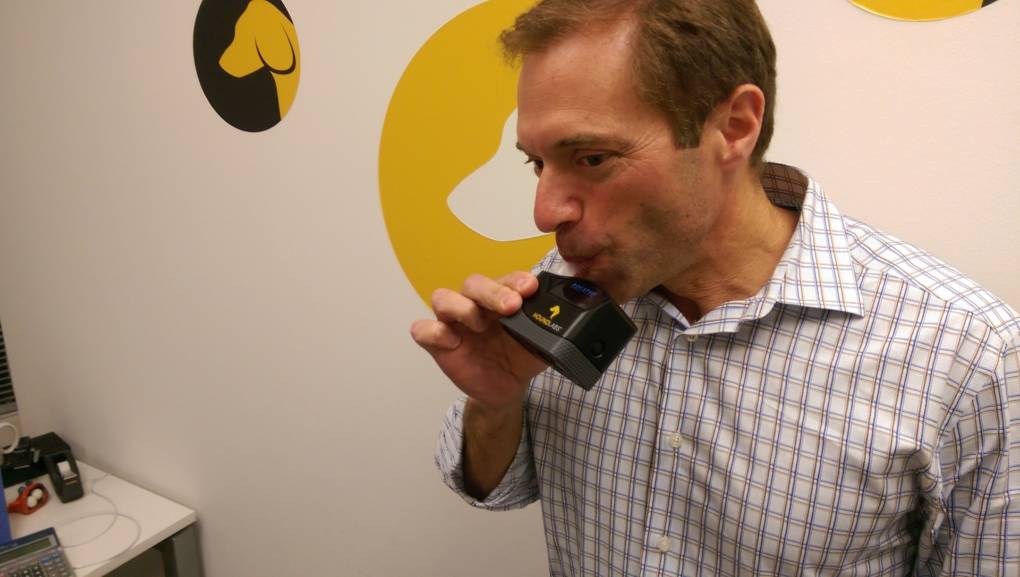
"caption": "Mike Lynn, CEO of Hound Labs in Oakland, which plans to sell a marijuana breathalyzer to law enforcement agencies next year.",
"description": "Mike Lynn, CEO of Hound Labs in Oakland, which plans to sell a marijuana breathalyzer to law enforcement agencies next year.",
"title": "RS28661_Mike Lynn of Hound Labs-qut",
"credit": "Eli Wirtschafter/KQED",
"status": "inherit",
"isLoading": false,
"fetchFailed": false
},
"news_11638104": {
"type": "attachments",
"id": "news_11638104",
"meta": {
"index": "attachments_1716263798",
"site": "news",
"id": "11638104",
"found": true
},
"parent": 11638056,
"imgSizes": {
"small": {
"file": "https://ww2.kqed.org/app/uploads/sites/10/2017/12/RS28657_GettyImages-91997121-qut-520x347.jpg",
"width": 520,
"mimeType": "image/jpeg",
"height": 347
},
"twentyfourteen-full-width": {
"file": "https://ww2.kqed.org/app/uploads/sites/10/2017/12/RS28657_GettyImages-91997121-qut-1038x576.jpg",
"width": 1038,
"mimeType": "image/jpeg",
"height": 576
},
"thumbnail": {
"file": "https://ww2.kqed.org/app/uploads/sites/10/2017/12/RS28657_GettyImages-91997121-qut-160x107.jpg",
"width": 160,
"mimeType": "image/jpeg",
"height": 107
},
"fd-sm": {
"file": "https://ww2.kqed.org/app/uploads/sites/10/2017/12/RS28657_GettyImages-91997121-qut-960x640.jpg",
"width": 960,
"mimeType": "image/jpeg",
"height": 640
},
"post-thumbnail": {
"file": "https://ww2.kqed.org/app/uploads/sites/10/2017/12/RS28657_GettyImages-91997121-qut-672x372.jpg",
"width": 672,
"mimeType": "image/jpeg",
"height": 372
},
"xsmall": {
"file": "https://ww2.kqed.org/app/uploads/sites/10/2017/12/RS28657_GettyImages-91997121-qut-375x250.jpg",
"width": 375,
"mimeType": "image/jpeg",
"height": 250
},
"kqedFullSize": {
"file": "https://ww2.kqed.org/app/uploads/sites/10/2017/12/RS28657_GettyImages-91997121-qut.jpg",
"width": 1920,
"height": 1280
},
"large": {
"file": "https://ww2.kqed.org/app/uploads/sites/10/2017/12/RS28657_GettyImages-91997121-qut-1020x680.jpg",
"width": 1020,
"mimeType": "image/jpeg",
"height": 680
},
"xlarge": {
"file": "https://ww2.kqed.org/app/uploads/sites/10/2017/12/RS28657_GettyImages-91997121-qut-1180x787.jpg",
"width": 1180,
"mimeType": "image/jpeg",
"height": 787
},
"guest-author-50": {
"file": "https://ww2.kqed.org/app/uploads/sites/10/2017/12/RS28657_GettyImages-91997121-qut-50x50.jpg",
"width": 50,
"mimeType": "image/jpeg",
"height": 50
},
"guest-author-96": {
"file": "https://ww2.kqed.org/app/uploads/sites/10/2017/12/RS28657_GettyImages-91997121-qut-96x96.jpg",
"width": 96,
"mimeType": "image/jpeg",
"height": 96
},
"medium": {
"file": "https://ww2.kqed.org/app/uploads/sites/10/2017/12/RS28657_GettyImages-91997121-qut-800x533.jpg",
"width": 800,
"mimeType": "image/jpeg",
"height": 533
},
"guest-author-64": {
"file": "https://ww2.kqed.org/app/uploads/sites/10/2017/12/RS28657_GettyImages-91997121-qut-64x64.jpg",
"width": 64,
"mimeType": "image/jpeg",
"height": 64
},
"guest-author-32": {
"file": "https://ww2.kqed.org/app/uploads/sites/10/2017/12/RS28657_GettyImages-91997121-qut-32x32.jpg",
"width": 32,
"mimeType": "image/jpeg",
"height": 32
},
"fd-lrg": {
"file": "https://ww2.kqed.org/app/uploads/sites/10/2017/12/RS28657_GettyImages-91997121-qut-1920x1280.jpg",
"width": 1920,
"mimeType": "image/jpeg",
"height": 1280
},
"fd-med": {
"file": "https://ww2.kqed.org/app/uploads/sites/10/2017/12/RS28657_GettyImages-91997121-qut-1180x787.jpg",
"width": 1180,
"mimeType": "image/jpeg",
"height": 787
},
"full-width": {
"file": "https://ww2.kqed.org/app/uploads/sites/10/2017/12/RS28657_GettyImages-91997121-qut-1920x1280.jpg",
"width": 1920,
"mimeType": "image/jpeg",
"height": 1280
},
"detail": {
"file": "https://ww2.kqed.org/app/uploads/sites/10/2017/12/RS28657_GettyImages-91997121-qut-150x150.jpg",
"width": 150,
"mimeType": "image/jpeg",
"height": 150
},
"guest-author-128": {
"file": "https://ww2.kqed.org/app/uploads/sites/10/2017/12/RS28657_GettyImages-91997121-qut-128x128.jpg",
"width": 128,
"mimeType": "image/jpeg",
"height": 128
},
"xxsmall": {
"file": "https://ww2.kqed.org/app/uploads/sites/10/2017/12/RS28657_GettyImages-91997121-qut-240x160.jpg",
"width": 240,
"mimeType": "image/jpeg",
"height": 160
}
},
"publishDate": 1513651061,
"modified": 1513651185,
"caption": "Starting on Jan. 1, 2018, adults 21 years and older will be able to buy and sell recreational marijuana in California.",
"description": "Starting on Jan. 1, 2018, adults 21 years and older will be able to buy and sell recreational marijuana in California.",
"title": "Obama Admin. Unveils New Policy Easing Medical Marijuana Prosecutions",
"credit": "David McNew/Getty Images",
"status": "inherit",
"isLoading": false,
"fetchFailed": false
},
"news_11635012": {
"type": "attachments",
"id": "news_11635012",
"meta": {
"index": "attachments_1716263798",
"site": "news",
"id": "11635012",
"found": true
},
"parent": 11634601,
"imgSizes": {
"small": {
"file": "https://ww2.kqed.org/app/uploads/sites/10/2017/12/iStock-183834678-520x389.jpg",
"width": 520,
"mimeType": "image/jpeg",
"height": 389
},
"twentyfourteen-full-width": {
"file": "https://ww2.kqed.org/app/uploads/sites/10/2017/12/iStock-183834678-1038x576.jpg",
"width": 1038,
"mimeType": "image/jpeg",
"height": 576
},
"thumbnail": {
"file": "https://ww2.kqed.org/app/uploads/sites/10/2017/12/iStock-183834678-160x120.jpg",
"width": 160,
"mimeType": "image/jpeg",
"height": 120
},
"fd-sm": {
"file": "https://ww2.kqed.org/app/uploads/sites/10/2017/12/iStock-183834678-960x718.jpg",
"width": 960,
"mimeType": "image/jpeg",
"height": 718
},
"post-thumbnail": {
"file": "https://ww2.kqed.org/app/uploads/sites/10/2017/12/iStock-183834678-672x372.jpg",
"width": 672,
"mimeType": "image/jpeg",
"height": 372
},
"xsmall": {
"file": "https://ww2.kqed.org/app/uploads/sites/10/2017/12/iStock-183834678-375x280.jpg",
"width": 375,
"mimeType": "image/jpeg",
"height": 280
},
"kqedFullSize": {
"file": "https://ww2.kqed.org/app/uploads/sites/10/2017/12/iStock-183834678.jpg",
"width": 2048,
"height": 1531
},
"large": {
"file": "https://ww2.kqed.org/app/uploads/sites/10/2017/12/iStock-183834678-1020x763.jpg",
"width": 1020,
"mimeType": "image/jpeg",
"height": 763
},
"xlarge": {
"file": "https://ww2.kqed.org/app/uploads/sites/10/2017/12/iStock-183834678-1180x882.jpg",
"width": 1180,
"mimeType": "image/jpeg",
"height": 882
},
"guest-author-50": {
"file": "https://ww2.kqed.org/app/uploads/sites/10/2017/12/iStock-183834678-50x50.jpg",
"width": 50,
"mimeType": "image/jpeg",
"height": 50
},
"guest-author-96": {
"file": "https://ww2.kqed.org/app/uploads/sites/10/2017/12/iStock-183834678-96x96.jpg",
"width": 96,
"mimeType": "image/jpeg",
"height": 96
},
"medium": {
"file": "https://ww2.kqed.org/app/uploads/sites/10/2017/12/iStock-183834678-800x598.jpg",
"width": 800,
"mimeType": "image/jpeg",
"height": 598
},
"guest-author-64": {
"file": "https://ww2.kqed.org/app/uploads/sites/10/2017/12/iStock-183834678-64x64.jpg",
"width": 64,
"mimeType": "image/jpeg",
"height": 64
},
"guest-author-32": {
"file": "https://ww2.kqed.org/app/uploads/sites/10/2017/12/iStock-183834678-32x32.jpg",
"width": 32,
"mimeType": "image/jpeg",
"height": 32
},
"fd-lrg": {
"file": "https://ww2.kqed.org/app/uploads/sites/10/2017/12/iStock-183834678-1920x1436.jpg",
"width": 1920,
"mimeType": "image/jpeg",
"height": 1436
},
"fd-med": {
"file": "https://ww2.kqed.org/app/uploads/sites/10/2017/12/iStock-183834678-1180x882.jpg",
"width": 1180,
"mimeType": "image/jpeg",
"height": 882
},
"full-width": {
"file": "https://ww2.kqed.org/app/uploads/sites/10/2017/12/iStock-183834678-1920x1436.jpg",
"width": 1920,
"mimeType": "image/jpeg",
"height": 1436
},
"detail": {
"file": "https://ww2.kqed.org/app/uploads/sites/10/2017/12/iStock-183834678-150x150.jpg",
"width": 150,
"mimeType": "image/jpeg",
"height": 150
},
"guest-author-128": {
"file": "https://ww2.kqed.org/app/uploads/sites/10/2017/12/iStock-183834678-128x128.jpg",
"width": 128,
"mimeType": "image/jpeg",
"height": 128
},
"xxsmall": {
"file": "https://ww2.kqed.org/app/uploads/sites/10/2017/12/iStock-183834678-240x179.jpg",
"width": 240,
"mimeType": "image/jpeg",
"height": 179
}
},
"publishDate": 1512510825,
"modified": 1512510906,
"caption": "Longtime Castro residents say the neighborhood has evolved as house prices have gone up. ",
"description": "Longtime Castro residents say the neighborhood has evolved as house prices have gone up. ",
"title": "Castro sign",
"credit": "oversnap/iStock",
"status": "inherit",
"isLoading": false,
"fetchFailed": false
},
"news_11633996": {
"type": "attachments",
"id": "news_11633996",
"meta": {
"index": "attachments_1716263798",
"site": "news",
"id": "11633996",
"found": true
},
"parent": 11632954,
"imgSizes": {
"small": {
"file": "https://ww2.kqed.org/app/uploads/sites/10/2017/11/153625613_6e3d984624_o-520x390.jpg",
"width": 520,
"mimeType": "image/jpeg",
"height": 390
},
"twentyfourteen-full-width": {
"file": "https://ww2.kqed.org/app/uploads/sites/10/2017/11/153625613_6e3d984624_o-800x576.jpg",
"width": 800,
"mimeType": "image/jpeg",
"height": 576
},
"thumbnail": {
"file": "https://ww2.kqed.org/app/uploads/sites/10/2017/11/153625613_6e3d984624_o-160x120.jpg",
"width": 160,
"mimeType": "image/jpeg",
"height": 120
},
"post-thumbnail": {
"file": "https://ww2.kqed.org/app/uploads/sites/10/2017/11/153625613_6e3d984624_o-672x372.jpg",
"width": 672,
"mimeType": "image/jpeg",
"height": 372
},
"xsmall": {
"file": "https://ww2.kqed.org/app/uploads/sites/10/2017/11/153625613_6e3d984624_o-375x281.jpg",
"width": 375,
"mimeType": "image/jpeg",
"height": 281
},
"kqedFullSize": {
"file": "https://ww2.kqed.org/app/uploads/sites/10/2017/11/153625613_6e3d984624_o.jpg",
"width": 800,
"height": 600
},
"guest-author-50": {
"file": "https://ww2.kqed.org/app/uploads/sites/10/2017/11/153625613_6e3d984624_o-50x50.jpg",
"width": 50,
"mimeType": "image/jpeg",
"height": 50
},
"guest-author-96": {
"file": "https://ww2.kqed.org/app/uploads/sites/10/2017/11/153625613_6e3d984624_o-96x96.jpg",
"width": 96,
"mimeType": "image/jpeg",
"height": 96
},
"medium": {
"file": "https://ww2.kqed.org/app/uploads/sites/10/2017/11/153625613_6e3d984624_o-800x600.jpg",
"width": 800,
"mimeType": "image/jpeg",
"height": 600
},
"guest-author-64": {
"file": "https://ww2.kqed.org/app/uploads/sites/10/2017/11/153625613_6e3d984624_o-64x64.jpg",
"width": 64,
"mimeType": "image/jpeg",
"height": 64
},
"guest-author-32": {
"file": "https://ww2.kqed.org/app/uploads/sites/10/2017/11/153625613_6e3d984624_o-32x32.jpg",
"width": 32,
"mimeType": "image/jpeg",
"height": 32
},
"detail": {
"file": "https://ww2.kqed.org/app/uploads/sites/10/2017/11/153625613_6e3d984624_o-150x150.jpg",
"width": 150,
"mimeType": "image/jpeg",
"height": 150
},
"guest-author-128": {
"file": "https://ww2.kqed.org/app/uploads/sites/10/2017/11/153625613_6e3d984624_o-128x128.jpg",
"width": 128,
"mimeType": "image/jpeg",
"height": 128
},
"xxsmall": {
"file": "https://ww2.kqed.org/app/uploads/sites/10/2017/11/153625613_6e3d984624_o-240x180.jpg",
"width": 240,
"mimeType": "image/jpeg",
"height": 180
}
},
"publishDate": 1512005945,
"modified": 1512006018,
"caption": "Up close with a California golden poppy. ",
"description": "Up close with a California golden poppy. ",
"title": "153625613_6e3d984624_o",
"credit": "\u003ca href=\"https://www.flickr.com/photos/imagoarticulus/153625613/in/photolist-eznxt-HTspJC-6nbgaw-6iBMeg-mH2zfn-eznxT-7WRMCd-6iBFhF-eznwt-JgvXKz-4VgL5m-m3n1rS-ne4t5N-gkDb9-naXhgZ-ASP9j-Fhmrr-bYmhGY-nnthVR-orY4UL-RauLec-fRE1y-oCKg7R-6oTwq5-9ERuVv-nAmhXj-rnnRXq-4Vcgwi-SZ61vx-J24PiL-fCBsz4-ntbrZh-bYmgHE-bDgZmk-6n75Uz-TPyjtG-o4AZsX-rpnBDe-F6nWk4-LKA4-9Z4Aep-eiJjr2-cXw8MQ-nbncqf-rA1KT3-9ERuNx-eTNnML-eV7V9i-fEefN-9FzyTL\" target=\"_blank\">Rusty\u003c/a>/Flickr",
"status": "inherit",
"isLoading": false,
"fetchFailed": false
},
"news_11633103": {
"type": "attachments",
"id": "news_11633103",
"meta": {
"index": "attachments_1716263798",
"site": "news",
"id": "11633103",
"found": true
},
"parent": 11633087,
"imgSizes": {
"small": {
"file": "https://ww2.kqed.org/app/uploads/sites/10/2017/11/Library-of-Congress-e1466110626769-800x577-520x375.jpg",
"width": 520,
"mimeType": "image/jpeg",
"height": 375
},
"twentyfourteen-full-width": {
"file": "https://ww2.kqed.org/app/uploads/sites/10/2017/11/Library-of-Congress-e1466110626769-800x577-800x576.jpg",
"width": 800,
"mimeType": "image/jpeg",
"height": 576
},
"thumbnail": {
"file": "https://ww2.kqed.org/app/uploads/sites/10/2017/11/Library-of-Congress-e1466110626769-800x577-160x115.jpg",
"width": 160,
"mimeType": "image/jpeg",
"height": 115
},
"post-thumbnail": {
"file": "https://ww2.kqed.org/app/uploads/sites/10/2017/11/Library-of-Congress-e1466110626769-800x577-672x372.jpg",
"width": 672,
"mimeType": "image/jpeg",
"height": 372
},
"xsmall": {
"file": "https://ww2.kqed.org/app/uploads/sites/10/2017/11/Library-of-Congress-e1466110626769-800x577-375x270.jpg",
"width": 375,
"mimeType": "image/jpeg",
"height": 270
},
"kqedFullSize": {
"file": "https://ww2.kqed.org/app/uploads/sites/10/2017/11/Library-of-Congress-e1466110626769-800x577.jpg",
"width": 800,
"height": 577
},
"guest-author-50": {
"file": "https://ww2.kqed.org/app/uploads/sites/10/2017/11/Library-of-Congress-e1466110626769-800x577-50x50.jpg",
"width": 50,
"mimeType": "image/jpeg",
"height": 50
},
"guest-author-96": {
"file": "https://ww2.kqed.org/app/uploads/sites/10/2017/11/Library-of-Congress-e1466110626769-800x577-96x96.jpg",
"width": 96,
"mimeType": "image/jpeg",
"height": 96
},
"medium": {
"file": "https://ww2.kqed.org/app/uploads/sites/10/2017/11/Library-of-Congress-e1466110626769-800x577-800x577.jpg",
"width": 800,
"mimeType": "image/jpeg",
"height": 577
},
"guest-author-64": {
"file": "https://ww2.kqed.org/app/uploads/sites/10/2017/11/Library-of-Congress-e1466110626769-800x577-64x64.jpg",
"width": 64,
"mimeType": "image/jpeg",
"height": 64
},
"guest-author-32": {
"file": "https://ww2.kqed.org/app/uploads/sites/10/2017/11/Library-of-Congress-e1466110626769-800x577-32x32.jpg",
"width": 32,
"mimeType": "image/jpeg",
"height": 32
},
"detail": {
"file": "https://ww2.kqed.org/app/uploads/sites/10/2017/11/Library-of-Congress-e1466110626769-800x577-150x150.jpg",
"width": 150,
"mimeType": "image/jpeg",
"height": 150
},
"guest-author-128": {
"file": "https://ww2.kqed.org/app/uploads/sites/10/2017/11/Library-of-Congress-e1466110626769-800x577-128x128.jpg",
"width": 128,
"mimeType": "image/jpeg",
"height": 128
},
"xxsmall": {
"file": "https://ww2.kqed.org/app/uploads/sites/10/2017/11/Library-of-Congress-e1466110626769-800x577-240x173.jpg",
"width": 240,
"mimeType": "image/jpeg",
"height": 173
}
},
"publishDate": 1511389490,
"modified": 1511389532,
"caption": "An illustration of early San Francisco, where old ships were converted into buildings. ",
"description": "An illustration of early San Francisco, where old ships were converted into buildings. ",
"title": "Library-of-Congress-e1466110626769-800x577",
"credit": "Library of Congress",
"status": "inherit",
"isLoading": false,
"fetchFailed": false
},
"news_11629580": {
"type": "attachments",
"id": "news_11629580",
"meta": {
"index": "attachments_1716263798",
"site": "news",
"id": "11629580",
"found": true
},
"parent": 11629563,
"imgSizes": {
"small": {
"file": "https://ww2.kqed.org/app/uploads/sites/10/2017/11/atat-520x293.jpg",
"width": 520,
"mimeType": "image/jpeg",
"height": 293
},
"twentyfourteen-full-width": {
"file": "https://ww2.kqed.org/app/uploads/sites/10/2017/11/atat-1038x576.jpg",
"width": 1038,
"mimeType": "image/jpeg",
"height": 576
},
"thumbnail": {
"file": "https://ww2.kqed.org/app/uploads/sites/10/2017/11/atat-160x90.jpg",
"width": 160,
"mimeType": "image/jpeg",
"height": 90
},
"fd-sm": {
"file": "https://ww2.kqed.org/app/uploads/sites/10/2017/11/atat-960x540.jpg",
"width": 960,
"mimeType": "image/jpeg",
"height": 540
},
"post-thumbnail": {
"file": "https://ww2.kqed.org/app/uploads/sites/10/2017/11/atat-672x372.jpg",
"width": 672,
"mimeType": "image/jpeg",
"height": 372
},
"xsmall": {
"file": "https://ww2.kqed.org/app/uploads/sites/10/2017/11/atat-375x211.jpg",
"width": 375,
"mimeType": "image/jpeg",
"height": 211
},
"kqedFullSize": {
"file": "https://ww2.kqed.org/app/uploads/sites/10/2017/11/atat.jpg",
"width": 1920,
"height": 1080
},
"large": {
"file": "https://ww2.kqed.org/app/uploads/sites/10/2017/11/atat-1020x574.jpg",
"width": 1020,
"mimeType": "image/jpeg",
"height": 574
},
"xlarge": {
"file": "https://ww2.kqed.org/app/uploads/sites/10/2017/11/atat-1180x664.jpg",
"width": 1180,
"mimeType": "image/jpeg",
"height": 664
},
"guest-author-50": {
"file": "https://ww2.kqed.org/app/uploads/sites/10/2017/11/atat-50x50.jpg",
"width": 50,
"mimeType": "image/jpeg",
"height": 50
},
"guest-author-96": {
"file": "https://ww2.kqed.org/app/uploads/sites/10/2017/11/atat-96x96.jpg",
"width": 96,
"mimeType": "image/jpeg",
"height": 96
},
"medium": {
"file": "https://ww2.kqed.org/app/uploads/sites/10/2017/11/atat-800x450.jpg",
"width": 800,
"mimeType": "image/jpeg",
"height": 450
},
"guest-author-64": {
"file": "https://ww2.kqed.org/app/uploads/sites/10/2017/11/atat-64x64.jpg",
"width": 64,
"mimeType": "image/jpeg",
"height": 64
},
"guest-author-32": {
"file": "https://ww2.kqed.org/app/uploads/sites/10/2017/11/atat-32x32.jpg",
"width": 32,
"mimeType": "image/jpeg",
"height": 32
},
"fd-lrg": {
"file": "https://ww2.kqed.org/app/uploads/sites/10/2017/11/atat-1920x1080.jpg",
"width": 1920,
"mimeType": "image/jpeg",
"height": 1080
},
"fd-med": {
"file": "https://ww2.kqed.org/app/uploads/sites/10/2017/11/atat-1180x664.jpg",
"width": 1180,
"mimeType": "image/jpeg",
"height": 664
},
"full-width": {
"file": "https://ww2.kqed.org/app/uploads/sites/10/2017/11/atat-1920x1080.jpg",
"width": 1920,
"mimeType": "image/jpeg",
"height": 1080
},
"detail": {
"file": "https://ww2.kqed.org/app/uploads/sites/10/2017/11/atat-150x150.jpg",
"width": 150,
"mimeType": "image/jpeg",
"height": 150
},
"guest-author-128": {
"file": "https://ww2.kqed.org/app/uploads/sites/10/2017/11/atat-128x128.jpg",
"width": 128,
"mimeType": "image/jpeg",
"height": 128
},
"xxsmall": {
"file": "https://ww2.kqed.org/app/uploads/sites/10/2017/11/atat-240x135.jpg",
"width": 240,
"mimeType": "image/jpeg",
"height": 135
}
},
"publishDate": 1510258451,
"modified": 1510258637,
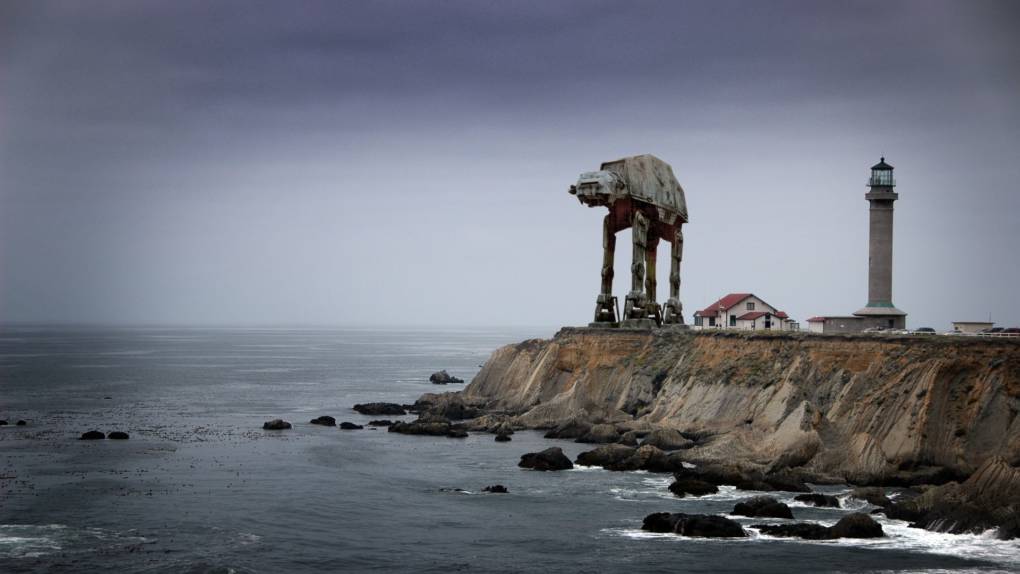
"caption": "A photoshopped image of an AT-AT created by a desktop wallpaper website. ",
"description": "A photoshopped image of an AT-AT created by a desktop wallpaper website. ",
"title": "atat",
"credit": "\u003ca href=\"https://wallpaperstock.net/at-at_wallpapers_30840_1920x1080_1.html\" target=\"_blank\">wallpaperstock.net\u003c/a>",
"status": "inherit",
"isLoading": false,
"fetchFailed": false
},
"news_11629438": {
"type": "attachments",
"id": "news_11629438",
"meta": {
"index": "attachments_1716263798",
"site": "news",
"id": "11629438",
"found": true
},
"parent": 11629112,
"imgSizes": {
"small": {
"file": "https://ww2.kqed.org/app/uploads/sites/10/2017/11/RS27936_Rainbow-Tunnel-qut-520x390.jpg",
"width": 520,
"mimeType": "image/jpeg",
"height": 390
},
"twentyfourteen-full-width": {
"file": "https://ww2.kqed.org/app/uploads/sites/10/2017/11/RS27936_Rainbow-Tunnel-qut-1038x576.jpg",
"width": 1038,
"mimeType": "image/jpeg",
"height": 576
},
"thumbnail": {
"file": "https://ww2.kqed.org/app/uploads/sites/10/2017/11/RS27936_Rainbow-Tunnel-qut-160x120.jpg",
"width": 160,
"mimeType": "image/jpeg",
"height": 120
},
"fd-sm": {
"file": "https://ww2.kqed.org/app/uploads/sites/10/2017/11/RS27936_Rainbow-Tunnel-qut-960x720.jpg",
"width": 960,
"mimeType": "image/jpeg",
"height": 720
},
"post-thumbnail": {
"file": "https://ww2.kqed.org/app/uploads/sites/10/2017/11/RS27936_Rainbow-Tunnel-qut-672x372.jpg",
"width": 672,
"mimeType": "image/jpeg",
"height": 372
},
"xsmall": {
"file": "https://ww2.kqed.org/app/uploads/sites/10/2017/11/RS27936_Rainbow-Tunnel-qut-375x281.jpg",
"width": 375,
"mimeType": "image/jpeg",
"height": 281
},
"kqedFullSize": {
"file": "https://ww2.kqed.org/app/uploads/sites/10/2017/11/RS27936_Rainbow-Tunnel-qut.jpg",
"width": 1920,
"height": 1440
},
"large": {
"file": "https://ww2.kqed.org/app/uploads/sites/10/2017/11/RS27936_Rainbow-Tunnel-qut-1020x765.jpg",
"width": 1020,
"mimeType": "image/jpeg",
"height": 765
},
"xlarge": {
"file": "https://ww2.kqed.org/app/uploads/sites/10/2017/11/RS27936_Rainbow-Tunnel-qut-1180x885.jpg",
"width": 1180,
"mimeType": "image/jpeg",
"height": 885
},
"guest-author-50": {
"file": "https://ww2.kqed.org/app/uploads/sites/10/2017/11/RS27936_Rainbow-Tunnel-qut-50x50.jpg",
"width": 50,
"mimeType": "image/jpeg",
"height": 50
},
"guest-author-96": {
"file": "https://ww2.kqed.org/app/uploads/sites/10/2017/11/RS27936_Rainbow-Tunnel-qut-96x96.jpg",
"width": 96,
"mimeType": "image/jpeg",
"height": 96
},
"medium": {
"file": "https://ww2.kqed.org/app/uploads/sites/10/2017/11/RS27936_Rainbow-Tunnel-qut-800x600.jpg",
"width": 800,
"mimeType": "image/jpeg",
"height": 600
},
"guest-author-64": {
"file": "https://ww2.kqed.org/app/uploads/sites/10/2017/11/RS27936_Rainbow-Tunnel-qut-64x64.jpg",
"width": 64,
"mimeType": "image/jpeg",
"height": 64
},
"guest-author-32": {
"file": "https://ww2.kqed.org/app/uploads/sites/10/2017/11/RS27936_Rainbow-Tunnel-qut-32x32.jpg",
"width": 32,
"mimeType": "image/jpeg",
"height": 32
},
"fd-lrg": {
"file": "https://ww2.kqed.org/app/uploads/sites/10/2017/11/RS27936_Rainbow-Tunnel-qut-1920x1440.jpg",
"width": 1920,
"mimeType": "image/jpeg",
"height": 1440
},
"fd-med": {
"file": "https://ww2.kqed.org/app/uploads/sites/10/2017/11/RS27936_Rainbow-Tunnel-qut-1180x885.jpg",
"width": 1180,
"mimeType": "image/jpeg",
"height": 885
},
"full-width": {
"file": "https://ww2.kqed.org/app/uploads/sites/10/2017/11/RS27936_Rainbow-Tunnel-qut-1920x1440.jpg",
"width": 1920,
"mimeType": "image/jpeg",
"height": 1440
},
"detail": {
"file": "https://ww2.kqed.org/app/uploads/sites/10/2017/11/RS27936_Rainbow-Tunnel-qut-150x150.jpg",
"width": 150,
"mimeType": "image/jpeg",
"height": 150
},
"guest-author-128": {
"file": "https://ww2.kqed.org/app/uploads/sites/10/2017/11/RS27936_Rainbow-Tunnel-qut-128x128.jpg",
"width": 128,
"mimeType": "image/jpeg",
"height": 128
},
"xxsmall": {
"file": "https://ww2.kqed.org/app/uploads/sites/10/2017/11/RS27936_Rainbow-Tunnel-qut-240x180.jpg",
"width": 240,
"mimeType": "image/jpeg",
"height": 180
}
},
"publishDate": 1510201953,
"modified": 1510202011,
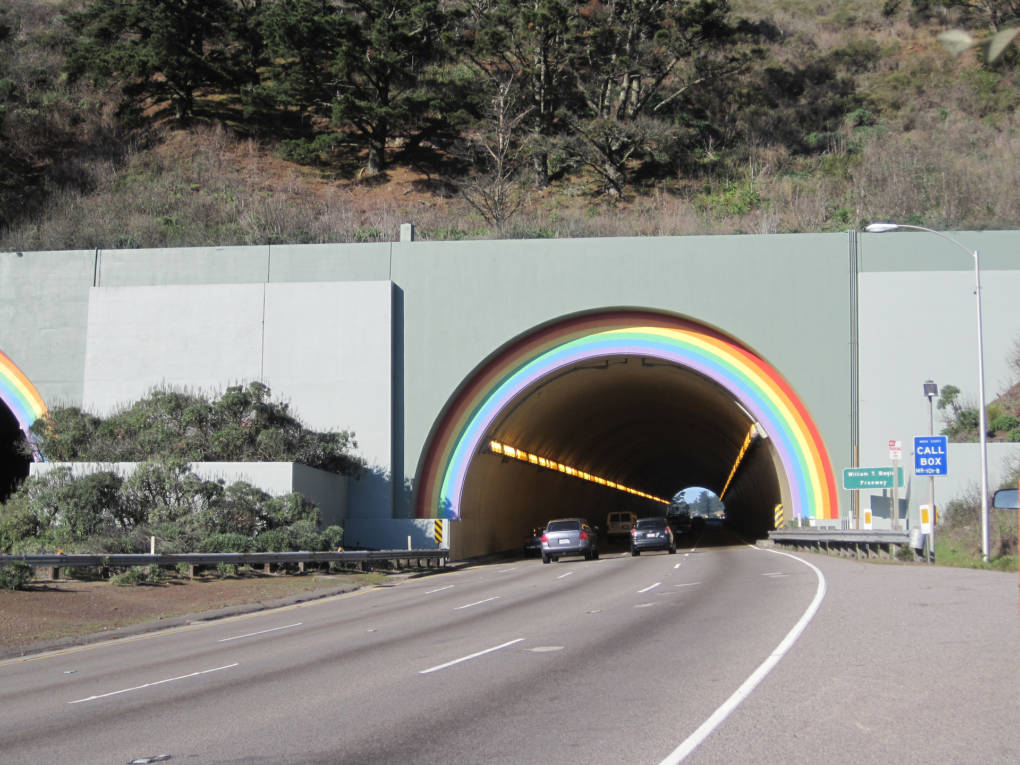
"caption": "The rainbow paint on the tunnel between Marin and San Francisco on Highway 101 was the brainchild of Caltrans public affairs officer Robert Halligan Sr.",
"description": null,
"title": "RS27936_Rainbow Tunnel-qut",
"credit": "Courtesy of California Department of Transportation",
"status": "inherit",
"isLoading": false,
"fetchFailed": false
},
"news_11621269": {
"type": "attachments",
"id": "news_11621269",
"meta": {
"index": "attachments_1716263798",
"site": "news",
"id": "11621269",
"found": true
},
"parent": 11621122,
"imgSizes": {
"small": {
"file": "https://ww2.kqed.org/app/uploads/sites/10/2017/10/RS27183_IMG_3292-2-qut-520x293.jpg",
"width": 520,
"mimeType": "image/jpeg",
"height": 293
},
"twentyfourteen-full-width": {
"file": "https://ww2.kqed.org/app/uploads/sites/10/2017/10/RS27183_IMG_3292-2-qut-1038x576.jpg",
"width": 1038,
"mimeType": "image/jpeg",
"height": 576
},
"thumbnail": {
"file": "https://ww2.kqed.org/app/uploads/sites/10/2017/10/RS27183_IMG_3292-2-qut-160x90.jpg",
"width": 160,
"mimeType": "image/jpeg",
"height": 90
},
"fd-sm": {
"file": "https://ww2.kqed.org/app/uploads/sites/10/2017/10/RS27183_IMG_3292-2-qut-960x540.jpg",
"width": 960,
"mimeType": "image/jpeg",
"height": 540
},
"post-thumbnail": {
"file": "https://ww2.kqed.org/app/uploads/sites/10/2017/10/RS27183_IMG_3292-2-qut-672x372.jpg",
"width": 672,
"mimeType": "image/jpeg",
"height": 372
},
"xsmall": {
"file": "https://ww2.kqed.org/app/uploads/sites/10/2017/10/RS27183_IMG_3292-2-qut-375x211.jpg",
"width": 375,
"mimeType": "image/jpeg",
"height": 211
},
"kqedFullSize": {
"file": "https://ww2.kqed.org/app/uploads/sites/10/2017/10/RS27183_IMG_3292-2-qut.jpg",
"width": 1920,
"height": 1080
},
"large": {
"file": "https://ww2.kqed.org/app/uploads/sites/10/2017/10/RS27183_IMG_3292-2-qut-1020x574.jpg",
"width": 1020,
"mimeType": "image/jpeg",
"height": 574
},
"xlarge": {
"file": "https://ww2.kqed.org/app/uploads/sites/10/2017/10/RS27183_IMG_3292-2-qut-1180x664.jpg",
"width": 1180,
"mimeType": "image/jpeg",
"height": 664
},
"guest-author-50": {
"file": "https://ww2.kqed.org/app/uploads/sites/10/2017/10/RS27183_IMG_3292-2-qut-50x50.jpg",
"width": 50,
"mimeType": "image/jpeg",
"height": 50
},
"guest-author-96": {
"file": "https://ww2.kqed.org/app/uploads/sites/10/2017/10/RS27183_IMG_3292-2-qut-96x96.jpg",
"width": 96,
"mimeType": "image/jpeg",
"height": 96
},
"medium": {
"file": "https://ww2.kqed.org/app/uploads/sites/10/2017/10/RS27183_IMG_3292-2-qut-800x450.jpg",
"width": 800,
"mimeType": "image/jpeg",
"height": 450
},
"guest-author-64": {
"file": "https://ww2.kqed.org/app/uploads/sites/10/2017/10/RS27183_IMG_3292-2-qut-64x64.jpg",
"width": 64,
"mimeType": "image/jpeg",
"height": 64
},
"guest-author-32": {
"file": "https://ww2.kqed.org/app/uploads/sites/10/2017/10/RS27183_IMG_3292-2-qut-32x32.jpg",
"width": 32,
"mimeType": "image/jpeg",
"height": 32
},
"fd-lrg": {
"file": "https://ww2.kqed.org/app/uploads/sites/10/2017/10/RS27183_IMG_3292-2-qut-1920x1080.jpg",
"width": 1920,
"mimeType": "image/jpeg",
"height": 1080
},
"fd-med": {
"file": "https://ww2.kqed.org/app/uploads/sites/10/2017/10/RS27183_IMG_3292-2-qut-1180x664.jpg",
"width": 1180,
"mimeType": "image/jpeg",
"height": 664
},
"full-width": {
"file": "https://ww2.kqed.org/app/uploads/sites/10/2017/10/RS27183_IMG_3292-2-qut-1920x1080.jpg",
"width": 1920,
"mimeType": "image/jpeg",
"height": 1080
},
"detail": {
"file": "https://ww2.kqed.org/app/uploads/sites/10/2017/10/RS27183_IMG_3292-2-qut-150x150.jpg",
"width": 150,
"mimeType": "image/jpeg",
"height": 150
},
"guest-author-128": {
"file": "https://ww2.kqed.org/app/uploads/sites/10/2017/10/RS27183_IMG_3292-2-qut-128x128.jpg",
"width": 128,
"mimeType": "image/jpeg",
"height": 128
},
"xxsmall": {
"file": "https://ww2.kqed.org/app/uploads/sites/10/2017/10/RS27183_IMG_3292-2-qut-240x135.jpg",
"width": 240,
"mimeType": "image/jpeg",
"height": 135
}
},
"publishDate": 1507237153,
"modified": 1509584316,
"caption": "Mission Santa Clara was originally built in 1777. This is the 1928 restoration, located on the grounds of what is now Santa Clara University. This is the only Spanish-era mission in the San Francisco Bay Area remotely proximate to a street called El Camino Real. ",
"description": "Mission Santa Clara was originally built in 1777. This is the 1928 restoration, located on the grounds of what is now Santa Clara University. This is the only Spanish era mission in the San Francisco Bay Area remotely proximate to a street called El Camino Real. ",
"title": "RS27183_IMG_3292 2-qut",
"credit": "Rachael Myrow/KQED",
"status": "inherit",
"isLoading": false,
"fetchFailed": false
},
"news_11622289": {
"type": "attachments",
"id": "news_11622289",
"meta": {
"index": "attachments_1716263798",
"site": "news",
"id": "11622289",
"found": true
},
"parent": 11622273,
"imgSizes": {
"small": {
"file": "https://ww2.kqed.org/app/uploads/sites/10/2017/10/Cisterns-4-2-e1507825226300-520x251.jpg",
"width": 520,
"mimeType": "image/jpeg",
"height": 251
},
"twentyfourteen-full-width": {
"file": "https://ww2.kqed.org/app/uploads/sites/10/2017/10/Cisterns-4-2-e1507825226300-1038x576.jpg",
"width": 1038,
"mimeType": "image/jpeg",
"height": 576
},
"thumbnail": {
"file": "https://ww2.kqed.org/app/uploads/sites/10/2017/10/Cisterns-4-2-e1507825226300-160x77.jpg",
"width": 160,
"mimeType": "image/jpeg",
"height": 77
},
"fd-sm": {
"file": "https://ww2.kqed.org/app/uploads/sites/10/2017/10/Cisterns-4-2-e1507825226300-960x464.jpg",
"width": 960,
"mimeType": "image/jpeg",
"height": 464
},
"post-thumbnail": {
"file": "https://ww2.kqed.org/app/uploads/sites/10/2017/10/Cisterns-4-2-e1507825226300-672x372.jpg",
"width": 672,
"mimeType": "image/jpeg",
"height": 372
},
"xsmall": {
"file": "https://ww2.kqed.org/app/uploads/sites/10/2017/10/Cisterns-4-2-e1507825226300-375x181.jpg",
"width": 375,
"mimeType": "image/jpeg",
"height": 181
},
"kqedFullSize": {
"file": "https://ww2.kqed.org/app/uploads/sites/10/2017/10/Cisterns-4-2-e1507825226300.jpg",
"width": 1530,
"height": 739
},
"large": {
"file": "https://ww2.kqed.org/app/uploads/sites/10/2017/10/Cisterns-4-2-e1507825226300-1020x493.jpg",
"width": 1020,
"mimeType": "image/jpeg",
"height": 493
},
"xlarge": {
"file": "https://ww2.kqed.org/app/uploads/sites/10/2017/10/Cisterns-4-2-e1507825226300-1180x570.jpg",
"width": 1180,
"mimeType": "image/jpeg",
"height": 570
},
"guest-author-50": {
"file": "https://ww2.kqed.org/app/uploads/sites/10/2017/10/Cisterns-4-2-e1507825226300-50x50.jpg",
"width": 50,
"mimeType": "image/jpeg",
"height": 50
},
"guest-author-96": {
"file": "https://ww2.kqed.org/app/uploads/sites/10/2017/10/Cisterns-4-2-e1507825226300-96x96.jpg",
"width": 96,
"mimeType": "image/jpeg",
"height": 96
},
"medium": {
"file": "https://ww2.kqed.org/app/uploads/sites/10/2017/10/Cisterns-4-2-e1507825226300-800x386.jpg",
"width": 800,
"mimeType": "image/jpeg",
"height": 386
},
"guest-author-64": {
"file": "https://ww2.kqed.org/app/uploads/sites/10/2017/10/Cisterns-4-2-e1507825226300-64x64.jpg",
"width": 64,
"mimeType": "image/jpeg",
"height": 64
},
"guest-author-32": {
"file": "https://ww2.kqed.org/app/uploads/sites/10/2017/10/Cisterns-4-2-e1507825226300-32x32.jpg",
"width": 32,
"mimeType": "image/jpeg",
"height": 32
},
"fd-lrg": {
"file": "https://ww2.kqed.org/app/uploads/sites/10/2017/10/Cisterns-4-2-1920x1280.jpg",
"width": 1920,
"mimeType": "image/jpeg",
"height": 1280
},
"fd-med": {
"file": "https://ww2.kqed.org/app/uploads/sites/10/2017/10/Cisterns-4-2-e1507825226300-1180x570.jpg",
"width": 1180,
"mimeType": "image/jpeg",
"height": 570
},
"full-width": {
"file": "https://ww2.kqed.org/app/uploads/sites/10/2017/10/Cisterns-4-2-1920x1280.jpg",
"width": 1920,
"mimeType": "image/jpeg",
"height": 1280
},
"detail": {
"file": "https://ww2.kqed.org/app/uploads/sites/10/2017/10/Cisterns-4-2-e1507825226300-150x150.jpg",
"width": 150,
"mimeType": "image/jpeg",
"height": 150
},
"guest-author-128": {
"file": "https://ww2.kqed.org/app/uploads/sites/10/2017/10/Cisterns-4-2-e1507825226300-128x128.jpg",
"width": 128,
"mimeType": "image/jpeg",
"height": 128
},
"xxsmall": {
"file": "https://ww2.kqed.org/app/uploads/sites/10/2017/10/Cisterns-4-2-e1507825226300-240x116.jpg",
"width": 240,
"mimeType": "image/jpeg",
"height": 116
}
},
"publishDate": 1507676373,
"modified": 1507746712,
"caption": "Katie Miller, the city's water division manager, oversees a cistern getting a refill in the Outer Excelsior of San Francisco. ",
"description": "Katie Miller, the city's water division manager, oversees a cistern getting a refill in the Outer Excelsior of San Francisco. ",
"title": "Cisterns-4-2",
"credit": "Sarah Craig/KQED",
"status": "inherit",
"isLoading": false,
"fetchFailed": false
},
"news_11621142": {
"type": "attachments",
"id": "news_11621142",
"meta": {
"index": "attachments_1716263798",
"site": "news",
"id": "11621142",
"found": true
},
"parent": 11620555,
"imgSizes": {
"small": {
"file": "https://ww2.kqed.org/app/uploads/sites/10/2017/10/17_OMCA_3_31_SM-2557-e1507164205404-520x293.jpg",
"width": 520,
"mimeType": "image/jpeg",
"height": 293
},
"twentyfourteen-full-width": {
"file": "https://ww2.kqed.org/app/uploads/sites/10/2017/10/17_OMCA_3_31_SM-2557-e1507164205404-1038x576.jpg",
"width": 1038,
"mimeType": "image/jpeg",
"height": 576
},
"thumbnail": {
"file": "https://ww2.kqed.org/app/uploads/sites/10/2017/10/17_OMCA_3_31_SM-2557-e1507164205404-160x90.jpg",
"width": 160,
"mimeType": "image/jpeg",
"height": 90
},
"fd-sm": {
"file": "https://ww2.kqed.org/app/uploads/sites/10/2017/10/17_OMCA_3_31_SM-2557-e1507164205404-960x541.jpg",
"width": 960,
"mimeType": "image/jpeg",
"height": 541
},
"post-thumbnail": {
"file": "https://ww2.kqed.org/app/uploads/sites/10/2017/10/17_OMCA_3_31_SM-2557-e1507164205404-672x372.jpg",
"width": 672,
"mimeType": "image/jpeg",
"height": 372
},
"xsmall": {
"file": "https://ww2.kqed.org/app/uploads/sites/10/2017/10/17_OMCA_3_31_SM-2557-e1507164205404-375x211.jpg",
"width": 375,
"mimeType": "image/jpeg",
"height": 211
},
"kqedFullSize": {
"file": "https://ww2.kqed.org/app/uploads/sites/10/2017/10/17_OMCA_3_31_SM-2557-e1507164205404.jpg",
"width": 1289,
"height": 726
},
"large": {
"file": "https://ww2.kqed.org/app/uploads/sites/10/2017/10/17_OMCA_3_31_SM-2557-e1507164205404-1020x574.jpg",
"width": 1020,
"mimeType": "image/jpeg",
"height": 574
},
"xlarge": {
"file": "https://ww2.kqed.org/app/uploads/sites/10/2017/10/17_OMCA_3_31_SM-2557-e1507164205404-1180x665.jpg",
"width": 1180,
"mimeType": "image/jpeg",
"height": 665
},
"guest-author-50": {
"file": "https://ww2.kqed.org/app/uploads/sites/10/2017/10/17_OMCA_3_31_SM-2557-e1507164205404-50x50.jpg",
"width": 50,
"mimeType": "image/jpeg",
"height": 50
},
"guest-author-96": {
"file": "https://ww2.kqed.org/app/uploads/sites/10/2017/10/17_OMCA_3_31_SM-2557-e1507164205404-96x96.jpg",
"width": 96,
"mimeType": "image/jpeg",
"height": 96
},
"medium": {
"file": "https://ww2.kqed.org/app/uploads/sites/10/2017/10/17_OMCA_3_31_SM-2557-e1507164205404-800x451.jpg",
"width": 800,
"mimeType": "image/jpeg",
"height": 451
},
"guest-author-64": {
"file": "https://ww2.kqed.org/app/uploads/sites/10/2017/10/17_OMCA_3_31_SM-2557-e1507164205404-64x64.jpg",
"width": 64,
"mimeType": "image/jpeg",
"height": 64
},
"guest-author-32": {
"file": "https://ww2.kqed.org/app/uploads/sites/10/2017/10/17_OMCA_3_31_SM-2557-e1507164205404-32x32.jpg",
"width": 32,
"mimeType": "image/jpeg",
"height": 32
},
"fd-med": {
"file": "https://ww2.kqed.org/app/uploads/sites/10/2017/10/17_OMCA_3_31_SM-2557-e1507164205404-1180x665.jpg",
"width": 1180,
"mimeType": "image/jpeg",
"height": 665
},
"detail": {
"file": "https://ww2.kqed.org/app/uploads/sites/10/2017/10/17_OMCA_3_31_SM-2557-e1507164205404-150x150.jpg",
"width": 150,
"mimeType": "image/jpeg",
"height": 150
},
"guest-author-128": {
"file": "https://ww2.kqed.org/app/uploads/sites/10/2017/10/17_OMCA_3_31_SM-2557-e1507164205404-128x128.jpg",
"width": 128,
"mimeType": "image/jpeg",
"height": 128
},
"xxsmall": {
"file": "https://ww2.kqed.org/app/uploads/sites/10/2017/10/17_OMCA_3_31_SM-2557-e1507164205404-240x135.jpg",
"width": 240,
"mimeType": "image/jpeg",
"height": 135
}
},
"publishDate": 1507164111,
"modified": 1507164264,
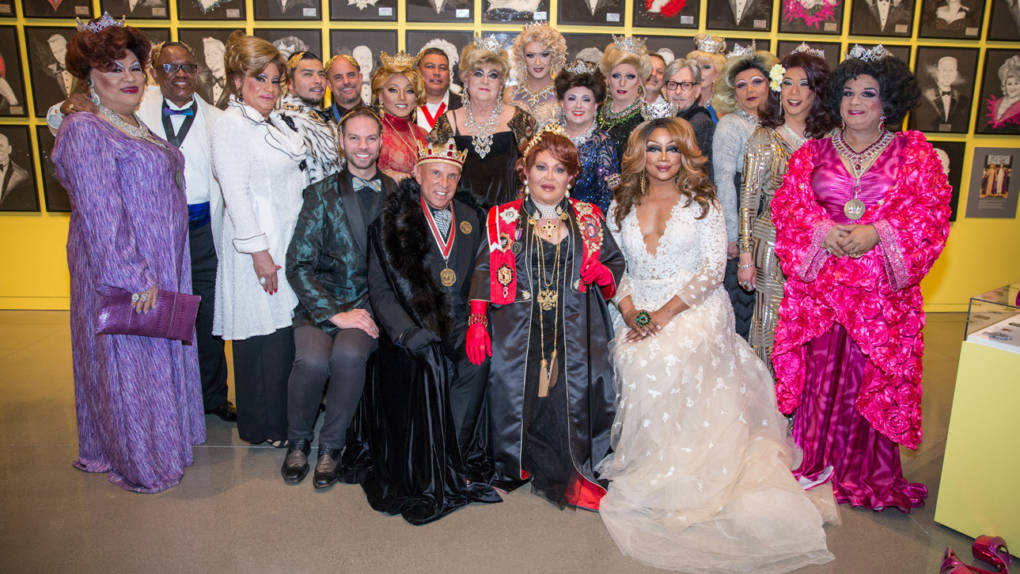
"caption": "Members of the Imperial Court pose at an exhibition opening at the Oakland Museum of California.",
"description": "Members of the Imperial Court pose at an exhibition opening at the Oakland Museum of California.",
"title": "17_OMCA_3_31_SM-2557",
"credit": "Photo: Courtesy of the Oakland Museum of California",
"status": "inherit",
"isLoading": false,
"fetchFailed": false
},
"news_11619587": {
"type": "attachments",
"id": "news_11619587",
"meta": {
"index": "attachments_1716263798",
"site": "news",
"id": "11619587",
"found": true
},
"parent": 11619460,
"imgSizes": {
"small": {
"file": "https://ww2.kqed.org/app/uploads/sites/10/2017/09/Screen-Shot-2017-09-19-at-6.18.11-PM-520x347.png",
"width": 520,
"mimeType": "image/png",
"height": 347
},
"twentyfourteen-full-width": {
"file": "https://ww2.kqed.org/app/uploads/sites/10/2017/09/Screen-Shot-2017-09-19-at-6.18.11-PM-1038x576.png",
"width": 1038,
"mimeType": "image/png",
"height": 576
},
"thumbnail": {
"file": "https://ww2.kqed.org/app/uploads/sites/10/2017/09/Screen-Shot-2017-09-19-at-6.18.11-PM-160x107.png",
"width": 160,
"mimeType": "image/png",
"height": 107
},
"fd-sm": {
"file": "https://ww2.kqed.org/app/uploads/sites/10/2017/09/Screen-Shot-2017-09-19-at-6.18.11-PM-960x640.png",
"width": 960,
"mimeType": "image/png",
"height": 640
},
"post-thumbnail": {
"file": "https://ww2.kqed.org/app/uploads/sites/10/2017/09/Screen-Shot-2017-09-19-at-6.18.11-PM-672x372.png",
"width": 672,
"mimeType": "image/png",
"height": 372
},
"xsmall": {
"file": "https://ww2.kqed.org/app/uploads/sites/10/2017/09/Screen-Shot-2017-09-19-at-6.18.11-PM-375x250.png",
"width": 375,
"mimeType": "image/png",
"height": 250
},
"kqedFullSize": {
"file": "https://ww2.kqed.org/app/uploads/sites/10/2017/09/Screen-Shot-2017-09-19-at-6.18.11-PM.png",
"width": 2418,
"height": 1612
},
"large": {
"file": "https://ww2.kqed.org/app/uploads/sites/10/2017/09/Screen-Shot-2017-09-19-at-6.18.11-PM-1020x680.png",
"width": 1020,
"mimeType": "image/png",
"height": 680
},
"xlarge": {
"file": "https://ww2.kqed.org/app/uploads/sites/10/2017/09/Screen-Shot-2017-09-19-at-6.18.11-PM-1180x787.png",
"width": 1180,
"mimeType": "image/png",
"height": 787
},
"guest-author-50": {
"file": "https://ww2.kqed.org/app/uploads/sites/10/2017/09/Screen-Shot-2017-09-19-at-6.18.11-PM-50x50.png",
"width": 50,
"mimeType": "image/png",
"height": 50
},
"guest-author-96": {
"file": "https://ww2.kqed.org/app/uploads/sites/10/2017/09/Screen-Shot-2017-09-19-at-6.18.11-PM-96x96.png",
"width": 96,
"mimeType": "image/png",
"height": 96
},
"medium": {
"file": "https://ww2.kqed.org/app/uploads/sites/10/2017/09/Screen-Shot-2017-09-19-at-6.18.11-PM-800x533.png",
"width": 800,
"mimeType": "image/png",
"height": 533
},
"guest-author-64": {
"file": "https://ww2.kqed.org/app/uploads/sites/10/2017/09/Screen-Shot-2017-09-19-at-6.18.11-PM-64x64.png",
"width": 64,
"mimeType": "image/png",
"height": 64
},
"guest-author-32": {
"file": "https://ww2.kqed.org/app/uploads/sites/10/2017/09/Screen-Shot-2017-09-19-at-6.18.11-PM-32x32.png",
"width": 32,
"mimeType": "image/png",
"height": 32
},
"fd-lrg": {
"file": "https://ww2.kqed.org/app/uploads/sites/10/2017/09/Screen-Shot-2017-09-19-at-6.18.11-PM-1920x1280.png",
"width": 1920,
"mimeType": "image/png",
"height": 1280
},
"fd-med": {
"file": "https://ww2.kqed.org/app/uploads/sites/10/2017/09/Screen-Shot-2017-09-19-at-6.18.11-PM-1180x787.png",
"width": 1180,
"mimeType": "image/png",
"height": 787
},
"full-width": {
"file": "https://ww2.kqed.org/app/uploads/sites/10/2017/09/Screen-Shot-2017-09-19-at-6.18.11-PM-1920x1280.png",
"width": 1920,
"mimeType": "image/png",
"height": 1280
},
"detail": {
"file": "https://ww2.kqed.org/app/uploads/sites/10/2017/09/Screen-Shot-2017-09-19-at-6.18.11-PM-150x150.png",
"width": 150,
"mimeType": "image/png",
"height": 150
},
"guest-author-128": {
"file": "https://ww2.kqed.org/app/uploads/sites/10/2017/09/Screen-Shot-2017-09-19-at-6.18.11-PM-128x128.png",
"width": 128,
"mimeType": "image/png",
"height": 128
},
"xxsmall": {
"file": "https://ww2.kqed.org/app/uploads/sites/10/2017/09/Screen-Shot-2017-09-19-at-6.18.11-PM-240x160.png",
"width": 240,
"mimeType": "image/png",
"height": 160
}
},
"publishDate": 1506554341,
"modified": 1506637866,
"caption": "Lawson Sakai, a World War II veteran who fought with the 442 Regimental Combat Team.",
"description": "Lawson Sakai, a World War II veteran who fought with the 442 Regimental Combat Team.",
"title": "Lawson Sakai, a World War II veteran who fought with the 442 Regimental Combat Team.",
"credit": "Jessica Placzek/KQED",
"status": "inherit",
"isLoading": false,
"fetchFailed": false
},
"news_11618166": {
"type": "attachments",
"id": "news_11618166",
"meta": {
"index": "attachments_1716263798",
"site": "news",
"id": "11618166",
"found": true
},
"parent": 11618056,
"imgSizes": {
"small": {
"file": "https://ww2.kqed.org/app/uploads/sites/10/2017/09/4396922963_77b9b7dc6e_b-520x390.jpg",
"width": 520,
"mimeType": "image/jpeg",
"height": 390
},
"twentyfourteen-full-width": {
"file": "https://ww2.kqed.org/app/uploads/sites/10/2017/09/4396922963_77b9b7dc6e_b-1024x576.jpg",
"width": 1024,
"mimeType": "image/jpeg",
"height": 576
},
"thumbnail": {
"file": "https://ww2.kqed.org/app/uploads/sites/10/2017/09/4396922963_77b9b7dc6e_b-160x120.jpg",
"width": 160,
"mimeType": "image/jpeg",
"height": 120
},
"fd-sm": {
"file": "https://ww2.kqed.org/app/uploads/sites/10/2017/09/4396922963_77b9b7dc6e_b-960x720.jpg",
"width": 960,
"mimeType": "image/jpeg",
"height": 720
},
"post-thumbnail": {
"file": "https://ww2.kqed.org/app/uploads/sites/10/2017/09/4396922963_77b9b7dc6e_b-672x372.jpg",
"width": 672,
"mimeType": "image/jpeg",
"height": 372
},
"xsmall": {
"file": "https://ww2.kqed.org/app/uploads/sites/10/2017/09/4396922963_77b9b7dc6e_b-375x281.jpg",
"width": 375,
"mimeType": "image/jpeg",
"height": 281
},
"kqedFullSize": {
"file": "https://ww2.kqed.org/app/uploads/sites/10/2017/09/4396922963_77b9b7dc6e_b.jpg",
"width": 1024,
"height": 768
},
"large": {
"file": "https://ww2.kqed.org/app/uploads/sites/10/2017/09/4396922963_77b9b7dc6e_b-1020x765.jpg",
"width": 1020,
"mimeType": "image/jpeg",
"height": 765
},
"guest-author-50": {
"file": "https://ww2.kqed.org/app/uploads/sites/10/2017/09/4396922963_77b9b7dc6e_b-50x50.jpg",
"width": 50,
"mimeType": "image/jpeg",
"height": 50
},
"guest-author-96": {
"file": "https://ww2.kqed.org/app/uploads/sites/10/2017/09/4396922963_77b9b7dc6e_b-96x96.jpg",
"width": 96,
"mimeType": "image/jpeg",
"height": 96
},
"medium": {
"file": "https://ww2.kqed.org/app/uploads/sites/10/2017/09/4396922963_77b9b7dc6e_b-800x600.jpg",
"width": 800,
"mimeType": "image/jpeg",
"height": 600
},
"guest-author-64": {
"file": "https://ww2.kqed.org/app/uploads/sites/10/2017/09/4396922963_77b9b7dc6e_b-64x64.jpg",
"width": 64,
"mimeType": "image/jpeg",
"height": 64
},
"guest-author-32": {
"file": "https://ww2.kqed.org/app/uploads/sites/10/2017/09/4396922963_77b9b7dc6e_b-32x32.jpg",
"width": 32,
"mimeType": "image/jpeg",
"height": 32
},
"detail": {
"file": "https://ww2.kqed.org/app/uploads/sites/10/2017/09/4396922963_77b9b7dc6e_b-150x150.jpg",
"width": 150,
"mimeType": "image/jpeg",
"height": 150
},
"guest-author-128": {
"file": "https://ww2.kqed.org/app/uploads/sites/10/2017/09/4396922963_77b9b7dc6e_b-128x128.jpg",
"width": 128,
"mimeType": "image/jpeg",
"height": 128
},
"xxsmall": {
"file": "https://ww2.kqed.org/app/uploads/sites/10/2017/09/4396922963_77b9b7dc6e_b-240x180.jpg",
"width": 240,
"mimeType": "image/jpeg",
"height": 180
}
},
"publishDate": 1505950719,
"modified": 1505950787,
"caption": "If you're in the Transbay Tube during an earthquake, BART has a plan. ",
"description": "If you're in the Transbay Tube during an earthquake, BART has a plan. ",
"title": "4396922963_77b9b7dc6e_b",
"credit": "\u003ca href=\"https://www.flickr.com/photos/walkingsf/4396922963/in/photolist-Vn3RLb-7Gxo1B-Vy6NA5-dpNwhB-dpNFAo-dpNFKA-dazqm9-dpNw7H-9jcTBf-dQS13y-5SVGwG-7MZpfZ-8UgCEG-9TgK3Q-8uMV75-4H6N32-6ky89Z-de9nER-5b58v-4Ze1DQ-fEjLGB-8pLbiX-rtaXFp-UwswYB-nNKvE7-6oyb3Y-9m3kkm-RAKDkw-RLE7SS-8SdfnS-8jtHe\" target=\"_blank\">Eric Fischer\u003c/a>/Flickr",
"status": "inherit",
"isLoading": false,
"fetchFailed": false
}
},
"audioPlayerReducer": {
"postId": "stream_live",
"isPaused": true,
"isPlaying": false,
"pfsActive": false,
"pledgeModalIsOpen": true,
"playerDrawerIsOpen": false,
"liveAudioPlayStartedAt": 0,
"liveAudioPlayContext": ""
},
"authorsReducer": {
"ohubertallen": {
"type": "authors",
"id": "102",
"meta": {
"index": "authors_1716337520",
"id": "102",
"found": true
},
"name": "Olivia Allen-Price",
"firstName": "Olivia",
"lastName": "Allen-Price",
"slug": "ohubertallen",
"email": "oallenprice@kqed.org",
"display_author_email": false,
"staff_mastheads": [
"news"
],
"title": "Senior Editor",
"bio": "Olivia Allen-Price is senior editor and host of the award-winning Bay Curious podcast. Prior to joining KQED in 2013, Olivia worked at The Baltimore Sun and The Virginian-Pilot in Norfolk, Va. She holds degrees in journalism and political science from Elon University. Her work has earned awards from the Society of Professional Journalists, the Hearst Foundation and Hearken. She loves to talk about running and curly hair.\r\n\r\nFollow: \u003ca href=\"https://twitter.com/oallenprice\">@oallenprice\u003c/a>\r\nEmail: \u003ca href=\"mailto:oallenprice@kqed.org\">oallenprice@kqed.org\u003c/a>",
"avatar": "https://secure.gravatar.com/avatar/07f7803c1f6be56f3be58ef276dfa64dce898502e0554408ef4858451a8294f7?s=600&d=blank&r=g",
"twitter": "oallenprice",
"bluesky": null,
"facebook": null,
"instagram": null,
"linkedin": null,
"sites": [
{
"site": "",
"roles": [
"editor"
]
},
{
"site": "arts",
"roles": [
"subscriber"
]
},
{
"site": "news",
"roles": [
"administrator"
]
},
{
"site": "pop",
"roles": [
"administrator"
]
},
{
"site": "bayareabites",
"roles": [
"contributor"
]
},
{
"site": "stateofhealth",
"roles": [
"administrator"
]
},
{
"site": "science",
"roles": [
"editor"
]
}
],
"headData": {
"title": "Olivia Allen-Price | KQED",
"description": "Senior Editor",
"ogImgSrc": "https://secure.gravatar.com/avatar/07f7803c1f6be56f3be58ef276dfa64dce898502e0554408ef4858451a8294f7?s=600&d=blank&r=g",
"twImgSrc": "https://secure.gravatar.com/avatar/07f7803c1f6be56f3be58ef276dfa64dce898502e0554408ef4858451a8294f7?s=600&d=blank&r=g"
},
"isLoading": false,
"link": "/author/ohubertallen"
},
"rachael-myrow": {
"type": "authors",
"id": "251",
"meta": {
"index": "authors_1716337520",
"id": "251",
"found": true
},
"name": "Rachael Myrow",
"firstName": "Rachael",
"lastName": "Myrow",
"slug": "rachael-myrow",
"email": "rmyrow@kqed.org",
"display_author_email": true,
"staff_mastheads": [
"news"
],
"title": "Senior Editor of KQED's Silicon Valley News Desk",
"bio": "• I write and edit stories about how Silicon Valley power and policies shape everyday life in California. I’m also passionate about making Bay Area history and culture more accessible to a broad public. • I’ve been a journalist for most of my life, starting in high school with The Franklin Press in Los Angeles, where I grew up. While earning my first degree in English at UC Berkeley, I got my start in public radio at KALX-FM. After completing a second degree in journalism at Cal, I landed my first professional job at Marketplace, then moved on to KPCC (now LAist), and then KQED, where I hosted The California Report for more than seven years. • My reporting has appeared on NPR, The World, WBUR’s \u003ci>Here & Now\u003c/i>, and the BBC. I also guest host for KQED’s \u003ci>Forum\u003c/i>, as well as the Commonwealth Club in San Francisco. • I speak periodically on media, democracy and technology issues, and do voiceover work for documentaries and educational video projects. • Outside of the studio, you'll find me hiking Bay Area trails and whipping up Insta-ready meals in my kitchen. • I do not accept gifts, money, or favors from anyone connected to my reporting, I don't pay people for information, and I do not support or donate to political causes. • I strive to treat the people I report on with fairness, honesty, and respect. I also recognize there are often multiple sides to a story and work to verify information through multiple sources and documentation. If I get something wrong, I correct it.",
"avatar": "https://secure.gravatar.com/avatar/3ed8a3c5f26025e4a805ba634cda8cd764906b97438a6d9ce216b044e340da4e?s=600&d=blank&r=g",
"twitter": "rachaelmyrow",
"bluesky": null,
"facebook": null,
"instagram": null,
"linkedin": "https://www.linkedin.com/in/rachaelmyrow/",
"sites": [
{
"site": "arts",
"roles": [
"administrator"
]
},
{
"site": "news",
"roles": [
"edit_others_posts",
"editor"
]
},
{
"site": "futureofyou",
"roles": [
"editor"
]
},
{
"site": "bayareabites",
"roles": [
"editor"
]
},
{
"site": "stateofhealth",
"roles": [
"editor"
]
},
{
"site": "science",
"roles": [
"editor"
]
},
{
"site": "food",
"roles": [
"editor"
]
},
{
"site": "forum",
"roles": [
"editor"
]
},
{
"site": "liveblog",
"roles": [
"author"
]
}
],
"headData": {
"title": "Rachael Myrow | KQED",
"description": "Senior Editor of KQED's Silicon Valley News Desk",
"ogImgSrc": "https://secure.gravatar.com/avatar/3ed8a3c5f26025e4a805ba634cda8cd764906b97438a6d9ce216b044e340da4e?s=600&d=blank&r=g",
"twImgSrc": "https://secure.gravatar.com/avatar/3ed8a3c5f26025e4a805ba634cda8cd764906b97438a6d9ce216b044e340da4e?s=600&d=blank&r=g"
},
"isLoading": false,
"link": "/author/rachael-myrow"
},
"jplaczek": {
"type": "authors",
"id": "8606",
"meta": {
"index": "authors_1716337520",
"id": "8606",
"found": true
},
"name": "Jessica Placzek",
"firstName": "Jessica",
"lastName": "Placzek",
"slug": "jplaczek",
"email": "jessicalplaczek@gmail.com",
"display_author_email": false,
"staff_mastheads": [
"news"
],
"title": "KQED Contributor",
"bio": "Jessica Placzek is a former senior editor of podcasts at KQED where she served as the editorial lead of the podcast department. She worked with shows like MindShift, Rightnowish, Consider This, SOLD OUT, Bay Curious and The Bay. She’s also been a reporter and audio producer at KQED, KPFA, and KALW. She taught audio production to men incarcerated at California State Prison Solano and edited pieces they produced for the Uncuffed podcast through KALW. In 2018 she co-hosted and produced the third season of Raw Material for SFMOMA. In New Orleans she wrote for the Nola Defender. Her work has also appeared on Marketplace, All Things Considered, The California Report, and Vice. You can find more at jessicaplaczek.com",
"avatar": "https://secure.gravatar.com/avatar/5ead103b5880f672eceb84ce75eecd1b4b6f74a47edc457684a73ad5b8b158e9?s=600&d=blank&r=g",
"twitter": null,
"bluesky": null,
"facebook": null,
"instagram": null,
"linkedin": null,
"sites": [
{
"site": "arts",
"roles": [
"subscriber"
]
},
{
"site": "news",
"roles": [
"subscriber"
]
},
{
"site": "stateofhealth",
"roles": [
"editor"
]
},
{
"site": "forum",
"roles": [
"editor"
]
}
],
"headData": {
"title": "Jessica Placzek | KQED",
"description": "KQED Contributor",
"ogImgSrc": "https://secure.gravatar.com/avatar/5ead103b5880f672eceb84ce75eecd1b4b6f74a47edc457684a73ad5b8b158e9?s=600&d=blank&r=g",
"twImgSrc": "https://secure.gravatar.com/avatar/5ead103b5880f672eceb84ce75eecd1b4b6f74a47edc457684a73ad5b8b158e9?s=600&d=blank&r=g"
},
"isLoading": false,
"link": "/author/jplaczek"
},
"cveltman": {
"type": "authors",
"id": "8608",
"meta": {
"index": "authors_1716337520",
"id": "8608",
"found": true
},
"name": "Chloe Veltman",
"firstName": "Chloe",
"lastName": "Veltman",
"slug": "cveltman",
"email": "cveltman@kqed.org",
"display_author_email": true,
"staff_mastheads": [],
"title": "Arts and Culture Reporter",
"bio": "Chloe Veltman is a former arts and culture reporter for KQED. Prior to joining the organization, she launched and led the arts bureau at Colorado Public Radio, served as the Bay Area's culture columnist for the New York Times, and was the founder, host and executive producer of VoiceBox, a national award-winning weekly podcast/radio show and live events series all about the human voice. Chloe is the recipient of numerous prizes, grants and fellowships including a Webby Award for her work on interactive storytelling, both the John S Knight Journalism Fellowship and Humanities Center Fellowship at Stanford University, the Sundance Arts Writing Fellowship and a Library of Congress Research Fellowship. She is the author of the book \"On Acting\" and has appeared as a guest lecturer at Yale University and the San Francisco Conservatory of Music among other institutions. She holds a BA in english literature from King's College, Cambridge, and a Masters in Dramaturgy from the Central School of Speech and Drama/Harvard Institute for Advanced Theater Training.\r\n\u003ca href=\"https://www.chloeveltman.com\">www.chloeveltman.com\u003c/a>",
"avatar": "https://secure.gravatar.com/avatar/55403394b00a1ddab683952c2eb2cf85?s=600&d=blank&r=g",
"twitter": "chloeveltman",
"facebook": null,
"instagram": null,
"linkedin": null,
"sites": [
{
"site": "arts",
"roles": []
},
{
"site": "news",
"roles": [
"author"
]
},
{
"site": "pop",
"roles": [
"editor"
]
},
{
"site": "science",
"roles": []
}
],
"headData": {
"title": "Chloe Veltman | KQED",
"description": "Arts and Culture Reporter",
"ogImgSrc": "https://secure.gravatar.com/avatar/55403394b00a1ddab683952c2eb2cf85?s=600&d=blank&r=g",
"twImgSrc": "https://secure.gravatar.com/avatar/55403394b00a1ddab683952c2eb2cf85?s=600&d=blank&r=g"
},
"isLoading": false,
"link": "/author/cveltman"
},
"ewirtschafter": {
"type": "authors",
"id": "11259",
"meta": {
"index": "authors_1716337520",
"id": "11259",
"found": true
},
"name": "Eli Wirtschafter",
"firstName": "Eli",
"lastName": "Wirtschafter",
"slug": "ewirtschafter",
"email": "ewirtschafter@KQED.org",
"display_author_email": false,
"staff_mastheads": [],
"title": "KQED Contributor",
"bio": "Eli Wirtschafter is a freelance reporter and producer focusing on transportation, art, and activism. He previously interned with \u003cem>The California Report\u003c/em> and KQED Local News\u003cem>.\u003c/em> Eli is also KALW's transportation reporter, and a graduate of KALW's \u003ca href=\"http://kalw.org/post/enrollment-now-open-kalws-audio-academy#stream/0\" target=\"_blank\" rel=\"noopener noreferrer\">Audio Academy.\u003c/a> Eli's work has been heard on NPR, Here & Now, and BackStory. Find him on Twitter at \u003ca href=\"https://twitter.com/RadioEli\" target=\"_blank\" rel=\"noopener noreferrer\">@RadioEli\u003c/a>.",
"avatar": "https://secure.gravatar.com/avatar/dd6917a8f3309e9659ae1da5ffc10865559102003d58d9f077ca49c7f7ca792e?s=600&d=blank&r=g",
"twitter": "RadioEli",
"bluesky": null,
"facebook": null,
"instagram": null,
"linkedin": null,
"sites": [
{
"site": "arts",
"roles": [
"subscriber"
]
},
{
"site": "news",
"roles": [
"author"
]
},
{
"site": "science",
"roles": [
"author"
]
}
],
"headData": {
"title": "Eli Wirtschafter | KQED",
"description": "KQED Contributor",
"ogImgSrc": "https://secure.gravatar.com/avatar/dd6917a8f3309e9659ae1da5ffc10865559102003d58d9f077ca49c7f7ca792e?s=600&d=blank&r=g",
"twImgSrc": "https://secure.gravatar.com/avatar/dd6917a8f3309e9659ae1da5ffc10865559102003d58d9f077ca49c7f7ca792e?s=600&d=blank&r=g"
},
"isLoading": false,
"link": "/author/ewirtschafter"
},
"rlevi": {
"type": "authors",
"id": "11260",
"meta": {
"index": "authors_1716337520",
"id": "11260",
"found": true
},
"name": "Ryan Levi",
"firstName": "Ryan",
"lastName": "Levi",
"slug": "rlevi",
"email": "rlevi@KQED.org",
"display_author_email": false,
"staff_mastheads": [],
"title": "KQED Contributor",
"bio": "Ryan Levi was a reporter and podcast producer at KQED News from 2016-2019. He worked on \u003ca href=\"https://www.kqed.org/news/series/baycurious\">Bay Curious\u003c/a>, \u003ca href=\"https://www.kqed.org/news/tag/the-bay/\">The Bay, \u003c/a>and \u003ca href=\"https://podcasts.apple.com/us/podcast/the-california-report-magazine/id1314750545\">The California Report Magazine\u003c/a>, as well as hosting and producing the weekly \u003ca href=\"https://www.kqed.org/news/program/qedup/\">Q'ed Up podcast. \u003c/a>He also helped inaugurate KQED's weekend news coverage in 2017 as one of two original digital producers. Ryan holds degrees in multimedia journalism and Spanish from the University of Missouri.",
"avatar": "https://secure.gravatar.com/avatar/4cb2ddd028ac8807d1adf09609c5555d?s=600&d=blank&r=g",
"twitter": "ryan_levi",
"facebook": null,
"instagram": null,
"linkedin": null,
"sites": [
{
"site": "arts",
"roles": [
"editor"
]
},
{
"site": "news",
"roles": [
"subscriber"
]
},
{
"site": "stateofhealth",
"roles": [
"editor"
]
},
{
"site": "science",
"roles": [
"editor"
]
},
{
"site": "forum",
"roles": [
"administrator"
]
},
{
"site": "perspectives",
"roles": [
"administrator"
]
}
],
"headData": {
"title": "Ryan Levi | KQED",
"description": "KQED Contributor",
"ogImgSrc": "https://secure.gravatar.com/avatar/4cb2ddd028ac8807d1adf09609c5555d?s=600&d=blank&r=g",
"twImgSrc": "https://secure.gravatar.com/avatar/4cb2ddd028ac8807d1adf09609c5555d?s=600&d=blank&r=g"
},
"isLoading": false,
"link": "/author/rlevi"
},
"trubio": {
"type": "authors",
"id": "11311",
"meta": {
"index": "authors_1716337520",
"id": "11311",
"found": true
},
"name": "Tena Rubio",
"firstName": "Tena",
"lastName": "Rubio",
"slug": "trubio",
"email": "trubio@KQED.org",
"display_author_email": false,
"staff_mastheads": [],
"title": null,
"bio": " \r\n\r\n\u003cstrong>TENA RUBIO \u003c/strong>is an award-winning radio journalist and multimedia producer based in San Francisco and Los Angeles. Currently, she works on contract as a producer and reporter for KQED Public Radio. She was the managing editor of NPR’s \u003cem>Latino USA \u003c/em>and is the former host & executive producer of the news magazine radio show, \u003cem>Making Contact\u003c/em>. Previously, a TV producer and newswriter, Tena continues to produce and report for various radio outlets across the country. Tena is currently the Board Secretary and Elections Chair for the Association of Independents in Radio (AIR).\r\n\r\n ",
"avatar": "https://secure.gravatar.com/avatar/3ff35feefc3472ea9e4e43ecd4df283b?s=600&d=blank&r=g",
"twitter": "@tenarubio",
"facebook": null,
"instagram": null,
"linkedin": null,
"sites": [
{
"site": "news",
"roles": [
"author"
]
}
],
"headData": {
"title": "Tena Rubio | KQED",
"description": null,
"ogImgSrc": "https://secure.gravatar.com/avatar/3ff35feefc3472ea9e4e43ecd4df283b?s=600&d=blank&r=g",
"twImgSrc": "https://secure.gravatar.com/avatar/3ff35feefc3472ea9e4e43ecd4df283b?s=600&d=blank&r=g"
},
"isLoading": false,
"link": "/author/trubio"
},
"scraig": {
"type": "authors",
"id": "11327",
"meta": {
"index": "authors_1716337520",
"id": "11327",
"found": true
},
"name": "Sarah Craig",
"firstName": "Sarah",
"lastName": "Craig",
"slug": "scraig",
"email": "scraig@KQED.org",
"display_author_email": false,
"staff_mastheads": [],
"title": "KQED Contributor",
"bio": "Sarah Craig is a freelance radio reporter and documentary photographer. She is currently working on \u003cem>Dreams of Dust\u003c/em>, @dreamsofdust, a multimedia project that documents stories of climate migration in California’s Central Valley, previously funded by the California Humanities. Her completed projects include \u003cem>\u003ca href=\"http://www.facesoffracking.org/\" target=\"_blank\" rel=\"nofollow noopener noreferrer\">Faces of Fracking\u003c/a>,\u003c/em> an investigation into the impact of fracking on the people and places of California, and \u003cem>\u003ca href=\"http://sarahcraig.visura.co/gulf-disaster-2\" target=\"_blank\" rel=\"nofollow noopener noreferrer\">The Gulf Disaster\u003c/a>,\u003c/em> stories on the lives of fishermen in the aftermath of the BP spill. Her work has been published by Marketplace, KQED's Bay Curious and Q'ed Up podcasts, KQED's California Report Magazine, KALW's Crosscurrents, Grist.org, High Country News, Earth Island Journal, and others. Sarah received a B.A. in Geography at Vassar College and attended the \u003ca href=\"http://www.salt.edu/\" target=\"_blank\" rel=\"nofollow noopener noreferrer\">Salt Institute of Documentary Studies\u003c/a> in Portland, ME. She recently received an Excellence in Journalism Award from the NorCal Society of Professional Journalists for her documentary radio piece, \u003ca href=\"http://kalw.org/post/215-will-water-come#stream/0\">\"Will the Water Come.\"\u003c/a> Email: scraig@kqed.org Twitter: @sarahcraigmedia Website: sarahcraigmedia.com",
"avatar": "https://secure.gravatar.com/avatar/97f17950c828429d3df9f2907412a50b?s=600&d=blank&r=g",
"twitter": null,
"facebook": null,
"instagram": null,
"linkedin": null,
"sites": [
{
"site": "news",
"roles": [
"subscriber"
]
},
{
"site": "science",
"roles": [
"editor"
]
}
],
"headData": {
"title": "Sarah Craig | KQED",
"description": "KQED Contributor",
"ogImgSrc": "https://secure.gravatar.com/avatar/97f17950c828429d3df9f2907412a50b?s=600&d=blank&r=g",
"twImgSrc": "https://secure.gravatar.com/avatar/97f17950c828429d3df9f2907412a50b?s=600&d=blank&r=g"
},
"isLoading": false,
"link": "/author/scraig"
}
},
"pagesReducer": {
"news_program_bay-curious": {
"type": "terms",
"id": "news_33523",
"meta": {
"index": "terms_1716263798",
"site": "news",
"id": "33523",
"score": 15.085575
},
"featImg": null,
"name": "Bay Curious",
"description": null,
"taxonomy": "program",
"headData": {
"twImgId": null,
"twTitle": null,
"ogTitle": null,
"ogImgId": null,
"twDescription": null,
"description": null,
"title": "Bay Curious Archives | KQED News",
"ogDescription": null
},
"ttid": 33540,
"slug": "bay-curious",
"isLoading": false,
"title": "Bay Curious",
"pageMeta": {
"site": "news",
"WpPageTemplate": "page-topic-editorial",
"currentPage": 38
},
"blocks": [
{
"blockName": "kqed/post-list",
"attrs": {
"layout": "cardArticle2",
"query": "posts/news?program=bay-curious",
"seeMore": false,
"paginated": true,
"page": 38
}
},
{
"blockName": "kqed/ad"
}
]
}
},
"pfsSessionReducer": {},
"postsReducer": {
"stream_live": {
"type": "live",
"id": "stream_live",
"audioUrl": "https://streams.kqed.org/kqedradio",
"title": "Live Stream",
"excerpt": "Live Stream information currently unavailable.",
"link": "/radio",
"featImg": "",
"label": {
"name": "KQED Live",
"link": "/"
}
},
"stream_kqedNewscast": {
"type": "posts",
"id": "stream_kqedNewscast",
"audioUrl": "https://www.kqed.org/.stream/anon/radio/RDnews/newscast.mp3?_=1",
"title": "KQED Newscast",
"featImg": "",
"label": {
"name": "88.5 FM",
"link": "/"
}
},
"news_11637989": {
"type": "posts",
"id": "news_11637989",
"meta": {
"index": "posts_1716263798",
"site": "news",
"id": "11637989",
"score": null,
"sort": [
1513845010000
]
},
"guestAuthors": [],
"slug": "how-much-marijuana-is-too-much-to-drive",
"title": "How Much Marijuana Is Too Much to Drive?",
"publishDate": 1513845010,
"format": "audio",
"headTitle": "How Much Marijuana Is Too Much to Drive? | KQED",
"labelTerm": {},
"content": "\u003cp>\u003cem>Adults can now legally buy recreational cannabis in California, but there’s no standard for how much marijuana you can have in your system and get behind the wheel. The law simply says you can’t drive while impaired. So is it possible to test if someone is too high to drive?\u003c/em>\u003c/p>\n\u003cp>Meg Schwarzman used to bike through the intersection of Bancroft and Fulton in Berkeley almost every day. Then last February, she was in a crash that almost killed her.\u003c/p>\n\u003cp>She had an 11-month-old baby at home, and she was being an especially careful biker. She was wearing a dayglo green jacket and a new helmet over her curly hair.\u003c/p>\n\u003cp>[baycuriouspodcastinfo]\u003c/p>\n\u003cp>Schwarzman says she reached the intersection, when a driver “ran over me from behind, trapping me under the car, and dragging me 60 feet across the intersection.”\u003c/p>\n\u003cp>[ad fullwidth]\u003c/p>\n\u003cp>The driver was a medical cannabis user. He told police he had smoked shortly before getting in the car.\u003c/p>\n\u003cp>“He actually was high enough he didn’t know he’d hit me,” says Schwarzman.\u003c/p>\n\u003cfigure id=\"attachment_11638140\" class=\"wp-caption aligncenter\" style=\"max-width: 800px\">\u003ca href=\"https://ww2.kqed.org/news/wp-content/uploads/sites/10/2017/12/RS28662_imag3038-qut.jpg\">\u003cimg loading=\"lazy\" decoding=\"async\" class=\"size-medium wp-image-11638140\" src=\"https://ww2.kqed.org/news/wp-content/uploads/sites/10/2017/12/RS28662_imag3038-qut-800x453.jpg\" alt=\"\" width=\"800\" height=\"453\" srcset=\"https://cdn.kqed.org/wp-content/uploads/sites/10/2017/12/RS28662_imag3038-qut-800x453.jpg 800w, https://cdn.kqed.org/wp-content/uploads/sites/10/2017/12/RS28662_imag3038-qut-160x91.jpg 160w, https://cdn.kqed.org/wp-content/uploads/sites/10/2017/12/RS28662_imag3038-qut-1020x577.jpg 1020w, https://cdn.kqed.org/wp-content/uploads/sites/10/2017/12/RS28662_imag3038-qut.jpg 1920w, https://cdn.kqed.org/wp-content/uploads/sites/10/2017/12/RS28662_imag3038-qut-1180x667.jpg 1180w, https://cdn.kqed.org/wp-content/uploads/sites/10/2017/12/RS28662_imag3038-qut-960x543.jpg 960w, https://cdn.kqed.org/wp-content/uploads/sites/10/2017/12/RS28662_imag3038-qut-240x136.jpg 240w, https://cdn.kqed.org/wp-content/uploads/sites/10/2017/12/RS28662_imag3038-qut-375x212.jpg 375w, https://cdn.kqed.org/wp-content/uploads/sites/10/2017/12/RS28662_imag3038-qut-520x294.jpg 520w\" sizes=\"(max-width: 800px) 100vw, 800px\">\u003c/a>\u003cfigcaption class=\"wp-caption-text\">Meg Schwarzman stands at the Berkeley intersection where she was hit by a medical cannabis user, which now features more protections for bikers. \u003ccite>(Eli Wirtschafter/KQED)\u003c/cite>\u003c/figcaption>\u003c/figure>\n\u003cp>Firefighters pulled her out from under the car just in time to save her life. She had 20 broken ribs, two collapsed lungs, a lacerated liver, and fractures in her pelvis and her skull.\u003c/p>\n\u003cp>“They’d called in the fatal accident investigation team,” she recounts. “They didn’t expect me to survive.”\u003c/p>\n\u003cp>Schwarzman recovered completely, apart from some serious scars. But she’s worried that as marijuana is legalized, there will be more stoned drivers on the road.\u003c/p>\n\u003cp>“We have some deterrence with alcohol in that we have breathalyzer tests and legal consequences,” says Schwarzman. “There are legal consequences for driving high also, but there aren’t good tests for it.”\u003c/p>\n\u003ch2>Why a Blood Test for Marijuana Isn’t so Simple\u003c/h2>\n\u003caside class=\"alignright\">\n\u003ch3>More Answers About Legal Weed\u003c/h3>\n\u003cp>\u003ca href=\"https://ww2.kqed.org/news/wp-content/uploads/sites/10/2017/12/RS28657_GettyImages-91997121-qut-1.jpg\">\u003cimg loading=\"lazy\" decoding=\"async\" class=\"aligncenter size-medium wp-image-11638148\" src=\"https://ww2.kqed.org/news/wp-content/uploads/sites/10/2017/12/RS28657_GettyImages-91997121-qut-1-800x533.jpg\" alt=\"\" width=\"800\" height=\"533\" srcset=\"https://cdn.kqed.org/wp-content/uploads/sites/10/2017/12/RS28657_GettyImages-91997121-qut-1-800x533.jpg 800w, https://cdn.kqed.org/wp-content/uploads/sites/10/2017/12/RS28657_GettyImages-91997121-qut-1-160x107.jpg 160w, https://cdn.kqed.org/wp-content/uploads/sites/10/2017/12/RS28657_GettyImages-91997121-qut-1-1020x680.jpg 1020w, https://cdn.kqed.org/wp-content/uploads/sites/10/2017/12/RS28657_GettyImages-91997121-qut-1.jpg 1920w, https://cdn.kqed.org/wp-content/uploads/sites/10/2017/12/RS28657_GettyImages-91997121-qut-1-1180x787.jpg 1180w, https://cdn.kqed.org/wp-content/uploads/sites/10/2017/12/RS28657_GettyImages-91997121-qut-1-960x640.jpg 960w, https://cdn.kqed.org/wp-content/uploads/sites/10/2017/12/RS28657_GettyImages-91997121-qut-1-240x160.jpg 240w, https://cdn.kqed.org/wp-content/uploads/sites/10/2017/12/RS28657_GettyImages-91997121-qut-1-375x250.jpg 375w, https://cdn.kqed.org/wp-content/uploads/sites/10/2017/12/RS28657_GettyImages-91997121-qut-1-520x347.jpg 520w\" sizes=\"(max-width: 800px) 100vw, 800px\">\u003c/a>\u003cbr>\n\u003cstrong>Where will recreational marijuana be available on Jan. 1?\u003c/strong> Not all cities have decided to allow adult-use marijuana in their backyard, and even those that have may not have all the necessary licensing and permitting ready on Jan. 1. See where and when you’ll be able to buy in our \u003ca href=\"https://ww2.kqed.org/news/2017/12/21/everything-you-want-to-know-about-legal-weed-in-california-2/#Jan1\" target=\"_blank\" rel=\"noopener\">special pot show.\u003c/a>\u003c/p>\n\u003c/aside>\n\u003cp>In California, the consequences for driving drunk and driving high are the same. But while there’s a clear blood limit for alcohol, there’s no such standard for marijuana.\u003c/p>\n\u003cp>“Marijuana is very different than alcohol,” says Jolene Forman, a lawyer with the Drug Policy Alliance. With alcohol, impairment links strongly with the amount you’ve had to drink, depending on your weight and gender.\u003c/p>\n\u003cp>When you drink a glass of wine, the alcohol shows up in your blood and your brain at the same time. As its effects wear off, alcohol disappears from your brain, and your blood, too.\u003c/p>\n\u003cp>“Marijuana works totally differently, where it can stay in your blood for days, and even weeks, after you’ve consumed it,” says Forman.\u003c/p>\n\u003cp>In addition, THC, the psychoactive chemical in marijuana, can affect people very differently. So measuring THC has not been proved to be a reliable measurement of someone’s driving ability.\u003c/p>\n\u003ch2>California’s Subjective DUI Laws\u003c/h2>\n\u003cp>On average, marijuana does impair driving skills for most people, especially 20 to 40 minutes after smoking. But measuring THC isn’t a good way to tell how much worse.\u003c/p>\n\u003cp>The lack of scientific evidence didn’t stop Washington and Colorado from setting a THC limit for drivers. But California went the other way. Here, there’s no numerical limit on THC.\u003c/p>\n\u003cp>Instead, the law says you can’t drive under the influence of any drug — period. It’s also illegal to consume cannabis while driving or riding in a vehicle.\u003c/p>\n\u003caside class=\"alignleft\">\n\u003ch3>More Answers About Legal Weed\u003c/h3>\n\u003cp>\u003ca href=\"https://ww2.kqed.org/news/wp-content/uploads/sites/10/2017/12/RS28659_GettyImages-53228593-qut.jpg\">\u003cimg loading=\"lazy\" decoding=\"async\" class=\"size-medium wp-image-11638102\" src=\"https://ww2.kqed.org/news/wp-content/uploads/sites/10/2017/12/RS28659_GettyImages-53228593-qut-800x522.jpg\" alt=\"\" width=\"800\" height=\"522\" srcset=\"https://cdn.kqed.org/wp-content/uploads/sites/10/2017/12/RS28659_GettyImages-53228593-qut-800x522.jpg 800w, https://cdn.kqed.org/wp-content/uploads/sites/10/2017/12/RS28659_GettyImages-53228593-qut-160x104.jpg 160w, https://cdn.kqed.org/wp-content/uploads/sites/10/2017/12/RS28659_GettyImages-53228593-qut-1020x666.jpg 1020w, https://cdn.kqed.org/wp-content/uploads/sites/10/2017/12/RS28659_GettyImages-53228593-qut.jpg 1920w, https://cdn.kqed.org/wp-content/uploads/sites/10/2017/12/RS28659_GettyImages-53228593-qut-1180x770.jpg 1180w, https://cdn.kqed.org/wp-content/uploads/sites/10/2017/12/RS28659_GettyImages-53228593-qut-960x627.jpg 960w, https://cdn.kqed.org/wp-content/uploads/sites/10/2017/12/RS28659_GettyImages-53228593-qut-240x157.jpg 240w, https://cdn.kqed.org/wp-content/uploads/sites/10/2017/12/RS28659_GettyImages-53228593-qut-375x245.jpg 375w, https://cdn.kqed.org/wp-content/uploads/sites/10/2017/12/RS28659_GettyImages-53228593-qut-520x339.jpg 520w\" sizes=\"(max-width: 800px) 100vw, 800px\">\u003c/a>\u003cbr>\n\u003cstrong>What changes for people with medical marijuana cards?\u003c/strong> Will these cards become obsolete now that legal marijuana sales aren’t just for medicinal use? Short answer: No. Learn more in our \u003ca href=\"https://ww2.kqed.org/news/2017/12/21/everything-you-want-to-know-about-legal-weed-in-california-2/#MedicalCard\" target=\"_blank\" rel=\"noopener\">special pot show.\u003c/a>\u003c/p>\n\u003c/aside>\n\u003cp>In California, a marijuana DUI conviction depends on things an officer observes, such as the smell of marijuana in the car, or a physical sobriety test like those given to drivers who may be drunk.\u003c/p>\n\u003cp>Some officers are trained to identify specific signs of marijuana use, like dilated pupils. Sgt. Jennifer Tate, a drug recognition expert with the Berkeley Police Department, says the physical tests have gotten better over the years.\u003c/p>\n\u003cp>“We don’t need a better test,” says Tate. “If people are impaired, we can tell.”\u003c/p>\n\u003cp>But Andrea Roth, a law professor at UC Berkeley, says those physical tests are relatively subjective, relying on the judgment of the officer. Because of that, she says there’s potential for racial bias in how they’re enforced. Cops already pull over black and Latino drivers at higher rates. Roth says an objective test could help prevent innocent drivers from getting DUIs.\u003c/p>\n\u003cp>“There’s less risk of racial bias at the point of determining if someone is intoxicated if there’s a machine measurable result,” says Roth.\u003c/p>\n\u003cp>As marijuana becomes legal, there’s growing demand for an objective test that really works.\u003c/p>\n\u003cp>“The holy grail will be to find … some scientifically robust way to determine level of intoxication,” says Roth.\u003c/p>\n\u003caside class=\"alignright\">\n\u003ch3>More Answers About Legal Weed\u003c/h3>\n\u003cp>\u003ca href=\"https://ww2.kqed.org/news/wp-content/uploads/sites/10/2017/12/RS28261_GettyImages-805212194-qut.jpg\">\u003cimg loading=\"lazy\" decoding=\"async\" class=\"size-medium wp-image-11634659\" src=\"https://ww2.kqed.org/news/wp-content/uploads/sites/10/2017/12/RS28261_GettyImages-805212194-qut-800x438.jpg\" width=\"800\" height=\"438\">\u003c/a>\u003cbr>\n\u003cstrong>Where will the taxes go?\u003c/strong> Money was a big incentive for the state to legalize recreational marijuana, with state analysts saying it could add up to $1 billion annually to state coffers. Find out where that money will go in our \u003ca href=\"https://ww2.kqed.org/news/2017/12/21/everything-you-want-to-know-about-legal-weed-in-california-2/#Taxes\" target=\"_blank\" rel=\"noopener\">special pot show.\u003c/a>\u003c/p>\n\u003c/aside>\n\u003ch2>An Oakland-Grown Marijuana Breathalyzer\u003c/h2>\n\u003cp>Several companies are chasing after that holy grail. One of them, called Hound Labs, is headquartered in downtown Oakland, right in the heart of the new cannabis economy.\u003c/p>\n\u003cp>Mike Lynn is a trained ER doctor turned entrepreneur. But his company, unlike some of its neighbors, doesn’t make cannabis chocolates or THC lollipops. Lynn is co-founder and CEO of Hound Labs, which makes a breathalyzer for marijuana.\u003c/p>\n\u003cp>Lynn says the breathalyzer actually measures both THC and alcohol. The two substances together have a stronger effect on drivers than either one alone.\u003cbr>\n[baycuriousbug]\u003cbr>\nThe device looks a bit like a black plastic tape dispenser, with a tube sticking out. If you blow through it at the right rate, it beeps.\u003c/p>\n\u003cp>Although THC lingers in blood for days or weeks, Lynn says THC disappears from breath after a few hours. Even in those hours right after smoking, THC in breath comes in tiny concentrations. It’s hard to detect, and there isn’t much research on it published yet. But Lynn says the Hound Labs device can measure it.\u003c/p>\n\u003cp>Lynn says “nobody really knows” why THC stays in breath only a few hours. But because of this short time span, users with THC in their breath “have used pot very, very recently and [are] much more likely to be impaired.”\u003c/p>\n\u003caside class=\"alignright\">\n\u003ch3>More Answers About Legal Weed\u003c/h3>\n\u003cp>\u003ca href=\"https://ww2.kqed.org/news/wp-content/uploads/sites/10/2017/12/RS28656_GettyImages-91997107-qut.jpg\">\u003cimg loading=\"lazy\" decoding=\"async\" class=\"size-medium wp-image-11638103\" src=\"https://ww2.kqed.org/news/wp-content/uploads/sites/10/2017/12/RS28656_GettyImages-91997107-qut-800x533.jpg\" alt=\"\" width=\"800\" height=\"533\" srcset=\"https://cdn.kqed.org/wp-content/uploads/sites/10/2017/12/RS28656_GettyImages-91997107-qut-800x533.jpg 800w, https://cdn.kqed.org/wp-content/uploads/sites/10/2017/12/RS28656_GettyImages-91997107-qut-160x107.jpg 160w, https://cdn.kqed.org/wp-content/uploads/sites/10/2017/12/RS28656_GettyImages-91997107-qut-1020x680.jpg 1020w, https://cdn.kqed.org/wp-content/uploads/sites/10/2017/12/RS28656_GettyImages-91997107-qut.jpg 1920w, https://cdn.kqed.org/wp-content/uploads/sites/10/2017/12/RS28656_GettyImages-91997107-qut-1180x787.jpg 1180w, https://cdn.kqed.org/wp-content/uploads/sites/10/2017/12/RS28656_GettyImages-91997107-qut-960x640.jpg 960w, https://cdn.kqed.org/wp-content/uploads/sites/10/2017/12/RS28656_GettyImages-91997107-qut-240x160.jpg 240w, https://cdn.kqed.org/wp-content/uploads/sites/10/2017/12/RS28656_GettyImages-91997107-qut-375x250.jpg 375w, https://cdn.kqed.org/wp-content/uploads/sites/10/2017/12/RS28656_GettyImages-91997107-qut-520x347.jpg 520w\" sizes=\"(max-width: 800px) 100vw, 800px\">\u003c/a>\u003cbr>\n\u003cstrong>Will companies still drug test for marijuana?\u003c/strong> You might think that with recreational marijuana now legal, it would be treated like alcohol or nicotine by employers. Not quite. Learn how legal weed could affect your job in our \u003ca href=\"https://ww2.kqed.org/news/2017/12/21/everything-you-want-to-know-about-legal-weed-in-california-2/#Jobs\" target=\"_blank\" rel=\"noopener\">special pot show.\u003c/a>\u003c/p>\n\u003c/aside>\n\u003cp>So although the Hound Labs test doesn’t prove someone is truly impaired, Lynn says it could serve as evidence someone used cannabis recently.\u003c/p>\n\u003cp>Hound Labs hopes to sell the breathalyzer to police departments starting this year, including to some in the Bay Area and elsewhere in California. The company would not disclose which departments, citing confidentiality agreements. Lynn says his company is contacted by agencies from all over the world.\u003c/p>\n\u003cp>“Everybody’s dealing with the same issue,” he says.\u003c/p>\n\u003cp>A marijuana breathalyzer could mean big business.\u003c/p>\n\u003cp>Hound Labs says it has raised about $14 million, including $8.1 million from the elite Silicon Valley fund Benchmark.\u003c/p>\n\u003ch2>Yes, There’s an App For That\u003c/h2>\n\u003cp>Not everyone buys into the breathalyzer idea.\u003c/p>\n\u003cp>Dale Gieringer, director of California NORML, says a breath test “will be no more effective than the ineffectual blood tests and urine tests and oral swab tests that they’ve got now.”\u003c/p>\n\u003caside class=\"alignleft\">\n\u003ch3>More Answers About Legal Weed\u003c/h3>\n\u003cp>\u003ca href=\"https://ww2.kqed.org/news/wp-content/uploads/sites/10/2017/12/RS28660_271028312_7615dd2224_b-qut.jpg\">\u003cimg loading=\"lazy\" decoding=\"async\" class=\"size-medium wp-image-11638108\" src=\"https://ww2.kqed.org/news/wp-content/uploads/sites/10/2017/12/RS28660_271028312_7615dd2224_b-qut-800x600.jpg\" alt=\"\" width=\"800\" height=\"600\" srcset=\"https://cdn.kqed.org/wp-content/uploads/sites/10/2017/12/RS28660_271028312_7615dd2224_b-qut-800x600.jpg 800w, https://cdn.kqed.org/wp-content/uploads/sites/10/2017/12/RS28660_271028312_7615dd2224_b-qut-160x120.jpg 160w, https://cdn.kqed.org/wp-content/uploads/sites/10/2017/12/RS28660_271028312_7615dd2224_b-qut-1020x765.jpg 1020w, https://cdn.kqed.org/wp-content/uploads/sites/10/2017/12/RS28660_271028312_7615dd2224_b-qut-960x720.jpg 960w, https://cdn.kqed.org/wp-content/uploads/sites/10/2017/12/RS28660_271028312_7615dd2224_b-qut-240x180.jpg 240w, https://cdn.kqed.org/wp-content/uploads/sites/10/2017/12/RS28660_271028312_7615dd2224_b-qut-375x281.jpg 375w, https://cdn.kqed.org/wp-content/uploads/sites/10/2017/12/RS28660_271028312_7615dd2224_b-qut-520x390.jpg 520w, https://cdn.kqed.org/wp-content/uploads/sites/10/2017/12/RS28660_271028312_7615dd2224_b-qut.jpg 1024w\" sizes=\"(max-width: 800px) 100vw, 800px\">\u003c/a>\u003cbr>\n\u003cstrong>Why does the law prohibit marijuana products with seafood?\u003c/strong> Cannabis-infused edibles might soon be legal, but you won’t be able to find weed in everything. Learn what foods can and can’t include cannabis in our \u003ca href=\"https://ww2.kqed.org/news/2017/12/21/everything-you-want-to-know-about-legal-weed-in-california-2/#Seafood\" target=\"_blank\" rel=\"noopener\">special pot show.\u003c/a>\u003c/p>\n\u003c/aside>\n\u003cp>Gieringer says the important thing in setting a DUI law is how risky someone’s behavior is. And marijuana, he says, just isn’t that big an increased risk — “less than the risk of having two other people in the car with you, not to mention the risk of being a driver under 25 or being a male driver.”\u003c/p>\n\u003cp>Exactly how marijuana stacks up against those other risks is disputed by different studies. But most research shows marijuana having only a small effect on driving.\u003c/p>\n\u003cp>Gieringer says for marijuana — or any drug — we need a way to measure if you’re really safe to drive, not just if there’s a chemical in your system.\u003c/p>\n\u003cp>Gieringer has an app in his pocket designed to do just that. It’s called “My Canary.” It asks him to remember a series of numbers, and then do a balancing test.\u003c/p>\n\u003cfigure id=\"attachment_11638139\" class=\"wp-caption aligncenter\" style=\"max-width: 800px\">\u003ca href=\"https://ww2.kqed.org/news/wp-content/uploads/sites/10/2017/12/RS28664_imag3008-qut.jpg\">\u003cimg loading=\"lazy\" decoding=\"async\" class=\"size-medium wp-image-11638139\" src=\"https://ww2.kqed.org/news/wp-content/uploads/sites/10/2017/12/RS28664_imag3008-qut-800x453.jpg\" alt=\"\" width=\"800\" height=\"453\" srcset=\"https://cdn.kqed.org/wp-content/uploads/sites/10/2017/12/RS28664_imag3008-qut-800x453.jpg 800w, https://cdn.kqed.org/wp-content/uploads/sites/10/2017/12/RS28664_imag3008-qut-160x91.jpg 160w, https://cdn.kqed.org/wp-content/uploads/sites/10/2017/12/RS28664_imag3008-qut-1020x577.jpg 1020w, https://cdn.kqed.org/wp-content/uploads/sites/10/2017/12/RS28664_imag3008-qut.jpg 1920w, https://cdn.kqed.org/wp-content/uploads/sites/10/2017/12/RS28664_imag3008-qut-1180x667.jpg 1180w, https://cdn.kqed.org/wp-content/uploads/sites/10/2017/12/RS28664_imag3008-qut-960x543.jpg 960w, https://cdn.kqed.org/wp-content/uploads/sites/10/2017/12/RS28664_imag3008-qut-240x136.jpg 240w, https://cdn.kqed.org/wp-content/uploads/sites/10/2017/12/RS28664_imag3008-qut-375x212.jpg 375w, https://cdn.kqed.org/wp-content/uploads/sites/10/2017/12/RS28664_imag3008-qut-520x294.jpg 520w\" sizes=\"(max-width: 800px) 100vw, 800px\">\u003c/a>\u003cfigcaption class=\"wp-caption-text\">Dale Gieringer, the head of California NORML, uses a sobriety-testing app called My Canary. \u003ccite>(Eli Wirtschafter/KQED)\u003c/cite>\u003c/figcaption>\u003c/figure>\n\u003cp>Gieringer is on a statewide Highway Patrol task force that will suggest policies for drug DUIs. He says apps like this one could give a more fair assessment of whether someone is impaired, no matter what they’ve used. Apps could help people measure their own impairment before they get on the road.\u003c/p>\n\u003cp>Meg Schwarzman, who was hit by a stoned driver, says we need not just better testing, but also better public awareness.\u003c/p>\n\u003cp>She says there has been such a “cultural shift” because of our growing acceptance of the benefits of medical marijuana, that we now “may be losing sight of some of the places that we actually have to be really cautious about it.”\u003c/p>\n\u003cp>\u003cem>A version of this story originally aired on KALW’s “\u003ca href=\"http://kalw.org/post/no-uniform-test-marijuana-duis-legalization-nears#stream/0\" target=\"_blank\" rel=\"noopener\">Crosscurrents\u003c/a>.”\u003c/em>\u003c/p>\n\u003cp>[ad floatright]\u003c/p>\n\u003cp>[baycuriousquestion]\u003c/p>\n\n",
"blocks": [],
"excerpt": "Measuring impairment from marijuana is more complicated than testing alcohol intoxication.",
"status": "publish",
"parent": 0,
"modified": 1721113287,
"stats": {
"hasAudio": false,
"hasVideo": false,
"hasChartOrMap": false,
"iframeSrcs": [],
"hasGoogleForm": false,
"hasGallery": false,
"hasHearkenModule": true,
"hasPolis": false,
"paragraphCount": 54,
"wordCount": 1785
},
"headData": {
"title": "How Much Marijuana Is Too Much to Drive? | KQED",
"description": "Measuring impairment from marijuana is more complicated than testing alcohol intoxication.",
"ogTitle": "",
"ogDescription": "",
"ogImgId": "",
"twTitle": "",
"twDescription": "",
"twImgId": "",
"schema": {
"@context": "https://schema.org",
"@type": "NewsArticle",
"headline": "How Much Marijuana Is Too Much to Drive?",
"datePublished": "2017-12-21T00:30:10-08:00",
"dateModified": "2024-07-16T00:01:27-07:00",
"image": "https://cdn.kqed.org/wp-content/uploads/2020/02/KQED-OG-Image@1x.png",
"isAccessibleForFree": "True",
"publisher": {
"@type": "NewsMediaOrganization",
"@id": "https://www.kqed.org/#organization",
"name": "KQED",
"logo": "https://cdn.kqed.org/wp-content/uploads/2020/02/KQED-OG-Image@1x.png",
"url": "https://www.kqed.org",
"sameAs": [
"https://www.facebook.com/KQED",
"https://twitter.com/KQED",
"https://www.instagram.com/kqed/",
"https://www.tiktok.com/@kqedofficial",
"https://www.linkedin.com/company/kqed",
"https://www.youtube.com/channel/UCeC0IOo7i1P_61zVUWbJ4nw"
]
}
}
},
"source": "Bay Curious",
"audioUrl": "https://www.kqed.org/.stream/anon/radio/bay-curious/2017/12/WeedShow.mp3",
"sticky": false,
"path": "/news/11637989/how-much-marijuana-is-too-much-to-drive",
"audioTrackLength": null,
"parsedContent": [
{
"type": "contentString",
"content": "\u003cdiv class=\"post-body\">\u003cp>\u003cp>\u003cem>Adults can now legally buy recreational cannabis in California, but there’s no standard for how much marijuana you can have in your system and get behind the wheel. The law simply says you can’t drive while impaired. So is it possible to test if someone is too high to drive?\u003c/em>\u003c/p>\n\u003cp>Meg Schwarzman used to bike through the intersection of Bancroft and Fulton in Berkeley almost every day. Then last February, she was in a crash that almost killed her.\u003c/p>\n\u003cp>She had an 11-month-old baby at home, and she was being an especially careful biker. She was wearing a dayglo green jacket and a new helmet over her curly hair.\u003c/p>\n\u003cp>\u003c/p>\u003cp>\u003caside class=\"alignleft utils-parseShortcode-shortcodes-__bayCuriousPodcastShortcode__bayCurious\">\u003cimg src=https://cdn.kqed.org/wp-content/uploads/2023/02/bayCuriousLogo.png alt=\"Bay Curious Podcast\" loading=\"lazy\" />\n \u003ca href=\"/news/series/baycurious\">Bay Curious\u003c/a> is a podcast that answers your questions about the Bay Area.\n Subscribe on \u003ca href=\"https://itunes.apple.com/us/podcast/bay-curious/id1172473406\" target=\"_blank\" rel=\"noopener noreferrer\">Apple Podcasts\u003c/a>,\n \u003ca href=\"http://www.npr.org/podcasts/500557090/bay-curious\" target=\"_blank\" rel=\"noopener noreferrer\">NPR One\u003c/a> or your favorite podcast platform.\u003c/aside>\u003c/p>\u003cp>\u003c/p>\n\u003cp>Schwarzman says she reached the intersection, when a driver “ran over me from behind, trapping me under the car, and dragging me 60 feet across the intersection.”\u003c/p>\n\u003cp>\u003c/p>\u003c/div>",
"attributes": {
"named": {},
"numeric": []
}
},
{
"type": "component",
"content": "",
"name": "ad",
"attributes": {
"named": {
"label": "fullwidth"
},
"numeric": [
"fullwidth"
]
}
},
{
"type": "contentString",
"content": "\u003cdiv class=\"post-body\">\u003cp>\u003c/p>\n\u003cp>The driver was a medical cannabis user. He told police he had smoked shortly before getting in the car.\u003c/p>\n\u003cp>“He actually was high enough he didn’t know he’d hit me,” says Schwarzman.\u003c/p>\n\u003cfigure id=\"attachment_11638140\" class=\"wp-caption aligncenter\" style=\"max-width: 800px\">\u003ca href=\"https://ww2.kqed.org/news/wp-content/uploads/sites/10/2017/12/RS28662_imag3038-qut.jpg\">\u003cimg loading=\"lazy\" decoding=\"async\" class=\"size-medium wp-image-11638140\" src=\"https://ww2.kqed.org/news/wp-content/uploads/sites/10/2017/12/RS28662_imag3038-qut-800x453.jpg\" alt=\"\" width=\"800\" height=\"453\" srcset=\"https://cdn.kqed.org/wp-content/uploads/sites/10/2017/12/RS28662_imag3038-qut-800x453.jpg 800w, https://cdn.kqed.org/wp-content/uploads/sites/10/2017/12/RS28662_imag3038-qut-160x91.jpg 160w, https://cdn.kqed.org/wp-content/uploads/sites/10/2017/12/RS28662_imag3038-qut-1020x577.jpg 1020w, https://cdn.kqed.org/wp-content/uploads/sites/10/2017/12/RS28662_imag3038-qut.jpg 1920w, https://cdn.kqed.org/wp-content/uploads/sites/10/2017/12/RS28662_imag3038-qut-1180x667.jpg 1180w, https://cdn.kqed.org/wp-content/uploads/sites/10/2017/12/RS28662_imag3038-qut-960x543.jpg 960w, https://cdn.kqed.org/wp-content/uploads/sites/10/2017/12/RS28662_imag3038-qut-240x136.jpg 240w, https://cdn.kqed.org/wp-content/uploads/sites/10/2017/12/RS28662_imag3038-qut-375x212.jpg 375w, https://cdn.kqed.org/wp-content/uploads/sites/10/2017/12/RS28662_imag3038-qut-520x294.jpg 520w\" sizes=\"(max-width: 800px) 100vw, 800px\">\u003c/a>\u003cfigcaption class=\"wp-caption-text\">Meg Schwarzman stands at the Berkeley intersection where she was hit by a medical cannabis user, which now features more protections for bikers. \u003ccite>(Eli Wirtschafter/KQED)\u003c/cite>\u003c/figcaption>\u003c/figure>\n\u003cp>Firefighters pulled her out from under the car just in time to save her life. She had 20 broken ribs, two collapsed lungs, a lacerated liver, and fractures in her pelvis and her skull.\u003c/p>\n\u003cp>“They’d called in the fatal accident investigation team,” she recounts. “They didn’t expect me to survive.”\u003c/p>\n\u003cp>Schwarzman recovered completely, apart from some serious scars. But she’s worried that as marijuana is legalized, there will be more stoned drivers on the road.\u003c/p>\n\u003cp>“We have some deterrence with alcohol in that we have breathalyzer tests and legal consequences,” says Schwarzman. “There are legal consequences for driving high also, but there aren’t good tests for it.”\u003c/p>\n\u003ch2>Why a Blood Test for Marijuana Isn’t so Simple\u003c/h2>\n\u003caside class=\"alignright\">\n\u003ch3>More Answers About Legal Weed\u003c/h3>\n\u003cp>\u003ca href=\"https://ww2.kqed.org/news/wp-content/uploads/sites/10/2017/12/RS28657_GettyImages-91997121-qut-1.jpg\">\u003cimg loading=\"lazy\" decoding=\"async\" class=\"aligncenter size-medium wp-image-11638148\" src=\"https://ww2.kqed.org/news/wp-content/uploads/sites/10/2017/12/RS28657_GettyImages-91997121-qut-1-800x533.jpg\" alt=\"\" width=\"800\" height=\"533\" srcset=\"https://cdn.kqed.org/wp-content/uploads/sites/10/2017/12/RS28657_GettyImages-91997121-qut-1-800x533.jpg 800w, https://cdn.kqed.org/wp-content/uploads/sites/10/2017/12/RS28657_GettyImages-91997121-qut-1-160x107.jpg 160w, https://cdn.kqed.org/wp-content/uploads/sites/10/2017/12/RS28657_GettyImages-91997121-qut-1-1020x680.jpg 1020w, https://cdn.kqed.org/wp-content/uploads/sites/10/2017/12/RS28657_GettyImages-91997121-qut-1.jpg 1920w, https://cdn.kqed.org/wp-content/uploads/sites/10/2017/12/RS28657_GettyImages-91997121-qut-1-1180x787.jpg 1180w, https://cdn.kqed.org/wp-content/uploads/sites/10/2017/12/RS28657_GettyImages-91997121-qut-1-960x640.jpg 960w, https://cdn.kqed.org/wp-content/uploads/sites/10/2017/12/RS28657_GettyImages-91997121-qut-1-240x160.jpg 240w, https://cdn.kqed.org/wp-content/uploads/sites/10/2017/12/RS28657_GettyImages-91997121-qut-1-375x250.jpg 375w, https://cdn.kqed.org/wp-content/uploads/sites/10/2017/12/RS28657_GettyImages-91997121-qut-1-520x347.jpg 520w\" sizes=\"(max-width: 800px) 100vw, 800px\">\u003c/a>\u003cbr>\n\u003cstrong>Where will recreational marijuana be available on Jan. 1?\u003c/strong> Not all cities have decided to allow adult-use marijuana in their backyard, and even those that have may not have all the necessary licensing and permitting ready on Jan. 1. See where and when you’ll be able to buy in our \u003ca href=\"https://ww2.kqed.org/news/2017/12/21/everything-you-want-to-know-about-legal-weed-in-california-2/#Jan1\" target=\"_blank\" rel=\"noopener\">special pot show.\u003c/a>\u003c/p>\n\u003c/aside>\n\u003cp>In California, the consequences for driving drunk and driving high are the same. But while there’s a clear blood limit for alcohol, there’s no such standard for marijuana.\u003c/p>\n\u003cp>“Marijuana is very different than alcohol,” says Jolene Forman, a lawyer with the Drug Policy Alliance. With alcohol, impairment links strongly with the amount you’ve had to drink, depending on your weight and gender.\u003c/p>\n\u003cp>When you drink a glass of wine, the alcohol shows up in your blood and your brain at the same time. As its effects wear off, alcohol disappears from your brain, and your blood, too.\u003c/p>\n\u003cp>“Marijuana works totally differently, where it can stay in your blood for days, and even weeks, after you’ve consumed it,” says Forman.\u003c/p>\n\u003cp>In addition, THC, the psychoactive chemical in marijuana, can affect people very differently. So measuring THC has not been proved to be a reliable measurement of someone’s driving ability.\u003c/p>\n\u003ch2>California’s Subjective DUI Laws\u003c/h2>\n\u003cp>On average, marijuana does impair driving skills for most people, especially 20 to 40 minutes after smoking. But measuring THC isn’t a good way to tell how much worse.\u003c/p>\n\u003cp>The lack of scientific evidence didn’t stop Washington and Colorado from setting a THC limit for drivers. But California went the other way. Here, there’s no numerical limit on THC.\u003c/p>\n\u003cp>Instead, the law says you can’t drive under the influence of any drug — period. It’s also illegal to consume cannabis while driving or riding in a vehicle.\u003c/p>\n\u003caside class=\"alignleft\">\n\u003ch3>More Answers About Legal Weed\u003c/h3>\n\u003cp>\u003ca href=\"https://ww2.kqed.org/news/wp-content/uploads/sites/10/2017/12/RS28659_GettyImages-53228593-qut.jpg\">\u003cimg loading=\"lazy\" decoding=\"async\" class=\"size-medium wp-image-11638102\" src=\"https://ww2.kqed.org/news/wp-content/uploads/sites/10/2017/12/RS28659_GettyImages-53228593-qut-800x522.jpg\" alt=\"\" width=\"800\" height=\"522\" srcset=\"https://cdn.kqed.org/wp-content/uploads/sites/10/2017/12/RS28659_GettyImages-53228593-qut-800x522.jpg 800w, https://cdn.kqed.org/wp-content/uploads/sites/10/2017/12/RS28659_GettyImages-53228593-qut-160x104.jpg 160w, https://cdn.kqed.org/wp-content/uploads/sites/10/2017/12/RS28659_GettyImages-53228593-qut-1020x666.jpg 1020w, https://cdn.kqed.org/wp-content/uploads/sites/10/2017/12/RS28659_GettyImages-53228593-qut.jpg 1920w, https://cdn.kqed.org/wp-content/uploads/sites/10/2017/12/RS28659_GettyImages-53228593-qut-1180x770.jpg 1180w, https://cdn.kqed.org/wp-content/uploads/sites/10/2017/12/RS28659_GettyImages-53228593-qut-960x627.jpg 960w, https://cdn.kqed.org/wp-content/uploads/sites/10/2017/12/RS28659_GettyImages-53228593-qut-240x157.jpg 240w, https://cdn.kqed.org/wp-content/uploads/sites/10/2017/12/RS28659_GettyImages-53228593-qut-375x245.jpg 375w, https://cdn.kqed.org/wp-content/uploads/sites/10/2017/12/RS28659_GettyImages-53228593-qut-520x339.jpg 520w\" sizes=\"(max-width: 800px) 100vw, 800px\">\u003c/a>\u003cbr>\n\u003cstrong>What changes for people with medical marijuana cards?\u003c/strong> Will these cards become obsolete now that legal marijuana sales aren’t just for medicinal use? Short answer: No. Learn more in our \u003ca href=\"https://ww2.kqed.org/news/2017/12/21/everything-you-want-to-know-about-legal-weed-in-california-2/#MedicalCard\" target=\"_blank\" rel=\"noopener\">special pot show.\u003c/a>\u003c/p>\n\u003c/aside>\n\u003cp>In California, a marijuana DUI conviction depends on things an officer observes, such as the smell of marijuana in the car, or a physical sobriety test like those given to drivers who may be drunk.\u003c/p>\n\u003cp>Some officers are trained to identify specific signs of marijuana use, like dilated pupils. Sgt. Jennifer Tate, a drug recognition expert with the Berkeley Police Department, says the physical tests have gotten better over the years.\u003c/p>\n\u003cp>“We don’t need a better test,” says Tate. “If people are impaired, we can tell.”\u003c/p>\n\u003cp>But Andrea Roth, a law professor at UC Berkeley, says those physical tests are relatively subjective, relying on the judgment of the officer. Because of that, she says there’s potential for racial bias in how they’re enforced. Cops already pull over black and Latino drivers at higher rates. Roth says an objective test could help prevent innocent drivers from getting DUIs.\u003c/p>\n\u003cp>“There’s less risk of racial bias at the point of determining if someone is intoxicated if there’s a machine measurable result,” says Roth.\u003c/p>\n\u003cp>As marijuana becomes legal, there’s growing demand for an objective test that really works.\u003c/p>\n\u003cp>“The holy grail will be to find … some scientifically robust way to determine level of intoxication,” says Roth.\u003c/p>\n\u003caside class=\"alignright\">\n\u003ch3>More Answers About Legal Weed\u003c/h3>\n\u003cp>\u003ca href=\"https://ww2.kqed.org/news/wp-content/uploads/sites/10/2017/12/RS28261_GettyImages-805212194-qut.jpg\">\u003cimg loading=\"lazy\" decoding=\"async\" class=\"size-medium wp-image-11634659\" src=\"https://ww2.kqed.org/news/wp-content/uploads/sites/10/2017/12/RS28261_GettyImages-805212194-qut-800x438.jpg\" width=\"800\" height=\"438\">\u003c/a>\u003cbr>\n\u003cstrong>Where will the taxes go?\u003c/strong> Money was a big incentive for the state to legalize recreational marijuana, with state analysts saying it could add up to $1 billion annually to state coffers. Find out where that money will go in our \u003ca href=\"https://ww2.kqed.org/news/2017/12/21/everything-you-want-to-know-about-legal-weed-in-california-2/#Taxes\" target=\"_blank\" rel=\"noopener\">special pot show.\u003c/a>\u003c/p>\n\u003c/aside>\n\u003ch2>An Oakland-Grown Marijuana Breathalyzer\u003c/h2>\n\u003cp>Several companies are chasing after that holy grail. One of them, called Hound Labs, is headquartered in downtown Oakland, right in the heart of the new cannabis economy.\u003c/p>\n\u003cp>Mike Lynn is a trained ER doctor turned entrepreneur. But his company, unlike some of its neighbors, doesn’t make cannabis chocolates or THC lollipops. Lynn is co-founder and CEO of Hound Labs, which makes a breathalyzer for marijuana.\u003c/p>\n\u003cp>Lynn says the breathalyzer actually measures both THC and alcohol. The two substances together have a stronger effect on drivers than either one alone.\u003cbr>\n\u003c/p>\u003cp>\u003caside class=\"alignleft utils-parseShortcode-shortcodes-__bayCuriousPodcastShortcode__bayCurious\">\u003cimg src=https://cdn.kqed.org/wp-content/uploads/2023/02/bayCuriousLogo.png alt=\"Bay Curious Podcast\" loading=\"lazy\" />\n What do you wonder about the Bay Area, its culture or people that you want KQED to investigate?\n \u003ca href=\"/news/series/baycurious\">Ask Bay Curious.\u003c/a>\u003c/aside>\u003c/p>\u003cp>\u003cbr>\nThe device looks a bit like a black plastic tape dispenser, with a tube sticking out. If you blow through it at the right rate, it beeps.\u003c/p>\n\u003cp>Although THC lingers in blood for days or weeks, Lynn says THC disappears from breath after a few hours. Even in those hours right after smoking, THC in breath comes in tiny concentrations. It’s hard to detect, and there isn’t much research on it published yet. But Lynn says the Hound Labs device can measure it.\u003c/p>\n\u003cp>Lynn says “nobody really knows” why THC stays in breath only a few hours. But because of this short time span, users with THC in their breath “have used pot very, very recently and [are] much more likely to be impaired.”\u003c/p>\n\u003caside class=\"alignright\">\n\u003ch3>More Answers About Legal Weed\u003c/h3>\n\u003cp>\u003ca href=\"https://ww2.kqed.org/news/wp-content/uploads/sites/10/2017/12/RS28656_GettyImages-91997107-qut.jpg\">\u003cimg loading=\"lazy\" decoding=\"async\" class=\"size-medium wp-image-11638103\" src=\"https://ww2.kqed.org/news/wp-content/uploads/sites/10/2017/12/RS28656_GettyImages-91997107-qut-800x533.jpg\" alt=\"\" width=\"800\" height=\"533\" srcset=\"https://cdn.kqed.org/wp-content/uploads/sites/10/2017/12/RS28656_GettyImages-91997107-qut-800x533.jpg 800w, https://cdn.kqed.org/wp-content/uploads/sites/10/2017/12/RS28656_GettyImages-91997107-qut-160x107.jpg 160w, https://cdn.kqed.org/wp-content/uploads/sites/10/2017/12/RS28656_GettyImages-91997107-qut-1020x680.jpg 1020w, https://cdn.kqed.org/wp-content/uploads/sites/10/2017/12/RS28656_GettyImages-91997107-qut.jpg 1920w, https://cdn.kqed.org/wp-content/uploads/sites/10/2017/12/RS28656_GettyImages-91997107-qut-1180x787.jpg 1180w, https://cdn.kqed.org/wp-content/uploads/sites/10/2017/12/RS28656_GettyImages-91997107-qut-960x640.jpg 960w, https://cdn.kqed.org/wp-content/uploads/sites/10/2017/12/RS28656_GettyImages-91997107-qut-240x160.jpg 240w, https://cdn.kqed.org/wp-content/uploads/sites/10/2017/12/RS28656_GettyImages-91997107-qut-375x250.jpg 375w, https://cdn.kqed.org/wp-content/uploads/sites/10/2017/12/RS28656_GettyImages-91997107-qut-520x347.jpg 520w\" sizes=\"(max-width: 800px) 100vw, 800px\">\u003c/a>\u003cbr>\n\u003cstrong>Will companies still drug test for marijuana?\u003c/strong> You might think that with recreational marijuana now legal, it would be treated like alcohol or nicotine by employers. Not quite. Learn how legal weed could affect your job in our \u003ca href=\"https://ww2.kqed.org/news/2017/12/21/everything-you-want-to-know-about-legal-weed-in-california-2/#Jobs\" target=\"_blank\" rel=\"noopener\">special pot show.\u003c/a>\u003c/p>\n\u003c/aside>\n\u003cp>So although the Hound Labs test doesn’t prove someone is truly impaired, Lynn says it could serve as evidence someone used cannabis recently.\u003c/p>\n\u003cp>Hound Labs hopes to sell the breathalyzer to police departments starting this year, including to some in the Bay Area and elsewhere in California. The company would not disclose which departments, citing confidentiality agreements. Lynn says his company is contacted by agencies from all over the world.\u003c/p>\n\u003cp>“Everybody’s dealing with the same issue,” he says.\u003c/p>\n\u003cp>A marijuana breathalyzer could mean big business.\u003c/p>\n\u003cp>Hound Labs says it has raised about $14 million, including $8.1 million from the elite Silicon Valley fund Benchmark.\u003c/p>\n\u003ch2>Yes, There’s an App For That\u003c/h2>\n\u003cp>Not everyone buys into the breathalyzer idea.\u003c/p>\n\u003cp>Dale Gieringer, director of California NORML, says a breath test “will be no more effective than the ineffectual blood tests and urine tests and oral swab tests that they’ve got now.”\u003c/p>\n\u003caside class=\"alignleft\">\n\u003ch3>More Answers About Legal Weed\u003c/h3>\n\u003cp>\u003ca href=\"https://ww2.kqed.org/news/wp-content/uploads/sites/10/2017/12/RS28660_271028312_7615dd2224_b-qut.jpg\">\u003cimg loading=\"lazy\" decoding=\"async\" class=\"size-medium wp-image-11638108\" src=\"https://ww2.kqed.org/news/wp-content/uploads/sites/10/2017/12/RS28660_271028312_7615dd2224_b-qut-800x600.jpg\" alt=\"\" width=\"800\" height=\"600\" srcset=\"https://cdn.kqed.org/wp-content/uploads/sites/10/2017/12/RS28660_271028312_7615dd2224_b-qut-800x600.jpg 800w, https://cdn.kqed.org/wp-content/uploads/sites/10/2017/12/RS28660_271028312_7615dd2224_b-qut-160x120.jpg 160w, https://cdn.kqed.org/wp-content/uploads/sites/10/2017/12/RS28660_271028312_7615dd2224_b-qut-1020x765.jpg 1020w, https://cdn.kqed.org/wp-content/uploads/sites/10/2017/12/RS28660_271028312_7615dd2224_b-qut-960x720.jpg 960w, https://cdn.kqed.org/wp-content/uploads/sites/10/2017/12/RS28660_271028312_7615dd2224_b-qut-240x180.jpg 240w, https://cdn.kqed.org/wp-content/uploads/sites/10/2017/12/RS28660_271028312_7615dd2224_b-qut-375x281.jpg 375w, https://cdn.kqed.org/wp-content/uploads/sites/10/2017/12/RS28660_271028312_7615dd2224_b-qut-520x390.jpg 520w, https://cdn.kqed.org/wp-content/uploads/sites/10/2017/12/RS28660_271028312_7615dd2224_b-qut.jpg 1024w\" sizes=\"(max-width: 800px) 100vw, 800px\">\u003c/a>\u003cbr>\n\u003cstrong>Why does the law prohibit marijuana products with seafood?\u003c/strong> Cannabis-infused edibles might soon be legal, but you won’t be able to find weed in everything. Learn what foods can and can’t include cannabis in our \u003ca href=\"https://ww2.kqed.org/news/2017/12/21/everything-you-want-to-know-about-legal-weed-in-california-2/#Seafood\" target=\"_blank\" rel=\"noopener\">special pot show.\u003c/a>\u003c/p>\n\u003c/aside>\n\u003cp>Gieringer says the important thing in setting a DUI law is how risky someone’s behavior is. And marijuana, he says, just isn’t that big an increased risk — “less than the risk of having two other people in the car with you, not to mention the risk of being a driver under 25 or being a male driver.”\u003c/p>\n\u003cp>Exactly how marijuana stacks up against those other risks is disputed by different studies. But most research shows marijuana having only a small effect on driving.\u003c/p>\n\u003cp>Gieringer says for marijuana — or any drug — we need a way to measure if you’re really safe to drive, not just if there’s a chemical in your system.\u003c/p>\n\u003cp>Gieringer has an app in his pocket designed to do just that. It’s called “My Canary.” It asks him to remember a series of numbers, and then do a balancing test.\u003c/p>\n\u003cfigure id=\"attachment_11638139\" class=\"wp-caption aligncenter\" style=\"max-width: 800px\">\u003ca href=\"https://ww2.kqed.org/news/wp-content/uploads/sites/10/2017/12/RS28664_imag3008-qut.jpg\">\u003cimg loading=\"lazy\" decoding=\"async\" class=\"size-medium wp-image-11638139\" src=\"https://ww2.kqed.org/news/wp-content/uploads/sites/10/2017/12/RS28664_imag3008-qut-800x453.jpg\" alt=\"\" width=\"800\" height=\"453\" srcset=\"https://cdn.kqed.org/wp-content/uploads/sites/10/2017/12/RS28664_imag3008-qut-800x453.jpg 800w, https://cdn.kqed.org/wp-content/uploads/sites/10/2017/12/RS28664_imag3008-qut-160x91.jpg 160w, https://cdn.kqed.org/wp-content/uploads/sites/10/2017/12/RS28664_imag3008-qut-1020x577.jpg 1020w, https://cdn.kqed.org/wp-content/uploads/sites/10/2017/12/RS28664_imag3008-qut.jpg 1920w, https://cdn.kqed.org/wp-content/uploads/sites/10/2017/12/RS28664_imag3008-qut-1180x667.jpg 1180w, https://cdn.kqed.org/wp-content/uploads/sites/10/2017/12/RS28664_imag3008-qut-960x543.jpg 960w, https://cdn.kqed.org/wp-content/uploads/sites/10/2017/12/RS28664_imag3008-qut-240x136.jpg 240w, https://cdn.kqed.org/wp-content/uploads/sites/10/2017/12/RS28664_imag3008-qut-375x212.jpg 375w, https://cdn.kqed.org/wp-content/uploads/sites/10/2017/12/RS28664_imag3008-qut-520x294.jpg 520w\" sizes=\"(max-width: 800px) 100vw, 800px\">\u003c/a>\u003cfigcaption class=\"wp-caption-text\">Dale Gieringer, the head of California NORML, uses a sobriety-testing app called My Canary. \u003ccite>(Eli Wirtschafter/KQED)\u003c/cite>\u003c/figcaption>\u003c/figure>\n\u003cp>Gieringer is on a statewide Highway Patrol task force that will suggest policies for drug DUIs. He says apps like this one could give a more fair assessment of whether someone is impaired, no matter what they’ve used. Apps could help people measure their own impairment before they get on the road.\u003c/p>\n\u003cp>Meg Schwarzman, who was hit by a stoned driver, says we need not just better testing, but also better public awareness.\u003c/p>\n\u003cp>She says there has been such a “cultural shift” because of our growing acceptance of the benefits of medical marijuana, that we now “may be losing sight of some of the places that we actually have to be really cautious about it.”\u003c/p>\n\u003cp>\u003cem>A version of this story originally aired on KALW’s “\u003ca href=\"http://kalw.org/post/no-uniform-test-marijuana-duis-legalization-nears#stream/0\" target=\"_blank\" rel=\"noopener\">Crosscurrents\u003c/a>.”\u003c/em>\u003c/p>\n\u003cp>\u003c/p>\u003c/div>",
"attributes": {
"named": {},
"numeric": []
}
},
{
"type": "component",
"content": "",
"name": "ad",
"attributes": {
"named": {
"label": "floatright"
},
"numeric": [
"floatright"
]
}
},
{
"type": "contentString",
"content": "\u003cdiv class=\"post-body\">\u003cp>\u003c/p>\n\u003cp>\u003c/p>\u003c/div>",
"attributes": {
"named": {},
"numeric": []
}
},
{
"type": "component",
"content": "",
"name": "baycuriousquestion",
"attributes": {
"named": {
"label": ""
},
"numeric": []
}
},
{
"type": "contentString",
"content": "\u003cdiv class=\"post-body\">\u003cp>\u003c/p>\n\n\u003c/div>\u003c/p>",
"attributes": {
"named": {},
"numeric": []
}
}
],
"link": "/news/11637989/how-much-marijuana-is-too-much-to-drive",
"authors": [
"11259"
],
"programs": [
"news_6944",
"news_33523"
],
"series": [
"news_17986"
],
"categories": [
"news_8",
"news_33520"
],
"tags": [
"news_19963",
"news_102",
"news_18584",
"news_20089"
],
"featImg": "news_11638141",
"label": "source_news_11637989"
},
"news_11638056": {
"type": "posts",
"id": "news_11638056",
"meta": {
"index": "posts_1716263798",
"site": "news",
"id": "11638056",
"score": null,
"sort": [
1513843296000
]
},
"parent": 0,
"labelTerm": {},
"blocks": [],
"publishDate": 1513843296,
"format": "audio",
"title": "Everything You Want to Know About Legal Weed in California",
"headTitle": "Everything You Want to Know About Legal Weed in California | KQED",
"content": "\u003cp>\u003cem>On Jan. 1, it will become legal for adults 21 and older to buy and sell recreational marijuana in California. In anticipation, Bay Curious is answering a bunch of your questions about commercially available marijuana.\u003c/em>\u003cbr>\n\u003ca id=\"Jan1\">\u003c/a>\u003c/p>\n\u003ch2>Where will I be able to buy recreational marijuana on Jan. 1?\u003c/h2>\n\u003cp>[baycuriouspodcastinfo]\u003cbr>\nProposition 64, the ballot initiative that legalized recreational marijuana in 2016, gave cities and counties the power to decide whether adult-use marijuana could be available in their areas. A number of municipalities have banned recreational sales. For those who have approved it, they still need to work out their own regulations and licensing processes — meaning that some places won’t be ready to roll out right away.\u003c/p>\n\u003cp>Here’s what you can expect in the state’s 10 biggest cities:\u003c/p>\n\u003cp>\u003cstrong>Green light:\u003c/strong>\u003c/p>\n\u003cul>\n\u003cli>San Jose: 16 currently registered medical dispensaries will be allowed to sell recreationally on Jan. 1.\u003c/li>\n\u003cli>Oakland: Any of the city’s licensed medical dispensaries will be able to sell recreationally on Jan. 1 with the proper state license.\u003c/li>\n\u003cli>San Diego: 15 existing medical dispensaries and two new businesses are approved to sell recreationally on Jan. 1 with the proper state license.\u003c/li>\n\u003cli>Sacramento: Any of the 30 existing medical dispensaries that complete permitting requirements will be able to sell recreationally on Jan. 1.\u003c/li>\n\u003c/ul>\n\u003cp>\u003cstrong>Yellow light:\u003c/strong>\u003c/p>\n\u003cul>\n\u003cli>San Francisco: Businesses with necessary licenses can start operating on Jan. 6.\u003c/li>\n\u003cli>Santa Rosa: The City Council passed final regulations this week, and businesses are expected to be able to start operating on Jan. 19.\u003c/li>\n\u003cli>Los Angeles: Existing medical dispensaries will be able to start applying for adult use licenses on Jan. 1.\u003c/li>\n\u003c/ul>\n\u003cp>\u003cstrong>Red light:\u003c/strong>\u003c/p>\n\u003cul>\n\u003cli>Long Beach: A 180-day temporary ban on adult-use sales went into effect on Nov. 14. City officials are working on legislation that would allow for recreational sales by June 2018.\u003c/li>\n\u003cli>Bakersfield: The City Council banned all commercial cannabis activities.\u003c/li>\n\u003cli>Anaheim: The City Council banned all commercial cannabis activities.\u003c/li>\n\u003c/ul>\n\u003cp> \u003c/p>\n\u003ch2>Will jobs that drug-test employees still screen for marijuana after it’s been legalized?\u003c/h2>\n\u003cfigure id=\"attachment_11638103\" class=\"wp-caption aligncenter\" style=\"max-width: 800px\">\u003ca href=\"https://ww2.kqed.org/news/wp-content/uploads/sites/10/2017/12/RS28656_GettyImages-91997107-qut.jpg\">\u003cimg decoding=\"async\" loading=\"lazy\" class=\"size-medium wp-image-11638103\" src=\"https://ww2.kqed.org/news/wp-content/uploads/sites/10/2017/12/RS28656_GettyImages-91997107-qut-800x533.jpg\" alt=\"\" width=\"800\" height=\"533\" srcset=\"https://ww2.kqed.org/app/uploads/sites/10/2017/12/RS28656_GettyImages-91997107-qut-800x533.jpg 800w, https://ww2.kqed.org/app/uploads/sites/10/2017/12/RS28656_GettyImages-91997107-qut-160x107.jpg 160w, https://ww2.kqed.org/app/uploads/sites/10/2017/12/RS28656_GettyImages-91997107-qut-1020x680.jpg 1020w, https://ww2.kqed.org/app/uploads/sites/10/2017/12/RS28656_GettyImages-91997107-qut.jpg 1920w, https://ww2.kqed.org/app/uploads/sites/10/2017/12/RS28656_GettyImages-91997107-qut-1180x787.jpg 1180w, https://ww2.kqed.org/app/uploads/sites/10/2017/12/RS28656_GettyImages-91997107-qut-960x640.jpg 960w, https://ww2.kqed.org/app/uploads/sites/10/2017/12/RS28656_GettyImages-91997107-qut-240x160.jpg 240w, https://ww2.kqed.org/app/uploads/sites/10/2017/12/RS28656_GettyImages-91997107-qut-375x250.jpg 375w, https://ww2.kqed.org/app/uploads/sites/10/2017/12/RS28656_GettyImages-91997107-qut-520x347.jpg 520w\" sizes=\"(max-width: 800px) 100vw, 800px\">\u003c/a>\u003cfigcaption class=\"wp-caption-text\">Even though it is legal for adults 21 and older to use marijuana, that doesn’t mean employers can’t ban their employees from doing so. \u003ccite>(David McNew/Getty Images)\u003c/cite>\u003c/figcaption>\u003c/figure>\n\u003cp>Yes. Part of Proposition 64 specifically amends the state’s health and safety code, making it clear that employers can still ban their employees from using marijuana:\u003c/p>\n\u003cblockquote>\u003cp>The rights and obligations of public and private employers to maintain a drug and alcohol free workplace or require an employer to permit or accommodate the use, consumption, possession, transfer, display, transportation, sale, or growth of cannabis in the workplace, or affect the ability of employers to have policies prohibiting the use of cannabis by employees and prospective employees, or prevent employers from complying with state or federal law.\u003c/p>\u003c/blockquote>\n\u003cp>Before Proposition 64, the \u003ca href=\"http://www.latimes.com/local/la-me-marijuana25jan25-story.html\">California Supreme Court upheld\u003c/a> the right of companies to fire employees for using physician-recommended marijuana even when they are not working, so recreational users aren’t likely to get any better treatment.\u003c/p>\n\u003cp>[ad fullwidth]\u003c/p>\n\u003cp>But there’s nothing that says companies have to drug-test, and many in California don’t. So check with your employer.\u003cbr>\n\u003ca id=\"MedicalCard\">\u003c/a>\u003c/p>\n\u003ch2>I have a medical card from the department of public health. What changes for me?\u003c/h2>\n\u003cfigure id=\"attachment_11638102\" class=\"wp-caption alignright\" style=\"max-width: 800px\">\u003ca href=\"https://ww2.kqed.org/news/wp-content/uploads/sites/10/2017/12/RS28659_GettyImages-53228593-qut.jpg\">\u003cimg decoding=\"async\" loading=\"lazy\" class=\"size-medium wp-image-11638102\" src=\"https://ww2.kqed.org/news/wp-content/uploads/sites/10/2017/12/RS28659_GettyImages-53228593-qut-800x522.jpg\" alt=\"\" width=\"800\" height=\"522\" srcset=\"https://ww2.kqed.org/app/uploads/sites/10/2017/12/RS28659_GettyImages-53228593-qut-800x522.jpg 800w, https://ww2.kqed.org/app/uploads/sites/10/2017/12/RS28659_GettyImages-53228593-qut-160x104.jpg 160w, https://ww2.kqed.org/app/uploads/sites/10/2017/12/RS28659_GettyImages-53228593-qut-1020x666.jpg 1020w, https://ww2.kqed.org/app/uploads/sites/10/2017/12/RS28659_GettyImages-53228593-qut.jpg 1920w, https://ww2.kqed.org/app/uploads/sites/10/2017/12/RS28659_GettyImages-53228593-qut-1180x770.jpg 1180w, https://ww2.kqed.org/app/uploads/sites/10/2017/12/RS28659_GettyImages-53228593-qut-960x627.jpg 960w, https://ww2.kqed.org/app/uploads/sites/10/2017/12/RS28659_GettyImages-53228593-qut-240x157.jpg 240w, https://ww2.kqed.org/app/uploads/sites/10/2017/12/RS28659_GettyImages-53228593-qut-375x245.jpg 375w, https://ww2.kqed.org/app/uploads/sites/10/2017/12/RS28659_GettyImages-53228593-qut-520x339.jpg 520w\" sizes=\"(max-width: 800px) 100vw, 800px\">\u003c/a>\u003cfigcaption class=\"wp-caption-text\">You don’t need a medical marijuana card to buy weed anymore, but it could save you some money. \u003ccite>(Justin Sullivan/Getty Images)\u003c/cite>\u003c/figcaption>\u003c/figure>\n\u003cp>If you walk into a dispensary, you’ll notice some changes. Cannabis products will have to go through much more testing to ensure there are no harmful pesticides and that the edibles have an even distribution of THC. After Jan. 1, there will be a grace period where untested products can still be sold, but they must be labeled.\u003c/p>\n\u003cp>The potency levels of edibles will also be capped, according to Greg Zeman, an associate editor at Cannabis Now Magazine. Some edibles currently contain as much as 1,000 milligrams per bar, but edibles sold in adult-use dispensaries will have to be capped at total strength of no more than 100 milligrams of THC and divided into clearly identifiable servings of no more than 10 milligrams in strength each.\u003c/p>\n\u003cp>However, state-approved medical cards will give patients a break from paying some state taxes, and while recreational users have a possession limit of 1 ounce of dried flowers or 8 grams of concentrate, card holders can exceed that limit. For weed neophytes, an ounce could make roughly 30 joints.\u003cbr>\n\u003ca id=\"Taxes\">\u003c/a>\u003c/p>\n\u003ch2>Where will the taxes go?\u003c/h2>\n\u003cp>Money was a big incentive for the state to legalize recreational marijuana. State analysts have said legalization could add up to $1 billion annually to the state coffers.\u003c/p>\n\u003cp>Taxes from recreational marijuana sales will primarily go toward law enforcement programs, youth education programs and environmental causes, according to Alex Traverso, spokesman for the state’s Bureau of Cannabis Control.\u003c/p>\n\u003cp>Traverso says the enforcement funds are necessary because, “if the goal of regulation is to diminish the black market, you have to take a percentage of those tax revenues and put them into enforcement and get people to come online.”\u003c/p>\n\u003cp>The state has set aside funds for the scientific study of marijuana and to see how regulations are working.\u003cbr>\n[baycuriousbug]\u003cbr>\nAnother fund has been set up that will collect $50 million a year by 2023 to fund a suite of social and medical programs with an emphasis on mental health and job placement for at-risk individuals. Zeman says that this fund could help communities that have been hurt by the war on drugs.\u003c/p>\n\u003ch2>Is there any scientific standard for how much marijuana is too much to drive on?\u003c/h2>\n\u003cp>No. In California, the consequences for driving drunk and driving high are the same. But while there’s a clear blood limit for alcohol, there’s no such standard for marijuana.\u003c/p>\n\u003cp>“Marijuana is very different than alcohol,” says Jolene Forman, a lawyer with the Drug Policy Alliance. With alcohol, impairment links strongly with the amount you’ve had to drink, depending on your weight and gender, and disappears from your blood. But, according to Forman, marijuana can stay in your blood for weeks sometimes after you’ve consumed it, and THC can affect people very differently, making measuring THC not a very reliable measurement of someone’s driving ability.\u003c/p>\n\u003cfigure id=\"attachment_11638141\" class=\"wp-caption aligncenter\" style=\"max-width: 800px\">\u003ca href=\"https://ww2.kqed.org/news/wp-content/uploads/sites/10/2017/12/RS28661_Mike-Lynn-of-Hound-Labs-qut.jpg\">\u003cimg decoding=\"async\" loading=\"lazy\" class=\"size-medium wp-image-11638141\" src=\"https://ww2.kqed.org/news/wp-content/uploads/sites/10/2017/12/RS28661_Mike-Lynn-of-Hound-Labs-qut-800x453.jpg\" alt=\"\" width=\"800\" height=\"453\" srcset=\"https://ww2.kqed.org/app/uploads/sites/10/2017/12/RS28661_Mike-Lynn-of-Hound-Labs-qut-800x453.jpg 800w, https://ww2.kqed.org/app/uploads/sites/10/2017/12/RS28661_Mike-Lynn-of-Hound-Labs-qut-160x91.jpg 160w, https://ww2.kqed.org/app/uploads/sites/10/2017/12/RS28661_Mike-Lynn-of-Hound-Labs-qut-1020x577.jpg 1020w, https://ww2.kqed.org/app/uploads/sites/10/2017/12/RS28661_Mike-Lynn-of-Hound-Labs-qut.jpg 1920w, https://ww2.kqed.org/app/uploads/sites/10/2017/12/RS28661_Mike-Lynn-of-Hound-Labs-qut-1180x667.jpg 1180w, https://ww2.kqed.org/app/uploads/sites/10/2017/12/RS28661_Mike-Lynn-of-Hound-Labs-qut-960x543.jpg 960w, https://ww2.kqed.org/app/uploads/sites/10/2017/12/RS28661_Mike-Lynn-of-Hound-Labs-qut-240x136.jpg 240w, https://ww2.kqed.org/app/uploads/sites/10/2017/12/RS28661_Mike-Lynn-of-Hound-Labs-qut-375x212.jpg 375w, https://ww2.kqed.org/app/uploads/sites/10/2017/12/RS28661_Mike-Lynn-of-Hound-Labs-qut-520x294.jpg 520w\" sizes=\"(max-width: 800px) 100vw, 800px\">\u003c/a>\u003cfigcaption class=\"wp-caption-text\">Mike Lynn, CEO of Hound Labs in Oakland, which plans to sell a marijuana breathalyzer to law enforcement agencies next year. \u003ccite>(Eli Wirtschafter/KQED)\u003c/cite>\u003c/figcaption>\u003c/figure>\n\u003cp>On average, marijuana does impair driving skills for most people, especially 20 to 40 minutes after smoking, but measuring THC isn’t a good indicator of impairment.\u003c/p>\n\u003cp>This didn’t stop Washington and Colorado from setting a THC limit for drivers, but California doesn’t set a numerical limit on THC. Instead, the law says you can’t drive under the influence of any drug — period. It’s also illegal to consume cannabis while driving or riding in a vehicle.\u003c/p>\n\u003cp>Since a THC blood test won’t work, a marijuana DUI conviction in California depends on things an officer observes, such as the smell of marijuana in the car or a physical sobriety test like those given to drivers who may be drunk.\u003c/p>\n\u003cp>To learn more about California’s marijuana driving laws, including an Oakland-developed breathalyzer for marijuana, \u003ca href=\"https://ww2.kqed.org/news/2017/12/21/how-much-marijuana-is-too-much-to-drive\" target=\"_blank\" rel=\"noopener\">click here\u003c/a>.\u003c/p>\n\u003ch2>What about equity programs?\u003c/h2>\n\u003cp>The war on drugs disproportionately affected people of color. While black people and white people smoke weed at similar rates, black people have been almost four times as likely to be arrested for marijuana-related charges.\u003c/p>\n\u003cp>With the “green rush” knocking at California’s door, cities such as Oakland, San Francisco and Los Angeles are looking at ways to help affected communities by creating cannabis equity programs.\u003c/p>\n\u003cp>To learn more about those programs and if they will work, check out \u003ca href=\"https://ww2.kqed.org/news/2017/11/21/as-weed-is-legalized-are-marijuana-reparations-possible/\" target=\"_blank\" rel=\"noopener\">this episode\u003c/a> of the KQED podcast “Q’ed Up.”\u003cbr>\n\u003ca id=\"Seafood\">\u003c/a>\u003c/p>\n\u003ch2>Why does the law prohibit marijuana products with seafood?\u003c/h2>\n\u003cfigure id=\"attachment_11638108\" class=\"wp-caption aligncenter\" style=\"max-width: 800px\">\u003ca href=\"https://ww2.kqed.org/news/wp-content/uploads/sites/10/2017/12/RS28660_271028312_7615dd2224_b-qut.jpg\">\u003cimg decoding=\"async\" loading=\"lazy\" class=\"size-medium wp-image-11638108\" src=\"https://ww2.kqed.org/news/wp-content/uploads/sites/10/2017/12/RS28660_271028312_7615dd2224_b-qut-800x600.jpg\" alt=\"\" width=\"800\" height=\"600\" srcset=\"https://ww2.kqed.org/app/uploads/sites/10/2017/12/RS28660_271028312_7615dd2224_b-qut-800x600.jpg 800w, https://ww2.kqed.org/app/uploads/sites/10/2017/12/RS28660_271028312_7615dd2224_b-qut-160x120.jpg 160w, https://ww2.kqed.org/app/uploads/sites/10/2017/12/RS28660_271028312_7615dd2224_b-qut-1020x765.jpg 1020w, https://ww2.kqed.org/app/uploads/sites/10/2017/12/RS28660_271028312_7615dd2224_b-qut-960x720.jpg 960w, https://ww2.kqed.org/app/uploads/sites/10/2017/12/RS28660_271028312_7615dd2224_b-qut-240x180.jpg 240w, https://ww2.kqed.org/app/uploads/sites/10/2017/12/RS28660_271028312_7615dd2224_b-qut-375x281.jpg 375w, https://ww2.kqed.org/app/uploads/sites/10/2017/12/RS28660_271028312_7615dd2224_b-qut-520x390.jpg 520w, https://ww2.kqed.org/app/uploads/sites/10/2017/12/RS28660_271028312_7615dd2224_b-qut.jpg 1024w\" sizes=\"(max-width: 800px) 100vw, 800px\">\u003c/a>\u003cfigcaption class=\"wp-caption-text\">This crab can hold a joint, but don’t expect to find any cannabis-infused seafood. \u003ccite>(Alexandr Kurbanov/Flickr)\u003c/cite>\u003c/figcaption>\u003c/figure>\n\u003cp>There are several types of products that cannot be manufactured with cannabis, including:\u003c/p>\n\u003cul>\n\u003cli>Alcoholic beverages\u003c/li>\n\u003cli>“Any cannabis product that must be held at or below 41 degrees Fahrenheit to keep it safe for human consumption, including, but not limited to, cream or custard-filled pies; pies or pastries which consist in whole or in part of milk or milk products, eggs, or synthetic fillings; or meat-filled pies or pastries.”\u003c/li>\n\u003cli>Dairy products of any kind, except butter\u003c/li>\n\u003cli>Seafood products of any kind\u003c/li>\n\u003cli>“Any cannabis product in the shape of a human being, either realistic or caricature, animal, insect, or fruit”\u003c/li>\n\u003c/ul>\n\u003cp>Seafood in particular is banned because officials in the Department of Public Health are worried about food poisoning. This means no weed shrimp, no weed tilapia and no weed crab. Sorry.\u003c/p>\n\u003cp>[ad floatright]\u003c/p>\n\u003cp>[baycuriousquestion]\u003c/p>\n\n",
"stats": {
"hasVideo": false,
"hasChartOrMap": false,
"hasAudio": false,
"hasPolis": false,
"wordCount": 1509,
"hasGoogleForm": false,
"hasGallery": false,
"hasHearkenModule": true,
"iframeSrcs": [],
"paragraphCount": 31
},
"modified": 1700597319,
"excerpt": "Bay Curious answers your questions about legal weed in California.",
"headData": {
"twImgId": "",
"twTitle": "",
"ogTitle": "",
"ogImgId": "",
"twDescription": "",
"description": "Bay Curious answers your questions about legal weed in California.",
"title": "Everything You Want to Know About Legal Weed in California | KQED",
"ogDescription": "",
"schema": {
"@context": "https://schema.org",
"@type": "NewsArticle",
"headline": "Everything You Want to Know About Legal Weed in California",
"datePublished": "2017-12-21T00:01:36-08:00",
"dateModified": "2023-11-21T12:08:39-08:00",
"image": "https://cdn.kqed.org/wp-content/uploads/2020/02/KQED-OG-Image@1x.png",
"isAccessibleForFree": "True",
"publisher": {
"@type": "NewsMediaOrganization",
"@id": "https://www.kqed.org/#organization",
"name": "KQED",
"logo": "https://cdn.kqed.org/wp-content/uploads/2020/02/KQED-OG-Image@1x.png",
"url": "https://www.kqed.org",
"sameAs": [
"https://www.facebook.com/KQED",
"https://twitter.com/KQED",
"https://www.instagram.com/kqed/",
"https://www.tiktok.com/@kqedofficial",
"https://www.linkedin.com/company/kqed",
"https://www.youtube.com/channel/UCeC0IOo7i1P_61zVUWbJ4nw"
]
}
}
},
"guestAuthors": [],
"slug": "everything-you-want-to-know-about-legal-weed-in-california-2",
"status": "publish",
"audioUrl": "https://www.kqed.org/.stream/anon/radio/bay-curious/2017/12/WeedShow.mp3",
"source": "Bay Curious",
"path": "/news/11638056/everything-you-want-to-know-about-legal-weed-in-california-2",
"audioDuration": 874000,
"audioTrackLength": null,
"parsedContent": [
{
"type": "contentString",
"content": "\u003cdiv class=\"post-body\">\u003cp>\u003cp>\u003cem>On Jan. 1, it will become legal for adults 21 and older to buy and sell recreational marijuana in California. In anticipation, Bay Curious is answering a bunch of your questions about commercially available marijuana.\u003c/em>\u003cbr>\n\u003ca id=\"Jan1\">\u003c/a>\u003c/p>\n\u003ch2>Where will I be able to buy recreational marijuana on Jan. 1?\u003c/h2>\n\u003cp>\u003c/p>\u003cp>\u003caside class=\"alignleft utils-parseShortcode-shortcodes-__bayCuriousPodcastShortcode__bayCurious\">\u003cimg src=https://cdn.kqed.org/wp-content/uploads/2023/02/bayCuriousLogo.png alt=\"Bay Curious Podcast\" loading=\"lazy\" />\n \u003ca href=\"/news/series/baycurious\">Bay Curious\u003c/a> is a podcast that answers your questions about the Bay Area.\n Subscribe on \u003ca href=\"https://itunes.apple.com/us/podcast/bay-curious/id1172473406\" target=\"_blank\" rel=\"noopener noreferrer\">Apple Podcasts\u003c/a>,\n \u003ca href=\"http://www.npr.org/podcasts/500557090/bay-curious\" target=\"_blank\" rel=\"noopener noreferrer\">NPR One\u003c/a> or your favorite podcast platform.\u003c/aside>\u003c/p>\u003cp>\u003cbr>\nProposition 64, the ballot initiative that legalized recreational marijuana in 2016, gave cities and counties the power to decide whether adult-use marijuana could be available in their areas. A number of municipalities have banned recreational sales. For those who have approved it, they still need to work out their own regulations and licensing processes — meaning that some places won’t be ready to roll out right away.\u003c/p>\n\u003cp>Here’s what you can expect in the state’s 10 biggest cities:\u003c/p>\n\u003cp>\u003cstrong>Green light:\u003c/strong>\u003c/p>\n\u003cul>\n\u003cli>San Jose: 16 currently registered medical dispensaries will be allowed to sell recreationally on Jan. 1.\u003c/li>\n\u003cli>Oakland: Any of the city’s licensed medical dispensaries will be able to sell recreationally on Jan. 1 with the proper state license.\u003c/li>\n\u003cli>San Diego: 15 existing medical dispensaries and two new businesses are approved to sell recreationally on Jan. 1 with the proper state license.\u003c/li>\n\u003cli>Sacramento: Any of the 30 existing medical dispensaries that complete permitting requirements will be able to sell recreationally on Jan. 1.\u003c/li>\n\u003c/ul>\n\u003cp>\u003cstrong>Yellow light:\u003c/strong>\u003c/p>\n\u003cul>\n\u003cli>San Francisco: Businesses with necessary licenses can start operating on Jan. 6.\u003c/li>\n\u003cli>Santa Rosa: The City Council passed final regulations this week, and businesses are expected to be able to start operating on Jan. 19.\u003c/li>\n\u003cli>Los Angeles: Existing medical dispensaries will be able to start applying for adult use licenses on Jan. 1.\u003c/li>\n\u003c/ul>\n\u003cp>\u003cstrong>Red light:\u003c/strong>\u003c/p>\n\u003cul>\n\u003cli>Long Beach: A 180-day temporary ban on adult-use sales went into effect on Nov. 14. City officials are working on legislation that would allow for recreational sales by June 2018.\u003c/li>\n\u003cli>Bakersfield: The City Council banned all commercial cannabis activities.\u003c/li>\n\u003cli>Anaheim: The City Council banned all commercial cannabis activities.\u003c/li>\n\u003c/ul>\n\u003cp> \u003c/p>\n\u003ch2>Will jobs that drug-test employees still screen for marijuana after it’s been legalized?\u003c/h2>\n\u003cfigure id=\"attachment_11638103\" class=\"wp-caption aligncenter\" style=\"max-width: 800px\">\u003ca href=\"https://ww2.kqed.org/news/wp-content/uploads/sites/10/2017/12/RS28656_GettyImages-91997107-qut.jpg\">\u003cimg decoding=\"async\" loading=\"lazy\" class=\"size-medium wp-image-11638103\" src=\"https://ww2.kqed.org/news/wp-content/uploads/sites/10/2017/12/RS28656_GettyImages-91997107-qut-800x533.jpg\" alt=\"\" width=\"800\" height=\"533\" srcset=\"https://ww2.kqed.org/app/uploads/sites/10/2017/12/RS28656_GettyImages-91997107-qut-800x533.jpg 800w, https://ww2.kqed.org/app/uploads/sites/10/2017/12/RS28656_GettyImages-91997107-qut-160x107.jpg 160w, https://ww2.kqed.org/app/uploads/sites/10/2017/12/RS28656_GettyImages-91997107-qut-1020x680.jpg 1020w, https://ww2.kqed.org/app/uploads/sites/10/2017/12/RS28656_GettyImages-91997107-qut.jpg 1920w, https://ww2.kqed.org/app/uploads/sites/10/2017/12/RS28656_GettyImages-91997107-qut-1180x787.jpg 1180w, https://ww2.kqed.org/app/uploads/sites/10/2017/12/RS28656_GettyImages-91997107-qut-960x640.jpg 960w, https://ww2.kqed.org/app/uploads/sites/10/2017/12/RS28656_GettyImages-91997107-qut-240x160.jpg 240w, https://ww2.kqed.org/app/uploads/sites/10/2017/12/RS28656_GettyImages-91997107-qut-375x250.jpg 375w, https://ww2.kqed.org/app/uploads/sites/10/2017/12/RS28656_GettyImages-91997107-qut-520x347.jpg 520w\" sizes=\"(max-width: 800px) 100vw, 800px\">\u003c/a>\u003cfigcaption class=\"wp-caption-text\">Even though it is legal for adults 21 and older to use marijuana, that doesn’t mean employers can’t ban their employees from doing so. \u003ccite>(David McNew/Getty Images)\u003c/cite>\u003c/figcaption>\u003c/figure>\n\u003cp>Yes. Part of Proposition 64 specifically amends the state’s health and safety code, making it clear that employers can still ban their employees from using marijuana:\u003c/p>\n\u003cblockquote>\u003cp>The rights and obligations of public and private employers to maintain a drug and alcohol free workplace or require an employer to permit or accommodate the use, consumption, possession, transfer, display, transportation, sale, or growth of cannabis in the workplace, or affect the ability of employers to have policies prohibiting the use of cannabis by employees and prospective employees, or prevent employers from complying with state or federal law.\u003c/p>\u003c/blockquote>\n\u003cp>Before Proposition 64, the \u003ca href=\"http://www.latimes.com/local/la-me-marijuana25jan25-story.html\">California Supreme Court upheld\u003c/a> the right of companies to fire employees for using physician-recommended marijuana even when they are not working, so recreational users aren’t likely to get any better treatment.\u003c/p>\n\u003cp>\u003c/p>\u003c/div>",
"attributes": {
"named": {},
"numeric": []
}
},
{
"type": "component",
"content": "",
"name": "ad",
"attributes": {
"named": {
"label": "fullwidth"
},
"numeric": [
"fullwidth"
]
}
},
{
"type": "contentString",
"content": "\u003cdiv class=\"post-body\">\u003cp>\u003c/p>\n\u003cp>But there’s nothing that says companies have to drug-test, and many in California don’t. So check with your employer.\u003cbr>\n\u003ca id=\"MedicalCard\">\u003c/a>\u003c/p>\n\u003ch2>I have a medical card from the department of public health. What changes for me?\u003c/h2>\n\u003cfigure id=\"attachment_11638102\" class=\"wp-caption alignright\" style=\"max-width: 800px\">\u003ca href=\"https://ww2.kqed.org/news/wp-content/uploads/sites/10/2017/12/RS28659_GettyImages-53228593-qut.jpg\">\u003cimg decoding=\"async\" loading=\"lazy\" class=\"size-medium wp-image-11638102\" src=\"https://ww2.kqed.org/news/wp-content/uploads/sites/10/2017/12/RS28659_GettyImages-53228593-qut-800x522.jpg\" alt=\"\" width=\"800\" height=\"522\" srcset=\"https://ww2.kqed.org/app/uploads/sites/10/2017/12/RS28659_GettyImages-53228593-qut-800x522.jpg 800w, https://ww2.kqed.org/app/uploads/sites/10/2017/12/RS28659_GettyImages-53228593-qut-160x104.jpg 160w, https://ww2.kqed.org/app/uploads/sites/10/2017/12/RS28659_GettyImages-53228593-qut-1020x666.jpg 1020w, https://ww2.kqed.org/app/uploads/sites/10/2017/12/RS28659_GettyImages-53228593-qut.jpg 1920w, https://ww2.kqed.org/app/uploads/sites/10/2017/12/RS28659_GettyImages-53228593-qut-1180x770.jpg 1180w, https://ww2.kqed.org/app/uploads/sites/10/2017/12/RS28659_GettyImages-53228593-qut-960x627.jpg 960w, https://ww2.kqed.org/app/uploads/sites/10/2017/12/RS28659_GettyImages-53228593-qut-240x157.jpg 240w, https://ww2.kqed.org/app/uploads/sites/10/2017/12/RS28659_GettyImages-53228593-qut-375x245.jpg 375w, https://ww2.kqed.org/app/uploads/sites/10/2017/12/RS28659_GettyImages-53228593-qut-520x339.jpg 520w\" sizes=\"(max-width: 800px) 100vw, 800px\">\u003c/a>\u003cfigcaption class=\"wp-caption-text\">You don’t need a medical marijuana card to buy weed anymore, but it could save you some money. \u003ccite>(Justin Sullivan/Getty Images)\u003c/cite>\u003c/figcaption>\u003c/figure>\n\u003cp>If you walk into a dispensary, you’ll notice some changes. Cannabis products will have to go through much more testing to ensure there are no harmful pesticides and that the edibles have an even distribution of THC. After Jan. 1, there will be a grace period where untested products can still be sold, but they must be labeled.\u003c/p>\n\u003cp>The potency levels of edibles will also be capped, according to Greg Zeman, an associate editor at Cannabis Now Magazine. Some edibles currently contain as much as 1,000 milligrams per bar, but edibles sold in adult-use dispensaries will have to be capped at total strength of no more than 100 milligrams of THC and divided into clearly identifiable servings of no more than 10 milligrams in strength each.\u003c/p>\n\u003cp>However, state-approved medical cards will give patients a break from paying some state taxes, and while recreational users have a possession limit of 1 ounce of dried flowers or 8 grams of concentrate, card holders can exceed that limit. For weed neophytes, an ounce could make roughly 30 joints.\u003cbr>\n\u003ca id=\"Taxes\">\u003c/a>\u003c/p>\n\u003ch2>Where will the taxes go?\u003c/h2>\n\u003cp>Money was a big incentive for the state to legalize recreational marijuana. State analysts have said legalization could add up to $1 billion annually to the state coffers.\u003c/p>\n\u003cp>Taxes from recreational marijuana sales will primarily go toward law enforcement programs, youth education programs and environmental causes, according to Alex Traverso, spokesman for the state’s Bureau of Cannabis Control.\u003c/p>\n\u003cp>Traverso says the enforcement funds are necessary because, “if the goal of regulation is to diminish the black market, you have to take a percentage of those tax revenues and put them into enforcement and get people to come online.”\u003c/p>\n\u003cp>The state has set aside funds for the scientific study of marijuana and to see how regulations are working.\u003cbr>\n\u003c/p>\u003cp>\u003caside class=\"alignleft utils-parseShortcode-shortcodes-__bayCuriousPodcastShortcode__bayCurious\">\u003cimg src=https://cdn.kqed.org/wp-content/uploads/2023/02/bayCuriousLogo.png alt=\"Bay Curious Podcast\" loading=\"lazy\" />\n What do you wonder about the Bay Area, its culture or people that you want KQED to investigate?\n \u003ca href=\"/news/series/baycurious\">Ask Bay Curious.\u003c/a>\u003c/aside>\u003c/p>\u003cp>\u003cbr>\nAnother fund has been set up that will collect $50 million a year by 2023 to fund a suite of social and medical programs with an emphasis on mental health and job placement for at-risk individuals. Zeman says that this fund could help communities that have been hurt by the war on drugs.\u003c/p>\n\u003ch2>Is there any scientific standard for how much marijuana is too much to drive on?\u003c/h2>\n\u003cp>No. In California, the consequences for driving drunk and driving high are the same. But while there’s a clear blood limit for alcohol, there’s no such standard for marijuana.\u003c/p>\n\u003cp>“Marijuana is very different than alcohol,” says Jolene Forman, a lawyer with the Drug Policy Alliance. With alcohol, impairment links strongly with the amount you’ve had to drink, depending on your weight and gender, and disappears from your blood. But, according to Forman, marijuana can stay in your blood for weeks sometimes after you’ve consumed it, and THC can affect people very differently, making measuring THC not a very reliable measurement of someone’s driving ability.\u003c/p>\n\u003cfigure id=\"attachment_11638141\" class=\"wp-caption aligncenter\" style=\"max-width: 800px\">\u003ca href=\"https://ww2.kqed.org/news/wp-content/uploads/sites/10/2017/12/RS28661_Mike-Lynn-of-Hound-Labs-qut.jpg\">\u003cimg decoding=\"async\" loading=\"lazy\" class=\"size-medium wp-image-11638141\" src=\"https://ww2.kqed.org/news/wp-content/uploads/sites/10/2017/12/RS28661_Mike-Lynn-of-Hound-Labs-qut-800x453.jpg\" alt=\"\" width=\"800\" height=\"453\" srcset=\"https://ww2.kqed.org/app/uploads/sites/10/2017/12/RS28661_Mike-Lynn-of-Hound-Labs-qut-800x453.jpg 800w, https://ww2.kqed.org/app/uploads/sites/10/2017/12/RS28661_Mike-Lynn-of-Hound-Labs-qut-160x91.jpg 160w, https://ww2.kqed.org/app/uploads/sites/10/2017/12/RS28661_Mike-Lynn-of-Hound-Labs-qut-1020x577.jpg 1020w, https://ww2.kqed.org/app/uploads/sites/10/2017/12/RS28661_Mike-Lynn-of-Hound-Labs-qut.jpg 1920w, https://ww2.kqed.org/app/uploads/sites/10/2017/12/RS28661_Mike-Lynn-of-Hound-Labs-qut-1180x667.jpg 1180w, https://ww2.kqed.org/app/uploads/sites/10/2017/12/RS28661_Mike-Lynn-of-Hound-Labs-qut-960x543.jpg 960w, https://ww2.kqed.org/app/uploads/sites/10/2017/12/RS28661_Mike-Lynn-of-Hound-Labs-qut-240x136.jpg 240w, https://ww2.kqed.org/app/uploads/sites/10/2017/12/RS28661_Mike-Lynn-of-Hound-Labs-qut-375x212.jpg 375w, https://ww2.kqed.org/app/uploads/sites/10/2017/12/RS28661_Mike-Lynn-of-Hound-Labs-qut-520x294.jpg 520w\" sizes=\"(max-width: 800px) 100vw, 800px\">\u003c/a>\u003cfigcaption class=\"wp-caption-text\">Mike Lynn, CEO of Hound Labs in Oakland, which plans to sell a marijuana breathalyzer to law enforcement agencies next year. \u003ccite>(Eli Wirtschafter/KQED)\u003c/cite>\u003c/figcaption>\u003c/figure>\n\u003cp>On average, marijuana does impair driving skills for most people, especially 20 to 40 minutes after smoking, but measuring THC isn’t a good indicator of impairment.\u003c/p>\n\u003cp>This didn’t stop Washington and Colorado from setting a THC limit for drivers, but California doesn’t set a numerical limit on THC. Instead, the law says you can’t drive under the influence of any drug — period. It’s also illegal to consume cannabis while driving or riding in a vehicle.\u003c/p>\n\u003cp>Since a THC blood test won’t work, a marijuana DUI conviction in California depends on things an officer observes, such as the smell of marijuana in the car or a physical sobriety test like those given to drivers who may be drunk.\u003c/p>\n\u003cp>To learn more about California’s marijuana driving laws, including an Oakland-developed breathalyzer for marijuana, \u003ca href=\"https://ww2.kqed.org/news/2017/12/21/how-much-marijuana-is-too-much-to-drive\" target=\"_blank\" rel=\"noopener\">click here\u003c/a>.\u003c/p>\n\u003ch2>What about equity programs?\u003c/h2>\n\u003cp>The war on drugs disproportionately affected people of color. While black people and white people smoke weed at similar rates, black people have been almost four times as likely to be arrested for marijuana-related charges.\u003c/p>\n\u003cp>With the “green rush” knocking at California’s door, cities such as Oakland, San Francisco and Los Angeles are looking at ways to help affected communities by creating cannabis equity programs.\u003c/p>\n\u003cp>To learn more about those programs and if they will work, check out \u003ca href=\"https://ww2.kqed.org/news/2017/11/21/as-weed-is-legalized-are-marijuana-reparations-possible/\" target=\"_blank\" rel=\"noopener\">this episode\u003c/a> of the KQED podcast “Q’ed Up.”\u003cbr>\n\u003ca id=\"Seafood\">\u003c/a>\u003c/p>\n\u003ch2>Why does the law prohibit marijuana products with seafood?\u003c/h2>\n\u003cfigure id=\"attachment_11638108\" class=\"wp-caption aligncenter\" style=\"max-width: 800px\">\u003ca href=\"https://ww2.kqed.org/news/wp-content/uploads/sites/10/2017/12/RS28660_271028312_7615dd2224_b-qut.jpg\">\u003cimg decoding=\"async\" loading=\"lazy\" class=\"size-medium wp-image-11638108\" src=\"https://ww2.kqed.org/news/wp-content/uploads/sites/10/2017/12/RS28660_271028312_7615dd2224_b-qut-800x600.jpg\" alt=\"\" width=\"800\" height=\"600\" srcset=\"https://ww2.kqed.org/app/uploads/sites/10/2017/12/RS28660_271028312_7615dd2224_b-qut-800x600.jpg 800w, https://ww2.kqed.org/app/uploads/sites/10/2017/12/RS28660_271028312_7615dd2224_b-qut-160x120.jpg 160w, https://ww2.kqed.org/app/uploads/sites/10/2017/12/RS28660_271028312_7615dd2224_b-qut-1020x765.jpg 1020w, https://ww2.kqed.org/app/uploads/sites/10/2017/12/RS28660_271028312_7615dd2224_b-qut-960x720.jpg 960w, https://ww2.kqed.org/app/uploads/sites/10/2017/12/RS28660_271028312_7615dd2224_b-qut-240x180.jpg 240w, https://ww2.kqed.org/app/uploads/sites/10/2017/12/RS28660_271028312_7615dd2224_b-qut-375x281.jpg 375w, https://ww2.kqed.org/app/uploads/sites/10/2017/12/RS28660_271028312_7615dd2224_b-qut-520x390.jpg 520w, https://ww2.kqed.org/app/uploads/sites/10/2017/12/RS28660_271028312_7615dd2224_b-qut.jpg 1024w\" sizes=\"(max-width: 800px) 100vw, 800px\">\u003c/a>\u003cfigcaption class=\"wp-caption-text\">This crab can hold a joint, but don’t expect to find any cannabis-infused seafood. \u003ccite>(Alexandr Kurbanov/Flickr)\u003c/cite>\u003c/figcaption>\u003c/figure>\n\u003cp>There are several types of products that cannot be manufactured with cannabis, including:\u003c/p>\n\u003cul>\n\u003cli>Alcoholic beverages\u003c/li>\n\u003cli>“Any cannabis product that must be held at or below 41 degrees Fahrenheit to keep it safe for human consumption, including, but not limited to, cream or custard-filled pies; pies or pastries which consist in whole or in part of milk or milk products, eggs, or synthetic fillings; or meat-filled pies or pastries.”\u003c/li>\n\u003cli>Dairy products of any kind, except butter\u003c/li>\n\u003cli>Seafood products of any kind\u003c/li>\n\u003cli>“Any cannabis product in the shape of a human being, either realistic or caricature, animal, insect, or fruit”\u003c/li>\n\u003c/ul>\n\u003cp>Seafood in particular is banned because officials in the Department of Public Health are worried about food poisoning. This means no weed shrimp, no weed tilapia and no weed crab. Sorry.\u003c/p>\n\u003cp>\u003c/p>\u003c/div>",
"attributes": {
"named": {},
"numeric": []
}
},
{
"type": "component",
"content": "",
"name": "ad",
"attributes": {
"named": {
"label": "floatright"
},
"numeric": [
"floatright"
]
}
},
{
"type": "contentString",
"content": "\u003cdiv class=\"post-body\">\u003cp>\u003c/p>\n\u003cp>\u003c/p>\u003c/div>",
"attributes": {
"named": {},
"numeric": []
}
},
{
"type": "component",
"content": "",
"name": "baycuriousquestion",
"attributes": {
"named": {
"label": ""
},
"numeric": []
}
},
{
"type": "contentString",
"content": "\u003cdiv class=\"post-body\">\u003cp>\u003c/p>\n\n\u003c/div>\u003c/p>",
"attributes": {
"named": {},
"numeric": []
}
}
],
"link": "/news/11638056/everything-you-want-to-know-about-legal-weed-in-california-2",
"authors": [
"8606",
"11260",
"11259"
],
"programs": [
"news_6944",
"news_72",
"news_33523"
],
"series": [
"news_17986"
],
"categories": [
"news_8",
"news_33520"
],
"tags": [
"news_19963",
"news_102",
"news_17041"
],
"featImg": "news_11638104",
"label": "source_news_11638056"
},
"news_11634601": {
"type": "posts",
"id": "news_11634601",
"meta": {
"index": "posts_1716263798",
"site": "news",
"id": "11634601",
"score": null,
"sort": [
1512558042000
]
},
"parent": 0,
"labelTerm": {},
"blocks": [],
"publishDate": 1512558042,
"format": "audio",
"title": "Is the Castro Getting Less Gay?",
"headTitle": "Is the Castro Getting Less Gay? | KQED",
"content": "\u003cp>[dropcap]W[/dropcap]hen I first moved to San Francisco in the summer of 2016, I was blown away by the Castro.\u003c/p>\n\u003cp>As a queer guy who grew up in the Midwest, I had never seen anything like it. Rainbow flags. Rainbow crosswalks. Gay couples everywhere holding hands.\u003c/p>\n\u003cp>I had never seen a gayer place.[baycuriouspodcastinfo]\u003c/p>\n\u003cp>But our question asker Bob Girard had a different experience the last time he was in the Castro. He lives in Ventura County with his partner and has visited the Castro a lot over the years.\u003c/p>\n\u003cp>“The last time we were there it just really seemed to have changed a lot,” Girard said. “Doesn’t seem to be quite the same old Castro as in years past.”\u003c/p>\n\u003cp>[ad fullwidth]\u003c/p>\n\u003cp>So what has changed?\u003c/p>\n\u003cp>“Well, it just didn’t seem to be as gay as it used to be,” he said.\u003c/p>\n\u003cp>Which raises the question: \u003cstrong>Is the Castro getting less gay?\u003c/strong>\u003c/p>\n\u003cp>While the Castro might look as gay as ever, the rainbow explosion on the streets covers up a changing neighborhood that’s home to fewer and fewer gay people.\u003c/p>\n\u003cfigure id=\"attachment_11634607\" class=\"wp-caption alignright\" style=\"max-width: 800px\">\u003cimg decoding=\"async\" loading=\"lazy\" class=\"size-medium wp-image-11634607\" src=\"https://ww2.kqed.org/news/wp-content/uploads/sites/10/2017/12/RS28194_Castro-2-qut-800x530.jpg\" alt=\"San Francisco's Castro District on Oct. 27, 2017. Many of the neighborhood's gay residents have been priced out in recent years.\" width=\"800\" height=\"530\" srcset=\"https://ww2.kqed.org/app/uploads/sites/10/2017/12/RS28194_Castro-2-qut-800x530.jpg 800w, https://ww2.kqed.org/app/uploads/sites/10/2017/12/RS28194_Castro-2-qut-160x106.jpg 160w, https://ww2.kqed.org/app/uploads/sites/10/2017/12/RS28194_Castro-2-qut-1020x676.jpg 1020w, https://ww2.kqed.org/app/uploads/sites/10/2017/12/RS28194_Castro-2-qut.jpg 1920w, https://ww2.kqed.org/app/uploads/sites/10/2017/12/RS28194_Castro-2-qut-1180x782.jpg 1180w, https://ww2.kqed.org/app/uploads/sites/10/2017/12/RS28194_Castro-2-qut-960x636.jpg 960w, https://ww2.kqed.org/app/uploads/sites/10/2017/12/RS28194_Castro-2-qut-240x159.jpg 240w, https://ww2.kqed.org/app/uploads/sites/10/2017/12/RS28194_Castro-2-qut-375x248.jpg 375w, https://ww2.kqed.org/app/uploads/sites/10/2017/12/RS28194_Castro-2-qut-520x345.jpg 520w\" sizes=\"(max-width: 800px) 100vw, 800px\">\u003cfigcaption class=\"wp-caption-text\">San Francisco’s Castro District on Oct. 27, 2017. Many of the neighborhood’s gay residents have been priced out in recent years. \u003ccite>(Ryan Levi/KQED)\u003c/cite>\u003c/figcaption>\u003c/figure>\n\u003cp>“It’s gone from being a gay village to being a tourist destination for people around the world who want to come here and experience a little bit of the gay,” says Don Romesburg, an LGBTQ historian who moved to the Castro in the 1990s after college.\u003c/p>\n\u003cp>San Francisco has long had neighborhoods where LGBTQ people concentrated — North Beach, the Tenderloin, the Polk. But Romesburg says the rise of the Castro in the 1970s was different.\u003c/p>\n\u003cp>The Castro and the gay liberation movement gained speed together, creating a more fully realized neighborhood than any of its predecessors. There weren’t just gay bars and bathhouses in the Castro. There were gay barbers and gay doctors and opportunities to do gay activism with gay nonprofits.\u003c/p>\n\u003cp>“To have a place in San Francisco, in the world, where gay people can come together as a community and feel like they truly belong and that there’s no real sense of stigma, that’s what made the Castro very special for me as a young guy in my 20s,” Romesburg says.\u003c/p>\n\u003cp>But in a country where gay marriage is legal and acceptance of LGBTQ people is greater than ever, some argue that “gayborhoods” aren’t necessary anymore.\u003c/p>\n\u003cfigure id=\"attachment_11634604\" class=\"wp-caption alignright\" style=\"max-width: 800px\">\u003ca href=\"https://ww2.kqed.org/news/wp-content/uploads/sites/10/2017/12/RS28193_Romesburg-1-qut-e1512340502669.jpg\">\u003cimg decoding=\"async\" loading=\"lazy\" class=\"size-medium wp-image-11634604\" src=\"https://ww2.kqed.org/news/wp-content/uploads/sites/10/2017/12/RS28193_Romesburg-1-qut-e1512340502669-800x1057.jpg\" alt='LGBTQ historian Don Romesburg stands in front of the Castro apartment building he was priced out of in 2011. \"There was absolutely no way we could afford anywhere else remotely close to the Castro,\" Romesburg said.' width=\"800\" height=\"1057\" srcset=\"https://ww2.kqed.org/app/uploads/sites/10/2017/12/RS28193_Romesburg-1-qut-e1512340502669-800x1057.jpg 800w, https://ww2.kqed.org/app/uploads/sites/10/2017/12/RS28193_Romesburg-1-qut-e1512340502669-160x211.jpg 160w, https://ww2.kqed.org/app/uploads/sites/10/2017/12/RS28193_Romesburg-1-qut-e1512340502669-1020x1347.jpg 1020w, https://ww2.kqed.org/app/uploads/sites/10/2017/12/RS28193_Romesburg-1-qut-e1512340502669-1180x1558.jpg 1180w, https://ww2.kqed.org/app/uploads/sites/10/2017/12/RS28193_Romesburg-1-qut-e1512340502669-960x1268.jpg 960w, https://ww2.kqed.org/app/uploads/sites/10/2017/12/RS28193_Romesburg-1-qut-e1512340502669-240x317.jpg 240w, https://ww2.kqed.org/app/uploads/sites/10/2017/12/RS28193_Romesburg-1-qut-e1512340502669-375x495.jpg 375w, https://ww2.kqed.org/app/uploads/sites/10/2017/12/RS28193_Romesburg-1-qut-e1512340502669-520x687.jpg 520w, https://ww2.kqed.org/app/uploads/sites/10/2017/12/RS28193_Romesburg-1-qut-e1512340502669.jpg 1272w\" sizes=\"(max-width: 800px) 100vw, 800px\">\u003c/a>\u003cfigcaption class=\"wp-caption-text\">LGBTQ historian Don Romesburg stands in front of the Castro apartment building he was priced out of in 2011. “There was absolutely no way we could afford anywhere else remotely close to the Castro,” Romesburg said. \u003ccite>(Ryan Levi/KQED)\u003c/cite>\u003c/figcaption>\u003c/figure>\n\u003cp>Romesburg agrees that this “post-gay thesis” is part of the reason why there are fewer gay people living in the Castro today.\u003c/p>\n\u003cp>But it’s not the whole story.\u003c/p>\n\u003cp>“I think that’s a little too optimistic,” he says. “I think it’s too shiny and progress-y.”\u003c/p>\n\u003cp>Instead, Romesburg points the finger at a more familiar culprit: gentrification.\u003c/p>\n\u003cp>According to Romesburg, the mostly gay white men who moved into the Castro in the 1970s transformed the working-class neighborhood. They rebuilt old Victorian homes that lined the streets and opened popular restaurants and shops.\u003c/p>\n\u003cp>By the mid-to-late 1990s, the Castro had become an attractive place to live for queer and straight people alike. Romesburg says this led to a second wave of gentrification that pushed older LGBTQ people — including many older gay men with HIV and AIDS — out of the neighborhood. It also raised costs to the point where young LGBTQ people couldn’t afford to move in.\u003c/p>\n\u003cp>It costs more than $3,800 a month \u003ca href=\"https://www.rentjungle.com/average-rent-in-san-francisco-rent-trends/\" target=\"_blank\" rel=\"noopener\">on average to rent\u003c/a> an apartment in the Castro, according to one company that tracks rents. The \u003ca href=\"http://sfar.stats.10kresearch.com/infoserv/s-v1/bGWu-SAz\" target=\"_blank\" rel=\"noopener\">median price of a house\u003c/a> in the neighborhood is close to $3 million.\u003c/p>\n\u003cp>Romesburg was renting an apartment in the Castro with his partner and their young daughter when they were forced out a few years ago and couldn’t afford to rent anywhere else in the neighborhood. They stayed in San Francisco, moving to the city’s west side, but Romesburg knows of men who have left the Bay Area, moving to Southern California and even out of state after being priced out of the Castro.\u003c/p>\n\u003cp>“A community is woven together like a tapestry, and as you pull out the threads of it, the community becomes much more frayed,” Romesburg says. “I think of the Castro in that way. I feel like, as it becomes more of a global tourist destination and less of a community, it loses some of its heart and some of its soul.”\u003c/p>\n\u003ch3>So where is everyone moving?\u003c/h3>\n\u003cp>If fewer LGBTQ people are living in the Castro, where are they living?\u003c/p>\n\u003cp>Bob Girard and his partner are looking at moving to the Bay Area, but they don’t want to live in San Francisco. They do, however, want to make sure they end up somewhere where they’re not the only gay couple around.\u003c/p>\n\u003cp>“It’s not necessary that it needs to be a high percentage,” Girard says of where they’d like to move. “I’d just like to see other gay people out in public once in a while and to have more social opportunities than exist where we live now.”\u003c/p>\n\u003cp>Real estate agents say they’ve seen an exodus of LGBTQ people out of San Francisco and into Oakland. Taylor Sublett, an agent who works with a lot of gay clients, says they’re moving to Oakland for the same reason that everyone else is moving to Oakland: affordability, proximity to San Francisco and more space.\u003c/p>\n\u003cp>But unlike the Castro, there’s no one neighborhood in Oakland where gay people are concentrating.\u003c/p>\n\u003cp>“It’s the same places you see people concentrating from San Francisco period,” Sublett says. “They want to be able to walk to a coffee or be somewhere with that neighborhood-y feel that they’ve been priced out of in San Francisco.”\u003c/p>\n\u003cp>Myles Downes is one of those people. He’s a therapist who has been trying to get out of San Francisco for years.\u003c/p>\n\u003cfigure id=\"attachment_11634602\" class=\"wp-caption aligncenter\" style=\"max-width: 800px\">\u003ca href=\"https://ww2.kqed.org/news/wp-content/uploads/sites/10/2017/12/RS28196_Myles-qut.jpg\">\u003cimg decoding=\"async\" loading=\"lazy\" class=\"size-medium wp-image-11634602\" src=\"https://ww2.kqed.org/news/wp-content/uploads/sites/10/2017/12/RS28196_Myles-qut-800x530.jpg\" alt=\"Myles Downes looks at houses in Oakland on October 27, 2017. Downes, who is gay, has been living in San Francisco for years and is looking to move somewhere more affordable.\" width=\"800\" height=\"530\" srcset=\"https://ww2.kqed.org/app/uploads/sites/10/2017/12/RS28196_Myles-qut-800x530.jpg 800w, https://ww2.kqed.org/app/uploads/sites/10/2017/12/RS28196_Myles-qut-160x106.jpg 160w, https://ww2.kqed.org/app/uploads/sites/10/2017/12/RS28196_Myles-qut-1020x676.jpg 1020w, https://ww2.kqed.org/app/uploads/sites/10/2017/12/RS28196_Myles-qut.jpg 1920w, https://ww2.kqed.org/app/uploads/sites/10/2017/12/RS28196_Myles-qut-1180x782.jpg 1180w, https://ww2.kqed.org/app/uploads/sites/10/2017/12/RS28196_Myles-qut-960x636.jpg 960w, https://ww2.kqed.org/app/uploads/sites/10/2017/12/RS28196_Myles-qut-240x159.jpg 240w, https://ww2.kqed.org/app/uploads/sites/10/2017/12/RS28196_Myles-qut-375x248.jpg 375w, https://ww2.kqed.org/app/uploads/sites/10/2017/12/RS28196_Myles-qut-520x345.jpg 520w\" sizes=\"(max-width: 800px) 100vw, 800px\">\u003c/a>\u003cfigcaption class=\"wp-caption-text\">Myles Downes looks at houses in Oakland on Oct. 27, 2017. Downes, who is gay, has been living in San Francisco for years and is looking to move somewhere more affordable. \u003ccite>(Ryan Levi/KQED)\u003c/cite>\u003c/figcaption>\u003c/figure>\n\u003cp>He says many of his gay friends have moved out of the city, and it’s become harder to maintain those relationships. He’d love to find a place in Oakland where he’s surrounded by other gay people, but like a lot of people making that move, it’s not his top priority.\u003c/p>\n\u003cp>“There was a time when we needed ghettoization because it was safer,” Downes says. “Now we don’t really need that as much. We can go and live in the middle of a predominantly straight community, and people are pretty cool with it and it’s no big deal.”\u003c/p>\n\u003cp>But other places in the Bay Area with growing queer communities are trying to be a little more purposeful.\u003c/p>\n\u003cp>Sonoma and Alameda counties have the highest proportion of same-sex couples in the Bay Area (and in the state, along with Riverside and Santa Cruz) after San Francisco, according to the \u003ca href=\"https://factfinder.census.gov/faces/tableservices/jsf/pages/productview.xhtml?pid=ACS_16_5YR_S1101&prodType=table\" target=\"_blank\" rel=\"noopener\">2016 American Community Survey\u003c/a>.\u003c/p>\n\u003cp>[baycuriousbug]“Sonoma County is so spread out. I think if we all got together in one place, it would really show how many folks are here,” says Alisse Cottle.\u003c/p>\n\u003cp>When the Supreme Court ruled gay marriage was legal in 2015, Cottle and her partner, Jess Borrayo, put a rainbow flag outside Brew Coffee and Beer House, the cafe they run in downtown Santa Rosa.\u003c/p>\n\u003cp>They opened the restaurant at the beginning of the year without any political agenda. But with the flag now waving proudly outside, Brew started becoming a hub for the area’s growing queer community.\u003c/p>\n\u003cfigure id=\"attachment_11634605\" class=\"wp-caption aligncenter\" style=\"max-width: 800px\">\u003ca href=\"https://ww2.kqed.org/news/wp-content/uploads/sites/10/2017/12/RS28198_Brew-1-qut.jpg\">\u003cimg decoding=\"async\" loading=\"lazy\" class=\"size-medium wp-image-11634605\" src=\"https://ww2.kqed.org/news/wp-content/uploads/sites/10/2017/12/RS28198_Brew-1-qut-800x530.jpg\" alt=\"A rainbow gay pride flag hangs outside Brew in Santa Rosa. Brew's owners put the flag out after the Supreme Court ruled gay marriage legal across the country, and the cafe has since become a hub for Santa Rosa's growing queer community.\" width=\"800\" height=\"530\" srcset=\"https://ww2.kqed.org/app/uploads/sites/10/2017/12/RS28198_Brew-1-qut-800x530.jpg 800w, https://ww2.kqed.org/app/uploads/sites/10/2017/12/RS28198_Brew-1-qut-160x106.jpg 160w, https://ww2.kqed.org/app/uploads/sites/10/2017/12/RS28198_Brew-1-qut-1020x676.jpg 1020w, https://ww2.kqed.org/app/uploads/sites/10/2017/12/RS28198_Brew-1-qut.jpg 1920w, https://ww2.kqed.org/app/uploads/sites/10/2017/12/RS28198_Brew-1-qut-1180x782.jpg 1180w, https://ww2.kqed.org/app/uploads/sites/10/2017/12/RS28198_Brew-1-qut-960x636.jpg 960w, https://ww2.kqed.org/app/uploads/sites/10/2017/12/RS28198_Brew-1-qut-240x159.jpg 240w, https://ww2.kqed.org/app/uploads/sites/10/2017/12/RS28198_Brew-1-qut-375x248.jpg 375w, https://ww2.kqed.org/app/uploads/sites/10/2017/12/RS28198_Brew-1-qut-520x345.jpg 520w\" sizes=\"(max-width: 800px) 100vw, 800px\">\u003c/a>\u003cfigcaption class=\"wp-caption-text\">A rainbow gay pride flag hangs outside Brew in Santa Rosa. Brew’s owners put the flag out after the Supreme Court ruled gay marriage legal across the country, and the cafe has since become a hub for Santa Rosa’s growing queer community. \u003ccite>(Ryan Levi/KQED)\u003c/cite>\u003c/figcaption>\u003c/figure>\n\u003cp>“It just started fitting a need that clearly people wanted it,” Cottle said. “And we didn’t really have to do much of anything but just be open to it and be willing.”\u003c/p>\n\u003cp>\u003ca href=\"http://letterpeople.io/\" target=\"_blank\" rel=\"noopener\">Letter People\u003c/a>, Sonoma County’s queer professionals group, started holding its meetings at Brew. \u003ca href=\"http://posimages.org/\" target=\"_blank\" rel=\"noopener\">Positive Images\u003c/a>, the county’s LGBTQ youth group, started doing the same.\u003c/p>\n\u003cp>Transgender people are a big part of Santa Rosa’s LGBTQ community. The city hosts an annual transgender conference, and Brew hosted a party for a group of transgender kids in October.\u003c/p>\n\u003cp>Cordelia Southworth, a trans woman, has been living in Santa Rosa for more than 20 years. She has been looking to move to San Francisco recently to be a part of a more active queer community.\u003c/p>\n\u003cp>“But I’m really enjoying seeing what’s happening up here now that it’s starting to come together and be more visible,” she says. “So I don’t know. It might liven up around here.”\u003c/p>\n\u003cp>\u003cem>This post has been updated with the newest data from the American Community Survey.\u003c/em>\u003c/p>\n\u003cp>[ad floatright]\u003c/p>\n\u003cp>[baycuriousquestion]\u003c/p>\n\n",
"stats": {
"hasVideo": false,
"hasChartOrMap": false,
"hasAudio": false,
"hasPolis": false,
"wordCount": 1646,
"hasGoogleForm": false,
"hasGallery": false,
"hasHearkenModule": true,
"iframeSrcs": [],
"paragraphCount": 46
},
"modified": 1700597333,
"excerpt": "How economics and cultural acceptance are changing queer communities across the Bay Area.",
"headData": {
"twImgId": "",
"twTitle": "",
"ogTitle": "",
"ogImgId": "",
"twDescription": "",
"description": "How economics and cultural acceptance are changing queer communities across the Bay Area.",
"title": "Is the Castro Getting Less Gay? | KQED",
"ogDescription": "",
"schema": {
"@context": "https://schema.org",
"@type": "NewsArticle",
"headline": "Is the Castro Getting Less Gay?",
"datePublished": "2017-12-06T03:00:42-08:00",
"dateModified": "2023-11-21T12:08:53-08:00",
"image": "https://cdn.kqed.org/wp-content/uploads/2020/02/KQED-OG-Image@1x.png",
"isAccessibleForFree": "True",
"publisher": {
"@type": "NewsMediaOrganization",
"@id": "https://www.kqed.org/#organization",
"name": "KQED",
"logo": "https://cdn.kqed.org/wp-content/uploads/2020/02/KQED-OG-Image@1x.png",
"url": "https://www.kqed.org",
"sameAs": [
"https://www.facebook.com/KQED",
"https://twitter.com/KQED",
"https://www.instagram.com/kqed/",
"https://www.tiktok.com/@kqedofficial",
"https://www.linkedin.com/company/kqed",
"https://www.youtube.com/channel/UCeC0IOo7i1P_61zVUWbJ4nw"
]
}
}
},
"guestAuthors": [],
"slug": "is-the-castro-getting-less-gay",
"status": "publish",
"audioUrl": "https://www.kqed.org/.stream/anon/radio/bay-curious/2017/12/gayborhood-podcast.mp3",
"audioTrackLength": 643,
"source": "Bay Curious",
"path": "/news/11634601/is-the-castro-getting-less-gay",
"audioDuration": 658000,
"parsedContent": [
{
"type": "contentString",
"content": "\u003cdiv class=\"post-body\">\u003cp>\u003cp>\u003c/p>\u003cp>\u003cspan class=\"utils-parseShortcode-shortcodes-__dropcapShortcode__dropcap\">W\u003c/span>\u003c/p>\u003cp>hen I first moved to San Francisco in the summer of 2016, I was blown away by the Castro.\u003c/p>\n\u003cp>As a queer guy who grew up in the Midwest, I had never seen anything like it. Rainbow flags. Rainbow crosswalks. Gay couples everywhere holding hands.\u003c/p>\n\u003cp>I had never seen a gayer place.\u003c/p>\u003cp>\u003caside class=\"alignleft utils-parseShortcode-shortcodes-__bayCuriousPodcastShortcode__bayCurious\">\u003cimg src=https://cdn.kqed.org/wp-content/uploads/2023/02/bayCuriousLogo.png alt=\"Bay Curious Podcast\" loading=\"lazy\" />\n \u003ca href=\"/news/series/baycurious\">Bay Curious\u003c/a> is a podcast that answers your questions about the Bay Area.\n Subscribe on \u003ca href=\"https://itunes.apple.com/us/podcast/bay-curious/id1172473406\" target=\"_blank\" rel=\"noopener noreferrer\">Apple Podcasts\u003c/a>,\n \u003ca href=\"http://www.npr.org/podcasts/500557090/bay-curious\" target=\"_blank\" rel=\"noopener noreferrer\">NPR One\u003c/a> or your favorite podcast platform.\u003c/aside>\u003c/p>\u003cp>\u003c/p>\n\u003cp>But our question asker Bob Girard had a different experience the last time he was in the Castro. He lives in Ventura County with his partner and has visited the Castro a lot over the years.\u003c/p>\n\u003cp>“The last time we were there it just really seemed to have changed a lot,” Girard said. “Doesn’t seem to be quite the same old Castro as in years past.”\u003c/p>\n\u003cp>\u003c/p>\u003c/div>",
"attributes": {
"named": {},
"numeric": []
}
},
{
"type": "component",
"content": "",
"name": "ad",
"attributes": {
"named": {
"label": "fullwidth"
},
"numeric": [
"fullwidth"
]
}
},
{
"type": "contentString",
"content": "\u003cdiv class=\"post-body\">\u003cp>\u003c/p>\n\u003cp>So what has changed?\u003c/p>\n\u003cp>“Well, it just didn’t seem to be as gay as it used to be,” he said.\u003c/p>\n\u003cp>Which raises the question: \u003cstrong>Is the Castro getting less gay?\u003c/strong>\u003c/p>\n\u003cp>While the Castro might look as gay as ever, the rainbow explosion on the streets covers up a changing neighborhood that’s home to fewer and fewer gay people.\u003c/p>\n\u003cfigure id=\"attachment_11634607\" class=\"wp-caption alignright\" style=\"max-width: 800px\">\u003cimg decoding=\"async\" loading=\"lazy\" class=\"size-medium wp-image-11634607\" src=\"https://ww2.kqed.org/news/wp-content/uploads/sites/10/2017/12/RS28194_Castro-2-qut-800x530.jpg\" alt=\"San Francisco's Castro District on Oct. 27, 2017. Many of the neighborhood's gay residents have been priced out in recent years.\" width=\"800\" height=\"530\" srcset=\"https://ww2.kqed.org/app/uploads/sites/10/2017/12/RS28194_Castro-2-qut-800x530.jpg 800w, https://ww2.kqed.org/app/uploads/sites/10/2017/12/RS28194_Castro-2-qut-160x106.jpg 160w, https://ww2.kqed.org/app/uploads/sites/10/2017/12/RS28194_Castro-2-qut-1020x676.jpg 1020w, https://ww2.kqed.org/app/uploads/sites/10/2017/12/RS28194_Castro-2-qut.jpg 1920w, https://ww2.kqed.org/app/uploads/sites/10/2017/12/RS28194_Castro-2-qut-1180x782.jpg 1180w, https://ww2.kqed.org/app/uploads/sites/10/2017/12/RS28194_Castro-2-qut-960x636.jpg 960w, https://ww2.kqed.org/app/uploads/sites/10/2017/12/RS28194_Castro-2-qut-240x159.jpg 240w, https://ww2.kqed.org/app/uploads/sites/10/2017/12/RS28194_Castro-2-qut-375x248.jpg 375w, https://ww2.kqed.org/app/uploads/sites/10/2017/12/RS28194_Castro-2-qut-520x345.jpg 520w\" sizes=\"(max-width: 800px) 100vw, 800px\">\u003cfigcaption class=\"wp-caption-text\">San Francisco’s Castro District on Oct. 27, 2017. Many of the neighborhood’s gay residents have been priced out in recent years. \u003ccite>(Ryan Levi/KQED)\u003c/cite>\u003c/figcaption>\u003c/figure>\n\u003cp>“It’s gone from being a gay village to being a tourist destination for people around the world who want to come here and experience a little bit of the gay,” says Don Romesburg, an LGBTQ historian who moved to the Castro in the 1990s after college.\u003c/p>\n\u003cp>San Francisco has long had neighborhoods where LGBTQ people concentrated — North Beach, the Tenderloin, the Polk. But Romesburg says the rise of the Castro in the 1970s was different.\u003c/p>\n\u003cp>The Castro and the gay liberation movement gained speed together, creating a more fully realized neighborhood than any of its predecessors. There weren’t just gay bars and bathhouses in the Castro. There were gay barbers and gay doctors and opportunities to do gay activism with gay nonprofits.\u003c/p>\n\u003cp>“To have a place in San Francisco, in the world, where gay people can come together as a community and feel like they truly belong and that there’s no real sense of stigma, that’s what made the Castro very special for me as a young guy in my 20s,” Romesburg says.\u003c/p>\n\u003cp>But in a country where gay marriage is legal and acceptance of LGBTQ people is greater than ever, some argue that “gayborhoods” aren’t necessary anymore.\u003c/p>\n\u003cfigure id=\"attachment_11634604\" class=\"wp-caption alignright\" style=\"max-width: 800px\">\u003ca href=\"https://ww2.kqed.org/news/wp-content/uploads/sites/10/2017/12/RS28193_Romesburg-1-qut-e1512340502669.jpg\">\u003cimg decoding=\"async\" loading=\"lazy\" class=\"size-medium wp-image-11634604\" src=\"https://ww2.kqed.org/news/wp-content/uploads/sites/10/2017/12/RS28193_Romesburg-1-qut-e1512340502669-800x1057.jpg\" alt='LGBTQ historian Don Romesburg stands in front of the Castro apartment building he was priced out of in 2011. \"There was absolutely no way we could afford anywhere else remotely close to the Castro,\" Romesburg said.' width=\"800\" height=\"1057\" srcset=\"https://ww2.kqed.org/app/uploads/sites/10/2017/12/RS28193_Romesburg-1-qut-e1512340502669-800x1057.jpg 800w, https://ww2.kqed.org/app/uploads/sites/10/2017/12/RS28193_Romesburg-1-qut-e1512340502669-160x211.jpg 160w, https://ww2.kqed.org/app/uploads/sites/10/2017/12/RS28193_Romesburg-1-qut-e1512340502669-1020x1347.jpg 1020w, https://ww2.kqed.org/app/uploads/sites/10/2017/12/RS28193_Romesburg-1-qut-e1512340502669-1180x1558.jpg 1180w, https://ww2.kqed.org/app/uploads/sites/10/2017/12/RS28193_Romesburg-1-qut-e1512340502669-960x1268.jpg 960w, https://ww2.kqed.org/app/uploads/sites/10/2017/12/RS28193_Romesburg-1-qut-e1512340502669-240x317.jpg 240w, https://ww2.kqed.org/app/uploads/sites/10/2017/12/RS28193_Romesburg-1-qut-e1512340502669-375x495.jpg 375w, https://ww2.kqed.org/app/uploads/sites/10/2017/12/RS28193_Romesburg-1-qut-e1512340502669-520x687.jpg 520w, https://ww2.kqed.org/app/uploads/sites/10/2017/12/RS28193_Romesburg-1-qut-e1512340502669.jpg 1272w\" sizes=\"(max-width: 800px) 100vw, 800px\">\u003c/a>\u003cfigcaption class=\"wp-caption-text\">LGBTQ historian Don Romesburg stands in front of the Castro apartment building he was priced out of in 2011. “There was absolutely no way we could afford anywhere else remotely close to the Castro,” Romesburg said. \u003ccite>(Ryan Levi/KQED)\u003c/cite>\u003c/figcaption>\u003c/figure>\n\u003cp>Romesburg agrees that this “post-gay thesis” is part of the reason why there are fewer gay people living in the Castro today.\u003c/p>\n\u003cp>But it’s not the whole story.\u003c/p>\n\u003cp>“I think that’s a little too optimistic,” he says. “I think it’s too shiny and progress-y.”\u003c/p>\n\u003cp>Instead, Romesburg points the finger at a more familiar culprit: gentrification.\u003c/p>\n\u003cp>According to Romesburg, the mostly gay white men who moved into the Castro in the 1970s transformed the working-class neighborhood. They rebuilt old Victorian homes that lined the streets and opened popular restaurants and shops.\u003c/p>\n\u003cp>By the mid-to-late 1990s, the Castro had become an attractive place to live for queer and straight people alike. Romesburg says this led to a second wave of gentrification that pushed older LGBTQ people — including many older gay men with HIV and AIDS — out of the neighborhood. It also raised costs to the point where young LGBTQ people couldn’t afford to move in.\u003c/p>\n\u003cp>It costs more than $3,800 a month \u003ca href=\"https://www.rentjungle.com/average-rent-in-san-francisco-rent-trends/\" target=\"_blank\" rel=\"noopener\">on average to rent\u003c/a> an apartment in the Castro, according to one company that tracks rents. The \u003ca href=\"http://sfar.stats.10kresearch.com/infoserv/s-v1/bGWu-SAz\" target=\"_blank\" rel=\"noopener\">median price of a house\u003c/a> in the neighborhood is close to $3 million.\u003c/p>\n\u003cp>Romesburg was renting an apartment in the Castro with his partner and their young daughter when they were forced out a few years ago and couldn’t afford to rent anywhere else in the neighborhood. They stayed in San Francisco, moving to the city’s west side, but Romesburg knows of men who have left the Bay Area, moving to Southern California and even out of state after being priced out of the Castro.\u003c/p>\n\u003cp>“A community is woven together like a tapestry, and as you pull out the threads of it, the community becomes much more frayed,” Romesburg says. “I think of the Castro in that way. I feel like, as it becomes more of a global tourist destination and less of a community, it loses some of its heart and some of its soul.”\u003c/p>\n\u003ch3>So where is everyone moving?\u003c/h3>\n\u003cp>If fewer LGBTQ people are living in the Castro, where are they living?\u003c/p>\n\u003cp>Bob Girard and his partner are looking at moving to the Bay Area, but they don’t want to live in San Francisco. They do, however, want to make sure they end up somewhere where they’re not the only gay couple around.\u003c/p>\n\u003cp>“It’s not necessary that it needs to be a high percentage,” Girard says of where they’d like to move. “I’d just like to see other gay people out in public once in a while and to have more social opportunities than exist where we live now.”\u003c/p>\n\u003cp>Real estate agents say they’ve seen an exodus of LGBTQ people out of San Francisco and into Oakland. Taylor Sublett, an agent who works with a lot of gay clients, says they’re moving to Oakland for the same reason that everyone else is moving to Oakland: affordability, proximity to San Francisco and more space.\u003c/p>\n\u003cp>But unlike the Castro, there’s no one neighborhood in Oakland where gay people are concentrating.\u003c/p>\n\u003cp>“It’s the same places you see people concentrating from San Francisco period,” Sublett says. “They want to be able to walk to a coffee or be somewhere with that neighborhood-y feel that they’ve been priced out of in San Francisco.”\u003c/p>\n\u003cp>Myles Downes is one of those people. He’s a therapist who has been trying to get out of San Francisco for years.\u003c/p>\n\u003cfigure id=\"attachment_11634602\" class=\"wp-caption aligncenter\" style=\"max-width: 800px\">\u003ca href=\"https://ww2.kqed.org/news/wp-content/uploads/sites/10/2017/12/RS28196_Myles-qut.jpg\">\u003cimg decoding=\"async\" loading=\"lazy\" class=\"size-medium wp-image-11634602\" src=\"https://ww2.kqed.org/news/wp-content/uploads/sites/10/2017/12/RS28196_Myles-qut-800x530.jpg\" alt=\"Myles Downes looks at houses in Oakland on October 27, 2017. Downes, who is gay, has been living in San Francisco for years and is looking to move somewhere more affordable.\" width=\"800\" height=\"530\" srcset=\"https://ww2.kqed.org/app/uploads/sites/10/2017/12/RS28196_Myles-qut-800x530.jpg 800w, https://ww2.kqed.org/app/uploads/sites/10/2017/12/RS28196_Myles-qut-160x106.jpg 160w, https://ww2.kqed.org/app/uploads/sites/10/2017/12/RS28196_Myles-qut-1020x676.jpg 1020w, https://ww2.kqed.org/app/uploads/sites/10/2017/12/RS28196_Myles-qut.jpg 1920w, https://ww2.kqed.org/app/uploads/sites/10/2017/12/RS28196_Myles-qut-1180x782.jpg 1180w, https://ww2.kqed.org/app/uploads/sites/10/2017/12/RS28196_Myles-qut-960x636.jpg 960w, https://ww2.kqed.org/app/uploads/sites/10/2017/12/RS28196_Myles-qut-240x159.jpg 240w, https://ww2.kqed.org/app/uploads/sites/10/2017/12/RS28196_Myles-qut-375x248.jpg 375w, https://ww2.kqed.org/app/uploads/sites/10/2017/12/RS28196_Myles-qut-520x345.jpg 520w\" sizes=\"(max-width: 800px) 100vw, 800px\">\u003c/a>\u003cfigcaption class=\"wp-caption-text\">Myles Downes looks at houses in Oakland on Oct. 27, 2017. Downes, who is gay, has been living in San Francisco for years and is looking to move somewhere more affordable. \u003ccite>(Ryan Levi/KQED)\u003c/cite>\u003c/figcaption>\u003c/figure>\n\u003cp>He says many of his gay friends have moved out of the city, and it’s become harder to maintain those relationships. He’d love to find a place in Oakland where he’s surrounded by other gay people, but like a lot of people making that move, it’s not his top priority.\u003c/p>\n\u003cp>“There was a time when we needed ghettoization because it was safer,” Downes says. “Now we don’t really need that as much. We can go and live in the middle of a predominantly straight community, and people are pretty cool with it and it’s no big deal.”\u003c/p>\n\u003cp>But other places in the Bay Area with growing queer communities are trying to be a little more purposeful.\u003c/p>\n\u003cp>Sonoma and Alameda counties have the highest proportion of same-sex couples in the Bay Area (and in the state, along with Riverside and Santa Cruz) after San Francisco, according to the \u003ca href=\"https://factfinder.census.gov/faces/tableservices/jsf/pages/productview.xhtml?pid=ACS_16_5YR_S1101&prodType=table\" target=\"_blank\" rel=\"noopener\">2016 American Community Survey\u003c/a>.\u003c/p>\n\u003cp>\u003c/p>\u003cp>\u003caside class=\"alignleft utils-parseShortcode-shortcodes-__bayCuriousPodcastShortcode__bayCurious\">\u003cimg src=https://cdn.kqed.org/wp-content/uploads/2023/02/bayCuriousLogo.png alt=\"Bay Curious Podcast\" loading=\"lazy\" />\n What do you wonder about the Bay Area, its culture or people that you want KQED to investigate?\n \u003ca href=\"/news/series/baycurious\">Ask Bay Curious.\u003c/a>\u003c/aside>\u003c/p>\u003cp>“Sonoma County is so spread out. I think if we all got together in one place, it would really show how many folks are here,” says Alisse Cottle.\u003c/p>\n\u003cp>When the Supreme Court ruled gay marriage was legal in 2015, Cottle and her partner, Jess Borrayo, put a rainbow flag outside Brew Coffee and Beer House, the cafe they run in downtown Santa Rosa.\u003c/p>\n\u003cp>They opened the restaurant at the beginning of the year without any political agenda. But with the flag now waving proudly outside, Brew started becoming a hub for the area’s growing queer community.\u003c/p>\n\u003cfigure id=\"attachment_11634605\" class=\"wp-caption aligncenter\" style=\"max-width: 800px\">\u003ca href=\"https://ww2.kqed.org/news/wp-content/uploads/sites/10/2017/12/RS28198_Brew-1-qut.jpg\">\u003cimg decoding=\"async\" loading=\"lazy\" class=\"size-medium wp-image-11634605\" src=\"https://ww2.kqed.org/news/wp-content/uploads/sites/10/2017/12/RS28198_Brew-1-qut-800x530.jpg\" alt=\"A rainbow gay pride flag hangs outside Brew in Santa Rosa. Brew's owners put the flag out after the Supreme Court ruled gay marriage legal across the country, and the cafe has since become a hub for Santa Rosa's growing queer community.\" width=\"800\" height=\"530\" srcset=\"https://ww2.kqed.org/app/uploads/sites/10/2017/12/RS28198_Brew-1-qut-800x530.jpg 800w, https://ww2.kqed.org/app/uploads/sites/10/2017/12/RS28198_Brew-1-qut-160x106.jpg 160w, https://ww2.kqed.org/app/uploads/sites/10/2017/12/RS28198_Brew-1-qut-1020x676.jpg 1020w, https://ww2.kqed.org/app/uploads/sites/10/2017/12/RS28198_Brew-1-qut.jpg 1920w, https://ww2.kqed.org/app/uploads/sites/10/2017/12/RS28198_Brew-1-qut-1180x782.jpg 1180w, https://ww2.kqed.org/app/uploads/sites/10/2017/12/RS28198_Brew-1-qut-960x636.jpg 960w, https://ww2.kqed.org/app/uploads/sites/10/2017/12/RS28198_Brew-1-qut-240x159.jpg 240w, https://ww2.kqed.org/app/uploads/sites/10/2017/12/RS28198_Brew-1-qut-375x248.jpg 375w, https://ww2.kqed.org/app/uploads/sites/10/2017/12/RS28198_Brew-1-qut-520x345.jpg 520w\" sizes=\"(max-width: 800px) 100vw, 800px\">\u003c/a>\u003cfigcaption class=\"wp-caption-text\">A rainbow gay pride flag hangs outside Brew in Santa Rosa. Brew’s owners put the flag out after the Supreme Court ruled gay marriage legal across the country, and the cafe has since become a hub for Santa Rosa’s growing queer community. \u003ccite>(Ryan Levi/KQED)\u003c/cite>\u003c/figcaption>\u003c/figure>\n\u003cp>“It just started fitting a need that clearly people wanted it,” Cottle said. “And we didn’t really have to do much of anything but just be open to it and be willing.”\u003c/p>\n\u003cp>\u003ca href=\"http://letterpeople.io/\" target=\"_blank\" rel=\"noopener\">Letter People\u003c/a>, Sonoma County’s queer professionals group, started holding its meetings at Brew. \u003ca href=\"http://posimages.org/\" target=\"_blank\" rel=\"noopener\">Positive Images\u003c/a>, the county’s LGBTQ youth group, started doing the same.\u003c/p>\n\u003cp>Transgender people are a big part of Santa Rosa’s LGBTQ community. The city hosts an annual transgender conference, and Brew hosted a party for a group of transgender kids in October.\u003c/p>\n\u003cp>Cordelia Southworth, a trans woman, has been living in Santa Rosa for more than 20 years. She has been looking to move to San Francisco recently to be a part of a more active queer community.\u003c/p>\n\u003cp>“But I’m really enjoying seeing what’s happening up here now that it’s starting to come together and be more visible,” she says. “So I don’t know. It might liven up around here.”\u003c/p>\n\u003cp>\u003cem>This post has been updated with the newest data from the American Community Survey.\u003c/em>\u003c/p>\n\u003cp>\u003c/p>\u003c/div>",
"attributes": {
"named": {},
"numeric": []
}
},
{
"type": "component",
"content": "",
"name": "ad",
"attributes": {
"named": {
"label": "floatright"
},
"numeric": [
"floatright"
]
}
},
{
"type": "contentString",
"content": "\u003cdiv class=\"post-body\">\u003cp>\u003c/p>\n\u003cp>\u003c/p>\u003c/div>",
"attributes": {
"named": {},
"numeric": []
}
},
{
"type": "component",
"content": "",
"name": "baycuriousquestion",
"attributes": {
"named": {
"label": ""
},
"numeric": []
}
},
{
"type": "contentString",
"content": "\u003cdiv class=\"post-body\">\u003cp>\u003c/p>\n\n\u003c/div>\u003c/p>",
"attributes": {
"named": {},
"numeric": []
}
}
],
"link": "/news/11634601/is-the-castro-getting-less-gay",
"authors": [
"11260"
],
"programs": [
"news_6944",
"news_33523"
],
"series": [
"news_17986"
],
"categories": [
"news_6266",
"news_8",
"news_33520"
],
"tags": [
"news_22136",
"news_3252",
"news_20004"
],
"featImg": "news_11635012",
"label": "source_news_11634601"
},
"news_11632954": {
"type": "posts",
"id": "news_11632954",
"meta": {
"index": "posts_1716263798",
"site": "news",
"id": "11632954",
"score": null,
"sort": [
1512039642000
]
},
"parent": 0,
"labelTerm": {},
"blocks": [],
"publishDate": 1512039642,
"format": "audio",
"title": "Can You Go To Jail For Picking California's State Flower?",
"headTitle": "Can You Go To Jail For Picking California’s State Flower? | KQED",
"content": "\u003cp>Bay Curious listener Josh Brett grew up Oakland, and was told from a young age that it is \u003cem>illegal\u003c/em> to pick California’s state flower: the golden poppy.\u003c/p>\n\u003cp>“It was sort of just common knowledge as a kid growing up in the Bay Area in the 90s that it was illegal,” he says. “You might even go to jail for it!”\u003c/p>\n\u003cfigure id=\"attachment_11633417\" class=\"wp-caption alignright\" style=\"max-width: 160px\">\u003cimg decoding=\"async\" loading=\"lazy\" class=\"wp-image-11633417 size-thumbnail\" src=\"https://ww2.kqed.org/news/wp-content/uploads/sites/10/2017/11/image1-160x213.jpg\" alt=\"Josh Brett\" width=\"160\" height=\"213\" srcset=\"https://ww2.kqed.org/app/uploads/sites/10/2017/11/image1-160x213.jpg 160w, https://ww2.kqed.org/app/uploads/sites/10/2017/11/image1-800x1067.jpg 800w, https://ww2.kqed.org/app/uploads/sites/10/2017/11/image1-1020x1360.jpg 1020w, https://ww2.kqed.org/app/uploads/sites/10/2017/11/image1-1920x2560.jpg 1920w, https://ww2.kqed.org/app/uploads/sites/10/2017/11/image1-1180x1573.jpg 1180w, https://ww2.kqed.org/app/uploads/sites/10/2017/11/image1-960x1280.jpg 960w, https://ww2.kqed.org/app/uploads/sites/10/2017/11/image1-240x320.jpg 240w, https://ww2.kqed.org/app/uploads/sites/10/2017/11/image1-375x500.jpg 375w, https://ww2.kqed.org/app/uploads/sites/10/2017/11/image1-520x693.jpg 520w, https://ww2.kqed.org/app/uploads/sites/10/2017/11/image1.jpg 1536w\" sizes=\"(max-width: 160px) 100vw, 160px\">\u003cfigcaption class=\"wp-caption-text\">Josh Brett \u003ccite>(Courtesy of Josh Brett)\u003c/cite>\u003c/figcaption>\u003c/figure>\n\u003cp>Brett isn’t sure where he first heard this warning — maybe older siblings, parents or teachers. But now that he’s all grown up, he wants to know, is it true?\u003c/p>\n\u003cp>[baycuriouspodcastinfo]\u003c/p>\n\u003cp>He asked Bay Curious:\u003c/p>\n\u003cp>\u003cstrong>“Is it illegal to pick California golden poppies?”\u003c/strong>\u003c/p>\n\u003cp>Turns out this myth is sort of true because it’s illegal to pick \u003cem>any\u003c/em> plant found in state and federal parks. If you pick one, you could be prosecuted for a misdemeanor crime punishable with a fine up to $1,000, and even 6 months in jail.\u003c/p>\n\u003cp>It’s also illegal to harm plants on other people’s property unless you get permission. That means one of the few places you can pick poppies without worry is in your own backyard.\u003c/p>\n\u003cp>Even if you wanted to pick the poppy, that’d be a waste, says Robin Binaoro, a seed ecologist at the Marin Headlands Nursery. “They’re not great flowers to pick to put in a bouquet because right when you pick ’em the petals start to fall off.”\u003c/p>\n\u003cp>He collects the seeds of the poppy — scientifically known as eschscholzia californica — legally.\u003c/p>\n\u003cp>“Once the flower dries out, the slightest touch will cause it to pop and the seeds can shoot several feet away,” says Binaoro.\u003c/p>\n\u003cp>Binaoro recommends keeping your poppies in the ground, where you can watch them respond to the light.\u003c/p>\n\u003cp>“They’re phototropic … on a sunny day you’ll see them open up, on a cloudy day they’ll stay closed,” he says.\u003c/p>\n\u003cfigure id=\"attachment_11633471\" class=\"wp-caption aligncenter\" style=\"max-width: 800px\">\u003cimg decoding=\"async\" loading=\"lazy\" class=\"wp-image-11633471 size-medium\" src=\"https://ww2.kqed.org/news/wp-content/uploads/sites/10/2017/11/IMG_0403-800x600.jpg\" alt=\"Robin Binaoro at the Marin Headlands Nursery\" width=\"800\" height=\"600\">\u003cfigcaption class=\"wp-caption-text\">Robin Binaoro at the Marin Headlands Nursery \u003ccite>(Jessica Placzek/KQED)\u003c/cite>\u003c/figcaption>\u003c/figure>\n\u003ch2>\u003cstrong>Before It Was The State Flower\u003c/strong>\u003c/h2>\n\u003cp>The poppy became California’s state flower in 1903, but it had many uses before the state of California even existed.\u003c/p>\n\u003cp>The Native Americans of the Bay Area, the Ohlone, had a lot of uses for the golden poppy, says Desiree Muñoz. She’s Rumsen Ohlone, and a ranger at the Golden Gate National Recreation Area. She says the Ohlone would boil the poppy in water to make a treatment that would get rid of pesky bugs that like to live on your scalp in your hair.\u003c/p>\n\u003cp>The vibrant color was also a helpful signpost. Muñoz’s sister says that the Ohlone used to plant poppies atop sacred burial sites along the coast, called shell mounds. The flower’s bright color would help direct ships into the bay.\u003c/p>\n\u003cp>[baycuriousbug]\u003c/p>\n\u003cp>The golden poppy also has narcotic qualities.\u003c/p>\n\u003cp>“Sometimes the boys, when they’re fasting, they used to use the Poppy to help them on their vision quests,” says Muñoz.\u003c/p>\n\u003cp>Most poppies are a little bit narcotic. But they vary in intensity, the California Poppy is much milder than the opium poppy, but that doesn’t mean it can’t get you really high.\u003c/p>\n\u003cp>What does our listener, Josh Brett, think of all this?\u003c/p>\n\u003cp>“Using them as color makes a lot of sense. I was not aware of their use as a vision quest aid or de-licing. That’s a very nice, multifaceted little flower,” says Brett.\u003c/p>\n\u003cp>[baycuriousquestion]\u003c/p>\n\u003cp>[ad fullwidth]\u003c/p>\n\u003cp>\u003c/p>\n",
"stats": {
"hasVideo": false,
"hasChartOrMap": false,
"hasAudio": false,
"hasPolis": false,
"wordCount": 621,
"hasGoogleForm": false,
"hasGallery": false,
"hasHearkenModule": true,
"iframeSrcs": [],
"paragraphCount": 25
},
"modified": 1700597345,
"excerpt": "Rumor has it California's golden poppy has some special protections. Is it true?",
"headData": {
"twImgId": "",
"twTitle": "",
"ogTitle": "",
"ogImgId": "",
"twDescription": "",
"description": "Rumor has it California's golden poppy has some special protections. Is it true?",
"title": "Can You Go To Jail For Picking California's State Flower? | KQED",
"ogDescription": "",
"schema": {
"@context": "https://schema.org",
"@type": "NewsArticle",
"headline": "Can You Go To Jail For Picking California's State Flower?",
"datePublished": "2017-11-30T03:00:42-08:00",
"dateModified": "2023-11-21T12:09:05-08:00",
"image": "https://cdn.kqed.org/wp-content/uploads/2020/02/KQED-OG-Image@1x.png",
"isAccessibleForFree": "True",
"publisher": {
"@type": "NewsMediaOrganization",
"@id": "https://www.kqed.org/#organization",
"name": "KQED",
"logo": "https://cdn.kqed.org/wp-content/uploads/2020/02/KQED-OG-Image@1x.png",
"url": "https://www.kqed.org",
"sameAs": [
"https://www.facebook.com/KQED",
"https://twitter.com/KQED",
"https://www.instagram.com/kqed/",
"https://www.tiktok.com/@kqedofficial",
"https://www.linkedin.com/company/kqed",
"https://www.youtube.com/channel/UCeC0IOo7i1P_61zVUWbJ4nw"
]
}
}
},
"guestAuthors": [],
"slug": "can-you-go-to-jail-for-picking-californias-state-flower",
"status": "publish",
"audioUrl": "https://www.kqed.org/.stream/anon/radio/bay-curious/2017/11/golden-poppy-podcast.mp3",
"audioTrackLength": 454,
"source": "Bay Curious",
"path": "/news/11632954/can-you-go-to-jail-for-picking-californias-state-flower",
"audioDuration": 457000,
"parsedContent": [
{
"type": "contentString",
"content": "\u003cdiv class=\"post-body\">\u003cp>\u003cp>Bay Curious listener Josh Brett grew up Oakland, and was told from a young age that it is \u003cem>illegal\u003c/em> to pick California’s state flower: the golden poppy.\u003c/p>\n\u003cp>“It was sort of just common knowledge as a kid growing up in the Bay Area in the 90s that it was illegal,” he says. “You might even go to jail for it!”\u003c/p>\n\u003cfigure id=\"attachment_11633417\" class=\"wp-caption alignright\" style=\"max-width: 160px\">\u003cimg decoding=\"async\" loading=\"lazy\" class=\"wp-image-11633417 size-thumbnail\" src=\"https://ww2.kqed.org/news/wp-content/uploads/sites/10/2017/11/image1-160x213.jpg\" alt=\"Josh Brett\" width=\"160\" height=\"213\" srcset=\"https://ww2.kqed.org/app/uploads/sites/10/2017/11/image1-160x213.jpg 160w, https://ww2.kqed.org/app/uploads/sites/10/2017/11/image1-800x1067.jpg 800w, https://ww2.kqed.org/app/uploads/sites/10/2017/11/image1-1020x1360.jpg 1020w, https://ww2.kqed.org/app/uploads/sites/10/2017/11/image1-1920x2560.jpg 1920w, https://ww2.kqed.org/app/uploads/sites/10/2017/11/image1-1180x1573.jpg 1180w, https://ww2.kqed.org/app/uploads/sites/10/2017/11/image1-960x1280.jpg 960w, https://ww2.kqed.org/app/uploads/sites/10/2017/11/image1-240x320.jpg 240w, https://ww2.kqed.org/app/uploads/sites/10/2017/11/image1-375x500.jpg 375w, https://ww2.kqed.org/app/uploads/sites/10/2017/11/image1-520x693.jpg 520w, https://ww2.kqed.org/app/uploads/sites/10/2017/11/image1.jpg 1536w\" sizes=\"(max-width: 160px) 100vw, 160px\">\u003cfigcaption class=\"wp-caption-text\">Josh Brett \u003ccite>(Courtesy of Josh Brett)\u003c/cite>\u003c/figcaption>\u003c/figure>\n\u003cp>Brett isn’t sure where he first heard this warning — maybe older siblings, parents or teachers. But now that he’s all grown up, he wants to know, is it true?\u003c/p>\n\u003cp>\u003c/p>\u003cp>\u003caside class=\"alignleft utils-parseShortcode-shortcodes-__bayCuriousPodcastShortcode__bayCurious\">\u003cimg src=https://cdn.kqed.org/wp-content/uploads/2023/02/bayCuriousLogo.png alt=\"Bay Curious Podcast\" loading=\"lazy\" />\n \u003ca href=\"/news/series/baycurious\">Bay Curious\u003c/a> is a podcast that answers your questions about the Bay Area.\n Subscribe on \u003ca href=\"https://itunes.apple.com/us/podcast/bay-curious/id1172473406\" target=\"_blank\" rel=\"noopener noreferrer\">Apple Podcasts\u003c/a>,\n \u003ca href=\"http://www.npr.org/podcasts/500557090/bay-curious\" target=\"_blank\" rel=\"noopener noreferrer\">NPR One\u003c/a> or your favorite podcast platform.\u003c/aside>\u003c/p>\u003cp>\u003c/p>\n\u003cp>He asked Bay Curious:\u003c/p>\n\u003cp>\u003cstrong>“Is it illegal to pick California golden poppies?”\u003c/strong>\u003c/p>\n\u003cp>Turns out this myth is sort of true because it’s illegal to pick \u003cem>any\u003c/em> plant found in state and federal parks. If you pick one, you could be prosecuted for a misdemeanor crime punishable with a fine up to $1,000, and even 6 months in jail.\u003c/p>\n\u003cp>It’s also illegal to harm plants on other people’s property unless you get permission. That means one of the few places you can pick poppies without worry is in your own backyard.\u003c/p>\n\u003cp>Even if you wanted to pick the poppy, that’d be a waste, says Robin Binaoro, a seed ecologist at the Marin Headlands Nursery. “They’re not great flowers to pick to put in a bouquet because right when you pick ’em the petals start to fall off.”\u003c/p>\n\u003cp>He collects the seeds of the poppy — scientifically known as eschscholzia californica — legally.\u003c/p>\n\u003cp>“Once the flower dries out, the slightest touch will cause it to pop and the seeds can shoot several feet away,” says Binaoro.\u003c/p>\n\u003cp>Binaoro recommends keeping your poppies in the ground, where you can watch them respond to the light.\u003c/p>\n\u003cp>“They’re phototropic … on a sunny day you’ll see them open up, on a cloudy day they’ll stay closed,” he says.\u003c/p>\n\u003cfigure id=\"attachment_11633471\" class=\"wp-caption aligncenter\" style=\"max-width: 800px\">\u003cimg decoding=\"async\" loading=\"lazy\" class=\"wp-image-11633471 size-medium\" src=\"https://ww2.kqed.org/news/wp-content/uploads/sites/10/2017/11/IMG_0403-800x600.jpg\" alt=\"Robin Binaoro at the Marin Headlands Nursery\" width=\"800\" height=\"600\">\u003cfigcaption class=\"wp-caption-text\">Robin Binaoro at the Marin Headlands Nursery \u003ccite>(Jessica Placzek/KQED)\u003c/cite>\u003c/figcaption>\u003c/figure>\n\u003ch2>\u003cstrong>Before It Was The State Flower\u003c/strong>\u003c/h2>\n\u003cp>The poppy became California’s state flower in 1903, but it had many uses before the state of California even existed.\u003c/p>\n\u003cp>The Native Americans of the Bay Area, the Ohlone, had a lot of uses for the golden poppy, says Desiree Muñoz. She’s Rumsen Ohlone, and a ranger at the Golden Gate National Recreation Area. She says the Ohlone would boil the poppy in water to make a treatment that would get rid of pesky bugs that like to live on your scalp in your hair.\u003c/p>\n\u003cp>The vibrant color was also a helpful signpost. Muñoz’s sister says that the Ohlone used to plant poppies atop sacred burial sites along the coast, called shell mounds. The flower’s bright color would help direct ships into the bay.\u003c/p>\n\u003cp>\u003c/p>\u003cp>\u003caside class=\"alignleft utils-parseShortcode-shortcodes-__bayCuriousPodcastShortcode__bayCurious\">\u003cimg src=https://cdn.kqed.org/wp-content/uploads/2023/02/bayCuriousLogo.png alt=\"Bay Curious Podcast\" loading=\"lazy\" />\n What do you wonder about the Bay Area, its culture or people that you want KQED to investigate?\n \u003ca href=\"/news/series/baycurious\">Ask Bay Curious.\u003c/a>\u003c/aside>\u003c/p>\u003cp>\u003c/p>\n\u003cp>The golden poppy also has narcotic qualities.\u003c/p>\n\u003cp>“Sometimes the boys, when they’re fasting, they used to use the Poppy to help them on their vision quests,” says Muñoz.\u003c/p>\n\u003cp>Most poppies are a little bit narcotic. But they vary in intensity, the California Poppy is much milder than the opium poppy, but that doesn’t mean it can’t get you really high.\u003c/p>\n\u003cp>What does our listener, Josh Brett, think of all this?\u003c/p>\n\u003cp>“Using them as color makes a lot of sense. I was not aware of their use as a vision quest aid or de-licing. That’s a very nice, multifaceted little flower,” says Brett.\u003c/p>\n\u003cp>\u003c/p>\u003c/div>",
"attributes": {
"named": {},
"numeric": []
}
},
{
"type": "component",
"content": "",
"name": "baycuriousquestion",
"attributes": {
"named": {
"label": ""
},
"numeric": []
}
},
{
"type": "contentString",
"content": "\u003cdiv class=\"post-body\">\u003cp>\u003c/p>\n\u003cp>\u003c/p>\u003c/div>",
"attributes": {
"named": {},
"numeric": []
}
},
{
"type": "component",
"content": "",
"name": "ad",
"attributes": {
"named": {
"label": "fullwidth"
},
"numeric": [
"fullwidth"
]
}
},
{
"type": "contentString",
"content": "\u003cdiv class=\"post-body\">\u003cp>\u003c/p>\n\u003cp>\u003c/p>\n\u003c/div>\u003c/p>",
"attributes": {
"named": {},
"numeric": []
}
}
],
"link": "/news/11632954/can-you-go-to-jail-for-picking-californias-state-flower",
"authors": [
"8606"
],
"programs": [
"news_6944",
"news_33523"
],
"series": [
"news_17986"
],
"categories": [
"news_19906",
"news_8",
"news_33520",
"news_356"
],
"tags": [
"news_20730"
],
"featImg": "news_11633996",
"label": "source_news_11632954"
},
"news_11633087": {
"type": "posts",
"id": "news_11633087",
"meta": {
"index": "posts_1716263798",
"site": "news",
"id": "11633087",
"score": null,
"sort": [
1511434849000
]
},
"parent": 0,
"labelTerm": {},
"blocks": [],
"publishDate": 1511434849,
"format": "audio",
"title": "The Buried Ships of San Francisco",
"headTitle": "The Buried Ships of San Francisco | KQED",
"content": "\u003cp>\u003cem>This week’s episode of the Bay Curious podcast explores why between 30 and 60 ships are buried in San Francisco — sometimes half a mile or more from the modern-day coastline. \u003c/em>\u003c/p>\n\u003cp>[dropcap]I[/dropcap]n the heart of San Francisco’s Financial District, you can grab a drink at the Old Ship Saloon. Owner Bill Duffy says the bar opened in 1851 inside the hull of the Arkansas, a ship that now lies in the dirt below the bar.\u003c/p>\n\u003cp>“People who wanted to go to the bar would have to get up this plank and in through the side of the ship,” says Duffy.\u003c/p>\n\u003cp>[baycuriouspodcastinfo]\u003c/p>\n\u003cp>The Arkansas is one of 30 to 60 ships buried under the city. Some are marked with above-ground plaques, but many go completely unrecognized — a ghost fleet beneath your feet. Which brings us to the question:\u003c/p>\n\u003ch2>Why are there ships under San Francisco?\u003c/h2>\n\u003cp>Most of the buried ships lie under the Financial District and the Embarcadero — two of the city’s flattest neighborhoods. In a city known for its hills, you’d hardly know it taking a walk from the Embarcadero to the Transamerica Building.\u003cbr>\n[ad fullwidth]\u003cbr>\n“You can find the original shoreline by using your feet,” says Kevin Boyd, senior science writer at the Exploratorium, where an exhibit called “The Changing Shoreline of San Francisco” is currently on display. “As soon as you find yourself heading uphill at any significant degree, you can be pretty sure you’re close to the early shoreline.”\u003c/p>\n\u003cp>But why did the shoreline change? And how did the ships get buried there?\u003c/p>\n\u003cfigure id=\"attachment_10982521\" class=\"wp-caption aligncenter\" style=\"max-width: 3888px\">\u003cimg decoding=\"async\" loading=\"lazy\" class=\"wp-image-10982521 size-full\" src=\"https://ww2.kqed.org/news/wp-content/uploads/sites/10/2016/06/443335464_c1f732e300_o.jpg\" alt=\"The Old Ship Saloon opened in 1851 and operated out of the hull of the Arkansas (Credit: Jennifer Woodard Madera)\" width=\"3888\" height=\"2592\" srcset=\"https://ww2.kqed.org/app/uploads/sites/10/2016/06/443335464_c1f732e300_o.jpg 3888w, https://ww2.kqed.org/app/uploads/sites/10/2016/06/443335464_c1f732e300_o-400x267.jpg 400w, https://ww2.kqed.org/app/uploads/sites/10/2016/06/443335464_c1f732e300_o-800x533.jpg 800w, https://ww2.kqed.org/app/uploads/sites/10/2016/06/443335464_c1f732e300_o-1920x1280.jpg 1920w, https://ww2.kqed.org/app/uploads/sites/10/2016/06/443335464_c1f732e300_o-1180x787.jpg 1180w, https://ww2.kqed.org/app/uploads/sites/10/2016/06/443335464_c1f732e300_o-960x640.jpg 960w\" sizes=\"(max-width: 3888px) 100vw, 3888px\">\u003cfigcaption class=\"wp-caption-text\">The Old Ship Saloon opened in 1851 and operated out of the hull of the Arkansas (Jennifer Woodard Madera)\u003c/figcaption>\u003c/figure>\n\u003cp>“San Francisco in 1848 was a small town of a few hundred. But the discovery of gold that year had a pretty big impact. The small town became a city,” says James Delgado, a maritime archaeologist at the National Oceanic and Atmospheric Administration and author of “\u003ca href=\"http://www.ucpress.edu/book.php?isbn=9780520255807\">Gold Rush Port.\u003c/a>”\u003c/p>\n\u003cp>[baycuriousbug]\u003c/p>\n\u003cp>After gold was discovered, ships pregnant with people and goods poured into the Bay Area. They dropped anchor in the deeper waters offshore, somewhere below today’s Bay Bridge.\u003c/p>\n\u003cp>Once moored, many of the ships never set sail again. Some vessels had arrived to the Gold Coast in a decrepit state, the owners knowingly sending the ships to the bay on their last voyage. Other ships simply had trouble leaving once sailors caught gold fever.\u003c/p>\n\u003cfigure id=\"attachment_10982724\" class=\"wp-caption aligncenter\" style=\"max-width: 800px\">\u003cimg decoding=\"async\" loading=\"lazy\" class=\"wp-image-10982724 size-medium\" src=\"http://ww2.kqed.org/news/wp-content/uploads/sites/10/2016/06/Clipper-California-800x500.jpg\" alt=\"An advertisement for a line of ships bringing passengers to the Gold Rush.\" width=\"800\" height=\"500\" srcset=\"https://ww2.kqed.org/app/uploads/sites/10/2016/06/Clipper-California-800x500.jpg 800w, https://ww2.kqed.org/app/uploads/sites/10/2016/06/Clipper-California-400x250.jpg 400w, https://ww2.kqed.org/app/uploads/sites/10/2016/06/Clipper-California-1920x1200.jpg 1920w, https://ww2.kqed.org/app/uploads/sites/10/2016/06/Clipper-California-1180x738.jpg 1180w, https://ww2.kqed.org/app/uploads/sites/10/2016/06/Clipper-California-960x600.jpg 960w\" sizes=\"(max-width: 800px) 100vw, 800px\">\u003cfigcaption class=\"wp-caption-text\">An advertisement for a line of ships bringing passengers to the Gold Rush.\u003c/figcaption>\u003c/figure>\n\u003cp>“There were large numbers of desertions, in some cases even officers,” says Delgado.\u003c/p>\n\u003cp>The harbor became clogged as the number of ships climbed near 1,000. As the mass grew, the ships became a greater nuisance. Many of the ships had to have their rigging taken down in order to avoid entanglement with neighboring vessels. Contemporary observers often referred to it as a “forest of masts.”\u003c/p>\n\u003cp>Because the ships were stationed offshore in deep water, goods had to be slogged across half a mile of the shallow, muddy tidal flats. Merchants had to pay workers handsomely to forget about their gold fever and accept the job of a porter.\u003c/p>\n\u003cfigure id=\"attachment_10981646\" class=\"wp-caption alignright\" style=\"max-width: 800px\">\u003cimg decoding=\"async\" loading=\"lazy\" class=\"wp-image-10981646 size-medium\" src=\"http://ww2.kqed.org/news/wp-content/uploads/sites/10/2016/06/Ship-in-the-Bay-800x643.jpg\" alt=\"The waterfront in 1851 (San Francisco Maritime Museum National Historical Park)\" width=\"800\" height=\"643\" srcset=\"https://ww2.kqed.org/app/uploads/sites/10/2016/06/Ship-in-the-Bay-800x643.jpg 800w, https://ww2.kqed.org/app/uploads/sites/10/2016/06/Ship-in-the-Bay-400x321.jpg 400w, https://ww2.kqed.org/app/uploads/sites/10/2016/06/Ship-in-the-Bay.jpg 900w\" sizes=\"(max-width: 800px) 100vw, 800px\">\u003cfigcaption class=\"wp-caption-text\">The waterfront in 1851. (Courtesy of the San Francisco Maritime Museum National Historical Park)\u003c/figcaption>\u003c/figure>\n\u003cp>Eventually, politicians devised a solution to lessen these hefty expenses: bring the shoreline closer to deep water. The city began selling water lots out in the bay on the condition that buyers fill them in with land.\u003c/p>\n\u003cp>“In order to secure the title, you would put real property on it,” says Delgado. “You could drive pilings and build a fence around it. But the easiest, cheapest way was to do that with a ship.”\u003c/p>\n\u003cp>Land in Gold Rush-era San Francisco was incredibly valuable and people tried to secure these water lots any way they could.\u003c/p>\n\u003cp>“If you scuttled your ship, you could claim the land under it as part of your salvage,” says Richard Everett, curator of the San Francisco Maritime National Historic Park.\u003c/p>\n\u003cfigure id=\"attachment_10991294\" class=\"wp-caption aligncenter\" style=\"max-width: 800px\">\u003cimg decoding=\"async\" loading=\"lazy\" class=\"size-medium wp-image-10991294\" src=\"http://ww2.kqed.org/news/wp-content/uploads/sites/10/2016/06/Buried-Ships-Map-800x552.jpg\" alt=\"A map of the buried ships under San Francisco.\" width=\"800\" height=\"552\" srcset=\"https://ww2.kqed.org/app/uploads/sites/10/2016/06/Buried-Ships-Map-800x552.jpg 800w, https://ww2.kqed.org/app/uploads/sites/10/2016/06/Buried-Ships-Map-400x276.jpg 400w, https://ww2.kqed.org/app/uploads/sites/10/2016/06/Buried-Ships-Map.jpg 1920w, https://ww2.kqed.org/app/uploads/sites/10/2016/06/Buried-Ships-Map-1180x814.jpg 1180w, https://ww2.kqed.org/app/uploads/sites/10/2016/06/Buried-Ships-Map-960x662.jpg 960w\" sizes=\"(max-width: 800px) 100vw, 800px\">\u003cfigcaption class=\"wp-caption-text\">A map of the buried ships under San Francisco. \u003ccite>(San Francisco Maritime National Historic Park)\u003c/cite>\u003c/figcaption>\u003c/figure>\n\u003cp>Some men used this technicality to lay claim to other people’s lots. They were known as the “hulk undertakers.”\u003c/p>\n\u003cp>In the dead of night, they would sail ships over valuable lots, unplug holes drilled into the ship’s keel and \u003cem>conveniently\u003c/em> lose the vessel on the spot.\u003c/p>\n\u003cp>“There were actual open wars. One day the captain of the hulk undertakers was in the midst of giving a command when a wharf employee fired a shot at him. His mouth was open, he was yelling, and the bullet passed through one cheek and out the other, missing his tongue and his teeth. To the end of his days he wore a beard to cover those two scars on either side of his mouth,” says Delgado.\u003c/p>\n\u003cp>Besides land, San Francisco also needed buildings. Because the city grew so rapidly and lumber was expensive to mill, many of the early buildings were constructed of canvas tents. One visitor described San Francisco as a magic lantern city at night, because the tents covering the hillsides would glow from within. While this may have been picturesque, the residents wanted more permanent structures, so they turned to the ships in the harbor.\u003c/p>\n\u003cp>The junker ships were taken to “Rotten Row,” where Charles Hare and the local Chinese community systematically broke down hundreds of ships. The wood and metal were recycled into building materials.\u003c/p>\n\u003cp>About 200 of the nicer ships were easily turned into permanent structures. The majority were used as warehouses but other ships became hotels, offices, bars, counting houses, restaurants, auction halls, banks, cafes and a church. Even the city jail moved onto a ship once the old one became overcrowded and worn.\u003c/p>\n\u003cfigure id=\"attachment_10991250\" class=\"wp-caption aligncenter\" style=\"max-width: 800px\">\u003cimg decoding=\"async\" loading=\"lazy\" class=\"wp-image-10991250 size-medium\" src=\"http://ww2.kqed.org/news/wp-content/uploads/sites/10/2016/06/Library-of-Congress-e1466110626769-800x577.jpg\" alt=\"An illustration of early San Francisco where old ships were converted into buildings.\" width=\"800\" height=\"577\" srcset=\"https://ww2.kqed.org/app/uploads/sites/10/2016/06/Library-of-Congress-e1466110626769-800x577.jpg 800w, https://ww2.kqed.org/app/uploads/sites/10/2016/06/Library-of-Congress-e1466110626769-400x288.jpg 400w, https://ww2.kqed.org/app/uploads/sites/10/2016/06/Library-of-Congress-e1466110626769.jpg 896w\" sizes=\"(max-width: 800px) 100vw, 800px\">\u003cfigcaption class=\"wp-caption-text\">An illustration of early San Francisco, where old ships were converted into buildings. \u003ccite>(Library of Congress)\u003c/cite>\u003c/figcaption>\u003c/figure>\n\u003cp>“One of the prisoners actually was said to have taken the door off its hinges and carried it on his back to make a show and to demand that the jailer feed him because the jailer had skipped a meal,” says Delgado.\u003c/p>\n\u003cp>As lots of water was filled and the city expanded into the bay, many of the floating buildings found themselves surrounded by land, sitting along city streets.\u003c/p>\n\u003cp>But then there were a series of fires. The biggest blaze ripped through the city on May 4, 1851. It took out about 20 city blocks and destroyed more than a thousand buildings.\u003c/p>\n\u003cp>“That was the giant fire that took out most of the waterfront. Many of the ships burned down to their water lines,” says Everett.\u003c/p>\n\u003cfigure id=\"attachment_10982523\" class=\"wp-caption aligncenter\" style=\"max-width: 796px\">\u003cimg decoding=\"async\" loading=\"lazy\" class=\"wp-image-10982523 size-full\" src=\"http://ww2.kqed.org/news/wp-content/uploads/sites/10/2016/06/San-Francisco-Fire-e1465404430865.jpg\" alt=\"A print depicting the San Francisco Fire in May 1851. Losses allegedly totaled $20,000,000 (Courtesy of the De Young Legion of Honor)\" width=\"796\" height=\"561\" srcset=\"https://ww2.kqed.org/app/uploads/sites/10/2016/06/San-Francisco-Fire-e1465404430865.jpg 796w, https://ww2.kqed.org/app/uploads/sites/10/2016/06/San-Francisco-Fire-e1465404430865-400x282.jpg 400w\" sizes=\"(max-width: 796px) 100vw, 796px\">\u003cfigcaption class=\"wp-caption-text\">A print depicting the San Francisco Fire in May 1851. Losses allegedly totaled $20,000,000 (Courtesy of the Fine Arts Museums of San Francisco’s Permanent Collection )\u003c/figcaption>\u003c/figure>\n\u003cp>Dozens of ships stayed behind, and remain firmly anchored in what today is the Financial District or Embarcadero.\u003c/p>\n\u003cp>The city forgot about the ships. One by one, they’ve been built over. Nowadays, we barely think about the hulks lying just under our feet.\u003c/p>\n\u003cp>That is, until we have to lay a new foundation or dig a fresh tunnel.\u003c/p>\n\u003cp>In 1994, Muni was digging a light-rail tunnel beneath Justin Herman Plaza on the Embarcadero when workers hit a ship — the Rome. The vessel was so huge they literally had to tunnel through. Now, thousands of riders on J, K, L, M, N and T trains unknowingly ride through its hull every day.\u003c/p>\n\u003cp>\u003cem>Subscribe to the Bay Curious podcast on \u003ca href=\"https://tunein.com/radio/Bay-Curious-p989263/\" target=\"_blank\" rel=\"noopener\">Tune In\u003c/a>, \u003ca href=\"https://itunes.apple.com/us/podcast/bay-curious/id1172473406?mt=2\" target=\"_blank\" rel=\"noopener\">iTunes\u003c/a>, \u003ca href=\"https://www.npr.org/podcasts/500557090/bay-curious\" target=\"_blank\" rel=\"noopener\">NPR One\u003c/a>, or wherever you get your podcasts.\u003c/em>\u003c/p>\n\u003cp>[baycuriousquestion]\u003c/p>\n\u003cp>[ad floatright]\u003c/p>\n",
"stats": {
"hasVideo": false,
"hasChartOrMap": false,
"hasAudio": false,
"hasPolis": false,
"wordCount": 1344,
"hasGoogleForm": false,
"hasGallery": false,
"hasHearkenModule": true,
"iframeSrcs": [],
"paragraphCount": 35
},
"modified": 1700597357,
"excerpt": "The hulls of several dozen ships can be found below ground in the middle of San Francisco. \r\n\r\nReported by Jessica Placzek. Produced and edited by Olivia Allen-Price, Vinnee Tong, Paul Lancour and Julia McEvoy. Theme music by Pat Mesiti-Miller.\r\n\r\nAsk us a question at BayCurious.org. \r\n\r\nFollow Olivia Allen-Price on Twitter @oallenprice.",
"headData": {
"twImgId": "",
"twTitle": "",
"ogTitle": "",
"ogImgId": "",
"twDescription": "",
"description": "The hulls of several dozen ships can be found below ground in the middle of San Francisco. \r\n\r\nReported by Jessica Placzek. Produced and edited by Olivia Allen-Price, Vinnee Tong, Paul Lancour and Julia McEvoy. Theme music by Pat Mesiti-Miller.\r\n\r\nAsk us a question at BayCurious.org. \r\n\r\nFollow Olivia Allen-Price on Twitter @oallenprice.",
"title": "The Buried Ships of San Francisco | KQED",
"ogDescription": "",
"schema": {
"@context": "https://schema.org",
"@type": "NewsArticle",
"headline": "The Buried Ships of San Francisco",
"datePublished": "2017-11-23T03:00:49-08:00",
"dateModified": "2023-11-21T12:09:17-08:00",
"image": "https://cdn.kqed.org/wp-content/uploads/2020/02/KQED-OG-Image@1x.png",
"isAccessibleForFree": "True",
"publisher": {
"@type": "NewsMediaOrganization",
"@id": "https://www.kqed.org/#organization",
"name": "KQED",
"logo": "https://cdn.kqed.org/wp-content/uploads/2020/02/KQED-OG-Image@1x.png",
"url": "https://www.kqed.org",
"sameAs": [
"https://www.facebook.com/KQED",
"https://twitter.com/KQED",
"https://www.instagram.com/kqed/",
"https://www.tiktok.com/@kqedofficial",
"https://www.linkedin.com/company/kqed",
"https://www.youtube.com/channel/UCeC0IOo7i1P_61zVUWbJ4nw"
]
}
}
},
"guestAuthors": [],
"slug": "the-buried-ships-of-san-francisco",
"status": "publish",
"sourceUrl": "https://www.kqed.org/news/series/baycurious",
"audioUrl": "https://www.kqed.org/.stream/anon/radio/bay-curious/2017/11/ships-under-sf.mp3",
"audioTrackLength": 394,
"source": "Bay Curious",
"path": "/news/11633087/the-buried-ships-of-san-francisco",
"audioDuration": 396000,
"parsedContent": [
{
"type": "contentString",
"content": "\u003cdiv class=\"post-body\">\u003cp>\u003cp>\u003cem>This week’s episode of the Bay Curious podcast explores why between 30 and 60 ships are buried in San Francisco — sometimes half a mile or more from the modern-day coastline. \u003c/em>\u003c/p>\n\u003cp>\u003c/p>\u003cp>\u003cspan class=\"utils-parseShortcode-shortcodes-__dropcapShortcode__dropcap\">I\u003c/span>\u003c/p>\u003cp>n the heart of San Francisco’s Financial District, you can grab a drink at the Old Ship Saloon. Owner Bill Duffy says the bar opened in 1851 inside the hull of the Arkansas, a ship that now lies in the dirt below the bar.\u003c/p>\n\u003cp>“People who wanted to go to the bar would have to get up this plank and in through the side of the ship,” says Duffy.\u003c/p>\n\u003cp>\u003c/p>\u003cp>\u003caside class=\"alignleft utils-parseShortcode-shortcodes-__bayCuriousPodcastShortcode__bayCurious\">\u003cimg src=https://cdn.kqed.org/wp-content/uploads/2023/02/bayCuriousLogo.png alt=\"Bay Curious Podcast\" loading=\"lazy\" />\n \u003ca href=\"/news/series/baycurious\">Bay Curious\u003c/a> is a podcast that answers your questions about the Bay Area.\n Subscribe on \u003ca href=\"https://itunes.apple.com/us/podcast/bay-curious/id1172473406\" target=\"_blank\" rel=\"noopener noreferrer\">Apple Podcasts\u003c/a>,\n \u003ca href=\"http://www.npr.org/podcasts/500557090/bay-curious\" target=\"_blank\" rel=\"noopener noreferrer\">NPR One\u003c/a> or your favorite podcast platform.\u003c/aside>\u003c/p>\u003cp>\u003c/p>\n\u003cp>The Arkansas is one of 30 to 60 ships buried under the city. Some are marked with above-ground plaques, but many go completely unrecognized — a ghost fleet beneath your feet. Which brings us to the question:\u003c/p>\n\u003ch2>Why are there ships under San Francisco?\u003c/h2>\n\u003cp>Most of the buried ships lie under the Financial District and the Embarcadero — two of the city’s flattest neighborhoods. In a city known for its hills, you’d hardly know it taking a walk from the Embarcadero to the Transamerica Building.\u003cbr>\n\u003c/p>\u003c/div>",
"attributes": {
"named": {},
"numeric": []
}
},
{
"type": "component",
"content": "",
"name": "ad",
"attributes": {
"named": {
"label": "fullwidth"
},
"numeric": [
"fullwidth"
]
}
},
{
"type": "contentString",
"content": "\u003cdiv class=\"post-body\">\u003cp>\u003cbr>\n“You can find the original shoreline by using your feet,” says Kevin Boyd, senior science writer at the Exploratorium, where an exhibit called “The Changing Shoreline of San Francisco” is currently on display. “As soon as you find yourself heading uphill at any significant degree, you can be pretty sure you’re close to the early shoreline.”\u003c/p>\n\u003cp>But why did the shoreline change? And how did the ships get buried there?\u003c/p>\n\u003cfigure id=\"attachment_10982521\" class=\"wp-caption aligncenter\" style=\"max-width: 3888px\">\u003cimg decoding=\"async\" loading=\"lazy\" class=\"wp-image-10982521 size-full\" src=\"https://ww2.kqed.org/news/wp-content/uploads/sites/10/2016/06/443335464_c1f732e300_o.jpg\" alt=\"The Old Ship Saloon opened in 1851 and operated out of the hull of the Arkansas (Credit: Jennifer Woodard Madera)\" width=\"3888\" height=\"2592\" srcset=\"https://ww2.kqed.org/app/uploads/sites/10/2016/06/443335464_c1f732e300_o.jpg 3888w, https://ww2.kqed.org/app/uploads/sites/10/2016/06/443335464_c1f732e300_o-400x267.jpg 400w, https://ww2.kqed.org/app/uploads/sites/10/2016/06/443335464_c1f732e300_o-800x533.jpg 800w, https://ww2.kqed.org/app/uploads/sites/10/2016/06/443335464_c1f732e300_o-1920x1280.jpg 1920w, https://ww2.kqed.org/app/uploads/sites/10/2016/06/443335464_c1f732e300_o-1180x787.jpg 1180w, https://ww2.kqed.org/app/uploads/sites/10/2016/06/443335464_c1f732e300_o-960x640.jpg 960w\" sizes=\"(max-width: 3888px) 100vw, 3888px\">\u003cfigcaption class=\"wp-caption-text\">The Old Ship Saloon opened in 1851 and operated out of the hull of the Arkansas (Jennifer Woodard Madera)\u003c/figcaption>\u003c/figure>\n\u003cp>“San Francisco in 1848 was a small town of a few hundred. But the discovery of gold that year had a pretty big impact. The small town became a city,” says James Delgado, a maritime archaeologist at the National Oceanic and Atmospheric Administration and author of “\u003ca href=\"http://www.ucpress.edu/book.php?isbn=9780520255807\">Gold Rush Port.\u003c/a>”\u003c/p>\n\u003cp>\u003c/p>\u003cp>\u003caside class=\"alignleft utils-parseShortcode-shortcodes-__bayCuriousPodcastShortcode__bayCurious\">\u003cimg src=https://cdn.kqed.org/wp-content/uploads/2023/02/bayCuriousLogo.png alt=\"Bay Curious Podcast\" loading=\"lazy\" />\n What do you wonder about the Bay Area, its culture or people that you want KQED to investigate?\n \u003ca href=\"/news/series/baycurious\">Ask Bay Curious.\u003c/a>\u003c/aside>\u003c/p>\u003cp>\u003c/p>\n\u003cp>After gold was discovered, ships pregnant with people and goods poured into the Bay Area. They dropped anchor in the deeper waters offshore, somewhere below today’s Bay Bridge.\u003c/p>\n\u003cp>Once moored, many of the ships never set sail again. Some vessels had arrived to the Gold Coast in a decrepit state, the owners knowingly sending the ships to the bay on their last voyage. Other ships simply had trouble leaving once sailors caught gold fever.\u003c/p>\n\u003cfigure id=\"attachment_10982724\" class=\"wp-caption aligncenter\" style=\"max-width: 800px\">\u003cimg decoding=\"async\" loading=\"lazy\" class=\"wp-image-10982724 size-medium\" src=\"http://ww2.kqed.org/news/wp-content/uploads/sites/10/2016/06/Clipper-California-800x500.jpg\" alt=\"An advertisement for a line of ships bringing passengers to the Gold Rush.\" width=\"800\" height=\"500\" srcset=\"https://ww2.kqed.org/app/uploads/sites/10/2016/06/Clipper-California-800x500.jpg 800w, https://ww2.kqed.org/app/uploads/sites/10/2016/06/Clipper-California-400x250.jpg 400w, https://ww2.kqed.org/app/uploads/sites/10/2016/06/Clipper-California-1920x1200.jpg 1920w, https://ww2.kqed.org/app/uploads/sites/10/2016/06/Clipper-California-1180x738.jpg 1180w, https://ww2.kqed.org/app/uploads/sites/10/2016/06/Clipper-California-960x600.jpg 960w\" sizes=\"(max-width: 800px) 100vw, 800px\">\u003cfigcaption class=\"wp-caption-text\">An advertisement for a line of ships bringing passengers to the Gold Rush.\u003c/figcaption>\u003c/figure>\n\u003cp>“There were large numbers of desertions, in some cases even officers,” says Delgado.\u003c/p>\n\u003cp>The harbor became clogged as the number of ships climbed near 1,000. As the mass grew, the ships became a greater nuisance. Many of the ships had to have their rigging taken down in order to avoid entanglement with neighboring vessels. Contemporary observers often referred to it as a “forest of masts.”\u003c/p>\n\u003cp>Because the ships were stationed offshore in deep water, goods had to be slogged across half a mile of the shallow, muddy tidal flats. Merchants had to pay workers handsomely to forget about their gold fever and accept the job of a porter.\u003c/p>\n\u003cfigure id=\"attachment_10981646\" class=\"wp-caption alignright\" style=\"max-width: 800px\">\u003cimg decoding=\"async\" loading=\"lazy\" class=\"wp-image-10981646 size-medium\" src=\"http://ww2.kqed.org/news/wp-content/uploads/sites/10/2016/06/Ship-in-the-Bay-800x643.jpg\" alt=\"The waterfront in 1851 (San Francisco Maritime Museum National Historical Park)\" width=\"800\" height=\"643\" srcset=\"https://ww2.kqed.org/app/uploads/sites/10/2016/06/Ship-in-the-Bay-800x643.jpg 800w, https://ww2.kqed.org/app/uploads/sites/10/2016/06/Ship-in-the-Bay-400x321.jpg 400w, https://ww2.kqed.org/app/uploads/sites/10/2016/06/Ship-in-the-Bay.jpg 900w\" sizes=\"(max-width: 800px) 100vw, 800px\">\u003cfigcaption class=\"wp-caption-text\">The waterfront in 1851. (Courtesy of the San Francisco Maritime Museum National Historical Park)\u003c/figcaption>\u003c/figure>\n\u003cp>Eventually, politicians devised a solution to lessen these hefty expenses: bring the shoreline closer to deep water. The city began selling water lots out in the bay on the condition that buyers fill them in with land.\u003c/p>\n\u003cp>“In order to secure the title, you would put real property on it,” says Delgado. “You could drive pilings and build a fence around it. But the easiest, cheapest way was to do that with a ship.”\u003c/p>\n\u003cp>Land in Gold Rush-era San Francisco was incredibly valuable and people tried to secure these water lots any way they could.\u003c/p>\n\u003cp>“If you scuttled your ship, you could claim the land under it as part of your salvage,” says Richard Everett, curator of the San Francisco Maritime National Historic Park.\u003c/p>\n\u003cfigure id=\"attachment_10991294\" class=\"wp-caption aligncenter\" style=\"max-width: 800px\">\u003cimg decoding=\"async\" loading=\"lazy\" class=\"size-medium wp-image-10991294\" src=\"http://ww2.kqed.org/news/wp-content/uploads/sites/10/2016/06/Buried-Ships-Map-800x552.jpg\" alt=\"A map of the buried ships under San Francisco.\" width=\"800\" height=\"552\" srcset=\"https://ww2.kqed.org/app/uploads/sites/10/2016/06/Buried-Ships-Map-800x552.jpg 800w, https://ww2.kqed.org/app/uploads/sites/10/2016/06/Buried-Ships-Map-400x276.jpg 400w, https://ww2.kqed.org/app/uploads/sites/10/2016/06/Buried-Ships-Map.jpg 1920w, https://ww2.kqed.org/app/uploads/sites/10/2016/06/Buried-Ships-Map-1180x814.jpg 1180w, https://ww2.kqed.org/app/uploads/sites/10/2016/06/Buried-Ships-Map-960x662.jpg 960w\" sizes=\"(max-width: 800px) 100vw, 800px\">\u003cfigcaption class=\"wp-caption-text\">A map of the buried ships under San Francisco. \u003ccite>(San Francisco Maritime National Historic Park)\u003c/cite>\u003c/figcaption>\u003c/figure>\n\u003cp>Some men used this technicality to lay claim to other people’s lots. They were known as the “hulk undertakers.”\u003c/p>\n\u003cp>In the dead of night, they would sail ships over valuable lots, unplug holes drilled into the ship’s keel and \u003cem>conveniently\u003c/em> lose the vessel on the spot.\u003c/p>\n\u003cp>“There were actual open wars. One day the captain of the hulk undertakers was in the midst of giving a command when a wharf employee fired a shot at him. His mouth was open, he was yelling, and the bullet passed through one cheek and out the other, missing his tongue and his teeth. To the end of his days he wore a beard to cover those two scars on either side of his mouth,” says Delgado.\u003c/p>\n\u003cp>Besides land, San Francisco also needed buildings. Because the city grew so rapidly and lumber was expensive to mill, many of the early buildings were constructed of canvas tents. One visitor described San Francisco as a magic lantern city at night, because the tents covering the hillsides would glow from within. While this may have been picturesque, the residents wanted more permanent structures, so they turned to the ships in the harbor.\u003c/p>\n\u003cp>The junker ships were taken to “Rotten Row,” where Charles Hare and the local Chinese community systematically broke down hundreds of ships. The wood and metal were recycled into building materials.\u003c/p>\n\u003cp>About 200 of the nicer ships were easily turned into permanent structures. The majority were used as warehouses but other ships became hotels, offices, bars, counting houses, restaurants, auction halls, banks, cafes and a church. Even the city jail moved onto a ship once the old one became overcrowded and worn.\u003c/p>\n\u003cfigure id=\"attachment_10991250\" class=\"wp-caption aligncenter\" style=\"max-width: 800px\">\u003cimg decoding=\"async\" loading=\"lazy\" class=\"wp-image-10991250 size-medium\" src=\"http://ww2.kqed.org/news/wp-content/uploads/sites/10/2016/06/Library-of-Congress-e1466110626769-800x577.jpg\" alt=\"An illustration of early San Francisco where old ships were converted into buildings.\" width=\"800\" height=\"577\" srcset=\"https://ww2.kqed.org/app/uploads/sites/10/2016/06/Library-of-Congress-e1466110626769-800x577.jpg 800w, https://ww2.kqed.org/app/uploads/sites/10/2016/06/Library-of-Congress-e1466110626769-400x288.jpg 400w, https://ww2.kqed.org/app/uploads/sites/10/2016/06/Library-of-Congress-e1466110626769.jpg 896w\" sizes=\"(max-width: 800px) 100vw, 800px\">\u003cfigcaption class=\"wp-caption-text\">An illustration of early San Francisco, where old ships were converted into buildings. \u003ccite>(Library of Congress)\u003c/cite>\u003c/figcaption>\u003c/figure>\n\u003cp>“One of the prisoners actually was said to have taken the door off its hinges and carried it on his back to make a show and to demand that the jailer feed him because the jailer had skipped a meal,” says Delgado.\u003c/p>\n\u003cp>As lots of water was filled and the city expanded into the bay, many of the floating buildings found themselves surrounded by land, sitting along city streets.\u003c/p>\n\u003cp>But then there were a series of fires. The biggest blaze ripped through the city on May 4, 1851. It took out about 20 city blocks and destroyed more than a thousand buildings.\u003c/p>\n\u003cp>“That was the giant fire that took out most of the waterfront. Many of the ships burned down to their water lines,” says Everett.\u003c/p>\n\u003cfigure id=\"attachment_10982523\" class=\"wp-caption aligncenter\" style=\"max-width: 796px\">\u003cimg decoding=\"async\" loading=\"lazy\" class=\"wp-image-10982523 size-full\" src=\"http://ww2.kqed.org/news/wp-content/uploads/sites/10/2016/06/San-Francisco-Fire-e1465404430865.jpg\" alt=\"A print depicting the San Francisco Fire in May 1851. Losses allegedly totaled $20,000,000 (Courtesy of the De Young Legion of Honor)\" width=\"796\" height=\"561\" srcset=\"https://ww2.kqed.org/app/uploads/sites/10/2016/06/San-Francisco-Fire-e1465404430865.jpg 796w, https://ww2.kqed.org/app/uploads/sites/10/2016/06/San-Francisco-Fire-e1465404430865-400x282.jpg 400w\" sizes=\"(max-width: 796px) 100vw, 796px\">\u003cfigcaption class=\"wp-caption-text\">A print depicting the San Francisco Fire in May 1851. Losses allegedly totaled $20,000,000 (Courtesy of the Fine Arts Museums of San Francisco’s Permanent Collection )\u003c/figcaption>\u003c/figure>\n\u003cp>Dozens of ships stayed behind, and remain firmly anchored in what today is the Financial District or Embarcadero.\u003c/p>\n\u003cp>The city forgot about the ships. One by one, they’ve been built over. Nowadays, we barely think about the hulks lying just under our feet.\u003c/p>\n\u003cp>That is, until we have to lay a new foundation or dig a fresh tunnel.\u003c/p>\n\u003cp>In 1994, Muni was digging a light-rail tunnel beneath Justin Herman Plaza on the Embarcadero when workers hit a ship — the Rome. The vessel was so huge they literally had to tunnel through. Now, thousands of riders on J, K, L, M, N and T trains unknowingly ride through its hull every day.\u003c/p>\n\u003cp>\u003cem>Subscribe to the Bay Curious podcast on \u003ca href=\"https://tunein.com/radio/Bay-Curious-p989263/\" target=\"_blank\" rel=\"noopener\">Tune In\u003c/a>, \u003ca href=\"https://itunes.apple.com/us/podcast/bay-curious/id1172473406?mt=2\" target=\"_blank\" rel=\"noopener\">iTunes\u003c/a>, \u003ca href=\"https://www.npr.org/podcasts/500557090/bay-curious\" target=\"_blank\" rel=\"noopener\">NPR One\u003c/a>, or wherever you get your podcasts.\u003c/em>\u003c/p>\n\u003cp>\u003c/p>\u003c/div>",
"attributes": {
"named": {},
"numeric": []
}
},
{
"type": "component",
"content": "",
"name": "baycuriousquestion",
"attributes": {
"named": {
"label": ""
},
"numeric": []
}
},
{
"type": "contentString",
"content": "\u003cdiv class=\"post-body\">\u003cp>\u003c/p>\n\u003cp>\u003c/p>\u003c/div>",
"attributes": {
"named": {},
"numeric": []
}
},
{
"type": "component",
"content": "",
"name": "ad",
"attributes": {
"named": {
"label": "floatright"
},
"numeric": [
"floatright"
]
}
},
{
"type": "contentString",
"content": "\u003cdiv class=\"post-body\">\u003cp>\u003c/p>\n\u003c/div>\u003c/p>",
"attributes": {
"named": {},
"numeric": []
}
}
],
"link": "/news/11633087/the-buried-ships-of-san-francisco",
"authors": [
"8606"
],
"programs": [
"news_33523"
],
"series": [
"news_17986"
],
"categories": [
"news_8",
"news_33520"
],
"featImg": "news_11633103",
"label": "source_news_11633087"
},
"news_11629563": {
"type": "posts",
"id": "news_11629563",
"meta": {
"index": "posts_1716263798",
"site": "news",
"id": "11629563",
"score": null,
"sort": [
1510259413000
]
},
"parent": 0,
"labelTerm": {},
"blocks": [],
"publishDate": 1510259413,
"format": "audio",
"title": "Bay Curious Lightning Round: Inspiration for AT-ATs, the 'Tenderloin' and Popeye's Voice",
"headTitle": "Bay Curious Lightning Round: Inspiration for AT-ATs, the ‘Tenderloin’ and Popeye’s Voice | KQED",
"content": "\u003cp>\u003cem>This week the Bay Curious podcast is celebrating our one-year anniversary with a lightning round of questions and answers!\u003c/em>\u003c/p>\n\u003ch2>Is it true that George Lucas was inspired to create the AT-AT because of the cranes at the Port of Oakland?\u003c/h2>\n\u003cp>No. Sadly, this is not true.\u003c/p>\n\u003cp>George Lucas \u003ca href=\"http://www.sfgate.com/bayarea/article/Nah-dude-they-weren-t-cranes-they-were-garbage-3279459.php\" target=\"_blank\" rel=\"noopener\">told the San Francisco Chronicle’s Peter Hartlaub\u003c/a>, “That’s a myth. That is definitely a myth.”\u003c/p>\n\u003cp>Hartlaub also followed up with Phil Tippett, the stop-motion animator who oversaw production of the AT-AT sequence. Tippett allows for a small chance that somewhere in the process someone looked at the cranes, but added that the original vehicles actually looked nothing like container cranes, and more like garbage trucks.\u003c/p>\n\u003cp>[baycuriouspodcastinfo]\u003c/p>\n\u003cp>Sidenote on Phil Tippett: He was credited as “Dinosaur Supervisor” at the end of “Jurassic Park” and has been the \u003ca href=\"https://www.buzzfeed.com/scottybryan/the-dinosaur-supervisor-on-jurassic-park-has-the-perfect-res?utm_term=.qbrA6VbwXd#.heZN2kMOdE\" target=\"_blank\" rel=\"noopener\">topic of several popular internet memes\u003c/a>. Poor guy has spent years now explaining what the “supervision” element of his job actually was.\u003c/p>\n\u003cp>[ad fullwidth]\u003c/p>\n\u003cp>\u003cem>Question submitted by Bay Curious listener Matteen Mokalla. \u003c/em>\u003c/p>\n\u003chr>\n\u003cp>\u003ca href=\"https://ww2.kqed.org/news/wp-content/uploads/sites/10/2017/11/Screen-Shot-2017-11-08-at-8.39.26-PM.png\">\u003cimg decoding=\"async\" loading=\"lazy\" class=\"aligncenter wp-image-11629443 size-medium\" src=\"https://ww2.kqed.org/news/wp-content/uploads/sites/10/2017/11/Screen-Shot-2017-11-08-at-8.39.26-PM-e1510203144398-800x452.png\" alt=\"\" width=\"800\" height=\"452\" srcset=\"https://ww2.kqed.org/app/uploads/sites/10/2017/11/Screen-Shot-2017-11-08-at-8.39.26-PM-e1510203144398-800x452.png 800w, https://ww2.kqed.org/app/uploads/sites/10/2017/11/Screen-Shot-2017-11-08-at-8.39.26-PM-e1510203144398-160x90.png 160w, https://ww2.kqed.org/app/uploads/sites/10/2017/11/Screen-Shot-2017-11-08-at-8.39.26-PM-e1510203144398-1020x576.png 1020w, https://ww2.kqed.org/app/uploads/sites/10/2017/11/Screen-Shot-2017-11-08-at-8.39.26-PM-e1510203144398-1180x666.png 1180w, https://ww2.kqed.org/app/uploads/sites/10/2017/11/Screen-Shot-2017-11-08-at-8.39.26-PM-e1510203144398-960x542.png 960w, https://ww2.kqed.org/app/uploads/sites/10/2017/11/Screen-Shot-2017-11-08-at-8.39.26-PM-e1510203144398-240x136.png 240w, https://ww2.kqed.org/app/uploads/sites/10/2017/11/Screen-Shot-2017-11-08-at-8.39.26-PM-e1510203144398-375x212.png 375w, https://ww2.kqed.org/app/uploads/sites/10/2017/11/Screen-Shot-2017-11-08-at-8.39.26-PM-e1510203144398-520x294.png 520w, https://ww2.kqed.org/app/uploads/sites/10/2017/11/Screen-Shot-2017-11-08-at-8.39.26-PM-e1510203144398.png 1498w\" sizes=\"(max-width: 800px) 100vw, 800px\">\u003c/a>\u003c/p>\n\u003ch2>How did the Tenderloin get its name?\u003c/h2>\n\u003cp>In the mid-1800s the Tenderloin was a great spot to spend a night out on the town, but by the late 1800s, crime had crept into the neighborhood. It was around this time that people began calling the area the Tenderloin.\u003c/p>\n\u003cp>So how did it get the name? Was it a reference to the “tender loins” of prostitutes who did business there? Or maybe something to do with the shape of the neighborhood?\u003c/p>\n\u003cp>No. According to the Tenderloin Museum, the name came from a New York City police captain named Alexander Williams who supposedly called vice-heavy areas the “tenderloin”, in reference to all the bribes he would get for turning a blind eye to illegal activities. Williams was quoted as saying, “I’ve had nothing but chuck steak for a long time, and now I’m going to get a little of the tenderloin.”\u003c/p>\n\u003cp>He hoped to buy nicer meat with his bribe money.\u003c/p>\n\u003cp>\u003cem>Question submitted by Bay Curious listener Kevin Beach. \u003c/em>\u003c/p>\n\u003chr>\n\u003cp>https://www.youtube.com/watch?v=i8O0PwGSoO0\u003c/p>\n\u003ch2>Is it true that the original voice of Popeye died in a San Jose trailer park?\u003c/h2>\n\u003cp>Yes. The gruff voice of William Costello was the original voice of Popeye the Sailor Man.\u003c/p>\n\u003cp>But the show’s producers wanted a softer voice for Popeye, and Costello was becoming difficult to work with. One day, while the show was in the middle of production, Costello asked for a vacation and he was fired.\u003c/p>\n\u003cp>[baycuriousbug]\u003c/p>\n\u003cp>After that, Costello had a long career as a musician. According to his obituary, Costello worked with Ginger Rogers and Bing Crosby and went on to play in over 100 orchestras.\u003c/p>\n\u003cp>In the late 1950s, he retired to manage a trailer park in San Jose. He remained manager until he died in 1971 at the age of 73.\u003c/p>\n\u003cp>\u003cem>Question submitted by Bay Curious listener Peter Caravalho. \u003c/em>\u003c/p>\n\u003chr>\n\u003ch2>Why Are There Rainbows on the Tunnel Between S.F. and Marin?\u003c/h2>\n\u003cp>We answered this question in a separate post. \u003ca href=\"https://ww2.kqed.org/news/2017/11/09/why-are-there-rainbows-on-the-tunnel-between-s-f-and-marin-plus-bonus-anniversary-questions/\" rel=\"noopener\">Check it out! \u003c/a>\u003c/p>\n\u003cp>\u003c/p>\n\u003cp>[baycuriousquestion]\u003c/p>\n\n",
"stats": {
"hasVideo": true,
"hasChartOrMap": false,
"hasAudio": false,
"hasPolis": false,
"wordCount": 532,
"hasGoogleForm": false,
"hasGallery": false,
"hasHearkenModule": true,
"iframeSrcs": [],
"paragraphCount": 23
},
"modified": 1700597370,
"excerpt": "'Were the AT-ATs in 'Star Wars' inspired by the cranes at the Port of Oakland?' and more questions answered!",
"headData": {
"twImgId": "",
"twTitle": "",
"ogTitle": "",
"ogImgId": "",
"twDescription": "",
"description": "'Were the AT-ATs in 'Star Wars' inspired by the cranes at the Port of Oakland?' and more questions answered!",
"title": "Bay Curious Lightning Round: Inspiration for AT-ATs, the 'Tenderloin' and Popeye's Voice | KQED",
"ogDescription": "",
"schema": {
"@context": "https://schema.org",
"@type": "NewsArticle",
"headline": "Bay Curious Lightning Round: Inspiration for AT-ATs, the 'Tenderloin' and Popeye's Voice",
"datePublished": "2017-11-09T12:30:13-08:00",
"dateModified": "2023-11-21T12:09:30-08:00",
"image": "https://cdn.kqed.org/wp-content/uploads/2020/02/KQED-OG-Image@1x.png",
"isAccessibleForFree": "True",
"publisher": {
"@type": "NewsMediaOrganization",
"@id": "https://www.kqed.org/#organization",
"name": "KQED",
"logo": "https://cdn.kqed.org/wp-content/uploads/2020/02/KQED-OG-Image@1x.png",
"url": "https://www.kqed.org",
"sameAs": [
"https://www.facebook.com/KQED",
"https://twitter.com/KQED",
"https://www.instagram.com/kqed/",
"https://www.tiktok.com/@kqedofficial",
"https://www.linkedin.com/company/kqed",
"https://www.youtube.com/channel/UCeC0IOo7i1P_61zVUWbJ4nw"
]
}
}
},
"guestAuthors": [],
"slug": "bay-curious-lightning-round-inspiration-for-at-ats-the-tenderloin-and-popeyes-voice",
"status": "publish",
"sourceUrl": "https://www.kqed.org/news/series/baycurious",
"audioUrl": "https://www.kqed.org/.stream/anon/radio/bay-curious/2017/11/oneyearshow.mp3",
"source": "Bay Curious",
"WpOldSlug": "bay-curious-lighting-round-inspiration-for-at-ats-the-tenderloin-and-popeyes-voice",
"path": "/news/11629563/bay-curious-lightning-round-inspiration-for-at-ats-the-tenderloin-and-popeyes-voice",
"audioDuration": 903000,
"audioTrackLength": null,
"parsedContent": [
{
"type": "contentString",
"content": "\u003cdiv class=\"post-body\">\u003cp>\u003cp>\u003cem>This week the Bay Curious podcast is celebrating our one-year anniversary with a lightning round of questions and answers!\u003c/em>\u003c/p>\n\u003ch2>Is it true that George Lucas was inspired to create the AT-AT because of the cranes at the Port of Oakland?\u003c/h2>\n\u003cp>No. Sadly, this is not true.\u003c/p>\n\u003cp>George Lucas \u003ca href=\"http://www.sfgate.com/bayarea/article/Nah-dude-they-weren-t-cranes-they-were-garbage-3279459.php\" target=\"_blank\" rel=\"noopener\">told the San Francisco Chronicle’s Peter Hartlaub\u003c/a>, “That’s a myth. That is definitely a myth.”\u003c/p>\n\u003cp>Hartlaub also followed up with Phil Tippett, the stop-motion animator who oversaw production of the AT-AT sequence. Tippett allows for a small chance that somewhere in the process someone looked at the cranes, but added that the original vehicles actually looked nothing like container cranes, and more like garbage trucks.\u003c/p>\n\u003cp>\u003c/p>\u003cp>\u003caside class=\"alignleft utils-parseShortcode-shortcodes-__bayCuriousPodcastShortcode__bayCurious\">\u003cimg src=https://cdn.kqed.org/wp-content/uploads/2023/02/bayCuriousLogo.png alt=\"Bay Curious Podcast\" loading=\"lazy\" />\n \u003ca href=\"/news/series/baycurious\">Bay Curious\u003c/a> is a podcast that answers your questions about the Bay Area.\n Subscribe on \u003ca href=\"https://itunes.apple.com/us/podcast/bay-curious/id1172473406\" target=\"_blank\" rel=\"noopener noreferrer\">Apple Podcasts\u003c/a>,\n \u003ca href=\"http://www.npr.org/podcasts/500557090/bay-curious\" target=\"_blank\" rel=\"noopener noreferrer\">NPR One\u003c/a> or your favorite podcast platform.\u003c/aside>\u003c/p>\u003cp>\u003c/p>\n\u003cp>Sidenote on Phil Tippett: He was credited as “Dinosaur Supervisor” at the end of “Jurassic Park” and has been the \u003ca href=\"https://www.buzzfeed.com/scottybryan/the-dinosaur-supervisor-on-jurassic-park-has-the-perfect-res?utm_term=.qbrA6VbwXd#.heZN2kMOdE\" target=\"_blank\" rel=\"noopener\">topic of several popular internet memes\u003c/a>. Poor guy has spent years now explaining what the “supervision” element of his job actually was.\u003c/p>\n\u003cp>\u003c/p>\u003c/div>",
"attributes": {
"named": {},
"numeric": []
}
},
{
"type": "component",
"content": "",
"name": "ad",
"attributes": {
"named": {
"label": "fullwidth"
},
"numeric": [
"fullwidth"
]
}
},
{
"type": "contentString",
"content": "\u003cdiv class=\"post-body\">\u003cp>\u003c/p>\n\u003cp>\u003cem>Question submitted by Bay Curious listener Matteen Mokalla. \u003c/em>\u003c/p>\n\u003chr>\n\u003cp>\u003ca href=\"https://ww2.kqed.org/news/wp-content/uploads/sites/10/2017/11/Screen-Shot-2017-11-08-at-8.39.26-PM.png\">\u003cimg decoding=\"async\" loading=\"lazy\" class=\"aligncenter wp-image-11629443 size-medium\" src=\"https://ww2.kqed.org/news/wp-content/uploads/sites/10/2017/11/Screen-Shot-2017-11-08-at-8.39.26-PM-e1510203144398-800x452.png\" alt=\"\" width=\"800\" height=\"452\" srcset=\"https://ww2.kqed.org/app/uploads/sites/10/2017/11/Screen-Shot-2017-11-08-at-8.39.26-PM-e1510203144398-800x452.png 800w, https://ww2.kqed.org/app/uploads/sites/10/2017/11/Screen-Shot-2017-11-08-at-8.39.26-PM-e1510203144398-160x90.png 160w, https://ww2.kqed.org/app/uploads/sites/10/2017/11/Screen-Shot-2017-11-08-at-8.39.26-PM-e1510203144398-1020x576.png 1020w, https://ww2.kqed.org/app/uploads/sites/10/2017/11/Screen-Shot-2017-11-08-at-8.39.26-PM-e1510203144398-1180x666.png 1180w, https://ww2.kqed.org/app/uploads/sites/10/2017/11/Screen-Shot-2017-11-08-at-8.39.26-PM-e1510203144398-960x542.png 960w, https://ww2.kqed.org/app/uploads/sites/10/2017/11/Screen-Shot-2017-11-08-at-8.39.26-PM-e1510203144398-240x136.png 240w, https://ww2.kqed.org/app/uploads/sites/10/2017/11/Screen-Shot-2017-11-08-at-8.39.26-PM-e1510203144398-375x212.png 375w, https://ww2.kqed.org/app/uploads/sites/10/2017/11/Screen-Shot-2017-11-08-at-8.39.26-PM-e1510203144398-520x294.png 520w, https://ww2.kqed.org/app/uploads/sites/10/2017/11/Screen-Shot-2017-11-08-at-8.39.26-PM-e1510203144398.png 1498w\" sizes=\"(max-width: 800px) 100vw, 800px\">\u003c/a>\u003c/p>\n\u003ch2>How did the Tenderloin get its name?\u003c/h2>\n\u003cp>In the mid-1800s the Tenderloin was a great spot to spend a night out on the town, but by the late 1800s, crime had crept into the neighborhood. It was around this time that people began calling the area the Tenderloin.\u003c/p>\n\u003cp>So how did it get the name? Was it a reference to the “tender loins” of prostitutes who did business there? Or maybe something to do with the shape of the neighborhood?\u003c/p>\n\u003cp>No. According to the Tenderloin Museum, the name came from a New York City police captain named Alexander Williams who supposedly called vice-heavy areas the “tenderloin”, in reference to all the bribes he would get for turning a blind eye to illegal activities. Williams was quoted as saying, “I’ve had nothing but chuck steak for a long time, and now I’m going to get a little of the tenderloin.”\u003c/p>\n\u003cp>He hoped to buy nicer meat with his bribe money.\u003c/p>\n\u003cp>\u003cem>Question submitted by Bay Curious listener Kevin Beach. \u003c/em>\u003c/p>\n\u003chr>\u003c/p>\u003cp>\u003cspan class='utils-parseShortcode-shortcodes-__youtubeShortcode__embedYoutube'>\n \u003cspan class='utils-parseShortcode-shortcodes-__youtubeShortcode__embedYoutubeInside'>\n \u003ciframe\n loading='lazy'\n class='utils-parseShortcode-shortcodes-__youtubeShortcode__youtubePlayer'\n type='text/html'\n src='//www.youtube.com/embed/i8O0PwGSoO0'\n title='//www.youtube.com/embed/i8O0PwGSoO0'\n allowfullscreen='true'\n style='border:0;'>\u003c/iframe>\n \u003c/span>\n \u003c/span>\u003c/p>\u003cp>\u003ch2>Is it true that the original voice of Popeye died in a San Jose trailer park?\u003c/h2>\n\u003cp>Yes. The gruff voice of William Costello was the original voice of Popeye the Sailor Man.\u003c/p>\n\u003cp>But the show’s producers wanted a softer voice for Popeye, and Costello was becoming difficult to work with. One day, while the show was in the middle of production, Costello asked for a vacation and he was fired.\u003c/p>\n\u003cp>\u003c/p>\u003cp>\u003caside class=\"alignleft utils-parseShortcode-shortcodes-__bayCuriousPodcastShortcode__bayCurious\">\u003cimg src=https://cdn.kqed.org/wp-content/uploads/2023/02/bayCuriousLogo.png alt=\"Bay Curious Podcast\" loading=\"lazy\" />\n What do you wonder about the Bay Area, its culture or people that you want KQED to investigate?\n \u003ca href=\"/news/series/baycurious\">Ask Bay Curious.\u003c/a>\u003c/aside>\u003c/p>\u003cp>\u003c/p>\n\u003cp>After that, Costello had a long career as a musician. According to his obituary, Costello worked with Ginger Rogers and Bing Crosby and went on to play in over 100 orchestras.\u003c/p>\n\u003cp>In the late 1950s, he retired to manage a trailer park in San Jose. He remained manager until he died in 1971 at the age of 73.\u003c/p>\n\u003cp>\u003cem>Question submitted by Bay Curious listener Peter Caravalho. \u003c/em>\u003c/p>\n\u003chr>\n\u003ch2>Why Are There Rainbows on the Tunnel Between S.F. and Marin?\u003c/h2>\n\u003cp>We answered this question in a separate post. \u003ca href=\"https://ww2.kqed.org/news/2017/11/09/why-are-there-rainbows-on-the-tunnel-between-s-f-and-marin-plus-bonus-anniversary-questions/\" rel=\"noopener\">Check it out! \u003c/a>\u003c/p>\n\u003cp>\u003c/p>\n\u003cp>\u003c/p>\u003c/div>",
"attributes": {
"named": {},
"numeric": []
}
},
{
"type": "component",
"content": "",
"name": "baycuriousquestion",
"attributes": {
"named": {
"label": ""
},
"numeric": []
}
},
{
"type": "contentString",
"content": "\u003cdiv class=\"post-body\">\u003cp>\u003c/p>\n\n\u003c/div>\u003c/p>",
"attributes": {
"named": {},
"numeric": []
}
}
],
"link": "/news/11629563/bay-curious-lightning-round-inspiration-for-at-ats-the-tenderloin-and-popeyes-voice",
"authors": [
"8606"
],
"programs": [
"news_6944",
"news_33523"
],
"series": [
"news_17986"
],
"categories": [
"news_223",
"news_8",
"news_33520"
],
"tags": [
"news_22136"
],
"featImg": "news_11629580",
"label": "source_news_11629563"
},
"news_11629112": {
"type": "posts",
"id": "news_11629112",
"meta": {
"index": "posts_1716263798",
"site": "news",
"id": "11629112",
"score": null,
"sort": [
1510254631000
]
},
"parent": 0,
"labelTerm": {
"site": "news",
"term": 33523
},
"blocks": [],
"publishDate": 1510254631,
"format": "audio",
"title": "Why Are There Rainbows on the Tunnel Between S.F. and Marin? (Plus Bonus Anniversary Questions)",
"headTitle": "Why Are There Rainbows on the Tunnel Between S.F. and Marin? (Plus Bonus Anniversary Questions) | KQED",
"content": "\u003cp>\u003cem>It’s the Bay Curious podcast’s one-year anniversary! To celebrate, we’re answering four questions in one episode. So buckle up.\u003c/em>\u003c/p>\n\u003cp>Anyone who has driven between San Francisco and Marin on Highway 101 in the past half-century has made the journey underneath a rainbow, regardless of the weather.\u003c/p>\n\u003cp>Jessica Schimm often rode through what was then known as the Waldo Tunnel (named after 19th century California politician William Waldo) just north of the Golden Gate Bridge when she was a kid growing up in San Francisco.\u003c/p>\n\u003cp>[baycuriouspodcastinfo]\u003c/p>\n\u003cp>“As a kid, my dad worked in San Francisco, and the rainbow tunnel was kind of the first landmark associated with the city,” says Schimm, who now lives in New York City. “Going through the tunnel, we’d always be chanting, ‘Rainbow tunnel! Rainbow tunnel!’ and I remember asking my parents, ‘Why does it have the rainbow on it?’ and neither of them could answer the question.”\u003c/p>\n\u003cfigure id=\"attachment_11629439\" class=\"wp-caption aligncenter\" style=\"max-width: 800px\">\u003ca href=\"https://ww2.kqed.org/news/wp-content/uploads/sites/10/2017/11/RS27935_Rainbow-Tunnel-2-qut.jpg\">\u003cimg decoding=\"async\" loading=\"lazy\" class=\"size-medium wp-image-11629439\" src=\"https://ww2.kqed.org/news/wp-content/uploads/sites/10/2017/11/RS27935_Rainbow-Tunnel-2-qut-800x600.jpg\" alt=\"\" width=\"800\" height=\"600\" srcset=\"https://ww2.kqed.org/app/uploads/sites/10/2017/11/RS27935_Rainbow-Tunnel-2-qut-800x600.jpg 800w, https://ww2.kqed.org/app/uploads/sites/10/2017/11/RS27935_Rainbow-Tunnel-2-qut-160x120.jpg 160w, https://ww2.kqed.org/app/uploads/sites/10/2017/11/RS27935_Rainbow-Tunnel-2-qut-1020x765.jpg 1020w, https://ww2.kqed.org/app/uploads/sites/10/2017/11/RS27935_Rainbow-Tunnel-2-qut.jpg 1920w, https://ww2.kqed.org/app/uploads/sites/10/2017/11/RS27935_Rainbow-Tunnel-2-qut-1180x885.jpg 1180w, https://ww2.kqed.org/app/uploads/sites/10/2017/11/RS27935_Rainbow-Tunnel-2-qut-960x720.jpg 960w, https://ww2.kqed.org/app/uploads/sites/10/2017/11/RS27935_Rainbow-Tunnel-2-qut-240x180.jpg 240w, https://ww2.kqed.org/app/uploads/sites/10/2017/11/RS27935_Rainbow-Tunnel-2-qut-375x281.jpg 375w, https://ww2.kqed.org/app/uploads/sites/10/2017/11/RS27935_Rainbow-Tunnel-2-qut-520x390.jpg 520w\" sizes=\"(max-width: 800px) 100vw, 800px\">\u003c/a>\u003cfigcaption class=\"wp-caption-text\">The rainbow paint on the tunnel between Marin and San Francisco on Highway 101 was the brainchild of Caltrans public affairs officer Robert Halligan Sr. \u003ccite>(Courtesy of the California Department of Transportation)\u003c/cite>\u003c/figcaption>\u003c/figure>\n\u003cp>All these years later, the tunnel has a new name — the Robin Williams Tunnel — but Schimm is still looking for an answer:\u003c/p>\n\u003cp>[ad fullwidth]\u003c/p>\n\u003cp>\u003cstrong> Why are there rainbows painted on the tunnel and who painted them?\u003c/strong>\u003c/p>\n\u003caside class=\"alignright\">\n\u003ch3>Anniversary Bonus Question\u003c/h3>\n\u003cp>[Atat]\u003cbr>\n\u003cstrong>Is it true that George Lucas was inspired to create the AT-AT because of the cranes at the Port of Oakland?\u003c/strong> Get the answer in our \u003ca href=\"https://ww2.kqed.org/news/2017/11/09/bay-curious-lighting-round-inspiration-for-at-ats-the-tenderloin-and-popeyes-voice/\" target=\"_blank\" rel=\"noopener\">lightning round post!\u003c/a>\u003c/p>\n\u003c/aside>\n\u003cp>The story starts in the 1960s with a guy named Robert Halligan Sr. driving through what was, at the time, some drab-looking concrete tunnels between San Francisco and Marin.\u003c/p>\n\u003cp>“My dad commuted there every single day,” says Robert Halligan Jr. The Halligans lived in Marinwood at the time, and Halligan Sr. thought it would be great if there was something a little nicer to welcome commuters driving back to the North Bay at the end of the day.\u003c/p>\n\u003cp>But Halligan Sr. was not your average commuter. He was also the public affairs officer with the California Department of Transportation, and he had a flair for the creative.\u003c/p>\n\u003cp>At the time, the Bay Area was opening a lot of new freeways, and Halligan Sr. put his creative mind to work. His son says he had a Silicon Valley robot clip the ribbon at one ceremony and had a local traffic helicopter drive through the ribbon at another.\u003c/p>\n\u003cp>This was also the time — the 1960s and ’70s — when highway planners were thinking a lot about the aesthetics and design of the roads they were laying down. Californians were spending a lot of time on the roads, and people thought it would be nice if those roads were a little more beautiful.\u003c/p>\n\u003caside class=\"alignleft\">\n\u003ch3>Anniversary Bonus Question\u003c/h3>\n\u003cp>\u003ca href=\"https://ww2.kqed.org/news/wp-content/uploads/sites/10/2017/11/Screen-Shot-2017-11-08-at-8.39.26-PM.png\">\u003cimg decoding=\"async\" loading=\"lazy\" class=\"aligncenter wp-image-11629443 size-medium\" src=\"https://ww2.kqed.org/news/wp-content/uploads/sites/10/2017/11/Screen-Shot-2017-11-08-at-8.39.26-PM-e1510203144398-800x452.png\" alt=\"\" width=\"800\" height=\"452\" srcset=\"https://ww2.kqed.org/app/uploads/sites/10/2017/11/Screen-Shot-2017-11-08-at-8.39.26-PM-e1510203144398-800x452.png 800w, https://ww2.kqed.org/app/uploads/sites/10/2017/11/Screen-Shot-2017-11-08-at-8.39.26-PM-e1510203144398-160x90.png 160w, https://ww2.kqed.org/app/uploads/sites/10/2017/11/Screen-Shot-2017-11-08-at-8.39.26-PM-e1510203144398-1020x576.png 1020w, https://ww2.kqed.org/app/uploads/sites/10/2017/11/Screen-Shot-2017-11-08-at-8.39.26-PM-e1510203144398-1180x666.png 1180w, https://ww2.kqed.org/app/uploads/sites/10/2017/11/Screen-Shot-2017-11-08-at-8.39.26-PM-e1510203144398-960x542.png 960w, https://ww2.kqed.org/app/uploads/sites/10/2017/11/Screen-Shot-2017-11-08-at-8.39.26-PM-e1510203144398-240x136.png 240w, https://ww2.kqed.org/app/uploads/sites/10/2017/11/Screen-Shot-2017-11-08-at-8.39.26-PM-e1510203144398-375x212.png 375w, https://ww2.kqed.org/app/uploads/sites/10/2017/11/Screen-Shot-2017-11-08-at-8.39.26-PM-e1510203144398-520x294.png 520w, https://ww2.kqed.org/app/uploads/sites/10/2017/11/Screen-Shot-2017-11-08-at-8.39.26-PM-e1510203144398.png 1498w\" sizes=\"(max-width: 800px) 100vw, 800px\">\u003c/a>\u003cbr>\n\u003cstrong>How did the Tenderloin get its name?\u003c/strong> Was it a reference to the “tender loins” of prostitutes who did business there? Or maybe something to do with the shape of the neighborhood? Get the answer in our \u003ca href=\"https://ww2.kqed.org/news/2017/11/09/bay-curious-lighting-round-inspiration-for-at-ats-the-tenderloin-and-popeyes-voice/\" target=\"_blank\" rel=\"noopener\">lightning round post!\u003c/a>\u003c/p>\n\u003c/aside>\n\u003cp>So when Halligan Sr. proposed painting rainbows at the entrance to the tunnels in Marin, his colleagues said they were on board.\u003c/p>\n\u003cp>“The rainbow tunnels were simply part of that kind of experience, trying to improve the aesthetics of concrete in people’s lives,” Halligan Jr. said.\u003c/p>\n\u003cp>But it wasn’t just their colorful presence that made rainbows the right choice. Halligan Jr. says the half-circle shape of the tunnel openings made a rainbow “naturally conducive” to the project.\u003c/p>\n\u003cp>When the rainbows first went up, most residents loved them, but a few hated the new paint job. The two sides battled it out in the Letters to the Editor page of the San Rafael Daily Independent Journal.\u003c/p>\n\u003cp>“This is a disfiguration of the landscape and an insult to the quiet beauty of this entire county,” wrote Dr. and Mrs. Alan J. Davidson of Mill Valley on Nov. 3, 1970. “The pastels of Cartoonland should be confined to the Sunday funnies.”\u003c/p>\n\u003cp>“Did a muse, en route to an appointment with Andy Warhol, veer off course and land in the Division of Highways? Let us be grateful for an inspired treatment of dull, gray concrete!” countered Lewis W. Stewart of San Anselmo on Nov. 10, 1970.\u003c/p>\n\u003cfigure id=\"attachment_11629432\" class=\"wp-caption aligncenter\" style=\"max-width: 494px\">\u003ca href=\"https://ww2.kqed.org/news/wp-content/uploads/sites/10/2017/11/RS27930_Tunnel-Clips-Combined.jpg\">\u003cimg decoding=\"async\" loading=\"lazy\" class=\"size-full wp-image-11629432\" src=\"https://ww2.kqed.org/news/wp-content/uploads/sites/10/2017/11/RS27930_Tunnel-Clips-Combined.jpg\" alt=\"\" width=\"494\" height=\"354\" srcset=\"https://ww2.kqed.org/app/uploads/sites/10/2017/11/RS27930_Tunnel-Clips-Combined.jpg 494w, https://ww2.kqed.org/app/uploads/sites/10/2017/11/RS27930_Tunnel-Clips-Combined-160x115.jpg 160w, https://ww2.kqed.org/app/uploads/sites/10/2017/11/RS27930_Tunnel-Clips-Combined-240x172.jpg 240w, https://ww2.kqed.org/app/uploads/sites/10/2017/11/RS27930_Tunnel-Clips-Combined-375x269.jpg 375w\" sizes=\"(max-width: 494px) 100vw, 494px\">\u003c/a>\u003cfigcaption class=\"wp-caption-text\">Residents debated the new rainbow design on the Waldo Tunnel in letters to the editor in San Rafael’s Daily Independent Journal in 1970.\u003c/figcaption>\u003c/figure>\n\u003cp>“My dad used to say if it’s not controversial, it’s not art,” Halligan Jr. said.\u003c/p>\n\u003cp>And he didn’t stop caring about his controversial artwork. When it came time to give the rainbow a new paint job, Halligan Sr. was not impressed with the work.\u003c/p>\n\u003caside class=\"alignright\">\n\u003ch3>Anniversary Bonus Question\u003c/h3>\n\u003cp>[youtube https://www.youtube.com/watch?v=i8O0PwGSoO0&w=560&h=315]\u003cbr>\n\u003cstrong>Is it true that the original voice of Popeye died in a San Jose trailer park?\u003c/strong> Get the answer in our \u003ca href=\"https://ww2.kqed.org/news/2017/11/09/bay-curious-lighting-round-inspiration-for-at-ats-the-tenderloin-and-popeyes-voice/\" target=\"_blank\" rel=\"noopener\">lightning round post!\u003c/a>\u003c/p>\n\u003c/aside>\n\u003cp>“My dad looked at them and said, ‘Oh my God, they repainted them the faded colors,’ ” Halligan Jr. said. “So they had to go back and repaint them the original bright colors you see today.”\u003c/p>\n\u003cp>Ultimately, Halligan Sr. considered the rainbow tunnels to be one of the best things he accomplished during his career. When he died in 1999, the San Francisco Chronicle even mentioned them in his obituary.\u003c/p>\n\u003cp>“He was a simple man,” Halligan Jr. said, “but a simple man that was in a position to have things that have had a legacy that lasts far beyond him, which is amazing. Few of us get a chance to do that.”\u003c/p>\n\u003cp>\u003c/p>\n\u003cp>[baycuriousquestion]\u003c/p>\n\n",
"stats": {
"hasVideo": true,
"hasChartOrMap": false,
"hasAudio": false,
"hasPolis": false,
"wordCount": 990,
"hasGoogleForm": false,
"hasGallery": false,
"hasHearkenModule": true,
"iframeSrcs": [],
"paragraphCount": 29
},
"modified": 1700597383,
"excerpt": "It started as a quest to make Bay Area highways more beautiful.",
"headData": {
"twImgId": "",
"twTitle": "",
"ogTitle": "",
"ogImgId": "",
"twDescription": "",
"description": "It started as a quest to make Bay Area highways more beautiful.",
"title": "Why Are There Rainbows on the Tunnel Between S.F. and Marin? (Plus Bonus Anniversary Questions) | KQED",
"ogDescription": "",
"schema": {
"@context": "https://schema.org",
"@type": "NewsArticle",
"headline": "Why Are There Rainbows on the Tunnel Between S.F. and Marin? (Plus Bonus Anniversary Questions)",
"datePublished": "2017-11-09T11:10:31-08:00",
"dateModified": "2023-11-21T12:09:43-08:00",
"image": "https://cdn.kqed.org/wp-content/uploads/2020/02/KQED-OG-Image@1x.png",
"isAccessibleForFree": "True",
"publisher": {
"@type": "NewsMediaOrganization",
"@id": "https://www.kqed.org/#organization",
"name": "KQED",
"logo": "https://cdn.kqed.org/wp-content/uploads/2020/02/KQED-OG-Image@1x.png",
"url": "https://www.kqed.org",
"sameAs": [
"https://www.facebook.com/KQED",
"https://twitter.com/KQED",
"https://www.instagram.com/kqed/",
"https://www.tiktok.com/@kqedofficial",
"https://www.linkedin.com/company/kqed",
"https://www.youtube.com/channel/UCeC0IOo7i1P_61zVUWbJ4nw"
]
}
}
},
"guestAuthors": [],
"slug": "why-are-there-rainbows-on-the-tunnel-between-s-f-and-marin-plus-bonus-anniversary-questions",
"status": "publish",
"audioUrl": "https://www.kqed.org/.stream/anon/radio/bay-curious/2017/11/oneyearshow.mp3",
"path": "/news/11629112/why-are-there-rainbows-on-the-tunnel-between-s-f-and-marin-plus-bonus-anniversary-questions",
"audioDuration": 908000,
"audioTrackLength": null,
"parsedContent": [
{
"type": "contentString",
"content": "\u003cdiv class=\"post-body\">\u003cp>\u003cp>\u003cem>It’s the Bay Curious podcast’s one-year anniversary! To celebrate, we’re answering four questions in one episode. So buckle up.\u003c/em>\u003c/p>\n\u003cp>Anyone who has driven between San Francisco and Marin on Highway 101 in the past half-century has made the journey underneath a rainbow, regardless of the weather.\u003c/p>\n\u003cp>Jessica Schimm often rode through what was then known as the Waldo Tunnel (named after 19th century California politician William Waldo) just north of the Golden Gate Bridge when she was a kid growing up in San Francisco.\u003c/p>\n\u003cp>\u003c/p>\u003cp>\u003caside class=\"alignleft utils-parseShortcode-shortcodes-__bayCuriousPodcastShortcode__bayCurious\">\u003cimg src=https://cdn.kqed.org/wp-content/uploads/2023/02/bayCuriousLogo.png alt=\"Bay Curious Podcast\" loading=\"lazy\" />\n \u003ca href=\"/news/series/baycurious\">Bay Curious\u003c/a> is a podcast that answers your questions about the Bay Area.\n Subscribe on \u003ca href=\"https://itunes.apple.com/us/podcast/bay-curious/id1172473406\" target=\"_blank\" rel=\"noopener noreferrer\">Apple Podcasts\u003c/a>,\n \u003ca href=\"http://www.npr.org/podcasts/500557090/bay-curious\" target=\"_blank\" rel=\"noopener noreferrer\">NPR One\u003c/a> or your favorite podcast platform.\u003c/aside>\u003c/p>\u003cp>\u003c/p>\n\u003cp>“As a kid, my dad worked in San Francisco, and the rainbow tunnel was kind of the first landmark associated with the city,” says Schimm, who now lives in New York City. “Going through the tunnel, we’d always be chanting, ‘Rainbow tunnel! Rainbow tunnel!’ and I remember asking my parents, ‘Why does it have the rainbow on it?’ and neither of them could answer the question.”\u003c/p>\n\u003cfigure id=\"attachment_11629439\" class=\"wp-caption aligncenter\" style=\"max-width: 800px\">\u003ca href=\"https://ww2.kqed.org/news/wp-content/uploads/sites/10/2017/11/RS27935_Rainbow-Tunnel-2-qut.jpg\">\u003cimg decoding=\"async\" loading=\"lazy\" class=\"size-medium wp-image-11629439\" src=\"https://ww2.kqed.org/news/wp-content/uploads/sites/10/2017/11/RS27935_Rainbow-Tunnel-2-qut-800x600.jpg\" alt=\"\" width=\"800\" height=\"600\" srcset=\"https://ww2.kqed.org/app/uploads/sites/10/2017/11/RS27935_Rainbow-Tunnel-2-qut-800x600.jpg 800w, https://ww2.kqed.org/app/uploads/sites/10/2017/11/RS27935_Rainbow-Tunnel-2-qut-160x120.jpg 160w, https://ww2.kqed.org/app/uploads/sites/10/2017/11/RS27935_Rainbow-Tunnel-2-qut-1020x765.jpg 1020w, https://ww2.kqed.org/app/uploads/sites/10/2017/11/RS27935_Rainbow-Tunnel-2-qut.jpg 1920w, https://ww2.kqed.org/app/uploads/sites/10/2017/11/RS27935_Rainbow-Tunnel-2-qut-1180x885.jpg 1180w, https://ww2.kqed.org/app/uploads/sites/10/2017/11/RS27935_Rainbow-Tunnel-2-qut-960x720.jpg 960w, https://ww2.kqed.org/app/uploads/sites/10/2017/11/RS27935_Rainbow-Tunnel-2-qut-240x180.jpg 240w, https://ww2.kqed.org/app/uploads/sites/10/2017/11/RS27935_Rainbow-Tunnel-2-qut-375x281.jpg 375w, https://ww2.kqed.org/app/uploads/sites/10/2017/11/RS27935_Rainbow-Tunnel-2-qut-520x390.jpg 520w\" sizes=\"(max-width: 800px) 100vw, 800px\">\u003c/a>\u003cfigcaption class=\"wp-caption-text\">The rainbow paint on the tunnel between Marin and San Francisco on Highway 101 was the brainchild of Caltrans public affairs officer Robert Halligan Sr. \u003ccite>(Courtesy of the California Department of Transportation)\u003c/cite>\u003c/figcaption>\u003c/figure>\n\u003cp>All these years later, the tunnel has a new name — the Robin Williams Tunnel — but Schimm is still looking for an answer:\u003c/p>\n\u003cp>\u003c/p>\u003c/div>",
"attributes": {
"named": {},
"numeric": []
}
},
{
"type": "component",
"content": "",
"name": "ad",
"attributes": {
"named": {
"label": "fullwidth"
},
"numeric": [
"fullwidth"
]
}
},
{
"type": "contentString",
"content": "\u003cdiv class=\"post-body\">\u003cp>\u003c/p>\n\u003cp>\u003cstrong> Why are there rainbows painted on the tunnel and who painted them?\u003c/strong>\u003c/p>\n\u003caside class=\"alignright\">\n\u003ch3>Anniversary Bonus Question\u003c/h3>\n\u003cp>[Atat]\u003cbr>\n\u003cstrong>Is it true that George Lucas was inspired to create the AT-AT because of the cranes at the Port of Oakland?\u003c/strong> Get the answer in our \u003ca href=\"https://ww2.kqed.org/news/2017/11/09/bay-curious-lighting-round-inspiration-for-at-ats-the-tenderloin-and-popeyes-voice/\" target=\"_blank\" rel=\"noopener\">lightning round post!\u003c/a>\u003c/p>\n\u003c/aside>\n\u003cp>The story starts in the 1960s with a guy named Robert Halligan Sr. driving through what was, at the time, some drab-looking concrete tunnels between San Francisco and Marin.\u003c/p>\n\u003cp>“My dad commuted there every single day,” says Robert Halligan Jr. The Halligans lived in Marinwood at the time, and Halligan Sr. thought it would be great if there was something a little nicer to welcome commuters driving back to the North Bay at the end of the day.\u003c/p>\n\u003cp>But Halligan Sr. was not your average commuter. He was also the public affairs officer with the California Department of Transportation, and he had a flair for the creative.\u003c/p>\n\u003cp>At the time, the Bay Area was opening a lot of new freeways, and Halligan Sr. put his creative mind to work. His son says he had a Silicon Valley robot clip the ribbon at one ceremony and had a local traffic helicopter drive through the ribbon at another.\u003c/p>\n\u003cp>This was also the time — the 1960s and ’70s — when highway planners were thinking a lot about the aesthetics and design of the roads they were laying down. Californians were spending a lot of time on the roads, and people thought it would be nice if those roads were a little more beautiful.\u003c/p>\n\u003caside class=\"alignleft\">\n\u003ch3>Anniversary Bonus Question\u003c/h3>\n\u003cp>\u003ca href=\"https://ww2.kqed.org/news/wp-content/uploads/sites/10/2017/11/Screen-Shot-2017-11-08-at-8.39.26-PM.png\">\u003cimg decoding=\"async\" loading=\"lazy\" class=\"aligncenter wp-image-11629443 size-medium\" src=\"https://ww2.kqed.org/news/wp-content/uploads/sites/10/2017/11/Screen-Shot-2017-11-08-at-8.39.26-PM-e1510203144398-800x452.png\" alt=\"\" width=\"800\" height=\"452\" srcset=\"https://ww2.kqed.org/app/uploads/sites/10/2017/11/Screen-Shot-2017-11-08-at-8.39.26-PM-e1510203144398-800x452.png 800w, https://ww2.kqed.org/app/uploads/sites/10/2017/11/Screen-Shot-2017-11-08-at-8.39.26-PM-e1510203144398-160x90.png 160w, https://ww2.kqed.org/app/uploads/sites/10/2017/11/Screen-Shot-2017-11-08-at-8.39.26-PM-e1510203144398-1020x576.png 1020w, https://ww2.kqed.org/app/uploads/sites/10/2017/11/Screen-Shot-2017-11-08-at-8.39.26-PM-e1510203144398-1180x666.png 1180w, https://ww2.kqed.org/app/uploads/sites/10/2017/11/Screen-Shot-2017-11-08-at-8.39.26-PM-e1510203144398-960x542.png 960w, https://ww2.kqed.org/app/uploads/sites/10/2017/11/Screen-Shot-2017-11-08-at-8.39.26-PM-e1510203144398-240x136.png 240w, https://ww2.kqed.org/app/uploads/sites/10/2017/11/Screen-Shot-2017-11-08-at-8.39.26-PM-e1510203144398-375x212.png 375w, https://ww2.kqed.org/app/uploads/sites/10/2017/11/Screen-Shot-2017-11-08-at-8.39.26-PM-e1510203144398-520x294.png 520w, https://ww2.kqed.org/app/uploads/sites/10/2017/11/Screen-Shot-2017-11-08-at-8.39.26-PM-e1510203144398.png 1498w\" sizes=\"(max-width: 800px) 100vw, 800px\">\u003c/a>\u003cbr>\n\u003cstrong>How did the Tenderloin get its name?\u003c/strong> Was it a reference to the “tender loins” of prostitutes who did business there? Or maybe something to do with the shape of the neighborhood? Get the answer in our \u003ca href=\"https://ww2.kqed.org/news/2017/11/09/bay-curious-lighting-round-inspiration-for-at-ats-the-tenderloin-and-popeyes-voice/\" target=\"_blank\" rel=\"noopener\">lightning round post!\u003c/a>\u003c/p>\n\u003c/aside>\n\u003cp>So when Halligan Sr. proposed painting rainbows at the entrance to the tunnels in Marin, his colleagues said they were on board.\u003c/p>\n\u003cp>“The rainbow tunnels were simply part of that kind of experience, trying to improve the aesthetics of concrete in people’s lives,” Halligan Jr. said.\u003c/p>\n\u003cp>But it wasn’t just their colorful presence that made rainbows the right choice. Halligan Jr. says the half-circle shape of the tunnel openings made a rainbow “naturally conducive” to the project.\u003c/p>\n\u003cp>When the rainbows first went up, most residents loved them, but a few hated the new paint job. The two sides battled it out in the Letters to the Editor page of the San Rafael Daily Independent Journal.\u003c/p>\n\u003cp>“This is a disfiguration of the landscape and an insult to the quiet beauty of this entire county,” wrote Dr. and Mrs. Alan J. Davidson of Mill Valley on Nov. 3, 1970. “The pastels of Cartoonland should be confined to the Sunday funnies.”\u003c/p>\n\u003cp>“Did a muse, en route to an appointment with Andy Warhol, veer off course and land in the Division of Highways? Let us be grateful for an inspired treatment of dull, gray concrete!” countered Lewis W. Stewart of San Anselmo on Nov. 10, 1970.\u003c/p>\n\u003cfigure id=\"attachment_11629432\" class=\"wp-caption aligncenter\" style=\"max-width: 494px\">\u003ca href=\"https://ww2.kqed.org/news/wp-content/uploads/sites/10/2017/11/RS27930_Tunnel-Clips-Combined.jpg\">\u003cimg decoding=\"async\" loading=\"lazy\" class=\"size-full wp-image-11629432\" src=\"https://ww2.kqed.org/news/wp-content/uploads/sites/10/2017/11/RS27930_Tunnel-Clips-Combined.jpg\" alt=\"\" width=\"494\" height=\"354\" srcset=\"https://ww2.kqed.org/app/uploads/sites/10/2017/11/RS27930_Tunnel-Clips-Combined.jpg 494w, https://ww2.kqed.org/app/uploads/sites/10/2017/11/RS27930_Tunnel-Clips-Combined-160x115.jpg 160w, https://ww2.kqed.org/app/uploads/sites/10/2017/11/RS27930_Tunnel-Clips-Combined-240x172.jpg 240w, https://ww2.kqed.org/app/uploads/sites/10/2017/11/RS27930_Tunnel-Clips-Combined-375x269.jpg 375w\" sizes=\"(max-width: 494px) 100vw, 494px\">\u003c/a>\u003cfigcaption class=\"wp-caption-text\">Residents debated the new rainbow design on the Waldo Tunnel in letters to the editor in San Rafael’s Daily Independent Journal in 1970.\u003c/figcaption>\u003c/figure>\n\u003cp>“My dad used to say if it’s not controversial, it’s not art,” Halligan Jr. said.\u003c/p>\n\u003cp>And he didn’t stop caring about his controversial artwork. When it came time to give the rainbow a new paint job, Halligan Sr. was not impressed with the work.\u003c/p>\n\u003caside class=\"alignright\">\n\u003ch3>Anniversary Bonus Question\u003c/h3>\n\u003cp>\u003c/p>\u003cp>\u003cspan class='utils-parseShortcode-shortcodes-__youtubeShortcode__embedYoutube'>\n \u003cspan class='utils-parseShortcode-shortcodes-__youtubeShortcode__embedYoutubeInside'>\n \u003ciframe\n loading='lazy'\n class='utils-parseShortcode-shortcodes-__youtubeShortcode__youtubePlayer'\n type='text/html'\n src='//www.youtube.com/embed/i8O0PwGSoO0'\n title='//www.youtube.com/embed/i8O0PwGSoO0'\n allowfullscreen='true'\n style='border:0;'>\u003c/iframe>\n \u003c/span>\n \u003c/span>\u003c/p>\u003cp>\u003cbr>\n\u003cstrong>Is it true that the original voice of Popeye died in a San Jose trailer park?\u003c/strong> Get the answer in our \u003ca href=\"https://ww2.kqed.org/news/2017/11/09/bay-curious-lighting-round-inspiration-for-at-ats-the-tenderloin-and-popeyes-voice/\" target=\"_blank\" rel=\"noopener\">lightning round post!\u003c/a>\u003c/p>\n\u003c/aside>\n\u003cp>“My dad looked at them and said, ‘Oh my God, they repainted them the faded colors,’ ” Halligan Jr. said. “So they had to go back and repaint them the original bright colors you see today.”\u003c/p>\n\u003cp>Ultimately, Halligan Sr. considered the rainbow tunnels to be one of the best things he accomplished during his career. When he died in 1999, the San Francisco Chronicle even mentioned them in his obituary.\u003c/p>\n\u003cp>“He was a simple man,” Halligan Jr. said, “but a simple man that was in a position to have things that have had a legacy that lasts far beyond him, which is amazing. Few of us get a chance to do that.”\u003c/p>\n\u003cp>\u003c/p>\n\u003cp>\u003c/p>\u003c/div>",
"attributes": {
"named": {},
"numeric": []
}
},
{
"type": "component",
"content": "",
"name": "baycuriousquestion",
"attributes": {
"named": {
"label": ""
},
"numeric": []
}
},
{
"type": "contentString",
"content": "\u003cdiv class=\"post-body\">\u003cp>\u003c/p>\n\n\u003c/div>\u003c/p>",
"attributes": {
"named": {},
"numeric": []
}
}
],
"link": "/news/11629112/why-are-there-rainbows-on-the-tunnel-between-s-f-and-marin-plus-bonus-anniversary-questions",
"authors": [
"8606",
"102",
"11260"
],
"programs": [
"news_6944",
"news_33523"
],
"series": [
"news_17986"
],
"categories": [
"news_8",
"news_33520"
],
"tags": [
"news_3407",
"news_6505",
"news_3181"
],
"featImg": "news_11629438",
"label": "news_33523"
},
"news_11621122": {
"type": "posts",
"id": "news_11621122",
"meta": {
"index": "posts_1716263798",
"site": "news",
"id": "11621122",
"score": null,
"sort": [
1509616843000
]
},
"parent": 0,
"labelTerm": {
"site": "news",
"term": 33523
},
"blocks": [],
"publishDate": 1509616843,
"format": "video",
"title": "El Camino Not-So-Real: The True Story of the 'Ancient Road'",
"headTitle": "El Camino Not-So-Real: The True Story of the ‘Ancient Road’ | KQED",
"content": "\u003cp>El Camino Real — originally part of 101 — runs the length of the Peninsula between San Francisco and San Jose. Its very name implies a regal history. Translated from the Spanish, it means “The King’s Highway.”\u003c/p>\n\u003cp>Legend has it that El Camino Real in Silicon Valley is part of the historic Mission Trail, an ancient road that connects the Spanish missions, which stretch like a string of pearls along the California coast.\u003c/p>\n\u003cp>But is that true?\u003c/p>\n\u003cp>[audio src=\"https://www.kqed.org/.stream/anon/radio/bay-curious/2017/11/ElCaminoNotSoRealpodcastmastered.mp3\" Image=\"https://ww2.kqed.org/news/wp-content/uploads/sites/10/2017/10/RS27183_IMG_3292-2-qut.jpg\" Title=\"LISTEN: El Camino Not-So-Real: The True Story of the 'Ancient Road'\" program=\"Bay Curious\"]\u003c/p>\n\u003cp>Debbie Torrey of Campbell asked Bay Curious the question “What can you find about The El Camino Real history?”\u003c/p>\n\u003cp>[ad fullwidth]\u003c/p>\n\u003cp>We met up with American History professor\u003ca href=\"https://www.scu.edu/cas/history/faculty-and-staff/robert-m-senkewicz/\" target=\"_blank\" rel=\"noopener\"> Robert Senkewicz\u003c/a> of Santa Clara University, which happens to host one of the Bay Area’s five Spanish missions, \u003ca href=\"https://www.scu.edu/missionchurch/\" target=\"_blank\" rel=\"noopener\">Mission Santa Clara\u003c/a>.\u003c/p>\n\u003cfigure id=\"attachment_11621270\" class=\"wp-caption aligncenter\" style=\"max-width: 800px\">\u003cimg decoding=\"async\" loading=\"lazy\" class=\"size-medium wp-image-11621270\" src=\"https://ww2.kqed.org/news/wp-content/uploads/sites/10/2017/10/RS27184_IMG_3295-2-qut-800x450.jpg\" alt=\"Debbie Torrey of Campbell grew up in the San Francisco Bay Area. In fourth grade, she received a heavily abbreviated and overly rosy history of Spanish era California. \" width=\"800\" height=\"450\" srcset=\"https://ww2.kqed.org/app/uploads/sites/10/2017/10/RS27184_IMG_3295-2-qut-800x450.jpg 800w, https://ww2.kqed.org/app/uploads/sites/10/2017/10/RS27184_IMG_3295-2-qut-160x90.jpg 160w, https://ww2.kqed.org/app/uploads/sites/10/2017/10/RS27184_IMG_3295-2-qut-1020x573.jpg 1020w, https://ww2.kqed.org/app/uploads/sites/10/2017/10/RS27184_IMG_3295-2-qut.jpg 1920w, https://ww2.kqed.org/app/uploads/sites/10/2017/10/RS27184_IMG_3295-2-qut-1180x663.jpg 1180w, https://ww2.kqed.org/app/uploads/sites/10/2017/10/RS27184_IMG_3295-2-qut-960x540.jpg 960w, https://ww2.kqed.org/app/uploads/sites/10/2017/10/RS27184_IMG_3295-2-qut-240x135.jpg 240w, https://ww2.kqed.org/app/uploads/sites/10/2017/10/RS27184_IMG_3295-2-qut-375x211.jpg 375w, https://ww2.kqed.org/app/uploads/sites/10/2017/10/RS27184_IMG_3295-2-qut-520x292.jpg 520w\" sizes=\"(max-width: 800px) 100vw, 800px\">\u003cfigcaption class=\"wp-caption-text\">Debbie Torrey of Campbell grew up in the San Francisco Bay Area. In fourth grade, she received a heavily abbreviated and overly rosy history of Spanish-era California. \u003ccite>(Rachael Myrow/KQED)\u003c/cite>\u003c/figcaption>\u003c/figure>\n\u003cp>There, Senkewicz began to unravel a series of falsehoods that have been “common wisdom,” starting with the surprising truth that there were many El Camino Reals all over the land that Spain used to control in the New World, from 1769 to 1821.\u003c/p>\n\u003cp>“Technically, all of this belonged to the King of Spain,” Senkewicz says, and many major roads would have been called El Camino Real.\u003c/p>\n\u003cp>Then he makes a left turn I was not expecting.\u003c/p>\n\u003cp>[baycuriouspodcastinfo]\u003c/p>\n\u003cp>“What happened in terms of the El Camino Real has more to do with Southern California than it does with Northern California,” Senkewicz says. “By about the 1870s, you get more and more Anglos, Americans, coming into Southern California. And the Anglo population really increases with the arrival of the railroads in Los Angeles in the 1880s.”\u003c/p>\n\u003cp>In America, there’s a rich tradition of just-got-here-yesterday people concocting romantic origin myths, and a number of influential Southern Californians wanted one of their own. They looked around and saw crumbling Spanish missions: 21 of them, from the Mexican border all the way north to Sonoma.\u003c/p>\n\u003cfigure id=\"attachment_11621283\" class=\"wp-caption aligncenter\" style=\"max-width: 800px\">\u003cimg decoding=\"async\" loading=\"lazy\" class=\"size-medium wp-image-11621283\" src=\"https://ww2.kqed.org/news/wp-content/uploads/sites/10/2017/10/RS27185_IMG_3301-2-qut-800x450.jpg\" alt=\"Professor Robert Senkewicz of Santa Clara University in Mission Santa Clara. Originally built in 1777, this mission was restored in 1822 and again in 1928.\" width=\"800\" height=\"450\" srcset=\"https://ww2.kqed.org/app/uploads/sites/10/2017/10/RS27185_IMG_3301-2-qut-800x450.jpg 800w, https://ww2.kqed.org/app/uploads/sites/10/2017/10/RS27185_IMG_3301-2-qut-160x90.jpg 160w, https://ww2.kqed.org/app/uploads/sites/10/2017/10/RS27185_IMG_3301-2-qut-1020x574.jpg 1020w, https://ww2.kqed.org/app/uploads/sites/10/2017/10/RS27185_IMG_3301-2-qut.jpg 1920w, https://ww2.kqed.org/app/uploads/sites/10/2017/10/RS27185_IMG_3301-2-qut-1180x664.jpg 1180w, https://ww2.kqed.org/app/uploads/sites/10/2017/10/RS27185_IMG_3301-2-qut-960x540.jpg 960w, https://ww2.kqed.org/app/uploads/sites/10/2017/10/RS27185_IMG_3301-2-qut-240x135.jpg 240w, https://ww2.kqed.org/app/uploads/sites/10/2017/10/RS27185_IMG_3301-2-qut-375x211.jpg 375w, https://ww2.kqed.org/app/uploads/sites/10/2017/10/RS27185_IMG_3301-2-qut-520x293.jpg 520w\" sizes=\"(max-width: 800px) 100vw, 800px\">\u003cfigcaption class=\"wp-caption-text\">Professor Robert Senkewicz of Santa Clara University in Mission Santa Clara. Originally built in 1777, this mission was restored in 1822 and again in 1928. \u003ccite>(Rachael Myrow/KQED)\u003c/cite>\u003c/figcaption>\u003c/figure>\n\u003cp>“The mission past that they construct was a fantasy past: heroic missionaries, happy, contented Indians, fandangos all over the place,” Senkewicz says.\u003c/p>\n\u003cp>Of course, what was really going on here was the enslavement of local tribespeople, who were reeling under the impact of European diseases, forced religious conversion and the destruction of their entire way of life.\u003c/p>\n\u003cp>Not that our question asker Debbie Torrey — or I — learned much of this in the fourth grade, which is when a lot of California schoolchildren study the subject.\u003c/p>\n\u003cp>“You’re right,” Torrey says. “They did glamorize it, thinking it was all wonderful.”\u003c/p>\n\u003cp>There were a number of ways the Spanish were given credit for things they didn’t do.\u003c/p>\n\u003cp>“Often enough you read in textbooks that they blazed trails,” Senkewicz says. “They didn’t blaze trails. They followed trails that had already been developed by indigenous people up and down the California coast.”\u003c/p>\n\u003cp>[baycuriousbug]\u003c/p>\n\u003cp>But at the turn of the 20th century, as Phoebe S. Kropp details in her excellent book, \u003ca href=\"https://books.google.com/books/about/California_Vieja.html?id=TYW7u_wDsHUC\">“California\u003c/a>\u003ca href=\"https://books.google.com/books/about/California_Vieja.html?id=TYW7u_wDsHUC\"> Vieja,”\u003c/a> few people wanted \u003ci>that\u003c/i> version of history. They wanted something fun, happy and exotic. Groups like the Landmarks Club, led by the Los Angeles historian Charles Lummis, and the Native Daughters of the Golden West pushed to reframe a collection of dirt roads into a “rediscovered” king’s highway.\u003c/p>\n\u003cp>In many ways, they were inspired by works of fiction like Helen Hunt Jackson’s 1884 novel, “Ramona.” Although Jackson meant to expose the mistreatment of the “Mission Indians,” the book fed the public’s desire for a romanticized vision of Spanish California.\u003c/p>\n\u003cfigure id=\"attachment_11621286\" class=\"wp-caption aligncenter\" style=\"max-width: 800px\">\u003cimg decoding=\"async\" loading=\"lazy\" class=\"wp-image-11621286 size-medium\" src=\"https://ww2.kqed.org/news/wp-content/uploads/sites/10/2017/10/RS27186_IMG_3334-2-qut-800x450.jpg\" alt=\"Mission San Jose in Fremont once controlled a huge expanse of what we now know as the East Bay. An on-site museum tells the story of how the mission fulfilled its purpose of securing Spain's claim to the land and compelling local native peoples to convert to the Spanish way of life.\" width=\"800\" height=\"450\" srcset=\"https://ww2.kqed.org/app/uploads/sites/10/2017/10/RS27186_IMG_3334-2-qut-800x450.jpg 800w, https://ww2.kqed.org/app/uploads/sites/10/2017/10/RS27186_IMG_3334-2-qut-160x90.jpg 160w, https://ww2.kqed.org/app/uploads/sites/10/2017/10/RS27186_IMG_3334-2-qut-1020x574.jpg 1020w, https://ww2.kqed.org/app/uploads/sites/10/2017/10/RS27186_IMG_3334-2-qut.jpg 1920w, https://ww2.kqed.org/app/uploads/sites/10/2017/10/RS27186_IMG_3334-2-qut-1180x664.jpg 1180w, https://ww2.kqed.org/app/uploads/sites/10/2017/10/RS27186_IMG_3334-2-qut-960x540.jpg 960w, https://ww2.kqed.org/app/uploads/sites/10/2017/10/RS27186_IMG_3334-2-qut-240x135.jpg 240w, https://ww2.kqed.org/app/uploads/sites/10/2017/10/RS27186_IMG_3334-2-qut-375x211.jpg 375w, https://ww2.kqed.org/app/uploads/sites/10/2017/10/RS27186_IMG_3334-2-qut-520x293.jpg 520w\" sizes=\"(max-width: 800px) 100vw, 800px\">\u003cfigcaption class=\"wp-caption-text\">Mission San Jose in Fremont once controlled a huge expanse of what we now know as the East Bay. An on-site museum tells the story of how the mission fulfilled its purpose of securing Spain’s claim to the land and compelling local native peoples to convert to the Spanish way of life. \u003ccite>(Rachael Myrow/KQED)\u003c/cite>\u003c/figcaption>\u003c/figure>\n\u003cp>The myth spread further when the Automobile Club of Southern California decided that this fantasy past was a great way of getting people to buy and drive automobiles.\u003c/p>\n\u003cp>“They begin to push the notion that there was one central road, which they named the El Camino Real, that connected the missions. They began to push the notion that the missions were located a day’s journey from each other,” Senkewicz says. “Which kind of, when you kind of think about it, makes them motels, rather than what they actually were: agents of assimilation of the native peoples.”\u003c/p>\n\u003cp>If you think about it, the walk between Mission Dolores in San Francisco and Mission Santa Clara would make for a really long day.\u003c/p>\n\u003cfigure id=\"attachment_11621296\" class=\"wp-caption alignright\" style=\"max-width: 200px\">\u003cimg decoding=\"async\" loading=\"lazy\" class=\"wp-image-11621296\" src=\"https://ww2.kqed.org/news/wp-content/uploads/sites/10/2017/10/RS27187_default-qut-160x428.jpg\" alt=\"This 1915 map from the Automobile Club of Southern California is one of three maps designed to show Spanish-era missions laid out as an appealing road trip, each a day's journey from each other. \" width=\"200\" height=\"535\" srcset=\"https://ww2.kqed.org/app/uploads/sites/10/2017/10/RS27187_default-qut-160x428.jpg 160w, https://ww2.kqed.org/app/uploads/sites/10/2017/10/RS27187_default-qut-800x2138.jpg 800w, https://ww2.kqed.org/app/uploads/sites/10/2017/10/RS27187_default-qut-960x2566.jpg 960w, https://ww2.kqed.org/app/uploads/sites/10/2017/10/RS27187_default-qut-240x642.jpg 240w, https://ww2.kqed.org/app/uploads/sites/10/2017/10/RS27187_default-qut-375x1002.jpg 375w, https://ww2.kqed.org/app/uploads/sites/10/2017/10/RS27187_default-qut-520x1390.jpg 520w, https://ww2.kqed.org/app/uploads/sites/10/2017/10/RS27187_default-qut.jpg 1000w\" sizes=\"(max-width: 200px) 100vw, 200px\">\u003cfigcaption class=\"wp-caption-text\">This 1915 map from the Automobile Club of Southern California is one of three maps designed to show Spanish-era missions laid out as an appealing road trip, each a day’s journey from each other. \u003ccite>(Photo: Courtesy of Stanford University's Warren Heckrotte Map Collection)\u003c/cite>\u003c/figcaption>\u003c/figure>\n\u003cp>Also, look at this 1915 map from the Automobile Club of Southern California. Once you get north of Central California, it becomes much less clear how Bay Area missions are one day’s drive apart. (Also, the mapmaker got the name of the mission in modern-day Fremont wrong. It’s \u003ca href=\"http://www.missionsanjose.org/history.html\" target=\"_blank\" rel=\"noopener\">Mission San Jose\u003c/a>.)\u003c/p>\n\u003cp>So why did Northern California play along with this Southern California fantasy? Senkewicz says the concept caught on with wealthy Californians like Jane Stanford, wife of the railroad baron Leland Stanford, and prominent Catholics like San Francisco Mayor James Phelan. They wanted the Spanish missions restored to something like their former glory.\u003c/p>\n\u003cp>“A lot of them were really in sad shape,” Senkewicz says. “If you look at pictures from the 1860s and the 1870s, the missions are crumbling!”\u003c/p>\n\u003cp>Consider this: If the Spanish Revival movement had not happened, we might be looking at a string of ruins along the California coast.\u003c/p>\n\u003cp>Years ago, Debbie Torrey took her kids on a multi-mission tour, but told them a lot of stuff that turns out to be bunk.\u003c/p>\n\u003cp>Now she plans to take her grandkids. They’ll get the truth.\u003c/p>\n\u003cp>\u003cem>Special thanks to the Philharmonia Baroque Orchestra for use of \u003ci>the last movement, Grave–Tempo di Fandango, of \u003c/i>\u003c/em>\u003ci>Boccherini’s String Quintet in D major, G 341. It was recorded in 2005, with Jordi Savall conducting and Tanya Tomkins playing the cello solo.\u003c/i>\u003c/p>\n\u003cp>[ad floatright]\u003c/p>\n\u003cp>[baycuriousquestion]\u003c/p>\n\n",
"stats": {
"hasVideo": false,
"hasChartOrMap": false,
"hasAudio": true,
"hasPolis": false,
"wordCount": 1212,
"hasGoogleForm": false,
"hasGallery": false,
"hasHearkenModule": true,
"iframeSrcs": [],
"paragraphCount": 33
},
"modified": 1700597394,
"excerpt": "Legend has it that El Camino Real is an ancient road that connects the Spanish missions. But is it true?",
"headData": {
"twImgId": "",
"twTitle": "",
"ogTitle": "",
"ogImgId": "",
"twDescription": "",
"description": "Legend has it that El Camino Real is an ancient road that connects the Spanish missions. But is it true?",
"title": "El Camino Not-So-Real: The True Story of the 'Ancient Road' | KQED",
"ogDescription": "",
"schema": {
"@context": "https://schema.org",
"@type": "NewsArticle",
"headline": "El Camino Not-So-Real: The True Story of the 'Ancient Road'",
"datePublished": "2017-11-02T03:00:43-07:00",
"dateModified": "2023-11-21T12:09:54-08:00",
"image": "https://cdn.kqed.org/wp-content/uploads/2020/02/KQED-OG-Image@1x.png",
"isAccessibleForFree": "True",
"publisher": {
"@type": "NewsMediaOrganization",
"@id": "https://www.kqed.org/#organization",
"name": "KQED",
"logo": "https://cdn.kqed.org/wp-content/uploads/2020/02/KQED-OG-Image@1x.png",
"url": "https://www.kqed.org",
"sameAs": [
"https://www.facebook.com/KQED",
"https://twitter.com/KQED",
"https://www.instagram.com/kqed/",
"https://www.tiktok.com/@kqedofficial",
"https://www.linkedin.com/company/kqed",
"https://www.youtube.com/channel/UCeC0IOo7i1P_61zVUWbJ4nw"
]
}
}
},
"guestAuthors": [],
"slug": "el-camino-not-so-real-the-true-story-of-the-ancient-road",
"status": "publish",
"videoEmbed": "https://www.youtube.com/watch?time_continue=5&v=ntvWwsaUSQc",
"audioUrl": "https://www.kqed.org/.stream/anon/radio/bay-curious/2017/11/ElCaminoNotSoRealpodcastmastered.mp3",
"path": "/news/11621122/el-camino-not-so-real-the-true-story-of-the-ancient-road",
"audioDuration": 520000,
"audioTrackLength": null,
"parsedContent": [
{
"type": "contentString",
"content": "\u003cdiv class=\"post-body\">\u003cp>\u003cp>El Camino Real — originally part of 101 — runs the length of the Peninsula between San Francisco and San Jose. Its very name implies a regal history. Translated from the Spanish, it means “The King’s Highway.”\u003c/p>\n\u003cp>Legend has it that El Camino Real in Silicon Valley is part of the historic Mission Trail, an ancient road that connects the Spanish missions, which stretch like a string of pearls along the California coast.\u003c/p>\n\u003cp>But is that true?\u003c/p>\n\u003cp>\u003c/p>\u003c/div>",
"attributes": {
"named": {},
"numeric": []
}
},
{
"type": "component",
"content": "",
"name": "audio",
"attributes": {
"named": {
"src": "https://www.kqed.org/.stream/anon/radio/bay-curious/2017/11/ElCaminoNotSoRealpodcastmastered.mp3",
"image": "https://ww2.kqed.org/news/wp-content/uploads/sites/10/2017/10/RS27183_IMG_3292-2-qut.jpg",
"title": "LISTEN: El Camino Not-So-Real: The True Story of the 'Ancient Road'",
"program": "Bay Curious",
"label": ""
},
"numeric": []
}
},
{
"type": "contentString",
"content": "\u003cdiv class=\"post-body\">\u003cp>\u003c/p>\n\u003cp>Debbie Torrey of Campbell asked Bay Curious the question “What can you find about The El Camino Real history?”\u003c/p>\n\u003cp>\u003c/p>\u003c/div>",
"attributes": {
"named": {},
"numeric": []
}
},
{
"type": "component",
"content": "",
"name": "ad",
"attributes": {
"named": {
"label": "fullwidth"
},
"numeric": [
"fullwidth"
]
}
},
{
"type": "contentString",
"content": "\u003cdiv class=\"post-body\">\u003cp>\u003c/p>\n\u003cp>We met up with American History professor\u003ca href=\"https://www.scu.edu/cas/history/faculty-and-staff/robert-m-senkewicz/\" target=\"_blank\" rel=\"noopener\"> Robert Senkewicz\u003c/a> of Santa Clara University, which happens to host one of the Bay Area’s five Spanish missions, \u003ca href=\"https://www.scu.edu/missionchurch/\" target=\"_blank\" rel=\"noopener\">Mission Santa Clara\u003c/a>.\u003c/p>\n\u003cfigure id=\"attachment_11621270\" class=\"wp-caption aligncenter\" style=\"max-width: 800px\">\u003cimg decoding=\"async\" loading=\"lazy\" class=\"size-medium wp-image-11621270\" src=\"https://ww2.kqed.org/news/wp-content/uploads/sites/10/2017/10/RS27184_IMG_3295-2-qut-800x450.jpg\" alt=\"Debbie Torrey of Campbell grew up in the San Francisco Bay Area. In fourth grade, she received a heavily abbreviated and overly rosy history of Spanish era California. \" width=\"800\" height=\"450\" srcset=\"https://ww2.kqed.org/app/uploads/sites/10/2017/10/RS27184_IMG_3295-2-qut-800x450.jpg 800w, https://ww2.kqed.org/app/uploads/sites/10/2017/10/RS27184_IMG_3295-2-qut-160x90.jpg 160w, https://ww2.kqed.org/app/uploads/sites/10/2017/10/RS27184_IMG_3295-2-qut-1020x573.jpg 1020w, https://ww2.kqed.org/app/uploads/sites/10/2017/10/RS27184_IMG_3295-2-qut.jpg 1920w, https://ww2.kqed.org/app/uploads/sites/10/2017/10/RS27184_IMG_3295-2-qut-1180x663.jpg 1180w, https://ww2.kqed.org/app/uploads/sites/10/2017/10/RS27184_IMG_3295-2-qut-960x540.jpg 960w, https://ww2.kqed.org/app/uploads/sites/10/2017/10/RS27184_IMG_3295-2-qut-240x135.jpg 240w, https://ww2.kqed.org/app/uploads/sites/10/2017/10/RS27184_IMG_3295-2-qut-375x211.jpg 375w, https://ww2.kqed.org/app/uploads/sites/10/2017/10/RS27184_IMG_3295-2-qut-520x292.jpg 520w\" sizes=\"(max-width: 800px) 100vw, 800px\">\u003cfigcaption class=\"wp-caption-text\">Debbie Torrey of Campbell grew up in the San Francisco Bay Area. In fourth grade, she received a heavily abbreviated and overly rosy history of Spanish-era California. \u003ccite>(Rachael Myrow/KQED)\u003c/cite>\u003c/figcaption>\u003c/figure>\n\u003cp>There, Senkewicz began to unravel a series of falsehoods that have been “common wisdom,” starting with the surprising truth that there were many El Camino Reals all over the land that Spain used to control in the New World, from 1769 to 1821.\u003c/p>\n\u003cp>“Technically, all of this belonged to the King of Spain,” Senkewicz says, and many major roads would have been called El Camino Real.\u003c/p>\n\u003cp>Then he makes a left turn I was not expecting.\u003c/p>\n\u003cp>\u003c/p>\u003cp>\u003caside class=\"alignleft utils-parseShortcode-shortcodes-__bayCuriousPodcastShortcode__bayCurious\">\u003cimg src=https://cdn.kqed.org/wp-content/uploads/2023/02/bayCuriousLogo.png alt=\"Bay Curious Podcast\" loading=\"lazy\" />\n \u003ca href=\"/news/series/baycurious\">Bay Curious\u003c/a> is a podcast that answers your questions about the Bay Area.\n Subscribe on \u003ca href=\"https://itunes.apple.com/us/podcast/bay-curious/id1172473406\" target=\"_blank\" rel=\"noopener noreferrer\">Apple Podcasts\u003c/a>,\n \u003ca href=\"http://www.npr.org/podcasts/500557090/bay-curious\" target=\"_blank\" rel=\"noopener noreferrer\">NPR One\u003c/a> or your favorite podcast platform.\u003c/aside>\u003c/p>\u003cp>\u003c/p>\n\u003cp>“What happened in terms of the El Camino Real has more to do with Southern California than it does with Northern California,” Senkewicz says. “By about the 1870s, you get more and more Anglos, Americans, coming into Southern California. And the Anglo population really increases with the arrival of the railroads in Los Angeles in the 1880s.”\u003c/p>\n\u003cp>In America, there’s a rich tradition of just-got-here-yesterday people concocting romantic origin myths, and a number of influential Southern Californians wanted one of their own. They looked around and saw crumbling Spanish missions: 21 of them, from the Mexican border all the way north to Sonoma.\u003c/p>\n\u003cfigure id=\"attachment_11621283\" class=\"wp-caption aligncenter\" style=\"max-width: 800px\">\u003cimg decoding=\"async\" loading=\"lazy\" class=\"size-medium wp-image-11621283\" src=\"https://ww2.kqed.org/news/wp-content/uploads/sites/10/2017/10/RS27185_IMG_3301-2-qut-800x450.jpg\" alt=\"Professor Robert Senkewicz of Santa Clara University in Mission Santa Clara. Originally built in 1777, this mission was restored in 1822 and again in 1928.\" width=\"800\" height=\"450\" srcset=\"https://ww2.kqed.org/app/uploads/sites/10/2017/10/RS27185_IMG_3301-2-qut-800x450.jpg 800w, https://ww2.kqed.org/app/uploads/sites/10/2017/10/RS27185_IMG_3301-2-qut-160x90.jpg 160w, https://ww2.kqed.org/app/uploads/sites/10/2017/10/RS27185_IMG_3301-2-qut-1020x574.jpg 1020w, https://ww2.kqed.org/app/uploads/sites/10/2017/10/RS27185_IMG_3301-2-qut.jpg 1920w, https://ww2.kqed.org/app/uploads/sites/10/2017/10/RS27185_IMG_3301-2-qut-1180x664.jpg 1180w, https://ww2.kqed.org/app/uploads/sites/10/2017/10/RS27185_IMG_3301-2-qut-960x540.jpg 960w, https://ww2.kqed.org/app/uploads/sites/10/2017/10/RS27185_IMG_3301-2-qut-240x135.jpg 240w, https://ww2.kqed.org/app/uploads/sites/10/2017/10/RS27185_IMG_3301-2-qut-375x211.jpg 375w, https://ww2.kqed.org/app/uploads/sites/10/2017/10/RS27185_IMG_3301-2-qut-520x293.jpg 520w\" sizes=\"(max-width: 800px) 100vw, 800px\">\u003cfigcaption class=\"wp-caption-text\">Professor Robert Senkewicz of Santa Clara University in Mission Santa Clara. Originally built in 1777, this mission was restored in 1822 and again in 1928. \u003ccite>(Rachael Myrow/KQED)\u003c/cite>\u003c/figcaption>\u003c/figure>\n\u003cp>“The mission past that they construct was a fantasy past: heroic missionaries, happy, contented Indians, fandangos all over the place,” Senkewicz says.\u003c/p>\n\u003cp>Of course, what was really going on here was the enslavement of local tribespeople, who were reeling under the impact of European diseases, forced religious conversion and the destruction of their entire way of life.\u003c/p>\n\u003cp>Not that our question asker Debbie Torrey — or I — learned much of this in the fourth grade, which is when a lot of California schoolchildren study the subject.\u003c/p>\n\u003cp>“You’re right,” Torrey says. “They did glamorize it, thinking it was all wonderful.”\u003c/p>\n\u003cp>There were a number of ways the Spanish were given credit for things they didn’t do.\u003c/p>\n\u003cp>“Often enough you read in textbooks that they blazed trails,” Senkewicz says. “They didn’t blaze trails. They followed trails that had already been developed by indigenous people up and down the California coast.”\u003c/p>\n\u003cp>\u003c/p>\u003cp>\u003caside class=\"alignleft utils-parseShortcode-shortcodes-__bayCuriousPodcastShortcode__bayCurious\">\u003cimg src=https://cdn.kqed.org/wp-content/uploads/2023/02/bayCuriousLogo.png alt=\"Bay Curious Podcast\" loading=\"lazy\" />\n What do you wonder about the Bay Area, its culture or people that you want KQED to investigate?\n \u003ca href=\"/news/series/baycurious\">Ask Bay Curious.\u003c/a>\u003c/aside>\u003c/p>\u003cp>\u003c/p>\n\u003cp>But at the turn of the 20th century, as Phoebe S. Kropp details in her excellent book, \u003ca href=\"https://books.google.com/books/about/California_Vieja.html?id=TYW7u_wDsHUC\">“California\u003c/a>\u003ca href=\"https://books.google.com/books/about/California_Vieja.html?id=TYW7u_wDsHUC\"> Vieja,”\u003c/a> few people wanted \u003ci>that\u003c/i> version of history. They wanted something fun, happy and exotic. Groups like the Landmarks Club, led by the Los Angeles historian Charles Lummis, and the Native Daughters of the Golden West pushed to reframe a collection of dirt roads into a “rediscovered” king’s highway.\u003c/p>\n\u003cp>In many ways, they were inspired by works of fiction like Helen Hunt Jackson’s 1884 novel, “Ramona.” Although Jackson meant to expose the mistreatment of the “Mission Indians,” the book fed the public’s desire for a romanticized vision of Spanish California.\u003c/p>\n\u003cfigure id=\"attachment_11621286\" class=\"wp-caption aligncenter\" style=\"max-width: 800px\">\u003cimg decoding=\"async\" loading=\"lazy\" class=\"wp-image-11621286 size-medium\" src=\"https://ww2.kqed.org/news/wp-content/uploads/sites/10/2017/10/RS27186_IMG_3334-2-qut-800x450.jpg\" alt=\"Mission San Jose in Fremont once controlled a huge expanse of what we now know as the East Bay. An on-site museum tells the story of how the mission fulfilled its purpose of securing Spain's claim to the land and compelling local native peoples to convert to the Spanish way of life.\" width=\"800\" height=\"450\" srcset=\"https://ww2.kqed.org/app/uploads/sites/10/2017/10/RS27186_IMG_3334-2-qut-800x450.jpg 800w, https://ww2.kqed.org/app/uploads/sites/10/2017/10/RS27186_IMG_3334-2-qut-160x90.jpg 160w, https://ww2.kqed.org/app/uploads/sites/10/2017/10/RS27186_IMG_3334-2-qut-1020x574.jpg 1020w, https://ww2.kqed.org/app/uploads/sites/10/2017/10/RS27186_IMG_3334-2-qut.jpg 1920w, https://ww2.kqed.org/app/uploads/sites/10/2017/10/RS27186_IMG_3334-2-qut-1180x664.jpg 1180w, https://ww2.kqed.org/app/uploads/sites/10/2017/10/RS27186_IMG_3334-2-qut-960x540.jpg 960w, https://ww2.kqed.org/app/uploads/sites/10/2017/10/RS27186_IMG_3334-2-qut-240x135.jpg 240w, https://ww2.kqed.org/app/uploads/sites/10/2017/10/RS27186_IMG_3334-2-qut-375x211.jpg 375w, https://ww2.kqed.org/app/uploads/sites/10/2017/10/RS27186_IMG_3334-2-qut-520x293.jpg 520w\" sizes=\"(max-width: 800px) 100vw, 800px\">\u003cfigcaption class=\"wp-caption-text\">Mission San Jose in Fremont once controlled a huge expanse of what we now know as the East Bay. An on-site museum tells the story of how the mission fulfilled its purpose of securing Spain’s claim to the land and compelling local native peoples to convert to the Spanish way of life. \u003ccite>(Rachael Myrow/KQED)\u003c/cite>\u003c/figcaption>\u003c/figure>\n\u003cp>The myth spread further when the Automobile Club of Southern California decided that this fantasy past was a great way of getting people to buy and drive automobiles.\u003c/p>\n\u003cp>“They begin to push the notion that there was one central road, which they named the El Camino Real, that connected the missions. They began to push the notion that the missions were located a day’s journey from each other,” Senkewicz says. “Which kind of, when you kind of think about it, makes them motels, rather than what they actually were: agents of assimilation of the native peoples.”\u003c/p>\n\u003cp>If you think about it, the walk between Mission Dolores in San Francisco and Mission Santa Clara would make for a really long day.\u003c/p>\n\u003cfigure id=\"attachment_11621296\" class=\"wp-caption alignright\" style=\"max-width: 200px\">\u003cimg decoding=\"async\" loading=\"lazy\" class=\"wp-image-11621296\" src=\"https://ww2.kqed.org/news/wp-content/uploads/sites/10/2017/10/RS27187_default-qut-160x428.jpg\" alt=\"This 1915 map from the Automobile Club of Southern California is one of three maps designed to show Spanish-era missions laid out as an appealing road trip, each a day's journey from each other. \" width=\"200\" height=\"535\" srcset=\"https://ww2.kqed.org/app/uploads/sites/10/2017/10/RS27187_default-qut-160x428.jpg 160w, https://ww2.kqed.org/app/uploads/sites/10/2017/10/RS27187_default-qut-800x2138.jpg 800w, https://ww2.kqed.org/app/uploads/sites/10/2017/10/RS27187_default-qut-960x2566.jpg 960w, https://ww2.kqed.org/app/uploads/sites/10/2017/10/RS27187_default-qut-240x642.jpg 240w, https://ww2.kqed.org/app/uploads/sites/10/2017/10/RS27187_default-qut-375x1002.jpg 375w, https://ww2.kqed.org/app/uploads/sites/10/2017/10/RS27187_default-qut-520x1390.jpg 520w, https://ww2.kqed.org/app/uploads/sites/10/2017/10/RS27187_default-qut.jpg 1000w\" sizes=\"(max-width: 200px) 100vw, 200px\">\u003cfigcaption class=\"wp-caption-text\">This 1915 map from the Automobile Club of Southern California is one of three maps designed to show Spanish-era missions laid out as an appealing road trip, each a day’s journey from each other. \u003ccite>(Photo: Courtesy of Stanford University's Warren Heckrotte Map Collection)\u003c/cite>\u003c/figcaption>\u003c/figure>\n\u003cp>Also, look at this 1915 map from the Automobile Club of Southern California. Once you get north of Central California, it becomes much less clear how Bay Area missions are one day’s drive apart. (Also, the mapmaker got the name of the mission in modern-day Fremont wrong. It’s \u003ca href=\"http://www.missionsanjose.org/history.html\" target=\"_blank\" rel=\"noopener\">Mission San Jose\u003c/a>.)\u003c/p>\n\u003cp>So why did Northern California play along with this Southern California fantasy? Senkewicz says the concept caught on with wealthy Californians like Jane Stanford, wife of the railroad baron Leland Stanford, and prominent Catholics like San Francisco Mayor James Phelan. They wanted the Spanish missions restored to something like their former glory.\u003c/p>\n\u003cp>“A lot of them were really in sad shape,” Senkewicz says. “If you look at pictures from the 1860s and the 1870s, the missions are crumbling!”\u003c/p>\n\u003cp>Consider this: If the Spanish Revival movement had not happened, we might be looking at a string of ruins along the California coast.\u003c/p>\n\u003cp>Years ago, Debbie Torrey took her kids on a multi-mission tour, but told them a lot of stuff that turns out to be bunk.\u003c/p>\n\u003cp>Now she plans to take her grandkids. They’ll get the truth.\u003c/p>\n\u003cp>\u003cem>Special thanks to the Philharmonia Baroque Orchestra for use of \u003ci>the last movement, Grave–Tempo di Fandango, of \u003c/i>\u003c/em>\u003ci>Boccherini’s String Quintet in D major, G 341. It was recorded in 2005, with Jordi Savall conducting and Tanya Tomkins playing the cello solo.\u003c/i>\u003c/p>\n\u003cp>\u003c/p>\u003c/div>",
"attributes": {
"named": {},
"numeric": []
}
},
{
"type": "component",
"content": "",
"name": "ad",
"attributes": {
"named": {
"label": "floatright"
},
"numeric": [
"floatright"
]
}
},
{
"type": "contentString",
"content": "\u003cdiv class=\"post-body\">\u003cp>\u003c/p>\n\u003cp>\u003c/p>\u003c/div>",
"attributes": {
"named": {},
"numeric": []
}
},
{
"type": "component",
"content": "",
"name": "baycuriousquestion",
"attributes": {
"named": {
"label": ""
},
"numeric": []
}
},
{
"type": "contentString",
"content": "\u003cdiv class=\"post-body\">\u003cp>\u003c/p>\n\n\u003c/div>\u003c/p>",
"attributes": {
"named": {},
"numeric": []
}
}
],
"link": "/news/11621122/el-camino-not-so-real-the-true-story-of-the-ancient-road",
"authors": [
"251"
],
"programs": [
"news_6944",
"news_33523"
],
"series": [
"news_17986"
],
"categories": [
"news_223",
"news_33520"
],
"tags": [
"news_23201",
"news_1177",
"news_150"
],
"featImg": "news_11621269",
"label": "news_33523"
},
"news_11622273": {
"type": "posts",
"id": "news_11622273",
"meta": {
"index": "posts_1716263798",
"site": "news",
"id": "11622273",
"score": null,
"sort": [
1507824034000
]
},
"parent": 0,
"labelTerm": {
"site": "news",
"term": 33523
},
"blocks": [],
"publishDate": 1507824034,
"format": "audio",
"title": "What are the Mysterious Brick Circles in San Francisco Intersections?",
"headTitle": "What are the Mysterious Brick Circles in San Francisco Intersections? | KQED",
"content": "\u003cp>Spend some time walking around San Francisco, and you’ll probably notice the large brick circles decorating the pavement at some intersections. They can be found all over the city.\u003c/p>\n\u003cp>Over the years, Bay Curious has received dozens of questions about these mysterious circles. The latest one came from listener Matthew Cross.\u003c/p>\n\u003cp>[baycuriouspodcastinfo]\u003c/p>\n\u003cp>Turns out, those circles date back to the mid-1800s, and they mark huge underground tanks, or cisterns, that hold water to fight fires.\u003c/p>\n\u003cp>There are more than 170 cisterns scattered throughout San Francisco. And some hold as much water as two backyard swimming pools, says Katie Miller, the city’s water division manager.\u003c/p>\n\u003cfigure id=\"attachment_11622816\" class=\"wp-caption aligncenter\" style=\"max-width: 800px\">\u003cimg decoding=\"async\" loading=\"lazy\" class=\"size-medium wp-image-11622816\" src=\"https://ww2.kqed.org/news/wp-content/uploads/sites/10/2017/10/14974407252_0472093c4e_o-800x600.jpg\" alt=\"A brick circle marks an underground cistern in Potrero Hill.\" width=\"800\" height=\"600\" srcset=\"https://ww2.kqed.org/app/uploads/sites/10/2017/10/14974407252_0472093c4e_o-800x600.jpg 800w, https://ww2.kqed.org/app/uploads/sites/10/2017/10/14974407252_0472093c4e_o-160x120.jpg 160w, https://ww2.kqed.org/app/uploads/sites/10/2017/10/14974407252_0472093c4e_o-1020x765.jpg 1020w, https://ww2.kqed.org/app/uploads/sites/10/2017/10/14974407252_0472093c4e_o-1920x1440.jpg 1920w, https://ww2.kqed.org/app/uploads/sites/10/2017/10/14974407252_0472093c4e_o-1180x885.jpg 1180w, https://ww2.kqed.org/app/uploads/sites/10/2017/10/14974407252_0472093c4e_o-960x720.jpg 960w, https://ww2.kqed.org/app/uploads/sites/10/2017/10/14974407252_0472093c4e_o-240x180.jpg 240w, https://ww2.kqed.org/app/uploads/sites/10/2017/10/14974407252_0472093c4e_o-375x281.jpg 375w, https://ww2.kqed.org/app/uploads/sites/10/2017/10/14974407252_0472093c4e_o-520x390.jpg 520w\" sizes=\"(max-width: 800px) 100vw, 800px\">\u003cfigcaption class=\"wp-caption-text\">A brick circle marks an underground cistern in Potrero Hill. \u003ccite>(\u003ca href=\"https://www.flickr.com/photos/markhogan/14974407252/in/photolist-gMTKYV-GCuDYq-oPeKzo-EMRQXn\" target=\"_blank\">Mark Hogan/Flickr\u003c/a>)\u003c/cite>\u003c/figcaption>\u003c/figure>\n\u003cp>The city just finished building 30 new cisterns, many of them in places where there weren’t any, or where they could be key in stopping fires from spreading. Each costs about $1 million.\u003c/p>\n\u003cp>[ad fullwidth]\u003c/p>\n\u003cp>“So if you think about it, that’s about the cost of a really nice new home,” says Miller. “It’s about the size of a new home, too. It can be a nice bunker for somebody.”\u003c/p>\n\u003cfigure id=\"attachment_11622291\" class=\"wp-caption alignnone\" style=\"max-width: 800px\">\u003cimg decoding=\"async\" loading=\"lazy\" class=\"size-medium wp-image-11622291\" src=\"https://ww2.kqed.org/news/wp-content/uploads/sites/10/2017/10/Cisterns-2-3-800x533.jpg\" alt=\"\" width=\"800\" height=\"533\">\u003cfigcaption class=\"wp-caption-text\">A construction worker at the site of a cistern being built in the Richmond District of San Francisco. The city will be finished putting in 30 new cisterns this month. \u003ccite>(Sarah Craig/KQED)\u003c/cite>\u003c/figcaption>\u003c/figure>\n\u003cp>But why does the city need these underground tanks to fight fires? For that question, Scott Kildall is the one to ask.\u003c/p>\n\u003cp>He’s \u003ca href=\"http://kildall.com/\">an artist\u003c/a> who has lived in San Francisco for years, and \u003ca href=\"http://www.waterworks.io/cistern_map/index.html\" target=\"_blank\" rel=\"noopener\">he designed a map\u003c/a> with the locations of each cistern. This mapping process turned him into a sort of cistern history buff.\u003c/p>\n\u003cp>“I’m not a historian,” he says, “but I’ve become a historian about cisterns.”\u003c/p>\n\u003cp>Kildall begins the story in 1848, when San Francisco was a bunch of tents, housing a little less than \u003ca href=\"https://cdnc.ucr.edu/cgi-bin/cdnc?a=d&d=CS18480318.2.4&e=-------en--20--1--txt-txIN--------1\" target=\"_blank\" rel=\"noopener\">a thousand people\u003c/a>. Then, in 1849, gold was discovered and thousands rushed into the city. In just one year, the city grew to about \u003ca href=\"http://www.sfgenealogy.com/sf/history/hgpop.htm\" target=\"_blank\" rel=\"noopener\">25 times its size,\u003c/a> to at least \u003ca href=\"https://books.google.com/books?id=tDIuDwAAQBAJ&pg=PA153&lpg=PA153&dq=The+Annals+of+San+Francisco+1849+at+the+close+of+1849,+the+population+of+the+town+numbered,+at+least,+twenty,+and+probably+nearer+twenty-five+thousand+souls&source=bl&ots=PEO6m8vSsg&sig=1yDgFbib7Nfm9irZtDCycuYSSn4&hl=en&sa=X&ved=0ahUKEwjyz-jg_ObWAhWmllQKHRbEALEQ6AEINTAC#v=onepage&q=The%20Annals%20of%20San%20Francisco%201849%20at%20the%20close%20of%201849%2C%20the%20population%20of%20the%20town%20numbered%2C%20at%20least%2C%20twenty%2C%20and%20probably%20nearer%20twenty-five%20thousand%20souls&f=false\" target=\"_blank\" rel=\"noopener\">20,000 residents.\u003c/a>\u003c/p>\n\u003cp>Demand for housing skyrocketed and a building frenzy followed. Most homes were built out of wood, but the wood made for perfect kindling. In the 1850s, the city saw six big fires, which came to be known as the Great Fires.\u003c/p>\n\u003cfigure id=\"attachment_11622282\" class=\"wp-caption alignnone\" style=\"max-width: 800px\">\u003cimg decoding=\"async\" loading=\"lazy\" class=\"size-medium wp-image-11622282\" src=\"https://ww2.kqed.org/news/wp-content/uploads/sites/10/2017/10/Cisterns-3-800x570.jpg\" alt=\"\" width=\"800\" height=\"570\">\u003cfigcaption class=\"wp-caption-text\">Scott Kildall points to a large brick circle that marks a cistern at the entrance to San Francisco’s Chinatown. \u003ccite>(Sarah Craig)\u003c/cite>\u003c/figcaption>\u003c/figure>\n\u003cp>The devastation from the fires spurred the city to act.\u003c/p>\n\u003cp>“People are like, ‘Oh no, what are we going to do. We got to do something about this,’ ” Kildall says.\u003c/p>\n\u003cp>But at that time, he says, there was no way to lay out water mains and pipes. So, city leaders built 16 underground cisterns around San Francisco to store water for firefighting. The very first was a 12,000-gallon cistern in Portsmouth Square.\u003c/p>\n\u003cfigure id=\"attachment_11622283\" class=\"wp-caption alignnone\" style=\"max-width: 800px\">\u003cimg decoding=\"async\" loading=\"lazy\" class=\"size-medium wp-image-11622283\" src=\"https://ww2.kqed.org/news/wp-content/uploads/sites/10/2017/10/Cisterns-2-800x533.jpg\" alt=\"\" width=\"800\" height=\"533\">\u003cfigcaption class=\"wp-caption-text\">Scott Kildall looks at his cistern map on his phone to find the next cistern on our tour. \u003ccite>(Sarah Craig)\u003c/cite>\u003c/figcaption>\u003c/figure>\n\u003cp>They also bought some fire engines pulled by horses, and set up a paid position for a fire chief. There was even an ordinance passed that required each family to have\u003ca href=\"https://archive.org/stream/sanfranciscof18491967sanf/sanfranciscof18491967sanf_djvu.txt\" target=\"_blank\" rel=\"noopener\"> six buckets of water\u003c/a> in their house — just in case.\u003c/p>\n\u003cp>As the city grew, more cisterns were installed. But the city also started to install water pipes and hydrants. By the end of the 1800s, residents had full faith in their new water system, and the cisterns \u003ca href=\"https://archive.org/stream/sanfranciscof18491967sanf/sanfranciscof18491967sanf_djvu.txt\" target=\"_blank\" rel=\"noopener\">stopped being maintained\u003c/a>.\u003c/p>\n\u003cp>But then came the massive \u003ca href=\"https://earthquake.usgs.gov/earthquakes/events/1906calif/18april/\" target=\"_blank\" rel=\"noopener\">1906 earthquake\u003c/a>.\u003c/p>\n\u003cfigure id=\"attachment_11622298\" class=\"wp-caption alignnone\" style=\"max-width: 800px\">\u003cimg decoding=\"async\" loading=\"lazy\" class=\"size-medium wp-image-11622298\" src=\"https://ww2.kqed.org/news/wp-content/uploads/sites/10/2017/10/sf-earthquake-63-xl-800x567.jpg\" alt=\"\" width=\"800\" height=\"567\" srcset=\"https://ww2.kqed.org/app/uploads/sites/10/2017/10/sf-earthquake-63-xl-800x567.jpg 800w, https://ww2.kqed.org/app/uploads/sites/10/2017/10/sf-earthquake-63-xl-160x113.jpg 160w, https://ww2.kqed.org/app/uploads/sites/10/2017/10/sf-earthquake-63-xl-1020x723.jpg 1020w, https://ww2.kqed.org/app/uploads/sites/10/2017/10/sf-earthquake-63-xl-1920x1361.jpg 1920w, https://ww2.kqed.org/app/uploads/sites/10/2017/10/sf-earthquake-63-xl-1180x836.jpg 1180w, https://ww2.kqed.org/app/uploads/sites/10/2017/10/sf-earthquake-63-xl-960x680.jpg 960w, https://ww2.kqed.org/app/uploads/sites/10/2017/10/sf-earthquake-63-xl-240x170.jpg 240w, https://ww2.kqed.org/app/uploads/sites/10/2017/10/sf-earthquake-63-xl-375x266.jpg 375w, https://ww2.kqed.org/app/uploads/sites/10/2017/10/sf-earthquake-63-xl-520x369.jpg 520w\" sizes=\"(max-width: 800px) 100vw, 800px\">\u003cfigcaption class=\"wp-caption-text\">The massive 1906 earthquake lasted for about a minute, smashing windows, caving in chimneys, even throwing a train off its tracks. But the real damage was from the fires that ensued. \u003ccite>(Records of the United States Senate, National Archives.)\u003c/cite>\u003c/figcaption>\u003c/figure>\n\u003cp>It struck on the morning of April 18, and shook the city for about a minute. Windows were smashed and chimneys caved in. Even a train was thrown off its tracks. The damage was incredible. Three-quarters of the city was gone, 3,000 people died and about \u003ca href=\"https://www.archives.gov/legislative/features/sf\" target=\"_blank\" rel=\"noopener\">200,000 were left homeless\u003c/a>.\u003c/p>\n\u003cp>But most of the damage wasn’t from the earthquake itself — it was from the three days of fires that followed. Since the quake broke a lot of the city’s water pipes, most fire hydrants quickly ran out of water or stopped working entirely.\u003c/p>\n\u003cp>But \u003ca href=\"http://guardiansofthecity.org/sffd/fires/great_fires/1906/cisterns.html\" target=\"_blank\" rel=\"noopener\">a lot of the old cisterns remained intact, \u003c/a>and firefighters used them to save several San Francisco neighborhoods.\u003c/p>\n\u003cfigure id=\"attachment_11622293\" class=\"wp-caption alignnone\" style=\"max-width: 800px\">\u003cimg decoding=\"async\" loading=\"lazy\" class=\"size-medium wp-image-11622293\" src=\"https://ww2.kqed.org/news/wp-content/uploads/sites/10/2017/10/Cisterns-1-3-800x533.jpg\" alt=\"\" width=\"800\" height=\"533\">\u003cfigcaption class=\"wp-caption-text\">Construction workers smooth out cement to make the roof of a new cistern being built in the Richmond District of San Francisco. \u003ccite>(Sarah Craig/KQED)\u003c/cite>\u003c/figcaption>\u003c/figure>\n\u003cp>San Franciscans now realized their value, and they built and repaired \u003ca href=\"http://www.sfmuseum.org/hist1/hpfs.html\" target=\"_blank\" rel=\"noopener\">over a hundred\u003c/a> within \u003ca href=\"https://books.google.com/books?id=5oE4AQAAMAAJ&pg=PA677&lpg=PA677&dq=san+francisco+bond+bill+1906+cisterns&source=bl&ots=nVL6bRwqcu&sig=lJdFIwJqiEn20MtiXkNZVmmLXmk&hl=en&sa=X&ved=0ahUKEwj2_YzSy-7VAhUP92MKHbHTDgEQ6AEIUDAJ#v=onepage&q=san%20francisco%20bond%20bill%201906%20cisterns&f=false\" target=\"_blank\" rel=\"noopener\">the next several years.\u003c/a>\u003c/p>\n\u003cp>“You can see that people didn’t think they’re actually useful until they were useful, and they said, ‘Oh that’s a really good idea,’ ” Kildall points out.\u003c/p>\n\u003cp>Kildall offered to take me on a tour of the cisterns in San Francisco’s Chinatown. We visited about 10 cisterns, but not all of them had the brick rings. Kildall didn’t know why, but Deputy Fire Chief Tony Rivera took a guess.\u003c/p>\n\u003cp>“The roads have been repaved so many times, there probably is an original brick circle somewhere deep under there,” says Rivera.\u003c/p>\n\u003cfigure id=\"attachment_11622292\" class=\"wp-caption alignnone\" style=\"max-width: 800px\">\u003cimg decoding=\"async\" loading=\"lazy\" class=\"size-medium wp-image-11622292\" src=\"https://ww2.kqed.org/news/wp-content/uploads/sites/10/2017/10/Cisterns-2-2-800x533.jpg\" alt=\"\" width=\"800\" height=\"533\">\u003cfigcaption class=\"wp-caption-text\">A city worker uses a fire hose to fill up a cistern in the Outer Excelsior in San Francisco. \u003ccite>(Sarah Craig/KQED)\u003c/cite>\u003c/figcaption>\u003c/figure>\n\u003cp>Rivera is a fan of the red brick circle, although he says they come in two other designs: a double circle and a square. The designs aren’t as important anymore for helping firefighters find the cisterns. Now, he says, they use GPS. So these days, the circles just serve as decoration.\u003c/p>\n\u003cp>[baycuriousbug]\u003c/p>\n\u003cp>As for the cisterns underneath those designs, they haven’t been used since the 1906 earthquake more than a century ago. But they are down there, just in case, ready to save the city when the next earthquake strikes.\u003c/p>\n\u003cp>\u003cem>As part of Kildall’s mapping project, he designed a 3-D cistern model. You can 3-D print your own\u003ca href=\"https://www.thingiverse.com/thing:419453\" target=\"_blank\" rel=\"noopener\"> by downloading his file here.\u003c/a>\u003c/em>\u003c/p>\n\u003cp>[ad floatright]\u003c/p>\n\u003cp>[baycuriousquestion]\u003c/p>\n\n",
"stats": {
"hasVideo": false,
"hasChartOrMap": false,
"hasAudio": false,
"hasPolis": false,
"wordCount": 1079,
"hasGoogleForm": false,
"hasGallery": false,
"hasHearkenModule": true,
"iframeSrcs": [],
"paragraphCount": 32
},
"modified": 1700597421,
"excerpt": "They're a reminder of the city's early history, and still have a practical use today.",
"headData": {
"twImgId": "",
"twTitle": "",
"ogTitle": "",
"ogImgId": "",
"twDescription": "",
"description": "They're a reminder of the city's early history, and still have a practical use today.",
"title": "What are the Mysterious Brick Circles in San Francisco Intersections? | KQED",
"ogDescription": "",
"schema": {
"@context": "https://schema.org",
"@type": "NewsArticle",
"headline": "What are the Mysterious Brick Circles in San Francisco Intersections?",
"datePublished": "2017-10-12T09:00:34-07:00",
"dateModified": "2023-11-21T12:10:21-08:00",
"image": "https://cdn.kqed.org/wp-content/uploads/2020/02/KQED-OG-Image@1x.png",
"isAccessibleForFree": "True",
"publisher": {
"@type": "NewsMediaOrganization",
"@id": "https://www.kqed.org/#organization",
"name": "KQED",
"logo": "https://cdn.kqed.org/wp-content/uploads/2020/02/KQED-OG-Image@1x.png",
"url": "https://www.kqed.org",
"sameAs": [
"https://www.facebook.com/KQED",
"https://twitter.com/KQED",
"https://www.instagram.com/kqed/",
"https://www.tiktok.com/@kqedofficial",
"https://www.linkedin.com/company/kqed",
"https://www.youtube.com/channel/UCeC0IOo7i1P_61zVUWbJ4nw"
]
}
}
},
"guestAuthors": [],
"slug": "what-are-the-mysterious-brick-circles-in-san-francisco-intersections",
"status": "publish",
"audioUrl": "https://www.kqed.org/.stream/anon/radio/bay-curious/2017/10/cisterns.mp3",
"path": "/news/11622273/what-are-the-mysterious-brick-circles-in-san-francisco-intersections",
"audioDuration": 574000,
"audioTrackLength": null,
"parsedContent": [
{
"type": "contentString",
"content": "\u003cdiv class=\"post-body\">\u003cp>\u003cp>Spend some time walking around San Francisco, and you’ll probably notice the large brick circles decorating the pavement at some intersections. They can be found all over the city.\u003c/p>\n\u003cp>Over the years, Bay Curious has received dozens of questions about these mysterious circles. The latest one came from listener Matthew Cross.\u003c/p>\n\u003cp>\u003c/p>\u003cp>\u003caside class=\"alignleft utils-parseShortcode-shortcodes-__bayCuriousPodcastShortcode__bayCurious\">\u003cimg src=https://cdn.kqed.org/wp-content/uploads/2023/02/bayCuriousLogo.png alt=\"Bay Curious Podcast\" loading=\"lazy\" />\n \u003ca href=\"/news/series/baycurious\">Bay Curious\u003c/a> is a podcast that answers your questions about the Bay Area.\n Subscribe on \u003ca href=\"https://itunes.apple.com/us/podcast/bay-curious/id1172473406\" target=\"_blank\" rel=\"noopener noreferrer\">Apple Podcasts\u003c/a>,\n \u003ca href=\"http://www.npr.org/podcasts/500557090/bay-curious\" target=\"_blank\" rel=\"noopener noreferrer\">NPR One\u003c/a> or your favorite podcast platform.\u003c/aside>\u003c/p>\u003cp>\u003c/p>\n\u003cp>Turns out, those circles date back to the mid-1800s, and they mark huge underground tanks, or cisterns, that hold water to fight fires.\u003c/p>\n\u003cp>There are more than 170 cisterns scattered throughout San Francisco. And some hold as much water as two backyard swimming pools, says Katie Miller, the city’s water division manager.\u003c/p>\n\u003cfigure id=\"attachment_11622816\" class=\"wp-caption aligncenter\" style=\"max-width: 800px\">\u003cimg decoding=\"async\" loading=\"lazy\" class=\"size-medium wp-image-11622816\" src=\"https://ww2.kqed.org/news/wp-content/uploads/sites/10/2017/10/14974407252_0472093c4e_o-800x600.jpg\" alt=\"A brick circle marks an underground cistern in Potrero Hill.\" width=\"800\" height=\"600\" srcset=\"https://ww2.kqed.org/app/uploads/sites/10/2017/10/14974407252_0472093c4e_o-800x600.jpg 800w, https://ww2.kqed.org/app/uploads/sites/10/2017/10/14974407252_0472093c4e_o-160x120.jpg 160w, https://ww2.kqed.org/app/uploads/sites/10/2017/10/14974407252_0472093c4e_o-1020x765.jpg 1020w, https://ww2.kqed.org/app/uploads/sites/10/2017/10/14974407252_0472093c4e_o-1920x1440.jpg 1920w, https://ww2.kqed.org/app/uploads/sites/10/2017/10/14974407252_0472093c4e_o-1180x885.jpg 1180w, https://ww2.kqed.org/app/uploads/sites/10/2017/10/14974407252_0472093c4e_o-960x720.jpg 960w, https://ww2.kqed.org/app/uploads/sites/10/2017/10/14974407252_0472093c4e_o-240x180.jpg 240w, https://ww2.kqed.org/app/uploads/sites/10/2017/10/14974407252_0472093c4e_o-375x281.jpg 375w, https://ww2.kqed.org/app/uploads/sites/10/2017/10/14974407252_0472093c4e_o-520x390.jpg 520w\" sizes=\"(max-width: 800px) 100vw, 800px\">\u003cfigcaption class=\"wp-caption-text\">A brick circle marks an underground cistern in Potrero Hill. \u003ccite>(\u003ca href=\"https://www.flickr.com/photos/markhogan/14974407252/in/photolist-gMTKYV-GCuDYq-oPeKzo-EMRQXn\" target=\"_blank\">Mark Hogan/Flickr\u003c/a>)\u003c/cite>\u003c/figcaption>\u003c/figure>\n\u003cp>The city just finished building 30 new cisterns, many of them in places where there weren’t any, or where they could be key in stopping fires from spreading. Each costs about $1 million.\u003c/p>\n\u003cp>\u003c/p>\u003c/div>",
"attributes": {
"named": {},
"numeric": []
}
},
{
"type": "component",
"content": "",
"name": "ad",
"attributes": {
"named": {
"label": "fullwidth"
},
"numeric": [
"fullwidth"
]
}
},
{
"type": "contentString",
"content": "\u003cdiv class=\"post-body\">\u003cp>\u003c/p>\n\u003cp>“So if you think about it, that’s about the cost of a really nice new home,” says Miller. “It’s about the size of a new home, too. It can be a nice bunker for somebody.”\u003c/p>\n\u003cfigure id=\"attachment_11622291\" class=\"wp-caption alignnone\" style=\"max-width: 800px\">\u003cimg decoding=\"async\" loading=\"lazy\" class=\"size-medium wp-image-11622291\" src=\"https://ww2.kqed.org/news/wp-content/uploads/sites/10/2017/10/Cisterns-2-3-800x533.jpg\" alt=\"\" width=\"800\" height=\"533\">\u003cfigcaption class=\"wp-caption-text\">A construction worker at the site of a cistern being built in the Richmond District of San Francisco. The city will be finished putting in 30 new cisterns this month. \u003ccite>(Sarah Craig/KQED)\u003c/cite>\u003c/figcaption>\u003c/figure>\n\u003cp>But why does the city need these underground tanks to fight fires? For that question, Scott Kildall is the one to ask.\u003c/p>\n\u003cp>He’s \u003ca href=\"http://kildall.com/\">an artist\u003c/a> who has lived in San Francisco for years, and \u003ca href=\"http://www.waterworks.io/cistern_map/index.html\" target=\"_blank\" rel=\"noopener\">he designed a map\u003c/a> with the locations of each cistern. This mapping process turned him into a sort of cistern history buff.\u003c/p>\n\u003cp>“I’m not a historian,” he says, “but I’ve become a historian about cisterns.”\u003c/p>\n\u003cp>Kildall begins the story in 1848, when San Francisco was a bunch of tents, housing a little less than \u003ca href=\"https://cdnc.ucr.edu/cgi-bin/cdnc?a=d&d=CS18480318.2.4&e=-------en--20--1--txt-txIN--------1\" target=\"_blank\" rel=\"noopener\">a thousand people\u003c/a>. Then, in 1849, gold was discovered and thousands rushed into the city. In just one year, the city grew to about \u003ca href=\"http://www.sfgenealogy.com/sf/history/hgpop.htm\" target=\"_blank\" rel=\"noopener\">25 times its size,\u003c/a> to at least \u003ca href=\"https://books.google.com/books?id=tDIuDwAAQBAJ&pg=PA153&lpg=PA153&dq=The+Annals+of+San+Francisco+1849+at+the+close+of+1849,+the+population+of+the+town+numbered,+at+least,+twenty,+and+probably+nearer+twenty-five+thousand+souls&source=bl&ots=PEO6m8vSsg&sig=1yDgFbib7Nfm9irZtDCycuYSSn4&hl=en&sa=X&ved=0ahUKEwjyz-jg_ObWAhWmllQKHRbEALEQ6AEINTAC#v=onepage&q=The%20Annals%20of%20San%20Francisco%201849%20at%20the%20close%20of%201849%2C%20the%20population%20of%20the%20town%20numbered%2C%20at%20least%2C%20twenty%2C%20and%20probably%20nearer%20twenty-five%20thousand%20souls&f=false\" target=\"_blank\" rel=\"noopener\">20,000 residents.\u003c/a>\u003c/p>\n\u003cp>Demand for housing skyrocketed and a building frenzy followed. Most homes were built out of wood, but the wood made for perfect kindling. In the 1850s, the city saw six big fires, which came to be known as the Great Fires.\u003c/p>\n\u003cfigure id=\"attachment_11622282\" class=\"wp-caption alignnone\" style=\"max-width: 800px\">\u003cimg decoding=\"async\" loading=\"lazy\" class=\"size-medium wp-image-11622282\" src=\"https://ww2.kqed.org/news/wp-content/uploads/sites/10/2017/10/Cisterns-3-800x570.jpg\" alt=\"\" width=\"800\" height=\"570\">\u003cfigcaption class=\"wp-caption-text\">Scott Kildall points to a large brick circle that marks a cistern at the entrance to San Francisco’s Chinatown. \u003ccite>(Sarah Craig)\u003c/cite>\u003c/figcaption>\u003c/figure>\n\u003cp>The devastation from the fires spurred the city to act.\u003c/p>\n\u003cp>“People are like, ‘Oh no, what are we going to do. We got to do something about this,’ ” Kildall says.\u003c/p>\n\u003cp>But at that time, he says, there was no way to lay out water mains and pipes. So, city leaders built 16 underground cisterns around San Francisco to store water for firefighting. The very first was a 12,000-gallon cistern in Portsmouth Square.\u003c/p>\n\u003cfigure id=\"attachment_11622283\" class=\"wp-caption alignnone\" style=\"max-width: 800px\">\u003cimg decoding=\"async\" loading=\"lazy\" class=\"size-medium wp-image-11622283\" src=\"https://ww2.kqed.org/news/wp-content/uploads/sites/10/2017/10/Cisterns-2-800x533.jpg\" alt=\"\" width=\"800\" height=\"533\">\u003cfigcaption class=\"wp-caption-text\">Scott Kildall looks at his cistern map on his phone to find the next cistern on our tour. \u003ccite>(Sarah Craig)\u003c/cite>\u003c/figcaption>\u003c/figure>\n\u003cp>They also bought some fire engines pulled by horses, and set up a paid position for a fire chief. There was even an ordinance passed that required each family to have\u003ca href=\"https://archive.org/stream/sanfranciscof18491967sanf/sanfranciscof18491967sanf_djvu.txt\" target=\"_blank\" rel=\"noopener\"> six buckets of water\u003c/a> in their house — just in case.\u003c/p>\n\u003cp>As the city grew, more cisterns were installed. But the city also started to install water pipes and hydrants. By the end of the 1800s, residents had full faith in their new water system, and the cisterns \u003ca href=\"https://archive.org/stream/sanfranciscof18491967sanf/sanfranciscof18491967sanf_djvu.txt\" target=\"_blank\" rel=\"noopener\">stopped being maintained\u003c/a>.\u003c/p>\n\u003cp>But then came the massive \u003ca href=\"https://earthquake.usgs.gov/earthquakes/events/1906calif/18april/\" target=\"_blank\" rel=\"noopener\">1906 earthquake\u003c/a>.\u003c/p>\n\u003cfigure id=\"attachment_11622298\" class=\"wp-caption alignnone\" style=\"max-width: 800px\">\u003cimg decoding=\"async\" loading=\"lazy\" class=\"size-medium wp-image-11622298\" src=\"https://ww2.kqed.org/news/wp-content/uploads/sites/10/2017/10/sf-earthquake-63-xl-800x567.jpg\" alt=\"\" width=\"800\" height=\"567\" srcset=\"https://ww2.kqed.org/app/uploads/sites/10/2017/10/sf-earthquake-63-xl-800x567.jpg 800w, https://ww2.kqed.org/app/uploads/sites/10/2017/10/sf-earthquake-63-xl-160x113.jpg 160w, https://ww2.kqed.org/app/uploads/sites/10/2017/10/sf-earthquake-63-xl-1020x723.jpg 1020w, https://ww2.kqed.org/app/uploads/sites/10/2017/10/sf-earthquake-63-xl-1920x1361.jpg 1920w, https://ww2.kqed.org/app/uploads/sites/10/2017/10/sf-earthquake-63-xl-1180x836.jpg 1180w, https://ww2.kqed.org/app/uploads/sites/10/2017/10/sf-earthquake-63-xl-960x680.jpg 960w, https://ww2.kqed.org/app/uploads/sites/10/2017/10/sf-earthquake-63-xl-240x170.jpg 240w, https://ww2.kqed.org/app/uploads/sites/10/2017/10/sf-earthquake-63-xl-375x266.jpg 375w, https://ww2.kqed.org/app/uploads/sites/10/2017/10/sf-earthquake-63-xl-520x369.jpg 520w\" sizes=\"(max-width: 800px) 100vw, 800px\">\u003cfigcaption class=\"wp-caption-text\">The massive 1906 earthquake lasted for about a minute, smashing windows, caving in chimneys, even throwing a train off its tracks. But the real damage was from the fires that ensued. \u003ccite>(Records of the United States Senate, National Archives.)\u003c/cite>\u003c/figcaption>\u003c/figure>\n\u003cp>It struck on the morning of April 18, and shook the city for about a minute. Windows were smashed and chimneys caved in. Even a train was thrown off its tracks. The damage was incredible. Three-quarters of the city was gone, 3,000 people died and about \u003ca href=\"https://www.archives.gov/legislative/features/sf\" target=\"_blank\" rel=\"noopener\">200,000 were left homeless\u003c/a>.\u003c/p>\n\u003cp>But most of the damage wasn’t from the earthquake itself — it was from the three days of fires that followed. Since the quake broke a lot of the city’s water pipes, most fire hydrants quickly ran out of water or stopped working entirely.\u003c/p>\n\u003cp>But \u003ca href=\"http://guardiansofthecity.org/sffd/fires/great_fires/1906/cisterns.html\" target=\"_blank\" rel=\"noopener\">a lot of the old cisterns remained intact, \u003c/a>and firefighters used them to save several San Francisco neighborhoods.\u003c/p>\n\u003cfigure id=\"attachment_11622293\" class=\"wp-caption alignnone\" style=\"max-width: 800px\">\u003cimg decoding=\"async\" loading=\"lazy\" class=\"size-medium wp-image-11622293\" src=\"https://ww2.kqed.org/news/wp-content/uploads/sites/10/2017/10/Cisterns-1-3-800x533.jpg\" alt=\"\" width=\"800\" height=\"533\">\u003cfigcaption class=\"wp-caption-text\">Construction workers smooth out cement to make the roof of a new cistern being built in the Richmond District of San Francisco. \u003ccite>(Sarah Craig/KQED)\u003c/cite>\u003c/figcaption>\u003c/figure>\n\u003cp>San Franciscans now realized their value, and they built and repaired \u003ca href=\"http://www.sfmuseum.org/hist1/hpfs.html\" target=\"_blank\" rel=\"noopener\">over a hundred\u003c/a> within \u003ca href=\"https://books.google.com/books?id=5oE4AQAAMAAJ&pg=PA677&lpg=PA677&dq=san+francisco+bond+bill+1906+cisterns&source=bl&ots=nVL6bRwqcu&sig=lJdFIwJqiEn20MtiXkNZVmmLXmk&hl=en&sa=X&ved=0ahUKEwj2_YzSy-7VAhUP92MKHbHTDgEQ6AEIUDAJ#v=onepage&q=san%20francisco%20bond%20bill%201906%20cisterns&f=false\" target=\"_blank\" rel=\"noopener\">the next several years.\u003c/a>\u003c/p>\n\u003cp>“You can see that people didn’t think they’re actually useful until they were useful, and they said, ‘Oh that’s a really good idea,’ ” Kildall points out.\u003c/p>\n\u003cp>Kildall offered to take me on a tour of the cisterns in San Francisco’s Chinatown. We visited about 10 cisterns, but not all of them had the brick rings. Kildall didn’t know why, but Deputy Fire Chief Tony Rivera took a guess.\u003c/p>\n\u003cp>“The roads have been repaved so many times, there probably is an original brick circle somewhere deep under there,” says Rivera.\u003c/p>\n\u003cfigure id=\"attachment_11622292\" class=\"wp-caption alignnone\" style=\"max-width: 800px\">\u003cimg decoding=\"async\" loading=\"lazy\" class=\"size-medium wp-image-11622292\" src=\"https://ww2.kqed.org/news/wp-content/uploads/sites/10/2017/10/Cisterns-2-2-800x533.jpg\" alt=\"\" width=\"800\" height=\"533\">\u003cfigcaption class=\"wp-caption-text\">A city worker uses a fire hose to fill up a cistern in the Outer Excelsior in San Francisco. \u003ccite>(Sarah Craig/KQED)\u003c/cite>\u003c/figcaption>\u003c/figure>\n\u003cp>Rivera is a fan of the red brick circle, although he says they come in two other designs: a double circle and a square. The designs aren’t as important anymore for helping firefighters find the cisterns. Now, he says, they use GPS. So these days, the circles just serve as decoration.\u003c/p>\n\u003cp>\u003c/p>\u003cp>\u003caside class=\"alignleft utils-parseShortcode-shortcodes-__bayCuriousPodcastShortcode__bayCurious\">\u003cimg src=https://cdn.kqed.org/wp-content/uploads/2023/02/bayCuriousLogo.png alt=\"Bay Curious Podcast\" loading=\"lazy\" />\n What do you wonder about the Bay Area, its culture or people that you want KQED to investigate?\n \u003ca href=\"/news/series/baycurious\">Ask Bay Curious.\u003c/a>\u003c/aside>\u003c/p>\u003cp>\u003c/p>\n\u003cp>As for the cisterns underneath those designs, they haven’t been used since the 1906 earthquake more than a century ago. But they are down there, just in case, ready to save the city when the next earthquake strikes.\u003c/p>\n\u003cp>\u003cem>As part of Kildall’s mapping project, he designed a 3-D cistern model. You can 3-D print your own\u003ca href=\"https://www.thingiverse.com/thing:419453\" target=\"_blank\" rel=\"noopener\"> by downloading his file here.\u003c/a>\u003c/em>\u003c/p>\n\u003cp>\u003c/p>\u003c/div>",
"attributes": {
"named": {},
"numeric": []
}
},
{
"type": "component",
"content": "",
"name": "ad",
"attributes": {
"named": {
"label": "floatright"
},
"numeric": [
"floatright"
]
}
},
{
"type": "contentString",
"content": "\u003cdiv class=\"post-body\">\u003cp>\u003c/p>\n\u003cp>\u003c/p>\u003c/div>",
"attributes": {
"named": {},
"numeric": []
}
},
{
"type": "component",
"content": "",
"name": "baycuriousquestion",
"attributes": {
"named": {
"label": ""
},
"numeric": []
}
},
{
"type": "contentString",
"content": "\u003cdiv class=\"post-body\">\u003cp>\u003c/p>\n\n\u003c/div>\u003c/p>",
"attributes": {
"named": {},
"numeric": []
}
}
],
"link": "/news/11622273/what-are-the-mysterious-brick-circles-in-san-francisco-intersections",
"authors": [
"11327"
],
"programs": [
"news_6944",
"news_33523"
],
"series": [
"news_17986"
],
"categories": [
"news_8",
"news_33520",
"news_1397"
],
"tags": [
"news_993",
"news_4462"
],
"featImg": "news_11622289",
"label": "news_33523"
},
"news_11620555": {
"type": "posts",
"id": "news_11620555",
"meta": {
"index": "posts_1716263798",
"site": "news",
"id": "11620555",
"score": null,
"sort": [
1507197633000
]
},
"parent": 0,
"labelTerm": {
"site": "news",
"term": 33523
},
"blocks": [],
"publishDate": 1507197633,
"format": "standard",
"title": "How San Francisco’s Drag Royalty Does Good, While Looking Fierce",
"headTitle": "How San Francisco’s Drag Royalty Does Good, While Looking Fierce | KQED",
"content": "\u003cp>San Francisco has always been the sort of place where people come to reinvent themselves in a big way. The trend goes back to \u003ca href=\"https://www.kqed.org/news/11652705/americas-emperor-san-franciscos-treasure-who-was-emperor-norton\" rel=\"noopener\" target=\"_blank\">Joshua Norton\u003c/a>, the eccentric wheeler-dealer who declared himself emperor of the United States in 1859.\u003c/p>\n\u003cp>[baycuriouspodcastinfo]\u003c/p>\n\u003cp>When San Francisco drag queen and political activist José Sarria declared himself the “Empress José I, The Widow Norton,” in 1965, he wasn’t just having fun with Norton’s legacy.\u003c/p>\n\u003cp>As the founder of \u003ca href=\"http://www.impcourt.org/\" target=\"_blank\" rel=\"noopener\">The Imperial Court\u003c/a>, Sarria launched and presided over an entire movement that would not only support LGBTQ causes in a profound way over the more than five decades of its existence to date, but would also do it with lashings of bejeweled and sequined flair.\u003c/p>\n\u003cp>Learn about The Imperial Court in this episode of Bay Curious.\u003c/p>\n\u003cp>[ad fullwidth]\u003c/p>\n\u003cp>[audio src=\"https://dts.podtrac.com/redirect.mp3/www.kqed.org/.stream/anon/radio/bay-curious/2017/10/ImperialCourtpodcastmastered.mp3\" Image=\"https://ww2.kqed.org/news/wp-content/uploads/sites/10/2017/10/parade-of-imperial-court-dignitaries-e1506985255419.jpg\" Title=\"LISTEN: How San Francisco’s Drag Royalty Does Good, While Playing Dress Up\" program=\"Bay Curious\"]\u003c/p>\n\u003cp>\u003c/p>\n\u003cp>Ten things to know about The Imperial Court:\u003c/p>\n\u003col>\n\u003cli>From its roots in 1960s San Francisco, today’s Imperial Court extends to around 70 chapters across the U.S., Canada and Mexico.\u003c/li>\n\u003cfigure id=\"attachment_11620612\" class=\"wp-caption aligncenter\" style=\"max-width: 800px\">\u003cimg decoding=\"async\" loading=\"lazy\" class=\"wp-image-11620612 size-medium\" src=\"https://ww2.kqed.org/news/wp-content/uploads/sites/10/2017/10/Sarria2009B-e1506994286257-800x477.jpg\" alt=\"Jose Sarria posing during a visit to the GLBT Historical Society in 2009.\" width=\"800\" height=\"477\" srcset=\"https://ww2.kqed.org/app/uploads/sites/10/2017/10/Sarria2009B-e1506994286257-800x477.jpg 800w, https://ww2.kqed.org/app/uploads/sites/10/2017/10/Sarria2009B-e1506994286257-160x95.jpg 160w, https://ww2.kqed.org/app/uploads/sites/10/2017/10/Sarria2009B-e1506994286257-1020x608.jpg 1020w, https://ww2.kqed.org/app/uploads/sites/10/2017/10/Sarria2009B-e1506994286257-1180x703.jpg 1180w, https://ww2.kqed.org/app/uploads/sites/10/2017/10/Sarria2009B-e1506994286257-960x572.jpg 960w, https://ww2.kqed.org/app/uploads/sites/10/2017/10/Sarria2009B-e1506994286257-240x143.jpg 240w, https://ww2.kqed.org/app/uploads/sites/10/2017/10/Sarria2009B-e1506994286257-375x223.jpg 375w, https://ww2.kqed.org/app/uploads/sites/10/2017/10/Sarria2009B-e1506994286257-520x310.jpg 520w, https://ww2.kqed.org/app/uploads/sites/10/2017/10/Sarria2009B-e1506994286257.jpg 1556w\" sizes=\"(max-width: 800px) 100vw, 800px\">\u003cfigcaption class=\"wp-caption-text\">José Sarria poses during a visit to the GLBT Historical Society in 2009. \u003ccite>(Gerard Koskovich)\u003c/cite>\u003c/figcaption>\u003c/figure>\n\u003cli>The San Francisco chapter raises between $50,000-$100,000 each year for a wide range of charities, including San Francisco Suicide Prevention and the Gay-Straight Alliance.\u003c/li>\n\u003cli>For nearly three decades until it shuttered in 2013, Marlena’s, a bar in Hayes Valley, was “ground zero” for Imperial Court activities in San Francisco.\u003c/li>\n\u003cfigure id=\"attachment_11620596\" class=\"wp-caption aligncenter\" style=\"max-width: 800px\">\u003cimg decoding=\"async\" loading=\"lazy\" class=\"size-medium wp-image-11620596\" src=\"https://ww2.kqed.org/news/wp-content/uploads/sites/10/2017/10/Marlena-and-bar-sign-e1506991019483-800x453.jpg\" alt=\"Empress Marlena (aka Gary Mclain) poses by the sign that used to hang above her bar. Marlena's was ground zero for the Imperial Court for close to three decades.\" width=\"800\" height=\"453\" srcset=\"https://ww2.kqed.org/app/uploads/sites/10/2017/10/Marlena-and-bar-sign-e1506991019483-800x453.jpg 800w, https://ww2.kqed.org/app/uploads/sites/10/2017/10/Marlena-and-bar-sign-e1506991019483-160x91.jpg 160w, https://ww2.kqed.org/app/uploads/sites/10/2017/10/Marlena-and-bar-sign-e1506991019483-1020x577.jpg 1020w, https://ww2.kqed.org/app/uploads/sites/10/2017/10/Marlena-and-bar-sign-e1506991019483-1920x1086.jpg 1920w, https://ww2.kqed.org/app/uploads/sites/10/2017/10/Marlena-and-bar-sign-e1506991019483-1180x668.jpg 1180w, https://ww2.kqed.org/app/uploads/sites/10/2017/10/Marlena-and-bar-sign-e1506991019483-960x543.jpg 960w, https://ww2.kqed.org/app/uploads/sites/10/2017/10/Marlena-and-bar-sign-e1506991019483-240x136.jpg 240w, https://ww2.kqed.org/app/uploads/sites/10/2017/10/Marlena-and-bar-sign-e1506991019483-375x212.jpg 375w, https://ww2.kqed.org/app/uploads/sites/10/2017/10/Marlena-and-bar-sign-e1506991019483-520x294.jpg 520w\" sizes=\"(max-width: 800px) 100vw, 800px\">\u003cfigcaption class=\"wp-caption-text\">Empress Marlena (aka Gary Mclain) poses by the sign that used to hang above her bar. Marlena’s was ground zero for the Imperial Court for close to three decades. \u003ccite>(Chloe Veltman/KQED)\u003c/cite>\u003c/figcaption>\u003c/figure>\n\u003cli>The Imperial Court elects a new emperor and empress every February. Candidates run their election campaigns for about a month leading up to the election date.\u003c/li>\n\u003cli>The results of the election are announced at the annual coronation, which is held at San Francisco’s Design Center these days.\u003c/li>\n\u003cli>There have been 52 empresses and 45 emperors to date.\u003c/li>\n\u003cfigure id=\"attachment_11620601\" class=\"wp-caption aligncenter\" style=\"max-width: 800px\">\u003cimg decoding=\"async\" loading=\"lazy\" class=\"size-medium wp-image-11620601\" src=\"https://ww2.kqed.org/news/wp-content/uploads/sites/10/2017/10/Alexis-Miranda-e1506991511440-800x450.jpg\" alt=\"Alexis Miranda, Imperial Court Empress 33 and manager at Divas in The Tenderloin, hosts a regular weekly gathering of Imperial and Ducal Court members.\" width=\"800\" height=\"450\" srcset=\"https://ww2.kqed.org/app/uploads/sites/10/2017/10/Alexis-Miranda-e1506991511440-800x450.jpg 800w, https://ww2.kqed.org/app/uploads/sites/10/2017/10/Alexis-Miranda-e1506991511440-160x90.jpg 160w, https://ww2.kqed.org/app/uploads/sites/10/2017/10/Alexis-Miranda-e1506991511440-1020x574.jpg 1020w, https://ww2.kqed.org/app/uploads/sites/10/2017/10/Alexis-Miranda-e1506991511440-1920x1080.jpg 1920w, https://ww2.kqed.org/app/uploads/sites/10/2017/10/Alexis-Miranda-e1506991511440-1180x664.jpg 1180w, https://ww2.kqed.org/app/uploads/sites/10/2017/10/Alexis-Miranda-e1506991511440-960x540.jpg 960w, https://ww2.kqed.org/app/uploads/sites/10/2017/10/Alexis-Miranda-e1506991511440-240x135.jpg 240w, https://ww2.kqed.org/app/uploads/sites/10/2017/10/Alexis-Miranda-e1506991511440-375x211.jpg 375w, https://ww2.kqed.org/app/uploads/sites/10/2017/10/Alexis-Miranda-e1506991511440-520x293.jpg 520w\" sizes=\"(max-width: 800px) 100vw, 800px\">\u003cfigcaption class=\"wp-caption-text\">Alexis Miranda, Imperial Court Empress 33 and manager at Divas in The Tenderloin, hosts a regular weekly gathering of Imperial and Ducal Court members. \u003ccite>(Chloe Veltman/KQED)\u003c/cite>\u003c/figcaption>\u003c/figure>\n\u003cli>Most Imperial Court royals hold down day jobs in addition to working hard weekends on behalf of The Imperial Court. Their main role is to raise money for their selected charities by helping out at events in their hometowns and further afield.\u003c/li>\n\u003cli>As “The Mother Court,” the San Francisco chapter is the most prestigious of the courts within the system.\u003c/li>\n\u003cfigure id=\"attachment_11620598\" class=\"wp-caption aligncenter\" style=\"max-width: 800px\">\u003cimg decoding=\"async\" loading=\"lazy\" class=\"size-medium wp-image-11620598\" src=\"https://ww2.kqed.org/news/wp-content/uploads/sites/10/2017/10/Sarrias-tomb-e1506991174130-800x450.jpg\" alt=\"The grave of Jose Sarria at Woodlawn Cemetery in Colma.\" width=\"800\" height=\"450\" srcset=\"https://ww2.kqed.org/app/uploads/sites/10/2017/10/Sarrias-tomb-e1506991174130-800x450.jpg 800w, https://ww2.kqed.org/app/uploads/sites/10/2017/10/Sarrias-tomb-e1506991174130-160x90.jpg 160w, https://ww2.kqed.org/app/uploads/sites/10/2017/10/Sarrias-tomb-e1506991174130-1020x574.jpg 1020w, https://ww2.kqed.org/app/uploads/sites/10/2017/10/Sarrias-tomb-e1506991174130-1920x1081.jpg 1920w, https://ww2.kqed.org/app/uploads/sites/10/2017/10/Sarrias-tomb-e1506991174130-1180x664.jpg 1180w, https://ww2.kqed.org/app/uploads/sites/10/2017/10/Sarrias-tomb-e1506991174130-960x540.jpg 960w, https://ww2.kqed.org/app/uploads/sites/10/2017/10/Sarrias-tomb-e1506991174130-240x135.jpg 240w, https://ww2.kqed.org/app/uploads/sites/10/2017/10/Sarrias-tomb-e1506991174130-375x211.jpg 375w, https://ww2.kqed.org/app/uploads/sites/10/2017/10/Sarrias-tomb-e1506991174130-520x293.jpg 520w\" sizes=\"(max-width: 800px) 100vw, 800px\">\u003cfigcaption class=\"wp-caption-text\">The grave of José Sarria at Woodlawn Cemetery in Colma.\u003c/figcaption>\u003c/figure>\n\u003cli>The Imperial Court is connected to several other LGBTQ organizations, including the Ducal Court and the Mr. and Miss Gay pageants.\u003c/li>\n\u003cli>Sarria died at the age of 90 in 2013 and received a stately funeral at Grace Cathedral. He is buried next to Emperor Norton in Colma’s Woodlawn Cemetery. The royal couple’s graves are surrounded by those of other key Imperial Court royals.\u003c/li>\n\u003cp>https://youtu.be/QlyQqnBEFYg\u003c/p>\n\u003cp>[baycuriousquestion]\u003c/p>\n\u003c/ol>\n",
"stats": {
"hasVideo": false,
"hasChartOrMap": false,
"hasAudio": true,
"hasPolis": false,
"wordCount": 568,
"hasGoogleForm": false,
"hasGallery": false,
"hasHearkenModule": true,
"iframeSrcs": [],
"paragraphCount": 9
},
"modified": 1700597432,
"excerpt": "How an S.F. drag artist founded one of the biggest and most bejeweled charities dedicated to LGBTQ causes. ",
"headData": {
"twImgId": "",
"twTitle": "",
"ogTitle": "",
"ogImgId": "",
"twDescription": "",
"description": "How an S.F. drag artist founded one of the biggest and most bejeweled charities dedicated to LGBTQ causes. ",
"title": "How San Francisco’s Drag Royalty Does Good, While Looking Fierce | KQED",
"ogDescription": "",
"schema": {
"@context": "https://schema.org",
"@type": "NewsArticle",
"headline": "How San Francisco’s Drag Royalty Does Good, While Looking Fierce",
"datePublished": "2017-10-05T03:00:33-07:00",
"dateModified": "2023-11-21T12:10:32-08:00",
"image": "https://cdn.kqed.org/wp-content/uploads/2020/02/KQED-OG-Image@1x.png",
"isAccessibleForFree": "True",
"publisher": {
"@type": "NewsMediaOrganization",
"@id": "https://www.kqed.org/#organization",
"name": "KQED",
"logo": "https://cdn.kqed.org/wp-content/uploads/2020/02/KQED-OG-Image@1x.png",
"url": "https://www.kqed.org",
"sameAs": [
"https://www.facebook.com/KQED",
"https://twitter.com/KQED",
"https://www.instagram.com/kqed/",
"https://www.tiktok.com/@kqedofficial",
"https://www.linkedin.com/company/kqed",
"https://www.youtube.com/channel/UCeC0IOo7i1P_61zVUWbJ4nw"
]
}
}
},
"guestAuthors": [],
"slug": "the-imperial-court-raises-serious-money-while-playing-dress-up",
"status": "publish",
"path": "/news/11620555/the-imperial-court-raises-serious-money-while-playing-dress-up",
"audioUrl": "https://www.kqed.org/.stream/anon/radio/bay-curious/2017/10/ImperialCourtpodcastmastered.mp3",
"audioDuration": 774000,
"audioTrackLength": null,
"parsedContent": [
{
"type": "contentString",
"content": "\u003cdiv class=\"post-body\">\u003cp>\u003cp>San Francisco has always been the sort of place where people come to reinvent themselves in a big way. The trend goes back to \u003ca href=\"https://www.kqed.org/news/11652705/americas-emperor-san-franciscos-treasure-who-was-emperor-norton\" rel=\"noopener\" target=\"_blank\">Joshua Norton\u003c/a>, the eccentric wheeler-dealer who declared himself emperor of the United States in 1859.\u003c/p>\n\u003cp>\u003c/p>\u003cp>\u003caside class=\"alignleft utils-parseShortcode-shortcodes-__bayCuriousPodcastShortcode__bayCurious\">\u003cimg src=https://cdn.kqed.org/wp-content/uploads/2023/02/bayCuriousLogo.png alt=\"Bay Curious Podcast\" loading=\"lazy\" />\n \u003ca href=\"/news/series/baycurious\">Bay Curious\u003c/a> is a podcast that answers your questions about the Bay Area.\n Subscribe on \u003ca href=\"https://itunes.apple.com/us/podcast/bay-curious/id1172473406\" target=\"_blank\" rel=\"noopener noreferrer\">Apple Podcasts\u003c/a>,\n \u003ca href=\"http://www.npr.org/podcasts/500557090/bay-curious\" target=\"_blank\" rel=\"noopener noreferrer\">NPR One\u003c/a> or your favorite podcast platform.\u003c/aside>\u003c/p>\u003cp>\u003c/p>\n\u003cp>When San Francisco drag queen and political activist José Sarria declared himself the “Empress José I, The Widow Norton,” in 1965, he wasn’t just having fun with Norton’s legacy.\u003c/p>\n\u003cp>As the founder of \u003ca href=\"http://www.impcourt.org/\" target=\"_blank\" rel=\"noopener\">The Imperial Court\u003c/a>, Sarria launched and presided over an entire movement that would not only support LGBTQ causes in a profound way over the more than five decades of its existence to date, but would also do it with lashings of bejeweled and sequined flair.\u003c/p>\n\u003cp>Learn about The Imperial Court in this episode of Bay Curious.\u003c/p>\n\u003cp>\u003c/p>\u003c/div>",
"attributes": {
"named": {},
"numeric": []
}
},
{
"type": "component",
"content": "",
"name": "ad",
"attributes": {
"named": {
"label": "fullwidth"
},
"numeric": [
"fullwidth"
]
}
},
{
"type": "contentString",
"content": "\u003cdiv class=\"post-body\">\u003cp>\u003c/p>\n\u003cp>\u003c/p>\u003c/div>",
"attributes": {
"named": {},
"numeric": []
}
},
{
"type": "component",
"content": "",
"name": "audio",
"attributes": {
"named": {
"src": "https://dts.podtrac.com/redirect.mp3/www.kqed.org/.stream/anon/radio/bay-curious/2017/10/ImperialCourtpodcastmastered.mp3",
"image": "https://ww2.kqed.org/news/wp-content/uploads/sites/10/2017/10/parade-of-imperial-court-dignitaries-e1506985255419.jpg",
"title": "LISTEN: How San Francisco’s Drag Royalty Does Good, While Playing Dress Up",
"program": "Bay Curious",
"label": ""
},
"numeric": []
}
},
{
"type": "contentString",
"content": "\u003cdiv class=\"post-body\">\u003cp>\u003c/p>\n\u003cp>\u003c/p>\n\u003cp>Ten things to know about The Imperial Court:\u003c/p>\n\u003col>\n\u003cli>From its roots in 1960s San Francisco, today’s Imperial Court extends to around 70 chapters across the U.S., Canada and Mexico.\u003c/li>\n\u003cfigure id=\"attachment_11620612\" class=\"wp-caption aligncenter\" style=\"max-width: 800px\">\u003cimg decoding=\"async\" loading=\"lazy\" class=\"wp-image-11620612 size-medium\" src=\"https://ww2.kqed.org/news/wp-content/uploads/sites/10/2017/10/Sarria2009B-e1506994286257-800x477.jpg\" alt=\"Jose Sarria posing during a visit to the GLBT Historical Society in 2009.\" width=\"800\" height=\"477\" srcset=\"https://ww2.kqed.org/app/uploads/sites/10/2017/10/Sarria2009B-e1506994286257-800x477.jpg 800w, https://ww2.kqed.org/app/uploads/sites/10/2017/10/Sarria2009B-e1506994286257-160x95.jpg 160w, https://ww2.kqed.org/app/uploads/sites/10/2017/10/Sarria2009B-e1506994286257-1020x608.jpg 1020w, https://ww2.kqed.org/app/uploads/sites/10/2017/10/Sarria2009B-e1506994286257-1180x703.jpg 1180w, https://ww2.kqed.org/app/uploads/sites/10/2017/10/Sarria2009B-e1506994286257-960x572.jpg 960w, https://ww2.kqed.org/app/uploads/sites/10/2017/10/Sarria2009B-e1506994286257-240x143.jpg 240w, https://ww2.kqed.org/app/uploads/sites/10/2017/10/Sarria2009B-e1506994286257-375x223.jpg 375w, https://ww2.kqed.org/app/uploads/sites/10/2017/10/Sarria2009B-e1506994286257-520x310.jpg 520w, https://ww2.kqed.org/app/uploads/sites/10/2017/10/Sarria2009B-e1506994286257.jpg 1556w\" sizes=\"(max-width: 800px) 100vw, 800px\">\u003cfigcaption class=\"wp-caption-text\">José Sarria poses during a visit to the GLBT Historical Society in 2009. \u003ccite>(Gerard Koskovich)\u003c/cite>\u003c/figcaption>\u003c/figure>\n\u003cli>The San Francisco chapter raises between $50,000-$100,000 each year for a wide range of charities, including San Francisco Suicide Prevention and the Gay-Straight Alliance.\u003c/li>\n\u003cli>For nearly three decades until it shuttered in 2013, Marlena’s, a bar in Hayes Valley, was “ground zero” for Imperial Court activities in San Francisco.\u003c/li>\n\u003cfigure id=\"attachment_11620596\" class=\"wp-caption aligncenter\" style=\"max-width: 800px\">\u003cimg decoding=\"async\" loading=\"lazy\" class=\"size-medium wp-image-11620596\" src=\"https://ww2.kqed.org/news/wp-content/uploads/sites/10/2017/10/Marlena-and-bar-sign-e1506991019483-800x453.jpg\" alt=\"Empress Marlena (aka Gary Mclain) poses by the sign that used to hang above her bar. Marlena's was ground zero for the Imperial Court for close to three decades.\" width=\"800\" height=\"453\" srcset=\"https://ww2.kqed.org/app/uploads/sites/10/2017/10/Marlena-and-bar-sign-e1506991019483-800x453.jpg 800w, https://ww2.kqed.org/app/uploads/sites/10/2017/10/Marlena-and-bar-sign-e1506991019483-160x91.jpg 160w, https://ww2.kqed.org/app/uploads/sites/10/2017/10/Marlena-and-bar-sign-e1506991019483-1020x577.jpg 1020w, https://ww2.kqed.org/app/uploads/sites/10/2017/10/Marlena-and-bar-sign-e1506991019483-1920x1086.jpg 1920w, https://ww2.kqed.org/app/uploads/sites/10/2017/10/Marlena-and-bar-sign-e1506991019483-1180x668.jpg 1180w, https://ww2.kqed.org/app/uploads/sites/10/2017/10/Marlena-and-bar-sign-e1506991019483-960x543.jpg 960w, https://ww2.kqed.org/app/uploads/sites/10/2017/10/Marlena-and-bar-sign-e1506991019483-240x136.jpg 240w, https://ww2.kqed.org/app/uploads/sites/10/2017/10/Marlena-and-bar-sign-e1506991019483-375x212.jpg 375w, https://ww2.kqed.org/app/uploads/sites/10/2017/10/Marlena-and-bar-sign-e1506991019483-520x294.jpg 520w\" sizes=\"(max-width: 800px) 100vw, 800px\">\u003cfigcaption class=\"wp-caption-text\">Empress Marlena (aka Gary Mclain) poses by the sign that used to hang above her bar. Marlena’s was ground zero for the Imperial Court for close to three decades. \u003ccite>(Chloe Veltman/KQED)\u003c/cite>\u003c/figcaption>\u003c/figure>\n\u003cli>The Imperial Court elects a new emperor and empress every February. Candidates run their election campaigns for about a month leading up to the election date.\u003c/li>\n\u003cli>The results of the election are announced at the annual coronation, which is held at San Francisco’s Design Center these days.\u003c/li>\n\u003cli>There have been 52 empresses and 45 emperors to date.\u003c/li>\n\u003cfigure id=\"attachment_11620601\" class=\"wp-caption aligncenter\" style=\"max-width: 800px\">\u003cimg decoding=\"async\" loading=\"lazy\" class=\"size-medium wp-image-11620601\" src=\"https://ww2.kqed.org/news/wp-content/uploads/sites/10/2017/10/Alexis-Miranda-e1506991511440-800x450.jpg\" alt=\"Alexis Miranda, Imperial Court Empress 33 and manager at Divas in The Tenderloin, hosts a regular weekly gathering of Imperial and Ducal Court members.\" width=\"800\" height=\"450\" srcset=\"https://ww2.kqed.org/app/uploads/sites/10/2017/10/Alexis-Miranda-e1506991511440-800x450.jpg 800w, https://ww2.kqed.org/app/uploads/sites/10/2017/10/Alexis-Miranda-e1506991511440-160x90.jpg 160w, https://ww2.kqed.org/app/uploads/sites/10/2017/10/Alexis-Miranda-e1506991511440-1020x574.jpg 1020w, https://ww2.kqed.org/app/uploads/sites/10/2017/10/Alexis-Miranda-e1506991511440-1920x1080.jpg 1920w, https://ww2.kqed.org/app/uploads/sites/10/2017/10/Alexis-Miranda-e1506991511440-1180x664.jpg 1180w, https://ww2.kqed.org/app/uploads/sites/10/2017/10/Alexis-Miranda-e1506991511440-960x540.jpg 960w, https://ww2.kqed.org/app/uploads/sites/10/2017/10/Alexis-Miranda-e1506991511440-240x135.jpg 240w, https://ww2.kqed.org/app/uploads/sites/10/2017/10/Alexis-Miranda-e1506991511440-375x211.jpg 375w, https://ww2.kqed.org/app/uploads/sites/10/2017/10/Alexis-Miranda-e1506991511440-520x293.jpg 520w\" sizes=\"(max-width: 800px) 100vw, 800px\">\u003cfigcaption class=\"wp-caption-text\">Alexis Miranda, Imperial Court Empress 33 and manager at Divas in The Tenderloin, hosts a regular weekly gathering of Imperial and Ducal Court members. \u003ccite>(Chloe Veltman/KQED)\u003c/cite>\u003c/figcaption>\u003c/figure>\n\u003cli>Most Imperial Court royals hold down day jobs in addition to working hard weekends on behalf of The Imperial Court. Their main role is to raise money for their selected charities by helping out at events in their hometowns and further afield.\u003c/li>\n\u003cli>As “The Mother Court,” the San Francisco chapter is the most prestigious of the courts within the system.\u003c/li>\n\u003cfigure id=\"attachment_11620598\" class=\"wp-caption aligncenter\" style=\"max-width: 800px\">\u003cimg decoding=\"async\" loading=\"lazy\" class=\"size-medium wp-image-11620598\" src=\"https://ww2.kqed.org/news/wp-content/uploads/sites/10/2017/10/Sarrias-tomb-e1506991174130-800x450.jpg\" alt=\"The grave of Jose Sarria at Woodlawn Cemetery in Colma.\" width=\"800\" height=\"450\" srcset=\"https://ww2.kqed.org/app/uploads/sites/10/2017/10/Sarrias-tomb-e1506991174130-800x450.jpg 800w, https://ww2.kqed.org/app/uploads/sites/10/2017/10/Sarrias-tomb-e1506991174130-160x90.jpg 160w, https://ww2.kqed.org/app/uploads/sites/10/2017/10/Sarrias-tomb-e1506991174130-1020x574.jpg 1020w, https://ww2.kqed.org/app/uploads/sites/10/2017/10/Sarrias-tomb-e1506991174130-1920x1081.jpg 1920w, https://ww2.kqed.org/app/uploads/sites/10/2017/10/Sarrias-tomb-e1506991174130-1180x664.jpg 1180w, https://ww2.kqed.org/app/uploads/sites/10/2017/10/Sarrias-tomb-e1506991174130-960x540.jpg 960w, https://ww2.kqed.org/app/uploads/sites/10/2017/10/Sarrias-tomb-e1506991174130-240x135.jpg 240w, https://ww2.kqed.org/app/uploads/sites/10/2017/10/Sarrias-tomb-e1506991174130-375x211.jpg 375w, https://ww2.kqed.org/app/uploads/sites/10/2017/10/Sarrias-tomb-e1506991174130-520x293.jpg 520w\" sizes=\"(max-width: 800px) 100vw, 800px\">\u003cfigcaption class=\"wp-caption-text\">The grave of José Sarria at Woodlawn Cemetery in Colma.\u003c/figcaption>\u003c/figure>\n\u003cli>The Imperial Court is connected to several other LGBTQ organizations, including the Ducal Court and the Mr. and Miss Gay pageants.\u003c/li>\n\u003cli>Sarria died at the age of 90 in 2013 and received a stately funeral at Grace Cathedral. He is buried next to Emperor Norton in Colma’s Woodlawn Cemetery. The royal couple’s graves are surrounded by those of other key Imperial Court royals.\u003c/li>\u003c/p>\u003cp>\u003cspan class='utils-parseShortcode-shortcodes-__youtubeShortcode__embedYoutube'>\n \u003cspan class='utils-parseShortcode-shortcodes-__youtubeShortcode__embedYoutubeInside'>\n \u003ciframe\n loading='lazy'\n class='utils-parseShortcode-shortcodes-__youtubeShortcode__youtubePlayer'\n type='text/html'\n src='//www.youtube.com/embed/QlyQqnBEFYg'\n title='//www.youtube.com/embed/QlyQqnBEFYg'\n allowfullscreen='true'\n style='border:0;'>\u003c/iframe>\n \u003c/span>\n \u003c/span>\u003c/p>\u003cp>\u003cp>\u003c/p>\u003c/div>",
"attributes": {
"named": {},
"numeric": []
}
},
{
"type": "component",
"content": "",
"name": "baycuriousquestion",
"attributes": {
"named": {
"label": ""
},
"numeric": []
}
},
{
"type": "contentString",
"content": "\u003cdiv class=\"post-body\">\u003cp>\u003c/p>\n\u003c/ol>\n\u003c/div>\u003c/p>",
"attributes": {
"named": {},
"numeric": []
}
}
],
"link": "/news/11620555/the-imperial-court-raises-serious-money-while-playing-dress-up",
"authors": [
"8608"
],
"programs": [
"news_6944",
"news_33523"
],
"series": [
"news_17986"
],
"categories": [
"news_223",
"news_33520"
],
"tags": [
"news_628"
],
"featImg": "news_11621142",
"label": "news_33523"
},
"news_11619460": {
"type": "posts",
"id": "news_11619460",
"meta": {
"index": "posts_1716263798",
"site": "news",
"id": "11619460",
"score": null,
"sort": [
1506612044000
]
},
"parent": 0,
"labelTerm": {},
"blocks": [],
"publishDate": 1506612044,
"format": "audio",
"title": "Their Country Hated Them, But They Fought for It Anyway",
"headTitle": "Their Country Hated Them, But They Fought for It Anyway | KQED",
"content": "\u003cp>Bay Curious listener Marcy Ballard wrote to us wanting to know more about the 442nd Regimental Combat Team — a segregated, Japanese-American unit that fought for the U.S. during the Second World War.\u003c/p>\n\u003cp>She’s pretty sure they must have some remarkable stories to tell.\u003c/p>\n\u003cp>After all, these were men considered to be \u003cem>enemy aliens \u003c/em>by the government because of their Japanese heritage. Offensive Anti-Japanese propaganda was circling everywhere. Many were forced to live in internment camps, surrounded by barbed wire and patrolled by armed guards. And yet, they volunteered to fight for America.\u003c/p>\n\u003cp>[baycuriouspodcastinfo]\u003c/p>\n\u003cp>Soon after, the 442nd Regimental Combat Team was created. Its Japanese-American members proved themselves to be valiant soldiers.\u003c/p>\n\u003cp>[ad fullwidth]\u003c/p>\n\u003cp>They took control of strategically important towns in France, and aided in the liberation of Rome. They broke stalwart German defenses, and discovered and freed prisoners of the Dachau concentration camp. They were regularly sent to the front lines to fight in some of the war’s bloodiest battles.\u003c/p>\n\u003cp>Some have said they were chosen to fight in these battles because their superiors considered them expendable. But few have questioned their heroism.\u003c/p>\n\u003cp>By the end of the war, the team had earned over 18,000 awards, including 21 Medals of Honor and over 9,000 Purple Hearts — making the 442nd the most decorated military unit of its size in U.S. history.\u003c/p>\n\u003cp>Learn more about the 442nd and hear stories from two members in this week’s Bay Curious episode, which you can play at the top of this article.\u003c/p>\n\u003cfigure id=\"attachment_11619589\" class=\"wp-caption aligncenter\" style=\"max-width: 800px\">\u003cimg decoding=\"async\" loading=\"lazy\" class=\"wp-image-11619589 size-medium\" src=\"https://ww2.kqed.org/news/wp-content/uploads/sites/10/2017/09/Screen-Shot-2017-09-19-at-6.17.53-PM-800x531.png\" alt=\"Lawson Sakai, a World War 2 veteran who fought with the 442 Regimental Combat Team.\" width=\"800\" height=\"531\" srcset=\"https://ww2.kqed.org/app/uploads/sites/10/2017/09/Screen-Shot-2017-09-19-at-6.17.53-PM-800x531.png 800w, https://ww2.kqed.org/app/uploads/sites/10/2017/09/Screen-Shot-2017-09-19-at-6.17.53-PM-160x106.png 160w, https://ww2.kqed.org/app/uploads/sites/10/2017/09/Screen-Shot-2017-09-19-at-6.17.53-PM-1020x677.png 1020w, https://ww2.kqed.org/app/uploads/sites/10/2017/09/Screen-Shot-2017-09-19-at-6.17.53-PM-1920x1274.png 1920w, https://ww2.kqed.org/app/uploads/sites/10/2017/09/Screen-Shot-2017-09-19-at-6.17.53-PM-1180x783.png 1180w, https://ww2.kqed.org/app/uploads/sites/10/2017/09/Screen-Shot-2017-09-19-at-6.17.53-PM-960x637.png 960w, https://ww2.kqed.org/app/uploads/sites/10/2017/09/Screen-Shot-2017-09-19-at-6.17.53-PM-240x159.png 240w, https://ww2.kqed.org/app/uploads/sites/10/2017/09/Screen-Shot-2017-09-19-at-6.17.53-PM-375x249.png 375w, https://ww2.kqed.org/app/uploads/sites/10/2017/09/Screen-Shot-2017-09-19-at-6.17.53-PM-520x345.png 520w\" sizes=\"(max-width: 800px) 100vw, 800px\">\u003cfigcaption class=\"wp-caption-text\">Lawson Sakai, a World War II veteran who fought with the 442nd Regimental Combat Team. \u003ccite>(Jessica Placzek/KQED)\u003c/cite>\u003c/figcaption>\u003c/figure>\n\u003cfigure id=\"attachment_11619567\" class=\"wp-caption aligncenter\" style=\"max-width: 800px\">\u003cimg decoding=\"async\" loading=\"lazy\" class=\"wp-image-11619567 size-medium\" src=\"https://ww2.kqed.org/news/wp-content/uploads/sites/10/2017/09/C839DE3D-790D-486F-B17A-F0418758C28A-800x600.jpeg\" alt=\"Shigeo Yokote at his retirement home in Roseville, California.\" width=\"800\" height=\"600\" srcset=\"https://ww2.kqed.org/app/uploads/sites/10/2017/09/C839DE3D-790D-486F-B17A-F0418758C28A-800x600.jpeg 800w, https://ww2.kqed.org/app/uploads/sites/10/2017/09/C839DE3D-790D-486F-B17A-F0418758C28A-160x120.jpeg 160w, https://ww2.kqed.org/app/uploads/sites/10/2017/09/C839DE3D-790D-486F-B17A-F0418758C28A-1020x765.jpeg 1020w, https://ww2.kqed.org/app/uploads/sites/10/2017/09/C839DE3D-790D-486F-B17A-F0418758C28A-1920x1440.jpeg 1920w, https://ww2.kqed.org/app/uploads/sites/10/2017/09/C839DE3D-790D-486F-B17A-F0418758C28A-1180x885.jpeg 1180w, https://ww2.kqed.org/app/uploads/sites/10/2017/09/C839DE3D-790D-486F-B17A-F0418758C28A-960x720.jpeg 960w, https://ww2.kqed.org/app/uploads/sites/10/2017/09/C839DE3D-790D-486F-B17A-F0418758C28A-240x180.jpeg 240w, https://ww2.kqed.org/app/uploads/sites/10/2017/09/C839DE3D-790D-486F-B17A-F0418758C28A-375x281.jpeg 375w, https://ww2.kqed.org/app/uploads/sites/10/2017/09/C839DE3D-790D-486F-B17A-F0418758C28A-520x390.jpeg 520w\" sizes=\"(max-width: 800px) 100vw, 800px\">\u003cfigcaption class=\"wp-caption-text\">Shigeo Yokote at his retirement home in Roseville, California. \u003ccite>(Jessica Placzek/KQED)\u003c/cite>\u003c/figcaption>\u003c/figure>\n\u003cp>\u003c/p>\n\u003cp>[baycuriousquestion]\u003c/p>\n\n",
"stats": {
"hasVideo": false,
"hasChartOrMap": false,
"hasAudio": false,
"hasPolis": false,
"wordCount": 296,
"hasGoogleForm": false,
"hasGallery": false,
"hasHearkenModule": true,
"iframeSrcs": [],
"paragraphCount": 12
},
"modified": 1700597443,
"excerpt": "Meet the Japanese-American combat unit that fought fearlessly during World War II, in spite of it all.",
"headData": {
"twImgId": "",
"twTitle": "",
"ogTitle": "",
"ogImgId": "",
"twDescription": "",
"description": "Meet the Japanese-American combat unit that fought fearlessly during World War II, in spite of it all.",
"title": "Their Country Hated Them, But They Fought for It Anyway | KQED",
"ogDescription": "",
"schema": {
"@context": "https://schema.org",
"@type": "NewsArticle",
"headline": "Their Country Hated Them, But They Fought for It Anyway",
"datePublished": "2017-09-28T08:20:44-07:00",
"dateModified": "2023-11-21T12:10:43-08:00",
"image": "https://cdn.kqed.org/wp-content/uploads/2020/02/KQED-OG-Image@1x.png",
"isAccessibleForFree": "True",
"publisher": {
"@type": "NewsMediaOrganization",
"@id": "https://www.kqed.org/#organization",
"name": "KQED",
"logo": "https://cdn.kqed.org/wp-content/uploads/2020/02/KQED-OG-Image@1x.png",
"url": "https://www.kqed.org",
"sameAs": [
"https://www.facebook.com/KQED",
"https://twitter.com/KQED",
"https://www.instagram.com/kqed/",
"https://www.tiktok.com/@kqedofficial",
"https://www.linkedin.com/company/kqed",
"https://www.youtube.com/channel/UCeC0IOo7i1P_61zVUWbJ4nw"
]
}
}
},
"guestAuthors": [],
"slug": "their-country-hated-them-but-they-fought-for-it-anyway",
"status": "publish",
"sourceUrl": "https://www.kqed.org/news/series/baycurious",
"audioUrl": "https://www.kqed.org/.stream/anon/radio/bay-curious/2017/09/442-podcast.mp3",
"audioTrackLength": 694,
"source": "Bay Curious",
"path": "/news/11619460/their-country-hated-them-but-they-fought-for-it-anyway",
"audioDuration": null,
"parsedContent": [
{
"type": "contentString",
"content": "\u003cdiv class=\"post-body\">\u003cp>\u003cp>Bay Curious listener Marcy Ballard wrote to us wanting to know more about the 442nd Regimental Combat Team — a segregated, Japanese-American unit that fought for the U.S. during the Second World War.\u003c/p>\n\u003cp>She’s pretty sure they must have some remarkable stories to tell.\u003c/p>\n\u003cp>After all, these were men considered to be \u003cem>enemy aliens \u003c/em>by the government because of their Japanese heritage. Offensive Anti-Japanese propaganda was circling everywhere. Many were forced to live in internment camps, surrounded by barbed wire and patrolled by armed guards. And yet, they volunteered to fight for America.\u003c/p>\n\u003cp>\u003c/p>\u003cp>\u003caside class=\"alignleft utils-parseShortcode-shortcodes-__bayCuriousPodcastShortcode__bayCurious\">\u003cimg src=https://cdn.kqed.org/wp-content/uploads/2023/02/bayCuriousLogo.png alt=\"Bay Curious Podcast\" loading=\"lazy\" />\n \u003ca href=\"/news/series/baycurious\">Bay Curious\u003c/a> is a podcast that answers your questions about the Bay Area.\n Subscribe on \u003ca href=\"https://itunes.apple.com/us/podcast/bay-curious/id1172473406\" target=\"_blank\" rel=\"noopener noreferrer\">Apple Podcasts\u003c/a>,\n \u003ca href=\"http://www.npr.org/podcasts/500557090/bay-curious\" target=\"_blank\" rel=\"noopener noreferrer\">NPR One\u003c/a> or your favorite podcast platform.\u003c/aside>\u003c/p>\u003cp>\u003c/p>\n\u003cp>Soon after, the 442nd Regimental Combat Team was created. Its Japanese-American members proved themselves to be valiant soldiers.\u003c/p>\n\u003cp>\u003c/p>\u003c/div>",
"attributes": {
"named": {},
"numeric": []
}
},
{
"type": "component",
"content": "",
"name": "ad",
"attributes": {
"named": {
"label": "fullwidth"
},
"numeric": [
"fullwidth"
]
}
},
{
"type": "contentString",
"content": "\u003cdiv class=\"post-body\">\u003cp>\u003c/p>\n\u003cp>They took control of strategically important towns in France, and aided in the liberation of Rome. They broke stalwart German defenses, and discovered and freed prisoners of the Dachau concentration camp. They were regularly sent to the front lines to fight in some of the war’s bloodiest battles.\u003c/p>\n\u003cp>Some have said they were chosen to fight in these battles because their superiors considered them expendable. But few have questioned their heroism.\u003c/p>\n\u003cp>By the end of the war, the team had earned over 18,000 awards, including 21 Medals of Honor and over 9,000 Purple Hearts — making the 442nd the most decorated military unit of its size in U.S. history.\u003c/p>\n\u003cp>Learn more about the 442nd and hear stories from two members in this week’s Bay Curious episode, which you can play at the top of this article.\u003c/p>\n\u003cfigure id=\"attachment_11619589\" class=\"wp-caption aligncenter\" style=\"max-width: 800px\">\u003cimg decoding=\"async\" loading=\"lazy\" class=\"wp-image-11619589 size-medium\" src=\"https://ww2.kqed.org/news/wp-content/uploads/sites/10/2017/09/Screen-Shot-2017-09-19-at-6.17.53-PM-800x531.png\" alt=\"Lawson Sakai, a World War 2 veteran who fought with the 442 Regimental Combat Team.\" width=\"800\" height=\"531\" srcset=\"https://ww2.kqed.org/app/uploads/sites/10/2017/09/Screen-Shot-2017-09-19-at-6.17.53-PM-800x531.png 800w, https://ww2.kqed.org/app/uploads/sites/10/2017/09/Screen-Shot-2017-09-19-at-6.17.53-PM-160x106.png 160w, https://ww2.kqed.org/app/uploads/sites/10/2017/09/Screen-Shot-2017-09-19-at-6.17.53-PM-1020x677.png 1020w, https://ww2.kqed.org/app/uploads/sites/10/2017/09/Screen-Shot-2017-09-19-at-6.17.53-PM-1920x1274.png 1920w, https://ww2.kqed.org/app/uploads/sites/10/2017/09/Screen-Shot-2017-09-19-at-6.17.53-PM-1180x783.png 1180w, https://ww2.kqed.org/app/uploads/sites/10/2017/09/Screen-Shot-2017-09-19-at-6.17.53-PM-960x637.png 960w, https://ww2.kqed.org/app/uploads/sites/10/2017/09/Screen-Shot-2017-09-19-at-6.17.53-PM-240x159.png 240w, https://ww2.kqed.org/app/uploads/sites/10/2017/09/Screen-Shot-2017-09-19-at-6.17.53-PM-375x249.png 375w, https://ww2.kqed.org/app/uploads/sites/10/2017/09/Screen-Shot-2017-09-19-at-6.17.53-PM-520x345.png 520w\" sizes=\"(max-width: 800px) 100vw, 800px\">\u003cfigcaption class=\"wp-caption-text\">Lawson Sakai, a World War II veteran who fought with the 442nd Regimental Combat Team. \u003ccite>(Jessica Placzek/KQED)\u003c/cite>\u003c/figcaption>\u003c/figure>\n\u003cfigure id=\"attachment_11619567\" class=\"wp-caption aligncenter\" style=\"max-width: 800px\">\u003cimg decoding=\"async\" loading=\"lazy\" class=\"wp-image-11619567 size-medium\" src=\"https://ww2.kqed.org/news/wp-content/uploads/sites/10/2017/09/C839DE3D-790D-486F-B17A-F0418758C28A-800x600.jpeg\" alt=\"Shigeo Yokote at his retirement home in Roseville, California.\" width=\"800\" height=\"600\" srcset=\"https://ww2.kqed.org/app/uploads/sites/10/2017/09/C839DE3D-790D-486F-B17A-F0418758C28A-800x600.jpeg 800w, https://ww2.kqed.org/app/uploads/sites/10/2017/09/C839DE3D-790D-486F-B17A-F0418758C28A-160x120.jpeg 160w, https://ww2.kqed.org/app/uploads/sites/10/2017/09/C839DE3D-790D-486F-B17A-F0418758C28A-1020x765.jpeg 1020w, https://ww2.kqed.org/app/uploads/sites/10/2017/09/C839DE3D-790D-486F-B17A-F0418758C28A-1920x1440.jpeg 1920w, https://ww2.kqed.org/app/uploads/sites/10/2017/09/C839DE3D-790D-486F-B17A-F0418758C28A-1180x885.jpeg 1180w, https://ww2.kqed.org/app/uploads/sites/10/2017/09/C839DE3D-790D-486F-B17A-F0418758C28A-960x720.jpeg 960w, https://ww2.kqed.org/app/uploads/sites/10/2017/09/C839DE3D-790D-486F-B17A-F0418758C28A-240x180.jpeg 240w, https://ww2.kqed.org/app/uploads/sites/10/2017/09/C839DE3D-790D-486F-B17A-F0418758C28A-375x281.jpeg 375w, https://ww2.kqed.org/app/uploads/sites/10/2017/09/C839DE3D-790D-486F-B17A-F0418758C28A-520x390.jpeg 520w\" sizes=\"(max-width: 800px) 100vw, 800px\">\u003cfigcaption class=\"wp-caption-text\">Shigeo Yokote at his retirement home in Roseville, California. \u003ccite>(Jessica Placzek/KQED)\u003c/cite>\u003c/figcaption>\u003c/figure>\n\u003cp>\u003c/p>\n\u003cp>\u003c/p>\u003c/div>",
"attributes": {
"named": {},
"numeric": []
}
},
{
"type": "component",
"content": "",
"name": "baycuriousquestion",
"attributes": {
"named": {
"label": ""
},
"numeric": []
}
},
{
"type": "contentString",
"content": "\u003cdiv class=\"post-body\">\u003cp>\u003c/p>\n\n\u003c/div>\u003c/p>",
"attributes": {
"named": {},
"numeric": []
}
}
],
"link": "/news/11619460/their-country-hated-them-but-they-fought-for-it-anyway",
"authors": [
"8606"
],
"programs": [
"news_6944",
"news_33523"
],
"series": [
"news_17986"
],
"categories": [
"news_8",
"news_33520"
],
"featImg": "news_11619587",
"label": "source_news_11619460"
},
"news_11618056": {
"type": "posts",
"id": "news_11618056",
"meta": {
"index": "posts_1716263798",
"site": "news",
"id": "11618056",
"score": null,
"sort": [
1505988045000
]
},
"parent": 0,
"labelTerm": {},
"blocks": [],
"publishDate": 1505988045,
"format": "audio",
"title": "Quake Prep: BART’s Tunnel Plan and the Muni Bus That Could Save You",
"headTitle": "Quake Prep: BART’s Tunnel Plan and the Muni Bus That Could Save You | KQED",
"content": "\u003cp>Picture a set of binoculars — only a pair the size of a low-rise building. That’s the shape of BART’s Transbay Tube — the dual-bore, 3.8-mile passageway that connects the West Oakland Station to San Francisco’s Embarcadero Station. Every weekday during peak commute hours, more than 60,000 BART riders cruise through the tube. What most don’t know is that they’re in a trench on the floor of San Francisco Bay.\u003c/p>\n\u003cp>Bay Curious listener Jennifer Schulz rides through the tube a lot and can’t help but to think: What if there was an earthquake? How safe is the Transbay Tube? Would it crack? Would bay water flood into my jam-packed BART car? Could I be trapped?\u003c/p>\n\u003cp>[baycuriouspodcastinfo]\u003c/p>\n\u003cp>Since 2005, BART has been undergoing a major earthquake retrofit. The final phase is expected to begin next year, finishing up some time in 2023. The cost? So far, $1.3 billion.\u003c/p>\n\u003cp>KQED’s Tena Rubio spoke with Tom Horton, BART’s earthquake safety manager.\u003c/p>\n\u003cp>[ad fullwidth]\u003c/p>\n\u003cp>\u003cstrong>Is the Transbay Tube safe during an earthquake?\u003c/strong>\u003c/p>\n\u003cp>What I can say is that it’s safer than most other places people are going to be in their working day. I mean, some of the buildings downtown are obviously built to very modern standards and can survive a large earthquake. But most of the buildings in the Bay Area probably would be collapsing in the size earthquake we’re talking about.\u003c/p>\n\u003cp>\u003cstrong>Walk us through what happens if there is an earthquake.\u003c/strong>\u003c/p>\n\u003cp>First, we reduce the speed of the train down to 27 mph, which gives an operator plenty of time to see what’s in front of him, and see if there’s any cracking or anything of that nature. But our goal is to not stop in the Transbay Tube. If for some reason folks have to exit the train, we have protocols in place to do that.\u003c/p>\n\u003cp>\u003cstrong>What would happen? Would it leak?\u003c/strong>\u003c/p>\n\u003cp>The tube does get leaks every now and then, as all tunnels do. And BART actually has an active program to plug those leaks when they happen. During the earthquake we expect that the earthquake forces will cause the liner to crack and then you’ll get leakage. Now the tunnel doesn’t collapse. The tunnels are plenty strong enough to stay up. But if you get too much leakage, it fills with water and that’s what we’re trying to prevent.\u003c/p>\n\u003cp>\u003cstrong>So if it did crack, can it fill with water and flood?\u003c/strong>\u003c/p>\n\u003cp>We have a pumping system. Part of the retrofit is to increase the size of that pumping system so you can at least slow down the rate of fill. The idea is that you can slow it down enough so that people can get out well before the tube floods.\u003c/p>\n\u003cp>\u003cstrong>So it sounds like you’d almost want to be in the tube? That it’s safer than other areas?\u003c/strong>\u003c/p>\n\u003cp>Unless it’s a very, very large earthquake you’d probably want to be in the tube. Now we talked about the flooding problem. So if you’re in an earthquake that large it would be problematic, but then so is everywhere else in the Bay Area. So it’s kind of a wash, if you will.\u003c/p>\n\u003cp>To hear more from Tom Horton and the safety of the Transbay Tube, listen to the full episode of Bay Curious at the top of this article.\u003c/p>\n\u003cfigure id=\"attachment_11618104\" class=\"wp-caption aligncenter\" style=\"max-width: 800px\">\u003cimg decoding=\"async\" loading=\"lazy\" class=\"wp-image-11618104 size-medium\" src=\"https://ww2.kqed.org/news/wp-content/uploads/sites/10/2017/09/ambubus-800x465.jpg\" alt=\"Since coming online, the fire department has only used the ambulance buses to transport patients once. They transported seniors after a convalescent home lost power in Burlingame.\" width=\"800\" height=\"465\" srcset=\"https://ww2.kqed.org/app/uploads/sites/10/2017/09/ambubus.jpg 800w, https://ww2.kqed.org/app/uploads/sites/10/2017/09/ambubus-160x93.jpg 160w, https://ww2.kqed.org/app/uploads/sites/10/2017/09/ambubus-240x140.jpg 240w, https://ww2.kqed.org/app/uploads/sites/10/2017/09/ambubus-375x218.jpg 375w, https://ww2.kqed.org/app/uploads/sites/10/2017/09/ambubus-520x302.jpg 520w\" sizes=\"(max-width: 800px) 100vw, 800px\">\u003cfigcaption class=\"wp-caption-text\">Since coming online, the Fire Department has used the ambulance buses to transport patients only once. It transported seniors after a convalescent home lost power in Burlingame. \u003ccite>(Eli Wirtshafter/KQED)\u003c/cite>\u003c/figcaption>\u003c/figure>\n\u003ch2>A Response Plan, Ready and Waiting\u003c/h2>\n\u003cp>All that talk about earthquakes got us thinking — what if something catastrophic did happen in the Bay Area? After the big one, it’s not going to be easy for \u003cem>anyone\u003c/em> to get around. So what will happen to people who really need medical care?\u003c/p>\n\u003cp>Reporter Eli Wirtschafter learned about one unusual tool San Francisco has to address that problem: old Muni buses that have been turned into giant ambulances.\u003c/p>\n\u003cp>The idea was first used on New Year’s Eve 2010, when big celebrations were planned at the Embarcadero. To provide extra medical support, the San Francisco Fire Department borrowed a 40-foot Muni bus and turned it into a makeshift mobile clinic, treating people who might have partied a little too hard.\u003c/p>\n\u003cp>From that time on, the idea of having a bus-sized ambulance “just stayed with us,” says Andy Zanoff, chief paramedic for the Fire Department.\u003c/p>\n\u003cp>“Mass casualty ambulances” exist, but new ones can cost around half a million dollars.\u003c/p>\n\u003cp>In 2015, Muni donated two old buses it was taking out of service. Muni engineers converted the buses into ambulances over the course of six weeks, using kits purchased from a Virginia company. The project cost the city $79,000, and was supplemented by $67,000 from the Department of Homeland Security — in all, far less expensive than buying the ambulances new.\u003c/p>\n\u003cp>The buses are the size and shape of standard Muni buses, but inside is a different story. Most of the seats have been replaced by stretchers stacked three high. They’re also fully stocked with medical equipment, like oxygen supply gear, gloves, shears and bandages.\u003c/p>\n\u003cp>Each bus can carry up to 22 patients in all — 10 in ordinary bus seats, and 12 on the stretchers.\u003c/p>\n\u003cp>Although the buses lack sirens, they would travel with a police escort. In the event of a large-scale emergency, “the buses can be ready to roll in less than 30 minutes,” says Zanoff.\u003c/p>\n\u003cfigure id=\"attachment_11618108\" class=\"wp-caption aligncenter\" style=\"max-width: 743px\">\u003cimg decoding=\"async\" loading=\"lazy\" class=\"size-full wp-image-11618108\" src=\"https://ww2.kqed.org/news/wp-content/uploads/sites/10/2017/09/ambubus_interior-1-e1505946604937.jpg\" alt=\"In a regular ambulance, “we would have cabinets where we could store all this equipment” says Zanoff. Here, they use a system of pouches that hang by the backdoor of the bus.\" width=\"743\" height=\"432\">\u003cfigcaption class=\"wp-caption-text\">In a regular ambulance, “we would have cabinets where we could store all this equipment,” says Zanoff. Here, they use a system of pouches that hang by the back door of the bus. \u003ccite>(Eli Wirtschafter/KQED)\u003c/cite>\u003c/figcaption>\u003c/figure>\n\u003cp>Thirty minutes may seem like a long time to wait, but the buses have largely been used for pre-planned events, like Halloween in the Castro or during Fleet Week.\u003c/p>\n\u003cp>But emergency medical services chief Tony Molloy says one of the ambu-buses’ most important jobs is to be ready in case there’s an unplanned incident.\u003c/p>\n\u003cp>[baycuriousbug]\u003c/p>\n\u003cp>“We know there’s going to be big events,” says Molloy. “We know we’re going to need something during these events.”\u003c/p>\n\u003cp>Molloy says during a major natural disaster, the ambu-buses could evacuate patients from a hospital that became unsafe. Or if the roads to hospitals become inaccessible, the buses could serve as mobile hospitals for disaster victims.\u003c/p>\n\u003cp>This reporting on the ambu-buses originally appeared on \u003ca href=\"http://kalw.org/post/disaster-prep-sf-style-giant-ambulances-built-old-muni-buses#stream/0\" target=\"_blank\" rel=\"noopener noreferrer\">Crosscurrents for KALW.\u003c/a>\u003c/p>\n\u003cp>[ad floatright]\u003c/p>\n\u003cp>[baycuriousquestion]\u003c/p>\n\n",
"stats": {
"hasVideo": false,
"hasChartOrMap": false,
"hasAudio": false,
"hasPolis": false,
"wordCount": 1150,
"hasGoogleForm": false,
"hasGallery": false,
"hasHearkenModule": true,
"iframeSrcs": [],
"paragraphCount": 34
},
"modified": 1700597455,
"excerpt": "After the big one: From getting people out of the Transbay Tube to shuttling injured people in a converted Muni bus.",
"headData": {
"twImgId": "",
"twTitle": "",
"ogTitle": "",
"ogImgId": "",
"twDescription": "",
"description": "After the big one: From getting people out of the Transbay Tube to shuttling injured people in a converted Muni bus.",
"title": "Quake Prep: BART’s Tunnel Plan and the Muni Bus That Could Save You | KQED",
"ogDescription": "",
"schema": {
"@context": "https://schema.org",
"@type": "NewsArticle",
"headline": "Quake Prep: BART’s Tunnel Plan and the Muni Bus That Could Save You",
"datePublished": "2017-09-21T03:00:45-07:00",
"dateModified": "2023-11-21T12:10:55-08:00",
"image": "https://cdn.kqed.org/wp-content/uploads/2020/02/KQED-OG-Image@1x.png",
"isAccessibleForFree": "True",
"publisher": {
"@type": "NewsMediaOrganization",
"@id": "https://www.kqed.org/#organization",
"name": "KQED",
"logo": "https://cdn.kqed.org/wp-content/uploads/2020/02/KQED-OG-Image@1x.png",
"url": "https://www.kqed.org",
"sameAs": [
"https://www.facebook.com/KQED",
"https://twitter.com/KQED",
"https://www.instagram.com/kqed/",
"https://www.tiktok.com/@kqedofficial",
"https://www.linkedin.com/company/kqed",
"https://www.youtube.com/channel/UCeC0IOo7i1P_61zVUWbJ4nw"
]
}
}
},
"guestAuthors": [],
"slug": "quake-prep-barts-tunnel-plan-and-the-muni-bus-that-could-save-you",
"status": "publish",
"sourceUrl": "https://www.kqed.org/news/series/baycurious",
"audioUrl": "https://www.kqed.org/.stream/anon/radio/bay-curious/2017/09/BART-quake-ambubus.mp3",
"audioTrackLength": 581,
"source": "Bay Curious",
"path": "/news/11618056/quake-prep-barts-tunnel-plan-and-the-muni-bus-that-could-save-you",
"audioDuration": null,
"parsedContent": [
{
"type": "contentString",
"content": "\u003cdiv class=\"post-body\">\u003cp>\u003cp>Picture a set of binoculars — only a pair the size of a low-rise building. That’s the shape of BART’s Transbay Tube — the dual-bore, 3.8-mile passageway that connects the West Oakland Station to San Francisco’s Embarcadero Station. Every weekday during peak commute hours, more than 60,000 BART riders cruise through the tube. What most don’t know is that they’re in a trench on the floor of San Francisco Bay.\u003c/p>\n\u003cp>Bay Curious listener Jennifer Schulz rides through the tube a lot and can’t help but to think: What if there was an earthquake? How safe is the Transbay Tube? Would it crack? Would bay water flood into my jam-packed BART car? Could I be trapped?\u003c/p>\n\u003cp>\u003c/p>\u003cp>\u003caside class=\"alignleft utils-parseShortcode-shortcodes-__bayCuriousPodcastShortcode__bayCurious\">\u003cimg src=https://cdn.kqed.org/wp-content/uploads/2023/02/bayCuriousLogo.png alt=\"Bay Curious Podcast\" loading=\"lazy\" />\n \u003ca href=\"/news/series/baycurious\">Bay Curious\u003c/a> is a podcast that answers your questions about the Bay Area.\n Subscribe on \u003ca href=\"https://itunes.apple.com/us/podcast/bay-curious/id1172473406\" target=\"_blank\" rel=\"noopener noreferrer\">Apple Podcasts\u003c/a>,\n \u003ca href=\"http://www.npr.org/podcasts/500557090/bay-curious\" target=\"_blank\" rel=\"noopener noreferrer\">NPR One\u003c/a> or your favorite podcast platform.\u003c/aside>\u003c/p>\u003cp>\u003c/p>\n\u003cp>Since 2005, BART has been undergoing a major earthquake retrofit. The final phase is expected to begin next year, finishing up some time in 2023. The cost? So far, $1.3 billion.\u003c/p>\n\u003cp>KQED’s Tena Rubio spoke with Tom Horton, BART’s earthquake safety manager.\u003c/p>\n\u003cp>\u003c/p>\u003c/div>",
"attributes": {
"named": {},
"numeric": []
}
},
{
"type": "component",
"content": "",
"name": "ad",
"attributes": {
"named": {
"label": "fullwidth"
},
"numeric": [
"fullwidth"
]
}
},
{
"type": "contentString",
"content": "\u003cdiv class=\"post-body\">\u003cp>\u003c/p>\n\u003cp>\u003cstrong>Is the Transbay Tube safe during an earthquake?\u003c/strong>\u003c/p>\n\u003cp>What I can say is that it’s safer than most other places people are going to be in their working day. I mean, some of the buildings downtown are obviously built to very modern standards and can survive a large earthquake. But most of the buildings in the Bay Area probably would be collapsing in the size earthquake we’re talking about.\u003c/p>\n\u003cp>\u003cstrong>Walk us through what happens if there is an earthquake.\u003c/strong>\u003c/p>\n\u003cp>First, we reduce the speed of the train down to 27 mph, which gives an operator plenty of time to see what’s in front of him, and see if there’s any cracking or anything of that nature. But our goal is to not stop in the Transbay Tube. If for some reason folks have to exit the train, we have protocols in place to do that.\u003c/p>\n\u003cp>\u003cstrong>What would happen? Would it leak?\u003c/strong>\u003c/p>\n\u003cp>The tube does get leaks every now and then, as all tunnels do. And BART actually has an active program to plug those leaks when they happen. During the earthquake we expect that the earthquake forces will cause the liner to crack and then you’ll get leakage. Now the tunnel doesn’t collapse. The tunnels are plenty strong enough to stay up. But if you get too much leakage, it fills with water and that’s what we’re trying to prevent.\u003c/p>\n\u003cp>\u003cstrong>So if it did crack, can it fill with water and flood?\u003c/strong>\u003c/p>\n\u003cp>We have a pumping system. Part of the retrofit is to increase the size of that pumping system so you can at least slow down the rate of fill. The idea is that you can slow it down enough so that people can get out well before the tube floods.\u003c/p>\n\u003cp>\u003cstrong>So it sounds like you’d almost want to be in the tube? That it’s safer than other areas?\u003c/strong>\u003c/p>\n\u003cp>Unless it’s a very, very large earthquake you’d probably want to be in the tube. Now we talked about the flooding problem. So if you’re in an earthquake that large it would be problematic, but then so is everywhere else in the Bay Area. So it’s kind of a wash, if you will.\u003c/p>\n\u003cp>To hear more from Tom Horton and the safety of the Transbay Tube, listen to the full episode of Bay Curious at the top of this article.\u003c/p>\n\u003cfigure id=\"attachment_11618104\" class=\"wp-caption aligncenter\" style=\"max-width: 800px\">\u003cimg decoding=\"async\" loading=\"lazy\" class=\"wp-image-11618104 size-medium\" src=\"https://ww2.kqed.org/news/wp-content/uploads/sites/10/2017/09/ambubus-800x465.jpg\" alt=\"Since coming online, the fire department has only used the ambulance buses to transport patients once. They transported seniors after a convalescent home lost power in Burlingame.\" width=\"800\" height=\"465\" srcset=\"https://ww2.kqed.org/app/uploads/sites/10/2017/09/ambubus.jpg 800w, https://ww2.kqed.org/app/uploads/sites/10/2017/09/ambubus-160x93.jpg 160w, https://ww2.kqed.org/app/uploads/sites/10/2017/09/ambubus-240x140.jpg 240w, https://ww2.kqed.org/app/uploads/sites/10/2017/09/ambubus-375x218.jpg 375w, https://ww2.kqed.org/app/uploads/sites/10/2017/09/ambubus-520x302.jpg 520w\" sizes=\"(max-width: 800px) 100vw, 800px\">\u003cfigcaption class=\"wp-caption-text\">Since coming online, the Fire Department has used the ambulance buses to transport patients only once. It transported seniors after a convalescent home lost power in Burlingame. \u003ccite>(Eli Wirtshafter/KQED)\u003c/cite>\u003c/figcaption>\u003c/figure>\n\u003ch2>A Response Plan, Ready and Waiting\u003c/h2>\n\u003cp>All that talk about earthquakes got us thinking — what if something catastrophic did happen in the Bay Area? After the big one, it’s not going to be easy for \u003cem>anyone\u003c/em> to get around. So what will happen to people who really need medical care?\u003c/p>\n\u003cp>Reporter Eli Wirtschafter learned about one unusual tool San Francisco has to address that problem: old Muni buses that have been turned into giant ambulances.\u003c/p>\n\u003cp>The idea was first used on New Year’s Eve 2010, when big celebrations were planned at the Embarcadero. To provide extra medical support, the San Francisco Fire Department borrowed a 40-foot Muni bus and turned it into a makeshift mobile clinic, treating people who might have partied a little too hard.\u003c/p>\n\u003cp>From that time on, the idea of having a bus-sized ambulance “just stayed with us,” says Andy Zanoff, chief paramedic for the Fire Department.\u003c/p>\n\u003cp>“Mass casualty ambulances” exist, but new ones can cost around half a million dollars.\u003c/p>\n\u003cp>In 2015, Muni donated two old buses it was taking out of service. Muni engineers converted the buses into ambulances over the course of six weeks, using kits purchased from a Virginia company. The project cost the city $79,000, and was supplemented by $67,000 from the Department of Homeland Security — in all, far less expensive than buying the ambulances new.\u003c/p>\n\u003cp>The buses are the size and shape of standard Muni buses, but inside is a different story. Most of the seats have been replaced by stretchers stacked three high. They’re also fully stocked with medical equipment, like oxygen supply gear, gloves, shears and bandages.\u003c/p>\n\u003cp>Each bus can carry up to 22 patients in all — 10 in ordinary bus seats, and 12 on the stretchers.\u003c/p>\n\u003cp>Although the buses lack sirens, they would travel with a police escort. In the event of a large-scale emergency, “the buses can be ready to roll in less than 30 minutes,” says Zanoff.\u003c/p>\n\u003cfigure id=\"attachment_11618108\" class=\"wp-caption aligncenter\" style=\"max-width: 743px\">\u003cimg decoding=\"async\" loading=\"lazy\" class=\"size-full wp-image-11618108\" src=\"https://ww2.kqed.org/news/wp-content/uploads/sites/10/2017/09/ambubus_interior-1-e1505946604937.jpg\" alt=\"In a regular ambulance, “we would have cabinets where we could store all this equipment” says Zanoff. Here, they use a system of pouches that hang by the backdoor of the bus.\" width=\"743\" height=\"432\">\u003cfigcaption class=\"wp-caption-text\">In a regular ambulance, “we would have cabinets where we could store all this equipment,” says Zanoff. Here, they use a system of pouches that hang by the back door of the bus. \u003ccite>(Eli Wirtschafter/KQED)\u003c/cite>\u003c/figcaption>\u003c/figure>\n\u003cp>Thirty minutes may seem like a long time to wait, but the buses have largely been used for pre-planned events, like Halloween in the Castro or during Fleet Week.\u003c/p>\n\u003cp>But emergency medical services chief Tony Molloy says one of the ambu-buses’ most important jobs is to be ready in case there’s an unplanned incident.\u003c/p>\n\u003cp>\u003c/p>\u003cp>\u003caside class=\"alignleft utils-parseShortcode-shortcodes-__bayCuriousPodcastShortcode__bayCurious\">\u003cimg src=https://cdn.kqed.org/wp-content/uploads/2023/02/bayCuriousLogo.png alt=\"Bay Curious Podcast\" loading=\"lazy\" />\n What do you wonder about the Bay Area, its culture or people that you want KQED to investigate?\n \u003ca href=\"/news/series/baycurious\">Ask Bay Curious.\u003c/a>\u003c/aside>\u003c/p>\u003cp>\u003c/p>\n\u003cp>“We know there’s going to be big events,” says Molloy. “We know we’re going to need something during these events.”\u003c/p>\n\u003cp>Molloy says during a major natural disaster, the ambu-buses could evacuate patients from a hospital that became unsafe. Or if the roads to hospitals become inaccessible, the buses could serve as mobile hospitals for disaster victims.\u003c/p>\n\u003cp>This reporting on the ambu-buses originally appeared on \u003ca href=\"http://kalw.org/post/disaster-prep-sf-style-giant-ambulances-built-old-muni-buses#stream/0\" target=\"_blank\" rel=\"noopener noreferrer\">Crosscurrents for KALW.\u003c/a>\u003c/p>\n\u003cp>\u003c/p>\u003c/div>",
"attributes": {
"named": {},
"numeric": []
}
},
{
"type": "component",
"content": "",
"name": "ad",
"attributes": {
"named": {
"label": "floatright"
},
"numeric": [
"floatright"
]
}
},
{
"type": "contentString",
"content": "\u003cdiv class=\"post-body\">\u003cp>\u003c/p>\n\u003cp>\u003c/p>\u003c/div>",
"attributes": {
"named": {},
"numeric": []
}
},
{
"type": "component",
"content": "",
"name": "baycuriousquestion",
"attributes": {
"named": {
"label": ""
},
"numeric": []
}
},
{
"type": "contentString",
"content": "\u003cdiv class=\"post-body\">\u003cp>\u003c/p>\n\n\u003c/div>\u003c/p>",
"attributes": {
"named": {},
"numeric": []
}
}
],
"link": "/news/11618056/quake-prep-barts-tunnel-plan-and-the-muni-bus-that-could-save-you",
"authors": [
"11311",
"11259"
],
"programs": [
"news_33523"
],
"series": [
"news_17986"
],
"categories": [
"news_8",
"news_33520",
"news_1397"
],
"tags": [
"news_269",
"news_19542"
],
"featImg": "news_11618166",
"label": "source_news_11618056"
}
},
"podcastsReducer": {
"isFetching": false,
"fetchFailed": false,
"hasFetched": false,
"podcasts": {}
},
"radioProgramsReducer": {
"isFetching": false,
"fetchFailed": false,
"hasFetched": false,
"radioPrograms": {}
},
"radioSearchSegmentsReducer": {},
"programsReducer": {
"all-things-considered": {
"id": "all-things-considered",
"title": "All Things Considered",
"info": "Every weekday, \u003cem>All Things Considered\u003c/em> hosts Robert Siegel, Audie Cornish, Ari Shapiro, and Kelly McEvers present the program's trademark mix of news, interviews, commentaries, reviews, and offbeat features. Michel Martin hosts on the weekends.",
"airtime": "MON-FRI 1pm-2pm, 4:30pm-6:30pm\u003cbr />SAT-SUN 5pm-6pm",
"imageSrc": "https://cdn.kqed.org/wp-content/uploads/2024/04/All-Things-Considered-Podcast-Tile-360x360-1.jpg",
"officialWebsiteLink": "https://www.npr.org/programs/all-things-considered/",
"meta": {
"site": "news",
"source": "npr"
},
"link": "/radio/program/all-things-considered"
},
"american-suburb-podcast": {
"id": "american-suburb-podcast",
"title": "American Suburb: The Podcast",
"tagline": "The flip side of gentrification, told through one town",
"info": "Gentrification is changing cities across America, forcing people from neighborhoods they have long called home. Call them the displaced. Now those priced out of the Bay Area are looking for a better life in an unlikely place. American Suburb follows this migration to one California town along the Delta, 45 miles from San Francisco. But is this once sleepy suburb ready for them?",
"imageSrc": "https://cdn.kqed.org/wp-content/uploads/2024/04/American-Suburb-Podcast-Tile-703x703-1.jpg",
"officialWebsiteLink": "/news/series/american-suburb-podcast",
"meta": {
"site": "news",
"source": "kqed",
"order": 19
},
"link": "/news/series/american-suburb-podcast/",
"subscribe": {
"npr": "https://rpb3r.app.goo.gl/RBrW",
"apple": "https://itunes.apple.com/WebObjects/MZStore.woa/wa/viewPodcast?mt=2&id=1287748328",
"tuneIn": "https://tunein.com/radio/American-Suburb-p1086805/",
"rss": "https://ww2.kqed.org/news/series/american-suburb-podcast/feed/podcast",
"google": "https://podcasts.google.com/feed/aHR0cHM6Ly9mZWVkcy5tZWdhcGhvbmUuZm0vS1FJTkMzMDExODgxNjA5"
}
},
"baycurious": {
"id": "baycurious",
"title": "Bay Curious",
"tagline": "Exploring the Bay Area, one question at a time",
"info": "KQED’s new podcast, Bay Curious, gets to the bottom of the mysteries — both profound and peculiar — that give the Bay Area its unique identity. And we’ll do it with your help! You ask the questions. You decide what Bay Curious investigates. And you join us on the journey to find the answers.",
"imageSrc": "https://cdn.kqed.org/wp-content/uploads/2024/04/Bay-Curious-Podcast-Tile-703x703-1.jpg",
"imageAlt": "KQED Bay Curious",
"officialWebsiteLink": "/news/series/baycurious",
"meta": {
"site": "news",
"source": "kqed",
"order": 3
},
"link": "/podcasts/baycurious",
"subscribe": {
"apple": "https://podcasts.apple.com/us/podcast/bay-curious/id1172473406",
"npr": "https://www.npr.org/podcasts/500557090/bay-curious",
"rss": "https://ww2.kqed.org/news/category/bay-curious-podcast/feed/podcast",
"amazon": "https://music.amazon.com/podcasts/9a90d476-aa04-455d-9a4c-0871ed6216d4/bay-curious",
"stitcher": "https://www.stitcher.com/podcast/kqed/bay-curious",
"spotify": "https://open.spotify.com/show/6O76IdmhixfijmhTZLIJ8k"
}
},
"bbc-world-service": {
"id": "bbc-world-service",
"title": "BBC World Service",
"info": "The day's top stories from BBC News compiled twice daily in the week, once at weekends.",
"airtime": "MON-FRI 9pm-10pm, TUE-FRI 1am-2am",
"imageSrc": "https://cdn.kqed.org/wp-content/uploads/2024/04/BBC-World-Service-Podcast-Tile-360x360-1.jpg",
"officialWebsiteLink": "https://www.bbc.co.uk/sounds/play/live:bbc_world_service",
"meta": {
"site": "news",
"source": "BBC World Service"
},
"link": "/radio/program/bbc-world-service",
"subscribe": {
"apple": "https://itunes.apple.com/us/podcast/global-news-podcast/id135067274?mt=2",
"tuneIn": "https://tunein.com/radio/BBC-World-Service-p455581/",
"rss": "https://podcasts.files.bbci.co.uk/p02nq0gn.rss"
}
},
"californiareport": {
"id": "californiareport",
"title": "The California Report",
"tagline": "California, day by day",
"info": "KQED’s statewide radio news program providing daily coverage of issues, trends and public policy decisions.",
"imageSrc": "https://cdn.kqed.org/wp-content/uploads/2024/04/The-California-Report-Podcast-Tile-703x703-1.jpg",
"imageAlt": "KQED The California Report",
"officialWebsiteLink": "/californiareport",
"meta": {
"site": "news",
"source": "kqed",
"order": 8
},
"link": "/californiareport",
"subscribe": {
"apple": "https://podcasts.apple.com/us/podcast/kqeds-the-california-report/id79681292",
"amazon": "https://music.amazon.com/podcasts/26099305-72af-4542-9dde-ac1807fe36d5/kqed-s-the-california-report",
"npr": "https://www.npr.org/podcasts/432285393/the-california-report",
"stitcher": "https://www.stitcher.com/podcast/kqedfm-kqeds-the-california-report-podcast-8838",
"rss": "https://ww2.kqed.org/news/tag/tcram/feed/podcast"
}
},
"californiareportmagazine": {
"id": "californiareportmagazine",
"title": "The California Report Magazine",
"tagline": "Your state, your stories",
"info": "Every week, The California Report Magazine takes you on a road trip for the ears: to visit the places and meet the people who make California unique. The in-depth storytelling podcast from the California Report.",
"airtime": "FRI 4:30pm-5pm, 6:30pm-7pm, 11pm-11:30pm",
"imageSrc": "https://cdn.kqed.org/wp-content/uploads/2024/04/The-California-Report-Magazine-Podcast-Tile-703x703-1.jpg",
"imageAlt": "KQED The California Report Magazine",
"officialWebsiteLink": "/californiareportmagazine",
"meta": {
"site": "news",
"source": "kqed",
"order": 10
},
"link": "/californiareportmagazine",
"subscribe": {
"apple": "https://podcasts.apple.com/us/podcast/the-california-report-magazine/id1314750545",
"google": "https://podcasts.google.com/feed/aHR0cHM6Ly9mZWVkcy5tZWdhcGhvbmUuZm0vS1FJTkM3NjkwNjk1OTAz",
"npr": "https://www.npr.org/podcasts/564733126/the-california-report-magazine",
"stitcher": "https://www.stitcher.com/podcast/kqed/the-california-report-magazine",
"rss": "https://ww2.kqed.org/news/tag/tcrmag/feed/podcast"
}
},
"city-arts": {
"id": "city-arts",
"title": "City Arts & Lectures",
"info": "A one-hour radio program to hear celebrated writers, artists and thinkers address contemporary ideas and values, often discussing the creative process. Please note: tapes or transcripts are not available",
"imageSrc": "https://ww2.kqed.org/radio/wp-content/uploads/sites/50/2018/05/cityartsandlecture-300x300.jpg",
"officialWebsiteLink": "https://www.cityarts.net/",
"airtime": "SUN 1pm-2pm, TUE 10pm, WED 1am",
"meta": {
"site": "news",
"source": "City Arts & Lectures"
},
"link": "https://www.cityarts.net",
"subscribe": {
"tuneIn": "https://tunein.com/radio/City-Arts-and-Lectures-p692/",
"rss": "https://www.cityarts.net/feed/"
}
},
"closealltabs": {
"id": "closealltabs",
"title": "Close All Tabs",
"tagline": "Your irreverent guide to the trends redefining our world",
"info": "Close All Tabs breaks down how digital culture shapes our world through thoughtful insights and irreverent humor.",
"imageSrc": "https://cdn.kqed.org/wp-content/uploads/2025/02/CAT_2_Tile-scaled.jpg",
"imageAlt": "KQED Close All Tabs",
"officialWebsiteLink": "/podcasts/closealltabs",
"meta": {
"site": "news",
"source": "kqed",
"order": 1
},
"link": "/podcasts/closealltabs",
"subscribe": {
"apple": "https://podcasts.apple.com/us/podcast/close-all-tabs/id214663465",
"rss": "https://feeds.megaphone.fm/KQINC6993880386",
"amazon": "https://music.amazon.com/podcasts/92d9d4ac-67a3-4eed-b10a-fb45d45b1ef2/close-all-tabs",
"spotify": "https://open.spotify.com/show/6LAJFHnGK1pYXYzv6SIol6?si=deb0cae19813417c"
}
},
"code-switch-life-kit": {
"id": "code-switch-life-kit",
"title": "Code Switch / Life Kit",
"info": "\u003cem>Code Switch\u003c/em>, which listeners will hear in the first part of the hour, has fearless and much-needed conversations about race. Hosted by journalists of color, the show tackles the subject of race head-on, exploring how it impacts every part of society — from politics and pop culture to history, sports and more.\u003cbr />\u003cbr />\u003cem>Life Kit\u003c/em>, which will be in the second part of the hour, guides you through spaces and feelings no one prepares you for — from finances to mental health, from workplace microaggressions to imposter syndrome, from relationships to parenting. The show features experts with real world experience and shares their knowledge. Because everyone needs a little help being human.\u003cbr />\u003cbr />\u003ca href=\"https://www.npr.org/podcasts/510312/codeswitch\">\u003cem>Code Switch\u003c/em> offical site and podcast\u003c/a>\u003cbr />\u003ca href=\"https://www.npr.org/lifekit\">\u003cem>Life Kit\u003c/em> offical site and podcast\u003c/a>\u003cbr />",
"airtime": "SUN 9pm-10pm",
"imageSrc": "https://cdn.kqed.org/wp-content/uploads/2024/04/Code-Switch-Life-Kit-Podcast-Tile-360x360-1.jpg",
"meta": {
"site": "radio",
"source": "npr"
},
"link": "/radio/program/code-switch-life-kit",
"subscribe": {
"apple": "https://podcasts.apple.com/podcast/1112190608?mt=2&at=11l79Y&ct=nprdirectory",
"google": "https://podcasts.google.com/feed/aHR0cHM6Ly93d3cubnByLm9yZy9yc3MvcG9kY2FzdC5waHA_aWQ9NTEwMzEy",
"spotify": "https://open.spotify.com/show/3bExJ9JQpkwNhoHvaIIuyV",
"rss": "https://feeds.npr.org/510312/podcast.xml"
}
},
"commonwealth-club": {
"id": "commonwealth-club",
"title": "Commonwealth Club of California Podcast",
"info": "The Commonwealth Club of California is the nation's oldest and largest public affairs forum. As a non-partisan forum, The Club brings to the public airwaves diverse viewpoints on important topics. The Club's weekly radio broadcast - the oldest in the U.S., dating back to 1924 - is carried across the nation on public radio stations and is now podcasting. Our website archive features audio of our recent programs, as well as selected speeches from our long and distinguished history. This podcast feed is usually updated twice a week and is always un-edited.",
"airtime": "THU 10pm, FRI 1am",
"imageSrc": "https://cdn.kqed.org/wp-content/uploads/2024/04/Commonwealth-Club-Podcast-Tile-360x360-1.jpg",
"officialWebsiteLink": "https://www.commonwealthclub.org/podcasts",
"meta": {
"site": "news",
"source": "Commonwealth Club of California"
},
"link": "/radio/program/commonwealth-club",
"subscribe": {
"apple": "https://itunes.apple.com/us/podcast/commonwealth-club-of-california-podcast/id976334034?mt=2",
"google": "https://podcasts.google.com/feed/aHR0cDovL3d3dy5jb21tb253ZWFsdGhjbHViLm9yZy9hdWRpby9wb2RjYXN0L3dlZWtseS54bWw",
"tuneIn": "https://tunein.com/radio/Commonwealth-Club-of-California-p1060/"
}
},
"forum": {
"id": "forum",
"title": "Forum",
"tagline": "The conversation starts here",
"info": "KQED’s live call-in program discussing local, state, national and international issues, as well as in-depth interviews.",
"airtime": "MON-FRI 9am-11am, 10pm-11pm",
"imageSrc": "https://cdn.kqed.org/wp-content/uploads/2024/04/Forum-Podcast-Tile-703x703-1.jpg",
"imageAlt": "KQED Forum with Mina Kim and Alexis Madrigal",
"officialWebsiteLink": "/forum",
"meta": {
"site": "news",
"source": "kqed",
"order": 9
},
"link": "/forum",
"subscribe": {
"apple": "https://podcasts.apple.com/us/podcast/kqeds-forum/id73329719",
"google": "https://podcasts.google.com/feed/aHR0cHM6Ly9mZWVkcy5tZWdhcGhvbmUuZm0vS1FJTkM5NTU3MzgxNjMz",
"npr": "https://www.npr.org/podcasts/432307980/forum",
"stitcher": "https://www.stitcher.com/podcast/kqedfm-kqeds-forum-podcast",
"rss": "https://feeds.megaphone.fm/KQINC9557381633"
}
},
"freakonomics-radio": {
"id": "freakonomics-radio",
"title": "Freakonomics Radio",
"info": "Freakonomics Radio is a one-hour award-winning podcast and public-radio project hosted by Stephen Dubner, with co-author Steve Levitt as a regular guest. It is produced in partnership with WNYC.",
"imageSrc": "https://ww2.kqed.org/news/wp-content/uploads/sites/10/2018/05/freakonomicsRadio.png",
"officialWebsiteLink": "http://freakonomics.com/",
"airtime": "SUN 1am-2am, SAT 3pm-4pm",
"meta": {
"site": "radio",
"source": "WNYC"
},
"link": "/radio/program/freakonomics-radio",
"subscribe": {
"npr": "https://rpb3r.app.goo.gl/4s8b",
"apple": "https://itunes.apple.com/us/podcast/freakonomics-radio/id354668519",
"tuneIn": "https://tunein.com/podcasts/WNYC-Podcasts/Freakonomics-Radio-p272293/",
"rss": "https://feeds.feedburner.com/freakonomicsradio"
}
},
"fresh-air": {
"id": "fresh-air",
"title": "Fresh Air",
"info": "Hosted by Terry Gross, \u003cem>Fresh Air from WHYY\u003c/em> is the Peabody Award-winning weekday magazine of contemporary arts and issues. One of public radio's most popular programs, Fresh Air features intimate conversations with today's biggest luminaries.",
"airtime": "MON-FRI 7pm-8pm",
"imageSrc": "https://cdn.kqed.org/wp-content/uploads/2024/04/Fresh-Air-Podcast-Tile-360x360-1.jpg",
"officialWebsiteLink": "https://www.npr.org/programs/fresh-air/",
"meta": {
"site": "radio",
"source": "npr"
},
"link": "/radio/program/fresh-air",
"subscribe": {
"npr": "https://rpb3r.app.goo.gl/4s8b",
"apple": "https://itunes.apple.com/WebObjects/MZStore.woa/wa/viewPodcast?s=143441&mt=2&id=214089682&at=11l79Y&ct=nprdirectory",
"tuneIn": "https://tunein.com/radio/Fresh-Air-p17/",
"rss": "https://feeds.npr.org/381444908/podcast.xml"
}
},
"here-and-now": {
"id": "here-and-now",
"title": "Here & Now",
"info": "A live production of NPR and WBUR Boston, in collaboration with stations across the country, Here & Now reflects the fluid world of news as it's happening in the middle of the day, with timely, in-depth news, interviews and conversation. Hosted by Robin Young, Jeremy Hobson and Tonya Mosley.",
"airtime": "MON-THU 11am-12pm",
"imageSrc": "https://cdn.kqed.org/wp-content/uploads/2024/04/Here-And-Now-Podcast-Tile-360x360-1.jpg",
"officialWebsiteLink": "http://www.wbur.org/hereandnow",
"meta": {
"site": "news",
"source": "npr"
},
"link": "/radio/program/here-and-now",
"subsdcribe": {
"apple": "https://itunes.apple.com/WebObjects/MZStore.woa/wa/viewPodcast?mt=2&id=426698661",
"tuneIn": "https://tunein.com/radio/Here--Now-p211/",
"rss": "https://feeds.npr.org/510051/podcast.xml"
}
},
"hidden-brain": {
"id": "hidden-brain",
"title": "Hidden Brain",
"info": "Shankar Vedantam uses science and storytelling to reveal the unconscious patterns that drive human behavior, shape our choices and direct our relationships.",
"imageSrc": "https://ww2.kqed.org/radio/wp-content/uploads/sites/50/2018/05/hiddenbrain.jpg",
"officialWebsiteLink": "https://www.npr.org/series/423302056/hidden-brain",
"airtime": "SUN 7pm-8pm",
"meta": {
"site": "news",
"source": "NPR"
},
"link": "/radio/program/hidden-brain",
"subscribe": {
"apple": "https://itunes.apple.com/us/podcast/hidden-brain/id1028908750?mt=2",
"tuneIn": "https://tunein.com/podcasts/Science-Podcasts/Hidden-Brain-p787503/",
"rss": "https://feeds.npr.org/510308/podcast.xml"
}
},
"how-i-built-this": {
"id": "how-i-built-this",
"title": "How I Built This with Guy Raz",
"info": "Guy Raz dives into the stories behind some of the world's best known companies. How I Built This weaves a narrative journey about innovators, entrepreneurs and idealists—and the movements they built.",
"imageSrc": "https://ww2.kqed.org/news/wp-content/uploads/sites/10/2018/05/howIBuiltThis.png",
"officialWebsiteLink": "https://www.npr.org/podcasts/510313/how-i-built-this",
"airtime": "SUN 7:30pm-8pm",
"meta": {
"site": "news",
"source": "npr"
},
"link": "/radio/program/how-i-built-this",
"subscribe": {
"npr": "https://rpb3r.app.goo.gl/3zxy",
"apple": "https://itunes.apple.com/us/podcast/how-i-built-this-with-guy-raz/id1150510297?mt=2",
"tuneIn": "https://tunein.com/podcasts/Arts--Culture-Podcasts/How-I-Built-This-p910896/",
"rss": "https://feeds.npr.org/510313/podcast.xml"
}
},
"hyphenacion": {
"id": "hyphenacion",
"title": "Hyphenación",
"tagline": "Where conversation and cultura meet",
"info": "What kind of no sabo word is Hyphenación? For us, it’s about living within a hyphenation. Like being a third-gen Mexican-American from the Texas border now living that Bay Area Chicano life. Like Xorje! Each week we bring together a couple of hyphenated Latinos to talk all about personal life choices: family, careers, relationships, belonging … everything is on the table. ",
"imageSrc": "https://cdn.kqed.org/wp-content/uploads/2025/03/Hyphenacion_FinalAssets_PodcastTile.png",
"imageAlt": "KQED Hyphenación",
"officialWebsiteLink": "/podcasts/hyphenacion",
"meta": {
"site": "news",
"source": "kqed",
"order": 15
},
"link": "/podcasts/hyphenacion",
"subscribe": {
"apple": "https://podcasts.apple.com/us/podcast/hyphenaci%C3%B3n/id1191591838",
"spotify": "https://open.spotify.com/show/2p3Fifq96nw9BPcmFdIq0o?si=39209f7b25774f38",
"youtube": "https://www.youtube.com/c/kqedarts",
"amazon": "https://music.amazon.com/podcasts/6c3dd23c-93fb-4aab-97ba-1725fa6315f1/hyphenaci%C3%B3n",
"rss": "https://feeds.megaphone.fm/KQINC2275451163"
}
},
"jerrybrown": {
"id": "jerrybrown",
"title": "The Political Mind of Jerry Brown",
"tagline": "Lessons from a lifetime in politics",
"info": "The Political Mind of Jerry Brown brings listeners the wisdom of the former Governor, Mayor, and presidential candidate. Scott Shafer interviewed Brown for more than 40 hours, covering the former governor's life and half-century in the political game – and Brown has some lessons he'd like to share. ",
"imageSrc": "https://cdn.kqed.org/wp-content/uploads/2024/04/The-Political-Mind-of-Jerry-Brown-Podcast-Tile-703x703-1.jpg",
"imageAlt": "KQED The Political Mind of Jerry Brown",
"officialWebsiteLink": "/podcasts/jerrybrown",
"meta": {
"site": "news",
"source": "kqed",
"order": 18
},
"link": "/podcasts/jerrybrown",
"subscribe": {
"npr": "https://www.npr.org/podcasts/790253322/the-political-mind-of-jerry-brown",
"apple": "https://itunes.apple.com/us/podcast/id1492194549",
"rss": "https://ww2.kqed.org/news/series/jerrybrown/feed/podcast/",
"tuneIn": "http://tun.in/pjGcK",
"stitcher": "https://www.stitcher.com/podcast/kqed/the-political-mind-of-jerry-brown",
"spotify": "https://open.spotify.com/show/54C1dmuyFyKMFttY6X2j6r?si=K8SgRCoISNK6ZbjpXrX5-w",
"amazon": "https://music.amazon.com/podcasts/44420f75-3b0e-4301-ab3b-16da6b09e543/the-political-mind-of-jerry-brown"
}
},
"latino-usa": {
"id": "latino-usa",
"title": "Latino USA",
"airtime": "MON 1am-2am, SUN 6pm-7pm",
"info": "Latino USA, the radio journal of news and culture, is the only national, English-language radio program produced from a Latino perspective.",
"imageSrc": "https://ww2.kqed.org/radio/wp-content/uploads/sites/50/2018/04/latinoUsa.jpg",
"officialWebsiteLink": "http://latinousa.org/",
"meta": {
"site": "news",
"source": "npr"
},
"link": "/radio/program/latino-usa",
"subscribe": {
"npr": "https://rpb3r.app.goo.gl/xtTd",
"apple": "https://itunes.apple.com/WebObjects/MZStore.woa/wa/viewPodcast?s=143441&mt=2&id=79681317&at=11l79Y&ct=nprdirectory",
"tuneIn": "https://tunein.com/radio/Latino-USA-p621/",
"rss": "https://feeds.npr.org/510016/podcast.xml"
}
},
"marketplace": {
"id": "marketplace",
"title": "Marketplace",
"info": "Our flagship program, helmed by Kai Ryssdal, examines what the day in money delivered, through stories, conversations, newsworthy numbers and more. Updated Monday through Friday at about 3:30 p.m. PT.",
"airtime": "MON-FRI 4pm-4:30pm, MON-WED 6:30pm-7pm",
"imageSrc": "https://cdn.kqed.org/wp-content/uploads/2024/04/Marketplace-Podcast-Tile-360x360-1.jpg",
"officialWebsiteLink": "https://www.marketplace.org/",
"meta": {
"site": "news",
"source": "American Public Media"
},
"link": "/radio/program/marketplace",
"subscribe": {
"apple": "https://itunes.apple.com/WebObjects/MZStore.woa/wa/viewPodcast?s=143441&mt=2&id=201853034&at=11l79Y&ct=nprdirectory",
"tuneIn": "https://tunein.com/radio/APM-Marketplace-p88/",
"rss": "https://feeds.publicradio.org/public_feeds/marketplace-pm/rss/rss"
}
},
"masters-of-scale": {
"id": "masters-of-scale",
"title": "Masters of Scale",
"info": "Masters of Scale is an original podcast in which LinkedIn co-founder and Greylock Partner Reid Hoffman sets out to describe and prove theories that explain how great entrepreneurs take their companies from zero to a gazillion in ingenious fashion.",
"airtime": "Every other Wednesday June 12 through October 16 at 8pm (repeats Thursdays at 2am)",
"imageSrc": "https://cdn.kqed.org/wp-content/uploads/2024/04/Masters-of-Scale-Podcast-Tile-360x360-1.jpg",
"officialWebsiteLink": "https://mastersofscale.com/",
"meta": {
"site": "radio",
"source": "WaitWhat"
},
"link": "/radio/program/masters-of-scale",
"subscribe": {
"apple": "http://mastersofscale.app.link/",
"rss": "https://rss.art19.com/masters-of-scale"
}
},
"mindshift": {
"id": "mindshift",
"title": "MindShift",
"tagline": "A podcast about the future of learning and how we raise our kids",
"info": "The MindShift podcast explores the innovations in education that are shaping how kids learn. Hosts Ki Sung and Katrina Schwartz introduce listeners to educators, researchers, parents and students who are developing effective ways to improve how kids learn. We cover topics like how fed-up administrators are developing surprising tactics to deal with classroom disruptions; how listening to podcasts are helping kids develop reading skills; the consequences of overparenting; and why interdisciplinary learning can engage students on all ends of the traditional achievement spectrum. This podcast is part of the MindShift education site, a division of KQED News. KQED is an NPR/PBS member station based in San Francisco. You can also visit the MindShift website for episodes and supplemental blog posts or tweet us \u003ca href=\"https://twitter.com/MindShiftKQED\">@MindShiftKQED\u003c/a> or visit us at \u003ca href=\"/mindshift\">MindShift.KQED.org\u003c/a>",
"imageSrc": "https://cdn.kqed.org/wp-content/uploads/2024/04/Mindshift-Podcast-Tile-703x703-1.jpg",
"imageAlt": "KQED MindShift: How We Will Learn",
"officialWebsiteLink": "/mindshift/",
"meta": {
"site": "news",
"source": "kqed",
"order": 12
},
"link": "/podcasts/mindshift",
"subscribe": {
"apple": "https://podcasts.apple.com/us/podcast/mindshift-podcast/id1078765985",
"google": "https://podcasts.google.com/feed/aHR0cHM6Ly9mZWVkcy5tZWdhcGhvbmUuZm0vS1FJTkM1NzY0NjAwNDI5",
"npr": "https://www.npr.org/podcasts/464615685/mind-shift-podcast",
"stitcher": "https://www.stitcher.com/podcast/kqed/stories-teachers-share",
"spotify": "https://open.spotify.com/show/0MxSpNYZKNprFLCl7eEtyx"
}
},
"morning-edition": {
"id": "morning-edition",
"title": "Morning Edition",
"info": "\u003cem>Morning Edition\u003c/em> takes listeners around the country and the world with multi-faceted stories and commentaries every weekday. Hosts Steve Inskeep, David Greene and Rachel Martin bring you the latest breaking news and features to prepare you for the day.",
"airtime": "MON-FRI 3am-9am",
"imageSrc": "https://cdn.kqed.org/wp-content/uploads/2024/04/Morning-Edition-Podcast-Tile-360x360-1.jpg",
"officialWebsiteLink": "https://www.npr.org/programs/morning-edition/",
"meta": {
"site": "news",
"source": "npr"
},
"link": "/radio/program/morning-edition"
},
"onourwatch": {
"id": "onourwatch",
"title": "On Our Watch",
"tagline": "Deeply-reported investigative journalism",
"info": "For decades, the process for how police police themselves has been inconsistent – if not opaque. In some states, like California, these proceedings were completely hidden. After a new police transparency law unsealed scores of internal affairs files, our reporters set out to examine these cases and the shadow world of police discipline. On Our Watch brings listeners into the rooms where officers are questioned and witnesses are interrogated to find out who this system is really protecting. Is it the officers, or the public they've sworn to serve?",
"imageSrc": "https://cdn.kqed.org/wp-content/uploads/2024/04/On-Our-Watch-Podcast-Tile-703x703-1.jpg",
"imageAlt": "On Our Watch from NPR and KQED",
"officialWebsiteLink": "/podcasts/onourwatch",
"meta": {
"site": "news",
"source": "kqed",
"order": 11
},
"link": "/podcasts/onourwatch",
"subscribe": {
"apple": "https://podcasts.apple.com/podcast/id1567098962",
"google": "https://podcasts.google.com/feed/aHR0cHM6Ly9mZWVkcy5ucHIub3JnLzUxMDM2MC9wb2RjYXN0LnhtbD9zYz1nb29nbGVwb2RjYXN0cw",
"npr": "https://rpb3r.app.goo.gl/onourwatch",
"spotify": "https://open.spotify.com/show/0OLWoyizopu6tY1XiuX70x",
"tuneIn": "https://tunein.com/radio/On-Our-Watch-p1436229/",
"stitcher": "https://www.stitcher.com/show/on-our-watch",
"rss": "https://feeds.npr.org/510360/podcast.xml"
}
},
"on-the-media": {
"id": "on-the-media",
"title": "On The Media",
"info": "Our weekly podcast explores how the media 'sausage' is made, casts an incisive eye on fluctuations in the marketplace of ideas, and examines threats to the freedom of information and expression in America and abroad. For one hour a week, the show tries to lift the veil from the process of \"making media,\" especially news media, because it's through that lens that we see the world and the world sees us",
"airtime": "SUN 2pm-3pm, MON 12am-1am",
"imageSrc": "https://ww2.kqed.org/radio/wp-content/uploads/sites/50/2018/04/onTheMedia.png",
"officialWebsiteLink": "https://www.wnycstudios.org/shows/otm",
"meta": {
"site": "news",
"source": "wnyc"
},
"link": "/radio/program/on-the-media",
"subscribe": {
"apple": "https://itunes.apple.com/us/podcast/on-the-media/id73330715?mt=2",
"tuneIn": "https://tunein.com/radio/On-the-Media-p69/",
"rss": "http://feeds.wnyc.org/onthemedia"
}
},
"pbs-newshour": {
"id": "pbs-newshour",
"title": "PBS NewsHour",
"info": "Analysis, background reports and updates from the PBS NewsHour putting today's news in context.",
"airtime": "MON-FRI 3pm-4pm",
"imageSrc": "https://cdn.kqed.org/wp-content/uploads/2024/04/PBS-News-Hour-Podcast-Tile-360x360-1.jpg",
"officialWebsiteLink": "https://www.pbs.org/newshour/",
"meta": {
"site": "news",
"source": "pbs"
},
"link": "/radio/program/pbs-newshour",
"subscribe": {
"apple": "https://itunes.apple.com/us/podcast/pbs-newshour-full-show/id394432287?mt=2",
"tuneIn": "https://tunein.com/radio/PBS-NewsHour---Full-Show-p425698/",
"rss": "https://www.pbs.org/newshour/feeds/rss/podcasts/show"
}
},
"perspectives": {
"id": "perspectives",
"title": "Perspectives",
"tagline": "KQED's series of daily listener commentaries since 1991",
"info": "KQED's series of daily listener commentaries since 1991.",
"imageSrc": "https://cdn.kqed.org/wp-content/uploads/2025/01/Perspectives_Tile_Final.jpg",
"imageAlt": "KQED Perspectives",
"officialWebsiteLink": "/perspectives/",
"meta": {
"site": "radio",
"source": "kqed",
"order": 14
},
"link": "/perspectives",
"subscribe": {
"apple": "https://podcasts.apple.com/us/podcast/id73801135",
"npr": "https://www.npr.org/podcasts/432309616/perspectives",
"rss": "https://ww2.kqed.org/perspectives/category/perspectives/feed/",
"google": "https://podcasts.google.com/feed/aHR0cHM6Ly93dzIua3FlZC5vcmcvcGVyc3BlY3RpdmVzL2NhdGVnb3J5L3BlcnNwZWN0aXZlcy9mZWVkLw"
}
},
"planet-money": {
"id": "planet-money",
"title": "Planet Money",
"info": "The economy explained. Imagine you could call up a friend and say, Meet me at the bar and tell me what's going on with the economy. Now imagine that's actually a fun evening.",
"airtime": "SUN 3pm-4pm",
"imageSrc": "https://ww2.kqed.org/radio/wp-content/uploads/sites/50/2018/04/planetmoney.jpg",
"officialWebsiteLink": "https://www.npr.org/sections/money/",
"meta": {
"site": "news",
"source": "npr"
},
"link": "/radio/program/planet-money",
"subscribe": {
"npr": "https://rpb3r.app.goo.gl/M4f5",
"apple": "https://itunes.apple.com/us/podcast/planet-money/id290783428?mt=2",
"tuneIn": "https://tunein.com/podcasts/Business--Economics-Podcasts/Planet-Money-p164680/",
"rss": "https://feeds.npr.org/510289/podcast.xml"
}
},
"politicalbreakdown": {
"id": "politicalbreakdown",
"title": "Political Breakdown",
"tagline": "Politics from a personal perspective",
"info": "Political Breakdown is a new series that explores the political intersection of California and the nation. Each week hosts Scott Shafer and Marisa Lagos are joined with a new special guest to unpack politics -- with personality — and offer an insider’s glimpse at how politics happens.",
"airtime": "THU 6:30pm-7pm",
"imageSrc": "https://cdn.kqed.org/wp-content/uploads/2024/04/Political-Breakdown-2024-Podcast-Tile-703x703-1.jpg",
"imageAlt": "KQED Political Breakdown",
"officialWebsiteLink": "/podcasts/politicalbreakdown",
"meta": {
"site": "radio",
"source": "kqed",
"order": 5
},
"link": "/podcasts/politicalbreakdown",
"subscribe": {
"apple": "https://podcasts.apple.com/us/podcast/political-breakdown/id1327641087",
"amazon": "https://music.amazon.com/podcasts/e0c2d153-ad36-4c8d-901d-f1da6a724824/political-breakdown",
"npr": "https://www.npr.org/podcasts/572155894/political-breakdown",
"stitcher": "https://www.stitcher.com/podcast/kqed/political-breakdown",
"spotify": "https://open.spotify.com/show/07RVyIjIdk2WDuVehvBMoN",
"rss": "https://ww2.kqed.org/news/tag/political-breakdown/feed/podcast"
}
},
"possible": {
"id": "possible",
"title": "Possible",
"info": "Possible is hosted by entrepreneur Reid Hoffman and writer Aria Finger. Together in Possible, Hoffman and Finger lead enlightening discussions about building a brighter collective future. The show features interviews with visionary guests like Trevor Noah, Sam Altman and Janette Sadik-Khan. Possible paints an optimistic portrait of the world we can create through science, policy, business, art and our shared humanity. It asks: What if everything goes right for once? How can we get there? Each episode also includes a short fiction story generated by advanced AI GPT-4, serving as a thought-provoking springboard to speculate how humanity could leverage technology for good.",
"airtime": "SUN 2pm",
"imageSrc": "https://cdn.kqed.org/wp-content/uploads/2024/04/Possible-Podcast-Tile-360x360-1.jpg",
"officialWebsiteLink": "https://www.possible.fm/",
"meta": {
"site": "news",
"source": "Possible"
},
"link": "/radio/program/possible",
"subscribe": {
"apple": "https://podcasts.apple.com/us/podcast/possible/id1677184070",
"spotify": "https://open.spotify.com/show/730YpdUSNlMyPQwNnyjp4k"
}
},
"pri-the-world": {
"id": "pri-the-world",
"title": "PRI's The World: Latest Edition",
"info": "Each weekday, host Marco Werman and his team of producers bring you the world's most interesting stories in an hour of radio that reminds us just how small our planet really is.",
"airtime": "MON-FRI 2pm-3pm",
"imageSrc": "https://cdn.kqed.org/wp-content/uploads/2024/04/The-World-Podcast-Tile-360x360-1.jpg",
"officialWebsiteLink": "https://www.pri.org/programs/the-world",
"meta": {
"site": "news",
"source": "PRI"
},
"link": "/radio/program/pri-the-world",
"subscribe": {
"apple": "https://itunes.apple.com/us/podcast/pris-the-world-latest-edition/id278196007?mt=2",
"tuneIn": "https://tunein.com/podcasts/News--Politics-Podcasts/PRIs-The-World-p24/",
"rss": "http://feeds.feedburner.com/pri/theworld"
}
},
"radiolab": {
"id": "radiolab",
"title": "Radiolab",
"info": "A two-time Peabody Award-winner, Radiolab is an investigation told through sounds and stories, and centered around one big idea. In the Radiolab world, information sounds like music and science and culture collide. Hosted by Jad Abumrad and Robert Krulwich, the show is designed for listeners who demand skepticism, but appreciate wonder. WNYC Studios is the producer of other leading podcasts including Freakonomics Radio, Death, Sex & Money, On the Media and many more.",
"airtime": "SUN 12am-1am, SAT 2pm-3pm",
"imageSrc": "https://ww2.kqed.org/radio/wp-content/uploads/sites/50/2018/04/radiolab1400.png",
"officialWebsiteLink": "https://www.wnycstudios.org/shows/radiolab/",
"meta": {
"site": "science",
"source": "WNYC"
},
"link": "/radio/program/radiolab",
"subscribe": {
"apple": "https://itunes.apple.com/us/podcast/radiolab/id152249110?mt=2",
"tuneIn": "https://tunein.com/radio/RadioLab-p68032/",
"rss": "https://feeds.wnyc.org/radiolab"
}
},
"reveal": {
"id": "reveal",
"title": "Reveal",
"info": "Created by The Center for Investigative Reporting and PRX, Reveal is public radios first one-hour weekly radio show and podcast dedicated to investigative reporting. Credible, fact based and without a partisan agenda, Reveal combines the power and artistry of driveway moment storytelling with data-rich reporting on critically important issues. The result is stories that inform and inspire, arming our listeners with information to right injustices, hold the powerful accountable and improve lives.Reveal is hosted by Al Letson and showcases the award-winning work of CIR and newsrooms large and small across the nation. In a radio and podcast market crowded with choices, Reveal focuses on important and often surprising stories that illuminate the world for our listeners.",
"airtime": "SAT 4pm-5pm",
"imageSrc": "https://ww2.kqed.org/radio/wp-content/uploads/sites/50/2018/04/reveal300px.png",
"officialWebsiteLink": "https://www.revealnews.org/episodes/",
"meta": {
"site": "news",
"source": "npr"
},
"link": "/radio/program/reveal",
"subscribe": {
"apple": "https://itunes.apple.com/us/podcast/reveal/id886009669",
"tuneIn": "https://tunein.com/radio/Reveal-p679597/",
"rss": "http://feeds.revealradio.org/revealpodcast"
}
},
"rightnowish": {
"id": "rightnowish",
"title": "Rightnowish",
"tagline": "Art is where you find it",
"info": "Rightnowish digs into life in the Bay Area right now… ish. Journalist Pendarvis Harshaw takes us to galleries painted on the sides of liquor stores in West Oakland. We'll dance in warehouses in the Bayview, make smoothies with kids in South Berkeley, and listen to classical music in a 1984 Cutlass Supreme in Richmond. Every week, Pen talks to movers and shakers about how the Bay Area shapes what they create, and how they shape the place we call home.",
"imageSrc": "https://cdn.kqed.org/wp-content/uploads/2024/04/Rightnowish-Podcast-Tile-500x500-1.jpg",
"imageAlt": "KQED Rightnowish with Pendarvis Harshaw",
"officialWebsiteLink": "/podcasts/rightnowish",
"meta": {
"site": "arts",
"source": "kqed",
"order": 16
},
"link": "/podcasts/rightnowish",
"subscribe": {
"npr": "https://www.npr.org/podcasts/721590300/rightnowish",
"rss": "https://ww2.kqed.org/arts/programs/rightnowish/feed/podcast",
"apple": "https://podcasts.apple.com/us/podcast/rightnowish/id1482187648",
"stitcher": "https://www.stitcher.com/podcast/kqed/rightnowish",
"google": "https://podcasts.google.com/feed/aHR0cHM6Ly9mZWVkcy5tZWdhcGhvbmUuZm0vS1FJTkMxMjU5MTY3NDc4",
"spotify": "https://open.spotify.com/show/7kEJuafTzTVan7B78ttz1I"
}
},
"science-friday": {
"id": "science-friday",
"title": "Science Friday",
"info": "Science Friday is a weekly science talk show, broadcast live over public radio stations nationwide. Each week, the show focuses on science topics that are in the news and tries to bring an educated, balanced discussion to bear on the scientific issues at hand. Panels of expert guests join host Ira Flatow, a veteran science journalist, to discuss science and to take questions from listeners during the call-in portion of the program.",
"airtime": "FRI 11am-1pm",
"imageSrc": "https://cdn.kqed.org/wp-content/uploads/2024/04/Science-Friday-Podcast-Tile-360x360-1.jpg",
"officialWebsiteLink": "https://www.wnycstudios.org/shows/science-friday",
"meta": {
"site": "news",
"source": "npr"
},
"link": "/radio/program/science-friday",
"subscribe": {
"apple": "https://itunes.apple.com/WebObjects/MZStore.woa/wa/viewPodcast?s=143441&mt=2&id=73329284&at=11l79Y&ct=nprdirectory",
"tuneIn": "https://tunein.com/radio/Science-Friday-p394/",
"rss": "http://feeds.wnyc.org/science-friday"
}
},
"snap-judgment": {
"id": "snap-judgment",
"title": "Snap Judgment",
"tagline": "Real stories with killer beats",
"info": "The Snap Judgment radio show and podcast mixes real stories with killer beats to produce cinematic, dramatic radio. Snap's musical brand of storytelling dares listeners to see the world through the eyes of another. This is storytelling... with a BEAT!! Snap first aired on public radio stations nationwide in July 2010. Today, Snap Judgment airs on over 450 public radio stations and is brought to the airwaves by KQED & PRX.",
"airtime": "SAT 1pm-2pm, 9pm-10pm",
"imageSrc": "https://cdn.kqed.org/wp-content/uploads/2024/05/Snap-Judgment-Podcast-Tile-703x703-1.jpg",
"imageAlt": "KQED Snap Judgment",
"officialWebsiteLink": "https://snapjudgment.org",
"meta": {
"site": "arts",
"source": "kqed",
"order": 4
},
"link": "https://snapjudgment.org",
"subscribe": {
"apple": "https://podcasts.apple.com/us/podcast/snap-judgment/id283657561",
"npr": "https://www.npr.org/podcasts/449018144/snap-judgment",
"stitcher": "https://www.pandora.com/podcast/snap-judgment/PC:241?source=stitcher-sunset",
"spotify": "https://open.spotify.com/show/3Cct7ZWmxHNAtLgBTqjC5v",
"rss": "https://snap.feed.snapjudgment.org/"
}
},
"soldout": {
"id": "soldout",
"title": "SOLD OUT: Rethinking Housing in America",
"tagline": "A new future for housing",
"info": "Sold Out: Rethinking Housing in America",
"imageSrc": "https://cdn.kqed.org/wp-content/uploads/2024/04/Sold-Out-Podcast-Tile-703x703-1.jpg",
"imageAlt": "KQED Sold Out: Rethinking Housing in America",
"officialWebsiteLink": "/podcasts/soldout",
"meta": {
"site": "news",
"source": "kqed",
"order": 13
},
"link": "/podcasts/soldout",
"subscribe": {
"npr": "https://www.npr.org/podcasts/911586047/s-o-l-d-o-u-t-a-new-future-for-housing",
"apple": "https://podcasts.apple.com/us/podcast/introducing-sold-out-rethinking-housing-in-america/id1531354937",
"rss": "https://feeds.megaphone.fm/soldout",
"spotify": "https://open.spotify.com/show/38dTBSk2ISFoPiyYNoKn1X",
"stitcher": "https://www.stitcher.com/podcast/kqed/sold-out-rethinking-housing-in-america",
"tunein": "https://tunein.com/radio/SOLD-OUT-Rethinking-Housing-in-America-p1365871/"
}
},
"spooked": {
"id": "spooked",
"title": "Spooked",
"tagline": "True-life supernatural stories",
"info": "",
"imageSrc": "https://cdn.kqed.org/wp-content/uploads/2024/10/Spooked-Podcast-Tile-703x703-1.jpg",
"imageAlt": "KQED Spooked",
"officialWebsiteLink": "https://spookedpodcast.org/",
"meta": {
"site": "news",
"source": "kqed",
"order": 7
},
"link": "https://spookedpodcast.org/",
"subscribe": {
"apple": "https://podcasts.apple.com/us/podcast/spooked/id1279361017",
"npr": "https://www.npr.org/podcasts/549547848/snap-judgment-presents-spooked",
"spotify": "https://open.spotify.com/show/76571Rfl3m7PLJQZKQIGCT",
"rss": "https://feeds.simplecast.com/TBotaapn"
}
},
"tech-nation": {
"id": "tech-nation",
"title": "Tech Nation Radio Podcast",
"info": "Tech Nation is a weekly public radio program, hosted by Dr. Moira Gunn. Founded in 1993, it has grown from a simple interview show to a multi-faceted production, featuring conversations with noted technology and science leaders, and a weekly science and technology-related commentary.",
"airtime": "FRI 10pm",
"imageSrc": "https://cdn.kqed.org/wp-content/uploads/2024/04/Tech-Nation-Radio-Podcast-Tile-360x360-1.jpg",
"officialWebsiteLink": "http://technation.podomatic.com/",
"meta": {
"site": "science",
"source": "Tech Nation Media"
},
"link": "/radio/program/tech-nation",
"subscribe": {
"rss": "https://technation.podomatic.com/rss2.xml"
}
},
"ted-radio-hour": {
"id": "ted-radio-hour",
"title": "TED Radio Hour",
"info": "The TED Radio Hour is a journey through fascinating ideas, astonishing inventions, fresh approaches to old problems, and new ways to think and create.",
"airtime": "SUN 3pm-4pm, SAT 10pm-11pm",
"imageSrc": "https://ww2.kqed.org/radio/wp-content/uploads/sites/50/2018/04/tedRadioHour.jpg",
"officialWebsiteLink": "https://www.npr.org/programs/ted-radio-hour/?showDate=2018-06-22",
"meta": {
"site": "news",
"source": "npr"
},
"link": "/radio/program/ted-radio-hour",
"subscribe": {
"npr": "https://rpb3r.app.goo.gl/8vsS",
"apple": "https://itunes.apple.com/WebObjects/MZStore.woa/wa/viewPodcast?s=143441&mt=2&id=523121474&at=11l79Y&ct=nprdirectory",
"tuneIn": "https://tunein.com/radio/TED-Radio-Hour-p418021/",
"rss": "https://feeds.npr.org/510298/podcast.xml"
}
},
"thebay": {
"id": "thebay",
"title": "The Bay",
"tagline": "Local news to keep you rooted",
"info": "Host Devin Katayama walks you through the biggest story of the day with reporters and newsmakers.",
"imageSrc": "https://cdn.kqed.org/wp-content/uploads/2024/04/The-Bay-Podcast-Tile-703x703-1.jpg",
"imageAlt": "KQED The Bay",
"officialWebsiteLink": "/podcasts/thebay",
"meta": {
"site": "radio",
"source": "kqed",
"order": 2
},
"link": "/podcasts/thebay",
"subscribe": {
"apple": "https://podcasts.apple.com/us/podcast/the-bay/id1350043452",
"amazon": "https://music.amazon.com/podcasts/d800ea4c-7a2c-42f2-b861-edaf78a5db0b/the-bay",
"npr": "https://www.npr.org/podcasts/586725995/the-bay",
"stitcher": "https://www.stitcher.com/podcast/kqed/the-bay",
"spotify": "https://open.spotify.com/show/4BIKBKIujizLHlIlBNaAqQ",
"rss": "https://feeds.megaphone.fm/KQINC8259786327"
}
},
"thelatest": {
"id": "thelatest",
"title": "The Latest",
"tagline": "Trusted local news in real time",
"info": "",
"imageSrc": "https://cdn.kqed.org/wp-content/uploads/2025/05/The-Latest-2025-Podcast-Tile-703x703-1.jpg",
"imageAlt": "KQED The Latest",
"officialWebsiteLink": "/thelatest",
"meta": {
"site": "news",
"source": "kqed",
"order": 6
},
"link": "/thelatest",
"subscribe": {
"apple": "https://podcasts.apple.com/us/podcast/the-latest-from-kqed/id1197721799",
"npr": "https://www.npr.org/podcasts/1257949365/the-latest-from-k-q-e-d",
"spotify": "https://open.spotify.com/show/5KIIXMgM9GTi5AepwOYvIZ?si=bd3053fec7244dba",
"rss": "https://feeds.megaphone.fm/KQINC9137121918"
}
},
"theleap": {
"id": "theleap",
"title": "The Leap",
"tagline": "What if you closed your eyes, and jumped?",
"info": "Stories about people making dramatic, risky changes, told by award-winning public radio reporter Judy Campbell.",
"imageSrc": "https://cdn.kqed.org/wp-content/uploads/2024/04/The-Leap-Podcast-Tile-703x703-1.jpg",
"imageAlt": "KQED The Leap",
"officialWebsiteLink": "/podcasts/theleap",
"meta": {
"site": "news",
"source": "kqed",
"order": 17
},
"link": "/podcasts/theleap",
"subscribe": {
"apple": "https://podcasts.apple.com/us/podcast/the-leap/id1046668171",
"npr": "https://www.npr.org/podcasts/447248267/the-leap",
"stitcher": "https://www.stitcher.com/podcast/kqed/the-leap",
"spotify": "https://open.spotify.com/show/3sSlVHHzU0ytLwuGs1SD1U",
"rss": "https://ww2.kqed.org/news/programs/the-leap/feed/podcast"
}
},
"the-moth-radio-hour": {
"id": "the-moth-radio-hour",
"title": "The Moth Radio Hour",
"info": "Since its launch in 1997, The Moth has presented thousands of true stories, told live and without notes, to standing-room-only crowds worldwide. Moth storytellers stand alone, under a spotlight, with only a microphone and a roomful of strangers. The storyteller and the audience embark on a high-wire act of shared experience which is both terrifying and exhilarating. Since 2008, The Moth podcast has featured many of our favorite stories told live on Moth stages around the country. For information on all of our programs and live events, visit themoth.org.",
"airtime": "SAT 8pm-9pm and SUN 11am-12pm",
"imageSrc": "https://ww2.kqed.org/radio/wp-content/uploads/sites/50/2018/04/theMoth.jpg",
"officialWebsiteLink": "https://themoth.org/",
"meta": {
"site": "arts",
"source": "prx"
},
"link": "/radio/program/the-moth-radio-hour",
"subscribe": {
"apple": "https://itunes.apple.com/us/podcast/the-moth-podcast/id275699983?mt=2",
"tuneIn": "https://tunein.com/radio/The-Moth-p273888/",
"rss": "http://feeds.themoth.org/themothpodcast"
}
},
"the-new-yorker-radio-hour": {
"id": "the-new-yorker-radio-hour",
"title": "The New Yorker Radio Hour",
"info": "The New Yorker Radio Hour is a weekly program presented by the magazine's editor, David Remnick, and produced by WNYC Studios and The New Yorker. Each episode features a diverse mix of interviews, profiles, storytelling, and an occasional burst of humor inspired by the magazine, and shaped by its writers, artists, and editors. This isn't a radio version of a magazine, but something all its own, reflecting the rich possibilities of audio storytelling and conversation. Theme music for the show was composed and performed by Merrill Garbus of tUnE-YArDs.",
"airtime": "SAT 10am-11am",
"imageSrc": "https://cdn.kqed.org/wp-content/uploads/2024/04/The-New-Yorker-Podcast-Tile-360x360-1.jpg",
"officialWebsiteLink": "https://www.wnycstudios.org/shows/tnyradiohour",
"meta": {
"site": "arts",
"source": "WNYC"
},
"link": "/radio/program/the-new-yorker-radio-hour",
"subscribe": {
"apple": "https://itunes.apple.com/us/podcast/id1050430296",
"tuneIn": "https://tunein.com/podcasts/WNYC-Podcasts/New-Yorker-Radio-Hour-p803804/",
"rss": "https://feeds.feedburner.com/newyorkerradiohour"
}
},
"the-sam-sanders-show": {
"id": "the-sam-sanders-show",
"title": "The Sam Sanders Show",
"info": "One of public radio's most dynamic voices, Sam Sanders helped launch The NPR Politics Podcast and hosted NPR's hit show It's Been A Minute. Now, the award-winning host returns with something brand new, The Sam Sanders Show. Every week, Sam Sanders and friends dig into the culture that shapes our lives: what's driving the biggest trends, how artists really think, and even the memes you can't stop scrolling past. Sam is beloved for his way of unpacking the world and bringing you up close to fresh currents and engaging conversations. The Sam Sanders Show is smart, funny and always a good time.",
"airtime": "FRI 12-1pm AND SAT 11am-12pm",
"imageSrc": "https://cdn.kqed.org/wp-content/uploads/2025/11/The-Sam-Sanders-Show-Podcast-Tile-400x400-1.jpg",
"officialWebsiteLink": "https://www.kcrw.com/shows/the-sam-sanders-show/latest",
"meta": {
"site": "arts",
"source": "KCRW"
},
"link": "https://www.kcrw.com/shows/the-sam-sanders-show/latest",
"subscribe": {
"rss": "https://feed.cdnstream1.com/zjb/feed/download/ac/28/59/ac28594c-e1d0-4231-8728-61865cdc80e8.xml"
}
},
"the-splendid-table": {
"id": "the-splendid-table",
"title": "The Splendid Table",
"info": "\u003cem>The Splendid Table\u003c/em> hosts our nation's conversations about cooking, sustainability and food culture.",
"imageSrc": "https://cdn.kqed.org/wp-content/uploads/2024/04/The-Splendid-Table-Podcast-Tile-360x360-1.jpg",
"officialWebsiteLink": "https://www.splendidtable.org/",
"airtime": "SUN 10-11 pm",
"meta": {
"site": "radio",
"source": "npr"
},
"link": "/radio/program/the-splendid-table"
},
"this-american-life": {
"id": "this-american-life",
"title": "This American Life",
"info": "This American Life is a weekly public radio show, heard by 2.2 million people on more than 500 stations. Another 2.5 million people download the weekly podcast. It is hosted by Ira Glass, produced in collaboration with Chicago Public Media, delivered to stations by PRX The Public Radio Exchange, and has won all of the major broadcasting awards.",
"airtime": "SAT 12pm-1pm, 7pm-8pm",
"imageSrc": "https://ww2.kqed.org/radio/wp-content/uploads/sites/50/2018/04/thisAmericanLife.png",
"officialWebsiteLink": "https://www.thisamericanlife.org/",
"meta": {
"site": "news",
"source": "wbez"
},
"link": "/radio/program/this-american-life",
"subscribe": {
"apple": "https://itunes.apple.com/WebObjects/MZStore.woa/wa/viewPodcast?s=143441&mt=2&id=201671138&at=11l79Y&ct=nprdirectory",
"rss": "https://www.thisamericanlife.org/podcast/rss.xml"
}
},
"tinydeskradio": {
"id": "tinydeskradio",
"title": "Tiny Desk Radio",
"info": "We're bringing the best of Tiny Desk to the airwaves, only on public radio.",
"airtime": "SUN 8pm and SAT 9pm",
"imageSrc": "https://cdn.kqed.org/wp-content/uploads/2025/04/300x300-For-Member-Station-Logo-Tiny-Desk-Radio-@2x.png",
"officialWebsiteLink": "https://www.npr.org/series/g-s1-52030/tiny-desk-radio",
"meta": {
"site": "news",
"source": "npr"
},
"link": "/radio/program/tinydeskradio",
"subscribe": {
"rss": "https://feeds.npr.org/g-s1-52030/rss.xml"
}
},
"wait-wait-dont-tell-me": {
"id": "wait-wait-dont-tell-me",
"title": "Wait Wait... Don't Tell Me!",
"info": "Peter Sagal and Bill Kurtis host the weekly NPR News quiz show alongside some of the best and brightest news and entertainment personalities.",
"airtime": "SUN 10am-11am, SAT 11am-12pm, SAT 6pm-7pm",
"imageSrc": "https://cdn.kqed.org/wp-content/uploads/2024/04/Wait-Wait-Podcast-Tile-300x300-1.jpg",
"officialWebsiteLink": "https://www.npr.org/programs/wait-wait-dont-tell-me/",
"meta": {
"site": "news",
"source": "npr"
},
"link": "/radio/program/wait-wait-dont-tell-me",
"subscribe": {
"npr": "https://rpb3r.app.goo.gl/Xogv",
"apple": "https://itunes.apple.com/WebObjects/MZStore.woa/wa/viewPodcast?s=143441&mt=2&id=121493804&at=11l79Y&ct=nprdirectory",
"tuneIn": "https://tunein.com/radio/Wait-Wait-Dont-Tell-Me-p46/",
"rss": "https://feeds.npr.org/344098539/podcast.xml"
}
},
"weekend-edition-saturday": {
"id": "weekend-edition-saturday",
"title": "Weekend Edition Saturday",
"info": "Weekend Edition Saturday wraps up the week's news and offers a mix of analysis and features on a wide range of topics, including arts, sports, entertainment, and human interest stories. The two-hour program is hosted by NPR's Peabody Award-winning Scott Simon.",
"airtime": "SAT 5am-10am",
"imageSrc": "https://cdn.kqed.org/wp-content/uploads/2024/04/Weekend-Edition-Podcast-Tile-360x360-1.jpg",
"officialWebsiteLink": "https://www.npr.org/programs/weekend-edition-saturday/",
"meta": {
"site": "news",
"source": "npr"
},
"link": "/radio/program/weekend-edition-saturday"
},
"weekend-edition-sunday": {
"id": "weekend-edition-sunday",
"title": "Weekend Edition Sunday",
"info": "Weekend Edition Sunday features interviews with newsmakers, artists, scientists, politicians, musicians, writers, theologians and historians. The program has covered news events from Nelson Mandela's 1990 release from a South African prison to the capture of Saddam Hussein.",
"airtime": "SUN 5am-10am",
"imageSrc": "https://cdn.kqed.org/wp-content/uploads/2024/04/Weekend-Edition-Podcast-Tile-360x360-1.jpg",
"officialWebsiteLink": "https://www.npr.org/programs/weekend-edition-sunday/",
"meta": {
"site": "news",
"source": "npr"
},
"link": "/radio/program/weekend-edition-sunday"
}
},
"racesReducer": {},
"racesGenElectionReducer": {},
"racesGenElection2026Reducer": {},
"radioSchedulesReducer": {},
"listsReducer": {
"posts/news?program=bay-curious": {
"isFetching": false,
"latestQuery": {
"from": 444,
"size": 12
},
"vitalsOnly": false,
"totalRequested": 12,
"isLoading": false,
"isLoadingMore": true,
"total": {
"value": 497,
"relation": "eq"
},
"items": [
"news_11637989",
"news_11638056",
"news_11634601",
"news_11632954",
"news_11633087",
"news_11629563",
"news_11629112",
"news_11621122",
"news_11622273",
"news_11620555",
"news_11619460",
"news_11618056"
],
"complete": true
}
},
"recallGuideReducer": {
"intros": {},
"policy": {},
"candidates": {}
},
"savedArticleReducer": {
"articles": [],
"status": {}
},
"newslettersReducer": {
"isFetching": false,
"fetchFailed": false,
"hasFetched": false,
"newsletters": {},
"isSubscribing": false,
"isUnsubscribing": false,
"subscribedNewsletters": {}
},
"termsReducer": {
"about": {
"name": "About",
"type": "terms",
"id": "about",
"slug": "about",
"link": "/about",
"taxonomy": "site"
},
"arts": {
"name": "Arts & Culture",
"grouping": [
"arts",
"pop",
"trulyca"
],
"description": "KQED Arts provides daily in-depth coverage of the Bay Area's music, art, film, performing arts, literature and arts news, as well as cultural commentary and criticism.",
"type": "terms",
"id": "arts",
"slug": "arts",
"link": "/arts",
"taxonomy": "site"
},
"artschool": {
"name": "Art School",
"parent": "arts",
"type": "terms",
"id": "artschool",
"slug": "artschool",
"link": "/artschool",
"taxonomy": "site"
},
"bayareabites": {
"name": "KQED food",
"grouping": [
"food",
"bayareabites",
"checkplease"
],
"parent": "food",
"type": "terms",
"id": "bayareabites",
"slug": "bayareabites",
"link": "/food",
"taxonomy": "site"
},
"bayareahiphop": {
"name": "Bay Area Hiphop",
"type": "terms",
"id": "bayareahiphop",
"slug": "bayareahiphop",
"link": "/bayareahiphop",
"taxonomy": "site"
},
"campaign21": {
"name": "Campaign 21",
"type": "terms",
"id": "campaign21",
"slug": "campaign21",
"link": "/campaign21",
"taxonomy": "site"
},
"careers": {
"name": "Careers",
"type": "terms",
"id": "careers",
"slug": "careers",
"link": "/careers",
"taxonomy": "site"
},
"checkplease": {
"name": "KQED food",
"grouping": [
"food",
"bayareabites",
"checkplease"
],
"parent": "food",
"type": "terms",
"id": "checkplease",
"slug": "checkplease",
"link": "/food",
"taxonomy": "site"
},
"education": {
"name": "Education",
"grouping": [
"education"
],
"type": "terms",
"id": "education",
"slug": "education",
"link": "/education",
"taxonomy": "site"
},
"elections": {
"name": "Elections",
"type": "terms",
"id": "elections",
"slug": "elections",
"link": "/elections",
"taxonomy": "site"
},
"events": {
"name": "Events",
"type": "terms",
"id": "events",
"slug": "events",
"link": "/events",
"taxonomy": "site"
},
"event": {
"name": "Event",
"alias": "events",
"type": "terms",
"id": "event",
"slug": "event",
"link": "/event",
"taxonomy": "site"
},
"filmschoolshorts": {
"name": "Film School Shorts",
"type": "terms",
"id": "filmschoolshorts",
"slug": "filmschoolshorts",
"link": "/filmschoolshorts",
"taxonomy": "site"
},
"food": {
"name": "KQED food",
"grouping": [
"food",
"bayareabites",
"checkplease"
],
"type": "terms",
"id": "food",
"slug": "food",
"link": "/food",
"taxonomy": "site"
},
"forum": {
"name": "Forum",
"relatedContentQuery": "posts/forum?",
"parent": "news",
"type": "terms",
"id": "forum",
"slug": "forum",
"link": "/forum",
"taxonomy": "site"
},
"futureofyou": {
"name": "Future of You",
"grouping": [
"science",
"futureofyou"
],
"parent": "science",
"type": "terms",
"id": "futureofyou",
"slug": "futureofyou",
"link": "/futureofyou",
"taxonomy": "site"
},
"jpepinheart": {
"name": "KQED food",
"relatedContentQuery": "posts/food,bayareabites,checkplease",
"parent": "food",
"type": "terms",
"id": "jpepinheart",
"slug": "jpepinheart",
"link": "/food",
"taxonomy": "site"
},
"liveblog": {
"name": "Live Blog",
"type": "terms",
"id": "liveblog",
"slug": "liveblog",
"link": "/liveblog",
"taxonomy": "site"
},
"livetv": {
"name": "Live TV",
"parent": "tv",
"type": "terms",
"id": "livetv",
"slug": "livetv",
"link": "/livetv",
"taxonomy": "site"
},
"lowdown": {
"name": "The Lowdown",
"relatedContentQuery": "posts/lowdown?",
"parent": "news",
"type": "terms",
"id": "lowdown",
"slug": "lowdown",
"link": "/lowdown",
"taxonomy": "site"
},
"mindshift": {
"name": "Mindshift",
"parent": "news",
"description": "MindShift explores the future of education by highlighting the innovative – and sometimes counterintuitive – ways educators and parents are helping all children succeed.",
"type": "terms",
"id": "mindshift",
"slug": "mindshift",
"link": "/mindshift",
"taxonomy": "site"
},
"news": {
"name": "News",
"grouping": [
"news",
"forum"
],
"type": "terms",
"id": "news",
"slug": "news",
"link": "/news",
"taxonomy": "site"
},
"newsletters": {
"name": "newsletters",
"type": "terms",
"id": "newsletters",
"slug": "newsletters",
"link": "/newsletters",
"taxonomy": "site"
},
"perspectives": {
"name": "Perspectives",
"parent": "radio",
"type": "terms",
"id": "perspectives",
"slug": "perspectives",
"link": "/perspectives",
"taxonomy": "site"
},
"podcasts": {
"name": "Podcasts",
"type": "terms",
"id": "podcasts",
"slug": "podcasts",
"link": "/podcasts",
"taxonomy": "site"
},
"pop": {
"name": "Pop",
"parent": "arts",
"type": "terms",
"id": "pop",
"slug": "pop",
"link": "/pop",
"taxonomy": "site"
},
"pressroom": {
"name": "Pressroom",
"type": "terms",
"id": "pressroom",
"slug": "pressroom",
"link": "/pressroom",
"taxonomy": "site"
},
"quest": {
"name": "Quest",
"parent": "science",
"type": "terms",
"id": "quest",
"slug": "quest",
"link": "/quest",
"taxonomy": "site"
},
"radio": {
"name": "Radio",
"grouping": [
"forum",
"perspectives"
],
"description": "Listen to KQED Public Radio – home of Forum and The California Report – on 88.5 FM in San Francisco, 89.3 FM in Sacramento, 88.3 FM in Santa Rosa and 88.1 FM in Martinez.",
"type": "terms",
"id": "radio",
"slug": "radio",
"link": "/radio",
"taxonomy": "site"
},
"root": {
"name": "KQED",
"image": "https://ww2.kqed.org/app/uploads/2020/02/KQED-OG-Image@1x.png",
"imageWidth": 1200,
"imageHeight": 630,
"headData": {
"title": "KQED | News, Radio, Podcasts, TV | Public Media for Northern California",
"description": "KQED provides public radio, television, and independent reporting on issues that matter to the Bay Area. We’re the NPR and PBS member station for Northern California."
},
"type": "terms",
"id": "root",
"slug": "root",
"link": "/root",
"taxonomy": "site"
},
"science": {
"name": "Science",
"grouping": [
"science",
"futureofyou"
],
"description": "KQED Science brings you award-winning science and environment coverage from the Bay Area and beyond.",
"type": "terms",
"id": "science",
"slug": "science",
"link": "/science",
"taxonomy": "site"
},
"stateofhealth": {
"name": "State of Health",
"parent": "science",
"type": "terms",
"id": "stateofhealth",
"slug": "stateofhealth",
"link": "/stateofhealth",
"taxonomy": "site"
},
"support": {
"name": "Support",
"type": "terms",
"id": "support",
"slug": "support",
"link": "/support",
"taxonomy": "site"
},
"thedolist": {
"name": "The Do List",
"parent": "arts",
"type": "terms",
"id": "thedolist",
"slug": "thedolist",
"link": "/thedolist",
"taxonomy": "site"
},
"trulyca": {
"name": "Truly CA",
"grouping": [
"arts",
"pop",
"trulyca"
],
"parent": "arts",
"type": "terms",
"id": "trulyca",
"slug": "trulyca",
"link": "/trulyca",
"taxonomy": "site"
},
"tv": {
"name": "TV",
"type": "terms",
"id": "tv",
"slug": "tv",
"link": "/tv",
"taxonomy": "site"
},
"voterguide": {
"name": "Voter Guide",
"parent": "elections",
"alias": "elections",
"type": "terms",
"id": "voterguide",
"slug": "voterguide",
"link": "/voterguide",
"taxonomy": "site"
},
"guiaelectoral": {
"name": "Guia Electoral",
"parent": "elections",
"alias": "elections",
"type": "terms",
"id": "guiaelectoral",
"slug": "guiaelectoral",
"link": "/guiaelectoral",
"taxonomy": "site"
},
"news_program_bay-curious": {
"isLoading": true
},
"news_33523": {
"type": "terms",
"id": "news_33523",
"meta": {
"index": "terms_1716263798",
"site": "news",
"id": "33523",
"found": true
},
"relationships": {},
"featImg": null,
"name": "Bay Curious",
"description": null,
"taxonomy": "program",
"headData": {
"twImgId": null,
"twTitle": null,
"ogTitle": null,
"ogImgId": null,
"twDescription": null,
"description": null,
"title": "Bay Curious Archives | KQED News",
"ogDescription": null
},
"ttid": 33540,
"slug": "bay-curious",
"isLoading": false,
"link": "/news/program/bay-curious"
},
"source_news_11637989": {
"type": "terms",
"id": "source_news_11637989",
"meta": {
"override": true
},
"name": "Bay Curious",
"isLoading": false
},
"source_news_11638056": {
"type": "terms",
"id": "source_news_11638056",
"meta": {
"override": true
},
"name": "Bay Curious",
"isLoading": false
},
"source_news_11634601": {
"type": "terms",
"id": "source_news_11634601",
"meta": {
"override": true
},
"name": "Bay Curious",
"isLoading": false
},
"source_news_11632954": {
"type": "terms",
"id": "source_news_11632954",
"meta": {
"override": true
},
"name": "Bay Curious",
"isLoading": false
},
"source_news_11633087": {
"type": "terms",
"id": "source_news_11633087",
"meta": {
"override": true
},
"name": "Bay Curious",
"link": "https://www.kqed.org/news/series/baycurious",
"isLoading": false
},
"source_news_11629563": {
"type": "terms",
"id": "source_news_11629563",
"meta": {
"override": true
},
"name": "Bay Curious",
"link": "https://www.kqed.org/news/series/baycurious",
"isLoading": false
},
"source_news_11619460": {
"type": "terms",
"id": "source_news_11619460",
"meta": {
"override": true
},
"name": "Bay Curious",
"link": "https://www.kqed.org/news/series/baycurious",
"isLoading": false
},
"source_news_11618056": {
"type": "terms",
"id": "source_news_11618056",
"meta": {
"override": true
},
"name": "Bay Curious",
"link": "https://www.kqed.org/news/series/baycurious",
"isLoading": false
},
"news_6944": {
"type": "terms",
"id": "news_6944",
"meta": {
"index": "terms_1716263798",
"site": "news",
"id": "6944",
"found": true
},
"relationships": {},
"featImg": "https://ww2.kqed.org/app/uploads/sites/10/2014/10/News-Fix-Logo-Web-Banners-04.png",
"name": "News Fix",
"description": null,
"taxonomy": "program",
"headData": {
"twImgId": null,
"twTitle": null,
"ogTitle": null,
"ogImgId": null,
"twDescription": null,
"description": "The News Fix is a daily news podcast from KQED that breaks down the latest headlines and provides in-depth analysis of the stories that matter to the Bay Area.",
"title": "News Fix - Daily Dose of Bay Area News | KQED",
"ogDescription": null
},
"ttid": 6968,
"slug": "news-fix",
"isLoading": false,
"link": "/news/program/news-fix"
},
"news_17986": {
"type": "terms",
"id": "news_17986",
"meta": {
"index": "terms_1716263798",
"site": "news",
"id": "17986",
"found": true
},
"relationships": {},
"featImg": "https://ww2.kqed.org/app/uploads/sites/10/2016/11/BayCuriousLogoFinal01-e1493662037229.png",
"name": "Bay Curious",
"description": "\u003ch2>A podcast exploring the Bay Area one question at a time\u003c/h2>\r\n\r\n\u003caside>\r\n\u003cdiv style=\"width: 100%; padding-right: 20px;\">\r\n\r\nKQED’s \u003cstrong>Bay Curious\u003c/strong> gets to the bottom of the mysteries — both profound and peculiar — that give the Bay Area its unique identity. And we’ll do it with your help! You ask the questions. You decide what Bay Curious investigates. And you join us on the journey to find the answers.\r\n\u003cbr />\r\n\u003cspan class=\"alignleft\">\u003ca href=\"https://itunes.apple.com/us/podcast/id1172473406\">\u003cimg width=\"75px\" src=\"https://ww2.kqed.org/news/wp-content/uploads/sites/10/2016/11/DownloadOniTunes_100x100.png\">\u003c/a> \u003ca href=\"https://goo.gl/app/playmusic?ibi=com.google.PlayMusic&isi=691797987&ius=googleplaymusic&link=https://play.google.com/music/m/Ipi2mc5aqfen4nr2daayiziiyuy?t%3DBay_Curious\">\u003cimg width=\"75px\" src=\"https://ww2.kqed.org/news/wp-content/uploads/sites/10/2016/11/Google_Play_100x100.png\">\u003c/a>\u003c/span>\u003c/div>\r\n\u003c/aside> \r\n\u003ch2>What's your question?\u003c/h2>\r\n\u003cdiv id=\"huxq6\" class=\"curiosity-module\" data-pym-src=\"//modules.wearehearken.com/kqed/curiosity_modules/133\">\u003c/div>\r\n\u003cscript src=\"//assets.wearehearken.com/production/thirdparty/p.m.js\">\u003c/script>\r\n\u003ch2>Bay Curious monthly newsletter\u003c/h2>\r\nWe're launching it soon! \u003ca href=\"https://docs.google.com/forms/d/e/1FAIpQLSdEtzbyNbSQkRHCCAkKhoGiAl3Bd0zWxhk0ZseJ1KH_o_ZDjQ/viewform\" target=\"_blank\">Sign up\u003c/a> so you don't miss it when it drops.\r\n",
"taxonomy": "series",
"headData": {
"twImgId": null,
"twTitle": null,
"ogTitle": null,
"ogImgId": null,
"twDescription": null,
"description": "A podcast exploring the Bay Area one question at a time KQED’s Bay Curious gets to the bottom of the mysteries — both profound and peculiar — that give the Bay Area its unique identity. And we’ll do it with your help! You ask the questions. You decide what Bay Curious investigates. And you join us on the journey to find the answers. What's your question? Bay Curious monthly newsletter We're launching it soon! Sign up so you don't miss it when it drops.",
"title": "Bay Curious Archives | KQED News",
"ogDescription": null
},
"ttid": 18020,
"slug": "baycurious",
"isLoading": false,
"link": "/news/series/baycurious"
},
"news_8": {
"type": "terms",
"id": "news_8",
"meta": {
"index": "terms_1716263798",
"site": "news",
"id": "8",
"found": true
},
"relationships": {},
"featImg": null,
"name": "News",
"description": null,
"taxonomy": "category",
"headData": {
"twImgId": null,
"twTitle": null,
"ogTitle": null,
"ogImgId": null,
"twDescription": null,
"description": null,
"title": "News Archives | KQED News",
"ogDescription": null
},
"ttid": 8,
"slug": "news",
"isLoading": false,
"link": "/news/category/news"
},
"news_33520": {
"type": "terms",
"id": "news_33520",
"meta": {
"index": "terms_1716263798",
"site": "news",
"id": "33520",
"found": true
},
"relationships": {},
"featImg": null,
"name": "Podcast",
"description": null,
"taxonomy": "category",
"headData": {
"twImgId": null,
"twTitle": null,
"ogTitle": null,
"ogImgId": null,
"twDescription": null,
"description": null,
"title": "Podcast Archives | KQED News",
"ogDescription": null
},
"ttid": 33537,
"slug": "podcast",
"isLoading": false,
"link": "/news/category/podcast"
},
"news_19963": {
"type": "terms",
"id": "news_19963",
"meta": {
"index": "terms_1716263798",
"site": "news",
"id": "19963",
"found": true
},
"relationships": {},
"featImg": null,
"name": "Cannabis",
"description": null,
"taxonomy": "tag",
"headData": {
"twImgId": null,
"twTitle": null,
"ogTitle": null,
"ogImgId": null,
"twDescription": null,
"description": null,
"title": "Cannabis Archives | KQED News",
"ogDescription": null
},
"ttid": 19980,
"slug": "cannabis",
"isLoading": false,
"link": "/news/tag/cannabis"
},
"news_102": {
"type": "terms",
"id": "news_102",
"meta": {
"index": "terms_1716263798",
"site": "news",
"id": "102",
"found": true
},
"relationships": {},
"featImg": null,
"name": "marijuana",
"description": null,
"taxonomy": "tag",
"headData": {
"twImgId": null,
"twTitle": null,
"ogTitle": null,
"ogImgId": null,
"twDescription": null,
"description": null,
"title": "marijuana Archives | KQED News",
"ogDescription": null
},
"ttid": 106,
"slug": "marijuana",
"isLoading": false,
"link": "/news/tag/marijuana"
},
"news_18584": {
"type": "terms",
"id": "news_18584",
"meta": {
"index": "terms_1716263798",
"site": "news",
"id": "18584",
"found": true
},
"relationships": {},
"featImg": null,
"name": "marijuana legalization",
"description": null,
"taxonomy": "tag",
"headData": {
"twImgId": null,
"twTitle": null,
"ogTitle": null,
"ogImgId": null,
"twDescription": null,
"description": null,
"title": "marijuana legalization Archives | KQED News",
"ogDescription": null
},
"ttid": 18601,
"slug": "marijuana-legalization",
"isLoading": false,
"link": "/news/tag/marijuana-legalization"
},
"news_20089": {
"type": "terms",
"id": "news_20089",
"meta": {
"index": "terms_1716263798",
"site": "news",
"id": "20089",
"found": true
},
"relationships": {},
"featImg": null,
"name": "recreational marijuana",
"description": null,
"taxonomy": "tag",
"headData": {
"twImgId": null,
"twTitle": null,
"ogTitle": null,
"ogImgId": null,
"twDescription": null,
"description": null,
"title": "recreational marijuana Archives | KQED News",
"ogDescription": null
},
"ttid": 20106,
"slug": "recreational-marijuana",
"isLoading": false,
"link": "/news/tag/recreational-marijuana"
},
"news_72": {
"type": "terms",
"id": "news_72",
"meta": {
"index": "terms_1716263798",
"site": "news",
"id": "72",
"found": true
},
"relationships": {},
"featImg": "https://ww2.kqed.org/app/uploads/sites/10/2014/10/TCR-2-Logo-Web-Banners-03.png",
"name": "The California Report",
"description": null,
"taxonomy": "program",
"headData": {
"twImgId": null,
"twTitle": null,
"ogTitle": null,
"ogImgId": null,
"twDescription": null,
"description": null,
"title": "The California Report Archives | KQED News",
"ogDescription": null
},
"ttid": 6969,
"slug": "the-california-report",
"isLoading": false,
"link": "/news/program/the-california-report"
},
"news_17041": {
"type": "terms",
"id": "news_17041",
"meta": {
"index": "terms_1716263798",
"site": "news",
"id": "17041",
"found": true
},
"relationships": {},
"featImg": null,
"name": "the-california-report-featured",
"description": null,
"taxonomy": "tag",
"headData": {
"twImgId": null,
"twTitle": null,
"ogTitle": null,
"ogImgId": null,
"twDescription": null,
"description": null,
"title": "the-california-report-featured Archives | KQED News",
"ogDescription": null
},
"ttid": 17067,
"slug": "the-california-report-featured",
"isLoading": false,
"link": "/news/tag/the-california-report-featured"
},
"news_6266": {
"type": "terms",
"id": "news_6266",
"meta": {
"index": "terms_1716263798",
"site": "news",
"id": "6266",
"found": true
},
"relationships": {},
"featImg": null,
"name": "Housing",
"description": null,
"taxonomy": "category",
"headData": {
"twImgId": null,
"twTitle": null,
"ogTitle": null,
"ogImgId": null,
"twDescription": null,
"description": null,
"title": "Housing Archives | KQED News",
"ogDescription": null
},
"ttid": 6290,
"slug": "housing",
"isLoading": false,
"link": "/news/category/housing"
},
"news_22136": {
"type": "terms",
"id": "news_22136",
"meta": {
"index": "terms_1716263798",
"site": "news",
"id": "22136",
"found": true
},
"relationships": {},
"featImg": null,
"name": "BC First Play",
"description": null,
"taxonomy": "tag",
"headData": {
"twImgId": null,
"twTitle": null,
"ogTitle": null,
"ogImgId": null,
"twDescription": null,
"description": null,
"title": "BC First Play Archives | KQED News",
"ogDescription": null
},
"ttid": 22153,
"slug": "bc-first-play",
"isLoading": false,
"link": "/news/tag/bc-first-play"
},
"news_3252": {
"type": "terms",
"id": "news_3252",
"meta": {
"index": "terms_1716263798",
"site": "news",
"id": "3252",
"found": true
},
"relationships": {},
"featImg": null,
"name": "Castro district",
"description": null,
"taxonomy": "tag",
"headData": {
"twImgId": null,
"twTitle": null,
"ogTitle": null,
"ogImgId": null,
"twDescription": null,
"description": null,
"title": "Castro district Archives | KQED News",
"ogDescription": null
},
"ttid": 3270,
"slug": "castro-district",
"isLoading": false,
"link": "/news/tag/castro-district"
},
"news_20004": {
"type": "terms",
"id": "news_20004",
"meta": {
"index": "terms_1716263798",
"site": "news",
"id": "20004",
"found": true
},
"relationships": {},
"featImg": null,
"name": "LGBTQ",
"description": null,
"taxonomy": "tag",
"headData": {
"twImgId": null,
"twTitle": null,
"ogTitle": null,
"ogImgId": null,
"twDescription": null,
"description": null,
"title": "LGBTQ Archives | KQED News",
"ogDescription": null
},
"ttid": 20021,
"slug": "lgbtq",
"isLoading": false,
"link": "/news/tag/lgbtq"
},
"news_19906": {
"type": "terms",
"id": "news_19906",
"meta": {
"index": "terms_1716263798",
"site": "news",
"id": "19906",
"found": true
},
"relationships": {},
"featImg": null,
"name": "Environment",
"description": null,
"taxonomy": "category",
"headData": {
"twImgId": null,
"twTitle": null,
"ogTitle": null,
"ogImgId": null,
"twDescription": null,
"description": null,
"title": "Environment Archives | KQED News",
"ogDescription": null
},
"ttid": 19923,
"slug": "environment",
"isLoading": false,
"link": "/news/category/environment"
},
"news_356": {
"type": "terms",
"id": "news_356",
"meta": {
"index": "terms_1716263798",
"site": "news",
"id": "356",
"found": true
},
"relationships": {},
"featImg": null,
"name": "Science",
"description": null,
"taxonomy": "category",
"headData": {
"twImgId": null,
"twTitle": null,
"ogTitle": null,
"ogImgId": null,
"twDescription": null,
"description": null,
"title": "Science Archives | KQED News",
"ogDescription": null
},
"ttid": 364,
"slug": "science",
"isLoading": false,
"link": "/news/category/science"
},
"news_20730": {
"type": "terms",
"id": "news_20730",
"meta": {
"index": "terms_1716263798",
"site": "news",
"id": "20730",
"found": true
},
"relationships": {},
"featImg": null,
"name": "wildflowers",
"description": null,
"taxonomy": "tag",
"headData": {
"twImgId": null,
"twTitle": null,
"ogTitle": null,
"ogImgId": null,
"twDescription": null,
"description": null,
"title": "wildflowers Archives | KQED News",
"ogDescription": null
},
"ttid": 20747,
"slug": "wildflowers",
"isLoading": false,
"link": "/news/tag/wildflowers"
},
"news_223": {
"type": "terms",
"id": "news_223",
"meta": {
"index": "terms_1716263798",
"site": "news",
"id": "223",
"found": true
},
"relationships": {},
"featImg": null,
"name": "Arts and Culture",
"description": null,
"taxonomy": "category",
"headData": {
"twImgId": null,
"twTitle": null,
"ogTitle": null,
"ogImgId": null,
"twDescription": null,
"description": null,
"title": "Arts and Culture Archives | KQED News",
"ogDescription": null
},
"ttid": 231,
"slug": "arts-and-culture",
"isLoading": false,
"link": "/news/category/arts-and-culture"
},
"news_3407": {
"type": "terms",
"id": "news_3407",
"meta": {
"index": "terms_1716263798",
"site": "news",
"id": "3407",
"found": true
},
"relationships": {},
"featImg": null,
"name": "George Lucas",
"description": null,
"taxonomy": "tag",
"headData": {
"twImgId": null,
"twTitle": null,
"ogTitle": null,
"ogImgId": null,
"twDescription": null,
"description": null,
"title": "George Lucas Archives | KQED News",
"ogDescription": null
},
"ttid": 3425,
"slug": "george-lucas",
"isLoading": false,
"link": "/news/tag/george-lucas"
},
"news_6505": {
"type": "terms",
"id": "news_6505",
"meta": {
"index": "terms_1716263798",
"site": "news",
"id": "6505",
"found": true
},
"relationships": {},
"featImg": null,
"name": "Marin",
"description": null,
"taxonomy": "tag",
"headData": {
"twImgId": null,
"twTitle": null,
"ogTitle": null,
"ogImgId": null,
"twDescription": null,
"description": null,
"title": "Marin Archives | KQED News",
"ogDescription": null
},
"ttid": 6529,
"slug": "marin",
"isLoading": false,
"link": "/news/tag/marin"
},
"news_3181": {
"type": "terms",
"id": "news_3181",
"meta": {
"index": "terms_1716263798",
"site": "news",
"id": "3181",
"found": true
},
"relationships": {},
"featImg": null,
"name": "Tenderloin",
"description": null,
"taxonomy": "tag",
"headData": {
"twImgId": null,
"twTitle": null,
"ogTitle": null,
"ogImgId": null,
"twDescription": null,
"description": null,
"title": "Tenderloin Archives | KQED News",
"ogDescription": null
},
"ttid": 3199,
"slug": "tenderloin",
"isLoading": false,
"link": "/news/tag/tenderloin"
},
"news_23201": {
"type": "terms",
"id": "news_23201",
"meta": {
"index": "terms_1716263798",
"site": "news",
"id": "23201",
"found": true
},
"relationships": {},
"featImg": null,
"name": "Bay Curious Video",
"description": null,
"taxonomy": "tag",
"headData": {
"twImgId": null,
"twTitle": null,
"ogTitle": null,
"ogImgId": null,
"twDescription": null,
"description": null,
"title": "Bay Curious Video Archives | KQED News",
"ogDescription": null
},
"ttid": 23218,
"slug": "bay-curious-video",
"isLoading": false,
"link": "/news/tag/bay-curious-video"
},
"news_1177": {
"type": "terms",
"id": "news_1177",
"meta": {
"index": "terms_1716263798",
"site": "news",
"id": "1177",
"found": true
},
"relationships": {},
"featImg": null,
"name": "Catholic Church",
"description": null,
"taxonomy": "tag",
"headData": {
"twImgId": null,
"twTitle": null,
"ogTitle": null,
"ogImgId": null,
"twDescription": null,
"description": null,
"title": "Catholic Church Archives | KQED News",
"ogDescription": null
},
"ttid": 1188,
"slug": "catholic-church",
"isLoading": false,
"link": "/news/tag/catholic-church"
},
"news_150": {
"type": "terms",
"id": "news_150",
"meta": {
"index": "terms_1716263798",
"site": "news",
"id": "150",
"found": true
},
"relationships": {},
"featImg": null,
"name": "video",
"description": null,
"taxonomy": "tag",
"headData": {
"twImgId": null,
"twTitle": null,
"ogTitle": null,
"ogImgId": null,
"twDescription": null,
"description": null,
"title": "video Archives | KQED News",
"ogDescription": null
},
"ttid": 157,
"slug": "video",
"isLoading": false,
"link": "/news/tag/video"
},
"news_1397": {
"type": "terms",
"id": "news_1397",
"meta": {
"index": "terms_1716263798",
"site": "news",
"id": "1397",
"found": true
},
"relationships": {},
"featImg": null,
"name": "Transportation",
"description": null,
"taxonomy": "category",
"headData": {
"twImgId": null,
"twTitle": null,
"ogTitle": null,
"ogImgId": null,
"twDescription": null,
"description": null,
"title": "Transportation Archives | KQED News",
"ogDescription": null
},
"ttid": 1409,
"slug": "transportation",
"isLoading": false,
"link": "/news/category/transportation"
},
"news_993": {
"type": "terms",
"id": "news_993",
"meta": {
"index": "terms_1716263798",
"site": "news",
"id": "993",
"found": true
},
"relationships": {},
"featImg": null,
"name": "1906 earthquake",
"description": null,
"taxonomy": "tag",
"headData": {
"twImgId": null,
"twTitle": null,
"ogTitle": null,
"ogImgId": null,
"twDescription": null,
"description": null,
"title": "1906 earthquake Archives | KQED News",
"ogDescription": null
},
"ttid": 1003,
"slug": "1906-earthquake",
"isLoading": false,
"link": "/news/tag/1906-earthquake"
},
"news_4462": {
"type": "terms",
"id": "news_4462",
"meta": {
"index": "terms_1716263798",
"site": "news",
"id": "4462",
"found": true
},
"relationships": {},
"featImg": null,
"name": "fires",
"description": null,
"taxonomy": "tag",
"headData": {
"twImgId": null,
"twTitle": null,
"ogTitle": null,
"ogImgId": null,
"twDescription": null,
"description": null,
"title": "fires Archives | KQED News",
"ogDescription": null
},
"ttid": 4481,
"slug": "fires",
"isLoading": false,
"link": "/news/tag/fires"
},
"news_628": {
"type": "terms",
"id": "news_628",
"meta": {
"index": "terms_1716263798",
"site": "news",
"id": "628",
"found": true
},
"relationships": {},
"featImg": null,
"name": "GLBT Historical Society",
"description": null,
"taxonomy": "tag",
"headData": {
"twImgId": null,
"twTitle": null,
"ogTitle": null,
"ogImgId": null,
"twDescription": null,
"description": null,
"title": "GLBT Historical Society Archives | KQED News",
"ogDescription": null
},
"ttid": 637,
"slug": "glbt-historical-society",
"isLoading": false,
"link": "/news/tag/glbt-historical-society"
},
"news_269": {
"type": "terms",
"id": "news_269",
"meta": {
"index": "terms_1716263798",
"site": "news",
"id": "269",
"found": true
},
"relationships": {},
"featImg": null,
"name": "BART",
"description": null,
"taxonomy": "tag",
"headData": {
"twImgId": null,
"twTitle": null,
"ogTitle": null,
"ogImgId": null,
"twDescription": null,
"description": null,
"title": "BART Archives | KQED News",
"ogDescription": null
},
"ttid": 277,
"slug": "bart",
"isLoading": false,
"link": "/news/tag/bart"
},
"news_19542": {
"type": "terms",
"id": "news_19542",
"meta": {
"index": "terms_1716263798",
"site": "news",
"id": "19542",
"found": true
},
"relationships": {},
"featImg": null,
"name": "featured",
"description": null,
"taxonomy": "tag",
"headData": {
"twImgId": null,
"twTitle": null,
"ogTitle": null,
"ogImgId": null,
"twDescription": null,
"description": null,
"title": "featured Archives | KQED News",
"ogDescription": null
},
"ttid": 19559,
"slug": "featured",
"isLoading": false,
"link": "/news/tag/featured"
}
},
"userPermissionsReducer": {
"wpLoggedIn": false
},
"eventsReducer": {},
"fssReducer": {},
"tvDailyScheduleReducer": {},
"tvWeeklyScheduleReducer": {},
"tvPrimetimeScheduleReducer": {},
"tvMonthlyScheduleReducer": {},
"userAccountReducer": {
"user": {
"email": null,
"emailStatus": "EMAIL_UNVALIDATED",
"loggedStatus": "LOGGED_OUT",
"loggingChecked": false,
"articles": [],
"firstName": null,
"lastName": null,
"phoneNumber": null,
"fetchingMembership": false,
"membershipError": false,
"memberships": [
{
"id": null,
"startDate": null,
"firstName": null,
"lastName": null,
"familyNumber": null,
"memberNumber": null,
"memberSince": null,
"expirationDate": null,
"pfsEligible": false,
"isSustaining": false,
"membershipLevel": "Prospect",
"membershipStatus": "Non Member",
"lastGiftDate": null,
"renewalDate": null,
"lastDonationAmount": null
}
]
},
"authModal": {
"isOpen": false,
"view": "LANDING_VIEW"
},
"error": null
},
"youthMediaReducer": {},
"checkPleaseReducer": {
"filterData": {
"region": {
"key": "Restaurant Region",
"filters": [
"Any Region"
]
},
"cuisine": {
"key": "Restaurant Cuisine",
"filters": [
"Any Cuisine"
]
}
},
"restaurantDataById": {},
"restaurantIdsSorted": [],
"error": null
},
"userAgentReducer": {
"userAgent": "Mozilla/5.0 AppleWebKit/537.36 (KHTML, like Gecko; compatible; ClaudeBot/1.0; +claudebot@anthropic.com)",
"isBot": true
},
"requestOutcomesReducer": {
"notFound": []
}
}