window.__IS_SSR__=true
window.__INITIAL_STATE__={
"attachmentsReducer": {
"audio_0": {
"type": "attachments",
"id": "audio_0",
"imgSizes": {
"kqedFullSize": {
"file": "https://ww2.kqed.org/news/wp-content/themes/KQED-unified/img/audio_bgs/background0.jpg"
}
}
},
"audio_1": {
"type": "attachments",
"id": "audio_1",
"imgSizes": {
"kqedFullSize": {
"file": "https://ww2.kqed.org/news/wp-content/themes/KQED-unified/img/audio_bgs/background1.jpg"
}
}
},
"audio_2": {
"type": "attachments",
"id": "audio_2",
"imgSizes": {
"kqedFullSize": {
"file": "https://ww2.kqed.org/news/wp-content/themes/KQED-unified/img/audio_bgs/background2.jpg"
}
}
},
"audio_3": {
"type": "attachments",
"id": "audio_3",
"imgSizes": {
"kqedFullSize": {
"file": "https://ww2.kqed.org/news/wp-content/themes/KQED-unified/img/audio_bgs/background3.jpg"
}
}
},
"audio_4": {
"type": "attachments",
"id": "audio_4",
"imgSizes": {
"kqedFullSize": {
"file": "https://ww2.kqed.org/news/wp-content/themes/KQED-unified/img/audio_bgs/background4.jpg"
}
}
},
"placeholder": {
"type": "attachments",
"id": "placeholder",
"imgSizes": {
"thumbnail": {
"file": "https://cdn.kqed.org/wp-content/uploads/2024/12/KQED-Default-Image-816638274-2000x1333-1-160x107.jpg",
"width": 160,
"height": 107,
"mimeType": "image/jpeg"
},
"medium": {
"file": "https://cdn.kqed.org/wp-content/uploads/2024/12/KQED-Default-Image-816638274-2000x1333-1-800x533.jpg",
"width": 800,
"height": 533,
"mimeType": "image/jpeg"
},
"medium_large": {
"file": "https://cdn.kqed.org/wp-content/uploads/2024/12/KQED-Default-Image-816638274-2000x1333-1-768x512.jpg",
"width": 768,
"height": 512,
"mimeType": "image/jpeg"
},
"large": {
"file": "https://cdn.kqed.org/wp-content/uploads/2024/12/KQED-Default-Image-816638274-2000x1333-1-1020x680.jpg",
"width": 1020,
"height": 680,
"mimeType": "image/jpeg"
},
"1536x1536": {
"file": "https://cdn.kqed.org/wp-content/uploads/2024/12/KQED-Default-Image-816638274-2000x1333-1-1536x1024.jpg",
"width": 1536,
"height": 1024,
"mimeType": "image/jpeg"
},
"fd-lrg": {
"file": "https://cdn.kqed.org/wp-content/uploads/2024/12/KQED-Default-Image-816638274-2000x1333-1-1536x1024.jpg",
"width": 1536,
"height": 1024,
"mimeType": "image/jpeg"
},
"fd-med": {
"file": "https://cdn.kqed.org/wp-content/uploads/2024/12/KQED-Default-Image-816638274-2000x1333-1-1020x680.jpg",
"width": 1020,
"height": 680,
"mimeType": "image/jpeg"
},
"fd-sm": {
"file": "https://cdn.kqed.org/wp-content/uploads/2024/12/KQED-Default-Image-816638274-2000x1333-1-800x533.jpg",
"width": 800,
"height": 533,
"mimeType": "image/jpeg"
},
"post-thumbnail": {
"file": "https://cdn.kqed.org/wp-content/uploads/2024/12/KQED-Default-Image-816638274-2000x1333-1-672x372.jpg",
"width": 672,
"height": 372,
"mimeType": "image/jpeg"
},
"twentyfourteen-full-width": {
"file": "https://cdn.kqed.org/wp-content/uploads/2024/12/KQED-Default-Image-816638274-2000x1333-1-1038x576.jpg",
"width": 1038,
"height": 576,
"mimeType": "image/jpeg"
},
"xxsmall": {
"file": "https://cdn.kqed.org/wp-content/uploads/2024/12/KQED-Default-Image-816638274-2000x1333-1-160x107.jpg",
"width": 160,
"height": 107,
"mimeType": "image/jpeg"
},
"xsmall": {
"file": "https://cdn.kqed.org/wp-content/uploads/2024/12/KQED-Default-Image-816638274-2000x1333-1-672x372.jpg",
"width": 672,
"height": 372,
"mimeType": "image/jpeg"
},
"small": {
"file": "https://cdn.kqed.org/wp-content/uploads/2024/12/KQED-Default-Image-816638274-2000x1333-1-672x372.jpg",
"width": 672,
"height": 372,
"mimeType": "image/jpeg"
},
"xlarge": {
"file": "https://cdn.kqed.org/wp-content/uploads/2024/12/KQED-Default-Image-816638274-2000x1333-1-1020x680.jpg",
"width": 1020,
"height": 680,
"mimeType": "image/jpeg"
},
"full-width": {
"file": "https://cdn.kqed.org/wp-content/uploads/2024/12/KQED-Default-Image-816638274-2000x1333-1-1920x1280.jpg",
"width": 1920,
"height": 1280,
"mimeType": "image/jpeg"
},
"guest-author-32": {
"file": "https://cdn.kqed.org/wp-content/uploads/2025/01/KQED-Default-Image-816638274-1333x1333-1-160x160.jpg",
"width": 32,
"height": 32,
"mimeType": "image/jpeg"
},
"guest-author-50": {
"file": "https://cdn.kqed.org/wp-content/uploads/2025/01/KQED-Default-Image-816638274-1333x1333-1-160x160.jpg",
"width": 50,
"height": 50,
"mimeType": "image/jpeg"
},
"guest-author-64": {
"file": "https://cdn.kqed.org/wp-content/uploads/2025/01/KQED-Default-Image-816638274-1333x1333-1-160x160.jpg",
"width": 64,
"height": 64,
"mimeType": "image/jpeg"
},
"guest-author-96": {
"file": "https://cdn.kqed.org/wp-content/uploads/2025/01/KQED-Default-Image-816638274-1333x1333-1-160x160.jpg",
"width": 96,
"height": 96,
"mimeType": "image/jpeg"
},
"guest-author-128": {
"file": "https://cdn.kqed.org/wp-content/uploads/2025/01/KQED-Default-Image-816638274-1333x1333-1-160x160.jpg",
"width": 128,
"height": 128,
"mimeType": "image/jpeg"
},
"detail": {
"file": "https://cdn.kqed.org/wp-content/uploads/2025/01/KQED-Default-Image-816638274-1333x1333-1-160x160.jpg",
"width": 160,
"height": 160,
"mimeType": "image/jpeg"
},
"kqedFullSize": {
"file": "https://cdn.kqed.org/wp-content/uploads/2024/12/KQED-Default-Image-816638274-2000x1333-1.jpg",
"width": 2000,
"height": 1333
}
}
},
"news_11655276": {
"type": "attachments",
"id": "news_11655276",
"meta": {
"index": "attachments_1716263798",
"site": "news",
"id": "11655276",
"found": true
},
"parent": 11655269,
"imgSizes": {
"small": {
"file": "https://ww2.kqed.org/app/uploads/sites/10/2018/03/RS20448_160723_gnomes_bhs02-qut-520x333.jpg",
"width": 520,
"mimeType": "image/jpeg",
"height": 333
},
"twentyfourteen-full-width": {
"file": "https://ww2.kqed.org/app/uploads/sites/10/2018/03/RS20448_160723_gnomes_bhs02-qut-1038x576.jpg",
"width": 1038,
"mimeType": "image/jpeg",
"height": 576
},
"thumbnail": {
"file": "https://ww2.kqed.org/app/uploads/sites/10/2018/03/RS20448_160723_gnomes_bhs02-qut-160x103.jpg",
"width": 160,
"mimeType": "image/jpeg",
"height": 103
},
"fd-sm": {
"file": "https://ww2.kqed.org/app/uploads/sites/10/2018/03/RS20448_160723_gnomes_bhs02-qut-960x616.jpg",
"width": 960,
"mimeType": "image/jpeg",
"height": 616
},
"post-thumbnail": {
"file": "https://ww2.kqed.org/app/uploads/sites/10/2018/03/RS20448_160723_gnomes_bhs02-qut-672x372.jpg",
"width": 672,
"mimeType": "image/jpeg",
"height": 372
},
"xsmall": {
"file": "https://ww2.kqed.org/app/uploads/sites/10/2018/03/RS20448_160723_gnomes_bhs02-qut-375x240.jpg",
"width": 375,
"mimeType": "image/jpeg",
"height": 240
},
"kqedFullSize": {
"file": "https://ww2.kqed.org/app/uploads/sites/10/2018/03/RS20448_160723_gnomes_bhs02-qut.jpg",
"width": 1920,
"height": 1231
},
"large": {
"file": "https://ww2.kqed.org/app/uploads/sites/10/2018/03/RS20448_160723_gnomes_bhs02-qut-1020x654.jpg",
"width": 1020,
"mimeType": "image/jpeg",
"height": 654
},
"xlarge": {
"file": "https://ww2.kqed.org/app/uploads/sites/10/2018/03/RS20448_160723_gnomes_bhs02-qut-1180x757.jpg",
"width": 1180,
"mimeType": "image/jpeg",
"height": 757
},
"guest-author-50": {
"file": "https://ww2.kqed.org/app/uploads/sites/10/2018/03/RS20448_160723_gnomes_bhs02-qut-50x50.jpg",
"width": 50,
"mimeType": "image/jpeg",
"height": 50
},
"guest-author-96": {
"file": "https://ww2.kqed.org/app/uploads/sites/10/2018/03/RS20448_160723_gnomes_bhs02-qut-96x96.jpg",
"width": 96,
"mimeType": "image/jpeg",
"height": 96
},
"medium": {
"file": "https://ww2.kqed.org/app/uploads/sites/10/2018/03/RS20448_160723_gnomes_bhs02-qut-800x513.jpg",
"width": 800,
"mimeType": "image/jpeg",
"height": 513
},
"guest-author-64": {
"file": "https://ww2.kqed.org/app/uploads/sites/10/2018/03/RS20448_160723_gnomes_bhs02-qut-64x64.jpg",
"width": 64,
"mimeType": "image/jpeg",
"height": 64
},
"guest-author-32": {
"file": "https://ww2.kqed.org/app/uploads/sites/10/2018/03/RS20448_160723_gnomes_bhs02-qut-32x32.jpg",
"width": 32,
"mimeType": "image/jpeg",
"height": 32
},
"fd-lrg": {
"file": "https://ww2.kqed.org/app/uploads/sites/10/2018/03/RS20448_160723_gnomes_bhs02-qut-1920x1231.jpg",
"width": 1920,
"mimeType": "image/jpeg",
"height": 1231
},
"fd-med": {
"file": "https://ww2.kqed.org/app/uploads/sites/10/2018/03/RS20448_160723_gnomes_bhs02-qut-1180x757.jpg",
"width": 1180,
"mimeType": "image/jpeg",
"height": 757
},
"full-width": {
"file": "https://ww2.kqed.org/app/uploads/sites/10/2018/03/RS20448_160723_gnomes_bhs02-qut-1920x1231.jpg",
"width": 1920,
"mimeType": "image/jpeg",
"height": 1231
},
"detail": {
"file": "https://ww2.kqed.org/app/uploads/sites/10/2018/03/RS20448_160723_gnomes_bhs02-qut-150x150.jpg",
"width": 150,
"mimeType": "image/jpeg",
"height": 150
},
"guest-author-128": {
"file": "https://ww2.kqed.org/app/uploads/sites/10/2018/03/RS20448_160723_gnomes_bhs02-qut-128x128.jpg",
"width": 128,
"mimeType": "image/jpeg",
"height": 128
},
"xxsmall": {
"file": "https://ww2.kqed.org/app/uploads/sites/10/2018/03/RS20448_160723_gnomes_bhs02-qut-240x154.jpg",
"width": 240,
"mimeType": "image/jpeg",
"height": 154
}
},
"publishDate": 1520890228,
"modified": 1521069772,
"caption": "Small painted gnomes sit seemingly unnoticed at the bottom of telephone poles throughout Oakland.",
"description": "Small painted gnomes sit seemingly unnoticed at the bottom of telephone poles throughout the Oakland area.",
"title": "Small painted gnomes sit seemingly unnoticed at the bottom of telephone poles throughout the Oakland area.",
"credit": "Brittany Hosea-Small/KQED",
"status": "inherit",
"isLoading": false,
"fetchFailed": false
},
"news_11654188": {
"type": "attachments",
"id": "news_11654188",
"meta": {
"index": "attachments_1716263798",
"site": "news",
"id": "11654188",
"found": true
},
"parent": 11654178,
"imgSizes": {
"small": {
"file": "https://ww2.kqed.org/app/uploads/sites/10/2018/03/RS28782_DSC_0720-qut-520x347.jpg",
"width": 520,
"mimeType": "image/jpeg",
"height": 347
},
"twentyfourteen-full-width": {
"file": "https://ww2.kqed.org/app/uploads/sites/10/2018/03/RS28782_DSC_0720-qut-1038x576.jpg",
"width": 1038,
"mimeType": "image/jpeg",
"height": 576
},
"thumbnail": {
"file": "https://ww2.kqed.org/app/uploads/sites/10/2018/03/RS28782_DSC_0720-qut-160x107.jpg",
"width": 160,
"mimeType": "image/jpeg",
"height": 107
},
"fd-sm": {
"file": "https://ww2.kqed.org/app/uploads/sites/10/2018/03/RS28782_DSC_0720-qut-960x640.jpg",
"width": 960,
"mimeType": "image/jpeg",
"height": 640
},
"post-thumbnail": {
"file": "https://ww2.kqed.org/app/uploads/sites/10/2018/03/RS28782_DSC_0720-qut-672x372.jpg",
"width": 672,
"mimeType": "image/jpeg",
"height": 372
},
"xsmall": {
"file": "https://ww2.kqed.org/app/uploads/sites/10/2018/03/RS28782_DSC_0720-qut-375x250.jpg",
"width": 375,
"mimeType": "image/jpeg",
"height": 250
},
"kqedFullSize": {
"file": "https://ww2.kqed.org/app/uploads/sites/10/2018/03/RS28782_DSC_0720-qut.jpg",
"width": 1920,
"height": 1280
},
"large": {
"file": "https://ww2.kqed.org/app/uploads/sites/10/2018/03/RS28782_DSC_0720-qut-1020x680.jpg",
"width": 1020,
"mimeType": "image/jpeg",
"height": 680
},
"xlarge": {
"file": "https://ww2.kqed.org/app/uploads/sites/10/2018/03/RS28782_DSC_0720-qut-1180x787.jpg",
"width": 1180,
"mimeType": "image/jpeg",
"height": 787
},
"guest-author-50": {
"file": "https://ww2.kqed.org/app/uploads/sites/10/2018/03/RS28782_DSC_0720-qut-50x50.jpg",
"width": 50,
"mimeType": "image/jpeg",
"height": 50
},
"guest-author-96": {
"file": "https://ww2.kqed.org/app/uploads/sites/10/2018/03/RS28782_DSC_0720-qut-96x96.jpg",
"width": 96,
"mimeType": "image/jpeg",
"height": 96
},
"medium": {
"file": "https://ww2.kqed.org/app/uploads/sites/10/2018/03/RS28782_DSC_0720-qut-800x533.jpg",
"width": 800,
"mimeType": "image/jpeg",
"height": 533
},
"guest-author-64": {
"file": "https://ww2.kqed.org/app/uploads/sites/10/2018/03/RS28782_DSC_0720-qut-64x64.jpg",
"width": 64,
"mimeType": "image/jpeg",
"height": 64
},
"guest-author-32": {
"file": "https://ww2.kqed.org/app/uploads/sites/10/2018/03/RS28782_DSC_0720-qut-32x32.jpg",
"width": 32,
"mimeType": "image/jpeg",
"height": 32
},
"fd-lrg": {
"file": "https://ww2.kqed.org/app/uploads/sites/10/2018/03/RS28782_DSC_0720-qut-1920x1280.jpg",
"width": 1920,
"mimeType": "image/jpeg",
"height": 1280
},
"fd-med": {
"file": "https://ww2.kqed.org/app/uploads/sites/10/2018/03/RS28782_DSC_0720-qut-1180x787.jpg",
"width": 1180,
"mimeType": "image/jpeg",
"height": 787
},
"full-width": {
"file": "https://ww2.kqed.org/app/uploads/sites/10/2018/03/RS28782_DSC_0720-qut-1920x1280.jpg",
"width": 1920,
"mimeType": "image/jpeg",
"height": 1280
},
"detail": {
"file": "https://ww2.kqed.org/app/uploads/sites/10/2018/03/RS28782_DSC_0720-qut-150x150.jpg",
"width": 150,
"mimeType": "image/jpeg",
"height": 150
},
"guest-author-128": {
"file": "https://ww2.kqed.org/app/uploads/sites/10/2018/03/RS28782_DSC_0720-qut-128x128.jpg",
"width": 128,
"mimeType": "image/jpeg",
"height": 128
},
"xxsmall": {
"file": "https://ww2.kqed.org/app/uploads/sites/10/2018/03/RS28782_DSC_0720-qut-240x160.jpg",
"width": 240,
"mimeType": "image/jpeg",
"height": 160
}
},
"publishDate": 1520319074,
"modified": 1520319116,
"caption": "Bodie Park Interpreter Catherine Jones approaches the Bodie church.",
"description": null,
"title": "RS28782_DSC_0720-qut",
"credit": "Carly Severn / KQED",
"status": "inherit",
"isLoading": false,
"fetchFailed": false
},
"news_11653321": {
"type": "attachments",
"id": "news_11653321",
"meta": {
"index": "attachments_1716263798",
"site": "news",
"id": "11653321",
"found": true
},
"parent": 11652705,
"imgSizes": {
"small": {
"file": "https://ww2.kqed.org/app/uploads/sites/10/2018/03/His-Imperial-Majesty-Emperor-Norton-I-portrait-crop-e1519862812657-JJJH-520x403.jpg",
"width": 520,
"mimeType": "image/jpeg",
"height": 403
},
"thumbnail": {
"file": "https://ww2.kqed.org/app/uploads/sites/10/2018/03/His-Imperial-Majesty-Emperor-Norton-I-portrait-crop-e1519862812657-JJJH-160x124.jpg",
"width": 160,
"mimeType": "image/jpeg",
"height": 124
},
"post-thumbnail": {
"file": "https://ww2.kqed.org/app/uploads/sites/10/2018/03/His-Imperial-Majesty-Emperor-Norton-I-portrait-crop-e1519862812657-JJJH-522x372.jpg",
"width": 522,
"mimeType": "image/jpeg",
"height": 372
},
"xsmall": {
"file": "https://ww2.kqed.org/app/uploads/sites/10/2018/03/His-Imperial-Majesty-Emperor-Norton-I-portrait-crop-e1519862812657-JJJH-375x291.jpg",
"width": 375,
"mimeType": "image/jpeg",
"height": 291
},
"kqedFullSize": {
"file": "https://ww2.kqed.org/app/uploads/sites/10/2018/03/His-Imperial-Majesty-Emperor-Norton-I-portrait-crop-e1519862812657-JJJH.jpg",
"width": 522,
"height": 405
},
"guest-author-50": {
"file": "https://ww2.kqed.org/app/uploads/sites/10/2018/03/His-Imperial-Majesty-Emperor-Norton-I-portrait-crop-e1519862812657-JJJH-50x50.jpg",
"width": 50,
"mimeType": "image/jpeg",
"height": 50
},
"guest-author-96": {
"file": "https://ww2.kqed.org/app/uploads/sites/10/2018/03/His-Imperial-Majesty-Emperor-Norton-I-portrait-crop-e1519862812657-JJJH-96x96.jpg",
"width": 96,
"mimeType": "image/jpeg",
"height": 96
},
"guest-author-64": {
"file": "https://ww2.kqed.org/app/uploads/sites/10/2018/03/His-Imperial-Majesty-Emperor-Norton-I-portrait-crop-e1519862812657-JJJH-64x64.jpg",
"width": 64,
"mimeType": "image/jpeg",
"height": 64
},
"detail": {
"file": "https://ww2.kqed.org/app/uploads/sites/10/2018/03/His-Imperial-Majesty-Emperor-Norton-I-portrait-crop-e1519862812657-JJJH-150x150.jpg",
"width": 150,
"mimeType": "image/jpeg",
"height": 150
},
"guest-author-32": {
"file": "https://ww2.kqed.org/app/uploads/sites/10/2018/03/His-Imperial-Majesty-Emperor-Norton-I-portrait-crop-e1519862812657-JJJH-32x32.jpg",
"width": 32,
"mimeType": "image/jpeg",
"height": 32
},
"guest-author-128": {
"file": "https://ww2.kqed.org/app/uploads/sites/10/2018/03/His-Imperial-Majesty-Emperor-Norton-I-portrait-crop-e1519862812657-JJJH-128x128.jpg",
"width": 128,
"mimeType": "image/jpeg",
"height": 128
},
"xxsmall": {
"file": "https://ww2.kqed.org/app/uploads/sites/10/2018/03/His-Imperial-Majesty-Emperor-Norton-I-portrait-crop-e1519862812657-JJJH-240x186.jpg",
"width": 240,
"mimeType": "image/jpeg",
"height": 186
}
},
"publishDate": 1519958344,
"modified": 1554321023,
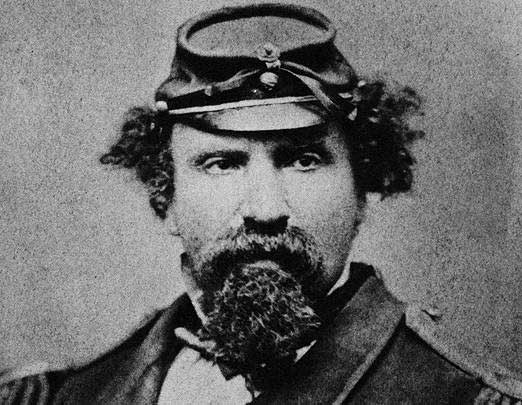
"caption": "Joshua Abraham Norton, better known as San Francisco's Emperor Norton.",
"description": "Joshua Abraham Norton, better known as San Francisco's Emperor Norton.",
"title": "His-Imperial-Majesty-Emperor-Norton-I-portrait-crop-e1519862812657--JJJH",
"credit": "Wikimedia Commons",
"status": "inherit",
"isLoading": false,
"fetchFailed": false
},
"news_11652208": {
"type": "attachments",
"id": "news_11652208",
"meta": {
"index": "attachments_1716263798",
"site": "news",
"id": "11652208",
"found": true
},
"parent": 11652193,
"imgSizes": {
"small": {
"file": "https://ww2.kqed.org/app/uploads/sites/10/2018/02/RS29586_Image-uploaded-from-iOS-58-qut-520x390.jpg",
"width": 520,
"mimeType": "image/jpeg",
"height": 390
},
"twentyfourteen-full-width": {
"file": "https://ww2.kqed.org/app/uploads/sites/10/2018/02/RS29586_Image-uploaded-from-iOS-58-qut-1038x576.jpg",
"width": 1038,
"mimeType": "image/jpeg",
"height": 576
},
"thumbnail": {
"file": "https://ww2.kqed.org/app/uploads/sites/10/2018/02/RS29586_Image-uploaded-from-iOS-58-qut-160x120.jpg",
"width": 160,
"mimeType": "image/jpeg",
"height": 120
},
"fd-sm": {
"file": "https://ww2.kqed.org/app/uploads/sites/10/2018/02/RS29586_Image-uploaded-from-iOS-58-qut-960x720.jpg",
"width": 960,
"mimeType": "image/jpeg",
"height": 720
},
"post-thumbnail": {
"file": "https://ww2.kqed.org/app/uploads/sites/10/2018/02/RS29586_Image-uploaded-from-iOS-58-qut-672x372.jpg",
"width": 672,
"mimeType": "image/jpeg",
"height": 372
},
"xsmall": {
"file": "https://ww2.kqed.org/app/uploads/sites/10/2018/02/RS29586_Image-uploaded-from-iOS-58-qut-375x281.jpg",
"width": 375,
"mimeType": "image/jpeg",
"height": 281
},
"kqedFullSize": {
"file": "https://ww2.kqed.org/app/uploads/sites/10/2018/02/RS29586_Image-uploaded-from-iOS-58-qut.jpg",
"width": 1920,
"height": 1440
},
"large": {
"file": "https://ww2.kqed.org/app/uploads/sites/10/2018/02/RS29586_Image-uploaded-from-iOS-58-qut-1020x765.jpg",
"width": 1020,
"mimeType": "image/jpeg",
"height": 765
},
"xlarge": {
"file": "https://ww2.kqed.org/app/uploads/sites/10/2018/02/RS29586_Image-uploaded-from-iOS-58-qut-1180x885.jpg",
"width": 1180,
"mimeType": "image/jpeg",
"height": 885
},
"guest-author-50": {
"file": "https://ww2.kqed.org/app/uploads/sites/10/2018/02/RS29586_Image-uploaded-from-iOS-58-qut-50x50.jpg",
"width": 50,
"mimeType": "image/jpeg",
"height": 50
},
"guest-author-96": {
"file": "https://ww2.kqed.org/app/uploads/sites/10/2018/02/RS29586_Image-uploaded-from-iOS-58-qut-96x96.jpg",
"width": 96,
"mimeType": "image/jpeg",
"height": 96
},
"medium": {
"file": "https://ww2.kqed.org/app/uploads/sites/10/2018/02/RS29586_Image-uploaded-from-iOS-58-qut-800x600.jpg",
"width": 800,
"mimeType": "image/jpeg",
"height": 600
},
"guest-author-64": {
"file": "https://ww2.kqed.org/app/uploads/sites/10/2018/02/RS29586_Image-uploaded-from-iOS-58-qut-64x64.jpg",
"width": 64,
"mimeType": "image/jpeg",
"height": 64
},
"guest-author-32": {
"file": "https://ww2.kqed.org/app/uploads/sites/10/2018/02/RS29586_Image-uploaded-from-iOS-58-qut-32x32.jpg",
"width": 32,
"mimeType": "image/jpeg",
"height": 32
},
"fd-lrg": {
"file": "https://ww2.kqed.org/app/uploads/sites/10/2018/02/RS29586_Image-uploaded-from-iOS-58-qut-1920x1440.jpg",
"width": 1920,
"mimeType": "image/jpeg",
"height": 1440
},
"fd-med": {
"file": "https://ww2.kqed.org/app/uploads/sites/10/2018/02/RS29586_Image-uploaded-from-iOS-58-qut-1180x885.jpg",
"width": 1180,
"mimeType": "image/jpeg",
"height": 885
},
"full-width": {
"file": "https://ww2.kqed.org/app/uploads/sites/10/2018/02/RS29586_Image-uploaded-from-iOS-58-qut-1920x1440.jpg",
"width": 1920,
"mimeType": "image/jpeg",
"height": 1440
},
"detail": {
"file": "https://ww2.kqed.org/app/uploads/sites/10/2018/02/RS29586_Image-uploaded-from-iOS-58-qut-150x150.jpg",
"width": 150,
"mimeType": "image/jpeg",
"height": 150
},
"guest-author-128": {
"file": "https://ww2.kqed.org/app/uploads/sites/10/2018/02/RS29586_Image-uploaded-from-iOS-58-qut-128x128.jpg",
"width": 128,
"mimeType": "image/jpeg",
"height": 128
},
"xxsmall": {
"file": "https://ww2.kqed.org/app/uploads/sites/10/2018/02/RS29586_Image-uploaded-from-iOS-58-qut-240x180.jpg",
"width": 240,
"mimeType": "image/jpeg",
"height": 180
}
},
"publishDate": 1519602639,
"modified": 1519602718,
"caption": "Cliff Bargar wanted to know if there was polo played at the Golden Gate Park Polo Field. There's not, but there is bike polo played at Dolores Park.",
"description": "Cliff Bargar wanted to know if there was polo played at the Golden Gate Park Polo Field. There's not, but there is bike polo played at Dolores Park.",
"title": "RS29586_Image uploaded from iOS (58)-qut",
"credit": "Ryan Levi/KQED",
"status": "inherit",
"isLoading": false,
"fetchFailed": false
},
"news_11651390": {
"type": "attachments",
"id": "news_11651390",
"meta": {
"index": "attachments_1716263798",
"site": "news",
"id": "11651390",
"found": true
},
"parent": 11651369,
"imgSizes": {
"small": {
"file": "https://ww2.kqed.org/app/uploads/sites/10/2018/02/Scan-23_1250-520x374.jpg",
"width": 520,
"mimeType": "image/jpeg",
"height": 374
},
"twentyfourteen-full-width": {
"file": "https://ww2.kqed.org/app/uploads/sites/10/2018/02/Scan-23_1250-1038x576.jpg",
"width": 1038,
"mimeType": "image/jpeg",
"height": 576
},
"thumbnail": {
"file": "https://ww2.kqed.org/app/uploads/sites/10/2018/02/Scan-23_1250-160x115.jpg",
"width": 160,
"mimeType": "image/jpeg",
"height": 115
},
"fd-sm": {
"file": "https://ww2.kqed.org/app/uploads/sites/10/2018/02/Scan-23_1250-960x691.jpg",
"width": 960,
"mimeType": "image/jpeg",
"height": 691
},
"post-thumbnail": {
"file": "https://ww2.kqed.org/app/uploads/sites/10/2018/02/Scan-23_1250-672x372.jpg",
"width": 672,
"mimeType": "image/jpeg",
"height": 372
},
"xsmall": {
"file": "https://ww2.kqed.org/app/uploads/sites/10/2018/02/Scan-23_1250-375x270.jpg",
"width": 375,
"mimeType": "image/jpeg",
"height": 270
},
"kqedFullSize": {
"file": "https://ww2.kqed.org/app/uploads/sites/10/2018/02/Scan-23_1250.jpg",
"width": 1250,
"height": 900
},
"large": {
"file": "https://ww2.kqed.org/app/uploads/sites/10/2018/02/Scan-23_1250-1020x734.jpg",
"width": 1020,
"mimeType": "image/jpeg",
"height": 734
},
"xlarge": {
"file": "https://ww2.kqed.org/app/uploads/sites/10/2018/02/Scan-23_1250-1180x850.jpg",
"width": 1180,
"mimeType": "image/jpeg",
"height": 850
},
"guest-author-50": {
"file": "https://ww2.kqed.org/app/uploads/sites/10/2018/02/Scan-23_1250-50x50.jpg",
"width": 50,
"mimeType": "image/jpeg",
"height": 50
},
"guest-author-96": {
"file": "https://ww2.kqed.org/app/uploads/sites/10/2018/02/Scan-23_1250-96x96.jpg",
"width": 96,
"mimeType": "image/jpeg",
"height": 96
},
"medium": {
"file": "https://ww2.kqed.org/app/uploads/sites/10/2018/02/Scan-23_1250-800x576.jpg",
"width": 800,
"mimeType": "image/jpeg",
"height": 576
},
"guest-author-64": {
"file": "https://ww2.kqed.org/app/uploads/sites/10/2018/02/Scan-23_1250-64x64.jpg",
"width": 64,
"mimeType": "image/jpeg",
"height": 64
},
"guest-author-32": {
"file": "https://ww2.kqed.org/app/uploads/sites/10/2018/02/Scan-23_1250-32x32.jpg",
"width": 32,
"mimeType": "image/jpeg",
"height": 32
},
"fd-med": {
"file": "https://ww2.kqed.org/app/uploads/sites/10/2018/02/Scan-23_1250-1180x850.jpg",
"width": 1180,
"mimeType": "image/jpeg",
"height": 850
},
"detail": {
"file": "https://ww2.kqed.org/app/uploads/sites/10/2018/02/Scan-23_1250-150x150.jpg",
"width": 150,
"mimeType": "image/jpeg",
"height": 150
},
"guest-author-128": {
"file": "https://ww2.kqed.org/app/uploads/sites/10/2018/02/Scan-23_1250-128x128.jpg",
"width": 128,
"mimeType": "image/jpeg",
"height": 128
},
"xxsmall": {
"file": "https://ww2.kqed.org/app/uploads/sites/10/2018/02/Scan-23_1250-240x173.jpg",
"width": 240,
"mimeType": "image/jpeg",
"height": 173
}
},
"publishDate": 1519247976,
"modified": 1519258805,
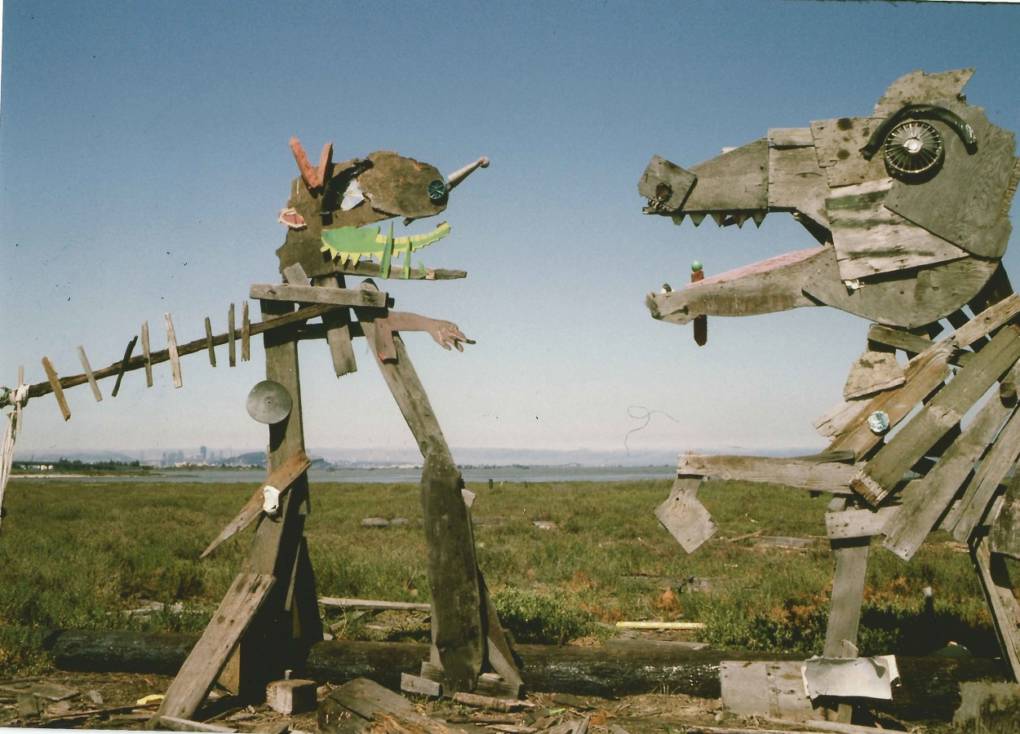
"caption": "These are among the many creatures that used to inhabit the Emeryville Mudflats.",
"description": "These are among the many creatures that used to inhabit the Emeryville Mudflats.",
"title": "Scan-23_1250",
"credit": "Courtesy of Walt Ringbom",
"status": "inherit",
"isLoading": false,
"fetchFailed": false
},
"news_11649546": {
"type": "attachments",
"id": "news_11649546",
"meta": {
"index": "attachments_1716263798",
"site": "news",
"id": "11649546",
"found": true
},
"parent": 11649517,
"imgSizes": {
"small": {
"file": "https://ww2.kqed.org/app/uploads/sites/10/2018/02/RS29379_Image-uploaded-from-iOS-55-qut-520x390.jpg",
"width": 520,
"mimeType": "image/jpeg",
"height": 390
},
"twentyfourteen-full-width": {
"file": "https://ww2.kqed.org/app/uploads/sites/10/2018/02/RS29379_Image-uploaded-from-iOS-55-qut-1038x576.jpg",
"width": 1038,
"mimeType": "image/jpeg",
"height": 576
},
"thumbnail": {
"file": "https://ww2.kqed.org/app/uploads/sites/10/2018/02/RS29379_Image-uploaded-from-iOS-55-qut-160x120.jpg",
"width": 160,
"mimeType": "image/jpeg",
"height": 120
},
"fd-sm": {
"file": "https://ww2.kqed.org/app/uploads/sites/10/2018/02/RS29379_Image-uploaded-from-iOS-55-qut-960x720.jpg",
"width": 960,
"mimeType": "image/jpeg",
"height": 720
},
"post-thumbnail": {
"file": "https://ww2.kqed.org/app/uploads/sites/10/2018/02/RS29379_Image-uploaded-from-iOS-55-qut-672x372.jpg",
"width": 672,
"mimeType": "image/jpeg",
"height": 372
},
"xsmall": {
"file": "https://ww2.kqed.org/app/uploads/sites/10/2018/02/RS29379_Image-uploaded-from-iOS-55-qut-375x281.jpg",
"width": 375,
"mimeType": "image/jpeg",
"height": 281
},
"kqedFullSize": {
"file": "https://ww2.kqed.org/app/uploads/sites/10/2018/02/RS29379_Image-uploaded-from-iOS-55-qut.jpg",
"width": 1920,
"height": 1440
},
"large": {
"file": "https://ww2.kqed.org/app/uploads/sites/10/2018/02/RS29379_Image-uploaded-from-iOS-55-qut-1020x765.jpg",
"width": 1020,
"mimeType": "image/jpeg",
"height": 765
},
"xlarge": {
"file": "https://ww2.kqed.org/app/uploads/sites/10/2018/02/RS29379_Image-uploaded-from-iOS-55-qut-1180x885.jpg",
"width": 1180,
"mimeType": "image/jpeg",
"height": 885
},
"guest-author-50": {
"file": "https://ww2.kqed.org/app/uploads/sites/10/2018/02/RS29379_Image-uploaded-from-iOS-55-qut-50x50.jpg",
"width": 50,
"mimeType": "image/jpeg",
"height": 50
},
"guest-author-96": {
"file": "https://ww2.kqed.org/app/uploads/sites/10/2018/02/RS29379_Image-uploaded-from-iOS-55-qut-96x96.jpg",
"width": 96,
"mimeType": "image/jpeg",
"height": 96
},
"medium": {
"file": "https://ww2.kqed.org/app/uploads/sites/10/2018/02/RS29379_Image-uploaded-from-iOS-55-qut-800x600.jpg",
"width": 800,
"mimeType": "image/jpeg",
"height": 600
},
"guest-author-64": {
"file": "https://ww2.kqed.org/app/uploads/sites/10/2018/02/RS29379_Image-uploaded-from-iOS-55-qut-64x64.jpg",
"width": 64,
"mimeType": "image/jpeg",
"height": 64
},
"guest-author-32": {
"file": "https://ww2.kqed.org/app/uploads/sites/10/2018/02/RS29379_Image-uploaded-from-iOS-55-qut-32x32.jpg",
"width": 32,
"mimeType": "image/jpeg",
"height": 32
},
"fd-lrg": {
"file": "https://ww2.kqed.org/app/uploads/sites/10/2018/02/RS29379_Image-uploaded-from-iOS-55-qut-1920x1440.jpg",
"width": 1920,
"mimeType": "image/jpeg",
"height": 1440
},
"fd-med": {
"file": "https://ww2.kqed.org/app/uploads/sites/10/2018/02/RS29379_Image-uploaded-from-iOS-55-qut-1180x885.jpg",
"width": 1180,
"mimeType": "image/jpeg",
"height": 885
},
"full-width": {
"file": "https://ww2.kqed.org/app/uploads/sites/10/2018/02/RS29379_Image-uploaded-from-iOS-55-qut-1920x1440.jpg",
"width": 1920,
"mimeType": "image/jpeg",
"height": 1440
},
"detail": {
"file": "https://ww2.kqed.org/app/uploads/sites/10/2018/02/RS29379_Image-uploaded-from-iOS-55-qut-150x150.jpg",
"width": 150,
"mimeType": "image/jpeg",
"height": 150
},
"guest-author-128": {
"file": "https://ww2.kqed.org/app/uploads/sites/10/2018/02/RS29379_Image-uploaded-from-iOS-55-qut-128x128.jpg",
"width": 128,
"mimeType": "image/jpeg",
"height": 128
},
"xxsmall": {
"file": "https://ww2.kqed.org/app/uploads/sites/10/2018/02/RS29379_Image-uploaded-from-iOS-55-qut-240x180.jpg",
"width": 240,
"mimeType": "image/jpeg",
"height": 180
}
},
"publishDate": 1518469105,
"modified": 1518469125,
"caption": "The San Jose Sharks picked their name based on a \"name the team\" sweepstakes that brought in around 6,000 responses with 2,300 different names.",
"description": "The San Jose Sharks picked their name based on a \"name the team\" sweepstakes that brought in around 6,000 responses with 2,300 different names.",
"title": "RS29379_Image uploaded from iOS (55)-qut",
"credit": "Ryan Levi/KQED",
"status": "inherit",
"isLoading": false,
"fetchFailed": false
},
"news_11650230": {
"type": "attachments",
"id": "news_11650230",
"meta": {
"index": "attachments_1716263798",
"site": "news",
"id": "11650230",
"found": true
},
"parent": 11643054,
"imgSizes": {
"small": {
"file": "https://ww2.kqed.org/app/uploads/sites/10/2018/02/4862085932_a499f68be8_o-520x390.jpg",
"width": 520,
"mimeType": "image/jpeg",
"height": 390
},
"twentyfourteen-full-width": {
"file": "https://ww2.kqed.org/app/uploads/sites/10/2018/02/4862085932_a499f68be8_o-1038x576.jpg",
"width": 1038,
"mimeType": "image/jpeg",
"height": 576
},
"thumbnail": {
"file": "https://ww2.kqed.org/app/uploads/sites/10/2018/02/4862085932_a499f68be8_o-160x120.jpg",
"width": 160,
"mimeType": "image/jpeg",
"height": 120
},
"fd-sm": {
"file": "https://ww2.kqed.org/app/uploads/sites/10/2018/02/4862085932_a499f68be8_o-960x720.jpg",
"width": 960,
"mimeType": "image/jpeg",
"height": 720
},
"post-thumbnail": {
"file": "https://ww2.kqed.org/app/uploads/sites/10/2018/02/4862085932_a499f68be8_o-672x372.jpg",
"width": 672,
"mimeType": "image/jpeg",
"height": 372
},
"xsmall": {
"file": "https://ww2.kqed.org/app/uploads/sites/10/2018/02/4862085932_a499f68be8_o-375x281.jpg",
"width": 375,
"mimeType": "image/jpeg",
"height": 281
},
"kqedFullSize": {
"file": "https://ww2.kqed.org/app/uploads/sites/10/2018/02/4862085932_a499f68be8_o.jpg",
"width": 1280,
"height": 960
},
"large": {
"file": "https://ww2.kqed.org/app/uploads/sites/10/2018/02/4862085932_a499f68be8_o-1020x765.jpg",
"width": 1020,
"mimeType": "image/jpeg",
"height": 765
},
"xlarge": {
"file": "https://ww2.kqed.org/app/uploads/sites/10/2018/02/4862085932_a499f68be8_o-1180x885.jpg",
"width": 1180,
"mimeType": "image/jpeg",
"height": 885
},
"guest-author-50": {
"file": "https://ww2.kqed.org/app/uploads/sites/10/2018/02/4862085932_a499f68be8_o-50x50.jpg",
"width": 50,
"mimeType": "image/jpeg",
"height": 50
},
"guest-author-96": {
"file": "https://ww2.kqed.org/app/uploads/sites/10/2018/02/4862085932_a499f68be8_o-96x96.jpg",
"width": 96,
"mimeType": "image/jpeg",
"height": 96
},
"medium": {
"file": "https://ww2.kqed.org/app/uploads/sites/10/2018/02/4862085932_a499f68be8_o-800x600.jpg",
"width": 800,
"mimeType": "image/jpeg",
"height": 600
},
"guest-author-64": {
"file": "https://ww2.kqed.org/app/uploads/sites/10/2018/02/4862085932_a499f68be8_o-64x64.jpg",
"width": 64,
"mimeType": "image/jpeg",
"height": 64
},
"guest-author-32": {
"file": "https://ww2.kqed.org/app/uploads/sites/10/2018/02/4862085932_a499f68be8_o-32x32.jpg",
"width": 32,
"mimeType": "image/jpeg",
"height": 32
},
"fd-med": {
"file": "https://ww2.kqed.org/app/uploads/sites/10/2018/02/4862085932_a499f68be8_o-1180x885.jpg",
"width": 1180,
"mimeType": "image/jpeg",
"height": 885
},
"detail": {
"file": "https://ww2.kqed.org/app/uploads/sites/10/2018/02/4862085932_a499f68be8_o-150x150.jpg",
"width": 150,
"mimeType": "image/jpeg",
"height": 150
},
"guest-author-128": {
"file": "https://ww2.kqed.org/app/uploads/sites/10/2018/02/4862085932_a499f68be8_o-128x128.jpg",
"width": 128,
"mimeType": "image/jpeg",
"height": 128
},
"xxsmall": {
"file": "https://ww2.kqed.org/app/uploads/sites/10/2018/02/4862085932_a499f68be8_o-240x180.jpg",
"width": 240,
"mimeType": "image/jpeg",
"height": 180
}
},
"publishDate": 1518670101,
"modified": 1518670345,
"caption": "San Francisco has more than 30,000 car break ins during 2017.",
"description": "San Francisco has more than 30,000 car break ins during 2017.",
"title": "IMG_4820",
"credit": "\u003ca href=\"https://www.flickr.com/photos/scruch/4862085932/\" target=\"blank\">Gabriele Barni\u003c/a>/Flickr",
"status": "inherit",
"isLoading": false,
"fetchFailed": false
},
"news_11652451": {
"type": "attachments",
"id": "news_11652451",
"meta": {
"index": "attachments_1716263798",
"site": "news",
"id": "11652451",
"found": true
},
"parent": 11638989,
"imgSizes": {
"small": {
"file": "https://ww2.kqed.org/app/uploads/sites/10/2018/02/SanFranciscoWasOnceAglowWithNeon-520x292.jpg",
"width": 520,
"mimeType": "image/jpeg",
"height": 292
},
"twentyfourteen-full-width": {
"file": "https://ww2.kqed.org/app/uploads/sites/10/2018/02/SanFranciscoWasOnceAglowWithNeon-1038x576.jpg",
"width": 1038,
"mimeType": "image/jpeg",
"height": 576
},
"thumbnail": {
"file": "https://ww2.kqed.org/app/uploads/sites/10/2018/02/SanFranciscoWasOnceAglowWithNeon-160x90.jpg",
"width": 160,
"mimeType": "image/jpeg",
"height": 90
},
"fd-sm": {
"file": "https://ww2.kqed.org/app/uploads/sites/10/2018/02/SanFranciscoWasOnceAglowWithNeon-960x540.jpg",
"width": 960,
"mimeType": "image/jpeg",
"height": 540
},
"post-thumbnail": {
"file": "https://ww2.kqed.org/app/uploads/sites/10/2018/02/SanFranciscoWasOnceAglowWithNeon-672x372.jpg",
"width": 672,
"mimeType": "image/jpeg",
"height": 372
},
"xsmall": {
"file": "https://ww2.kqed.org/app/uploads/sites/10/2018/02/SanFranciscoWasOnceAglowWithNeon-375x211.jpg",
"width": 375,
"mimeType": "image/jpeg",
"height": 211
},
"kqedFullSize": {
"file": "https://ww2.kqed.org/app/uploads/sites/10/2018/02/SanFranciscoWasOnceAglowWithNeon.jpg",
"width": 1423,
"height": 800
},
"large": {
"file": "https://ww2.kqed.org/app/uploads/sites/10/2018/02/SanFranciscoWasOnceAglowWithNeon-1020x573.jpg",
"width": 1020,
"mimeType": "image/jpeg",
"height": 573
},
"xlarge": {
"file": "https://ww2.kqed.org/app/uploads/sites/10/2018/02/SanFranciscoWasOnceAglowWithNeon-1180x663.jpg",
"width": 1180,
"mimeType": "image/jpeg",
"height": 663
},
"guest-author-50": {
"file": "https://ww2.kqed.org/app/uploads/sites/10/2018/02/SanFranciscoWasOnceAglowWithNeon-50x50.jpg",
"width": 50,
"mimeType": "image/jpeg",
"height": 50
},
"guest-author-96": {
"file": "https://ww2.kqed.org/app/uploads/sites/10/2018/02/SanFranciscoWasOnceAglowWithNeon-96x96.jpg",
"width": 96,
"mimeType": "image/jpeg",
"height": 96
},
"medium": {
"file": "https://ww2.kqed.org/app/uploads/sites/10/2018/02/SanFranciscoWasOnceAglowWithNeon-800x450.jpg",
"width": 800,
"mimeType": "image/jpeg",
"height": 450
},
"guest-author-64": {
"file": "https://ww2.kqed.org/app/uploads/sites/10/2018/02/SanFranciscoWasOnceAglowWithNeon-64x64.jpg",
"width": 64,
"mimeType": "image/jpeg",
"height": 64
},
"guest-author-32": {
"file": "https://ww2.kqed.org/app/uploads/sites/10/2018/02/SanFranciscoWasOnceAglowWithNeon-32x32.jpg",
"width": 32,
"mimeType": "image/jpeg",
"height": 32
},
"fd-med": {
"file": "https://ww2.kqed.org/app/uploads/sites/10/2018/02/SanFranciscoWasOnceAglowWithNeon-1180x663.jpg",
"width": 1180,
"mimeType": "image/jpeg",
"height": 663
},
"detail": {
"file": "https://ww2.kqed.org/app/uploads/sites/10/2018/02/SanFranciscoWasOnceAglowWithNeon-150x150.jpg",
"width": 150,
"mimeType": "image/jpeg",
"height": 150
},
"guest-author-128": {
"file": "https://ww2.kqed.org/app/uploads/sites/10/2018/02/SanFranciscoWasOnceAglowWithNeon-128x128.jpg",
"width": 128,
"mimeType": "image/jpeg",
"height": 128
},
"xxsmall": {
"file": "https://ww2.kqed.org/app/uploads/sites/10/2018/02/SanFranciscoWasOnceAglowWithNeon-240x135.jpg",
"width": 240,
"mimeType": "image/jpeg",
"height": 135
}
},
"publishDate": 1519749474,
"modified": 1519749474,
"caption": null,
"description": null,
"title": "SanFranciscoWasOnceAglowWithNeon",
"credit": null,
"status": "inherit",
"isLoading": false,
"fetchFailed": false
},
"news_11642432": {
"type": "attachments",
"id": "news_11642432",
"meta": {
"index": "attachments_1716263798",
"site": "news",
"id": "11642432",
"found": true
},
"parent": 11642230,
"imgSizes": {
"small": {
"file": "https://ww2.kqed.org/app/uploads/sites/10/2018/01/TireShopSignMashup2-520x293.jpg",
"width": 520,
"mimeType": "image/jpeg",
"height": 293
},
"twentyfourteen-full-width": {
"file": "https://ww2.kqed.org/app/uploads/sites/10/2018/01/TireShopSignMashup2-1038x576.jpg",
"width": 1038,
"mimeType": "image/jpeg",
"height": 576
},
"thumbnail": {
"file": "https://ww2.kqed.org/app/uploads/sites/10/2018/01/TireShopSignMashup2-160x90.jpg",
"width": 160,
"mimeType": "image/jpeg",
"height": 90
},
"fd-sm": {
"file": "https://ww2.kqed.org/app/uploads/sites/10/2018/01/TireShopSignMashup2-960x540.jpg",
"width": 960,
"mimeType": "image/jpeg",
"height": 540
},
"post-thumbnail": {
"file": "https://ww2.kqed.org/app/uploads/sites/10/2018/01/TireShopSignMashup2-672x372.jpg",
"width": 672,
"mimeType": "image/jpeg",
"height": 372
},
"xsmall": {
"file": "https://ww2.kqed.org/app/uploads/sites/10/2018/01/TireShopSignMashup2-375x211.jpg",
"width": 375,
"mimeType": "image/jpeg",
"height": 211
},
"kqedFullSize": {
"file": "https://ww2.kqed.org/app/uploads/sites/10/2018/01/TireShopSignMashup2.jpg",
"width": 1920,
"height": 1080
},
"large": {
"file": "https://ww2.kqed.org/app/uploads/sites/10/2018/01/TireShopSignMashup2-1020x574.jpg",
"width": 1020,
"mimeType": "image/jpeg",
"height": 574
},
"xlarge": {
"file": "https://ww2.kqed.org/app/uploads/sites/10/2018/01/TireShopSignMashup2-1180x664.jpg",
"width": 1180,
"mimeType": "image/jpeg",
"height": 664
},
"guest-author-50": {
"file": "https://ww2.kqed.org/app/uploads/sites/10/2018/01/TireShopSignMashup2-50x50.jpg",
"width": 50,
"mimeType": "image/jpeg",
"height": 50
},
"guest-author-96": {
"file": "https://ww2.kqed.org/app/uploads/sites/10/2018/01/TireShopSignMashup2-96x96.jpg",
"width": 96,
"mimeType": "image/jpeg",
"height": 96
},
"medium": {
"file": "https://ww2.kqed.org/app/uploads/sites/10/2018/01/TireShopSignMashup2-800x450.jpg",
"width": 800,
"mimeType": "image/jpeg",
"height": 450
},
"guest-author-64": {
"file": "https://ww2.kqed.org/app/uploads/sites/10/2018/01/TireShopSignMashup2-64x64.jpg",
"width": 64,
"mimeType": "image/jpeg",
"height": 64
},
"guest-author-32": {
"file": "https://ww2.kqed.org/app/uploads/sites/10/2018/01/TireShopSignMashup2-32x32.jpg",
"width": 32,
"mimeType": "image/jpeg",
"height": 32
},
"fd-lrg": {
"file": "https://ww2.kqed.org/app/uploads/sites/10/2018/01/TireShopSignMashup2-1920x1080.jpg",
"width": 1920,
"mimeType": "image/jpeg",
"height": 1080
},
"fd-med": {
"file": "https://ww2.kqed.org/app/uploads/sites/10/2018/01/TireShopSignMashup2-1180x664.jpg",
"width": 1180,
"mimeType": "image/jpeg",
"height": 664
},
"full-width": {
"file": "https://ww2.kqed.org/app/uploads/sites/10/2018/01/TireShopSignMashup2-1920x1080.jpg",
"width": 1920,
"mimeType": "image/jpeg",
"height": 1080
},
"detail": {
"file": "https://ww2.kqed.org/app/uploads/sites/10/2018/01/TireShopSignMashup2-150x150.jpg",
"width": 150,
"mimeType": "image/jpeg",
"height": 150
},
"guest-author-128": {
"file": "https://ww2.kqed.org/app/uploads/sites/10/2018/01/TireShopSignMashup2-128x128.jpg",
"width": 128,
"mimeType": "image/jpeg",
"height": 128
},
"xxsmall": {
"file": "https://ww2.kqed.org/app/uploads/sites/10/2018/01/TireShopSignMashup2-240x135.jpg",
"width": 240,
"mimeType": "image/jpeg",
"height": 135
}
},
"publishDate": 1516219397,
"modified": 1573243148,
"caption": "The sign in front of Kahn and Keville, a tire shop in San Francisco's Tenderloin neighborhood.",
"description": "The sign in front of Khan and Keville, a tire shop in San Francisco's Tenderloin neighborhood.",
"title": "The sign in front of Khan and Keville, a tire shop in San Francisco's Tenderloin neighborhood.",
"credit": null,
"status": "inherit",
"isLoading": false,
"fetchFailed": false
},
"news_11641254": {
"type": "attachments",
"id": "news_11641254",
"meta": {
"index": "attachments_1716263798",
"site": "news",
"id": "11641254",
"found": true
},
"parent": 11641238,
"imgSizes": {
"small": {
"file": "https://ww2.kqed.org/app/uploads/sites/10/2018/01/school-lottery-520x293.jpg",
"width": 520,
"mimeType": "image/jpeg",
"height": 293
},
"twentyfourteen-full-width": {
"file": "https://ww2.kqed.org/app/uploads/sites/10/2018/01/school-lottery-1038x576.jpg",
"width": 1038,
"mimeType": "image/jpeg",
"height": 576
},
"thumbnail": {
"file": "https://ww2.kqed.org/app/uploads/sites/10/2018/01/school-lottery-160x90.jpg",
"width": 160,
"mimeType": "image/jpeg",
"height": 90
},
"fd-sm": {
"file": "https://ww2.kqed.org/app/uploads/sites/10/2018/01/school-lottery-960x540.jpg",
"width": 960,
"mimeType": "image/jpeg",
"height": 540
},
"post-thumbnail": {
"file": "https://ww2.kqed.org/app/uploads/sites/10/2018/01/school-lottery-672x372.jpg",
"width": 672,
"mimeType": "image/jpeg",
"height": 372
},
"xsmall": {
"file": "https://ww2.kqed.org/app/uploads/sites/10/2018/01/school-lottery-375x211.jpg",
"width": 375,
"mimeType": "image/jpeg",
"height": 211
},
"kqedFullSize": {
"file": "https://ww2.kqed.org/app/uploads/sites/10/2018/01/school-lottery.jpg",
"width": 1920,
"height": 1080
},
"large": {
"file": "https://ww2.kqed.org/app/uploads/sites/10/2018/01/school-lottery-1020x574.jpg",
"width": 1020,
"mimeType": "image/jpeg",
"height": 574
},
"xlarge": {
"file": "https://ww2.kqed.org/app/uploads/sites/10/2018/01/school-lottery-1180x664.jpg",
"width": 1180,
"mimeType": "image/jpeg",
"height": 664
},
"guest-author-50": {
"file": "https://ww2.kqed.org/app/uploads/sites/10/2018/01/school-lottery-50x50.jpg",
"width": 50,
"mimeType": "image/jpeg",
"height": 50
},
"guest-author-96": {
"file": "https://ww2.kqed.org/app/uploads/sites/10/2018/01/school-lottery-96x96.jpg",
"width": 96,
"mimeType": "image/jpeg",
"height": 96
},
"medium": {
"file": "https://ww2.kqed.org/app/uploads/sites/10/2018/01/school-lottery-800x450.jpg",
"width": 800,
"mimeType": "image/jpeg",
"height": 450
},
"guest-author-64": {
"file": "https://ww2.kqed.org/app/uploads/sites/10/2018/01/school-lottery-64x64.jpg",
"width": 64,
"mimeType": "image/jpeg",
"height": 64
},
"guest-author-32": {
"file": "https://ww2.kqed.org/app/uploads/sites/10/2018/01/school-lottery-32x32.jpg",
"width": 32,
"mimeType": "image/jpeg",
"height": 32
},
"fd-lrg": {
"file": "https://ww2.kqed.org/app/uploads/sites/10/2018/01/school-lottery-1920x1080.jpg",
"width": 1920,
"mimeType": "image/jpeg",
"height": 1080
},
"fd-med": {
"file": "https://ww2.kqed.org/app/uploads/sites/10/2018/01/school-lottery-1180x664.jpg",
"width": 1180,
"mimeType": "image/jpeg",
"height": 664
},
"full-width": {
"file": "https://ww2.kqed.org/app/uploads/sites/10/2018/01/school-lottery-1920x1080.jpg",
"width": 1920,
"mimeType": "image/jpeg",
"height": 1080
},
"detail": {
"file": "https://ww2.kqed.org/app/uploads/sites/10/2018/01/school-lottery-150x150.jpg",
"width": 150,
"mimeType": "image/jpeg",
"height": 150
},
"guest-author-128": {
"file": "https://ww2.kqed.org/app/uploads/sites/10/2018/01/school-lottery-128x128.jpg",
"width": 128,
"mimeType": "image/jpeg",
"height": 128
},
"xxsmall": {
"file": "https://ww2.kqed.org/app/uploads/sites/10/2018/01/school-lottery-240x135.jpg",
"width": 240,
"mimeType": "image/jpeg",
"height": 135
}
},
"publishDate": 1515609515,
"modified": 1515609857,
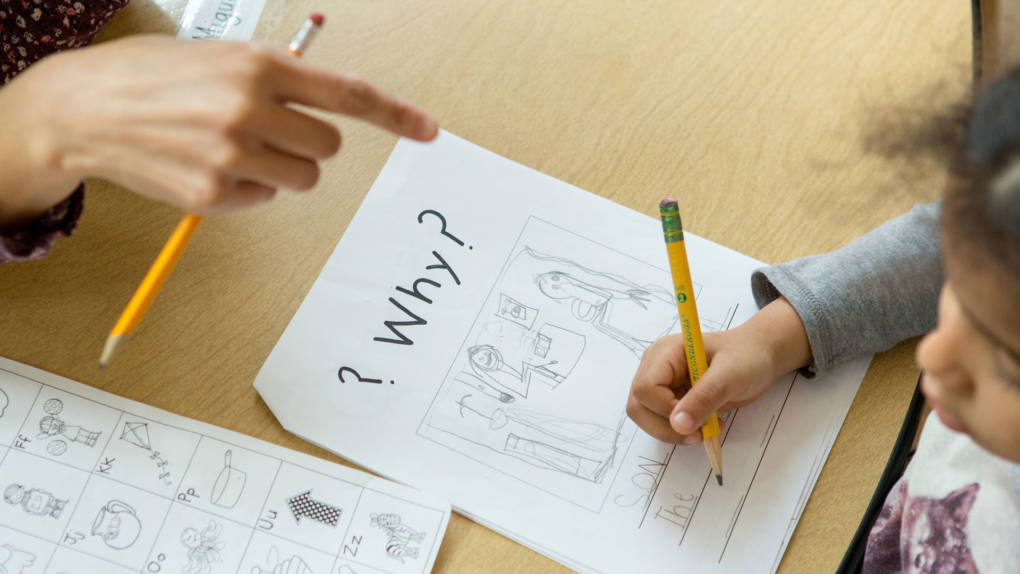
"caption": "A student writing assignment.",
"description": null,
"title": "school-lottery",
"credit": "Courtesy of Allison Shelley/The Verbatim Agency for American Education: Images of Teachers and Students in Action",
"status": "inherit",
"isLoading": false,
"fetchFailed": false
},
"news_11641159": {
"type": "attachments",
"id": "news_11641159",
"meta": {
"index": "attachments_1716263798",
"site": "news",
"id": "11641159",
"found": true
},
"parent": 11641019,
"imgSizes": {
"small": {
"file": "https://ww2.kqed.org/app/uploads/sites/10/2018/01/35694444173_158ea97255_k-520x347.jpg",
"width": 520,
"mimeType": "image/jpeg",
"height": 347
},
"twentyfourteen-full-width": {
"file": "https://ww2.kqed.org/app/uploads/sites/10/2018/01/35694444173_158ea97255_k-1038x576.jpg",
"width": 1038,
"mimeType": "image/jpeg",
"height": 576
},
"thumbnail": {
"file": "https://ww2.kqed.org/app/uploads/sites/10/2018/01/35694444173_158ea97255_k-160x107.jpg",
"width": 160,
"mimeType": "image/jpeg",
"height": 107
},
"fd-sm": {
"file": "https://ww2.kqed.org/app/uploads/sites/10/2018/01/35694444173_158ea97255_k-960x640.jpg",
"width": 960,
"mimeType": "image/jpeg",
"height": 640
},
"post-thumbnail": {
"file": "https://ww2.kqed.org/app/uploads/sites/10/2018/01/35694444173_158ea97255_k-672x372.jpg",
"width": 672,
"mimeType": "image/jpeg",
"height": 372
},
"xsmall": {
"file": "https://ww2.kqed.org/app/uploads/sites/10/2018/01/35694444173_158ea97255_k-375x250.jpg",
"width": 375,
"mimeType": "image/jpeg",
"height": 250
},
"kqedFullSize": {
"file": "https://ww2.kqed.org/app/uploads/sites/10/2018/01/35694444173_158ea97255_k.jpg",
"width": 2048,
"height": 1365
},
"large": {
"file": "https://ww2.kqed.org/app/uploads/sites/10/2018/01/35694444173_158ea97255_k-1020x680.jpg",
"width": 1020,
"mimeType": "image/jpeg",
"height": 680
},
"xlarge": {
"file": "https://ww2.kqed.org/app/uploads/sites/10/2018/01/35694444173_158ea97255_k-1180x786.jpg",
"width": 1180,
"mimeType": "image/jpeg",
"height": 786
},
"guest-author-50": {
"file": "https://ww2.kqed.org/app/uploads/sites/10/2018/01/35694444173_158ea97255_k-50x50.jpg",
"width": 50,
"mimeType": "image/jpeg",
"height": 50
},
"guest-author-96": {
"file": "https://ww2.kqed.org/app/uploads/sites/10/2018/01/35694444173_158ea97255_k-96x96.jpg",
"width": 96,
"mimeType": "image/jpeg",
"height": 96
},
"medium": {
"file": "https://ww2.kqed.org/app/uploads/sites/10/2018/01/35694444173_158ea97255_k-800x533.jpg",
"width": 800,
"mimeType": "image/jpeg",
"height": 533
},
"guest-author-64": {
"file": "https://ww2.kqed.org/app/uploads/sites/10/2018/01/35694444173_158ea97255_k-64x64.jpg",
"width": 64,
"mimeType": "image/jpeg",
"height": 64
},
"guest-author-32": {
"file": "https://ww2.kqed.org/app/uploads/sites/10/2018/01/35694444173_158ea97255_k-32x32.jpg",
"width": 32,
"mimeType": "image/jpeg",
"height": 32
},
"fd-lrg": {
"file": "https://ww2.kqed.org/app/uploads/sites/10/2018/01/35694444173_158ea97255_k-1920x1280.jpg",
"width": 1920,
"mimeType": "image/jpeg",
"height": 1280
},
"fd-med": {
"file": "https://ww2.kqed.org/app/uploads/sites/10/2018/01/35694444173_158ea97255_k-1180x786.jpg",
"width": 1180,
"mimeType": "image/jpeg",
"height": 786
},
"full-width": {
"file": "https://ww2.kqed.org/app/uploads/sites/10/2018/01/35694444173_158ea97255_k-1920x1280.jpg",
"width": 1920,
"mimeType": "image/jpeg",
"height": 1280
},
"detail": {
"file": "https://ww2.kqed.org/app/uploads/sites/10/2018/01/35694444173_158ea97255_k-150x150.jpg",
"width": 150,
"mimeType": "image/jpeg",
"height": 150
},
"guest-author-128": {
"file": "https://ww2.kqed.org/app/uploads/sites/10/2018/01/35694444173_158ea97255_k-128x128.jpg",
"width": 128,
"mimeType": "image/jpeg",
"height": 128
},
"xxsmall": {
"file": "https://ww2.kqed.org/app/uploads/sites/10/2018/01/35694444173_158ea97255_k-240x160.jpg",
"width": 240,
"mimeType": "image/jpeg",
"height": 160
}
},
"publishDate": 1515545849,
"modified": 1515547988,
"caption": "A kindergarten teacher assigns students to different activity centers.",
"description": null,
"title": "35694444173_158ea97255_k",
"credit": "\u003ca href=\"https://www.flickr.com/photos/all4ed/35694444173/in/album-72157687475899455/\">Courtesy of Allison Shelley/The Verbatim Agency for American Education: Images of Teachers and Students in Action\u003c/a>",
"status": "inherit",
"isLoading": false,
"fetchFailed": false
},
"news_11639888": {
"type": "attachments",
"id": "news_11639888",
"meta": {
"index": "attachments_1716263798",
"site": "news",
"id": "11639888",
"found": true
},
"parent": 11635574,
"imgSizes": {
"small": {
"file": "https://ww2.kqed.org/app/uploads/sites/10/2018/01/SM-Highlands-tour-66.-1564-Tarrytown-520x390.jpg",
"width": 520,
"mimeType": "image/jpeg",
"height": 390
},
"twentyfourteen-full-width": {
"file": "https://ww2.kqed.org/app/uploads/sites/10/2018/01/SM-Highlands-tour-66.-1564-Tarrytown-1038x576.jpg",
"width": 1038,
"mimeType": "image/jpeg",
"height": 576
},
"thumbnail": {
"file": "https://ww2.kqed.org/app/uploads/sites/10/2018/01/SM-Highlands-tour-66.-1564-Tarrytown-160x120.jpg",
"width": 160,
"mimeType": "image/jpeg",
"height": 120
},
"fd-sm": {
"file": "https://ww2.kqed.org/app/uploads/sites/10/2018/01/SM-Highlands-tour-66.-1564-Tarrytown-960x720.jpg",
"width": 960,
"mimeType": "image/jpeg",
"height": 720
},
"post-thumbnail": {
"file": "https://ww2.kqed.org/app/uploads/sites/10/2018/01/SM-Highlands-tour-66.-1564-Tarrytown-672x372.jpg",
"width": 672,
"mimeType": "image/jpeg",
"height": 372
},
"xsmall": {
"file": "https://ww2.kqed.org/app/uploads/sites/10/2018/01/SM-Highlands-tour-66.-1564-Tarrytown-375x281.jpg",
"width": 375,
"mimeType": "image/jpeg",
"height": 281
},
"kqedFullSize": {
"file": "https://ww2.kqed.org/app/uploads/sites/10/2018/01/SM-Highlands-tour-66.-1564-Tarrytown-e1515025685931.jpg",
"width": 1920,
"height": 1440
},
"large": {
"file": "https://ww2.kqed.org/app/uploads/sites/10/2018/01/SM-Highlands-tour-66.-1564-Tarrytown-1020x765.jpg",
"width": 1020,
"mimeType": "image/jpeg",
"height": 765
},
"xlarge": {
"file": "https://ww2.kqed.org/app/uploads/sites/10/2018/01/SM-Highlands-tour-66.-1564-Tarrytown-1180x885.jpg",
"width": 1180,
"mimeType": "image/jpeg",
"height": 885
},
"guest-author-50": {
"file": "https://ww2.kqed.org/app/uploads/sites/10/2018/01/SM-Highlands-tour-66.-1564-Tarrytown-50x50.jpg",
"width": 50,
"mimeType": "image/jpeg",
"height": 50
},
"guest-author-96": {
"file": "https://ww2.kqed.org/app/uploads/sites/10/2018/01/SM-Highlands-tour-66.-1564-Tarrytown-96x96.jpg",
"width": 96,
"mimeType": "image/jpeg",
"height": 96
},
"medium": {
"file": "https://ww2.kqed.org/app/uploads/sites/10/2018/01/SM-Highlands-tour-66.-1564-Tarrytown-800x600.jpg",
"width": 800,
"mimeType": "image/jpeg",
"height": 600
},
"guest-author-64": {
"file": "https://ww2.kqed.org/app/uploads/sites/10/2018/01/SM-Highlands-tour-66.-1564-Tarrytown-64x64.jpg",
"width": 64,
"mimeType": "image/jpeg",
"height": 64
},
"guest-author-32": {
"file": "https://ww2.kqed.org/app/uploads/sites/10/2018/01/SM-Highlands-tour-66.-1564-Tarrytown-32x32.jpg",
"width": 32,
"mimeType": "image/jpeg",
"height": 32
},
"fd-lrg": {
"file": "https://ww2.kqed.org/app/uploads/sites/10/2018/01/SM-Highlands-tour-66.-1564-Tarrytown-1920x1440.jpg",
"width": 1920,
"mimeType": "image/jpeg",
"height": 1440
},
"fd-med": {
"file": "https://ww2.kqed.org/app/uploads/sites/10/2018/01/SM-Highlands-tour-66.-1564-Tarrytown-1180x885.jpg",
"width": 1180,
"mimeType": "image/jpeg",
"height": 885
},
"full-width": {
"file": "https://ww2.kqed.org/app/uploads/sites/10/2018/01/SM-Highlands-tour-66.-1564-Tarrytown-1920x1440.jpg",
"width": 1920,
"mimeType": "image/jpeg",
"height": 1440
},
"detail": {
"file": "https://ww2.kqed.org/app/uploads/sites/10/2018/01/SM-Highlands-tour-66.-1564-Tarrytown-150x150.jpg",
"width": 150,
"mimeType": "image/jpeg",
"height": 150
},
"guest-author-128": {
"file": "https://ww2.kqed.org/app/uploads/sites/10/2018/01/SM-Highlands-tour-66.-1564-Tarrytown-128x128.jpg",
"width": 128,
"mimeType": "image/jpeg",
"height": 128
},
"xxsmall": {
"file": "https://ww2.kqed.org/app/uploads/sites/10/2018/01/SM-Highlands-tour-66.-1564-Tarrytown-240x180.jpg",
"width": 240,
"mimeType": "image/jpeg",
"height": 180
}
},
"publishDate": 1514938731,
"modified": 1515025693,
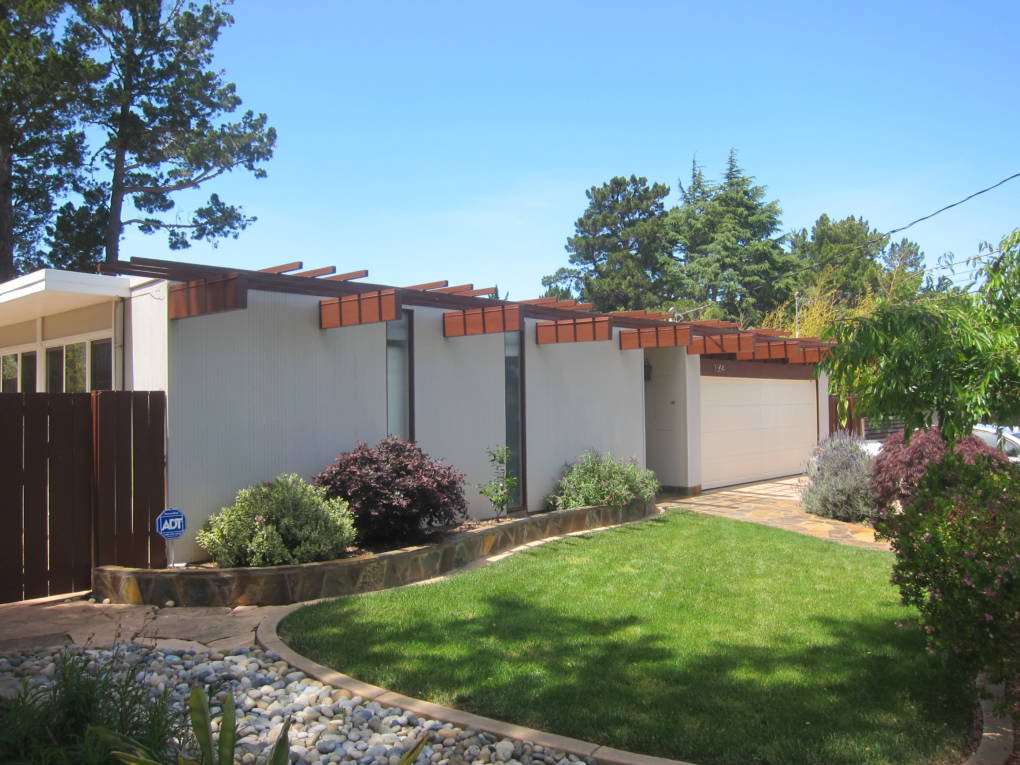
"caption": "An Eichler in Highlands. ",
"description": "An Eichler in Highlands. ",
"title": "SM Highlands tour 66. 1564 Tarrytown",
"credit": "Courtesy of Eichler Network.",
"status": "inherit",
"isLoading": false,
"fetchFailed": false
}
},
"audioPlayerReducer": {
"postId": "stream_live",
"isPaused": true,
"isPlaying": false,
"pfsActive": false,
"pledgeModalIsOpen": true,
"playerDrawerIsOpen": false,
"liveAudioPlayStartedAt": 0,
"liveAudioPlayContext": ""
},
"authorsReducer": {
"byline_news_11651369": {
"type": "authors",
"id": "byline_news_11651369",
"meta": {
"override": true
},
"slug": "byline_news_11651369",
"name": "\u003cstrong>Jessica Placzek, Maddie Gobbo and Sarah Hotchkiss\u003c/strong>",
"isLoading": false
},
"byline_news_11638989": {
"type": "authors",
"id": "byline_news_11638989",
"meta": {
"override": true
},
"slug": "byline_news_11638989",
"name": "\u003cstrong>Serginho Roosblad\u003c/strong>",
"isLoading": false
},
"lisapickoffwhite-2": {
"type": "authors",
"id": "199",
"meta": {
"index": "authors_1716337520",
"id": "199",
"found": true
},
"name": "Lisa Pickoff-White",
"firstName": "Lisa",
"lastName": "Pickoff-White",
"slug": "lisapickoffwhite-2",
"email": "lpickoffwhite@kqed.org",
"display_author_email": false,
"staff_mastheads": [
"news"
],
"title": "Data Journalist, Senior Producer",
"bio": "Lisa Pickoff-White is KQED's data reporter. Lisa specializes in simplifying complex topics and bringing them to life through compelling visuals, including photography and data visualizations. She previously has worked at the Center for Investigative Reporting and other national outlets. Her work has been honored with awards from the Online News Association, Investigative Reporters and Editors, the Society of Professional Journalists and SXSW Interactive. \u003cstrong> \u003c/strong>",
"avatar": "https://secure.gravatar.com/avatar/5513c5f3967df792aa65bee2501e84d6?s=600&d=blank&r=g",
"twitter": "pickoffwhite",
"facebook": null,
"instagram": null,
"linkedin": null,
"sites": [
{
"site": "",
"roles": [
"editor"
]
},
{
"site": "arts",
"roles": []
},
{
"site": "news",
"roles": [
"administrator"
]
},
{
"site": "about",
"roles": [
"editor"
]
},
{
"site": "stateofhealth",
"roles": [
"administrator"
]
},
{
"site": "science",
"roles": [
"editor"
]
},
{
"site": "quest",
"roles": [
"editor"
]
},
{
"site": "forum",
"roles": [
"editor"
]
}
],
"headData": {
"title": "Lisa Pickoff-White | KQED",
"description": "Data Journalist, Senior Producer",
"ogImgSrc": "https://secure.gravatar.com/avatar/5513c5f3967df792aa65bee2501e84d6?s=600&d=blank&r=g",
"twImgSrc": "https://secure.gravatar.com/avatar/5513c5f3967df792aa65bee2501e84d6?s=600&d=blank&r=g"
},
"isLoading": false,
"link": "/author/lisapickoffwhite-2"
},
"katrinaschwartz": {
"type": "authors",
"id": "234",
"meta": {
"index": "authors_1716337520",
"id": "234",
"found": true
},
"name": "Katrina Schwartz",
"firstName": "Katrina",
"lastName": "Schwartz",
"slug": "katrinaschwartz",
"email": "kschwartz@kqed.org",
"display_author_email": false,
"staff_mastheads": [
"news"
],
"title": "Producer",
"bio": "Katrina Schwartz is a journalist based in San Francisco. She's worked at KPCC public radio in LA and has reported on air and online for KQED since 2010. She covered how teaching and learning is changing for MindShift between 2012 and 2020. She is the co-host of the MindShift podcast and now produces KQED's Bay Curious podcast.",
"avatar": "https://secure.gravatar.com/avatar/edb4ee79070447a018538c9aae6eeecf28786515b8a0c30e43b6b7dce5aa44c8?s=600&d=blank&r=g",
"twitter": "kschwart",
"bluesky": null,
"facebook": null,
"instagram": null,
"linkedin": null,
"sites": [
{
"site": "",
"roles": [
"editor"
]
},
{
"site": "news",
"roles": [
"editor"
]
},
{
"site": "mindshift",
"roles": [
"administrator"
]
},
{
"site": "stateofhealth",
"roles": [
"author"
]
},
{
"site": "science",
"roles": [
"editor"
]
}
],
"headData": {
"title": "Katrina Schwartz | KQED",
"description": "Producer",
"ogImgSrc": "https://secure.gravatar.com/avatar/edb4ee79070447a018538c9aae6eeecf28786515b8a0c30e43b6b7dce5aa44c8?s=600&d=blank&r=g",
"twImgSrc": "https://secure.gravatar.com/avatar/edb4ee79070447a018538c9aae6eeecf28786515b8a0c30e43b6b7dce5aa44c8?s=600&d=blank&r=g"
},
"isLoading": false,
"link": "/author/katrinaschwartz"
},
"rachael-myrow": {
"type": "authors",
"id": "251",
"meta": {
"index": "authors_1716337520",
"id": "251",
"found": true
},
"name": "Rachael Myrow",
"firstName": "Rachael",
"lastName": "Myrow",
"slug": "rachael-myrow",
"email": "rmyrow@kqed.org",
"display_author_email": true,
"staff_mastheads": [
"news"
],
"title": "Senior Editor of KQED's Silicon Valley News Desk",
"bio": "• I write and edit stories about how Silicon Valley power and policies shape everyday life in California. I’m also passionate about making Bay Area history and culture more accessible to a broad public. • I’ve been a journalist for most of my life, starting in high school with The Franklin Press in Los Angeles, where I grew up. While earning my first degree in English at UC Berkeley, I got my start in public radio at KALX-FM. After completing a second degree in journalism at Cal, I landed my first professional job at Marketplace, then moved on to KPCC (now LAist), and then KQED, where I hosted The California Report for more than seven years. • My reporting has appeared on NPR, The World, WBUR’s \u003ci>Here & Now\u003c/i>, and the BBC. I also guest host for KQED’s \u003ci>Forum\u003c/i>, as well as the Commonwealth Club in San Francisco. • I speak periodically on media, democracy and technology issues, and do voiceover work for documentaries and educational video projects. • Outside of the studio, you'll find me hiking Bay Area trails and whipping up Insta-ready meals in my kitchen. • I do not accept gifts, money, or favors from anyone connected to my reporting, I don't pay people for information, and I do not support or donate to political causes. • I strive to treat the people I report on with fairness, honesty, and respect. I also recognize there are often multiple sides to a story and work to verify information through multiple sources and documentation. If I get something wrong, I correct it.",
"avatar": "https://secure.gravatar.com/avatar/3ed8a3c5f26025e4a805ba634cda8cd764906b97438a6d9ce216b044e340da4e?s=600&d=blank&r=g",
"twitter": "rachaelmyrow",
"bluesky": null,
"facebook": null,
"instagram": null,
"linkedin": "https://www.linkedin.com/in/rachaelmyrow/",
"sites": [
{
"site": "arts",
"roles": [
"administrator"
]
},
{
"site": "news",
"roles": [
"edit_others_posts",
"editor"
]
},
{
"site": "futureofyou",
"roles": [
"editor"
]
},
{
"site": "bayareabites",
"roles": [
"editor"
]
},
{
"site": "stateofhealth",
"roles": [
"editor"
]
},
{
"site": "science",
"roles": [
"editor"
]
},
{
"site": "food",
"roles": [
"editor"
]
},
{
"site": "forum",
"roles": [
"editor"
]
},
{
"site": "liveblog",
"roles": [
"author"
]
}
],
"headData": {
"title": "Rachael Myrow | KQED",
"description": "Senior Editor of KQED's Silicon Valley News Desk",
"ogImgSrc": "https://secure.gravatar.com/avatar/3ed8a3c5f26025e4a805ba634cda8cd764906b97438a6d9ce216b044e340da4e?s=600&d=blank&r=g",
"twImgSrc": "https://secure.gravatar.com/avatar/3ed8a3c5f26025e4a805ba634cda8cd764906b97438a6d9ce216b044e340da4e?s=600&d=blank&r=g"
},
"isLoading": false,
"link": "/author/rachael-myrow"
},
"carlysevern": {
"type": "authors",
"id": "3243",
"meta": {
"index": "authors_1716337520",
"id": "3243",
"found": true
},
"name": "Carly Severn",
"firstName": "Carly",
"lastName": "Severn",
"slug": "carlysevern",
"email": "csevern@kqed.org",
"display_author_email": false,
"staff_mastheads": [
"news"
],
"title": "Senior Editor, Audience News ",
"bio": "Carly is KQED's Senior Editor of Audience News on the Digital News team, and has reported for the California Report Magazine, Bay Curious and KQED Arts. She's formerly the host of \u003ca href=\"http://ww2.kqed.org/pop/category/the-cooler/\" rel=\"noopener noreferrer\">The Cooler\u003c/a> podcast.",
"avatar": "https://secure.gravatar.com/avatar/54037bf5c128fe678f0ef26cec97a93f2e7f220a22d7285703328f12c42c1b1d?s=600&d=blank&r=g",
"twitter": "teacupinthebay",
"bluesky": null,
"facebook": null,
"instagram": null,
"linkedin": null,
"sites": [
{
"site": "",
"roles": [
"editor"
]
},
{
"site": "arts",
"roles": [
"editor"
]
},
{
"site": "news",
"roles": [
"administrator"
]
},
{
"site": "pop",
"roles": [
"editor"
]
},
{
"site": "futureofyou",
"roles": [
"editor"
]
},
{
"site": "about",
"roles": [
"administrator"
]
},
{
"site": "mindshift",
"roles": [
"editor"
]
},
{
"site": "bayareabites",
"roles": [
"editor"
]
},
{
"site": "stateofhealth",
"roles": [
"editor"
]
},
{
"site": "science",
"roles": [
"editor"
]
},
{
"site": "food",
"roles": [
"contributor"
]
},
{
"site": "forum",
"roles": [
"editor"
]
},
{
"site": "perspectives",
"roles": [
"administrator"
]
},
{
"site": "liveblog",
"roles": [
"editor"
]
}
],
"headData": {
"title": "Carly Severn | KQED",
"description": "Senior Editor, Audience News ",
"ogImgSrc": "https://secure.gravatar.com/avatar/54037bf5c128fe678f0ef26cec97a93f2e7f220a22d7285703328f12c42c1b1d?s=600&d=blank&r=g",
"twImgSrc": "https://secure.gravatar.com/avatar/54037bf5c128fe678f0ef26cec97a93f2e7f220a22d7285703328f12c42c1b1d?s=600&d=blank&r=g"
},
"isLoading": false,
"link": "/author/carlysevern"
},
"jplaczek": {
"type": "authors",
"id": "8606",
"meta": {
"index": "authors_1716337520",
"id": "8606",
"found": true
},
"name": "Jessica Placzek",
"firstName": "Jessica",
"lastName": "Placzek",
"slug": "jplaczek",
"email": "jessicalplaczek@gmail.com",
"display_author_email": false,
"staff_mastheads": [
"news"
],
"title": "KQED Contributor",
"bio": "Jessica Placzek is a former senior editor of podcasts at KQED where she served as the editorial lead of the podcast department. She worked with shows like MindShift, Rightnowish, Consider This, SOLD OUT, Bay Curious and The Bay. She’s also been a reporter and audio producer at KQED, KPFA, and KALW. She taught audio production to men incarcerated at California State Prison Solano and edited pieces they produced for the Uncuffed podcast through KALW. In 2018 she co-hosted and produced the third season of Raw Material for SFMOMA. In New Orleans she wrote for the Nola Defender. Her work has also appeared on Marketplace, All Things Considered, The California Report, and Vice. You can find more at jessicaplaczek.com",
"avatar": "https://secure.gravatar.com/avatar/5ead103b5880f672eceb84ce75eecd1b4b6f74a47edc457684a73ad5b8b158e9?s=600&d=blank&r=g",
"twitter": null,
"bluesky": null,
"facebook": null,
"instagram": null,
"linkedin": null,
"sites": [
{
"site": "arts",
"roles": [
"subscriber"
]
},
{
"site": "news",
"roles": [
"subscriber"
]
},
{
"site": "stateofhealth",
"roles": [
"editor"
]
},
{
"site": "forum",
"roles": [
"editor"
]
}
],
"headData": {
"title": "Jessica Placzek | KQED",
"description": "KQED Contributor",
"ogImgSrc": "https://secure.gravatar.com/avatar/5ead103b5880f672eceb84ce75eecd1b4b6f74a47edc457684a73ad5b8b158e9?s=600&d=blank&r=g",
"twImgSrc": "https://secure.gravatar.com/avatar/5ead103b5880f672eceb84ce75eecd1b4b6f74a47edc457684a73ad5b8b158e9?s=600&d=blank&r=g"
},
"isLoading": false,
"link": "/author/jplaczek"
},
"rlevi": {
"type": "authors",
"id": "11260",
"meta": {
"index": "authors_1716337520",
"id": "11260",
"found": true
},
"name": "Ryan Levi",
"firstName": "Ryan",
"lastName": "Levi",
"slug": "rlevi",
"email": "rlevi@KQED.org",
"display_author_email": false,
"staff_mastheads": [],
"title": "KQED Contributor",
"bio": "Ryan Levi was a reporter and podcast producer at KQED News from 2016-2019. He worked on \u003ca href=\"https://www.kqed.org/news/series/baycurious\">Bay Curious\u003c/a>, \u003ca href=\"https://www.kqed.org/news/tag/the-bay/\">The Bay, \u003c/a>and \u003ca href=\"https://podcasts.apple.com/us/podcast/the-california-report-magazine/id1314750545\">The California Report Magazine\u003c/a>, as well as hosting and producing the weekly \u003ca href=\"https://www.kqed.org/news/program/qedup/\">Q'ed Up podcast. \u003c/a>He also helped inaugurate KQED's weekend news coverage in 2017 as one of two original digital producers. Ryan holds degrees in multimedia journalism and Spanish from the University of Missouri.",
"avatar": "https://secure.gravatar.com/avatar/4cb2ddd028ac8807d1adf09609c5555d?s=600&d=blank&r=g",
"twitter": "ryan_levi",
"facebook": null,
"instagram": null,
"linkedin": null,
"sites": [
{
"site": "arts",
"roles": [
"editor"
]
},
{
"site": "news",
"roles": [
"subscriber"
]
},
{
"site": "stateofhealth",
"roles": [
"editor"
]
},
{
"site": "science",
"roles": [
"editor"
]
},
{
"site": "forum",
"roles": [
"administrator"
]
},
{
"site": "perspectives",
"roles": [
"administrator"
]
}
],
"headData": {
"title": "Ryan Levi | KQED",
"description": "KQED Contributor",
"ogImgSrc": "https://secure.gravatar.com/avatar/4cb2ddd028ac8807d1adf09609c5555d?s=600&d=blank&r=g",
"twImgSrc": "https://secure.gravatar.com/avatar/4cb2ddd028ac8807d1adf09609c5555d?s=600&d=blank&r=g"
},
"isLoading": false,
"link": "/author/rlevi"
},
"scraig": {
"type": "authors",
"id": "11327",
"meta": {
"index": "authors_1716337520",
"id": "11327",
"found": true
},
"name": "Sarah Craig",
"firstName": "Sarah",
"lastName": "Craig",
"slug": "scraig",
"email": "scraig@KQED.org",
"display_author_email": false,
"staff_mastheads": [],
"title": "KQED Contributor",
"bio": "Sarah Craig is a freelance radio reporter and documentary photographer. She is currently working on \u003cem>Dreams of Dust\u003c/em>, @dreamsofdust, a multimedia project that documents stories of climate migration in California’s Central Valley, previously funded by the California Humanities. Her completed projects include \u003cem>\u003ca href=\"http://www.facesoffracking.org/\" target=\"_blank\" rel=\"nofollow noopener noreferrer\">Faces of Fracking\u003c/a>,\u003c/em> an investigation into the impact of fracking on the people and places of California, and \u003cem>\u003ca href=\"http://sarahcraig.visura.co/gulf-disaster-2\" target=\"_blank\" rel=\"nofollow noopener noreferrer\">The Gulf Disaster\u003c/a>,\u003c/em> stories on the lives of fishermen in the aftermath of the BP spill. Her work has been published by Marketplace, KQED's Bay Curious and Q'ed Up podcasts, KQED's California Report Magazine, KALW's Crosscurrents, Grist.org, High Country News, Earth Island Journal, and others. Sarah received a B.A. in Geography at Vassar College and attended the \u003ca href=\"http://www.salt.edu/\" target=\"_blank\" rel=\"nofollow noopener noreferrer\">Salt Institute of Documentary Studies\u003c/a> in Portland, ME. She recently received an Excellence in Journalism Award from the NorCal Society of Professional Journalists for her documentary radio piece, \u003ca href=\"http://kalw.org/post/215-will-water-come#stream/0\">\"Will the Water Come.\"\u003c/a> Email: scraig@kqed.org Twitter: @sarahcraigmedia Website: sarahcraigmedia.com",
"avatar": "https://secure.gravatar.com/avatar/97f17950c828429d3df9f2907412a50b?s=600&d=blank&r=g",
"twitter": null,
"facebook": null,
"instagram": null,
"linkedin": null,
"sites": [
{
"site": "news",
"roles": [
"subscriber"
]
},
{
"site": "science",
"roles": [
"editor"
]
}
],
"headData": {
"title": "Sarah Craig | KQED",
"description": "KQED Contributor",
"ogImgSrc": "https://secure.gravatar.com/avatar/97f17950c828429d3df9f2907412a50b?s=600&d=blank&r=g",
"twImgSrc": "https://secure.gravatar.com/avatar/97f17950c828429d3df9f2907412a50b?s=600&d=blank&r=g"
},
"isLoading": false,
"link": "/author/scraig"
}
},
"pagesReducer": {
"news_program_bay-curious": {
"type": "terms",
"id": "news_33523",
"meta": {
"index": "terms_1716263798",
"site": "news",
"id": "33523",
"score": 15.085616
},
"featImg": null,
"name": "Bay Curious",
"description": null,
"taxonomy": "program",
"headData": {
"twImgId": null,
"twTitle": null,
"ogTitle": null,
"ogImgId": null,
"twDescription": null,
"description": null,
"title": "Bay Curious Archives | KQED News",
"ogDescription": null
},
"ttid": 33540,
"slug": "bay-curious",
"isLoading": false,
"title": "Bay Curious",
"pageMeta": {
"site": "news",
"WpPageTemplate": "page-topic-editorial",
"currentPage": 37
},
"blocks": [
{
"blockName": "kqed/post-list",
"attrs": {
"layout": "cardArticle2",
"query": "posts/news?program=bay-curious",
"seeMore": false,
"paginated": true,
"page": 37
}
},
{
"blockName": "kqed/ad"
}
]
}
},
"pfsSessionReducer": {},
"postsReducer": {
"stream_live": {
"type": "live",
"id": "stream_live",
"audioUrl": "https://streams.kqed.org/kqedradio",
"title": "Live Stream",
"excerpt": "Live Stream information currently unavailable.",
"link": "/radio",
"featImg": "",
"label": {
"name": "KQED Live",
"link": "/"
}
},
"stream_kqedNewscast": {
"type": "posts",
"id": "stream_kqedNewscast",
"audioUrl": "https://www.kqed.org/.stream/anon/radio/RDnews/newscast.mp3?_=1",
"title": "KQED Newscast",
"featImg": "",
"label": {
"name": "88.5 FM",
"link": "/"
}
},
"news_11655269": {
"type": "posts",
"id": "news_11655269",
"meta": {
"index": "posts_1716263798",
"site": "news",
"id": "11655269",
"score": null,
"sort": [
1521108053000
]
},
"parent": 0,
"labelTerm": {},
"blocks": [],
"publishDate": 1521108053,
"format": "audio",
"title": "How Oakland Became a Gnome-Man's Land",
"headTitle": "How Oakland Became a Gnome-Man’s Land | KQED",
"content": "\u003cp>Every time Bay Curious listener Lauren Bresnahan takes her dog for a walk, she sees them. At the base of utility poles all over her Lake Merritt neighborhood are a collection of painted gnomes.\u003c/p>\n\u003cp>“I started taking notes about where they were, but then it extended my walk way too long because I was having to stop every 50 feet,” says Lauren.\u003c/p>\n\u003cp>She came to Bay Curious because she wants to know more.\u003c/p>\n\u003cp>\u003cstrong>\u003cem>“What is the story behind the little gnome paintings all over Oakland telephone poles?”\u003c/em>\u003c/strong>\u003c/p>\n\u003ch2>The Artist\u003c/h2>\n\u003cp>The artist has always worked anonymously, but after a few emails and phone calls I got him on the phone. We’ll call him Dan in this story.\u003c/p>\n\u003cp>[ad fullwidth]\u003c/p>\n\u003cp>[baycuriouspodcastinfo]\u003c/p>\n\u003cp>“By maintaining anonymity, everybody gets to create their own story,” Dan says.\u003c/p>\n\u003cp>He estimates that he has put up somewhere between 5,000 and 7,000 gnomes all across Oakland.\u003c/p>\n\u003cp>“The original thought was, let’s just do my street,” he says. But soon the project grew.\u003c/p>\n\u003ch2>The Beginning\u003c/h2>\n\u003cp>It was 2012, and Dan was living on a hill above Lake Merritt in Oakland. He didn’t really have any painting experience, unless you count painting a house.\u003c/p>\n\u003cp>“To be candid with everybody … I am the worst painter in the world,” he says.\u003c/p>\n\u003cp>But his roommate liked to paint, and one day Dan thought he’d give it a shot and paint a gnome.\u003c/p>\n\u003cp>“Who doesn’t like gnomes? That’s something all of us can appreciate,” he says.\u003c/p>\n\u003cfigure id=\"attachment_11655279\" class=\"wp-caption aligncenter\" style=\"max-width: 800px\">\u003cimg decoding=\"async\" loading=\"lazy\" class=\"wp-image-11655279 size-medium\" src=\"https://ww2.kqed.org/news/wp-content/uploads/sites/10/2018/03/RS20458_160723_gnomes_bhs07-qut-800x533.jpg\" alt=\"This gnome sits against it’s telephone pole along side a Liquidambar tree in an Oakland neighborhood not far from Lake Merritt.\" width=\"800\" height=\"533\" srcset=\"https://ww2.kqed.org/app/uploads/sites/10/2018/03/RS20458_160723_gnomes_bhs07-qut-800x533.jpg 800w, https://ww2.kqed.org/app/uploads/sites/10/2018/03/RS20458_160723_gnomes_bhs07-qut-160x107.jpg 160w, https://ww2.kqed.org/app/uploads/sites/10/2018/03/RS20458_160723_gnomes_bhs07-qut-1020x680.jpg 1020w, https://ww2.kqed.org/app/uploads/sites/10/2018/03/RS20458_160723_gnomes_bhs07-qut.jpg 1920w, https://ww2.kqed.org/app/uploads/sites/10/2018/03/RS20458_160723_gnomes_bhs07-qut-1180x787.jpg 1180w, https://ww2.kqed.org/app/uploads/sites/10/2018/03/RS20458_160723_gnomes_bhs07-qut-960x640.jpg 960w, https://ww2.kqed.org/app/uploads/sites/10/2018/03/RS20458_160723_gnomes_bhs07-qut-240x160.jpg 240w, https://ww2.kqed.org/app/uploads/sites/10/2018/03/RS20458_160723_gnomes_bhs07-qut-375x250.jpg 375w, https://ww2.kqed.org/app/uploads/sites/10/2018/03/RS20458_160723_gnomes_bhs07-qut-520x347.jpg 520w\" sizes=\"(max-width: 800px) 100vw, 800px\">\u003cfigcaption class=\"wp-caption-text\">This gnome sits against a telephone pole alongside a Liquidambar tree in an Oakland neighborhood not far from Lake Merritt. \u003ccite>(Brittany Hosea-Small/KQED)\u003c/cite>\u003c/figcaption>\u003c/figure>\n\u003cp>He painted one and then a few more, all on little wooden boards a few inches tall. When he finished, he thought, why not put them up?\u003c/p>\n\u003cp>Inspired by graffiti he’d seen in San Francisco, he walked outside and found places to post them: the utility poles on his block.\u003c/p>\n\u003cp>That was that. Or so he thought.\u003c/p>\n\u003cp>Soon the neighbors started noticing. From his window, Dan could hear them talking about the gnomes. Kids from the nearby school were enchanted by them.\u003c/p>\n\u003cp>“The kids had each individually claimed the gnomes as their own, giving the gnomes names, and telling their parents stories about them,” says Dan.\u003c/p>\n\u003cp>Dan was tickled and decided he wanted to spread the gnome magic beyond his street. So Dan painted more gnomes … many more gnomes.\u003c/p>\n\u003cp>He painted them in pretty much the same style — same beard, same hat, same belt. Then when he had a few paintings dried and finished, he’d wait for night to fall. Under the cover of darkness, he would take his dog for a walk. When he found a choice utility pole, he would kneel down and nail the gnome into place.\u003c/p>\n\u003cp>A passerby might think he was scooping up dog poop.\u003c/p>\n\u003cfigure id=\"attachment_11655278\" class=\"wp-caption alignright\" style=\"max-width: 640px\">\u003cimg decoding=\"async\" loading=\"lazy\" class=\"size-large wp-image-11655278\" src=\"https://ww2.kqed.org/news/wp-content/uploads/sites/10/2018/03/RS20454_160723_gnomes_bhs04-qut-1020x680.jpg\" alt=\"Not all of Oakland’s gnomes are out in the open. These two sit hidden behind a rosemary plant in front of an Oakland house not far from Lake Merritt.\" width=\"640\" height=\"427\" srcset=\"https://ww2.kqed.org/app/uploads/sites/10/2018/03/RS20454_160723_gnomes_bhs04-qut-1020x680.jpg 1020w, https://ww2.kqed.org/app/uploads/sites/10/2018/03/RS20454_160723_gnomes_bhs04-qut-160x107.jpg 160w, https://ww2.kqed.org/app/uploads/sites/10/2018/03/RS20454_160723_gnomes_bhs04-qut-800x533.jpg 800w, https://ww2.kqed.org/app/uploads/sites/10/2018/03/RS20454_160723_gnomes_bhs04-qut.jpg 1920w, https://ww2.kqed.org/app/uploads/sites/10/2018/03/RS20454_160723_gnomes_bhs04-qut-1180x787.jpg 1180w, https://ww2.kqed.org/app/uploads/sites/10/2018/03/RS20454_160723_gnomes_bhs04-qut-960x640.jpg 960w, https://ww2.kqed.org/app/uploads/sites/10/2018/03/RS20454_160723_gnomes_bhs04-qut-240x160.jpg 240w, https://ww2.kqed.org/app/uploads/sites/10/2018/03/RS20454_160723_gnomes_bhs04-qut-375x250.jpg 375w, https://ww2.kqed.org/app/uploads/sites/10/2018/03/RS20454_160723_gnomes_bhs04-qut-520x347.jpg 520w\" sizes=\"(max-width: 640px) 100vw, 640px\">\u003cfigcaption class=\"wp-caption-text\">Not all of Oakland’s gnomes are out in the open. These two sit hidden behind a rosemary plant in front of an Oakland house not far from Lake Merritt. \u003ccite>(Brittany Hosea-Small/KQED)\u003c/cite>\u003c/figcaption>\u003c/figure>\n\u003cp>First Dan covered the whole Lake Merritt neighborhood. Then he went out into the rest of the city.\u003c/p>\n\u003cp>“I started doing Highlanders, and people in kilts, and things of that nature,” he says. “Just to add variety.”\u003c/p>\n\u003cp>He painted toadstools, girl gnomes, tattooed gnomes and firefighter gnomes with Dalmatians.\u003c/p>\n\u003cp>Within a year, there were hundreds of gnomes across Oakland. A reporter at the San Francisco Chronicle, Carolyn Jones, took notice and wrote \u003ca href=\"https://www.sfgate.com/bayarea/article/Painted-gnomes-bring-smiles-in-Oakland-4226330.php\">a story\u003c/a> about the gnomes.\u003c/p>\n\u003caside class=\"alignleft\">\n\u003ch5>The original gnomes have inspired copycats in Oakland. One imitator has painted characters that look similar to Snow White’s seven dwarves.\u003c/h5>\n\u003c/aside>\n\u003cp>“Reading about the gnomes in the Chronicle got me excited,” says Dan.\u003c/p>\n\u003cp>But the article included a quote from a Pacific Gas & Electric Co. spokesman, Jason King: “We’ll be dispatching a crew to remove them. … We can’t have anything that could compromise the integrity of our equipment. … The concern is that the gnomes could inspire additional people to place things on our property.”\u003c/p>\n\u003cp>Dan was horrified, and gnome fans were horrified, too. Hundreds joined a \u003ca href=\"https://www.facebook.com/SaveTheLakeMerrittGnomes/\">Facebook group\u003c/a> in support of saving the Lake Merritt gnomes.\u003c/p>\n\u003cp>At the risk of being exposed and punished for his graffiti, Dan went to City Hall to see if he could convince the company to change its stance.\u003c/p>\n\u003cp>[baycuriousbug]\u003c/p>\n\u003cp>The meetings had a rocky start. The head of the linesmen at PG&E was clear: The gnomes could be a hazard and he wanted to know where to find each and every last one so he could have them taken down.\u003c/p>\n\u003cp>But the neighbors were a powerful voice, and an Oakland city councilwoman knew how much her constituents loved the gnomes. As the meeting continued, the PG&E representatives warmed to the gnomes.\u003c/p>\n\u003cp>“What happened in the end is PG&E was very supportive,” says Dan.\u003c/p>\n\u003cp>In a public statement, King said, “We received a great deal of public feedback, so we’re declaring the poles gnome-man’s land. We’re not going to remove them.”\u003c/p>\n\u003cfigure id=\"attachment_11655277\" class=\"wp-caption aligncenter\" style=\"max-width: 800px\">\u003cimg decoding=\"async\" loading=\"lazy\" class=\"wp-image-11655277 size-medium\" src=\"https://ww2.kqed.org/news/wp-content/uploads/sites/10/2018/03/RS20455_160723_gnomes_bhs05-qut-800x533.jpg\" alt=\"Being on the sidewalks of Oakland can sometimes be a messy spot for the gnomes. This particular one was recently visited by a local dog.\" width=\"800\" height=\"533\" srcset=\"https://ww2.kqed.org/app/uploads/sites/10/2018/03/RS20455_160723_gnomes_bhs05-qut-800x533.jpg 800w, https://ww2.kqed.org/app/uploads/sites/10/2018/03/RS20455_160723_gnomes_bhs05-qut-160x107.jpg 160w, https://ww2.kqed.org/app/uploads/sites/10/2018/03/RS20455_160723_gnomes_bhs05-qut-1020x680.jpg 1020w, https://ww2.kqed.org/app/uploads/sites/10/2018/03/RS20455_160723_gnomes_bhs05-qut.jpg 1920w, https://ww2.kqed.org/app/uploads/sites/10/2018/03/RS20455_160723_gnomes_bhs05-qut-1180x787.jpg 1180w, https://ww2.kqed.org/app/uploads/sites/10/2018/03/RS20455_160723_gnomes_bhs05-qut-960x640.jpg 960w, https://ww2.kqed.org/app/uploads/sites/10/2018/03/RS20455_160723_gnomes_bhs05-qut-240x160.jpg 240w, https://ww2.kqed.org/app/uploads/sites/10/2018/03/RS20455_160723_gnomes_bhs05-qut-375x250.jpg 375w, https://ww2.kqed.org/app/uploads/sites/10/2018/03/RS20455_160723_gnomes_bhs05-qut-520x347.jpg 520w\" sizes=\"(max-width: 800px) 100vw, 800px\">\u003cfigcaption class=\"wp-caption-text\">Being on the sidewalks of Oakland can sometimes be a messy spot for the gnomes. This particular one was recently visited by a local dog. \u003ccite>(Brittany Hosea-Small/KQED)\u003c/cite>\u003c/figcaption>\u003c/figure>\n\u003ch2>Gnomes Today\u003c/h2>\n\u003cp>The gnome diaspora now reaches from Oakland all the way to Oklahoma. Dan moved there a few years ago and says he has painted thousands of gnomes that live on telephone poles across the entire state.\u003c/p>\n\u003cp>\u003c/p>\n\u003cp>“I think I spend about an hour, maybe two hours a week, on this project. And you know I’m not going to change society in any way, shape or form. But I can’t help wondering what our world would be like if everybody would just pick an hour a week to do whatever they wanted for the community,” he says.\u003c/p>\n\n",
"stats": {
"hasVideo": false,
"hasChartOrMap": false,
"hasAudio": false,
"hasPolis": false,
"wordCount": 1025,
"hasGoogleForm": false,
"hasGallery": false,
"hasHearkenModule": false,
"iframeSrcs": [],
"paragraphCount": 38
},
"modified": 1700596950,
"excerpt": "There are thousands of gnomes nailed into the base of Oakland utility poles. Meet the man who painted them and learn why he did it. \r\n\r\nReported by Jessica Placzek. Bay Curious is made by Olivia Allen-Price, Jessica Placzek, Paul Lancour, Suzie Racho, Erika Kelly, Amanda Font, and Julia McEvoy. Holly Kernan is Vice President for News. Theme music by Pat Mesiti-Miller. Ask us a question at BayCurious.org. Follow Olivia Allen-Price on Twitter @oallenprice.",
"headData": {
"twImgId": "",
"twTitle": "",
"ogTitle": "",
"ogImgId": "",
"twDescription": "",
"description": "There are thousands of gnomes nailed into the base of Oakland utility poles. Meet the man who painted them and learn why he did it. \r\n\r\nReported by Jessica Placzek. Bay Curious is made by Olivia Allen-Price, Jessica Placzek, Paul Lancour, Suzie Racho, Erika Kelly, Amanda Font, and Julia McEvoy. Holly Kernan is Vice President for News. Theme music by Pat Mesiti-Miller. Ask us a question at BayCurious.org. Follow Olivia Allen-Price on Twitter @oallenprice.",
"title": "How Oakland Became a Gnome-Man's Land | KQED",
"ogDescription": "",
"schema": {
"@context": "https://schema.org",
"@type": "NewsArticle",
"headline": "How Oakland Became a Gnome-Man's Land",
"datePublished": "2018-03-15T03:00:53-07:00",
"dateModified": "2023-11-21T12:02:30-08:00",
"image": "https://cdn.kqed.org/wp-content/uploads/2020/02/KQED-OG-Image@1x.png",
"isAccessibleForFree": "True",
"publisher": {
"@type": "NewsMediaOrganization",
"@id": "https://www.kqed.org/#organization",
"name": "KQED",
"logo": "https://cdn.kqed.org/wp-content/uploads/2020/02/KQED-OG-Image@1x.png",
"url": "https://www.kqed.org",
"sameAs": [
"https://www.facebook.com/KQED",
"https://twitter.com/KQED",
"https://www.instagram.com/kqed/",
"https://www.tiktok.com/@kqedofficial",
"https://www.linkedin.com/company/kqed",
"https://www.youtube.com/channel/UCeC0IOo7i1P_61zVUWbJ4nw"
]
}
}
},
"guestAuthors": [],
"slug": "how-oakland-became-a-gnome-mans-land",
"status": "publish",
"sourceUrl": "https://www.kqed.org/news/series/baycurious",
"audioUrl": "https://www.kqed.org/.stream/anon/radio/bay-curious/2018/03/BCGnomesPodcast.mp3",
"source": "Bay Curious",
"path": "/news/11655269/how-oakland-became-a-gnome-mans-land",
"audioDuration": 465000,
"audioTrackLength": null,
"parsedContent": [
{
"type": "contentString",
"content": "\u003cdiv class=\"post-body\">\u003cp>\u003cp>Every time Bay Curious listener Lauren Bresnahan takes her dog for a walk, she sees them. At the base of utility poles all over her Lake Merritt neighborhood are a collection of painted gnomes.\u003c/p>\n\u003cp>“I started taking notes about where they were, but then it extended my walk way too long because I was having to stop every 50 feet,” says Lauren.\u003c/p>\n\u003cp>She came to Bay Curious because she wants to know more.\u003c/p>\n\u003cp>\u003cstrong>\u003cem>“What is the story behind the little gnome paintings all over Oakland telephone poles?”\u003c/em>\u003c/strong>\u003c/p>\n\u003ch2>The Artist\u003c/h2>\n\u003cp>The artist has always worked anonymously, but after a few emails and phone calls I got him on the phone. We’ll call him Dan in this story.\u003c/p>\n\u003cp>\u003c/p>\u003c/div>",
"attributes": {
"named": {},
"numeric": []
}
},
{
"type": "component",
"content": "",
"name": "ad",
"attributes": {
"named": {
"label": "fullwidth"
},
"numeric": [
"fullwidth"
]
}
},
{
"type": "contentString",
"content": "\u003cdiv class=\"post-body\">\u003cp>\u003c/p>\n\u003cp>\u003c/p>\u003cp>\u003caside class=\"alignleft utils-parseShortcode-shortcodes-__bayCuriousPodcastShortcode__bayCurious\">\u003cimg src=https://cdn.kqed.org/wp-content/uploads/2023/02/bayCuriousLogo.png alt=\"Bay Curious Podcast\" loading=\"lazy\" />\n \u003ca href=\"/news/series/baycurious\">Bay Curious\u003c/a> is a podcast that answers your questions about the Bay Area.\n Subscribe on \u003ca href=\"https://itunes.apple.com/us/podcast/bay-curious/id1172473406\" target=\"_blank\" rel=\"noopener noreferrer\">Apple Podcasts\u003c/a>,\n \u003ca href=\"http://www.npr.org/podcasts/500557090/bay-curious\" target=\"_blank\" rel=\"noopener noreferrer\">NPR One\u003c/a> or your favorite podcast platform.\u003c/aside>\u003c/p>\u003cp>\u003c/p>\n\u003cp>“By maintaining anonymity, everybody gets to create their own story,” Dan says.\u003c/p>\n\u003cp>He estimates that he has put up somewhere between 5,000 and 7,000 gnomes all across Oakland.\u003c/p>\n\u003cp>“The original thought was, let’s just do my street,” he says. But soon the project grew.\u003c/p>\n\u003ch2>The Beginning\u003c/h2>\n\u003cp>It was 2012, and Dan was living on a hill above Lake Merritt in Oakland. He didn’t really have any painting experience, unless you count painting a house.\u003c/p>\n\u003cp>“To be candid with everybody … I am the worst painter in the world,” he says.\u003c/p>\n\u003cp>But his roommate liked to paint, and one day Dan thought he’d give it a shot and paint a gnome.\u003c/p>\n\u003cp>“Who doesn’t like gnomes? That’s something all of us can appreciate,” he says.\u003c/p>\n\u003cfigure id=\"attachment_11655279\" class=\"wp-caption aligncenter\" style=\"max-width: 800px\">\u003cimg decoding=\"async\" loading=\"lazy\" class=\"wp-image-11655279 size-medium\" src=\"https://ww2.kqed.org/news/wp-content/uploads/sites/10/2018/03/RS20458_160723_gnomes_bhs07-qut-800x533.jpg\" alt=\"This gnome sits against it’s telephone pole along side a Liquidambar tree in an Oakland neighborhood not far from Lake Merritt.\" width=\"800\" height=\"533\" srcset=\"https://ww2.kqed.org/app/uploads/sites/10/2018/03/RS20458_160723_gnomes_bhs07-qut-800x533.jpg 800w, https://ww2.kqed.org/app/uploads/sites/10/2018/03/RS20458_160723_gnomes_bhs07-qut-160x107.jpg 160w, https://ww2.kqed.org/app/uploads/sites/10/2018/03/RS20458_160723_gnomes_bhs07-qut-1020x680.jpg 1020w, https://ww2.kqed.org/app/uploads/sites/10/2018/03/RS20458_160723_gnomes_bhs07-qut.jpg 1920w, https://ww2.kqed.org/app/uploads/sites/10/2018/03/RS20458_160723_gnomes_bhs07-qut-1180x787.jpg 1180w, https://ww2.kqed.org/app/uploads/sites/10/2018/03/RS20458_160723_gnomes_bhs07-qut-960x640.jpg 960w, https://ww2.kqed.org/app/uploads/sites/10/2018/03/RS20458_160723_gnomes_bhs07-qut-240x160.jpg 240w, https://ww2.kqed.org/app/uploads/sites/10/2018/03/RS20458_160723_gnomes_bhs07-qut-375x250.jpg 375w, https://ww2.kqed.org/app/uploads/sites/10/2018/03/RS20458_160723_gnomes_bhs07-qut-520x347.jpg 520w\" sizes=\"(max-width: 800px) 100vw, 800px\">\u003cfigcaption class=\"wp-caption-text\">This gnome sits against a telephone pole alongside a Liquidambar tree in an Oakland neighborhood not far from Lake Merritt. \u003ccite>(Brittany Hosea-Small/KQED)\u003c/cite>\u003c/figcaption>\u003c/figure>\n\u003cp>He painted one and then a few more, all on little wooden boards a few inches tall. When he finished, he thought, why not put them up?\u003c/p>\n\u003cp>Inspired by graffiti he’d seen in San Francisco, he walked outside and found places to post them: the utility poles on his block.\u003c/p>\n\u003cp>That was that. Or so he thought.\u003c/p>\n\u003cp>Soon the neighbors started noticing. From his window, Dan could hear them talking about the gnomes. Kids from the nearby school were enchanted by them.\u003c/p>\n\u003cp>“The kids had each individually claimed the gnomes as their own, giving the gnomes names, and telling their parents stories about them,” says Dan.\u003c/p>\n\u003cp>Dan was tickled and decided he wanted to spread the gnome magic beyond his street. So Dan painted more gnomes … many more gnomes.\u003c/p>\n\u003cp>He painted them in pretty much the same style — same beard, same hat, same belt. Then when he had a few paintings dried and finished, he’d wait for night to fall. Under the cover of darkness, he would take his dog for a walk. When he found a choice utility pole, he would kneel down and nail the gnome into place.\u003c/p>\n\u003cp>A passerby might think he was scooping up dog poop.\u003c/p>\n\u003cfigure id=\"attachment_11655278\" class=\"wp-caption alignright\" style=\"max-width: 640px\">\u003cimg decoding=\"async\" loading=\"lazy\" class=\"size-large wp-image-11655278\" src=\"https://ww2.kqed.org/news/wp-content/uploads/sites/10/2018/03/RS20454_160723_gnomes_bhs04-qut-1020x680.jpg\" alt=\"Not all of Oakland’s gnomes are out in the open. These two sit hidden behind a rosemary plant in front of an Oakland house not far from Lake Merritt.\" width=\"640\" height=\"427\" srcset=\"https://ww2.kqed.org/app/uploads/sites/10/2018/03/RS20454_160723_gnomes_bhs04-qut-1020x680.jpg 1020w, https://ww2.kqed.org/app/uploads/sites/10/2018/03/RS20454_160723_gnomes_bhs04-qut-160x107.jpg 160w, https://ww2.kqed.org/app/uploads/sites/10/2018/03/RS20454_160723_gnomes_bhs04-qut-800x533.jpg 800w, https://ww2.kqed.org/app/uploads/sites/10/2018/03/RS20454_160723_gnomes_bhs04-qut.jpg 1920w, https://ww2.kqed.org/app/uploads/sites/10/2018/03/RS20454_160723_gnomes_bhs04-qut-1180x787.jpg 1180w, https://ww2.kqed.org/app/uploads/sites/10/2018/03/RS20454_160723_gnomes_bhs04-qut-960x640.jpg 960w, https://ww2.kqed.org/app/uploads/sites/10/2018/03/RS20454_160723_gnomes_bhs04-qut-240x160.jpg 240w, https://ww2.kqed.org/app/uploads/sites/10/2018/03/RS20454_160723_gnomes_bhs04-qut-375x250.jpg 375w, https://ww2.kqed.org/app/uploads/sites/10/2018/03/RS20454_160723_gnomes_bhs04-qut-520x347.jpg 520w\" sizes=\"(max-width: 640px) 100vw, 640px\">\u003cfigcaption class=\"wp-caption-text\">Not all of Oakland’s gnomes are out in the open. These two sit hidden behind a rosemary plant in front of an Oakland house not far from Lake Merritt. \u003ccite>(Brittany Hosea-Small/KQED)\u003c/cite>\u003c/figcaption>\u003c/figure>\n\u003cp>First Dan covered the whole Lake Merritt neighborhood. Then he went out into the rest of the city.\u003c/p>\n\u003cp>“I started doing Highlanders, and people in kilts, and things of that nature,” he says. “Just to add variety.”\u003c/p>\n\u003cp>He painted toadstools, girl gnomes, tattooed gnomes and firefighter gnomes with Dalmatians.\u003c/p>\n\u003cp>Within a year, there were hundreds of gnomes across Oakland. A reporter at the San Francisco Chronicle, Carolyn Jones, took notice and wrote \u003ca href=\"https://www.sfgate.com/bayarea/article/Painted-gnomes-bring-smiles-in-Oakland-4226330.php\">a story\u003c/a> about the gnomes.\u003c/p>\n\u003caside class=\"alignleft\">\n\u003ch5>The original gnomes have inspired copycats in Oakland. One imitator has painted characters that look similar to Snow White’s seven dwarves.\u003c/h5>\n\u003c/aside>\n\u003cp>“Reading about the gnomes in the Chronicle got me excited,” says Dan.\u003c/p>\n\u003cp>But the article included a quote from a Pacific Gas & Electric Co. spokesman, Jason King: “We’ll be dispatching a crew to remove them. … We can’t have anything that could compromise the integrity of our equipment. … The concern is that the gnomes could inspire additional people to place things on our property.”\u003c/p>\n\u003cp>Dan was horrified, and gnome fans were horrified, too. Hundreds joined a \u003ca href=\"https://www.facebook.com/SaveTheLakeMerrittGnomes/\">Facebook group\u003c/a> in support of saving the Lake Merritt gnomes.\u003c/p>\n\u003cp>At the risk of being exposed and punished for his graffiti, Dan went to City Hall to see if he could convince the company to change its stance.\u003c/p>\n\u003cp>\u003c/p>\u003cp>\u003caside class=\"alignleft utils-parseShortcode-shortcodes-__bayCuriousPodcastShortcode__bayCurious\">\u003cimg src=https://cdn.kqed.org/wp-content/uploads/2023/02/bayCuriousLogo.png alt=\"Bay Curious Podcast\" loading=\"lazy\" />\n What do you wonder about the Bay Area, its culture or people that you want KQED to investigate?\n \u003ca href=\"/news/series/baycurious\">Ask Bay Curious.\u003c/a>\u003c/aside>\u003c/p>\u003cp>\u003c/p>\n\u003cp>The meetings had a rocky start. The head of the linesmen at PG&E was clear: The gnomes could be a hazard and he wanted to know where to find each and every last one so he could have them taken down.\u003c/p>\n\u003cp>But the neighbors were a powerful voice, and an Oakland city councilwoman knew how much her constituents loved the gnomes. As the meeting continued, the PG&E representatives warmed to the gnomes.\u003c/p>\n\u003cp>“What happened in the end is PG&E was very supportive,” says Dan.\u003c/p>\n\u003cp>In a public statement, King said, “We received a great deal of public feedback, so we’re declaring the poles gnome-man’s land. We’re not going to remove them.”\u003c/p>\n\u003cfigure id=\"attachment_11655277\" class=\"wp-caption aligncenter\" style=\"max-width: 800px\">\u003cimg decoding=\"async\" loading=\"lazy\" class=\"wp-image-11655277 size-medium\" src=\"https://ww2.kqed.org/news/wp-content/uploads/sites/10/2018/03/RS20455_160723_gnomes_bhs05-qut-800x533.jpg\" alt=\"Being on the sidewalks of Oakland can sometimes be a messy spot for the gnomes. This particular one was recently visited by a local dog.\" width=\"800\" height=\"533\" srcset=\"https://ww2.kqed.org/app/uploads/sites/10/2018/03/RS20455_160723_gnomes_bhs05-qut-800x533.jpg 800w, https://ww2.kqed.org/app/uploads/sites/10/2018/03/RS20455_160723_gnomes_bhs05-qut-160x107.jpg 160w, https://ww2.kqed.org/app/uploads/sites/10/2018/03/RS20455_160723_gnomes_bhs05-qut-1020x680.jpg 1020w, https://ww2.kqed.org/app/uploads/sites/10/2018/03/RS20455_160723_gnomes_bhs05-qut.jpg 1920w, https://ww2.kqed.org/app/uploads/sites/10/2018/03/RS20455_160723_gnomes_bhs05-qut-1180x787.jpg 1180w, https://ww2.kqed.org/app/uploads/sites/10/2018/03/RS20455_160723_gnomes_bhs05-qut-960x640.jpg 960w, https://ww2.kqed.org/app/uploads/sites/10/2018/03/RS20455_160723_gnomes_bhs05-qut-240x160.jpg 240w, https://ww2.kqed.org/app/uploads/sites/10/2018/03/RS20455_160723_gnomes_bhs05-qut-375x250.jpg 375w, https://ww2.kqed.org/app/uploads/sites/10/2018/03/RS20455_160723_gnomes_bhs05-qut-520x347.jpg 520w\" sizes=\"(max-width: 800px) 100vw, 800px\">\u003cfigcaption class=\"wp-caption-text\">Being on the sidewalks of Oakland can sometimes be a messy spot for the gnomes. This particular one was recently visited by a local dog. \u003ccite>(Brittany Hosea-Small/KQED)\u003c/cite>\u003c/figcaption>\u003c/figure>\n\u003ch2>Gnomes Today\u003c/h2>\n\u003cp>The gnome diaspora now reaches from Oakland all the way to Oklahoma. Dan moved there a few years ago and says he has painted thousands of gnomes that live on telephone poles across the entire state.\u003c/p>\n\u003cp>\u003c/p>\n\u003cp>“I think I spend about an hour, maybe two hours a week, on this project. And you know I’m not going to change society in any way, shape or form. But I can’t help wondering what our world would be like if everybody would just pick an hour a week to do whatever they wanted for the community,” he says.\u003c/p>\n\n\u003c/div>\u003c/p>",
"attributes": {
"named": {},
"numeric": []
}
}
],
"link": "/news/11655269/how-oakland-became-a-gnome-mans-land",
"authors": [
"8606"
],
"programs": [
"news_6944",
"news_72",
"news_33523"
],
"series": [
"news_17986"
],
"categories": [
"news_223",
"news_8",
"news_33520"
],
"tags": [
"news_18426",
"news_18"
],
"featImg": "news_11655276",
"label": "source_news_11655269"
},
"news_11654178": {
"type": "posts",
"id": "news_11654178",
"meta": {
"index": "posts_1716263798",
"site": "news",
"id": "11654178",
"score": null,
"sort": [
1520506836000
]
},
"parent": 0,
"labelTerm": {},
"blocks": [],
"publishDate": 1520506836,
"format": "audio",
"title": "Why Are People Convinced This California Ghost Town Is Cursed?",
"headTitle": "Why Are People Convinced This California Ghost Town Is Cursed? | KQED",
"content": "\u003cp>It’s hardly surprising that visitors to a remote ghost town like Bodie, California, would leave feeling … unsettled. What’s unusual is just how many of them are convinced the place is actually \u003cem>cursed\u003c/em>.\u003c/p>\n\u003cp>For years, it has been said that removing anything — even a rock — from this eerily preserved Gold Rush town in the hills east of Yosemite will bring bad luck, health problems and even mysterious accidents upon a person.\u003c/p>\n\u003cp>The legend might be easier to dismiss if not for the sheer number of letters the Bodie State Historic Park receives every month from remorseful visitors. They’re writing not only to confess to taking something from the town, but also to return their “cursed” stolen items.\u003c/p>\n\u003cp>\u003cem>“Dear Bodie… I’m sorry that I took this piece of metal from the town. I thought it was all a joke but it wasn’t at all. Things are happening that are very hard to explain.”\u003c/em>\u003cbr>\n\u003ccite>– From a letter to Bodie, 2003\u003c/cite>\u003c/p>\n\u003cp>Yet the most curious thing about the “Curse of Bodie” isn’t how deeply people believe in it — it’s how it began. This myth originated with a truly unlikely source, and it has had an effect they did not expect.\u003c/p>\n\u003cp>[ad fullwidth]\u003c/p>\n\u003cp>\u003c/p>\n\u003cp>This week, the Bay Curious podcast takes you on a road trip to this one-of-a-kind place. Listen to the show using the audio player above, or \u003ca href=\"https://www.kqed.org/news/11640709/how-this-ghost-towns-curse-backfired-on-park-rangers\">read more over at \u003cem>The California Report\u003c/em>\u003c/a>\u003cem>,\u003c/em> where this story first appeared.\u003c/p>\n\u003cfigure id=\"attachment_11654189\" class=\"wp-caption alignnone\" style=\"max-width: 1920px\">\u003cimg decoding=\"async\" loading=\"lazy\" class=\"size-full wp-image-11654189\" src=\"https://ww2.kqed.org/news/wp-content/uploads/sites/10/2018/03/RS28800_DSC_0833-qut.jpg\" alt=\"\" width=\"1920\" height=\"1280\" srcset=\"https://ww2.kqed.org/app/uploads/sites/10/2018/03/RS28800_DSC_0833-qut.jpg 1920w, https://ww2.kqed.org/app/uploads/sites/10/2018/03/RS28800_DSC_0833-qut-160x107.jpg 160w, https://ww2.kqed.org/app/uploads/sites/10/2018/03/RS28800_DSC_0833-qut-800x533.jpg 800w, https://ww2.kqed.org/app/uploads/sites/10/2018/03/RS28800_DSC_0833-qut-1020x680.jpg 1020w, https://ww2.kqed.org/app/uploads/sites/10/2018/03/RS28800_DSC_0833-qut-1180x787.jpg 1180w, https://ww2.kqed.org/app/uploads/sites/10/2018/03/RS28800_DSC_0833-qut-960x640.jpg 960w, https://ww2.kqed.org/app/uploads/sites/10/2018/03/RS28800_DSC_0833-qut-240x160.jpg 240w, https://ww2.kqed.org/app/uploads/sites/10/2018/03/RS28800_DSC_0833-qut-375x250.jpg 375w, https://ww2.kqed.org/app/uploads/sites/10/2018/03/RS28800_DSC_0833-qut-520x347.jpg 520w\" sizes=\"(max-width: 1920px) 100vw, 1920px\">\u003cfigcaption class=\"wp-caption-text\">The Dechambeau Hotel and Odd Fellows Hall in Bodie \u003ccite>(Carly Severn / KQED)\u003c/cite>\u003c/figcaption>\u003c/figure>\n\n",
"stats": {
"hasVideo": false,
"hasChartOrMap": false,
"hasAudio": false,
"hasPolis": false,
"wordCount": 277,
"hasGoogleForm": false,
"hasGallery": false,
"hasHearkenModule": false,
"iframeSrcs": [],
"paragraphCount": 8
},
"modified": 1700596963,
"excerpt": "Countless people who have stolen items from this deserted town have come to regret it.\r\n\r\nReported by Carly Severn. Edited by Victoria Mauleon. Bay Curious is made by Olivia Allen-Price, Jessica Placzek, Paul Lancour, Suzie Racho, Erika Kelly, and Julia McEvoy. Holly Kernan is Vice President for News. Theme music by Pat Mesiti-Miller. Ask us a question at BayCurious.org. Follow Olivia Allen-Price on Twitter @oallenprice.",
"headData": {
"twImgId": "",
"twTitle": "",
"ogTitle": "",
"ogImgId": "",
"twDescription": "",
"description": "Countless people who have stolen items from this deserted town have come to regret it.\r\n\r\nReported by Carly Severn. Edited by Victoria Mauleon. Bay Curious is made by Olivia Allen-Price, Jessica Placzek, Paul Lancour, Suzie Racho, Erika Kelly, and Julia McEvoy. Holly Kernan is Vice President for News. Theme music by Pat Mesiti-Miller. Ask us a question at BayCurious.org. Follow Olivia Allen-Price on Twitter @oallenprice.",
"title": "Why Are People Convinced This California Ghost Town Is Cursed? | KQED",
"ogDescription": "",
"schema": {
"@context": "https://schema.org",
"@type": "NewsArticle",
"headline": "Why Are People Convinced This California Ghost Town Is Cursed?",
"datePublished": "2018-03-08T03:00:36-08:00",
"dateModified": "2023-11-21T12:02:43-08:00",
"image": "https://cdn.kqed.org/wp-content/uploads/2020/02/KQED-OG-Image@1x.png",
"isAccessibleForFree": "True",
"publisher": {
"@type": "NewsMediaOrganization",
"@id": "https://www.kqed.org/#organization",
"name": "KQED",
"logo": "https://cdn.kqed.org/wp-content/uploads/2020/02/KQED-OG-Image@1x.png",
"url": "https://www.kqed.org",
"sameAs": [
"https://www.facebook.com/KQED",
"https://twitter.com/KQED",
"https://www.instagram.com/kqed/",
"https://www.tiktok.com/@kqedofficial",
"https://www.linkedin.com/company/kqed",
"https://www.youtube.com/channel/UCeC0IOo7i1P_61zVUWbJ4nw"
]
}
}
},
"guestAuthors": [],
"slug": "why-are-people-convinced-this-california-ghost-town-is-cursed",
"status": "publish",
"sourceUrl": "https://www.kqed.org/news/series/baycurious",
"audioUrl": "https://www.kqed.org/.stream/anon/radio/bay-curious/2018/03/bodie-podcast.mp3",
"source": "Bay Curious",
"path": "/news/11654178/why-are-people-convinced-this-california-ghost-town-is-cursed",
"audioDuration": 510000,
"audioTrackLength": null,
"parsedContent": [
{
"type": "contentString",
"content": "\u003cdiv class=\"post-body\">\u003cp>\u003cp>It’s hardly surprising that visitors to a remote ghost town like Bodie, California, would leave feeling … unsettled. What’s unusual is just how many of them are convinced the place is actually \u003cem>cursed\u003c/em>.\u003c/p>\n\u003cp>For years, it has been said that removing anything — even a rock — from this eerily preserved Gold Rush town in the hills east of Yosemite will bring bad luck, health problems and even mysterious accidents upon a person.\u003c/p>\n\u003cp>The legend might be easier to dismiss if not for the sheer number of letters the Bodie State Historic Park receives every month from remorseful visitors. They’re writing not only to confess to taking something from the town, but also to return their “cursed” stolen items.\u003c/p>\n\u003cp>\u003cem>“Dear Bodie… I’m sorry that I took this piece of metal from the town. I thought it was all a joke but it wasn’t at all. Things are happening that are very hard to explain.”\u003c/em>\u003cbr>\n\u003ccite>– From a letter to Bodie, 2003\u003c/cite>\u003c/p>\n\u003cp>Yet the most curious thing about the “Curse of Bodie” isn’t how deeply people believe in it — it’s how it began. This myth originated with a truly unlikely source, and it has had an effect they did not expect.\u003c/p>\n\u003cp>\u003c/p>\u003c/div>",
"attributes": {
"named": {},
"numeric": []
}
},
{
"type": "component",
"content": "",
"name": "ad",
"attributes": {
"named": {
"label": "fullwidth"
},
"numeric": [
"fullwidth"
]
}
},
{
"type": "contentString",
"content": "\u003cdiv class=\"post-body\">\u003cp>\u003c/p>\n\u003cp>\u003c/p>\n\u003cp>This week, the Bay Curious podcast takes you on a road trip to this one-of-a-kind place. Listen to the show using the audio player above, or \u003ca href=\"https://www.kqed.org/news/11640709/how-this-ghost-towns-curse-backfired-on-park-rangers\">read more over at \u003cem>The California Report\u003c/em>\u003c/a>\u003cem>,\u003c/em> where this story first appeared.\u003c/p>\n\u003cfigure id=\"attachment_11654189\" class=\"wp-caption alignnone\" style=\"max-width: 1920px\">\u003cimg decoding=\"async\" loading=\"lazy\" class=\"size-full wp-image-11654189\" src=\"https://ww2.kqed.org/news/wp-content/uploads/sites/10/2018/03/RS28800_DSC_0833-qut.jpg\" alt=\"\" width=\"1920\" height=\"1280\" srcset=\"https://ww2.kqed.org/app/uploads/sites/10/2018/03/RS28800_DSC_0833-qut.jpg 1920w, https://ww2.kqed.org/app/uploads/sites/10/2018/03/RS28800_DSC_0833-qut-160x107.jpg 160w, https://ww2.kqed.org/app/uploads/sites/10/2018/03/RS28800_DSC_0833-qut-800x533.jpg 800w, https://ww2.kqed.org/app/uploads/sites/10/2018/03/RS28800_DSC_0833-qut-1020x680.jpg 1020w, https://ww2.kqed.org/app/uploads/sites/10/2018/03/RS28800_DSC_0833-qut-1180x787.jpg 1180w, https://ww2.kqed.org/app/uploads/sites/10/2018/03/RS28800_DSC_0833-qut-960x640.jpg 960w, https://ww2.kqed.org/app/uploads/sites/10/2018/03/RS28800_DSC_0833-qut-240x160.jpg 240w, https://ww2.kqed.org/app/uploads/sites/10/2018/03/RS28800_DSC_0833-qut-375x250.jpg 375w, https://ww2.kqed.org/app/uploads/sites/10/2018/03/RS28800_DSC_0833-qut-520x347.jpg 520w\" sizes=\"(max-width: 1920px) 100vw, 1920px\">\u003cfigcaption class=\"wp-caption-text\">The Dechambeau Hotel and Odd Fellows Hall in Bodie \u003ccite>(Carly Severn / KQED)\u003c/cite>\u003c/figcaption>\u003c/figure>\n\n\u003c/div>\u003c/p>",
"attributes": {
"named": {},
"numeric": []
}
}
],
"link": "/news/11654178/why-are-people-convinced-this-california-ghost-town-is-cursed",
"authors": [
"3243"
],
"programs": [
"news_6944",
"news_33523"
],
"series": [
"news_17986"
],
"categories": [
"news_8",
"news_33520"
],
"tags": [
"news_18426",
"news_19542",
"news_4747"
],
"featImg": "news_11654188",
"label": "source_news_11654178"
},
"news_11652705": {
"type": "posts",
"id": "news_11652705",
"meta": {
"index": "posts_1716263798",
"site": "news",
"id": "11652705",
"score": null,
"sort": [
1519902034000
]
},
"parent": 0,
"labelTerm": {},
"blocks": [],
"publishDate": 1519902034,
"format": "audio",
"title": "America's Emperor, San Francisco's Treasure: Who Was Emperor Norton?",
"headTitle": "America’s Emperor, San Francisco’s Treasure: Who Was Emperor Norton? | KQED",
"content": "\u003cp>If you’ve taken a walking tour of San Francisco, there’s a good chance you’ve heard the name Emperor Norton.\u003c/p>\n\u003cp>That was how Bay Curious listener and Oakland resident Jennifer Jacobs first learned about the beloved San Francisco eccentric after she moved to the Bay Area from Michigan in 1999.\u003c/p>\n\u003cp>“I was just like, ‘Wow, this is a whole other world. They have their own emperor here in San Francisco,’ ” Jennifer says.\u003cbr>\n[baycuriouspodcastinfo]\u003cbr>\nEver since, Jennifer has wanted to know more. Who was Emperor Norton? How was he seen in his own time? And why is he still remembered and revered today, almost 140 years after his death?\u003c/p>\n\u003cp>Not much is known about Emperor Norton’s early life, according to John Lumea, president of the \u003ca href=\"http://www.emperorsbridge.org/\" target=\"_blank\" rel=\"noopener\">Emperor’s Bridge Campaign\u003c/a>, which focuses on researching Norton’s life and sharing it with the public.\u003c/p>\n\u003cp>Here’s what we do know.\u003c/p>\n\u003ch3>The rise and fall of a Gold Rush businessman\u003c/h3>\n\u003cp>Emperor Norton was born Joshua Abraham Norton in 1818 to Jewish parents in present-day London. At age 2, he moved with his parents to South Africa, where his dad set up a successful ship supplies business.\u003c/p>\n\u003cp>[ad fullwidth]\u003c/p>\n\u003cp>At 21, with help from his father, Norton opened his own ship supplies business, but it went bankrupt within 18 months. Things went from bad to worse over the next few years, and by 1848, both of Norton’s parents and two of his siblings had died.\u003c/p>\n\u003cp>The following year, Norton left South Africa, and after a short stop in South America, landed in San Francisco in late 1849.\u003c/p>\n\u003cp>Norton arrived in a lawless, Wild West version of San Francisco. The Gold Rush transformed a small town of a few hundred people to a bustling metropolis of 25,000 within a few years.\u003c/p>\n\u003cp>It was also a town of constant rebirth. People were making and losing their fortunes in the blink of an eye. The city was almost \u003ca href=\"https://thebolditalic.com/5-times-san-francisco-was-almost-destroyed-the-bold-italic-san-francisco-697dcf1177b8\" target=\"_blank\" rel=\"noopener\">destroyed by fires\u003c/a> seven times between 1849 and 1851.\u003c/p>\n\u003cp>Norton, who had already built and lost a business in South Africa, fit right into this boom-and-bust town. He established himself as a successful businessman selling commodities like rice and flour. He invested in real estate, erecting buildings on three of the four corners of Sansome and Jackson streets — one of the most popular intersections in town — plus plots in North Beach and a lucrative waterfront property.\u003c/p>\n\u003cfigure id=\"attachment_10981646\" class=\"wp-caption alignright\" style=\"max-width: 900px\">\u003cimg decoding=\"async\" loading=\"lazy\" class=\"size-full wp-image-10981646\" src=\"https://ww2.kqed.org/news/wp-content/uploads/sites/10/2016/06/Ship-in-the-Bay.jpg\" alt=\"\" width=\"900\" height=\"723\" srcset=\"https://ww2.kqed.org/app/uploads/sites/10/2016/06/Ship-in-the-Bay.jpg 900w, https://ww2.kqed.org/app/uploads/sites/10/2016/06/Ship-in-the-Bay-400x321.jpg 400w, https://ww2.kqed.org/app/uploads/sites/10/2016/06/Ship-in-the-Bay-800x643.jpg 800w\" sizes=\"(max-width: 900px) 100vw, 900px\">\u003cfigcaption class=\"wp-caption-text\">The San Francisco waterfront in 1851. (San Francisco Maritime Museum National Historical Park)\u003c/figcaption>\u003c/figure>\n\u003cp>“He made a great amount of money and was very influential,” Lumea says of Norton’s early days in the city. “He was in with all the right people, attended all the right clubs and all the right restaurants.”\u003c/p>\n\u003cp>Riding high, Norton planned his next business move. With a rice famine underway in China, Norton was presented with a chance to corner the rice market by buying up a shipload of Peruvian rice. Expecting rice prices to soar, Norton went in with a couple of business partners in 1852 and staked $25,000 on the venture.\u003c/p>\n\u003cp>And then it all went wrong.\u003c/p>\n\u003cp>“Within a [few] days, ship after ship after ship of rice comes in, and so the bottom falls out of the market,” Lumea says. “This idea, which at one point seemed so great, now isn’t so great.”\u003c/p>\n\u003cp>The deal, and the subsequent years of legal wrangling, ruined Norton. By the time Norton was 38, in 1856, he was bankrupt for the second time.\u003c/p>\n\u003ch3>An imperial transformation\u003c/h3>\n\u003cp>After his financial ruin, Norton went quiet for a few years. He moved out of his prestigious home, and fell out of favor with some members of the social elite.\u003c/p>\n\u003cp>He re-emerged on Sept. 17, 1859, on the pages on the San Francisco Evening Bulletin newspaper. Earlier in the day, he had walked into the paper’s offices and presented the editor with a short notice he asked to have published in that day’s edition.\u003c/p>\n\u003cp>“At the peremptory request of a large majority of the citizens of these United States, I, Joshua Norton, formerly of Algoa Bay, Cape of Good Hope, and now for the last nine years and ten months past of San Francisco, California, declare and proclaim myself Emperor of these United States,” the notice began.\u003c/p>\n\u003cfigure id=\"attachment_11652849\" class=\"wp-caption aligncenter\" style=\"max-width: 411px\">\u003ca href=\"https://ww2.kqed.org/news/wp-content/uploads/sites/10/2018/02/RS29665_First-Norton-Proclamation-qut.jpg\">\u003cimg decoding=\"async\" loading=\"lazy\" class=\"wp-image-11652849 size-full\" src=\"https://ww2.kqed.org/news/wp-content/uploads/sites/10/2018/02/RS29665_First-Norton-Proclamation-qut.jpg\" alt=\"The proclamation in the September 17, 1859, edition of the San Francisco Evening Bulletin that transformed Joshua Abraham Norton into Emperor Norton.\" width=\"411\" height=\"481\" srcset=\"https://ww2.kqed.org/app/uploads/sites/10/2018/02/RS29665_First-Norton-Proclamation-qut.jpg 411w, https://ww2.kqed.org/app/uploads/sites/10/2018/02/RS29665_First-Norton-Proclamation-qut-160x187.jpg 160w, https://ww2.kqed.org/app/uploads/sites/10/2018/02/RS29665_First-Norton-Proclamation-qut-240x281.jpg 240w, https://ww2.kqed.org/app/uploads/sites/10/2018/02/RS29665_First-Norton-Proclamation-qut-375x439.jpg 375w\" sizes=\"(max-width: 411px) 100vw, 411px\">\u003c/a>\u003cfigcaption class=\"wp-caption-text\">The proclamation in the September 17, 1859, edition of the San Francisco Evening Bulletin that transformed Joshua Abraham Norton into Emperor Norton. \u003ccite>(San Francisco Public Library)\u003c/cite>\u003c/figcaption>\u003c/figure>\n\u003cp>At age 41, three years after losing everything, Norton christened himself Emperor of the United States. When France’s Napoleon III invaded Mexico in 1861, Norton added “Protector of Mexico” to his imperial title.\u003c/p>\n\u003cp>This astonishing transformation has always fascinated Bay Curious listener Jacobs.\u003c/p>\n\u003cp>“I majored in psychology, so I couldn’t help thinking he must have had some kind of a nervous breakdown or something happened in those few years,” she says. “I was thinking schizophrenia or bipolar disorder maybe.”\u003c/p>\n\u003cp>There are no sure answers about Norton’s mental health before or after his imperial declaration, but some people think his money troubles led him into a deep depression and that becoming Emperor Norton was a coping mechanism.\u003c/p>\n\u003cfigure id=\"attachment_11652931\" class=\"wp-caption alignleft\" style=\"max-width: 400px\">\u003cimg decoding=\"async\" loading=\"lazy\" class=\"wp-image-11652931\" src=\"https://ww2.kqed.org/news/wp-content/uploads/sites/10/2018/02/bike.jpg\" alt=\"A snarky caption is scrawled below this image of Norton on a bicycle.\" width=\"400\" height=\"552\" srcset=\"https://ww2.kqed.org/app/uploads/sites/10/2018/02/bike.jpg 522w, https://ww2.kqed.org/app/uploads/sites/10/2018/02/bike-160x221.jpg 160w, https://ww2.kqed.org/app/uploads/sites/10/2018/02/bike-240x331.jpg 240w, https://ww2.kqed.org/app/uploads/sites/10/2018/02/bike-375x517.jpg 375w, https://ww2.kqed.org/app/uploads/sites/10/2018/02/bike-520x717.jpg 520w\" sizes=\"(max-width: 400px) 100vw, 400px\">\u003cfigcaption class=\"wp-caption-text\">A snarky caption is scrawled below this image of Norton on a bicycle. \u003ccite>(California State Library)\u003c/cite>\u003c/figcaption>\u003c/figure>\n\u003cp>“There’s a sense in which the persona of the Emperor actually saved him in a way,” Lumea says.\u003c/p>\n\u003cp>Later in his declaration, Norton called on representatives of all the states to assemble the following February to establish his empire and “to make such alterations in the existing laws of the Union to ameliorate the evils under which the country is laboring.”\u003c/p>\n\u003cp>Unsurprisingly, nobody showed up.\u003c/p>\n\u003cp>But that didn’t stop Norton. He had declared himself emperor. And he was going to act like it for the next 20 years.\u003c/p>\n\u003ch3>Emperor of the United States, Protector of Mexico\u003c/h3>\n\u003cp>Norton continued issuing imperial proclamations on items big, like calling for the end of presidential elections, and small, like chastising the skating rink operator who wouldn’t let him use a pair of skates.\u003c/p>\n\u003cp>Even though he was Emperor of the United States, his proclamations were often very local in nature. He didn’t hesitate to call out San Francisco’s police and elected officials. Perhaps his most well-known proclamations were the ones calling for the construction of a bridge connecting Oakland and San Francisco through Yerba Buena Island — what we recognize today as the Bay Bridge.\u003c/p>\n\u003cp>[gallery type=\"rectangular\" ids=\"11652859,11652858,11652857,11652856\"]\u003c/p>\n\u003cp>Norton also adopted an imperial wardrobe. He started with either a blue or gray military jacket, switching between the two early in his “reign” to maintain his neutrality in the ongoing Civil War.\u003c/p>\n\u003cp>After the war, he settled on a blue officer’s jacket furnished with large, fringed, golden shoulder epaulets. His balding head was almost always covered with a hat, most often a small military kepi or a garish beaver fur top hat with a cascade of colorful feathers pinned to the front.\u003c/p>\n\u003cp>Being emperor did not pay very well. Norton spent most of his reign subsisting off the generosity of the public and the support of a few wealthy friends from his high society days.\u003c/p>\n\u003cp>In 1870, with the newly-completed transcontinental railroad bringing more tourists to San Francisco from across the country, Norton helped fill his coffers by selling “imperial bonds” for 50 cents each.\u003c/p>\n\u003cfigure id=\"attachment_11652847\" class=\"wp-caption alignright\" style=\"max-width: 800px\">\u003ca href=\"https://ww2.kqed.org/news/wp-content/uploads/sites/10/2018/02/Emperor_Joshua_A._Norton_I.jpg\">\u003cimg decoding=\"async\" loading=\"lazy\" class=\"size-medium wp-image-11652847\" src=\"https://ww2.kqed.org/news/wp-content/uploads/sites/10/2018/02/Emperor_Joshua_A._Norton_I-800x1212.jpg\" alt=\"Emperor Norton in his traditional imperial outfit around 1875.\" width=\"800\" height=\"1212\" srcset=\"https://ww2.kqed.org/app/uploads/sites/10/2018/02/Emperor_Joshua_A._Norton_I-800x1212.jpg 800w, https://ww2.kqed.org/app/uploads/sites/10/2018/02/Emperor_Joshua_A._Norton_I-160x242.jpg 160w, https://ww2.kqed.org/app/uploads/sites/10/2018/02/Emperor_Joshua_A._Norton_I-240x364.jpg 240w, https://ww2.kqed.org/app/uploads/sites/10/2018/02/Emperor_Joshua_A._Norton_I-375x568.jpg 375w, https://ww2.kqed.org/app/uploads/sites/10/2018/02/Emperor_Joshua_A._Norton_I-520x788.jpg 520w, https://ww2.kqed.org/app/uploads/sites/10/2018/02/Emperor_Joshua_A._Norton_I.jpg 866w\" sizes=\"(max-width: 800px) 100vw, 800px\">\u003c/a>\u003cfigcaption class=\"wp-caption-text\">Emperor Norton in his traditional imperial outfit around 1875. \u003ccite>(Bancroft Library, UC Berkeley)\u003c/cite>\u003c/figcaption>\u003c/figure>\n\u003cp>He didn’t need much money. His lodgings on Commercial Street cost him only 50 cents a night, and he spent most of his day reading the newspapers, talking with other forty-niners in Portsmouth Square and writing proclamations at the Mechanics’ Institute Library on Post Street.\u003c/p>\n\u003cp>For lunch, Norton could go to almost any tavern in town and for the price of a drink, no more than 25 cents, get access to a full lunch spread of salmon, roast beef, tomatoes and more.\u003c/p>\n\u003cp>“He really makes himself part of the life of the city,” Lumea says. “He goes to political meetings. He goes to the theater. He goes to the saloons. He makes himself a public presence. He’s in the streets.”\u003c/p>\n\u003cp>The city’s newspapers saw Norton as a bit of a buffoon and regularly published fake proclamations with his name attached. So, in 1870, he started publishing his genuine proclamations almost exclusively in an African-American-owned and operated abolitionist weekly, The Pacific Appeal.\u003c/p>\n\u003cp>[gallery type=\"slideshow\" ids=\"11652840,11652839,11652838,11652837,11652836,11652835,11652834,11652833,11652832,11652831,11652830,11652829,11652828,11652827,11652826,11652825,11652824\"]\u003c/p>\n\u003cp>Many of Norton’s proclamations, especially those in The Pacific Appeal, were surprisingly progressive for his time.\u003c/p>\n\u003cp>“He’s talking about how African-Americans should have the right to attend public schools, ride public streetcars. How the Chinese should be able to have their testimony heard in court,” Lumea says. Norton also argued for the rights of Native Americans and against political corruption.\u003c/p>\n\u003cp>“So he’s really making himself into an early champion of the values of fairness and tolerance and the common good that really later become a great symbol of San Francisco,” Lumea says.\u003c/p>\n\u003ch3>‘Le roi est mort’\u003c/h3>\n\u003cp>Jan. 8, 1880, was a cold and rainy night in San Francisco. Norton left his room on Commercial Street to walk the few short blocks to a debate at the Academy of Natural Sciences.\u003c/p>\n\u003cp>On his way there, he collapsed on the street and died of a suspected stroke.\u003c/p>\n\u003cfigure id=\"attachment_11652860\" class=\"wp-caption alignright\" style=\"max-width: 800px\">\u003ca href=\"https://ww2.kqed.org/news/wp-content/uploads/sites/10/2018/02/4436597737_cae5796fb3_o-1.jpg\">\u003cimg decoding=\"async\" loading=\"lazy\" class=\"size-medium wp-image-11652860\" src=\"https://ww2.kqed.org/news/wp-content/uploads/sites/10/2018/02/4436597737_cae5796fb3_o-1-800x1067.jpg\" alt=\"Emperor Norton's grave, which was moved from the Masonic Cemetery in San Francisco to Colma.\" width=\"800\" height=\"1067\" srcset=\"https://ww2.kqed.org/app/uploads/sites/10/2018/02/4436597737_cae5796fb3_o-1-800x1067.jpg 800w, https://ww2.kqed.org/app/uploads/sites/10/2018/02/4436597737_cae5796fb3_o-1-160x213.jpg 160w, https://ww2.kqed.org/app/uploads/sites/10/2018/02/4436597737_cae5796fb3_o-1-1020x1360.jpg 1020w, https://ww2.kqed.org/app/uploads/sites/10/2018/02/4436597737_cae5796fb3_o-1-1180x1573.jpg 1180w, https://ww2.kqed.org/app/uploads/sites/10/2018/02/4436597737_cae5796fb3_o-1-960x1280.jpg 960w, https://ww2.kqed.org/app/uploads/sites/10/2018/02/4436597737_cae5796fb3_o-1-240x320.jpg 240w, https://ww2.kqed.org/app/uploads/sites/10/2018/02/4436597737_cae5796fb3_o-1-375x500.jpg 375w, https://ww2.kqed.org/app/uploads/sites/10/2018/02/4436597737_cae5796fb3_o-1-520x693.jpg 520w, https://ww2.kqed.org/app/uploads/sites/10/2018/02/4436597737_cae5796fb3_o-1.jpg 1536w\" sizes=\"(max-width: 800px) 100vw, 800px\">\u003c/a>\u003cfigcaption class=\"wp-caption-text\">Emperor Norton’s grave, which was moved from the Masonic Cemetery in San Francisco to Colma. \u003ccite>(Joshua Neff/Flickr)\u003c/cite>\u003c/figcaption>\u003c/figure>\n\u003cp>Ten thousand people came to Norton’s funeral. The headline of his obituary in the San Francisco Chronicle read, “Le roi est mort.”\u003c/p>\n\u003cp>Norton died with just a few dollars in his pockets and would have been sent to a pauper’s grave, if not for the intercession of his old friends in business, who paid for a fancy rosewood coffin adorned with silver and a burial plot in the Masonic Cemetery.\u003c/p>\n\u003cp>“Even though often in the official world of journalism or politics he was somewhat seen as a figure of ridicule,” Lumea says, “to the people in the streets who saw him on a day-to-day basis for 20 years, he was known as a very kind person.”\u003c/p>\n\u003ch3>Norton at 200\u003c/h3>\n\u003cp>Almost 140 years after his death, Norton continues to captivate San Francisco.\u003c/p>\n\u003cp>Lumea started the Emperor’s Bridge Campaign in 2013 to try to get the Bay Bridge renamed for Emperor Norton, in recognition of him publishing the idea decades before it came to be. The Board of Supervisors designated February 2018 as \u003ca href=\"https://twitter.com/EmperorsBridge/status/960568176013541376\" target=\"_blank\" rel=\"noopener\">“Emperor Norton Month,”\u003c/a> and City Hall and Coit Tower were lit up gold on Feb. 4, 2018, in honor of Norton’s 200th birthday.\u003c/p>\n\u003cp>“Nobody really encompasses the spirit of San Francisco better than Emperor Norton,” says Joseph Amster, one of two men who walk the streets of San Francisco as official Emperor Norton impersonators.\u003c/p>\n\u003cp>Amster and his fellow Norton, Rick Saber, both showed up in full imperial regalia at Norton’s 200th birthday party in February at one of Norton’s favorite spots, the Mechanics’ Institute Library.\u003c/p>\n\u003cfigure id=\"attachment_11652852\" class=\"wp-caption aligncenter\" style=\"max-width: 800px\">\u003ca href=\"https://ww2.kqed.org/news/wp-content/uploads/sites/10/2018/02/RS29664_DSC_1504-qut.jpg\">\u003cimg decoding=\"async\" loading=\"lazy\" class=\"size-medium wp-image-11652852\" src=\"https://ww2.kqed.org/news/wp-content/uploads/sites/10/2018/02/RS29664_DSC_1504-qut-800x530.jpg\" alt=\"Jennifer Jacobs stands with Rick Saber (L) and Joseph Amster (R), two official Emperor Norton impersonators at Emperor Norton's 200th birthday party at the Mechanics' Institute in San Francisco on Feb. 7, 2018.\" width=\"800\" height=\"530\" srcset=\"https://ww2.kqed.org/app/uploads/sites/10/2018/02/RS29664_DSC_1504-qut-800x530.jpg 800w, https://ww2.kqed.org/app/uploads/sites/10/2018/02/RS29664_DSC_1504-qut-160x106.jpg 160w, https://ww2.kqed.org/app/uploads/sites/10/2018/02/RS29664_DSC_1504-qut-1020x676.jpg 1020w, https://ww2.kqed.org/app/uploads/sites/10/2018/02/RS29664_DSC_1504-qut.jpg 1920w, https://ww2.kqed.org/app/uploads/sites/10/2018/02/RS29664_DSC_1504-qut-1180x782.jpg 1180w, https://ww2.kqed.org/app/uploads/sites/10/2018/02/RS29664_DSC_1504-qut-960x636.jpg 960w, https://ww2.kqed.org/app/uploads/sites/10/2018/02/RS29664_DSC_1504-qut-240x159.jpg 240w, https://ww2.kqed.org/app/uploads/sites/10/2018/02/RS29664_DSC_1504-qut-375x248.jpg 375w, https://ww2.kqed.org/app/uploads/sites/10/2018/02/RS29664_DSC_1504-qut-520x345.jpg 520w\" sizes=\"(max-width: 800px) 100vw, 800px\">\u003c/a>\u003cfigcaption class=\"wp-caption-text\">Jennifer Jacobs stands with Rick Saber (L) and Joseph Amster (R), two official Emperor Norton impersonators, at Emperor Norton’s 200th birthday party at the Mechanics’ Institute Library in San Francisco on Feb. 7, 2018. \u003ccite>(Ryan Levi/KQED)\u003c/cite>\u003c/figcaption>\u003c/figure>\n\u003cp>Guests came dressed in their 19th century finest, from Wild West leather chaps to Victorian dresses, to honor Norton. Kazuo Sayama came all the way from Japan to attend the party. He first learned about Norton decades ago while he was doing research for a book about San Francisco, and he was so enthralled by his story that he dedicated an entire book to just Norton and is working on a second.\u003c/p>\n\u003cp>“You have so many presidents,” Sayama says of the United States, “but no emperor in history. But people admire him as emperor.”\u003c/p>\n\u003cp>For many at the party and across the city, Norton represents the best of the Bay Area: an advocate of fairness and tolerance, a kind person and a bit of an oddball.\u003c/p>\n\u003cp>“He’s kind of a symbol of why this isn’t New York or why this isn’t Florida or why this isn’t Seattle,” says Tito Young, who came to the party dressed as a Wild West cowboy in brown leather chaps. “I think there’s something wonderfully eccentric about this gentleman, which I can very much identify with.”\u003cbr>\n[baycuriousbug]\u003cbr>\n“I’m glad there’s a strong personality in my family tree,” says Julie Driver, Norton’s great-great-great-great-niece. She lives in Ontario, Canada, and learned about her famous relative from her dad. “He found a way to make a name for himself after he lost his fortune, and I think that’s something that we should learn from.”\u003c/p>\n\u003cp>Bay Curious listener Jennifer Jacobs was blown away by the sustained love and attention the city continues to give Emperor Norton, and she can’t imagine it happening in any other city.\u003c/p>\n\u003cp>“San Francisco is a quirky town in a lot of ways,” she says, “and he kind of embodies that.”\u003c/p>\n\u003cp>[ad floatright]\u003c/p>\n\u003cp>[baycuriousquestion]\u003c/p>\n\n",
"stats": {
"hasVideo": false,
"hasChartOrMap": false,
"hasAudio": false,
"hasPolis": false,
"wordCount": 2318,
"hasGoogleForm": false,
"hasGallery": true,
"hasHearkenModule": true,
"iframeSrcs": [],
"paragraphCount": 60
},
"modified": 1700596974,
"excerpt": "Almost 140 years after his death, the beloved eccentric is still celebrated and revered in San Francisco. So who was he?",
"headData": {
"twImgId": "",
"twTitle": "",
"ogTitle": "",
"ogImgId": "",
"twDescription": "",
"description": "Almost 140 years after his death, the beloved eccentric is still celebrated and revered in San Francisco. So who was he?",
"title": "America's Emperor, San Francisco's Treasure: Who Was Emperor Norton? | KQED",
"ogDescription": "",
"schema": {
"@context": "https://schema.org",
"@type": "NewsArticle",
"headline": "America's Emperor, San Francisco's Treasure: Who Was Emperor Norton?",
"datePublished": "2018-03-01T03:00:34-08:00",
"dateModified": "2023-11-21T12:02:54-08:00",
"image": "https://cdn.kqed.org/wp-content/uploads/2020/02/KQED-OG-Image@1x.png",
"isAccessibleForFree": "True",
"publisher": {
"@type": "NewsMediaOrganization",
"@id": "https://www.kqed.org/#organization",
"name": "KQED",
"logo": "https://cdn.kqed.org/wp-content/uploads/2020/02/KQED-OG-Image@1x.png",
"url": "https://www.kqed.org",
"sameAs": [
"https://www.facebook.com/KQED",
"https://twitter.com/KQED",
"https://www.instagram.com/kqed/",
"https://www.tiktok.com/@kqedofficial",
"https://www.linkedin.com/company/kqed",
"https://www.youtube.com/channel/UCeC0IOo7i1P_61zVUWbJ4nw"
]
}
}
},
"guestAuthors": [],
"slug": "americas-emperor-san-franciscos-treasure-who-was-emperor-norton",
"status": "publish",
"sourceUrl": "http://ww2.kqed.org/news/series/baycurious/",
"audioUrl": "https://www.kqed.org/.stream/anon/radio/bay-curious/2018/02/EmperorNorton.mp3",
"audioTrackLength": 726,
"source": "Bay Curious",
"path": "/news/11652705/americas-emperor-san-franciscos-treasure-who-was-emperor-norton",
"audioDuration": 742000,
"parsedContent": [
{
"type": "contentString",
"content": "\u003cdiv class=\"post-body\">\u003cp>\u003cp>If you’ve taken a walking tour of San Francisco, there’s a good chance you’ve heard the name Emperor Norton.\u003c/p>\n\u003cp>That was how Bay Curious listener and Oakland resident Jennifer Jacobs first learned about the beloved San Francisco eccentric after she moved to the Bay Area from Michigan in 1999.\u003c/p>\n\u003cp>“I was just like, ‘Wow, this is a whole other world. They have their own emperor here in San Francisco,’ ” Jennifer says.\u003cbr>\n\u003c/p>\u003cp>\u003caside class=\"alignleft utils-parseShortcode-shortcodes-__bayCuriousPodcastShortcode__bayCurious\">\u003cimg src=https://cdn.kqed.org/wp-content/uploads/2023/02/bayCuriousLogo.png alt=\"Bay Curious Podcast\" loading=\"lazy\" />\n \u003ca href=\"/news/series/baycurious\">Bay Curious\u003c/a> is a podcast that answers your questions about the Bay Area.\n Subscribe on \u003ca href=\"https://itunes.apple.com/us/podcast/bay-curious/id1172473406\" target=\"_blank\" rel=\"noopener noreferrer\">Apple Podcasts\u003c/a>,\n \u003ca href=\"http://www.npr.org/podcasts/500557090/bay-curious\" target=\"_blank\" rel=\"noopener noreferrer\">NPR One\u003c/a> or your favorite podcast platform.\u003c/aside>\u003c/p>\u003cp>\u003cbr>\nEver since, Jennifer has wanted to know more. Who was Emperor Norton? How was he seen in his own time? And why is he still remembered and revered today, almost 140 years after his death?\u003c/p>\n\u003cp>Not much is known about Emperor Norton’s early life, according to John Lumea, president of the \u003ca href=\"http://www.emperorsbridge.org/\" target=\"_blank\" rel=\"noopener\">Emperor’s Bridge Campaign\u003c/a>, which focuses on researching Norton’s life and sharing it with the public.\u003c/p>\n\u003cp>Here’s what we do know.\u003c/p>\n\u003ch3>The rise and fall of a Gold Rush businessman\u003c/h3>\n\u003cp>Emperor Norton was born Joshua Abraham Norton in 1818 to Jewish parents in present-day London. At age 2, he moved with his parents to South Africa, where his dad set up a successful ship supplies business.\u003c/p>\n\u003cp>\u003c/p>\u003c/div>",
"attributes": {
"named": {},
"numeric": []
}
},
{
"type": "component",
"content": "",
"name": "ad",
"attributes": {
"named": {
"label": "fullwidth"
},
"numeric": [
"fullwidth"
]
}
},
{
"type": "contentString",
"content": "\u003cdiv class=\"post-body\">\u003cp>\u003c/p>\n\u003cp>At 21, with help from his father, Norton opened his own ship supplies business, but it went bankrupt within 18 months. Things went from bad to worse over the next few years, and by 1848, both of Norton’s parents and two of his siblings had died.\u003c/p>\n\u003cp>The following year, Norton left South Africa, and after a short stop in South America, landed in San Francisco in late 1849.\u003c/p>\n\u003cp>Norton arrived in a lawless, Wild West version of San Francisco. The Gold Rush transformed a small town of a few hundred people to a bustling metropolis of 25,000 within a few years.\u003c/p>\n\u003cp>It was also a town of constant rebirth. People were making and losing their fortunes in the blink of an eye. The city was almost \u003ca href=\"https://thebolditalic.com/5-times-san-francisco-was-almost-destroyed-the-bold-italic-san-francisco-697dcf1177b8\" target=\"_blank\" rel=\"noopener\">destroyed by fires\u003c/a> seven times between 1849 and 1851.\u003c/p>\n\u003cp>Norton, who had already built and lost a business in South Africa, fit right into this boom-and-bust town. He established himself as a successful businessman selling commodities like rice and flour. He invested in real estate, erecting buildings on three of the four corners of Sansome and Jackson streets — one of the most popular intersections in town — plus plots in North Beach and a lucrative waterfront property.\u003c/p>\n\u003cfigure id=\"attachment_10981646\" class=\"wp-caption alignright\" style=\"max-width: 900px\">\u003cimg decoding=\"async\" loading=\"lazy\" class=\"size-full wp-image-10981646\" src=\"https://ww2.kqed.org/news/wp-content/uploads/sites/10/2016/06/Ship-in-the-Bay.jpg\" alt=\"\" width=\"900\" height=\"723\" srcset=\"https://ww2.kqed.org/app/uploads/sites/10/2016/06/Ship-in-the-Bay.jpg 900w, https://ww2.kqed.org/app/uploads/sites/10/2016/06/Ship-in-the-Bay-400x321.jpg 400w, https://ww2.kqed.org/app/uploads/sites/10/2016/06/Ship-in-the-Bay-800x643.jpg 800w\" sizes=\"(max-width: 900px) 100vw, 900px\">\u003cfigcaption class=\"wp-caption-text\">The San Francisco waterfront in 1851. (San Francisco Maritime Museum National Historical Park)\u003c/figcaption>\u003c/figure>\n\u003cp>“He made a great amount of money and was very influential,” Lumea says of Norton’s early days in the city. “He was in with all the right people, attended all the right clubs and all the right restaurants.”\u003c/p>\n\u003cp>Riding high, Norton planned his next business move. With a rice famine underway in China, Norton was presented with a chance to corner the rice market by buying up a shipload of Peruvian rice. Expecting rice prices to soar, Norton went in with a couple of business partners in 1852 and staked $25,000 on the venture.\u003c/p>\n\u003cp>And then it all went wrong.\u003c/p>\n\u003cp>“Within a [few] days, ship after ship after ship of rice comes in, and so the bottom falls out of the market,” Lumea says. “This idea, which at one point seemed so great, now isn’t so great.”\u003c/p>\n\u003cp>The deal, and the subsequent years of legal wrangling, ruined Norton. By the time Norton was 38, in 1856, he was bankrupt for the second time.\u003c/p>\n\u003ch3>An imperial transformation\u003c/h3>\n\u003cp>After his financial ruin, Norton went quiet for a few years. He moved out of his prestigious home, and fell out of favor with some members of the social elite.\u003c/p>\n\u003cp>He re-emerged on Sept. 17, 1859, on the pages on the San Francisco Evening Bulletin newspaper. Earlier in the day, he had walked into the paper’s offices and presented the editor with a short notice he asked to have published in that day’s edition.\u003c/p>\n\u003cp>“At the peremptory request of a large majority of the citizens of these United States, I, Joshua Norton, formerly of Algoa Bay, Cape of Good Hope, and now for the last nine years and ten months past of San Francisco, California, declare and proclaim myself Emperor of these United States,” the notice began.\u003c/p>\n\u003cfigure id=\"attachment_11652849\" class=\"wp-caption aligncenter\" style=\"max-width: 411px\">\u003ca href=\"https://ww2.kqed.org/news/wp-content/uploads/sites/10/2018/02/RS29665_First-Norton-Proclamation-qut.jpg\">\u003cimg decoding=\"async\" loading=\"lazy\" class=\"wp-image-11652849 size-full\" src=\"https://ww2.kqed.org/news/wp-content/uploads/sites/10/2018/02/RS29665_First-Norton-Proclamation-qut.jpg\" alt=\"The proclamation in the September 17, 1859, edition of the San Francisco Evening Bulletin that transformed Joshua Abraham Norton into Emperor Norton.\" width=\"411\" height=\"481\" srcset=\"https://ww2.kqed.org/app/uploads/sites/10/2018/02/RS29665_First-Norton-Proclamation-qut.jpg 411w, https://ww2.kqed.org/app/uploads/sites/10/2018/02/RS29665_First-Norton-Proclamation-qut-160x187.jpg 160w, https://ww2.kqed.org/app/uploads/sites/10/2018/02/RS29665_First-Norton-Proclamation-qut-240x281.jpg 240w, https://ww2.kqed.org/app/uploads/sites/10/2018/02/RS29665_First-Norton-Proclamation-qut-375x439.jpg 375w\" sizes=\"(max-width: 411px) 100vw, 411px\">\u003c/a>\u003cfigcaption class=\"wp-caption-text\">The proclamation in the September 17, 1859, edition of the San Francisco Evening Bulletin that transformed Joshua Abraham Norton into Emperor Norton. \u003ccite>(San Francisco Public Library)\u003c/cite>\u003c/figcaption>\u003c/figure>\n\u003cp>At age 41, three years after losing everything, Norton christened himself Emperor of the United States. When France’s Napoleon III invaded Mexico in 1861, Norton added “Protector of Mexico” to his imperial title.\u003c/p>\n\u003cp>This astonishing transformation has always fascinated Bay Curious listener Jacobs.\u003c/p>\n\u003cp>“I majored in psychology, so I couldn’t help thinking he must have had some kind of a nervous breakdown or something happened in those few years,” she says. “I was thinking schizophrenia or bipolar disorder maybe.”\u003c/p>\n\u003cp>There are no sure answers about Norton’s mental health before or after his imperial declaration, but some people think his money troubles led him into a deep depression and that becoming Emperor Norton was a coping mechanism.\u003c/p>\n\u003cfigure id=\"attachment_11652931\" class=\"wp-caption alignleft\" style=\"max-width: 400px\">\u003cimg decoding=\"async\" loading=\"lazy\" class=\"wp-image-11652931\" src=\"https://ww2.kqed.org/news/wp-content/uploads/sites/10/2018/02/bike.jpg\" alt=\"A snarky caption is scrawled below this image of Norton on a bicycle.\" width=\"400\" height=\"552\" srcset=\"https://ww2.kqed.org/app/uploads/sites/10/2018/02/bike.jpg 522w, https://ww2.kqed.org/app/uploads/sites/10/2018/02/bike-160x221.jpg 160w, https://ww2.kqed.org/app/uploads/sites/10/2018/02/bike-240x331.jpg 240w, https://ww2.kqed.org/app/uploads/sites/10/2018/02/bike-375x517.jpg 375w, https://ww2.kqed.org/app/uploads/sites/10/2018/02/bike-520x717.jpg 520w\" sizes=\"(max-width: 400px) 100vw, 400px\">\u003cfigcaption class=\"wp-caption-text\">A snarky caption is scrawled below this image of Norton on a bicycle. \u003ccite>(California State Library)\u003c/cite>\u003c/figcaption>\u003c/figure>\n\u003cp>“There’s a sense in which the persona of the Emperor actually saved him in a way,” Lumea says.\u003c/p>\n\u003cp>Later in his declaration, Norton called on representatives of all the states to assemble the following February to establish his empire and “to make such alterations in the existing laws of the Union to ameliorate the evils under which the country is laboring.”\u003c/p>\n\u003cp>Unsurprisingly, nobody showed up.\u003c/p>\n\u003cp>But that didn’t stop Norton. He had declared himself emperor. And he was going to act like it for the next 20 years.\u003c/p>\n\u003ch3>Emperor of the United States, Protector of Mexico\u003c/h3>\n\u003cp>Norton continued issuing imperial proclamations on items big, like calling for the end of presidential elections, and small, like chastising the skating rink operator who wouldn’t let him use a pair of skates.\u003c/p>\n\u003cp>Even though he was Emperor of the United States, his proclamations were often very local in nature. He didn’t hesitate to call out San Francisco’s police and elected officials. Perhaps his most well-known proclamations were the ones calling for the construction of a bridge connecting Oakland and San Francisco through Yerba Buena Island — what we recognize today as the Bay Bridge.\u003c/p>\n\u003cp>\u003c/p>\u003c/div>",
"attributes": {
"named": {},
"numeric": []
}
},
{
"type": "component",
"content": "",
"name": "gallery",
"attributes": {
"named": {
"type": "rectangular",
"ids": "11652859,11652858,11652857,11652856",
"label": ""
},
"numeric": []
}
},
{
"type": "contentString",
"content": "\u003cdiv class=\"post-body\">\u003cp>\u003c/p>\n\u003cp>Norton also adopted an imperial wardrobe. He started with either a blue or gray military jacket, switching between the two early in his “reign” to maintain his neutrality in the ongoing Civil War.\u003c/p>\n\u003cp>After the war, he settled on a blue officer’s jacket furnished with large, fringed, golden shoulder epaulets. His balding head was almost always covered with a hat, most often a small military kepi or a garish beaver fur top hat with a cascade of colorful feathers pinned to the front.\u003c/p>\n\u003cp>Being emperor did not pay very well. Norton spent most of his reign subsisting off the generosity of the public and the support of a few wealthy friends from his high society days.\u003c/p>\n\u003cp>In 1870, with the newly-completed transcontinental railroad bringing more tourists to San Francisco from across the country, Norton helped fill his coffers by selling “imperial bonds” for 50 cents each.\u003c/p>\n\u003cfigure id=\"attachment_11652847\" class=\"wp-caption alignright\" style=\"max-width: 800px\">\u003ca href=\"https://ww2.kqed.org/news/wp-content/uploads/sites/10/2018/02/Emperor_Joshua_A._Norton_I.jpg\">\u003cimg decoding=\"async\" loading=\"lazy\" class=\"size-medium wp-image-11652847\" src=\"https://ww2.kqed.org/news/wp-content/uploads/sites/10/2018/02/Emperor_Joshua_A._Norton_I-800x1212.jpg\" alt=\"Emperor Norton in his traditional imperial outfit around 1875.\" width=\"800\" height=\"1212\" srcset=\"https://ww2.kqed.org/app/uploads/sites/10/2018/02/Emperor_Joshua_A._Norton_I-800x1212.jpg 800w, https://ww2.kqed.org/app/uploads/sites/10/2018/02/Emperor_Joshua_A._Norton_I-160x242.jpg 160w, https://ww2.kqed.org/app/uploads/sites/10/2018/02/Emperor_Joshua_A._Norton_I-240x364.jpg 240w, https://ww2.kqed.org/app/uploads/sites/10/2018/02/Emperor_Joshua_A._Norton_I-375x568.jpg 375w, https://ww2.kqed.org/app/uploads/sites/10/2018/02/Emperor_Joshua_A._Norton_I-520x788.jpg 520w, https://ww2.kqed.org/app/uploads/sites/10/2018/02/Emperor_Joshua_A._Norton_I.jpg 866w\" sizes=\"(max-width: 800px) 100vw, 800px\">\u003c/a>\u003cfigcaption class=\"wp-caption-text\">Emperor Norton in his traditional imperial outfit around 1875. \u003ccite>(Bancroft Library, UC Berkeley)\u003c/cite>\u003c/figcaption>\u003c/figure>\n\u003cp>He didn’t need much money. His lodgings on Commercial Street cost him only 50 cents a night, and he spent most of his day reading the newspapers, talking with other forty-niners in Portsmouth Square and writing proclamations at the Mechanics’ Institute Library on Post Street.\u003c/p>\n\u003cp>For lunch, Norton could go to almost any tavern in town and for the price of a drink, no more than 25 cents, get access to a full lunch spread of salmon, roast beef, tomatoes and more.\u003c/p>\n\u003cp>“He really makes himself part of the life of the city,” Lumea says. “He goes to political meetings. He goes to the theater. He goes to the saloons. He makes himself a public presence. He’s in the streets.”\u003c/p>\n\u003cp>The city’s newspapers saw Norton as a bit of a buffoon and regularly published fake proclamations with his name attached. So, in 1870, he started publishing his genuine proclamations almost exclusively in an African-American-owned and operated abolitionist weekly, The Pacific Appeal.\u003c/p>\n\u003cp>\u003c/p>\u003c/div>",
"attributes": {
"named": {},
"numeric": []
}
},
{
"type": "component",
"content": "",
"name": "gallery",
"attributes": {
"named": {
"type": "slideshow",
"ids": "11652840,11652839,11652838,11652837,11652836,11652835,11652834,11652833,11652832,11652831,11652830,11652829,11652828,11652827,11652826,11652825,11652824",
"label": ""
},
"numeric": []
}
},
{
"type": "contentString",
"content": "\u003cdiv class=\"post-body\">\u003cp>\u003c/p>\n\u003cp>Many of Norton’s proclamations, especially those in The Pacific Appeal, were surprisingly progressive for his time.\u003c/p>\n\u003cp>“He’s talking about how African-Americans should have the right to attend public schools, ride public streetcars. How the Chinese should be able to have their testimony heard in court,” Lumea says. Norton also argued for the rights of Native Americans and against political corruption.\u003c/p>\n\u003cp>“So he’s really making himself into an early champion of the values of fairness and tolerance and the common good that really later become a great symbol of San Francisco,” Lumea says.\u003c/p>\n\u003ch3>‘Le roi est mort’\u003c/h3>\n\u003cp>Jan. 8, 1880, was a cold and rainy night in San Francisco. Norton left his room on Commercial Street to walk the few short blocks to a debate at the Academy of Natural Sciences.\u003c/p>\n\u003cp>On his way there, he collapsed on the street and died of a suspected stroke.\u003c/p>\n\u003cfigure id=\"attachment_11652860\" class=\"wp-caption alignright\" style=\"max-width: 800px\">\u003ca href=\"https://ww2.kqed.org/news/wp-content/uploads/sites/10/2018/02/4436597737_cae5796fb3_o-1.jpg\">\u003cimg decoding=\"async\" loading=\"lazy\" class=\"size-medium wp-image-11652860\" src=\"https://ww2.kqed.org/news/wp-content/uploads/sites/10/2018/02/4436597737_cae5796fb3_o-1-800x1067.jpg\" alt=\"Emperor Norton's grave, which was moved from the Masonic Cemetery in San Francisco to Colma.\" width=\"800\" height=\"1067\" srcset=\"https://ww2.kqed.org/app/uploads/sites/10/2018/02/4436597737_cae5796fb3_o-1-800x1067.jpg 800w, https://ww2.kqed.org/app/uploads/sites/10/2018/02/4436597737_cae5796fb3_o-1-160x213.jpg 160w, https://ww2.kqed.org/app/uploads/sites/10/2018/02/4436597737_cae5796fb3_o-1-1020x1360.jpg 1020w, https://ww2.kqed.org/app/uploads/sites/10/2018/02/4436597737_cae5796fb3_o-1-1180x1573.jpg 1180w, https://ww2.kqed.org/app/uploads/sites/10/2018/02/4436597737_cae5796fb3_o-1-960x1280.jpg 960w, https://ww2.kqed.org/app/uploads/sites/10/2018/02/4436597737_cae5796fb3_o-1-240x320.jpg 240w, https://ww2.kqed.org/app/uploads/sites/10/2018/02/4436597737_cae5796fb3_o-1-375x500.jpg 375w, https://ww2.kqed.org/app/uploads/sites/10/2018/02/4436597737_cae5796fb3_o-1-520x693.jpg 520w, https://ww2.kqed.org/app/uploads/sites/10/2018/02/4436597737_cae5796fb3_o-1.jpg 1536w\" sizes=\"(max-width: 800px) 100vw, 800px\">\u003c/a>\u003cfigcaption class=\"wp-caption-text\">Emperor Norton’s grave, which was moved from the Masonic Cemetery in San Francisco to Colma. \u003ccite>(Joshua Neff/Flickr)\u003c/cite>\u003c/figcaption>\u003c/figure>\n\u003cp>Ten thousand people came to Norton’s funeral. The headline of his obituary in the San Francisco Chronicle read, “Le roi est mort.”\u003c/p>\n\u003cp>Norton died with just a few dollars in his pockets and would have been sent to a pauper’s grave, if not for the intercession of his old friends in business, who paid for a fancy rosewood coffin adorned with silver and a burial plot in the Masonic Cemetery.\u003c/p>\n\u003cp>“Even though often in the official world of journalism or politics he was somewhat seen as a figure of ridicule,” Lumea says, “to the people in the streets who saw him on a day-to-day basis for 20 years, he was known as a very kind person.”\u003c/p>\n\u003ch3>Norton at 200\u003c/h3>\n\u003cp>Almost 140 years after his death, Norton continues to captivate San Francisco.\u003c/p>\n\u003cp>Lumea started the Emperor’s Bridge Campaign in 2013 to try to get the Bay Bridge renamed for Emperor Norton, in recognition of him publishing the idea decades before it came to be. The Board of Supervisors designated February 2018 as \u003ca href=\"https://twitter.com/EmperorsBridge/status/960568176013541376\" target=\"_blank\" rel=\"noopener\">“Emperor Norton Month,”\u003c/a> and City Hall and Coit Tower were lit up gold on Feb. 4, 2018, in honor of Norton’s 200th birthday.\u003c/p>\n\u003cp>“Nobody really encompasses the spirit of San Francisco better than Emperor Norton,” says Joseph Amster, one of two men who walk the streets of San Francisco as official Emperor Norton impersonators.\u003c/p>\n\u003cp>Amster and his fellow Norton, Rick Saber, both showed up in full imperial regalia at Norton’s 200th birthday party in February at one of Norton’s favorite spots, the Mechanics’ Institute Library.\u003c/p>\n\u003cfigure id=\"attachment_11652852\" class=\"wp-caption aligncenter\" style=\"max-width: 800px\">\u003ca href=\"https://ww2.kqed.org/news/wp-content/uploads/sites/10/2018/02/RS29664_DSC_1504-qut.jpg\">\u003cimg decoding=\"async\" loading=\"lazy\" class=\"size-medium wp-image-11652852\" src=\"https://ww2.kqed.org/news/wp-content/uploads/sites/10/2018/02/RS29664_DSC_1504-qut-800x530.jpg\" alt=\"Jennifer Jacobs stands with Rick Saber (L) and Joseph Amster (R), two official Emperor Norton impersonators at Emperor Norton's 200th birthday party at the Mechanics' Institute in San Francisco on Feb. 7, 2018.\" width=\"800\" height=\"530\" srcset=\"https://ww2.kqed.org/app/uploads/sites/10/2018/02/RS29664_DSC_1504-qut-800x530.jpg 800w, https://ww2.kqed.org/app/uploads/sites/10/2018/02/RS29664_DSC_1504-qut-160x106.jpg 160w, https://ww2.kqed.org/app/uploads/sites/10/2018/02/RS29664_DSC_1504-qut-1020x676.jpg 1020w, https://ww2.kqed.org/app/uploads/sites/10/2018/02/RS29664_DSC_1504-qut.jpg 1920w, https://ww2.kqed.org/app/uploads/sites/10/2018/02/RS29664_DSC_1504-qut-1180x782.jpg 1180w, https://ww2.kqed.org/app/uploads/sites/10/2018/02/RS29664_DSC_1504-qut-960x636.jpg 960w, https://ww2.kqed.org/app/uploads/sites/10/2018/02/RS29664_DSC_1504-qut-240x159.jpg 240w, https://ww2.kqed.org/app/uploads/sites/10/2018/02/RS29664_DSC_1504-qut-375x248.jpg 375w, https://ww2.kqed.org/app/uploads/sites/10/2018/02/RS29664_DSC_1504-qut-520x345.jpg 520w\" sizes=\"(max-width: 800px) 100vw, 800px\">\u003c/a>\u003cfigcaption class=\"wp-caption-text\">Jennifer Jacobs stands with Rick Saber (L) and Joseph Amster (R), two official Emperor Norton impersonators, at Emperor Norton’s 200th birthday party at the Mechanics’ Institute Library in San Francisco on Feb. 7, 2018. \u003ccite>(Ryan Levi/KQED)\u003c/cite>\u003c/figcaption>\u003c/figure>\n\u003cp>Guests came dressed in their 19th century finest, from Wild West leather chaps to Victorian dresses, to honor Norton. Kazuo Sayama came all the way from Japan to attend the party. He first learned about Norton decades ago while he was doing research for a book about San Francisco, and he was so enthralled by his story that he dedicated an entire book to just Norton and is working on a second.\u003c/p>\n\u003cp>“You have so many presidents,” Sayama says of the United States, “but no emperor in history. But people admire him as emperor.”\u003c/p>\n\u003cp>For many at the party and across the city, Norton represents the best of the Bay Area: an advocate of fairness and tolerance, a kind person and a bit of an oddball.\u003c/p>\n\u003cp>“He’s kind of a symbol of why this isn’t New York or why this isn’t Florida or why this isn’t Seattle,” says Tito Young, who came to the party dressed as a Wild West cowboy in brown leather chaps. “I think there’s something wonderfully eccentric about this gentleman, which I can very much identify with.”\u003cbr>\n\u003c/p>\u003cp>\u003caside class=\"alignleft utils-parseShortcode-shortcodes-__bayCuriousPodcastShortcode__bayCurious\">\u003cimg src=https://cdn.kqed.org/wp-content/uploads/2023/02/bayCuriousLogo.png alt=\"Bay Curious Podcast\" loading=\"lazy\" />\n What do you wonder about the Bay Area, its culture or people that you want KQED to investigate?\n \u003ca href=\"/news/series/baycurious\">Ask Bay Curious.\u003c/a>\u003c/aside>\u003c/p>\u003cp>\u003cbr>\n“I’m glad there’s a strong personality in my family tree,” says Julie Driver, Norton’s great-great-great-great-niece. She lives in Ontario, Canada, and learned about her famous relative from her dad. “He found a way to make a name for himself after he lost his fortune, and I think that’s something that we should learn from.”\u003c/p>\n\u003cp>Bay Curious listener Jennifer Jacobs was blown away by the sustained love and attention the city continues to give Emperor Norton, and she can’t imagine it happening in any other city.\u003c/p>\n\u003cp>“San Francisco is a quirky town in a lot of ways,” she says, “and he kind of embodies that.”\u003c/p>\n\u003cp>\u003c/p>\u003c/div>",
"attributes": {
"named": {},
"numeric": []
}
},
{
"type": "component",
"content": "",
"name": "ad",
"attributes": {
"named": {
"label": "floatright"
},
"numeric": [
"floatright"
]
}
},
{
"type": "contentString",
"content": "\u003cdiv class=\"post-body\">\u003cp>\u003c/p>\n\u003cp>\u003c/p>\u003c/div>",
"attributes": {
"named": {},
"numeric": []
}
},
{
"type": "component",
"content": "",
"name": "baycuriousquestion",
"attributes": {
"named": {
"label": ""
},
"numeric": []
}
},
{
"type": "contentString",
"content": "\u003cdiv class=\"post-body\">\u003cp>\u003c/p>\n\n\u003c/div>\u003c/p>",
"attributes": {
"named": {},
"numeric": []
}
}
],
"link": "/news/11652705/americas-emperor-san-franciscos-treasure-who-was-emperor-norton",
"authors": [
"11260"
],
"programs": [
"news_6944",
"news_33523"
],
"series": [
"news_17986"
],
"categories": [
"news_223",
"news_8",
"news_33520"
],
"tags": [
"news_18426",
"news_5727",
"news_19542",
"news_18607",
"news_38"
],
"featImg": "news_11653321",
"label": "source_news_11652705"
},
"news_11652193": {
"type": "posts",
"id": "news_11652193",
"meta": {
"index": "posts_1716263798",
"site": "news",
"id": "11652193",
"score": null,
"sort": [
1519605638000
]
},
"guestAuthors": [],
"slug": "theres-no-polo-at-the-polo-fields-but-there-is-at-dolores-park",
"title": "There's No Polo at the Polo Field. But There Is at Dolores Park",
"publishDate": 1519605638,
"format": "audio",
"headTitle": "There’s No Polo at the Polo Field. But There Is at Dolores Park | KQED",
"labelTerm": {},
"content": "\u003cp>The Golden Gate Park Polo Field in San Francisco is probably best known as the home to music festivals like Outside Lands and massive concerts like those during the Summer of Love in 1967.\u003c/p>\n\u003cp>Bay Curious listener Cliff Bargar has been to many of those music festivals, which made him wonder if there was ever actual polo, with horses, played at its eponymous field.\u003cbr>\n[baycuriouspodcastinfo]\u003cbr>\n“If polo was happening, I’d probably check it out at least once,” he said.\u003c/p>\n\u003cp>Alas, the San Francisco Recreation and Park Department said there hasn’t been polo at the Polo Field in a very long time. Instead, it’s mostly home to youth and adult soccer leagues and music festivals.\u003c/p>\n\u003cp>But fear not, polo fans. There is a thriving polo community in San Francisco. Cliff and I just had to go about 5 miles east to Dolores Park to find it.\u003c/p>\n\u003cp>We walked up a set of stairs from 18th Street between Dolores and Church streets, across the street from Mission High School. On our left were tennis courts. And on our right was a multi-use blue court that at that moment had six people riding around on their bikes and hitting a small ball with mallets.\u003c/p>\n\u003cp>[ad fullwidth]\u003c/p>\n\u003cp>This is bike polo.\u003c/p>\n\u003cp>\u003c!-- iframe plugin v.4.3 wordpress.org/plugins/iframe/ -->\u003cbr>\n\u003ciframe loading=\"lazy\" src=\"https://player.vimeo.com/video/134147568\" width=\"640\" height=\"360\" frameborder=\"0\" scrolling=\"yes\" class=\"iframe-class\">\u003c/iframe>\u003c/p>\n\u003cp>The rule book is \u003ca href=\"https://nahbpa.gitbooks.io/nah-ruleset-2017/\" target=\"_blank\" rel=\"noopener\">17 pages long\u003c/a>, but the basics are pretty simple: teams of three play against each other, and the first team to score five goals wins.\u003c/p>\n\u003cp>Matt Upmeyer started playing bike polo five years ago when he was a bike courier in San Francisco.\u003c/p>\n\u003cp>“I was going on a bike on my regular route, and I ended up finding bike polo just down in the Mission,” Upmeyer said. “It looked interesting, so I stopped by, and not 30 seconds went by and they were like, ‘Hey, come on try this out.’ I was kind of addicted after that.”\u003c/p>\n\u003cfigure id=\"attachment_11652207\" class=\"wp-caption alignright\" style=\"max-width: 800px\">\u003ca href=\"https://ww2.kqed.org/news/wp-content/uploads/sites/10/2018/02/RS29587_28275718_551906775173402_491768129_o-qut.jpg\">\u003cimg loading=\"lazy\" decoding=\"async\" class=\"size-medium wp-image-11652207\" src=\"https://ww2.kqed.org/news/wp-content/uploads/sites/10/2018/02/RS29587_28275718_551906775173402_491768129_o-qut-800x1200.jpg\" alt=\"Matt Upmeyer in Folsom at the 2016 North-American Hardcourt Bike Polo championships.\" width=\"800\" height=\"1200\" srcset=\"https://cdn.kqed.org/wp-content/uploads/sites/10/2018/02/RS29587_28275718_551906775173402_491768129_o-qut-800x1200.jpg 800w, https://cdn.kqed.org/wp-content/uploads/sites/10/2018/02/RS29587_28275718_551906775173402_491768129_o-qut-160x240.jpg 160w, https://cdn.kqed.org/wp-content/uploads/sites/10/2018/02/RS29587_28275718_551906775173402_491768129_o-qut-1020x1530.jpg 1020w, https://cdn.kqed.org/wp-content/uploads/sites/10/2018/02/RS29587_28275718_551906775173402_491768129_o-qut-1180x1770.jpg 1180w, https://cdn.kqed.org/wp-content/uploads/sites/10/2018/02/RS29587_28275718_551906775173402_491768129_o-qut-960x1440.jpg 960w, https://cdn.kqed.org/wp-content/uploads/sites/10/2018/02/RS29587_28275718_551906775173402_491768129_o-qut-240x360.jpg 240w, https://cdn.kqed.org/wp-content/uploads/sites/10/2018/02/RS29587_28275718_551906775173402_491768129_o-qut-375x563.jpg 375w, https://cdn.kqed.org/wp-content/uploads/sites/10/2018/02/RS29587_28275718_551906775173402_491768129_o-qut-520x780.jpg 520w, https://cdn.kqed.org/wp-content/uploads/sites/10/2018/02/RS29587_28275718_551906775173402_491768129_o-qut.jpg 1365w\" sizes=\"(max-width: 800px) 100vw, 800px\">\u003c/a>\u003cfigcaption class=\"wp-caption-text\">Matt Upmeyer in Folsom at the 2016 North American Hardcourt Bike Polo championships. \u003ccite>(Nhia Vang)\u003c/cite>\u003c/figcaption>\u003c/figure>\n\u003cp>He said it was “scary as hell” at first, but he eventually got the hang of it.\u003c/p>\n\u003cp>The game looks more like hockey than it does horse polo. For instance, in horse polo, players aren’t allowed to cut someone off who has the ball because it would be dangerous for both the rider and the horse. But that’s fair game in bike polo.\u003c/p>\n\u003cp>The players even wear hockey or lacrosse gloves to protect their hands, in addition to other protective gear.\u003c/p>\n\u003cp>“Most of us have a real job that would not like us to break our fingers, so protecting your hands is probably the most important aspect of it,” Upmeyer said.\u003c/p>\n\u003cp>Bike polo has its \u003ca href=\"http://www.cnkbikepolo.com/History-of-Bike-Polo.pdf\" target=\"_blank\" rel=\"noopener\">origins\u003c/a> as a grass sport founded in Ireland in the late 19th century. In 1908, it was featured as an exhibition sport in the London Olympics.\u003c/p>\n\u003cp>Hardcourt bike polo, like what’s played in Dolores Park, got its start in Seattle in the late 20th century and quickly spread. Today, it’s played competitively all over the world, with the 2017 World Hardcourt Bike Polo Championship being played in Lexington, Kentucky, last October.\u003c/p>\n\u003cp>For Upmeyer’s money, the court in Dolores Park is one of the best in North America. It was \u003ca href=\"https://ww2.kqed.org/news/2015/07/23/san-franciscos-bike-polo-league-finds-a-home-at-new-dolores-park/\" target=\"_blank\" rel=\"noopener\">built in 2015\u003c/a> with sports like hardcourt bike polo in mind, and you can find \u003ca href=\"https://www.facebook.com/groups/sanfranciscobikepolo/\" target=\"_blank\" rel=\"noopener\">pickup games\u003c/a> here several nights a week.\u003c/p>\n\u003cp>“A lot of bike polo players are kind of renegade,” he said, “so we’re usually trying to steal a tennis court or a basketball court and it’s hard to find time. Having this multi-use court here has been a huge help to the community.”\u003c/p>\n\u003cfigure id=\"attachment_11652211\" class=\"wp-caption aligncenter\" style=\"max-width: 800px\">\u003ca href=\"https://ww2.kqed.org/news/wp-content/uploads/sites/10/2018/02/RS16085_Bike-Polo-2-qut.jpg\">\u003cimg loading=\"lazy\" decoding=\"async\" class=\"size-medium wp-image-11652211\" src=\"https://ww2.kqed.org/news/wp-content/uploads/sites/10/2018/02/RS16085_Bike-Polo-2-qut-800x450.jpg\" alt=\"The multiuse court where bike polo is played at Dolores Court opened in 2015.\" width=\"800\" height=\"450\" srcset=\"https://cdn.kqed.org/wp-content/uploads/sites/10/2018/02/RS16085_Bike-Polo-2-qut-800x450.jpg 800w, https://cdn.kqed.org/wp-content/uploads/sites/10/2018/02/RS16085_Bike-Polo-2-qut-160x90.jpg 160w, https://cdn.kqed.org/wp-content/uploads/sites/10/2018/02/RS16085_Bike-Polo-2-qut-1020x574.jpg 1020w, https://cdn.kqed.org/wp-content/uploads/sites/10/2018/02/RS16085_Bike-Polo-2-qut.jpg 1920w, https://cdn.kqed.org/wp-content/uploads/sites/10/2018/02/RS16085_Bike-Polo-2-qut-1180x664.jpg 1180w, https://cdn.kqed.org/wp-content/uploads/sites/10/2018/02/RS16085_Bike-Polo-2-qut-960x540.jpg 960w, https://cdn.kqed.org/wp-content/uploads/sites/10/2018/02/RS16085_Bike-Polo-2-qut-240x135.jpg 240w, https://cdn.kqed.org/wp-content/uploads/sites/10/2018/02/RS16085_Bike-Polo-2-qut-375x211.jpg 375w, https://cdn.kqed.org/wp-content/uploads/sites/10/2018/02/RS16085_Bike-Polo-2-qut-520x293.jpg 520w\" sizes=\"(max-width: 800px) 100vw, 800px\">\u003c/a>\u003cfigcaption class=\"wp-caption-text\">The multi-use court where bike polo is played at Dolores Park opened in 2015. \u003ccite>(Susan Cohen/KQED)\u003c/cite>\u003c/figcaption>\u003c/figure>\n\u003cp>When he’s not playing on this court, Upmeyer said it’s pretty easy to find a bike polo match to play in wherever you travel.\u003c/p>\n\u003cp>“You can find it online and say, ‘Hey, I’m coming into Tokyo. When do you guys practice?’ ” Upmeyer said. “Or Seattle or New York City, Boston, Miami. Literally all over.”\u003c/p>\n\u003cp>Sam Bell started playing in 2009 while she was studying in Australia and has since played all over the world. Last summer, she traveled around Europe playing bike polo, including a memorable stop in Lyon, France, where she played in a tournament for women and transgender players.\u003cbr>\n[baycuriousbug]\u003cbr>\n“It was a pain to get up this really steep hill [to the courts], but the view up there was beautiful,” she said.\u003c/p>\n\u003cp>She said the community of bike polo players, both here and internationally, is one of the things she loves most about the sport.\u003c/p>\n\u003cp>“It’s kind of like family,” she said. “You give them a hard time, but it’s all love and hanging out. [I’ve made] friendships with people that I’ll hang out with for a long time.”\u003c/p>\n\u003cp>So should we expect to see our question asker, Cliff Bargar, pedaling into a game any time soon?\u003c/p>\n\u003cp>“I find this a lot more interesting than horse polo, to be honest,” he said, “[but] I’m not sure yet if I’ll be back with my own bike … but I’ll definitely consider it.”\u003c/p>\n\u003cp>\u003c/p>\n\u003cp>[baycuriousquestion]\u003c/p>\n\n",
"blocks": [],
"excerpt": "You won't find polo at the Golden Gate Park Polo Field, but that doesn't mean there's no polo in San Francisco.",
"status": "publish",
"parent": 0,
"modified": 1721114552,
"stats": {
"hasAudio": false,
"hasVideo": true,
"hasChartOrMap": false,
"iframeSrcs": [],
"hasGoogleForm": false,
"hasGallery": false,
"hasHearkenModule": true,
"hasPolis": false,
"paragraphCount": 28,
"wordCount": 920
},
"headData": {
"title": "There's No Polo at the Polo Field. But There Is at Dolores Park | KQED",
"description": "You won't find polo at the Golden Gate Park Polo Field, but that doesn't mean there's no polo in San Francisco.",
"ogTitle": "",
"ogDescription": "",
"ogImgId": "",
"twTitle": "",
"twDescription": "",
"twImgId": "",
"schema": {
"@context": "https://schema.org",
"@type": "NewsArticle",
"headline": "There's No Polo at the Polo Field. But There Is at Dolores Park",
"datePublished": "2018-02-25T16:40:38-08:00",
"dateModified": "2024-07-16T00:22:32-07:00",
"image": "https://cdn.kqed.org/wp-content/uploads/2020/02/KQED-OG-Image@1x.png",
"isAccessibleForFree": "True",
"publisher": {
"@type": "NewsMediaOrganization",
"@id": "https://www.kqed.org/#organization",
"name": "KQED",
"logo": "https://cdn.kqed.org/wp-content/uploads/2020/02/KQED-OG-Image@1x.png",
"url": "https://www.kqed.org",
"sameAs": [
"https://www.facebook.com/KQED",
"https://twitter.com/KQED",
"https://www.instagram.com/kqed/",
"https://www.tiktok.com/@kqedofficial",
"https://www.linkedin.com/company/kqed",
"https://www.youtube.com/channel/UCeC0IOo7i1P_61zVUWbJ4nw"
]
}
}
},
"source": "Bay Curious",
"sourceUrl": "http://ww2.kqed.org/news/series/baycurious/",
"audioUrl": "https://www.kqed.org/.stream/anon/radio/bay-curious/2018/02/BCPolo6.mp3",
"sticky": false,
"path": "/news/11652193/theres-no-polo-at-the-polo-fields-but-there-is-at-dolores-park",
"audioTrackLength": null,
"parsedContent": [
{
"type": "contentString",
"content": "\u003cdiv class=\"post-body\">\u003cp>\u003cp>The Golden Gate Park Polo Field in San Francisco is probably best known as the home to music festivals like Outside Lands and massive concerts like those during the Summer of Love in 1967.\u003c/p>\n\u003cp>Bay Curious listener Cliff Bargar has been to many of those music festivals, which made him wonder if there was ever actual polo, with horses, played at its eponymous field.\u003cbr>\n\u003c/p>\u003cp>\u003caside class=\"alignleft utils-parseShortcode-shortcodes-__bayCuriousPodcastShortcode__bayCurious\">\u003cimg src=https://cdn.kqed.org/wp-content/uploads/2023/02/bayCuriousLogo.png alt=\"Bay Curious Podcast\" loading=\"lazy\" />\n \u003ca href=\"/news/series/baycurious\">Bay Curious\u003c/a> is a podcast that answers your questions about the Bay Area.\n Subscribe on \u003ca href=\"https://itunes.apple.com/us/podcast/bay-curious/id1172473406\" target=\"_blank\" rel=\"noopener noreferrer\">Apple Podcasts\u003c/a>,\n \u003ca href=\"http://www.npr.org/podcasts/500557090/bay-curious\" target=\"_blank\" rel=\"noopener noreferrer\">NPR One\u003c/a> or your favorite podcast platform.\u003c/aside>\u003c/p>\u003cp>\u003cbr>\n“If polo was happening, I’d probably check it out at least once,” he said.\u003c/p>\n\u003cp>Alas, the San Francisco Recreation and Park Department said there hasn’t been polo at the Polo Field in a very long time. Instead, it’s mostly home to youth and adult soccer leagues and music festivals.\u003c/p>\n\u003cp>But fear not, polo fans. There is a thriving polo community in San Francisco. Cliff and I just had to go about 5 miles east to Dolores Park to find it.\u003c/p>\n\u003cp>We walked up a set of stairs from 18th Street between Dolores and Church streets, across the street from Mission High School. On our left were tennis courts. And on our right was a multi-use blue court that at that moment had six people riding around on their bikes and hitting a small ball with mallets.\u003c/p>\n\u003cp>\u003c/p>\u003c/div>",
"attributes": {
"named": {},
"numeric": []
}
},
{
"type": "component",
"content": "",
"name": "ad",
"attributes": {
"named": {
"label": "fullwidth"
},
"numeric": [
"fullwidth"
]
}
},
{
"type": "contentString",
"content": "\u003cdiv class=\"post-body\">\u003cp>\u003c/p>\n\u003cp>This is bike polo.\u003c/p>\n\u003cp>\u003c!-- iframe plugin v.4.3 wordpress.org/plugins/iframe/ -->\u003cbr>\n\u003ciframe loading=\"lazy\" src=\"https://player.vimeo.com/video/134147568\" width=\"640\" height=\"360\" frameborder=\"0\" scrolling=\"yes\" class=\"iframe-class\">\u003c/iframe>\u003c/p>\n\u003cp>The rule book is \u003ca href=\"https://nahbpa.gitbooks.io/nah-ruleset-2017/\" target=\"_blank\" rel=\"noopener\">17 pages long\u003c/a>, but the basics are pretty simple: teams of three play against each other, and the first team to score five goals wins.\u003c/p>\n\u003cp>Matt Upmeyer started playing bike polo five years ago when he was a bike courier in San Francisco.\u003c/p>\n\u003cp>“I was going on a bike on my regular route, and I ended up finding bike polo just down in the Mission,” Upmeyer said. “It looked interesting, so I stopped by, and not 30 seconds went by and they were like, ‘Hey, come on try this out.’ I was kind of addicted after that.”\u003c/p>\n\u003cfigure id=\"attachment_11652207\" class=\"wp-caption alignright\" style=\"max-width: 800px\">\u003ca href=\"https://ww2.kqed.org/news/wp-content/uploads/sites/10/2018/02/RS29587_28275718_551906775173402_491768129_o-qut.jpg\">\u003cimg loading=\"lazy\" decoding=\"async\" class=\"size-medium wp-image-11652207\" src=\"https://ww2.kqed.org/news/wp-content/uploads/sites/10/2018/02/RS29587_28275718_551906775173402_491768129_o-qut-800x1200.jpg\" alt=\"Matt Upmeyer in Folsom at the 2016 North-American Hardcourt Bike Polo championships.\" width=\"800\" height=\"1200\" srcset=\"https://cdn.kqed.org/wp-content/uploads/sites/10/2018/02/RS29587_28275718_551906775173402_491768129_o-qut-800x1200.jpg 800w, https://cdn.kqed.org/wp-content/uploads/sites/10/2018/02/RS29587_28275718_551906775173402_491768129_o-qut-160x240.jpg 160w, https://cdn.kqed.org/wp-content/uploads/sites/10/2018/02/RS29587_28275718_551906775173402_491768129_o-qut-1020x1530.jpg 1020w, https://cdn.kqed.org/wp-content/uploads/sites/10/2018/02/RS29587_28275718_551906775173402_491768129_o-qut-1180x1770.jpg 1180w, https://cdn.kqed.org/wp-content/uploads/sites/10/2018/02/RS29587_28275718_551906775173402_491768129_o-qut-960x1440.jpg 960w, https://cdn.kqed.org/wp-content/uploads/sites/10/2018/02/RS29587_28275718_551906775173402_491768129_o-qut-240x360.jpg 240w, https://cdn.kqed.org/wp-content/uploads/sites/10/2018/02/RS29587_28275718_551906775173402_491768129_o-qut-375x563.jpg 375w, https://cdn.kqed.org/wp-content/uploads/sites/10/2018/02/RS29587_28275718_551906775173402_491768129_o-qut-520x780.jpg 520w, https://cdn.kqed.org/wp-content/uploads/sites/10/2018/02/RS29587_28275718_551906775173402_491768129_o-qut.jpg 1365w\" sizes=\"(max-width: 800px) 100vw, 800px\">\u003c/a>\u003cfigcaption class=\"wp-caption-text\">Matt Upmeyer in Folsom at the 2016 North American Hardcourt Bike Polo championships. \u003ccite>(Nhia Vang)\u003c/cite>\u003c/figcaption>\u003c/figure>\n\u003cp>He said it was “scary as hell” at first, but he eventually got the hang of it.\u003c/p>\n\u003cp>The game looks more like hockey than it does horse polo. For instance, in horse polo, players aren’t allowed to cut someone off who has the ball because it would be dangerous for both the rider and the horse. But that’s fair game in bike polo.\u003c/p>\n\u003cp>The players even wear hockey or lacrosse gloves to protect their hands, in addition to other protective gear.\u003c/p>\n\u003cp>“Most of us have a real job that would not like us to break our fingers, so protecting your hands is probably the most important aspect of it,” Upmeyer said.\u003c/p>\n\u003cp>Bike polo has its \u003ca href=\"http://www.cnkbikepolo.com/History-of-Bike-Polo.pdf\" target=\"_blank\" rel=\"noopener\">origins\u003c/a> as a grass sport founded in Ireland in the late 19th century. In 1908, it was featured as an exhibition sport in the London Olympics.\u003c/p>\n\u003cp>Hardcourt bike polo, like what’s played in Dolores Park, got its start in Seattle in the late 20th century and quickly spread. Today, it’s played competitively all over the world, with the 2017 World Hardcourt Bike Polo Championship being played in Lexington, Kentucky, last October.\u003c/p>\n\u003cp>For Upmeyer’s money, the court in Dolores Park is one of the best in North America. It was \u003ca href=\"https://ww2.kqed.org/news/2015/07/23/san-franciscos-bike-polo-league-finds-a-home-at-new-dolores-park/\" target=\"_blank\" rel=\"noopener\">built in 2015\u003c/a> with sports like hardcourt bike polo in mind, and you can find \u003ca href=\"https://www.facebook.com/groups/sanfranciscobikepolo/\" target=\"_blank\" rel=\"noopener\">pickup games\u003c/a> here several nights a week.\u003c/p>\n\u003cp>“A lot of bike polo players are kind of renegade,” he said, “so we’re usually trying to steal a tennis court or a basketball court and it’s hard to find time. Having this multi-use court here has been a huge help to the community.”\u003c/p>\n\u003cfigure id=\"attachment_11652211\" class=\"wp-caption aligncenter\" style=\"max-width: 800px\">\u003ca href=\"https://ww2.kqed.org/news/wp-content/uploads/sites/10/2018/02/RS16085_Bike-Polo-2-qut.jpg\">\u003cimg loading=\"lazy\" decoding=\"async\" class=\"size-medium wp-image-11652211\" src=\"https://ww2.kqed.org/news/wp-content/uploads/sites/10/2018/02/RS16085_Bike-Polo-2-qut-800x450.jpg\" alt=\"The multiuse court where bike polo is played at Dolores Court opened in 2015.\" width=\"800\" height=\"450\" srcset=\"https://cdn.kqed.org/wp-content/uploads/sites/10/2018/02/RS16085_Bike-Polo-2-qut-800x450.jpg 800w, https://cdn.kqed.org/wp-content/uploads/sites/10/2018/02/RS16085_Bike-Polo-2-qut-160x90.jpg 160w, https://cdn.kqed.org/wp-content/uploads/sites/10/2018/02/RS16085_Bike-Polo-2-qut-1020x574.jpg 1020w, https://cdn.kqed.org/wp-content/uploads/sites/10/2018/02/RS16085_Bike-Polo-2-qut.jpg 1920w, https://cdn.kqed.org/wp-content/uploads/sites/10/2018/02/RS16085_Bike-Polo-2-qut-1180x664.jpg 1180w, https://cdn.kqed.org/wp-content/uploads/sites/10/2018/02/RS16085_Bike-Polo-2-qut-960x540.jpg 960w, https://cdn.kqed.org/wp-content/uploads/sites/10/2018/02/RS16085_Bike-Polo-2-qut-240x135.jpg 240w, https://cdn.kqed.org/wp-content/uploads/sites/10/2018/02/RS16085_Bike-Polo-2-qut-375x211.jpg 375w, https://cdn.kqed.org/wp-content/uploads/sites/10/2018/02/RS16085_Bike-Polo-2-qut-520x293.jpg 520w\" sizes=\"(max-width: 800px) 100vw, 800px\">\u003c/a>\u003cfigcaption class=\"wp-caption-text\">The multi-use court where bike polo is played at Dolores Park opened in 2015. \u003ccite>(Susan Cohen/KQED)\u003c/cite>\u003c/figcaption>\u003c/figure>\n\u003cp>When he’s not playing on this court, Upmeyer said it’s pretty easy to find a bike polo match to play in wherever you travel.\u003c/p>\n\u003cp>“You can find it online and say, ‘Hey, I’m coming into Tokyo. When do you guys practice?’ ” Upmeyer said. “Or Seattle or New York City, Boston, Miami. Literally all over.”\u003c/p>\n\u003cp>Sam Bell started playing in 2009 while she was studying in Australia and has since played all over the world. Last summer, she traveled around Europe playing bike polo, including a memorable stop in Lyon, France, where she played in a tournament for women and transgender players.\u003cbr>\n\u003c/p>\u003cp>\u003caside class=\"alignleft utils-parseShortcode-shortcodes-__bayCuriousPodcastShortcode__bayCurious\">\u003cimg src=https://cdn.kqed.org/wp-content/uploads/2023/02/bayCuriousLogo.png alt=\"Bay Curious Podcast\" loading=\"lazy\" />\n What do you wonder about the Bay Area, its culture or people that you want KQED to investigate?\n \u003ca href=\"/news/series/baycurious\">Ask Bay Curious.\u003c/a>\u003c/aside>\u003c/p>\u003cp>\u003cbr>\n“It was a pain to get up this really steep hill [to the courts], but the view up there was beautiful,” she said.\u003c/p>\n\u003cp>She said the community of bike polo players, both here and internationally, is one of the things she loves most about the sport.\u003c/p>\n\u003cp>“It’s kind of like family,” she said. “You give them a hard time, but it’s all love and hanging out. [I’ve made] friendships with people that I’ll hang out with for a long time.”\u003c/p>\n\u003cp>So should we expect to see our question asker, Cliff Bargar, pedaling into a game any time soon?\u003c/p>\n\u003cp>“I find this a lot more interesting than horse polo, to be honest,” he said, “[but] I’m not sure yet if I’ll be back with my own bike … but I’ll definitely consider it.”\u003c/p>\n\u003cp>\u003c/p>\n\u003cp>\u003c/p>\u003c/div>",
"attributes": {
"named": {},
"numeric": []
}
},
{
"type": "component",
"content": "",
"name": "baycuriousquestion",
"attributes": {
"named": {
"label": ""
},
"numeric": []
}
},
{
"type": "contentString",
"content": "\u003cdiv class=\"post-body\">\u003cp>\u003c/p>\n\n\u003c/div>\u003c/p>",
"attributes": {
"named": {},
"numeric": []
}
}
],
"link": "/news/11652193/theres-no-polo-at-the-polo-fields-but-there-is-at-dolores-park",
"authors": [
"11260"
],
"programs": [
"news_6944",
"news_33523"
],
"series": [
"news_17986"
],
"categories": [
"news_8",
"news_33520",
"news_10"
],
"tags": [
"news_823",
"news_34078"
],
"featImg": "news_11652208",
"label": "source_news_11652193"
},
"news_11651369": {
"type": "posts",
"id": "news_11651369",
"meta": {
"index": "posts_1716263798",
"site": "news",
"id": "11651369",
"score": null,
"sort": [
1519297252000
]
},
"parent": 0,
"labelTerm": {},
"blocks": [],
"publishDate": 1519297252,
"format": "audio",
"title": "The Sculpture Wonderland That Once Delighted I-80 Drivers",
"headTitle": "The Sculpture Wonderland That Once Delighted I-80 Drivers | KQED",
"content": "\u003cp>Back in the day, \u003ca href=\"http://ww2.kqed.org/news/series/baycurious/\" target=\"_blank\" rel=\"noopener\">Bay Curious\u003c/a> listener Lisa Schwartz remembers seeing something odd in Emeryville. Nestled in the \u003ca href=\"https://www.google.com/maps/d/u/0/embed?mid=1naQRXhQ-gotqrigL-juFYkJxGnNsnada&ll=37.831920800000006%2C-122.29527710000002&z=17\" target=\"_blank\" rel=\"noopener\">armpit of The Maze\u003c/a> — across Interstate 80 from where IKEA is today — was a stretch of muddy tidal flat full of creatures.\u003c/p>\n\u003cp>[baycuriouspodcastinfo]\u003c/p>\n\u003cp>There was a ramshackle warrior riding a horse into battle. Fifty feet away – a wooden dog playing an electric guitar. And when the sun was setting just right, the silhouette of a toothy sea monster emerged from the muck.\u003c/p>\n\u003cp>If you were a kid in the back seat of a car, driving by the Emeryville Mudflats was magic.\u003c/p>\n\u003cp>Our listener, Lisa Schwartz, wants to know: What happened to those sculptures? Or was it all a dream?\u003c/p>\n\u003cfigure id=\"attachment_11651385\" class=\"wp-caption aligncenter\" style=\"max-width: 800px\">\u003cimg decoding=\"async\" loading=\"lazy\" class=\"size-medium wp-image-11651385\" src=\"https://ww2.kqed.org/news/wp-content/uploads/sites/10/2018/02/Scan-16_1250-800x616.jpg\" alt=\"For decades, artists would make, destroy and remake sculptures on the mudflats. \" width=\"800\" height=\"616\" srcset=\"https://ww2.kqed.org/app/uploads/sites/10/2018/02/Scan-16_1250-800x616.jpg 800w, https://ww2.kqed.org/app/uploads/sites/10/2018/02/Scan-16_1250-160x123.jpg 160w, https://ww2.kqed.org/app/uploads/sites/10/2018/02/Scan-16_1250-1020x785.jpg 1020w, https://ww2.kqed.org/app/uploads/sites/10/2018/02/Scan-16_1250-1180x908.jpg 1180w, https://ww2.kqed.org/app/uploads/sites/10/2018/02/Scan-16_1250-960x739.jpg 960w, https://ww2.kqed.org/app/uploads/sites/10/2018/02/Scan-16_1250-240x185.jpg 240w, https://ww2.kqed.org/app/uploads/sites/10/2018/02/Scan-16_1250-375x289.jpg 375w, https://ww2.kqed.org/app/uploads/sites/10/2018/02/Scan-16_1250-520x400.jpg 520w, https://ww2.kqed.org/app/uploads/sites/10/2018/02/Scan-16_1250.jpg 1250w\" sizes=\"(max-width: 800px) 100vw, 800px\">\u003cfigcaption class=\"wp-caption-text\">For decades, artists would make, destroy and remake sculptures on the mudflats. \u003ccite>(Courtesy of Walt Ringbom.)\u003c/cite>\u003c/figcaption>\u003c/figure>\n\u003cp>At the beginning of the 1960s the mudflats were a wasteland of space by the side of the freeway approaching the Bay Bridge.\u003c/p>\n\u003cp>[ad fullwidth]\u003c/p>\n\u003cp>“The Emeryville Crescent was in probably the loudest, most busiest spot in the whole area,” says \u003ca href=\"http://joeyenos.net/\" target=\"_blank\" rel=\"noopener\">Joey Enos\u003c/a>, a sculptor and historian for the Emeryville Mudflats. “You have three or four major freeways meeting right there.”\u003c/p>\n\u003cp>Tons of driftwood, trash and debris would float into the area during tidal changes. To many it was an eyesore … but to a few artists, it was an opportunity.\u003c/p>\n\u003caside class=\"alignright noborder\">\n\u003c!-- iframe plugin v.4.3 wordpress.org/plugins/iframe/ -->\u003cbr>\n\u003ciframe loading=\"lazy\" src=\"https://www.google.com/maps/d/u/0/embed?mid=1naQRXhQ-gotqrigL-juFYkJxGnNsnada\" width=\"350\" height=\"270\" scrolling=\"yes\" class=\"iframe-class\" frameborder=\"0\">\u003c/iframe>\u003cbr>\n\u003c/aside>\n\u003cp>After an initial ad hoc sculpture popped up (accounts differ as to who was responsible for the first installation, though Enos likes \u003ca href=\"https://www.davidzwirner.com/artists/john-mccracken\" target=\"_blank\" rel=\"noopener\">John McCracken\u003c/a> for it), the Mudflats became a venue for anonymous public art. Contributors included professional artists, students, local factory workers and housewives.\u003c/p>\n\u003cp>People built hands rising from the mud, vikings, dragons, sphinxes, kangaroos, birds and trains. These forms were built with driftwood, foam, hubcaps, brooms, plastic jugs and buckets — basically, it was a lot of junk, nailed together to create something beautiful.\u003c/p>\n\u003cp>The lawless space for free expression lasted for about 30 years. Enos’ mother actually announced her pregnancy to his father by building a baby buggy sculpture at the Mudflats.\u003c/p>\n\u003cp>“It was really kicking in the ’70s,” Enos says of the Mudflats’ visiting sculptors. “Technically, they were trespassing, but no one bothered them. Emeryville loved it, because it made them look classy.”\u003c/p>\n\u003cp>It was not a static space. People would borrow pieces from one sculpture to build a new one. When activists heard about the sculpture garden, they used it to transmit political messages to passing cars.\u003c/p>\n\u003cp>[gallery type=\"slideshow\" size=\"full\" ids=\"11651381,11651382,11651383,11651384,11651385,11651386,11651387,11651388,11651389,11651390,11651391,11651392,11651393\"]\u003c/p>\n\u003cp>“If you made anything political, it was asking for people to mess with it,” Enos says. “To either add to it, or flatten it, because they disagreed.”\u003c/p>\n\u003cp>This flattening and rebuilding process was called “editing” and it was actually shown in a \u003ca href=\"https://www.youtube.com/watch?v=XmCZmeemDzQ\" target=\"_blank\" rel=\"noopener\">deleted scene\u003c/a> from the cult classic film, “Harold and Maude.” The titular couple are sitting along the freeway enjoying the sculptures and a sunset over the bay when two figures emerge and start attacking a sign that spells out F-U-C-K W-A-R. When they leave, all that is left is the word WAR.\u003c/p>\n\u003cfigure id=\"attachment_11651388\" class=\"wp-caption aligncenter\" style=\"max-width: 800px\">\u003cimg decoding=\"async\" loading=\"lazy\" class=\"size-medium wp-image-11651388\" src=\"https://ww2.kqed.org/news/wp-content/uploads/sites/10/2018/02/Scan-20_1250-800x559.jpg\" alt='An expletive-free version of the \"FUCK WAR\" sculpture.' width=\"800\" height=\"559\" srcset=\"https://ww2.kqed.org/app/uploads/sites/10/2018/02/Scan-20_1250-800x559.jpg 800w, https://ww2.kqed.org/app/uploads/sites/10/2018/02/Scan-20_1250-160x112.jpg 160w, https://ww2.kqed.org/app/uploads/sites/10/2018/02/Scan-20_1250-1020x712.jpg 1020w, https://ww2.kqed.org/app/uploads/sites/10/2018/02/Scan-20_1250-1180x824.jpg 1180w, https://ww2.kqed.org/app/uploads/sites/10/2018/02/Scan-20_1250-960x670.jpg 960w, https://ww2.kqed.org/app/uploads/sites/10/2018/02/Scan-20_1250-240x168.jpg 240w, https://ww2.kqed.org/app/uploads/sites/10/2018/02/Scan-20_1250-375x262.jpg 375w, https://ww2.kqed.org/app/uploads/sites/10/2018/02/Scan-20_1250-520x363.jpg 520w, https://ww2.kqed.org/app/uploads/sites/10/2018/02/Scan-20_1250.jpg 1250w\" sizes=\"(max-width: 800px) 100vw, 800px\">\u003cfigcaption class=\"wp-caption-text\">An expletive-free version of the “FUCK WAR” sculpture. \u003ccite>(Courtesy of Walt Ringbom.)\u003c/cite>\u003c/figcaption>\u003c/figure>\n\u003cp>Something else speaks to Enos about the Mudflats: It proved anybody could make public art, or augment it and make it their own. Even if academically trained artists got things started, ordinary people and folk artists were the ones who kept the space alive.\u003c/p>\n\u003cp>“I’m really into this idea that people showed up in California, and they had this beautiful Italianesque landscape around them and they were like, ‘You know what this needs? A giant artichoke! You know what this needs? A giant igloo in the desert!’ ” Enos says. “Making your own world, by any means necessary, is really interesting to me.”\u003c/p>\n\u003cp>On a recent visit, the only sculptures one could see were two horses made of buckets. That’s a far cry from the dozens and dozens of sculptures that once filled the area. So what happened?\u003c/p>\n\u003cp>[baycuriousbug]\u003c/p>\n\u003cp>Land along the waterfront in Emeryville was sold, and new Miami-style condos with floor-to-ceiling windows were built next to the mudflats. For the condo’s new residents, all that junk art spoiled the epic views they’d been promised.\u003c/p>\n\u003cp>Around the same time the sculptures started getting flattened at rapid rates.\u003c/p>\n\u003cp>“There were a lot of conspiracy theories,” says Enos. “Some people suspect the developers themselves were dismantling the sculptures, smashing them to bits or even setting some on fire.”\u003c/p>\n\u003cp>Environmentalists in the Bay Area also disapproved of the sculptures. The junk and the artists were disruptive to the area’s delicate ecosystem.\u003c/p>\n\u003cp>Then in 1989 came the Loma Prieta earthquake. The 6.9 magnitude earthquake damaged sections of Emeryville, including the highway that ran alongside the mudflats. A new highway was built that no longer had a clear view of the mudflats. With less of an audience, artists were further disincentivized to make work.\u003c/p>\n\u003cp>Finally came the cleanup. In 1998, Caltrans spent millions to cart away tons of garbage and driftwood by helicopter. Without access to free materials, the sculpture garden was finished.\u003c/p>\n\u003cp>\u003c/p>\n\u003cp>[baycuriousquestion]\u003c/p>\n\n",
"stats": {
"hasVideo": false,
"hasChartOrMap": true,
"hasAudio": false,
"hasPolis": false,
"wordCount": 904,
"hasGoogleForm": false,
"hasGallery": true,
"hasHearkenModule": true,
"iframeSrcs": [
"https://www.google.com/maps/d/u/0/embed"
],
"paragraphCount": 29
},
"modified": 1700597004,
"excerpt": "Anonymous artists once created sculptures made from driftwood and trash at the Emeryville Mudflats. ",
"headData": {
"twImgId": "",
"twTitle": "",
"ogTitle": "",
"ogImgId": "",
"twDescription": "",
"description": "Anonymous artists once created sculptures made from driftwood and trash at the Emeryville Mudflats. ",
"title": "The Sculpture Wonderland That Once Delighted I-80 Drivers | KQED",
"ogDescription": "",
"schema": {
"@context": "https://schema.org",
"@type": "NewsArticle",
"headline": "The Sculpture Wonderland That Once Delighted I-80 Drivers",
"datePublished": "2018-02-22T03:00:52-08:00",
"dateModified": "2023-11-21T12:03:24-08:00",
"image": "https://cdn.kqed.org/wp-content/uploads/2020/02/KQED-OG-Image@1x.png",
"isAccessibleForFree": "True",
"publisher": {
"@type": "NewsMediaOrganization",
"@id": "https://www.kqed.org/#organization",
"name": "KQED",
"logo": "https://cdn.kqed.org/wp-content/uploads/2020/02/KQED-OG-Image@1x.png",
"url": "https://www.kqed.org",
"sameAs": [
"https://www.facebook.com/KQED",
"https://twitter.com/KQED",
"https://www.instagram.com/kqed/",
"https://www.tiktok.com/@kqedofficial",
"https://www.linkedin.com/company/kqed",
"https://www.youtube.com/channel/UCeC0IOo7i1P_61zVUWbJ4nw"
]
}
}
},
"guestAuthors": [],
"slug": "the-sculpture-wonderland-that-once-delighted-i-80-drivers",
"status": "publish",
"audioUrl": "https://www.kqed.org/.stream/anon/radio/bay-curious/2018/02/BCMudflats.mp3",
"nprByline": "\u003cstrong>Jessica Placzek, Maddie Gobbo and Sarah Hotchkiss\u003c/strong>",
"source": "Bay Curious",
"path": "/news/11651369/the-sculpture-wonderland-that-once-delighted-i-80-drivers",
"audioDuration": 584000,
"audioTrackLength": null,
"parsedContent": [
{
"type": "contentString",
"content": "\u003cdiv class=\"post-body\">\u003cp>\u003cp>Back in the day, \u003ca href=\"http://ww2.kqed.org/news/series/baycurious/\" target=\"_blank\" rel=\"noopener\">Bay Curious\u003c/a> listener Lisa Schwartz remembers seeing something odd in Emeryville. Nestled in the \u003ca href=\"https://www.google.com/maps/d/u/0/embed?mid=1naQRXhQ-gotqrigL-juFYkJxGnNsnada&ll=37.831920800000006%2C-122.29527710000002&z=17\" target=\"_blank\" rel=\"noopener\">armpit of The Maze\u003c/a> — across Interstate 80 from where IKEA is today — was a stretch of muddy tidal flat full of creatures.\u003c/p>\n\u003cp>\u003c/p>\u003cp>\u003caside class=\"alignleft utils-parseShortcode-shortcodes-__bayCuriousPodcastShortcode__bayCurious\">\u003cimg src=https://cdn.kqed.org/wp-content/uploads/2023/02/bayCuriousLogo.png alt=\"Bay Curious Podcast\" loading=\"lazy\" />\n \u003ca href=\"/news/series/baycurious\">Bay Curious\u003c/a> is a podcast that answers your questions about the Bay Area.\n Subscribe on \u003ca href=\"https://itunes.apple.com/us/podcast/bay-curious/id1172473406\" target=\"_blank\" rel=\"noopener noreferrer\">Apple Podcasts\u003c/a>,\n \u003ca href=\"http://www.npr.org/podcasts/500557090/bay-curious\" target=\"_blank\" rel=\"noopener noreferrer\">NPR One\u003c/a> or your favorite podcast platform.\u003c/aside>\u003c/p>\u003cp>\u003c/p>\n\u003cp>There was a ramshackle warrior riding a horse into battle. Fifty feet away – a wooden dog playing an electric guitar. And when the sun was setting just right, the silhouette of a toothy sea monster emerged from the muck.\u003c/p>\n\u003cp>If you were a kid in the back seat of a car, driving by the Emeryville Mudflats was magic.\u003c/p>\n\u003cp>Our listener, Lisa Schwartz, wants to know: What happened to those sculptures? Or was it all a dream?\u003c/p>\n\u003cfigure id=\"attachment_11651385\" class=\"wp-caption aligncenter\" style=\"max-width: 800px\">\u003cimg decoding=\"async\" loading=\"lazy\" class=\"size-medium wp-image-11651385\" src=\"https://ww2.kqed.org/news/wp-content/uploads/sites/10/2018/02/Scan-16_1250-800x616.jpg\" alt=\"For decades, artists would make, destroy and remake sculptures on the mudflats. \" width=\"800\" height=\"616\" srcset=\"https://ww2.kqed.org/app/uploads/sites/10/2018/02/Scan-16_1250-800x616.jpg 800w, https://ww2.kqed.org/app/uploads/sites/10/2018/02/Scan-16_1250-160x123.jpg 160w, https://ww2.kqed.org/app/uploads/sites/10/2018/02/Scan-16_1250-1020x785.jpg 1020w, https://ww2.kqed.org/app/uploads/sites/10/2018/02/Scan-16_1250-1180x908.jpg 1180w, https://ww2.kqed.org/app/uploads/sites/10/2018/02/Scan-16_1250-960x739.jpg 960w, https://ww2.kqed.org/app/uploads/sites/10/2018/02/Scan-16_1250-240x185.jpg 240w, https://ww2.kqed.org/app/uploads/sites/10/2018/02/Scan-16_1250-375x289.jpg 375w, https://ww2.kqed.org/app/uploads/sites/10/2018/02/Scan-16_1250-520x400.jpg 520w, https://ww2.kqed.org/app/uploads/sites/10/2018/02/Scan-16_1250.jpg 1250w\" sizes=\"(max-width: 800px) 100vw, 800px\">\u003cfigcaption class=\"wp-caption-text\">For decades, artists would make, destroy and remake sculptures on the mudflats. \u003ccite>(Courtesy of Walt Ringbom.)\u003c/cite>\u003c/figcaption>\u003c/figure>\n\u003cp>At the beginning of the 1960s the mudflats were a wasteland of space by the side of the freeway approaching the Bay Bridge.\u003c/p>\n\u003cp>\u003c/p>\u003c/div>",
"attributes": {
"named": {},
"numeric": []
}
},
{
"type": "component",
"content": "",
"name": "ad",
"attributes": {
"named": {
"label": "fullwidth"
},
"numeric": [
"fullwidth"
]
}
},
{
"type": "contentString",
"content": "\u003cdiv class=\"post-body\">\u003cp>\u003c/p>\n\u003cp>“The Emeryville Crescent was in probably the loudest, most busiest spot in the whole area,” says \u003ca href=\"http://joeyenos.net/\" target=\"_blank\" rel=\"noopener\">Joey Enos\u003c/a>, a sculptor and historian for the Emeryville Mudflats. “You have three or four major freeways meeting right there.”\u003c/p>\n\u003cp>Tons of driftwood, trash and debris would float into the area during tidal changes. To many it was an eyesore … but to a few artists, it was an opportunity.\u003c/p>\n\u003caside class=\"alignright noborder\">\n\u003c!-- iframe plugin v.4.3 wordpress.org/plugins/iframe/ -->\u003cbr>\n\u003ciframe loading=\"lazy\" src=\"https://www.google.com/maps/d/u/0/embed?mid=1naQRXhQ-gotqrigL-juFYkJxGnNsnada\" width=\"350\" height=\"270\" scrolling=\"yes\" class=\"iframe-class\" frameborder=\"0\">\u003c/iframe>\u003cbr>\n\u003c/aside>\n\u003cp>After an initial ad hoc sculpture popped up (accounts differ as to who was responsible for the first installation, though Enos likes \u003ca href=\"https://www.davidzwirner.com/artists/john-mccracken\" target=\"_blank\" rel=\"noopener\">John McCracken\u003c/a> for it), the Mudflats became a venue for anonymous public art. Contributors included professional artists, students, local factory workers and housewives.\u003c/p>\n\u003cp>People built hands rising from the mud, vikings, dragons, sphinxes, kangaroos, birds and trains. These forms were built with driftwood, foam, hubcaps, brooms, plastic jugs and buckets — basically, it was a lot of junk, nailed together to create something beautiful.\u003c/p>\n\u003cp>The lawless space for free expression lasted for about 30 years. Enos’ mother actually announced her pregnancy to his father by building a baby buggy sculpture at the Mudflats.\u003c/p>\n\u003cp>“It was really kicking in the ’70s,” Enos says of the Mudflats’ visiting sculptors. “Technically, they were trespassing, but no one bothered them. Emeryville loved it, because it made them look classy.”\u003c/p>\n\u003cp>It was not a static space. People would borrow pieces from one sculpture to build a new one. When activists heard about the sculpture garden, they used it to transmit political messages to passing cars.\u003c/p>\n\u003cp>\u003c/p>\u003c/div>",
"attributes": {
"named": {},
"numeric": []
}
},
{
"type": "component",
"content": "",
"name": "gallery",
"attributes": {
"named": {
"type": "slideshow",
"size": "full",
"ids": "11651381,11651382,11651383,11651384,11651385,11651386,11651387,11651388,11651389,11651390,11651391,11651392,11651393",
"label": ""
},
"numeric": []
}
},
{
"type": "contentString",
"content": "\u003cdiv class=\"post-body\">\u003cp>\u003c/p>\n\u003cp>“If you made anything political, it was asking for people to mess with it,” Enos says. “To either add to it, or flatten it, because they disagreed.”\u003c/p>\n\u003cp>This flattening and rebuilding process was called “editing” and it was actually shown in a \u003ca href=\"https://www.youtube.com/watch?v=XmCZmeemDzQ\" target=\"_blank\" rel=\"noopener\">deleted scene\u003c/a> from the cult classic film, “Harold and Maude.” The titular couple are sitting along the freeway enjoying the sculptures and a sunset over the bay when two figures emerge and start attacking a sign that spells out F-U-C-K W-A-R. When they leave, all that is left is the word WAR.\u003c/p>\n\u003cfigure id=\"attachment_11651388\" class=\"wp-caption aligncenter\" style=\"max-width: 800px\">\u003cimg decoding=\"async\" loading=\"lazy\" class=\"size-medium wp-image-11651388\" src=\"https://ww2.kqed.org/news/wp-content/uploads/sites/10/2018/02/Scan-20_1250-800x559.jpg\" alt='An expletive-free version of the \"FUCK WAR\" sculpture.' width=\"800\" height=\"559\" srcset=\"https://ww2.kqed.org/app/uploads/sites/10/2018/02/Scan-20_1250-800x559.jpg 800w, https://ww2.kqed.org/app/uploads/sites/10/2018/02/Scan-20_1250-160x112.jpg 160w, https://ww2.kqed.org/app/uploads/sites/10/2018/02/Scan-20_1250-1020x712.jpg 1020w, https://ww2.kqed.org/app/uploads/sites/10/2018/02/Scan-20_1250-1180x824.jpg 1180w, https://ww2.kqed.org/app/uploads/sites/10/2018/02/Scan-20_1250-960x670.jpg 960w, https://ww2.kqed.org/app/uploads/sites/10/2018/02/Scan-20_1250-240x168.jpg 240w, https://ww2.kqed.org/app/uploads/sites/10/2018/02/Scan-20_1250-375x262.jpg 375w, https://ww2.kqed.org/app/uploads/sites/10/2018/02/Scan-20_1250-520x363.jpg 520w, https://ww2.kqed.org/app/uploads/sites/10/2018/02/Scan-20_1250.jpg 1250w\" sizes=\"(max-width: 800px) 100vw, 800px\">\u003cfigcaption class=\"wp-caption-text\">An expletive-free version of the “FUCK WAR” sculpture. \u003ccite>(Courtesy of Walt Ringbom.)\u003c/cite>\u003c/figcaption>\u003c/figure>\n\u003cp>Something else speaks to Enos about the Mudflats: It proved anybody could make public art, or augment it and make it their own. Even if academically trained artists got things started, ordinary people and folk artists were the ones who kept the space alive.\u003c/p>\n\u003cp>“I’m really into this idea that people showed up in California, and they had this beautiful Italianesque landscape around them and they were like, ‘You know what this needs? A giant artichoke! You know what this needs? A giant igloo in the desert!’ ” Enos says. “Making your own world, by any means necessary, is really interesting to me.”\u003c/p>\n\u003cp>On a recent visit, the only sculptures one could see were two horses made of buckets. That’s a far cry from the dozens and dozens of sculptures that once filled the area. So what happened?\u003c/p>\n\u003cp>\u003c/p>\u003cp>\u003caside class=\"alignleft utils-parseShortcode-shortcodes-__bayCuriousPodcastShortcode__bayCurious\">\u003cimg src=https://cdn.kqed.org/wp-content/uploads/2023/02/bayCuriousLogo.png alt=\"Bay Curious Podcast\" loading=\"lazy\" />\n What do you wonder about the Bay Area, its culture or people that you want KQED to investigate?\n \u003ca href=\"/news/series/baycurious\">Ask Bay Curious.\u003c/a>\u003c/aside>\u003c/p>\u003cp>\u003c/p>\n\u003cp>Land along the waterfront in Emeryville was sold, and new Miami-style condos with floor-to-ceiling windows were built next to the mudflats. For the condo’s new residents, all that junk art spoiled the epic views they’d been promised.\u003c/p>\n\u003cp>Around the same time the sculptures started getting flattened at rapid rates.\u003c/p>\n\u003cp>“There were a lot of conspiracy theories,” says Enos. “Some people suspect the developers themselves were dismantling the sculptures, smashing them to bits or even setting some on fire.”\u003c/p>\n\u003cp>Environmentalists in the Bay Area also disapproved of the sculptures. The junk and the artists were disruptive to the area’s delicate ecosystem.\u003c/p>\n\u003cp>Then in 1989 came the Loma Prieta earthquake. The 6.9 magnitude earthquake damaged sections of Emeryville, including the highway that ran alongside the mudflats. A new highway was built that no longer had a clear view of the mudflats. With less of an audience, artists were further disincentivized to make work.\u003c/p>\n\u003cp>Finally came the cleanup. In 1998, Caltrans spent millions to cart away tons of garbage and driftwood by helicopter. Without access to free materials, the sculpture garden was finished.\u003c/p>\n\u003cp>\u003c/p>\n\u003cp>\u003c/p>\u003c/div>",
"attributes": {
"named": {},
"numeric": []
}
},
{
"type": "component",
"content": "",
"name": "baycuriousquestion",
"attributes": {
"named": {
"label": ""
},
"numeric": []
}
},
{
"type": "contentString",
"content": "\u003cdiv class=\"post-body\">\u003cp>\u003c/p>\n\n\u003c/div>\u003c/p>",
"attributes": {
"named": {},
"numeric": []
}
}
],
"link": "/news/11651369/the-sculpture-wonderland-that-once-delighted-i-80-drivers",
"authors": [
"byline_news_11651369"
],
"programs": [
"news_6944",
"news_33523"
],
"series": [
"news_17986"
],
"categories": [
"news_223",
"news_8",
"news_33520"
],
"tags": [
"news_18426",
"news_460"
],
"featImg": "news_11651390",
"label": "source_news_11651369"
},
"news_11649517": {
"type": "posts",
"id": "news_11649517",
"meta": {
"index": "posts_1716263798",
"site": "news",
"id": "11649517",
"score": null,
"sort": [
1518910710000
]
},
"parent": 0,
"labelTerm": {},
"blocks": [],
"publishDate": 1518910710,
"format": "audio",
"title": "San Jose Rubber Puckies? How the Sharks Became the Sharks",
"headTitle": "San Jose Rubber Puckies? How the Sharks Became the Sharks | KQED",
"content": "\u003cp>Professional hockey in Northern California seemed like a pretty kooky idea back in 1990 when the National Hockey League, or the NHL, awarded San Jose an expansion team to start play the following year.\u003cbr>\n[baycuriouspodcastinfo]\u003cbr>\n“Wall Street Journal, Business Week, New York Times, ESPN, CBS started calling and saying, ‘God, hockey in California? In Northern California?'” said Matt Levine, the franchise’s second employee ever.\u003c/p>\n\u003cp>He was responsible for all business and marketing operations, and first among those was coming up with a name for the team.\u003c/p>\n\u003cfigure id=\"attachment_11650907\" class=\"wp-caption aligncenter\" style=\"max-width: 800px\">\u003ca href=\"https://ww2.kqed.org/news/wp-content/uploads/sites/10/2018/02/RS29378_Image-uploaded-from-iOS-56-qut.jpg\">\u003cimg decoding=\"async\" loading=\"lazy\" class=\"size-medium wp-image-11650907\" src=\"https://ww2.kqed.org/news/wp-content/uploads/sites/10/2018/02/RS29378_Image-uploaded-from-iOS-56-qut-800x600.jpg\" alt=\"Matt Levine was the second employee of the San Jose Sharks. He developed and executed the strategy that eventually landed on "Sharks" as the team's name.\" width=\"800\" height=\"600\" srcset=\"https://ww2.kqed.org/app/uploads/sites/10/2018/02/RS29378_Image-uploaded-from-iOS-56-qut-800x600.jpg 800w, https://ww2.kqed.org/app/uploads/sites/10/2018/02/RS29378_Image-uploaded-from-iOS-56-qut-160x120.jpg 160w, https://ww2.kqed.org/app/uploads/sites/10/2018/02/RS29378_Image-uploaded-from-iOS-56-qut-1020x765.jpg 1020w, https://ww2.kqed.org/app/uploads/sites/10/2018/02/RS29378_Image-uploaded-from-iOS-56-qut.jpg 1920w, https://ww2.kqed.org/app/uploads/sites/10/2018/02/RS29378_Image-uploaded-from-iOS-56-qut-1180x885.jpg 1180w, https://ww2.kqed.org/app/uploads/sites/10/2018/02/RS29378_Image-uploaded-from-iOS-56-qut-960x720.jpg 960w, https://ww2.kqed.org/app/uploads/sites/10/2018/02/RS29378_Image-uploaded-from-iOS-56-qut-240x180.jpg 240w, https://ww2.kqed.org/app/uploads/sites/10/2018/02/RS29378_Image-uploaded-from-iOS-56-qut-375x281.jpg 375w, https://ww2.kqed.org/app/uploads/sites/10/2018/02/RS29378_Image-uploaded-from-iOS-56-qut-520x390.jpg 520w\" sizes=\"(max-width: 800px) 100vw, 800px\">\u003c/a>\u003cfigcaption class=\"wp-caption-text\">Matt Levine was the second employee of the San Jose Sharks. He developed and executed the strategy that eventually landed on “Sharks” as the team’s name. \u003ccite>(Ryan Levi/KQED)\u003c/cite>\u003c/figcaption>\u003c/figure>\n\u003cp>Levine and his team came up with six criteria that any team name would have to meet:\u003c/p>\n\u003cul>\n\u003cli>Had to have a regional connection\u003c/li>\n\u003cli>Had to be a unique name in all of sports\u003c/li>\n\u003cli>Had to be emotionally charged and exciting\u003c/li>\n\u003cli>Had to lend itself to “imaginative graphic interpretation”\u003c/li>\n\u003cli>Had to suggest qualities you’d want in a hockey player and team\u003c/li>\n\u003cli>Could not be shortened in a headline\u003c/li>\n\u003c/ul>\n\u003cp>Those criteria produced 200 names internally, including Blades, Sharks, Stingrays and several names with the prefix “cyber” in homage to Silicon Valley and the nascent tech industry. But the team decided to widen the net and hold a “name the team” sweepstakes.\u003c/p>\n\u003cfigure id=\"attachment_11650900\" class=\"wp-caption alignright\" style=\"max-width: 800px\">\u003ca href=\"https://ww2.kqed.org/news/wp-content/uploads/sites/10/2018/02/RS29486_alt_688-e1518909045134.jpg\">\u003cimg decoding=\"async\" loading=\"lazy\" class=\"size-medium wp-image-11650900\" src=\"https://ww2.kqed.org/news/wp-content/uploads/sites/10/2018/02/RS29486_alt_688-e1518909045134-800x1279.jpg\" alt=\"This ad ran in the San Francisco Chronicle, Oakland Tribune and San Jose Mercury News as part of the name the team sweepstakes.\" width=\"800\" height=\"1279\" srcset=\"https://ww2.kqed.org/app/uploads/sites/10/2018/02/RS29486_alt_688-e1518909045134-800x1279.jpg 800w, https://ww2.kqed.org/app/uploads/sites/10/2018/02/RS29486_alt_688-e1518909045134-160x256.jpg 160w, https://ww2.kqed.org/app/uploads/sites/10/2018/02/RS29486_alt_688-e1518909045134-1020x1630.jpg 1020w, https://ww2.kqed.org/app/uploads/sites/10/2018/02/RS29486_alt_688-e1518909045134-1180x1886.jpg 1180w, https://ww2.kqed.org/app/uploads/sites/10/2018/02/RS29486_alt_688-e1518909045134-960x1534.jpg 960w, https://ww2.kqed.org/app/uploads/sites/10/2018/02/RS29486_alt_688-e1518909045134-240x384.jpg 240w, https://ww2.kqed.org/app/uploads/sites/10/2018/02/RS29486_alt_688-e1518909045134-375x599.jpg 375w, https://ww2.kqed.org/app/uploads/sites/10/2018/02/RS29486_alt_688-e1518909045134-520x831.jpg 520w, https://ww2.kqed.org/app/uploads/sites/10/2018/02/RS29486_alt_688-e1518909045134.jpg 1210w\" sizes=\"(max-width: 800px) 100vw, 800px\">\u003c/a>\u003cfigcaption class=\"wp-caption-text\">This ad ran in the San Francisco Chronicle, Oakland Tribune and San Jose Mercury News as part of the “name the team” sweepstakes. \u003ccite>(Matt Levine)\u003c/cite>\u003c/figcaption>\u003c/figure>\n\u003cp>Levine put a simple ad in these three local newspapers: The San Francisco Chronicle, the Oakland Tribune and the San Jose Mercury News.\u003c/p>\n\u003cp>“The responses started coming in and they were the wildest of names,” Levine said.\u003c/p>\n\u003cp>The team received around 6,000 responses from around the world with more than 2,300 different name suggestions including Saddlesores, Integrated Circuits, Rubber Puckies, Screaming Squids and Salty Dogs. Someone even suggested calling them the Cansecos after then-Oakland A’s slugger Jose Canseco.\u003c/p>\n\u003cp>“There was a young man up in Vancouver B.C. who submitted 250 names, and he said one of these names has to be the one you’re going to select,” Levine said with a laugh.\u003c/p>\n\u003cp>The top 15 suggestions, in alphabetical order, were: Blades, Breakers, Breeze, Condors, Fog, Gold, Golden Gaters, Golden Skaters, Grizzlies, Icebreakers, Knights, Redwoods, Sea Lions, Sharks and Waves.\u003c/p>\n\u003cp>The most common name suggested was the Blades, but it didn’t fit Levine’s criteria. It wasn’t that exciting, and they found in focus groups that people associated it more with gangs than with ice skating. So they moved onto the second most suggested name: Sharks.\u003c/p>\n\u003cp>With an exciting name in tow, now it was time to work on a logo.\u003cbr>\n[baycuriousbug]\u003cbr>\nWorking with a graphic designer, Levine and the team came up with the concept of a Shark coming out of a triangle. That’s when Levine remembered that the Bay Area is part of the so-called Red Triangle that is home to a high number of great white sharks.\u003c/p>\n\u003cp>“So all of a sudden the shark, the triangle had a reason,” Levine said, “and we can have the shark coming out of the triangle.” As an added bonus, the triangle could also represent the three largest cities in the Bay Area: San Jose, San Francisco and Oakland.\u003c/p>\n\u003cp>https://www.youtube.com/watch?v=LMIb7fMQ768\u003c/p>\n\u003cp>[baycuriousquestion]\u003c/p>\n\u003cp>[ad fullwidth]\u003c/p>\n\u003cp>\u003c/p>\n",
"stats": {
"hasVideo": true,
"hasChartOrMap": false,
"hasAudio": false,
"hasPolis": false,
"wordCount": 599,
"hasGoogleForm": false,
"hasGallery": false,
"hasHearkenModule": true,
"iframeSrcs": [],
"paragraphCount": 15
},
"modified": 1700597019,
"excerpt": "There were more than 2,300 suggestions for what to call the new San Jose professional hockey team in 1990. Why did they pick the Sharks?",
"headData": {
"twImgId": "",
"twTitle": "",
"ogTitle": "",
"ogImgId": "",
"twDescription": "",
"description": "There were more than 2,300 suggestions for what to call the new San Jose professional hockey team in 1990. Why did they pick the Sharks?",
"title": "San Jose Rubber Puckies? How the Sharks Became the Sharks | KQED",
"ogDescription": "",
"schema": {
"@context": "https://schema.org",
"@type": "NewsArticle",
"headline": "San Jose Rubber Puckies? How the Sharks Became the Sharks",
"datePublished": "2018-02-17T15:38:30-08:00",
"dateModified": "2023-11-21T12:03:39-08:00",
"image": "https://cdn.kqed.org/wp-content/uploads/2020/02/KQED-OG-Image@1x.png",
"isAccessibleForFree": "True",
"publisher": {
"@type": "NewsMediaOrganization",
"@id": "https://www.kqed.org/#organization",
"name": "KQED",
"logo": "https://cdn.kqed.org/wp-content/uploads/2020/02/KQED-OG-Image@1x.png",
"url": "https://www.kqed.org",
"sameAs": [
"https://www.facebook.com/KQED",
"https://twitter.com/KQED",
"https://www.instagram.com/kqed/",
"https://www.tiktok.com/@kqedofficial",
"https://www.linkedin.com/company/kqed",
"https://www.youtube.com/channel/UCeC0IOo7i1P_61zVUWbJ4nw"
]
}
}
},
"guestAuthors": [],
"slug": "san-jose-rubber-puckies-how-the-sharks-became-the-sharks",
"status": "publish",
"sourceUrl": "http://ww2.kqed.org/news/series/baycurious/",
"audioUrl": "https://www.kqed.org/.stream/anon/radio/bay-curious/2018/02/BCSharks.mp3",
"audioTrackLength": 102,
"source": "Bay Curious",
"path": "/news/11649517/san-jose-rubber-puckies-how-the-sharks-became-the-sharks",
"audioDuration": 118000,
"parsedContent": [
{
"type": "contentString",
"content": "\u003cdiv class=\"post-body\">\u003cp>\u003cp>Professional hockey in Northern California seemed like a pretty kooky idea back in 1990 when the National Hockey League, or the NHL, awarded San Jose an expansion team to start play the following year.\u003cbr>\n\u003c/p>\u003cp>\u003caside class=\"alignleft utils-parseShortcode-shortcodes-__bayCuriousPodcastShortcode__bayCurious\">\u003cimg src=https://cdn.kqed.org/wp-content/uploads/2023/02/bayCuriousLogo.png alt=\"Bay Curious Podcast\" loading=\"lazy\" />\n \u003ca href=\"/news/series/baycurious\">Bay Curious\u003c/a> is a podcast that answers your questions about the Bay Area.\n Subscribe on \u003ca href=\"https://itunes.apple.com/us/podcast/bay-curious/id1172473406\" target=\"_blank\" rel=\"noopener noreferrer\">Apple Podcasts\u003c/a>,\n \u003ca href=\"http://www.npr.org/podcasts/500557090/bay-curious\" target=\"_blank\" rel=\"noopener noreferrer\">NPR One\u003c/a> or your favorite podcast platform.\u003c/aside>\u003c/p>\u003cp>\u003cbr>\n“Wall Street Journal, Business Week, New York Times, ESPN, CBS started calling and saying, ‘God, hockey in California? In Northern California?'” said Matt Levine, the franchise’s second employee ever.\u003c/p>\n\u003cp>He was responsible for all business and marketing operations, and first among those was coming up with a name for the team.\u003c/p>\n\u003cfigure id=\"attachment_11650907\" class=\"wp-caption aligncenter\" style=\"max-width: 800px\">\u003ca href=\"https://ww2.kqed.org/news/wp-content/uploads/sites/10/2018/02/RS29378_Image-uploaded-from-iOS-56-qut.jpg\">\u003cimg decoding=\"async\" loading=\"lazy\" class=\"size-medium wp-image-11650907\" src=\"https://ww2.kqed.org/news/wp-content/uploads/sites/10/2018/02/RS29378_Image-uploaded-from-iOS-56-qut-800x600.jpg\" alt=\"Matt Levine was the second employee of the San Jose Sharks. He developed and executed the strategy that eventually landed on "Sharks" as the team's name.\" width=\"800\" height=\"600\" srcset=\"https://ww2.kqed.org/app/uploads/sites/10/2018/02/RS29378_Image-uploaded-from-iOS-56-qut-800x600.jpg 800w, https://ww2.kqed.org/app/uploads/sites/10/2018/02/RS29378_Image-uploaded-from-iOS-56-qut-160x120.jpg 160w, https://ww2.kqed.org/app/uploads/sites/10/2018/02/RS29378_Image-uploaded-from-iOS-56-qut-1020x765.jpg 1020w, https://ww2.kqed.org/app/uploads/sites/10/2018/02/RS29378_Image-uploaded-from-iOS-56-qut.jpg 1920w, https://ww2.kqed.org/app/uploads/sites/10/2018/02/RS29378_Image-uploaded-from-iOS-56-qut-1180x885.jpg 1180w, https://ww2.kqed.org/app/uploads/sites/10/2018/02/RS29378_Image-uploaded-from-iOS-56-qut-960x720.jpg 960w, https://ww2.kqed.org/app/uploads/sites/10/2018/02/RS29378_Image-uploaded-from-iOS-56-qut-240x180.jpg 240w, https://ww2.kqed.org/app/uploads/sites/10/2018/02/RS29378_Image-uploaded-from-iOS-56-qut-375x281.jpg 375w, https://ww2.kqed.org/app/uploads/sites/10/2018/02/RS29378_Image-uploaded-from-iOS-56-qut-520x390.jpg 520w\" sizes=\"(max-width: 800px) 100vw, 800px\">\u003c/a>\u003cfigcaption class=\"wp-caption-text\">Matt Levine was the second employee of the San Jose Sharks. He developed and executed the strategy that eventually landed on “Sharks” as the team’s name. \u003ccite>(Ryan Levi/KQED)\u003c/cite>\u003c/figcaption>\u003c/figure>\n\u003cp>Levine and his team came up with six criteria that any team name would have to meet:\u003c/p>\n\u003cul>\n\u003cli>Had to have a regional connection\u003c/li>\n\u003cli>Had to be a unique name in all of sports\u003c/li>\n\u003cli>Had to be emotionally charged and exciting\u003c/li>\n\u003cli>Had to lend itself to “imaginative graphic interpretation”\u003c/li>\n\u003cli>Had to suggest qualities you’d want in a hockey player and team\u003c/li>\n\u003cli>Could not be shortened in a headline\u003c/li>\n\u003c/ul>\n\u003cp>Those criteria produced 200 names internally, including Blades, Sharks, Stingrays and several names with the prefix “cyber” in homage to Silicon Valley and the nascent tech industry. But the team decided to widen the net and hold a “name the team” sweepstakes.\u003c/p>\n\u003cfigure id=\"attachment_11650900\" class=\"wp-caption alignright\" style=\"max-width: 800px\">\u003ca href=\"https://ww2.kqed.org/news/wp-content/uploads/sites/10/2018/02/RS29486_alt_688-e1518909045134.jpg\">\u003cimg decoding=\"async\" loading=\"lazy\" class=\"size-medium wp-image-11650900\" src=\"https://ww2.kqed.org/news/wp-content/uploads/sites/10/2018/02/RS29486_alt_688-e1518909045134-800x1279.jpg\" alt=\"This ad ran in the San Francisco Chronicle, Oakland Tribune and San Jose Mercury News as part of the name the team sweepstakes.\" width=\"800\" height=\"1279\" srcset=\"https://ww2.kqed.org/app/uploads/sites/10/2018/02/RS29486_alt_688-e1518909045134-800x1279.jpg 800w, https://ww2.kqed.org/app/uploads/sites/10/2018/02/RS29486_alt_688-e1518909045134-160x256.jpg 160w, https://ww2.kqed.org/app/uploads/sites/10/2018/02/RS29486_alt_688-e1518909045134-1020x1630.jpg 1020w, https://ww2.kqed.org/app/uploads/sites/10/2018/02/RS29486_alt_688-e1518909045134-1180x1886.jpg 1180w, https://ww2.kqed.org/app/uploads/sites/10/2018/02/RS29486_alt_688-e1518909045134-960x1534.jpg 960w, https://ww2.kqed.org/app/uploads/sites/10/2018/02/RS29486_alt_688-e1518909045134-240x384.jpg 240w, https://ww2.kqed.org/app/uploads/sites/10/2018/02/RS29486_alt_688-e1518909045134-375x599.jpg 375w, https://ww2.kqed.org/app/uploads/sites/10/2018/02/RS29486_alt_688-e1518909045134-520x831.jpg 520w, https://ww2.kqed.org/app/uploads/sites/10/2018/02/RS29486_alt_688-e1518909045134.jpg 1210w\" sizes=\"(max-width: 800px) 100vw, 800px\">\u003c/a>\u003cfigcaption class=\"wp-caption-text\">This ad ran in the San Francisco Chronicle, Oakland Tribune and San Jose Mercury News as part of the “name the team” sweepstakes. \u003ccite>(Matt Levine)\u003c/cite>\u003c/figcaption>\u003c/figure>\n\u003cp>Levine put a simple ad in these three local newspapers: The San Francisco Chronicle, the Oakland Tribune and the San Jose Mercury News.\u003c/p>\n\u003cp>“The responses started coming in and they were the wildest of names,” Levine said.\u003c/p>\n\u003cp>The team received around 6,000 responses from around the world with more than 2,300 different name suggestions including Saddlesores, Integrated Circuits, Rubber Puckies, Screaming Squids and Salty Dogs. Someone even suggested calling them the Cansecos after then-Oakland A’s slugger Jose Canseco.\u003c/p>\n\u003cp>“There was a young man up in Vancouver B.C. who submitted 250 names, and he said one of these names has to be the one you’re going to select,” Levine said with a laugh.\u003c/p>\n\u003cp>The top 15 suggestions, in alphabetical order, were: Blades, Breakers, Breeze, Condors, Fog, Gold, Golden Gaters, Golden Skaters, Grizzlies, Icebreakers, Knights, Redwoods, Sea Lions, Sharks and Waves.\u003c/p>\n\u003cp>The most common name suggested was the Blades, but it didn’t fit Levine’s criteria. It wasn’t that exciting, and they found in focus groups that people associated it more with gangs than with ice skating. So they moved onto the second most suggested name: Sharks.\u003c/p>\n\u003cp>With an exciting name in tow, now it was time to work on a logo.\u003cbr>\n\u003c/p>\u003cp>\u003caside class=\"alignleft utils-parseShortcode-shortcodes-__bayCuriousPodcastShortcode__bayCurious\">\u003cimg src=https://cdn.kqed.org/wp-content/uploads/2023/02/bayCuriousLogo.png alt=\"Bay Curious Podcast\" loading=\"lazy\" />\n What do you wonder about the Bay Area, its culture or people that you want KQED to investigate?\n \u003ca href=\"/news/series/baycurious\">Ask Bay Curious.\u003c/a>\u003c/aside>\u003c/p>\u003cp>\u003cbr>\nWorking with a graphic designer, Levine and the team came up with the concept of a Shark coming out of a triangle. That’s when Levine remembered that the Bay Area is part of the so-called Red Triangle that is home to a high number of great white sharks.\u003c/p>\n\u003cp>“So all of a sudden the shark, the triangle had a reason,” Levine said, “and we can have the shark coming out of the triangle.” As an added bonus, the triangle could also represent the three largest cities in the Bay Area: San Jose, San Francisco and Oakland.\u003c/p>\u003c/p>\u003cp>\u003cspan class='utils-parseShortcode-shortcodes-__youtubeShortcode__embedYoutube'>\n \u003cspan class='utils-parseShortcode-shortcodes-__youtubeShortcode__embedYoutubeInside'>\n \u003ciframe\n loading='lazy'\n class='utils-parseShortcode-shortcodes-__youtubeShortcode__youtubePlayer'\n type='text/html'\n src='//www.youtube.com/embed/LMIb7fMQ768'\n title='//www.youtube.com/embed/LMIb7fMQ768'\n allowfullscreen='true'\n style='border:0;'>\u003c/iframe>\n \u003c/span>\n \u003c/span>\u003c/p>\u003cp>\u003cp>\u003c/p>\u003c/div>",
"attributes": {
"named": {},
"numeric": []
}
},
{
"type": "component",
"content": "",
"name": "baycuriousquestion",
"attributes": {
"named": {
"label": ""
},
"numeric": []
}
},
{
"type": "contentString",
"content": "\u003cdiv class=\"post-body\">\u003cp>\u003c/p>\n\u003cp>\u003c/p>\u003c/div>",
"attributes": {
"named": {},
"numeric": []
}
},
{
"type": "component",
"content": "",
"name": "ad",
"attributes": {
"named": {
"label": "fullwidth"
},
"numeric": [
"fullwidth"
]
}
},
{
"type": "contentString",
"content": "\u003cdiv class=\"post-body\">\u003cp>\u003c/p>\n\u003cp>\u003c/p>\n\u003c/div>\u003c/p>",
"attributes": {
"named": {},
"numeric": []
}
}
],
"link": "/news/11649517/san-jose-rubber-puckies-how-the-sharks-became-the-sharks",
"authors": [
"11260"
],
"programs": [
"news_6944",
"news_33523"
],
"series": [
"news_17986"
],
"categories": [
"news_223",
"news_8",
"news_33520",
"news_10"
],
"tags": [
"news_1411"
],
"featImg": "news_11649546",
"label": "source_news_11649517"
},
"news_11643054": {
"type": "posts",
"id": "news_11643054",
"meta": {
"index": "posts_1716263798",
"site": "news",
"id": "11643054",
"score": null,
"sort": [
1518692448000
]
},
"guestAuthors": [],
"slug": "car-breaks-ins-are-up-in-san-francisco-whats-being-done",
"title": "Car Break-Ins Are Up in San Francisco. What's Being Done?",
"publishDate": 1518692448,
"format": "audio",
"headTitle": "Car Break-Ins Are Up in San Francisco. What’s Being Done? | KQED",
"labelTerm": {},
"content": "\u003cp>\u003cem>This story was updated on Feb. 21 to reflect \u003ca href=\"#action\">an announcement\u003c/a> from San Francisco District Attorney George Gascon.\u003c/em>\u003c/p>\n\u003cp>If you park your car in San Francisco, there’s a decent chance you’ve been hit by the smash and dash.\u003c/p>\n\u003cp>San Francisco resident Elizabeth Heller had her car broken into a few years ago. She left her bag in the back seat and when she got back from dinner, it was gone.\u003c/p>\n\u003cp>[baycuriouspodcastinfo]\u003c/p>\n\u003cp>“It shook me for a while. Someone stole my stuff. That’s not cool,” she says. “Every time you walk down the street, there’s glass on the ground, and it just seems like it’s so rampant.”\u003c/p>\n\u003cp>[ad fullwidth]\u003c/p>\n\u003cp>The statistics bear out Heller’s observations.\u003c/p>\n\u003cp>In Oakland and San Francisco, break-ins are increasing at an alarming rate. Oakland had about 10,000 in 2017 — 24 percent more than in 2016. San Francisco saw \u003ca href=\"https://data.sfgov.org/Public-Safety/Police-Department-Incidents/tmnf-yvry/data\" target=\"_blank\" rel=\"noopener\">more than 30,000 last year — nearly triple the number reported in 2010.\u003c/a> (San Jose had about 5,000, which is in line with the annual number reported over the past decade.)\u003c/p>\n\u003cp>It seems everyone has a story to tell. Just do a quick search on the internet and you’ll find stories about \u003ca href=\"https://www.youtube.com/watch?v=YuxtLKsVpUM\" target=\"_blank\" rel=\"noopener\">a tourist chasing after their stolen car on foot\u003c/a>, \u003ca href=\"http://www.sfgate.com/bayarea/article/San-Francisco-wedding-photos-stolen-break-in-11301164.php\" target=\"_blank\" rel=\"noopener\">a photographer who lost a couple’s wedding photos\u003c/a> or an \u003ca href=\"https://www.sfgate.com/crime/article/olympic-skater-marisa-castelli-stolen-gear-found-12506170.php\" target=\"_blank\" rel=\"noopener\">Olympic skater who had her skates and costumes\u003c/a> stolen from her rental car.\u003c/p>\n\u003cp>https://twitter.com/MarissaCastelli/status/950612460452511744\u003c/p>\n\u003cp>With so many reports of break-ins, our question asker Elizabeth Heller wants to know:\u003c/p>\n\u003cp>\u003cstrong>“What is being done? What steps is the city taking to combat this problem? Or is this just a reality that happens every day?”\u003c/strong>\u003c/p>\n\u003ch2>The Inside Scoop\u003c/h2>\n\u003cp>Most of the burglars breaking into cars are career criminals and work in organized groups the police call “crews.”\u003c/p>\n\u003cp>According to a \u003ca href=\"http://civilgrandjury.sfgov.org/2015_2016/2015-16_CGJ_Final_Report_Auto_Burglary_in_SF_6_20_16.pdf\" target=\"_blank\" rel=\"noopener\">2016 civil grand jury report\u003c/a>, these crews are made up of two to five people. They operate in their cars, and usually have paper license plates so they can’t be tracked down.\u003c/p>\n\u003cp>The report estimates that 70 to 80 percent of all car break-ins in San Francisco are done by these crews.\u003c/p>\n\u003cp>https://twitter.com/Willowese/status/912396177873690624\u003c/p>\n\u003cp>Sgt. Steven Spagnuolo works at Central Station in North Beach and spends a lot of his time chasing down car burglars. He has gotten to know how they operate.\u003c/p>\n\u003cp>“I’m looking for cars that we know have committed burglaries in the last couple weeks,” he says. “If we see one, we know they might not be up to no good.”\u003c/p>\n\u003cp>When he goes on patrol, he’s watching for people driving slowly, looking into cars with flashlights, or cars backed into spots so they can pull out faster.\u003c/p>\n\u003cp>He says the thieves usually take their loot to two big open-air markets where illegal deals are made. One is in the Mid-Market neighborhood at Seventh and Market streets. The other is in the Tenderloin, at Golden Gate Avenue and Leavenworth Street.\u003c/p>\n\u003cp>If someone is caught breaking into a car, it’s a felony. If they steal something worth more than $950, that’s a second felony. Each felony carries a maximum of three years in jail, but unless someone has been caught multiple times, chances are pretty low they’ll get that sentence.\u003c/p>\n\u003cp>When the burglars are caught, Spagnuolo says it’s not uncommon to see them right back on the street a short time later.\u003c/p>\n\u003cp>To crack down on these repeat offenders, the police use a strategy called “bundling,” where they track crimes someone commits over time. A case based on multiple incidents is more likely to result in a conviction.\u003c/p>\n\u003cp>Despite Spagnuolo’s efforts, the police barely make a dent in the numbers. An arrest is made in only 2 percent of the total break-ins reported.\u003c/p>\n\u003cfigure id=\"attachment_11649741\" class=\"wp-caption aligncenter\" style=\"max-width: 1219px\">\u003cimg loading=\"lazy\" decoding=\"async\" class=\"size-full wp-image-11649741\" src=\"https://ww2.kqed.org/news/wp-content/uploads/sites/10/2018/02/IMG_0789-e1518543410651.jpg\" alt=\"A car parked in the Temescal Neighborhood of Oakland, Calif. with a sign asking for a car thief to return a sweater.\" width=\"1219\" height=\"997\" srcset=\"https://cdn.kqed.org/wp-content/uploads/sites/10/2018/02/IMG_0789-e1518543410651.jpg 1219w, https://cdn.kqed.org/wp-content/uploads/sites/10/2018/02/IMG_0789-e1518543410651-160x131.jpg 160w, https://cdn.kqed.org/wp-content/uploads/sites/10/2018/02/IMG_0789-e1518543410651-800x654.jpg 800w, https://cdn.kqed.org/wp-content/uploads/sites/10/2018/02/IMG_0789-e1518543410651-1020x834.jpg 1020w, https://cdn.kqed.org/wp-content/uploads/sites/10/2018/02/IMG_0789-e1518543410651-1180x965.jpg 1180w, https://cdn.kqed.org/wp-content/uploads/sites/10/2018/02/IMG_0789-e1518543410651-960x785.jpg 960w, https://cdn.kqed.org/wp-content/uploads/sites/10/2018/02/IMG_0789-e1518543410651-240x196.jpg 240w, https://cdn.kqed.org/wp-content/uploads/sites/10/2018/02/IMG_0789-e1518543410651-375x307.jpg 375w, https://cdn.kqed.org/wp-content/uploads/sites/10/2018/02/IMG_0789-e1518543410651-520x425.jpg 520w\" sizes=\"(max-width: 1219px) 100vw, 1219px\">\u003cfigcaption class=\"wp-caption-text\">A car parked in the Temescal neighborhood of Oakland, with a sign asking for a car thief to return a sweater. \u003ccite>(Sarah Craig/KQED)\u003c/cite>\u003c/figcaption>\u003c/figure>\n\u003ch2>Why The Rise?\u003c/h2>\n\u003cp>There are a few theories about why this is such a problem in San Francisco right now.\u003c/p>\n\u003cp>1) Cars are packed close together, and it’s easy to break into one car after another.\u003cbr>\n2) We have a lot of tourists who leave stuff in their cars out of necessity, or because they aren’t aware of the break-in threat.\u003cbr>\n3) The things we leave in our cars have gotten more expensive over the years. Burglars once stole CD players — now they steal laptops.\u003c/p>\n\u003cfigure id=\"attachment_11650231\" class=\"wp-caption aligncenter\" style=\"max-width: 800px\">\u003cimg loading=\"lazy\" decoding=\"async\" class=\"size-medium wp-image-11650231\" src=\"https://ww2.kqed.org/news/wp-content/uploads/sites/10/2018/02/3666838524_e8a348d0b3_o-800x603.jpg\" alt=\"The crooked part of Lombard Street is a hotspot for car break ins. \" width=\"800\" height=\"603\" srcset=\"https://cdn.kqed.org/wp-content/uploads/sites/10/2018/02/3666838524_e8a348d0b3_o-800x603.jpg 800w, https://cdn.kqed.org/wp-content/uploads/sites/10/2018/02/3666838524_e8a348d0b3_o-160x121.jpg 160w, https://cdn.kqed.org/wp-content/uploads/sites/10/2018/02/3666838524_e8a348d0b3_o-1020x768.jpg 1020w, https://cdn.kqed.org/wp-content/uploads/sites/10/2018/02/3666838524_e8a348d0b3_o-1180x889.jpg 1180w, https://cdn.kqed.org/wp-content/uploads/sites/10/2018/02/3666838524_e8a348d0b3_o-960x723.jpg 960w, https://cdn.kqed.org/wp-content/uploads/sites/10/2018/02/3666838524_e8a348d0b3_o-240x181.jpg 240w, https://cdn.kqed.org/wp-content/uploads/sites/10/2018/02/3666838524_e8a348d0b3_o-375x283.jpg 375w, https://cdn.kqed.org/wp-content/uploads/sites/10/2018/02/3666838524_e8a348d0b3_o-520x392.jpg 520w, https://cdn.kqed.org/wp-content/uploads/sites/10/2018/02/3666838524_e8a348d0b3_o.jpg 1800w\" sizes=\"(max-width: 800px) 100vw, 800px\">\u003cfigcaption class=\"wp-caption-text\">The crooked part of Lombard Street is a hotspot for car break ins. \u003ccite>(\u003ca href=\"http://laughingsquid.com\" target=\"_blank\">Scott Beale / Laughing Squid\u003c/a>)\u003c/cite>\u003c/figcaption>\u003c/figure>\n\u003ch2 id=\"action\">Taking Action\u003c/h2>\n\u003cp>On Feb. 21, District Attorney George Gascon announced he’s asking the San Francisco Board of Supervisors for $1 million to help curtail car break-ins. He also announced a website and telephone tip line to report car break-ins.\u003c/p>\n\u003cp>Gascon says he wants to re-start a program that would register private surveillance cameras that could then provide evidence to police.\u003c/p>\n\u003cp>Last summer, San Francisco Police Chief William Scott disbanded a citywide serial crimes unit dedicated to car break-ins. In its place, he unveiled a new plan to designate at least one officer focused on on break-ins at each of the 12 police stations in the city.\u003c/p>\n\u003cp>“I was happy because [serial crimes unit] wasn’t helping my neighborhoods that I serve,” says San Francisco Supervisor Hillary Ronen. She argues the old unit focused on touristy areas around town, and wasn’t helping residential neighborhoods. “We need that focused attention at every district station.”\u003c/p>\n\u003cp>Ronen represents the Mission district, which saw a\u003ca href=\"https://data.sfgov.org/Public-Safety/Police-Department-Incidents/tmnf-yvry/data\" target=\"_blank\" rel=\"noopener\"> 47 percent increase in car break-ins from 2016 to 2017\u003c/a>.\u003c/p>\n\u003cp>https://twitter.com/brendanstarr/status/910327515796840448\u003c/p>\n\u003cp>Right now, the police are rolling out the plan at Taraval Station in the Sunset District. In six months, the city will hold a hearing to evaluate if it’s working.\u003c/p>\n\u003ch2>Fending for Yourself\u003c/h2>\n\u003cp>If you really want to stop your car being broken into, maybe you should take a tip from a car burglar.\u003c/p>\n\u003cp>Cornelius, who asked that we not use his last name, broke into cars for more than 30 years. He started when he was 19 years old, and got hooked.\u003c/p>\n\u003cp>“I liked it. It was easy. I always had money in my pocket. And I didn’t have to work. It would take 15 minutes for the whole day,” he says.\u003c/p>\n\u003cp>Cornelius would throw the ceramic end of a spark plug at the middle of the car window to break it. Ceramic is denser than glass, so that’s why it breaks.\u003c/p>\n\u003cfigure id=\"attachment_11649781\" class=\"wp-caption aligncenter\" style=\"max-width: 1920px\">\u003cimg loading=\"lazy\" decoding=\"async\" class=\"size-full wp-image-11649781\" src=\"https://ww2.kqed.org/news/wp-content/uploads/sites/10/2018/02/20180207_160231-e1518545216548.jpg\" alt=\"A rescue safety tool designed to break your window if you are trapped inside. Sergeant Spagnuolo says the tool is commonly used by car burglars to break car windows.\" width=\"1920\" height=\"1080\">\u003cfigcaption class=\"wp-caption-text\">A rescue safety tool designed to break your window if you are trapped inside. Sgt. Spagnuolo says the tool is commonly used by car burglars to break car windows. \u003ccite>(Sergeant Steven Spagnuolo)\u003c/cite>\u003c/figcaption>\u003c/figure>\n\u003cp>A lot of burglars nowadays use a rescue safety tool designed to break your window if you are trapped inside.\u003c/p>\n\u003cp>Back in the ’80s, Cornelius was making about $100 to $200 a night. Then, when he turned 27, he started stealing the whole car. He would make upward of $2,500 a night.\u003c/p>\n\u003cp>He was stealing cars to support his drug habit. He did it so often, and for so long, that he would get orders from the chop shops to steal \u003cem>certain\u003c/em> cars. And he wasn’t operating just in the Bay Area.\u003c/p>\n\u003cp>“It can be from L.A. to Baja all the way up to Mount Lassen. Never, never out of the state,” he says.\u003c/p>\n\u003cp>Cornelius stopped stealing cars about four years ago. He says he “retired” from the business when he was caught selling drugs — twice in two days — and decided he was done being a criminal.\u003c/p>\n\u003cfigure id=\"attachment_11649804\" class=\"wp-caption aligncenter\" style=\"max-width: 1920px\">\u003cimg loading=\"lazy\" decoding=\"async\" class=\"size-full wp-image-11649804\" src=\"https://ww2.kqed.org/news/wp-content/uploads/sites/10/2018/02/cornelius-copy-e1518551518145.jpg\" alt=\"Cornelius broke into cars in San Francisco for more than 30 years.\" width=\"1920\" height=\"1280\">\u003cfigcaption class=\"wp-caption-text\">Cornelius broke into cars in San Francisco for more than 30 years. \u003ccite>(Sarah Craig/KQED)\u003c/cite>\u003c/figcaption>\u003c/figure>\n\u003cp>Now, he drives a car retrofitted to protect against other car thieves, and he has a few recommendations to share.\u003c/p>\n\u003cp>“You shouldn’t be leaving nothing inside of your car in the first place, especially if you care for it,” he says. “And if you protect your windows, your car is guaranteed not to get broken into.”\u003c/p>\n\u003cp>Cornelius listed three car alarm systems: the \u003ca href=\"http://www.avital.com/\" target=\"_blank\" rel=\"noopener\">Avital,\u003c/a> the \u003ca href=\"http://www.pythoncarsecurity.com/\" target=\"_blank\" rel=\"noopener\">Python\u003c/a> and the\u003ca href=\"https://www.viper.com\" target=\"_blank\" rel=\"noopener\"> Viper\u003c/a>. He says they can alert your phone — so you’ll know immediately if someone has broken your window.\u003c/p>\n\u003cp>“Also, never put anything in your trunk if you’re going to walk away from it because somebody is watching you,” he says. “Just like you’re looking around, somebody is also looking around … and it might be me. And that’s a bad situation altogether.”\u003c/p>\n\u003cp>[ad floatright]\u003c/p>\n\u003cp>[baycuriousquestion]\u003c/p>\n\n",
"blocks": [],
"excerpt": "The city saw more than 30,000 car break-ins last year -- nearly three times that of 2010. ",
"status": "publish",
"parent": 0,
"modified": 1721114199,
"stats": {
"hasAudio": false,
"hasVideo": false,
"hasChartOrMap": false,
"iframeSrcs": [],
"hasGoogleForm": false,
"hasGallery": false,
"hasHearkenModule": true,
"hasPolis": false,
"paragraphCount": 45,
"wordCount": 1505
},
"headData": {
"title": "Car Break-Ins Are Up in San Francisco. What's Being Done? | KQED",
"description": "The city saw more than 30,000 car break-ins last year -- nearly three times that of 2010. ",
"ogTitle": "",
"ogDescription": "",
"ogImgId": "",
"twTitle": "",
"twDescription": "",
"twImgId": "",
"schema": {
"@context": "https://schema.org",
"@type": "NewsArticle",
"headline": "Car Break-Ins Are Up in San Francisco. What's Being Done?",
"datePublished": "2018-02-15T03:00:48-08:00",
"dateModified": "2024-07-16T00:16:39-07:00",
"image": "https://cdn.kqed.org/wp-content/uploads/2020/02/KQED-OG-Image@1x.png",
"isAccessibleForFree": "True",
"publisher": {
"@type": "NewsMediaOrganization",
"@id": "https://www.kqed.org/#organization",
"name": "KQED",
"logo": "https://cdn.kqed.org/wp-content/uploads/2020/02/KQED-OG-Image@1x.png",
"url": "https://www.kqed.org",
"sameAs": [
"https://www.facebook.com/KQED",
"https://twitter.com/KQED",
"https://www.instagram.com/kqed/",
"https://www.tiktok.com/@kqedofficial",
"https://www.linkedin.com/company/kqed",
"https://www.youtube.com/channel/UCeC0IOo7i1P_61zVUWbJ4nw"
]
}
}
},
"source": "Bay Curious",
"sourceUrl": "http://ww2.kqed.org/news/series/baycurious/",
"audioUrl": "https://www.kqed.org/.stream/anon/radio/bay-curious/2018/02/BCCarBreakIn.mp3",
"sticky": false,
"path": "/news/11643054/car-breaks-ins-are-up-in-san-francisco-whats-being-done",
"audioDuration": 705000,
"audioTrackLength": null,
"parsedContent": [
{
"type": "contentString",
"content": "\u003cdiv class=\"post-body\">\u003cp>\u003cp>\u003cem>This story was updated on Feb. 21 to reflect \u003ca href=\"#action\">an announcement\u003c/a> from San Francisco District Attorney George Gascon.\u003c/em>\u003c/p>\n\u003cp>If you park your car in San Francisco, there’s a decent chance you’ve been hit by the smash and dash.\u003c/p>\n\u003cp>San Francisco resident Elizabeth Heller had her car broken into a few years ago. She left her bag in the back seat and when she got back from dinner, it was gone.\u003c/p>\n\u003cp>\u003c/p>\u003cp>\u003caside class=\"alignleft utils-parseShortcode-shortcodes-__bayCuriousPodcastShortcode__bayCurious\">\u003cimg src=https://cdn.kqed.org/wp-content/uploads/2023/02/bayCuriousLogo.png alt=\"Bay Curious Podcast\" loading=\"lazy\" />\n \u003ca href=\"/news/series/baycurious\">Bay Curious\u003c/a> is a podcast that answers your questions about the Bay Area.\n Subscribe on \u003ca href=\"https://itunes.apple.com/us/podcast/bay-curious/id1172473406\" target=\"_blank\" rel=\"noopener noreferrer\">Apple Podcasts\u003c/a>,\n \u003ca href=\"http://www.npr.org/podcasts/500557090/bay-curious\" target=\"_blank\" rel=\"noopener noreferrer\">NPR One\u003c/a> or your favorite podcast platform.\u003c/aside>\u003c/p>\u003cp>\u003c/p>\n\u003cp>“It shook me for a while. Someone stole my stuff. That’s not cool,” she says. “Every time you walk down the street, there’s glass on the ground, and it just seems like it’s so rampant.”\u003c/p>\n\u003cp>\u003c/p>\u003c/div>",
"attributes": {
"named": {},
"numeric": []
}
},
{
"type": "component",
"content": "",
"name": "ad",
"attributes": {
"named": {
"label": "fullwidth"
},
"numeric": [
"fullwidth"
]
}
},
{
"type": "contentString",
"content": "\u003cdiv class=\"post-body\">\u003cp>\u003c/p>\n\u003cp>The statistics bear out Heller’s observations.\u003c/p>\n\u003cp>In Oakland and San Francisco, break-ins are increasing at an alarming rate. Oakland had about 10,000 in 2017 — 24 percent more than in 2016. San Francisco saw \u003ca href=\"https://data.sfgov.org/Public-Safety/Police-Department-Incidents/tmnf-yvry/data\" target=\"_blank\" rel=\"noopener\">more than 30,000 last year — nearly triple the number reported in 2010.\u003c/a> (San Jose had about 5,000, which is in line with the annual number reported over the past decade.)\u003c/p>\n\u003cp>It seems everyone has a story to tell. Just do a quick search on the internet and you’ll find stories about \u003ca href=\"https://www.youtube.com/watch?v=YuxtLKsVpUM\" target=\"_blank\" rel=\"noopener\">a tourist chasing after their stolen car on foot\u003c/a>, \u003ca href=\"http://www.sfgate.com/bayarea/article/San-Francisco-wedding-photos-stolen-break-in-11301164.php\" target=\"_blank\" rel=\"noopener\">a photographer who lost a couple’s wedding photos\u003c/a> or an \u003ca href=\"https://www.sfgate.com/crime/article/olympic-skater-marisa-castelli-stolen-gear-found-12506170.php\" target=\"_blank\" rel=\"noopener\">Olympic skater who had her skates and costumes\u003c/a> stolen from her rental car.\u003c/p>\u003c/p>\u003c/div>",
"attributes": {
"named": {},
"numeric": []
}
},
{
"type": "component",
"content": "",
"name": "singleTwitterStatus",
"attributes": {
"named": {
"id": "950612460452511744"
},
"numeric": []
}
},
{
"type": "contentString",
"content": "\u003cdiv class=\"post-body\">\u003cp>\n\u003cp>With so many reports of break-ins, our question asker Elizabeth Heller wants to know:\u003c/p>\n\u003cp>\u003cstrong>“What is being done? What steps is the city taking to combat this problem? Or is this just a reality that happens every day?”\u003c/strong>\u003c/p>\n\u003ch2>The Inside Scoop\u003c/h2>\n\u003cp>Most of the burglars breaking into cars are career criminals and work in organized groups the police call “crews.”\u003c/p>\n\u003cp>According to a \u003ca href=\"http://civilgrandjury.sfgov.org/2015_2016/2015-16_CGJ_Final_Report_Auto_Burglary_in_SF_6_20_16.pdf\" target=\"_blank\" rel=\"noopener\">2016 civil grand jury report\u003c/a>, these crews are made up of two to five people. They operate in their cars, and usually have paper license plates so they can’t be tracked down.\u003c/p>\n\u003cp>The report estimates that 70 to 80 percent of all car break-ins in San Francisco are done by these crews.\u003c/p>\u003c/p>\u003c/div>",
"attributes": {
"named": {},
"numeric": []
}
},
{
"type": "component",
"content": "",
"name": "singleTwitterStatus",
"attributes": {
"named": {
"id": "912396177873690624"
},
"numeric": []
}
},
{
"type": "contentString",
"content": "\u003cdiv class=\"post-body\">\u003cp>\n\u003cp>Sgt. Steven Spagnuolo works at Central Station in North Beach and spends a lot of his time chasing down car burglars. He has gotten to know how they operate.\u003c/p>\n\u003cp>“I’m looking for cars that we know have committed burglaries in the last couple weeks,” he says. “If we see one, we know they might not be up to no good.”\u003c/p>\n\u003cp>When he goes on patrol, he’s watching for people driving slowly, looking into cars with flashlights, or cars backed into spots so they can pull out faster.\u003c/p>\n\u003cp>He says the thieves usually take their loot to two big open-air markets where illegal deals are made. One is in the Mid-Market neighborhood at Seventh and Market streets. The other is in the Tenderloin, at Golden Gate Avenue and Leavenworth Street.\u003c/p>\n\u003cp>If someone is caught breaking into a car, it’s a felony. If they steal something worth more than $950, that’s a second felony. Each felony carries a maximum of three years in jail, but unless someone has been caught multiple times, chances are pretty low they’ll get that sentence.\u003c/p>\n\u003cp>When the burglars are caught, Spagnuolo says it’s not uncommon to see them right back on the street a short time later.\u003c/p>\n\u003cp>To crack down on these repeat offenders, the police use a strategy called “bundling,” where they track crimes someone commits over time. A case based on multiple incidents is more likely to result in a conviction.\u003c/p>\n\u003cp>Despite Spagnuolo’s efforts, the police barely make a dent in the numbers. An arrest is made in only 2 percent of the total break-ins reported.\u003c/p>\n\u003cfigure id=\"attachment_11649741\" class=\"wp-caption aligncenter\" style=\"max-width: 1219px\">\u003cimg loading=\"lazy\" decoding=\"async\" class=\"size-full wp-image-11649741\" src=\"https://ww2.kqed.org/news/wp-content/uploads/sites/10/2018/02/IMG_0789-e1518543410651.jpg\" alt=\"A car parked in the Temescal Neighborhood of Oakland, Calif. with a sign asking for a car thief to return a sweater.\" width=\"1219\" height=\"997\" srcset=\"https://cdn.kqed.org/wp-content/uploads/sites/10/2018/02/IMG_0789-e1518543410651.jpg 1219w, https://cdn.kqed.org/wp-content/uploads/sites/10/2018/02/IMG_0789-e1518543410651-160x131.jpg 160w, https://cdn.kqed.org/wp-content/uploads/sites/10/2018/02/IMG_0789-e1518543410651-800x654.jpg 800w, https://cdn.kqed.org/wp-content/uploads/sites/10/2018/02/IMG_0789-e1518543410651-1020x834.jpg 1020w, https://cdn.kqed.org/wp-content/uploads/sites/10/2018/02/IMG_0789-e1518543410651-1180x965.jpg 1180w, https://cdn.kqed.org/wp-content/uploads/sites/10/2018/02/IMG_0789-e1518543410651-960x785.jpg 960w, https://cdn.kqed.org/wp-content/uploads/sites/10/2018/02/IMG_0789-e1518543410651-240x196.jpg 240w, https://cdn.kqed.org/wp-content/uploads/sites/10/2018/02/IMG_0789-e1518543410651-375x307.jpg 375w, https://cdn.kqed.org/wp-content/uploads/sites/10/2018/02/IMG_0789-e1518543410651-520x425.jpg 520w\" sizes=\"(max-width: 1219px) 100vw, 1219px\">\u003cfigcaption class=\"wp-caption-text\">A car parked in the Temescal neighborhood of Oakland, with a sign asking for a car thief to return a sweater. \u003ccite>(Sarah Craig/KQED)\u003c/cite>\u003c/figcaption>\u003c/figure>\n\u003ch2>Why The Rise?\u003c/h2>\n\u003cp>There are a few theories about why this is such a problem in San Francisco right now.\u003c/p>\n\u003cp>1) Cars are packed close together, and it’s easy to break into one car after another.\u003cbr>\n2) We have a lot of tourists who leave stuff in their cars out of necessity, or because they aren’t aware of the break-in threat.\u003cbr>\n3) The things we leave in our cars have gotten more expensive over the years. Burglars once stole CD players — now they steal laptops.\u003c/p>\n\u003cfigure id=\"attachment_11650231\" class=\"wp-caption aligncenter\" style=\"max-width: 800px\">\u003cimg loading=\"lazy\" decoding=\"async\" class=\"size-medium wp-image-11650231\" src=\"https://ww2.kqed.org/news/wp-content/uploads/sites/10/2018/02/3666838524_e8a348d0b3_o-800x603.jpg\" alt=\"The crooked part of Lombard Street is a hotspot for car break ins. \" width=\"800\" height=\"603\" srcset=\"https://cdn.kqed.org/wp-content/uploads/sites/10/2018/02/3666838524_e8a348d0b3_o-800x603.jpg 800w, https://cdn.kqed.org/wp-content/uploads/sites/10/2018/02/3666838524_e8a348d0b3_o-160x121.jpg 160w, https://cdn.kqed.org/wp-content/uploads/sites/10/2018/02/3666838524_e8a348d0b3_o-1020x768.jpg 1020w, https://cdn.kqed.org/wp-content/uploads/sites/10/2018/02/3666838524_e8a348d0b3_o-1180x889.jpg 1180w, https://cdn.kqed.org/wp-content/uploads/sites/10/2018/02/3666838524_e8a348d0b3_o-960x723.jpg 960w, https://cdn.kqed.org/wp-content/uploads/sites/10/2018/02/3666838524_e8a348d0b3_o-240x181.jpg 240w, https://cdn.kqed.org/wp-content/uploads/sites/10/2018/02/3666838524_e8a348d0b3_o-375x283.jpg 375w, https://cdn.kqed.org/wp-content/uploads/sites/10/2018/02/3666838524_e8a348d0b3_o-520x392.jpg 520w, https://cdn.kqed.org/wp-content/uploads/sites/10/2018/02/3666838524_e8a348d0b3_o.jpg 1800w\" sizes=\"(max-width: 800px) 100vw, 800px\">\u003cfigcaption class=\"wp-caption-text\">The crooked part of Lombard Street is a hotspot for car break ins. \u003ccite>(\u003ca href=\"http://laughingsquid.com\" target=\"_blank\">Scott Beale / Laughing Squid\u003c/a>)\u003c/cite>\u003c/figcaption>\u003c/figure>\n\u003ch2 id=\"action\">Taking Action\u003c/h2>\n\u003cp>On Feb. 21, District Attorney George Gascon announced he’s asking the San Francisco Board of Supervisors for $1 million to help curtail car break-ins. He also announced a website and telephone tip line to report car break-ins.\u003c/p>\n\u003cp>Gascon says he wants to re-start a program that would register private surveillance cameras that could then provide evidence to police.\u003c/p>\n\u003cp>Last summer, San Francisco Police Chief William Scott disbanded a citywide serial crimes unit dedicated to car break-ins. In its place, he unveiled a new plan to designate at least one officer focused on on break-ins at each of the 12 police stations in the city.\u003c/p>\n\u003cp>“I was happy because [serial crimes unit] wasn’t helping my neighborhoods that I serve,” says San Francisco Supervisor Hillary Ronen. She argues the old unit focused on touristy areas around town, and wasn’t helping residential neighborhoods. “We need that focused attention at every district station.”\u003c/p>\n\u003cp>Ronen represents the Mission district, which saw a\u003ca href=\"https://data.sfgov.org/Public-Safety/Police-Department-Incidents/tmnf-yvry/data\" target=\"_blank\" rel=\"noopener\"> 47 percent increase in car break-ins from 2016 to 2017\u003c/a>.\u003c/p>\u003c/p>\u003c/div>",
"attributes": {
"named": {},
"numeric": []
}
},
{
"type": "component",
"content": "",
"name": "singleTwitterStatus",
"attributes": {
"named": {
"id": "910327515796840448"
},
"numeric": []
}
},
{
"type": "contentString",
"content": "\u003cdiv class=\"post-body\">\u003cp>\n\u003cp>Right now, the police are rolling out the plan at Taraval Station in the Sunset District. In six months, the city will hold a hearing to evaluate if it’s working.\u003c/p>\n\u003ch2>Fending for Yourself\u003c/h2>\n\u003cp>If you really want to stop your car being broken into, maybe you should take a tip from a car burglar.\u003c/p>\n\u003cp>Cornelius, who asked that we not use his last name, broke into cars for more than 30 years. He started when he was 19 years old, and got hooked.\u003c/p>\n\u003cp>“I liked it. It was easy. I always had money in my pocket. And I didn’t have to work. It would take 15 minutes for the whole day,” he says.\u003c/p>\n\u003cp>Cornelius would throw the ceramic end of a spark plug at the middle of the car window to break it. Ceramic is denser than glass, so that’s why it breaks.\u003c/p>\n\u003cfigure id=\"attachment_11649781\" class=\"wp-caption aligncenter\" style=\"max-width: 1920px\">\u003cimg loading=\"lazy\" decoding=\"async\" class=\"size-full wp-image-11649781\" src=\"https://ww2.kqed.org/news/wp-content/uploads/sites/10/2018/02/20180207_160231-e1518545216548.jpg\" alt=\"A rescue safety tool designed to break your window if you are trapped inside. Sergeant Spagnuolo says the tool is commonly used by car burglars to break car windows.\" width=\"1920\" height=\"1080\">\u003cfigcaption class=\"wp-caption-text\">A rescue safety tool designed to break your window if you are trapped inside. Sgt. Spagnuolo says the tool is commonly used by car burglars to break car windows. \u003ccite>(Sergeant Steven Spagnuolo)\u003c/cite>\u003c/figcaption>\u003c/figure>\n\u003cp>A lot of burglars nowadays use a rescue safety tool designed to break your window if you are trapped inside.\u003c/p>\n\u003cp>Back in the ’80s, Cornelius was making about $100 to $200 a night. Then, when he turned 27, he started stealing the whole car. He would make upward of $2,500 a night.\u003c/p>\n\u003cp>He was stealing cars to support his drug habit. He did it so often, and for so long, that he would get orders from the chop shops to steal \u003cem>certain\u003c/em> cars. And he wasn’t operating just in the Bay Area.\u003c/p>\n\u003cp>“It can be from L.A. to Baja all the way up to Mount Lassen. Never, never out of the state,” he says.\u003c/p>\n\u003cp>Cornelius stopped stealing cars about four years ago. He says he “retired” from the business when he was caught selling drugs — twice in two days — and decided he was done being a criminal.\u003c/p>\n\u003cfigure id=\"attachment_11649804\" class=\"wp-caption aligncenter\" style=\"max-width: 1920px\">\u003cimg loading=\"lazy\" decoding=\"async\" class=\"size-full wp-image-11649804\" src=\"https://ww2.kqed.org/news/wp-content/uploads/sites/10/2018/02/cornelius-copy-e1518551518145.jpg\" alt=\"Cornelius broke into cars in San Francisco for more than 30 years.\" width=\"1920\" height=\"1280\">\u003cfigcaption class=\"wp-caption-text\">Cornelius broke into cars in San Francisco for more than 30 years. \u003ccite>(Sarah Craig/KQED)\u003c/cite>\u003c/figcaption>\u003c/figure>\n\u003cp>Now, he drives a car retrofitted to protect against other car thieves, and he has a few recommendations to share.\u003c/p>\n\u003cp>“You shouldn’t be leaving nothing inside of your car in the first place, especially if you care for it,” he says. “And if you protect your windows, your car is guaranteed not to get broken into.”\u003c/p>\n\u003cp>Cornelius listed three car alarm systems: the \u003ca href=\"http://www.avital.com/\" target=\"_blank\" rel=\"noopener\">Avital,\u003c/a> the \u003ca href=\"http://www.pythoncarsecurity.com/\" target=\"_blank\" rel=\"noopener\">Python\u003c/a> and the\u003ca href=\"https://www.viper.com\" target=\"_blank\" rel=\"noopener\"> Viper\u003c/a>. He says they can alert your phone — so you’ll know immediately if someone has broken your window.\u003c/p>\n\u003cp>“Also, never put anything in your trunk if you’re going to walk away from it because somebody is watching you,” he says. “Just like you’re looking around, somebody is also looking around … and it might be me. And that’s a bad situation altogether.”\u003c/p>\n\u003cp>\u003c/p>\u003c/div>",
"attributes": {
"named": {},
"numeric": []
}
},
{
"type": "component",
"content": "",
"name": "ad",
"attributes": {
"named": {
"label": "floatright"
},
"numeric": [
"floatright"
]
}
},
{
"type": "contentString",
"content": "\u003cdiv class=\"post-body\">\u003cp>\u003c/p>\n\u003cp>\u003c/p>\u003c/div>",
"attributes": {
"named": {},
"numeric": []
}
},
{
"type": "component",
"content": "",
"name": "baycuriousquestion",
"attributes": {
"named": {
"label": ""
},
"numeric": []
}
},
{
"type": "contentString",
"content": "\u003cdiv class=\"post-body\">\u003cp>\u003c/p>\n\n\u003c/div>\u003c/p>",
"attributes": {
"named": {},
"numeric": []
}
}
],
"link": "/news/11643054/car-breaks-ins-are-up-in-san-francisco-whats-being-done",
"authors": [
"11327"
],
"programs": [
"news_6944",
"news_33523"
],
"series": [
"news_17986"
],
"categories": [
"news_6188",
"news_8",
"news_33520"
],
"tags": [
"news_18426",
"news_17725",
"news_20331"
],
"featImg": "news_11650230",
"label": "source_news_11643054"
},
"news_11638989": {
"type": "posts",
"id": "news_11638989",
"meta": {
"index": "posts_1716263798",
"site": "news",
"id": "11638989",
"score": null,
"sort": [
1518087615000
]
},
"parent": 0,
"labelTerm": {},
"blocks": [],
"publishDate": 1518087615,
"format": "video",
"title": "San Francisco Was Once Aglow With Neon",
"headTitle": "San Francisco Was Once Aglow With Neon | KQED",
"content": "\u003cp>San Francisco has some seriously iconic signs — like the grand marquee above the \u003ca href=\"https://www.flickr.com/photos/timothysallenphotos/15425403366/in/photolist-pv6e1s-S2TQCi-byMZqm-nLYrNm-reCtLa-ec4nmW-hP8mJe-5f73Nb-fmgBXC-hP7NFE-bouLXo-WbprYk-7UNNUX-4MwFkG-hP7Rrj-87P5qP-77A9NR-qYSPDB-qvTbxi-22L5HVa-jNBcdr-ck2ebU-4d2tt8-UWW7cp-hP8qac-bsJda-km21Wu-nHtaAC-agT8hS-5dUhiP-7S1Tji-qLDbhj-WdYxc-doTxpS-5dUgGi-e2VXYP-6pMR3Q-oRbsWY-dT4pmP-hp3cEg-eWAPwG-qmiDzR-ah7aAf-5vpnaQ-rjxLfv-5P4j4x-7H7U2J-iSX49-pTZeLd-5TbhPt\" target=\"_blank\" rel=\"noopener\">Castro Theatre\u003c/a>, the impossible-to-miss martini outside the \u003ca href=\"https://www.flickr.com/photos/inkvision/2592275580/in/photolist-4X56dy-N2P8wr-Mc4xsw-N2P8xt-Mp59x9-7oSNFL-69JJmx-crySMs-7CLYie-okPBjN-5Fkxya-a44392-a77MdT-7h49x-72PBu6-aw2FTz-6xX5k1-b32HvP-fH52GK-72PQRg-82GXmb-7CLYen-7CLXWz-qsywy6-72PR2F-bDBGpp-61utay-3d5yDB-8vJayc-4u5Qvn-7NWVfN-72PB86-8cB6hk-72PAQ4-72PQEn-bDBG2R-72TzAo-5QsRSr-r8czt7-aaHScm-72PADp-2o8PWA-2Eam27-7NSWog-4WZNfe-dNw5AZ-2E5TaK-2Ea1X7-dNw5tz-vGeWPH\">500 Club\u003c/a> or the \u003ca href=\"https://www.flickr.com/photos/brianstechschulte/4374010321/in/photolist-7EvWT4-7dBcRs-9cL63U-7NrwdN-ehKbQw-btfad6-oQPbrW-bheR5T-8BaA7V-4LijgG-i5RhA-e7jfud-dFXHP-4nRTRD-81nqoA-f4Ghhi-eCW3hJ-cQ8kq-8wCeRc-nrxFky-2Sh89-6Tj8YK-CRRYEw-iSrzWg-oWUV3e-cQ8d5-CRSdNm-v4MPNZ-UZDdMo-bJDYiT-DdMHmY-iSvrcA-dwWCM7-Tdb74Q-nAAmjr-nWja9b-rS173-nWj5X5-cQ6NY-fv98tB-ox9epA-8qJECs-bX5cx-zFa2L-72UZVX-7UKQA-cQ8ir-mPx86-5uVuje-6ivnxf\" target=\"_blank\" rel=\"noopener\">Port of San Francisco sign\u003c/a> glowing above the Ferry Building. These signs have one thing in common — they’re all neon.\u003c/p>\n\u003cp>[baycuriouspodcastinfo]\u003c/p>\n\u003cp>It may be hard to imagine today, but San Francisco was once full of neon signs. The city was right up there with places like New York, Los Angeles and even Las Vegas when it came to neon. Market Street alone had hundreds of signs lighting up the night.\u003c/p>\n\u003cp>“Every commercial corridor was just studded with neon,” says art historian and neon aficionado Al Barna. “It’s just amazing the amount of neon that San Francisco had.”\u003c/p>\n\u003cfigure id=\"attachment_11639023\" class=\"wp-caption aligncenter\" style=\"max-width: 800px\">\u003cimg decoding=\"async\" loading=\"lazy\" class=\"wp-image-11639023 size-medium\" src=\"https://ww2.kqed.org/news/wp-content/uploads/sites/10/2017/12/Market-St-1960s-800x450.jpg\" alt=\"\" width=\"800\" height=\"450\" srcset=\"https://ww2.kqed.org/app/uploads/sites/10/2017/12/Market-St-1960s-800x450.jpg 800w, https://ww2.kqed.org/app/uploads/sites/10/2017/12/Market-St-1960s-160x90.jpg 160w, https://ww2.kqed.org/app/uploads/sites/10/2017/12/Market-St-1960s-1020x574.jpg 1020w, https://ww2.kqed.org/app/uploads/sites/10/2017/12/Market-St-1960s.jpg 1920w, https://ww2.kqed.org/app/uploads/sites/10/2017/12/Market-St-1960s-1180x664.jpg 1180w, https://ww2.kqed.org/app/uploads/sites/10/2017/12/Market-St-1960s-960x540.jpg 960w, https://ww2.kqed.org/app/uploads/sites/10/2017/12/Market-St-1960s-240x135.jpg 240w, https://ww2.kqed.org/app/uploads/sites/10/2017/12/Market-St-1960s-375x211.jpg 375w, https://ww2.kqed.org/app/uploads/sites/10/2017/12/Market-St-1960s-520x293.jpg 520w\" sizes=\"(max-width: 800px) 100vw, 800px\">\u003cfigcaption class=\"wp-caption-text\">Market Street in the 1960s. (Getty Images)\u003c/figcaption>\u003c/figure>\n\u003cp>Barna and his wife, Randall Ann Homan, are the authors of \u003ca href=\"http://neonbook.xyz/\">“San Francisco Neon: Survivors and Lost Icons,”\u003c/a> a photo book dedicated to the city’s neon heritage.\u003c/p>\n\u003cp>[ad fullwidth]\u003c/p>\n\u003cp>“A lot of the signs were designed for pedestrian traffic, whereas in Los Angeles, they were designed to be seen from automobiles,” says Barna. “So there’s a little more intimacy.”\u003c/p>\n\u003cp>Within the San Francisco city limits, signs in each neighborhood had a distinct look.\u003c/p>\n\u003cp>[audio src=\"https://www.kqed.org/.stream/anon/radio/bay-curious/2018/02/san-francisco-neon.mp3\" Image=\"https://ww2.kqed.org/news/wp-content/uploads/sites/10/2018/02/Roxie-neon-sign_compressed.jpg\" Title=\"LISTEN: San Francisco Was Once Aglow With Neon\" program=\"Bay Curious\"]\u003c/p>\n\u003cp>“In the Mission, the signs are bigger,” Homan explains. “You have the Mission Theater, the Roxie and the 500 Club.”\u003c/p>\n\u003cp>Cow Hollow and the Marina district are on the opposite end of the spectrum, with small signs.\u003c/p>\n\u003cp>“They fit the scale of the neighborhood and buildings there,” Barna adds.\u003c/p>\n\u003ch2>Lights Out\u003c/h2>\n\u003cp>In the late 1960s, interest in neon began to dim.\u003c/p>\n\u003cp>“Neon came to be seen as blight,” Homan says.\u003c/p>\n\u003cp>Movies of the era used neon signs to highlight danger. It became associated with gangsters, crime, dodgy bars and strip clubs.\u003c/p>\n\u003cp>“You always think of the man standing by the window, desperate and alone, with the neon sign flashing in his face,” says Homan.\u003c/p>\n\u003cp>Not only was neon seen as the light source of seedy places, but it was also viewed as expensive and polluting.\u003c/p>\n\u003caside class=\"pullquote alignright\">It was in 1898 when British scientists William Ramsay and Morris Travers filled the first glass tubes with neon gas and lit it with a small electrode. Their invention would go on to give cities around the globe a special glow.\u003c/aside>\n\u003cp>“But that’s far from the truth,” says neon artist Shawna Peterson. “If you properly dispose it, it’s not more toxic than other lights, such as fluorescent lamps.”\u003c/p>\n\u003cp>Peterson is one of the few remaining neon artists left in the Bay Area. In the past decade, she and her colleagues have had a hard time accessing the materials they need.\u003c/p>\n\u003cp>“We are buying up old shops that people put on eBay … their old glass stock and equipment. We’re turning into hoarders of neon,” she says. “Our local distributors, that we used to buy everything from, they’re not carrying neon anymore.”\u003c/p>\n\u003cfigure id=\"attachment_11648700\" class=\"wp-caption aligncenter\" style=\"max-width: 800px\">\u003cimg decoding=\"async\" loading=\"lazy\" class=\"size-medium wp-image-11648700\" src=\"https://ww2.kqed.org/news/wp-content/uploads/sites/10/2018/02/neonsmallish-800x450.jpg\" alt=\"Shawna Peterson in her Oakland workshop.\" width=\"800\" height=\"450\" srcset=\"https://ww2.kqed.org/app/uploads/sites/10/2018/02/neonsmallish-800x450.jpg 800w, https://ww2.kqed.org/app/uploads/sites/10/2018/02/neonsmallish-160x90.jpg 160w, https://ww2.kqed.org/app/uploads/sites/10/2018/02/neonsmallish-1020x574.jpg 1020w, https://ww2.kqed.org/app/uploads/sites/10/2018/02/neonsmallish-1920x1080.jpg 1920w, https://ww2.kqed.org/app/uploads/sites/10/2018/02/neonsmallish-1180x664.jpg 1180w, https://ww2.kqed.org/app/uploads/sites/10/2018/02/neonsmallish-960x540.jpg 960w, https://ww2.kqed.org/app/uploads/sites/10/2018/02/neonsmallish-240x135.jpg 240w, https://ww2.kqed.org/app/uploads/sites/10/2018/02/neonsmallish-375x211.jpg 375w, https://ww2.kqed.org/app/uploads/sites/10/2018/02/neonsmallish-520x293.jpg 520w, https://ww2.kqed.org/app/uploads/sites/10/2018/02/neonsmallish.jpg 1950w\" sizes=\"(max-width: 800px) 100vw, 800px\">\u003cfigcaption class=\"wp-caption-text\">Shawna Peterson in her Oakland workshop. \u003ccite>(Serginho Roosblad/KQED)\u003c/cite>\u003c/figcaption>\u003c/figure>\n\u003cp>This is even more frustrating to Peterson, as neon is slowing making a comeback and business is picking up.\u003c/p>\n\u003cp>“Everyone is reverting to a historical look, a vintage look. It’s very popular now, but there’s less of us doing it, and we’re all swamped,” she says.\u003c/p>\n\u003cp>The city has changed its tune on neon signs, too. The tenant facade improvement program that once gave businesses money to remove their neon signs now gives out grants to restore signs.\u003c/p>\n\u003cfigure id=\"attachment_11639020\" class=\"wp-caption aligncenter\" style=\"max-width: 800px\">\u003cimg decoding=\"async\" loading=\"lazy\" class=\"wp-image-11639020 size-medium\" src=\"https://ww2.kqed.org/news/wp-content/uploads/sites/10/2017/12/Black-Blue-tattoo-sign-800x450.jpg\" alt=\"\" width=\"800\" height=\"450\" srcset=\"https://ww2.kqed.org/app/uploads/sites/10/2017/12/Black-Blue-tattoo-sign-800x450.jpg 800w, https://ww2.kqed.org/app/uploads/sites/10/2017/12/Black-Blue-tattoo-sign-160x90.jpg 160w, https://ww2.kqed.org/app/uploads/sites/10/2017/12/Black-Blue-tattoo-sign-1020x574.jpg 1020w, https://ww2.kqed.org/app/uploads/sites/10/2017/12/Black-Blue-tattoo-sign.jpg 1920w, https://ww2.kqed.org/app/uploads/sites/10/2017/12/Black-Blue-tattoo-sign-1180x664.jpg 1180w, https://ww2.kqed.org/app/uploads/sites/10/2017/12/Black-Blue-tattoo-sign-960x540.jpg 960w, https://ww2.kqed.org/app/uploads/sites/10/2017/12/Black-Blue-tattoo-sign-240x135.jpg 240w, https://ww2.kqed.org/app/uploads/sites/10/2017/12/Black-Blue-tattoo-sign-375x211.jpg 375w, https://ww2.kqed.org/app/uploads/sites/10/2017/12/Black-Blue-tattoo-sign-520x293.jpg 520w\" sizes=\"(max-width: 800px) 100vw, 800px\">\u003cfigcaption class=\"wp-caption-text\">Black & Blue Tattoo on Guerrero Street in the Mission has a smaller neon sign behind its window. (Serginho Roosblad/KQED)\u003c/figcaption>\u003c/figure>\n\u003cp>Market Street will probably never again look like it did in the 1950s and ’60s, but with more businesses opting to go neon, some of that old glow is returning to San Francisco.\u003c/p>\n\u003cp>\u003c/p>\n\u003cp>[baycuriousquestion]\u003c/p>\n\n",
"stats": {
"hasVideo": false,
"hasChartOrMap": false,
"hasAudio": true,
"hasPolis": false,
"wordCount": 723,
"hasGoogleForm": false,
"hasGallery": false,
"hasHearkenModule": true,
"iframeSrcs": [],
"paragraphCount": 25
},
"modified": 1700597047,
"excerpt": "The city was right up there with places like New York, Los Angeles and even Las Vegas. Market Street alone had hundreds of signs lighting up the night.",
"headData": {
"twImgId": "",
"twTitle": "",
"ogTitle": "",
"ogImgId": "",
"twDescription": "",
"description": "The city was right up there with places like New York, Los Angeles and even Las Vegas. Market Street alone had hundreds of signs lighting up the night.",
"title": "San Francisco Was Once Aglow With Neon | KQED",
"ogDescription": "",
"schema": {
"@context": "https://schema.org",
"@type": "NewsArticle",
"headline": "San Francisco Was Once Aglow With Neon",
"datePublished": "2018-02-08T03:00:15-08:00",
"dateModified": "2023-11-21T12:04:07-08:00",
"image": "https://cdn.kqed.org/wp-content/uploads/2020/02/KQED-OG-Image@1x.png",
"isAccessibleForFree": "True",
"publisher": {
"@type": "NewsMediaOrganization",
"@id": "https://www.kqed.org/#organization",
"name": "KQED",
"logo": "https://cdn.kqed.org/wp-content/uploads/2020/02/KQED-OG-Image@1x.png",
"url": "https://www.kqed.org",
"sameAs": [
"https://www.facebook.com/KQED",
"https://twitter.com/KQED",
"https://www.instagram.com/kqed/",
"https://www.tiktok.com/@kqedofficial",
"https://www.linkedin.com/company/kqed",
"https://www.youtube.com/channel/UCeC0IOo7i1P_61zVUWbJ4nw"
]
}
}
},
"guestAuthors": [],
"slug": "san-francisco-was-once-aglow-with-neon",
"status": "publish",
"videoEmbed": "https://youtu.be/xUonRTHi9iY",
"nprByline": "\u003cstrong>Serginho Roosblad\u003c/strong>",
"source": "Bay Curious",
"path": "/news/11638989/san-francisco-was-once-aglow-with-neon",
"audioUrl": "https://www.kqed.org/.stream/anon/radio/bay-curious/2018/02/san-francisco-neon.mp3",
"audioDuration": 407000,
"audioTrackLength": null,
"parsedContent": [
{
"type": "contentString",
"content": "\u003cdiv class=\"post-body\">\u003cp>\u003cp>San Francisco has some seriously iconic signs — like the grand marquee above the \u003ca href=\"https://www.flickr.com/photos/timothysallenphotos/15425403366/in/photolist-pv6e1s-S2TQCi-byMZqm-nLYrNm-reCtLa-ec4nmW-hP8mJe-5f73Nb-fmgBXC-hP7NFE-bouLXo-WbprYk-7UNNUX-4MwFkG-hP7Rrj-87P5qP-77A9NR-qYSPDB-qvTbxi-22L5HVa-jNBcdr-ck2ebU-4d2tt8-UWW7cp-hP8qac-bsJda-km21Wu-nHtaAC-agT8hS-5dUhiP-7S1Tji-qLDbhj-WdYxc-doTxpS-5dUgGi-e2VXYP-6pMR3Q-oRbsWY-dT4pmP-hp3cEg-eWAPwG-qmiDzR-ah7aAf-5vpnaQ-rjxLfv-5P4j4x-7H7U2J-iSX49-pTZeLd-5TbhPt\" target=\"_blank\" rel=\"noopener\">Castro Theatre\u003c/a>, the impossible-to-miss martini outside the \u003ca href=\"https://www.flickr.com/photos/inkvision/2592275580/in/photolist-4X56dy-N2P8wr-Mc4xsw-N2P8xt-Mp59x9-7oSNFL-69JJmx-crySMs-7CLYie-okPBjN-5Fkxya-a44392-a77MdT-7h49x-72PBu6-aw2FTz-6xX5k1-b32HvP-fH52GK-72PQRg-82GXmb-7CLYen-7CLXWz-qsywy6-72PR2F-bDBGpp-61utay-3d5yDB-8vJayc-4u5Qvn-7NWVfN-72PB86-8cB6hk-72PAQ4-72PQEn-bDBG2R-72TzAo-5QsRSr-r8czt7-aaHScm-72PADp-2o8PWA-2Eam27-7NSWog-4WZNfe-dNw5AZ-2E5TaK-2Ea1X7-dNw5tz-vGeWPH\">500 Club\u003c/a> or the \u003ca href=\"https://www.flickr.com/photos/brianstechschulte/4374010321/in/photolist-7EvWT4-7dBcRs-9cL63U-7NrwdN-ehKbQw-btfad6-oQPbrW-bheR5T-8BaA7V-4LijgG-i5RhA-e7jfud-dFXHP-4nRTRD-81nqoA-f4Ghhi-eCW3hJ-cQ8kq-8wCeRc-nrxFky-2Sh89-6Tj8YK-CRRYEw-iSrzWg-oWUV3e-cQ8d5-CRSdNm-v4MPNZ-UZDdMo-bJDYiT-DdMHmY-iSvrcA-dwWCM7-Tdb74Q-nAAmjr-nWja9b-rS173-nWj5X5-cQ6NY-fv98tB-ox9epA-8qJECs-bX5cx-zFa2L-72UZVX-7UKQA-cQ8ir-mPx86-5uVuje-6ivnxf\" target=\"_blank\" rel=\"noopener\">Port of San Francisco sign\u003c/a> glowing above the Ferry Building. These signs have one thing in common — they’re all neon.\u003c/p>\n\u003cp>\u003c/p>\u003cp>\u003caside class=\"alignleft utils-parseShortcode-shortcodes-__bayCuriousPodcastShortcode__bayCurious\">\u003cimg src=https://cdn.kqed.org/wp-content/uploads/2023/02/bayCuriousLogo.png alt=\"Bay Curious Podcast\" loading=\"lazy\" />\n \u003ca href=\"/news/series/baycurious\">Bay Curious\u003c/a> is a podcast that answers your questions about the Bay Area.\n Subscribe on \u003ca href=\"https://itunes.apple.com/us/podcast/bay-curious/id1172473406\" target=\"_blank\" rel=\"noopener noreferrer\">Apple Podcasts\u003c/a>,\n \u003ca href=\"http://www.npr.org/podcasts/500557090/bay-curious\" target=\"_blank\" rel=\"noopener noreferrer\">NPR One\u003c/a> or your favorite podcast platform.\u003c/aside>\u003c/p>\u003cp>\u003c/p>\n\u003cp>It may be hard to imagine today, but San Francisco was once full of neon signs. The city was right up there with places like New York, Los Angeles and even Las Vegas when it came to neon. Market Street alone had hundreds of signs lighting up the night.\u003c/p>\n\u003cp>“Every commercial corridor was just studded with neon,” says art historian and neon aficionado Al Barna. “It’s just amazing the amount of neon that San Francisco had.”\u003c/p>\n\u003cfigure id=\"attachment_11639023\" class=\"wp-caption aligncenter\" style=\"max-width: 800px\">\u003cimg decoding=\"async\" loading=\"lazy\" class=\"wp-image-11639023 size-medium\" src=\"https://ww2.kqed.org/news/wp-content/uploads/sites/10/2017/12/Market-St-1960s-800x450.jpg\" alt=\"\" width=\"800\" height=\"450\" srcset=\"https://ww2.kqed.org/app/uploads/sites/10/2017/12/Market-St-1960s-800x450.jpg 800w, https://ww2.kqed.org/app/uploads/sites/10/2017/12/Market-St-1960s-160x90.jpg 160w, https://ww2.kqed.org/app/uploads/sites/10/2017/12/Market-St-1960s-1020x574.jpg 1020w, https://ww2.kqed.org/app/uploads/sites/10/2017/12/Market-St-1960s.jpg 1920w, https://ww2.kqed.org/app/uploads/sites/10/2017/12/Market-St-1960s-1180x664.jpg 1180w, https://ww2.kqed.org/app/uploads/sites/10/2017/12/Market-St-1960s-960x540.jpg 960w, https://ww2.kqed.org/app/uploads/sites/10/2017/12/Market-St-1960s-240x135.jpg 240w, https://ww2.kqed.org/app/uploads/sites/10/2017/12/Market-St-1960s-375x211.jpg 375w, https://ww2.kqed.org/app/uploads/sites/10/2017/12/Market-St-1960s-520x293.jpg 520w\" sizes=\"(max-width: 800px) 100vw, 800px\">\u003cfigcaption class=\"wp-caption-text\">Market Street in the 1960s. (Getty Images)\u003c/figcaption>\u003c/figure>\n\u003cp>Barna and his wife, Randall Ann Homan, are the authors of \u003ca href=\"http://neonbook.xyz/\">“San Francisco Neon: Survivors and Lost Icons,”\u003c/a> a photo book dedicated to the city’s neon heritage.\u003c/p>\n\u003cp>\u003c/p>\u003c/div>",
"attributes": {
"named": {},
"numeric": []
}
},
{
"type": "component",
"content": "",
"name": "ad",
"attributes": {
"named": {
"label": "fullwidth"
},
"numeric": [
"fullwidth"
]
}
},
{
"type": "contentString",
"content": "\u003cdiv class=\"post-body\">\u003cp>\u003c/p>\n\u003cp>“A lot of the signs were designed for pedestrian traffic, whereas in Los Angeles, they were designed to be seen from automobiles,” says Barna. “So there’s a little more intimacy.”\u003c/p>\n\u003cp>Within the San Francisco city limits, signs in each neighborhood had a distinct look.\u003c/p>\n\u003cp>\u003c/p>\u003c/div>",
"attributes": {
"named": {},
"numeric": []
}
},
{
"type": "component",
"content": "",
"name": "audio",
"attributes": {
"named": {
"src": "https://www.kqed.org/.stream/anon/radio/bay-curious/2018/02/san-francisco-neon.mp3",
"image": "https://ww2.kqed.org/news/wp-content/uploads/sites/10/2018/02/Roxie-neon-sign_compressed.jpg",
"title": "LISTEN: San Francisco Was Once Aglow With Neon",
"program": "Bay Curious",
"label": ""
},
"numeric": []
}
},
{
"type": "contentString",
"content": "\u003cdiv class=\"post-body\">\u003cp>\u003c/p>\n\u003cp>“In the Mission, the signs are bigger,” Homan explains. “You have the Mission Theater, the Roxie and the 500 Club.”\u003c/p>\n\u003cp>Cow Hollow and the Marina district are on the opposite end of the spectrum, with small signs.\u003c/p>\n\u003cp>“They fit the scale of the neighborhood and buildings there,” Barna adds.\u003c/p>\n\u003ch2>Lights Out\u003c/h2>\n\u003cp>In the late 1960s, interest in neon began to dim.\u003c/p>\n\u003cp>“Neon came to be seen as blight,” Homan says.\u003c/p>\n\u003cp>Movies of the era used neon signs to highlight danger. It became associated with gangsters, crime, dodgy bars and strip clubs.\u003c/p>\n\u003cp>“You always think of the man standing by the window, desperate and alone, with the neon sign flashing in his face,” says Homan.\u003c/p>\n\u003cp>Not only was neon seen as the light source of seedy places, but it was also viewed as expensive and polluting.\u003c/p>\n\u003caside class=\"pullquote alignright\">It was in 1898 when British scientists William Ramsay and Morris Travers filled the first glass tubes with neon gas and lit it with a small electrode. Their invention would go on to give cities around the globe a special glow.\u003c/aside>\n\u003cp>“But that’s far from the truth,” says neon artist Shawna Peterson. “If you properly dispose it, it’s not more toxic than other lights, such as fluorescent lamps.”\u003c/p>\n\u003cp>Peterson is one of the few remaining neon artists left in the Bay Area. In the past decade, she and her colleagues have had a hard time accessing the materials they need.\u003c/p>\n\u003cp>“We are buying up old shops that people put on eBay … their old glass stock and equipment. We’re turning into hoarders of neon,” she says. “Our local distributors, that we used to buy everything from, they’re not carrying neon anymore.”\u003c/p>\n\u003cfigure id=\"attachment_11648700\" class=\"wp-caption aligncenter\" style=\"max-width: 800px\">\u003cimg decoding=\"async\" loading=\"lazy\" class=\"size-medium wp-image-11648700\" src=\"https://ww2.kqed.org/news/wp-content/uploads/sites/10/2018/02/neonsmallish-800x450.jpg\" alt=\"Shawna Peterson in her Oakland workshop.\" width=\"800\" height=\"450\" srcset=\"https://ww2.kqed.org/app/uploads/sites/10/2018/02/neonsmallish-800x450.jpg 800w, https://ww2.kqed.org/app/uploads/sites/10/2018/02/neonsmallish-160x90.jpg 160w, https://ww2.kqed.org/app/uploads/sites/10/2018/02/neonsmallish-1020x574.jpg 1020w, https://ww2.kqed.org/app/uploads/sites/10/2018/02/neonsmallish-1920x1080.jpg 1920w, https://ww2.kqed.org/app/uploads/sites/10/2018/02/neonsmallish-1180x664.jpg 1180w, https://ww2.kqed.org/app/uploads/sites/10/2018/02/neonsmallish-960x540.jpg 960w, https://ww2.kqed.org/app/uploads/sites/10/2018/02/neonsmallish-240x135.jpg 240w, https://ww2.kqed.org/app/uploads/sites/10/2018/02/neonsmallish-375x211.jpg 375w, https://ww2.kqed.org/app/uploads/sites/10/2018/02/neonsmallish-520x293.jpg 520w, https://ww2.kqed.org/app/uploads/sites/10/2018/02/neonsmallish.jpg 1950w\" sizes=\"(max-width: 800px) 100vw, 800px\">\u003cfigcaption class=\"wp-caption-text\">Shawna Peterson in her Oakland workshop. \u003ccite>(Serginho Roosblad/KQED)\u003c/cite>\u003c/figcaption>\u003c/figure>\n\u003cp>This is even more frustrating to Peterson, as neon is slowing making a comeback and business is picking up.\u003c/p>\n\u003cp>“Everyone is reverting to a historical look, a vintage look. It’s very popular now, but there’s less of us doing it, and we’re all swamped,” she says.\u003c/p>\n\u003cp>The city has changed its tune on neon signs, too. The tenant facade improvement program that once gave businesses money to remove their neon signs now gives out grants to restore signs.\u003c/p>\n\u003cfigure id=\"attachment_11639020\" class=\"wp-caption aligncenter\" style=\"max-width: 800px\">\u003cimg decoding=\"async\" loading=\"lazy\" class=\"wp-image-11639020 size-medium\" src=\"https://ww2.kqed.org/news/wp-content/uploads/sites/10/2017/12/Black-Blue-tattoo-sign-800x450.jpg\" alt=\"\" width=\"800\" height=\"450\" srcset=\"https://ww2.kqed.org/app/uploads/sites/10/2017/12/Black-Blue-tattoo-sign-800x450.jpg 800w, https://ww2.kqed.org/app/uploads/sites/10/2017/12/Black-Blue-tattoo-sign-160x90.jpg 160w, https://ww2.kqed.org/app/uploads/sites/10/2017/12/Black-Blue-tattoo-sign-1020x574.jpg 1020w, https://ww2.kqed.org/app/uploads/sites/10/2017/12/Black-Blue-tattoo-sign.jpg 1920w, https://ww2.kqed.org/app/uploads/sites/10/2017/12/Black-Blue-tattoo-sign-1180x664.jpg 1180w, https://ww2.kqed.org/app/uploads/sites/10/2017/12/Black-Blue-tattoo-sign-960x540.jpg 960w, https://ww2.kqed.org/app/uploads/sites/10/2017/12/Black-Blue-tattoo-sign-240x135.jpg 240w, https://ww2.kqed.org/app/uploads/sites/10/2017/12/Black-Blue-tattoo-sign-375x211.jpg 375w, https://ww2.kqed.org/app/uploads/sites/10/2017/12/Black-Blue-tattoo-sign-520x293.jpg 520w\" sizes=\"(max-width: 800px) 100vw, 800px\">\u003cfigcaption class=\"wp-caption-text\">Black & Blue Tattoo on Guerrero Street in the Mission has a smaller neon sign behind its window. (Serginho Roosblad/KQED)\u003c/figcaption>\u003c/figure>\n\u003cp>Market Street will probably never again look like it did in the 1950s and ’60s, but with more businesses opting to go neon, some of that old glow is returning to San Francisco.\u003c/p>\n\u003cp>\u003c/p>\n\u003cp>\u003c/p>\u003c/div>",
"attributes": {
"named": {},
"numeric": []
}
},
{
"type": "component",
"content": "",
"name": "baycuriousquestion",
"attributes": {
"named": {
"label": ""
},
"numeric": []
}
},
{
"type": "contentString",
"content": "\u003cdiv class=\"post-body\">\u003cp>\u003c/p>\n\n\u003c/div>\u003c/p>",
"attributes": {
"named": {},
"numeric": []
}
}
],
"link": "/news/11638989/san-francisco-was-once-aglow-with-neon",
"authors": [
"byline_news_11638989"
],
"programs": [
"news_6944",
"news_33523"
],
"series": [
"news_17986"
],
"categories": [
"news_223",
"news_8",
"news_33520"
],
"tags": [
"news_18426",
"news_23201",
"news_150"
],
"featImg": "news_11652451",
"label": "source_news_11638989"
},
"news_11642230": {
"type": "posts",
"id": "news_11642230",
"meta": {
"index": "posts_1716263798",
"site": "news",
"id": "11642230",
"score": null,
"sort": [
1516273201000
]
},
"parent": 0,
"labelTerm": {},
"blocks": [],
"publishDate": 1516273201,
"format": "audio",
"title": "Why a Tire Shop Built 'The City's Biggest Fortune Cookie'",
"headTitle": "Why a Tire Shop Built ‘The City’s Biggest Fortune Cookie’ | KQED",
"content": "\u003cp>In the heart of the Tenderloin, in the parking lot of a tire shop, stands a roughly 7-foot sign atop two poles about two stories high. You might expect to see advertising for deals on tires or auto services on the sign. Instead, you’ll find inspirational quotes, truisms and sayings. And it’s been like that for more than 50 years.\u003c/p>\n\u003cfigure id=\"attachment_11642834\" class=\"wp-caption alignright\" style=\"max-width: 160px\">\u003cimg decoding=\"async\" loading=\"lazy\" class=\"size-thumbnail wp-image-11642834\" src=\"https://ww2.kqed.org/news/wp-content/uploads/sites/10/2018/01/john-160x240.jpg\" alt=\"John Angelico has been noticing the sign's sayings for years. \" width=\"160\" height=\"240\" srcset=\"https://ww2.kqed.org/app/uploads/sites/10/2018/01/john-160x240.jpg 160w, https://ww2.kqed.org/app/uploads/sites/10/2018/01/john.jpg 217w\" sizes=\"(max-width: 160px) 100vw, 160px\">\u003cfigcaption class=\"wp-caption-text\">John Angelico has been noticing the sign’s sayings for years. \u003ccite>(Courtesy of John Angelico)\u003c/cite>\u003c/figcaption>\u003c/figure>\n\u003cp>San Francisco columnist Herb Caen once called the sign at the corner of Turk and Larkin “the city’s biggest fortune cookie.”\u003c/p>\n\u003cp>This sign also piqued the interest of Bay Curious listener John Angelico of San Francisco.\u003c/p>\n\u003cp>[baycuriouspodcastinfo]\u003c/p>\n\u003cp>“For a tire shop to have this huge marquee out front giving us something totally unrelated to the sale of tires and auto services … It’s kind of a very San Franciscan thing,” says Angelico.\u003c/p>\n\u003cp>[ad fullwidth]\u003c/p>\n\u003cp>He wanted to know:\u003c/p>\n\u003cp>\u003cstrong>“When did the sign get started? Who is responsible for the sign’s content, and what kind of reaction have they had over the years from the sign?”\u003c/strong>\u003c/p>\n\u003cfigure id=\"attachment_11642277\" class=\"wp-caption aligncenter\" style=\"max-width: 612px\">\u003cimg decoding=\"async\" loading=\"lazy\" class=\"size-full wp-image-11642277\" src=\"https://ww2.kqed.org/news/wp-content/uploads/sites/10/2018/01/5339724475_d941dc5592_o.jpg\" alt=\"The sign in front of Khan and Keville.\" width=\"612\" height=\"612\" srcset=\"https://ww2.kqed.org/app/uploads/sites/10/2018/01/5339724475_d941dc5592_o.jpg 612w, https://ww2.kqed.org/app/uploads/sites/10/2018/01/5339724475_d941dc5592_o-160x160.jpg 160w, https://ww2.kqed.org/app/uploads/sites/10/2018/01/5339724475_d941dc5592_o-240x240.jpg 240w, https://ww2.kqed.org/app/uploads/sites/10/2018/01/5339724475_d941dc5592_o-375x375.jpg 375w, https://ww2.kqed.org/app/uploads/sites/10/2018/01/5339724475_d941dc5592_o-520x520.jpg 520w, https://ww2.kqed.org/app/uploads/sites/10/2018/01/5339724475_d941dc5592_o-32x32.jpg 32w, https://ww2.kqed.org/app/uploads/sites/10/2018/01/5339724475_d941dc5592_o-50x50.jpg 50w, https://ww2.kqed.org/app/uploads/sites/10/2018/01/5339724475_d941dc5592_o-64x64.jpg 64w, https://ww2.kqed.org/app/uploads/sites/10/2018/01/5339724475_d941dc5592_o-96x96.jpg 96w, https://ww2.kqed.org/app/uploads/sites/10/2018/01/5339724475_d941dc5592_o-128x128.jpg 128w, https://ww2.kqed.org/app/uploads/sites/10/2018/01/5339724475_d941dc5592_o-150x150.jpg 150w\" sizes=\"(max-width: 612px) 100vw, 612px\">\u003cfigcaption class=\"wp-caption-text\">The sign in front of Kahn and Keville. \u003ccite>(Eric Steuer/Flickr)\u003c/cite>\u003c/figcaption>\u003c/figure>\n\u003ch3>A Message From Above\u003c/h3>\n\u003cp>The story begins with Hugh Keville, co-founder of the tire shop, Kahn and Keville.\u003c/p>\n\u003cp>“He was a gentleman, very kind, extremely dignified. Very solicitous of other people and, you know, just a very old-fashioned guy,” says Bill Brinnon, the office manager.\u003c/p>\n\u003cp>After opening the first tire shop in 1912 on Golden Gate Avenue, Keville served in World War I. While at war, he carried a small notebook for collecting quotes.\u003c/p>\n\u003cp>“I wrote them down to help carry me through,” Keville reportedly once said.\u003c/p>\n\u003cp>According to Brinnon, Keville saw some gruesome battles.\u003c/p>\n\u003cp>“Most of his patrol were wiped out and in kind of gory and bloody fashion right in front of him,” Brinnon says. “He was a young man at the time and it had a big effect on him.”\u003c/p>\n\u003cfigure id=\"attachment_11642273\" class=\"wp-caption alignright\" style=\"max-width: 640px\">\u003cimg decoding=\"async\" loading=\"lazy\" class=\"size-large wp-image-11642273\" src=\"https://ww2.kqed.org/news/wp-content/uploads/sites/10/2018/01/180F907E-BDDB-43CF-BFA2-B64E3553BF81-1-e1516145147694-1020x1360.jpg\" alt=\"Bill Brannon in front of portraits of the shops co-founders. Harry Khan is on the left, Hugh Keville is on the right.\" width=\"640\" height=\"853\" srcset=\"https://ww2.kqed.org/app/uploads/sites/10/2018/01/180F907E-BDDB-43CF-BFA2-B64E3553BF81-1-e1516145147694-1020x1360.jpg 1020w, https://ww2.kqed.org/app/uploads/sites/10/2018/01/180F907E-BDDB-43CF-BFA2-B64E3553BF81-1-e1516145147694-160x213.jpg 160w, https://ww2.kqed.org/app/uploads/sites/10/2018/01/180F907E-BDDB-43CF-BFA2-B64E3553BF81-1-e1516145147694-800x1067.jpg 800w, https://ww2.kqed.org/app/uploads/sites/10/2018/01/180F907E-BDDB-43CF-BFA2-B64E3553BF81-1-e1516145147694-1180x1573.jpg 1180w, https://ww2.kqed.org/app/uploads/sites/10/2018/01/180F907E-BDDB-43CF-BFA2-B64E3553BF81-1-e1516145147694-960x1280.jpg 960w, https://ww2.kqed.org/app/uploads/sites/10/2018/01/180F907E-BDDB-43CF-BFA2-B64E3553BF81-1-e1516145147694-240x320.jpg 240w, https://ww2.kqed.org/app/uploads/sites/10/2018/01/180F907E-BDDB-43CF-BFA2-B64E3553BF81-1-e1516145147694-375x500.jpg 375w, https://ww2.kqed.org/app/uploads/sites/10/2018/01/180F907E-BDDB-43CF-BFA2-B64E3553BF81-1-e1516145147694-520x693.jpg 520w, https://ww2.kqed.org/app/uploads/sites/10/2018/01/180F907E-BDDB-43CF-BFA2-B64E3553BF81-1-e1516145147694.jpg 1440w\" sizes=\"(max-width: 640px) 100vw, 640px\">\u003cfigcaption class=\"wp-caption-text\">Office manager Bill Brinnon in front of portraits of the shop’s co-founders. Harry Kahn is on the left, Hugh Keville is on the right. \u003ccite>(KQED/Jessica Placzek)\u003c/cite>\u003c/figcaption>\u003c/figure>\n\u003cp>After returning from war, Keville started writing the quotes he’d collected on a small blackboard inside the tire shop, next to the cashier’s window. Customers and friends liked them enough that it became a tradition. Soon he was putting up new quotes each week, and he continued the tradition even after Kahn and Keville opened a new tire shop on Turk and Larkin streets in 1934.\u003c/p>\n\u003cp>One day, a customer suggested to Keville that he move the quotes outside so more people could see them.\u003c/p>\n\u003cp>And boy, did he.\u003c/p>\n\u003cp>In 1958, Keville had the giant sign installed in the parking lot. Its sole purpose was for presenting quotes.\u003c/p>\n\u003ch3>The Sign Today\u003c/h3>\n\u003cp>Keville is no longer around, and he passed the sign duty on to Bill Brinnon in the 1970s.\u003c/p>\n\u003cp>Brinnon was the perfect fit for such an important task. He has loved language for a long time. In college he studied English and architecture. After graduation he worked in a bookstore and then a publishing company.\u003c/p>\n\u003cfigure id=\"attachment_11642231\" class=\"wp-caption aligncenter\" style=\"max-width: 640px\">\u003cimg decoding=\"async\" loading=\"lazy\" class=\"size-large wp-image-11642231\" src=\"https://ww2.kqed.org/news/wp-content/uploads/sites/10/2018/01/6135A504-88BA-4B06-A112-B06CAA4DFFB8-1020x765.jpg\" alt=\"Bill Brinnon in front of the Khan and Keville's sign.\" width=\"640\" height=\"480\">\u003cfigcaption class=\"wp-caption-text\">Bill Brinnon in front of the Kahn and Keville sign. \u003ccite>(Jessica Placzek/KQED)\u003c/cite>\u003c/figcaption>\u003c/figure>\n\u003cp>These days the sign changes roughly every four to six weeks. They come from what Brinnon is reading, “and then of course employees can bring things in, and everybody knows we do it, so they’ll say, ‘Oh, here’s a good one, you’ll like it,’ ” says Brinnon.\u003c/p>\n\u003cp>A lot of the feedback they receive are calls from bus riders, who pass the sign on their daily routes.\u003c/p>\n\u003cp>Brinnon tells me he prefers truisms, humor and quotes that play with language, though some believe the quotes have a political bent.\u003c/p>\n\u003cp>“I had a little encounter last night with a passer-by and he had all kinds of ideas about what we put up there. And he thought we were too political and I don’t feel we are. So I went back and checked the records, and the quote we put out had nothing to do with politics,” says Brinnon.\u003c/p>\n\u003cfigure id=\"attachment_11642437\" class=\"wp-caption alignright\" style=\"max-width: 640px\">\u003cimg decoding=\"async\" loading=\"lazy\" class=\"size-full wp-image-11642437\" src=\"https://ww2.kqed.org/news/wp-content/uploads/sites/10/2018/01/sign7.jpg\" alt=\"The sign in front of the tire shop, Khan and Keville. \" width=\"640\" height=\"561\" srcset=\"https://ww2.kqed.org/app/uploads/sites/10/2018/01/sign7.jpg 640w, https://ww2.kqed.org/app/uploads/sites/10/2018/01/sign7-160x140.jpg 160w, https://ww2.kqed.org/app/uploads/sites/10/2018/01/sign7-240x210.jpg 240w, https://ww2.kqed.org/app/uploads/sites/10/2018/01/sign7-375x329.jpg 375w, https://ww2.kqed.org/app/uploads/sites/10/2018/01/sign7-520x456.jpg 520w\" sizes=\"(max-width: 640px) 100vw, 640px\">\u003cfigcaption class=\"wp-caption-text\">The sign in front of the tire shop, Kahn and Keville.\u003c/figcaption>\u003c/figure>\n\u003cp>Recently, the sign displayed a quote by Voltaire saying, “Those who can make you believe absurdities can make you commit atrocities.”\u003c/p>\n\u003cp>Though Brinnon admits he’s concerned about the state of the nation, he says he does his best to keep his politics off the sign.\u003c/p>\n\u003cp>“I think there are some real problems and dangers facing us. Because it’s a government based on impulse. … It’s not what we’re used to, but the corner sign is what we’re used to. We don’t change too much around here,” he says.\u003c/p>\n\u003cp>But it could change. This store was once one of many tire shops that made up Tire Row. All the other shops have shuttered, and tech giants like Uber and Twitter have moved nearby. Brinnon knows that this tire shop may not be around much longer.\u003c/p>\n\u003cp>[baycuriousbug]\u003c/p>\n\u003cp>“As far as the industry itself — the idea of an old stand-alone tire store where they sell nothing but tires is probably a thing of the past,” he says.\u003c/p>\n\u003ch3>The Selection Process\u003c/h3>\n\u003cp>I visited Brinnon two months ago, to see how the quotes get selected.\u003cbr>\nWhen I arrived, Brinnon had narrowed it down to four options:\u003c/p>\n\u003cp>“WE DON’T KNOW WHAT WE WANT, BUT WE ARE READY TO BITE SOMEBODY TO GET IT.” – WILL ROGERS.\u003c/p>\n\u003cp>“I CAN SEE NOT EVERYONE HAS A SEAT AT THE TABLE, IT’S TIME TO BUILD A BIGGER TABLE.” – RANDY BRYCE IRONWORKER.\u003c/p>\n\u003cp>“IT’S NEVER ENTIRELY HEARTENING TO LEARN THAT FASCISTS ARE ALWAYS INCOMPETENT.”\u003c/p>\n\u003cp>“BUILD A WALL ON THE INTERNET AND MAKE RUSSIA PAY FOR IT.”\u003c/p>\n\u003cp>Next, Brinnon writes them out on a piece of paper the way they’d look on the board and shows them to various employees in the shop.\u003c/p>\n\u003cp>He talks to tire technicians, office workers and the general manager.\u003c/p>\n\u003cp>The one that got everyone talking was the quote about Russia.\u003c/p>\n\u003cp>“They meddled in the election, Russia did, and took my vote away!” says Ron Dhein, the general manager.\u003c/p>\n\u003cp>A week later, that quote was on the sign.\u003c/p>\n\u003cfigure id=\"attachment_11642433\" class=\"wp-caption aligncenter\" style=\"max-width: 800px\">\u003ca href=\"https://ww2.kqed.org/news/wp-content/uploads/sites/10/2018/01/sign4.jpg\">\u003cimg decoding=\"async\" loading=\"lazy\" class=\"size-medium wp-image-11642433\" src=\"https://ww2.kqed.org/news/wp-content/uploads/sites/10/2018/01/sign4-800x420.jpg\" alt=\"The quote that made it through the final cut.\" width=\"800\" height=\"420\" srcset=\"https://ww2.kqed.org/app/uploads/sites/10/2018/01/sign4-800x420.jpg 800w, https://ww2.kqed.org/app/uploads/sites/10/2018/01/sign4-160x84.jpg 160w, https://ww2.kqed.org/app/uploads/sites/10/2018/01/sign4-1020x536.jpg 1020w, https://ww2.kqed.org/app/uploads/sites/10/2018/01/sign4-1180x620.jpg 1180w, https://ww2.kqed.org/app/uploads/sites/10/2018/01/sign4-960x504.jpg 960w, https://ww2.kqed.org/app/uploads/sites/10/2018/01/sign4-240x126.jpg 240w, https://ww2.kqed.org/app/uploads/sites/10/2018/01/sign4-375x197.jpg 375w, https://ww2.kqed.org/app/uploads/sites/10/2018/01/sign4-520x273.jpg 520w, https://ww2.kqed.org/app/uploads/sites/10/2018/01/sign4.jpg 1200w\" sizes=\"(max-width: 800px) 100vw, 800px\">\u003c/a>\u003cfigcaption class=\"wp-caption-text\">The quote that made it through the final cut. \u003ccite>(\u003ca href=\"http://lostinsf.com/en/wisdom-of-the-sign-at-turk-and-larkin-in-the-tenderloin\" target=\"_blank\">Lost in SF\u003c/a>)\u003c/cite>\u003c/figcaption>\u003c/figure>\n\u003cp>[ad floatright]\u003c/p>\n\u003cp>[baycuriousquestion]\u003c/p>\n\n",
"stats": {
"hasVideo": false,
"hasChartOrMap": false,
"hasAudio": false,
"hasPolis": false,
"wordCount": 1120,
"hasGoogleForm": false,
"hasGallery": false,
"hasHearkenModule": true,
"iframeSrcs": [],
"paragraphCount": 42
},
"modified": 1700597262,
"excerpt": "This sign in front of the tire shop was built in 1958, and it has displayed nothing but quotes ever since. ",
"headData": {
"twImgId": "",
"twTitle": "",
"ogTitle": "",
"ogImgId": "",
"twDescription": "",
"description": "This sign in front of the tire shop was built in 1958, and it has displayed nothing but quotes ever since. ",
"title": "Why a Tire Shop Built 'The City's Biggest Fortune Cookie' | KQED",
"ogDescription": "",
"schema": {
"@context": "https://schema.org",
"@type": "NewsArticle",
"headline": "Why a Tire Shop Built 'The City's Biggest Fortune Cookie'",
"datePublished": "2018-01-18T03:00:01-08:00",
"dateModified": "2023-11-21T12:07:42-08:00",
"image": "https://cdn.kqed.org/wp-content/uploads/2020/02/KQED-OG-Image@1x.png",
"isAccessibleForFree": "True",
"publisher": {
"@type": "NewsMediaOrganization",
"@id": "https://www.kqed.org/#organization",
"name": "KQED",
"logo": "https://cdn.kqed.org/wp-content/uploads/2020/02/KQED-OG-Image@1x.png",
"url": "https://www.kqed.org",
"sameAs": [
"https://www.facebook.com/KQED",
"https://twitter.com/KQED",
"https://www.instagram.com/kqed/",
"https://www.tiktok.com/@kqedofficial",
"https://www.linkedin.com/company/kqed",
"https://www.youtube.com/channel/UCeC0IOo7i1P_61zVUWbJ4nw"
]
}
}
},
"guestAuthors": [],
"slug": "why-a-tire-shop-built-the-citys-biggest-fortune-cookie",
"status": "publish",
"sourceUrl": "https://www.kqed.org/news/series/baycurious",
"audioUrl": "https://www.kqed.org/.stream/anon/radio/bay-curious/2018/01/tire-shop-sign.mp3",
"audioTrackLength": 494,
"source": "Bay Curious",
"path": "/news/11642230/why-a-tire-shop-built-the-citys-biggest-fortune-cookie",
"audioDuration": 510000,
"parsedContent": [
{
"type": "contentString",
"content": "\u003cdiv class=\"post-body\">\u003cp>\u003cp>In the heart of the Tenderloin, in the parking lot of a tire shop, stands a roughly 7-foot sign atop two poles about two stories high. You might expect to see advertising for deals on tires or auto services on the sign. Instead, you’ll find inspirational quotes, truisms and sayings. And it’s been like that for more than 50 years.\u003c/p>\n\u003cfigure id=\"attachment_11642834\" class=\"wp-caption alignright\" style=\"max-width: 160px\">\u003cimg decoding=\"async\" loading=\"lazy\" class=\"size-thumbnail wp-image-11642834\" src=\"https://ww2.kqed.org/news/wp-content/uploads/sites/10/2018/01/john-160x240.jpg\" alt=\"John Angelico has been noticing the sign's sayings for years. \" width=\"160\" height=\"240\" srcset=\"https://ww2.kqed.org/app/uploads/sites/10/2018/01/john-160x240.jpg 160w, https://ww2.kqed.org/app/uploads/sites/10/2018/01/john.jpg 217w\" sizes=\"(max-width: 160px) 100vw, 160px\">\u003cfigcaption class=\"wp-caption-text\">John Angelico has been noticing the sign’s sayings for years. \u003ccite>(Courtesy of John Angelico)\u003c/cite>\u003c/figcaption>\u003c/figure>\n\u003cp>San Francisco columnist Herb Caen once called the sign at the corner of Turk and Larkin “the city’s biggest fortune cookie.”\u003c/p>\n\u003cp>This sign also piqued the interest of Bay Curious listener John Angelico of San Francisco.\u003c/p>\n\u003cp>\u003c/p>\u003cp>\u003caside class=\"alignleft utils-parseShortcode-shortcodes-__bayCuriousPodcastShortcode__bayCurious\">\u003cimg src=https://cdn.kqed.org/wp-content/uploads/2023/02/bayCuriousLogo.png alt=\"Bay Curious Podcast\" loading=\"lazy\" />\n \u003ca href=\"/news/series/baycurious\">Bay Curious\u003c/a> is a podcast that answers your questions about the Bay Area.\n Subscribe on \u003ca href=\"https://itunes.apple.com/us/podcast/bay-curious/id1172473406\" target=\"_blank\" rel=\"noopener noreferrer\">Apple Podcasts\u003c/a>,\n \u003ca href=\"http://www.npr.org/podcasts/500557090/bay-curious\" target=\"_blank\" rel=\"noopener noreferrer\">NPR One\u003c/a> or your favorite podcast platform.\u003c/aside>\u003c/p>\u003cp>\u003c/p>\n\u003cp>“For a tire shop to have this huge marquee out front giving us something totally unrelated to the sale of tires and auto services … It’s kind of a very San Franciscan thing,” says Angelico.\u003c/p>\n\u003cp>\u003c/p>\u003c/div>",
"attributes": {
"named": {},
"numeric": []
}
},
{
"type": "component",
"content": "",
"name": "ad",
"attributes": {
"named": {
"label": "fullwidth"
},
"numeric": [
"fullwidth"
]
}
},
{
"type": "contentString",
"content": "\u003cdiv class=\"post-body\">\u003cp>\u003c/p>\n\u003cp>He wanted to know:\u003c/p>\n\u003cp>\u003cstrong>“When did the sign get started? Who is responsible for the sign’s content, and what kind of reaction have they had over the years from the sign?”\u003c/strong>\u003c/p>\n\u003cfigure id=\"attachment_11642277\" class=\"wp-caption aligncenter\" style=\"max-width: 612px\">\u003cimg decoding=\"async\" loading=\"lazy\" class=\"size-full wp-image-11642277\" src=\"https://ww2.kqed.org/news/wp-content/uploads/sites/10/2018/01/5339724475_d941dc5592_o.jpg\" alt=\"The sign in front of Khan and Keville.\" width=\"612\" height=\"612\" srcset=\"https://ww2.kqed.org/app/uploads/sites/10/2018/01/5339724475_d941dc5592_o.jpg 612w, https://ww2.kqed.org/app/uploads/sites/10/2018/01/5339724475_d941dc5592_o-160x160.jpg 160w, https://ww2.kqed.org/app/uploads/sites/10/2018/01/5339724475_d941dc5592_o-240x240.jpg 240w, https://ww2.kqed.org/app/uploads/sites/10/2018/01/5339724475_d941dc5592_o-375x375.jpg 375w, https://ww2.kqed.org/app/uploads/sites/10/2018/01/5339724475_d941dc5592_o-520x520.jpg 520w, https://ww2.kqed.org/app/uploads/sites/10/2018/01/5339724475_d941dc5592_o-32x32.jpg 32w, https://ww2.kqed.org/app/uploads/sites/10/2018/01/5339724475_d941dc5592_o-50x50.jpg 50w, https://ww2.kqed.org/app/uploads/sites/10/2018/01/5339724475_d941dc5592_o-64x64.jpg 64w, https://ww2.kqed.org/app/uploads/sites/10/2018/01/5339724475_d941dc5592_o-96x96.jpg 96w, https://ww2.kqed.org/app/uploads/sites/10/2018/01/5339724475_d941dc5592_o-128x128.jpg 128w, https://ww2.kqed.org/app/uploads/sites/10/2018/01/5339724475_d941dc5592_o-150x150.jpg 150w\" sizes=\"(max-width: 612px) 100vw, 612px\">\u003cfigcaption class=\"wp-caption-text\">The sign in front of Kahn and Keville. \u003ccite>(Eric Steuer/Flickr)\u003c/cite>\u003c/figcaption>\u003c/figure>\n\u003ch3>A Message From Above\u003c/h3>\n\u003cp>The story begins with Hugh Keville, co-founder of the tire shop, Kahn and Keville.\u003c/p>\n\u003cp>“He was a gentleman, very kind, extremely dignified. Very solicitous of other people and, you know, just a very old-fashioned guy,” says Bill Brinnon, the office manager.\u003c/p>\n\u003cp>After opening the first tire shop in 1912 on Golden Gate Avenue, Keville served in World War I. While at war, he carried a small notebook for collecting quotes.\u003c/p>\n\u003cp>“I wrote them down to help carry me through,” Keville reportedly once said.\u003c/p>\n\u003cp>According to Brinnon, Keville saw some gruesome battles.\u003c/p>\n\u003cp>“Most of his patrol were wiped out and in kind of gory and bloody fashion right in front of him,” Brinnon says. “He was a young man at the time and it had a big effect on him.”\u003c/p>\n\u003cfigure id=\"attachment_11642273\" class=\"wp-caption alignright\" style=\"max-width: 640px\">\u003cimg decoding=\"async\" loading=\"lazy\" class=\"size-large wp-image-11642273\" src=\"https://ww2.kqed.org/news/wp-content/uploads/sites/10/2018/01/180F907E-BDDB-43CF-BFA2-B64E3553BF81-1-e1516145147694-1020x1360.jpg\" alt=\"Bill Brannon in front of portraits of the shops co-founders. Harry Khan is on the left, Hugh Keville is on the right.\" width=\"640\" height=\"853\" srcset=\"https://ww2.kqed.org/app/uploads/sites/10/2018/01/180F907E-BDDB-43CF-BFA2-B64E3553BF81-1-e1516145147694-1020x1360.jpg 1020w, https://ww2.kqed.org/app/uploads/sites/10/2018/01/180F907E-BDDB-43CF-BFA2-B64E3553BF81-1-e1516145147694-160x213.jpg 160w, https://ww2.kqed.org/app/uploads/sites/10/2018/01/180F907E-BDDB-43CF-BFA2-B64E3553BF81-1-e1516145147694-800x1067.jpg 800w, https://ww2.kqed.org/app/uploads/sites/10/2018/01/180F907E-BDDB-43CF-BFA2-B64E3553BF81-1-e1516145147694-1180x1573.jpg 1180w, https://ww2.kqed.org/app/uploads/sites/10/2018/01/180F907E-BDDB-43CF-BFA2-B64E3553BF81-1-e1516145147694-960x1280.jpg 960w, https://ww2.kqed.org/app/uploads/sites/10/2018/01/180F907E-BDDB-43CF-BFA2-B64E3553BF81-1-e1516145147694-240x320.jpg 240w, https://ww2.kqed.org/app/uploads/sites/10/2018/01/180F907E-BDDB-43CF-BFA2-B64E3553BF81-1-e1516145147694-375x500.jpg 375w, https://ww2.kqed.org/app/uploads/sites/10/2018/01/180F907E-BDDB-43CF-BFA2-B64E3553BF81-1-e1516145147694-520x693.jpg 520w, https://ww2.kqed.org/app/uploads/sites/10/2018/01/180F907E-BDDB-43CF-BFA2-B64E3553BF81-1-e1516145147694.jpg 1440w\" sizes=\"(max-width: 640px) 100vw, 640px\">\u003cfigcaption class=\"wp-caption-text\">Office manager Bill Brinnon in front of portraits of the shop’s co-founders. Harry Kahn is on the left, Hugh Keville is on the right. \u003ccite>(KQED/Jessica Placzek)\u003c/cite>\u003c/figcaption>\u003c/figure>\n\u003cp>After returning from war, Keville started writing the quotes he’d collected on a small blackboard inside the tire shop, next to the cashier’s window. Customers and friends liked them enough that it became a tradition. Soon he was putting up new quotes each week, and he continued the tradition even after Kahn and Keville opened a new tire shop on Turk and Larkin streets in 1934.\u003c/p>\n\u003cp>One day, a customer suggested to Keville that he move the quotes outside so more people could see them.\u003c/p>\n\u003cp>And boy, did he.\u003c/p>\n\u003cp>In 1958, Keville had the giant sign installed in the parking lot. Its sole purpose was for presenting quotes.\u003c/p>\n\u003ch3>The Sign Today\u003c/h3>\n\u003cp>Keville is no longer around, and he passed the sign duty on to Bill Brinnon in the 1970s.\u003c/p>\n\u003cp>Brinnon was the perfect fit for such an important task. He has loved language for a long time. In college he studied English and architecture. After graduation he worked in a bookstore and then a publishing company.\u003c/p>\n\u003cfigure id=\"attachment_11642231\" class=\"wp-caption aligncenter\" style=\"max-width: 640px\">\u003cimg decoding=\"async\" loading=\"lazy\" class=\"size-large wp-image-11642231\" src=\"https://ww2.kqed.org/news/wp-content/uploads/sites/10/2018/01/6135A504-88BA-4B06-A112-B06CAA4DFFB8-1020x765.jpg\" alt=\"Bill Brinnon in front of the Khan and Keville's sign.\" width=\"640\" height=\"480\">\u003cfigcaption class=\"wp-caption-text\">Bill Brinnon in front of the Kahn and Keville sign. \u003ccite>(Jessica Placzek/KQED)\u003c/cite>\u003c/figcaption>\u003c/figure>\n\u003cp>These days the sign changes roughly every four to six weeks. They come from what Brinnon is reading, “and then of course employees can bring things in, and everybody knows we do it, so they’ll say, ‘Oh, here’s a good one, you’ll like it,’ ” says Brinnon.\u003c/p>\n\u003cp>A lot of the feedback they receive are calls from bus riders, who pass the sign on their daily routes.\u003c/p>\n\u003cp>Brinnon tells me he prefers truisms, humor and quotes that play with language, though some believe the quotes have a political bent.\u003c/p>\n\u003cp>“I had a little encounter last night with a passer-by and he had all kinds of ideas about what we put up there. And he thought we were too political and I don’t feel we are. So I went back and checked the records, and the quote we put out had nothing to do with politics,” says Brinnon.\u003c/p>\n\u003cfigure id=\"attachment_11642437\" class=\"wp-caption alignright\" style=\"max-width: 640px\">\u003cimg decoding=\"async\" loading=\"lazy\" class=\"size-full wp-image-11642437\" src=\"https://ww2.kqed.org/news/wp-content/uploads/sites/10/2018/01/sign7.jpg\" alt=\"The sign in front of the tire shop, Khan and Keville. \" width=\"640\" height=\"561\" srcset=\"https://ww2.kqed.org/app/uploads/sites/10/2018/01/sign7.jpg 640w, https://ww2.kqed.org/app/uploads/sites/10/2018/01/sign7-160x140.jpg 160w, https://ww2.kqed.org/app/uploads/sites/10/2018/01/sign7-240x210.jpg 240w, https://ww2.kqed.org/app/uploads/sites/10/2018/01/sign7-375x329.jpg 375w, https://ww2.kqed.org/app/uploads/sites/10/2018/01/sign7-520x456.jpg 520w\" sizes=\"(max-width: 640px) 100vw, 640px\">\u003cfigcaption class=\"wp-caption-text\">The sign in front of the tire shop, Kahn and Keville.\u003c/figcaption>\u003c/figure>\n\u003cp>Recently, the sign displayed a quote by Voltaire saying, “Those who can make you believe absurdities can make you commit atrocities.”\u003c/p>\n\u003cp>Though Brinnon admits he’s concerned about the state of the nation, he says he does his best to keep his politics off the sign.\u003c/p>\n\u003cp>“I think there are some real problems and dangers facing us. Because it’s a government based on impulse. … It’s not what we’re used to, but the corner sign is what we’re used to. We don’t change too much around here,” he says.\u003c/p>\n\u003cp>But it could change. This store was once one of many tire shops that made up Tire Row. All the other shops have shuttered, and tech giants like Uber and Twitter have moved nearby. Brinnon knows that this tire shop may not be around much longer.\u003c/p>\n\u003cp>\u003c/p>\u003cp>\u003caside class=\"alignleft utils-parseShortcode-shortcodes-__bayCuriousPodcastShortcode__bayCurious\">\u003cimg src=https://cdn.kqed.org/wp-content/uploads/2023/02/bayCuriousLogo.png alt=\"Bay Curious Podcast\" loading=\"lazy\" />\n What do you wonder about the Bay Area, its culture or people that you want KQED to investigate?\n \u003ca href=\"/news/series/baycurious\">Ask Bay Curious.\u003c/a>\u003c/aside>\u003c/p>\u003cp>\u003c/p>\n\u003cp>“As far as the industry itself — the idea of an old stand-alone tire store where they sell nothing but tires is probably a thing of the past,” he says.\u003c/p>\n\u003ch3>The Selection Process\u003c/h3>\n\u003cp>I visited Brinnon two months ago, to see how the quotes get selected.\u003cbr>\nWhen I arrived, Brinnon had narrowed it down to four options:\u003c/p>\n\u003cp>“WE DON’T KNOW WHAT WE WANT, BUT WE ARE READY TO BITE SOMEBODY TO GET IT.” – WILL ROGERS.\u003c/p>\n\u003cp>“I CAN SEE NOT EVERYONE HAS A SEAT AT THE TABLE, IT’S TIME TO BUILD A BIGGER TABLE.” – RANDY BRYCE IRONWORKER.\u003c/p>\n\u003cp>“IT’S NEVER ENTIRELY HEARTENING TO LEARN THAT FASCISTS ARE ALWAYS INCOMPETENT.”\u003c/p>\n\u003cp>“BUILD A WALL ON THE INTERNET AND MAKE RUSSIA PAY FOR IT.”\u003c/p>\n\u003cp>Next, Brinnon writes them out on a piece of paper the way they’d look on the board and shows them to various employees in the shop.\u003c/p>\n\u003cp>He talks to tire technicians, office workers and the general manager.\u003c/p>\n\u003cp>The one that got everyone talking was the quote about Russia.\u003c/p>\n\u003cp>“They meddled in the election, Russia did, and took my vote away!” says Ron Dhein, the general manager.\u003c/p>\n\u003cp>A week later, that quote was on the sign.\u003c/p>\n\u003cfigure id=\"attachment_11642433\" class=\"wp-caption aligncenter\" style=\"max-width: 800px\">\u003ca href=\"https://ww2.kqed.org/news/wp-content/uploads/sites/10/2018/01/sign4.jpg\">\u003cimg decoding=\"async\" loading=\"lazy\" class=\"size-medium wp-image-11642433\" src=\"https://ww2.kqed.org/news/wp-content/uploads/sites/10/2018/01/sign4-800x420.jpg\" alt=\"The quote that made it through the final cut.\" width=\"800\" height=\"420\" srcset=\"https://ww2.kqed.org/app/uploads/sites/10/2018/01/sign4-800x420.jpg 800w, https://ww2.kqed.org/app/uploads/sites/10/2018/01/sign4-160x84.jpg 160w, https://ww2.kqed.org/app/uploads/sites/10/2018/01/sign4-1020x536.jpg 1020w, https://ww2.kqed.org/app/uploads/sites/10/2018/01/sign4-1180x620.jpg 1180w, https://ww2.kqed.org/app/uploads/sites/10/2018/01/sign4-960x504.jpg 960w, https://ww2.kqed.org/app/uploads/sites/10/2018/01/sign4-240x126.jpg 240w, https://ww2.kqed.org/app/uploads/sites/10/2018/01/sign4-375x197.jpg 375w, https://ww2.kqed.org/app/uploads/sites/10/2018/01/sign4-520x273.jpg 520w, https://ww2.kqed.org/app/uploads/sites/10/2018/01/sign4.jpg 1200w\" sizes=\"(max-width: 800px) 100vw, 800px\">\u003c/a>\u003cfigcaption class=\"wp-caption-text\">The quote that made it through the final cut. \u003ccite>(\u003ca href=\"http://lostinsf.com/en/wisdom-of-the-sign-at-turk-and-larkin-in-the-tenderloin\" target=\"_blank\">Lost in SF\u003c/a>)\u003c/cite>\u003c/figcaption>\u003c/figure>\n\u003cp>\u003c/p>\u003c/div>",
"attributes": {
"named": {},
"numeric": []
}
},
{
"type": "component",
"content": "",
"name": "ad",
"attributes": {
"named": {
"label": "floatright"
},
"numeric": [
"floatright"
]
}
},
{
"type": "contentString",
"content": "\u003cdiv class=\"post-body\">\u003cp>\u003c/p>\n\u003cp>\u003c/p>\u003c/div>",
"attributes": {
"named": {},
"numeric": []
}
},
{
"type": "component",
"content": "",
"name": "baycuriousquestion",
"attributes": {
"named": {
"label": ""
},
"numeric": []
}
},
{
"type": "contentString",
"content": "\u003cdiv class=\"post-body\">\u003cp>\u003c/p>\n\n\u003c/div>\u003c/p>",
"attributes": {
"named": {},
"numeric": []
}
}
],
"link": "/news/11642230/why-a-tire-shop-built-the-citys-biggest-fortune-cookie",
"authors": [
"8606"
],
"programs": [
"news_33523"
],
"series": [
"news_17986"
],
"categories": [
"news_8",
"news_33520"
],
"tags": [
"news_38"
],
"featImg": "news_11642432",
"label": "source_news_11642230"
},
"news_11641238": {
"type": "posts",
"id": "news_11641238",
"meta": {
"index": "posts_1716263798",
"site": "news",
"id": "11641238",
"score": null,
"sort": [
1515668428000
]
},
"guestAuthors": [],
"slug": "how-the-san-francisco-school-lottery-works-and-how-it-doesnt-2",
"title": "How the San Francisco School Lottery Works, And How It Doesn't",
"publishDate": 1515668428,
"format": "audio",
"headTitle": "How the San Francisco School Lottery Works, And How It Doesn’t | KQED",
"labelTerm": {},
"content": "\u003cp>\u003cem>Update: On Sept. 25, 2018, three school board members brought forward a resolution calling for the \u003ca href=\"https://www.kqed.org/news/11693522/two-s-f-school-board-commissioners-to-introduce-resolution-ending-lottery-system\" rel=\"noopener\" target=\"_blank\">end of the current student assignment system\u003c/a>.\u003c/em>\u003c/p>\n\u003cp>[dropcap]L[/dropcap]aurel Gaddie and Lamont Lucas try to conduct life as locally as possible. They live in San Francisco’s Duboce Triangle and don’t own a car. They shop locally and walk, bike or ride public transportation when they need to get around. So when it came to finding a kindergarten for their son, Kelvin, local was a priority.\u003c/p>\n\u003cp>[baycuriousbug]\u003c/p>\n\u003cp>“Proximity was the most important thing and diversity was a close second,” Gaddie said. “We wanted our kids to meet kids from different communities. And third, we were hoping for a Spanish-immersion program.”\u003c/p>\n\u003cp>The schools that fit those criteria weren’t the most popular ones in San Francisco, so Gaddie felt pretty confident that she’d get something she wanted. But, to make sure, she took \u003ca href=\"http://www.sfkfiles.com/2014/11/what-are-your-best-sf-school-enrollment.html\" target=\"_blank\" rel=\"noopener\">some advice\u003c/a> about how to list her choices.\u003c/p>\n\u003caside class=\"alignright\">\n\u003ch2>By The Numbers\u003c/h2>\n\u003cp>\u003cimg loading=\"lazy\" decoding=\"async\" class=\"aligncenter wp-image-11641324\" src=\"https://ww2.kqed.org/news/wp-content/uploads/sites/10/2018/01/Screen-Shot-2018-01-10-at-2.28.51-PM-160x102.png\" alt=\"\" width=\"350\" height=\"223\" srcset=\"https://cdn.kqed.org/wp-content/uploads/sites/10/2018/01/Screen-Shot-2018-01-10-at-2.28.51-PM-160x102.png 160w, https://cdn.kqed.org/wp-content/uploads/sites/10/2018/01/Screen-Shot-2018-01-10-at-2.28.51-PM-800x510.png 800w, https://cdn.kqed.org/wp-content/uploads/sites/10/2018/01/Screen-Shot-2018-01-10-at-2.28.51-PM-240x153.png 240w, https://cdn.kqed.org/wp-content/uploads/sites/10/2018/01/Screen-Shot-2018-01-10-at-2.28.51-PM-375x239.png 375w, https://cdn.kqed.org/wp-content/uploads/sites/10/2018/01/Screen-Shot-2018-01-10-at-2.28.51-PM-520x331.png 520w, https://cdn.kqed.org/wp-content/uploads/sites/10/2018/01/Screen-Shot-2018-01-10-at-2.28.51-PM.png 863w\" sizes=\"(max-width: 350px) 100vw, 350px\">\u003c/p>\n\u003cp>We analyzed 2017-2018 kindergarten assignment data to see how common parental tactics play out. \u003ca href=\"https://ww2.kqed.org/news/2018/01/10/s-f-s-kindergarten-lottery-do-parents-tricks-work/\" target=\"_blank\" rel=\"noopener\">See what we found.\u003c/a>\u003c/p>\n\u003c/aside>\n\u003cp>“We read a lot on the internet about how to game the system, this famous San Francisco lottery system,” Gaddie said. “And we kind of crafted our first lottery list around that. We listed 17 different schools, only a handful of which we really wanted.”\u003c/p>\n\u003cp>The first-round assignment offers came out in March. “We were shocked to find we were assigned to something that was not on our list and not in our neighborhood,” Gaddie said.\u003c/p>\n\u003cp>This is the nightmare of many San Francisco families looking to enroll their children in public school. For many, San Francisco Unified School District’s (SFUSD) \u003ca href=\"http://www.sfusd.edu/en/enroll-in-sfusd-schools/how-to-apply-for-school/application-process.html\" target=\"_blank\" rel=\"noopener\">student assignment system\u003c/a> — called the lottery by many — is a mixture of overwhelming, stressful and baffling.\u003c/p>\n\u003cp>In many places around the country, where a child lives determines where he or she goes to school. San Francisco doesn’t do that because of segregated housing patterns. Creating diverse schools is a district goal.\u003c/p>\n\u003cp>“Your opportunity to go to a school shouldn’t be determined by your home address, just like your opportunity to go to a library or a public park shouldn’t be determined by your home address,” said Orla O’Keeffe, chief of policy and operations for SFUSD.\u003c/p>\n\u003cfigure id=\"attachment_11641272\" class=\"wp-caption aligncenter\" style=\"max-width: 640px\">\u003cimg loading=\"lazy\" decoding=\"async\" class=\"size-large wp-image-11641272\" src=\"https://ww2.kqed.org/news/wp-content/uploads/sites/10/2018/01/McKinley-1020x574.jpg\" alt=\"\" width=\"640\" height=\"360\" srcset=\"https://cdn.kqed.org/wp-content/uploads/sites/10/2018/01/McKinley-1020x574.jpg 1020w, https://cdn.kqed.org/wp-content/uploads/sites/10/2018/01/McKinley-160x90.jpg 160w, https://cdn.kqed.org/wp-content/uploads/sites/10/2018/01/McKinley-800x450.jpg 800w, https://cdn.kqed.org/wp-content/uploads/sites/10/2018/01/McKinley.jpg 1920w, https://cdn.kqed.org/wp-content/uploads/sites/10/2018/01/McKinley-1180x664.jpg 1180w, https://cdn.kqed.org/wp-content/uploads/sites/10/2018/01/McKinley-960x540.jpg 960w, https://cdn.kqed.org/wp-content/uploads/sites/10/2018/01/McKinley-240x135.jpg 240w, https://cdn.kqed.org/wp-content/uploads/sites/10/2018/01/McKinley-375x211.jpg 375w, https://cdn.kqed.org/wp-content/uploads/sites/10/2018/01/McKinley-520x293.jpg 520w\" sizes=\"(max-width: 640px) 100vw, 640px\">\u003cfigcaption class=\"wp-caption-text\">McKinley Elementary is in Laurel Gaddie’s neighborhood and was on her list, but her son didn’t receive any of their choices in the first round of the San Francisco school lottery. \u003ccite>(Katrina Schwartz/KQED)\u003c/cite>\u003c/figcaption>\u003c/figure>\n\u003cp>The lottery as we know it today is the product of \u003ca href=\"http://sfpublicpress.org/news/2015-02/as-courts-flip-flopped-on-school-integration-diversity-has-remained-elusive\" target=\"_blank\" rel=\"noopener\">more than 40 years of trying to solve the problem\u003c/a> of segregated schools. In the 1970s, SFUSD tried bussing kids from one neighborhood to another, but parents hated that and many left the district altogether. Next the district tried a combination of parental choice and racial quotas, trying to find a balance between the autonomy parents craved and integration. But race-based admissions were \u003ca href=\"http://www.nytimes.com/1999/02/16/us/lawsuit-could-decide-future-desegregation-efforts-san-francisco-schools.html\" target=\"_blank\" rel=\"noopener\">challenged in court\u003c/a> and the district had to drop the quota system altogether.\u003c/p>\n\u003cp>The current lottery system tries to balance parental choice with the district’s goals of integrated schools. It puts the onus of \u003ca href=\"http://www.sfusd.edu/en/enroll-in-sfusd-schools/how-to-find-a-school.html\" target=\"_blank\" rel=\"noopener\">researching and visiting schools \u003c/a>on parents, who then list their choices and submit an application to the district office in person. The district prepares student files and puts them into an algorithm programmed to \u003ca href=\"http://www.sfusd.edu/en/enroll-in-sfusd-schools/how-to-apply-for-school/apply-for-elementary-school.html\" target=\"_blank\" rel=\"noopener\">give priority to a few select groups\u003c/a>.\u003c/p>\n\u003ch3>How it works\u003c/h3>\n\u003cp>The algorithm randomly selects a school and then looks at all the students who listed that school as a choice anywhere on their list and puts them in a pool together. The computer then fills the available spots at the school based on tiebreakers. The tiebreakers are:\u003c/p>\n\u003col>\n\u003cli>Sibling preference — if the student already has a sibling at the school.\u003c/li>\n\u003cli>\u003ca href=\"http://enrollinschool.org/lookup/\" target=\"_blank\" rel=\"noopener\">Census Tract Integration Preference\u003c/a> (CTIP) — kids who live in parts of the city with the worst test scores.\u003c/li>\n\u003cli>Attendance area — kids who live in the designated attendance area for that school.\u003c/li>\n\u003c/ol>\n\u003cp>If there are more spots at the school after all the kids with tiebreakers have been placed, the algorithm fills the remainder randomly from the pool of people who requested it.\u003c/p>\n\u003caside class=\"alignright\">\u003cimg decoding=\"async\" class=\"alignleft\" src=\"https://ww2.kqed.org/mindshift/wp-content/uploads/sites/23/2018/01/Podcast-e1515628002599.jpg\" alt=\"\">\n\u003ch3>\u003ca href=\"https://itunes.apple.com/us/podcast/id1078765985\">Subscribe in iTunes\u003c/a>\u003c/h3>\n\u003cp>Don’t miss an episode of the \u003cstrong>\u003cem>MindShift Podcast\u003c/em>\u003c/strong>\u003c/p>\n\u003c/aside>\n\u003cp>This same process happens for every school until the only schools with open spots are ones that none of the remaining unassigned children listed. At this point in the process, some kids might have been tentatively assigned to more than one school because they had strong tiebreakers. This is when the algorithm takes into account where a school was ranked on the student’s list. It drops the child from every school except the highest-ranked choice. Now there are open spots again, which the algorithm fills from the group of kids who have not been assigned any school yet.\u003c/p>\n\u003cp>At this point, the district built in something called a “swapping mechanism” on the advice of some economists who said it would help prevent parents from trying to “game the system.” During the swapping phase, the algorithm sees if there are any two children who could both be happier if they trade their spots. The district says the \u003ca href=\"http://www.sfusd.edu/en/assets/sfusd-staff/enroll/files/Presentation_Dec_7_2017_reduced_size.pdf\" target=\"_blank\" rel=\"noopener\">swapping mechanism affected 10 percent of Round 1 kindergarten\u003c/a> offers in the 2017-18 school year.\u003c/p>\n\u003cp>After all that, there are still some unlucky kids who haven’t been assigned to a school. They didn’t get any of their choices, so the district places them in a school with open spots based on proximity to their home address.\u003c/p>\n\u003cp>The district sends the first-round assignments in March, at which point parents can either decide to enroll in the school they received or enter the second round of the lottery. People who miss the deadline can also enter in the second round, but the number of options is smaller because some portion of families took their first-round offer.\u003c/p>\n\u003cp>If parents still don’t get a school they are happy with after the second round, they can put their child on the waitlist for one school, in case a child enrolled there leaves. Some kids do get into their first-choice school at the last minute this way. If a child receives an offer off the waitlist, she has to take it, even if she’s already happy at a different school.\u003c/p>\n\u003ch3>How do parents feel about it?\u003c/h3>\n\u003cp>Some parents feel this lottery system is \u003ca href=\"https://ww2.kqed.org/news/2015/03/17/anxious-parents-try-to-game-system-in-san-francisco-school-lottery/\" target=\"_blank\" rel=\"noopener\">overly complicated and stressful \u003c/a>to families, but for others, CTIP is the only way that their children can access better schools. Raquel Knighten lives in the Bayview, but sends her kids to Rooftop, a highly coveted school on Twin Peaks. Her two kids ride a school bus to get there every day.\u003c/p>\n\u003cp>Knighten wishes the schools in her neighborhood were better, so that she didn’t feel forced to send her kids far away. She’d like the luxury other parents seem to have, choosing schools based on language programs or a focus on the arts. She’s just glad her kids aren’t going to an underperforming school.\u003c/p>\n\u003cp>“There’s a lot of anxiety, but I think overall, it’s a much better feeling than, ‘Your child has to go to this school.’ And you have no options,” Knighten said. She’s frustrated with parents who complain about the lottery without considering what that choice means to other families.\u003c/p>\n\u003cp>“I think a lot of parents are selfish,” Knighten said. “They only think about things and worry about stuff when it applies to their children. And they don’t care how it affects other people’s children. I think overall as parents we should be concerned about every child getting an adequate education because every generation goes to the future.”\u003c/p>\n\u003cp>She’s glad the school district makes an effort to prioritize diversity at its schools.\u003c/p>\n\u003cp>[baycuriouspodcastinfo]\u003c/p>\n\u003cp>“I just think we have to teach each other to be more accepting, and you can’t do that if you’re not around people who don’t look like you,” she said.\u003c/p>\n\u003cp>Knighten chose Rooftop because she had heard from other parents that it was one of the best schools in the city. But parents are making very individual choices about where to send their kids based on geography, work schedules, after-school programming, start times, language programs and more.\u003c/p>\n\u003cp>Heather Dobbins missed the first-round deadline when her son, Keegan, was applying to kindergarten. Keegan was assigned a school Dobbins didn’t want, so she put him in private school. That didn’t work out and Dobbins ended up home-schooling her son for several months. She entered the public school lottery again for first grade and got the same school — Cobb Elementary. This time she gave it a chance and her son loves it.\u003c/p>\n\u003cp>“Now we know, look for the schools that have what you need, rather than the top 10 schools on everybody’s list,” Dobbins. She admits in her initial kindergarten search she was close-minded about what a “good” school looks like, but her experience at Cobb has taught her that lots of schools can offer a good fit. But she hasn’t changed her mind about one thing — she still hates the lottery system.\u003c/p>\n\u003cp>“It’s a burden on every parent, and I’m amazed that more kids don’t go unenrolled,” Dobbins said.\u003c/p>\n\u003cp>Other parents had a variety of opinions about the lottery. Some didn’t think it was that big a deal — just turn the forms in on time. Others, similar to Raquel Knighten, know that where they live gives them a preference in the lottery, and were weighing choices carefully.\u003c/p>\n\u003cp>Mink Lincoln-Price has been very worried about how her African-American sons will fare in school. She’s watches the news and sees the reports about how schools are failing black boys. When she visits schools, she’s looking to make sure the leadership understands that this achievement gap is a problem. She wants to hear that principals are actively addressing implicit bias on campus.\u003c/p>\n\u003cp>“For me it’s really about the academics,” Lincoln-Price said. “Of course I would like them to go to a school where they could have friends that look like them, but of course you can make friends with anybody. Because honestly if they do go to a school with a majority of the kids that look like them, most likely there won’t be any money at that school.”\u003c/p>\n\u003cfigure id=\"attachment_11641267\" class=\"wp-caption aligncenter\" style=\"max-width: 640px\">\u003cimg loading=\"lazy\" decoding=\"async\" class=\"wp-image-11641267 size-large\" src=\"https://ww2.kqed.org/news/wp-content/uploads/sites/10/2018/01/Mink-Lincoln-Price-1020x574.jpg\" alt=\"\" width=\"640\" height=\"360\" srcset=\"https://cdn.kqed.org/wp-content/uploads/sites/10/2018/01/Mink-Lincoln-Price-1020x574.jpg 1020w, https://cdn.kqed.org/wp-content/uploads/sites/10/2018/01/Mink-Lincoln-Price-160x90.jpg 160w, https://cdn.kqed.org/wp-content/uploads/sites/10/2018/01/Mink-Lincoln-Price-800x450.jpg 800w, https://cdn.kqed.org/wp-content/uploads/sites/10/2018/01/Mink-Lincoln-Price.jpg 1920w, https://cdn.kqed.org/wp-content/uploads/sites/10/2018/01/Mink-Lincoln-Price-1180x664.jpg 1180w, https://cdn.kqed.org/wp-content/uploads/sites/10/2018/01/Mink-Lincoln-Price-960x540.jpg 960w, https://cdn.kqed.org/wp-content/uploads/sites/10/2018/01/Mink-Lincoln-Price-240x135.jpg 240w, https://cdn.kqed.org/wp-content/uploads/sites/10/2018/01/Mink-Lincoln-Price-375x211.jpg 375w, https://cdn.kqed.org/wp-content/uploads/sites/10/2018/01/Mink-Lincoln-Price-520x293.jpg 520w\" sizes=\"(max-width: 640px) 100vw, 640px\">\u003cfigcaption class=\"wp-caption-text\">Mink Lincoln-Price has been visiting schools to find out how principals plan to address the \u003ca href=\"http://www.sfexaminer.com/black-student-achievement-focus-sfusd-superintendents-first-three-months-office/\" target=\"_blank\" rel=\"noopener\">achievement gap for black boys\u003c/a>. \u003ccite>(Katrina Schwartz/KQED)\u003c/cite>\u003c/figcaption>\u003c/figure>\n\u003cp>Sadly, she’s right. All schools get state funding based on the number of students enrolled, so schools with fewer students get less money. Of course, it’s not as simple as that. California’s \u003ca href=\"https://ww2.kqed.org/news/2017/02/08/will-new-funding-formula-move-schools-towards-education-equity/\" target=\"_blank\" rel=\"noopener\">funding formula\u003c/a> portions out more money for schools that serve low-income children, English language learners, and foster kids. But at schools with wealthier parents, it’s not uncommon for the Parent Teacher Association (PTA) to \u003ca href=\"http://sfpublicpress.org/news/2014-02/how-budget-cuts-and-PTA-fundraising-undermined-equity-in-san-francisco-public-schools\" target=\"_blank\" rel=\"noopener\">raise hundreds of thousands of dollars\u003c/a> to support the school.\u003c/p>\n\u003ch3>Is the lottery making schools more diverse?\u003c/h3>\n\u003cp>Despite the district’s attempt to give families living in parts of the city with low test scores a preference in the school lottery, parents’ choices seem to be patterned. That could be due to the logistics of getting a child to school, but it also could be a sign some parents lack information about the various options around the city. The district makes an attempt to reach out widely with information and nonprofit groups do as well, but often parents get information from one another.\u003c/p>\n\u003cp>Bilingual and Spanish-immersion programs often draw Latino families who want to be able to help their kids with homework and be able to confer with the teacher. Many parents want a school that’s close to home in case there are emergencies. And few elementary school parents are eager to put their 5-year-olds on Muni buses to attend school across town. The \u003ca href=\"http://www.sfusd.edu/en/transportation/school-bus-schedules.html\" target=\"_blank\" rel=\"noopener\">district runs several buses\u003c/a> on routes designed to give students more access, but seats are limited.\u003c/p>\n\u003cp>\u003ca href=\"https://ww2.kqed.org/news/2018/01/10/s-f-s-kindergarten-lottery-do-parents-tricks-work/\" target=\"_blank\" rel=\"noopener\">KQED’s analysis of 2017-2018 kindergarten assignment data \u003c/a>shows that almost 60 percent of students attend a school out of their ZIP code — so there’s a lot of moving around. But those numbers varied greatly by geography. For example, 75 percent of kids living in the Outer Richmond stayed there for school, while 87 percent of kids in the Bayview left their ZIP code. And even when students leave their ZIP code, they may not be going far.\u003c/p>\n\u003cp>“They’re not all going across town,” said O’Keeffe. “In many cases it’s just kind of the next few neighborhoods that they’re going to school to, like the Excelsior, or Vis Valley, the Mission, stuff like that.”\u003c/p>\n\u003cp>Ultimately, although San Francisco’s choice system does give some kids a way out of their neighborhoods, it isn’t doing a great job of desegregating the district’s schools overall. Choice patterns are just as segregated as housing patterns.\u003c/p>\n\u003cp>“Choice is complex and it is time-consuming and it does create angst and it’s not currently creating diversity,” O’Keeffe said. “I do think, though, that student assignment alone will never solve for this.”\u003c/p>\n\u003cp>Still, she says the district is committed to trying. The school board is considering a number of changes to the student assignment process, including doing away with the swapping mechanism.\u003c/p>\n\u003cp>“We’re concerned that it’s complicated and difficult to understand and that it encourages families to list schools they don’t want as a strategy to get a choice,” O’Keeffe said.\u003c/p>\n\u003cp>A choice system like this one benefits parents who have the time and wherewithal to seek out information, and the ability to have their children attend the schools they like, even if it’s a difficult commute. O’Keeffe knows this, but says there’s no easy solution.\u003c/p>\n\u003cp>“If you’ve got choice patterns that are racially isolated, how can choice solve it? And if you’ve got residential patterns that are racially isolated, how can neighborhoods solve it?” she asked.\u003c/p>\n\u003cp>[baycuriousquestion]\u003c/p>\n\u003cp>[ad fullwidth]\u003c/p>\n\u003cp>[ad floatright]\u003c/p>\n",
"blocks": [],
"excerpt": "San Francisco's complicated school lottery system offers opportunity that isn't always realized.",
"status": "publish",
"parent": 0,
"modified": 1721113694,
"stats": {
"hasAudio": false,
"hasVideo": false,
"hasChartOrMap": false,
"iframeSrcs": [],
"hasGoogleForm": false,
"hasGallery": false,
"hasHearkenModule": true,
"hasPolis": false,
"paragraphCount": 50,
"wordCount": 2494
},
"headData": {
"title": "How the San Francisco School Lottery Works, And How It Doesn't | KQED",
"description": "San Francisco's complicated school lottery system offers opportunity that isn't always realized.",
"ogTitle": "",
"ogDescription": "",
"ogImgId": "",
"twTitle": "",
"twDescription": "",
"twImgId": "",
"schema": {
"@context": "https://schema.org",
"@type": "NewsArticle",
"headline": "How the San Francisco School Lottery Works, And How It Doesn't",
"datePublished": "2018-01-11T03:00:28-08:00",
"dateModified": "2024-07-16T00:08:14-07:00",
"image": "https://cdn.kqed.org/wp-content/uploads/2020/02/KQED-OG-Image@1x.png",
"isAccessibleForFree": "True",
"publisher": {
"@type": "NewsMediaOrganization",
"@id": "https://www.kqed.org/#organization",
"name": "KQED",
"logo": "https://cdn.kqed.org/wp-content/uploads/2020/02/KQED-OG-Image@1x.png",
"url": "https://www.kqed.org",
"sameAs": [
"https://www.facebook.com/KQED",
"https://twitter.com/KQED",
"https://www.instagram.com/kqed/",
"https://www.tiktok.com/@kqedofficial",
"https://www.linkedin.com/company/kqed",
"https://www.youtube.com/channel/UCeC0IOo7i1P_61zVUWbJ4nw"
]
}
}
},
"source": "Bay Curious",
"audioUrl": "https://www.kqed.org/.stream/anon/radio/bay-curious/2018/01/sf-school-lottery.mp3",
"sticky": false,
"audioTrackLength": 678,
"path": "/news/11641238/how-the-san-francisco-school-lottery-works-and-how-it-doesnt-2",
"audioDuration": 694000,
"parsedContent": [
{
"type": "contentString",
"content": "\u003cdiv class=\"post-body\">\u003cp>\u003cp>\u003cem>Update: On Sept. 25, 2018, three school board members brought forward a resolution calling for the \u003ca href=\"https://www.kqed.org/news/11693522/two-s-f-school-board-commissioners-to-introduce-resolution-ending-lottery-system\" rel=\"noopener\" target=\"_blank\">end of the current student assignment system\u003c/a>.\u003c/em>\u003c/p>\n\u003cp>\u003c/p>\u003cp>\u003cspan class=\"utils-parseShortcode-shortcodes-__dropcapShortcode__dropcap\">L\u003c/span>\u003c/p>\u003cp>aurel Gaddie and Lamont Lucas try to conduct life as locally as possible. They live in San Francisco’s Duboce Triangle and don’t own a car. They shop locally and walk, bike or ride public transportation when they need to get around. So when it came to finding a kindergarten for their son, Kelvin, local was a priority.\u003c/p>\n\u003cp>\u003c/p>\u003cp>\u003caside class=\"alignleft utils-parseShortcode-shortcodes-__bayCuriousPodcastShortcode__bayCurious\">\u003cimg src=https://cdn.kqed.org/wp-content/uploads/2023/02/bayCuriousLogo.png alt=\"Bay Curious Podcast\" loading=\"lazy\" />\n What do you wonder about the Bay Area, its culture or people that you want KQED to investigate?\n \u003ca href=\"/news/series/baycurious\">Ask Bay Curious.\u003c/a>\u003c/aside>\u003c/p>\u003cp>\u003c/p>\n\u003cp>“Proximity was the most important thing and diversity was a close second,” Gaddie said. “We wanted our kids to meet kids from different communities. And third, we were hoping for a Spanish-immersion program.”\u003c/p>\n\u003cp>The schools that fit those criteria weren’t the most popular ones in San Francisco, so Gaddie felt pretty confident that she’d get something she wanted. But, to make sure, she took \u003ca href=\"http://www.sfkfiles.com/2014/11/what-are-your-best-sf-school-enrollment.html\" target=\"_blank\" rel=\"noopener\">some advice\u003c/a> about how to list her choices.\u003c/p>\n\u003caside class=\"alignright\">\n\u003ch2>By The Numbers\u003c/h2>\n\u003cp>\u003cimg loading=\"lazy\" decoding=\"async\" class=\"aligncenter wp-image-11641324\" src=\"https://ww2.kqed.org/news/wp-content/uploads/sites/10/2018/01/Screen-Shot-2018-01-10-at-2.28.51-PM-160x102.png\" alt=\"\" width=\"350\" height=\"223\" srcset=\"https://cdn.kqed.org/wp-content/uploads/sites/10/2018/01/Screen-Shot-2018-01-10-at-2.28.51-PM-160x102.png 160w, https://cdn.kqed.org/wp-content/uploads/sites/10/2018/01/Screen-Shot-2018-01-10-at-2.28.51-PM-800x510.png 800w, https://cdn.kqed.org/wp-content/uploads/sites/10/2018/01/Screen-Shot-2018-01-10-at-2.28.51-PM-240x153.png 240w, https://cdn.kqed.org/wp-content/uploads/sites/10/2018/01/Screen-Shot-2018-01-10-at-2.28.51-PM-375x239.png 375w, https://cdn.kqed.org/wp-content/uploads/sites/10/2018/01/Screen-Shot-2018-01-10-at-2.28.51-PM-520x331.png 520w, https://cdn.kqed.org/wp-content/uploads/sites/10/2018/01/Screen-Shot-2018-01-10-at-2.28.51-PM.png 863w\" sizes=\"(max-width: 350px) 100vw, 350px\">\u003c/p>\n\u003cp>We analyzed 2017-2018 kindergarten assignment data to see how common parental tactics play out. \u003ca href=\"https://ww2.kqed.org/news/2018/01/10/s-f-s-kindergarten-lottery-do-parents-tricks-work/\" target=\"_blank\" rel=\"noopener\">See what we found.\u003c/a>\u003c/p>\n\u003c/aside>\n\u003cp>“We read a lot on the internet about how to game the system, this famous San Francisco lottery system,” Gaddie said. “And we kind of crafted our first lottery list around that. We listed 17 different schools, only a handful of which we really wanted.”\u003c/p>\n\u003cp>The first-round assignment offers came out in March. “We were shocked to find we were assigned to something that was not on our list and not in our neighborhood,” Gaddie said.\u003c/p>\n\u003cp>This is the nightmare of many San Francisco families looking to enroll their children in public school. For many, San Francisco Unified School District’s (SFUSD) \u003ca href=\"http://www.sfusd.edu/en/enroll-in-sfusd-schools/how-to-apply-for-school/application-process.html\" target=\"_blank\" rel=\"noopener\">student assignment system\u003c/a> — called the lottery by many — is a mixture of overwhelming, stressful and baffling.\u003c/p>\n\u003cp>In many places around the country, where a child lives determines where he or she goes to school. San Francisco doesn’t do that because of segregated housing patterns. Creating diverse schools is a district goal.\u003c/p>\n\u003cp>“Your opportunity to go to a school shouldn’t be determined by your home address, just like your opportunity to go to a library or a public park shouldn’t be determined by your home address,” said Orla O’Keeffe, chief of policy and operations for SFUSD.\u003c/p>\n\u003cfigure id=\"attachment_11641272\" class=\"wp-caption aligncenter\" style=\"max-width: 640px\">\u003cimg loading=\"lazy\" decoding=\"async\" class=\"size-large wp-image-11641272\" src=\"https://ww2.kqed.org/news/wp-content/uploads/sites/10/2018/01/McKinley-1020x574.jpg\" alt=\"\" width=\"640\" height=\"360\" srcset=\"https://cdn.kqed.org/wp-content/uploads/sites/10/2018/01/McKinley-1020x574.jpg 1020w, https://cdn.kqed.org/wp-content/uploads/sites/10/2018/01/McKinley-160x90.jpg 160w, https://cdn.kqed.org/wp-content/uploads/sites/10/2018/01/McKinley-800x450.jpg 800w, https://cdn.kqed.org/wp-content/uploads/sites/10/2018/01/McKinley.jpg 1920w, https://cdn.kqed.org/wp-content/uploads/sites/10/2018/01/McKinley-1180x664.jpg 1180w, https://cdn.kqed.org/wp-content/uploads/sites/10/2018/01/McKinley-960x540.jpg 960w, https://cdn.kqed.org/wp-content/uploads/sites/10/2018/01/McKinley-240x135.jpg 240w, https://cdn.kqed.org/wp-content/uploads/sites/10/2018/01/McKinley-375x211.jpg 375w, https://cdn.kqed.org/wp-content/uploads/sites/10/2018/01/McKinley-520x293.jpg 520w\" sizes=\"(max-width: 640px) 100vw, 640px\">\u003cfigcaption class=\"wp-caption-text\">McKinley Elementary is in Laurel Gaddie’s neighborhood and was on her list, but her son didn’t receive any of their choices in the first round of the San Francisco school lottery. \u003ccite>(Katrina Schwartz/KQED)\u003c/cite>\u003c/figcaption>\u003c/figure>\n\u003cp>The lottery as we know it today is the product of \u003ca href=\"http://sfpublicpress.org/news/2015-02/as-courts-flip-flopped-on-school-integration-diversity-has-remained-elusive\" target=\"_blank\" rel=\"noopener\">more than 40 years of trying to solve the problem\u003c/a> of segregated schools. In the 1970s, SFUSD tried bussing kids from one neighborhood to another, but parents hated that and many left the district altogether. Next the district tried a combination of parental choice and racial quotas, trying to find a balance between the autonomy parents craved and integration. But race-based admissions were \u003ca href=\"http://www.nytimes.com/1999/02/16/us/lawsuit-could-decide-future-desegregation-efforts-san-francisco-schools.html\" target=\"_blank\" rel=\"noopener\">challenged in court\u003c/a> and the district had to drop the quota system altogether.\u003c/p>\n\u003cp>The current lottery system tries to balance parental choice with the district’s goals of integrated schools. It puts the onus of \u003ca href=\"http://www.sfusd.edu/en/enroll-in-sfusd-schools/how-to-find-a-school.html\" target=\"_blank\" rel=\"noopener\">researching and visiting schools \u003c/a>on parents, who then list their choices and submit an application to the district office in person. The district prepares student files and puts them into an algorithm programmed to \u003ca href=\"http://www.sfusd.edu/en/enroll-in-sfusd-schools/how-to-apply-for-school/apply-for-elementary-school.html\" target=\"_blank\" rel=\"noopener\">give priority to a few select groups\u003c/a>.\u003c/p>\n\u003ch3>How it works\u003c/h3>\n\u003cp>The algorithm randomly selects a school and then looks at all the students who listed that school as a choice anywhere on their list and puts them in a pool together. The computer then fills the available spots at the school based on tiebreakers. The tiebreakers are:\u003c/p>\n\u003col>\n\u003cli>Sibling preference — if the student already has a sibling at the school.\u003c/li>\n\u003cli>\u003ca href=\"http://enrollinschool.org/lookup/\" target=\"_blank\" rel=\"noopener\">Census Tract Integration Preference\u003c/a> (CTIP) — kids who live in parts of the city with the worst test scores.\u003c/li>\n\u003cli>Attendance area — kids who live in the designated attendance area for that school.\u003c/li>\n\u003c/ol>\n\u003cp>If there are more spots at the school after all the kids with tiebreakers have been placed, the algorithm fills the remainder randomly from the pool of people who requested it.\u003c/p>\n\u003caside class=\"alignright\">\u003cimg decoding=\"async\" class=\"alignleft\" src=\"https://ww2.kqed.org/mindshift/wp-content/uploads/sites/23/2018/01/Podcast-e1515628002599.jpg\" alt=\"\">\n\u003ch3>\u003ca href=\"https://itunes.apple.com/us/podcast/id1078765985\">Subscribe in iTunes\u003c/a>\u003c/h3>\n\u003cp>Don’t miss an episode of the \u003cstrong>\u003cem>MindShift Podcast\u003c/em>\u003c/strong>\u003c/p>\n\u003c/aside>\n\u003cp>This same process happens for every school until the only schools with open spots are ones that none of the remaining unassigned children listed. At this point in the process, some kids might have been tentatively assigned to more than one school because they had strong tiebreakers. This is when the algorithm takes into account where a school was ranked on the student’s list. It drops the child from every school except the highest-ranked choice. Now there are open spots again, which the algorithm fills from the group of kids who have not been assigned any school yet.\u003c/p>\n\u003cp>At this point, the district built in something called a “swapping mechanism” on the advice of some economists who said it would help prevent parents from trying to “game the system.” During the swapping phase, the algorithm sees if there are any two children who could both be happier if they trade their spots. The district says the \u003ca href=\"http://www.sfusd.edu/en/assets/sfusd-staff/enroll/files/Presentation_Dec_7_2017_reduced_size.pdf\" target=\"_blank\" rel=\"noopener\">swapping mechanism affected 10 percent of Round 1 kindergarten\u003c/a> offers in the 2017-18 school year.\u003c/p>\n\u003cp>After all that, there are still some unlucky kids who haven’t been assigned to a school. They didn’t get any of their choices, so the district places them in a school with open spots based on proximity to their home address.\u003c/p>\n\u003cp>The district sends the first-round assignments in March, at which point parents can either decide to enroll in the school they received or enter the second round of the lottery. People who miss the deadline can also enter in the second round, but the number of options is smaller because some portion of families took their first-round offer.\u003c/p>\n\u003cp>If parents still don’t get a school they are happy with after the second round, they can put their child on the waitlist for one school, in case a child enrolled there leaves. Some kids do get into their first-choice school at the last minute this way. If a child receives an offer off the waitlist, she has to take it, even if she’s already happy at a different school.\u003c/p>\n\u003ch3>How do parents feel about it?\u003c/h3>\n\u003cp>Some parents feel this lottery system is \u003ca href=\"https://ww2.kqed.org/news/2015/03/17/anxious-parents-try-to-game-system-in-san-francisco-school-lottery/\" target=\"_blank\" rel=\"noopener\">overly complicated and stressful \u003c/a>to families, but for others, CTIP is the only way that their children can access better schools. Raquel Knighten lives in the Bayview, but sends her kids to Rooftop, a highly coveted school on Twin Peaks. Her two kids ride a school bus to get there every day.\u003c/p>\n\u003cp>Knighten wishes the schools in her neighborhood were better, so that she didn’t feel forced to send her kids far away. She’d like the luxury other parents seem to have, choosing schools based on language programs or a focus on the arts. She’s just glad her kids aren’t going to an underperforming school.\u003c/p>\n\u003cp>“There’s a lot of anxiety, but I think overall, it’s a much better feeling than, ‘Your child has to go to this school.’ And you have no options,” Knighten said. She’s frustrated with parents who complain about the lottery without considering what that choice means to other families.\u003c/p>\n\u003cp>“I think a lot of parents are selfish,” Knighten said. “They only think about things and worry about stuff when it applies to their children. And they don’t care how it affects other people’s children. I think overall as parents we should be concerned about every child getting an adequate education because every generation goes to the future.”\u003c/p>\n\u003cp>She’s glad the school district makes an effort to prioritize diversity at its schools.\u003c/p>\n\u003cp>\u003c/p>\u003cp>\u003caside class=\"alignleft utils-parseShortcode-shortcodes-__bayCuriousPodcastShortcode__bayCurious\">\u003cimg src=https://cdn.kqed.org/wp-content/uploads/2023/02/bayCuriousLogo.png alt=\"Bay Curious Podcast\" loading=\"lazy\" />\n \u003ca href=\"/news/series/baycurious\">Bay Curious\u003c/a> is a podcast that answers your questions about the Bay Area.\n Subscribe on \u003ca href=\"https://itunes.apple.com/us/podcast/bay-curious/id1172473406\" target=\"_blank\" rel=\"noopener noreferrer\">Apple Podcasts\u003c/a>,\n \u003ca href=\"http://www.npr.org/podcasts/500557090/bay-curious\" target=\"_blank\" rel=\"noopener noreferrer\">NPR One\u003c/a> or your favorite podcast platform.\u003c/aside>\u003c/p>\u003cp>\u003c/p>\n\u003cp>“I just think we have to teach each other to be more accepting, and you can’t do that if you’re not around people who don’t look like you,” she said.\u003c/p>\n\u003cp>Knighten chose Rooftop because she had heard from other parents that it was one of the best schools in the city. But parents are making very individual choices about where to send their kids based on geography, work schedules, after-school programming, start times, language programs and more.\u003c/p>\n\u003cp>Heather Dobbins missed the first-round deadline when her son, Keegan, was applying to kindergarten. Keegan was assigned a school Dobbins didn’t want, so she put him in private school. That didn’t work out and Dobbins ended up home-schooling her son for several months. She entered the public school lottery again for first grade and got the same school — Cobb Elementary. This time she gave it a chance and her son loves it.\u003c/p>\n\u003cp>“Now we know, look for the schools that have what you need, rather than the top 10 schools on everybody’s list,” Dobbins. She admits in her initial kindergarten search she was close-minded about what a “good” school looks like, but her experience at Cobb has taught her that lots of schools can offer a good fit. But she hasn’t changed her mind about one thing — she still hates the lottery system.\u003c/p>\n\u003cp>“It’s a burden on every parent, and I’m amazed that more kids don’t go unenrolled,” Dobbins said.\u003c/p>\n\u003cp>Other parents had a variety of opinions about the lottery. Some didn’t think it was that big a deal — just turn the forms in on time. Others, similar to Raquel Knighten, know that where they live gives them a preference in the lottery, and were weighing choices carefully.\u003c/p>\n\u003cp>Mink Lincoln-Price has been very worried about how her African-American sons will fare in school. She’s watches the news and sees the reports about how schools are failing black boys. When she visits schools, she’s looking to make sure the leadership understands that this achievement gap is a problem. She wants to hear that principals are actively addressing implicit bias on campus.\u003c/p>\n\u003cp>“For me it’s really about the academics,” Lincoln-Price said. “Of course I would like them to go to a school where they could have friends that look like them, but of course you can make friends with anybody. Because honestly if they do go to a school with a majority of the kids that look like them, most likely there won’t be any money at that school.”\u003c/p>\n\u003cfigure id=\"attachment_11641267\" class=\"wp-caption aligncenter\" style=\"max-width: 640px\">\u003cimg loading=\"lazy\" decoding=\"async\" class=\"wp-image-11641267 size-large\" src=\"https://ww2.kqed.org/news/wp-content/uploads/sites/10/2018/01/Mink-Lincoln-Price-1020x574.jpg\" alt=\"\" width=\"640\" height=\"360\" srcset=\"https://cdn.kqed.org/wp-content/uploads/sites/10/2018/01/Mink-Lincoln-Price-1020x574.jpg 1020w, https://cdn.kqed.org/wp-content/uploads/sites/10/2018/01/Mink-Lincoln-Price-160x90.jpg 160w, https://cdn.kqed.org/wp-content/uploads/sites/10/2018/01/Mink-Lincoln-Price-800x450.jpg 800w, https://cdn.kqed.org/wp-content/uploads/sites/10/2018/01/Mink-Lincoln-Price.jpg 1920w, https://cdn.kqed.org/wp-content/uploads/sites/10/2018/01/Mink-Lincoln-Price-1180x664.jpg 1180w, https://cdn.kqed.org/wp-content/uploads/sites/10/2018/01/Mink-Lincoln-Price-960x540.jpg 960w, https://cdn.kqed.org/wp-content/uploads/sites/10/2018/01/Mink-Lincoln-Price-240x135.jpg 240w, https://cdn.kqed.org/wp-content/uploads/sites/10/2018/01/Mink-Lincoln-Price-375x211.jpg 375w, https://cdn.kqed.org/wp-content/uploads/sites/10/2018/01/Mink-Lincoln-Price-520x293.jpg 520w\" sizes=\"(max-width: 640px) 100vw, 640px\">\u003cfigcaption class=\"wp-caption-text\">Mink Lincoln-Price has been visiting schools to find out how principals plan to address the \u003ca href=\"http://www.sfexaminer.com/black-student-achievement-focus-sfusd-superintendents-first-three-months-office/\" target=\"_blank\" rel=\"noopener\">achievement gap for black boys\u003c/a>. \u003ccite>(Katrina Schwartz/KQED)\u003c/cite>\u003c/figcaption>\u003c/figure>\n\u003cp>Sadly, she’s right. All schools get state funding based on the number of students enrolled, so schools with fewer students get less money. Of course, it’s not as simple as that. California’s \u003ca href=\"https://ww2.kqed.org/news/2017/02/08/will-new-funding-formula-move-schools-towards-education-equity/\" target=\"_blank\" rel=\"noopener\">funding formula\u003c/a> portions out more money for schools that serve low-income children, English language learners, and foster kids. But at schools with wealthier parents, it’s not uncommon for the Parent Teacher Association (PTA) to \u003ca href=\"http://sfpublicpress.org/news/2014-02/how-budget-cuts-and-PTA-fundraising-undermined-equity-in-san-francisco-public-schools\" target=\"_blank\" rel=\"noopener\">raise hundreds of thousands of dollars\u003c/a> to support the school.\u003c/p>\n\u003ch3>Is the lottery making schools more diverse?\u003c/h3>\n\u003cp>Despite the district’s attempt to give families living in parts of the city with low test scores a preference in the school lottery, parents’ choices seem to be patterned. That could be due to the logistics of getting a child to school, but it also could be a sign some parents lack information about the various options around the city. The district makes an attempt to reach out widely with information and nonprofit groups do as well, but often parents get information from one another.\u003c/p>\n\u003cp>Bilingual and Spanish-immersion programs often draw Latino families who want to be able to help their kids with homework and be able to confer with the teacher. Many parents want a school that’s close to home in case there are emergencies. And few elementary school parents are eager to put their 5-year-olds on Muni buses to attend school across town. The \u003ca href=\"http://www.sfusd.edu/en/transportation/school-bus-schedules.html\" target=\"_blank\" rel=\"noopener\">district runs several buses\u003c/a> on routes designed to give students more access, but seats are limited.\u003c/p>\n\u003cp>\u003ca href=\"https://ww2.kqed.org/news/2018/01/10/s-f-s-kindergarten-lottery-do-parents-tricks-work/\" target=\"_blank\" rel=\"noopener\">KQED’s analysis of 2017-2018 kindergarten assignment data \u003c/a>shows that almost 60 percent of students attend a school out of their ZIP code — so there’s a lot of moving around. But those numbers varied greatly by geography. For example, 75 percent of kids living in the Outer Richmond stayed there for school, while 87 percent of kids in the Bayview left their ZIP code. And even when students leave their ZIP code, they may not be going far.\u003c/p>\n\u003cp>“They’re not all going across town,” said O’Keeffe. “In many cases it’s just kind of the next few neighborhoods that they’re going to school to, like the Excelsior, or Vis Valley, the Mission, stuff like that.”\u003c/p>\n\u003cp>Ultimately, although San Francisco’s choice system does give some kids a way out of their neighborhoods, it isn’t doing a great job of desegregating the district’s schools overall. Choice patterns are just as segregated as housing patterns.\u003c/p>\n\u003cp>“Choice is complex and it is time-consuming and it does create angst and it’s not currently creating diversity,” O’Keeffe said. “I do think, though, that student assignment alone will never solve for this.”\u003c/p>\n\u003cp>Still, she says the district is committed to trying. The school board is considering a number of changes to the student assignment process, including doing away with the swapping mechanism.\u003c/p>\n\u003cp>“We’re concerned that it’s complicated and difficult to understand and that it encourages families to list schools they don’t want as a strategy to get a choice,” O’Keeffe said.\u003c/p>\n\u003cp>A choice system like this one benefits parents who have the time and wherewithal to seek out information, and the ability to have their children attend the schools they like, even if it’s a difficult commute. O’Keeffe knows this, but says there’s no easy solution.\u003c/p>\n\u003cp>“If you’ve got choice patterns that are racially isolated, how can choice solve it? And if you’ve got residential patterns that are racially isolated, how can neighborhoods solve it?” she asked.\u003c/p>\n\u003cp>\u003c/p>\u003c/div>",
"attributes": {
"named": {},
"numeric": []
}
},
{
"type": "component",
"content": "",
"name": "baycuriousquestion",
"attributes": {
"named": {
"label": ""
},
"numeric": []
}
},
{
"type": "contentString",
"content": "\u003cdiv class=\"post-body\">\u003cp>\u003c/p>\n\u003cp>\u003c/p>\u003c/div>",
"attributes": {
"named": {},
"numeric": []
}
},
{
"type": "component",
"content": "",
"name": "ad",
"attributes": {
"named": {
"label": "fullwidth"
},
"numeric": [
"fullwidth"
]
}
},
{
"type": "contentString",
"content": "\u003cdiv class=\"post-body\">\u003cp>\u003c/p>\n\u003cp>\u003c/p>\u003c/div>",
"attributes": {
"named": {},
"numeric": []
}
},
{
"type": "component",
"content": "",
"name": "ad",
"attributes": {
"named": {
"label": "floatright"
},
"numeric": [
"floatright"
]
}
},
{
"type": "contentString",
"content": "\u003cdiv class=\"post-body\">\u003cp>\u003c/p>\n\u003c/div>\u003c/p>",
"attributes": {
"named": {},
"numeric": []
}
}
],
"link": "/news/11641238/how-the-san-francisco-school-lottery-works-and-how-it-doesnt-2",
"authors": [
"234"
],
"programs": [
"news_6944",
"news_33523"
],
"series": [
"news_17986"
],
"categories": [
"news_18540",
"news_8",
"news_33520"
],
"tags": [
"news_20013",
"news_19542",
"news_2876",
"news_20515"
],
"featImg": "news_11641254",
"label": "source_news_11641238"
},
"news_11641019": {
"type": "posts",
"id": "news_11641019",
"meta": {
"index": "posts_1716263798",
"site": "news",
"id": "11641019",
"score": null,
"sort": [
1515582003000
]
},
"parent": 0,
"labelTerm": {},
"blocks": [],
"publishDate": 1515582003,
"format": "audio",
"title": "S.F.'s Kindergarten Lottery: Do Parents' Tricks Work?",
"headTitle": "S.F.’s Kindergarten Lottery: Do Parents’ Tricks Work? | KQED",
"content": "\u003cp>\u003cem>Update: On Sept. 25, 2018, three school board members brought forward a resolution calling for the \u003ca href=\"https://www.kqed.org/news/11693522/two-s-f-school-board-commissioners-to-introduce-resolution-ending-lottery-system\" rel=\"noopener\" target=\"_blank\">end of the current student assignment system\u003c/a>.\u003c/em>\u003c/p>\n\u003cp>If you’re living in San Francisco without kids, you may never have thought about the public schools before. But for parents, the San Francisco school lottery looms large. This complex and confusing process has driven parents out of the city. And some of those who stay have horror stories.\u003c/p>\n\u003cp>To get their child into a public kindergarten, parents enter a lottery that blends their choices with a mysterious algorithm designed to give every child the opportunity to attend the school of their choice. A kindergartner here could be assigned to any of the city’s 72 elementary schools.\u003c/p>\n\u003caside class=\"alignright\">\n\u003ch2>How the San Francisco School Lottery Works, And How It Doesn’t\u003c/h2>\n\u003cp>\u003cimg decoding=\"async\" loading=\"lazy\" class=\"aligncenter wp-image-11641324\" src=\"https://ww2.kqed.org/news/wp-content/uploads/sites/10/2018/01/school-lottery.jpg\" alt=\"\" width=\"350\" height=\"223\">\u003c/p>\n\u003cp>San Francisco’s complicated school lottery system offers opportunity that isn’t always realized. \u003ca href=\"https://ww2.kqed.org/news/2018/01/11/how-the-san-francisco-school-lottery-works-and-how-it-doesnt-2/\" target=\"_blank\" rel=\"noopener\">Read the story.\u003c/a>\u003c/p>\u003c/aside>\n\u003cp>Entering the lottery starts with a lot of handwringing: Parents have to rank their favorite schools and submit the list in person at the district office. With this much at stake, there are a lot of theories on how parents can build these lists to get their kids into their top-choice schools.\u003c/p>\n\u003cp>KQED News analyzed how those parental choices impacted school assignment and enrollment, using anonymized data provided by the San Francisco Unified School District.\u003c/p>\n\u003cp>[ad fullwidth]\u003c/p>\n\u003cp>You can \u003ca href=\"http://download.biglocalnews.org/20171103_KQED_KinderAssignmentData_201718.xlsx\" target=\"_blank\" rel=\"noopener\">download the data\u003c/a> yourself. Please let us know what you find at \u003ca href=\"mailto:baycurious@kqed.org\">baycurious@kqed.org\u003c/a>.\u003c/p>\n\u003ch3>The Good News: The Odds Are in Your Favor\u003c/h3>\n\u003cp>We found that the majority of students, 61 percent, enrolled in their first-choice school, 77 percent enrolled in one of their top five choices and 80 percent in one of their top 10 choices.\u003c/p>\n\u003cp>Many parents said that one of their big fears was being assigned a random school, one they didn’t list. However, only 3 percent of children received a random school in the first round of assignments.\u003c/p>\n\u003ch3>Gaming Techniques\u003c/h3>\n\u003cp>While 80 percent is a pretty good chance, it does mean that a fifth of students will not get one of their top 10 choices. There’s a lot of advice out there from parents, organizations and the school district on how to ensure your kid will get into the right school for you. We analyzed some of the most popular techniques to see how they stood up.\u003c/p>\n\u003cp>\u003cem>Note: Each school year is different, and the school district does sometimes tweak the algorithm based on school board policies. So these findings apply to students who applied for the 2017-2018 school year.\u003c/em>\u003c/p>\n\u003cp>\u003cstrong>Listing a Lot of Schools\u003c/strong>\u003c/p>\n\u003cp>There’s a lot of playground chatter, as well as online blogs, saying that listing a lot of schools is one way to success. The vast majority of people list 10 schools or less, about 75 percent.\u003c/p>\n\u003cp>However, some people listed far more schools than 10. Several even listed more schools than are available to attend, up to 92. But we found this system doesn’t necessarily improve the odds of enrolling in one of your top-choice schools.\u003c/p>\n\u003cp>We found that, of people who listed more than 10 schools, 39 percent received their first choice, 62 percent received one of their top five choices and 67 percent received one of their top 10 choices.\u003c/p>\n\u003cp>Laurel Gaddie’s son, Kelvin, goes to Sanchez Elementary School; her daughter will be entering the lottery this year. When applying to kindergarten for Kelvin, Gaddie listed a lot of schools based on advice from parent blogs.\u003c/p>\n\u003cp>“When I first looked at our list of 17 [schools] I thought, this is absurd, but hopefully it will result in us getting our top choice. It didn’t,” Gaddie says.\u003c/p>\n\u003cp>KQED asked the San Francisco Unified School District about our findings. However, it did not respond to our requests.\u003c/p>\n\u003cp>\u003cstrong>Listing the Same School Multiple Times\u003c/strong>\u003c/p>\n\u003cp>We also found that many parents listed the same school several times in their lottery applications. However, this technique did not appear to have any significant impact either way on how likely those students were to enroll in their top choices.\u003c/p>\n\u003cp>\u003cstrong>Listing Schools for Swapping\u003c/strong>\u003c/p>\n\u003cp>Before everyone receives their first-round school assignment, the algorithm “swaps” schools. Basically, the algorithm looks out across all the tentatively assigned students to see if any two could both receive a higher ranked choice if they swapped places. Then the algorithm transfers the two assignments, so Student A gets Student B’s assignment and vice versa. The district says \u003ca href=\"http://www.sfusd.edu/en/assets/sfusd-staff/enroll/files/Presentation_Dec_7_2017_reduced_size.pdf\">10 percent of first-round assignments were affected\u003c/a> by the swapping mechanism in 2017-18.\u003c/p>\n\u003cp>This has led some parents to list schools that they think other parents may want in hopes that, during the swapping phase, they could get one of their higher choices.\u003c/p>\n\u003cp>“The strategy is, you fill out your top 10 schools and then you put all the other schools, even if of course you’re not going to go there,” said Jenny Williams, a parent who just went through the school assignment process. “You get the extra piece of paper and you put them all on there. Every school — which is ridiculous.”\u003c/p>\n\u003cp>Williams didn’t use this strategy, but she heard plenty about it from other parents as she went through the process.\u003c/p>\n\u003cp>KQED could not tell from the data provided whether this technique is effective. However, the school district is considering dropping the swapping mechanism.\u003c/p>\n\u003cp>“We’re concerned that it’s complicated and difficult to understand, and that it encourages families to list schools they don’t want as a strategy to get a choice,” says Orla O’Keeffe, executive director of policy and operations for the SFUSD.\u003c/p>\n\u003cp>\u003cstrong>Neighborhood Schools\u003c/strong>\u003c/p>\n\u003cp>One factor we know the algorithm considers is whether the child lives in the school’s attendance area. This has left parents wondering where they should rank the schools closest to them. The data we received does not show how requests are weighted by the system. However, a majority of students enrolled in schools out of their ZIP codes.\u003c/p>\n\u003cp>We did find that some ZIP codes seem harder to leave than others. Students in areas like the Outer Richmond are more likely to attend schools in their ZIP codes.\u003c/p>\n\u003ch3>Most Requested Schools\u003c/h3>\n\u003cp>The top 10 most requested schools, in order:\u003c/p>\n\u003cul>\n\u003cli>Clarendon Elementary School\u003c/li>\n\u003cli>West Portal Elementary School\u003c/li>\n\u003cli>Grattan Elementary School\u003c/li>\n\u003cli>Rooftop Elementary School\u003c/li>\n\u003cli>Lawton Alternative School\u003c/li>\n\u003cli>Sunset Elementary School\u003c/li>\n\u003cli>George Peabody Elementary School\u003c/li>\n\u003cli>Claire B. Lilienthal Elementary School\u003c/li>\n\u003cli>Alvarado Elementary School\u003c/li>\n\u003cli>Jefferson Elementary School\u003c/li>\n\u003c/ul>\n\u003ch3>School by School\u003c/h3>\n\u003cp>Below you can select different schools to see how they compare in terms of applicants and enrollees.\u003c/p>\n\u003cp>About 4,611 children entered the 2017-2018 San Francisco Unified School District kindergarten lottery. Parents can select multiple schools, and they made more than 45,000 unique choices. So, while some of the application numbers may seem incredibly high, keep in mind that there are a lot of applications, compared to enrollments.\u003c/p>\n\u003cp>Also, not every child who enters the lottery enrolls. While there are 4,611 students represented in the lottery, 4,043 had enrolled as of Nov. 3, 2017 in a San Francisco public school.\u003c/p>\n\u003cdiv class=\"callout noborder\">\n\u003cdiv class=\"tableauPlaceholder\" id=\"viz1515547115825\" style=\"position: relative\">\u003cnoscript>\u003ca href=\"#\">\u003cimg alt=\"San Francisco Kindergarten Lottery by School \" src=\"https://public.tableau.com/static/images/SF/SFKindergartenLottery/Story1/1_rss.png\" style=\"border: none\">\u003c/a>\u003c/noscript>\u003cobject class=\"tableauViz\" style=\"display:none;\">\u003cparam name=\"host_url\" value=\"https%3A%2F%2Fpublic.tableau.com%2F\">\u003cparam name=\"embed_code_version\" value=\"3\">\u003cparam name=\"site_root\" value=\"\">\u003cparam name=\"name\" value=\"SFKindergartenLottery/Story1\">\u003cparam name=\"tabs\" value=\"no\">\u003cparam name=\"toolbar\" value=\"yes\">\u003cparam name=\"static_image\" value=\"https://public.tableau.com/static/images/SF/SFKindergartenLottery/Story1/1.png\">\u003cparam name=\"animate_transition\" value=\"yes\">\u003cparam name=\"display_static_image\" value=\"yes\">\u003cparam name=\"display_spinner\" value=\"yes\">\u003cparam name=\"display_overlay\" value=\"yes\">\u003cparam name=\"display_count\" value=\"yes\">\u003cparam name=\"filter\" value=\"publish=yes\">\u003c/object>\u003c/div>\n\u003cp> \u003cscript type=\"text/javascript\"> var divElement = document.getElementById('viz1515547115825'); var vizElement = divElement.getElementsByTagName('object')[0]; vizElement.style.width='1016px';vizElement.style.height='991px'; var scriptElement = document.createElement('script'); scriptElement.src = 'https://public.tableau.com/javascripts/api/viz_v1.js'; vizElement.parentNode.insertBefore(scriptElement, vizElement); \u003c/script>\u003cbr>\n\u003cspan style=\"font-size: 0.6255em;\">Note: We removed duplicate entries from school requests for this graphic.\u003c/span>\n\u003c/p>\u003c/div>\n\u003cp>Methodology: See our work on \u003ca href=\"https://github.com/pickoffwhite/San-Francisco-Kindergarten-Lottery/blob/master/Code/kindergarten-lotto/San%20Francisco%20Kindergarten%20Lottery.ipynb\" target=\"_blank\" rel=\"noopener\">GitHub\u003c/a>.\u003c/p>\n\u003cp>[ad floatright]\u003c/p>\n\u003cp>\u003cem>Katrina Schwartz contributed to this report.\u003c/em>\u003c/p>\n\n",
"stats": {
"hasVideo": false,
"hasChartOrMap": false,
"hasAudio": false,
"hasPolis": false,
"wordCount": 1277,
"hasGoogleForm": false,
"hasGallery": false,
"hasHearkenModule": false,
"iframeSrcs": [],
"paragraphCount": 40
},
"modified": 1700597286,
"excerpt": "KQED News analyzed how parental choices impacted kindergarten school assignment and enrollment.",
"headData": {
"twImgId": "",
"twTitle": "",
"ogTitle": "",
"ogImgId": "",
"twDescription": "",
"description": "KQED News analyzed how parental choices impacted kindergarten school assignment and enrollment.",
"title": "S.F.'s Kindergarten Lottery: Do Parents' Tricks Work? | KQED",
"ogDescription": "",
"schema": {
"@context": "https://schema.org",
"@type": "NewsArticle",
"headline": "S.F.'s Kindergarten Lottery: Do Parents' Tricks Work?",
"datePublished": "2018-01-10T03:00:03-08:00",
"dateModified": "2023-11-21T12:08:06-08:00",
"image": "https://cdn.kqed.org/wp-content/uploads/2020/02/KQED-OG-Image@1x.png",
"isAccessibleForFree": "True",
"publisher": {
"@type": "NewsMediaOrganization",
"@id": "https://www.kqed.org/#organization",
"name": "KQED",
"logo": "https://cdn.kqed.org/wp-content/uploads/2020/02/KQED-OG-Image@1x.png",
"url": "https://www.kqed.org",
"sameAs": [
"https://www.facebook.com/KQED",
"https://twitter.com/KQED",
"https://www.instagram.com/kqed/",
"https://www.tiktok.com/@kqedofficial",
"https://www.linkedin.com/company/kqed",
"https://www.youtube.com/channel/UCeC0IOo7i1P_61zVUWbJ4nw"
]
}
}
},
"guestAuthors": [],
"slug": "s-f-s-kindergarten-lottery-do-parents-tricks-work",
"status": "publish",
"sourceUrl": "https://www.kqed.org/news/series/baycurious",
"audioUrl": "https://www.kqed.org/.stream/anon/radio/bay-curious/2018/01/sf-school-lottery.mp3",
"excludeFromSiteSearch": "Include",
"audioTrackLength": 678,
"source": "Bay Curious",
"articleAge": "0",
"path": "/news/11641019/s-f-s-kindergarten-lottery-do-parents-tricks-work",
"parsedContent": [
{
"type": "contentString",
"content": "\u003cdiv class=\"post-body\">\u003cp>\u003cp>\u003cem>Update: On Sept. 25, 2018, three school board members brought forward a resolution calling for the \u003ca href=\"https://www.kqed.org/news/11693522/two-s-f-school-board-commissioners-to-introduce-resolution-ending-lottery-system\" rel=\"noopener\" target=\"_blank\">end of the current student assignment system\u003c/a>.\u003c/em>\u003c/p>\n\u003cp>If you’re living in San Francisco without kids, you may never have thought about the public schools before. But for parents, the San Francisco school lottery looms large. This complex and confusing process has driven parents out of the city. And some of those who stay have horror stories.\u003c/p>\n\u003cp>To get their child into a public kindergarten, parents enter a lottery that blends their choices with a mysterious algorithm designed to give every child the opportunity to attend the school of their choice. A kindergartner here could be assigned to any of the city’s 72 elementary schools.\u003c/p>\n\u003caside class=\"alignright\">\n\u003ch2>How the San Francisco School Lottery Works, And How It Doesn’t\u003c/h2>\n\u003cp>\u003cimg decoding=\"async\" loading=\"lazy\" class=\"aligncenter wp-image-11641324\" src=\"https://ww2.kqed.org/news/wp-content/uploads/sites/10/2018/01/school-lottery.jpg\" alt=\"\" width=\"350\" height=\"223\">\u003c/p>\n\u003cp>San Francisco’s complicated school lottery system offers opportunity that isn’t always realized. \u003ca href=\"https://ww2.kqed.org/news/2018/01/11/how-the-san-francisco-school-lottery-works-and-how-it-doesnt-2/\" target=\"_blank\" rel=\"noopener\">Read the story.\u003c/a>\u003c/p>\u003c/aside>\n\u003cp>Entering the lottery starts with a lot of handwringing: Parents have to rank their favorite schools and submit the list in person at the district office. With this much at stake, there are a lot of theories on how parents can build these lists to get their kids into their top-choice schools.\u003c/p>\n\u003cp>KQED News analyzed how those parental choices impacted school assignment and enrollment, using anonymized data provided by the San Francisco Unified School District.\u003c/p>\n\u003cp>\u003c/p>\u003c/div>",
"attributes": {
"named": {},
"numeric": []
}
},
{
"type": "component",
"content": "",
"name": "ad",
"attributes": {
"named": {
"label": "fullwidth"
},
"numeric": [
"fullwidth"
]
}
},
{
"type": "contentString",
"content": "\u003cdiv class=\"post-body\">\u003cp>\u003c/p>\n\u003cp>You can \u003ca href=\"http://download.biglocalnews.org/20171103_KQED_KinderAssignmentData_201718.xlsx\" target=\"_blank\" rel=\"noopener\">download the data\u003c/a> yourself. Please let us know what you find at \u003ca href=\"mailto:baycurious@kqed.org\">baycurious@kqed.org\u003c/a>.\u003c/p>\n\u003ch3>The Good News: The Odds Are in Your Favor\u003c/h3>\n\u003cp>We found that the majority of students, 61 percent, enrolled in their first-choice school, 77 percent enrolled in one of their top five choices and 80 percent in one of their top 10 choices.\u003c/p>\n\u003cp>Many parents said that one of their big fears was being assigned a random school, one they didn’t list. However, only 3 percent of children received a random school in the first round of assignments.\u003c/p>\n\u003ch3>Gaming Techniques\u003c/h3>\n\u003cp>While 80 percent is a pretty good chance, it does mean that a fifth of students will not get one of their top 10 choices. There’s a lot of advice out there from parents, organizations and the school district on how to ensure your kid will get into the right school for you. We analyzed some of the most popular techniques to see how they stood up.\u003c/p>\n\u003cp>\u003cem>Note: Each school year is different, and the school district does sometimes tweak the algorithm based on school board policies. So these findings apply to students who applied for the 2017-2018 school year.\u003c/em>\u003c/p>\n\u003cp>\u003cstrong>Listing a Lot of Schools\u003c/strong>\u003c/p>\n\u003cp>There’s a lot of playground chatter, as well as online blogs, saying that listing a lot of schools is one way to success. The vast majority of people list 10 schools or less, about 75 percent.\u003c/p>\n\u003cp>However, some people listed far more schools than 10. Several even listed more schools than are available to attend, up to 92. But we found this system doesn’t necessarily improve the odds of enrolling in one of your top-choice schools.\u003c/p>\n\u003cp>We found that, of people who listed more than 10 schools, 39 percent received their first choice, 62 percent received one of their top five choices and 67 percent received one of their top 10 choices.\u003c/p>\n\u003cp>Laurel Gaddie’s son, Kelvin, goes to Sanchez Elementary School; her daughter will be entering the lottery this year. When applying to kindergarten for Kelvin, Gaddie listed a lot of schools based on advice from parent blogs.\u003c/p>\n\u003cp>“When I first looked at our list of 17 [schools] I thought, this is absurd, but hopefully it will result in us getting our top choice. It didn’t,” Gaddie says.\u003c/p>\n\u003cp>KQED asked the San Francisco Unified School District about our findings. However, it did not respond to our requests.\u003c/p>\n\u003cp>\u003cstrong>Listing the Same School Multiple Times\u003c/strong>\u003c/p>\n\u003cp>We also found that many parents listed the same school several times in their lottery applications. However, this technique did not appear to have any significant impact either way on how likely those students were to enroll in their top choices.\u003c/p>\n\u003cp>\u003cstrong>Listing Schools for Swapping\u003c/strong>\u003c/p>\n\u003cp>Before everyone receives their first-round school assignment, the algorithm “swaps” schools. Basically, the algorithm looks out across all the tentatively assigned students to see if any two could both receive a higher ranked choice if they swapped places. Then the algorithm transfers the two assignments, so Student A gets Student B’s assignment and vice versa. The district says \u003ca href=\"http://www.sfusd.edu/en/assets/sfusd-staff/enroll/files/Presentation_Dec_7_2017_reduced_size.pdf\">10 percent of first-round assignments were affected\u003c/a> by the swapping mechanism in 2017-18.\u003c/p>\n\u003cp>This has led some parents to list schools that they think other parents may want in hopes that, during the swapping phase, they could get one of their higher choices.\u003c/p>\n\u003cp>“The strategy is, you fill out your top 10 schools and then you put all the other schools, even if of course you’re not going to go there,” said Jenny Williams, a parent who just went through the school assignment process. “You get the extra piece of paper and you put them all on there. Every school — which is ridiculous.”\u003c/p>\n\u003cp>Williams didn’t use this strategy, but she heard plenty about it from other parents as she went through the process.\u003c/p>\n\u003cp>KQED could not tell from the data provided whether this technique is effective. However, the school district is considering dropping the swapping mechanism.\u003c/p>\n\u003cp>“We’re concerned that it’s complicated and difficult to understand, and that it encourages families to list schools they don’t want as a strategy to get a choice,” says Orla O’Keeffe, executive director of policy and operations for the SFUSD.\u003c/p>\n\u003cp>\u003cstrong>Neighborhood Schools\u003c/strong>\u003c/p>\n\u003cp>One factor we know the algorithm considers is whether the child lives in the school’s attendance area. This has left parents wondering where they should rank the schools closest to them. The data we received does not show how requests are weighted by the system. However, a majority of students enrolled in schools out of their ZIP codes.\u003c/p>\n\u003cp>We did find that some ZIP codes seem harder to leave than others. Students in areas like the Outer Richmond are more likely to attend schools in their ZIP codes.\u003c/p>\n\u003ch3>Most Requested Schools\u003c/h3>\n\u003cp>The top 10 most requested schools, in order:\u003c/p>\n\u003cul>\n\u003cli>Clarendon Elementary School\u003c/li>\n\u003cli>West Portal Elementary School\u003c/li>\n\u003cli>Grattan Elementary School\u003c/li>\n\u003cli>Rooftop Elementary School\u003c/li>\n\u003cli>Lawton Alternative School\u003c/li>\n\u003cli>Sunset Elementary School\u003c/li>\n\u003cli>George Peabody Elementary School\u003c/li>\n\u003cli>Claire B. Lilienthal Elementary School\u003c/li>\n\u003cli>Alvarado Elementary School\u003c/li>\n\u003cli>Jefferson Elementary School\u003c/li>\n\u003c/ul>\n\u003ch3>School by School\u003c/h3>\n\u003cp>Below you can select different schools to see how they compare in terms of applicants and enrollees.\u003c/p>\n\u003cp>About 4,611 children entered the 2017-2018 San Francisco Unified School District kindergarten lottery. Parents can select multiple schools, and they made more than 45,000 unique choices. So, while some of the application numbers may seem incredibly high, keep in mind that there are a lot of applications, compared to enrollments.\u003c/p>\n\u003cp>Also, not every child who enters the lottery enrolls. While there are 4,611 students represented in the lottery, 4,043 had enrolled as of Nov. 3, 2017 in a San Francisco public school.\u003c/p>\n\u003cdiv class=\"callout noborder\">\n\u003cdiv class=\"tableauPlaceholder\" id=\"viz1515547115825\" style=\"position: relative\">\u003cnoscript>\u003ca href=\"#\">\u003cimg alt=\"San Francisco Kindergarten Lottery by School \" src=\"https://public.tableau.com/static/images/SF/SFKindergartenLottery/Story1/1_rss.png\" style=\"border: none\">\u003c/a>\u003c/noscript>\u003cobject class=\"tableauViz\" style=\"display:none;\">\u003cparam name=\"host_url\" value=\"https%3A%2F%2Fpublic.tableau.com%2F\">\u003cparam name=\"embed_code_version\" value=\"3\">\u003cparam name=\"site_root\" value=\"\">\u003cparam name=\"name\" value=\"SFKindergartenLottery/Story1\">\u003cparam name=\"tabs\" value=\"no\">\u003cparam name=\"toolbar\" value=\"yes\">\u003cparam name=\"static_image\" value=\"https://public.tableau.com/static/images/SF/SFKindergartenLottery/Story1/1.png\">\u003cparam name=\"animate_transition\" value=\"yes\">\u003cparam name=\"display_static_image\" value=\"yes\">\u003cparam name=\"display_spinner\" value=\"yes\">\u003cparam name=\"display_overlay\" value=\"yes\">\u003cparam name=\"display_count\" value=\"yes\">\u003cparam name=\"filter\" value=\"publish=yes\">\u003c/object>\u003c/div>\n\u003cp> \u003cscript type=\"text/javascript\"> var divElement = document.getElementById('viz1515547115825'); var vizElement = divElement.getElementsByTagName('object')[0]; vizElement.style.width='1016px';vizElement.style.height='991px'; var scriptElement = document.createElement('script'); scriptElement.src = 'https://public.tableau.com/javascripts/api/viz_v1.js'; vizElement.parentNode.insertBefore(scriptElement, vizElement); \u003c/script>\u003cbr>\n\u003cspan style=\"font-size: 0.6255em;\">Note: We removed duplicate entries from school requests for this graphic.\u003c/span>\n\u003c/p>\u003c/div>\n\u003cp>Methodology: See our work on \u003ca href=\"https://github.com/pickoffwhite/San-Francisco-Kindergarten-Lottery/blob/master/Code/kindergarten-lotto/San%20Francisco%20Kindergarten%20Lottery.ipynb\" target=\"_blank\" rel=\"noopener\">GitHub\u003c/a>.\u003c/p>\n\u003cp>\u003c/p>\u003c/div>",
"attributes": {
"named": {},
"numeric": []
}
},
{
"type": "component",
"content": "",
"name": "ad",
"attributes": {
"named": {
"label": "floatright"
},
"numeric": [
"floatright"
]
}
},
{
"type": "contentString",
"content": "\u003cdiv class=\"post-body\">\u003cp>\u003c/p>\n\u003cp>\u003cem>Katrina Schwartz contributed to this report.\u003c/em>\u003c/p>\n\n\u003c/div>\u003c/p>",
"attributes": {
"named": {},
"numeric": []
}
}
],
"link": "/news/11641019/s-f-s-kindergarten-lottery-do-parents-tricks-work",
"authors": [
"199"
],
"programs": [
"news_6944",
"news_33523"
],
"series": [
"news_17986"
],
"categories": [
"news_18540",
"news_8",
"news_33520"
],
"tags": [
"news_22350"
],
"featImg": "news_11641159",
"label": "source_news_11641019"
},
"news_11635574": {
"type": "posts",
"id": "news_11635574",
"meta": {
"index": "posts_1716263798",
"site": "news",
"id": "11635574",
"score": null,
"sort": [
1514977206000
]
},
"parent": 0,
"labelTerm": {},
"blocks": [],
"publishDate": 1514977206,
"format": "audio",
"title": "How Joseph Eichler Introduced Stylish Housing for the Masses",
"headTitle": "How Joseph Eichler Introduced Stylish Housing for the Masses | KQED",
"content": "\u003cp>Suburbia: The very word conjures up rows and rows of cookie-cutter houses, laid out on a vast, grim grid of blah. At the time they were built, after World War II, the nation was desperate for new housing. But \u003ci>some\u003c/i> of those homes are considered architectural treasures today, especially if they were made by one\u003ci> particular\u003c/i> Silicon Valley real estate developer.\u003c/p>\n\u003cp>[baycuriouspodcastinfo]\u003c/p>\n\u003ch3>Birth of the Eichler\u003c/h3>\n\u003cp>Let’s travel back in time to the 1940s, when a Bay Area businessman named Joseph Eichler rented the \u003ca href=\"http://www.eichlernetwork.com/article/bazett-house-hillsborough\" target=\"_blank\" rel=\"noopener\">Bazett house\u003c/a> in Hillsborough, designed by rock star architect Frank Lloyd Wright. Eichler fell in love. He hired the Wright-loving architecture firm of Anshen and Allen to make him something along the same lines.\u003c/p>\n\u003cp>Then Eichler started thinking about making homes for other people.\u003c/p>\n\u003cfigure id=\"attachment_11635825\" class=\"wp-caption aligncenter\" style=\"max-width: 800px\">\u003cimg decoding=\"async\" loading=\"lazy\" class=\"size-medium wp-image-11635825\" src=\"https://ww2.kqed.org/news/wp-content/uploads/sites/10/2017/12/RS28401_Bazett-house-1-qut-800x600.jpg\" alt=\"The Bazett house of Hillsborough was designed by Frank Lloyd Wright. After renting it, Joseph Eichler was so impressed, he launchd into a new career as a design-savvy tract house developer.\" width=\"800\" height=\"600\" srcset=\"https://ww2.kqed.org/app/uploads/sites/10/2017/12/RS28401_Bazett-house-1-qut-800x600.jpg 800w, https://ww2.kqed.org/app/uploads/sites/10/2017/12/RS28401_Bazett-house-1-qut-160x120.jpg 160w, https://ww2.kqed.org/app/uploads/sites/10/2017/12/RS28401_Bazett-house-1-qut-1020x765.jpg 1020w, https://ww2.kqed.org/app/uploads/sites/10/2017/12/RS28401_Bazett-house-1-qut.jpg 1920w, https://ww2.kqed.org/app/uploads/sites/10/2017/12/RS28401_Bazett-house-1-qut-1180x885.jpg 1180w, https://ww2.kqed.org/app/uploads/sites/10/2017/12/RS28401_Bazett-house-1-qut-960x720.jpg 960w, https://ww2.kqed.org/app/uploads/sites/10/2017/12/RS28401_Bazett-house-1-qut-240x180.jpg 240w, https://ww2.kqed.org/app/uploads/sites/10/2017/12/RS28401_Bazett-house-1-qut-375x281.jpg 375w, https://ww2.kqed.org/app/uploads/sites/10/2017/12/RS28401_Bazett-house-1-qut-520x390.jpg 520w\" sizes=\"(max-width: 800px) 100vw, 800px\">\u003cfigcaption class=\"wp-caption-text\">The Bazett house of Hillsborough was designed by Frank Lloyd Wright. After renting it, Joseph Eichler was so impressed, he launchd into a new career as a design-savvy tract house developer. \u003ccite>(Courtesy of David Weinstein)\u003c/cite>\u003c/figcaption>\u003c/figure>\n\u003cp>“He was looking around for something to do. A lot of people at that time from other professions were going into homebuilding,” says David Weinstein, who writes for the \u003ca href=\"https://www.eichlernetwork.com\" target=\"_blank\" rel=\"noopener\">Eichler Network\u003c/a>, a website for Eichler enthusiasts.\u003c/p>\n\u003cp>[ad fullwidth]\u003c/p>\n\u003cp>Eichler’s vision developed gradually, and the homes he built initially in Sunnyvale weren’t much to look at.\u003c/p>\n\u003cp>“His very first subdivisions don’t look like Eichlers at all,” Weinstein says.\u003c/p>\n\u003cp>But then Robert Anshen convinced Eichler to use architects and designers for his \u003ci>tract houses\u003c/i>, too — something that \u003ca href=\"http://www.eichlernetwork.com/blog/dave-weinstein/why-joe-wouldn%E2%80%99t-%E2%80%98scrap-architects%E2%80%99\" target=\"_blank\" rel=\"noopener\">most developers\u003c/a> were not doing at the time. That’s what pushed Eichler homes onto a different plane of development: the people he had working for him. If that makes him sound a little like Steve Jobs at Apple, well, that would be an apt comparison.\u003c/p>\n\u003cfigure id=\"attachment_11635769\" class=\"wp-caption alignright\" style=\"max-width: 800px\">\u003cimg decoding=\"async\" loading=\"lazy\" class=\"size-medium wp-image-11635769\" src=\"https://ww2.kqed.org/news/wp-content/uploads/sites/10/2017/12/Screen-Shot-2017-12-08-at-7.19.28-AM-800x507.png\" alt=\"Ads like this one enticed young families to scrimp and save for something better than your average tract house.\" width=\"800\" height=\"507\" srcset=\"https://ww2.kqed.org/app/uploads/sites/10/2017/12/Screen-Shot-2017-12-08-at-7.19.28-AM-800x507.png 800w, https://ww2.kqed.org/app/uploads/sites/10/2017/12/Screen-Shot-2017-12-08-at-7.19.28-AM-160x101.png 160w, https://ww2.kqed.org/app/uploads/sites/10/2017/12/Screen-Shot-2017-12-08-at-7.19.28-AM-1020x646.png 1020w, https://ww2.kqed.org/app/uploads/sites/10/2017/12/Screen-Shot-2017-12-08-at-7.19.28-AM-1180x748.png 1180w, https://ww2.kqed.org/app/uploads/sites/10/2017/12/Screen-Shot-2017-12-08-at-7.19.28-AM-960x608.png 960w, https://ww2.kqed.org/app/uploads/sites/10/2017/12/Screen-Shot-2017-12-08-at-7.19.28-AM-240x152.png 240w, https://ww2.kqed.org/app/uploads/sites/10/2017/12/Screen-Shot-2017-12-08-at-7.19.28-AM-375x238.png 375w, https://ww2.kqed.org/app/uploads/sites/10/2017/12/Screen-Shot-2017-12-08-at-7.19.28-AM-520x329.png 520w, https://ww2.kqed.org/app/uploads/sites/10/2017/12/Screen-Shot-2017-12-08-at-7.19.28-AM.png 1269w\" sizes=\"(max-width: 800px) 100vw, 800px\">\u003cfigcaption class=\"wp-caption-text\">Ads like this one enticed young families to scrimp and save for something better than your average tract house. \u003ccite>(Courtesy of Page & Turnbull)\u003c/cite>\u003c/figcaption>\u003c/figure>\n\u003cp>“They were always innovating, coming up with new ways for space arrangement. It’s really the spirit of Silicon Valley. These were experimental houses,” says Weinstein.\u003c/p>\n\u003cp>Between 1949 and 1974, when Eichler died, his group built roughly 11,000 homes in California, mostly in the San Francisco Bay Area.\u003c/p>\n\u003cp>You’ll find them north, east and south of San Francisco, but Palo Alto is home to more Eichlers than anyplace else: \u003ca href=\"http://www.cityofpaloalto.org/civicax/filebank/documents/56865\" target=\"_blank\" rel=\"noopener\">more than 2,700 houses\u003c/a>, packing the tightly curving streets and cul-de-sacs Eichler preferred because they encourage people to hang out with each other.\u003c/p>\n\u003cp>Two of Palo Alto’s Eichler neighborhoods, Green Gables and Greenmeadow, are historic districts listed in the National Register of Historic Places.\u003c/p>\n\u003cfigure id=\"attachment_11635763\" class=\"wp-caption aligncenter\" style=\"max-width: 500px\">\u003cimg decoding=\"async\" loading=\"lazy\" class=\"size-full wp-image-11635763\" src=\"https://ww2.kqed.org/news/wp-content/uploads/sites/10/2017/12/6a00d8341c796653ef01156ed30e77970c.jpg\" alt=\"As blogger Stephen Coles points out on The Midcentury Modernist, when the Pixar team wanted an mid-century modern home for Bob and Helen Parr in “The Incredibles,” they opted for an Eichler. \" width=\"500\" height=\"210\" srcset=\"https://ww2.kqed.org/app/uploads/sites/10/2017/12/6a00d8341c796653ef01156ed30e77970c.jpg 500w, https://ww2.kqed.org/app/uploads/sites/10/2017/12/6a00d8341c796653ef01156ed30e77970c-160x67.jpg 160w, https://ww2.kqed.org/app/uploads/sites/10/2017/12/6a00d8341c796653ef01156ed30e77970c-240x101.jpg 240w, https://ww2.kqed.org/app/uploads/sites/10/2017/12/6a00d8341c796653ef01156ed30e77970c-375x158.jpg 375w\" sizes=\"(max-width: 500px) 100vw, 500px\">\u003cfigcaption class=\"wp-caption-text\">As blogger Stephen Coles points out on The Mid-Century Modernist, when the Pixar team wanted a midcentury modern home for Bob and Helen Parr in “The Incredibles,” they opted for an Eichler. \u003ccite>(Courtesy of Pixar Animation Studios)\u003c/cite>\u003c/figcaption>\u003c/figure>\n\u003ch3>The Eichler Look\u003c/h3>\n\u003cp>From the outside, Eichlers appear modest, crisp, angular. But step inside, and your attention is drawn to floor-to-ceiling windows that look out onto the backyard, taking full advantage of California’s year-round sunshine. You know that phrase “indoor/outdoor living”? This is that.\u003c/p>\n\u003cp>“The openness, the airiness, looking up from a window and seeing the sky when you’re in the house,” says Bonnie Borton, an Eichler owner who moved in right after the neighborhood in Palo Alto was built in 1959-1960.\u003c/p>\n\u003cfigure id=\"attachment_11635765\" class=\"wp-caption aligncenter\" style=\"max-width: 800px\">\u003cimg decoding=\"async\" loading=\"lazy\" class=\"size-medium wp-image-11635765\" src=\"https://ww2.kqed.org/news/wp-content/uploads/sites/10/2017/12/RS28399_Photo-Sep-06-11-12-12-AM-2-qut-800x450.jpg\" alt=\"The exterior of Edita Donnelly's remodeled Eichler home in Palo Alto.\" width=\"800\" height=\"450\" srcset=\"https://ww2.kqed.org/app/uploads/sites/10/2017/12/RS28399_Photo-Sep-06-11-12-12-AM-2-qut-800x450.jpg 800w, https://ww2.kqed.org/app/uploads/sites/10/2017/12/RS28399_Photo-Sep-06-11-12-12-AM-2-qut-160x90.jpg 160w, https://ww2.kqed.org/app/uploads/sites/10/2017/12/RS28399_Photo-Sep-06-11-12-12-AM-2-qut-1020x574.jpg 1020w, https://ww2.kqed.org/app/uploads/sites/10/2017/12/RS28399_Photo-Sep-06-11-12-12-AM-2-qut.jpg 1920w, https://ww2.kqed.org/app/uploads/sites/10/2017/12/RS28399_Photo-Sep-06-11-12-12-AM-2-qut-1180x664.jpg 1180w, https://ww2.kqed.org/app/uploads/sites/10/2017/12/RS28399_Photo-Sep-06-11-12-12-AM-2-qut-960x540.jpg 960w, https://ww2.kqed.org/app/uploads/sites/10/2017/12/RS28399_Photo-Sep-06-11-12-12-AM-2-qut-240x135.jpg 240w, https://ww2.kqed.org/app/uploads/sites/10/2017/12/RS28399_Photo-Sep-06-11-12-12-AM-2-qut-375x211.jpg 375w, https://ww2.kqed.org/app/uploads/sites/10/2017/12/RS28399_Photo-Sep-06-11-12-12-AM-2-qut-520x293.jpg 520w\" sizes=\"(max-width: 800px) 100vw, 800px\">\u003cfigcaption class=\"wp-caption-text\">The exterior of Edita Donnelly’s remodeled Eichler home in Palo Alto. \u003ccite>(Rachael Myrow/KQED)\u003c/cite>\u003c/figcaption>\u003c/figure>\n\u003cp>If your parents — or grandparents — subscribed to \u003ca href=\"https://www.sunset.com/home-garden/idea-houses\" target=\"_blank\" rel=\"noopener\">\u003ci>Sunset Magazine\u003c/i>\u003c/a>, you’ve seen an Eichler, because for more than two decades, Sunset’s vision of the California Dream House looked like an Eichler: open floor plans, clean lines stretching in every direction. It’s a style that has come to be known as midcentury modern.\u003c/p>\n\u003cp>Even today, when people buy Eichlers and remodel them, they often use Sunset for inspiration.\u003c/p>\n\u003cfigure id=\"attachment_11639898\" class=\"wp-caption aligncenter\" style=\"max-width: 800px\">\u003cimg decoding=\"async\" loading=\"lazy\" class=\"size-medium wp-image-11639898\" src=\"https://ww2.kqed.org/news/wp-content/uploads/sites/10/2018/01/Photo-Oct-04-2-11-25-PM-800x572.jpg\" alt='Eichler homes makes the most of \"indoor/outdoor living.\"' width=\"800\" height=\"572\" srcset=\"https://ww2.kqed.org/app/uploads/sites/10/2018/01/Photo-Oct-04-2-11-25-PM-800x572.jpg 800w, https://ww2.kqed.org/app/uploads/sites/10/2018/01/Photo-Oct-04-2-11-25-PM-160x114.jpg 160w, https://ww2.kqed.org/app/uploads/sites/10/2018/01/Photo-Oct-04-2-11-25-PM-1020x730.jpg 1020w, https://ww2.kqed.org/app/uploads/sites/10/2018/01/Photo-Oct-04-2-11-25-PM-1920x1374.jpg 1920w, https://ww2.kqed.org/app/uploads/sites/10/2018/01/Photo-Oct-04-2-11-25-PM-1180x844.jpg 1180w, https://ww2.kqed.org/app/uploads/sites/10/2018/01/Photo-Oct-04-2-11-25-PM-960x687.jpg 960w, https://ww2.kqed.org/app/uploads/sites/10/2018/01/Photo-Oct-04-2-11-25-PM-240x172.jpg 240w, https://ww2.kqed.org/app/uploads/sites/10/2018/01/Photo-Oct-04-2-11-25-PM-375x268.jpg 375w, https://ww2.kqed.org/app/uploads/sites/10/2018/01/Photo-Oct-04-2-11-25-PM-520x372.jpg 520w\" sizes=\"(max-width: 800px) 100vw, 800px\">\u003cfigcaption class=\"wp-caption-text\">Eichler homes makes the most of “indoor/outdoor living.” \u003ccite>(Rachael Myrow/KQED)\u003c/cite>\u003c/figcaption>\u003c/figure>\n\u003cp>“We replaced everything,” says Edita Donnelly of Palo Alto, who wanted her Eichler to look even more “Eichler-esque” if you will, than it was when she bought it. That is to say, she did things like raise the ceiling in the living room, and she added sliding glass doors to every room in the house.\u003c/p>\n\u003cp>“We designed it so that every room has access to the outside, and I think that idea came from a \u003ci>Sunset Magazine\u003c/i> model house for me,” Donnelly says.\u003c/p>\n\u003cfigure id=\"attachment_11635766\" class=\"wp-caption aligncenter\" style=\"max-width: 800px\">\u003cimg decoding=\"async\" loading=\"lazy\" class=\"size-medium wp-image-11635766\" src=\"https://ww2.kqed.org/news/wp-content/uploads/sites/10/2017/12/RS28398_Photo-Sep-06-11-14-28-AM-2-qut-800x450.jpg\" alt=\"Floor-to-ceiling windows in Edita Donnelly's Palo Alto living room draw the eye to the backyard. This is what "indoor/outdoor" living means.\" width=\"800\" height=\"450\" srcset=\"https://ww2.kqed.org/app/uploads/sites/10/2017/12/RS28398_Photo-Sep-06-11-14-28-AM-2-qut-800x450.jpg 800w, https://ww2.kqed.org/app/uploads/sites/10/2017/12/RS28398_Photo-Sep-06-11-14-28-AM-2-qut-160x90.jpg 160w, https://ww2.kqed.org/app/uploads/sites/10/2017/12/RS28398_Photo-Sep-06-11-14-28-AM-2-qut-1020x574.jpg 1020w, https://ww2.kqed.org/app/uploads/sites/10/2017/12/RS28398_Photo-Sep-06-11-14-28-AM-2-qut.jpg 1920w, https://ww2.kqed.org/app/uploads/sites/10/2017/12/RS28398_Photo-Sep-06-11-14-28-AM-2-qut-1180x664.jpg 1180w, https://ww2.kqed.org/app/uploads/sites/10/2017/12/RS28398_Photo-Sep-06-11-14-28-AM-2-qut-960x540.jpg 960w, https://ww2.kqed.org/app/uploads/sites/10/2017/12/RS28398_Photo-Sep-06-11-14-28-AM-2-qut-240x135.jpg 240w, https://ww2.kqed.org/app/uploads/sites/10/2017/12/RS28398_Photo-Sep-06-11-14-28-AM-2-qut-375x211.jpg 375w, https://ww2.kqed.org/app/uploads/sites/10/2017/12/RS28398_Photo-Sep-06-11-14-28-AM-2-qut-520x293.jpg 520w\" sizes=\"(max-width: 800px) 100vw, 800px\">\u003cfigcaption class=\"wp-caption-text\">Floor-to-ceiling windows in Edita Donnelly’s Palo Alto living room draw the eye to the backyard. This is what “indoor/outdoor” living means. \u003ccite>(Rachael Myrow/KQED)\u003c/cite>\u003c/figcaption>\u003c/figure>\n\u003ch3>They Used to Be Affordable\u003c/h3>\n\u003cp>When Bonnie Borton bought her Eichler in 1960, she paid $19,500. Let that sink in for a moment. Today in Palo Alto, one of these homes can sell for up to $3 million. Eichlers in less affluent cities aren’t quite as pricey, but it’s all a far cry from the days when these homes were sold to people in the middle class.\u003c/p>\n\u003cp>(Lovely side note: Eichler also had a nondiscrimination policy and insisted on selling to people of all ethnicities and religions — a progressive attitude that wasn’t matched by many other tract home developers at the time.)\u003c/p>\n\u003cp>And in even wealthier neighborhoods, like Atherton and Hillsborough, some people have bought the property and \u003ca href=\"http://www.eichlernetwork.com/article/slipping-away\" target=\"_blank\" rel=\"noopener\">bulldozed the Eichler\u003c/a> to make way for something bigger, newer, \u003ci>whatever\u003c/i>.\u003c/p>\n\u003cp>So in recent years, a number of Eichler-rich neighborhoods in Silicon Valley have developed \u003ca href=\"http://www.cityofpaloalto.org/gov/depts/pln/special_projects/eichler_neighborhood_design_guidelines_.asp\" target=\"_blank\" rel=\"noopener\">design guidelines\u003c/a>, zoning overlays or even historic districts in an attempt to keep their neighborhoods aesthetically cohesive.\u003c/p>\n\u003cfigure id=\"attachment_11635764\" class=\"wp-caption aligncenter\" style=\"max-width: 800px\">\u003cimg decoding=\"async\" loading=\"lazy\" class=\"size-medium wp-image-11635764\" src=\"https://ww2.kqed.org/news/wp-content/uploads/sites/10/2017/12/Screen-Shot-2017-12-08-at-6.23.20-AM-800x529.png\" alt=\"Palo Alto is home to more Eichlers than anyplace else: more than 2,700 homes.\" width=\"800\" height=\"529\" srcset=\"https://ww2.kqed.org/app/uploads/sites/10/2017/12/Screen-Shot-2017-12-08-at-6.23.20-AM-800x529.png 800w, https://ww2.kqed.org/app/uploads/sites/10/2017/12/Screen-Shot-2017-12-08-at-6.23.20-AM-160x106.png 160w, https://ww2.kqed.org/app/uploads/sites/10/2017/12/Screen-Shot-2017-12-08-at-6.23.20-AM-1020x675.png 1020w, https://ww2.kqed.org/app/uploads/sites/10/2017/12/Screen-Shot-2017-12-08-at-6.23.20-AM-1180x781.png 1180w, https://ww2.kqed.org/app/uploads/sites/10/2017/12/Screen-Shot-2017-12-08-at-6.23.20-AM-960x635.png 960w, https://ww2.kqed.org/app/uploads/sites/10/2017/12/Screen-Shot-2017-12-08-at-6.23.20-AM-240x159.png 240w, https://ww2.kqed.org/app/uploads/sites/10/2017/12/Screen-Shot-2017-12-08-at-6.23.20-AM-375x248.png 375w, https://ww2.kqed.org/app/uploads/sites/10/2017/12/Screen-Shot-2017-12-08-at-6.23.20-AM-520x344.png 520w, https://ww2.kqed.org/app/uploads/sites/10/2017/12/Screen-Shot-2017-12-08-at-6.23.20-AM.png 1280w\" sizes=\"(max-width: 800px) 100vw, 800px\">\u003cfigcaption class=\"wp-caption-text\">Palo Alto is home to more Eichlers than anyplace else: more than 2,700 homes. \u003ccite>(Courtesy of Page & Turnbull)\u003c/cite>\u003c/figcaption>\u003c/figure>\n\u003cp>“People who like the Eichlers aren’t saying the wealthy shouldn’t have big houses. They should just do it someplace else,” Weinstein says drolly.\u003c/p>\n\u003cp>Rebecca Thompson, another Palo Alto Eichler owner, explains that something as ostensibly simple as adding another story can negatively affects the neighbors, even if tastefully done.\u003c/p>\n\u003cp>[baycuriousbug]\u003c/p>\n\u003cp>“Because our homes have these floor-to-ceiling windows in the primary living areas, in the master bedroom, in the kitchen, in the living room. Most people don’t have blinds,” she says.\u003c/p>\n\u003cp>Most Eichlers are only one story. If you have to install drapes or blinds to block the neighbor’s view, you lose that “indoor/outdoor” space you bought your house to enjoy.\u003c/p>\n\u003cp>On the flip side, you might be thinking: Why would someone who can \u003ci>afford\u003c/i> to buy an Eichler in Silicon Valley these days \u003ci>want\u003c/i> to buy one? After all, they’re modestly sized, aging tract homes — some of which now come with zoning restrictions. I asked Thompson, who moved from Seattle to Palo Alto with her husband about eight years ago.\u003c/p>\n\u003cfigure id=\"attachment_11635770\" class=\"wp-caption aligncenter\" style=\"max-width: 800px\">\u003cimg decoding=\"async\" loading=\"lazy\" class=\"wp-image-11635770 size-medium\" src=\"https://ww2.kqed.org/news/wp-content/uploads/sites/10/2017/12/RS28396_Photo-Oct-04-2-14-22-PM-2-qut-800x450.jpg\" alt=\"Indoor atriums like this one in the home of Dorene Loew and Jennifer Brown of Palo function as a second living room, outdoors. Californians may take it for granted, but for those who move here, this is jaw-droppingly desirable.\" width=\"800\" height=\"450\" srcset=\"https://ww2.kqed.org/app/uploads/sites/10/2017/12/RS28396_Photo-Oct-04-2-14-22-PM-2-qut-800x450.jpg 800w, https://ww2.kqed.org/app/uploads/sites/10/2017/12/RS28396_Photo-Oct-04-2-14-22-PM-2-qut-160x90.jpg 160w, https://ww2.kqed.org/app/uploads/sites/10/2017/12/RS28396_Photo-Oct-04-2-14-22-PM-2-qut-1020x574.jpg 1020w, https://ww2.kqed.org/app/uploads/sites/10/2017/12/RS28396_Photo-Oct-04-2-14-22-PM-2-qut.jpg 1920w, https://ww2.kqed.org/app/uploads/sites/10/2017/12/RS28396_Photo-Oct-04-2-14-22-PM-2-qut-1180x664.jpg 1180w, https://ww2.kqed.org/app/uploads/sites/10/2017/12/RS28396_Photo-Oct-04-2-14-22-PM-2-qut-960x540.jpg 960w, https://ww2.kqed.org/app/uploads/sites/10/2017/12/RS28396_Photo-Oct-04-2-14-22-PM-2-qut-240x135.jpg 240w, https://ww2.kqed.org/app/uploads/sites/10/2017/12/RS28396_Photo-Oct-04-2-14-22-PM-2-qut-375x211.jpg 375w, https://ww2.kqed.org/app/uploads/sites/10/2017/12/RS28396_Photo-Oct-04-2-14-22-PM-2-qut-520x293.jpg 520w\" sizes=\"(max-width: 800px) 100vw, 800px\">\u003cfigcaption class=\"wp-caption-text\">Indoor atriums like this one in the home of Dorene Loew and Jennifer Brown of Palo function as a second living room, outdoors. Californians may take it for granted, but for those who move here, this is jaw-droppingly desirable. \u003ccite>(Rachael Myrow/KQED)\u003c/cite>\u003c/figcaption>\u003c/figure>\n\u003cp>“Most people, if they move here from elsewhere, they downsize, because the cost of living is so much more expensive. So we downsized into a smaller house than we had in Seattle. However, we gained access to a large atrium, a front yard, a backyard that we could use for most months out of the year. So we really don’t miss the extra space,” Thompson says.\u003c/p>\n\u003cp>But over the years, Thompson adds, it’s the neighbors they’ve come to appreciate most: the block parties, book clubs, not to mention shared Rolodexes of plumbers, electricians and interior decorators who specialize in Eichlers. “This is something that doesn’t exist as much anymore in this country. You don’t just buy a home. You’re buying into a community!\u003c/p>\n\u003cp>To be fair, a lot of tract developers thought they were building communities back in the 1940s, ’50s and ’60s. What’s different about Eichlers? Distinctive design and that definite sense, if you live in one, that you’re living the California Dream.\u003c/p>\n\u003cp>\u003cem>Special thanks to Palo Alto real estate agent \u003ca href=\"http://Desireedocktor.com\">Desiree Docktor\u003c/a> for her invaluable help in producing this story.\u003c/em>\u003c/p>\n\u003cfigure id=\"attachment_11635771\" class=\"wp-caption aligncenter\" style=\"max-width: 800px\">\u003cimg decoding=\"async\" loading=\"lazy\" class=\"size-medium wp-image-11635771\" src=\"https://ww2.kqed.org/news/wp-content/uploads/sites/10/2017/12/RS28397_Photo-Sep-06-11-13-53-AM-2-qut-800x450.jpg\" alt=\"If you sense a Japanese aesthetic to Eichlers, you're not imagining things. Joseph Eichler was originally inspired by a rock star American architect who loved Japanese art and design, Frank Lloyd Wright.\" width=\"800\" height=\"450\" srcset=\"https://ww2.kqed.org/app/uploads/sites/10/2017/12/RS28397_Photo-Sep-06-11-13-53-AM-2-qut-800x450.jpg 800w, https://ww2.kqed.org/app/uploads/sites/10/2017/12/RS28397_Photo-Sep-06-11-13-53-AM-2-qut-160x90.jpg 160w, https://ww2.kqed.org/app/uploads/sites/10/2017/12/RS28397_Photo-Sep-06-11-13-53-AM-2-qut-1020x574.jpg 1020w, https://ww2.kqed.org/app/uploads/sites/10/2017/12/RS28397_Photo-Sep-06-11-13-53-AM-2-qut.jpg 1920w, https://ww2.kqed.org/app/uploads/sites/10/2017/12/RS28397_Photo-Sep-06-11-13-53-AM-2-qut-1180x664.jpg 1180w, https://ww2.kqed.org/app/uploads/sites/10/2017/12/RS28397_Photo-Sep-06-11-13-53-AM-2-qut-960x540.jpg 960w, https://ww2.kqed.org/app/uploads/sites/10/2017/12/RS28397_Photo-Sep-06-11-13-53-AM-2-qut-240x135.jpg 240w, https://ww2.kqed.org/app/uploads/sites/10/2017/12/RS28397_Photo-Sep-06-11-13-53-AM-2-qut-375x211.jpg 375w, https://ww2.kqed.org/app/uploads/sites/10/2017/12/RS28397_Photo-Sep-06-11-13-53-AM-2-qut-520x293.jpg 520w\" sizes=\"(max-width: 800px) 100vw, 800px\">\u003cfigcaption class=\"wp-caption-text\">If you sense a Japanese aesthetic to Eichlers, you’re not imagining things. Joseph Eichler was originally inspired by a rock star American architect who loved Japanese art and design, Frank Lloyd Wright. \u003ccite>(Rachael Myrow/KQED)\u003c/cite>\u003c/figcaption>\u003c/figure>\n\u003cp>[ad floatright]\u003c/p>\n\u003cp>[baycuriousquestion]\u003c/p>\n\n",
"stats": {
"hasVideo": false,
"hasChartOrMap": false,
"hasAudio": false,
"hasPolis": false,
"wordCount": 1490,
"hasGoogleForm": false,
"hasGallery": false,
"hasHearkenModule": true,
"iframeSrcs": [],
"paragraphCount": 35
},
"modified": 1700597298,
"excerpt": "Between 1949 and 1974, when the developer died, his group built roughly 11,000 homes in California, mostly in the San Francisco Bay Area.",
"headData": {
"twImgId": "",
"twTitle": "",
"ogTitle": "",
"ogImgId": "",
"twDescription": "",
"description": "Between 1949 and 1974, when the developer died, his group built roughly 11,000 homes in California, mostly in the San Francisco Bay Area.",
"title": "How Joseph Eichler Introduced Stylish Housing for the Masses | KQED",
"ogDescription": "",
"schema": {
"@context": "https://schema.org",
"@type": "NewsArticle",
"headline": "How Joseph Eichler Introduced Stylish Housing for the Masses",
"datePublished": "2018-01-03T03:00:06-08:00",
"dateModified": "2023-11-21T12:08:18-08:00",
"image": "https://cdn.kqed.org/wp-content/uploads/2020/02/KQED-OG-Image@1x.png",
"isAccessibleForFree": "True",
"publisher": {
"@type": "NewsMediaOrganization",
"@id": "https://www.kqed.org/#organization",
"name": "KQED",
"logo": "https://cdn.kqed.org/wp-content/uploads/2020/02/KQED-OG-Image@1x.png",
"url": "https://www.kqed.org",
"sameAs": [
"https://www.facebook.com/KQED",
"https://twitter.com/KQED",
"https://www.instagram.com/kqed/",
"https://www.tiktok.com/@kqedofficial",
"https://www.linkedin.com/company/kqed",
"https://www.youtube.com/channel/UCeC0IOo7i1P_61zVUWbJ4nw"
]
}
}
},
"guestAuthors": [],
"slug": "how-joseph-eichler-introduced-stylish-housing-for-the-masses",
"status": "publish",
"audioUrl": "https://www.kqed.org/.stream/anon/radio/bay-curious/2018/01/Eichlerpodcastmastered.mp3",
"source": "Bay Curious",
"path": "/news/11635574/how-joseph-eichler-introduced-stylish-housing-for-the-masses",
"audioDuration": 474000,
"audioTrackLength": null,
"parsedContent": [
{
"type": "contentString",
"content": "\u003cdiv class=\"post-body\">\u003cp>\u003cp>Suburbia: The very word conjures up rows and rows of cookie-cutter houses, laid out on a vast, grim grid of blah. At the time they were built, after World War II, the nation was desperate for new housing. But \u003ci>some\u003c/i> of those homes are considered architectural treasures today, especially if they were made by one\u003ci> particular\u003c/i> Silicon Valley real estate developer.\u003c/p>\n\u003cp>\u003c/p>\u003cp>\u003caside class=\"alignleft utils-parseShortcode-shortcodes-__bayCuriousPodcastShortcode__bayCurious\">\u003cimg src=https://cdn.kqed.org/wp-content/uploads/2023/02/bayCuriousLogo.png alt=\"Bay Curious Podcast\" loading=\"lazy\" />\n \u003ca href=\"/news/series/baycurious\">Bay Curious\u003c/a> is a podcast that answers your questions about the Bay Area.\n Subscribe on \u003ca href=\"https://itunes.apple.com/us/podcast/bay-curious/id1172473406\" target=\"_blank\" rel=\"noopener noreferrer\">Apple Podcasts\u003c/a>,\n \u003ca href=\"http://www.npr.org/podcasts/500557090/bay-curious\" target=\"_blank\" rel=\"noopener noreferrer\">NPR One\u003c/a> or your favorite podcast platform.\u003c/aside>\u003c/p>\u003cp>\u003c/p>\n\u003ch3>Birth of the Eichler\u003c/h3>\n\u003cp>Let’s travel back in time to the 1940s, when a Bay Area businessman named Joseph Eichler rented the \u003ca href=\"http://www.eichlernetwork.com/article/bazett-house-hillsborough\" target=\"_blank\" rel=\"noopener\">Bazett house\u003c/a> in Hillsborough, designed by rock star architect Frank Lloyd Wright. Eichler fell in love. He hired the Wright-loving architecture firm of Anshen and Allen to make him something along the same lines.\u003c/p>\n\u003cp>Then Eichler started thinking about making homes for other people.\u003c/p>\n\u003cfigure id=\"attachment_11635825\" class=\"wp-caption aligncenter\" style=\"max-width: 800px\">\u003cimg decoding=\"async\" loading=\"lazy\" class=\"size-medium wp-image-11635825\" src=\"https://ww2.kqed.org/news/wp-content/uploads/sites/10/2017/12/RS28401_Bazett-house-1-qut-800x600.jpg\" alt=\"The Bazett house of Hillsborough was designed by Frank Lloyd Wright. After renting it, Joseph Eichler was so impressed, he launchd into a new career as a design-savvy tract house developer.\" width=\"800\" height=\"600\" srcset=\"https://ww2.kqed.org/app/uploads/sites/10/2017/12/RS28401_Bazett-house-1-qut-800x600.jpg 800w, https://ww2.kqed.org/app/uploads/sites/10/2017/12/RS28401_Bazett-house-1-qut-160x120.jpg 160w, https://ww2.kqed.org/app/uploads/sites/10/2017/12/RS28401_Bazett-house-1-qut-1020x765.jpg 1020w, https://ww2.kqed.org/app/uploads/sites/10/2017/12/RS28401_Bazett-house-1-qut.jpg 1920w, https://ww2.kqed.org/app/uploads/sites/10/2017/12/RS28401_Bazett-house-1-qut-1180x885.jpg 1180w, https://ww2.kqed.org/app/uploads/sites/10/2017/12/RS28401_Bazett-house-1-qut-960x720.jpg 960w, https://ww2.kqed.org/app/uploads/sites/10/2017/12/RS28401_Bazett-house-1-qut-240x180.jpg 240w, https://ww2.kqed.org/app/uploads/sites/10/2017/12/RS28401_Bazett-house-1-qut-375x281.jpg 375w, https://ww2.kqed.org/app/uploads/sites/10/2017/12/RS28401_Bazett-house-1-qut-520x390.jpg 520w\" sizes=\"(max-width: 800px) 100vw, 800px\">\u003cfigcaption class=\"wp-caption-text\">The Bazett house of Hillsborough was designed by Frank Lloyd Wright. After renting it, Joseph Eichler was so impressed, he launchd into a new career as a design-savvy tract house developer. \u003ccite>(Courtesy of David Weinstein)\u003c/cite>\u003c/figcaption>\u003c/figure>\n\u003cp>“He was looking around for something to do. A lot of people at that time from other professions were going into homebuilding,” says David Weinstein, who writes for the \u003ca href=\"https://www.eichlernetwork.com\" target=\"_blank\" rel=\"noopener\">Eichler Network\u003c/a>, a website for Eichler enthusiasts.\u003c/p>\n\u003cp>\u003c/p>\u003c/div>",
"attributes": {
"named": {},
"numeric": []
}
},
{
"type": "component",
"content": "",
"name": "ad",
"attributes": {
"named": {
"label": "fullwidth"
},
"numeric": [
"fullwidth"
]
}
},
{
"type": "contentString",
"content": "\u003cdiv class=\"post-body\">\u003cp>\u003c/p>\n\u003cp>Eichler’s vision developed gradually, and the homes he built initially in Sunnyvale weren’t much to look at.\u003c/p>\n\u003cp>“His very first subdivisions don’t look like Eichlers at all,” Weinstein says.\u003c/p>\n\u003cp>But then Robert Anshen convinced Eichler to use architects and designers for his \u003ci>tract houses\u003c/i>, too — something that \u003ca href=\"http://www.eichlernetwork.com/blog/dave-weinstein/why-joe-wouldn%E2%80%99t-%E2%80%98scrap-architects%E2%80%99\" target=\"_blank\" rel=\"noopener\">most developers\u003c/a> were not doing at the time. That’s what pushed Eichler homes onto a different plane of development: the people he had working for him. If that makes him sound a little like Steve Jobs at Apple, well, that would be an apt comparison.\u003c/p>\n\u003cfigure id=\"attachment_11635769\" class=\"wp-caption alignright\" style=\"max-width: 800px\">\u003cimg decoding=\"async\" loading=\"lazy\" class=\"size-medium wp-image-11635769\" src=\"https://ww2.kqed.org/news/wp-content/uploads/sites/10/2017/12/Screen-Shot-2017-12-08-at-7.19.28-AM-800x507.png\" alt=\"Ads like this one enticed young families to scrimp and save for something better than your average tract house.\" width=\"800\" height=\"507\" srcset=\"https://ww2.kqed.org/app/uploads/sites/10/2017/12/Screen-Shot-2017-12-08-at-7.19.28-AM-800x507.png 800w, https://ww2.kqed.org/app/uploads/sites/10/2017/12/Screen-Shot-2017-12-08-at-7.19.28-AM-160x101.png 160w, https://ww2.kqed.org/app/uploads/sites/10/2017/12/Screen-Shot-2017-12-08-at-7.19.28-AM-1020x646.png 1020w, https://ww2.kqed.org/app/uploads/sites/10/2017/12/Screen-Shot-2017-12-08-at-7.19.28-AM-1180x748.png 1180w, https://ww2.kqed.org/app/uploads/sites/10/2017/12/Screen-Shot-2017-12-08-at-7.19.28-AM-960x608.png 960w, https://ww2.kqed.org/app/uploads/sites/10/2017/12/Screen-Shot-2017-12-08-at-7.19.28-AM-240x152.png 240w, https://ww2.kqed.org/app/uploads/sites/10/2017/12/Screen-Shot-2017-12-08-at-7.19.28-AM-375x238.png 375w, https://ww2.kqed.org/app/uploads/sites/10/2017/12/Screen-Shot-2017-12-08-at-7.19.28-AM-520x329.png 520w, https://ww2.kqed.org/app/uploads/sites/10/2017/12/Screen-Shot-2017-12-08-at-7.19.28-AM.png 1269w\" sizes=\"(max-width: 800px) 100vw, 800px\">\u003cfigcaption class=\"wp-caption-text\">Ads like this one enticed young families to scrimp and save for something better than your average tract house. \u003ccite>(Courtesy of Page & Turnbull)\u003c/cite>\u003c/figcaption>\u003c/figure>\n\u003cp>“They were always innovating, coming up with new ways for space arrangement. It’s really the spirit of Silicon Valley. These were experimental houses,” says Weinstein.\u003c/p>\n\u003cp>Between 1949 and 1974, when Eichler died, his group built roughly 11,000 homes in California, mostly in the San Francisco Bay Area.\u003c/p>\n\u003cp>You’ll find them north, east and south of San Francisco, but Palo Alto is home to more Eichlers than anyplace else: \u003ca href=\"http://www.cityofpaloalto.org/civicax/filebank/documents/56865\" target=\"_blank\" rel=\"noopener\">more than 2,700 houses\u003c/a>, packing the tightly curving streets and cul-de-sacs Eichler preferred because they encourage people to hang out with each other.\u003c/p>\n\u003cp>Two of Palo Alto’s Eichler neighborhoods, Green Gables and Greenmeadow, are historic districts listed in the National Register of Historic Places.\u003c/p>\n\u003cfigure id=\"attachment_11635763\" class=\"wp-caption aligncenter\" style=\"max-width: 500px\">\u003cimg decoding=\"async\" loading=\"lazy\" class=\"size-full wp-image-11635763\" src=\"https://ww2.kqed.org/news/wp-content/uploads/sites/10/2017/12/6a00d8341c796653ef01156ed30e77970c.jpg\" alt=\"As blogger Stephen Coles points out on The Midcentury Modernist, when the Pixar team wanted an mid-century modern home for Bob and Helen Parr in “The Incredibles,” they opted for an Eichler. \" width=\"500\" height=\"210\" srcset=\"https://ww2.kqed.org/app/uploads/sites/10/2017/12/6a00d8341c796653ef01156ed30e77970c.jpg 500w, https://ww2.kqed.org/app/uploads/sites/10/2017/12/6a00d8341c796653ef01156ed30e77970c-160x67.jpg 160w, https://ww2.kqed.org/app/uploads/sites/10/2017/12/6a00d8341c796653ef01156ed30e77970c-240x101.jpg 240w, https://ww2.kqed.org/app/uploads/sites/10/2017/12/6a00d8341c796653ef01156ed30e77970c-375x158.jpg 375w\" sizes=\"(max-width: 500px) 100vw, 500px\">\u003cfigcaption class=\"wp-caption-text\">As blogger Stephen Coles points out on The Mid-Century Modernist, when the Pixar team wanted a midcentury modern home for Bob and Helen Parr in “The Incredibles,” they opted for an Eichler. \u003ccite>(Courtesy of Pixar Animation Studios)\u003c/cite>\u003c/figcaption>\u003c/figure>\n\u003ch3>The Eichler Look\u003c/h3>\n\u003cp>From the outside, Eichlers appear modest, crisp, angular. But step inside, and your attention is drawn to floor-to-ceiling windows that look out onto the backyard, taking full advantage of California’s year-round sunshine. You know that phrase “indoor/outdoor living”? This is that.\u003c/p>\n\u003cp>“The openness, the airiness, looking up from a window and seeing the sky when you’re in the house,” says Bonnie Borton, an Eichler owner who moved in right after the neighborhood in Palo Alto was built in 1959-1960.\u003c/p>\n\u003cfigure id=\"attachment_11635765\" class=\"wp-caption aligncenter\" style=\"max-width: 800px\">\u003cimg decoding=\"async\" loading=\"lazy\" class=\"size-medium wp-image-11635765\" src=\"https://ww2.kqed.org/news/wp-content/uploads/sites/10/2017/12/RS28399_Photo-Sep-06-11-12-12-AM-2-qut-800x450.jpg\" alt=\"The exterior of Edita Donnelly's remodeled Eichler home in Palo Alto.\" width=\"800\" height=\"450\" srcset=\"https://ww2.kqed.org/app/uploads/sites/10/2017/12/RS28399_Photo-Sep-06-11-12-12-AM-2-qut-800x450.jpg 800w, https://ww2.kqed.org/app/uploads/sites/10/2017/12/RS28399_Photo-Sep-06-11-12-12-AM-2-qut-160x90.jpg 160w, https://ww2.kqed.org/app/uploads/sites/10/2017/12/RS28399_Photo-Sep-06-11-12-12-AM-2-qut-1020x574.jpg 1020w, https://ww2.kqed.org/app/uploads/sites/10/2017/12/RS28399_Photo-Sep-06-11-12-12-AM-2-qut.jpg 1920w, https://ww2.kqed.org/app/uploads/sites/10/2017/12/RS28399_Photo-Sep-06-11-12-12-AM-2-qut-1180x664.jpg 1180w, https://ww2.kqed.org/app/uploads/sites/10/2017/12/RS28399_Photo-Sep-06-11-12-12-AM-2-qut-960x540.jpg 960w, https://ww2.kqed.org/app/uploads/sites/10/2017/12/RS28399_Photo-Sep-06-11-12-12-AM-2-qut-240x135.jpg 240w, https://ww2.kqed.org/app/uploads/sites/10/2017/12/RS28399_Photo-Sep-06-11-12-12-AM-2-qut-375x211.jpg 375w, https://ww2.kqed.org/app/uploads/sites/10/2017/12/RS28399_Photo-Sep-06-11-12-12-AM-2-qut-520x293.jpg 520w\" sizes=\"(max-width: 800px) 100vw, 800px\">\u003cfigcaption class=\"wp-caption-text\">The exterior of Edita Donnelly’s remodeled Eichler home in Palo Alto. \u003ccite>(Rachael Myrow/KQED)\u003c/cite>\u003c/figcaption>\u003c/figure>\n\u003cp>If your parents — or grandparents — subscribed to \u003ca href=\"https://www.sunset.com/home-garden/idea-houses\" target=\"_blank\" rel=\"noopener\">\u003ci>Sunset Magazine\u003c/i>\u003c/a>, you’ve seen an Eichler, because for more than two decades, Sunset’s vision of the California Dream House looked like an Eichler: open floor plans, clean lines stretching in every direction. It’s a style that has come to be known as midcentury modern.\u003c/p>\n\u003cp>Even today, when people buy Eichlers and remodel them, they often use Sunset for inspiration.\u003c/p>\n\u003cfigure id=\"attachment_11639898\" class=\"wp-caption aligncenter\" style=\"max-width: 800px\">\u003cimg decoding=\"async\" loading=\"lazy\" class=\"size-medium wp-image-11639898\" src=\"https://ww2.kqed.org/news/wp-content/uploads/sites/10/2018/01/Photo-Oct-04-2-11-25-PM-800x572.jpg\" alt='Eichler homes makes the most of \"indoor/outdoor living.\"' width=\"800\" height=\"572\" srcset=\"https://ww2.kqed.org/app/uploads/sites/10/2018/01/Photo-Oct-04-2-11-25-PM-800x572.jpg 800w, https://ww2.kqed.org/app/uploads/sites/10/2018/01/Photo-Oct-04-2-11-25-PM-160x114.jpg 160w, https://ww2.kqed.org/app/uploads/sites/10/2018/01/Photo-Oct-04-2-11-25-PM-1020x730.jpg 1020w, https://ww2.kqed.org/app/uploads/sites/10/2018/01/Photo-Oct-04-2-11-25-PM-1920x1374.jpg 1920w, https://ww2.kqed.org/app/uploads/sites/10/2018/01/Photo-Oct-04-2-11-25-PM-1180x844.jpg 1180w, https://ww2.kqed.org/app/uploads/sites/10/2018/01/Photo-Oct-04-2-11-25-PM-960x687.jpg 960w, https://ww2.kqed.org/app/uploads/sites/10/2018/01/Photo-Oct-04-2-11-25-PM-240x172.jpg 240w, https://ww2.kqed.org/app/uploads/sites/10/2018/01/Photo-Oct-04-2-11-25-PM-375x268.jpg 375w, https://ww2.kqed.org/app/uploads/sites/10/2018/01/Photo-Oct-04-2-11-25-PM-520x372.jpg 520w\" sizes=\"(max-width: 800px) 100vw, 800px\">\u003cfigcaption class=\"wp-caption-text\">Eichler homes makes the most of “indoor/outdoor living.” \u003ccite>(Rachael Myrow/KQED)\u003c/cite>\u003c/figcaption>\u003c/figure>\n\u003cp>“We replaced everything,” says Edita Donnelly of Palo Alto, who wanted her Eichler to look even more “Eichler-esque” if you will, than it was when she bought it. That is to say, she did things like raise the ceiling in the living room, and she added sliding glass doors to every room in the house.\u003c/p>\n\u003cp>“We designed it so that every room has access to the outside, and I think that idea came from a \u003ci>Sunset Magazine\u003c/i> model house for me,” Donnelly says.\u003c/p>\n\u003cfigure id=\"attachment_11635766\" class=\"wp-caption aligncenter\" style=\"max-width: 800px\">\u003cimg decoding=\"async\" loading=\"lazy\" class=\"size-medium wp-image-11635766\" src=\"https://ww2.kqed.org/news/wp-content/uploads/sites/10/2017/12/RS28398_Photo-Sep-06-11-14-28-AM-2-qut-800x450.jpg\" alt=\"Floor-to-ceiling windows in Edita Donnelly's Palo Alto living room draw the eye to the backyard. This is what "indoor/outdoor" living means.\" width=\"800\" height=\"450\" srcset=\"https://ww2.kqed.org/app/uploads/sites/10/2017/12/RS28398_Photo-Sep-06-11-14-28-AM-2-qut-800x450.jpg 800w, https://ww2.kqed.org/app/uploads/sites/10/2017/12/RS28398_Photo-Sep-06-11-14-28-AM-2-qut-160x90.jpg 160w, https://ww2.kqed.org/app/uploads/sites/10/2017/12/RS28398_Photo-Sep-06-11-14-28-AM-2-qut-1020x574.jpg 1020w, https://ww2.kqed.org/app/uploads/sites/10/2017/12/RS28398_Photo-Sep-06-11-14-28-AM-2-qut.jpg 1920w, https://ww2.kqed.org/app/uploads/sites/10/2017/12/RS28398_Photo-Sep-06-11-14-28-AM-2-qut-1180x664.jpg 1180w, https://ww2.kqed.org/app/uploads/sites/10/2017/12/RS28398_Photo-Sep-06-11-14-28-AM-2-qut-960x540.jpg 960w, https://ww2.kqed.org/app/uploads/sites/10/2017/12/RS28398_Photo-Sep-06-11-14-28-AM-2-qut-240x135.jpg 240w, https://ww2.kqed.org/app/uploads/sites/10/2017/12/RS28398_Photo-Sep-06-11-14-28-AM-2-qut-375x211.jpg 375w, https://ww2.kqed.org/app/uploads/sites/10/2017/12/RS28398_Photo-Sep-06-11-14-28-AM-2-qut-520x293.jpg 520w\" sizes=\"(max-width: 800px) 100vw, 800px\">\u003cfigcaption class=\"wp-caption-text\">Floor-to-ceiling windows in Edita Donnelly’s Palo Alto living room draw the eye to the backyard. This is what “indoor/outdoor” living means. \u003ccite>(Rachael Myrow/KQED)\u003c/cite>\u003c/figcaption>\u003c/figure>\n\u003ch3>They Used to Be Affordable\u003c/h3>\n\u003cp>When Bonnie Borton bought her Eichler in 1960, she paid $19,500. Let that sink in for a moment. Today in Palo Alto, one of these homes can sell for up to $3 million. Eichlers in less affluent cities aren’t quite as pricey, but it’s all a far cry from the days when these homes were sold to people in the middle class.\u003c/p>\n\u003cp>(Lovely side note: Eichler also had a nondiscrimination policy and insisted on selling to people of all ethnicities and religions — a progressive attitude that wasn’t matched by many other tract home developers at the time.)\u003c/p>\n\u003cp>And in even wealthier neighborhoods, like Atherton and Hillsborough, some people have bought the property and \u003ca href=\"http://www.eichlernetwork.com/article/slipping-away\" target=\"_blank\" rel=\"noopener\">bulldozed the Eichler\u003c/a> to make way for something bigger, newer, \u003ci>whatever\u003c/i>.\u003c/p>\n\u003cp>So in recent years, a number of Eichler-rich neighborhoods in Silicon Valley have developed \u003ca href=\"http://www.cityofpaloalto.org/gov/depts/pln/special_projects/eichler_neighborhood_design_guidelines_.asp\" target=\"_blank\" rel=\"noopener\">design guidelines\u003c/a>, zoning overlays or even historic districts in an attempt to keep their neighborhoods aesthetically cohesive.\u003c/p>\n\u003cfigure id=\"attachment_11635764\" class=\"wp-caption aligncenter\" style=\"max-width: 800px\">\u003cimg decoding=\"async\" loading=\"lazy\" class=\"size-medium wp-image-11635764\" src=\"https://ww2.kqed.org/news/wp-content/uploads/sites/10/2017/12/Screen-Shot-2017-12-08-at-6.23.20-AM-800x529.png\" alt=\"Palo Alto is home to more Eichlers than anyplace else: more than 2,700 homes.\" width=\"800\" height=\"529\" srcset=\"https://ww2.kqed.org/app/uploads/sites/10/2017/12/Screen-Shot-2017-12-08-at-6.23.20-AM-800x529.png 800w, https://ww2.kqed.org/app/uploads/sites/10/2017/12/Screen-Shot-2017-12-08-at-6.23.20-AM-160x106.png 160w, https://ww2.kqed.org/app/uploads/sites/10/2017/12/Screen-Shot-2017-12-08-at-6.23.20-AM-1020x675.png 1020w, https://ww2.kqed.org/app/uploads/sites/10/2017/12/Screen-Shot-2017-12-08-at-6.23.20-AM-1180x781.png 1180w, https://ww2.kqed.org/app/uploads/sites/10/2017/12/Screen-Shot-2017-12-08-at-6.23.20-AM-960x635.png 960w, https://ww2.kqed.org/app/uploads/sites/10/2017/12/Screen-Shot-2017-12-08-at-6.23.20-AM-240x159.png 240w, https://ww2.kqed.org/app/uploads/sites/10/2017/12/Screen-Shot-2017-12-08-at-6.23.20-AM-375x248.png 375w, https://ww2.kqed.org/app/uploads/sites/10/2017/12/Screen-Shot-2017-12-08-at-6.23.20-AM-520x344.png 520w, https://ww2.kqed.org/app/uploads/sites/10/2017/12/Screen-Shot-2017-12-08-at-6.23.20-AM.png 1280w\" sizes=\"(max-width: 800px) 100vw, 800px\">\u003cfigcaption class=\"wp-caption-text\">Palo Alto is home to more Eichlers than anyplace else: more than 2,700 homes. \u003ccite>(Courtesy of Page & Turnbull)\u003c/cite>\u003c/figcaption>\u003c/figure>\n\u003cp>“People who like the Eichlers aren’t saying the wealthy shouldn’t have big houses. They should just do it someplace else,” Weinstein says drolly.\u003c/p>\n\u003cp>Rebecca Thompson, another Palo Alto Eichler owner, explains that something as ostensibly simple as adding another story can negatively affects the neighbors, even if tastefully done.\u003c/p>\n\u003cp>\u003c/p>\u003cp>\u003caside class=\"alignleft utils-parseShortcode-shortcodes-__bayCuriousPodcastShortcode__bayCurious\">\u003cimg src=https://cdn.kqed.org/wp-content/uploads/2023/02/bayCuriousLogo.png alt=\"Bay Curious Podcast\" loading=\"lazy\" />\n What do you wonder about the Bay Area, its culture or people that you want KQED to investigate?\n \u003ca href=\"/news/series/baycurious\">Ask Bay Curious.\u003c/a>\u003c/aside>\u003c/p>\u003cp>\u003c/p>\n\u003cp>“Because our homes have these floor-to-ceiling windows in the primary living areas, in the master bedroom, in the kitchen, in the living room. Most people don’t have blinds,” she says.\u003c/p>\n\u003cp>Most Eichlers are only one story. If you have to install drapes or blinds to block the neighbor’s view, you lose that “indoor/outdoor” space you bought your house to enjoy.\u003c/p>\n\u003cp>On the flip side, you might be thinking: Why would someone who can \u003ci>afford\u003c/i> to buy an Eichler in Silicon Valley these days \u003ci>want\u003c/i> to buy one? After all, they’re modestly sized, aging tract homes — some of which now come with zoning restrictions. I asked Thompson, who moved from Seattle to Palo Alto with her husband about eight years ago.\u003c/p>\n\u003cfigure id=\"attachment_11635770\" class=\"wp-caption aligncenter\" style=\"max-width: 800px\">\u003cimg decoding=\"async\" loading=\"lazy\" class=\"wp-image-11635770 size-medium\" src=\"https://ww2.kqed.org/news/wp-content/uploads/sites/10/2017/12/RS28396_Photo-Oct-04-2-14-22-PM-2-qut-800x450.jpg\" alt=\"Indoor atriums like this one in the home of Dorene Loew and Jennifer Brown of Palo function as a second living room, outdoors. Californians may take it for granted, but for those who move here, this is jaw-droppingly desirable.\" width=\"800\" height=\"450\" srcset=\"https://ww2.kqed.org/app/uploads/sites/10/2017/12/RS28396_Photo-Oct-04-2-14-22-PM-2-qut-800x450.jpg 800w, https://ww2.kqed.org/app/uploads/sites/10/2017/12/RS28396_Photo-Oct-04-2-14-22-PM-2-qut-160x90.jpg 160w, https://ww2.kqed.org/app/uploads/sites/10/2017/12/RS28396_Photo-Oct-04-2-14-22-PM-2-qut-1020x574.jpg 1020w, https://ww2.kqed.org/app/uploads/sites/10/2017/12/RS28396_Photo-Oct-04-2-14-22-PM-2-qut.jpg 1920w, https://ww2.kqed.org/app/uploads/sites/10/2017/12/RS28396_Photo-Oct-04-2-14-22-PM-2-qut-1180x664.jpg 1180w, https://ww2.kqed.org/app/uploads/sites/10/2017/12/RS28396_Photo-Oct-04-2-14-22-PM-2-qut-960x540.jpg 960w, https://ww2.kqed.org/app/uploads/sites/10/2017/12/RS28396_Photo-Oct-04-2-14-22-PM-2-qut-240x135.jpg 240w, https://ww2.kqed.org/app/uploads/sites/10/2017/12/RS28396_Photo-Oct-04-2-14-22-PM-2-qut-375x211.jpg 375w, https://ww2.kqed.org/app/uploads/sites/10/2017/12/RS28396_Photo-Oct-04-2-14-22-PM-2-qut-520x293.jpg 520w\" sizes=\"(max-width: 800px) 100vw, 800px\">\u003cfigcaption class=\"wp-caption-text\">Indoor atriums like this one in the home of Dorene Loew and Jennifer Brown of Palo function as a second living room, outdoors. Californians may take it for granted, but for those who move here, this is jaw-droppingly desirable. \u003ccite>(Rachael Myrow/KQED)\u003c/cite>\u003c/figcaption>\u003c/figure>\n\u003cp>“Most people, if they move here from elsewhere, they downsize, because the cost of living is so much more expensive. So we downsized into a smaller house than we had in Seattle. However, we gained access to a large atrium, a front yard, a backyard that we could use for most months out of the year. So we really don’t miss the extra space,” Thompson says.\u003c/p>\n\u003cp>But over the years, Thompson adds, it’s the neighbors they’ve come to appreciate most: the block parties, book clubs, not to mention shared Rolodexes of plumbers, electricians and interior decorators who specialize in Eichlers. “This is something that doesn’t exist as much anymore in this country. You don’t just buy a home. You’re buying into a community!\u003c/p>\n\u003cp>To be fair, a lot of tract developers thought they were building communities back in the 1940s, ’50s and ’60s. What’s different about Eichlers? Distinctive design and that definite sense, if you live in one, that you’re living the California Dream.\u003c/p>\n\u003cp>\u003cem>Special thanks to Palo Alto real estate agent \u003ca href=\"http://Desireedocktor.com\">Desiree Docktor\u003c/a> for her invaluable help in producing this story.\u003c/em>\u003c/p>\n\u003cfigure id=\"attachment_11635771\" class=\"wp-caption aligncenter\" style=\"max-width: 800px\">\u003cimg decoding=\"async\" loading=\"lazy\" class=\"size-medium wp-image-11635771\" src=\"https://ww2.kqed.org/news/wp-content/uploads/sites/10/2017/12/RS28397_Photo-Sep-06-11-13-53-AM-2-qut-800x450.jpg\" alt=\"If you sense a Japanese aesthetic to Eichlers, you're not imagining things. Joseph Eichler was originally inspired by a rock star American architect who loved Japanese art and design, Frank Lloyd Wright.\" width=\"800\" height=\"450\" srcset=\"https://ww2.kqed.org/app/uploads/sites/10/2017/12/RS28397_Photo-Sep-06-11-13-53-AM-2-qut-800x450.jpg 800w, https://ww2.kqed.org/app/uploads/sites/10/2017/12/RS28397_Photo-Sep-06-11-13-53-AM-2-qut-160x90.jpg 160w, https://ww2.kqed.org/app/uploads/sites/10/2017/12/RS28397_Photo-Sep-06-11-13-53-AM-2-qut-1020x574.jpg 1020w, https://ww2.kqed.org/app/uploads/sites/10/2017/12/RS28397_Photo-Sep-06-11-13-53-AM-2-qut.jpg 1920w, https://ww2.kqed.org/app/uploads/sites/10/2017/12/RS28397_Photo-Sep-06-11-13-53-AM-2-qut-1180x664.jpg 1180w, https://ww2.kqed.org/app/uploads/sites/10/2017/12/RS28397_Photo-Sep-06-11-13-53-AM-2-qut-960x540.jpg 960w, https://ww2.kqed.org/app/uploads/sites/10/2017/12/RS28397_Photo-Sep-06-11-13-53-AM-2-qut-240x135.jpg 240w, https://ww2.kqed.org/app/uploads/sites/10/2017/12/RS28397_Photo-Sep-06-11-13-53-AM-2-qut-375x211.jpg 375w, https://ww2.kqed.org/app/uploads/sites/10/2017/12/RS28397_Photo-Sep-06-11-13-53-AM-2-qut-520x293.jpg 520w\" sizes=\"(max-width: 800px) 100vw, 800px\">\u003cfigcaption class=\"wp-caption-text\">If you sense a Japanese aesthetic to Eichlers, you’re not imagining things. Joseph Eichler was originally inspired by a rock star American architect who loved Japanese art and design, Frank Lloyd Wright. \u003ccite>(Rachael Myrow/KQED)\u003c/cite>\u003c/figcaption>\u003c/figure>\n\u003cp>\u003c/p>\u003c/div>",
"attributes": {
"named": {},
"numeric": []
}
},
{
"type": "component",
"content": "",
"name": "ad",
"attributes": {
"named": {
"label": "floatright"
},
"numeric": [
"floatright"
]
}
},
{
"type": "contentString",
"content": "\u003cdiv class=\"post-body\">\u003cp>\u003c/p>\n\u003cp>\u003c/p>\u003c/div>",
"attributes": {
"named": {},
"numeric": []
}
},
{
"type": "component",
"content": "",
"name": "baycuriousquestion",
"attributes": {
"named": {
"label": ""
},
"numeric": []
}
},
{
"type": "contentString",
"content": "\u003cdiv class=\"post-body\">\u003cp>\u003c/p>\n\n\u003c/div>\u003c/p>",
"attributes": {
"named": {},
"numeric": []
}
}
],
"link": "/news/11635574/how-joseph-eichler-introduced-stylish-housing-for-the-masses",
"authors": [
"251"
],
"programs": [
"news_6944",
"news_33523"
],
"series": [
"news_17986"
],
"categories": [
"news_223",
"news_8",
"news_33520"
],
"tags": [
"news_17657",
"news_22136",
"news_19542",
"news_22148",
"news_803"
],
"featImg": "news_11639888",
"label": "source_news_11635574"
}
},
"podcastsReducer": {
"isFetching": false,
"fetchFailed": false,
"hasFetched": false,
"podcasts": {}
},
"radioProgramsReducer": {
"isFetching": false,
"fetchFailed": false,
"hasFetched": false,
"radioPrograms": {}
},
"radioSearchSegmentsReducer": {},
"programsReducer": {
"all-things-considered": {
"id": "all-things-considered",
"title": "All Things Considered",
"info": "Every weekday, \u003cem>All Things Considered\u003c/em> hosts Robert Siegel, Audie Cornish, Ari Shapiro, and Kelly McEvers present the program's trademark mix of news, interviews, commentaries, reviews, and offbeat features. Michel Martin hosts on the weekends.",
"airtime": "MON-FRI 1pm-2pm, 4:30pm-6:30pm\u003cbr />SAT-SUN 5pm-6pm",
"imageSrc": "https://cdn.kqed.org/wp-content/uploads/2024/04/All-Things-Considered-Podcast-Tile-360x360-1.jpg",
"officialWebsiteLink": "https://www.npr.org/programs/all-things-considered/",
"meta": {
"site": "news",
"source": "npr"
},
"link": "/radio/program/all-things-considered"
},
"american-suburb-podcast": {
"id": "american-suburb-podcast",
"title": "American Suburb: The Podcast",
"tagline": "The flip side of gentrification, told through one town",
"info": "Gentrification is changing cities across America, forcing people from neighborhoods they have long called home. Call them the displaced. Now those priced out of the Bay Area are looking for a better life in an unlikely place. American Suburb follows this migration to one California town along the Delta, 45 miles from San Francisco. But is this once sleepy suburb ready for them?",
"imageSrc": "https://cdn.kqed.org/wp-content/uploads/2024/04/American-Suburb-Podcast-Tile-703x703-1.jpg",
"officialWebsiteLink": "/news/series/american-suburb-podcast",
"meta": {
"site": "news",
"source": "kqed",
"order": 19
},
"link": "/news/series/american-suburb-podcast/",
"subscribe": {
"npr": "https://rpb3r.app.goo.gl/RBrW",
"apple": "https://itunes.apple.com/WebObjects/MZStore.woa/wa/viewPodcast?mt=2&id=1287748328",
"tuneIn": "https://tunein.com/radio/American-Suburb-p1086805/",
"rss": "https://ww2.kqed.org/news/series/american-suburb-podcast/feed/podcast",
"google": "https://podcasts.google.com/feed/aHR0cHM6Ly9mZWVkcy5tZWdhcGhvbmUuZm0vS1FJTkMzMDExODgxNjA5"
}
},
"baycurious": {
"id": "baycurious",
"title": "Bay Curious",
"tagline": "Exploring the Bay Area, one question at a time",
"info": "KQED’s new podcast, Bay Curious, gets to the bottom of the mysteries — both profound and peculiar — that give the Bay Area its unique identity. And we’ll do it with your help! You ask the questions. You decide what Bay Curious investigates. And you join us on the journey to find the answers.",
"imageSrc": "https://cdn.kqed.org/wp-content/uploads/2024/04/Bay-Curious-Podcast-Tile-703x703-1.jpg",
"imageAlt": "KQED Bay Curious",
"officialWebsiteLink": "/news/series/baycurious",
"meta": {
"site": "news",
"source": "kqed",
"order": 3
},
"link": "/podcasts/baycurious",
"subscribe": {
"apple": "https://podcasts.apple.com/us/podcast/bay-curious/id1172473406",
"npr": "https://www.npr.org/podcasts/500557090/bay-curious",
"rss": "https://ww2.kqed.org/news/category/bay-curious-podcast/feed/podcast",
"amazon": "https://music.amazon.com/podcasts/9a90d476-aa04-455d-9a4c-0871ed6216d4/bay-curious",
"stitcher": "https://www.stitcher.com/podcast/kqed/bay-curious",
"spotify": "https://open.spotify.com/show/6O76IdmhixfijmhTZLIJ8k"
}
},
"bbc-world-service": {
"id": "bbc-world-service",
"title": "BBC World Service",
"info": "The day's top stories from BBC News compiled twice daily in the week, once at weekends.",
"airtime": "MON-FRI 9pm-10pm, TUE-FRI 1am-2am",
"imageSrc": "https://cdn.kqed.org/wp-content/uploads/2024/04/BBC-World-Service-Podcast-Tile-360x360-1.jpg",
"officialWebsiteLink": "https://www.bbc.co.uk/sounds/play/live:bbc_world_service",
"meta": {
"site": "news",
"source": "BBC World Service"
},
"link": "/radio/program/bbc-world-service",
"subscribe": {
"apple": "https://itunes.apple.com/us/podcast/global-news-podcast/id135067274?mt=2",
"tuneIn": "https://tunein.com/radio/BBC-World-Service-p455581/",
"rss": "https://podcasts.files.bbci.co.uk/p02nq0gn.rss"
}
},
"californiareport": {
"id": "californiareport",
"title": "The California Report",
"tagline": "California, day by day",
"info": "KQED’s statewide radio news program providing daily coverage of issues, trends and public policy decisions.",
"imageSrc": "https://cdn.kqed.org/wp-content/uploads/2024/04/The-California-Report-Podcast-Tile-703x703-1.jpg",
"imageAlt": "KQED The California Report",
"officialWebsiteLink": "/californiareport",
"meta": {
"site": "news",
"source": "kqed",
"order": 8
},
"link": "/californiareport",
"subscribe": {
"apple": "https://podcasts.apple.com/us/podcast/kqeds-the-california-report/id79681292",
"amazon": "https://music.amazon.com/podcasts/26099305-72af-4542-9dde-ac1807fe36d5/kqed-s-the-california-report",
"npr": "https://www.npr.org/podcasts/432285393/the-california-report",
"stitcher": "https://www.stitcher.com/podcast/kqedfm-kqeds-the-california-report-podcast-8838",
"rss": "https://ww2.kqed.org/news/tag/tcram/feed/podcast"
}
},
"californiareportmagazine": {
"id": "californiareportmagazine",
"title": "The California Report Magazine",
"tagline": "Your state, your stories",
"info": "Every week, The California Report Magazine takes you on a road trip for the ears: to visit the places and meet the people who make California unique. The in-depth storytelling podcast from the California Report.",
"airtime": "FRI 4:30pm-5pm, 6:30pm-7pm, 11pm-11:30pm",
"imageSrc": "https://cdn.kqed.org/wp-content/uploads/2024/04/The-California-Report-Magazine-Podcast-Tile-703x703-1.jpg",
"imageAlt": "KQED The California Report Magazine",
"officialWebsiteLink": "/californiareportmagazine",
"meta": {
"site": "news",
"source": "kqed",
"order": 10
},
"link": "/californiareportmagazine",
"subscribe": {
"apple": "https://podcasts.apple.com/us/podcast/the-california-report-magazine/id1314750545",
"google": "https://podcasts.google.com/feed/aHR0cHM6Ly9mZWVkcy5tZWdhcGhvbmUuZm0vS1FJTkM3NjkwNjk1OTAz",
"npr": "https://www.npr.org/podcasts/564733126/the-california-report-magazine",
"stitcher": "https://www.stitcher.com/podcast/kqed/the-california-report-magazine",
"rss": "https://ww2.kqed.org/news/tag/tcrmag/feed/podcast"
}
},
"city-arts": {
"id": "city-arts",
"title": "City Arts & Lectures",
"info": "A one-hour radio program to hear celebrated writers, artists and thinkers address contemporary ideas and values, often discussing the creative process. Please note: tapes or transcripts are not available",
"imageSrc": "https://ww2.kqed.org/radio/wp-content/uploads/sites/50/2018/05/cityartsandlecture-300x300.jpg",
"officialWebsiteLink": "https://www.cityarts.net/",
"airtime": "SUN 1pm-2pm, TUE 10pm, WED 1am",
"meta": {
"site": "news",
"source": "City Arts & Lectures"
},
"link": "https://www.cityarts.net",
"subscribe": {
"tuneIn": "https://tunein.com/radio/City-Arts-and-Lectures-p692/",
"rss": "https://www.cityarts.net/feed/"
}
},
"closealltabs": {
"id": "closealltabs",
"title": "Close All Tabs",
"tagline": "Your irreverent guide to the trends redefining our world",
"info": "Close All Tabs breaks down how digital culture shapes our world through thoughtful insights and irreverent humor.",
"imageSrc": "https://cdn.kqed.org/wp-content/uploads/2025/02/CAT_2_Tile-scaled.jpg",
"imageAlt": "KQED Close All Tabs",
"officialWebsiteLink": "/podcasts/closealltabs",
"meta": {
"site": "news",
"source": "kqed",
"order": 1
},
"link": "/podcasts/closealltabs",
"subscribe": {
"apple": "https://podcasts.apple.com/us/podcast/close-all-tabs/id214663465",
"rss": "https://feeds.megaphone.fm/KQINC6993880386",
"amazon": "https://music.amazon.com/podcasts/92d9d4ac-67a3-4eed-b10a-fb45d45b1ef2/close-all-tabs",
"spotify": "https://open.spotify.com/show/6LAJFHnGK1pYXYzv6SIol6?si=deb0cae19813417c"
}
},
"code-switch-life-kit": {
"id": "code-switch-life-kit",
"title": "Code Switch / Life Kit",
"info": "\u003cem>Code Switch\u003c/em>, which listeners will hear in the first part of the hour, has fearless and much-needed conversations about race. Hosted by journalists of color, the show tackles the subject of race head-on, exploring how it impacts every part of society — from politics and pop culture to history, sports and more.\u003cbr />\u003cbr />\u003cem>Life Kit\u003c/em>, which will be in the second part of the hour, guides you through spaces and feelings no one prepares you for — from finances to mental health, from workplace microaggressions to imposter syndrome, from relationships to parenting. The show features experts with real world experience and shares their knowledge. Because everyone needs a little help being human.\u003cbr />\u003cbr />\u003ca href=\"https://www.npr.org/podcasts/510312/codeswitch\">\u003cem>Code Switch\u003c/em> offical site and podcast\u003c/a>\u003cbr />\u003ca href=\"https://www.npr.org/lifekit\">\u003cem>Life Kit\u003c/em> offical site and podcast\u003c/a>\u003cbr />",
"airtime": "SUN 9pm-10pm",
"imageSrc": "https://cdn.kqed.org/wp-content/uploads/2024/04/Code-Switch-Life-Kit-Podcast-Tile-360x360-1.jpg",
"meta": {
"site": "radio",
"source": "npr"
},
"link": "/radio/program/code-switch-life-kit",
"subscribe": {
"apple": "https://podcasts.apple.com/podcast/1112190608?mt=2&at=11l79Y&ct=nprdirectory",
"google": "https://podcasts.google.com/feed/aHR0cHM6Ly93d3cubnByLm9yZy9yc3MvcG9kY2FzdC5waHA_aWQ9NTEwMzEy",
"spotify": "https://open.spotify.com/show/3bExJ9JQpkwNhoHvaIIuyV",
"rss": "https://feeds.npr.org/510312/podcast.xml"
}
},
"commonwealth-club": {
"id": "commonwealth-club",
"title": "Commonwealth Club of California Podcast",
"info": "The Commonwealth Club of California is the nation's oldest and largest public affairs forum. As a non-partisan forum, The Club brings to the public airwaves diverse viewpoints on important topics. The Club's weekly radio broadcast - the oldest in the U.S., dating back to 1924 - is carried across the nation on public radio stations and is now podcasting. Our website archive features audio of our recent programs, as well as selected speeches from our long and distinguished history. This podcast feed is usually updated twice a week and is always un-edited.",
"airtime": "THU 10pm, FRI 1am",
"imageSrc": "https://cdn.kqed.org/wp-content/uploads/2024/04/Commonwealth-Club-Podcast-Tile-360x360-1.jpg",
"officialWebsiteLink": "https://www.commonwealthclub.org/podcasts",
"meta": {
"site": "news",
"source": "Commonwealth Club of California"
},
"link": "/radio/program/commonwealth-club",
"subscribe": {
"apple": "https://itunes.apple.com/us/podcast/commonwealth-club-of-california-podcast/id976334034?mt=2",
"google": "https://podcasts.google.com/feed/aHR0cDovL3d3dy5jb21tb253ZWFsdGhjbHViLm9yZy9hdWRpby9wb2RjYXN0L3dlZWtseS54bWw",
"tuneIn": "https://tunein.com/radio/Commonwealth-Club-of-California-p1060/"
}
},
"forum": {
"id": "forum",
"title": "Forum",
"tagline": "The conversation starts here",
"info": "KQED’s live call-in program discussing local, state, national and international issues, as well as in-depth interviews.",
"airtime": "MON-FRI 9am-11am, 10pm-11pm",
"imageSrc": "https://cdn.kqed.org/wp-content/uploads/2024/04/Forum-Podcast-Tile-703x703-1.jpg",
"imageAlt": "KQED Forum with Mina Kim and Alexis Madrigal",
"officialWebsiteLink": "/forum",
"meta": {
"site": "news",
"source": "kqed",
"order": 9
},
"link": "/forum",
"subscribe": {
"apple": "https://podcasts.apple.com/us/podcast/kqeds-forum/id73329719",
"google": "https://podcasts.google.com/feed/aHR0cHM6Ly9mZWVkcy5tZWdhcGhvbmUuZm0vS1FJTkM5NTU3MzgxNjMz",
"npr": "https://www.npr.org/podcasts/432307980/forum",
"stitcher": "https://www.stitcher.com/podcast/kqedfm-kqeds-forum-podcast",
"rss": "https://feeds.megaphone.fm/KQINC9557381633"
}
},
"freakonomics-radio": {
"id": "freakonomics-radio",
"title": "Freakonomics Radio",
"info": "Freakonomics Radio is a one-hour award-winning podcast and public-radio project hosted by Stephen Dubner, with co-author Steve Levitt as a regular guest. It is produced in partnership with WNYC.",
"imageSrc": "https://ww2.kqed.org/news/wp-content/uploads/sites/10/2018/05/freakonomicsRadio.png",
"officialWebsiteLink": "http://freakonomics.com/",
"airtime": "SUN 1am-2am, SAT 3pm-4pm",
"meta": {
"site": "radio",
"source": "WNYC"
},
"link": "/radio/program/freakonomics-radio",
"subscribe": {
"npr": "https://rpb3r.app.goo.gl/4s8b",
"apple": "https://itunes.apple.com/us/podcast/freakonomics-radio/id354668519",
"tuneIn": "https://tunein.com/podcasts/WNYC-Podcasts/Freakonomics-Radio-p272293/",
"rss": "https://feeds.feedburner.com/freakonomicsradio"
}
},
"fresh-air": {
"id": "fresh-air",
"title": "Fresh Air",
"info": "Hosted by Terry Gross, \u003cem>Fresh Air from WHYY\u003c/em> is the Peabody Award-winning weekday magazine of contemporary arts and issues. One of public radio's most popular programs, Fresh Air features intimate conversations with today's biggest luminaries.",
"airtime": "MON-FRI 7pm-8pm",
"imageSrc": "https://cdn.kqed.org/wp-content/uploads/2024/04/Fresh-Air-Podcast-Tile-360x360-1.jpg",
"officialWebsiteLink": "https://www.npr.org/programs/fresh-air/",
"meta": {
"site": "radio",
"source": "npr"
},
"link": "/radio/program/fresh-air",
"subscribe": {
"npr": "https://rpb3r.app.goo.gl/4s8b",
"apple": "https://itunes.apple.com/WebObjects/MZStore.woa/wa/viewPodcast?s=143441&mt=2&id=214089682&at=11l79Y&ct=nprdirectory",
"tuneIn": "https://tunein.com/radio/Fresh-Air-p17/",
"rss": "https://feeds.npr.org/381444908/podcast.xml"
}
},
"here-and-now": {
"id": "here-and-now",
"title": "Here & Now",
"info": "A live production of NPR and WBUR Boston, in collaboration with stations across the country, Here & Now reflects the fluid world of news as it's happening in the middle of the day, with timely, in-depth news, interviews and conversation. Hosted by Robin Young, Jeremy Hobson and Tonya Mosley.",
"airtime": "MON-THU 11am-12pm",
"imageSrc": "https://cdn.kqed.org/wp-content/uploads/2024/04/Here-And-Now-Podcast-Tile-360x360-1.jpg",
"officialWebsiteLink": "http://www.wbur.org/hereandnow",
"meta": {
"site": "news",
"source": "npr"
},
"link": "/radio/program/here-and-now",
"subsdcribe": {
"apple": "https://itunes.apple.com/WebObjects/MZStore.woa/wa/viewPodcast?mt=2&id=426698661",
"tuneIn": "https://tunein.com/radio/Here--Now-p211/",
"rss": "https://feeds.npr.org/510051/podcast.xml"
}
},
"hidden-brain": {
"id": "hidden-brain",
"title": "Hidden Brain",
"info": "Shankar Vedantam uses science and storytelling to reveal the unconscious patterns that drive human behavior, shape our choices and direct our relationships.",
"imageSrc": "https://ww2.kqed.org/radio/wp-content/uploads/sites/50/2018/05/hiddenbrain.jpg",
"officialWebsiteLink": "https://www.npr.org/series/423302056/hidden-brain",
"airtime": "SUN 7pm-8pm",
"meta": {
"site": "news",
"source": "NPR"
},
"link": "/radio/program/hidden-brain",
"subscribe": {
"apple": "https://itunes.apple.com/us/podcast/hidden-brain/id1028908750?mt=2",
"tuneIn": "https://tunein.com/podcasts/Science-Podcasts/Hidden-Brain-p787503/",
"rss": "https://feeds.npr.org/510308/podcast.xml"
}
},
"how-i-built-this": {
"id": "how-i-built-this",
"title": "How I Built This with Guy Raz",
"info": "Guy Raz dives into the stories behind some of the world's best known companies. How I Built This weaves a narrative journey about innovators, entrepreneurs and idealists—and the movements they built.",
"imageSrc": "https://ww2.kqed.org/news/wp-content/uploads/sites/10/2018/05/howIBuiltThis.png",
"officialWebsiteLink": "https://www.npr.org/podcasts/510313/how-i-built-this",
"airtime": "SUN 7:30pm-8pm",
"meta": {
"site": "news",
"source": "npr"
},
"link": "/radio/program/how-i-built-this",
"subscribe": {
"npr": "https://rpb3r.app.goo.gl/3zxy",
"apple": "https://itunes.apple.com/us/podcast/how-i-built-this-with-guy-raz/id1150510297?mt=2",
"tuneIn": "https://tunein.com/podcasts/Arts--Culture-Podcasts/How-I-Built-This-p910896/",
"rss": "https://feeds.npr.org/510313/podcast.xml"
}
},
"hyphenacion": {
"id": "hyphenacion",
"title": "Hyphenación",
"tagline": "Where conversation and cultura meet",
"info": "What kind of no sabo word is Hyphenación? For us, it’s about living within a hyphenation. Like being a third-gen Mexican-American from the Texas border now living that Bay Area Chicano life. Like Xorje! Each week we bring together a couple of hyphenated Latinos to talk all about personal life choices: family, careers, relationships, belonging … everything is on the table. ",
"imageSrc": "https://cdn.kqed.org/wp-content/uploads/2025/03/Hyphenacion_FinalAssets_PodcastTile.png",
"imageAlt": "KQED Hyphenación",
"officialWebsiteLink": "/podcasts/hyphenacion",
"meta": {
"site": "news",
"source": "kqed",
"order": 15
},
"link": "/podcasts/hyphenacion",
"subscribe": {
"apple": "https://podcasts.apple.com/us/podcast/hyphenaci%C3%B3n/id1191591838",
"spotify": "https://open.spotify.com/show/2p3Fifq96nw9BPcmFdIq0o?si=39209f7b25774f38",
"youtube": "https://www.youtube.com/c/kqedarts",
"amazon": "https://music.amazon.com/podcasts/6c3dd23c-93fb-4aab-97ba-1725fa6315f1/hyphenaci%C3%B3n",
"rss": "https://feeds.megaphone.fm/KQINC2275451163"
}
},
"jerrybrown": {
"id": "jerrybrown",
"title": "The Political Mind of Jerry Brown",
"tagline": "Lessons from a lifetime in politics",
"info": "The Political Mind of Jerry Brown brings listeners the wisdom of the former Governor, Mayor, and presidential candidate. Scott Shafer interviewed Brown for more than 40 hours, covering the former governor's life and half-century in the political game – and Brown has some lessons he'd like to share. ",
"imageSrc": "https://cdn.kqed.org/wp-content/uploads/2024/04/The-Political-Mind-of-Jerry-Brown-Podcast-Tile-703x703-1.jpg",
"imageAlt": "KQED The Political Mind of Jerry Brown",
"officialWebsiteLink": "/podcasts/jerrybrown",
"meta": {
"site": "news",
"source": "kqed",
"order": 18
},
"link": "/podcasts/jerrybrown",
"subscribe": {
"npr": "https://www.npr.org/podcasts/790253322/the-political-mind-of-jerry-brown",
"apple": "https://itunes.apple.com/us/podcast/id1492194549",
"rss": "https://ww2.kqed.org/news/series/jerrybrown/feed/podcast/",
"tuneIn": "http://tun.in/pjGcK",
"stitcher": "https://www.stitcher.com/podcast/kqed/the-political-mind-of-jerry-brown",
"spotify": "https://open.spotify.com/show/54C1dmuyFyKMFttY6X2j6r?si=K8SgRCoISNK6ZbjpXrX5-w",
"amazon": "https://music.amazon.com/podcasts/44420f75-3b0e-4301-ab3b-16da6b09e543/the-political-mind-of-jerry-brown"
}
},
"latino-usa": {
"id": "latino-usa",
"title": "Latino USA",
"airtime": "MON 1am-2am, SUN 6pm-7pm",
"info": "Latino USA, the radio journal of news and culture, is the only national, English-language radio program produced from a Latino perspective.",
"imageSrc": "https://ww2.kqed.org/radio/wp-content/uploads/sites/50/2018/04/latinoUsa.jpg",
"officialWebsiteLink": "http://latinousa.org/",
"meta": {
"site": "news",
"source": "npr"
},
"link": "/radio/program/latino-usa",
"subscribe": {
"npr": "https://rpb3r.app.goo.gl/xtTd",
"apple": "https://itunes.apple.com/WebObjects/MZStore.woa/wa/viewPodcast?s=143441&mt=2&id=79681317&at=11l79Y&ct=nprdirectory",
"tuneIn": "https://tunein.com/radio/Latino-USA-p621/",
"rss": "https://feeds.npr.org/510016/podcast.xml"
}
},
"marketplace": {
"id": "marketplace",
"title": "Marketplace",
"info": "Our flagship program, helmed by Kai Ryssdal, examines what the day in money delivered, through stories, conversations, newsworthy numbers and more. Updated Monday through Friday at about 3:30 p.m. PT.",
"airtime": "MON-FRI 4pm-4:30pm, MON-WED 6:30pm-7pm",
"imageSrc": "https://cdn.kqed.org/wp-content/uploads/2024/04/Marketplace-Podcast-Tile-360x360-1.jpg",
"officialWebsiteLink": "https://www.marketplace.org/",
"meta": {
"site": "news",
"source": "American Public Media"
},
"link": "/radio/program/marketplace",
"subscribe": {
"apple": "https://itunes.apple.com/WebObjects/MZStore.woa/wa/viewPodcast?s=143441&mt=2&id=201853034&at=11l79Y&ct=nprdirectory",
"tuneIn": "https://tunein.com/radio/APM-Marketplace-p88/",
"rss": "https://feeds.publicradio.org/public_feeds/marketplace-pm/rss/rss"
}
},
"masters-of-scale": {
"id": "masters-of-scale",
"title": "Masters of Scale",
"info": "Masters of Scale is an original podcast in which LinkedIn co-founder and Greylock Partner Reid Hoffman sets out to describe and prove theories that explain how great entrepreneurs take their companies from zero to a gazillion in ingenious fashion.",
"airtime": "Every other Wednesday June 12 through October 16 at 8pm (repeats Thursdays at 2am)",
"imageSrc": "https://cdn.kqed.org/wp-content/uploads/2024/04/Masters-of-Scale-Podcast-Tile-360x360-1.jpg",
"officialWebsiteLink": "https://mastersofscale.com/",
"meta": {
"site": "radio",
"source": "WaitWhat"
},
"link": "/radio/program/masters-of-scale",
"subscribe": {
"apple": "http://mastersofscale.app.link/",
"rss": "https://rss.art19.com/masters-of-scale"
}
},
"mindshift": {
"id": "mindshift",
"title": "MindShift",
"tagline": "A podcast about the future of learning and how we raise our kids",
"info": "The MindShift podcast explores the innovations in education that are shaping how kids learn. Hosts Ki Sung and Katrina Schwartz introduce listeners to educators, researchers, parents and students who are developing effective ways to improve how kids learn. We cover topics like how fed-up administrators are developing surprising tactics to deal with classroom disruptions; how listening to podcasts are helping kids develop reading skills; the consequences of overparenting; and why interdisciplinary learning can engage students on all ends of the traditional achievement spectrum. This podcast is part of the MindShift education site, a division of KQED News. KQED is an NPR/PBS member station based in San Francisco. You can also visit the MindShift website for episodes and supplemental blog posts or tweet us \u003ca href=\"https://twitter.com/MindShiftKQED\">@MindShiftKQED\u003c/a> or visit us at \u003ca href=\"/mindshift\">MindShift.KQED.org\u003c/a>",
"imageSrc": "https://cdn.kqed.org/wp-content/uploads/2024/04/Mindshift-Podcast-Tile-703x703-1.jpg",
"imageAlt": "KQED MindShift: How We Will Learn",
"officialWebsiteLink": "/mindshift/",
"meta": {
"site": "news",
"source": "kqed",
"order": 12
},
"link": "/podcasts/mindshift",
"subscribe": {
"apple": "https://podcasts.apple.com/us/podcast/mindshift-podcast/id1078765985",
"google": "https://podcasts.google.com/feed/aHR0cHM6Ly9mZWVkcy5tZWdhcGhvbmUuZm0vS1FJTkM1NzY0NjAwNDI5",
"npr": "https://www.npr.org/podcasts/464615685/mind-shift-podcast",
"stitcher": "https://www.stitcher.com/podcast/kqed/stories-teachers-share",
"spotify": "https://open.spotify.com/show/0MxSpNYZKNprFLCl7eEtyx"
}
},
"morning-edition": {
"id": "morning-edition",
"title": "Morning Edition",
"info": "\u003cem>Morning Edition\u003c/em> takes listeners around the country and the world with multi-faceted stories and commentaries every weekday. Hosts Steve Inskeep, David Greene and Rachel Martin bring you the latest breaking news and features to prepare you for the day.",
"airtime": "MON-FRI 3am-9am",
"imageSrc": "https://cdn.kqed.org/wp-content/uploads/2024/04/Morning-Edition-Podcast-Tile-360x360-1.jpg",
"officialWebsiteLink": "https://www.npr.org/programs/morning-edition/",
"meta": {
"site": "news",
"source": "npr"
},
"link": "/radio/program/morning-edition"
},
"onourwatch": {
"id": "onourwatch",
"title": "On Our Watch",
"tagline": "Deeply-reported investigative journalism",
"info": "For decades, the process for how police police themselves has been inconsistent – if not opaque. In some states, like California, these proceedings were completely hidden. After a new police transparency law unsealed scores of internal affairs files, our reporters set out to examine these cases and the shadow world of police discipline. On Our Watch brings listeners into the rooms where officers are questioned and witnesses are interrogated to find out who this system is really protecting. Is it the officers, or the public they've sworn to serve?",
"imageSrc": "https://cdn.kqed.org/wp-content/uploads/2024/04/On-Our-Watch-Podcast-Tile-703x703-1.jpg",
"imageAlt": "On Our Watch from NPR and KQED",
"officialWebsiteLink": "/podcasts/onourwatch",
"meta": {
"site": "news",
"source": "kqed",
"order": 11
},
"link": "/podcasts/onourwatch",
"subscribe": {
"apple": "https://podcasts.apple.com/podcast/id1567098962",
"google": "https://podcasts.google.com/feed/aHR0cHM6Ly9mZWVkcy5ucHIub3JnLzUxMDM2MC9wb2RjYXN0LnhtbD9zYz1nb29nbGVwb2RjYXN0cw",
"npr": "https://rpb3r.app.goo.gl/onourwatch",
"spotify": "https://open.spotify.com/show/0OLWoyizopu6tY1XiuX70x",
"tuneIn": "https://tunein.com/radio/On-Our-Watch-p1436229/",
"stitcher": "https://www.stitcher.com/show/on-our-watch",
"rss": "https://feeds.npr.org/510360/podcast.xml"
}
},
"on-the-media": {
"id": "on-the-media",
"title": "On The Media",
"info": "Our weekly podcast explores how the media 'sausage' is made, casts an incisive eye on fluctuations in the marketplace of ideas, and examines threats to the freedom of information and expression in America and abroad. For one hour a week, the show tries to lift the veil from the process of \"making media,\" especially news media, because it's through that lens that we see the world and the world sees us",
"airtime": "SUN 2pm-3pm, MON 12am-1am",
"imageSrc": "https://ww2.kqed.org/radio/wp-content/uploads/sites/50/2018/04/onTheMedia.png",
"officialWebsiteLink": "https://www.wnycstudios.org/shows/otm",
"meta": {
"site": "news",
"source": "wnyc"
},
"link": "/radio/program/on-the-media",
"subscribe": {
"apple": "https://itunes.apple.com/us/podcast/on-the-media/id73330715?mt=2",
"tuneIn": "https://tunein.com/radio/On-the-Media-p69/",
"rss": "http://feeds.wnyc.org/onthemedia"
}
},
"pbs-newshour": {
"id": "pbs-newshour",
"title": "PBS NewsHour",
"info": "Analysis, background reports and updates from the PBS NewsHour putting today's news in context.",
"airtime": "MON-FRI 3pm-4pm",
"imageSrc": "https://cdn.kqed.org/wp-content/uploads/2024/04/PBS-News-Hour-Podcast-Tile-360x360-1.jpg",
"officialWebsiteLink": "https://www.pbs.org/newshour/",
"meta": {
"site": "news",
"source": "pbs"
},
"link": "/radio/program/pbs-newshour",
"subscribe": {
"apple": "https://itunes.apple.com/us/podcast/pbs-newshour-full-show/id394432287?mt=2",
"tuneIn": "https://tunein.com/radio/PBS-NewsHour---Full-Show-p425698/",
"rss": "https://www.pbs.org/newshour/feeds/rss/podcasts/show"
}
},
"perspectives": {
"id": "perspectives",
"title": "Perspectives",
"tagline": "KQED's series of daily listener commentaries since 1991",
"info": "KQED's series of daily listener commentaries since 1991.",
"imageSrc": "https://cdn.kqed.org/wp-content/uploads/2025/01/Perspectives_Tile_Final.jpg",
"imageAlt": "KQED Perspectives",
"officialWebsiteLink": "/perspectives/",
"meta": {
"site": "radio",
"source": "kqed",
"order": 14
},
"link": "/perspectives",
"subscribe": {
"apple": "https://podcasts.apple.com/us/podcast/id73801135",
"npr": "https://www.npr.org/podcasts/432309616/perspectives",
"rss": "https://ww2.kqed.org/perspectives/category/perspectives/feed/",
"google": "https://podcasts.google.com/feed/aHR0cHM6Ly93dzIua3FlZC5vcmcvcGVyc3BlY3RpdmVzL2NhdGVnb3J5L3BlcnNwZWN0aXZlcy9mZWVkLw"
}
},
"planet-money": {
"id": "planet-money",
"title": "Planet Money",
"info": "The economy explained. Imagine you could call up a friend and say, Meet me at the bar and tell me what's going on with the economy. Now imagine that's actually a fun evening.",
"airtime": "SUN 3pm-4pm",
"imageSrc": "https://ww2.kqed.org/radio/wp-content/uploads/sites/50/2018/04/planetmoney.jpg",
"officialWebsiteLink": "https://www.npr.org/sections/money/",
"meta": {
"site": "news",
"source": "npr"
},
"link": "/radio/program/planet-money",
"subscribe": {
"npr": "https://rpb3r.app.goo.gl/M4f5",
"apple": "https://itunes.apple.com/us/podcast/planet-money/id290783428?mt=2",
"tuneIn": "https://tunein.com/podcasts/Business--Economics-Podcasts/Planet-Money-p164680/",
"rss": "https://feeds.npr.org/510289/podcast.xml"
}
},
"politicalbreakdown": {
"id": "politicalbreakdown",
"title": "Political Breakdown",
"tagline": "Politics from a personal perspective",
"info": "Political Breakdown is a new series that explores the political intersection of California and the nation. Each week hosts Scott Shafer and Marisa Lagos are joined with a new special guest to unpack politics -- with personality — and offer an insider’s glimpse at how politics happens.",
"airtime": "THU 6:30pm-7pm",
"imageSrc": "https://cdn.kqed.org/wp-content/uploads/2024/04/Political-Breakdown-2024-Podcast-Tile-703x703-1.jpg",
"imageAlt": "KQED Political Breakdown",
"officialWebsiteLink": "/podcasts/politicalbreakdown",
"meta": {
"site": "radio",
"source": "kqed",
"order": 5
},
"link": "/podcasts/politicalbreakdown",
"subscribe": {
"apple": "https://podcasts.apple.com/us/podcast/political-breakdown/id1327641087",
"amazon": "https://music.amazon.com/podcasts/e0c2d153-ad36-4c8d-901d-f1da6a724824/political-breakdown",
"npr": "https://www.npr.org/podcasts/572155894/political-breakdown",
"stitcher": "https://www.stitcher.com/podcast/kqed/political-breakdown",
"spotify": "https://open.spotify.com/show/07RVyIjIdk2WDuVehvBMoN",
"rss": "https://ww2.kqed.org/news/tag/political-breakdown/feed/podcast"
}
},
"possible": {
"id": "possible",
"title": "Possible",
"info": "Possible is hosted by entrepreneur Reid Hoffman and writer Aria Finger. Together in Possible, Hoffman and Finger lead enlightening discussions about building a brighter collective future. The show features interviews with visionary guests like Trevor Noah, Sam Altman and Janette Sadik-Khan. Possible paints an optimistic portrait of the world we can create through science, policy, business, art and our shared humanity. It asks: What if everything goes right for once? How can we get there? Each episode also includes a short fiction story generated by advanced AI GPT-4, serving as a thought-provoking springboard to speculate how humanity could leverage technology for good.",
"airtime": "SUN 2pm",
"imageSrc": "https://cdn.kqed.org/wp-content/uploads/2024/04/Possible-Podcast-Tile-360x360-1.jpg",
"officialWebsiteLink": "https://www.possible.fm/",
"meta": {
"site": "news",
"source": "Possible"
},
"link": "/radio/program/possible",
"subscribe": {
"apple": "https://podcasts.apple.com/us/podcast/possible/id1677184070",
"spotify": "https://open.spotify.com/show/730YpdUSNlMyPQwNnyjp4k"
}
},
"pri-the-world": {
"id": "pri-the-world",
"title": "PRI's The World: Latest Edition",
"info": "Each weekday, host Marco Werman and his team of producers bring you the world's most interesting stories in an hour of radio that reminds us just how small our planet really is.",
"airtime": "MON-FRI 2pm-3pm",
"imageSrc": "https://cdn.kqed.org/wp-content/uploads/2024/04/The-World-Podcast-Tile-360x360-1.jpg",
"officialWebsiteLink": "https://www.pri.org/programs/the-world",
"meta": {
"site": "news",
"source": "PRI"
},
"link": "/radio/program/pri-the-world",
"subscribe": {
"apple": "https://itunes.apple.com/us/podcast/pris-the-world-latest-edition/id278196007?mt=2",
"tuneIn": "https://tunein.com/podcasts/News--Politics-Podcasts/PRIs-The-World-p24/",
"rss": "http://feeds.feedburner.com/pri/theworld"
}
},
"radiolab": {
"id": "radiolab",
"title": "Radiolab",
"info": "A two-time Peabody Award-winner, Radiolab is an investigation told through sounds and stories, and centered around one big idea. In the Radiolab world, information sounds like music and science and culture collide. Hosted by Jad Abumrad and Robert Krulwich, the show is designed for listeners who demand skepticism, but appreciate wonder. WNYC Studios is the producer of other leading podcasts including Freakonomics Radio, Death, Sex & Money, On the Media and many more.",
"airtime": "SUN 12am-1am, SAT 2pm-3pm",
"imageSrc": "https://ww2.kqed.org/radio/wp-content/uploads/sites/50/2018/04/radiolab1400.png",
"officialWebsiteLink": "https://www.wnycstudios.org/shows/radiolab/",
"meta": {
"site": "science",
"source": "WNYC"
},
"link": "/radio/program/radiolab",
"subscribe": {
"apple": "https://itunes.apple.com/us/podcast/radiolab/id152249110?mt=2",
"tuneIn": "https://tunein.com/radio/RadioLab-p68032/",
"rss": "https://feeds.wnyc.org/radiolab"
}
},
"reveal": {
"id": "reveal",
"title": "Reveal",
"info": "Created by The Center for Investigative Reporting and PRX, Reveal is public radios first one-hour weekly radio show and podcast dedicated to investigative reporting. Credible, fact based and without a partisan agenda, Reveal combines the power and artistry of driveway moment storytelling with data-rich reporting on critically important issues. The result is stories that inform and inspire, arming our listeners with information to right injustices, hold the powerful accountable and improve lives.Reveal is hosted by Al Letson and showcases the award-winning work of CIR and newsrooms large and small across the nation. In a radio and podcast market crowded with choices, Reveal focuses on important and often surprising stories that illuminate the world for our listeners.",
"airtime": "SAT 4pm-5pm",
"imageSrc": "https://ww2.kqed.org/radio/wp-content/uploads/sites/50/2018/04/reveal300px.png",
"officialWebsiteLink": "https://www.revealnews.org/episodes/",
"meta": {
"site": "news",
"source": "npr"
},
"link": "/radio/program/reveal",
"subscribe": {
"apple": "https://itunes.apple.com/us/podcast/reveal/id886009669",
"tuneIn": "https://tunein.com/radio/Reveal-p679597/",
"rss": "http://feeds.revealradio.org/revealpodcast"
}
},
"rightnowish": {
"id": "rightnowish",
"title": "Rightnowish",
"tagline": "Art is where you find it",
"info": "Rightnowish digs into life in the Bay Area right now… ish. Journalist Pendarvis Harshaw takes us to galleries painted on the sides of liquor stores in West Oakland. We'll dance in warehouses in the Bayview, make smoothies with kids in South Berkeley, and listen to classical music in a 1984 Cutlass Supreme in Richmond. Every week, Pen talks to movers and shakers about how the Bay Area shapes what they create, and how they shape the place we call home.",
"imageSrc": "https://cdn.kqed.org/wp-content/uploads/2024/04/Rightnowish-Podcast-Tile-500x500-1.jpg",
"imageAlt": "KQED Rightnowish with Pendarvis Harshaw",
"officialWebsiteLink": "/podcasts/rightnowish",
"meta": {
"site": "arts",
"source": "kqed",
"order": 16
},
"link": "/podcasts/rightnowish",
"subscribe": {
"npr": "https://www.npr.org/podcasts/721590300/rightnowish",
"rss": "https://ww2.kqed.org/arts/programs/rightnowish/feed/podcast",
"apple": "https://podcasts.apple.com/us/podcast/rightnowish/id1482187648",
"stitcher": "https://www.stitcher.com/podcast/kqed/rightnowish",
"google": "https://podcasts.google.com/feed/aHR0cHM6Ly9mZWVkcy5tZWdhcGhvbmUuZm0vS1FJTkMxMjU5MTY3NDc4",
"spotify": "https://open.spotify.com/show/7kEJuafTzTVan7B78ttz1I"
}
},
"science-friday": {
"id": "science-friday",
"title": "Science Friday",
"info": "Science Friday is a weekly science talk show, broadcast live over public radio stations nationwide. Each week, the show focuses on science topics that are in the news and tries to bring an educated, balanced discussion to bear on the scientific issues at hand. Panels of expert guests join host Ira Flatow, a veteran science journalist, to discuss science and to take questions from listeners during the call-in portion of the program.",
"airtime": "FRI 11am-1pm",
"imageSrc": "https://cdn.kqed.org/wp-content/uploads/2024/04/Science-Friday-Podcast-Tile-360x360-1.jpg",
"officialWebsiteLink": "https://www.wnycstudios.org/shows/science-friday",
"meta": {
"site": "news",
"source": "npr"
},
"link": "/radio/program/science-friday",
"subscribe": {
"apple": "https://itunes.apple.com/WebObjects/MZStore.woa/wa/viewPodcast?s=143441&mt=2&id=73329284&at=11l79Y&ct=nprdirectory",
"tuneIn": "https://tunein.com/radio/Science-Friday-p394/",
"rss": "http://feeds.wnyc.org/science-friday"
}
},
"snap-judgment": {
"id": "snap-judgment",
"title": "Snap Judgment",
"tagline": "Real stories with killer beats",
"info": "The Snap Judgment radio show and podcast mixes real stories with killer beats to produce cinematic, dramatic radio. Snap's musical brand of storytelling dares listeners to see the world through the eyes of another. This is storytelling... with a BEAT!! Snap first aired on public radio stations nationwide in July 2010. Today, Snap Judgment airs on over 450 public radio stations and is brought to the airwaves by KQED & PRX.",
"airtime": "SAT 1pm-2pm, 9pm-10pm",
"imageSrc": "https://cdn.kqed.org/wp-content/uploads/2024/05/Snap-Judgment-Podcast-Tile-703x703-1.jpg",
"imageAlt": "KQED Snap Judgment",
"officialWebsiteLink": "https://snapjudgment.org",
"meta": {
"site": "arts",
"source": "kqed",
"order": 4
},
"link": "https://snapjudgment.org",
"subscribe": {
"apple": "https://podcasts.apple.com/us/podcast/snap-judgment/id283657561",
"npr": "https://www.npr.org/podcasts/449018144/snap-judgment",
"stitcher": "https://www.pandora.com/podcast/snap-judgment/PC:241?source=stitcher-sunset",
"spotify": "https://open.spotify.com/show/3Cct7ZWmxHNAtLgBTqjC5v",
"rss": "https://snap.feed.snapjudgment.org/"
}
},
"soldout": {
"id": "soldout",
"title": "SOLD OUT: Rethinking Housing in America",
"tagline": "A new future for housing",
"info": "Sold Out: Rethinking Housing in America",
"imageSrc": "https://cdn.kqed.org/wp-content/uploads/2024/04/Sold-Out-Podcast-Tile-703x703-1.jpg",
"imageAlt": "KQED Sold Out: Rethinking Housing in America",
"officialWebsiteLink": "/podcasts/soldout",
"meta": {
"site": "news",
"source": "kqed",
"order": 13
},
"link": "/podcasts/soldout",
"subscribe": {
"npr": "https://www.npr.org/podcasts/911586047/s-o-l-d-o-u-t-a-new-future-for-housing",
"apple": "https://podcasts.apple.com/us/podcast/introducing-sold-out-rethinking-housing-in-america/id1531354937",
"rss": "https://feeds.megaphone.fm/soldout",
"spotify": "https://open.spotify.com/show/38dTBSk2ISFoPiyYNoKn1X",
"stitcher": "https://www.stitcher.com/podcast/kqed/sold-out-rethinking-housing-in-america",
"tunein": "https://tunein.com/radio/SOLD-OUT-Rethinking-Housing-in-America-p1365871/"
}
},
"spooked": {
"id": "spooked",
"title": "Spooked",
"tagline": "True-life supernatural stories",
"info": "",
"imageSrc": "https://cdn.kqed.org/wp-content/uploads/2024/10/Spooked-Podcast-Tile-703x703-1.jpg",
"imageAlt": "KQED Spooked",
"officialWebsiteLink": "https://spookedpodcast.org/",
"meta": {
"site": "news",
"source": "kqed",
"order": 7
},
"link": "https://spookedpodcast.org/",
"subscribe": {
"apple": "https://podcasts.apple.com/us/podcast/spooked/id1279361017",
"npr": "https://www.npr.org/podcasts/549547848/snap-judgment-presents-spooked",
"spotify": "https://open.spotify.com/show/76571Rfl3m7PLJQZKQIGCT",
"rss": "https://feeds.simplecast.com/TBotaapn"
}
},
"tech-nation": {
"id": "tech-nation",
"title": "Tech Nation Radio Podcast",
"info": "Tech Nation is a weekly public radio program, hosted by Dr. Moira Gunn. Founded in 1993, it has grown from a simple interview show to a multi-faceted production, featuring conversations with noted technology and science leaders, and a weekly science and technology-related commentary.",
"airtime": "FRI 10pm",
"imageSrc": "https://cdn.kqed.org/wp-content/uploads/2024/04/Tech-Nation-Radio-Podcast-Tile-360x360-1.jpg",
"officialWebsiteLink": "http://technation.podomatic.com/",
"meta": {
"site": "science",
"source": "Tech Nation Media"
},
"link": "/radio/program/tech-nation",
"subscribe": {
"rss": "https://technation.podomatic.com/rss2.xml"
}
},
"ted-radio-hour": {
"id": "ted-radio-hour",
"title": "TED Radio Hour",
"info": "The TED Radio Hour is a journey through fascinating ideas, astonishing inventions, fresh approaches to old problems, and new ways to think and create.",
"airtime": "SUN 3pm-4pm, SAT 10pm-11pm",
"imageSrc": "https://ww2.kqed.org/radio/wp-content/uploads/sites/50/2018/04/tedRadioHour.jpg",
"officialWebsiteLink": "https://www.npr.org/programs/ted-radio-hour/?showDate=2018-06-22",
"meta": {
"site": "news",
"source": "npr"
},
"link": "/radio/program/ted-radio-hour",
"subscribe": {
"npr": "https://rpb3r.app.goo.gl/8vsS",
"apple": "https://itunes.apple.com/WebObjects/MZStore.woa/wa/viewPodcast?s=143441&mt=2&id=523121474&at=11l79Y&ct=nprdirectory",
"tuneIn": "https://tunein.com/radio/TED-Radio-Hour-p418021/",
"rss": "https://feeds.npr.org/510298/podcast.xml"
}
},
"thebay": {
"id": "thebay",
"title": "The Bay",
"tagline": "Local news to keep you rooted",
"info": "Host Devin Katayama walks you through the biggest story of the day with reporters and newsmakers.",
"imageSrc": "https://cdn.kqed.org/wp-content/uploads/2024/04/The-Bay-Podcast-Tile-703x703-1.jpg",
"imageAlt": "KQED The Bay",
"officialWebsiteLink": "/podcasts/thebay",
"meta": {
"site": "radio",
"source": "kqed",
"order": 2
},
"link": "/podcasts/thebay",
"subscribe": {
"apple": "https://podcasts.apple.com/us/podcast/the-bay/id1350043452",
"amazon": "https://music.amazon.com/podcasts/d800ea4c-7a2c-42f2-b861-edaf78a5db0b/the-bay",
"npr": "https://www.npr.org/podcasts/586725995/the-bay",
"stitcher": "https://www.stitcher.com/podcast/kqed/the-bay",
"spotify": "https://open.spotify.com/show/4BIKBKIujizLHlIlBNaAqQ",
"rss": "https://feeds.megaphone.fm/KQINC8259786327"
}
},
"thelatest": {
"id": "thelatest",
"title": "The Latest",
"tagline": "Trusted local news in real time",
"info": "",
"imageSrc": "https://cdn.kqed.org/wp-content/uploads/2025/05/The-Latest-2025-Podcast-Tile-703x703-1.jpg",
"imageAlt": "KQED The Latest",
"officialWebsiteLink": "/thelatest",
"meta": {
"site": "news",
"source": "kqed",
"order": 6
},
"link": "/thelatest",
"subscribe": {
"apple": "https://podcasts.apple.com/us/podcast/the-latest-from-kqed/id1197721799",
"npr": "https://www.npr.org/podcasts/1257949365/the-latest-from-k-q-e-d",
"spotify": "https://open.spotify.com/show/5KIIXMgM9GTi5AepwOYvIZ?si=bd3053fec7244dba",
"rss": "https://feeds.megaphone.fm/KQINC9137121918"
}
},
"theleap": {
"id": "theleap",
"title": "The Leap",
"tagline": "What if you closed your eyes, and jumped?",
"info": "Stories about people making dramatic, risky changes, told by award-winning public radio reporter Judy Campbell.",
"imageSrc": "https://cdn.kqed.org/wp-content/uploads/2024/04/The-Leap-Podcast-Tile-703x703-1.jpg",
"imageAlt": "KQED The Leap",
"officialWebsiteLink": "/podcasts/theleap",
"meta": {
"site": "news",
"source": "kqed",
"order": 17
},
"link": "/podcasts/theleap",
"subscribe": {
"apple": "https://podcasts.apple.com/us/podcast/the-leap/id1046668171",
"npr": "https://www.npr.org/podcasts/447248267/the-leap",
"stitcher": "https://www.stitcher.com/podcast/kqed/the-leap",
"spotify": "https://open.spotify.com/show/3sSlVHHzU0ytLwuGs1SD1U",
"rss": "https://ww2.kqed.org/news/programs/the-leap/feed/podcast"
}
},
"the-moth-radio-hour": {
"id": "the-moth-radio-hour",
"title": "The Moth Radio Hour",
"info": "Since its launch in 1997, The Moth has presented thousands of true stories, told live and without notes, to standing-room-only crowds worldwide. Moth storytellers stand alone, under a spotlight, with only a microphone and a roomful of strangers. The storyteller and the audience embark on a high-wire act of shared experience which is both terrifying and exhilarating. Since 2008, The Moth podcast has featured many of our favorite stories told live on Moth stages around the country. For information on all of our programs and live events, visit themoth.org.",
"airtime": "SAT 8pm-9pm and SUN 11am-12pm",
"imageSrc": "https://ww2.kqed.org/radio/wp-content/uploads/sites/50/2018/04/theMoth.jpg",
"officialWebsiteLink": "https://themoth.org/",
"meta": {
"site": "arts",
"source": "prx"
},
"link": "/radio/program/the-moth-radio-hour",
"subscribe": {
"apple": "https://itunes.apple.com/us/podcast/the-moth-podcast/id275699983?mt=2",
"tuneIn": "https://tunein.com/radio/The-Moth-p273888/",
"rss": "http://feeds.themoth.org/themothpodcast"
}
},
"the-new-yorker-radio-hour": {
"id": "the-new-yorker-radio-hour",
"title": "The New Yorker Radio Hour",
"info": "The New Yorker Radio Hour is a weekly program presented by the magazine's editor, David Remnick, and produced by WNYC Studios and The New Yorker. Each episode features a diverse mix of interviews, profiles, storytelling, and an occasional burst of humor inspired by the magazine, and shaped by its writers, artists, and editors. This isn't a radio version of a magazine, but something all its own, reflecting the rich possibilities of audio storytelling and conversation. Theme music for the show was composed and performed by Merrill Garbus of tUnE-YArDs.",
"airtime": "SAT 10am-11am",
"imageSrc": "https://cdn.kqed.org/wp-content/uploads/2024/04/The-New-Yorker-Podcast-Tile-360x360-1.jpg",
"officialWebsiteLink": "https://www.wnycstudios.org/shows/tnyradiohour",
"meta": {
"site": "arts",
"source": "WNYC"
},
"link": "/radio/program/the-new-yorker-radio-hour",
"subscribe": {
"apple": "https://itunes.apple.com/us/podcast/id1050430296",
"tuneIn": "https://tunein.com/podcasts/WNYC-Podcasts/New-Yorker-Radio-Hour-p803804/",
"rss": "https://feeds.feedburner.com/newyorkerradiohour"
}
},
"the-sam-sanders-show": {
"id": "the-sam-sanders-show",
"title": "The Sam Sanders Show",
"info": "One of public radio's most dynamic voices, Sam Sanders helped launch The NPR Politics Podcast and hosted NPR's hit show It's Been A Minute. Now, the award-winning host returns with something brand new, The Sam Sanders Show. Every week, Sam Sanders and friends dig into the culture that shapes our lives: what's driving the biggest trends, how artists really think, and even the memes you can't stop scrolling past. Sam is beloved for his way of unpacking the world and bringing you up close to fresh currents and engaging conversations. The Sam Sanders Show is smart, funny and always a good time.",
"airtime": "FRI 12-1pm AND SAT 11am-12pm",
"imageSrc": "https://cdn.kqed.org/wp-content/uploads/2025/11/The-Sam-Sanders-Show-Podcast-Tile-400x400-1.jpg",
"officialWebsiteLink": "https://www.kcrw.com/shows/the-sam-sanders-show/latest",
"meta": {
"site": "arts",
"source": "KCRW"
},
"link": "https://www.kcrw.com/shows/the-sam-sanders-show/latest",
"subscribe": {
"rss": "https://feed.cdnstream1.com/zjb/feed/download/ac/28/59/ac28594c-e1d0-4231-8728-61865cdc80e8.xml"
}
},
"the-splendid-table": {
"id": "the-splendid-table",
"title": "The Splendid Table",
"info": "\u003cem>The Splendid Table\u003c/em> hosts our nation's conversations about cooking, sustainability and food culture.",
"imageSrc": "https://cdn.kqed.org/wp-content/uploads/2024/04/The-Splendid-Table-Podcast-Tile-360x360-1.jpg",
"officialWebsiteLink": "https://www.splendidtable.org/",
"airtime": "SUN 10-11 pm",
"meta": {
"site": "radio",
"source": "npr"
},
"link": "/radio/program/the-splendid-table"
},
"this-american-life": {
"id": "this-american-life",
"title": "This American Life",
"info": "This American Life is a weekly public radio show, heard by 2.2 million people on more than 500 stations. Another 2.5 million people download the weekly podcast. It is hosted by Ira Glass, produced in collaboration with Chicago Public Media, delivered to stations by PRX The Public Radio Exchange, and has won all of the major broadcasting awards.",
"airtime": "SAT 12pm-1pm, 7pm-8pm",
"imageSrc": "https://ww2.kqed.org/radio/wp-content/uploads/sites/50/2018/04/thisAmericanLife.png",
"officialWebsiteLink": "https://www.thisamericanlife.org/",
"meta": {
"site": "news",
"source": "wbez"
},
"link": "/radio/program/this-american-life",
"subscribe": {
"apple": "https://itunes.apple.com/WebObjects/MZStore.woa/wa/viewPodcast?s=143441&mt=2&id=201671138&at=11l79Y&ct=nprdirectory",
"rss": "https://www.thisamericanlife.org/podcast/rss.xml"
}
},
"tinydeskradio": {
"id": "tinydeskradio",
"title": "Tiny Desk Radio",
"info": "We're bringing the best of Tiny Desk to the airwaves, only on public radio.",
"airtime": "SUN 8pm and SAT 9pm",
"imageSrc": "https://cdn.kqed.org/wp-content/uploads/2025/04/300x300-For-Member-Station-Logo-Tiny-Desk-Radio-@2x.png",
"officialWebsiteLink": "https://www.npr.org/series/g-s1-52030/tiny-desk-radio",
"meta": {
"site": "news",
"source": "npr"
},
"link": "/radio/program/tinydeskradio",
"subscribe": {
"rss": "https://feeds.npr.org/g-s1-52030/rss.xml"
}
},
"wait-wait-dont-tell-me": {
"id": "wait-wait-dont-tell-me",
"title": "Wait Wait... Don't Tell Me!",
"info": "Peter Sagal and Bill Kurtis host the weekly NPR News quiz show alongside some of the best and brightest news and entertainment personalities.",
"airtime": "SUN 10am-11am, SAT 11am-12pm, SAT 6pm-7pm",
"imageSrc": "https://cdn.kqed.org/wp-content/uploads/2024/04/Wait-Wait-Podcast-Tile-300x300-1.jpg",
"officialWebsiteLink": "https://www.npr.org/programs/wait-wait-dont-tell-me/",
"meta": {
"site": "news",
"source": "npr"
},
"link": "/radio/program/wait-wait-dont-tell-me",
"subscribe": {
"npr": "https://rpb3r.app.goo.gl/Xogv",
"apple": "https://itunes.apple.com/WebObjects/MZStore.woa/wa/viewPodcast?s=143441&mt=2&id=121493804&at=11l79Y&ct=nprdirectory",
"tuneIn": "https://tunein.com/radio/Wait-Wait-Dont-Tell-Me-p46/",
"rss": "https://feeds.npr.org/344098539/podcast.xml"
}
},
"weekend-edition-saturday": {
"id": "weekend-edition-saturday",
"title": "Weekend Edition Saturday",
"info": "Weekend Edition Saturday wraps up the week's news and offers a mix of analysis and features on a wide range of topics, including arts, sports, entertainment, and human interest stories. The two-hour program is hosted by NPR's Peabody Award-winning Scott Simon.",
"airtime": "SAT 5am-10am",
"imageSrc": "https://cdn.kqed.org/wp-content/uploads/2024/04/Weekend-Edition-Podcast-Tile-360x360-1.jpg",
"officialWebsiteLink": "https://www.npr.org/programs/weekend-edition-saturday/",
"meta": {
"site": "news",
"source": "npr"
},
"link": "/radio/program/weekend-edition-saturday"
},
"weekend-edition-sunday": {
"id": "weekend-edition-sunday",
"title": "Weekend Edition Sunday",
"info": "Weekend Edition Sunday features interviews with newsmakers, artists, scientists, politicians, musicians, writers, theologians and historians. The program has covered news events from Nelson Mandela's 1990 release from a South African prison to the capture of Saddam Hussein.",
"airtime": "SUN 5am-10am",
"imageSrc": "https://cdn.kqed.org/wp-content/uploads/2024/04/Weekend-Edition-Podcast-Tile-360x360-1.jpg",
"officialWebsiteLink": "https://www.npr.org/programs/weekend-edition-sunday/",
"meta": {
"site": "news",
"source": "npr"
},
"link": "/radio/program/weekend-edition-sunday"
}
},
"racesReducer": {},
"racesGenElectionReducer": {},
"racesGenElection2026Reducer": {},
"radioSchedulesReducer": {},
"listsReducer": {
"posts/news?program=bay-curious": {
"isFetching": false,
"latestQuery": {
"from": 432,
"size": 12
},
"vitalsOnly": false,
"totalRequested": 12,
"isLoading": false,
"isLoadingMore": true,
"total": {
"value": 497,
"relation": "eq"
},
"items": [
"news_11655269",
"news_11654178",
"news_11652705",
"news_11652193",
"news_11651369",
"news_11649517",
"news_11643054",
"news_11638989",
"news_11642230",
"news_11641238",
"news_11641019",
"news_11635574"
],
"complete": true
}
},
"recallGuideReducer": {
"intros": {},
"policy": {},
"candidates": {}
},
"savedArticleReducer": {
"articles": [],
"status": {}
},
"newslettersReducer": {
"isFetching": false,
"fetchFailed": false,
"hasFetched": false,
"newsletters": {},
"isSubscribing": false,
"isUnsubscribing": false,
"subscribedNewsletters": {}
},
"termsReducer": {
"about": {
"name": "About",
"type": "terms",
"id": "about",
"slug": "about",
"link": "/about",
"taxonomy": "site"
},
"arts": {
"name": "Arts & Culture",
"grouping": [
"arts",
"pop",
"trulyca"
],
"description": "KQED Arts provides daily in-depth coverage of the Bay Area's music, art, film, performing arts, literature and arts news, as well as cultural commentary and criticism.",
"type": "terms",
"id": "arts",
"slug": "arts",
"link": "/arts",
"taxonomy": "site"
},
"artschool": {
"name": "Art School",
"parent": "arts",
"type": "terms",
"id": "artschool",
"slug": "artschool",
"link": "/artschool",
"taxonomy": "site"
},
"bayareabites": {
"name": "KQED food",
"grouping": [
"food",
"bayareabites",
"checkplease"
],
"parent": "food",
"type": "terms",
"id": "bayareabites",
"slug": "bayareabites",
"link": "/food",
"taxonomy": "site"
},
"bayareahiphop": {
"name": "Bay Area Hiphop",
"type": "terms",
"id": "bayareahiphop",
"slug": "bayareahiphop",
"link": "/bayareahiphop",
"taxonomy": "site"
},
"campaign21": {
"name": "Campaign 21",
"type": "terms",
"id": "campaign21",
"slug": "campaign21",
"link": "/campaign21",
"taxonomy": "site"
},
"careers": {
"name": "Careers",
"type": "terms",
"id": "careers",
"slug": "careers",
"link": "/careers",
"taxonomy": "site"
},
"checkplease": {
"name": "KQED food",
"grouping": [
"food",
"bayareabites",
"checkplease"
],
"parent": "food",
"type": "terms",
"id": "checkplease",
"slug": "checkplease",
"link": "/food",
"taxonomy": "site"
},
"education": {
"name": "Education",
"grouping": [
"education"
],
"type": "terms",
"id": "education",
"slug": "education",
"link": "/education",
"taxonomy": "site"
},
"elections": {
"name": "Elections",
"type": "terms",
"id": "elections",
"slug": "elections",
"link": "/elections",
"taxonomy": "site"
},
"events": {
"name": "Events",
"type": "terms",
"id": "events",
"slug": "events",
"link": "/events",
"taxonomy": "site"
},
"event": {
"name": "Event",
"alias": "events",
"type": "terms",
"id": "event",
"slug": "event",
"link": "/event",
"taxonomy": "site"
},
"filmschoolshorts": {
"name": "Film School Shorts",
"type": "terms",
"id": "filmschoolshorts",
"slug": "filmschoolshorts",
"link": "/filmschoolshorts",
"taxonomy": "site"
},
"food": {
"name": "KQED food",
"grouping": [
"food",
"bayareabites",
"checkplease"
],
"type": "terms",
"id": "food",
"slug": "food",
"link": "/food",
"taxonomy": "site"
},
"forum": {
"name": "Forum",
"relatedContentQuery": "posts/forum?",
"parent": "news",
"type": "terms",
"id": "forum",
"slug": "forum",
"link": "/forum",
"taxonomy": "site"
},
"futureofyou": {
"name": "Future of You",
"grouping": [
"science",
"futureofyou"
],
"parent": "science",
"type": "terms",
"id": "futureofyou",
"slug": "futureofyou",
"link": "/futureofyou",
"taxonomy": "site"
},
"jpepinheart": {
"name": "KQED food",
"relatedContentQuery": "posts/food,bayareabites,checkplease",
"parent": "food",
"type": "terms",
"id": "jpepinheart",
"slug": "jpepinheart",
"link": "/food",
"taxonomy": "site"
},
"liveblog": {
"name": "Live Blog",
"type": "terms",
"id": "liveblog",
"slug": "liveblog",
"link": "/liveblog",
"taxonomy": "site"
},
"livetv": {
"name": "Live TV",
"parent": "tv",
"type": "terms",
"id": "livetv",
"slug": "livetv",
"link": "/livetv",
"taxonomy": "site"
},
"lowdown": {
"name": "The Lowdown",
"relatedContentQuery": "posts/lowdown?",
"parent": "news",
"type": "terms",
"id": "lowdown",
"slug": "lowdown",
"link": "/lowdown",
"taxonomy": "site"
},
"mindshift": {
"name": "Mindshift",
"parent": "news",
"description": "MindShift explores the future of education by highlighting the innovative – and sometimes counterintuitive – ways educators and parents are helping all children succeed.",
"type": "terms",
"id": "mindshift",
"slug": "mindshift",
"link": "/mindshift",
"taxonomy": "site"
},
"news": {
"name": "News",
"grouping": [
"news",
"forum"
],
"type": "terms",
"id": "news",
"slug": "news",
"link": "/news",
"taxonomy": "site"
},
"newsletters": {
"name": "newsletters",
"type": "terms",
"id": "newsletters",
"slug": "newsletters",
"link": "/newsletters",
"taxonomy": "site"
},
"perspectives": {
"name": "Perspectives",
"parent": "radio",
"type": "terms",
"id": "perspectives",
"slug": "perspectives",
"link": "/perspectives",
"taxonomy": "site"
},
"podcasts": {
"name": "Podcasts",
"type": "terms",
"id": "podcasts",
"slug": "podcasts",
"link": "/podcasts",
"taxonomy": "site"
},
"pop": {
"name": "Pop",
"parent": "arts",
"type": "terms",
"id": "pop",
"slug": "pop",
"link": "/pop",
"taxonomy": "site"
},
"pressroom": {
"name": "Pressroom",
"type": "terms",
"id": "pressroom",
"slug": "pressroom",
"link": "/pressroom",
"taxonomy": "site"
},
"quest": {
"name": "Quest",
"parent": "science",
"type": "terms",
"id": "quest",
"slug": "quest",
"link": "/quest",
"taxonomy": "site"
},
"radio": {
"name": "Radio",
"grouping": [
"forum",
"perspectives"
],
"description": "Listen to KQED Public Radio – home of Forum and The California Report – on 88.5 FM in San Francisco, 89.3 FM in Sacramento, 88.3 FM in Santa Rosa and 88.1 FM in Martinez.",
"type": "terms",
"id": "radio",
"slug": "radio",
"link": "/radio",
"taxonomy": "site"
},
"root": {
"name": "KQED",
"image": "https://ww2.kqed.org/app/uploads/2020/02/KQED-OG-Image@1x.png",
"imageWidth": 1200,
"imageHeight": 630,
"headData": {
"title": "KQED | News, Radio, Podcasts, TV | Public Media for Northern California",
"description": "KQED provides public radio, television, and independent reporting on issues that matter to the Bay Area. We’re the NPR and PBS member station for Northern California."
},
"type": "terms",
"id": "root",
"slug": "root",
"link": "/root",
"taxonomy": "site"
},
"science": {
"name": "Science",
"grouping": [
"science",
"futureofyou"
],
"description": "KQED Science brings you award-winning science and environment coverage from the Bay Area and beyond.",
"type": "terms",
"id": "science",
"slug": "science",
"link": "/science",
"taxonomy": "site"
},
"stateofhealth": {
"name": "State of Health",
"parent": "science",
"type": "terms",
"id": "stateofhealth",
"slug": "stateofhealth",
"link": "/stateofhealth",
"taxonomy": "site"
},
"support": {
"name": "Support",
"type": "terms",
"id": "support",
"slug": "support",
"link": "/support",
"taxonomy": "site"
},
"thedolist": {
"name": "The Do List",
"parent": "arts",
"type": "terms",
"id": "thedolist",
"slug": "thedolist",
"link": "/thedolist",
"taxonomy": "site"
},
"trulyca": {
"name": "Truly CA",
"grouping": [
"arts",
"pop",
"trulyca"
],
"parent": "arts",
"type": "terms",
"id": "trulyca",
"slug": "trulyca",
"link": "/trulyca",
"taxonomy": "site"
},
"tv": {
"name": "TV",
"type": "terms",
"id": "tv",
"slug": "tv",
"link": "/tv",
"taxonomy": "site"
},
"voterguide": {
"name": "Voter Guide",
"parent": "elections",
"alias": "elections",
"type": "terms",
"id": "voterguide",
"slug": "voterguide",
"link": "/voterguide",
"taxonomy": "site"
},
"guiaelectoral": {
"name": "Guia Electoral",
"parent": "elections",
"alias": "elections",
"type": "terms",
"id": "guiaelectoral",
"slug": "guiaelectoral",
"link": "/guiaelectoral",
"taxonomy": "site"
},
"news_program_bay-curious": {
"isLoading": true
},
"news_33523": {
"type": "terms",
"id": "news_33523",
"meta": {
"index": "terms_1716263798",
"site": "news",
"id": "33523",
"found": true
},
"relationships": {},
"featImg": null,
"name": "Bay Curious",
"description": null,
"taxonomy": "program",
"headData": {
"twImgId": null,
"twTitle": null,
"ogTitle": null,
"ogImgId": null,
"twDescription": null,
"description": null,
"title": "Bay Curious Archives | KQED News",
"ogDescription": null
},
"ttid": 33540,
"slug": "bay-curious",
"isLoading": false,
"link": "/news/program/bay-curious"
},
"source_news_11655269": {
"type": "terms",
"id": "source_news_11655269",
"meta": {
"override": true
},
"name": "Bay Curious",
"link": "https://www.kqed.org/news/series/baycurious",
"isLoading": false
},
"source_news_11654178": {
"type": "terms",
"id": "source_news_11654178",
"meta": {
"override": true
},
"name": "Bay Curious",
"link": "https://www.kqed.org/news/series/baycurious",
"isLoading": false
},
"source_news_11652705": {
"type": "terms",
"id": "source_news_11652705",
"meta": {
"override": true
},
"name": "Bay Curious",
"link": "http://ww2.kqed.org/news/series/baycurious/",
"isLoading": false
},
"source_news_11652193": {
"type": "terms",
"id": "source_news_11652193",
"meta": {
"override": true
},
"name": "Bay Curious",
"link": "http://ww2.kqed.org/news/series/baycurious/",
"isLoading": false
},
"source_news_11651369": {
"type": "terms",
"id": "source_news_11651369",
"meta": {
"override": true
},
"name": "Bay Curious",
"isLoading": false
},
"source_news_11649517": {
"type": "terms",
"id": "source_news_11649517",
"meta": {
"override": true
},
"name": "Bay Curious",
"link": "http://ww2.kqed.org/news/series/baycurious/",
"isLoading": false
},
"source_news_11643054": {
"type": "terms",
"id": "source_news_11643054",
"meta": {
"override": true
},
"name": "Bay Curious",
"link": "http://ww2.kqed.org/news/series/baycurious/",
"isLoading": false
},
"source_news_11638989": {
"type": "terms",
"id": "source_news_11638989",
"meta": {
"override": true
},
"name": "Bay Curious",
"isLoading": false
},
"source_news_11642230": {
"type": "terms",
"id": "source_news_11642230",
"meta": {
"override": true
},
"name": "Bay Curious",
"link": "https://www.kqed.org/news/series/baycurious",
"isLoading": false
},
"source_news_11641238": {
"type": "terms",
"id": "source_news_11641238",
"meta": {
"override": true
},
"name": "Bay Curious",
"isLoading": false
},
"source_news_11641019": {
"type": "terms",
"id": "source_news_11641019",
"meta": {
"override": true
},
"name": "Bay Curious",
"link": "https://www.kqed.org/news/series/baycurious",
"isLoading": false
},
"source_news_11635574": {
"type": "terms",
"id": "source_news_11635574",
"meta": {
"override": true
},
"name": "Bay Curious",
"isLoading": false
},
"news_6944": {
"type": "terms",
"id": "news_6944",
"meta": {
"index": "terms_1716263798",
"site": "news",
"id": "6944",
"found": true
},
"relationships": {},
"featImg": "https://ww2.kqed.org/app/uploads/sites/10/2014/10/News-Fix-Logo-Web-Banners-04.png",
"name": "News Fix",
"description": null,
"taxonomy": "program",
"headData": {
"twImgId": null,
"twTitle": null,
"ogTitle": null,
"ogImgId": null,
"twDescription": null,
"description": "The News Fix is a daily news podcast from KQED that breaks down the latest headlines and provides in-depth analysis of the stories that matter to the Bay Area.",
"title": "News Fix - Daily Dose of Bay Area News | KQED",
"ogDescription": null
},
"ttid": 6968,
"slug": "news-fix",
"isLoading": false,
"link": "/news/program/news-fix"
},
"news_72": {
"type": "terms",
"id": "news_72",
"meta": {
"index": "terms_1716263798",
"site": "news",
"id": "72",
"found": true
},
"relationships": {},
"featImg": "https://ww2.kqed.org/app/uploads/sites/10/2014/10/TCR-2-Logo-Web-Banners-03.png",
"name": "The California Report",
"description": null,
"taxonomy": "program",
"headData": {
"twImgId": null,
"twTitle": null,
"ogTitle": null,
"ogImgId": null,
"twDescription": null,
"description": null,
"title": "The California Report Archives | KQED News",
"ogDescription": null
},
"ttid": 6969,
"slug": "the-california-report",
"isLoading": false,
"link": "/news/program/the-california-report"
},
"news_17986": {
"type": "terms",
"id": "news_17986",
"meta": {
"index": "terms_1716263798",
"site": "news",
"id": "17986",
"found": true
},
"relationships": {},
"featImg": "https://ww2.kqed.org/app/uploads/sites/10/2016/11/BayCuriousLogoFinal01-e1493662037229.png",
"name": "Bay Curious",
"description": "\u003ch2>A podcast exploring the Bay Area one question at a time\u003c/h2>\r\n\r\n\u003caside>\r\n\u003cdiv style=\"width: 100%; padding-right: 20px;\">\r\n\r\nKQED’s \u003cstrong>Bay Curious\u003c/strong> gets to the bottom of the mysteries — both profound and peculiar — that give the Bay Area its unique identity. And we’ll do it with your help! You ask the questions. You decide what Bay Curious investigates. And you join us on the journey to find the answers.\r\n\u003cbr />\r\n\u003cspan class=\"alignleft\">\u003ca href=\"https://itunes.apple.com/us/podcast/id1172473406\">\u003cimg width=\"75px\" src=\"https://ww2.kqed.org/news/wp-content/uploads/sites/10/2016/11/DownloadOniTunes_100x100.png\">\u003c/a> \u003ca href=\"https://goo.gl/app/playmusic?ibi=com.google.PlayMusic&isi=691797987&ius=googleplaymusic&link=https://play.google.com/music/m/Ipi2mc5aqfen4nr2daayiziiyuy?t%3DBay_Curious\">\u003cimg width=\"75px\" src=\"https://ww2.kqed.org/news/wp-content/uploads/sites/10/2016/11/Google_Play_100x100.png\">\u003c/a>\u003c/span>\u003c/div>\r\n\u003c/aside> \r\n\u003ch2>What's your question?\u003c/h2>\r\n\u003cdiv id=\"huxq6\" class=\"curiosity-module\" data-pym-src=\"//modules.wearehearken.com/kqed/curiosity_modules/133\">\u003c/div>\r\n\u003cscript src=\"//assets.wearehearken.com/production/thirdparty/p.m.js\">\u003c/script>\r\n\u003ch2>Bay Curious monthly newsletter\u003c/h2>\r\nWe're launching it soon! \u003ca href=\"https://docs.google.com/forms/d/e/1FAIpQLSdEtzbyNbSQkRHCCAkKhoGiAl3Bd0zWxhk0ZseJ1KH_o_ZDjQ/viewform\" target=\"_blank\">Sign up\u003c/a> so you don't miss it when it drops.\r\n",
"taxonomy": "series",
"headData": {
"twImgId": null,
"twTitle": null,
"ogTitle": null,
"ogImgId": null,
"twDescription": null,
"description": "A podcast exploring the Bay Area one question at a time KQED’s Bay Curious gets to the bottom of the mysteries — both profound and peculiar — that give the Bay Area its unique identity. And we’ll do it with your help! You ask the questions. You decide what Bay Curious investigates. And you join us on the journey to find the answers. What's your question? Bay Curious monthly newsletter We're launching it soon! Sign up so you don't miss it when it drops.",
"title": "Bay Curious Archives | KQED News",
"ogDescription": null
},
"ttid": 18020,
"slug": "baycurious",
"isLoading": false,
"link": "/news/series/baycurious"
},
"news_223": {
"type": "terms",
"id": "news_223",
"meta": {
"index": "terms_1716263798",
"site": "news",
"id": "223",
"found": true
},
"relationships": {},
"featImg": null,
"name": "Arts and Culture",
"description": null,
"taxonomy": "category",
"headData": {
"twImgId": null,
"twTitle": null,
"ogTitle": null,
"ogImgId": null,
"twDescription": null,
"description": null,
"title": "Arts and Culture Archives | KQED News",
"ogDescription": null
},
"ttid": 231,
"slug": "arts-and-culture",
"isLoading": false,
"link": "/news/category/arts-and-culture"
},
"news_8": {
"type": "terms",
"id": "news_8",
"meta": {
"index": "terms_1716263798",
"site": "news",
"id": "8",
"found": true
},
"relationships": {},
"featImg": null,
"name": "News",
"description": null,
"taxonomy": "category",
"headData": {
"twImgId": null,
"twTitle": null,
"ogTitle": null,
"ogImgId": null,
"twDescription": null,
"description": null,
"title": "News Archives | KQED News",
"ogDescription": null
},
"ttid": 8,
"slug": "news",
"isLoading": false,
"link": "/news/category/news"
},
"news_33520": {
"type": "terms",
"id": "news_33520",
"meta": {
"index": "terms_1716263798",
"site": "news",
"id": "33520",
"found": true
},
"relationships": {},
"featImg": null,
"name": "Podcast",
"description": null,
"taxonomy": "category",
"headData": {
"twImgId": null,
"twTitle": null,
"ogTitle": null,
"ogImgId": null,
"twDescription": null,
"description": null,
"title": "Podcast Archives | KQED News",
"ogDescription": null
},
"ttid": 33537,
"slug": "podcast",
"isLoading": false,
"link": "/news/category/podcast"
},
"news_18426": {
"type": "terms",
"id": "news_18426",
"meta": {
"index": "terms_1716263798",
"site": "news",
"id": "18426",
"found": true
},
"relationships": {},
"featImg": null,
"name": "Bay Curious",
"description": null,
"taxonomy": "tag",
"headData": {
"twImgId": null,
"twTitle": null,
"ogTitle": null,
"ogImgId": null,
"twDescription": null,
"description": null,
"title": "Bay Curious Archives | KQED News",
"ogDescription": null
},
"ttid": 18460,
"slug": "bay-curious",
"isLoading": false,
"link": "/news/tag/bay-curious"
},
"news_19542": {
"type": "terms",
"id": "news_19542",
"meta": {
"index": "terms_1716263798",
"site": "news",
"id": "19542",
"found": true
},
"relationships": {},
"featImg": null,
"name": "featured",
"description": null,
"taxonomy": "tag",
"headData": {
"twImgId": null,
"twTitle": null,
"ogTitle": null,
"ogImgId": null,
"twDescription": null,
"description": null,
"title": "featured Archives | KQED News",
"ogDescription": null
},
"ttid": 19559,
"slug": "featured",
"isLoading": false,
"link": "/news/tag/featured"
},
"news_4747": {
"type": "terms",
"id": "news_4747",
"meta": {
"index": "terms_1716263798",
"site": "news",
"id": "4747",
"found": true
},
"relationships": {},
"featImg": null,
"name": "Sierra Nevada",
"description": null,
"taxonomy": "tag",
"headData": {
"twImgId": null,
"twTitle": null,
"ogTitle": null,
"ogImgId": null,
"twDescription": null,
"description": null,
"title": "Sierra Nevada Archives | KQED News",
"ogDescription": null
},
"ttid": 4766,
"slug": "sierra-nevada",
"isLoading": false,
"link": "/news/tag/sierra-nevada"
},
"news_5727": {
"type": "terms",
"id": "news_5727",
"meta": {
"index": "terms_1716263798",
"site": "news",
"id": "5727",
"found": true
},
"relationships": {},
"name": "Emperor Norton",
"slug": "emperor-norton",
"taxonomy": "tag",
"description": null,
"featImg": null,
"headData": {
"title": "Emperor Norton | KQED News",
"description": null,
"ogTitle": null,
"ogDescription": null,
"ogImgId": null,
"twTitle": null,
"twDescription": null,
"twImgId": null,
"metaRobotsNoIndex": "noindex"
},
"ttid": 5751,
"isLoading": false,
"link": "/news/tag/emperor-norton"
},
"news_18607": {
"type": "terms",
"id": "news_18607",
"meta": {
"index": "terms_1716263798",
"site": "news",
"id": "18607",
"found": true
},
"relationships": {},
"featImg": null,
"name": "Gold rush",
"description": null,
"taxonomy": "tag",
"headData": {
"twImgId": null,
"twTitle": null,
"ogTitle": null,
"ogImgId": null,
"twDescription": null,
"description": null,
"title": "Gold rush Archives | KQED News",
"ogDescription": null
},
"ttid": 18624,
"slug": "gold-rush",
"isLoading": false,
"link": "/news/tag/gold-rush"
},
"news_38": {
"type": "terms",
"id": "news_38",
"meta": {
"index": "terms_1716263798",
"site": "news",
"id": "38",
"found": true
},
"relationships": {},
"featImg": null,
"name": "San Francisco",
"description": null,
"taxonomy": "tag",
"headData": {
"twImgId": null,
"twTitle": null,
"ogTitle": null,
"ogImgId": null,
"twDescription": null,
"description": null,
"title": "San Francisco Archives | KQED News",
"ogDescription": null
},
"ttid": 58,
"slug": "san-francisco",
"isLoading": false,
"link": "/news/tag/san-francisco"
},
"news_10": {
"type": "terms",
"id": "news_10",
"meta": {
"index": "terms_1716263798",
"site": "news",
"id": "10",
"found": true
},
"relationships": {},
"featImg": null,
"name": "Sports",
"description": null,
"taxonomy": "category",
"headData": {
"twImgId": null,
"twTitle": null,
"ogTitle": null,
"ogImgId": null,
"twDescription": null,
"description": null,
"title": "Sports Archives | KQED News",
"ogDescription": null
},
"ttid": 10,
"slug": "sports",
"isLoading": false,
"link": "/news/category/sports"
},
"news_823": {
"type": "terms",
"id": "news_823",
"meta": {
"index": "terms_1716263798",
"site": "news",
"id": "823",
"found": true
},
"relationships": {},
"featImg": null,
"name": "Golden Gate Park",
"description": null,
"taxonomy": "tag",
"headData": {
"twImgId": null,
"twTitle": null,
"ogTitle": null,
"ogImgId": null,
"twDescription": null,
"description": null,
"title": "Golden Gate Park Archives | KQED News",
"ogDescription": null
},
"ttid": 833,
"slug": "golden-gate-park",
"isLoading": false,
"link": "/news/tag/golden-gate-park"
},
"news_34078": {
"type": "terms",
"id": "news_34078",
"meta": {
"index": "terms_1716263798",
"site": "news",
"id": "34078",
"found": true
},
"relationships": {},
"featImg": null,
"name": "sports",
"description": null,
"taxonomy": "tag",
"headData": {
"twImgId": null,
"twTitle": null,
"ogTitle": null,
"ogImgId": null,
"twDescription": null,
"description": null,
"title": "sports Archives | KQED News",
"ogDescription": null
},
"ttid": 34095,
"slug": "sports",
"isLoading": false,
"link": "/news/tag/sports"
},
"news_460": {
"type": "terms",
"id": "news_460",
"meta": {
"index": "terms_1716263798",
"site": "news",
"id": "460",
"found": true
},
"relationships": {},
"featImg": null,
"name": "Emeryville",
"description": null,
"taxonomy": "tag",
"headData": {
"twImgId": null,
"twTitle": null,
"ogTitle": null,
"ogImgId": null,
"twDescription": null,
"description": null,
"title": "Emeryville Archives | KQED News",
"ogDescription": null
},
"ttid": 469,
"slug": "emeryville",
"isLoading": false,
"link": "/news/tag/emeryville"
},
"news_1411": {
"type": "terms",
"id": "news_1411",
"meta": {
"index": "terms_1716263798",
"site": "news",
"id": "1411",
"found": true
},
"relationships": {},
"featImg": null,
"name": "San Jose Sharks",
"description": null,
"taxonomy": "tag",
"headData": {
"twImgId": null,
"twTitle": null,
"ogTitle": null,
"ogImgId": null,
"twDescription": null,
"description": null,
"title": "San Jose Sharks Archives | KQED News",
"ogDescription": null
},
"ttid": 1423,
"slug": "san-jose-sharks",
"isLoading": false,
"link": "/news/tag/san-jose-sharks"
},
"news_6188": {
"type": "terms",
"id": "news_6188",
"meta": {
"index": "terms_1716263798",
"site": "news",
"id": "6188",
"found": true
},
"relationships": {},
"featImg": null,
"name": "Law and Justice",
"description": null,
"taxonomy": "category",
"headData": {
"twImgId": null,
"twTitle": null,
"ogTitle": null,
"ogImgId": null,
"twDescription": null,
"description": null,
"title": "Law and Justice Archives | KQED News",
"ogDescription": null
},
"ttid": 6212,
"slug": "law-and-justice",
"isLoading": false,
"link": "/news/category/law-and-justice"
},
"news_17725": {
"type": "terms",
"id": "news_17725",
"meta": {
"index": "terms_1716263798",
"site": "news",
"id": "17725",
"found": true
},
"relationships": {},
"featImg": null,
"name": "criminal justice",
"description": null,
"taxonomy": "tag",
"headData": {
"twImgId": null,
"twTitle": null,
"ogTitle": null,
"ogImgId": null,
"twDescription": null,
"description": null,
"title": "criminal justice Archives | KQED News",
"ogDescription": null
},
"ttid": 17759,
"slug": "criminal-justice",
"isLoading": false,
"link": "/news/tag/criminal-justice"
},
"news_20331": {
"type": "terms",
"id": "news_20331",
"meta": {
"index": "terms_1716263798",
"site": "news",
"id": "20331",
"found": true
},
"relationships": {},
"featImg": null,
"name": "SFPD",
"description": null,
"taxonomy": "tag",
"headData": {
"twImgId": null,
"twTitle": null,
"ogTitle": null,
"ogImgId": null,
"twDescription": null,
"description": null,
"title": "SFPD Archives | KQED News",
"ogDescription": null
},
"ttid": 20348,
"slug": "sfpd",
"isLoading": false,
"link": "/news/tag/sfpd"
},
"news_23201": {
"type": "terms",
"id": "news_23201",
"meta": {
"index": "terms_1716263798",
"site": "news",
"id": "23201",
"found": true
},
"relationships": {},
"featImg": null,
"name": "Bay Curious Video",
"description": null,
"taxonomy": "tag",
"headData": {
"twImgId": null,
"twTitle": null,
"ogTitle": null,
"ogImgId": null,
"twDescription": null,
"description": null,
"title": "Bay Curious Video Archives | KQED News",
"ogDescription": null
},
"ttid": 23218,
"slug": "bay-curious-video",
"isLoading": false,
"link": "/news/tag/bay-curious-video"
},
"news_150": {
"type": "terms",
"id": "news_150",
"meta": {
"index": "terms_1716263798",
"site": "news",
"id": "150",
"found": true
},
"relationships": {},
"featImg": null,
"name": "video",
"description": null,
"taxonomy": "tag",
"headData": {
"twImgId": null,
"twTitle": null,
"ogTitle": null,
"ogImgId": null,
"twDescription": null,
"description": null,
"title": "video Archives | KQED News",
"ogDescription": null
},
"ttid": 157,
"slug": "video",
"isLoading": false,
"link": "/news/tag/video"
},
"news_18540": {
"type": "terms",
"id": "news_18540",
"meta": {
"index": "terms_1716263798",
"site": "news",
"id": "18540",
"found": true
},
"relationships": {},
"featImg": null,
"name": "Education",
"description": null,
"taxonomy": "category",
"headData": {
"twImgId": null,
"twTitle": null,
"ogTitle": null,
"ogImgId": null,
"twDescription": null,
"description": null,
"title": "Education Archives | KQED News",
"ogDescription": null
},
"ttid": 2595,
"slug": "education",
"isLoading": false,
"link": "/news/category/education"
},
"news_20013": {
"type": "terms",
"id": "news_20013",
"meta": {
"index": "terms_1716263798",
"site": "news",
"id": "20013",
"found": true
},
"relationships": {},
"featImg": null,
"name": "education",
"description": null,
"taxonomy": "tag",
"headData": {
"twImgId": null,
"twTitle": null,
"ogTitle": null,
"ogImgId": null,
"twDescription": null,
"description": null,
"title": "education Archives | KQED News",
"ogDescription": null
},
"ttid": 20030,
"slug": "education",
"isLoading": false,
"link": "/news/tag/education"
},
"news_2876": {
"type": "terms",
"id": "news_2876",
"meta": {
"index": "terms_1716263798",
"site": "news",
"id": "2876",
"found": true
},
"relationships": {},
"featImg": null,
"name": "San Francisco School District",
"description": null,
"taxonomy": "tag",
"headData": {
"twImgId": null,
"twTitle": null,
"ogTitle": null,
"ogImgId": null,
"twDescription": null,
"description": null,
"title": "San Francisco School District Archives | KQED News",
"ogDescription": null
},
"ttid": 2894,
"slug": "san-francisco-school-district",
"isLoading": false,
"link": "/news/tag/san-francisco-school-district"
},
"news_20515": {
"type": "terms",
"id": "news_20515",
"meta": {
"index": "terms_1716263798",
"site": "news",
"id": "20515",
"found": true
},
"relationships": {},
"featImg": null,
"name": "school choice",
"description": null,
"taxonomy": "tag",
"headData": {
"twImgId": null,
"twTitle": null,
"ogTitle": null,
"ogImgId": null,
"twDescription": null,
"description": null,
"title": "school choice Archives | KQED News",
"ogDescription": null
},
"ttid": 20532,
"slug": "school-choice",
"isLoading": false,
"link": "/news/tag/school-choice"
},
"news_22350": {
"type": "terms",
"id": "news_22350",
"meta": {
"index": "terms_1716263798",
"site": "news",
"id": "22350",
"found": true
},
"relationships": {},
"featImg": null,
"name": "kindergarten",
"description": null,
"taxonomy": "tag",
"headData": {
"twImgId": null,
"twTitle": null,
"ogTitle": null,
"ogImgId": null,
"twDescription": null,
"description": null,
"title": "kindergarten Archives | KQED News",
"ogDescription": null
},
"ttid": 22367,
"slug": "kindergarten",
"isLoading": false,
"link": "/news/tag/kindergarten"
},
"news_17657": {
"type": "terms",
"id": "news_17657",
"meta": {
"index": "terms_1716263798",
"site": "news",
"id": "17657",
"found": true
},
"relationships": {},
"featImg": null,
"name": "architecture",
"description": null,
"taxonomy": "tag",
"headData": {
"twImgId": null,
"twTitle": null,
"ogTitle": null,
"ogImgId": null,
"twDescription": null,
"description": null,
"title": "architecture Archives | KQED News",
"ogDescription": null
},
"ttid": 17691,
"slug": "architecture",
"isLoading": false,
"link": "/news/tag/architecture"
},
"news_22136": {
"type": "terms",
"id": "news_22136",
"meta": {
"index": "terms_1716263798",
"site": "news",
"id": "22136",
"found": true
},
"relationships": {},
"featImg": null,
"name": "BC First Play",
"description": null,
"taxonomy": "tag",
"headData": {
"twImgId": null,
"twTitle": null,
"ogTitle": null,
"ogImgId": null,
"twDescription": null,
"description": null,
"title": "BC First Play Archives | KQED News",
"ogDescription": null
},
"ttid": 22153,
"slug": "bc-first-play",
"isLoading": false,
"link": "/news/tag/bc-first-play"
},
"news_22148": {
"type": "terms",
"id": "news_22148",
"meta": {
"index": "terms_1716263798",
"site": "news",
"id": "22148",
"found": true
},
"relationships": {},
"name": "Frank Lloyd Wright",
"slug": "frank-lloyd-wright",
"taxonomy": "tag",
"description": null,
"featImg": null,
"headData": {
"title": "Frank Lloyd Wright | KQED News",
"description": null,
"ogTitle": null,
"ogDescription": null,
"ogImgId": null,
"twTitle": null,
"twDescription": null,
"twImgId": null,
"metaRobotsNoIndex": "noindex"
},
"ttid": 22165,
"isLoading": false,
"link": "/news/tag/frank-lloyd-wright"
},
"news_803": {
"type": "terms",
"id": "news_803",
"meta": {
"index": "terms_1716263798",
"site": "news",
"id": "803",
"found": true
},
"relationships": {},
"featImg": null,
"name": "Palo Alto",
"description": null,
"taxonomy": "tag",
"headData": {
"twImgId": null,
"twTitle": null,
"ogTitle": null,
"ogImgId": null,
"twDescription": null,
"description": null,
"title": "Palo Alto Archives | KQED News",
"ogDescription": null
},
"ttid": 813,
"slug": "palo-alto",
"isLoading": false,
"link": "/news/tag/palo-alto"
}
},
"userPermissionsReducer": {
"wpLoggedIn": false
},
"eventsReducer": {},
"fssReducer": {},
"tvDailyScheduleReducer": {},
"tvWeeklyScheduleReducer": {},
"tvPrimetimeScheduleReducer": {},
"tvMonthlyScheduleReducer": {},
"userAccountReducer": {
"user": {
"email": null,
"emailStatus": "EMAIL_UNVALIDATED",
"loggedStatus": "LOGGED_OUT",
"loggingChecked": false,
"articles": [],
"firstName": null,
"lastName": null,
"phoneNumber": null,
"fetchingMembership": false,
"membershipError": false,
"memberships": [
{
"id": null,
"startDate": null,
"firstName": null,
"lastName": null,
"familyNumber": null,
"memberNumber": null,
"memberSince": null,
"expirationDate": null,
"pfsEligible": false,
"isSustaining": false,
"membershipLevel": "Prospect",
"membershipStatus": "Non Member",
"lastGiftDate": null,
"renewalDate": null,
"lastDonationAmount": null
}
]
},
"authModal": {
"isOpen": false,
"view": "LANDING_VIEW"
},
"error": null
},
"youthMediaReducer": {},
"checkPleaseReducer": {
"filterData": {
"region": {
"key": "Restaurant Region",
"filters": [
"Any Region"
]
},
"cuisine": {
"key": "Restaurant Cuisine",
"filters": [
"Any Cuisine"
]
}
},
"restaurantDataById": {},
"restaurantIdsSorted": [],
"error": null
},
"userAgentReducer": {
"userAgent": "Mozilla/5.0 AppleWebKit/537.36 (KHTML, like Gecko; compatible; ClaudeBot/1.0; +claudebot@anthropic.com)",
"isBot": true
},
"requestOutcomesReducer": {
"notFound": []
}
}