window.__IS_SSR__=true
window.__INITIAL_STATE__={
"attachmentsReducer": {
"audio_0": {
"type": "attachments",
"id": "audio_0",
"imgSizes": {
"kqedFullSize": {
"file": "https://ww2.kqed.org/news/wp-content/themes/KQED-unified/img/audio_bgs/background0.jpg"
}
}
},
"audio_1": {
"type": "attachments",
"id": "audio_1",
"imgSizes": {
"kqedFullSize": {
"file": "https://ww2.kqed.org/news/wp-content/themes/KQED-unified/img/audio_bgs/background1.jpg"
}
}
},
"audio_2": {
"type": "attachments",
"id": "audio_2",
"imgSizes": {
"kqedFullSize": {
"file": "https://ww2.kqed.org/news/wp-content/themes/KQED-unified/img/audio_bgs/background2.jpg"
}
}
},
"audio_3": {
"type": "attachments",
"id": "audio_3",
"imgSizes": {
"kqedFullSize": {
"file": "https://ww2.kqed.org/news/wp-content/themes/KQED-unified/img/audio_bgs/background3.jpg"
}
}
},
"audio_4": {
"type": "attachments",
"id": "audio_4",
"imgSizes": {
"kqedFullSize": {
"file": "https://ww2.kqed.org/news/wp-content/themes/KQED-unified/img/audio_bgs/background4.jpg"
}
}
},
"placeholder": {
"type": "attachments",
"id": "placeholder",
"imgSizes": {
"thumbnail": {
"file": "https://cdn.kqed.org/wp-content/uploads/2024/12/KQED-Default-Image-816638274-2000x1333-1-160x107.jpg",
"width": 160,
"height": 107,
"mimeType": "image/jpeg"
},
"medium": {
"file": "https://cdn.kqed.org/wp-content/uploads/2024/12/KQED-Default-Image-816638274-2000x1333-1-800x533.jpg",
"width": 800,
"height": 533,
"mimeType": "image/jpeg"
},
"medium_large": {
"file": "https://cdn.kqed.org/wp-content/uploads/2024/12/KQED-Default-Image-816638274-2000x1333-1-768x512.jpg",
"width": 768,
"height": 512,
"mimeType": "image/jpeg"
},
"large": {
"file": "https://cdn.kqed.org/wp-content/uploads/2024/12/KQED-Default-Image-816638274-2000x1333-1-1020x680.jpg",
"width": 1020,
"height": 680,
"mimeType": "image/jpeg"
},
"1536x1536": {
"file": "https://cdn.kqed.org/wp-content/uploads/2024/12/KQED-Default-Image-816638274-2000x1333-1-1536x1024.jpg",
"width": 1536,
"height": 1024,
"mimeType": "image/jpeg"
},
"fd-lrg": {
"file": "https://cdn.kqed.org/wp-content/uploads/2024/12/KQED-Default-Image-816638274-2000x1333-1-1536x1024.jpg",
"width": 1536,
"height": 1024,
"mimeType": "image/jpeg"
},
"fd-med": {
"file": "https://cdn.kqed.org/wp-content/uploads/2024/12/KQED-Default-Image-816638274-2000x1333-1-1020x680.jpg",
"width": 1020,
"height": 680,
"mimeType": "image/jpeg"
},
"fd-sm": {
"file": "https://cdn.kqed.org/wp-content/uploads/2024/12/KQED-Default-Image-816638274-2000x1333-1-800x533.jpg",
"width": 800,
"height": 533,
"mimeType": "image/jpeg"
},
"post-thumbnail": {
"file": "https://cdn.kqed.org/wp-content/uploads/2024/12/KQED-Default-Image-816638274-2000x1333-1-672x372.jpg",
"width": 672,
"height": 372,
"mimeType": "image/jpeg"
},
"twentyfourteen-full-width": {
"file": "https://cdn.kqed.org/wp-content/uploads/2024/12/KQED-Default-Image-816638274-2000x1333-1-1038x576.jpg",
"width": 1038,
"height": 576,
"mimeType": "image/jpeg"
},
"xxsmall": {
"file": "https://cdn.kqed.org/wp-content/uploads/2024/12/KQED-Default-Image-816638274-2000x1333-1-160x107.jpg",
"width": 160,
"height": 107,
"mimeType": "image/jpeg"
},
"xsmall": {
"file": "https://cdn.kqed.org/wp-content/uploads/2024/12/KQED-Default-Image-816638274-2000x1333-1-672x372.jpg",
"width": 672,
"height": 372,
"mimeType": "image/jpeg"
},
"small": {
"file": "https://cdn.kqed.org/wp-content/uploads/2024/12/KQED-Default-Image-816638274-2000x1333-1-672x372.jpg",
"width": 672,
"height": 372,
"mimeType": "image/jpeg"
},
"xlarge": {
"file": "https://cdn.kqed.org/wp-content/uploads/2024/12/KQED-Default-Image-816638274-2000x1333-1-1020x680.jpg",
"width": 1020,
"height": 680,
"mimeType": "image/jpeg"
},
"full-width": {
"file": "https://cdn.kqed.org/wp-content/uploads/2024/12/KQED-Default-Image-816638274-2000x1333-1-1920x1280.jpg",
"width": 1920,
"height": 1280,
"mimeType": "image/jpeg"
},
"guest-author-32": {
"file": "https://cdn.kqed.org/wp-content/uploads/2025/01/KQED-Default-Image-816638274-1333x1333-1-160x160.jpg",
"width": 32,
"height": 32,
"mimeType": "image/jpeg"
},
"guest-author-50": {
"file": "https://cdn.kqed.org/wp-content/uploads/2025/01/KQED-Default-Image-816638274-1333x1333-1-160x160.jpg",
"width": 50,
"height": 50,
"mimeType": "image/jpeg"
},
"guest-author-64": {
"file": "https://cdn.kqed.org/wp-content/uploads/2025/01/KQED-Default-Image-816638274-1333x1333-1-160x160.jpg",
"width": 64,
"height": 64,
"mimeType": "image/jpeg"
},
"guest-author-96": {
"file": "https://cdn.kqed.org/wp-content/uploads/2025/01/KQED-Default-Image-816638274-1333x1333-1-160x160.jpg",
"width": 96,
"height": 96,
"mimeType": "image/jpeg"
},
"guest-author-128": {
"file": "https://cdn.kqed.org/wp-content/uploads/2025/01/KQED-Default-Image-816638274-1333x1333-1-160x160.jpg",
"width": 128,
"height": 128,
"mimeType": "image/jpeg"
},
"detail": {
"file": "https://cdn.kqed.org/wp-content/uploads/2025/01/KQED-Default-Image-816638274-1333x1333-1-160x160.jpg",
"width": 160,
"height": 160,
"mimeType": "image/jpeg"
},
"kqedFullSize": {
"file": "https://cdn.kqed.org/wp-content/uploads/2024/12/KQED-Default-Image-816638274-2000x1333-1.jpg",
"width": 2000,
"height": 1333
}
}
},
"news_11693231": {
"type": "attachments",
"id": "news_11693231",
"meta": {
"index": "attachments_1716263798",
"site": "news",
"id": "11693231",
"found": true
},
"parent": 11693132,
"imgSizes": {
"small": {
"file": "https://ww2.kqed.org/app/uploads/sites/10/2018/09/RS32895_P1060143-qut-520x390.jpg",
"width": 520,
"mimeType": "image/jpeg",
"height": 390
},
"twentyfourteen-full-width": {
"file": "https://ww2.kqed.org/app/uploads/sites/10/2018/09/RS32895_P1060143-qut-1038x576.jpg",
"width": 1038,
"mimeType": "image/jpeg",
"height": 576
},
"thumbnail": {
"file": "https://ww2.kqed.org/app/uploads/sites/10/2018/09/RS32895_P1060143-qut-160x120.jpg",
"width": 160,
"mimeType": "image/jpeg",
"height": 120
},
"fd-sm": {
"file": "https://ww2.kqed.org/app/uploads/sites/10/2018/09/RS32895_P1060143-qut-960x720.jpg",
"width": 960,
"mimeType": "image/jpeg",
"height": 720
},
"post-thumbnail": {
"file": "https://ww2.kqed.org/app/uploads/sites/10/2018/09/RS32895_P1060143-qut-672x372.jpg",
"width": 672,
"mimeType": "image/jpeg",
"height": 372
},
"xsmall": {
"file": "https://ww2.kqed.org/app/uploads/sites/10/2018/09/RS32895_P1060143-qut-375x281.jpg",
"width": 375,
"mimeType": "image/jpeg",
"height": 281
},
"kqedFullSize": {
"file": "https://ww2.kqed.org/app/uploads/sites/10/2018/09/RS32895_P1060143-qut.jpg",
"width": 1920,
"height": 1440
},
"large": {
"file": "https://ww2.kqed.org/app/uploads/sites/10/2018/09/RS32895_P1060143-qut-1020x765.jpg",
"width": 1020,
"mimeType": "image/jpeg",
"height": 765
},
"xlarge": {
"file": "https://ww2.kqed.org/app/uploads/sites/10/2018/09/RS32895_P1060143-qut-1180x885.jpg",
"width": 1180,
"mimeType": "image/jpeg",
"height": 885
},
"complete_open_graph": {
"file": "https://ww2.kqed.org/app/uploads/sites/10/2018/09/RS32895_P1060143-qut-1200x900.jpg",
"width": 1200,
"mimeType": "image/jpeg",
"height": 900
},
"guest-author-50": {
"file": "https://ww2.kqed.org/app/uploads/sites/10/2018/09/RS32895_P1060143-qut-50x50.jpg",
"width": 50,
"mimeType": "image/jpeg",
"height": 50
},
"guest-author-96": {
"file": "https://ww2.kqed.org/app/uploads/sites/10/2018/09/RS32895_P1060143-qut-96x96.jpg",
"width": 96,
"mimeType": "image/jpeg",
"height": 96
},
"medium": {
"file": "https://ww2.kqed.org/app/uploads/sites/10/2018/09/RS32895_P1060143-qut-800x600.jpg",
"width": 800,
"mimeType": "image/jpeg",
"height": 600
},
"guest-author-64": {
"file": "https://ww2.kqed.org/app/uploads/sites/10/2018/09/RS32895_P1060143-qut-64x64.jpg",
"width": 64,
"mimeType": "image/jpeg",
"height": 64
},
"guest-author-32": {
"file": "https://ww2.kqed.org/app/uploads/sites/10/2018/09/RS32895_P1060143-qut-32x32.jpg",
"width": 32,
"mimeType": "image/jpeg",
"height": 32
},
"fd-lrg": {
"file": "https://ww2.kqed.org/app/uploads/sites/10/2018/09/RS32895_P1060143-qut-1920x1440.jpg",
"width": 1920,
"mimeType": "image/jpeg",
"height": 1440
},
"fd-med": {
"file": "https://ww2.kqed.org/app/uploads/sites/10/2018/09/RS32895_P1060143-qut-1180x885.jpg",
"width": 1180,
"mimeType": "image/jpeg",
"height": 885
},
"full-width": {
"file": "https://ww2.kqed.org/app/uploads/sites/10/2018/09/RS32895_P1060143-qut-1920x1440.jpg",
"width": 1920,
"mimeType": "image/jpeg",
"height": 1440
},
"detail": {
"file": "https://ww2.kqed.org/app/uploads/sites/10/2018/09/RS32895_P1060143-qut-150x150.jpg",
"width": 150,
"mimeType": "image/jpeg",
"height": 150
},
"guest-author-128": {
"file": "https://ww2.kqed.org/app/uploads/sites/10/2018/09/RS32895_P1060143-qut-128x128.jpg",
"width": 128,
"mimeType": "image/jpeg",
"height": 128
},
"xxsmall": {
"file": "https://ww2.kqed.org/app/uploads/sites/10/2018/09/RS32895_P1060143-qut-240x180.jpg",
"width": 240,
"mimeType": "image/jpeg",
"height": 180
}
},
"publishDate": 1537302367,
"modified": 1537307146,
"caption": "Two of Belmont's decommissioned 'Happy Hydrants.'",
"description": "Two of Belmont's decommissioned 'Happy Hydrants.'",
"title": "RS32895_P1060143-qut",
"credit": "Suzie Racho/KQED",
"status": "inherit",
"isLoading": false,
"fetchFailed": false
},
"news_11691517": {
"type": "attachments",
"id": "news_11691517",
"meta": {
"index": "attachments_1716263798",
"site": "news",
"id": "11691517",
"found": true
},
"parent": 11691500,
"imgSizes": {
"small": {
"file": "https://ww2.kqed.org/app/uploads/sites/10/2018/09/GettyImages-492064780-520x351.jpg",
"width": 520,
"mimeType": "image/jpeg",
"height": 351
},
"twentyfourteen-full-width": {
"file": "https://ww2.kqed.org/app/uploads/sites/10/2018/09/GettyImages-492064780-1038x576.jpg",
"width": 1038,
"mimeType": "image/jpeg",
"height": 576
},
"thumbnail": {
"file": "https://ww2.kqed.org/app/uploads/sites/10/2018/09/GettyImages-492064780-160x108.jpg",
"width": 160,
"mimeType": "image/jpeg",
"height": 108
},
"fd-sm": {
"file": "https://ww2.kqed.org/app/uploads/sites/10/2018/09/GettyImages-492064780-960x648.jpg",
"width": 960,
"mimeType": "image/jpeg",
"height": 648
},
"post-thumbnail": {
"file": "https://ww2.kqed.org/app/uploads/sites/10/2018/09/GettyImages-492064780-672x372.jpg",
"width": 672,
"mimeType": "image/jpeg",
"height": 372
},
"xsmall": {
"file": "https://ww2.kqed.org/app/uploads/sites/10/2018/09/GettyImages-492064780-375x253.jpg",
"width": 375,
"mimeType": "image/jpeg",
"height": 253
},
"kqedFullSize": {
"file": "https://ww2.kqed.org/app/uploads/sites/10/2018/09/GettyImages-492064780-e1536605131668.jpg",
"width": 1920,
"height": 1295
},
"large": {
"file": "https://ww2.kqed.org/app/uploads/sites/10/2018/09/GettyImages-492064780-1020x688.jpg",
"width": 1020,
"mimeType": "image/jpeg",
"height": 688
},
"xlarge": {
"file": "https://ww2.kqed.org/app/uploads/sites/10/2018/09/GettyImages-492064780-1180x796.jpg",
"width": 1180,
"mimeType": "image/jpeg",
"height": 796
},
"complete_open_graph": {
"file": "https://ww2.kqed.org/app/uploads/sites/10/2018/09/GettyImages-492064780-1200x810.jpg",
"width": 1200,
"mimeType": "image/jpeg",
"height": 810
},
"guest-author-50": {
"file": "https://ww2.kqed.org/app/uploads/sites/10/2018/09/GettyImages-492064780-50x50.jpg",
"width": 50,
"mimeType": "image/jpeg",
"height": 50
},
"guest-author-96": {
"file": "https://ww2.kqed.org/app/uploads/sites/10/2018/09/GettyImages-492064780-96x96.jpg",
"width": 96,
"mimeType": "image/jpeg",
"height": 96
},
"medium": {
"file": "https://ww2.kqed.org/app/uploads/sites/10/2018/09/GettyImages-492064780-800x540.jpg",
"width": 800,
"mimeType": "image/jpeg",
"height": 540
},
"guest-author-64": {
"file": "https://ww2.kqed.org/app/uploads/sites/10/2018/09/GettyImages-492064780-64x64.jpg",
"width": 64,
"mimeType": "image/jpeg",
"height": 64
},
"guest-author-32": {
"file": "https://ww2.kqed.org/app/uploads/sites/10/2018/09/GettyImages-492064780-32x32.jpg",
"width": 32,
"mimeType": "image/jpeg",
"height": 32
},
"fd-lrg": {
"file": "https://ww2.kqed.org/app/uploads/sites/10/2018/09/GettyImages-492064780-1920x1295.jpg",
"width": 1920,
"mimeType": "image/jpeg",
"height": 1295
},
"fd-med": {
"file": "https://ww2.kqed.org/app/uploads/sites/10/2018/09/GettyImages-492064780-1180x796.jpg",
"width": 1180,
"mimeType": "image/jpeg",
"height": 796
},
"full-width": {
"file": "https://ww2.kqed.org/app/uploads/sites/10/2018/09/GettyImages-492064780-1920x1295.jpg",
"width": 1920,
"mimeType": "image/jpeg",
"height": 1295
},
"detail": {
"file": "https://ww2.kqed.org/app/uploads/sites/10/2018/09/GettyImages-492064780-150x150.jpg",
"width": 150,
"mimeType": "image/jpeg",
"height": 150
},
"guest-author-128": {
"file": "https://ww2.kqed.org/app/uploads/sites/10/2018/09/GettyImages-492064780-128x128.jpg",
"width": 128,
"mimeType": "image/jpeg",
"height": 128
},
"xxsmall": {
"file": "https://ww2.kqed.org/app/uploads/sites/10/2018/09/GettyImages-492064780-240x162.jpg",
"width": 240,
"mimeType": "image/jpeg",
"height": 162
}
},
"publishDate": 1536605072,
"modified": 1536792342,
"caption": "The Golden Gate Bridge and San Francisco Bay are seen from above in San Francisco, California. ",
"description": "The Golden Gate Bridge and the San Francisco Bay are seen from above in San Francisco, California. ",
"title": "GettyImages-492064780",
"credit": "Josh Edelson/AFP/Getty Images",
"status": "inherit",
"isLoading": false,
"fetchFailed": false
},
"news_11690690": {
"type": "attachments",
"id": "news_11690690",
"meta": {
"index": "attachments_1716263798",
"site": "news",
"id": "11690690",
"found": true
},
"parent": 11689315,
"imgSizes": {
"small": {
"file": "https://ww2.kqed.org/app/uploads/sites/10/2018/09/bayfromspace-520x346.jpg",
"width": 520,
"mimeType": "image/jpeg",
"height": 346
},
"twentyfourteen-full-width": {
"file": "https://ww2.kqed.org/app/uploads/sites/10/2018/09/bayfromspace-1023x576.jpg",
"width": 1023,
"mimeType": "image/jpeg",
"height": 576
},
"thumbnail": {
"file": "https://ww2.kqed.org/app/uploads/sites/10/2018/09/bayfromspace-160x107.jpg",
"width": 160,
"mimeType": "image/jpeg",
"height": 107
},
"fd-sm": {
"file": "https://ww2.kqed.org/app/uploads/sites/10/2018/09/bayfromspace-960x639.jpg",
"width": 960,
"mimeType": "image/jpeg",
"height": 639
},
"post-thumbnail": {
"file": "https://ww2.kqed.org/app/uploads/sites/10/2018/09/bayfromspace-672x372.jpg",
"width": 672,
"mimeType": "image/jpeg",
"height": 372
},
"xsmall": {
"file": "https://ww2.kqed.org/app/uploads/sites/10/2018/09/bayfromspace-375x250.jpg",
"width": 375,
"mimeType": "image/jpeg",
"height": 250
},
"kqedFullSize": {
"file": "https://ww2.kqed.org/app/uploads/sites/10/2018/09/bayfromspace.jpg",
"width": 1023,
"height": 681
},
"large": {
"file": "https://ww2.kqed.org/app/uploads/sites/10/2018/09/bayfromspace-1020x679.jpg",
"width": 1020,
"mimeType": "image/jpeg",
"height": 679
},
"guest-author-50": {
"file": "https://ww2.kqed.org/app/uploads/sites/10/2018/09/bayfromspace-50x50.jpg",
"width": 50,
"mimeType": "image/jpeg",
"height": 50
},
"guest-author-96": {
"file": "https://ww2.kqed.org/app/uploads/sites/10/2018/09/bayfromspace-96x96.jpg",
"width": 96,
"mimeType": "image/jpeg",
"height": 96
},
"medium": {
"file": "https://ww2.kqed.org/app/uploads/sites/10/2018/09/bayfromspace-800x533.jpg",
"width": 800,
"mimeType": "image/jpeg",
"height": 533
},
"guest-author-64": {
"file": "https://ww2.kqed.org/app/uploads/sites/10/2018/09/bayfromspace-64x64.jpg",
"width": 64,
"mimeType": "image/jpeg",
"height": 64
},
"guest-author-32": {
"file": "https://ww2.kqed.org/app/uploads/sites/10/2018/09/bayfromspace-32x32.jpg",
"width": 32,
"mimeType": "image/jpeg",
"height": 32
},
"detail": {
"file": "https://ww2.kqed.org/app/uploads/sites/10/2018/09/bayfromspace-150x150.jpg",
"width": 150,
"mimeType": "image/jpeg",
"height": 150
},
"guest-author-128": {
"file": "https://ww2.kqed.org/app/uploads/sites/10/2018/09/bayfromspace-128x128.jpg",
"width": 128,
"mimeType": "image/jpeg",
"height": 128
},
"xxsmall": {
"file": "https://ww2.kqed.org/app/uploads/sites/10/2018/09/bayfromspace-240x160.jpg",
"width": 240,
"mimeType": "image/jpeg",
"height": 160
}
},
"publishDate": 1536192332,
"modified": 1536192375,
"caption": "An image of the San Francisco Bay Area taken by Samantha Cristoforetti, an Italian crew member aboard the International Space Station. ",
"description": "An image of the San Francisco Bay Area taken by Samantha Cristoforetti, an Italian crew member aboard the International Space Station. ",
"title": "An image of the San Francisco Bay Area taken by Samantha Cristoforetti, an Italian crew member aboard the International Space Station.",
"credit": "\u003ca href=\"https://twitter.com/AstroSamantha\" target=\"_blank\">Samantha Cristoforetti\u003c/a> via Twitter",
"status": "inherit",
"isLoading": false,
"fetchFailed": false
},
"news_11688138": {
"type": "attachments",
"id": "news_11688138",
"meta": {
"index": "attachments_1716263798",
"site": "news",
"id": "11688138",
"found": true
},
"parent": 11688020,
"imgSizes": {
"small": {
"file": "https://ww2.kqed.org/app/uploads/sites/10/2018/08/RS32512_photo-sep-08-3-52-53-pm-520x390.jpg",
"width": 520,
"mimeType": "image/jpeg",
"height": 390
},
"twentyfourteen-full-width": {
"file": "https://ww2.kqed.org/app/uploads/sites/10/2018/08/RS32512_photo-sep-08-3-52-53-pm-1000x576.jpg",
"width": 1000,
"mimeType": "image/jpeg",
"height": 576
},
"thumbnail": {
"file": "https://ww2.kqed.org/app/uploads/sites/10/2018/08/RS32512_photo-sep-08-3-52-53-pm-160x120.jpg",
"width": 160,
"mimeType": "image/jpeg",
"height": 120
},
"fd-sm": {
"file": "https://ww2.kqed.org/app/uploads/sites/10/2018/08/RS32512_photo-sep-08-3-52-53-pm-960x720.jpg",
"width": 960,
"mimeType": "image/jpeg",
"height": 720
},
"post-thumbnail": {
"file": "https://ww2.kqed.org/app/uploads/sites/10/2018/08/RS32512_photo-sep-08-3-52-53-pm-672x372.jpg",
"width": 672,
"mimeType": "image/jpeg",
"height": 372
},
"xsmall": {
"file": "https://ww2.kqed.org/app/uploads/sites/10/2018/08/RS32512_photo-sep-08-3-52-53-pm-375x281.jpg",
"width": 375,
"mimeType": "image/jpeg",
"height": 281
},
"kqedFullSize": {
"file": "https://ww2.kqed.org/app/uploads/sites/10/2018/08/RS32512_photo-sep-08-3-52-53-pm.jpg",
"width": 1000,
"height": 750
},
"guest-author-50": {
"file": "https://ww2.kqed.org/app/uploads/sites/10/2018/08/RS32512_photo-sep-08-3-52-53-pm-50x50.jpg",
"width": 50,
"mimeType": "image/jpeg",
"height": 50
},
"guest-author-96": {
"file": "https://ww2.kqed.org/app/uploads/sites/10/2018/08/RS32512_photo-sep-08-3-52-53-pm-96x96.jpg",
"width": 96,
"mimeType": "image/jpeg",
"height": 96
},
"medium": {
"file": "https://ww2.kqed.org/app/uploads/sites/10/2018/08/RS32512_photo-sep-08-3-52-53-pm-800x600.jpg",
"width": 800,
"mimeType": "image/jpeg",
"height": 600
},
"guest-author-64": {
"file": "https://ww2.kqed.org/app/uploads/sites/10/2018/08/RS32512_photo-sep-08-3-52-53-pm-64x64.jpg",
"width": 64,
"mimeType": "image/jpeg",
"height": 64
},
"guest-author-32": {
"file": "https://ww2.kqed.org/app/uploads/sites/10/2018/08/RS32512_photo-sep-08-3-52-53-pm-32x32.jpg",
"width": 32,
"mimeType": "image/jpeg",
"height": 32
},
"detail": {
"file": "https://ww2.kqed.org/app/uploads/sites/10/2018/08/RS32512_photo-sep-08-3-52-53-pm-150x150.jpg",
"width": 150,
"mimeType": "image/jpeg",
"height": 150
},
"guest-author-128": {
"file": "https://ww2.kqed.org/app/uploads/sites/10/2018/08/RS32512_photo-sep-08-3-52-53-pm-128x128.jpg",
"width": 128,
"mimeType": "image/jpeg",
"height": 128
},
"xxsmall": {
"file": "https://ww2.kqed.org/app/uploads/sites/10/2018/08/RS32512_photo-sep-08-3-52-53-pm-240x180.jpg",
"width": 240,
"mimeType": "image/jpeg",
"height": 180
}
},
"publishDate": 1534899363,
"modified": 1534982788,
"caption": "Knitted giraffes keep watch over Civic Center. (",
"description": "Knitted giraffes keep watch over Civic Center. (Photo Courtesy: Knits For Life)",
"title": "RS32512_photo-sep-08-3-52-53-pm",
"credit": "Courtesy of Knits for Life",
"status": "inherit",
"isLoading": false,
"fetchFailed": false
},
"news_11687520": {
"type": "attachments",
"id": "news_11687520",
"meta": {
"index": "attachments_1716263798",
"site": "news",
"id": "11687520",
"found": true
},
"parent": 11686955,
"imgSizes": {
"small": {
"file": "https://ww2.kqed.org/app/uploads/sites/10/2018/08/crystal-ball2-1-520x347.png",
"width": 520,
"mimeType": "image/png",
"height": 347
},
"twentyfourteen-full-width": {
"file": "https://ww2.kqed.org/app/uploads/sites/10/2018/08/crystal-ball2-1-1038x576.png",
"width": 1038,
"mimeType": "image/png",
"height": 576
},
"thumbnail": {
"file": "https://ww2.kqed.org/app/uploads/sites/10/2018/08/crystal-ball2-1-160x107.png",
"width": 160,
"mimeType": "image/png",
"height": 107
},
"fd-sm": {
"file": "https://ww2.kqed.org/app/uploads/sites/10/2018/08/crystal-ball2-1-960x640.png",
"width": 960,
"mimeType": "image/png",
"height": 640
},
"post-thumbnail": {
"file": "https://ww2.kqed.org/app/uploads/sites/10/2018/08/crystal-ball2-1-672x372.png",
"width": 672,
"mimeType": "image/png",
"height": 372
},
"xsmall": {
"file": "https://ww2.kqed.org/app/uploads/sites/10/2018/08/crystal-ball2-1-375x250.png",
"width": 375,
"mimeType": "image/png",
"height": 250
},
"kqedFullSize": {
"file": "https://ww2.kqed.org/app/uploads/sites/10/2018/08/crystal-ball2-1.png",
"width": 1920,
"height": 1280
},
"large": {
"file": "https://ww2.kqed.org/app/uploads/sites/10/2018/08/crystal-ball2-1-1020x680.png",
"width": 1020,
"mimeType": "image/png",
"height": 680
},
"xlarge": {
"file": "https://ww2.kqed.org/app/uploads/sites/10/2018/08/crystal-ball2-1-1180x787.png",
"width": 1180,
"mimeType": "image/png",
"height": 787
},
"complete_open_graph": {
"file": "https://ww2.kqed.org/app/uploads/sites/10/2018/08/crystal-ball2-1-1200x800.png",
"width": 1200,
"mimeType": "image/png",
"height": 800
},
"guest-author-50": {
"file": "https://ww2.kqed.org/app/uploads/sites/10/2018/08/crystal-ball2-1-50x50.png",
"width": 50,
"mimeType": "image/png",
"height": 50
},
"guest-author-96": {
"file": "https://ww2.kqed.org/app/uploads/sites/10/2018/08/crystal-ball2-1-96x96.png",
"width": 96,
"mimeType": "image/png",
"height": 96
},
"medium": {
"file": "https://ww2.kqed.org/app/uploads/sites/10/2018/08/crystal-ball2-1-800x533.png",
"width": 800,
"mimeType": "image/png",
"height": 533
},
"guest-author-64": {
"file": "https://ww2.kqed.org/app/uploads/sites/10/2018/08/crystal-ball2-1-64x64.png",
"width": 64,
"mimeType": "image/png",
"height": 64
},
"guest-author-32": {
"file": "https://ww2.kqed.org/app/uploads/sites/10/2018/08/crystal-ball2-1-32x32.png",
"width": 32,
"mimeType": "image/png",
"height": 32
},
"fd-lrg": {
"file": "https://ww2.kqed.org/app/uploads/sites/10/2018/08/crystal-ball2-1-1920x1280.png",
"width": 1920,
"mimeType": "image/png",
"height": 1280
},
"fd-med": {
"file": "https://ww2.kqed.org/app/uploads/sites/10/2018/08/crystal-ball2-1-1180x787.png",
"width": 1180,
"mimeType": "image/png",
"height": 787
},
"full-width": {
"file": "https://ww2.kqed.org/app/uploads/sites/10/2018/08/crystal-ball2-1-1920x1280.png",
"width": 1920,
"mimeType": "image/png",
"height": 1280
},
"detail": {
"file": "https://ww2.kqed.org/app/uploads/sites/10/2018/08/crystal-ball2-1-150x150.png",
"width": 150,
"mimeType": "image/png",
"height": 150
},
"guest-author-128": {
"file": "https://ww2.kqed.org/app/uploads/sites/10/2018/08/crystal-ball2-1-128x128.png",
"width": 128,
"mimeType": "image/png",
"height": 128
},
"xxsmall": {
"file": "https://ww2.kqed.org/app/uploads/sites/10/2018/08/crystal-ball2-1-240x160.png",
"width": 240,
"mimeType": "image/png",
"height": 160
}
},
"publishDate": 1534547926,
"modified": 1534897184,
"caption": "A crystal ball display at the San Francisco Psychic Fair.",
"description": null,
"title": "crystal ball2",
"credit": "Carly Severn/KQED",
"status": "inherit",
"isLoading": false,
"fetchFailed": false
},
"news_11687185": {
"type": "attachments",
"id": "news_11687185",
"meta": {
"index": "attachments_1716263798",
"site": "news",
"id": "11687185",
"found": true
},
"parent": 11686772,
"imgSizes": {
"small": {
"file": "https://ww2.kqed.org/app/uploads/sites/10/2018/08/AfifaPlay-520x375.jpg",
"width": 520,
"mimeType": "image/jpeg",
"height": 375
},
"twentyfourteen-full-width": {
"file": "https://ww2.kqed.org/app/uploads/sites/10/2018/08/AfifaPlay-1038x576.jpg",
"width": 1038,
"mimeType": "image/jpeg",
"height": 576
},
"thumbnail": {
"file": "https://ww2.kqed.org/app/uploads/sites/10/2018/08/AfifaPlay-160x115.jpg",
"width": 160,
"mimeType": "image/jpeg",
"height": 115
},
"fd-sm": {
"file": "https://ww2.kqed.org/app/uploads/sites/10/2018/08/AfifaPlay-960x692.jpg",
"width": 960,
"mimeType": "image/jpeg",
"height": 692
},
"post-thumbnail": {
"file": "https://ww2.kqed.org/app/uploads/sites/10/2018/08/AfifaPlay-672x372.jpg",
"width": 672,
"mimeType": "image/jpeg",
"height": 372
},
"xsmall": {
"file": "https://ww2.kqed.org/app/uploads/sites/10/2018/08/AfifaPlay-375x270.jpg",
"width": 375,
"mimeType": "image/jpeg",
"height": 270
},
"kqedFullSize": {
"file": "https://ww2.kqed.org/app/uploads/sites/10/2018/08/AfifaPlay.jpg",
"width": 3980,
"height": 2867
},
"large": {
"file": "https://ww2.kqed.org/app/uploads/sites/10/2018/08/AfifaPlay-1020x735.jpg",
"width": 1020,
"mimeType": "image/jpeg",
"height": 735
},
"xlarge": {
"file": "https://ww2.kqed.org/app/uploads/sites/10/2018/08/AfifaPlay-1180x850.jpg",
"width": 1180,
"mimeType": "image/jpeg",
"height": 850
},
"complete_open_graph": {
"file": "https://ww2.kqed.org/app/uploads/sites/10/2018/08/AfifaPlay-1200x864.jpg",
"width": 1200,
"mimeType": "image/jpeg",
"height": 864
},
"guest-author-50": {
"file": "https://ww2.kqed.org/app/uploads/sites/10/2018/08/AfifaPlay-50x50.jpg",
"width": 50,
"mimeType": "image/jpeg",
"height": 50
},
"guest-author-96": {
"file": "https://ww2.kqed.org/app/uploads/sites/10/2018/08/AfifaPlay-96x96.jpg",
"width": 96,
"mimeType": "image/jpeg",
"height": 96
},
"medium": {
"file": "https://ww2.kqed.org/app/uploads/sites/10/2018/08/AfifaPlay-800x576.jpg",
"width": 800,
"mimeType": "image/jpeg",
"height": 576
},
"guest-author-64": {
"file": "https://ww2.kqed.org/app/uploads/sites/10/2018/08/AfifaPlay-64x64.jpg",
"width": 64,
"mimeType": "image/jpeg",
"height": 64
},
"guest-author-32": {
"file": "https://ww2.kqed.org/app/uploads/sites/10/2018/08/AfifaPlay-32x32.jpg",
"width": 32,
"mimeType": "image/jpeg",
"height": 32
},
"fd-lrg": {
"file": "https://ww2.kqed.org/app/uploads/sites/10/2018/08/AfifaPlay-1920x1383.jpg",
"width": 1920,
"mimeType": "image/jpeg",
"height": 1383
},
"fd-med": {
"file": "https://ww2.kqed.org/app/uploads/sites/10/2018/08/AfifaPlay-1180x850.jpg",
"width": 1180,
"mimeType": "image/jpeg",
"height": 850
},
"full-width": {
"file": "https://ww2.kqed.org/app/uploads/sites/10/2018/08/AfifaPlay-1920x1383.jpg",
"width": 1920,
"mimeType": "image/jpeg",
"height": 1383
},
"detail": {
"file": "https://ww2.kqed.org/app/uploads/sites/10/2018/08/AfifaPlay-150x150.jpg",
"width": 150,
"mimeType": "image/jpeg",
"height": 150
},
"guest-author-128": {
"file": "https://ww2.kqed.org/app/uploads/sites/10/2018/08/AfifaPlay-128x128.jpg",
"width": 128,
"mimeType": "image/jpeg",
"height": 128
},
"xxsmall": {
"file": "https://ww2.kqed.org/app/uploads/sites/10/2018/08/AfifaPlay-240x173.jpg",
"width": 240,
"mimeType": "image/jpeg",
"height": 173
}
},
"publishDate": 1534393554,
"modified": 1534457519,
"caption": "Afifa Tawil is an organizer of pickup ultimate games in the South Bay. Here she eyes opportunities to pass the Frisbee. ",
"description": "Afifa Tawil is an organizer of pickup ultimate games in the South Bay. Here she eyes opportunities to pass the Frisbee. ",
"title": "AfifaPlay",
"credit": "Olivia Allen-Price/KQED",
"status": "inherit",
"isLoading": false,
"fetchFailed": false
},
"news_11685466": {
"type": "attachments",
"id": "news_11685466",
"meta": {
"index": "attachments_1716263798",
"site": "news",
"id": "11685466",
"found": true
},
"parent": 11685360,
"imgSizes": {
"small": {
"file": "https://ww2.kqed.org/app/uploads/sites/10/2018/08/Sign-Holly-520x347.png",
"width": 520,
"mimeType": "image/png",
"height": 347
},
"twentyfourteen-full-width": {
"file": "https://ww2.kqed.org/app/uploads/sites/10/2018/08/Sign-Holly-1038x576.png",
"width": 1038,
"mimeType": "image/png",
"height": 576
},
"thumbnail": {
"file": "https://ww2.kqed.org/app/uploads/sites/10/2018/08/Sign-Holly-160x107.png",
"width": 160,
"mimeType": "image/png",
"height": 107
},
"fd-sm": {
"file": "https://ww2.kqed.org/app/uploads/sites/10/2018/08/Sign-Holly-960x640.png",
"width": 960,
"mimeType": "image/png",
"height": 640
},
"post-thumbnail": {
"file": "https://ww2.kqed.org/app/uploads/sites/10/2018/08/Sign-Holly-672x372.png",
"width": 672,
"mimeType": "image/png",
"height": 372
},
"xsmall": {
"file": "https://ww2.kqed.org/app/uploads/sites/10/2018/08/Sign-Holly-375x250.png",
"width": 375,
"mimeType": "image/png",
"height": 250
},
"kqedFullSize": {
"file": "https://ww2.kqed.org/app/uploads/sites/10/2018/08/Sign-Holly.png",
"width": 1920,
"height": 1280
},
"large": {
"file": "https://ww2.kqed.org/app/uploads/sites/10/2018/08/Sign-Holly-1020x680.png",
"width": 1020,
"mimeType": "image/png",
"height": 680
},
"xlarge": {
"file": "https://ww2.kqed.org/app/uploads/sites/10/2018/08/Sign-Holly-1180x787.png",
"width": 1180,
"mimeType": "image/png",
"height": 787
},
"complete_open_graph": {
"file": "https://ww2.kqed.org/app/uploads/sites/10/2018/08/Sign-Holly-1200x800.png",
"width": 1200,
"mimeType": "image/png",
"height": 800
},
"guest-author-50": {
"file": "https://ww2.kqed.org/app/uploads/sites/10/2018/08/Sign-Holly-50x50.png",
"width": 50,
"mimeType": "image/png",
"height": 50
},
"guest-author-96": {
"file": "https://ww2.kqed.org/app/uploads/sites/10/2018/08/Sign-Holly-96x96.png",
"width": 96,
"mimeType": "image/png",
"height": 96
},
"medium": {
"file": "https://ww2.kqed.org/app/uploads/sites/10/2018/08/Sign-Holly-800x533.png",
"width": 800,
"mimeType": "image/png",
"height": 533
},
"guest-author-64": {
"file": "https://ww2.kqed.org/app/uploads/sites/10/2018/08/Sign-Holly-64x64.png",
"width": 64,
"mimeType": "image/png",
"height": 64
},
"guest-author-32": {
"file": "https://ww2.kqed.org/app/uploads/sites/10/2018/08/Sign-Holly-32x32.png",
"width": 32,
"mimeType": "image/png",
"height": 32
},
"fd-lrg": {
"file": "https://ww2.kqed.org/app/uploads/sites/10/2018/08/Sign-Holly-1920x1280.png",
"width": 1920,
"mimeType": "image/png",
"height": 1280
},
"fd-med": {
"file": "https://ww2.kqed.org/app/uploads/sites/10/2018/08/Sign-Holly-1180x787.png",
"width": 1180,
"mimeType": "image/png",
"height": 787
},
"full-width": {
"file": "https://ww2.kqed.org/app/uploads/sites/10/2018/08/Sign-Holly-1920x1280.png",
"width": 1920,
"mimeType": "image/png",
"height": 1280
},
"detail": {
"file": "https://ww2.kqed.org/app/uploads/sites/10/2018/08/Sign-Holly-150x150.png",
"width": 150,
"mimeType": "image/png",
"height": 150
},
"guest-author-128": {
"file": "https://ww2.kqed.org/app/uploads/sites/10/2018/08/Sign-Holly-128x128.png",
"width": 128,
"mimeType": "image/png",
"height": 128
},
"xxsmall": {
"file": "https://ww2.kqed.org/app/uploads/sites/10/2018/08/Sign-Holly-240x160.png",
"width": 240,
"mimeType": "image/png",
"height": 160
}
},
"publishDate": 1533674437,
"modified": 1533685115,
"caption": "A sign advertises fortunetelling services in San Francisco",
"description": null,
"title": "Sign Holly",
"credit": "Carly Severn/KQED",
"status": "inherit",
"isLoading": false,
"fetchFailed": false
},
"news_11682825": {
"type": "attachments",
"id": "news_11682825",
"meta": {
"index": "attachments_1716263798",
"site": "news",
"id": "11682825",
"found": true
},
"parent": 11682057,
"imgSizes": {
"small": {
"file": "https://ww2.kqed.org/app/uploads/sites/10/2018/07/RS31886_Fog_BayCurious_AW_01-qut-520x347.jpg",
"width": 520,
"mimeType": "image/jpeg",
"height": 347
},
"twentyfourteen-full-width": {
"file": "https://ww2.kqed.org/app/uploads/sites/10/2018/07/RS31886_Fog_BayCurious_AW_01-qut-1038x576.jpg",
"width": 1038,
"mimeType": "image/jpeg",
"height": 576
},
"thumbnail": {
"file": "https://ww2.kqed.org/app/uploads/sites/10/2018/07/RS31886_Fog_BayCurious_AW_01-qut-160x107.jpg",
"width": 160,
"mimeType": "image/jpeg",
"height": 107
},
"fd-sm": {
"file": "https://ww2.kqed.org/app/uploads/sites/10/2018/07/RS31886_Fog_BayCurious_AW_01-qut-960x640.jpg",
"width": 960,
"mimeType": "image/jpeg",
"height": 640
},
"post-thumbnail": {
"file": "https://ww2.kqed.org/app/uploads/sites/10/2018/07/RS31886_Fog_BayCurious_AW_01-qut-672x372.jpg",
"width": 672,
"mimeType": "image/jpeg",
"height": 372
},
"xsmall": {
"file": "https://ww2.kqed.org/app/uploads/sites/10/2018/07/RS31886_Fog_BayCurious_AW_01-qut-375x250.jpg",
"width": 375,
"mimeType": "image/jpeg",
"height": 250
},
"kqedFullSize": {
"file": "https://ww2.kqed.org/app/uploads/sites/10/2018/07/RS31886_Fog_BayCurious_AW_01-qut.jpg",
"width": 1920,
"height": 1280
},
"large": {
"file": "https://ww2.kqed.org/app/uploads/sites/10/2018/07/RS31886_Fog_BayCurious_AW_01-qut-1020x680.jpg",
"width": 1020,
"mimeType": "image/jpeg",
"height": 680
},
"xlarge": {
"file": "https://ww2.kqed.org/app/uploads/sites/10/2018/07/RS31886_Fog_BayCurious_AW_01-qut-1180x787.jpg",
"width": 1180,
"mimeType": "image/jpeg",
"height": 787
},
"complete_open_graph": {
"file": "https://ww2.kqed.org/app/uploads/sites/10/2018/07/RS31886_Fog_BayCurious_AW_01-qut-1200x800.jpg",
"width": 1200,
"mimeType": "image/jpeg",
"height": 800
},
"guest-author-50": {
"file": "https://ww2.kqed.org/app/uploads/sites/10/2018/07/RS31886_Fog_BayCurious_AW_01-qut-50x50.jpg",
"width": 50,
"mimeType": "image/jpeg",
"height": 50
},
"guest-author-96": {
"file": "https://ww2.kqed.org/app/uploads/sites/10/2018/07/RS31886_Fog_BayCurious_AW_01-qut-96x96.jpg",
"width": 96,
"mimeType": "image/jpeg",
"height": 96
},
"medium": {
"file": "https://ww2.kqed.org/app/uploads/sites/10/2018/07/RS31886_Fog_BayCurious_AW_01-qut-800x533.jpg",
"width": 800,
"mimeType": "image/jpeg",
"height": 533
},
"guest-author-64": {
"file": "https://ww2.kqed.org/app/uploads/sites/10/2018/07/RS31886_Fog_BayCurious_AW_01-qut-64x64.jpg",
"width": 64,
"mimeType": "image/jpeg",
"height": 64
},
"guest-author-32": {
"file": "https://ww2.kqed.org/app/uploads/sites/10/2018/07/RS31886_Fog_BayCurious_AW_01-qut-32x32.jpg",
"width": 32,
"mimeType": "image/jpeg",
"height": 32
},
"fd-lrg": {
"file": "https://ww2.kqed.org/app/uploads/sites/10/2018/07/RS31886_Fog_BayCurious_AW_01-qut-1920x1280.jpg",
"width": 1920,
"mimeType": "image/jpeg",
"height": 1280
},
"fd-med": {
"file": "https://ww2.kqed.org/app/uploads/sites/10/2018/07/RS31886_Fog_BayCurious_AW_01-qut-1180x787.jpg",
"width": 1180,
"mimeType": "image/jpeg",
"height": 787
},
"full-width": {
"file": "https://ww2.kqed.org/app/uploads/sites/10/2018/07/RS31886_Fog_BayCurious_AW_01-qut-1920x1280.jpg",
"width": 1920,
"mimeType": "image/jpeg",
"height": 1280
},
"detail": {
"file": "https://ww2.kqed.org/app/uploads/sites/10/2018/07/RS31886_Fog_BayCurious_AW_01-qut-150x150.jpg",
"width": 150,
"mimeType": "image/jpeg",
"height": 150
},
"guest-author-128": {
"file": "https://ww2.kqed.org/app/uploads/sites/10/2018/07/RS31886_Fog_BayCurious_AW_01-qut-128x128.jpg",
"width": 128,
"mimeType": "image/jpeg",
"height": 128
},
"xxsmall": {
"file": "https://ww2.kqed.org/app/uploads/sites/10/2018/07/RS31886_Fog_BayCurious_AW_01-qut-240x160.jpg",
"width": 240,
"mimeType": "image/jpeg",
"height": 160
}
},
"publishDate": 1532627263,
"modified": 1532629607,
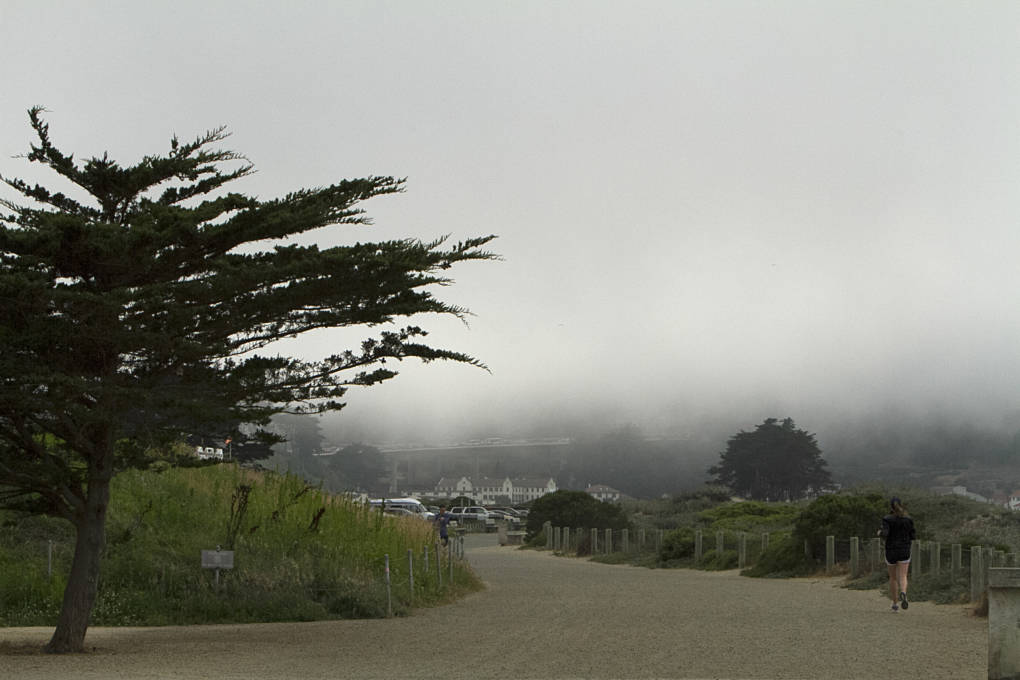
"caption": "Nothing says \"San Francisco beach day\" like a blanket of fog. ",
"description": "Nothing says \"San Francisco beach day\" like a blanket of fog. ",
"title": "RS31886_Fog_BayCurious_AW_01-qut",
"credit": "Anne Wernikoff/KQED",
"status": "inherit",
"isLoading": false,
"fetchFailed": false
},
"news_11682719": {
"type": "attachments",
"id": "news_11682719",
"meta": {
"index": "attachments_1716263798",
"site": "news",
"id": "11682719",
"found": true
},
"parent": 11682511,
"imgSizes": {
"small": {
"file": "https://ww2.kqed.org/app/uploads/sites/10/2018/07/RS31897_Fog_BayCurious_AW_13-520x347.jpg",
"width": 520,
"mimeType": "image/jpeg",
"height": 347
},
"twentyfourteen-full-width": {
"file": "https://ww2.kqed.org/app/uploads/sites/10/2018/07/RS31897_Fog_BayCurious_AW_13-1038x576.jpg",
"width": 1038,
"mimeType": "image/jpeg",
"height": 576
},
"thumbnail": {
"file": "https://ww2.kqed.org/app/uploads/sites/10/2018/07/RS31897_Fog_BayCurious_AW_13-160x107.jpg",
"width": 160,
"mimeType": "image/jpeg",
"height": 107
},
"fd-sm": {
"file": "https://ww2.kqed.org/app/uploads/sites/10/2018/07/RS31897_Fog_BayCurious_AW_13-960x640.jpg",
"width": 960,
"mimeType": "image/jpeg",
"height": 640
},
"post-thumbnail": {
"file": "https://ww2.kqed.org/app/uploads/sites/10/2018/07/RS31897_Fog_BayCurious_AW_13-672x372.jpg",
"width": 672,
"mimeType": "image/jpeg",
"height": 372
},
"xsmall": {
"file": "https://ww2.kqed.org/app/uploads/sites/10/2018/07/RS31897_Fog_BayCurious_AW_13-375x250.jpg",
"width": 375,
"mimeType": "image/jpeg",
"height": 250
},
"kqedFullSize": {
"file": "https://ww2.kqed.org/app/uploads/sites/10/2018/07/RS31897_Fog_BayCurious_AW_13.jpg",
"width": 2592,
"height": 1728
},
"large": {
"file": "https://ww2.kqed.org/app/uploads/sites/10/2018/07/RS31897_Fog_BayCurious_AW_13-1020x680.jpg",
"width": 1020,
"mimeType": "image/jpeg",
"height": 680
},
"xlarge": {
"file": "https://ww2.kqed.org/app/uploads/sites/10/2018/07/RS31897_Fog_BayCurious_AW_13-1180x787.jpg",
"width": 1180,
"mimeType": "image/jpeg",
"height": 787
},
"complete_open_graph": {
"file": "https://ww2.kqed.org/app/uploads/sites/10/2018/07/RS31897_Fog_BayCurious_AW_13-1200x800.jpg",
"width": 1200,
"mimeType": "image/jpeg",
"height": 800
},
"guest-author-50": {
"file": "https://ww2.kqed.org/app/uploads/sites/10/2018/07/RS31897_Fog_BayCurious_AW_13-50x50.jpg",
"width": 50,
"mimeType": "image/jpeg",
"height": 50
},
"guest-author-96": {
"file": "https://ww2.kqed.org/app/uploads/sites/10/2018/07/RS31897_Fog_BayCurious_AW_13-96x96.jpg",
"width": 96,
"mimeType": "image/jpeg",
"height": 96
},
"medium": {
"file": "https://ww2.kqed.org/app/uploads/sites/10/2018/07/RS31897_Fog_BayCurious_AW_13-800x533.jpg",
"width": 800,
"mimeType": "image/jpeg",
"height": 533
},
"guest-author-64": {
"file": "https://ww2.kqed.org/app/uploads/sites/10/2018/07/RS31897_Fog_BayCurious_AW_13-64x64.jpg",
"width": 64,
"mimeType": "image/jpeg",
"height": 64
},
"guest-author-32": {
"file": "https://ww2.kqed.org/app/uploads/sites/10/2018/07/RS31897_Fog_BayCurious_AW_13-32x32.jpg",
"width": 32,
"mimeType": "image/jpeg",
"height": 32
},
"fd-lrg": {
"file": "https://ww2.kqed.org/app/uploads/sites/10/2018/07/RS31897_Fog_BayCurious_AW_13-1920x1280.jpg",
"width": 1920,
"mimeType": "image/jpeg",
"height": 1280
},
"fd-med": {
"file": "https://ww2.kqed.org/app/uploads/sites/10/2018/07/RS31897_Fog_BayCurious_AW_13-1180x787.jpg",
"width": 1180,
"mimeType": "image/jpeg",
"height": 787
},
"full-width": {
"file": "https://ww2.kqed.org/app/uploads/sites/10/2018/07/RS31897_Fog_BayCurious_AW_13-1920x1280.jpg",
"width": 1920,
"mimeType": "image/jpeg",
"height": 1280
},
"detail": {
"file": "https://ww2.kqed.org/app/uploads/sites/10/2018/07/RS31897_Fog_BayCurious_AW_13-150x150.jpg",
"width": 150,
"mimeType": "image/jpeg",
"height": 150
},
"guest-author-128": {
"file": "https://ww2.kqed.org/app/uploads/sites/10/2018/07/RS31897_Fog_BayCurious_AW_13-128x128.jpg",
"width": 128,
"mimeType": "image/jpeg",
"height": 128
},
"xxsmall": {
"file": "https://ww2.kqed.org/app/uploads/sites/10/2018/07/RS31897_Fog_BayCurious_AW_13-240x160.jpg",
"width": 240,
"mimeType": "image/jpeg",
"height": 160
}
},
"publishDate": 1532565143,
"modified": 1532565160,
"caption": "Fog settles over Crissy Field in the Marina neighborhood of San Francisco on July 13, 2018.",
"description": "Fog settles over Crissy Field in the Marina neighborhood of San Francisco on July 13, 2018.",
"title": "RS31897_Fog_BayCurious_AW_13",
"credit": "Anne Wernikoff/KQED",
"status": "inherit",
"isLoading": false,
"fetchFailed": false
},
"news_11680939": {
"type": "attachments",
"id": "news_11680939",
"meta": {
"index": "attachments_1716263798",
"site": "news",
"id": "11680939",
"found": true
},
"parent": 11680481,
"imgSizes": {
"small": {
"file": "https://ww2.kqed.org/app/uploads/sites/10/2018/07/RS31871_IMG_0240-qut-520x342.jpg",
"width": 520,
"mimeType": "image/jpeg",
"height": 342
},
"twentyfourteen-full-width": {
"file": "https://ww2.kqed.org/app/uploads/sites/10/2018/07/RS31871_IMG_0240-qut-1038x576.jpg",
"width": 1038,
"mimeType": "image/jpeg",
"height": 576
},
"thumbnail": {
"file": "https://ww2.kqed.org/app/uploads/sites/10/2018/07/RS31871_IMG_0240-qut-160x105.jpg",
"width": 160,
"mimeType": "image/jpeg",
"height": 105
},
"fd-sm": {
"file": "https://ww2.kqed.org/app/uploads/sites/10/2018/07/RS31871_IMG_0240-qut-960x632.jpg",
"width": 960,
"mimeType": "image/jpeg",
"height": 632
},
"post-thumbnail": {
"file": "https://ww2.kqed.org/app/uploads/sites/10/2018/07/RS31871_IMG_0240-qut-672x372.jpg",
"width": 672,
"mimeType": "image/jpeg",
"height": 372
},
"xsmall": {
"file": "https://ww2.kqed.org/app/uploads/sites/10/2018/07/RS31871_IMG_0240-qut-375x247.jpg",
"width": 375,
"mimeType": "image/jpeg",
"height": 247
},
"kqedFullSize": {
"file": "https://ww2.kqed.org/app/uploads/sites/10/2018/07/RS31871_IMG_0240-qut.jpg",
"width": 1920,
"height": 1264
},
"large": {
"file": "https://ww2.kqed.org/app/uploads/sites/10/2018/07/RS31871_IMG_0240-qut-1020x672.jpg",
"width": 1020,
"mimeType": "image/jpeg",
"height": 672
},
"xlarge": {
"file": "https://ww2.kqed.org/app/uploads/sites/10/2018/07/RS31871_IMG_0240-qut-1180x777.jpg",
"width": 1180,
"mimeType": "image/jpeg",
"height": 777
},
"complete_open_graph": {
"file": "https://ww2.kqed.org/app/uploads/sites/10/2018/07/RS31871_IMG_0240-qut-1200x790.jpg",
"width": 1200,
"mimeType": "image/jpeg",
"height": 790
},
"guest-author-50": {
"file": "https://ww2.kqed.org/app/uploads/sites/10/2018/07/RS31871_IMG_0240-qut-50x50.jpg",
"width": 50,
"mimeType": "image/jpeg",
"height": 50
},
"guest-author-96": {
"file": "https://ww2.kqed.org/app/uploads/sites/10/2018/07/RS31871_IMG_0240-qut-96x96.jpg",
"width": 96,
"mimeType": "image/jpeg",
"height": 96
},
"medium": {
"file": "https://ww2.kqed.org/app/uploads/sites/10/2018/07/RS31871_IMG_0240-qut-800x527.jpg",
"width": 800,
"mimeType": "image/jpeg",
"height": 527
},
"guest-author-64": {
"file": "https://ww2.kqed.org/app/uploads/sites/10/2018/07/RS31871_IMG_0240-qut-64x64.jpg",
"width": 64,
"mimeType": "image/jpeg",
"height": 64
},
"guest-author-32": {
"file": "https://ww2.kqed.org/app/uploads/sites/10/2018/07/RS31871_IMG_0240-qut-32x32.jpg",
"width": 32,
"mimeType": "image/jpeg",
"height": 32
},
"fd-lrg": {
"file": "https://ww2.kqed.org/app/uploads/sites/10/2018/07/RS31871_IMG_0240-qut-1920x1264.jpg",
"width": 1920,
"mimeType": "image/jpeg",
"height": 1264
},
"fd-med": {
"file": "https://ww2.kqed.org/app/uploads/sites/10/2018/07/RS31871_IMG_0240-qut-1180x777.jpg",
"width": 1180,
"mimeType": "image/jpeg",
"height": 777
},
"full-width": {
"file": "https://ww2.kqed.org/app/uploads/sites/10/2018/07/RS31871_IMG_0240-qut-1920x1264.jpg",
"width": 1920,
"mimeType": "image/jpeg",
"height": 1264
},
"detail": {
"file": "https://ww2.kqed.org/app/uploads/sites/10/2018/07/RS31871_IMG_0240-qut-150x150.jpg",
"width": 150,
"mimeType": "image/jpeg",
"height": 150
},
"guest-author-128": {
"file": "https://ww2.kqed.org/app/uploads/sites/10/2018/07/RS31871_IMG_0240-qut-128x128.jpg",
"width": 128,
"mimeType": "image/jpeg",
"height": 128
},
"xxsmall": {
"file": "https://ww2.kqed.org/app/uploads/sites/10/2018/07/RS31871_IMG_0240-qut-240x158.jpg",
"width": 240,
"mimeType": "image/jpeg",
"height": 158
}
},
"publishDate": 1531846792,
"modified": 1531847222,
"caption": "California is the only state in the country where it is legal to lane split.",
"description": "California is the only state in the country where it is legal to lane split.",
"title": "RS31871_IMG_0240-qut",
"credit": "Craig Miller/KQED",
"status": "inherit",
"isLoading": false,
"fetchFailed": false
},
"news_11677995": {
"type": "attachments",
"id": "news_11677995",
"meta": {
"index": "attachments_1716263798",
"site": "news",
"id": "11677995",
"found": true
},
"parent": 11674188,
"imgSizes": {
"small": {
"file": "https://ww2.kqed.org/app/uploads/sites/10/2018/06/RS5675_DSC00348-520x346.jpg",
"width": 520,
"mimeType": "image/jpeg",
"height": 346
},
"twentyfourteen-full-width": {
"file": "https://ww2.kqed.org/app/uploads/sites/10/2018/06/RS5675_DSC00348-1038x576.jpg",
"width": 1038,
"mimeType": "image/jpeg",
"height": 576
},
"thumbnail": {
"file": "https://ww2.kqed.org/app/uploads/sites/10/2018/06/RS5675_DSC00348-160x106.jpg",
"width": 160,
"mimeType": "image/jpeg",
"height": 106
},
"fd-sm": {
"file": "https://ww2.kqed.org/app/uploads/sites/10/2018/06/RS5675_DSC00348-960x639.jpg",
"width": 960,
"mimeType": "image/jpeg",
"height": 639
},
"post-thumbnail": {
"file": "https://ww2.kqed.org/app/uploads/sites/10/2018/06/RS5675_DSC00348-672x372.jpg",
"width": 672,
"mimeType": "image/jpeg",
"height": 372
},
"xsmall": {
"file": "https://ww2.kqed.org/app/uploads/sites/10/2018/06/RS5675_DSC00348-375x250.jpg",
"width": 375,
"mimeType": "image/jpeg",
"height": 250
},
"kqedFullSize": {
"file": "https://ww2.kqed.org/app/uploads/sites/10/2018/06/RS5675_DSC00348-e1530223279431.jpg",
"width": 1920,
"height": 1278
},
"large": {
"file": "https://ww2.kqed.org/app/uploads/sites/10/2018/06/RS5675_DSC00348-1020x679.jpg",
"width": 1020,
"mimeType": "image/jpeg",
"height": 679
},
"xlarge": {
"file": "https://ww2.kqed.org/app/uploads/sites/10/2018/06/RS5675_DSC00348-1180x785.jpg",
"width": 1180,
"mimeType": "image/jpeg",
"height": 785
},
"complete_open_graph": {
"file": "https://ww2.kqed.org/app/uploads/sites/10/2018/06/RS5675_DSC00348-1200x799.jpg",
"width": 1200,
"mimeType": "image/jpeg",
"height": 799
},
"guest-author-50": {
"file": "https://ww2.kqed.org/app/uploads/sites/10/2018/06/RS5675_DSC00348-50x50.jpg",
"width": 50,
"mimeType": "image/jpeg",
"height": 50
},
"guest-author-96": {
"file": "https://ww2.kqed.org/app/uploads/sites/10/2018/06/RS5675_DSC00348-96x96.jpg",
"width": 96,
"mimeType": "image/jpeg",
"height": 96
},
"medium": {
"file": "https://ww2.kqed.org/app/uploads/sites/10/2018/06/RS5675_DSC00348-800x532.jpg",
"width": 800,
"mimeType": "image/jpeg",
"height": 532
},
"guest-author-64": {
"file": "https://ww2.kqed.org/app/uploads/sites/10/2018/06/RS5675_DSC00348-64x64.jpg",
"width": 64,
"mimeType": "image/jpeg",
"height": 64
},
"guest-author-32": {
"file": "https://ww2.kqed.org/app/uploads/sites/10/2018/06/RS5675_DSC00348-32x32.jpg",
"width": 32,
"mimeType": "image/jpeg",
"height": 32
},
"fd-lrg": {
"file": "https://ww2.kqed.org/app/uploads/sites/10/2018/06/RS5675_DSC00348-1920x1278.jpg",
"width": 1920,
"mimeType": "image/jpeg",
"height": 1278
},
"fd-med": {
"file": "https://ww2.kqed.org/app/uploads/sites/10/2018/06/RS5675_DSC00348-1180x785.jpg",
"width": 1180,
"mimeType": "image/jpeg",
"height": 785
},
"full-width": {
"file": "https://ww2.kqed.org/app/uploads/sites/10/2018/06/RS5675_DSC00348-1920x1278.jpg",
"width": 1920,
"mimeType": "image/jpeg",
"height": 1278
},
"detail": {
"file": "https://ww2.kqed.org/app/uploads/sites/10/2018/06/RS5675_DSC00348-150x150.jpg",
"width": 150,
"mimeType": "image/jpeg",
"height": 150
},
"guest-author-128": {
"file": "https://ww2.kqed.org/app/uploads/sites/10/2018/06/RS5675_DSC00348-128x128.jpg",
"width": 128,
"mimeType": "image/jpeg",
"height": 128
},
"xxsmall": {
"file": "https://ww2.kqed.org/app/uploads/sites/10/2018/06/RS5675_DSC00348-240x160.jpg",
"width": 240,
"mimeType": "image/jpeg",
"height": 160
}
},
"publishDate": 1530223230,
"modified": 1530223272,
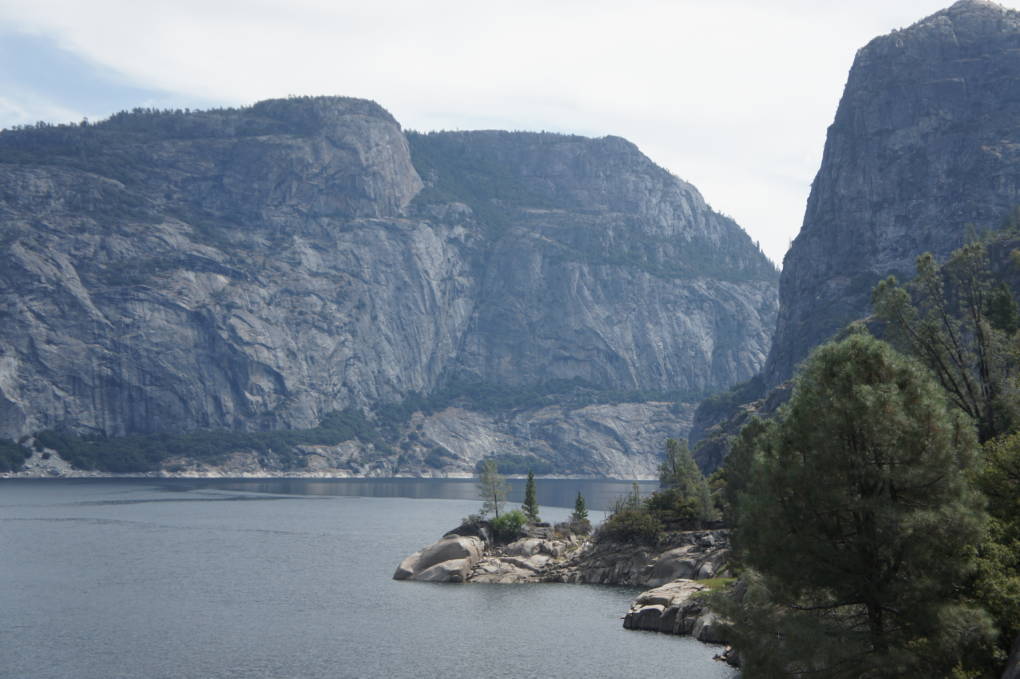
"caption": "The Hetch Hetchy Reservoir in Yosemite National Park supplies water to San Francisco and other Bay Area cities.",
"description": "The Hetch Hetchy Reservoir in Yosemite National Park supplies water to San Francisco and other Bay Area cities.",
"title": "SONY DSC",
"credit": "Lauren Sommer/KQED",
"status": "inherit",
"isLoading": false,
"fetchFailed": false
},
"news_11653569": {
"type": "attachments",
"id": "news_11653569",
"meta": {
"index": "attachments_1716263798",
"site": "news",
"id": "11653569",
"found": true
},
"parent": 11652543,
"imgSizes": {
"small": {
"file": "https://ww2.kqed.org/app/uploads/sites/10/2018/03/Image-uploaded-from-iOS-9-copy-e1520040302806-520x293.jpg",
"width": 520,
"mimeType": "image/jpeg",
"height": 293
},
"twentyfourteen-full-width": {
"file": "https://ww2.kqed.org/app/uploads/sites/10/2018/03/Image-uploaded-from-iOS-9-copy-e1520040302806-1038x576.jpg",
"width": 1038,
"mimeType": "image/jpeg",
"height": 576
},
"thumbnail": {
"file": "https://ww2.kqed.org/app/uploads/sites/10/2018/03/Image-uploaded-from-iOS-9-copy-e1520040302806-160x90.jpg",
"width": 160,
"mimeType": "image/jpeg",
"height": 90
},
"fd-sm": {
"file": "https://ww2.kqed.org/app/uploads/sites/10/2018/03/Image-uploaded-from-iOS-9-copy-e1520040302806-960x541.jpg",
"width": 960,
"mimeType": "image/jpeg",
"height": 541
},
"post-thumbnail": {
"file": "https://ww2.kqed.org/app/uploads/sites/10/2018/03/Image-uploaded-from-iOS-9-copy-e1520040302806-672x372.jpg",
"width": 672,
"mimeType": "image/jpeg",
"height": 372
},
"xsmall": {
"file": "https://ww2.kqed.org/app/uploads/sites/10/2018/03/Image-uploaded-from-iOS-9-copy-e1520040302806-375x211.jpg",
"width": 375,
"mimeType": "image/jpeg",
"height": 211
},
"kqedFullSize": {
"file": "https://ww2.kqed.org/app/uploads/sites/10/2018/03/Image-uploaded-from-iOS-9-copy-e1520040302806.jpg",
"width": 3157,
"height": 1778
},
"large": {
"file": "https://ww2.kqed.org/app/uploads/sites/10/2018/03/Image-uploaded-from-iOS-9-copy-e1520040302806-1020x574.jpg",
"width": 1020,
"mimeType": "image/jpeg",
"height": 574
},
"xlarge": {
"file": "https://ww2.kqed.org/app/uploads/sites/10/2018/03/Image-uploaded-from-iOS-9-copy-e1520040302806-1180x665.jpg",
"width": 1180,
"mimeType": "image/jpeg",
"height": 665
},
"guest-author-50": {
"file": "https://ww2.kqed.org/app/uploads/sites/10/2018/03/Image-uploaded-from-iOS-9-copy-e1520040302806-50x50.jpg",
"width": 50,
"mimeType": "image/jpeg",
"height": 50
},
"guest-author-96": {
"file": "https://ww2.kqed.org/app/uploads/sites/10/2018/03/Image-uploaded-from-iOS-9-copy-e1520040302806-96x96.jpg",
"width": 96,
"mimeType": "image/jpeg",
"height": 96
},
"medium": {
"file": "https://ww2.kqed.org/app/uploads/sites/10/2018/03/Image-uploaded-from-iOS-9-copy-e1520040302806-800x451.jpg",
"width": 800,
"mimeType": "image/jpeg",
"height": 451
},
"guest-author-64": {
"file": "https://ww2.kqed.org/app/uploads/sites/10/2018/03/Image-uploaded-from-iOS-9-copy-e1520040302806-64x64.jpg",
"width": 64,
"mimeType": "image/jpeg",
"height": 64
},
"guest-author-32": {
"file": "https://ww2.kqed.org/app/uploads/sites/10/2018/03/Image-uploaded-from-iOS-9-copy-e1520040302806-32x32.jpg",
"width": 32,
"mimeType": "image/jpeg",
"height": 32
},
"fd-lrg": {
"file": "https://ww2.kqed.org/app/uploads/sites/10/2018/03/Image-uploaded-from-iOS-9-copy-e1520040302806-1920x1081.jpg",
"width": 1920,
"mimeType": "image/jpeg",
"height": 1081
},
"fd-med": {
"file": "https://ww2.kqed.org/app/uploads/sites/10/2018/03/Image-uploaded-from-iOS-9-copy-e1520040302806-1180x665.jpg",
"width": 1180,
"mimeType": "image/jpeg",
"height": 665
},
"full-width": {
"file": "https://ww2.kqed.org/app/uploads/sites/10/2018/03/Image-uploaded-from-iOS-9-copy-e1520040302806-1920x1081.jpg",
"width": 1920,
"mimeType": "image/jpeg",
"height": 1081
},
"detail": {
"file": "https://ww2.kqed.org/app/uploads/sites/10/2018/03/Image-uploaded-from-iOS-9-copy-e1520040302806-150x150.jpg",
"width": 150,
"mimeType": "image/jpeg",
"height": 150
},
"guest-author-128": {
"file": "https://ww2.kqed.org/app/uploads/sites/10/2018/03/Image-uploaded-from-iOS-9-copy-e1520040302806-128x128.jpg",
"width": 128,
"mimeType": "image/jpeg",
"height": 128
},
"xxsmall": {
"file": "https://ww2.kqed.org/app/uploads/sites/10/2018/03/Image-uploaded-from-iOS-9-copy-e1520040302806-240x135.jpg",
"width": 240,
"mimeType": "image/jpeg",
"height": 135
}
},
"publishDate": 1520040244,
"modified": 1523059624,
"caption": "A home on Tregloan Court in Alameda. Bay Curious looked into whether this house and similar small-scale residences on the street were built for little people who worked in the Alameda shipbuilding industry during the Second World War.",
"description": null,
"title": "Tregloan",
"credit": "Cy Musiker/KQED",
"status": "inherit",
"isLoading": false,
"fetchFailed": false
}
},
"audioPlayerReducer": {
"postId": "stream_live",
"isPaused": true,
"isPlaying": false,
"pfsActive": false,
"pledgeModalIsOpen": true,
"playerDrawerIsOpen": false,
"liveAudioPlayStartedAt": 0,
"liveAudioPlayContext": ""
},
"authorsReducer": {
"sracho": {
"type": "authors",
"id": "107",
"meta": {
"index": "authors_1716337520",
"id": "107",
"found": true
},
"name": "Suzie Racho",
"firstName": "Suzie",
"lastName": "Racho",
"slug": "sracho",
"email": "SRacho@KQED.org",
"display_author_email": false,
"staff_mastheads": [
"news"
],
"title": "KQED Contributor",
"bio": "Suzie Racho is a correspondent-producer with \u003cem>The California Report Magazine\u003c/em>\u003cem>. S\u003c/em>he has also worked with several other KQED productions, including Bay Curious, Truth Be Told, The Do List and KQED News.\r\n\r\nSuzie came to KQED in 1996 after receiving a BA in journalism from San Francisco State University and spending several years working in the music industry. As part of \u003cem>The California Report\u003c/em> team, her work has been recognized by the Society for Professional Journalists, National Federation of Community Broadcasters and Public Radio News Directors Incorporated, among others. She was recognized with a national Gracie Award in 2019. She spends her free time baking, listening to K-pop and rooting for the Giants and Valkyries.",
"avatar": "https://secure.gravatar.com/avatar/842e457a9830b0f3c1ce3ab70ed3518d616d1e25e315c6292eab8cd611d98601?s=600&d=blank&r=g",
"twitter": null,
"bluesky": null,
"facebook": null,
"instagram": null,
"linkedin": null,
"sites": [
{
"site": "arts",
"roles": [
"editor"
]
},
{
"site": "news",
"roles": [
"editor"
]
}
],
"headData": {
"title": "Suzie Racho | KQED",
"description": "KQED Contributor",
"ogImgSrc": "https://secure.gravatar.com/avatar/842e457a9830b0f3c1ce3ab70ed3518d616d1e25e315c6292eab8cd611d98601?s=600&d=blank&r=g",
"twImgSrc": "https://secure.gravatar.com/avatar/842e457a9830b0f3c1ce3ab70ed3518d616d1e25e315c6292eab8cd611d98601?s=600&d=blank&r=g"
},
"isLoading": false,
"link": "/author/sracho"
},
"rachael-myrow": {
"type": "authors",
"id": "251",
"meta": {
"index": "authors_1716337520",
"id": "251",
"found": true
},
"name": "Rachael Myrow",
"firstName": "Rachael",
"lastName": "Myrow",
"slug": "rachael-myrow",
"email": "rmyrow@kqed.org",
"display_author_email": true,
"staff_mastheads": [
"news"
],
"title": "Senior Editor of KQED's Silicon Valley News Desk",
"bio": "• I write and edit stories about how Silicon Valley power and policies shape everyday life in California. I’m also passionate about making Bay Area history and culture more accessible to a broad public. • I’ve been a journalist for most of my life, starting in high school with The Franklin Press in Los Angeles, where I grew up. While earning my first degree in English at UC Berkeley, I got my start in public radio at KALX-FM. After completing a second degree in journalism at Cal, I landed my first professional job at Marketplace, then moved on to KPCC (now LAist), and then KQED, where I hosted The California Report for more than seven years. • My reporting has appeared on NPR, The World, WBUR’s \u003ci>Here & Now\u003c/i>, and the BBC. I also guest host for KQED’s \u003ci>Forum\u003c/i>, as well as the Commonwealth Club in San Francisco. • I speak periodically on media, democracy and technology issues, and do voiceover work for documentaries and educational video projects. • Outside of the studio, you'll find me hiking Bay Area trails and whipping up Insta-ready meals in my kitchen. • I do not accept gifts, money, or favors from anyone connected to my reporting, I don't pay people for information, and I do not support or donate to political causes. • I strive to treat the people I report on with fairness, honesty, and respect. I also recognize there are often multiple sides to a story and work to verify information through multiple sources and documentation. If I get something wrong, I correct it.",
"avatar": "https://secure.gravatar.com/avatar/3ed8a3c5f26025e4a805ba634cda8cd764906b97438a6d9ce216b044e340da4e?s=600&d=blank&r=g",
"twitter": "rachaelmyrow",
"bluesky": null,
"facebook": null,
"instagram": null,
"linkedin": "https://www.linkedin.com/in/rachaelmyrow/",
"sites": [
{
"site": "arts",
"roles": [
"administrator"
]
},
{
"site": "news",
"roles": [
"edit_others_posts",
"editor"
]
},
{
"site": "futureofyou",
"roles": [
"editor"
]
},
{
"site": "bayareabites",
"roles": [
"editor"
]
},
{
"site": "stateofhealth",
"roles": [
"editor"
]
},
{
"site": "science",
"roles": [
"editor"
]
},
{
"site": "food",
"roles": [
"editor"
]
},
{
"site": "forum",
"roles": [
"editor"
]
},
{
"site": "liveblog",
"roles": [
"author"
]
}
],
"headData": {
"title": "Rachael Myrow | KQED",
"description": "Senior Editor of KQED's Silicon Valley News Desk",
"ogImgSrc": "https://secure.gravatar.com/avatar/3ed8a3c5f26025e4a805ba634cda8cd764906b97438a6d9ce216b044e340da4e?s=600&d=blank&r=g",
"twImgSrc": "https://secure.gravatar.com/avatar/3ed8a3c5f26025e4a805ba634cda8cd764906b97438a6d9ce216b044e340da4e?s=600&d=blank&r=g"
},
"isLoading": false,
"link": "/author/rachael-myrow"
},
"kdomara": {
"type": "authors",
"id": "1459",
"meta": {
"index": "authors_1716337520",
"id": "1459",
"found": true
},
"name": "Kelly O'Mara",
"firstName": "Kelly",
"lastName": "O'Mara",
"slug": "kdomara",
"email": "komara@kqed.org",
"display_author_email": false,
"staff_mastheads": [
"news"
],
"title": "KQED Contributor",
"bio": "Kelly O'Mara is a writer and reporter in the San Francisco Bay Area. She writes about food, health, sports, travel, business and California news. Her work has appeared on KQED, online for Outside Magazine, epsnW, VICE and in Competitor Magazine, among others. Follow Kelly on Twitter \u003ca href=\"https://twitter.com/kellydomara\">@kellydomara\u003c/a>.",
"avatar": "https://secure.gravatar.com/avatar/768fec7412028b72f13bdd0f5f9d8186?s=600&d=blank&r=g",
"twitter": null,
"facebook": null,
"instagram": null,
"linkedin": null,
"sites": [
{
"site": "arts",
"roles": []
},
{
"site": "news",
"roles": []
},
{
"site": "bayareabites",
"roles": []
},
{
"site": "stateofhealth",
"roles": []
},
{
"site": "science",
"roles": []
},
{
"site": "checkplease",
"roles": [
"editor"
]
},
{
"site": "food",
"roles": []
},
{
"site": "forum",
"roles": [
"editor"
]
},
{
"site": "liveblog",
"roles": [
"editor"
]
}
],
"headData": {
"title": "Kelly O'Mara | KQED",
"description": "KQED Contributor",
"ogImgSrc": "https://secure.gravatar.com/avatar/768fec7412028b72f13bdd0f5f9d8186?s=600&d=blank&r=g",
"twImgSrc": "https://secure.gravatar.com/avatar/768fec7412028b72f13bdd0f5f9d8186?s=600&d=blank&r=g"
},
"isLoading": false,
"link": "/author/kdomara"
},
"carlysevern": {
"type": "authors",
"id": "3243",
"meta": {
"index": "authors_1716337520",
"id": "3243",
"found": true
},
"name": "Carly Severn",
"firstName": "Carly",
"lastName": "Severn",
"slug": "carlysevern",
"email": "csevern@kqed.org",
"display_author_email": false,
"staff_mastheads": [
"news"
],
"title": "Senior Editor, Audience News ",
"bio": "Carly is KQED's Senior Editor of Audience News on the Digital News team, and has reported for the California Report Magazine, Bay Curious and KQED Arts. She's formerly the host of \u003ca href=\"http://ww2.kqed.org/pop/category/the-cooler/\" rel=\"noopener noreferrer\">The Cooler\u003c/a> podcast.",
"avatar": "https://secure.gravatar.com/avatar/54037bf5c128fe678f0ef26cec97a93f2e7f220a22d7285703328f12c42c1b1d?s=600&d=blank&r=g",
"twitter": "teacupinthebay",
"bluesky": null,
"facebook": null,
"instagram": null,
"linkedin": null,
"sites": [
{
"site": "",
"roles": [
"editor"
]
},
{
"site": "arts",
"roles": [
"editor"
]
},
{
"site": "news",
"roles": [
"administrator"
]
},
{
"site": "pop",
"roles": [
"editor"
]
},
{
"site": "futureofyou",
"roles": [
"editor"
]
},
{
"site": "about",
"roles": [
"administrator"
]
},
{
"site": "mindshift",
"roles": [
"editor"
]
},
{
"site": "bayareabites",
"roles": [
"editor"
]
},
{
"site": "stateofhealth",
"roles": [
"editor"
]
},
{
"site": "science",
"roles": [
"editor"
]
},
{
"site": "food",
"roles": [
"contributor"
]
},
{
"site": "forum",
"roles": [
"editor"
]
},
{
"site": "perspectives",
"roles": [
"administrator"
]
},
{
"site": "liveblog",
"roles": [
"editor"
]
}
],
"headData": {
"title": "Carly Severn | KQED",
"description": "Senior Editor, Audience News ",
"ogImgSrc": "https://secure.gravatar.com/avatar/54037bf5c128fe678f0ef26cec97a93f2e7f220a22d7285703328f12c42c1b1d?s=600&d=blank&r=g",
"twImgSrc": "https://secure.gravatar.com/avatar/54037bf5c128fe678f0ef26cec97a93f2e7f220a22d7285703328f12c42c1b1d?s=600&d=blank&r=g"
},
"isLoading": false,
"link": "/author/carlysevern"
},
"jplaczek": {
"type": "authors",
"id": "8606",
"meta": {
"index": "authors_1716337520",
"id": "8606",
"found": true
},
"name": "Jessica Placzek",
"firstName": "Jessica",
"lastName": "Placzek",
"slug": "jplaczek",
"email": "jessicalplaczek@gmail.com",
"display_author_email": false,
"staff_mastheads": [
"news"
],
"title": "KQED Contributor",
"bio": "Jessica Placzek is a former senior editor of podcasts at KQED where she served as the editorial lead of the podcast department. She worked with shows like MindShift, Rightnowish, Consider This, SOLD OUT, Bay Curious and The Bay. She’s also been a reporter and audio producer at KQED, KPFA, and KALW. She taught audio production to men incarcerated at California State Prison Solano and edited pieces they produced for the Uncuffed podcast through KALW. In 2018 she co-hosted and produced the third season of Raw Material for SFMOMA. In New Orleans she wrote for the Nola Defender. Her work has also appeared on Marketplace, All Things Considered, The California Report, and Vice. You can find more at jessicaplaczek.com",
"avatar": "https://secure.gravatar.com/avatar/5ead103b5880f672eceb84ce75eecd1b4b6f74a47edc457684a73ad5b8b158e9?s=600&d=blank&r=g",
"twitter": null,
"bluesky": null,
"facebook": null,
"instagram": null,
"linkedin": null,
"sites": [
{
"site": "arts",
"roles": [
"subscriber"
]
},
{
"site": "news",
"roles": [
"subscriber"
]
},
{
"site": "stateofhealth",
"roles": [
"editor"
]
},
{
"site": "forum",
"roles": [
"editor"
]
}
],
"headData": {
"title": "Jessica Placzek | KQED",
"description": "KQED Contributor",
"ogImgSrc": "https://secure.gravatar.com/avatar/5ead103b5880f672eceb84ce75eecd1b4b6f74a47edc457684a73ad5b8b158e9?s=600&d=blank&r=g",
"twImgSrc": "https://secure.gravatar.com/avatar/5ead103b5880f672eceb84ce75eecd1b4b6f74a47edc457684a73ad5b8b158e9?s=600&d=blank&r=g"
},
"isLoading": false,
"link": "/author/jplaczek"
},
"cveltman": {
"type": "authors",
"id": "8608",
"meta": {
"index": "authors_1716337520",
"id": "8608",
"found": true
},
"name": "Chloe Veltman",
"firstName": "Chloe",
"lastName": "Veltman",
"slug": "cveltman",
"email": "cveltman@kqed.org",
"display_author_email": true,
"staff_mastheads": [],
"title": "Arts and Culture Reporter",
"bio": "Chloe Veltman is a former arts and culture reporter for KQED. Prior to joining the organization, she launched and led the arts bureau at Colorado Public Radio, served as the Bay Area's culture columnist for the New York Times, and was the founder, host and executive producer of VoiceBox, a national award-winning weekly podcast/radio show and live events series all about the human voice. Chloe is the recipient of numerous prizes, grants and fellowships including a Webby Award for her work on interactive storytelling, both the John S Knight Journalism Fellowship and Humanities Center Fellowship at Stanford University, the Sundance Arts Writing Fellowship and a Library of Congress Research Fellowship. She is the author of the book \"On Acting\" and has appeared as a guest lecturer at Yale University and the San Francisco Conservatory of Music among other institutions. She holds a BA in english literature from King's College, Cambridge, and a Masters in Dramaturgy from the Central School of Speech and Drama/Harvard Institute for Advanced Theater Training.\r\n\u003ca href=\"https://www.chloeveltman.com\">www.chloeveltman.com\u003c/a>",
"avatar": "https://secure.gravatar.com/avatar/55403394b00a1ddab683952c2eb2cf85?s=600&d=blank&r=g",
"twitter": "chloeveltman",
"facebook": null,
"instagram": null,
"linkedin": null,
"sites": [
{
"site": "arts",
"roles": []
},
{
"site": "news",
"roles": [
"author"
]
},
{
"site": "pop",
"roles": [
"editor"
]
},
{
"site": "science",
"roles": []
}
],
"headData": {
"title": "Chloe Veltman | KQED",
"description": "Arts and Culture Reporter",
"ogImgSrc": "https://secure.gravatar.com/avatar/55403394b00a1ddab683952c2eb2cf85?s=600&d=blank&r=g",
"twImgSrc": "https://secure.gravatar.com/avatar/55403394b00a1ddab683952c2eb2cf85?s=600&d=blank&r=g"
},
"isLoading": false,
"link": "/author/cveltman"
},
"rlevi": {
"type": "authors",
"id": "11260",
"meta": {
"index": "authors_1716337520",
"id": "11260",
"found": true
},
"name": "Ryan Levi",
"firstName": "Ryan",
"lastName": "Levi",
"slug": "rlevi",
"email": "rlevi@KQED.org",
"display_author_email": false,
"staff_mastheads": [],
"title": "KQED Contributor",
"bio": "Ryan Levi was a reporter and podcast producer at KQED News from 2016-2019. He worked on \u003ca href=\"https://www.kqed.org/news/series/baycurious\">Bay Curious\u003c/a>, \u003ca href=\"https://www.kqed.org/news/tag/the-bay/\">The Bay, \u003c/a>and \u003ca href=\"https://podcasts.apple.com/us/podcast/the-california-report-magazine/id1314750545\">The California Report Magazine\u003c/a>, as well as hosting and producing the weekly \u003ca href=\"https://www.kqed.org/news/program/qedup/\">Q'ed Up podcast. \u003c/a>He also helped inaugurate KQED's weekend news coverage in 2017 as one of two original digital producers. Ryan holds degrees in multimedia journalism and Spanish from the University of Missouri.",
"avatar": "https://secure.gravatar.com/avatar/4cb2ddd028ac8807d1adf09609c5555d?s=600&d=blank&r=g",
"twitter": "ryan_levi",
"facebook": null,
"instagram": null,
"linkedin": null,
"sites": [
{
"site": "arts",
"roles": [
"editor"
]
},
{
"site": "news",
"roles": [
"subscriber"
]
},
{
"site": "stateofhealth",
"roles": [
"editor"
]
},
{
"site": "science",
"roles": [
"editor"
]
},
{
"site": "forum",
"roles": [
"administrator"
]
},
{
"site": "perspectives",
"roles": [
"administrator"
]
}
],
"headData": {
"title": "Ryan Levi | KQED",
"description": "KQED Contributor",
"ogImgSrc": "https://secure.gravatar.com/avatar/4cb2ddd028ac8807d1adf09609c5555d?s=600&d=blank&r=g",
"twImgSrc": "https://secure.gravatar.com/avatar/4cb2ddd028ac8807d1adf09609c5555d?s=600&d=blank&r=g"
},
"isLoading": false,
"link": "/author/rlevi"
},
"scraig": {
"type": "authors",
"id": "11327",
"meta": {
"index": "authors_1716337520",
"id": "11327",
"found": true
},
"name": "Sarah Craig",
"firstName": "Sarah",
"lastName": "Craig",
"slug": "scraig",
"email": "scraig@KQED.org",
"display_author_email": false,
"staff_mastheads": [],
"title": "KQED Contributor",
"bio": "Sarah Craig is a freelance radio reporter and documentary photographer. She is currently working on \u003cem>Dreams of Dust\u003c/em>, @dreamsofdust, a multimedia project that documents stories of climate migration in California’s Central Valley, previously funded by the California Humanities. Her completed projects include \u003cem>\u003ca href=\"http://www.facesoffracking.org/\" target=\"_blank\" rel=\"nofollow noopener noreferrer\">Faces of Fracking\u003c/a>,\u003c/em> an investigation into the impact of fracking on the people and places of California, and \u003cem>\u003ca href=\"http://sarahcraig.visura.co/gulf-disaster-2\" target=\"_blank\" rel=\"nofollow noopener noreferrer\">The Gulf Disaster\u003c/a>,\u003c/em> stories on the lives of fishermen in the aftermath of the BP spill. Her work has been published by Marketplace, KQED's Bay Curious and Q'ed Up podcasts, KQED's California Report Magazine, KALW's Crosscurrents, Grist.org, High Country News, Earth Island Journal, and others. Sarah received a B.A. in Geography at Vassar College and attended the \u003ca href=\"http://www.salt.edu/\" target=\"_blank\" rel=\"nofollow noopener noreferrer\">Salt Institute of Documentary Studies\u003c/a> in Portland, ME. She recently received an Excellence in Journalism Award from the NorCal Society of Professional Journalists for her documentary radio piece, \u003ca href=\"http://kalw.org/post/215-will-water-come#stream/0\">\"Will the Water Come.\"\u003c/a> Email: scraig@kqed.org Twitter: @sarahcraigmedia Website: sarahcraigmedia.com",
"avatar": "https://secure.gravatar.com/avatar/97f17950c828429d3df9f2907412a50b?s=600&d=blank&r=g",
"twitter": null,
"facebook": null,
"instagram": null,
"linkedin": null,
"sites": [
{
"site": "news",
"roles": [
"subscriber"
]
},
{
"site": "science",
"roles": [
"editor"
]
}
],
"headData": {
"title": "Sarah Craig | KQED",
"description": "KQED Contributor",
"ogImgSrc": "https://secure.gravatar.com/avatar/97f17950c828429d3df9f2907412a50b?s=600&d=blank&r=g",
"twImgSrc": "https://secure.gravatar.com/avatar/97f17950c828429d3df9f2907412a50b?s=600&d=blank&r=g"
},
"isLoading": false,
"link": "/author/scraig"
}
},
"pagesReducer": {
"news_program_bay-curious": {
"type": "terms",
"id": "news_33523",
"meta": {
"index": "terms_1716263798",
"site": "news",
"id": "33523",
"score": 15.085616
},
"featImg": null,
"name": "Bay Curious",
"description": null,
"taxonomy": "program",
"headData": {
"twImgId": null,
"twTitle": null,
"ogTitle": null,
"ogImgId": null,
"twDescription": null,
"description": null,
"title": "Bay Curious Archives | KQED News",
"ogDescription": null
},
"ttid": 33540,
"slug": "bay-curious",
"isLoading": false,
"title": "Bay Curious",
"pageMeta": {
"site": "news",
"WpPageTemplate": "page-topic-editorial",
"currentPage": 35
},
"blocks": [
{
"blockName": "kqed/post-list",
"attrs": {
"layout": "cardArticle2",
"query": "posts/news?program=bay-curious",
"seeMore": false,
"paginated": true,
"page": 35
}
},
{
"blockName": "kqed/ad"
}
]
}
},
"pfsSessionReducer": {},
"postsReducer": {
"stream_live": {
"type": "live",
"id": "stream_live",
"audioUrl": "https://streams.kqed.org/kqedradio",
"title": "Live Stream",
"excerpt": "Live Stream information currently unavailable.",
"link": "/radio",
"featImg": "",
"label": {
"name": "KQED Live",
"link": "/"
}
},
"stream_kqedNewscast": {
"type": "posts",
"id": "stream_kqedNewscast",
"audioUrl": "https://www.kqed.org/.stream/anon/radio/RDnews/newscast.mp3?_=1",
"title": "KQED Newscast",
"featImg": "",
"label": {
"name": "88.5 FM",
"link": "/"
}
},
"news_11693132": {
"type": "posts",
"id": "news_11693132",
"meta": {
"index": "posts_1716263798",
"site": "news",
"id": "11693132",
"score": null,
"sort": [
1537437643000
]
},
"parent": 0,
"labelTerm": {
"site": "news",
"term": 33523
},
"blocks": [],
"publishDate": 1537437643,
"format": "audio",
"title": "The Story Behind Belmont's Painted Fire Hydrants",
"headTitle": "The Story Behind Belmont’s Painted Fire Hydrants | KQED",
"content": "\u003cp>After Ben Hilmer and his wife, Sarah, had a baby, he began taking daily walks with his daughter around his \u003ca href=\"https://www.belmont.gov/\">Belmont\u003c/a> Hills neighborhood. He called this trek “dad loop.” And on “dad loop,” a fire hydrant caught his eye. It’s painted as a patriotic character, sporting a fading blue hat, and red-and-white striped pants.\u003c/p>\n\u003cp>[baycuriouspodcastinfo]\u003c/p>\n\u003cp>Before long, Ben was noticing more and more of these decorated hydrants around town.\u003c/p>\n\u003cp>“Belmont doesn’t have an established downtown,” he says. “So the hydrants made it feel like a community. It made me proud to be from Belmont.”\u003c/p>\n\u003cfigure id=\"attachment_11693234\" class=\"wp-caption alignright\" style=\"max-width: 266px\">\u003cimg decoding=\"async\" loading=\"lazy\" class=\" wp-image-11693234\" src=\"https://ww2.kqed.org/news/wp-content/uploads/sites/10/2018/09/RS32860_P1060108-qut-800x1067.jpg\" alt=\"Listener Ben Hilmer spied this painted hydrant a block from his house.\" width=\"266\" height=\"355\" srcset=\"https://ww2.kqed.org/app/uploads/sites/10/2018/09/RS32860_P1060108-qut-800x1067.jpg 800w, https://ww2.kqed.org/app/uploads/sites/10/2018/09/RS32860_P1060108-qut-160x213.jpg 160w, https://ww2.kqed.org/app/uploads/sites/10/2018/09/RS32860_P1060108-qut-1020x1360.jpg 1020w, https://ww2.kqed.org/app/uploads/sites/10/2018/09/RS32860_P1060108-qut-900x1200.jpg 900w, https://ww2.kqed.org/app/uploads/sites/10/2018/09/RS32860_P1060108-qut.jpg 1920w, https://ww2.kqed.org/app/uploads/sites/10/2018/09/RS32860_P1060108-qut-1180x1573.jpg 1180w, https://ww2.kqed.org/app/uploads/sites/10/2018/09/RS32860_P1060108-qut-960x1280.jpg 960w, https://ww2.kqed.org/app/uploads/sites/10/2018/09/RS32860_P1060108-qut-240x320.jpg 240w, https://ww2.kqed.org/app/uploads/sites/10/2018/09/RS32860_P1060108-qut-375x500.jpg 375w, https://ww2.kqed.org/app/uploads/sites/10/2018/09/RS32860_P1060108-qut-520x693.jpg 520w\" sizes=\"(max-width: 266px) 100vw, 266px\">\u003cfigcaption class=\"wp-caption-text\">Listener Ben Hilmer spied this painted hydrant a block from his house. \u003ccite>(Suzie Racho/KQED)\u003c/cite>\u003c/figcaption>\u003c/figure>\n\u003cp>Now he wants to know more about the hydrants. He asked Bay Curious: “Who painted the fire hydrants? And when were they painted?”\u003c/p>\n\u003ch2>The Origin Story\u003c/h2>\n\u003cp>We took Ben to visit his friendly local historian: Denny Lawhern. Denny has lived in Belmont more than 50 years, and he says the story of the hydrants goes back to the early 1970s.\u003c/p>\n\u003cp>The United States was preparing to celebrate its 200th birthday — the Bicentennial — in 1976. Communities around the country hosted parades, fireworks displays and concerts — and a few towns gave their fire hydrants patriotic makeovers. Belmont was among them.\u003c/p>\n\u003cp>The idea was inspired by a program called “Paint a Plug For America,” which \u003ca href=\"https://www.fireengineering.com/articles/print/volume-127/issue-2/features/hydrant-gpm-gallery-of-patriotic-miniatures.html\">originated in Indiana.\u003c/a>\u003c/p>\n\u003cfigure id=\"attachment_11693233\" class=\"wp-caption alignleft\" style=\"max-width: 800px\">\u003cimg decoding=\"async\" loading=\"lazy\" class=\"wp-image-11693233 size-medium\" src=\"https://ww2.kqed.org/news/wp-content/uploads/sites/10/2018/09/RS32875_P1060123-qut-800x600.jpg\" alt=\"\" width=\"800\" height=\"600\" srcset=\"https://ww2.kqed.org/app/uploads/sites/10/2018/09/RS32875_P1060123-qut-800x600.jpg 800w, https://ww2.kqed.org/app/uploads/sites/10/2018/09/RS32875_P1060123-qut-160x120.jpg 160w, https://ww2.kqed.org/app/uploads/sites/10/2018/09/RS32875_P1060123-qut-1020x765.jpg 1020w, https://ww2.kqed.org/app/uploads/sites/10/2018/09/RS32875_P1060123-qut-1200x900.jpg 1200w, https://ww2.kqed.org/app/uploads/sites/10/2018/09/RS32875_P1060123-qut.jpg 1920w, https://ww2.kqed.org/app/uploads/sites/10/2018/09/RS32875_P1060123-qut-1180x885.jpg 1180w, https://ww2.kqed.org/app/uploads/sites/10/2018/09/RS32875_P1060123-qut-960x720.jpg 960w, https://ww2.kqed.org/app/uploads/sites/10/2018/09/RS32875_P1060123-qut-240x180.jpg 240w, https://ww2.kqed.org/app/uploads/sites/10/2018/09/RS32875_P1060123-qut-375x281.jpg 375w, https://ww2.kqed.org/app/uploads/sites/10/2018/09/RS32875_P1060123-qut-520x390.jpg 520w\" sizes=\"(max-width: 800px) 100vw, 800px\">\u003cfigcaption class=\"wp-caption-text\">Photo albums at Belmont History Room document all the hydrants painted in the early 1970s, including a few that wouldn’t get the OK today. \u003ccite>(Suzie Racho/KQED)\u003c/cite>\u003c/figcaption>\u003c/figure>\n\u003cp>Denny says Belmont was also marking 50 years of cityhood when residents came together to decorate more than 300 of the city’s hydrants.\u003c/p>\n\u003cp>“When you decided what colors you needed, you came to my house and I gave you little baby-food jars of three colors, or 20 colors, or whatever you needed,” says Judy King, a longtime volunteer with the \u003ca href=\"http://belmonthistoricalsociety.com/\">Belmont Historical Society\u003c/a>.\u003c/p>\n\u003cp>The hydrants even got a plug on KQED’s television show, \u003cem>ArtBeat:\u003c/em>\u003c/p>\n\u003cp>\u003ciframe loading=\"lazy\" title=\"Who Painted Belmont's 'Happy Hydrants'? | Bay Curious\" width=\"640\" height=\"480\" src=\"https://www.youtube.com/embed/fc4qwzTG10g?feature=oembed\" frameborder=\"0\" allow=\"accelerometer; autoplay; clipboard-write; encrypted-media; gyroscope; picture-in-picture; web-share\" allowfullscreen>\u003c/iframe>\u003c/p>\n\u003cp>At Belmont’s History Room in Twin Pines Park, Denny shows us three big photo albums documenting the hydrant project.\u003c/p>\n\u003cp>“I did a Betsy Ross,” Denny says. “And there are probably four to five Betsy Rosses around town, but all of them are different.”\u003c/p>\n\u003cp>In the albums are a few designs that definitely wouldn’t get the OK today, including a Chinese man in a coolie hat with a Fu Manchu mustache, and a Native American character called “Chief Running Water.” But Denny says, for the most part, the designs focused on the patriotic.\u003c/p>\n\u003cfigure id=\"attachment_11693230\" class=\"wp-caption aligncenter\" style=\"max-width: 800px\">\u003cimg decoding=\"async\" loading=\"lazy\" class=\"wp-image-11693230 size-medium\" src=\"https://ww2.kqed.org/news/wp-content/uploads/sites/10/2018/09/RS32916_P1060164-qut-800x600.jpg\" alt=\"Belmont Historian Denny Lawhern with Bay Curious listener Ben Hilmer. \" width=\"800\" height=\"600\" srcset=\"https://ww2.kqed.org/app/uploads/sites/10/2018/09/RS32916_P1060164-qut-800x600.jpg 800w, https://ww2.kqed.org/app/uploads/sites/10/2018/09/RS32916_P1060164-qut-160x120.jpg 160w, https://ww2.kqed.org/app/uploads/sites/10/2018/09/RS32916_P1060164-qut-1020x765.jpg 1020w, https://ww2.kqed.org/app/uploads/sites/10/2018/09/RS32916_P1060164-qut-1200x900.jpg 1200w, https://ww2.kqed.org/app/uploads/sites/10/2018/09/RS32916_P1060164-qut.jpg 1920w, https://ww2.kqed.org/app/uploads/sites/10/2018/09/RS32916_P1060164-qut-1180x885.jpg 1180w, https://ww2.kqed.org/app/uploads/sites/10/2018/09/RS32916_P1060164-qut-960x720.jpg 960w, https://ww2.kqed.org/app/uploads/sites/10/2018/09/RS32916_P1060164-qut-240x180.jpg 240w, https://ww2.kqed.org/app/uploads/sites/10/2018/09/RS32916_P1060164-qut-375x281.jpg 375w, https://ww2.kqed.org/app/uploads/sites/10/2018/09/RS32916_P1060164-qut-520x390.jpg 520w\" sizes=\"(max-width: 800px) 100vw, 800px\">\u003cfigcaption class=\"wp-caption-text\">Belmont Historian Denny Lawhern with Bay Curious listener Ben Hilmer. \u003ccite>(Suzie Racho/KQED)\u003c/cite>\u003c/figcaption>\u003c/figure>\n\u003ch2>The Hydrants Today\u003c/h2>\n\u003cp>Over the years, due to age or damage, the army of painted hydrants has shrunk. They were \u003ca href=\"https://www.sfgate.com/bayarea/article/Belmont-Says-Bye-To-Bicentennial-Art-Beloved-2973418.php\">almost wiped out\u003c/a> completely in the ’90s, when the 1991 East Bay Hills Fire changed state law. All fire hydrants had to be painted in uniform colors to identify water capacity. But Belmont’s “Happy Hydrants” were saved thanks to \u003ca href=\"http://www.leginfo.ca.gov/pub/97-98/bill/sen/sb_1401-1450/sb_1437_bill_19980622_enrolled.html\">SB 1437\u003c/a>, a bill signed in 1998. It allowed Belmont to use color-coded reflector buttons and curb markings near the decorated hydrants, instead of covering over their dapper duds.\u003c/p>\n\u003cfigure id=\"attachment_11693228\" class=\"wp-caption alignleft\" style=\"max-width: 333px\">\u003cimg decoding=\"async\" loading=\"lazy\" class=\"wp-image-11693228\" src=\"https://ww2.kqed.org/news/wp-content/uploads/sites/10/2018/09/RS32870_P1060118-qut-800x600.jpg\" alt=\"A hydrant near city hall commemorates State Senator Quentin Kopp and his bill, SB-1437 , which saved Belmont's 'Happy Hydrants.'\" width=\"333\" height=\"250\" srcset=\"https://ww2.kqed.org/app/uploads/sites/10/2018/09/RS32870_P1060118-qut-800x600.jpg 800w, https://ww2.kqed.org/app/uploads/sites/10/2018/09/RS32870_P1060118-qut-160x120.jpg 160w, https://ww2.kqed.org/app/uploads/sites/10/2018/09/RS32870_P1060118-qut-1020x765.jpg 1020w, https://ww2.kqed.org/app/uploads/sites/10/2018/09/RS32870_P1060118-qut-1200x900.jpg 1200w, https://ww2.kqed.org/app/uploads/sites/10/2018/09/RS32870_P1060118-qut.jpg 1920w, https://ww2.kqed.org/app/uploads/sites/10/2018/09/RS32870_P1060118-qut-1180x885.jpg 1180w, https://ww2.kqed.org/app/uploads/sites/10/2018/09/RS32870_P1060118-qut-960x720.jpg 960w, https://ww2.kqed.org/app/uploads/sites/10/2018/09/RS32870_P1060118-qut-240x180.jpg 240w, https://ww2.kqed.org/app/uploads/sites/10/2018/09/RS32870_P1060118-qut-375x281.jpg 375w, https://ww2.kqed.org/app/uploads/sites/10/2018/09/RS32870_P1060118-qut-520x390.jpg 520w\" sizes=\"(max-width: 333px) 100vw, 333px\">\u003cfigcaption class=\"wp-caption-text\">A hydrant near City Hall commemorates former state senator Quentin Kopp and his bill, SB 1437, which saved Belmont’s ‘Happy Hydrants.’ \u003ccite>(Suzie Racho/KQED)\u003c/cite>\u003c/figcaption>\u003c/figure>\n\u003cp>Today, Denny thinks there are only about 50 to 60 of the more than 300 original painted hydrants left. And most are in rough shape. He says that a lot of the painted hydrants were in front of people’s houses, and that upkeep dried up as families moved away.\u003c/p>\n\u003cp>There have been a few Independence Day paintings after the Bicentennial, but nothing official. Denny hopes they can get enough interest to repaint them for Belmont’s 100th anniversary in 2026.\u003c/p>\n\u003cp>[baycuriousquestion]\u003c/p>\n\u003cp>[ad fullwidth]\u003c/p>\n\u003cp>\u003c/p>\n",
"stats": {
"hasVideo": true,
"hasChartOrMap": false,
"hasAudio": false,
"hasPolis": false,
"wordCount": 684,
"hasGoogleForm": false,
"hasGallery": false,
"hasHearkenModule": true,
"iframeSrcs": [],
"paragraphCount": 21
},
"modified": 1700596661,
"excerpt": "Fire hydrants in this town have one-of-a-kind paint jobs that date back to the early 1970s. ",
"headData": {
"twImgId": "",
"twTitle": "",
"ogTitle": "",
"ogImgId": "",
"twDescription": "",
"description": "Fire hydrants in this town have one-of-a-kind paint jobs that date back to the early 1970s. ",
"title": "The Story Behind Belmont's Painted Fire Hydrants | KQED",
"ogDescription": "",
"schema": {
"@context": "https://schema.org",
"@type": "NewsArticle",
"headline": "The Story Behind Belmont's Painted Fire Hydrants",
"datePublished": "2018-09-20T03:00:43-07:00",
"dateModified": "2023-11-21T11:57:41-08:00",
"image": "https://cdn.kqed.org/wp-content/uploads/2020/02/KQED-OG-Image@1x.png",
"isAccessibleForFree": "True",
"publisher": {
"@type": "NewsMediaOrganization",
"@id": "https://www.kqed.org/#organization",
"name": "KQED",
"logo": "https://cdn.kqed.org/wp-content/uploads/2020/02/KQED-OG-Image@1x.png",
"url": "https://www.kqed.org",
"sameAs": [
"https://www.facebook.com/KQED",
"https://twitter.com/KQED",
"https://www.instagram.com/kqed/",
"https://www.tiktok.com/@kqedofficial",
"https://www.linkedin.com/company/kqed",
"https://www.youtube.com/channel/UCeC0IOo7i1P_61zVUWbJ4nw"
]
}
}
},
"guestAuthors": [],
"slug": "the-story-behind-belmonts-painted-fire-hydrants",
"status": "publish",
"audioUrl": "https://www.kqed.org/.stream/anon/radio/new-bay-curious/2018/09/Hydrants.mp3",
"audioTrackLength": 367,
"path": "/news/11693132/the-story-behind-belmonts-painted-fire-hydrants",
"audioDuration": 376000,
"parsedContent": [
{
"type": "contentString",
"content": "\u003cdiv class=\"post-body\">\u003cp>\u003cp>After Ben Hilmer and his wife, Sarah, had a baby, he began taking daily walks with his daughter around his \u003ca href=\"https://www.belmont.gov/\">Belmont\u003c/a> Hills neighborhood. He called this trek “dad loop.” And on “dad loop,” a fire hydrant caught his eye. It’s painted as a patriotic character, sporting a fading blue hat, and red-and-white striped pants.\u003c/p>\n\u003cp>\u003c/p>\u003cp>\u003caside class=\"alignleft utils-parseShortcode-shortcodes-__bayCuriousPodcastShortcode__bayCurious\">\u003cimg src=https://cdn.kqed.org/wp-content/uploads/2023/02/bayCuriousLogo.png alt=\"Bay Curious Podcast\" loading=\"lazy\" />\n \u003ca href=\"/news/series/baycurious\">Bay Curious\u003c/a> is a podcast that answers your questions about the Bay Area.\n Subscribe on \u003ca href=\"https://itunes.apple.com/us/podcast/bay-curious/id1172473406\" target=\"_blank\" rel=\"noopener noreferrer\">Apple Podcasts\u003c/a>,\n \u003ca href=\"http://www.npr.org/podcasts/500557090/bay-curious\" target=\"_blank\" rel=\"noopener noreferrer\">NPR One\u003c/a> or your favorite podcast platform.\u003c/aside>\u003c/p>\u003cp>\u003c/p>\n\u003cp>Before long, Ben was noticing more and more of these decorated hydrants around town.\u003c/p>\n\u003cp>“Belmont doesn’t have an established downtown,” he says. “So the hydrants made it feel like a community. It made me proud to be from Belmont.”\u003c/p>\n\u003cfigure id=\"attachment_11693234\" class=\"wp-caption alignright\" style=\"max-width: 266px\">\u003cimg decoding=\"async\" loading=\"lazy\" class=\" wp-image-11693234\" src=\"https://ww2.kqed.org/news/wp-content/uploads/sites/10/2018/09/RS32860_P1060108-qut-800x1067.jpg\" alt=\"Listener Ben Hilmer spied this painted hydrant a block from his house.\" width=\"266\" height=\"355\" srcset=\"https://ww2.kqed.org/app/uploads/sites/10/2018/09/RS32860_P1060108-qut-800x1067.jpg 800w, https://ww2.kqed.org/app/uploads/sites/10/2018/09/RS32860_P1060108-qut-160x213.jpg 160w, https://ww2.kqed.org/app/uploads/sites/10/2018/09/RS32860_P1060108-qut-1020x1360.jpg 1020w, https://ww2.kqed.org/app/uploads/sites/10/2018/09/RS32860_P1060108-qut-900x1200.jpg 900w, https://ww2.kqed.org/app/uploads/sites/10/2018/09/RS32860_P1060108-qut.jpg 1920w, https://ww2.kqed.org/app/uploads/sites/10/2018/09/RS32860_P1060108-qut-1180x1573.jpg 1180w, https://ww2.kqed.org/app/uploads/sites/10/2018/09/RS32860_P1060108-qut-960x1280.jpg 960w, https://ww2.kqed.org/app/uploads/sites/10/2018/09/RS32860_P1060108-qut-240x320.jpg 240w, https://ww2.kqed.org/app/uploads/sites/10/2018/09/RS32860_P1060108-qut-375x500.jpg 375w, https://ww2.kqed.org/app/uploads/sites/10/2018/09/RS32860_P1060108-qut-520x693.jpg 520w\" sizes=\"(max-width: 266px) 100vw, 266px\">\u003cfigcaption class=\"wp-caption-text\">Listener Ben Hilmer spied this painted hydrant a block from his house. \u003ccite>(Suzie Racho/KQED)\u003c/cite>\u003c/figcaption>\u003c/figure>\n\u003cp>Now he wants to know more about the hydrants. He asked Bay Curious: “Who painted the fire hydrants? And when were they painted?”\u003c/p>\n\u003ch2>The Origin Story\u003c/h2>\n\u003cp>We took Ben to visit his friendly local historian: Denny Lawhern. Denny has lived in Belmont more than 50 years, and he says the story of the hydrants goes back to the early 1970s.\u003c/p>\n\u003cp>The United States was preparing to celebrate its 200th birthday — the Bicentennial — in 1976. Communities around the country hosted parades, fireworks displays and concerts — and a few towns gave their fire hydrants patriotic makeovers. Belmont was among them.\u003c/p>\n\u003cp>The idea was inspired by a program called “Paint a Plug For America,” which \u003ca href=\"https://www.fireengineering.com/articles/print/volume-127/issue-2/features/hydrant-gpm-gallery-of-patriotic-miniatures.html\">originated in Indiana.\u003c/a>\u003c/p>\n\u003cfigure id=\"attachment_11693233\" class=\"wp-caption alignleft\" style=\"max-width: 800px\">\u003cimg decoding=\"async\" loading=\"lazy\" class=\"wp-image-11693233 size-medium\" src=\"https://ww2.kqed.org/news/wp-content/uploads/sites/10/2018/09/RS32875_P1060123-qut-800x600.jpg\" alt=\"\" width=\"800\" height=\"600\" srcset=\"https://ww2.kqed.org/app/uploads/sites/10/2018/09/RS32875_P1060123-qut-800x600.jpg 800w, https://ww2.kqed.org/app/uploads/sites/10/2018/09/RS32875_P1060123-qut-160x120.jpg 160w, https://ww2.kqed.org/app/uploads/sites/10/2018/09/RS32875_P1060123-qut-1020x765.jpg 1020w, https://ww2.kqed.org/app/uploads/sites/10/2018/09/RS32875_P1060123-qut-1200x900.jpg 1200w, https://ww2.kqed.org/app/uploads/sites/10/2018/09/RS32875_P1060123-qut.jpg 1920w, https://ww2.kqed.org/app/uploads/sites/10/2018/09/RS32875_P1060123-qut-1180x885.jpg 1180w, https://ww2.kqed.org/app/uploads/sites/10/2018/09/RS32875_P1060123-qut-960x720.jpg 960w, https://ww2.kqed.org/app/uploads/sites/10/2018/09/RS32875_P1060123-qut-240x180.jpg 240w, https://ww2.kqed.org/app/uploads/sites/10/2018/09/RS32875_P1060123-qut-375x281.jpg 375w, https://ww2.kqed.org/app/uploads/sites/10/2018/09/RS32875_P1060123-qut-520x390.jpg 520w\" sizes=\"(max-width: 800px) 100vw, 800px\">\u003cfigcaption class=\"wp-caption-text\">Photo albums at Belmont History Room document all the hydrants painted in the early 1970s, including a few that wouldn’t get the OK today. \u003ccite>(Suzie Racho/KQED)\u003c/cite>\u003c/figcaption>\u003c/figure>\n\u003cp>Denny says Belmont was also marking 50 years of cityhood when residents came together to decorate more than 300 of the city’s hydrants.\u003c/p>\n\u003cp>“When you decided what colors you needed, you came to my house and I gave you little baby-food jars of three colors, or 20 colors, or whatever you needed,” says Judy King, a longtime volunteer with the \u003ca href=\"http://belmonthistoricalsociety.com/\">Belmont Historical Society\u003c/a>.\u003c/p>\n\u003cp>The hydrants even got a plug on KQED’s television show, \u003cem>ArtBeat:\u003c/em>\u003c/p>\n\u003cp>\u003ciframe loading=\"lazy\" title=\"Who Painted Belmont's 'Happy Hydrants'? | Bay Curious\" width=\"640\" height=\"480\" src=\"https://www.youtube.com/embed/fc4qwzTG10g?feature=oembed\" frameborder=\"0\" allow=\"accelerometer; autoplay; clipboard-write; encrypted-media; gyroscope; picture-in-picture; web-share\" allowfullscreen>\u003c/iframe>\u003c/p>\n\u003cp>At Belmont’s History Room in Twin Pines Park, Denny shows us three big photo albums documenting the hydrant project.\u003c/p>\n\u003cp>“I did a Betsy Ross,” Denny says. “And there are probably four to five Betsy Rosses around town, but all of them are different.”\u003c/p>\n\u003cp>In the albums are a few designs that definitely wouldn’t get the OK today, including a Chinese man in a coolie hat with a Fu Manchu mustache, and a Native American character called “Chief Running Water.” But Denny says, for the most part, the designs focused on the patriotic.\u003c/p>\n\u003cfigure id=\"attachment_11693230\" class=\"wp-caption aligncenter\" style=\"max-width: 800px\">\u003cimg decoding=\"async\" loading=\"lazy\" class=\"wp-image-11693230 size-medium\" src=\"https://ww2.kqed.org/news/wp-content/uploads/sites/10/2018/09/RS32916_P1060164-qut-800x600.jpg\" alt=\"Belmont Historian Denny Lawhern with Bay Curious listener Ben Hilmer. \" width=\"800\" height=\"600\" srcset=\"https://ww2.kqed.org/app/uploads/sites/10/2018/09/RS32916_P1060164-qut-800x600.jpg 800w, https://ww2.kqed.org/app/uploads/sites/10/2018/09/RS32916_P1060164-qut-160x120.jpg 160w, https://ww2.kqed.org/app/uploads/sites/10/2018/09/RS32916_P1060164-qut-1020x765.jpg 1020w, https://ww2.kqed.org/app/uploads/sites/10/2018/09/RS32916_P1060164-qut-1200x900.jpg 1200w, https://ww2.kqed.org/app/uploads/sites/10/2018/09/RS32916_P1060164-qut.jpg 1920w, https://ww2.kqed.org/app/uploads/sites/10/2018/09/RS32916_P1060164-qut-1180x885.jpg 1180w, https://ww2.kqed.org/app/uploads/sites/10/2018/09/RS32916_P1060164-qut-960x720.jpg 960w, https://ww2.kqed.org/app/uploads/sites/10/2018/09/RS32916_P1060164-qut-240x180.jpg 240w, https://ww2.kqed.org/app/uploads/sites/10/2018/09/RS32916_P1060164-qut-375x281.jpg 375w, https://ww2.kqed.org/app/uploads/sites/10/2018/09/RS32916_P1060164-qut-520x390.jpg 520w\" sizes=\"(max-width: 800px) 100vw, 800px\">\u003cfigcaption class=\"wp-caption-text\">Belmont Historian Denny Lawhern with Bay Curious listener Ben Hilmer. \u003ccite>(Suzie Racho/KQED)\u003c/cite>\u003c/figcaption>\u003c/figure>\n\u003ch2>The Hydrants Today\u003c/h2>\n\u003cp>Over the years, due to age or damage, the army of painted hydrants has shrunk. They were \u003ca href=\"https://www.sfgate.com/bayarea/article/Belmont-Says-Bye-To-Bicentennial-Art-Beloved-2973418.php\">almost wiped out\u003c/a> completely in the ’90s, when the 1991 East Bay Hills Fire changed state law. All fire hydrants had to be painted in uniform colors to identify water capacity. But Belmont’s “Happy Hydrants” were saved thanks to \u003ca href=\"http://www.leginfo.ca.gov/pub/97-98/bill/sen/sb_1401-1450/sb_1437_bill_19980622_enrolled.html\">SB 1437\u003c/a>, a bill signed in 1998. It allowed Belmont to use color-coded reflector buttons and curb markings near the decorated hydrants, instead of covering over their dapper duds.\u003c/p>\n\u003cfigure id=\"attachment_11693228\" class=\"wp-caption alignleft\" style=\"max-width: 333px\">\u003cimg decoding=\"async\" loading=\"lazy\" class=\"wp-image-11693228\" src=\"https://ww2.kqed.org/news/wp-content/uploads/sites/10/2018/09/RS32870_P1060118-qut-800x600.jpg\" alt=\"A hydrant near city hall commemorates State Senator Quentin Kopp and his bill, SB-1437 , which saved Belmont's 'Happy Hydrants.'\" width=\"333\" height=\"250\" srcset=\"https://ww2.kqed.org/app/uploads/sites/10/2018/09/RS32870_P1060118-qut-800x600.jpg 800w, https://ww2.kqed.org/app/uploads/sites/10/2018/09/RS32870_P1060118-qut-160x120.jpg 160w, https://ww2.kqed.org/app/uploads/sites/10/2018/09/RS32870_P1060118-qut-1020x765.jpg 1020w, https://ww2.kqed.org/app/uploads/sites/10/2018/09/RS32870_P1060118-qut-1200x900.jpg 1200w, https://ww2.kqed.org/app/uploads/sites/10/2018/09/RS32870_P1060118-qut.jpg 1920w, https://ww2.kqed.org/app/uploads/sites/10/2018/09/RS32870_P1060118-qut-1180x885.jpg 1180w, https://ww2.kqed.org/app/uploads/sites/10/2018/09/RS32870_P1060118-qut-960x720.jpg 960w, https://ww2.kqed.org/app/uploads/sites/10/2018/09/RS32870_P1060118-qut-240x180.jpg 240w, https://ww2.kqed.org/app/uploads/sites/10/2018/09/RS32870_P1060118-qut-375x281.jpg 375w, https://ww2.kqed.org/app/uploads/sites/10/2018/09/RS32870_P1060118-qut-520x390.jpg 520w\" sizes=\"(max-width: 333px) 100vw, 333px\">\u003cfigcaption class=\"wp-caption-text\">A hydrant near City Hall commemorates former state senator Quentin Kopp and his bill, SB 1437, which saved Belmont’s ‘Happy Hydrants.’ \u003ccite>(Suzie Racho/KQED)\u003c/cite>\u003c/figcaption>\u003c/figure>\n\u003cp>Today, Denny thinks there are only about 50 to 60 of the more than 300 original painted hydrants left. And most are in rough shape. He says that a lot of the painted hydrants were in front of people’s houses, and that upkeep dried up as families moved away.\u003c/p>\n\u003cp>There have been a few Independence Day paintings after the Bicentennial, but nothing official. Denny hopes they can get enough interest to repaint them for Belmont’s 100th anniversary in 2026.\u003c/p>\n\u003cp>\u003c/p>\u003c/div>",
"attributes": {
"named": {},
"numeric": []
}
},
{
"type": "component",
"content": "",
"name": "baycuriousquestion",
"attributes": {
"named": {
"label": ""
},
"numeric": []
}
},
{
"type": "contentString",
"content": "\u003cdiv class=\"post-body\">\u003cp>\u003c/p>\n\u003cp>\u003c/p>\u003c/div>",
"attributes": {
"named": {},
"numeric": []
}
},
{
"type": "component",
"content": "",
"name": "ad",
"attributes": {
"named": {
"label": "fullwidth"
},
"numeric": [
"fullwidth"
]
}
},
{
"type": "contentString",
"content": "\u003cdiv class=\"post-body\">\u003cp>\u003c/p>\n\u003cp>\u003c/p>\n\u003c/div>\u003c/p>",
"attributes": {
"named": {},
"numeric": []
}
}
],
"link": "/news/11693132/the-story-behind-belmonts-painted-fire-hydrants",
"authors": [
"107"
],
"programs": [
"news_33523"
],
"series": [
"news_17986"
],
"categories": [
"news_8",
"news_33520"
],
"tags": [
"news_18426",
"news_983"
],
"featImg": "news_11693231",
"label": "news_33523"
},
"news_11691500": {
"type": "posts",
"id": "news_11691500",
"meta": {
"index": "posts_1716263798",
"site": "news",
"id": "11691500",
"score": null,
"sort": [
1536832808000
]
},
"guestAuthors": [],
"slug": "could-creating-one-bay-area-city-solve-the-housing-crisis",
"title": "Could Creating One Bay Area City Solve the Housing Crisis?",
"publishDate": 1536832808,
"format": "image",
"headTitle": "Could Creating One Bay Area City Solve the Housing Crisis? | KQED",
"labelTerm": {},
"content": "\u003cp>Reid Williamson is an urban planning nerd. He lives in Oakland and was recently on a trip to Los Angeles and was struck by it’s size and how long you could take to cross that single city.\u003c/p>\n\u003cp>Whereas up here, many people drive through multiple cities just to get to work each day. And those cities aren’t always working together.\u003c/p>\n\u003cp>“So Cupertino adds jobs at Apple, and Cupertino says, ‘We’ll pass on housing, it’s not our thing.’ And then the next town over says, ‘That’s not our thing either.’ And all of a sudden you’re all the way in Tracy,” he says.\u003c/p>\n\u003cp>Reid wonders if there’s a way to stop cities from “passing” on building housing.\u003c/p>\n\u003cp>He asked Bay Curious: “If the Bay Area united to become one city, would that solve some of our problems?”\u003c/p>\n\u003ch3>How Things Are Now\u003c/h3>\n\u003cp>Downtown Redwood City has a lot to offer its residents — transit lines that connect to all over the Bay Area, a variety of restaurants and shops, and plenty of jobs in its many office buildings. To Maureen Sedonaen, CEO at Habitat for Humanity Greater San Francisco, it was an ideal place for a new affordable housing project.\u003c/p>\n\u003cp>[ad fullwidth]\u003c/p>\n\u003cp>In 2014, Sedonaen proposed a nine-story building with 46 units.\u003c/p>\n\u003cp>“[The housing crisis] is a national problem. It’s a statewide problem. And in particular it’s heightened and underlined in our region,” Sedonaen says.\u003c/p>\n\u003cp>But to win approval from the city, Habitat’s proposal was cut by more than half — down to 20 units.\u003c/p>\n\u003cp>Then a neighbor, with a history of obstructing development projects, \u003ca href=\"http://www.capradio.org/articles/2018/07/09/is-californias-legacy-environmental-law-protecting-the-states-beauty-or-blocking-affordable-housing/\">halted the project\u003c/a> for more than a year. He cited an environmental concern, saying the building would increase traffic.\u003c/p>\n\u003cp>More than three years later, the lot Sedonaen hopes to build on still sits empty with a price tag that keeps on growing.\u003c/p>\n\u003cp>“Folks are going to live next door to people who tried to stop them from having their home. And that’s hard,” Sedonaen says.\u003c/p>\n\u003cp>While the housing crisis is a regional problem, local governments and their constituents have a huge say on how much affordable housing to allow.\u003c/p>\n\u003cp>“A lot of people in the Bay Area, particularly those that have stable housing, are very comfortable. They like what they have. When they see something new, they see only the downsides of the new,” says Egon Terplan, regional planning director at SPUR, a nonprofit focused on planning and government in the Bay Area. “We in California have turned over the idea of how much housing effectively to allow to the smallest unit of government, to a local government, which is the city, or the county in unincorporated areas.”\u003c/p>\n\u003cp>[baycuriouspodcastinfo]\u003c/p>\n\u003cp>When land use is decided by local governments, it’s easier for vocal locals to protest projects.\u003c/p>\n\u003cp>“The people that are making the decision about how much growth to have in a community are the people who are there now,” Terplan says. “These voters tend to be slightly older and tend to be homeowners. … They’re not necessarily thinking about the next generation, or the millions of people who would like to be a part of this region.”\u003c/p>\n\u003cp>Locals protest new buildings for all kinds of reasons. They might say that a development is ugly, it blocks the sun, it isn’t affordable or it will create traffic. Terplan says while traffic fears could be addressed by building densely around transit, or creating more bike-friendly streets, for some it still might be too much change too fast.\u003c/p>\n\u003cfigure id=\"attachment_11691520\" class=\"wp-caption alignleft\" style=\"max-width: 640px\">\u003cimg loading=\"lazy\" decoding=\"async\" class=\"size-large wp-image-11691520\" src=\"https://ww2.kqed.org/news/wp-content/uploads/sites/10/2018/09/15766762449_e9aa1ebc7a_h-1020x695.jpg\" alt=\"The flow of traffic on the Bay Bridge\" width=\"640\" height=\"436\" srcset=\"https://cdn.kqed.org/wp-content/uploads/sites/10/2018/09/15766762449_e9aa1ebc7a_h-1020x695.jpg 1020w, https://cdn.kqed.org/wp-content/uploads/sites/10/2018/09/15766762449_e9aa1ebc7a_h-160x109.jpg 160w, https://cdn.kqed.org/wp-content/uploads/sites/10/2018/09/15766762449_e9aa1ebc7a_h-800x545.jpg 800w, https://cdn.kqed.org/wp-content/uploads/sites/10/2018/09/15766762449_e9aa1ebc7a_h-1200x818.jpg 1200w, https://cdn.kqed.org/wp-content/uploads/sites/10/2018/09/15766762449_e9aa1ebc7a_h-1180x804.jpg 1180w, https://cdn.kqed.org/wp-content/uploads/sites/10/2018/09/15766762449_e9aa1ebc7a_h-960x654.jpg 960w, https://cdn.kqed.org/wp-content/uploads/sites/10/2018/09/15766762449_e9aa1ebc7a_h-240x164.jpg 240w, https://cdn.kqed.org/wp-content/uploads/sites/10/2018/09/15766762449_e9aa1ebc7a_h-375x255.jpg 375w, https://cdn.kqed.org/wp-content/uploads/sites/10/2018/09/15766762449_e9aa1ebc7a_h-520x354.jpg 520w, https://cdn.kqed.org/wp-content/uploads/sites/10/2018/09/15766762449_e9aa1ebc7a_h.jpg 1600w\" sizes=\"(max-width: 640px) 100vw, 640px\">\u003cfigcaption class=\"wp-caption-text\">The flow of traffic on the Bay Bridge \u003ccite>(David Yu/Flickr)\u003c/cite>\u003c/figcaption>\u003c/figure>\n\u003cp>Politicians have lost their jobs for being to willing to develop.\u003c/p>\n\u003cp>“Redwood City had a very good plan for growing its downtown, and evolving and enabling growth around rail. Lots of people moving there weren’t driving their cars. But a bunch of [politicians] that supported that development got thrown out,” Terplan says.\u003c/p>\n\u003cp>There’s resistance to change in cities across the Bay Area. You can find NIMBYism in Mountain View, Berkeley, Brisbane, the list goes on, and all that can compound — and we end up with less housing.\u003c/p>\n\u003cp>But what if it wasn’t local governments who had the power? What if, as Reid asked, plans came from the region instead?\u003c/p>\n\u003cfigure id=\"attachment_11691521\" class=\"wp-caption alignright\" style=\"max-width: 640px\">\u003cimg loading=\"lazy\" decoding=\"async\" class=\"wp-image-11691521 size-large\" src=\"https://ww2.kqed.org/news/wp-content/uploads/sites/10/2018/09/GettyImages-674538260-1020x680.jpg\" alt=\"An aerial view of the new Apple headquarters on April 28, 2017 in Cupertino, California. Apple's new 'spaceship' 175-acre campus dubbed "Apple Park" is nearing completion and is set to begin moving in Apple employees. The new headquarters, designed by Lord Norman Foster and costing roughly $5 billion, will house 13,000 employees in over 2.8 million square feet of office space and will have nearly 80 acres of parking to accommodate 11,000 cars. \" width=\"640\" height=\"427\" srcset=\"https://cdn.kqed.org/wp-content/uploads/sites/10/2018/09/GettyImages-674538260-1020x680.jpg 1020w, https://cdn.kqed.org/wp-content/uploads/sites/10/2018/09/GettyImages-674538260-160x107.jpg 160w, https://cdn.kqed.org/wp-content/uploads/sites/10/2018/09/GettyImages-674538260-800x534.jpg 800w, https://cdn.kqed.org/wp-content/uploads/sites/10/2018/09/GettyImages-674538260-960x640.jpg 960w, https://cdn.kqed.org/wp-content/uploads/sites/10/2018/09/GettyImages-674538260-240x160.jpg 240w, https://cdn.kqed.org/wp-content/uploads/sites/10/2018/09/GettyImages-674538260-375x250.jpg 375w, https://cdn.kqed.org/wp-content/uploads/sites/10/2018/09/GettyImages-674538260-520x347.jpg 520w, https://cdn.kqed.org/wp-content/uploads/sites/10/2018/09/GettyImages-674538260.jpg 1024w\" sizes=\"(max-width: 640px) 100vw, 640px\">\u003cfigcaption class=\"wp-caption-text\">An aerial view of the new Apple headquarters on April 28, 2017, in Cupertino, California. The new headquarters will house 13,000 employees in over 2.8 million square feet of office space and will have nearly 80 acres of parking to accommodate 11,000 cars. \u003ccite>(Justin Sullivan/Getty Images)\u003c/cite>\u003c/figcaption>\u003c/figure>\n\u003ch3>If We Were One City\u003c/h3>\n\u003cp>There are no serious proposals to unite the Bay Area into one city, but we thought it was an interesting question. After all, this region has a legacy of regional projects like the Save the Bay movement, which halted large-scale polluters and stopped cities from paving over the San Francisco Bay. Our regional parks are another example, which preserved the hills of the East Bay and the coast of Marin.\u003c/p>\n\u003cp>So what if we looked at a regional approach to housing? Could we save millennials, seniors, locals and future locals like we saved the bay?\u003c/p>\n\u003ch3>Creating a City\u003c/h3>\n\u003cp>We’re creating a hypothetical city. Let’s call it Reid Land (named after the question asker).\u003c/p>\n\u003cp>What are the boundaries of Reid Land? This is an oversimplification, but let’s say it includes all nine counties of the Bay Area. That would include 101 cities, around 7,000 square miles and an estimated 7.7 million people. For comparison, the city of Los Angeles has almost 4 million people on about 470 square miles.\u003c/p>\n\u003cp>The budget of Reid Land would be huge. According to the \u003ca href=\"http://www.bayareaeconomy.org/files/pdf/BayAreaEconomicProfile2018Web.pdf\" target=\"_blank\" rel=\"noopener\">Bay Area Council Economic Institute\u003c/a>, if the Bay Area were a country, it’d be the 19th largest economy in the world — smaller than the Netherlands, larger than Switzerland. Money collected from regional taxes would be spent regionally.\u003c/p>\n\u003cp>“You would be thinking about where are the best places to grow in such a way we’re really getting development around our transportation infrastructure so that people aren’t going to drive as much,” Terplan says.\u003c/p>\n\u003cfigure id=\"attachment_11691530\" class=\"wp-caption alignright\" style=\"max-width: 640px\">\u003cimg loading=\"lazy\" decoding=\"async\" class=\"size-large wp-image-11691530\" src=\"https://ww2.kqed.org/news/wp-content/uploads/sites/10/2018/09/92733663_d2efaa401c_b-1020x651.jpg\" alt=\"Sunrise at an Oakland BART station\" width=\"640\" height=\"408\" srcset=\"https://cdn.kqed.org/wp-content/uploads/sites/10/2018/09/92733663_d2efaa401c_b-1020x651.jpg 1020w, https://cdn.kqed.org/wp-content/uploads/sites/10/2018/09/92733663_d2efaa401c_b-160x102.jpg 160w, https://cdn.kqed.org/wp-content/uploads/sites/10/2018/09/92733663_d2efaa401c_b-800x511.jpg 800w, https://cdn.kqed.org/wp-content/uploads/sites/10/2018/09/92733663_d2efaa401c_b-960x613.jpg 960w, https://cdn.kqed.org/wp-content/uploads/sites/10/2018/09/92733663_d2efaa401c_b-240x153.jpg 240w, https://cdn.kqed.org/wp-content/uploads/sites/10/2018/09/92733663_d2efaa401c_b-375x240.jpg 375w, https://cdn.kqed.org/wp-content/uploads/sites/10/2018/09/92733663_d2efaa401c_b-520x332.jpg 520w, https://cdn.kqed.org/wp-content/uploads/sites/10/2018/09/92733663_d2efaa401c_b.jpg 1024w\" sizes=\"(max-width: 640px) 100vw, 640px\">\u003cfigcaption class=\"wp-caption-text\">Sunrise at an Oakland BART station \u003ccite>(Thomas Hawk/Flickr)\u003c/cite>\u003c/figcaption>\u003c/figure>\n\u003cp>In this fictional scenario, the city might take underutilized land and build tall mixed-housing developments. Each building would have affordable housing, and there would be businesses and green space. Bike lanes would cross these super-dense neighborhoods and a train stop would be conveniently located at each neighborhood center. These trains could whisk you across the whole region, so traffic would be reduced and people could move about Reid Land easier and cheaper.\u003c/p>\n\u003cp>“Just think about all the things that New York City accomplished that didn’t happen here — 24-hour rail service connecting across these places,” Terplan says.\u003c/p>\n\u003ch3>Drawbacks to One City\u003c/h3>\n\u003cp>There are drawbacks to Reid Land.\u003c/p>\n\u003cp>For example, “If all transit was merged together, you might not have as much bus service in San Francisco as you do today because you would start spreading those resources across a bigger geography. And so for people that rely on transit in San Francisco, they would see that as a loss,” Terplan says.\u003c/p>\n\u003cp>Another consequence of amalgamating all these cities is that it would change voting demographics. People might not have their local interests represented. For example, urban constituents might be outvoted by suburban constituents.\u003c/p>\n\u003cp>“I would point to Toronto as a city that kind of did this to a certain extent. They expanded outward and had a much larger city. And at times you would have a mayor who represented a much different perspective from the traditional urban core,” Terplan says.\u003c/p>\n\u003cp>When Metropolitan Toronto amalgamated its six boroughs in 1998, it was very controversial. Twenty years later, people still debate if it was a good decision.\u003c/p>\n\u003cp>It’s also not clear if creating a single city would solve our housing problems. City council members might still find ways to block projects that would threaten the character of their neighborhoods, and vocal residents could continue to find ways to stop projects they found objectionable.\u003c/p>\n\u003cp>In fact, this whole thing is pretty unrealistic — 101 cities are unlikely to give up control to a single governing body.\u003c/p>\n\u003cp>[baycuriouspodcastinfo]\u003c/p>\n\u003ch3>Alternatives\u003c/h3>\n\u003cp>We don’t need to have a single megacity to solve regional problems.\u003c/p>\n\u003cp>We have regional institutions that are thinking about big-picture issues facing the Bay Area. The problem is they don’t enforce plans or dole out consequences if cities don’t comply.\u003c/p>\n\u003cp>An alternative might be that regional plans and goals for housing become binding for cities.\u003c/p>\n\u003cp>One idea is a cap-and-trade program, but with housing. Each community would have a certain amount of housing and affordable housing it must build, and if a community doesn’t want to see that development in its own backyard, it could give money to an adjacent community to build that housing.\u003c/p>\n\u003cp>Perhaps, most realistically, it might just mean more collaboration, like in the case of transportation.\u003c/p>\n\u003cp>“How would it work if all the rail systems in the Bay Area really felt like one? You don’t have to merge them all together. But from a customer, it’s got to feel like a merger,” Terplan says.\u003c/p>\n\u003cp>There are collaborations currently underway. \u003ca href=\"https://mtc.ca.gov/our-work/plans-projects/casa-committee-house-bay-area\">CASA\u003c/a> (The Committee to House the Bay Area) meets roughly once a month with an aim to build actionable political consensus among Bay Area leaders. That said, in all likelihood, it wouldn’t support a single Bay Area city.\u003c/p>\n\u003cp>What does the question asker, Reid, make of all of this?\u003c/p>\n\u003cp>“If California is growing at X percent a year, we need X percent more gas stations we need X percent more day cares we need X percent more grocery stores. … We need X percent of everything. And so it’s how do we convince each area to grow at that rate? Or how do you do the cap-and-trade … which is pretty cool.”\u003c/p>\n\u003cp>\u003cem>Thanks to Ben Bradford for his reporting on Redwood City.\u003c/em>\u003c/p>\n\u003cp>\u003cem>Correction: the drive from the Getty to Manhattan beach goes through multiple cities, not just Los Angeles.\u003c/em>\u003c/p>\n\u003cp>[ad floatright]\u003c/p>\n\u003cp>[baycuriousquestion]\u003c/p>\n\n",
"blocks": [],
"excerpt": "What if we looked at a regional approach to housing? Could we save millennials, seniors, locals and future locals like we saved the bay?",
"status": "publish",
"parent": 0,
"modified": 1725923124,
"stats": {
"hasAudio": false,
"hasVideo": false,
"hasChartOrMap": false,
"iframeSrcs": [],
"hasGoogleForm": false,
"hasGallery": false,
"hasHearkenModule": true,
"hasPolis": false,
"paragraphCount": 52,
"wordCount": 1771
},
"headData": {
"title": "Could Creating One Bay Area City Solve the Housing Crisis? | KQED",
"description": "What if we looked at a regional approach to housing? Could we save millennials, seniors, locals and future locals like we saved the bay?",
"ogTitle": "",
"ogDescription": "",
"ogImgId": "",
"twTitle": "",
"twDescription": "",
"twImgId": "",
"schema": {
"@context": "https://schema.org",
"@type": "NewsArticle",
"headline": "Could Creating One Bay Area City Solve the Housing Crisis?",
"datePublished": "2018-09-13T03:00:08-07:00",
"dateModified": "2024-09-09T16:05:24-07:00",
"image": "https://cdn.kqed.org/wp-content/uploads/2020/02/KQED-OG-Image@1x.png",
"isAccessibleForFree": "True",
"publisher": {
"@type": "NewsMediaOrganization",
"@id": "https://www.kqed.org/#organization",
"name": "KQED",
"logo": "https://cdn.kqed.org/wp-content/uploads/2020/02/KQED-OG-Image@1x.png",
"url": "https://www.kqed.org",
"sameAs": [
"https://www.facebook.com/KQED",
"https://twitter.com/KQED",
"https://www.instagram.com/kqed/",
"https://www.tiktok.com/@kqedofficial",
"https://www.linkedin.com/company/kqed",
"https://www.youtube.com/channel/UCeC0IOo7i1P_61zVUWbJ4nw"
]
}
}
},
"source": "Bay Curious",
"sourceUrl": "https://www.kqed.org/news/series/baycurious",
"audioUrl": "https://www.kqed.org/.stream/anon/radio/new-bay-curious/2018/09/OneCity.mp3",
"sticky": false,
"audioTrackLength": 564,
"path": "/news/11691500/could-creating-one-bay-area-city-solve-the-housing-crisis",
"audioDuration": 579000,
"parsedContent": [
{
"type": "contentString",
"content": "\u003cdiv class=\"post-body\">\u003cp>\u003cp>Reid Williamson is an urban planning nerd. He lives in Oakland and was recently on a trip to Los Angeles and was struck by it’s size and how long you could take to cross that single city.\u003c/p>\n\u003cp>Whereas up here, many people drive through multiple cities just to get to work each day. And those cities aren’t always working together.\u003c/p>\n\u003cp>“So Cupertino adds jobs at Apple, and Cupertino says, ‘We’ll pass on housing, it’s not our thing.’ And then the next town over says, ‘That’s not our thing either.’ And all of a sudden you’re all the way in Tracy,” he says.\u003c/p>\n\u003cp>Reid wonders if there’s a way to stop cities from “passing” on building housing.\u003c/p>\n\u003cp>He asked Bay Curious: “If the Bay Area united to become one city, would that solve some of our problems?”\u003c/p>\n\u003ch3>How Things Are Now\u003c/h3>\n\u003cp>Downtown Redwood City has a lot to offer its residents — transit lines that connect to all over the Bay Area, a variety of restaurants and shops, and plenty of jobs in its many office buildings. To Maureen Sedonaen, CEO at Habitat for Humanity Greater San Francisco, it was an ideal place for a new affordable housing project.\u003c/p>\n\u003cp>\u003c/p>\u003c/div>",
"attributes": {
"named": {},
"numeric": []
}
},
{
"type": "component",
"content": "",
"name": "ad",
"attributes": {
"named": {
"label": "fullwidth"
},
"numeric": [
"fullwidth"
]
}
},
{
"type": "contentString",
"content": "\u003cdiv class=\"post-body\">\u003cp>\u003c/p>\n\u003cp>In 2014, Sedonaen proposed a nine-story building with 46 units.\u003c/p>\n\u003cp>“[The housing crisis] is a national problem. It’s a statewide problem. And in particular it’s heightened and underlined in our region,” Sedonaen says.\u003c/p>\n\u003cp>But to win approval from the city, Habitat’s proposal was cut by more than half — down to 20 units.\u003c/p>\n\u003cp>Then a neighbor, with a history of obstructing development projects, \u003ca href=\"http://www.capradio.org/articles/2018/07/09/is-californias-legacy-environmental-law-protecting-the-states-beauty-or-blocking-affordable-housing/\">halted the project\u003c/a> for more than a year. He cited an environmental concern, saying the building would increase traffic.\u003c/p>\n\u003cp>More than three years later, the lot Sedonaen hopes to build on still sits empty with a price tag that keeps on growing.\u003c/p>\n\u003cp>“Folks are going to live next door to people who tried to stop them from having their home. And that’s hard,” Sedonaen says.\u003c/p>\n\u003cp>While the housing crisis is a regional problem, local governments and their constituents have a huge say on how much affordable housing to allow.\u003c/p>\n\u003cp>“A lot of people in the Bay Area, particularly those that have stable housing, are very comfortable. They like what they have. When they see something new, they see only the downsides of the new,” says Egon Terplan, regional planning director at SPUR, a nonprofit focused on planning and government in the Bay Area. “We in California have turned over the idea of how much housing effectively to allow to the smallest unit of government, to a local government, which is the city, or the county in unincorporated areas.”\u003c/p>\n\u003cp>\u003c/p>\u003cp>\u003caside class=\"alignleft utils-parseShortcode-shortcodes-__bayCuriousPodcastShortcode__bayCurious\">\u003cimg src=https://cdn.kqed.org/wp-content/uploads/2023/02/bayCuriousLogo.png alt=\"Bay Curious Podcast\" loading=\"lazy\" />\n \u003ca href=\"/news/series/baycurious\">Bay Curious\u003c/a> is a podcast that answers your questions about the Bay Area.\n Subscribe on \u003ca href=\"https://itunes.apple.com/us/podcast/bay-curious/id1172473406\" target=\"_blank\" rel=\"noopener noreferrer\">Apple Podcasts\u003c/a>,\n \u003ca href=\"http://www.npr.org/podcasts/500557090/bay-curious\" target=\"_blank\" rel=\"noopener noreferrer\">NPR One\u003c/a> or your favorite podcast platform.\u003c/aside>\u003c/p>\u003cp>\u003c/p>\n\u003cp>When land use is decided by local governments, it’s easier for vocal locals to protest projects.\u003c/p>\n\u003cp>“The people that are making the decision about how much growth to have in a community are the people who are there now,” Terplan says. “These voters tend to be slightly older and tend to be homeowners. … They’re not necessarily thinking about the next generation, or the millions of people who would like to be a part of this region.”\u003c/p>\n\u003cp>Locals protest new buildings for all kinds of reasons. They might say that a development is ugly, it blocks the sun, it isn’t affordable or it will create traffic. Terplan says while traffic fears could be addressed by building densely around transit, or creating more bike-friendly streets, for some it still might be too much change too fast.\u003c/p>\n\u003cfigure id=\"attachment_11691520\" class=\"wp-caption alignleft\" style=\"max-width: 640px\">\u003cimg loading=\"lazy\" decoding=\"async\" class=\"size-large wp-image-11691520\" src=\"https://ww2.kqed.org/news/wp-content/uploads/sites/10/2018/09/15766762449_e9aa1ebc7a_h-1020x695.jpg\" alt=\"The flow of traffic on the Bay Bridge\" width=\"640\" height=\"436\" srcset=\"https://cdn.kqed.org/wp-content/uploads/sites/10/2018/09/15766762449_e9aa1ebc7a_h-1020x695.jpg 1020w, https://cdn.kqed.org/wp-content/uploads/sites/10/2018/09/15766762449_e9aa1ebc7a_h-160x109.jpg 160w, https://cdn.kqed.org/wp-content/uploads/sites/10/2018/09/15766762449_e9aa1ebc7a_h-800x545.jpg 800w, https://cdn.kqed.org/wp-content/uploads/sites/10/2018/09/15766762449_e9aa1ebc7a_h-1200x818.jpg 1200w, https://cdn.kqed.org/wp-content/uploads/sites/10/2018/09/15766762449_e9aa1ebc7a_h-1180x804.jpg 1180w, https://cdn.kqed.org/wp-content/uploads/sites/10/2018/09/15766762449_e9aa1ebc7a_h-960x654.jpg 960w, https://cdn.kqed.org/wp-content/uploads/sites/10/2018/09/15766762449_e9aa1ebc7a_h-240x164.jpg 240w, https://cdn.kqed.org/wp-content/uploads/sites/10/2018/09/15766762449_e9aa1ebc7a_h-375x255.jpg 375w, https://cdn.kqed.org/wp-content/uploads/sites/10/2018/09/15766762449_e9aa1ebc7a_h-520x354.jpg 520w, https://cdn.kqed.org/wp-content/uploads/sites/10/2018/09/15766762449_e9aa1ebc7a_h.jpg 1600w\" sizes=\"(max-width: 640px) 100vw, 640px\">\u003cfigcaption class=\"wp-caption-text\">The flow of traffic on the Bay Bridge \u003ccite>(David Yu/Flickr)\u003c/cite>\u003c/figcaption>\u003c/figure>\n\u003cp>Politicians have lost their jobs for being to willing to develop.\u003c/p>\n\u003cp>“Redwood City had a very good plan for growing its downtown, and evolving and enabling growth around rail. Lots of people moving there weren’t driving their cars. But a bunch of [politicians] that supported that development got thrown out,” Terplan says.\u003c/p>\n\u003cp>There’s resistance to change in cities across the Bay Area. You can find NIMBYism in Mountain View, Berkeley, Brisbane, the list goes on, and all that can compound — and we end up with less housing.\u003c/p>\n\u003cp>But what if it wasn’t local governments who had the power? What if, as Reid asked, plans came from the region instead?\u003c/p>\n\u003cfigure id=\"attachment_11691521\" class=\"wp-caption alignright\" style=\"max-width: 640px\">\u003cimg loading=\"lazy\" decoding=\"async\" class=\"wp-image-11691521 size-large\" src=\"https://ww2.kqed.org/news/wp-content/uploads/sites/10/2018/09/GettyImages-674538260-1020x680.jpg\" alt=\"An aerial view of the new Apple headquarters on April 28, 2017 in Cupertino, California. Apple's new 'spaceship' 175-acre campus dubbed "Apple Park" is nearing completion and is set to begin moving in Apple employees. The new headquarters, designed by Lord Norman Foster and costing roughly $5 billion, will house 13,000 employees in over 2.8 million square feet of office space and will have nearly 80 acres of parking to accommodate 11,000 cars. \" width=\"640\" height=\"427\" srcset=\"https://cdn.kqed.org/wp-content/uploads/sites/10/2018/09/GettyImages-674538260-1020x680.jpg 1020w, https://cdn.kqed.org/wp-content/uploads/sites/10/2018/09/GettyImages-674538260-160x107.jpg 160w, https://cdn.kqed.org/wp-content/uploads/sites/10/2018/09/GettyImages-674538260-800x534.jpg 800w, https://cdn.kqed.org/wp-content/uploads/sites/10/2018/09/GettyImages-674538260-960x640.jpg 960w, https://cdn.kqed.org/wp-content/uploads/sites/10/2018/09/GettyImages-674538260-240x160.jpg 240w, https://cdn.kqed.org/wp-content/uploads/sites/10/2018/09/GettyImages-674538260-375x250.jpg 375w, https://cdn.kqed.org/wp-content/uploads/sites/10/2018/09/GettyImages-674538260-520x347.jpg 520w, https://cdn.kqed.org/wp-content/uploads/sites/10/2018/09/GettyImages-674538260.jpg 1024w\" sizes=\"(max-width: 640px) 100vw, 640px\">\u003cfigcaption class=\"wp-caption-text\">An aerial view of the new Apple headquarters on April 28, 2017, in Cupertino, California. The new headquarters will house 13,000 employees in over 2.8 million square feet of office space and will have nearly 80 acres of parking to accommodate 11,000 cars. \u003ccite>(Justin Sullivan/Getty Images)\u003c/cite>\u003c/figcaption>\u003c/figure>\n\u003ch3>If We Were One City\u003c/h3>\n\u003cp>There are no serious proposals to unite the Bay Area into one city, but we thought it was an interesting question. After all, this region has a legacy of regional projects like the Save the Bay movement, which halted large-scale polluters and stopped cities from paving over the San Francisco Bay. Our regional parks are another example, which preserved the hills of the East Bay and the coast of Marin.\u003c/p>\n\u003cp>So what if we looked at a regional approach to housing? Could we save millennials, seniors, locals and future locals like we saved the bay?\u003c/p>\n\u003ch3>Creating a City\u003c/h3>\n\u003cp>We’re creating a hypothetical city. Let’s call it Reid Land (named after the question asker).\u003c/p>\n\u003cp>What are the boundaries of Reid Land? This is an oversimplification, but let’s say it includes all nine counties of the Bay Area. That would include 101 cities, around 7,000 square miles and an estimated 7.7 million people. For comparison, the city of Los Angeles has almost 4 million people on about 470 square miles.\u003c/p>\n\u003cp>The budget of Reid Land would be huge. According to the \u003ca href=\"http://www.bayareaeconomy.org/files/pdf/BayAreaEconomicProfile2018Web.pdf\" target=\"_blank\" rel=\"noopener\">Bay Area Council Economic Institute\u003c/a>, if the Bay Area were a country, it’d be the 19th largest economy in the world — smaller than the Netherlands, larger than Switzerland. Money collected from regional taxes would be spent regionally.\u003c/p>\n\u003cp>“You would be thinking about where are the best places to grow in such a way we’re really getting development around our transportation infrastructure so that people aren’t going to drive as much,” Terplan says.\u003c/p>\n\u003cfigure id=\"attachment_11691530\" class=\"wp-caption alignright\" style=\"max-width: 640px\">\u003cimg loading=\"lazy\" decoding=\"async\" class=\"size-large wp-image-11691530\" src=\"https://ww2.kqed.org/news/wp-content/uploads/sites/10/2018/09/92733663_d2efaa401c_b-1020x651.jpg\" alt=\"Sunrise at an Oakland BART station\" width=\"640\" height=\"408\" srcset=\"https://cdn.kqed.org/wp-content/uploads/sites/10/2018/09/92733663_d2efaa401c_b-1020x651.jpg 1020w, https://cdn.kqed.org/wp-content/uploads/sites/10/2018/09/92733663_d2efaa401c_b-160x102.jpg 160w, https://cdn.kqed.org/wp-content/uploads/sites/10/2018/09/92733663_d2efaa401c_b-800x511.jpg 800w, https://cdn.kqed.org/wp-content/uploads/sites/10/2018/09/92733663_d2efaa401c_b-960x613.jpg 960w, https://cdn.kqed.org/wp-content/uploads/sites/10/2018/09/92733663_d2efaa401c_b-240x153.jpg 240w, https://cdn.kqed.org/wp-content/uploads/sites/10/2018/09/92733663_d2efaa401c_b-375x240.jpg 375w, https://cdn.kqed.org/wp-content/uploads/sites/10/2018/09/92733663_d2efaa401c_b-520x332.jpg 520w, https://cdn.kqed.org/wp-content/uploads/sites/10/2018/09/92733663_d2efaa401c_b.jpg 1024w\" sizes=\"(max-width: 640px) 100vw, 640px\">\u003cfigcaption class=\"wp-caption-text\">Sunrise at an Oakland BART station \u003ccite>(Thomas Hawk/Flickr)\u003c/cite>\u003c/figcaption>\u003c/figure>\n\u003cp>In this fictional scenario, the city might take underutilized land and build tall mixed-housing developments. Each building would have affordable housing, and there would be businesses and green space. Bike lanes would cross these super-dense neighborhoods and a train stop would be conveniently located at each neighborhood center. These trains could whisk you across the whole region, so traffic would be reduced and people could move about Reid Land easier and cheaper.\u003c/p>\n\u003cp>“Just think about all the things that New York City accomplished that didn’t happen here — 24-hour rail service connecting across these places,” Terplan says.\u003c/p>\n\u003ch3>Drawbacks to One City\u003c/h3>\n\u003cp>There are drawbacks to Reid Land.\u003c/p>\n\u003cp>For example, “If all transit was merged together, you might not have as much bus service in San Francisco as you do today because you would start spreading those resources across a bigger geography. And so for people that rely on transit in San Francisco, they would see that as a loss,” Terplan says.\u003c/p>\n\u003cp>Another consequence of amalgamating all these cities is that it would change voting demographics. People might not have their local interests represented. For example, urban constituents might be outvoted by suburban constituents.\u003c/p>\n\u003cp>“I would point to Toronto as a city that kind of did this to a certain extent. They expanded outward and had a much larger city. And at times you would have a mayor who represented a much different perspective from the traditional urban core,” Terplan says.\u003c/p>\n\u003cp>When Metropolitan Toronto amalgamated its six boroughs in 1998, it was very controversial. Twenty years later, people still debate if it was a good decision.\u003c/p>\n\u003cp>It’s also not clear if creating a single city would solve our housing problems. City council members might still find ways to block projects that would threaten the character of their neighborhoods, and vocal residents could continue to find ways to stop projects they found objectionable.\u003c/p>\n\u003cp>In fact, this whole thing is pretty unrealistic — 101 cities are unlikely to give up control to a single governing body.\u003c/p>\n\u003cp>\u003c/p>\u003cp>\u003caside class=\"alignleft utils-parseShortcode-shortcodes-__bayCuriousPodcastShortcode__bayCurious\">\u003cimg src=https://cdn.kqed.org/wp-content/uploads/2023/02/bayCuriousLogo.png alt=\"Bay Curious Podcast\" loading=\"lazy\" />\n \u003ca href=\"/news/series/baycurious\">Bay Curious\u003c/a> is a podcast that answers your questions about the Bay Area.\n Subscribe on \u003ca href=\"https://itunes.apple.com/us/podcast/bay-curious/id1172473406\" target=\"_blank\" rel=\"noopener noreferrer\">Apple Podcasts\u003c/a>,\n \u003ca href=\"http://www.npr.org/podcasts/500557090/bay-curious\" target=\"_blank\" rel=\"noopener noreferrer\">NPR One\u003c/a> or your favorite podcast platform.\u003c/aside>\u003c/p>\u003cp>\u003c/p>\n\u003ch3>Alternatives\u003c/h3>\n\u003cp>We don’t need to have a single megacity to solve regional problems.\u003c/p>\n\u003cp>We have regional institutions that are thinking about big-picture issues facing the Bay Area. The problem is they don’t enforce plans or dole out consequences if cities don’t comply.\u003c/p>\n\u003cp>An alternative might be that regional plans and goals for housing become binding for cities.\u003c/p>\n\u003cp>One idea is a cap-and-trade program, but with housing. Each community would have a certain amount of housing and affordable housing it must build, and if a community doesn’t want to see that development in its own backyard, it could give money to an adjacent community to build that housing.\u003c/p>\n\u003cp>Perhaps, most realistically, it might just mean more collaboration, like in the case of transportation.\u003c/p>\n\u003cp>“How would it work if all the rail systems in the Bay Area really felt like one? You don’t have to merge them all together. But from a customer, it’s got to feel like a merger,” Terplan says.\u003c/p>\n\u003cp>There are collaborations currently underway. \u003ca href=\"https://mtc.ca.gov/our-work/plans-projects/casa-committee-house-bay-area\">CASA\u003c/a> (The Committee to House the Bay Area) meets roughly once a month with an aim to build actionable political consensus among Bay Area leaders. That said, in all likelihood, it wouldn’t support a single Bay Area city.\u003c/p>\n\u003cp>What does the question asker, Reid, make of all of this?\u003c/p>\n\u003cp>“If California is growing at X percent a year, we need X percent more gas stations we need X percent more day cares we need X percent more grocery stores. … We need X percent of everything. And so it’s how do we convince each area to grow at that rate? Or how do you do the cap-and-trade … which is pretty cool.”\u003c/p>\n\u003cp>\u003cem>Thanks to Ben Bradford for his reporting on Redwood City.\u003c/em>\u003c/p>\n\u003cp>\u003cem>Correction: the drive from the Getty to Manhattan beach goes through multiple cities, not just Los Angeles.\u003c/em>\u003c/p>\n\u003cp>\u003c/p>\u003c/div>",
"attributes": {
"named": {},
"numeric": []
}
},
{
"type": "component",
"content": "",
"name": "ad",
"attributes": {
"named": {
"label": "floatright"
},
"numeric": [
"floatright"
]
}
},
{
"type": "contentString",
"content": "\u003cdiv class=\"post-body\">\u003cp>\u003c/p>\n\u003cp>\u003c/p>\u003c/div>",
"attributes": {
"named": {},
"numeric": []
}
},
{
"type": "component",
"content": "",
"name": "baycuriousquestion",
"attributes": {
"named": {
"label": ""
},
"numeric": []
}
},
{
"type": "contentString",
"content": "\u003cdiv class=\"post-body\">\u003cp>\u003c/p>\n\n\u003c/div>\u003c/p>",
"attributes": {
"named": {},
"numeric": []
}
}
],
"link": "/news/11691500/could-creating-one-bay-area-city-solve-the-housing-crisis",
"authors": [
"8606"
],
"programs": [
"news_72",
"news_33523"
],
"series": [
"news_17986"
],
"categories": [
"news_6266",
"news_8",
"news_33520"
],
"tags": [
"news_1386",
"news_18426",
"news_20472",
"news_1775"
],
"featImg": "news_11691517",
"label": "source_news_11691500"
},
"news_11689315": {
"type": "posts",
"id": "news_11689315",
"meta": {
"index": "posts_1716263798",
"site": "news",
"id": "11689315",
"score": null,
"sort": [
1536228008000
]
},
"parent": 0,
"labelTerm": {},
"blocks": [],
"publishDate": 1536228008,
"format": "audio",
"title": "How Do You Define the 'Bay Area'?",
"headTitle": "How Do You Define the ‘Bay Area’? | KQED",
"content": "\u003cp>It’s the regional name you hear all the time – the San Francisco Bay Area. In more casual conversation, it’s the Bay Area, or the Bay.\u003c/p>\n\u003cp>But where the boundaries of this region are will vary according to who you ask.\u003c/p>\n\u003cp>Kristen Goldthorpe and her nephew Chase Osterman have been arguing about this for at least a year. They email each other articles and Osterman sends his aunt memes, like this one.\u003c/p>\n\u003cp>https://www.instagram.com/p/BichOC9h-2I/?utm_source=ig_embed\u003c/p>\n\u003cp>Goldthorpe is the traditionalist. “The official definition is the nine county definition,” she says.\u003c/p>\n\u003cp>[ad fullwidth]\u003c/p>\n\u003cp>That’s Alameda, Contra Costa, Marin, Napa, San Francisco, San Mateo, Santa Clara, Solano and Sonoma. Among these nine counties are 101 cities, an estimated 7.756 million people and about 7,000 square miles.\u003c/p>\n\u003cp>Osterman argues those borders are too broad.\u003c/p>\n\u003cp>“For me the characteristics are based off geography. If you’re in an area where you can see saltwater – that’s the Bay Area. If you have a bridge, if you get fog from the bay, then that’s the Bay Area,” he says.\u003c/p>\n\u003cp>So places like Pleasanton? Not in Bay Area by Osterman’s definition. Pleasanton is separated from the water by hills.\u003c/p>\n\u003cfigure id=\"attachment_11689320\" class=\"wp-caption alignright\" style=\"max-width: 252px\">\u003cimg decoding=\"async\" loading=\"lazy\" class=\"size-full wp-image-11689320\" src=\"https://ww2.kqed.org/news/wp-content/uploads/sites/10/2018/08/BayAreaCounties10-1.gif\" alt=\"Nine counties in the Bay Area\" width=\"252\" height=\"276\">\u003cfigcaption class=\"wp-caption-text\">Nine counties in the Bay Area \u003ccite>(Bay Area Census)\u003c/cite>\u003c/figcaption>\u003c/figure>\n\u003cp>Part of what makes the Bay Area hard to define is that we have three central cities — Oakland, San Jose and San Francisco.\u003c/p>\n\u003cp>Yet for some, even those cities are up for debate.\u003c/p>\n\u003cp>Take for example, my roommate. She doesn’t count San Jose because, so far, it’s not along BART, which is her idea of the Bay Area. Osterman also says San Jose should be considered part of a separate region – Silicon Valley.\u003c/p>\n\u003cp>While Silicon Valley and the Bay Area are often used interchangeably, \u003ca href=\"https://www.bls.gov/oes/current/msa_def.htm#41940\" target=\"_blank\" rel=\"noopener\">data analysts\u003c/a> do sometimes group San Francisco and Oakland as a separate metro area from San Jose.\u003c/p>\n\u003ch3>The Origins of ‘The San Francisco Bay Area’\u003c/h3>\n\u003cp>References to the term “The San Francisco Bay Area” first show up on maps in the early 1900s. But the borders weren’t consistent, and some references included Santa Cruz and San Joaquin counties.\u003c/p>\n\u003cp>“During World War II the region was growing very quickly, and a lot of the industrial development of the region was happening along the Bay shoreline,” says Egon Terplan, the regional planning director at SPUR, a Bay Area civic organization and urban planning policy group. “It was planners during WWII who defined the San Francisco Bay Area as nine counties, and that’s the definition that’s stuck.”\u003c/p>\n\u003cp>Regional agencies still use the nine county definition. To help you remember each of those nine counties, we asked two local musicians, Alison Faith Levy and Henry Plotnick, to make us a jingle. And oh, is it catchy.\u003c/p>\n\u003cp>[audio src=\"https://www.kqed.org/.stream/anon/radio/new-bay-curious/2018/09/BayAreaNineCountyJingle.mp3\" Image=\"\" Title=\"The Nine County Bay Area Jingle!\" program=\"Bay Curious\"]\u003c/p>\n\u003cp>But there are other ways to slice and dice where we live.\u003c/p>\n\u003ch3>Expanding the Concept\u003c/h3>\n\u003cp>“There is no kind of perfect definition of what a region is. It really depends what it is we’re trying to define,” Terplan says.\u003c/p>\n\u003cp>The boundaries might come down to \u003cem>why\u003c/em> you’re looking at the Bay Area.\u003c/p>\n\u003cp>Consider first how the Bay Area is experienced as a commuter.\u003c/p>\n\u003cp>“As this region has gotten exorbitantly expensive, people continued to move further out both within those nine counties, and then to adjacent counties,” Terplan says.\u003c/p>\n\u003cp>While these people no longer live in the Bay Area, they still might work, shop, eat and go to church here.\u003c/p>\n\u003cp>Looking at \u003ca href=\"https://journals.plos.org/plosone/article?id=10.1371/journal.pone.0166083\" target=\"_blank\" rel=\"noopener\">a map \u003c/a>of Bay Area commutes, you’ll see well-worn commute routes extending to Stockton, Modesto, Santa Cruz and even Sacramento. Even if they don’t live within the traditional boundaries, these commuters are part of the Bay Area fabric.\u003c/p>\n\u003cfigure id=\"attachment_11689321\" class=\"wp-caption aligncenter\" style=\"max-width: 640px\">\u003cimg decoding=\"async\" loading=\"lazy\" class=\"size-large wp-image-11689321\" src=\"https://ww2.kqed.org/news/wp-content/uploads/sites/10/2018/08/commutes-1020x1236.png\" alt=\"A heat map of commutes in Northern California reveals the urbanized core of the Bay Area, Sacramento and Central Valley cities, as well as the workers who flow into and out of each. Source: Dash Nelson G, Rae A (2016) An Economic Geography of the United States: From Commutes to Megaregions. PLoS ONE 11(11): e0166083. https://doi.org/10.1371/journal.pone.0166083\" width=\"640\" height=\"776\" srcset=\"https://ww2.kqed.org/app/uploads/sites/10/2018/08/commutes-1020x1236.png 1020w, https://ww2.kqed.org/app/uploads/sites/10/2018/08/commutes-160x194.png 160w, https://ww2.kqed.org/app/uploads/sites/10/2018/08/commutes-800x970.png 800w, https://ww2.kqed.org/app/uploads/sites/10/2018/08/commutes-990x1200.png 990w, https://ww2.kqed.org/app/uploads/sites/10/2018/08/commutes-1920x2327.png 1920w, https://ww2.kqed.org/app/uploads/sites/10/2018/08/commutes-1180x1430.png 1180w, https://ww2.kqed.org/app/uploads/sites/10/2018/08/commutes-960x1164.png 960w, https://ww2.kqed.org/app/uploads/sites/10/2018/08/commutes-240x291.png 240w, https://ww2.kqed.org/app/uploads/sites/10/2018/08/commutes-375x455.png 375w, https://ww2.kqed.org/app/uploads/sites/10/2018/08/commutes-520x630.png 520w, https://ww2.kqed.org/app/uploads/sites/10/2018/08/commutes.png 1976w\" sizes=\"(max-width: 640px) 100vw, 640px\">\u003cfigcaption class=\"wp-caption-text\">A heat map of commutes in Northern California. Source: Dash Nelson G, Rae A (2016) An Economic Geography of the United States: From Commutes to Megaregions. PLoS ONE 11(11): e0166083. https://doi.org/10.1371/journal.pone.0166083\u003c/figcaption>\u003c/figure>\n\u003cp>Are we more than the nine counties then? Are we 11 counties? Or even more?\u003c/p>\n\u003ch3>Don’t Go Too Far\u003c/h3>\n\u003cp>“We can’t just keep expanding the boundary because at some point you get to the state of California, or you get to the nation, you get to these much larger areas,” Terplan says.\u003c/p>\n\u003cp>The nine county definition at least puts a limit on it, but if you ask the average person, they have no idea where those county lines are. And honestly, when most people talk about the Bay Area, they’re not talking about economics or county borders, they’re talking about a cultural place.\u003c/p>\n\u003ch3>Defining Us By Our Culture\u003c/h3>\n\u003cp>If we use a cultural lens, how might we define the Bay Area?\u003c/p>\n\u003cp>Let’s start with food.\u003c/p>\n\u003cp>You might think California cuisine – the organic, local, farm-to-table goods served at Chez Panisse or The French Laundry. Or you might think of dishes made by the many immigrant groups that have made this place home – lumpia, hand-pulled noodles, injera or tikka masala. Once you start to think about it, there is no \u003cem>one\u003c/em> taste of the Bay Area. It’s our diversity that defines us.\u003c/p>\n\u003cp>Next let’s consider the lens of sports. Do our beloved Golden State Warriors define us? Perhaps wherever you can find Dub Nation, that’s what you can call the Bay? This definition would include places like Fresno, and even pockets of New York City. Fresno is a stretch, though debatable. But New York City? Definitely not the Bay.\u003c/p>\n\u003cfigure id=\"attachment_11512643\" class=\"wp-caption alignright\" style=\"max-width: 640px\">\u003cimg decoding=\"async\" loading=\"lazy\" class=\"size-large wp-image-11512643\" src=\"https://ww2.kqed.org/news/wp-content/uploads/sites/10/2017/06/0M6A2200-1020x680.jpg\" alt=\"\" width=\"640\" height=\"427\" srcset=\"https://ww2.kqed.org/app/uploads/sites/10/2017/06/0M6A2200-1020x680.jpg 1020w, https://ww2.kqed.org/app/uploads/sites/10/2017/06/0M6A2200-160x107.jpg 160w, https://ww2.kqed.org/app/uploads/sites/10/2017/06/0M6A2200-800x533.jpg 800w, https://ww2.kqed.org/app/uploads/sites/10/2017/06/0M6A2200-1920x1280.jpg 1920w, https://ww2.kqed.org/app/uploads/sites/10/2017/06/0M6A2200-1180x787.jpg 1180w, https://ww2.kqed.org/app/uploads/sites/10/2017/06/0M6A2200-960x640.jpg 960w, https://ww2.kqed.org/app/uploads/sites/10/2017/06/0M6A2200-240x160.jpg 240w, https://ww2.kqed.org/app/uploads/sites/10/2017/06/0M6A2200-375x250.jpg 375w, https://ww2.kqed.org/app/uploads/sites/10/2017/06/0M6A2200-520x347.jpg 520w\" sizes=\"(max-width: 640px) 100vw, 640px\">\u003cfigcaption class=\"wp-caption-text\">Stephen Curry lifts the NBA Championship trophy to Warriors fans lining Lake Merritt. \u003ccite>(Adam Grossberg/KQED)\u003c/cite>\u003c/figcaption>\u003c/figure>\n\u003cp>What about music? Growing up, I remember rappers shouting out the Bay Area. I asked rap journalist Eric Arnold where these artists are representing.\u003c/p>\n\u003cp>“You know Oakland has, I would say, the lion’s share of the talent, but you can find rappers all over the nine counties. There’s been hip-hop that’s come out of San Mateo. There’s been hip-hop that’s come out of Pittsburg,” Arnold says.\u003c/p>\n\u003cp>Just like it’s hard to identify one Bay Area taste, it’s hard to identify one Bay Area sound, he says. There have been a plethora of styles and eras – too hard to put a boundary around.\u003c/p>\n\u003cp>Could it be our politics? Bay Area voters do have a reputation, and track record, for being left leaning. Take the 2016 presidential election. The closer you get to the San Francisco Bay, the more “blue” a district gets.\u003c/p>\n\u003cfigure id=\"attachment_11689356\" class=\"wp-caption aligncenter\" style=\"max-width: 640px\">\u003cimg decoding=\"async\" loading=\"lazy\" class=\"size-large wp-image-11689356\" src=\"https://ww2.kqed.org/news/wp-content/uploads/sites/10/2018/08/Screen-Shot-2018-08-29-at-11.44.43-AM-1020x669.png\" alt=\"2016 Presidential Election Results\" width=\"640\" height=\"420\" srcset=\"https://ww2.kqed.org/app/uploads/sites/10/2018/08/Screen-Shot-2018-08-29-at-11.44.43-AM-1020x669.png 1020w, https://ww2.kqed.org/app/uploads/sites/10/2018/08/Screen-Shot-2018-08-29-at-11.44.43-AM-160x105.png 160w, https://ww2.kqed.org/app/uploads/sites/10/2018/08/Screen-Shot-2018-08-29-at-11.44.43-AM-800x525.png 800w, https://ww2.kqed.org/app/uploads/sites/10/2018/08/Screen-Shot-2018-08-29-at-11.44.43-AM-1200x787.png 1200w, https://ww2.kqed.org/app/uploads/sites/10/2018/08/Screen-Shot-2018-08-29-at-11.44.43-AM-1180x774.png 1180w, https://ww2.kqed.org/app/uploads/sites/10/2018/08/Screen-Shot-2018-08-29-at-11.44.43-AM-960x630.png 960w, https://ww2.kqed.org/app/uploads/sites/10/2018/08/Screen-Shot-2018-08-29-at-11.44.43-AM-240x157.png 240w, https://ww2.kqed.org/app/uploads/sites/10/2018/08/Screen-Shot-2018-08-29-at-11.44.43-AM-375x246.png 375w, https://ww2.kqed.org/app/uploads/sites/10/2018/08/Screen-Shot-2018-08-29-at-11.44.43-AM-520x341.png 520w, https://ww2.kqed.org/app/uploads/sites/10/2018/08/Screen-Shot-2018-08-29-at-11.44.43-AM.png 1820w\" sizes=\"(max-width: 640px) 100vw, 640px\">\u003cfigcaption class=\"wp-caption-text\">2016 Presidential Election Results \u003ccite>(\u003ca href=\"http://www.latimes.com/projects/la-pol-ca-california-neighborhood-election-results/\">\u003c/a> via LATimes)\u003c/cite>\u003c/figcaption>\u003c/figure>\n\u003cp>“If you look at voting patterns, one of the things that seems pretty strong in the Bay identity is an association with environmental values,” Terplan says. “Every part of the Bay Area has done something to preserve open space at the edges of its community. Santa Clara County has an urban growth boundary, Marin County restricted development on two-thirds of the land, and the East Bay Regional Parks cut across two counties.”\u003c/p>\n\u003cp>Of course, not everybody is in step with the same politics or environmental values.\u003c/p>\n\u003cp>What does unite us all? The thing nobody can ignore? How \u003cem>expensive\u003c/em> the Bay Area is. Cost of living is a definition that came up over and over again when I asked people how they define the Bay Area.\u003c/p>\n\u003cp>It’s a pretty grim outlook.\u003c/p>\n\u003cp>For now, easiest to stick with the nine county definition, but if we’re looking at the Bay Area as a cultural place it’s pretty hard to put a border on that.\u003c/p>\n\u003cp>[ad floatright]\u003c/p>\n\u003cp>[baycuriousquestion]\u003c/p>\n\n",
"stats": {
"hasVideo": false,
"hasChartOrMap": false,
"hasAudio": true,
"hasPolis": false,
"wordCount": 1351,
"hasGoogleForm": false,
"hasGallery": false,
"hasHearkenModule": true,
"iframeSrcs": [],
"paragraphCount": 41
},
"modified": 1700596681,
"excerpt": "Where the boundaries of this region are will vary according to who you ask and what you're looking to define.",
"headData": {
"twImgId": "",
"twTitle": "",
"ogTitle": "",
"ogImgId": "",
"twDescription": "",
"description": "Where the boundaries of this region are will vary according to who you ask and what you're looking to define.",
"title": "How Do You Define the 'Bay Area'? | KQED",
"ogDescription": "",
"schema": {
"@context": "https://schema.org",
"@type": "NewsArticle",
"headline": "How Do You Define the 'Bay Area'?",
"datePublished": "2018-09-06T03:00:08-07:00",
"dateModified": "2023-11-21T11:58:01-08:00",
"image": "https://cdn.kqed.org/wp-content/uploads/2020/02/KQED-OG-Image@1x.png",
"isAccessibleForFree": "True",
"publisher": {
"@type": "NewsMediaOrganization",
"@id": "https://www.kqed.org/#organization",
"name": "KQED",
"logo": "https://cdn.kqed.org/wp-content/uploads/2020/02/KQED-OG-Image@1x.png",
"url": "https://www.kqed.org",
"sameAs": [
"https://www.facebook.com/KQED",
"https://twitter.com/KQED",
"https://www.instagram.com/kqed/",
"https://www.tiktok.com/@kqedofficial",
"https://www.linkedin.com/company/kqed",
"https://www.youtube.com/channel/UCeC0IOo7i1P_61zVUWbJ4nw"
]
}
}
},
"guestAuthors": [],
"slug": "how-do-you-define-the-bay-area-2",
"status": "publish",
"sourceUrl": "https://www.kqed.org/news/series/baycurious",
"audioUrl": "https://www.kqed.org/.stream/anon/radio/new-bay-curious/2018/09/DefineBay.mp3",
"audioTrackLength": 503,
"source": "Bay Curious",
"path": "/news/11689315/how-do-you-define-the-bay-area-2",
"audioDuration": 511000,
"parsedContent": [
{
"type": "contentString",
"content": "\u003cdiv class=\"post-body\">\u003cp>\u003cp>It’s the regional name you hear all the time – the San Francisco Bay Area. In more casual conversation, it’s the Bay Area, or the Bay.\u003c/p>\n\u003cp>But where the boundaries of this region are will vary according to who you ask.\u003c/p>\n\u003cp>Kristen Goldthorpe and her nephew Chase Osterman have been arguing about this for at least a year. They email each other articles and Osterman sends his aunt memes, like this one.\u003c/p>\u003c/p>\u003c/div>",
"attributes": {
"named": {},
"numeric": []
}
},
{
"type": "component",
"content": "",
"name": "instagramLink",
"attributes": {
"named": {
"instagramUrl": "https://www.instagram.com/p/BichOC9h-2I/?utm_source=ig_embed"
},
"numeric": []
}
},
{
"type": "contentString",
"content": "\u003cdiv class=\"post-body\">\u003cp>\u003cp>Goldthorpe is the traditionalist. “The official definition is the nine county definition,” she says.\u003c/p>\n\u003cp>\u003c/p>\u003c/div>",
"attributes": {
"named": {},
"numeric": []
}
},
{
"type": "component",
"content": "",
"name": "ad",
"attributes": {
"named": {
"label": "fullwidth"
},
"numeric": [
"fullwidth"
]
}
},
{
"type": "contentString",
"content": "\u003cdiv class=\"post-body\">\u003cp>\u003c/p>\n\u003cp>That’s Alameda, Contra Costa, Marin, Napa, San Francisco, San Mateo, Santa Clara, Solano and Sonoma. Among these nine counties are 101 cities, an estimated 7.756 million people and about 7,000 square miles.\u003c/p>\n\u003cp>Osterman argues those borders are too broad.\u003c/p>\n\u003cp>“For me the characteristics are based off geography. If you’re in an area where you can see saltwater – that’s the Bay Area. If you have a bridge, if you get fog from the bay, then that’s the Bay Area,” he says.\u003c/p>\n\u003cp>So places like Pleasanton? Not in Bay Area by Osterman’s definition. Pleasanton is separated from the water by hills.\u003c/p>\n\u003cfigure id=\"attachment_11689320\" class=\"wp-caption alignright\" style=\"max-width: 252px\">\u003cimg decoding=\"async\" loading=\"lazy\" class=\"size-full wp-image-11689320\" src=\"https://ww2.kqed.org/news/wp-content/uploads/sites/10/2018/08/BayAreaCounties10-1.gif\" alt=\"Nine counties in the Bay Area\" width=\"252\" height=\"276\">\u003cfigcaption class=\"wp-caption-text\">Nine counties in the Bay Area \u003ccite>(Bay Area Census)\u003c/cite>\u003c/figcaption>\u003c/figure>\n\u003cp>Part of what makes the Bay Area hard to define is that we have three central cities — Oakland, San Jose and San Francisco.\u003c/p>\n\u003cp>Yet for some, even those cities are up for debate.\u003c/p>\n\u003cp>Take for example, my roommate. She doesn’t count San Jose because, so far, it’s not along BART, which is her idea of the Bay Area. Osterman also says San Jose should be considered part of a separate region – Silicon Valley.\u003c/p>\n\u003cp>While Silicon Valley and the Bay Area are often used interchangeably, \u003ca href=\"https://www.bls.gov/oes/current/msa_def.htm#41940\" target=\"_blank\" rel=\"noopener\">data analysts\u003c/a> do sometimes group San Francisco and Oakland as a separate metro area from San Jose.\u003c/p>\n\u003ch3>The Origins of ‘The San Francisco Bay Area’\u003c/h3>\n\u003cp>References to the term “The San Francisco Bay Area” first show up on maps in the early 1900s. But the borders weren’t consistent, and some references included Santa Cruz and San Joaquin counties.\u003c/p>\n\u003cp>“During World War II the region was growing very quickly, and a lot of the industrial development of the region was happening along the Bay shoreline,” says Egon Terplan, the regional planning director at SPUR, a Bay Area civic organization and urban planning policy group. “It was planners during WWII who defined the San Francisco Bay Area as nine counties, and that’s the definition that’s stuck.”\u003c/p>\n\u003cp>Regional agencies still use the nine county definition. To help you remember each of those nine counties, we asked two local musicians, Alison Faith Levy and Henry Plotnick, to make us a jingle. And oh, is it catchy.\u003c/p>\n\u003cp>\u003c/p>\u003c/div>",
"attributes": {
"named": {},
"numeric": []
}
},
{
"type": "component",
"content": "",
"name": "audio",
"attributes": {
"named": {
"src": "https://www.kqed.org/.stream/anon/radio/new-bay-curious/2018/09/BayAreaNineCountyJingle.mp3",
"image": "",
"title": "The Nine County Bay Area Jingle!",
"program": "Bay Curious",
"label": ""
},
"numeric": []
}
},
{
"type": "contentString",
"content": "\u003cdiv class=\"post-body\">\u003cp>\u003c/p>\n\u003cp>But there are other ways to slice and dice where we live.\u003c/p>\n\u003ch3>Expanding the Concept\u003c/h3>\n\u003cp>“There is no kind of perfect definition of what a region is. It really depends what it is we’re trying to define,” Terplan says.\u003c/p>\n\u003cp>The boundaries might come down to \u003cem>why\u003c/em> you’re looking at the Bay Area.\u003c/p>\n\u003cp>Consider first how the Bay Area is experienced as a commuter.\u003c/p>\n\u003cp>“As this region has gotten exorbitantly expensive, people continued to move further out both within those nine counties, and then to adjacent counties,” Terplan says.\u003c/p>\n\u003cp>While these people no longer live in the Bay Area, they still might work, shop, eat and go to church here.\u003c/p>\n\u003cp>Looking at \u003ca href=\"https://journals.plos.org/plosone/article?id=10.1371/journal.pone.0166083\" target=\"_blank\" rel=\"noopener\">a map \u003c/a>of Bay Area commutes, you’ll see well-worn commute routes extending to Stockton, Modesto, Santa Cruz and even Sacramento. Even if they don’t live within the traditional boundaries, these commuters are part of the Bay Area fabric.\u003c/p>\n\u003cfigure id=\"attachment_11689321\" class=\"wp-caption aligncenter\" style=\"max-width: 640px\">\u003cimg decoding=\"async\" loading=\"lazy\" class=\"size-large wp-image-11689321\" src=\"https://ww2.kqed.org/news/wp-content/uploads/sites/10/2018/08/commutes-1020x1236.png\" alt=\"A heat map of commutes in Northern California reveals the urbanized core of the Bay Area, Sacramento and Central Valley cities, as well as the workers who flow into and out of each. Source: Dash Nelson G, Rae A (2016) An Economic Geography of the United States: From Commutes to Megaregions. PLoS ONE 11(11): e0166083. https://doi.org/10.1371/journal.pone.0166083\" width=\"640\" height=\"776\" srcset=\"https://ww2.kqed.org/app/uploads/sites/10/2018/08/commutes-1020x1236.png 1020w, https://ww2.kqed.org/app/uploads/sites/10/2018/08/commutes-160x194.png 160w, https://ww2.kqed.org/app/uploads/sites/10/2018/08/commutes-800x970.png 800w, https://ww2.kqed.org/app/uploads/sites/10/2018/08/commutes-990x1200.png 990w, https://ww2.kqed.org/app/uploads/sites/10/2018/08/commutes-1920x2327.png 1920w, https://ww2.kqed.org/app/uploads/sites/10/2018/08/commutes-1180x1430.png 1180w, https://ww2.kqed.org/app/uploads/sites/10/2018/08/commutes-960x1164.png 960w, https://ww2.kqed.org/app/uploads/sites/10/2018/08/commutes-240x291.png 240w, https://ww2.kqed.org/app/uploads/sites/10/2018/08/commutes-375x455.png 375w, https://ww2.kqed.org/app/uploads/sites/10/2018/08/commutes-520x630.png 520w, https://ww2.kqed.org/app/uploads/sites/10/2018/08/commutes.png 1976w\" sizes=\"(max-width: 640px) 100vw, 640px\">\u003cfigcaption class=\"wp-caption-text\">A heat map of commutes in Northern California. Source: Dash Nelson G, Rae A (2016) An Economic Geography of the United States: From Commutes to Megaregions. PLoS ONE 11(11): e0166083. https://doi.org/10.1371/journal.pone.0166083\u003c/figcaption>\u003c/figure>\n\u003cp>Are we more than the nine counties then? Are we 11 counties? Or even more?\u003c/p>\n\u003ch3>Don’t Go Too Far\u003c/h3>\n\u003cp>“We can’t just keep expanding the boundary because at some point you get to the state of California, or you get to the nation, you get to these much larger areas,” Terplan says.\u003c/p>\n\u003cp>The nine county definition at least puts a limit on it, but if you ask the average person, they have no idea where those county lines are. And honestly, when most people talk about the Bay Area, they’re not talking about economics or county borders, they’re talking about a cultural place.\u003c/p>\n\u003ch3>Defining Us By Our Culture\u003c/h3>\n\u003cp>If we use a cultural lens, how might we define the Bay Area?\u003c/p>\n\u003cp>Let’s start with food.\u003c/p>\n\u003cp>You might think California cuisine – the organic, local, farm-to-table goods served at Chez Panisse or The French Laundry. Or you might think of dishes made by the many immigrant groups that have made this place home – lumpia, hand-pulled noodles, injera or tikka masala. Once you start to think about it, there is no \u003cem>one\u003c/em> taste of the Bay Area. It’s our diversity that defines us.\u003c/p>\n\u003cp>Next let’s consider the lens of sports. Do our beloved Golden State Warriors define us? Perhaps wherever you can find Dub Nation, that’s what you can call the Bay? This definition would include places like Fresno, and even pockets of New York City. Fresno is a stretch, though debatable. But New York City? Definitely not the Bay.\u003c/p>\n\u003cfigure id=\"attachment_11512643\" class=\"wp-caption alignright\" style=\"max-width: 640px\">\u003cimg decoding=\"async\" loading=\"lazy\" class=\"size-large wp-image-11512643\" src=\"https://ww2.kqed.org/news/wp-content/uploads/sites/10/2017/06/0M6A2200-1020x680.jpg\" alt=\"\" width=\"640\" height=\"427\" srcset=\"https://ww2.kqed.org/app/uploads/sites/10/2017/06/0M6A2200-1020x680.jpg 1020w, https://ww2.kqed.org/app/uploads/sites/10/2017/06/0M6A2200-160x107.jpg 160w, https://ww2.kqed.org/app/uploads/sites/10/2017/06/0M6A2200-800x533.jpg 800w, https://ww2.kqed.org/app/uploads/sites/10/2017/06/0M6A2200-1920x1280.jpg 1920w, https://ww2.kqed.org/app/uploads/sites/10/2017/06/0M6A2200-1180x787.jpg 1180w, https://ww2.kqed.org/app/uploads/sites/10/2017/06/0M6A2200-960x640.jpg 960w, https://ww2.kqed.org/app/uploads/sites/10/2017/06/0M6A2200-240x160.jpg 240w, https://ww2.kqed.org/app/uploads/sites/10/2017/06/0M6A2200-375x250.jpg 375w, https://ww2.kqed.org/app/uploads/sites/10/2017/06/0M6A2200-520x347.jpg 520w\" sizes=\"(max-width: 640px) 100vw, 640px\">\u003cfigcaption class=\"wp-caption-text\">Stephen Curry lifts the NBA Championship trophy to Warriors fans lining Lake Merritt. \u003ccite>(Adam Grossberg/KQED)\u003c/cite>\u003c/figcaption>\u003c/figure>\n\u003cp>What about music? Growing up, I remember rappers shouting out the Bay Area. I asked rap journalist Eric Arnold where these artists are representing.\u003c/p>\n\u003cp>“You know Oakland has, I would say, the lion’s share of the talent, but you can find rappers all over the nine counties. There’s been hip-hop that’s come out of San Mateo. There’s been hip-hop that’s come out of Pittsburg,” Arnold says.\u003c/p>\n\u003cp>Just like it’s hard to identify one Bay Area taste, it’s hard to identify one Bay Area sound, he says. There have been a plethora of styles and eras – too hard to put a boundary around.\u003c/p>\n\u003cp>Could it be our politics? Bay Area voters do have a reputation, and track record, for being left leaning. Take the 2016 presidential election. The closer you get to the San Francisco Bay, the more “blue” a district gets.\u003c/p>\n\u003cfigure id=\"attachment_11689356\" class=\"wp-caption aligncenter\" style=\"max-width: 640px\">\u003cimg decoding=\"async\" loading=\"lazy\" class=\"size-large wp-image-11689356\" src=\"https://ww2.kqed.org/news/wp-content/uploads/sites/10/2018/08/Screen-Shot-2018-08-29-at-11.44.43-AM-1020x669.png\" alt=\"2016 Presidential Election Results\" width=\"640\" height=\"420\" srcset=\"https://ww2.kqed.org/app/uploads/sites/10/2018/08/Screen-Shot-2018-08-29-at-11.44.43-AM-1020x669.png 1020w, https://ww2.kqed.org/app/uploads/sites/10/2018/08/Screen-Shot-2018-08-29-at-11.44.43-AM-160x105.png 160w, https://ww2.kqed.org/app/uploads/sites/10/2018/08/Screen-Shot-2018-08-29-at-11.44.43-AM-800x525.png 800w, https://ww2.kqed.org/app/uploads/sites/10/2018/08/Screen-Shot-2018-08-29-at-11.44.43-AM-1200x787.png 1200w, https://ww2.kqed.org/app/uploads/sites/10/2018/08/Screen-Shot-2018-08-29-at-11.44.43-AM-1180x774.png 1180w, https://ww2.kqed.org/app/uploads/sites/10/2018/08/Screen-Shot-2018-08-29-at-11.44.43-AM-960x630.png 960w, https://ww2.kqed.org/app/uploads/sites/10/2018/08/Screen-Shot-2018-08-29-at-11.44.43-AM-240x157.png 240w, https://ww2.kqed.org/app/uploads/sites/10/2018/08/Screen-Shot-2018-08-29-at-11.44.43-AM-375x246.png 375w, https://ww2.kqed.org/app/uploads/sites/10/2018/08/Screen-Shot-2018-08-29-at-11.44.43-AM-520x341.png 520w, https://ww2.kqed.org/app/uploads/sites/10/2018/08/Screen-Shot-2018-08-29-at-11.44.43-AM.png 1820w\" sizes=\"(max-width: 640px) 100vw, 640px\">\u003cfigcaption class=\"wp-caption-text\">2016 Presidential Election Results \u003ccite>(\u003ca href=\"http://www.latimes.com/projects/la-pol-ca-california-neighborhood-election-results/\">\u003c/a> via LATimes)\u003c/cite>\u003c/figcaption>\u003c/figure>\n\u003cp>“If you look at voting patterns, one of the things that seems pretty strong in the Bay identity is an association with environmental values,” Terplan says. “Every part of the Bay Area has done something to preserve open space at the edges of its community. Santa Clara County has an urban growth boundary, Marin County restricted development on two-thirds of the land, and the East Bay Regional Parks cut across two counties.”\u003c/p>\n\u003cp>Of course, not everybody is in step with the same politics or environmental values.\u003c/p>\n\u003cp>What does unite us all? The thing nobody can ignore? How \u003cem>expensive\u003c/em> the Bay Area is. Cost of living is a definition that came up over and over again when I asked people how they define the Bay Area.\u003c/p>\n\u003cp>It’s a pretty grim outlook.\u003c/p>\n\u003cp>For now, easiest to stick with the nine county definition, but if we’re looking at the Bay Area as a cultural place it’s pretty hard to put a border on that.\u003c/p>\n\u003cp>\u003c/p>\u003c/div>",
"attributes": {
"named": {},
"numeric": []
}
},
{
"type": "component",
"content": "",
"name": "ad",
"attributes": {
"named": {
"label": "floatright"
},
"numeric": [
"floatright"
]
}
},
{
"type": "contentString",
"content": "\u003cdiv class=\"post-body\">\u003cp>\u003c/p>\n\u003cp>\u003c/p>\u003c/div>",
"attributes": {
"named": {},
"numeric": []
}
},
{
"type": "component",
"content": "",
"name": "baycuriousquestion",
"attributes": {
"named": {
"label": ""
},
"numeric": []
}
},
{
"type": "contentString",
"content": "\u003cdiv class=\"post-body\">\u003cp>\u003c/p>\n\n\u003c/div>\u003c/p>",
"attributes": {
"named": {},
"numeric": []
}
}
],
"link": "/news/11689315/how-do-you-define-the-bay-area-2",
"authors": [
"8606"
],
"programs": [
"news_33523"
],
"series": [
"news_17986"
],
"categories": [
"news_8",
"news_33520"
],
"tags": [
"news_22586",
"news_1386",
"news_18426",
"news_5930"
],
"featImg": "news_11690690",
"label": "source_news_11689315"
},
"news_11688020": {
"type": "posts",
"id": "news_11688020",
"meta": {
"index": "posts_1716263798",
"site": "news",
"id": "11688020",
"score": null,
"sort": [
1535018457000
]
},
"guestAuthors": [],
"slug": "whos-behind-the-knitted-animals-in-san-franciscos-civic-center",
"title": "Who's Behind the Knitted Animals in San Francisco's Civic Center?",
"publishDate": 1535018457,
"format": "video",
"headTitle": "Who’s Behind the Knitted Animals in San Francisco’s Civic Center? | KQED",
"labelTerm": {
"term": 33523,
"site": "news"
},
"content": "\u003cp>Art is all around us in San Francisco, from the \u003ca href=\"http://www.precitaeyes.org/murals-2013-2016.html\">Mission murals\u003c/a> to \u003ca href=\"http://thebaylights.org/\">the Bay Lights\u003c/a>. It even looms over us with the new \u003ca href=\"https://www.kqed.org/arts/13832983/what-are-those-weird-images-on-top-of-the-salesforce-tower\">video installation\u003c/a> atop Salesforce Tower.\u003c/p>\n\u003cp>It has become such a part of our everyday visual inventory that it’s easy to overlook. Especially somewhere as busy as the Civic Center.\u003c/p>\n\u003cp>[baycuriouspodcastinfo]\u003c/p>\n\u003cp>But Bay Curious listener Robin Duryee says she loves looking for unusual things when she’s walking around the city. The retired nurse has lived in San Francisco for 43 years. On a recent trek from BART, she spotted adorable knitted animals near City Hall: chameleons with leopard spots, brown fuzzy otters and giraffes licking branches with long pink tongues.\u003c/p>\n\u003cp>Which brings us to Robin’s question: \u003cb>\u003ci>What’s the story behind the knitted creatures on the trees in Civic Center?\u003c/i>\u003c/b>\u003c/p>\n\u003cp>[ad fullwidth]\u003c/p>\n\u003cp>What Robin saw in the Civic Center were yarn bombs: street art made from knitted or crocheted fabric. They can be as simple as a green snake wrapped around a bike rack or as elaborate as \u003ca href=\"https://knitthebridge.wordpress.com/about/\">covering an entire bridge\u003c/a>. It’s been called a \u003ca href=\"https://www.nytimes.com/2011/05/19/fashion/creating-graffiti-with-yarn.html\">feminist answer to graffiti\u003c/a>.\u003c/p>\n\u003cp>[audio src=\"https://www.kqed.org/.stream/anon/radio/new-bay-curious/2018/08/YarnBombers.mp3\" Image=\"https://ww2.kqed.org/news/wp-content/uploads/sites/10/2018/08/RS32512_photo-sep-08-3-52-53-pm.jpg\" Title=\"LISTEN: Who's Behind The Knitted Animals In San Francisco's Civic Center?\" program=\"Bay Curious\"]\u003c/p>\n\u003cp>Yarn bombing is often traced back to Texas artist \u003ca href=\"http://www.magdasayeg.com/\">Magda Sayeg.\u003c/a> In the mid-2000s, she crocheted a door handle for her Houston boutique. That was followed by a knitted tube around a stop sign pole. She eventually moved on to much larger yarn bombs (including a\u003ca href=\"https://www.flickr.com/photos/knitta/sets/72157622253164125/\"> bus in Mexico City\u003c/a>), and inspired and encouraged knitters\u003ca href=\"https://www.ted.com/talks/magda_sayeg_how_yarn_bombing_grew_into_a_worldwide_movement?utm_campaign=tedspread&utm_medium=referral&utm_source=tedcomshare\"> worldwide\u003c/a> to create yarn bombs of their own.\u003c/p>\n\u003cfigure id=\"attachment_11688070\" class=\"wp-caption aligncenter\" style=\"max-width: 800px\">\u003cimg loading=\"lazy\" decoding=\"async\" class=\"wp-image-11688070 size-medium\" src=\"https://ww2.kqed.org/news/wp-content/uploads/sites/10/2018/08/RS32500_Screenshot-1-800x461.jpg\" alt=\"Lorna and Jill Watt (aka Knits for Life) make repairs to a giraffe.\" width=\"800\" height=\"461\" srcset=\"https://cdn.kqed.org/wp-content/uploads/sites/10/2018/08/RS32500_Screenshot-1-800x461.jpg 800w, https://cdn.kqed.org/wp-content/uploads/sites/10/2018/08/RS32500_Screenshot-1-160x92.jpg 160w, https://cdn.kqed.org/wp-content/uploads/sites/10/2018/08/RS32500_Screenshot-1-1020x587.jpg 1020w, https://cdn.kqed.org/wp-content/uploads/sites/10/2018/08/RS32500_Screenshot-1-1200x691.jpg 1200w, https://cdn.kqed.org/wp-content/uploads/sites/10/2018/08/RS32500_Screenshot-1-1180x680.jpg 1180w, https://cdn.kqed.org/wp-content/uploads/sites/10/2018/08/RS32500_Screenshot-1-960x553.jpg 960w, https://cdn.kqed.org/wp-content/uploads/sites/10/2018/08/RS32500_Screenshot-1-240x138.jpg 240w, https://cdn.kqed.org/wp-content/uploads/sites/10/2018/08/RS32500_Screenshot-1-375x216.jpg 375w, https://cdn.kqed.org/wp-content/uploads/sites/10/2018/08/RS32500_Screenshot-1-520x300.jpg 520w, https://cdn.kqed.org/wp-content/uploads/sites/10/2018/08/RS32500_Screenshot-1.jpg 1257w\" sizes=\"(max-width: 800px) 100vw, 800px\">\u003cfigcaption class=\"wp-caption-text\">Lorna and Jill Watt (aka Knits for Life) make repairs to a giraffe. (J.P. Dobrin/KQED)\u003c/figcaption>\u003c/figure>\n\u003cp>The \u003ca href=\"https://groundplaysf.org/projects/knitting-the-commons/#tab4\">animals\u003c/a> in the Civic Center were created by Lorna and Jill Watt, sisters from San Mateo. Each piece takes about a week to make. The rotating installation — which occupies Civic Center Plaza, a block of Fulton Street and U.N. Plaza — is part of an ongoing project called \u003ca href=\"https://protect-us.mimecast.com/s/bp_FCrkYKnfgJMws7-wF7?domain=groundplaysf.org\">Knitting the Commons\u003c/a>.\u003c/p>\n\u003cp>Working with the city, a nonprofit called \u003ca href=\"https://www.tpl.org/\" target=\"_blank\" rel=\"noopener\">the Trust For Public Land\u003c/a> hopes to turn locations like the Civic Center into “joyful community places.”\u003c/p>\n\u003cfigure id=\"attachment_11688071\" class=\"wp-caption aligncenter\" style=\"max-width: 800px\">\u003cimg loading=\"lazy\" decoding=\"async\" class=\"wp-image-11688071 size-medium\" src=\"https://ww2.kqed.org/news/wp-content/uploads/sites/10/2018/08/RS32501_Otter-800x463.jpg\" alt=\"Sea Otters hanging out in Civic Center. (J.P. Dobrin/KQED)\" width=\"800\" height=\"463\" srcset=\"https://cdn.kqed.org/wp-content/uploads/sites/10/2018/08/RS32501_Otter-800x463.jpg 800w, https://cdn.kqed.org/wp-content/uploads/sites/10/2018/08/RS32501_Otter-160x93.jpg 160w, https://cdn.kqed.org/wp-content/uploads/sites/10/2018/08/RS32501_Otter-1020x590.jpg 1020w, https://cdn.kqed.org/wp-content/uploads/sites/10/2018/08/RS32501_Otter-1200x694.jpg 1200w, https://cdn.kqed.org/wp-content/uploads/sites/10/2018/08/RS32501_Otter-1180x682.jpg 1180w, https://cdn.kqed.org/wp-content/uploads/sites/10/2018/08/RS32501_Otter-960x555.jpg 960w, https://cdn.kqed.org/wp-content/uploads/sites/10/2018/08/RS32501_Otter-240x139.jpg 240w, https://cdn.kqed.org/wp-content/uploads/sites/10/2018/08/RS32501_Otter-375x217.jpg 375w, https://cdn.kqed.org/wp-content/uploads/sites/10/2018/08/RS32501_Otter-520x301.jpg 520w, https://cdn.kqed.org/wp-content/uploads/sites/10/2018/08/RS32501_Otter.jpg 1228w\" sizes=\"(max-width: 800px) 100vw, 800px\">\u003cfigcaption class=\"wp-caption-text\">A sea otter hanging out in Civic Center. (J.P. Dobrin/KQED)\u003c/figcaption>\u003c/figure>\n\u003cp>For six years, the sisters have made this kind of work their full-time gig, creating all kinds of yarn and string art under the moniker \u003ca href=\"https://knitsforlife.com\">Knits For Life\u003c/a>.\u003c/p>\n\u003cp>“Yarn bombing is the perfect way to make something and then put it somewhere that is not our closet,” Jill says, laughing.\u003c/p>\n\u003cp>But one thing that\u003ci> makes\u003c/i> a yarn bomb is the sense of surprise. Like graffiti, a lot of yarn bombs get put up when no one is looking.\u003c/p>\n\u003cfigure id=\"attachment_11688132\" class=\"wp-caption alignright\" style=\"max-width: 640px\">\u003cimg loading=\"lazy\" decoding=\"async\" class=\"wp-image-11688132 size-full\" src=\"https://ww2.kqed.org/news/wp-content/uploads/sites/10/2018/08/RS32506_pay-phone-before-and-after1-qut.jpg\" alt=\"One of Knits For Life's early yarn bombs was this knitted iPhone in San Mateo. (Photo courtesy: Knits For Life)\" width=\"640\" height=\"566\" srcset=\"https://cdn.kqed.org/wp-content/uploads/sites/10/2018/08/RS32506_pay-phone-before-and-after1-qut.jpg 640w, https://cdn.kqed.org/wp-content/uploads/sites/10/2018/08/RS32506_pay-phone-before-and-after1-qut-160x142.jpg 160w, https://cdn.kqed.org/wp-content/uploads/sites/10/2018/08/RS32506_pay-phone-before-and-after1-qut-240x212.jpg 240w, https://cdn.kqed.org/wp-content/uploads/sites/10/2018/08/RS32506_pay-phone-before-and-after1-qut-375x332.jpg 375w, https://cdn.kqed.org/wp-content/uploads/sites/10/2018/08/RS32506_pay-phone-before-and-after1-qut-520x460.jpg 520w\" sizes=\"(max-width: 640px) 100vw, 640px\">\u003cfigcaption class=\"wp-caption-text\">One of Knits For Life’s early yarn bombs was this knitted iPhone in San Mateo. (Photo courtesy: Knits For Life)\u003c/figcaption>\u003c/figure>\n\u003cp>“That first yarn bomb is so nerve-wracking, and you feel like such a vandal, and such a criminal,” Lorna says.\u003c/p>\n\u003cp>“We went after dark and she was installing them and I was a lookout,” says Jill. “A cop car passed … didn’t care. We did it and we didn’t get in trouble.”\u003c/p>\n\u003cp>That yarn bomb was so successful that it eventually led to work with companies like \u003ca href=\"https://knitsforlife.com/portfolio/old-navy-style-truck/\">Old Navy\u003c/a>, \u003ca href=\"https://knitsforlife.com/portfolio/twitter-oneteam-string-art/\">Twitter\u003c/a> and \u003ca href=\"https://knitsforlife.com/portfolio/google-bikes-yarn-bomb/\">Google\u003c/a>.\u003c/p>\n\u003cp>But the sisters haven’t forgotten their crafty roots. To encourage more folks to get into yarn bombing, they recently hosted a \u003ca href=\"https://knitsforlife.com/mfybal/\">Yarn-Bomb-Along.\u003c/a>\u003c/p>\n\u003cp>Ready to give it a go? Check out their patterns for \u003ca href=\"https://www.ravelry.com/patterns/library/monster-feet-yarn-bomb\">Monster Feet \u003c/a>and \u003ca href=\"https://www.etsy.com/listing/202482213/snake-yarnbomb-knitting-pattern-pdf-bike?ref=shop_home_active_6&ep_click=1\">Snakes\u003c/a>.\u003c/p>\n\u003cp>\u003c/p>\n\u003cp>[baycuriousquestion]\u003c/p>\n\n",
"blocks": [],
"excerpt": "Some have called yarn bombing a feminist response to graffiti. Meet the sisters behind one of San Francisco's most prominent displays. ",
"status": "publish",
"parent": 0,
"modified": 1721108520,
"stats": {
"hasAudio": true,
"hasVideo": false,
"hasChartOrMap": false,
"iframeSrcs": [],
"hasGoogleForm": false,
"hasGallery": false,
"hasHearkenModule": true,
"hasPolis": false,
"paragraphCount": 20,
"wordCount": 656
},
"headData": {
"title": "Who's Behind the Knitted Animals in San Francisco's Civic Center? | KQED",
"description": "Some have called yarn bombing a feminist response to graffiti. Meet the sisters behind one of San Francisco's most prominent displays. ",
"ogTitle": "",
"ogDescription": "",
"ogImgId": "",
"twTitle": "",
"twDescription": "",
"twImgId": "",
"schema": {
"@context": "https://schema.org",
"@type": "NewsArticle",
"headline": "Who's Behind the Knitted Animals in San Francisco's Civic Center?",
"datePublished": "2018-08-23T03:00:57-07:00",
"dateModified": "2024-07-15T22:42:00-07:00",
"image": "https://cdn.kqed.org/wp-content/uploads/2020/02/KQED-OG-Image@1x.png",
"isAccessibleForFree": "True",
"publisher": {
"@type": "NewsMediaOrganization",
"@id": "https://www.kqed.org/#organization",
"name": "KQED",
"logo": "https://cdn.kqed.org/wp-content/uploads/2020/02/KQED-OG-Image@1x.png",
"url": "https://www.kqed.org",
"sameAs": [
"https://www.facebook.com/KQED",
"https://twitter.com/KQED",
"https://www.instagram.com/kqed/",
"https://www.tiktok.com/@kqedofficial",
"https://www.linkedin.com/company/kqed",
"https://www.youtube.com/channel/UCeC0IOo7i1P_61zVUWbJ4nw"
]
}
}
},
"videoEmbed": "https://youtu.be/jlNAHTMzwH8",
"sticky": false,
"audioTrackLength": 478,
"path": "/news/11688020/whos-behind-the-knitted-animals-in-san-franciscos-civic-center",
"audioUrl": "https://www.kqed.org/.stream/anon/radio/new-bay-curious/2018/08/YarnBombers.mp3",
"audioDuration": 480000,
"parsedContent": [
{
"type": "contentString",
"content": "\u003cdiv class=\"post-body\">\u003cp>\u003cp>Art is all around us in San Francisco, from the \u003ca href=\"http://www.precitaeyes.org/murals-2013-2016.html\">Mission murals\u003c/a> to \u003ca href=\"http://thebaylights.org/\">the Bay Lights\u003c/a>. It even looms over us with the new \u003ca href=\"https://www.kqed.org/arts/13832983/what-are-those-weird-images-on-top-of-the-salesforce-tower\">video installation\u003c/a> atop Salesforce Tower.\u003c/p>\n\u003cp>It has become such a part of our everyday visual inventory that it’s easy to overlook. Especially somewhere as busy as the Civic Center.\u003c/p>\n\u003cp>\u003c/p>\u003cp>\u003caside class=\"alignleft utils-parseShortcode-shortcodes-__bayCuriousPodcastShortcode__bayCurious\">\u003cimg src=https://cdn.kqed.org/wp-content/uploads/2023/02/bayCuriousLogo.png alt=\"Bay Curious Podcast\" loading=\"lazy\" />\n \u003ca href=\"/news/series/baycurious\">Bay Curious\u003c/a> is a podcast that answers your questions about the Bay Area.\n Subscribe on \u003ca href=\"https://itunes.apple.com/us/podcast/bay-curious/id1172473406\" target=\"_blank\" rel=\"noopener noreferrer\">Apple Podcasts\u003c/a>,\n \u003ca href=\"http://www.npr.org/podcasts/500557090/bay-curious\" target=\"_blank\" rel=\"noopener noreferrer\">NPR One\u003c/a> or your favorite podcast platform.\u003c/aside>\u003c/p>\u003cp>\u003c/p>\n\u003cp>But Bay Curious listener Robin Duryee says she loves looking for unusual things when she’s walking around the city. The retired nurse has lived in San Francisco for 43 years. On a recent trek from BART, she spotted adorable knitted animals near City Hall: chameleons with leopard spots, brown fuzzy otters and giraffes licking branches with long pink tongues.\u003c/p>\n\u003cp>Which brings us to Robin’s question: \u003cb>\u003ci>What’s the story behind the knitted creatures on the trees in Civic Center?\u003c/i>\u003c/b>\u003c/p>\n\u003cp>\u003c/p>\u003c/div>",
"attributes": {
"named": {},
"numeric": []
}
},
{
"type": "component",
"content": "",
"name": "ad",
"attributes": {
"named": {
"label": "fullwidth"
},
"numeric": [
"fullwidth"
]
}
},
{
"type": "contentString",
"content": "\u003cdiv class=\"post-body\">\u003cp>\u003c/p>\n\u003cp>What Robin saw in the Civic Center were yarn bombs: street art made from knitted or crocheted fabric. They can be as simple as a green snake wrapped around a bike rack or as elaborate as \u003ca href=\"https://knitthebridge.wordpress.com/about/\">covering an entire bridge\u003c/a>. It’s been called a \u003ca href=\"https://www.nytimes.com/2011/05/19/fashion/creating-graffiti-with-yarn.html\">feminist answer to graffiti\u003c/a>.\u003c/p>\n\u003cp>\u003c/p>\u003c/div>",
"attributes": {
"named": {},
"numeric": []
}
},
{
"type": "component",
"content": "",
"name": "audio",
"attributes": {
"named": {
"src": "https://www.kqed.org/.stream/anon/radio/new-bay-curious/2018/08/YarnBombers.mp3",
"image": "https://ww2.kqed.org/news/wp-content/uploads/sites/10/2018/08/RS32512_photo-sep-08-3-52-53-pm.jpg",
"title": "LISTEN: Who's Behind The Knitted Animals In San Francisco's Civic Center?",
"program": "Bay Curious",
"label": ""
},
"numeric": []
}
},
{
"type": "contentString",
"content": "\u003cdiv class=\"post-body\">\u003cp>\u003c/p>\n\u003cp>Yarn bombing is often traced back to Texas artist \u003ca href=\"http://www.magdasayeg.com/\">Magda Sayeg.\u003c/a> In the mid-2000s, she crocheted a door handle for her Houston boutique. That was followed by a knitted tube around a stop sign pole. She eventually moved on to much larger yarn bombs (including a\u003ca href=\"https://www.flickr.com/photos/knitta/sets/72157622253164125/\"> bus in Mexico City\u003c/a>), and inspired and encouraged knitters\u003ca href=\"https://www.ted.com/talks/magda_sayeg_how_yarn_bombing_grew_into_a_worldwide_movement?utm_campaign=tedspread&utm_medium=referral&utm_source=tedcomshare\"> worldwide\u003c/a> to create yarn bombs of their own.\u003c/p>\n\u003cfigure id=\"attachment_11688070\" class=\"wp-caption aligncenter\" style=\"max-width: 800px\">\u003cimg loading=\"lazy\" decoding=\"async\" class=\"wp-image-11688070 size-medium\" src=\"https://ww2.kqed.org/news/wp-content/uploads/sites/10/2018/08/RS32500_Screenshot-1-800x461.jpg\" alt=\"Lorna and Jill Watt (aka Knits for Life) make repairs to a giraffe.\" width=\"800\" height=\"461\" srcset=\"https://cdn.kqed.org/wp-content/uploads/sites/10/2018/08/RS32500_Screenshot-1-800x461.jpg 800w, https://cdn.kqed.org/wp-content/uploads/sites/10/2018/08/RS32500_Screenshot-1-160x92.jpg 160w, https://cdn.kqed.org/wp-content/uploads/sites/10/2018/08/RS32500_Screenshot-1-1020x587.jpg 1020w, https://cdn.kqed.org/wp-content/uploads/sites/10/2018/08/RS32500_Screenshot-1-1200x691.jpg 1200w, https://cdn.kqed.org/wp-content/uploads/sites/10/2018/08/RS32500_Screenshot-1-1180x680.jpg 1180w, https://cdn.kqed.org/wp-content/uploads/sites/10/2018/08/RS32500_Screenshot-1-960x553.jpg 960w, https://cdn.kqed.org/wp-content/uploads/sites/10/2018/08/RS32500_Screenshot-1-240x138.jpg 240w, https://cdn.kqed.org/wp-content/uploads/sites/10/2018/08/RS32500_Screenshot-1-375x216.jpg 375w, https://cdn.kqed.org/wp-content/uploads/sites/10/2018/08/RS32500_Screenshot-1-520x300.jpg 520w, https://cdn.kqed.org/wp-content/uploads/sites/10/2018/08/RS32500_Screenshot-1.jpg 1257w\" sizes=\"(max-width: 800px) 100vw, 800px\">\u003cfigcaption class=\"wp-caption-text\">Lorna and Jill Watt (aka Knits for Life) make repairs to a giraffe. (J.P. Dobrin/KQED)\u003c/figcaption>\u003c/figure>\n\u003cp>The \u003ca href=\"https://groundplaysf.org/projects/knitting-the-commons/#tab4\">animals\u003c/a> in the Civic Center were created by Lorna and Jill Watt, sisters from San Mateo. Each piece takes about a week to make. The rotating installation — which occupies Civic Center Plaza, a block of Fulton Street and U.N. Plaza — is part of an ongoing project called \u003ca href=\"https://protect-us.mimecast.com/s/bp_FCrkYKnfgJMws7-wF7?domain=groundplaysf.org\">Knitting the Commons\u003c/a>.\u003c/p>\n\u003cp>Working with the city, a nonprofit called \u003ca href=\"https://www.tpl.org/\" target=\"_blank\" rel=\"noopener\">the Trust For Public Land\u003c/a> hopes to turn locations like the Civic Center into “joyful community places.”\u003c/p>\n\u003cfigure id=\"attachment_11688071\" class=\"wp-caption aligncenter\" style=\"max-width: 800px\">\u003cimg loading=\"lazy\" decoding=\"async\" class=\"wp-image-11688071 size-medium\" src=\"https://ww2.kqed.org/news/wp-content/uploads/sites/10/2018/08/RS32501_Otter-800x463.jpg\" alt=\"Sea Otters hanging out in Civic Center. (J.P. Dobrin/KQED)\" width=\"800\" height=\"463\" srcset=\"https://cdn.kqed.org/wp-content/uploads/sites/10/2018/08/RS32501_Otter-800x463.jpg 800w, https://cdn.kqed.org/wp-content/uploads/sites/10/2018/08/RS32501_Otter-160x93.jpg 160w, https://cdn.kqed.org/wp-content/uploads/sites/10/2018/08/RS32501_Otter-1020x590.jpg 1020w, https://cdn.kqed.org/wp-content/uploads/sites/10/2018/08/RS32501_Otter-1200x694.jpg 1200w, https://cdn.kqed.org/wp-content/uploads/sites/10/2018/08/RS32501_Otter-1180x682.jpg 1180w, https://cdn.kqed.org/wp-content/uploads/sites/10/2018/08/RS32501_Otter-960x555.jpg 960w, https://cdn.kqed.org/wp-content/uploads/sites/10/2018/08/RS32501_Otter-240x139.jpg 240w, https://cdn.kqed.org/wp-content/uploads/sites/10/2018/08/RS32501_Otter-375x217.jpg 375w, https://cdn.kqed.org/wp-content/uploads/sites/10/2018/08/RS32501_Otter-520x301.jpg 520w, https://cdn.kqed.org/wp-content/uploads/sites/10/2018/08/RS32501_Otter.jpg 1228w\" sizes=\"(max-width: 800px) 100vw, 800px\">\u003cfigcaption class=\"wp-caption-text\">A sea otter hanging out in Civic Center. (J.P. Dobrin/KQED)\u003c/figcaption>\u003c/figure>\n\u003cp>For six years, the sisters have made this kind of work their full-time gig, creating all kinds of yarn and string art under the moniker \u003ca href=\"https://knitsforlife.com\">Knits For Life\u003c/a>.\u003c/p>\n\u003cp>“Yarn bombing is the perfect way to make something and then put it somewhere that is not our closet,” Jill says, laughing.\u003c/p>\n\u003cp>But one thing that\u003ci> makes\u003c/i> a yarn bomb is the sense of surprise. Like graffiti, a lot of yarn bombs get put up when no one is looking.\u003c/p>\n\u003cfigure id=\"attachment_11688132\" class=\"wp-caption alignright\" style=\"max-width: 640px\">\u003cimg loading=\"lazy\" decoding=\"async\" class=\"wp-image-11688132 size-full\" src=\"https://ww2.kqed.org/news/wp-content/uploads/sites/10/2018/08/RS32506_pay-phone-before-and-after1-qut.jpg\" alt=\"One of Knits For Life's early yarn bombs was this knitted iPhone in San Mateo. (Photo courtesy: Knits For Life)\" width=\"640\" height=\"566\" srcset=\"https://cdn.kqed.org/wp-content/uploads/sites/10/2018/08/RS32506_pay-phone-before-and-after1-qut.jpg 640w, https://cdn.kqed.org/wp-content/uploads/sites/10/2018/08/RS32506_pay-phone-before-and-after1-qut-160x142.jpg 160w, https://cdn.kqed.org/wp-content/uploads/sites/10/2018/08/RS32506_pay-phone-before-and-after1-qut-240x212.jpg 240w, https://cdn.kqed.org/wp-content/uploads/sites/10/2018/08/RS32506_pay-phone-before-and-after1-qut-375x332.jpg 375w, https://cdn.kqed.org/wp-content/uploads/sites/10/2018/08/RS32506_pay-phone-before-and-after1-qut-520x460.jpg 520w\" sizes=\"(max-width: 640px) 100vw, 640px\">\u003cfigcaption class=\"wp-caption-text\">One of Knits For Life’s early yarn bombs was this knitted iPhone in San Mateo. (Photo courtesy: Knits For Life)\u003c/figcaption>\u003c/figure>\n\u003cp>“That first yarn bomb is so nerve-wracking, and you feel like such a vandal, and such a criminal,” Lorna says.\u003c/p>\n\u003cp>“We went after dark and she was installing them and I was a lookout,” says Jill. “A cop car passed … didn’t care. We did it and we didn’t get in trouble.”\u003c/p>\n\u003cp>That yarn bomb was so successful that it eventually led to work with companies like \u003ca href=\"https://knitsforlife.com/portfolio/old-navy-style-truck/\">Old Navy\u003c/a>, \u003ca href=\"https://knitsforlife.com/portfolio/twitter-oneteam-string-art/\">Twitter\u003c/a> and \u003ca href=\"https://knitsforlife.com/portfolio/google-bikes-yarn-bomb/\">Google\u003c/a>.\u003c/p>\n\u003cp>But the sisters haven’t forgotten their crafty roots. To encourage more folks to get into yarn bombing, they recently hosted a \u003ca href=\"https://knitsforlife.com/mfybal/\">Yarn-Bomb-Along.\u003c/a>\u003c/p>\n\u003cp>Ready to give it a go? Check out their patterns for \u003ca href=\"https://www.ravelry.com/patterns/library/monster-feet-yarn-bomb\">Monster Feet \u003c/a>and \u003ca href=\"https://www.etsy.com/listing/202482213/snake-yarnbomb-knitting-pattern-pdf-bike?ref=shop_home_active_6&ep_click=1\">Snakes\u003c/a>.\u003c/p>\n\u003cp>\u003c/p>\n\u003cp>\u003c/p>\u003c/div>",
"attributes": {
"named": {},
"numeric": []
}
},
{
"type": "component",
"content": "",
"name": "baycuriousquestion",
"attributes": {
"named": {
"label": ""
},
"numeric": []
}
},
{
"type": "contentString",
"content": "\u003cdiv class=\"post-body\">\u003cp>\u003c/p>\n\n\u003c/div>\u003c/p>",
"attributes": {
"named": {},
"numeric": []
}
}
],
"link": "/news/11688020/whos-behind-the-knitted-animals-in-san-franciscos-civic-center",
"authors": [
"107"
],
"programs": [
"news_33523"
],
"series": [
"news_17986"
],
"categories": [
"news_223",
"news_8",
"news_33520"
],
"tags": [
"news_18426",
"news_21536",
"news_19542",
"news_19029"
],
"featImg": "news_11688138",
"label": "news_33523"
},
"news_11686955": {
"type": "posts",
"id": "news_11686955",
"meta": {
"index": "posts_1716263798",
"site": "news",
"id": "11686955",
"score": null,
"sort": [
1534960713000
]
},
"parent": 0,
"labelTerm": {
"site": "news",
"term": 33523
},
"blocks": [],
"publishDate": 1534960713,
"format": "audio",
"title": "Why Is Fortunetelling (Still) Popular?",
"headTitle": "Why Is Fortunetelling (Still) Popular? | KQED",
"content": "\u003cp>[dropcap]Y[/dropcap]ou’ve probably seen them around the Bay Area: roadside signs advertising “Psychic Within” or “Fortuneteller Inside.” Perhaps even a bright neon palm in the window.\u003c/p>\n\u003cp>Sights like this might cause a skeptical mind to wonder: Who, in 2018, is still \u003ci>visiting\u003c/i> fortunetellers?\u003c/p>\n\u003cp>The short answer: Many people. And if you aren’t among their number, you almost certainly \u003cem>know\u003c/em> somebody who is.\u003c/p>\n\u003cp>[baycuriouspodcastinfo]\u003c/p>\n\u003ch3>Many Detractors, Many Fans\u003c/h3>\n\u003cp>As a paid service, the specter of fraud — or scamming — often looms large over this world in the popular imagination. Cases of fraud involving fortunetellers can attract public attention because of the large sums of money involved, and often, the vulnerable nature of those targeted. If you’re a fortunetelling skeptic, you might consider \u003ci>any\u003c/i> kind of psychic service as dishonest by its nature, and the people who pay for it as duped or exploited. (For an in-depth look at \u003ca href=\"https://www.kqed.org/news/11685360/why-do-san-francisco-psychics-need-permits-from-the-police\">how fortunetelling became legal in California\u003c/a>, read \u003ca href=\"https://www.kqed.org/news/11685360/why-do-san-francisco-psychics-need-permits-from-the-police\">part one of this Bay Curious series\u003c/a>.)\u003c/p>\n\u003cfigure id=\"attachment_11687534\" class=\"wp-caption alignnone\" style=\"max-width: 1920px\">\u003cimg decoding=\"async\" loading=\"lazy\" class=\"size-full wp-image-11687534\" src=\"https://ww2.kqed.org/news/wp-content/uploads/sites/10/2018/08/Sign-Buddha.png\" alt=\"\" width=\"1920\" height=\"1280\" srcset=\"https://ww2.kqed.org/app/uploads/sites/10/2018/08/Sign-Buddha.png 1920w, https://ww2.kqed.org/app/uploads/sites/10/2018/08/Sign-Buddha-160x107.png 160w, https://ww2.kqed.org/app/uploads/sites/10/2018/08/Sign-Buddha-800x533.png 800w, https://ww2.kqed.org/app/uploads/sites/10/2018/08/Sign-Buddha-1020x680.png 1020w, https://ww2.kqed.org/app/uploads/sites/10/2018/08/Sign-Buddha-1200x800.png 1200w, https://ww2.kqed.org/app/uploads/sites/10/2018/08/Sign-Buddha-1180x787.png 1180w, https://ww2.kqed.org/app/uploads/sites/10/2018/08/Sign-Buddha-960x640.png 960w, https://ww2.kqed.org/app/uploads/sites/10/2018/08/Sign-Buddha-240x160.png 240w, https://ww2.kqed.org/app/uploads/sites/10/2018/08/Sign-Buddha-375x250.png 375w, https://ww2.kqed.org/app/uploads/sites/10/2018/08/Sign-Buddha-520x347.png 520w\" sizes=\"(max-width: 1920px) 100vw, 1920px\">\u003cfigcaption class=\"wp-caption-text\">A San Francisco sign advertises a fortunetelling business. \u003ccite>(Carly Severn/KQED)\u003c/cite>\u003c/figcaption>\u003c/figure>\n\u003cp>Amid the stereotypes and worst-case scenarios, it’s easy to overlook just how much this world can \u003ci>mean\u003c/i> to those who fully buy into it — with a commitment that borders on faith. In San Francisco, the place to meet many of those folks is at the annual \u003ca href=\"https://sfpsychicfair.com/\" target=\"_blank\" rel=\"noopener\">San Francisco Psychic Fair.\u003c/a>\u003c/p>\n\u003cp>[ad fullwidth]\u003c/p>\n\u003cp>In a cozy tearoom space on Fillmore Street, a young, diverse crowd gathered to mingle, drink tea and get a reading. Beyond a set of heavy wooden double doors, 10 fortunetellers were waiting for them in a softly lit hall, seated at low tables with cards, crystals and candles.\u003c/p>\n\u003cfigure id=\"attachment_11687500\" class=\"wp-caption alignnone\" style=\"max-width: 1920px\">\u003cimg decoding=\"async\" loading=\"lazy\" class=\"size-full wp-image-11687500\" src=\"https://ww2.kqed.org/news/wp-content/uploads/sites/10/2018/08/Fair-Reading-Room.png\" alt=\"\" width=\"1920\" height=\"1280\" srcset=\"https://ww2.kqed.org/app/uploads/sites/10/2018/08/Fair-Reading-Room.png 1920w, https://ww2.kqed.org/app/uploads/sites/10/2018/08/Fair-Reading-Room-160x107.png 160w, https://ww2.kqed.org/app/uploads/sites/10/2018/08/Fair-Reading-Room-800x533.png 800w, https://ww2.kqed.org/app/uploads/sites/10/2018/08/Fair-Reading-Room-1020x680.png 1020w, https://ww2.kqed.org/app/uploads/sites/10/2018/08/Fair-Reading-Room-1200x800.png 1200w, https://ww2.kqed.org/app/uploads/sites/10/2018/08/Fair-Reading-Room-1180x787.png 1180w, https://ww2.kqed.org/app/uploads/sites/10/2018/08/Fair-Reading-Room-960x640.png 960w, https://ww2.kqed.org/app/uploads/sites/10/2018/08/Fair-Reading-Room-240x160.png 240w, https://ww2.kqed.org/app/uploads/sites/10/2018/08/Fair-Reading-Room-375x250.png 375w, https://ww2.kqed.org/app/uploads/sites/10/2018/08/Fair-Reading-Room-520x347.png 520w\" sizes=\"(max-width: 1920px) 100vw, 1920px\">\u003cfigcaption class=\"wp-caption-text\">Psychics and their clients gather in the reading room at the San Francisco Psychic Fair. \u003ccite>(Carly Severn/KQED)\u003c/cite>\u003c/figcaption>\u003c/figure>\n\u003cp>“It’s an art form that has been with humanity since ancient times,” says Malcolm Trimnell, one of the fair’s attendees. “I think in today’s society we’re all looking at screens, and we kind of lose that human contact. It’s relaxing to know that someone can read you, in a way.”\u003c/p>\n\u003cp>Over near where crystals, books and herbs were for sale, Sheyda Pakkhoo says she sees “intuitive reads” as something that “allows the person that you’re reading to get their own insights within themselves.” A tarot reader herself, she says that she felt like a reading “can get somebody to think about their own life.”\u003c/p>\n\u003cfigure id=\"attachment_11687524\" class=\"wp-caption alignnone\" style=\"max-width: 1920px\">\u003cimg decoding=\"async\" loading=\"lazy\" class=\"size-full wp-image-11687524\" src=\"https://ww2.kqed.org/news/wp-content/uploads/sites/10/2018/08/Sheyda.png\" alt=\"\" width=\"1920\" height=\"1280\" srcset=\"https://ww2.kqed.org/app/uploads/sites/10/2018/08/Sheyda.png 1920w, https://ww2.kqed.org/app/uploads/sites/10/2018/08/Sheyda-160x107.png 160w, https://ww2.kqed.org/app/uploads/sites/10/2018/08/Sheyda-800x533.png 800w, https://ww2.kqed.org/app/uploads/sites/10/2018/08/Sheyda-1020x680.png 1020w, https://ww2.kqed.org/app/uploads/sites/10/2018/08/Sheyda-1200x800.png 1200w, https://ww2.kqed.org/app/uploads/sites/10/2018/08/Sheyda-1180x787.png 1180w, https://ww2.kqed.org/app/uploads/sites/10/2018/08/Sheyda-960x640.png 960w, https://ww2.kqed.org/app/uploads/sites/10/2018/08/Sheyda-240x160.png 240w, https://ww2.kqed.org/app/uploads/sites/10/2018/08/Sheyda-375x250.png 375w, https://ww2.kqed.org/app/uploads/sites/10/2018/08/Sheyda-520x347.png 520w\" sizes=\"(max-width: 1920px) 100vw, 1920px\">\u003cfigcaption class=\"wp-caption-text\">San Francisco Psychic Fair attendee and tarot reader Sheyda Pakkhoo talks with seller Fernando Caldera. \u003ccite>(Carly Severn/KQED)\u003c/cite>\u003c/figcaption>\u003c/figure>\n\u003cp>This idea, that a psychic consultation is actually about facilitating self-discovery in the client, was echoed by Brittany Clark, who’d come to the fair as research for a novel she was writing. She says the reading she received “validated, in some way, some things I was already thinking about” regarding needing creativity in her life.\u003c/p>\n\u003ch3>\u003cb>Medicine for the Soul?\u003c/b>\u003c/h3>\n\u003cp>Regardless of how much you believe in psychic ability, getting a reading of some kind \u003cem>can\u003c/em> be a compelling experience. The process — with the fortuneteller sitting close to their client, focusing only on them — is intimate. As is the sensation of being “seen” in some way, even if what a person is being told is ultimately generic.\u003c/p>\n\u003cfigure id=\"attachment_11687516\" class=\"wp-caption alignnone\" style=\"max-width: 1920px\">\u003cimg decoding=\"async\" loading=\"lazy\" class=\"size-full wp-image-11687516\" src=\"https://ww2.kqed.org/news/wp-content/uploads/sites/10/2018/08/Devin.png\" alt=\"\" width=\"1920\" height=\"1280\" srcset=\"https://ww2.kqed.org/app/uploads/sites/10/2018/08/Devin.png 1920w, https://ww2.kqed.org/app/uploads/sites/10/2018/08/Devin-160x107.png 160w, https://ww2.kqed.org/app/uploads/sites/10/2018/08/Devin-800x533.png 800w, https://ww2.kqed.org/app/uploads/sites/10/2018/08/Devin-1020x680.png 1020w, https://ww2.kqed.org/app/uploads/sites/10/2018/08/Devin-1200x800.png 1200w, https://ww2.kqed.org/app/uploads/sites/10/2018/08/Devin-1180x787.png 1180w, https://ww2.kqed.org/app/uploads/sites/10/2018/08/Devin-960x640.png 960w, https://ww2.kqed.org/app/uploads/sites/10/2018/08/Devin-240x160.png 240w, https://ww2.kqed.org/app/uploads/sites/10/2018/08/Devin-375x250.png 375w, https://ww2.kqed.org/app/uploads/sites/10/2018/08/Devin-520x347.png 520w\" sizes=\"(max-width: 1920px) 100vw, 1920px\">\u003cfigcaption class=\"wp-caption-text\">Diviner Devin Antheus awaits clients at the San Francisco Psychic Fair. \u003ccite>(Carly Severn/KQED)\u003c/cite>\u003c/figcaption>\u003c/figure>\n\u003cp>The more you hear people explain their motives for seeking out psychics, the more fortunetelling can sound almost like therapy — albeit far more spiritual, and maybe more affordable. Yet looking at the cultural history of fortunetelling, this is not an unusual concept.\u003c/p>\n\u003ch3>\u003cb>Spiritual Foundations\u003c/b>\u003c/h3>\n\u003cp>“I’ll tell you the way my clients describe me: ‘spiritual teacher,’ ” says George Eli, a Roma fortuneteller who’s also a filmmaker and activist.\u003c/p>\n\u003cp>For many, the word “fortuneteller” is automatically associated with the people known as the Roma, or Romani. (You may have heard this community referred to as “Gypsies,” a term that is considered offensive by many.)\u003c/p>\n\u003cp>Yet the word “fortunetelling” doesn’t even exist in the Romani vocabulary.\u003c/p>\n\u003cfigure id=\"attachment_11687519\" class=\"wp-caption alignnone\" style=\"max-width: 1920px\">\u003cimg decoding=\"async\" loading=\"lazy\" class=\"size-full wp-image-11687519\" src=\"https://ww2.kqed.org/news/wp-content/uploads/sites/10/2018/08/Upstairs.png\" alt=\"\" width=\"1920\" height=\"1280\" srcset=\"https://ww2.kqed.org/app/uploads/sites/10/2018/08/Upstairs.png 1920w, https://ww2.kqed.org/app/uploads/sites/10/2018/08/Upstairs-160x107.png 160w, https://ww2.kqed.org/app/uploads/sites/10/2018/08/Upstairs-800x533.png 800w, https://ww2.kqed.org/app/uploads/sites/10/2018/08/Upstairs-1020x680.png 1020w, https://ww2.kqed.org/app/uploads/sites/10/2018/08/Upstairs-1200x800.png 1200w, https://ww2.kqed.org/app/uploads/sites/10/2018/08/Upstairs-1180x787.png 1180w, https://ww2.kqed.org/app/uploads/sites/10/2018/08/Upstairs-960x640.png 960w, https://ww2.kqed.org/app/uploads/sites/10/2018/08/Upstairs-240x160.png 240w, https://ww2.kqed.org/app/uploads/sites/10/2018/08/Upstairs-375x250.png 375w, https://ww2.kqed.org/app/uploads/sites/10/2018/08/Upstairs-520x347.png 520w\" sizes=\"(max-width: 1920px) 100vw, 1920px\">\u003cfigcaption class=\"wp-caption-text\">A sign advertises fortunetelling in San Francisco. \u003ccite>(Carly Severn/KQED)\u003c/cite>\u003c/figcaption>\u003c/figure>\n\u003cp>“It’s not an internal word that lives in our community,” Eli explains. Instead, the Roma speak of “Drabarimos, which originates from the word \u003ci>Drab,\u003c/i> which means medicine. Spiritual medicine administerer: \u003ci>That’s\u003c/i> the word that lives in our culture.”\u003c/p>\n\u003cp>For the Romani, Eli says, what non-Roma folk call “fortunetelling” is not just a livelihood. It’s a deeply held way of looking at the world that goes back centuries. It lives just as much in Roma homes, within families as a daily spiritual practice, as it does behind storefronts.\u003c/p>\n\u003cp>“Everybody I knew, my aunts, uncles, my ancestors to my lineage back to a thousand years were drabarni,” Eli says.\u003c/p>\n\u003cp>As a way of seeing the world, Eli believes these practices date back to the Three Wise Men of the Bible. The foretelling, the interpretation of dreams — that’s exactly what the Magi did, he says.\u003c/p>\n\u003cfigure id=\"attachment_11687532\" class=\"wp-caption alignnone\" style=\"max-width: 1920px\">\u003cimg decoding=\"async\" loading=\"lazy\" class=\"wp-image-11687532 size-full\" src=\"https://ww2.kqed.org/news/wp-content/uploads/sites/10/2018/08/Sign-blue-2-1.png\" alt=\"\" width=\"1920\" height=\"1280\" srcset=\"https://ww2.kqed.org/app/uploads/sites/10/2018/08/Sign-blue-2-1.png 1920w, https://ww2.kqed.org/app/uploads/sites/10/2018/08/Sign-blue-2-1-160x107.png 160w, https://ww2.kqed.org/app/uploads/sites/10/2018/08/Sign-blue-2-1-800x533.png 800w, https://ww2.kqed.org/app/uploads/sites/10/2018/08/Sign-blue-2-1-1020x680.png 1020w, https://ww2.kqed.org/app/uploads/sites/10/2018/08/Sign-blue-2-1-1200x800.png 1200w, https://ww2.kqed.org/app/uploads/sites/10/2018/08/Sign-blue-2-1-1180x787.png 1180w, https://ww2.kqed.org/app/uploads/sites/10/2018/08/Sign-blue-2-1-960x640.png 960w, https://ww2.kqed.org/app/uploads/sites/10/2018/08/Sign-blue-2-1-240x160.png 240w, https://ww2.kqed.org/app/uploads/sites/10/2018/08/Sign-blue-2-1-375x250.png 375w, https://ww2.kqed.org/app/uploads/sites/10/2018/08/Sign-blue-2-1-520x347.png 520w\" sizes=\"(max-width: 1920px) 100vw, 1920px\">\u003cfigcaption class=\"wp-caption-text\">A sign in San Francisco advertises a psychic’s services. \u003ccite>(Carly Severn/KQED)\u003c/cite>\u003c/figcaption>\u003c/figure>\n\u003cp>Romani voices in San Francisco were some of the loudest in opposing the city’s introduction of permits for psychics in 2003, though Eli believes some regulation is necessary. For him, it’s all about intent on the part of the regulators.\u003c/p>\n\u003cp>“If the intentions are to brand us as ‘the other’ or, say, make a statement that we’re not born here, of course that’s wrong. And that’s not American,” he says.\u003c/p>\n\u003cp>Eli says police investigations of psychics often fundamentally misunderstand this practice’s spiritual place in the culture.\u003c/p>\n\u003cp>“If you’re charging this woman, or this man, for a con game and manipulation, for charging somebody [money] to help them with their emotional problems or whatever darkness that is around them? Then you have to go to your local church and you have to arrest everybody in there,” he says.\u003c/p>\n\u003cfigure id=\"attachment_11687550\" class=\"wp-caption alignnone\" style=\"max-width: 1393px\">\u003cimg decoding=\"async\" loading=\"lazy\" class=\"size-full wp-image-11687550\" src=\"https://ww2.kqed.org/news/wp-content/uploads/sites/10/2018/08/PALMS-PLEASE2.png\" alt=\"\" width=\"1393\" height=\"927\" srcset=\"https://ww2.kqed.org/app/uploads/sites/10/2018/08/PALMS-PLEASE2.png 1393w, https://ww2.kqed.org/app/uploads/sites/10/2018/08/PALMS-PLEASE2-160x106.png 160w, https://ww2.kqed.org/app/uploads/sites/10/2018/08/PALMS-PLEASE2-800x532.png 800w, https://ww2.kqed.org/app/uploads/sites/10/2018/08/PALMS-PLEASE2-1020x679.png 1020w, https://ww2.kqed.org/app/uploads/sites/10/2018/08/PALMS-PLEASE2-1200x799.png 1200w, https://ww2.kqed.org/app/uploads/sites/10/2018/08/PALMS-PLEASE2-1180x785.png 1180w, https://ww2.kqed.org/app/uploads/sites/10/2018/08/PALMS-PLEASE2-960x639.png 960w, https://ww2.kqed.org/app/uploads/sites/10/2018/08/PALMS-PLEASE2-240x160.png 240w, https://ww2.kqed.org/app/uploads/sites/10/2018/08/PALMS-PLEASE2-375x250.png 375w, https://ww2.kqed.org/app/uploads/sites/10/2018/08/PALMS-PLEASE2-520x346.png 520w\" sizes=\"(max-width: 1393px) 100vw, 1393px\">\u003cfigcaption class=\"wp-caption-text\">A sign advertises palm reading in San Francisco. \u003ccite>(Carly Severn/KQED)\u003c/cite>\u003c/figcaption>\u003c/figure>\n\u003ch3>\u003cb>Big World, Big Business\u003c/b>\u003c/h3>\n\u003cp>It’s not just the Roma who view fortunetelling in this remedial way. Elements of these practices have deep roots in many cultures, like the Latino folk-healing tradition of Curanderismo, Afro-Cuban Santeria, Chinese suan ming and Indian Vedic astrology.\u003c/p>\n\u003cp>To outsiders, this world is so much bigger — and older — than you might think. Yet as a business, it’s also keeping up with the times.\u003c/p>\n\u003cp>In the Bay Area, you can now find psychics online, rank them by their Yelp ratings, and pay them via Venmo. Some fortunetellers even offer virtual readings in addition to in-person consultations.\u003c/p>\n\u003cp>“I do it by Skype or a lot of different internet chat tools, and I also do by email,” says San Francisco psychic Wanugee, whose business Golden Dragon Fortunes is the city’s No. 3 on Yelp. “So we have options in different price points.”\u003c/p>\n\u003cfigure id=\"attachment_11687493\" class=\"wp-caption alignnone\" style=\"max-width: 1920px\">\u003cimg decoding=\"async\" loading=\"lazy\" class=\"size-full wp-image-11687493\" src=\"https://ww2.kqed.org/news/wp-content/uploads/sites/10/2018/08/Wanugee.png\" alt=\"\" width=\"1920\" height=\"1280\" srcset=\"https://ww2.kqed.org/app/uploads/sites/10/2018/08/Wanugee.png 1920w, https://ww2.kqed.org/app/uploads/sites/10/2018/08/Wanugee-160x107.png 160w, https://ww2.kqed.org/app/uploads/sites/10/2018/08/Wanugee-800x533.png 800w, https://ww2.kqed.org/app/uploads/sites/10/2018/08/Wanugee-1020x680.png 1020w, https://ww2.kqed.org/app/uploads/sites/10/2018/08/Wanugee-1200x800.png 1200w, https://ww2.kqed.org/app/uploads/sites/10/2018/08/Wanugee-1180x787.png 1180w, https://ww2.kqed.org/app/uploads/sites/10/2018/08/Wanugee-960x640.png 960w, https://ww2.kqed.org/app/uploads/sites/10/2018/08/Wanugee-240x160.png 240w, https://ww2.kqed.org/app/uploads/sites/10/2018/08/Wanugee-375x250.png 375w, https://ww2.kqed.org/app/uploads/sites/10/2018/08/Wanugee-520x347.png 520w\" sizes=\"(max-width: 1920px) 100vw, 1920px\">\u003cfigcaption class=\"wp-caption-text\">San Francisco psychic Wanugee doing a reading at Hang Ah in Chinatown. \u003ccite>(Carly Severn/KQED)\u003c/cite>\u003c/figcaption>\u003c/figure>\n\u003cp>A business graduate who previously worked in corporate marketing, Wanugee may not fit the popular idea of a professional psychic. Years ago, he says, he realized an innate spiritual intuition in himself, and began giving readings on the side, before going professional. (Several of the psychics I spoke to for this story were balancing this line of work with part-time or even full-time employment.)\u003c/p>\n\u003cp>Wanugee’s fortunetelling style uses mahjong tiles, spread in front of the client for them to select from, to “look at the Qi energy flowing in your future.” He admits that “you can’t taste, touch, or feel it, but somehow, \u003ci>something’s\u003c/i> there, or these things wouldn’t be around for centuries.”\u003c/p>\n\u003cp>Around 500 people have seen him more than once at some point over the last five years, and they don’t fit one stereotype.\u003c/p>\n\u003cp>“From nurses to students, to doctors, to lawyers, a judge, software engineers — all types, all types of ethnic backgrounds,” he says.\u003c/p>\n\u003cfigure id=\"attachment_11687491\" class=\"wp-caption alignnone\" style=\"max-width: 1920px\">\u003cimg decoding=\"async\" loading=\"lazy\" class=\"size-full wp-image-11687491\" src=\"https://ww2.kqed.org/news/wp-content/uploads/sites/10/2018/08/Mahjong-WP-1.png\" alt=\"\" width=\"1920\" height=\"1280\" srcset=\"https://ww2.kqed.org/app/uploads/sites/10/2018/08/Mahjong-WP-1.png 1920w, https://ww2.kqed.org/app/uploads/sites/10/2018/08/Mahjong-WP-1-160x107.png 160w, https://ww2.kqed.org/app/uploads/sites/10/2018/08/Mahjong-WP-1-800x533.png 800w, https://ww2.kqed.org/app/uploads/sites/10/2018/08/Mahjong-WP-1-1020x680.png 1020w, https://ww2.kqed.org/app/uploads/sites/10/2018/08/Mahjong-WP-1-1200x800.png 1200w, https://ww2.kqed.org/app/uploads/sites/10/2018/08/Mahjong-WP-1-1180x787.png 1180w, https://ww2.kqed.org/app/uploads/sites/10/2018/08/Mahjong-WP-1-960x640.png 960w, https://ww2.kqed.org/app/uploads/sites/10/2018/08/Mahjong-WP-1-240x160.png 240w, https://ww2.kqed.org/app/uploads/sites/10/2018/08/Mahjong-WP-1-375x250.png 375w, https://ww2.kqed.org/app/uploads/sites/10/2018/08/Mahjong-WP-1-520x347.png 520w\" sizes=\"(max-width: 1920px) 100vw, 1920px\">\u003cfigcaption class=\"wp-caption-text\">Mahjong tiles used by San Francisco psychic Wanugee in his readings. \u003ccite>(Carly Severn/KQED)\u003c/cite>\u003c/figcaption>\u003c/figure>\n\u003ch3>\u003cb>An Enduring Appeal \u003c/b>\u003c/h3>\n\u003cp>[ad floatright]\u003c/p>\n\u003cp>People have questions, troubles and heartaches in all phases of life. Yet for those in that “spiritual but not religious” camp, the suggestion offered by a psychic reading that there might be a \u003ci>plan\u003c/i> to it all obviously has appeal — especially during those years that can feel particularly turbulent. How much a person buys in, of course, is entirely up to them.\u003c/p>\n\n",
"stats": {
"hasVideo": false,
"hasChartOrMap": false,
"hasAudio": false,
"hasPolis": false,
"wordCount": 1513,
"hasGoogleForm": false,
"hasGallery": false,
"hasHearkenModule": false,
"iframeSrcs": [],
"paragraphCount": 34
},
"modified": 1700596702,
"excerpt": "How an ancient practice continues to appeal today — despite the skepticism.\r\n",
"headData": {
"twImgId": "",
"twTitle": "",
"ogTitle": "",
"ogImgId": "",
"twDescription": "",
"description": "How an ancient practice continues to appeal today — despite the skepticism.\r\n",
"title": "Why Is Fortunetelling (Still) Popular? | KQED",
"ogDescription": "",
"schema": {
"@context": "https://schema.org",
"@type": "NewsArticle",
"headline": "Why Is Fortunetelling (Still) Popular?",
"datePublished": "2018-08-22T10:58:33-07:00",
"dateModified": "2023-11-21T11:58:22-08:00",
"image": "https://cdn.kqed.org/wp-content/uploads/2020/02/KQED-OG-Image@1x.png",
"isAccessibleForFree": "True",
"publisher": {
"@type": "NewsMediaOrganization",
"@id": "https://www.kqed.org/#organization",
"name": "KQED",
"logo": "https://cdn.kqed.org/wp-content/uploads/2020/02/KQED-OG-Image@1x.png",
"url": "https://www.kqed.org",
"sameAs": [
"https://www.facebook.com/KQED",
"https://twitter.com/KQED",
"https://www.instagram.com/kqed/",
"https://www.tiktok.com/@kqedofficial",
"https://www.linkedin.com/company/kqed",
"https://www.youtube.com/channel/UCeC0IOo7i1P_61zVUWbJ4nw"
]
}
}
},
"guestAuthors": [],
"slug": "why-is-fortunetelling-still-popular",
"status": "publish",
"audioUrl": "https://www.kqed.org/.stream/anon/radio/new-bay-curious/2018/08/Psychics.mp3",
"audioTrackLength": 718,
"path": "/news/11686955/why-is-fortunetelling-still-popular",
"parsedContent": [
{
"type": "contentString",
"content": "\u003cdiv class=\"post-body\">\u003cp>\u003cp>\u003c/p>\u003cp>\u003cspan class=\"utils-parseShortcode-shortcodes-__dropcapShortcode__dropcap\">Y\u003c/span>\u003c/p>\u003cp>ou’ve probably seen them around the Bay Area: roadside signs advertising “Psychic Within” or “Fortuneteller Inside.” Perhaps even a bright neon palm in the window.\u003c/p>\n\u003cp>Sights like this might cause a skeptical mind to wonder: Who, in 2018, is still \u003ci>visiting\u003c/i> fortunetellers?\u003c/p>\n\u003cp>The short answer: Many people. And if you aren’t among their number, you almost certainly \u003cem>know\u003c/em> somebody who is.\u003c/p>\n\u003cp>\u003c/p>\u003cp>\u003caside class=\"alignleft utils-parseShortcode-shortcodes-__bayCuriousPodcastShortcode__bayCurious\">\u003cimg src=https://cdn.kqed.org/wp-content/uploads/2023/02/bayCuriousLogo.png alt=\"Bay Curious Podcast\" loading=\"lazy\" />\n \u003ca href=\"/news/series/baycurious\">Bay Curious\u003c/a> is a podcast that answers your questions about the Bay Area.\n Subscribe on \u003ca href=\"https://itunes.apple.com/us/podcast/bay-curious/id1172473406\" target=\"_blank\" rel=\"noopener noreferrer\">Apple Podcasts\u003c/a>,\n \u003ca href=\"http://www.npr.org/podcasts/500557090/bay-curious\" target=\"_blank\" rel=\"noopener noreferrer\">NPR One\u003c/a> or your favorite podcast platform.\u003c/aside>\u003c/p>\u003cp>\u003c/p>\n\u003ch3>Many Detractors, Many Fans\u003c/h3>\n\u003cp>As a paid service, the specter of fraud — or scamming — often looms large over this world in the popular imagination. Cases of fraud involving fortunetellers can attract public attention because of the large sums of money involved, and often, the vulnerable nature of those targeted. If you’re a fortunetelling skeptic, you might consider \u003ci>any\u003c/i> kind of psychic service as dishonest by its nature, and the people who pay for it as duped or exploited. (For an in-depth look at \u003ca href=\"https://www.kqed.org/news/11685360/why-do-san-francisco-psychics-need-permits-from-the-police\">how fortunetelling became legal in California\u003c/a>, read \u003ca href=\"https://www.kqed.org/news/11685360/why-do-san-francisco-psychics-need-permits-from-the-police\">part one of this Bay Curious series\u003c/a>.)\u003c/p>\n\u003cfigure id=\"attachment_11687534\" class=\"wp-caption alignnone\" style=\"max-width: 1920px\">\u003cimg decoding=\"async\" loading=\"lazy\" class=\"size-full wp-image-11687534\" src=\"https://ww2.kqed.org/news/wp-content/uploads/sites/10/2018/08/Sign-Buddha.png\" alt=\"\" width=\"1920\" height=\"1280\" srcset=\"https://ww2.kqed.org/app/uploads/sites/10/2018/08/Sign-Buddha.png 1920w, https://ww2.kqed.org/app/uploads/sites/10/2018/08/Sign-Buddha-160x107.png 160w, https://ww2.kqed.org/app/uploads/sites/10/2018/08/Sign-Buddha-800x533.png 800w, https://ww2.kqed.org/app/uploads/sites/10/2018/08/Sign-Buddha-1020x680.png 1020w, https://ww2.kqed.org/app/uploads/sites/10/2018/08/Sign-Buddha-1200x800.png 1200w, https://ww2.kqed.org/app/uploads/sites/10/2018/08/Sign-Buddha-1180x787.png 1180w, https://ww2.kqed.org/app/uploads/sites/10/2018/08/Sign-Buddha-960x640.png 960w, https://ww2.kqed.org/app/uploads/sites/10/2018/08/Sign-Buddha-240x160.png 240w, https://ww2.kqed.org/app/uploads/sites/10/2018/08/Sign-Buddha-375x250.png 375w, https://ww2.kqed.org/app/uploads/sites/10/2018/08/Sign-Buddha-520x347.png 520w\" sizes=\"(max-width: 1920px) 100vw, 1920px\">\u003cfigcaption class=\"wp-caption-text\">A San Francisco sign advertises a fortunetelling business. \u003ccite>(Carly Severn/KQED)\u003c/cite>\u003c/figcaption>\u003c/figure>\n\u003cp>Amid the stereotypes and worst-case scenarios, it’s easy to overlook just how much this world can \u003ci>mean\u003c/i> to those who fully buy into it — with a commitment that borders on faith. In San Francisco, the place to meet many of those folks is at the annual \u003ca href=\"https://sfpsychicfair.com/\" target=\"_blank\" rel=\"noopener\">San Francisco Psychic Fair.\u003c/a>\u003c/p>\n\u003cp>\u003c/p>\u003c/div>",
"attributes": {
"named": {},
"numeric": []
}
},
{
"type": "component",
"content": "",
"name": "ad",
"attributes": {
"named": {
"label": "fullwidth"
},
"numeric": [
"fullwidth"
]
}
},
{
"type": "contentString",
"content": "\u003cdiv class=\"post-body\">\u003cp>\u003c/p>\n\u003cp>In a cozy tearoom space on Fillmore Street, a young, diverse crowd gathered to mingle, drink tea and get a reading. Beyond a set of heavy wooden double doors, 10 fortunetellers were waiting for them in a softly lit hall, seated at low tables with cards, crystals and candles.\u003c/p>\n\u003cfigure id=\"attachment_11687500\" class=\"wp-caption alignnone\" style=\"max-width: 1920px\">\u003cimg decoding=\"async\" loading=\"lazy\" class=\"size-full wp-image-11687500\" src=\"https://ww2.kqed.org/news/wp-content/uploads/sites/10/2018/08/Fair-Reading-Room.png\" alt=\"\" width=\"1920\" height=\"1280\" srcset=\"https://ww2.kqed.org/app/uploads/sites/10/2018/08/Fair-Reading-Room.png 1920w, https://ww2.kqed.org/app/uploads/sites/10/2018/08/Fair-Reading-Room-160x107.png 160w, https://ww2.kqed.org/app/uploads/sites/10/2018/08/Fair-Reading-Room-800x533.png 800w, https://ww2.kqed.org/app/uploads/sites/10/2018/08/Fair-Reading-Room-1020x680.png 1020w, https://ww2.kqed.org/app/uploads/sites/10/2018/08/Fair-Reading-Room-1200x800.png 1200w, https://ww2.kqed.org/app/uploads/sites/10/2018/08/Fair-Reading-Room-1180x787.png 1180w, https://ww2.kqed.org/app/uploads/sites/10/2018/08/Fair-Reading-Room-960x640.png 960w, https://ww2.kqed.org/app/uploads/sites/10/2018/08/Fair-Reading-Room-240x160.png 240w, https://ww2.kqed.org/app/uploads/sites/10/2018/08/Fair-Reading-Room-375x250.png 375w, https://ww2.kqed.org/app/uploads/sites/10/2018/08/Fair-Reading-Room-520x347.png 520w\" sizes=\"(max-width: 1920px) 100vw, 1920px\">\u003cfigcaption class=\"wp-caption-text\">Psychics and their clients gather in the reading room at the San Francisco Psychic Fair. \u003ccite>(Carly Severn/KQED)\u003c/cite>\u003c/figcaption>\u003c/figure>\n\u003cp>“It’s an art form that has been with humanity since ancient times,” says Malcolm Trimnell, one of the fair’s attendees. “I think in today’s society we’re all looking at screens, and we kind of lose that human contact. It’s relaxing to know that someone can read you, in a way.”\u003c/p>\n\u003cp>Over near where crystals, books and herbs were for sale, Sheyda Pakkhoo says she sees “intuitive reads” as something that “allows the person that you’re reading to get their own insights within themselves.” A tarot reader herself, she says that she felt like a reading “can get somebody to think about their own life.”\u003c/p>\n\u003cfigure id=\"attachment_11687524\" class=\"wp-caption alignnone\" style=\"max-width: 1920px\">\u003cimg decoding=\"async\" loading=\"lazy\" class=\"size-full wp-image-11687524\" src=\"https://ww2.kqed.org/news/wp-content/uploads/sites/10/2018/08/Sheyda.png\" alt=\"\" width=\"1920\" height=\"1280\" srcset=\"https://ww2.kqed.org/app/uploads/sites/10/2018/08/Sheyda.png 1920w, https://ww2.kqed.org/app/uploads/sites/10/2018/08/Sheyda-160x107.png 160w, https://ww2.kqed.org/app/uploads/sites/10/2018/08/Sheyda-800x533.png 800w, https://ww2.kqed.org/app/uploads/sites/10/2018/08/Sheyda-1020x680.png 1020w, https://ww2.kqed.org/app/uploads/sites/10/2018/08/Sheyda-1200x800.png 1200w, https://ww2.kqed.org/app/uploads/sites/10/2018/08/Sheyda-1180x787.png 1180w, https://ww2.kqed.org/app/uploads/sites/10/2018/08/Sheyda-960x640.png 960w, https://ww2.kqed.org/app/uploads/sites/10/2018/08/Sheyda-240x160.png 240w, https://ww2.kqed.org/app/uploads/sites/10/2018/08/Sheyda-375x250.png 375w, https://ww2.kqed.org/app/uploads/sites/10/2018/08/Sheyda-520x347.png 520w\" sizes=\"(max-width: 1920px) 100vw, 1920px\">\u003cfigcaption class=\"wp-caption-text\">San Francisco Psychic Fair attendee and tarot reader Sheyda Pakkhoo talks with seller Fernando Caldera. \u003ccite>(Carly Severn/KQED)\u003c/cite>\u003c/figcaption>\u003c/figure>\n\u003cp>This idea, that a psychic consultation is actually about facilitating self-discovery in the client, was echoed by Brittany Clark, who’d come to the fair as research for a novel she was writing. She says the reading she received “validated, in some way, some things I was already thinking about” regarding needing creativity in her life.\u003c/p>\n\u003ch3>\u003cb>Medicine for the Soul?\u003c/b>\u003c/h3>\n\u003cp>Regardless of how much you believe in psychic ability, getting a reading of some kind \u003cem>can\u003c/em> be a compelling experience. The process — with the fortuneteller sitting close to their client, focusing only on them — is intimate. As is the sensation of being “seen” in some way, even if what a person is being told is ultimately generic.\u003c/p>\n\u003cfigure id=\"attachment_11687516\" class=\"wp-caption alignnone\" style=\"max-width: 1920px\">\u003cimg decoding=\"async\" loading=\"lazy\" class=\"size-full wp-image-11687516\" src=\"https://ww2.kqed.org/news/wp-content/uploads/sites/10/2018/08/Devin.png\" alt=\"\" width=\"1920\" height=\"1280\" srcset=\"https://ww2.kqed.org/app/uploads/sites/10/2018/08/Devin.png 1920w, https://ww2.kqed.org/app/uploads/sites/10/2018/08/Devin-160x107.png 160w, https://ww2.kqed.org/app/uploads/sites/10/2018/08/Devin-800x533.png 800w, https://ww2.kqed.org/app/uploads/sites/10/2018/08/Devin-1020x680.png 1020w, https://ww2.kqed.org/app/uploads/sites/10/2018/08/Devin-1200x800.png 1200w, https://ww2.kqed.org/app/uploads/sites/10/2018/08/Devin-1180x787.png 1180w, https://ww2.kqed.org/app/uploads/sites/10/2018/08/Devin-960x640.png 960w, https://ww2.kqed.org/app/uploads/sites/10/2018/08/Devin-240x160.png 240w, https://ww2.kqed.org/app/uploads/sites/10/2018/08/Devin-375x250.png 375w, https://ww2.kqed.org/app/uploads/sites/10/2018/08/Devin-520x347.png 520w\" sizes=\"(max-width: 1920px) 100vw, 1920px\">\u003cfigcaption class=\"wp-caption-text\">Diviner Devin Antheus awaits clients at the San Francisco Psychic Fair. \u003ccite>(Carly Severn/KQED)\u003c/cite>\u003c/figcaption>\u003c/figure>\n\u003cp>The more you hear people explain their motives for seeking out psychics, the more fortunetelling can sound almost like therapy — albeit far more spiritual, and maybe more affordable. Yet looking at the cultural history of fortunetelling, this is not an unusual concept.\u003c/p>\n\u003ch3>\u003cb>Spiritual Foundations\u003c/b>\u003c/h3>\n\u003cp>“I’ll tell you the way my clients describe me: ‘spiritual teacher,’ ” says George Eli, a Roma fortuneteller who’s also a filmmaker and activist.\u003c/p>\n\u003cp>For many, the word “fortuneteller” is automatically associated with the people known as the Roma, or Romani. (You may have heard this community referred to as “Gypsies,” a term that is considered offensive by many.)\u003c/p>\n\u003cp>Yet the word “fortunetelling” doesn’t even exist in the Romani vocabulary.\u003c/p>\n\u003cfigure id=\"attachment_11687519\" class=\"wp-caption alignnone\" style=\"max-width: 1920px\">\u003cimg decoding=\"async\" loading=\"lazy\" class=\"size-full wp-image-11687519\" src=\"https://ww2.kqed.org/news/wp-content/uploads/sites/10/2018/08/Upstairs.png\" alt=\"\" width=\"1920\" height=\"1280\" srcset=\"https://ww2.kqed.org/app/uploads/sites/10/2018/08/Upstairs.png 1920w, https://ww2.kqed.org/app/uploads/sites/10/2018/08/Upstairs-160x107.png 160w, https://ww2.kqed.org/app/uploads/sites/10/2018/08/Upstairs-800x533.png 800w, https://ww2.kqed.org/app/uploads/sites/10/2018/08/Upstairs-1020x680.png 1020w, https://ww2.kqed.org/app/uploads/sites/10/2018/08/Upstairs-1200x800.png 1200w, https://ww2.kqed.org/app/uploads/sites/10/2018/08/Upstairs-1180x787.png 1180w, https://ww2.kqed.org/app/uploads/sites/10/2018/08/Upstairs-960x640.png 960w, https://ww2.kqed.org/app/uploads/sites/10/2018/08/Upstairs-240x160.png 240w, https://ww2.kqed.org/app/uploads/sites/10/2018/08/Upstairs-375x250.png 375w, https://ww2.kqed.org/app/uploads/sites/10/2018/08/Upstairs-520x347.png 520w\" sizes=\"(max-width: 1920px) 100vw, 1920px\">\u003cfigcaption class=\"wp-caption-text\">A sign advertises fortunetelling in San Francisco. \u003ccite>(Carly Severn/KQED)\u003c/cite>\u003c/figcaption>\u003c/figure>\n\u003cp>“It’s not an internal word that lives in our community,” Eli explains. Instead, the Roma speak of “Drabarimos, which originates from the word \u003ci>Drab,\u003c/i> which means medicine. Spiritual medicine administerer: \u003ci>That’s\u003c/i> the word that lives in our culture.”\u003c/p>\n\u003cp>For the Romani, Eli says, what non-Roma folk call “fortunetelling” is not just a livelihood. It’s a deeply held way of looking at the world that goes back centuries. It lives just as much in Roma homes, within families as a daily spiritual practice, as it does behind storefronts.\u003c/p>\n\u003cp>“Everybody I knew, my aunts, uncles, my ancestors to my lineage back to a thousand years were drabarni,” Eli says.\u003c/p>\n\u003cp>As a way of seeing the world, Eli believes these practices date back to the Three Wise Men of the Bible. The foretelling, the interpretation of dreams — that’s exactly what the Magi did, he says.\u003c/p>\n\u003cfigure id=\"attachment_11687532\" class=\"wp-caption alignnone\" style=\"max-width: 1920px\">\u003cimg decoding=\"async\" loading=\"lazy\" class=\"wp-image-11687532 size-full\" src=\"https://ww2.kqed.org/news/wp-content/uploads/sites/10/2018/08/Sign-blue-2-1.png\" alt=\"\" width=\"1920\" height=\"1280\" srcset=\"https://ww2.kqed.org/app/uploads/sites/10/2018/08/Sign-blue-2-1.png 1920w, https://ww2.kqed.org/app/uploads/sites/10/2018/08/Sign-blue-2-1-160x107.png 160w, https://ww2.kqed.org/app/uploads/sites/10/2018/08/Sign-blue-2-1-800x533.png 800w, https://ww2.kqed.org/app/uploads/sites/10/2018/08/Sign-blue-2-1-1020x680.png 1020w, https://ww2.kqed.org/app/uploads/sites/10/2018/08/Sign-blue-2-1-1200x800.png 1200w, https://ww2.kqed.org/app/uploads/sites/10/2018/08/Sign-blue-2-1-1180x787.png 1180w, https://ww2.kqed.org/app/uploads/sites/10/2018/08/Sign-blue-2-1-960x640.png 960w, https://ww2.kqed.org/app/uploads/sites/10/2018/08/Sign-blue-2-1-240x160.png 240w, https://ww2.kqed.org/app/uploads/sites/10/2018/08/Sign-blue-2-1-375x250.png 375w, https://ww2.kqed.org/app/uploads/sites/10/2018/08/Sign-blue-2-1-520x347.png 520w\" sizes=\"(max-width: 1920px) 100vw, 1920px\">\u003cfigcaption class=\"wp-caption-text\">A sign in San Francisco advertises a psychic’s services. \u003ccite>(Carly Severn/KQED)\u003c/cite>\u003c/figcaption>\u003c/figure>\n\u003cp>Romani voices in San Francisco were some of the loudest in opposing the city’s introduction of permits for psychics in 2003, though Eli believes some regulation is necessary. For him, it’s all about intent on the part of the regulators.\u003c/p>\n\u003cp>“If the intentions are to brand us as ‘the other’ or, say, make a statement that we’re not born here, of course that’s wrong. And that’s not American,” he says.\u003c/p>\n\u003cp>Eli says police investigations of psychics often fundamentally misunderstand this practice’s spiritual place in the culture.\u003c/p>\n\u003cp>“If you’re charging this woman, or this man, for a con game and manipulation, for charging somebody [money] to help them with their emotional problems or whatever darkness that is around them? Then you have to go to your local church and you have to arrest everybody in there,” he says.\u003c/p>\n\u003cfigure id=\"attachment_11687550\" class=\"wp-caption alignnone\" style=\"max-width: 1393px\">\u003cimg decoding=\"async\" loading=\"lazy\" class=\"size-full wp-image-11687550\" src=\"https://ww2.kqed.org/news/wp-content/uploads/sites/10/2018/08/PALMS-PLEASE2.png\" alt=\"\" width=\"1393\" height=\"927\" srcset=\"https://ww2.kqed.org/app/uploads/sites/10/2018/08/PALMS-PLEASE2.png 1393w, https://ww2.kqed.org/app/uploads/sites/10/2018/08/PALMS-PLEASE2-160x106.png 160w, https://ww2.kqed.org/app/uploads/sites/10/2018/08/PALMS-PLEASE2-800x532.png 800w, https://ww2.kqed.org/app/uploads/sites/10/2018/08/PALMS-PLEASE2-1020x679.png 1020w, https://ww2.kqed.org/app/uploads/sites/10/2018/08/PALMS-PLEASE2-1200x799.png 1200w, https://ww2.kqed.org/app/uploads/sites/10/2018/08/PALMS-PLEASE2-1180x785.png 1180w, https://ww2.kqed.org/app/uploads/sites/10/2018/08/PALMS-PLEASE2-960x639.png 960w, https://ww2.kqed.org/app/uploads/sites/10/2018/08/PALMS-PLEASE2-240x160.png 240w, https://ww2.kqed.org/app/uploads/sites/10/2018/08/PALMS-PLEASE2-375x250.png 375w, https://ww2.kqed.org/app/uploads/sites/10/2018/08/PALMS-PLEASE2-520x346.png 520w\" sizes=\"(max-width: 1393px) 100vw, 1393px\">\u003cfigcaption class=\"wp-caption-text\">A sign advertises palm reading in San Francisco. \u003ccite>(Carly Severn/KQED)\u003c/cite>\u003c/figcaption>\u003c/figure>\n\u003ch3>\u003cb>Big World, Big Business\u003c/b>\u003c/h3>\n\u003cp>It’s not just the Roma who view fortunetelling in this remedial way. Elements of these practices have deep roots in many cultures, like the Latino folk-healing tradition of Curanderismo, Afro-Cuban Santeria, Chinese suan ming and Indian Vedic astrology.\u003c/p>\n\u003cp>To outsiders, this world is so much bigger — and older — than you might think. Yet as a business, it’s also keeping up with the times.\u003c/p>\n\u003cp>In the Bay Area, you can now find psychics online, rank them by their Yelp ratings, and pay them via Venmo. Some fortunetellers even offer virtual readings in addition to in-person consultations.\u003c/p>\n\u003cp>“I do it by Skype or a lot of different internet chat tools, and I also do by email,” says San Francisco psychic Wanugee, whose business Golden Dragon Fortunes is the city’s No. 3 on Yelp. “So we have options in different price points.”\u003c/p>\n\u003cfigure id=\"attachment_11687493\" class=\"wp-caption alignnone\" style=\"max-width: 1920px\">\u003cimg decoding=\"async\" loading=\"lazy\" class=\"size-full wp-image-11687493\" src=\"https://ww2.kqed.org/news/wp-content/uploads/sites/10/2018/08/Wanugee.png\" alt=\"\" width=\"1920\" height=\"1280\" srcset=\"https://ww2.kqed.org/app/uploads/sites/10/2018/08/Wanugee.png 1920w, https://ww2.kqed.org/app/uploads/sites/10/2018/08/Wanugee-160x107.png 160w, https://ww2.kqed.org/app/uploads/sites/10/2018/08/Wanugee-800x533.png 800w, https://ww2.kqed.org/app/uploads/sites/10/2018/08/Wanugee-1020x680.png 1020w, https://ww2.kqed.org/app/uploads/sites/10/2018/08/Wanugee-1200x800.png 1200w, https://ww2.kqed.org/app/uploads/sites/10/2018/08/Wanugee-1180x787.png 1180w, https://ww2.kqed.org/app/uploads/sites/10/2018/08/Wanugee-960x640.png 960w, https://ww2.kqed.org/app/uploads/sites/10/2018/08/Wanugee-240x160.png 240w, https://ww2.kqed.org/app/uploads/sites/10/2018/08/Wanugee-375x250.png 375w, https://ww2.kqed.org/app/uploads/sites/10/2018/08/Wanugee-520x347.png 520w\" sizes=\"(max-width: 1920px) 100vw, 1920px\">\u003cfigcaption class=\"wp-caption-text\">San Francisco psychic Wanugee doing a reading at Hang Ah in Chinatown. \u003ccite>(Carly Severn/KQED)\u003c/cite>\u003c/figcaption>\u003c/figure>\n\u003cp>A business graduate who previously worked in corporate marketing, Wanugee may not fit the popular idea of a professional psychic. Years ago, he says, he realized an innate spiritual intuition in himself, and began giving readings on the side, before going professional. (Several of the psychics I spoke to for this story were balancing this line of work with part-time or even full-time employment.)\u003c/p>\n\u003cp>Wanugee’s fortunetelling style uses mahjong tiles, spread in front of the client for them to select from, to “look at the Qi energy flowing in your future.” He admits that “you can’t taste, touch, or feel it, but somehow, \u003ci>something’s\u003c/i> there, or these things wouldn’t be around for centuries.”\u003c/p>\n\u003cp>Around 500 people have seen him more than once at some point over the last five years, and they don’t fit one stereotype.\u003c/p>\n\u003cp>“From nurses to students, to doctors, to lawyers, a judge, software engineers — all types, all types of ethnic backgrounds,” he says.\u003c/p>\n\u003cfigure id=\"attachment_11687491\" class=\"wp-caption alignnone\" style=\"max-width: 1920px\">\u003cimg decoding=\"async\" loading=\"lazy\" class=\"size-full wp-image-11687491\" src=\"https://ww2.kqed.org/news/wp-content/uploads/sites/10/2018/08/Mahjong-WP-1.png\" alt=\"\" width=\"1920\" height=\"1280\" srcset=\"https://ww2.kqed.org/app/uploads/sites/10/2018/08/Mahjong-WP-1.png 1920w, https://ww2.kqed.org/app/uploads/sites/10/2018/08/Mahjong-WP-1-160x107.png 160w, https://ww2.kqed.org/app/uploads/sites/10/2018/08/Mahjong-WP-1-800x533.png 800w, https://ww2.kqed.org/app/uploads/sites/10/2018/08/Mahjong-WP-1-1020x680.png 1020w, https://ww2.kqed.org/app/uploads/sites/10/2018/08/Mahjong-WP-1-1200x800.png 1200w, https://ww2.kqed.org/app/uploads/sites/10/2018/08/Mahjong-WP-1-1180x787.png 1180w, https://ww2.kqed.org/app/uploads/sites/10/2018/08/Mahjong-WP-1-960x640.png 960w, https://ww2.kqed.org/app/uploads/sites/10/2018/08/Mahjong-WP-1-240x160.png 240w, https://ww2.kqed.org/app/uploads/sites/10/2018/08/Mahjong-WP-1-375x250.png 375w, https://ww2.kqed.org/app/uploads/sites/10/2018/08/Mahjong-WP-1-520x347.png 520w\" sizes=\"(max-width: 1920px) 100vw, 1920px\">\u003cfigcaption class=\"wp-caption-text\">Mahjong tiles used by San Francisco psychic Wanugee in his readings. \u003ccite>(Carly Severn/KQED)\u003c/cite>\u003c/figcaption>\u003c/figure>\n\u003ch3>\u003cb>An Enduring Appeal \u003c/b>\u003c/h3>\n\u003cp>\u003c/p>\u003c/div>",
"attributes": {
"named": {},
"numeric": []
}
},
{
"type": "component",
"content": "",
"name": "ad",
"attributes": {
"named": {
"label": "floatright"
},
"numeric": [
"floatright"
]
}
},
{
"type": "contentString",
"content": "\u003cdiv class=\"post-body\">\u003cp>\u003c/p>\n\u003cp>People have questions, troubles and heartaches in all phases of life. Yet for those in that “spiritual but not religious” camp, the suggestion offered by a psychic reading that there might be a \u003ci>plan\u003c/i> to it all obviously has appeal — especially during those years that can feel particularly turbulent. How much a person buys in, of course, is entirely up to them.\u003c/p>\n\n\u003c/div>\u003c/p>",
"attributes": {
"named": {},
"numeric": []
}
}
],
"link": "/news/11686955/why-is-fortunetelling-still-popular",
"authors": [
"3243"
],
"programs": [
"news_33523"
],
"series": [
"news_17986"
],
"categories": [
"news_8",
"news_33520"
],
"featImg": "news_11687520",
"label": "news_33523"
},
"news_11686772": {
"type": "posts",
"id": "news_11686772",
"meta": {
"index": "posts_1716263798",
"site": "news",
"id": "11686772",
"score": null,
"sort": [
1534413616000
]
},
"guestAuthors": [],
"slug": "is-ultimate-frisbee-the-golf-of-silicon-valley",
"title": "Is Ultimate Frisbee the Golf of Silicon Valley?",
"publishDate": 1534413616,
"format": "image",
"headTitle": "Is Ultimate Frisbee the Golf of Silicon Valley? | KQED",
"labelTerm": {},
"content": "\u003cp>Going way back, Americans trying to move up the corporate ladder have played golf — or at least, pretended to. But in Silicon Valley … well, people in Silicon Valley like to “think different.”\u003c/p>\n\u003cp>Can you name a sport played by the people who founded companies like Google, WhatsApp, SolarCity and Women Who Code?\u003c/p>\n\u003cp>The answer is ultimate Frisbee. (Or “ultimate flying disc” or simply “ultimate,” as Frisbee is a registered trademark.)\u003c/p>\n\u003cp>[baycuriouspodcastinfo]\u003c/p>\n\u003cp>Afifa Tawil of San Jose helps organize regular ultimate games \u003ca href=\"https://www.facebook.com/groups/MondayNightPickupUltimate/about/\" target=\"_blank\" rel=\"noopener noreferrer\">Monday\u003c/a> and \u003ca href=\"https://www.facebook.com/groups/418268218215319/about/\" target=\"_blank\" rel=\"noopener noreferrer\">Wednesday\u003c/a> nights at Encinal Park in Sunnyvale. What she wants to know from Bay Curious: \u003cem>Why\u003c/em> does it seem like a lot of start-up execs play ultimate Frisbee and use that to network with venture capitalists?\u003c/p>\n\u003ch2>A little backstory\u003c/h2>\n\u003cp>There’s no question ultimate is popular in Silicon Valley. You might be surprised to discover it started in \u003ca href=\"http://www.wfdf.org/history-stats/history-of-ultimate\" target=\"_blank\" rel=\"noopener noreferrer\">New Jersey\u003c/a> rather than California. But California has a natural affinity for ultimate. In any given week, \u003ca href=\"http://pickupultimate.com\" target=\"_blank\" rel=\"noopener noreferrer\">pickupultimate.com\u003c/a> lists a couple dozen games on the Peninsula and in the South Bay.\u003c/p>\n\u003caside class=\"alignright\">\u003cstrong>What is Ultimate Frisbee?\u003c/strong>\u003cbr>\n\u003ca href=\"https://en.wikipedia.org/wiki/Ultimate_(sport)#Rules\" target=\"_blank\" rel=\"noopener noreferrer\">Ultimate\u003c/a> is the team sport version of Frisbee — and shares similarities with basketball, football and handball.\u003c/aside>\n\u003cp>We went to check out one of Tawil’s games to get the lay of the land. Encinal Park is your basic neighborhood park, with green grass, a baseball diamond and picnic tables. It’s also within walking distance of corporate complexes for the likes of Apple, LinkedIn and Synopsis.\u003c/p>\n\u003cp>[ad fullwidth]\u003c/p>\n\u003cp>You see a lot of people who are well into their Silicon Valley careers playing alongside young up-and-comers.\u003c/p>\n\u003cp>But if we were hoping to break into the gilded set in Tawil’s group, we were disappointed. She did introduce me though to Andrew Zill, a chemist who works for Thermofisher Scientific. He is also owner and manager of the \u003ca href=\"https://theaudl.com/spiders\" target=\"_blank\" rel=\"noopener noreferrer\">San Jose Spiders\u003c/a>.\u003c/p>\n\u003cp>That’s a semi-professional ultimate team that plays in the \u003ca href=\"https://theaudl.com\" target=\"_blank\" rel=\"noopener noreferrer\">American Ultimate Disc League\u003c/a> along with other teams like the \u003ca href=\"http://theaudl.com/flamethrowers\" target=\"_blank\" rel=\"noopener noreferrer\">San Francisco Flamethrowers\u003c/a>.\u003c/p>\n\u003cp>[youtube https://www.youtube.com/watch?v=y4rq4Or4fY4]\u003c/p>\n\u003cp>I asked Zill if people approach him on or near the field, hoping to rub shoulders with someone rich and powerful, and got a big laugh.\u003c/p>\n\u003cp>“I don’t think that’s necessarily people’s goal. I think it just happens,” he says. “People mostly play for fun. I think that’s for the best because you actually make a real friendly relationship with somebody.”\u003c/p>\n\u003cp>Zill introduced me to \u003ca href=\"https://lsvp.com/team/peter-nieh/\" target=\"_blank\" rel=\"noopener noreferrer\">Peter Nieh\u003c/a>, an ultimate-playing venture capitalist who figures he may have missed a chance to invest early in Google because he was unaware he was playing with Google co-founder \u003ca href=\"https://www.forbes.com/profile/sergey-brin/\" target=\"_blank\" rel=\"noopener noreferrer\">Sergey Brin\u003c/a>, who is on a variety of Forbes’ lists because he’s, well, rich and powerful.\u003c/p>\n\u003cp>Years passed, and Nieh attended a party at one of the world’s top ranked venture capital firms, \u003ca href=\"https://www.kleinerperkins.com\" target=\"_blank\" rel=\"noopener noreferrer\">Kleiner Perkins\u003c/a>. It was the the kind of party where you look at everybody thinking “Do I know you? Should I know you?” Nieh spotted that guy he plays ultimate with — and lo and behold, it was Brin.\u003c/p>\n\u003cp>“Even though he didn’t seem to want to talk to people, I probably should have reached out to him!” Nieh says, laughing.\u003c/p>\n\u003cp>“Another time, I was standing on the line of seven players before you kick off for the first point,” he says. “I’m just fumbling around with the Frisbee, and I turn it over, and it says ‘\u003ca href=\"https://www.forbes.com/profile/brian-acton/#636048295cfc\" target=\"_blank\" rel=\"noopener noreferrer\">Brian Acton\u003c/a>.’ You know, one of the co-founders of Whatsapp. I said to the guy next to me, ‘I didn’t know Brian Acton plays ultimate.’ The guy next to me says ‘Oh. He does play ultimate. He’s me.'”\u003c/p>\n\u003ch2>Why ultimate?\u003c/h2>\n\u003cp>In other parts of the business world, people schmooze on the golf course. It has a long history serving as a field of opportunity for business people trying to sidle up to a boss.\u003c/p>\n\u003cp>https://youtu.be/uKE1FwjcCE8\u003c/p>\n\u003cp>Perhaps nobody in Silicon Valley has four hours to play 18 holes or even two hours to play nine. The average ultimate game lasts an hour and a half. But it’s also true most people in the Valley went to college, and ultimate is a popular college sport.\u003c/p>\n\u003cp>Ultimate players can be very competitive, despite the fact much is made of the “spirit of the game,” a principle in ultimate that more or less means good sportsmanship. The ideal ultimate player resolves disagreements with opponents as she would with a friend, honest and amicable in both victory and defeat.\u003c/p>\n\u003cfigure id=\"attachment_11686845\" class=\"wp-caption aligncenter\" style=\"max-width: 800px\">\u003cimg loading=\"lazy\" decoding=\"async\" class=\"size-medium wp-image-11686845\" src=\"https://ww2.kqed.org/news/wp-content/uploads/sites/10/2018/08/Screen-Shot-2018-08-14-at-8.38.24-AM-800x485.png\" alt=\"Venture capitalist Peter Nieh's profile on the website for Lightspeed Venture Partners.\" width=\"800\" height=\"485\" srcset=\"https://cdn.kqed.org/wp-content/uploads/sites/10/2018/08/Screen-Shot-2018-08-14-at-8.38.24-AM-800x485.png 800w, https://cdn.kqed.org/wp-content/uploads/sites/10/2018/08/Screen-Shot-2018-08-14-at-8.38.24-AM-160x97.png 160w, https://cdn.kqed.org/wp-content/uploads/sites/10/2018/08/Screen-Shot-2018-08-14-at-8.38.24-AM-1020x618.png 1020w, https://cdn.kqed.org/wp-content/uploads/sites/10/2018/08/Screen-Shot-2018-08-14-at-8.38.24-AM-1200x728.png 1200w, https://cdn.kqed.org/wp-content/uploads/sites/10/2018/08/Screen-Shot-2018-08-14-at-8.38.24-AM-1920x1164.png 1920w, https://cdn.kqed.org/wp-content/uploads/sites/10/2018/08/Screen-Shot-2018-08-14-at-8.38.24-AM-1180x715.png 1180w, https://cdn.kqed.org/wp-content/uploads/sites/10/2018/08/Screen-Shot-2018-08-14-at-8.38.24-AM-960x582.png 960w, https://cdn.kqed.org/wp-content/uploads/sites/10/2018/08/Screen-Shot-2018-08-14-at-8.38.24-AM-240x146.png 240w, https://cdn.kqed.org/wp-content/uploads/sites/10/2018/08/Screen-Shot-2018-08-14-at-8.38.24-AM-375x227.png 375w, https://cdn.kqed.org/wp-content/uploads/sites/10/2018/08/Screen-Shot-2018-08-14-at-8.38.24-AM-520x315.png 520w\" sizes=\"(max-width: 800px) 100vw, 800px\">\u003cfigcaption class=\"wp-caption-text\">Venture capitalist Peter Nieh’s profile on the website for Lightspeed Venture Partners. \u003ccite>(Photo: Courtesy of Lightspeed Venture Partners)\u003c/cite>\u003c/figcaption>\u003c/figure>\n\u003cp>Nieh says, “There’s that whole sort of thrill of winning together as a team, which you get to do when you’re in a start-up. The game is also very dynamic. It’s fast paced. There’s infinite avenues and dimensions to learn. So I think that all lends itself to people who are inclined to always be learning — doing it with a lot of energy and passion.”\u003c/p>\n\u003cp>If someone wants to sidle up to Nieh because of his fund, Lightspeed Venture Partners, he’s says he’s more than game to talk. In fact, Lightspeed sponsored in the San Jose Spiders to raise its profile with would-be entrepreneurs in Silicon Valley.\u003c/p>\n\u003cp>“It’s a blurred line between your professional life and your personal life. You know, some of my closest friends are people I do business with. It’s part of the job, and if you’re not of that mindset, you probably shouldn’t be a VC,” Nieh says.\u003c/p>\n\u003cp>So if Tawil wants to launch a start-up, she’s playing the right game. Although she might want to switch to a pickup game playing near where more VCs live: on the Peninsula, rather than in the South Bay.\u003c/p>\n\u003ch2>Or she might want to take up cycling\u003c/h2>\n\u003cp>There are a lot of \u003ca href=\"https://peopleforbikes.org/blog/doing-business-on-bikes-in-silicon-valley/\" target=\"_blank\" rel=\"noopener noreferrer\">\u003ci>very important \u003c/i>\u003cem>people\u003c/em>\u003c/a> who cycle in packs, especially on the Peninsula. There’s even an acronym for them: MAMIL, short for “middle-aged men in lycra.”\u003c/p>\n\u003cp>But cycling is an expensive hobby, if you want to ride with VCs. A bike that will impress the boss costs several thousand dollars. For example, consider the \u003ca href=\"https://www.cervelo.com/en/triathlon/p-series/p5x?model=21576d41-bd59-46ce-8a91-0eb2bad9d54e\" target=\"_blank\" rel=\"noopener noreferrer\">Cervélo P5x eTap\u003c/a> bike, yours for $15,000.\u003c/p>\n\u003cfigure id=\"attachment_11686843\" class=\"wp-caption aligncenter\" style=\"max-width: 800px\">\u003cimg loading=\"lazy\" decoding=\"async\" class=\"size-medium wp-image-11686843\" src=\"https://ww2.kqed.org/news/wp-content/uploads/sites/10/2018/08/RS32296_Screen-Shot-2018-08-14-at-8.18.48-AM-qut-800x527.jpg\" alt='\"From aerodynamically integrated storage and stress-free packing to unprecedented micro- and macro-adjustability, the P5X focuses on a singular goal: Helping triathletes achieve their personal best,\" writes Cervélo on its web site.' width=\"800\" height=\"527\" srcset=\"https://cdn.kqed.org/wp-content/uploads/sites/10/2018/08/RS32296_Screen-Shot-2018-08-14-at-8.18.48-AM-qut-800x527.jpg 800w, https://cdn.kqed.org/wp-content/uploads/sites/10/2018/08/RS32296_Screen-Shot-2018-08-14-at-8.18.48-AM-qut-160x105.jpg 160w, https://cdn.kqed.org/wp-content/uploads/sites/10/2018/08/RS32296_Screen-Shot-2018-08-14-at-8.18.48-AM-qut-1020x672.jpg 1020w, https://cdn.kqed.org/wp-content/uploads/sites/10/2018/08/RS32296_Screen-Shot-2018-08-14-at-8.18.48-AM-qut-1200x790.jpg 1200w, https://cdn.kqed.org/wp-content/uploads/sites/10/2018/08/RS32296_Screen-Shot-2018-08-14-at-8.18.48-AM-qut.jpg 1920w, https://cdn.kqed.org/wp-content/uploads/sites/10/2018/08/RS32296_Screen-Shot-2018-08-14-at-8.18.48-AM-qut-1180x777.jpg 1180w, https://cdn.kqed.org/wp-content/uploads/sites/10/2018/08/RS32296_Screen-Shot-2018-08-14-at-8.18.48-AM-qut-960x632.jpg 960w, https://cdn.kqed.org/wp-content/uploads/sites/10/2018/08/RS32296_Screen-Shot-2018-08-14-at-8.18.48-AM-qut-240x158.jpg 240w, https://cdn.kqed.org/wp-content/uploads/sites/10/2018/08/RS32296_Screen-Shot-2018-08-14-at-8.18.48-AM-qut-375x247.jpg 375w, https://cdn.kqed.org/wp-content/uploads/sites/10/2018/08/RS32296_Screen-Shot-2018-08-14-at-8.18.48-AM-qut-520x342.jpg 520w\" sizes=\"(max-width: 800px) 100vw, 800px\">\u003cfigcaption class=\"wp-caption-text\">“From aerodynamically integrated storage and stress-free packing to unprecedented micro- and macro-adjustability, the P5X focuses on a singular goal: Helping triathletes achieve their personal best,” writes Cervélo on its web site. \u003ccite>(Photo: Courtesy of Cervélo)\u003c/cite>\u003c/figcaption>\u003c/figure>\n\u003cp>Also, you do take your life in your hands riding on those curvaceous roads alongside all those Teslas, McLarens and Prii. Much cheaper to try ultimate. All you need is a pair of soccer cleats and a game attitude.\u003c/p>\n\u003cp>[ad floatright]\u003c/p>\n\u003cp>[baycuriousquestion]\u003c/p>\n\n",
"blocks": [],
"excerpt": "Why does it seem like a lot of start-up execs play ultimate frisbee and use that to network with VCs?",
"status": "publish",
"parent": 0,
"modified": 1729029158,
"stats": {
"hasAudio": false,
"hasVideo": true,
"hasChartOrMap": false,
"iframeSrcs": [],
"hasGoogleForm": false,
"hasGallery": false,
"hasHearkenModule": true,
"hasPolis": false,
"paragraphCount": 30,
"wordCount": 1216
},
"headData": {
"title": "Is Ultimate Frisbee the Golf of Silicon Valley? | KQED",
"description": "Why does it seem like a lot of start-up execs play ultimate frisbee and use that to network with VCs?",
"ogTitle": "",
"ogDescription": "",
"ogImgId": "",
"twTitle": "",
"twDescription": "",
"twImgId": "",
"schema": {
"@context": "https://schema.org",
"@type": "NewsArticle",
"headline": "Is Ultimate Frisbee the Golf of Silicon Valley?",
"datePublished": "2018-08-16T03:00:16-07:00",
"dateModified": "2024-10-15T14:52:38-07:00",
"image": "https://cdn.kqed.org/wp-content/uploads/2020/02/KQED-OG-Image@1x.png",
"isAccessibleForFree": "True",
"publisher": {
"@type": "NewsMediaOrganization",
"@id": "https://www.kqed.org/#organization",
"name": "KQED",
"logo": "https://cdn.kqed.org/wp-content/uploads/2020/02/KQED-OG-Image@1x.png",
"url": "https://www.kqed.org",
"sameAs": [
"https://www.facebook.com/KQED",
"https://twitter.com/KQED",
"https://www.instagram.com/kqed/",
"https://www.tiktok.com/@kqedofficial",
"https://www.linkedin.com/company/kqed",
"https://www.youtube.com/channel/UCeC0IOo7i1P_61zVUWbJ4nw"
]
}
}
},
"source": "Bay Curious",
"sourceUrl": "https://www.kqed.org/news/series/baycurious",
"audioUrl": "https://www.kqed.org/.stream/anon/radio/new-bay-curious/2018/08/UltimateFrisbee.mp3",
"sticky": false,
"audioTrackLength": 563,
"path": "/news/11686772/is-ultimate-frisbee-the-golf-of-silicon-valley",
"parsedContent": [
{
"type": "contentString",
"content": "\u003cdiv class=\"post-body\">\u003cp>\u003cp>Going way back, Americans trying to move up the corporate ladder have played golf — or at least, pretended to. But in Silicon Valley … well, people in Silicon Valley like to “think different.”\u003c/p>\n\u003cp>Can you name a sport played by the people who founded companies like Google, WhatsApp, SolarCity and Women Who Code?\u003c/p>\n\u003cp>The answer is ultimate Frisbee. (Or “ultimate flying disc” or simply “ultimate,” as Frisbee is a registered trademark.)\u003c/p>\n\u003cp>\u003c/p>\u003cp>\u003caside class=\"alignleft utils-parseShortcode-shortcodes-__bayCuriousPodcastShortcode__bayCurious\">\u003cimg src=https://cdn.kqed.org/wp-content/uploads/2023/02/bayCuriousLogo.png alt=\"Bay Curious Podcast\" loading=\"lazy\" />\n \u003ca href=\"/news/series/baycurious\">Bay Curious\u003c/a> is a podcast that answers your questions about the Bay Area.\n Subscribe on \u003ca href=\"https://itunes.apple.com/us/podcast/bay-curious/id1172473406\" target=\"_blank\" rel=\"noopener noreferrer\">Apple Podcasts\u003c/a>,\n \u003ca href=\"http://www.npr.org/podcasts/500557090/bay-curious\" target=\"_blank\" rel=\"noopener noreferrer\">NPR One\u003c/a> or your favorite podcast platform.\u003c/aside>\u003c/p>\u003cp>\u003c/p>\n\u003cp>Afifa Tawil of San Jose helps organize regular ultimate games \u003ca href=\"https://www.facebook.com/groups/MondayNightPickupUltimate/about/\" target=\"_blank\" rel=\"noopener noreferrer\">Monday\u003c/a> and \u003ca href=\"https://www.facebook.com/groups/418268218215319/about/\" target=\"_blank\" rel=\"noopener noreferrer\">Wednesday\u003c/a> nights at Encinal Park in Sunnyvale. What she wants to know from Bay Curious: \u003cem>Why\u003c/em> does it seem like a lot of start-up execs play ultimate Frisbee and use that to network with venture capitalists?\u003c/p>\n\u003ch2>A little backstory\u003c/h2>\n\u003cp>There’s no question ultimate is popular in Silicon Valley. You might be surprised to discover it started in \u003ca href=\"http://www.wfdf.org/history-stats/history-of-ultimate\" target=\"_blank\" rel=\"noopener noreferrer\">New Jersey\u003c/a> rather than California. But California has a natural affinity for ultimate. In any given week, \u003ca href=\"http://pickupultimate.com\" target=\"_blank\" rel=\"noopener noreferrer\">pickupultimate.com\u003c/a> lists a couple dozen games on the Peninsula and in the South Bay.\u003c/p>\n\u003caside class=\"alignright\">\u003cstrong>What is Ultimate Frisbee?\u003c/strong>\u003cbr>\n\u003ca href=\"https://en.wikipedia.org/wiki/Ultimate_(sport)#Rules\" target=\"_blank\" rel=\"noopener noreferrer\">Ultimate\u003c/a> is the team sport version of Frisbee — and shares similarities with basketball, football and handball.\u003c/aside>\n\u003cp>We went to check out one of Tawil’s games to get the lay of the land. Encinal Park is your basic neighborhood park, with green grass, a baseball diamond and picnic tables. It’s also within walking distance of corporate complexes for the likes of Apple, LinkedIn and Synopsis.\u003c/p>\n\u003cp>\u003c/p>\u003c/div>",
"attributes": {
"named": {},
"numeric": []
}
},
{
"type": "component",
"content": "",
"name": "ad",
"attributes": {
"named": {
"label": "fullwidth"
},
"numeric": [
"fullwidth"
]
}
},
{
"type": "contentString",
"content": "\u003cdiv class=\"post-body\">\u003cp>\u003c/p>\n\u003cp>You see a lot of people who are well into their Silicon Valley careers playing alongside young up-and-comers.\u003c/p>\n\u003cp>But if we were hoping to break into the gilded set in Tawil’s group, we were disappointed. She did introduce me though to Andrew Zill, a chemist who works for Thermofisher Scientific. He is also owner and manager of the \u003ca href=\"https://theaudl.com/spiders\" target=\"_blank\" rel=\"noopener noreferrer\">San Jose Spiders\u003c/a>.\u003c/p>\n\u003cp>That’s a semi-professional ultimate team that plays in the \u003ca href=\"https://theaudl.com\" target=\"_blank\" rel=\"noopener noreferrer\">American Ultimate Disc League\u003c/a> along with other teams like the \u003ca href=\"http://theaudl.com/flamethrowers\" target=\"_blank\" rel=\"noopener noreferrer\">San Francisco Flamethrowers\u003c/a>.\u003c/p>\n\u003cp>\u003c/p>\u003cp>\u003cspan class='utils-parseShortcode-shortcodes-__youtubeShortcode__embedYoutube'>\n \u003cspan class='utils-parseShortcode-shortcodes-__youtubeShortcode__embedYoutubeInside'>\n \u003ciframe\n loading='lazy'\n class='utils-parseShortcode-shortcodes-__youtubeShortcode__youtubePlayer'\n type='text/html'\n src='//www.youtube.com/embed/y4rq4Or4fY4'\n title='//www.youtube.com/embed/y4rq4Or4fY4'\n allowfullscreen='true'\n style='border:0;'>\u003c/iframe>\n \u003c/span>\n \u003c/span>\u003c/p>\u003cp>\u003c/p>\n\u003cp>I asked Zill if people approach him on or near the field, hoping to rub shoulders with someone rich and powerful, and got a big laugh.\u003c/p>\n\u003cp>“I don’t think that’s necessarily people’s goal. I think it just happens,” he says. “People mostly play for fun. I think that’s for the best because you actually make a real friendly relationship with somebody.”\u003c/p>\n\u003cp>Zill introduced me to \u003ca href=\"https://lsvp.com/team/peter-nieh/\" target=\"_blank\" rel=\"noopener noreferrer\">Peter Nieh\u003c/a>, an ultimate-playing venture capitalist who figures he may have missed a chance to invest early in Google because he was unaware he was playing with Google co-founder \u003ca href=\"https://www.forbes.com/profile/sergey-brin/\" target=\"_blank\" rel=\"noopener noreferrer\">Sergey Brin\u003c/a>, who is on a variety of Forbes’ lists because he’s, well, rich and powerful.\u003c/p>\n\u003cp>Years passed, and Nieh attended a party at one of the world’s top ranked venture capital firms, \u003ca href=\"https://www.kleinerperkins.com\" target=\"_blank\" rel=\"noopener noreferrer\">Kleiner Perkins\u003c/a>. It was the the kind of party where you look at everybody thinking “Do I know you? Should I know you?” Nieh spotted that guy he plays ultimate with — and lo and behold, it was Brin.\u003c/p>\n\u003cp>“Even though he didn’t seem to want to talk to people, I probably should have reached out to him!” Nieh says, laughing.\u003c/p>\n\u003cp>“Another time, I was standing on the line of seven players before you kick off for the first point,” he says. “I’m just fumbling around with the Frisbee, and I turn it over, and it says ‘\u003ca href=\"https://www.forbes.com/profile/brian-acton/#636048295cfc\" target=\"_blank\" rel=\"noopener noreferrer\">Brian Acton\u003c/a>.’ You know, one of the co-founders of Whatsapp. I said to the guy next to me, ‘I didn’t know Brian Acton plays ultimate.’ The guy next to me says ‘Oh. He does play ultimate. He’s me.'”\u003c/p>\n\u003ch2>Why ultimate?\u003c/h2>\n\u003cp>In other parts of the business world, people schmooze on the golf course. It has a long history serving as a field of opportunity for business people trying to sidle up to a boss.\u003c/p>\u003c/p>\u003cp>\u003cspan class='utils-parseShortcode-shortcodes-__youtubeShortcode__embedYoutube'>\n \u003cspan class='utils-parseShortcode-shortcodes-__youtubeShortcode__embedYoutubeInside'>\n \u003ciframe\n loading='lazy'\n class='utils-parseShortcode-shortcodes-__youtubeShortcode__youtubePlayer'\n type='text/html'\n src='//www.youtube.com/embed/uKE1FwjcCE8'\n title='//www.youtube.com/embed/uKE1FwjcCE8'\n allowfullscreen='true'\n style='border:0;'>\u003c/iframe>\n \u003c/span>\n \u003c/span>\u003c/p>\u003cp>\u003cp>Perhaps nobody in Silicon Valley has four hours to play 18 holes or even two hours to play nine. The average ultimate game lasts an hour and a half. But it’s also true most people in the Valley went to college, and ultimate is a popular college sport.\u003c/p>\n\u003cp>Ultimate players can be very competitive, despite the fact much is made of the “spirit of the game,” a principle in ultimate that more or less means good sportsmanship. The ideal ultimate player resolves disagreements with opponents as she would with a friend, honest and amicable in both victory and defeat.\u003c/p>\n\u003cfigure id=\"attachment_11686845\" class=\"wp-caption aligncenter\" style=\"max-width: 800px\">\u003cimg loading=\"lazy\" decoding=\"async\" class=\"size-medium wp-image-11686845\" src=\"https://ww2.kqed.org/news/wp-content/uploads/sites/10/2018/08/Screen-Shot-2018-08-14-at-8.38.24-AM-800x485.png\" alt=\"Venture capitalist Peter Nieh's profile on the website for Lightspeed Venture Partners.\" width=\"800\" height=\"485\" srcset=\"https://cdn.kqed.org/wp-content/uploads/sites/10/2018/08/Screen-Shot-2018-08-14-at-8.38.24-AM-800x485.png 800w, https://cdn.kqed.org/wp-content/uploads/sites/10/2018/08/Screen-Shot-2018-08-14-at-8.38.24-AM-160x97.png 160w, https://cdn.kqed.org/wp-content/uploads/sites/10/2018/08/Screen-Shot-2018-08-14-at-8.38.24-AM-1020x618.png 1020w, https://cdn.kqed.org/wp-content/uploads/sites/10/2018/08/Screen-Shot-2018-08-14-at-8.38.24-AM-1200x728.png 1200w, https://cdn.kqed.org/wp-content/uploads/sites/10/2018/08/Screen-Shot-2018-08-14-at-8.38.24-AM-1920x1164.png 1920w, https://cdn.kqed.org/wp-content/uploads/sites/10/2018/08/Screen-Shot-2018-08-14-at-8.38.24-AM-1180x715.png 1180w, https://cdn.kqed.org/wp-content/uploads/sites/10/2018/08/Screen-Shot-2018-08-14-at-8.38.24-AM-960x582.png 960w, https://cdn.kqed.org/wp-content/uploads/sites/10/2018/08/Screen-Shot-2018-08-14-at-8.38.24-AM-240x146.png 240w, https://cdn.kqed.org/wp-content/uploads/sites/10/2018/08/Screen-Shot-2018-08-14-at-8.38.24-AM-375x227.png 375w, https://cdn.kqed.org/wp-content/uploads/sites/10/2018/08/Screen-Shot-2018-08-14-at-8.38.24-AM-520x315.png 520w\" sizes=\"(max-width: 800px) 100vw, 800px\">\u003cfigcaption class=\"wp-caption-text\">Venture capitalist Peter Nieh’s profile on the website for Lightspeed Venture Partners. \u003ccite>(Photo: Courtesy of Lightspeed Venture Partners)\u003c/cite>\u003c/figcaption>\u003c/figure>\n\u003cp>Nieh says, “There’s that whole sort of thrill of winning together as a team, which you get to do when you’re in a start-up. The game is also very dynamic. It’s fast paced. There’s infinite avenues and dimensions to learn. So I think that all lends itself to people who are inclined to always be learning — doing it with a lot of energy and passion.”\u003c/p>\n\u003cp>If someone wants to sidle up to Nieh because of his fund, Lightspeed Venture Partners, he’s says he’s more than game to talk. In fact, Lightspeed sponsored in the San Jose Spiders to raise its profile with would-be entrepreneurs in Silicon Valley.\u003c/p>\n\u003cp>“It’s a blurred line between your professional life and your personal life. You know, some of my closest friends are people I do business with. It’s part of the job, and if you’re not of that mindset, you probably shouldn’t be a VC,” Nieh says.\u003c/p>\n\u003cp>So if Tawil wants to launch a start-up, she’s playing the right game. Although she might want to switch to a pickup game playing near where more VCs live: on the Peninsula, rather than in the South Bay.\u003c/p>\n\u003ch2>Or she might want to take up cycling\u003c/h2>\n\u003cp>There are a lot of \u003ca href=\"https://peopleforbikes.org/blog/doing-business-on-bikes-in-silicon-valley/\" target=\"_blank\" rel=\"noopener noreferrer\">\u003ci>very important \u003c/i>\u003cem>people\u003c/em>\u003c/a> who cycle in packs, especially on the Peninsula. There’s even an acronym for them: MAMIL, short for “middle-aged men in lycra.”\u003c/p>\n\u003cp>But cycling is an expensive hobby, if you want to ride with VCs. A bike that will impress the boss costs several thousand dollars. For example, consider the \u003ca href=\"https://www.cervelo.com/en/triathlon/p-series/p5x?model=21576d41-bd59-46ce-8a91-0eb2bad9d54e\" target=\"_blank\" rel=\"noopener noreferrer\">Cervélo P5x eTap\u003c/a> bike, yours for $15,000.\u003c/p>\n\u003cfigure id=\"attachment_11686843\" class=\"wp-caption aligncenter\" style=\"max-width: 800px\">\u003cimg loading=\"lazy\" decoding=\"async\" class=\"size-medium wp-image-11686843\" src=\"https://ww2.kqed.org/news/wp-content/uploads/sites/10/2018/08/RS32296_Screen-Shot-2018-08-14-at-8.18.48-AM-qut-800x527.jpg\" alt='\"From aerodynamically integrated storage and stress-free packing to unprecedented micro- and macro-adjustability, the P5X focuses on a singular goal: Helping triathletes achieve their personal best,\" writes Cervélo on its web site.' width=\"800\" height=\"527\" srcset=\"https://cdn.kqed.org/wp-content/uploads/sites/10/2018/08/RS32296_Screen-Shot-2018-08-14-at-8.18.48-AM-qut-800x527.jpg 800w, https://cdn.kqed.org/wp-content/uploads/sites/10/2018/08/RS32296_Screen-Shot-2018-08-14-at-8.18.48-AM-qut-160x105.jpg 160w, https://cdn.kqed.org/wp-content/uploads/sites/10/2018/08/RS32296_Screen-Shot-2018-08-14-at-8.18.48-AM-qut-1020x672.jpg 1020w, https://cdn.kqed.org/wp-content/uploads/sites/10/2018/08/RS32296_Screen-Shot-2018-08-14-at-8.18.48-AM-qut-1200x790.jpg 1200w, https://cdn.kqed.org/wp-content/uploads/sites/10/2018/08/RS32296_Screen-Shot-2018-08-14-at-8.18.48-AM-qut.jpg 1920w, https://cdn.kqed.org/wp-content/uploads/sites/10/2018/08/RS32296_Screen-Shot-2018-08-14-at-8.18.48-AM-qut-1180x777.jpg 1180w, https://cdn.kqed.org/wp-content/uploads/sites/10/2018/08/RS32296_Screen-Shot-2018-08-14-at-8.18.48-AM-qut-960x632.jpg 960w, https://cdn.kqed.org/wp-content/uploads/sites/10/2018/08/RS32296_Screen-Shot-2018-08-14-at-8.18.48-AM-qut-240x158.jpg 240w, https://cdn.kqed.org/wp-content/uploads/sites/10/2018/08/RS32296_Screen-Shot-2018-08-14-at-8.18.48-AM-qut-375x247.jpg 375w, https://cdn.kqed.org/wp-content/uploads/sites/10/2018/08/RS32296_Screen-Shot-2018-08-14-at-8.18.48-AM-qut-520x342.jpg 520w\" sizes=\"(max-width: 800px) 100vw, 800px\">\u003cfigcaption class=\"wp-caption-text\">“From aerodynamically integrated storage and stress-free packing to unprecedented micro- and macro-adjustability, the P5X focuses on a singular goal: Helping triathletes achieve their personal best,” writes Cervélo on its web site. \u003ccite>(Photo: Courtesy of Cervélo)\u003c/cite>\u003c/figcaption>\u003c/figure>\n\u003cp>Also, you do take your life in your hands riding on those curvaceous roads alongside all those Teslas, McLarens and Prii. Much cheaper to try ultimate. All you need is a pair of soccer cleats and a game attitude.\u003c/p>\n\u003cp>\u003c/p>\u003c/div>",
"attributes": {
"named": {},
"numeric": []
}
},
{
"type": "component",
"content": "",
"name": "ad",
"attributes": {
"named": {
"label": "floatright"
},
"numeric": [
"floatright"
]
}
},
{
"type": "contentString",
"content": "\u003cdiv class=\"post-body\">\u003cp>\u003c/p>\n\u003cp>\u003c/p>\u003c/div>",
"attributes": {
"named": {},
"numeric": []
}
},
{
"type": "component",
"content": "",
"name": "baycuriousquestion",
"attributes": {
"named": {
"label": ""
},
"numeric": []
}
},
{
"type": "contentString",
"content": "\u003cdiv class=\"post-body\">\u003cp>\u003c/p>\n\n\u003c/div>\u003c/p>",
"attributes": {
"named": {},
"numeric": []
}
}
],
"link": "/news/11686772/is-ultimate-frisbee-the-golf-of-silicon-valley",
"authors": [
"251"
],
"programs": [
"news_28779",
"news_34552",
"news_33523"
],
"series": [
"news_17986"
],
"categories": [
"news_223",
"news_8",
"news_33520",
"news_10",
"news_248"
],
"tags": [
"news_18555",
"news_2011",
"news_18541",
"news_23930",
"news_23379",
"news_1631"
],
"featImg": "news_11687185",
"label": "source_news_11686772"
},
"news_11685360": {
"type": "posts",
"id": "news_11685360",
"meta": {
"index": "posts_1716263798",
"site": "news",
"id": "11685360",
"score": null,
"sort": [
1533819651000
]
},
"parent": 0,
"labelTerm": {},
"blocks": [],
"publishDate": 1533819651,
"format": "image",
"title": "Why Do San Francisco Psychics Need Permits From the Police?",
"headTitle": "Why Do San Francisco Psychics Need Permits From the Police? | KQED",
"content": "\u003cp>Seeking answers about what might lie ahead in life, and paying for it, has been around for centuries.\u003c/p>\n\u003cp>Even now, in a high-tech world, being a professional fortuneteller is good business.\u003c/p>\n\u003cp>A 2016 report estimated the industry pulls in $2 billion in revenue each year, and employs more than 85,000 people nationwide.\u003c/p>\n\u003cp>In the Bay Area, roadside signs advertising psychic services are a common sight, with many fortunetellers also conducting their business online. That’s because fortunetelling is totally legal in California. Not so in many other states.\u003c/p>\n\u003cp>In New York, the same palm reading or tarot session you can buy in the Bay Area could get a fortuneteller fined $500 — or 90 days in jail.\u003c/p>\n\u003cp>[ad fullwidth]\u003c/p>\n\u003cp>California didn’t always have this anything-goes approach to the psychic world.\u003c/p>\n\u003cfigure id=\"attachment_11685456\" class=\"wp-caption aligncenter\" style=\"max-width: 800px\">\u003cimg decoding=\"async\" loading=\"lazy\" class=\"wp-image-11685456 size-medium\" src=\"https://ww2.kqed.org/news/wp-content/uploads/sites/10/2018/08/crystal-ball2-800x533.png\" alt=\"\" width=\"800\" height=\"533\" srcset=\"https://ww2.kqed.org/app/uploads/sites/10/2018/08/crystal-ball2-800x533.png 800w, https://ww2.kqed.org/app/uploads/sites/10/2018/08/crystal-ball2-160x107.png 160w, https://ww2.kqed.org/app/uploads/sites/10/2018/08/crystal-ball2-1020x680.png 1020w, https://ww2.kqed.org/app/uploads/sites/10/2018/08/crystal-ball2-1200x800.png 1200w, https://ww2.kqed.org/app/uploads/sites/10/2018/08/crystal-ball2.png 1920w, https://ww2.kqed.org/app/uploads/sites/10/2018/08/crystal-ball2-1180x787.png 1180w, https://ww2.kqed.org/app/uploads/sites/10/2018/08/crystal-ball2-960x640.png 960w, https://ww2.kqed.org/app/uploads/sites/10/2018/08/crystal-ball2-240x160.png 240w, https://ww2.kqed.org/app/uploads/sites/10/2018/08/crystal-ball2-375x250.png 375w, https://ww2.kqed.org/app/uploads/sites/10/2018/08/crystal-ball2-520x347.png 520w\" sizes=\"(max-width: 800px) 100vw, 800px\">\u003cfigcaption class=\"wp-caption-text\">A display with crystal ball at the annual San Francisco Psychic Fair \u003ccite>(Carly Severn/KQED)\u003c/cite>\u003c/figcaption>\u003c/figure>\n\u003cp>For most of the 20th century, fortunetelling was banned in many places, including San Francisco. In 1985, the city of Azusa in Los Angeles County received a First Amendment challenge from the Spiritual Psychic Science Church of Truth. The California Supreme Court agreed with the psychics, rendering all bans on fortunetelling \u003ci>unconstitutional \u003c/i>.\u003c/p>\n\u003cp>“Society’s skepticism or outright disbelief,” declared those judges, “does not justify denial of free speech to the believers.”\u003c/p>\n\u003cp>But that doesn’t mean it can’t be regulated.\u003c/p>\n\u003ch2>How are psychic services regulated?\u003c/h2>\n\u003cp>While some California cities, like Oakland and Berkeley, have no psychic-specific rules, other places care a great deal about how people tell fortunes for money. In San Francisco, the Police Department gets involved.\u003c/p>\n\u003cp>Fortunetelling isn’t just \u003ci>mentioned\u003c/i> in the San Francisco police code. It gets its own section — starting with a rundown of all 70 things SFPD counts as fortunetelling.\u003c/p>\n\u003cp>[baycuriouspodcastinfo]\u003c/p>\n\u003cp>This includes: clairvoyance, cartomancy, phrenology, tea leaves, tarot cards, coffee grounds, crystal gazing, astrology, palmistry, telepathy, and placing or removing curses.\u003c/p>\n\u003cp>“Fortunetelling,” the police code reads, “shall also include pretending to perform these actions.”\u003c/p>\n\u003cp>San Francisco takes such pains to define fortunetelling because the city regulates it — via permits granted by the SFPD. Anyone wanting to legally tell fortunes in this city, whether via tarot, palm or crystal ball, has to travel to the Hall of Justice on Bryant Street and ride the elevator to the police Permit Bureau.\u003c/p>\n\u003cfigure id=\"attachment_11685457\" class=\"wp-caption aligncenter\" style=\"max-width: 800px\">\u003cimg decoding=\"async\" loading=\"lazy\" class=\"wp-image-11685457 size-medium\" src=\"https://ww2.kqed.org/news/wp-content/uploads/sites/10/2018/08/Gigi-800x533.png\" alt=\"\" width=\"800\" height=\"533\" srcset=\"https://ww2.kqed.org/app/uploads/sites/10/2018/08/Gigi-800x533.png 800w, https://ww2.kqed.org/app/uploads/sites/10/2018/08/Gigi-160x107.png 160w, https://ww2.kqed.org/app/uploads/sites/10/2018/08/Gigi-1020x680.png 1020w, https://ww2.kqed.org/app/uploads/sites/10/2018/08/Gigi-1200x800.png 1200w, https://ww2.kqed.org/app/uploads/sites/10/2018/08/Gigi.png 1920w, https://ww2.kqed.org/app/uploads/sites/10/2018/08/Gigi-1180x787.png 1180w, https://ww2.kqed.org/app/uploads/sites/10/2018/08/Gigi-960x640.png 960w, https://ww2.kqed.org/app/uploads/sites/10/2018/08/Gigi-240x160.png 240w, https://ww2.kqed.org/app/uploads/sites/10/2018/08/Gigi-375x250.png 375w, https://ww2.kqed.org/app/uploads/sites/10/2018/08/Gigi-520x347.png 520w\" sizes=\"(max-width: 800px) 100vw, 800px\">\u003cfigcaption class=\"wp-caption-text\">Sgt. Gigi George at work in the San Francisco Police Department’s Permit Bureau \u003ccite>(Carly Severn /KQED)\u003c/cite>\u003c/figcaption>\u003c/figure>\n\u003cp>“We deal with a lot of different permits here that people may not think \u003ci>need\u003c/i> a permit,” says Sgt. Gigi George, who has worked in the bureau for five years. In her office, would-be fortunetellers fill out the same form, and stand in the same line, as people wanting a permit to operate a pedicab business, run a bingo night or deal firearms.\u003c/p>\n\u003cp>“We treat everyone the same,” she says. “It’s all a business.”\u003c/p>\n\u003cp>The application process for a San Francisco fortunetelling permit involves a background check, fingerprinting and even a public hearing. The fees are just under $350 — more than a permit for a masseuse, but less than one for a tow operator or walking-tour guide.\u003c/p>\n\u003cp>There have been a total of 75 approved fortuneteller permits issued since 2003, and only eight in the last two years. Once granted, the permit requires psychic practitioners to clearly display their rates in their place of work and provide paying customers with a receipt.\u003c/p>\n\u003cfigure id=\"attachment_11685462\" class=\"wp-caption aligncenter\" style=\"max-width: 800px\">\u003cimg decoding=\"async\" loading=\"lazy\" class=\"wp-image-11685462 size-medium\" src=\"https://ww2.kqed.org/news/wp-content/uploads/sites/10/2018/08/Permits-800x533.png\" alt=\"\" width=\"800\" height=\"533\" srcset=\"https://ww2.kqed.org/app/uploads/sites/10/2018/08/Permits-800x533.png 800w, https://ww2.kqed.org/app/uploads/sites/10/2018/08/Permits-160x107.png 160w, https://ww2.kqed.org/app/uploads/sites/10/2018/08/Permits-1020x680.png 1020w, https://ww2.kqed.org/app/uploads/sites/10/2018/08/Permits-1200x800.png 1200w, https://ww2.kqed.org/app/uploads/sites/10/2018/08/Permits.png 1920w, https://ww2.kqed.org/app/uploads/sites/10/2018/08/Permits-1180x787.png 1180w, https://ww2.kqed.org/app/uploads/sites/10/2018/08/Permits-960x640.png 960w, https://ww2.kqed.org/app/uploads/sites/10/2018/08/Permits-240x160.png 240w, https://ww2.kqed.org/app/uploads/sites/10/2018/08/Permits-375x250.png 375w, https://ww2.kqed.org/app/uploads/sites/10/2018/08/Permits-520x347.png 520w\" sizes=\"(max-width: 800px) 100vw, 800px\">\u003cfigcaption class=\"wp-caption-text\">The exterior of the San Francisco Police Department’s Permit Bureau. \u003ccite>(Carly Severn/KQED)\u003c/cite>\u003c/figcaption>\u003c/figure>\n\u003ch2>Why does San Francisco want to regulate psychics?\u003c/h2>\n\u003cp>Unlike other Bay Area cities that require fortuneteller permits but don’t explain why, like Benicia and Lafayette, San Francisco says these permits are to help fight fraud. The police code says the regulations should “protect the public by preventing people who have been charged with deceptive practices from having easy access to persons who may be vulnerable to fraud or confidence games.”\u003c/p>\n\u003cp>Of course, when it comes to fortunetelling, the very notion of fraud is a subjective one. There are many who see any kind of paid psychic service as dishonest by its nature — whether a reading costs $10 or $10,000. But the kind of fraud SFPD cares about occurs when a person — often someone vulnerable — is convinced they need to \u003ci>keep\u003c/i> paying money to a psychic. People have lost their life savings this way, and such cases tend to attract public attention because of the large sums of money involved.\u003c/p>\n\u003cfigure id=\"attachment_11685470\" class=\"wp-caption aligncenter\" style=\"max-width: 800px\">\u003cimg decoding=\"async\" loading=\"lazy\" class=\"wp-image-11685470 size-medium\" src=\"https://ww2.kqed.org/news/wp-content/uploads/sites/10/2018/08/Palms2-800x533.png\" alt=\"\" width=\"800\" height=\"533\" srcset=\"https://ww2.kqed.org/app/uploads/sites/10/2018/08/Palms2-800x533.png 800w, https://ww2.kqed.org/app/uploads/sites/10/2018/08/Palms2-160x107.png 160w, https://ww2.kqed.org/app/uploads/sites/10/2018/08/Palms2-1020x680.png 1020w, https://ww2.kqed.org/app/uploads/sites/10/2018/08/Palms2-1200x800.png 1200w, https://ww2.kqed.org/app/uploads/sites/10/2018/08/Palms2.png 1920w, https://ww2.kqed.org/app/uploads/sites/10/2018/08/Palms2-1180x787.png 1180w, https://ww2.kqed.org/app/uploads/sites/10/2018/08/Palms2-960x640.png 960w, https://ww2.kqed.org/app/uploads/sites/10/2018/08/Palms2-240x160.png 240w, https://ww2.kqed.org/app/uploads/sites/10/2018/08/Palms2-375x250.png 375w, https://ww2.kqed.org/app/uploads/sites/10/2018/08/Palms2-520x347.png 520w\" sizes=\"(max-width: 800px) 100vw, 800px\">\u003cfigcaption class=\"wp-caption-text\">A sign advertises palm reading in San Francisco \u003ccite>(Carly Severn/KQED)\u003c/cite>\u003c/figcaption>\u003c/figure>\n\u003cp>In 2003, officials at the San Francisco District Attorney’s Office said they’d received a growing number of complaints about fortuneteller fraud over the previous five years. They thought permit laws would help them better investigate and prosecute claims.\u003c/p>\n\u003cp>Despite the dissent from several psychics at the time, regulations were put in place and have now been on the books for 15 years.\u003c/p>\n\u003ch2>Does regulation affect the psychic business in San Francisco?\u003c/h2>\n\u003cp>The short answer is … not really.\u003c/p>\n\u003cp>The S.F. District Attorney’s Office has received zero complaints in the last couple of years. The SFPD wasn’t able to say how many reports it has received about this kind of fraud recently, because fortunetelling fraud is not a unique category of crime it tracks.\u003c/p>\n\u003cfigure id=\"attachment_11685474\" class=\"wp-caption aligncenter\" style=\"max-width: 800px\">\u003cimg decoding=\"async\" loading=\"lazy\" class=\"wp-image-11685474 size-medium\" src=\"https://ww2.kqed.org/news/wp-content/uploads/sites/10/2018/08/Sign-blue-2-800x533.png\" alt=\"\" width=\"800\" height=\"533\" srcset=\"https://ww2.kqed.org/app/uploads/sites/10/2018/08/Sign-blue-2-800x533.png 800w, https://ww2.kqed.org/app/uploads/sites/10/2018/08/Sign-blue-2-160x107.png 160w, https://ww2.kqed.org/app/uploads/sites/10/2018/08/Sign-blue-2-1020x680.png 1020w, https://ww2.kqed.org/app/uploads/sites/10/2018/08/Sign-blue-2-1200x800.png 1200w, https://ww2.kqed.org/app/uploads/sites/10/2018/08/Sign-blue-2.png 1920w, https://ww2.kqed.org/app/uploads/sites/10/2018/08/Sign-blue-2-1180x787.png 1180w, https://ww2.kqed.org/app/uploads/sites/10/2018/08/Sign-blue-2-960x640.png 960w, https://ww2.kqed.org/app/uploads/sites/10/2018/08/Sign-blue-2-240x160.png 240w, https://ww2.kqed.org/app/uploads/sites/10/2018/08/Sign-blue-2-375x250.png 375w, https://ww2.kqed.org/app/uploads/sites/10/2018/08/Sign-blue-2-520x347.png 520w\" sizes=\"(max-width: 800px) 100vw, 800px\">\u003cfigcaption class=\"wp-caption-text\">A sign advertises a psychic’s business in San Francisco \u003ccite>(Carly Severn/KQED)\u003c/cite>\u003c/figcaption>\u003c/figure>\n\u003cp>In her five years handling permits for the SFPD, George says she’s seen only one case of fortunetelling fraud. However, she thinks it’s an underreported crime, and urges anyone affected to come forward. “It should not be a shameful feeling for them,” she says.\u003c/p>\n\u003cp>As for San Francisco’s psychics themselves? While some see getting and renewing their permit as a mere part of 21st century fortuneteller life, others don’t think the permits are necessary — and haven’t bothered to get one.\u003c/p>\n\u003cp>Bay Area tarot reader Lance Juniper, who organizes the annual \u003ca href=\"https://sfpsychicfair.com/\" target=\"_blank\" rel=\"noopener\">San Francisco Psychic Fair\u003c/a>, says he doesn’t actually know any reader in the Bay Area that has one.\u003c/p>\n\u003cp>Considering how the telling of fortunes has endured for hundreds of years, in all its forms, it’s hard to imagine this business going away anytime soon. Permits or no permits.\u003c/p>\n\u003cp>\u003cstrong>Coming soon: Who’s Telling — and Buying — Fortunes in 2018?\u003c/strong>\u003c/p>\n\u003cp>[ad floatright]\u003c/p>\n\u003cp>[baycuriousquestion]\u003c/p>\n\n",
"stats": {
"hasVideo": false,
"hasChartOrMap": false,
"hasAudio": false,
"hasPolis": false,
"wordCount": 1105,
"hasGoogleForm": false,
"hasGallery": false,
"hasHearkenModule": true,
"iframeSrcs": [],
"paragraphCount": 33
},
"modified": 1700596728,
"excerpt": "How fortunetelling became legal in California (when it isn't in other states) — and why SFPD got involved.",
"headData": {
"twImgId": "",
"twTitle": "",
"ogTitle": "",
"ogImgId": "",
"twDescription": "",
"description": "How fortunetelling became legal in California (when it isn't in other states) — and why SFPD got involved.",
"title": "Why Do San Francisco Psychics Need Permits From the Police? | KQED",
"ogDescription": "",
"schema": {
"@context": "https://schema.org",
"@type": "NewsArticle",
"headline": "Why Do San Francisco Psychics Need Permits From the Police?",
"datePublished": "2018-08-09T06:00:51-07:00",
"dateModified": "2023-11-21T11:58:48-08:00",
"image": "https://cdn.kqed.org/wp-content/uploads/2020/02/KQED-OG-Image@1x.png",
"isAccessibleForFree": "True",
"publisher": {
"@type": "NewsMediaOrganization",
"@id": "https://www.kqed.org/#organization",
"name": "KQED",
"logo": "https://cdn.kqed.org/wp-content/uploads/2020/02/KQED-OG-Image@1x.png",
"url": "https://www.kqed.org",
"sameAs": [
"https://www.facebook.com/KQED",
"https://twitter.com/KQED",
"https://www.instagram.com/kqed/",
"https://www.tiktok.com/@kqedofficial",
"https://www.linkedin.com/company/kqed",
"https://www.youtube.com/channel/UCeC0IOo7i1P_61zVUWbJ4nw"
]
}
}
},
"guestAuthors": [],
"slug": "why-do-san-francisco-psychics-need-permits-from-the-police",
"status": "publish",
"sourceUrl": "https://www.kqed.org/news/series/baycurious",
"audioUrl": "https://www.kqed.org/.stream/anon/radio/new-bay-curious/2018/08/Psychics.mp3",
"audioTrackLength": 718,
"source": "Bay Curious",
"path": "/news/11685360/why-do-san-francisco-psychics-need-permits-from-the-police",
"parsedContent": [
{
"type": "contentString",
"content": "\u003cdiv class=\"post-body\">\u003cp>\u003cp>Seeking answers about what might lie ahead in life, and paying for it, has been around for centuries.\u003c/p>\n\u003cp>Even now, in a high-tech world, being a professional fortuneteller is good business.\u003c/p>\n\u003cp>A 2016 report estimated the industry pulls in $2 billion in revenue each year, and employs more than 85,000 people nationwide.\u003c/p>\n\u003cp>In the Bay Area, roadside signs advertising psychic services are a common sight, with many fortunetellers also conducting their business online. That’s because fortunetelling is totally legal in California. Not so in many other states.\u003c/p>\n\u003cp>In New York, the same palm reading or tarot session you can buy in the Bay Area could get a fortuneteller fined $500 — or 90 days in jail.\u003c/p>\n\u003cp>\u003c/p>\u003c/div>",
"attributes": {
"named": {},
"numeric": []
}
},
{
"type": "component",
"content": "",
"name": "ad",
"attributes": {
"named": {
"label": "fullwidth"
},
"numeric": [
"fullwidth"
]
}
},
{
"type": "contentString",
"content": "\u003cdiv class=\"post-body\">\u003cp>\u003c/p>\n\u003cp>California didn’t always have this anything-goes approach to the psychic world.\u003c/p>\n\u003cfigure id=\"attachment_11685456\" class=\"wp-caption aligncenter\" style=\"max-width: 800px\">\u003cimg decoding=\"async\" loading=\"lazy\" class=\"wp-image-11685456 size-medium\" src=\"https://ww2.kqed.org/news/wp-content/uploads/sites/10/2018/08/crystal-ball2-800x533.png\" alt=\"\" width=\"800\" height=\"533\" srcset=\"https://ww2.kqed.org/app/uploads/sites/10/2018/08/crystal-ball2-800x533.png 800w, https://ww2.kqed.org/app/uploads/sites/10/2018/08/crystal-ball2-160x107.png 160w, https://ww2.kqed.org/app/uploads/sites/10/2018/08/crystal-ball2-1020x680.png 1020w, https://ww2.kqed.org/app/uploads/sites/10/2018/08/crystal-ball2-1200x800.png 1200w, https://ww2.kqed.org/app/uploads/sites/10/2018/08/crystal-ball2.png 1920w, https://ww2.kqed.org/app/uploads/sites/10/2018/08/crystal-ball2-1180x787.png 1180w, https://ww2.kqed.org/app/uploads/sites/10/2018/08/crystal-ball2-960x640.png 960w, https://ww2.kqed.org/app/uploads/sites/10/2018/08/crystal-ball2-240x160.png 240w, https://ww2.kqed.org/app/uploads/sites/10/2018/08/crystal-ball2-375x250.png 375w, https://ww2.kqed.org/app/uploads/sites/10/2018/08/crystal-ball2-520x347.png 520w\" sizes=\"(max-width: 800px) 100vw, 800px\">\u003cfigcaption class=\"wp-caption-text\">A display with crystal ball at the annual San Francisco Psychic Fair \u003ccite>(Carly Severn/KQED)\u003c/cite>\u003c/figcaption>\u003c/figure>\n\u003cp>For most of the 20th century, fortunetelling was banned in many places, including San Francisco. In 1985, the city of Azusa in Los Angeles County received a First Amendment challenge from the Spiritual Psychic Science Church of Truth. The California Supreme Court agreed with the psychics, rendering all bans on fortunetelling \u003ci>unconstitutional \u003c/i>.\u003c/p>\n\u003cp>“Society’s skepticism or outright disbelief,” declared those judges, “does not justify denial of free speech to the believers.”\u003c/p>\n\u003cp>But that doesn’t mean it can’t be regulated.\u003c/p>\n\u003ch2>How are psychic services regulated?\u003c/h2>\n\u003cp>While some California cities, like Oakland and Berkeley, have no psychic-specific rules, other places care a great deal about how people tell fortunes for money. In San Francisco, the Police Department gets involved.\u003c/p>\n\u003cp>Fortunetelling isn’t just \u003ci>mentioned\u003c/i> in the San Francisco police code. It gets its own section — starting with a rundown of all 70 things SFPD counts as fortunetelling.\u003c/p>\n\u003cp>\u003c/p>\u003cp>\u003caside class=\"alignleft utils-parseShortcode-shortcodes-__bayCuriousPodcastShortcode__bayCurious\">\u003cimg src=https://cdn.kqed.org/wp-content/uploads/2023/02/bayCuriousLogo.png alt=\"Bay Curious Podcast\" loading=\"lazy\" />\n \u003ca href=\"/news/series/baycurious\">Bay Curious\u003c/a> is a podcast that answers your questions about the Bay Area.\n Subscribe on \u003ca href=\"https://itunes.apple.com/us/podcast/bay-curious/id1172473406\" target=\"_blank\" rel=\"noopener noreferrer\">Apple Podcasts\u003c/a>,\n \u003ca href=\"http://www.npr.org/podcasts/500557090/bay-curious\" target=\"_blank\" rel=\"noopener noreferrer\">NPR One\u003c/a> or your favorite podcast platform.\u003c/aside>\u003c/p>\u003cp>\u003c/p>\n\u003cp>This includes: clairvoyance, cartomancy, phrenology, tea leaves, tarot cards, coffee grounds, crystal gazing, astrology, palmistry, telepathy, and placing or removing curses.\u003c/p>\n\u003cp>“Fortunetelling,” the police code reads, “shall also include pretending to perform these actions.”\u003c/p>\n\u003cp>San Francisco takes such pains to define fortunetelling because the city regulates it — via permits granted by the SFPD. Anyone wanting to legally tell fortunes in this city, whether via tarot, palm or crystal ball, has to travel to the Hall of Justice on Bryant Street and ride the elevator to the police Permit Bureau.\u003c/p>\n\u003cfigure id=\"attachment_11685457\" class=\"wp-caption aligncenter\" style=\"max-width: 800px\">\u003cimg decoding=\"async\" loading=\"lazy\" class=\"wp-image-11685457 size-medium\" src=\"https://ww2.kqed.org/news/wp-content/uploads/sites/10/2018/08/Gigi-800x533.png\" alt=\"\" width=\"800\" height=\"533\" srcset=\"https://ww2.kqed.org/app/uploads/sites/10/2018/08/Gigi-800x533.png 800w, https://ww2.kqed.org/app/uploads/sites/10/2018/08/Gigi-160x107.png 160w, https://ww2.kqed.org/app/uploads/sites/10/2018/08/Gigi-1020x680.png 1020w, https://ww2.kqed.org/app/uploads/sites/10/2018/08/Gigi-1200x800.png 1200w, https://ww2.kqed.org/app/uploads/sites/10/2018/08/Gigi.png 1920w, https://ww2.kqed.org/app/uploads/sites/10/2018/08/Gigi-1180x787.png 1180w, https://ww2.kqed.org/app/uploads/sites/10/2018/08/Gigi-960x640.png 960w, https://ww2.kqed.org/app/uploads/sites/10/2018/08/Gigi-240x160.png 240w, https://ww2.kqed.org/app/uploads/sites/10/2018/08/Gigi-375x250.png 375w, https://ww2.kqed.org/app/uploads/sites/10/2018/08/Gigi-520x347.png 520w\" sizes=\"(max-width: 800px) 100vw, 800px\">\u003cfigcaption class=\"wp-caption-text\">Sgt. Gigi George at work in the San Francisco Police Department’s Permit Bureau \u003ccite>(Carly Severn /KQED)\u003c/cite>\u003c/figcaption>\u003c/figure>\n\u003cp>“We deal with a lot of different permits here that people may not think \u003ci>need\u003c/i> a permit,” says Sgt. Gigi George, who has worked in the bureau for five years. In her office, would-be fortunetellers fill out the same form, and stand in the same line, as people wanting a permit to operate a pedicab business, run a bingo night or deal firearms.\u003c/p>\n\u003cp>“We treat everyone the same,” she says. “It’s all a business.”\u003c/p>\n\u003cp>The application process for a San Francisco fortunetelling permit involves a background check, fingerprinting and even a public hearing. The fees are just under $350 — more than a permit for a masseuse, but less than one for a tow operator or walking-tour guide.\u003c/p>\n\u003cp>There have been a total of 75 approved fortuneteller permits issued since 2003, and only eight in the last two years. Once granted, the permit requires psychic practitioners to clearly display their rates in their place of work and provide paying customers with a receipt.\u003c/p>\n\u003cfigure id=\"attachment_11685462\" class=\"wp-caption aligncenter\" style=\"max-width: 800px\">\u003cimg decoding=\"async\" loading=\"lazy\" class=\"wp-image-11685462 size-medium\" src=\"https://ww2.kqed.org/news/wp-content/uploads/sites/10/2018/08/Permits-800x533.png\" alt=\"\" width=\"800\" height=\"533\" srcset=\"https://ww2.kqed.org/app/uploads/sites/10/2018/08/Permits-800x533.png 800w, https://ww2.kqed.org/app/uploads/sites/10/2018/08/Permits-160x107.png 160w, https://ww2.kqed.org/app/uploads/sites/10/2018/08/Permits-1020x680.png 1020w, https://ww2.kqed.org/app/uploads/sites/10/2018/08/Permits-1200x800.png 1200w, https://ww2.kqed.org/app/uploads/sites/10/2018/08/Permits.png 1920w, https://ww2.kqed.org/app/uploads/sites/10/2018/08/Permits-1180x787.png 1180w, https://ww2.kqed.org/app/uploads/sites/10/2018/08/Permits-960x640.png 960w, https://ww2.kqed.org/app/uploads/sites/10/2018/08/Permits-240x160.png 240w, https://ww2.kqed.org/app/uploads/sites/10/2018/08/Permits-375x250.png 375w, https://ww2.kqed.org/app/uploads/sites/10/2018/08/Permits-520x347.png 520w\" sizes=\"(max-width: 800px) 100vw, 800px\">\u003cfigcaption class=\"wp-caption-text\">The exterior of the San Francisco Police Department’s Permit Bureau. \u003ccite>(Carly Severn/KQED)\u003c/cite>\u003c/figcaption>\u003c/figure>\n\u003ch2>Why does San Francisco want to regulate psychics?\u003c/h2>\n\u003cp>Unlike other Bay Area cities that require fortuneteller permits but don’t explain why, like Benicia and Lafayette, San Francisco says these permits are to help fight fraud. The police code says the regulations should “protect the public by preventing people who have been charged with deceptive practices from having easy access to persons who may be vulnerable to fraud or confidence games.”\u003c/p>\n\u003cp>Of course, when it comes to fortunetelling, the very notion of fraud is a subjective one. There are many who see any kind of paid psychic service as dishonest by its nature — whether a reading costs $10 or $10,000. But the kind of fraud SFPD cares about occurs when a person — often someone vulnerable — is convinced they need to \u003ci>keep\u003c/i> paying money to a psychic. People have lost their life savings this way, and such cases tend to attract public attention because of the large sums of money involved.\u003c/p>\n\u003cfigure id=\"attachment_11685470\" class=\"wp-caption aligncenter\" style=\"max-width: 800px\">\u003cimg decoding=\"async\" loading=\"lazy\" class=\"wp-image-11685470 size-medium\" src=\"https://ww2.kqed.org/news/wp-content/uploads/sites/10/2018/08/Palms2-800x533.png\" alt=\"\" width=\"800\" height=\"533\" srcset=\"https://ww2.kqed.org/app/uploads/sites/10/2018/08/Palms2-800x533.png 800w, https://ww2.kqed.org/app/uploads/sites/10/2018/08/Palms2-160x107.png 160w, https://ww2.kqed.org/app/uploads/sites/10/2018/08/Palms2-1020x680.png 1020w, https://ww2.kqed.org/app/uploads/sites/10/2018/08/Palms2-1200x800.png 1200w, https://ww2.kqed.org/app/uploads/sites/10/2018/08/Palms2.png 1920w, https://ww2.kqed.org/app/uploads/sites/10/2018/08/Palms2-1180x787.png 1180w, https://ww2.kqed.org/app/uploads/sites/10/2018/08/Palms2-960x640.png 960w, https://ww2.kqed.org/app/uploads/sites/10/2018/08/Palms2-240x160.png 240w, https://ww2.kqed.org/app/uploads/sites/10/2018/08/Palms2-375x250.png 375w, https://ww2.kqed.org/app/uploads/sites/10/2018/08/Palms2-520x347.png 520w\" sizes=\"(max-width: 800px) 100vw, 800px\">\u003cfigcaption class=\"wp-caption-text\">A sign advertises palm reading in San Francisco \u003ccite>(Carly Severn/KQED)\u003c/cite>\u003c/figcaption>\u003c/figure>\n\u003cp>In 2003, officials at the San Francisco District Attorney’s Office said they’d received a growing number of complaints about fortuneteller fraud over the previous five years. They thought permit laws would help them better investigate and prosecute claims.\u003c/p>\n\u003cp>Despite the dissent from several psychics at the time, regulations were put in place and have now been on the books for 15 years.\u003c/p>\n\u003ch2>Does regulation affect the psychic business in San Francisco?\u003c/h2>\n\u003cp>The short answer is … not really.\u003c/p>\n\u003cp>The S.F. District Attorney’s Office has received zero complaints in the last couple of years. The SFPD wasn’t able to say how many reports it has received about this kind of fraud recently, because fortunetelling fraud is not a unique category of crime it tracks.\u003c/p>\n\u003cfigure id=\"attachment_11685474\" class=\"wp-caption aligncenter\" style=\"max-width: 800px\">\u003cimg decoding=\"async\" loading=\"lazy\" class=\"wp-image-11685474 size-medium\" src=\"https://ww2.kqed.org/news/wp-content/uploads/sites/10/2018/08/Sign-blue-2-800x533.png\" alt=\"\" width=\"800\" height=\"533\" srcset=\"https://ww2.kqed.org/app/uploads/sites/10/2018/08/Sign-blue-2-800x533.png 800w, https://ww2.kqed.org/app/uploads/sites/10/2018/08/Sign-blue-2-160x107.png 160w, https://ww2.kqed.org/app/uploads/sites/10/2018/08/Sign-blue-2-1020x680.png 1020w, https://ww2.kqed.org/app/uploads/sites/10/2018/08/Sign-blue-2-1200x800.png 1200w, https://ww2.kqed.org/app/uploads/sites/10/2018/08/Sign-blue-2.png 1920w, https://ww2.kqed.org/app/uploads/sites/10/2018/08/Sign-blue-2-1180x787.png 1180w, https://ww2.kqed.org/app/uploads/sites/10/2018/08/Sign-blue-2-960x640.png 960w, https://ww2.kqed.org/app/uploads/sites/10/2018/08/Sign-blue-2-240x160.png 240w, https://ww2.kqed.org/app/uploads/sites/10/2018/08/Sign-blue-2-375x250.png 375w, https://ww2.kqed.org/app/uploads/sites/10/2018/08/Sign-blue-2-520x347.png 520w\" sizes=\"(max-width: 800px) 100vw, 800px\">\u003cfigcaption class=\"wp-caption-text\">A sign advertises a psychic’s business in San Francisco \u003ccite>(Carly Severn/KQED)\u003c/cite>\u003c/figcaption>\u003c/figure>\n\u003cp>In her five years handling permits for the SFPD, George says she’s seen only one case of fortunetelling fraud. However, she thinks it’s an underreported crime, and urges anyone affected to come forward. “It should not be a shameful feeling for them,” she says.\u003c/p>\n\u003cp>As for San Francisco’s psychics themselves? While some see getting and renewing their permit as a mere part of 21st century fortuneteller life, others don’t think the permits are necessary — and haven’t bothered to get one.\u003c/p>\n\u003cp>Bay Area tarot reader Lance Juniper, who organizes the annual \u003ca href=\"https://sfpsychicfair.com/\" target=\"_blank\" rel=\"noopener\">San Francisco Psychic Fair\u003c/a>, says he doesn’t actually know any reader in the Bay Area that has one.\u003c/p>\n\u003cp>Considering how the telling of fortunes has endured for hundreds of years, in all its forms, it’s hard to imagine this business going away anytime soon. Permits or no permits.\u003c/p>\n\u003cp>\u003cstrong>Coming soon: Who’s Telling — and Buying — Fortunes in 2018?\u003c/strong>\u003c/p>\n\u003cp>\u003c/p>\u003c/div>",
"attributes": {
"named": {},
"numeric": []
}
},
{
"type": "component",
"content": "",
"name": "ad",
"attributes": {
"named": {
"label": "floatright"
},
"numeric": [
"floatright"
]
}
},
{
"type": "contentString",
"content": "\u003cdiv class=\"post-body\">\u003cp>\u003c/p>\n\u003cp>\u003c/p>\u003c/div>",
"attributes": {
"named": {},
"numeric": []
}
},
{
"type": "component",
"content": "",
"name": "baycuriousquestion",
"attributes": {
"named": {
"label": ""
},
"numeric": []
}
},
{
"type": "contentString",
"content": "\u003cdiv class=\"post-body\">\u003cp>\u003c/p>\n\n\u003c/div>\u003c/p>",
"attributes": {
"named": {},
"numeric": []
}
}
],
"link": "/news/11685360/why-do-san-francisco-psychics-need-permits-from-the-police",
"authors": [
"3243"
],
"programs": [
"news_33523"
],
"series": [
"news_17986"
],
"categories": [
"news_8",
"news_33520"
],
"tags": [
"news_18426",
"news_19542"
],
"featImg": "news_11685466",
"label": "source_news_11685360"
},
"news_11682057": {
"type": "posts",
"id": "news_11682057",
"meta": {
"index": "posts_1716263798",
"site": "news",
"id": "11682057",
"score": null,
"sort": [
1532629803000
]
},
"parent": 0,
"labelTerm": {},
"blocks": [],
"publishDate": 1532629803,
"format": "audio",
"title": "How the Bay Area's Fog Came to Be Named Karl",
"headTitle": "How the Bay Area’s Fog Came to Be Named Karl | KQED",
"content": "\u003cp>If you live in the Bay Area, you may know that our perennial fog has a name — Karl.\u003c/p>\n\u003cp>“In the beginning the fog was a little oppressive,” says Kristie Tappan, who moved to San Francisco from Reno, Nevada. “But when I found out about Karl the Fog, it actually made the fog a friendlier presence and more of a neighbor than just bad weather.”\u003c/p>\n\u003cp>[baycuriouspodcastinfo]\u003c/p>\n\u003cp>Which is why Kristie wants to know more, and asked \u003ca href=\"https://www.kqed.org/news/series/baycurious\">Bay Curious\u003c/a> to tell her how the fog became \u003ca href=\"https://twitter.com/karlthefog\" target=\"_blank\" rel=\"noopener\">Karl the Fog\u003c/a>.\u003c/p>\n\u003ch3>The Origin\u003c/h3>\n\u003cp>It all started on Twitter, when the account \u003ca href=\"https://twitter.com/karlthefog\">@KarlTheFog\u003c/a> popped into existence in August 2010.\u003c/p>\n\u003cp>[ad fullwidth]\u003c/p>\n\u003cp>The author of the tweets is determined to remain anonymous. However, this person has answered questions via email for the \u003ca href=\"https://www.sfchronicle.com/news/article/How-Karl-the-Fog-rolls-Twitter-presence-s-11740478.php\">SF Chronicle\u003c/a>, \u003ca href=\"https://archives.sfweekly.com/sanfrancisco/behind-the-tweets-the-secretive-people-behind-sfs-fog-seagulls-and-bridges/Content?oid=2826334\">SF Weekly\u003c/a> and \u003ca href=\"https://www.kqed.org/forum/201309271000/the-magic-of-bay-area-fog\">KQED\u003c/a>.\u003c/p>\n\u003cfigure id=\"attachment_11682835\" class=\"wp-caption alignright\" style=\"max-width: 640px\">\u003cimg decoding=\"async\" loading=\"lazy\" class=\"size-large wp-image-11682835\" src=\"https://ww2.kqed.org/news/wp-content/uploads/sites/10/2018/07/RS31904_Fog_BayCurious_AW_20-qut-1-1020x1530.jpg\" alt=\"Fog\" width=\"640\" height=\"960\" srcset=\"https://ww2.kqed.org/app/uploads/sites/10/2018/07/RS31904_Fog_BayCurious_AW_20-qut-1-1020x1530.jpg 1020w, https://ww2.kqed.org/app/uploads/sites/10/2018/07/RS31904_Fog_BayCurious_AW_20-qut-1-160x240.jpg 160w, https://ww2.kqed.org/app/uploads/sites/10/2018/07/RS31904_Fog_BayCurious_AW_20-qut-1-800x1200.jpg 800w, https://ww2.kqed.org/app/uploads/sites/10/2018/07/RS31904_Fog_BayCurious_AW_20-qut-1.jpg 1920w, https://ww2.kqed.org/app/uploads/sites/10/2018/07/RS31904_Fog_BayCurious_AW_20-qut-1-1180x1770.jpg 1180w, https://ww2.kqed.org/app/uploads/sites/10/2018/07/RS31904_Fog_BayCurious_AW_20-qut-1-960x1440.jpg 960w, https://ww2.kqed.org/app/uploads/sites/10/2018/07/RS31904_Fog_BayCurious_AW_20-qut-1-240x360.jpg 240w, https://ww2.kqed.org/app/uploads/sites/10/2018/07/RS31904_Fog_BayCurious_AW_20-qut-1-375x563.jpg 375w, https://ww2.kqed.org/app/uploads/sites/10/2018/07/RS31904_Fog_BayCurious_AW_20-qut-1-520x780.jpg 520w\" sizes=\"(max-width: 640px) 100vw, 640px\">\u003cfigcaption class=\"wp-caption-text\">For some, giving the fog a name and personality has made it feel more like a member of the community. \u003ccite>(Anne Wernikoff/KQED)\u003c/cite>\u003c/figcaption>\u003c/figure>\n\u003cp>The author says they were inspired by other parody accounts on Twitter — namely one that parodied the public relations department of BP after the Deepwater Horizon oil spill in the gulf. The now retired account, @BPGlobalPR, tweeted things like:\u003c/p>\n\u003cul>\n\u003cli>“The ocean looks just a bit slimmer today. Dressing it in black really did the trick!”\u003c/li>\n\u003cli>“Proud to announce that BP will be sponsoring the New Orleans Blues Festival this summer w/special tribute to Muddy Waters.”\u003c/li>\n\u003cli>“Thousands of people are attacked by sea creatures every year. We at BP are dedicated to bringing that number down. You’re welcome!”\u003c/li>\n\u003c/ul>\n\u003cp>Karl’s creator read @BPGlobalPR’s tweets and thought, “I could do something like [that].”\u003c/p>\n\u003cp>Soon after, the creator’s friends were complaining about a classic bout of bad Bay Area weather. They called it the “fogpocalypse,” and the friends lamented another day ruined by the fog. But our Karl-in-waiting felt these friends were wrong. The fog was mysterious, romantic even. The creator wished the fog had a way to defend itself. And so, the anonymous author decided to create a Twitter account.\u003c/p>\n\u003cp>Now, 10,000 tweets later, the fog has a defender in Karl.\u003c/p>\n\u003cp>Since it began, \u003ca href=\"https://twitter.com/karlthefog\" target=\"_blank\" rel=\"noopener\">@KarltheFog\u003c/a> has amassed more than 348,000 followers. At some point, people started referring to the weather pattern as “Karl” in conversation. The name became so well established that Karl was even used as a clue on “Jeopardy.”\u003c/p>\n\u003cp>https://twitter.com/karlthefog/status/531976426707116033\u003c/p>\n\u003cp>But the account is more than just a name. The creator of @KarlTheFog is known for its silly irreverent tweets. Here is a sampling of favorite tweets our listeners sent us.\u003c/p>\n\u003cp>https://twitter.com/KarlTheFog/status/895321504665096194\u003c/p>\n\u003cp>https://twitter.com/karlthefog/status/996952036309590016\u003c/p>\n\u003cp>https://twitter.com/karlthefog/status/999124066584772608\u003c/p>\n\u003ch3>Karl Means Something\u003c/h3>\n\u003cp>Another Bay Curious listener, Mark Ling, asked: Why is @KarltheFog named Karl the Fog?\u003c/p>\n\u003cp>The name Karl is a reference to the 2003 film “Big Fish.” The creator told SF Weekly that Karl was the giant everyone was afraid of because they thought he would kill or eat them, when in fact he was just hungry and lonely.\u003c/p>\n\u003cp>https://www.youtube.com/watch?v=gvJLNa16cdo\u003c/p>\n\u003cp>\u003c/p>\n\u003cp>[baycuriousquestion]\u003c/p>\n\n",
"stats": {
"hasVideo": true,
"hasChartOrMap": false,
"hasAudio": false,
"hasPolis": false,
"wordCount": 543,
"hasGoogleForm": false,
"hasGallery": false,
"hasHearkenModule": true,
"iframeSrcs": [],
"paragraphCount": 17
},
"modified": 1700596737,
"excerpt": "The name Karl is a reference to the giant in the 2003 film 'Big Fish.' The giant was misunderstood, and Karl the Fog can empathize.",
"headData": {
"twImgId": "",
"twTitle": "",
"ogTitle": "",
"ogImgId": "",
"twDescription": "",
"description": "The name Karl is a reference to the giant in the 2003 film 'Big Fish.' The giant was misunderstood, and Karl the Fog can empathize.",
"title": "How the Bay Area's Fog Came to Be Named Karl | KQED",
"ogDescription": "",
"schema": {
"@context": "https://schema.org",
"@type": "NewsArticle",
"headline": "How the Bay Area's Fog Came to Be Named Karl",
"datePublished": "2018-07-26T11:30:03-07:00",
"dateModified": "2023-11-21T11:58:57-08:00",
"image": "https://cdn.kqed.org/wp-content/uploads/2020/02/KQED-OG-Image@1x.png",
"isAccessibleForFree": "True",
"publisher": {
"@type": "NewsMediaOrganization",
"@id": "https://www.kqed.org/#organization",
"name": "KQED",
"logo": "https://cdn.kqed.org/wp-content/uploads/2020/02/KQED-OG-Image@1x.png",
"url": "https://www.kqed.org",
"sameAs": [
"https://www.facebook.com/KQED",
"https://twitter.com/KQED",
"https://www.instagram.com/kqed/",
"https://www.tiktok.com/@kqedofficial",
"https://www.linkedin.com/company/kqed",
"https://www.youtube.com/channel/UCeC0IOo7i1P_61zVUWbJ4nw"
]
}
}
},
"guestAuthors": [],
"slug": "how-the-bay-areas-fog-came-to-be-named-karl",
"status": "publish",
"sourceUrl": "https://www.kqed.org/news/series/baycurious",
"audioUrl": "https://www.kqed.org/.stream/anon/radio/new-bay-curious/2018/07/Wind.mp3",
"audioTrackLength": 541,
"source": "Bay Curious",
"path": "/news/11682057/how-the-bay-areas-fog-came-to-be-named-karl",
"parsedContent": [
{
"type": "contentString",
"content": "\u003cdiv class=\"post-body\">\u003cp>\u003cp>If you live in the Bay Area, you may know that our perennial fog has a name — Karl.\u003c/p>\n\u003cp>“In the beginning the fog was a little oppressive,” says Kristie Tappan, who moved to San Francisco from Reno, Nevada. “But when I found out about Karl the Fog, it actually made the fog a friendlier presence and more of a neighbor than just bad weather.”\u003c/p>\n\u003cp>\u003c/p>\u003cp>\u003caside class=\"alignleft utils-parseShortcode-shortcodes-__bayCuriousPodcastShortcode__bayCurious\">\u003cimg src=https://cdn.kqed.org/wp-content/uploads/2023/02/bayCuriousLogo.png alt=\"Bay Curious Podcast\" loading=\"lazy\" />\n \u003ca href=\"/news/series/baycurious\">Bay Curious\u003c/a> is a podcast that answers your questions about the Bay Area.\n Subscribe on \u003ca href=\"https://itunes.apple.com/us/podcast/bay-curious/id1172473406\" target=\"_blank\" rel=\"noopener noreferrer\">Apple Podcasts\u003c/a>,\n \u003ca href=\"http://www.npr.org/podcasts/500557090/bay-curious\" target=\"_blank\" rel=\"noopener noreferrer\">NPR One\u003c/a> or your favorite podcast platform.\u003c/aside>\u003c/p>\u003cp>\u003c/p>\n\u003cp>Which is why Kristie wants to know more, and asked \u003ca href=\"https://www.kqed.org/news/series/baycurious\">Bay Curious\u003c/a> to tell her how the fog became \u003ca href=\"https://twitter.com/karlthefog\" target=\"_blank\" rel=\"noopener\">Karl the Fog\u003c/a>.\u003c/p>\n\u003ch3>The Origin\u003c/h3>\n\u003cp>It all started on Twitter, when the account \u003ca href=\"https://twitter.com/karlthefog\">@KarlTheFog\u003c/a> popped into existence in August 2010.\u003c/p>\n\u003cp>\u003c/p>\u003c/div>",
"attributes": {
"named": {},
"numeric": []
}
},
{
"type": "component",
"content": "",
"name": "ad",
"attributes": {
"named": {
"label": "fullwidth"
},
"numeric": [
"fullwidth"
]
}
},
{
"type": "contentString",
"content": "\u003cdiv class=\"post-body\">\u003cp>\u003c/p>\n\u003cp>The author of the tweets is determined to remain anonymous. However, this person has answered questions via email for the \u003ca href=\"https://www.sfchronicle.com/news/article/How-Karl-the-Fog-rolls-Twitter-presence-s-11740478.php\">SF Chronicle\u003c/a>, \u003ca href=\"https://archives.sfweekly.com/sanfrancisco/behind-the-tweets-the-secretive-people-behind-sfs-fog-seagulls-and-bridges/Content?oid=2826334\">SF Weekly\u003c/a> and \u003ca href=\"https://www.kqed.org/forum/201309271000/the-magic-of-bay-area-fog\">KQED\u003c/a>.\u003c/p>\n\u003cfigure id=\"attachment_11682835\" class=\"wp-caption alignright\" style=\"max-width: 640px\">\u003cimg decoding=\"async\" loading=\"lazy\" class=\"size-large wp-image-11682835\" src=\"https://ww2.kqed.org/news/wp-content/uploads/sites/10/2018/07/RS31904_Fog_BayCurious_AW_20-qut-1-1020x1530.jpg\" alt=\"Fog\" width=\"640\" height=\"960\" srcset=\"https://ww2.kqed.org/app/uploads/sites/10/2018/07/RS31904_Fog_BayCurious_AW_20-qut-1-1020x1530.jpg 1020w, https://ww2.kqed.org/app/uploads/sites/10/2018/07/RS31904_Fog_BayCurious_AW_20-qut-1-160x240.jpg 160w, https://ww2.kqed.org/app/uploads/sites/10/2018/07/RS31904_Fog_BayCurious_AW_20-qut-1-800x1200.jpg 800w, https://ww2.kqed.org/app/uploads/sites/10/2018/07/RS31904_Fog_BayCurious_AW_20-qut-1.jpg 1920w, https://ww2.kqed.org/app/uploads/sites/10/2018/07/RS31904_Fog_BayCurious_AW_20-qut-1-1180x1770.jpg 1180w, https://ww2.kqed.org/app/uploads/sites/10/2018/07/RS31904_Fog_BayCurious_AW_20-qut-1-960x1440.jpg 960w, https://ww2.kqed.org/app/uploads/sites/10/2018/07/RS31904_Fog_BayCurious_AW_20-qut-1-240x360.jpg 240w, https://ww2.kqed.org/app/uploads/sites/10/2018/07/RS31904_Fog_BayCurious_AW_20-qut-1-375x563.jpg 375w, https://ww2.kqed.org/app/uploads/sites/10/2018/07/RS31904_Fog_BayCurious_AW_20-qut-1-520x780.jpg 520w\" sizes=\"(max-width: 640px) 100vw, 640px\">\u003cfigcaption class=\"wp-caption-text\">For some, giving the fog a name and personality has made it feel more like a member of the community. \u003ccite>(Anne Wernikoff/KQED)\u003c/cite>\u003c/figcaption>\u003c/figure>\n\u003cp>The author says they were inspired by other parody accounts on Twitter — namely one that parodied the public relations department of BP after the Deepwater Horizon oil spill in the gulf. The now retired account, @BPGlobalPR, tweeted things like:\u003c/p>\n\u003cul>\n\u003cli>“The ocean looks just a bit slimmer today. Dressing it in black really did the trick!”\u003c/li>\n\u003cli>“Proud to announce that BP will be sponsoring the New Orleans Blues Festival this summer w/special tribute to Muddy Waters.”\u003c/li>\n\u003cli>“Thousands of people are attacked by sea creatures every year. We at BP are dedicated to bringing that number down. You’re welcome!”\u003c/li>\n\u003c/ul>\n\u003cp>Karl’s creator read @BPGlobalPR’s tweets and thought, “I could do something like [that].”\u003c/p>\n\u003cp>Soon after, the creator’s friends were complaining about a classic bout of bad Bay Area weather. They called it the “fogpocalypse,” and the friends lamented another day ruined by the fog. But our Karl-in-waiting felt these friends were wrong. The fog was mysterious, romantic even. The creator wished the fog had a way to defend itself. And so, the anonymous author decided to create a Twitter account.\u003c/p>\n\u003cp>Now, 10,000 tweets later, the fog has a defender in Karl.\u003c/p>\n\u003cp>Since it began, \u003ca href=\"https://twitter.com/karlthefog\" target=\"_blank\" rel=\"noopener\">@KarltheFog\u003c/a> has amassed more than 348,000 followers. At some point, people started referring to the weather pattern as “Karl” in conversation. The name became so well established that Karl was even used as a clue on “Jeopardy.”\u003c/p>\u003c/p>\u003c/div>",
"attributes": {
"named": {},
"numeric": []
}
},
{
"type": "component",
"content": "",
"name": "singleTwitterStatus",
"attributes": {
"named": {
"id": "531976426707116033"
},
"numeric": []
}
},
{
"type": "contentString",
"content": "\u003cdiv class=\"post-body\">\u003cp>\n\u003cp>But the account is more than just a name. The creator of @KarlTheFog is known for its silly irreverent tweets. Here is a sampling of favorite tweets our listeners sent us.\u003c/p>\u003c/p>\u003c/div>",
"attributes": {
"named": {},
"numeric": []
}
},
{
"type": "component",
"content": "",
"name": "singleTwitterStatus",
"attributes": {
"named": {
"id": "895321504665096194"
},
"numeric": []
}
},
{
"type": "contentString",
"content": "\u003cdiv class=\"post-body\">\u003cp>\u003c/p>\u003c/div>",
"attributes": {
"named": {},
"numeric": []
}
},
{
"type": "component",
"content": "",
"name": "singleTwitterStatus",
"attributes": {
"named": {
"id": "996952036309590016"
},
"numeric": []
}
},
{
"type": "contentString",
"content": "\u003cdiv class=\"post-body\">\u003cp>\u003c/p>\u003c/div>",
"attributes": {
"named": {},
"numeric": []
}
},
{
"type": "component",
"content": "",
"name": "singleTwitterStatus",
"attributes": {
"named": {
"id": "999124066584772608"
},
"numeric": []
}
},
{
"type": "contentString",
"content": "\u003cdiv class=\"post-body\">\u003cp>\n\u003ch3>Karl Means Something\u003c/h3>\n\u003cp>Another Bay Curious listener, Mark Ling, asked: Why is @KarltheFog named Karl the Fog?\u003c/p>\n\u003cp>The name Karl is a reference to the 2003 film “Big Fish.” The creator told SF Weekly that Karl was the giant everyone was afraid of because they thought he would kill or eat them, when in fact he was just hungry and lonely.\u003c/p>\u003c/p>\u003cp>\u003cspan class='utils-parseShortcode-shortcodes-__youtubeShortcode__embedYoutube'>\n \u003cspan class='utils-parseShortcode-shortcodes-__youtubeShortcode__embedYoutubeInside'>\n \u003ciframe\n loading='lazy'\n class='utils-parseShortcode-shortcodes-__youtubeShortcode__youtubePlayer'\n type='text/html'\n src='//www.youtube.com/embed/gvJLNa16cdo'\n title='//www.youtube.com/embed/gvJLNa16cdo'\n allowfullscreen='true'\n style='border:0;'>\u003c/iframe>\n \u003c/span>\n \u003c/span>\u003c/p>\u003cp>\u003cp>\u003c/p>\n\u003cp>\u003c/p>\u003c/div>",
"attributes": {
"named": {},
"numeric": []
}
},
{
"type": "component",
"content": "",
"name": "baycuriousquestion",
"attributes": {
"named": {
"label": ""
},
"numeric": []
}
},
{
"type": "contentString",
"content": "\u003cdiv class=\"post-body\">\u003cp>\u003c/p>\n\n\u003c/div>\u003c/p>",
"attributes": {
"named": {},
"numeric": []
}
}
],
"link": "/news/11682057/how-the-bay-areas-fog-came-to-be-named-karl",
"authors": [
"8606"
],
"programs": [
"news_33523"
],
"series": [
"news_17986"
],
"categories": [
"news_19906",
"news_8",
"news_33520",
"news_356"
],
"tags": [
"news_20120",
"news_2192",
"news_23785",
"news_346"
],
"featImg": "news_11682825",
"label": "source_news_11682057"
},
"news_11682511": {
"type": "posts",
"id": "news_11682511",
"meta": {
"index": "posts_1716263798",
"site": "news",
"id": "11682511",
"score": null,
"sort": [
1532617252000
]
},
"parent": 0,
"labelTerm": {},
"blocks": [],
"publishDate": 1532617252,
"format": "image",
"title": "Why San Francisco Gets So Windy and Foggy in the Summer",
"headTitle": "Why San Francisco Gets So Windy and Foggy in the Summer | KQED",
"content": "\u003cp>Every day Will Pearson bikes from his home in San Francisco’s Marina district to his office in the Financial District. His morning ride along the Embarcadero is pleasant and calm, but he has noticed the wind picks up significantly on his ride home.\u003c/p>\n\u003cp>“I’ve always wondered why different parts of the day have such different levels of wind,” said Pearson.\u003c/p>\n\u003cp>[baycuriouspodcastinfo]\u003c/p>\n\u003cp>Fortunately, it’s not too complicated, said meteorologist \u003ca href=\"http://ggweather.com/resume.html\" target=\"_blank\" rel=\"noopener\">Jan Null\u003c/a>.\u003c/p>\n\u003cp>Here’s the simple explainer from KQED cartoonist Mark Fiore.\u003c/p>\n\u003cp>[ad fullwidth]\u003c/p>\n\u003cp>\u003ca href=\"https://ww2.kqed.org/news/wp-content/uploads/sites/10/2018/07/fogwind_final01-1.jpg\">\u003cimg decoding=\"async\" loading=\"lazy\" class=\"aligncenter size-full wp-image-11682514\" src=\"https://ww2.kqed.org/news/wp-content/uploads/sites/10/2018/07/fogwind_final01-1.jpg\" alt=\"\" width=\"3600\" height=\"8100\" srcset=\"https://ww2.kqed.org/app/uploads/sites/10/2018/07/fogwind_final01-1.jpg 3600w, https://ww2.kqed.org/app/uploads/sites/10/2018/07/fogwind_final01-1-160x360.jpg 160w, https://ww2.kqed.org/app/uploads/sites/10/2018/07/fogwind_final01-1-800x1800.jpg 800w, https://ww2.kqed.org/app/uploads/sites/10/2018/07/fogwind_final01-1-1020x2295.jpg 1020w, https://ww2.kqed.org/app/uploads/sites/10/2018/07/fogwind_final01-1-533x1200.jpg 533w, https://ww2.kqed.org/app/uploads/sites/10/2018/07/fogwind_final01-1-1920x4320.jpg 1920w, https://ww2.kqed.org/app/uploads/sites/10/2018/07/fogwind_final01-1-1180x2655.jpg 1180w, https://ww2.kqed.org/app/uploads/sites/10/2018/07/fogwind_final01-1-960x2160.jpg 960w, https://ww2.kqed.org/app/uploads/sites/10/2018/07/fogwind_final01-1-240x540.jpg 240w, https://ww2.kqed.org/app/uploads/sites/10/2018/07/fogwind_final01-1-375x844.jpg 375w, https://ww2.kqed.org/app/uploads/sites/10/2018/07/fogwind_final01-1-520x1170.jpg 520w\" sizes=\"(max-width: 3600px) 100vw, 3600px\">\u003c/a>\u003c/p>\n\u003cp>For more detail, here’s the breakdown.\u003c/p>\n\u003cp>\u003cstrong>Why it’s windier in the afternoon\u003c/strong>\u003c/p>\n\u003cul>\n\u003cli>Air always moves from areas of high pressure to areas of low pressure.\u003c/li>\n\u003cli>Hot air rises and is less dense, and is typically low pressure, while cold air sinks and is dense, and is typically higher pressure.\u003c/li>\n\u003cli>Over the course of the day, the air inland heats up in California. But air remains cool over the ocean — where the water stays about the same temperature all day.\u003c/li>\n\u003cli>The cold, high-pressure air from over the ocean rushes inland, toward the warm, lower pressure air.\u003c/li>\n\u003cli>It takes the path of least resistance, squeezing through sea-level gaps in the mountains and ridges — the biggest of which is at the Golden Gate.\u003c/li>\n\u003cli>This creates something known as the Bernoulli Effect. “Think about a garden hose. You have the water cranked up all the way and you have the flow coming out of it. Well, you put your thumb over it, you restrict it down, and all of a sudden you shoot 20 yards across the driveway,” said Null. “The same thing happens if you compress air down to a smaller gap like through the Golden Gate or the San Bruno Gap.”\u003c/li>\n\u003c/ul>\n\u003cp>That’s why the winds are strongest on the days where it’s hottest inland and still cool on the coast, when the temperature and pressure difference is the biggest.\u003c/p>\n\u003cp>\u003cstrong>Why it’s foggy in the summer\u003c/strong>\u003c/p>\n\u003cp>The temperature differences also explain why the Bay Area gets so much fog in the summer.\u003c/p>\n\u003cul>\n\u003cli>There is a system of high pressure over the Pacific Ocean called \u003ca href=\"https://earthobservatory.nasa.gov/images/79119\" target=\"_blank\" rel=\"noopener\">the North Pacific High\u003c/a>. In the summer, it gets stronger, creating big clockwise winds over the ocean.\u003c/li>\n\u003cli>Those winds push the surface water of the ocean away from the California coastline.\u003c/li>\n\u003cli>Very cold water from deep in the ocean rises to the surface. This is called \u003ca href=\"https://oceanservice.noaa.gov/facts/upwelling.html\" target=\"_blank\" rel=\"noopener\">upwelling\u003c/a>.\u003c/li>\n\u003cli>Something known as \u003ca href=\"https://ww2.kqed.org/quest/2011/08/08/the-deep-cold-secret-behind-summer-fog/\" target=\"_blank\" rel=\"noopener\">the California Current\u003c/a> also brings cold water south from Alaska.\u003c/li>\n\u003cli>When the sea breeze blows over this much colder water, condensation forms — creating fog.\u003c/li>\n\u003cli>The fog comes inland in the summer for similar reasons as the wind: While it stays cool by the ocean, the high temperatures inland create lower pressure, and the fog is sucked in through gaps in the mountains, like the Golden Gate.\u003c/li>\n\u003c/ul>\n\u003cp>That’s why we see picturesque summer fog rolling in past the Golden Gate Bridge in the afternoon.\u003c/p>\n\u003cp>“Nothing’s going to move them out until the sun comes up the next morning and evaporates it,” said Null.\u003c/p>\n\u003cp>Our topography also explains why one neighborhood can be foggy, like the Sunset, and another warm, like the area in Sausalito known as the Banana Belt. The hills and ridges direct the path of the fog and wind, creating these microclimates.\u003c/p>\n\u003cp>\u003cstrong>Will our fog and wind remain?\u003c/strong>\u003c/p>\n\u003cp>The amount of summer fog has decreased 33 percent over the last century, \u003ca href=\"https://www.ncbi.nlm.nih.gov/pmc/articles/PMC2822705/\" target=\"_blank\" rel=\"noopener\">studies have found\u003c/a>. Warming oceans and climate change could continue to affect the complicated weather systems that create our unique Bay Area fog and wind.\u003c/p>\n\u003cp>\u003c/p>\n\u003cp>[baycuriousquestion]\u003c/p>\n\n",
"stats": {
"hasVideo": false,
"hasChartOrMap": false,
"hasAudio": false,
"hasPolis": false,
"wordCount": 616,
"hasGoogleForm": false,
"hasGallery": false,
"hasHearkenModule": true,
"iframeSrcs": [],
"paragraphCount": 19
},
"modified": 1700596749,
"excerpt": "Every summer, temperature differences and weather patterns cause our classic San Francisco fog and wind.",
"headData": {
"twImgId": "",
"twTitle": "",
"ogTitle": "",
"ogImgId": "",
"twDescription": "",
"description": "Every summer, temperature differences and weather patterns cause our classic San Francisco fog and wind.",
"title": "Why San Francisco Gets So Windy and Foggy in the Summer | KQED",
"ogDescription": "",
"schema": {
"@context": "https://schema.org",
"@type": "NewsArticle",
"headline": "Why San Francisco Gets So Windy and Foggy in the Summer",
"datePublished": "2018-07-26T08:00:52-07:00",
"dateModified": "2023-11-21T11:59:09-08:00",
"image": "https://cdn.kqed.org/wp-content/uploads/2020/02/KQED-OG-Image@1x.png",
"isAccessibleForFree": "True",
"publisher": {
"@type": "NewsMediaOrganization",
"@id": "https://www.kqed.org/#organization",
"name": "KQED",
"logo": "https://cdn.kqed.org/wp-content/uploads/2020/02/KQED-OG-Image@1x.png",
"url": "https://www.kqed.org",
"sameAs": [
"https://www.facebook.com/KQED",
"https://twitter.com/KQED",
"https://www.instagram.com/kqed/",
"https://www.tiktok.com/@kqedofficial",
"https://www.linkedin.com/company/kqed",
"https://www.youtube.com/channel/UCeC0IOo7i1P_61zVUWbJ4nw"
]
}
}
},
"guestAuthors": [],
"slug": "why-san-francisco-gets-so-windy-and-foggy-in-the-summer",
"status": "publish",
"sourceUrl": "https://www.kqed.org/news/series/baycurious",
"audioUrl": "https://www.kqed.org/.stream/anon/radio/new-bay-curious/2018/07/Wind.mp3",
"audioTrackLength": 541,
"source": "Bay Curious",
"path": "/news/11682511/why-san-francisco-gets-so-windy-and-foggy-in-the-summer",
"parsedContent": [
{
"type": "contentString",
"content": "\u003cdiv class=\"post-body\">\u003cp>\u003cp>Every day Will Pearson bikes from his home in San Francisco’s Marina district to his office in the Financial District. His morning ride along the Embarcadero is pleasant and calm, but he has noticed the wind picks up significantly on his ride home.\u003c/p>\n\u003cp>“I’ve always wondered why different parts of the day have such different levels of wind,” said Pearson.\u003c/p>\n\u003cp>\u003c/p>\u003cp>\u003caside class=\"alignleft utils-parseShortcode-shortcodes-__bayCuriousPodcastShortcode__bayCurious\">\u003cimg src=https://cdn.kqed.org/wp-content/uploads/2023/02/bayCuriousLogo.png alt=\"Bay Curious Podcast\" loading=\"lazy\" />\n \u003ca href=\"/news/series/baycurious\">Bay Curious\u003c/a> is a podcast that answers your questions about the Bay Area.\n Subscribe on \u003ca href=\"https://itunes.apple.com/us/podcast/bay-curious/id1172473406\" target=\"_blank\" rel=\"noopener noreferrer\">Apple Podcasts\u003c/a>,\n \u003ca href=\"http://www.npr.org/podcasts/500557090/bay-curious\" target=\"_blank\" rel=\"noopener noreferrer\">NPR One\u003c/a> or your favorite podcast platform.\u003c/aside>\u003c/p>\u003cp>\u003c/p>\n\u003cp>Fortunately, it’s not too complicated, said meteorologist \u003ca href=\"http://ggweather.com/resume.html\" target=\"_blank\" rel=\"noopener\">Jan Null\u003c/a>.\u003c/p>\n\u003cp>Here’s the simple explainer from KQED cartoonist Mark Fiore.\u003c/p>\n\u003cp>\u003c/p>\u003c/div>",
"attributes": {
"named": {},
"numeric": []
}
},
{
"type": "component",
"content": "",
"name": "ad",
"attributes": {
"named": {
"label": "fullwidth"
},
"numeric": [
"fullwidth"
]
}
},
{
"type": "contentString",
"content": "\u003cdiv class=\"post-body\">\u003cp>\u003c/p>\n\u003cp>\u003ca href=\"https://ww2.kqed.org/news/wp-content/uploads/sites/10/2018/07/fogwind_final01-1.jpg\">\u003cimg decoding=\"async\" loading=\"lazy\" class=\"aligncenter size-full wp-image-11682514\" src=\"https://ww2.kqed.org/news/wp-content/uploads/sites/10/2018/07/fogwind_final01-1.jpg\" alt=\"\" width=\"3600\" height=\"8100\" srcset=\"https://ww2.kqed.org/app/uploads/sites/10/2018/07/fogwind_final01-1.jpg 3600w, https://ww2.kqed.org/app/uploads/sites/10/2018/07/fogwind_final01-1-160x360.jpg 160w, https://ww2.kqed.org/app/uploads/sites/10/2018/07/fogwind_final01-1-800x1800.jpg 800w, https://ww2.kqed.org/app/uploads/sites/10/2018/07/fogwind_final01-1-1020x2295.jpg 1020w, https://ww2.kqed.org/app/uploads/sites/10/2018/07/fogwind_final01-1-533x1200.jpg 533w, https://ww2.kqed.org/app/uploads/sites/10/2018/07/fogwind_final01-1-1920x4320.jpg 1920w, https://ww2.kqed.org/app/uploads/sites/10/2018/07/fogwind_final01-1-1180x2655.jpg 1180w, https://ww2.kqed.org/app/uploads/sites/10/2018/07/fogwind_final01-1-960x2160.jpg 960w, https://ww2.kqed.org/app/uploads/sites/10/2018/07/fogwind_final01-1-240x540.jpg 240w, https://ww2.kqed.org/app/uploads/sites/10/2018/07/fogwind_final01-1-375x844.jpg 375w, https://ww2.kqed.org/app/uploads/sites/10/2018/07/fogwind_final01-1-520x1170.jpg 520w\" sizes=\"(max-width: 3600px) 100vw, 3600px\">\u003c/a>\u003c/p>\n\u003cp>For more detail, here’s the breakdown.\u003c/p>\n\u003cp>\u003cstrong>Why it’s windier in the afternoon\u003c/strong>\u003c/p>\n\u003cul>\n\u003cli>Air always moves from areas of high pressure to areas of low pressure.\u003c/li>\n\u003cli>Hot air rises and is less dense, and is typically low pressure, while cold air sinks and is dense, and is typically higher pressure.\u003c/li>\n\u003cli>Over the course of the day, the air inland heats up in California. But air remains cool over the ocean — where the water stays about the same temperature all day.\u003c/li>\n\u003cli>The cold, high-pressure air from over the ocean rushes inland, toward the warm, lower pressure air.\u003c/li>\n\u003cli>It takes the path of least resistance, squeezing through sea-level gaps in the mountains and ridges — the biggest of which is at the Golden Gate.\u003c/li>\n\u003cli>This creates something known as the Bernoulli Effect. “Think about a garden hose. You have the water cranked up all the way and you have the flow coming out of it. Well, you put your thumb over it, you restrict it down, and all of a sudden you shoot 20 yards across the driveway,” said Null. “The same thing happens if you compress air down to a smaller gap like through the Golden Gate or the San Bruno Gap.”\u003c/li>\n\u003c/ul>\n\u003cp>That’s why the winds are strongest on the days where it’s hottest inland and still cool on the coast, when the temperature and pressure difference is the biggest.\u003c/p>\n\u003cp>\u003cstrong>Why it’s foggy in the summer\u003c/strong>\u003c/p>\n\u003cp>The temperature differences also explain why the Bay Area gets so much fog in the summer.\u003c/p>\n\u003cul>\n\u003cli>There is a system of high pressure over the Pacific Ocean called \u003ca href=\"https://earthobservatory.nasa.gov/images/79119\" target=\"_blank\" rel=\"noopener\">the North Pacific High\u003c/a>. In the summer, it gets stronger, creating big clockwise winds over the ocean.\u003c/li>\n\u003cli>Those winds push the surface water of the ocean away from the California coastline.\u003c/li>\n\u003cli>Very cold water from deep in the ocean rises to the surface. This is called \u003ca href=\"https://oceanservice.noaa.gov/facts/upwelling.html\" target=\"_blank\" rel=\"noopener\">upwelling\u003c/a>.\u003c/li>\n\u003cli>Something known as \u003ca href=\"https://ww2.kqed.org/quest/2011/08/08/the-deep-cold-secret-behind-summer-fog/\" target=\"_blank\" rel=\"noopener\">the California Current\u003c/a> also brings cold water south from Alaska.\u003c/li>\n\u003cli>When the sea breeze blows over this much colder water, condensation forms — creating fog.\u003c/li>\n\u003cli>The fog comes inland in the summer for similar reasons as the wind: While it stays cool by the ocean, the high temperatures inland create lower pressure, and the fog is sucked in through gaps in the mountains, like the Golden Gate.\u003c/li>\n\u003c/ul>\n\u003cp>That’s why we see picturesque summer fog rolling in past the Golden Gate Bridge in the afternoon.\u003c/p>\n\u003cp>“Nothing’s going to move them out until the sun comes up the next morning and evaporates it,” said Null.\u003c/p>\n\u003cp>Our topography also explains why one neighborhood can be foggy, like the Sunset, and another warm, like the area in Sausalito known as the Banana Belt. The hills and ridges direct the path of the fog and wind, creating these microclimates.\u003c/p>\n\u003cp>\u003cstrong>Will our fog and wind remain?\u003c/strong>\u003c/p>\n\u003cp>The amount of summer fog has decreased 33 percent over the last century, \u003ca href=\"https://www.ncbi.nlm.nih.gov/pmc/articles/PMC2822705/\" target=\"_blank\" rel=\"noopener\">studies have found\u003c/a>. Warming oceans and climate change could continue to affect the complicated weather systems that create our unique Bay Area fog and wind.\u003c/p>\n\u003cp>\u003c/p>\n\u003cp>\u003c/p>\u003c/div>",
"attributes": {
"named": {},
"numeric": []
}
},
{
"type": "component",
"content": "",
"name": "baycuriousquestion",
"attributes": {
"named": {
"label": ""
},
"numeric": []
}
},
{
"type": "contentString",
"content": "\u003cdiv class=\"post-body\">\u003cp>\u003c/p>\n\n\u003c/div>\u003c/p>",
"attributes": {
"named": {},
"numeric": []
}
}
],
"link": "/news/11682511/why-san-francisco-gets-so-windy-and-foggy-in-the-summer",
"authors": [
"1459"
],
"programs": [
"news_72",
"news_33523"
],
"series": [
"news_17986"
],
"categories": [
"news_8",
"news_33520",
"news_356"
],
"tags": [
"news_20120",
"news_18426",
"news_2192"
],
"featImg": "news_11682719",
"label": "source_news_11682511"
},
"news_11680481": {
"type": "posts",
"id": "news_11680481",
"meta": {
"index": "posts_1716263798",
"site": "news",
"id": "11680481",
"score": null,
"sort": [
1531994428000
]
},
"guestAuthors": [],
"slug": "10-things-you-need-to-know-to-understand-lane-splitting-in-california",
"title": "10 Things to Know About Lane Splitting in California (No. 1? Yes, It's Legal)",
"publishDate": 1531994428,
"format": "image",
"headTitle": "10 Things to Know About Lane Splitting in California (No. 1? Yes, It’s Legal) | KQED",
"labelTerm": {},
"content": "\u003cp>\u003cem>Update: On Sept. 27, 2018, the California Highway Patrol released its “\u003ca href=\"https://www.documentcloud.org/documents/4946461-Lane-Splitting-Press-Release.html\" rel=\"noopener\" target=\"_blank\">Lane Splitting Safety Tips\u003c/a>,” two years after a new state law instructed the agency — along with other stakeholders — to develop guidelines.\u003c/em>\u003c/p>\n\u003cp>If you’ve ever driven in California, you’ve probably had a motorcycle drive between you and another car.\u003c/p>\n\u003cp>This is called lane splitting (also known as lane sharing or filtering), and a \u003ca href=\"http://lanesplittingislegal.com/assets/studies-surveys/OTS-California-Lane-Splitting-Habits-Survey-2014.pdf\" target=\"_blank\" rel=\"noopener\">2014 study\u003c/a> found that 80 percent of California motorcyclists lane split on the freeway, with more than half saying they do it “often” or “always.”\u003cbr>\n[baycuriouspodcastinfo]\u003cbr>\nPeople have a lot of feelings about it, but they don’t always have all the information. So here are 10 things you need to know to understand lane splitting in California.\u003c/p>\n\u003ch2>1. It’s legal\u003c/h2>\n\u003cp>One of the biggest misconceptions is that when motorcyclists are lane splitting, they are breaking the law. They’re not.\u003c/p>\n\u003cp>“The practice of lane splitting or lane sharing has never been prohibited by California law,” said Sgt. Larry Starkey, who runs the California Highway Patrol’s California Motorcyclist Safety Program. “So therefore it’s always been an acceptable practice.”\u003c/p>\n\u003cp>[ad fullwidth]\u003c/p>\n\u003cp>According to the 2014 study, only 60.7 percent of vehicle drivers knew that lane splitting was legal.\u003c/p>\n\u003cp>Motorcyclists who are lane splitting still have to obey speed limits and other rules of the road, and can be ticketed if they don’t lane split responsibly.\u003c/p>\n\u003ch2>2. A new law changed things … sort of\u003c/h2>\n\u003cp>In 2016, Gov. Jerry Brown signed \u003ca href=\"https://leginfo.legislature.ca.gov/faces/billNavClient.xhtml?bill_id=201520160AB51\" target=\"_blank\" rel=\"noopener\">AB 51\u003c/a> into law, which defined lane splitting as “driving a motorcycle … that has two wheels in contact with the ground, between rows of stopped or moving vehicles in the same lane, including on both divided and undivided streets, roads, or highways.”\u003c/p>\n\u003cp>According to the CHP, this didn’t actually change state law. What it did was give CHP the power to develop guidelines around lane splitting.\u003c/p>\n\u003cfigure id=\"attachment_11681406\" class=\"wp-caption aligncenter\" style=\"max-width: 800px\">\u003cimg loading=\"lazy\" decoding=\"async\" class=\"size-medium wp-image-11681406\" src=\"https://ww2.kqed.org/news/wp-content/uploads/sites/10/2018/07/RS31880_IMG_9869-qut-1-800x584.jpg\" alt=\"A motorcyclist lane splits on a California freeway.\" width=\"800\" height=\"584\" srcset=\"https://cdn.kqed.org/wp-content/uploads/sites/10/2018/07/RS31880_IMG_9869-qut-1-800x584.jpg 800w, https://cdn.kqed.org/wp-content/uploads/sites/10/2018/07/RS31880_IMG_9869-qut-1-160x117.jpg 160w, https://cdn.kqed.org/wp-content/uploads/sites/10/2018/07/RS31880_IMG_9869-qut-1-1020x744.jpg 1020w, https://cdn.kqed.org/wp-content/uploads/sites/10/2018/07/RS31880_IMG_9869-qut-1-1200x876.jpg 1200w, https://cdn.kqed.org/wp-content/uploads/sites/10/2018/07/RS31880_IMG_9869-qut-1.jpg 1920w, https://cdn.kqed.org/wp-content/uploads/sites/10/2018/07/RS31880_IMG_9869-qut-1-1180x861.jpg 1180w, https://cdn.kqed.org/wp-content/uploads/sites/10/2018/07/RS31880_IMG_9869-qut-1-960x701.jpg 960w, https://cdn.kqed.org/wp-content/uploads/sites/10/2018/07/RS31880_IMG_9869-qut-1-240x175.jpg 240w, https://cdn.kqed.org/wp-content/uploads/sites/10/2018/07/RS31880_IMG_9869-qut-1-375x274.jpg 375w, https://cdn.kqed.org/wp-content/uploads/sites/10/2018/07/RS31880_IMG_9869-qut-1-520x379.jpg 520w\" sizes=\"(max-width: 800px) 100vw, 800px\">\u003cfigcaption class=\"wp-caption-text\">A motorcyclist lane splits on a California freeway. \u003ccite>(Craig Miller/KQED)\u003c/cite>\u003c/figcaption>\u003c/figure>\n\u003cp>This was important because the CHP put up \u003ca href=\"http://lanesplittingislegal.com/assets/docs/CHP-lane-splitting-guidelines-California.pdf\" target=\"_blank\" rel=\"noopener\">lane splitting guidelines\u003c/a> in 2013, but \u003ca href=\"https://www.sfgate.com/news/article/Motorcyclists-revved-up-about-removal-of-5642436.php\" target=\"_blank\" rel=\"noopener\">took them down\u003c/a> a year later after a complaint was made to the state’s Office of Administrative Law. The guidelines could be seen as CHP establishing a new law.\u003c/p>\n\u003cp>AB 51 officially gave CHP the power to create those guidelines. Starkey said that after the law took effect on Jan. 1, 2017, the CHP worked with Department of Transportation, Department of Motor Vehicles, Office of Traffic Safety and motorcycle safety organizations to create new guidelines, which were \u003ca href=\"https://www.americanmotorcyclist.com/Home/News-Story/california-highway-patrol-releases-lane-splitting-tips\" target=\"_blank\" rel=\"noopener\">released in September 2018\u003c/a>.\u003c/p>\n\u003cp>The “\u003ca href=\"https://www.documentcloud.org/documents/4946467-CHP-Lane-Splitting-Tips.html\" rel=\"noopener\" target=\"_blank\">Lane Splitting Safety Tips\u003c/a>” begin with disclaimer that, “Lane splitting can be dangerous and extreme caution should be exercised. It should not be performed by inexperienced riders.” They include tips for motorcyclists (be aware of your surroundings, avoid lane splitting between large vehicles, danger increases at higher speeds and speed differentials) as well as messages for other vehicle drivers (lane splitting is legal, intentionally blocking a lane splitter is not).\u003c/p>\n\u003cfigure id=\"attachment_11694952\" class=\"wp-caption aligncenter\" style=\"max-width: 513px\">\u003cimg loading=\"lazy\" decoding=\"async\" class=\"wp-image-11694952 size-full\" src=\"https://ww2.kqed.org/news/wp-content/uploads/sites/10/2018/07/Lane-Splitting-Safety-tips-Side-one.jpg\" alt=\"Page one of the 'Lane Splitting Safety Tips' released by the California Highway Patrol on Sept. 27, 2018.\" width=\"513\" height=\"645\" srcset=\"https://cdn.kqed.org/wp-content/uploads/sites/10/2018/07/Lane-Splitting-Safety-tips-Side-one.jpg 513w, https://cdn.kqed.org/wp-content/uploads/sites/10/2018/07/Lane-Splitting-Safety-tips-Side-one-160x201.jpg 160w, https://cdn.kqed.org/wp-content/uploads/sites/10/2018/07/Lane-Splitting-Safety-tips-Side-one-240x302.jpg 240w, https://cdn.kqed.org/wp-content/uploads/sites/10/2018/07/Lane-Splitting-Safety-tips-Side-one-375x471.jpg 375w\" sizes=\"(max-width: 513px) 100vw, 513px\">\u003cfigcaption class=\"wp-caption-text\">Page one of the ‘Lane Splitting Safety Tips’ released by the California Highway Patrol on Sept. 27, 2018. \u003ccite>(California Highway Patrol)\u003c/cite>\u003c/figcaption>\u003c/figure>\n\u003cfigure id=\"attachment_11694953\" class=\"wp-caption aligncenter\" style=\"max-width: 515px\">\u003cimg loading=\"lazy\" decoding=\"async\" class=\"wp-image-11694953 size-full\" src=\"https://ww2.kqed.org/news/wp-content/uploads/sites/10/2018/07/Lane-Splitting-Safety-Tips-Side-two.jpg\" alt=\"Page two of the 'Lane Splitting Safety Tips' released by the California Highway Patrol on Sept. 27, 2018.\" width=\"515\" height=\"657\" srcset=\"https://cdn.kqed.org/wp-content/uploads/sites/10/2018/07/Lane-Splitting-Safety-Tips-Side-two.jpg 515w, https://cdn.kqed.org/wp-content/uploads/sites/10/2018/07/Lane-Splitting-Safety-Tips-Side-two-160x204.jpg 160w, https://cdn.kqed.org/wp-content/uploads/sites/10/2018/07/Lane-Splitting-Safety-Tips-Side-two-240x306.jpg 240w, https://cdn.kqed.org/wp-content/uploads/sites/10/2018/07/Lane-Splitting-Safety-Tips-Side-two-375x478.jpg 375w\" sizes=\"(max-width: 515px) 100vw, 515px\">\u003cfigcaption class=\"wp-caption-text\">Page two of the ‘Lane Splitting Safety Tips’ released by the California Highway Patrol on Sept. 27, 2018. \u003ccite>(California Highway Patrol)\u003c/cite>\u003c/figcaption>\u003c/figure>\n\u003ch2>3. It’s legal only in California\u003c/h2>\n\u003cp>According to the \u003ca href=\"http://www.americanmotorcyclist.com/Rights/State-Laws-Database\" target=\"_blank\" rel=\"noopener\">American Motorcyclist Association’s website\u003c/a>, every state except California bans the practice of lane splitting. Specifically, the states prohibit motorcycles from passing a vehicle in the same lane and riding between lanes of traffic or rows of vehicles.\u003c/p>\n\u003ch2>4. Other states are trying to legalize it\u003c/h2>\n\u003cp>At least nine other states have considered legislation that would allow lane splitting, and some are expected to take up the issue again in the next legislative session, according to Nick Haris, the Western states representative for the American Motorcyclist Association.\u003c/p>\n\u003cp>“I think as a nation, as we see traffic and attempts to address issues with gridlock, I think this is just going to be one of those things that’s identified as a good way to go,” Haris said of the increased interest in legalizing lane splitting.\u003c/p>\n\u003ch2>5. It’s legal in lots of other countries\u003c/h2>\n\u003cfigure id=\"attachment_11680943\" class=\"wp-caption aligncenter\" style=\"max-width: 800px\">\u003cimg loading=\"lazy\" decoding=\"async\" class=\"size-medium wp-image-11680943\" src=\"https://ww2.kqed.org/news/wp-content/uploads/sites/10/2018/07/RS31882_Motorcyclists_lane_splitting_in_Bangkok_Thailand-qut-1-800x532.jpg\" alt=\"Motorcyclists lane split in Bangkok, Thailand. Lane splitting is common practice in much of Asia and Europe.\" width=\"800\" height=\"532\" srcset=\"https://cdn.kqed.org/wp-content/uploads/sites/10/2018/07/RS31882_Motorcyclists_lane_splitting_in_Bangkok_Thailand-qut-1-800x532.jpg 800w, https://cdn.kqed.org/wp-content/uploads/sites/10/2018/07/RS31882_Motorcyclists_lane_splitting_in_Bangkok_Thailand-qut-1-160x106.jpg 160w, https://cdn.kqed.org/wp-content/uploads/sites/10/2018/07/RS31882_Motorcyclists_lane_splitting_in_Bangkok_Thailand-qut-1-1020x678.jpg 1020w, https://cdn.kqed.org/wp-content/uploads/sites/10/2018/07/RS31882_Motorcyclists_lane_splitting_in_Bangkok_Thailand-qut-1-1200x798.jpg 1200w, https://cdn.kqed.org/wp-content/uploads/sites/10/2018/07/RS31882_Motorcyclists_lane_splitting_in_Bangkok_Thailand-qut-1.jpg 1920w, https://cdn.kqed.org/wp-content/uploads/sites/10/2018/07/RS31882_Motorcyclists_lane_splitting_in_Bangkok_Thailand-qut-1-1180x785.jpg 1180w, https://cdn.kqed.org/wp-content/uploads/sites/10/2018/07/RS31882_Motorcyclists_lane_splitting_in_Bangkok_Thailand-qut-1-960x639.jpg 960w, https://cdn.kqed.org/wp-content/uploads/sites/10/2018/07/RS31882_Motorcyclists_lane_splitting_in_Bangkok_Thailand-qut-1-240x160.jpg 240w, https://cdn.kqed.org/wp-content/uploads/sites/10/2018/07/RS31882_Motorcyclists_lane_splitting_in_Bangkok_Thailand-qut-1-375x249.jpg 375w, https://cdn.kqed.org/wp-content/uploads/sites/10/2018/07/RS31882_Motorcyclists_lane_splitting_in_Bangkok_Thailand-qut-1-520x346.jpg 520w\" sizes=\"(max-width: 800px) 100vw, 800px\">\u003cfigcaption class=\"wp-caption-text\">Motorcyclists lane split in Bangkok, Thailand. Lane splitting is common practice in much of Asia and Europe. \u003ccite>(Roland Dobbins via Wikimedia Commons)\u003c/cite>\u003c/figcaption>\u003c/figure>\n\u003cp>Lane splitting is legal and widespread in many European and Asian countries.\u003c/p>\n\u003cp>“It really is a way of life in Europe,” said Emma Booton, who grew up in England and has been riding motorcycles for 41 years.\u003c/p>\n\u003cp>“I’ve ridden in New Zealand where everybody just basically waved you around,” Haris said. “It was kind of surprising if you weren’t lane splitting.”\u003c/p>\n\u003ch2>6. People have been lane splitting in California for a long time\u003c/h2>\n\u003cp>News reports of Californians lane splitting go back to at least the 1960s. Starkey said the practice started as a way for motorcyclists to get through the state’s notoriously bad traffic.\u003c/p>\n\u003cp>“As the traffic got slower and slower throughout the decades, [motorcyclists] began the practice of lane splitting or lane sharing by moving in between the stopped rows of traffic on the highways,” Starkey said, “which prevented their vehicles from overheating, and also helped reduce congestion and ultimately let them get to their destination a little bit quicker as well.”\u003c/p>\n\u003ch2>7. Very little data exists on how safe it is\u003c/h2>\n\u003cp>One of the big problems with lane splitting is the lack of data on it.\u003c/p>\n\u003cp>A \u003ca href=\"http://lanesplittingislegal.com/assets/studies-surveys/lane-splitting-safety-california_may-29-2015.pdf\" target=\"_blank\" rel=\"noopener\">2015 study\u003c/a> from the Safe Transportation Research & Education Center at UC Berkeley found that 17 percent of about 6,000 motorcyclists who crashed between June 2012 through August 2013 were lane splitting at the time of their collision.\u003c/p>\n\u003cp>According to the study, “Lane-splitting appears to be a relatively safe motorcycle riding strategy if done in traffic moving at 50 mph or less and if motorcyclists do not exceed the speed of other vehicles by more than 15 mph.”\u003c/p>\n\u003cp>But the authors also say that the study cannot be used to compare the overall safety of lane splitting:\u003c/p>\n\u003cblockquote>\u003cp>To estimate how the risk of being involved in a collision changes when motorcyclists chose to lane-split, we would require information on both the lane-splitting and non-lane-splitting riding that is done by some identifiable sample of motorcyclists. The collection of these data is fraught with problems, and the current study did not attempt to collect such data.\u003c/p>\u003c/blockquote>\n\u003cp>In other words, researchers would need to collect pre-crash data from motorcyclists who lane split and those who don’t, and see if one population is more likely to get into a crash than the other in order to determine the safety of the practice overall.\u003c/p>\n\u003cp>Data from the \u003ca href=\"https://cdan.nhtsa.gov/STSI.htm\" target=\"_blank\" rel=\"noopener\">National Highway Traffic Safety Administration show\u003c/a> that even though California is the only state in the country where lane splitting is legal, it’s in the middle of the pack when it comes to motorcyclist fatalities per 100,000 registered motorcycles compared to other states. But this doesn’t take into account other differences between state laws, including helmet laws and motorcycle riding culture.\u003c/p>\n\u003cp>At the end of the day, there are no conclusive data on how safe or not safe lane splitting is.\u003c/p>\n\u003ch2>8. Here’s what motorcyclists say\u003c/h2>\n\u003cp>Motorcycle riders say they lane split for two big reasons: speed and safety.\u003c/p>\n\u003cp>Lane splitting allows motorcycles to weave through traffic much more quickly than cars can, and bikers argue it also improves traffic for all commuters.\u003c/p>\n\u003cp>“You’re taking vehicles out of that line, and it’s less of a clog on the highways,” said Liza Miller, who runs a motorcycle repair and community gathering space out of her Santa Cruz home.\u003c/p>\n\u003cfigure id=\"attachment_11680944\" class=\"wp-caption aligncenter\" style=\"max-width: 800px\">\u003cimg loading=\"lazy\" decoding=\"async\" class=\"size-medium wp-image-11680944\" src=\"https://ww2.kqed.org/news/wp-content/uploads/sites/10/2018/07/RS31884_DSC_1467-qut-1-800x530.jpg\" alt=\"Riders work on their motorcycles at Re-Cycle Santa Cruz, a motorcycle garage and community space.\" width=\"800\" height=\"530\" srcset=\"https://cdn.kqed.org/wp-content/uploads/sites/10/2018/07/RS31884_DSC_1467-qut-1-800x530.jpg 800w, https://cdn.kqed.org/wp-content/uploads/sites/10/2018/07/RS31884_DSC_1467-qut-1-160x106.jpg 160w, https://cdn.kqed.org/wp-content/uploads/sites/10/2018/07/RS31884_DSC_1467-qut-1-1020x676.jpg 1020w, https://cdn.kqed.org/wp-content/uploads/sites/10/2018/07/RS31884_DSC_1467-qut-1-1200x795.jpg 1200w, https://cdn.kqed.org/wp-content/uploads/sites/10/2018/07/RS31884_DSC_1467-qut-1.jpg 1920w, https://cdn.kqed.org/wp-content/uploads/sites/10/2018/07/RS31884_DSC_1467-qut-1-1180x782.jpg 1180w, https://cdn.kqed.org/wp-content/uploads/sites/10/2018/07/RS31884_DSC_1467-qut-1-960x636.jpg 960w, https://cdn.kqed.org/wp-content/uploads/sites/10/2018/07/RS31884_DSC_1467-qut-1-240x159.jpg 240w, https://cdn.kqed.org/wp-content/uploads/sites/10/2018/07/RS31884_DSC_1467-qut-1-375x248.jpg 375w, https://cdn.kqed.org/wp-content/uploads/sites/10/2018/07/RS31884_DSC_1467-qut-1-520x345.jpg 520w\" sizes=\"(max-width: 800px) 100vw, 800px\">\u003cfigcaption class=\"wp-caption-text\">Riders work on their motorcycles at Re-Cycle Santa Cruz, a motorcycle garage and community space. \u003ccite>(Ryan Levi/KQED)\u003c/cite>\u003c/figcaption>\u003c/figure>\n\u003cp>A \u003ca href=\"http://www.tmleuven.be/project/motorcyclesandcommuting/20110921_Motorfietsen_eindrapport_Eng.pdf\" target=\"_blank\" rel=\"noopener\">2011 study from Brussels\u003c/a> — where lane splitting is legal — found that if you replaced 10 percent of cars on the road with motorcycles, it could cut the time everyone spends in traffic by 40 percent, in part because of lane splitting.\u003c/p>\n\u003cp>While safety is often used by drivers as a critique of lane splitting, motorcyclists say it actually makes them feel more safe while riding. Getting rear-ended while stationary or in motion is an especially big concern of motorcyclists.\u003cbr>\n[baycuriousbug]\u003cbr>\n“We don’t like to be sitting ducks,” Miller said. “When we’re going faster than the cars, we’re in control, and we’re monitoring and looking at what’s happening.”\u003c/p>\n\u003cp>Miller and Starkey also said motorcycles and motorcyclists can overheat if they are stationary for extended periods of time.\u003c/p>\n\u003cp>Motorcyclists also argue that drivers’ perceptions of lane splitting are skewed because they more clearly remember the times when a motorcyclists does it recklessly, at a high speed, as opposed to when a rider lane splits responsibly at low speeds.\u003c/p>\n\u003cp>“You might have 10 motorcycles go by that you don’t even give a second thought,” Haris said. “And then all of a sudden, either you’re not paying attention or someone goes by at a speed that you consider unsafe. And so that stands out in your mind. ‘Oh my gosh. That was dangerous.’ ”\u003c/p>\n\u003ch2>9. Here’s what drivers say\u003c/h2>\n\u003cp>The 2014 study found that 60 percent of drivers disapproved of lane splitting. More than half of those who disapproved said it was because they felt lane splitting was unsafe. Other reasons include fear that it will lead to a crash, it startles drivers, motorcyclists are going too fast, lane splitting is “unfair” or illegal.\u003c/p>\n\u003cp>“I think it’s rather unsafe,” said Edwin Martinez, who commutes to work across the Bay Bridge. “It’s unsafe for the person riding the motorcycle and also for the drivers of vehicles.”\u003c/p>\n\u003cfigure id=\"attachment_11680938\" class=\"wp-caption aligncenter\" style=\"max-width: 800px\">\u003cimg loading=\"lazy\" decoding=\"async\" class=\"size-medium wp-image-11680938\" src=\"https://ww2.kqed.org/news/wp-content/uploads/sites/10/2018/07/RS31878_IMG_8745-qut-800x593.jpg\" alt=\"Drivers often say they disapprove of lane splitting because they believe it is unsafe.\" width=\"800\" height=\"593\" srcset=\"https://cdn.kqed.org/wp-content/uploads/sites/10/2018/07/RS31878_IMG_8745-qut-800x593.jpg 800w, https://cdn.kqed.org/wp-content/uploads/sites/10/2018/07/RS31878_IMG_8745-qut-160x119.jpg 160w, https://cdn.kqed.org/wp-content/uploads/sites/10/2018/07/RS31878_IMG_8745-qut-1020x755.jpg 1020w, https://cdn.kqed.org/wp-content/uploads/sites/10/2018/07/RS31878_IMG_8745-qut-1200x889.jpg 1200w, https://cdn.kqed.org/wp-content/uploads/sites/10/2018/07/RS31878_IMG_8745-qut.jpg 1920w, https://cdn.kqed.org/wp-content/uploads/sites/10/2018/07/RS31878_IMG_8745-qut-1180x874.jpg 1180w, https://cdn.kqed.org/wp-content/uploads/sites/10/2018/07/RS31878_IMG_8745-qut-960x711.jpg 960w, https://cdn.kqed.org/wp-content/uploads/sites/10/2018/07/RS31878_IMG_8745-qut-240x178.jpg 240w, https://cdn.kqed.org/wp-content/uploads/sites/10/2018/07/RS31878_IMG_8745-qut-375x278.jpg 375w, https://cdn.kqed.org/wp-content/uploads/sites/10/2018/07/RS31878_IMG_8745-qut-520x385.jpg 520w\" sizes=\"(max-width: 800px) 100vw, 800px\">\u003cfigcaption class=\"wp-caption-text\">Drivers often say they disapprove of lane splitting because they believe it is unsafe. \u003ccite>(Craig Miller/KQED)\u003c/cite>\u003c/figcaption>\u003c/figure>\n\u003cp>Drivers have also reported motorcyclists intentionally knocking off side mirrors as they lane split.\u003c/p>\n\u003cp>“I have been clipped by a motorcycle,” said Gaurav Kapur, another daily Bay Bridge commuter, “and they didn’t stop for me. They didn’t stop and look what damage they did to the car.”\u003c/p>\n\u003cp>Kapur — who used to ride a motorcycle himself — said motorcycles can be hard to see when they lane split quickly through slow traffic.\u003c/p>\n\u003cp>“I love bikes,” he said, “but it’s just not safe. It’s highly unpredictable.”\u003c/p>\n\u003ch2>10. Lane splitting misunderstandings can lead to road rage\u003c/h2>\n\u003cp>If you search “lane splitting road rage” on YouTube, you’ll find lots of videos of lane splitting triggering angry reactions from drivers.\u003c/p>\n\u003cp>“For me, it resulted in somebody crossing a double yellow and running me up onto a sidewalk,” said Kat Taylor, who has been riding for about four years. “I ended up crashing trying to get away from them, and I broke 15 bones, and I got road rash over 40 percent of my body.”\u003c/p>\n\u003cp>Taylor said she no longer discusses lane splitting because of the disagreements it provokes, but other riders said they often have productive conversations about lane splitting.\u003c/p>\n\u003cp>“I think half the time they think it’s illegal,” Haris said. “So that oftentimes will change the discussion.”\u003c/p>\n\u003cp>[ad floatright]\u003c/p>\n\u003cp>[baycuriousquestion]\u003c/p>\n\n",
"blocks": [],
"excerpt": "California is the only state in the country where lane splitting is legal, and it always has been.",
"status": "publish",
"parent": 0,
"modified": 1721109513,
"stats": {
"hasAudio": false,
"hasVideo": false,
"hasChartOrMap": false,
"iframeSrcs": [],
"hasGoogleForm": false,
"hasGallery": false,
"hasHearkenModule": true,
"hasPolis": false,
"paragraphCount": 49,
"wordCount": 1972
},
"headData": {
"title": "10 Things to Know About Lane Splitting in California (No. 1? Yes, It's Legal) | KQED",
"description": "California is the only state in the country where lane splitting is legal, and it always has been.",
"ogTitle": "",
"ogDescription": "",
"ogImgId": "",
"twTitle": "",
"twDescription": "",
"twImgId": "",
"schema": {
"@context": "https://schema.org",
"@type": "NewsArticle",
"headline": "10 Things to Know About Lane Splitting in California (No. 1? Yes, It's Legal)",
"datePublished": "2018-07-19T03:00:28-07:00",
"dateModified": "2024-07-15T22:58:33-07:00",
"image": "https://cdn.kqed.org/wp-content/uploads/2020/02/KQED-OG-Image@1x.png",
"isAccessibleForFree": "True",
"publisher": {
"@type": "NewsMediaOrganization",
"@id": "https://www.kqed.org/#organization",
"name": "KQED",
"logo": "https://cdn.kqed.org/wp-content/uploads/2020/02/KQED-OG-Image@1x.png",
"url": "https://www.kqed.org",
"sameAs": [
"https://www.facebook.com/KQED",
"https://twitter.com/KQED",
"https://www.instagram.com/kqed/",
"https://www.tiktok.com/@kqedofficial",
"https://www.linkedin.com/company/kqed",
"https://www.youtube.com/channel/UCeC0IOo7i1P_61zVUWbJ4nw"
]
}
}
},
"source": "Bay Curious",
"sourceUrl": "https://www.kqed.org/news/series/baycurious",
"sticky": false,
"audioTrackLength": 544,
"path": "/news/11680481/10-things-you-need-to-know-to-understand-lane-splitting-in-california",
"audioUrl": "https://www.kqed.org/.stream/anon/radio/new-bay-curious/2018/07/LaneSplitting.mp3",
"audioDuration": 562000,
"parsedContent": [
{
"type": "contentString",
"content": "\u003cdiv class=\"post-body\">\u003cp>\u003cp>\u003cem>Update: On Sept. 27, 2018, the California Highway Patrol released its “\u003ca href=\"https://www.documentcloud.org/documents/4946461-Lane-Splitting-Press-Release.html\" rel=\"noopener\" target=\"_blank\">Lane Splitting Safety Tips\u003c/a>,” two years after a new state law instructed the agency — along with other stakeholders — to develop guidelines.\u003c/em>\u003c/p>\n\u003cp>If you’ve ever driven in California, you’ve probably had a motorcycle drive between you and another car.\u003c/p>\n\u003cp>This is called lane splitting (also known as lane sharing or filtering), and a \u003ca href=\"http://lanesplittingislegal.com/assets/studies-surveys/OTS-California-Lane-Splitting-Habits-Survey-2014.pdf\" target=\"_blank\" rel=\"noopener\">2014 study\u003c/a> found that 80 percent of California motorcyclists lane split on the freeway, with more than half saying they do it “often” or “always.”\u003cbr>\n\u003c/p>\u003cp>\u003caside class=\"alignleft utils-parseShortcode-shortcodes-__bayCuriousPodcastShortcode__bayCurious\">\u003cimg src=https://cdn.kqed.org/wp-content/uploads/2023/02/bayCuriousLogo.png alt=\"Bay Curious Podcast\" loading=\"lazy\" />\n \u003ca href=\"/news/series/baycurious\">Bay Curious\u003c/a> is a podcast that answers your questions about the Bay Area.\n Subscribe on \u003ca href=\"https://itunes.apple.com/us/podcast/bay-curious/id1172473406\" target=\"_blank\" rel=\"noopener noreferrer\">Apple Podcasts\u003c/a>,\n \u003ca href=\"http://www.npr.org/podcasts/500557090/bay-curious\" target=\"_blank\" rel=\"noopener noreferrer\">NPR One\u003c/a> or your favorite podcast platform.\u003c/aside>\u003c/p>\u003cp>\u003cbr>\nPeople have a lot of feelings about it, but they don’t always have all the information. So here are 10 things you need to know to understand lane splitting in California.\u003c/p>\n\u003ch2>1. It’s legal\u003c/h2>\n\u003cp>One of the biggest misconceptions is that when motorcyclists are lane splitting, they are breaking the law. They’re not.\u003c/p>\n\u003cp>“The practice of lane splitting or lane sharing has never been prohibited by California law,” said Sgt. Larry Starkey, who runs the California Highway Patrol’s California Motorcyclist Safety Program. “So therefore it’s always been an acceptable practice.”\u003c/p>\n\u003cp>\u003c/p>\u003c/div>",
"attributes": {
"named": {},
"numeric": []
}
},
{
"type": "component",
"content": "",
"name": "ad",
"attributes": {
"named": {
"label": "fullwidth"
},
"numeric": [
"fullwidth"
]
}
},
{
"type": "contentString",
"content": "\u003cdiv class=\"post-body\">\u003cp>\u003c/p>\n\u003cp>According to the 2014 study, only 60.7 percent of vehicle drivers knew that lane splitting was legal.\u003c/p>\n\u003cp>Motorcyclists who are lane splitting still have to obey speed limits and other rules of the road, and can be ticketed if they don’t lane split responsibly.\u003c/p>\n\u003ch2>2. A new law changed things … sort of\u003c/h2>\n\u003cp>In 2016, Gov. Jerry Brown signed \u003ca href=\"https://leginfo.legislature.ca.gov/faces/billNavClient.xhtml?bill_id=201520160AB51\" target=\"_blank\" rel=\"noopener\">AB 51\u003c/a> into law, which defined lane splitting as “driving a motorcycle … that has two wheels in contact with the ground, between rows of stopped or moving vehicles in the same lane, including on both divided and undivided streets, roads, or highways.”\u003c/p>\n\u003cp>According to the CHP, this didn’t actually change state law. What it did was give CHP the power to develop guidelines around lane splitting.\u003c/p>\n\u003cfigure id=\"attachment_11681406\" class=\"wp-caption aligncenter\" style=\"max-width: 800px\">\u003cimg loading=\"lazy\" decoding=\"async\" class=\"size-medium wp-image-11681406\" src=\"https://ww2.kqed.org/news/wp-content/uploads/sites/10/2018/07/RS31880_IMG_9869-qut-1-800x584.jpg\" alt=\"A motorcyclist lane splits on a California freeway.\" width=\"800\" height=\"584\" srcset=\"https://cdn.kqed.org/wp-content/uploads/sites/10/2018/07/RS31880_IMG_9869-qut-1-800x584.jpg 800w, https://cdn.kqed.org/wp-content/uploads/sites/10/2018/07/RS31880_IMG_9869-qut-1-160x117.jpg 160w, https://cdn.kqed.org/wp-content/uploads/sites/10/2018/07/RS31880_IMG_9869-qut-1-1020x744.jpg 1020w, https://cdn.kqed.org/wp-content/uploads/sites/10/2018/07/RS31880_IMG_9869-qut-1-1200x876.jpg 1200w, https://cdn.kqed.org/wp-content/uploads/sites/10/2018/07/RS31880_IMG_9869-qut-1.jpg 1920w, https://cdn.kqed.org/wp-content/uploads/sites/10/2018/07/RS31880_IMG_9869-qut-1-1180x861.jpg 1180w, https://cdn.kqed.org/wp-content/uploads/sites/10/2018/07/RS31880_IMG_9869-qut-1-960x701.jpg 960w, https://cdn.kqed.org/wp-content/uploads/sites/10/2018/07/RS31880_IMG_9869-qut-1-240x175.jpg 240w, https://cdn.kqed.org/wp-content/uploads/sites/10/2018/07/RS31880_IMG_9869-qut-1-375x274.jpg 375w, https://cdn.kqed.org/wp-content/uploads/sites/10/2018/07/RS31880_IMG_9869-qut-1-520x379.jpg 520w\" sizes=\"(max-width: 800px) 100vw, 800px\">\u003cfigcaption class=\"wp-caption-text\">A motorcyclist lane splits on a California freeway. \u003ccite>(Craig Miller/KQED)\u003c/cite>\u003c/figcaption>\u003c/figure>\n\u003cp>This was important because the CHP put up \u003ca href=\"http://lanesplittingislegal.com/assets/docs/CHP-lane-splitting-guidelines-California.pdf\" target=\"_blank\" rel=\"noopener\">lane splitting guidelines\u003c/a> in 2013, but \u003ca href=\"https://www.sfgate.com/news/article/Motorcyclists-revved-up-about-removal-of-5642436.php\" target=\"_blank\" rel=\"noopener\">took them down\u003c/a> a year later after a complaint was made to the state’s Office of Administrative Law. The guidelines could be seen as CHP establishing a new law.\u003c/p>\n\u003cp>AB 51 officially gave CHP the power to create those guidelines. Starkey said that after the law took effect on Jan. 1, 2017, the CHP worked with Department of Transportation, Department of Motor Vehicles, Office of Traffic Safety and motorcycle safety organizations to create new guidelines, which were \u003ca href=\"https://www.americanmotorcyclist.com/Home/News-Story/california-highway-patrol-releases-lane-splitting-tips\" target=\"_blank\" rel=\"noopener\">released in September 2018\u003c/a>.\u003c/p>\n\u003cp>The “\u003ca href=\"https://www.documentcloud.org/documents/4946467-CHP-Lane-Splitting-Tips.html\" rel=\"noopener\" target=\"_blank\">Lane Splitting Safety Tips\u003c/a>” begin with disclaimer that, “Lane splitting can be dangerous and extreme caution should be exercised. It should not be performed by inexperienced riders.” They include tips for motorcyclists (be aware of your surroundings, avoid lane splitting between large vehicles, danger increases at higher speeds and speed differentials) as well as messages for other vehicle drivers (lane splitting is legal, intentionally blocking a lane splitter is not).\u003c/p>\n\u003cfigure id=\"attachment_11694952\" class=\"wp-caption aligncenter\" style=\"max-width: 513px\">\u003cimg loading=\"lazy\" decoding=\"async\" class=\"wp-image-11694952 size-full\" src=\"https://ww2.kqed.org/news/wp-content/uploads/sites/10/2018/07/Lane-Splitting-Safety-tips-Side-one.jpg\" alt=\"Page one of the 'Lane Splitting Safety Tips' released by the California Highway Patrol on Sept. 27, 2018.\" width=\"513\" height=\"645\" srcset=\"https://cdn.kqed.org/wp-content/uploads/sites/10/2018/07/Lane-Splitting-Safety-tips-Side-one.jpg 513w, https://cdn.kqed.org/wp-content/uploads/sites/10/2018/07/Lane-Splitting-Safety-tips-Side-one-160x201.jpg 160w, https://cdn.kqed.org/wp-content/uploads/sites/10/2018/07/Lane-Splitting-Safety-tips-Side-one-240x302.jpg 240w, https://cdn.kqed.org/wp-content/uploads/sites/10/2018/07/Lane-Splitting-Safety-tips-Side-one-375x471.jpg 375w\" sizes=\"(max-width: 513px) 100vw, 513px\">\u003cfigcaption class=\"wp-caption-text\">Page one of the ‘Lane Splitting Safety Tips’ released by the California Highway Patrol on Sept. 27, 2018. \u003ccite>(California Highway Patrol)\u003c/cite>\u003c/figcaption>\u003c/figure>\n\u003cfigure id=\"attachment_11694953\" class=\"wp-caption aligncenter\" style=\"max-width: 515px\">\u003cimg loading=\"lazy\" decoding=\"async\" class=\"wp-image-11694953 size-full\" src=\"https://ww2.kqed.org/news/wp-content/uploads/sites/10/2018/07/Lane-Splitting-Safety-Tips-Side-two.jpg\" alt=\"Page two of the 'Lane Splitting Safety Tips' released by the California Highway Patrol on Sept. 27, 2018.\" width=\"515\" height=\"657\" srcset=\"https://cdn.kqed.org/wp-content/uploads/sites/10/2018/07/Lane-Splitting-Safety-Tips-Side-two.jpg 515w, https://cdn.kqed.org/wp-content/uploads/sites/10/2018/07/Lane-Splitting-Safety-Tips-Side-two-160x204.jpg 160w, https://cdn.kqed.org/wp-content/uploads/sites/10/2018/07/Lane-Splitting-Safety-Tips-Side-two-240x306.jpg 240w, https://cdn.kqed.org/wp-content/uploads/sites/10/2018/07/Lane-Splitting-Safety-Tips-Side-two-375x478.jpg 375w\" sizes=\"(max-width: 515px) 100vw, 515px\">\u003cfigcaption class=\"wp-caption-text\">Page two of the ‘Lane Splitting Safety Tips’ released by the California Highway Patrol on Sept. 27, 2018. \u003ccite>(California Highway Patrol)\u003c/cite>\u003c/figcaption>\u003c/figure>\n\u003ch2>3. It’s legal only in California\u003c/h2>\n\u003cp>According to the \u003ca href=\"http://www.americanmotorcyclist.com/Rights/State-Laws-Database\" target=\"_blank\" rel=\"noopener\">American Motorcyclist Association’s website\u003c/a>, every state except California bans the practice of lane splitting. Specifically, the states prohibit motorcycles from passing a vehicle in the same lane and riding between lanes of traffic or rows of vehicles.\u003c/p>\n\u003ch2>4. Other states are trying to legalize it\u003c/h2>\n\u003cp>At least nine other states have considered legislation that would allow lane splitting, and some are expected to take up the issue again in the next legislative session, according to Nick Haris, the Western states representative for the American Motorcyclist Association.\u003c/p>\n\u003cp>“I think as a nation, as we see traffic and attempts to address issues with gridlock, I think this is just going to be one of those things that’s identified as a good way to go,” Haris said of the increased interest in legalizing lane splitting.\u003c/p>\n\u003ch2>5. It’s legal in lots of other countries\u003c/h2>\n\u003cfigure id=\"attachment_11680943\" class=\"wp-caption aligncenter\" style=\"max-width: 800px\">\u003cimg loading=\"lazy\" decoding=\"async\" class=\"size-medium wp-image-11680943\" src=\"https://ww2.kqed.org/news/wp-content/uploads/sites/10/2018/07/RS31882_Motorcyclists_lane_splitting_in_Bangkok_Thailand-qut-1-800x532.jpg\" alt=\"Motorcyclists lane split in Bangkok, Thailand. Lane splitting is common practice in much of Asia and Europe.\" width=\"800\" height=\"532\" srcset=\"https://cdn.kqed.org/wp-content/uploads/sites/10/2018/07/RS31882_Motorcyclists_lane_splitting_in_Bangkok_Thailand-qut-1-800x532.jpg 800w, https://cdn.kqed.org/wp-content/uploads/sites/10/2018/07/RS31882_Motorcyclists_lane_splitting_in_Bangkok_Thailand-qut-1-160x106.jpg 160w, https://cdn.kqed.org/wp-content/uploads/sites/10/2018/07/RS31882_Motorcyclists_lane_splitting_in_Bangkok_Thailand-qut-1-1020x678.jpg 1020w, https://cdn.kqed.org/wp-content/uploads/sites/10/2018/07/RS31882_Motorcyclists_lane_splitting_in_Bangkok_Thailand-qut-1-1200x798.jpg 1200w, https://cdn.kqed.org/wp-content/uploads/sites/10/2018/07/RS31882_Motorcyclists_lane_splitting_in_Bangkok_Thailand-qut-1.jpg 1920w, https://cdn.kqed.org/wp-content/uploads/sites/10/2018/07/RS31882_Motorcyclists_lane_splitting_in_Bangkok_Thailand-qut-1-1180x785.jpg 1180w, https://cdn.kqed.org/wp-content/uploads/sites/10/2018/07/RS31882_Motorcyclists_lane_splitting_in_Bangkok_Thailand-qut-1-960x639.jpg 960w, https://cdn.kqed.org/wp-content/uploads/sites/10/2018/07/RS31882_Motorcyclists_lane_splitting_in_Bangkok_Thailand-qut-1-240x160.jpg 240w, https://cdn.kqed.org/wp-content/uploads/sites/10/2018/07/RS31882_Motorcyclists_lane_splitting_in_Bangkok_Thailand-qut-1-375x249.jpg 375w, https://cdn.kqed.org/wp-content/uploads/sites/10/2018/07/RS31882_Motorcyclists_lane_splitting_in_Bangkok_Thailand-qut-1-520x346.jpg 520w\" sizes=\"(max-width: 800px) 100vw, 800px\">\u003cfigcaption class=\"wp-caption-text\">Motorcyclists lane split in Bangkok, Thailand. Lane splitting is common practice in much of Asia and Europe. \u003ccite>(Roland Dobbins via Wikimedia Commons)\u003c/cite>\u003c/figcaption>\u003c/figure>\n\u003cp>Lane splitting is legal and widespread in many European and Asian countries.\u003c/p>\n\u003cp>“It really is a way of life in Europe,” said Emma Booton, who grew up in England and has been riding motorcycles for 41 years.\u003c/p>\n\u003cp>“I’ve ridden in New Zealand where everybody just basically waved you around,” Haris said. “It was kind of surprising if you weren’t lane splitting.”\u003c/p>\n\u003ch2>6. People have been lane splitting in California for a long time\u003c/h2>\n\u003cp>News reports of Californians lane splitting go back to at least the 1960s. Starkey said the practice started as a way for motorcyclists to get through the state’s notoriously bad traffic.\u003c/p>\n\u003cp>“As the traffic got slower and slower throughout the decades, [motorcyclists] began the practice of lane splitting or lane sharing by moving in between the stopped rows of traffic on the highways,” Starkey said, “which prevented their vehicles from overheating, and also helped reduce congestion and ultimately let them get to their destination a little bit quicker as well.”\u003c/p>\n\u003ch2>7. Very little data exists on how safe it is\u003c/h2>\n\u003cp>One of the big problems with lane splitting is the lack of data on it.\u003c/p>\n\u003cp>A \u003ca href=\"http://lanesplittingislegal.com/assets/studies-surveys/lane-splitting-safety-california_may-29-2015.pdf\" target=\"_blank\" rel=\"noopener\">2015 study\u003c/a> from the Safe Transportation Research & Education Center at UC Berkeley found that 17 percent of about 6,000 motorcyclists who crashed between June 2012 through August 2013 were lane splitting at the time of their collision.\u003c/p>\n\u003cp>According to the study, “Lane-splitting appears to be a relatively safe motorcycle riding strategy if done in traffic moving at 50 mph or less and if motorcyclists do not exceed the speed of other vehicles by more than 15 mph.”\u003c/p>\n\u003cp>But the authors also say that the study cannot be used to compare the overall safety of lane splitting:\u003c/p>\n\u003cblockquote>\u003cp>To estimate how the risk of being involved in a collision changes when motorcyclists chose to lane-split, we would require information on both the lane-splitting and non-lane-splitting riding that is done by some identifiable sample of motorcyclists. The collection of these data is fraught with problems, and the current study did not attempt to collect such data.\u003c/p>\u003c/blockquote>\n\u003cp>In other words, researchers would need to collect pre-crash data from motorcyclists who lane split and those who don’t, and see if one population is more likely to get into a crash than the other in order to determine the safety of the practice overall.\u003c/p>\n\u003cp>Data from the \u003ca href=\"https://cdan.nhtsa.gov/STSI.htm\" target=\"_blank\" rel=\"noopener\">National Highway Traffic Safety Administration show\u003c/a> that even though California is the only state in the country where lane splitting is legal, it’s in the middle of the pack when it comes to motorcyclist fatalities per 100,000 registered motorcycles compared to other states. But this doesn’t take into account other differences between state laws, including helmet laws and motorcycle riding culture.\u003c/p>\n\u003cp>At the end of the day, there are no conclusive data on how safe or not safe lane splitting is.\u003c/p>\n\u003ch2>8. Here’s what motorcyclists say\u003c/h2>\n\u003cp>Motorcycle riders say they lane split for two big reasons: speed and safety.\u003c/p>\n\u003cp>Lane splitting allows motorcycles to weave through traffic much more quickly than cars can, and bikers argue it also improves traffic for all commuters.\u003c/p>\n\u003cp>“You’re taking vehicles out of that line, and it’s less of a clog on the highways,” said Liza Miller, who runs a motorcycle repair and community gathering space out of her Santa Cruz home.\u003c/p>\n\u003cfigure id=\"attachment_11680944\" class=\"wp-caption aligncenter\" style=\"max-width: 800px\">\u003cimg loading=\"lazy\" decoding=\"async\" class=\"size-medium wp-image-11680944\" src=\"https://ww2.kqed.org/news/wp-content/uploads/sites/10/2018/07/RS31884_DSC_1467-qut-1-800x530.jpg\" alt=\"Riders work on their motorcycles at Re-Cycle Santa Cruz, a motorcycle garage and community space.\" width=\"800\" height=\"530\" srcset=\"https://cdn.kqed.org/wp-content/uploads/sites/10/2018/07/RS31884_DSC_1467-qut-1-800x530.jpg 800w, https://cdn.kqed.org/wp-content/uploads/sites/10/2018/07/RS31884_DSC_1467-qut-1-160x106.jpg 160w, https://cdn.kqed.org/wp-content/uploads/sites/10/2018/07/RS31884_DSC_1467-qut-1-1020x676.jpg 1020w, https://cdn.kqed.org/wp-content/uploads/sites/10/2018/07/RS31884_DSC_1467-qut-1-1200x795.jpg 1200w, https://cdn.kqed.org/wp-content/uploads/sites/10/2018/07/RS31884_DSC_1467-qut-1.jpg 1920w, https://cdn.kqed.org/wp-content/uploads/sites/10/2018/07/RS31884_DSC_1467-qut-1-1180x782.jpg 1180w, https://cdn.kqed.org/wp-content/uploads/sites/10/2018/07/RS31884_DSC_1467-qut-1-960x636.jpg 960w, https://cdn.kqed.org/wp-content/uploads/sites/10/2018/07/RS31884_DSC_1467-qut-1-240x159.jpg 240w, https://cdn.kqed.org/wp-content/uploads/sites/10/2018/07/RS31884_DSC_1467-qut-1-375x248.jpg 375w, https://cdn.kqed.org/wp-content/uploads/sites/10/2018/07/RS31884_DSC_1467-qut-1-520x345.jpg 520w\" sizes=\"(max-width: 800px) 100vw, 800px\">\u003cfigcaption class=\"wp-caption-text\">Riders work on their motorcycles at Re-Cycle Santa Cruz, a motorcycle garage and community space. \u003ccite>(Ryan Levi/KQED)\u003c/cite>\u003c/figcaption>\u003c/figure>\n\u003cp>A \u003ca href=\"http://www.tmleuven.be/project/motorcyclesandcommuting/20110921_Motorfietsen_eindrapport_Eng.pdf\" target=\"_blank\" rel=\"noopener\">2011 study from Brussels\u003c/a> — where lane splitting is legal — found that if you replaced 10 percent of cars on the road with motorcycles, it could cut the time everyone spends in traffic by 40 percent, in part because of lane splitting.\u003c/p>\n\u003cp>While safety is often used by drivers as a critique of lane splitting, motorcyclists say it actually makes them feel more safe while riding. Getting rear-ended while stationary or in motion is an especially big concern of motorcyclists.\u003cbr>\n\u003c/p>\u003cp>\u003caside class=\"alignleft utils-parseShortcode-shortcodes-__bayCuriousPodcastShortcode__bayCurious\">\u003cimg src=https://cdn.kqed.org/wp-content/uploads/2023/02/bayCuriousLogo.png alt=\"Bay Curious Podcast\" loading=\"lazy\" />\n What do you wonder about the Bay Area, its culture or people that you want KQED to investigate?\n \u003ca href=\"/news/series/baycurious\">Ask Bay Curious.\u003c/a>\u003c/aside>\u003c/p>\u003cp>\u003cbr>\n“We don’t like to be sitting ducks,” Miller said. “When we’re going faster than the cars, we’re in control, and we’re monitoring and looking at what’s happening.”\u003c/p>\n\u003cp>Miller and Starkey also said motorcycles and motorcyclists can overheat if they are stationary for extended periods of time.\u003c/p>\n\u003cp>Motorcyclists also argue that drivers’ perceptions of lane splitting are skewed because they more clearly remember the times when a motorcyclists does it recklessly, at a high speed, as opposed to when a rider lane splits responsibly at low speeds.\u003c/p>\n\u003cp>“You might have 10 motorcycles go by that you don’t even give a second thought,” Haris said. “And then all of a sudden, either you’re not paying attention or someone goes by at a speed that you consider unsafe. And so that stands out in your mind. ‘Oh my gosh. That was dangerous.’ ”\u003c/p>\n\u003ch2>9. Here’s what drivers say\u003c/h2>\n\u003cp>The 2014 study found that 60 percent of drivers disapproved of lane splitting. More than half of those who disapproved said it was because they felt lane splitting was unsafe. Other reasons include fear that it will lead to a crash, it startles drivers, motorcyclists are going too fast, lane splitting is “unfair” or illegal.\u003c/p>\n\u003cp>“I think it’s rather unsafe,” said Edwin Martinez, who commutes to work across the Bay Bridge. “It’s unsafe for the person riding the motorcycle and also for the drivers of vehicles.”\u003c/p>\n\u003cfigure id=\"attachment_11680938\" class=\"wp-caption aligncenter\" style=\"max-width: 800px\">\u003cimg loading=\"lazy\" decoding=\"async\" class=\"size-medium wp-image-11680938\" src=\"https://ww2.kqed.org/news/wp-content/uploads/sites/10/2018/07/RS31878_IMG_8745-qut-800x593.jpg\" alt=\"Drivers often say they disapprove of lane splitting because they believe it is unsafe.\" width=\"800\" height=\"593\" srcset=\"https://cdn.kqed.org/wp-content/uploads/sites/10/2018/07/RS31878_IMG_8745-qut-800x593.jpg 800w, https://cdn.kqed.org/wp-content/uploads/sites/10/2018/07/RS31878_IMG_8745-qut-160x119.jpg 160w, https://cdn.kqed.org/wp-content/uploads/sites/10/2018/07/RS31878_IMG_8745-qut-1020x755.jpg 1020w, https://cdn.kqed.org/wp-content/uploads/sites/10/2018/07/RS31878_IMG_8745-qut-1200x889.jpg 1200w, https://cdn.kqed.org/wp-content/uploads/sites/10/2018/07/RS31878_IMG_8745-qut.jpg 1920w, https://cdn.kqed.org/wp-content/uploads/sites/10/2018/07/RS31878_IMG_8745-qut-1180x874.jpg 1180w, https://cdn.kqed.org/wp-content/uploads/sites/10/2018/07/RS31878_IMG_8745-qut-960x711.jpg 960w, https://cdn.kqed.org/wp-content/uploads/sites/10/2018/07/RS31878_IMG_8745-qut-240x178.jpg 240w, https://cdn.kqed.org/wp-content/uploads/sites/10/2018/07/RS31878_IMG_8745-qut-375x278.jpg 375w, https://cdn.kqed.org/wp-content/uploads/sites/10/2018/07/RS31878_IMG_8745-qut-520x385.jpg 520w\" sizes=\"(max-width: 800px) 100vw, 800px\">\u003cfigcaption class=\"wp-caption-text\">Drivers often say they disapprove of lane splitting because they believe it is unsafe. \u003ccite>(Craig Miller/KQED)\u003c/cite>\u003c/figcaption>\u003c/figure>\n\u003cp>Drivers have also reported motorcyclists intentionally knocking off side mirrors as they lane split.\u003c/p>\n\u003cp>“I have been clipped by a motorcycle,” said Gaurav Kapur, another daily Bay Bridge commuter, “and they didn’t stop for me. They didn’t stop and look what damage they did to the car.”\u003c/p>\n\u003cp>Kapur — who used to ride a motorcycle himself — said motorcycles can be hard to see when they lane split quickly through slow traffic.\u003c/p>\n\u003cp>“I love bikes,” he said, “but it’s just not safe. It’s highly unpredictable.”\u003c/p>\n\u003ch2>10. Lane splitting misunderstandings can lead to road rage\u003c/h2>\n\u003cp>If you search “lane splitting road rage” on YouTube, you’ll find lots of videos of lane splitting triggering angry reactions from drivers.\u003c/p>\n\u003cp>“For me, it resulted in somebody crossing a double yellow and running me up onto a sidewalk,” said Kat Taylor, who has been riding for about four years. “I ended up crashing trying to get away from them, and I broke 15 bones, and I got road rash over 40 percent of my body.”\u003c/p>\n\u003cp>Taylor said she no longer discusses lane splitting because of the disagreements it provokes, but other riders said they often have productive conversations about lane splitting.\u003c/p>\n\u003cp>“I think half the time they think it’s illegal,” Haris said. “So that oftentimes will change the discussion.”\u003c/p>\n\u003cp>\u003c/p>\u003c/div>",
"attributes": {
"named": {},
"numeric": []
}
},
{
"type": "component",
"content": "",
"name": "ad",
"attributes": {
"named": {
"label": "floatright"
},
"numeric": [
"floatright"
]
}
},
{
"type": "contentString",
"content": "\u003cdiv class=\"post-body\">\u003cp>\u003c/p>\n\u003cp>\u003c/p>\u003c/div>",
"attributes": {
"named": {},
"numeric": []
}
},
{
"type": "component",
"content": "",
"name": "baycuriousquestion",
"attributes": {
"named": {
"label": ""
},
"numeric": []
}
},
{
"type": "contentString",
"content": "\u003cdiv class=\"post-body\">\u003cp>\u003c/p>\n\n\u003c/div>\u003c/p>",
"attributes": {
"named": {},
"numeric": []
}
}
],
"link": "/news/11680481/10-things-you-need-to-know-to-understand-lane-splitting-in-california",
"authors": [
"11260"
],
"programs": [
"news_72",
"news_33523"
],
"series": [
"news_17986"
],
"categories": [
"news_8",
"news_33520",
"news_1397"
],
"tags": [
"news_18426",
"news_19542",
"news_2684",
"news_20517"
],
"featImg": "news_11680939",
"label": "source_news_11680481"
},
"news_11674188": {
"type": "posts",
"id": "news_11674188",
"meta": {
"index": "posts_1716263798",
"site": "news",
"id": "11674188",
"score": null,
"sort": [
1531389607000
]
},
"parent": 0,
"labelTerm": {
"site": "news",
"term": 33523
},
"blocks": [],
"publishDate": 1531389607,
"format": "audio",
"title": "Hetch Hetchy Water’s Epic Journey, From Mountains to Tap",
"headTitle": "Hetch Hetchy Water’s Epic Journey, From Mountains to Tap | KQED",
"content": "\u003cp>If you live in San Francisco — or even certain parts of Alameda, Santa Clara and San Mateo counties — a portion of your drinking water travels over 150 miles to get to your tap.\u003c/p>\n\u003cp>It’s a journey that begins at the Hetch Hetchy Reservoir in Yosemite National Park, a source of drinking water that has a well-known and crystal-clear reputation: It’s so clear that it isn’t filtered – only treated.\u003c/p>\n\u003cp>Bay Curious listeners Alex Kornblum, 8, and his dad, Heath Kornblum, were talking about their drinking water when they landed on this question:\u003cbr>\n\u003cstrong>\u003cbr>\nHow long does it take for water to get from Hetch Hetchy to San Francisco? And how far does it travel?\u003c/strong>\u003c/p>\n\u003cfigure id=\"attachment_11674248\" class=\"wp-caption alignnone\" style=\"max-width: 640px\">\u003cimg decoding=\"async\" loading=\"lazy\" class=\"size-large wp-image-11674248\" src=\"https://ww2.kqed.org/news/wp-content/uploads/sites/10/2018/06/hetch-1020x470.jpg\" alt=\"Map of the Hetch Hetchy water system.\" width=\"640\" height=\"295\" srcset=\"https://ww2.kqed.org/app/uploads/sites/10/2018/06/hetch-1020x470.jpg 1020w, https://ww2.kqed.org/app/uploads/sites/10/2018/06/hetch-160x74.jpg 160w, https://ww2.kqed.org/app/uploads/sites/10/2018/06/hetch-800x369.jpg 800w, https://ww2.kqed.org/app/uploads/sites/10/2018/06/hetch-1200x553.jpg 1200w, https://ww2.kqed.org/app/uploads/sites/10/2018/06/hetch-1180x544.jpg 1180w, https://ww2.kqed.org/app/uploads/sites/10/2018/06/hetch-960x442.jpg 960w, https://ww2.kqed.org/app/uploads/sites/10/2018/06/hetch-240x111.jpg 240w, https://ww2.kqed.org/app/uploads/sites/10/2018/06/hetch-375x173.jpg 375w, https://ww2.kqed.org/app/uploads/sites/10/2018/06/hetch-520x240.jpg 520w, https://ww2.kqed.org/app/uploads/sites/10/2018/06/hetch.jpg 1352w\" sizes=\"(max-width: 640px) 100vw, 640px\">\u003cfigcaption class=\"wp-caption-text\">Map of the Hetch Hetchy water system. \u003ccite>((Credit: By Shannon1 via Wikimedia Commons))\u003c/cite>\u003c/figcaption>\u003c/figure>\n\u003ch3>The Very Beginning\u003c/h3>\n\u003cp>It all starts high in the Sierra. So high that the water isn’t water. It’s snow.\u003c/p>\n\u003cp>“The snow that we’re talking about is the snow that falls on the Tuolumne River watershed, which is 492 square miles,” says Suzanne Gautier, coordinator for citizen involvement for the San Francisco Public Utilities Commission.\u003c/p>\n\u003cp>[ad fullwidth]\u003c/p>\n\u003cp>That snow melts into the Tuolumne River, and three smaller creeks that empty into the Hetch Hetchy Reservoir.\u003c/p>\n\u003cfigure id=\"attachment_11677987\" class=\"wp-caption alignnone\" style=\"max-width: 640px\">\u003cimg decoding=\"async\" loading=\"lazy\" class=\"wp-image-11677987 size-large\" src=\"https://ww2.kqed.org/news/wp-content/uploads/sites/10/2018/06/hetch3-1020x680.jpg\" alt=\"\" width=\"640\" height=\"427\">\u003cfigcaption class=\"wp-caption-text\">From left to right, Suzanne Gautier, Annie Li, Alex Kornblum and Heath Kornblum, stand in front of a map of the Hetch Hetchy system at the Harry Tracy Water Treatment Plant in San Bruno, California. \u003ccite>(Sarah Craig/KQED)\u003c/cite>\u003c/figcaption>\u003c/figure>\n\u003cp>“On average per year, San Franciscans consume what would be equal to 1 foot of snow covering that Tuolumne River watershed,” says Gautier.\u003c/p>\n\u003cp>To put this into perspective, it takes about 5 feet of snow to fill the whole reservoir. But if we just need 1 foot — it seems like there’s plenty of backup supply, right? Not always. During the recent six-year drought, there wasn’t enough snow.\u003c/p>\n\u003cp>“It must have been about 2015 or so,” says Gautier. “They were measuring the snow and it was very, very shallow when it should have been very much higher.”\u003c/p>\n\u003cp>[baycuriouspodcastinfo]\u003c/p>\n\u003cp>At that point, the Public Utilities Commission started asking people to use less water.\u003c/p>\n\u003ch3>The Journey Continues\u003c/h3>\n\u003cp>Bay Curious listeners Alex and Heath are standing in front of a large map of the Hetch Hetchy water system at the Harry Tracy Water Treatment Plant in San Bruno.\u003c/p>\n\u003cp>Annie Li, a senior engineer at the San Francisco Public Utilities Commission, points to the yellow and brown squiggly lines on the map, revealing our water’s path from Hetch Hetchy to the Bay Area. She says the water first leaves Hetch Hetchy through the O’Shaughnessy Dam. Then it travels through a series of mountain tunnels.\u003c/p>\n\u003cp>Along the way, it goes through a hydroelectric dam that generates enough electricity to\u003ca href=\"https://sfwater.org/index.aspx?page=207\"> power about 17 percent of San Francisco’s\u003c/a> electricity needs.\u003c/p>\n\u003cp>That includes keeping the lights on at San Francisco schools and powering Muni light-rail vehicles, streetcars and trolley coaches.\u003c/p>\n\u003cfigure id=\"attachment_11677986\" class=\"wp-caption alignnone\" style=\"max-width: 640px\">\u003cimg decoding=\"async\" loading=\"lazy\" class=\"size-large wp-image-11677986\" src=\"https://ww2.kqed.org/news/wp-content/uploads/sites/10/2018/06/hetch2-1020x680.jpg\" alt=\"Annie Li explains how a portion of San Francisco's drinking water is filtered and cleaned at the Harry Tracy Water Treatment Plant. About 85% of San Francisco's water comes from Hetch Hetchy.\" width=\"640\" height=\"427\">\u003cfigcaption class=\"wp-caption-text\">Annie Li, a senior engineer at the San Francisco Public Utilities Commission, explains how a portion of San Francisco’s drinking water is filtered and cleaned at the Harry Tracy Water Treatment Plant. About 85 percent of San Francisco’s water comes from Hetch Hetchy. \u003ccite>(Sarah Craig/KQED)\u003c/cite>\u003c/figcaption>\u003c/figure>\n\u003cp>Li says the water travels downhill the whole way (the system is entirely gravity-fed), whooshing through tunnels drilled through solid granite, and pipelines lined with concrete. Think of it as a giant underground water slide — twisting around mountains and under rivers — until it arrives at your tap. \u003c/p>\n\u003cp>“It takes about three days for the water to get from over here,” Li says, pointing to Hetch Hetchy on the map, “all the way into San Francisco.”\u003c/p>\n\u003cp>“Only three days?” remarks Alex. “I thought it would take longer than that. Like four or five days, maybe a week.”\u003c/p>\n\u003caside class=\"alignright\">\n\u003ch3>Additional Reading\u003c/h3>\n\u003cul>\n\u003cli>\u003ca href=\"https://www.mercurynews.com/2018/07/10/court-rejects-environmentalists-lawsuit-to-drain-hetch-hetchy-reservoir/\" target=\"_blank\" rel=\"noopener\">Court rejects environmentalists’ lawsuit to drain Hetch Hetchy Reservoir (San Jose Mercury News)\u003c/a>\u003c/li>\n\u003cli>\u003ca href=\"https://www.sfchronicle.com/thetake/article/How-Hetch-Hetchy-Valley-s-natural-beauty-was-12496800.php\" target=\"_blank\" rel=\"noopener\">How Hetch Hetchy Valley’s natural beauty was sacrificed to quench SF’s thirst (SF Chronicle)\u003c/a>\u003c/li>\n\u003cli>\u003ca href=\"https://www.youtube.com/watch?v=nOQqTP2JvDs\" target=\"_blank\" rel=\"noopener\">VIDEO: Hetch Hetchy Aqueduct: Big Fixes for Big Quakes (KQED)\u003c/a>\u003c/li>\n\u003cli>\u003ca href=\"https://www.youtube.com/watch?v=_Z7_wf28UCs\" target=\"_blank\" rel=\"noopener\">VIDEO: Hetch Hetchy: To Restore or Not (KQED)\u003c/a>\u003c/li>\n\u003c/ul>\n\u003c/aside>\n\u003cp>His dad, Heath, then asks how they figured out that number. “Did you send like some kind of a probe in the water to time it?”\u003c/p>\n\u003cp>Li says they use flow meters throughout the system to calculate the answer. These meters will tell you how much water is moving through what pipeline.\u003c/p>\n\u003cp>“So we do a little bit of math and you say 167 miles, moving at 3 feet per second, equals about 83 hours,” says Gautier.\u003c/p>\n\u003ch3>‘An Average Answer’\u003c/h3>\n\u003cp>“So, 83 hours, that’s the final answer,” says Heath, processing the calculations. “It’s sort of an average answer.”\u003c/p>\n\u003cp>The travel time fluctuates because water operators are always releasing different amounts of water, depending on how much people use every day — \u003ci>and every season.\u003c/i>\u003c/p>\n\u003cp>“During summertime people use more water. During wintertime, when it rains a lot, we don’t need to drink as much, or water our lawns, so we use a lot less,” says Li.\u003c/p>\n\u003cp>They also regulate the water due to diurnal shifts in demand since water use changes throughout the day — like when most of us are taking showers or washing dishes.\u003c/p>\n\u003cp>All in, water from the Hetch Hetchy Reservoir serves about 2.7 million residents and businesses.\u003c/p>\n\u003cfigure id=\"attachment_11677985\" class=\"wp-caption alignnone\" style=\"max-width: 640px\">\u003cimg decoding=\"async\" loading=\"lazy\" class=\"size-large wp-image-11677985\" src=\"https://ww2.kqed.org/news/wp-content/uploads/sites/10/2018/06/hetch1-1020x690.jpg\" alt=\"Alex Kornblum looks out over the San Francisco Bay from the top of a water storage tank at the Harry Tracy Water Treatment Plant in San Bruno, Calif. \" width=\"640\" height=\"433\">\u003cfigcaption class=\"wp-caption-text\">Alex Kornblum looks out over San Francisco Bay from the top of a water storage tank at the Harry Tracy Water Treatment Plant in San Bruno, California. \u003ccite>(Sarah Craig/KQED)\u003c/cite>\u003c/figcaption>\u003c/figure>\n\u003ch3>But to Walk?\u003c/h3>\n\u003cp>As Alex and Heath were getting ready to leave the treatment plant, there was still one more question they wanted answered: How long does it take to \u003cem>walk\u003c/em> the same distance?\u003c/p>\n\u003cp>“I walk 3 miles an hour,” says Gautier. “So that’s, what, 167 miles?”\u003c/p>\n\u003cp>[baycuriousbug]\u003c/p>\n\u003cp>Heath chimes in to help with the calculations. “If we say 180 [miles] that’s divisible by 3. Right? So about 60 hours.”\u003c/p>\n\u003cp>They were actually spot on, according to Google maps. But Suzanne had some qualms.\u003c/p>\n\u003cp>“You might get there faster walking than the water would get here, but you wouldn’t be stopping for sleep,” says Gautier. “And if we were walking to Hetch Hetchy, we would be walking uphill. So that 3 miles an hour is going to be more like a mile and a half.”\u003c/p>\n\u003cp>[ad floatright]\u003c/p>\n\u003cp>[baycuriousquestion]\u003c/p>\n\n",
"stats": {
"hasVideo": false,
"hasChartOrMap": false,
"hasAudio": false,
"hasPolis": false,
"wordCount": 1133,
"hasGoogleForm": false,
"hasGallery": false,
"hasHearkenModule": true,
"iframeSrcs": [],
"paragraphCount": 35
},
"modified": 1700596773,
"excerpt": "Take a journey with the Bay Area's drinking water -- from mountain to tap.",
"headData": {
"twImgId": "",
"twTitle": "",
"ogTitle": "",
"ogImgId": "",
"twDescription": "",
"description": "Take a journey with the Bay Area's drinking water -- from mountain to tap.",
"title": "Hetch Hetchy Water’s Epic Journey, From Mountains to Tap | KQED",
"ogDescription": "",
"schema": {
"@context": "https://schema.org",
"@type": "NewsArticle",
"headline": "Hetch Hetchy Water’s Epic Journey, From Mountains to Tap",
"datePublished": "2018-07-12T03:00:07-07:00",
"dateModified": "2023-11-21T11:59:33-08:00",
"image": "https://cdn.kqed.org/wp-content/uploads/2020/02/KQED-OG-Image@1x.png",
"isAccessibleForFree": "True",
"publisher": {
"@type": "NewsMediaOrganization",
"@id": "https://www.kqed.org/#organization",
"name": "KQED",
"logo": "https://cdn.kqed.org/wp-content/uploads/2020/02/KQED-OG-Image@1x.png",
"url": "https://www.kqed.org",
"sameAs": [
"https://www.facebook.com/KQED",
"https://twitter.com/KQED",
"https://www.instagram.com/kqed/",
"https://www.tiktok.com/@kqedofficial",
"https://www.linkedin.com/company/kqed",
"https://www.youtube.com/channel/UCeC0IOo7i1P_61zVUWbJ4nw"
]
}
}
},
"guestAuthors": [],
"slug": "hetch-hetchy-waters-epic-journey-from-mountains-to-tap",
"status": "publish",
"audioUrl": "https://www.kqed.org/.stream/anon/radio/new-bay-curious/2018/07/HetchHetchy.mp3",
"path": "/news/11674188/hetch-hetchy-waters-epic-journey-from-mountains-to-tap",
"audioDuration": 550000,
"audioTrackLength": null,
"parsedContent": [
{
"type": "contentString",
"content": "\u003cdiv class=\"post-body\">\u003cp>\u003cp>If you live in San Francisco — or even certain parts of Alameda, Santa Clara and San Mateo counties — a portion of your drinking water travels over 150 miles to get to your tap.\u003c/p>\n\u003cp>It’s a journey that begins at the Hetch Hetchy Reservoir in Yosemite National Park, a source of drinking water that has a well-known and crystal-clear reputation: It’s so clear that it isn’t filtered – only treated.\u003c/p>\n\u003cp>Bay Curious listeners Alex Kornblum, 8, and his dad, Heath Kornblum, were talking about their drinking water when they landed on this question:\u003cbr>\n\u003cstrong>\u003cbr>\nHow long does it take for water to get from Hetch Hetchy to San Francisco? And how far does it travel?\u003c/strong>\u003c/p>\n\u003cfigure id=\"attachment_11674248\" class=\"wp-caption alignnone\" style=\"max-width: 640px\">\u003cimg decoding=\"async\" loading=\"lazy\" class=\"size-large wp-image-11674248\" src=\"https://ww2.kqed.org/news/wp-content/uploads/sites/10/2018/06/hetch-1020x470.jpg\" alt=\"Map of the Hetch Hetchy water system.\" width=\"640\" height=\"295\" srcset=\"https://ww2.kqed.org/app/uploads/sites/10/2018/06/hetch-1020x470.jpg 1020w, https://ww2.kqed.org/app/uploads/sites/10/2018/06/hetch-160x74.jpg 160w, https://ww2.kqed.org/app/uploads/sites/10/2018/06/hetch-800x369.jpg 800w, https://ww2.kqed.org/app/uploads/sites/10/2018/06/hetch-1200x553.jpg 1200w, https://ww2.kqed.org/app/uploads/sites/10/2018/06/hetch-1180x544.jpg 1180w, https://ww2.kqed.org/app/uploads/sites/10/2018/06/hetch-960x442.jpg 960w, https://ww2.kqed.org/app/uploads/sites/10/2018/06/hetch-240x111.jpg 240w, https://ww2.kqed.org/app/uploads/sites/10/2018/06/hetch-375x173.jpg 375w, https://ww2.kqed.org/app/uploads/sites/10/2018/06/hetch-520x240.jpg 520w, https://ww2.kqed.org/app/uploads/sites/10/2018/06/hetch.jpg 1352w\" sizes=\"(max-width: 640px) 100vw, 640px\">\u003cfigcaption class=\"wp-caption-text\">Map of the Hetch Hetchy water system. \u003ccite>((Credit: By Shannon1 via Wikimedia Commons))\u003c/cite>\u003c/figcaption>\u003c/figure>\n\u003ch3>The Very Beginning\u003c/h3>\n\u003cp>It all starts high in the Sierra. So high that the water isn’t water. It’s snow.\u003c/p>\n\u003cp>“The snow that we’re talking about is the snow that falls on the Tuolumne River watershed, which is 492 square miles,” says Suzanne Gautier, coordinator for citizen involvement for the San Francisco Public Utilities Commission.\u003c/p>\n\u003cp>\u003c/p>\u003c/div>",
"attributes": {
"named": {},
"numeric": []
}
},
{
"type": "component",
"content": "",
"name": "ad",
"attributes": {
"named": {
"label": "fullwidth"
},
"numeric": [
"fullwidth"
]
}
},
{
"type": "contentString",
"content": "\u003cdiv class=\"post-body\">\u003cp>\u003c/p>\n\u003cp>That snow melts into the Tuolumne River, and three smaller creeks that empty into the Hetch Hetchy Reservoir.\u003c/p>\n\u003cfigure id=\"attachment_11677987\" class=\"wp-caption alignnone\" style=\"max-width: 640px\">\u003cimg decoding=\"async\" loading=\"lazy\" class=\"wp-image-11677987 size-large\" src=\"https://ww2.kqed.org/news/wp-content/uploads/sites/10/2018/06/hetch3-1020x680.jpg\" alt=\"\" width=\"640\" height=\"427\">\u003cfigcaption class=\"wp-caption-text\">From left to right, Suzanne Gautier, Annie Li, Alex Kornblum and Heath Kornblum, stand in front of a map of the Hetch Hetchy system at the Harry Tracy Water Treatment Plant in San Bruno, California. \u003ccite>(Sarah Craig/KQED)\u003c/cite>\u003c/figcaption>\u003c/figure>\n\u003cp>“On average per year, San Franciscans consume what would be equal to 1 foot of snow covering that Tuolumne River watershed,” says Gautier.\u003c/p>\n\u003cp>To put this into perspective, it takes about 5 feet of snow to fill the whole reservoir. But if we just need 1 foot — it seems like there’s plenty of backup supply, right? Not always. During the recent six-year drought, there wasn’t enough snow.\u003c/p>\n\u003cp>“It must have been about 2015 or so,” says Gautier. “They were measuring the snow and it was very, very shallow when it should have been very much higher.”\u003c/p>\n\u003cp>\u003c/p>\u003cp>\u003caside class=\"alignleft utils-parseShortcode-shortcodes-__bayCuriousPodcastShortcode__bayCurious\">\u003cimg src=https://cdn.kqed.org/wp-content/uploads/2023/02/bayCuriousLogo.png alt=\"Bay Curious Podcast\" loading=\"lazy\" />\n \u003ca href=\"/news/series/baycurious\">Bay Curious\u003c/a> is a podcast that answers your questions about the Bay Area.\n Subscribe on \u003ca href=\"https://itunes.apple.com/us/podcast/bay-curious/id1172473406\" target=\"_blank\" rel=\"noopener noreferrer\">Apple Podcasts\u003c/a>,\n \u003ca href=\"http://www.npr.org/podcasts/500557090/bay-curious\" target=\"_blank\" rel=\"noopener noreferrer\">NPR One\u003c/a> or your favorite podcast platform.\u003c/aside>\u003c/p>\u003cp>\u003c/p>\n\u003cp>At that point, the Public Utilities Commission started asking people to use less water.\u003c/p>\n\u003ch3>The Journey Continues\u003c/h3>\n\u003cp>Bay Curious listeners Alex and Heath are standing in front of a large map of the Hetch Hetchy water system at the Harry Tracy Water Treatment Plant in San Bruno.\u003c/p>\n\u003cp>Annie Li, a senior engineer at the San Francisco Public Utilities Commission, points to the yellow and brown squiggly lines on the map, revealing our water’s path from Hetch Hetchy to the Bay Area. She says the water first leaves Hetch Hetchy through the O’Shaughnessy Dam. Then it travels through a series of mountain tunnels.\u003c/p>\n\u003cp>Along the way, it goes through a hydroelectric dam that generates enough electricity to\u003ca href=\"https://sfwater.org/index.aspx?page=207\"> power about 17 percent of San Francisco’s\u003c/a> electricity needs.\u003c/p>\n\u003cp>That includes keeping the lights on at San Francisco schools and powering Muni light-rail vehicles, streetcars and trolley coaches.\u003c/p>\n\u003cfigure id=\"attachment_11677986\" class=\"wp-caption alignnone\" style=\"max-width: 640px\">\u003cimg decoding=\"async\" loading=\"lazy\" class=\"size-large wp-image-11677986\" src=\"https://ww2.kqed.org/news/wp-content/uploads/sites/10/2018/06/hetch2-1020x680.jpg\" alt=\"Annie Li explains how a portion of San Francisco's drinking water is filtered and cleaned at the Harry Tracy Water Treatment Plant. About 85% of San Francisco's water comes from Hetch Hetchy.\" width=\"640\" height=\"427\">\u003cfigcaption class=\"wp-caption-text\">Annie Li, a senior engineer at the San Francisco Public Utilities Commission, explains how a portion of San Francisco’s drinking water is filtered and cleaned at the Harry Tracy Water Treatment Plant. About 85 percent of San Francisco’s water comes from Hetch Hetchy. \u003ccite>(Sarah Craig/KQED)\u003c/cite>\u003c/figcaption>\u003c/figure>\n\u003cp>Li says the water travels downhill the whole way (the system is entirely gravity-fed), whooshing through tunnels drilled through solid granite, and pipelines lined with concrete. Think of it as a giant underground water slide — twisting around mountains and under rivers — until it arrives at your tap. \u003c/p>\n\u003cp>“It takes about three days for the water to get from over here,” Li says, pointing to Hetch Hetchy on the map, “all the way into San Francisco.”\u003c/p>\n\u003cp>“Only three days?” remarks Alex. “I thought it would take longer than that. Like four or five days, maybe a week.”\u003c/p>\n\u003caside class=\"alignright\">\n\u003ch3>Additional Reading\u003c/h3>\n\u003cul>\n\u003cli>\u003ca href=\"https://www.mercurynews.com/2018/07/10/court-rejects-environmentalists-lawsuit-to-drain-hetch-hetchy-reservoir/\" target=\"_blank\" rel=\"noopener\">Court rejects environmentalists’ lawsuit to drain Hetch Hetchy Reservoir (San Jose Mercury News)\u003c/a>\u003c/li>\n\u003cli>\u003ca href=\"https://www.sfchronicle.com/thetake/article/How-Hetch-Hetchy-Valley-s-natural-beauty-was-12496800.php\" target=\"_blank\" rel=\"noopener\">How Hetch Hetchy Valley’s natural beauty was sacrificed to quench SF’s thirst (SF Chronicle)\u003c/a>\u003c/li>\n\u003cli>\u003ca href=\"https://www.youtube.com/watch?v=nOQqTP2JvDs\" target=\"_blank\" rel=\"noopener\">VIDEO: Hetch Hetchy Aqueduct: Big Fixes for Big Quakes (KQED)\u003c/a>\u003c/li>\n\u003cli>\u003ca href=\"https://www.youtube.com/watch?v=_Z7_wf28UCs\" target=\"_blank\" rel=\"noopener\">VIDEO: Hetch Hetchy: To Restore or Not (KQED)\u003c/a>\u003c/li>\n\u003c/ul>\n\u003c/aside>\n\u003cp>His dad, Heath, then asks how they figured out that number. “Did you send like some kind of a probe in the water to time it?”\u003c/p>\n\u003cp>Li says they use flow meters throughout the system to calculate the answer. These meters will tell you how much water is moving through what pipeline.\u003c/p>\n\u003cp>“So we do a little bit of math and you say 167 miles, moving at 3 feet per second, equals about 83 hours,” says Gautier.\u003c/p>\n\u003ch3>‘An Average Answer’\u003c/h3>\n\u003cp>“So, 83 hours, that’s the final answer,” says Heath, processing the calculations. “It’s sort of an average answer.”\u003c/p>\n\u003cp>The travel time fluctuates because water operators are always releasing different amounts of water, depending on how much people use every day — \u003ci>and every season.\u003c/i>\u003c/p>\n\u003cp>“During summertime people use more water. During wintertime, when it rains a lot, we don’t need to drink as much, or water our lawns, so we use a lot less,” says Li.\u003c/p>\n\u003cp>They also regulate the water due to diurnal shifts in demand since water use changes throughout the day — like when most of us are taking showers or washing dishes.\u003c/p>\n\u003cp>All in, water from the Hetch Hetchy Reservoir serves about 2.7 million residents and businesses.\u003c/p>\n\u003cfigure id=\"attachment_11677985\" class=\"wp-caption alignnone\" style=\"max-width: 640px\">\u003cimg decoding=\"async\" loading=\"lazy\" class=\"size-large wp-image-11677985\" src=\"https://ww2.kqed.org/news/wp-content/uploads/sites/10/2018/06/hetch1-1020x690.jpg\" alt=\"Alex Kornblum looks out over the San Francisco Bay from the top of a water storage tank at the Harry Tracy Water Treatment Plant in San Bruno, Calif. \" width=\"640\" height=\"433\">\u003cfigcaption class=\"wp-caption-text\">Alex Kornblum looks out over San Francisco Bay from the top of a water storage tank at the Harry Tracy Water Treatment Plant in San Bruno, California. \u003ccite>(Sarah Craig/KQED)\u003c/cite>\u003c/figcaption>\u003c/figure>\n\u003ch3>But to Walk?\u003c/h3>\n\u003cp>As Alex and Heath were getting ready to leave the treatment plant, there was still one more question they wanted answered: How long does it take to \u003cem>walk\u003c/em> the same distance?\u003c/p>\n\u003cp>“I walk 3 miles an hour,” says Gautier. “So that’s, what, 167 miles?”\u003c/p>\n\u003cp>\u003c/p>\u003cp>\u003caside class=\"alignleft utils-parseShortcode-shortcodes-__bayCuriousPodcastShortcode__bayCurious\">\u003cimg src=https://cdn.kqed.org/wp-content/uploads/2023/02/bayCuriousLogo.png alt=\"Bay Curious Podcast\" loading=\"lazy\" />\n What do you wonder about the Bay Area, its culture or people that you want KQED to investigate?\n \u003ca href=\"/news/series/baycurious\">Ask Bay Curious.\u003c/a>\u003c/aside>\u003c/p>\u003cp>\u003c/p>\n\u003cp>Heath chimes in to help with the calculations. “If we say 180 [miles] that’s divisible by 3. Right? So about 60 hours.”\u003c/p>\n\u003cp>They were actually spot on, according to Google maps. But Suzanne had some qualms.\u003c/p>\n\u003cp>“You might get there faster walking than the water would get here, but you wouldn’t be stopping for sleep,” says Gautier. “And if we were walking to Hetch Hetchy, we would be walking uphill. So that 3 miles an hour is going to be more like a mile and a half.”\u003c/p>\n\u003cp>\u003c/p>\u003c/div>",
"attributes": {
"named": {},
"numeric": []
}
},
{
"type": "component",
"content": "",
"name": "ad",
"attributes": {
"named": {
"label": "floatright"
},
"numeric": [
"floatright"
]
}
},
{
"type": "contentString",
"content": "\u003cdiv class=\"post-body\">\u003cp>\u003c/p>\n\u003cp>\u003c/p>\u003c/div>",
"attributes": {
"named": {},
"numeric": []
}
},
{
"type": "component",
"content": "",
"name": "baycuriousquestion",
"attributes": {
"named": {
"label": ""
},
"numeric": []
}
},
{
"type": "contentString",
"content": "\u003cdiv class=\"post-body\">\u003cp>\u003c/p>\n\n\u003c/div>\u003c/p>",
"attributes": {
"named": {},
"numeric": []
}
}
],
"link": "/news/11674188/hetch-hetchy-waters-epic-journey-from-mountains-to-tap",
"authors": [
"11327"
],
"programs": [
"news_33523"
],
"series": [
"news_17986"
],
"categories": [
"news_19906",
"news_8",
"news_33520",
"news_356"
],
"tags": [
"news_20447",
"news_19232",
"news_3776"
],
"featImg": "news_11677995",
"label": "news_33523"
},
"news_11652543": {
"type": "posts",
"id": "news_11652543",
"meta": {
"index": "posts_1716263798",
"site": "news",
"id": "11652543",
"score": null,
"sort": [
1530784815000
]
},
"parent": 0,
"labelTerm": {},
"blocks": [],
"publishDate": 1530784815,
"format": "audio",
"title": "Cracking the Bizarre Urban Legend of Alameda's Little People Houses",
"headTitle": "Cracking the Bizarre Urban Legend of Alameda’s Little People Houses | KQED",
"content": "\u003cp>During World War II, shipbuilding was big business along the West Coast. Hundreds of thousands of workers throughout the Bay Area held down jobs at places like the Alameda Works Shipyard.\u003c/p>\n\u003cp>[baycuriouspodcastinfo]\u003c/p>\n\u003cp>This week’s question asker, Kim Kay, lives in Alameda — not far from that old shipyard.\u003c/p>\n\u003cp>A while back, she heard a story from a friend about a handful of small homes tucked away on a little street called Tregloan Court.\u003c/p>\n\u003cp>“I had heard that the houses on that street were built for small people during World War II for shipbuilding,” Kay says.\u003c/p>\n\u003cp>[ad fullwidth]\u003c/p>\n\u003cp>Rumor has it the shipyard employed little people — and these small houses were where they lived. Kay and her friend went to check them out.\u003c/p>\n\u003cp>“You know, when you first look at them you wouldn’t really notice that they were small,” Kay says. “But if you were to walk up to the front door, you would really realize that they are quite small.”\u003c/p>\n\u003cp>She was intrigued, though she had her doubts about the story.\u003c/p>\n\u003cp>“It seemed interesting,” she says. “But then my thought was, Kaiser was building ships in Richmond. Is there a street like this in Richmond? Are there small houses in San Francisco? I mean, if that’s true, there must be little houses up and down the coast of California.”\u003c/p>\n\u003cfigure id=\"attachment_11653547\" class=\"wp-caption alignright\" style=\"max-width: 800px\">\u003cimg decoding=\"async\" loading=\"lazy\" class=\"size-medium wp-image-11653547\" src=\"https://ww2.kqed.org/news/wp-content/uploads/sites/10/2018/03/Facebook-screen-shot-800x768.png\" alt=\"Screenshot from a Facebook page discussion about the little houses on Tregloan Street.\" width=\"800\" height=\"768\" srcset=\"https://ww2.kqed.org/app/uploads/sites/10/2018/03/Facebook-screen-shot-800x768.png 800w, https://ww2.kqed.org/app/uploads/sites/10/2018/03/Facebook-screen-shot-160x154.png 160w, https://ww2.kqed.org/app/uploads/sites/10/2018/03/Facebook-screen-shot-1020x979.png 1020w, https://ww2.kqed.org/app/uploads/sites/10/2018/03/Facebook-screen-shot-960x922.png 960w, https://ww2.kqed.org/app/uploads/sites/10/2018/03/Facebook-screen-shot-240x230.png 240w, https://ww2.kqed.org/app/uploads/sites/10/2018/03/Facebook-screen-shot-375x360.png 375w, https://ww2.kqed.org/app/uploads/sites/10/2018/03/Facebook-screen-shot-520x499.png 520w, https://ww2.kqed.org/app/uploads/sites/10/2018/03/Facebook-screen-shot-32x32.png 32w, https://ww2.kqed.org/app/uploads/sites/10/2018/03/Facebook-screen-shot.png 1054w\" sizes=\"(max-width: 800px) 100vw, 800px\">\u003cfigcaption class=\"wp-caption-text\">Screen shot from a Facebook page discussion about the little houses on Tregloan Street. \u003ccite>(Photo: Facebook)\u003c/cite>\u003c/figcaption>\u003c/figure>\n\u003cp>It turns out Kay and her friend aren’t the only people to have heard the rumor about the little people houses on Tregloan Court. There are mentions about it on Facebook, and quite a few Alameda locals nod in recognition when you ask them about it.\u003c/p>\n\u003cp>“It’s like if you walked into fairyland and you see a home that was designed small,” says Allen Tai, who works for the Alameda Planning Department.\u003c/p>\n\u003cp>The houses in question aren’t exactly miniature homes, though it’s possible that some people might see them that way because of the bucolic setting.\u003c/p>\n\u003cp>Tregloan Court is lined with fruit trees and babbling water fountains. The houses themselves are very cute. They’re made of wood and are smaller in scale than the grand Victorian homes that you also find on the street. They have period details and neat, well-groomed little yards.\u003c/p>\n\u003caside class=\"alignleft\">\n\u003cdiv style=\"text-align: left\">\n\u003ch3>More Bay Area Myths\u003c/h3>\n\u003cfigure id=\"attachment_11678021\" class=\"wp-caption aligncenter\" style=\"max-width: 800px\">\u003cimg decoding=\"async\" loading=\"lazy\" class=\"size-medium wp-image-11678021\" src=\"https://ww2.kqed.org/news/wp-content/uploads/sites/10/2018/06/RS31650_Black_squirrel-Grendelkhan-wikicommons-qut-800x533.jpg\" alt=\"\" width=\"800\" height=\"533\" srcset=\"https://ww2.kqed.org/app/uploads/sites/10/2018/06/RS31650_Black_squirrel-Grendelkhan-wikicommons-qut-800x533.jpg 800w, https://ww2.kqed.org/app/uploads/sites/10/2018/06/RS31650_Black_squirrel-Grendelkhan-wikicommons-qut-160x107.jpg 160w, https://ww2.kqed.org/app/uploads/sites/10/2018/06/RS31650_Black_squirrel-Grendelkhan-wikicommons-qut-1020x680.jpg 1020w, https://ww2.kqed.org/app/uploads/sites/10/2018/06/RS31650_Black_squirrel-Grendelkhan-wikicommons-qut-1200x800.jpg 1200w, https://ww2.kqed.org/app/uploads/sites/10/2018/06/RS31650_Black_squirrel-Grendelkhan-wikicommons-qut.jpg 1920w, https://ww2.kqed.org/app/uploads/sites/10/2018/06/RS31650_Black_squirrel-Grendelkhan-wikicommons-qut-1180x787.jpg 1180w, https://ww2.kqed.org/app/uploads/sites/10/2018/06/RS31650_Black_squirrel-Grendelkhan-wikicommons-qut-960x640.jpg 960w, https://ww2.kqed.org/app/uploads/sites/10/2018/06/RS31650_Black_squirrel-Grendelkhan-wikicommons-qut-240x160.jpg 240w, https://ww2.kqed.org/app/uploads/sites/10/2018/06/RS31650_Black_squirrel-Grendelkhan-wikicommons-qut-375x250.jpg 375w, https://ww2.kqed.org/app/uploads/sites/10/2018/06/RS31650_Black_squirrel-Grendelkhan-wikicommons-qut-520x347.jpg 520w\" sizes=\"(max-width: 800px) 100vw, 800px\">\u003cfigcaption class=\"wp-caption-text\">Grendelkhan/Wikicommons\u003c/figcaption>\u003c/figure>\n\u003cp>\u003cstrong>Myth:\u003c/strong> Palo Alto’s black squirrels are the result of a Stanford experiment gone wrong.\u003cbr>\n\u003cstrong>Busted:\u003c/strong> Those black squirrels are actually eastern gray squirrels whose parents both had a normal gene mutation for fur color. They’re basically the redheads of the squirrel world.\u003cbr>\n\u003cstrong>Question Asker:\u003c/strong> Eyal Cidon\u003c/p>\n\u003c/div>\n\u003c/aside>\n\u003cp>But while the “Middle Earth” quality to these buildings may explain why they’re associated with little people and the like, KQED’s research suggests there’s absolutely no validity to the story about the homes serving as dwellings for little shipyard workers during wartime.\u003c/p>\n\u003cp>Experts we spoke with included people in the Alameda Planning Department, neighbors and a number of local historians. They were unanimous in their debunking of the myth.\u003c/p>\n\u003cp>“I’ve never come across a shred of hard evidence supporting the story,” says Alameda historian Woody Minor.\u003c/p>\n\u003cp>“I don’t believe they were really built for little people,” says Barbara Stuber, who has lived in one of the larger Victorian homes on Tregloan Court since 1975. “I mean we don’t have little leprechauns living in our street, even though you have a little fairy door down there on the telephone pole.”\u003c/p>\n\u003cfigure id=\"attachment_11653560\" class=\"wp-caption aligncenter\" style=\"max-width: 800px\">\u003cimg decoding=\"async\" loading=\"lazy\" class=\"size-medium wp-image-11653560\" src=\"https://ww2.kqed.org/news/wp-content/uploads/sites/10/2018/03/IMG-7647-800x600.jpg\" alt=\"Tregloan Court resident Barbara Stuber has been living on the street since 1975.\" width=\"800\" height=\"600\" srcset=\"https://ww2.kqed.org/app/uploads/sites/10/2018/03/IMG-7647-800x600.jpg 800w, https://ww2.kqed.org/app/uploads/sites/10/2018/03/IMG-7647-160x120.jpg 160w, https://ww2.kqed.org/app/uploads/sites/10/2018/03/IMG-7647-1020x765.jpg 1020w, https://ww2.kqed.org/app/uploads/sites/10/2018/03/IMG-7647-1920x1440.jpg 1920w, https://ww2.kqed.org/app/uploads/sites/10/2018/03/IMG-7647-1180x885.jpg 1180w, https://ww2.kqed.org/app/uploads/sites/10/2018/03/IMG-7647-960x720.jpg 960w, https://ww2.kqed.org/app/uploads/sites/10/2018/03/IMG-7647-240x180.jpg 240w, https://ww2.kqed.org/app/uploads/sites/10/2018/03/IMG-7647-375x281.jpg 375w, https://ww2.kqed.org/app/uploads/sites/10/2018/03/IMG-7647-520x390.jpg 520w\" sizes=\"(max-width: 800px) 100vw, 800px\">\u003cfigcaption class=\"wp-caption-text\">Tregloan Court resident Barbara Stuber has been living on the street since 1975. \u003ccite>(Photo: Chloe Veltman/KQED)\u003c/cite>\u003c/figcaption>\u003c/figure>\n\u003cp>Old building permit records at Alameda City Hall show the homes in question were built some years before the Second World War, in the mid-1930s. And while they’re modest in size, at around 1,000 square feet with two or three bedrooms, the homes are nothing near the scale of the tiny houses that are all the rage these days.\u003c/p>\n\u003cp>That being said, the lots are pretty small. City records show Tregloan Court originally had larger lots that were divided up to get more bang for the buck. Historian Minor puts this in the context of the real estate boom that started in the late 1800s.\u003c/p>\n\u003cfigure id=\"attachment_11653561\" class=\"wp-caption alignright\" style=\"max-width: 800px\">\u003cimg decoding=\"async\" loading=\"lazy\" class=\"size-medium wp-image-11653561\" src=\"https://ww2.kqed.org/news/wp-content/uploads/sites/10/2018/03/IMG_7748-e1520039699868-800x600.jpg\" alt=\"Old city fire insurance records show how the lots on Tregloan Court used to look, prior to being divided up.\" width=\"800\" height=\"600\" srcset=\"https://ww2.kqed.org/app/uploads/sites/10/2018/03/IMG_7748-e1520039699868-800x600.jpg 800w, https://ww2.kqed.org/app/uploads/sites/10/2018/03/IMG_7748-e1520039699868-160x120.jpg 160w, https://ww2.kqed.org/app/uploads/sites/10/2018/03/IMG_7748-e1520039699868-1020x765.jpg 1020w, https://ww2.kqed.org/app/uploads/sites/10/2018/03/IMG_7748-e1520039699868-1920x1440.jpg 1920w, https://ww2.kqed.org/app/uploads/sites/10/2018/03/IMG_7748-e1520039699868-1180x885.jpg 1180w, https://ww2.kqed.org/app/uploads/sites/10/2018/03/IMG_7748-e1520039699868-960x720.jpg 960w, https://ww2.kqed.org/app/uploads/sites/10/2018/03/IMG_7748-e1520039699868-240x180.jpg 240w, https://ww2.kqed.org/app/uploads/sites/10/2018/03/IMG_7748-e1520039699868-375x281.jpg 375w, https://ww2.kqed.org/app/uploads/sites/10/2018/03/IMG_7748-e1520039699868-520x390.jpg 520w\" sizes=\"(max-width: 800px) 100vw, 800px\">\u003cfigcaption class=\"wp-caption-text\">Old city fire insurance records show how the lots on Tregloan Court used to look, prior to being divided up. \u003ccite>(Photo: Courtesy Alameda Planning Department)\u003c/cite>\u003c/figcaption>\u003c/figure>\n\u003cp>“A lot of the old historic Gold Rush-era farms in the east end of Alameda, which is where the town began, began to be subdivided and developed with housing at this time,” Minor says. “Tregloan Court represents sort of a cameo miniature example of this.”\u003c/p>\n\u003cp>The diminutive cottages on Tregloan Court aren’t even all that unique. There are the Stonehenge bungalows on Alameda’s Santa Clara Avenue, built around 1930. There’s also a series of small dwellings at Marion Court on Alameda’s west side. And there are similar developments in other parts of the Bay Area, too.\u003c/p>\n\u003cp>And no historian KQED spoke with had ever heard of shipyards in the area expressly employing little people as part of the workforce. (Though, of course, their employees probably came in all shapes and sizes.)\u003c/p>\n\u003caside class=\"alignleft\">\n\u003cdiv style=\"text-align: left\">\n\u003ch3>More Bay Area Myths\u003c/h3>\n\u003cfigure id=\"attachment_11678019\" class=\"wp-caption aligncenter\" style=\"max-width: 800px\">\u003cimg decoding=\"async\" loading=\"lazy\" class=\"size-medium wp-image-11678019\" src=\"https://ww2.kqed.org/news/wp-content/uploads/sites/10/2018/06/RS31646_3090391989_ce1cf49434_o-qut-800x608.jpg\" alt=\"\" width=\"800\" height=\"608\" srcset=\"https://ww2.kqed.org/app/uploads/sites/10/2018/06/RS31646_3090391989_ce1cf49434_o-qut-800x608.jpg 800w, https://ww2.kqed.org/app/uploads/sites/10/2018/06/RS31646_3090391989_ce1cf49434_o-qut-160x122.jpg 160w, https://ww2.kqed.org/app/uploads/sites/10/2018/06/RS31646_3090391989_ce1cf49434_o-qut-1020x775.jpg 1020w, https://ww2.kqed.org/app/uploads/sites/10/2018/06/RS31646_3090391989_ce1cf49434_o-qut-1200x912.jpg 1200w, https://ww2.kqed.org/app/uploads/sites/10/2018/06/RS31646_3090391989_ce1cf49434_o-qut-1180x897.jpg 1180w, https://ww2.kqed.org/app/uploads/sites/10/2018/06/RS31646_3090391989_ce1cf49434_o-qut-960x729.jpg 960w, https://ww2.kqed.org/app/uploads/sites/10/2018/06/RS31646_3090391989_ce1cf49434_o-qut-240x182.jpg 240w, https://ww2.kqed.org/app/uploads/sites/10/2018/06/RS31646_3090391989_ce1cf49434_o-qut-375x285.jpg 375w, https://ww2.kqed.org/app/uploads/sites/10/2018/06/RS31646_3090391989_ce1cf49434_o-qut-520x395.jpg 520w, https://ww2.kqed.org/app/uploads/sites/10/2018/06/RS31646_3090391989_ce1cf49434_o-qut.jpg 1824w\" sizes=\"(max-width: 800px) 100vw, 800px\">\u003cfigcaption class=\"wp-caption-text\">PhyreWorX/Flickr\u003c/figcaption>\u003c/figure>\n\u003c/div>\n\u003cdiv style=\"text-align: left\">\u003cstrong>Myth:\u003c/strong> It’s illegal to eat an orange in the bathtub in California.\u003cbr>\n\u003cstrong>Busted:\u003c/strong> The word “orange” appears in state law 372 times, but not once does it have anything to do with a bathtub.\u003cbr>\n\u003cstrong>Question Asker:\u003c/strong> Zachary Nemirovsky\u003c/div>\n\u003c/aside>\n\u003cp>No one really has a clue about how the myth got started and spread, though. It was most likely some combination of the houses being cute and on the smaller side, Alameda’s shipbuilding past, and the rumor-spreading power of the internet.\u003c/p>\n\u003cp>Minor says there are a bunch of weird myths relating to Alameda that seem to rise to the surface with the help of the web, like the one he shared about the lunatic asylum located on the shore of the marsh across from Oakland.\u003c/p>\n\u003cp>“We do know from research that there is no such asylum,” Minor says.\u003c/p>\n\u003cp>Still, it’s strange that the little people urban legend about Tregloan Street persists when the houses themselves aren’t even all that small.\u003c/p>\n\u003cp>Yet the tenacity of the myth is what made it hard for KQED to track down any residents of the small homes on Tregloan Court, even after we put hand-delivered letters in mailboxes on headed notepaper. After hearing nothing for weeks, one resident sent us a long email asking if we’d consider dropping the story.\u003c/p>\n\u003cp>The resident, who did not want to be named for privacy reasons but ultimately gave permission to mention his email in this story, says he’s sick of being harassed by what he and his family call “Hobbit Hunters.”\u003c/p>\n\u003cp>“A couple of times, we have actually been sitting eating dinner when people will come right up in our yard to our dining room window and take pictures of us, and the inside of the house,” the resident writes in his email. “Sometimes, whole families will get out of their car just to take their picture on our doorstep.”\u003c/p>\n\u003cfigure id=\"attachment_11653570\" class=\"wp-caption aligncenter\" style=\"max-width: 800px\">\u003cimg decoding=\"async\" loading=\"lazy\" class=\"size-medium wp-image-11653570\" src=\"https://ww2.kqed.org/news/wp-content/uploads/sites/10/2018/03/Image-uploaded-from-iOS-9-800x600.jpg\" alt=\"Another adorable but definitely not undersized house on Tregloan Court.\" width=\"800\" height=\"600\" srcset=\"https://ww2.kqed.org/app/uploads/sites/10/2018/03/Image-uploaded-from-iOS-9-800x600.jpg 800w, https://ww2.kqed.org/app/uploads/sites/10/2018/03/Image-uploaded-from-iOS-9-160x120.jpg 160w, https://ww2.kqed.org/app/uploads/sites/10/2018/03/Image-uploaded-from-iOS-9-1020x765.jpg 1020w, https://ww2.kqed.org/app/uploads/sites/10/2018/03/Image-uploaded-from-iOS-9-1920x1440.jpg 1920w, https://ww2.kqed.org/app/uploads/sites/10/2018/03/Image-uploaded-from-iOS-9-1180x885.jpg 1180w, https://ww2.kqed.org/app/uploads/sites/10/2018/03/Image-uploaded-from-iOS-9-960x720.jpg 960w, https://ww2.kqed.org/app/uploads/sites/10/2018/03/Image-uploaded-from-iOS-9-240x180.jpg 240w, https://ww2.kqed.org/app/uploads/sites/10/2018/03/Image-uploaded-from-iOS-9-375x281.jpg 375w, https://ww2.kqed.org/app/uploads/sites/10/2018/03/Image-uploaded-from-iOS-9-520x390.jpg 520w\" sizes=\"(max-width: 800px) 100vw, 800px\">\u003cfigcaption class=\"wp-caption-text\">Another adorable but definitely not undersized house on Tregloan Court. \u003ccite>(Photo: Cy Musiker/KQED)\u003c/cite>\u003c/figcaption>\u003c/figure>\n\u003cp>He also says he’s 6-foot-3 — and the home he lives in suits him just fine.\u003c/p>\n\u003cp>“None of the houses are ‘two-thirds-sized’ homes,” he writes. “That would infer that doorways, countertops, etc. are built to a smaller scale, less than standard height. Some of the homes, including mine are smaller homes, yes, but are not scaled down, and there are many homes around different parts of Alameda that are very similar. I think you will find that really the only thing that differs is the street itself is smaller than almost all of the other streets.”\u003c/p>\n\u003cfigure id=\"attachment_11653573\" class=\"wp-caption aligncenter\" style=\"max-width: 800px\">\u003cimg decoding=\"async\" loading=\"lazy\" class=\"size-medium wp-image-11653573\" src=\"https://ww2.kqed.org/news/wp-content/uploads/sites/10/2018/03/Image-uploaded-from-iOS-9-1-800x600.jpg\" alt=\"And yet another lovely smallish Tregloan Court home.\" width=\"800\" height=\"600\" srcset=\"https://ww2.kqed.org/app/uploads/sites/10/2018/03/Image-uploaded-from-iOS-9-1-800x600.jpg 800w, https://ww2.kqed.org/app/uploads/sites/10/2018/03/Image-uploaded-from-iOS-9-1-160x120.jpg 160w, https://ww2.kqed.org/app/uploads/sites/10/2018/03/Image-uploaded-from-iOS-9-1-1020x765.jpg 1020w, https://ww2.kqed.org/app/uploads/sites/10/2018/03/Image-uploaded-from-iOS-9-1-1920x1440.jpg 1920w, https://ww2.kqed.org/app/uploads/sites/10/2018/03/Image-uploaded-from-iOS-9-1-1180x885.jpg 1180w, https://ww2.kqed.org/app/uploads/sites/10/2018/03/Image-uploaded-from-iOS-9-1-960x720.jpg 960w, https://ww2.kqed.org/app/uploads/sites/10/2018/03/Image-uploaded-from-iOS-9-1-240x180.jpg 240w, https://ww2.kqed.org/app/uploads/sites/10/2018/03/Image-uploaded-from-iOS-9-1-375x281.jpg 375w, https://ww2.kqed.org/app/uploads/sites/10/2018/03/Image-uploaded-from-iOS-9-1-520x390.jpg 520w\" sizes=\"(max-width: 800px) 100vw, 800px\">\u003cfigcaption class=\"wp-caption-text\">And yet another lovely smallish Tregloan Court home. \u003ccite>(Photo: Cy Musiker/KQED)\u003c/cite>\u003c/figcaption>\u003c/figure>\n\u003cp>[ad floatright]\u003c/p>\n\u003cp>[baycuriousquestion]\u003c/p>\n\n",
"stats": {
"hasVideo": false,
"hasChartOrMap": false,
"hasAudio": false,
"hasPolis": false,
"wordCount": 1400,
"hasGoogleForm": false,
"hasGallery": false,
"hasHearkenModule": true,
"iframeSrcs": [],
"paragraphCount": 35
},
"modified": 1700596784,
"excerpt": "A small street inadvertently becomes ground zero for so-called \"Hobbit Hunters,\" but is there truth in the legends?",
"headData": {
"twImgId": "",
"twTitle": "",
"ogTitle": "",
"ogImgId": "",
"twDescription": "",
"description": "A small street inadvertently becomes ground zero for so-called "Hobbit Hunters," but is there truth in the legends?",
"title": "Cracking the Bizarre Urban Legend of Alameda's Little People Houses | KQED",
"ogDescription": "",
"schema": {
"@context": "https://schema.org",
"@type": "NewsArticle",
"headline": "Cracking the Bizarre Urban Legend of Alameda's Little People Houses",
"datePublished": "2018-07-05T03:00:15-07:00",
"dateModified": "2023-11-21T11:59:44-08:00",
"image": "https://cdn.kqed.org/wp-content/uploads/2020/02/KQED-OG-Image@1x.png",
"isAccessibleForFree": "True",
"publisher": {
"@type": "NewsMediaOrganization",
"@id": "https://www.kqed.org/#organization",
"name": "KQED",
"logo": "https://cdn.kqed.org/wp-content/uploads/2020/02/KQED-OG-Image@1x.png",
"url": "https://www.kqed.org",
"sameAs": [
"https://www.facebook.com/KQED",
"https://twitter.com/KQED",
"https://www.instagram.com/kqed/",
"https://www.tiktok.com/@kqedofficial",
"https://www.linkedin.com/company/kqed",
"https://www.youtube.com/channel/UCeC0IOo7i1P_61zVUWbJ4nw"
]
}
}
},
"guestAuthors": [],
"slug": "cracking-the-bizarre-urban-legend-of-alamedas-little-people-houses",
"status": "publish",
"sourceUrl": "https://www.kqed.org/news/series/baycurious",
"audioUrl": "https://www.kqed.org/.stream/anon/radio/new-bay-curious/2018/07/Myths.mp3",
"source": "Bay Curious",
"path": "/news/11652543/cracking-the-bizarre-urban-legend-of-alamedas-little-people-houses",
"audioDuration": 588000,
"audioTrackLength": null,
"parsedContent": [
{
"type": "contentString",
"content": "\u003cdiv class=\"post-body\">\u003cp>\u003cp>During World War II, shipbuilding was big business along the West Coast. Hundreds of thousands of workers throughout the Bay Area held down jobs at places like the Alameda Works Shipyard.\u003c/p>\n\u003cp>\u003c/p>\u003cp>\u003caside class=\"alignleft utils-parseShortcode-shortcodes-__bayCuriousPodcastShortcode__bayCurious\">\u003cimg src=https://cdn.kqed.org/wp-content/uploads/2023/02/bayCuriousLogo.png alt=\"Bay Curious Podcast\" loading=\"lazy\" />\n \u003ca href=\"/news/series/baycurious\">Bay Curious\u003c/a> is a podcast that answers your questions about the Bay Area.\n Subscribe on \u003ca href=\"https://itunes.apple.com/us/podcast/bay-curious/id1172473406\" target=\"_blank\" rel=\"noopener noreferrer\">Apple Podcasts\u003c/a>,\n \u003ca href=\"http://www.npr.org/podcasts/500557090/bay-curious\" target=\"_blank\" rel=\"noopener noreferrer\">NPR One\u003c/a> or your favorite podcast platform.\u003c/aside>\u003c/p>\u003cp>\u003c/p>\n\u003cp>This week’s question asker, Kim Kay, lives in Alameda — not far from that old shipyard.\u003c/p>\n\u003cp>A while back, she heard a story from a friend about a handful of small homes tucked away on a little street called Tregloan Court.\u003c/p>\n\u003cp>“I had heard that the houses on that street were built for small people during World War II for shipbuilding,” Kay says.\u003c/p>\n\u003cp>\u003c/p>\u003c/div>",
"attributes": {
"named": {},
"numeric": []
}
},
{
"type": "component",
"content": "",
"name": "ad",
"attributes": {
"named": {
"label": "fullwidth"
},
"numeric": [
"fullwidth"
]
}
},
{
"type": "contentString",
"content": "\u003cdiv class=\"post-body\">\u003cp>\u003c/p>\n\u003cp>Rumor has it the shipyard employed little people — and these small houses were where they lived. Kay and her friend went to check them out.\u003c/p>\n\u003cp>“You know, when you first look at them you wouldn’t really notice that they were small,” Kay says. “But if you were to walk up to the front door, you would really realize that they are quite small.”\u003c/p>\n\u003cp>She was intrigued, though she had her doubts about the story.\u003c/p>\n\u003cp>“It seemed interesting,” she says. “But then my thought was, Kaiser was building ships in Richmond. Is there a street like this in Richmond? Are there small houses in San Francisco? I mean, if that’s true, there must be little houses up and down the coast of California.”\u003c/p>\n\u003cfigure id=\"attachment_11653547\" class=\"wp-caption alignright\" style=\"max-width: 800px\">\u003cimg decoding=\"async\" loading=\"lazy\" class=\"size-medium wp-image-11653547\" src=\"https://ww2.kqed.org/news/wp-content/uploads/sites/10/2018/03/Facebook-screen-shot-800x768.png\" alt=\"Screenshot from a Facebook page discussion about the little houses on Tregloan Street.\" width=\"800\" height=\"768\" srcset=\"https://ww2.kqed.org/app/uploads/sites/10/2018/03/Facebook-screen-shot-800x768.png 800w, https://ww2.kqed.org/app/uploads/sites/10/2018/03/Facebook-screen-shot-160x154.png 160w, https://ww2.kqed.org/app/uploads/sites/10/2018/03/Facebook-screen-shot-1020x979.png 1020w, https://ww2.kqed.org/app/uploads/sites/10/2018/03/Facebook-screen-shot-960x922.png 960w, https://ww2.kqed.org/app/uploads/sites/10/2018/03/Facebook-screen-shot-240x230.png 240w, https://ww2.kqed.org/app/uploads/sites/10/2018/03/Facebook-screen-shot-375x360.png 375w, https://ww2.kqed.org/app/uploads/sites/10/2018/03/Facebook-screen-shot-520x499.png 520w, https://ww2.kqed.org/app/uploads/sites/10/2018/03/Facebook-screen-shot-32x32.png 32w, https://ww2.kqed.org/app/uploads/sites/10/2018/03/Facebook-screen-shot.png 1054w\" sizes=\"(max-width: 800px) 100vw, 800px\">\u003cfigcaption class=\"wp-caption-text\">Screen shot from a Facebook page discussion about the little houses on Tregloan Street. \u003ccite>(Photo: Facebook)\u003c/cite>\u003c/figcaption>\u003c/figure>\n\u003cp>It turns out Kay and her friend aren’t the only people to have heard the rumor about the little people houses on Tregloan Court. There are mentions about it on Facebook, and quite a few Alameda locals nod in recognition when you ask them about it.\u003c/p>\n\u003cp>“It’s like if you walked into fairyland and you see a home that was designed small,” says Allen Tai, who works for the Alameda Planning Department.\u003c/p>\n\u003cp>The houses in question aren’t exactly miniature homes, though it’s possible that some people might see them that way because of the bucolic setting.\u003c/p>\n\u003cp>Tregloan Court is lined with fruit trees and babbling water fountains. The houses themselves are very cute. They’re made of wood and are smaller in scale than the grand Victorian homes that you also find on the street. They have period details and neat, well-groomed little yards.\u003c/p>\n\u003caside class=\"alignleft\">\n\u003cdiv style=\"text-align: left\">\n\u003ch3>More Bay Area Myths\u003c/h3>\n\u003cfigure id=\"attachment_11678021\" class=\"wp-caption aligncenter\" style=\"max-width: 800px\">\u003cimg decoding=\"async\" loading=\"lazy\" class=\"size-medium wp-image-11678021\" src=\"https://ww2.kqed.org/news/wp-content/uploads/sites/10/2018/06/RS31650_Black_squirrel-Grendelkhan-wikicommons-qut-800x533.jpg\" alt=\"\" width=\"800\" height=\"533\" srcset=\"https://ww2.kqed.org/app/uploads/sites/10/2018/06/RS31650_Black_squirrel-Grendelkhan-wikicommons-qut-800x533.jpg 800w, https://ww2.kqed.org/app/uploads/sites/10/2018/06/RS31650_Black_squirrel-Grendelkhan-wikicommons-qut-160x107.jpg 160w, https://ww2.kqed.org/app/uploads/sites/10/2018/06/RS31650_Black_squirrel-Grendelkhan-wikicommons-qut-1020x680.jpg 1020w, https://ww2.kqed.org/app/uploads/sites/10/2018/06/RS31650_Black_squirrel-Grendelkhan-wikicommons-qut-1200x800.jpg 1200w, https://ww2.kqed.org/app/uploads/sites/10/2018/06/RS31650_Black_squirrel-Grendelkhan-wikicommons-qut.jpg 1920w, https://ww2.kqed.org/app/uploads/sites/10/2018/06/RS31650_Black_squirrel-Grendelkhan-wikicommons-qut-1180x787.jpg 1180w, https://ww2.kqed.org/app/uploads/sites/10/2018/06/RS31650_Black_squirrel-Grendelkhan-wikicommons-qut-960x640.jpg 960w, https://ww2.kqed.org/app/uploads/sites/10/2018/06/RS31650_Black_squirrel-Grendelkhan-wikicommons-qut-240x160.jpg 240w, https://ww2.kqed.org/app/uploads/sites/10/2018/06/RS31650_Black_squirrel-Grendelkhan-wikicommons-qut-375x250.jpg 375w, https://ww2.kqed.org/app/uploads/sites/10/2018/06/RS31650_Black_squirrel-Grendelkhan-wikicommons-qut-520x347.jpg 520w\" sizes=\"(max-width: 800px) 100vw, 800px\">\u003cfigcaption class=\"wp-caption-text\">Grendelkhan/Wikicommons\u003c/figcaption>\u003c/figure>\n\u003cp>\u003cstrong>Myth:\u003c/strong> Palo Alto’s black squirrels are the result of a Stanford experiment gone wrong.\u003cbr>\n\u003cstrong>Busted:\u003c/strong> Those black squirrels are actually eastern gray squirrels whose parents both had a normal gene mutation for fur color. They’re basically the redheads of the squirrel world.\u003cbr>\n\u003cstrong>Question Asker:\u003c/strong> Eyal Cidon\u003c/p>\n\u003c/div>\n\u003c/aside>\n\u003cp>But while the “Middle Earth” quality to these buildings may explain why they’re associated with little people and the like, KQED’s research suggests there’s absolutely no validity to the story about the homes serving as dwellings for little shipyard workers during wartime.\u003c/p>\n\u003cp>Experts we spoke with included people in the Alameda Planning Department, neighbors and a number of local historians. They were unanimous in their debunking of the myth.\u003c/p>\n\u003cp>“I’ve never come across a shred of hard evidence supporting the story,” says Alameda historian Woody Minor.\u003c/p>\n\u003cp>“I don’t believe they were really built for little people,” says Barbara Stuber, who has lived in one of the larger Victorian homes on Tregloan Court since 1975. “I mean we don’t have little leprechauns living in our street, even though you have a little fairy door down there on the telephone pole.”\u003c/p>\n\u003cfigure id=\"attachment_11653560\" class=\"wp-caption aligncenter\" style=\"max-width: 800px\">\u003cimg decoding=\"async\" loading=\"lazy\" class=\"size-medium wp-image-11653560\" src=\"https://ww2.kqed.org/news/wp-content/uploads/sites/10/2018/03/IMG-7647-800x600.jpg\" alt=\"Tregloan Court resident Barbara Stuber has been living on the street since 1975.\" width=\"800\" height=\"600\" srcset=\"https://ww2.kqed.org/app/uploads/sites/10/2018/03/IMG-7647-800x600.jpg 800w, https://ww2.kqed.org/app/uploads/sites/10/2018/03/IMG-7647-160x120.jpg 160w, https://ww2.kqed.org/app/uploads/sites/10/2018/03/IMG-7647-1020x765.jpg 1020w, https://ww2.kqed.org/app/uploads/sites/10/2018/03/IMG-7647-1920x1440.jpg 1920w, https://ww2.kqed.org/app/uploads/sites/10/2018/03/IMG-7647-1180x885.jpg 1180w, https://ww2.kqed.org/app/uploads/sites/10/2018/03/IMG-7647-960x720.jpg 960w, https://ww2.kqed.org/app/uploads/sites/10/2018/03/IMG-7647-240x180.jpg 240w, https://ww2.kqed.org/app/uploads/sites/10/2018/03/IMG-7647-375x281.jpg 375w, https://ww2.kqed.org/app/uploads/sites/10/2018/03/IMG-7647-520x390.jpg 520w\" sizes=\"(max-width: 800px) 100vw, 800px\">\u003cfigcaption class=\"wp-caption-text\">Tregloan Court resident Barbara Stuber has been living on the street since 1975. \u003ccite>(Photo: Chloe Veltman/KQED)\u003c/cite>\u003c/figcaption>\u003c/figure>\n\u003cp>Old building permit records at Alameda City Hall show the homes in question were built some years before the Second World War, in the mid-1930s. And while they’re modest in size, at around 1,000 square feet with two or three bedrooms, the homes are nothing near the scale of the tiny houses that are all the rage these days.\u003c/p>\n\u003cp>That being said, the lots are pretty small. City records show Tregloan Court originally had larger lots that were divided up to get more bang for the buck. Historian Minor puts this in the context of the real estate boom that started in the late 1800s.\u003c/p>\n\u003cfigure id=\"attachment_11653561\" class=\"wp-caption alignright\" style=\"max-width: 800px\">\u003cimg decoding=\"async\" loading=\"lazy\" class=\"size-medium wp-image-11653561\" src=\"https://ww2.kqed.org/news/wp-content/uploads/sites/10/2018/03/IMG_7748-e1520039699868-800x600.jpg\" alt=\"Old city fire insurance records show how the lots on Tregloan Court used to look, prior to being divided up.\" width=\"800\" height=\"600\" srcset=\"https://ww2.kqed.org/app/uploads/sites/10/2018/03/IMG_7748-e1520039699868-800x600.jpg 800w, https://ww2.kqed.org/app/uploads/sites/10/2018/03/IMG_7748-e1520039699868-160x120.jpg 160w, https://ww2.kqed.org/app/uploads/sites/10/2018/03/IMG_7748-e1520039699868-1020x765.jpg 1020w, https://ww2.kqed.org/app/uploads/sites/10/2018/03/IMG_7748-e1520039699868-1920x1440.jpg 1920w, https://ww2.kqed.org/app/uploads/sites/10/2018/03/IMG_7748-e1520039699868-1180x885.jpg 1180w, https://ww2.kqed.org/app/uploads/sites/10/2018/03/IMG_7748-e1520039699868-960x720.jpg 960w, https://ww2.kqed.org/app/uploads/sites/10/2018/03/IMG_7748-e1520039699868-240x180.jpg 240w, https://ww2.kqed.org/app/uploads/sites/10/2018/03/IMG_7748-e1520039699868-375x281.jpg 375w, https://ww2.kqed.org/app/uploads/sites/10/2018/03/IMG_7748-e1520039699868-520x390.jpg 520w\" sizes=\"(max-width: 800px) 100vw, 800px\">\u003cfigcaption class=\"wp-caption-text\">Old city fire insurance records show how the lots on Tregloan Court used to look, prior to being divided up. \u003ccite>(Photo: Courtesy Alameda Planning Department)\u003c/cite>\u003c/figcaption>\u003c/figure>\n\u003cp>“A lot of the old historic Gold Rush-era farms in the east end of Alameda, which is where the town began, began to be subdivided and developed with housing at this time,” Minor says. “Tregloan Court represents sort of a cameo miniature example of this.”\u003c/p>\n\u003cp>The diminutive cottages on Tregloan Court aren’t even all that unique. There are the Stonehenge bungalows on Alameda’s Santa Clara Avenue, built around 1930. There’s also a series of small dwellings at Marion Court on Alameda’s west side. And there are similar developments in other parts of the Bay Area, too.\u003c/p>\n\u003cp>And no historian KQED spoke with had ever heard of shipyards in the area expressly employing little people as part of the workforce. (Though, of course, their employees probably came in all shapes and sizes.)\u003c/p>\n\u003caside class=\"alignleft\">\n\u003cdiv style=\"text-align: left\">\n\u003ch3>More Bay Area Myths\u003c/h3>\n\u003cfigure id=\"attachment_11678019\" class=\"wp-caption aligncenter\" style=\"max-width: 800px\">\u003cimg decoding=\"async\" loading=\"lazy\" class=\"size-medium wp-image-11678019\" src=\"https://ww2.kqed.org/news/wp-content/uploads/sites/10/2018/06/RS31646_3090391989_ce1cf49434_o-qut-800x608.jpg\" alt=\"\" width=\"800\" height=\"608\" srcset=\"https://ww2.kqed.org/app/uploads/sites/10/2018/06/RS31646_3090391989_ce1cf49434_o-qut-800x608.jpg 800w, https://ww2.kqed.org/app/uploads/sites/10/2018/06/RS31646_3090391989_ce1cf49434_o-qut-160x122.jpg 160w, https://ww2.kqed.org/app/uploads/sites/10/2018/06/RS31646_3090391989_ce1cf49434_o-qut-1020x775.jpg 1020w, https://ww2.kqed.org/app/uploads/sites/10/2018/06/RS31646_3090391989_ce1cf49434_o-qut-1200x912.jpg 1200w, https://ww2.kqed.org/app/uploads/sites/10/2018/06/RS31646_3090391989_ce1cf49434_o-qut-1180x897.jpg 1180w, https://ww2.kqed.org/app/uploads/sites/10/2018/06/RS31646_3090391989_ce1cf49434_o-qut-960x729.jpg 960w, https://ww2.kqed.org/app/uploads/sites/10/2018/06/RS31646_3090391989_ce1cf49434_o-qut-240x182.jpg 240w, https://ww2.kqed.org/app/uploads/sites/10/2018/06/RS31646_3090391989_ce1cf49434_o-qut-375x285.jpg 375w, https://ww2.kqed.org/app/uploads/sites/10/2018/06/RS31646_3090391989_ce1cf49434_o-qut-520x395.jpg 520w, https://ww2.kqed.org/app/uploads/sites/10/2018/06/RS31646_3090391989_ce1cf49434_o-qut.jpg 1824w\" sizes=\"(max-width: 800px) 100vw, 800px\">\u003cfigcaption class=\"wp-caption-text\">PhyreWorX/Flickr\u003c/figcaption>\u003c/figure>\n\u003c/div>\n\u003cdiv style=\"text-align: left\">\u003cstrong>Myth:\u003c/strong> It’s illegal to eat an orange in the bathtub in California.\u003cbr>\n\u003cstrong>Busted:\u003c/strong> The word “orange” appears in state law 372 times, but not once does it have anything to do with a bathtub.\u003cbr>\n\u003cstrong>Question Asker:\u003c/strong> Zachary Nemirovsky\u003c/div>\n\u003c/aside>\n\u003cp>No one really has a clue about how the myth got started and spread, though. It was most likely some combination of the houses being cute and on the smaller side, Alameda’s shipbuilding past, and the rumor-spreading power of the internet.\u003c/p>\n\u003cp>Minor says there are a bunch of weird myths relating to Alameda that seem to rise to the surface with the help of the web, like the one he shared about the lunatic asylum located on the shore of the marsh across from Oakland.\u003c/p>\n\u003cp>“We do know from research that there is no such asylum,” Minor says.\u003c/p>\n\u003cp>Still, it’s strange that the little people urban legend about Tregloan Street persists when the houses themselves aren’t even all that small.\u003c/p>\n\u003cp>Yet the tenacity of the myth is what made it hard for KQED to track down any residents of the small homes on Tregloan Court, even after we put hand-delivered letters in mailboxes on headed notepaper. After hearing nothing for weeks, one resident sent us a long email asking if we’d consider dropping the story.\u003c/p>\n\u003cp>The resident, who did not want to be named for privacy reasons but ultimately gave permission to mention his email in this story, says he’s sick of being harassed by what he and his family call “Hobbit Hunters.”\u003c/p>\n\u003cp>“A couple of times, we have actually been sitting eating dinner when people will come right up in our yard to our dining room window and take pictures of us, and the inside of the house,” the resident writes in his email. “Sometimes, whole families will get out of their car just to take their picture on our doorstep.”\u003c/p>\n\u003cfigure id=\"attachment_11653570\" class=\"wp-caption aligncenter\" style=\"max-width: 800px\">\u003cimg decoding=\"async\" loading=\"lazy\" class=\"size-medium wp-image-11653570\" src=\"https://ww2.kqed.org/news/wp-content/uploads/sites/10/2018/03/Image-uploaded-from-iOS-9-800x600.jpg\" alt=\"Another adorable but definitely not undersized house on Tregloan Court.\" width=\"800\" height=\"600\" srcset=\"https://ww2.kqed.org/app/uploads/sites/10/2018/03/Image-uploaded-from-iOS-9-800x600.jpg 800w, https://ww2.kqed.org/app/uploads/sites/10/2018/03/Image-uploaded-from-iOS-9-160x120.jpg 160w, https://ww2.kqed.org/app/uploads/sites/10/2018/03/Image-uploaded-from-iOS-9-1020x765.jpg 1020w, https://ww2.kqed.org/app/uploads/sites/10/2018/03/Image-uploaded-from-iOS-9-1920x1440.jpg 1920w, https://ww2.kqed.org/app/uploads/sites/10/2018/03/Image-uploaded-from-iOS-9-1180x885.jpg 1180w, https://ww2.kqed.org/app/uploads/sites/10/2018/03/Image-uploaded-from-iOS-9-960x720.jpg 960w, https://ww2.kqed.org/app/uploads/sites/10/2018/03/Image-uploaded-from-iOS-9-240x180.jpg 240w, https://ww2.kqed.org/app/uploads/sites/10/2018/03/Image-uploaded-from-iOS-9-375x281.jpg 375w, https://ww2.kqed.org/app/uploads/sites/10/2018/03/Image-uploaded-from-iOS-9-520x390.jpg 520w\" sizes=\"(max-width: 800px) 100vw, 800px\">\u003cfigcaption class=\"wp-caption-text\">Another adorable but definitely not undersized house on Tregloan Court. \u003ccite>(Photo: Cy Musiker/KQED)\u003c/cite>\u003c/figcaption>\u003c/figure>\n\u003cp>He also says he’s 6-foot-3 — and the home he lives in suits him just fine.\u003c/p>\n\u003cp>“None of the houses are ‘two-thirds-sized’ homes,” he writes. “That would infer that doorways, countertops, etc. are built to a smaller scale, less than standard height. Some of the homes, including mine are smaller homes, yes, but are not scaled down, and there are many homes around different parts of Alameda that are very similar. I think you will find that really the only thing that differs is the street itself is smaller than almost all of the other streets.”\u003c/p>\n\u003cfigure id=\"attachment_11653573\" class=\"wp-caption aligncenter\" style=\"max-width: 800px\">\u003cimg decoding=\"async\" loading=\"lazy\" class=\"size-medium wp-image-11653573\" src=\"https://ww2.kqed.org/news/wp-content/uploads/sites/10/2018/03/Image-uploaded-from-iOS-9-1-800x600.jpg\" alt=\"And yet another lovely smallish Tregloan Court home.\" width=\"800\" height=\"600\" srcset=\"https://ww2.kqed.org/app/uploads/sites/10/2018/03/Image-uploaded-from-iOS-9-1-800x600.jpg 800w, https://ww2.kqed.org/app/uploads/sites/10/2018/03/Image-uploaded-from-iOS-9-1-160x120.jpg 160w, https://ww2.kqed.org/app/uploads/sites/10/2018/03/Image-uploaded-from-iOS-9-1-1020x765.jpg 1020w, https://ww2.kqed.org/app/uploads/sites/10/2018/03/Image-uploaded-from-iOS-9-1-1920x1440.jpg 1920w, https://ww2.kqed.org/app/uploads/sites/10/2018/03/Image-uploaded-from-iOS-9-1-1180x885.jpg 1180w, https://ww2.kqed.org/app/uploads/sites/10/2018/03/Image-uploaded-from-iOS-9-1-960x720.jpg 960w, https://ww2.kqed.org/app/uploads/sites/10/2018/03/Image-uploaded-from-iOS-9-1-240x180.jpg 240w, https://ww2.kqed.org/app/uploads/sites/10/2018/03/Image-uploaded-from-iOS-9-1-375x281.jpg 375w, https://ww2.kqed.org/app/uploads/sites/10/2018/03/Image-uploaded-from-iOS-9-1-520x390.jpg 520w\" sizes=\"(max-width: 800px) 100vw, 800px\">\u003cfigcaption class=\"wp-caption-text\">And yet another lovely smallish Tregloan Court home. \u003ccite>(Photo: Cy Musiker/KQED)\u003c/cite>\u003c/figcaption>\u003c/figure>\n\u003cp>\u003c/p>\u003c/div>",
"attributes": {
"named": {},
"numeric": []
}
},
{
"type": "component",
"content": "",
"name": "ad",
"attributes": {
"named": {
"label": "floatright"
},
"numeric": [
"floatright"
]
}
},
{
"type": "contentString",
"content": "\u003cdiv class=\"post-body\">\u003cp>\u003c/p>\n\u003cp>\u003c/p>\u003c/div>",
"attributes": {
"named": {},
"numeric": []
}
},
{
"type": "component",
"content": "",
"name": "baycuriousquestion",
"attributes": {
"named": {
"label": ""
},
"numeric": []
}
},
{
"type": "contentString",
"content": "\u003cdiv class=\"post-body\">\u003cp>\u003c/p>\n\n\u003c/div>\u003c/p>",
"attributes": {
"named": {},
"numeric": []
}
}
],
"link": "/news/11652543/cracking-the-bizarre-urban-legend-of-alamedas-little-people-houses",
"authors": [
"8608"
],
"programs": [
"news_33523"
],
"series": [
"news_17986"
],
"categories": [
"news_223",
"news_8",
"news_33520"
],
"tags": [
"news_17657",
"news_18426",
"news_22864"
],
"featImg": "news_11653569",
"label": "source_news_11652543"
}
},
"podcastsReducer": {
"isFetching": false,
"fetchFailed": false,
"hasFetched": false,
"podcasts": {}
},
"radioProgramsReducer": {
"isFetching": false,
"fetchFailed": false,
"hasFetched": false,
"radioPrograms": {}
},
"radioSearchSegmentsReducer": {},
"programsReducer": {
"all-things-considered": {
"id": "all-things-considered",
"title": "All Things Considered",
"info": "Every weekday, \u003cem>All Things Considered\u003c/em> hosts Robert Siegel, Audie Cornish, Ari Shapiro, and Kelly McEvers present the program's trademark mix of news, interviews, commentaries, reviews, and offbeat features. Michel Martin hosts on the weekends.",
"airtime": "MON-FRI 1pm-2pm, 4:30pm-6:30pm\u003cbr />SAT-SUN 5pm-6pm",
"imageSrc": "https://cdn.kqed.org/wp-content/uploads/2024/04/All-Things-Considered-Podcast-Tile-360x360-1.jpg",
"officialWebsiteLink": "https://www.npr.org/programs/all-things-considered/",
"meta": {
"site": "news",
"source": "npr"
},
"link": "/radio/program/all-things-considered"
},
"american-suburb-podcast": {
"id": "american-suburb-podcast",
"title": "American Suburb: The Podcast",
"tagline": "The flip side of gentrification, told through one town",
"info": "Gentrification is changing cities across America, forcing people from neighborhoods they have long called home. Call them the displaced. Now those priced out of the Bay Area are looking for a better life in an unlikely place. American Suburb follows this migration to one California town along the Delta, 45 miles from San Francisco. But is this once sleepy suburb ready for them?",
"imageSrc": "https://cdn.kqed.org/wp-content/uploads/2024/04/American-Suburb-Podcast-Tile-703x703-1.jpg",
"officialWebsiteLink": "/news/series/american-suburb-podcast",
"meta": {
"site": "news",
"source": "kqed",
"order": 19
},
"link": "/news/series/american-suburb-podcast/",
"subscribe": {
"npr": "https://rpb3r.app.goo.gl/RBrW",
"apple": "https://itunes.apple.com/WebObjects/MZStore.woa/wa/viewPodcast?mt=2&id=1287748328",
"tuneIn": "https://tunein.com/radio/American-Suburb-p1086805/",
"rss": "https://ww2.kqed.org/news/series/american-suburb-podcast/feed/podcast",
"google": "https://podcasts.google.com/feed/aHR0cHM6Ly9mZWVkcy5tZWdhcGhvbmUuZm0vS1FJTkMzMDExODgxNjA5"
}
},
"baycurious": {
"id": "baycurious",
"title": "Bay Curious",
"tagline": "Exploring the Bay Area, one question at a time",
"info": "KQED’s new podcast, Bay Curious, gets to the bottom of the mysteries — both profound and peculiar — that give the Bay Area its unique identity. And we’ll do it with your help! You ask the questions. You decide what Bay Curious investigates. And you join us on the journey to find the answers.",
"imageSrc": "https://cdn.kqed.org/wp-content/uploads/2024/04/Bay-Curious-Podcast-Tile-703x703-1.jpg",
"imageAlt": "KQED Bay Curious",
"officialWebsiteLink": "/news/series/baycurious",
"meta": {
"site": "news",
"source": "kqed",
"order": 3
},
"link": "/podcasts/baycurious",
"subscribe": {
"apple": "https://podcasts.apple.com/us/podcast/bay-curious/id1172473406",
"npr": "https://www.npr.org/podcasts/500557090/bay-curious",
"rss": "https://ww2.kqed.org/news/category/bay-curious-podcast/feed/podcast",
"amazon": "https://music.amazon.com/podcasts/9a90d476-aa04-455d-9a4c-0871ed6216d4/bay-curious",
"stitcher": "https://www.stitcher.com/podcast/kqed/bay-curious",
"spotify": "https://open.spotify.com/show/6O76IdmhixfijmhTZLIJ8k"
}
},
"bbc-world-service": {
"id": "bbc-world-service",
"title": "BBC World Service",
"info": "The day's top stories from BBC News compiled twice daily in the week, once at weekends.",
"airtime": "MON-FRI 9pm-10pm, TUE-FRI 1am-2am",
"imageSrc": "https://cdn.kqed.org/wp-content/uploads/2024/04/BBC-World-Service-Podcast-Tile-360x360-1.jpg",
"officialWebsiteLink": "https://www.bbc.co.uk/sounds/play/live:bbc_world_service",
"meta": {
"site": "news",
"source": "BBC World Service"
},
"link": "/radio/program/bbc-world-service",
"subscribe": {
"apple": "https://itunes.apple.com/us/podcast/global-news-podcast/id135067274?mt=2",
"tuneIn": "https://tunein.com/radio/BBC-World-Service-p455581/",
"rss": "https://podcasts.files.bbci.co.uk/p02nq0gn.rss"
}
},
"californiareport": {
"id": "californiareport",
"title": "The California Report",
"tagline": "California, day by day",
"info": "KQED’s statewide radio news program providing daily coverage of issues, trends and public policy decisions.",
"imageSrc": "https://cdn.kqed.org/wp-content/uploads/2024/04/The-California-Report-Podcast-Tile-703x703-1.jpg",
"imageAlt": "KQED The California Report",
"officialWebsiteLink": "/californiareport",
"meta": {
"site": "news",
"source": "kqed",
"order": 8
},
"link": "/californiareport",
"subscribe": {
"apple": "https://podcasts.apple.com/us/podcast/kqeds-the-california-report/id79681292",
"amazon": "https://music.amazon.com/podcasts/26099305-72af-4542-9dde-ac1807fe36d5/kqed-s-the-california-report",
"npr": "https://www.npr.org/podcasts/432285393/the-california-report",
"stitcher": "https://www.stitcher.com/podcast/kqedfm-kqeds-the-california-report-podcast-8838",
"rss": "https://ww2.kqed.org/news/tag/tcram/feed/podcast"
}
},
"californiareportmagazine": {
"id": "californiareportmagazine",
"title": "The California Report Magazine",
"tagline": "Your state, your stories",
"info": "Every week, The California Report Magazine takes you on a road trip for the ears: to visit the places and meet the people who make California unique. The in-depth storytelling podcast from the California Report.",
"airtime": "FRI 4:30pm-5pm, 6:30pm-7pm, 11pm-11:30pm",
"imageSrc": "https://cdn.kqed.org/wp-content/uploads/2024/04/The-California-Report-Magazine-Podcast-Tile-703x703-1.jpg",
"imageAlt": "KQED The California Report Magazine",
"officialWebsiteLink": "/californiareportmagazine",
"meta": {
"site": "news",
"source": "kqed",
"order": 10
},
"link": "/californiareportmagazine",
"subscribe": {
"apple": "https://podcasts.apple.com/us/podcast/the-california-report-magazine/id1314750545",
"google": "https://podcasts.google.com/feed/aHR0cHM6Ly9mZWVkcy5tZWdhcGhvbmUuZm0vS1FJTkM3NjkwNjk1OTAz",
"npr": "https://www.npr.org/podcasts/564733126/the-california-report-magazine",
"stitcher": "https://www.stitcher.com/podcast/kqed/the-california-report-magazine",
"rss": "https://ww2.kqed.org/news/tag/tcrmag/feed/podcast"
}
},
"city-arts": {
"id": "city-arts",
"title": "City Arts & Lectures",
"info": "A one-hour radio program to hear celebrated writers, artists and thinkers address contemporary ideas and values, often discussing the creative process. Please note: tapes or transcripts are not available",
"imageSrc": "https://ww2.kqed.org/radio/wp-content/uploads/sites/50/2018/05/cityartsandlecture-300x300.jpg",
"officialWebsiteLink": "https://www.cityarts.net/",
"airtime": "SUN 1pm-2pm, TUE 10pm, WED 1am",
"meta": {
"site": "news",
"source": "City Arts & Lectures"
},
"link": "https://www.cityarts.net",
"subscribe": {
"tuneIn": "https://tunein.com/radio/City-Arts-and-Lectures-p692/",
"rss": "https://www.cityarts.net/feed/"
}
},
"closealltabs": {
"id": "closealltabs",
"title": "Close All Tabs",
"tagline": "Your irreverent guide to the trends redefining our world",
"info": "Close All Tabs breaks down how digital culture shapes our world through thoughtful insights and irreverent humor.",
"imageSrc": "https://cdn.kqed.org/wp-content/uploads/2025/02/CAT_2_Tile-scaled.jpg",
"imageAlt": "KQED Close All Tabs",
"officialWebsiteLink": "/podcasts/closealltabs",
"meta": {
"site": "news",
"source": "kqed",
"order": 1
},
"link": "/podcasts/closealltabs",
"subscribe": {
"apple": "https://podcasts.apple.com/us/podcast/close-all-tabs/id214663465",
"rss": "https://feeds.megaphone.fm/KQINC6993880386",
"amazon": "https://music.amazon.com/podcasts/92d9d4ac-67a3-4eed-b10a-fb45d45b1ef2/close-all-tabs",
"spotify": "https://open.spotify.com/show/6LAJFHnGK1pYXYzv6SIol6?si=deb0cae19813417c"
}
},
"code-switch-life-kit": {
"id": "code-switch-life-kit",
"title": "Code Switch / Life Kit",
"info": "\u003cem>Code Switch\u003c/em>, which listeners will hear in the first part of the hour, has fearless and much-needed conversations about race. Hosted by journalists of color, the show tackles the subject of race head-on, exploring how it impacts every part of society — from politics and pop culture to history, sports and more.\u003cbr />\u003cbr />\u003cem>Life Kit\u003c/em>, which will be in the second part of the hour, guides you through spaces and feelings no one prepares you for — from finances to mental health, from workplace microaggressions to imposter syndrome, from relationships to parenting. The show features experts with real world experience and shares their knowledge. Because everyone needs a little help being human.\u003cbr />\u003cbr />\u003ca href=\"https://www.npr.org/podcasts/510312/codeswitch\">\u003cem>Code Switch\u003c/em> offical site and podcast\u003c/a>\u003cbr />\u003ca href=\"https://www.npr.org/lifekit\">\u003cem>Life Kit\u003c/em> offical site and podcast\u003c/a>\u003cbr />",
"airtime": "SUN 9pm-10pm",
"imageSrc": "https://cdn.kqed.org/wp-content/uploads/2024/04/Code-Switch-Life-Kit-Podcast-Tile-360x360-1.jpg",
"meta": {
"site": "radio",
"source": "npr"
},
"link": "/radio/program/code-switch-life-kit",
"subscribe": {
"apple": "https://podcasts.apple.com/podcast/1112190608?mt=2&at=11l79Y&ct=nprdirectory",
"google": "https://podcasts.google.com/feed/aHR0cHM6Ly93d3cubnByLm9yZy9yc3MvcG9kY2FzdC5waHA_aWQ9NTEwMzEy",
"spotify": "https://open.spotify.com/show/3bExJ9JQpkwNhoHvaIIuyV",
"rss": "https://feeds.npr.org/510312/podcast.xml"
}
},
"commonwealth-club": {
"id": "commonwealth-club",
"title": "Commonwealth Club of California Podcast",
"info": "The Commonwealth Club of California is the nation's oldest and largest public affairs forum. As a non-partisan forum, The Club brings to the public airwaves diverse viewpoints on important topics. The Club's weekly radio broadcast - the oldest in the U.S., dating back to 1924 - is carried across the nation on public radio stations and is now podcasting. Our website archive features audio of our recent programs, as well as selected speeches from our long and distinguished history. This podcast feed is usually updated twice a week and is always un-edited.",
"airtime": "THU 10pm, FRI 1am",
"imageSrc": "https://cdn.kqed.org/wp-content/uploads/2024/04/Commonwealth-Club-Podcast-Tile-360x360-1.jpg",
"officialWebsiteLink": "https://www.commonwealthclub.org/podcasts",
"meta": {
"site": "news",
"source": "Commonwealth Club of California"
},
"link": "/radio/program/commonwealth-club",
"subscribe": {
"apple": "https://itunes.apple.com/us/podcast/commonwealth-club-of-california-podcast/id976334034?mt=2",
"google": "https://podcasts.google.com/feed/aHR0cDovL3d3dy5jb21tb253ZWFsdGhjbHViLm9yZy9hdWRpby9wb2RjYXN0L3dlZWtseS54bWw",
"tuneIn": "https://tunein.com/radio/Commonwealth-Club-of-California-p1060/"
}
},
"forum": {
"id": "forum",
"title": "Forum",
"tagline": "The conversation starts here",
"info": "KQED’s live call-in program discussing local, state, national and international issues, as well as in-depth interviews.",
"airtime": "MON-FRI 9am-11am, 10pm-11pm",
"imageSrc": "https://cdn.kqed.org/wp-content/uploads/2024/04/Forum-Podcast-Tile-703x703-1.jpg",
"imageAlt": "KQED Forum with Mina Kim and Alexis Madrigal",
"officialWebsiteLink": "/forum",
"meta": {
"site": "news",
"source": "kqed",
"order": 9
},
"link": "/forum",
"subscribe": {
"apple": "https://podcasts.apple.com/us/podcast/kqeds-forum/id73329719",
"google": "https://podcasts.google.com/feed/aHR0cHM6Ly9mZWVkcy5tZWdhcGhvbmUuZm0vS1FJTkM5NTU3MzgxNjMz",
"npr": "https://www.npr.org/podcasts/432307980/forum",
"stitcher": "https://www.stitcher.com/podcast/kqedfm-kqeds-forum-podcast",
"rss": "https://feeds.megaphone.fm/KQINC9557381633"
}
},
"freakonomics-radio": {
"id": "freakonomics-radio",
"title": "Freakonomics Radio",
"info": "Freakonomics Radio is a one-hour award-winning podcast and public-radio project hosted by Stephen Dubner, with co-author Steve Levitt as a regular guest. It is produced in partnership with WNYC.",
"imageSrc": "https://ww2.kqed.org/news/wp-content/uploads/sites/10/2018/05/freakonomicsRadio.png",
"officialWebsiteLink": "http://freakonomics.com/",
"airtime": "SUN 1am-2am, SAT 3pm-4pm",
"meta": {
"site": "radio",
"source": "WNYC"
},
"link": "/radio/program/freakonomics-radio",
"subscribe": {
"npr": "https://rpb3r.app.goo.gl/4s8b",
"apple": "https://itunes.apple.com/us/podcast/freakonomics-radio/id354668519",
"tuneIn": "https://tunein.com/podcasts/WNYC-Podcasts/Freakonomics-Radio-p272293/",
"rss": "https://feeds.feedburner.com/freakonomicsradio"
}
},
"fresh-air": {
"id": "fresh-air",
"title": "Fresh Air",
"info": "Hosted by Terry Gross, \u003cem>Fresh Air from WHYY\u003c/em> is the Peabody Award-winning weekday magazine of contemporary arts and issues. One of public radio's most popular programs, Fresh Air features intimate conversations with today's biggest luminaries.",
"airtime": "MON-FRI 7pm-8pm",
"imageSrc": "https://cdn.kqed.org/wp-content/uploads/2024/04/Fresh-Air-Podcast-Tile-360x360-1.jpg",
"officialWebsiteLink": "https://www.npr.org/programs/fresh-air/",
"meta": {
"site": "radio",
"source": "npr"
},
"link": "/radio/program/fresh-air",
"subscribe": {
"npr": "https://rpb3r.app.goo.gl/4s8b",
"apple": "https://itunes.apple.com/WebObjects/MZStore.woa/wa/viewPodcast?s=143441&mt=2&id=214089682&at=11l79Y&ct=nprdirectory",
"tuneIn": "https://tunein.com/radio/Fresh-Air-p17/",
"rss": "https://feeds.npr.org/381444908/podcast.xml"
}
},
"here-and-now": {
"id": "here-and-now",
"title": "Here & Now",
"info": "A live production of NPR and WBUR Boston, in collaboration with stations across the country, Here & Now reflects the fluid world of news as it's happening in the middle of the day, with timely, in-depth news, interviews and conversation. Hosted by Robin Young, Jeremy Hobson and Tonya Mosley.",
"airtime": "MON-THU 11am-12pm",
"imageSrc": "https://cdn.kqed.org/wp-content/uploads/2024/04/Here-And-Now-Podcast-Tile-360x360-1.jpg",
"officialWebsiteLink": "http://www.wbur.org/hereandnow",
"meta": {
"site": "news",
"source": "npr"
},
"link": "/radio/program/here-and-now",
"subsdcribe": {
"apple": "https://itunes.apple.com/WebObjects/MZStore.woa/wa/viewPodcast?mt=2&id=426698661",
"tuneIn": "https://tunein.com/radio/Here--Now-p211/",
"rss": "https://feeds.npr.org/510051/podcast.xml"
}
},
"hidden-brain": {
"id": "hidden-brain",
"title": "Hidden Brain",
"info": "Shankar Vedantam uses science and storytelling to reveal the unconscious patterns that drive human behavior, shape our choices and direct our relationships.",
"imageSrc": "https://ww2.kqed.org/radio/wp-content/uploads/sites/50/2018/05/hiddenbrain.jpg",
"officialWebsiteLink": "https://www.npr.org/series/423302056/hidden-brain",
"airtime": "SUN 7pm-8pm",
"meta": {
"site": "news",
"source": "NPR"
},
"link": "/radio/program/hidden-brain",
"subscribe": {
"apple": "https://itunes.apple.com/us/podcast/hidden-brain/id1028908750?mt=2",
"tuneIn": "https://tunein.com/podcasts/Science-Podcasts/Hidden-Brain-p787503/",
"rss": "https://feeds.npr.org/510308/podcast.xml"
}
},
"how-i-built-this": {
"id": "how-i-built-this",
"title": "How I Built This with Guy Raz",
"info": "Guy Raz dives into the stories behind some of the world's best known companies. How I Built This weaves a narrative journey about innovators, entrepreneurs and idealists—and the movements they built.",
"imageSrc": "https://ww2.kqed.org/news/wp-content/uploads/sites/10/2018/05/howIBuiltThis.png",
"officialWebsiteLink": "https://www.npr.org/podcasts/510313/how-i-built-this",
"airtime": "SUN 7:30pm-8pm",
"meta": {
"site": "news",
"source": "npr"
},
"link": "/radio/program/how-i-built-this",
"subscribe": {
"npr": "https://rpb3r.app.goo.gl/3zxy",
"apple": "https://itunes.apple.com/us/podcast/how-i-built-this-with-guy-raz/id1150510297?mt=2",
"tuneIn": "https://tunein.com/podcasts/Arts--Culture-Podcasts/How-I-Built-This-p910896/",
"rss": "https://feeds.npr.org/510313/podcast.xml"
}
},
"hyphenacion": {
"id": "hyphenacion",
"title": "Hyphenación",
"tagline": "Where conversation and cultura meet",
"info": "What kind of no sabo word is Hyphenación? For us, it’s about living within a hyphenation. Like being a third-gen Mexican-American from the Texas border now living that Bay Area Chicano life. Like Xorje! Each week we bring together a couple of hyphenated Latinos to talk all about personal life choices: family, careers, relationships, belonging … everything is on the table. ",
"imageSrc": "https://cdn.kqed.org/wp-content/uploads/2025/03/Hyphenacion_FinalAssets_PodcastTile.png",
"imageAlt": "KQED Hyphenación",
"officialWebsiteLink": "/podcasts/hyphenacion",
"meta": {
"site": "news",
"source": "kqed",
"order": 15
},
"link": "/podcasts/hyphenacion",
"subscribe": {
"apple": "https://podcasts.apple.com/us/podcast/hyphenaci%C3%B3n/id1191591838",
"spotify": "https://open.spotify.com/show/2p3Fifq96nw9BPcmFdIq0o?si=39209f7b25774f38",
"youtube": "https://www.youtube.com/c/kqedarts",
"amazon": "https://music.amazon.com/podcasts/6c3dd23c-93fb-4aab-97ba-1725fa6315f1/hyphenaci%C3%B3n",
"rss": "https://feeds.megaphone.fm/KQINC2275451163"
}
},
"jerrybrown": {
"id": "jerrybrown",
"title": "The Political Mind of Jerry Brown",
"tagline": "Lessons from a lifetime in politics",
"info": "The Political Mind of Jerry Brown brings listeners the wisdom of the former Governor, Mayor, and presidential candidate. Scott Shafer interviewed Brown for more than 40 hours, covering the former governor's life and half-century in the political game – and Brown has some lessons he'd like to share. ",
"imageSrc": "https://cdn.kqed.org/wp-content/uploads/2024/04/The-Political-Mind-of-Jerry-Brown-Podcast-Tile-703x703-1.jpg",
"imageAlt": "KQED The Political Mind of Jerry Brown",
"officialWebsiteLink": "/podcasts/jerrybrown",
"meta": {
"site": "news",
"source": "kqed",
"order": 18
},
"link": "/podcasts/jerrybrown",
"subscribe": {
"npr": "https://www.npr.org/podcasts/790253322/the-political-mind-of-jerry-brown",
"apple": "https://itunes.apple.com/us/podcast/id1492194549",
"rss": "https://ww2.kqed.org/news/series/jerrybrown/feed/podcast/",
"tuneIn": "http://tun.in/pjGcK",
"stitcher": "https://www.stitcher.com/podcast/kqed/the-political-mind-of-jerry-brown",
"spotify": "https://open.spotify.com/show/54C1dmuyFyKMFttY6X2j6r?si=K8SgRCoISNK6ZbjpXrX5-w",
"amazon": "https://music.amazon.com/podcasts/44420f75-3b0e-4301-ab3b-16da6b09e543/the-political-mind-of-jerry-brown"
}
},
"latino-usa": {
"id": "latino-usa",
"title": "Latino USA",
"airtime": "MON 1am-2am, SUN 6pm-7pm",
"info": "Latino USA, the radio journal of news and culture, is the only national, English-language radio program produced from a Latino perspective.",
"imageSrc": "https://ww2.kqed.org/radio/wp-content/uploads/sites/50/2018/04/latinoUsa.jpg",
"officialWebsiteLink": "http://latinousa.org/",
"meta": {
"site": "news",
"source": "npr"
},
"link": "/radio/program/latino-usa",
"subscribe": {
"npr": "https://rpb3r.app.goo.gl/xtTd",
"apple": "https://itunes.apple.com/WebObjects/MZStore.woa/wa/viewPodcast?s=143441&mt=2&id=79681317&at=11l79Y&ct=nprdirectory",
"tuneIn": "https://tunein.com/radio/Latino-USA-p621/",
"rss": "https://feeds.npr.org/510016/podcast.xml"
}
},
"marketplace": {
"id": "marketplace",
"title": "Marketplace",
"info": "Our flagship program, helmed by Kai Ryssdal, examines what the day in money delivered, through stories, conversations, newsworthy numbers and more. Updated Monday through Friday at about 3:30 p.m. PT.",
"airtime": "MON-FRI 4pm-4:30pm, MON-WED 6:30pm-7pm",
"imageSrc": "https://cdn.kqed.org/wp-content/uploads/2024/04/Marketplace-Podcast-Tile-360x360-1.jpg",
"officialWebsiteLink": "https://www.marketplace.org/",
"meta": {
"site": "news",
"source": "American Public Media"
},
"link": "/radio/program/marketplace",
"subscribe": {
"apple": "https://itunes.apple.com/WebObjects/MZStore.woa/wa/viewPodcast?s=143441&mt=2&id=201853034&at=11l79Y&ct=nprdirectory",
"tuneIn": "https://tunein.com/radio/APM-Marketplace-p88/",
"rss": "https://feeds.publicradio.org/public_feeds/marketplace-pm/rss/rss"
}
},
"masters-of-scale": {
"id": "masters-of-scale",
"title": "Masters of Scale",
"info": "Masters of Scale is an original podcast in which LinkedIn co-founder and Greylock Partner Reid Hoffman sets out to describe and prove theories that explain how great entrepreneurs take their companies from zero to a gazillion in ingenious fashion.",
"airtime": "Every other Wednesday June 12 through October 16 at 8pm (repeats Thursdays at 2am)",
"imageSrc": "https://cdn.kqed.org/wp-content/uploads/2024/04/Masters-of-Scale-Podcast-Tile-360x360-1.jpg",
"officialWebsiteLink": "https://mastersofscale.com/",
"meta": {
"site": "radio",
"source": "WaitWhat"
},
"link": "/radio/program/masters-of-scale",
"subscribe": {
"apple": "http://mastersofscale.app.link/",
"rss": "https://rss.art19.com/masters-of-scale"
}
},
"mindshift": {
"id": "mindshift",
"title": "MindShift",
"tagline": "A podcast about the future of learning and how we raise our kids",
"info": "The MindShift podcast explores the innovations in education that are shaping how kids learn. Hosts Ki Sung and Katrina Schwartz introduce listeners to educators, researchers, parents and students who are developing effective ways to improve how kids learn. We cover topics like how fed-up administrators are developing surprising tactics to deal with classroom disruptions; how listening to podcasts are helping kids develop reading skills; the consequences of overparenting; and why interdisciplinary learning can engage students on all ends of the traditional achievement spectrum. This podcast is part of the MindShift education site, a division of KQED News. KQED is an NPR/PBS member station based in San Francisco. You can also visit the MindShift website for episodes and supplemental blog posts or tweet us \u003ca href=\"https://twitter.com/MindShiftKQED\">@MindShiftKQED\u003c/a> or visit us at \u003ca href=\"/mindshift\">MindShift.KQED.org\u003c/a>",
"imageSrc": "https://cdn.kqed.org/wp-content/uploads/2024/04/Mindshift-Podcast-Tile-703x703-1.jpg",
"imageAlt": "KQED MindShift: How We Will Learn",
"officialWebsiteLink": "/mindshift/",
"meta": {
"site": "news",
"source": "kqed",
"order": 12
},
"link": "/podcasts/mindshift",
"subscribe": {
"apple": "https://podcasts.apple.com/us/podcast/mindshift-podcast/id1078765985",
"google": "https://podcasts.google.com/feed/aHR0cHM6Ly9mZWVkcy5tZWdhcGhvbmUuZm0vS1FJTkM1NzY0NjAwNDI5",
"npr": "https://www.npr.org/podcasts/464615685/mind-shift-podcast",
"stitcher": "https://www.stitcher.com/podcast/kqed/stories-teachers-share",
"spotify": "https://open.spotify.com/show/0MxSpNYZKNprFLCl7eEtyx"
}
},
"morning-edition": {
"id": "morning-edition",
"title": "Morning Edition",
"info": "\u003cem>Morning Edition\u003c/em> takes listeners around the country and the world with multi-faceted stories and commentaries every weekday. Hosts Steve Inskeep, David Greene and Rachel Martin bring you the latest breaking news and features to prepare you for the day.",
"airtime": "MON-FRI 3am-9am",
"imageSrc": "https://cdn.kqed.org/wp-content/uploads/2024/04/Morning-Edition-Podcast-Tile-360x360-1.jpg",
"officialWebsiteLink": "https://www.npr.org/programs/morning-edition/",
"meta": {
"site": "news",
"source": "npr"
},
"link": "/radio/program/morning-edition"
},
"onourwatch": {
"id": "onourwatch",
"title": "On Our Watch",
"tagline": "Deeply-reported investigative journalism",
"info": "For decades, the process for how police police themselves has been inconsistent – if not opaque. In some states, like California, these proceedings were completely hidden. After a new police transparency law unsealed scores of internal affairs files, our reporters set out to examine these cases and the shadow world of police discipline. On Our Watch brings listeners into the rooms where officers are questioned and witnesses are interrogated to find out who this system is really protecting. Is it the officers, or the public they've sworn to serve?",
"imageSrc": "https://cdn.kqed.org/wp-content/uploads/2024/04/On-Our-Watch-Podcast-Tile-703x703-1.jpg",
"imageAlt": "On Our Watch from NPR and KQED",
"officialWebsiteLink": "/podcasts/onourwatch",
"meta": {
"site": "news",
"source": "kqed",
"order": 11
},
"link": "/podcasts/onourwatch",
"subscribe": {
"apple": "https://podcasts.apple.com/podcast/id1567098962",
"google": "https://podcasts.google.com/feed/aHR0cHM6Ly9mZWVkcy5ucHIub3JnLzUxMDM2MC9wb2RjYXN0LnhtbD9zYz1nb29nbGVwb2RjYXN0cw",
"npr": "https://rpb3r.app.goo.gl/onourwatch",
"spotify": "https://open.spotify.com/show/0OLWoyizopu6tY1XiuX70x",
"tuneIn": "https://tunein.com/radio/On-Our-Watch-p1436229/",
"stitcher": "https://www.stitcher.com/show/on-our-watch",
"rss": "https://feeds.npr.org/510360/podcast.xml"
}
},
"on-the-media": {
"id": "on-the-media",
"title": "On The Media",
"info": "Our weekly podcast explores how the media 'sausage' is made, casts an incisive eye on fluctuations in the marketplace of ideas, and examines threats to the freedom of information and expression in America and abroad. For one hour a week, the show tries to lift the veil from the process of \"making media,\" especially news media, because it's through that lens that we see the world and the world sees us",
"airtime": "SUN 2pm-3pm, MON 12am-1am",
"imageSrc": "https://ww2.kqed.org/radio/wp-content/uploads/sites/50/2018/04/onTheMedia.png",
"officialWebsiteLink": "https://www.wnycstudios.org/shows/otm",
"meta": {
"site": "news",
"source": "wnyc"
},
"link": "/radio/program/on-the-media",
"subscribe": {
"apple": "https://itunes.apple.com/us/podcast/on-the-media/id73330715?mt=2",
"tuneIn": "https://tunein.com/radio/On-the-Media-p69/",
"rss": "http://feeds.wnyc.org/onthemedia"
}
},
"pbs-newshour": {
"id": "pbs-newshour",
"title": "PBS NewsHour",
"info": "Analysis, background reports and updates from the PBS NewsHour putting today's news in context.",
"airtime": "MON-FRI 3pm-4pm",
"imageSrc": "https://cdn.kqed.org/wp-content/uploads/2024/04/PBS-News-Hour-Podcast-Tile-360x360-1.jpg",
"officialWebsiteLink": "https://www.pbs.org/newshour/",
"meta": {
"site": "news",
"source": "pbs"
},
"link": "/radio/program/pbs-newshour",
"subscribe": {
"apple": "https://itunes.apple.com/us/podcast/pbs-newshour-full-show/id394432287?mt=2",
"tuneIn": "https://tunein.com/radio/PBS-NewsHour---Full-Show-p425698/",
"rss": "https://www.pbs.org/newshour/feeds/rss/podcasts/show"
}
},
"perspectives": {
"id": "perspectives",
"title": "Perspectives",
"tagline": "KQED's series of daily listener commentaries since 1991",
"info": "KQED's series of daily listener commentaries since 1991.",
"imageSrc": "https://cdn.kqed.org/wp-content/uploads/2025/01/Perspectives_Tile_Final.jpg",
"imageAlt": "KQED Perspectives",
"officialWebsiteLink": "/perspectives/",
"meta": {
"site": "radio",
"source": "kqed",
"order": 14
},
"link": "/perspectives",
"subscribe": {
"apple": "https://podcasts.apple.com/us/podcast/id73801135",
"npr": "https://www.npr.org/podcasts/432309616/perspectives",
"rss": "https://ww2.kqed.org/perspectives/category/perspectives/feed/",
"google": "https://podcasts.google.com/feed/aHR0cHM6Ly93dzIua3FlZC5vcmcvcGVyc3BlY3RpdmVzL2NhdGVnb3J5L3BlcnNwZWN0aXZlcy9mZWVkLw"
}
},
"planet-money": {
"id": "planet-money",
"title": "Planet Money",
"info": "The economy explained. Imagine you could call up a friend and say, Meet me at the bar and tell me what's going on with the economy. Now imagine that's actually a fun evening.",
"airtime": "SUN 3pm-4pm",
"imageSrc": "https://ww2.kqed.org/radio/wp-content/uploads/sites/50/2018/04/planetmoney.jpg",
"officialWebsiteLink": "https://www.npr.org/sections/money/",
"meta": {
"site": "news",
"source": "npr"
},
"link": "/radio/program/planet-money",
"subscribe": {
"npr": "https://rpb3r.app.goo.gl/M4f5",
"apple": "https://itunes.apple.com/us/podcast/planet-money/id290783428?mt=2",
"tuneIn": "https://tunein.com/podcasts/Business--Economics-Podcasts/Planet-Money-p164680/",
"rss": "https://feeds.npr.org/510289/podcast.xml"
}
},
"politicalbreakdown": {
"id": "politicalbreakdown",
"title": "Political Breakdown",
"tagline": "Politics from a personal perspective",
"info": "Political Breakdown is a new series that explores the political intersection of California and the nation. Each week hosts Scott Shafer and Marisa Lagos are joined with a new special guest to unpack politics -- with personality — and offer an insider’s glimpse at how politics happens.",
"airtime": "THU 6:30pm-7pm",
"imageSrc": "https://cdn.kqed.org/wp-content/uploads/2024/04/Political-Breakdown-2024-Podcast-Tile-703x703-1.jpg",
"imageAlt": "KQED Political Breakdown",
"officialWebsiteLink": "/podcasts/politicalbreakdown",
"meta": {
"site": "radio",
"source": "kqed",
"order": 5
},
"link": "/podcasts/politicalbreakdown",
"subscribe": {
"apple": "https://podcasts.apple.com/us/podcast/political-breakdown/id1327641087",
"amazon": "https://music.amazon.com/podcasts/e0c2d153-ad36-4c8d-901d-f1da6a724824/political-breakdown",
"npr": "https://www.npr.org/podcasts/572155894/political-breakdown",
"stitcher": "https://www.stitcher.com/podcast/kqed/political-breakdown",
"spotify": "https://open.spotify.com/show/07RVyIjIdk2WDuVehvBMoN",
"rss": "https://ww2.kqed.org/news/tag/political-breakdown/feed/podcast"
}
},
"possible": {
"id": "possible",
"title": "Possible",
"info": "Possible is hosted by entrepreneur Reid Hoffman and writer Aria Finger. Together in Possible, Hoffman and Finger lead enlightening discussions about building a brighter collective future. The show features interviews with visionary guests like Trevor Noah, Sam Altman and Janette Sadik-Khan. Possible paints an optimistic portrait of the world we can create through science, policy, business, art and our shared humanity. It asks: What if everything goes right for once? How can we get there? Each episode also includes a short fiction story generated by advanced AI GPT-4, serving as a thought-provoking springboard to speculate how humanity could leverage technology for good.",
"airtime": "SUN 2pm",
"imageSrc": "https://cdn.kqed.org/wp-content/uploads/2024/04/Possible-Podcast-Tile-360x360-1.jpg",
"officialWebsiteLink": "https://www.possible.fm/",
"meta": {
"site": "news",
"source": "Possible"
},
"link": "/radio/program/possible",
"subscribe": {
"apple": "https://podcasts.apple.com/us/podcast/possible/id1677184070",
"spotify": "https://open.spotify.com/show/730YpdUSNlMyPQwNnyjp4k"
}
},
"pri-the-world": {
"id": "pri-the-world",
"title": "PRI's The World: Latest Edition",
"info": "Each weekday, host Marco Werman and his team of producers bring you the world's most interesting stories in an hour of radio that reminds us just how small our planet really is.",
"airtime": "MON-FRI 2pm-3pm",
"imageSrc": "https://cdn.kqed.org/wp-content/uploads/2024/04/The-World-Podcast-Tile-360x360-1.jpg",
"officialWebsiteLink": "https://www.pri.org/programs/the-world",
"meta": {
"site": "news",
"source": "PRI"
},
"link": "/radio/program/pri-the-world",
"subscribe": {
"apple": "https://itunes.apple.com/us/podcast/pris-the-world-latest-edition/id278196007?mt=2",
"tuneIn": "https://tunein.com/podcasts/News--Politics-Podcasts/PRIs-The-World-p24/",
"rss": "http://feeds.feedburner.com/pri/theworld"
}
},
"radiolab": {
"id": "radiolab",
"title": "Radiolab",
"info": "A two-time Peabody Award-winner, Radiolab is an investigation told through sounds and stories, and centered around one big idea. In the Radiolab world, information sounds like music and science and culture collide. Hosted by Jad Abumrad and Robert Krulwich, the show is designed for listeners who demand skepticism, but appreciate wonder. WNYC Studios is the producer of other leading podcasts including Freakonomics Radio, Death, Sex & Money, On the Media and many more.",
"airtime": "SUN 12am-1am, SAT 2pm-3pm",
"imageSrc": "https://ww2.kqed.org/radio/wp-content/uploads/sites/50/2018/04/radiolab1400.png",
"officialWebsiteLink": "https://www.wnycstudios.org/shows/radiolab/",
"meta": {
"site": "science",
"source": "WNYC"
},
"link": "/radio/program/radiolab",
"subscribe": {
"apple": "https://itunes.apple.com/us/podcast/radiolab/id152249110?mt=2",
"tuneIn": "https://tunein.com/radio/RadioLab-p68032/",
"rss": "https://feeds.wnyc.org/radiolab"
}
},
"reveal": {
"id": "reveal",
"title": "Reveal",
"info": "Created by The Center for Investigative Reporting and PRX, Reveal is public radios first one-hour weekly radio show and podcast dedicated to investigative reporting. Credible, fact based and without a partisan agenda, Reveal combines the power and artistry of driveway moment storytelling with data-rich reporting on critically important issues. The result is stories that inform and inspire, arming our listeners with information to right injustices, hold the powerful accountable and improve lives.Reveal is hosted by Al Letson and showcases the award-winning work of CIR and newsrooms large and small across the nation. In a radio and podcast market crowded with choices, Reveal focuses on important and often surprising stories that illuminate the world for our listeners.",
"airtime": "SAT 4pm-5pm",
"imageSrc": "https://ww2.kqed.org/radio/wp-content/uploads/sites/50/2018/04/reveal300px.png",
"officialWebsiteLink": "https://www.revealnews.org/episodes/",
"meta": {
"site": "news",
"source": "npr"
},
"link": "/radio/program/reveal",
"subscribe": {
"apple": "https://itunes.apple.com/us/podcast/reveal/id886009669",
"tuneIn": "https://tunein.com/radio/Reveal-p679597/",
"rss": "http://feeds.revealradio.org/revealpodcast"
}
},
"rightnowish": {
"id": "rightnowish",
"title": "Rightnowish",
"tagline": "Art is where you find it",
"info": "Rightnowish digs into life in the Bay Area right now… ish. Journalist Pendarvis Harshaw takes us to galleries painted on the sides of liquor stores in West Oakland. We'll dance in warehouses in the Bayview, make smoothies with kids in South Berkeley, and listen to classical music in a 1984 Cutlass Supreme in Richmond. Every week, Pen talks to movers and shakers about how the Bay Area shapes what they create, and how they shape the place we call home.",
"imageSrc": "https://cdn.kqed.org/wp-content/uploads/2024/04/Rightnowish-Podcast-Tile-500x500-1.jpg",
"imageAlt": "KQED Rightnowish with Pendarvis Harshaw",
"officialWebsiteLink": "/podcasts/rightnowish",
"meta": {
"site": "arts",
"source": "kqed",
"order": 16
},
"link": "/podcasts/rightnowish",
"subscribe": {
"npr": "https://www.npr.org/podcasts/721590300/rightnowish",
"rss": "https://ww2.kqed.org/arts/programs/rightnowish/feed/podcast",
"apple": "https://podcasts.apple.com/us/podcast/rightnowish/id1482187648",
"stitcher": "https://www.stitcher.com/podcast/kqed/rightnowish",
"google": "https://podcasts.google.com/feed/aHR0cHM6Ly9mZWVkcy5tZWdhcGhvbmUuZm0vS1FJTkMxMjU5MTY3NDc4",
"spotify": "https://open.spotify.com/show/7kEJuafTzTVan7B78ttz1I"
}
},
"science-friday": {
"id": "science-friday",
"title": "Science Friday",
"info": "Science Friday is a weekly science talk show, broadcast live over public radio stations nationwide. Each week, the show focuses on science topics that are in the news and tries to bring an educated, balanced discussion to bear on the scientific issues at hand. Panels of expert guests join host Ira Flatow, a veteran science journalist, to discuss science and to take questions from listeners during the call-in portion of the program.",
"airtime": "FRI 11am-1pm",
"imageSrc": "https://cdn.kqed.org/wp-content/uploads/2024/04/Science-Friday-Podcast-Tile-360x360-1.jpg",
"officialWebsiteLink": "https://www.wnycstudios.org/shows/science-friday",
"meta": {
"site": "news",
"source": "npr"
},
"link": "/radio/program/science-friday",
"subscribe": {
"apple": "https://itunes.apple.com/WebObjects/MZStore.woa/wa/viewPodcast?s=143441&mt=2&id=73329284&at=11l79Y&ct=nprdirectory",
"tuneIn": "https://tunein.com/radio/Science-Friday-p394/",
"rss": "http://feeds.wnyc.org/science-friday"
}
},
"snap-judgment": {
"id": "snap-judgment",
"title": "Snap Judgment",
"tagline": "Real stories with killer beats",
"info": "The Snap Judgment radio show and podcast mixes real stories with killer beats to produce cinematic, dramatic radio. Snap's musical brand of storytelling dares listeners to see the world through the eyes of another. This is storytelling... with a BEAT!! Snap first aired on public radio stations nationwide in July 2010. Today, Snap Judgment airs on over 450 public radio stations and is brought to the airwaves by KQED & PRX.",
"airtime": "SAT 1pm-2pm, 9pm-10pm",
"imageSrc": "https://cdn.kqed.org/wp-content/uploads/2024/05/Snap-Judgment-Podcast-Tile-703x703-1.jpg",
"imageAlt": "KQED Snap Judgment",
"officialWebsiteLink": "https://snapjudgment.org",
"meta": {
"site": "arts",
"source": "kqed",
"order": 4
},
"link": "https://snapjudgment.org",
"subscribe": {
"apple": "https://podcasts.apple.com/us/podcast/snap-judgment/id283657561",
"npr": "https://www.npr.org/podcasts/449018144/snap-judgment",
"stitcher": "https://www.pandora.com/podcast/snap-judgment/PC:241?source=stitcher-sunset",
"spotify": "https://open.spotify.com/show/3Cct7ZWmxHNAtLgBTqjC5v",
"rss": "https://snap.feed.snapjudgment.org/"
}
},
"soldout": {
"id": "soldout",
"title": "SOLD OUT: Rethinking Housing in America",
"tagline": "A new future for housing",
"info": "Sold Out: Rethinking Housing in America",
"imageSrc": "https://cdn.kqed.org/wp-content/uploads/2024/04/Sold-Out-Podcast-Tile-703x703-1.jpg",
"imageAlt": "KQED Sold Out: Rethinking Housing in America",
"officialWebsiteLink": "/podcasts/soldout",
"meta": {
"site": "news",
"source": "kqed",
"order": 13
},
"link": "/podcasts/soldout",
"subscribe": {
"npr": "https://www.npr.org/podcasts/911586047/s-o-l-d-o-u-t-a-new-future-for-housing",
"apple": "https://podcasts.apple.com/us/podcast/introducing-sold-out-rethinking-housing-in-america/id1531354937",
"rss": "https://feeds.megaphone.fm/soldout",
"spotify": "https://open.spotify.com/show/38dTBSk2ISFoPiyYNoKn1X",
"stitcher": "https://www.stitcher.com/podcast/kqed/sold-out-rethinking-housing-in-america",
"tunein": "https://tunein.com/radio/SOLD-OUT-Rethinking-Housing-in-America-p1365871/"
}
},
"spooked": {
"id": "spooked",
"title": "Spooked",
"tagline": "True-life supernatural stories",
"info": "",
"imageSrc": "https://cdn.kqed.org/wp-content/uploads/2024/10/Spooked-Podcast-Tile-703x703-1.jpg",
"imageAlt": "KQED Spooked",
"officialWebsiteLink": "https://spookedpodcast.org/",
"meta": {
"site": "news",
"source": "kqed",
"order": 7
},
"link": "https://spookedpodcast.org/",
"subscribe": {
"apple": "https://podcasts.apple.com/us/podcast/spooked/id1279361017",
"npr": "https://www.npr.org/podcasts/549547848/snap-judgment-presents-spooked",
"spotify": "https://open.spotify.com/show/76571Rfl3m7PLJQZKQIGCT",
"rss": "https://feeds.simplecast.com/TBotaapn"
}
},
"tech-nation": {
"id": "tech-nation",
"title": "Tech Nation Radio Podcast",
"info": "Tech Nation is a weekly public radio program, hosted by Dr. Moira Gunn. Founded in 1993, it has grown from a simple interview show to a multi-faceted production, featuring conversations with noted technology and science leaders, and a weekly science and technology-related commentary.",
"airtime": "FRI 10pm",
"imageSrc": "https://cdn.kqed.org/wp-content/uploads/2024/04/Tech-Nation-Radio-Podcast-Tile-360x360-1.jpg",
"officialWebsiteLink": "http://technation.podomatic.com/",
"meta": {
"site": "science",
"source": "Tech Nation Media"
},
"link": "/radio/program/tech-nation",
"subscribe": {
"rss": "https://technation.podomatic.com/rss2.xml"
}
},
"ted-radio-hour": {
"id": "ted-radio-hour",
"title": "TED Radio Hour",
"info": "The TED Radio Hour is a journey through fascinating ideas, astonishing inventions, fresh approaches to old problems, and new ways to think and create.",
"airtime": "SUN 3pm-4pm, SAT 10pm-11pm",
"imageSrc": "https://ww2.kqed.org/radio/wp-content/uploads/sites/50/2018/04/tedRadioHour.jpg",
"officialWebsiteLink": "https://www.npr.org/programs/ted-radio-hour/?showDate=2018-06-22",
"meta": {
"site": "news",
"source": "npr"
},
"link": "/radio/program/ted-radio-hour",
"subscribe": {
"npr": "https://rpb3r.app.goo.gl/8vsS",
"apple": "https://itunes.apple.com/WebObjects/MZStore.woa/wa/viewPodcast?s=143441&mt=2&id=523121474&at=11l79Y&ct=nprdirectory",
"tuneIn": "https://tunein.com/radio/TED-Radio-Hour-p418021/",
"rss": "https://feeds.npr.org/510298/podcast.xml"
}
},
"thebay": {
"id": "thebay",
"title": "The Bay",
"tagline": "Local news to keep you rooted",
"info": "Host Devin Katayama walks you through the biggest story of the day with reporters and newsmakers.",
"imageSrc": "https://cdn.kqed.org/wp-content/uploads/2024/04/The-Bay-Podcast-Tile-703x703-1.jpg",
"imageAlt": "KQED The Bay",
"officialWebsiteLink": "/podcasts/thebay",
"meta": {
"site": "radio",
"source": "kqed",
"order": 2
},
"link": "/podcasts/thebay",
"subscribe": {
"apple": "https://podcasts.apple.com/us/podcast/the-bay/id1350043452",
"amazon": "https://music.amazon.com/podcasts/d800ea4c-7a2c-42f2-b861-edaf78a5db0b/the-bay",
"npr": "https://www.npr.org/podcasts/586725995/the-bay",
"stitcher": "https://www.stitcher.com/podcast/kqed/the-bay",
"spotify": "https://open.spotify.com/show/4BIKBKIujizLHlIlBNaAqQ",
"rss": "https://feeds.megaphone.fm/KQINC8259786327"
}
},
"thelatest": {
"id": "thelatest",
"title": "The Latest",
"tagline": "Trusted local news in real time",
"info": "",
"imageSrc": "https://cdn.kqed.org/wp-content/uploads/2025/05/The-Latest-2025-Podcast-Tile-703x703-1.jpg",
"imageAlt": "KQED The Latest",
"officialWebsiteLink": "/thelatest",
"meta": {
"site": "news",
"source": "kqed",
"order": 6
},
"link": "/thelatest",
"subscribe": {
"apple": "https://podcasts.apple.com/us/podcast/the-latest-from-kqed/id1197721799",
"npr": "https://www.npr.org/podcasts/1257949365/the-latest-from-k-q-e-d",
"spotify": "https://open.spotify.com/show/5KIIXMgM9GTi5AepwOYvIZ?si=bd3053fec7244dba",
"rss": "https://feeds.megaphone.fm/KQINC9137121918"
}
},
"theleap": {
"id": "theleap",
"title": "The Leap",
"tagline": "What if you closed your eyes, and jumped?",
"info": "Stories about people making dramatic, risky changes, told by award-winning public radio reporter Judy Campbell.",
"imageSrc": "https://cdn.kqed.org/wp-content/uploads/2024/04/The-Leap-Podcast-Tile-703x703-1.jpg",
"imageAlt": "KQED The Leap",
"officialWebsiteLink": "/podcasts/theleap",
"meta": {
"site": "news",
"source": "kqed",
"order": 17
},
"link": "/podcasts/theleap",
"subscribe": {
"apple": "https://podcasts.apple.com/us/podcast/the-leap/id1046668171",
"npr": "https://www.npr.org/podcasts/447248267/the-leap",
"stitcher": "https://www.stitcher.com/podcast/kqed/the-leap",
"spotify": "https://open.spotify.com/show/3sSlVHHzU0ytLwuGs1SD1U",
"rss": "https://ww2.kqed.org/news/programs/the-leap/feed/podcast"
}
},
"the-moth-radio-hour": {
"id": "the-moth-radio-hour",
"title": "The Moth Radio Hour",
"info": "Since its launch in 1997, The Moth has presented thousands of true stories, told live and without notes, to standing-room-only crowds worldwide. Moth storytellers stand alone, under a spotlight, with only a microphone and a roomful of strangers. The storyteller and the audience embark on a high-wire act of shared experience which is both terrifying and exhilarating. Since 2008, The Moth podcast has featured many of our favorite stories told live on Moth stages around the country. For information on all of our programs and live events, visit themoth.org.",
"airtime": "SAT 8pm-9pm and SUN 11am-12pm",
"imageSrc": "https://ww2.kqed.org/radio/wp-content/uploads/sites/50/2018/04/theMoth.jpg",
"officialWebsiteLink": "https://themoth.org/",
"meta": {
"site": "arts",
"source": "prx"
},
"link": "/radio/program/the-moth-radio-hour",
"subscribe": {
"apple": "https://itunes.apple.com/us/podcast/the-moth-podcast/id275699983?mt=2",
"tuneIn": "https://tunein.com/radio/The-Moth-p273888/",
"rss": "http://feeds.themoth.org/themothpodcast"
}
},
"the-new-yorker-radio-hour": {
"id": "the-new-yorker-radio-hour",
"title": "The New Yorker Radio Hour",
"info": "The New Yorker Radio Hour is a weekly program presented by the magazine's editor, David Remnick, and produced by WNYC Studios and The New Yorker. Each episode features a diverse mix of interviews, profiles, storytelling, and an occasional burst of humor inspired by the magazine, and shaped by its writers, artists, and editors. This isn't a radio version of a magazine, but something all its own, reflecting the rich possibilities of audio storytelling and conversation. Theme music for the show was composed and performed by Merrill Garbus of tUnE-YArDs.",
"airtime": "SAT 10am-11am",
"imageSrc": "https://cdn.kqed.org/wp-content/uploads/2024/04/The-New-Yorker-Podcast-Tile-360x360-1.jpg",
"officialWebsiteLink": "https://www.wnycstudios.org/shows/tnyradiohour",
"meta": {
"site": "arts",
"source": "WNYC"
},
"link": "/radio/program/the-new-yorker-radio-hour",
"subscribe": {
"apple": "https://itunes.apple.com/us/podcast/id1050430296",
"tuneIn": "https://tunein.com/podcasts/WNYC-Podcasts/New-Yorker-Radio-Hour-p803804/",
"rss": "https://feeds.feedburner.com/newyorkerradiohour"
}
},
"the-sam-sanders-show": {
"id": "the-sam-sanders-show",
"title": "The Sam Sanders Show",
"info": "One of public radio's most dynamic voices, Sam Sanders helped launch The NPR Politics Podcast and hosted NPR's hit show It's Been A Minute. Now, the award-winning host returns with something brand new, The Sam Sanders Show. Every week, Sam Sanders and friends dig into the culture that shapes our lives: what's driving the biggest trends, how artists really think, and even the memes you can't stop scrolling past. Sam is beloved for his way of unpacking the world and bringing you up close to fresh currents and engaging conversations. The Sam Sanders Show is smart, funny and always a good time.",
"airtime": "FRI 12-1pm AND SAT 11am-12pm",
"imageSrc": "https://cdn.kqed.org/wp-content/uploads/2025/11/The-Sam-Sanders-Show-Podcast-Tile-400x400-1.jpg",
"officialWebsiteLink": "https://www.kcrw.com/shows/the-sam-sanders-show/latest",
"meta": {
"site": "arts",
"source": "KCRW"
},
"link": "https://www.kcrw.com/shows/the-sam-sanders-show/latest",
"subscribe": {
"rss": "https://feed.cdnstream1.com/zjb/feed/download/ac/28/59/ac28594c-e1d0-4231-8728-61865cdc80e8.xml"
}
},
"the-splendid-table": {
"id": "the-splendid-table",
"title": "The Splendid Table",
"info": "\u003cem>The Splendid Table\u003c/em> hosts our nation's conversations about cooking, sustainability and food culture.",
"imageSrc": "https://cdn.kqed.org/wp-content/uploads/2024/04/The-Splendid-Table-Podcast-Tile-360x360-1.jpg",
"officialWebsiteLink": "https://www.splendidtable.org/",
"airtime": "SUN 10-11 pm",
"meta": {
"site": "radio",
"source": "npr"
},
"link": "/radio/program/the-splendid-table"
},
"this-american-life": {
"id": "this-american-life",
"title": "This American Life",
"info": "This American Life is a weekly public radio show, heard by 2.2 million people on more than 500 stations. Another 2.5 million people download the weekly podcast. It is hosted by Ira Glass, produced in collaboration with Chicago Public Media, delivered to stations by PRX The Public Radio Exchange, and has won all of the major broadcasting awards.",
"airtime": "SAT 12pm-1pm, 7pm-8pm",
"imageSrc": "https://ww2.kqed.org/radio/wp-content/uploads/sites/50/2018/04/thisAmericanLife.png",
"officialWebsiteLink": "https://www.thisamericanlife.org/",
"meta": {
"site": "news",
"source": "wbez"
},
"link": "/radio/program/this-american-life",
"subscribe": {
"apple": "https://itunes.apple.com/WebObjects/MZStore.woa/wa/viewPodcast?s=143441&mt=2&id=201671138&at=11l79Y&ct=nprdirectory",
"rss": "https://www.thisamericanlife.org/podcast/rss.xml"
}
},
"tinydeskradio": {
"id": "tinydeskradio",
"title": "Tiny Desk Radio",
"info": "We're bringing the best of Tiny Desk to the airwaves, only on public radio.",
"airtime": "SUN 8pm and SAT 9pm",
"imageSrc": "https://cdn.kqed.org/wp-content/uploads/2025/04/300x300-For-Member-Station-Logo-Tiny-Desk-Radio-@2x.png",
"officialWebsiteLink": "https://www.npr.org/series/g-s1-52030/tiny-desk-radio",
"meta": {
"site": "news",
"source": "npr"
},
"link": "/radio/program/tinydeskradio",
"subscribe": {
"rss": "https://feeds.npr.org/g-s1-52030/rss.xml"
}
},
"wait-wait-dont-tell-me": {
"id": "wait-wait-dont-tell-me",
"title": "Wait Wait... Don't Tell Me!",
"info": "Peter Sagal and Bill Kurtis host the weekly NPR News quiz show alongside some of the best and brightest news and entertainment personalities.",
"airtime": "SUN 10am-11am, SAT 11am-12pm, SAT 6pm-7pm",
"imageSrc": "https://cdn.kqed.org/wp-content/uploads/2024/04/Wait-Wait-Podcast-Tile-300x300-1.jpg",
"officialWebsiteLink": "https://www.npr.org/programs/wait-wait-dont-tell-me/",
"meta": {
"site": "news",
"source": "npr"
},
"link": "/radio/program/wait-wait-dont-tell-me",
"subscribe": {
"npr": "https://rpb3r.app.goo.gl/Xogv",
"apple": "https://itunes.apple.com/WebObjects/MZStore.woa/wa/viewPodcast?s=143441&mt=2&id=121493804&at=11l79Y&ct=nprdirectory",
"tuneIn": "https://tunein.com/radio/Wait-Wait-Dont-Tell-Me-p46/",
"rss": "https://feeds.npr.org/344098539/podcast.xml"
}
},
"weekend-edition-saturday": {
"id": "weekend-edition-saturday",
"title": "Weekend Edition Saturday",
"info": "Weekend Edition Saturday wraps up the week's news and offers a mix of analysis and features on a wide range of topics, including arts, sports, entertainment, and human interest stories. The two-hour program is hosted by NPR's Peabody Award-winning Scott Simon.",
"airtime": "SAT 5am-10am",
"imageSrc": "https://cdn.kqed.org/wp-content/uploads/2024/04/Weekend-Edition-Podcast-Tile-360x360-1.jpg",
"officialWebsiteLink": "https://www.npr.org/programs/weekend-edition-saturday/",
"meta": {
"site": "news",
"source": "npr"
},
"link": "/radio/program/weekend-edition-saturday"
},
"weekend-edition-sunday": {
"id": "weekend-edition-sunday",
"title": "Weekend Edition Sunday",
"info": "Weekend Edition Sunday features interviews with newsmakers, artists, scientists, politicians, musicians, writers, theologians and historians. The program has covered news events from Nelson Mandela's 1990 release from a South African prison to the capture of Saddam Hussein.",
"airtime": "SUN 5am-10am",
"imageSrc": "https://cdn.kqed.org/wp-content/uploads/2024/04/Weekend-Edition-Podcast-Tile-360x360-1.jpg",
"officialWebsiteLink": "https://www.npr.org/programs/weekend-edition-sunday/",
"meta": {
"site": "news",
"source": "npr"
},
"link": "/radio/program/weekend-edition-sunday"
}
},
"racesReducer": {},
"racesGenElectionReducer": {},
"racesGenElection2026Reducer": {},
"radioSchedulesReducer": {},
"listsReducer": {
"posts/news?program=bay-curious": {
"isFetching": false,
"latestQuery": {
"from": 408,
"size": 12
},
"vitalsOnly": false,
"totalRequested": 12,
"isLoading": false,
"isLoadingMore": true,
"total": {
"value": 497,
"relation": "eq"
},
"items": [
"news_11693132",
"news_11691500",
"news_11689315",
"news_11688020",
"news_11686955",
"news_11686772",
"news_11685360",
"news_11682057",
"news_11682511",
"news_11680481",
"news_11674188",
"news_11652543"
],
"complete": true
}
},
"recallGuideReducer": {
"intros": {},
"policy": {},
"candidates": {}
},
"savedArticleReducer": {
"articles": [],
"status": {}
},
"newslettersReducer": {
"isFetching": false,
"fetchFailed": false,
"hasFetched": false,
"newsletters": {},
"isSubscribing": false,
"isUnsubscribing": false,
"subscribedNewsletters": {}
},
"termsReducer": {
"about": {
"name": "About",
"type": "terms",
"id": "about",
"slug": "about",
"link": "/about",
"taxonomy": "site"
},
"arts": {
"name": "Arts & Culture",
"grouping": [
"arts",
"pop",
"trulyca"
],
"description": "KQED Arts provides daily in-depth coverage of the Bay Area's music, art, film, performing arts, literature and arts news, as well as cultural commentary and criticism.",
"type": "terms",
"id": "arts",
"slug": "arts",
"link": "/arts",
"taxonomy": "site"
},
"artschool": {
"name": "Art School",
"parent": "arts",
"type": "terms",
"id": "artschool",
"slug": "artschool",
"link": "/artschool",
"taxonomy": "site"
},
"bayareabites": {
"name": "KQED food",
"grouping": [
"food",
"bayareabites",
"checkplease"
],
"parent": "food",
"type": "terms",
"id": "bayareabites",
"slug": "bayareabites",
"link": "/food",
"taxonomy": "site"
},
"bayareahiphop": {
"name": "Bay Area Hiphop",
"type": "terms",
"id": "bayareahiphop",
"slug": "bayareahiphop",
"link": "/bayareahiphop",
"taxonomy": "site"
},
"campaign21": {
"name": "Campaign 21",
"type": "terms",
"id": "campaign21",
"slug": "campaign21",
"link": "/campaign21",
"taxonomy": "site"
},
"careers": {
"name": "Careers",
"type": "terms",
"id": "careers",
"slug": "careers",
"link": "/careers",
"taxonomy": "site"
},
"checkplease": {
"name": "KQED food",
"grouping": [
"food",
"bayareabites",
"checkplease"
],
"parent": "food",
"type": "terms",
"id": "checkplease",
"slug": "checkplease",
"link": "/food",
"taxonomy": "site"
},
"education": {
"name": "Education",
"grouping": [
"education"
],
"type": "terms",
"id": "education",
"slug": "education",
"link": "/education",
"taxonomy": "site"
},
"elections": {
"name": "Elections",
"type": "terms",
"id": "elections",
"slug": "elections",
"link": "/elections",
"taxonomy": "site"
},
"events": {
"name": "Events",
"type": "terms",
"id": "events",
"slug": "events",
"link": "/events",
"taxonomy": "site"
},
"event": {
"name": "Event",
"alias": "events",
"type": "terms",
"id": "event",
"slug": "event",
"link": "/event",
"taxonomy": "site"
},
"filmschoolshorts": {
"name": "Film School Shorts",
"type": "terms",
"id": "filmschoolshorts",
"slug": "filmschoolshorts",
"link": "/filmschoolshorts",
"taxonomy": "site"
},
"food": {
"name": "KQED food",
"grouping": [
"food",
"bayareabites",
"checkplease"
],
"type": "terms",
"id": "food",
"slug": "food",
"link": "/food",
"taxonomy": "site"
},
"forum": {
"name": "Forum",
"relatedContentQuery": "posts/forum?",
"parent": "news",
"type": "terms",
"id": "forum",
"slug": "forum",
"link": "/forum",
"taxonomy": "site"
},
"futureofyou": {
"name": "Future of You",
"grouping": [
"science",
"futureofyou"
],
"parent": "science",
"type": "terms",
"id": "futureofyou",
"slug": "futureofyou",
"link": "/futureofyou",
"taxonomy": "site"
},
"jpepinheart": {
"name": "KQED food",
"relatedContentQuery": "posts/food,bayareabites,checkplease",
"parent": "food",
"type": "terms",
"id": "jpepinheart",
"slug": "jpepinheart",
"link": "/food",
"taxonomy": "site"
},
"liveblog": {
"name": "Live Blog",
"type": "terms",
"id": "liveblog",
"slug": "liveblog",
"link": "/liveblog",
"taxonomy": "site"
},
"livetv": {
"name": "Live TV",
"parent": "tv",
"type": "terms",
"id": "livetv",
"slug": "livetv",
"link": "/livetv",
"taxonomy": "site"
},
"lowdown": {
"name": "The Lowdown",
"relatedContentQuery": "posts/lowdown?",
"parent": "news",
"type": "terms",
"id": "lowdown",
"slug": "lowdown",
"link": "/lowdown",
"taxonomy": "site"
},
"mindshift": {
"name": "Mindshift",
"parent": "news",
"description": "MindShift explores the future of education by highlighting the innovative – and sometimes counterintuitive – ways educators and parents are helping all children succeed.",
"type": "terms",
"id": "mindshift",
"slug": "mindshift",
"link": "/mindshift",
"taxonomy": "site"
},
"news": {
"name": "News",
"grouping": [
"news",
"forum"
],
"type": "terms",
"id": "news",
"slug": "news",
"link": "/news",
"taxonomy": "site"
},
"newsletters": {
"name": "newsletters",
"type": "terms",
"id": "newsletters",
"slug": "newsletters",
"link": "/newsletters",
"taxonomy": "site"
},
"perspectives": {
"name": "Perspectives",
"parent": "radio",
"type": "terms",
"id": "perspectives",
"slug": "perspectives",
"link": "/perspectives",
"taxonomy": "site"
},
"podcasts": {
"name": "Podcasts",
"type": "terms",
"id": "podcasts",
"slug": "podcasts",
"link": "/podcasts",
"taxonomy": "site"
},
"pop": {
"name": "Pop",
"parent": "arts",
"type": "terms",
"id": "pop",
"slug": "pop",
"link": "/pop",
"taxonomy": "site"
},
"pressroom": {
"name": "Pressroom",
"type": "terms",
"id": "pressroom",
"slug": "pressroom",
"link": "/pressroom",
"taxonomy": "site"
},
"quest": {
"name": "Quest",
"parent": "science",
"type": "terms",
"id": "quest",
"slug": "quest",
"link": "/quest",
"taxonomy": "site"
},
"radio": {
"name": "Radio",
"grouping": [
"forum",
"perspectives"
],
"description": "Listen to KQED Public Radio – home of Forum and The California Report – on 88.5 FM in San Francisco, 89.3 FM in Sacramento, 88.3 FM in Santa Rosa and 88.1 FM in Martinez.",
"type": "terms",
"id": "radio",
"slug": "radio",
"link": "/radio",
"taxonomy": "site"
},
"root": {
"name": "KQED",
"image": "https://ww2.kqed.org/app/uploads/2020/02/KQED-OG-Image@1x.png",
"imageWidth": 1200,
"imageHeight": 630,
"headData": {
"title": "KQED | News, Radio, Podcasts, TV | Public Media for Northern California",
"description": "KQED provides public radio, television, and independent reporting on issues that matter to the Bay Area. We’re the NPR and PBS member station for Northern California."
},
"type": "terms",
"id": "root",
"slug": "root",
"link": "/root",
"taxonomy": "site"
},
"science": {
"name": "Science",
"grouping": [
"science",
"futureofyou"
],
"description": "KQED Science brings you award-winning science and environment coverage from the Bay Area and beyond.",
"type": "terms",
"id": "science",
"slug": "science",
"link": "/science",
"taxonomy": "site"
},
"stateofhealth": {
"name": "State of Health",
"parent": "science",
"type": "terms",
"id": "stateofhealth",
"slug": "stateofhealth",
"link": "/stateofhealth",
"taxonomy": "site"
},
"support": {
"name": "Support",
"type": "terms",
"id": "support",
"slug": "support",
"link": "/support",
"taxonomy": "site"
},
"thedolist": {
"name": "The Do List",
"parent": "arts",
"type": "terms",
"id": "thedolist",
"slug": "thedolist",
"link": "/thedolist",
"taxonomy": "site"
},
"trulyca": {
"name": "Truly CA",
"grouping": [
"arts",
"pop",
"trulyca"
],
"parent": "arts",
"type": "terms",
"id": "trulyca",
"slug": "trulyca",
"link": "/trulyca",
"taxonomy": "site"
},
"tv": {
"name": "TV",
"type": "terms",
"id": "tv",
"slug": "tv",
"link": "/tv",
"taxonomy": "site"
},
"voterguide": {
"name": "Voter Guide",
"parent": "elections",
"alias": "elections",
"type": "terms",
"id": "voterguide",
"slug": "voterguide",
"link": "/voterguide",
"taxonomy": "site"
},
"guiaelectoral": {
"name": "Guia Electoral",
"parent": "elections",
"alias": "elections",
"type": "terms",
"id": "guiaelectoral",
"slug": "guiaelectoral",
"link": "/guiaelectoral",
"taxonomy": "site"
},
"news_program_bay-curious": {
"isLoading": true
},
"news_33523": {
"type": "terms",
"id": "news_33523",
"meta": {
"index": "terms_1716263798",
"site": "news",
"id": "33523",
"found": true
},
"relationships": {},
"featImg": null,
"name": "Bay Curious",
"description": null,
"taxonomy": "program",
"headData": {
"twImgId": null,
"twTitle": null,
"ogTitle": null,
"ogImgId": null,
"twDescription": null,
"description": null,
"title": "Bay Curious Archives | KQED News",
"ogDescription": null
},
"ttid": 33540,
"slug": "bay-curious",
"isLoading": false,
"link": "/news/program/bay-curious"
},
"source_news_11691500": {
"type": "terms",
"id": "source_news_11691500",
"meta": {
"override": true
},
"name": "Bay Curious",
"link": "https://www.kqed.org/news/series/baycurious",
"isLoading": false
},
"source_news_11689315": {
"type": "terms",
"id": "source_news_11689315",
"meta": {
"override": true
},
"name": "Bay Curious",
"link": "https://www.kqed.org/news/series/baycurious",
"isLoading": false
},
"source_news_11686772": {
"type": "terms",
"id": "source_news_11686772",
"meta": {
"override": true
},
"name": "Bay Curious",
"link": "https://www.kqed.org/news/series/baycurious",
"isLoading": false
},
"source_news_11685360": {
"type": "terms",
"id": "source_news_11685360",
"meta": {
"override": true
},
"name": "Bay Curious",
"link": "https://www.kqed.org/news/series/baycurious",
"isLoading": false
},
"source_news_11682057": {
"type": "terms",
"id": "source_news_11682057",
"meta": {
"override": true
},
"name": "Bay Curious",
"link": "https://www.kqed.org/news/series/baycurious",
"isLoading": false
},
"source_news_11682511": {
"type": "terms",
"id": "source_news_11682511",
"meta": {
"override": true
},
"name": "Bay Curious",
"link": "https://www.kqed.org/news/series/baycurious",
"isLoading": false
},
"source_news_11680481": {
"type": "terms",
"id": "source_news_11680481",
"meta": {
"override": true
},
"name": "Bay Curious",
"link": "https://www.kqed.org/news/series/baycurious",
"isLoading": false
},
"source_news_11652543": {
"type": "terms",
"id": "source_news_11652543",
"meta": {
"override": true
},
"name": "Bay Curious",
"link": "https://www.kqed.org/news/series/baycurious",
"isLoading": false
},
"news_17986": {
"type": "terms",
"id": "news_17986",
"meta": {
"index": "terms_1716263798",
"site": "news",
"id": "17986",
"found": true
},
"relationships": {},
"featImg": "https://ww2.kqed.org/app/uploads/sites/10/2016/11/BayCuriousLogoFinal01-e1493662037229.png",
"name": "Bay Curious",
"description": "\u003ch2>A podcast exploring the Bay Area one question at a time\u003c/h2>\r\n\r\n\u003caside>\r\n\u003cdiv style=\"width: 100%; padding-right: 20px;\">\r\n\r\nKQED’s \u003cstrong>Bay Curious\u003c/strong> gets to the bottom of the mysteries — both profound and peculiar — that give the Bay Area its unique identity. And we’ll do it with your help! You ask the questions. You decide what Bay Curious investigates. And you join us on the journey to find the answers.\r\n\u003cbr />\r\n\u003cspan class=\"alignleft\">\u003ca href=\"https://itunes.apple.com/us/podcast/id1172473406\">\u003cimg width=\"75px\" src=\"https://ww2.kqed.org/news/wp-content/uploads/sites/10/2016/11/DownloadOniTunes_100x100.png\">\u003c/a> \u003ca href=\"https://goo.gl/app/playmusic?ibi=com.google.PlayMusic&isi=691797987&ius=googleplaymusic&link=https://play.google.com/music/m/Ipi2mc5aqfen4nr2daayiziiyuy?t%3DBay_Curious\">\u003cimg width=\"75px\" src=\"https://ww2.kqed.org/news/wp-content/uploads/sites/10/2016/11/Google_Play_100x100.png\">\u003c/a>\u003c/span>\u003c/div>\r\n\u003c/aside> \r\n\u003ch2>What's your question?\u003c/h2>\r\n\u003cdiv id=\"huxq6\" class=\"curiosity-module\" data-pym-src=\"//modules.wearehearken.com/kqed/curiosity_modules/133\">\u003c/div>\r\n\u003cscript src=\"//assets.wearehearken.com/production/thirdparty/p.m.js\">\u003c/script>\r\n\u003ch2>Bay Curious monthly newsletter\u003c/h2>\r\nWe're launching it soon! \u003ca href=\"https://docs.google.com/forms/d/e/1FAIpQLSdEtzbyNbSQkRHCCAkKhoGiAl3Bd0zWxhk0ZseJ1KH_o_ZDjQ/viewform\" target=\"_blank\">Sign up\u003c/a> so you don't miss it when it drops.\r\n",
"taxonomy": "series",
"headData": {
"twImgId": null,
"twTitle": null,
"ogTitle": null,
"ogImgId": null,
"twDescription": null,
"description": "A podcast exploring the Bay Area one question at a time KQED’s Bay Curious gets to the bottom of the mysteries — both profound and peculiar — that give the Bay Area its unique identity. And we’ll do it with your help! You ask the questions. You decide what Bay Curious investigates. And you join us on the journey to find the answers. What's your question? Bay Curious monthly newsletter We're launching it soon! Sign up so you don't miss it when it drops.",
"title": "Bay Curious Archives | KQED News",
"ogDescription": null
},
"ttid": 18020,
"slug": "baycurious",
"isLoading": false,
"link": "/news/series/baycurious"
},
"news_8": {
"type": "terms",
"id": "news_8",
"meta": {
"index": "terms_1716263798",
"site": "news",
"id": "8",
"found": true
},
"relationships": {},
"featImg": null,
"name": "News",
"description": null,
"taxonomy": "category",
"headData": {
"twImgId": null,
"twTitle": null,
"ogTitle": null,
"ogImgId": null,
"twDescription": null,
"description": null,
"title": "News Archives | KQED News",
"ogDescription": null
},
"ttid": 8,
"slug": "news",
"isLoading": false,
"link": "/news/category/news"
},
"news_33520": {
"type": "terms",
"id": "news_33520",
"meta": {
"index": "terms_1716263798",
"site": "news",
"id": "33520",
"found": true
},
"relationships": {},
"featImg": null,
"name": "Podcast",
"description": null,
"taxonomy": "category",
"headData": {
"twImgId": null,
"twTitle": null,
"ogTitle": null,
"ogImgId": null,
"twDescription": null,
"description": null,
"title": "Podcast Archives | KQED News",
"ogDescription": null
},
"ttid": 33537,
"slug": "podcast",
"isLoading": false,
"link": "/news/category/podcast"
},
"news_18426": {
"type": "terms",
"id": "news_18426",
"meta": {
"index": "terms_1716263798",
"site": "news",
"id": "18426",
"found": true
},
"relationships": {},
"featImg": null,
"name": "Bay Curious",
"description": null,
"taxonomy": "tag",
"headData": {
"twImgId": null,
"twTitle": null,
"ogTitle": null,
"ogImgId": null,
"twDescription": null,
"description": null,
"title": "Bay Curious Archives | KQED News",
"ogDescription": null
},
"ttid": 18460,
"slug": "bay-curious",
"isLoading": false,
"link": "/news/tag/bay-curious"
},
"news_983": {
"type": "terms",
"id": "news_983",
"meta": {
"index": "terms_1716263798",
"site": "news",
"id": "983",
"found": true
},
"relationships": {},
"featImg": null,
"name": "Belmont",
"description": null,
"taxonomy": "tag",
"headData": {
"twImgId": null,
"twTitle": null,
"ogTitle": null,
"ogImgId": null,
"twDescription": null,
"description": null,
"title": "Belmont Archives | KQED News",
"ogDescription": null
},
"ttid": 993,
"slug": "belmont",
"isLoading": false,
"link": "/news/tag/belmont"
},
"news_72": {
"type": "terms",
"id": "news_72",
"meta": {
"index": "terms_1716263798",
"site": "news",
"id": "72",
"found": true
},
"relationships": {},
"featImg": "https://ww2.kqed.org/app/uploads/sites/10/2014/10/TCR-2-Logo-Web-Banners-03.png",
"name": "The California Report",
"description": null,
"taxonomy": "program",
"headData": {
"twImgId": null,
"twTitle": null,
"ogTitle": null,
"ogImgId": null,
"twDescription": null,
"description": null,
"title": "The California Report Archives | KQED News",
"ogDescription": null
},
"ttid": 6969,
"slug": "the-california-report",
"isLoading": false,
"link": "/news/program/the-california-report"
},
"news_6266": {
"type": "terms",
"id": "news_6266",
"meta": {
"index": "terms_1716263798",
"site": "news",
"id": "6266",
"found": true
},
"relationships": {},
"featImg": null,
"name": "Housing",
"description": null,
"taxonomy": "category",
"headData": {
"twImgId": null,
"twTitle": null,
"ogTitle": null,
"ogImgId": null,
"twDescription": null,
"description": null,
"title": "Housing Archives | KQED News",
"ogDescription": null
},
"ttid": 6290,
"slug": "housing",
"isLoading": false,
"link": "/news/category/housing"
},
"news_1386": {
"type": "terms",
"id": "news_1386",
"meta": {
"index": "terms_1716263798",
"site": "news",
"id": "1386",
"found": true
},
"relationships": {},
"featImg": null,
"name": "Bay Area",
"description": null,
"taxonomy": "tag",
"headData": {
"twImgId": null,
"twTitle": null,
"ogTitle": null,
"ogImgId": null,
"twDescription": null,
"description": null,
"title": "Bay Area Archives | KQED News",
"ogDescription": null
},
"ttid": 1398,
"slug": "bay-area",
"isLoading": false,
"link": "/news/tag/bay-area"
},
"news_20472": {
"type": "terms",
"id": "news_20472",
"meta": {
"index": "terms_1716263798",
"site": "news",
"id": "20472",
"found": true
},
"relationships": {},
"featImg": null,
"name": "california housing",
"description": null,
"taxonomy": "tag",
"headData": {
"twImgId": null,
"twTitle": null,
"ogTitle": null,
"ogImgId": null,
"twDescription": null,
"description": null,
"title": "california housing Archives | KQED News",
"ogDescription": null
},
"ttid": 20489,
"slug": "california-housing",
"isLoading": false,
"link": "/news/tag/california-housing"
},
"news_1775": {
"type": "terms",
"id": "news_1775",
"meta": {
"index": "terms_1716263798",
"site": "news",
"id": "1775",
"found": true
},
"relationships": {},
"featImg": null,
"name": "housing",
"description": null,
"taxonomy": "tag",
"headData": {
"twImgId": null,
"twTitle": null,
"ogTitle": null,
"ogImgId": null,
"twDescription": null,
"description": null,
"title": "housing Archives | KQED News",
"ogDescription": null
},
"ttid": 1790,
"slug": "housing",
"isLoading": false,
"link": "/news/tag/housing"
},
"news_22586": {
"type": "terms",
"id": "news_22586",
"meta": {
"index": "terms_1716263798",
"site": "news",
"id": "22586",
"found": true
},
"relationships": {},
"name": "_2018_lp",
"slug": "_2018_lp",
"taxonomy": "tag",
"description": null,
"featImg": null,
"headData": {
"title": "_2018_lp | KQED News",
"description": null,
"ogTitle": null,
"ogDescription": null,
"ogImgId": null,
"twTitle": null,
"twDescription": null,
"twImgId": null,
"metaRobotsNoIndex": "noindex"
},
"ttid": 22603,
"isLoading": false,
"link": "/news/tag/_2018_lp"
},
"news_5930": {
"type": "terms",
"id": "news_5930",
"meta": {
"index": "terms_1716263798",
"site": "news",
"id": "5930",
"found": true
},
"relationships": {},
"featImg": null,
"name": "Northern California",
"description": null,
"taxonomy": "tag",
"headData": {
"twImgId": null,
"twTitle": null,
"ogTitle": null,
"ogImgId": null,
"twDescription": null,
"description": null,
"title": "Northern California Archives | KQED News",
"ogDescription": null
},
"ttid": 5954,
"slug": "northern-california",
"isLoading": false,
"link": "/news/tag/northern-california"
},
"news_223": {
"type": "terms",
"id": "news_223",
"meta": {
"index": "terms_1716263798",
"site": "news",
"id": "223",
"found": true
},
"relationships": {},
"featImg": null,
"name": "Arts and Culture",
"description": null,
"taxonomy": "category",
"headData": {
"twImgId": null,
"twTitle": null,
"ogTitle": null,
"ogImgId": null,
"twDescription": null,
"description": null,
"title": "Arts and Culture Archives | KQED News",
"ogDescription": null
},
"ttid": 231,
"slug": "arts-and-culture",
"isLoading": false,
"link": "/news/category/arts-and-culture"
},
"news_21536": {
"type": "terms",
"id": "news_21536",
"meta": {
"index": "terms_1716263798",
"site": "news",
"id": "21536",
"found": true
},
"relationships": {},
"featImg": null,
"name": "Civic Center",
"description": null,
"taxonomy": "tag",
"headData": {
"twImgId": null,
"twTitle": null,
"ogTitle": null,
"ogImgId": null,
"twDescription": null,
"description": null,
"title": "Civic Center Archives | KQED News",
"ogDescription": null
},
"ttid": 21553,
"slug": "civic-center",
"isLoading": false,
"link": "/news/tag/civic-center"
},
"news_19542": {
"type": "terms",
"id": "news_19542",
"meta": {
"index": "terms_1716263798",
"site": "news",
"id": "19542",
"found": true
},
"relationships": {},
"featImg": null,
"name": "featured",
"description": null,
"taxonomy": "tag",
"headData": {
"twImgId": null,
"twTitle": null,
"ogTitle": null,
"ogImgId": null,
"twDescription": null,
"description": null,
"title": "featured Archives | KQED News",
"ogDescription": null
},
"ttid": 19559,
"slug": "featured",
"isLoading": false,
"link": "/news/tag/featured"
},
"news_19029": {
"type": "terms",
"id": "news_19029",
"meta": {
"index": "terms_1716263798",
"site": "news",
"id": "19029",
"found": true
},
"relationships": {},
"featImg": null,
"name": "street art",
"description": null,
"taxonomy": "tag",
"headData": {
"twImgId": null,
"twTitle": null,
"ogTitle": null,
"ogImgId": null,
"twDescription": null,
"description": null,
"title": "street art Archives | KQED News",
"ogDescription": null
},
"ttid": 19046,
"slug": "street-art",
"isLoading": false,
"link": "/news/tag/street-art"
},
"news_28779": {
"type": "terms",
"id": "news_28779",
"meta": {
"index": "terms_1716263798",
"site": "news",
"id": "28779",
"found": true
},
"relationships": {},
"featImg": null,
"name": "The Bay",
"description": null,
"taxonomy": "program",
"headData": {
"twImgId": null,
"twTitle": null,
"ogTitle": null,
"ogImgId": null,
"twDescription": null,
"description": "The Bay is a daily news and culture program from KQED that covers the latest headlines, trends, and stories that matter to the Bay Area.",
"title": "The Bay Area Archives | KQED",
"ogDescription": null
},
"ttid": 28796,
"slug": "the-bay",
"isLoading": false,
"link": "/news/program/the-bay"
},
"news_34552": {
"type": "terms",
"id": "news_34552",
"meta": {
"index": "terms_1716263798",
"site": "news",
"id": "34552",
"found": true
},
"relationships": {},
"name": "baycurious",
"slug": "baycurious",
"taxonomy": "program",
"description": null,
"featImg": null,
"headData": {
"title": "baycurious | KQED News",
"description": null,
"ogTitle": null,
"ogDescription": null,
"ogImgId": null,
"twTitle": null,
"twDescription": null,
"twImgId": null
},
"ttid": 34569,
"isLoading": false,
"link": "/news/program/baycurious"
},
"news_10": {
"type": "terms",
"id": "news_10",
"meta": {
"index": "terms_1716263798",
"site": "news",
"id": "10",
"found": true
},
"relationships": {},
"featImg": null,
"name": "Sports",
"description": null,
"taxonomy": "category",
"headData": {
"twImgId": null,
"twTitle": null,
"ogTitle": null,
"ogImgId": null,
"twDescription": null,
"description": null,
"title": "Sports Archives | KQED News",
"ogDescription": null
},
"ttid": 10,
"slug": "sports",
"isLoading": false,
"link": "/news/category/sports"
},
"news_248": {
"type": "terms",
"id": "news_248",
"meta": {
"index": "terms_1716263798",
"site": "news",
"id": "248",
"found": true
},
"relationships": {},
"featImg": null,
"name": "Technology",
"description": null,
"taxonomy": "category",
"headData": {
"twImgId": null,
"twTitle": null,
"ogTitle": null,
"ogImgId": null,
"twDescription": null,
"description": null,
"title": "Technology Archives | KQED News",
"ogDescription": null
},
"ttid": 256,
"slug": "technology",
"isLoading": false,
"link": "/news/category/technology"
},
"news_18555": {
"type": "terms",
"id": "news_18555",
"meta": {
"index": "terms_1716263798",
"site": "news",
"id": "18555",
"found": true
},
"relationships": {},
"featImg": null,
"name": "cycling",
"description": null,
"taxonomy": "tag",
"headData": {
"twImgId": null,
"twTitle": null,
"ogTitle": null,
"ogImgId": null,
"twDescription": null,
"description": null,
"title": "cycling Archives | KQED News",
"ogDescription": null
},
"ttid": 18572,
"slug": "cycling",
"isLoading": false,
"link": "/news/tag/cycling"
},
"news_2011": {
"type": "terms",
"id": "news_2011",
"meta": {
"index": "terms_1716263798",
"site": "news",
"id": "2011",
"found": true
},
"relationships": {},
"featImg": null,
"name": "Rachael Myrow",
"description": null,
"taxonomy": "tag",
"headData": {
"twImgId": null,
"twTitle": null,
"ogTitle": null,
"ogImgId": null,
"twDescription": null,
"description": null,
"title": "Rachael Myrow Archives | KQED News",
"ogDescription": null
},
"ttid": 2026,
"slug": "rachael-myrow-2",
"isLoading": false,
"link": "/news/tag/rachael-myrow-2"
},
"news_18541": {
"type": "terms",
"id": "news_18541",
"meta": {
"index": "terms_1716263798",
"site": "news",
"id": "18541",
"found": true
},
"relationships": {},
"featImg": null,
"name": "San Jose",
"description": null,
"taxonomy": "tag",
"headData": {
"twImgId": null,
"twTitle": null,
"ogTitle": null,
"ogImgId": null,
"twDescription": null,
"description": null,
"title": "San Jose Archives | KQED News",
"ogDescription": null
},
"ttid": 91,
"slug": "san-jose",
"isLoading": false,
"link": "/news/tag/san-jose"
},
"news_23930": {
"type": "terms",
"id": "news_23930",
"meta": {
"index": "terms_1716263798",
"site": "news",
"id": "23930",
"found": true
},
"relationships": {},
"featImg": null,
"name": "Sunnyvale",
"description": null,
"taxonomy": "tag",
"headData": {
"twImgId": null,
"twTitle": null,
"ogTitle": null,
"ogImgId": null,
"twDescription": null,
"description": null,
"title": "Sunnyvale Archives | KQED News",
"ogDescription": null
},
"ttid": 23947,
"slug": "sunnyvale",
"isLoading": false,
"link": "/news/tag/sunnyvale"
},
"news_23379": {
"type": "terms",
"id": "news_23379",
"meta": {
"index": "terms_1716263798",
"site": "news",
"id": "23379",
"found": true
},
"relationships": {},
"featImg": null,
"name": "svculture",
"description": null,
"taxonomy": "tag",
"headData": {
"twImgId": null,
"twTitle": null,
"ogTitle": null,
"ogImgId": null,
"twDescription": null,
"description": null,
"title": "svculture Archives | KQED News",
"ogDescription": null
},
"ttid": 23396,
"slug": "svculture",
"isLoading": false,
"link": "/news/tag/svculture"
},
"news_1631": {
"type": "terms",
"id": "news_1631",
"meta": {
"index": "terms_1716263798",
"site": "news",
"id": "1631",
"found": true
},
"relationships": {},
"name": "Technology",
"slug": "technology",
"taxonomy": "tag",
"description": null,
"featImg": null,
"headData": {
"title": "Technology | KQED News",
"description": null,
"ogTitle": null,
"ogDescription": null,
"ogImgId": null,
"twTitle": null,
"twDescription": null,
"twImgId": null
},
"ttid": 1643,
"isLoading": false,
"link": "/news/tag/technology"
},
"news_19906": {
"type": "terms",
"id": "news_19906",
"meta": {
"index": "terms_1716263798",
"site": "news",
"id": "19906",
"found": true
},
"relationships": {},
"featImg": null,
"name": "Environment",
"description": null,
"taxonomy": "category",
"headData": {
"twImgId": null,
"twTitle": null,
"ogTitle": null,
"ogImgId": null,
"twDescription": null,
"description": null,
"title": "Environment Archives | KQED News",
"ogDescription": null
},
"ttid": 19923,
"slug": "environment",
"isLoading": false,
"link": "/news/category/environment"
},
"news_356": {
"type": "terms",
"id": "news_356",
"meta": {
"index": "terms_1716263798",
"site": "news",
"id": "356",
"found": true
},
"relationships": {},
"featImg": null,
"name": "Science",
"description": null,
"taxonomy": "category",
"headData": {
"twImgId": null,
"twTitle": null,
"ogTitle": null,
"ogImgId": null,
"twDescription": null,
"description": null,
"title": "Science Archives | KQED News",
"ogDescription": null
},
"ttid": 364,
"slug": "science",
"isLoading": false,
"link": "/news/category/science"
},
"news_2192": {
"type": "terms",
"id": "news_2192",
"meta": {
"index": "terms_1716263798",
"site": "news",
"id": "2192",
"found": true
},
"relationships": {},
"featImg": null,
"name": "fog",
"description": null,
"taxonomy": "tag",
"headData": {
"twImgId": null,
"twTitle": null,
"ogTitle": null,
"ogImgId": null,
"twDescription": null,
"description": null,
"title": "fog Archives | KQED News",
"ogDescription": null
},
"ttid": 2207,
"slug": "fog",
"isLoading": false,
"link": "/news/tag/fog"
},
"news_23785": {
"type": "terms",
"id": "news_23785",
"meta": {
"index": "terms_1716263798",
"site": "news",
"id": "23785",
"found": true
},
"relationships": {},
"name": "Karl the Fog",
"slug": "karl-the-fog",
"taxonomy": "tag",
"description": null,
"featImg": null,
"headData": {
"title": "Karl the Fog | KQED News",
"description": null,
"ogTitle": null,
"ogDescription": null,
"ogImgId": null,
"twTitle": null,
"twDescription": null,
"twImgId": null,
"metaRobotsNoIndex": "noindex"
},
"ttid": 23802,
"isLoading": false,
"link": "/news/tag/karl-the-fog"
},
"news_346": {
"type": "terms",
"id": "news_346",
"meta": {
"index": "terms_1716263798",
"site": "news",
"id": "346",
"found": true
},
"relationships": {},
"featImg": null,
"name": "Twitter",
"description": null,
"taxonomy": "tag",
"headData": {
"twImgId": null,
"twTitle": null,
"ogTitle": null,
"ogImgId": null,
"twDescription": null,
"description": null,
"title": "Twitter Archives | KQED News",
"ogDescription": null
},
"ttid": 354,
"slug": "twitter",
"isLoading": false,
"link": "/news/tag/twitter"
},
"news_1397": {
"type": "terms",
"id": "news_1397",
"meta": {
"index": "terms_1716263798",
"site": "news",
"id": "1397",
"found": true
},
"relationships": {},
"featImg": null,
"name": "Transportation",
"description": null,
"taxonomy": "category",
"headData": {
"twImgId": null,
"twTitle": null,
"ogTitle": null,
"ogImgId": null,
"twDescription": null,
"description": null,
"title": "Transportation Archives | KQED News",
"ogDescription": null
},
"ttid": 1409,
"slug": "transportation",
"isLoading": false,
"link": "/news/category/transportation"
},
"news_2684": {
"type": "terms",
"id": "news_2684",
"meta": {
"index": "terms_1716263798",
"site": "news",
"id": "2684",
"found": true
},
"relationships": {},
"featImg": null,
"name": "transit",
"description": null,
"taxonomy": "tag",
"headData": {
"twImgId": null,
"twTitle": null,
"ogTitle": null,
"ogImgId": null,
"twDescription": null,
"description": null,
"title": "transit Archives | KQED News",
"ogDescription": null
},
"ttid": 2701,
"slug": "transit",
"isLoading": false,
"link": "/news/tag/transit"
},
"news_20517": {
"type": "terms",
"id": "news_20517",
"meta": {
"index": "terms_1716263798",
"site": "news",
"id": "20517",
"found": true
},
"relationships": {},
"featImg": null,
"name": "transportation",
"description": null,
"taxonomy": "tag",
"headData": {
"twImgId": null,
"twTitle": null,
"ogTitle": null,
"ogImgId": null,
"twDescription": null,
"description": null,
"title": "transportation Archives | KQED News",
"ogDescription": null
},
"ttid": 20534,
"slug": "transportation",
"isLoading": false,
"link": "/news/tag/transportation"
},
"news_20447": {
"type": "terms",
"id": "news_20447",
"meta": {
"index": "terms_1716263798",
"site": "news",
"id": "20447",
"found": true
},
"relationships": {},
"featImg": null,
"name": "California water",
"description": null,
"taxonomy": "tag",
"headData": {
"twImgId": null,
"twTitle": null,
"ogTitle": null,
"ogImgId": null,
"twDescription": null,
"description": null,
"title": "California water Archives | KQED News",
"ogDescription": null
},
"ttid": 20464,
"slug": "california-water",
"isLoading": false,
"link": "/news/tag/california-water"
},
"news_19232": {
"type": "terms",
"id": "news_19232",
"meta": {
"index": "terms_1716263798",
"site": "news",
"id": "19232",
"found": true
},
"relationships": {},
"featImg": null,
"name": "drinking water",
"description": null,
"taxonomy": "tag",
"headData": {
"twImgId": null,
"twTitle": null,
"ogTitle": null,
"ogImgId": null,
"twDescription": null,
"description": null,
"title": "drinking water Archives | KQED News",
"ogDescription": null
},
"ttid": 19249,
"slug": "drinking-water",
"isLoading": false,
"link": "/news/tag/drinking-water"
},
"news_3776": {
"type": "terms",
"id": "news_3776",
"meta": {
"index": "terms_1716263798",
"site": "news",
"id": "3776",
"found": true
},
"relationships": {},
"featImg": null,
"name": "Hetch Hetchy",
"description": null,
"taxonomy": "tag",
"headData": {
"twImgId": null,
"twTitle": null,
"ogTitle": null,
"ogImgId": null,
"twDescription": null,
"description": null,
"title": "Hetch Hetchy Archives | KQED News",
"ogDescription": null
},
"ttid": 3794,
"slug": "hetch-hetchy",
"isLoading": false,
"link": "/news/tag/hetch-hetchy"
},
"news_17657": {
"type": "terms",
"id": "news_17657",
"meta": {
"index": "terms_1716263798",
"site": "news",
"id": "17657",
"found": true
},
"relationships": {},
"featImg": null,
"name": "architecture",
"description": null,
"taxonomy": "tag",
"headData": {
"twImgId": null,
"twTitle": null,
"ogTitle": null,
"ogImgId": null,
"twDescription": null,
"description": null,
"title": "architecture Archives | KQED News",
"ogDescription": null
},
"ttid": 17691,
"slug": "architecture",
"isLoading": false,
"link": "/news/tag/architecture"
},
"news_22864": {
"type": "terms",
"id": "news_22864",
"meta": {
"index": "terms_1716263798",
"site": "news",
"id": "22864",
"found": true
},
"relationships": {},
"featImg": null,
"name": "Tiny Homes",
"description": null,
"taxonomy": "tag",
"headData": {
"twImgId": null,
"twTitle": null,
"ogTitle": null,
"ogImgId": null,
"twDescription": null,
"description": null,
"title": "Tiny Homes Archives | KQED News",
"ogDescription": null
},
"ttid": 22881,
"slug": "tiny-homes",
"isLoading": false,
"link": "/news/tag/tiny-homes"
}
},
"userPermissionsReducer": {
"wpLoggedIn": false
},
"eventsReducer": {},
"fssReducer": {},
"tvDailyScheduleReducer": {},
"tvWeeklyScheduleReducer": {},
"tvPrimetimeScheduleReducer": {},
"tvMonthlyScheduleReducer": {},
"userAccountReducer": {
"user": {
"email": null,
"emailStatus": "EMAIL_UNVALIDATED",
"loggedStatus": "LOGGED_OUT",
"loggingChecked": false,
"articles": [],
"firstName": null,
"lastName": null,
"phoneNumber": null,
"fetchingMembership": false,
"membershipError": false,
"memberships": [
{
"id": null,
"startDate": null,
"firstName": null,
"lastName": null,
"familyNumber": null,
"memberNumber": null,
"memberSince": null,
"expirationDate": null,
"pfsEligible": false,
"isSustaining": false,
"membershipLevel": "Prospect",
"membershipStatus": "Non Member",
"lastGiftDate": null,
"renewalDate": null,
"lastDonationAmount": null
}
]
},
"authModal": {
"isOpen": false,
"view": "LANDING_VIEW"
},
"error": null
},
"youthMediaReducer": {},
"checkPleaseReducer": {
"filterData": {
"region": {
"key": "Restaurant Region",
"filters": [
"Any Region"
]
},
"cuisine": {
"key": "Restaurant Cuisine",
"filters": [
"Any Cuisine"
]
}
},
"restaurantDataById": {},
"restaurantIdsSorted": [],
"error": null
},
"userAgentReducer": {
"userAgent": "Mozilla/5.0 AppleWebKit/537.36 (KHTML, like Gecko; compatible; ClaudeBot/1.0; +claudebot@anthropic.com)",
"isBot": true
},
"requestOutcomesReducer": {
"notFound": []
}
}