window.__IS_SSR__=true
window.__INITIAL_STATE__={
"attachmentsReducer": {
"audio_0": {
"type": "attachments",
"id": "audio_0",
"imgSizes": {
"kqedFullSize": {
"file": "https://ww2.kqed.org/news/wp-content/themes/KQED-unified/img/audio_bgs/background0.jpg"
}
}
},
"audio_1": {
"type": "attachments",
"id": "audio_1",
"imgSizes": {
"kqedFullSize": {
"file": "https://ww2.kqed.org/news/wp-content/themes/KQED-unified/img/audio_bgs/background1.jpg"
}
}
},
"audio_2": {
"type": "attachments",
"id": "audio_2",
"imgSizes": {
"kqedFullSize": {
"file": "https://ww2.kqed.org/news/wp-content/themes/KQED-unified/img/audio_bgs/background2.jpg"
}
}
},
"audio_3": {
"type": "attachments",
"id": "audio_3",
"imgSizes": {
"kqedFullSize": {
"file": "https://ww2.kqed.org/news/wp-content/themes/KQED-unified/img/audio_bgs/background3.jpg"
}
}
},
"audio_4": {
"type": "attachments",
"id": "audio_4",
"imgSizes": {
"kqedFullSize": {
"file": "https://ww2.kqed.org/news/wp-content/themes/KQED-unified/img/audio_bgs/background4.jpg"
}
}
},
"placeholder": {
"type": "attachments",
"id": "placeholder",
"imgSizes": {
"thumbnail": {
"file": "https://cdn.kqed.org/wp-content/uploads/2024/12/KQED-Default-Image-816638274-2000x1333-1-160x107.jpg",
"width": 160,
"height": 107,
"mimeType": "image/jpeg"
},
"medium": {
"file": "https://cdn.kqed.org/wp-content/uploads/2024/12/KQED-Default-Image-816638274-2000x1333-1-800x533.jpg",
"width": 800,
"height": 533,
"mimeType": "image/jpeg"
},
"medium_large": {
"file": "https://cdn.kqed.org/wp-content/uploads/2024/12/KQED-Default-Image-816638274-2000x1333-1-768x512.jpg",
"width": 768,
"height": 512,
"mimeType": "image/jpeg"
},
"large": {
"file": "https://cdn.kqed.org/wp-content/uploads/2024/12/KQED-Default-Image-816638274-2000x1333-1-1020x680.jpg",
"width": 1020,
"height": 680,
"mimeType": "image/jpeg"
},
"1536x1536": {
"file": "https://cdn.kqed.org/wp-content/uploads/2024/12/KQED-Default-Image-816638274-2000x1333-1-1536x1024.jpg",
"width": 1536,
"height": 1024,
"mimeType": "image/jpeg"
},
"fd-lrg": {
"file": "https://cdn.kqed.org/wp-content/uploads/2024/12/KQED-Default-Image-816638274-2000x1333-1-1536x1024.jpg",
"width": 1536,
"height": 1024,
"mimeType": "image/jpeg"
},
"fd-med": {
"file": "https://cdn.kqed.org/wp-content/uploads/2024/12/KQED-Default-Image-816638274-2000x1333-1-1020x680.jpg",
"width": 1020,
"height": 680,
"mimeType": "image/jpeg"
},
"fd-sm": {
"file": "https://cdn.kqed.org/wp-content/uploads/2024/12/KQED-Default-Image-816638274-2000x1333-1-800x533.jpg",
"width": 800,
"height": 533,
"mimeType": "image/jpeg"
},
"post-thumbnail": {
"file": "https://cdn.kqed.org/wp-content/uploads/2024/12/KQED-Default-Image-816638274-2000x1333-1-672x372.jpg",
"width": 672,
"height": 372,
"mimeType": "image/jpeg"
},
"twentyfourteen-full-width": {
"file": "https://cdn.kqed.org/wp-content/uploads/2024/12/KQED-Default-Image-816638274-2000x1333-1-1038x576.jpg",
"width": 1038,
"height": 576,
"mimeType": "image/jpeg"
},
"xxsmall": {
"file": "https://cdn.kqed.org/wp-content/uploads/2024/12/KQED-Default-Image-816638274-2000x1333-1-160x107.jpg",
"width": 160,
"height": 107,
"mimeType": "image/jpeg"
},
"xsmall": {
"file": "https://cdn.kqed.org/wp-content/uploads/2024/12/KQED-Default-Image-816638274-2000x1333-1-672x372.jpg",
"width": 672,
"height": 372,
"mimeType": "image/jpeg"
},
"small": {
"file": "https://cdn.kqed.org/wp-content/uploads/2024/12/KQED-Default-Image-816638274-2000x1333-1-672x372.jpg",
"width": 672,
"height": 372,
"mimeType": "image/jpeg"
},
"xlarge": {
"file": "https://cdn.kqed.org/wp-content/uploads/2024/12/KQED-Default-Image-816638274-2000x1333-1-1020x680.jpg",
"width": 1020,
"height": 680,
"mimeType": "image/jpeg"
},
"full-width": {
"file": "https://cdn.kqed.org/wp-content/uploads/2024/12/KQED-Default-Image-816638274-2000x1333-1-1920x1280.jpg",
"width": 1920,
"height": 1280,
"mimeType": "image/jpeg"
},
"guest-author-32": {
"file": "https://cdn.kqed.org/wp-content/uploads/2025/01/KQED-Default-Image-816638274-1333x1333-1-160x160.jpg",
"width": 32,
"height": 32,
"mimeType": "image/jpeg"
},
"guest-author-50": {
"file": "https://cdn.kqed.org/wp-content/uploads/2025/01/KQED-Default-Image-816638274-1333x1333-1-160x160.jpg",
"width": 50,
"height": 50,
"mimeType": "image/jpeg"
},
"guest-author-64": {
"file": "https://cdn.kqed.org/wp-content/uploads/2025/01/KQED-Default-Image-816638274-1333x1333-1-160x160.jpg",
"width": 64,
"height": 64,
"mimeType": "image/jpeg"
},
"guest-author-96": {
"file": "https://cdn.kqed.org/wp-content/uploads/2025/01/KQED-Default-Image-816638274-1333x1333-1-160x160.jpg",
"width": 96,
"height": 96,
"mimeType": "image/jpeg"
},
"guest-author-128": {
"file": "https://cdn.kqed.org/wp-content/uploads/2025/01/KQED-Default-Image-816638274-1333x1333-1-160x160.jpg",
"width": 128,
"height": 128,
"mimeType": "image/jpeg"
},
"detail": {
"file": "https://cdn.kqed.org/wp-content/uploads/2025/01/KQED-Default-Image-816638274-1333x1333-1-160x160.jpg",
"width": 160,
"height": 160,
"mimeType": "image/jpeg"
},
"kqedFullSize": {
"file": "https://cdn.kqed.org/wp-content/uploads/2024/12/KQED-Default-Image-816638274-2000x1333-1.jpg",
"width": 2000,
"height": 1333
}
}
},
"news_11790704": {
"type": "attachments",
"id": "news_11790704",
"meta": {
"index": "attachments_1716263798",
"site": "news",
"id": "11790704",
"found": true
},
"parent": 11790693,
"imgSizes": {
"apple_news_ca_landscape_5_5": {
"file": "https://ww2.kqed.org/app/uploads/sites/10/2019/12/RS40411_SFPL-TI-Construction-partially-built-island-AAD-3782_600dpi-qut-1044x783.jpg",
"width": 1044,
"mimeType": "image/jpeg",
"height": 783
},
"apple_news_ca_square_4_0": {
"file": "https://ww2.kqed.org/app/uploads/sites/10/2019/12/RS40411_SFPL-TI-Construction-partially-built-island-AAD-3782_600dpi-qut-470x470.jpg",
"width": 470,
"mimeType": "image/jpeg",
"height": 470
},
"twentyfourteen-full-width": {
"file": "https://ww2.kqed.org/app/uploads/sites/10/2019/12/RS40411_SFPL-TI-Construction-partially-built-island-AAD-3782_600dpi-qut-1038x576.jpg",
"width": 1038,
"mimeType": "image/jpeg",
"height": 576
},
"thumbnail": {
"file": "https://ww2.kqed.org/app/uploads/sites/10/2019/12/RS40411_SFPL-TI-Construction-partially-built-island-AAD-3782_600dpi-qut-160x129.jpg",
"width": 160,
"mimeType": "image/jpeg",
"height": 129
},
"post-thumbnail": {
"file": "https://ww2.kqed.org/app/uploads/sites/10/2019/12/RS40411_SFPL-TI-Construction-partially-built-island-AAD-3782_600dpi-qut-672x372.jpg",
"width": 672,
"mimeType": "image/jpeg",
"height": 372
},
"kqedFullSize": {
"file": "https://ww2.kqed.org/app/uploads/sites/10/2019/12/RS40411_SFPL-TI-Construction-partially-built-island-AAD-3782_600dpi-qut.jpg",
"width": 1920,
"height": 1543
},
"apple_news_ca_landscape_4_7": {
"file": "https://ww2.kqed.org/app/uploads/sites/10/2019/12/RS40411_SFPL-TI-Construction-partially-built-island-AAD-3782_600dpi-qut-632x474.jpg",
"width": 632,
"mimeType": "image/jpeg",
"height": 474
},
"large": {
"file": "https://ww2.kqed.org/app/uploads/sites/10/2019/12/RS40411_SFPL-TI-Construction-partially-built-island-AAD-3782_600dpi-qut-1020x820.jpg",
"width": 1020,
"mimeType": "image/jpeg",
"height": 820
},
"complete_open_graph": {
"file": "https://ww2.kqed.org/app/uploads/sites/10/2019/12/RS40411_SFPL-TI-Construction-partially-built-island-AAD-3782_600dpi-qut-1200x964.jpg",
"width": 1200,
"mimeType": "image/jpeg",
"height": 964
},
"apple_news_ca_landscape_4_0": {
"file": "https://ww2.kqed.org/app/uploads/sites/10/2019/12/RS40411_SFPL-TI-Construction-partially-built-island-AAD-3782_600dpi-qut-536x402.jpg",
"width": 536,
"mimeType": "image/jpeg",
"height": 402
},
"apple_news_ca_portrait_12_9": {
"file": "https://ww2.kqed.org/app/uploads/sites/10/2019/12/RS40411_SFPL-TI-Construction-partially-built-island-AAD-3782_600dpi-qut-1122x1496.jpg",
"width": 1122,
"mimeType": "image/jpeg",
"height": 1496
},
"medium": {
"file": "https://ww2.kqed.org/app/uploads/sites/10/2019/12/RS40411_SFPL-TI-Construction-partially-built-island-AAD-3782_600dpi-qut-800x643.jpg",
"width": 800,
"mimeType": "image/jpeg",
"height": 643
},
"apple_news_ca_portrait_4_0": {
"file": "https://ww2.kqed.org/app/uploads/sites/10/2019/12/RS40411_SFPL-TI-Construction-partially-built-island-AAD-3782_600dpi-qut-354x472.jpg",
"width": 354,
"mimeType": "image/jpeg",
"height": 472
},
"apple_news_ca_portrait_9_7": {
"file": "https://ww2.kqed.org/app/uploads/sites/10/2019/12/RS40411_SFPL-TI-Construction-partially-built-island-AAD-3782_600dpi-qut-840x1120.jpg",
"width": 840,
"mimeType": "image/jpeg",
"height": 1120
},
"apple_news_ca_landscape_12_9": {
"file": "https://ww2.kqed.org/app/uploads/sites/10/2019/12/RS40411_SFPL-TI-Construction-partially-built-island-AAD-3782_600dpi-qut-1832x1374.jpg",
"width": 1832,
"mimeType": "image/jpeg",
"height": 1374
},
"apple_news_ca_square_9_7": {
"file": "https://ww2.kqed.org/app/uploads/sites/10/2019/12/RS40411_SFPL-TI-Construction-partially-built-island-AAD-3782_600dpi-qut-1104x1104.jpg",
"width": 1104,
"mimeType": "image/jpeg",
"height": 1104
},
"apple_news_ca_portrait_4_7": {
"file": "https://ww2.kqed.org/app/uploads/sites/10/2019/12/RS40411_SFPL-TI-Construction-partially-built-island-AAD-3782_600dpi-qut-414x552.jpg",
"width": 414,
"mimeType": "image/jpeg",
"height": 552
},
"apple_news_ca_square_12_9": {
"file": "https://ww2.kqed.org/app/uploads/sites/10/2019/12/RS40411_SFPL-TI-Construction-partially-built-island-AAD-3782_600dpi-qut-1472x1472.jpg",
"width": 1472,
"mimeType": "image/jpeg",
"height": 1472
},
"apple_news_ca_portrait_5_5": {
"file": "https://ww2.kqed.org/app/uploads/sites/10/2019/12/RS40411_SFPL-TI-Construction-partially-built-island-AAD-3782_600dpi-qut-687x916.jpg",
"width": 687,
"mimeType": "image/jpeg",
"height": 916
},
"full-width": {
"file": "https://ww2.kqed.org/app/uploads/sites/10/2019/12/RS40411_SFPL-TI-Construction-partially-built-island-AAD-3782_600dpi-qut-1920x1543.jpg",
"width": 1920,
"mimeType": "image/jpeg",
"height": 1543
},
"apple_news_ca_square_4_7": {
"file": "https://ww2.kqed.org/app/uploads/sites/10/2019/12/RS40411_SFPL-TI-Construction-partially-built-island-AAD-3782_600dpi-qut-550x550.jpg",
"width": 550,
"mimeType": "image/jpeg",
"height": 550
},
"apple_news_ca_landscape_9_7": {
"file": "https://ww2.kqed.org/app/uploads/sites/10/2019/12/RS40411_SFPL-TI-Construction-partially-built-island-AAD-3782_600dpi-qut-1376x1032.jpg",
"width": 1376,
"mimeType": "image/jpeg",
"height": 1032
},
"apple_news_ca_square_5_5": {
"file": "https://ww2.kqed.org/app/uploads/sites/10/2019/12/RS40411_SFPL-TI-Construction-partially-built-island-AAD-3782_600dpi-qut-912x912.jpg",
"width": 912,
"mimeType": "image/jpeg",
"height": 912
}
},
"publishDate": 1576090542,
"modified": 1576107883,
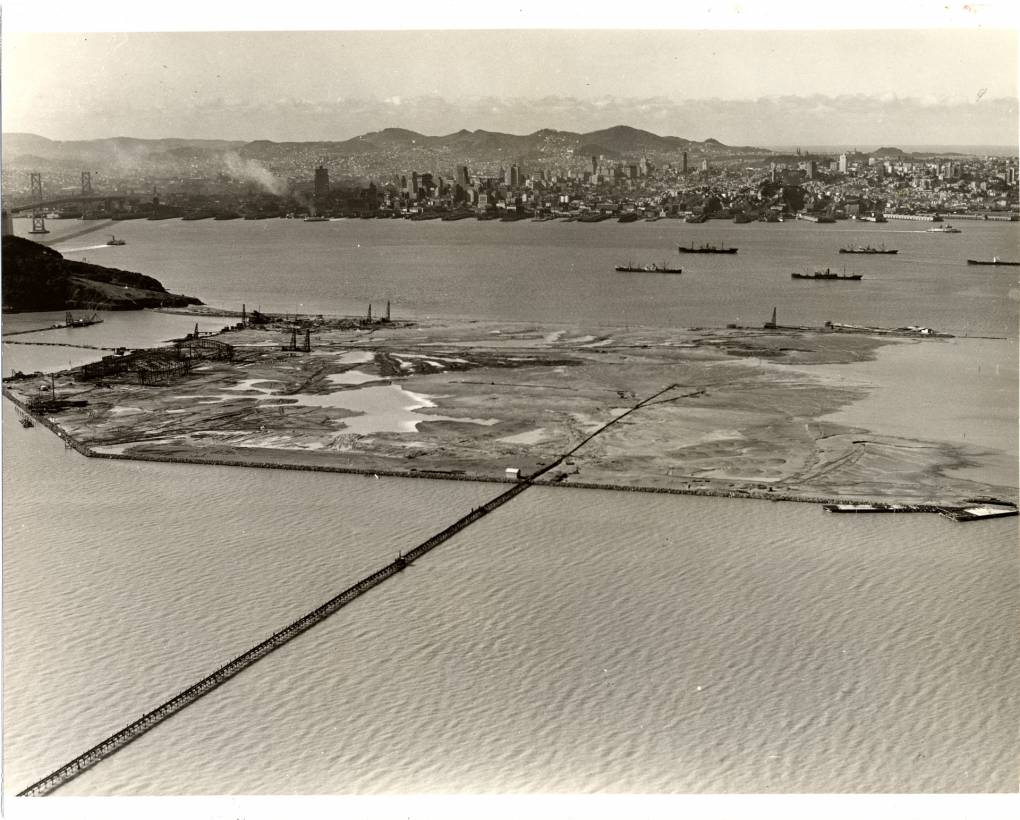
"caption": "Treasure Island is man-made, engineered with bay mud on a shoal adjacent to naturally occurring Yerba Buena.",
"description": null,
"title": "RS40411_SFPL TI Construction partially built island AAD-3782_600dpi-qut",
"credit": "San Francisco History Center/San Francisco Public Library",
"status": "inherit",
"isLoading": false,
"fetchFailed": false
},
"news_11789146": {
"type": "attachments",
"id": "news_11789146",
"meta": {
"index": "attachments_1716263798",
"site": "news",
"id": "11789146",
"found": true
},
"parent": 11789138,
"imgSizes": {
"apple_news_ca_landscape_5_5": {
"file": "https://ww2.kqed.org/app/uploads/sites/10/2019/12/RS40303_Screen-Shot-2019-12-02-at-9.33.45-AM-1044x783.png",
"width": 1044,
"mimeType": "image/png",
"height": 783
},
"apple_news_ca_square_4_0": {
"file": "https://ww2.kqed.org/app/uploads/sites/10/2019/12/RS40303_Screen-Shot-2019-12-02-at-9.33.45-AM-470x470.png",
"width": 470,
"mimeType": "image/png",
"height": 470
},
"twentyfourteen-full-width": {
"file": "https://ww2.kqed.org/app/uploads/sites/10/2019/12/RS40303_Screen-Shot-2019-12-02-at-9.33.45-AM-1038x576.png",
"width": 1038,
"mimeType": "image/png",
"height": 576
},
"thumbnail": {
"file": "https://ww2.kqed.org/app/uploads/sites/10/2019/12/RS40303_Screen-Shot-2019-12-02-at-9.33.45-AM-160x120.png",
"width": 160,
"mimeType": "image/png",
"height": 120
},
"post-thumbnail": {
"file": "https://ww2.kqed.org/app/uploads/sites/10/2019/12/RS40303_Screen-Shot-2019-12-02-at-9.33.45-AM-672x372.png",
"width": 672,
"mimeType": "image/png",
"height": 372
},
"kqedFullSize": {
"file": "https://ww2.kqed.org/app/uploads/sites/10/2019/12/RS40303_Screen-Shot-2019-12-02-at-9.33.45-AM.png",
"width": 1062,
"height": 798
},
"apple_news_ca_landscape_4_7": {
"file": "https://ww2.kqed.org/app/uploads/sites/10/2019/12/RS40303_Screen-Shot-2019-12-02-at-9.33.45-AM-632x474.png",
"width": 632,
"mimeType": "image/png",
"height": 474
},
"large": {
"file": "https://ww2.kqed.org/app/uploads/sites/10/2019/12/RS40303_Screen-Shot-2019-12-02-at-9.33.45-AM-1020x766.png",
"width": 1020,
"mimeType": "image/png",
"height": 766
},
"apple_news_ca_landscape_4_0": {
"file": "https://ww2.kqed.org/app/uploads/sites/10/2019/12/RS40303_Screen-Shot-2019-12-02-at-9.33.45-AM-536x402.png",
"width": 536,
"mimeType": "image/png",
"height": 402
},
"medium": {
"file": "https://ww2.kqed.org/app/uploads/sites/10/2019/12/RS40303_Screen-Shot-2019-12-02-at-9.33.45-AM-800x601.png",
"width": 800,
"mimeType": "image/png",
"height": 601
},
"apple_news_ca_portrait_4_0": {
"file": "https://ww2.kqed.org/app/uploads/sites/10/2019/12/RS40303_Screen-Shot-2019-12-02-at-9.33.45-AM-354x472.png",
"width": 354,
"mimeType": "image/png",
"height": 472
},
"apple_news_ca_portrait_9_7": {
"file": "https://ww2.kqed.org/app/uploads/sites/10/2019/12/RS40303_Screen-Shot-2019-12-02-at-9.33.45-AM-840x798.png",
"width": 840,
"mimeType": "image/png",
"height": 798
},
"apple_news_ca_portrait_4_7": {
"file": "https://ww2.kqed.org/app/uploads/sites/10/2019/12/RS40303_Screen-Shot-2019-12-02-at-9.33.45-AM-414x552.png",
"width": 414,
"mimeType": "image/png",
"height": 552
},
"apple_news_ca_portrait_5_5": {
"file": "https://ww2.kqed.org/app/uploads/sites/10/2019/12/RS40303_Screen-Shot-2019-12-02-at-9.33.45-AM-687x798.png",
"width": 687,
"mimeType": "image/png",
"height": 798
},
"apple_news_ca_square_4_7": {
"file": "https://ww2.kqed.org/app/uploads/sites/10/2019/12/RS40303_Screen-Shot-2019-12-02-at-9.33.45-AM-550x550.png",
"width": 550,
"mimeType": "image/png",
"height": 550
},
"apple_news_ca_square_5_5": {
"file": "https://ww2.kqed.org/app/uploads/sites/10/2019/12/RS40303_Screen-Shot-2019-12-02-at-9.33.45-AM-912x798.png",
"width": 912,
"mimeType": "image/png",
"height": 798
}
},
"publishDate": 1575308398,
"modified": 1575505521,
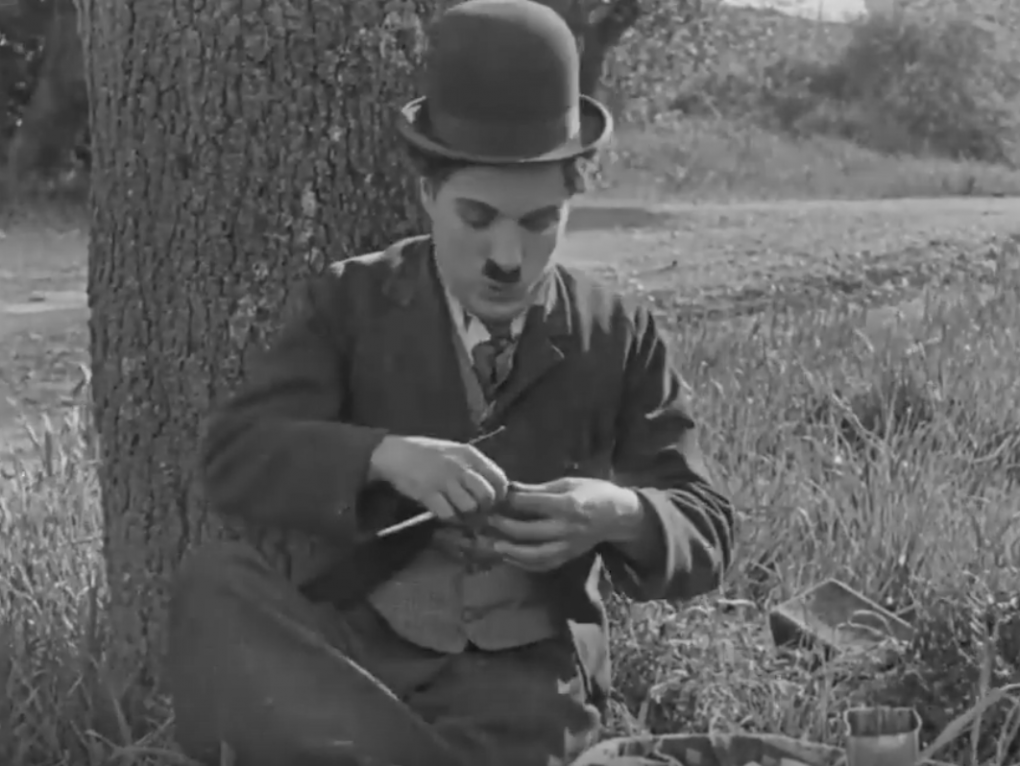
"caption": "Charlie Chaplin eats a meager picnic lunch in Niles, California, in \"The Tramp,\" shot for the Essanay Film Manufacturing Co. and released in 1915.",
"description": "Charlie Chaplin eats a meager picnic lunch in Niles, California in \"The Tramp,\" shot for the Essanay Film Manufacturing Company and released in 1915.",
"title": "RS40303_Screen Shot 2019-12-02 at 9.33.45 AM",
"credit": "Rachael Myrow/KQED",
"status": "inherit",
"isLoading": false,
"fetchFailed": false
},
"news_11780281": {
"type": "attachments",
"id": "news_11780281",
"meta": {
"index": "attachments_1716263798",
"site": "news",
"id": "11780281",
"found": true
},
"parent": 11780279,
"imgSizes": {
"apple_news_ca_landscape_5_5": {
"file": "https://ww2.kqed.org/app/uploads/sites/10/2019/10/IMG_2671-1-1044x783.jpg",
"width": 1044,
"mimeType": "image/jpeg",
"height": 783
},
"apple_news_ca_square_4_0": {
"file": "https://ww2.kqed.org/app/uploads/sites/10/2019/10/IMG_2671-1-470x470.jpg",
"width": 470,
"mimeType": "image/jpeg",
"height": 470
},
"twentyfourteen-full-width": {
"file": "https://ww2.kqed.org/app/uploads/sites/10/2019/10/IMG_2671-1-1038x576.jpg",
"width": 1038,
"mimeType": "image/jpeg",
"height": 576
},
"thumbnail": {
"file": "https://ww2.kqed.org/app/uploads/sites/10/2019/10/IMG_2671-1-160x120.jpg",
"width": 160,
"mimeType": "image/jpeg",
"height": 120
},
"post-thumbnail": {
"file": "https://ww2.kqed.org/app/uploads/sites/10/2019/10/IMG_2671-1-672x372.jpg",
"width": 672,
"mimeType": "image/jpeg",
"height": 372
},
"kqedFullSize": {
"file": "https://ww2.kqed.org/app/uploads/sites/10/2019/10/IMG_2671-1.jpg",
"width": 3264,
"height": 2448
},
"apple_news_ca_landscape_4_7": {
"file": "https://ww2.kqed.org/app/uploads/sites/10/2019/10/IMG_2671-1-632x474.jpg",
"width": 632,
"mimeType": "image/jpeg",
"height": 474
},
"large": {
"file": "https://ww2.kqed.org/app/uploads/sites/10/2019/10/IMG_2671-1-1020x765.jpg",
"width": 1020,
"mimeType": "image/jpeg",
"height": 765
},
"complete_open_graph": {
"file": "https://ww2.kqed.org/app/uploads/sites/10/2019/10/IMG_2671-1-1200x900.jpg",
"width": 1200,
"mimeType": "image/jpeg",
"height": 900
},
"apple_news_ca_landscape_4_0": {
"file": "https://ww2.kqed.org/app/uploads/sites/10/2019/10/IMG_2671-1-536x402.jpg",
"width": 536,
"mimeType": "image/jpeg",
"height": 402
},
"apple_news_ca_portrait_12_9": {
"file": "https://ww2.kqed.org/app/uploads/sites/10/2019/10/IMG_2671-1-1122x1496.jpg",
"width": 1122,
"mimeType": "image/jpeg",
"height": 1496
},
"medium": {
"file": "https://ww2.kqed.org/app/uploads/sites/10/2019/10/IMG_2671-1-800x600.jpg",
"width": 800,
"mimeType": "image/jpeg",
"height": 600
},
"apple_news_ca_portrait_4_0": {
"file": "https://ww2.kqed.org/app/uploads/sites/10/2019/10/IMG_2671-1-354x472.jpg",
"width": 354,
"mimeType": "image/jpeg",
"height": 472
},
"apple_news_ca_portrait_9_7": {
"file": "https://ww2.kqed.org/app/uploads/sites/10/2019/10/IMG_2671-1-840x1120.jpg",
"width": 840,
"mimeType": "image/jpeg",
"height": 1120
},
"apple_news_ca_landscape_12_9": {
"file": "https://ww2.kqed.org/app/uploads/sites/10/2019/10/IMG_2671-1-1832x1374.jpg",
"width": 1832,
"mimeType": "image/jpeg",
"height": 1374
},
"apple_news_ca_square_9_7": {
"file": "https://ww2.kqed.org/app/uploads/sites/10/2019/10/IMG_2671-1-1104x1104.jpg",
"width": 1104,
"mimeType": "image/jpeg",
"height": 1104
},
"apple_news_ca_portrait_4_7": {
"file": "https://ww2.kqed.org/app/uploads/sites/10/2019/10/IMG_2671-1-414x552.jpg",
"width": 414,
"mimeType": "image/jpeg",
"height": 552
},
"apple_news_ca_square_12_9": {
"file": "https://ww2.kqed.org/app/uploads/sites/10/2019/10/IMG_2671-1-1472x1472.jpg",
"width": 1472,
"mimeType": "image/jpeg",
"height": 1472
},
"apple_news_ca_portrait_5_5": {
"file": "https://ww2.kqed.org/app/uploads/sites/10/2019/10/IMG_2671-1-687x916.jpg",
"width": 687,
"mimeType": "image/jpeg",
"height": 916
},
"full-width": {
"file": "https://ww2.kqed.org/app/uploads/sites/10/2019/10/IMG_2671-1-1920x1440.jpg",
"width": 1920,
"mimeType": "image/jpeg",
"height": 1440
},
"apple_news_ca_square_4_7": {
"file": "https://ww2.kqed.org/app/uploads/sites/10/2019/10/IMG_2671-1-550x550.jpg",
"width": 550,
"mimeType": "image/jpeg",
"height": 550
},
"apple_news_ca_landscape_9_7": {
"file": "https://ww2.kqed.org/app/uploads/sites/10/2019/10/IMG_2671-1-1376x1032.jpg",
"width": 1376,
"mimeType": "image/jpeg",
"height": 1032
},
"apple_news_ca_square_5_5": {
"file": "https://ww2.kqed.org/app/uploads/sites/10/2019/10/IMG_2671-1-912x912.jpg",
"width": 912,
"mimeType": "image/jpeg",
"height": 912
}
},
"publishDate": 1571181921,
"modified": 1571182025,
"caption": "A tule boat preparing for a sail around Alcatraz Island on Oct. 14, 2019 to commemorate the 50th anniversary of the Native American occupation at Alcatraz.",
"description": null,
"title": "IMG_2671 (1)",
"credit": "Alice Woelfle/KQED",
"status": "inherit",
"isLoading": false,
"fetchFailed": false
},
"news_11787810": {
"type": "attachments",
"id": "news_11787810",
"meta": {
"index": "attachments_1716263798",
"site": "news",
"id": "11787810",
"found": true
},
"parent": 11787679,
"imgSizes": {
"apple_news_ca_landscape_5_5": {
"file": "https://ww2.kqed.org/app/uploads/sites/10/2019/11/8778871204_73dab056f3_k-1044x783.jpg",
"width": 1044,
"mimeType": "image/jpeg",
"height": 783
},
"apple_news_ca_square_4_0": {
"file": "https://ww2.kqed.org/app/uploads/sites/10/2019/11/8778871204_73dab056f3_k-470x470.jpg",
"width": 470,
"mimeType": "image/jpeg",
"height": 470
},
"twentyfourteen-full-width": {
"file": "https://ww2.kqed.org/app/uploads/sites/10/2019/11/8778871204_73dab056f3_k-1038x576.jpg",
"width": 1038,
"mimeType": "image/jpeg",
"height": 576
},
"thumbnail": {
"file": "https://ww2.kqed.org/app/uploads/sites/10/2019/11/8778871204_73dab056f3_k-160x116.jpg",
"width": 160,
"mimeType": "image/jpeg",
"height": 116
},
"post-thumbnail": {
"file": "https://ww2.kqed.org/app/uploads/sites/10/2019/11/8778871204_73dab056f3_k-672x372.jpg",
"width": 672,
"mimeType": "image/jpeg",
"height": 372
},
"kqedFullSize": {
"file": "https://ww2.kqed.org/app/uploads/sites/10/2019/11/8778871204_73dab056f3_k-e1574365686216.jpg",
"width": 1920,
"height": 1388
},
"apple_news_ca_landscape_4_7": {
"file": "https://ww2.kqed.org/app/uploads/sites/10/2019/11/8778871204_73dab056f3_k-632x474.jpg",
"width": 632,
"mimeType": "image/jpeg",
"height": 474
},
"large": {
"file": "https://ww2.kqed.org/app/uploads/sites/10/2019/11/8778871204_73dab056f3_k-1020x738.jpg",
"width": 1020,
"mimeType": "image/jpeg",
"height": 738
},
"complete_open_graph": {
"file": "https://ww2.kqed.org/app/uploads/sites/10/2019/11/8778871204_73dab056f3_k-1200x868.jpg",
"width": 1200,
"mimeType": "image/jpeg",
"height": 868
},
"apple_news_ca_landscape_4_0": {
"file": "https://ww2.kqed.org/app/uploads/sites/10/2019/11/8778871204_73dab056f3_k-536x402.jpg",
"width": 536,
"mimeType": "image/jpeg",
"height": 402
},
"apple_news_ca_portrait_12_9": {
"file": "https://ww2.kqed.org/app/uploads/sites/10/2019/11/8778871204_73dab056f3_k-1122x1481.jpg",
"width": 1122,
"mimeType": "image/jpeg",
"height": 1481
},
"medium": {
"file": "https://ww2.kqed.org/app/uploads/sites/10/2019/11/8778871204_73dab056f3_k-800x579.jpg",
"width": 800,
"mimeType": "image/jpeg",
"height": 579
},
"apple_news_ca_portrait_4_0": {
"file": "https://ww2.kqed.org/app/uploads/sites/10/2019/11/8778871204_73dab056f3_k-354x472.jpg",
"width": 354,
"mimeType": "image/jpeg",
"height": 472
},
"apple_news_ca_portrait_9_7": {
"file": "https://ww2.kqed.org/app/uploads/sites/10/2019/11/8778871204_73dab056f3_k-840x1120.jpg",
"width": 840,
"mimeType": "image/jpeg",
"height": 1120
},
"apple_news_ca_landscape_12_9": {
"file": "https://ww2.kqed.org/app/uploads/sites/10/2019/11/8778871204_73dab056f3_k-1832x1374.jpg",
"width": 1832,
"mimeType": "image/jpeg",
"height": 1374
},
"apple_news_ca_square_9_7": {
"file": "https://ww2.kqed.org/app/uploads/sites/10/2019/11/8778871204_73dab056f3_k-1104x1104.jpg",
"width": 1104,
"mimeType": "image/jpeg",
"height": 1104
},
"apple_news_ca_portrait_4_7": {
"file": "https://ww2.kqed.org/app/uploads/sites/10/2019/11/8778871204_73dab056f3_k-414x552.jpg",
"width": 414,
"mimeType": "image/jpeg",
"height": 552
},
"apple_news_ca_square_12_9": {
"file": "https://ww2.kqed.org/app/uploads/sites/10/2019/11/8778871204_73dab056f3_k-1472x1472.jpg",
"width": 1472,
"mimeType": "image/jpeg",
"height": 1472
},
"apple_news_ca_portrait_5_5": {
"file": "https://ww2.kqed.org/app/uploads/sites/10/2019/11/8778871204_73dab056f3_k-687x916.jpg",
"width": 687,
"mimeType": "image/jpeg",
"height": 916
},
"full-width": {
"file": "https://ww2.kqed.org/app/uploads/sites/10/2019/11/8778871204_73dab056f3_k-1920x1388.jpg",
"width": 1920,
"mimeType": "image/jpeg",
"height": 1388
},
"apple_news_ca_square_4_7": {
"file": "https://ww2.kqed.org/app/uploads/sites/10/2019/11/8778871204_73dab056f3_k-550x550.jpg",
"width": 550,
"mimeType": "image/jpeg",
"height": 550
},
"apple_news_ca_landscape_9_7": {
"file": "https://ww2.kqed.org/app/uploads/sites/10/2019/11/8778871204_73dab056f3_k-1376x1032.jpg",
"width": 1376,
"mimeType": "image/jpeg",
"height": 1032
},
"apple_news_ca_square_5_5": {
"file": "https://ww2.kqed.org/app/uploads/sites/10/2019/11/8778871204_73dab056f3_k-912x912.jpg",
"width": 912,
"mimeType": "image/jpeg",
"height": 912
}
},
"publishDate": 1574304429,
"modified": 1574373948,
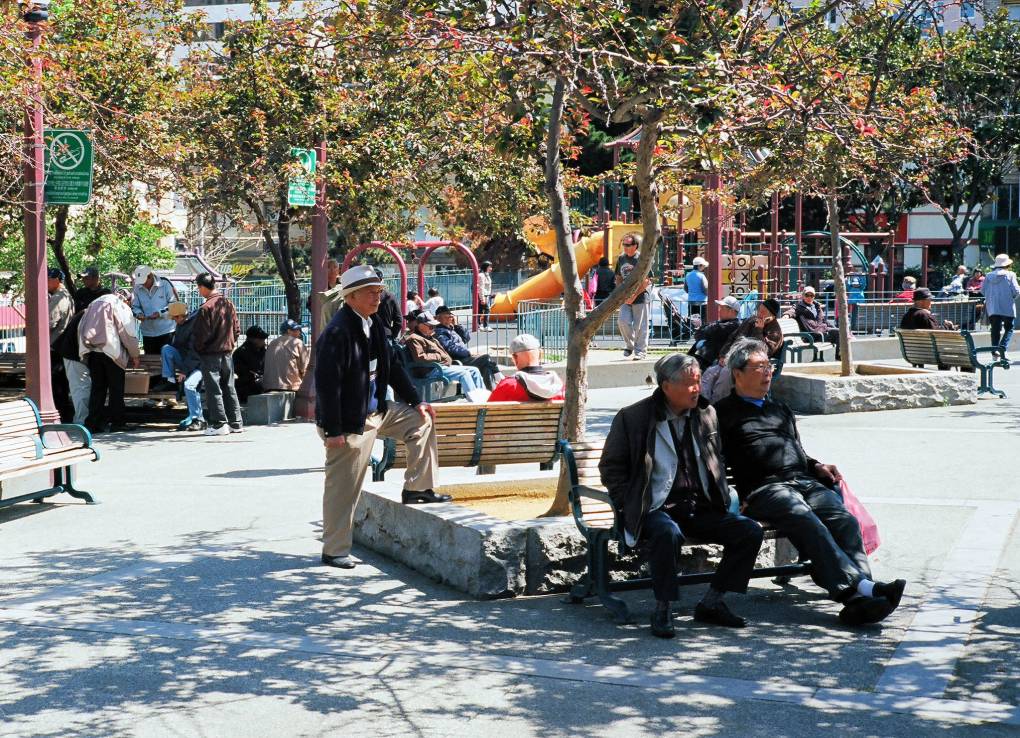
"caption": "Portsmouth Square is a community hub for many of the neighborhood's Chinese residents. ",
"description": null,
"title": "8778871204_73dab056f3_k",
"credit": "Michael Fraley/Flickr",
"status": "inherit",
"isLoading": false,
"fetchFailed": false
},
"news_11787674": {
"type": "attachments",
"id": "news_11787674",
"meta": {
"index": "attachments_1716263798",
"site": "news",
"id": "11787674",
"found": true
},
"parent": 11787663,
"imgSizes": {
"apple_news_ca_landscape_5_5": {
"file": "https://ww2.kqed.org/app/uploads/sites/10/2019/11/4157878213_7847cef642_k-1044x783.jpg",
"width": 1044,
"mimeType": "image/jpeg",
"height": 783
},
"apple_news_ca_square_4_0": {
"file": "https://ww2.kqed.org/app/uploads/sites/10/2019/11/4157878213_7847cef642_k-470x470.jpg",
"width": 470,
"mimeType": "image/jpeg",
"height": 470
},
"twentyfourteen-full-width": {
"file": "https://ww2.kqed.org/app/uploads/sites/10/2019/11/4157878213_7847cef642_k-1038x576.jpg",
"width": 1038,
"mimeType": "image/jpeg",
"height": 576
},
"thumbnail": {
"file": "https://ww2.kqed.org/app/uploads/sites/10/2019/11/4157878213_7847cef642_k-160x120.jpg",
"width": 160,
"mimeType": "image/jpeg",
"height": 120
},
"post-thumbnail": {
"file": "https://ww2.kqed.org/app/uploads/sites/10/2019/11/4157878213_7847cef642_k-672x372.jpg",
"width": 672,
"mimeType": "image/jpeg",
"height": 372
},
"kqedFullSize": {
"file": "https://ww2.kqed.org/app/uploads/sites/10/2019/11/4157878213_7847cef642_k.jpg",
"width": 2048,
"height": 1536
},
"apple_news_ca_landscape_4_7": {
"file": "https://ww2.kqed.org/app/uploads/sites/10/2019/11/4157878213_7847cef642_k-632x474.jpg",
"width": 632,
"mimeType": "image/jpeg",
"height": 474
},
"large": {
"file": "https://ww2.kqed.org/app/uploads/sites/10/2019/11/4157878213_7847cef642_k-1020x765.jpg",
"width": 1020,
"mimeType": "image/jpeg",
"height": 765
},
"complete_open_graph": {
"file": "https://ww2.kqed.org/app/uploads/sites/10/2019/11/4157878213_7847cef642_k-1200x900.jpg",
"width": 1200,
"mimeType": "image/jpeg",
"height": 900
},
"apple_news_ca_landscape_4_0": {
"file": "https://ww2.kqed.org/app/uploads/sites/10/2019/11/4157878213_7847cef642_k-536x402.jpg",
"width": 536,
"mimeType": "image/jpeg",
"height": 402
},
"apple_news_ca_portrait_12_9": {
"file": "https://ww2.kqed.org/app/uploads/sites/10/2019/11/4157878213_7847cef642_k-1122x1496.jpg",
"width": 1122,
"mimeType": "image/jpeg",
"height": 1496
},
"medium": {
"file": "https://ww2.kqed.org/app/uploads/sites/10/2019/11/4157878213_7847cef642_k-800x600.jpg",
"width": 800,
"mimeType": "image/jpeg",
"height": 600
},
"apple_news_ca_portrait_4_0": {
"file": "https://ww2.kqed.org/app/uploads/sites/10/2019/11/4157878213_7847cef642_k-354x472.jpg",
"width": 354,
"mimeType": "image/jpeg",
"height": 472
},
"apple_news_ca_portrait_9_7": {
"file": "https://ww2.kqed.org/app/uploads/sites/10/2019/11/4157878213_7847cef642_k-840x1120.jpg",
"width": 840,
"mimeType": "image/jpeg",
"height": 1120
},
"apple_news_ca_landscape_12_9": {
"file": "https://ww2.kqed.org/app/uploads/sites/10/2019/11/4157878213_7847cef642_k-1832x1374.jpg",
"width": 1832,
"mimeType": "image/jpeg",
"height": 1374
},
"apple_news_ca_square_9_7": {
"file": "https://ww2.kqed.org/app/uploads/sites/10/2019/11/4157878213_7847cef642_k-1104x1104.jpg",
"width": 1104,
"mimeType": "image/jpeg",
"height": 1104
},
"apple_news_ca_portrait_4_7": {
"file": "https://ww2.kqed.org/app/uploads/sites/10/2019/11/4157878213_7847cef642_k-414x552.jpg",
"width": 414,
"mimeType": "image/jpeg",
"height": 552
},
"apple_news_ca_square_12_9": {
"file": "https://ww2.kqed.org/app/uploads/sites/10/2019/11/4157878213_7847cef642_k-1472x1472.jpg",
"width": 1472,
"mimeType": "image/jpeg",
"height": 1472
},
"apple_news_ca_portrait_5_5": {
"file": "https://ww2.kqed.org/app/uploads/sites/10/2019/11/4157878213_7847cef642_k-687x916.jpg",
"width": 687,
"mimeType": "image/jpeg",
"height": 916
},
"full-width": {
"file": "https://ww2.kqed.org/app/uploads/sites/10/2019/11/4157878213_7847cef642_k-1920x1440.jpg",
"width": 1920,
"mimeType": "image/jpeg",
"height": 1440
},
"apple_news_ca_square_4_7": {
"file": "https://ww2.kqed.org/app/uploads/sites/10/2019/11/4157878213_7847cef642_k-550x550.jpg",
"width": 550,
"mimeType": "image/jpeg",
"height": 550
},
"apple_news_ca_landscape_9_7": {
"file": "https://ww2.kqed.org/app/uploads/sites/10/2019/11/4157878213_7847cef642_k-1376x1032.jpg",
"width": 1376,
"mimeType": "image/jpeg",
"height": 1032
},
"apple_news_ca_square_5_5": {
"file": "https://ww2.kqed.org/app/uploads/sites/10/2019/11/4157878213_7847cef642_k-912x912.jpg",
"width": 912,
"mimeType": "image/jpeg",
"height": 912
}
},
"publishDate": 1574287896,
"modified": 1574287963,
"caption": "The flags in front of San Francisco City Hall.",
"description": "The flags in front of San Francisco City Hall.",
"title": "4157878213_7847cef642_k",
"credit": "David Sawyer/\u003ca href=\"https://www.flickr.com/photos/18702768@N04/4157878213/\">Flickr\u003c/a>",
"status": "inherit",
"isLoading": false,
"fetchFailed": false
},
"news_11785272": {
"type": "attachments",
"id": "news_11785272",
"meta": {
"index": "attachments_1716263798",
"site": "news",
"id": "11785272",
"found": true
},
"parent": 11785257,
"imgSizes": {
"apple_news_ca_landscape_5_5": {
"file": "https://ww2.kqed.org/app/uploads/sites/10/2019/11/iStock-1136810581-1044x783.jpg",
"width": 1044,
"mimeType": "image/jpeg",
"height": 783
},
"apple_news_ca_square_4_0": {
"file": "https://ww2.kqed.org/app/uploads/sites/10/2019/11/iStock-1136810581-470x470.jpg",
"width": 470,
"mimeType": "image/jpeg",
"height": 470
},
"twentyfourteen-full-width": {
"file": "https://ww2.kqed.org/app/uploads/sites/10/2019/11/iStock-1136810581-1038x576.jpg",
"width": 1038,
"mimeType": "image/jpeg",
"height": 576
},
"thumbnail": {
"file": "https://ww2.kqed.org/app/uploads/sites/10/2019/11/iStock-1136810581-160x107.jpg",
"width": 160,
"mimeType": "image/jpeg",
"height": 107
},
"post-thumbnail": {
"file": "https://ww2.kqed.org/app/uploads/sites/10/2019/11/iStock-1136810581-672x372.jpg",
"width": 672,
"mimeType": "image/jpeg",
"height": 372
},
"kqedFullSize": {
"file": "https://ww2.kqed.org/app/uploads/sites/10/2019/11/iStock-1136810581-e1573152355420.jpg",
"width": 1920,
"height": 1280
},
"apple_news_ca_landscape_4_7": {
"file": "https://ww2.kqed.org/app/uploads/sites/10/2019/11/iStock-1136810581-632x474.jpg",
"width": 632,
"mimeType": "image/jpeg",
"height": 474
},
"large": {
"file": "https://ww2.kqed.org/app/uploads/sites/10/2019/11/iStock-1136810581-1020x680.jpg",
"width": 1020,
"mimeType": "image/jpeg",
"height": 680
},
"complete_open_graph": {
"file": "https://ww2.kqed.org/app/uploads/sites/10/2019/11/iStock-1136810581-1200x800.jpg",
"width": 1200,
"mimeType": "image/jpeg",
"height": 800
},
"apple_news_ca_landscape_4_0": {
"file": "https://ww2.kqed.org/app/uploads/sites/10/2019/11/iStock-1136810581-536x402.jpg",
"width": 536,
"mimeType": "image/jpeg",
"height": 402
},
"apple_news_ca_portrait_12_9": {
"file": "https://ww2.kqed.org/app/uploads/sites/10/2019/11/iStock-1136810581-1122x1496.jpg",
"width": 1122,
"mimeType": "image/jpeg",
"height": 1496
},
"medium": {
"file": "https://ww2.kqed.org/app/uploads/sites/10/2019/11/iStock-1136810581-800x533.jpg",
"width": 800,
"mimeType": "image/jpeg",
"height": 533
},
"apple_news_ca_portrait_4_0": {
"file": "https://ww2.kqed.org/app/uploads/sites/10/2019/11/iStock-1136810581-354x472.jpg",
"width": 354,
"mimeType": "image/jpeg",
"height": 472
},
"apple_news_ca_portrait_9_7": {
"file": "https://ww2.kqed.org/app/uploads/sites/10/2019/11/iStock-1136810581-840x1120.jpg",
"width": 840,
"mimeType": "image/jpeg",
"height": 1120
},
"apple_news_ca_landscape_12_9": {
"file": "https://ww2.kqed.org/app/uploads/sites/10/2019/11/iStock-1136810581-1832x1374.jpg",
"width": 1832,
"mimeType": "image/jpeg",
"height": 1374
},
"apple_news_ca_square_9_7": {
"file": "https://ww2.kqed.org/app/uploads/sites/10/2019/11/iStock-1136810581-1104x1104.jpg",
"width": 1104,
"mimeType": "image/jpeg",
"height": 1104
},
"apple_news_ca_portrait_4_7": {
"file": "https://ww2.kqed.org/app/uploads/sites/10/2019/11/iStock-1136810581-414x552.jpg",
"width": 414,
"mimeType": "image/jpeg",
"height": 552
},
"apple_news_ca_square_12_9": {
"file": "https://ww2.kqed.org/app/uploads/sites/10/2019/11/iStock-1136810581-1472x1472.jpg",
"width": 1472,
"mimeType": "image/jpeg",
"height": 1472
},
"apple_news_ca_portrait_5_5": {
"file": "https://ww2.kqed.org/app/uploads/sites/10/2019/11/iStock-1136810581-687x916.jpg",
"width": 687,
"mimeType": "image/jpeg",
"height": 916
},
"full-width": {
"file": "https://ww2.kqed.org/app/uploads/sites/10/2019/11/iStock-1136810581-1920x1280.jpg",
"width": 1920,
"mimeType": "image/jpeg",
"height": 1280
},
"apple_news_ca_square_4_7": {
"file": "https://ww2.kqed.org/app/uploads/sites/10/2019/11/iStock-1136810581-550x550.jpg",
"width": 550,
"mimeType": "image/jpeg",
"height": 550
},
"apple_news_ca_landscape_9_7": {
"file": "https://ww2.kqed.org/app/uploads/sites/10/2019/11/iStock-1136810581-1376x1032.jpg",
"width": 1376,
"mimeType": "image/jpeg",
"height": 1032
},
"apple_news_ca_square_5_5": {
"file": "https://ww2.kqed.org/app/uploads/sites/10/2019/11/iStock-1136810581-912x912.jpg",
"width": 912,
"mimeType": "image/jpeg",
"height": 912
}
},
"publishDate": 1573068365,
"modified": 1573068496,
"caption": "The Bay Curious podcast turns three and we are celebrating!",
"description": "The Bay Curious podcast turns three and we are celebrating!",
"title": "Bay Curious Turns Three",
"credit": "RuthBlack/iStock",
"status": "inherit",
"isLoading": false,
"fetchFailed": false
},
"news_11781724": {
"type": "attachments",
"id": "news_11781724",
"meta": {
"index": "attachments_1716263798",
"site": "news",
"id": "11781724",
"found": true
},
"parent": 11780692,
"imgSizes": {
"apple_news_ca_landscape_5_5": {
"file": "https://ww2.kqed.org/app/uploads/sites/10/2019/10/3397909790_03a717753e_k-1044x783.jpg",
"width": 1044,
"mimeType": "image/jpeg",
"height": 783
},
"apple_news_ca_square_4_0": {
"file": "https://ww2.kqed.org/app/uploads/sites/10/2019/10/3397909790_03a717753e_k-470x470.jpg",
"width": 470,
"mimeType": "image/jpeg",
"height": 470
},
"twentyfourteen-full-width": {
"file": "https://ww2.kqed.org/app/uploads/sites/10/2019/10/3397909790_03a717753e_k-1038x576.jpg",
"width": 1038,
"mimeType": "image/jpeg",
"height": 576
},
"thumbnail": {
"file": "https://ww2.kqed.org/app/uploads/sites/10/2019/10/3397909790_03a717753e_k-160x107.jpg",
"width": 160,
"mimeType": "image/jpeg",
"height": 107
},
"post-thumbnail": {
"file": "https://ww2.kqed.org/app/uploads/sites/10/2019/10/3397909790_03a717753e_k-672x372.jpg",
"width": 672,
"mimeType": "image/jpeg",
"height": 372
},
"kqedFullSize": {
"file": "https://ww2.kqed.org/app/uploads/sites/10/2019/10/3397909790_03a717753e_k.jpg",
"width": 2048,
"height": 1371
},
"apple_news_ca_landscape_4_7": {
"file": "https://ww2.kqed.org/app/uploads/sites/10/2019/10/3397909790_03a717753e_k-632x474.jpg",
"width": 632,
"mimeType": "image/jpeg",
"height": 474
},
"large": {
"file": "https://ww2.kqed.org/app/uploads/sites/10/2019/10/3397909790_03a717753e_k-1020x683.jpg",
"width": 1020,
"mimeType": "image/jpeg",
"height": 683
},
"complete_open_graph": {
"file": "https://ww2.kqed.org/app/uploads/sites/10/2019/10/3397909790_03a717753e_k-1200x803.jpg",
"width": 1200,
"mimeType": "image/jpeg",
"height": 803
},
"apple_news_ca_landscape_4_0": {
"file": "https://ww2.kqed.org/app/uploads/sites/10/2019/10/3397909790_03a717753e_k-536x402.jpg",
"width": 536,
"mimeType": "image/jpeg",
"height": 402
},
"apple_news_ca_portrait_12_9": {
"file": "https://ww2.kqed.org/app/uploads/sites/10/2019/10/3397909790_03a717753e_k-1122x1371.jpg",
"width": 1122,
"mimeType": "image/jpeg",
"height": 1371
},
"medium": {
"file": "https://ww2.kqed.org/app/uploads/sites/10/2019/10/3397909790_03a717753e_k-800x536.jpg",
"width": 800,
"mimeType": "image/jpeg",
"height": 536
},
"apple_news_ca_portrait_4_0": {
"file": "https://ww2.kqed.org/app/uploads/sites/10/2019/10/3397909790_03a717753e_k-354x472.jpg",
"width": 354,
"mimeType": "image/jpeg",
"height": 472
},
"apple_news_ca_portrait_9_7": {
"file": "https://ww2.kqed.org/app/uploads/sites/10/2019/10/3397909790_03a717753e_k-840x1120.jpg",
"width": 840,
"mimeType": "image/jpeg",
"height": 1120
},
"apple_news_ca_landscape_12_9": {
"file": "https://ww2.kqed.org/app/uploads/sites/10/2019/10/3397909790_03a717753e_k-1832x1371.jpg",
"width": 1832,
"mimeType": "image/jpeg",
"height": 1371
},
"apple_news_ca_square_9_7": {
"file": "https://ww2.kqed.org/app/uploads/sites/10/2019/10/3397909790_03a717753e_k-1104x1104.jpg",
"width": 1104,
"mimeType": "image/jpeg",
"height": 1104
},
"apple_news_ca_portrait_4_7": {
"file": "https://ww2.kqed.org/app/uploads/sites/10/2019/10/3397909790_03a717753e_k-414x552.jpg",
"width": 414,
"mimeType": "image/jpeg",
"height": 552
},
"apple_news_ca_square_12_9": {
"file": "https://ww2.kqed.org/app/uploads/sites/10/2019/10/3397909790_03a717753e_k-1472x1371.jpg",
"width": 1472,
"mimeType": "image/jpeg",
"height": 1371
},
"apple_news_ca_portrait_5_5": {
"file": "https://ww2.kqed.org/app/uploads/sites/10/2019/10/3397909790_03a717753e_k-687x916.jpg",
"width": 687,
"mimeType": "image/jpeg",
"height": 916
},
"full-width": {
"file": "https://ww2.kqed.org/app/uploads/sites/10/2019/10/3397909790_03a717753e_k-1920x1285.jpg",
"width": 1920,
"mimeType": "image/jpeg",
"height": 1285
},
"apple_news_ca_square_4_7": {
"file": "https://ww2.kqed.org/app/uploads/sites/10/2019/10/3397909790_03a717753e_k-550x550.jpg",
"width": 550,
"mimeType": "image/jpeg",
"height": 550
},
"apple_news_ca_landscape_9_7": {
"file": "https://ww2.kqed.org/app/uploads/sites/10/2019/10/3397909790_03a717753e_k-1376x1032.jpg",
"width": 1376,
"mimeType": "image/jpeg",
"height": 1032
},
"apple_news_ca_square_5_5": {
"file": "https://ww2.kqed.org/app/uploads/sites/10/2019/10/3397909790_03a717753e_k-912x912.jpg",
"width": 912,
"mimeType": "image/jpeg",
"height": 912
}
},
"publishDate": 1571765754,
"modified": 1571765821,
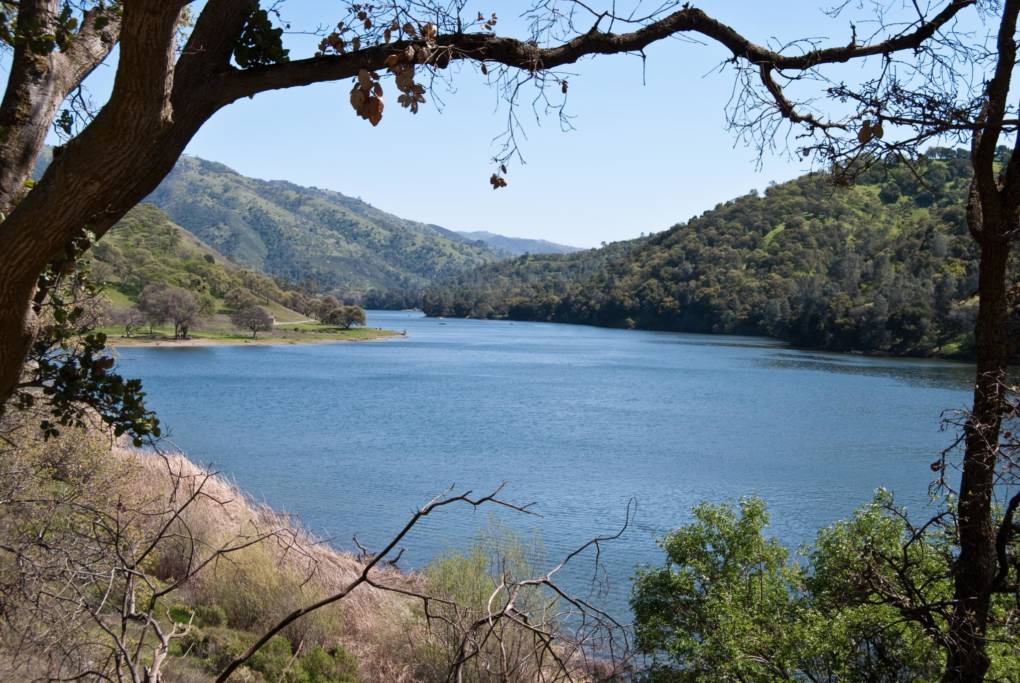
"caption": "Lake Del Valle is the only drinking water reservoir in the Bay Area where you can swim.",
"description": "Lake Del Valle is the only drinking water reservoir in the Bay Area where you can swim.",
"title": "3397909790_03a717753e_k",
"credit": "John K/\u003ca href=\"https://www.flickr.com/photos/johnkay/3397909790/in/photolist-6bgbcy-6FWM1n-4KngZX-pP4os4-24Gzc6L-23pdW7k-2RKySG-9XKfu8-6G1RXA-6bc1gK-8HS2s4-8HS2eD-arkLGD-9nmaYf-aroqVA-hynKX-e83YTm-GK2cED-67j8Fb-221nKcC-arormy-GK2h8r-FtgCGJ-24Ljn3p-243acii-8uw8Yv-25p7bLK-HgogtG-9Kwhx2-23FxoCU-23Fxj6C-iRDB9E-egS9i9-33HfrQ-GGK4zL-egS9wm-ruZSgJ-8KRZSe-24Gz9Vy-F7fM36-j1TurZ-bEFLnj-Gu2wK-8KYDyC-saqYms-FYa8x-aq33FS-9WVeq9-amGfiY-ouRJYr\">Flickr\u003c/a>",
"status": "inherit",
"isLoading": false,
"fetchFailed": false
},
"news_11780479": {
"type": "attachments",
"id": "news_11780479",
"meta": {
"index": "attachments_1716263798",
"site": "news",
"id": "11780479",
"found": true
},
"parent": 11780468,
"imgSizes": {
"apple_news_ca_landscape_5_5": {
"file": "https://ww2.kqed.org/app/uploads/sites/10/2019/10/iStock-119689230-1044x783.jpg",
"width": 1044,
"mimeType": "image/jpeg",
"height": 783
},
"apple_news_ca_square_4_0": {
"file": "https://ww2.kqed.org/app/uploads/sites/10/2019/10/iStock-119689230-470x470.jpg",
"width": 470,
"mimeType": "image/jpeg",
"height": 470
},
"twentyfourteen-full-width": {
"file": "https://ww2.kqed.org/app/uploads/sites/10/2019/10/iStock-119689230-1038x576.jpg",
"width": 1038,
"mimeType": "image/jpeg",
"height": 576
},
"thumbnail": {
"file": "https://ww2.kqed.org/app/uploads/sites/10/2019/10/iStock-119689230-160x107.jpg",
"width": 160,
"mimeType": "image/jpeg",
"height": 107
},
"post-thumbnail": {
"file": "https://ww2.kqed.org/app/uploads/sites/10/2019/10/iStock-119689230-672x372.jpg",
"width": 672,
"mimeType": "image/jpeg",
"height": 372
},
"kqedFullSize": {
"file": "https://ww2.kqed.org/app/uploads/sites/10/2019/10/iStock-119689230.jpg",
"width": 1920,
"height": 1285
},
"apple_news_ca_landscape_4_7": {
"file": "https://ww2.kqed.org/app/uploads/sites/10/2019/10/iStock-119689230-632x474.jpg",
"width": 632,
"mimeType": "image/jpeg",
"height": 474
},
"large": {
"file": "https://ww2.kqed.org/app/uploads/sites/10/2019/10/iStock-119689230-1020x683.jpg",
"width": 1020,
"mimeType": "image/jpeg",
"height": 683
},
"complete_open_graph": {
"file": "https://ww2.kqed.org/app/uploads/sites/10/2019/10/iStock-119689230-1200x803.jpg",
"width": 1200,
"mimeType": "image/jpeg",
"height": 803
},
"apple_news_ca_landscape_4_0": {
"file": "https://ww2.kqed.org/app/uploads/sites/10/2019/10/iStock-119689230-536x402.jpg",
"width": 536,
"mimeType": "image/jpeg",
"height": 402
},
"apple_news_ca_portrait_12_9": {
"file": "https://ww2.kqed.org/app/uploads/sites/10/2019/10/iStock-119689230-1122x1285.jpg",
"width": 1122,
"mimeType": "image/jpeg",
"height": 1285
},
"medium": {
"file": "https://ww2.kqed.org/app/uploads/sites/10/2019/10/iStock-119689230-800x535.jpg",
"width": 800,
"mimeType": "image/jpeg",
"height": 535
},
"apple_news_ca_portrait_4_0": {
"file": "https://ww2.kqed.org/app/uploads/sites/10/2019/10/iStock-119689230-354x472.jpg",
"width": 354,
"mimeType": "image/jpeg",
"height": 472
},
"apple_news_ca_portrait_9_7": {
"file": "https://ww2.kqed.org/app/uploads/sites/10/2019/10/iStock-119689230-840x1120.jpg",
"width": 840,
"mimeType": "image/jpeg",
"height": 1120
},
"apple_news_ca_landscape_12_9": {
"file": "https://ww2.kqed.org/app/uploads/sites/10/2019/10/iStock-119689230-1832x1285.jpg",
"width": 1832,
"mimeType": "image/jpeg",
"height": 1285
},
"apple_news_ca_square_9_7": {
"file": "https://ww2.kqed.org/app/uploads/sites/10/2019/10/iStock-119689230-1104x1104.jpg",
"width": 1104,
"mimeType": "image/jpeg",
"height": 1104
},
"apple_news_ca_portrait_4_7": {
"file": "https://ww2.kqed.org/app/uploads/sites/10/2019/10/iStock-119689230-414x552.jpg",
"width": 414,
"mimeType": "image/jpeg",
"height": 552
},
"apple_news_ca_square_12_9": {
"file": "https://ww2.kqed.org/app/uploads/sites/10/2019/10/iStock-119689230-1472x1285.jpg",
"width": 1472,
"mimeType": "image/jpeg",
"height": 1285
},
"apple_news_ca_portrait_5_5": {
"file": "https://ww2.kqed.org/app/uploads/sites/10/2019/10/iStock-119689230-687x916.jpg",
"width": 687,
"mimeType": "image/jpeg",
"height": 916
},
"full-width": {
"file": "https://ww2.kqed.org/app/uploads/sites/10/2019/10/iStock-119689230-1920x1285.jpg",
"width": 1920,
"mimeType": "image/jpeg",
"height": 1285
},
"apple_news_ca_square_4_7": {
"file": "https://ww2.kqed.org/app/uploads/sites/10/2019/10/iStock-119689230-550x550.jpg",
"width": 550,
"mimeType": "image/jpeg",
"height": 550
},
"apple_news_ca_landscape_9_7": {
"file": "https://ww2.kqed.org/app/uploads/sites/10/2019/10/iStock-119689230-1376x1032.jpg",
"width": 1376,
"mimeType": "image/jpeg",
"height": 1032
},
"apple_news_ca_square_5_5": {
"file": "https://ww2.kqed.org/app/uploads/sites/10/2019/10/iStock-119689230-912x912.jpg",
"width": 912,
"mimeType": "image/jpeg",
"height": 912
}
},
"publishDate": 1571251968,
"modified": 1571252049,
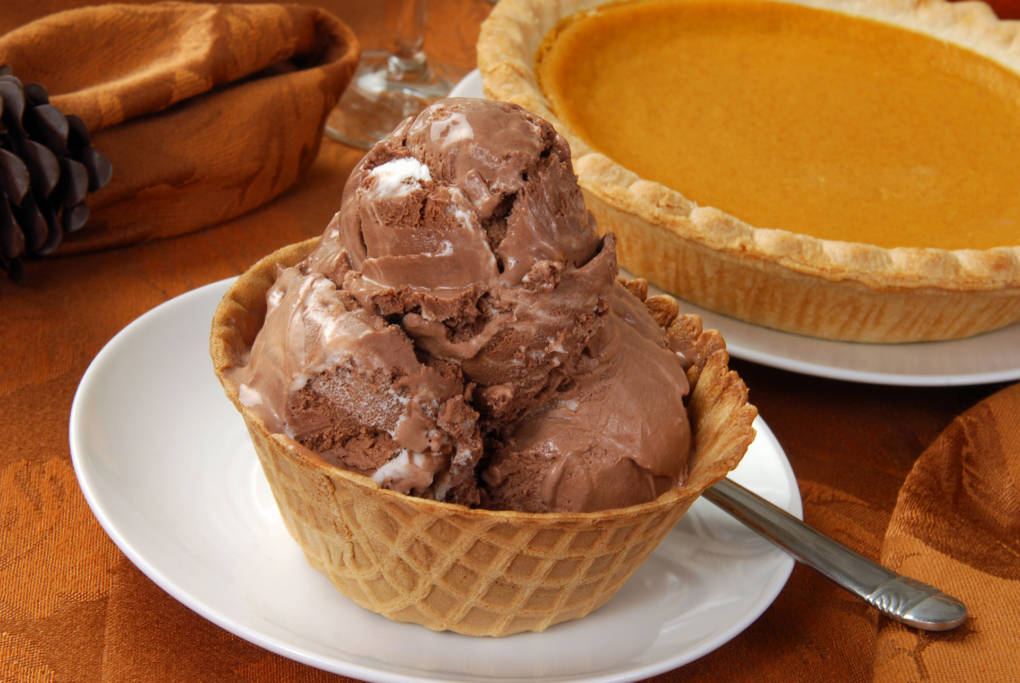
"caption": "Rocky Road was among the first flavors to incorporate \"mix ins.\" ",
"description": "Rocky Road was among the first flavors to incorporate \"mix ins.\" ",
"title": "Ice cream in a waffle bowl",
"credit": "MSPhotographic/iStock",
"status": "inherit",
"isLoading": false,
"fetchFailed": false
},
"news_11779213": {
"type": "attachments",
"id": "news_11779213",
"meta": {
"index": "attachments_1716263798",
"site": "news",
"id": "11779213",
"found": true
},
"parent": 11778612,
"imgSizes": {
"apple_news_ca_landscape_5_5": {
"file": "https://ww2.kqed.org/app/uploads/sites/10/2019/10/Aftel-1044x783.jpg",
"width": 1044,
"mimeType": "image/jpeg",
"height": 783
},
"apple_news_ca_square_4_0": {
"file": "https://ww2.kqed.org/app/uploads/sites/10/2019/10/Aftel-470x470.jpg",
"width": 470,
"mimeType": "image/jpeg",
"height": 470
},
"twentyfourteen-full-width": {
"file": "https://ww2.kqed.org/app/uploads/sites/10/2019/10/Aftel-1038x576.jpg",
"width": 1038,
"mimeType": "image/jpeg",
"height": 576
},
"thumbnail": {
"file": "https://ww2.kqed.org/app/uploads/sites/10/2019/10/Aftel-160x111.jpg",
"width": 160,
"mimeType": "image/jpeg",
"height": 111
},
"post-thumbnail": {
"file": "https://ww2.kqed.org/app/uploads/sites/10/2019/10/Aftel-672x372.jpg",
"width": 672,
"mimeType": "image/jpeg",
"height": 372
},
"kqedFullSize": {
"file": "https://ww2.kqed.org/app/uploads/sites/10/2019/10/Aftel.jpg",
"width": 1280,
"height": 886
},
"apple_news_ca_landscape_4_7": {
"file": "https://ww2.kqed.org/app/uploads/sites/10/2019/10/Aftel-632x474.jpg",
"width": 632,
"mimeType": "image/jpeg",
"height": 474
},
"large": {
"file": "https://ww2.kqed.org/app/uploads/sites/10/2019/10/Aftel-1020x706.jpg",
"width": 1020,
"mimeType": "image/jpeg",
"height": 706
},
"complete_open_graph": {
"file": "https://ww2.kqed.org/app/uploads/sites/10/2019/10/Aftel-1200x831.jpg",
"width": 1200,
"mimeType": "image/jpeg",
"height": 831
},
"apple_news_ca_landscape_4_0": {
"file": "https://ww2.kqed.org/app/uploads/sites/10/2019/10/Aftel-536x402.jpg",
"width": 536,
"mimeType": "image/jpeg",
"height": 402
},
"apple_news_ca_portrait_12_9": {
"file": "https://ww2.kqed.org/app/uploads/sites/10/2019/10/Aftel-1122x886.jpg",
"width": 1122,
"mimeType": "image/jpeg",
"height": 886
},
"medium": {
"file": "https://ww2.kqed.org/app/uploads/sites/10/2019/10/Aftel-800x554.jpg",
"width": 800,
"mimeType": "image/jpeg",
"height": 554
},
"apple_news_ca_portrait_4_0": {
"file": "https://ww2.kqed.org/app/uploads/sites/10/2019/10/Aftel-354x472.jpg",
"width": 354,
"mimeType": "image/jpeg",
"height": 472
},
"apple_news_ca_portrait_9_7": {
"file": "https://ww2.kqed.org/app/uploads/sites/10/2019/10/Aftel-840x886.jpg",
"width": 840,
"mimeType": "image/jpeg",
"height": 886
},
"apple_news_ca_square_9_7": {
"file": "https://ww2.kqed.org/app/uploads/sites/10/2019/10/Aftel-1104x886.jpg",
"width": 1104,
"mimeType": "image/jpeg",
"height": 886
},
"apple_news_ca_portrait_4_7": {
"file": "https://ww2.kqed.org/app/uploads/sites/10/2019/10/Aftel-414x552.jpg",
"width": 414,
"mimeType": "image/jpeg",
"height": 552
},
"apple_news_ca_portrait_5_5": {
"file": "https://ww2.kqed.org/app/uploads/sites/10/2019/10/Aftel-687x886.jpg",
"width": 687,
"mimeType": "image/jpeg",
"height": 886
},
"apple_news_ca_square_4_7": {
"file": "https://ww2.kqed.org/app/uploads/sites/10/2019/10/Aftel-550x550.jpg",
"width": 550,
"mimeType": "image/jpeg",
"height": 550
},
"apple_news_ca_square_5_5": {
"file": "https://ww2.kqed.org/app/uploads/sites/10/2019/10/Aftel-912x886.jpg",
"width": 912,
"mimeType": "image/jpeg",
"height": 886
}
},
"publishDate": 1570726389,
"modified": 1570726452,
"caption": "A Selection of Exhibits at the Aftel Archive of Curious Scents",
"description": "A Selection of Exhibits at the Aftel Archive of Curious Scents",
"title": "A Selection of Exhibits at the Aftel Archive of Curious Scents",
"credit": "Courtesy of Mandy Aftel",
"status": "inherit",
"isLoading": false,
"fetchFailed": false
},
"news_11777863": {
"type": "attachments",
"id": "news_11777863",
"meta": {
"index": "attachments_1716263798",
"site": "news",
"id": "11777863",
"found": true
},
"parent": 11777857,
"imgSizes": {
"apple_news_ca_landscape_5_5": {
"file": "https://ww2.kqed.org/app/uploads/sites/10/2019/10/RS11527_452872414-1044x783.jpg",
"width": 1044,
"mimeType": "image/jpeg",
"height": 783
},
"apple_news_ca_square_4_0": {
"file": "https://ww2.kqed.org/app/uploads/sites/10/2019/10/RS11527_452872414-470x470.jpg",
"width": 470,
"mimeType": "image/jpeg",
"height": 470
},
"twentyfourteen-full-width": {
"file": "https://ww2.kqed.org/app/uploads/sites/10/2019/10/RS11527_452872414-1038x576.jpg",
"width": 1038,
"mimeType": "image/jpeg",
"height": 576
},
"thumbnail": {
"file": "https://ww2.kqed.org/app/uploads/sites/10/2019/10/RS11527_452872414-160x107.jpg",
"width": 160,
"mimeType": "image/jpeg",
"height": 107
},
"post-thumbnail": {
"file": "https://ww2.kqed.org/app/uploads/sites/10/2019/10/RS11527_452872414-672x372.jpg",
"width": 672,
"mimeType": "image/jpeg",
"height": 372
},
"kqedFullSize": {
"file": "https://ww2.kqed.org/app/uploads/sites/10/2019/10/RS11527_452872414.jpg",
"width": 1920,
"height": 1279
},
"apple_news_ca_landscape_4_7": {
"file": "https://ww2.kqed.org/app/uploads/sites/10/2019/10/RS11527_452872414-632x474.jpg",
"width": 632,
"mimeType": "image/jpeg",
"height": 474
},
"large": {
"file": "https://ww2.kqed.org/app/uploads/sites/10/2019/10/RS11527_452872414-1020x679.jpg",
"width": 1020,
"mimeType": "image/jpeg",
"height": 679
},
"complete_open_graph": {
"file": "https://ww2.kqed.org/app/uploads/sites/10/2019/10/RS11527_452872414-1200x799.jpg",
"width": 1200,
"mimeType": "image/jpeg",
"height": 799
},
"apple_news_ca_landscape_4_0": {
"file": "https://ww2.kqed.org/app/uploads/sites/10/2019/10/RS11527_452872414-536x402.jpg",
"width": 536,
"mimeType": "image/jpeg",
"height": 402
},
"apple_news_ca_portrait_12_9": {
"file": "https://ww2.kqed.org/app/uploads/sites/10/2019/10/RS11527_452872414-1122x1279.jpg",
"width": 1122,
"mimeType": "image/jpeg",
"height": 1279
},
"medium": {
"file": "https://ww2.kqed.org/app/uploads/sites/10/2019/10/RS11527_452872414-800x533.jpg",
"width": 800,
"mimeType": "image/jpeg",
"height": 533
},
"apple_news_ca_portrait_4_0": {
"file": "https://ww2.kqed.org/app/uploads/sites/10/2019/10/RS11527_452872414-354x472.jpg",
"width": 354,
"mimeType": "image/jpeg",
"height": 472
},
"apple_news_ca_portrait_9_7": {
"file": "https://ww2.kqed.org/app/uploads/sites/10/2019/10/RS11527_452872414-840x1120.jpg",
"width": 840,
"mimeType": "image/jpeg",
"height": 1120
},
"apple_news_ca_landscape_12_9": {
"file": "https://ww2.kqed.org/app/uploads/sites/10/2019/10/RS11527_452872414-1832x1279.jpg",
"width": 1832,
"mimeType": "image/jpeg",
"height": 1279
},
"apple_news_ca_square_9_7": {
"file": "https://ww2.kqed.org/app/uploads/sites/10/2019/10/RS11527_452872414-1104x1104.jpg",
"width": 1104,
"mimeType": "image/jpeg",
"height": 1104
},
"apple_news_ca_portrait_4_7": {
"file": "https://ww2.kqed.org/app/uploads/sites/10/2019/10/RS11527_452872414-414x552.jpg",
"width": 414,
"mimeType": "image/jpeg",
"height": 552
},
"apple_news_ca_square_12_9": {
"file": "https://ww2.kqed.org/app/uploads/sites/10/2019/10/RS11527_452872414-1472x1279.jpg",
"width": 1472,
"mimeType": "image/jpeg",
"height": 1279
},
"apple_news_ca_portrait_5_5": {
"file": "https://ww2.kqed.org/app/uploads/sites/10/2019/10/RS11527_452872414-687x916.jpg",
"width": 687,
"mimeType": "image/jpeg",
"height": 916
},
"full-width": {
"file": "https://ww2.kqed.org/app/uploads/sites/10/2019/10/RS11527_452872414-1920x1279.jpg",
"width": 1920,
"mimeType": "image/jpeg",
"height": 1279
},
"apple_news_ca_square_4_7": {
"file": "https://ww2.kqed.org/app/uploads/sites/10/2019/10/RS11527_452872414-550x550.jpg",
"width": 550,
"mimeType": "image/jpeg",
"height": 550
},
"apple_news_ca_landscape_9_7": {
"file": "https://ww2.kqed.org/app/uploads/sites/10/2019/10/RS11527_452872414-1376x1032.jpg",
"width": 1376,
"mimeType": "image/jpeg",
"height": 1032
},
"apple_news_ca_square_5_5": {
"file": "https://ww2.kqed.org/app/uploads/sites/10/2019/10/RS11527_452872414-912x912.jpg",
"width": 912,
"mimeType": "image/jpeg",
"height": 912
}
},
"publishDate": 1570055201,
"modified": 1570055316,
"caption": "Emerald Bay is home to mysis shrimp, which are making the battle to keep Tahoe's waters blue more difficult.",
"description": "Emerald Bay is home to mysis shrimp, which are making the battle to keep Tahoe's waters blue more difficult.",
"title": "Travel Destination: Western USA",
"credit": "Sean Gallup/Getty Images",
"status": "inherit",
"isLoading": false,
"fetchFailed": false
},
"news_11776364": {
"type": "attachments",
"id": "news_11776364",
"meta": {
"index": "attachments_1716263798",
"site": "news",
"id": "11776364",
"found": true
},
"parent": 11776277,
"imgSizes": {
"apple_news_ca_landscape_5_5": {
"file": "https://ww2.kqed.org/app/uploads/sites/10/2019/09/GettyImages-180089426-1044x783.jpg",
"width": 1044,
"mimeType": "image/jpeg",
"height": 783
},
"apple_news_ca_square_4_0": {
"file": "https://ww2.kqed.org/app/uploads/sites/10/2019/09/GettyImages-180089426-470x470.jpg",
"width": 470,
"mimeType": "image/jpeg",
"height": 470
},
"twentyfourteen-full-width": {
"file": "https://ww2.kqed.org/app/uploads/sites/10/2019/09/GettyImages-180089426-1038x576.jpg",
"width": 1038,
"mimeType": "image/jpeg",
"height": 576
},
"thumbnail": {
"file": "https://ww2.kqed.org/app/uploads/sites/10/2019/09/GettyImages-180089426-160x103.jpg",
"width": 160,
"mimeType": "image/jpeg",
"height": 103
},
"post-thumbnail": {
"file": "https://ww2.kqed.org/app/uploads/sites/10/2019/09/GettyImages-180089426-672x372.jpg",
"width": 672,
"mimeType": "image/jpeg",
"height": 372
},
"kqedFullSize": {
"file": "https://ww2.kqed.org/app/uploads/sites/10/2019/09/GettyImages-180089426.jpg",
"width": 1920,
"height": 1234
},
"apple_news_ca_landscape_4_7": {
"file": "https://ww2.kqed.org/app/uploads/sites/10/2019/09/GettyImages-180089426-632x474.jpg",
"width": 632,
"mimeType": "image/jpeg",
"height": 474
},
"large": {
"file": "https://ww2.kqed.org/app/uploads/sites/10/2019/09/GettyImages-180089426-1020x656.jpg",
"width": 1020,
"mimeType": "image/jpeg",
"height": 656
},
"complete_open_graph": {
"file": "https://ww2.kqed.org/app/uploads/sites/10/2019/09/GettyImages-180089426-1200x771.jpg",
"width": 1200,
"mimeType": "image/jpeg",
"height": 771
},
"apple_news_ca_landscape_4_0": {
"file": "https://ww2.kqed.org/app/uploads/sites/10/2019/09/GettyImages-180089426-536x402.jpg",
"width": 536,
"mimeType": "image/jpeg",
"height": 402
},
"apple_news_ca_portrait_12_9": {
"file": "https://ww2.kqed.org/app/uploads/sites/10/2019/09/GettyImages-180089426-1122x1234.jpg",
"width": 1122,
"mimeType": "image/jpeg",
"height": 1234
},
"medium": {
"file": "https://ww2.kqed.org/app/uploads/sites/10/2019/09/GettyImages-180089426-800x514.jpg",
"width": 800,
"mimeType": "image/jpeg",
"height": 514
},
"apple_news_ca_portrait_4_0": {
"file": "https://ww2.kqed.org/app/uploads/sites/10/2019/09/GettyImages-180089426-354x472.jpg",
"width": 354,
"mimeType": "image/jpeg",
"height": 472
},
"apple_news_ca_portrait_9_7": {
"file": "https://ww2.kqed.org/app/uploads/sites/10/2019/09/GettyImages-180089426-840x1120.jpg",
"width": 840,
"mimeType": "image/jpeg",
"height": 1120
},
"apple_news_ca_landscape_12_9": {
"file": "https://ww2.kqed.org/app/uploads/sites/10/2019/09/GettyImages-180089426-1832x1234.jpg",
"width": 1832,
"mimeType": "image/jpeg",
"height": 1234
},
"apple_news_ca_square_9_7": {
"file": "https://ww2.kqed.org/app/uploads/sites/10/2019/09/GettyImages-180089426-1104x1104.jpg",
"width": 1104,
"mimeType": "image/jpeg",
"height": 1104
},
"apple_news_ca_portrait_4_7": {
"file": "https://ww2.kqed.org/app/uploads/sites/10/2019/09/GettyImages-180089426-414x552.jpg",
"width": 414,
"mimeType": "image/jpeg",
"height": 552
},
"apple_news_ca_square_12_9": {
"file": "https://ww2.kqed.org/app/uploads/sites/10/2019/09/GettyImages-180089426-1472x1234.jpg",
"width": 1472,
"mimeType": "image/jpeg",
"height": 1234
},
"apple_news_ca_portrait_5_5": {
"file": "https://ww2.kqed.org/app/uploads/sites/10/2019/09/GettyImages-180089426-687x916.jpg",
"width": 687,
"mimeType": "image/jpeg",
"height": 916
},
"full-width": {
"file": "https://ww2.kqed.org/app/uploads/sites/10/2019/09/GettyImages-180089426-1920x1234.jpg",
"width": 1920,
"mimeType": "image/jpeg",
"height": 1234
},
"apple_news_ca_square_4_7": {
"file": "https://ww2.kqed.org/app/uploads/sites/10/2019/09/GettyImages-180089426-550x550.jpg",
"width": 550,
"mimeType": "image/jpeg",
"height": 550
},
"apple_news_ca_landscape_9_7": {
"file": "https://ww2.kqed.org/app/uploads/sites/10/2019/09/GettyImages-180089426-1376x1032.jpg",
"width": 1376,
"mimeType": "image/jpeg",
"height": 1032
},
"apple_news_ca_square_5_5": {
"file": "https://ww2.kqed.org/app/uploads/sites/10/2019/09/GettyImages-180089426-912x912.jpg",
"width": 912,
"mimeType": "image/jpeg",
"height": 912
}
},
"publishDate": 1569365655,
"modified": 1569365691,
"caption": "An aerial view of Sutro Tower. ",
"description": "An aerial view of Sutro Tower. ",
"title": "Aerial Views Of San Francisco",
"credit": "Justin Sullivan/Getty Images",
"status": "inherit",
"isLoading": false,
"fetchFailed": false
},
"news_11771925": {
"type": "attachments",
"id": "news_11771925",
"meta": {
"index": "attachments_1716263798",
"site": "news",
"id": "11771925",
"found": true
},
"parent": 11771918,
"imgSizes": {
"apple_news_ca_landscape_5_5": {
"file": "https://ww2.kqed.org/app/uploads/sites/10/2019/09/DSC_0013-1044x783.jpg",
"width": 1044,
"mimeType": "image/jpeg",
"height": 783
},
"apple_news_ca_square_4_0": {
"file": "https://ww2.kqed.org/app/uploads/sites/10/2019/09/DSC_0013-470x470.jpg",
"width": 470,
"mimeType": "image/jpeg",
"height": 470
},
"twentyfourteen-full-width": {
"file": "https://ww2.kqed.org/app/uploads/sites/10/2019/09/DSC_0013-1038x576.jpg",
"width": 1038,
"mimeType": "image/jpeg",
"height": 576
},
"thumbnail": {
"file": "https://ww2.kqed.org/app/uploads/sites/10/2019/09/DSC_0013-160x107.jpg",
"width": 160,
"mimeType": "image/jpeg",
"height": 107
},
"post-thumbnail": {
"file": "https://ww2.kqed.org/app/uploads/sites/10/2019/09/DSC_0013-672x372.jpg",
"width": 672,
"mimeType": "image/jpeg",
"height": 372
},
"kqedFullSize": {
"file": "https://ww2.kqed.org/app/uploads/sites/10/2019/09/DSC_0013.jpg",
"width": 2048,
"height": 1365
},
"apple_news_ca_landscape_4_7": {
"file": "https://ww2.kqed.org/app/uploads/sites/10/2019/09/DSC_0013-632x474.jpg",
"width": 632,
"mimeType": "image/jpeg",
"height": 474
},
"large": {
"file": "https://ww2.kqed.org/app/uploads/sites/10/2019/09/DSC_0013-1020x680.jpg",
"width": 1020,
"mimeType": "image/jpeg",
"height": 680
},
"complete_open_graph": {
"file": "https://ww2.kqed.org/app/uploads/sites/10/2019/09/DSC_0013-1200x800.jpg",
"width": 1200,
"mimeType": "image/jpeg",
"height": 800
},
"apple_news_ca_landscape_4_0": {
"file": "https://ww2.kqed.org/app/uploads/sites/10/2019/09/DSC_0013-536x402.jpg",
"width": 536,
"mimeType": "image/jpeg",
"height": 402
},
"apple_news_ca_portrait_12_9": {
"file": "https://ww2.kqed.org/app/uploads/sites/10/2019/09/DSC_0013-1122x1496.jpg",
"width": 1122,
"mimeType": "image/jpeg",
"height": 1496
},
"medium": {
"file": "https://ww2.kqed.org/app/uploads/sites/10/2019/09/DSC_0013-800x533.jpg",
"width": 800,
"mimeType": "image/jpeg",
"height": 533
},
"apple_news_ca_portrait_4_0": {
"file": "https://ww2.kqed.org/app/uploads/sites/10/2019/09/DSC_0013-354x472.jpg",
"width": 354,
"mimeType": "image/jpeg",
"height": 472
},
"apple_news_ca_portrait_9_7": {
"file": "https://ww2.kqed.org/app/uploads/sites/10/2019/09/DSC_0013-840x1120.jpg",
"width": 840,
"mimeType": "image/jpeg",
"height": 1120
},
"apple_news_ca_landscape_12_9": {
"file": "https://ww2.kqed.org/app/uploads/sites/10/2019/09/DSC_0013-1832x1374.jpg",
"width": 1832,
"mimeType": "image/jpeg",
"height": 1374
},
"apple_news_ca_square_9_7": {
"file": "https://ww2.kqed.org/app/uploads/sites/10/2019/09/DSC_0013-1104x1104.jpg",
"width": 1104,
"mimeType": "image/jpeg",
"height": 1104
},
"apple_news_ca_portrait_4_7": {
"file": "https://ww2.kqed.org/app/uploads/sites/10/2019/09/DSC_0013-414x552.jpg",
"width": 414,
"mimeType": "image/jpeg",
"height": 552
},
"apple_news_ca_square_12_9": {
"file": "https://ww2.kqed.org/app/uploads/sites/10/2019/09/DSC_0013-1472x1472.jpg",
"width": 1472,
"mimeType": "image/jpeg",
"height": 1472
},
"apple_news_ca_portrait_5_5": {
"file": "https://ww2.kqed.org/app/uploads/sites/10/2019/09/DSC_0013-687x916.jpg",
"width": 687,
"mimeType": "image/jpeg",
"height": 916
},
"full-width": {
"file": "https://ww2.kqed.org/app/uploads/sites/10/2019/09/DSC_0013-1920x1280.jpg",
"width": 1920,
"mimeType": "image/jpeg",
"height": 1280
},
"apple_news_ca_square_4_7": {
"file": "https://ww2.kqed.org/app/uploads/sites/10/2019/09/DSC_0013-550x550.jpg",
"width": 550,
"mimeType": "image/jpeg",
"height": 550
},
"apple_news_ca_landscape_9_7": {
"file": "https://ww2.kqed.org/app/uploads/sites/10/2019/09/DSC_0013-1376x1032.jpg",
"width": 1376,
"mimeType": "image/jpeg",
"height": 1032
},
"apple_news_ca_square_5_5": {
"file": "https://ww2.kqed.org/app/uploads/sites/10/2019/09/DSC_0013-912x912.jpg",
"width": 912,
"mimeType": "image/jpeg",
"height": 912
}
},
"publishDate": 1567551332,
"modified": 1568854936,
"caption": "The Fountain at The Circle, with the four signature bears.",
"description": "The fountain at the circle, with the four signature bears.",
"title": "The fountain at the circle, with the four signature bears.",
"credit": "Maggie Galloway/KQED",
"status": "inherit",
"isLoading": false,
"fetchFailed": false
}
},
"audioPlayerReducer": {
"postId": "stream_live",
"isPaused": true,
"isPlaying": false,
"pfsActive": false,
"pledgeModalIsOpen": true,
"playerDrawerIsOpen": false,
"liveAudioPlayStartedAt": 0,
"liveAudioPlayContext": ""
},
"authorsReducer": {
"byline_news_11787663": {
"type": "authors",
"id": "byline_news_11787663",
"meta": {
"override": true
},
"slug": "byline_news_11787663",
"name": "Annika Cline",
"isLoading": false
},
"byline_news_11771918": {
"type": "authors",
"id": "byline_news_11771918",
"meta": {
"override": true
},
"slug": "byline_news_11771918",
"name": "Maggie Galloway",
"isLoading": false
},
"ohubertallen": {
"type": "authors",
"id": "102",
"meta": {
"index": "authors_1716337520",
"id": "102",
"found": true
},
"name": "Olivia Allen-Price",
"firstName": "Olivia",
"lastName": "Allen-Price",
"slug": "ohubertallen",
"email": "oallenprice@kqed.org",
"display_author_email": false,
"staff_mastheads": [
"news"
],
"title": "Senior Editor",
"bio": "Olivia Allen-Price is senior editor and host of the award-winning Bay Curious podcast. Prior to joining KQED in 2013, Olivia worked at The Baltimore Sun and The Virginian-Pilot in Norfolk, Va. She holds degrees in journalism and political science from Elon University. Her work has earned awards from the Society of Professional Journalists, the Hearst Foundation and Hearken. She loves to talk about running and curly hair.\r\n\r\nFollow: \u003ca href=\"https://twitter.com/oallenprice\">@oallenprice\u003c/a>\r\nEmail: \u003ca href=\"mailto:oallenprice@kqed.org\">oallenprice@kqed.org\u003c/a>",
"avatar": "https://secure.gravatar.com/avatar/07f7803c1f6be56f3be58ef276dfa64dce898502e0554408ef4858451a8294f7?s=600&d=blank&r=g",
"twitter": "oallenprice",
"bluesky": null,
"facebook": null,
"instagram": null,
"linkedin": null,
"sites": [
{
"site": "",
"roles": [
"editor"
]
},
{
"site": "arts",
"roles": [
"subscriber"
]
},
{
"site": "news",
"roles": [
"administrator"
]
},
{
"site": "pop",
"roles": [
"administrator"
]
},
{
"site": "bayareabites",
"roles": [
"contributor"
]
},
{
"site": "stateofhealth",
"roles": [
"administrator"
]
},
{
"site": "science",
"roles": [
"editor"
]
}
],
"headData": {
"title": "Olivia Allen-Price | KQED",
"description": "Senior Editor",
"ogImgSrc": "https://secure.gravatar.com/avatar/07f7803c1f6be56f3be58ef276dfa64dce898502e0554408ef4858451a8294f7?s=600&d=blank&r=g",
"twImgSrc": "https://secure.gravatar.com/avatar/07f7803c1f6be56f3be58ef276dfa64dce898502e0554408ef4858451a8294f7?s=600&d=blank&r=g"
},
"isLoading": false,
"link": "/author/ohubertallen"
},
"rachael-myrow": {
"type": "authors",
"id": "251",
"meta": {
"index": "authors_1716337520",
"id": "251",
"found": true
},
"name": "Rachael Myrow",
"firstName": "Rachael",
"lastName": "Myrow",
"slug": "rachael-myrow",
"email": "rmyrow@kqed.org",
"display_author_email": true,
"staff_mastheads": [
"news"
],
"title": "Senior Editor of KQED's Silicon Valley News Desk",
"bio": "• I write and edit stories about how Silicon Valley power and policies shape everyday life in California. I’m also passionate about making Bay Area history and culture more accessible to a broad public. • I’ve been a journalist for most of my life, starting in high school with The Franklin Press in Los Angeles, where I grew up. While earning my first degree in English at UC Berkeley, I got my start in public radio at KALX-FM. After completing a second degree in journalism at Cal, I landed my first professional job at Marketplace, then moved on to KPCC (now LAist), and then KQED, where I hosted The California Report for more than seven years. • My reporting has appeared on NPR, The World, WBUR’s \u003ci>Here & Now\u003c/i>, and the BBC. I also guest host for KQED’s \u003ci>Forum\u003c/i>, as well as the Commonwealth Club in San Francisco. • I speak periodically on media, democracy and technology issues, and do voiceover work for documentaries and educational video projects. • Outside of the studio, you'll find me hiking Bay Area trails and whipping up Insta-ready meals in my kitchen. • I do not accept gifts, money, or favors from anyone connected to my reporting, I don't pay people for information, and I do not support or donate to political causes. • I strive to treat the people I report on with fairness, honesty, and respect. I also recognize there are often multiple sides to a story and work to verify information through multiple sources and documentation. If I get something wrong, I correct it.",
"avatar": "https://secure.gravatar.com/avatar/3ed8a3c5f26025e4a805ba634cda8cd764906b97438a6d9ce216b044e340da4e?s=600&d=blank&r=g",
"twitter": "rachaelmyrow",
"bluesky": null,
"facebook": null,
"instagram": null,
"linkedin": "https://www.linkedin.com/in/rachaelmyrow/",
"sites": [
{
"site": "arts",
"roles": [
"administrator"
]
},
{
"site": "news",
"roles": [
"edit_others_posts",
"editor"
]
},
{
"site": "futureofyou",
"roles": [
"editor"
]
},
{
"site": "bayareabites",
"roles": [
"editor"
]
},
{
"site": "stateofhealth",
"roles": [
"editor"
]
},
{
"site": "science",
"roles": [
"editor"
]
},
{
"site": "food",
"roles": [
"editor"
]
},
{
"site": "forum",
"roles": [
"editor"
]
},
{
"site": "liveblog",
"roles": [
"author"
]
}
],
"headData": {
"title": "Rachael Myrow | KQED",
"description": "Senior Editor of KQED's Silicon Valley News Desk",
"ogImgSrc": "https://secure.gravatar.com/avatar/3ed8a3c5f26025e4a805ba634cda8cd764906b97438a6d9ce216b044e340da4e?s=600&d=blank&r=g",
"twImgSrc": "https://secure.gravatar.com/avatar/3ed8a3c5f26025e4a805ba634cda8cd764906b97438a6d9ce216b044e340da4e?s=600&d=blank&r=g"
},
"isLoading": false,
"link": "/author/rachael-myrow"
},
"sasha-khokha": {
"type": "authors",
"id": "254",
"meta": {
"index": "authors_1716337520",
"id": "254",
"found": true
},
"name": "Sasha Khokha",
"firstName": "Sasha",
"lastName": "Khokha",
"slug": "sasha-khokha",
"email": "skhokha@kqed.org",
"display_author_email": true,
"staff_mastheads": [
"news"
],
"title": "Host, The California Report Magazine",
"bio": "Sasha Khokha is the host of \u003cem>The California Report's \u003c/em> weekly magazine program, which takes listeners on sound-rich excursions to meet the people that make the Golden State unique -- through audio documentaries and long-form stories. As \u003cem>The California Report's\u003c/em> Central Valley Bureau Chief based in Fresno for nearly a dozen years, Sasha brought the lives and concerns of rural Californians to listeners around the state. Her reporting helped expose the hidden price immigrant women janitors and farmworkers may pay to keep their jobs: sexual assault at work. It inspired two new California laws to protect them from sexual harassment. She was a key member of the reporting team for the Frontline film \u003cem>Rape on the Night Shift, \u003c/em>which was nominated for two national Emmys. Sasha has also won a national Edward R. Murrow and a national PRNDI award for investigative reporting, as well as multiple prizes from the Society for Professional Journalists. Sasha is a proud alum of the UC Berkeley Graduate School of Journalism and Brown University and a member of the South Asian Journalists Association.",
"avatar": "https://secure.gravatar.com/avatar/e4b5e1541aaeea2aa356aa1fb2a68950?s=600&d=blank&r=g",
"twitter": "KQEDSashaKhokha",
"facebook": null,
"instagram": null,
"linkedin": null,
"sites": [
{
"site": "news",
"roles": [
"editor"
]
},
{
"site": "stateofhealth",
"roles": [
"author"
]
},
{
"site": "science",
"roles": [
"author"
]
},
{
"site": "quest",
"roles": [
"subscriber"
]
}
],
"headData": {
"title": "Sasha Khokha | KQED",
"description": "Host, The California Report Magazine",
"ogImgSrc": "https://secure.gravatar.com/avatar/e4b5e1541aaeea2aa356aa1fb2a68950?s=600&d=blank&r=g",
"twImgSrc": "https://secure.gravatar.com/avatar/e4b5e1541aaeea2aa356aa1fb2a68950?s=600&d=blank&r=g"
},
"isLoading": false,
"link": "/author/sasha-khokha"
},
"kdomara": {
"type": "authors",
"id": "1459",
"meta": {
"index": "authors_1716337520",
"id": "1459",
"found": true
},
"name": "Kelly O'Mara",
"firstName": "Kelly",
"lastName": "O'Mara",
"slug": "kdomara",
"email": "komara@kqed.org",
"display_author_email": false,
"staff_mastheads": [
"news"
],
"title": "KQED Contributor",
"bio": "Kelly O'Mara is a writer and reporter in the San Francisco Bay Area. She writes about food, health, sports, travel, business and California news. Her work has appeared on KQED, online for Outside Magazine, epsnW, VICE and in Competitor Magazine, among others. Follow Kelly on Twitter \u003ca href=\"https://twitter.com/kellydomara\">@kellydomara\u003c/a>.",
"avatar": "https://secure.gravatar.com/avatar/768fec7412028b72f13bdd0f5f9d8186?s=600&d=blank&r=g",
"twitter": null,
"facebook": null,
"instagram": null,
"linkedin": null,
"sites": [
{
"site": "arts",
"roles": []
},
{
"site": "news",
"roles": []
},
{
"site": "bayareabites",
"roles": []
},
{
"site": "stateofhealth",
"roles": []
},
{
"site": "science",
"roles": []
},
{
"site": "checkplease",
"roles": [
"editor"
]
},
{
"site": "food",
"roles": []
},
{
"site": "forum",
"roles": [
"editor"
]
},
{
"site": "liveblog",
"roles": [
"editor"
]
}
],
"headData": {
"title": "Kelly O'Mara | KQED",
"description": "KQED Contributor",
"ogImgSrc": "https://secure.gravatar.com/avatar/768fec7412028b72f13bdd0f5f9d8186?s=600&d=blank&r=g",
"twImgSrc": "https://secure.gravatar.com/avatar/768fec7412028b72f13bdd0f5f9d8186?s=600&d=blank&r=g"
},
"isLoading": false,
"link": "/author/kdomara"
},
"jplaczek": {
"type": "authors",
"id": "8606",
"meta": {
"index": "authors_1716337520",
"id": "8606",
"found": true
},
"name": "Jessica Placzek",
"firstName": "Jessica",
"lastName": "Placzek",
"slug": "jplaczek",
"email": "jessicalplaczek@gmail.com",
"display_author_email": false,
"staff_mastheads": [
"news"
],
"title": "KQED Contributor",
"bio": "Jessica Placzek is a former senior editor of podcasts at KQED where she served as the editorial lead of the podcast department. She worked with shows like MindShift, Rightnowish, Consider This, SOLD OUT, Bay Curious and The Bay. She’s also been a reporter and audio producer at KQED, KPFA, and KALW. She taught audio production to men incarcerated at California State Prison Solano and edited pieces they produced for the Uncuffed podcast through KALW. In 2018 she co-hosted and produced the third season of Raw Material for SFMOMA. In New Orleans she wrote for the Nola Defender. Her work has also appeared on Marketplace, All Things Considered, The California Report, and Vice. You can find more at jessicaplaczek.com",
"avatar": "https://secure.gravatar.com/avatar/5ead103b5880f672eceb84ce75eecd1b4b6f74a47edc457684a73ad5b8b158e9?s=600&d=blank&r=g",
"twitter": null,
"bluesky": null,
"facebook": null,
"instagram": null,
"linkedin": null,
"sites": [
{
"site": "arts",
"roles": [
"subscriber"
]
},
{
"site": "news",
"roles": [
"subscriber"
]
},
{
"site": "stateofhealth",
"roles": [
"editor"
]
},
{
"site": "forum",
"roles": [
"editor"
]
}
],
"headData": {
"title": "Jessica Placzek | KQED",
"description": "KQED Contributor",
"ogImgSrc": "https://secure.gravatar.com/avatar/5ead103b5880f672eceb84ce75eecd1b4b6f74a47edc457684a73ad5b8b158e9?s=600&d=blank&r=g",
"twImgSrc": "https://secure.gravatar.com/avatar/5ead103b5880f672eceb84ce75eecd1b4b6f74a47edc457684a73ad5b8b158e9?s=600&d=blank&r=g"
},
"isLoading": false,
"link": "/author/jplaczek"
},
"ecruzguevarra": {
"type": "authors",
"id": "8654",
"meta": {
"index": "authors_1716337520",
"id": "8654",
"found": true
},
"name": "Ericka Cruz Guevarra",
"firstName": "Ericka",
"lastName": "Cruz Guevarra",
"slug": "ecruzguevarra",
"email": "ecruzguevarra@kqed.org",
"display_author_email": true,
"staff_mastheads": [
"news"
],
"title": "Producer, The Bay Podcast",
"bio": "Ericka Cruz Guevarra is host of \u003ca href=\"https://www.kqed.org/podcasts/thebay\">\u003cem>The Bay\u003c/em>\u003c/a> podcast at KQED. Before host, she was the show’s producer. Her work in that capacity includes a three-part reported series on policing in Vallejo, which won a 2020 excellence in journalism award from the Society of Professional Journalists. Ericka has worked as a breaking news reporter at Oregon Public Broadcasting, helped produce the Code Switch podcast, and was KQED’s inaugural Raul Ramirez Diversity Fund intern. She’s also an alumna of NPR’s Next Generation Radio program. Send her an email if you have strong feelings about whether Fairfield and Suisun City are the Bay. Ericka is represented by SAG-AFTRA.",
"avatar": "https://secure.gravatar.com/avatar/accefc1de4bafc7e234b69bcb9b6f6536c130fd84709bc3069ef11a78787e1bb?s=600&d=blank&r=g",
"twitter": "NotoriousECG",
"bluesky": null,
"facebook": null,
"instagram": null,
"linkedin": null,
"sites": [
{
"site": "arts",
"roles": [
"subscriber"
]
},
{
"site": "news",
"roles": [
"editor",
"manage_categories"
]
},
{
"site": "futureofyou",
"roles": [
"subscriber"
]
},
{
"site": "stateofhealth",
"roles": [
"subscriber"
]
},
{
"site": "science",
"roles": [
"editor"
]
},
{
"site": "forum",
"roles": [
"subscriber"
]
}
],
"headData": {
"title": "Ericka Cruz Guevarra | KQED",
"description": "Producer, The Bay Podcast",
"ogImgSrc": "https://secure.gravatar.com/avatar/accefc1de4bafc7e234b69bcb9b6f6536c130fd84709bc3069ef11a78787e1bb?s=600&d=blank&r=g",
"twImgSrc": "https://secure.gravatar.com/avatar/accefc1de4bafc7e234b69bcb9b6f6536c130fd84709bc3069ef11a78787e1bb?s=600&d=blank&r=g"
},
"isLoading": false,
"link": "/author/ecruzguevarra"
},
"mmedina": {
"type": "authors",
"id": "11528",
"meta": {
"index": "authors_1716337520",
"id": "11528",
"found": true
},
"name": "Marisol Medina-Cadena",
"firstName": "Marisol",
"lastName": "Medina-Cadena",
"slug": "mmedina",
"email": "mmedina@KQED.org",
"display_author_email": true,
"staff_mastheads": [],
"title": "Producer, Rightnowish Podcast",
"bio": "Marisol Medina-Cadena is a radio reporter and podcast producer. Before working at KQED, she produced for PBS member station, KCET, in Los Angeles. In 2017, Marisol won an Emmy Award for her work on the televised documentary, \u003cem>City Rising\u003c/em>, examining California's affordable housing crisis and the historical roots of gentrification.",
"avatar": "https://secure.gravatar.com/avatar/6c3db46a1cabb5e1fe9a365b5f4e681e?s=600&d=blank&r=g",
"twitter": "marisolreports",
"facebook": null,
"instagram": null,
"linkedin": null,
"sites": [
{
"site": "arts",
"roles": []
},
{
"site": "news",
"roles": [
"edit_others_posts"
]
}
],
"headData": {
"title": "Marisol Medina-Cadena | KQED",
"description": "Producer, Rightnowish Podcast",
"ogImgSrc": "https://secure.gravatar.com/avatar/6c3db46a1cabb5e1fe9a365b5f4e681e?s=600&d=blank&r=g",
"twImgSrc": "https://secure.gravatar.com/avatar/6c3db46a1cabb5e1fe9a365b5f4e681e?s=600&d=blank&r=g"
},
"isLoading": false,
"link": "/author/mmedina"
},
"kevinstark": {
"type": "authors",
"id": "11608",
"meta": {
"index": "authors_1716337520",
"id": "11608",
"found": true
},
"name": "Kevin Stark",
"firstName": "Kevin",
"lastName": "Stark",
"slug": "kevinstark",
"email": "kstark@kqed.org",
"display_author_email": true,
"staff_mastheads": [
"science"
],
"title": "Senior Editor",
"bio": "Kevin is a senior editor for KQED Science, managing the station's health and climate desks. His journalism career began in the Pacific Northwest, and he later became a lead reporter for the San Francisco Public Press. His work has appeared in Pacific Standard magazine, the Energy News Network, the Center for Investigative Reporting's Reveal and WBEZ in Chicago. Kevin joined KQED in 2019, and has covered issues related to energy, wildfire, climate change and the environment.",
"avatar": "https://secure.gravatar.com/avatar/365aaa4b597d3a8374f67504ff0facd323d7906e8eb4be0a7efd2427408e802c?s=600&d=blank&r=g",
"twitter": "starkkev",
"bluesky": null,
"facebook": null,
"instagram": null,
"linkedin": null,
"sites": [
{
"site": "",
"roles": [
"editor"
]
},
{
"site": "news",
"roles": [
"editor"
]
},
{
"site": "science",
"roles": [
"administrator"
]
}
],
"headData": {
"title": "Kevin Stark | KQED",
"description": "Senior Editor",
"ogImgSrc": "https://secure.gravatar.com/avatar/365aaa4b597d3a8374f67504ff0facd323d7906e8eb4be0a7efd2427408e802c?s=600&d=blank&r=g",
"twImgSrc": "https://secure.gravatar.com/avatar/365aaa4b597d3a8374f67504ff0facd323d7906e8eb4be0a7efd2427408e802c?s=600&d=blank&r=g"
},
"isLoading": false,
"link": "/author/kevinstark"
},
"awoelfle": {
"type": "authors",
"id": "11630",
"meta": {
"index": "authors_1716337520",
"id": "11630",
"found": true
},
"name": "Alice Woelfle",
"firstName": "Alice",
"lastName": "Woelfle",
"slug": "awoelfle",
"email": "awoelfle@KQED.org",
"display_author_email": false,
"staff_mastheads": [],
"title": null,
"bio": null,
"avatar": "https://secure.gravatar.com/avatar/00e46668235dc71f4a7513cf5eb31df3?s=600&d=blank&r=g",
"twitter": null,
"facebook": null,
"instagram": null,
"linkedin": null,
"sites": [
{
"site": "news",
"roles": [
"subscriber"
]
}
],
"headData": {
"title": "Alice Woelfle | KQED",
"description": null,
"ogImgSrc": "https://secure.gravatar.com/avatar/00e46668235dc71f4a7513cf5eb31df3?s=600&d=blank&r=g",
"twImgSrc": "https://secure.gravatar.com/avatar/00e46668235dc71f4a7513cf5eb31df3?s=600&d=blank&r=g"
},
"isLoading": false,
"link": "/author/awoelfle"
}
},
"pagesReducer": {
"news_program_bay-curious": {
"type": "terms",
"id": "news_33523",
"meta": {
"index": "terms_1716263798",
"site": "news",
"id": "33523",
"score": 15.085701
},
"featImg": null,
"name": "Bay Curious",
"description": null,
"taxonomy": "program",
"headData": {
"twImgId": null,
"twTitle": null,
"ogTitle": null,
"ogImgId": null,
"twDescription": null,
"description": null,
"title": "Bay Curious Archives | KQED News",
"ogDescription": null
},
"ttid": 33540,
"slug": "bay-curious",
"isLoading": false,
"title": "Bay Curious",
"pageMeta": {
"site": "news",
"WpPageTemplate": "page-topic-editorial",
"currentPage": 30
},
"blocks": [
{
"blockName": "kqed/post-list",
"attrs": {
"layout": "cardArticle2",
"query": "posts/news?program=bay-curious",
"seeMore": false,
"paginated": true,
"page": 30
}
},
{
"blockName": "kqed/ad"
}
]
}
},
"pfsSessionReducer": {},
"postsReducer": {
"stream_live": {
"type": "live",
"id": "stream_live",
"audioUrl": "https://streams.kqed.org/kqedradio",
"title": "Live Stream",
"excerpt": "Live Stream information currently unavailable.",
"link": "/radio",
"featImg": "",
"label": {
"name": "KQED Live",
"link": "/"
}
},
"stream_kqedNewscast": {
"type": "posts",
"id": "stream_kqedNewscast",
"audioUrl": "https://www.kqed.org/.stream/anon/radio/RDnews/newscast.mp3?_=1",
"title": "KQED Newscast",
"featImg": "",
"label": {
"name": "88.5 FM",
"link": "/"
}
},
"news_11790693": {
"type": "posts",
"id": "news_11790693",
"meta": {
"index": "posts_1716263798",
"site": "news",
"id": "11790693",
"score": null,
"sort": [
1576148430000
]
},
"parent": 0,
"labelTerm": {},
"blocks": [],
"publishDate": 1576148430,
"format": "image",
"title": "How Treasure Island Got Made — and Why",
"headTitle": "How Treasure Island Got Made — and Why | KQED",
"content": "\u003cp>\u003cem>This is part 1 of a two-part series on Treasure Island. Part 2 explores the \u003ca href=\"https://www.kqed.org/science/1952317/rising-seas-and-sinking-land-the-precarious-future-of-treasure-island\">future of Treasure Island.\u003c/a>\u003c/em>\u003c/p>\n\u003cp>[dropcap]H[/dropcap]ave you ever visited Treasure Island? The low-lying island that humans made from mud and rock on a shoal in the middle of San Francisco Bay?\u003c/p>\n\u003cp>\u003ca href=\"https://www.kqed.org/podcasts/baycurious\">Bay Curious\u003c/a> listener Gary Pilgram stopped there during a romantic drive across the Bay Bridge with his wife. Enchanted by the panoramic view of the Bay Area, Gary wondered: What’s the island’s past?\u003c/p>\n\u003cfigure id=\"attachment_11790748\" class=\"wp-caption aligncenter\" style=\"max-width: 800px\">\u003cimg decoding=\"async\" loading=\"lazy\" class=\"size-medium wp-image-11790748\" src=\"https://ww2.kqed.org/app/uploads/sites/10/2019/12/GettyImages-492064822-800x472.jpg\" alt=\"An aerial photo of Treasure Island from 2015.\" width=\"800\" height=\"472\" srcset=\"https://ww2.kqed.org/app/uploads/sites/10/2019/12/GettyImages-492064822-800x472.jpg 800w, https://ww2.kqed.org/app/uploads/sites/10/2019/12/GettyImages-492064822-160x94.jpg 160w, https://ww2.kqed.org/app/uploads/sites/10/2019/12/GettyImages-492064822-1020x602.jpg 1020w, https://ww2.kqed.org/app/uploads/sites/10/2019/12/GettyImages-492064822-1200x708.jpg 1200w, https://ww2.kqed.org/app/uploads/sites/10/2019/12/GettyImages-492064822.jpg 1920w\" sizes=\"(max-width: 800px) 100vw, 800px\">\u003cfigcaption class=\"wp-caption-text\">An aerial photo of Treasure Island from 2015. \u003ccite>(Josh Edelson/Getty Images Stringer)\u003c/cite>\u003c/figcaption>\u003c/figure>\n\u003ch3>\u003cstrong>Origin Story\u003c/strong>\u003c/h3>\n\u003cp>In the 1930s, passenger flights were gaining popularity, and San Francisco’s airfield, \u003ca href=\"http://www.foundsf.org/index.php?title=Mills_Field\" target=\"_blank\" rel=\"noopener noreferrer\">Mills Field\u003c/a>, couldn’t accommodate the demand. The city needed space for a larger airport and was on the hunt for land.\u003c/p>\n\u003cp>[baycuriouspodcastinfo]\u003c/p>\n\u003cp>At the same time, engineers were almost done building both the Bay Bridge and the Golden Gate Bridge, which would open within a year of each other. The city wanted to celebrate these engineering marvels with a big world’s fair.\u003c/p>\n\u003cp>They had held two fairs before: the California Midwinter International Exposition of 1894 in Golden Gate Park and the Panama-Pacific International Exposition in 1915.\u003c/p>\n\u003cp>Both fairs were successful, says Anne Schnoebelen, historian and member of the Treasure Island Museum’s board of directors. Leaders were ready to host another as the city emerged from the Great Depression.\u003c/p>\n\u003cp>“City leaders said, ‘We know how to do a world’s fair. This depression isn’t going to last forever, we need something to look forward to. Let’s have a new world’s fair in San Francisco. What do you know? They decided they wanted to do it on Yerba Buena shoals,” Schnoebelen says.\u003c/p>\n\u003ch3>\u003cstrong>Federal Money\u003c/strong>\u003c/h3>\n\u003cp>Of course, San Francisco needed money to build the island. City leaders pitched President Franklin Roosevelt on the idea.\u003c/p>\n\u003cp>“FDR really loved the idea of an airport and was agreeable to the idea of a world’s fair,” she says. “The federal government provided quite a bit of money to build the island.”\u003c/p>\n\u003cp>The Army Corps of Engineers piled hundreds of thousands of tons of boulders onto the the shoals north of Yerba Buena Island. They dug up the equivalent of 2½ million dump trucks of bay mud and sand, dumping the muck inside the boulder dam.\u003c/p>\n\u003cfigure id=\"attachment_11790711\" class=\"wp-caption aligncenter\" style=\"max-width: 800px\">\u003cimg decoding=\"async\" loading=\"lazy\" class=\"wp-image-11790711 size-medium\" src=\"https://ww2.kqed.org/app/uploads/sites/10/2019/12/RS40412_SFPL-TI-Construction-dredging-AAD-3783_600dpi-qut-800x590.jpg\" alt=\"\" width=\"800\" height=\"590\" srcset=\"https://ww2.kqed.org/app/uploads/sites/10/2019/12/RS40412_SFPL-TI-Construction-dredging-AAD-3783_600dpi-qut-800x590.jpg 800w, https://ww2.kqed.org/app/uploads/sites/10/2019/12/RS40412_SFPL-TI-Construction-dredging-AAD-3783_600dpi-qut-160x118.jpg 160w, https://ww2.kqed.org/app/uploads/sites/10/2019/12/RS40412_SFPL-TI-Construction-dredging-AAD-3783_600dpi-qut-1020x752.jpg 1020w, https://ww2.kqed.org/app/uploads/sites/10/2019/12/RS40412_SFPL-TI-Construction-dredging-AAD-3783_600dpi-qut-1200x885.jpg 1200w, https://ww2.kqed.org/app/uploads/sites/10/2019/12/RS40412_SFPL-TI-Construction-dredging-AAD-3783_600dpi-qut.jpg 1920w\" sizes=\"(max-width: 800px) 100vw, 800px\">\u003cfigcaption class=\"wp-caption-text\">The Army Corps of Engineers dredged up the equivalent of 2½ million dump trucks of bay mud and sand to construct Treasure Island. \u003ccite>(San Francisco History Center/San Francisco Public Library)\u003c/cite>\u003c/figcaption>\u003c/figure>\n\u003cp>All the while, the president’s focus was on World War II.\u003c/p>\n\u003cp>“The military development of the Bay Area was a very big thing in the ’30s,” Schnoebelen says. “And Treasure Island was part of that big buildup.”\u003c/p>\n\u003cp>While city leaders focused on the fair, she says that FDR wanted to make sure the island had a submarine turning basin.\u003c/p>\n\u003cp>From the beginning, Treasure Island was the site of a tension between something romantic — a world’s fair to celebrate the city’s achievements — and the powerful, overwhelming force of World War II.\u003c/p>\n\u003ch3>\u003cstrong>The Fair\u003c/strong>\u003c/h3>\n\u003cp>The Golden Gate International Exposition opened Feb. 18, 1939.\u003c/p>\n\u003cp>“People were so excited that the fair’s promoters cautioned people, saying, ‘Well, you better not come on opening day. It’s going to be too busy,’ ” Schnoebelen says.\u003c/p>\n\u003cp>On the first day, more than 150,000 people descended on Treasure Island. California’s governor opened the gates with a jewel-encrusted key, reportedly worth $35,000.\u003c/p>\n\u003cp>https://vimeo.com/91339010\u003c/p>\n\u003cp> \u003c/p>\n\u003cp>There were art deco towers, sprawling gardens and sculptures. Schnoebelen says the fair celebrated extravagance.\u003c/p>\n\u003cp>“It was a big theatrical presentation with incredible lighting,” she says. “Purples and aquas and bright orange and gold. At night, it must have really been something to see.”\u003c/p>\n\u003cp>She says people could visit ornate buildings like the “Temples of the East” and the “Court of Pacifica” that were an “effort to make the fair look like what its subtitle was, which was ‘the Pageant of the Pacific.’ ”\u003c/p>\n\u003cfigure id=\"attachment_11790757\" class=\"wp-caption alignleft\" style=\"max-width: 500px\">\u003cimg decoding=\"async\" loading=\"lazy\" class=\"wp-image-11790757 size-full\" src=\"https://ww2.kqed.org/app/uploads/sites/10/2019/12/1261160.500x500.png\" alt=\"\" width=\"500\" height=\"330\" srcset=\"https://ww2.kqed.org/app/uploads/sites/10/2019/12/1261160.500x500.png 500w, https://ww2.kqed.org/app/uploads/sites/10/2019/12/1261160.500x500-160x106.png 160w\" sizes=\"(max-width: 500px) 100vw, 500px\">\u003cfigcaption class=\"wp-caption-text\">An image of the 1939 World’s Fair taken from afar. \u003ccite>(Max Kirkeberg Collection/San Francisco State University DIVA Commons)\u003c/cite>\u003c/figcaption>\u003c/figure>\n\u003cp>With Europe already at war, and tensions rising between Japan and the U.S., the fair’s organizers wanted to send a message of unity and peace. They included architecture from across the Pacific.\u003c/p>\n\u003cp>“But really, it was just a big movie set,” Schnoebelen says.\u003c/p>\n\u003ch3>The Island’s Next Phase\u003c/h3>\n\u003cp>The fair ended in September 1940. The war in Europe was impossible to ignore and the Navy soon began occupying Treasure Island.\u003c/p>\n\u003cp>“I understand, they basically started moving onto the island almost as soon as the fair ended,” Schnoebelen says.\u003c/p>\n\u003cp>On the island, the Navy registered sailors and prepared them for deployment. All together, more than 4.5 million soldiers stopped at Treasure Island before deploying to the war.\u003c/p>\n\u003cp>Instead of San Francisco’s airport, as was the original plan, the land became Naval Station Treasure Island. It remained a naval station until the 1990s.\u003c/p>\n\u003ch3>\u003cstrong>The Future\u003c/strong>\u003c/h3>\n\u003cp>Soon, the island will undergo another makeover as thousands of new homes are built. But as the bay waters rise, uncertainties exist.\u003c/p>\n\u003cp>Read Part 2: \u003ca href=\"https://www.kqed.org/science/1952317/rising-seas-and-sinking-land-the-precarious-future-of-treasure-island\">The Precarious Future of Treasure Island: Rising Seas and Sinking Land\u003c/a>\u003c/p>\n\u003cp>[ad fullwidth]\u003c/p>\n\u003cp>[baycuriousquestion]\u003c/p>\n\u003cp>\u003c/p>\n",
"stats": {
"hasVideo": false,
"hasChartOrMap": false,
"hasAudio": false,
"hasPolis": false,
"wordCount": 935,
"hasGoogleForm": false,
"hasGallery": false,
"hasHearkenModule": true,
"iframeSrcs": [],
"paragraphCount": 33
},
"modified": 1700590876,
"excerpt": "From the beginning, Treasure Island was the site of a tension between something romantic — a world's fair — and the powerful, overwhelming force of World War II.\r\n",
"headData": {
"twImgId": "",
"twTitle": "",
"ogTitle": "",
"ogImgId": "",
"twDescription": "",
"description": "From the beginning, Treasure Island was the site of a tension between something romantic — a world's fair — and the powerful, overwhelming force of World War II.\r\n",
"title": "How Treasure Island Got Made — and Why | KQED",
"ogDescription": "",
"schema": {
"@context": "https://schema.org",
"@type": "NewsArticle",
"headline": "How Treasure Island Got Made — and Why",
"datePublished": "2019-12-12T03:00:30-08:00",
"dateModified": "2023-11-21T10:21:16-08:00",
"image": "https://cdn.kqed.org/wp-content/uploads/2020/02/KQED-OG-Image@1x.png",
"isAccessibleForFree": "True",
"publisher": {
"@type": "NewsMediaOrganization",
"@id": "https://www.kqed.org/#organization",
"name": "KQED",
"logo": "https://cdn.kqed.org/wp-content/uploads/2020/02/KQED-OG-Image@1x.png",
"url": "https://www.kqed.org",
"sameAs": [
"https://www.facebook.com/KQED",
"https://twitter.com/KQED",
"https://www.instagram.com/kqed/",
"https://www.tiktok.com/@kqedofficial",
"https://www.linkedin.com/company/kqed",
"https://www.youtube.com/channel/UCeC0IOo7i1P_61zVUWbJ4nw"
]
}
}
},
"guestAuthors": [],
"slug": "magic-city-and-the-making-of-treasure-island",
"status": "publish",
"sourceUrl": "https://www.kqed.org/podcasts/baycurious",
"audioUrl": "https://traffic.megaphone.fm/KQINC6104022260.mp3",
"audioTrackLength": 549,
"source": "Bay Curious",
"path": "/news/11790693/magic-city-and-the-making-of-treasure-island",
"parsedContent": [
{
"type": "contentString",
"content": "\u003cdiv class=\"post-body\">\u003cp>\u003cp>\u003cem>This is part 1 of a two-part series on Treasure Island. Part 2 explores the \u003ca href=\"https://www.kqed.org/science/1952317/rising-seas-and-sinking-land-the-precarious-future-of-treasure-island\">future of Treasure Island.\u003c/a>\u003c/em>\u003c/p>\n\u003cp>\u003c/p>\u003cp>\u003cspan class=\"utils-parseShortcode-shortcodes-__dropcapShortcode__dropcap\">H\u003c/span>\u003c/p>\u003cp>ave you ever visited Treasure Island? The low-lying island that humans made from mud and rock on a shoal in the middle of San Francisco Bay?\u003c/p>\n\u003cp>\u003ca href=\"https://www.kqed.org/podcasts/baycurious\">Bay Curious\u003c/a> listener Gary Pilgram stopped there during a romantic drive across the Bay Bridge with his wife. Enchanted by the panoramic view of the Bay Area, Gary wondered: What’s the island’s past?\u003c/p>\n\u003cfigure id=\"attachment_11790748\" class=\"wp-caption aligncenter\" style=\"max-width: 800px\">\u003cimg decoding=\"async\" loading=\"lazy\" class=\"size-medium wp-image-11790748\" src=\"https://ww2.kqed.org/app/uploads/sites/10/2019/12/GettyImages-492064822-800x472.jpg\" alt=\"An aerial photo of Treasure Island from 2015.\" width=\"800\" height=\"472\" srcset=\"https://ww2.kqed.org/app/uploads/sites/10/2019/12/GettyImages-492064822-800x472.jpg 800w, https://ww2.kqed.org/app/uploads/sites/10/2019/12/GettyImages-492064822-160x94.jpg 160w, https://ww2.kqed.org/app/uploads/sites/10/2019/12/GettyImages-492064822-1020x602.jpg 1020w, https://ww2.kqed.org/app/uploads/sites/10/2019/12/GettyImages-492064822-1200x708.jpg 1200w, https://ww2.kqed.org/app/uploads/sites/10/2019/12/GettyImages-492064822.jpg 1920w\" sizes=\"(max-width: 800px) 100vw, 800px\">\u003cfigcaption class=\"wp-caption-text\">An aerial photo of Treasure Island from 2015. \u003ccite>(Josh Edelson/Getty Images Stringer)\u003c/cite>\u003c/figcaption>\u003c/figure>\n\u003ch3>\u003cstrong>Origin Story\u003c/strong>\u003c/h3>\n\u003cp>In the 1930s, passenger flights were gaining popularity, and San Francisco’s airfield, \u003ca href=\"http://www.foundsf.org/index.php?title=Mills_Field\" target=\"_blank\" rel=\"noopener noreferrer\">Mills Field\u003c/a>, couldn’t accommodate the demand. The city needed space for a larger airport and was on the hunt for land.\u003c/p>\n\u003cp>\u003c/p>\u003cp>\u003caside class=\"alignleft utils-parseShortcode-shortcodes-__bayCuriousPodcastShortcode__bayCurious\">\u003cimg src=https://cdn.kqed.org/wp-content/uploads/2023/02/bayCuriousLogo.png alt=\"Bay Curious Podcast\" loading=\"lazy\" />\n \u003ca href=\"/news/series/baycurious\">Bay Curious\u003c/a> is a podcast that answers your questions about the Bay Area.\n Subscribe on \u003ca href=\"https://itunes.apple.com/us/podcast/bay-curious/id1172473406\" target=\"_blank\" rel=\"noopener noreferrer\">Apple Podcasts\u003c/a>,\n \u003ca href=\"http://www.npr.org/podcasts/500557090/bay-curious\" target=\"_blank\" rel=\"noopener noreferrer\">NPR One\u003c/a> or your favorite podcast platform.\u003c/aside>\u003c/p>\u003cp>\u003c/p>\n\u003cp>At the same time, engineers were almost done building both the Bay Bridge and the Golden Gate Bridge, which would open within a year of each other. The city wanted to celebrate these engineering marvels with a big world’s fair.\u003c/p>\n\u003cp>They had held two fairs before: the California Midwinter International Exposition of 1894 in Golden Gate Park and the Panama-Pacific International Exposition in 1915.\u003c/p>\n\u003cp>Both fairs were successful, says Anne Schnoebelen, historian and member of the Treasure Island Museum’s board of directors. Leaders were ready to host another as the city emerged from the Great Depression.\u003c/p>\n\u003cp>“City leaders said, ‘We know how to do a world’s fair. This depression isn’t going to last forever, we need something to look forward to. Let’s have a new world’s fair in San Francisco. What do you know? They decided they wanted to do it on Yerba Buena shoals,” Schnoebelen says.\u003c/p>\n\u003ch3>\u003cstrong>Federal Money\u003c/strong>\u003c/h3>\n\u003cp>Of course, San Francisco needed money to build the island. City leaders pitched President Franklin Roosevelt on the idea.\u003c/p>\n\u003cp>“FDR really loved the idea of an airport and was agreeable to the idea of a world’s fair,” she says. “The federal government provided quite a bit of money to build the island.”\u003c/p>\n\u003cp>The Army Corps of Engineers piled hundreds of thousands of tons of boulders onto the the shoals north of Yerba Buena Island. They dug up the equivalent of 2½ million dump trucks of bay mud and sand, dumping the muck inside the boulder dam.\u003c/p>\n\u003cfigure id=\"attachment_11790711\" class=\"wp-caption aligncenter\" style=\"max-width: 800px\">\u003cimg decoding=\"async\" loading=\"lazy\" class=\"wp-image-11790711 size-medium\" src=\"https://ww2.kqed.org/app/uploads/sites/10/2019/12/RS40412_SFPL-TI-Construction-dredging-AAD-3783_600dpi-qut-800x590.jpg\" alt=\"\" width=\"800\" height=\"590\" srcset=\"https://ww2.kqed.org/app/uploads/sites/10/2019/12/RS40412_SFPL-TI-Construction-dredging-AAD-3783_600dpi-qut-800x590.jpg 800w, https://ww2.kqed.org/app/uploads/sites/10/2019/12/RS40412_SFPL-TI-Construction-dredging-AAD-3783_600dpi-qut-160x118.jpg 160w, https://ww2.kqed.org/app/uploads/sites/10/2019/12/RS40412_SFPL-TI-Construction-dredging-AAD-3783_600dpi-qut-1020x752.jpg 1020w, https://ww2.kqed.org/app/uploads/sites/10/2019/12/RS40412_SFPL-TI-Construction-dredging-AAD-3783_600dpi-qut-1200x885.jpg 1200w, https://ww2.kqed.org/app/uploads/sites/10/2019/12/RS40412_SFPL-TI-Construction-dredging-AAD-3783_600dpi-qut.jpg 1920w\" sizes=\"(max-width: 800px) 100vw, 800px\">\u003cfigcaption class=\"wp-caption-text\">The Army Corps of Engineers dredged up the equivalent of 2½ million dump trucks of bay mud and sand to construct Treasure Island. \u003ccite>(San Francisco History Center/San Francisco Public Library)\u003c/cite>\u003c/figcaption>\u003c/figure>\n\u003cp>All the while, the president’s focus was on World War II.\u003c/p>\n\u003cp>“The military development of the Bay Area was a very big thing in the ’30s,” Schnoebelen says. “And Treasure Island was part of that big buildup.”\u003c/p>\n\u003cp>While city leaders focused on the fair, she says that FDR wanted to make sure the island had a submarine turning basin.\u003c/p>\n\u003cp>From the beginning, Treasure Island was the site of a tension between something romantic — a world’s fair to celebrate the city’s achievements — and the powerful, overwhelming force of World War II.\u003c/p>\n\u003ch3>\u003cstrong>The Fair\u003c/strong>\u003c/h3>\n\u003cp>The Golden Gate International Exposition opened Feb. 18, 1939.\u003c/p>\n\u003cp>“People were so excited that the fair’s promoters cautioned people, saying, ‘Well, you better not come on opening day. It’s going to be too busy,’ ” Schnoebelen says.\u003c/p>\n\u003cp>On the first day, more than 150,000 people descended on Treasure Island. California’s governor opened the gates with a jewel-encrusted key, reportedly worth $35,000.\u003c/p>\u003c/p>\u003c/div>",
"attributes": {
"named": {},
"numeric": []
}
},
{
"type": "component",
"content": "",
"name": "vimeoLink",
"attributes": {
"named": {
"vimeoId": "91339010"
},
"numeric": []
}
},
{
"type": "contentString",
"content": "\u003cdiv class=\"post-body\">\u003cp>\u003cp> \u003c/p>\n\u003cp>There were art deco towers, sprawling gardens and sculptures. Schnoebelen says the fair celebrated extravagance.\u003c/p>\n\u003cp>“It was a big theatrical presentation with incredible lighting,” she says. “Purples and aquas and bright orange and gold. At night, it must have really been something to see.”\u003c/p>\n\u003cp>She says people could visit ornate buildings like the “Temples of the East” and the “Court of Pacifica” that were an “effort to make the fair look like what its subtitle was, which was ‘the Pageant of the Pacific.’ ”\u003c/p>\n\u003cfigure id=\"attachment_11790757\" class=\"wp-caption alignleft\" style=\"max-width: 500px\">\u003cimg decoding=\"async\" loading=\"lazy\" class=\"wp-image-11790757 size-full\" src=\"https://ww2.kqed.org/app/uploads/sites/10/2019/12/1261160.500x500.png\" alt=\"\" width=\"500\" height=\"330\" srcset=\"https://ww2.kqed.org/app/uploads/sites/10/2019/12/1261160.500x500.png 500w, https://ww2.kqed.org/app/uploads/sites/10/2019/12/1261160.500x500-160x106.png 160w\" sizes=\"(max-width: 500px) 100vw, 500px\">\u003cfigcaption class=\"wp-caption-text\">An image of the 1939 World’s Fair taken from afar. \u003ccite>(Max Kirkeberg Collection/San Francisco State University DIVA Commons)\u003c/cite>\u003c/figcaption>\u003c/figure>\n\u003cp>With Europe already at war, and tensions rising between Japan and the U.S., the fair’s organizers wanted to send a message of unity and peace. They included architecture from across the Pacific.\u003c/p>\n\u003cp>“But really, it was just a big movie set,” Schnoebelen says.\u003c/p>\n\u003ch3>The Island’s Next Phase\u003c/h3>\n\u003cp>The fair ended in September 1940. The war in Europe was impossible to ignore and the Navy soon began occupying Treasure Island.\u003c/p>\n\u003cp>“I understand, they basically started moving onto the island almost as soon as the fair ended,” Schnoebelen says.\u003c/p>\n\u003cp>On the island, the Navy registered sailors and prepared them for deployment. All together, more than 4.5 million soldiers stopped at Treasure Island before deploying to the war.\u003c/p>\n\u003cp>Instead of San Francisco’s airport, as was the original plan, the land became Naval Station Treasure Island. It remained a naval station until the 1990s.\u003c/p>\n\u003ch3>\u003cstrong>The Future\u003c/strong>\u003c/h3>\n\u003cp>Soon, the island will undergo another makeover as thousands of new homes are built. But as the bay waters rise, uncertainties exist.\u003c/p>\n\u003cp>Read Part 2: \u003ca href=\"https://www.kqed.org/science/1952317/rising-seas-and-sinking-land-the-precarious-future-of-treasure-island\">The Precarious Future of Treasure Island: Rising Seas and Sinking Land\u003c/a>\u003c/p>\n\u003cp>\u003c/p>\u003c/div>",
"attributes": {
"named": {},
"numeric": []
}
},
{
"type": "component",
"content": "",
"name": "ad",
"attributes": {
"named": {
"label": "fullwidth"
},
"numeric": [
"fullwidth"
]
}
},
{
"type": "contentString",
"content": "\u003cdiv class=\"post-body\">\u003cp>\u003c/p>\n\u003cp>\u003c/p>\u003c/div>",
"attributes": {
"named": {},
"numeric": []
}
},
{
"type": "component",
"content": "",
"name": "baycuriousquestion",
"attributes": {
"named": {
"label": ""
},
"numeric": []
}
},
{
"type": "contentString",
"content": "\u003cdiv class=\"post-body\">\u003cp>\u003c/p>\n\u003cp>\u003c/p>\n\u003c/div>\u003c/p>",
"attributes": {
"named": {},
"numeric": []
}
}
],
"link": "/news/11790693/magic-city-and-the-making-of-treasure-island",
"authors": [
"11608"
],
"programs": [
"news_33523"
],
"series": [
"news_17986"
],
"categories": [
"news_8",
"news_33520"
],
"tags": [
"news_18426",
"news_160",
"news_1279",
"news_23120"
],
"featImg": "news_11790704",
"label": "source_news_11790693"
},
"news_11789138": {
"type": "posts",
"id": "news_11789138",
"meta": {
"index": "posts_1716263798",
"site": "news",
"id": "11789138",
"score": null,
"sort": [
1575543624000
]
},
"guestAuthors": [],
"slug": "how-charlie-chaplin-and-silent-films-flourished-in-the-east-bay",
"title": "How Charlie Chaplin and Silent Films Flourished in the East Bay",
"publishDate": 1575543624,
"format": "standard",
"headTitle": "How Charlie Chaplin and Silent Films Flourished in the East Bay | KQED",
"labelTerm": {},
"content": "\u003cp>These days, thoughts of the silent screen era in the San Francisco Bay Area typically call up footage of Market Street shot by the Miles Brothers just days before the 1906 earthquake laid the city to waste.\u003c/p>\n\u003cp>San Francisco was a choice location for movie shoots at the turn of the 20th century, but fog and chill led at least one filmmaker from parts East to settle a wee bit farther south, in Niles, California.\u003c/p>\n\u003cp>I know this because José Muñoz, who grew up in Fremont, asked \u003ca href=\"https://www.kqed.org/podcasts/baycurious\" target=\"_blank\" rel=\"noopener noreferrer\">Bay Curious\u003c/a> to look into the history for him.\u003c/p>\n\u003cp>“I’ve always been fascinated by movies, always watched movies,” Muñoz said, and his parents told him something he’s wondered about for years: Movies were once made in Fremont.\u003c/p>\n\u003cp>“I wanted to reach out to you guys to get more insight on the matter, to see if we could say that Fremont was the first Hollywood,” he added.\u003c/p>\n\u003cp>[baycuriouspodcastinfo]\u003c/p>\n\u003cp>Back in the day, before Niles became a Fremont neighborhood, it used to be its own town, with sunny, warm weather more akin to that in Southern California — and easy access by train to San Francisco and Chicago.\u003c/p>\n\u003cp>That all had tremendous appeal for the Essanay Film Manufacturing Co., run in part by \u003ca href=\"https://en.wikipedia.org/wiki/Broncho_Billy_Anderson\" target=\"_blank\" rel=\"noopener noreferrer\">“Broncho Billy” Anderson\u003c/a> (born Maxwell Henry Aronson), the first Western movie star cowboy.\u003c/p>\n\u003cp>“Anderson had been traveling around the United States for three years, looking for the perfect weather and filming location for the Westerns that he was making,” explained David Kiehn, historian for the \u003ca href=\"http://nilesfilmmuseum.org\" target=\"_blank\" rel=\"noopener noreferrer\">Niles Essanay Silent Film Museum\u003c/a>, one of the most delightful \u003ca href=\"https://www.kqed.org/news/11778612/12-off-beat-museums-in-the-bay-area-to-visit-this-fall\" target=\"_blank\" rel=\"noopener noreferrer\">offbeat museums\u003c/a> you can visit in the region.\u003c/p>\n\u003cp>Anderson settled on Niles in 1912, and over the next four years Essanay made more than 350 films there. “It was the most successful silent film company in the Bay Area,” said Kiehn.\u003c/p>\n\u003ch2>Fast and Furious\u003c/h2>\n\u003cp>Film companies of the time churned out movies at the rate of several a week. They tended to be thin on plot and big on action; chase scenes and slapstick comedy. The companies hired a lot of actors from the world of vaudeville theater, actors with the physical stamina and comedic chops for this kind of work.\u003c/p>\n\u003cp>Broncho Billy spotted a rising talent at a rival film company in Hollywood: a young English comedian by the name of Charlie Chaplin.\u003c/p>\n\u003cfigure id=\"attachment_11789153\" class=\"wp-caption aligncenter\" style=\"max-width: 1920px\">\u003cimg loading=\"lazy\" decoding=\"async\" class=\"wp-image-11789153 size-full\" src=\"https://ww2.kqed.org/app/uploads/sites/10/2019/12/RS40306_IMG_8320-qut.jpg\" alt=\"Back in the 1910s, the Essanay Film Manufacturing Co. was a big deal in Niles, California, as well as West Coast filmmaking. \" width=\"1920\" height=\"1280\" srcset=\"https://cdn.kqed.org/wp-content/uploads/sites/10/2019/12/RS40306_IMG_8320-qut.jpg 1920w, https://cdn.kqed.org/wp-content/uploads/sites/10/2019/12/RS40306_IMG_8320-qut-160x107.jpg 160w, https://cdn.kqed.org/wp-content/uploads/sites/10/2019/12/RS40306_IMG_8320-qut-800x533.jpg 800w, https://cdn.kqed.org/wp-content/uploads/sites/10/2019/12/RS40306_IMG_8320-qut-1020x680.jpg 1020w, https://cdn.kqed.org/wp-content/uploads/sites/10/2019/12/RS40306_IMG_8320-qut-1200x800.jpg 1200w\" sizes=\"(max-width: 1920px) 100vw, 1920px\">\u003cfigcaption class=\"wp-caption-text\">Back in the 1910s, the Essanay Film Manufacturing Co. was a big deal in Niles, California, as well as West Coast filmmaking. \u003ccite>(Courtesy of Niles Essanay Silent Film Museum)\u003c/cite>\u003c/figcaption>\u003c/figure>\n\u003cp>“Chaplin had been working at the Keystone Film Co. for $150 a week, and his contract was almost up. And Broncho Billy’s righthand man, Jess Robbins, signed him at Essanay for $1,250 a week — and a $10,000 signing bonus,” said Kiehn.\u003c/p>\n\u003cp>It was an expensive bet that paid off for Essanay. Chaplin didn’t particularly like Niles, which was, after all, a bit of a backwater compared to Los Angeles, but he made five films in Niles that cemented his standing as a movie star.\u003c/p>\n\u003cp>One of those was “The Tramp.” You can still visit the places where scenes were shot. For instance, consider the final, iconic scene of this movie, when our brokenhearted tramp waddles away from the camera in Niles Canyon. The area still looks a lot like it did back then, with big trees waving over a winding country road, albeit paved now.\u003c/p>\n\u003cp>Essanay allowed Chaplin to transition from being an ensemble performer, with a popular bit in someone else’s film, to a filmmaker himself, exercising creative control.\u003c/p>\n\u003cp>“Niles is pivotal,” said film history expert \u003ca href=\"https://www.bisonarchives.com/aboutmarc.html\" target=\"_blank\" rel=\"noopener noreferrer\">Marc Wanamaker\u003c/a>. Chaplin, he said, fought for and achieved great autonomy with Essanay. “He could do whatever he wanted. This was the beginning of Chaplin as we know him.”\u003c/p>\n\u003cp>Chaplin itched to return to Hollywood, though, which by then was well on its way to becoming the center of the moviemaking universe. There, Chaplin made a few more movies for the company before striking out on his own as a producer.\u003c/p>\n\u003cp>The Niles studio kept on keeping on, until talkies became popular in the 1920s, and the film studio’s proximity to train tracks became an insurmountable problem.\u003c/p>\n\u003ch2>A Temple to Silent Film\u003c/h2>\n\u003cp>Fast forward to today, and the studio’s theater has become home to the Niles Essanay Silent Film Museum, itself home to an impressive and ever-growing archive of silent movies.\u003c/p>\n\u003cfigure id=\"attachment_11789166\" class=\"wp-caption aligncenter\" style=\"max-width: 1920px\">\u003cimg loading=\"lazy\" decoding=\"async\" class=\"wp-image-11789166 size-full\" src=\"https://ww2.kqed.org/app/uploads/sites/10/2019/12/RS40307_IMG_8297-qut.jpg\" alt=\"David Kiehn demonstrates the working projectors in the back of the theater at the Niles Essanay Silent Film Museum in Niles, California. "This is the original booth from 1913, tin lined, as you can see." Why? "Because of the nitrate fire hazard. You needed some kind of protection on the wood so that if a fire did start, it wouldn't burn the whole place down."\" width=\"1920\" height=\"1280\" srcset=\"https://cdn.kqed.org/wp-content/uploads/sites/10/2019/12/RS40307_IMG_8297-qut.jpg 1920w, https://cdn.kqed.org/wp-content/uploads/sites/10/2019/12/RS40307_IMG_8297-qut-160x107.jpg 160w, https://cdn.kqed.org/wp-content/uploads/sites/10/2019/12/RS40307_IMG_8297-qut-800x533.jpg 800w, https://cdn.kqed.org/wp-content/uploads/sites/10/2019/12/RS40307_IMG_8297-qut-1020x680.jpg 1020w, https://cdn.kqed.org/wp-content/uploads/sites/10/2019/12/RS40307_IMG_8297-qut-1200x800.jpg 1200w\" sizes=\"(max-width: 1920px) 100vw, 1920px\">\u003cfigcaption class=\"wp-caption-text\">David Kiehn demonstrates the working projectors in the back of the theater at the Niles Essanay Silent Film Museum in Niles, California. “This is the original booth from 1913, tin-lined, as you can see.” Why? “Because of the nitrate fire hazard. You needed some kind of protection on the wood so that if a fire did start, it wouldn’t burn the whole place down.” \u003ccite>(Carina Woudenberg/KQED)\u003c/cite>\u003c/figcaption>\u003c/figure>\n\u003cp>“Over 400 different silent feature films and over 600 silent short films. We’ve got a collection of 10,000 film prints that we show every Saturday night since Jan. 22, 2005, almost 15 years now,” Kiehn boasted, as he toured me around an impressive repository for beautifully restored and framed movie posters of the period, and the machinery of filmmaking, like early cameras and projectors.\u003c/p>\n\u003cp>Kiehn also repairs and researches the background of footage that people send here because they know Niles is a good home for silent film.\u003c/p>\n\u003cp>“It’s amazing what’s out there and what still is turning up. A family, not too long ago, brought us five nitrate films that were under a house in Stockton, rare films that I’ve never seen before,” he said.\u003c/p>\n\u003cp>Among the cache was one film, shot by the Miles Brothers in 1912 at Tanforan Park, of an aviation meet. Also, there was footage from the San Francisco earthquake aftermath in 1906. “Some pretty amazing stuff,” marveled Kiehn.\u003c/p>\n\u003cfigure id=\"attachment_11789167\" class=\"wp-caption aligncenter\" style=\"max-width: 1920px\">\u003cimg loading=\"lazy\" decoding=\"async\" class=\"size-full wp-image-11789167\" src=\"https://ww2.kqed.org/app/uploads/sites/10/2019/12/RS40308_IMG_8321-qut.jpg\" alt=\"The Niles Essanay Silent Film Museum in Niles, California has become a repository for all sorts of artifacts, ranging from era posters to film projectors.\" width=\"1920\" height=\"1280\" srcset=\"https://cdn.kqed.org/wp-content/uploads/sites/10/2019/12/RS40308_IMG_8321-qut.jpg 1920w, https://cdn.kqed.org/wp-content/uploads/sites/10/2019/12/RS40308_IMG_8321-qut-160x107.jpg 160w, https://cdn.kqed.org/wp-content/uploads/sites/10/2019/12/RS40308_IMG_8321-qut-800x533.jpg 800w, https://cdn.kqed.org/wp-content/uploads/sites/10/2019/12/RS40308_IMG_8321-qut-1020x680.jpg 1020w, https://cdn.kqed.org/wp-content/uploads/sites/10/2019/12/RS40308_IMG_8321-qut-1200x800.jpg 1200w\" sizes=\"(max-width: 1920px) 100vw, 1920px\">\u003cfigcaption class=\"wp-caption-text\">The Niles Essanay Silent Film Museum in Niles, California has become a repository for all sorts of artifacts, ranging from era posters to film projectors. \u003ccite>(Carina Woudenberg/KQED)\u003c/cite>\u003c/figcaption>\u003c/figure>\n\u003cp>The silent film era lasted almost 40 years, from the 1890s through the 1920s.\u003c/p>\n\u003cp>“It’s amazing how many films that were made in that time period. Thousands and thousands of films. Only a fraction survive, but because there were so many made, there are still a lot of them around,” said Kiehn.\u003c/p>\n\u003cp>Sure, you could just watch some of these films on YouTube. But the musical choices are typically awful, and there’s something to be said for the visceral experience of watching a movie in a theater, with a live piano player, on a Saturday night.\u003c/p>\n\u003cp>Kiehn curates the schedule, which typically involves a feature and two shorts on any given night. Chaplin gets a lot of love, but so do some of the talents lesser known today but big in their time.\u003c/p>\n\u003cp>Consider \u003ca href=\"https://wfpp.columbia.edu/pioneer/ccp-mabel-normand/\" target=\"_blank\" rel=\"noopener noreferrer\">Mabel Normand\u003c/a>, with bouncy curls and expressive eyebrows. She was the first actress to be tied to the railroad tracks. She was at Keystone when Charlie Chaplin arrived, and taught him a few things before he moved on to Essanay.\u003c/p>\n\u003cp>[youtube https://www.youtube.com/watch?v=GUsYq2MbFOI]She also directed some of the movies he was in, and served as his first leading lady for a stretch. Eventually, she even ran her own production company, just like Chaplin. Thanks to historians like Kiehn, we’re rediscovering treasures \u003ca href=\"https://www.kqed.org/arts/13836539/the-eradication-of-memory-on-netflix-amazon-and-other-streaming-video-sites\" target=\"_blank\" rel=\"noopener noreferrer\">hidden in plain sight\u003c/a> for close to a century now.\u003c/p>\n\u003cp>What does José Muñoz, who asked the question that prompted this story, have to say about what we found?\u003c/p>\n\u003cp>“It’s not only just a piece of history for Fremont or the Bay Area, but also all of California, ’cause people think moviemaking was born and still lives in SoCal, but this is as much as of a NorCal story as it is anything else.”\u003c/p>\n\u003cp>[ad fullwidth]\u003c/p>\n\u003cp>[baycuriousquestion]\u003c/p>\n\u003cp>[ad floatright]\u003c/p>\n",
"blocks": [],
"excerpt": "The surprising history of a Bay Area silent film studio that helped the era's biggest movie star.",
"status": "publish",
"parent": 0,
"modified": 1721114687,
"stats": {
"hasAudio": false,
"hasVideo": true,
"hasChartOrMap": false,
"iframeSrcs": [],
"hasGoogleForm": false,
"hasGallery": false,
"hasHearkenModule": true,
"hasPolis": false,
"paragraphCount": 35,
"wordCount": 1366
},
"headData": {
"title": "How Charlie Chaplin and Silent Films Flourished in the East Bay | KQED",
"description": "The surprising history of a Bay Area silent film studio that helped the era's biggest movie star.",
"ogTitle": "",
"ogDescription": "",
"ogImgId": "",
"twTitle": "",
"twDescription": "",
"twImgId": "",
"schema": {
"@context": "https://schema.org",
"@type": "NewsArticle",
"headline": "How Charlie Chaplin and Silent Films Flourished in the East Bay",
"datePublished": "2019-12-05T03:00:24-08:00",
"dateModified": "2024-07-16T00:24:47-07:00",
"image": "https://cdn.kqed.org/wp-content/uploads/2020/02/KQED-OG-Image@1x.png",
"isAccessibleForFree": "True",
"publisher": {
"@type": "NewsMediaOrganization",
"@id": "https://www.kqed.org/#organization",
"name": "KQED",
"logo": "https://cdn.kqed.org/wp-content/uploads/2020/02/KQED-OG-Image@1x.png",
"url": "https://www.kqed.org",
"sameAs": [
"https://www.facebook.com/KQED",
"https://twitter.com/KQED",
"https://www.instagram.com/kqed/",
"https://www.tiktok.com/@kqedofficial",
"https://www.linkedin.com/company/kqed",
"https://www.youtube.com/channel/UCeC0IOo7i1P_61zVUWbJ4nw"
]
}
}
},
"source": "Bay Curious",
"sourceUrl": "https://www.kqed.org/podcasts/baycurious",
"audioUrl": "http://traffic.megaphone.fm/KQINC3093690730.mp3",
"sticky": false,
"audioTrackLength": 744,
"path": "/news/11789138/how-charlie-chaplin-and-silent-films-flourished-in-the-east-bay",
"parsedContent": [
{
"type": "contentString",
"content": "\u003cdiv class=\"post-body\">\u003cp>\u003cp>These days, thoughts of the silent screen era in the San Francisco Bay Area typically call up footage of Market Street shot by the Miles Brothers just days before the 1906 earthquake laid the city to waste.\u003c/p>\n\u003cp>San Francisco was a choice location for movie shoots at the turn of the 20th century, but fog and chill led at least one filmmaker from parts East to settle a wee bit farther south, in Niles, California.\u003c/p>\n\u003cp>I know this because José Muñoz, who grew up in Fremont, asked \u003ca href=\"https://www.kqed.org/podcasts/baycurious\" target=\"_blank\" rel=\"noopener noreferrer\">Bay Curious\u003c/a> to look into the history for him.\u003c/p>\n\u003cp>“I’ve always been fascinated by movies, always watched movies,” Muñoz said, and his parents told him something he’s wondered about for years: Movies were once made in Fremont.\u003c/p>\n\u003cp>“I wanted to reach out to you guys to get more insight on the matter, to see if we could say that Fremont was the first Hollywood,” he added.\u003c/p>\n\u003cp>\u003c/p>\u003cp>\u003caside class=\"alignleft utils-parseShortcode-shortcodes-__bayCuriousPodcastShortcode__bayCurious\">\u003cimg src=https://cdn.kqed.org/wp-content/uploads/2023/02/bayCuriousLogo.png alt=\"Bay Curious Podcast\" loading=\"lazy\" />\n \u003ca href=\"/news/series/baycurious\">Bay Curious\u003c/a> is a podcast that answers your questions about the Bay Area.\n Subscribe on \u003ca href=\"https://itunes.apple.com/us/podcast/bay-curious/id1172473406\" target=\"_blank\" rel=\"noopener noreferrer\">Apple Podcasts\u003c/a>,\n \u003ca href=\"http://www.npr.org/podcasts/500557090/bay-curious\" target=\"_blank\" rel=\"noopener noreferrer\">NPR One\u003c/a> or your favorite podcast platform.\u003c/aside>\u003c/p>\u003cp>\u003c/p>\n\u003cp>Back in the day, before Niles became a Fremont neighborhood, it used to be its own town, with sunny, warm weather more akin to that in Southern California — and easy access by train to San Francisco and Chicago.\u003c/p>\n\u003cp>That all had tremendous appeal for the Essanay Film Manufacturing Co., run in part by \u003ca href=\"https://en.wikipedia.org/wiki/Broncho_Billy_Anderson\" target=\"_blank\" rel=\"noopener noreferrer\">“Broncho Billy” Anderson\u003c/a> (born Maxwell Henry Aronson), the first Western movie star cowboy.\u003c/p>\n\u003cp>“Anderson had been traveling around the United States for three years, looking for the perfect weather and filming location for the Westerns that he was making,” explained David Kiehn, historian for the \u003ca href=\"http://nilesfilmmuseum.org\" target=\"_blank\" rel=\"noopener noreferrer\">Niles Essanay Silent Film Museum\u003c/a>, one of the most delightful \u003ca href=\"https://www.kqed.org/news/11778612/12-off-beat-museums-in-the-bay-area-to-visit-this-fall\" target=\"_blank\" rel=\"noopener noreferrer\">offbeat museums\u003c/a> you can visit in the region.\u003c/p>\n\u003cp>Anderson settled on Niles in 1912, and over the next four years Essanay made more than 350 films there. “It was the most successful silent film company in the Bay Area,” said Kiehn.\u003c/p>\n\u003ch2>Fast and Furious\u003c/h2>\n\u003cp>Film companies of the time churned out movies at the rate of several a week. They tended to be thin on plot and big on action; chase scenes and slapstick comedy. The companies hired a lot of actors from the world of vaudeville theater, actors with the physical stamina and comedic chops for this kind of work.\u003c/p>\n\u003cp>Broncho Billy spotted a rising talent at a rival film company in Hollywood: a young English comedian by the name of Charlie Chaplin.\u003c/p>\n\u003cfigure id=\"attachment_11789153\" class=\"wp-caption aligncenter\" style=\"max-width: 1920px\">\u003cimg loading=\"lazy\" decoding=\"async\" class=\"wp-image-11789153 size-full\" src=\"https://ww2.kqed.org/app/uploads/sites/10/2019/12/RS40306_IMG_8320-qut.jpg\" alt=\"Back in the 1910s, the Essanay Film Manufacturing Co. was a big deal in Niles, California, as well as West Coast filmmaking. \" width=\"1920\" height=\"1280\" srcset=\"https://cdn.kqed.org/wp-content/uploads/sites/10/2019/12/RS40306_IMG_8320-qut.jpg 1920w, https://cdn.kqed.org/wp-content/uploads/sites/10/2019/12/RS40306_IMG_8320-qut-160x107.jpg 160w, https://cdn.kqed.org/wp-content/uploads/sites/10/2019/12/RS40306_IMG_8320-qut-800x533.jpg 800w, https://cdn.kqed.org/wp-content/uploads/sites/10/2019/12/RS40306_IMG_8320-qut-1020x680.jpg 1020w, https://cdn.kqed.org/wp-content/uploads/sites/10/2019/12/RS40306_IMG_8320-qut-1200x800.jpg 1200w\" sizes=\"(max-width: 1920px) 100vw, 1920px\">\u003cfigcaption class=\"wp-caption-text\">Back in the 1910s, the Essanay Film Manufacturing Co. was a big deal in Niles, California, as well as West Coast filmmaking. \u003ccite>(Courtesy of Niles Essanay Silent Film Museum)\u003c/cite>\u003c/figcaption>\u003c/figure>\n\u003cp>“Chaplin had been working at the Keystone Film Co. for $150 a week, and his contract was almost up. And Broncho Billy’s righthand man, Jess Robbins, signed him at Essanay for $1,250 a week — and a $10,000 signing bonus,” said Kiehn.\u003c/p>\n\u003cp>It was an expensive bet that paid off for Essanay. Chaplin didn’t particularly like Niles, which was, after all, a bit of a backwater compared to Los Angeles, but he made five films in Niles that cemented his standing as a movie star.\u003c/p>\n\u003cp>One of those was “The Tramp.” You can still visit the places where scenes were shot. For instance, consider the final, iconic scene of this movie, when our brokenhearted tramp waddles away from the camera in Niles Canyon. The area still looks a lot like it did back then, with big trees waving over a winding country road, albeit paved now.\u003c/p>\n\u003cp>Essanay allowed Chaplin to transition from being an ensemble performer, with a popular bit in someone else’s film, to a filmmaker himself, exercising creative control.\u003c/p>\n\u003cp>“Niles is pivotal,” said film history expert \u003ca href=\"https://www.bisonarchives.com/aboutmarc.html\" target=\"_blank\" rel=\"noopener noreferrer\">Marc Wanamaker\u003c/a>. Chaplin, he said, fought for and achieved great autonomy with Essanay. “He could do whatever he wanted. This was the beginning of Chaplin as we know him.”\u003c/p>\n\u003cp>Chaplin itched to return to Hollywood, though, which by then was well on its way to becoming the center of the moviemaking universe. There, Chaplin made a few more movies for the company before striking out on his own as a producer.\u003c/p>\n\u003cp>The Niles studio kept on keeping on, until talkies became popular in the 1920s, and the film studio’s proximity to train tracks became an insurmountable problem.\u003c/p>\n\u003ch2>A Temple to Silent Film\u003c/h2>\n\u003cp>Fast forward to today, and the studio’s theater has become home to the Niles Essanay Silent Film Museum, itself home to an impressive and ever-growing archive of silent movies.\u003c/p>\n\u003cfigure id=\"attachment_11789166\" class=\"wp-caption aligncenter\" style=\"max-width: 1920px\">\u003cimg loading=\"lazy\" decoding=\"async\" class=\"wp-image-11789166 size-full\" src=\"https://ww2.kqed.org/app/uploads/sites/10/2019/12/RS40307_IMG_8297-qut.jpg\" alt=\"David Kiehn demonstrates the working projectors in the back of the theater at the Niles Essanay Silent Film Museum in Niles, California. "This is the original booth from 1913, tin lined, as you can see." Why? "Because of the nitrate fire hazard. You needed some kind of protection on the wood so that if a fire did start, it wouldn't burn the whole place down."\" width=\"1920\" height=\"1280\" srcset=\"https://cdn.kqed.org/wp-content/uploads/sites/10/2019/12/RS40307_IMG_8297-qut.jpg 1920w, https://cdn.kqed.org/wp-content/uploads/sites/10/2019/12/RS40307_IMG_8297-qut-160x107.jpg 160w, https://cdn.kqed.org/wp-content/uploads/sites/10/2019/12/RS40307_IMG_8297-qut-800x533.jpg 800w, https://cdn.kqed.org/wp-content/uploads/sites/10/2019/12/RS40307_IMG_8297-qut-1020x680.jpg 1020w, https://cdn.kqed.org/wp-content/uploads/sites/10/2019/12/RS40307_IMG_8297-qut-1200x800.jpg 1200w\" sizes=\"(max-width: 1920px) 100vw, 1920px\">\u003cfigcaption class=\"wp-caption-text\">David Kiehn demonstrates the working projectors in the back of the theater at the Niles Essanay Silent Film Museum in Niles, California. “This is the original booth from 1913, tin-lined, as you can see.” Why? “Because of the nitrate fire hazard. You needed some kind of protection on the wood so that if a fire did start, it wouldn’t burn the whole place down.” \u003ccite>(Carina Woudenberg/KQED)\u003c/cite>\u003c/figcaption>\u003c/figure>\n\u003cp>“Over 400 different silent feature films and over 600 silent short films. We’ve got a collection of 10,000 film prints that we show every Saturday night since Jan. 22, 2005, almost 15 years now,” Kiehn boasted, as he toured me around an impressive repository for beautifully restored and framed movie posters of the period, and the machinery of filmmaking, like early cameras and projectors.\u003c/p>\n\u003cp>Kiehn also repairs and researches the background of footage that people send here because they know Niles is a good home for silent film.\u003c/p>\n\u003cp>“It’s amazing what’s out there and what still is turning up. A family, not too long ago, brought us five nitrate films that were under a house in Stockton, rare films that I’ve never seen before,” he said.\u003c/p>\n\u003cp>Among the cache was one film, shot by the Miles Brothers in 1912 at Tanforan Park, of an aviation meet. Also, there was footage from the San Francisco earthquake aftermath in 1906. “Some pretty amazing stuff,” marveled Kiehn.\u003c/p>\n\u003cfigure id=\"attachment_11789167\" class=\"wp-caption aligncenter\" style=\"max-width: 1920px\">\u003cimg loading=\"lazy\" decoding=\"async\" class=\"size-full wp-image-11789167\" src=\"https://ww2.kqed.org/app/uploads/sites/10/2019/12/RS40308_IMG_8321-qut.jpg\" alt=\"The Niles Essanay Silent Film Museum in Niles, California has become a repository for all sorts of artifacts, ranging from era posters to film projectors.\" width=\"1920\" height=\"1280\" srcset=\"https://cdn.kqed.org/wp-content/uploads/sites/10/2019/12/RS40308_IMG_8321-qut.jpg 1920w, https://cdn.kqed.org/wp-content/uploads/sites/10/2019/12/RS40308_IMG_8321-qut-160x107.jpg 160w, https://cdn.kqed.org/wp-content/uploads/sites/10/2019/12/RS40308_IMG_8321-qut-800x533.jpg 800w, https://cdn.kqed.org/wp-content/uploads/sites/10/2019/12/RS40308_IMG_8321-qut-1020x680.jpg 1020w, https://cdn.kqed.org/wp-content/uploads/sites/10/2019/12/RS40308_IMG_8321-qut-1200x800.jpg 1200w\" sizes=\"(max-width: 1920px) 100vw, 1920px\">\u003cfigcaption class=\"wp-caption-text\">The Niles Essanay Silent Film Museum in Niles, California has become a repository for all sorts of artifacts, ranging from era posters to film projectors. \u003ccite>(Carina Woudenberg/KQED)\u003c/cite>\u003c/figcaption>\u003c/figure>\n\u003cp>The silent film era lasted almost 40 years, from the 1890s through the 1920s.\u003c/p>\n\u003cp>“It’s amazing how many films that were made in that time period. Thousands and thousands of films. Only a fraction survive, but because there were so many made, there are still a lot of them around,” said Kiehn.\u003c/p>\n\u003cp>Sure, you could just watch some of these films on YouTube. But the musical choices are typically awful, and there’s something to be said for the visceral experience of watching a movie in a theater, with a live piano player, on a Saturday night.\u003c/p>\n\u003cp>Kiehn curates the schedule, which typically involves a feature and two shorts on any given night. Chaplin gets a lot of love, but so do some of the talents lesser known today but big in their time.\u003c/p>\n\u003cp>Consider \u003ca href=\"https://wfpp.columbia.edu/pioneer/ccp-mabel-normand/\" target=\"_blank\" rel=\"noopener noreferrer\">Mabel Normand\u003c/a>, with bouncy curls and expressive eyebrows. She was the first actress to be tied to the railroad tracks. She was at Keystone when Charlie Chaplin arrived, and taught him a few things before he moved on to Essanay.\u003c/p>\n\u003cp>\u003c/p>\u003cp>\u003cspan class='utils-parseShortcode-shortcodes-__youtubeShortcode__embedYoutube'>\n \u003cspan class='utils-parseShortcode-shortcodes-__youtubeShortcode__embedYoutubeInside'>\n \u003ciframe\n loading='lazy'\n class='utils-parseShortcode-shortcodes-__youtubeShortcode__youtubePlayer'\n type='text/html'\n src='//www.youtube.com/embed/GUsYq2MbFOI'\n title='//www.youtube.com/embed/GUsYq2MbFOI'\n allowfullscreen='true'\n style='border:0;'>\u003c/iframe>\n \u003c/span>\n \u003c/span>\u003c/p>\u003cp>She also directed some of the movies he was in, and served as his first leading lady for a stretch. Eventually, she even ran her own production company, just like Chaplin. Thanks to historians like Kiehn, we’re rediscovering treasures \u003ca href=\"https://www.kqed.org/arts/13836539/the-eradication-of-memory-on-netflix-amazon-and-other-streaming-video-sites\" target=\"_blank\" rel=\"noopener noreferrer\">hidden in plain sight\u003c/a> for close to a century now.\u003c/p>\n\u003cp>What does José Muñoz, who asked the question that prompted this story, have to say about what we found?\u003c/p>\n\u003cp>“It’s not only just a piece of history for Fremont or the Bay Area, but also all of California, ’cause people think moviemaking was born and still lives in SoCal, but this is as much as of a NorCal story as it is anything else.”\u003c/p>\n\u003cp>\u003c/p>\u003c/div>",
"attributes": {
"named": {},
"numeric": []
}
},
{
"type": "component",
"content": "",
"name": "ad",
"attributes": {
"named": {
"label": "fullwidth"
},
"numeric": [
"fullwidth"
]
}
},
{
"type": "contentString",
"content": "\u003cdiv class=\"post-body\">\u003cp>\u003c/p>\n\u003cp>\u003c/p>\u003c/div>",
"attributes": {
"named": {},
"numeric": []
}
},
{
"type": "component",
"content": "",
"name": "baycuriousquestion",
"attributes": {
"named": {
"label": ""
},
"numeric": []
}
},
{
"type": "contentString",
"content": "\u003cdiv class=\"post-body\">\u003cp>\u003c/p>\n\u003cp>\u003c/p>\u003c/div>",
"attributes": {
"named": {},
"numeric": []
}
},
{
"type": "component",
"content": "",
"name": "ad",
"attributes": {
"named": {
"label": "floatright"
},
"numeric": [
"floatright"
]
}
},
{
"type": "contentString",
"content": "\u003cdiv class=\"post-body\">\u003cp>\u003c/p>\n\u003c/div>\u003c/p>",
"attributes": {
"named": {},
"numeric": []
}
}
],
"link": "/news/11789138/how-charlie-chaplin-and-silent-films-flourished-in-the-east-bay",
"authors": [
"251"
],
"programs": [
"news_33523"
],
"series": [
"news_17986"
],
"categories": [
"news_223",
"news_8",
"news_33520"
],
"tags": [
"news_993",
"news_19133",
"news_66"
],
"featImg": "news_11789146",
"label": "source_news_11789138"
},
"news_11788540": {
"type": "posts",
"id": "news_11788540",
"meta": {
"index": "posts_1716263798",
"site": "news",
"id": "11788540",
"score": null,
"sort": [
1574938838000
]
},
"parent": 0,
"labelTerm": {},
"blocks": [],
"publishDate": 1574938838,
"format": "standard",
"title": "A Look Back at the Occupation of Alcatraz, 51 Years Later",
"headTitle": "A Look Back at the Occupation of Alcatraz, 51 Years Later | KQED",
"content": "\u003cp>\u003cstrong>\u003cem>This story was originally published in 2019\u003c/em>\u003c/strong>\u003c/p>\n\u003cp>In October 2019, Native people from across the West Coast gathered in San Francisco to commemorate the 50th anniversary of the occupation of Alcatraz with a \u003ca href=\"https://www.nytimes.com/interactive/2019/10/22/us/occupation-alcatraz.html?auth=login-smartlock\">ceremonial canoe journey\u003c/a> around Alcatraz Island. Each canoe represented a territory, tribe, community or family.\u003c/p>\n\u003cp>“It’s honoring the Native people. They took care of the earth and we’re still here,” said Ruth Orta, an elder with the Him’re-n Ohlone tribe. “We haven’t gone anyway.”\u003c/p>\n\u003cp>The occupation changed government policy forever and remains a blueprint for activism by Native Americans.\u003c/p>\n\u003cp>https://youtu.be/U9sBk8Stms4\u003c/p>\n\u003ch2>Looking Back\u003c/h2>\n\u003cp>The occupation of Alcatraz began on Nov. 20, 1969, when a group of Native American students, calling themselves the Indians of All Tribes, landed on Alcatraz Island. They wanted to return the land to native ownership.\u003c/p>\n\u003cp>[baycuriouspodcastinfo]\u003c/p>\n\u003cp>“We feel that if we are going to succeed, we must hold on to the old ways,” read the Indians of All Tribes’ call to action. “This is the first and most important reason we went to Alcatraz Island.”\u003c/p>\n\u003cp>Alcatraz was owned by the federal government, but the land hadn’t been used since the Alcatraz Federal Penitentiary closed in 1963. Native protesters argued that meant the island was theirs, according to the \u003ca href=\"https://en.wikipedia.org/wiki/Treaty_of_Fort_Laramie_(1851)\" target=\"_blank\" rel=\"noopener noreferrer\">Treaty of Fort Laramie\u003c/a>. It said any land abandoned by the federal government should be returned to the natives who once occupied it.\u003c/p>\n\u003cp>Protesters hoped the land would help their community gather and grow stronger.\u003c/p>\n\u003cfigure id=\"attachment_11848783\" class=\"wp-caption alignnone\" style=\"max-width: 1020px\">\u003cimg decoding=\"async\" loading=\"lazy\" class=\"size-full wp-image-11848783\" src=\"https://ww2.kqed.org/app/uploads/sites/10/2019/11/Alcatraz-Indian-Land-1020x574-1.jpg\" alt=\"\" width=\"1020\" height=\"574\" srcset=\"https://ww2.kqed.org/app/uploads/sites/10/2019/11/Alcatraz-Indian-Land-1020x574-1.jpg 1020w, https://ww2.kqed.org/app/uploads/sites/10/2019/11/Alcatraz-Indian-Land-1020x574-1-800x450.jpg 800w, https://ww2.kqed.org/app/uploads/sites/10/2019/11/Alcatraz-Indian-Land-1020x574-1-160x90.jpg 160w\" sizes=\"(max-width: 1020px) 100vw, 1020px\">\u003cfigcaption class=\"wp-caption-text\">An image circa 1970 of the sign that originally read ‘United States Penitentiary’ and was painted over to read ‘United Indian Property’ during the occupation of Alcatraz. \u003ccite>(Golden Gate Park Archives)\u003c/cite>\u003c/figcaption>\u003c/figure>\n\u003cp>“The idea was to have cultural centers,” said Eloy Martinez, a Southern Ute tribe elder who participated in the occupation in 1969. “The idea was for sovereignty, education. All those things that seemed easy for other people to get that we never have. Those were the things that the idea was about.”\u003c/p>\n\u003cp>There were 400 protesters on the island at the peak of the occupation. The protest gained lots of attention from the general public.\u003c/p>\n\u003cp>But like many other movements, the occupation also saw its share of obstacles. As the months passed, some student protesters left to return to school. Then Native Americans began complaining about freelance photographers and hippies making messes and eating their food. Drugs and alcohol also made their way into the hands of some occupants.\u003c/p>\n\u003cp>Then, a child fell to her death on a prison stairwell. The government cut off power to the island, and weeks later a fire destroyed a few historic buildings on the island. In June 1971, armed federal marshals forcibly removed the last of the Alcatraz residents.\u003c/p>\n\u003cp>The occupation lasted 19 months and is still recognized as one of the most important actions in contemporary Native American civil rights history.\u003c/p>\n\u003cp>It raised national consciousness, and universities around the country began to study Native American heritage. That event also created a network of activists and has been an inspiration for subsequent generations of activists.\u003c/p>\n\u003cp>This year celebrations commemorating this event will last as long as the occupation did. The next event is the Alcatraz Sunrise Ceremony on Thanksgiving Day.\u003c/p>\n\u003cp>[ad fullwidth]\u003c/p>\n\u003cp>[baycuriousquestion]\u003c/p>\n\u003cp>\u003c/p>\n",
"stats": {
"hasVideo": false,
"hasChartOrMap": false,
"hasAudio": false,
"hasPolis": false,
"wordCount": 560,
"hasGoogleForm": false,
"hasGallery": false,
"hasHearkenModule": true,
"iframeSrcs": [],
"paragraphCount": 19
},
"modified": 1700590895,
"excerpt": "This year marks the 50th anniversary of the Native American occupation of Alcatraz. They were protesting against broken treaties and demanded their rights to self-determination. \r\n",
"headData": {
"twImgId": "",
"twTitle": "",
"ogTitle": "",
"ogImgId": "",
"twDescription": "",
"description": "This year marks the 50th anniversary of the Native American occupation of Alcatraz. They were protesting against broken treaties and demanded their rights to self-determination. \r\n",
"title": "A Look Back at the Occupation of Alcatraz, 51 Years Later | KQED",
"ogDescription": "",
"schema": {
"@context": "https://schema.org",
"@type": "NewsArticle",
"headline": "A Look Back at the Occupation of Alcatraz, 51 Years Later",
"datePublished": "2019-11-28T03:00:38-08:00",
"dateModified": "2023-11-21T10:21:35-08:00",
"image": "https://cdn.kqed.org/wp-content/uploads/2020/02/KQED-OG-Image@1x.png",
"isAccessibleForFree": "True",
"publisher": {
"@type": "NewsMediaOrganization",
"@id": "https://www.kqed.org/#organization",
"name": "KQED",
"logo": "https://cdn.kqed.org/wp-content/uploads/2020/02/KQED-OG-Image@1x.png",
"url": "https://www.kqed.org",
"sameAs": [
"https://www.facebook.com/KQED",
"https://twitter.com/KQED",
"https://www.instagram.com/kqed/",
"https://www.tiktok.com/@kqedofficial",
"https://www.linkedin.com/company/kqed",
"https://www.youtube.com/channel/UCeC0IOo7i1P_61zVUWbJ4nw"
]
}
}
},
"guestAuthors": [],
"slug": "a-look-back-at-the-occupation-of-alcatraz-50-years-later",
"status": "publish",
"sourceUrl": "https://www.kqed.org/news/series/baycurious",
"audioUrl": "http://traffic.megaphone.fm/KQINC1544992342.mp3",
"audioTrackLength": 651,
"source": "Bay Curious",
"path": "/news/11788540/a-look-back-at-the-occupation-of-alcatraz-50-years-later",
"parsedContent": [
{
"type": "contentString",
"content": "\u003cdiv class=\"post-body\">\u003cp>\u003cp>\u003cstrong>\u003cem>This story was originally published in 2019\u003c/em>\u003c/strong>\u003c/p>\n\u003cp>In October 2019, Native people from across the West Coast gathered in San Francisco to commemorate the 50th anniversary of the occupation of Alcatraz with a \u003ca href=\"https://www.nytimes.com/interactive/2019/10/22/us/occupation-alcatraz.html?auth=login-smartlock\">ceremonial canoe journey\u003c/a> around Alcatraz Island. Each canoe represented a territory, tribe, community or family.\u003c/p>\n\u003cp>“It’s honoring the Native people. They took care of the earth and we’re still here,” said Ruth Orta, an elder with the Him’re-n Ohlone tribe. “We haven’t gone anyway.”\u003c/p>\n\u003cp>The occupation changed government policy forever and remains a blueprint for activism by Native Americans.\u003c/p>\u003c/p>\u003cp>\u003cspan class='utils-parseShortcode-shortcodes-__youtubeShortcode__embedYoutube'>\n \u003cspan class='utils-parseShortcode-shortcodes-__youtubeShortcode__embedYoutubeInside'>\n \u003ciframe\n loading='lazy'\n class='utils-parseShortcode-shortcodes-__youtubeShortcode__youtubePlayer'\n type='text/html'\n src='//www.youtube.com/embed/U9sBk8Stms4'\n title='//www.youtube.com/embed/U9sBk8Stms4'\n allowfullscreen='true'\n style='border:0;'>\u003c/iframe>\n \u003c/span>\n \u003c/span>\u003c/p>\u003cp>\u003ch2>Looking Back\u003c/h2>\n\u003cp>The occupation of Alcatraz began on Nov. 20, 1969, when a group of Native American students, calling themselves the Indians of All Tribes, landed on Alcatraz Island. They wanted to return the land to native ownership.\u003c/p>\n\u003cp>\u003c/p>\u003cp>\u003caside class=\"alignleft utils-parseShortcode-shortcodes-__bayCuriousPodcastShortcode__bayCurious\">\u003cimg src=https://cdn.kqed.org/wp-content/uploads/2023/02/bayCuriousLogo.png alt=\"Bay Curious Podcast\" loading=\"lazy\" />\n \u003ca href=\"/news/series/baycurious\">Bay Curious\u003c/a> is a podcast that answers your questions about the Bay Area.\n Subscribe on \u003ca href=\"https://itunes.apple.com/us/podcast/bay-curious/id1172473406\" target=\"_blank\" rel=\"noopener noreferrer\">Apple Podcasts\u003c/a>,\n \u003ca href=\"http://www.npr.org/podcasts/500557090/bay-curious\" target=\"_blank\" rel=\"noopener noreferrer\">NPR One\u003c/a> or your favorite podcast platform.\u003c/aside>\u003c/p>\u003cp>\u003c/p>\n\u003cp>“We feel that if we are going to succeed, we must hold on to the old ways,” read the Indians of All Tribes’ call to action. “This is the first and most important reason we went to Alcatraz Island.”\u003c/p>\n\u003cp>Alcatraz was owned by the federal government, but the land hadn’t been used since the Alcatraz Federal Penitentiary closed in 1963. Native protesters argued that meant the island was theirs, according to the \u003ca href=\"https://en.wikipedia.org/wiki/Treaty_of_Fort_Laramie_(1851)\" target=\"_blank\" rel=\"noopener noreferrer\">Treaty of Fort Laramie\u003c/a>. It said any land abandoned by the federal government should be returned to the natives who once occupied it.\u003c/p>\n\u003cp>Protesters hoped the land would help their community gather and grow stronger.\u003c/p>\n\u003cfigure id=\"attachment_11848783\" class=\"wp-caption alignnone\" style=\"max-width: 1020px\">\u003cimg decoding=\"async\" loading=\"lazy\" class=\"size-full wp-image-11848783\" src=\"https://ww2.kqed.org/app/uploads/sites/10/2019/11/Alcatraz-Indian-Land-1020x574-1.jpg\" alt=\"\" width=\"1020\" height=\"574\" srcset=\"https://ww2.kqed.org/app/uploads/sites/10/2019/11/Alcatraz-Indian-Land-1020x574-1.jpg 1020w, https://ww2.kqed.org/app/uploads/sites/10/2019/11/Alcatraz-Indian-Land-1020x574-1-800x450.jpg 800w, https://ww2.kqed.org/app/uploads/sites/10/2019/11/Alcatraz-Indian-Land-1020x574-1-160x90.jpg 160w\" sizes=\"(max-width: 1020px) 100vw, 1020px\">\u003cfigcaption class=\"wp-caption-text\">An image circa 1970 of the sign that originally read ‘United States Penitentiary’ and was painted over to read ‘United Indian Property’ during the occupation of Alcatraz. \u003ccite>(Golden Gate Park Archives)\u003c/cite>\u003c/figcaption>\u003c/figure>\n\u003cp>“The idea was to have cultural centers,” said Eloy Martinez, a Southern Ute tribe elder who participated in the occupation in 1969. “The idea was for sovereignty, education. All those things that seemed easy for other people to get that we never have. Those were the things that the idea was about.”\u003c/p>\n\u003cp>There were 400 protesters on the island at the peak of the occupation. The protest gained lots of attention from the general public.\u003c/p>\n\u003cp>But like many other movements, the occupation also saw its share of obstacles. As the months passed, some student protesters left to return to school. Then Native Americans began complaining about freelance photographers and hippies making messes and eating their food. Drugs and alcohol also made their way into the hands of some occupants.\u003c/p>\n\u003cp>Then, a child fell to her death on a prison stairwell. The government cut off power to the island, and weeks later a fire destroyed a few historic buildings on the island. In June 1971, armed federal marshals forcibly removed the last of the Alcatraz residents.\u003c/p>\n\u003cp>The occupation lasted 19 months and is still recognized as one of the most important actions in contemporary Native American civil rights history.\u003c/p>\n\u003cp>It raised national consciousness, and universities around the country began to study Native American heritage. That event also created a network of activists and has been an inspiration for subsequent generations of activists.\u003c/p>\n\u003cp>This year celebrations commemorating this event will last as long as the occupation did. The next event is the Alcatraz Sunrise Ceremony on Thanksgiving Day.\u003c/p>\n\u003cp>\u003c/p>\u003c/div>",
"attributes": {
"named": {},
"numeric": []
}
},
{
"type": "component",
"content": "",
"name": "ad",
"attributes": {
"named": {
"label": "fullwidth"
},
"numeric": [
"fullwidth"
]
}
},
{
"type": "contentString",
"content": "\u003cdiv class=\"post-body\">\u003cp>\u003c/p>\n\u003cp>\u003c/p>\u003c/div>",
"attributes": {
"named": {},
"numeric": []
}
},
{
"type": "component",
"content": "",
"name": "baycuriousquestion",
"attributes": {
"named": {
"label": ""
},
"numeric": []
}
},
{
"type": "contentString",
"content": "\u003cdiv class=\"post-body\">\u003cp>\u003c/p>\n\u003cp>\u003c/p>\n\u003c/div>\u003c/p>",
"attributes": {
"named": {},
"numeric": []
}
}
],
"link": "/news/11788540/a-look-back-at-the-occupation-of-alcatraz-50-years-later",
"authors": [
"8606",
"8654",
"11630"
],
"programs": [
"news_33523"
],
"series": [
"news_17986"
],
"categories": [
"news_8",
"news_33520"
],
"tags": [
"news_25738",
"news_18426",
"news_24374"
],
"featImg": "news_11780281",
"label": "source_news_11788540"
},
"news_11787679": {
"type": "posts",
"id": "news_11787679",
"meta": {
"index": "posts_1716263798",
"site": "news",
"id": "11787679",
"score": null,
"sort": [
1574365177000
]
},
"parent": 0,
"labelTerm": {
"site": "news",
"term": 33523
},
"blocks": [],
"publishDate": 1574365177,
"format": "standard",
"title": "The Rich History of San Francisco's First Plaza",
"headTitle": "The Rich History of San Francisco’s First Plaza | KQED",
"content": "\u003cp>Plazas are one of the few public spaces where people from all walks of life cross paths. In San Francisco alone there are dozens of them across the city: some small, some big, some old, some new. That’s what got one Bay Curious listener wondering which plaza was the first.\u003c/p>\n\u003cp>To find out we spoke to San Francisco Recreation and Park historian Christopher Pollock.\u003c/p>\n\u003cp>[baycuriouspodcastinfo]He told us the city’s oldest plaza is Portsmouth Square, located in the heart of Chinatown.\u003c/p>\n\u003cp>To understand why this spot is considered the first, Pollock said we have to go back to the days when San Francisco was occupied by Spanish and Mexican settlers. They called their settlement “Yerba Buena” and the plaza — what we now call Portsmouth Square — was the center of government affairs.\u003c/p>\n\u003cp>So how did Portsmouth Square get its name?\u003c/p>\n\u003cfigure id=\"attachment_11787759\" class=\"wp-caption aligncenter\" style=\"max-width: 3252px\">\u003cimg decoding=\"async\" loading=\"lazy\" class=\"wp-image-11787759 size-full\" src=\"https://ww2.kqed.org/app/uploads/sites/10/2019/11/Portsmouth-Square.jpg\" alt=\"\" width=\"3252\" height=\"1581\" srcset=\"https://ww2.kqed.org/app/uploads/sites/10/2019/11/Portsmouth-Square.jpg 3252w, https://ww2.kqed.org/app/uploads/sites/10/2019/11/Portsmouth-Square-160x78.jpg 160w, https://ww2.kqed.org/app/uploads/sites/10/2019/11/Portsmouth-Square-800x389.jpg 800w, https://ww2.kqed.org/app/uploads/sites/10/2019/11/Portsmouth-Square-1020x496.jpg 1020w, https://ww2.kqed.org/app/uploads/sites/10/2019/11/Portsmouth-Square-1200x583.jpg 1200w, https://ww2.kqed.org/app/uploads/sites/10/2019/11/Portsmouth-Square-1920x933.jpg 1920w\" sizes=\"(max-width: 3252px) 100vw, 3252px\">\u003cfigcaption class=\"wp-caption-text\">Portsmouth Square, 1851 \u003ccite>(Courtesy of Library of Congress)\u003c/cite>\u003c/figcaption>\u003c/figure>\n\u003cp>When the Mexican-American War broke out in 1846 many Americans believed it was their Manifest Destiny to expand West, and Yerba Buena was one of those desired territories.\u003c/p>\n\u003cp>“Capt. John Montgomery lands near Portsmouth Square and symbolically raised a flag to signal this was an American occupation,” said Pollock.\u003c/p>\n\u003cp>Shortly after, Montgomery renamed the square after his ship, the USS Portsmouth.\u003c/p>\n\u003ch3>A Very Distinguished Square\u003c/h3>\n\u003cp>Beyond being the first city square, a historic park and a hub for the local Chinese community, Portsmouth Square has a few other claims to fame.\u003c/p>\n\u003cfigure id=\"attachment_11787747\" class=\"wp-caption alignright\" style=\"max-width: 760px\">\u003ca href=\"https://ww2.kqed.org/news/2019/11/21/the-rich-history-of-san-franciscos-first-plaza/nypl-digitalcollections-510d47e0-43ef-a3d9-e040-e00a18064a99-001-w/\" rel=\"attachment wp-att-11787747\">\u003cimg decoding=\"async\" loading=\"lazy\" class=\"wp-image-11787747 size-full\" src=\"https://ww2.kqed.org/app/uploads/sites/10/2019/11/nypl.digitalcollections.510d47e0-43ef-a3d9-e040-e00a18064a99.001.w.jpg\" alt=\"\" width=\"760\" height=\"400\" srcset=\"https://ww2.kqed.org/app/uploads/sites/10/2019/11/nypl.digitalcollections.510d47e0-43ef-a3d9-e040-e00a18064a99.001.w.jpg 760w, https://ww2.kqed.org/app/uploads/sites/10/2019/11/nypl.digitalcollections.510d47e0-43ef-a3d9-e040-e00a18064a99.001.w-160x84.jpg 160w\" sizes=\"(max-width: 760px) 100vw, 760px\">\u003c/a>\u003cfigcaption class=\"wp-caption-text\">Portsmouth Square \u003ccite>(Courtesy of New York Public Library)\u003c/cite>\u003c/figcaption>\u003c/figure>\n\u003cp>A year after the Americans claimed the territory, the first public school in California was built at the square’s southwest corner.\u003c/p>\n\u003cp>“Some anecdotal stories say not many attended in the beginning. Trying to rope people into education was far from their thoughts at the time, and they didn’t have any truancy offers to chase down people who didn’t attend,” said Pollock.\u003c/p>\n\u003cp>The square also has ties to the Gold Rush. According to local lore, Portsmouth Square was where the discovery of gold was first announced. As news spread, thousands of prospective miners migrated to the city.\u003c/p>\n\u003cp>Fast forward to 1873 and the city gets its first cable cars. The inventor, Andrew Smith Hallidie, piloted the cars by driving past Portsmouth Square.\u003c/p>\n\u003cfigure id=\"attachment_11787811\" class=\"wp-caption alignright\" style=\"max-width: 640px\">\u003cimg decoding=\"async\" loading=\"lazy\" class=\"wp-image-11787811 size-full\" src=\"https://ww2.kqed.org/app/uploads/sites/10/2019/11/earthquake.jpg\" alt=\"\" width=\"640\" height=\"333\" srcset=\"https://ww2.kqed.org/app/uploads/sites/10/2019/11/earthquake.jpg 640w, https://ww2.kqed.org/app/uploads/sites/10/2019/11/earthquake-160x83.jpg 160w\" sizes=\"(max-width: 640px) 100vw, 640px\">\u003cfigcaption class=\"wp-caption-text\">Soldiers being served supper at Portsmouth Square after the 1906 earthquake. \u003ccite>(Library of Congress)\u003c/cite>\u003c/figcaption>\u003c/figure>\n\u003cp>Then the 1906 earthquake and fire devastated the city. In the open space at Portsmouth Square, camps were set up for people who were displaced or burnt out of their homes.\u003c/p>\n\u003cp>“[Eventually] the military established their own camp and ended up building some 150 two-room earthquake cottages that were in neat little rows within the square,” said Pollock. That camp housed people for up to a year.\u003c/p>\n\u003cp>A lot has happened here — more of which we explore on the Bay Curious podcast.\u003c/p>\n\u003cp>Or you can see it for yourself. Take a walk through the park and you’ll find a number of commemorative plaques highlighting all of this history.\u003c/p>\n\u003cp>[ad fullwidth]\u003c/p>\n\u003cp>[baycuriousquestion]\u003c/p>\n\u003cp>\u003c/p>\n",
"stats": {
"hasVideo": false,
"hasChartOrMap": false,
"hasAudio": false,
"hasPolis": false,
"wordCount": 517,
"hasGoogleForm": false,
"hasGallery": false,
"hasHearkenModule": true,
"iframeSrcs": [],
"paragraphCount": 20
},
"modified": 1700590906,
"excerpt": "A lot of firsts happened here ... gold, school, flag raising and more! \r\n",
"headData": {
"twImgId": "",
"twTitle": "",
"ogTitle": "",
"ogImgId": "",
"twDescription": "",
"description": "A lot of firsts happened here ... gold, school, flag raising and more! \r\n",
"title": "The Rich History of San Francisco's First Plaza | KQED",
"ogDescription": "",
"schema": {
"@context": "https://schema.org",
"@type": "NewsArticle",
"headline": "The Rich History of San Francisco's First Plaza",
"datePublished": "2019-11-21T11:39:37-08:00",
"dateModified": "2023-11-21T10:21:46-08:00",
"image": "https://cdn.kqed.org/wp-content/uploads/2020/02/KQED-OG-Image@1x.png",
"isAccessibleForFree": "True",
"publisher": {
"@type": "NewsMediaOrganization",
"@id": "https://www.kqed.org/#organization",
"name": "KQED",
"logo": "https://cdn.kqed.org/wp-content/uploads/2020/02/KQED-OG-Image@1x.png",
"url": "https://www.kqed.org",
"sameAs": [
"https://www.facebook.com/KQED",
"https://twitter.com/KQED",
"https://www.instagram.com/kqed/",
"https://www.tiktok.com/@kqedofficial",
"https://www.linkedin.com/company/kqed",
"https://www.youtube.com/channel/UCeC0IOo7i1P_61zVUWbJ4nw"
]
}
}
},
"guestAuthors": [],
"slug": "the-rich-history-of-san-franciscos-first-plaza",
"status": "publish",
"audioUrl": "http://traffic.megaphone.fm/KQINC8872511074.mp3",
"audioTrackLength": 607,
"path": "/news/11787679/the-rich-history-of-san-franciscos-first-plaza",
"parsedContent": [
{
"type": "contentString",
"content": "\u003cdiv class=\"post-body\">\u003cp>\u003cp>Plazas are one of the few public spaces where people from all walks of life cross paths. In San Francisco alone there are dozens of them across the city: some small, some big, some old, some new. That’s what got one Bay Curious listener wondering which plaza was the first.\u003c/p>\n\u003cp>To find out we spoke to San Francisco Recreation and Park historian Christopher Pollock.\u003c/p>\n\u003cp>\u003c/p>\u003cp>\u003caside class=\"alignleft utils-parseShortcode-shortcodes-__bayCuriousPodcastShortcode__bayCurious\">\u003cimg src=https://cdn.kqed.org/wp-content/uploads/2023/02/bayCuriousLogo.png alt=\"Bay Curious Podcast\" loading=\"lazy\" />\n \u003ca href=\"/news/series/baycurious\">Bay Curious\u003c/a> is a podcast that answers your questions about the Bay Area.\n Subscribe on \u003ca href=\"https://itunes.apple.com/us/podcast/bay-curious/id1172473406\" target=\"_blank\" rel=\"noopener noreferrer\">Apple Podcasts\u003c/a>,\n \u003ca href=\"http://www.npr.org/podcasts/500557090/bay-curious\" target=\"_blank\" rel=\"noopener noreferrer\">NPR One\u003c/a> or your favorite podcast platform.\u003c/aside>\u003c/p>\u003cp>He told us the city’s oldest plaza is Portsmouth Square, located in the heart of Chinatown.\u003c/p>\n\u003cp>To understand why this spot is considered the first, Pollock said we have to go back to the days when San Francisco was occupied by Spanish and Mexican settlers. They called their settlement “Yerba Buena” and the plaza — what we now call Portsmouth Square — was the center of government affairs.\u003c/p>\n\u003cp>So how did Portsmouth Square get its name?\u003c/p>\n\u003cfigure id=\"attachment_11787759\" class=\"wp-caption aligncenter\" style=\"max-width: 3252px\">\u003cimg decoding=\"async\" loading=\"lazy\" class=\"wp-image-11787759 size-full\" src=\"https://ww2.kqed.org/app/uploads/sites/10/2019/11/Portsmouth-Square.jpg\" alt=\"\" width=\"3252\" height=\"1581\" srcset=\"https://ww2.kqed.org/app/uploads/sites/10/2019/11/Portsmouth-Square.jpg 3252w, https://ww2.kqed.org/app/uploads/sites/10/2019/11/Portsmouth-Square-160x78.jpg 160w, https://ww2.kqed.org/app/uploads/sites/10/2019/11/Portsmouth-Square-800x389.jpg 800w, https://ww2.kqed.org/app/uploads/sites/10/2019/11/Portsmouth-Square-1020x496.jpg 1020w, https://ww2.kqed.org/app/uploads/sites/10/2019/11/Portsmouth-Square-1200x583.jpg 1200w, https://ww2.kqed.org/app/uploads/sites/10/2019/11/Portsmouth-Square-1920x933.jpg 1920w\" sizes=\"(max-width: 3252px) 100vw, 3252px\">\u003cfigcaption class=\"wp-caption-text\">Portsmouth Square, 1851 \u003ccite>(Courtesy of Library of Congress)\u003c/cite>\u003c/figcaption>\u003c/figure>\n\u003cp>When the Mexican-American War broke out in 1846 many Americans believed it was their Manifest Destiny to expand West, and Yerba Buena was one of those desired territories.\u003c/p>\n\u003cp>“Capt. John Montgomery lands near Portsmouth Square and symbolically raised a flag to signal this was an American occupation,” said Pollock.\u003c/p>\n\u003cp>Shortly after, Montgomery renamed the square after his ship, the USS Portsmouth.\u003c/p>\n\u003ch3>A Very Distinguished Square\u003c/h3>\n\u003cp>Beyond being the first city square, a historic park and a hub for the local Chinese community, Portsmouth Square has a few other claims to fame.\u003c/p>\n\u003cfigure id=\"attachment_11787747\" class=\"wp-caption alignright\" style=\"max-width: 760px\">\u003ca href=\"https://ww2.kqed.org/news/2019/11/21/the-rich-history-of-san-franciscos-first-plaza/nypl-digitalcollections-510d47e0-43ef-a3d9-e040-e00a18064a99-001-w/\" rel=\"attachment wp-att-11787747\">\u003cimg decoding=\"async\" loading=\"lazy\" class=\"wp-image-11787747 size-full\" src=\"https://ww2.kqed.org/app/uploads/sites/10/2019/11/nypl.digitalcollections.510d47e0-43ef-a3d9-e040-e00a18064a99.001.w.jpg\" alt=\"\" width=\"760\" height=\"400\" srcset=\"https://ww2.kqed.org/app/uploads/sites/10/2019/11/nypl.digitalcollections.510d47e0-43ef-a3d9-e040-e00a18064a99.001.w.jpg 760w, https://ww2.kqed.org/app/uploads/sites/10/2019/11/nypl.digitalcollections.510d47e0-43ef-a3d9-e040-e00a18064a99.001.w-160x84.jpg 160w\" sizes=\"(max-width: 760px) 100vw, 760px\">\u003c/a>\u003cfigcaption class=\"wp-caption-text\">Portsmouth Square \u003ccite>(Courtesy of New York Public Library)\u003c/cite>\u003c/figcaption>\u003c/figure>\n\u003cp>A year after the Americans claimed the territory, the first public school in California was built at the square’s southwest corner.\u003c/p>\n\u003cp>“Some anecdotal stories say not many attended in the beginning. Trying to rope people into education was far from their thoughts at the time, and they didn’t have any truancy offers to chase down people who didn’t attend,” said Pollock.\u003c/p>\n\u003cp>The square also has ties to the Gold Rush. According to local lore, Portsmouth Square was where the discovery of gold was first announced. As news spread, thousands of prospective miners migrated to the city.\u003c/p>\n\u003cp>Fast forward to 1873 and the city gets its first cable cars. The inventor, Andrew Smith Hallidie, piloted the cars by driving past Portsmouth Square.\u003c/p>\n\u003cfigure id=\"attachment_11787811\" class=\"wp-caption alignright\" style=\"max-width: 640px\">\u003cimg decoding=\"async\" loading=\"lazy\" class=\"wp-image-11787811 size-full\" src=\"https://ww2.kqed.org/app/uploads/sites/10/2019/11/earthquake.jpg\" alt=\"\" width=\"640\" height=\"333\" srcset=\"https://ww2.kqed.org/app/uploads/sites/10/2019/11/earthquake.jpg 640w, https://ww2.kqed.org/app/uploads/sites/10/2019/11/earthquake-160x83.jpg 160w\" sizes=\"(max-width: 640px) 100vw, 640px\">\u003cfigcaption class=\"wp-caption-text\">Soldiers being served supper at Portsmouth Square after the 1906 earthquake. \u003ccite>(Library of Congress)\u003c/cite>\u003c/figcaption>\u003c/figure>\n\u003cp>Then the 1906 earthquake and fire devastated the city. In the open space at Portsmouth Square, camps were set up for people who were displaced or burnt out of their homes.\u003c/p>\n\u003cp>“[Eventually] the military established their own camp and ended up building some 150 two-room earthquake cottages that were in neat little rows within the square,” said Pollock. That camp housed people for up to a year.\u003c/p>\n\u003cp>A lot has happened here — more of which we explore on the Bay Curious podcast.\u003c/p>\n\u003cp>Or you can see it for yourself. Take a walk through the park and you’ll find a number of commemorative plaques highlighting all of this history.\u003c/p>\n\u003cp>\u003c/p>\u003c/div>",
"attributes": {
"named": {},
"numeric": []
}
},
{
"type": "component",
"content": "",
"name": "ad",
"attributes": {
"named": {
"label": "fullwidth"
},
"numeric": [
"fullwidth"
]
}
},
{
"type": "contentString",
"content": "\u003cdiv class=\"post-body\">\u003cp>\u003c/p>\n\u003cp>\u003c/p>\u003c/div>",
"attributes": {
"named": {},
"numeric": []
}
},
{
"type": "component",
"content": "",
"name": "baycuriousquestion",
"attributes": {
"named": {
"label": ""
},
"numeric": []
}
},
{
"type": "contentString",
"content": "\u003cdiv class=\"post-body\">\u003cp>\u003c/p>\n\u003cp>\u003c/p>\n\u003c/div>\u003c/p>",
"attributes": {
"named": {},
"numeric": []
}
}
],
"link": "/news/11787679/the-rich-history-of-san-franciscos-first-plaza",
"authors": [
"11528"
],
"programs": [
"news_33523"
],
"series": [
"news_17986"
],
"categories": [
"news_8",
"news_33520"
],
"tags": [
"news_993",
"news_18426",
"news_20397",
"news_18607"
],
"featImg": "news_11787810",
"label": "news_33523"
},
"news_11787663": {
"type": "posts",
"id": "news_11787663",
"meta": {
"index": "posts_1716263798",
"site": "news",
"id": "11787663",
"score": null,
"sort": [
1574334057000
]
},
"parent": 0,
"labelTerm": {
"site": "news",
"term": 33523
},
"blocks": [],
"publishDate": 1574334057,
"format": "audio",
"title": "Why is There a Texas Flag in Front of City Hall?",
"headTitle": "Why is There a Texas Flag in Front of City Hall? | KQED",
"content": "\u003cp>You might be puzzled about a few of the 18 flags that fly at Civic Center Plaza in front of San Francisco City Hall. (Or you might have just learned there are 18 flags flying in front of City Hall and find that puzzling too.)\u003c/p>\n\u003cp>For example, the Texas flag is the only other state flag besides California’s that flies there, leading some people to wonder: Why Texas?\u003c/p>\n\u003cp>We reached out to San Francisco Recreation and Parks Department to find out and they shared some interesting history.\u003c/p>\n\u003cp>[baycuriouspodcastinfo]In the 1960s, a man named Stanley Bergman approached the city with the idea to display flags that represented key moments in United States history. Bergman belonged to the Sertoma Club, a service organization that focuses on hearing health and hearing assistance, but also promotes democracy and community in their local chapters. At a time when patriotic fervor was high, Bergman and the Sertoma Club led a group of 19 organizations who went about deciding which flags should be included in this historical curation.\u003c/p>\n\u003cp>But some of the choices they made were controversial. In 1965, Bergman himself wrote, “The inclusion of those temporary banners proclaiming the Republic of Texas and the Republic of California, for instance, was questioned. Because both of those flags came into being as an integral part of our dynamic westward expansion, a significant part of our heritage, the Committee voted to retain them.”\u003c/p>\n\u003cp>So the Texas flag flying outside of San Francisco City Hall actually represents the ten-year period when Texas was an independent republic, before it was added to the Union as the 28th state. They just happened to keep the same flag into statehood — the blue, white and red block pattern with a lone star. The republic flag and the state flag are indistinguishable. \u003c/p>\n\u003cp>The Republic of California flag, on the other hand, looks a little different than today’s state flag — a smaller bear that quite honestly could be mistaken for a javelina. (We’re happy to see they upgraded to the grizzly we know today.)\u003c/p>\n\u003cp>These are some of the flags displayed in front of City Hall:\u003c/p>\n\u003cp>\u003ca href=\"https://ww2.kqed.org/news/?attachment_id=11787671\" rel=\"attachment wp-att-11787671\">\u003cimg decoding=\"async\" loading=\"lazy\" src=\"https://ww2.kqed.org/app/uploads/sites/10/2019/11/Screen-Shot-2019-11-20-at-2.07.14-PM.png\" alt=\"\" width=\"1512\" height=\"698\" class=\"aligncenter size-full wp-image-11787671\" srcset=\"https://ww2.kqed.org/app/uploads/sites/10/2019/11/Screen-Shot-2019-11-20-at-2.07.14-PM.png 1512w, https://ww2.kqed.org/app/uploads/sites/10/2019/11/Screen-Shot-2019-11-20-at-2.07.14-PM-160x74.png 160w, https://ww2.kqed.org/app/uploads/sites/10/2019/11/Screen-Shot-2019-11-20-at-2.07.14-PM-800x369.png 800w, https://ww2.kqed.org/app/uploads/sites/10/2019/11/Screen-Shot-2019-11-20-at-2.07.14-PM-1020x471.png 1020w, https://ww2.kqed.org/app/uploads/sites/10/2019/11/Screen-Shot-2019-11-20-at-2.07.14-PM-1200x554.png 1200w\" sizes=\"(max-width: 1512px) 100vw, 1512px\">\u003c/a>\u003c/p>\n\u003cp>Do you know what they are? Find out if you’re right and read more about all 18 flags in \u003ca href=\"https://cdn.kqed.org/wp-content/uploads/sites/10/2019/11/Civic-Center-Plaza-Flagpoles-Historical-Background.pdf\" rel=\"noopener noreferrer\" target=\"_blank\">this info sheet from the Recreation and Parks Dept\u003c/a>.\u003c/p>\n\u003cp>All the chosen historically significant flags were raised on Flag Day in 1964. These include the famous yellow snake above the words “Don’t Tread on Me” that became the Navy’s first official flag; Betsy Ross’ ring of the thirteen stars; and a pine tree with the words “An Appeal To Heaven” that flew on some of the war ships during the American Revolution.\u003c/p>\n\u003cp>But one original flag does not remain. A Confederate flag was removed after civil rights leaders protested, calling the flag “the badge of slavery,” according to a 1964 article from the San Francisco Chronicle.\u003c/p>\n\u003cp>Next time you’re walking through Civic Center Plaza, you can stop at each flag pole to read the plaque beneath it that explains the flag’s significance — and maybe explain to confused onlookers why the Texas flag is included.\u003c/p>\n\u003cp>[ad fullwidth]\u003c/p>\n\u003cp>\u003c/p>\n",
"stats": {
"hasVideo": false,
"hasChartOrMap": false,
"hasAudio": false,
"hasPolis": false,
"wordCount": 545,
"hasGoogleForm": false,
"hasGallery": false,
"hasHearkenModule": false,
"iframeSrcs": [],
"paragraphCount": 15
},
"modified": 1700590915,
"excerpt": "The Texas flag that flies in Civic Center Plaza is one of 18 flags chosen to represent important times in U.S. history.",
"headData": {
"twImgId": "",
"twTitle": "",
"ogTitle": "",
"ogImgId": "",
"twDescription": "",
"description": "The Texas flag that flies in Civic Center Plaza is one of 18 flags chosen to represent important times in U.S. history.",
"title": "Why is There a Texas Flag in Front of City Hall? | KQED",
"ogDescription": "",
"schema": {
"@context": "https://schema.org",
"@type": "NewsArticle",
"headline": "Why is There a Texas Flag in Front of City Hall?",
"datePublished": "2019-11-21T03:00:57-08:00",
"dateModified": "2023-11-21T10:21:55-08:00",
"image": "https://cdn.kqed.org/wp-content/uploads/2020/02/KQED-OG-Image@1x.png",
"isAccessibleForFree": "True",
"publisher": {
"@type": "NewsMediaOrganization",
"@id": "https://www.kqed.org/#organization",
"name": "KQED",
"logo": "https://cdn.kqed.org/wp-content/uploads/2020/02/KQED-OG-Image@1x.png",
"url": "https://www.kqed.org",
"sameAs": [
"https://www.facebook.com/KQED",
"https://twitter.com/KQED",
"https://www.instagram.com/kqed/",
"https://www.tiktok.com/@kqedofficial",
"https://www.linkedin.com/company/kqed",
"https://www.youtube.com/channel/UCeC0IOo7i1P_61zVUWbJ4nw"
]
}
}
},
"guestAuthors": [],
"slug": "why-is-there-a-texas-flag-in-front-of-city-hall",
"status": "publish",
"audioUrl": "http://traffic.megaphone.fm/KQINC8872511074.mp3",
"nprByline": "Annika Cline",
"audioTrackLength": 607,
"path": "/news/11787663/why-is-there-a-texas-flag-in-front-of-city-hall",
"parsedContent": [
{
"type": "contentString",
"content": "\u003cdiv class=\"post-body\">\u003cp>\u003cp>You might be puzzled about a few of the 18 flags that fly at Civic Center Plaza in front of San Francisco City Hall. (Or you might have just learned there are 18 flags flying in front of City Hall and find that puzzling too.)\u003c/p>\n\u003cp>For example, the Texas flag is the only other state flag besides California’s that flies there, leading some people to wonder: Why Texas?\u003c/p>\n\u003cp>We reached out to San Francisco Recreation and Parks Department to find out and they shared some interesting history.\u003c/p>\n\u003cp>\u003c/p>\u003cp>\u003caside class=\"alignleft utils-parseShortcode-shortcodes-__bayCuriousPodcastShortcode__bayCurious\">\u003cimg src=https://cdn.kqed.org/wp-content/uploads/2023/02/bayCuriousLogo.png alt=\"Bay Curious Podcast\" loading=\"lazy\" />\n \u003ca href=\"/news/series/baycurious\">Bay Curious\u003c/a> is a podcast that answers your questions about the Bay Area.\n Subscribe on \u003ca href=\"https://itunes.apple.com/us/podcast/bay-curious/id1172473406\" target=\"_blank\" rel=\"noopener noreferrer\">Apple Podcasts\u003c/a>,\n \u003ca href=\"http://www.npr.org/podcasts/500557090/bay-curious\" target=\"_blank\" rel=\"noopener noreferrer\">NPR One\u003c/a> or your favorite podcast platform.\u003c/aside>\u003c/p>\u003cp>In the 1960s, a man named Stanley Bergman approached the city with the idea to display flags that represented key moments in United States history. Bergman belonged to the Sertoma Club, a service organization that focuses on hearing health and hearing assistance, but also promotes democracy and community in their local chapters. At a time when patriotic fervor was high, Bergman and the Sertoma Club led a group of 19 organizations who went about deciding which flags should be included in this historical curation.\u003c/p>\n\u003cp>But some of the choices they made were controversial. In 1965, Bergman himself wrote, “The inclusion of those temporary banners proclaiming the Republic of Texas and the Republic of California, for instance, was questioned. Because both of those flags came into being as an integral part of our dynamic westward expansion, a significant part of our heritage, the Committee voted to retain them.”\u003c/p>\n\u003cp>So the Texas flag flying outside of San Francisco City Hall actually represents the ten-year period when Texas was an independent republic, before it was added to the Union as the 28th state. They just happened to keep the same flag into statehood — the blue, white and red block pattern with a lone star. The republic flag and the state flag are indistinguishable. \u003c/p>\n\u003cp>The Republic of California flag, on the other hand, looks a little different than today’s state flag — a smaller bear that quite honestly could be mistaken for a javelina. (We’re happy to see they upgraded to the grizzly we know today.)\u003c/p>\n\u003cp>These are some of the flags displayed in front of City Hall:\u003c/p>\n\u003cp>\u003ca href=\"https://ww2.kqed.org/news/?attachment_id=11787671\" rel=\"attachment wp-att-11787671\">\u003cimg decoding=\"async\" loading=\"lazy\" src=\"https://ww2.kqed.org/app/uploads/sites/10/2019/11/Screen-Shot-2019-11-20-at-2.07.14-PM.png\" alt=\"\" width=\"1512\" height=\"698\" class=\"aligncenter size-full wp-image-11787671\" srcset=\"https://ww2.kqed.org/app/uploads/sites/10/2019/11/Screen-Shot-2019-11-20-at-2.07.14-PM.png 1512w, https://ww2.kqed.org/app/uploads/sites/10/2019/11/Screen-Shot-2019-11-20-at-2.07.14-PM-160x74.png 160w, https://ww2.kqed.org/app/uploads/sites/10/2019/11/Screen-Shot-2019-11-20-at-2.07.14-PM-800x369.png 800w, https://ww2.kqed.org/app/uploads/sites/10/2019/11/Screen-Shot-2019-11-20-at-2.07.14-PM-1020x471.png 1020w, https://ww2.kqed.org/app/uploads/sites/10/2019/11/Screen-Shot-2019-11-20-at-2.07.14-PM-1200x554.png 1200w\" sizes=\"(max-width: 1512px) 100vw, 1512px\">\u003c/a>\u003c/p>\n\u003cp>Do you know what they are? Find out if you’re right and read more about all 18 flags in \u003ca href=\"https://cdn.kqed.org/wp-content/uploads/sites/10/2019/11/Civic-Center-Plaza-Flagpoles-Historical-Background.pdf\" rel=\"noopener noreferrer\" target=\"_blank\">this info sheet from the Recreation and Parks Dept\u003c/a>.\u003c/p>\n\u003cp>All the chosen historically significant flags were raised on Flag Day in 1964. These include the famous yellow snake above the words “Don’t Tread on Me” that became the Navy’s first official flag; Betsy Ross’ ring of the thirteen stars; and a pine tree with the words “An Appeal To Heaven” that flew on some of the war ships during the American Revolution.\u003c/p>\n\u003cp>But one original flag does not remain. A Confederate flag was removed after civil rights leaders protested, calling the flag “the badge of slavery,” according to a 1964 article from the San Francisco Chronicle.\u003c/p>\n\u003cp>Next time you’re walking through Civic Center Plaza, you can stop at each flag pole to read the plaque beneath it that explains the flag’s significance — and maybe explain to confused onlookers why the Texas flag is included.\u003c/p>\n\u003cp>\u003c/p>\u003c/div>",
"attributes": {
"named": {},
"numeric": []
}
},
{
"type": "component",
"content": "",
"name": "ad",
"attributes": {
"named": {
"label": "fullwidth"
},
"numeric": [
"fullwidth"
]
}
},
{
"type": "contentString",
"content": "\u003cdiv class=\"post-body\">\u003cp>\u003c/p>\n\u003cp>\u003c/p>\n\u003c/div>\u003c/p>",
"attributes": {
"named": {},
"numeric": []
}
}
],
"link": "/news/11787663/why-is-there-a-texas-flag-in-front-of-city-hall",
"authors": [
"byline_news_11787663"
],
"programs": [
"news_33523"
],
"series": [
"news_17986"
],
"categories": [
"news_8",
"news_33520"
],
"tags": [
"news_18426"
],
"featImg": "news_11787674",
"label": "news_33523"
},
"news_11785257": {
"type": "posts",
"id": "news_11785257",
"meta": {
"index": "posts_1716263798",
"site": "news",
"id": "11785257",
"score": null,
"sort": [
1573124409000
]
},
"parent": 0,
"labelTerm": {},
"blocks": [],
"publishDate": 1573124409,
"format": "standard",
"title": "Bay Curious Turns 3! Come Behind the Scenes",
"headTitle": "Bay Curious Turns 3! Come Behind the Scenes | KQED",
"content": "\u003cp>\u003cem>This transcript is lightly edited for clarity.\u003c/em>\u003c/p>\n\u003cp>Olivia Allen-Price: Three years ago, during the first week of November in 2016, it was an extremely stressful time for most people in this country. The presidential candidates were making their final pitches to the American public. But in a conference room in the KQED offices in San Francisco, the Bay Curious team was largely focused on something else entirely.\u003c/p>\n\u003cp>We were barreling toward the launch of this very podcast, trying to get all the last minute things just right. Was the logo ready? Was the website up? What’s our theme music?\u003c/p>\n\u003cp>And then on Nov. 4, after a few technical glitches, Bay Curious was born.\u003c/p>\n\u003cp>Given the news of the week, it ended up being a kind of odd time to launch a podcast like ours. But hey, we survived and here we are three years later.\u003c/p>\n\u003cp>[ad fullwidth]\u003c/p>\n\u003cp>\u003cem>Theme Music Begins\u003c/em>\u003c/p>\n\u003cp>Today, we’re celebrating our anniversary by answering some questions you’ve sent in over the years about the show. Reporter Jessica Placzek and I will revisit some of our favorite episodes, answer your questions about how we make the show and share how things have changed since we started. I’m Olivia Allen-Price and this is Bay Curious.\u003c/p>\n\u003cp>\u003cem>Theme Music Ends\u003c/em>\u003c/p>\n\u003cp>[baycuriouspodcastinfo]\u003c/p>\n\u003cp>OAP: All right, so Nov. 4 is the day we’re recording this, and that is our launch day.\u003c/p>\n\u003cp>Jessica Placzek: Here we are!\u003c/p>\n\u003cp>OAP: So happy anniversary!\u003c/p>\n\u003cp>JP: Happy anniversary!\u003c/p>\n\u003cp>OAP: Jessica Placzek and I are here to take your questions that you’ve sent in over the years. Let’s just dive into the first one, what do you say?\u003c/p>\n\u003cp>JP: OK.\u003c/p>\n\u003cp>OAP: Alright. So this is actually a question that I get all the time, probably the most common question people will ask, and that is: “What’s your favorite episode?”\u003c/p>\n\u003cp>JP: That’s a really tough one because we’ve done so many shows at this point. But on the one I want to talk about today is all about Frisco, whether or not we can use that nickname, because it gets a lot of hate. And people are like, oh, that shows that you’re not from here if you use Frisco. That’s something I heard when I first arrived.\u003c/p>\n\u003cp>And I thought that\u003ca href=\"https://www.kqed.org/news/11339599/why-do-some-hate-the-nickname-frisco\"> this episode by Vinnie Tong\u003c/a> did a really good job of showing how that question is kind of a little bit classist.\u003c/p>\n\u003cp>OAP: Let’s hear it.\u003c/p>\n\u003cp>\u003cem>VT: Pratt said, when you want to talk about language and word choice like nicknames, you’re virtually always talking about money and power.\u003c/em>\u003c/p>\n\u003cp>\u003cem>Teresa Pratt: Institutions that have power, people that have power haven’t have an interest in maintaining that the way that they speak is the right.\u003c/em>\u003c/p>\n\u003cp>JP: Pretty much ever since we started using Frisco, people started hating it. And this goes back to Emperor Norton. And then you can also see it with Herb Caen and that famous cultural critic who even wrote an entire book called ‘Don’t Call It Frisco.’\u003c/p>\n\u003cp>\u003cem>VT: Herb Caen, the arbiter of taste, eventually flip flopped on Frisco a couple times in the 90’s. We’ve built our anti-Frisco bias on some shaky ground.\u003c/em>\u003c/p>\n\u003cp>OAP: I love this one, too. I think for the same reason, like, it really changed my thinking about that word and moved it from something that I, you know, was kind of conditioned never to say as soon as I got here. And now it’s something that, you know, if it slips out, it slips out.\u003c/p>\n\u003cp>JP: So what’s your favorite, Olivia?\u003c/p>\n\u003cp>OAP: My favorite? Well, I have two favorites, but the one that I want to talk about today is actually one that you reported. It was also an early episode. The question came from a 7-year-old, I believe. So the question was, \u003ca href=\"https://www.kqed.org/news/10900605/what-would-it-take-to-make-lake-merritt-swimmable\">what would it take to make Lake Merritt swimmable\u003c/a>? So let’s play the little piece of it that I was attracted to.\u003c/p>\n\u003cp>\u003cem>JP: So if we’re going to make Lake Merritt swimmable, it has to work for wildlife too. Enter Dr. Alex Horne, professor emeritus of ecological engineering at the University of California, Berkeley. I met Alex at Lake Merritt and he showed up with a guitar and sang me the third option.\u003c/em>\u003c/p>\n\u003cp>\u003cem>AH: I will build me a wetland, constructed on land. I’ll fill it with cat tails, bullrush all around, to take out the nitrate in drainage that’s found.\u003c/em>\u003c/p>\n\u003cp>OAP: I love that. I think we’ve had some amazing sources over the years. But as far as I know, that’s the only guy who brought a guitar to give us the answer.\u003c/p>\n\u003cp>JP: That was amazing. I remember recording that and I had to make sure to stifle my squeals for how excited I was that he sang me an answer.\u003c/p>\n\u003cp>OAP: Yeah, that was amazing.\u003c/p>\n\u003cp>[baycuriouspodcastinfo]\u003c/p>\n\u003cp>JP: So this next question comes from Brian Feetham who asked: Who wrote our theme song?\u003c/p>\n\u003cp>OAP: Our theme song was done by Pat Mesiti-Miller. He’s a sound designer and musician based in Oakland. And he works on two rather famous and beautiful podcasts, Snap Judgment and Ear Hustle. Both wonderful. I recommend them. And you can really kind of hear the sound and musical expertise in both of those podcasts. When we were first working with Pat, he gave us a couple different options. So I still have one of the original theme songs that we were considering, which I don’t think you’ve heard.\u003c/p>\n\u003cp>JP: No, I don’t think I’ve ever heard that.\u003c/p>\n\u003cp>OAP: Here we go.\u003c/p>\n\u003cp>\u003cem>Music Plays\u003c/em>\u003c/p>\n\u003cp>JP: Feels kind of like you’re in a jazz bar and it’s raining outside and you’re just a cool cat.\u003c/p>\n\u003cp>\u003cem>Music out\u003c/em>\u003c/p>\n\u003cp>OAP: Yeah, it would have really changed I think the whole feeling of the show if that was our song. Totally different vibe. I love our theme music now. You know, we use it pretty much in every episode. And as it approaches, it kind of goes ssssBOOM.\u003c/p>\n\u003cp>\u003cem>Theme Music Plays\u003c/em>\u003c/p>\n\u003cp>OAP: That first beat. There’s just something in my gut that kind of says, yeah.\u003c/p>\n\u003cp>JP: Cool\u003c/p>\n\u003cp>OAP: Feels good. So thanks, Pat, for the theme music.\u003c/p>\n\u003cp>\u003cem>Theme Music Out\u003c/em>\u003c/p>\n\u003cp>OAP: All right. Moving on. This is another question that I get a lot: How many questions do you have?\u003c/p>\n\u003cp>JP: A lot, you guys. We have a lot. So currently (I haven’t checked in the last 30 minutes) but we have over 4,086 questions. Which is a lot. And so we can’t answer them all, but we really appreciate that you’re asking. So don’t stop asking.\u003c/p>\n\u003cp>OAP: And I will also say that a lot of times we will answer a question months, even years, after you’ve asked it. So if you asked something and you think it was a good question, don’t give up hope. We might still reach out.\u003c/p>\n\u003cp>JP: I think it was last week or the week before I reached out to someone who asked a question three years ago.\u003c/p>\n\u003cp>OAP: Yeah, it happens, so don’t give up.\u003c/p>\n\u003cp>JP: Next up, we have Naveen Kassamali asking: How do we decide what questions we answer in each episode?\u003c/p>\n\u003cp>OAP: I think that there’s really two main ways that we do it. First off, there’s a voting round that’s active all the time. You can go to \u003ca href=\"https://www.kqed.org/news/series/baycurious\">BayCurious.org\u003c/a> and see it. Every month we change it out. You can cast your vote and the one that wins is the one that we go ahead and start reporting on.\u003c/p>\n\u003cp>OAP: The second way is through an editor’s choice process. We’re constantly looking for questions that are unique, questions that are universally appealing, questions about diverse, different topics. So that covers science or politics or history. And of course, we’re looking for something that can fill, you know, eight to 10 minutes of a podcast episode. I think a lot of the reason we end up not doing a question that someone asks is because there’s just not enough there there to, like, really tell you about it for eight or 10 minutes. It’s not interesting enough for that long.\u003c/p>\n\u003cp>JP: Oftentimes we’ll be like, this is a really good question that our audience will care about. So why don’t we put it in our newsletter and you guys should subscribe to it. It’s at \u003ca href=\"https://www.kqed.org/news/bay-curious-newsletter-sign-up?linkid=99999999999\">BayCurious.org/newsletter\u003c/a>. Check it out.\u003c/p>\n\u003cp>OAP: Yeah. So let’s move on to our next question.\u003c/p>\n\u003cp>\u003cem>Erika: My name is Erika and I live in Hayward. My question is, “What question hasn’t been asked yet that you are waiting for someone to ask?”\u003c/em>\u003c/p>\n\u003cp>JP: A reporter came to us recently asking to do a story on the Port Chicago Disaster, which was in Contra Costa County. It was this explosion killing hundreds of sailors in 1944. Most of them African-American. And that explosion really highlighted some inequity in the Navy. And some say that led to change and integration of the Navy. So I think that’s really fascinating. What about you, Olivia?\u003c/p>\n\u003cp>OAP: I’ve been really interested recently in the Panama Canal. I’ve gone deep on some documentaries. So I’m really fascinated in sort of how the Panama Canal impacted California, how the presence of California helped to bring about the Panama Canal. And just like all the different ways that this very vital stretch of waterway has completely shaped shipping in the modern day. So, yeah, I’d love to do one on the Panama Canal.\u003c/p>\n\u003cp>OAP: So let’s move on to one of our last questions. And this is actually one that I am asking because I’m curious what you’re going to say, Jessica. How do you think that the show has changed since we started three years ago?\u003c/p>\n\u003cp>JP: So in digging back in the archives, the most obvious one is that we used to use a lot more music. It seemed almost like we were afraid to just have plain talking. So that’s a big change.\u003c/p>\n\u003cp>OAP: I think for me one of the biggest changes has been how I think about the show. So it used to kind of just be like, oh, we’re here to answer people’s questions. But now more and more, as we’re, you know, putting together events, building a newsletter, trying to interact more on social media, we’re really trying to think about how we can help people to, like, better connect to this place that we are all living in and sharing and connect more to each other. So, yeah, I think that’s for me, like kind of the biggest change,\u003c/p>\n\u003cp>JP: That’s really sweet one. I like that.\u003c/p>\n\u003cp>OAP: That’s all we’ve got time for today. But if you have other questions about the show, you can ask us anytime. I’m on Twitter, I’m \u003ca href=\"https://twitter.com/oallenprice\">@oallenprice.\u003c/a>\u003c/p>\n\u003cp>JP: And I’m on Twitter \u003ca href=\"https://twitter.com/Jessicazyp\">@jessicazyp\u003c/a>, although I don’t really check it.\u003c/p>\n\u003cp>OAP: But you will this week.\u003c/p>\n\u003cp>JP: But I will this week.\u003c/p>\n\u003cp>OAP: Also, you can come celebrate with us. We’re having an anniversary happy hour on Nov. 14 from 6 to 8 p.m. It’s at Babe’s Monte Carlo in San Francisco. It’s a new bar and it has this pretty cool feature. One of the walls is the original Yerba Buena seawall. So that’ll be really cool to see. We’ll be standing right next to history as we raise our glass in cheers. It is a free event and you can register \u003ca href=\"https://www.kqed.org/events\">Baycurious.org/events\u003c/a>\u003c/p>\n\u003cp>JP: Come out!\u003c/p>\n\u003cp>OAP: Lastly, let’s roll some credits. There are a lot of people who have had their hands on a show over the years and they don’t always get announced at the end of our show, including Vinnee Tong, Ryan Levi, Suzie Racho, Julie Caine, Erika Kelly, Paul Lancour, Kelly O’Mara, Carly Severn…\u003c/p>\n\u003cp>JP: Katie McMurran, Rob Speight, Pat Yollin, Maggie Galloway, Holly Kernan, Ethan Lindsay, Julia McEvoy… and oh hey, us, Jessica Placzek..\u003c/p>\n\u003cp>OAP: and Olivia Allen-Price.\u003c/p>\n\u003cp>OAP: Well, that’s all we got for today. Should we play some of that theme music?\u003c/p>\n\u003cp>JP: Boop, boop,\u003c/p>\n\u003cp>JP/OAP: boop boop boop boop boop boop boop boop boop boop.\u003c/p>\n\u003cp>JP: I don’t know if you guys can hear, but I have no tonal sense.\u003c/p>\n\u003cp>\u003cem>Theme Plays\u003c/em>\u003c/p>\n\u003cp>JP/OAP: Bay Curious made in San Francisco at KQED\u003c/p>\n\u003cp>\u003cem>Theme Out\u003c/em>\u003c/p>\n\u003cp>JP: Bye\u003c/p>\n\u003cp>[ad floatright]\u003c/p>\n\u003cp>[baycuriousquestion]\u003c/p>\n\n",
"stats": {
"hasVideo": false,
"hasChartOrMap": false,
"hasAudio": false,
"hasPolis": false,
"wordCount": 2223,
"hasGoogleForm": false,
"hasGallery": false,
"hasHearkenModule": true,
"iframeSrcs": [],
"paragraphCount": 82
},
"modified": 1700590937,
"excerpt": "To celebrate the third birthday of Bay Curious we are answering listener questions about how we make the show.",
"headData": {
"twImgId": "",
"twTitle": "",
"ogTitle": "",
"ogImgId": "",
"twDescription": "",
"description": "To celebrate the third birthday of Bay Curious we are answering listener questions about how we make the show.",
"title": "Bay Curious Turns 3! Come Behind the Scenes | KQED",
"ogDescription": "",
"schema": {
"@context": "https://schema.org",
"@type": "NewsArticle",
"headline": "Bay Curious Turns 3! Come Behind the Scenes",
"datePublished": "2019-11-07T03:00:09-08:00",
"dateModified": "2023-11-21T10:22:17-08:00",
"image": "https://cdn.kqed.org/wp-content/uploads/2020/02/KQED-OG-Image@1x.png",
"isAccessibleForFree": "True",
"publisher": {
"@type": "NewsMediaOrganization",
"@id": "https://www.kqed.org/#organization",
"name": "KQED",
"logo": "https://cdn.kqed.org/wp-content/uploads/2020/02/KQED-OG-Image@1x.png",
"url": "https://www.kqed.org",
"sameAs": [
"https://www.facebook.com/KQED",
"https://twitter.com/KQED",
"https://www.instagram.com/kqed/",
"https://www.tiktok.com/@kqedofficial",
"https://www.linkedin.com/company/kqed",
"https://www.youtube.com/channel/UCeC0IOo7i1P_61zVUWbJ4nw"
]
}
}
},
"guestAuthors": [],
"slug": "baycuriousisthree",
"status": "publish",
"sourceUrl": "https://www.kqed.org/news/series/baycurious",
"templateType": "standard",
"audioUrl": "http://traffic.megaphone.fm/KQINC1105015374.mp3",
"featuredImageType": "standard",
"audioTrackLength": 750,
"source": "Bay Curious",
"path": "/news/11785257/baycuriousisthree",
"parsedContent": [
{
"type": "contentString",
"content": "\u003cdiv class=\"post-body\">\u003cp>\u003cp>\u003cem>This transcript is lightly edited for clarity.\u003c/em>\u003c/p>\n\u003cp>Olivia Allen-Price: Three years ago, during the first week of November in 2016, it was an extremely stressful time for most people in this country. The presidential candidates were making their final pitches to the American public. But in a conference room in the KQED offices in San Francisco, the Bay Curious team was largely focused on something else entirely.\u003c/p>\n\u003cp>We were barreling toward the launch of this very podcast, trying to get all the last minute things just right. Was the logo ready? Was the website up? What’s our theme music?\u003c/p>\n\u003cp>And then on Nov. 4, after a few technical glitches, Bay Curious was born.\u003c/p>\n\u003cp>Given the news of the week, it ended up being a kind of odd time to launch a podcast like ours. But hey, we survived and here we are three years later.\u003c/p>\n\u003cp>\u003c/p>\u003c/div>",
"attributes": {
"named": {},
"numeric": []
}
},
{
"type": "component",
"content": "",
"name": "ad",
"attributes": {
"named": {
"label": "fullwidth"
},
"numeric": [
"fullwidth"
]
}
},
{
"type": "contentString",
"content": "\u003cdiv class=\"post-body\">\u003cp>\u003c/p>\n\u003cp>\u003cem>Theme Music Begins\u003c/em>\u003c/p>\n\u003cp>Today, we’re celebrating our anniversary by answering some questions you’ve sent in over the years about the show. Reporter Jessica Placzek and I will revisit some of our favorite episodes, answer your questions about how we make the show and share how things have changed since we started. I’m Olivia Allen-Price and this is Bay Curious.\u003c/p>\n\u003cp>\u003cem>Theme Music Ends\u003c/em>\u003c/p>\n\u003cp>\u003c/p>\u003cp>\u003caside class=\"alignleft utils-parseShortcode-shortcodes-__bayCuriousPodcastShortcode__bayCurious\">\u003cimg src=https://cdn.kqed.org/wp-content/uploads/2023/02/bayCuriousLogo.png alt=\"Bay Curious Podcast\" loading=\"lazy\" />\n \u003ca href=\"/news/series/baycurious\">Bay Curious\u003c/a> is a podcast that answers your questions about the Bay Area.\n Subscribe on \u003ca href=\"https://itunes.apple.com/us/podcast/bay-curious/id1172473406\" target=\"_blank\" rel=\"noopener noreferrer\">Apple Podcasts\u003c/a>,\n \u003ca href=\"http://www.npr.org/podcasts/500557090/bay-curious\" target=\"_blank\" rel=\"noopener noreferrer\">NPR One\u003c/a> or your favorite podcast platform.\u003c/aside>\u003c/p>\u003cp>\u003c/p>\n\u003cp>OAP: All right, so Nov. 4 is the day we’re recording this, and that is our launch day.\u003c/p>\n\u003cp>Jessica Placzek: Here we are!\u003c/p>\n\u003cp>OAP: So happy anniversary!\u003c/p>\n\u003cp>JP: Happy anniversary!\u003c/p>\n\u003cp>OAP: Jessica Placzek and I are here to take your questions that you’ve sent in over the years. Let’s just dive into the first one, what do you say?\u003c/p>\n\u003cp>JP: OK.\u003c/p>\n\u003cp>OAP: Alright. So this is actually a question that I get all the time, probably the most common question people will ask, and that is: “What’s your favorite episode?”\u003c/p>\n\u003cp>JP: That’s a really tough one because we’ve done so many shows at this point. But on the one I want to talk about today is all about Frisco, whether or not we can use that nickname, because it gets a lot of hate. And people are like, oh, that shows that you’re not from here if you use Frisco. That’s something I heard when I first arrived.\u003c/p>\n\u003cp>And I thought that\u003ca href=\"https://www.kqed.org/news/11339599/why-do-some-hate-the-nickname-frisco\"> this episode by Vinnie Tong\u003c/a> did a really good job of showing how that question is kind of a little bit classist.\u003c/p>\n\u003cp>OAP: Let’s hear it.\u003c/p>\n\u003cp>\u003cem>VT: Pratt said, when you want to talk about language and word choice like nicknames, you’re virtually always talking about money and power.\u003c/em>\u003c/p>\n\u003cp>\u003cem>Teresa Pratt: Institutions that have power, people that have power haven’t have an interest in maintaining that the way that they speak is the right.\u003c/em>\u003c/p>\n\u003cp>JP: Pretty much ever since we started using Frisco, people started hating it. And this goes back to Emperor Norton. And then you can also see it with Herb Caen and that famous cultural critic who even wrote an entire book called ‘Don’t Call It Frisco.’\u003c/p>\n\u003cp>\u003cem>VT: Herb Caen, the arbiter of taste, eventually flip flopped on Frisco a couple times in the 90’s. We’ve built our anti-Frisco bias on some shaky ground.\u003c/em>\u003c/p>\n\u003cp>OAP: I love this one, too. I think for the same reason, like, it really changed my thinking about that word and moved it from something that I, you know, was kind of conditioned never to say as soon as I got here. And now it’s something that, you know, if it slips out, it slips out.\u003c/p>\n\u003cp>JP: So what’s your favorite, Olivia?\u003c/p>\n\u003cp>OAP: My favorite? Well, I have two favorites, but the one that I want to talk about today is actually one that you reported. It was also an early episode. The question came from a 7-year-old, I believe. So the question was, \u003ca href=\"https://www.kqed.org/news/10900605/what-would-it-take-to-make-lake-merritt-swimmable\">what would it take to make Lake Merritt swimmable\u003c/a>? So let’s play the little piece of it that I was attracted to.\u003c/p>\n\u003cp>\u003cem>JP: So if we’re going to make Lake Merritt swimmable, it has to work for wildlife too. Enter Dr. Alex Horne, professor emeritus of ecological engineering at the University of California, Berkeley. I met Alex at Lake Merritt and he showed up with a guitar and sang me the third option.\u003c/em>\u003c/p>\n\u003cp>\u003cem>AH: I will build me a wetland, constructed on land. I’ll fill it with cat tails, bullrush all around, to take out the nitrate in drainage that’s found.\u003c/em>\u003c/p>\n\u003cp>OAP: I love that. I think we’ve had some amazing sources over the years. But as far as I know, that’s the only guy who brought a guitar to give us the answer.\u003c/p>\n\u003cp>JP: That was amazing. I remember recording that and I had to make sure to stifle my squeals for how excited I was that he sang me an answer.\u003c/p>\n\u003cp>OAP: Yeah, that was amazing.\u003c/p>\n\u003cp>\u003c/p>\u003cp>\u003caside class=\"alignleft utils-parseShortcode-shortcodes-__bayCuriousPodcastShortcode__bayCurious\">\u003cimg src=https://cdn.kqed.org/wp-content/uploads/2023/02/bayCuriousLogo.png alt=\"Bay Curious Podcast\" loading=\"lazy\" />\n \u003ca href=\"/news/series/baycurious\">Bay Curious\u003c/a> is a podcast that answers your questions about the Bay Area.\n Subscribe on \u003ca href=\"https://itunes.apple.com/us/podcast/bay-curious/id1172473406\" target=\"_blank\" rel=\"noopener noreferrer\">Apple Podcasts\u003c/a>,\n \u003ca href=\"http://www.npr.org/podcasts/500557090/bay-curious\" target=\"_blank\" rel=\"noopener noreferrer\">NPR One\u003c/a> or your favorite podcast platform.\u003c/aside>\u003c/p>\u003cp>\u003c/p>\n\u003cp>JP: So this next question comes from Brian Feetham who asked: Who wrote our theme song?\u003c/p>\n\u003cp>OAP: Our theme song was done by Pat Mesiti-Miller. He’s a sound designer and musician based in Oakland. And he works on two rather famous and beautiful podcasts, Snap Judgment and Ear Hustle. Both wonderful. I recommend them. And you can really kind of hear the sound and musical expertise in both of those podcasts. When we were first working with Pat, he gave us a couple different options. So I still have one of the original theme songs that we were considering, which I don’t think you’ve heard.\u003c/p>\n\u003cp>JP: No, I don’t think I’ve ever heard that.\u003c/p>\n\u003cp>OAP: Here we go.\u003c/p>\n\u003cp>\u003cem>Music Plays\u003c/em>\u003c/p>\n\u003cp>JP: Feels kind of like you’re in a jazz bar and it’s raining outside and you’re just a cool cat.\u003c/p>\n\u003cp>\u003cem>Music out\u003c/em>\u003c/p>\n\u003cp>OAP: Yeah, it would have really changed I think the whole feeling of the show if that was our song. Totally different vibe. I love our theme music now. You know, we use it pretty much in every episode. And as it approaches, it kind of goes ssssBOOM.\u003c/p>\n\u003cp>\u003cem>Theme Music Plays\u003c/em>\u003c/p>\n\u003cp>OAP: That first beat. There’s just something in my gut that kind of says, yeah.\u003c/p>\n\u003cp>JP: Cool\u003c/p>\n\u003cp>OAP: Feels good. So thanks, Pat, for the theme music.\u003c/p>\n\u003cp>\u003cem>Theme Music Out\u003c/em>\u003c/p>\n\u003cp>OAP: All right. Moving on. This is another question that I get a lot: How many questions do you have?\u003c/p>\n\u003cp>JP: A lot, you guys. We have a lot. So currently (I haven’t checked in the last 30 minutes) but we have over 4,086 questions. Which is a lot. And so we can’t answer them all, but we really appreciate that you’re asking. So don’t stop asking.\u003c/p>\n\u003cp>OAP: And I will also say that a lot of times we will answer a question months, even years, after you’ve asked it. So if you asked something and you think it was a good question, don’t give up hope. We might still reach out.\u003c/p>\n\u003cp>JP: I think it was last week or the week before I reached out to someone who asked a question three years ago.\u003c/p>\n\u003cp>OAP: Yeah, it happens, so don’t give up.\u003c/p>\n\u003cp>JP: Next up, we have Naveen Kassamali asking: How do we decide what questions we answer in each episode?\u003c/p>\n\u003cp>OAP: I think that there’s really two main ways that we do it. First off, there’s a voting round that’s active all the time. You can go to \u003ca href=\"https://www.kqed.org/news/series/baycurious\">BayCurious.org\u003c/a> and see it. Every month we change it out. You can cast your vote and the one that wins is the one that we go ahead and start reporting on.\u003c/p>\n\u003cp>OAP: The second way is through an editor’s choice process. We’re constantly looking for questions that are unique, questions that are universally appealing, questions about diverse, different topics. So that covers science or politics or history. And of course, we’re looking for something that can fill, you know, eight to 10 minutes of a podcast episode. I think a lot of the reason we end up not doing a question that someone asks is because there’s just not enough there there to, like, really tell you about it for eight or 10 minutes. It’s not interesting enough for that long.\u003c/p>\n\u003cp>JP: Oftentimes we’ll be like, this is a really good question that our audience will care about. So why don’t we put it in our newsletter and you guys should subscribe to it. It’s at \u003ca href=\"https://www.kqed.org/news/bay-curious-newsletter-sign-up?linkid=99999999999\">BayCurious.org/newsletter\u003c/a>. Check it out.\u003c/p>\n\u003cp>OAP: Yeah. So let’s move on to our next question.\u003c/p>\n\u003cp>\u003cem>Erika: My name is Erika and I live in Hayward. My question is, “What question hasn’t been asked yet that you are waiting for someone to ask?”\u003c/em>\u003c/p>\n\u003cp>JP: A reporter came to us recently asking to do a story on the Port Chicago Disaster, which was in Contra Costa County. It was this explosion killing hundreds of sailors in 1944. Most of them African-American. And that explosion really highlighted some inequity in the Navy. And some say that led to change and integration of the Navy. So I think that’s really fascinating. What about you, Olivia?\u003c/p>\n\u003cp>OAP: I’ve been really interested recently in the Panama Canal. I’ve gone deep on some documentaries. So I’m really fascinated in sort of how the Panama Canal impacted California, how the presence of California helped to bring about the Panama Canal. And just like all the different ways that this very vital stretch of waterway has completely shaped shipping in the modern day. So, yeah, I’d love to do one on the Panama Canal.\u003c/p>\n\u003cp>OAP: So let’s move on to one of our last questions. And this is actually one that I am asking because I’m curious what you’re going to say, Jessica. How do you think that the show has changed since we started three years ago?\u003c/p>\n\u003cp>JP: So in digging back in the archives, the most obvious one is that we used to use a lot more music. It seemed almost like we were afraid to just have plain talking. So that’s a big change.\u003c/p>\n\u003cp>OAP: I think for me one of the biggest changes has been how I think about the show. So it used to kind of just be like, oh, we’re here to answer people’s questions. But now more and more, as we’re, you know, putting together events, building a newsletter, trying to interact more on social media, we’re really trying to think about how we can help people to, like, better connect to this place that we are all living in and sharing and connect more to each other. So, yeah, I think that’s for me, like kind of the biggest change,\u003c/p>\n\u003cp>JP: That’s really sweet one. I like that.\u003c/p>\n\u003cp>OAP: That’s all we’ve got time for today. But if you have other questions about the show, you can ask us anytime. I’m on Twitter, I’m \u003ca href=\"https://twitter.com/oallenprice\">@oallenprice.\u003c/a>\u003c/p>\n\u003cp>JP: And I’m on Twitter \u003ca href=\"https://twitter.com/Jessicazyp\">@jessicazyp\u003c/a>, although I don’t really check it.\u003c/p>\n\u003cp>OAP: But you will this week.\u003c/p>\n\u003cp>JP: But I will this week.\u003c/p>\n\u003cp>OAP: Also, you can come celebrate with us. We’re having an anniversary happy hour on Nov. 14 from 6 to 8 p.m. It’s at Babe’s Monte Carlo in San Francisco. It’s a new bar and it has this pretty cool feature. One of the walls is the original Yerba Buena seawall. So that’ll be really cool to see. We’ll be standing right next to history as we raise our glass in cheers. It is a free event and you can register \u003ca href=\"https://www.kqed.org/events\">Baycurious.org/events\u003c/a>\u003c/p>\n\u003cp>JP: Come out!\u003c/p>\n\u003cp>OAP: Lastly, let’s roll some credits. There are a lot of people who have had their hands on a show over the years and they don’t always get announced at the end of our show, including Vinnee Tong, Ryan Levi, Suzie Racho, Julie Caine, Erika Kelly, Paul Lancour, Kelly O’Mara, Carly Severn…\u003c/p>\n\u003cp>JP: Katie McMurran, Rob Speight, Pat Yollin, Maggie Galloway, Holly Kernan, Ethan Lindsay, Julia McEvoy… and oh hey, us, Jessica Placzek..\u003c/p>\n\u003cp>OAP: and Olivia Allen-Price.\u003c/p>\n\u003cp>OAP: Well, that’s all we got for today. Should we play some of that theme music?\u003c/p>\n\u003cp>JP: Boop, boop,\u003c/p>\n\u003cp>JP/OAP: boop boop boop boop boop boop boop boop boop boop.\u003c/p>\n\u003cp>JP: I don’t know if you guys can hear, but I have no tonal sense.\u003c/p>\n\u003cp>\u003cem>Theme Plays\u003c/em>\u003c/p>\n\u003cp>JP/OAP: Bay Curious made in San Francisco at KQED\u003c/p>\n\u003cp>\u003cem>Theme Out\u003c/em>\u003c/p>\n\u003cp>JP: Bye\u003c/p>\n\u003cp>\u003c/p>\u003c/div>",
"attributes": {
"named": {},
"numeric": []
}
},
{
"type": "component",
"content": "",
"name": "ad",
"attributes": {
"named": {
"label": "floatright"
},
"numeric": [
"floatright"
]
}
},
{
"type": "contentString",
"content": "\u003cdiv class=\"post-body\">\u003cp>\u003c/p>\n\u003cp>\u003c/p>\u003c/div>",
"attributes": {
"named": {},
"numeric": []
}
},
{
"type": "component",
"content": "",
"name": "baycuriousquestion",
"attributes": {
"named": {
"label": ""
},
"numeric": []
}
},
{
"type": "contentString",
"content": "\u003cdiv class=\"post-body\">\u003cp>\u003c/p>\n\n\u003c/div>\u003c/p>",
"attributes": {
"named": {},
"numeric": []
}
}
],
"link": "/news/11785257/baycuriousisthree",
"authors": [
"8606"
],
"programs": [
"news_33523"
],
"series": [
"news_17986"
],
"categories": [
"news_8",
"news_33520"
],
"tags": [
"news_18426"
],
"featImg": "news_11785272",
"label": "source_news_11785257"
},
"news_11780692": {
"type": "posts",
"id": "news_11780692",
"meta": {
"index": "posts_1716263798",
"site": "news",
"id": "11780692",
"score": null,
"sort": [
1571911219000
]
},
"guestAuthors": [],
"slug": "why-cant-you-swim-in-most-of-the-bay-area-lakes",
"title": "Why Can't You Swim in Most of the Bay Area Lakes?",
"publishDate": 1571911219,
"format": "image",
"headTitle": "Why Can’t You Swim in Most of the Bay Area Lakes? | KQED",
"labelTerm": {},
"content": "\u003cp>The Bay Area is defined by water. Not just by the bay itself, but by the Pacific Ocean and myriad rivers, reservoirs, lakes and ponds. Yet most of the bodies of water you drive past are devoid of people. No swimming. No splashing around. Not even on the hottest days.\u003c/p>\n\u003cp>Why is that?\u003c/p>\n\u003cp>To answer this question, we had to drive out to one of the few places you’re allowed to swim: Lake Del Valle near Livermore.\u003c/p>\n\u003cul>\n\u003cli>\u003cstrong>Jump straight to: \u003ca href=\"#whereswim\">Places you \u003cem>can\u003c/em> swim around the Bay Area\u003c/a>\u003c/strong>\u003c/li>\n\u003c/ul>\n\u003cp>Lake Del Valle is the \u003cem>only\u003c/em> reservoir used for drinking water that you can also swim at in the whole Bay Area. And that basically answers the question: You can’t swim in most lakes around the Bay Area, because most lakes around here are really reservoirs used for drinking water supplies, and \u003ca href=\"https://leginfo.legislature.ca.gov/faces/codes_displayText.xhtml?lawCode=HSC&division=104.&title=&part=10.&chapter=5.&article=1.\" target=\"_blank\" rel=\"noopener noreferrer\">California law\u003c/a> bans “body contact” in drinking water reservoirs:\u003c/p>\n\u003cblockquote>\u003cp>“Except as provided in this article, recreational uses shall not, with respect to a reservoir in which water is stored for domestic use, include recreation in which there is bodily contact with the water by any participant.”\u003c/p>\u003c/blockquote>\n\u003cp>That means hiking and boating are fine, because body contact is minimal, but no swimming.\u003c/p>\n\u003cp>A r\u003cspan style=\"color: #000000;\">eservoir is a natural or artificial lake that stores water for flood control, agriculture or drinking water. The drinking water reservoirs are\u003c/span> what we’re primarily concerned about here.\u003c/p>\n\u003cp>[baycuriouspodcastinfo]\u003c/p>\n\u003cp>Back when California was building \u003ca href=\"https://water.ca.gov/Programs/State-Water-Project\" target=\"_blank\" rel=\"noopener noreferrer\">the State Water Project \u003c/a>— the massive series of dams and reservoirs that bring water from Northern to Southern California — it commissioned a study to find out how clean all those reservoirs were. That study found non-body contact (such as hiking and boating) didn’t significantly impact the water quality, but swimming could lead to fecal coliform and other bacteria (i.e., from poop and pee).\u003c/p>\n\u003cp>Based in part on that report, the state developed a set of guidelines in the 1970s for our drinking water reservoirs. And swimming has been banned ever since.\u003c/p>\n\u003cp>It should be noted, however, that it appears a number of water districts remained somewhat unaware of the regulations until the state started to crack down much later. For example, swimming was allowed in some Santa Clara County reservoirs through 1990—until the department of health let the water district know swimming was banned in drinking water storage facilities. (The county later did \u003ca href=\"https://www.sccgov.org/sites/parks/PlansProjects/Documents/final-countywide-swim-feasibility-study-reduced.pdf\" target=\"_blank\" rel=\"noopener noreferrer\">a feasibility study\u003c/a> to see if a swimming spot could be built because of public demand. But nothing came of it.)\u003c/p>\n\u003cp>[pullquote align='right' citation='Kurt Souza, assistant deputy director for the Division of Drinking Water']‘I’m not sure if you’d make the same law today.’[/pullquote]Kurt Souza, assistant deputy director for the Division of Drinking Water, said back when the regulations were written, water wasn’t filtered first. It was just pulled out of the reservoir, treated with chlorine or other chemicals, and then sent down our taps. So there was a need for it to be very clean.\u003c/p>\n\u003cp>Filtration requirements started around 1990, and these days water treatment is a lot better. There are a lot more options for first filtering the water and then treating it.\u003c/p>\n\u003cp>That means, if we were writing the law today, we probably wouldn’t need to ban swimming everywhere.\u003c/p>\n\u003cp>“I’m not sure if you’d make the same law today,” said Souza. “You’d probably make it the other way, where you would require a certain amount of treatment for a certain type of recreation.”\u003c/p>\n\u003cfigure id=\"attachment_11782228\" class=\"wp-caption aligncenter\" style=\"max-width: 2048px\">\u003ca href=\"https://ww2.kqed.org/news/2019/10/24/why-cant-you-swim-in-most-of-the-bay-area-lakes/img_3561/\" rel=\"attachment wp-att-11782228\">\u003cimg loading=\"lazy\" decoding=\"async\" class=\"size-full wp-image-11782228\" src=\"https://ww2.kqed.org/news/wp-content/uploads/sites/10/2019/10/IMG_3561.jpg\" alt=\"\" width=\"2048\" height=\"1536\" srcset=\"https://cdn.kqed.org/wp-content/uploads/sites/10/2019/10/IMG_3561.jpg 2048w, https://cdn.kqed.org/wp-content/uploads/sites/10/2019/10/IMG_3561-160x120.jpg 160w, https://cdn.kqed.org/wp-content/uploads/sites/10/2019/10/IMG_3561-800x600.jpg 800w, https://cdn.kqed.org/wp-content/uploads/sites/10/2019/10/IMG_3561-1020x765.jpg 1020w, https://cdn.kqed.org/wp-content/uploads/sites/10/2019/10/IMG_3561-1200x900.jpg 1200w, https://cdn.kqed.org/wp-content/uploads/sites/10/2019/10/IMG_3561-1920x1440.jpg 1920w, https://cdn.kqed.org/wp-content/uploads/sites/10/2019/10/IMG_3561-1832x1374.jpg 1832w, https://cdn.kqed.org/wp-content/uploads/sites/10/2019/10/IMG_3561-1376x1032.jpg 1376w, https://cdn.kqed.org/wp-content/uploads/sites/10/2019/10/IMG_3561-1044x783.jpg 1044w, https://cdn.kqed.org/wp-content/uploads/sites/10/2019/10/IMG_3561-632x474.jpg 632w, https://cdn.kqed.org/wp-content/uploads/sites/10/2019/10/IMG_3561-536x402.jpg 536w\" sizes=\"(max-width: 2048px) 100vw, 2048px\">\u003c/a>\u003cfigcaption class=\"wp-caption-text\">The Bay Curious team on the case at Lake Del Valle. \u003ccite>(Olivia Allen-Price/KQED)\u003c/cite>\u003c/figcaption>\u003c/figure>\n\u003cp>\u003cstrong>OK, so we want our water to be clean, but what about the birds and the animals? They get the water dirty, too.\u003c/strong>\u003c/p>\n\u003cp>Yes, birds pooping in the water is bad, but it’s just not as bad. Although there are some reservoirs where animal fecal matter does become an issue, largely human pathogens are what get humans sick.\u003c/p>\n\u003cp>\u003cstrong>But you’re allowed to swim in drinking water reservoirs in other states and countries. Why not here?\u003c/strong>\u003c/p>\n\u003cp>Yeah, sorry, California has different rules developed in a different time. California is also a drought state, so those reservoirs can get really small and the water can sit around for a lot longer. That’s partially why you’ll see more places on the East Coast that allow swimming. Because it rains more there, the water turns over fast. That’s also why we have different rules here for rivers and moving bodies of water.\u003c/p>\n\u003cp>\u003cstrong>OK, so why can you swim in Lake Del Valle? And how can I get swimming allowed at *my* lake?\u003c/strong>\u003c/p>\n\u003cp>When the law was written, there were specific exceptions listed — all of which come with requirements for additional treatment and testing. For example, all of San Diego County got an exemption for their reservoirs a long time ago. And all State Water Project reservoirs were exempted as part of the arrangement to get voters to approve funding for the project. Lake Del Valle is part of the State Water Project. There are no other exemptions in the Bay Area.\u003c/p>\n\u003cp>Now, if you want a new exemption to allow swimming at a reservoir near you, then you have to get a law passed by the state Legislature. The last time one of those got signed into law was in 2013 for Bear Lake.\u003c/p>\n\u003cfigure id=\"attachment_11781732\" class=\"wp-caption aligncenter\" style=\"max-width: 802px\">\u003ca href=\"https://ww2.kqed.org/news/2019/10/24/why-cant-you-swim-in-most-of-the-bay-area-lakes/contra-loma-3-800w/\" rel=\"attachment wp-att-11781732\">\u003cimg loading=\"lazy\" decoding=\"async\" class=\"size-full wp-image-11781732\" src=\"https://ww2.kqed.org/news/wp-content/uploads/sites/10/2019/10/contra-loma-3-800w.jpg\" alt=\"\" width=\"802\" height=\"602\" srcset=\"https://cdn.kqed.org/wp-content/uploads/sites/10/2019/10/contra-loma-3-800w.jpg 802w, https://cdn.kqed.org/wp-content/uploads/sites/10/2019/10/contra-loma-3-800w-160x120.jpg 160w, https://cdn.kqed.org/wp-content/uploads/sites/10/2019/10/contra-loma-3-800w-800x600.jpg 800w, https://cdn.kqed.org/wp-content/uploads/sites/10/2019/10/contra-loma-3-800w-632x474.jpg 632w, https://cdn.kqed.org/wp-content/uploads/sites/10/2019/10/contra-loma-3-800w-536x402.jpg 536w\" sizes=\"(max-width: 802px) 100vw, 802px\">\u003c/a>\u003cfigcaption class=\"wp-caption-text\">The swimming lagoon at Contra Loma is filtered, chlorinated and separated from the reservoir behind it. \u003ccite>(Courtesy of East Bay Regional Parks)\u003c/cite>\u003c/figcaption>\u003c/figure>\n\u003ch3>\u003ca id=\"whereswim\">\u003c/a>Where \u003cem>can\u003c/em> you swim around the Bay Area?\u003c/h3>\n\u003cp>There are some amazing swimming locales farther afield — in the foothills or down toward Big Sur — but if you want to keep it closer to home, here are a bunch of Bay Area swimming spots where jumping in the water \u003cem>is\u003c/em> allowed:\u003c/p>\n\u003cul>\n\u003cli>\u003cstrong>The beach!\u003c/strong> Aquatic Park in San Francisco is a very popular swimming destination for hard-core swimmers. For a more casual experience, head to China Beach in the city, McNears Beach at \u003ca href=\"https://www.parks.ca.gov/?page_id=466\" target=\"_blank\" rel=\"noopener noreferrer\">China Camp State Park\u003c/a> in San Rafael, Oyster Cove Beach at \u003ca href=\"https://www.smharbor.com/oyster-point-marina-park-650-952-0808\" target=\"_blank\" rel=\"noopener noreferrer\">Oyster Point Park\u003c/a> in South San Francisco,\u003ca href=\"https://parks.smcgov.org/coyote-point-recreation-area\" target=\"_blank\" rel=\"noopener noreferrer\"> Coyote Point\u003c/a> in San Mateo or \u003ca href=\"https://www.ebparks.org/parks/crown_beach/default.htm\" target=\"_blank\" rel=\"noopener noreferrer\">Crown Memorial Beach\u003c/a> in Alameda. There are also a number of more secluded beaches off \u003ca href=\"https://www.parks.ca.gov/?page_id=470\" target=\"_blank\" rel=\"noopener noreferrer\">Tomales Bay\u003c/a>, like Heart’s Desire.\u003c/li>\n\u003c/ul>\n\u003cp>\u003cstrong>East Bay\u003c/strong>\u003c/p>\n\u003cul>\n\u003cli>\u003cstrong>\u003ca href=\"https://www.ebparks.org/parks/shadow_cliffs/default.htm\" target=\"_blank\" rel=\"noopener noreferrer\">Shadow Cliffs\u003c/a> (Pleasanton):\u003c/strong> Formerly a gravel quarry, this lake in Pleasanton is operated by the East Bay Regional Park District. Lifeguards are on duty at the swimming beach in the summer, but swimming is allowed year-round at your own risk.\u003c/li>\n\u003cli>\u003cstrong>\u003ca href=\"https://www.ebparks.org/parks/don_castro/default.htm\" target=\"_blank\" rel=\"noopener noreferrer\">Don Castro\u003c/a> (Hayward):\u003c/strong> No swimming or boating is allowed on the reservoir lake, but the chlorinated and filtered lagoon located next to it allows swimming. Swimming is allowed there only in the summer.\u003c/li>\n\u003cli>\u003cstrong>\u003ca href=\"https://www.ebparks.org/parks/contra_loma/default.htm\" target=\"_blank\" rel=\"noopener noreferrer\">Contra Loma\u003c/a> (Antioch):\u003c/strong> Fun fact: Contra Loma was actually the site of a dispute over whether people should be allowed to swim in water used for drinking supplies. State regulators said no, and the result is a swimming lagoon built (and chlorinated) separated from the reservoir. Open from the spring through fall, the lagoon does reach capacity.\u003c/li>\n\u003cli>\u003cstrong>\u003ca href=\"https://www.ebparks.org/parks/cull_canyon/default.htm\" target=\"_blank\" rel=\"noopener noreferrer\">Cull Canyon\u003c/a> (Castro Valley):\u003c/strong> A secondary dam was built to create this swimming lagoon with a sandy beach separate from the reservoir, but still surrounded by open space. Swimming is allowed only when lifeguards are on duty in the summer and does reach capacity.\u003c/li>\n\u003cli>\u003cstrong>\u003ca href=\"https://www.ebparks.org/parks/quarry_lakes/\">Quarry Lakes\u003c/a> (Hayward): \u003c/strong>There is a swimming complex with a white sand beach, restrooms and lifeguards at this recreation area run by the East Bay Regional Park District. There is a fee and it does reach capacity. Additionally, the swimming area can be closed due to low water levels.\u003c/li>\n\u003cli>\u003cstrong>\u003ca href=\"https://www.ebparks.org/parks/temescal/default.htm\" target=\"_blank\" rel=\"noopener noreferrer\">Lake Temescal\u003c/a> (Oakland):\u003c/strong> Closed until the spring, Lake Temescal does permit swimming with or without lifeguards when the water quality is good enough. Unfortunately, during the winter the water quality is often poor.\u003c/li>\n\u003cli>\u003cstrong>\u003ca href=\"https://www.ebparks.org/parks/tilden/botanic_garden.htm\" target=\"_blank\" rel=\"noopener noreferrer\">Lake Anza\u003c/a> (Berkeley):\u003c/strong> In Tilden Regional Park, Lake Anza has a small sandy beach open from April to November for a small entrance fee — if the water quality is acceptable. When bacteria levels are high, the lake closes to the public.\u003c/li>\n\u003cli>And, of course, \u003cstrong>\u003ca href=\"https://www.ebparks.org/parks/del_valle/default.htm\" target=\"_blank\" rel=\"noopener noreferrer\">Lake Del Valle\u003c/a> (Livermore):\u003c/strong> The lake is surrounded by over 4,000 acres of land used for hiking, camping and horseback riding. There are two swimming beaches, one on each side of the large lake. Lifeguards are on duty during the spring through fall, though swimming is allowed year-round at your own risk.\u003c/li>\n\u003c/ul>\n\u003cp>\u003cstrong>North Bay\u003c/strong>\u003c/p>\n\u003cul>\n\u003cli>\u003cstrong>Bass Lake (Bolinas)\u003c/strong>: Bass Lake is one of the few lakes in Marin County that isn’t a drinking water reservoir — and therefore one of the few you can swim at. Bass Lake can be found near the southern end of \u003ca style=\"color: #41a62a;\" href=\"https://www.nps.gov/pore/index.htm\" target=\"_blank\" rel=\"noopener noreferrer\">Point Reyes Seashore \u003c/a>via a hike down the Coastal Trail from the Alamere Falls trailhead. It’s a bit of a hike and scramble down to the water, but it’s closer than another swimmable lake farther up the trail, Pelican Lake.\u003c/li>\n\u003cli>\u003cstrong>The Inkwells (Lagunitas):\u003c/strong> A bit of a open secret in Marin, the Inkwells are a series of natural rock pools just as you enter Samuel P. Taylor State Park, off to the side of Sir Francis Drake. When the rain has been heavy, the water flows fast from Kent Lake down to San Geronimo Creek and through the pools.\u003c/li>\n\u003cli>\u003cstrong>\u003ca href=\"http://parks.sonomacounty.ca.gov/Visit/Spring-Lake-Regional-Park/Water-Park/\" target=\"_blank\" rel=\"noopener noreferrer\">Spring Lake\u003c/a> (Santa Rosa):\u003c/strong> The massive Spring Lake Regional Park, run by the county, includes a swimming lagoon filled with filtered water and open from Memorial Day to Labor Day. There’s also a water park for kids made up of an inflatable playground.\u003c/li>\n\u003cli>\u003cstrong>The Russian River:\u003c/strong> With swimming beaches and spots all up and down the Russian River, it’s hard to pick just one. Certainly, Johnson’s Beach in Guerneville is a popular spot, though it can get crowded in the summer. Same with Monte Rio Community Beach. \u003ca href=\"https://parks.sonomacounty.ca.gov/Visit/Healdsburg-Veterans-Memorial-Beach/\" target=\"_blank\" rel=\"noopener noreferrer\">Healdsburg Veterans Memorial Beach\u003c/a> is easy to get to and the swimming area is created with a temporary dam on the river in the summer.\u003c/li>\n\u003cli>\u003cstrong>\u003ca href=\"https://www.spn.usace.army.mil/Missions/Recreation/Lake-Sonoma/\" target=\"_blank\" rel=\"noopener noreferrer\">Lake Sonoma\u003c/a> (Geyserville):\u003c/strong> Run by the Army Corps of Engineers, Lake Sonoma allows swimming at your own risk anywhere you can safely get in. Try Yorty Creek or the Warm Springs recreation area. A warning: The lake is far more popular as a boating destination, so be careful if you’re swimming.\u003c/li>\n\u003cli>\u003cstrong>\u003ca href=\"https://www.usbr.gov/mp/ccao/berryessa/\" target=\"_blank\" rel=\"noopener noreferrer\">Lake Berryessa\u003c/a> (Napa County):\u003c/strong> Lake Berryessa is a reservoir, but it’s a reservoir used for irrigation and flood control. That means swimming is allowed. All swimming is at your own risk; there are no lifeguards here either. Oaks Shores and Smittle Creek are the most popular day use areas with bathrooms, picnic areas and parking.\u003c/li>\n\u003c/ul>\n\u003cp>\u003cstrong>South Bay + Peninsula\u003c/strong>\u003c/p>\n\u003cp>(If you remember swimming in Almaden Lake not that long ago, you might be surprised to know you can’t anymore. It’s been closed because of water pollution for a few years as the lake undergoes \u003ca href=\"https://www.valleywater.org/project-updates/almaden-lake-improvement-project\" target=\"_blank\" rel=\"noopener noreferrer\">an improvement and cleanup project\u003c/a>. Santa Clara County, in general, does not allow swimming in its lakes and reservoirs.)\u003c/p>\n\u003cul>\n\u003cli>\u003cstrong>\u003ca href=\"https://www.parks.ca.gov/?page_id=29619\" target=\"_blank\" rel=\"noopener noreferrer\">Garden of Eden\u003c/a> (Felton):\u003c/strong> Another natural swimming hole that requires a hike, the Garden of Eden is just that: an Eden inside the Henry Cowell Redwoods. In the summer, you can park at the day use area off Highway 9 in Felton and cross the seasonal bridge. But in the winter, you have to walk in from the Ox Fire Road trailhead.\u003c/li>\n\u003cli>\u003cstrong>\u003ca href=\"https://www.cityofsanmateo.org/3340/Parkside-Aquatic-Park\" target=\"_blank\" rel=\"noopener noreferrer\">Parkside Aquatic Park\u003c/a> (San Mateo):\u003c/strong> The only way to get here is through a whole bunch of residential neighborhoods, but once at the park you’ll find a moderately warm sandy beach next to a lagoon with a roped-off swim area during the summer.\u003c/li>\n\u003cli>\u003cstrong>\u003ca href=\"https://www.redwoodcity.org/departments/public-works/storm/redwood-shores-lagoon\">Redwood Shores Lagoon\u003c/a> (Redwood City)\u003c/strong>: Run by the city, the lagoon serves as a stormwater retention pond, but it also allows non-motorized boating, swimming and fishing. Swimming is at your own risk and you should watch out for boats.\u003c/li>\n\u003cli>\u003cstrong>\u003ca href=\"https://www.fostercity.org/parksrec/page/water-activities\">Foster City Lagoon\u003c/a> (Foster City)\u003c/strong>: Foster City streets drain into this salt-water lagoon. The bacteria levels are tested regularly and if there is contamination posing a health risk then signs are posted at the beaches. Swimming is allowed at your own risk.\u003c/li>\n\u003cli>\u003cstrong>\u003ca href=\"https://parks.smcgov.org/memorial-park\" target=\"_blank\" rel=\"noopener noreferrer\">Memorial Park\u003c/a> (Loma Mar):\u003c/strong> This nearly-500-acre park includes a swimming hole where the creek crosses through the park.\u003c/li>\n\u003cli>\u003cstrong>Uvas (Morgan Hill):\u003c/strong> If you’ve ever done an organized swim, triathlon or aquathon at \u003ca href=\"https://www.sccgov.org/sites/parks/parkfinder/Pages/UvasReservoir.aspx\" target=\"_blank\" rel=\"noopener noreferrer\">UVAS Reservoir\u003c/a> in Morgan Hill, then you’re probably thinking you can swim there anytime. You can’t. Swimming is, generally speaking, not allowed.\u003c/li>\n\u003c/ul>\n\u003cp>Did we miss your favorite swimming spot? Let us know. \u003ca href=\"mailto:baycurious@kqed.org\">baycurious@kqed.org\u003c/a>\u003c/p>\n\u003cp>\u003cem>*We’ve added more swimming spots based on your recommendations.\u003c/em>\u003c/p>\n\u003cp>[ad fullwidth]\u003c/p>\n\u003cp>[baycuriousquestion]\u003c/p>\n\u003cp>[ad floatright]\u003c/p>\n",
"blocks": [],
"excerpt": "Plus, a complete list of nearly all the places you *can* swim.",
"status": "publish",
"parent": 0,
"modified": 1721122751,
"stats": {
"hasAudio": false,
"hasVideo": false,
"hasChartOrMap": false,
"iframeSrcs": [],
"hasGoogleForm": false,
"hasGallery": false,
"hasHearkenModule": true,
"hasPolis": false,
"paragraphCount": 32,
"wordCount": 2170
},
"headData": {
"title": "Why Can't You Swim in Most of the Bay Area Lakes? | KQED",
"description": "Plus, a complete list of nearly all the places you *can* swim.",
"ogTitle": "",
"ogDescription": "",
"ogImgId": "",
"twTitle": "",
"twDescription": "",
"twImgId": "",
"schema": {
"@context": "https://schema.org",
"@type": "NewsArticle",
"headline": "Why Can't You Swim in Most of the Bay Area Lakes?",
"datePublished": "2019-10-24T03:00:19-07:00",
"dateModified": "2024-07-16T02:39:11-07:00",
"image": "https://cdn.kqed.org/wp-content/uploads/2020/02/KQED-OG-Image@1x.png",
"isAccessibleForFree": "True",
"publisher": {
"@type": "NewsMediaOrganization",
"@id": "https://www.kqed.org/#organization",
"name": "KQED",
"logo": "https://cdn.kqed.org/wp-content/uploads/2020/02/KQED-OG-Image@1x.png",
"url": "https://www.kqed.org",
"sameAs": [
"https://www.facebook.com/KQED",
"https://twitter.com/KQED",
"https://www.instagram.com/kqed/",
"https://www.tiktok.com/@kqedofficial",
"https://www.linkedin.com/company/kqed",
"https://www.youtube.com/channel/UCeC0IOo7i1P_61zVUWbJ4nw"
]
}
}
},
"source": "Bay Curious",
"sourceUrl": "https://www.kqed.org/news/series/baycurious",
"audioUrl": "http://traffic.megaphone.fm/KQINC6397861598.mp3",
"sticky": false,
"audioTrackLength": 487,
"excludeFromSiteSearch": "Include",
"path": "/news/11780692/why-cant-you-swim-in-most-of-the-bay-area-lakes",
"parsedContent": [
{
"type": "contentString",
"content": "\u003cdiv class=\"post-body\">\u003cp>\u003cp>The Bay Area is defined by water. Not just by the bay itself, but by the Pacific Ocean and myriad rivers, reservoirs, lakes and ponds. Yet most of the bodies of water you drive past are devoid of people. No swimming. No splashing around. Not even on the hottest days.\u003c/p>\n\u003cp>Why is that?\u003c/p>\n\u003cp>To answer this question, we had to drive out to one of the few places you’re allowed to swim: Lake Del Valle near Livermore.\u003c/p>\n\u003cul>\n\u003cli>\u003cstrong>Jump straight to: \u003ca href=\"#whereswim\">Places you \u003cem>can\u003c/em> swim around the Bay Area\u003c/a>\u003c/strong>\u003c/li>\n\u003c/ul>\n\u003cp>Lake Del Valle is the \u003cem>only\u003c/em> reservoir used for drinking water that you can also swim at in the whole Bay Area. And that basically answers the question: You can’t swim in most lakes around the Bay Area, because most lakes around here are really reservoirs used for drinking water supplies, and \u003ca href=\"https://leginfo.legislature.ca.gov/faces/codes_displayText.xhtml?lawCode=HSC&division=104.&title=&part=10.&chapter=5.&article=1.\" target=\"_blank\" rel=\"noopener noreferrer\">California law\u003c/a> bans “body contact” in drinking water reservoirs:\u003c/p>\n\u003cblockquote>\u003cp>“Except as provided in this article, recreational uses shall not, with respect to a reservoir in which water is stored for domestic use, include recreation in which there is bodily contact with the water by any participant.”\u003c/p>\u003c/blockquote>\n\u003cp>That means hiking and boating are fine, because body contact is minimal, but no swimming.\u003c/p>\n\u003cp>A r\u003cspan style=\"color: #000000;\">eservoir is a natural or artificial lake that stores water for flood control, agriculture or drinking water. The drinking water reservoirs are\u003c/span> what we’re primarily concerned about here.\u003c/p>\n\u003cp>\u003c/p>\u003cp>\u003caside class=\"alignleft utils-parseShortcode-shortcodes-__bayCuriousPodcastShortcode__bayCurious\">\u003cimg src=https://cdn.kqed.org/wp-content/uploads/2023/02/bayCuriousLogo.png alt=\"Bay Curious Podcast\" loading=\"lazy\" />\n \u003ca href=\"/news/series/baycurious\">Bay Curious\u003c/a> is a podcast that answers your questions about the Bay Area.\n Subscribe on \u003ca href=\"https://itunes.apple.com/us/podcast/bay-curious/id1172473406\" target=\"_blank\" rel=\"noopener noreferrer\">Apple Podcasts\u003c/a>,\n \u003ca href=\"http://www.npr.org/podcasts/500557090/bay-curious\" target=\"_blank\" rel=\"noopener noreferrer\">NPR One\u003c/a> or your favorite podcast platform.\u003c/aside>\u003c/p>\u003cp>\u003c/p>\n\u003cp>Back when California was building \u003ca href=\"https://water.ca.gov/Programs/State-Water-Project\" target=\"_blank\" rel=\"noopener noreferrer\">the State Water Project \u003c/a>— the massive series of dams and reservoirs that bring water from Northern to Southern California — it commissioned a study to find out how clean all those reservoirs were. That study found non-body contact (such as hiking and boating) didn’t significantly impact the water quality, but swimming could lead to fecal coliform and other bacteria (i.e., from poop and pee).\u003c/p>\n\u003cp>Based in part on that report, the state developed a set of guidelines in the 1970s for our drinking water reservoirs. And swimming has been banned ever since.\u003c/p>\n\u003cp>It should be noted, however, that it appears a number of water districts remained somewhat unaware of the regulations until the state started to crack down much later. For example, swimming was allowed in some Santa Clara County reservoirs through 1990—until the department of health let the water district know swimming was banned in drinking water storage facilities. (The county later did \u003ca href=\"https://www.sccgov.org/sites/parks/PlansProjects/Documents/final-countywide-swim-feasibility-study-reduced.pdf\" target=\"_blank\" rel=\"noopener noreferrer\">a feasibility study\u003c/a> to see if a swimming spot could be built because of public demand. But nothing came of it.)\u003c/p>\n\u003cp>\u003c/p>\u003c/div>",
"attributes": {
"named": {},
"numeric": []
}
},
{
"type": "component",
"content": "‘I’m not sure if you’d make the same law today.’",
"name": "pullquote",
"attributes": {
"named": {
"align": "right",
"citation": "Kurt Souza, assistant deputy director for the Division of Drinking Water",
"label": ""
},
"numeric": []
}
},
{
"type": "contentString",
"content": "\u003cdiv class=\"post-body\">\u003cp>Kurt Souza, assistant deputy director for the Division of Drinking Water, said back when the regulations were written, water wasn’t filtered first. It was just pulled out of the reservoir, treated with chlorine or other chemicals, and then sent down our taps. So there was a need for it to be very clean.\u003c/p>\n\u003cp>Filtration requirements started around 1990, and these days water treatment is a lot better. There are a lot more options for first filtering the water and then treating it.\u003c/p>\n\u003cp>That means, if we were writing the law today, we probably wouldn’t need to ban swimming everywhere.\u003c/p>\n\u003cp>“I’m not sure if you’d make the same law today,” said Souza. “You’d probably make it the other way, where you would require a certain amount of treatment for a certain type of recreation.”\u003c/p>\n\u003cfigure id=\"attachment_11782228\" class=\"wp-caption aligncenter\" style=\"max-width: 2048px\">\u003ca href=\"https://ww2.kqed.org/news/2019/10/24/why-cant-you-swim-in-most-of-the-bay-area-lakes/img_3561/\" rel=\"attachment wp-att-11782228\">\u003cimg loading=\"lazy\" decoding=\"async\" class=\"size-full wp-image-11782228\" src=\"https://ww2.kqed.org/news/wp-content/uploads/sites/10/2019/10/IMG_3561.jpg\" alt=\"\" width=\"2048\" height=\"1536\" srcset=\"https://cdn.kqed.org/wp-content/uploads/sites/10/2019/10/IMG_3561.jpg 2048w, https://cdn.kqed.org/wp-content/uploads/sites/10/2019/10/IMG_3561-160x120.jpg 160w, https://cdn.kqed.org/wp-content/uploads/sites/10/2019/10/IMG_3561-800x600.jpg 800w, https://cdn.kqed.org/wp-content/uploads/sites/10/2019/10/IMG_3561-1020x765.jpg 1020w, https://cdn.kqed.org/wp-content/uploads/sites/10/2019/10/IMG_3561-1200x900.jpg 1200w, https://cdn.kqed.org/wp-content/uploads/sites/10/2019/10/IMG_3561-1920x1440.jpg 1920w, https://cdn.kqed.org/wp-content/uploads/sites/10/2019/10/IMG_3561-1832x1374.jpg 1832w, https://cdn.kqed.org/wp-content/uploads/sites/10/2019/10/IMG_3561-1376x1032.jpg 1376w, https://cdn.kqed.org/wp-content/uploads/sites/10/2019/10/IMG_3561-1044x783.jpg 1044w, https://cdn.kqed.org/wp-content/uploads/sites/10/2019/10/IMG_3561-632x474.jpg 632w, https://cdn.kqed.org/wp-content/uploads/sites/10/2019/10/IMG_3561-536x402.jpg 536w\" sizes=\"(max-width: 2048px) 100vw, 2048px\">\u003c/a>\u003cfigcaption class=\"wp-caption-text\">The Bay Curious team on the case at Lake Del Valle. \u003ccite>(Olivia Allen-Price/KQED)\u003c/cite>\u003c/figcaption>\u003c/figure>\n\u003cp>\u003cstrong>OK, so we want our water to be clean, but what about the birds and the animals? They get the water dirty, too.\u003c/strong>\u003c/p>\n\u003cp>Yes, birds pooping in the water is bad, but it’s just not as bad. Although there are some reservoirs where animal fecal matter does become an issue, largely human pathogens are what get humans sick.\u003c/p>\n\u003cp>\u003cstrong>But you’re allowed to swim in drinking water reservoirs in other states and countries. Why not here?\u003c/strong>\u003c/p>\n\u003cp>Yeah, sorry, California has different rules developed in a different time. California is also a drought state, so those reservoirs can get really small and the water can sit around for a lot longer. That’s partially why you’ll see more places on the East Coast that allow swimming. Because it rains more there, the water turns over fast. That’s also why we have different rules here for rivers and moving bodies of water.\u003c/p>\n\u003cp>\u003cstrong>OK, so why can you swim in Lake Del Valle? And how can I get swimming allowed at *my* lake?\u003c/strong>\u003c/p>\n\u003cp>When the law was written, there were specific exceptions listed — all of which come with requirements for additional treatment and testing. For example, all of San Diego County got an exemption for their reservoirs a long time ago. And all State Water Project reservoirs were exempted as part of the arrangement to get voters to approve funding for the project. Lake Del Valle is part of the State Water Project. There are no other exemptions in the Bay Area.\u003c/p>\n\u003cp>Now, if you want a new exemption to allow swimming at a reservoir near you, then you have to get a law passed by the state Legislature. The last time one of those got signed into law was in 2013 for Bear Lake.\u003c/p>\n\u003cfigure id=\"attachment_11781732\" class=\"wp-caption aligncenter\" style=\"max-width: 802px\">\u003ca href=\"https://ww2.kqed.org/news/2019/10/24/why-cant-you-swim-in-most-of-the-bay-area-lakes/contra-loma-3-800w/\" rel=\"attachment wp-att-11781732\">\u003cimg loading=\"lazy\" decoding=\"async\" class=\"size-full wp-image-11781732\" src=\"https://ww2.kqed.org/news/wp-content/uploads/sites/10/2019/10/contra-loma-3-800w.jpg\" alt=\"\" width=\"802\" height=\"602\" srcset=\"https://cdn.kqed.org/wp-content/uploads/sites/10/2019/10/contra-loma-3-800w.jpg 802w, https://cdn.kqed.org/wp-content/uploads/sites/10/2019/10/contra-loma-3-800w-160x120.jpg 160w, https://cdn.kqed.org/wp-content/uploads/sites/10/2019/10/contra-loma-3-800w-800x600.jpg 800w, https://cdn.kqed.org/wp-content/uploads/sites/10/2019/10/contra-loma-3-800w-632x474.jpg 632w, https://cdn.kqed.org/wp-content/uploads/sites/10/2019/10/contra-loma-3-800w-536x402.jpg 536w\" sizes=\"(max-width: 802px) 100vw, 802px\">\u003c/a>\u003cfigcaption class=\"wp-caption-text\">The swimming lagoon at Contra Loma is filtered, chlorinated and separated from the reservoir behind it. \u003ccite>(Courtesy of East Bay Regional Parks)\u003c/cite>\u003c/figcaption>\u003c/figure>\n\u003ch3>\u003ca id=\"whereswim\">\u003c/a>Where \u003cem>can\u003c/em> you swim around the Bay Area?\u003c/h3>\n\u003cp>There are some amazing swimming locales farther afield — in the foothills or down toward Big Sur — but if you want to keep it closer to home, here are a bunch of Bay Area swimming spots where jumping in the water \u003cem>is\u003c/em> allowed:\u003c/p>\n\u003cul>\n\u003cli>\u003cstrong>The beach!\u003c/strong> Aquatic Park in San Francisco is a very popular swimming destination for hard-core swimmers. For a more casual experience, head to China Beach in the city, McNears Beach at \u003ca href=\"https://www.parks.ca.gov/?page_id=466\" target=\"_blank\" rel=\"noopener noreferrer\">China Camp State Park\u003c/a> in San Rafael, Oyster Cove Beach at \u003ca href=\"https://www.smharbor.com/oyster-point-marina-park-650-952-0808\" target=\"_blank\" rel=\"noopener noreferrer\">Oyster Point Park\u003c/a> in South San Francisco,\u003ca href=\"https://parks.smcgov.org/coyote-point-recreation-area\" target=\"_blank\" rel=\"noopener noreferrer\"> Coyote Point\u003c/a> in San Mateo or \u003ca href=\"https://www.ebparks.org/parks/crown_beach/default.htm\" target=\"_blank\" rel=\"noopener noreferrer\">Crown Memorial Beach\u003c/a> in Alameda. There are also a number of more secluded beaches off \u003ca href=\"https://www.parks.ca.gov/?page_id=470\" target=\"_blank\" rel=\"noopener noreferrer\">Tomales Bay\u003c/a>, like Heart’s Desire.\u003c/li>\n\u003c/ul>\n\u003cp>\u003cstrong>East Bay\u003c/strong>\u003c/p>\n\u003cul>\n\u003cli>\u003cstrong>\u003ca href=\"https://www.ebparks.org/parks/shadow_cliffs/default.htm\" target=\"_blank\" rel=\"noopener noreferrer\">Shadow Cliffs\u003c/a> (Pleasanton):\u003c/strong> Formerly a gravel quarry, this lake in Pleasanton is operated by the East Bay Regional Park District. Lifeguards are on duty at the swimming beach in the summer, but swimming is allowed year-round at your own risk.\u003c/li>\n\u003cli>\u003cstrong>\u003ca href=\"https://www.ebparks.org/parks/don_castro/default.htm\" target=\"_blank\" rel=\"noopener noreferrer\">Don Castro\u003c/a> (Hayward):\u003c/strong> No swimming or boating is allowed on the reservoir lake, but the chlorinated and filtered lagoon located next to it allows swimming. Swimming is allowed there only in the summer.\u003c/li>\n\u003cli>\u003cstrong>\u003ca href=\"https://www.ebparks.org/parks/contra_loma/default.htm\" target=\"_blank\" rel=\"noopener noreferrer\">Contra Loma\u003c/a> (Antioch):\u003c/strong> Fun fact: Contra Loma was actually the site of a dispute over whether people should be allowed to swim in water used for drinking supplies. State regulators said no, and the result is a swimming lagoon built (and chlorinated) separated from the reservoir. Open from the spring through fall, the lagoon does reach capacity.\u003c/li>\n\u003cli>\u003cstrong>\u003ca href=\"https://www.ebparks.org/parks/cull_canyon/default.htm\" target=\"_blank\" rel=\"noopener noreferrer\">Cull Canyon\u003c/a> (Castro Valley):\u003c/strong> A secondary dam was built to create this swimming lagoon with a sandy beach separate from the reservoir, but still surrounded by open space. Swimming is allowed only when lifeguards are on duty in the summer and does reach capacity.\u003c/li>\n\u003cli>\u003cstrong>\u003ca href=\"https://www.ebparks.org/parks/quarry_lakes/\">Quarry Lakes\u003c/a> (Hayward): \u003c/strong>There is a swimming complex with a white sand beach, restrooms and lifeguards at this recreation area run by the East Bay Regional Park District. There is a fee and it does reach capacity. Additionally, the swimming area can be closed due to low water levels.\u003c/li>\n\u003cli>\u003cstrong>\u003ca href=\"https://www.ebparks.org/parks/temescal/default.htm\" target=\"_blank\" rel=\"noopener noreferrer\">Lake Temescal\u003c/a> (Oakland):\u003c/strong> Closed until the spring, Lake Temescal does permit swimming with or without lifeguards when the water quality is good enough. Unfortunately, during the winter the water quality is often poor.\u003c/li>\n\u003cli>\u003cstrong>\u003ca href=\"https://www.ebparks.org/parks/tilden/botanic_garden.htm\" target=\"_blank\" rel=\"noopener noreferrer\">Lake Anza\u003c/a> (Berkeley):\u003c/strong> In Tilden Regional Park, Lake Anza has a small sandy beach open from April to November for a small entrance fee — if the water quality is acceptable. When bacteria levels are high, the lake closes to the public.\u003c/li>\n\u003cli>And, of course, \u003cstrong>\u003ca href=\"https://www.ebparks.org/parks/del_valle/default.htm\" target=\"_blank\" rel=\"noopener noreferrer\">Lake Del Valle\u003c/a> (Livermore):\u003c/strong> The lake is surrounded by over 4,000 acres of land used for hiking, camping and horseback riding. There are two swimming beaches, one on each side of the large lake. Lifeguards are on duty during the spring through fall, though swimming is allowed year-round at your own risk.\u003c/li>\n\u003c/ul>\n\u003cp>\u003cstrong>North Bay\u003c/strong>\u003c/p>\n\u003cul>\n\u003cli>\u003cstrong>Bass Lake (Bolinas)\u003c/strong>: Bass Lake is one of the few lakes in Marin County that isn’t a drinking water reservoir — and therefore one of the few you can swim at. Bass Lake can be found near the southern end of \u003ca style=\"color: #41a62a;\" href=\"https://www.nps.gov/pore/index.htm\" target=\"_blank\" rel=\"noopener noreferrer\">Point Reyes Seashore \u003c/a>via a hike down the Coastal Trail from the Alamere Falls trailhead. It’s a bit of a hike and scramble down to the water, but it’s closer than another swimmable lake farther up the trail, Pelican Lake.\u003c/li>\n\u003cli>\u003cstrong>The Inkwells (Lagunitas):\u003c/strong> A bit of a open secret in Marin, the Inkwells are a series of natural rock pools just as you enter Samuel P. Taylor State Park, off to the side of Sir Francis Drake. When the rain has been heavy, the water flows fast from Kent Lake down to San Geronimo Creek and through the pools.\u003c/li>\n\u003cli>\u003cstrong>\u003ca href=\"http://parks.sonomacounty.ca.gov/Visit/Spring-Lake-Regional-Park/Water-Park/\" target=\"_blank\" rel=\"noopener noreferrer\">Spring Lake\u003c/a> (Santa Rosa):\u003c/strong> The massive Spring Lake Regional Park, run by the county, includes a swimming lagoon filled with filtered water and open from Memorial Day to Labor Day. There’s also a water park for kids made up of an inflatable playground.\u003c/li>\n\u003cli>\u003cstrong>The Russian River:\u003c/strong> With swimming beaches and spots all up and down the Russian River, it’s hard to pick just one. Certainly, Johnson’s Beach in Guerneville is a popular spot, though it can get crowded in the summer. Same with Monte Rio Community Beach. \u003ca href=\"https://parks.sonomacounty.ca.gov/Visit/Healdsburg-Veterans-Memorial-Beach/\" target=\"_blank\" rel=\"noopener noreferrer\">Healdsburg Veterans Memorial Beach\u003c/a> is easy to get to and the swimming area is created with a temporary dam on the river in the summer.\u003c/li>\n\u003cli>\u003cstrong>\u003ca href=\"https://www.spn.usace.army.mil/Missions/Recreation/Lake-Sonoma/\" target=\"_blank\" rel=\"noopener noreferrer\">Lake Sonoma\u003c/a> (Geyserville):\u003c/strong> Run by the Army Corps of Engineers, Lake Sonoma allows swimming at your own risk anywhere you can safely get in. Try Yorty Creek or the Warm Springs recreation area. A warning: The lake is far more popular as a boating destination, so be careful if you’re swimming.\u003c/li>\n\u003cli>\u003cstrong>\u003ca href=\"https://www.usbr.gov/mp/ccao/berryessa/\" target=\"_blank\" rel=\"noopener noreferrer\">Lake Berryessa\u003c/a> (Napa County):\u003c/strong> Lake Berryessa is a reservoir, but it’s a reservoir used for irrigation and flood control. That means swimming is allowed. All swimming is at your own risk; there are no lifeguards here either. Oaks Shores and Smittle Creek are the most popular day use areas with bathrooms, picnic areas and parking.\u003c/li>\n\u003c/ul>\n\u003cp>\u003cstrong>South Bay + Peninsula\u003c/strong>\u003c/p>\n\u003cp>(If you remember swimming in Almaden Lake not that long ago, you might be surprised to know you can’t anymore. It’s been closed because of water pollution for a few years as the lake undergoes \u003ca href=\"https://www.valleywater.org/project-updates/almaden-lake-improvement-project\" target=\"_blank\" rel=\"noopener noreferrer\">an improvement and cleanup project\u003c/a>. Santa Clara County, in general, does not allow swimming in its lakes and reservoirs.)\u003c/p>\n\u003cul>\n\u003cli>\u003cstrong>\u003ca href=\"https://www.parks.ca.gov/?page_id=29619\" target=\"_blank\" rel=\"noopener noreferrer\">Garden of Eden\u003c/a> (Felton):\u003c/strong> Another natural swimming hole that requires a hike, the Garden of Eden is just that: an Eden inside the Henry Cowell Redwoods. In the summer, you can park at the day use area off Highway 9 in Felton and cross the seasonal bridge. But in the winter, you have to walk in from the Ox Fire Road trailhead.\u003c/li>\n\u003cli>\u003cstrong>\u003ca href=\"https://www.cityofsanmateo.org/3340/Parkside-Aquatic-Park\" target=\"_blank\" rel=\"noopener noreferrer\">Parkside Aquatic Park\u003c/a> (San Mateo):\u003c/strong> The only way to get here is through a whole bunch of residential neighborhoods, but once at the park you’ll find a moderately warm sandy beach next to a lagoon with a roped-off swim area during the summer.\u003c/li>\n\u003cli>\u003cstrong>\u003ca href=\"https://www.redwoodcity.org/departments/public-works/storm/redwood-shores-lagoon\">Redwood Shores Lagoon\u003c/a> (Redwood City)\u003c/strong>: Run by the city, the lagoon serves as a stormwater retention pond, but it also allows non-motorized boating, swimming and fishing. Swimming is at your own risk and you should watch out for boats.\u003c/li>\n\u003cli>\u003cstrong>\u003ca href=\"https://www.fostercity.org/parksrec/page/water-activities\">Foster City Lagoon\u003c/a> (Foster City)\u003c/strong>: Foster City streets drain into this salt-water lagoon. The bacteria levels are tested regularly and if there is contamination posing a health risk then signs are posted at the beaches. Swimming is allowed at your own risk.\u003c/li>\n\u003cli>\u003cstrong>\u003ca href=\"https://parks.smcgov.org/memorial-park\" target=\"_blank\" rel=\"noopener noreferrer\">Memorial Park\u003c/a> (Loma Mar):\u003c/strong> This nearly-500-acre park includes a swimming hole where the creek crosses through the park.\u003c/li>\n\u003cli>\u003cstrong>Uvas (Morgan Hill):\u003c/strong> If you’ve ever done an organized swim, triathlon or aquathon at \u003ca href=\"https://www.sccgov.org/sites/parks/parkfinder/Pages/UvasReservoir.aspx\" target=\"_blank\" rel=\"noopener noreferrer\">UVAS Reservoir\u003c/a> in Morgan Hill, then you’re probably thinking you can swim there anytime. You can’t. Swimming is, generally speaking, not allowed.\u003c/li>\n\u003c/ul>\n\u003cp>Did we miss your favorite swimming spot? Let us know. \u003ca href=\"mailto:baycurious@kqed.org\">baycurious@kqed.org\u003c/a>\u003c/p>\n\u003cp>\u003cem>*We’ve added more swimming spots based on your recommendations.\u003c/em>\u003c/p>\n\u003cp>\u003c/p>\u003c/div>",
"attributes": {
"named": {},
"numeric": []
}
},
{
"type": "component",
"content": "",
"name": "ad",
"attributes": {
"named": {
"label": "fullwidth"
},
"numeric": [
"fullwidth"
]
}
},
{
"type": "contentString",
"content": "\u003cdiv class=\"post-body\">\u003cp>\u003c/p>\n\u003cp>\u003c/p>\u003c/div>",
"attributes": {
"named": {},
"numeric": []
}
},
{
"type": "component",
"content": "",
"name": "baycuriousquestion",
"attributes": {
"named": {
"label": ""
},
"numeric": []
}
},
{
"type": "contentString",
"content": "\u003cdiv class=\"post-body\">\u003cp>\u003c/p>\n\u003cp>\u003c/p>\u003c/div>",
"attributes": {
"named": {},
"numeric": []
}
},
{
"type": "component",
"content": "",
"name": "ad",
"attributes": {
"named": {
"label": "floatright"
},
"numeric": [
"floatright"
]
}
},
{
"type": "contentString",
"content": "\u003cdiv class=\"post-body\">\u003cp>\u003c/p>\n\u003c/div>\u003c/p>",
"attributes": {
"named": {},
"numeric": []
}
}
],
"link": "/news/11780692/why-cant-you-swim-in-most-of-the-bay-area-lakes",
"authors": [
"1459"
],
"programs": [
"news_33523"
],
"series": [
"news_17986"
],
"categories": [
"news_19906",
"news_8",
"news_33520"
],
"tags": [
"news_18426",
"news_24374",
"news_20023",
"news_464",
"news_5641",
"news_18383"
],
"featImg": "news_11781724",
"label": "source_news_11780692"
},
"news_11780468": {
"type": "posts",
"id": "news_11780468",
"meta": {
"index": "posts_1716263798",
"site": "news",
"id": "11780468",
"score": null,
"sort": [
1571306424000
]
},
"guestAuthors": [],
"slug": "how-rocky-road-ice-cream-got-its-start-in-oakland",
"title": "How Rocky Road Ice Cream Got Its Start in Oakland",
"publishDate": 1571306424,
"format": "standard",
"headTitle": "How Rocky Road Ice Cream Got Its Start in Oakland | KQED",
"labelTerm": {},
"content": "\u003cp>\u003cem>\u003ca href=\"https://www.kqed.org/news/series/baycurious\">Bay Curious\u003c/a> is a podcast that answers your questions about the Bay Area. This story is part of a series on locally-invented foods inspired by a question from listener Brent Silver. It first aired on \u003ca href=\"https://www.kqed.org/news/tag/tcrmag\">The California Report Magazine\u003c/a>.\u003c/em>\u003c/p>\n\u003cp>It’s hard to imagine in this era of salted caramel and matcha tea, but there was a time when the American ice cream palate was limited to chocolate, vanilla and strawberry. The invention of Rocky Road in the 1920s changed the ice cream game with “mix-ins” — adding the bumpy texture of nuts, and the soft, pillowy chew of marshmallows.\u003c/p>\n\u003cp>Nearly a century has passed since Rocky Road was invented, but there’s still a dispute over just who thought up the recipe for Rocky Road ice cream: \u003ca href=\"https://www.fentonscreamery.com/\" target=\"_blank\" rel=\"noopener\">Fenton’s Creamery \u003c/a>or \u003ca href=\"https://www.dreyers.com/\" target=\"_blank\" rel=\"noopener\">Dreyer’s Grand Ice Cream\u003c/a>. The one certain thing is that the flavor was invented in Oakland, California.\u003c/p>\n\u003ch3>\u003cstrong>An Antidote to the Great Depression\u003c/strong>\u003c/h3>\n\u003cfigure id=\"attachment_11775012\" class=\"wp-caption alignright\" style=\"max-width: 800px\">\u003cimg loading=\"lazy\" decoding=\"async\" class=\"size-medium wp-image-11775012\" src=\"https://ww2.kqed.org/news/wp-content/uploads/sites/10/2019/09/RS39102_LocalFoodAdventures_TL2018-30-qut-e1569096415336-800x1067.jpg\" alt=\"Tour guide Lauren Herpich, of Local Food Adventures, holds up historical photos as she gives an ice cream tour of Oakland's Rockridge neighborhood. \" width=\"800\" height=\"1067\" srcset=\"https://cdn.kqed.org/wp-content/uploads/sites/10/2019/09/RS39102_LocalFoodAdventures_TL2018-30-qut-e1569096415336-800x1067.jpg 800w, https://cdn.kqed.org/wp-content/uploads/sites/10/2019/09/RS39102_LocalFoodAdventures_TL2018-30-qut-e1569096415336-160x213.jpg 160w, https://cdn.kqed.org/wp-content/uploads/sites/10/2019/09/RS39102_LocalFoodAdventures_TL2018-30-qut-e1569096415336-1020x1360.jpg 1020w, https://cdn.kqed.org/wp-content/uploads/sites/10/2019/09/RS39102_LocalFoodAdventures_TL2018-30-qut-e1569096415336-900x1200.jpg 900w, https://cdn.kqed.org/wp-content/uploads/sites/10/2019/09/RS39102_LocalFoodAdventures_TL2018-30-qut-e1569096415336-1122x1496.jpg 1122w, https://cdn.kqed.org/wp-content/uploads/sites/10/2019/09/RS39102_LocalFoodAdventures_TL2018-30-qut-e1569096415336-840x1120.jpg 840w, https://cdn.kqed.org/wp-content/uploads/sites/10/2019/09/RS39102_LocalFoodAdventures_TL2018-30-qut-e1569096415336-687x916.jpg 687w, https://cdn.kqed.org/wp-content/uploads/sites/10/2019/09/RS39102_LocalFoodAdventures_TL2018-30-qut-e1569096415336-414x552.jpg 414w, https://cdn.kqed.org/wp-content/uploads/sites/10/2019/09/RS39102_LocalFoodAdventures_TL2018-30-qut-e1569096415336-354x472.jpg 354w, https://cdn.kqed.org/wp-content/uploads/sites/10/2019/09/RS39102_LocalFoodAdventures_TL2018-30-qut-e1569096415336.jpg 1260w\" sizes=\"(max-width: 800px) 100vw, 800px\">\u003cfigcaption class=\"wp-caption-text\">Tour guide Lauren Herpich, of Local Food Adventures, holds up historical photos as she gives an ice cream tour of Oakland’s Rockridge neighborhood. \u003ccite>(Courtesy Local Food Adventures)\u003c/cite>\u003c/figcaption>\u003c/figure>\n\u003cp>“There was a man named William Dreyer. He was a German immigrant. He loved making ice cream and so he made it out of a candy shop,” said \u003ca href=\"https://www.localfoodadventures.com/\" target=\"_blank\" rel=\"noopener\">Local Tour Adventures\u003c/a> guide Lauren Herpich, whom I joined for an \u003ca href=\"https://www.localfoodadventures.com/\" target=\"_blank\" rel=\"noopener\">ice cream tour\u003c/a> of College Avenue — a tiny shopping district running through North Oakland.\u003c/p>\n\u003cp>The street is home to the original headquarters of Dreyer’s Grand Ice Cream, which was founded in 1928.\u003c/p>\n\u003cp>A year after its opening, the American stock market crashed. Shantytowns consequently developed along Oakland’s waterfront.\u003c/p>\n\u003cp>“So William Dreyer decides ‘what I want to do is make a new ice cream flavor that puts a smile on people’s faces during this rocky road of life,” Herpich said. “Rocky Road becomes America’s first blockbuster ice cream flavor after chocolate, vanilla and strawberry. So really, we can say thanks to Mr. Dreyer for starting the whole idea of new ice cream flavors.”\u003c/p>\n\u003cp>That is the official \u003ca href=\"https://www.nestle.com/aboutus/history/nestle-company-history/dreyers\" target=\"_blank\" rel=\"noopener\">story\u003c/a> from Dreyer’s, too.\u003c/p>\n\u003cp>“[It was] the first time marshmallow was ever used in ice cream,” said John Harrison, the guy who invented Cookies ‘N Cream ice cream and some 75 other new flavors for Dreyer’s starting in the 1980s. He was also part of an\u003ca href=\"http://bancroft.berkeley.edu/ROHO/projects/dreyers/index.html\"> oral history project\u003c/a> with UC Berkeley’s Bancroft Library, documenting the long history of Dreyer’s Grand Ice Cream in Oakland.\u003c/p>\n\u003cp>https://www.youtube.com/watch?v=_RWcqJ4LHM8\u003c/p>\n\u003cp>“The only marshmallow that was available in 1929 was the large fireside marshmallow that their wives used to cut up, bite-size. You can’t put a whole. Wouldn’t work,” Harrison explained, making gummy chewing sounds.\u003c/p>\n\u003cp>Harrison said William Dreyer adapted a popular candy of the period, made with marshmallows and walnuts — but he used almonds instead.\u003c/p>\n\u003cfigure id=\"attachment_11775368\" class=\"wp-caption aligncenter\" style=\"max-width: 572px\">\u003cimg loading=\"lazy\" decoding=\"async\" class=\"wp-image-11775368 size-full\" src=\"https://ww2.kqed.org/news/wp-content/uploads/sites/10/2019/09/RS39242_dreyers-truck-vintage-qut.jpg\" alt=\"\" width=\"572\" height=\"276\" srcset=\"https://cdn.kqed.org/wp-content/uploads/sites/10/2019/09/RS39242_dreyers-truck-vintage-qut.jpg 572w, https://cdn.kqed.org/wp-content/uploads/sites/10/2019/09/RS39242_dreyers-truck-vintage-qut-160x77.jpg 160w\" sizes=\"(max-width: 572px) 100vw, 572px\">\u003cfigcaption class=\"wp-caption-text\">Early Dreyer’s ice cream trucks operated with huge blocks of ice to keep the Rocky Road cool. \u003ccite>(Courtesy of Nestle. (NESTLÉ® and Dreyer's are registered trademarks of Société des Produits Nestlé S.A., Vevey, Switzerland.))\u003c/cite>\u003c/figcaption>\u003c/figure>\n\u003cp>“The candy and ice cream industry has been interwoven since day one,” Harrison said. “Originally, it was walnuts, but it didn’t have that bite, that crispness, that freshness, lasting. It’s too porous. It absorbs and gets soggy.”\u003c/p>\n\u003cp>Dreyer’s has expanded well beyond Oakland since. It was bought by Nestle in 2002 and its ice cream is stocked in nearly every supermarket freezer (It’s branded as Edy’s on the East Coast.) Nestlé continues to market the brand and the \u003ca href=\"https://www.nestle.com/aboutus/history/nestle-company-history/dreyers\" target=\"_blank\" rel=\"noopener\">claim\u003c/a> that Dreyer invented Rocky Road.\u003c/p>\n\u003ch3>\u003cstrong>Walnuts vs. Almonds\u003c/strong>\u003c/h3>\n\u003cfigure id=\"attachment_11775091\" class=\"wp-caption aligncenter\" style=\"max-width: 800px\">\u003cimg loading=\"lazy\" decoding=\"async\" class=\"wp-image-11775091 size-medium\" src=\"https://ww2.kqed.org/news/wp-content/uploads/sites/10/2019/09/rocky-road-w-menu-2-800x600.jpg\" alt=\"\" width=\"800\" height=\"600\" srcset=\"https://cdn.kqed.org/wp-content/uploads/sites/10/2019/09/rocky-road-w-menu-2-800x600.jpg 800w, https://cdn.kqed.org/wp-content/uploads/sites/10/2019/09/rocky-road-w-menu-2-160x120.jpg 160w, https://cdn.kqed.org/wp-content/uploads/sites/10/2019/09/rocky-road-w-menu-2-1020x765.jpg 1020w, https://cdn.kqed.org/wp-content/uploads/sites/10/2019/09/rocky-road-w-menu-2-1200x900.jpg 1200w, https://cdn.kqed.org/wp-content/uploads/sites/10/2019/09/rocky-road-w-menu-2-1920x1440.jpg 1920w, https://cdn.kqed.org/wp-content/uploads/sites/10/2019/09/rocky-road-w-menu-2-1832x1374.jpg 1832w, https://cdn.kqed.org/wp-content/uploads/sites/10/2019/09/rocky-road-w-menu-2-1376x1032.jpg 1376w, https://cdn.kqed.org/wp-content/uploads/sites/10/2019/09/rocky-road-w-menu-2-1044x783.jpg 1044w, https://cdn.kqed.org/wp-content/uploads/sites/10/2019/09/rocky-road-w-menu-2-632x474.jpg 632w, https://cdn.kqed.org/wp-content/uploads/sites/10/2019/09/rocky-road-w-menu-2-536x402.jpg 536w, https://cdn.kqed.org/wp-content/uploads/sites/10/2019/09/rocky-road-w-menu-2.jpg 2048w\" sizes=\"(max-width: 800px) 100vw, 800px\">\u003cfigcaption class=\"wp-caption-text\">A Fenton’s Rocky Road sundae. Fenton’s Creamery has not done much to advertise its claim to Rocky Road, although it does mention it on the menu. \u003ccite>(Suzie Racho/KQED)\u003c/cite>\u003c/figcaption>\u003c/figure>\n\u003cp>Just down the road from where Dreyer’s got its start in Oakland, there’s another much smaller ice cream company that also claims to have invented Rocky Road.\u003c/p>\n\u003cfigure id=\"attachment_11775053\" class=\"wp-caption alignright\" style=\"max-width: 300px\">\u003cimg loading=\"lazy\" decoding=\"async\" class=\" wp-image-11775053\" src=\"https://ww2.kqed.org/news/wp-content/uploads/sites/10/2019/09/RS39118_best-of-whidden-and-RR-qut-1-e1569096311914-800x1060.jpg\" alt=\"\" width=\"300\" height=\"397\" srcset=\"https://cdn.kqed.org/wp-content/uploads/sites/10/2019/09/RS39118_best-of-whidden-and-RR-qut-1-e1569096311914-800x1060.jpg 800w, https://cdn.kqed.org/wp-content/uploads/sites/10/2019/09/RS39118_best-of-whidden-and-RR-qut-1-e1569096311914-160x212.jpg 160w, https://cdn.kqed.org/wp-content/uploads/sites/10/2019/09/RS39118_best-of-whidden-and-RR-qut-1-e1569096311914-1020x1351.jpg 1020w, https://cdn.kqed.org/wp-content/uploads/sites/10/2019/09/RS39118_best-of-whidden-and-RR-qut-1-e1569096311914-906x1200.jpg 906w, https://cdn.kqed.org/wp-content/uploads/sites/10/2019/09/RS39118_best-of-whidden-and-RR-qut-1-e1569096311914.jpg 1214w\" sizes=\"(max-width: 300px) 100vw, 300px\">\u003cfigcaption class=\"wp-caption-text\">Fenton’s owner and Master Blender Scott Whidden showing off a new batch of Rocky Road with longtime Fenton’s ice cream maker Alfredo Macias. \u003ccite>(Sasha Khokha/KQED)\u003c/cite>\u003c/figcaption>\u003c/figure>\n\u003cp>At Fenton’s Creamery, owner and master blender Scott Whidden holds a tub under a spigot churning out fresh chocolate ice cream. He puts in fistfuls of nuts and marshmallows that he scoops from plastic tubs. He adds walnuts, instead of almonds — just like the original candy bar.\u003c/p>\n\u003cp>“I’m looking for equal parts [in each bite],” explained Whidden over the whirring ice cream machine. “If you have a marshmallow, I want you to have maybe one or two of the walnuts,” he said.\u003c/p>\n\u003cp>Whidden said small-batch and handmade is the way Fenton’s has made its ice cream since the 1920s.\u003c/p>\n\u003cp>That, he said, is when Melvin Fenton — grandson of the original owner — came up with the idea for Rocky Road. There’s a picture of him in the parlor, where dozens of families are sitting in red vinyl booths enjoying giant sundaes in old-fashioned glass dishes. In the photo, Melvin Fenton is loading fresh cream off of a tiny airplane that he flew as an amateur pilot.\u003c/p>\n\u003cp>“Melvin was like the black sheep of the family,” said Whidden. More like a wildcat and an inventor who could see beyond the trifecta of vanilla, chocolate and strawberry.\u003c/p>\n\u003cp>“He’s a visionary,” said Whidden. “Forward-thinking guy. And he goes, ‘Whoa. Mix-ins!’ So the thought process on it was, we’re into the depression, it’s bad times. Smooth ice cream, and then there’s these bumps, it gets rocky.”\u003c/p>\n\u003cp>That sounds familiar: Rocky Road, the bumpy road of life during the Depression. Chocolate, marshmallows, nuts.\u003c/p>\n\u003cfigure id=\"attachment_11775078\" class=\"wp-caption alignnone\" style=\"max-width: 800px\">\u003cimg loading=\"lazy\" decoding=\"async\" class=\"size-medium wp-image-11775078\" src=\"https://ww2.kqed.org/news/wp-content/uploads/sites/10/2019/09/RS39105_MELVIN_AIRPLANE_DIVCO-qut-800x529.jpg\" alt=\"\" width=\"800\" height=\"529\" srcset=\"https://cdn.kqed.org/wp-content/uploads/sites/10/2019/09/RS39105_MELVIN_AIRPLANE_DIVCO-qut-800x529.jpg 800w, https://cdn.kqed.org/wp-content/uploads/sites/10/2019/09/RS39105_MELVIN_AIRPLANE_DIVCO-qut-160x106.jpg 160w, https://cdn.kqed.org/wp-content/uploads/sites/10/2019/09/RS39105_MELVIN_AIRPLANE_DIVCO-qut-1020x674.jpg 1020w, https://cdn.kqed.org/wp-content/uploads/sites/10/2019/09/RS39105_MELVIN_AIRPLANE_DIVCO-qut-1200x793.jpg 1200w, https://cdn.kqed.org/wp-content/uploads/sites/10/2019/09/RS39105_MELVIN_AIRPLANE_DIVCO-qut.jpg 1298w\" sizes=\"(max-width: 800px) 100vw, 800px\">\u003cfigcaption class=\"wp-caption-text\">Melvin Fenton loading fresh cream off an airplane into a delivery truck. Fenton’s claims that Melvin invented Rocky Road. Photo Courtesy Fenton’s Creamery. \u003ccite>(Courtesy Fenton's Ice Cream)\u003c/cite>\u003c/figcaption>\u003c/figure>\n\u003ch3>\u003cstrong>An Ice Cream Expert Weighs In \u003c/strong>\u003c/h3>\n\u003cp>These days, Rocky Road is still one of Fenton’s top-selling flavors. They serve it up in giant scoops and decadent sundaes. When I visited Fenton’s, \u003ca href=\"http://amyettinger.com\" target=\"_blank\" rel=\"noopener\">Amy Ettinger \u003c/a>and I ordered sundaes with whipped cream and cherries, gleefully fishing for the walnuts and marshmallows. Ettinger is an ice cream historian, the author of “\u003ca href=\"https://www.kqed.org/news/11593783/vanilla-chocolate-strawberry-and-oyster-a-year-of-ice-cream\" target=\"_blank\" rel=\"noopener\">Sweet Spot, An Ice Cream Binge Across America\u003c/a>.”\u003c/p>\n\u003cfigure id=\"attachment_11775079\" class=\"wp-caption alignright\" style=\"max-width: 303px\">\u003cimg loading=\"lazy\" decoding=\"async\" class=\"wp-image-11775079 \" src=\"https://ww2.kqed.org/news/wp-content/uploads/sites/10/2019/09/RS39095_Amy-Ettinger-qut-e1568841953603-800x1067.jpg\" alt=\"\" width=\"303\" height=\"404\" srcset=\"https://cdn.kqed.org/wp-content/uploads/sites/10/2019/09/RS39095_Amy-Ettinger-qut-e1568841953603-800x1067.jpg 800w, https://cdn.kqed.org/wp-content/uploads/sites/10/2019/09/RS39095_Amy-Ettinger-qut-e1568841953603-160x213.jpg 160w, https://cdn.kqed.org/wp-content/uploads/sites/10/2019/09/RS39095_Amy-Ettinger-qut-e1568841953603-1020x1360.jpg 1020w, https://cdn.kqed.org/wp-content/uploads/sites/10/2019/09/RS39095_Amy-Ettinger-qut-e1568841953603-900x1200.jpg 900w, https://cdn.kqed.org/wp-content/uploads/sites/10/2019/09/RS39095_Amy-Ettinger-qut-e1568841953603-1122x1496.jpg 1122w, https://cdn.kqed.org/wp-content/uploads/sites/10/2019/09/RS39095_Amy-Ettinger-qut-e1568841953603-840x1120.jpg 840w, https://cdn.kqed.org/wp-content/uploads/sites/10/2019/09/RS39095_Amy-Ettinger-qut-e1568841953603-687x916.jpg 687w, https://cdn.kqed.org/wp-content/uploads/sites/10/2019/09/RS39095_Amy-Ettinger-qut-e1568841953603-414x552.jpg 414w, https://cdn.kqed.org/wp-content/uploads/sites/10/2019/09/RS39095_Amy-Ettinger-qut-e1568841953603-354x472.jpg 354w, https://cdn.kqed.org/wp-content/uploads/sites/10/2019/09/RS39095_Amy-Ettinger-qut-e1568841953603.jpg 1440w\" sizes=\"(max-width: 303px) 100vw, 303px\">\u003cfigcaption class=\"wp-caption-text\">Amy Ettinger says Rocky Road was the flavor of her childhood. Here she is at Fenton’s Creamery enjoying a sundae. \u003ccite>(Suzie Racho/KQED)\u003c/cite>\u003c/figcaption>\u003c/figure>\n\u003cp>“It’s very common in ice cream history to have these kinds of disputes,” said Ettinger. “The 1904 World’s Fair was when the ice cream cone was invented and six different vendors claimed that they were the ones who invented it. Unless you have a time machine, or you know you were actually the inventor, there’s no way really to tell.”\u003c/p>\n\u003cp>Ettinger said Rocky Road is the flavor of her childhood. Not the Fenton’s Rocky Road she’s eating, but the Dreyer’s with the almonds you can buy at the grocery store. She said she feels a little sheepish saying that, because it’s kind of a David and Goliath story: the mom and pop parlor versus what is today a multinational giant.\u003c/p>\n\u003cp>“What’s very interesting is Fenton’s is a very beloved Bay Area institution,” said Ettinger. “But it is not well known outside of the Bay Area. So regardless of who actually invented it, Dreyer’s is hands down the \u003cem>marketer\u003c/em> of Rocky Road. They built their brand on the invention and the marketing of Rocky Road. Just because the other company is the one that got the word out about it, doesn’t mean that Fenton’s didn’t invent it. There’s no way for us to know.”\u003c/p>\n\u003cfigure id=\"attachment_11775082\" class=\"wp-caption alignnone\" style=\"max-width: 800px\">\u003cimg loading=\"lazy\" decoding=\"async\" class=\"size-medium wp-image-11775082\" src=\"https://ww2.kqed.org/news/wp-content/uploads/sites/10/2019/09/RS39090_sundae-beauty-pageant-qut-800x600.jpg\" alt=\"\" width=\"800\" height=\"600\" srcset=\"https://cdn.kqed.org/wp-content/uploads/sites/10/2019/09/RS39090_sundae-beauty-pageant-qut-800x600.jpg 800w, https://cdn.kqed.org/wp-content/uploads/sites/10/2019/09/RS39090_sundae-beauty-pageant-qut-160x120.jpg 160w, https://cdn.kqed.org/wp-content/uploads/sites/10/2019/09/RS39090_sundae-beauty-pageant-qut-1020x765.jpg 1020w, https://cdn.kqed.org/wp-content/uploads/sites/10/2019/09/RS39090_sundae-beauty-pageant-qut-1200x900.jpg 1200w, https://cdn.kqed.org/wp-content/uploads/sites/10/2019/09/RS39090_sundae-beauty-pageant-qut.jpg 1920w, https://cdn.kqed.org/wp-content/uploads/sites/10/2019/09/RS39090_sundae-beauty-pageant-qut-1832x1374.jpg 1832w, https://cdn.kqed.org/wp-content/uploads/sites/10/2019/09/RS39090_sundae-beauty-pageant-qut-1376x1032.jpg 1376w, https://cdn.kqed.org/wp-content/uploads/sites/10/2019/09/RS39090_sundae-beauty-pageant-qut-1044x783.jpg 1044w, https://cdn.kqed.org/wp-content/uploads/sites/10/2019/09/RS39090_sundae-beauty-pageant-qut-632x474.jpg 632w, https://cdn.kqed.org/wp-content/uploads/sites/10/2019/09/RS39090_sundae-beauty-pageant-qut-536x402.jpg 536w\" sizes=\"(max-width: 800px) 100vw, 800px\">\u003cfigcaption class=\"wp-caption-text\">Fenton’s is known for its decadent sundaes, including those made with Rocky Road. \u003ccite>(Suzie Racho/KQED)\u003c/cite>\u003c/figcaption>\u003c/figure>\n\u003cp>There are other theories too:\u003c/p>\n\u003cul>\n\u003cli>Fenton’s original candy maker, George Farren, was friends with Dreyer and so perhaps he shared his idea for a Rocky Road ice cream based on the candy with both ice cream companies. It’s unclear whether the original candy bar, popular in the 1920s, was called Rocky Road. There’s still a Rocky Road candy bar today, invented in San Francisco in the 1950s, that uses cashews. It’s all a bit nutty!\u003c/li>\n\u003cli>Fenton’s owner Scott Whidden claimed Dreyer’s just stole the credit, even though they knew Fenton’s had invented it. Whidden said Dreyer’s former president Ken Cook, who ran Dreyer’s from 1963-1977, was his mentor. The one who encouraged him to buy Fenton’s and admitted to him that Fenton’s actually invented Rocky Road. Cook passed away in 1991, so there’s no way to verify that claim, although the online publication Quartzy tried to \u003ca href=\"https://qz.com/quartzy/1376713/who-invented-rocky-road-ice-cream-its-complicated/\" target=\"_blank\" rel=\"noopener\">track it down\u003c/a>.\u003c/li>\n\u003cli>Then there’s the even more radical theory that, in fact, Rocky Road was born in Topeka, Kansas. There is a recipe in a candy cookbook printed there that predates either Fenton’s or Dreyer’s. It calls for honey whip instead of marshmallows.\u003c/li>\n\u003c/ul>\n\u003cfigure id=\"attachment_11775080\" class=\"wp-caption alignnone\" style=\"max-width: 800px\">\u003cimg loading=\"lazy\" decoding=\"async\" class=\"size-medium wp-image-11775080\" src=\"https://ww2.kqed.org/news/wp-content/uploads/sites/10/2019/09/Screen-Shot-2019-09-17-at-1.21.14-PM-800x624.png\" alt=\"\" width=\"800\" height=\"624\" srcset=\"https://cdn.kqed.org/wp-content/uploads/sites/10/2019/09/Screen-Shot-2019-09-17-at-1.21.14-PM-800x624.png 800w, https://cdn.kqed.org/wp-content/uploads/sites/10/2019/09/Screen-Shot-2019-09-17-at-1.21.14-PM-160x125.png 160w, https://cdn.kqed.org/wp-content/uploads/sites/10/2019/09/Screen-Shot-2019-09-17-at-1.21.14-PM.png 982w\" sizes=\"(max-width: 800px) 100vw, 800px\">\u003cfigcaption class=\"wp-caption-text\">Rigby’s Reliable Candy Teacher (this edition published 1920 in Topeka, Kansas) includes a recipe for Rocky Road that predates either Fenton’s or Dreyer’s.\u003c/figcaption>\u003c/figure>\n\u003cp>Ice cream expert Amy Ettinger said the Kansas theory doesn’t count because honey whip isn’t marshmallows. Rocky Road definitely came from Oakland. And who cares who invented it?\u003c/p>\n\u003cp>“At the end of the day I don’t know that it matters,” said Ettinger. I mean, if both places are creating really good scoops of Rocky Road ice cream now, and they both have their little twist on it. How important is it who the original inventor was?”\u003c/p>\n\u003cp>[ad fullwidth]\u003c/p>\n\u003cp>[ad floatright]\u003c/p>\n",
"blocks": [],
"excerpt": "Rocky Road was America’s first blockbuster ice cream flavor after chocolate, vanilla and strawberry. ",
"status": "publish",
"parent": 0,
"modified": 1721123224,
"stats": {
"hasAudio": false,
"hasVideo": true,
"hasChartOrMap": false,
"iframeSrcs": [],
"hasGoogleForm": false,
"hasGallery": false,
"hasHearkenModule": false,
"hasPolis": false,
"paragraphCount": 30,
"wordCount": 1765
},
"headData": {
"title": "How Rocky Road Ice Cream Got Its Start in Oakland | KQED",
"description": "Rocky Road was America’s first blockbuster ice cream flavor after chocolate, vanilla and strawberry. ",
"ogTitle": "",
"ogDescription": "",
"ogImgId": "",
"twTitle": "",
"twDescription": "",
"twImgId": "",
"schema": {
"@context": "https://schema.org",
"@type": "NewsArticle",
"headline": "How Rocky Road Ice Cream Got Its Start in Oakland",
"datePublished": "2019-10-17T03:00:24-07:00",
"dateModified": "2024-07-16T02:47:04-07:00",
"image": "https://cdn.kqed.org/wp-content/uploads/2020/02/KQED-OG-Image@1x.png",
"isAccessibleForFree": "True",
"publisher": {
"@type": "NewsMediaOrganization",
"@id": "https://www.kqed.org/#organization",
"name": "KQED",
"logo": "https://cdn.kqed.org/wp-content/uploads/2020/02/KQED-OG-Image@1x.png",
"url": "https://www.kqed.org",
"sameAs": [
"https://www.facebook.com/KQED",
"https://twitter.com/KQED",
"https://www.instagram.com/kqed/",
"https://www.tiktok.com/@kqedofficial",
"https://www.linkedin.com/company/kqed",
"https://www.youtube.com/channel/UCeC0IOo7i1P_61zVUWbJ4nw"
]
}
}
},
"source": "Bay Curious",
"sourceUrl": "https://www.kqed.org/news/series/baycurious",
"audioUrl": "http://traffic.megaphone.fm/KQINC7989877054.mp3",
"sticky": false,
"audioTrackLength": 606,
"path": "/news/11780468/how-rocky-road-ice-cream-got-its-start-in-oakland",
"parsedContent": [
{
"type": "contentString",
"content": "\u003cdiv class=\"post-body\">\u003cp>\u003cp>\u003cem>\u003ca href=\"https://www.kqed.org/news/series/baycurious\">Bay Curious\u003c/a> is a podcast that answers your questions about the Bay Area. This story is part of a series on locally-invented foods inspired by a question from listener Brent Silver. It first aired on \u003ca href=\"https://www.kqed.org/news/tag/tcrmag\">The California Report Magazine\u003c/a>.\u003c/em>\u003c/p>\n\u003cp>It’s hard to imagine in this era of salted caramel and matcha tea, but there was a time when the American ice cream palate was limited to chocolate, vanilla and strawberry. The invention of Rocky Road in the 1920s changed the ice cream game with “mix-ins” — adding the bumpy texture of nuts, and the soft, pillowy chew of marshmallows.\u003c/p>\n\u003cp>Nearly a century has passed since Rocky Road was invented, but there’s still a dispute over just who thought up the recipe for Rocky Road ice cream: \u003ca href=\"https://www.fentonscreamery.com/\" target=\"_blank\" rel=\"noopener\">Fenton’s Creamery \u003c/a>or \u003ca href=\"https://www.dreyers.com/\" target=\"_blank\" rel=\"noopener\">Dreyer’s Grand Ice Cream\u003c/a>. The one certain thing is that the flavor was invented in Oakland, California.\u003c/p>\n\u003ch3>\u003cstrong>An Antidote to the Great Depression\u003c/strong>\u003c/h3>\n\u003cfigure id=\"attachment_11775012\" class=\"wp-caption alignright\" style=\"max-width: 800px\">\u003cimg loading=\"lazy\" decoding=\"async\" class=\"size-medium wp-image-11775012\" src=\"https://ww2.kqed.org/news/wp-content/uploads/sites/10/2019/09/RS39102_LocalFoodAdventures_TL2018-30-qut-e1569096415336-800x1067.jpg\" alt=\"Tour guide Lauren Herpich, of Local Food Adventures, holds up historical photos as she gives an ice cream tour of Oakland's Rockridge neighborhood. \" width=\"800\" height=\"1067\" srcset=\"https://cdn.kqed.org/wp-content/uploads/sites/10/2019/09/RS39102_LocalFoodAdventures_TL2018-30-qut-e1569096415336-800x1067.jpg 800w, https://cdn.kqed.org/wp-content/uploads/sites/10/2019/09/RS39102_LocalFoodAdventures_TL2018-30-qut-e1569096415336-160x213.jpg 160w, https://cdn.kqed.org/wp-content/uploads/sites/10/2019/09/RS39102_LocalFoodAdventures_TL2018-30-qut-e1569096415336-1020x1360.jpg 1020w, https://cdn.kqed.org/wp-content/uploads/sites/10/2019/09/RS39102_LocalFoodAdventures_TL2018-30-qut-e1569096415336-900x1200.jpg 900w, https://cdn.kqed.org/wp-content/uploads/sites/10/2019/09/RS39102_LocalFoodAdventures_TL2018-30-qut-e1569096415336-1122x1496.jpg 1122w, https://cdn.kqed.org/wp-content/uploads/sites/10/2019/09/RS39102_LocalFoodAdventures_TL2018-30-qut-e1569096415336-840x1120.jpg 840w, https://cdn.kqed.org/wp-content/uploads/sites/10/2019/09/RS39102_LocalFoodAdventures_TL2018-30-qut-e1569096415336-687x916.jpg 687w, https://cdn.kqed.org/wp-content/uploads/sites/10/2019/09/RS39102_LocalFoodAdventures_TL2018-30-qut-e1569096415336-414x552.jpg 414w, https://cdn.kqed.org/wp-content/uploads/sites/10/2019/09/RS39102_LocalFoodAdventures_TL2018-30-qut-e1569096415336-354x472.jpg 354w, https://cdn.kqed.org/wp-content/uploads/sites/10/2019/09/RS39102_LocalFoodAdventures_TL2018-30-qut-e1569096415336.jpg 1260w\" sizes=\"(max-width: 800px) 100vw, 800px\">\u003cfigcaption class=\"wp-caption-text\">Tour guide Lauren Herpich, of Local Food Adventures, holds up historical photos as she gives an ice cream tour of Oakland’s Rockridge neighborhood. \u003ccite>(Courtesy Local Food Adventures)\u003c/cite>\u003c/figcaption>\u003c/figure>\n\u003cp>“There was a man named William Dreyer. He was a German immigrant. He loved making ice cream and so he made it out of a candy shop,” said \u003ca href=\"https://www.localfoodadventures.com/\" target=\"_blank\" rel=\"noopener\">Local Tour Adventures\u003c/a> guide Lauren Herpich, whom I joined for an \u003ca href=\"https://www.localfoodadventures.com/\" target=\"_blank\" rel=\"noopener\">ice cream tour\u003c/a> of College Avenue — a tiny shopping district running through North Oakland.\u003c/p>\n\u003cp>The street is home to the original headquarters of Dreyer’s Grand Ice Cream, which was founded in 1928.\u003c/p>\n\u003cp>A year after its opening, the American stock market crashed. Shantytowns consequently developed along Oakland’s waterfront.\u003c/p>\n\u003cp>“So William Dreyer decides ‘what I want to do is make a new ice cream flavor that puts a smile on people’s faces during this rocky road of life,” Herpich said. “Rocky Road becomes America’s first blockbuster ice cream flavor after chocolate, vanilla and strawberry. So really, we can say thanks to Mr. Dreyer for starting the whole idea of new ice cream flavors.”\u003c/p>\n\u003cp>That is the official \u003ca href=\"https://www.nestle.com/aboutus/history/nestle-company-history/dreyers\" target=\"_blank\" rel=\"noopener\">story\u003c/a> from Dreyer’s, too.\u003c/p>\n\u003cp>“[It was] the first time marshmallow was ever used in ice cream,” said John Harrison, the guy who invented Cookies ‘N Cream ice cream and some 75 other new flavors for Dreyer’s starting in the 1980s. He was also part of an\u003ca href=\"http://bancroft.berkeley.edu/ROHO/projects/dreyers/index.html\"> oral history project\u003c/a> with UC Berkeley’s Bancroft Library, documenting the long history of Dreyer’s Grand Ice Cream in Oakland.\u003c/p>\u003c/p>\u003cp>\u003cspan class='utils-parseShortcode-shortcodes-__youtubeShortcode__embedYoutube'>\n \u003cspan class='utils-parseShortcode-shortcodes-__youtubeShortcode__embedYoutubeInside'>\n \u003ciframe\n loading='lazy'\n class='utils-parseShortcode-shortcodes-__youtubeShortcode__youtubePlayer'\n type='text/html'\n src='//www.youtube.com/embed/_RWcqJ4LHM8'\n title='//www.youtube.com/embed/_RWcqJ4LHM8'\n allowfullscreen='true'\n style='border:0;'>\u003c/iframe>\n \u003c/span>\n \u003c/span>\u003c/p>\u003cp>\u003cp>“The only marshmallow that was available in 1929 was the large fireside marshmallow that their wives used to cut up, bite-size. You can’t put a whole. Wouldn’t work,” Harrison explained, making gummy chewing sounds.\u003c/p>\n\u003cp>Harrison said William Dreyer adapted a popular candy of the period, made with marshmallows and walnuts — but he used almonds instead.\u003c/p>\n\u003cfigure id=\"attachment_11775368\" class=\"wp-caption aligncenter\" style=\"max-width: 572px\">\u003cimg loading=\"lazy\" decoding=\"async\" class=\"wp-image-11775368 size-full\" src=\"https://ww2.kqed.org/news/wp-content/uploads/sites/10/2019/09/RS39242_dreyers-truck-vintage-qut.jpg\" alt=\"\" width=\"572\" height=\"276\" srcset=\"https://cdn.kqed.org/wp-content/uploads/sites/10/2019/09/RS39242_dreyers-truck-vintage-qut.jpg 572w, https://cdn.kqed.org/wp-content/uploads/sites/10/2019/09/RS39242_dreyers-truck-vintage-qut-160x77.jpg 160w\" sizes=\"(max-width: 572px) 100vw, 572px\">\u003cfigcaption class=\"wp-caption-text\">Early Dreyer’s ice cream trucks operated with huge blocks of ice to keep the Rocky Road cool. \u003ccite>(Courtesy of Nestle. (NESTLÉ® and Dreyer's are registered trademarks of Société des Produits Nestlé S.A., Vevey, Switzerland.))\u003c/cite>\u003c/figcaption>\u003c/figure>\n\u003cp>“The candy and ice cream industry has been interwoven since day one,” Harrison said. “Originally, it was walnuts, but it didn’t have that bite, that crispness, that freshness, lasting. It’s too porous. It absorbs and gets soggy.”\u003c/p>\n\u003cp>Dreyer’s has expanded well beyond Oakland since. It was bought by Nestle in 2002 and its ice cream is stocked in nearly every supermarket freezer (It’s branded as Edy’s on the East Coast.) Nestlé continues to market the brand and the \u003ca href=\"https://www.nestle.com/aboutus/history/nestle-company-history/dreyers\" target=\"_blank\" rel=\"noopener\">claim\u003c/a> that Dreyer invented Rocky Road.\u003c/p>\n\u003ch3>\u003cstrong>Walnuts vs. Almonds\u003c/strong>\u003c/h3>\n\u003cfigure id=\"attachment_11775091\" class=\"wp-caption aligncenter\" style=\"max-width: 800px\">\u003cimg loading=\"lazy\" decoding=\"async\" class=\"wp-image-11775091 size-medium\" src=\"https://ww2.kqed.org/news/wp-content/uploads/sites/10/2019/09/rocky-road-w-menu-2-800x600.jpg\" alt=\"\" width=\"800\" height=\"600\" srcset=\"https://cdn.kqed.org/wp-content/uploads/sites/10/2019/09/rocky-road-w-menu-2-800x600.jpg 800w, https://cdn.kqed.org/wp-content/uploads/sites/10/2019/09/rocky-road-w-menu-2-160x120.jpg 160w, https://cdn.kqed.org/wp-content/uploads/sites/10/2019/09/rocky-road-w-menu-2-1020x765.jpg 1020w, https://cdn.kqed.org/wp-content/uploads/sites/10/2019/09/rocky-road-w-menu-2-1200x900.jpg 1200w, https://cdn.kqed.org/wp-content/uploads/sites/10/2019/09/rocky-road-w-menu-2-1920x1440.jpg 1920w, https://cdn.kqed.org/wp-content/uploads/sites/10/2019/09/rocky-road-w-menu-2-1832x1374.jpg 1832w, https://cdn.kqed.org/wp-content/uploads/sites/10/2019/09/rocky-road-w-menu-2-1376x1032.jpg 1376w, https://cdn.kqed.org/wp-content/uploads/sites/10/2019/09/rocky-road-w-menu-2-1044x783.jpg 1044w, https://cdn.kqed.org/wp-content/uploads/sites/10/2019/09/rocky-road-w-menu-2-632x474.jpg 632w, https://cdn.kqed.org/wp-content/uploads/sites/10/2019/09/rocky-road-w-menu-2-536x402.jpg 536w, https://cdn.kqed.org/wp-content/uploads/sites/10/2019/09/rocky-road-w-menu-2.jpg 2048w\" sizes=\"(max-width: 800px) 100vw, 800px\">\u003cfigcaption class=\"wp-caption-text\">A Fenton’s Rocky Road sundae. Fenton’s Creamery has not done much to advertise its claim to Rocky Road, although it does mention it on the menu. \u003ccite>(Suzie Racho/KQED)\u003c/cite>\u003c/figcaption>\u003c/figure>\n\u003cp>Just down the road from where Dreyer’s got its start in Oakland, there’s another much smaller ice cream company that also claims to have invented Rocky Road.\u003c/p>\n\u003cfigure id=\"attachment_11775053\" class=\"wp-caption alignright\" style=\"max-width: 300px\">\u003cimg loading=\"lazy\" decoding=\"async\" class=\" wp-image-11775053\" src=\"https://ww2.kqed.org/news/wp-content/uploads/sites/10/2019/09/RS39118_best-of-whidden-and-RR-qut-1-e1569096311914-800x1060.jpg\" alt=\"\" width=\"300\" height=\"397\" srcset=\"https://cdn.kqed.org/wp-content/uploads/sites/10/2019/09/RS39118_best-of-whidden-and-RR-qut-1-e1569096311914-800x1060.jpg 800w, https://cdn.kqed.org/wp-content/uploads/sites/10/2019/09/RS39118_best-of-whidden-and-RR-qut-1-e1569096311914-160x212.jpg 160w, https://cdn.kqed.org/wp-content/uploads/sites/10/2019/09/RS39118_best-of-whidden-and-RR-qut-1-e1569096311914-1020x1351.jpg 1020w, https://cdn.kqed.org/wp-content/uploads/sites/10/2019/09/RS39118_best-of-whidden-and-RR-qut-1-e1569096311914-906x1200.jpg 906w, https://cdn.kqed.org/wp-content/uploads/sites/10/2019/09/RS39118_best-of-whidden-and-RR-qut-1-e1569096311914.jpg 1214w\" sizes=\"(max-width: 300px) 100vw, 300px\">\u003cfigcaption class=\"wp-caption-text\">Fenton’s owner and Master Blender Scott Whidden showing off a new batch of Rocky Road with longtime Fenton’s ice cream maker Alfredo Macias. \u003ccite>(Sasha Khokha/KQED)\u003c/cite>\u003c/figcaption>\u003c/figure>\n\u003cp>At Fenton’s Creamery, owner and master blender Scott Whidden holds a tub under a spigot churning out fresh chocolate ice cream. He puts in fistfuls of nuts and marshmallows that he scoops from plastic tubs. He adds walnuts, instead of almonds — just like the original candy bar.\u003c/p>\n\u003cp>“I’m looking for equal parts [in each bite],” explained Whidden over the whirring ice cream machine. “If you have a marshmallow, I want you to have maybe one or two of the walnuts,” he said.\u003c/p>\n\u003cp>Whidden said small-batch and handmade is the way Fenton’s has made its ice cream since the 1920s.\u003c/p>\n\u003cp>That, he said, is when Melvin Fenton — grandson of the original owner — came up with the idea for Rocky Road. There’s a picture of him in the parlor, where dozens of families are sitting in red vinyl booths enjoying giant sundaes in old-fashioned glass dishes. In the photo, Melvin Fenton is loading fresh cream off of a tiny airplane that he flew as an amateur pilot.\u003c/p>\n\u003cp>“Melvin was like the black sheep of the family,” said Whidden. More like a wildcat and an inventor who could see beyond the trifecta of vanilla, chocolate and strawberry.\u003c/p>\n\u003cp>“He’s a visionary,” said Whidden. “Forward-thinking guy. And he goes, ‘Whoa. Mix-ins!’ So the thought process on it was, we’re into the depression, it’s bad times. Smooth ice cream, and then there’s these bumps, it gets rocky.”\u003c/p>\n\u003cp>That sounds familiar: Rocky Road, the bumpy road of life during the Depression. Chocolate, marshmallows, nuts.\u003c/p>\n\u003cfigure id=\"attachment_11775078\" class=\"wp-caption alignnone\" style=\"max-width: 800px\">\u003cimg loading=\"lazy\" decoding=\"async\" class=\"size-medium wp-image-11775078\" src=\"https://ww2.kqed.org/news/wp-content/uploads/sites/10/2019/09/RS39105_MELVIN_AIRPLANE_DIVCO-qut-800x529.jpg\" alt=\"\" width=\"800\" height=\"529\" srcset=\"https://cdn.kqed.org/wp-content/uploads/sites/10/2019/09/RS39105_MELVIN_AIRPLANE_DIVCO-qut-800x529.jpg 800w, https://cdn.kqed.org/wp-content/uploads/sites/10/2019/09/RS39105_MELVIN_AIRPLANE_DIVCO-qut-160x106.jpg 160w, https://cdn.kqed.org/wp-content/uploads/sites/10/2019/09/RS39105_MELVIN_AIRPLANE_DIVCO-qut-1020x674.jpg 1020w, https://cdn.kqed.org/wp-content/uploads/sites/10/2019/09/RS39105_MELVIN_AIRPLANE_DIVCO-qut-1200x793.jpg 1200w, https://cdn.kqed.org/wp-content/uploads/sites/10/2019/09/RS39105_MELVIN_AIRPLANE_DIVCO-qut.jpg 1298w\" sizes=\"(max-width: 800px) 100vw, 800px\">\u003cfigcaption class=\"wp-caption-text\">Melvin Fenton loading fresh cream off an airplane into a delivery truck. Fenton’s claims that Melvin invented Rocky Road. Photo Courtesy Fenton’s Creamery. \u003ccite>(Courtesy Fenton's Ice Cream)\u003c/cite>\u003c/figcaption>\u003c/figure>\n\u003ch3>\u003cstrong>An Ice Cream Expert Weighs In \u003c/strong>\u003c/h3>\n\u003cp>These days, Rocky Road is still one of Fenton’s top-selling flavors. They serve it up in giant scoops and decadent sundaes. When I visited Fenton’s, \u003ca href=\"http://amyettinger.com\" target=\"_blank\" rel=\"noopener\">Amy Ettinger \u003c/a>and I ordered sundaes with whipped cream and cherries, gleefully fishing for the walnuts and marshmallows. Ettinger is an ice cream historian, the author of “\u003ca href=\"https://www.kqed.org/news/11593783/vanilla-chocolate-strawberry-and-oyster-a-year-of-ice-cream\" target=\"_blank\" rel=\"noopener\">Sweet Spot, An Ice Cream Binge Across America\u003c/a>.”\u003c/p>\n\u003cfigure id=\"attachment_11775079\" class=\"wp-caption alignright\" style=\"max-width: 303px\">\u003cimg loading=\"lazy\" decoding=\"async\" class=\"wp-image-11775079 \" src=\"https://ww2.kqed.org/news/wp-content/uploads/sites/10/2019/09/RS39095_Amy-Ettinger-qut-e1568841953603-800x1067.jpg\" alt=\"\" width=\"303\" height=\"404\" srcset=\"https://cdn.kqed.org/wp-content/uploads/sites/10/2019/09/RS39095_Amy-Ettinger-qut-e1568841953603-800x1067.jpg 800w, https://cdn.kqed.org/wp-content/uploads/sites/10/2019/09/RS39095_Amy-Ettinger-qut-e1568841953603-160x213.jpg 160w, https://cdn.kqed.org/wp-content/uploads/sites/10/2019/09/RS39095_Amy-Ettinger-qut-e1568841953603-1020x1360.jpg 1020w, https://cdn.kqed.org/wp-content/uploads/sites/10/2019/09/RS39095_Amy-Ettinger-qut-e1568841953603-900x1200.jpg 900w, https://cdn.kqed.org/wp-content/uploads/sites/10/2019/09/RS39095_Amy-Ettinger-qut-e1568841953603-1122x1496.jpg 1122w, https://cdn.kqed.org/wp-content/uploads/sites/10/2019/09/RS39095_Amy-Ettinger-qut-e1568841953603-840x1120.jpg 840w, https://cdn.kqed.org/wp-content/uploads/sites/10/2019/09/RS39095_Amy-Ettinger-qut-e1568841953603-687x916.jpg 687w, https://cdn.kqed.org/wp-content/uploads/sites/10/2019/09/RS39095_Amy-Ettinger-qut-e1568841953603-414x552.jpg 414w, https://cdn.kqed.org/wp-content/uploads/sites/10/2019/09/RS39095_Amy-Ettinger-qut-e1568841953603-354x472.jpg 354w, https://cdn.kqed.org/wp-content/uploads/sites/10/2019/09/RS39095_Amy-Ettinger-qut-e1568841953603.jpg 1440w\" sizes=\"(max-width: 303px) 100vw, 303px\">\u003cfigcaption class=\"wp-caption-text\">Amy Ettinger says Rocky Road was the flavor of her childhood. Here she is at Fenton’s Creamery enjoying a sundae. \u003ccite>(Suzie Racho/KQED)\u003c/cite>\u003c/figcaption>\u003c/figure>\n\u003cp>“It’s very common in ice cream history to have these kinds of disputes,” said Ettinger. “The 1904 World’s Fair was when the ice cream cone was invented and six different vendors claimed that they were the ones who invented it. Unless you have a time machine, or you know you were actually the inventor, there’s no way really to tell.”\u003c/p>\n\u003cp>Ettinger said Rocky Road is the flavor of her childhood. Not the Fenton’s Rocky Road she’s eating, but the Dreyer’s with the almonds you can buy at the grocery store. She said she feels a little sheepish saying that, because it’s kind of a David and Goliath story: the mom and pop parlor versus what is today a multinational giant.\u003c/p>\n\u003cp>“What’s very interesting is Fenton’s is a very beloved Bay Area institution,” said Ettinger. “But it is not well known outside of the Bay Area. So regardless of who actually invented it, Dreyer’s is hands down the \u003cem>marketer\u003c/em> of Rocky Road. They built their brand on the invention and the marketing of Rocky Road. Just because the other company is the one that got the word out about it, doesn’t mean that Fenton’s didn’t invent it. There’s no way for us to know.”\u003c/p>\n\u003cfigure id=\"attachment_11775082\" class=\"wp-caption alignnone\" style=\"max-width: 800px\">\u003cimg loading=\"lazy\" decoding=\"async\" class=\"size-medium wp-image-11775082\" src=\"https://ww2.kqed.org/news/wp-content/uploads/sites/10/2019/09/RS39090_sundae-beauty-pageant-qut-800x600.jpg\" alt=\"\" width=\"800\" height=\"600\" srcset=\"https://cdn.kqed.org/wp-content/uploads/sites/10/2019/09/RS39090_sundae-beauty-pageant-qut-800x600.jpg 800w, https://cdn.kqed.org/wp-content/uploads/sites/10/2019/09/RS39090_sundae-beauty-pageant-qut-160x120.jpg 160w, https://cdn.kqed.org/wp-content/uploads/sites/10/2019/09/RS39090_sundae-beauty-pageant-qut-1020x765.jpg 1020w, https://cdn.kqed.org/wp-content/uploads/sites/10/2019/09/RS39090_sundae-beauty-pageant-qut-1200x900.jpg 1200w, https://cdn.kqed.org/wp-content/uploads/sites/10/2019/09/RS39090_sundae-beauty-pageant-qut.jpg 1920w, https://cdn.kqed.org/wp-content/uploads/sites/10/2019/09/RS39090_sundae-beauty-pageant-qut-1832x1374.jpg 1832w, https://cdn.kqed.org/wp-content/uploads/sites/10/2019/09/RS39090_sundae-beauty-pageant-qut-1376x1032.jpg 1376w, https://cdn.kqed.org/wp-content/uploads/sites/10/2019/09/RS39090_sundae-beauty-pageant-qut-1044x783.jpg 1044w, https://cdn.kqed.org/wp-content/uploads/sites/10/2019/09/RS39090_sundae-beauty-pageant-qut-632x474.jpg 632w, https://cdn.kqed.org/wp-content/uploads/sites/10/2019/09/RS39090_sundae-beauty-pageant-qut-536x402.jpg 536w\" sizes=\"(max-width: 800px) 100vw, 800px\">\u003cfigcaption class=\"wp-caption-text\">Fenton’s is known for its decadent sundaes, including those made with Rocky Road. \u003ccite>(Suzie Racho/KQED)\u003c/cite>\u003c/figcaption>\u003c/figure>\n\u003cp>There are other theories too:\u003c/p>\n\u003cul>\n\u003cli>Fenton’s original candy maker, George Farren, was friends with Dreyer and so perhaps he shared his idea for a Rocky Road ice cream based on the candy with both ice cream companies. It’s unclear whether the original candy bar, popular in the 1920s, was called Rocky Road. There’s still a Rocky Road candy bar today, invented in San Francisco in the 1950s, that uses cashews. It’s all a bit nutty!\u003c/li>\n\u003cli>Fenton’s owner Scott Whidden claimed Dreyer’s just stole the credit, even though they knew Fenton’s had invented it. Whidden said Dreyer’s former president Ken Cook, who ran Dreyer’s from 1963-1977, was his mentor. The one who encouraged him to buy Fenton’s and admitted to him that Fenton’s actually invented Rocky Road. Cook passed away in 1991, so there’s no way to verify that claim, although the online publication Quartzy tried to \u003ca href=\"https://qz.com/quartzy/1376713/who-invented-rocky-road-ice-cream-its-complicated/\" target=\"_blank\" rel=\"noopener\">track it down\u003c/a>.\u003c/li>\n\u003cli>Then there’s the even more radical theory that, in fact, Rocky Road was born in Topeka, Kansas. There is a recipe in a candy cookbook printed there that predates either Fenton’s or Dreyer’s. It calls for honey whip instead of marshmallows.\u003c/li>\n\u003c/ul>\n\u003cfigure id=\"attachment_11775080\" class=\"wp-caption alignnone\" style=\"max-width: 800px\">\u003cimg loading=\"lazy\" decoding=\"async\" class=\"size-medium wp-image-11775080\" src=\"https://ww2.kqed.org/news/wp-content/uploads/sites/10/2019/09/Screen-Shot-2019-09-17-at-1.21.14-PM-800x624.png\" alt=\"\" width=\"800\" height=\"624\" srcset=\"https://cdn.kqed.org/wp-content/uploads/sites/10/2019/09/Screen-Shot-2019-09-17-at-1.21.14-PM-800x624.png 800w, https://cdn.kqed.org/wp-content/uploads/sites/10/2019/09/Screen-Shot-2019-09-17-at-1.21.14-PM-160x125.png 160w, https://cdn.kqed.org/wp-content/uploads/sites/10/2019/09/Screen-Shot-2019-09-17-at-1.21.14-PM.png 982w\" sizes=\"(max-width: 800px) 100vw, 800px\">\u003cfigcaption class=\"wp-caption-text\">Rigby’s Reliable Candy Teacher (this edition published 1920 in Topeka, Kansas) includes a recipe for Rocky Road that predates either Fenton’s or Dreyer’s.\u003c/figcaption>\u003c/figure>\n\u003cp>Ice cream expert Amy Ettinger said the Kansas theory doesn’t count because honey whip isn’t marshmallows. Rocky Road definitely came from Oakland. And who cares who invented it?\u003c/p>\n\u003cp>“At the end of the day I don’t know that it matters,” said Ettinger. I mean, if both places are creating really good scoops of Rocky Road ice cream now, and they both have their little twist on it. How important is it who the original inventor was?”\u003c/p>\n\u003cp>\u003c/p>\u003c/div>",
"attributes": {
"named": {},
"numeric": []
}
},
{
"type": "component",
"content": "",
"name": "ad",
"attributes": {
"named": {
"label": "fullwidth"
},
"numeric": [
"fullwidth"
]
}
},
{
"type": "contentString",
"content": "\u003cdiv class=\"post-body\">\u003cp>\u003c/p>\n\u003cp>\u003c/p>\u003c/div>",
"attributes": {
"named": {},
"numeric": []
}
},
{
"type": "component",
"content": "",
"name": "ad",
"attributes": {
"named": {
"label": "floatright"
},
"numeric": [
"floatright"
]
}
},
{
"type": "contentString",
"content": "\u003cdiv class=\"post-body\">\u003cp>\u003c/p>\n\u003c/div>\u003c/p>",
"attributes": {
"named": {},
"numeric": []
}
}
],
"link": "/news/11780468/how-rocky-road-ice-cream-got-its-start-in-oakland",
"authors": [
"254"
],
"programs": [
"news_33523"
],
"series": [
"news_17986"
],
"categories": [
"news_223",
"news_24114",
"news_33520"
],
"tags": [
"news_18426",
"news_24374",
"news_26693",
"news_26689",
"news_333",
"news_2266"
],
"featImg": "news_11780479",
"label": "source_news_11780468"
},
"news_11778612": {
"type": "posts",
"id": "news_11778612",
"meta": {
"index": "posts_1716263798",
"site": "news",
"id": "11778612",
"score": null,
"sort": [
1570701650000
]
},
"parent": 0,
"labelTerm": {},
"blocks": [],
"publishDate": 1570701650,
"format": "standard",
"title": "12 Offbeat Museums in the Bay Area to Visit This Fall",
"headTitle": "12 Offbeat Museums in the Bay Area to Visit This Fall | KQED",
"content": "\u003cp>In honor of this week’s Bay Curious episode looking at small or unusual museums in the Bay Area, we asked listeners to contribute their favorite unconventional local spots and received a handful of \u003ca href=\"https://twitter.com/KQED/status/1177333253600006146\">great recommendations\u003c/a>. With listener support we present a short list:\u003c/p>\n\u003cp>\u003ca href=\"https://www.aftelier.com/Articles.asp?ID=256\">\u003cb>Aftel Archive of Curious Scents\u003c/b>\u003c/a>\u003cbr>\n\u003cem>Berkeley\u003c/em>\u003cbr>\nThe collection is run by Mandy Aftel, a perfumer who has curated more than 300 fragrances for visitors to smell. The archive includes 100-year-old scents alongside their modern counterparts, the raw botanical material used to create scents and perfume books from the turn of the century.\u003c/p>\n\u003cp>\u003ca href=\"https://www.spn.usace.army.mil/Missions/Recreation/Bay-Model-Visitor-Center/\">\u003cb>The Bay Model\u003c/b>\u003c/a>\u003cbr>\n\u003cem>Sausalito\u003c/em>\u003cbr>\nThis scale model of the San Francisco Bay and the Sacramento-San Joaquin River Delta system was completed by the Army Corps of Engineers in 1957. At roughly 1.5 acres, this three-dimensional hydraulic model is capable of simulating tides and currents. It was built to study public works proposals, like a plan to dam the South Bay (it proved that idea was ill-advised). It’s no longer used for research, but still works! In the age of computer modeling software, the Bay Model is quite the sight.\u003c/p>\n\u003cfigure id=\"attachment_11778838\" class=\"wp-caption aligncenter\" style=\"max-width: 800px\">\u003cimg decoding=\"async\" loading=\"lazy\" class=\"wp-image-11778838 size-medium\" src=\"https://ww2.kqed.org/news/wp-content/uploads/sites/10/2019/10/IMG_3663-2-800x600.jpg\" alt=\"The rendering of the Bay Bridge as part of The Bay Model, 320-feet by 400-feet wide, scale model of the Bay Delta watershed.\" width=\"800\" height=\"600\" srcset=\"https://ww2.kqed.org/app/uploads/sites/10/2019/10/IMG_3663-2-800x600.jpg 800w, https://ww2.kqed.org/app/uploads/sites/10/2019/10/IMG_3663-2-160x120.jpg 160w, https://ww2.kqed.org/app/uploads/sites/10/2019/10/IMG_3663-2-1020x765.jpg 1020w, https://ww2.kqed.org/app/uploads/sites/10/2019/10/IMG_3663-2-1200x900.jpg 1200w, https://ww2.kqed.org/app/uploads/sites/10/2019/10/IMG_3663-2-1920x1440.jpg 1920w, https://ww2.kqed.org/app/uploads/sites/10/2019/10/IMG_3663-2-1832x1374.jpg 1832w, https://ww2.kqed.org/app/uploads/sites/10/2019/10/IMG_3663-2-1376x1032.jpg 1376w, https://ww2.kqed.org/app/uploads/sites/10/2019/10/IMG_3663-2-1044x783.jpg 1044w, https://ww2.kqed.org/app/uploads/sites/10/2019/10/IMG_3663-2-632x474.jpg 632w, https://ww2.kqed.org/app/uploads/sites/10/2019/10/IMG_3663-2-536x402.jpg 536w, https://ww2.kqed.org/app/uploads/sites/10/2019/10/IMG_3663-2.jpg 2048w\" sizes=\"(max-width: 800px) 100vw, 800px\">\u003cfigcaption class=\"wp-caption-text\">The rendering of the San Francisco–Oakland Bay Bridge as part of the Bay Model, a 320-by-400 foot scale model of the Bay Delta watershed. \u003ccite>(Olivia Allen-Price/KQED)\u003c/cite>\u003c/figcaption>\u003c/figure>\n\u003cp>\u003ca href=\"https://www.bigfootdiscoveryproject.com/\">\u003cb>Bigfoot Discovery Museum\u003c/b>\u003c/a>\u003cbr>\n\u003cem>Felton\u003c/em>\u003cbr>\nSkeptics and believers alike will find all things related to Bigfoot (or, if you prefer, Sasquatch/Yeti) here at this tiny museum just outside of Santa Cruz, from archive photo “evidence” and artifacts to Bigfoot memorabilia and pop culture clippings.\u003c/p>\n\u003cp>\u003ca href=\"https://letterformarchive.org/\">\u003cb>Letterform Archive\u003c/b>\u003c/a>\u003cbr>\n\u003cem>San Francisco\u003c/em>\u003cbr>\nIf you love lettering, typography, calligraphy and graphic design this place is for you. On the shelves you’ll find a style book for NASA, stamps from the iconic 1968 Summer Olympics in Mexico, original Fillmore posters and hand-drawn holy manuscripts from the 1400s. The nonprofit center allows visitors hands-on access to a curated collection of over 50,000 items.\u003c/p>\n\u003cfigure id=\"attachment_11778833\" class=\"wp-caption aligncenter\" style=\"max-width: 800px\">\u003cimg decoding=\"async\" loading=\"lazy\" class=\"wp-image-11778833 size-medium\" src=\"https://ww2.kqed.org/news/wp-content/uploads/sites/10/2019/10/6037040107_d676b70b3f_k-800x600.jpg\" alt=\"The Lick Observatory peaking through the snow dusted top of Mount Hamilton.\" width=\"800\" height=\"600\" srcset=\"https://ww2.kqed.org/app/uploads/sites/10/2019/10/6037040107_d676b70b3f_k-800x600.jpg 800w, https://ww2.kqed.org/app/uploads/sites/10/2019/10/6037040107_d676b70b3f_k-160x120.jpg 160w, https://ww2.kqed.org/app/uploads/sites/10/2019/10/6037040107_d676b70b3f_k-1020x765.jpg 1020w, https://ww2.kqed.org/app/uploads/sites/10/2019/10/6037040107_d676b70b3f_k-1200x900.jpg 1200w, https://ww2.kqed.org/app/uploads/sites/10/2019/10/6037040107_d676b70b3f_k-1920x1440.jpg 1920w, https://ww2.kqed.org/app/uploads/sites/10/2019/10/6037040107_d676b70b3f_k-1832x1374.jpg 1832w, https://ww2.kqed.org/app/uploads/sites/10/2019/10/6037040107_d676b70b3f_k-1376x1032.jpg 1376w, https://ww2.kqed.org/app/uploads/sites/10/2019/10/6037040107_d676b70b3f_k-1044x783.jpg 1044w, https://ww2.kqed.org/app/uploads/sites/10/2019/10/6037040107_d676b70b3f_k-632x474.jpg 632w, https://ww2.kqed.org/app/uploads/sites/10/2019/10/6037040107_d676b70b3f_k-536x402.jpg 536w, https://ww2.kqed.org/app/uploads/sites/10/2019/10/6037040107_d676b70b3f_k.jpg 2048w\" sizes=\"(max-width: 800px) 100vw, 800px\">\u003cfigcaption class=\"wp-caption-text\">The Lick Observatory peaking through the snow dusted top of Mount Hamilton. \u003ccite>(Gordon Wrigley/flickr)\u003c/cite>\u003c/figcaption>\u003c/figure>\n\u003cp>\u003ca href=\"https://www.ucolick.org/main/visit/info.html\">\u003cb>Lick Observatory\u003c/b>\u003c/a>\u003cbr>\n\u003cem>Mount Hamilton\u003c/em>\u003cbr>\nSweeping vistas of the Santa Clara Valley will greet you in the parking lot, inside you can peruse informative exhibits and at night you can explore the sky using one of the major telescopes used to discover extrasolar planets. The observatory opened in 1888 as part of the University of California. It was funded by James Lick and according to the website, “Lick’s gift of $700,000 was the largest philanthropic gift in the history of science and would amount to $1.2 billion by today’s standards.”\u003c/p>\n\u003cp>[ad fullwidth]\u003c/p>\n\u003cp>\u003ca href=\"http://nilesfilmmuseum.org/\">\u003cb>Niles Essanay Silent Film Museum\u003c/b>\u003c/a>\u003cbr>\n\u003cem>Fremont\u003c/em>\u003cbr>\nA stone’s throw away from where Charlie Chaplin made movies at the turn of the century, this theater is dedicated to preserving and showing silent films. The exhibits and theater stand in what was once the town of Niles (now a historic district in Fremont), which has been called the first Hollywood. The museum has weekly showings and for October they’ve curated some spooky options.\u003c/p>\n\u003cp>[baycuriouspodcastinfo]\u003c/p>\n\u003cp>\u003ca href=\"http://www.museemecaniquesf.com/\">\u003cb>Musée Mécanique\u003c/b>\u003c/a>\u003cbr>\n\u003cem>San Francisco\u003c/em>\u003cbr>\nThe Musée Mécanique houses over 200 coin-operated machines on Pier 45 in Fisherman’s Wharf. You can find all the coin-operated classics from your childhood, no matter when you were a child. It’s got whack-a-mole, Addams Family pinball, arm wrestling, coin-operated peep shows, loads of fortune telling devices and a variety of musical machines including, a wurlitzer (it’s a type of machine you can find in the middle of werry-go-rounds) built in 1915 with 130 pipes in it, orchestra bells, a bass drum, a snare drum and a symbol. Learn more about it in this week’s Bay Curious episode.\u003c/p>\n\u003cfigure id=\"attachment_11774569\" class=\"wp-caption aligncenter\" style=\"max-width: 800px\">\u003cimg decoding=\"async\" loading=\"lazy\" class=\"wp-image-11774569 size-medium\" src=\"https://ww2.kqed.org/news/wp-content/uploads/sites/10/2019/09/IMG_0352-800x600.jpg\" alt=\"Machines at Musée Mécanique\" width=\"800\" height=\"600\" srcset=\"https://ww2.kqed.org/app/uploads/sites/10/2019/09/IMG_0352-800x600.jpg 800w, https://ww2.kqed.org/app/uploads/sites/10/2019/09/IMG_0352-160x120.jpg 160w, https://ww2.kqed.org/app/uploads/sites/10/2019/09/IMG_0352-1020x765.jpg 1020w, https://ww2.kqed.org/app/uploads/sites/10/2019/09/IMG_0352-1200x900.jpg 1200w, https://ww2.kqed.org/app/uploads/sites/10/2019/09/IMG_0352-1920x1440.jpg 1920w, https://ww2.kqed.org/app/uploads/sites/10/2019/09/IMG_0352-1832x1374.jpg 1832w, https://ww2.kqed.org/app/uploads/sites/10/2019/09/IMG_0352-1376x1032.jpg 1376w, https://ww2.kqed.org/app/uploads/sites/10/2019/09/IMG_0352-1044x783.jpg 1044w, https://ww2.kqed.org/app/uploads/sites/10/2019/09/IMG_0352-632x474.jpg 632w, https://ww2.kqed.org/app/uploads/sites/10/2019/09/IMG_0352-536x402.jpg 536w, https://ww2.kqed.org/app/uploads/sites/10/2019/09/IMG_0352.jpg 2048w\" sizes=\"(max-width: 800px) 100vw, 800px\">\u003cfigcaption class=\"wp-caption-text\">Machines at Musée Mécanique \u003ccite>(Maggie Galloway/KQED)\u003c/cite>\u003c/figcaption>\u003c/figure>\n\u003cp>\u003ca href=\"https://themade.org/\">\u003cb>Museum of Art and Digital Entertainment\u003c/b>\u003c/a>\u003cbr>\n\u003cem>Oakland\u003c/em>\u003cbr>\nFrom Atari to the PlayStation 3, from old classics to new classics, “The MADE” houses thousands of playable video games, offers free programming classes for kids, lectures, tournaments, game development parties and community events like “Cosplay Comedy.”\u003c/p>\n\u003cp>\u003ca href=\"https://museumofpropaganda.org/\">\u003cb>The Museum of International Propaganda\u003c/b>\u003c/a>\u003cbr>\n\u003cem>San Rafael\u003c/em>\u003cbr>\nIn a former children’s shoe store, the museum displays 20th and 21st century political art from places like North Korea, Russia, Iran, China and the United States. The exhibits are grouped into several themes, techniques and styles of propaganda.\u003c/p>\n\u003cp>\u003ca href=\"https://www.sccgov.org/sites/parks/parkfinder/Pages/Almaden-Quicksilver-Mining-Museum.aspx\">\u003cb>New Almaden Quicksilver Mining Museum\u003c/b>\u003c/a>\u003cbr>\n\u003cem>San Jose\u003c/em>\u003cbr>\nLearn the history of mercury mining in the area, the technology used and the culture of various mining communities. Mining at New Almaden began in 1845, when a Mexican Cavalry officer found the red rock used by the Ohlone to paint the walls of the Santa Clara Mission contained mercury. The mercury could be used to process silver in Mexican mines.\u003c/p>\n\u003cfigure id=\"attachment_11552135\" class=\"wp-caption aligncenter\" style=\"max-width: 640px\">\u003cimg decoding=\"async\" loading=\"lazy\" class=\"size-large wp-image-11552135\" src=\"https://ww2.kqed.org/news/wp-content/uploads/sites/10/2017/07/RS25565_20170524_Rosicrucian_credit_BertJohnson-7-qut-1020x680.jpg\" alt=\"The local order of Rosicrucians is planning a new museum to focus on alchemy.\" width=\"640\" height=\"427\" srcset=\"https://ww2.kqed.org/app/uploads/sites/10/2017/07/RS25565_20170524_Rosicrucian_credit_BertJohnson-7-qut-1020x680.jpg 1020w, https://ww2.kqed.org/app/uploads/sites/10/2017/07/RS25565_20170524_Rosicrucian_credit_BertJohnson-7-qut-160x107.jpg 160w, https://ww2.kqed.org/app/uploads/sites/10/2017/07/RS25565_20170524_Rosicrucian_credit_BertJohnson-7-qut-800x533.jpg 800w, https://ww2.kqed.org/app/uploads/sites/10/2017/07/RS25565_20170524_Rosicrucian_credit_BertJohnson-7-qut.jpg 1920w, https://ww2.kqed.org/app/uploads/sites/10/2017/07/RS25565_20170524_Rosicrucian_credit_BertJohnson-7-qut-1180x787.jpg 1180w, https://ww2.kqed.org/app/uploads/sites/10/2017/07/RS25565_20170524_Rosicrucian_credit_BertJohnson-7-qut-960x640.jpg 960w, https://ww2.kqed.org/app/uploads/sites/10/2017/07/RS25565_20170524_Rosicrucian_credit_BertJohnson-7-qut-240x160.jpg 240w, https://ww2.kqed.org/app/uploads/sites/10/2017/07/RS25565_20170524_Rosicrucian_credit_BertJohnson-7-qut-375x250.jpg 375w, https://ww2.kqed.org/app/uploads/sites/10/2017/07/RS25565_20170524_Rosicrucian_credit_BertJohnson-7-qut-520x347.jpg 520w\" sizes=\"(max-width: 640px) 100vw, 640px\">\u003cfigcaption class=\"wp-caption-text\">The local order of Rosicrucians is planning a new museum to focus on alchemy. \u003ccite>(Bert Johnson/KQED)\u003c/cite>\u003c/figcaption>\u003c/figure>\n\u003cp>\u003cstrong>\u003ca href=\"https://egyptianmuseum.org/\">Rosicrucian Egyptian Museum\u003c/a>\u003c/strong>\u003cbr>\n\u003cem>San Jose\u003c/em>\u003cbr>\nThis museum boasts of a vast collection of artifacts: sculpture, jewelry, tools, ritual objects and, yes, mummies — both human and animal. There are also several high-quality replicas on display, including a cast of King Tutankhamun’s golden sarcophagus and the Rosetta Stone. As you’ll hear in our \u003ca href=\"https://www.kqed.org/news/11551947/what-is-the-rosicrucian-egyptian-museum-and-why-is-it-in-san-jose\">2017 Bay Curious episode\u003c/a> on the museum, many visitors say their highlight is the life-size tomb that is a composite replica of several real tombs in Egypt.\u003c/p>\n\u003cp>\u003c/p>\n\u003cp>\u003ca href=\"http://www.cityofsantacruz.com/government/city-departments/parks-recreation/facilities/surfing-museum\">\u003cb>Santa Cruz Surfing Museum\u003c/b>\u003c/a>\u003cbr>\n\u003cem>Santa Cruz\u003c/em>\u003cbr>\nInside the Mark Abbott Memorial Lighthouse, which commemorates a surfer who died surfing at nearby Pleasure Point, this small museum covers over 100 years of surfing history in Santa Cruz. A plaque details how visiting royal Hawaiians kicked off the craze in 1885. You can learn more about it in this week’s Bay Curious episode.\u003c/p>\n\n",
"stats": {
"hasVideo": false,
"hasChartOrMap": false,
"hasAudio": false,
"hasPolis": false,
"wordCount": 995,
"hasGoogleForm": false,
"hasGallery": false,
"hasHearkenModule": false,
"iframeSrcs": [],
"paragraphCount": 16
},
"modified": 1700590979,
"excerpt": "A list of the Bay Area's interesting and unusual museums off the beaten path. ",
"headData": {
"twImgId": "",
"twTitle": "",
"ogTitle": "",
"ogImgId": "",
"twDescription": "",
"description": "A list of the Bay Area's interesting and unusual museums off the beaten path. ",
"title": "12 Offbeat Museums in the Bay Area to Visit This Fall | KQED",
"ogDescription": "",
"schema": {
"@context": "https://schema.org",
"@type": "NewsArticle",
"headline": "12 Offbeat Museums in the Bay Area to Visit This Fall",
"datePublished": "2019-10-10T03:00:50-07:00",
"dateModified": "2023-11-21T10:22:59-08:00",
"image": "https://cdn.kqed.org/wp-content/uploads/2020/02/KQED-OG-Image@1x.png",
"isAccessibleForFree": "True",
"publisher": {
"@type": "NewsMediaOrganization",
"@id": "https://www.kqed.org/#organization",
"name": "KQED",
"logo": "https://cdn.kqed.org/wp-content/uploads/2020/02/KQED-OG-Image@1x.png",
"url": "https://www.kqed.org",
"sameAs": [
"https://www.facebook.com/KQED",
"https://twitter.com/KQED",
"https://www.instagram.com/kqed/",
"https://www.tiktok.com/@kqedofficial",
"https://www.linkedin.com/company/kqed",
"https://www.youtube.com/channel/UCeC0IOo7i1P_61zVUWbJ4nw"
]
}
}
},
"guestAuthors": [],
"slug": "12-off-beat-museums-in-the-bay-area-to-visit-this-fall",
"status": "publish",
"sourceUrl": "/food/",
"audioUrl": "https://od1.kqed.org/anon.kqed/radio/new-bay-curious/2019/10/UniqueMuseums.mp3",
"audioTrackLength": 716,
"source": "Food",
"path": "/news/11778612/12-off-beat-museums-in-the-bay-area-to-visit-this-fall",
"parsedContent": [
{
"type": "contentString",
"content": "\u003cdiv class=\"post-body\">\u003cp>\u003cp>In honor of this week’s Bay Curious episode looking at small or unusual museums in the Bay Area, we asked listeners to contribute their favorite unconventional local spots and received a handful of \u003ca href=\"https://twitter.com/KQED/status/1177333253600006146\">great recommendations\u003c/a>. With listener support we present a short list:\u003c/p>\n\u003cp>\u003ca href=\"https://www.aftelier.com/Articles.asp?ID=256\">\u003cb>Aftel Archive of Curious Scents\u003c/b>\u003c/a>\u003cbr>\n\u003cem>Berkeley\u003c/em>\u003cbr>\nThe collection is run by Mandy Aftel, a perfumer who has curated more than 300 fragrances for visitors to smell. The archive includes 100-year-old scents alongside their modern counterparts, the raw botanical material used to create scents and perfume books from the turn of the century.\u003c/p>\n\u003cp>\u003ca href=\"https://www.spn.usace.army.mil/Missions/Recreation/Bay-Model-Visitor-Center/\">\u003cb>The Bay Model\u003c/b>\u003c/a>\u003cbr>\n\u003cem>Sausalito\u003c/em>\u003cbr>\nThis scale model of the San Francisco Bay and the Sacramento-San Joaquin River Delta system was completed by the Army Corps of Engineers in 1957. At roughly 1.5 acres, this three-dimensional hydraulic model is capable of simulating tides and currents. It was built to study public works proposals, like a plan to dam the South Bay (it proved that idea was ill-advised). It’s no longer used for research, but still works! In the age of computer modeling software, the Bay Model is quite the sight.\u003c/p>\n\u003cfigure id=\"attachment_11778838\" class=\"wp-caption aligncenter\" style=\"max-width: 800px\">\u003cimg decoding=\"async\" loading=\"lazy\" class=\"wp-image-11778838 size-medium\" src=\"https://ww2.kqed.org/news/wp-content/uploads/sites/10/2019/10/IMG_3663-2-800x600.jpg\" alt=\"The rendering of the Bay Bridge as part of The Bay Model, 320-feet by 400-feet wide, scale model of the Bay Delta watershed.\" width=\"800\" height=\"600\" srcset=\"https://ww2.kqed.org/app/uploads/sites/10/2019/10/IMG_3663-2-800x600.jpg 800w, https://ww2.kqed.org/app/uploads/sites/10/2019/10/IMG_3663-2-160x120.jpg 160w, https://ww2.kqed.org/app/uploads/sites/10/2019/10/IMG_3663-2-1020x765.jpg 1020w, https://ww2.kqed.org/app/uploads/sites/10/2019/10/IMG_3663-2-1200x900.jpg 1200w, https://ww2.kqed.org/app/uploads/sites/10/2019/10/IMG_3663-2-1920x1440.jpg 1920w, https://ww2.kqed.org/app/uploads/sites/10/2019/10/IMG_3663-2-1832x1374.jpg 1832w, https://ww2.kqed.org/app/uploads/sites/10/2019/10/IMG_3663-2-1376x1032.jpg 1376w, https://ww2.kqed.org/app/uploads/sites/10/2019/10/IMG_3663-2-1044x783.jpg 1044w, https://ww2.kqed.org/app/uploads/sites/10/2019/10/IMG_3663-2-632x474.jpg 632w, https://ww2.kqed.org/app/uploads/sites/10/2019/10/IMG_3663-2-536x402.jpg 536w, https://ww2.kqed.org/app/uploads/sites/10/2019/10/IMG_3663-2.jpg 2048w\" sizes=\"(max-width: 800px) 100vw, 800px\">\u003cfigcaption class=\"wp-caption-text\">The rendering of the San Francisco–Oakland Bay Bridge as part of the Bay Model, a 320-by-400 foot scale model of the Bay Delta watershed. \u003ccite>(Olivia Allen-Price/KQED)\u003c/cite>\u003c/figcaption>\u003c/figure>\n\u003cp>\u003ca href=\"https://www.bigfootdiscoveryproject.com/\">\u003cb>Bigfoot Discovery Museum\u003c/b>\u003c/a>\u003cbr>\n\u003cem>Felton\u003c/em>\u003cbr>\nSkeptics and believers alike will find all things related to Bigfoot (or, if you prefer, Sasquatch/Yeti) here at this tiny museum just outside of Santa Cruz, from archive photo “evidence” and artifacts to Bigfoot memorabilia and pop culture clippings.\u003c/p>\n\u003cp>\u003ca href=\"https://letterformarchive.org/\">\u003cb>Letterform Archive\u003c/b>\u003c/a>\u003cbr>\n\u003cem>San Francisco\u003c/em>\u003cbr>\nIf you love lettering, typography, calligraphy and graphic design this place is for you. On the shelves you’ll find a style book for NASA, stamps from the iconic 1968 Summer Olympics in Mexico, original Fillmore posters and hand-drawn holy manuscripts from the 1400s. The nonprofit center allows visitors hands-on access to a curated collection of over 50,000 items.\u003c/p>\n\u003cfigure id=\"attachment_11778833\" class=\"wp-caption aligncenter\" style=\"max-width: 800px\">\u003cimg decoding=\"async\" loading=\"lazy\" class=\"wp-image-11778833 size-medium\" src=\"https://ww2.kqed.org/news/wp-content/uploads/sites/10/2019/10/6037040107_d676b70b3f_k-800x600.jpg\" alt=\"The Lick Observatory peaking through the snow dusted top of Mount Hamilton.\" width=\"800\" height=\"600\" srcset=\"https://ww2.kqed.org/app/uploads/sites/10/2019/10/6037040107_d676b70b3f_k-800x600.jpg 800w, https://ww2.kqed.org/app/uploads/sites/10/2019/10/6037040107_d676b70b3f_k-160x120.jpg 160w, https://ww2.kqed.org/app/uploads/sites/10/2019/10/6037040107_d676b70b3f_k-1020x765.jpg 1020w, https://ww2.kqed.org/app/uploads/sites/10/2019/10/6037040107_d676b70b3f_k-1200x900.jpg 1200w, https://ww2.kqed.org/app/uploads/sites/10/2019/10/6037040107_d676b70b3f_k-1920x1440.jpg 1920w, https://ww2.kqed.org/app/uploads/sites/10/2019/10/6037040107_d676b70b3f_k-1832x1374.jpg 1832w, https://ww2.kqed.org/app/uploads/sites/10/2019/10/6037040107_d676b70b3f_k-1376x1032.jpg 1376w, https://ww2.kqed.org/app/uploads/sites/10/2019/10/6037040107_d676b70b3f_k-1044x783.jpg 1044w, https://ww2.kqed.org/app/uploads/sites/10/2019/10/6037040107_d676b70b3f_k-632x474.jpg 632w, https://ww2.kqed.org/app/uploads/sites/10/2019/10/6037040107_d676b70b3f_k-536x402.jpg 536w, https://ww2.kqed.org/app/uploads/sites/10/2019/10/6037040107_d676b70b3f_k.jpg 2048w\" sizes=\"(max-width: 800px) 100vw, 800px\">\u003cfigcaption class=\"wp-caption-text\">The Lick Observatory peaking through the snow dusted top of Mount Hamilton. \u003ccite>(Gordon Wrigley/flickr)\u003c/cite>\u003c/figcaption>\u003c/figure>\n\u003cp>\u003ca href=\"https://www.ucolick.org/main/visit/info.html\">\u003cb>Lick Observatory\u003c/b>\u003c/a>\u003cbr>\n\u003cem>Mount Hamilton\u003c/em>\u003cbr>\nSweeping vistas of the Santa Clara Valley will greet you in the parking lot, inside you can peruse informative exhibits and at night you can explore the sky using one of the major telescopes used to discover extrasolar planets. The observatory opened in 1888 as part of the University of California. It was funded by James Lick and according to the website, “Lick’s gift of $700,000 was the largest philanthropic gift in the history of science and would amount to $1.2 billion by today’s standards.”\u003c/p>\n\u003cp>\u003c/p>\u003c/div>",
"attributes": {
"named": {},
"numeric": []
}
},
{
"type": "component",
"content": "",
"name": "ad",
"attributes": {
"named": {
"label": "fullwidth"
},
"numeric": [
"fullwidth"
]
}
},
{
"type": "contentString",
"content": "\u003cdiv class=\"post-body\">\u003cp>\u003c/p>\n\u003cp>\u003ca href=\"http://nilesfilmmuseum.org/\">\u003cb>Niles Essanay Silent Film Museum\u003c/b>\u003c/a>\u003cbr>\n\u003cem>Fremont\u003c/em>\u003cbr>\nA stone’s throw away from where Charlie Chaplin made movies at the turn of the century, this theater is dedicated to preserving and showing silent films. The exhibits and theater stand in what was once the town of Niles (now a historic district in Fremont), which has been called the first Hollywood. The museum has weekly showings and for October they’ve curated some spooky options.\u003c/p>\n\u003cp>\u003c/p>\u003cp>\u003caside class=\"alignleft utils-parseShortcode-shortcodes-__bayCuriousPodcastShortcode__bayCurious\">\u003cimg src=https://cdn.kqed.org/wp-content/uploads/2023/02/bayCuriousLogo.png alt=\"Bay Curious Podcast\" loading=\"lazy\" />\n \u003ca href=\"/news/series/baycurious\">Bay Curious\u003c/a> is a podcast that answers your questions about the Bay Area.\n Subscribe on \u003ca href=\"https://itunes.apple.com/us/podcast/bay-curious/id1172473406\" target=\"_blank\" rel=\"noopener noreferrer\">Apple Podcasts\u003c/a>,\n \u003ca href=\"http://www.npr.org/podcasts/500557090/bay-curious\" target=\"_blank\" rel=\"noopener noreferrer\">NPR One\u003c/a> or your favorite podcast platform.\u003c/aside>\u003c/p>\u003cp>\u003c/p>\n\u003cp>\u003ca href=\"http://www.museemecaniquesf.com/\">\u003cb>Musée Mécanique\u003c/b>\u003c/a>\u003cbr>\n\u003cem>San Francisco\u003c/em>\u003cbr>\nThe Musée Mécanique houses over 200 coin-operated machines on Pier 45 in Fisherman’s Wharf. You can find all the coin-operated classics from your childhood, no matter when you were a child. It’s got whack-a-mole, Addams Family pinball, arm wrestling, coin-operated peep shows, loads of fortune telling devices and a variety of musical machines including, a wurlitzer (it’s a type of machine you can find in the middle of werry-go-rounds) built in 1915 with 130 pipes in it, orchestra bells, a bass drum, a snare drum and a symbol. Learn more about it in this week’s Bay Curious episode.\u003c/p>\n\u003cfigure id=\"attachment_11774569\" class=\"wp-caption aligncenter\" style=\"max-width: 800px\">\u003cimg decoding=\"async\" loading=\"lazy\" class=\"wp-image-11774569 size-medium\" src=\"https://ww2.kqed.org/news/wp-content/uploads/sites/10/2019/09/IMG_0352-800x600.jpg\" alt=\"Machines at Musée Mécanique\" width=\"800\" height=\"600\" srcset=\"https://ww2.kqed.org/app/uploads/sites/10/2019/09/IMG_0352-800x600.jpg 800w, https://ww2.kqed.org/app/uploads/sites/10/2019/09/IMG_0352-160x120.jpg 160w, https://ww2.kqed.org/app/uploads/sites/10/2019/09/IMG_0352-1020x765.jpg 1020w, https://ww2.kqed.org/app/uploads/sites/10/2019/09/IMG_0352-1200x900.jpg 1200w, https://ww2.kqed.org/app/uploads/sites/10/2019/09/IMG_0352-1920x1440.jpg 1920w, https://ww2.kqed.org/app/uploads/sites/10/2019/09/IMG_0352-1832x1374.jpg 1832w, https://ww2.kqed.org/app/uploads/sites/10/2019/09/IMG_0352-1376x1032.jpg 1376w, https://ww2.kqed.org/app/uploads/sites/10/2019/09/IMG_0352-1044x783.jpg 1044w, https://ww2.kqed.org/app/uploads/sites/10/2019/09/IMG_0352-632x474.jpg 632w, https://ww2.kqed.org/app/uploads/sites/10/2019/09/IMG_0352-536x402.jpg 536w, https://ww2.kqed.org/app/uploads/sites/10/2019/09/IMG_0352.jpg 2048w\" sizes=\"(max-width: 800px) 100vw, 800px\">\u003cfigcaption class=\"wp-caption-text\">Machines at Musée Mécanique \u003ccite>(Maggie Galloway/KQED)\u003c/cite>\u003c/figcaption>\u003c/figure>\n\u003cp>\u003ca href=\"https://themade.org/\">\u003cb>Museum of Art and Digital Entertainment\u003c/b>\u003c/a>\u003cbr>\n\u003cem>Oakland\u003c/em>\u003cbr>\nFrom Atari to the PlayStation 3, from old classics to new classics, “The MADE” houses thousands of playable video games, offers free programming classes for kids, lectures, tournaments, game development parties and community events like “Cosplay Comedy.”\u003c/p>\n\u003cp>\u003ca href=\"https://museumofpropaganda.org/\">\u003cb>The Museum of International Propaganda\u003c/b>\u003c/a>\u003cbr>\n\u003cem>San Rafael\u003c/em>\u003cbr>\nIn a former children’s shoe store, the museum displays 20th and 21st century political art from places like North Korea, Russia, Iran, China and the United States. The exhibits are grouped into several themes, techniques and styles of propaganda.\u003c/p>\n\u003cp>\u003ca href=\"https://www.sccgov.org/sites/parks/parkfinder/Pages/Almaden-Quicksilver-Mining-Museum.aspx\">\u003cb>New Almaden Quicksilver Mining Museum\u003c/b>\u003c/a>\u003cbr>\n\u003cem>San Jose\u003c/em>\u003cbr>\nLearn the history of mercury mining in the area, the technology used and the culture of various mining communities. Mining at New Almaden began in 1845, when a Mexican Cavalry officer found the red rock used by the Ohlone to paint the walls of the Santa Clara Mission contained mercury. The mercury could be used to process silver in Mexican mines.\u003c/p>\n\u003cfigure id=\"attachment_11552135\" class=\"wp-caption aligncenter\" style=\"max-width: 640px\">\u003cimg decoding=\"async\" loading=\"lazy\" class=\"size-large wp-image-11552135\" src=\"https://ww2.kqed.org/news/wp-content/uploads/sites/10/2017/07/RS25565_20170524_Rosicrucian_credit_BertJohnson-7-qut-1020x680.jpg\" alt=\"The local order of Rosicrucians is planning a new museum to focus on alchemy.\" width=\"640\" height=\"427\" srcset=\"https://ww2.kqed.org/app/uploads/sites/10/2017/07/RS25565_20170524_Rosicrucian_credit_BertJohnson-7-qut-1020x680.jpg 1020w, https://ww2.kqed.org/app/uploads/sites/10/2017/07/RS25565_20170524_Rosicrucian_credit_BertJohnson-7-qut-160x107.jpg 160w, https://ww2.kqed.org/app/uploads/sites/10/2017/07/RS25565_20170524_Rosicrucian_credit_BertJohnson-7-qut-800x533.jpg 800w, https://ww2.kqed.org/app/uploads/sites/10/2017/07/RS25565_20170524_Rosicrucian_credit_BertJohnson-7-qut.jpg 1920w, https://ww2.kqed.org/app/uploads/sites/10/2017/07/RS25565_20170524_Rosicrucian_credit_BertJohnson-7-qut-1180x787.jpg 1180w, https://ww2.kqed.org/app/uploads/sites/10/2017/07/RS25565_20170524_Rosicrucian_credit_BertJohnson-7-qut-960x640.jpg 960w, https://ww2.kqed.org/app/uploads/sites/10/2017/07/RS25565_20170524_Rosicrucian_credit_BertJohnson-7-qut-240x160.jpg 240w, https://ww2.kqed.org/app/uploads/sites/10/2017/07/RS25565_20170524_Rosicrucian_credit_BertJohnson-7-qut-375x250.jpg 375w, https://ww2.kqed.org/app/uploads/sites/10/2017/07/RS25565_20170524_Rosicrucian_credit_BertJohnson-7-qut-520x347.jpg 520w\" sizes=\"(max-width: 640px) 100vw, 640px\">\u003cfigcaption class=\"wp-caption-text\">The local order of Rosicrucians is planning a new museum to focus on alchemy. \u003ccite>(Bert Johnson/KQED)\u003c/cite>\u003c/figcaption>\u003c/figure>\n\u003cp>\u003cstrong>\u003ca href=\"https://egyptianmuseum.org/\">Rosicrucian Egyptian Museum\u003c/a>\u003c/strong>\u003cbr>\n\u003cem>San Jose\u003c/em>\u003cbr>\nThis museum boasts of a vast collection of artifacts: sculpture, jewelry, tools, ritual objects and, yes, mummies — both human and animal. There are also several high-quality replicas on display, including a cast of King Tutankhamun’s golden sarcophagus and the Rosetta Stone. As you’ll hear in our \u003ca href=\"https://www.kqed.org/news/11551947/what-is-the-rosicrucian-egyptian-museum-and-why-is-it-in-san-jose\">2017 Bay Curious episode\u003c/a> on the museum, many visitors say their highlight is the life-size tomb that is a composite replica of several real tombs in Egypt.\u003c/p>\n\u003cp>\u003c/p>\n\u003cp>\u003ca href=\"http://www.cityofsantacruz.com/government/city-departments/parks-recreation/facilities/surfing-museum\">\u003cb>Santa Cruz Surfing Museum\u003c/b>\u003c/a>\u003cbr>\n\u003cem>Santa Cruz\u003c/em>\u003cbr>\nInside the Mark Abbott Memorial Lighthouse, which commemorates a surfer who died surfing at nearby Pleasure Point, this small museum covers over 100 years of surfing history in Santa Cruz. A plaque details how visiting royal Hawaiians kicked off the craze in 1885. You can learn more about it in this week’s Bay Curious episode.\u003c/p>\n\n\u003c/div>\u003c/p>",
"attributes": {
"named": {},
"numeric": []
}
}
],
"link": "/news/11778612/12-off-beat-museums-in-the-bay-area-to-visit-this-fall",
"authors": [
"8606"
],
"programs": [
"news_33523"
],
"series": [
"news_17986"
],
"categories": [
"news_223",
"news_8",
"news_33520"
],
"tags": [
"news_18426",
"news_26456",
"news_24374"
],
"featImg": "news_11779213",
"label": "source_news_11778612"
},
"news_11777857": {
"type": "posts",
"id": "news_11777857",
"meta": {
"index": "posts_1716263798",
"site": "news",
"id": "11777857",
"score": null,
"sort": [
1570096809000
]
},
"parent": 0,
"labelTerm": {
"site": "news",
"term": 33523
},
"blocks": [],
"publishDate": 1570096809,
"format": "standard",
"title": "Do Preserved Bodies Dwell in Lake Tahoe's Depths?! The Truth Behind Tahoe's Myths",
"headTitle": "Do Preserved Bodies Dwell in Lake Tahoe’s Depths?! The Truth Behind Tahoe’s Myths | KQED",
"content": "\u003cp>Lake Tahoe is the backyard playground for many in the Bay Area, so earlier this year we asked the Bay Curious audience what questions they had about this recreational hot spot. We collaborated with \u003ca href=\"http://www.capradio.org/news/tahoeland/\">TahoeLand\u003c/a>, a podcast from Capital Public Radio, to answer those questions. Let’s get to it!\u003c/p>\n\u003ch3>Are the depths of Lake Tahoe so deep that the lack of light, oxygen and life stops decay and there are dead bodies (some even human) floating in perfect preservation at these depths?\u003c/h3>\n\u003cp>\u003cem>– Kasey Jones\u003c/em>\u003c/p>\n\u003cp>A grisly legend is often repeated about Lake Tahoe. Story goes: The lake was once a place where mobsters would dispose of the bodies of their victims. And because the lake is so deep, and so cold, those bodies are still in perfect condition, floating at the bottom of the lake.\u003c/p>\n\u003cp>Thankfully, this legend is false.\u003c/p>\n\u003cp>“The water of Lake Tahoe is alive with microorganisms and larger organisms that feed on dead plant and animal matter,” says Dave Antonucci, a longtime Tahoe resident and engineer. “So over time, what happens is the body decomposes as it normally would, and all you’re left with is fillings, body piercings and joint replacements.”\u003c/p>\n\u003cp>[ad fullwidth]\u003c/p>\n\u003cp>In 2016, a \u003ca href=\"https://www.ocregister.com/2016/12/10/lake-tahoe-underwater-explorers-find-old-boats-and-ancient-trees-but-no-mobster-bodies/\" target=\"_blank\" rel=\"noopener\">group of divers with the Undersea Voyager Project\u003c/a> spent a month exploring the depths of Lake Tahoe. While they did find 2,000-year-old trees, sunken boats and undocumented species — they did not find any bodies.\u003c/p>\n\u003cp>I know I’ll be swimming a little easier the next time I’m in Lake Tahoe.\u003c/p>\n\u003ch3>What is the history behind Tahoe Tessie?\u003c/h3>\n\u003cp>\u003cem>– Allison Savage\u003c/em>\u003c/p>\n\u003cp>Tahoe Tessie is Lake Tahoe’s version of the Loch Ness Monster — a mysterious, prehistoric-looking creature of considerable size. Over the years locals and visitors alike have traded stories of supposed sightings.\u003c/p>\n\u003cp>But Dave Antonucci points out that the lake is only 3.5 million years old, so anything living in the lake can’t be prehistoric. Still, there might be something to the sightings. He thinks people might be spotting a sturgeon.\u003c/p>\n\u003cp>“If you’ve seen one, it kind of has a prehistoric look to it,” he said. “It’s kind of scaly, with large fins and kind of a dinosaur-looking snout. They grow quite large. They can grow up to 22 feet long, and the conditions in Lake Tahoe are such that they could survive.”\u003c/p>\n\u003cfigure id=\"attachment_11777887\" class=\"wp-caption aligncenter\" style=\"max-width: 800px\">\u003cimg decoding=\"async\" loading=\"lazy\" class=\"wp-image-11777887 size-medium\" src=\"https://ww2.kqed.org/news/wp-content/uploads/sites/10/2019/10/535271520_cf190c3d67_k-800x533.jpg\" alt=\"\" width=\"800\" height=\"533\" srcset=\"https://ww2.kqed.org/app/uploads/sites/10/2019/10/535271520_cf190c3d67_k-800x533.jpg 800w, https://ww2.kqed.org/app/uploads/sites/10/2019/10/535271520_cf190c3d67_k-160x107.jpg 160w, https://ww2.kqed.org/app/uploads/sites/10/2019/10/535271520_cf190c3d67_k-1020x680.jpg 1020w, https://ww2.kqed.org/app/uploads/sites/10/2019/10/535271520_cf190c3d67_k-1200x800.jpg 1200w, https://ww2.kqed.org/app/uploads/sites/10/2019/10/535271520_cf190c3d67_k-1920x1280.jpg 1920w, https://ww2.kqed.org/app/uploads/sites/10/2019/10/535271520_cf190c3d67_k.jpg 2048w\" sizes=\"(max-width: 800px) 100vw, 800px\">\u003cfigcaption class=\"wp-caption-text\">An example of a very large sturgeon. \u003ccite>(Geoff Parsons/Flickr)\u003c/cite>\u003c/figcaption>\u003c/figure>\n\u003ch3>What would it take to have more frequent and usable Amtrak train service from the Bay Area/Sacramento to Truckee?\u003c/h3>\n\u003cp>\u003cem>– Anonymous\u003c/em>\u003c/p>\n\u003cp>We consulted KQED’s resident transit enthusiast \u003ca href=\"https://twitter.com/danbrekke\">Dan Brekke\u003c/a>, and here’s his response:\u003c/p>\n\u003cp>Right now, train service from the Bay Area to Truckee is on Amtrak’s California Zephyr. Two trains make the stop each day — one eastbound, one westbound.\u003c/p>\n\u003cp>Even though the Zephyr is a long-distance train — it runs from Emeryville to Chicago — there’s some evidence that folks in California are using it to get to the Sierra. Zephyr ridership to Truckee has increased about 50 percent over the last five years, according to numbers compiled by the Rail Passengers Association, and the top seven stations for Zephyr riders coming to or leaving Truckee are, in order, Emeryville, Reno, Sacramento, Martinez, Richmond, Roseville and Colfax.\u003c/p>\n\u003cp>But we’re not talking about huge throngs of riders using the Truckee stop. The daily average last year was about 40 people. Now, the question is, what would it take to run more frequent trains?\u003c/p>\n\u003cp>And here’s where I get more non-authoritative: On one level, I’d like to think that all we’d need to do is find a few trains and put them on the rails, and that would be that. But since the rails are privately owned and the service would almost certainly need to be publicly financed, what you’d need, in no particular order, would be: money, an agency to plan and run the service, money, equipment, money, and access to rails. Oh, and money.\u003c/p>\n\u003cp>Right now, all of the above are lacking. The recently adopted California State Rail Plan does raise the question of further service to Truckee — but only as a study to be launched in 2022.\u003c/p>\n\u003cp>It’s kind of a disappointing answer if you’re a train fan.\u003c/p>\n\u003ch3>Need more? Here’s some additional reading\u003c/h3>\n\u003cp>\u003c/p>\n\u003cp>Our friends at \u003ca href=\"http://www.capradio.org/news/tahoeland/\">TahoeLand\u003c/a> answered more listener questions, and have a lot more to offer about how climate change is impacting Lake Tahoe. Here are a few links to check out:\u003c/p>\n\u003cul>\n\u003cli>\u003ca href=\"http://www.capradio.org/news/tahoeland/2019/07/25/you-asked-us-about-lake-tahoes-crowded-beaches-lake-monsters-and-more-heres-what-we-found-out/\" target=\"_blank\" rel=\"noopener\">What is the water temperature down near the bottom of the Lake?\u003c/a>\u003c/li>\n\u003cli>\u003ca href=\"http://www.capradio.org/news/tahoeland/2019/07/25/you-asked-us-about-lake-tahoes-crowded-beaches-lake-monsters-and-more-heres-what-we-found-out/\" target=\"_blank\" rel=\"noopener\">Is plastic pollution affecting Tahoe and the Sierra Nevada watershed the way it is affecting marine environments?\u003c/a>\u003c/li>\n\u003cli>\u003ca href=\"http://www.capradio.org/news/tahoeland/2019/07/25/you-asked-us-about-lake-tahoes-crowded-beaches-lake-monsters-and-more-heres-what-we-found-out/\" target=\"_blank\" rel=\"noopener\">Public beach space is at a premium during Tahoe summers, are there plans for beach expansion?\u003c/a>\u003c/li>\n\u003cli>\u003ca href=\"http://www.capradio.org/news/tahoeland/2019/07/25/you-asked-us-about-lake-tahoes-crowded-beaches-lake-monsters-and-more-heres-what-we-found-out/\" target=\"_blank\" rel=\"noopener\">Since Nevada has less restriction over water pollution than California regarding the lake, what can be done to control pollution into the lake from Nevada?\u003c/a>\u003c/li>\n\u003cli>\u003ca href=\"http://www.capradio.org/news/tahoeland/2019/08/29/climate-change-is-disrupting-bear-hibernation-in-tahoe-thats-bad-news-for-bears-and-humans/\" target=\"_blank\" rel=\"noopener\">Climate Change Is Disrupting Bear Hibernation In Tahoe. That’s Bad News For Bears And Humans.\u003c/a>\u003c/li>\n\u003c/ul>\n\n",
"stats": {
"hasVideo": false,
"hasChartOrMap": false,
"hasAudio": false,
"hasPolis": false,
"wordCount": 875,
"hasGoogleForm": false,
"hasGallery": false,
"hasHearkenModule": false,
"iframeSrcs": [],
"paragraphCount": 22
},
"modified": 1700590989,
"excerpt": "The Bay Curious team partners with TahoeLand to answer your Lake Tahoe questions.",
"headData": {
"twImgId": "",
"twTitle": "",
"ogTitle": "",
"ogImgId": "",
"twDescription": "",
"description": "The Bay Curious team partners with TahoeLand to answer your Lake Tahoe questions.",
"title": "Do Preserved Bodies Dwell in Lake Tahoe's Depths?! The Truth Behind Tahoe's Myths | KQED",
"ogDescription": "",
"schema": {
"@context": "https://schema.org",
"@type": "NewsArticle",
"headline": "Do Preserved Bodies Dwell in Lake Tahoe's Depths?! The Truth Behind Tahoe's Myths",
"datePublished": "2019-10-03T03:00:09-07:00",
"dateModified": "2023-11-21T10:23:09-08:00",
"image": "https://cdn.kqed.org/wp-content/uploads/2020/02/KQED-OG-Image@1x.png",
"isAccessibleForFree": "True",
"publisher": {
"@type": "NewsMediaOrganization",
"@id": "https://www.kqed.org/#organization",
"name": "KQED",
"logo": "https://cdn.kqed.org/wp-content/uploads/2020/02/KQED-OG-Image@1x.png",
"url": "https://www.kqed.org",
"sameAs": [
"https://www.facebook.com/KQED",
"https://twitter.com/KQED",
"https://www.instagram.com/kqed/",
"https://www.tiktok.com/@kqedofficial",
"https://www.linkedin.com/company/kqed",
"https://www.youtube.com/channel/UCeC0IOo7i1P_61zVUWbJ4nw"
]
}
}
},
"guestAuthors": [],
"slug": "do-preserved-bodies-dwell-in-lake-tahoes-depths-the-truth-behind-tahoes-myths",
"status": "publish",
"audioTrackLength": 685,
"path": "/news/11777857/do-preserved-bodies-dwell-in-lake-tahoes-depths-the-truth-behind-tahoes-myths",
"audioUrl": "https://www.kqed.org/.stream/anon/radio/new-bay-curious/2019/10/TahoeMyths.mp3",
"audioDuration": 685000,
"parsedContent": [
{
"type": "contentString",
"content": "\u003cdiv class=\"post-body\">\u003cp>\u003cp>Lake Tahoe is the backyard playground for many in the Bay Area, so earlier this year we asked the Bay Curious audience what questions they had about this recreational hot spot. We collaborated with \u003ca href=\"http://www.capradio.org/news/tahoeland/\">TahoeLand\u003c/a>, a podcast from Capital Public Radio, to answer those questions. Let’s get to it!\u003c/p>\n\u003ch3>Are the depths of Lake Tahoe so deep that the lack of light, oxygen and life stops decay and there are dead bodies (some even human) floating in perfect preservation at these depths?\u003c/h3>\n\u003cp>\u003cem>– Kasey Jones\u003c/em>\u003c/p>\n\u003cp>A grisly legend is often repeated about Lake Tahoe. Story goes: The lake was once a place where mobsters would dispose of the bodies of their victims. And because the lake is so deep, and so cold, those bodies are still in perfect condition, floating at the bottom of the lake.\u003c/p>\n\u003cp>Thankfully, this legend is false.\u003c/p>\n\u003cp>“The water of Lake Tahoe is alive with microorganisms and larger organisms that feed on dead plant and animal matter,” says Dave Antonucci, a longtime Tahoe resident and engineer. “So over time, what happens is the body decomposes as it normally would, and all you’re left with is fillings, body piercings and joint replacements.”\u003c/p>\n\u003cp>\u003c/p>\u003c/div>",
"attributes": {
"named": {},
"numeric": []
}
},
{
"type": "component",
"content": "",
"name": "ad",
"attributes": {
"named": {
"label": "fullwidth"
},
"numeric": [
"fullwidth"
]
}
},
{
"type": "contentString",
"content": "\u003cdiv class=\"post-body\">\u003cp>\u003c/p>\n\u003cp>In 2016, a \u003ca href=\"https://www.ocregister.com/2016/12/10/lake-tahoe-underwater-explorers-find-old-boats-and-ancient-trees-but-no-mobster-bodies/\" target=\"_blank\" rel=\"noopener\">group of divers with the Undersea Voyager Project\u003c/a> spent a month exploring the depths of Lake Tahoe. While they did find 2,000-year-old trees, sunken boats and undocumented species — they did not find any bodies.\u003c/p>\n\u003cp>I know I’ll be swimming a little easier the next time I’m in Lake Tahoe.\u003c/p>\n\u003ch3>What is the history behind Tahoe Tessie?\u003c/h3>\n\u003cp>\u003cem>– Allison Savage\u003c/em>\u003c/p>\n\u003cp>Tahoe Tessie is Lake Tahoe’s version of the Loch Ness Monster — a mysterious, prehistoric-looking creature of considerable size. Over the years locals and visitors alike have traded stories of supposed sightings.\u003c/p>\n\u003cp>But Dave Antonucci points out that the lake is only 3.5 million years old, so anything living in the lake can’t be prehistoric. Still, there might be something to the sightings. He thinks people might be spotting a sturgeon.\u003c/p>\n\u003cp>“If you’ve seen one, it kind of has a prehistoric look to it,” he said. “It’s kind of scaly, with large fins and kind of a dinosaur-looking snout. They grow quite large. They can grow up to 22 feet long, and the conditions in Lake Tahoe are such that they could survive.”\u003c/p>\n\u003cfigure id=\"attachment_11777887\" class=\"wp-caption aligncenter\" style=\"max-width: 800px\">\u003cimg decoding=\"async\" loading=\"lazy\" class=\"wp-image-11777887 size-medium\" src=\"https://ww2.kqed.org/news/wp-content/uploads/sites/10/2019/10/535271520_cf190c3d67_k-800x533.jpg\" alt=\"\" width=\"800\" height=\"533\" srcset=\"https://ww2.kqed.org/app/uploads/sites/10/2019/10/535271520_cf190c3d67_k-800x533.jpg 800w, https://ww2.kqed.org/app/uploads/sites/10/2019/10/535271520_cf190c3d67_k-160x107.jpg 160w, https://ww2.kqed.org/app/uploads/sites/10/2019/10/535271520_cf190c3d67_k-1020x680.jpg 1020w, https://ww2.kqed.org/app/uploads/sites/10/2019/10/535271520_cf190c3d67_k-1200x800.jpg 1200w, https://ww2.kqed.org/app/uploads/sites/10/2019/10/535271520_cf190c3d67_k-1920x1280.jpg 1920w, https://ww2.kqed.org/app/uploads/sites/10/2019/10/535271520_cf190c3d67_k.jpg 2048w\" sizes=\"(max-width: 800px) 100vw, 800px\">\u003cfigcaption class=\"wp-caption-text\">An example of a very large sturgeon. \u003ccite>(Geoff Parsons/Flickr)\u003c/cite>\u003c/figcaption>\u003c/figure>\n\u003ch3>What would it take to have more frequent and usable Amtrak train service from the Bay Area/Sacramento to Truckee?\u003c/h3>\n\u003cp>\u003cem>– Anonymous\u003c/em>\u003c/p>\n\u003cp>We consulted KQED’s resident transit enthusiast \u003ca href=\"https://twitter.com/danbrekke\">Dan Brekke\u003c/a>, and here’s his response:\u003c/p>\n\u003cp>Right now, train service from the Bay Area to Truckee is on Amtrak’s California Zephyr. Two trains make the stop each day — one eastbound, one westbound.\u003c/p>\n\u003cp>Even though the Zephyr is a long-distance train — it runs from Emeryville to Chicago — there’s some evidence that folks in California are using it to get to the Sierra. Zephyr ridership to Truckee has increased about 50 percent over the last five years, according to numbers compiled by the Rail Passengers Association, and the top seven stations for Zephyr riders coming to or leaving Truckee are, in order, Emeryville, Reno, Sacramento, Martinez, Richmond, Roseville and Colfax.\u003c/p>\n\u003cp>But we’re not talking about huge throngs of riders using the Truckee stop. The daily average last year was about 40 people. Now, the question is, what would it take to run more frequent trains?\u003c/p>\n\u003cp>And here’s where I get more non-authoritative: On one level, I’d like to think that all we’d need to do is find a few trains and put them on the rails, and that would be that. But since the rails are privately owned and the service would almost certainly need to be publicly financed, what you’d need, in no particular order, would be: money, an agency to plan and run the service, money, equipment, money, and access to rails. Oh, and money.\u003c/p>\n\u003cp>Right now, all of the above are lacking. The recently adopted California State Rail Plan does raise the question of further service to Truckee — but only as a study to be launched in 2022.\u003c/p>\n\u003cp>It’s kind of a disappointing answer if you’re a train fan.\u003c/p>\n\u003ch3>Need more? Here’s some additional reading\u003c/h3>\n\u003cp>\u003c/p>\n\u003cp>Our friends at \u003ca href=\"http://www.capradio.org/news/tahoeland/\">TahoeLand\u003c/a> answered more listener questions, and have a lot more to offer about how climate change is impacting Lake Tahoe. Here are a few links to check out:\u003c/p>\n\u003cul>\n\u003cli>\u003ca href=\"http://www.capradio.org/news/tahoeland/2019/07/25/you-asked-us-about-lake-tahoes-crowded-beaches-lake-monsters-and-more-heres-what-we-found-out/\" target=\"_blank\" rel=\"noopener\">What is the water temperature down near the bottom of the Lake?\u003c/a>\u003c/li>\n\u003cli>\u003ca href=\"http://www.capradio.org/news/tahoeland/2019/07/25/you-asked-us-about-lake-tahoes-crowded-beaches-lake-monsters-and-more-heres-what-we-found-out/\" target=\"_blank\" rel=\"noopener\">Is plastic pollution affecting Tahoe and the Sierra Nevada watershed the way it is affecting marine environments?\u003c/a>\u003c/li>\n\u003cli>\u003ca href=\"http://www.capradio.org/news/tahoeland/2019/07/25/you-asked-us-about-lake-tahoes-crowded-beaches-lake-monsters-and-more-heres-what-we-found-out/\" target=\"_blank\" rel=\"noopener\">Public beach space is at a premium during Tahoe summers, are there plans for beach expansion?\u003c/a>\u003c/li>\n\u003cli>\u003ca href=\"http://www.capradio.org/news/tahoeland/2019/07/25/you-asked-us-about-lake-tahoes-crowded-beaches-lake-monsters-and-more-heres-what-we-found-out/\" target=\"_blank\" rel=\"noopener\">Since Nevada has less restriction over water pollution than California regarding the lake, what can be done to control pollution into the lake from Nevada?\u003c/a>\u003c/li>\n\u003cli>\u003ca href=\"http://www.capradio.org/news/tahoeland/2019/08/29/climate-change-is-disrupting-bear-hibernation-in-tahoe-thats-bad-news-for-bears-and-humans/\" target=\"_blank\" rel=\"noopener\">Climate Change Is Disrupting Bear Hibernation In Tahoe. That’s Bad News For Bears And Humans.\u003c/a>\u003c/li>\n\u003c/ul>\n\n\u003c/div>\u003c/p>",
"attributes": {
"named": {},
"numeric": []
}
}
],
"link": "/news/11777857/do-preserved-bodies-dwell-in-lake-tahoes-depths-the-truth-behind-tahoes-myths",
"authors": [
"102"
],
"programs": [
"news_33523"
],
"series": [
"news_17986"
],
"categories": [
"news_8",
"news_33520"
],
"tags": [
"news_18426",
"news_26456",
"news_24374",
"news_1430"
],
"featImg": "news_11777863",
"label": "news_33523"
},
"news_11776277": {
"type": "posts",
"id": "news_11776277",
"meta": {
"index": "posts_1716263798",
"site": "news",
"id": "11776277",
"score": null,
"sort": [
1569492056000
]
},
"parent": 0,
"labelTerm": {},
"blocks": [],
"publishDate": 1569492056,
"format": "standard",
"title": "Sutro Tower's Journey From Eyesore to Icon",
"headTitle": "Sutro Tower’s Journey From Eyesore to Icon | KQED",
"content": "\u003cp>Back in the 1960s, San Francisco had really bad television reception. By many accounts, it was the worst of any city in America.\u003c/p>\n\u003cp>Good reception required a clear line of sight from the broadcast tower to your TV antenna, and in hilly San Francisco this was a challenge. Broadcasters began the hunt for a location to build a very tall tower that could send a clear TV signal far and wide.\u003c/p>\n\u003cp>A site was selected and plans were drawn up — but not without a bounty of controversy.\u003c/p>\n\u003cp>Read the full web story: \u003ca href=\"https://www.kqed.org/news/10564542/sutro-tower-the-origins-of-an-eyesore\" target=\"_blank\" rel=\"noopener\">Sutro Tower: The Origins of an ‘Eyesore’\u003c/a>\u003c/p>\n\u003cp>Video from Jessica’s trip to the top: \u003ca href=\"https://vimeo.com/131040168\" target=\"_blank\" rel=\"noopener\">A Trip to the Top of Sutro Tower\u003c/a>\u003c/p>\n\u003cp>[ad fullwidth]\u003c/p>\n\u003cp>\u003cem>This episode first aired on Jan. 5, 2017. It features question asker Craig Rubens. \u003c/em>\u003c/p>\n\u003cp>===\u003c/p>\n\u003cp>Reported by \u003ca href=\"%E2%80%9Chttps://twitter.com/jessicazyp%22\">Jessica Placzek. \u003c/a>\u003c/p>\n\u003cp>Bay Curious is made by Olivia Allen-Price, Jessica Placzek, Adam Grossberg and Katie McMurran. Additional support from Julie Caine, Paul Lancour, Suzie Racho, Ethan Lindsey and Patricia Yollin.\u003c/p>\n\u003cp>Theme music by Pat Mesiti-Miller.\u003c/p>\n\u003cp>\u003ca href=\"%E2%80%9Chttps://www.kqed.org/news/series/baycurious%E2%80%9D\">Ask us a question\u003c/a>, \u003ca href=\"%E2%80%9Chttps://www.kqed.org/news/series/baycurious%E2%80%9D\">vote in a voting round\u003c/a> or \u003ca href=\"%E2%80%9Chttp://baycurious.org/newsletter%E2%80%9D\">sign up for our newsletter\u003c/a> at \u003ca href=\"%E2%80%9Chttps://www.kqed.org/news/series/baycurious%E2%80%9D\">BayCurious.org\u003c/a>.\u003c/p>\n\u003cp>\u003c/p>\n\u003cp>Follow Olivia Allen-Price on Twitter \u003ca href=\"%E2%80%9Chttps://twitter.com/oallenprice%E2%80%9D\">@oallenprice.\u003c/a>\u003c/p>\n\n",
"stats": {
"hasVideo": false,
"hasChartOrMap": false,
"hasAudio": false,
"hasPolis": false,
"wordCount": 199,
"hasGoogleForm": false,
"hasGallery": false,
"hasHearkenModule": false,
"iframeSrcs": [],
"paragraphCount": 14
},
"modified": 1700590999,
"excerpt": "When Sutro Tower was first proposed in San Francisco, nearly everybody hated it. How did it get built? ",
"headData": {
"twImgId": "",
"twTitle": "",
"ogTitle": "",
"ogImgId": "",
"twDescription": "",
"description": "When Sutro Tower was first proposed in San Francisco, nearly everybody hated it. How did it get built? ",
"title": "Sutro Tower's Journey From Eyesore to Icon | KQED",
"ogDescription": "",
"schema": {
"@context": "https://schema.org",
"@type": "NewsArticle",
"headline": "Sutro Tower's Journey From Eyesore to Icon",
"datePublished": "2019-09-26T03:00:56-07:00",
"dateModified": "2023-11-21T10:23:19-08:00",
"image": "https://cdn.kqed.org/wp-content/uploads/2020/02/KQED-OG-Image@1x.png",
"isAccessibleForFree": "True",
"publisher": {
"@type": "NewsMediaOrganization",
"@id": "https://www.kqed.org/#organization",
"name": "KQED",
"logo": "https://cdn.kqed.org/wp-content/uploads/2020/02/KQED-OG-Image@1x.png",
"url": "https://www.kqed.org",
"sameAs": [
"https://www.facebook.com/KQED",
"https://twitter.com/KQED",
"https://www.instagram.com/kqed/",
"https://www.tiktok.com/@kqedofficial",
"https://www.linkedin.com/company/kqed",
"https://www.youtube.com/channel/UCeC0IOo7i1P_61zVUWbJ4nw"
]
}
}
},
"guestAuthors": [],
"slug": "sutro-towers-journey-from-eyesore-to-icon",
"status": "publish",
"sourceUrl": "https://www.kqed.org/news/series/baycurious",
"audioTrackLength": 523,
"source": "Bay Curious",
"path": "/news/11776277/sutro-towers-journey-from-eyesore-to-icon",
"audioUrl": "https://www.kqed.org/.stream/anon/radio/new-bay-curious/2019/09/Sutro_Tower.mp3",
"audioDuration": 523000,
"parsedContent": [
{
"type": "contentString",
"content": "\u003cdiv class=\"post-body\">\u003cp>\u003cp>Back in the 1960s, San Francisco had really bad television reception. By many accounts, it was the worst of any city in America.\u003c/p>\n\u003cp>Good reception required a clear line of sight from the broadcast tower to your TV antenna, and in hilly San Francisco this was a challenge. Broadcasters began the hunt for a location to build a very tall tower that could send a clear TV signal far and wide.\u003c/p>\n\u003cp>A site was selected and plans were drawn up — but not without a bounty of controversy.\u003c/p>\n\u003cp>Read the full web story: \u003ca href=\"https://www.kqed.org/news/10564542/sutro-tower-the-origins-of-an-eyesore\" target=\"_blank\" rel=\"noopener\">Sutro Tower: The Origins of an ‘Eyesore’\u003c/a>\u003c/p>\n\u003cp>Video from Jessica’s trip to the top: \u003ca href=\"https://vimeo.com/131040168\" target=\"_blank\" rel=\"noopener\">A Trip to the Top of Sutro Tower\u003c/a>\u003c/p>\n\u003cp>\u003c/p>\u003c/div>",
"attributes": {
"named": {},
"numeric": []
}
},
{
"type": "component",
"content": "",
"name": "ad",
"attributes": {
"named": {
"label": "fullwidth"
},
"numeric": [
"fullwidth"
]
}
},
{
"type": "contentString",
"content": "\u003cdiv class=\"post-body\">\u003cp>\u003c/p>\n\u003cp>\u003cem>This episode first aired on Jan. 5, 2017. It features question asker Craig Rubens. \u003c/em>\u003c/p>\n\u003cp>===\u003c/p>\n\u003cp>Reported by \u003ca href=\"%E2%80%9Chttps://twitter.com/jessicazyp%22\">Jessica Placzek. \u003c/a>\u003c/p>\n\u003cp>Bay Curious is made by Olivia Allen-Price, Jessica Placzek, Adam Grossberg and Katie McMurran. Additional support from Julie Caine, Paul Lancour, Suzie Racho, Ethan Lindsey and Patricia Yollin.\u003c/p>\n\u003cp>Theme music by Pat Mesiti-Miller.\u003c/p>\n\u003cp>\u003ca href=\"%E2%80%9Chttps://www.kqed.org/news/series/baycurious%E2%80%9D\">Ask us a question\u003c/a>, \u003ca href=\"%E2%80%9Chttps://www.kqed.org/news/series/baycurious%E2%80%9D\">vote in a voting round\u003c/a> or \u003ca href=\"%E2%80%9Chttp://baycurious.org/newsletter%E2%80%9D\">sign up for our newsletter\u003c/a> at \u003ca href=\"%E2%80%9Chttps://www.kqed.org/news/series/baycurious%E2%80%9D\">BayCurious.org\u003c/a>.\u003c/p>\n\u003cp>\u003c/p>\n\u003cp>Follow Olivia Allen-Price on Twitter \u003ca href=\"%E2%80%9Chttps://twitter.com/oallenprice%E2%80%9D\">@oallenprice.\u003c/a>\u003c/p>\n\n\u003c/div>\u003c/p>",
"attributes": {
"named": {},
"numeric": []
}
}
],
"link": "/news/11776277/sutro-towers-journey-from-eyesore-to-icon",
"authors": [
"8606"
],
"programs": [
"news_33523"
],
"series": [
"news_17986"
],
"categories": [
"news_8",
"news_33520"
],
"tags": [
"news_24374"
],
"featImg": "news_11776364",
"label": "source_news_11776277"
},
"news_11771918": {
"type": "posts",
"id": "news_11771918",
"meta": {
"index": "posts_1716263798",
"site": "news",
"id": "11771918",
"score": null,
"sort": [
1568905249000
]
},
"guestAuthors": [],
"slug": "the-state-capitol-almost-moved-to-berkeley-and-all-it-got-was-this-bear-fountain",
"title": "The State Capitol Almost Moved to Berkeley and All It Got Was This Sweet Bear Fountain",
"publishDate": 1568905249,
"format": "standard",
"headTitle": "The State Capitol Almost Moved to Berkeley and All It Got Was This Sweet Bear Fountain | KQED",
"labelTerm": {},
"content": "\u003cp>If you’re in Berkeley and wander far enough up Marin Avenue, there’s no doubt you’ll run into the Fountain at The Circle. The grand Beaux Arts fountain has become a symbol of the neighborhood and has inspired numerous paintings and drawings. It even has its own Berkeley Public Library card design.\u003c/p>\n\u003cp>[baycuriouspodcastinfo]\u003c/p>\n\u003cp>“Sometimes I take two turns around The Circle just because it looks so cool,” says Charlie Wilson, a landscape architect and member of the \u003ca href=\"http://www.friendsofthefountainandwalk.org/\">Friends of the Fountain and Walk\u003c/a>, a nonprofit tasked with caring for the fountain, as well as the balustrade that surrounds The Circle, which is located at the foot of the Berkeley Hills.\u003c/p>\n\u003cp>But if you take your eyes off the fountain and bring your attention to the traffic circle, which sees 30,000 cars swerve around it each day, you might notice a particular theme to The Circle’s connecting streets: Most are named after California counties.\u003c/p>\n\u003cp>“We have Marin, Los Angeles, Del Norte, Mendocino,” says Wilson. Nearby you’ll find Merced Street, Solano Avenue, Santa Barbara Road and more.\u003c/p>\n\u003cp>These street names hint at the stately history behind this roundabout — and how one developer’s dream almost changed California history forever.\u003c/p>\n\u003cp>[ad fullwidth]\u003c/p>\n\u003ch3>Boom Times for Berkeley\u003c/h3>\n\u003cp>The story of this Berkeley circle starts at the turn of the 20th century. When Berkeley transitioned from open grasslands and rolling hillsides to a boom town. Between 1900 and 1910, Berkeley’s population \u003ca href=\"http://www.bayareacensus.ca.gov/cities/Berkeley40.htm\">more than tripled,\u003c/a> growing from 13,214 to 40,434.\u003c/p>\n\u003cp>“A big chunk of it were people [resettling after the] earthquake, but also the university was growing very rapidly, and maybe most dramatically of all: a big electric trolley system was being created in Berkeley,” says Chuck Wollenberg, a board member of the \u003ca href=\"https://www.berkeleyhistoricalsociety.org/\">Berkeley Historical Society\u003c/a>, former professor at Berkeley City College and author of “\u003ca href=\"https://www.ucpress.edu/book/9780520253070/berkeley\">Berkeley: A City in History.\u003c/a>”\u003c/p>\n\u003cfigure id=\"attachment_11771928\" class=\"wp-caption aligncenter\" style=\"max-width: 700px\">\u003cimg loading=\"lazy\" decoding=\"async\" class=\"wp-image-11771928 size-full\" src=\"https://ww2.kqed.org/news/wp-content/uploads/sites/10/2019/09/BerkHillsView1912_s-700x587.jpg\" alt=\"A view of the Berkeley Hills in 1912.\" width=\"700\" height=\"587\" srcset=\"https://cdn.kqed.org/wp-content/uploads/sites/10/2019/09/BerkHillsView1912_s-700x587.jpg 700w, https://cdn.kqed.org/wp-content/uploads/sites/10/2019/09/BerkHillsView1912_s-700x587-160x134.jpg 160w\" sizes=\"(max-width: 700px) 100vw, 700px\">\u003cfigcaption class=\"wp-caption-text\">A view of the Berkeley Hills in 1912. \u003ccite>(Courtesy of Friends of the Fountain and Walk)\u003c/cite>\u003c/figcaption>\u003c/figure>\n\u003cp>With a growing population, demand grew for new housing. Enter Louis Titus, head of the Berkeley Development Company. He helped develop a good portion of Berkeley and owned about 1,000 acres of land in or near the Berkeley Hills, including where The Circle sits today.\u003c/p>\n\u003ch3>A Case for the Capital\u003c/h3>\n\u003cp>Titus had something special in mind for his land. He announced his proposal at a Chamber of Commerce meeting on Feb. 18, 1907, and according to the Berkeley Gazette, it created quite a stir:\u003c/p>\n\u003cp>“A bombshell exploded in town hall last night, the echo of which is today resounding throughout the entire state, when the proposition to move the state capital from Sacramento to Berkeley was proposed amid a scene of the greatest enthusiasm Berkeley ever witnessed.”\u003c/p>\n\u003cp>Titus offered to donate 40 acres of land as the California State Capitol site, right next to where The Fountain at The Circle stands today.\u003c/p>\n\u003cfigure id=\"attachment_11771929\" class=\"wp-caption aligncenter\" style=\"max-width: 565px\">\u003cimg loading=\"lazy\" decoding=\"async\" class=\"wp-image-11771929 size-full\" src=\"https://ww2.kqed.org/news/wp-content/uploads/sites/10/2019/09/Capitol-Site-Map.png\" alt=\"A map of the potential capitol site.\" width=\"565\" height=\"416\" srcset=\"https://cdn.kqed.org/wp-content/uploads/sites/10/2019/09/Capitol-Site-Map.png 565w, https://cdn.kqed.org/wp-content/uploads/sites/10/2019/09/Capitol-Site-Map-160x118.png 160w\" sizes=\"(max-width: 565px) 100vw, 565px\">\u003cfigcaption class=\"wp-caption-text\">A map of the potential Capitol site. \u003ccite>(Courtesy of the Berkeley Historical Society)\u003c/cite>\u003c/figcaption>\u003c/figure>\n\u003cp>Besides profiting the city and the developers tremendously, Wollenberg says supporters wanted to bring the capital down to the Bay Area, “where the action was.” \u003ca href=\"http://www.bayareacensus.ca.gov/historical/copop18602000.htm\">In 1900 about 45 percent of California’s population lived in the Bay Area\u003c/a>. A flyer titled “Ten Reasons Why the Capital of the State Should be Moved to Berkeley” suggested that Sacramento was too far removed from the citizens and businesses of the state.\u003c/p>\n\u003cp>The legislators might have been open to the idea because their current building in Sacramento was becoming cramped and needed extensive repairs. Not to mention, Sacramento was uncomfortably hot in the summer compared to Berkeley’s more temperate climate.\u003c/p>\n\u003cp>In addition, some preferred that Berkeley was a dry city. Sacramento had a \u003cem>lively\u003c/em> saloon scene.\u003c/p>\n\u003cp>“So the legislators would be much more likely to do their duty,” says Trish Hawthorne a longtime Berkeley resident and author of the essay “Almost the State Capital” as featured in “Exactly Opposite the Golden Gate: Essays on Berkeley’s History.”\u003c/p>\n\u003cp>\u003cimg loading=\"lazy\" decoding=\"async\" class=\"aligncenter wp-image-11771930 size-medium\" src=\"https://ww2.kqed.org/news/wp-content/uploads/sites/10/2019/09/Scan-12-e1567552359160-800x814.jpeg\" alt=\"\" width=\"800\" height=\"814\" srcset=\"https://cdn.kqed.org/wp-content/uploads/sites/10/2019/09/Scan-12-e1567552359160-800x814.jpeg 800w, https://cdn.kqed.org/wp-content/uploads/sites/10/2019/09/Scan-12-e1567552359160-160x163.jpeg 160w, https://cdn.kqed.org/wp-content/uploads/sites/10/2019/09/Scan-12-e1567552359160-1020x1038.jpeg 1020w, https://cdn.kqed.org/wp-content/uploads/sites/10/2019/09/Scan-12-e1567552359160.jpeg 1111w\" sizes=\"(max-width: 800px) 100vw, 800px\">\u003c/p>\n\u003cp>Things moved pretty quickly after the initial proposal. Within days it was voted on and approved locally, and the legislators were invited down from Sacramento to look at the proposed site.\u003c/p>\n\u003cp>“There was a plea for anyone who had an automobile to bring it so that the Legislature could be driven up to the Capitol site,” says Hawthorne. “So you can imagine what a small town this was, that every car that was available would be used.”\u003c/p>\n\u003cp>It must have worked because by early March 1907, the State Senate, Assembly and the governor approved the proposal, placing a Capital Removal Measure on the ballot for the next general election in November 1908.\u003c/p>\n\u003cp>In the meantime, Titus helped develop the Berkeley Hills, and The Circle was built in 1907. Hawthorne says the streets coming off The Circle were named after California counties to garner support from the rest of the state. Maybe if your county got a street, you’d vote for the move.\u003c/p>\n\u003ch3>From Dream to Downturn\u003c/h3>\n\u003cp>Before Californians could vote in 1908, there was an economic slump.\u003c/p>\n\u003cp>“There was a big boom after the earthquake, but then there was also not exactly a crash, but a recession, because so much building had been done and so much capital expended,” says Hawthorne. “Things weren’t looking as good by November of 1908.”\u003c/p>\n\u003cp>On a national scale, the \u003ca href=\"https://insight.kellogg.northwestern.edu/article/why-the-panic-of-1907-led-to-a-recession\">Panic of 1907\u003c/a> had set in, and with the following recession Californians might have been even less excited to spend money on a costly move to a new capital.\u003c/p>\n\u003cp>The measure lost by a wide margin. It passed only in Alameda, San Francisco and Santa Clara counties. Hawthorne says citizens in the Los Angeles and Sacramento areas probably worked against the measure.\u003c/p>\n\u003cp>And while a dry capital was an advantage for some, it wasn’t well received by some of the Legislature and the liquor lobbyists.\u003c/p>\n\u003cp>“The idea was, well, if you’re gonna have a legislature, you needed a good bar scene,” says Wollenberg.\u003c/p>\n\u003cp>Hawthorne adds that some people were suspicious this was nothing more than a ploy to drum up business for Titus and other developers. Whatever the case, Californians voted not to move their capital in 1908.\u003c/p>\n\u003ch3>Better Off for Berkeley?\u003c/h3>\n\u003cp>The history of the Bay Area probably would have taken a different course if Berkeley had become a capital city. Wollenberg suggests a closer capital could have impacted the conflict between Gov. Ronald Reagan and the political activists at UC Berkeley in the 1960s.\u003c/p>\n\u003cp>“If that contest, instead of being 70 or 80 miles away, was a mile and a half away … it would have changed the environment of that era tremendously,” he says.\u003c/p>\n\u003cp>Hawthorne adds that the culture would have been different if both the capital and the university had shared Berkeley.\u003c/p>\n\u003cp>“It would have a much more institutional feel overall,” she says. “So I’m glad it didn’t happen.”\u003c/p>\n\u003cfigure id=\"attachment_11771931\" class=\"wp-caption aligncenter\" style=\"max-width: 700px\">\u003cimg loading=\"lazy\" decoding=\"async\" class=\"wp-image-11771931 size-full\" src=\"https://ww2.kqed.org/news/wp-content/uploads/sites/10/2019/09/1912_Ftn_Streetcar-20b-700x452.jpg\" alt=\"A 1912 picutre of the fountain.\" width=\"700\" height=\"452\" srcset=\"https://cdn.kqed.org/wp-content/uploads/sites/10/2019/09/1912_Ftn_Streetcar-20b-700x452.jpg 700w, https://cdn.kqed.org/wp-content/uploads/sites/10/2019/09/1912_Ftn_Streetcar-20b-700x452-160x103.jpg 160w\" sizes=\"(max-width: 700px) 100vw, 700px\">\u003cfigcaption class=\"wp-caption-text\">A 1912 picture of the fountain. \u003ccite>(Courtesy of Friends of the Fountain and Walk)\u003c/cite>\u003c/figcaption>\u003c/figure>\n\u003ch3>A Future With the Fountain\u003c/h3>\n\u003cp>Though a Capitol building was never built, The Circle and its streets remained, and in 1911 the fountain was built at its center, three years after the vote failed. The fountain was used to publicize the new Northbrae development and \u003ca href=\"http://www.friendsofthefountainandwalk.org/wp-content/uploads/1911-Oct-7-Berkeley-Daily-Gazette.pdf\">advertised as Berkeley’s first public work of art\u003c/a>.\u003c/p>\n\u003cp>The fountain and circle were designed by John Galen Howard. He was one of the main architects of the UC Berkeley campus that we see today, designing the Campanile and Sather Gate. Those cute little grizzly bear cubs were sculpted by Arthur Putnam. His sculpted sphinxes stand guard outside the de Young Museum and his \u003ca href=\"https://www.metmuseum.org/art/collection/search/11826\">Snarling Jaguar\u003c/a> is featured in the Metropolitan Museum of Art.\u003c/p>\n\u003cp>“I think we’re lucky that they decided to go ahead with the fountain, because the whole circle and the fountain are a wonderful way to connect all those streets,” says Hawthorne. “But secondly, it’s a reminder of a way to find the past in the present with something we live with every day and enjoy.”\u003c/p>\n\u003cp>That said, those cute grizzly cubs we see today aren’t the originals. \u003ca href=\"http://www.friendsofthefountainandwalk.org/wp-content/uploads/BerkeleyDailyGazette_18Oct1957.pdf\">In 1957 the fountain was destroyed\u003c/a> by a runaway roofing truck. It was rebuilt in 1993, bringing together the Friends of the Fountain and Walk.\u003c/p>\n\u003cp>Today members like Wilson help the city maintain The Circle, decorate it for the holidays and educate the public on its history. And there’s one thing he wants you to know: “Please tell people not to soap the fountain.”\u003c/p>\n\u003cp>What may seem like a harmless bunch of bubbles can mean real trouble for fountain owners. Most fountains need to be drained and cleaned, sometimes multiple times, to get out every last sud.\u003c/p>\n\u003cp>“It’s like funny for five seconds and then it’s a maintenance problem for us,” says Wilson.\u003cbr>\n[baycuriousquestion]\u003c/p>\n\u003cp>[ad floatright]\u003c/p>\n",
"blocks": [],
"excerpt": "Did you know Berkeley was almost the California state capital? Turns out the Fountain at The Circle is a vestige of this century-old power struggle. ",
"status": "publish",
"parent": 0,
"modified": 1721122820,
"stats": {
"hasAudio": false,
"hasVideo": false,
"hasChartOrMap": false,
"iframeSrcs": [],
"hasGoogleForm": false,
"hasGallery": false,
"hasHearkenModule": true,
"hasPolis": false,
"paragraphCount": 41,
"wordCount": 1534
},
"headData": {
"title": "The State Capitol Almost Moved to Berkeley and All It Got Was This Sweet Bear Fountain | KQED",
"description": "Did you know Berkeley was almost the California state capital? Turns out the Fountain at The Circle is a vestige of this century-old power struggle. ",
"ogTitle": "",
"ogDescription": "",
"ogImgId": "",
"twTitle": "",
"twDescription": "",
"twImgId": "",
"schema": {
"@context": "https://schema.org",
"@type": "NewsArticle",
"headline": "The State Capitol Almost Moved to Berkeley and All It Got Was This Sweet Bear Fountain",
"datePublished": "2019-09-19T08:00:49-07:00",
"dateModified": "2024-07-16T02:40:20-07:00",
"image": "https://cdn.kqed.org/wp-content/uploads/2020/02/KQED-OG-Image@1x.png",
"isAccessibleForFree": "True",
"publisher": {
"@type": "NewsMediaOrganization",
"@id": "https://www.kqed.org/#organization",
"name": "KQED",
"logo": "https://cdn.kqed.org/wp-content/uploads/2020/02/KQED-OG-Image@1x.png",
"url": "https://www.kqed.org",
"sameAs": [
"https://www.facebook.com/KQED",
"https://twitter.com/KQED",
"https://www.instagram.com/kqed/",
"https://www.tiktok.com/@kqedofficial",
"https://www.linkedin.com/company/kqed",
"https://www.youtube.com/channel/UCeC0IOo7i1P_61zVUWbJ4nw"
]
}
}
},
"source": "Bay Curious",
"sourceUrl": "https://www.kqed.org/news/series/baycurious",
"audioUrl": "https://www.kqed.org/.stream/anon/radio/new-bay-curious/2019/09/BerkeleyBearFountain.mp3",
"sticky": false,
"nprByline": "Maggie Galloway",
"audioTrackLength": 622,
"path": "/news/11771918/the-state-capitol-almost-moved-to-berkeley-and-all-it-got-was-this-bear-fountain",
"parsedContent": [
{
"type": "contentString",
"content": "\u003cdiv class=\"post-body\">\u003cp>\u003cp>If you’re in Berkeley and wander far enough up Marin Avenue, there’s no doubt you’ll run into the Fountain at The Circle. The grand Beaux Arts fountain has become a symbol of the neighborhood and has inspired numerous paintings and drawings. It even has its own Berkeley Public Library card design.\u003c/p>\n\u003cp>\u003c/p>\u003cp>\u003caside class=\"alignleft utils-parseShortcode-shortcodes-__bayCuriousPodcastShortcode__bayCurious\">\u003cimg src=https://cdn.kqed.org/wp-content/uploads/2023/02/bayCuriousLogo.png alt=\"Bay Curious Podcast\" loading=\"lazy\" />\n \u003ca href=\"/news/series/baycurious\">Bay Curious\u003c/a> is a podcast that answers your questions about the Bay Area.\n Subscribe on \u003ca href=\"https://itunes.apple.com/us/podcast/bay-curious/id1172473406\" target=\"_blank\" rel=\"noopener noreferrer\">Apple Podcasts\u003c/a>,\n \u003ca href=\"http://www.npr.org/podcasts/500557090/bay-curious\" target=\"_blank\" rel=\"noopener noreferrer\">NPR One\u003c/a> or your favorite podcast platform.\u003c/aside>\u003c/p>\u003cp>\u003c/p>\n\u003cp>“Sometimes I take two turns around The Circle just because it looks so cool,” says Charlie Wilson, a landscape architect and member of the \u003ca href=\"http://www.friendsofthefountainandwalk.org/\">Friends of the Fountain and Walk\u003c/a>, a nonprofit tasked with caring for the fountain, as well as the balustrade that surrounds The Circle, which is located at the foot of the Berkeley Hills.\u003c/p>\n\u003cp>But if you take your eyes off the fountain and bring your attention to the traffic circle, which sees 30,000 cars swerve around it each day, you might notice a particular theme to The Circle’s connecting streets: Most are named after California counties.\u003c/p>\n\u003cp>“We have Marin, Los Angeles, Del Norte, Mendocino,” says Wilson. Nearby you’ll find Merced Street, Solano Avenue, Santa Barbara Road and more.\u003c/p>\n\u003cp>These street names hint at the stately history behind this roundabout — and how one developer’s dream almost changed California history forever.\u003c/p>\n\u003cp>\u003c/p>\u003c/div>",
"attributes": {
"named": {},
"numeric": []
}
},
{
"type": "component",
"content": "",
"name": "ad",
"attributes": {
"named": {
"label": "fullwidth"
},
"numeric": [
"fullwidth"
]
}
},
{
"type": "contentString",
"content": "\u003cdiv class=\"post-body\">\u003cp>\u003c/p>\n\u003ch3>Boom Times for Berkeley\u003c/h3>\n\u003cp>The story of this Berkeley circle starts at the turn of the 20th century. When Berkeley transitioned from open grasslands and rolling hillsides to a boom town. Between 1900 and 1910, Berkeley’s population \u003ca href=\"http://www.bayareacensus.ca.gov/cities/Berkeley40.htm\">more than tripled,\u003c/a> growing from 13,214 to 40,434.\u003c/p>\n\u003cp>“A big chunk of it were people [resettling after the] earthquake, but also the university was growing very rapidly, and maybe most dramatically of all: a big electric trolley system was being created in Berkeley,” says Chuck Wollenberg, a board member of the \u003ca href=\"https://www.berkeleyhistoricalsociety.org/\">Berkeley Historical Society\u003c/a>, former professor at Berkeley City College and author of “\u003ca href=\"https://www.ucpress.edu/book/9780520253070/berkeley\">Berkeley: A City in History.\u003c/a>”\u003c/p>\n\u003cfigure id=\"attachment_11771928\" class=\"wp-caption aligncenter\" style=\"max-width: 700px\">\u003cimg loading=\"lazy\" decoding=\"async\" class=\"wp-image-11771928 size-full\" src=\"https://ww2.kqed.org/news/wp-content/uploads/sites/10/2019/09/BerkHillsView1912_s-700x587.jpg\" alt=\"A view of the Berkeley Hills in 1912.\" width=\"700\" height=\"587\" srcset=\"https://cdn.kqed.org/wp-content/uploads/sites/10/2019/09/BerkHillsView1912_s-700x587.jpg 700w, https://cdn.kqed.org/wp-content/uploads/sites/10/2019/09/BerkHillsView1912_s-700x587-160x134.jpg 160w\" sizes=\"(max-width: 700px) 100vw, 700px\">\u003cfigcaption class=\"wp-caption-text\">A view of the Berkeley Hills in 1912. \u003ccite>(Courtesy of Friends of the Fountain and Walk)\u003c/cite>\u003c/figcaption>\u003c/figure>\n\u003cp>With a growing population, demand grew for new housing. Enter Louis Titus, head of the Berkeley Development Company. He helped develop a good portion of Berkeley and owned about 1,000 acres of land in or near the Berkeley Hills, including where The Circle sits today.\u003c/p>\n\u003ch3>A Case for the Capital\u003c/h3>\n\u003cp>Titus had something special in mind for his land. He announced his proposal at a Chamber of Commerce meeting on Feb. 18, 1907, and according to the Berkeley Gazette, it created quite a stir:\u003c/p>\n\u003cp>“A bombshell exploded in town hall last night, the echo of which is today resounding throughout the entire state, when the proposition to move the state capital from Sacramento to Berkeley was proposed amid a scene of the greatest enthusiasm Berkeley ever witnessed.”\u003c/p>\n\u003cp>Titus offered to donate 40 acres of land as the California State Capitol site, right next to where The Fountain at The Circle stands today.\u003c/p>\n\u003cfigure id=\"attachment_11771929\" class=\"wp-caption aligncenter\" style=\"max-width: 565px\">\u003cimg loading=\"lazy\" decoding=\"async\" class=\"wp-image-11771929 size-full\" src=\"https://ww2.kqed.org/news/wp-content/uploads/sites/10/2019/09/Capitol-Site-Map.png\" alt=\"A map of the potential capitol site.\" width=\"565\" height=\"416\" srcset=\"https://cdn.kqed.org/wp-content/uploads/sites/10/2019/09/Capitol-Site-Map.png 565w, https://cdn.kqed.org/wp-content/uploads/sites/10/2019/09/Capitol-Site-Map-160x118.png 160w\" sizes=\"(max-width: 565px) 100vw, 565px\">\u003cfigcaption class=\"wp-caption-text\">A map of the potential Capitol site. \u003ccite>(Courtesy of the Berkeley Historical Society)\u003c/cite>\u003c/figcaption>\u003c/figure>\n\u003cp>Besides profiting the city and the developers tremendously, Wollenberg says supporters wanted to bring the capital down to the Bay Area, “where the action was.” \u003ca href=\"http://www.bayareacensus.ca.gov/historical/copop18602000.htm\">In 1900 about 45 percent of California’s population lived in the Bay Area\u003c/a>. A flyer titled “Ten Reasons Why the Capital of the State Should be Moved to Berkeley” suggested that Sacramento was too far removed from the citizens and businesses of the state.\u003c/p>\n\u003cp>The legislators might have been open to the idea because their current building in Sacramento was becoming cramped and needed extensive repairs. Not to mention, Sacramento was uncomfortably hot in the summer compared to Berkeley’s more temperate climate.\u003c/p>\n\u003cp>In addition, some preferred that Berkeley was a dry city. Sacramento had a \u003cem>lively\u003c/em> saloon scene.\u003c/p>\n\u003cp>“So the legislators would be much more likely to do their duty,” says Trish Hawthorne a longtime Berkeley resident and author of the essay “Almost the State Capital” as featured in “Exactly Opposite the Golden Gate: Essays on Berkeley’s History.”\u003c/p>\n\u003cp>\u003cimg loading=\"lazy\" decoding=\"async\" class=\"aligncenter wp-image-11771930 size-medium\" src=\"https://ww2.kqed.org/news/wp-content/uploads/sites/10/2019/09/Scan-12-e1567552359160-800x814.jpeg\" alt=\"\" width=\"800\" height=\"814\" srcset=\"https://cdn.kqed.org/wp-content/uploads/sites/10/2019/09/Scan-12-e1567552359160-800x814.jpeg 800w, https://cdn.kqed.org/wp-content/uploads/sites/10/2019/09/Scan-12-e1567552359160-160x163.jpeg 160w, https://cdn.kqed.org/wp-content/uploads/sites/10/2019/09/Scan-12-e1567552359160-1020x1038.jpeg 1020w, https://cdn.kqed.org/wp-content/uploads/sites/10/2019/09/Scan-12-e1567552359160.jpeg 1111w\" sizes=\"(max-width: 800px) 100vw, 800px\">\u003c/p>\n\u003cp>Things moved pretty quickly after the initial proposal. Within days it was voted on and approved locally, and the legislators were invited down from Sacramento to look at the proposed site.\u003c/p>\n\u003cp>“There was a plea for anyone who had an automobile to bring it so that the Legislature could be driven up to the Capitol site,” says Hawthorne. “So you can imagine what a small town this was, that every car that was available would be used.”\u003c/p>\n\u003cp>It must have worked because by early March 1907, the State Senate, Assembly and the governor approved the proposal, placing a Capital Removal Measure on the ballot for the next general election in November 1908.\u003c/p>\n\u003cp>In the meantime, Titus helped develop the Berkeley Hills, and The Circle was built in 1907. Hawthorne says the streets coming off The Circle were named after California counties to garner support from the rest of the state. Maybe if your county got a street, you’d vote for the move.\u003c/p>\n\u003ch3>From Dream to Downturn\u003c/h3>\n\u003cp>Before Californians could vote in 1908, there was an economic slump.\u003c/p>\n\u003cp>“There was a big boom after the earthquake, but then there was also not exactly a crash, but a recession, because so much building had been done and so much capital expended,” says Hawthorne. “Things weren’t looking as good by November of 1908.”\u003c/p>\n\u003cp>On a national scale, the \u003ca href=\"https://insight.kellogg.northwestern.edu/article/why-the-panic-of-1907-led-to-a-recession\">Panic of 1907\u003c/a> had set in, and with the following recession Californians might have been even less excited to spend money on a costly move to a new capital.\u003c/p>\n\u003cp>The measure lost by a wide margin. It passed only in Alameda, San Francisco and Santa Clara counties. Hawthorne says citizens in the Los Angeles and Sacramento areas probably worked against the measure.\u003c/p>\n\u003cp>And while a dry capital was an advantage for some, it wasn’t well received by some of the Legislature and the liquor lobbyists.\u003c/p>\n\u003cp>“The idea was, well, if you’re gonna have a legislature, you needed a good bar scene,” says Wollenberg.\u003c/p>\n\u003cp>Hawthorne adds that some people were suspicious this was nothing more than a ploy to drum up business for Titus and other developers. Whatever the case, Californians voted not to move their capital in 1908.\u003c/p>\n\u003ch3>Better Off for Berkeley?\u003c/h3>\n\u003cp>The history of the Bay Area probably would have taken a different course if Berkeley had become a capital city. Wollenberg suggests a closer capital could have impacted the conflict between Gov. Ronald Reagan and the political activists at UC Berkeley in the 1960s.\u003c/p>\n\u003cp>“If that contest, instead of being 70 or 80 miles away, was a mile and a half away … it would have changed the environment of that era tremendously,” he says.\u003c/p>\n\u003cp>Hawthorne adds that the culture would have been different if both the capital and the university had shared Berkeley.\u003c/p>\n\u003cp>“It would have a much more institutional feel overall,” she says. “So I’m glad it didn’t happen.”\u003c/p>\n\u003cfigure id=\"attachment_11771931\" class=\"wp-caption aligncenter\" style=\"max-width: 700px\">\u003cimg loading=\"lazy\" decoding=\"async\" class=\"wp-image-11771931 size-full\" src=\"https://ww2.kqed.org/news/wp-content/uploads/sites/10/2019/09/1912_Ftn_Streetcar-20b-700x452.jpg\" alt=\"A 1912 picutre of the fountain.\" width=\"700\" height=\"452\" srcset=\"https://cdn.kqed.org/wp-content/uploads/sites/10/2019/09/1912_Ftn_Streetcar-20b-700x452.jpg 700w, https://cdn.kqed.org/wp-content/uploads/sites/10/2019/09/1912_Ftn_Streetcar-20b-700x452-160x103.jpg 160w\" sizes=\"(max-width: 700px) 100vw, 700px\">\u003cfigcaption class=\"wp-caption-text\">A 1912 picture of the fountain. \u003ccite>(Courtesy of Friends of the Fountain and Walk)\u003c/cite>\u003c/figcaption>\u003c/figure>\n\u003ch3>A Future With the Fountain\u003c/h3>\n\u003cp>Though a Capitol building was never built, The Circle and its streets remained, and in 1911 the fountain was built at its center, three years after the vote failed. The fountain was used to publicize the new Northbrae development and \u003ca href=\"http://www.friendsofthefountainandwalk.org/wp-content/uploads/1911-Oct-7-Berkeley-Daily-Gazette.pdf\">advertised as Berkeley’s first public work of art\u003c/a>.\u003c/p>\n\u003cp>The fountain and circle were designed by John Galen Howard. He was one of the main architects of the UC Berkeley campus that we see today, designing the Campanile and Sather Gate. Those cute little grizzly bear cubs were sculpted by Arthur Putnam. His sculpted sphinxes stand guard outside the de Young Museum and his \u003ca href=\"https://www.metmuseum.org/art/collection/search/11826\">Snarling Jaguar\u003c/a> is featured in the Metropolitan Museum of Art.\u003c/p>\n\u003cp>“I think we’re lucky that they decided to go ahead with the fountain, because the whole circle and the fountain are a wonderful way to connect all those streets,” says Hawthorne. “But secondly, it’s a reminder of a way to find the past in the present with something we live with every day and enjoy.”\u003c/p>\n\u003cp>That said, those cute grizzly cubs we see today aren’t the originals. \u003ca href=\"http://www.friendsofthefountainandwalk.org/wp-content/uploads/BerkeleyDailyGazette_18Oct1957.pdf\">In 1957 the fountain was destroyed\u003c/a> by a runaway roofing truck. It was rebuilt in 1993, bringing together the Friends of the Fountain and Walk.\u003c/p>\n\u003cp>Today members like Wilson help the city maintain The Circle, decorate it for the holidays and educate the public on its history. And there’s one thing he wants you to know: “Please tell people not to soap the fountain.”\u003c/p>\n\u003cp>What may seem like a harmless bunch of bubbles can mean real trouble for fountain owners. Most fountains need to be drained and cleaned, sometimes multiple times, to get out every last sud.\u003c/p>\n\u003cp>“It’s like funny for five seconds and then it’s a maintenance problem for us,” says Wilson.\u003cbr>\n\u003c/p>\u003c/div>",
"attributes": {
"named": {},
"numeric": []
}
},
{
"type": "component",
"content": "",
"name": "baycuriousquestion",
"attributes": {
"named": {
"label": ""
},
"numeric": []
}
},
{
"type": "contentString",
"content": "\u003cdiv class=\"post-body\">\u003cp>\u003c/p>\n\u003cp>\u003c/p>\u003c/div>",
"attributes": {
"named": {},
"numeric": []
}
},
{
"type": "component",
"content": "",
"name": "ad",
"attributes": {
"named": {
"label": "floatright"
},
"numeric": [
"floatright"
]
}
},
{
"type": "contentString",
"content": "\u003cdiv class=\"post-body\">\u003cp>\u003c/p>\n\u003c/div>\u003c/p>",
"attributes": {
"named": {},
"numeric": []
}
}
],
"link": "/news/11771918/the-state-capitol-almost-moved-to-berkeley-and-all-it-got-was-this-bear-fountain",
"authors": [
"byline_news_11771918"
],
"programs": [
"news_33523"
],
"series": [
"news_17986"
],
"categories": [
"news_8",
"news_33520"
],
"tags": [
"news_18426",
"news_24374",
"news_18538"
],
"featImg": "news_11771925",
"label": "source_news_11771918"
}
},
"podcastsReducer": {
"isFetching": false,
"fetchFailed": false,
"hasFetched": false,
"podcasts": {}
},
"radioProgramsReducer": {
"isFetching": false,
"fetchFailed": false,
"hasFetched": false,
"radioPrograms": {}
},
"radioSearchSegmentsReducer": {},
"programsReducer": {
"all-things-considered": {
"id": "all-things-considered",
"title": "All Things Considered",
"info": "Every weekday, \u003cem>All Things Considered\u003c/em> hosts Robert Siegel, Audie Cornish, Ari Shapiro, and Kelly McEvers present the program's trademark mix of news, interviews, commentaries, reviews, and offbeat features. Michel Martin hosts on the weekends.",
"airtime": "MON-FRI 1pm-2pm, 4:30pm-6:30pm\u003cbr />SAT-SUN 5pm-6pm",
"imageSrc": "https://cdn.kqed.org/wp-content/uploads/2024/04/All-Things-Considered-Podcast-Tile-360x360-1.jpg",
"officialWebsiteLink": "https://www.npr.org/programs/all-things-considered/",
"meta": {
"site": "news",
"source": "npr"
},
"link": "/radio/program/all-things-considered"
},
"american-suburb-podcast": {
"id": "american-suburb-podcast",
"title": "American Suburb: The Podcast",
"tagline": "The flip side of gentrification, told through one town",
"info": "Gentrification is changing cities across America, forcing people from neighborhoods they have long called home. Call them the displaced. Now those priced out of the Bay Area are looking for a better life in an unlikely place. American Suburb follows this migration to one California town along the Delta, 45 miles from San Francisco. But is this once sleepy suburb ready for them?",
"imageSrc": "https://cdn.kqed.org/wp-content/uploads/2024/04/American-Suburb-Podcast-Tile-703x703-1.jpg",
"officialWebsiteLink": "/news/series/american-suburb-podcast",
"meta": {
"site": "news",
"source": "kqed",
"order": 19
},
"link": "/news/series/american-suburb-podcast/",
"subscribe": {
"npr": "https://rpb3r.app.goo.gl/RBrW",
"apple": "https://itunes.apple.com/WebObjects/MZStore.woa/wa/viewPodcast?mt=2&id=1287748328",
"tuneIn": "https://tunein.com/radio/American-Suburb-p1086805/",
"rss": "https://ww2.kqed.org/news/series/american-suburb-podcast/feed/podcast",
"google": "https://podcasts.google.com/feed/aHR0cHM6Ly9mZWVkcy5tZWdhcGhvbmUuZm0vS1FJTkMzMDExODgxNjA5"
}
},
"baycurious": {
"id": "baycurious",
"title": "Bay Curious",
"tagline": "Exploring the Bay Area, one question at a time",
"info": "KQED’s new podcast, Bay Curious, gets to the bottom of the mysteries — both profound and peculiar — that give the Bay Area its unique identity. And we’ll do it with your help! You ask the questions. You decide what Bay Curious investigates. And you join us on the journey to find the answers.",
"imageSrc": "https://cdn.kqed.org/wp-content/uploads/2024/04/Bay-Curious-Podcast-Tile-703x703-1.jpg",
"imageAlt": "KQED Bay Curious",
"officialWebsiteLink": "/news/series/baycurious",
"meta": {
"site": "news",
"source": "kqed",
"order": 3
},
"link": "/podcasts/baycurious",
"subscribe": {
"apple": "https://podcasts.apple.com/us/podcast/bay-curious/id1172473406",
"npr": "https://www.npr.org/podcasts/500557090/bay-curious",
"rss": "https://ww2.kqed.org/news/category/bay-curious-podcast/feed/podcast",
"amazon": "https://music.amazon.com/podcasts/9a90d476-aa04-455d-9a4c-0871ed6216d4/bay-curious",
"stitcher": "https://www.stitcher.com/podcast/kqed/bay-curious",
"spotify": "https://open.spotify.com/show/6O76IdmhixfijmhTZLIJ8k"
}
},
"bbc-world-service": {
"id": "bbc-world-service",
"title": "BBC World Service",
"info": "The day's top stories from BBC News compiled twice daily in the week, once at weekends.",
"airtime": "MON-FRI 9pm-10pm, TUE-FRI 1am-2am",
"imageSrc": "https://cdn.kqed.org/wp-content/uploads/2024/04/BBC-World-Service-Podcast-Tile-360x360-1.jpg",
"officialWebsiteLink": "https://www.bbc.co.uk/sounds/play/live:bbc_world_service",
"meta": {
"site": "news",
"source": "BBC World Service"
},
"link": "/radio/program/bbc-world-service",
"subscribe": {
"apple": "https://itunes.apple.com/us/podcast/global-news-podcast/id135067274?mt=2",
"tuneIn": "https://tunein.com/radio/BBC-World-Service-p455581/",
"rss": "https://podcasts.files.bbci.co.uk/p02nq0gn.rss"
}
},
"californiareport": {
"id": "californiareport",
"title": "The California Report",
"tagline": "California, day by day",
"info": "KQED’s statewide radio news program providing daily coverage of issues, trends and public policy decisions.",
"imageSrc": "https://cdn.kqed.org/wp-content/uploads/2024/04/The-California-Report-Podcast-Tile-703x703-1.jpg",
"imageAlt": "KQED The California Report",
"officialWebsiteLink": "/californiareport",
"meta": {
"site": "news",
"source": "kqed",
"order": 8
},
"link": "/californiareport",
"subscribe": {
"apple": "https://podcasts.apple.com/us/podcast/kqeds-the-california-report/id79681292",
"amazon": "https://music.amazon.com/podcasts/26099305-72af-4542-9dde-ac1807fe36d5/kqed-s-the-california-report",
"npr": "https://www.npr.org/podcasts/432285393/the-california-report",
"stitcher": "https://www.stitcher.com/podcast/kqedfm-kqeds-the-california-report-podcast-8838",
"rss": "https://ww2.kqed.org/news/tag/tcram/feed/podcast"
}
},
"californiareportmagazine": {
"id": "californiareportmagazine",
"title": "The California Report Magazine",
"tagline": "Your state, your stories",
"info": "Every week, The California Report Magazine takes you on a road trip for the ears: to visit the places and meet the people who make California unique. The in-depth storytelling podcast from the California Report.",
"airtime": "FRI 4:30pm-5pm, 6:30pm-7pm, 11pm-11:30pm",
"imageSrc": "https://cdn.kqed.org/wp-content/uploads/2024/04/The-California-Report-Magazine-Podcast-Tile-703x703-1.jpg",
"imageAlt": "KQED The California Report Magazine",
"officialWebsiteLink": "/californiareportmagazine",
"meta": {
"site": "news",
"source": "kqed",
"order": 10
},
"link": "/californiareportmagazine",
"subscribe": {
"apple": "https://podcasts.apple.com/us/podcast/the-california-report-magazine/id1314750545",
"google": "https://podcasts.google.com/feed/aHR0cHM6Ly9mZWVkcy5tZWdhcGhvbmUuZm0vS1FJTkM3NjkwNjk1OTAz",
"npr": "https://www.npr.org/podcasts/564733126/the-california-report-magazine",
"stitcher": "https://www.stitcher.com/podcast/kqed/the-california-report-magazine",
"rss": "https://ww2.kqed.org/news/tag/tcrmag/feed/podcast"
}
},
"city-arts": {
"id": "city-arts",
"title": "City Arts & Lectures",
"info": "A one-hour radio program to hear celebrated writers, artists and thinkers address contemporary ideas and values, often discussing the creative process. Please note: tapes or transcripts are not available",
"imageSrc": "https://ww2.kqed.org/radio/wp-content/uploads/sites/50/2018/05/cityartsandlecture-300x300.jpg",
"officialWebsiteLink": "https://www.cityarts.net/",
"airtime": "SUN 1pm-2pm, TUE 10pm, WED 1am",
"meta": {
"site": "news",
"source": "City Arts & Lectures"
},
"link": "https://www.cityarts.net",
"subscribe": {
"tuneIn": "https://tunein.com/radio/City-Arts-and-Lectures-p692/",
"rss": "https://www.cityarts.net/feed/"
}
},
"closealltabs": {
"id": "closealltabs",
"title": "Close All Tabs",
"tagline": "Your irreverent guide to the trends redefining our world",
"info": "Close All Tabs breaks down how digital culture shapes our world through thoughtful insights and irreverent humor.",
"imageSrc": "https://cdn.kqed.org/wp-content/uploads/2025/02/CAT_2_Tile-scaled.jpg",
"imageAlt": "KQED Close All Tabs",
"officialWebsiteLink": "/podcasts/closealltabs",
"meta": {
"site": "news",
"source": "kqed",
"order": 1
},
"link": "/podcasts/closealltabs",
"subscribe": {
"apple": "https://podcasts.apple.com/us/podcast/close-all-tabs/id214663465",
"rss": "https://feeds.megaphone.fm/KQINC6993880386",
"amazon": "https://music.amazon.com/podcasts/92d9d4ac-67a3-4eed-b10a-fb45d45b1ef2/close-all-tabs",
"spotify": "https://open.spotify.com/show/6LAJFHnGK1pYXYzv6SIol6?si=deb0cae19813417c"
}
},
"code-switch-life-kit": {
"id": "code-switch-life-kit",
"title": "Code Switch / Life Kit",
"info": "\u003cem>Code Switch\u003c/em>, which listeners will hear in the first part of the hour, has fearless and much-needed conversations about race. Hosted by journalists of color, the show tackles the subject of race head-on, exploring how it impacts every part of society — from politics and pop culture to history, sports and more.\u003cbr />\u003cbr />\u003cem>Life Kit\u003c/em>, which will be in the second part of the hour, guides you through spaces and feelings no one prepares you for — from finances to mental health, from workplace microaggressions to imposter syndrome, from relationships to parenting. The show features experts with real world experience and shares their knowledge. Because everyone needs a little help being human.\u003cbr />\u003cbr />\u003ca href=\"https://www.npr.org/podcasts/510312/codeswitch\">\u003cem>Code Switch\u003c/em> offical site and podcast\u003c/a>\u003cbr />\u003ca href=\"https://www.npr.org/lifekit\">\u003cem>Life Kit\u003c/em> offical site and podcast\u003c/a>\u003cbr />",
"airtime": "SUN 9pm-10pm",
"imageSrc": "https://cdn.kqed.org/wp-content/uploads/2024/04/Code-Switch-Life-Kit-Podcast-Tile-360x360-1.jpg",
"meta": {
"site": "radio",
"source": "npr"
},
"link": "/radio/program/code-switch-life-kit",
"subscribe": {
"apple": "https://podcasts.apple.com/podcast/1112190608?mt=2&at=11l79Y&ct=nprdirectory",
"google": "https://podcasts.google.com/feed/aHR0cHM6Ly93d3cubnByLm9yZy9yc3MvcG9kY2FzdC5waHA_aWQ9NTEwMzEy",
"spotify": "https://open.spotify.com/show/3bExJ9JQpkwNhoHvaIIuyV",
"rss": "https://feeds.npr.org/510312/podcast.xml"
}
},
"commonwealth-club": {
"id": "commonwealth-club",
"title": "Commonwealth Club of California Podcast",
"info": "The Commonwealth Club of California is the nation's oldest and largest public affairs forum. As a non-partisan forum, The Club brings to the public airwaves diverse viewpoints on important topics. The Club's weekly radio broadcast - the oldest in the U.S., dating back to 1924 - is carried across the nation on public radio stations and is now podcasting. Our website archive features audio of our recent programs, as well as selected speeches from our long and distinguished history. This podcast feed is usually updated twice a week and is always un-edited.",
"airtime": "THU 10pm, FRI 1am",
"imageSrc": "https://cdn.kqed.org/wp-content/uploads/2024/04/Commonwealth-Club-Podcast-Tile-360x360-1.jpg",
"officialWebsiteLink": "https://www.commonwealthclub.org/podcasts",
"meta": {
"site": "news",
"source": "Commonwealth Club of California"
},
"link": "/radio/program/commonwealth-club",
"subscribe": {
"apple": "https://itunes.apple.com/us/podcast/commonwealth-club-of-california-podcast/id976334034?mt=2",
"google": "https://podcasts.google.com/feed/aHR0cDovL3d3dy5jb21tb253ZWFsdGhjbHViLm9yZy9hdWRpby9wb2RjYXN0L3dlZWtseS54bWw",
"tuneIn": "https://tunein.com/radio/Commonwealth-Club-of-California-p1060/"
}
},
"forum": {
"id": "forum",
"title": "Forum",
"tagline": "The conversation starts here",
"info": "KQED’s live call-in program discussing local, state, national and international issues, as well as in-depth interviews.",
"airtime": "MON-FRI 9am-11am, 10pm-11pm",
"imageSrc": "https://cdn.kqed.org/wp-content/uploads/2024/04/Forum-Podcast-Tile-703x703-1.jpg",
"imageAlt": "KQED Forum with Mina Kim and Alexis Madrigal",
"officialWebsiteLink": "/forum",
"meta": {
"site": "news",
"source": "kqed",
"order": 9
},
"link": "/forum",
"subscribe": {
"apple": "https://podcasts.apple.com/us/podcast/kqeds-forum/id73329719",
"google": "https://podcasts.google.com/feed/aHR0cHM6Ly9mZWVkcy5tZWdhcGhvbmUuZm0vS1FJTkM5NTU3MzgxNjMz",
"npr": "https://www.npr.org/podcasts/432307980/forum",
"stitcher": "https://www.stitcher.com/podcast/kqedfm-kqeds-forum-podcast",
"rss": "https://feeds.megaphone.fm/KQINC9557381633"
}
},
"freakonomics-radio": {
"id": "freakonomics-radio",
"title": "Freakonomics Radio",
"info": "Freakonomics Radio is a one-hour award-winning podcast and public-radio project hosted by Stephen Dubner, with co-author Steve Levitt as a regular guest. It is produced in partnership with WNYC.",
"imageSrc": "https://ww2.kqed.org/news/wp-content/uploads/sites/10/2018/05/freakonomicsRadio.png",
"officialWebsiteLink": "http://freakonomics.com/",
"airtime": "SUN 1am-2am, SAT 3pm-4pm",
"meta": {
"site": "radio",
"source": "WNYC"
},
"link": "/radio/program/freakonomics-radio",
"subscribe": {
"npr": "https://rpb3r.app.goo.gl/4s8b",
"apple": "https://itunes.apple.com/us/podcast/freakonomics-radio/id354668519",
"tuneIn": "https://tunein.com/podcasts/WNYC-Podcasts/Freakonomics-Radio-p272293/",
"rss": "https://feeds.feedburner.com/freakonomicsradio"
}
},
"fresh-air": {
"id": "fresh-air",
"title": "Fresh Air",
"info": "Hosted by Terry Gross, \u003cem>Fresh Air from WHYY\u003c/em> is the Peabody Award-winning weekday magazine of contemporary arts and issues. One of public radio's most popular programs, Fresh Air features intimate conversations with today's biggest luminaries.",
"airtime": "MON-FRI 7pm-8pm",
"imageSrc": "https://cdn.kqed.org/wp-content/uploads/2024/04/Fresh-Air-Podcast-Tile-360x360-1.jpg",
"officialWebsiteLink": "https://www.npr.org/programs/fresh-air/",
"meta": {
"site": "radio",
"source": "npr"
},
"link": "/radio/program/fresh-air",
"subscribe": {
"npr": "https://rpb3r.app.goo.gl/4s8b",
"apple": "https://itunes.apple.com/WebObjects/MZStore.woa/wa/viewPodcast?s=143441&mt=2&id=214089682&at=11l79Y&ct=nprdirectory",
"tuneIn": "https://tunein.com/radio/Fresh-Air-p17/",
"rss": "https://feeds.npr.org/381444908/podcast.xml"
}
},
"here-and-now": {
"id": "here-and-now",
"title": "Here & Now",
"info": "A live production of NPR and WBUR Boston, in collaboration with stations across the country, Here & Now reflects the fluid world of news as it's happening in the middle of the day, with timely, in-depth news, interviews and conversation. Hosted by Robin Young, Jeremy Hobson and Tonya Mosley.",
"airtime": "MON-THU 11am-12pm",
"imageSrc": "https://cdn.kqed.org/wp-content/uploads/2024/04/Here-And-Now-Podcast-Tile-360x360-1.jpg",
"officialWebsiteLink": "http://www.wbur.org/hereandnow",
"meta": {
"site": "news",
"source": "npr"
},
"link": "/radio/program/here-and-now",
"subsdcribe": {
"apple": "https://itunes.apple.com/WebObjects/MZStore.woa/wa/viewPodcast?mt=2&id=426698661",
"tuneIn": "https://tunein.com/radio/Here--Now-p211/",
"rss": "https://feeds.npr.org/510051/podcast.xml"
}
},
"hidden-brain": {
"id": "hidden-brain",
"title": "Hidden Brain",
"info": "Shankar Vedantam uses science and storytelling to reveal the unconscious patterns that drive human behavior, shape our choices and direct our relationships.",
"imageSrc": "https://ww2.kqed.org/radio/wp-content/uploads/sites/50/2018/05/hiddenbrain.jpg",
"officialWebsiteLink": "https://www.npr.org/series/423302056/hidden-brain",
"airtime": "SUN 7pm-8pm",
"meta": {
"site": "news",
"source": "NPR"
},
"link": "/radio/program/hidden-brain",
"subscribe": {
"apple": "https://itunes.apple.com/us/podcast/hidden-brain/id1028908750?mt=2",
"tuneIn": "https://tunein.com/podcasts/Science-Podcasts/Hidden-Brain-p787503/",
"rss": "https://feeds.npr.org/510308/podcast.xml"
}
},
"how-i-built-this": {
"id": "how-i-built-this",
"title": "How I Built This with Guy Raz",
"info": "Guy Raz dives into the stories behind some of the world's best known companies. How I Built This weaves a narrative journey about innovators, entrepreneurs and idealists—and the movements they built.",
"imageSrc": "https://ww2.kqed.org/news/wp-content/uploads/sites/10/2018/05/howIBuiltThis.png",
"officialWebsiteLink": "https://www.npr.org/podcasts/510313/how-i-built-this",
"airtime": "SUN 7:30pm-8pm",
"meta": {
"site": "news",
"source": "npr"
},
"link": "/radio/program/how-i-built-this",
"subscribe": {
"npr": "https://rpb3r.app.goo.gl/3zxy",
"apple": "https://itunes.apple.com/us/podcast/how-i-built-this-with-guy-raz/id1150510297?mt=2",
"tuneIn": "https://tunein.com/podcasts/Arts--Culture-Podcasts/How-I-Built-This-p910896/",
"rss": "https://feeds.npr.org/510313/podcast.xml"
}
},
"hyphenacion": {
"id": "hyphenacion",
"title": "Hyphenación",
"tagline": "Where conversation and cultura meet",
"info": "What kind of no sabo word is Hyphenación? For us, it’s about living within a hyphenation. Like being a third-gen Mexican-American from the Texas border now living that Bay Area Chicano life. Like Xorje! Each week we bring together a couple of hyphenated Latinos to talk all about personal life choices: family, careers, relationships, belonging … everything is on the table. ",
"imageSrc": "https://cdn.kqed.org/wp-content/uploads/2025/03/Hyphenacion_FinalAssets_PodcastTile.png",
"imageAlt": "KQED Hyphenación",
"officialWebsiteLink": "/podcasts/hyphenacion",
"meta": {
"site": "news",
"source": "kqed",
"order": 15
},
"link": "/podcasts/hyphenacion",
"subscribe": {
"apple": "https://podcasts.apple.com/us/podcast/hyphenaci%C3%B3n/id1191591838",
"spotify": "https://open.spotify.com/show/2p3Fifq96nw9BPcmFdIq0o?si=39209f7b25774f38",
"youtube": "https://www.youtube.com/c/kqedarts",
"amazon": "https://music.amazon.com/podcasts/6c3dd23c-93fb-4aab-97ba-1725fa6315f1/hyphenaci%C3%B3n",
"rss": "https://feeds.megaphone.fm/KQINC2275451163"
}
},
"jerrybrown": {
"id": "jerrybrown",
"title": "The Political Mind of Jerry Brown",
"tagline": "Lessons from a lifetime in politics",
"info": "The Political Mind of Jerry Brown brings listeners the wisdom of the former Governor, Mayor, and presidential candidate. Scott Shafer interviewed Brown for more than 40 hours, covering the former governor's life and half-century in the political game – and Brown has some lessons he'd like to share. ",
"imageSrc": "https://cdn.kqed.org/wp-content/uploads/2024/04/The-Political-Mind-of-Jerry-Brown-Podcast-Tile-703x703-1.jpg",
"imageAlt": "KQED The Political Mind of Jerry Brown",
"officialWebsiteLink": "/podcasts/jerrybrown",
"meta": {
"site": "news",
"source": "kqed",
"order": 18
},
"link": "/podcasts/jerrybrown",
"subscribe": {
"npr": "https://www.npr.org/podcasts/790253322/the-political-mind-of-jerry-brown",
"apple": "https://itunes.apple.com/us/podcast/id1492194549",
"rss": "https://ww2.kqed.org/news/series/jerrybrown/feed/podcast/",
"tuneIn": "http://tun.in/pjGcK",
"stitcher": "https://www.stitcher.com/podcast/kqed/the-political-mind-of-jerry-brown",
"spotify": "https://open.spotify.com/show/54C1dmuyFyKMFttY6X2j6r?si=K8SgRCoISNK6ZbjpXrX5-w",
"amazon": "https://music.amazon.com/podcasts/44420f75-3b0e-4301-ab3b-16da6b09e543/the-political-mind-of-jerry-brown"
}
},
"latino-usa": {
"id": "latino-usa",
"title": "Latino USA",
"airtime": "MON 1am-2am, SUN 6pm-7pm",
"info": "Latino USA, the radio journal of news and culture, is the only national, English-language radio program produced from a Latino perspective.",
"imageSrc": "https://ww2.kqed.org/radio/wp-content/uploads/sites/50/2018/04/latinoUsa.jpg",
"officialWebsiteLink": "http://latinousa.org/",
"meta": {
"site": "news",
"source": "npr"
},
"link": "/radio/program/latino-usa",
"subscribe": {
"npr": "https://rpb3r.app.goo.gl/xtTd",
"apple": "https://itunes.apple.com/WebObjects/MZStore.woa/wa/viewPodcast?s=143441&mt=2&id=79681317&at=11l79Y&ct=nprdirectory",
"tuneIn": "https://tunein.com/radio/Latino-USA-p621/",
"rss": "https://feeds.npr.org/510016/podcast.xml"
}
},
"marketplace": {
"id": "marketplace",
"title": "Marketplace",
"info": "Our flagship program, helmed by Kai Ryssdal, examines what the day in money delivered, through stories, conversations, newsworthy numbers and more. Updated Monday through Friday at about 3:30 p.m. PT.",
"airtime": "MON-FRI 4pm-4:30pm, MON-WED 6:30pm-7pm",
"imageSrc": "https://cdn.kqed.org/wp-content/uploads/2024/04/Marketplace-Podcast-Tile-360x360-1.jpg",
"officialWebsiteLink": "https://www.marketplace.org/",
"meta": {
"site": "news",
"source": "American Public Media"
},
"link": "/radio/program/marketplace",
"subscribe": {
"apple": "https://itunes.apple.com/WebObjects/MZStore.woa/wa/viewPodcast?s=143441&mt=2&id=201853034&at=11l79Y&ct=nprdirectory",
"tuneIn": "https://tunein.com/radio/APM-Marketplace-p88/",
"rss": "https://feeds.publicradio.org/public_feeds/marketplace-pm/rss/rss"
}
},
"masters-of-scale": {
"id": "masters-of-scale",
"title": "Masters of Scale",
"info": "Masters of Scale is an original podcast in which LinkedIn co-founder and Greylock Partner Reid Hoffman sets out to describe and prove theories that explain how great entrepreneurs take their companies from zero to a gazillion in ingenious fashion.",
"airtime": "Every other Wednesday June 12 through October 16 at 8pm (repeats Thursdays at 2am)",
"imageSrc": "https://cdn.kqed.org/wp-content/uploads/2024/04/Masters-of-Scale-Podcast-Tile-360x360-1.jpg",
"officialWebsiteLink": "https://mastersofscale.com/",
"meta": {
"site": "radio",
"source": "WaitWhat"
},
"link": "/radio/program/masters-of-scale",
"subscribe": {
"apple": "http://mastersofscale.app.link/",
"rss": "https://rss.art19.com/masters-of-scale"
}
},
"mindshift": {
"id": "mindshift",
"title": "MindShift",
"tagline": "A podcast about the future of learning and how we raise our kids",
"info": "The MindShift podcast explores the innovations in education that are shaping how kids learn. Hosts Ki Sung and Katrina Schwartz introduce listeners to educators, researchers, parents and students who are developing effective ways to improve how kids learn. We cover topics like how fed-up administrators are developing surprising tactics to deal with classroom disruptions; how listening to podcasts are helping kids develop reading skills; the consequences of overparenting; and why interdisciplinary learning can engage students on all ends of the traditional achievement spectrum. This podcast is part of the MindShift education site, a division of KQED News. KQED is an NPR/PBS member station based in San Francisco. You can also visit the MindShift website for episodes and supplemental blog posts or tweet us \u003ca href=\"https://twitter.com/MindShiftKQED\">@MindShiftKQED\u003c/a> or visit us at \u003ca href=\"/mindshift\">MindShift.KQED.org\u003c/a>",
"imageSrc": "https://cdn.kqed.org/wp-content/uploads/2024/04/Mindshift-Podcast-Tile-703x703-1.jpg",
"imageAlt": "KQED MindShift: How We Will Learn",
"officialWebsiteLink": "/mindshift/",
"meta": {
"site": "news",
"source": "kqed",
"order": 12
},
"link": "/podcasts/mindshift",
"subscribe": {
"apple": "https://podcasts.apple.com/us/podcast/mindshift-podcast/id1078765985",
"google": "https://podcasts.google.com/feed/aHR0cHM6Ly9mZWVkcy5tZWdhcGhvbmUuZm0vS1FJTkM1NzY0NjAwNDI5",
"npr": "https://www.npr.org/podcasts/464615685/mind-shift-podcast",
"stitcher": "https://www.stitcher.com/podcast/kqed/stories-teachers-share",
"spotify": "https://open.spotify.com/show/0MxSpNYZKNprFLCl7eEtyx"
}
},
"morning-edition": {
"id": "morning-edition",
"title": "Morning Edition",
"info": "\u003cem>Morning Edition\u003c/em> takes listeners around the country and the world with multi-faceted stories and commentaries every weekday. Hosts Steve Inskeep, David Greene and Rachel Martin bring you the latest breaking news and features to prepare you for the day.",
"airtime": "MON-FRI 3am-9am",
"imageSrc": "https://cdn.kqed.org/wp-content/uploads/2024/04/Morning-Edition-Podcast-Tile-360x360-1.jpg",
"officialWebsiteLink": "https://www.npr.org/programs/morning-edition/",
"meta": {
"site": "news",
"source": "npr"
},
"link": "/radio/program/morning-edition"
},
"onourwatch": {
"id": "onourwatch",
"title": "On Our Watch",
"tagline": "Deeply-reported investigative journalism",
"info": "For decades, the process for how police police themselves has been inconsistent – if not opaque. In some states, like California, these proceedings were completely hidden. After a new police transparency law unsealed scores of internal affairs files, our reporters set out to examine these cases and the shadow world of police discipline. On Our Watch brings listeners into the rooms where officers are questioned and witnesses are interrogated to find out who this system is really protecting. Is it the officers, or the public they've sworn to serve?",
"imageSrc": "https://cdn.kqed.org/wp-content/uploads/2024/04/On-Our-Watch-Podcast-Tile-703x703-1.jpg",
"imageAlt": "On Our Watch from NPR and KQED",
"officialWebsiteLink": "/podcasts/onourwatch",
"meta": {
"site": "news",
"source": "kqed",
"order": 11
},
"link": "/podcasts/onourwatch",
"subscribe": {
"apple": "https://podcasts.apple.com/podcast/id1567098962",
"google": "https://podcasts.google.com/feed/aHR0cHM6Ly9mZWVkcy5ucHIub3JnLzUxMDM2MC9wb2RjYXN0LnhtbD9zYz1nb29nbGVwb2RjYXN0cw",
"npr": "https://rpb3r.app.goo.gl/onourwatch",
"spotify": "https://open.spotify.com/show/0OLWoyizopu6tY1XiuX70x",
"tuneIn": "https://tunein.com/radio/On-Our-Watch-p1436229/",
"stitcher": "https://www.stitcher.com/show/on-our-watch",
"rss": "https://feeds.npr.org/510360/podcast.xml"
}
},
"on-the-media": {
"id": "on-the-media",
"title": "On The Media",
"info": "Our weekly podcast explores how the media 'sausage' is made, casts an incisive eye on fluctuations in the marketplace of ideas, and examines threats to the freedom of information and expression in America and abroad. For one hour a week, the show tries to lift the veil from the process of \"making media,\" especially news media, because it's through that lens that we see the world and the world sees us",
"airtime": "SUN 2pm-3pm, MON 12am-1am",
"imageSrc": "https://ww2.kqed.org/radio/wp-content/uploads/sites/50/2018/04/onTheMedia.png",
"officialWebsiteLink": "https://www.wnycstudios.org/shows/otm",
"meta": {
"site": "news",
"source": "wnyc"
},
"link": "/radio/program/on-the-media",
"subscribe": {
"apple": "https://itunes.apple.com/us/podcast/on-the-media/id73330715?mt=2",
"tuneIn": "https://tunein.com/radio/On-the-Media-p69/",
"rss": "http://feeds.wnyc.org/onthemedia"
}
},
"pbs-newshour": {
"id": "pbs-newshour",
"title": "PBS NewsHour",
"info": "Analysis, background reports and updates from the PBS NewsHour putting today's news in context.",
"airtime": "MON-FRI 3pm-4pm",
"imageSrc": "https://cdn.kqed.org/wp-content/uploads/2024/04/PBS-News-Hour-Podcast-Tile-360x360-1.jpg",
"officialWebsiteLink": "https://www.pbs.org/newshour/",
"meta": {
"site": "news",
"source": "pbs"
},
"link": "/radio/program/pbs-newshour",
"subscribe": {
"apple": "https://itunes.apple.com/us/podcast/pbs-newshour-full-show/id394432287?mt=2",
"tuneIn": "https://tunein.com/radio/PBS-NewsHour---Full-Show-p425698/",
"rss": "https://www.pbs.org/newshour/feeds/rss/podcasts/show"
}
},
"perspectives": {
"id": "perspectives",
"title": "Perspectives",
"tagline": "KQED's series of daily listener commentaries since 1991",
"info": "KQED's series of daily listener commentaries since 1991.",
"imageSrc": "https://cdn.kqed.org/wp-content/uploads/2025/01/Perspectives_Tile_Final.jpg",
"imageAlt": "KQED Perspectives",
"officialWebsiteLink": "/perspectives/",
"meta": {
"site": "radio",
"source": "kqed",
"order": 14
},
"link": "/perspectives",
"subscribe": {
"apple": "https://podcasts.apple.com/us/podcast/id73801135",
"npr": "https://www.npr.org/podcasts/432309616/perspectives",
"rss": "https://ww2.kqed.org/perspectives/category/perspectives/feed/",
"google": "https://podcasts.google.com/feed/aHR0cHM6Ly93dzIua3FlZC5vcmcvcGVyc3BlY3RpdmVzL2NhdGVnb3J5L3BlcnNwZWN0aXZlcy9mZWVkLw"
}
},
"planet-money": {
"id": "planet-money",
"title": "Planet Money",
"info": "The economy explained. Imagine you could call up a friend and say, Meet me at the bar and tell me what's going on with the economy. Now imagine that's actually a fun evening.",
"airtime": "SUN 3pm-4pm",
"imageSrc": "https://ww2.kqed.org/radio/wp-content/uploads/sites/50/2018/04/planetmoney.jpg",
"officialWebsiteLink": "https://www.npr.org/sections/money/",
"meta": {
"site": "news",
"source": "npr"
},
"link": "/radio/program/planet-money",
"subscribe": {
"npr": "https://rpb3r.app.goo.gl/M4f5",
"apple": "https://itunes.apple.com/us/podcast/planet-money/id290783428?mt=2",
"tuneIn": "https://tunein.com/podcasts/Business--Economics-Podcasts/Planet-Money-p164680/",
"rss": "https://feeds.npr.org/510289/podcast.xml"
}
},
"politicalbreakdown": {
"id": "politicalbreakdown",
"title": "Political Breakdown",
"tagline": "Politics from a personal perspective",
"info": "Political Breakdown is a new series that explores the political intersection of California and the nation. Each week hosts Scott Shafer and Marisa Lagos are joined with a new special guest to unpack politics -- with personality — and offer an insider’s glimpse at how politics happens.",
"airtime": "THU 6:30pm-7pm",
"imageSrc": "https://cdn.kqed.org/wp-content/uploads/2024/04/Political-Breakdown-2024-Podcast-Tile-703x703-1.jpg",
"imageAlt": "KQED Political Breakdown",
"officialWebsiteLink": "/podcasts/politicalbreakdown",
"meta": {
"site": "radio",
"source": "kqed",
"order": 5
},
"link": "/podcasts/politicalbreakdown",
"subscribe": {
"apple": "https://podcasts.apple.com/us/podcast/political-breakdown/id1327641087",
"amazon": "https://music.amazon.com/podcasts/e0c2d153-ad36-4c8d-901d-f1da6a724824/political-breakdown",
"npr": "https://www.npr.org/podcasts/572155894/political-breakdown",
"stitcher": "https://www.stitcher.com/podcast/kqed/political-breakdown",
"spotify": "https://open.spotify.com/show/07RVyIjIdk2WDuVehvBMoN",
"rss": "https://ww2.kqed.org/news/tag/political-breakdown/feed/podcast"
}
},
"possible": {
"id": "possible",
"title": "Possible",
"info": "Possible is hosted by entrepreneur Reid Hoffman and writer Aria Finger. Together in Possible, Hoffman and Finger lead enlightening discussions about building a brighter collective future. The show features interviews with visionary guests like Trevor Noah, Sam Altman and Janette Sadik-Khan. Possible paints an optimistic portrait of the world we can create through science, policy, business, art and our shared humanity. It asks: What if everything goes right for once? How can we get there? Each episode also includes a short fiction story generated by advanced AI GPT-4, serving as a thought-provoking springboard to speculate how humanity could leverage technology for good.",
"airtime": "SUN 2pm",
"imageSrc": "https://cdn.kqed.org/wp-content/uploads/2024/04/Possible-Podcast-Tile-360x360-1.jpg",
"officialWebsiteLink": "https://www.possible.fm/",
"meta": {
"site": "news",
"source": "Possible"
},
"link": "/radio/program/possible",
"subscribe": {
"apple": "https://podcasts.apple.com/us/podcast/possible/id1677184070",
"spotify": "https://open.spotify.com/show/730YpdUSNlMyPQwNnyjp4k"
}
},
"pri-the-world": {
"id": "pri-the-world",
"title": "PRI's The World: Latest Edition",
"info": "Each weekday, host Marco Werman and his team of producers bring you the world's most interesting stories in an hour of radio that reminds us just how small our planet really is.",
"airtime": "MON-FRI 2pm-3pm",
"imageSrc": "https://cdn.kqed.org/wp-content/uploads/2024/04/The-World-Podcast-Tile-360x360-1.jpg",
"officialWebsiteLink": "https://www.pri.org/programs/the-world",
"meta": {
"site": "news",
"source": "PRI"
},
"link": "/radio/program/pri-the-world",
"subscribe": {
"apple": "https://itunes.apple.com/us/podcast/pris-the-world-latest-edition/id278196007?mt=2",
"tuneIn": "https://tunein.com/podcasts/News--Politics-Podcasts/PRIs-The-World-p24/",
"rss": "http://feeds.feedburner.com/pri/theworld"
}
},
"radiolab": {
"id": "radiolab",
"title": "Radiolab",
"info": "A two-time Peabody Award-winner, Radiolab is an investigation told through sounds and stories, and centered around one big idea. In the Radiolab world, information sounds like music and science and culture collide. Hosted by Jad Abumrad and Robert Krulwich, the show is designed for listeners who demand skepticism, but appreciate wonder. WNYC Studios is the producer of other leading podcasts including Freakonomics Radio, Death, Sex & Money, On the Media and many more.",
"airtime": "SUN 12am-1am, SAT 2pm-3pm",
"imageSrc": "https://ww2.kqed.org/radio/wp-content/uploads/sites/50/2018/04/radiolab1400.png",
"officialWebsiteLink": "https://www.wnycstudios.org/shows/radiolab/",
"meta": {
"site": "science",
"source": "WNYC"
},
"link": "/radio/program/radiolab",
"subscribe": {
"apple": "https://itunes.apple.com/us/podcast/radiolab/id152249110?mt=2",
"tuneIn": "https://tunein.com/radio/RadioLab-p68032/",
"rss": "https://feeds.wnyc.org/radiolab"
}
},
"reveal": {
"id": "reveal",
"title": "Reveal",
"info": "Created by The Center for Investigative Reporting and PRX, Reveal is public radios first one-hour weekly radio show and podcast dedicated to investigative reporting. Credible, fact based and without a partisan agenda, Reveal combines the power and artistry of driveway moment storytelling with data-rich reporting on critically important issues. The result is stories that inform and inspire, arming our listeners with information to right injustices, hold the powerful accountable and improve lives.Reveal is hosted by Al Letson and showcases the award-winning work of CIR and newsrooms large and small across the nation. In a radio and podcast market crowded with choices, Reveal focuses on important and often surprising stories that illuminate the world for our listeners.",
"airtime": "SAT 4pm-5pm",
"imageSrc": "https://ww2.kqed.org/radio/wp-content/uploads/sites/50/2018/04/reveal300px.png",
"officialWebsiteLink": "https://www.revealnews.org/episodes/",
"meta": {
"site": "news",
"source": "npr"
},
"link": "/radio/program/reveal",
"subscribe": {
"apple": "https://itunes.apple.com/us/podcast/reveal/id886009669",
"tuneIn": "https://tunein.com/radio/Reveal-p679597/",
"rss": "http://feeds.revealradio.org/revealpodcast"
}
},
"rightnowish": {
"id": "rightnowish",
"title": "Rightnowish",
"tagline": "Art is where you find it",
"info": "Rightnowish digs into life in the Bay Area right now… ish. Journalist Pendarvis Harshaw takes us to galleries painted on the sides of liquor stores in West Oakland. We'll dance in warehouses in the Bayview, make smoothies with kids in South Berkeley, and listen to classical music in a 1984 Cutlass Supreme in Richmond. Every week, Pen talks to movers and shakers about how the Bay Area shapes what they create, and how they shape the place we call home.",
"imageSrc": "https://cdn.kqed.org/wp-content/uploads/2024/04/Rightnowish-Podcast-Tile-500x500-1.jpg",
"imageAlt": "KQED Rightnowish with Pendarvis Harshaw",
"officialWebsiteLink": "/podcasts/rightnowish",
"meta": {
"site": "arts",
"source": "kqed",
"order": 16
},
"link": "/podcasts/rightnowish",
"subscribe": {
"npr": "https://www.npr.org/podcasts/721590300/rightnowish",
"rss": "https://ww2.kqed.org/arts/programs/rightnowish/feed/podcast",
"apple": "https://podcasts.apple.com/us/podcast/rightnowish/id1482187648",
"stitcher": "https://www.stitcher.com/podcast/kqed/rightnowish",
"google": "https://podcasts.google.com/feed/aHR0cHM6Ly9mZWVkcy5tZWdhcGhvbmUuZm0vS1FJTkMxMjU5MTY3NDc4",
"spotify": "https://open.spotify.com/show/7kEJuafTzTVan7B78ttz1I"
}
},
"science-friday": {
"id": "science-friday",
"title": "Science Friday",
"info": "Science Friday is a weekly science talk show, broadcast live over public radio stations nationwide. Each week, the show focuses on science topics that are in the news and tries to bring an educated, balanced discussion to bear on the scientific issues at hand. Panels of expert guests join host Ira Flatow, a veteran science journalist, to discuss science and to take questions from listeners during the call-in portion of the program.",
"airtime": "FRI 11am-1pm",
"imageSrc": "https://cdn.kqed.org/wp-content/uploads/2024/04/Science-Friday-Podcast-Tile-360x360-1.jpg",
"officialWebsiteLink": "https://www.wnycstudios.org/shows/science-friday",
"meta": {
"site": "news",
"source": "npr"
},
"link": "/radio/program/science-friday",
"subscribe": {
"apple": "https://itunes.apple.com/WebObjects/MZStore.woa/wa/viewPodcast?s=143441&mt=2&id=73329284&at=11l79Y&ct=nprdirectory",
"tuneIn": "https://tunein.com/radio/Science-Friday-p394/",
"rss": "http://feeds.wnyc.org/science-friday"
}
},
"snap-judgment": {
"id": "snap-judgment",
"title": "Snap Judgment",
"tagline": "Real stories with killer beats",
"info": "The Snap Judgment radio show and podcast mixes real stories with killer beats to produce cinematic, dramatic radio. Snap's musical brand of storytelling dares listeners to see the world through the eyes of another. This is storytelling... with a BEAT!! Snap first aired on public radio stations nationwide in July 2010. Today, Snap Judgment airs on over 450 public radio stations and is brought to the airwaves by KQED & PRX.",
"airtime": "SAT 1pm-2pm, 9pm-10pm",
"imageSrc": "https://cdn.kqed.org/wp-content/uploads/2024/05/Snap-Judgment-Podcast-Tile-703x703-1.jpg",
"imageAlt": "KQED Snap Judgment",
"officialWebsiteLink": "https://snapjudgment.org",
"meta": {
"site": "arts",
"source": "kqed",
"order": 4
},
"link": "https://snapjudgment.org",
"subscribe": {
"apple": "https://podcasts.apple.com/us/podcast/snap-judgment/id283657561",
"npr": "https://www.npr.org/podcasts/449018144/snap-judgment",
"stitcher": "https://www.pandora.com/podcast/snap-judgment/PC:241?source=stitcher-sunset",
"spotify": "https://open.spotify.com/show/3Cct7ZWmxHNAtLgBTqjC5v",
"rss": "https://snap.feed.snapjudgment.org/"
}
},
"soldout": {
"id": "soldout",
"title": "SOLD OUT: Rethinking Housing in America",
"tagline": "A new future for housing",
"info": "Sold Out: Rethinking Housing in America",
"imageSrc": "https://cdn.kqed.org/wp-content/uploads/2024/04/Sold-Out-Podcast-Tile-703x703-1.jpg",
"imageAlt": "KQED Sold Out: Rethinking Housing in America",
"officialWebsiteLink": "/podcasts/soldout",
"meta": {
"site": "news",
"source": "kqed",
"order": 13
},
"link": "/podcasts/soldout",
"subscribe": {
"npr": "https://www.npr.org/podcasts/911586047/s-o-l-d-o-u-t-a-new-future-for-housing",
"apple": "https://podcasts.apple.com/us/podcast/introducing-sold-out-rethinking-housing-in-america/id1531354937",
"rss": "https://feeds.megaphone.fm/soldout",
"spotify": "https://open.spotify.com/show/38dTBSk2ISFoPiyYNoKn1X",
"stitcher": "https://www.stitcher.com/podcast/kqed/sold-out-rethinking-housing-in-america",
"tunein": "https://tunein.com/radio/SOLD-OUT-Rethinking-Housing-in-America-p1365871/"
}
},
"spooked": {
"id": "spooked",
"title": "Spooked",
"tagline": "True-life supernatural stories",
"info": "",
"imageSrc": "https://cdn.kqed.org/wp-content/uploads/2024/10/Spooked-Podcast-Tile-703x703-1.jpg",
"imageAlt": "KQED Spooked",
"officialWebsiteLink": "https://spookedpodcast.org/",
"meta": {
"site": "news",
"source": "kqed",
"order": 7
},
"link": "https://spookedpodcast.org/",
"subscribe": {
"apple": "https://podcasts.apple.com/us/podcast/spooked/id1279361017",
"npr": "https://www.npr.org/podcasts/549547848/snap-judgment-presents-spooked",
"spotify": "https://open.spotify.com/show/76571Rfl3m7PLJQZKQIGCT",
"rss": "https://feeds.simplecast.com/TBotaapn"
}
},
"tech-nation": {
"id": "tech-nation",
"title": "Tech Nation Radio Podcast",
"info": "Tech Nation is a weekly public radio program, hosted by Dr. Moira Gunn. Founded in 1993, it has grown from a simple interview show to a multi-faceted production, featuring conversations with noted technology and science leaders, and a weekly science and technology-related commentary.",
"airtime": "FRI 10pm",
"imageSrc": "https://cdn.kqed.org/wp-content/uploads/2024/04/Tech-Nation-Radio-Podcast-Tile-360x360-1.jpg",
"officialWebsiteLink": "http://technation.podomatic.com/",
"meta": {
"site": "science",
"source": "Tech Nation Media"
},
"link": "/radio/program/tech-nation",
"subscribe": {
"rss": "https://technation.podomatic.com/rss2.xml"
}
},
"ted-radio-hour": {
"id": "ted-radio-hour",
"title": "TED Radio Hour",
"info": "The TED Radio Hour is a journey through fascinating ideas, astonishing inventions, fresh approaches to old problems, and new ways to think and create.",
"airtime": "SUN 3pm-4pm, SAT 10pm-11pm",
"imageSrc": "https://ww2.kqed.org/radio/wp-content/uploads/sites/50/2018/04/tedRadioHour.jpg",
"officialWebsiteLink": "https://www.npr.org/programs/ted-radio-hour/?showDate=2018-06-22",
"meta": {
"site": "news",
"source": "npr"
},
"link": "/radio/program/ted-radio-hour",
"subscribe": {
"npr": "https://rpb3r.app.goo.gl/8vsS",
"apple": "https://itunes.apple.com/WebObjects/MZStore.woa/wa/viewPodcast?s=143441&mt=2&id=523121474&at=11l79Y&ct=nprdirectory",
"tuneIn": "https://tunein.com/radio/TED-Radio-Hour-p418021/",
"rss": "https://feeds.npr.org/510298/podcast.xml"
}
},
"thebay": {
"id": "thebay",
"title": "The Bay",
"tagline": "Local news to keep you rooted",
"info": "Host Devin Katayama walks you through the biggest story of the day with reporters and newsmakers.",
"imageSrc": "https://cdn.kqed.org/wp-content/uploads/2024/04/The-Bay-Podcast-Tile-703x703-1.jpg",
"imageAlt": "KQED The Bay",
"officialWebsiteLink": "/podcasts/thebay",
"meta": {
"site": "radio",
"source": "kqed",
"order": 2
},
"link": "/podcasts/thebay",
"subscribe": {
"apple": "https://podcasts.apple.com/us/podcast/the-bay/id1350043452",
"amazon": "https://music.amazon.com/podcasts/d800ea4c-7a2c-42f2-b861-edaf78a5db0b/the-bay",
"npr": "https://www.npr.org/podcasts/586725995/the-bay",
"stitcher": "https://www.stitcher.com/podcast/kqed/the-bay",
"spotify": "https://open.spotify.com/show/4BIKBKIujizLHlIlBNaAqQ",
"rss": "https://feeds.megaphone.fm/KQINC8259786327"
}
},
"thelatest": {
"id": "thelatest",
"title": "The Latest",
"tagline": "Trusted local news in real time",
"info": "",
"imageSrc": "https://cdn.kqed.org/wp-content/uploads/2025/05/The-Latest-2025-Podcast-Tile-703x703-1.jpg",
"imageAlt": "KQED The Latest",
"officialWebsiteLink": "/thelatest",
"meta": {
"site": "news",
"source": "kqed",
"order": 6
},
"link": "/thelatest",
"subscribe": {
"apple": "https://podcasts.apple.com/us/podcast/the-latest-from-kqed/id1197721799",
"npr": "https://www.npr.org/podcasts/1257949365/the-latest-from-k-q-e-d",
"spotify": "https://open.spotify.com/show/5KIIXMgM9GTi5AepwOYvIZ?si=bd3053fec7244dba",
"rss": "https://feeds.megaphone.fm/KQINC9137121918"
}
},
"theleap": {
"id": "theleap",
"title": "The Leap",
"tagline": "What if you closed your eyes, and jumped?",
"info": "Stories about people making dramatic, risky changes, told by award-winning public radio reporter Judy Campbell.",
"imageSrc": "https://cdn.kqed.org/wp-content/uploads/2024/04/The-Leap-Podcast-Tile-703x703-1.jpg",
"imageAlt": "KQED The Leap",
"officialWebsiteLink": "/podcasts/theleap",
"meta": {
"site": "news",
"source": "kqed",
"order": 17
},
"link": "/podcasts/theleap",
"subscribe": {
"apple": "https://podcasts.apple.com/us/podcast/the-leap/id1046668171",
"npr": "https://www.npr.org/podcasts/447248267/the-leap",
"stitcher": "https://www.stitcher.com/podcast/kqed/the-leap",
"spotify": "https://open.spotify.com/show/3sSlVHHzU0ytLwuGs1SD1U",
"rss": "https://ww2.kqed.org/news/programs/the-leap/feed/podcast"
}
},
"the-moth-radio-hour": {
"id": "the-moth-radio-hour",
"title": "The Moth Radio Hour",
"info": "Since its launch in 1997, The Moth has presented thousands of true stories, told live and without notes, to standing-room-only crowds worldwide. Moth storytellers stand alone, under a spotlight, with only a microphone and a roomful of strangers. The storyteller and the audience embark on a high-wire act of shared experience which is both terrifying and exhilarating. Since 2008, The Moth podcast has featured many of our favorite stories told live on Moth stages around the country. For information on all of our programs and live events, visit themoth.org.",
"airtime": "SAT 8pm-9pm and SUN 11am-12pm",
"imageSrc": "https://ww2.kqed.org/radio/wp-content/uploads/sites/50/2018/04/theMoth.jpg",
"officialWebsiteLink": "https://themoth.org/",
"meta": {
"site": "arts",
"source": "prx"
},
"link": "/radio/program/the-moth-radio-hour",
"subscribe": {
"apple": "https://itunes.apple.com/us/podcast/the-moth-podcast/id275699983?mt=2",
"tuneIn": "https://tunein.com/radio/The-Moth-p273888/",
"rss": "http://feeds.themoth.org/themothpodcast"
}
},
"the-new-yorker-radio-hour": {
"id": "the-new-yorker-radio-hour",
"title": "The New Yorker Radio Hour",
"info": "The New Yorker Radio Hour is a weekly program presented by the magazine's editor, David Remnick, and produced by WNYC Studios and The New Yorker. Each episode features a diverse mix of interviews, profiles, storytelling, and an occasional burst of humor inspired by the magazine, and shaped by its writers, artists, and editors. This isn't a radio version of a magazine, but something all its own, reflecting the rich possibilities of audio storytelling and conversation. Theme music for the show was composed and performed by Merrill Garbus of tUnE-YArDs.",
"airtime": "SAT 10am-11am",
"imageSrc": "https://cdn.kqed.org/wp-content/uploads/2024/04/The-New-Yorker-Podcast-Tile-360x360-1.jpg",
"officialWebsiteLink": "https://www.wnycstudios.org/shows/tnyradiohour",
"meta": {
"site": "arts",
"source": "WNYC"
},
"link": "/radio/program/the-new-yorker-radio-hour",
"subscribe": {
"apple": "https://itunes.apple.com/us/podcast/id1050430296",
"tuneIn": "https://tunein.com/podcasts/WNYC-Podcasts/New-Yorker-Radio-Hour-p803804/",
"rss": "https://feeds.feedburner.com/newyorkerradiohour"
}
},
"the-sam-sanders-show": {
"id": "the-sam-sanders-show",
"title": "The Sam Sanders Show",
"info": "One of public radio's most dynamic voices, Sam Sanders helped launch The NPR Politics Podcast and hosted NPR's hit show It's Been A Minute. Now, the award-winning host returns with something brand new, The Sam Sanders Show. Every week, Sam Sanders and friends dig into the culture that shapes our lives: what's driving the biggest trends, how artists really think, and even the memes you can't stop scrolling past. Sam is beloved for his way of unpacking the world and bringing you up close to fresh currents and engaging conversations. The Sam Sanders Show is smart, funny and always a good time.",
"airtime": "FRI 12-1pm AND SAT 11am-12pm",
"imageSrc": "https://cdn.kqed.org/wp-content/uploads/2025/11/The-Sam-Sanders-Show-Podcast-Tile-400x400-1.jpg",
"officialWebsiteLink": "https://www.kcrw.com/shows/the-sam-sanders-show/latest",
"meta": {
"site": "arts",
"source": "KCRW"
},
"link": "https://www.kcrw.com/shows/the-sam-sanders-show/latest",
"subscribe": {
"rss": "https://feed.cdnstream1.com/zjb/feed/download/ac/28/59/ac28594c-e1d0-4231-8728-61865cdc80e8.xml"
}
},
"the-splendid-table": {
"id": "the-splendid-table",
"title": "The Splendid Table",
"info": "\u003cem>The Splendid Table\u003c/em> hosts our nation's conversations about cooking, sustainability and food culture.",
"imageSrc": "https://cdn.kqed.org/wp-content/uploads/2024/04/The-Splendid-Table-Podcast-Tile-360x360-1.jpg",
"officialWebsiteLink": "https://www.splendidtable.org/",
"airtime": "SUN 10-11 pm",
"meta": {
"site": "radio",
"source": "npr"
},
"link": "/radio/program/the-splendid-table"
},
"this-american-life": {
"id": "this-american-life",
"title": "This American Life",
"info": "This American Life is a weekly public radio show, heard by 2.2 million people on more than 500 stations. Another 2.5 million people download the weekly podcast. It is hosted by Ira Glass, produced in collaboration with Chicago Public Media, delivered to stations by PRX The Public Radio Exchange, and has won all of the major broadcasting awards.",
"airtime": "SAT 12pm-1pm, 7pm-8pm",
"imageSrc": "https://ww2.kqed.org/radio/wp-content/uploads/sites/50/2018/04/thisAmericanLife.png",
"officialWebsiteLink": "https://www.thisamericanlife.org/",
"meta": {
"site": "news",
"source": "wbez"
},
"link": "/radio/program/this-american-life",
"subscribe": {
"apple": "https://itunes.apple.com/WebObjects/MZStore.woa/wa/viewPodcast?s=143441&mt=2&id=201671138&at=11l79Y&ct=nprdirectory",
"rss": "https://www.thisamericanlife.org/podcast/rss.xml"
}
},
"tinydeskradio": {
"id": "tinydeskradio",
"title": "Tiny Desk Radio",
"info": "We're bringing the best of Tiny Desk to the airwaves, only on public radio.",
"airtime": "SUN 8pm and SAT 9pm",
"imageSrc": "https://cdn.kqed.org/wp-content/uploads/2025/04/300x300-For-Member-Station-Logo-Tiny-Desk-Radio-@2x.png",
"officialWebsiteLink": "https://www.npr.org/series/g-s1-52030/tiny-desk-radio",
"meta": {
"site": "news",
"source": "npr"
},
"link": "/radio/program/tinydeskradio",
"subscribe": {
"rss": "https://feeds.npr.org/g-s1-52030/rss.xml"
}
},
"wait-wait-dont-tell-me": {
"id": "wait-wait-dont-tell-me",
"title": "Wait Wait... Don't Tell Me!",
"info": "Peter Sagal and Bill Kurtis host the weekly NPR News quiz show alongside some of the best and brightest news and entertainment personalities.",
"airtime": "SUN 10am-11am, SAT 11am-12pm, SAT 6pm-7pm",
"imageSrc": "https://cdn.kqed.org/wp-content/uploads/2024/04/Wait-Wait-Podcast-Tile-300x300-1.jpg",
"officialWebsiteLink": "https://www.npr.org/programs/wait-wait-dont-tell-me/",
"meta": {
"site": "news",
"source": "npr"
},
"link": "/radio/program/wait-wait-dont-tell-me",
"subscribe": {
"npr": "https://rpb3r.app.goo.gl/Xogv",
"apple": "https://itunes.apple.com/WebObjects/MZStore.woa/wa/viewPodcast?s=143441&mt=2&id=121493804&at=11l79Y&ct=nprdirectory",
"tuneIn": "https://tunein.com/radio/Wait-Wait-Dont-Tell-Me-p46/",
"rss": "https://feeds.npr.org/344098539/podcast.xml"
}
},
"weekend-edition-saturday": {
"id": "weekend-edition-saturday",
"title": "Weekend Edition Saturday",
"info": "Weekend Edition Saturday wraps up the week's news and offers a mix of analysis and features on a wide range of topics, including arts, sports, entertainment, and human interest stories. The two-hour program is hosted by NPR's Peabody Award-winning Scott Simon.",
"airtime": "SAT 5am-10am",
"imageSrc": "https://cdn.kqed.org/wp-content/uploads/2024/04/Weekend-Edition-Podcast-Tile-360x360-1.jpg",
"officialWebsiteLink": "https://www.npr.org/programs/weekend-edition-saturday/",
"meta": {
"site": "news",
"source": "npr"
},
"link": "/radio/program/weekend-edition-saturday"
},
"weekend-edition-sunday": {
"id": "weekend-edition-sunday",
"title": "Weekend Edition Sunday",
"info": "Weekend Edition Sunday features interviews with newsmakers, artists, scientists, politicians, musicians, writers, theologians and historians. The program has covered news events from Nelson Mandela's 1990 release from a South African prison to the capture of Saddam Hussein.",
"airtime": "SUN 5am-10am",
"imageSrc": "https://cdn.kqed.org/wp-content/uploads/2024/04/Weekend-Edition-Podcast-Tile-360x360-1.jpg",
"officialWebsiteLink": "https://www.npr.org/programs/weekend-edition-sunday/",
"meta": {
"site": "news",
"source": "npr"
},
"link": "/radio/program/weekend-edition-sunday"
}
},
"racesReducer": {},
"racesGenElectionReducer": {},
"racesGenElection2026Reducer": {},
"radioSchedulesReducer": {},
"listsReducer": {
"posts/news?program=bay-curious": {
"isFetching": false,
"latestQuery": {
"from": 348,
"size": 12
},
"vitalsOnly": false,
"totalRequested": 12,
"isLoading": false,
"isLoadingMore": true,
"total": {
"value": 497,
"relation": "eq"
},
"items": [
"news_11790693",
"news_11789138",
"news_11788540",
"news_11787679",
"news_11787663",
"news_11785257",
"news_11780692",
"news_11780468",
"news_11778612",
"news_11777857",
"news_11776277",
"news_11771918"
],
"complete": true
}
},
"recallGuideReducer": {
"intros": {},
"policy": {},
"candidates": {}
},
"savedArticleReducer": {
"articles": [],
"status": {}
},
"newslettersReducer": {
"isFetching": false,
"fetchFailed": false,
"hasFetched": false,
"newsletters": {},
"isSubscribing": false,
"isUnsubscribing": false,
"subscribedNewsletters": {}
},
"termsReducer": {
"about": {
"name": "About",
"type": "terms",
"id": "about",
"slug": "about",
"link": "/about",
"taxonomy": "site"
},
"arts": {
"name": "Arts & Culture",
"grouping": [
"arts",
"pop",
"trulyca"
],
"description": "KQED Arts provides daily in-depth coverage of the Bay Area's music, art, film, performing arts, literature and arts news, as well as cultural commentary and criticism.",
"type": "terms",
"id": "arts",
"slug": "arts",
"link": "/arts",
"taxonomy": "site"
},
"artschool": {
"name": "Art School",
"parent": "arts",
"type": "terms",
"id": "artschool",
"slug": "artschool",
"link": "/artschool",
"taxonomy": "site"
},
"bayareabites": {
"name": "KQED food",
"grouping": [
"food",
"bayareabites",
"checkplease"
],
"parent": "food",
"type": "terms",
"id": "bayareabites",
"slug": "bayareabites",
"link": "/food",
"taxonomy": "site"
},
"bayareahiphop": {
"name": "Bay Area Hiphop",
"type": "terms",
"id": "bayareahiphop",
"slug": "bayareahiphop",
"link": "/bayareahiphop",
"taxonomy": "site"
},
"campaign21": {
"name": "Campaign 21",
"type": "terms",
"id": "campaign21",
"slug": "campaign21",
"link": "/campaign21",
"taxonomy": "site"
},
"careers": {
"name": "Careers",
"type": "terms",
"id": "careers",
"slug": "careers",
"link": "/careers",
"taxonomy": "site"
},
"checkplease": {
"name": "KQED food",
"grouping": [
"food",
"bayareabites",
"checkplease"
],
"parent": "food",
"type": "terms",
"id": "checkplease",
"slug": "checkplease",
"link": "/food",
"taxonomy": "site"
},
"education": {
"name": "Education",
"grouping": [
"education"
],
"type": "terms",
"id": "education",
"slug": "education",
"link": "/education",
"taxonomy": "site"
},
"elections": {
"name": "Elections",
"type": "terms",
"id": "elections",
"slug": "elections",
"link": "/elections",
"taxonomy": "site"
},
"events": {
"name": "Events",
"type": "terms",
"id": "events",
"slug": "events",
"link": "/events",
"taxonomy": "site"
},
"event": {
"name": "Event",
"alias": "events",
"type": "terms",
"id": "event",
"slug": "event",
"link": "/event",
"taxonomy": "site"
},
"filmschoolshorts": {
"name": "Film School Shorts",
"type": "terms",
"id": "filmschoolshorts",
"slug": "filmschoolshorts",
"link": "/filmschoolshorts",
"taxonomy": "site"
},
"food": {
"name": "KQED food",
"grouping": [
"food",
"bayareabites",
"checkplease"
],
"type": "terms",
"id": "food",
"slug": "food",
"link": "/food",
"taxonomy": "site"
},
"forum": {
"name": "Forum",
"relatedContentQuery": "posts/forum?",
"parent": "news",
"type": "terms",
"id": "forum",
"slug": "forum",
"link": "/forum",
"taxonomy": "site"
},
"futureofyou": {
"name": "Future of You",
"grouping": [
"science",
"futureofyou"
],
"parent": "science",
"type": "terms",
"id": "futureofyou",
"slug": "futureofyou",
"link": "/futureofyou",
"taxonomy": "site"
},
"jpepinheart": {
"name": "KQED food",
"relatedContentQuery": "posts/food,bayareabites,checkplease",
"parent": "food",
"type": "terms",
"id": "jpepinheart",
"slug": "jpepinheart",
"link": "/food",
"taxonomy": "site"
},
"liveblog": {
"name": "Live Blog",
"type": "terms",
"id": "liveblog",
"slug": "liveblog",
"link": "/liveblog",
"taxonomy": "site"
},
"livetv": {
"name": "Live TV",
"parent": "tv",
"type": "terms",
"id": "livetv",
"slug": "livetv",
"link": "/livetv",
"taxonomy": "site"
},
"lowdown": {
"name": "The Lowdown",
"relatedContentQuery": "posts/lowdown?",
"parent": "news",
"type": "terms",
"id": "lowdown",
"slug": "lowdown",
"link": "/lowdown",
"taxonomy": "site"
},
"mindshift": {
"name": "Mindshift",
"parent": "news",
"description": "MindShift explores the future of education by highlighting the innovative – and sometimes counterintuitive – ways educators and parents are helping all children succeed.",
"type": "terms",
"id": "mindshift",
"slug": "mindshift",
"link": "/mindshift",
"taxonomy": "site"
},
"news": {
"name": "News",
"grouping": [
"news",
"forum"
],
"type": "terms",
"id": "news",
"slug": "news",
"link": "/news",
"taxonomy": "site"
},
"newsletters": {
"name": "newsletters",
"type": "terms",
"id": "newsletters",
"slug": "newsletters",
"link": "/newsletters",
"taxonomy": "site"
},
"perspectives": {
"name": "Perspectives",
"parent": "radio",
"type": "terms",
"id": "perspectives",
"slug": "perspectives",
"link": "/perspectives",
"taxonomy": "site"
},
"podcasts": {
"name": "Podcasts",
"type": "terms",
"id": "podcasts",
"slug": "podcasts",
"link": "/podcasts",
"taxonomy": "site"
},
"pop": {
"name": "Pop",
"parent": "arts",
"type": "terms",
"id": "pop",
"slug": "pop",
"link": "/pop",
"taxonomy": "site"
},
"pressroom": {
"name": "Pressroom",
"type": "terms",
"id": "pressroom",
"slug": "pressroom",
"link": "/pressroom",
"taxonomy": "site"
},
"quest": {
"name": "Quest",
"parent": "science",
"type": "terms",
"id": "quest",
"slug": "quest",
"link": "/quest",
"taxonomy": "site"
},
"radio": {
"name": "Radio",
"grouping": [
"forum",
"perspectives"
],
"description": "Listen to KQED Public Radio – home of Forum and The California Report – on 88.5 FM in San Francisco, 89.3 FM in Sacramento, 88.3 FM in Santa Rosa and 88.1 FM in Martinez.",
"type": "terms",
"id": "radio",
"slug": "radio",
"link": "/radio",
"taxonomy": "site"
},
"root": {
"name": "KQED",
"image": "https://ww2.kqed.org/app/uploads/2020/02/KQED-OG-Image@1x.png",
"imageWidth": 1200,
"imageHeight": 630,
"headData": {
"title": "KQED | News, Radio, Podcasts, TV | Public Media for Northern California",
"description": "KQED provides public radio, television, and independent reporting on issues that matter to the Bay Area. We’re the NPR and PBS member station for Northern California."
},
"type": "terms",
"id": "root",
"slug": "root",
"link": "/root",
"taxonomy": "site"
},
"science": {
"name": "Science",
"grouping": [
"science",
"futureofyou"
],
"description": "KQED Science brings you award-winning science and environment coverage from the Bay Area and beyond.",
"type": "terms",
"id": "science",
"slug": "science",
"link": "/science",
"taxonomy": "site"
},
"stateofhealth": {
"name": "State of Health",
"parent": "science",
"type": "terms",
"id": "stateofhealth",
"slug": "stateofhealth",
"link": "/stateofhealth",
"taxonomy": "site"
},
"support": {
"name": "Support",
"type": "terms",
"id": "support",
"slug": "support",
"link": "/support",
"taxonomy": "site"
},
"thedolist": {
"name": "The Do List",
"parent": "arts",
"type": "terms",
"id": "thedolist",
"slug": "thedolist",
"link": "/thedolist",
"taxonomy": "site"
},
"trulyca": {
"name": "Truly CA",
"grouping": [
"arts",
"pop",
"trulyca"
],
"parent": "arts",
"type": "terms",
"id": "trulyca",
"slug": "trulyca",
"link": "/trulyca",
"taxonomy": "site"
},
"tv": {
"name": "TV",
"type": "terms",
"id": "tv",
"slug": "tv",
"link": "/tv",
"taxonomy": "site"
},
"voterguide": {
"name": "Voter Guide",
"parent": "elections",
"alias": "elections",
"type": "terms",
"id": "voterguide",
"slug": "voterguide",
"link": "/voterguide",
"taxonomy": "site"
},
"guiaelectoral": {
"name": "Guia Electoral",
"parent": "elections",
"alias": "elections",
"type": "terms",
"id": "guiaelectoral",
"slug": "guiaelectoral",
"link": "/guiaelectoral",
"taxonomy": "site"
},
"news_program_bay-curious": {
"isLoading": true
},
"news_33523": {
"type": "terms",
"id": "news_33523",
"meta": {
"index": "terms_1716263798",
"site": "news",
"id": "33523",
"found": true
},
"relationships": {},
"featImg": null,
"name": "Bay Curious",
"description": null,
"taxonomy": "program",
"headData": {
"twImgId": null,
"twTitle": null,
"ogTitle": null,
"ogImgId": null,
"twDescription": null,
"description": null,
"title": "Bay Curious Archives | KQED News",
"ogDescription": null
},
"ttid": 33540,
"slug": "bay-curious",
"isLoading": false,
"link": "/news/program/bay-curious"
},
"source_news_11790693": {
"type": "terms",
"id": "source_news_11790693",
"meta": {
"override": true
},
"name": "Bay Curious",
"link": "https://www.kqed.org/podcasts/baycurious",
"isLoading": false
},
"source_news_11789138": {
"type": "terms",
"id": "source_news_11789138",
"meta": {
"override": true
},
"name": "Bay Curious",
"link": "https://www.kqed.org/podcasts/baycurious",
"isLoading": false
},
"source_news_11788540": {
"type": "terms",
"id": "source_news_11788540",
"meta": {
"override": true
},
"name": "Bay Curious",
"link": "https://www.kqed.org/news/series/baycurious",
"isLoading": false
},
"source_news_11785257": {
"type": "terms",
"id": "source_news_11785257",
"meta": {
"override": true
},
"name": "Bay Curious",
"link": "https://www.kqed.org/news/series/baycurious",
"isLoading": false
},
"source_news_11780692": {
"type": "terms",
"id": "source_news_11780692",
"meta": {
"override": true
},
"name": "Bay Curious",
"link": "https://www.kqed.org/news/series/baycurious",
"isLoading": false
},
"source_news_11780468": {
"type": "terms",
"id": "source_news_11780468",
"meta": {
"override": true
},
"name": "Bay Curious",
"link": "https://www.kqed.org/news/series/baycurious",
"isLoading": false
},
"source_news_11778612": {
"type": "terms",
"id": "source_news_11778612",
"meta": {
"override": true
},
"name": "Food",
"link": "/food/",
"isLoading": false
},
"source_news_11776277": {
"type": "terms",
"id": "source_news_11776277",
"meta": {
"override": true
},
"name": "Bay Curious",
"link": "https://www.kqed.org/news/series/baycurious",
"isLoading": false
},
"source_news_11771918": {
"type": "terms",
"id": "source_news_11771918",
"meta": {
"override": true
},
"name": "Bay Curious",
"link": "https://www.kqed.org/news/series/baycurious",
"isLoading": false
},
"news_17986": {
"type": "terms",
"id": "news_17986",
"meta": {
"index": "terms_1716263798",
"site": "news",
"id": "17986",
"found": true
},
"relationships": {},
"featImg": "https://ww2.kqed.org/app/uploads/sites/10/2016/11/BayCuriousLogoFinal01-e1493662037229.png",
"name": "Bay Curious",
"description": "\u003ch2>A podcast exploring the Bay Area one question at a time\u003c/h2>\r\n\r\n\u003caside>\r\n\u003cdiv style=\"width: 100%; padding-right: 20px;\">\r\n\r\nKQED’s \u003cstrong>Bay Curious\u003c/strong> gets to the bottom of the mysteries — both profound and peculiar — that give the Bay Area its unique identity. And we’ll do it with your help! You ask the questions. You decide what Bay Curious investigates. And you join us on the journey to find the answers.\r\n\u003cbr />\r\n\u003cspan class=\"alignleft\">\u003ca href=\"https://itunes.apple.com/us/podcast/id1172473406\">\u003cimg width=\"75px\" src=\"https://ww2.kqed.org/news/wp-content/uploads/sites/10/2016/11/DownloadOniTunes_100x100.png\">\u003c/a> \u003ca href=\"https://goo.gl/app/playmusic?ibi=com.google.PlayMusic&isi=691797987&ius=googleplaymusic&link=https://play.google.com/music/m/Ipi2mc5aqfen4nr2daayiziiyuy?t%3DBay_Curious\">\u003cimg width=\"75px\" src=\"https://ww2.kqed.org/news/wp-content/uploads/sites/10/2016/11/Google_Play_100x100.png\">\u003c/a>\u003c/span>\u003c/div>\r\n\u003c/aside> \r\n\u003ch2>What's your question?\u003c/h2>\r\n\u003cdiv id=\"huxq6\" class=\"curiosity-module\" data-pym-src=\"//modules.wearehearken.com/kqed/curiosity_modules/133\">\u003c/div>\r\n\u003cscript src=\"//assets.wearehearken.com/production/thirdparty/p.m.js\">\u003c/script>\r\n\u003ch2>Bay Curious monthly newsletter\u003c/h2>\r\nWe're launching it soon! \u003ca href=\"https://docs.google.com/forms/d/e/1FAIpQLSdEtzbyNbSQkRHCCAkKhoGiAl3Bd0zWxhk0ZseJ1KH_o_ZDjQ/viewform\" target=\"_blank\">Sign up\u003c/a> so you don't miss it when it drops.\r\n",
"taxonomy": "series",
"headData": {
"twImgId": null,
"twTitle": null,
"ogTitle": null,
"ogImgId": null,
"twDescription": null,
"description": "A podcast exploring the Bay Area one question at a time KQED’s Bay Curious gets to the bottom of the mysteries — both profound and peculiar — that give the Bay Area its unique identity. And we’ll do it with your help! You ask the questions. You decide what Bay Curious investigates. And you join us on the journey to find the answers. What's your question? Bay Curious monthly newsletter We're launching it soon! Sign up so you don't miss it when it drops.",
"title": "Bay Curious Archives | KQED News",
"ogDescription": null
},
"ttid": 18020,
"slug": "baycurious",
"isLoading": false,
"link": "/news/series/baycurious"
},
"news_8": {
"type": "terms",
"id": "news_8",
"meta": {
"index": "terms_1716263798",
"site": "news",
"id": "8",
"found": true
},
"relationships": {},
"featImg": null,
"name": "News",
"description": null,
"taxonomy": "category",
"headData": {
"twImgId": null,
"twTitle": null,
"ogTitle": null,
"ogImgId": null,
"twDescription": null,
"description": null,
"title": "News Archives | KQED News",
"ogDescription": null
},
"ttid": 8,
"slug": "news",
"isLoading": false,
"link": "/news/category/news"
},
"news_33520": {
"type": "terms",
"id": "news_33520",
"meta": {
"index": "terms_1716263798",
"site": "news",
"id": "33520",
"found": true
},
"relationships": {},
"featImg": null,
"name": "Podcast",
"description": null,
"taxonomy": "category",
"headData": {
"twImgId": null,
"twTitle": null,
"ogTitle": null,
"ogImgId": null,
"twDescription": null,
"description": null,
"title": "Podcast Archives | KQED News",
"ogDescription": null
},
"ttid": 33537,
"slug": "podcast",
"isLoading": false,
"link": "/news/category/podcast"
},
"news_18426": {
"type": "terms",
"id": "news_18426",
"meta": {
"index": "terms_1716263798",
"site": "news",
"id": "18426",
"found": true
},
"relationships": {},
"featImg": null,
"name": "Bay Curious",
"description": null,
"taxonomy": "tag",
"headData": {
"twImgId": null,
"twTitle": null,
"ogTitle": null,
"ogImgId": null,
"twDescription": null,
"description": null,
"title": "Bay Curious Archives | KQED News",
"ogDescription": null
},
"ttid": 18460,
"slug": "bay-curious",
"isLoading": false,
"link": "/news/tag/bay-curious"
},
"news_160": {
"type": "terms",
"id": "news_160",
"meta": {
"index": "terms_1716263798",
"site": "news",
"id": "160",
"found": true
},
"relationships": {},
"featImg": null,
"name": "history",
"description": null,
"taxonomy": "tag",
"headData": {
"twImgId": null,
"twTitle": null,
"ogTitle": null,
"ogImgId": null,
"twDescription": null,
"description": null,
"title": "history Archives | KQED News",
"ogDescription": null
},
"ttid": 167,
"slug": "history",
"isLoading": false,
"link": "/news/tag/history"
},
"news_1279": {
"type": "terms",
"id": "news_1279",
"meta": {
"index": "terms_1716263798",
"site": "news",
"id": "1279",
"found": true
},
"relationships": {},
"featImg": null,
"name": "Treasure Island",
"description": null,
"taxonomy": "tag",
"headData": {
"twImgId": null,
"twTitle": null,
"ogTitle": null,
"ogImgId": null,
"twDescription": null,
"description": null,
"title": "Treasure Island Archives | KQED News",
"ogDescription": null
},
"ttid": 1291,
"slug": "treasure-island",
"isLoading": false,
"link": "/news/tag/treasure-island"
},
"news_23120": {
"type": "terms",
"id": "news_23120",
"meta": {
"index": "terms_1716263798",
"site": "news",
"id": "23120",
"found": true
},
"relationships": {},
"featImg": null,
"name": "WWII",
"description": null,
"taxonomy": "tag",
"headData": {
"twImgId": null,
"twTitle": null,
"ogTitle": null,
"ogImgId": null,
"twDescription": null,
"description": null,
"title": "WWII Archives | KQED News",
"ogDescription": null
},
"ttid": 23137,
"slug": "wwii",
"isLoading": false,
"link": "/news/tag/wwii"
},
"news_223": {
"type": "terms",
"id": "news_223",
"meta": {
"index": "terms_1716263798",
"site": "news",
"id": "223",
"found": true
},
"relationships": {},
"featImg": null,
"name": "Arts and Culture",
"description": null,
"taxonomy": "category",
"headData": {
"twImgId": null,
"twTitle": null,
"ogTitle": null,
"ogImgId": null,
"twDescription": null,
"description": null,
"title": "Arts and Culture Archives | KQED News",
"ogDescription": null
},
"ttid": 231,
"slug": "arts-and-culture",
"isLoading": false,
"link": "/news/category/arts-and-culture"
},
"news_993": {
"type": "terms",
"id": "news_993",
"meta": {
"index": "terms_1716263798",
"site": "news",
"id": "993",
"found": true
},
"relationships": {},
"featImg": null,
"name": "1906 earthquake",
"description": null,
"taxonomy": "tag",
"headData": {
"twImgId": null,
"twTitle": null,
"ogTitle": null,
"ogImgId": null,
"twDescription": null,
"description": null,
"title": "1906 earthquake Archives | KQED News",
"ogDescription": null
},
"ttid": 1003,
"slug": "1906-earthquake",
"isLoading": false,
"link": "/news/tag/1906-earthquake"
},
"news_19133": {
"type": "terms",
"id": "news_19133",
"meta": {
"index": "terms_1716263798",
"site": "news",
"id": "19133",
"found": true
},
"relationships": {},
"featImg": null,
"name": "Arts",
"description": null,
"taxonomy": "tag",
"headData": {
"twImgId": null,
"twTitle": null,
"ogTitle": null,
"ogImgId": null,
"twDescription": null,
"description": null,
"title": "Arts Archives | KQED News",
"ogDescription": null
},
"ttid": 19150,
"slug": "arts",
"isLoading": false,
"link": "/news/tag/arts"
},
"news_66": {
"type": "terms",
"id": "news_66",
"meta": {
"index": "terms_1716263798",
"site": "news",
"id": "66",
"found": true
},
"relationships": {},
"featImg": null,
"name": "Fremont",
"description": null,
"taxonomy": "tag",
"headData": {
"twImgId": null,
"twTitle": null,
"ogTitle": null,
"ogImgId": null,
"twDescription": null,
"description": null,
"title": "Fremont Archives | KQED News",
"ogDescription": null
},
"ttid": 67,
"slug": "fremont",
"isLoading": false,
"link": "/news/tag/fremont"
},
"news_25738": {
"type": "terms",
"id": "news_25738",
"meta": {
"index": "terms_1716263798",
"site": "news",
"id": "25738",
"found": true
},
"relationships": {},
"featImg": null,
"name": "Alcatraz Island",
"description": null,
"taxonomy": "tag",
"headData": {
"twImgId": null,
"twTitle": null,
"ogTitle": null,
"ogImgId": null,
"twDescription": null,
"description": null,
"title": "Alcatraz Island Archives | KQED News",
"ogDescription": null
},
"ttid": 25755,
"slug": "alcatraz-island",
"isLoading": false,
"link": "/news/tag/alcatraz-island"
},
"news_24374": {
"type": "terms",
"id": "news_24374",
"meta": {
"index": "terms_1716263798",
"site": "news",
"id": "24374",
"found": true
},
"relationships": {},
"featImg": null,
"name": "Bay Curious featured",
"description": null,
"taxonomy": "tag",
"headData": {
"twImgId": null,
"twTitle": null,
"ogTitle": null,
"ogImgId": null,
"twDescription": null,
"description": null,
"title": "Bay Curious featured Archives | KQED News",
"ogDescription": null
},
"ttid": 24391,
"slug": "bay-curious-featured",
"isLoading": false,
"link": "/news/tag/bay-curious-featured"
},
"news_20397": {
"type": "terms",
"id": "news_20397",
"meta": {
"index": "terms_1716263798",
"site": "news",
"id": "20397",
"found": true
},
"relationships": {},
"featImg": null,
"name": "California history",
"description": null,
"taxonomy": "tag",
"headData": {
"twImgId": null,
"twTitle": null,
"ogTitle": null,
"ogImgId": null,
"twDescription": null,
"description": null,
"title": "California history Archives | KQED News",
"ogDescription": null
},
"ttid": 20414,
"slug": "california-history",
"isLoading": false,
"link": "/news/tag/california-history"
},
"news_18607": {
"type": "terms",
"id": "news_18607",
"meta": {
"index": "terms_1716263798",
"site": "news",
"id": "18607",
"found": true
},
"relationships": {},
"featImg": null,
"name": "Gold rush",
"description": null,
"taxonomy": "tag",
"headData": {
"twImgId": null,
"twTitle": null,
"ogTitle": null,
"ogImgId": null,
"twDescription": null,
"description": null,
"title": "Gold rush Archives | KQED News",
"ogDescription": null
},
"ttid": 18624,
"slug": "gold-rush",
"isLoading": false,
"link": "/news/tag/gold-rush"
},
"news_19906": {
"type": "terms",
"id": "news_19906",
"meta": {
"index": "terms_1716263798",
"site": "news",
"id": "19906",
"found": true
},
"relationships": {},
"featImg": null,
"name": "Environment",
"description": null,
"taxonomy": "category",
"headData": {
"twImgId": null,
"twTitle": null,
"ogTitle": null,
"ogImgId": null,
"twDescription": null,
"description": null,
"title": "Environment Archives | KQED News",
"ogDescription": null
},
"ttid": 19923,
"slug": "environment",
"isLoading": false,
"link": "/news/category/environment"
},
"news_20023": {
"type": "terms",
"id": "news_20023",
"meta": {
"index": "terms_1716263798",
"site": "news",
"id": "20023",
"found": true
},
"relationships": {},
"featImg": null,
"name": "environment",
"description": null,
"taxonomy": "tag",
"headData": {
"twImgId": null,
"twTitle": null,
"ogTitle": null,
"ogImgId": null,
"twDescription": null,
"description": null,
"title": "environment Archives | KQED News",
"ogDescription": null
},
"ttid": 20040,
"slug": "environment",
"isLoading": false,
"link": "/news/tag/environment"
},
"news_464": {
"type": "terms",
"id": "news_464",
"meta": {
"index": "terms_1716263798",
"site": "news",
"id": "464",
"found": true
},
"relationships": {},
"featImg": null,
"name": "reservoirs",
"description": null,
"taxonomy": "tag",
"headData": {
"twImgId": null,
"twTitle": null,
"ogTitle": null,
"ogImgId": null,
"twDescription": null,
"description": null,
"title": "reservoirs Archives | KQED News",
"ogDescription": null
},
"ttid": 473,
"slug": "reservoirs",
"isLoading": false,
"link": "/news/tag/reservoirs"
},
"news_5641": {
"type": "terms",
"id": "news_5641",
"meta": {
"index": "terms_1716263798",
"site": "news",
"id": "5641",
"found": true
},
"relationships": {},
"featImg": null,
"name": "State Water Project",
"description": null,
"taxonomy": "tag",
"headData": {
"twImgId": null,
"twTitle": null,
"ogTitle": null,
"ogImgId": null,
"twDescription": null,
"description": null,
"title": "State Water Project Archives | KQED News",
"ogDescription": null
},
"ttid": 5665,
"slug": "state-water-project",
"isLoading": false,
"link": "/news/tag/state-water-project"
},
"news_18383": {
"type": "terms",
"id": "news_18383",
"meta": {
"index": "terms_1716263798",
"site": "news",
"id": "18383",
"found": true
},
"relationships": {},
"featImg": null,
"name": "swimming",
"description": null,
"taxonomy": "tag",
"headData": {
"twImgId": null,
"twTitle": null,
"ogTitle": null,
"ogImgId": null,
"twDescription": null,
"description": null,
"title": "swimming Archives | KQED News",
"ogDescription": null
},
"ttid": 18417,
"slug": "swimming",
"isLoading": false,
"link": "/news/tag/swimming"
},
"news_24114": {
"type": "terms",
"id": "news_24114",
"meta": {
"index": "terms_1716263798",
"site": "news",
"id": "24114",
"found": true
},
"relationships": {},
"featImg": null,
"name": "Food",
"description": null,
"taxonomy": "category",
"headData": {
"twImgId": null,
"twTitle": null,
"ogTitle": null,
"ogImgId": null,
"twDescription": null,
"description": null,
"title": "Food Archives | KQED News",
"ogDescription": null
},
"ttid": 24131,
"slug": "food",
"isLoading": false,
"link": "/news/category/food"
},
"news_26693": {
"type": "terms",
"id": "news_26693",
"meta": {
"index": "terms_1716263798",
"site": "news",
"id": "26693",
"found": true
},
"relationships": {},
"name": "Dreyer's",
"slug": "dreyers",
"taxonomy": "tag",
"description": null,
"featImg": null,
"headData": {
"title": "Dreyer's | KQED News",
"description": null,
"ogTitle": null,
"ogDescription": null,
"ogImgId": null,
"twTitle": null,
"twDescription": null,
"twImgId": null,
"metaRobotsNoIndex": "noindex"
},
"ttid": 26710,
"isLoading": false,
"link": "/news/tag/dreyers"
},
"news_26689": {
"type": "terms",
"id": "news_26689",
"meta": {
"index": "terms_1716263798",
"site": "news",
"id": "26689",
"found": true
},
"relationships": {},
"name": "Fenton's Creamery",
"slug": "fentons-creamery",
"taxonomy": "tag",
"description": null,
"featImg": null,
"headData": {
"title": "Fenton's Creamery | KQED News",
"description": null,
"ogTitle": null,
"ogDescription": null,
"ogImgId": null,
"twTitle": null,
"twDescription": null,
"twImgId": null,
"metaRobotsNoIndex": "noindex"
},
"ttid": 26706,
"isLoading": false,
"link": "/news/tag/fentons-creamery"
},
"news_333": {
"type": "terms",
"id": "news_333",
"meta": {
"index": "terms_1716263798",
"site": "news",
"id": "333",
"found": true
},
"relationships": {},
"featImg": null,
"name": "Food",
"description": null,
"taxonomy": "tag",
"headData": {
"twImgId": null,
"twTitle": null,
"ogTitle": null,
"ogImgId": null,
"twDescription": null,
"description": null,
"title": "Food Archives | KQED News",
"ogDescription": null
},
"ttid": 341,
"slug": "food",
"isLoading": false,
"link": "/news/tag/food"
},
"news_2266": {
"type": "terms",
"id": "news_2266",
"meta": {
"index": "terms_1716263798",
"site": "news",
"id": "2266",
"found": true
},
"relationships": {},
"featImg": null,
"name": "Oakland history",
"description": null,
"taxonomy": "tag",
"headData": {
"twImgId": null,
"twTitle": null,
"ogTitle": null,
"ogImgId": null,
"twDescription": null,
"description": null,
"title": "Oakland history Archives | KQED News",
"ogDescription": null
},
"ttid": 2281,
"slug": "oakland-history",
"isLoading": false,
"link": "/news/tag/oakland-history"
},
"news_26456": {
"type": "terms",
"id": "news_26456",
"meta": {
"index": "terms_1716263798",
"site": "news",
"id": "26456",
"found": true
},
"relationships": {},
"name": "Bay Curious Feature",
"slug": "bay-curious-feature",
"taxonomy": "tag",
"description": null,
"featImg": null,
"headData": {
"title": "Bay Curious Feature | KQED News",
"description": null,
"ogTitle": null,
"ogDescription": null,
"ogImgId": null,
"twTitle": null,
"twDescription": null,
"twImgId": null,
"metaRobotsNoIndex": "noindex"
},
"ttid": 26473,
"isLoading": false,
"link": "/news/tag/bay-curious-feature"
},
"news_1430": {
"type": "terms",
"id": "news_1430",
"meta": {
"index": "terms_1716263798",
"site": "news",
"id": "1430",
"found": true
},
"relationships": {},
"featImg": null,
"name": "Lake Tahoe",
"description": null,
"taxonomy": "tag",
"headData": {
"twImgId": null,
"twTitle": null,
"ogTitle": null,
"ogImgId": null,
"twDescription": null,
"description": null,
"title": "Lake Tahoe Archives | KQED News",
"ogDescription": null
},
"ttid": 1442,
"slug": "lake-tahoe",
"isLoading": false,
"link": "/news/tag/lake-tahoe"
},
"news_18538": {
"type": "terms",
"id": "news_18538",
"meta": {
"index": "terms_1716263798",
"site": "news",
"id": "18538",
"found": true
},
"relationships": {},
"featImg": null,
"name": "California",
"description": null,
"taxonomy": "tag",
"headData": {
"twImgId": null,
"twTitle": null,
"ogTitle": null,
"ogImgId": null,
"twDescription": null,
"description": null,
"title": "California Archives | KQED News",
"ogDescription": null
},
"ttid": 31,
"slug": "california",
"isLoading": false,
"link": "/news/tag/california"
}
},
"userPermissionsReducer": {
"wpLoggedIn": false
},
"eventsReducer": {},
"fssReducer": {},
"tvDailyScheduleReducer": {},
"tvWeeklyScheduleReducer": {},
"tvPrimetimeScheduleReducer": {},
"tvMonthlyScheduleReducer": {},
"userAccountReducer": {
"user": {
"email": null,
"emailStatus": "EMAIL_UNVALIDATED",
"loggedStatus": "LOGGED_OUT",
"loggingChecked": false,
"articles": [],
"firstName": null,
"lastName": null,
"phoneNumber": null,
"fetchingMembership": false,
"membershipError": false,
"memberships": [
{
"id": null,
"startDate": null,
"firstName": null,
"lastName": null,
"familyNumber": null,
"memberNumber": null,
"memberSince": null,
"expirationDate": null,
"pfsEligible": false,
"isSustaining": false,
"membershipLevel": "Prospect",
"membershipStatus": "Non Member",
"lastGiftDate": null,
"renewalDate": null,
"lastDonationAmount": null
}
]
},
"authModal": {
"isOpen": false,
"view": "LANDING_VIEW"
},
"error": null
},
"youthMediaReducer": {},
"checkPleaseReducer": {
"filterData": {
"region": {
"key": "Restaurant Region",
"filters": [
"Any Region"
]
},
"cuisine": {
"key": "Restaurant Cuisine",
"filters": [
"Any Cuisine"
]
}
},
"restaurantDataById": {},
"restaurantIdsSorted": [],
"error": null
},
"userAgentReducer": {
"userAgent": "Mozilla/5.0 AppleWebKit/537.36 (KHTML, like Gecko; compatible; ClaudeBot/1.0; +claudebot@anthropic.com)",
"isBot": true
},
"requestOutcomesReducer": {
"notFound": []
}
}