window.__IS_SSR__=true
window.__INITIAL_STATE__={
"attachmentsReducer": {
"audio_0": {
"type": "attachments",
"id": "audio_0",
"imgSizes": {
"kqedFullSize": {
"file": "https://ww2.kqed.org/news/wp-content/themes/KQED-unified/img/audio_bgs/background0.jpg"
}
}
},
"audio_1": {
"type": "attachments",
"id": "audio_1",
"imgSizes": {
"kqedFullSize": {
"file": "https://ww2.kqed.org/news/wp-content/themes/KQED-unified/img/audio_bgs/background1.jpg"
}
}
},
"audio_2": {
"type": "attachments",
"id": "audio_2",
"imgSizes": {
"kqedFullSize": {
"file": "https://ww2.kqed.org/news/wp-content/themes/KQED-unified/img/audio_bgs/background2.jpg"
}
}
},
"audio_3": {
"type": "attachments",
"id": "audio_3",
"imgSizes": {
"kqedFullSize": {
"file": "https://ww2.kqed.org/news/wp-content/themes/KQED-unified/img/audio_bgs/background3.jpg"
}
}
},
"audio_4": {
"type": "attachments",
"id": "audio_4",
"imgSizes": {
"kqedFullSize": {
"file": "https://ww2.kqed.org/news/wp-content/themes/KQED-unified/img/audio_bgs/background4.jpg"
}
}
},
"placeholder": {
"type": "attachments",
"id": "placeholder",
"imgSizes": {
"thumbnail": {
"file": "https://cdn.kqed.org/wp-content/uploads/2024/12/KQED-Default-Image-816638274-2000x1333-1-160x107.jpg",
"width": 160,
"height": 107,
"mimeType": "image/jpeg"
},
"medium": {
"file": "https://cdn.kqed.org/wp-content/uploads/2024/12/KQED-Default-Image-816638274-2000x1333-1-800x533.jpg",
"width": 800,
"height": 533,
"mimeType": "image/jpeg"
},
"medium_large": {
"file": "https://cdn.kqed.org/wp-content/uploads/2024/12/KQED-Default-Image-816638274-2000x1333-1-768x512.jpg",
"width": 768,
"height": 512,
"mimeType": "image/jpeg"
},
"large": {
"file": "https://cdn.kqed.org/wp-content/uploads/2024/12/KQED-Default-Image-816638274-2000x1333-1-1020x680.jpg",
"width": 1020,
"height": 680,
"mimeType": "image/jpeg"
},
"1536x1536": {
"file": "https://cdn.kqed.org/wp-content/uploads/2024/12/KQED-Default-Image-816638274-2000x1333-1-1536x1024.jpg",
"width": 1536,
"height": 1024,
"mimeType": "image/jpeg"
},
"fd-lrg": {
"file": "https://cdn.kqed.org/wp-content/uploads/2024/12/KQED-Default-Image-816638274-2000x1333-1-1536x1024.jpg",
"width": 1536,
"height": 1024,
"mimeType": "image/jpeg"
},
"fd-med": {
"file": "https://cdn.kqed.org/wp-content/uploads/2024/12/KQED-Default-Image-816638274-2000x1333-1-1020x680.jpg",
"width": 1020,
"height": 680,
"mimeType": "image/jpeg"
},
"fd-sm": {
"file": "https://cdn.kqed.org/wp-content/uploads/2024/12/KQED-Default-Image-816638274-2000x1333-1-800x533.jpg",
"width": 800,
"height": 533,
"mimeType": "image/jpeg"
},
"post-thumbnail": {
"file": "https://cdn.kqed.org/wp-content/uploads/2024/12/KQED-Default-Image-816638274-2000x1333-1-672x372.jpg",
"width": 672,
"height": 372,
"mimeType": "image/jpeg"
},
"twentyfourteen-full-width": {
"file": "https://cdn.kqed.org/wp-content/uploads/2024/12/KQED-Default-Image-816638274-2000x1333-1-1038x576.jpg",
"width": 1038,
"height": 576,
"mimeType": "image/jpeg"
},
"xxsmall": {
"file": "https://cdn.kqed.org/wp-content/uploads/2024/12/KQED-Default-Image-816638274-2000x1333-1-160x107.jpg",
"width": 160,
"height": 107,
"mimeType": "image/jpeg"
},
"xsmall": {
"file": "https://cdn.kqed.org/wp-content/uploads/2024/12/KQED-Default-Image-816638274-2000x1333-1-672x372.jpg",
"width": 672,
"height": 372,
"mimeType": "image/jpeg"
},
"small": {
"file": "https://cdn.kqed.org/wp-content/uploads/2024/12/KQED-Default-Image-816638274-2000x1333-1-672x372.jpg",
"width": 672,
"height": 372,
"mimeType": "image/jpeg"
},
"xlarge": {
"file": "https://cdn.kqed.org/wp-content/uploads/2024/12/KQED-Default-Image-816638274-2000x1333-1-1020x680.jpg",
"width": 1020,
"height": 680,
"mimeType": "image/jpeg"
},
"full-width": {
"file": "https://cdn.kqed.org/wp-content/uploads/2024/12/KQED-Default-Image-816638274-2000x1333-1-1920x1280.jpg",
"width": 1920,
"height": 1280,
"mimeType": "image/jpeg"
},
"guest-author-32": {
"file": "https://cdn.kqed.org/wp-content/uploads/2025/01/KQED-Default-Image-816638274-1333x1333-1-160x160.jpg",
"width": 32,
"height": 32,
"mimeType": "image/jpeg"
},
"guest-author-50": {
"file": "https://cdn.kqed.org/wp-content/uploads/2025/01/KQED-Default-Image-816638274-1333x1333-1-160x160.jpg",
"width": 50,
"height": 50,
"mimeType": "image/jpeg"
},
"guest-author-64": {
"file": "https://cdn.kqed.org/wp-content/uploads/2025/01/KQED-Default-Image-816638274-1333x1333-1-160x160.jpg",
"width": 64,
"height": 64,
"mimeType": "image/jpeg"
},
"guest-author-96": {
"file": "https://cdn.kqed.org/wp-content/uploads/2025/01/KQED-Default-Image-816638274-1333x1333-1-160x160.jpg",
"width": 96,
"height": 96,
"mimeType": "image/jpeg"
},
"guest-author-128": {
"file": "https://cdn.kqed.org/wp-content/uploads/2025/01/KQED-Default-Image-816638274-1333x1333-1-160x160.jpg",
"width": 128,
"height": 128,
"mimeType": "image/jpeg"
},
"detail": {
"file": "https://cdn.kqed.org/wp-content/uploads/2025/01/KQED-Default-Image-816638274-1333x1333-1-160x160.jpg",
"width": 160,
"height": 160,
"mimeType": "image/jpeg"
},
"kqedFullSize": {
"file": "https://cdn.kqed.org/wp-content/uploads/2024/12/KQED-Default-Image-816638274-2000x1333-1.jpg",
"width": 2000,
"height": 1333
}
}
},
"news_10476689": {
"type": "attachments",
"id": "news_10476689",
"meta": {
"index": "attachments_1716263798",
"site": "news",
"id": "10476689",
"found": true
},
"parent": 0,
"imgSizes": {
"twentyfourteen-full-width": {
"file": "https://ww2.kqed.org/app/uploads/sites/10/2015/04/14259_transform-1038x576.jpg",
"width": 1038,
"mimeType": "image/jpeg",
"height": 576
},
"thumbnail": {
"file": "https://ww2.kqed.org/app/uploads/sites/10/2015/04/14259_transform-400x265.jpg",
"width": 400,
"mimeType": "image/jpeg",
"height": 265
},
"fd-sm": {
"file": "https://ww2.kqed.org/app/uploads/sites/10/2015/04/14259_transform-320x212.jpg",
"width": 320,
"mimeType": "image/jpeg",
"height": 212
},
"post-thumbnail": {
"file": "https://ww2.kqed.org/app/uploads/sites/10/2015/04/14259_transform-672x372.jpg",
"width": 672,
"mimeType": "image/jpeg",
"height": 372
},
"kqedFullSize": {
"file": "https://ww2.kqed.org/app/uploads/sites/10/2015/04/14259_transform.jpg",
"width": 1920,
"height": 1270
},
"large": {
"file": "https://ww2.kqed.org/app/uploads/sites/10/2015/04/14259_transform-1440x953.jpg",
"width": 1440,
"mimeType": "image/jpeg",
"height": 953
},
"guest-author-96": {
"file": "https://ww2.kqed.org/app/uploads/sites/10/2015/04/14259_transform-96x96.jpg",
"width": 96,
"mimeType": "image/jpeg",
"height": 96
},
"medium": {
"file": "https://ww2.kqed.org/app/uploads/sites/10/2015/04/14259_transform-800x529.jpg",
"width": 800,
"mimeType": "image/jpeg",
"height": 529
},
"guest-author-64": {
"file": "https://ww2.kqed.org/app/uploads/sites/10/2015/04/14259_transform-64x64.jpg",
"width": 64,
"mimeType": "image/jpeg",
"height": 64
},
"guest-author-32": {
"file": "https://ww2.kqed.org/app/uploads/sites/10/2015/04/14259_transform-32x32.jpg",
"width": 32,
"mimeType": "image/jpeg",
"height": 32
},
"fd-lrg": {
"file": "https://ww2.kqed.org/app/uploads/sites/10/2015/04/14259_transform-1180x781.jpg",
"width": 1180,
"mimeType": "image/jpeg",
"height": 781
},
"fd-med": {
"file": "https://ww2.kqed.org/app/uploads/sites/10/2015/04/14259_transform-768x508.jpg",
"width": 768,
"mimeType": "image/jpeg",
"height": 508
},
"detail": {
"file": "https://ww2.kqed.org/app/uploads/sites/10/2015/04/14259_transform-75x75.jpg",
"width": 75,
"mimeType": "image/jpeg",
"height": 75
},
"guest-author-128": {
"file": "https://ww2.kqed.org/app/uploads/sites/10/2015/04/14259_transform-128x128.jpg",
"width": 128,
"mimeType": "image/jpeg",
"height": 128
}
},
"publishDate": 1428097217,
"modified": 1458688097,
"caption": "A container ship sits docked in a berth at the Port of Oakland on Feb. 11, 2015.",
"description": "OAKLAND, CA - FEBRUARY 11: A container ship sits docked in a berth at the Port of Oakland on February 11, 2015 in Oakland, California. A work slowdown at West Coast ports continues amidst a long contract negotiations between Pacific Maritime Association and the International Longshore and Warehouse Union. (Photo by Justin Sullivan/Getty Images)",
"title": "Labor Agreement Yet To Be Reached By West Coast Dock Workers And Employers",
"credit": "Justin Sullivan/Getty Images",
"status": "inherit",
"isLoading": false,
"fetchFailed": false
},
"news_10847032": {
"type": "attachments",
"id": "news_10847032",
"meta": {
"index": "attachments_1716263798",
"site": "news",
"id": "10847032",
"found": true
},
"parent": 10847023,
"imgSizes": {
"twentyfourteen-full-width": {
"file": "https://ww2.kqed.org/app/uploads/sites/10/2016/01/RS2371_highspeedrail-20120706-1038x576.jpg",
"width": 1038,
"mimeType": "image/jpeg",
"height": 576
},
"thumbnail": {
"file": "https://ww2.kqed.org/app/uploads/sites/10/2016/01/RS2371_highspeedrail-20120706-400x225.jpg",
"width": 400,
"mimeType": "image/jpeg",
"height": 225
},
"fd-sm": {
"file": "https://ww2.kqed.org/app/uploads/sites/10/2016/01/RS2371_highspeedrail-20120706-960x540.jpg",
"width": 960,
"mimeType": "image/jpeg",
"height": 540
},
"post-thumbnail": {
"file": "https://ww2.kqed.org/app/uploads/sites/10/2016/01/RS2371_highspeedrail-20120706-672x372.jpg",
"width": 672,
"mimeType": "image/jpeg",
"height": 372
},
"kqedFullSize": {
"file": "https://ww2.kqed.org/app/uploads/sites/10/2016/01/RS2371_highspeedrail-20120706-e1453938406174.jpg",
"width": 1920,
"height": 1080
},
"large": {
"file": "https://ww2.kqed.org/app/uploads/sites/10/2016/01/RS2371_highspeedrail-20120706-1440x810.jpg",
"width": 1440,
"mimeType": "image/jpeg",
"height": 810
},
"guest-author-96": {
"file": "https://ww2.kqed.org/app/uploads/sites/10/2016/01/RS2371_highspeedrail-20120706-96x96.jpg",
"width": 96,
"mimeType": "image/jpeg",
"height": 96
},
"medium": {
"file": "https://ww2.kqed.org/app/uploads/sites/10/2016/01/RS2371_highspeedrail-20120706-800x450.jpg",
"width": 800,
"mimeType": "image/jpeg",
"height": 450
},
"guest-author-64": {
"file": "https://ww2.kqed.org/app/uploads/sites/10/2016/01/RS2371_highspeedrail-20120706-64x64.jpg",
"width": 64,
"mimeType": "image/jpeg",
"height": 64
},
"guest-author-32": {
"file": "https://ww2.kqed.org/app/uploads/sites/10/2016/01/RS2371_highspeedrail-20120706-32x32.jpg",
"width": 32,
"mimeType": "image/jpeg",
"height": 32
},
"jmtc-small-thumb": {
"file": "https://ww2.kqed.org/app/uploads/sites/10/2016/01/RS2371_highspeedrail-20120706-280x150.jpg",
"width": 280,
"mimeType": "image/jpeg",
"height": 150
},
"fd-lrg": {
"file": "https://ww2.kqed.org/app/uploads/sites/10/2016/01/RS2371_highspeedrail-20120706-1920x1080.jpg",
"width": 1920,
"mimeType": "image/jpeg",
"height": 1080
},
"fd-med": {
"file": "https://ww2.kqed.org/app/uploads/sites/10/2016/01/RS2371_highspeedrail-20120706-1180x664.jpg",
"width": 1180,
"mimeType": "image/jpeg",
"height": 664
},
"detail": {
"file": "https://ww2.kqed.org/app/uploads/sites/10/2016/01/RS2371_highspeedrail-20120706-75x75.jpg",
"width": 75,
"mimeType": "image/jpeg",
"height": 75
},
"medium_large": {
"file": "https://ww2.kqed.org/app/uploads/sites/10/2016/01/RS2371_highspeedrail-20120706-768x432.jpg",
"width": 768,
"mimeType": "image/jpeg",
"height": 432
},
"guest-author-128": {
"file": "https://ww2.kqed.org/app/uploads/sites/10/2016/01/RS2371_highspeedrail-20120706-128x128.jpg",
"width": 128,
"mimeType": "image/jpeg",
"height": 128
}
},
"publishDate": 1453938393,
"modified": 1453940387,
"caption": "Rendering of high-speed rail train.",
"description": "Rendering of High Speed Rail train.",
"title": "RS2371_highspeedrail-20120706",
"credit": "Courtesy of the California High-Speed Rail Authority",
"status": "inherit",
"isLoading": false,
"fetchFailed": false
},
"news_10907984": {
"type": "attachments",
"id": "news_10907984",
"meta": {
"index": "attachments_1716263798",
"site": "news",
"id": "10907984",
"found": true
},
"parent": 10907981,
"imgSizes": {
"twentyfourteen-full-width": {
"file": "https://ww2.kqed.org/app/uploads/sites/10/2016/03/UberMirror-1038x576.jpg",
"width": 1038,
"mimeType": "image/jpeg",
"height": 576
},
"thumbnail": {
"file": "https://ww2.kqed.org/app/uploads/sites/10/2016/03/UberMirror-400x277.jpg",
"width": 400,
"mimeType": "image/jpeg",
"height": 277
},
"fd-sm": {
"file": "https://ww2.kqed.org/app/uploads/sites/10/2016/03/UberMirror-960x665.jpg",
"width": 960,
"mimeType": "image/jpeg",
"height": 665
},
"post-thumbnail": {
"file": "https://ww2.kqed.org/app/uploads/sites/10/2016/03/UberMirror-672x372.jpg",
"width": 672,
"mimeType": "image/jpeg",
"height": 372
},
"kqedFullSize": {
"file": "https://ww2.kqed.org/app/uploads/sites/10/2016/03/UberMirror.jpg",
"width": 1920,
"height": 1330
},
"large": {
"file": "https://ww2.kqed.org/app/uploads/sites/10/2016/03/UberMirror-1920x1330.jpg",
"width": 1920,
"mimeType": "image/jpeg",
"height": 1330
},
"guest-author-96": {
"file": "https://ww2.kqed.org/app/uploads/sites/10/2016/03/UberMirror-96x96.jpg",
"width": 96,
"mimeType": "image/jpeg",
"height": 96
},
"medium": {
"file": "https://ww2.kqed.org/app/uploads/sites/10/2016/03/UberMirror-800x554.jpg",
"width": 800,
"mimeType": "image/jpeg",
"height": 554
},
"guest-author-64": {
"file": "https://ww2.kqed.org/app/uploads/sites/10/2016/03/UberMirror-64x64.jpg",
"width": 64,
"mimeType": "image/jpeg",
"height": 64
},
"guest-author-32": {
"file": "https://ww2.kqed.org/app/uploads/sites/10/2016/03/UberMirror-32x32.jpg",
"width": 32,
"mimeType": "image/jpeg",
"height": 32
},
"jmtc-small-thumb": {
"file": "https://ww2.kqed.org/app/uploads/sites/10/2016/03/UberMirror-280x150.jpg",
"width": 280,
"mimeType": "image/jpeg",
"height": 150
},
"fd-lrg": {
"file": "https://ww2.kqed.org/app/uploads/sites/10/2016/03/UberMirror-1920x1330.jpg",
"width": 1920,
"mimeType": "image/jpeg",
"height": 1330
},
"fd-med": {
"file": "https://ww2.kqed.org/app/uploads/sites/10/2016/03/UberMirror-1180x817.jpg",
"width": 1180,
"mimeType": "image/jpeg",
"height": 817
},
"detail": {
"file": "https://ww2.kqed.org/app/uploads/sites/10/2016/03/UberMirror-75x75.jpg",
"width": 75,
"mimeType": "image/jpeg",
"height": 75
},
"guest-author-128": {
"file": "https://ww2.kqed.org/app/uploads/sites/10/2016/03/UberMirror-128x128.jpg",
"width": 128,
"mimeType": "image/jpeg",
"height": 128
}
},
"publishDate": 1458867940,
"modified": 1458940390,
"caption": "A man checks out a vehicle while attending an Uber recruitment event in Los Angeles on March 10, 2016.",
"description": "A man checks out a vehicle while attending an Uber recruitment event in Los Angeles on March 10, 2016.",
"title": "UberMirror",
"credit": "Mark Ralston/AFP/Getty Images",
"status": "inherit",
"isLoading": false,
"fetchFailed": false
},
"news_10489894": {
"type": "attachments",
"id": "news_10489894",
"meta": {
"index": "attachments_1716263798",
"site": "news",
"id": "10489894",
"found": true
},
"parent": 10489893,
"imgSizes": {
"twentyfourteen-full-width": {
"file": "https://ww2.kqed.org/app/uploads/sites/10/2015/04/BART1-1038x576.jpg",
"width": 1038,
"mimeType": "image/jpeg",
"height": 576
},
"thumbnail": {
"file": "https://ww2.kqed.org/app/uploads/sites/10/2015/04/BART1-400x300.jpg",
"width": 400,
"mimeType": "image/jpeg",
"height": 300
},
"fd-sm": {
"file": "https://ww2.kqed.org/app/uploads/sites/10/2015/04/BART1-320x240.jpg",
"width": 320,
"mimeType": "image/jpeg",
"height": 240
},
"post-thumbnail": {
"file": "https://ww2.kqed.org/app/uploads/sites/10/2015/04/BART1-672x372.jpg",
"width": 672,
"mimeType": "image/jpeg",
"height": 372
},
"kqedFullSize": {
"file": "https://ww2.kqed.org/app/uploads/sites/10/2015/04/BART1.jpg",
"width": 1920,
"height": 1440
},
"large": {
"file": "https://ww2.kqed.org/app/uploads/sites/10/2015/04/BART1-1440x1080.jpg",
"width": 1440,
"mimeType": "image/jpeg",
"height": 1080
},
"guest-author-96": {
"file": "https://ww2.kqed.org/app/uploads/sites/10/2015/04/BART1-96x96.jpg",
"width": 96,
"mimeType": "image/jpeg",
"height": 96
},
"medium": {
"file": "https://ww2.kqed.org/app/uploads/sites/10/2015/04/BART1-800x600.jpg",
"width": 800,
"mimeType": "image/jpeg",
"height": 600
},
"guest-author-64": {
"file": "https://ww2.kqed.org/app/uploads/sites/10/2015/04/BART1-64x64.jpg",
"width": 64,
"mimeType": "image/jpeg",
"height": 64
},
"guest-author-32": {
"file": "https://ww2.kqed.org/app/uploads/sites/10/2015/04/BART1-32x32.jpg",
"width": 32,
"mimeType": "image/jpeg",
"height": 32
},
"fd-lrg": {
"file": "https://ww2.kqed.org/app/uploads/sites/10/2015/04/BART1-1180x885.jpg",
"width": 1180,
"mimeType": "image/jpeg",
"height": 885
},
"fd-med": {
"file": "https://ww2.kqed.org/app/uploads/sites/10/2015/04/BART1-768x576.jpg",
"width": 768,
"mimeType": "image/jpeg",
"height": 576
},
"detail": {
"file": "https://ww2.kqed.org/app/uploads/sites/10/2015/04/BART1-75x75.jpg",
"width": 75,
"mimeType": "image/jpeg",
"height": 75
},
"guest-author-128": {
"file": "https://ww2.kqed.org/app/uploads/sites/10/2015/04/BART1-128x128.jpg",
"width": 128,
"mimeType": "image/jpeg",
"height": 128
}
},
"publishDate": 1429029419,
"modified": 1442352820,
"caption": "A BART train near the system's Rockridge Station in Oakland. ",
"description": "A BART train near the system's Rockridge station in Oakland. ",
"title": "Bay Area Transportation Workers Strike Looms Ahead Of Monday Deadline",
"credit": "Justin Sullivan/Getty Images",
"status": "inherit",
"isLoading": false,
"fetchFailed": false
},
"news_10853698": {
"type": "attachments",
"id": "news_10853698",
"meta": {
"index": "attachments_1716263798",
"site": "news",
"id": "10853698",
"found": true
},
"parent": 10853545,
"imgSizes": {
"twentyfourteen-full-width": {
"file": "https://ww2.kqed.org/app/uploads/sites/10/2016/02/Picker-1038x576.jpg",
"width": 1038,
"mimeType": "image/jpeg",
"height": 576
},
"thumbnail": {
"file": "https://ww2.kqed.org/app/uploads/sites/10/2016/02/Picker-400x226.jpg",
"width": 400,
"mimeType": "image/jpeg",
"height": 226
},
"fd-sm": {
"file": "https://ww2.kqed.org/app/uploads/sites/10/2016/02/Picker-960x543.jpg",
"width": 960,
"mimeType": "image/jpeg",
"height": 543
},
"post-thumbnail": {
"file": "https://ww2.kqed.org/app/uploads/sites/10/2016/02/Picker-672x372.jpg",
"width": 672,
"mimeType": "image/jpeg",
"height": 372
},
"kqedFullSize": {
"file": "https://ww2.kqed.org/app/uploads/sites/10/2016/02/Picker.jpg",
"width": 1920,
"height": 1086
},
"large": {
"file": "https://ww2.kqed.org/app/uploads/sites/10/2016/02/Picker-1440x815.jpg",
"width": 1440,
"mimeType": "image/jpeg",
"height": 815
},
"guest-author-96": {
"file": "https://ww2.kqed.org/app/uploads/sites/10/2016/02/Picker-96x96.jpg",
"width": 96,
"mimeType": "image/jpeg",
"height": 96
},
"medium": {
"file": "https://ww2.kqed.org/app/uploads/sites/10/2016/02/Picker-800x453.jpg",
"width": 800,
"mimeType": "image/jpeg",
"height": 453
},
"guest-author-64": {
"file": "https://ww2.kqed.org/app/uploads/sites/10/2016/02/Picker-64x64.jpg",
"width": 64,
"mimeType": "image/jpeg",
"height": 64
},
"guest-author-32": {
"file": "https://ww2.kqed.org/app/uploads/sites/10/2016/02/Picker-32x32.jpg",
"width": 32,
"mimeType": "image/jpeg",
"height": 32
},
"jmtc-small-thumb": {
"file": "https://ww2.kqed.org/app/uploads/sites/10/2016/02/Picker-280x150.jpg",
"width": 280,
"mimeType": "image/jpeg",
"height": 150
},
"fd-lrg": {
"file": "https://ww2.kqed.org/app/uploads/sites/10/2016/02/Picker-1920x1086.jpg",
"width": 1920,
"mimeType": "image/jpeg",
"height": 1086
},
"fd-med": {
"file": "https://ww2.kqed.org/app/uploads/sites/10/2016/02/Picker-1180x667.jpg",
"width": 1180,
"mimeType": "image/jpeg",
"height": 667
},
"detail": {
"file": "https://ww2.kqed.org/app/uploads/sites/10/2016/02/Picker-75x75.jpg",
"width": 75,
"mimeType": "image/jpeg",
"height": 75
},
"medium_large": {
"file": "https://ww2.kqed.org/app/uploads/sites/10/2016/02/Picker-768x434.jpg",
"width": 768,
"mimeType": "image/jpeg",
"height": 434
},
"guest-author-128": {
"file": "https://ww2.kqed.org/app/uploads/sites/10/2016/02/Picker-128x128.jpg",
"width": 128,
"mimeType": "image/jpeg",
"height": 128
}
},
"publishDate": 1454545342,
"modified": 1458250020,
"caption": "Michael Picker, president of the California Public Utilities Commission (CPUC), told a Senate committee that no other state agency wants to regulate Uber and Lyft.",
"description": "Michael Picker, president of the California Public Utilities Commission (CPUC), listens during an interview in San Francisco on Thursday, Nov. 19, 2015. ",
"title": "Picker",
"credit": "Michael Short/Bloomberg via Getty Images",
"status": "inherit",
"isLoading": false,
"fetchFailed": false
},
"news_10845788": {
"type": "attachments",
"id": "news_10845788",
"meta": {
"index": "attachments_1716263798",
"site": "news",
"id": "10845788",
"found": true
},
"parent": 10845787,
"imgSizes": {
"twentyfourteen-full-width": {
"file": "https://ww2.kqed.org/app/uploads/sites/10/2016/01/image-1038x576.jpeg",
"width": 1038,
"mimeType": "image/jpeg",
"height": 576
},
"thumbnail": {
"file": "https://ww2.kqed.org/app/uploads/sites/10/2016/01/image-400x267.jpeg",
"width": 400,
"mimeType": "image/jpeg",
"height": 267
},
"fd-sm": {
"file": "https://ww2.kqed.org/app/uploads/sites/10/2016/01/image-960x640.jpeg",
"width": 960,
"mimeType": "image/jpeg",
"height": 640
},
"post-thumbnail": {
"file": "https://ww2.kqed.org/app/uploads/sites/10/2016/01/image-672x372.jpeg",
"width": 672,
"mimeType": "image/jpeg",
"height": 372
},
"kqedFullSize": {
"file": "https://ww2.kqed.org/app/uploads/sites/10/2016/01/image.jpeg",
"width": 1920,
"height": 1280
},
"large": {
"file": "https://ww2.kqed.org/app/uploads/sites/10/2016/01/image-1440x960.jpeg",
"width": 1440,
"mimeType": "image/jpeg",
"height": 960
},
"guest-author-96": {
"file": "https://ww2.kqed.org/app/uploads/sites/10/2016/01/image-96x96.jpeg",
"width": 96,
"mimeType": "image/jpeg",
"height": 96
},
"medium": {
"file": "https://ww2.kqed.org/app/uploads/sites/10/2016/01/image-800x533.jpeg",
"width": 800,
"mimeType": "image/jpeg",
"height": 533
},
"guest-author-64": {
"file": "https://ww2.kqed.org/app/uploads/sites/10/2016/01/image-64x64.jpeg",
"width": 64,
"mimeType": "image/jpeg",
"height": 64
},
"guest-author-32": {
"file": "https://ww2.kqed.org/app/uploads/sites/10/2016/01/image-32x32.jpeg",
"width": 32,
"mimeType": "image/jpeg",
"height": 32
},
"jmtc-small-thumb": {
"file": "https://ww2.kqed.org/app/uploads/sites/10/2016/01/image-280x150.jpeg",
"width": 280,
"mimeType": "image/jpeg",
"height": 150
},
"fd-lrg": {
"file": "https://ww2.kqed.org/app/uploads/sites/10/2016/01/image-1920x1280.jpeg",
"width": 1920,
"mimeType": "image/jpeg",
"height": 1280
},
"fd-med": {
"file": "https://ww2.kqed.org/app/uploads/sites/10/2016/01/image-1180x787.jpeg",
"width": 1180,
"mimeType": "image/jpeg",
"height": 787
},
"detail": {
"file": "https://ww2.kqed.org/app/uploads/sites/10/2016/01/image-75x75.jpeg",
"width": 75,
"mimeType": "image/jpeg",
"height": 75
},
"medium_large": {
"file": "https://ww2.kqed.org/app/uploads/sites/10/2016/01/image-768x512.jpeg",
"width": 768,
"mimeType": "image/jpeg",
"height": 512
},
"guest-author-128": {
"file": "https://ww2.kqed.org/app/uploads/sites/10/2016/01/image-128x128.jpeg",
"width": 128,
"mimeType": "image/jpeg",
"height": 128
}
},
"publishDate": 1453846429,
"modified": 1458072405,
"caption": "A Lyft driver at work in downtown San Francisco.",
"description": null,
"title": "image",
"credit": "Ericka Cruz Guevarra/KQED",
"status": "inherit",
"isLoading": false,
"fetchFailed": false
},
"news_10890523": {
"type": "attachments",
"id": "news_10890523",
"meta": {
"index": "attachments_1716263798",
"site": "news",
"id": "10890523",
"found": true
},
"parent": 10890514,
"imgSizes": {
"twentyfourteen-full-width": {
"file": "https://ww2.kqed.org/app/uploads/sites/10/2016/03/googlecar-952x576.png",
"width": 952,
"mimeType": "image/png",
"height": 576
},
"jmtc-small-thumb": {
"file": "https://ww2.kqed.org/app/uploads/sites/10/2016/03/googlecar-280x150.png",
"width": 280,
"mimeType": "image/png",
"height": 150
},
"thumbnail": {
"file": "https://ww2.kqed.org/app/uploads/sites/10/2016/03/googlecar-400x282.png",
"width": 400,
"mimeType": "image/png",
"height": 282
},
"post-thumbnail": {
"file": "https://ww2.kqed.org/app/uploads/sites/10/2016/03/googlecar-672x372.png",
"width": 672,
"mimeType": "image/png",
"height": 372
},
"kqedFullSize": {
"file": "https://ww2.kqed.org/app/uploads/sites/10/2016/03/googlecar.png",
"width": 952,
"height": 670
},
"guest-author-96": {
"file": "https://ww2.kqed.org/app/uploads/sites/10/2016/03/googlecar-96x96.png",
"width": 96,
"mimeType": "image/png",
"height": 96
},
"medium": {
"file": "https://ww2.kqed.org/app/uploads/sites/10/2016/03/googlecar-800x563.png",
"width": 800,
"mimeType": "image/png",
"height": 563
},
"guest-author-64": {
"file": "https://ww2.kqed.org/app/uploads/sites/10/2016/03/googlecar-64x64.png",
"width": 64,
"mimeType": "image/png",
"height": 64
},
"detail": {
"file": "https://ww2.kqed.org/app/uploads/sites/10/2016/03/googlecar-75x75.png",
"width": 75,
"mimeType": "image/png",
"height": 75
},
"guest-author-32": {
"file": "https://ww2.kqed.org/app/uploads/sites/10/2016/03/googlecar-32x32.png",
"width": 32,
"mimeType": "image/png",
"height": 32
},
"guest-author-128": {
"file": "https://ww2.kqed.org/app/uploads/sites/10/2016/03/googlecar-128x128.png",
"width": 128,
"mimeType": "image/png",
"height": 128
}
},
"publishDate": 1457554666,
"modified": 1457554759,
"caption": "Screen grab from a Santa Clara Valley Transportation Authority video depicting self-driving Google SUV that collided with one of the agency's buses on Feb. 14, 2016. ",
"description": null,
"title": "Google Car",
"credit": "Associated Press via YouTube",
"status": "inherit",
"isLoading": false,
"fetchFailed": false
},
"news_10912059": {
"type": "attachments",
"id": "news_10912059",
"meta": {
"index": "attachments_1716263798",
"site": "news",
"id": "10912059",
"found": true
},
"parent": 10889870,
"imgSizes": {
"twentyfourteen-full-width": {
"file": "https://ww2.kqed.org/app/uploads/sites/10/2016/03/HSRWorkersBrown-1038x576.jpg",
"width": 1038,
"mimeType": "image/jpeg",
"height": 576
},
"thumbnail": {
"file": "https://ww2.kqed.org/app/uploads/sites/10/2016/03/HSRWorkersBrown-400x261.jpg",
"width": 400,
"mimeType": "image/jpeg",
"height": 261
},
"fd-sm": {
"file": "https://ww2.kqed.org/app/uploads/sites/10/2016/03/HSRWorkersBrown-960x626.jpg",
"width": 960,
"mimeType": "image/jpeg",
"height": 626
},
"post-thumbnail": {
"file": "https://ww2.kqed.org/app/uploads/sites/10/2016/03/HSRWorkersBrown-672x372.jpg",
"width": 672,
"mimeType": "image/jpeg",
"height": 372
},
"kqedFullSize": {
"file": "https://ww2.kqed.org/app/uploads/sites/10/2016/03/HSRWorkersBrown.jpg",
"width": 1920,
"height": 1252
},
"large": {
"file": "https://ww2.kqed.org/app/uploads/sites/10/2016/03/HSRWorkersBrown-1920x1252.jpg",
"width": 1920,
"mimeType": "image/jpeg",
"height": 1252
},
"guest-author-96": {
"file": "https://ww2.kqed.org/app/uploads/sites/10/2016/03/HSRWorkersBrown-96x96.jpg",
"width": 96,
"mimeType": "image/jpeg",
"height": 96
},
"medium": {
"file": "https://ww2.kqed.org/app/uploads/sites/10/2016/03/HSRWorkersBrown-800x522.jpg",
"width": 800,
"mimeType": "image/jpeg",
"height": 522
},
"guest-author-64": {
"file": "https://ww2.kqed.org/app/uploads/sites/10/2016/03/HSRWorkersBrown-64x64.jpg",
"width": 64,
"mimeType": "image/jpeg",
"height": 64
},
"guest-author-32": {
"file": "https://ww2.kqed.org/app/uploads/sites/10/2016/03/HSRWorkersBrown-32x32.jpg",
"width": 32,
"mimeType": "image/jpeg",
"height": 32
},
"jmtc-small-thumb": {
"file": "https://ww2.kqed.org/app/uploads/sites/10/2016/03/HSRWorkersBrown-280x150.jpg",
"width": 280,
"mimeType": "image/jpeg",
"height": 150
},
"fd-lrg": {
"file": "https://ww2.kqed.org/app/uploads/sites/10/2016/03/HSRWorkersBrown-1920x1252.jpg",
"width": 1920,
"mimeType": "image/jpeg",
"height": 1252
},
"fd-med": {
"file": "https://ww2.kqed.org/app/uploads/sites/10/2016/03/HSRWorkersBrown-1180x769.jpg",
"width": 1180,
"mimeType": "image/jpeg",
"height": 769
},
"detail": {
"file": "https://ww2.kqed.org/app/uploads/sites/10/2016/03/HSRWorkersBrown-75x75.jpg",
"width": 75,
"mimeType": "image/jpeg",
"height": 75
},
"guest-author-128": {
"file": "https://ww2.kqed.org/app/uploads/sites/10/2016/03/HSRWorkersBrown-128x128.jpg",
"width": 128,
"mimeType": "image/jpeg",
"height": 128
}
},
"publishDate": 1459188514,
"modified": 1459188611,
"caption": "Gov. Brown, surrounded by construction workers and elected officials, speaks after signing legislation authorizing initial construction of California's high-speed rail line on July 18, 2012 in Los Angeles.",
"description": "Gov. Brown, surrounded by construction workers and elected officials, speaks after signing legislation authorizing initial construction of California's high-speed rail line on July 18, 2012 in Los Angeles.",
"title": "HSRWorkersBrown",
"credit": "Kevork Djansezian/Getty Images",
"status": "inherit",
"isLoading": false,
"fetchFailed": false
},
"news_10889688": {
"type": "attachments",
"id": "news_10889688",
"meta": {
"index": "attachments_1716263798",
"site": "news",
"id": "10889688",
"found": true
},
"parent": 10889488,
"imgSizes": {
"twentyfourteen-full-width": {
"file": "https://ww2.kqed.org/app/uploads/sites/10/2016/03/6277008624_eda57765c4_o-e1457476400621-1038x576.jpg",
"width": 1038,
"mimeType": "image/jpeg",
"height": 576
},
"thumbnail": {
"file": "https://ww2.kqed.org/app/uploads/sites/10/2016/03/6277008624_eda57765c4_o-e1457476400621-400x300.jpg",
"width": 400,
"mimeType": "image/jpeg",
"height": 300
},
"fd-sm": {
"file": "https://ww2.kqed.org/app/uploads/sites/10/2016/03/6277008624_eda57765c4_o-e1457476400621-960x720.jpg",
"width": 960,
"mimeType": "image/jpeg",
"height": 720
},
"post-thumbnail": {
"file": "https://ww2.kqed.org/app/uploads/sites/10/2016/03/6277008624_eda57765c4_o-e1457476400621-672x372.jpg",
"width": 672,
"mimeType": "image/jpeg",
"height": 372
},
"kqedFullSize": {
"file": "https://ww2.kqed.org/app/uploads/sites/10/2016/03/6277008624_eda57765c4_o-e1457476400621.jpg",
"width": 1600,
"height": 1200
},
"guest-author-96": {
"file": "https://ww2.kqed.org/app/uploads/sites/10/2016/03/6277008624_eda57765c4_o-e1457476400621-96x96.jpg",
"width": 96,
"mimeType": "image/jpeg",
"height": 96
},
"medium": {
"file": "https://ww2.kqed.org/app/uploads/sites/10/2016/03/6277008624_eda57765c4_o-e1457476400621-800x600.jpg",
"width": 800,
"mimeType": "image/jpeg",
"height": 600
},
"guest-author-64": {
"file": "https://ww2.kqed.org/app/uploads/sites/10/2016/03/6277008624_eda57765c4_o-e1457476400621-64x64.jpg",
"width": 64,
"mimeType": "image/jpeg",
"height": 64
},
"guest-author-32": {
"file": "https://ww2.kqed.org/app/uploads/sites/10/2016/03/6277008624_eda57765c4_o-e1457476400621-32x32.jpg",
"width": 32,
"mimeType": "image/jpeg",
"height": 32
},
"jmtc-small-thumb": {
"file": "https://ww2.kqed.org/app/uploads/sites/10/2016/03/6277008624_eda57765c4_o-e1457476400621-280x150.jpg",
"width": 280,
"mimeType": "image/jpeg",
"height": 150
},
"fd-med": {
"file": "https://ww2.kqed.org/app/uploads/sites/10/2016/03/6277008624_eda57765c4_o-e1457476400621-1180x885.jpg",
"width": 1180,
"mimeType": "image/jpeg",
"height": 885
},
"detail": {
"file": "https://ww2.kqed.org/app/uploads/sites/10/2016/03/6277008624_eda57765c4_o-e1457476400621-75x75.jpg",
"width": 75,
"mimeType": "image/jpeg",
"height": 75
},
"guest-author-128": {
"file": "https://ww2.kqed.org/app/uploads/sites/10/2016/03/6277008624_eda57765c4_o-e1457476400621-128x128.jpg",
"width": 128,
"mimeType": "image/jpeg",
"height": 128
}
},
"publishDate": 1457476267,
"modified": 1457476568,
"caption": "Seen on a BART train: passenger lying on a seat with leg luxuriously stretched up to window. ",
"description": null,
"title": "BART-Seat Etiquette",
"credit": "\u003ca href=\"https://flic.kr/p/ayFiYC\" target=\"_blank\">AgentAkit/Flickr\u003c/a>",
"status": "inherit",
"isLoading": false,
"fetchFailed": false
},
"news_10889445": {
"type": "attachments",
"id": "news_10889445",
"meta": {
"index": "attachments_1716263798",
"site": "news",
"id": "10889445",
"found": true
},
"parent": 10889356,
"imgSizes": {
"twentyfourteen-full-width": {
"file": "https://ww2.kqed.org/app/uploads/sites/10/2016/03/RS18728_IMG_7178-qut-1038x576.jpg",
"width": 1038,
"mimeType": "image/jpeg",
"height": 576
},
"thumbnail": {
"file": "https://ww2.kqed.org/app/uploads/sites/10/2016/03/RS18728_IMG_7178-qut-400x300.jpg",
"width": 400,
"mimeType": "image/jpeg",
"height": 300
},
"fd-sm": {
"file": "https://ww2.kqed.org/app/uploads/sites/10/2016/03/RS18728_IMG_7178-qut-960x720.jpg",
"width": 960,
"mimeType": "image/jpeg",
"height": 720
},
"post-thumbnail": {
"file": "https://ww2.kqed.org/app/uploads/sites/10/2016/03/RS18728_IMG_7178-qut-672x372.jpg",
"width": 672,
"mimeType": "image/jpeg",
"height": 372
},
"kqedFullSize": {
"file": "https://ww2.kqed.org/app/uploads/sites/10/2016/03/RS18728_IMG_7178-qut.jpg",
"width": 1920,
"height": 1440
},
"large": {
"file": "https://ww2.kqed.org/app/uploads/sites/10/2016/03/RS18728_IMG_7178-qut-1920x1440.jpg",
"width": 1920,
"mimeType": "image/jpeg",
"height": 1440
},
"guest-author-96": {
"file": "https://ww2.kqed.org/app/uploads/sites/10/2016/03/RS18728_IMG_7178-qut-96x96.jpg",
"width": 96,
"mimeType": "image/jpeg",
"height": 96
},
"medium": {
"file": "https://ww2.kqed.org/app/uploads/sites/10/2016/03/RS18728_IMG_7178-qut-800x600.jpg",
"width": 800,
"mimeType": "image/jpeg",
"height": 600
},
"guest-author-64": {
"file": "https://ww2.kqed.org/app/uploads/sites/10/2016/03/RS18728_IMG_7178-qut-64x64.jpg",
"width": 64,
"mimeType": "image/jpeg",
"height": 64
},
"guest-author-32": {
"file": "https://ww2.kqed.org/app/uploads/sites/10/2016/03/RS18728_IMG_7178-qut-32x32.jpg",
"width": 32,
"mimeType": "image/jpeg",
"height": 32
},
"jmtc-small-thumb": {
"file": "https://ww2.kqed.org/app/uploads/sites/10/2016/03/RS18728_IMG_7178-qut-280x150.jpg",
"width": 280,
"mimeType": "image/jpeg",
"height": 150
},
"fd-lrg": {
"file": "https://ww2.kqed.org/app/uploads/sites/10/2016/03/RS18728_IMG_7178-qut-1920x1440.jpg",
"width": 1920,
"mimeType": "image/jpeg",
"height": 1440
},
"fd-med": {
"file": "https://ww2.kqed.org/app/uploads/sites/10/2016/03/RS18728_IMG_7178-qut-1180x885.jpg",
"width": 1180,
"mimeType": "image/jpeg",
"height": 885
},
"detail": {
"file": "https://ww2.kqed.org/app/uploads/sites/10/2016/03/RS18728_IMG_7178-qut-75x75.jpg",
"width": 75,
"mimeType": "image/jpeg",
"height": 75
},
"guest-author-128": {
"file": "https://ww2.kqed.org/app/uploads/sites/10/2016/03/RS18728_IMG_7178-qut-128x128.jpg",
"width": 128,
"mimeType": "image/jpeg",
"height": 128
}
},
"publishDate": 1457460372,
"modified": 1457460401,
"caption": "The derailed train on Tuesday morning as crews attempt to clean up.",
"description": null,
"title": "RS18728_IMG_7178-qut",
"credit": "Beth Willon/KQED",
"status": "inherit",
"isLoading": false,
"fetchFailed": false
},
"news_10889010": {
"type": "attachments",
"id": "news_10889010",
"meta": {
"index": "attachments_1716263798",
"site": "news",
"id": "10889010",
"found": true
},
"parent": 10888975,
"imgSizes": {
"jmtc-small-thumb": {
"file": "https://ww2.kqed.org/app/uploads/sites/10/2016/03/Cc_6EuzVIAAdCwZ-280x150.jpg",
"width": 280,
"mimeType": "image/jpeg",
"height": 150
},
"thumbnail": {
"file": "https://ww2.kqed.org/app/uploads/sites/10/2016/03/Cc_6EuzVIAAdCwZ-400x300.jpg",
"width": 400,
"mimeType": "image/jpeg",
"height": 300
},
"post-thumbnail": {
"file": "https://ww2.kqed.org/app/uploads/sites/10/2016/03/Cc_6EuzVIAAdCwZ-600x372.jpg",
"width": 600,
"mimeType": "image/jpeg",
"height": 372
},
"kqedFullSize": {
"file": "https://ww2.kqed.org/app/uploads/sites/10/2016/03/Cc_6EuzVIAAdCwZ.jpg",
"width": 600,
"height": 450
},
"guest-author-96": {
"file": "https://ww2.kqed.org/app/uploads/sites/10/2016/03/Cc_6EuzVIAAdCwZ-96x96.jpg",
"width": 96,
"mimeType": "image/jpeg",
"height": 96
},
"guest-author-64": {
"file": "https://ww2.kqed.org/app/uploads/sites/10/2016/03/Cc_6EuzVIAAdCwZ-64x64.jpg",
"width": 64,
"mimeType": "image/jpeg",
"height": 64
},
"detail": {
"file": "https://ww2.kqed.org/app/uploads/sites/10/2016/03/Cc_6EuzVIAAdCwZ-75x75.jpg",
"width": 75,
"mimeType": "image/jpeg",
"height": 75
},
"guest-author-32": {
"file": "https://ww2.kqed.org/app/uploads/sites/10/2016/03/Cc_6EuzVIAAdCwZ-32x32.jpg",
"width": 32,
"mimeType": "image/jpeg",
"height": 32
},
"guest-author-128": {
"file": "https://ww2.kqed.org/app/uploads/sites/10/2016/03/Cc_6EuzVIAAdCwZ-128x128.jpg",
"width": 128,
"mimeType": "image/jpeg",
"height": 128
}
},
"publishDate": 1457414483,
"modified": 1457414608,
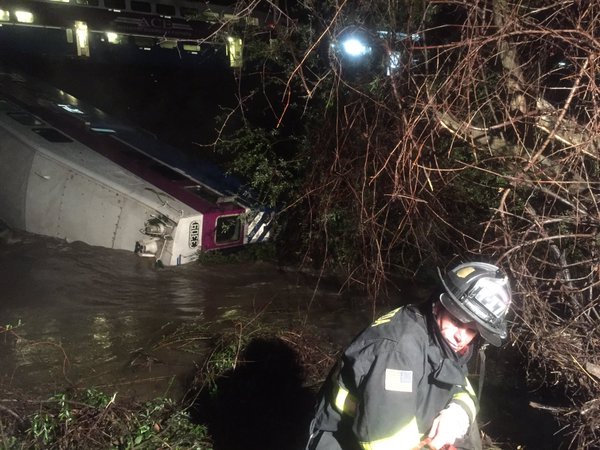
"caption": "An ACE train derailed Monday night near Sunol, in Alameda County. At least one car landed in Alameda Creek.",
"description": "ACE, commuter train derail, ",
"title": "Cc_6EuzVIAAdCwZ",
"credit": "Alameda County Fire via Twitter",
"status": "inherit",
"isLoading": false,
"fetchFailed": false
}
},
"audioPlayerReducer": {
"postId": "stream_live",
"isPaused": true,
"isPlaying": false,
"pfsActive": false,
"pledgeModalIsOpen": true,
"playerDrawerIsOpen": false,
"liveAudioPlayStartedAt": 0,
"liveAudioPlayContext": ""
},
"authorsReducer": {
"byline_news_10911943": {
"type": "authors",
"id": "byline_news_10911943",
"meta": {
"override": true
},
"slug": "byline_news_10911943",
"name": "\u003cstrong>The Associated Press\u003c/strong>",
"isLoading": false
},
"byline_news_10889870": {
"type": "authors",
"id": "byline_news_10889870",
"meta": {
"override": true
},
"slug": "byline_news_10889870",
"name": "\u003cstrong>\u003ca href=\"https://twitter.com/JWilliamsAP\" target=\"_blank\">Juliet Williams\u003c/a>\u003cbr />Associated Press\u003c/strong>",
"isLoading": false
},
"dclyde": {
"type": "authors",
"id": "104",
"meta": {
"index": "authors_1716337520",
"id": "104",
"found": true
},
"name": "Don Clyde",
"firstName": "Don",
"lastName": "Clyde",
"slug": "dclyde",
"email": "dclyde@kqed.org",
"display_author_email": false,
"staff_mastheads": [],
"title": "KQED Contributor",
"bio": "Don Clyde is an online producer, reporter and copy editor for KQED News. Before venturing into journalism, he worked as a medical device engineer and scientist for nearly a decade after earning a degree in physics from UC Berkeley. He loves travel, reading, living in Oakland, and most importantly, a good walk. Email him at dclyde@kqed.org or follow him @clydedon.",
"avatar": "https://secure.gravatar.com/avatar/decd3e640c3eedbd0a574275aebb2d19?s=600&d=blank&r=g",
"twitter": "clydedon",
"facebook": null,
"instagram": null,
"linkedin": null,
"sites": [
{
"site": "artschool",
"roles": [
"editor"
]
},
{
"site": "news",
"roles": [
"administrator"
]
},
{
"site": "futureofyou",
"roles": [
"editor"
]
},
{
"site": "about",
"roles": [
"editor"
]
},
{
"site": "mindshift",
"roles": [
"contributor"
]
},
{
"site": "bayareabites",
"roles": [
"contributor"
]
},
{
"site": "lowdown",
"roles": [
"editor"
]
},
{
"site": "stateofhealth",
"roles": [
"administrator"
]
},
{
"site": "spark",
"roles": [
"administrator"
]
},
{
"site": "trulyca",
"roles": [
"administrator"
]
},
{
"site": "imagemakers",
"roles": [
"administrator"
]
},
{
"site": "science",
"roles": []
},
{
"site": "education",
"roles": [
"editor"
]
},
{
"site": "quest",
"roles": [
"subscriber"
]
},
{
"site": "checkplease",
"roles": [
"subscriber"
]
},
{
"site": "forum",
"roles": [
"editor"
]
},
{
"site": "perspectives",
"roles": [
"editor"
]
}
],
"headData": {
"title": "Don Clyde | KQED",
"description": "KQED Contributor",
"ogImgSrc": "https://secure.gravatar.com/avatar/decd3e640c3eedbd0a574275aebb2d19?s=600&d=blank&r=g",
"twImgSrc": "https://secure.gravatar.com/avatar/decd3e640c3eedbd0a574275aebb2d19?s=600&d=blank&r=g"
},
"isLoading": false,
"link": "/author/dclyde"
},
"bgoebel": {
"type": "authors",
"id": "214",
"meta": {
"index": "authors_1716337520",
"id": "214",
"found": true
},
"name": "Bryan Goebel",
"firstName": "Bryan",
"lastName": "Goebel",
"slug": "bgoebel",
"email": "bgoebel@kqed.org",
"display_author_email": false,
"staff_mastheads": [],
"title": null,
"bio": "Bryan Goebel is a reporter focused on transportation and housing issues. He was previously the editor of Streetsblog San Francisco, and an anchor/editor at KCBS Radio. He's a lifelong Californian and has also worked at radio stations in Barstow, Redding and Sacramento.",
"avatar": "https://secure.gravatar.com/avatar/7fdd6b065bfe9a23a71bcfa80848df88?s=600&d=blank&r=g",
"twitter": "velobry",
"facebook": null,
"instagram": null,
"linkedin": null,
"sites": [
{
"site": "news",
"roles": [
"subscriber"
]
},
{
"site": "stateofhealth",
"roles": [
"subscriber"
]
}
],
"headData": {
"title": "Bryan Goebel | KQED",
"description": null,
"ogImgSrc": "https://secure.gravatar.com/avatar/7fdd6b065bfe9a23a71bcfa80848df88?s=600&d=blank&r=g",
"twImgSrc": "https://secure.gravatar.com/avatar/7fdd6b065bfe9a23a71bcfa80848df88?s=600&d=blank&r=g"
},
"isLoading": false,
"link": "/author/bgoebel"
},
"danbrekke": {
"type": "authors",
"id": "222",
"meta": {
"index": "authors_1716337520",
"id": "222",
"found": true
},
"name": "Dan Brekke",
"firstName": "Dan",
"lastName": "Brekke",
"slug": "danbrekke",
"email": "dbrekke@kqed.org",
"display_author_email": true,
"staff_mastheads": [
"news",
"science"
],
"title": "KQED Editor and Reporter",
"bio": "Dan Brekke is a reporter and editor for KQED News, responsible for coverage of topics ranging from California water issues to the Bay Area's transportation challenges. In a newsroom career that began in Chicago in 1972, Dan has worked for \u003cem>The San Francisco Examiner,\u003c/em> Wired and TechTV and has been published in The New York Times, The New York Times Magazine, Business 2.0, Salon and elsewhere.\r\n\r\nSince joining KQED in 2007, Dan has reported, edited and produced both radio and online features and breaking news pieces. He has shared as both editor and reporter in four Society of Professional Journalists Norcal Excellence in Journalism awards and one Edward R. Murrow regional award. He was chosen for a spring 2017 residency at the Mesa Refuge to advance his research on California salmon.\r\n\r\nEmail Dan at: \u003ca href=\"mailto:dbrekke@kqed.org\">dbrekke@kqed.org\u003c/a>\r\n\r\n\u003cstrong>Twitter:\u003c/strong> \u003ca href=\"https://twitter.com/danbrekke\" rel=\"noopener noreferrer\">twitter.com/danbrekke\u003c/a>\r\n\u003cstrong>Facebook:\u003c/strong> \u003ca href=\"https://www.facebook.com/danbrekke\" rel=\"noopener noreferrer\">www.facebook.com/danbrekke\u003c/a>\r\n\u003cstrong>LinkedIn:\u003c/strong> \u003ca href=\"https://www.linkedin.com/in/danbrekke\" rel=\"noopener noreferrer\">www.linkedin.com/in/danbrekke\u003c/a>",
"avatar": "https://secure.gravatar.com/avatar/8f1f0d2a978fb3b23426c922c7e2af558fa36905b49c4ce76a97dc3c72d27226?s=600&d=mm&r=g",
"twitter": "danbrekke",
"bluesky": null,
"facebook": null,
"instagram": "https://www.instagram.com/dan.brekke/",
"linkedin": "https://www.linkedin.com/in/danbrekke/",
"sites": [
{
"site": "news",
"roles": [
"administrator",
"create_posts"
]
},
{
"site": "stateofhealth",
"roles": [
"editor"
]
},
{
"site": "science",
"roles": [
"editor"
]
},
{
"site": "quest",
"roles": [
"contributor"
]
},
{
"site": "food",
"roles": [
"contributor"
]
},
{
"site": "forum",
"roles": [
"contributor"
]
},
{
"site": "elections",
"roles": [
"editor"
]
},
{
"site": "liveblog",
"roles": [
"editor"
]
}
],
"headData": {
"title": "Dan Brekke | KQED",
"description": "KQED Editor and Reporter",
"ogImgSrc": "https://secure.gravatar.com/avatar/8f1f0d2a978fb3b23426c922c7e2af558fa36905b49c4ce76a97dc3c72d27226?s=600&d=mm&r=g",
"twImgSrc": "https://secure.gravatar.com/avatar/8f1f0d2a978fb3b23426c922c7e2af558fa36905b49c4ce76a97dc3c72d27226?s=600&d=mm&r=g"
},
"isLoading": false,
"link": "/author/danbrekke"
},
"lisaaliferis": {
"type": "authors",
"id": "240",
"meta": {
"index": "authors_1716337520",
"id": "240",
"found": true
},
"name": "Lisa Aliferis",
"firstName": "Lisa",
"lastName": "Aliferis",
"slug": "lisaaliferis",
"email": "laliferis@kqed.org",
"display_author_email": false,
"staff_mastheads": [],
"title": "KQED Contributor",
"bio": "Lisa Aliferis is the founding editor of KQED's \u003cem>State of Health\u003c/em> blog. Since 2011, she's been writing and editing stories for the site. Before taking up blogging, she toiled for many years (more than we can count) producing health stories for television, including\u003cem> Dateline NBC\u003c/em> and San Francisco's CBS affiliate, KPIX-TV. She also wrote up a \u003ca title=\"http://www.kqed.org/news/health/obamacare/obamacare-guide.jsp\" href=\"http://www.kqed.org/news/health/obamacare/obamacare-guide.jsp\">handy guide to the Affordable Care Act\u003c/a>, especially for Californians. Her work has been honored for many awards. Most recently she was a finalist for \"Best Topical Reporting\" from the Online News Association. You can follow her on Twitter: \u003ca title=\"https://twitter.com/laliferis\" href=\"https://twitter.com/laliferis\">@laliferis\u003c/a>",
"avatar": "https://secure.gravatar.com/avatar/86c339d5cdcb0dcd2b6cf5d7c3f5886b?s=600&d=mm&r=g",
"twitter": "laliferis",
"facebook": null,
"instagram": null,
"linkedin": null,
"sites": [
{
"site": "news",
"roles": [
"subscriber"
]
},
{
"site": "futureofyou",
"roles": [
"subscriber"
]
},
{
"site": "stateofhealth",
"roles": [
"subscriber"
]
},
{
"site": "science",
"roles": [
"subscriber"
]
},
{
"site": "food",
"roles": []
}
],
"headData": {
"title": "Lisa Aliferis | KQED",
"description": "KQED Contributor",
"ogImgSrc": "https://secure.gravatar.com/avatar/86c339d5cdcb0dcd2b6cf5d7c3f5886b?s=600&d=mm&r=g",
"twImgSrc": "https://secure.gravatar.com/avatar/86c339d5cdcb0dcd2b6cf5d7c3f5886b?s=600&d=mm&r=g"
},
"isLoading": false,
"link": "/author/lisaaliferis"
},
"tgoldberg": {
"type": "authors",
"id": "258",
"meta": {
"index": "authors_1716337520",
"id": "258",
"found": true
},
"name": "Ted Goldberg",
"firstName": "Ted",
"lastName": "Goldberg",
"slug": "tgoldberg",
"email": "tgoldberg@kqed.org",
"display_author_email": true,
"staff_mastheads": [
"news"
],
"title": "KQED Managing Editor, News and Newscasts",
"bio": "Ted Goldberg is Managing Editor of News and Newscasts at KQED. His main reporting beat is the Bay Area's oil refining industry.\r\n\r\nPrior to joining KQED in 2014, Ted worked at CBS News and WCBS AM in New York and Bay City News and KCBS Radio in San Francisco. He graduated from Oberlin College in Ohio in 1998.",
"avatar": "https://secure.gravatar.com/avatar/30ce2e4fe89135e104f89be2394d16225b9d36c121b5b3cb7651ce642978b96f?s=600&d=blank&r=g",
"twitter": "TedrickG",
"bluesky": null,
"facebook": null,
"instagram": null,
"linkedin": null,
"sites": [
{
"site": "news",
"roles": [
"editor"
]
},
{
"site": "science",
"roles": [
"editor"
]
}
],
"headData": {
"title": "Ted Goldberg | KQED",
"description": "KQED Managing Editor, News and Newscasts",
"ogImgSrc": "https://secure.gravatar.com/avatar/30ce2e4fe89135e104f89be2394d16225b9d36c121b5b3cb7651ce642978b96f?s=600&d=blank&r=g",
"twImgSrc": "https://secure.gravatar.com/avatar/30ce2e4fe89135e104f89be2394d16225b9d36c121b5b3cb7651ce642978b96f?s=600&d=blank&r=g"
},
"isLoading": false,
"link": "/author/tgoldberg"
}
},
"pagesReducer": {
"news_category_transportation": {
"type": "terms",
"id": "news_1397",
"meta": {
"index": "terms_1716263798",
"site": "news",
"id": "1397",
"score": 12.940618
},
"featImg": null,
"name": "Transportation",
"description": null,
"taxonomy": "category",
"headData": {
"twImgId": null,
"twTitle": null,
"ogTitle": null,
"ogImgId": null,
"twDescription": null,
"description": null,
"title": "Transportation Archives | KQED News",
"ogDescription": null
},
"ttid": 1409,
"slug": "transportation",
"isLoading": false,
"title": "Transportation",
"pageMeta": {
"site": "news",
"WpPageTemplate": "page-topic-editorial",
"currentPage": 95
},
"blocks": [
{
"blockName": "kqed/post-list",
"attrs": {
"layout": "cardArticle2",
"query": "posts/news?category=transportation",
"seeMore": false,
"paginated": true,
"page": 95
}
},
{
"blockName": "kqed/ad"
}
]
}
},
"pfsSessionReducer": {},
"postsReducer": {
"stream_live": {
"type": "live",
"id": "stream_live",
"audioUrl": "https://streams.kqed.org/kqedradio",
"title": "Live Stream",
"excerpt": "Live Stream information currently unavailable.",
"link": "/radio",
"featImg": "",
"label": {
"name": "KQED Live",
"link": "/"
}
},
"stream_kqedNewscast": {
"type": "posts",
"id": "stream_kqedNewscast",
"audioUrl": "https://www.kqed.org/.stream/anon/radio/RDnews/newscast.mp3?_=1",
"title": "KQED Newscast",
"featImg": "",
"label": {
"name": "88.5 FM",
"link": "/"
}
},
"news_10912162": {
"type": "posts",
"id": "news_10912162",
"meta": {
"index": "posts_1716263798",
"site": "news",
"id": "10912162",
"score": null,
"sort": [
1459199182000
]
},
"parent": 0,
"labelTerm": {
"site": "news",
"term": 6944
},
"blocks": [],
"publishDate": 1459199182,
"format": "standard",
"disqusTitle": "Labor Dispute Shuts Down Port of Oakland's Largest Terminal",
"title": "Labor Dispute Shuts Down Port of Oakland's Largest Terminal",
"headTitle": "News Fix | KQED News",
"content": "\u003cp>Thirty unionized dockworkers at the Port of Oakland were fired this morning for showing up for work 15 minutes after their employer asked them to arrive, a dispute that resulted in the suspension of daytime operations at the facility's largest terminal.\u003c/p>\n\u003cp>The employees, represented by the \u003ca href=\"https://www.ilwu.org/\" target=\"_blank\">International Longshore and Warehouse Union\u003c/a> (ILWU), arrived at work at the \u003ca href=\"http://www.ssamarine.com/locations/pacificsw/oakland.asp\" target=\"_blank\">Oakland International Container Terminal\u003c/a> at 7 a.m., ILWU spokesman Craig Merrilees said.\u003c/p>\n\u003cp>Last week, the company that operates that terminal, \u003ca href=\"http://www.ssamarine.com/company/index.html\" target=\"_blank\">SSA Marine\u003c/a>, told its dockworkers to show up at 6:45 a.m., Merrilees said, adding that 7 a.m. is the time designated for ILWU members to arrive, according to their contract.\u003c/p>\n\u003cp>\"We're arguing with these folks over 15 minutes, but it's a matter of respecting the word that they gave in writing and making sure that people honor their word,\" Merrilees said in an interview. \"The operator of the dock decided that they would no longer observe and respect the contract and would start requiring workers to come in earlier than the contract specified.\"\u003c/p>\n\u003cp>An arbitrator is working with the ILWU and the Pacific Maritime Association, which represents the port's shipping companies, to resolve the conflict.\u003c/p>\n\u003cp>[ad fullwidth]\u003c/p>\n\u003cp>The maritime association has yet to comment. Wade Gates, a spokesman for the group, said in an email that he has yet to learn about the details of the conflict.\u003c/p>\n\u003cp>Operations at the terminal are expected to resume for evening shifts, Mike Zampa, communications director at the Port of Oakland, said in an email. All other terminals at the port are operating normally, Zampa said.\u003c/p>\n\u003cp>The dispute comes a year after \u003ca href=\"http://ww2.kqed.org/news/2015/02/17/shipping-operations-to-resume-at-port-of-oakland-amid-ongoing-labor-dispute/\" target=\"_blank\">a labor conflict\u003c/a> between the ILWU and the shipping companies affected traffic at ports throughout the West Coast.\u003c/p>\n\u003cp>Merrilees said Monday's conflict occurred after relations between the two sides had improved.\u003c/p>\n\u003cp>\u003c/p>\n\u003cp>\"This is very strange,\" Merrilees said. \"Things had been getting better, and the companies and the union have been able to work out problems, at least with most companies.\"\u003c/p>\n\n",
"disqusIdentifier": "10912162 http://ww2.kqed.org/news/?p=10912162",
"disqusUrl": "https://ww2.kqed.org/news/2016/03/28/labor-dispute-shuts-down-port-of-oaklands-largest-terminal/",
"stats": {
"hasVideo": false,
"hasChartOrMap": false,
"hasAudio": false,
"hasPolis": false,
"wordCount": 335,
"hasGoogleForm": false,
"hasGallery": false,
"hasHearkenModule": false,
"iframeSrcs": [],
"paragraphCount": 12
},
"modified": 1459206134,
"excerpt": "'We're arguing with these folks over 15 minutes,' the ILWU's Craig Merrilees said. ",
"headData": {
"twImgId": "",
"twTitle": "",
"ogTitle": "",
"ogImgId": "",
"twDescription": "",
"description": "'We're arguing with these folks over 15 minutes,' the ILWU's Craig Merrilees said. ",
"title": "Labor Dispute Shuts Down Port of Oakland's Largest Terminal | KQED",
"ogDescription": "",
"schema": {
"@context": "https://schema.org",
"@type": "NewsArticle",
"headline": "Labor Dispute Shuts Down Port of Oakland's Largest Terminal",
"datePublished": "2016-03-28T14:06:22-07:00",
"dateModified": "2016-03-28T16:02:14-07:00",
"image": "https://cdn.kqed.org/wp-content/uploads/2020/02/KQED-OG-Image@1x.png",
"isAccessibleForFree": "True",
"publisher": {
"@type": "NewsMediaOrganization",
"@id": "https://www.kqed.org/#organization",
"name": "KQED",
"logo": "https://cdn.kqed.org/wp-content/uploads/2020/02/KQED-OG-Image@1x.png",
"url": "https://www.kqed.org",
"sameAs": [
"https://www.facebook.com/KQED",
"https://twitter.com/KQED",
"https://www.instagram.com/kqed/",
"https://www.tiktok.com/@kqedofficial",
"https://www.linkedin.com/company/kqed",
"https://www.youtube.com/channel/UCeC0IOo7i1P_61zVUWbJ4nw"
]
}
}
},
"guestAuthors": [],
"slug": "labor-dispute-shuts-down-port-of-oaklands-largest-terminal",
"status": "publish",
"path": "/news/10912162/labor-dispute-shuts-down-port-of-oaklands-largest-terminal",
"audioTrackLength": null,
"parsedContent": [
{
"type": "contentString",
"content": "\u003cdiv class=\"post-body\">\u003cp>\u003cp>Thirty unionized dockworkers at the Port of Oakland were fired this morning for showing up for work 15 minutes after their employer asked them to arrive, a dispute that resulted in the suspension of daytime operations at the facility's largest terminal.\u003c/p>\n\u003cp>The employees, represented by the \u003ca href=\"https://www.ilwu.org/\" target=\"_blank\">International Longshore and Warehouse Union\u003c/a> (ILWU), arrived at work at the \u003ca href=\"http://www.ssamarine.com/locations/pacificsw/oakland.asp\" target=\"_blank\">Oakland International Container Terminal\u003c/a> at 7 a.m., ILWU spokesman Craig Merrilees said.\u003c/p>\n\u003cp>Last week, the company that operates that terminal, \u003ca href=\"http://www.ssamarine.com/company/index.html\" target=\"_blank\">SSA Marine\u003c/a>, told its dockworkers to show up at 6:45 a.m., Merrilees said, adding that 7 a.m. is the time designated for ILWU members to arrive, according to their contract.\u003c/p>\n\u003cp>\"We're arguing with these folks over 15 minutes, but it's a matter of respecting the word that they gave in writing and making sure that people honor their word,\" Merrilees said in an interview. \"The operator of the dock decided that they would no longer observe and respect the contract and would start requiring workers to come in earlier than the contract specified.\"\u003c/p>\n\u003cp>An arbitrator is working with the ILWU and the Pacific Maritime Association, which represents the port's shipping companies, to resolve the conflict.\u003c/p>\n\u003cp>\u003c/p>\u003c/div>",
"attributes": {
"named": {},
"numeric": []
}
},
{
"type": "component",
"content": "",
"name": "ad",
"attributes": {
"named": {
"label": "fullwidth"
},
"numeric": [
"fullwidth"
]
}
},
{
"type": "contentString",
"content": "\u003cdiv class=\"post-body\">\u003cp>\u003c/p>\n\u003cp>The maritime association has yet to comment. Wade Gates, a spokesman for the group, said in an email that he has yet to learn about the details of the conflict.\u003c/p>\n\u003cp>Operations at the terminal are expected to resume for evening shifts, Mike Zampa, communications director at the Port of Oakland, said in an email. All other terminals at the port are operating normally, Zampa said.\u003c/p>\n\u003cp>The dispute comes a year after \u003ca href=\"http://ww2.kqed.org/news/2015/02/17/shipping-operations-to-resume-at-port-of-oakland-amid-ongoing-labor-dispute/\" target=\"_blank\">a labor conflict\u003c/a> between the ILWU and the shipping companies affected traffic at ports throughout the West Coast.\u003c/p>\n\u003cp>Merrilees said Monday's conflict occurred after relations between the two sides had improved.\u003c/p>\n\u003cp>\u003c/p>\n\u003cp>\"This is very strange,\" Merrilees said. \"Things had been getting better, and the companies and the union have been able to work out problems, at least with most companies.\"\u003c/p>\n\n\u003c/div>\u003c/p>",
"attributes": {
"named": {},
"numeric": []
}
}
],
"link": "/news/10912162/labor-dispute-shuts-down-port-of-oaklands-largest-terminal",
"authors": [
"258"
],
"programs": [
"news_6944"
],
"categories": [
"news_8",
"news_1397"
],
"tags": [
"news_2045"
],
"featImg": "news_10476689",
"label": "news_6944"
},
"news_10911943": {
"type": "posts",
"id": "news_10911943",
"meta": {
"index": "posts_1716263798",
"site": "news",
"id": "10911943",
"score": null,
"sort": [
1459181953000
]
},
"parent": 0,
"labelTerm": {
"site": "news",
"term": 72
},
"blocks": [],
"publishDate": 1459181953,
"format": "standard",
"disqusTitle": "State Lawmakers Poised to Scrutinize California High-Speed Rail Plan",
"title": "State Lawmakers Poised to Scrutinize California High-Speed Rail Plan",
"headTitle": "The California Report | KQED News",
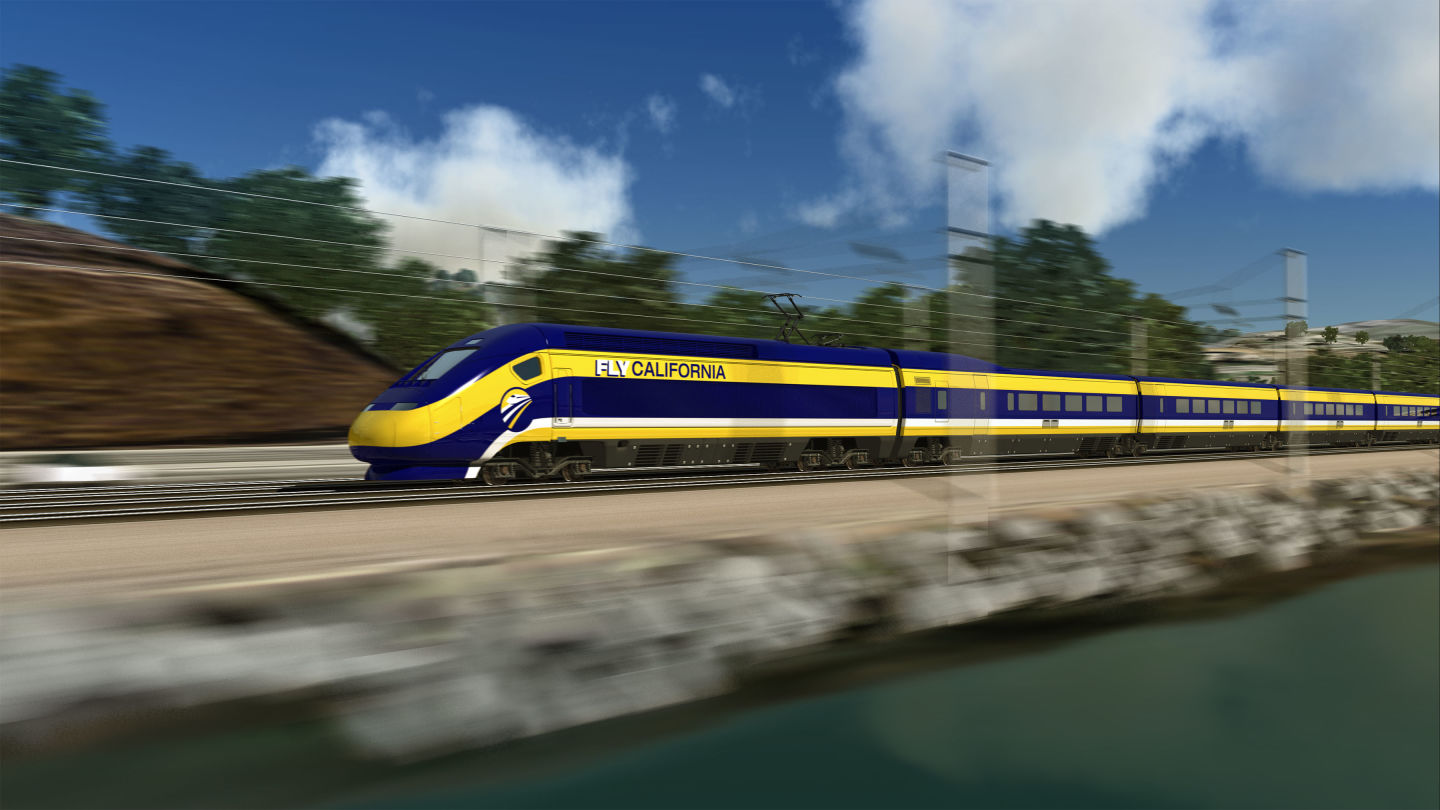
"content": "\u003cp>SACRAMENTO -- State lawmakers will have their first opportunity to quiz the officials responsible for California's $64 billion \u003ca href=\"http://ww2.kqed.org/news/2016/01/27/high-speed-rail-officials-seek-to-reassure-lawmakers\" target=\"_blank\" rel=\"noopener\">high-speed rail plan\u003c/a> at a committee hearing Monday to review a new business plan that calls for overhauling its proposed route and postponing the first service by three years.\u003c/p>\n\u003cp>Those overseeing the project are expected to face tough questions about the plan to shift construction to the Bay Area rather than head first to Southern California, an acknowledgement of the financial and political challenges that have plagued the project.\u003c/p>\n\u003cp>[contextly_sidebar id=\"GgWt5c8Fhr2bYq24QVU7IQQ4eRXnq7pf\"]\u003c/p>\n\u003cp>The new plan calls for building the first 250-mile segment from the rural town of Shafter to San Jose at a cost of nearly $21 billion. The first leg would begin operating in 2025 — three years later and 50 miles shorter than the original planned route that would have sent trains to the San Fernando Valley.\u003c/p>\n\u003cp>Project backers are touting it as the first plan to build a fully operable line using only available funding. But a briefing prepared for lawmakers ahead of Monday's meeting notes: \"The funding outlined by the authority is far from guaranteed and associated risks remain high.\"\u003c/p>\n\u003cp>[ad fullwidth]\u003c/p>\n\u003cp>The Legislature approved the first long-term funding source for high-speed rail in the 2014-15 budget, giving it a quarter of funds from fees charged to polluters, about $500 million a year. The rail project also has about $3.2 billion in federal stimulus funds and nearly $10 billion in bond money approved by California voters in 2008.\u003c/p>\n\u003cp>Public concern has increased as land acquisition got underway in the Central Valley. A poll last week by the Public Policy Institute of California, however, found a slim majority of Californians still support high-speed rail -- though support is much more enthusiastic with a lower price tag.\u003c/p>\n\u003cp>Lawmakers so far have played only a limited role in high-speed rail.\u003c/p>\n\u003cp>The state's independent legislative analyst this month urged the Legislature to become more involved, suggesting that it require more detailed planning on the cost, scope and schedule of each high-speed rail segment.\u003c/p>\n\u003cp>Some Southern California lawmakers are also concerned about the decision to bring service north before it heads south.\u003c/p>\n\u003cp>Monday's meeting of the Assembly Transportation Committee is expected to allow more time for public comment than an Assembly hearing in January that left critics incensed. However, no critics of the project are among the seven speakers scheduled to testify Monday.\u003c/p>\n\u003cp>\u003c/p>\n\u003cp>In a letter to the committee, Citizens for High-Speed Rail Accountability urged lawmakers to reconsider all funding for bullet trains. \"There is not enough money available to put a functional financially sound high-speed train on what they are building,\" the group wrote.\u003c/p>\n\n",
"disqusIdentifier": "10911943 http://ww2.kqed.org/news/?p=10911943",
"disqusUrl": "https://ww2.kqed.org/news/2016/03/28/state-lawmakers-poised-to-scrutinize-california-high-speed-rail-plan/",
"stats": {
"hasVideo": false,
"hasChartOrMap": false,
"hasAudio": false,
"hasPolis": false,
"wordCount": 467,
"hasGoogleForm": false,
"hasGallery": false,
"hasHearkenModule": false,
"iframeSrcs": [],
"paragraphCount": 14
},
"modified": 1510170961,
"excerpt": "Briefing prepared for legislators says: 'The funding outlined by the authority is far from guaranteed and associated risks remain high.'",
"headData": {
"twImgId": "",
"twTitle": "",
"ogTitle": "",
"ogImgId": "",
"twDescription": "",
"description": "Briefing prepared for legislators says: 'The funding outlined by the authority is far from guaranteed and associated risks remain high.'",
"title": "State Lawmakers Poised to Scrutinize California High-Speed Rail Plan | KQED",
"ogDescription": "",
"schema": {
"@context": "https://schema.org",
"@type": "NewsArticle",
"headline": "State Lawmakers Poised to Scrutinize California High-Speed Rail Plan",
"datePublished": "2016-03-28T09:19:13-07:00",
"dateModified": "2017-11-08T11:56:01-08:00",
"image": "https://cdn.kqed.org/wp-content/uploads/2020/02/KQED-OG-Image@1x.png",
"isAccessibleForFree": "True",
"publisher": {
"@type": "NewsMediaOrganization",
"@id": "https://www.kqed.org/#organization",
"name": "KQED",
"logo": "https://cdn.kqed.org/wp-content/uploads/2020/02/KQED-OG-Image@1x.png",
"url": "https://www.kqed.org",
"sameAs": [
"https://www.facebook.com/KQED",
"https://twitter.com/KQED",
"https://www.instagram.com/kqed/",
"https://www.tiktok.com/@kqedofficial",
"https://www.linkedin.com/company/kqed",
"https://www.youtube.com/channel/UCeC0IOo7i1P_61zVUWbJ4nw"
]
}
}
},
"guestAuthors": [],
"slug": "state-lawmakers-poised-to-scrutinize-california-high-speed-rail-plan",
"status": "publish",
"nprByline": "\u003cstrong>The Associated Press\u003c/strong>",
"path": "/news/10911943/state-lawmakers-poised-to-scrutinize-california-high-speed-rail-plan",
"audioTrackLength": null,
"parsedContent": [
{
"type": "contentString",
"content": "\u003cdiv class=\"post-body\">\u003cp>\u003cp>SACRAMENTO -- State lawmakers will have their first opportunity to quiz the officials responsible for California's $64 billion \u003ca href=\"http://ww2.kqed.org/news/2016/01/27/high-speed-rail-officials-seek-to-reassure-lawmakers\" target=\"_blank\" rel=\"noopener\">high-speed rail plan\u003c/a> at a committee hearing Monday to review a new business plan that calls for overhauling its proposed route and postponing the first service by three years.\u003c/p>\n\u003cp>Those overseeing the project are expected to face tough questions about the plan to shift construction to the Bay Area rather than head first to Southern California, an acknowledgement of the financial and political challenges that have plagued the project.\u003c/p>\n\u003cp>\u003c/p>\u003cp>\u003c/p>\u003cp>\u003c/p>\n\u003cp>The new plan calls for building the first 250-mile segment from the rural town of Shafter to San Jose at a cost of nearly $21 billion. The first leg would begin operating in 2025 — three years later and 50 miles shorter than the original planned route that would have sent trains to the San Fernando Valley.\u003c/p>\n\u003cp>Project backers are touting it as the first plan to build a fully operable line using only available funding. But a briefing prepared for lawmakers ahead of Monday's meeting notes: \"The funding outlined by the authority is far from guaranteed and associated risks remain high.\"\u003c/p>\n\u003cp>\u003c/p>\u003c/div>",
"attributes": {
"named": {},
"numeric": []
}
},
{
"type": "component",
"content": "",
"name": "ad",
"attributes": {
"named": {
"label": "fullwidth"
},
"numeric": [
"fullwidth"
]
}
},
{
"type": "contentString",
"content": "\u003cdiv class=\"post-body\">\u003cp>\u003c/p>\n\u003cp>The Legislature approved the first long-term funding source for high-speed rail in the 2014-15 budget, giving it a quarter of funds from fees charged to polluters, about $500 million a year. The rail project also has about $3.2 billion in federal stimulus funds and nearly $10 billion in bond money approved by California voters in 2008.\u003c/p>\n\u003cp>Public concern has increased as land acquisition got underway in the Central Valley. A poll last week by the Public Policy Institute of California, however, found a slim majority of Californians still support high-speed rail -- though support is much more enthusiastic with a lower price tag.\u003c/p>\n\u003cp>Lawmakers so far have played only a limited role in high-speed rail.\u003c/p>\n\u003cp>The state's independent legislative analyst this month urged the Legislature to become more involved, suggesting that it require more detailed planning on the cost, scope and schedule of each high-speed rail segment.\u003c/p>\n\u003cp>Some Southern California lawmakers are also concerned about the decision to bring service north before it heads south.\u003c/p>\n\u003cp>Monday's meeting of the Assembly Transportation Committee is expected to allow more time for public comment than an Assembly hearing in January that left critics incensed. However, no critics of the project are among the seven speakers scheduled to testify Monday.\u003c/p>\n\u003cp>\u003c/p>\n\u003cp>In a letter to the committee, Citizens for High-Speed Rail Accountability urged lawmakers to reconsider all funding for bullet trains. \"There is not enough money available to put a functional financially sound high-speed train on what they are building,\" the group wrote.\u003c/p>\n\n\u003c/div>\u003c/p>",
"attributes": {
"named": {},
"numeric": []
}
}
],
"link": "/news/10911943/state-lawmakers-poised-to-scrutinize-california-high-speed-rail-plan",
"authors": [
"byline_news_10911943"
],
"programs": [
"news_6944",
"news_72"
],
"categories": [
"news_8",
"news_1397"
],
"tags": [
"news_309",
"news_17286"
],
"featImg": "news_10847032",
"label": "news_72"
},
"news_10907981": {
"type": "posts",
"id": "news_10907981",
"meta": {
"index": "posts_1716263798",
"site": "news",
"id": "10907981",
"score": null,
"sort": [
1458937599000
]
},
"parent": 0,
"labelTerm": {
"site": "news",
"term": 72
},
"blocks": [],
"publishDate": 1458937599,
"format": "standard",
"disqusTitle": "State Regulators Deny L.A.'s Request to Fingerprint Uber, Lyft Drivers",
"title": "State Regulators Deny L.A.'s Request to Fingerprint Uber, Lyft Drivers",
"headTitle": "The California Report | KQED News",
"content": "\u003cp>The California Public Utilities Commission has denied a request by Los Angeles Mayor Eric Garcetti and two City Council members to launch a pilot fingerprint background check for Uber and Lyft drivers.\u003c/p>\n\u003cp>In a letter dated March 22, addressed to Garcetti and City Council members Paul Krekorian and Herb Wesson, CPUC Commissioner Liane Randolph said she \u003ca href=\"http://ww2.kqed.org/news/2016/02/26/california-to-reconsider-fingerprint-checks-for-uber-lyft-drivers\" target=\"_blank\">was planning to issue a ruling\u003c/a> asking a series of questions about the use of fingerprint background checks for ride-service drivers.\u003c/p>\n\u003cp>\"While I appreciate the City of Los Angeles's innovation in setting out the framework for a pilot, I would prefer to consider statewide options before launching a city-specific program,\" she wrote.\u003c/p>\n\u003cp>The CPUC is currently considering whether to require fingerprint background checks, as part of its ongoing proceedings to regulate ride services.\u003c/p>\n\u003cp>Randolph said she hoped the CPUC would be able to provide direction on the issue \"by fall of this year.\"\u003c/p>\n\u003cp>[ad fullwidth]\u003c/p>\n\u003cp>In their \u003ca href=\"http://www.scribd.com/doc/305119721/City-of-LA-to-CPUC-on-Fingerprinting-Pilot-Program\" target=\"_blank\">letter to Randolph\u003c/a>, the L.A. officials said that the current \"protocols and practices\" on background checks are \"a cause for concern to the riding public.\"\u003c/p>\n\u003cp>[contextly_sidebar id=\"Q90b1gSGwYwonDSbeCDiqfDy81SUsZxb\"]\u003c/p>\n\u003cp>Even if \"TNC (transportation network company) claims of safety and security are to be believed, their best practices are subject to change at any time without the backstop of law or regulation,\" the letter said.\u003c/p>\n\u003cp>The pilot program would have also applied to limo, van and shuttle service drivers. It would have required the services “to reveal how and why they deny drivers employment, what the appeals processes are and how fingerprinting requirements impact the number of drivers they accept or reject.”\u003c/p>\n\u003cp>Los Angeles taxicab drivers have been required to submit fingerprints for decades. They are also required to do it in most other major cities.\u003c/p>\n\u003cp>Current CPUC regulations do not require fingerprint background checks. Law enforcement officials have said they are the \"gold standard.\" Ride services counter that no background check is perfect, and argue their checks are just as good.\u003c/p>\n\u003cp>Uber uses Checkr, which tracks criminal history for the past seven years. The company says hundreds of drivers who passed fingerprint background checks have not cleared their checks. They've also argued that fingerprint checks are discriminatory.\u003c/p>\n\u003cp>But the L.A. city officials point to \u003ca href=\"http://www.latimes.com/local/lanow/la-me-ln-uber-criminal-records-20150804-story.html\" target=\"_blank\">an L.A. Times investigation\u003c/a> that found some Uber drivers at LAX had lengthy criminal records, despite being vetted by the company.\u003c/p>\n\u003cp>A Lyft spokeswoman said drivers \"undergo a comprehensive screening process, which includes an independent, professionally administered background check mandated by the State of California, as well as an in-person session where their credentials are confirmed.\"\u003c/p>\n\u003cp>\u003c/p>\n\u003cp>[scribd id=305951839 key=key-6XZsXdpuzb5tFdLDurMz mode=scroll]\u003c/p>\n\n",
"disqusIdentifier": "10907981 http://ww2.kqed.org/news/?p=10907981",
"disqusUrl": "https://ww2.kqed.org/news/2016/03/25/state-regulators-deny-l-a-s-request-to-fingerprint-uber-lyft-drivers/",
"stats": {
"hasVideo": false,
"hasChartOrMap": false,
"hasAudio": false,
"hasPolis": false,
"wordCount": 442,
"hasGoogleForm": false,
"hasGallery": false,
"hasHearkenModule": false,
"iframeSrcs": [],
"paragraphCount": 17
},
"modified": 1458941297,
"excerpt": "L.A. mayor, City Council members argued current background checks are 'a concern to the riding public.' ",
"headData": {
"twImgId": "",
"twTitle": "",
"ogTitle": "",
"ogImgId": "",
"twDescription": "",
"description": "L.A. mayor, City Council members argued current background checks are 'a concern to the riding public.' ",
"title": "State Regulators Deny L.A.'s Request to Fingerprint Uber, Lyft Drivers | KQED",
"ogDescription": "",
"schema": {
"@context": "https://schema.org",
"@type": "NewsArticle",
"headline": "State Regulators Deny L.A.'s Request to Fingerprint Uber, Lyft Drivers",
"datePublished": "2016-03-25T13:26:39-07:00",
"dateModified": "2016-03-25T14:28:17-07:00",
"image": "https://cdn.kqed.org/wp-content/uploads/2020/02/KQED-OG-Image@1x.png",
"isAccessibleForFree": "True",
"publisher": {
"@type": "NewsMediaOrganization",
"@id": "https://www.kqed.org/#organization",
"name": "KQED",
"logo": "https://cdn.kqed.org/wp-content/uploads/2020/02/KQED-OG-Image@1x.png",
"url": "https://www.kqed.org",
"sameAs": [
"https://www.facebook.com/KQED",
"https://twitter.com/KQED",
"https://www.instagram.com/kqed/",
"https://www.tiktok.com/@kqedofficial",
"https://www.linkedin.com/company/kqed",
"https://www.youtube.com/channel/UCeC0IOo7i1P_61zVUWbJ4nw"
]
}
}
},
"guestAuthors": [],
"slug": "state-regulators-deny-l-a-s-request-to-fingerprint-uber-lyft-drivers",
"status": "publish",
"path": "/news/10907981/state-regulators-deny-l-a-s-request-to-fingerprint-uber-lyft-drivers",
"audioTrackLength": null,
"parsedContent": [
{
"type": "contentString",
"content": "\u003cdiv class=\"post-body\">\u003cp>\u003cp>The California Public Utilities Commission has denied a request by Los Angeles Mayor Eric Garcetti and two City Council members to launch a pilot fingerprint background check for Uber and Lyft drivers.\u003c/p>\n\u003cp>In a letter dated March 22, addressed to Garcetti and City Council members Paul Krekorian and Herb Wesson, CPUC Commissioner Liane Randolph said she \u003ca href=\"http://ww2.kqed.org/news/2016/02/26/california-to-reconsider-fingerprint-checks-for-uber-lyft-drivers\" target=\"_blank\">was planning to issue a ruling\u003c/a> asking a series of questions about the use of fingerprint background checks for ride-service drivers.\u003c/p>\n\u003cp>\"While I appreciate the City of Los Angeles's innovation in setting out the framework for a pilot, I would prefer to consider statewide options before launching a city-specific program,\" she wrote.\u003c/p>\n\u003cp>The CPUC is currently considering whether to require fingerprint background checks, as part of its ongoing proceedings to regulate ride services.\u003c/p>\n\u003cp>Randolph said she hoped the CPUC would be able to provide direction on the issue \"by fall of this year.\"\u003c/p>\n\u003cp>\u003c/p>\u003c/div>",
"attributes": {
"named": {},
"numeric": []
}
},
{
"type": "component",
"content": "",
"name": "ad",
"attributes": {
"named": {
"label": "fullwidth"
},
"numeric": [
"fullwidth"
]
}
},
{
"type": "contentString",
"content": "\u003cdiv class=\"post-body\">\u003cp>\u003c/p>\n\u003cp>In their \u003ca href=\"http://www.scribd.com/doc/305119721/City-of-LA-to-CPUC-on-Fingerprinting-Pilot-Program\" target=\"_blank\">letter to Randolph\u003c/a>, the L.A. officials said that the current \"protocols and practices\" on background checks are \"a cause for concern to the riding public.\"\u003c/p>\n\u003cp>\u003c/p>\u003cp>\u003c/p>\u003cp>\u003c/p>\n\u003cp>Even if \"TNC (transportation network company) claims of safety and security are to be believed, their best practices are subject to change at any time without the backstop of law or regulation,\" the letter said.\u003c/p>\n\u003cp>The pilot program would have also applied to limo, van and shuttle service drivers. It would have required the services “to reveal how and why they deny drivers employment, what the appeals processes are and how fingerprinting requirements impact the number of drivers they accept or reject.”\u003c/p>\n\u003cp>Los Angeles taxicab drivers have been required to submit fingerprints for decades. They are also required to do it in most other major cities.\u003c/p>\n\u003cp>Current CPUC regulations do not require fingerprint background checks. Law enforcement officials have said they are the \"gold standard.\" Ride services counter that no background check is perfect, and argue their checks are just as good.\u003c/p>\n\u003cp>Uber uses Checkr, which tracks criminal history for the past seven years. The company says hundreds of drivers who passed fingerprint background checks have not cleared their checks. They've also argued that fingerprint checks are discriminatory.\u003c/p>\n\u003cp>But the L.A. city officials point to \u003ca href=\"http://www.latimes.com/local/lanow/la-me-ln-uber-criminal-records-20150804-story.html\" target=\"_blank\">an L.A. Times investigation\u003c/a> that found some Uber drivers at LAX had lengthy criminal records, despite being vetted by the company.\u003c/p>\n\u003cp>A Lyft spokeswoman said drivers \"undergo a comprehensive screening process, which includes an independent, professionally administered background check mandated by the State of California, as well as an in-person session where their credentials are confirmed.\"\u003c/p>\n\u003cp>\u003c/p>\n\u003cp>\u003c/p>\u003cp>\u003ciframe\n class=\"scribd_iframe_embed\"\n src=\"//www.scribd.com/embeds/305951839/content?start_page=1&view_mode=&access_key=key-6XZsXdpuzb5tFdLDurMz\"\n title=\"http://www.scribd.com/doc/305951839\"\n data-auto-height=\"true\" scrolling=\"no\" id=\"scribd_305951839\"\n width=\"100%\" height=\"500\" frameborder=\"0\">\u003c/iframe>\n \u003ca class=\"utils-parseShortcode-shortcodes-__scribdShortcode__scribd_footer\"\n href=\"http://www.scribd.com/doc/305951839\"\n target=\"_blank\" rel=\"noopener noreferrer\">View this document on Scribd\u003c/a>\u003c/p>\u003cp>\u003c/p>\n\n\u003c/div>\u003c/p>",
"attributes": {
"named": {},
"numeric": []
}
}
],
"link": "/news/10907981/state-regulators-deny-l-a-s-request-to-fingerprint-uber-lyft-drivers",
"authors": [
"214"
],
"programs": [
"news_6944",
"news_72"
],
"categories": [
"news_8",
"news_248",
"news_1397"
],
"tags": [
"news_19179",
"news_4524",
"news_17286",
"news_17041",
"news_4523"
],
"featImg": "news_10907984",
"label": "news_72"
},
"news_10896717": {
"type": "posts",
"id": "news_10896717",
"meta": {
"index": "posts_1716263798",
"site": "news",
"id": "10896717",
"score": null,
"sort": [
1458689403000
]
},
"parent": 0,
"labelTerm": {
"site": "news",
"term": 6944
},
"blocks": [],
"publishDate": 1458689403,
"format": "standard",
"disqusTitle": "Utah Governor Signs Bill to Advance Oakland Coal Plan",
"title": "Utah Governor Signs Bill to Advance Oakland Coal Plan",
"headTitle": "News Fix | KQED News",
"content": "\u003cp>Utah Gov. Gary Herbert has signed a bill that approves $53 million in state funds to aid construction of a new \u003ca href=\"http://ww2.kqed.org/news/2015/09/21/oakland-moves-to-block-coal-at-new-terminal\" target=\"_blank\">Oakland cargo terminal\u003c/a> that backers hope to use to export coal.\u003c/p>\n\u003cp>Herbert on Tuesday signed \u003ca href=\"http://www.eastbayexpress.com/SevenDays/archives/2016/03/10/utah-lawmakers-voting-to-spend-public-funds-on-oakland-coal-terminal-took-29000-from-company-that-stands-to-profit\" target=\"_blank\">legislation\u003c/a> authored by Republican state Sen. J. Stuart Adams that would help finance the project so Utah coal and other products reach overseas markets more easily.\u003c/p>\n\u003cp>Herbert's spokesman linked the governor's support for the bill to the national political debate over the future of the coal industry.\u003c/p>\n\u003cp>\"Gov. Herbert is alarmed to hear the comments from presidential candidate Hillary Clinton when she said 'We're going to put a lot of coal miners and coal companies out of business,'\" the spokesman, Jon Cox, said in a statement to KQED.\u003c/p>\n\u003cp>Cox was referencing remarks Clinton made earlier this month when \u003ca href=\"http://bigstory.ap.org/article/255ab210cd0c4229bf4036cb3f6cb715/facing-backlash-clinton-says-coal-still-has-future\" target=\"_blank\">she emphasized her commitment to policies that promote renewable energy\u003c/a>.\u003c/p>\n\u003cp>[ad fullwidth]\u003c/p>\n\u003cp>\"Utah will continue to pursue an all-of-the-above approach to energy development including one of, if not the largest, growth of solar development in America over the past two years,\" Cox said.\u003c/p>\n\u003cp>The terminal and Utah's role in financing it has outraged local environmentalists who have been working to stop the project. They say it will increase air pollution in West Oakland, which already has high asthma rates.\u003c/p>\n\u003cp>\"They're already experiencing a lot of health effects, so to bring a project that can worsen the effects of residents and potentially the workers -- we're opposed to that,\" said Brittany King, a conservation program coordinator at the Sierra Club's Bay Area chapter, in an interview.\u003c/p>\n\u003cp>Critics also say the project perpetuates dependence on fossil fuels, contributing to high levels of carbon dioxide in the atmosphere that scientists have identified as a key driver of climate change.\u003c/p>\n\u003cp>\"I'm deeply disappointed in the decision by Utah's lawmakers to use public funds to prop up a dying industry that will only pollute our planet and contribute to global warming,\" East Bay State Senator Loni Hancock said in an email.\u003c/p>\n\u003cp>But Adams said the project will help in the global environmental battle.\u003c/p>\n\u003cp>\"Utah has the cleanest coal on the planet,\" Adams said in an interview earlier this month. \"You actually may be improving the environment by allowing this.\"\u003c/p>\n\u003cp>Adams said if India and China burned more clean coal from Utah, the earth's environment could get better.\u003c/p>\n\u003cp>\"As long as the rest of the world is using it, you ought to use a better product than dirty coal,\" Adams said.\u003c/p>\n\u003cp>One of the Bay Area's top energy experts disagrees.\u003c/p>\n\u003cp>\"There is no such thing as clean coal,\" said Daniel Kammen, a UC Berkeley professor of energy and co-director of the Berkeley Institute of the Environment, in an email. \"When you burn coal you get carbon dioxide, no getting around that. Poison is poison. Adams is wrong.\"\u003c/p>\n\u003cp>\"Burning coal with less trace toxin elements in it is better than injecting it into a vein, but far worse than the many clean energy options that are available,\" Kammen said.\u003c/p>\n\u003cp>Adams said California should return favors that Utah has done for the Golden State in years past.\u003c/p>\n\u003cp>\u003c/p>\n\u003cp>\"When there were power generation lines that needed to be run through Utah from Wyoming to California, we allowed those lines to be run through,\" he said. \"Most of the goods that come from the rest of the world come into California and travel through Utah through our freeways, with trucks and whatever else may pollute our air. And we've actually tried to accommodate California, tried to be neighborly.\"\u003c/p>\n\n",
"disqusIdentifier": "10896717 http://ww2.kqed.org/news/?p=10896717",
"disqusUrl": "https://ww2.kqed.org/news/2016/03/22/author-of-utah-bill-to-help-advance-coal-through-oakland-dismisses-air-quality-concerns/",
"stats": {
"hasVideo": false,
"hasChartOrMap": false,
"hasAudio": false,
"hasPolis": false,
"wordCount": 598,
"hasGoogleForm": false,
"hasGallery": false,
"hasHearkenModule": false,
"iframeSrcs": [],
"paragraphCount": 21
},
"modified": 1458755154,
"excerpt": "Utah sponsor of legislation argues that 'clean' coal from his state could help in global environmental battle. ",
"headData": {
"twImgId": "",
"twTitle": "",
"ogTitle": "",
"ogImgId": "",
"twDescription": "",
"description": "Utah sponsor of legislation argues that 'clean' coal from his state could help in global environmental battle. ",
"title": "Utah Governor Signs Bill to Advance Oakland Coal Plan | KQED",
"ogDescription": "",
"schema": {
"@context": "https://schema.org",
"@type": "NewsArticle",
"headline": "Utah Governor Signs Bill to Advance Oakland Coal Plan",
"datePublished": "2016-03-22T16:30:03-07:00",
"dateModified": "2016-03-23T10:45:54-07:00",
"image": "https://cdn.kqed.org/wp-content/uploads/2020/02/KQED-OG-Image@1x.png",
"isAccessibleForFree": "True",
"publisher": {
"@type": "NewsMediaOrganization",
"@id": "https://www.kqed.org/#organization",
"name": "KQED",
"logo": "https://cdn.kqed.org/wp-content/uploads/2020/02/KQED-OG-Image@1x.png",
"url": "https://www.kqed.org",
"sameAs": [
"https://www.facebook.com/KQED",
"https://twitter.com/KQED",
"https://www.instagram.com/kqed/",
"https://www.tiktok.com/@kqedofficial",
"https://www.linkedin.com/company/kqed",
"https://www.youtube.com/channel/UCeC0IOo7i1P_61zVUWbJ4nw"
]
}
}
},
"guestAuthors": [],
"slug": "author-of-utah-bill-to-help-advance-coal-through-oakland-dismisses-air-quality-concerns",
"status": "publish",
"path": "/news/10896717/author-of-utah-bill-to-help-advance-coal-through-oakland-dismisses-air-quality-concerns",
"audioTrackLength": null,
"parsedContent": [
{
"type": "contentString",
"content": "\u003cdiv class=\"post-body\">\u003cp>\u003cp>Utah Gov. Gary Herbert has signed a bill that approves $53 million in state funds to aid construction of a new \u003ca href=\"http://ww2.kqed.org/news/2015/09/21/oakland-moves-to-block-coal-at-new-terminal\" target=\"_blank\">Oakland cargo terminal\u003c/a> that backers hope to use to export coal.\u003c/p>\n\u003cp>Herbert on Tuesday signed \u003ca href=\"http://www.eastbayexpress.com/SevenDays/archives/2016/03/10/utah-lawmakers-voting-to-spend-public-funds-on-oakland-coal-terminal-took-29000-from-company-that-stands-to-profit\" target=\"_blank\">legislation\u003c/a> authored by Republican state Sen. J. Stuart Adams that would help finance the project so Utah coal and other products reach overseas markets more easily.\u003c/p>\n\u003cp>Herbert's spokesman linked the governor's support for the bill to the national political debate over the future of the coal industry.\u003c/p>\n\u003cp>\"Gov. Herbert is alarmed to hear the comments from presidential candidate Hillary Clinton when she said 'We're going to put a lot of coal miners and coal companies out of business,'\" the spokesman, Jon Cox, said in a statement to KQED.\u003c/p>\n\u003cp>Cox was referencing remarks Clinton made earlier this month when \u003ca href=\"http://bigstory.ap.org/article/255ab210cd0c4229bf4036cb3f6cb715/facing-backlash-clinton-says-coal-still-has-future\" target=\"_blank\">she emphasized her commitment to policies that promote renewable energy\u003c/a>.\u003c/p>\n\u003cp>\u003c/p>\u003c/div>",
"attributes": {
"named": {},
"numeric": []
}
},
{
"type": "component",
"content": "",
"name": "ad",
"attributes": {
"named": {
"label": "fullwidth"
},
"numeric": [
"fullwidth"
]
}
},
{
"type": "contentString",
"content": "\u003cdiv class=\"post-body\">\u003cp>\u003c/p>\n\u003cp>\"Utah will continue to pursue an all-of-the-above approach to energy development including one of, if not the largest, growth of solar development in America over the past two years,\" Cox said.\u003c/p>\n\u003cp>The terminal and Utah's role in financing it has outraged local environmentalists who have been working to stop the project. They say it will increase air pollution in West Oakland, which already has high asthma rates.\u003c/p>\n\u003cp>\"They're already experiencing a lot of health effects, so to bring a project that can worsen the effects of residents and potentially the workers -- we're opposed to that,\" said Brittany King, a conservation program coordinator at the Sierra Club's Bay Area chapter, in an interview.\u003c/p>\n\u003cp>Critics also say the project perpetuates dependence on fossil fuels, contributing to high levels of carbon dioxide in the atmosphere that scientists have identified as a key driver of climate change.\u003c/p>\n\u003cp>\"I'm deeply disappointed in the decision by Utah's lawmakers to use public funds to prop up a dying industry that will only pollute our planet and contribute to global warming,\" East Bay State Senator Loni Hancock said in an email.\u003c/p>\n\u003cp>But Adams said the project will help in the global environmental battle.\u003c/p>\n\u003cp>\"Utah has the cleanest coal on the planet,\" Adams said in an interview earlier this month. \"You actually may be improving the environment by allowing this.\"\u003c/p>\n\u003cp>Adams said if India and China burned more clean coal from Utah, the earth's environment could get better.\u003c/p>\n\u003cp>\"As long as the rest of the world is using it, you ought to use a better product than dirty coal,\" Adams said.\u003c/p>\n\u003cp>One of the Bay Area's top energy experts disagrees.\u003c/p>\n\u003cp>\"There is no such thing as clean coal,\" said Daniel Kammen, a UC Berkeley professor of energy and co-director of the Berkeley Institute of the Environment, in an email. \"When you burn coal you get carbon dioxide, no getting around that. Poison is poison. Adams is wrong.\"\u003c/p>\n\u003cp>\"Burning coal with less trace toxin elements in it is better than injecting it into a vein, but far worse than the many clean energy options that are available,\" Kammen said.\u003c/p>\n\u003cp>Adams said California should return favors that Utah has done for the Golden State in years past.\u003c/p>\n\u003cp>\u003c/p>\n\u003cp>\"When there were power generation lines that needed to be run through Utah from Wyoming to California, we allowed those lines to be run through,\" he said. \"Most of the goods that come from the rest of the world come into California and travel through Utah through our freeways, with trucks and whatever else may pollute our air. And we've actually tried to accommodate California, tried to be neighborly.\"\u003c/p>\n\n\u003c/div>\u003c/p>",
"attributes": {
"named": {},
"numeric": []
}
}
],
"link": "/news/10896717/author-of-utah-bill-to-help-advance-coal-through-oakland-dismisses-air-quality-concerns",
"authors": [
"258"
],
"programs": [
"news_6944"
],
"categories": [
"news_1758",
"news_19906",
"news_457",
"news_8",
"news_13",
"news_356",
"news_1397"
],
"tags": [
"news_6253",
"news_18"
],
"featImg": "news_10476689",
"label": "news_6944"
},
"news_10898963": {
"type": "posts",
"id": "news_10898963",
"meta": {
"index": "posts_1716263798",
"site": "news",
"id": "10898963",
"score": null,
"sort": [
1458579627000
]
},
"parent": 0,
"labelTerm": {
"site": "news",
"term": 6944
},
"blocks": [],
"publishDate": 1458579627,
"format": "standard",
"disqusTitle": "BART: Limited Train Service Resumes to Pittsburg/Bay Point During Commute Hours",
"title": "BART: Limited Train Service Resumes to Pittsburg/Bay Point During Commute Hours",
"headTitle": "News Fix | KQED News",
"content": "\u003cp>\u003cstrong>Update, 4 p.m. Monday:\u003c/strong> BART resumed limited train service Monday between the Pittsburg/Bay Point and North Concord/Martinez stations during commute hours, the agency said in a \u003ca href=\"https://www.bart.gov/news/articles/2016/news20160316-0\" target=\"_blank\">news release\u003c/a>.\u003c/p>\n\u003cp>Buses will continue to shuttle passengers between the stations during off-peak hours, while crews continue to search for the cause of an electrical power surge that damaged 58 train cars last Wednesday.\u003c/p>\n\u003cp>One train will make trips between the two stations every 15 minutes from 4 a.m. to 9 a.m and then from 3 p.m. to 8 p.m. The bus bridge between the stations will not operate during these hours.\u003c/p>\n\u003cp>From 9 a.m. to 3 p.m. and from 8 p.m. to closing, only bus shuttle service will be available between the stations.\u003c/p>\n\u003cp>Passengers traveling from Pittsburg/Bay Point Station will need to transfer at the North Concord/Martinez Station if they wish to continue westward. Passengers heading to the Pittsburg/Bay Point station will also need to catch a transfer train at North Concord/Martinez station.\u003c/p>\n\u003cp>[ad fullwidth]\u003c/p>\n\u003cp>BART officials said there are no safety concerns for riders taking trains between the stations.\u003c/p>\n\u003cp>Follow Twitter updates from BART below.\u003c/p>\n\u003cp>[twitterbart]\u003c/p>\n\u003cp>\u003cstrong>Update, 12:05 p.m. Monday:\u003c/strong> BART will continue to operate a bus shuttle service between the Pittsburg/Bay Point and North Concord/Martinez stations, while crews try to determine the cause of an electrical power surge along one stretch of track that damaged 58 cars on Wednesday.\u003c/p>\n\u003cp>The transit system is also running a test train between the stations periodically with riders on board. BART began those tests last night.\u003c/p>\n\u003cp>\"Where we're at right now, and where we've been for the last couple of days, we've used some fairly sophisticated instrumentation that we've put on board a test train, and we've been running back and forth, both in that area and elsewhere in the system in the hopes that we would have a repeat and could get some recorded data that would allow us to analyze and come to a conclusion on what exactly the problem was,\" Paul Oversier, assistant general manager of BART, said on \u003ca href=\"http://www.kqed.org/a/forum/R201603211000\" target=\"_blank\">KQED's Forum Monday\u003c/a>.\u003c/p>\n\u003cp>Oversier said that the cause of the electrical surge was still not known, but that the damage to the cars was caused by \"extreme voltage transients.\" Those voltage spikes damaged semiconductor components known as thyristors, mostly on \"C\" cars. Oversier called \"C\" cars some of the most versatile because they can operate in the lead, end or middle of the train.\u003c/p>\n\u003cp>Oversier said BART made improvements to cars over the weekend and has returned 36 to service since Friday. He said BART requires 579 cars to operate morning service, but the transit system was running 557 cars Monday.\u003c/p>\n\u003cp>\"In terms of car availability, we're moving forward.\" Oversier said. \"We've got a plan that hopefully over the next week or two will allow that trend to continue, barring, of course, problems like this appearing elsewhere in the system.\"\u003c/p>\n\u003cp>Tom Radulovich, president of the BART Board of Directors, said the system, which was designed in the 1960s, is vulnerable to disruption.\u003c/p>\n\u003cp>\"We have four lines in the East Bay, and they converge and run in one single line from West Oakland to the city,\" Radulovich said. \"So when anything happens on that one line, (it) very quickly replicates throughout the entire system. The saying is that 'when BART goes down, it goes down big.' \"\u003c/p>\n\u003cp>Radulovich said there's not a lot of resiliency built into BART, but said the system is trying to implement it as it can.\u003c/p>\n\u003cp>Listen to the full Forum episode here below.\u003c/p>\n\u003cp>[soundcloud url=\"https://api.soundcloud.com/tracks/253897076\" params=\"color=ff5500&auto_play=false&hide_related=false&show_comments=true&show_user=true&show_reposts=false\" width=\"100%\" height=\"166\" iframe=\"true\" /]\u003c/p>\n\u003cp>\u003cstrong>Update, 4 p.m. Friday:\u003c/strong> BART says it's conducting intensive testing of a stretch of track where electrical power surges damaged dozens of cars on Wednesday.\u003c/p>\n\u003cp>But the agency says that section of the system, between North Concord and Pittsburg/Bay Point, will remain closed and that a bus bridge between those stations is expected to continue at least through Monday.\u003c/p>\n\u003cp>BART spokeswoman Alicia Trost said Friday afternoon that a test train equipped with special measuring gear is being run across the affected stretch of track to try to find the source of the rogue voltage.\u003c/p>\n\u003cp>\"A specialist who has been flown in from the East Coast is on that train as well, and we're trying to pinpoint the exact location this spike in voltage is occurring and get to the bottom of why it's happening,\" Trost told KQED's Tara Siler.\u003c/p>\n\u003cp>The specialist \"understands high-voltage and electrical systems and has helped other transit systems troubleshoot and identify complex problems like this,\" Trost said. \"So we’re hoping he and our experts can get to the bottom of this today.”\u003c/p>\n\u003cp>But she cautioned passengers not to get their hopes up about a return to normal service over the weekend.\u003c/p>\n\u003cp>\"It will be great if we get service back up and running, but we would rather people plan to expect bus bridge to the end of Monday,\" she said.\u003c/p>\n\u003cp>Trost said the number of train cars in service had fallen from 534 on Thursday to 521 Friday. That compares with the 590 the district says run on a typical weekday.\u003c/p>\n\u003cp>But she added that BART mechanics hoped to have about 40 of the 58 cars sidelined by the Wednesday power surges back in service over the next couple of weeks. That would be possible, she said, by borrowing intact components from some out-of-service train cars to repair some of the vehicles damaged this week.\u003c/p>\n\u003cp>\"So there's some good news in terms of the crowding\" on the system, Trost said.\u003c/p>\n\u003cp>\u003cstrong>Original post (Thursday):\u003c/strong> BART says it's trying to cope with a shortage of train cars throughout its 104-mile system after a still undetermined electrical problem knocked 50 cars out of service Wednesday and shut down operations between the North Concord and Pittsburg/Bay Point stations.\u003c/p>\n\u003cp>The agency said Thursday afternoon that the bus bridge that's been ferrying passengers between the two Contra Costa County stations will be running at least into Friday's morning commute.\u003c/p>\n\u003cp>Meantime, crews will continue investigating what caused the electrical problem that damaged the cars less than a month after a similar issue near downtown Oakland and the Transbay Tube damaged propulsion systems on dozens of train cars.\u003c/p>\n\u003cp>BART spokeswoman Alicia Trost described the problem between Pittsburgh/Bay Point and North Concord as \"extreme voltage spikes that damage cars at any given moment.\"\u003c/p>\n\u003cp>She said BART was operating with 534 cars on Thursday instead of the normal complement of 590. That forced the agency to run shorter trains than usual and to simply suspend some scheduled runs. Trost said that 11 trains were missing one car, five trains were missing two cars and three trains were \"out of circulation.\"\u003c/p>\n\u003cp>https://twitter.com/mgafni/status/710593621544669184\u003c/p>\n\u003cp>Maintenance workers spent Thursday assessing the condition of the affected cars, which suffered damage to a variety of electrical components.\u003c/p>\n\u003cp>BART Chief Maintenance Officer Dave Hardt said one crucial part that failed on the cars is called a thyristor -- \"THIGH-wrister\" if you're trying to pronounce that at home -- a semiconductor that regulates power to the traction motors that make the cars go faster and slower.\u003c/p>\n\u003cp>In an interview with KQED's Tara Siler, Hardt said the the power spikes essentially fried the thyristors and disabled the cars' propulsion systems.\u003c/p>\n\u003cp>Hardt said between 50 and 100 of the thyristors, which cost $1,000 each, failed during Wednesday's episode. Replacing them is a challenge, he said. While some used thryristors can be cannibalized from out-of-service cars, BART will need to order new ones, too, and it typically takes the district's supplier 22 weeks to fill an order for the parts. Hardt said that means some cars damaged in the power surges may not be returned to service until summer.\u003c/p>\n\u003cp>But Hardt said the biggest problem BART faces right now is finding the source of the power spikes that damaged the cars, and he admits he's baffled.\u003c/p>\n\u003cp>\"Based on what I know, having spent until after midnight in our operations control center with my partners and engineers and some maintenance personnel trying to isolate the failure, we just plain don't know\" what's causing the power surges, Hardt said. \"We know, though, that the current problem has not gone away -- it didn't disappear.\"\u003c/p>\n\u003cp>He added that the problem is \"very localized\" to a certain part of the trackway and that PG&E is working side by side with BART to troubleshoot the problem.\u003c/p>\n\u003cfigure id=\"attachment_10899064\" class=\"wp-caption alignleft\" style=\"max-width: 550px\">\u003ca href=\"http://ww2.kqed.org/news/wp-content/uploads/sites/10/2016/03/bart-infographic.png\" rel=\"attachment wp-att-10899064\">\u003cimg class=\"size-full wp-image-10899064\" src=\"http://ww2.kqed.org/news/wp-content/uploads/sites/10/2016/03/bart-infographic.png\" alt=\"BART infographic explaining logistics behind putting its daily trains together.\" width=\"550\" height=\"690\" srcset=\"https://ww2.kqed.org/app/uploads/sites/10/2016/03/bart-infographic.png 550w, https://ww2.kqed.org/app/uploads/sites/10/2016/03/bart-infographic-400x502.png 400w\" sizes=\"(max-width: 550px) 100vw, 550px\">\u003c/a>\u003cfigcaption class=\"wp-caption-text\">BART infographic explaining logistics behind putting its daily trains together. \u003ccite>(BART)\u003c/cite>\u003c/figcaption>\u003c/figure>\n\u003cp>Trost said that crews have been examining the trackway between the two Contra Costa County stations looking for the source of the power spikes.\u003c/p>\n\u003cp>\"We did field testing all day (Wednesday), inch-by-inch inspections of the wayside equipment, and we found no abnormalities in that inspection,\" Trost said in a statement. \"We are flying in outside experts to help get to the bottom of what's causing this problem.\"\u003c/p>\n\u003cp>\"PG&E has also been on site with us to see if there' s something they can help us identify, because we know it is an electrical issue of some sort,\" she said.\u003c/p>\n\u003cp>As it did Wednesday night, BART set up a bus bridge Thursday morning between the Pittsburg/Bay Point and North Concord stations a day after service between the two stations was brought to a halt.\u003c/p>\n\u003cp>The trip between the two stations usually takes six minutes, but travel on the buses, which must use busy Highway 4 between the stations, took 15 minutes or more Wednesday evening.\u003c/p>\n\u003cp>https://twitter.com/3rdERH/status/710494176991780865\u003c/p>\n\u003cp>Westbound commuters Thursday morning were reporting bus rides of about 10 minutes from Pittsburg/Bay Point to North Concord, where riders catch trains to Oakland, San Francisco and San Francisco International Airport.\u003c/p>\n\u003cp>The early Thursday commute was going less than smoothly.\u003c/p>\n\u003cp>The agency said service on the line was suffering 10-minute delays. And because the the system is running with fewer cars, crowding on the system's already jampacked trains is likely to be worse than usual.\u003c/p>\n\u003cp>[ad floatright]\u003c/p>\n\u003cp>\u003cem>Tara Siler of KQED News contributed to this post.\u003c/em>\u003c/p>\n\n",
"disqusIdentifier": "10898963 http://ww2.kqed.org/news/?p=10898963",
"disqusUrl": "https://ww2.kqed.org/news/2016/03/21/bart-power-problem-damages-50-cars-adds-to-crowding-and-delays/",
"stats": {
"hasVideo": false,
"hasChartOrMap": false,
"hasAudio": false,
"hasPolis": false,
"wordCount": 1748,
"hasGoogleForm": false,
"hasGallery": false,
"hasHearkenModule": false,
"iframeSrcs": [],
"paragraphCount": 52
},
"modified": 1458610746,
"excerpt": "A train will make trips between North Concord/Martinez and Pittsburg/Bay Point stations every 15 minutes from 4 a.m. to 9 a.m. and 3 p.m. to 8 p.m.",
"headData": {
"twImgId": "",
"twTitle": "",
"ogTitle": "",
"ogImgId": "",
"twDescription": "",
"description": "A train will make trips between North Concord/Martinez and Pittsburg/Bay Point stations every 15 minutes from 4 a.m. to 9 a.m. and 3 p.m. to 8 p.m.",
"title": "BART: Limited Train Service Resumes to Pittsburg/Bay Point During Commute Hours | KQED",
"ogDescription": "",
"schema": {
"@context": "https://schema.org",
"@type": "NewsArticle",
"headline": "BART: Limited Train Service Resumes to Pittsburg/Bay Point During Commute Hours",
"datePublished": "2016-03-21T10:00:27-07:00",
"dateModified": "2016-03-21T18:39:06-07:00",
"image": "https://cdn.kqed.org/wp-content/uploads/2020/02/KQED-OG-Image@1x.png",
"isAccessibleForFree": "True",
"publisher": {
"@type": "NewsMediaOrganization",
"@id": "https://www.kqed.org/#organization",
"name": "KQED",
"logo": "https://cdn.kqed.org/wp-content/uploads/2020/02/KQED-OG-Image@1x.png",
"url": "https://www.kqed.org",
"sameAs": [
"https://www.facebook.com/KQED",
"https://twitter.com/KQED",
"https://www.instagram.com/kqed/",
"https://www.tiktok.com/@kqedofficial",
"https://www.linkedin.com/company/kqed",
"https://www.youtube.com/channel/UCeC0IOo7i1P_61zVUWbJ4nw"
]
}
}
},
"guestAuthors": [],
"slug": "bart-power-problem-damages-50-cars-adds-to-crowding-and-delays",
"status": "publish",
"customPermalink": "2016/03/17/bart-power-problem-damages-50-cars-adds-to-crowding-and-delays/",
"path": "/news/10898963/bart-power-problem-damages-50-cars-adds-to-crowding-and-delays",
"audioTrackLength": null,
"parsedContent": [
{
"type": "contentString",
"content": "\u003cdiv class=\"post-body\">\u003cp>\u003cp>\u003cstrong>Update, 4 p.m. Monday:\u003c/strong> BART resumed limited train service Monday between the Pittsburg/Bay Point and North Concord/Martinez stations during commute hours, the agency said in a \u003ca href=\"https://www.bart.gov/news/articles/2016/news20160316-0\" target=\"_blank\">news release\u003c/a>.\u003c/p>\n\u003cp>Buses will continue to shuttle passengers between the stations during off-peak hours, while crews continue to search for the cause of an electrical power surge that damaged 58 train cars last Wednesday.\u003c/p>\n\u003cp>One train will make trips between the two stations every 15 minutes from 4 a.m. to 9 a.m and then from 3 p.m. to 8 p.m. The bus bridge between the stations will not operate during these hours.\u003c/p>\n\u003cp>From 9 a.m. to 3 p.m. and from 8 p.m. to closing, only bus shuttle service will be available between the stations.\u003c/p>\n\u003cp>Passengers traveling from Pittsburg/Bay Point Station will need to transfer at the North Concord/Martinez Station if they wish to continue westward. Passengers heading to the Pittsburg/Bay Point station will also need to catch a transfer train at North Concord/Martinez station.\u003c/p>\n\u003cp>\u003c/p>\u003c/div>",
"attributes": {
"named": {},
"numeric": []
}
},
{
"type": "component",
"content": "",
"name": "ad",
"attributes": {
"named": {
"label": "fullwidth"
},
"numeric": [
"fullwidth"
]
}
},
{
"type": "contentString",
"content": "\u003cdiv class=\"post-body\">\u003cp>\u003c/p>\n\u003cp>BART officials said there are no safety concerns for riders taking trains between the stations.\u003c/p>\n\u003cp>Follow Twitter updates from BART below.\u003c/p>\n\u003cp>[twitterbart]\u003c/p>\n\u003cp>\u003cstrong>Update, 12:05 p.m. Monday:\u003c/strong> BART will continue to operate a bus shuttle service between the Pittsburg/Bay Point and North Concord/Martinez stations, while crews try to determine the cause of an electrical power surge along one stretch of track that damaged 58 cars on Wednesday.\u003c/p>\n\u003cp>The transit system is also running a test train between the stations periodically with riders on board. BART began those tests last night.\u003c/p>\n\u003cp>\"Where we're at right now, and where we've been for the last couple of days, we've used some fairly sophisticated instrumentation that we've put on board a test train, and we've been running back and forth, both in that area and elsewhere in the system in the hopes that we would have a repeat and could get some recorded data that would allow us to analyze and come to a conclusion on what exactly the problem was,\" Paul Oversier, assistant general manager of BART, said on \u003ca href=\"http://www.kqed.org/a/forum/R201603211000\" target=\"_blank\">KQED's Forum Monday\u003c/a>.\u003c/p>\n\u003cp>Oversier said that the cause of the electrical surge was still not known, but that the damage to the cars was caused by \"extreme voltage transients.\" Those voltage spikes damaged semiconductor components known as thyristors, mostly on \"C\" cars. Oversier called \"C\" cars some of the most versatile because they can operate in the lead, end or middle of the train.\u003c/p>\n\u003cp>Oversier said BART made improvements to cars over the weekend and has returned 36 to service since Friday. He said BART requires 579 cars to operate morning service, but the transit system was running 557 cars Monday.\u003c/p>\n\u003cp>\"In terms of car availability, we're moving forward.\" Oversier said. \"We've got a plan that hopefully over the next week or two will allow that trend to continue, barring, of course, problems like this appearing elsewhere in the system.\"\u003c/p>\n\u003cp>Tom Radulovich, president of the BART Board of Directors, said the system, which was designed in the 1960s, is vulnerable to disruption.\u003c/p>\n\u003cp>\"We have four lines in the East Bay, and they converge and run in one single line from West Oakland to the city,\" Radulovich said. \"So when anything happens on that one line, (it) very quickly replicates throughout the entire system. The saying is that 'when BART goes down, it goes down big.' \"\u003c/p>\n\u003cp>Radulovich said there's not a lot of resiliency built into BART, but said the system is trying to implement it as it can.\u003c/p>\n\u003cp>Listen to the full Forum episode here below.\u003c/p>\n\u003cp>\u003c/p>\u003cp>\u003cdiv class='utils-parseShortcode-shortcodes-__shortcodes__shortcodeWrapper'>\n \u003ciframe width='100%' height='166'\n scrolling='no' frameborder='no'\n src='https://w.soundcloud.com/player/?url=https://api.soundcloud.com/tracks/253897076&visual=true&color=ff5500&auto_play=false&hide_related=false&show_comments=true&show_user=true&show_reposts=false'\n title='https://api.soundcloud.com/tracks/253897076'>\n \u003c/iframe>\n \u003c/div>\u003c/p>\u003cp>\u003c/p>\n\u003cp>\u003cstrong>Update, 4 p.m. Friday:\u003c/strong> BART says it's conducting intensive testing of a stretch of track where electrical power surges damaged dozens of cars on Wednesday.\u003c/p>\n\u003cp>But the agency says that section of the system, between North Concord and Pittsburg/Bay Point, will remain closed and that a bus bridge between those stations is expected to continue at least through Monday.\u003c/p>\n\u003cp>BART spokeswoman Alicia Trost said Friday afternoon that a test train equipped with special measuring gear is being run across the affected stretch of track to try to find the source of the rogue voltage.\u003c/p>\n\u003cp>\"A specialist who has been flown in from the East Coast is on that train as well, and we're trying to pinpoint the exact location this spike in voltage is occurring and get to the bottom of why it's happening,\" Trost told KQED's Tara Siler.\u003c/p>\n\u003cp>The specialist \"understands high-voltage and electrical systems and has helped other transit systems troubleshoot and identify complex problems like this,\" Trost said. \"So we’re hoping he and our experts can get to the bottom of this today.”\u003c/p>\n\u003cp>But she cautioned passengers not to get their hopes up about a return to normal service over the weekend.\u003c/p>\n\u003cp>\"It will be great if we get service back up and running, but we would rather people plan to expect bus bridge to the end of Monday,\" she said.\u003c/p>\n\u003cp>Trost said the number of train cars in service had fallen from 534 on Thursday to 521 Friday. That compares with the 590 the district says run on a typical weekday.\u003c/p>\n\u003cp>But she added that BART mechanics hoped to have about 40 of the 58 cars sidelined by the Wednesday power surges back in service over the next couple of weeks. That would be possible, she said, by borrowing intact components from some out-of-service train cars to repair some of the vehicles damaged this week.\u003c/p>\n\u003cp>\"So there's some good news in terms of the crowding\" on the system, Trost said.\u003c/p>\n\u003cp>\u003cstrong>Original post (Thursday):\u003c/strong> BART says it's trying to cope with a shortage of train cars throughout its 104-mile system after a still undetermined electrical problem knocked 50 cars out of service Wednesday and shut down operations between the North Concord and Pittsburg/Bay Point stations.\u003c/p>\n\u003cp>The agency said Thursday afternoon that the bus bridge that's been ferrying passengers between the two Contra Costa County stations will be running at least into Friday's morning commute.\u003c/p>\n\u003cp>Meantime, crews will continue investigating what caused the electrical problem that damaged the cars less than a month after a similar issue near downtown Oakland and the Transbay Tube damaged propulsion systems on dozens of train cars.\u003c/p>\n\u003cp>BART spokeswoman Alicia Trost described the problem between Pittsburgh/Bay Point and North Concord as \"extreme voltage spikes that damage cars at any given moment.\"\u003c/p>\n\u003cp>She said BART was operating with 534 cars on Thursday instead of the normal complement of 590. That forced the agency to run shorter trains than usual and to simply suspend some scheduled runs. Trost said that 11 trains were missing one car, five trains were missing two cars and three trains were \"out of circulation.\"\u003c/p>\u003c/p>\u003c/div>",
"attributes": {
"named": {},
"numeric": []
}
},
{
"type": "component",
"content": "",
"name": "singleTwitterStatus",
"attributes": {
"named": {
"id": "710593621544669184"
},
"numeric": []
}
},
{
"type": "contentString",
"content": "\u003cdiv class=\"post-body\">\u003cp>\n\u003cp>Maintenance workers spent Thursday assessing the condition of the affected cars, which suffered damage to a variety of electrical components.\u003c/p>\n\u003cp>BART Chief Maintenance Officer Dave Hardt said one crucial part that failed on the cars is called a thyristor -- \"THIGH-wrister\" if you're trying to pronounce that at home -- a semiconductor that regulates power to the traction motors that make the cars go faster and slower.\u003c/p>\n\u003cp>In an interview with KQED's Tara Siler, Hardt said the the power spikes essentially fried the thyristors and disabled the cars' propulsion systems.\u003c/p>\n\u003cp>Hardt said between 50 and 100 of the thyristors, which cost $1,000 each, failed during Wednesday's episode. Replacing them is a challenge, he said. While some used thryristors can be cannibalized from out-of-service cars, BART will need to order new ones, too, and it typically takes the district's supplier 22 weeks to fill an order for the parts. Hardt said that means some cars damaged in the power surges may not be returned to service until summer.\u003c/p>\n\u003cp>But Hardt said the biggest problem BART faces right now is finding the source of the power spikes that damaged the cars, and he admits he's baffled.\u003c/p>\n\u003cp>\"Based on what I know, having spent until after midnight in our operations control center with my partners and engineers and some maintenance personnel trying to isolate the failure, we just plain don't know\" what's causing the power surges, Hardt said. \"We know, though, that the current problem has not gone away -- it didn't disappear.\"\u003c/p>\n\u003cp>He added that the problem is \"very localized\" to a certain part of the trackway and that PG&E is working side by side with BART to troubleshoot the problem.\u003c/p>\n\u003cfigure id=\"attachment_10899064\" class=\"wp-caption alignleft\" style=\"max-width: 550px\">\u003ca href=\"http://ww2.kqed.org/news/wp-content/uploads/sites/10/2016/03/bart-infographic.png\" rel=\"attachment wp-att-10899064\">\u003cimg class=\"size-full wp-image-10899064\" src=\"http://ww2.kqed.org/news/wp-content/uploads/sites/10/2016/03/bart-infographic.png\" alt=\"BART infographic explaining logistics behind putting its daily trains together.\" width=\"550\" height=\"690\" srcset=\"https://ww2.kqed.org/app/uploads/sites/10/2016/03/bart-infographic.png 550w, https://ww2.kqed.org/app/uploads/sites/10/2016/03/bart-infographic-400x502.png 400w\" sizes=\"(max-width: 550px) 100vw, 550px\">\u003c/a>\u003cfigcaption class=\"wp-caption-text\">BART infographic explaining logistics behind putting its daily trains together. \u003ccite>(BART)\u003c/cite>\u003c/figcaption>\u003c/figure>\n\u003cp>Trost said that crews have been examining the trackway between the two Contra Costa County stations looking for the source of the power spikes.\u003c/p>\n\u003cp>\"We did field testing all day (Wednesday), inch-by-inch inspections of the wayside equipment, and we found no abnormalities in that inspection,\" Trost said in a statement. \"We are flying in outside experts to help get to the bottom of what's causing this problem.\"\u003c/p>\n\u003cp>\"PG&E has also been on site with us to see if there' s something they can help us identify, because we know it is an electrical issue of some sort,\" she said.\u003c/p>\n\u003cp>As it did Wednesday night, BART set up a bus bridge Thursday morning between the Pittsburg/Bay Point and North Concord stations a day after service between the two stations was brought to a halt.\u003c/p>\n\u003cp>The trip between the two stations usually takes six minutes, but travel on the buses, which must use busy Highway 4 between the stations, took 15 minutes or more Wednesday evening.\u003c/p>\u003c/p>\u003c/div>",
"attributes": {
"named": {},
"numeric": []
}
},
{
"type": "component",
"content": "",
"name": "singleTwitterStatus",
"attributes": {
"named": {
"id": "710494176991780865"
},
"numeric": []
}
},
{
"type": "contentString",
"content": "\u003cdiv class=\"post-body\">\u003cp>\n\u003cp>Westbound commuters Thursday morning were reporting bus rides of about 10 minutes from Pittsburg/Bay Point to North Concord, where riders catch trains to Oakland, San Francisco and San Francisco International Airport.\u003c/p>\n\u003cp>The early Thursday commute was going less than smoothly.\u003c/p>\n\u003cp>The agency said service on the line was suffering 10-minute delays. And because the the system is running with fewer cars, crowding on the system's already jampacked trains is likely to be worse than usual.\u003c/p>\n\u003cp>\u003c/p>\u003c/div>",
"attributes": {
"named": {},
"numeric": []
}
},
{
"type": "component",
"content": "",
"name": "ad",
"attributes": {
"named": {
"label": "floatright"
},
"numeric": [
"floatright"
]
}
},
{
"type": "contentString",
"content": "\u003cdiv class=\"post-body\">\u003cp>\u003c/p>\n\u003cp>\u003cem>Tara Siler of KQED News contributed to this post.\u003c/em>\u003c/p>\n\n\u003c/div>\u003c/p>",
"attributes": {
"named": {},
"numeric": []
}
}
],
"link": "/news/10898963/bart-power-problem-damages-50-cars-adds-to-crowding-and-delays",
"authors": [
"222",
"258",
"104"
],
"programs": [
"news_6944"
],
"categories": [
"news_8",
"news_1397"
],
"tags": [
"news_269"
],
"featImg": "news_10489894",
"label": "news_6944"
},
"news_10899218": {
"type": "posts",
"id": "news_10899218",
"meta": {
"index": "posts_1716263798",
"site": "news",
"id": "10899218",
"score": null,
"sort": [
1458262032000
]
},
"parent": 0,
"labelTerm": {
"site": "news",
"term": 72
},
"blocks": [],
"publishDate": 1458262032,
"format": "standard",
"disqusTitle": "CPUC Regulators Still Hashing Out More Rules for Uber and Lyft",
"title": "CPUC Regulators Still Hashing Out More Rules for Uber and Lyft",
"headTitle": "The California Report | KQED News",
"content": "\u003cp>The California Public Utilities Commission met today to talk about the latest phase of regulations for ride services, just two days after its president told a state Senate committee hearing that no state agency -- including his, apparently -- wants to oversee Uber and Lyft.\u003c/p>\n\u003cp>The commissioners were scheduled to vote today on \u003ca href=\"http://ww2.kqed.org/news/2016/01/26/california-regulators-propose-new-round-of-rules-for-uber-lyft\" target=\"_blank\">tightening ride-service guidelines\u003c/a>, but postponed the decision until April 7 so that regulators could clear up some issues over leased vehicles, get more input on fingerprint background checks and clarify rules for transporting unaccompanied minors.\u003c/p>\n\u003cp>Commissioner Liane Randolph, charged with drafting the latest regulations, said she needed clarity over differing state codes about leased vehicles. Uber has a leasing program for its drivers, and Lyft \u003ca href=\"http://www.latimes.com/business/autos/la-fi-hy-lyft-gm-rentals-20160315-story.html\" target=\"_blank\">recently announced\u003c/a> it is partnering with GM on a lease program.\u003c/p>\n\u003cp>The original regulations were adopted by the CPUC in 2013. The new rules being considered would toughen restrictions on vehicle inspections, requiring that ride-service vehicles be inspected every year, or every 50,000 miles, at a state-licensed facility. Inspection records for each vehicle would need to be maintained for up to three years. The regulations would also sanction ride-service carpools.\u003c/p>\n\u003cp>Randolph said regulators needed more time to gather evidence about whether all transportation network company drivers should be \u003ca href=\"http://ww2.kqed.org/news/2016/02/26/california-to-reconsider-fingerprint-checks-for-uber-lyft-drivers\" target=\"_blank\">required to do fingerprint background checks\u003c/a>.\u003c/p>\n\u003cp>[ad fullwidth]\u003c/p>\n\u003cp>Taxicab operators have argued vehemently that ride service-drivers should undergo the same kind of background checks they are required to do. But Uber has argued that no background check is foolproof, even though law enforcement officials have said fingerprint checks are the \"gold standard.\"\u003c/p>\n\u003cp>[contextly_sidebar id=\"z82gcfkcdv7944OJd3H2CxC2Kx7dLa9V\"]\u003c/p>\n\u003cp>In Los Angeles today, city officials -- including the mayor -- \u003ca href=\"http://www.laweekly.com/news/la-wants-uber-drivers-to-be-fingerprinted-6725703\" target=\"_blank\">sent a letter to the CPUC asking for permission \u003c/a>to implement a pilot fingerprint background check program.\u003c/p>\n\u003cp>“A fingerprinting pilot program makes sense in LA and will help the Public Utilities Commission gather valuable information as it contemplates implementing a more thorough background check program statewide,” said City Councilman Paul Krekorian in a press release.\u003c/p>\n\u003cp>Commissioner Catherine Sandoval suggested the ride-service companies should submit reports on driver suspensions every six months, instead of annually.\u003c/p>\n\u003cp>\"Twelve-month reporting seems like a long period of time because some of these suspensions are for pretty serious issues,\" said Sandoval.\u003c/p>\n\u003caside class=\"pullquote alignleft\">'Maybe somebody else should do it. I don't know who.'\u003ccite>CPUC President Michael Picker\u003c/cite>\u003c/aside>\n\u003cp>In response, Randolph said Sandoval's suggestion would be considered.\u003c/p>\n\u003cp>\"Part of the idea on collecting suspensions is not because we're going to be out on the sidewalk looking for suspended drivers. But are we seeing trends?\" Randolph said.\u003c/p>\n\u003cp>Sandoval also expressed concern that some ride-service vehicles are operating with new dealer plates, which could make it difficult to track a driver in a collision.\u003c/p>\n\u003cp>Sandoval, who was once hit by a driver who had a new dealer plate, said her biggest question was: \"Who hit me?\" She said she was lucky that the driver did not take off and she was able to get his information.\u003c/p>\n\u003cp>\"That's the big concern, especially when we're requiring (ride-service drivers) not to operate as ordinary citizens, but as TNCs transporting people and also interacting with pedestrians,\" she said.\u003c/p>\n\u003cp>The amended rules would also require vehicles to have trade dress, or signs in both the front and back of ride-service vehicles.\u003c/p>\n\u003cp>[contextly_sidebar id=\"KUTaMRQPHsc7FMJ486HUC4omdANL6NXU\"]\u003c/p>\n\u003cp>The new regulations are being considered at a time when the president of the embattled agency, Michael Picker, has indicated the CPUC is overwhelmed with too many responsibilities, including regulating ride services.\u003c/p>\n\u003cp>\"Maybe somebody else should do it,\" Picker told the state Senate Committee on Energy, Utilities and Communications Tuesday, \u003ca href=\"http://www.latimes.com/politics/essential/la-pol-sac-essential-politics-20160301-htmlstory.html#4580\" target=\"_blank\">according to the Los Angeles Times\u003c/a>. \"I don’t know who.\"\u003c/p>\n\u003cp>Just a week earlier, Picker \u003ca href=\"http://ww2.kqed.org/news/2016/03/08/cpuc-head-suggests-agency-needs-fewer-responsibilities\" target=\"_blank\">told an Assembly committee\u003c/a> that he's \"underwater on a daily basis,\" and he asked whether ride services should be regulated by the Department of Motor Vehicles and the California Highway Patrol.\u003c/p>\n\u003cp>\u003c/p>\n\u003cp>While no other state agency may want to take on the job, one local agency that has long been strongly advocating for enforcement of ride services is the San Francisco Municipal Transportation Agency. Although the companies won't say how many ride-service vehicles operate in San Francisco, where Uber and Lyft are headquartered, some estimates have put the number at 20,000.\u003c/p>\n\n",
"disqusIdentifier": "10899218 http://ww2.kqed.org/news/?p=10899218",
"disqusUrl": "https://ww2.kqed.org/news/2016/03/17/cpuc-regulators-still-hashing-out-more-rules-for-uber-and-lyft/",
"stats": {
"hasVideo": false,
"hasChartOrMap": false,
"hasAudio": false,
"hasPolis": false,
"wordCount": 720,
"hasGoogleForm": false,
"hasGallery": false,
"hasHearkenModule": false,
"iframeSrcs": [],
"paragraphCount": 24
},
"modified": 1458269071,
"excerpt": "CPUC president says he's 'underwater' and agency has too many responsibilities. ",
"headData": {
"twImgId": "",
"twTitle": "",
"ogTitle": "",
"ogImgId": "",
"twDescription": "",
"description": "CPUC president says he's 'underwater' and agency has too many responsibilities. ",
"title": "CPUC Regulators Still Hashing Out More Rules for Uber and Lyft | KQED",
"ogDescription": "",
"schema": {
"@context": "https://schema.org",
"@type": "NewsArticle",
"headline": "CPUC Regulators Still Hashing Out More Rules for Uber and Lyft",
"datePublished": "2016-03-17T17:47:12-07:00",
"dateModified": "2016-03-17T19:44:31-07:00",
"image": "https://cdn.kqed.org/wp-content/uploads/2020/02/KQED-OG-Image@1x.png",
"isAccessibleForFree": "True",
"publisher": {
"@type": "NewsMediaOrganization",
"@id": "https://www.kqed.org/#organization",
"name": "KQED",
"logo": "https://cdn.kqed.org/wp-content/uploads/2020/02/KQED-OG-Image@1x.png",
"url": "https://www.kqed.org",
"sameAs": [
"https://www.facebook.com/KQED",
"https://twitter.com/KQED",
"https://www.instagram.com/kqed/",
"https://www.tiktok.com/@kqedofficial",
"https://www.linkedin.com/company/kqed",
"https://www.youtube.com/channel/UCeC0IOo7i1P_61zVUWbJ4nw"
]
}
}
},
"guestAuthors": [],
"slug": "cpuc-regulators-still-hashing-out-more-rules-for-uber-and-lyft",
"status": "publish",
"path": "/news/10899218/cpuc-regulators-still-hashing-out-more-rules-for-uber-and-lyft",
"audioTrackLength": null,
"parsedContent": [
{
"type": "contentString",
"content": "\u003cdiv class=\"post-body\">\u003cp>\u003cp>The California Public Utilities Commission met today to talk about the latest phase of regulations for ride services, just two days after its president told a state Senate committee hearing that no state agency -- including his, apparently -- wants to oversee Uber and Lyft.\u003c/p>\n\u003cp>The commissioners were scheduled to vote today on \u003ca href=\"http://ww2.kqed.org/news/2016/01/26/california-regulators-propose-new-round-of-rules-for-uber-lyft\" target=\"_blank\">tightening ride-service guidelines\u003c/a>, but postponed the decision until April 7 so that regulators could clear up some issues over leased vehicles, get more input on fingerprint background checks and clarify rules for transporting unaccompanied minors.\u003c/p>\n\u003cp>Commissioner Liane Randolph, charged with drafting the latest regulations, said she needed clarity over differing state codes about leased vehicles. Uber has a leasing program for its drivers, and Lyft \u003ca href=\"http://www.latimes.com/business/autos/la-fi-hy-lyft-gm-rentals-20160315-story.html\" target=\"_blank\">recently announced\u003c/a> it is partnering with GM on a lease program.\u003c/p>\n\u003cp>The original regulations were adopted by the CPUC in 2013. The new rules being considered would toughen restrictions on vehicle inspections, requiring that ride-service vehicles be inspected every year, or every 50,000 miles, at a state-licensed facility. Inspection records for each vehicle would need to be maintained for up to three years. The regulations would also sanction ride-service carpools.\u003c/p>\n\u003cp>Randolph said regulators needed more time to gather evidence about whether all transportation network company drivers should be \u003ca href=\"http://ww2.kqed.org/news/2016/02/26/california-to-reconsider-fingerprint-checks-for-uber-lyft-drivers\" target=\"_blank\">required to do fingerprint background checks\u003c/a>.\u003c/p>\n\u003cp>\u003c/p>\u003c/div>",
"attributes": {
"named": {},
"numeric": []
}
},
{
"type": "component",
"content": "",
"name": "ad",
"attributes": {
"named": {
"label": "fullwidth"
},
"numeric": [
"fullwidth"
]
}
},
{
"type": "contentString",
"content": "\u003cdiv class=\"post-body\">\u003cp>\u003c/p>\n\u003cp>Taxicab operators have argued vehemently that ride service-drivers should undergo the same kind of background checks they are required to do. But Uber has argued that no background check is foolproof, even though law enforcement officials have said fingerprint checks are the \"gold standard.\"\u003c/p>\n\u003cp>\u003c/p>\u003cp>\u003c/p>\u003cp>\u003c/p>\n\u003cp>In Los Angeles today, city officials -- including the mayor -- \u003ca href=\"http://www.laweekly.com/news/la-wants-uber-drivers-to-be-fingerprinted-6725703\" target=\"_blank\">sent a letter to the CPUC asking for permission \u003c/a>to implement a pilot fingerprint background check program.\u003c/p>\n\u003cp>“A fingerprinting pilot program makes sense in LA and will help the Public Utilities Commission gather valuable information as it contemplates implementing a more thorough background check program statewide,” said City Councilman Paul Krekorian in a press release.\u003c/p>\n\u003cp>Commissioner Catherine Sandoval suggested the ride-service companies should submit reports on driver suspensions every six months, instead of annually.\u003c/p>\n\u003cp>\"Twelve-month reporting seems like a long period of time because some of these suspensions are for pretty serious issues,\" said Sandoval.\u003c/p>\n\u003caside class=\"pullquote alignleft\">'Maybe somebody else should do it. I don't know who.'\u003ccite>CPUC President Michael Picker\u003c/cite>\u003c/aside>\n\u003cp>In response, Randolph said Sandoval's suggestion would be considered.\u003c/p>\n\u003cp>\"Part of the idea on collecting suspensions is not because we're going to be out on the sidewalk looking for suspended drivers. But are we seeing trends?\" Randolph said.\u003c/p>\n\u003cp>Sandoval also expressed concern that some ride-service vehicles are operating with new dealer plates, which could make it difficult to track a driver in a collision.\u003c/p>\n\u003cp>Sandoval, who was once hit by a driver who had a new dealer plate, said her biggest question was: \"Who hit me?\" She said she was lucky that the driver did not take off and she was able to get his information.\u003c/p>\n\u003cp>\"That's the big concern, especially when we're requiring (ride-service drivers) not to operate as ordinary citizens, but as TNCs transporting people and also interacting with pedestrians,\" she said.\u003c/p>\n\u003cp>The amended rules would also require vehicles to have trade dress, or signs in both the front and back of ride-service vehicles.\u003c/p>\n\u003cp>\u003c/p>\u003cp>\u003c/p>\u003cp>\u003c/p>\n\u003cp>The new regulations are being considered at a time when the president of the embattled agency, Michael Picker, has indicated the CPUC is overwhelmed with too many responsibilities, including regulating ride services.\u003c/p>\n\u003cp>\"Maybe somebody else should do it,\" Picker told the state Senate Committee on Energy, Utilities and Communications Tuesday, \u003ca href=\"http://www.latimes.com/politics/essential/la-pol-sac-essential-politics-20160301-htmlstory.html#4580\" target=\"_blank\">according to the Los Angeles Times\u003c/a>. \"I don’t know who.\"\u003c/p>\n\u003cp>Just a week earlier, Picker \u003ca href=\"http://ww2.kqed.org/news/2016/03/08/cpuc-head-suggests-agency-needs-fewer-responsibilities\" target=\"_blank\">told an Assembly committee\u003c/a> that he's \"underwater on a daily basis,\" and he asked whether ride services should be regulated by the Department of Motor Vehicles and the California Highway Patrol.\u003c/p>\n\u003cp>\u003c/p>\n\u003cp>While no other state agency may want to take on the job, one local agency that has long been strongly advocating for enforcement of ride services is the San Francisco Municipal Transportation Agency. Although the companies won't say how many ride-service vehicles operate in San Francisco, where Uber and Lyft are headquartered, some estimates have put the number at 20,000.\u003c/p>\n\n\u003c/div>\u003c/p>",
"attributes": {
"named": {},
"numeric": []
}
}
],
"link": "/news/10899218/cpuc-regulators-still-hashing-out-more-rules-for-uber-and-lyft",
"authors": [
"214"
],
"programs": [
"news_6944",
"news_72"
],
"categories": [
"news_8",
"news_1397"
],
"tags": [
"news_19179",
"news_4524",
"news_17041",
"news_4523"
],
"featImg": "news_10853698",
"label": "news_72"
},
"news_10896801": {
"type": "posts",
"id": "news_10896801",
"meta": {
"index": "posts_1716263798",
"site": "news",
"id": "10896801",
"score": null,
"sort": [
1458084006000
]
},
"parent": 0,
"labelTerm": {
"site": "news",
"term": 6944
},
"blocks": [],
"publishDate": 1458084006,
"format": "standard",
"disqusTitle": "Many Lyft and Uber Riders Also Use Public Transit, Study Says",
"title": "Many Lyft and Uber Riders Also Use Public Transit, Study Says",
"headTitle": "News Fix | KQED News",
"content": "\u003cp>One of the big questions surrounding Uber and Lyft's growing popularity in cities has been: Are ride services taking passengers away from public transportation?\u003c/p>\n\u003cp>Now comes \u003ca href=\"http://www.apta.com/resources/hottopics/Pages/Shared-Use-Mobility.aspx\" target=\"_blank\">a study\u003c/a> conducted for the American Public Transportation Association. It found that people who use ride services and other options, such as bike sharing and car sharing, rely on public transit as their most common mode of transportation.\u003c/p>\n\u003cp>The survey of 4,500 people in seven cities, including San Francisco and Los Angeles, says that half reported using transit frequently. The most popular time for ride service trips was between 10 p.m. and 4 a.m., and on weekends -- an indication that use peaks for social outings, or at times when public transit service isn't as widely available.\u003c/p>\n\u003cp>\"This suggests that people use ridesourcing situationally, and not daily -- as a mode that fills in gaps or works under specific circumstances rather than as the core of their commute,\" the report said.\u003c/p>\n\u003cp>Instead of reducing public transit trips, the study said ride services are largely replacing private auto and taxicab trips. Many are also using ride services as the first mile/last mile connection to public transit. In San Francisco, some of the most common spots for ride service pickups and drop-offs are around public transit hubs.\u003c/p>\n\u003cp>[ad fullwidth]\u003c/p>\n\u003cp>The average salary for those surveyed was around $90,000 and the average age was 41. About 34 percent were between the ages of 25 to 34. Twenty percent made less than $50,000 a year.\u003c/p>\n\u003cp>Besides public transportation, the study noted that car sharing was the most popular alternative mode for low- to moderate-income residents, followed by ride services.\u003c/p>\n\u003cp>The study recommended that public transit agencies embark on more public-private partnerships, and encouraged companies like Uber and Lyft to \"make use of new technologies' rich data gathering capabilities.\"\u003c/p>\n\u003cp>Ride-service companies have been reluctant to release data, even to public transit agencies, which would shed light on how and where their services are getting the greatest use in cities like San Francisco. However, \u003ca href=\"http://ww2.kqed.org/news/2015/12/07/are-uber-and-lyft-really-disrupting-transportation\" target=\"_blank\">one study is underway\u003c/a> that should offer the first comprehensive glimpse at how ride services are impacting congestion and the environment.\u003c/p>\n\u003cp>The survey found that the availability of \"shared mobility\" options allowed many people to put off buying a car or not buy one at all.\u003c/p>\n\u003cp>\u003c/p>\n\u003cp>[scribd id=304902783 key=key-RRpGyvSeO9o3T1nGFJBy mode=scroll]\u003c/p>\n\n",
"disqusIdentifier": "10896801 http://ww2.kqed.org/news/?p=10896801",
"disqusUrl": "https://ww2.kqed.org/news/2016/03/15/many-lyft-and-uber-riders-also-use-public-transit-study-says/",
"stats": {
"hasVideo": false,
"hasChartOrMap": false,
"hasAudio": false,
"hasPolis": false,
"wordCount": 398,
"hasGoogleForm": false,
"hasGallery": false,
"hasHearkenModule": false,
"iframeSrcs": [],
"paragraphCount": 13
},
"modified": 1458155660,
"excerpt": "Study of 4,500 ride-service users in seven cities say most combine their trips with public transportation. ",
"headData": {
"twImgId": "",
"twTitle": "",
"ogTitle": "",
"ogImgId": "",
"twDescription": "",
"description": "Study of 4,500 ride-service users in seven cities say most combine their trips with public transportation. ",
"title": "Many Lyft and Uber Riders Also Use Public Transit, Study Says | KQED",
"ogDescription": "",
"schema": {
"@context": "https://schema.org",
"@type": "NewsArticle",
"headline": "Many Lyft and Uber Riders Also Use Public Transit, Study Says",
"datePublished": "2016-03-15T16:20:06-07:00",
"dateModified": "2016-03-16T12:14:20-07:00",
"image": "https://cdn.kqed.org/wp-content/uploads/2020/02/KQED-OG-Image@1x.png",
"isAccessibleForFree": "True",
"publisher": {
"@type": "NewsMediaOrganization",
"@id": "https://www.kqed.org/#organization",
"name": "KQED",
"logo": "https://cdn.kqed.org/wp-content/uploads/2020/02/KQED-OG-Image@1x.png",
"url": "https://www.kqed.org",
"sameAs": [
"https://www.facebook.com/KQED",
"https://twitter.com/KQED",
"https://www.instagram.com/kqed/",
"https://www.tiktok.com/@kqedofficial",
"https://www.linkedin.com/company/kqed",
"https://www.youtube.com/channel/UCeC0IOo7i1P_61zVUWbJ4nw"
]
}
}
},
"guestAuthors": [],
"slug": "many-lyft-and-uber-riders-also-use-public-transit-study-says",
"status": "publish",
"path": "/news/10896801/many-lyft-and-uber-riders-also-use-public-transit-study-says",
"audioTrackLength": null,
"parsedContent": [
{
"type": "contentString",
"content": "\u003cdiv class=\"post-body\">\u003cp>\u003cp>One of the big questions surrounding Uber and Lyft's growing popularity in cities has been: Are ride services taking passengers away from public transportation?\u003c/p>\n\u003cp>Now comes \u003ca href=\"http://www.apta.com/resources/hottopics/Pages/Shared-Use-Mobility.aspx\" target=\"_blank\">a study\u003c/a> conducted for the American Public Transportation Association. It found that people who use ride services and other options, such as bike sharing and car sharing, rely on public transit as their most common mode of transportation.\u003c/p>\n\u003cp>The survey of 4,500 people in seven cities, including San Francisco and Los Angeles, says that half reported using transit frequently. The most popular time for ride service trips was between 10 p.m. and 4 a.m., and on weekends -- an indication that use peaks for social outings, or at times when public transit service isn't as widely available.\u003c/p>\n\u003cp>\"This suggests that people use ridesourcing situationally, and not daily -- as a mode that fills in gaps or works under specific circumstances rather than as the core of their commute,\" the report said.\u003c/p>\n\u003cp>Instead of reducing public transit trips, the study said ride services are largely replacing private auto and taxicab trips. Many are also using ride services as the first mile/last mile connection to public transit. In San Francisco, some of the most common spots for ride service pickups and drop-offs are around public transit hubs.\u003c/p>\n\u003cp>\u003c/p>\u003c/div>",
"attributes": {
"named": {},
"numeric": []
}
},
{
"type": "component",
"content": "",
"name": "ad",
"attributes": {
"named": {
"label": "fullwidth"
},
"numeric": [
"fullwidth"
]
}
},
{
"type": "contentString",
"content": "\u003cdiv class=\"post-body\">\u003cp>\u003c/p>\n\u003cp>The average salary for those surveyed was around $90,000 and the average age was 41. About 34 percent were between the ages of 25 to 34. Twenty percent made less than $50,000 a year.\u003c/p>\n\u003cp>Besides public transportation, the study noted that car sharing was the most popular alternative mode for low- to moderate-income residents, followed by ride services.\u003c/p>\n\u003cp>The study recommended that public transit agencies embark on more public-private partnerships, and encouraged companies like Uber and Lyft to \"make use of new technologies' rich data gathering capabilities.\"\u003c/p>\n\u003cp>Ride-service companies have been reluctant to release data, even to public transit agencies, which would shed light on how and where their services are getting the greatest use in cities like San Francisco. However, \u003ca href=\"http://ww2.kqed.org/news/2015/12/07/are-uber-and-lyft-really-disrupting-transportation\" target=\"_blank\">one study is underway\u003c/a> that should offer the first comprehensive glimpse at how ride services are impacting congestion and the environment.\u003c/p>\n\u003cp>The survey found that the availability of \"shared mobility\" options allowed many people to put off buying a car or not buy one at all.\u003c/p>\n\u003cp>\u003c/p>\n\u003cp>\u003c/p>\u003cp>\u003ciframe\n class=\"scribd_iframe_embed\"\n src=\"//www.scribd.com/embeds/304902783/content?start_page=1&view_mode=&access_key=key-RRpGyvSeO9o3T1nGFJBy\"\n title=\"http://www.scribd.com/doc/304902783\"\n data-auto-height=\"true\" scrolling=\"no\" id=\"scribd_304902783\"\n width=\"100%\" height=\"500\" frameborder=\"0\">\u003c/iframe>\n \u003ca class=\"utils-parseShortcode-shortcodes-__scribdShortcode__scribd_footer\"\n href=\"http://www.scribd.com/doc/304902783\"\n target=\"_blank\" rel=\"noopener noreferrer\">View this document on Scribd\u003c/a>\u003c/p>\u003cp>\u003c/p>\n\n\u003c/div>\u003c/p>",
"attributes": {
"named": {},
"numeric": []
}
}
],
"link": "/news/10896801/many-lyft-and-uber-riders-also-use-public-transit-study-says",
"authors": [
"214"
],
"programs": [
"news_6944"
],
"categories": [
"news_8",
"news_248",
"news_1397"
],
"tags": [
"news_4524",
"news_1764",
"news_4523"
],
"featImg": "news_10845788",
"label": "news_6944"
},
"news_10890514": {
"type": "posts",
"id": "news_10890514",
"meta": {
"index": "posts_1716263798",
"site": "news",
"id": "10890514",
"score": null,
"sort": [
1457555172000
]
},
"parent": 0,
"labelTerm": {
"site": "news",
"term": 6944
},
"blocks": [],
"publishDate": 1457555172,
"format": "aside",
"disqusTitle": "Slow and Curious: Video Shows How Self-Driving Google Car Hit Bus",
"title": "Slow and Curious: Video Shows How Self-Driving Google Car Hit Bus",
"headTitle": "News Fix | KQED News",
"content": "\u003cp>\u003c!-- iframe plugin v.4.3 wordpress.org/plugins/iframe/ -->\u003cbr>\n\u003ciframe width=\"800\" height=\"450\" src=\"https://www.youtube.com/embed/neFqatFxwnw\" frameborder=\"0\" scrolling=\"yes\" class=\"iframe-class\">\u003c/iframe>\u003c/p>\n\u003cp>Fast and furious? Not hardly.\u003c/p>\n\u003cp>The Associated Press has published video from the Santa Clara Valley Transportation Authority showing the low-speed encounter last month between one of the agency's buses and a self-driving Google SUV.\u003c/p>\n\u003cp>The Valentine's Day episode in Mountain View is said to be the first time one of the self-driving vehicles caused a crash.\u003c/p>\n\u003cp>By a less-than-eerie coincidence, I saw one of these Google SUVs -- perhaps the ill-fated vehicle itself -- the night before the crash. It negotiated a right turn off of Castro Street onto Villa, just outside Red Rock Coffee. The vehicle showed an otherworldly calm amid the busy Friday night traffic. It did not betray any irritation at the unending stream of pedestrians crossing the street and delaying its turn.\u003c/p>\n\u003cp>[ad fullwidth]\u003c/p>\n\u003cp>Back to the collision video: If you're expecting Vin Diesel, Paul Walker, pumping adrenaline and such -- no, not this time. Bus passengers appear to barely notice the impact. The bus driver has a \"what the heck?\" moment after the impact, but shows no alarm.\u003c/p>\n\u003cp>The collision was not without its human cost, though -- the bus was forced to stop at the accident scene, and passengers were forced to exit the vehicle. No one was injured.\u003c/p>\n\u003cp>Google's Lexus and the VTA bus, however, did get scuffed up in the encounter. The SUV had to be towed, while the bus suffered mostly cosmetic damage. The AP says an independent claims adjuster is still assessing liability for the collision.\u003c/p>\n\u003cp>For more, read Google's \u003ca href=\"http://tinyurl.com/hwakzeu\" target=\"_blank\">DMV accident report\u003c/a> and \u003ca href=\"http://tinyurl.com/j69hyfa\" target=\"_blank\">the company's February report\u003c/a> on the self-driving car program.\u003c/p>\n\u003cp>The Associated Press Q&A on the collision and Google's self-driving car program is below.\u003c/p>\n\u003cp>\u003cstrong>IS THIS THE FIRST CRASH FOR A GOOGLE CAR?\u003c/strong>\u003c/p>\n\u003cp>No. The Feb. 14 crash is the first in which Google has acknowledged its car made a mistake that led to a collision.\u003c/p>\n\u003cp>Google has reported that between September 2014 and November, its prototypes drove themselves about 400,000 miles on city streets near its Silicon Valley headquarters without causing a collision.\u003c/p>\n\u003cp>Its fleet has likely driven an additional 100,000 miles since then, though the company won't be specific. According to Google's accounting, its cars have been hit nearly a dozen times on the streets in or around its Mountain View headquarters since road testing began in spring 2014.\u003c/p>\n\u003cp>\u003cstrong>HOW DID THE CRASH HAPPEN?\u003c/strong>\u003c/p>\n\u003cp>The Lexus intended to turn right off a major boulevard but stopped after detecting sandbags around a storm drain near the intersection, according to an accident report Google filed with the California Department of Motor Vehicles.\u003c/p>\n\u003cp>Photos show two small black sandbags on either side of a drain at the curb. The right lane was wide enough to let some cars turn and others go straight, but to avoid driving over the sandbags, the Lexus needed to slide to its left within the lane. The bus and several other cars that drove straight were to the left of the Lexus, in the same lane.\u003c/p>\n\u003cp>When the light turned green, several cars ahead of the bus passed the SUV. Google has said that both the car's software and the person in the driver's seat thought the bus would let the Lexus into the flow of traffic. The Google employee did not try to intervene before the crash.\u003c/p>\n\u003cp>\"This is a classic example of the negotiation that's a normal part of driving — we're all trying to predict each other's movements. In this case, we clearly bear some responsibility, because if our car hadn't moved there wouldn't have been a collision,\" Google wrote of the incident.\u003c/p>\n\u003cp>\u003cstrong>WHAT DOES THE VIDEO SHOW?\u003c/strong>\u003c/p>\n\u003cp>The footage shows angles from eight onboard cameras.\u003c/p>\n\u003cp>In one clip, passengers gazing out on a sunny afternoon are jolted to attention by a scraping, crunching sound and the impact, which causes several hand straps to sway.\u003c/p>\n\u003cp>In another clip, the Lexus RX450 can be seen bouncing off the side of the bus. Photos show a long scratch mark traversing the side of the bus. The radar unit ended up wedged in the crack where two side passenger doors of the bus join, cracking a glass panel.\u003c/p>\n\u003cp>A camera trained on the driver shows him open his mouth in surprise, then gesture as if to say, \"Why did you just hit my bus?\"\u003c/p>\n\u003cp>\u003cstrong>SURPRISING MOVE\u003c/strong>\u003c/p>\n\u003cp>Google has said that safety is its guiding principle in developing the cars, and that once mature, the technology promises to reduce collisions and deaths dramatically.\u003c/p>\n\u003cp>The software that controls the cars is programmed to follow all traffic laws and to drive conservatively, the company said.\u003c/p>\n\u003cp>The law-abiding algorithms that rule the SUV's onboard computer make its decision to try and slip in front of the bus surprising.\u003c/p>\n\u003cp>Footage from a forward-facing camera on the bus shows there was not much more than a full car length between the bus and the GMC Yukon in front of it.\u003c/p>\n\u003cp>\u003c/p>\n\u003cp>Google said it has tweaked its software to \"more deeply understand that buses and other large vehicles are less likely to yield to us than other types of vehicles.\"\u003c/p>\n\n",
"disqusIdentifier": "10890514 http://ww2.kqed.org/news/?p=10890514",
"disqusUrl": "https://ww2.kqed.org/news/2016/03/09/slow-and-curious-video-shows-how-self-driving-google-car-hit-bus/",
"stats": {
"hasVideo": true,
"hasChartOrMap": false,
"hasAudio": false,
"hasPolis": false,
"wordCount": 868,
"hasGoogleForm": false,
"hasGallery": false,
"hasHearkenModule": false,
"iframeSrcs": [],
"paragraphCount": 32
},
"modified": 1457569991,
"excerpt": "Episode is said to be the first in which one of the company's autonomous vehicles caused a crash. ",
"headData": {
"twImgId": "",
"twTitle": "",
"ogTitle": "",
"ogImgId": "",
"twDescription": "",
"description": "Episode is said to be the first in which one of the company's autonomous vehicles caused a crash. ",
"title": "Slow and Curious: Video Shows How Self-Driving Google Car Hit Bus | KQED",
"ogDescription": "",
"schema": {
"@context": "https://schema.org",
"@type": "NewsArticle",
"headline": "Slow and Curious: Video Shows How Self-Driving Google Car Hit Bus",
"datePublished": "2016-03-09T12:26:12-08:00",
"dateModified": "2016-03-09T16:33:11-08:00",
"image": "https://cdn.kqed.org/wp-content/uploads/2020/02/KQED-OG-Image@1x.png",
"isAccessibleForFree": "True",
"publisher": {
"@type": "NewsMediaOrganization",
"@id": "https://www.kqed.org/#organization",
"name": "KQED",
"logo": "https://cdn.kqed.org/wp-content/uploads/2020/02/KQED-OG-Image@1x.png",
"url": "https://www.kqed.org",
"sameAs": [
"https://www.facebook.com/KQED",
"https://twitter.com/KQED",
"https://www.instagram.com/kqed/",
"https://www.tiktok.com/@kqedofficial",
"https://www.linkedin.com/company/kqed",
"https://www.youtube.com/channel/UCeC0IOo7i1P_61zVUWbJ4nw"
]
}
}
},
"guestAuthors": [],
"slug": "slow-and-curious-video-shows-how-self-driving-google-car-hit-bus",
"status": "publish",
"path": "/news/10890514/slow-and-curious-video-shows-how-self-driving-google-car-hit-bus",
"audioTrackLength": null,
"parsedContent": [
{
"type": "contentString",
"content": "\u003cdiv class=\"post-body\">\u003cp>\u003cp>\u003c!-- iframe plugin v.4.3 wordpress.org/plugins/iframe/ -->\u003cbr>\n\u003ciframe width=\"800\" height=\"450\" src=\"https://www.youtube.com/embed/neFqatFxwnw\" frameborder=\"0\" scrolling=\"yes\" class=\"iframe-class\">\u003c/iframe>\u003c/p>\n\u003cp>Fast and furious? Not hardly.\u003c/p>\n\u003cp>The Associated Press has published video from the Santa Clara Valley Transportation Authority showing the low-speed encounter last month between one of the agency's buses and a self-driving Google SUV.\u003c/p>\n\u003cp>The Valentine's Day episode in Mountain View is said to be the first time one of the self-driving vehicles caused a crash.\u003c/p>\n\u003cp>By a less-than-eerie coincidence, I saw one of these Google SUVs -- perhaps the ill-fated vehicle itself -- the night before the crash. It negotiated a right turn off of Castro Street onto Villa, just outside Red Rock Coffee. The vehicle showed an otherworldly calm amid the busy Friday night traffic. It did not betray any irritation at the unending stream of pedestrians crossing the street and delaying its turn.\u003c/p>\n\u003cp>\u003c/p>\u003c/div>",
"attributes": {
"named": {},
"numeric": []
}
},
{
"type": "component",
"content": "",
"name": "ad",
"attributes": {
"named": {
"label": "fullwidth"
},
"numeric": [
"fullwidth"
]
}
},
{
"type": "contentString",
"content": "\u003cdiv class=\"post-body\">\u003cp>\u003c/p>\n\u003cp>Back to the collision video: If you're expecting Vin Diesel, Paul Walker, pumping adrenaline and such -- no, not this time. Bus passengers appear to barely notice the impact. The bus driver has a \"what the heck?\" moment after the impact, but shows no alarm.\u003c/p>\n\u003cp>The collision was not without its human cost, though -- the bus was forced to stop at the accident scene, and passengers were forced to exit the vehicle. No one was injured.\u003c/p>\n\u003cp>Google's Lexus and the VTA bus, however, did get scuffed up in the encounter. The SUV had to be towed, while the bus suffered mostly cosmetic damage. The AP says an independent claims adjuster is still assessing liability for the collision.\u003c/p>\n\u003cp>For more, read Google's \u003ca href=\"http://tinyurl.com/hwakzeu\" target=\"_blank\">DMV accident report\u003c/a> and \u003ca href=\"http://tinyurl.com/j69hyfa\" target=\"_blank\">the company's February report\u003c/a> on the self-driving car program.\u003c/p>\n\u003cp>The Associated Press Q&A on the collision and Google's self-driving car program is below.\u003c/p>\n\u003cp>\u003cstrong>IS THIS THE FIRST CRASH FOR A GOOGLE CAR?\u003c/strong>\u003c/p>\n\u003cp>No. The Feb. 14 crash is the first in which Google has acknowledged its car made a mistake that led to a collision.\u003c/p>\n\u003cp>Google has reported that between September 2014 and November, its prototypes drove themselves about 400,000 miles on city streets near its Silicon Valley headquarters without causing a collision.\u003c/p>\n\u003cp>Its fleet has likely driven an additional 100,000 miles since then, though the company won't be specific. According to Google's accounting, its cars have been hit nearly a dozen times on the streets in or around its Mountain View headquarters since road testing began in spring 2014.\u003c/p>\n\u003cp>\u003cstrong>HOW DID THE CRASH HAPPEN?\u003c/strong>\u003c/p>\n\u003cp>The Lexus intended to turn right off a major boulevard but stopped after detecting sandbags around a storm drain near the intersection, according to an accident report Google filed with the California Department of Motor Vehicles.\u003c/p>\n\u003cp>Photos show two small black sandbags on either side of a drain at the curb. The right lane was wide enough to let some cars turn and others go straight, but to avoid driving over the sandbags, the Lexus needed to slide to its left within the lane. The bus and several other cars that drove straight were to the left of the Lexus, in the same lane.\u003c/p>\n\u003cp>When the light turned green, several cars ahead of the bus passed the SUV. Google has said that both the car's software and the person in the driver's seat thought the bus would let the Lexus into the flow of traffic. The Google employee did not try to intervene before the crash.\u003c/p>\n\u003cp>\"This is a classic example of the negotiation that's a normal part of driving — we're all trying to predict each other's movements. In this case, we clearly bear some responsibility, because if our car hadn't moved there wouldn't have been a collision,\" Google wrote of the incident.\u003c/p>\n\u003cp>\u003cstrong>WHAT DOES THE VIDEO SHOW?\u003c/strong>\u003c/p>\n\u003cp>The footage shows angles from eight onboard cameras.\u003c/p>\n\u003cp>In one clip, passengers gazing out on a sunny afternoon are jolted to attention by a scraping, crunching sound and the impact, which causes several hand straps to sway.\u003c/p>\n\u003cp>In another clip, the Lexus RX450 can be seen bouncing off the side of the bus. Photos show a long scratch mark traversing the side of the bus. The radar unit ended up wedged in the crack where two side passenger doors of the bus join, cracking a glass panel.\u003c/p>\n\u003cp>A camera trained on the driver shows him open his mouth in surprise, then gesture as if to say, \"Why did you just hit my bus?\"\u003c/p>\n\u003cp>\u003cstrong>SURPRISING MOVE\u003c/strong>\u003c/p>\n\u003cp>Google has said that safety is its guiding principle in developing the cars, and that once mature, the technology promises to reduce collisions and deaths dramatically.\u003c/p>\n\u003cp>The software that controls the cars is programmed to follow all traffic laws and to drive conservatively, the company said.\u003c/p>\n\u003cp>The law-abiding algorithms that rule the SUV's onboard computer make its decision to try and slip in front of the bus surprising.\u003c/p>\n\u003cp>Footage from a forward-facing camera on the bus shows there was not much more than a full car length between the bus and the GMC Yukon in front of it.\u003c/p>\n\u003cp>\u003c/p>\n\u003cp>Google said it has tweaked its software to \"more deeply understand that buses and other large vehicles are less likely to yield to us than other types of vehicles.\"\u003c/p>\n\n\u003c/div>\u003c/p>",
"attributes": {
"named": {},
"numeric": []
}
}
],
"link": "/news/10890514/slow-and-curious-video-shows-how-self-driving-google-car-hit-bus",
"authors": [
"222"
],
"programs": [
"news_6944"
],
"categories": [
"news_356",
"news_248",
"news_1397"
],
"tags": [
"news_93",
"news_18078"
],
"featImg": "news_10890523",
"label": "news_6944"
},
"news_10889870": {
"type": "posts",
"id": "news_10889870",
"meta": {
"index": "posts_1716263798",
"site": "news",
"id": "10889870",
"score": null,
"sort": [
1457488497000
]
},
"parent": 0,
"labelTerm": {
"site": "news",
"term": 72
},
"blocks": [],
"publishDate": 1457488497,
"format": "standard",
"disqusTitle": "Judge Allows Planning for High-Speed Rail to Move Forward",
"title": "Judge Allows Planning for High-Speed Rail to Move Forward",
"headTitle": "The California Report | KQED News",
"content": "\u003cp>SACRAMENTO — A judge has removed a major hurdle to California's high-speed rail system, ruling that the $64 billion system does not violate promises made to the voters who approved it and that planning and financing can proceed.\u003c/p>\n\u003cp>The ruling announced Tuesday came in a lawsuit filed by attorneys for Kings County and a group of landowners who claim the state's projections on ridership, construction and operating figures are not reliable.\u003c/p>\n\u003cp>They asked the judge to block the state from spending money on the project.\u003c/p>\n\u003cp>However, Sacramento County Superior Court Judge Michael Kenny said the 2008 ballot initiative specified only that the state could issue bonds to construct a high-speed rail system and did not prevent modifications to the plan voters were given.\u003c/p>\n\u003cp>He agreed with the plaintiffs that the California High-Speed Rail Authority has not proved the rail system will be financially viable or can meet the travel times voters were promised, but said the system continues to evolve so it is premature for the court to intervene.\u003c/p>\n\u003cp>[ad fullwidth]\u003c/p>\n\u003cp>\"The authority may be able to accomplish these objectives at some point in the future. This project is an ongoing, dynamic, changing project,\" Kenny wrote.\u003c/p>\n\u003cp>Voters have approved $10 billion in bonds for what would be the nation's first high-speed rail line, and California has secured another $3.2 billion in federal matching funds. In addition, the project will receive money each year from the state's greenhouse gas emissions fund. The amount will total $500 million this year.\u003c/p>\n\u003cp>That funding leaves it far short of its $64 billion price tag, and state lawmakers and the Republican-controlled Congress have balked at providing more money.\u003c/p>\n\u003cp>Still, backers believe segments of the project can be operating within the next decade.\u003c/p>\n\u003cp>Dan Richard, chairman of the board that oversees the rail authority, expressed relief at the judge's ruling. He said \"a great myth\" has developed that the system being built is different from the one voters approved.\u003c/p>\n\u003cp>\"It's totally and completely false,\" Richard said at a board meeting Tuesday. \"What we are building is exactly what the public voted for: a fully electric, 200-plus mile-per-hour train that can operate without a subsidy that is designed to operate in two hours and 40 minutes between our great cities of Los Angeles and San Francisco.\"\u003c/p>\n\u003cp>Plaintiffs argued that plans for the bullet train have strayed far from the promises made to voters, particularly on trip times, ridership and maintenance costs.\u003c/p>\n\u003cp>Plaintiffs' attorney Stuart Flashman said his clients would be evaluating their next steps.\u003c/p>\n\u003cp>\"Though the high-speed rail authority may have won this round, the ruling ... provides ominous signs about the authority's future use of bond funds,\" Flashman said in an email.\u003c/p>\n\u003cp>Voters were told the trains would whisk travelers from San Francisco to Los Angeles in two hours and 40 minutes, and the system would operate without a government subsidy. Opponents say neither is possible under current plans.\u003c/p>\n\u003cp>It was also pitched as a stand-alone system that would not have to share tracks with slower commuter rail lines.\u003c/p>\n\u003cp>Since then, plans have changed repeatedly as state officials made political compromises, including the decision to share tracks with commuter trains in some sections.\u003c/p>\n\u003cp>Gov. Jerry Brown's administration lowered the cost estimate to $64 billion in February as part of a new proposed business plan that upended plans for the rail line.\u003c/p>\n\u003cp>The change, which still requires board approval, would send tracks from the Central Valley north to the San Francisco Bay Area instead of south as planned since 2012.\u003c/p>\n\u003cp>\u003c/p>\n\u003cp>It also calls for a 250-mile segment from San Jose to north of Bakersfield to begin operating by 2025.\u003c/p>\n\n",
"disqusIdentifier": "10889870 http://ww2.kqed.org/news/?p=10889870",
"disqusUrl": "https://ww2.kqed.org/news/2016/03/08/judge-allows-planning-for-high-speed-rail-to-move-forward/",
"stats": {
"hasVideo": false,
"hasChartOrMap": false,
"hasAudio": false,
"hasPolis": false,
"wordCount": 621,
"hasGoogleForm": false,
"hasGallery": false,
"hasHearkenModule": false,
"iframeSrcs": [],
"paragraphCount": 22
},
"modified": 1459188616,
"excerpt": "Ruling agrees that state agency has yet to prove system will perform as advertised, but says it would be premature to intervene. ",
"headData": {
"twImgId": "",
"twTitle": "",
"ogTitle": "",
"ogImgId": "",
"twDescription": "",
"description": "Ruling agrees that state agency has yet to prove system will perform as advertised, but says it would be premature to intervene. ",
"title": "Judge Allows Planning for High-Speed Rail to Move Forward | KQED",
"ogDescription": "",
"schema": {
"@context": "https://schema.org",
"@type": "NewsArticle",
"headline": "Judge Allows Planning for High-Speed Rail to Move Forward",
"datePublished": "2016-03-08T17:54:57-08:00",
"dateModified": "2016-03-28T11:10:16-07:00",
"image": "https://cdn.kqed.org/wp-content/uploads/2020/02/KQED-OG-Image@1x.png",
"isAccessibleForFree": "True",
"publisher": {
"@type": "NewsMediaOrganization",
"@id": "https://www.kqed.org/#organization",
"name": "KQED",
"logo": "https://cdn.kqed.org/wp-content/uploads/2020/02/KQED-OG-Image@1x.png",
"url": "https://www.kqed.org",
"sameAs": [
"https://www.facebook.com/KQED",
"https://twitter.com/KQED",
"https://www.instagram.com/kqed/",
"https://www.tiktok.com/@kqedofficial",
"https://www.linkedin.com/company/kqed",
"https://www.youtube.com/channel/UCeC0IOo7i1P_61zVUWbJ4nw"
]
}
}
},
"guestAuthors": [],
"slug": "judge-allows-planning-for-high-speed-rail-to-move-forward",
"status": "publish",
"nprByline": "\u003cstrong>\u003ca href=\"https://twitter.com/JWilliamsAP\" target=\"_blank\">Juliet Williams\u003c/a>\u003cbr />Associated Press\u003c/strong>",
"path": "/news/10889870/judge-allows-planning-for-high-speed-rail-to-move-forward",
"audioTrackLength": null,
"parsedContent": [
{
"type": "contentString",
"content": "\u003cdiv class=\"post-body\">\u003cp>\u003cp>SACRAMENTO — A judge has removed a major hurdle to California's high-speed rail system, ruling that the $64 billion system does not violate promises made to the voters who approved it and that planning and financing can proceed.\u003c/p>\n\u003cp>The ruling announced Tuesday came in a lawsuit filed by attorneys for Kings County and a group of landowners who claim the state's projections on ridership, construction and operating figures are not reliable.\u003c/p>\n\u003cp>They asked the judge to block the state from spending money on the project.\u003c/p>\n\u003cp>However, Sacramento County Superior Court Judge Michael Kenny said the 2008 ballot initiative specified only that the state could issue bonds to construct a high-speed rail system and did not prevent modifications to the plan voters were given.\u003c/p>\n\u003cp>He agreed with the plaintiffs that the California High-Speed Rail Authority has not proved the rail system will be financially viable or can meet the travel times voters were promised, but said the system continues to evolve so it is premature for the court to intervene.\u003c/p>\n\u003cp>\u003c/p>\u003c/div>",
"attributes": {
"named": {},
"numeric": []
}
},
{
"type": "component",
"content": "",
"name": "ad",
"attributes": {
"named": {
"label": "fullwidth"
},
"numeric": [
"fullwidth"
]
}
},
{
"type": "contentString",
"content": "\u003cdiv class=\"post-body\">\u003cp>\u003c/p>\n\u003cp>\"The authority may be able to accomplish these objectives at some point in the future. This project is an ongoing, dynamic, changing project,\" Kenny wrote.\u003c/p>\n\u003cp>Voters have approved $10 billion in bonds for what would be the nation's first high-speed rail line, and California has secured another $3.2 billion in federal matching funds. In addition, the project will receive money each year from the state's greenhouse gas emissions fund. The amount will total $500 million this year.\u003c/p>\n\u003cp>That funding leaves it far short of its $64 billion price tag, and state lawmakers and the Republican-controlled Congress have balked at providing more money.\u003c/p>\n\u003cp>Still, backers believe segments of the project can be operating within the next decade.\u003c/p>\n\u003cp>Dan Richard, chairman of the board that oversees the rail authority, expressed relief at the judge's ruling. He said \"a great myth\" has developed that the system being built is different from the one voters approved.\u003c/p>\n\u003cp>\"It's totally and completely false,\" Richard said at a board meeting Tuesday. \"What we are building is exactly what the public voted for: a fully electric, 200-plus mile-per-hour train that can operate without a subsidy that is designed to operate in two hours and 40 minutes between our great cities of Los Angeles and San Francisco.\"\u003c/p>\n\u003cp>Plaintiffs argued that plans for the bullet train have strayed far from the promises made to voters, particularly on trip times, ridership and maintenance costs.\u003c/p>\n\u003cp>Plaintiffs' attorney Stuart Flashman said his clients would be evaluating their next steps.\u003c/p>\n\u003cp>\"Though the high-speed rail authority may have won this round, the ruling ... provides ominous signs about the authority's future use of bond funds,\" Flashman said in an email.\u003c/p>\n\u003cp>Voters were told the trains would whisk travelers from San Francisco to Los Angeles in two hours and 40 minutes, and the system would operate without a government subsidy. Opponents say neither is possible under current plans.\u003c/p>\n\u003cp>It was also pitched as a stand-alone system that would not have to share tracks with slower commuter rail lines.\u003c/p>\n\u003cp>Since then, plans have changed repeatedly as state officials made political compromises, including the decision to share tracks with commuter trains in some sections.\u003c/p>\n\u003cp>Gov. Jerry Brown's administration lowered the cost estimate to $64 billion in February as part of a new proposed business plan that upended plans for the rail line.\u003c/p>\n\u003cp>The change, which still requires board approval, would send tracks from the Central Valley north to the San Francisco Bay Area instead of south as planned since 2012.\u003c/p>\n\u003cp>\u003c/p>\n\u003cp>It also calls for a 250-mile segment from San Jose to north of Bakersfield to begin operating by 2025.\u003c/p>\n\n\u003c/div>\u003c/p>",
"attributes": {
"named": {},
"numeric": []
}
}
],
"link": "/news/10889870/judge-allows-planning-for-high-speed-rail-to-move-forward",
"authors": [
"byline_news_10889870"
],
"programs": [
"news_72"
],
"categories": [
"news_6188",
"news_13",
"news_1397"
],
"tags": [
"news_309",
"news_17286"
],
"featImg": "news_10912059",
"label": "news_72"
},
"news_10889488": {
"type": "posts",
"id": "news_10889488",
"meta": {
"index": "posts_1716263798",
"site": "news",
"id": "10889488",
"score": null,
"sort": [
1457480555000
]
},
"parent": 0,
"labelTerm": {
"site": "news",
"term": 6944
},
"blocks": [],
"publishDate": 1457480555,
"format": "standard",
"disqusTitle": "A Law to Deal With BART Seat Hogs Such as My Former Self",
"title": "A Law to Deal With BART Seat Hogs Such as My Former Self",
"headTitle": "News Fix | KQED News",
"content": "\u003cp>In perhaps my most perverse BART moment ever, I once stood in the aisle of a crowded train so my suitcase and bags could have my seat.\u003c/p>\n\u003cp>It was maybe five years ago, on my way from SFO to Berkeley at the end of a long, miserable day of travel that had started on the East Coast. I was sitting in an aisle seat on an evening train, at the tail end of rush hour, and my full-size suitcase and a couple of other bags were in the window seat beside me. As the train filled up in downtown San Francisco, a fellow rider stood in the aisle and glared at me.\u003c/p>\n\u003cp>I got up and gave my seat to her. My bags, which I thought would be a headache to manage in the aisle, stayed put.\u003c/p>\n\u003cp>Then another rider approached and looked askance at the suitcase-filled seat. She asked me to move them in tones I felt to be a bit too demanding.\u003c/p>\n\u003cp>Here comes the perverse part.\u003c/p>\n\u003cp>[ad fullwidth]\u003c/p>\n\u003cp>I asked the passenger in the aisle seat to get up so I could move my bags. She did, then she scooted back in and took the window seat when it was clear. But then, instead of letting the second rider sit in the now-vacant seat or sitting myself, I put my bags there. My luggage would get a relaxed trip back to the East Bay. My demanding fellow rider and I would stand.\u003c/p>\n\u003cp>Fury ensued, and the rest of the trip was very uncomfortable.\u003c/p>\n\u003cp>All I can say now for my behavior is that it was angry and spiteful and that, in the moment, I was incapable of imagining that my Demanding Fellow Passenger might have been at the end of a hard day herself. Whoever and wherever you are, DFP, I am still sorry for being such a jerk.\u003c/p>\n\u003cp>Maybe by way of atonement, and definitely in response to the new jampacked reality of BART, I have a different approach today. If I get a seat, I always carry my bag -- usually a backpack -- on my lap and make sure the seat next to me is clear. And no, I don't \u003ca href=\"http://www.nytimes.com/2014/12/21/nyregion/MTA-targets-manspreading-on-new-york-city-subways.html?_r=0\" target=\"_blank\">manspread\u003c/a>.\u003c/p>\n\u003cfigure id=\"attachment_10889884\" class=\"wp-caption alignright\" style=\"max-width: 400px\">\u003ca href=\"http://ww2.kqed.org/news/wp-content/uploads/sites/10/2016/03/bartseathog.jpg\" rel=\"attachment wp-att-10889884\">\u003cimg class=\"wp-image-10889884 size-thumbnail\" src=\"http://ww2.kqed.org/news/wp-content/uploads/sites/10/2016/03/bartseathog-400x533.jpg\" alt=\"A BART seat hog enjoys a quiet moment Tuesday afternoon on Pittsbrugh-Bay Point train. Under a proposed ordinance, those who occupy more than one seat and force other passengers to stands could face a fine beginning at $100.\" width=\"400\" height=\"533\" srcset=\"https://ww2.kqed.org/app/uploads/sites/10/2016/03/bartseathog-400x533.jpg 400w, https://ww2.kqed.org/app/uploads/sites/10/2016/03/bartseathog-800x1067.jpg 800w, https://ww2.kqed.org/app/uploads/sites/10/2016/03/bartseathog-1920x2560.jpg 1920w, https://ww2.kqed.org/app/uploads/sites/10/2016/03/bartseathog-1180x1573.jpg 1180w, https://ww2.kqed.org/app/uploads/sites/10/2016/03/bartseathog-960x1280.jpg 960w\" sizes=\"(max-width: 400px) 100vw, 400px\">\u003c/a>\u003cfigcaption class=\"wp-caption-text\">A BART seat hog enjoys a quiet moment Tuesday afternoon on a Pittsburgh-Bay Point train. Under a proposed ordinance, those who occupy more than one seat and force other passengers to stand could face a fine beginning at $100. \u003ccite>(Cameron Jones)\u003c/cite>\u003c/figcaption>\u003c/figure>\n\u003cp>But that reconstructed behavior --\u003cem> please, exalted fellow rider, enjoy this empty seat next to me!\u003c/em> -- will become the law if BART board member Joel Keller has his way.\u003c/p>\n\u003cp>Under \u003ca href=\"#bartseats\">a Keller proposal\u003c/a> to be considered by the BART board Thursday, riders who take up more than one seat on crowded trains could face fines that would start at $100 and top out at $500 for slow learners.\u003c/p>\n\u003cp>\"It is hoped that this ordinance will encourage patrons to be considerate of their fellow riders,\" the ordinance says, \"and, if voluntary compliance fails, to authorize BART Police to act with the legal tools necessary to fulfill this ordinance's objectives.\"\u003c/p>\n\u003cp>\u003ca href=\"http://www.sfgate.com/bayarea/article/Hogging-2-seats-on-BART-You-may-face-a-fine-in-6875866.php\" target=\"_blank\">Keller told\u003c/a> the San Francisco Chronicle's Michael Cabanatuan the ordinance grows in part out of concern for patrons who face marathon standing trips to and from work and in part out of direct experience with seat hogs:\u003c/p>\n\u003cblockquote>\u003cp>Keller represents residents of eastern Contra Costa County, who face long BART rides that can seem interminable when they’re standing. He said he was motivated to draw up the ordinance when he boarded a train and found a sleeping young man sprawled out over four seats near the door. He realized that even if he summoned police, they could do nothing but rouse the seat hoarder and ask him to sit up.\u003c/p>\n\u003cp>The ordinance would give police the legal leverage to force the greedy passenger to slide over or sit up, he said.\u003c/p>\n\u003cp>“In the past, when we had plenty of seats, it was not as serious an issue as it is today,” Keller said. “But with ridership growing and seats becoming a much more desirable commodity, we have to make sure they’re available and avoid them being taken up with backpacks, luggage or someone using two seats to lie down.”\u003c/p>\u003c/blockquote>\n\u003cp>Keller added that the ordinance is not designed to be enforced on mostly empty train cars and that the law would not be used against homeless people who often take refuge on BART.\u003c/p>\n\u003cp>The proposal exempts \"those who by virtue of their soma type or physique must occupy more than one seat\" and \"those who may suffer from medical ailments or other physical limitations that warrant the reasonable use of more than one seat.\"\u003c/p>\n\u003cp>The proposal would become law only after a second reading of the ordinance, which could happen later in March.\u003c/p>\n\u003cp>\u003ca id=\"bartseats\">\u003c/a>\u003c/p>\n\u003cp>\u003c/p>\n\u003cp>\u003c!-- iframe plugin v.4.3 wordpress.org/plugins/iframe/ -->\u003cbr>\n\u003ciframe class=\"scribd_iframe_embed\" src=\"https://www.scribd.com/embeds/303224586/content?start_page=1&view_mode=scroll&show_recommendations=true\" data-auto-height=\"false\" data-aspect-ratio=\"undefined\" scrolling=\"no\" id=\"doc_17612\" width=\"100%\" height=\"600\" frameborder=\"0\">\u003c/iframe>\u003c/p>\n\n",
"disqusIdentifier": "10889488 http://ww2.kqed.org/news/?p=10889488",
"disqusUrl": "https://ww2.kqed.org/news/2016/03/08/a-law-to-deal-with-bart-seat-hogs-such-as-my-former-self/",
"stats": {
"hasVideo": false,
"hasChartOrMap": false,
"hasAudio": false,
"hasPolis": false,
"wordCount": 809,
"hasGoogleForm": false,
"hasGallery": false,
"hasHearkenModule": false,
"iframeSrcs": [],
"paragraphCount": 23
},
"modified": 1457584458,
"excerpt": "A proposed BART ordinance would make it illegal for most of us to take up more than one seat on a crowded train. ",
"headData": {
"twImgId": "",
"twTitle": "",
"ogTitle": "",
"ogImgId": "",
"twDescription": "",
"description": "A proposed BART ordinance would make it illegal for most of us to take up more than one seat on a crowded train. ",
"title": "A Law to Deal With BART Seat Hogs Such as My Former Self | KQED",
"ogDescription": "",
"schema": {
"@context": "https://schema.org",
"@type": "NewsArticle",
"headline": "A Law to Deal With BART Seat Hogs Such as My Former Self",
"datePublished": "2016-03-08T15:42:35-08:00",
"dateModified": "2016-03-09T20:34:18-08:00",
"image": "https://cdn.kqed.org/wp-content/uploads/2020/02/KQED-OG-Image@1x.png",
"isAccessibleForFree": "True",
"publisher": {
"@type": "NewsMediaOrganization",
"@id": "https://www.kqed.org/#organization",
"name": "KQED",
"logo": "https://cdn.kqed.org/wp-content/uploads/2020/02/KQED-OG-Image@1x.png",
"url": "https://www.kqed.org",
"sameAs": [
"https://www.facebook.com/KQED",
"https://twitter.com/KQED",
"https://www.instagram.com/kqed/",
"https://www.tiktok.com/@kqedofficial",
"https://www.linkedin.com/company/kqed",
"https://www.youtube.com/channel/UCeC0IOo7i1P_61zVUWbJ4nw"
]
}
}
},
"guestAuthors": [],
"slug": "a-law-to-deal-with-bart-seat-hogs-such-as-my-former-self",
"status": "publish",
"path": "/news/10889488/a-law-to-deal-with-bart-seat-hogs-such-as-my-former-self",
"audioTrackLength": null,
"parsedContent": [
{
"type": "contentString",
"content": "\u003cdiv class=\"post-body\">\u003cp>\u003cp>In perhaps my most perverse BART moment ever, I once stood in the aisle of a crowded train so my suitcase and bags could have my seat.\u003c/p>\n\u003cp>It was maybe five years ago, on my way from SFO to Berkeley at the end of a long, miserable day of travel that had started on the East Coast. I was sitting in an aisle seat on an evening train, at the tail end of rush hour, and my full-size suitcase and a couple of other bags were in the window seat beside me. As the train filled up in downtown San Francisco, a fellow rider stood in the aisle and glared at me.\u003c/p>\n\u003cp>I got up and gave my seat to her. My bags, which I thought would be a headache to manage in the aisle, stayed put.\u003c/p>\n\u003cp>Then another rider approached and looked askance at the suitcase-filled seat. She asked me to move them in tones I felt to be a bit too demanding.\u003c/p>\n\u003cp>Here comes the perverse part.\u003c/p>\n\u003cp>\u003c/p>\u003c/div>",
"attributes": {
"named": {},
"numeric": []
}
},
{
"type": "component",
"content": "",
"name": "ad",
"attributes": {
"named": {
"label": "fullwidth"
},
"numeric": [
"fullwidth"
]
}
},
{
"type": "contentString",
"content": "\u003cdiv class=\"post-body\">\u003cp>\u003c/p>\n\u003cp>I asked the passenger in the aisle seat to get up so I could move my bags. She did, then she scooted back in and took the window seat when it was clear. But then, instead of letting the second rider sit in the now-vacant seat or sitting myself, I put my bags there. My luggage would get a relaxed trip back to the East Bay. My demanding fellow rider and I would stand.\u003c/p>\n\u003cp>Fury ensued, and the rest of the trip was very uncomfortable.\u003c/p>\n\u003cp>All I can say now for my behavior is that it was angry and spiteful and that, in the moment, I was incapable of imagining that my Demanding Fellow Passenger might have been at the end of a hard day herself. Whoever and wherever you are, DFP, I am still sorry for being such a jerk.\u003c/p>\n\u003cp>Maybe by way of atonement, and definitely in response to the new jampacked reality of BART, I have a different approach today. If I get a seat, I always carry my bag -- usually a backpack -- on my lap and make sure the seat next to me is clear. And no, I don't \u003ca href=\"http://www.nytimes.com/2014/12/21/nyregion/MTA-targets-manspreading-on-new-york-city-subways.html?_r=0\" target=\"_blank\">manspread\u003c/a>.\u003c/p>\n\u003cfigure id=\"attachment_10889884\" class=\"wp-caption alignright\" style=\"max-width: 400px\">\u003ca href=\"http://ww2.kqed.org/news/wp-content/uploads/sites/10/2016/03/bartseathog.jpg\" rel=\"attachment wp-att-10889884\">\u003cimg class=\"wp-image-10889884 size-thumbnail\" src=\"http://ww2.kqed.org/news/wp-content/uploads/sites/10/2016/03/bartseathog-400x533.jpg\" alt=\"A BART seat hog enjoys a quiet moment Tuesday afternoon on Pittsbrugh-Bay Point train. Under a proposed ordinance, those who occupy more than one seat and force other passengers to stands could face a fine beginning at $100.\" width=\"400\" height=\"533\" srcset=\"https://ww2.kqed.org/app/uploads/sites/10/2016/03/bartseathog-400x533.jpg 400w, https://ww2.kqed.org/app/uploads/sites/10/2016/03/bartseathog-800x1067.jpg 800w, https://ww2.kqed.org/app/uploads/sites/10/2016/03/bartseathog-1920x2560.jpg 1920w, https://ww2.kqed.org/app/uploads/sites/10/2016/03/bartseathog-1180x1573.jpg 1180w, https://ww2.kqed.org/app/uploads/sites/10/2016/03/bartseathog-960x1280.jpg 960w\" sizes=\"(max-width: 400px) 100vw, 400px\">\u003c/a>\u003cfigcaption class=\"wp-caption-text\">A BART seat hog enjoys a quiet moment Tuesday afternoon on a Pittsburgh-Bay Point train. Under a proposed ordinance, those who occupy more than one seat and force other passengers to stand could face a fine beginning at $100. \u003ccite>(Cameron Jones)\u003c/cite>\u003c/figcaption>\u003c/figure>\n\u003cp>But that reconstructed behavior --\u003cem> please, exalted fellow rider, enjoy this empty seat next to me!\u003c/em> -- will become the law if BART board member Joel Keller has his way.\u003c/p>\n\u003cp>Under \u003ca href=\"#bartseats\">a Keller proposal\u003c/a> to be considered by the BART board Thursday, riders who take up more than one seat on crowded trains could face fines that would start at $100 and top out at $500 for slow learners.\u003c/p>\n\u003cp>\"It is hoped that this ordinance will encourage patrons to be considerate of their fellow riders,\" the ordinance says, \"and, if voluntary compliance fails, to authorize BART Police to act with the legal tools necessary to fulfill this ordinance's objectives.\"\u003c/p>\n\u003cp>\u003ca href=\"http://www.sfgate.com/bayarea/article/Hogging-2-seats-on-BART-You-may-face-a-fine-in-6875866.php\" target=\"_blank\">Keller told\u003c/a> the San Francisco Chronicle's Michael Cabanatuan the ordinance grows in part out of concern for patrons who face marathon standing trips to and from work and in part out of direct experience with seat hogs:\u003c/p>\n\u003cblockquote>\u003cp>Keller represents residents of eastern Contra Costa County, who face long BART rides that can seem interminable when they’re standing. He said he was motivated to draw up the ordinance when he boarded a train and found a sleeping young man sprawled out over four seats near the door. He realized that even if he summoned police, they could do nothing but rouse the seat hoarder and ask him to sit up.\u003c/p>\n\u003cp>The ordinance would give police the legal leverage to force the greedy passenger to slide over or sit up, he said.\u003c/p>\n\u003cp>“In the past, when we had plenty of seats, it was not as serious an issue as it is today,” Keller said. “But with ridership growing and seats becoming a much more desirable commodity, we have to make sure they’re available and avoid them being taken up with backpacks, luggage or someone using two seats to lie down.”\u003c/p>\u003c/blockquote>\n\u003cp>Keller added that the ordinance is not designed to be enforced on mostly empty train cars and that the law would not be used against homeless people who often take refuge on BART.\u003c/p>\n\u003cp>The proposal exempts \"those who by virtue of their soma type or physique must occupy more than one seat\" and \"those who may suffer from medical ailments or other physical limitations that warrant the reasonable use of more than one seat.\"\u003c/p>\n\u003cp>The proposal would become law only after a second reading of the ordinance, which could happen later in March.\u003c/p>\n\u003cp>\u003ca id=\"bartseats\">\u003c/a>\u003c/p>\n\u003cp>\u003c/p>\n\u003cp>\u003c!-- iframe plugin v.4.3 wordpress.org/plugins/iframe/ -->\u003cbr>\n\u003ciframe class=\"scribd_iframe_embed\" src=\"https://www.scribd.com/embeds/303224586/content?start_page=1&view_mode=scroll&show_recommendations=true\" data-auto-height=\"false\" data-aspect-ratio=\"undefined\" scrolling=\"no\" id=\"doc_17612\" width=\"100%\" height=\"600\" frameborder=\"0\">\u003c/iframe>\u003c/p>\n\n\u003c/div>\u003c/p>",
"attributes": {
"named": {},
"numeric": []
}
}
],
"link": "/news/10889488/a-law-to-deal-with-bart-seat-hogs-such-as-my-former-self",
"authors": [
"222"
],
"programs": [
"news_6944"
],
"categories": [
"news_8",
"news_1397"
],
"tags": [
"news_269",
"news_2684"
],
"featImg": "news_10889688",
"label": "news_6944"
},
"news_10889356": {
"type": "posts",
"id": "news_10889356",
"meta": {
"index": "posts_1716263798",
"site": "news",
"id": "10889356",
"score": null,
"sort": [
1457456287000
]
},
"guestAuthors": [],
"slug": "crews-cleaning-up-after-ace-trail-derailment-injures-9",
"title": "Crews Cleaning Up After ACE Train Derailment Injures 9",
"publishDate": 1457456287,
"format": "standard",
"headTitle": "Crews Cleaning Up After ACE Train Derailment Injures 9 | KQED",
"labelTerm": {
"term": 6944,
"site": "news"
},
"content": "\u003cp>\u003cem>Updated 3:30 p.m. Tuesday\u003c/em>\u003c/p>\n\u003cp>Crews worked throughout the day Tuesday to clear a historic stretch of railway outside Fremont as investigators look into the cause of a Monday evening commuter train derailment in which a car plunged from the rails into an adjacent creek, injuring nine people.\u003c/p>\n\u003cp>Service on the Altamont Commuter Express, which runs from Stockton to San Jose, remained shut down Tuesday as crews prepared to pull a derailed car from the bed of Alameda Creek. Highway 84, or Niles Canyon Road, was also shut down between Fremont and Sunol. \u003c/p>\n\u003cp>Of the nine hurt when the car toppled into the creek bed, four were injured seriously. At least two were reportedly still hospitalized Tuesday. The Federal Railroad Administration is investigating the incident. \u003c/p>\n\u003cp>https://twitter.com/abc7newsBayArea/status/707220455749341185?ref_src=twsrc%5Etfw\u003c/p>\n\u003cp>[ad fullwidth]\u003c/p>\n\u003cp>The derailment occurred about 7:30 p.m. Monday as the eastbound train, carrying about 200 passengers, wound its way through Niles Canyon about five miles outside of Fremont and two miles west of Sunol. \u003c/p>\n\u003cp>That section of the Union Pacific-owned track, along \u003ca href=\"http://www.nps.gov/nr/travel/Asian_American_and_Pacific_Islander_Heritage/NHLpdfs/Niles%20NHL%20nomination.pdf\" target=\"_blank\" rel=\"noopener\">the original route of the Transcontinental Railroad\u003c/a>, parallels both the creek and Highway 84.\u003c/p>\n\u003cp>The train, which ACE says was traveling at about 35 mph at the time of the crash, apparently hit a mudslide that had pushed a tree and other debris onto the tracks. That sent the lead car tumbling into the storm-swollen creek, where it was partially submerged.\u003c/p>\n\u003cp>Sgt. J.D. Nelson, of the Alameda County Sheriff’s Department, said two deputies were in the area and were the first on the scene after the wreck, which had occurred on the opposite bank of the creek from the heavily traveled highway.\u003c/p>\n\u003cp>“Clearly they had a very chaotic scene” as they crossed the creek in the dark, Nelson said.\u003c/p>\n\u003cp>“You got people that are screaming, they had to break windows to get people out of the overturned car,” Nelson said. “They gotta figure out how to get everybody off this train that’s on its side out of the train that’s upright, down the tracks, then get them across the water.”\u003c/p>\n\u003cp>Passengers uninjured in the accident had to wait as long as two hours at the scene before they were taken by bus to the Alameda County Fairgrounds in Pleasanton. From there, they had to arrange their own rides home.\u003c/p>\n\u003cp>https://twitter.com/Kung_fu_kid/status/707085779999133696\u003c/p>\n\u003cp>Passenger Kathy Heilmann said that when the train came to a stopped, “it felt to me like the conductor slammed on the brakes, and then a moment later we hit something. So it was an abrupt stop. The train jerked back and forth quite a bit and I noticed almost immediately the smell of eucalyptus, like it was freshly cut. I later recognized that was from the trees that we plowed through.” \u003c/p>\n\u003cp>John Wong, a passenger who was headed home to Pleasanton, said he was dozing on the train’s last car, but was jolted awake by a sudden stop. He said it wasn’t clear what the trouble was until first responders entered the car.\u003c/p>\n\u003cp>“Everybody was just wondering what was going on, then one paramedic and one firefighter came on board to check if everyone was OK,” Wong said. After another half hour, passengers were allowed to detrain, then walk back along the tracks where they waited for the buses to Pleasanton.\u003c/p>\n\u003cp>“I’ll be back on that train as soon as it’s running,” Wong said. But it’s not exactly clear yet how long that will be.\u003c/p>\n\u003cp>Union Pacific said crews will be working throughout Tuesday and possibly into Wednesday to clear the tracks and make sure they’re safe to travel.\u003c/p>\n\u003cp>The main challenge, railroad spokesman Francisco Castillo said, is the terrain at the accident site and the position of the car that toppled off the tracks.\u003c/p>\n\u003cp>“It’s down the creek, it’s about 50 feet away from the track,” Castillo said. “It’s pretty steep. That’s only one car that’s down the creek and then the other four remain at the top on the tracks with one of them derailed.”\u003c/p>\n\u003cp>Inspectors for the California Public Utilities Commission are on the scene. The National Transportation Safety Board said it was monitoring the situation but as of Tuesday morning had not dispatched a team to look at the crash site.\u003c/p>\n\u003cp>\u003c/p>\n\u003cp>The \u003ca>Altamont Corridor Express\u003c/a> began service in 1998 and runs four round trips each weekday between Stockton and San Jose. Ridership on the service was estimated to have been at 1.2 million annual trips in 2014.\u003c/p>\n\n",
"blocks": [],
"excerpt": "Passenger car topples into Alameda Creek after train hits mudslide along historic Niles Canyon route. ",
"status": "publish",
"parent": 0,
"modified": 1721108568,
"stats": {
"hasAudio": false,
"hasVideo": false,
"hasChartOrMap": false,
"iframeSrcs": [],
"hasGoogleForm": false,
"hasGallery": false,
"hasHearkenModule": false,
"hasPolis": false,
"paragraphCount": 22,
"wordCount": 795
},
"headData": {
"title": "Crews Cleaning Up After ACE Train Derailment Injures 9 | KQED",
"description": "Passenger car topples into Alameda Creek after train hits mudslide along historic Niles Canyon route. ",
"ogTitle": "",
"ogDescription": "",
"ogImgId": "",
"twTitle": "",
"twDescription": "",
"twImgId": "",
"schema": {
"@context": "https://schema.org",
"@type": "NewsArticle",
"headline": "Crews Cleaning Up After ACE Train Derailment Injures 9",
"datePublished": "2016-03-08T08:58:07-08:00",
"dateModified": "2024-07-15T22:42:48-07:00",
"image": "https://cdn.kqed.org/wp-content/uploads/2020/02/KQED-OG-Image@1x.png",
"isAccessibleForFree": "True",
"publisher": {
"@type": "NewsMediaOrganization",
"@id": "https://www.kqed.org/#organization",
"name": "KQED",
"logo": "https://cdn.kqed.org/wp-content/uploads/2020/02/KQED-OG-Image@1x.png",
"url": "https://www.kqed.org",
"sameAs": [
"https://www.facebook.com/KQED",
"https://twitter.com/KQED",
"https://www.instagram.com/kqed/",
"https://www.tiktok.com/@kqedofficial",
"https://www.linkedin.com/company/kqed",
"https://www.youtube.com/channel/UCeC0IOo7i1P_61zVUWbJ4nw"
]
}
}
},
"sticky": false,
"customPermalink": "2016/03/08/ace-train-derailment-niles-canyon-aftermath/",
"path": "/news/10889356/crews-cleaning-up-after-ace-trail-derailment-injures-9",
"audioTrackLength": null,
"parsedContent": [
{
"type": "contentString",
"content": "\u003cdiv class=\"post-body\">\u003cp>\u003cp>\u003cem>Updated 3:30 p.m. Tuesday\u003c/em>\u003c/p>\n\u003cp>Crews worked throughout the day Tuesday to clear a historic stretch of railway outside Fremont as investigators look into the cause of a Monday evening commuter train derailment in which a car plunged from the rails into an adjacent creek, injuring nine people.\u003c/p>\n\u003cp>Service on the Altamont Commuter Express, which runs from Stockton to San Jose, remained shut down Tuesday as crews prepared to pull a derailed car from the bed of Alameda Creek. Highway 84, or Niles Canyon Road, was also shut down between Fremont and Sunol. \u003c/p>\n\u003cp>Of the nine hurt when the car toppled into the creek bed, four were injured seriously. At least two were reportedly still hospitalized Tuesday. The Federal Railroad Administration is investigating the incident. \u003c/p>\u003c/p>\u003c/div>",
"attributes": {
"named": {},
"numeric": []
}
},
{
"type": "component",
"content": "",
"name": "singleTwitterStatus",
"attributes": {
"named": {
"id": "707220455749341185"
},
"numeric": []
}
},
{
"type": "contentString",
"content": "\u003cdiv class=\"post-body\">\u003cp>\n\u003cp>\u003c/p>\u003c/div>",
"attributes": {
"named": {},
"numeric": []
}
},
{
"type": "component",
"content": "",
"name": "ad",
"attributes": {
"named": {
"label": "fullwidth"
},
"numeric": [
"fullwidth"
]
}
},
{
"type": "contentString",
"content": "\u003cdiv class=\"post-body\">\u003cp>\u003c/p>\n\u003cp>The derailment occurred about 7:30 p.m. Monday as the eastbound train, carrying about 200 passengers, wound its way through Niles Canyon about five miles outside of Fremont and two miles west of Sunol. \u003c/p>\n\u003cp>That section of the Union Pacific-owned track, along \u003ca href=\"http://www.nps.gov/nr/travel/Asian_American_and_Pacific_Islander_Heritage/NHLpdfs/Niles%20NHL%20nomination.pdf\" target=\"_blank\" rel=\"noopener\">the original route of the Transcontinental Railroad\u003c/a>, parallels both the creek and Highway 84.\u003c/p>\n\u003cp>The train, which ACE says was traveling at about 35 mph at the time of the crash, apparently hit a mudslide that had pushed a tree and other debris onto the tracks. That sent the lead car tumbling into the storm-swollen creek, where it was partially submerged.\u003c/p>\n\u003cp>Sgt. J.D. Nelson, of the Alameda County Sheriff’s Department, said two deputies were in the area and were the first on the scene after the wreck, which had occurred on the opposite bank of the creek from the heavily traveled highway.\u003c/p>\n\u003cp>“Clearly they had a very chaotic scene” as they crossed the creek in the dark, Nelson said.\u003c/p>\n\u003cp>“You got people that are screaming, they had to break windows to get people out of the overturned car,” Nelson said. “They gotta figure out how to get everybody off this train that’s on its side out of the train that’s upright, down the tracks, then get them across the water.”\u003c/p>\n\u003cp>Passengers uninjured in the accident had to wait as long as two hours at the scene before they were taken by bus to the Alameda County Fairgrounds in Pleasanton. From there, they had to arrange their own rides home.\u003c/p>\u003c/p>\u003c/div>",
"attributes": {
"named": {},
"numeric": []
}
},
{
"type": "component",
"content": "",
"name": "singleTwitterStatus",
"attributes": {
"named": {
"id": "707085779999133696"
},
"numeric": []
}
},
{
"type": "contentString",
"content": "\u003cdiv class=\"post-body\">\u003cp>\n\u003cp>Passenger Kathy Heilmann said that when the train came to a stopped, “it felt to me like the conductor slammed on the brakes, and then a moment later we hit something. So it was an abrupt stop. The train jerked back and forth quite a bit and I noticed almost immediately the smell of eucalyptus, like it was freshly cut. I later recognized that was from the trees that we plowed through.” \u003c/p>\n\u003cp>John Wong, a passenger who was headed home to Pleasanton, said he was dozing on the train’s last car, but was jolted awake by a sudden stop. He said it wasn’t clear what the trouble was until first responders entered the car.\u003c/p>\n\u003cp>“Everybody was just wondering what was going on, then one paramedic and one firefighter came on board to check if everyone was OK,” Wong said. After another half hour, passengers were allowed to detrain, then walk back along the tracks where they waited for the buses to Pleasanton.\u003c/p>\n\u003cp>“I’ll be back on that train as soon as it’s running,” Wong said. But it’s not exactly clear yet how long that will be.\u003c/p>\n\u003cp>Union Pacific said crews will be working throughout Tuesday and possibly into Wednesday to clear the tracks and make sure they’re safe to travel.\u003c/p>\n\u003cp>The main challenge, railroad spokesman Francisco Castillo said, is the terrain at the accident site and the position of the car that toppled off the tracks.\u003c/p>\n\u003cp>“It’s down the creek, it’s about 50 feet away from the track,” Castillo said. “It’s pretty steep. That’s only one car that’s down the creek and then the other four remain at the top on the tracks with one of them derailed.”\u003c/p>\n\u003cp>Inspectors for the California Public Utilities Commission are on the scene. The National Transportation Safety Board said it was monitoring the situation but as of Tuesday morning had not dispatched a team to look at the crash site.\u003c/p>\n\u003cp>\u003c/p>\n\u003cp>The \u003ca>Altamont Corridor Express\u003c/a> began service in 1998 and runs four round trips each weekday between Stockton and San Jose. Ridership on the service was estimated to have been at 1.2 million annual trips in 2014.\u003c/p>\n\n\u003c/div>\u003c/p>",
"attributes": {
"named": {},
"numeric": []
}
}
],
"link": "/news/10889356/crews-cleaning-up-after-ace-trail-derailment-injures-9",
"authors": [
"222",
"258"
],
"programs": [
"news_6944"
],
"categories": [
"news_8",
"news_1397"
],
"tags": [
"news_20517"
],
"featImg": "news_10889445",
"label": "news_6944"
},
"news_10888975": {
"type": "posts",
"id": "news_10888975",
"meta": {
"index": "posts_1716263798",
"site": "news",
"id": "10888975",
"score": null,
"sort": [
1457414816000
]
},
"guestAuthors": [],
"slug": "ace-commuter-train-derails-in-alameda-county",
"title": "ACE Commuter Train Derails in Alameda County",
"publishDate": 1457414816,
"format": "standard",
"headTitle": "ACE Commuter Train Derails in Alameda County | KQED",
"labelTerm": {
"term": 6944,
"site": "news"
},
"content": "\u003cp>\u003cstrong>Update, 9 a.m. Tuesday: \u003c/strong>Crews will work possibly into Wednesday to extricate a derailed train car from Alameda Creek and ensure the ACE train line involved in Monday evening’s accident is safe for service. \u003c/p>\n\u003cp>Officials say that nine people were injured in the incident, apparently caused by a landslide. \u003c/p>\n\u003cp>More details here: \u003ca href=\"http://ww2.kqed.org/news/2016/03/08/ace-train-derailment-niles-canyon-aftermath\" target=\"_blank\" rel=\"noopener\">Crews Cleaning Up After ACE Train Derailment Injures 9\u003c/a>\u003c/p>\n\u003cp>\u003cstrong>Original post:\u003c/strong> Authorities say a commuter train traveling from San Jose to Stockton derailed Monday night and the front car fell into a creek, injuring 14 people.\u003c/p>\n\u003cp>Joe Goldeen, reporter with the Stockton Record, tweeted that there were no fatalities.\u003c/p>\n\u003cblockquote class=\"twitter-tweet\">\n\u003cp dir=\"ltr\" lang=\"en\">Alameda Co Sheriff confirms no fatalities in ACE Train 10 derailment. Ten people have been taken to hospitals for various injuries \u003ca href=\"https://twitter.com/hashtag/Stockton?src=hash\">#Stockton\u003c/a>\u003c/p>\n\u003cp>— Joe Goldeen Reporter (@JoeGoldeen) \u003ca href=\"https://twitter.com/JoeGoldeen/status/707068775703523329\">March 8, 2016\u003c/a>\u003c/p>\u003c/blockquote>\n\u003cp>The train derailed because a tree had fallen on the tracks, \u003ca href=\"http://www.ktvu.com/news/102330606-story\" target=\"_blank\" rel=\"noopener\">KTVU News reported \u003c/a>and said that at least 200 people were on board.\u003c/p>\n\u003cp>[ad fullwidth]\u003c/p>\n\u003cp>Alameda County Sheriff’s Department spokesman Sgt. J.D. Nelson says the train car is partially submerged in water and crews are working to get people out.\u003c/p>\n\u003cp>Nelson says the Altamont Corridor Express — or ACE — train No. 10 went off the tracks near Niles Canyon Road in Sunol, a rural area of Alameda County about 45 miles east of San Francisco.\u003c/p>\n\u003cp>Around 9:00 p.m. Alameda County Fire tweeted that all passengers and been removed from the train and that 14 people were injured, 10 with minor injuries and 4 with serious but not life-threatening injuries. Those not injured are being transferred to Alameda County fairgrounds in Pleasanton.\u003c/p>\n\u003cblockquote class=\"twitter-tweet\">\n\u003cp dir=\"ltr\" lang=\"en\">Sunol Update: 14 injured (10 minor, 4 serious/non-life threatening). Non-injured passengers will be transported to \u003ca href=\"https://twitter.com/ACFair\">@ACFair\u003c/a>.\u003c/p>\n\u003cp>— Alameda County Fire (@AlamedaCoFire) \u003ca href=\"https://twitter.com/AlamedaCoFire/status/707068174513012736\">March 8, 2016\u003c/a>\u003c/p>\u003c/blockquote>\n\u003cblockquote class=\"twitter-tweet\">\n\u003cp dir=\"ltr\" lang=\"en\">Sunol Update: all passengers have been removed from derailed train & are being assessed.\u003c/p>\n\u003cp>— Alameda County Fire (@AlamedaCoFire) \u003ca href=\"https://twitter.com/AlamedaCoFire/status/707061846553923584\">March 8, 2016\u003c/a>\u003c/p>\u003c/blockquote>\n\u003cp>John Wong \u003ca href=\"https://twitter.com/Kung_fu_kid\" target=\"_blank\" rel=\"noopener\">tweeted from the scene\u003c/a> that he was a passenger on the train and that the conductor “got banged up pretty good.” He shared this video saying that four busses were taking non-injured passengers to the Pleasanton fairgrounds.\u003c/p>\n\u003cblockquote class=\"twitter-video\">\n\u003cp dir=\"ltr\" lang=\"en\">\u003ca href=\"https://twitter.com/hashtag/AceTrainDerailment?src=hash\">#AceTrainDerailment\u003c/a> Emergency responders will get us bused to the Pleasanton Staton. Looks like 4 buses. \u003ca href=\"https://t.co/zwXSC7B38D\">pic.twitter.com/zwXSC7B38D\u003c/a>\u003c/p>\n\u003cp>— John Wong (@Kung_fu_kid) \u003ca href=\"https://twitter.com/Kung_fu_kid/status/707070949397409792\">March 8, 2016\u003c/a>\u003c/p>\u003c/blockquote>\n\u003cp>\u003ca href=\"http://content.govdelivery.com/bulletins/gd/CAACE-13b2853\" target=\"_blank\" rel=\"noopener\">In a statement\u003c/a>, the Altamont Corridor Express said there will be no ACE service on Tuesday.\u003c/p>\n\u003cp>Officials say it was raining heavily in the area at the time of the accident.\u003c/p>\n\u003cp>\u003c/p>\n\u003cp>\u003cem>This story includes reporting from the Associated Press.\u003c/em>\u003c/p>\n\n",
"blocks": [],
"excerpt": "The train was en route from San Jose to Stockton.",
"status": "publish",
"parent": 0,
"modified": 1721108572,
"stats": {
"hasAudio": false,
"hasVideo": false,
"hasChartOrMap": false,
"iframeSrcs": [],
"hasGoogleForm": false,
"hasGallery": false,
"hasHearkenModule": false,
"hasPolis": false,
"paragraphCount": 19,
"wordCount": 435
},
"headData": {
"title": "ACE Commuter Train Derails in Alameda County | KQED",
"description": "The train was en route from San Jose to Stockton.",
"ogTitle": "",
"ogDescription": "",
"ogImgId": "",
"twTitle": "",
"twDescription": "",
"twImgId": "",
"schema": {
"@context": "https://schema.org",
"@type": "NewsArticle",
"headline": "ACE Commuter Train Derails in Alameda County",
"datePublished": "2016-03-07T21:26:56-08:00",
"dateModified": "2024-07-15T22:42:52-07:00",
"image": "https://cdn.kqed.org/wp-content/uploads/2020/02/KQED-OG-Image@1x.png",
"isAccessibleForFree": "True",
"publisher": {
"@type": "NewsMediaOrganization",
"@id": "https://www.kqed.org/#organization",
"name": "KQED",
"logo": "https://cdn.kqed.org/wp-content/uploads/2020/02/KQED-OG-Image@1x.png",
"url": "https://www.kqed.org",
"sameAs": [
"https://www.facebook.com/KQED",
"https://twitter.com/KQED",
"https://www.instagram.com/kqed/",
"https://www.tiktok.com/@kqedofficial",
"https://www.linkedin.com/company/kqed",
"https://www.youtube.com/channel/UCeC0IOo7i1P_61zVUWbJ4nw"
]
}
}
},
"sticky": false,
"path": "/news/10888975/ace-commuter-train-derails-in-alameda-county",
"audioTrackLength": null,
"parsedContent": [
{
"type": "contentString",
"content": "\u003cdiv class=\"post-body\">\u003cp>\u003cp>\u003cstrong>Update, 9 a.m. Tuesday: \u003c/strong>Crews will work possibly into Wednesday to extricate a derailed train car from Alameda Creek and ensure the ACE train line involved in Monday evening’s accident is safe for service. \u003c/p>\n\u003cp>Officials say that nine people were injured in the incident, apparently caused by a landslide. \u003c/p>\n\u003cp>More details here: \u003ca href=\"http://ww2.kqed.org/news/2016/03/08/ace-train-derailment-niles-canyon-aftermath\" target=\"_blank\" rel=\"noopener\">Crews Cleaning Up After ACE Train Derailment Injures 9\u003c/a>\u003c/p>\n\u003cp>\u003cstrong>Original post:\u003c/strong> Authorities say a commuter train traveling from San Jose to Stockton derailed Monday night and the front car fell into a creek, injuring 14 people.\u003c/p>\n\u003cp>Joe Goldeen, reporter with the Stockton Record, tweeted that there were no fatalities.\u003c/p>\n\u003cblockquote class=\"twitter-tweet\">\n\u003cp dir=\"ltr\" lang=\"en\">Alameda Co Sheriff confirms no fatalities in ACE Train 10 derailment. Ten people have been taken to hospitals for various injuries \u003ca href=\"https://twitter.com/hashtag/Stockton?src=hash\">#Stockton\u003c/a>\u003c/p>\n\u003cp>— Joe Goldeen Reporter (@JoeGoldeen) \u003ca href=\"https://twitter.com/JoeGoldeen/status/707068775703523329\">March 8, 2016\u003c/a>\u003c/p>\u003c/blockquote>\n\u003cp>The train derailed because a tree had fallen on the tracks, \u003ca href=\"http://www.ktvu.com/news/102330606-story\" target=\"_blank\" rel=\"noopener\">KTVU News reported \u003c/a>and said that at least 200 people were on board.\u003c/p>\n\u003cp>\u003c/p>\u003c/div>",
"attributes": {
"named": {},
"numeric": []
}
},
{
"type": "component",
"content": "",
"name": "ad",
"attributes": {
"named": {
"label": "fullwidth"
},
"numeric": [
"fullwidth"
]
}
},
{
"type": "contentString",
"content": "\u003cdiv class=\"post-body\">\u003cp>\u003c/p>\n\u003cp>Alameda County Sheriff’s Department spokesman Sgt. J.D. Nelson says the train car is partially submerged in water and crews are working to get people out.\u003c/p>\n\u003cp>Nelson says the Altamont Corridor Express — or ACE — train No. 10 went off the tracks near Niles Canyon Road in Sunol, a rural area of Alameda County about 45 miles east of San Francisco.\u003c/p>\n\u003cp>Around 9:00 p.m. Alameda County Fire tweeted that all passengers and been removed from the train and that 14 people were injured, 10 with minor injuries and 4 with serious but not life-threatening injuries. Those not injured are being transferred to Alameda County fairgrounds in Pleasanton.\u003c/p>\n\u003cblockquote class=\"twitter-tweet\">\n\u003cp dir=\"ltr\" lang=\"en\">Sunol Update: 14 injured (10 minor, 4 serious/non-life threatening). Non-injured passengers will be transported to \u003ca href=\"https://twitter.com/ACFair\">@ACFair\u003c/a>.\u003c/p>\n\u003cp>— Alameda County Fire (@AlamedaCoFire) \u003ca href=\"https://twitter.com/AlamedaCoFire/status/707068174513012736\">March 8, 2016\u003c/a>\u003c/p>\u003c/blockquote>\n\u003cblockquote class=\"twitter-tweet\">\n\u003cp dir=\"ltr\" lang=\"en\">Sunol Update: all passengers have been removed from derailed train & are being assessed.\u003c/p>\n\u003cp>— Alameda County Fire (@AlamedaCoFire) \u003ca href=\"https://twitter.com/AlamedaCoFire/status/707061846553923584\">March 8, 2016\u003c/a>\u003c/p>\u003c/blockquote>\n\u003cp>John Wong \u003ca href=\"https://twitter.com/Kung_fu_kid\" target=\"_blank\" rel=\"noopener\">tweeted from the scene\u003c/a> that he was a passenger on the train and that the conductor “got banged up pretty good.” He shared this video saying that four busses were taking non-injured passengers to the Pleasanton fairgrounds.\u003c/p>\n\u003cblockquote class=\"twitter-video\">\n\u003cp dir=\"ltr\" lang=\"en\">\u003ca href=\"https://twitter.com/hashtag/AceTrainDerailment?src=hash\">#AceTrainDerailment\u003c/a> Emergency responders will get us bused to the Pleasanton Staton. Looks like 4 buses. \u003ca href=\"https://t.co/zwXSC7B38D\">pic.twitter.com/zwXSC7B38D\u003c/a>\u003c/p>\n\u003cp>— John Wong (@Kung_fu_kid) \u003ca href=\"https://twitter.com/Kung_fu_kid/status/707070949397409792\">March 8, 2016\u003c/a>\u003c/p>\u003c/blockquote>\n\u003cp>\u003ca href=\"http://content.govdelivery.com/bulletins/gd/CAACE-13b2853\" target=\"_blank\" rel=\"noopener\">In a statement\u003c/a>, the Altamont Corridor Express said there will be no ACE service on Tuesday.\u003c/p>\n\u003cp>Officials say it was raining heavily in the area at the time of the accident.\u003c/p>\n\u003cp>\u003c/p>\n\u003cp>\u003cem>This story includes reporting from the Associated Press.\u003c/em>\u003c/p>\n\n\u003c/div>\u003c/p>",
"attributes": {
"named": {},
"numeric": []
}
}
],
"link": "/news/10888975/ace-commuter-train-derails-in-alameda-county",
"authors": [
"240"
],
"programs": [
"news_6944"
],
"categories": [
"news_8",
"news_1397"
],
"tags": [
"news_20517"
],
"featImg": "news_10889010",
"label": "news_6944"
}
},
"podcastsReducer": {
"isFetching": false,
"fetchFailed": false,
"hasFetched": false,
"podcasts": {}
},
"radioProgramsReducer": {
"isFetching": false,
"fetchFailed": false,
"hasFetched": false,
"radioPrograms": {}
},
"radioSearchSegmentsReducer": {},
"programsReducer": {
"all-things-considered": {
"id": "all-things-considered",
"title": "All Things Considered",
"info": "Every weekday, \u003cem>All Things Considered\u003c/em> hosts Robert Siegel, Audie Cornish, Ari Shapiro, and Kelly McEvers present the program's trademark mix of news, interviews, commentaries, reviews, and offbeat features. Michel Martin hosts on the weekends.",
"airtime": "MON-FRI 1pm-2pm, 4:30pm-6:30pm\u003cbr />SAT-SUN 5pm-6pm",
"imageSrc": "https://cdn.kqed.org/wp-content/uploads/2024/04/All-Things-Considered-Podcast-Tile-360x360-1.jpg",
"officialWebsiteLink": "https://www.npr.org/programs/all-things-considered/",
"meta": {
"site": "news",
"source": "npr"
},
"link": "/radio/program/all-things-considered"
},
"american-suburb-podcast": {
"id": "american-suburb-podcast",
"title": "American Suburb: The Podcast",
"tagline": "The flip side of gentrification, told through one town",
"info": "Gentrification is changing cities across America, forcing people from neighborhoods they have long called home. Call them the displaced. Now those priced out of the Bay Area are looking for a better life in an unlikely place. American Suburb follows this migration to one California town along the Delta, 45 miles from San Francisco. But is this once sleepy suburb ready for them?",
"imageSrc": "https://cdn.kqed.org/wp-content/uploads/2024/04/American-Suburb-Podcast-Tile-703x703-1.jpg",
"officialWebsiteLink": "/news/series/american-suburb-podcast",
"meta": {
"site": "news",
"source": "kqed",
"order": 19
},
"link": "/news/series/american-suburb-podcast/",
"subscribe": {
"npr": "https://rpb3r.app.goo.gl/RBrW",
"apple": "https://itunes.apple.com/WebObjects/MZStore.woa/wa/viewPodcast?mt=2&id=1287748328",
"tuneIn": "https://tunein.com/radio/American-Suburb-p1086805/",
"rss": "https://ww2.kqed.org/news/series/american-suburb-podcast/feed/podcast",
"google": "https://podcasts.google.com/feed/aHR0cHM6Ly9mZWVkcy5tZWdhcGhvbmUuZm0vS1FJTkMzMDExODgxNjA5"
}
},
"baycurious": {
"id": "baycurious",
"title": "Bay Curious",
"tagline": "Exploring the Bay Area, one question at a time",
"info": "KQED’s new podcast, Bay Curious, gets to the bottom of the mysteries — both profound and peculiar — that give the Bay Area its unique identity. And we’ll do it with your help! You ask the questions. You decide what Bay Curious investigates. And you join us on the journey to find the answers.",
"imageSrc": "https://cdn.kqed.org/wp-content/uploads/2024/04/Bay-Curious-Podcast-Tile-703x703-1.jpg",
"imageAlt": "KQED Bay Curious",
"officialWebsiteLink": "/news/series/baycurious",
"meta": {
"site": "news",
"source": "kqed",
"order": 3
},
"link": "/podcasts/baycurious",
"subscribe": {
"apple": "https://podcasts.apple.com/us/podcast/bay-curious/id1172473406",
"npr": "https://www.npr.org/podcasts/500557090/bay-curious",
"rss": "https://ww2.kqed.org/news/category/bay-curious-podcast/feed/podcast",
"amazon": "https://music.amazon.com/podcasts/9a90d476-aa04-455d-9a4c-0871ed6216d4/bay-curious",
"stitcher": "https://www.stitcher.com/podcast/kqed/bay-curious",
"spotify": "https://open.spotify.com/show/6O76IdmhixfijmhTZLIJ8k"
}
},
"bbc-world-service": {
"id": "bbc-world-service",
"title": "BBC World Service",
"info": "The day's top stories from BBC News compiled twice daily in the week, once at weekends.",
"airtime": "MON-FRI 9pm-10pm, TUE-FRI 1am-2am",
"imageSrc": "https://cdn.kqed.org/wp-content/uploads/2024/04/BBC-World-Service-Podcast-Tile-360x360-1.jpg",
"officialWebsiteLink": "https://www.bbc.co.uk/sounds/play/live:bbc_world_service",
"meta": {
"site": "news",
"source": "BBC World Service"
},
"link": "/radio/program/bbc-world-service",
"subscribe": {
"apple": "https://itunes.apple.com/us/podcast/global-news-podcast/id135067274?mt=2",
"tuneIn": "https://tunein.com/radio/BBC-World-Service-p455581/",
"rss": "https://podcasts.files.bbci.co.uk/p02nq0gn.rss"
}
},
"californiareport": {
"id": "californiareport",
"title": "The California Report",
"tagline": "California, day by day",
"info": "KQED’s statewide radio news program providing daily coverage of issues, trends and public policy decisions.",
"imageSrc": "https://cdn.kqed.org/wp-content/uploads/2024/04/The-California-Report-Podcast-Tile-703x703-1.jpg",
"imageAlt": "KQED The California Report",
"officialWebsiteLink": "/californiareport",
"meta": {
"site": "news",
"source": "kqed",
"order": 8
},
"link": "/californiareport",
"subscribe": {
"apple": "https://podcasts.apple.com/us/podcast/kqeds-the-california-report/id79681292",
"amazon": "https://music.amazon.com/podcasts/26099305-72af-4542-9dde-ac1807fe36d5/kqed-s-the-california-report",
"npr": "https://www.npr.org/podcasts/432285393/the-california-report",
"stitcher": "https://www.stitcher.com/podcast/kqedfm-kqeds-the-california-report-podcast-8838",
"rss": "https://ww2.kqed.org/news/tag/tcram/feed/podcast"
}
},
"californiareportmagazine": {
"id": "californiareportmagazine",
"title": "The California Report Magazine",
"tagline": "Your state, your stories",
"info": "Every week, The California Report Magazine takes you on a road trip for the ears: to visit the places and meet the people who make California unique. The in-depth storytelling podcast from the California Report.",
"airtime": "FRI 4:30pm-5pm, 6:30pm-7pm, 11pm-11:30pm",
"imageSrc": "https://cdn.kqed.org/wp-content/uploads/2024/04/The-California-Report-Magazine-Podcast-Tile-703x703-1.jpg",
"imageAlt": "KQED The California Report Magazine",
"officialWebsiteLink": "/californiareportmagazine",
"meta": {
"site": "news",
"source": "kqed",
"order": 10
},
"link": "/californiareportmagazine",
"subscribe": {
"apple": "https://podcasts.apple.com/us/podcast/the-california-report-magazine/id1314750545",
"google": "https://podcasts.google.com/feed/aHR0cHM6Ly9mZWVkcy5tZWdhcGhvbmUuZm0vS1FJTkM3NjkwNjk1OTAz",
"npr": "https://www.npr.org/podcasts/564733126/the-california-report-magazine",
"stitcher": "https://www.stitcher.com/podcast/kqed/the-california-report-magazine",
"rss": "https://ww2.kqed.org/news/tag/tcrmag/feed/podcast"
}
},
"city-arts": {
"id": "city-arts",
"title": "City Arts & Lectures",
"info": "A one-hour radio program to hear celebrated writers, artists and thinkers address contemporary ideas and values, often discussing the creative process. Please note: tapes or transcripts are not available",
"imageSrc": "https://ww2.kqed.org/radio/wp-content/uploads/sites/50/2018/05/cityartsandlecture-300x300.jpg",
"officialWebsiteLink": "https://www.cityarts.net/",
"airtime": "SUN 1pm-2pm, TUE 10pm, WED 1am",
"meta": {
"site": "news",
"source": "City Arts & Lectures"
},
"link": "https://www.cityarts.net",
"subscribe": {
"tuneIn": "https://tunein.com/radio/City-Arts-and-Lectures-p692/",
"rss": "https://www.cityarts.net/feed/"
}
},
"closealltabs": {
"id": "closealltabs",
"title": "Close All Tabs",
"tagline": "Your irreverent guide to the trends redefining our world",
"info": "Close All Tabs breaks down how digital culture shapes our world through thoughtful insights and irreverent humor.",
"imageSrc": "https://cdn.kqed.org/wp-content/uploads/2025/02/CAT_2_Tile-scaled.jpg",
"imageAlt": "KQED Close All Tabs",
"officialWebsiteLink": "/podcasts/closealltabs",
"meta": {
"site": "news",
"source": "kqed",
"order": 1
},
"link": "/podcasts/closealltabs",
"subscribe": {
"apple": "https://podcasts.apple.com/us/podcast/close-all-tabs/id214663465",
"rss": "https://feeds.megaphone.fm/KQINC6993880386",
"amazon": "https://music.amazon.com/podcasts/92d9d4ac-67a3-4eed-b10a-fb45d45b1ef2/close-all-tabs",
"spotify": "https://open.spotify.com/show/6LAJFHnGK1pYXYzv6SIol6?si=deb0cae19813417c"
}
},
"code-switch-life-kit": {
"id": "code-switch-life-kit",
"title": "Code Switch / Life Kit",
"info": "\u003cem>Code Switch\u003c/em>, which listeners will hear in the first part of the hour, has fearless and much-needed conversations about race. Hosted by journalists of color, the show tackles the subject of race head-on, exploring how it impacts every part of society — from politics and pop culture to history, sports and more.\u003cbr />\u003cbr />\u003cem>Life Kit\u003c/em>, which will be in the second part of the hour, guides you through spaces and feelings no one prepares you for — from finances to mental health, from workplace microaggressions to imposter syndrome, from relationships to parenting. The show features experts with real world experience and shares their knowledge. Because everyone needs a little help being human.\u003cbr />\u003cbr />\u003ca href=\"https://www.npr.org/podcasts/510312/codeswitch\">\u003cem>Code Switch\u003c/em> offical site and podcast\u003c/a>\u003cbr />\u003ca href=\"https://www.npr.org/lifekit\">\u003cem>Life Kit\u003c/em> offical site and podcast\u003c/a>\u003cbr />",
"airtime": "SUN 9pm-10pm",
"imageSrc": "https://cdn.kqed.org/wp-content/uploads/2024/04/Code-Switch-Life-Kit-Podcast-Tile-360x360-1.jpg",
"meta": {
"site": "radio",
"source": "npr"
},
"link": "/radio/program/code-switch-life-kit",
"subscribe": {
"apple": "https://podcasts.apple.com/podcast/1112190608?mt=2&at=11l79Y&ct=nprdirectory",
"google": "https://podcasts.google.com/feed/aHR0cHM6Ly93d3cubnByLm9yZy9yc3MvcG9kY2FzdC5waHA_aWQ9NTEwMzEy",
"spotify": "https://open.spotify.com/show/3bExJ9JQpkwNhoHvaIIuyV",
"rss": "https://feeds.npr.org/510312/podcast.xml"
}
},
"commonwealth-club": {
"id": "commonwealth-club",
"title": "Commonwealth Club of California Podcast",
"info": "The Commonwealth Club of California is the nation's oldest and largest public affairs forum. As a non-partisan forum, The Club brings to the public airwaves diverse viewpoints on important topics. The Club's weekly radio broadcast - the oldest in the U.S., dating back to 1924 - is carried across the nation on public radio stations and is now podcasting. Our website archive features audio of our recent programs, as well as selected speeches from our long and distinguished history. This podcast feed is usually updated twice a week and is always un-edited.",
"airtime": "THU 10pm, FRI 1am",
"imageSrc": "https://cdn.kqed.org/wp-content/uploads/2024/04/Commonwealth-Club-Podcast-Tile-360x360-1.jpg",
"officialWebsiteLink": "https://www.commonwealthclub.org/podcasts",
"meta": {
"site": "news",
"source": "Commonwealth Club of California"
},
"link": "/radio/program/commonwealth-club",
"subscribe": {
"apple": "https://itunes.apple.com/us/podcast/commonwealth-club-of-california-podcast/id976334034?mt=2",
"google": "https://podcasts.google.com/feed/aHR0cDovL3d3dy5jb21tb253ZWFsdGhjbHViLm9yZy9hdWRpby9wb2RjYXN0L3dlZWtseS54bWw",
"tuneIn": "https://tunein.com/radio/Commonwealth-Club-of-California-p1060/"
}
},
"forum": {
"id": "forum",
"title": "Forum",
"tagline": "The conversation starts here",
"info": "KQED’s live call-in program discussing local, state, national and international issues, as well as in-depth interviews.",
"airtime": "MON-FRI 9am-11am, 10pm-11pm",
"imageSrc": "https://cdn.kqed.org/wp-content/uploads/2024/04/Forum-Podcast-Tile-703x703-1.jpg",
"imageAlt": "KQED Forum with Mina Kim and Alexis Madrigal",
"officialWebsiteLink": "/forum",
"meta": {
"site": "news",
"source": "kqed",
"order": 9
},
"link": "/forum",
"subscribe": {
"apple": "https://podcasts.apple.com/us/podcast/kqeds-forum/id73329719",
"google": "https://podcasts.google.com/feed/aHR0cHM6Ly9mZWVkcy5tZWdhcGhvbmUuZm0vS1FJTkM5NTU3MzgxNjMz",
"npr": "https://www.npr.org/podcasts/432307980/forum",
"stitcher": "https://www.stitcher.com/podcast/kqedfm-kqeds-forum-podcast",
"rss": "https://feeds.megaphone.fm/KQINC9557381633"
}
},
"freakonomics-radio": {
"id": "freakonomics-radio",
"title": "Freakonomics Radio",
"info": "Freakonomics Radio is a one-hour award-winning podcast and public-radio project hosted by Stephen Dubner, with co-author Steve Levitt as a regular guest. It is produced in partnership with WNYC.",
"imageSrc": "https://ww2.kqed.org/news/wp-content/uploads/sites/10/2018/05/freakonomicsRadio.png",
"officialWebsiteLink": "http://freakonomics.com/",
"airtime": "SUN 1am-2am, SAT 3pm-4pm",
"meta": {
"site": "radio",
"source": "WNYC"
},
"link": "/radio/program/freakonomics-radio",
"subscribe": {
"npr": "https://rpb3r.app.goo.gl/4s8b",
"apple": "https://itunes.apple.com/us/podcast/freakonomics-radio/id354668519",
"tuneIn": "https://tunein.com/podcasts/WNYC-Podcasts/Freakonomics-Radio-p272293/",
"rss": "https://feeds.feedburner.com/freakonomicsradio"
}
},
"fresh-air": {
"id": "fresh-air",
"title": "Fresh Air",
"info": "Hosted by Terry Gross, \u003cem>Fresh Air from WHYY\u003c/em> is the Peabody Award-winning weekday magazine of contemporary arts and issues. One of public radio's most popular programs, Fresh Air features intimate conversations with today's biggest luminaries.",
"airtime": "MON-FRI 7pm-8pm",
"imageSrc": "https://cdn.kqed.org/wp-content/uploads/2024/04/Fresh-Air-Podcast-Tile-360x360-1.jpg",
"officialWebsiteLink": "https://www.npr.org/programs/fresh-air/",
"meta": {
"site": "radio",
"source": "npr"
},
"link": "/radio/program/fresh-air",
"subscribe": {
"npr": "https://rpb3r.app.goo.gl/4s8b",
"apple": "https://itunes.apple.com/WebObjects/MZStore.woa/wa/viewPodcast?s=143441&mt=2&id=214089682&at=11l79Y&ct=nprdirectory",
"tuneIn": "https://tunein.com/radio/Fresh-Air-p17/",
"rss": "https://feeds.npr.org/381444908/podcast.xml"
}
},
"here-and-now": {
"id": "here-and-now",
"title": "Here & Now",
"info": "A live production of NPR and WBUR Boston, in collaboration with stations across the country, Here & Now reflects the fluid world of news as it's happening in the middle of the day, with timely, in-depth news, interviews and conversation. Hosted by Robin Young, Jeremy Hobson and Tonya Mosley.",
"airtime": "MON-THU 11am-12pm",
"imageSrc": "https://cdn.kqed.org/wp-content/uploads/2024/04/Here-And-Now-Podcast-Tile-360x360-1.jpg",
"officialWebsiteLink": "http://www.wbur.org/hereandnow",
"meta": {
"site": "news",
"source": "npr"
},
"link": "/radio/program/here-and-now",
"subsdcribe": {
"apple": "https://itunes.apple.com/WebObjects/MZStore.woa/wa/viewPodcast?mt=2&id=426698661",
"tuneIn": "https://tunein.com/radio/Here--Now-p211/",
"rss": "https://feeds.npr.org/510051/podcast.xml"
}
},
"hidden-brain": {
"id": "hidden-brain",
"title": "Hidden Brain",
"info": "Shankar Vedantam uses science and storytelling to reveal the unconscious patterns that drive human behavior, shape our choices and direct our relationships.",
"imageSrc": "https://ww2.kqed.org/radio/wp-content/uploads/sites/50/2018/05/hiddenbrain.jpg",
"officialWebsiteLink": "https://www.npr.org/series/423302056/hidden-brain",
"airtime": "SUN 7pm-8pm",
"meta": {
"site": "news",
"source": "NPR"
},
"link": "/radio/program/hidden-brain",
"subscribe": {
"apple": "https://itunes.apple.com/us/podcast/hidden-brain/id1028908750?mt=2",
"tuneIn": "https://tunein.com/podcasts/Science-Podcasts/Hidden-Brain-p787503/",
"rss": "https://feeds.npr.org/510308/podcast.xml"
}
},
"how-i-built-this": {
"id": "how-i-built-this",
"title": "How I Built This with Guy Raz",
"info": "Guy Raz dives into the stories behind some of the world's best known companies. How I Built This weaves a narrative journey about innovators, entrepreneurs and idealists—and the movements they built.",
"imageSrc": "https://ww2.kqed.org/news/wp-content/uploads/sites/10/2018/05/howIBuiltThis.png",
"officialWebsiteLink": "https://www.npr.org/podcasts/510313/how-i-built-this",
"airtime": "SUN 7:30pm-8pm",
"meta": {
"site": "news",
"source": "npr"
},
"link": "/radio/program/how-i-built-this",
"subscribe": {
"npr": "https://rpb3r.app.goo.gl/3zxy",
"apple": "https://itunes.apple.com/us/podcast/how-i-built-this-with-guy-raz/id1150510297?mt=2",
"tuneIn": "https://tunein.com/podcasts/Arts--Culture-Podcasts/How-I-Built-This-p910896/",
"rss": "https://feeds.npr.org/510313/podcast.xml"
}
},
"hyphenacion": {
"id": "hyphenacion",
"title": "Hyphenación",
"tagline": "Where conversation and cultura meet",
"info": "What kind of no sabo word is Hyphenación? For us, it’s about living within a hyphenation. Like being a third-gen Mexican-American from the Texas border now living that Bay Area Chicano life. Like Xorje! Each week we bring together a couple of hyphenated Latinos to talk all about personal life choices: family, careers, relationships, belonging … everything is on the table. ",
"imageSrc": "https://cdn.kqed.org/wp-content/uploads/2025/03/Hyphenacion_FinalAssets_PodcastTile.png",
"imageAlt": "KQED Hyphenación",
"officialWebsiteLink": "/podcasts/hyphenacion",
"meta": {
"site": "news",
"source": "kqed",
"order": 15
},
"link": "/podcasts/hyphenacion",
"subscribe": {
"apple": "https://podcasts.apple.com/us/podcast/hyphenaci%C3%B3n/id1191591838",
"spotify": "https://open.spotify.com/show/2p3Fifq96nw9BPcmFdIq0o?si=39209f7b25774f38",
"youtube": "https://www.youtube.com/c/kqedarts",
"amazon": "https://music.amazon.com/podcasts/6c3dd23c-93fb-4aab-97ba-1725fa6315f1/hyphenaci%C3%B3n",
"rss": "https://feeds.megaphone.fm/KQINC2275451163"
}
},
"jerrybrown": {
"id": "jerrybrown",
"title": "The Political Mind of Jerry Brown",
"tagline": "Lessons from a lifetime in politics",
"info": "The Political Mind of Jerry Brown brings listeners the wisdom of the former Governor, Mayor, and presidential candidate. Scott Shafer interviewed Brown for more than 40 hours, covering the former governor's life and half-century in the political game – and Brown has some lessons he'd like to share. ",
"imageSrc": "https://cdn.kqed.org/wp-content/uploads/2024/04/The-Political-Mind-of-Jerry-Brown-Podcast-Tile-703x703-1.jpg",
"imageAlt": "KQED The Political Mind of Jerry Brown",
"officialWebsiteLink": "/podcasts/jerrybrown",
"meta": {
"site": "news",
"source": "kqed",
"order": 18
},
"link": "/podcasts/jerrybrown",
"subscribe": {
"npr": "https://www.npr.org/podcasts/790253322/the-political-mind-of-jerry-brown",
"apple": "https://itunes.apple.com/us/podcast/id1492194549",
"rss": "https://ww2.kqed.org/news/series/jerrybrown/feed/podcast/",
"tuneIn": "http://tun.in/pjGcK",
"stitcher": "https://www.stitcher.com/podcast/kqed/the-political-mind-of-jerry-brown",
"spotify": "https://open.spotify.com/show/54C1dmuyFyKMFttY6X2j6r?si=K8SgRCoISNK6ZbjpXrX5-w",
"amazon": "https://music.amazon.com/podcasts/44420f75-3b0e-4301-ab3b-16da6b09e543/the-political-mind-of-jerry-brown"
}
},
"latino-usa": {
"id": "latino-usa",
"title": "Latino USA",
"airtime": "MON 1am-2am, SUN 6pm-7pm",
"info": "Latino USA, the radio journal of news and culture, is the only national, English-language radio program produced from a Latino perspective.",
"imageSrc": "https://ww2.kqed.org/radio/wp-content/uploads/sites/50/2018/04/latinoUsa.jpg",
"officialWebsiteLink": "http://latinousa.org/",
"meta": {
"site": "news",
"source": "npr"
},
"link": "/radio/program/latino-usa",
"subscribe": {
"npr": "https://rpb3r.app.goo.gl/xtTd",
"apple": "https://itunes.apple.com/WebObjects/MZStore.woa/wa/viewPodcast?s=143441&mt=2&id=79681317&at=11l79Y&ct=nprdirectory",
"tuneIn": "https://tunein.com/radio/Latino-USA-p621/",
"rss": "https://feeds.npr.org/510016/podcast.xml"
}
},
"marketplace": {
"id": "marketplace",
"title": "Marketplace",
"info": "Our flagship program, helmed by Kai Ryssdal, examines what the day in money delivered, through stories, conversations, newsworthy numbers and more. Updated Monday through Friday at about 3:30 p.m. PT.",
"airtime": "MON-FRI 4pm-4:30pm, MON-WED 6:30pm-7pm",
"imageSrc": "https://cdn.kqed.org/wp-content/uploads/2024/04/Marketplace-Podcast-Tile-360x360-1.jpg",
"officialWebsiteLink": "https://www.marketplace.org/",
"meta": {
"site": "news",
"source": "American Public Media"
},
"link": "/radio/program/marketplace",
"subscribe": {
"apple": "https://itunes.apple.com/WebObjects/MZStore.woa/wa/viewPodcast?s=143441&mt=2&id=201853034&at=11l79Y&ct=nprdirectory",
"tuneIn": "https://tunein.com/radio/APM-Marketplace-p88/",
"rss": "https://feeds.publicradio.org/public_feeds/marketplace-pm/rss/rss"
}
},
"masters-of-scale": {
"id": "masters-of-scale",
"title": "Masters of Scale",
"info": "Masters of Scale is an original podcast in which LinkedIn co-founder and Greylock Partner Reid Hoffman sets out to describe and prove theories that explain how great entrepreneurs take their companies from zero to a gazillion in ingenious fashion.",
"airtime": "Every other Wednesday June 12 through October 16 at 8pm (repeats Thursdays at 2am)",
"imageSrc": "https://cdn.kqed.org/wp-content/uploads/2024/04/Masters-of-Scale-Podcast-Tile-360x360-1.jpg",
"officialWebsiteLink": "https://mastersofscale.com/",
"meta": {
"site": "radio",
"source": "WaitWhat"
},
"link": "/radio/program/masters-of-scale",
"subscribe": {
"apple": "http://mastersofscale.app.link/",
"rss": "https://rss.art19.com/masters-of-scale"
}
},
"mindshift": {
"id": "mindshift",
"title": "MindShift",
"tagline": "A podcast about the future of learning and how we raise our kids",
"info": "The MindShift podcast explores the innovations in education that are shaping how kids learn. Hosts Ki Sung and Katrina Schwartz introduce listeners to educators, researchers, parents and students who are developing effective ways to improve how kids learn. We cover topics like how fed-up administrators are developing surprising tactics to deal with classroom disruptions; how listening to podcasts are helping kids develop reading skills; the consequences of overparenting; and why interdisciplinary learning can engage students on all ends of the traditional achievement spectrum. This podcast is part of the MindShift education site, a division of KQED News. KQED is an NPR/PBS member station based in San Francisco. You can also visit the MindShift website for episodes and supplemental blog posts or tweet us \u003ca href=\"https://twitter.com/MindShiftKQED\">@MindShiftKQED\u003c/a> or visit us at \u003ca href=\"/mindshift\">MindShift.KQED.org\u003c/a>",
"imageSrc": "https://cdn.kqed.org/wp-content/uploads/2024/04/Mindshift-Podcast-Tile-703x703-1.jpg",
"imageAlt": "KQED MindShift: How We Will Learn",
"officialWebsiteLink": "/mindshift/",
"meta": {
"site": "news",
"source": "kqed",
"order": 12
},
"link": "/podcasts/mindshift",
"subscribe": {
"apple": "https://podcasts.apple.com/us/podcast/mindshift-podcast/id1078765985",
"google": "https://podcasts.google.com/feed/aHR0cHM6Ly9mZWVkcy5tZWdhcGhvbmUuZm0vS1FJTkM1NzY0NjAwNDI5",
"npr": "https://www.npr.org/podcasts/464615685/mind-shift-podcast",
"stitcher": "https://www.stitcher.com/podcast/kqed/stories-teachers-share",
"spotify": "https://open.spotify.com/show/0MxSpNYZKNprFLCl7eEtyx"
}
},
"morning-edition": {
"id": "morning-edition",
"title": "Morning Edition",
"info": "\u003cem>Morning Edition\u003c/em> takes listeners around the country and the world with multi-faceted stories and commentaries every weekday. Hosts Steve Inskeep, David Greene and Rachel Martin bring you the latest breaking news and features to prepare you for the day.",
"airtime": "MON-FRI 3am-9am",
"imageSrc": "https://cdn.kqed.org/wp-content/uploads/2024/04/Morning-Edition-Podcast-Tile-360x360-1.jpg",
"officialWebsiteLink": "https://www.npr.org/programs/morning-edition/",
"meta": {
"site": "news",
"source": "npr"
},
"link": "/radio/program/morning-edition"
},
"onourwatch": {
"id": "onourwatch",
"title": "On Our Watch",
"tagline": "Deeply-reported investigative journalism",
"info": "For decades, the process for how police police themselves has been inconsistent – if not opaque. In some states, like California, these proceedings were completely hidden. After a new police transparency law unsealed scores of internal affairs files, our reporters set out to examine these cases and the shadow world of police discipline. On Our Watch brings listeners into the rooms where officers are questioned and witnesses are interrogated to find out who this system is really protecting. Is it the officers, or the public they've sworn to serve?",
"imageSrc": "https://cdn.kqed.org/wp-content/uploads/2024/04/On-Our-Watch-Podcast-Tile-703x703-1.jpg",
"imageAlt": "On Our Watch from NPR and KQED",
"officialWebsiteLink": "/podcasts/onourwatch",
"meta": {
"site": "news",
"source": "kqed",
"order": 11
},
"link": "/podcasts/onourwatch",
"subscribe": {
"apple": "https://podcasts.apple.com/podcast/id1567098962",
"google": "https://podcasts.google.com/feed/aHR0cHM6Ly9mZWVkcy5ucHIub3JnLzUxMDM2MC9wb2RjYXN0LnhtbD9zYz1nb29nbGVwb2RjYXN0cw",
"npr": "https://rpb3r.app.goo.gl/onourwatch",
"spotify": "https://open.spotify.com/show/0OLWoyizopu6tY1XiuX70x",
"tuneIn": "https://tunein.com/radio/On-Our-Watch-p1436229/",
"stitcher": "https://www.stitcher.com/show/on-our-watch",
"rss": "https://feeds.npr.org/510360/podcast.xml"
}
},
"on-the-media": {
"id": "on-the-media",
"title": "On The Media",
"info": "Our weekly podcast explores how the media 'sausage' is made, casts an incisive eye on fluctuations in the marketplace of ideas, and examines threats to the freedom of information and expression in America and abroad. For one hour a week, the show tries to lift the veil from the process of \"making media,\" especially news media, because it's through that lens that we see the world and the world sees us",
"airtime": "SUN 2pm-3pm, MON 12am-1am",
"imageSrc": "https://ww2.kqed.org/radio/wp-content/uploads/sites/50/2018/04/onTheMedia.png",
"officialWebsiteLink": "https://www.wnycstudios.org/shows/otm",
"meta": {
"site": "news",
"source": "wnyc"
},
"link": "/radio/program/on-the-media",
"subscribe": {
"apple": "https://itunes.apple.com/us/podcast/on-the-media/id73330715?mt=2",
"tuneIn": "https://tunein.com/radio/On-the-Media-p69/",
"rss": "http://feeds.wnyc.org/onthemedia"
}
},
"pbs-newshour": {
"id": "pbs-newshour",
"title": "PBS NewsHour",
"info": "Analysis, background reports and updates from the PBS NewsHour putting today's news in context.",
"airtime": "MON-FRI 3pm-4pm",
"imageSrc": "https://cdn.kqed.org/wp-content/uploads/2024/04/PBS-News-Hour-Podcast-Tile-360x360-1.jpg",
"officialWebsiteLink": "https://www.pbs.org/newshour/",
"meta": {
"site": "news",
"source": "pbs"
},
"link": "/radio/program/pbs-newshour",
"subscribe": {
"apple": "https://itunes.apple.com/us/podcast/pbs-newshour-full-show/id394432287?mt=2",
"tuneIn": "https://tunein.com/radio/PBS-NewsHour---Full-Show-p425698/",
"rss": "https://www.pbs.org/newshour/feeds/rss/podcasts/show"
}
},
"perspectives": {
"id": "perspectives",
"title": "Perspectives",
"tagline": "KQED's series of daily listener commentaries since 1991",
"info": "KQED's series of daily listener commentaries since 1991.",
"imageSrc": "https://cdn.kqed.org/wp-content/uploads/2025/01/Perspectives_Tile_Final.jpg",
"imageAlt": "KQED Perspectives",
"officialWebsiteLink": "/perspectives/",
"meta": {
"site": "radio",
"source": "kqed",
"order": 14
},
"link": "/perspectives",
"subscribe": {
"apple": "https://podcasts.apple.com/us/podcast/id73801135",
"npr": "https://www.npr.org/podcasts/432309616/perspectives",
"rss": "https://ww2.kqed.org/perspectives/category/perspectives/feed/",
"google": "https://podcasts.google.com/feed/aHR0cHM6Ly93dzIua3FlZC5vcmcvcGVyc3BlY3RpdmVzL2NhdGVnb3J5L3BlcnNwZWN0aXZlcy9mZWVkLw"
}
},
"planet-money": {
"id": "planet-money",
"title": "Planet Money",
"info": "The economy explained. Imagine you could call up a friend and say, Meet me at the bar and tell me what's going on with the economy. Now imagine that's actually a fun evening.",
"airtime": "SUN 3pm-4pm",
"imageSrc": "https://ww2.kqed.org/radio/wp-content/uploads/sites/50/2018/04/planetmoney.jpg",
"officialWebsiteLink": "https://www.npr.org/sections/money/",
"meta": {
"site": "news",
"source": "npr"
},
"link": "/radio/program/planet-money",
"subscribe": {
"npr": "https://rpb3r.app.goo.gl/M4f5",
"apple": "https://itunes.apple.com/us/podcast/planet-money/id290783428?mt=2",
"tuneIn": "https://tunein.com/podcasts/Business--Economics-Podcasts/Planet-Money-p164680/",
"rss": "https://feeds.npr.org/510289/podcast.xml"
}
},
"politicalbreakdown": {
"id": "politicalbreakdown",
"title": "Political Breakdown",
"tagline": "Politics from a personal perspective",
"info": "Political Breakdown is a new series that explores the political intersection of California and the nation. Each week hosts Scott Shafer and Marisa Lagos are joined with a new special guest to unpack politics -- with personality — and offer an insider’s glimpse at how politics happens.",
"airtime": "THU 6:30pm-7pm",
"imageSrc": "https://cdn.kqed.org/wp-content/uploads/2024/04/Political-Breakdown-2024-Podcast-Tile-703x703-1.jpg",
"imageAlt": "KQED Political Breakdown",
"officialWebsiteLink": "/podcasts/politicalbreakdown",
"meta": {
"site": "radio",
"source": "kqed",
"order": 5
},
"link": "/podcasts/politicalbreakdown",
"subscribe": {
"apple": "https://podcasts.apple.com/us/podcast/political-breakdown/id1327641087",
"amazon": "https://music.amazon.com/podcasts/e0c2d153-ad36-4c8d-901d-f1da6a724824/political-breakdown",
"npr": "https://www.npr.org/podcasts/572155894/political-breakdown",
"stitcher": "https://www.stitcher.com/podcast/kqed/political-breakdown",
"spotify": "https://open.spotify.com/show/07RVyIjIdk2WDuVehvBMoN",
"rss": "https://ww2.kqed.org/news/tag/political-breakdown/feed/podcast"
}
},
"possible": {
"id": "possible",
"title": "Possible",
"info": "Possible is hosted by entrepreneur Reid Hoffman and writer Aria Finger. Together in Possible, Hoffman and Finger lead enlightening discussions about building a brighter collective future. The show features interviews with visionary guests like Trevor Noah, Sam Altman and Janette Sadik-Khan. Possible paints an optimistic portrait of the world we can create through science, policy, business, art and our shared humanity. It asks: What if everything goes right for once? How can we get there? Each episode also includes a short fiction story generated by advanced AI GPT-4, serving as a thought-provoking springboard to speculate how humanity could leverage technology for good.",
"airtime": "SUN 2pm",
"imageSrc": "https://cdn.kqed.org/wp-content/uploads/2024/04/Possible-Podcast-Tile-360x360-1.jpg",
"officialWebsiteLink": "https://www.possible.fm/",
"meta": {
"site": "news",
"source": "Possible"
},
"link": "/radio/program/possible",
"subscribe": {
"apple": "https://podcasts.apple.com/us/podcast/possible/id1677184070",
"spotify": "https://open.spotify.com/show/730YpdUSNlMyPQwNnyjp4k"
}
},
"pri-the-world": {
"id": "pri-the-world",
"title": "PRI's The World: Latest Edition",
"info": "Each weekday, host Marco Werman and his team of producers bring you the world's most interesting stories in an hour of radio that reminds us just how small our planet really is.",
"airtime": "MON-FRI 2pm-3pm",
"imageSrc": "https://cdn.kqed.org/wp-content/uploads/2024/04/The-World-Podcast-Tile-360x360-1.jpg",
"officialWebsiteLink": "https://www.pri.org/programs/the-world",
"meta": {
"site": "news",
"source": "PRI"
},
"link": "/radio/program/pri-the-world",
"subscribe": {
"apple": "https://itunes.apple.com/us/podcast/pris-the-world-latest-edition/id278196007?mt=2",
"tuneIn": "https://tunein.com/podcasts/News--Politics-Podcasts/PRIs-The-World-p24/",
"rss": "http://feeds.feedburner.com/pri/theworld"
}
},
"radiolab": {
"id": "radiolab",
"title": "Radiolab",
"info": "A two-time Peabody Award-winner, Radiolab is an investigation told through sounds and stories, and centered around one big idea. In the Radiolab world, information sounds like music and science and culture collide. Hosted by Jad Abumrad and Robert Krulwich, the show is designed for listeners who demand skepticism, but appreciate wonder. WNYC Studios is the producer of other leading podcasts including Freakonomics Radio, Death, Sex & Money, On the Media and many more.",
"airtime": "SUN 12am-1am, SAT 2pm-3pm",
"imageSrc": "https://ww2.kqed.org/radio/wp-content/uploads/sites/50/2018/04/radiolab1400.png",
"officialWebsiteLink": "https://www.wnycstudios.org/shows/radiolab/",
"meta": {
"site": "science",
"source": "WNYC"
},
"link": "/radio/program/radiolab",
"subscribe": {
"apple": "https://itunes.apple.com/us/podcast/radiolab/id152249110?mt=2",
"tuneIn": "https://tunein.com/radio/RadioLab-p68032/",
"rss": "https://feeds.wnyc.org/radiolab"
}
},
"reveal": {
"id": "reveal",
"title": "Reveal",
"info": "Created by The Center for Investigative Reporting and PRX, Reveal is public radios first one-hour weekly radio show and podcast dedicated to investigative reporting. Credible, fact based and without a partisan agenda, Reveal combines the power and artistry of driveway moment storytelling with data-rich reporting on critically important issues. The result is stories that inform and inspire, arming our listeners with information to right injustices, hold the powerful accountable and improve lives.Reveal is hosted by Al Letson and showcases the award-winning work of CIR and newsrooms large and small across the nation. In a radio and podcast market crowded with choices, Reveal focuses on important and often surprising stories that illuminate the world for our listeners.",
"airtime": "SAT 4pm-5pm",
"imageSrc": "https://ww2.kqed.org/radio/wp-content/uploads/sites/50/2018/04/reveal300px.png",
"officialWebsiteLink": "https://www.revealnews.org/episodes/",
"meta": {
"site": "news",
"source": "npr"
},
"link": "/radio/program/reveal",
"subscribe": {
"apple": "https://itunes.apple.com/us/podcast/reveal/id886009669",
"tuneIn": "https://tunein.com/radio/Reveal-p679597/",
"rss": "http://feeds.revealradio.org/revealpodcast"
}
},
"rightnowish": {
"id": "rightnowish",
"title": "Rightnowish",
"tagline": "Art is where you find it",
"info": "Rightnowish digs into life in the Bay Area right now… ish. Journalist Pendarvis Harshaw takes us to galleries painted on the sides of liquor stores in West Oakland. We'll dance in warehouses in the Bayview, make smoothies with kids in South Berkeley, and listen to classical music in a 1984 Cutlass Supreme in Richmond. Every week, Pen talks to movers and shakers about how the Bay Area shapes what they create, and how they shape the place we call home.",
"imageSrc": "https://cdn.kqed.org/wp-content/uploads/2024/04/Rightnowish-Podcast-Tile-500x500-1.jpg",
"imageAlt": "KQED Rightnowish with Pendarvis Harshaw",
"officialWebsiteLink": "/podcasts/rightnowish",
"meta": {
"site": "arts",
"source": "kqed",
"order": 16
},
"link": "/podcasts/rightnowish",
"subscribe": {
"npr": "https://www.npr.org/podcasts/721590300/rightnowish",
"rss": "https://ww2.kqed.org/arts/programs/rightnowish/feed/podcast",
"apple": "https://podcasts.apple.com/us/podcast/rightnowish/id1482187648",
"stitcher": "https://www.stitcher.com/podcast/kqed/rightnowish",
"google": "https://podcasts.google.com/feed/aHR0cHM6Ly9mZWVkcy5tZWdhcGhvbmUuZm0vS1FJTkMxMjU5MTY3NDc4",
"spotify": "https://open.spotify.com/show/7kEJuafTzTVan7B78ttz1I"
}
},
"science-friday": {
"id": "science-friday",
"title": "Science Friday",
"info": "Science Friday is a weekly science talk show, broadcast live over public radio stations nationwide. Each week, the show focuses on science topics that are in the news and tries to bring an educated, balanced discussion to bear on the scientific issues at hand. Panels of expert guests join host Ira Flatow, a veteran science journalist, to discuss science and to take questions from listeners during the call-in portion of the program.",
"airtime": "FRI 11am-1pm",
"imageSrc": "https://cdn.kqed.org/wp-content/uploads/2024/04/Science-Friday-Podcast-Tile-360x360-1.jpg",
"officialWebsiteLink": "https://www.wnycstudios.org/shows/science-friday",
"meta": {
"site": "news",
"source": "npr"
},
"link": "/radio/program/science-friday",
"subscribe": {
"apple": "https://itunes.apple.com/WebObjects/MZStore.woa/wa/viewPodcast?s=143441&mt=2&id=73329284&at=11l79Y&ct=nprdirectory",
"tuneIn": "https://tunein.com/radio/Science-Friday-p394/",
"rss": "http://feeds.wnyc.org/science-friday"
}
},
"snap-judgment": {
"id": "snap-judgment",
"title": "Snap Judgment",
"tagline": "Real stories with killer beats",
"info": "The Snap Judgment radio show and podcast mixes real stories with killer beats to produce cinematic, dramatic radio. Snap's musical brand of storytelling dares listeners to see the world through the eyes of another. This is storytelling... with a BEAT!! Snap first aired on public radio stations nationwide in July 2010. Today, Snap Judgment airs on over 450 public radio stations and is brought to the airwaves by KQED & PRX.",
"airtime": "SAT 1pm-2pm, 9pm-10pm",
"imageSrc": "https://cdn.kqed.org/wp-content/uploads/2024/05/Snap-Judgment-Podcast-Tile-703x703-1.jpg",
"imageAlt": "KQED Snap Judgment",
"officialWebsiteLink": "https://snapjudgment.org",
"meta": {
"site": "arts",
"source": "kqed",
"order": 4
},
"link": "https://snapjudgment.org",
"subscribe": {
"apple": "https://podcasts.apple.com/us/podcast/snap-judgment/id283657561",
"npr": "https://www.npr.org/podcasts/449018144/snap-judgment",
"stitcher": "https://www.pandora.com/podcast/snap-judgment/PC:241?source=stitcher-sunset",
"spotify": "https://open.spotify.com/show/3Cct7ZWmxHNAtLgBTqjC5v",
"rss": "https://snap.feed.snapjudgment.org/"
}
},
"soldout": {
"id": "soldout",
"title": "SOLD OUT: Rethinking Housing in America",
"tagline": "A new future for housing",
"info": "Sold Out: Rethinking Housing in America",
"imageSrc": "https://cdn.kqed.org/wp-content/uploads/2024/04/Sold-Out-Podcast-Tile-703x703-1.jpg",
"imageAlt": "KQED Sold Out: Rethinking Housing in America",
"officialWebsiteLink": "/podcasts/soldout",
"meta": {
"site": "news",
"source": "kqed",
"order": 13
},
"link": "/podcasts/soldout",
"subscribe": {
"npr": "https://www.npr.org/podcasts/911586047/s-o-l-d-o-u-t-a-new-future-for-housing",
"apple": "https://podcasts.apple.com/us/podcast/introducing-sold-out-rethinking-housing-in-america/id1531354937",
"rss": "https://feeds.megaphone.fm/soldout",
"spotify": "https://open.spotify.com/show/38dTBSk2ISFoPiyYNoKn1X",
"stitcher": "https://www.stitcher.com/podcast/kqed/sold-out-rethinking-housing-in-america",
"tunein": "https://tunein.com/radio/SOLD-OUT-Rethinking-Housing-in-America-p1365871/"
}
},
"spooked": {
"id": "spooked",
"title": "Spooked",
"tagline": "True-life supernatural stories",
"info": "",
"imageSrc": "https://cdn.kqed.org/wp-content/uploads/2024/10/Spooked-Podcast-Tile-703x703-1.jpg",
"imageAlt": "KQED Spooked",
"officialWebsiteLink": "https://spookedpodcast.org/",
"meta": {
"site": "news",
"source": "kqed",
"order": 7
},
"link": "https://spookedpodcast.org/",
"subscribe": {
"apple": "https://podcasts.apple.com/us/podcast/spooked/id1279361017",
"npr": "https://www.npr.org/podcasts/549547848/snap-judgment-presents-spooked",
"spotify": "https://open.spotify.com/show/76571Rfl3m7PLJQZKQIGCT",
"rss": "https://feeds.simplecast.com/TBotaapn"
}
},
"tech-nation": {
"id": "tech-nation",
"title": "Tech Nation Radio Podcast",
"info": "Tech Nation is a weekly public radio program, hosted by Dr. Moira Gunn. Founded in 1993, it has grown from a simple interview show to a multi-faceted production, featuring conversations with noted technology and science leaders, and a weekly science and technology-related commentary.",
"airtime": "FRI 10pm",
"imageSrc": "https://cdn.kqed.org/wp-content/uploads/2024/04/Tech-Nation-Radio-Podcast-Tile-360x360-1.jpg",
"officialWebsiteLink": "http://technation.podomatic.com/",
"meta": {
"site": "science",
"source": "Tech Nation Media"
},
"link": "/radio/program/tech-nation",
"subscribe": {
"rss": "https://technation.podomatic.com/rss2.xml"
}
},
"ted-radio-hour": {
"id": "ted-radio-hour",
"title": "TED Radio Hour",
"info": "The TED Radio Hour is a journey through fascinating ideas, astonishing inventions, fresh approaches to old problems, and new ways to think and create.",
"airtime": "SUN 3pm-4pm, SAT 10pm-11pm",
"imageSrc": "https://ww2.kqed.org/radio/wp-content/uploads/sites/50/2018/04/tedRadioHour.jpg",
"officialWebsiteLink": "https://www.npr.org/programs/ted-radio-hour/?showDate=2018-06-22",
"meta": {
"site": "news",
"source": "npr"
},
"link": "/radio/program/ted-radio-hour",
"subscribe": {
"npr": "https://rpb3r.app.goo.gl/8vsS",
"apple": "https://itunes.apple.com/WebObjects/MZStore.woa/wa/viewPodcast?s=143441&mt=2&id=523121474&at=11l79Y&ct=nprdirectory",
"tuneIn": "https://tunein.com/radio/TED-Radio-Hour-p418021/",
"rss": "https://feeds.npr.org/510298/podcast.xml"
}
},
"thebay": {
"id": "thebay",
"title": "The Bay",
"tagline": "Local news to keep you rooted",
"info": "Host Devin Katayama walks you through the biggest story of the day with reporters and newsmakers.",
"imageSrc": "https://cdn.kqed.org/wp-content/uploads/2024/04/The-Bay-Podcast-Tile-703x703-1.jpg",
"imageAlt": "KQED The Bay",
"officialWebsiteLink": "/podcasts/thebay",
"meta": {
"site": "radio",
"source": "kqed",
"order": 2
},
"link": "/podcasts/thebay",
"subscribe": {
"apple": "https://podcasts.apple.com/us/podcast/the-bay/id1350043452",
"amazon": "https://music.amazon.com/podcasts/d800ea4c-7a2c-42f2-b861-edaf78a5db0b/the-bay",
"npr": "https://www.npr.org/podcasts/586725995/the-bay",
"stitcher": "https://www.stitcher.com/podcast/kqed/the-bay",
"spotify": "https://open.spotify.com/show/4BIKBKIujizLHlIlBNaAqQ",
"rss": "https://feeds.megaphone.fm/KQINC8259786327"
}
},
"thelatest": {
"id": "thelatest",
"title": "The Latest",
"tagline": "Trusted local news in real time",
"info": "",
"imageSrc": "https://cdn.kqed.org/wp-content/uploads/2025/05/The-Latest-2025-Podcast-Tile-703x703-1.jpg",
"imageAlt": "KQED The Latest",
"officialWebsiteLink": "/thelatest",
"meta": {
"site": "news",
"source": "kqed",
"order": 6
},
"link": "/thelatest",
"subscribe": {
"apple": "https://podcasts.apple.com/us/podcast/the-latest-from-kqed/id1197721799",
"npr": "https://www.npr.org/podcasts/1257949365/the-latest-from-k-q-e-d",
"spotify": "https://open.spotify.com/show/5KIIXMgM9GTi5AepwOYvIZ?si=bd3053fec7244dba",
"rss": "https://feeds.megaphone.fm/KQINC9137121918"
}
},
"theleap": {
"id": "theleap",
"title": "The Leap",
"tagline": "What if you closed your eyes, and jumped?",
"info": "Stories about people making dramatic, risky changes, told by award-winning public radio reporter Judy Campbell.",
"imageSrc": "https://cdn.kqed.org/wp-content/uploads/2024/04/The-Leap-Podcast-Tile-703x703-1.jpg",
"imageAlt": "KQED The Leap",
"officialWebsiteLink": "/podcasts/theleap",
"meta": {
"site": "news",
"source": "kqed",
"order": 17
},
"link": "/podcasts/theleap",
"subscribe": {
"apple": "https://podcasts.apple.com/us/podcast/the-leap/id1046668171",
"npr": "https://www.npr.org/podcasts/447248267/the-leap",
"stitcher": "https://www.stitcher.com/podcast/kqed/the-leap",
"spotify": "https://open.spotify.com/show/3sSlVHHzU0ytLwuGs1SD1U",
"rss": "https://ww2.kqed.org/news/programs/the-leap/feed/podcast"
}
},
"the-moth-radio-hour": {
"id": "the-moth-radio-hour",
"title": "The Moth Radio Hour",
"info": "Since its launch in 1997, The Moth has presented thousands of true stories, told live and without notes, to standing-room-only crowds worldwide. Moth storytellers stand alone, under a spotlight, with only a microphone and a roomful of strangers. The storyteller and the audience embark on a high-wire act of shared experience which is both terrifying and exhilarating. Since 2008, The Moth podcast has featured many of our favorite stories told live on Moth stages around the country. For information on all of our programs and live events, visit themoth.org.",
"airtime": "SAT 8pm-9pm and SUN 11am-12pm",
"imageSrc": "https://ww2.kqed.org/radio/wp-content/uploads/sites/50/2018/04/theMoth.jpg",
"officialWebsiteLink": "https://themoth.org/",
"meta": {
"site": "arts",
"source": "prx"
},
"link": "/radio/program/the-moth-radio-hour",
"subscribe": {
"apple": "https://itunes.apple.com/us/podcast/the-moth-podcast/id275699983?mt=2",
"tuneIn": "https://tunein.com/radio/The-Moth-p273888/",
"rss": "http://feeds.themoth.org/themothpodcast"
}
},
"the-new-yorker-radio-hour": {
"id": "the-new-yorker-radio-hour",
"title": "The New Yorker Radio Hour",
"info": "The New Yorker Radio Hour is a weekly program presented by the magazine's editor, David Remnick, and produced by WNYC Studios and The New Yorker. Each episode features a diverse mix of interviews, profiles, storytelling, and an occasional burst of humor inspired by the magazine, and shaped by its writers, artists, and editors. This isn't a radio version of a magazine, but something all its own, reflecting the rich possibilities of audio storytelling and conversation. Theme music for the show was composed and performed by Merrill Garbus of tUnE-YArDs.",
"airtime": "SAT 10am-11am",
"imageSrc": "https://cdn.kqed.org/wp-content/uploads/2024/04/The-New-Yorker-Podcast-Tile-360x360-1.jpg",
"officialWebsiteLink": "https://www.wnycstudios.org/shows/tnyradiohour",
"meta": {
"site": "arts",
"source": "WNYC"
},
"link": "/radio/program/the-new-yorker-radio-hour",
"subscribe": {
"apple": "https://itunes.apple.com/us/podcast/id1050430296",
"tuneIn": "https://tunein.com/podcasts/WNYC-Podcasts/New-Yorker-Radio-Hour-p803804/",
"rss": "https://feeds.feedburner.com/newyorkerradiohour"
}
},
"the-sam-sanders-show": {
"id": "the-sam-sanders-show",
"title": "The Sam Sanders Show",
"info": "One of public radio's most dynamic voices, Sam Sanders helped launch The NPR Politics Podcast and hosted NPR's hit show It's Been A Minute. Now, the award-winning host returns with something brand new, The Sam Sanders Show. Every week, Sam Sanders and friends dig into the culture that shapes our lives: what's driving the biggest trends, how artists really think, and even the memes you can't stop scrolling past. Sam is beloved for his way of unpacking the world and bringing you up close to fresh currents and engaging conversations. The Sam Sanders Show is smart, funny and always a good time.",
"airtime": "FRI 12-1pm AND SAT 11am-12pm",
"imageSrc": "https://cdn.kqed.org/wp-content/uploads/2025/11/The-Sam-Sanders-Show-Podcast-Tile-400x400-1.jpg",
"officialWebsiteLink": "https://www.kcrw.com/shows/the-sam-sanders-show/latest",
"meta": {
"site": "arts",
"source": "KCRW"
},
"link": "https://www.kcrw.com/shows/the-sam-sanders-show/latest",
"subscribe": {
"rss": "https://feed.cdnstream1.com/zjb/feed/download/ac/28/59/ac28594c-e1d0-4231-8728-61865cdc80e8.xml"
}
},
"the-splendid-table": {
"id": "the-splendid-table",
"title": "The Splendid Table",
"info": "\u003cem>The Splendid Table\u003c/em> hosts our nation's conversations about cooking, sustainability and food culture.",
"imageSrc": "https://cdn.kqed.org/wp-content/uploads/2024/04/The-Splendid-Table-Podcast-Tile-360x360-1.jpg",
"officialWebsiteLink": "https://www.splendidtable.org/",
"airtime": "SUN 10-11 pm",
"meta": {
"site": "radio",
"source": "npr"
},
"link": "/radio/program/the-splendid-table"
},
"this-american-life": {
"id": "this-american-life",
"title": "This American Life",
"info": "This American Life is a weekly public radio show, heard by 2.2 million people on more than 500 stations. Another 2.5 million people download the weekly podcast. It is hosted by Ira Glass, produced in collaboration with Chicago Public Media, delivered to stations by PRX The Public Radio Exchange, and has won all of the major broadcasting awards.",
"airtime": "SAT 12pm-1pm, 7pm-8pm",
"imageSrc": "https://ww2.kqed.org/radio/wp-content/uploads/sites/50/2018/04/thisAmericanLife.png",
"officialWebsiteLink": "https://www.thisamericanlife.org/",
"meta": {
"site": "news",
"source": "wbez"
},
"link": "/radio/program/this-american-life",
"subscribe": {
"apple": "https://itunes.apple.com/WebObjects/MZStore.woa/wa/viewPodcast?s=143441&mt=2&id=201671138&at=11l79Y&ct=nprdirectory",
"rss": "https://www.thisamericanlife.org/podcast/rss.xml"
}
},
"tinydeskradio": {
"id": "tinydeskradio",
"title": "Tiny Desk Radio",
"info": "We're bringing the best of Tiny Desk to the airwaves, only on public radio.",
"airtime": "SUN 8pm and SAT 9pm",
"imageSrc": "https://cdn.kqed.org/wp-content/uploads/2025/04/300x300-For-Member-Station-Logo-Tiny-Desk-Radio-@2x.png",
"officialWebsiteLink": "https://www.npr.org/series/g-s1-52030/tiny-desk-radio",
"meta": {
"site": "news",
"source": "npr"
},
"link": "/radio/program/tinydeskradio",
"subscribe": {
"rss": "https://feeds.npr.org/g-s1-52030/rss.xml"
}
},
"wait-wait-dont-tell-me": {
"id": "wait-wait-dont-tell-me",
"title": "Wait Wait... Don't Tell Me!",
"info": "Peter Sagal and Bill Kurtis host the weekly NPR News quiz show alongside some of the best and brightest news and entertainment personalities.",
"airtime": "SUN 10am-11am, SAT 11am-12pm, SAT 6pm-7pm",
"imageSrc": "https://cdn.kqed.org/wp-content/uploads/2024/04/Wait-Wait-Podcast-Tile-300x300-1.jpg",
"officialWebsiteLink": "https://www.npr.org/programs/wait-wait-dont-tell-me/",
"meta": {
"site": "news",
"source": "npr"
},
"link": "/radio/program/wait-wait-dont-tell-me",
"subscribe": {
"npr": "https://rpb3r.app.goo.gl/Xogv",
"apple": "https://itunes.apple.com/WebObjects/MZStore.woa/wa/viewPodcast?s=143441&mt=2&id=121493804&at=11l79Y&ct=nprdirectory",
"tuneIn": "https://tunein.com/radio/Wait-Wait-Dont-Tell-Me-p46/",
"rss": "https://feeds.npr.org/344098539/podcast.xml"
}
},
"weekend-edition-saturday": {
"id": "weekend-edition-saturday",
"title": "Weekend Edition Saturday",
"info": "Weekend Edition Saturday wraps up the week's news and offers a mix of analysis and features on a wide range of topics, including arts, sports, entertainment, and human interest stories. The two-hour program is hosted by NPR's Peabody Award-winning Scott Simon.",
"airtime": "SAT 5am-10am",
"imageSrc": "https://cdn.kqed.org/wp-content/uploads/2024/04/Weekend-Edition-Podcast-Tile-360x360-1.jpg",
"officialWebsiteLink": "https://www.npr.org/programs/weekend-edition-saturday/",
"meta": {
"site": "news",
"source": "npr"
},
"link": "/radio/program/weekend-edition-saturday"
},
"weekend-edition-sunday": {
"id": "weekend-edition-sunday",
"title": "Weekend Edition Sunday",
"info": "Weekend Edition Sunday features interviews with newsmakers, artists, scientists, politicians, musicians, writers, theologians and historians. The program has covered news events from Nelson Mandela's 1990 release from a South African prison to the capture of Saddam Hussein.",
"airtime": "SUN 5am-10am",
"imageSrc": "https://cdn.kqed.org/wp-content/uploads/2024/04/Weekend-Edition-Podcast-Tile-360x360-1.jpg",
"officialWebsiteLink": "https://www.npr.org/programs/weekend-edition-sunday/",
"meta": {
"site": "news",
"source": "npr"
},
"link": "/radio/program/weekend-edition-sunday"
}
},
"racesReducer": {},
"racesGenElectionReducer": {},
"racesGenElection2026Reducer": {},
"racesGenElection2026PresidentialReducer": {},
"radioSchedulesReducer": {},
"listsReducer": {
"posts/news?category=transportation": {
"isFetching": false,
"latestQuery": {
"from": 1128,
"size": 12
},
"vitalsOnly": false,
"totalRequested": 12,
"isLoading": false,
"isLoadingMore": true,
"total": {
"value": 1951,
"relation": "eq"
},
"items": [
"news_10912162",
"news_10911943",
"news_10907981",
"news_10896717",
"news_10898963",
"news_10899218",
"news_10896801",
"news_10890514",
"news_10889870",
"news_10889488",
"news_10889356",
"news_10888975"
],
"complete": true
}
},
"recallGuideReducer": {
"intros": {},
"policy": {},
"candidates": {}
},
"savedArticleReducer": {
"articles": [],
"status": {}
},
"newslettersReducer": {
"isFetching": false,
"fetchFailed": false,
"hasFetched": false,
"newsletters": {},
"isSubscribing": false,
"isUnsubscribing": false,
"subscribedNewsletters": {}
},
"termsReducer": {
"about": {
"name": "About",
"type": "terms",
"id": "about",
"slug": "about",
"link": "/about",
"taxonomy": "site"
},
"arts": {
"name": "Arts & Culture",
"grouping": [
"arts",
"pop",
"trulyca"
],
"description": "KQED Arts provides daily in-depth coverage of the Bay Area's music, art, film, performing arts, literature and arts news, as well as cultural commentary and criticism.",
"type": "terms",
"id": "arts",
"slug": "arts",
"link": "/arts",
"taxonomy": "site"
},
"artschool": {
"name": "Art School",
"parent": "arts",
"type": "terms",
"id": "artschool",
"slug": "artschool",
"link": "/artschool",
"taxonomy": "site"
},
"bayareabites": {
"name": "KQED food",
"grouping": [
"food",
"bayareabites",
"checkplease"
],
"parent": "food",
"type": "terms",
"id": "bayareabites",
"slug": "bayareabites",
"link": "/food",
"taxonomy": "site"
},
"bayareahiphop": {
"name": "Bay Area Hiphop",
"type": "terms",
"id": "bayareahiphop",
"slug": "bayareahiphop",
"link": "/bayareahiphop",
"taxonomy": "site"
},
"campaign21": {
"name": "Campaign 21",
"type": "terms",
"id": "campaign21",
"slug": "campaign21",
"link": "/campaign21",
"taxonomy": "site"
},
"careers": {
"name": "Careers",
"type": "terms",
"id": "careers",
"slug": "careers",
"link": "/careers",
"taxonomy": "site"
},
"checkplease": {
"name": "KQED food",
"grouping": [
"food",
"bayareabites",
"checkplease"
],
"parent": "food",
"type": "terms",
"id": "checkplease",
"slug": "checkplease",
"link": "/food",
"taxonomy": "site"
},
"education": {
"name": "Education",
"grouping": [
"education"
],
"type": "terms",
"id": "education",
"slug": "education",
"link": "/education",
"taxonomy": "site"
},
"elections": {
"name": "Elections",
"type": "terms",
"id": "elections",
"slug": "elections",
"link": "/elections",
"taxonomy": "site"
},
"events": {
"name": "Events",
"type": "terms",
"id": "events",
"slug": "events",
"link": "/events",
"taxonomy": "site"
},
"event": {
"name": "Event",
"alias": "events",
"type": "terms",
"id": "event",
"slug": "event",
"link": "/event",
"taxonomy": "site"
},
"filmschoolshorts": {
"name": "Film School Shorts",
"type": "terms",
"id": "filmschoolshorts",
"slug": "filmschoolshorts",
"link": "/filmschoolshorts",
"taxonomy": "site"
},
"food": {
"name": "KQED food",
"grouping": [
"food",
"bayareabites",
"checkplease"
],
"type": "terms",
"id": "food",
"slug": "food",
"link": "/food",
"taxonomy": "site"
},
"forum": {
"name": "Forum",
"relatedContentQuery": "posts/forum?",
"parent": "news",
"type": "terms",
"id": "forum",
"slug": "forum",
"link": "/forum",
"taxonomy": "site"
},
"futureofyou": {
"name": "Future of You",
"grouping": [
"science",
"futureofyou"
],
"parent": "science",
"type": "terms",
"id": "futureofyou",
"slug": "futureofyou",
"link": "/futureofyou",
"taxonomy": "site"
},
"jpepinheart": {
"name": "KQED food",
"relatedContentQuery": "posts/food,bayareabites,checkplease",
"parent": "food",
"type": "terms",
"id": "jpepinheart",
"slug": "jpepinheart",
"link": "/food",
"taxonomy": "site"
},
"liveblog": {
"name": "Live Blog",
"type": "terms",
"id": "liveblog",
"slug": "liveblog",
"link": "/liveblog",
"taxonomy": "site"
},
"livetv": {
"name": "Live TV",
"parent": "tv",
"type": "terms",
"id": "livetv",
"slug": "livetv",
"link": "/livetv",
"taxonomy": "site"
},
"lowdown": {
"name": "The Lowdown",
"relatedContentQuery": "posts/lowdown?",
"parent": "news",
"type": "terms",
"id": "lowdown",
"slug": "lowdown",
"link": "/lowdown",
"taxonomy": "site"
},
"mindshift": {
"name": "Mindshift",
"parent": "news",
"description": "MindShift explores the future of education by highlighting the innovative – and sometimes counterintuitive – ways educators and parents are helping all children succeed.",
"type": "terms",
"id": "mindshift",
"slug": "mindshift",
"link": "/mindshift",
"taxonomy": "site"
},
"news": {
"name": "News",
"grouping": [
"news",
"forum"
],
"type": "terms",
"id": "news",
"slug": "news",
"link": "/news",
"taxonomy": "site"
},
"newsletters": {
"name": "newsletters",
"type": "terms",
"id": "newsletters",
"slug": "newsletters",
"link": "/newsletters",
"taxonomy": "site"
},
"perspectives": {
"name": "Perspectives",
"parent": "radio",
"type": "terms",
"id": "perspectives",
"slug": "perspectives",
"link": "/perspectives",
"taxonomy": "site"
},
"podcasts": {
"name": "Podcasts",
"type": "terms",
"id": "podcasts",
"slug": "podcasts",
"link": "/podcasts",
"taxonomy": "site"
},
"pop": {
"name": "Pop",
"parent": "arts",
"type": "terms",
"id": "pop",
"slug": "pop",
"link": "/pop",
"taxonomy": "site"
},
"pressroom": {
"name": "Pressroom",
"type": "terms",
"id": "pressroom",
"slug": "pressroom",
"link": "/pressroom",
"taxonomy": "site"
},
"quest": {
"name": "Quest",
"parent": "science",
"type": "terms",
"id": "quest",
"slug": "quest",
"link": "/quest",
"taxonomy": "site"
},
"radio": {
"name": "Radio",
"grouping": [
"forum",
"perspectives"
],
"description": "Listen to KQED Public Radio – home of Forum and The California Report – on 88.5 FM in San Francisco, 89.3 FM in Sacramento, 88.3 FM in Santa Rosa and 88.1 FM in Martinez.",
"type": "terms",
"id": "radio",
"slug": "radio",
"link": "/radio",
"taxonomy": "site"
},
"root": {
"name": "KQED",
"image": "https://ww2.kqed.org/app/uploads/2020/02/KQED-OG-Image@1x.png",
"imageWidth": 1200,
"imageHeight": 630,
"headData": {
"title": "KQED | News, Radio, Podcasts, TV | Public Media for Northern California",
"description": "KQED provides public radio, television, and independent reporting on issues that matter to the Bay Area. We’re the NPR and PBS member station for Northern California."
},
"type": "terms",
"id": "root",
"slug": "root",
"link": "/root",
"taxonomy": "site"
},
"science": {
"name": "Science",
"grouping": [
"science",
"futureofyou"
],
"description": "KQED Science brings you award-winning science and environment coverage from the Bay Area and beyond.",
"type": "terms",
"id": "science",
"slug": "science",
"link": "/science",
"taxonomy": "site"
},
"stateofhealth": {
"name": "State of Health",
"parent": "science",
"type": "terms",
"id": "stateofhealth",
"slug": "stateofhealth",
"link": "/stateofhealth",
"taxonomy": "site"
},
"support": {
"name": "Support",
"type": "terms",
"id": "support",
"slug": "support",
"link": "/support",
"taxonomy": "site"
},
"thedolist": {
"name": "The Do List",
"parent": "arts",
"type": "terms",
"id": "thedolist",
"slug": "thedolist",
"link": "/thedolist",
"taxonomy": "site"
},
"trulyca": {
"name": "Truly CA",
"grouping": [
"arts",
"pop",
"trulyca"
],
"parent": "arts",
"type": "terms",
"id": "trulyca",
"slug": "trulyca",
"link": "/trulyca",
"taxonomy": "site"
},
"tv": {
"name": "TV",
"type": "terms",
"id": "tv",
"slug": "tv",
"link": "/tv",
"taxonomy": "site"
},
"voterguide": {
"name": "Voter Guide",
"parent": "elections",
"alias": "elections",
"type": "terms",
"id": "voterguide",
"slug": "voterguide",
"link": "/voterguide",
"taxonomy": "site"
},
"guiaelectoral": {
"name": "Guia Electoral",
"parent": "elections",
"alias": "elections",
"type": "terms",
"id": "guiaelectoral",
"slug": "guiaelectoral",
"link": "/guiaelectoral",
"taxonomy": "site"
},
"news_category_transportation": {
"isLoading": true
},
"news_1397": {
"type": "terms",
"id": "news_1397",
"meta": {
"index": "terms_1716263798",
"site": "news",
"id": "1397",
"found": true
},
"relationships": {},
"featImg": null,
"name": "Transportation",
"description": null,
"taxonomy": "category",
"headData": {
"twImgId": null,
"twTitle": null,
"ogTitle": null,
"ogImgId": null,
"twDescription": null,
"description": null,
"title": "Transportation Archives | KQED News",
"ogDescription": null
},
"ttid": 1409,
"slug": "transportation",
"isLoading": false,
"link": "/news/category/transportation"
},
"news_6944": {
"type": "terms",
"id": "news_6944",
"meta": {
"index": "terms_1716263798",
"site": "news",
"id": "6944",
"found": true
},
"relationships": {},
"featImg": "https://ww2.kqed.org/app/uploads/sites/10/2014/10/News-Fix-Logo-Web-Banners-04.png",
"name": "News Fix",
"description": null,
"taxonomy": "program",
"headData": {
"twImgId": null,
"twTitle": null,
"ogTitle": null,
"ogImgId": null,
"twDescription": null,
"description": "The News Fix is a daily news podcast from KQED that breaks down the latest headlines and provides in-depth analysis of the stories that matter to the Bay Area.",
"title": "News Fix - Daily Dose of Bay Area News | KQED",
"ogDescription": null
},
"ttid": 6968,
"slug": "news-fix",
"isLoading": false,
"link": "/news/program/news-fix"
},
"news_8": {
"type": "terms",
"id": "news_8",
"meta": {
"index": "terms_1716263798",
"site": "news",
"id": "8",
"found": true
},
"relationships": {},
"featImg": null,
"name": "News",
"description": null,
"taxonomy": "category",
"headData": {
"twImgId": null,
"twTitle": null,
"ogTitle": null,
"ogImgId": null,
"twDescription": null,
"description": null,
"title": "News Archives | KQED News",
"ogDescription": null
},
"ttid": 8,
"slug": "news",
"isLoading": false,
"link": "/news/category/news"
},
"news_2045": {
"type": "terms",
"id": "news_2045",
"meta": {
"index": "terms_1716263798",
"site": "news",
"id": "2045",
"found": true
},
"relationships": {},
"featImg": null,
"name": "Port of Oakland",
"description": null,
"taxonomy": "tag",
"headData": {
"twImgId": null,
"twTitle": null,
"ogTitle": null,
"ogImgId": null,
"twDescription": null,
"description": null,
"title": "Port of Oakland Archives | KQED News",
"ogDescription": null
},
"ttid": 2060,
"slug": "port-of-oakland",
"isLoading": false,
"link": "/news/tag/port-of-oakland"
},
"news_72": {
"type": "terms",
"id": "news_72",
"meta": {
"index": "terms_1716263798",
"site": "news",
"id": "72",
"found": true
},
"relationships": {},
"featImg": "https://ww2.kqed.org/app/uploads/sites/10/2014/10/TCR-2-Logo-Web-Banners-03.png",
"name": "The California Report",
"description": null,
"taxonomy": "program",
"headData": {
"twImgId": null,
"twTitle": null,
"ogTitle": null,
"ogImgId": null,
"twDescription": null,
"description": null,
"title": "The California Report Archives | KQED News",
"ogDescription": null
},
"ttid": 6969,
"slug": "the-california-report",
"isLoading": false,
"link": "/news/program/the-california-report"
},
"news_309": {
"type": "terms",
"id": "news_309",
"meta": {
"index": "terms_1716263798",
"site": "news",
"id": "309",
"found": true
},
"relationships": {},
"featImg": null,
"name": "high-speed rail",
"description": null,
"taxonomy": "tag",
"headData": {
"twImgId": null,
"twTitle": null,
"ogTitle": null,
"ogImgId": null,
"twDescription": null,
"description": null,
"title": "high-speed rail Archives | KQED News",
"ogDescription": null
},
"ttid": 317,
"slug": "high-speed-rail",
"isLoading": false,
"link": "/news/tag/high-speed-rail"
},
"news_17286": {
"type": "terms",
"id": "news_17286",
"meta": {
"index": "terms_1716263798",
"site": "news",
"id": "17286",
"found": true
},
"relationships": {},
"featImg": null,
"name": "tcr",
"description": null,
"taxonomy": "tag",
"headData": {
"twImgId": null,
"twTitle": null,
"ogTitle": null,
"ogImgId": null,
"twDescription": null,
"description": null,
"title": "tcr Archives | KQED News",
"ogDescription": null
},
"ttid": 17318,
"slug": "tcr",
"isLoading": false,
"link": "/news/tag/tcr"
},
"news_248": {
"type": "terms",
"id": "news_248",
"meta": {
"index": "terms_1716263798",
"site": "news",
"id": "248",
"found": true
},
"relationships": {},
"featImg": null,
"name": "Technology",
"description": null,
"taxonomy": "category",
"headData": {
"twImgId": null,
"twTitle": null,
"ogTitle": null,
"ogImgId": null,
"twDescription": null,
"description": null,
"title": "Technology Archives | KQED News",
"ogDescription": null
},
"ttid": 256,
"slug": "technology",
"isLoading": false,
"link": "/news/category/technology"
},
"news_19179": {
"type": "terms",
"id": "news_19179",
"meta": {
"index": "terms_1716263798",
"site": "news",
"id": "19179",
"found": true
},
"relationships": {},
"featImg": null,
"name": "CPUC",
"description": null,
"taxonomy": "tag",
"headData": {
"twImgId": null,
"twTitle": null,
"ogTitle": null,
"ogImgId": null,
"twDescription": null,
"description": null,
"title": "CPUC Archives | KQED News",
"ogDescription": null
},
"ttid": 19196,
"slug": "cpuc",
"isLoading": false,
"link": "/news/tag/cpuc"
},
"news_4524": {
"type": "terms",
"id": "news_4524",
"meta": {
"index": "terms_1716263798",
"site": "news",
"id": "4524",
"found": true
},
"relationships": {},
"featImg": null,
"name": "Lyft",
"description": null,
"taxonomy": "tag",
"headData": {
"twImgId": null,
"twTitle": null,
"ogTitle": null,
"ogImgId": null,
"twDescription": null,
"description": null,
"title": "Lyft Archives | KQED News",
"ogDescription": null
},
"ttid": 4543,
"slug": "lyft",
"isLoading": false,
"link": "/news/tag/lyft"
},
"news_17041": {
"type": "terms",
"id": "news_17041",
"meta": {
"index": "terms_1716263798",
"site": "news",
"id": "17041",
"found": true
},
"relationships": {},
"featImg": null,
"name": "the-california-report-featured",
"description": null,
"taxonomy": "tag",
"headData": {
"twImgId": null,
"twTitle": null,
"ogTitle": null,
"ogImgId": null,
"twDescription": null,
"description": null,
"title": "the-california-report-featured Archives | KQED News",
"ogDescription": null
},
"ttid": 17067,
"slug": "the-california-report-featured",
"isLoading": false,
"link": "/news/tag/the-california-report-featured"
},
"news_4523": {
"type": "terms",
"id": "news_4523",
"meta": {
"index": "terms_1716263798",
"site": "news",
"id": "4523",
"found": true
},
"relationships": {},
"featImg": null,
"name": "Uber",
"description": null,
"taxonomy": "tag",
"headData": {
"twImgId": null,
"twTitle": null,
"ogTitle": null,
"ogImgId": null,
"twDescription": null,
"description": null,
"title": "Uber Archives | KQED News",
"ogDescription": null
},
"ttid": 4542,
"slug": "uber",
"isLoading": false,
"link": "/news/tag/uber"
},
"news_1758": {
"type": "terms",
"id": "news_1758",
"meta": {
"index": "terms_1716263798",
"site": "news",
"id": "1758",
"found": true
},
"relationships": {},
"featImg": null,
"name": "Economy",
"description": null,
"taxonomy": "category",
"headData": {
"twImgId": null,
"twTitle": null,
"ogTitle": null,
"ogImgId": null,
"twDescription": null,
"description": "Full coverage of the economy",
"title": "Economy Archives | KQED News",
"ogDescription": null
},
"ttid": 2648,
"slug": "economy",
"isLoading": false,
"link": "/news/category/economy"
},
"news_19906": {
"type": "terms",
"id": "news_19906",
"meta": {
"index": "terms_1716263798",
"site": "news",
"id": "19906",
"found": true
},
"relationships": {},
"featImg": null,
"name": "Environment",
"description": null,
"taxonomy": "category",
"headData": {
"twImgId": null,
"twTitle": null,
"ogTitle": null,
"ogImgId": null,
"twDescription": null,
"description": null,
"title": "Environment Archives | KQED News",
"ogDescription": null
},
"ttid": 19923,
"slug": "environment",
"isLoading": false,
"link": "/news/category/environment"
},
"news_457": {
"type": "terms",
"id": "news_457",
"meta": {
"index": "terms_1716263798",
"site": "news",
"id": "457",
"found": true
},
"relationships": {},
"featImg": null,
"name": "Health",
"description": null,
"taxonomy": "category",
"headData": {
"twImgId": null,
"twTitle": null,
"ogTitle": null,
"ogImgId": null,
"twDescription": null,
"description": null,
"title": "Health Archives | KQED News",
"ogDescription": null
},
"ttid": 16998,
"slug": "health",
"isLoading": false,
"link": "/news/category/health"
},
"news_13": {
"type": "terms",
"id": "news_13",
"meta": {
"index": "terms_1716263798",
"site": "news",
"id": "13",
"found": true
},
"relationships": {},
"name": "Politics",
"slug": "politics",
"taxonomy": "category",
"description": null,
"featImg": null,
"headData": {
"title": "Politics | KQED News",
"description": null,
"ogTitle": null,
"ogDescription": null,
"ogImgId": null,
"twTitle": null,
"twDescription": null,
"twImgId": null
},
"ttid": 13,
"isLoading": false,
"link": "/news/category/politics"
},
"news_356": {
"type": "terms",
"id": "news_356",
"meta": {
"index": "terms_1716263798",
"site": "news",
"id": "356",
"found": true
},
"relationships": {},
"featImg": null,
"name": "Science",
"description": null,
"taxonomy": "category",
"headData": {
"twImgId": null,
"twTitle": null,
"ogTitle": null,
"ogImgId": null,
"twDescription": null,
"description": null,
"title": "Science Archives | KQED News",
"ogDescription": null
},
"ttid": 364,
"slug": "science",
"isLoading": false,
"link": "/news/category/science"
},
"news_6253": {
"type": "terms",
"id": "news_6253",
"meta": {
"index": "terms_1716263798",
"site": "news",
"id": "6253",
"found": true
},
"relationships": {},
"featImg": null,
"name": "coal",
"description": null,
"taxonomy": "tag",
"headData": {
"twImgId": null,
"twTitle": null,
"ogTitle": null,
"ogImgId": null,
"twDescription": null,
"description": null,
"title": "coal Archives | KQED News",
"ogDescription": null
},
"ttid": 6277,
"slug": "coal",
"isLoading": false,
"link": "/news/tag/coal"
},
"news_269": {
"type": "terms",
"id": "news_269",
"meta": {
"index": "terms_1716263798",
"site": "news",
"id": "269",
"found": true
},
"relationships": {},
"featImg": null,
"name": "BART",
"description": null,
"taxonomy": "tag",
"headData": {
"twImgId": null,
"twTitle": null,
"ogTitle": null,
"ogImgId": null,
"twDescription": null,
"description": null,
"title": "BART Archives | KQED News",
"ogDescription": null
},
"ttid": 277,
"slug": "bart",
"isLoading": false,
"link": "/news/tag/bart"
},
"news_1764": {
"type": "terms",
"id": "news_1764",
"meta": {
"index": "terms_1716263798",
"site": "news",
"id": "1764",
"found": true
},
"relationships": {},
"featImg": null,
"name": "public transit",
"description": null,
"taxonomy": "tag",
"headData": {
"twImgId": null,
"twTitle": null,
"ogTitle": null,
"ogImgId": null,
"twDescription": null,
"description": null,
"title": "public transit Archives | KQED News",
"ogDescription": null
},
"ttid": 1777,
"slug": "public-transit",
"isLoading": false,
"link": "/news/tag/public-transit"
},
"news_93": {
"type": "terms",
"id": "news_93",
"meta": {
"index": "terms_1716263798",
"site": "news",
"id": "93",
"found": true
},
"relationships": {},
"featImg": null,
"name": "Google",
"description": null,
"taxonomy": "tag",
"headData": {
"twImgId": null,
"twTitle": null,
"ogTitle": null,
"ogImgId": null,
"twDescription": null,
"description": null,
"title": "Google Archives | KQED News",
"ogDescription": null
},
"ttid": 96,
"slug": "google",
"isLoading": false,
"link": "/news/tag/google"
},
"news_18078": {
"type": "terms",
"id": "news_18078",
"meta": {
"index": "terms_1716263798",
"site": "news",
"id": "18078",
"found": true
},
"relationships": {},
"featImg": null,
"name": "self-driving cars",
"description": null,
"taxonomy": "tag",
"headData": {
"twImgId": null,
"twTitle": null,
"ogTitle": null,
"ogImgId": null,
"twDescription": null,
"description": null,
"title": "self-driving cars Archives | KQED News",
"ogDescription": null
},
"ttid": 18112,
"slug": "self-driving-cars",
"isLoading": false,
"link": "/news/tag/self-driving-cars"
},
"news_6188": {
"type": "terms",
"id": "news_6188",
"meta": {
"index": "terms_1716263798",
"site": "news",
"id": "6188",
"found": true
},
"relationships": {},
"featImg": null,
"name": "Law and Justice",
"description": null,
"taxonomy": "category",
"headData": {
"twImgId": null,
"twTitle": null,
"ogTitle": null,
"ogImgId": null,
"twDescription": null,
"description": null,
"title": "Law and Justice Archives | KQED News",
"ogDescription": null
},
"ttid": 6212,
"slug": "law-and-justice",
"isLoading": false,
"link": "/news/category/law-and-justice"
},
"news_2684": {
"type": "terms",
"id": "news_2684",
"meta": {
"index": "terms_1716263798",
"site": "news",
"id": "2684",
"found": true
},
"relationships": {},
"featImg": null,
"name": "transit",
"description": null,
"taxonomy": "tag",
"headData": {
"twImgId": null,
"twTitle": null,
"ogTitle": null,
"ogImgId": null,
"twDescription": null,
"description": null,
"title": "transit Archives | KQED News",
"ogDescription": null
},
"ttid": 2701,
"slug": "transit",
"isLoading": false,
"link": "/news/tag/transit"
},
"news_20517": {
"type": "terms",
"id": "news_20517",
"meta": {
"index": "terms_1716263798",
"site": "news",
"id": "20517",
"found": true
},
"relationships": {},
"featImg": null,
"name": "transportation",
"description": null,
"taxonomy": "tag",
"headData": {
"twImgId": null,
"twTitle": null,
"ogTitle": null,
"ogImgId": null,
"twDescription": null,
"description": null,
"title": "transportation Archives | KQED News",
"ogDescription": null
},
"ttid": 20534,
"slug": "transportation",
"isLoading": false,
"link": "/news/tag/transportation"
}
},
"userPermissionsReducer": {
"wpLoggedIn": false
},
"eventsReducer": {},
"fssReducer": {},
"tvDailyScheduleReducer": {},
"tvWeeklyScheduleReducer": {},
"tvPrimetimeScheduleReducer": {},
"tvMonthlyScheduleReducer": {},
"userAccountReducer": {
"user": {
"email": null,
"emailStatus": "EMAIL_UNVALIDATED",
"loggedStatus": "LOGGED_OUT",
"loggingChecked": false,
"articles": [],
"firstName": null,
"lastName": null,
"phoneNumber": null,
"fetchingMembership": false,
"membershipError": false,
"memberships": [
{
"id": null,
"startDate": null,
"firstName": null,
"lastName": null,
"familyNumber": null,
"memberNumber": null,
"memberSince": null,
"expirationDate": null,
"pfsEligible": false,
"isSustaining": false,
"membershipLevel": "Prospect",
"membershipStatus": "Non Member",
"lastGiftDate": null,
"renewalDate": null,
"lastDonationAmount": null
}
]
},
"authModal": {
"isOpen": false,
"view": "LANDING_VIEW"
},
"error": null
},
"youthMediaReducer": {},
"checkPleaseReducer": {
"filterData": {
"region": {
"key": "Restaurant Region",
"filters": [
"Any Region"
]
},
"cuisine": {
"key": "Restaurant Cuisine",
"filters": [
"Any Cuisine"
]
}
},
"restaurantDataById": {},
"restaurantIdsSorted": [],
"error": null
},
"userAgentReducer": {
"userAgent": "Mozilla/5.0 AppleWebKit/537.36 (KHTML, like Gecko; compatible; ClaudeBot/1.0; +claudebot@anthropic.com)",
"isBot": true
},
"requestOutcomesReducer": {
"notFound": []
}
}