window.__IS_SSR__=true
window.__INITIAL_STATE__={
"attachmentsReducer": {
"audio_0": {
"type": "attachments",
"id": "audio_0",
"imgSizes": {
"kqedFullSize": {
"file": "https://ww2.kqed.org/news/wp-content/themes/KQED-unified/img/audio_bgs/background0.jpg"
}
}
},
"audio_1": {
"type": "attachments",
"id": "audio_1",
"imgSizes": {
"kqedFullSize": {
"file": "https://ww2.kqed.org/news/wp-content/themes/KQED-unified/img/audio_bgs/background1.jpg"
}
}
},
"audio_2": {
"type": "attachments",
"id": "audio_2",
"imgSizes": {
"kqedFullSize": {
"file": "https://ww2.kqed.org/news/wp-content/themes/KQED-unified/img/audio_bgs/background2.jpg"
}
}
},
"audio_3": {
"type": "attachments",
"id": "audio_3",
"imgSizes": {
"kqedFullSize": {
"file": "https://ww2.kqed.org/news/wp-content/themes/KQED-unified/img/audio_bgs/background3.jpg"
}
}
},
"audio_4": {
"type": "attachments",
"id": "audio_4",
"imgSizes": {
"kqedFullSize": {
"file": "https://ww2.kqed.org/news/wp-content/themes/KQED-unified/img/audio_bgs/background4.jpg"
}
}
},
"placeholder": {
"type": "attachments",
"id": "placeholder",
"imgSizes": {
"thumbnail": {
"file": "https://cdn.kqed.org/wp-content/uploads/2024/12/KQED-Default-Image-816638274-2000x1333-1-160x107.jpg",
"width": 160,
"height": 107,
"mimeType": "image/jpeg"
},
"medium": {
"file": "https://cdn.kqed.org/wp-content/uploads/2024/12/KQED-Default-Image-816638274-2000x1333-1-800x533.jpg",
"width": 800,
"height": 533,
"mimeType": "image/jpeg"
},
"medium_large": {
"file": "https://cdn.kqed.org/wp-content/uploads/2024/12/KQED-Default-Image-816638274-2000x1333-1-768x512.jpg",
"width": 768,
"height": 512,
"mimeType": "image/jpeg"
},
"large": {
"file": "https://cdn.kqed.org/wp-content/uploads/2024/12/KQED-Default-Image-816638274-2000x1333-1-1020x680.jpg",
"width": 1020,
"height": 680,
"mimeType": "image/jpeg"
},
"1536x1536": {
"file": "https://cdn.kqed.org/wp-content/uploads/2024/12/KQED-Default-Image-816638274-2000x1333-1-1536x1024.jpg",
"width": 1536,
"height": 1024,
"mimeType": "image/jpeg"
},
"fd-lrg": {
"file": "https://cdn.kqed.org/wp-content/uploads/2024/12/KQED-Default-Image-816638274-2000x1333-1-1536x1024.jpg",
"width": 1536,
"height": 1024,
"mimeType": "image/jpeg"
},
"fd-med": {
"file": "https://cdn.kqed.org/wp-content/uploads/2024/12/KQED-Default-Image-816638274-2000x1333-1-1020x680.jpg",
"width": 1020,
"height": 680,
"mimeType": "image/jpeg"
},
"fd-sm": {
"file": "https://cdn.kqed.org/wp-content/uploads/2024/12/KQED-Default-Image-816638274-2000x1333-1-800x533.jpg",
"width": 800,
"height": 533,
"mimeType": "image/jpeg"
},
"post-thumbnail": {
"file": "https://cdn.kqed.org/wp-content/uploads/2024/12/KQED-Default-Image-816638274-2000x1333-1-672x372.jpg",
"width": 672,
"height": 372,
"mimeType": "image/jpeg"
},
"twentyfourteen-full-width": {
"file": "https://cdn.kqed.org/wp-content/uploads/2024/12/KQED-Default-Image-816638274-2000x1333-1-1038x576.jpg",
"width": 1038,
"height": 576,
"mimeType": "image/jpeg"
},
"xxsmall": {
"file": "https://cdn.kqed.org/wp-content/uploads/2024/12/KQED-Default-Image-816638274-2000x1333-1-160x107.jpg",
"width": 160,
"height": 107,
"mimeType": "image/jpeg"
},
"xsmall": {
"file": "https://cdn.kqed.org/wp-content/uploads/2024/12/KQED-Default-Image-816638274-2000x1333-1-672x372.jpg",
"width": 672,
"height": 372,
"mimeType": "image/jpeg"
},
"small": {
"file": "https://cdn.kqed.org/wp-content/uploads/2024/12/KQED-Default-Image-816638274-2000x1333-1-672x372.jpg",
"width": 672,
"height": 372,
"mimeType": "image/jpeg"
},
"xlarge": {
"file": "https://cdn.kqed.org/wp-content/uploads/2024/12/KQED-Default-Image-816638274-2000x1333-1-1020x680.jpg",
"width": 1020,
"height": 680,
"mimeType": "image/jpeg"
},
"full-width": {
"file": "https://cdn.kqed.org/wp-content/uploads/2024/12/KQED-Default-Image-816638274-2000x1333-1-1920x1280.jpg",
"width": 1920,
"height": 1280,
"mimeType": "image/jpeg"
},
"guest-author-32": {
"file": "https://cdn.kqed.org/wp-content/uploads/2025/01/KQED-Default-Image-816638274-1333x1333-1-160x160.jpg",
"width": 32,
"height": 32,
"mimeType": "image/jpeg"
},
"guest-author-50": {
"file": "https://cdn.kqed.org/wp-content/uploads/2025/01/KQED-Default-Image-816638274-1333x1333-1-160x160.jpg",
"width": 50,
"height": 50,
"mimeType": "image/jpeg"
},
"guest-author-64": {
"file": "https://cdn.kqed.org/wp-content/uploads/2025/01/KQED-Default-Image-816638274-1333x1333-1-160x160.jpg",
"width": 64,
"height": 64,
"mimeType": "image/jpeg"
},
"guest-author-96": {
"file": "https://cdn.kqed.org/wp-content/uploads/2025/01/KQED-Default-Image-816638274-1333x1333-1-160x160.jpg",
"width": 96,
"height": 96,
"mimeType": "image/jpeg"
},
"guest-author-128": {
"file": "https://cdn.kqed.org/wp-content/uploads/2025/01/KQED-Default-Image-816638274-1333x1333-1-160x160.jpg",
"width": 128,
"height": 128,
"mimeType": "image/jpeg"
},
"detail": {
"file": "https://cdn.kqed.org/wp-content/uploads/2025/01/KQED-Default-Image-816638274-1333x1333-1-160x160.jpg",
"width": 160,
"height": 160,
"mimeType": "image/jpeg"
},
"kqedFullSize": {
"file": "https://cdn.kqed.org/wp-content/uploads/2024/12/KQED-Default-Image-816638274-2000x1333-1.jpg",
"width": 2000,
"height": 1333
}
}
},
"news_10932734": {
"type": "attachments",
"id": "news_10932734",
"meta": {
"index": "attachments_1716263798",
"site": "news",
"id": "10932734",
"found": true
},
"parent": 10932733,
"imgSizes": {
"twentyfourteen-full-width": {
"file": "https://ww2.kqed.org/app/uploads/sites/10/2016/04/GettyImages-111677008-1038x576.jpg",
"width": 1038,
"mimeType": "image/jpeg",
"height": 576
},
"thumbnail": {
"file": "https://ww2.kqed.org/app/uploads/sites/10/2016/04/GettyImages-111677008-400x181.jpg",
"width": 400,
"mimeType": "image/jpeg",
"height": 181
},
"fd-sm": {
"file": "https://ww2.kqed.org/app/uploads/sites/10/2016/04/GettyImages-111677008-960x434.jpg",
"width": 960,
"mimeType": "image/jpeg",
"height": 434
},
"post-thumbnail": {
"file": "https://ww2.kqed.org/app/uploads/sites/10/2016/04/GettyImages-111677008-672x372.jpg",
"width": 672,
"mimeType": "image/jpeg",
"height": 372
},
"kqedFullSize": {
"file": "https://ww2.kqed.org/app/uploads/sites/10/2016/04/GettyImages-111677008-e1460993652352.jpg",
"width": 1920,
"height": 867
},
"large": {
"file": "https://ww2.kqed.org/app/uploads/sites/10/2016/04/GettyImages-111677008-1920x867.jpg",
"width": 1920,
"mimeType": "image/jpeg",
"height": 867
},
"guest-author-96": {
"file": "https://ww2.kqed.org/app/uploads/sites/10/2016/04/GettyImages-111677008-96x96.jpg",
"width": 96,
"mimeType": "image/jpeg",
"height": 96
},
"medium": {
"file": "https://ww2.kqed.org/app/uploads/sites/10/2016/04/GettyImages-111677008-800x361.jpg",
"width": 800,
"mimeType": "image/jpeg",
"height": 361
},
"guest-author-64": {
"file": "https://ww2.kqed.org/app/uploads/sites/10/2016/04/GettyImages-111677008-64x64.jpg",
"width": 64,
"mimeType": "image/jpeg",
"height": 64
},
"guest-author-32": {
"file": "https://ww2.kqed.org/app/uploads/sites/10/2016/04/GettyImages-111677008-32x32.jpg",
"width": 32,
"mimeType": "image/jpeg",
"height": 32
},
"jmtc-small-thumb": {
"file": "https://ww2.kqed.org/app/uploads/sites/10/2016/04/GettyImages-111677008-280x150.jpg",
"width": 280,
"mimeType": "image/jpeg",
"height": 150
},
"fd-lrg": {
"file": "https://ww2.kqed.org/app/uploads/sites/10/2016/04/GettyImages-111677008-1920x867.jpg",
"width": 1920,
"mimeType": "image/jpeg",
"height": 867
},
"fd-med": {
"file": "https://ww2.kqed.org/app/uploads/sites/10/2016/04/GettyImages-111677008-1180x533.jpg",
"width": 1180,
"mimeType": "image/jpeg",
"height": 533
},
"detail": {
"file": "https://ww2.kqed.org/app/uploads/sites/10/2016/04/GettyImages-111677008-75x75.jpg",
"width": 75,
"mimeType": "image/jpeg",
"height": 75
},
"guest-author-128": {
"file": "https://ww2.kqed.org/app/uploads/sites/10/2016/04/GettyImages-111677008-128x128.jpg",
"width": 128,
"mimeType": "image/jpeg",
"height": 128
}
},
"publishDate": 1460993246,
"modified": 1460993662,
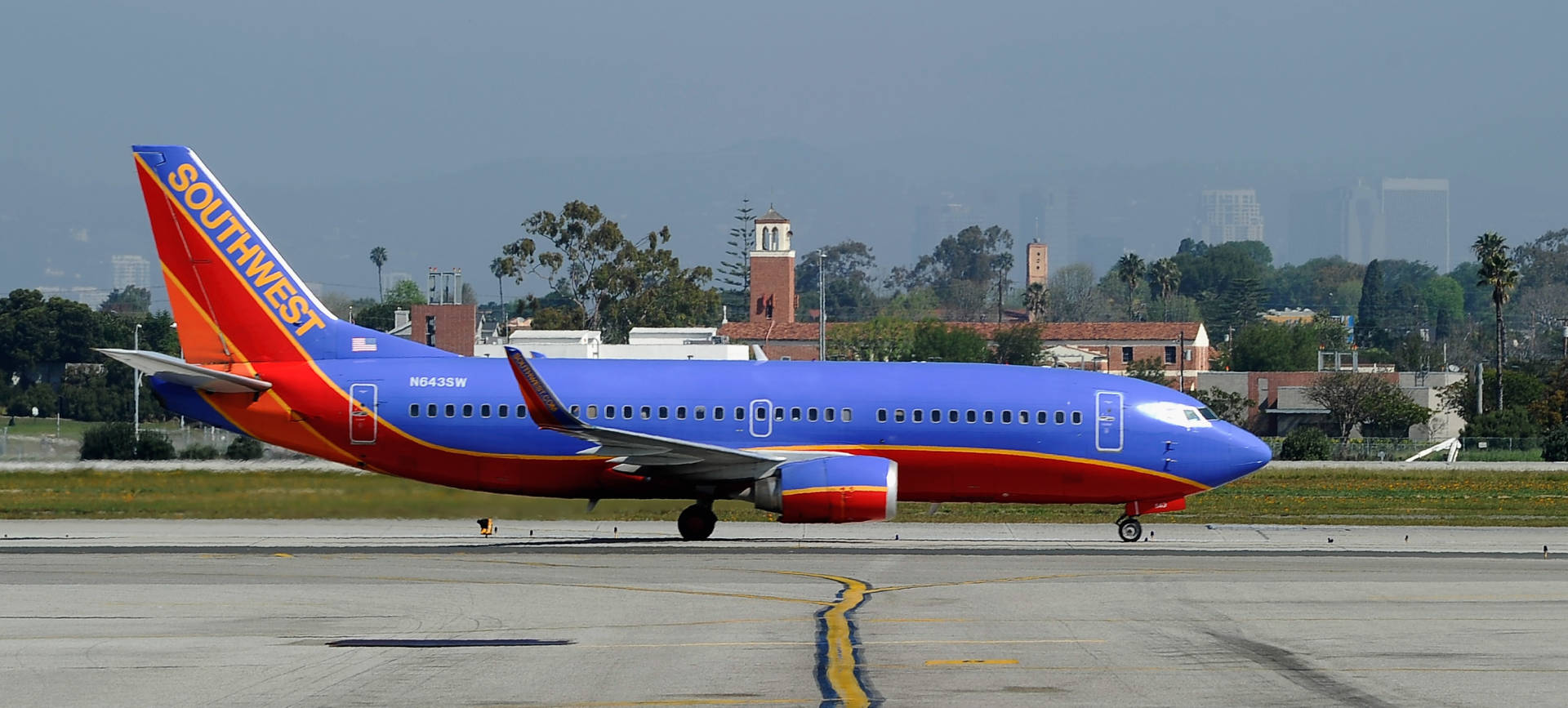
"caption": "A Southwest Airlines 737 at Los Angeles International Airport.",
"description": null,
"title": "Southwest Airlines",
"credit": "Kevork Djansezian/Getty Images",
"status": "inherit",
"isLoading": false,
"fetchFailed": false
},
"news_10931265": {
"type": "attachments",
"id": "news_10931265",
"meta": {
"index": "attachments_1716263798",
"site": "news",
"id": "10931265",
"found": true
},
"parent": 10931264,
"imgSizes": {
"jmtc-small-thumb": {
"file": "https://ww2.kqed.org/app/uploads/sites/10/2016/04/missionstreet-280x150.jpg",
"width": 280,
"mimeType": "image/jpeg",
"height": 150
},
"thumbnail": {
"file": "https://ww2.kqed.org/app/uploads/sites/10/2016/04/missionstreet-400x267.jpg",
"width": 400,
"mimeType": "image/jpeg",
"height": 267
},
"post-thumbnail": {
"file": "https://ww2.kqed.org/app/uploads/sites/10/2016/04/missionstreet-640x372.jpg",
"width": 640,
"mimeType": "image/jpeg",
"height": 372
},
"kqedFullSize": {
"file": "https://ww2.kqed.org/app/uploads/sites/10/2016/04/missionstreet.jpg",
"width": 640,
"height": 427
},
"guest-author-96": {
"file": "https://ww2.kqed.org/app/uploads/sites/10/2016/04/missionstreet-96x96.jpg",
"width": 96,
"mimeType": "image/jpeg",
"height": 96
},
"guest-author-64": {
"file": "https://ww2.kqed.org/app/uploads/sites/10/2016/04/missionstreet-64x64.jpg",
"width": 64,
"mimeType": "image/jpeg",
"height": 64
},
"detail": {
"file": "https://ww2.kqed.org/app/uploads/sites/10/2016/04/missionstreet-75x75.jpg",
"width": 75,
"mimeType": "image/jpeg",
"height": 75
},
"guest-author-32": {
"file": "https://ww2.kqed.org/app/uploads/sites/10/2016/04/missionstreet-32x32.jpg",
"width": 32,
"mimeType": "image/jpeg",
"height": 32
},
"guest-author-128": {
"file": "https://ww2.kqed.org/app/uploads/sites/10/2016/04/missionstreet-128x128.jpg",
"width": 128,
"mimeType": "image/jpeg",
"height": 128
}
},
"publishDate": 1460845726,
"modified": 1462483610,
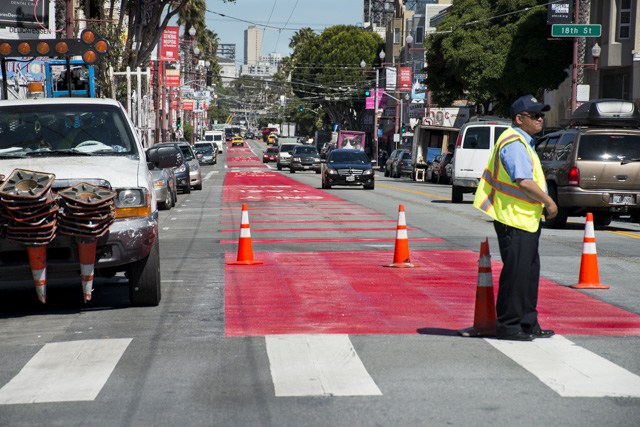
"caption": "Mission Street, between 18th and 19th streets, part of the stretch that is being reconfigured to speed up Muni bus service. ",
"description": null,
"title": "Mission Street",
"credit": "Lola M. Chavez/Mission Local ",
"status": "inherit",
"isLoading": false,
"fetchFailed": false
},
"news_10929507": {
"type": "attachments",
"id": "news_10929507",
"meta": {
"index": "attachments_1716263798",
"site": "news",
"id": "10929507",
"found": true
},
"parent": 10929465,
"imgSizes": {
"twentyfourteen-full-width": {
"file": "https://ww2.kqed.org/app/uploads/sites/10/2016/04/Untitled-2-1038x576.png",
"width": 1038,
"mimeType": "image/png",
"height": 576
},
"thumbnail": {
"file": "https://ww2.kqed.org/app/uploads/sites/10/2016/04/Untitled-2-400x309.png",
"width": 400,
"mimeType": "image/png",
"height": 309
},
"fd-sm": {
"file": "https://ww2.kqed.org/app/uploads/sites/10/2016/04/Untitled-2-960x742.png",
"width": 960,
"mimeType": "image/png",
"height": 742
},
"post-thumbnail": {
"file": "https://ww2.kqed.org/app/uploads/sites/10/2016/04/Untitled-2-672x372.png",
"width": 672,
"mimeType": "image/png",
"height": 372
},
"kqedFullSize": {
"file": "https://ww2.kqed.org/app/uploads/sites/10/2016/04/Untitled-2.png",
"width": 1626,
"height": 1257
},
"guest-author-96": {
"file": "https://ww2.kqed.org/app/uploads/sites/10/2016/04/Untitled-2-96x96.png",
"width": 96,
"mimeType": "image/png",
"height": 96
},
"medium": {
"file": "https://ww2.kqed.org/app/uploads/sites/10/2016/04/Untitled-2-800x618.png",
"width": 800,
"mimeType": "image/png",
"height": 618
},
"guest-author-64": {
"file": "https://ww2.kqed.org/app/uploads/sites/10/2016/04/Untitled-2-64x64.png",
"width": 64,
"mimeType": "image/png",
"height": 64
},
"guest-author-32": {
"file": "https://ww2.kqed.org/app/uploads/sites/10/2016/04/Untitled-2-32x32.png",
"width": 32,
"mimeType": "image/png",
"height": 32
},
"jmtc-small-thumb": {
"file": "https://ww2.kqed.org/app/uploads/sites/10/2016/04/Untitled-2-280x150.png",
"width": 280,
"mimeType": "image/png",
"height": 150
},
"fd-med": {
"file": "https://ww2.kqed.org/app/uploads/sites/10/2016/04/Untitled-2-1180x912.png",
"width": 1180,
"mimeType": "image/png",
"height": 912
},
"detail": {
"file": "https://ww2.kqed.org/app/uploads/sites/10/2016/04/Untitled-2-75x75.png",
"width": 75,
"mimeType": "image/png",
"height": 75
},
"guest-author-128": {
"file": "https://ww2.kqed.org/app/uploads/sites/10/2016/04/Untitled-2-128x128.png",
"width": 128,
"mimeType": "image/png",
"height": 128
}
},
"publishDate": 1460676793,
"modified": 1460676915,
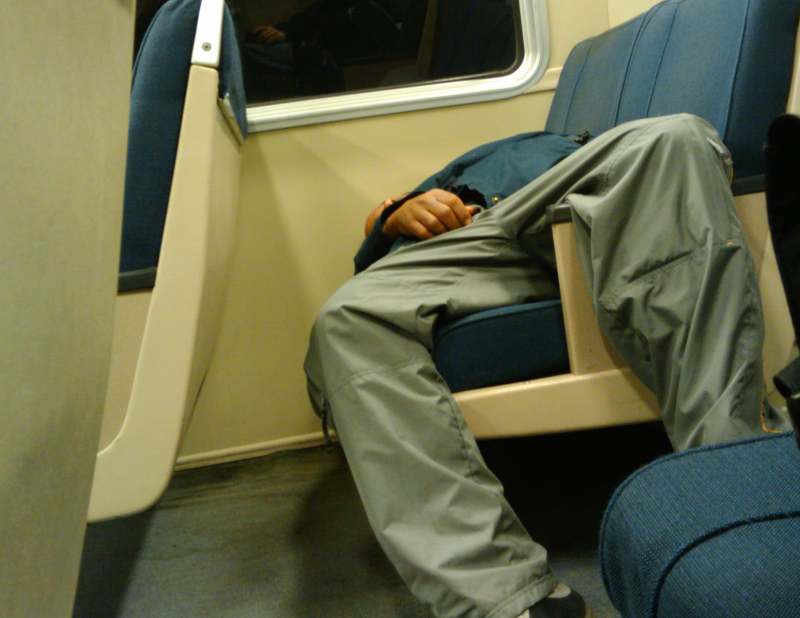
"caption": "A rider who would be fined under the new rule. ",
"description": null,
"title": "Untitled 2",
"credit": "moppet65535/Flickr",
"status": "inherit",
"isLoading": false,
"fetchFailed": false
},
"news_10927388": {
"type": "attachments",
"id": "news_10927388",
"meta": {
"index": "attachments_1716263798",
"site": "news",
"id": "10927388",
"found": true
},
"parent": 10927353,
"imgSizes": {
"jmtc-small-thumb": {
"file": "https://ww2.kqed.org/app/uploads/sites/10/2016/04/glazer-baker-townhall-walnut-creek-280x150.jpg",
"width": 280,
"mimeType": "image/jpeg",
"height": 150
},
"thumbnail": {
"file": "https://ww2.kqed.org/app/uploads/sites/10/2016/04/glazer-baker-townhall-walnut-creek-400x300.jpg",
"width": 400,
"mimeType": "image/jpeg",
"height": 300
},
"post-thumbnail": {
"file": "https://ww2.kqed.org/app/uploads/sites/10/2016/04/glazer-baker-townhall-walnut-creek-600x372.jpg",
"width": 600,
"mimeType": "image/jpeg",
"height": 372
},
"kqedFullSize": {
"file": "https://ww2.kqed.org/app/uploads/sites/10/2016/04/glazer-baker-townhall-walnut-creek.jpg",
"width": 600,
"height": 450
},
"guest-author-96": {
"file": "https://ww2.kqed.org/app/uploads/sites/10/2016/04/glazer-baker-townhall-walnut-creek-96x96.jpg",
"width": 96,
"mimeType": "image/jpeg",
"height": 96
},
"guest-author-64": {
"file": "https://ww2.kqed.org/app/uploads/sites/10/2016/04/glazer-baker-townhall-walnut-creek-64x64.jpg",
"width": 64,
"mimeType": "image/jpeg",
"height": 64
},
"detail": {
"file": "https://ww2.kqed.org/app/uploads/sites/10/2016/04/glazer-baker-townhall-walnut-creek-75x75.jpg",
"width": 75,
"mimeType": "image/jpeg",
"height": 75
},
"guest-author-32": {
"file": "https://ww2.kqed.org/app/uploads/sites/10/2016/04/glazer-baker-townhall-walnut-creek-32x32.jpg",
"width": 32,
"mimeType": "image/jpeg",
"height": 32
},
"guest-author-128": {
"file": "https://ww2.kqed.org/app/uploads/sites/10/2016/04/glazer-baker-townhall-walnut-creek-128x128.jpg",
"width": 128,
"mimeType": "image/jpeg",
"height": 128
}
},
"publishDate": 1460479648,
"modified": 1460479861,
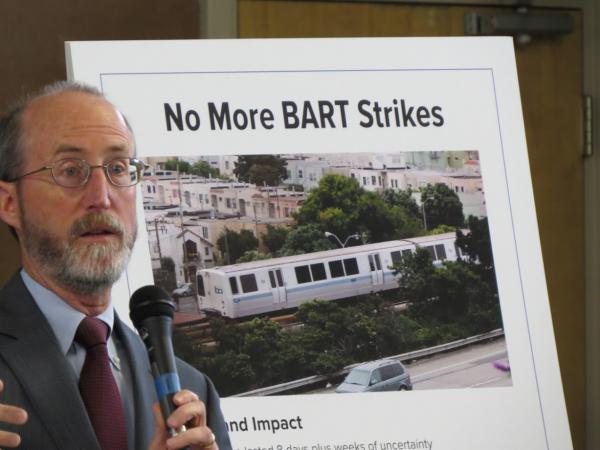
"caption": "State Sen. Steve Glazer during a town hall meeting earlier this year during which he discussed his proposal to ban future BART strikes.",
"description": null,
"title": "Steve Glazer-BART",
"credit": "Office of state Sen. Steve Glazer",
"status": "inherit",
"isLoading": false,
"fetchFailed": false
},
"news_10914318": {
"type": "attachments",
"id": "news_10914318",
"meta": {
"index": "attachments_1716263798",
"site": "news",
"id": "10914318",
"found": true
},
"parent": 10914278,
"imgSizes": {
"twentyfourteen-full-width": {
"file": "https://ww2.kqed.org/app/uploads/sites/10/2016/03/2016-02-29-17.41.04-1038x576.jpg",
"width": 1038,
"mimeType": "image/jpeg",
"height": 576
},
"thumbnail": {
"file": "https://ww2.kqed.org/app/uploads/sites/10/2016/03/2016-02-29-17.41.04-400x300.jpg",
"width": 400,
"mimeType": "image/jpeg",
"height": 300
},
"fd-sm": {
"file": "https://ww2.kqed.org/app/uploads/sites/10/2016/03/2016-02-29-17.41.04-960x720.jpg",
"width": 960,
"mimeType": "image/jpeg",
"height": 720
},
"post-thumbnail": {
"file": "https://ww2.kqed.org/app/uploads/sites/10/2016/03/2016-02-29-17.41.04-672x372.jpg",
"width": 672,
"mimeType": "image/jpeg",
"height": 372
},
"kqedFullSize": {
"file": "https://ww2.kqed.org/app/uploads/sites/10/2016/03/2016-02-29-17.41.04.jpg",
"width": 3264,
"height": 2448
},
"large": {
"file": "https://ww2.kqed.org/app/uploads/sites/10/2016/03/2016-02-29-17.41.04-1920x1440.jpg",
"width": 1920,
"mimeType": "image/jpeg",
"height": 1440
},
"guest-author-96": {
"file": "https://ww2.kqed.org/app/uploads/sites/10/2016/03/2016-02-29-17.41.04-96x96.jpg",
"width": 96,
"mimeType": "image/jpeg",
"height": 96
},
"medium": {
"file": "https://ww2.kqed.org/app/uploads/sites/10/2016/03/2016-02-29-17.41.04-800x600.jpg",
"width": 800,
"mimeType": "image/jpeg",
"height": 600
},
"guest-author-64": {
"file": "https://ww2.kqed.org/app/uploads/sites/10/2016/03/2016-02-29-17.41.04-64x64.jpg",
"width": 64,
"mimeType": "image/jpeg",
"height": 64
},
"guest-author-32": {
"file": "https://ww2.kqed.org/app/uploads/sites/10/2016/03/2016-02-29-17.41.04-32x32.jpg",
"width": 32,
"mimeType": "image/jpeg",
"height": 32
},
"jmtc-small-thumb": {
"file": "https://ww2.kqed.org/app/uploads/sites/10/2016/03/2016-02-29-17.41.04-280x150.jpg",
"width": 280,
"mimeType": "image/jpeg",
"height": 150
},
"fd-lrg": {
"file": "https://ww2.kqed.org/app/uploads/sites/10/2016/03/2016-02-29-17.41.04-1920x1440.jpg",
"width": 1920,
"mimeType": "image/jpeg",
"height": 1440
},
"fd-med": {
"file": "https://ww2.kqed.org/app/uploads/sites/10/2016/03/2016-02-29-17.41.04-1180x885.jpg",
"width": 1180,
"mimeType": "image/jpeg",
"height": 885
},
"detail": {
"file": "https://ww2.kqed.org/app/uploads/sites/10/2016/03/2016-02-29-17.41.04-75x75.jpg",
"width": 75,
"mimeType": "image/jpeg",
"height": 75
},
"guest-author-128": {
"file": "https://ww2.kqed.org/app/uploads/sites/10/2016/03/2016-02-29-17.41.04-128x128.jpg",
"width": 128,
"mimeType": "image/jpeg",
"height": 128
}
},
"publishDate": 1459358393,
"modified": 1459358422,
"caption": "A ferry departs from the Ferry Building terminal in San Francisco. ",
"description": null,
"title": "2016-02-29 17.41.04",
"credit": "Bryan Goebel/KQED",
"status": "inherit",
"isLoading": false,
"fetchFailed": false
},
"news_10556878": {
"type": "attachments",
"id": "news_10556878",
"meta": {
"index": "attachments_1716263798",
"site": "news",
"id": "10556878",
"found": true
},
"parent": 10556807,
"imgSizes": {
"twentyfourteen-full-width": {
"file": "https://ww2.kqed.org/app/uploads/sites/10/2015/06/RS7013_175333538.jpg-alt_246-1038x576.jpg",
"width": 1038,
"mimeType": "image/jpeg",
"height": 576
},
"thumbnail": {
"file": "https://ww2.kqed.org/app/uploads/sites/10/2015/06/RS7013_175333538.jpg-alt_246-400x300.jpg",
"width": 400,
"mimeType": "image/jpeg",
"height": 300
},
"fd-sm": {
"file": "https://ww2.kqed.org/app/uploads/sites/10/2015/06/RS7013_175333538.jpg-alt_246-960x720.jpg",
"width": 960,
"mimeType": "image/jpeg",
"height": 720
},
"post-thumbnail": {
"file": "https://ww2.kqed.org/app/uploads/sites/10/2015/06/RS7013_175333538.jpg-alt_246-672x372.jpg",
"width": 672,
"mimeType": "image/jpeg",
"height": 372
},
"kqedFullSize": {
"file": "https://ww2.kqed.org/app/uploads/sites/10/2015/06/RS7013_175333538.jpg-alt_246.jpg",
"width": 1920,
"height": 1440
},
"large": {
"file": "https://ww2.kqed.org/app/uploads/sites/10/2015/06/RS7013_175333538.jpg-alt_246-1440x1080.jpg",
"width": 1440,
"mimeType": "image/jpeg",
"height": 1080
},
"guest-author-96": {
"file": "https://ww2.kqed.org/app/uploads/sites/10/2015/06/RS7013_175333538.jpg-alt_246-96x96.jpg",
"width": 96,
"mimeType": "image/jpeg",
"height": 96
},
"medium": {
"file": "https://ww2.kqed.org/app/uploads/sites/10/2015/06/RS7013_175333538.jpg-alt_246-800x600.jpg",
"width": 800,
"mimeType": "image/jpeg",
"height": 600
},
"guest-author-64": {
"file": "https://ww2.kqed.org/app/uploads/sites/10/2015/06/RS7013_175333538.jpg-alt_246-64x64.jpg",
"width": 64,
"mimeType": "image/jpeg",
"height": 64
},
"guest-author-32": {
"file": "https://ww2.kqed.org/app/uploads/sites/10/2015/06/RS7013_175333538.jpg-alt_246-32x32.jpg",
"width": 32,
"mimeType": "image/jpeg",
"height": 32
},
"fd-med": {
"file": "https://ww2.kqed.org/app/uploads/sites/10/2015/06/RS7013_175333538.jpg-alt_246-1180x885.jpg",
"width": 1180,
"mimeType": "image/jpeg",
"height": 885
},
"detail": {
"file": "https://ww2.kqed.org/app/uploads/sites/10/2015/06/RS7013_175333538.jpg-alt_246-75x75.jpg",
"width": 75,
"mimeType": "image/jpeg",
"height": 75
},
"guest-author-128": {
"file": "https://ww2.kqed.org/app/uploads/sites/10/2015/06/RS7013_175333538.jpg-alt_246-128x128.jpg",
"width": 128,
"mimeType": "image/jpeg",
"height": 128
}
},
"publishDate": 1433888629,
"modified": 1463606344,
"caption": "A BART train on the Pittsburg-Bay Point line departing Oakland's Rockridge Station.",
"description": "BART train service will not run Saturday and Sunday between West Oakland and Embarcadero stations. ",
"title": "BART",
"credit": "Justin Sullivan/Getty Images",
"status": "inherit",
"isLoading": false,
"fetchFailed": false
},
"news_10832445": {
"type": "attachments",
"id": "news_10832445",
"meta": {
"index": "attachments_1716263798",
"site": "news",
"id": "10832445",
"found": true
},
"parent": 10832337,
"imgSizes": {
"twentyfourteen-full-width": {
"file": "https://ww2.kqed.org/app/uploads/sites/10/2016/01/UberSign-1038x576.jpg",
"width": 1038,
"mimeType": "image/jpeg",
"height": 576
},
"thumbnail": {
"file": "https://ww2.kqed.org/app/uploads/sites/10/2016/01/UberSign-400x241.jpg",
"width": 400,
"mimeType": "image/jpeg",
"height": 241
},
"fd-sm": {
"file": "https://ww2.kqed.org/app/uploads/sites/10/2016/01/UberSign-960x579.jpg",
"width": 960,
"mimeType": "image/jpeg",
"height": 579
},
"post-thumbnail": {
"file": "https://ww2.kqed.org/app/uploads/sites/10/2016/01/UberSign-672x372.jpg",
"width": 672,
"mimeType": "image/jpeg",
"height": 372
},
"kqedFullSize": {
"file": "https://ww2.kqed.org/app/uploads/sites/10/2016/01/UberSign.jpg",
"width": 1920,
"height": 1158
},
"large": {
"file": "https://ww2.kqed.org/app/uploads/sites/10/2016/01/UberSign-1440x869.jpg",
"width": 1440,
"mimeType": "image/jpeg",
"height": 869
},
"guest-author-96": {
"file": "https://ww2.kqed.org/app/uploads/sites/10/2016/01/UberSign-96x96.jpg",
"width": 96,
"mimeType": "image/jpeg",
"height": 96
},
"medium": {
"file": "https://ww2.kqed.org/app/uploads/sites/10/2016/01/UberSign-800x483.jpg",
"width": 800,
"mimeType": "image/jpeg",
"height": 483
},
"guest-author-64": {
"file": "https://ww2.kqed.org/app/uploads/sites/10/2016/01/UberSign-64x64.jpg",
"width": 64,
"mimeType": "image/jpeg",
"height": 64
},
"guest-author-32": {
"file": "https://ww2.kqed.org/app/uploads/sites/10/2016/01/UberSign-32x32.jpg",
"width": 32,
"mimeType": "image/jpeg",
"height": 32
},
"jmtc-small-thumb": {
"file": "https://ww2.kqed.org/app/uploads/sites/10/2016/01/UberSign-280x150.jpg",
"width": 280,
"mimeType": "image/jpeg",
"height": 150
},
"fd-lrg": {
"file": "https://ww2.kqed.org/app/uploads/sites/10/2016/01/UberSign-1920x1158.jpg",
"width": 1920,
"mimeType": "image/jpeg",
"height": 1158
},
"fd-med": {
"file": "https://ww2.kqed.org/app/uploads/sites/10/2016/01/UberSign-1180x712.jpg",
"width": 1180,
"mimeType": "image/jpeg",
"height": 712
},
"detail": {
"file": "https://ww2.kqed.org/app/uploads/sites/10/2016/01/UberSign-75x75.jpg",
"width": 75,
"mimeType": "image/jpeg",
"height": 75
},
"medium_large": {
"file": "https://ww2.kqed.org/app/uploads/sites/10/2016/01/UberSign-768x463.jpg",
"width": 768,
"mimeType": "image/jpeg",
"height": 463
},
"guest-author-128": {
"file": "https://ww2.kqed.org/app/uploads/sites/10/2016/01/UberSign-128x128.jpg",
"width": 128,
"mimeType": "image/jpeg",
"height": 128
}
},
"publishDate": 1452797945,
"modified": 1496778505,
"caption": "An Uber sign.",
"description": null,
"title": "UberSign",
"credit": "Miguel Medina/AFP/Getty Images",
"status": "inherit",
"isLoading": false,
"fetchFailed": false
},
"news_10905287": {
"type": "attachments",
"id": "news_10905287",
"meta": {
"index": "attachments_1716263798",
"site": "news",
"id": "10905287",
"found": true
},
"parent": 10905285,
"imgSizes": {
"twentyfourteen-full-width": {
"file": "https://ww2.kqed.org/app/uploads/sites/10/2016/03/RS16547_IMG_0580-qut-1038x576.jpg",
"width": 1038,
"mimeType": "image/jpeg",
"height": 576
},
"thumbnail": {
"file": "https://ww2.kqed.org/app/uploads/sites/10/2016/03/RS16547_IMG_0580-qut-400x267.jpg",
"width": 400,
"mimeType": "image/jpeg",
"height": 267
},
"fd-sm": {
"file": "https://ww2.kqed.org/app/uploads/sites/10/2016/03/RS16547_IMG_0580-qut-960x640.jpg",
"width": 960,
"mimeType": "image/jpeg",
"height": 640
},
"post-thumbnail": {
"file": "https://ww2.kqed.org/app/uploads/sites/10/2016/03/RS16547_IMG_0580-qut-672x372.jpg",
"width": 672,
"mimeType": "image/jpeg",
"height": 372
},
"kqedFullSize": {
"file": "https://ww2.kqed.org/app/uploads/sites/10/2016/03/RS16547_IMG_0580-qut.jpg",
"width": 1920,
"height": 1280
},
"large": {
"file": "https://ww2.kqed.org/app/uploads/sites/10/2016/03/RS16547_IMG_0580-qut-1920x1280.jpg",
"width": 1920,
"mimeType": "image/jpeg",
"height": 1280
},
"guest-author-96": {
"file": "https://ww2.kqed.org/app/uploads/sites/10/2016/03/RS16547_IMG_0580-qut-96x96.jpg",
"width": 96,
"mimeType": "image/jpeg",
"height": 96
},
"medium": {
"file": "https://ww2.kqed.org/app/uploads/sites/10/2016/03/RS16547_IMG_0580-qut-800x533.jpg",
"width": 800,
"mimeType": "image/jpeg",
"height": 533
},
"guest-author-64": {
"file": "https://ww2.kqed.org/app/uploads/sites/10/2016/03/RS16547_IMG_0580-qut-64x64.jpg",
"width": 64,
"mimeType": "image/jpeg",
"height": 64
},
"guest-author-32": {
"file": "https://ww2.kqed.org/app/uploads/sites/10/2016/03/RS16547_IMG_0580-qut-32x32.jpg",
"width": 32,
"mimeType": "image/jpeg",
"height": 32
},
"jmtc-small-thumb": {
"file": "https://ww2.kqed.org/app/uploads/sites/10/2016/03/RS16547_IMG_0580-qut-280x150.jpg",
"width": 280,
"mimeType": "image/jpeg",
"height": 150
},
"fd-lrg": {
"file": "https://ww2.kqed.org/app/uploads/sites/10/2016/03/RS16547_IMG_0580-qut-1920x1280.jpg",
"width": 1920,
"mimeType": "image/jpeg",
"height": 1280
},
"fd-med": {
"file": "https://ww2.kqed.org/app/uploads/sites/10/2016/03/RS16547_IMG_0580-qut-1180x787.jpg",
"width": 1180,
"mimeType": "image/jpeg",
"height": 787
},
"detail": {
"file": "https://ww2.kqed.org/app/uploads/sites/10/2016/03/RS16547_IMG_0580-qut-75x75.jpg",
"width": 75,
"mimeType": "image/jpeg",
"height": 75
},
"guest-author-128": {
"file": "https://ww2.kqed.org/app/uploads/sites/10/2016/03/RS16547_IMG_0580-qut-128x128.jpg",
"width": 128,
"mimeType": "image/jpeg",
"height": 128
}
},
"publishDate": 1458672382,
"modified": 1458672467,
"caption": "San Francisco transportation officials are pushing to enforce rules on Uber and Lyft. ",
"description": null,
"title": "RS16547_IMG_0580-qut",
"credit": "Ericka Cruz Guevarra/KQED",
"status": "inherit",
"isLoading": false,
"fetchFailed": false
},
"news_10921779": {
"type": "attachments",
"id": "news_10921779",
"meta": {
"index": "attachments_1716263798",
"site": "news",
"id": "10921779",
"found": true
},
"parent": 10921777,
"imgSizes": {
"twentyfourteen-full-width": {
"file": "https://ww2.kqed.org/app/uploads/sites/10/2016/04/RS16538_IMG_0464-qut-1038x576.jpg",
"width": 1038,
"mimeType": "image/jpeg",
"height": 576
},
"thumbnail": {
"file": "https://ww2.kqed.org/app/uploads/sites/10/2016/04/RS16538_IMG_0464-qut-400x267.jpg",
"width": 400,
"mimeType": "image/jpeg",
"height": 267
},
"fd-sm": {
"file": "https://ww2.kqed.org/app/uploads/sites/10/2016/04/RS16538_IMG_0464-qut-960x640.jpg",
"width": 960,
"mimeType": "image/jpeg",
"height": 640
},
"post-thumbnail": {
"file": "https://ww2.kqed.org/app/uploads/sites/10/2016/04/RS16538_IMG_0464-qut-672x372.jpg",
"width": 672,
"mimeType": "image/jpeg",
"height": 372
},
"kqedFullSize": {
"file": "https://ww2.kqed.org/app/uploads/sites/10/2016/04/RS16538_IMG_0464-qut.jpg",
"width": 1920,
"height": 1280
},
"large": {
"file": "https://ww2.kqed.org/app/uploads/sites/10/2016/04/RS16538_IMG_0464-qut-1920x1280.jpg",
"width": 1920,
"mimeType": "image/jpeg",
"height": 1280
},
"guest-author-96": {
"file": "https://ww2.kqed.org/app/uploads/sites/10/2016/04/RS16538_IMG_0464-qut-96x96.jpg",
"width": 96,
"mimeType": "image/jpeg",
"height": 96
},
"medium": {
"file": "https://ww2.kqed.org/app/uploads/sites/10/2016/04/RS16538_IMG_0464-qut-800x533.jpg",
"width": 800,
"mimeType": "image/jpeg",
"height": 533
},
"guest-author-64": {
"file": "https://ww2.kqed.org/app/uploads/sites/10/2016/04/RS16538_IMG_0464-qut-64x64.jpg",
"width": 64,
"mimeType": "image/jpeg",
"height": 64
},
"guest-author-32": {
"file": "https://ww2.kqed.org/app/uploads/sites/10/2016/04/RS16538_IMG_0464-qut-32x32.jpg",
"width": 32,
"mimeType": "image/jpeg",
"height": 32
},
"jmtc-small-thumb": {
"file": "https://ww2.kqed.org/app/uploads/sites/10/2016/04/RS16538_IMG_0464-qut-280x150.jpg",
"width": 280,
"mimeType": "image/jpeg",
"height": 150
},
"fd-lrg": {
"file": "https://ww2.kqed.org/app/uploads/sites/10/2016/04/RS16538_IMG_0464-qut-1920x1280.jpg",
"width": 1920,
"mimeType": "image/jpeg",
"height": 1280
},
"fd-med": {
"file": "https://ww2.kqed.org/app/uploads/sites/10/2016/04/RS16538_IMG_0464-qut-1180x787.jpg",
"width": 1180,
"mimeType": "image/jpeg",
"height": 787
},
"detail": {
"file": "https://ww2.kqed.org/app/uploads/sites/10/2016/04/RS16538_IMG_0464-qut-75x75.jpg",
"width": 75,
"mimeType": "image/jpeg",
"height": 75
},
"guest-author-128": {
"file": "https://ww2.kqed.org/app/uploads/sites/10/2016/04/RS16538_IMG_0464-qut-128x128.jpg",
"width": 128,
"mimeType": "image/jpeg",
"height": 128
}
},
"publishDate": 1459974693,
"modified": 1459982164,
"caption": "Adnan Aloudi, a full-time Uber and Lyft driver, navigates downtown San Francisco on Aug. 31, 2015.",
"description": null,
"title": "RS16538_IMG_0464-qut",
"credit": "Ericka Cruz Guevarra/KQED",
"status": "inherit",
"isLoading": false,
"fetchFailed": false
},
"news_10919821": {
"type": "attachments",
"id": "news_10919821",
"meta": {
"index": "attachments_1716263798",
"site": "news",
"id": "10919821",
"found": true
},
"parent": 10919767,
"imgSizes": {
"twentyfourteen-full-width": {
"file": "https://ww2.kqed.org/app/uploads/sites/10/2016/04/bikecar-800x576.jpg",
"width": 800,
"mimeType": "image/jpeg",
"height": 576
},
"jmtc-small-thumb": {
"file": "https://ww2.kqed.org/app/uploads/sites/10/2016/04/bikecar-280x150.jpg",
"width": 280,
"mimeType": "image/jpeg",
"height": 150
},
"thumbnail": {
"file": "https://ww2.kqed.org/app/uploads/sites/10/2016/04/bikecar-400x300.jpg",
"width": 400,
"mimeType": "image/jpeg",
"height": 300
},
"post-thumbnail": {
"file": "https://ww2.kqed.org/app/uploads/sites/10/2016/04/bikecar-672x372.jpg",
"width": 672,
"mimeType": "image/jpeg",
"height": 372
},
"kqedFullSize": {
"file": "https://ww2.kqed.org/app/uploads/sites/10/2016/04/bikecar.jpg",
"width": 800,
"height": 600
},
"guest-author-96": {
"file": "https://ww2.kqed.org/app/uploads/sites/10/2016/04/bikecar-96x96.jpg",
"width": 96,
"mimeType": "image/jpeg",
"height": 96
},
"medium": {
"file": "https://ww2.kqed.org/app/uploads/sites/10/2016/04/bikecar-800x600.jpg",
"width": 800,
"mimeType": "image/jpeg",
"height": 600
},
"guest-author-64": {
"file": "https://ww2.kqed.org/app/uploads/sites/10/2016/04/bikecar-64x64.jpg",
"width": 64,
"mimeType": "image/jpeg",
"height": 64
},
"detail": {
"file": "https://ww2.kqed.org/app/uploads/sites/10/2016/04/bikecar-75x75.jpg",
"width": 75,
"mimeType": "image/jpeg",
"height": 75
},
"guest-author-32": {
"file": "https://ww2.kqed.org/app/uploads/sites/10/2016/04/bikecar-32x32.jpg",
"width": 32,
"mimeType": "image/jpeg",
"height": 32
},
"guest-author-128": {
"file": "https://ww2.kqed.org/app/uploads/sites/10/2016/04/bikecar-128x128.jpg",
"width": 128,
"mimeType": "image/jpeg",
"height": 128
}
},
"publishDate": 1459813665,
"modified": 1459813771,
"caption": "The new car increases capacity from 48 to 72 bikes.",
"description": "The new car increases capacity from 48 to 72 bikes.",
"title": "bikecar",
"credit": "Courtesy of Peninsula Moves",
"status": "inherit",
"isLoading": false,
"fetchFailed": false
},
"news_10919766": {
"type": "attachments",
"id": "news_10919766",
"meta": {
"index": "attachments_1716263798",
"site": "news",
"id": "10919766",
"found": true
},
"parent": 10919706,
"imgSizes": {
"twentyfourteen-full-width": {
"file": "https://ww2.kqed.org/app/uploads/sites/10/2016/04/RS2371_highspeedrail-20120706-1-1038x576.jpg",
"width": 1038,
"mimeType": "image/jpeg",
"height": 576
},
"thumbnail": {
"file": "https://ww2.kqed.org/app/uploads/sites/10/2016/04/RS2371_highspeedrail-20120706-1-400x225.jpg",
"width": 400,
"mimeType": "image/jpeg",
"height": 225
},
"fd-sm": {
"file": "https://ww2.kqed.org/app/uploads/sites/10/2016/04/RS2371_highspeedrail-20120706-1-960x540.jpg",
"width": 960,
"mimeType": "image/jpeg",
"height": 540
},
"post-thumbnail": {
"file": "https://ww2.kqed.org/app/uploads/sites/10/2016/04/RS2371_highspeedrail-20120706-1-672x372.jpg",
"width": 672,
"mimeType": "image/jpeg",
"height": 372
},
"kqedFullSize": {
"file": "https://ww2.kqed.org/app/uploads/sites/10/2016/04/RS2371_highspeedrail-20120706-1-e1459809575568.jpg",
"width": 1920,
"height": 1080
},
"large": {
"file": "https://ww2.kqed.org/app/uploads/sites/10/2016/04/RS2371_highspeedrail-20120706-1-1920x1080.jpg",
"width": 1920,
"mimeType": "image/jpeg",
"height": 1080
},
"guest-author-96": {
"file": "https://ww2.kqed.org/app/uploads/sites/10/2016/04/RS2371_highspeedrail-20120706-1-96x96.jpg",
"width": 96,
"mimeType": "image/jpeg",
"height": 96
},
"medium": {
"file": "https://ww2.kqed.org/app/uploads/sites/10/2016/04/RS2371_highspeedrail-20120706-1-800x450.jpg",
"width": 800,
"mimeType": "image/jpeg",
"height": 450
},
"guest-author-64": {
"file": "https://ww2.kqed.org/app/uploads/sites/10/2016/04/RS2371_highspeedrail-20120706-1-64x64.jpg",
"width": 64,
"mimeType": "image/jpeg",
"height": 64
},
"guest-author-32": {
"file": "https://ww2.kqed.org/app/uploads/sites/10/2016/04/RS2371_highspeedrail-20120706-1-32x32.jpg",
"width": 32,
"mimeType": "image/jpeg",
"height": 32
},
"jmtc-small-thumb": {
"file": "https://ww2.kqed.org/app/uploads/sites/10/2016/04/RS2371_highspeedrail-20120706-1-280x150.jpg",
"width": 280,
"mimeType": "image/jpeg",
"height": 150
},
"fd-lrg": {
"file": "https://ww2.kqed.org/app/uploads/sites/10/2016/04/RS2371_highspeedrail-20120706-1-1920x1080.jpg",
"width": 1920,
"mimeType": "image/jpeg",
"height": 1080
},
"fd-med": {
"file": "https://ww2.kqed.org/app/uploads/sites/10/2016/04/RS2371_highspeedrail-20120706-1-1180x664.jpg",
"width": 1180,
"mimeType": "image/jpeg",
"height": 664
},
"detail": {
"file": "https://ww2.kqed.org/app/uploads/sites/10/2016/04/RS2371_highspeedrail-20120706-1-75x75.jpg",
"width": 75,
"mimeType": "image/jpeg",
"height": 75
},
"guest-author-128": {
"file": "https://ww2.kqed.org/app/uploads/sites/10/2016/04/RS2371_highspeedrail-20120706-1-128x128.jpg",
"width": 128,
"mimeType": "image/jpeg",
"height": 128
}
},
"publishDate": 1459809522,
"modified": 1490291590,
"caption": "An artist's rendering of a California bullet train. ",
"description": "A rendering of High Speed Rail.",
"title": "California HIgh-Speed Rail",
"credit": "California High-Speed Rail Authority",
"status": "inherit",
"isLoading": false,
"fetchFailed": false
},
"news_10919588": {
"type": "attachments",
"id": "news_10919588",
"meta": {
"index": "attachments_1716263798",
"site": "news",
"id": "10919588",
"found": true
},
"parent": 10919390,
"imgSizes": {
"twentyfourteen-full-width": {
"file": "https://ww2.kqed.org/app/uploads/sites/10/2016/04/VirginAmerica-1038x576.jpg",
"width": 1038,
"mimeType": "image/jpeg",
"height": 576
},
"thumbnail": {
"file": "https://ww2.kqed.org/app/uploads/sites/10/2016/04/VirginAmerica-400x249.jpg",
"width": 400,
"mimeType": "image/jpeg",
"height": 249
},
"fd-sm": {
"file": "https://ww2.kqed.org/app/uploads/sites/10/2016/04/VirginAmerica-960x598.jpg",
"width": 960,
"mimeType": "image/jpeg",
"height": 598
},
"post-thumbnail": {
"file": "https://ww2.kqed.org/app/uploads/sites/10/2016/04/VirginAmerica-672x372.jpg",
"width": 672,
"mimeType": "image/jpeg",
"height": 372
},
"kqedFullSize": {
"file": "https://ww2.kqed.org/app/uploads/sites/10/2016/04/VirginAmerica.jpg",
"width": 1920,
"height": 1196
},
"large": {
"file": "https://ww2.kqed.org/app/uploads/sites/10/2016/04/VirginAmerica-1920x1196.jpg",
"width": 1920,
"mimeType": "image/jpeg",
"height": 1196
},
"guest-author-96": {
"file": "https://ww2.kqed.org/app/uploads/sites/10/2016/04/VirginAmerica-96x96.jpg",
"width": 96,
"mimeType": "image/jpeg",
"height": 96
},
"medium": {
"file": "https://ww2.kqed.org/app/uploads/sites/10/2016/04/VirginAmerica-800x498.jpg",
"width": 800,
"mimeType": "image/jpeg",
"height": 498
},
"guest-author-64": {
"file": "https://ww2.kqed.org/app/uploads/sites/10/2016/04/VirginAmerica-64x64.jpg",
"width": 64,
"mimeType": "image/jpeg",
"height": 64
},
"guest-author-32": {
"file": "https://ww2.kqed.org/app/uploads/sites/10/2016/04/VirginAmerica-32x32.jpg",
"width": 32,
"mimeType": "image/jpeg",
"height": 32
},
"jmtc-small-thumb": {
"file": "https://ww2.kqed.org/app/uploads/sites/10/2016/04/VirginAmerica-280x150.jpg",
"width": 280,
"mimeType": "image/jpeg",
"height": 150
},
"fd-lrg": {
"file": "https://ww2.kqed.org/app/uploads/sites/10/2016/04/VirginAmerica-1920x1196.jpg",
"width": 1920,
"mimeType": "image/jpeg",
"height": 1196
},
"fd-med": {
"file": "https://ww2.kqed.org/app/uploads/sites/10/2016/04/VirginAmerica-1180x735.jpg",
"width": 1180,
"mimeType": "image/jpeg",
"height": 735
},
"detail": {
"file": "https://ww2.kqed.org/app/uploads/sites/10/2016/04/VirginAmerica-75x75.jpg",
"width": 75,
"mimeType": "image/jpeg",
"height": 75
},
"guest-author-128": {
"file": "https://ww2.kqed.org/app/uploads/sites/10/2016/04/VirginAmerica-128x128.jpg",
"width": 128,
"mimeType": "image/jpeg",
"height": 128
}
},
"publishDate": 1459797741,
"modified": 1459797805,
"caption": "\"Our goal is to be the premier airline for people along the West Coast,\" Alaska CEO Brad Tilden told investors on a call Monday morning, of the company's deal to buy Burlingame-based Virgin America.",
"description": "\"Our goal is to be the premier airline for people along the West Coast,\" Alaska CEO Brad Tilden told investors on a call Monday morning, of the company's deal to buy Burlingame-based Virgin America.",
"title": "VirginAmerica",
"credit": "Justin Sullivan/Getty Images",
"status": "inherit",
"isLoading": false,
"fetchFailed": false
}
},
"audioPlayerReducer": {
"postId": "stream_live",
"isPaused": true,
"isPlaying": false,
"pfsActive": false,
"pledgeModalIsOpen": true,
"playerDrawerIsOpen": false,
"liveAudioPlayStartedAt": 0,
"liveAudioPlayContext": ""
},
"authorsReducer": {
"byline_news_10931264": {
"type": "authors",
"id": "byline_news_10931264",
"meta": {
"override": true
},
"slug": "byline_news_10931264",
"name": "\u003cstrong>\u003ca href=\"http://missionlocal.org/author/lauraw/\" target=\"_blank\">Laura Wenus\u003c/a>\u003cbr />Mission Local\u003c/strong>",
"isLoading": false
},
"byline_news_10919390": {
"type": "authors",
"id": "byline_news_10919390",
"meta": {
"override": true
},
"slug": "byline_news_10919390",
"name": "\u003cstrong>David Koenig\u003c/strong>\u003cbr />The Associated Press",
"isLoading": false
},
"bgoebel": {
"type": "authors",
"id": "214",
"meta": {
"index": "authors_1716337520",
"id": "214",
"found": true
},
"name": "Bryan Goebel",
"firstName": "Bryan",
"lastName": "Goebel",
"slug": "bgoebel",
"email": "bgoebel@kqed.org",
"display_author_email": false,
"staff_mastheads": [],
"title": null,
"bio": "Bryan Goebel is a reporter focused on transportation and housing issues. He was previously the editor of Streetsblog San Francisco, and an anchor/editor at KCBS Radio. He's a lifelong Californian and has also worked at radio stations in Barstow, Redding and Sacramento.",
"avatar": "https://secure.gravatar.com/avatar/7fdd6b065bfe9a23a71bcfa80848df88?s=600&d=blank&r=g",
"twitter": "velobry",
"facebook": null,
"instagram": null,
"linkedin": null,
"sites": [
{
"site": "news",
"roles": [
"subscriber"
]
},
{
"site": "stateofhealth",
"roles": [
"subscriber"
]
}
],
"headData": {
"title": "Bryan Goebel | KQED",
"description": null,
"ogImgSrc": "https://secure.gravatar.com/avatar/7fdd6b065bfe9a23a71bcfa80848df88?s=600&d=blank&r=g",
"twImgSrc": "https://secure.gravatar.com/avatar/7fdd6b065bfe9a23a71bcfa80848df88?s=600&d=blank&r=g"
},
"isLoading": false,
"link": "/author/bgoebel"
},
"danbrekke": {
"type": "authors",
"id": "222",
"meta": {
"index": "authors_1716337520",
"id": "222",
"found": true
},
"name": "Dan Brekke",
"firstName": "Dan",
"lastName": "Brekke",
"slug": "danbrekke",
"email": "dbrekke@kqed.org",
"display_author_email": true,
"staff_mastheads": [
"news",
"science"
],
"title": "KQED Editor and Reporter",
"bio": "Dan Brekke is a reporter and editor for KQED News, responsible for coverage of topics ranging from California water issues to the Bay Area's transportation challenges. In a newsroom career that began in Chicago in 1972, Dan has worked for \u003cem>The San Francisco Examiner,\u003c/em> Wired and TechTV and has been published in The New York Times, The New York Times Magazine, Business 2.0, Salon and elsewhere.\r\n\r\nSince joining KQED in 2007, Dan has reported, edited and produced both radio and online features and breaking news pieces. He has shared as both editor and reporter in four Society of Professional Journalists Norcal Excellence in Journalism awards and one Edward R. Murrow regional award. He was chosen for a spring 2017 residency at the Mesa Refuge to advance his research on California salmon.\r\n\r\nEmail Dan at: \u003ca href=\"mailto:dbrekke@kqed.org\">dbrekke@kqed.org\u003c/a>\r\n\r\n\u003cstrong>Twitter:\u003c/strong> \u003ca href=\"https://twitter.com/danbrekke\" rel=\"noopener noreferrer\">twitter.com/danbrekke\u003c/a>\r\n\u003cstrong>Facebook:\u003c/strong> \u003ca href=\"https://www.facebook.com/danbrekke\" rel=\"noopener noreferrer\">www.facebook.com/danbrekke\u003c/a>\r\n\u003cstrong>LinkedIn:\u003c/strong> \u003ca href=\"https://www.linkedin.com/in/danbrekke\" rel=\"noopener noreferrer\">www.linkedin.com/in/danbrekke\u003c/a>",
"avatar": "https://secure.gravatar.com/avatar/8f1f0d2a978fb3b23426c922c7e2af558fa36905b49c4ce76a97dc3c72d27226?s=600&d=mm&r=g",
"twitter": "danbrekke",
"bluesky": null,
"facebook": null,
"instagram": "https://www.instagram.com/dan.brekke/",
"linkedin": "https://www.linkedin.com/in/danbrekke/",
"sites": [
{
"site": "news",
"roles": [
"administrator",
"create_posts"
]
},
{
"site": "stateofhealth",
"roles": [
"editor"
]
},
{
"site": "science",
"roles": [
"editor"
]
},
{
"site": "quest",
"roles": [
"contributor"
]
},
{
"site": "food",
"roles": [
"contributor"
]
},
{
"site": "forum",
"roles": [
"contributor"
]
},
{
"site": "elections",
"roles": [
"editor"
]
},
{
"site": "liveblog",
"roles": [
"editor"
]
}
],
"headData": {
"title": "Dan Brekke | KQED",
"description": "KQED Editor and Reporter",
"ogImgSrc": "https://secure.gravatar.com/avatar/8f1f0d2a978fb3b23426c922c7e2af558fa36905b49c4ce76a97dc3c72d27226?s=600&d=mm&r=g",
"twImgSrc": "https://secure.gravatar.com/avatar/8f1f0d2a978fb3b23426c922c7e2af558fa36905b49c4ce76a97dc3c72d27226?s=600&d=mm&r=g"
},
"isLoading": false,
"link": "/author/danbrekke"
},
"kqed": {
"type": "authors",
"id": "236",
"meta": {
"index": "authors_1716337520",
"id": "236",
"found": true
},
"name": "KQED News Staff",
"firstName": "KQED News Staff",
"lastName": null,
"slug": "kqed",
"email": "faq@kqed.org",
"display_author_email": false,
"staff_mastheads": [],
"title": null,
"bio": null,
"avatar": "https://secure.gravatar.com/avatar/ef0e801a68c4c54afa9180db14084167?s=600&d=blank&r=g",
"twitter": null,
"facebook": null,
"instagram": null,
"linkedin": null,
"sites": [
{
"site": "arts",
"roles": [
"contributor"
]
},
{
"site": "news",
"roles": [
"editor"
]
},
{
"site": "futureofyou",
"roles": [
"author"
]
}
],
"headData": {
"title": "KQED News Staff | KQED",
"description": null,
"ogImgSrc": "https://secure.gravatar.com/avatar/ef0e801a68c4c54afa9180db14084167?s=600&d=blank&r=g",
"twImgSrc": "https://secure.gravatar.com/avatar/ef0e801a68c4c54afa9180db14084167?s=600&d=blank&r=g"
},
"isLoading": false,
"link": "/author/kqed"
},
"kdomara": {
"type": "authors",
"id": "1459",
"meta": {
"index": "authors_1716337520",
"id": "1459",
"found": true
},
"name": "Kelly O'Mara",
"firstName": "Kelly",
"lastName": "O'Mara",
"slug": "kdomara",
"email": "komara@kqed.org",
"display_author_email": false,
"staff_mastheads": [
"news"
],
"title": "KQED Contributor",
"bio": "Kelly O'Mara is a writer and reporter in the San Francisco Bay Area. She writes about food, health, sports, travel, business and California news. Her work has appeared on KQED, online for Outside Magazine, epsnW, VICE and in Competitor Magazine, among others. Follow Kelly on Twitter \u003ca href=\"https://twitter.com/kellydomara\">@kellydomara\u003c/a>.",
"avatar": "https://secure.gravatar.com/avatar/768fec7412028b72f13bdd0f5f9d8186?s=600&d=blank&r=g",
"twitter": null,
"facebook": null,
"instagram": null,
"linkedin": null,
"sites": [
{
"site": "arts",
"roles": []
},
{
"site": "news",
"roles": []
},
{
"site": "bayareabites",
"roles": []
},
{
"site": "stateofhealth",
"roles": []
},
{
"site": "science",
"roles": []
},
{
"site": "checkplease",
"roles": [
"editor"
]
},
{
"site": "food",
"roles": []
},
{
"site": "forum",
"roles": [
"editor"
]
},
{
"site": "liveblog",
"roles": [
"editor"
]
}
],
"headData": {
"title": "Kelly O'Mara | KQED",
"description": "KQED Contributor",
"ogImgSrc": "https://secure.gravatar.com/avatar/768fec7412028b72f13bdd0f5f9d8186?s=600&d=blank&r=g",
"twImgSrc": "https://secure.gravatar.com/avatar/768fec7412028b72f13bdd0f5f9d8186?s=600&d=blank&r=g"
},
"isLoading": false,
"link": "/author/kdomara"
},
"korr": {
"type": "authors",
"id": "11200",
"meta": {
"index": "authors_1716337520",
"id": "11200",
"found": true
},
"name": "Katie Orr",
"firstName": "Katie",
"lastName": "Orr",
"slug": "korr",
"email": "korr@kqed.org",
"display_author_email": false,
"staff_mastheads": [],
"title": "KQED Contributor",
"bio": "Katie Orr was a Sacramento-based reporter for KQED's Politics and Government Desk, covering the state Capitol and a variety of issues including women in politics, voting and elections and legislation. Prior to joining KQED in 2016, Katie was state government reporter for Capital Public Radio in Sacramento. She's also worked for KPBS in San Diego, where she covered City Hall.\r\n\r\nKatie received her masters degree in political science from San Diego State University and holds a Bachelors degree in broadcast journalism from Arizona State University.\r\n\r\nIn 2015 Katie won a national Clarion Award for a series of stories she did on women in California politics. She's been honored by the Society for Professional Journalists and, in 2013, was named by \u003cem>The Washington Post\u003c/em> as one of the country's top state Capitol reporters. She's also reported for the award-winning documentary series \u003cem>The View from Here \u003c/em>and was part of the team that won national PRNDI and Gabriel Awards in 2015. She lives in Sacramento with her husband. Twitter: @1KatieOrr",
"avatar": "https://secure.gravatar.com/avatar/41a40b25845adc78f50808670860449e?s=600&d=blank&r=g",
"twitter": "1katieorr",
"facebook": null,
"instagram": null,
"linkedin": null,
"sites": [
{
"site": "news",
"roles": [
"subscriber"
]
},
{
"site": "stateofhealth",
"roles": [
"author"
]
},
{
"site": "forum",
"roles": [
"author"
]
}
],
"headData": {
"title": "Katie Orr | KQED",
"description": "KQED Contributor",
"ogImgSrc": "https://secure.gravatar.com/avatar/41a40b25845adc78f50808670860449e?s=600&d=blank&r=g",
"twImgSrc": "https://secure.gravatar.com/avatar/41a40b25845adc78f50808670860449e?s=600&d=blank&r=g"
},
"isLoading": false,
"link": "/author/korr"
}
},
"pagesReducer": {
"news_category_transportation": {
"type": "terms",
"id": "news_1397",
"meta": {
"index": "terms_1716263798",
"site": "news",
"id": "1397",
"score": 12.940577
},
"featImg": null,
"name": "Transportation",
"description": null,
"taxonomy": "category",
"headData": {
"twImgId": null,
"twTitle": null,
"ogTitle": null,
"ogImgId": null,
"twDescription": null,
"description": null,
"title": "Transportation Archives | KQED News",
"ogDescription": null
},
"ttid": 1409,
"slug": "transportation",
"isLoading": false,
"title": "Transportation",
"pageMeta": {
"site": "news",
"WpPageTemplate": "page-topic-editorial",
"currentPage": 94
},
"blocks": [
{
"blockName": "kqed/post-list",
"attrs": {
"layout": "cardArticle2",
"query": "posts/news?category=transportation",
"seeMore": false,
"paginated": true,
"page": 94
}
},
{
"blockName": "kqed/ad"
}
]
}
},
"pfsSessionReducer": {},
"postsReducer": {
"stream_live": {
"type": "live",
"id": "stream_live",
"audioUrl": "https://streams.kqed.org/kqedradio",
"title": "Live Stream",
"excerpt": "Live Stream information currently unavailable.",
"link": "/radio",
"featImg": "",
"label": {
"name": "KQED Live",
"link": "/"
}
},
"stream_kqedNewscast": {
"type": "posts",
"id": "stream_kqedNewscast",
"audioUrl": "https://www.kqed.org/.stream/anon/radio/RDnews/newscast.mp3?_=1",
"title": "KQED Newscast",
"featImg": "",
"label": {
"name": "88.5 FM",
"link": "/"
}
},
"news_10932733": {
"type": "posts",
"id": "news_10932733",
"meta": {
"index": "posts_1716263798",
"site": "news",
"id": "10932733",
"score": null,
"sort": [
1460993498000
]
},
"parent": 0,
"labelTerm": {
"site": "news",
"term": 72
},
"blocks": [],
"publishDate": 1460993498,
"format": "standard",
"disqusTitle": "UC Berkeley Student Taken Off Flight After 'Perceived Threat' in Arabic",
"title": "UC Berkeley Student Taken Off Flight After 'Perceived Threat' in Arabic",
"headTitle": "The California Report | KQED News",
"content": "\u003cp>\u003cstrong>Editor's note: This story includes a \u003ca href=\"#correction\">correction\u003c/a>.\u003c/strong>\u003c/p>\n\u003cp>\u003cem>Update, 4:05 p.m. Monday, April 18\u003c/em>\u003c/p>\n\u003cp>Southwest Airlines is disputing a UC Berkeley student's account that he was removed from a Los Angeles-to-Oakland flight on April 6 because he was heard having a cellphone conversation in Arabic. \u003c/p>\n\u003cp>In a statement issued Monday, the airline said a fellow Arabic-speaking passenger overheard fourth-year Berkeley undergraduate Khairuldeen Makhzoomi make \"what were perceived to be threatening comments\" and reported them to the crew.\u003c/p>\n\u003cp>\"It was the content of the passenger’s conversation, not the language used, that prompted the report leading to our investigation,\" the airline said.\u003c/p>\n\u003cp>[ad fullwidth]\u003c/p>\n\u003cp>After the passenger alerted crewmembers, the airline said, \"an Arabic-speaking Southwest manager at LAX participated in the decision to request the passenger leave the aircraft and continue the conversation in the gate area. ... Federal law enforcement agents became involved and conducted their own investigation.\" \u003c/p>\n\u003cp>Makhzoomi, whose family fled Iraq in 2002 and came to the United States in 2010, told \u003ca href=\"http://www.dailycal.org/2016/04/14/uc-berkeley-student-questioned-refused-service-speaking-arabic-flight/\" target=\"_blank\">UC Berkeley's Daily Californian last week\u003c/a> that the April 6 incident unfolded the day after he had attended a World Affairs Council event featuring U.N. Secretary-General Ban Ki-moon.\u003c/p>\n\u003cp>The Daily Cal, which noted Makhzoomi described himself as a loyal Southwest premier rewards member, boarded his flight to Oakland and called his uncle in Baghdad to tell him about the World Affairs Council event. Makhzoomi \u003ca href=\"http://www.nytimes.com/2016/04/17/us/student-speaking-arabic-removed-southwest-airlines-plane.html?hp&action=click&pgtype=Homepage&clickSource=story-heading&module=second-column-region®ion=top-news&WT.nav=top-news&_r=1\" target=\"_blank\">told The New York Times\u003c/a> that during the call, he mentioned asking the U.N. chief a question about the Islamic State. When he signed off with his uncle, Makhzoomi said in both accounts, he said, \"Inshallah\" -- Arabic for \"God willing.\" \u003c/p>\n\u003cp>Here's what Makhzoomi told the Daily Cal happened next: \u003c/p>\n\u003cblockquote>\u003cp>When Makhzoomi hung up, he noticed a female passenger looking at him. Once he made eye contact with her, she got up and left her seat.\u003c/p>\n\u003cp>“She kept staring at me and I didn’t know what was wrong,” he said. “Then I realized what was happening and I just was thinking ‘I hope she’s not reporting me.’”\u003c/p>\n\u003cp>Minutes later, an airport employee arrived to remove Makhzoomi from the airplane. Makhzoomi was escorted onto the passenger boarding bridge where he was met by three security officers.\u003c/p>\n\u003cp>He learned that the passenger thought she had heard the word “shahid,” meaning martyr, which is associated with jihad and has been associated with terrorists.\u003c/p>\n\u003cp>The conversation between Makhzoomi and the employee became complicated and political. The employee informed Makhzoomi that he was not allowed to return to the plane.\u003c/p>\n\u003cp>Then Makhzoomi heard one of the security officers radio for the FBI.\u003c/p>\n\u003cp>“At that moment I couldn’t feel anything,” he said. “I was so afraid. I was so scared.”\u003c/p>\n\u003cp>Makhzoomi was removed from the jet bridge and taken back to the gate where more security officers, police dogs and Southwest staff awaited him. Dozens of onlookers watched as he waited for the FBI to arrive.\u003c/p>\n\u003cp>In the meantime, security officers searched his bag again and continued to ask him if he had any other luggage he was keeping secret. Makhzoomi alleged that one police officer publicly searched his genital area and asked him if he was hiding a knife anywhere.\u003c/p>\n\u003cp>“That is when I couldn’t handle it and my eyes began to water,” he said. “The way they searched me and the dogs, the officers, people were watching me and the humiliation made me so afraid because it brought all of these memories back to me. I escaped Iraq because of the war, because of Saddam and what he did to my father. When I got home, I just slept for a few days.”\u003c/p>\u003c/blockquote>\n\u003cp>In offering Southwest's account of the incident, airline spokewoman Brandy King noted the media accounts in which Makhzoomi \"confirms he openly discussed a terrorist organization on the phone, minutes before his flight was scheduled to depart.\"\u003c/p>\n\u003cp>\u003cem>Original post, via The Associated Press\u003c/em>\u003c/p>\n\u003cp>A UC Berkeley student who came to the United States as an Iraqi refugee says he was unfairly removed from a flight at Los Angeles International Airport earlier this month because a fellow passenger was alarmed by an innocent conversation he was having in Arabic.\u003c/p>\n\u003cp>Southwest Airlines said in a statement Sunday that the passenger, Khairuldeen Makhzoomi, was taken off the April 9 flight from Los Angeles to Oakland for questioning and the plane took off while that was happening. But the airline said it has not received a direct complaint from Makhzoomi and that he has not responded to several attempts to reach him.\u003c/p>\n\u003cp>Makhzoomi, a 26-year-old senior at Berkeley, said that he was calling his uncle before the flight to tell him about a speech he had attended by United Nations Secretary General Ban Ki-moon.\u003c/p>\n\u003cp>\"I was very excited about the event, so I called my uncle to tell him about it,\" Makhzoomi \u003ca href=\"http://nyti.ms/1VcaVoO\" target=\"_blank\">told the New York Times\u003c/a>.\u003c/p>\n\u003cp>Makhzoomi told his uncle about asking a question on the Islamic State group at the event. He said he used the phrase \"inshallah,\" meaning \"God willing,\" at the end of the conversation, and those things might have led to suspicion.\u003c/p>\n\u003cp>He said the woman sitting in front of him on the plane began staring at him. \"That is when I thought, 'Oh, I hope she is not reporting me,' \" Makhzoomi said.\u003c/p>\n\u003cp>Makhzoomi said an Arabic-speaking Southwest employee came and escorted him off the plane and asked him why he had been speaking Arabic.\u003c/p>\n\u003cp>Makhzoomi said he told the employee, \"This is what Islamophobia got this country into.\" Makhzoomi said that made the man angry and that was when he was told he could not get back on the plane.\u003c/p>\n\u003cp>The FBI in Los Angeles said in a statement that it investigated the situation and found no further action was necessary.\u003c/p>\n\u003cp>Southwest said it could not offer specific comments before talking to Makhzoomi. The airline's statement said it regrets any less-than-positive experience by a customer, but its primary focus is on safety and its crew members followed protocol. It added that the company \"neither condones nor tolerates discrimination of any kind.\"\u003c/p>\n\u003cp>Makhzoomi said he was able to get book a flight on another airline and got home eight hours later than planned.\u003c/p>\n\u003cp>\"My family and I have been through a lot, and this is just another one of the experiences I have had,\" he told the Times. \"Human dignity is the most valuable thing in the world, not money. If they apologized, maybe it would teach them to treat people equally.\"\u003c/p>\n\u003cp>\u003ca id=\"correction\">\u003c/a>\u003c/p>\n\u003cp>[ad floatright]\u003c/p>\n\u003cp>\u003cstrong>Correction:\u003c/strong>\u003cem> This story originally misstated the year UC Berkeley student Khairuldeen Makhzoomi came to the United States. It was in 2010, not 2002. \u003c/em>\u003c/p>\n\n",
"disqusIdentifier": "10932733 http://ww2.kqed.org/news/?p=10932733",
"disqusUrl": "https://ww2.kqed.org/news/2016/04/18/uc-berkeley-student-taken-off-flight-after-speaking-arabic/",
"stats": {
"hasVideo": false,
"hasChartOrMap": false,
"hasAudio": false,
"hasPolis": false,
"wordCount": 1139,
"hasGoogleForm": false,
"hasGallery": false,
"hasHearkenModule": false,
"iframeSrcs": [],
"paragraphCount": 37
},
"modified": 1462564504,
"excerpt": "Conversation on cellphone leads to removal from Oakland-bound jet and questioning by law enforcement. ",
"headData": {
"twImgId": "",
"twTitle": "",
"ogTitle": "",
"ogImgId": "",
"twDescription": "",
"description": "Conversation on cellphone leads to removal from Oakland-bound jet and questioning by law enforcement. ",
"title": "UC Berkeley Student Taken Off Flight After 'Perceived Threat' in Arabic | KQED",
"ogDescription": "",
"schema": {
"@context": "https://schema.org",
"@type": "NewsArticle",
"headline": "UC Berkeley Student Taken Off Flight After 'Perceived Threat' in Arabic",
"datePublished": "2016-04-18T08:31:38-07:00",
"dateModified": "2016-05-06T12:55:04-07:00",
"image": "https://cdn.kqed.org/wp-content/uploads/2020/02/KQED-OG-Image@1x.png",
"isAccessibleForFree": "True",
"publisher": {
"@type": "NewsMediaOrganization",
"@id": "https://www.kqed.org/#organization",
"name": "KQED",
"logo": "https://cdn.kqed.org/wp-content/uploads/2020/02/KQED-OG-Image@1x.png",
"url": "https://www.kqed.org",
"sameAs": [
"https://www.facebook.com/KQED",
"https://twitter.com/KQED",
"https://www.instagram.com/kqed/",
"https://www.tiktok.com/@kqedofficial",
"https://www.linkedin.com/company/kqed",
"https://www.youtube.com/channel/UCeC0IOo7i1P_61zVUWbJ4nw"
]
}
}
},
"guestAuthors": [],
"slug": "uc-berkeley-student-taken-off-flight-after-speaking-arabic",
"status": "publish",
"path": "/news/10932733/uc-berkeley-student-taken-off-flight-after-speaking-arabic",
"audioTrackLength": null,
"parsedContent": [
{
"type": "contentString",
"content": "\u003cdiv class=\"post-body\">\u003cp>\u003cp>\u003cstrong>Editor's note: This story includes a \u003ca href=\"#correction\">correction\u003c/a>.\u003c/strong>\u003c/p>\n\u003cp>\u003cem>Update, 4:05 p.m. Monday, April 18\u003c/em>\u003c/p>\n\u003cp>Southwest Airlines is disputing a UC Berkeley student's account that he was removed from a Los Angeles-to-Oakland flight on April 6 because he was heard having a cellphone conversation in Arabic. \u003c/p>\n\u003cp>In a statement issued Monday, the airline said a fellow Arabic-speaking passenger overheard fourth-year Berkeley undergraduate Khairuldeen Makhzoomi make \"what were perceived to be threatening comments\" and reported them to the crew.\u003c/p>\n\u003cp>\"It was the content of the passenger’s conversation, not the language used, that prompted the report leading to our investigation,\" the airline said.\u003c/p>\n\u003cp>\u003c/p>\u003c/div>",
"attributes": {
"named": {},
"numeric": []
}
},
{
"type": "component",
"content": "",
"name": "ad",
"attributes": {
"named": {
"label": "fullwidth"
},
"numeric": [
"fullwidth"
]
}
},
{
"type": "contentString",
"content": "\u003cdiv class=\"post-body\">\u003cp>\u003c/p>\n\u003cp>After the passenger alerted crewmembers, the airline said, \"an Arabic-speaking Southwest manager at LAX participated in the decision to request the passenger leave the aircraft and continue the conversation in the gate area. ... Federal law enforcement agents became involved and conducted their own investigation.\" \u003c/p>\n\u003cp>Makhzoomi, whose family fled Iraq in 2002 and came to the United States in 2010, told \u003ca href=\"http://www.dailycal.org/2016/04/14/uc-berkeley-student-questioned-refused-service-speaking-arabic-flight/\" target=\"_blank\">UC Berkeley's Daily Californian last week\u003c/a> that the April 6 incident unfolded the day after he had attended a World Affairs Council event featuring U.N. Secretary-General Ban Ki-moon.\u003c/p>\n\u003cp>The Daily Cal, which noted Makhzoomi described himself as a loyal Southwest premier rewards member, boarded his flight to Oakland and called his uncle in Baghdad to tell him about the World Affairs Council event. Makhzoomi \u003ca href=\"http://www.nytimes.com/2016/04/17/us/student-speaking-arabic-removed-southwest-airlines-plane.html?hp&action=click&pgtype=Homepage&clickSource=story-heading&module=second-column-region®ion=top-news&WT.nav=top-news&_r=1\" target=\"_blank\">told The New York Times\u003c/a> that during the call, he mentioned asking the U.N. chief a question about the Islamic State. When he signed off with his uncle, Makhzoomi said in both accounts, he said, \"Inshallah\" -- Arabic for \"God willing.\" \u003c/p>\n\u003cp>Here's what Makhzoomi told the Daily Cal happened next: \u003c/p>\n\u003cblockquote>\u003cp>When Makhzoomi hung up, he noticed a female passenger looking at him. Once he made eye contact with her, she got up and left her seat.\u003c/p>\n\u003cp>“She kept staring at me and I didn’t know what was wrong,” he said. “Then I realized what was happening and I just was thinking ‘I hope she’s not reporting me.’”\u003c/p>\n\u003cp>Minutes later, an airport employee arrived to remove Makhzoomi from the airplane. Makhzoomi was escorted onto the passenger boarding bridge where he was met by three security officers.\u003c/p>\n\u003cp>He learned that the passenger thought she had heard the word “shahid,” meaning martyr, which is associated with jihad and has been associated with terrorists.\u003c/p>\n\u003cp>The conversation between Makhzoomi and the employee became complicated and political. The employee informed Makhzoomi that he was not allowed to return to the plane.\u003c/p>\n\u003cp>Then Makhzoomi heard one of the security officers radio for the FBI.\u003c/p>\n\u003cp>“At that moment I couldn’t feel anything,” he said. “I was so afraid. I was so scared.”\u003c/p>\n\u003cp>Makhzoomi was removed from the jet bridge and taken back to the gate where more security officers, police dogs and Southwest staff awaited him. Dozens of onlookers watched as he waited for the FBI to arrive.\u003c/p>\n\u003cp>In the meantime, security officers searched his bag again and continued to ask him if he had any other luggage he was keeping secret. Makhzoomi alleged that one police officer publicly searched his genital area and asked him if he was hiding a knife anywhere.\u003c/p>\n\u003cp>“That is when I couldn’t handle it and my eyes began to water,” he said. “The way they searched me and the dogs, the officers, people were watching me and the humiliation made me so afraid because it brought all of these memories back to me. I escaped Iraq because of the war, because of Saddam and what he did to my father. When I got home, I just slept for a few days.”\u003c/p>\u003c/blockquote>\n\u003cp>In offering Southwest's account of the incident, airline spokewoman Brandy King noted the media accounts in which Makhzoomi \"confirms he openly discussed a terrorist organization on the phone, minutes before his flight was scheduled to depart.\"\u003c/p>\n\u003cp>\u003cem>Original post, via The Associated Press\u003c/em>\u003c/p>\n\u003cp>A UC Berkeley student who came to the United States as an Iraqi refugee says he was unfairly removed from a flight at Los Angeles International Airport earlier this month because a fellow passenger was alarmed by an innocent conversation he was having in Arabic.\u003c/p>\n\u003cp>Southwest Airlines said in a statement Sunday that the passenger, Khairuldeen Makhzoomi, was taken off the April 9 flight from Los Angeles to Oakland for questioning and the plane took off while that was happening. But the airline said it has not received a direct complaint from Makhzoomi and that he has not responded to several attempts to reach him.\u003c/p>\n\u003cp>Makhzoomi, a 26-year-old senior at Berkeley, said that he was calling his uncle before the flight to tell him about a speech he had attended by United Nations Secretary General Ban Ki-moon.\u003c/p>\n\u003cp>\"I was very excited about the event, so I called my uncle to tell him about it,\" Makhzoomi \u003ca href=\"http://nyti.ms/1VcaVoO\" target=\"_blank\">told the New York Times\u003c/a>.\u003c/p>\n\u003cp>Makhzoomi told his uncle about asking a question on the Islamic State group at the event. He said he used the phrase \"inshallah,\" meaning \"God willing,\" at the end of the conversation, and those things might have led to suspicion.\u003c/p>\n\u003cp>He said the woman sitting in front of him on the plane began staring at him. \"That is when I thought, 'Oh, I hope she is not reporting me,' \" Makhzoomi said.\u003c/p>\n\u003cp>Makhzoomi said an Arabic-speaking Southwest employee came and escorted him off the plane and asked him why he had been speaking Arabic.\u003c/p>\n\u003cp>Makhzoomi said he told the employee, \"This is what Islamophobia got this country into.\" Makhzoomi said that made the man angry and that was when he was told he could not get back on the plane.\u003c/p>\n\u003cp>The FBI in Los Angeles said in a statement that it investigated the situation and found no further action was necessary.\u003c/p>\n\u003cp>Southwest said it could not offer specific comments before talking to Makhzoomi. The airline's statement said it regrets any less-than-positive experience by a customer, but its primary focus is on safety and its crew members followed protocol. It added that the company \"neither condones nor tolerates discrimination of any kind.\"\u003c/p>\n\u003cp>Makhzoomi said he was able to get book a flight on another airline and got home eight hours later than planned.\u003c/p>\n\u003cp>\"My family and I have been through a lot, and this is just another one of the experiences I have had,\" he told the Times. \"Human dignity is the most valuable thing in the world, not money. If they apologized, maybe it would teach them to treat people equally.\"\u003c/p>\n\u003cp>\u003ca id=\"correction\">\u003c/a>\u003c/p>\n\u003cp>\u003c/p>\u003c/div>",
"attributes": {
"named": {},
"numeric": []
}
},
{
"type": "component",
"content": "",
"name": "ad",
"attributes": {
"named": {
"label": "floatright"
},
"numeric": [
"floatright"
]
}
},
{
"type": "contentString",
"content": "\u003cdiv class=\"post-body\">\u003cp>\u003c/p>\n\u003cp>\u003cstrong>Correction:\u003c/strong>\u003cem> This story originally misstated the year UC Berkeley student Khairuldeen Makhzoomi came to the United States. It was in 2010, not 2002. \u003c/em>\u003c/p>\n\n\u003c/div>\u003c/p>",
"attributes": {
"named": {},
"numeric": []
}
}
],
"link": "/news/10932733/uc-berkeley-student-taken-off-flight-after-speaking-arabic",
"authors": [
"222"
],
"programs": [
"news_6944",
"news_72"
],
"categories": [
"news_8",
"news_1397"
],
"tags": [
"news_143",
"news_18746",
"news_17286"
],
"featImg": "news_10932734",
"label": "news_72"
},
"news_10931264": {
"type": "posts",
"id": "news_10931264",
"meta": {
"index": "posts_1716263798",
"site": "news",
"id": "10931264",
"score": null,
"sort": [
1460980831000
]
},
"parent": 0,
"labelTerm": {
"site": "news",
"term": 6944
},
"blocks": [],
"publishDate": 1460980831,
"format": "standard",
"disqusTitle": "S.F. Officials May Revise Changes to Mission Street Amid Backlash",
"title": "S.F. Officials May Revise Changes to Mission Street Amid Backlash",
"headTitle": "News Fix | KQED News",
"content": "\u003cp>As the city rolls out changes -- and a red carpet for buses -- along Mission Street, negative feedback has flooded the office of Supervisor David Campos and may prompt the transit agency to put the brakes on some of its plans.\u003c/p>\n\u003cp>“Most people working by, living on, and driving down Mission Street will tell you that the new transit-only red carpet lanes are anything but glamorous,” Campos \u003ca href=\"https://www.facebook.com/davidcampossf/posts/1173731075972847\" target=\"_blank\">wrote on Facebook\u003c/a>, where dozens of residents chimed in with their own frustrations about for the project. Other areas of social media, however, saw an outpouring of support for the new transit lanes -- complete with a hashtag, #KeepMissionRed.\u003c/p>\n\u003cp>The plan was to speed up transit times for the thousands of bus riders who use the 14, 14R and 49 buses to travel the Mission Street corridor. \u003c/p>\n\u003cp>Paul Rose, a spokesman for the transit agency, said the changes have already had an effect despite being incomplete. Total transit time along the corridor is down two or three minutes, with savings of about five minutes in each direction expected at project completion by the end of April.\u003c/p>\n\u003cp>But drivers have been particularly active in voicing their displeasure with the change, and confusion has led to loud frustration and traffic snarls in those areas where right turns are now mandatory. \u003c/p>\n\u003cp>[ad fullwidth]\u003c/p>\n\u003cp>Business owners, too, are deeply concerned about the shift, with one hot dog vendor telling the San Francisco Examiner that they may have to stop operating out of a parking spot on the corner of 19th and Mission streets because the spot has become a turn pocket for drivers making forced right turns off of Mission Street. Campos wrote that business owners had told him that the changes have made some business loading zones disappear.\u003c/p>\n\u003cp>\u003c/p>\n\u003cp>\u003cem>Read the full story on Mission Local: \u003c/em>\u003cbr>\n\u003ca href=\"http://missionlocal.org/2016/04/city-may-revise-changes-to-mission-street-amid-frustrations/\" target=\"_blank\">\u003cstrong>City May Revise Changes to Mission Street Amid Backlash\u003c/strong>\u003c/a>\u003c/p>\n\n",
"disqusIdentifier": "10931264 http://ww2.kqed.org/news/?p=10931264",
"disqusUrl": "https://ww2.kqed.org/news/2016/04/18/city-may-revise-changes-to-mission-street-amid-backlash/",
"stats": {
"hasVideo": false,
"hasChartOrMap": false,
"hasAudio": false,
"hasPolis": false,
"wordCount": 309,
"hasGoogleForm": false,
"hasGallery": false,
"hasHearkenModule": false,
"iframeSrcs": [],
"paragraphCount": 9
},
"modified": 1461015029,
"excerpt": "Changes have already helped speed up Muni bus service, but car drivers and some businesses aren't pleased. ",
"headData": {
"twImgId": "",
"twTitle": "",
"ogTitle": "",
"ogImgId": "",
"twDescription": "",
"description": "Changes have already helped speed up Muni bus service, but car drivers and some businesses aren't pleased. ",
"title": "S.F. Officials May Revise Changes to Mission Street Amid Backlash | KQED",
"ogDescription": "",
"schema": {
"@context": "https://schema.org",
"@type": "NewsArticle",
"headline": "S.F. Officials May Revise Changes to Mission Street Amid Backlash",
"datePublished": "2016-04-18T05:00:31-07:00",
"dateModified": "2016-04-18T14:30:29-07:00",
"image": "https://cdn.kqed.org/wp-content/uploads/2020/02/KQED-OG-Image@1x.png",
"isAccessibleForFree": "True",
"publisher": {
"@type": "NewsMediaOrganization",
"@id": "https://www.kqed.org/#organization",
"name": "KQED",
"logo": "https://cdn.kqed.org/wp-content/uploads/2020/02/KQED-OG-Image@1x.png",
"url": "https://www.kqed.org",
"sameAs": [
"https://www.facebook.com/KQED",
"https://twitter.com/KQED",
"https://www.instagram.com/kqed/",
"https://www.tiktok.com/@kqedofficial",
"https://www.linkedin.com/company/kqed",
"https://www.youtube.com/channel/UCeC0IOo7i1P_61zVUWbJ4nw"
]
}
}
},
"guestAuthors": [],
"slug": "city-may-revise-changes-to-mission-street-amid-backlash",
"status": "publish",
"nprByline": "\u003cstrong>\u003ca href=\"http://missionlocal.org/author/lauraw/\" target=\"_blank\">Laura Wenus\u003c/a>\u003cbr />Mission Local\u003c/strong>",
"path": "/news/10931264/city-may-revise-changes-to-mission-street-amid-backlash",
"audioTrackLength": null,
"parsedContent": [
{
"type": "contentString",
"content": "\u003cdiv class=\"post-body\">\u003cp>\u003cp>As the city rolls out changes -- and a red carpet for buses -- along Mission Street, negative feedback has flooded the office of Supervisor David Campos and may prompt the transit agency to put the brakes on some of its plans.\u003c/p>\n\u003cp>“Most people working by, living on, and driving down Mission Street will tell you that the new transit-only red carpet lanes are anything but glamorous,” Campos \u003ca href=\"https://www.facebook.com/davidcampossf/posts/1173731075972847\" target=\"_blank\">wrote on Facebook\u003c/a>, where dozens of residents chimed in with their own frustrations about for the project. Other areas of social media, however, saw an outpouring of support for the new transit lanes -- complete with a hashtag, #KeepMissionRed.\u003c/p>\n\u003cp>The plan was to speed up transit times for the thousands of bus riders who use the 14, 14R and 49 buses to travel the Mission Street corridor. \u003c/p>\n\u003cp>Paul Rose, a spokesman for the transit agency, said the changes have already had an effect despite being incomplete. Total transit time along the corridor is down two or three minutes, with savings of about five minutes in each direction expected at project completion by the end of April.\u003c/p>\n\u003cp>But drivers have been particularly active in voicing their displeasure with the change, and confusion has led to loud frustration and traffic snarls in those areas where right turns are now mandatory. \u003c/p>\n\u003cp>\u003c/p>\u003c/div>",
"attributes": {
"named": {},
"numeric": []
}
},
{
"type": "component",
"content": "",
"name": "ad",
"attributes": {
"named": {
"label": "fullwidth"
},
"numeric": [
"fullwidth"
]
}
},
{
"type": "contentString",
"content": "\u003cdiv class=\"post-body\">\u003cp>\u003c/p>\n\u003cp>Business owners, too, are deeply concerned about the shift, with one hot dog vendor telling the San Francisco Examiner that they may have to stop operating out of a parking spot on the corner of 19th and Mission streets because the spot has become a turn pocket for drivers making forced right turns off of Mission Street. Campos wrote that business owners had told him that the changes have made some business loading zones disappear.\u003c/p>\n\u003cp>\u003c/p>\n\u003cp>\u003cem>Read the full story on Mission Local: \u003c/em>\u003cbr>\n\u003ca href=\"http://missionlocal.org/2016/04/city-may-revise-changes-to-mission-street-amid-frustrations/\" target=\"_blank\">\u003cstrong>City May Revise Changes to Mission Street Amid Backlash\u003c/strong>\u003c/a>\u003c/p>\n\n\u003c/div>\u003c/p>",
"attributes": {
"named": {},
"numeric": []
}
}
],
"link": "/news/10931264/city-may-revise-changes-to-mission-street-amid-backlash",
"authors": [
"byline_news_10931264"
],
"programs": [
"news_6944"
],
"categories": [
"news_8",
"news_1397"
],
"tags": [
"news_5270",
"news_38"
],
"affiliates": [
"news_6439"
],
"featImg": "news_10931265",
"label": "news_6944"
},
"news_10929465": {
"type": "posts",
"id": "news_10929465",
"meta": {
"index": "posts_1716263798",
"site": "news",
"id": "10929465",
"score": null,
"sort": [
1460685765000
]
},
"parent": 0,
"labelTerm": {
"site": "news",
"term": 6944
},
"blocks": [],
"publishDate": 1460685765,
"format": "standard",
"disqusTitle": "BART Board OKs Penalties for Seat Hogs",
"title": "BART Board OKs Penalties for Seat Hogs",
"headTitle": "News Fix | KQED News",
"content": "\u003cp>They say you can't regulate rudeness, but BART is determined to try.\u003c/p>\n\u003cp>In a 5-4 vote Thursday, the BART board of directors approved an ordinance that would fine \"seat hogs\" who wantonly take up more than their fair share of space. Now those rude riders will be subject to more than just side-eye from their fellow passengers. Violators will first get a warning before facing a $100 fine, $200 on the next offense and up to $500 for each ticket after that.\u003c/p>\n\u003cp>The ordinance will be enforced only from 6 a.m. to 10 a.m. and from 3 p.m. to 7:30 p.m. And people with medical or physical conditions that require them to occupy more than one seat will be exempt from the law.\u003c/p>\n\u003cp>There will be a six-month delay before the seat hog rule goes into effect as an education campaign rolls out to first let riders know their boorish behavior will be punished. That time will also be used to explore whether disabled and senior seating will be added to the \"one ticket, one seat\" policy.\u003c/p>\n\u003cp>\"People pay a lot of money for a seat, and to be required to stand up while someone is taking more than one seat is really hard for people,\" said board member Joel Keller, who brought forward the proposal. Keller said most riders are courteous enough not to occupy two seats on a crowded train, but now officers will have authority to ticket those who refuse to move.\u003c/p>\n\u003cp>[ad fullwidth]\u003c/p>\n\u003cp>\"At least the officer can write a citation and there'll be some accountability,\" Keller said.\u003c/p>\n\u003cp>\u003ca href=\"http://ww2.kqed.org/news/2016/03/08/a-law-to-deal-with-bart-seat-hogs-such-as-my-former-self#bartseats\" target=\"_blank\">Keller's original proposal\u003c/a> asked for enforcement around the clock, but was revised, particularly after criticism that the rules will unfairly target homeless passengers.\u003c/p>\n\u003cp>BART Police Chief Kenton Rainey \u003ca href=\"http://www.sfgate.com/bayarea/article/BART-seat-hog-law-narrowly-wins-approval-7249458.php\" target=\"_blank\">told the San Francisco Chronicle\u003c/a> that the rules are primarily aimed at people who use seats as foot rests, not those who are loaded down with luggage.\u003c/p>\n\u003cp>He also said he expects the sprawlers to comply once they're told they're breaking the rules.\u003c/p>\n\u003cp>“It's not the suitcases. It's the feet on the seats,” he said. “It's displaying rude and boorish behavior.”\u003c/p>\n\u003cp>As trains have gotten \u003cem>very\u003c/em> crowded recently, the agency is experimenting with ways to relieve the congestion, including \u003ca href=\"http://ww2.kqed.org/news/2016/02/04/bart-tests-new-seat-layout-to-ease-crowding-on-trains\" target=\"_blank\">a new car layout\u003c/a> that would allow more riders to pack in.\u003c/p>\n\u003cp>\u003c/p>\n\u003cp>The BART board also approved on Thursday $2.9 million to repair some of the most frequently broken station escalators.\u003c/p>\n\n",
"disqusIdentifier": "10929465 http://ww2.kqed.org/news/?p=10929465",
"disqusUrl": "https://ww2.kqed.org/news/2016/04/14/bart-board-oks-penalties-for-seat-hogs/",
"stats": {
"hasVideo": false,
"hasChartOrMap": false,
"hasAudio": false,
"hasPolis": false,
"wordCount": 435,
"hasGoogleForm": false,
"hasGallery": false,
"hasHearkenModule": false,
"iframeSrcs": [],
"paragraphCount": 14
},
"modified": 1460755653,
"excerpt": "People who rudely take up more than one seat will face fines up to $500.",
"headData": {
"twImgId": "",
"twTitle": "",
"ogTitle": "",
"ogImgId": "",
"twDescription": "",
"description": "People who rudely take up more than one seat will face fines up to $500.",
"title": "BART Board OKs Penalties for Seat Hogs | KQED",
"ogDescription": "",
"schema": {
"@context": "https://schema.org",
"@type": "NewsArticle",
"headline": "BART Board OKs Penalties for Seat Hogs",
"datePublished": "2016-04-14T19:02:45-07:00",
"dateModified": "2016-04-15T14:27:33-07:00",
"image": "https://cdn.kqed.org/wp-content/uploads/2020/02/KQED-OG-Image@1x.png",
"isAccessibleForFree": "True",
"publisher": {
"@type": "NewsMediaOrganization",
"@id": "https://www.kqed.org/#organization",
"name": "KQED",
"logo": "https://cdn.kqed.org/wp-content/uploads/2020/02/KQED-OG-Image@1x.png",
"url": "https://www.kqed.org",
"sameAs": [
"https://www.facebook.com/KQED",
"https://twitter.com/KQED",
"https://www.instagram.com/kqed/",
"https://www.tiktok.com/@kqedofficial",
"https://www.linkedin.com/company/kqed",
"https://www.youtube.com/channel/UCeC0IOo7i1P_61zVUWbJ4nw"
]
}
}
},
"guestAuthors": [],
"slug": "bart-board-oks-penalties-for-seat-hogs",
"status": "publish",
"path": "/news/10929465/bart-board-oks-penalties-for-seat-hogs",
"audioTrackLength": null,
"parsedContent": [
{
"type": "contentString",
"content": "\u003cdiv class=\"post-body\">\u003cp>\u003cp>They say you can't regulate rudeness, but BART is determined to try.\u003c/p>\n\u003cp>In a 5-4 vote Thursday, the BART board of directors approved an ordinance that would fine \"seat hogs\" who wantonly take up more than their fair share of space. Now those rude riders will be subject to more than just side-eye from their fellow passengers. Violators will first get a warning before facing a $100 fine, $200 on the next offense and up to $500 for each ticket after that.\u003c/p>\n\u003cp>The ordinance will be enforced only from 6 a.m. to 10 a.m. and from 3 p.m. to 7:30 p.m. And people with medical or physical conditions that require them to occupy more than one seat will be exempt from the law.\u003c/p>\n\u003cp>There will be a six-month delay before the seat hog rule goes into effect as an education campaign rolls out to first let riders know their boorish behavior will be punished. That time will also be used to explore whether disabled and senior seating will be added to the \"one ticket, one seat\" policy.\u003c/p>\n\u003cp>\"People pay a lot of money for a seat, and to be required to stand up while someone is taking more than one seat is really hard for people,\" said board member Joel Keller, who brought forward the proposal. Keller said most riders are courteous enough not to occupy two seats on a crowded train, but now officers will have authority to ticket those who refuse to move.\u003c/p>\n\u003cp>\u003c/p>\u003c/div>",
"attributes": {
"named": {},
"numeric": []
}
},
{
"type": "component",
"content": "",
"name": "ad",
"attributes": {
"named": {
"label": "fullwidth"
},
"numeric": [
"fullwidth"
]
}
},
{
"type": "contentString",
"content": "\u003cdiv class=\"post-body\">\u003cp>\u003c/p>\n\u003cp>\"At least the officer can write a citation and there'll be some accountability,\" Keller said.\u003c/p>\n\u003cp>\u003ca href=\"http://ww2.kqed.org/news/2016/03/08/a-law-to-deal-with-bart-seat-hogs-such-as-my-former-self#bartseats\" target=\"_blank\">Keller's original proposal\u003c/a> asked for enforcement around the clock, but was revised, particularly after criticism that the rules will unfairly target homeless passengers.\u003c/p>\n\u003cp>BART Police Chief Kenton Rainey \u003ca href=\"http://www.sfgate.com/bayarea/article/BART-seat-hog-law-narrowly-wins-approval-7249458.php\" target=\"_blank\">told the San Francisco Chronicle\u003c/a> that the rules are primarily aimed at people who use seats as foot rests, not those who are loaded down with luggage.\u003c/p>\n\u003cp>He also said he expects the sprawlers to comply once they're told they're breaking the rules.\u003c/p>\n\u003cp>“It's not the suitcases. It's the feet on the seats,” he said. “It's displaying rude and boorish behavior.”\u003c/p>\n\u003cp>As trains have gotten \u003cem>very\u003c/em> crowded recently, the agency is experimenting with ways to relieve the congestion, including \u003ca href=\"http://ww2.kqed.org/news/2016/02/04/bart-tests-new-seat-layout-to-ease-crowding-on-trains\" target=\"_blank\">a new car layout\u003c/a> that would allow more riders to pack in.\u003c/p>\n\u003cp>\u003c/p>\n\u003cp>The BART board also approved on Thursday $2.9 million to repair some of the most frequently broken station escalators.\u003c/p>\n\n\u003c/div>\u003c/p>",
"attributes": {
"named": {},
"numeric": []
}
}
],
"link": "/news/10929465/bart-board-oks-penalties-for-seat-hogs",
"authors": [
"1459"
],
"programs": [
"news_6944"
],
"categories": [
"news_8",
"news_1397"
],
"tags": [
"news_269"
],
"featImg": "news_10929507",
"label": "news_6944"
},
"news_10927353": {
"type": "posts",
"id": "news_10927353",
"meta": {
"index": "posts_1716263798",
"site": "news",
"id": "10927353",
"score": null,
"sort": [
1460479920000
]
},
"guestAuthors": [],
"slug": "bart-critic-says-agency-needs-to-do-more-to-win-bond-support",
"title": "BART Critic Says Agency Needs to Do More to Win Bond Support",
"publishDate": 1460479920,
"format": "standard",
"headTitle": "BART Critic Says Agency Needs to Do More to Win Bond Support | KQED",
"labelTerm": {
"term": 6944,
"site": "news"
},
"content": "\u003cp>An East Bay lawmaker who has been a leading critic of BART and its unions says a tentative contract is a good start toward restoring public confidence in the agency — but he wants to see more before he drops his opposition to a BART bond measure expected to appear on the November ballot.\u003c/p>\n\u003cp>The proposed labor deal announced by BART General Manager Grace Crunican and union leaders on Monday would give workers a 10.8 percent wage increase in a contract stretching from mid-2017 through mid-2021.\u003c/p>\n\u003cp>“I think the agreement has a lot of positive elements to it,” state Sen. Steve Glazer told KQED’s Tara Siler during a Tuesday morning interview at BART’s Walnut Creek station. “Number one, that we’re not going to endure strikes for at least five years. That’s a big deal — strikes are too debilitating and too impactful on the Bay Area.”\u003c/p>\n\u003cp>Glazer was elected to the Legislature in the wake of his so far unsuccessful campaign, prompted by a pair of BART strikes in 2013, to bar the agency’s union workers from walking off the job.\u003c/p>\n\u003cp>Glazer said in February he’d fight a bond measure BART says it needs to upgrade its system, arguing the agency’s 2013 contracts and subsequent pay raises for managers were fiscally irresponsible. Tuesday, he said he’s not a fan of the most widely reported provision in the tentative labor agreement: the four-year pay increase.\u003c/p>\n\u003cp>[ad fullwidth]\u003c/p>\n\u003cp>“I think the compensation is higher than I would have negotiated,” Glazer said. “But I respect the collective bargaining process and recognize that compromises have to be made.”\u003c/p>\n\u003cp>But Glazer said the proposed contract has not convinced him to abandon his promise to oppose BART’s expected $3.5 billion bond measure. He said he’d like to see the agency take additional steps to prove to the public it’s serious about fiscal accountability.\u003c/p>\n\u003cp>“One, I’d like them to not do a ‘me-too’ clause” that would award raises for managers similar to those given to the union workforce. “Those choices should be based on merit and an individual evaluation — not to do what they did 3½ years ago, which is to give the same giant raises to all of the managers.”\u003c/p>\n\u003cp>Glazer said he also wants BART to undertake a salary study “to show us the compensation that workers are making are comparable to the marketplace.”\u003c/p>\n\u003cp>\u003c/p>\n\u003cp>Finally, the former Orinda mayor said he wants the agency “to show us the plan to pay their retirement costs. There’s a big retirement overhang in BART, and I don’t think it’s clear how that’s going to be paid out.”\u003c/p>\n\n",
"blocks": [],
"excerpt": "In wake of labor deal, state Sen. Steve Glazer wants to see further 'confidence-building' measures.",
"status": "publish",
"parent": 0,
"modified": 1721105129,
"stats": {
"hasAudio": false,
"hasVideo": false,
"hasChartOrMap": false,
"iframeSrcs": [],
"hasGoogleForm": false,
"hasGallery": false,
"hasHearkenModule": false,
"hasPolis": false,
"paragraphCount": 12,
"wordCount": 487
},
"headData": {
"title": "BART Critic Says Agency Needs to Do More to Win Bond Support | KQED",
"description": "In wake of labor deal, state Sen. Steve Glazer wants to see further 'confidence-building' measures.",
"ogTitle": "",
"ogDescription": "",
"ogImgId": "",
"twTitle": "",
"twDescription": "",
"twImgId": "",
"schema": {
"@context": "https://schema.org",
"@type": "NewsArticle",
"headline": "BART Critic Says Agency Needs to Do More to Win Bond Support",
"datePublished": "2016-04-12T09:52:00-07:00",
"dateModified": "2024-07-15T21:45:29-07:00",
"image": "https://cdn.kqed.org/wp-content/uploads/2020/02/KQED-OG-Image@1x.png",
"isAccessibleForFree": "True",
"publisher": {
"@type": "NewsMediaOrganization",
"@id": "https://www.kqed.org/#organization",
"name": "KQED",
"logo": "https://cdn.kqed.org/wp-content/uploads/2020/02/KQED-OG-Image@1x.png",
"url": "https://www.kqed.org",
"sameAs": [
"https://www.facebook.com/KQED",
"https://twitter.com/KQED",
"https://www.instagram.com/kqed/",
"https://www.tiktok.com/@kqedofficial",
"https://www.linkedin.com/company/kqed",
"https://www.youtube.com/channel/UCeC0IOo7i1P_61zVUWbJ4nw"
]
}
}
},
"sticky": false,
"customPermalink": "2016/04/12/steve-glazer-bart-bond-measure-opposition/",
"path": "/news/10927353/bart-critic-says-agency-needs-to-do-more-to-win-bond-support",
"audioTrackLength": null,
"parsedContent": [
{
"type": "contentString",
"content": "\u003cdiv class=\"post-body\">\u003cp>\u003cp>An East Bay lawmaker who has been a leading critic of BART and its unions says a tentative contract is a good start toward restoring public confidence in the agency — but he wants to see more before he drops his opposition to a BART bond measure expected to appear on the November ballot.\u003c/p>\n\u003cp>The proposed labor deal announced by BART General Manager Grace Crunican and union leaders on Monday would give workers a 10.8 percent wage increase in a contract stretching from mid-2017 through mid-2021.\u003c/p>\n\u003cp>“I think the agreement has a lot of positive elements to it,” state Sen. Steve Glazer told KQED’s Tara Siler during a Tuesday morning interview at BART’s Walnut Creek station. “Number one, that we’re not going to endure strikes for at least five years. That’s a big deal — strikes are too debilitating and too impactful on the Bay Area.”\u003c/p>\n\u003cp>Glazer was elected to the Legislature in the wake of his so far unsuccessful campaign, prompted by a pair of BART strikes in 2013, to bar the agency’s union workers from walking off the job.\u003c/p>\n\u003cp>Glazer said in February he’d fight a bond measure BART says it needs to upgrade its system, arguing the agency’s 2013 contracts and subsequent pay raises for managers were fiscally irresponsible. Tuesday, he said he’s not a fan of the most widely reported provision in the tentative labor agreement: the four-year pay increase.\u003c/p>\n\u003cp>\u003c/p>\u003c/div>",
"attributes": {
"named": {},
"numeric": []
}
},
{
"type": "component",
"content": "",
"name": "ad",
"attributes": {
"named": {
"label": "fullwidth"
},
"numeric": [
"fullwidth"
]
}
},
{
"type": "contentString",
"content": "\u003cdiv class=\"post-body\">\u003cp>\u003c/p>\n\u003cp>“I think the compensation is higher than I would have negotiated,” Glazer said. “But I respect the collective bargaining process and recognize that compromises have to be made.”\u003c/p>\n\u003cp>But Glazer said the proposed contract has not convinced him to abandon his promise to oppose BART’s expected $3.5 billion bond measure. He said he’d like to see the agency take additional steps to prove to the public it’s serious about fiscal accountability.\u003c/p>\n\u003cp>“One, I’d like them to not do a ‘me-too’ clause” that would award raises for managers similar to those given to the union workforce. “Those choices should be based on merit and an individual evaluation — not to do what they did 3½ years ago, which is to give the same giant raises to all of the managers.”\u003c/p>\n\u003cp>Glazer said he also wants BART to undertake a salary study “to show us the compensation that workers are making are comparable to the marketplace.”\u003c/p>\n\u003cp>\u003c/p>\n\u003cp>Finally, the former Orinda mayor said he wants the agency “to show us the plan to pay their retirement costs. There’s a big retirement overhang in BART, and I don’t think it’s clear how that’s going to be paid out.”\u003c/p>\n\n\u003c/div>\u003c/p>",
"attributes": {
"named": {},
"numeric": []
}
}
],
"link": "/news/10927353/bart-critic-says-agency-needs-to-do-more-to-win-bond-support",
"authors": [
"222"
],
"programs": [
"news_6944"
],
"categories": [
"news_13",
"news_1397"
],
"tags": [
"news_269",
"news_17810",
"news_794"
],
"featImg": "news_10927388",
"label": "news_6944"
},
"news_10914278": {
"type": "posts",
"id": "news_10914278",
"meta": {
"index": "posts_1716263798",
"site": "news",
"id": "10914278",
"score": null,
"sort": [
1460466001000
]
},
"parent": 0,
"labelTerm": {
"site": "news",
"term": 6944
},
"blocks": [],
"publishDate": 1460466001,
"format": "standard",
"disqusTitle": "Why Isn't There More Ferry Service in the Bay Area?",
"title": "Why Isn't There More Ferry Service in the Bay Area?",
"headTitle": "Bay Curious | News Fix | KQED News",
"content": "\u003cp>\u003cem>As part of our \u003ca href=\"http://ww2.kqed.org/news/series/baycurious\" target=\"_blank\">Bay Curious\u003c/a> series, we are answering questions from KQED listeners and readers. \u003c/em>\u003c/p>\n\u003cp>[dropcap]W[/dropcap]ho doesn't love a ferry ride?\u003c/p>\n\u003cp>\"It's a wonderful way to go,\" says KQED listener Danielle Svetcov, a literary agent who lives in Corte Madera and takes the ferry from Larkspur to San Francisco. \"Everybody on the ferry is in a little bit of a Zen state.\"\u003c/p>\n\u003cp>Nowadays, though, the ferries are \u003cem>really\u003c/em> packed during commute hours. Twenty public ferries serving eight cities shuttle thousands of people across the bay every day, but there used to be many more. Danielle wondered:\u003c/p>\n\u003cp>\u003cstrong>\"What happened? And when can we get back to a period when ferries were the dominant mode of transportation?\"\u003c/strong>\u003c/p>\n\u003cp>[ad fullwidth]\u003c/p>\n\u003cp>[baycuriousbug]\u003c/p>\n\u003cp>Ferries were the main way people crossed the bay before November 1936. They were part of an extensive system of passenger and automobile ferries that went to places not accessible by marine craft today, like Stockton, Fremont and San Leandro.\u003c/p>\n\u003cp>\"There were easily triple the routes we have today,\" says Kevin Connolly, the planning and development manager for the \u003ca href=\"http://sanfranciscobayferry.com/weta\" target=\"_blank\">Water Emergency Transportation Authority\u003c/a>. More than 50,000 people ferried across the Bay daily.\u003c/p>\n\u003cp>After the Bay Bridge opened in 1936, ferry ridership plummeted. It became more convenient to drive, or take the train, known then as the Key System, which also crossed the Bay Bridge.\u003c/p>\n\u003cp>There was a rebirth of ferries in the 1970s, during the oil crisis, and again in the early 1990s after the 1989 Loma Prieta earthquake. But after that, ferries sort of stumbled along.\u003c/p>\n\u003cfigure id=\"attachment_10926770\" class=\"wp-caption alignright\" style=\"max-width: 800px\">\u003cimg class=\"wp-image-10926770 size-medium\" src=\"http://ww2.kqed.org/news/wp-content/uploads/sites/10/2016/04/Screen-Shot-2016-04-11-at-3.43.53-PM-800x500.png\" alt=\"Locations for possible expansion in coming years.\" width=\"800\" height=\"500\" srcset=\"https://ww2.kqed.org/app/uploads/sites/10/2016/04/Screen-Shot-2016-04-11-at-3.43.53-PM-800x500.png 800w, https://ww2.kqed.org/app/uploads/sites/10/2016/04/Screen-Shot-2016-04-11-at-3.43.53-PM-400x250.png 400w, https://ww2.kqed.org/app/uploads/sites/10/2016/04/Screen-Shot-2016-04-11-at-3.43.53-PM.png 860w\" sizes=\"(max-width: 800px) 100vw, 800px\">\u003cfigcaption class=\"wp-caption-text\">Locations for possible expansion in coming years. \u003ccite>(Courtesy of Water Emergency Transportation Authority)\u003c/cite>\u003c/figcaption>\u003c/figure>\n\u003cp>Fast forward to 2016, when the ferry is once again popular. Both the \u003ca href=\"http://goldengateferry.org/\" target=\"_blank\">Golden Gate\u003c/a> and \u003ca href=\"http://sanfranciscobayferry.com/#\" target=\"_blank\">San Francisco Bay\u003c/a> ferry systems carry more than 16,000 passengers each weekday.\u003c/p>\n\u003cp>The Bay Bridge, meantime, now has some of \u003ca href=\"http://ww2.kqed.org/news/2015/01/09/the-bay-areas-10-most-congested-roads\">the worst congestion\u003c/a> of any road in the Bay Area, and BART trains are packed, which helps explain why, when it comes to ferry travel, \"we are in a position now where we can't meet our demand,\" says Connolly.\u003c/p>\n\u003cp>There are more ferry terminals coming, including \u003ca href=\"http://ww2.kqed.org/news/2015/11/18/richmond-ferry-service-to-san-francisco-inches-closer-to-reality\" target=\"_blank\">one in Richmond\u003c/a>, which opens in 2018, along with Treasure Island in 2022, and Berkeley, which the WETA would like to see in the next 10 years.\u003c/p>\n\u003cp>But ten years does seem like a long time, which brings us to another question Danielle had:\u003c/p>\n\u003cp>\u003cstrong>Why, if there are Apple buses and Google buses, aren't we moving through water instead, and why isn't private business helping make that possible?\u003cbr>\n\u003c/strong>\u003c/p>\n\u003cfigure id=\"attachment_10926610\" class=\"wp-caption aligncenter\" style=\"max-width: 640px\">\u003cimg class=\"size-large wp-image-10926610\" src=\"http://ww2.kqed.org/news/wp-content/uploads/sites/10/2016/04/RS19096_BA55AA89-3ED2-472C-AF22-7A950F8CC51E-qut-1920x1440.jpg\" alt=\"James Jaber is the head of Prop SF, a private company which ferries workers from San Francisco to Redwood City.\" width=\"640\" height=\"480\" srcset=\"https://ww2.kqed.org/app/uploads/sites/10/2016/04/RS19096_BA55AA89-3ED2-472C-AF22-7A950F8CC51E-qut.jpg 1920w, https://ww2.kqed.org/app/uploads/sites/10/2016/04/RS19096_BA55AA89-3ED2-472C-AF22-7A950F8CC51E-qut-400x300.jpg 400w, https://ww2.kqed.org/app/uploads/sites/10/2016/04/RS19096_BA55AA89-3ED2-472C-AF22-7A950F8CC51E-qut-800x600.jpg 800w, https://ww2.kqed.org/app/uploads/sites/10/2016/04/RS19096_BA55AA89-3ED2-472C-AF22-7A950F8CC51E-qut-1180x885.jpg 1180w, https://ww2.kqed.org/app/uploads/sites/10/2016/04/RS19096_BA55AA89-3ED2-472C-AF22-7A950F8CC51E-qut-960x720.jpg 960w\" sizes=\"(max-width: 640px) 100vw, 640px\">\u003cfigcaption class=\"wp-caption-text\">James Jaber is the head of Prop SF, a private company which ferries workers from San Francisco to Redwood City. \u003ccite>(Bryan Goebel/KQED)\u003c/cite>\u003c/figcaption>\u003c/figure>\n\u003cp>Two private companies are helping to fill some of the demand. \u003ca href=\"http://www.propsf.net/\" target=\"_blank\">Prop SF\u003c/a> has contracted with what its owner describes as \"some of the biggest companies\" in the Bay Area to shuttle workers to Redwood City, and other locations where public ferries currently don't go.\u003c/p>\n\u003cp>\"We want to get people out of their cars, and back on the water where it's largely underutilized,\" says James Jaber, the head of Prop SF. The company currently has one 36-seat catamaran, and is planning to purchase more vessels.\u003c/p>\n\u003caside class=\"alignleft\">\n\u003ch2>Bay Area ferries face huge opportunity for growth\u003c/h2>\n\u003cp>\u003c!-- iframe plugin v.4.3 wordpress.org/plugins/iframe/ -->\u003cbr>\n\u003ciframe width=\"560\" height=\"315\" src=\"https://www.youtube.com/embed/z_iM-tfv8NA\" frameborder=\"0\" scrolling=\"yes\" class=\"iframe-class\">\u003c/iframe>\u003c/p>\n\u003c/aside>\n\u003cp>Jaber says his nimble vessels might some day be able to get into places where larger public ferries would never be able to go, because the water is too shallow -- like San Jose.\u003c/p>\n\u003cp>Another company, \u003ca href=\"http://tidelinewatertaxi.com/\" target=\"_blank\">Tideline Marine Taxi\u003c/a>, recently helped fill the void when \u003ca href=\"http://www.sfexaminer.com/blue-gold-fleet-retire-commuter-ferry/\" target=\"_blank\">Blue & Gold, a private ferry that offers service to the general public, temporarily suspended service \u003c/a>between Tiburon and San Francisco for maintenance purposes.\u003c/p>\n\u003cp>Both companies would like to eventually offer public ferry service, and their applications are currently pending before the California Public Utilities Commission.\u003c/p>\n\u003cp>The main hurdle to building more ferry terminals and expanding ferry service in the Bay Area is the cost. And there are also environmental concerns. It would be impractical, Connolly says, to turn the clock back 100 years, and start dredging parts of the bay -- some of which are now wetlands and trails -- where old terminals used to be.\u003c/p>\n\u003cp>Planners at the Water Emergency Transportation Authority created \u003ca href=\"http://sanfranciscobayferry.com/node/430\" target=\"_blank\">a draft strategic plan\u003c/a> that outlines a 20-year vision for ferry service in the Bay Area. Eventually, the agency would like to increase the number of vessels it operates from 12 to 30.\u003c/p>\n\u003cp>Some have criticized the plan for not being aggressive enough.\u003c/p>\n\u003cp>\"I think the draft strategic plan is reflective of underlying funding limitations,\" says Jim Wunderman, president of the Bay Area Council, who sits on the agency's board.\u003c/p>\n\u003cp>[contextly_sidebar id=\"WU8CWRj3VejH8pHIU2nibVOxfEZU5VzV\"]\u003c/p>\n\u003cp>Wunderman says he would like the agency to come up with a \"more visionary\" plan, and \"not worry about where the service is coming from, but what kind of service would really benefit the public and the Bay Area.\" WETA officials are currently revising their strategy.\u003c/p>\n\u003cp>Public ferry service is funded through Bay Bridge tolls and fares -- and those fares aren't exactly cheap. But Connolly says the agency is working to make the system more affordable.\u003c/p>\n\u003cp>Looking ahead, Connolly says the idea for future ferry service is that eventually you'll be able to catch a ferry every 15 minutes without having to consult a schedule.\u003c/p>\n\u003cp>It's hard to say when that day might be. But how does all of this sit with our question-asker, Danielle Svetcov?\u003c/p>\n\u003cp>\"It does seem like there needs to be more urgency, but I do understand that civic projects take time,\" she says.\u003c/p>\n\u003cp>In the meantime, she plans to keep riding the ferry, no matter how crowded it gets.\u003c/p>\n\u003cp>\"I dream that it will go in every single direction on the bay one day,\" she says.\u003c/p>\n\u003cp>\u003c/p>\n\u003cp>\u003cem>Got a question you want the Bay Curious team to investigate? \u003ca href=\"http://ww2.kqed.org/news/series/baycurious\" target=\"_blank\">Ask!\u003c/a>\u003c/em>\u003c/p>\n\n",
"disqusIdentifier": "10914278 http://ww2.kqed.org/news/?p=10914278",
"disqusUrl": "https://ww2.kqed.org/news/2016/04/12/why-isnt-there-more-ferry-service-in-the-bay-area/",
"stats": {
"hasVideo": true,
"hasChartOrMap": false,
"hasAudio": false,
"hasPolis": false,
"wordCount": 976,
"hasGoogleForm": false,
"hasGallery": false,
"hasHearkenModule": false,
"iframeSrcs": [],
"paragraphCount": 36
},
"modified": 1568673309,
"excerpt": "Ferries were once used to carry people all the way to Stockton. What happened? And could we ever go back to those days?",
"headData": {
"twImgId": "",
"twTitle": "",
"ogTitle": "",
"ogImgId": "",
"twDescription": "",
"description": "Ferries were once used to carry people all the way to Stockton. What happened? And could we ever go back to those days?",
"title": "Why Isn't There More Ferry Service in the Bay Area? | KQED",
"ogDescription": "",
"schema": {
"@context": "https://schema.org",
"@type": "NewsArticle",
"headline": "Why Isn't There More Ferry Service in the Bay Area?",
"datePublished": "2016-04-12T06:00:01-07:00",
"dateModified": "2019-09-16T15:35:09-07:00",
"image": "https://cdn.kqed.org/wp-content/uploads/2020/02/KQED-OG-Image@1x.png",
"isAccessibleForFree": "True",
"publisher": {
"@type": "NewsMediaOrganization",
"@id": "https://www.kqed.org/#organization",
"name": "KQED",
"logo": "https://cdn.kqed.org/wp-content/uploads/2020/02/KQED-OG-Image@1x.png",
"url": "https://www.kqed.org",
"sameAs": [
"https://www.facebook.com/KQED",
"https://twitter.com/KQED",
"https://www.instagram.com/kqed/",
"https://www.tiktok.com/@kqedofficial",
"https://www.linkedin.com/company/kqed",
"https://www.youtube.com/channel/UCeC0IOo7i1P_61zVUWbJ4nw"
]
}
}
},
"guestAuthors": [],
"slug": "why-isnt-there-more-ferry-service-in-the-bay-area",
"status": "publish",
"path": "/news/10914278/why-isnt-there-more-ferry-service-in-the-bay-area",
"audioTrackLength": null,
"parsedContent": [
{
"type": "contentString",
"content": "\u003cdiv class=\"post-body\">\u003cp>\u003cp>\u003cem>As part of our \u003ca href=\"http://ww2.kqed.org/news/series/baycurious\" target=\"_blank\">Bay Curious\u003c/a> series, we are answering questions from KQED listeners and readers. \u003c/em>\u003c/p>\n\u003cp>\u003c/p>\u003cp>\u003cspan class=\"utils-parseShortcode-shortcodes-__dropcapShortcode__dropcap\">W\u003c/span>\u003c/p>\u003cp>ho doesn't love a ferry ride?\u003c/p>\n\u003cp>\"It's a wonderful way to go,\" says KQED listener Danielle Svetcov, a literary agent who lives in Corte Madera and takes the ferry from Larkspur to San Francisco. \"Everybody on the ferry is in a little bit of a Zen state.\"\u003c/p>\n\u003cp>Nowadays, though, the ferries are \u003cem>really\u003c/em> packed during commute hours. Twenty public ferries serving eight cities shuttle thousands of people across the bay every day, but there used to be many more. Danielle wondered:\u003c/p>\n\u003cp>\u003cstrong>\"What happened? And when can we get back to a period when ferries were the dominant mode of transportation?\"\u003c/strong>\u003c/p>\n\u003cp>\u003c/p>\u003c/div>",
"attributes": {
"named": {},
"numeric": []
}
},
{
"type": "component",
"content": "",
"name": "ad",
"attributes": {
"named": {
"label": "fullwidth"
},
"numeric": [
"fullwidth"
]
}
},
{
"type": "contentString",
"content": "\u003cdiv class=\"post-body\">\u003cp>\u003c/p>\n\u003cp>\u003c/p>\u003cp>\u003caside class=\"alignleft utils-parseShortcode-shortcodes-__bayCuriousPodcastShortcode__bayCurious\">\u003cimg src=https://cdn.kqed.org/wp-content/uploads/2023/02/bayCuriousLogo.png alt=\"Bay Curious Podcast\" loading=\"lazy\" />\n What do you wonder about the Bay Area, its culture or people that you want KQED to investigate?\n \u003ca href=\"/news/series/baycurious\">Ask Bay Curious.\u003c/a>\u003c/aside>\u003c/p>\u003cp>\u003c/p>\n\u003cp>Ferries were the main way people crossed the bay before November 1936. They were part of an extensive system of passenger and automobile ferries that went to places not accessible by marine craft today, like Stockton, Fremont and San Leandro.\u003c/p>\n\u003cp>\"There were easily triple the routes we have today,\" says Kevin Connolly, the planning and development manager for the \u003ca href=\"http://sanfranciscobayferry.com/weta\" target=\"_blank\">Water Emergency Transportation Authority\u003c/a>. More than 50,000 people ferried across the Bay daily.\u003c/p>\n\u003cp>After the Bay Bridge opened in 1936, ferry ridership plummeted. It became more convenient to drive, or take the train, known then as the Key System, which also crossed the Bay Bridge.\u003c/p>\n\u003cp>There was a rebirth of ferries in the 1970s, during the oil crisis, and again in the early 1990s after the 1989 Loma Prieta earthquake. But after that, ferries sort of stumbled along.\u003c/p>\n\u003cfigure id=\"attachment_10926770\" class=\"wp-caption alignright\" style=\"max-width: 800px\">\u003cimg class=\"wp-image-10926770 size-medium\" src=\"http://ww2.kqed.org/news/wp-content/uploads/sites/10/2016/04/Screen-Shot-2016-04-11-at-3.43.53-PM-800x500.png\" alt=\"Locations for possible expansion in coming years.\" width=\"800\" height=\"500\" srcset=\"https://ww2.kqed.org/app/uploads/sites/10/2016/04/Screen-Shot-2016-04-11-at-3.43.53-PM-800x500.png 800w, https://ww2.kqed.org/app/uploads/sites/10/2016/04/Screen-Shot-2016-04-11-at-3.43.53-PM-400x250.png 400w, https://ww2.kqed.org/app/uploads/sites/10/2016/04/Screen-Shot-2016-04-11-at-3.43.53-PM.png 860w\" sizes=\"(max-width: 800px) 100vw, 800px\">\u003cfigcaption class=\"wp-caption-text\">Locations for possible expansion in coming years. \u003ccite>(Courtesy of Water Emergency Transportation Authority)\u003c/cite>\u003c/figcaption>\u003c/figure>\n\u003cp>Fast forward to 2016, when the ferry is once again popular. Both the \u003ca href=\"http://goldengateferry.org/\" target=\"_blank\">Golden Gate\u003c/a> and \u003ca href=\"http://sanfranciscobayferry.com/#\" target=\"_blank\">San Francisco Bay\u003c/a> ferry systems carry more than 16,000 passengers each weekday.\u003c/p>\n\u003cp>The Bay Bridge, meantime, now has some of \u003ca href=\"http://ww2.kqed.org/news/2015/01/09/the-bay-areas-10-most-congested-roads\">the worst congestion\u003c/a> of any road in the Bay Area, and BART trains are packed, which helps explain why, when it comes to ferry travel, \"we are in a position now where we can't meet our demand,\" says Connolly.\u003c/p>\n\u003cp>There are more ferry terminals coming, including \u003ca href=\"http://ww2.kqed.org/news/2015/11/18/richmond-ferry-service-to-san-francisco-inches-closer-to-reality\" target=\"_blank\">one in Richmond\u003c/a>, which opens in 2018, along with Treasure Island in 2022, and Berkeley, which the WETA would like to see in the next 10 years.\u003c/p>\n\u003cp>But ten years does seem like a long time, which brings us to another question Danielle had:\u003c/p>\n\u003cp>\u003cstrong>Why, if there are Apple buses and Google buses, aren't we moving through water instead, and why isn't private business helping make that possible?\u003cbr>\n\u003c/strong>\u003c/p>\n\u003cfigure id=\"attachment_10926610\" class=\"wp-caption aligncenter\" style=\"max-width: 640px\">\u003cimg class=\"size-large wp-image-10926610\" src=\"http://ww2.kqed.org/news/wp-content/uploads/sites/10/2016/04/RS19096_BA55AA89-3ED2-472C-AF22-7A950F8CC51E-qut-1920x1440.jpg\" alt=\"James Jaber is the head of Prop SF, a private company which ferries workers from San Francisco to Redwood City.\" width=\"640\" height=\"480\" srcset=\"https://ww2.kqed.org/app/uploads/sites/10/2016/04/RS19096_BA55AA89-3ED2-472C-AF22-7A950F8CC51E-qut.jpg 1920w, https://ww2.kqed.org/app/uploads/sites/10/2016/04/RS19096_BA55AA89-3ED2-472C-AF22-7A950F8CC51E-qut-400x300.jpg 400w, https://ww2.kqed.org/app/uploads/sites/10/2016/04/RS19096_BA55AA89-3ED2-472C-AF22-7A950F8CC51E-qut-800x600.jpg 800w, https://ww2.kqed.org/app/uploads/sites/10/2016/04/RS19096_BA55AA89-3ED2-472C-AF22-7A950F8CC51E-qut-1180x885.jpg 1180w, https://ww2.kqed.org/app/uploads/sites/10/2016/04/RS19096_BA55AA89-3ED2-472C-AF22-7A950F8CC51E-qut-960x720.jpg 960w\" sizes=\"(max-width: 640px) 100vw, 640px\">\u003cfigcaption class=\"wp-caption-text\">James Jaber is the head of Prop SF, a private company which ferries workers from San Francisco to Redwood City. \u003ccite>(Bryan Goebel/KQED)\u003c/cite>\u003c/figcaption>\u003c/figure>\n\u003cp>Two private companies are helping to fill some of the demand. \u003ca href=\"http://www.propsf.net/\" target=\"_blank\">Prop SF\u003c/a> has contracted with what its owner describes as \"some of the biggest companies\" in the Bay Area to shuttle workers to Redwood City, and other locations where public ferries currently don't go.\u003c/p>\n\u003cp>\"We want to get people out of their cars, and back on the water where it's largely underutilized,\" says James Jaber, the head of Prop SF. The company currently has one 36-seat catamaran, and is planning to purchase more vessels.\u003c/p>\n\u003caside class=\"alignleft\">\n\u003ch2>Bay Area ferries face huge opportunity for growth\u003c/h2>\n\u003cp>\u003c!-- iframe plugin v.4.3 wordpress.org/plugins/iframe/ -->\u003cbr>\n\u003ciframe width=\"560\" height=\"315\" src=\"https://www.youtube.com/embed/z_iM-tfv8NA\" frameborder=\"0\" scrolling=\"yes\" class=\"iframe-class\">\u003c/iframe>\u003c/p>\n\u003c/aside>\n\u003cp>Jaber says his nimble vessels might some day be able to get into places where larger public ferries would never be able to go, because the water is too shallow -- like San Jose.\u003c/p>\n\u003cp>Another company, \u003ca href=\"http://tidelinewatertaxi.com/\" target=\"_blank\">Tideline Marine Taxi\u003c/a>, recently helped fill the void when \u003ca href=\"http://www.sfexaminer.com/blue-gold-fleet-retire-commuter-ferry/\" target=\"_blank\">Blue & Gold, a private ferry that offers service to the general public, temporarily suspended service \u003c/a>between Tiburon and San Francisco for maintenance purposes.\u003c/p>\n\u003cp>Both companies would like to eventually offer public ferry service, and their applications are currently pending before the California Public Utilities Commission.\u003c/p>\n\u003cp>The main hurdle to building more ferry terminals and expanding ferry service in the Bay Area is the cost. And there are also environmental concerns. It would be impractical, Connolly says, to turn the clock back 100 years, and start dredging parts of the bay -- some of which are now wetlands and trails -- where old terminals used to be.\u003c/p>\n\u003cp>Planners at the Water Emergency Transportation Authority created \u003ca href=\"http://sanfranciscobayferry.com/node/430\" target=\"_blank\">a draft strategic plan\u003c/a> that outlines a 20-year vision for ferry service in the Bay Area. Eventually, the agency would like to increase the number of vessels it operates from 12 to 30.\u003c/p>\n\u003cp>Some have criticized the plan for not being aggressive enough.\u003c/p>\n\u003cp>\"I think the draft strategic plan is reflective of underlying funding limitations,\" says Jim Wunderman, president of the Bay Area Council, who sits on the agency's board.\u003c/p>\n\u003cp>\u003c/p>\u003cp>\u003c/p>\u003cp>\u003c/p>\n\u003cp>Wunderman says he would like the agency to come up with a \"more visionary\" plan, and \"not worry about where the service is coming from, but what kind of service would really benefit the public and the Bay Area.\" WETA officials are currently revising their strategy.\u003c/p>\n\u003cp>Public ferry service is funded through Bay Bridge tolls and fares -- and those fares aren't exactly cheap. But Connolly says the agency is working to make the system more affordable.\u003c/p>\n\u003cp>Looking ahead, Connolly says the idea for future ferry service is that eventually you'll be able to catch a ferry every 15 minutes without having to consult a schedule.\u003c/p>\n\u003cp>It's hard to say when that day might be. But how does all of this sit with our question-asker, Danielle Svetcov?\u003c/p>\n\u003cp>\"It does seem like there needs to be more urgency, but I do understand that civic projects take time,\" she says.\u003c/p>\n\u003cp>In the meantime, she plans to keep riding the ferry, no matter how crowded it gets.\u003c/p>\n\u003cp>\"I dream that it will go in every single direction on the bay one day,\" she says.\u003c/p>\n\u003cp>\u003c/p>\n\u003cp>\u003cem>Got a question you want the Bay Curious team to investigate? \u003ca href=\"http://ww2.kqed.org/news/series/baycurious\" target=\"_blank\">Ask!\u003c/a>\u003c/em>\u003c/p>\n\n\u003c/div>\u003c/p>",
"attributes": {
"named": {},
"numeric": []
}
}
],
"link": "/news/10914278/why-isnt-there-more-ferry-service-in-the-bay-area",
"authors": [
"214"
],
"programs": [
"news_6944"
],
"series": [
"news_17986"
],
"categories": [
"news_8",
"news_1397"
],
"tags": [
"news_17795",
"news_6627"
],
"featImg": "news_10914318",
"label": "news_6944"
},
"news_10926482": {
"type": "posts",
"id": "news_10926482",
"meta": {
"index": "posts_1716263798",
"site": "news",
"id": "10926482",
"score": null,
"sort": [
1460404382000
]
},
"parent": 0,
"labelTerm": {
"site": "news",
"term": 6944
},
"blocks": [],
"publishDate": 1460404382,
"format": "standard",
"disqusTitle": "BART, Unions Announce Tentative Contract, Vow Cooperation to 'Rebuild' System",
"title": "BART, Unions Announce Tentative Contract, Vow Cooperation to 'Rebuild' System",
"headTitle": "News Fix | KQED News",
"content": "\u003cp>\u003cem>Updated, 2:50 p.m. Monday\u003c/em>\u003c/p>\n\u003cp>BART and its major unions have announced a tentative agreement for a new four-year contract, a deal that would head off a repeat of 2013's strikes and allow the agency to focus on its campaign for a $3.5 billion bond issue this fall.\u003c/p>\n\u003cp>BART General Manager Grace Crunican announced the proposed agreements, which include a 10.8 percent pay increase over four years, at a Monday morning press conference at the agency's Oakland headquarters. She was joined by leaders of the agency's four biggest unions, including Amalgamated Transit Union Local 1555 and SEIU Local 1021's BART unit.\u003c/p>\n\u003cp>In a joint statement, the two sides acknowledged the need to improve labor-management relations after 2013's bitter contract dispute, which shut down the system twice for a total of eight days. The dispute played a part in the death of two trackside workers, who were struck and killed by a train under the control of a trainee operator during the second union walkout.\u003c/p>\n\u003cp>\"Both sides are dedicated to rebuilding the system as a major priority,\" the statement said. \"That shared commitment has motivated a series of conversations that ... have created a tentative agreement reached by both parties.\"\u003c/p>\n\u003cp>[ad fullwidth]\u003c/p>\n\u003cp>The proposed contract, which must still be approved by the unions and by BART's elected board of directors, would be in force from mid-2017 through mid-2021.\u003c/p>\n\u003cp>The tentative pact \"will provide the region and our riders with consistent and uninterrupted service for the next five years,\" the joint statement said. \"This agreement will enable BART workers and management to continue to work on improving the relationship so that all of our collective energy can focus on rebuilding BART.\"\u003c/p>\n\u003cp>The 2013 strikes led to calls for a ban on walkouts by BART employees, a stand championed by former Orinda Mayor Steve Glazer in his successful 2015 run for the state Senate.\u003c/p>\n\u003cp>Glazer \u003ca href=\"http://www.sfgate.com/bayarea/article/State-Sen-Steve-Glazer-ties-BART-bond-support-to-6805416.php\" target=\"_blank\">announced in February\u003c/a> that he would fight the anticipated BART bond measure unless the agency negotiated new \"financially responsible\" contracts with its union.\u003c/p>\n\u003cp>“I look forward to reviewing the details of the agreement and its implications to commuters and taxpayers,” Glazer said after the tentative contract was announced. \"I will be consulting today with the 40 elected officials who co-signed my letter urging that BART rebuild its public trust with concrete, fiscally responsible actions before the November elections when BART is expected to ask voters for a multi-billion dollar bond.\"\u003c/p>\n\u003cp>Glazer added that he would hold a Tuesday morning press conference at the Walnut Creek BART station to give his \"more complete assessment\" of the contract proposal.\u003c/p>\n\u003cp>BART says the bond issue is crucial to help meet the system's nearly $5 billion in unfunded capital investment needs. Bond funds would go toward purchasing the agency's new generation of rail cars, buying and installing an updated central train control system and modernizing its principal maintenance facility in Hayward.\u003c/p>\n\u003cp>Zakhary Mallett, who has been critical of fellow board members for approving the 2013 labor contracts, nonetheless argued in\u003ca href=\"http://www.sfchronicle.com/opinion/article/Support-a-bond-measure-to-reinvest-in-BART-7223479.php\" target=\"_blank\"> a recent San Francisco Chronicle op-ed\u003c/a> piece for voters to support the bond measure.\u003c/p>\n\u003cp>\u003c/p>\n\u003cp>He also offered a suggestion for those who are, like him, unhappy with the agency's labor contracts:\u003c/p>\n\u003cblockquote>\u003cp>Getting those under control requires a different action. If you’re disgusted with BART’s leadership for not being careful enough with your money, then vote for financially responsible directors to lead BART or run for office yourself. Five BART director seats — including mine — are up in November. You have until August to throw your name in the hat for a race.\u003c/p>\u003c/blockquote>\n\n",
"disqusIdentifier": "10926482 http://ww2.kqed.org/news/?p=10926482",
"disqusUrl": "https://ww2.kqed.org/news/2016/04/11/bart-unions-announce-tentative-contract-vow-cooperation-to-rebuild-system/",
"stats": {
"hasVideo": false,
"hasChartOrMap": false,
"hasAudio": false,
"hasPolis": false,
"wordCount": 615,
"hasGoogleForm": false,
"hasGallery": false,
"hasHearkenModule": false,
"iframeSrcs": [],
"paragraphCount": 17
},
"modified": 1460411560,
"excerpt": "Tentative labor agreements would run from 2017 to 2021 and include 10.8 percent pay increase.",
"headData": {
"twImgId": "",
"twTitle": "",
"ogTitle": "",
"ogImgId": "",
"twDescription": "",
"description": "Tentative labor agreements would run from 2017 to 2021 and include 10.8 percent pay increase.",
"title": "BART, Unions Announce Tentative Contract, Vow Cooperation to 'Rebuild' System | KQED",
"ogDescription": "",
"schema": {
"@context": "https://schema.org",
"@type": "NewsArticle",
"headline": "BART, Unions Announce Tentative Contract, Vow Cooperation to 'Rebuild' System",
"datePublished": "2016-04-11T12:53:02-07:00",
"dateModified": "2016-04-11T14:52:40-07:00",
"image": "https://cdn.kqed.org/wp-content/uploads/2020/02/KQED-OG-Image@1x.png",
"isAccessibleForFree": "True",
"publisher": {
"@type": "NewsMediaOrganization",
"@id": "https://www.kqed.org/#organization",
"name": "KQED",
"logo": "https://cdn.kqed.org/wp-content/uploads/2020/02/KQED-OG-Image@1x.png",
"url": "https://www.kqed.org",
"sameAs": [
"https://www.facebook.com/KQED",
"https://twitter.com/KQED",
"https://www.instagram.com/kqed/",
"https://www.tiktok.com/@kqedofficial",
"https://www.linkedin.com/company/kqed",
"https://www.youtube.com/channel/UCeC0IOo7i1P_61zVUWbJ4nw"
]
}
}
},
"guestAuthors": [],
"slug": "bart-unions-announce-tentative-contract-vow-cooperation-to-rebuild-system",
"status": "publish",
"path": "/news/10926482/bart-unions-announce-tentative-contract-vow-cooperation-to-rebuild-system",
"audioTrackLength": null,
"parsedContent": [
{
"type": "contentString",
"content": "\u003cdiv class=\"post-body\">\u003cp>\u003cp>\u003cem>Updated, 2:50 p.m. Monday\u003c/em>\u003c/p>\n\u003cp>BART and its major unions have announced a tentative agreement for a new four-year contract, a deal that would head off a repeat of 2013's strikes and allow the agency to focus on its campaign for a $3.5 billion bond issue this fall.\u003c/p>\n\u003cp>BART General Manager Grace Crunican announced the proposed agreements, which include a 10.8 percent pay increase over four years, at a Monday morning press conference at the agency's Oakland headquarters. She was joined by leaders of the agency's four biggest unions, including Amalgamated Transit Union Local 1555 and SEIU Local 1021's BART unit.\u003c/p>\n\u003cp>In a joint statement, the two sides acknowledged the need to improve labor-management relations after 2013's bitter contract dispute, which shut down the system twice for a total of eight days. The dispute played a part in the death of two trackside workers, who were struck and killed by a train under the control of a trainee operator during the second union walkout.\u003c/p>\n\u003cp>\"Both sides are dedicated to rebuilding the system as a major priority,\" the statement said. \"That shared commitment has motivated a series of conversations that ... have created a tentative agreement reached by both parties.\"\u003c/p>\n\u003cp>\u003c/p>\u003c/div>",
"attributes": {
"named": {},
"numeric": []
}
},
{
"type": "component",
"content": "",
"name": "ad",
"attributes": {
"named": {
"label": "fullwidth"
},
"numeric": [
"fullwidth"
]
}
},
{
"type": "contentString",
"content": "\u003cdiv class=\"post-body\">\u003cp>\u003c/p>\n\u003cp>The proposed contract, which must still be approved by the unions and by BART's elected board of directors, would be in force from mid-2017 through mid-2021.\u003c/p>\n\u003cp>The tentative pact \"will provide the region and our riders with consistent and uninterrupted service for the next five years,\" the joint statement said. \"This agreement will enable BART workers and management to continue to work on improving the relationship so that all of our collective energy can focus on rebuilding BART.\"\u003c/p>\n\u003cp>The 2013 strikes led to calls for a ban on walkouts by BART employees, a stand championed by former Orinda Mayor Steve Glazer in his successful 2015 run for the state Senate.\u003c/p>\n\u003cp>Glazer \u003ca href=\"http://www.sfgate.com/bayarea/article/State-Sen-Steve-Glazer-ties-BART-bond-support-to-6805416.php\" target=\"_blank\">announced in February\u003c/a> that he would fight the anticipated BART bond measure unless the agency negotiated new \"financially responsible\" contracts with its union.\u003c/p>\n\u003cp>“I look forward to reviewing the details of the agreement and its implications to commuters and taxpayers,” Glazer said after the tentative contract was announced. \"I will be consulting today with the 40 elected officials who co-signed my letter urging that BART rebuild its public trust with concrete, fiscally responsible actions before the November elections when BART is expected to ask voters for a multi-billion dollar bond.\"\u003c/p>\n\u003cp>Glazer added that he would hold a Tuesday morning press conference at the Walnut Creek BART station to give his \"more complete assessment\" of the contract proposal.\u003c/p>\n\u003cp>BART says the bond issue is crucial to help meet the system's nearly $5 billion in unfunded capital investment needs. Bond funds would go toward purchasing the agency's new generation of rail cars, buying and installing an updated central train control system and modernizing its principal maintenance facility in Hayward.\u003c/p>\n\u003cp>Zakhary Mallett, who has been critical of fellow board members for approving the 2013 labor contracts, nonetheless argued in\u003ca href=\"http://www.sfchronicle.com/opinion/article/Support-a-bond-measure-to-reinvest-in-BART-7223479.php\" target=\"_blank\"> a recent San Francisco Chronicle op-ed\u003c/a> piece for voters to support the bond measure.\u003c/p>\n\u003cp>\u003c/p>\n\u003cp>He also offered a suggestion for those who are, like him, unhappy with the agency's labor contracts:\u003c/p>\n\u003cblockquote>\u003cp>Getting those under control requires a different action. If you’re disgusted with BART’s leadership for not being careful enough with your money, then vote for financially responsible directors to lead BART or run for office yourself. Five BART director seats — including mine — are up in November. You have until August to throw your name in the hat for a race.\u003c/p>\u003c/blockquote>\n\n\u003c/div>\u003c/p>",
"attributes": {
"named": {},
"numeric": []
}
}
],
"link": "/news/10926482/bart-unions-announce-tentative-contract-vow-cooperation-to-rebuild-system",
"authors": [
"222"
],
"programs": [
"news_6944"
],
"categories": [
"news_8",
"news_1397"
],
"tags": [
"news_269",
"news_19904"
],
"featImg": "news_10556878",
"label": "news_6944"
},
"news_10923008": {
"type": "posts",
"id": "news_10923008",
"meta": {
"index": "posts_1716263798",
"site": "news",
"id": "10923008",
"score": null,
"sort": [
1460074825000
]
},
"parent": 0,
"labelTerm": {
"site": "news",
"term": 72
},
"blocks": [],
"publishDate": 1460074825,
"format": "standard",
"disqusTitle": "Uber Settles Lawsuit with S.F. and L.A. District Attorneys",
"title": "Uber Settles Lawsuit with S.F. and L.A. District Attorneys",
"headTitle": "The California Report | KQED News",
"content": "\u003cp>\u003c!--more-->The district attorneys of San Francisco and Los Angeles have settled an unlawful business practice lawsuit against Uber over claims the company \u003ca href=\"http://ww2.kqed.org/news/2014/09/25/george-gascon-threatens-action-against-uber-lyft-sidecar\" target=\"_blank\">made misleading statements\u003c/a> about its background checks for drivers.\u003c/p>\n\u003cp>The suit, filed in late 2014, alleged that Uber made untrue claims when it said it offered \"the safest ride on the road\" and that its drivers undergo rigorous background checks that are \"industry-leading.\"\u003c/p>\n\u003cp>According to a press release from San Francisco District Attorney George Gascón and Los Angeles District Attorney Jackie Lacey, Uber and its subsidiary, Raiser, agreed to pay as much as a $25 million civil penalty.\u003c/p>\n\u003cp>\"It sends a clear message to all businesses, and to startups in particular, that in the quest to quickly obtain market share, laws designed to protect consumers cannot be ignored,\" Gascón said in a statement.\u003c/p>\n\u003cp>Uber's background checks have been criticized as not being as thorough as fingerprint background checks, which taxicab drivers in most large American cities are required to pass.\u003c/p>\n\u003cp>[ad fullwidth]\u003c/p>\n\u003cp>Both Uber and Lyft -- which settled a similar suit with the L.A. and S.F. district attorneys -- have claimed that no background check is perfect, and that theirs are just as good as the taxi industry's. Uber has also claimed fingerprint background checks are discriminatory.\u003c/p>\n\u003cp>\"No means of transportation can ever be 100 percent safe. Accidents and incidents do happen. That's why we need to ensure that the language used to describe safety at Uber is clear and precise. So we've agreed to not use terms like 'safest ride on the road' or describe our background checks as 'the gold standard,' \" an Uber spokeswoman said in a statement.\u003c/p>\n\u003cp>In August, when prosecutors filed an amended complaint against Uber, they reported uncovering at least 25 cases in Los Angeles where Uber's background checks failed to stop registered sex offenders, burglars and a convicted murderer from becoming drivers.\u003c/p>\n\u003cp>The prosecutors argue that Uber's background checks do not have access to state and federal databases, and say fingerprint background checks are \"the gold standard.\" Uber recently agreed to settle \u003ca href=\"https://www.washingtonpost.com/news/the-switch/wp/2016/02/11/uber-is-about-to-pay-its-u-s-riders-28-5-million-heres-why/\" target=\"_blank\">two federal class-action lawsuits\u003c/a> in California over similar allegations.\u003c/p>\n\u003cp>The two district attorneys say their suit against Uber \"led to an overhaul of Uber's safety advertising in which Uber no longer makes a wide variety of representations calculated to convince the public that its background checks are the 'best' in the industry.\"\u003c/p>\n\u003cp>As part of the settlement, the company also agreed not to operate at California airports unless it has permission to do so. \u003c/p>\n\u003cp>Uber agreed to pay $10 million within 60 days, with the amount being evenly split between San Francisco and Los Angeles. Officials said the remaining $15 million would be waived in two years, if the company has complied with the terms of the settlement. An Uber spokeswoman said the company has complied with \"most\" of the terms.\u003c/p>\n\u003cp>\u003c/p>\n\u003cp>The California Public Utilities Commission is currently considering \u003ca href=\"http://ww2.kqed.org/news/2016/02/26/california-to-reconsider-fingerprint-checks-for-uber-lyft-drivers\" target=\"_blank\">whether to require fingerprint background checks\u003c/a> for all ride-service drivers in California.\u003c/p>\n\n",
"disqusIdentifier": "10923008 http://ww2.kqed.org/news/?p=10923008",
"disqusUrl": "https://ww2.kqed.org/news/2016/04/07/uber-settles-lawsuit-with-s-f-and-l-a-district-attorneys/",
"stats": {
"hasVideo": false,
"hasChartOrMap": false,
"hasAudio": false,
"hasPolis": false,
"wordCount": 510,
"hasGoogleForm": false,
"hasGallery": false,
"hasHearkenModule": false,
"iframeSrcs": [],
"paragraphCount": 15
},
"modified": 1460079392,
"excerpt": "Company agrees to pay $25 million for making misleading claims about its background checks for drivers.",
"headData": {
"twImgId": "",
"twTitle": "",
"ogTitle": "",
"ogImgId": "",
"twDescription": "",
"description": "Company agrees to pay $25 million for making misleading claims about its background checks for drivers.",
"title": "Uber Settles Lawsuit with S.F. and L.A. District Attorneys | KQED",
"ogDescription": "",
"schema": {
"@context": "https://schema.org",
"@type": "NewsArticle",
"headline": "Uber Settles Lawsuit with S.F. and L.A. District Attorneys",
"datePublished": "2016-04-07T17:20:25-07:00",
"dateModified": "2016-04-07T18:36:32-07:00",
"image": "https://cdn.kqed.org/wp-content/uploads/2020/02/KQED-OG-Image@1x.png",
"isAccessibleForFree": "True",
"publisher": {
"@type": "NewsMediaOrganization",
"@id": "https://www.kqed.org/#organization",
"name": "KQED",
"logo": "https://cdn.kqed.org/wp-content/uploads/2020/02/KQED-OG-Image@1x.png",
"url": "https://www.kqed.org",
"sameAs": [
"https://www.facebook.com/KQED",
"https://twitter.com/KQED",
"https://www.instagram.com/kqed/",
"https://www.tiktok.com/@kqedofficial",
"https://www.linkedin.com/company/kqed",
"https://www.youtube.com/channel/UCeC0IOo7i1P_61zVUWbJ4nw"
]
}
}
},
"guestAuthors": [],
"slug": "uber-settles-lawsuit-with-s-f-and-l-a-district-attorneys",
"status": "publish",
"path": "/news/10923008/uber-settles-lawsuit-with-s-f-and-l-a-district-attorneys",
"audioTrackLength": null,
"parsedContent": [
{
"type": "contentString",
"content": "\u003cdiv class=\"post-body\">\u003cp>\u003cp>\u003c!--more-->The district attorneys of San Francisco and Los Angeles have settled an unlawful business practice lawsuit against Uber over claims the company \u003ca href=\"http://ww2.kqed.org/news/2014/09/25/george-gascon-threatens-action-against-uber-lyft-sidecar\" target=\"_blank\">made misleading statements\u003c/a> about its background checks for drivers.\u003c/p>\n\u003cp>The suit, filed in late 2014, alleged that Uber made untrue claims when it said it offered \"the safest ride on the road\" and that its drivers undergo rigorous background checks that are \"industry-leading.\"\u003c/p>\n\u003cp>According to a press release from San Francisco District Attorney George Gascón and Los Angeles District Attorney Jackie Lacey, Uber and its subsidiary, Raiser, agreed to pay as much as a $25 million civil penalty.\u003c/p>\n\u003cp>\"It sends a clear message to all businesses, and to startups in particular, that in the quest to quickly obtain market share, laws designed to protect consumers cannot be ignored,\" Gascón said in a statement.\u003c/p>\n\u003cp>Uber's background checks have been criticized as not being as thorough as fingerprint background checks, which taxicab drivers in most large American cities are required to pass.\u003c/p>\n\u003cp>\u003c/p>\u003c/div>",
"attributes": {
"named": {},
"numeric": []
}
},
{
"type": "component",
"content": "",
"name": "ad",
"attributes": {
"named": {
"label": "fullwidth"
},
"numeric": [
"fullwidth"
]
}
},
{
"type": "contentString",
"content": "\u003cdiv class=\"post-body\">\u003cp>\u003c/p>\n\u003cp>Both Uber and Lyft -- which settled a similar suit with the L.A. and S.F. district attorneys -- have claimed that no background check is perfect, and that theirs are just as good as the taxi industry's. Uber has also claimed fingerprint background checks are discriminatory.\u003c/p>\n\u003cp>\"No means of transportation can ever be 100 percent safe. Accidents and incidents do happen. That's why we need to ensure that the language used to describe safety at Uber is clear and precise. So we've agreed to not use terms like 'safest ride on the road' or describe our background checks as 'the gold standard,' \" an Uber spokeswoman said in a statement.\u003c/p>\n\u003cp>In August, when prosecutors filed an amended complaint against Uber, they reported uncovering at least 25 cases in Los Angeles where Uber's background checks failed to stop registered sex offenders, burglars and a convicted murderer from becoming drivers.\u003c/p>\n\u003cp>The prosecutors argue that Uber's background checks do not have access to state and federal databases, and say fingerprint background checks are \"the gold standard.\" Uber recently agreed to settle \u003ca href=\"https://www.washingtonpost.com/news/the-switch/wp/2016/02/11/uber-is-about-to-pay-its-u-s-riders-28-5-million-heres-why/\" target=\"_blank\">two federal class-action lawsuits\u003c/a> in California over similar allegations.\u003c/p>\n\u003cp>The two district attorneys say their suit against Uber \"led to an overhaul of Uber's safety advertising in which Uber no longer makes a wide variety of representations calculated to convince the public that its background checks are the 'best' in the industry.\"\u003c/p>\n\u003cp>As part of the settlement, the company also agreed not to operate at California airports unless it has permission to do so. \u003c/p>\n\u003cp>Uber agreed to pay $10 million within 60 days, with the amount being evenly split between San Francisco and Los Angeles. Officials said the remaining $15 million would be waived in two years, if the company has complied with the terms of the settlement. An Uber spokeswoman said the company has complied with \"most\" of the terms.\u003c/p>\n\u003cp>\u003c/p>\n\u003cp>The California Public Utilities Commission is currently considering \u003ca href=\"http://ww2.kqed.org/news/2016/02/26/california-to-reconsider-fingerprint-checks-for-uber-lyft-drivers\" target=\"_blank\">whether to require fingerprint background checks\u003c/a> for all ride-service drivers in California.\u003c/p>\n\n\u003c/div>\u003c/p>",
"attributes": {
"named": {},
"numeric": []
}
}
],
"link": "/news/10923008/uber-settles-lawsuit-with-s-f-and-l-a-district-attorneys",
"authors": [
"214"
],
"programs": [
"news_6944",
"news_72"
],
"categories": [
"news_8",
"news_248",
"news_1397"
],
"tags": [
"news_4524",
"news_4523"
],
"featImg": "news_10832445",
"label": "news_72"
},
"news_10905285": {
"type": "posts",
"id": "news_10905285",
"meta": {
"index": "posts_1716263798",
"site": "news",
"id": "10905285",
"score": null,
"sort": [
1460012703000
]
},
"parent": 0,
"labelTerm": {
"site": "news",
"term": 72
},
"blocks": [],
"publishDate": 1460012703,
"format": "standard",
"disqusTitle": "L.A. and S.F. Want to Regulate Ride Services if State Won't",
"title": "L.A. and S.F. Want to Regulate Ride Services if State Won't",
"headTitle": "The California Report | KQED News",
"content": "\u003cp>California was the first state in the country to regulate ride services, but 2½ years later, the head of the California Public Utilities Commission is questioning whether his agency is the right one for the job.\u003c/p>\n\u003cp>\"The real question is: Should we be doing this?\" CPUC President Michael Picker said in a recent interview with KQED, echoing comments he made at two legislative hearings in Sacramento last month.\u003c/p>\n\u003cp>\"It's a very, very, very frustrating job, and I expect it will only slowly get better,\" he said.\u003c/p>\n\u003cp>When \u003ca href=\"http://www.latimes.com/politics/essential/la-pol-sac-essential-politics-20160301-htmlstory.html#4580\" target=\"_blank\">he told a state Senate committee\u003c/a> that no other state agency wanted to regulate ride services, he said he was pointing out \"that this didn't seem to be something that was well-suited to the modern role of the CPUC.\"\u003c/p>\n\u003cp>Picker's remarks come at a time when the CPUC is \u003ca href=\"http://www.kqed.org/a/forum/R201602090900\" target=\"_blank\">under scrutiny\u003c/a> on several fronts. The commission was scheduled to \u003ca href=\"http://ww2.kqed.org/news/2016/03/17/cpuc-regulators-still-hashing-out-more-rules-for-uber-and-lyft\" target=\"_blank\">vote on a new round of ride-service rules Thursday\u003c/a>, but delayed the vote until April 21. It is also currently considering whether to require fingerprint background checks for Uber and Lyft drivers.\u003c/p>\n\u003cp>[ad fullwidth]\u003c/p>\n\u003cp>\u003cstrong>Safety Concerns\u003c/strong>\u003c/p>\n\u003cp>In cities across the country, Uber and Lyft have been fighting efforts to require more stringent background checks, insisting that their current methods are sufficient.\u003c/p>\n\u003cp>Most major American cities have been regulating taxicabs for decades. But as reports surface in cities about passenger safety problems with the ride services, some are making a move to craft their own regulations, such as fingerprinting Uber and Lyft drivers, said Dave Sutton, the head of \u003ca href=\"http://www.whosdrivingyou.org/\" target=\"_blank\">Who's Driving You\u003c/a>, an organization representing the taxi, limousine and paratransit industries.\u003c/p>\n\u003cp>\"Uber is pushing at the state level to basically preempt that local control, and avoid things like fingerprint background checks, which they believe slows their business development down,\" Sutton said.\u003c/p>\n\u003cp>In Los Angeles, Mayor Eric Garcetti and two city councilmen, Paul Krekorian and Herb Wesson, recently sent a letter to the CPUC asking the agency to allow the city to do a fingerprint background check pilot program. Current CPUC regulations do not require fingerprint background checks, which are required for taxicab drivers in many large cities.\u003c/p>\n\u003cp>\u003ca href=\"http://ww2.kqed.org/news/2016/03/25/state-regulators-deny-l-a-s-request-to-fingerprint-uber-lyft-drivers\" target=\"_blank\">Their request was denied\u003c/a> by CPUC Commissioner Liane Randolph, who said she wanted to first consider whether fingerprint background checks should be required by the CPUC. She wrote that she hoped to provide some direction on the issue by this fall.\u003c/p>\n\u003cp>\u003cstrong>San Francisco Enforcement\u003c/strong>\u003c/p>\n\u003cp>In the hometown of Uber and Lyft, the San Francisco Municipal Transportation Agency would like to enforce state ride-service regulations, since the CPUC doesn't seem to have the ability to do so.\u003c/p>\n\u003cp>“I can’t imagine that would be too controversial, given that the rules are already in place,\" said Kate Toran, head of the SFMTA's taxi division. “We’re not talking about establishing new rules, although I’d be happy to do that as well.”\u003c/p>\n\u003cp>The SFMTA currently has seven taxi investigators, and the agency would theoretically hire more to enforce state rules on ride services. The penalties and other details about how the program would work haven't been discussed.\u003c/p>\n\u003cp>Some estimates have put the number of ride-service vehicles in San Francisco at 20,000, although it's hard to peg an exact number. Both Uber and Lyft are protective of their trip data, which might indicate how all those ride-service cars are impacting transit, congestion and the environment.\u003c/p>\n\u003cp>\u003cstrong>Cities vs. States\u003c/strong>\u003c/p>\n\u003cp>Since California first adopted its ride-service rules in 2013, 29 states and 40 cities have enacted regulations, according to an Uber spokeswoman.\u003c/p>\n\u003cp>Uber officials have argued that rather than deal with a patchwork of local regulations, they prefer a uniform statewide policy. Some trips, they say, may also cross over several jurisdictions.\u003c/p>\n\u003cp>In California, whether the CPUC even has the authority to regulate Uber and Lyft at the state level is a question currently being argued in federal court, where San Francisco-based\u003ca href=\"http://www.sfexaminer.com/flywheel-taxi-sues-state-says-cities-should-regulate-uber-lyft/\" target=\"_blank\"> Flywheel Taxi has sued the agency\u003c/a>, contending ride services should be regulated by cities.\u003c/p>\n\u003cp>The crux of Flywheel's argument that cities have regulatory authority is its contention that ride services are not \"prearranged\" but are rather \"on-demand,\" like taxicabs, which can be hailed on the streets, and are overseen by local agencies.\u003c/p>\n\u003cp>\"This lawsuit is intended to make sure everyone gets to compete, while playing by the same rules,\" said Flywheel's president, Hansu Kim.\u003c/p>\n\u003cp>The CPUC's lawyers recently moved to dismiss the suit, arguing that the agency does have authority under the Public Utilities Code. They say that was blessed by the Legislature when it \u003ca href=\"http://asmdc.org/members/a14/news-room/press-releases/bonilla-s-groundbreaking-bill-defining-insurance-coverage-for-uber-and-lyft-signed-by-governor\" target=\"_blank\">passed a bill by Assemblywoman Susan Bonilla\u003c/a> clarifying insurance coverage and \"ensuring oversight\" of ride services by the CPUC.\u003c/p>\n\u003cp>\u003cstrong>CPUC Reform\u003c/strong>\u003c/p>\n\u003cp>State lawmakers, meanwhile, are considering another round of legislation to reform the CPUC, and to enact tougher rules on ride services. One bill, by Assemblyman Ben Hueso, \u003ca href=\"http://www.sacbee.com/news/politics-government/capitol-alert/article70089442.html\" target=\"_blank\">passed its first committee test\u003c/a> Tuesday. It calls on the CPUC to oversee prices, do more stringent background checks and look into how ride services can better serve people with disabilities.\u003c/p>\n\u003cp>A reform measure, proposed as a constitutional amendment, would give the Legislature the authority to break up the CPUC. Some lawmakers say the agency is stretched too thin.\u003c/p>\n\u003cp>According to a 2014 report by the state auditor, the CPUC's Transportation Enforcement Branch has 45 staffers overseeing ride services, limousines, charter buses, airport shuttles, moving companies, light-rail public transit, railroads and ferries.\u003c/p>\n\u003cp>Some consumer advocates, though, aren't so sure the regulation of ride services should be taken away from the CPUC.\u003c/p>\n\u003cp>\"I think it's never good when a regulator doesn't want to regulate an industry that they regulate,\" said Jamie Court, head of Consumer Watchdog. He said he thinks the CPUC is the \"appropriate umpire\" to oversee ride services.\u003c/p>\n\u003cp>\u003c/p>\n\u003cp>\"While they can defer to localities' restrictions, which they should, there also needs to be a baseline for rural areas and other cities that haven't gotten into the fray, or where the political will isn't there to regulate the companies,\" he said.\u003c/p>\n\n",
"disqusIdentifier": "10905285 http://ww2.kqed.org/news/?p=10905285",
"disqusUrl": "https://ww2.kqed.org/news/2016/04/07/l-a-and-s-f-want-to-regulate-ride-services-if-state-wont/",
"stats": {
"hasVideo": false,
"hasChartOrMap": false,
"hasAudio": false,
"hasPolis": false,
"wordCount": 1019,
"hasGoogleForm": false,
"hasGallery": false,
"hasHearkenModule": false,
"iframeSrcs": [],
"paragraphCount": 32
},
"modified": 1460049099,
"excerpt": "The cities want to step in and enforce rules on Uber and Lyft that CPUC regulators don't want to deal with.",
"headData": {
"twImgId": "",
"twTitle": "",
"ogTitle": "",
"ogImgId": "",
"twDescription": "",
"description": "The cities want to step in and enforce rules on Uber and Lyft that CPUC regulators don't want to deal with.",
"title": "L.A. and S.F. Want to Regulate Ride Services if State Won't | KQED",
"ogDescription": "",
"schema": {
"@context": "https://schema.org",
"@type": "NewsArticle",
"headline": "L.A. and S.F. Want to Regulate Ride Services if State Won't",
"datePublished": "2016-04-07T00:05:03-07:00",
"dateModified": "2016-04-07T10:11:39-07:00",
"image": "https://cdn.kqed.org/wp-content/uploads/2020/02/KQED-OG-Image@1x.png",
"isAccessibleForFree": "True",
"publisher": {
"@type": "NewsMediaOrganization",
"@id": "https://www.kqed.org/#organization",
"name": "KQED",
"logo": "https://cdn.kqed.org/wp-content/uploads/2020/02/KQED-OG-Image@1x.png",
"url": "https://www.kqed.org",
"sameAs": [
"https://www.facebook.com/KQED",
"https://twitter.com/KQED",
"https://www.instagram.com/kqed/",
"https://www.tiktok.com/@kqedofficial",
"https://www.linkedin.com/company/kqed",
"https://www.youtube.com/channel/UCeC0IOo7i1P_61zVUWbJ4nw"
]
}
}
},
"guestAuthors": [],
"slug": "l-a-and-s-f-want-to-regulate-ride-services-if-state-wont",
"status": "publish",
"path": "/news/10905285/l-a-and-s-f-want-to-regulate-ride-services-if-state-wont",
"audioTrackLength": null,
"parsedContent": [
{
"type": "contentString",
"content": "\u003cdiv class=\"post-body\">\u003cp>\u003cp>California was the first state in the country to regulate ride services, but 2½ years later, the head of the California Public Utilities Commission is questioning whether his agency is the right one for the job.\u003c/p>\n\u003cp>\"The real question is: Should we be doing this?\" CPUC President Michael Picker said in a recent interview with KQED, echoing comments he made at two legislative hearings in Sacramento last month.\u003c/p>\n\u003cp>\"It's a very, very, very frustrating job, and I expect it will only slowly get better,\" he said.\u003c/p>\n\u003cp>When \u003ca href=\"http://www.latimes.com/politics/essential/la-pol-sac-essential-politics-20160301-htmlstory.html#4580\" target=\"_blank\">he told a state Senate committee\u003c/a> that no other state agency wanted to regulate ride services, he said he was pointing out \"that this didn't seem to be something that was well-suited to the modern role of the CPUC.\"\u003c/p>\n\u003cp>Picker's remarks come at a time when the CPUC is \u003ca href=\"http://www.kqed.org/a/forum/R201602090900\" target=\"_blank\">under scrutiny\u003c/a> on several fronts. The commission was scheduled to \u003ca href=\"http://ww2.kqed.org/news/2016/03/17/cpuc-regulators-still-hashing-out-more-rules-for-uber-and-lyft\" target=\"_blank\">vote on a new round of ride-service rules Thursday\u003c/a>, but delayed the vote until April 21. It is also currently considering whether to require fingerprint background checks for Uber and Lyft drivers.\u003c/p>\n\u003cp>\u003c/p>\u003c/div>",
"attributes": {
"named": {},
"numeric": []
}
},
{
"type": "component",
"content": "",
"name": "ad",
"attributes": {
"named": {
"label": "fullwidth"
},
"numeric": [
"fullwidth"
]
}
},
{
"type": "contentString",
"content": "\u003cdiv class=\"post-body\">\u003cp>\u003c/p>\n\u003cp>\u003cstrong>Safety Concerns\u003c/strong>\u003c/p>\n\u003cp>In cities across the country, Uber and Lyft have been fighting efforts to require more stringent background checks, insisting that their current methods are sufficient.\u003c/p>\n\u003cp>Most major American cities have been regulating taxicabs for decades. But as reports surface in cities about passenger safety problems with the ride services, some are making a move to craft their own regulations, such as fingerprinting Uber and Lyft drivers, said Dave Sutton, the head of \u003ca href=\"http://www.whosdrivingyou.org/\" target=\"_blank\">Who's Driving You\u003c/a>, an organization representing the taxi, limousine and paratransit industries.\u003c/p>\n\u003cp>\"Uber is pushing at the state level to basically preempt that local control, and avoid things like fingerprint background checks, which they believe slows their business development down,\" Sutton said.\u003c/p>\n\u003cp>In Los Angeles, Mayor Eric Garcetti and two city councilmen, Paul Krekorian and Herb Wesson, recently sent a letter to the CPUC asking the agency to allow the city to do a fingerprint background check pilot program. Current CPUC regulations do not require fingerprint background checks, which are required for taxicab drivers in many large cities.\u003c/p>\n\u003cp>\u003ca href=\"http://ww2.kqed.org/news/2016/03/25/state-regulators-deny-l-a-s-request-to-fingerprint-uber-lyft-drivers\" target=\"_blank\">Their request was denied\u003c/a> by CPUC Commissioner Liane Randolph, who said she wanted to first consider whether fingerprint background checks should be required by the CPUC. She wrote that she hoped to provide some direction on the issue by this fall.\u003c/p>\n\u003cp>\u003cstrong>San Francisco Enforcement\u003c/strong>\u003c/p>\n\u003cp>In the hometown of Uber and Lyft, the San Francisco Municipal Transportation Agency would like to enforce state ride-service regulations, since the CPUC doesn't seem to have the ability to do so.\u003c/p>\n\u003cp>“I can’t imagine that would be too controversial, given that the rules are already in place,\" said Kate Toran, head of the SFMTA's taxi division. “We’re not talking about establishing new rules, although I’d be happy to do that as well.”\u003c/p>\n\u003cp>The SFMTA currently has seven taxi investigators, and the agency would theoretically hire more to enforce state rules on ride services. The penalties and other details about how the program would work haven't been discussed.\u003c/p>\n\u003cp>Some estimates have put the number of ride-service vehicles in San Francisco at 20,000, although it's hard to peg an exact number. Both Uber and Lyft are protective of their trip data, which might indicate how all those ride-service cars are impacting transit, congestion and the environment.\u003c/p>\n\u003cp>\u003cstrong>Cities vs. States\u003c/strong>\u003c/p>\n\u003cp>Since California first adopted its ride-service rules in 2013, 29 states and 40 cities have enacted regulations, according to an Uber spokeswoman.\u003c/p>\n\u003cp>Uber officials have argued that rather than deal with a patchwork of local regulations, they prefer a uniform statewide policy. Some trips, they say, may also cross over several jurisdictions.\u003c/p>\n\u003cp>In California, whether the CPUC even has the authority to regulate Uber and Lyft at the state level is a question currently being argued in federal court, where San Francisco-based\u003ca href=\"http://www.sfexaminer.com/flywheel-taxi-sues-state-says-cities-should-regulate-uber-lyft/\" target=\"_blank\"> Flywheel Taxi has sued the agency\u003c/a>, contending ride services should be regulated by cities.\u003c/p>\n\u003cp>The crux of Flywheel's argument that cities have regulatory authority is its contention that ride services are not \"prearranged\" but are rather \"on-demand,\" like taxicabs, which can be hailed on the streets, and are overseen by local agencies.\u003c/p>\n\u003cp>\"This lawsuit is intended to make sure everyone gets to compete, while playing by the same rules,\" said Flywheel's president, Hansu Kim.\u003c/p>\n\u003cp>The CPUC's lawyers recently moved to dismiss the suit, arguing that the agency does have authority under the Public Utilities Code. They say that was blessed by the Legislature when it \u003ca href=\"http://asmdc.org/members/a14/news-room/press-releases/bonilla-s-groundbreaking-bill-defining-insurance-coverage-for-uber-and-lyft-signed-by-governor\" target=\"_blank\">passed a bill by Assemblywoman Susan Bonilla\u003c/a> clarifying insurance coverage and \"ensuring oversight\" of ride services by the CPUC.\u003c/p>\n\u003cp>\u003cstrong>CPUC Reform\u003c/strong>\u003c/p>\n\u003cp>State lawmakers, meanwhile, are considering another round of legislation to reform the CPUC, and to enact tougher rules on ride services. One bill, by Assemblyman Ben Hueso, \u003ca href=\"http://www.sacbee.com/news/politics-government/capitol-alert/article70089442.html\" target=\"_blank\">passed its first committee test\u003c/a> Tuesday. It calls on the CPUC to oversee prices, do more stringent background checks and look into how ride services can better serve people with disabilities.\u003c/p>\n\u003cp>A reform measure, proposed as a constitutional amendment, would give the Legislature the authority to break up the CPUC. Some lawmakers say the agency is stretched too thin.\u003c/p>\n\u003cp>According to a 2014 report by the state auditor, the CPUC's Transportation Enforcement Branch has 45 staffers overseeing ride services, limousines, charter buses, airport shuttles, moving companies, light-rail public transit, railroads and ferries.\u003c/p>\n\u003cp>Some consumer advocates, though, aren't so sure the regulation of ride services should be taken away from the CPUC.\u003c/p>\n\u003cp>\"I think it's never good when a regulator doesn't want to regulate an industry that they regulate,\" said Jamie Court, head of Consumer Watchdog. He said he thinks the CPUC is the \"appropriate umpire\" to oversee ride services.\u003c/p>\n\u003cp>\u003c/p>\n\u003cp>\"While they can defer to localities' restrictions, which they should, there also needs to be a baseline for rural areas and other cities that haven't gotten into the fray, or where the political will isn't there to regulate the companies,\" he said.\u003c/p>\n\n\u003c/div>\u003c/p>",
"attributes": {
"named": {},
"numeric": []
}
}
],
"link": "/news/10905285/l-a-and-s-f-want-to-regulate-ride-services-if-state-wont",
"authors": [
"214"
],
"programs": [
"news_6944",
"news_72"
],
"categories": [
"news_8",
"news_248",
"news_1397"
],
"tags": [
"news_19179",
"news_4524",
"news_1334",
"news_17286",
"news_4523"
],
"featImg": "news_10905287",
"label": "news_72"
},
"news_10921777": {
"type": "posts",
"id": "news_10921777",
"meta": {
"index": "posts_1716263798",
"site": "news",
"id": "10921777",
"score": null,
"sort": [
1459982285000
]
},
"parent": 0,
"labelTerm": {
"site": "news",
"term": 72
},
"blocks": [],
"publishDate": 1459982285,
"format": "standard",
"disqusTitle": "Federal Court Says Uber Can Appeal Class-Action Suit Filed by California Drivers",
"title": "Federal Court Says Uber Can Appeal Class-Action Suit Filed by California Drivers",
"headTitle": "The California Report | KQED News",
"content": "\u003cp>A San Francisco federal appeals court says Uber can appeal the class-action status of a lawsuit filed by drivers that challenges their status as independent contractors and argues they should be employees instead.\u003c/p>\n\u003cp>The Ninth U.S. Circuit Court of Appeals on Tuesday agreed to hear the appeal in June, around the same time the federal suit by Uber drivers is slated to go to trial. However, Uber's lawyers are now seeking to delay it. \u003c/p>\n\u003cp>In their appeal, the company's lawyers argue that a ruling by U.S. District Court Judge Edward Chen granting class-action status to more than 150,000 Uber drivers in California violated federal arbitration rules.\u003c/p>\n\u003cp>They say nearly all of those drivers agreed not to participate in the class action and to instead arbitrate disputes on an individual basis, but Chen ruled the arbitration clauses were unenforceable, and eventually agreed to expand the class from 8,000 to 150,000 drivers.\u003c/p>\n\u003cp>\"The district court ran roughshod over Uber's arbitration agreements and set this case for an improper class trial,\" Uber's lawyers argued in their brief, calling the ruling \"deeply flawed.\"\u003c/p>\n\u003cp>[ad fullwidth]\u003c/p>\n\u003cp>In a statement, an Uber spokesman said: \"We are pleased that the Ninth Circuit has granted this petition to review the lower court's order.\"\u003c/p>\n\u003cp>Uber lawyers have appealed six of Chen's decisions, and say that if any of them succeed, the class-action certification rulings would \"crumble.\"\u003c/p>\n\u003cp>In her response, Shannon Liss-Riordan, the labor attorney representing the drivers, said the appeal was unnecessary, considering Uber has already appealed similar rulings.\u003c/p>\n\u003cp>\"The Court should object to Uber's backdoor attempt to stay proceedings in this case,\" she wrote, and \"allow Uber's existing appeals to sort out the ultimate scope of class while the case proceeds to trial.\"\u003c/p>\n\u003cp>On Wednesday, Uber filed a motion asking Chen to put the trial on hold until the appeal is decided, and confidently claimed \"it is likely to succeed.\" \u003c/p>\n\u003cp>In December, Chen \u003ca href=\"http://ww2.kqed.org/news/2015/12/18/judge-orders-uber-to-limit-communication-with-drivers-in-lawsuit\" target=\"_blank\">ordered Uber to limit communication with drivers\u003c/a> who are part of the lawsuit, saying revised arbitration agreements that the company sent out were likely to \"engender confusion.\"\u003c/p>\n\u003cp>The company issued the agreements two days after \u003ca href=\"http://ww2.kqed.org/news/2015/12/10/uber-drivers-class-action-lawsuit-expanded\" target=\"_blank\">Chen agreed to expand the class of drivers\u003c/a>.\u003c/p>\n\u003cp>The lawsuit by California Uber drivers, filed in August 2013, argues that they are employees, entitled to business expenses that include gas and vehicle maintenance costs.\u003c/p>\n\u003cp>\u003c/p>\n\u003cp>If the suit is successful, it could put a damper on Uber's business model of relying on drivers as independent contractors who pay their own expenses.\u003c/p>\n\n",
"disqusIdentifier": "10921777 http://ww2.kqed.org/news/?p=10921777",
"disqusUrl": "https://ww2.kqed.org/news/2016/04/06/federal-court-says-uber-can-appeal-class-action-suit-filed-by-california-drivers/",
"stats": {
"hasVideo": false,
"hasChartOrMap": false,
"hasAudio": false,
"hasPolis": false,
"wordCount": 428,
"hasGoogleForm": false,
"hasGallery": false,
"hasHearkenModule": false,
"iframeSrcs": [],
"paragraphCount": 16
},
"modified": 1460044927,
"excerpt": "If the suit is successful, it could put a damper on Uber's business model of relying on drivers as independent contractors who pay their own expenses.",
"headData": {
"twImgId": "",
"twTitle": "",
"ogTitle": "",
"ogImgId": "",
"twDescription": "",
"description": "If the suit is successful, it could put a damper on Uber's business model of relying on drivers as independent contractors who pay their own expenses.",
"title": "Federal Court Says Uber Can Appeal Class-Action Suit Filed by California Drivers | KQED",
"ogDescription": "",
"schema": {
"@context": "https://schema.org",
"@type": "NewsArticle",
"headline": "Federal Court Says Uber Can Appeal Class-Action Suit Filed by California Drivers",
"datePublished": "2016-04-06T15:38:05-07:00",
"dateModified": "2016-04-07T09:02:07-07:00",
"image": "https://cdn.kqed.org/wp-content/uploads/2020/02/KQED-OG-Image@1x.png",
"isAccessibleForFree": "True",
"publisher": {
"@type": "NewsMediaOrganization",
"@id": "https://www.kqed.org/#organization",
"name": "KQED",
"logo": "https://cdn.kqed.org/wp-content/uploads/2020/02/KQED-OG-Image@1x.png",
"url": "https://www.kqed.org",
"sameAs": [
"https://www.facebook.com/KQED",
"https://twitter.com/KQED",
"https://www.instagram.com/kqed/",
"https://www.tiktok.com/@kqedofficial",
"https://www.linkedin.com/company/kqed",
"https://www.youtube.com/channel/UCeC0IOo7i1P_61zVUWbJ4nw"
]
}
}
},
"guestAuthors": [],
"slug": "federal-court-says-uber-can-appeal-class-action-suit-filed-by-california-drivers",
"status": "publish",
"path": "/news/10921777/federal-court-says-uber-can-appeal-class-action-suit-filed-by-california-drivers",
"audioTrackLength": null,
"parsedContent": [
{
"type": "contentString",
"content": "\u003cdiv class=\"post-body\">\u003cp>\u003cp>A San Francisco federal appeals court says Uber can appeal the class-action status of a lawsuit filed by drivers that challenges their status as independent contractors and argues they should be employees instead.\u003c/p>\n\u003cp>The Ninth U.S. Circuit Court of Appeals on Tuesday agreed to hear the appeal in June, around the same time the federal suit by Uber drivers is slated to go to trial. However, Uber's lawyers are now seeking to delay it. \u003c/p>\n\u003cp>In their appeal, the company's lawyers argue that a ruling by U.S. District Court Judge Edward Chen granting class-action status to more than 150,000 Uber drivers in California violated federal arbitration rules.\u003c/p>\n\u003cp>They say nearly all of those drivers agreed not to participate in the class action and to instead arbitrate disputes on an individual basis, but Chen ruled the arbitration clauses were unenforceable, and eventually agreed to expand the class from 8,000 to 150,000 drivers.\u003c/p>\n\u003cp>\"The district court ran roughshod over Uber's arbitration agreements and set this case for an improper class trial,\" Uber's lawyers argued in their brief, calling the ruling \"deeply flawed.\"\u003c/p>\n\u003cp>\u003c/p>\u003c/div>",
"attributes": {
"named": {},
"numeric": []
}
},
{
"type": "component",
"content": "",
"name": "ad",
"attributes": {
"named": {
"label": "fullwidth"
},
"numeric": [
"fullwidth"
]
}
},
{
"type": "contentString",
"content": "\u003cdiv class=\"post-body\">\u003cp>\u003c/p>\n\u003cp>In a statement, an Uber spokesman said: \"We are pleased that the Ninth Circuit has granted this petition to review the lower court's order.\"\u003c/p>\n\u003cp>Uber lawyers have appealed six of Chen's decisions, and say that if any of them succeed, the class-action certification rulings would \"crumble.\"\u003c/p>\n\u003cp>In her response, Shannon Liss-Riordan, the labor attorney representing the drivers, said the appeal was unnecessary, considering Uber has already appealed similar rulings.\u003c/p>\n\u003cp>\"The Court should object to Uber's backdoor attempt to stay proceedings in this case,\" she wrote, and \"allow Uber's existing appeals to sort out the ultimate scope of class while the case proceeds to trial.\"\u003c/p>\n\u003cp>On Wednesday, Uber filed a motion asking Chen to put the trial on hold until the appeal is decided, and confidently claimed \"it is likely to succeed.\" \u003c/p>\n\u003cp>In December, Chen \u003ca href=\"http://ww2.kqed.org/news/2015/12/18/judge-orders-uber-to-limit-communication-with-drivers-in-lawsuit\" target=\"_blank\">ordered Uber to limit communication with drivers\u003c/a> who are part of the lawsuit, saying revised arbitration agreements that the company sent out were likely to \"engender confusion.\"\u003c/p>\n\u003cp>The company issued the agreements two days after \u003ca href=\"http://ww2.kqed.org/news/2015/12/10/uber-drivers-class-action-lawsuit-expanded\" target=\"_blank\">Chen agreed to expand the class of drivers\u003c/a>.\u003c/p>\n\u003cp>The lawsuit by California Uber drivers, filed in August 2013, argues that they are employees, entitled to business expenses that include gas and vehicle maintenance costs.\u003c/p>\n\u003cp>\u003c/p>\n\u003cp>If the suit is successful, it could put a damper on Uber's business model of relying on drivers as independent contractors who pay their own expenses.\u003c/p>\n\n\u003c/div>\u003c/p>",
"attributes": {
"named": {},
"numeric": []
}
}
],
"link": "/news/10921777/federal-court-says-uber-can-appeal-class-action-suit-filed-by-california-drivers",
"authors": [
"214"
],
"programs": [
"news_6944",
"news_72"
],
"categories": [
"news_8",
"news_248",
"news_1397"
],
"tags": [
"news_4952",
"news_4523"
],
"featImg": "news_10921779",
"label": "news_72"
},
"news_10919767": {
"type": "posts",
"id": "news_10919767",
"meta": {
"index": "posts_1716263798",
"site": "news",
"id": "10919767",
"score": null,
"sort": [
1459815685000
]
},
"guestAuthors": [],
"slug": "caltrain-increases-bike-capacity-on-some-trains",
"title": "Caltrain Increases Bike Capacity on Some Trains",
"publishDate": 1459815685,
"format": "standard",
"headTitle": "Caltrain Increases Bike Capacity on Some Trains | KQED",
"labelTerm": {
"term": 6944,
"site": "news"
},
"content": "\u003cp>Caltrain is making more room for bicycles on some of its trains starting today. A third bike car will be added to the system’s Bombardier-style trains, increasing bike capacity from 48 bikes to 72. The move will mean fewer cyclists getting left behind at stations due to overcrowding.\u003c/p>\n\u003cp>“We know that people who ride their bikes and try to bring them on board are often bumped and unable to bring them on the train,” says Chris Cassidy with the San Francisco Bicycle Coalition. “That impacts their life dramatically. They’re late getting home, late to pick up their kids, late to make dinner and late to meet their love ones.”\u003c/p>\n\u003cfigure id=\"attachment_10919815\" class=\"wp-caption alignright\" style=\"max-width: 400px\">\u003cimg loading=\"lazy\" decoding=\"async\" class=\"size-thumbnail wp-image-10919815\" src=\"http://ww2.kqed.org/news/wp-content/uploads/sites/10/2016/04/config-400x577.jpg\" alt=\"New Bombardier train configuration.\" width=\"400\" height=\"577\" srcset=\"https://cdn.kqed.org/wp-content/uploads/sites/10/2016/04/config-400x577.jpg 400w, https://cdn.kqed.org/wp-content/uploads/sites/10/2016/04/config-800x1153.jpg 800w, https://cdn.kqed.org/wp-content/uploads/sites/10/2016/04/config-1180x1701.jpg 1180w, https://cdn.kqed.org/wp-content/uploads/sites/10/2016/04/config-960x1384.jpg 960w, https://cdn.kqed.org/wp-content/uploads/sites/10/2016/04/config.jpg 1200w\" sizes=\"(max-width: 400px) 100vw, 400px\">\u003cfigcaption class=\"wp-caption-text\">New Bombardier train configuration. \u003ccite>(Courtesy of Caltrain)\u003c/cite>\u003c/figcaption>\u003c/figure>\n\u003cp>The third bike car will be positioned next to the existing bike car on the southern side of the train. This effectively adds a sixth car to the train, and does not reduce overall seating capacity at all.\u003c/p>\n\u003cp>Caltrain officials say more than 7,000 bikes are brought aboard their trains each day, about triple what they were seeing in 2004.\u003c/p>\n\u003cp>Cassidy sees Caltrain’s addition as a promising step forward for the biking community.\u003c/p>\n\u003cp>[ad fullwidth]\u003c/p>\n\u003cp>“We recently did a survey of people who bike to and from Caltrain and learned that 45 percent of people who seek to bring their bikes on board would drive if they couldn’t get their bikes on Caltrain,” he says. “Caltrain is encouraging active transportation and better air quality for everyone who breathes in the Bay Area.”\u003c/p>\n\u003cp>The system’s gallery train sets, which already accommodate up to 80 onboard bicycles, will continue to have two bike cars.\u003c/p>\n\u003cp>\u003c/p>\n\u003cp>Caltrain will increase bike capacity even further when it electrifies its fleet in coming years.\u003c/p>\n\n",
"blocks": [],
"excerpt": "The new car increases Bombardier-style trains' capacity from 48 bikes to 72.",
"status": "publish",
"parent": 0,
"modified": 1721103668,
"stats": {
"hasAudio": false,
"hasVideo": false,
"hasChartOrMap": false,
"iframeSrcs": [],
"hasGoogleForm": false,
"hasGallery": false,
"hasHearkenModule": false,
"hasPolis": false,
"paragraphCount": 10,
"wordCount": 303
},
"headData": {
"title": "Caltrain Increases Bike Capacity on Some Trains | KQED",
"description": "The new car increases Bombardier-style trains' capacity from 48 bikes to 72.",
"ogTitle": "",
"ogDescription": "",
"ogImgId": "",
"twTitle": "",
"twDescription": "",
"twImgId": "",
"schema": {
"@context": "https://schema.org",
"@type": "NewsArticle",
"headline": "Caltrain Increases Bike Capacity on Some Trains",
"datePublished": "2016-04-04T17:21:25-07:00",
"dateModified": "2024-07-15T21:21:08-07:00",
"image": "https://cdn.kqed.org/wp-content/uploads/2020/02/KQED-OG-Image@1x.png",
"isAccessibleForFree": "True",
"publisher": {
"@type": "NewsMediaOrganization",
"@id": "https://www.kqed.org/#organization",
"name": "KQED",
"logo": "https://cdn.kqed.org/wp-content/uploads/2020/02/KQED-OG-Image@1x.png",
"url": "https://www.kqed.org",
"sameAs": [
"https://www.facebook.com/KQED",
"https://twitter.com/KQED",
"https://www.instagram.com/kqed/",
"https://www.tiktok.com/@kqedofficial",
"https://www.linkedin.com/company/kqed",
"https://www.youtube.com/channel/UCeC0IOo7i1P_61zVUWbJ4nw"
]
}
}
},
"sticky": false,
"path": "/news/10919767/caltrain-increases-bike-capacity-on-some-trains",
"audioTrackLength": null,
"parsedContent": [
{
"type": "contentString",
"content": "\u003cdiv class=\"post-body\">\u003cp>\u003cp>Caltrain is making more room for bicycles on some of its trains starting today. A third bike car will be added to the system’s Bombardier-style trains, increasing bike capacity from 48 bikes to 72. The move will mean fewer cyclists getting left behind at stations due to overcrowding.\u003c/p>\n\u003cp>“We know that people who ride their bikes and try to bring them on board are often bumped and unable to bring them on the train,” says Chris Cassidy with the San Francisco Bicycle Coalition. “That impacts their life dramatically. They’re late getting home, late to pick up their kids, late to make dinner and late to meet their love ones.”\u003c/p>\n\u003cfigure id=\"attachment_10919815\" class=\"wp-caption alignright\" style=\"max-width: 400px\">\u003cimg loading=\"lazy\" decoding=\"async\" class=\"size-thumbnail wp-image-10919815\" src=\"http://ww2.kqed.org/news/wp-content/uploads/sites/10/2016/04/config-400x577.jpg\" alt=\"New Bombardier train configuration.\" width=\"400\" height=\"577\" srcset=\"https://cdn.kqed.org/wp-content/uploads/sites/10/2016/04/config-400x577.jpg 400w, https://cdn.kqed.org/wp-content/uploads/sites/10/2016/04/config-800x1153.jpg 800w, https://cdn.kqed.org/wp-content/uploads/sites/10/2016/04/config-1180x1701.jpg 1180w, https://cdn.kqed.org/wp-content/uploads/sites/10/2016/04/config-960x1384.jpg 960w, https://cdn.kqed.org/wp-content/uploads/sites/10/2016/04/config.jpg 1200w\" sizes=\"(max-width: 400px) 100vw, 400px\">\u003cfigcaption class=\"wp-caption-text\">New Bombardier train configuration. \u003ccite>(Courtesy of Caltrain)\u003c/cite>\u003c/figcaption>\u003c/figure>\n\u003cp>The third bike car will be positioned next to the existing bike car on the southern side of the train. This effectively adds a sixth car to the train, and does not reduce overall seating capacity at all.\u003c/p>\n\u003cp>Caltrain officials say more than 7,000 bikes are brought aboard their trains each day, about triple what they were seeing in 2004.\u003c/p>\n\u003cp>Cassidy sees Caltrain’s addition as a promising step forward for the biking community.\u003c/p>\n\u003cp>\u003c/p>\u003c/div>",
"attributes": {
"named": {},
"numeric": []
}
},
{
"type": "component",
"content": "",
"name": "ad",
"attributes": {
"named": {
"label": "fullwidth"
},
"numeric": [
"fullwidth"
]
}
},
{
"type": "contentString",
"content": "\u003cdiv class=\"post-body\">\u003cp>\u003c/p>\n\u003cp>“We recently did a survey of people who bike to and from Caltrain and learned that 45 percent of people who seek to bring their bikes on board would drive if they couldn’t get their bikes on Caltrain,” he says. “Caltrain is encouraging active transportation and better air quality for everyone who breathes in the Bay Area.”\u003c/p>\n\u003cp>The system’s gallery train sets, which already accommodate up to 80 onboard bicycles, will continue to have two bike cars.\u003c/p>\n\u003cp>\u003c/p>\n\u003cp>Caltrain will increase bike capacity even further when it electrifies its fleet in coming years.\u003c/p>\n\n\u003c/div>\u003c/p>",
"attributes": {
"named": {},
"numeric": []
}
}
],
"link": "/news/10919767/caltrain-increases-bike-capacity-on-some-trains",
"authors": [
"236"
],
"programs": [
"news_6944"
],
"categories": [
"news_8",
"news_1397"
],
"tags": [
"news_510",
"news_20517"
],
"featImg": "news_10919821",
"label": "news_6944"
},
"news_10919706": {
"type": "posts",
"id": "news_10919706",
"meta": {
"index": "posts_1716263798",
"site": "news",
"id": "10919706",
"score": null,
"sort": [
1459811632000
]
},
"parent": 0,
"labelTerm": {
"site": "news",
"term": 72
},
"blocks": [],
"publishDate": 1459811632,
"format": "standard",
"disqusTitle": "Senators Ask Tough Questions About High-Speed Rail",
"title": "Senators Ask Tough Questions About High-Speed Rail",
"headTitle": "The California Report | KQED News",
"content": "\u003cp>A California Senate committee got its chance today to take a closer look at the status of the state's high-speed rail project. The High-Speed Rail Authority recently released a \u003ca href=\"http://www.hsr.ca.gov/docs/about/business_plans/DRAFT_2016_Business_Plan_0201816.pdf\" target=\"_blank\">draft business plan\u003c/a>.\u003c/p>\n\u003cp>At the hearing, High-Speed Rail Authority Chair Dan Richard said construction on the first segment was shifted from a southern route between the Central Valley and Los Angeles to a northern route between the Central Valley and San Jose because it was less expensive and could generate significant private investment. But he says the train needs to be running to attract investors.\u003c/p>\n\u003cp>\"They're looking for that first operating line,\" he says.\u003c/p>\n\u003cp>The Rail Authority estimates it will cost about $20 billion to build the northern route, which Richard says could generate $8 billion to $10 billion in private investment. He said the segment could be operational by 2025.\u003c/p>\n\u003cp>[contextly_sidebar id=\"yy6JDdo9X8DiVujUPaTJGOSQsO5m0m0M\"]\u003c/p>\n\u003cp>But while the Rail Authority was touting the progress being made on the project, senators of both parties expressed concerns about financing. Republican Jim Nielsen says the evolution of the project make him uneasy.\u003c/p>\n\u003cp>[ad fullwidth]\u003c/p>\n\u003cp>\"There have been so many changes, how can we find comfort?\" he asked. \"It seems like it's almost careening down the tracks.\"\u003c/p>\n\u003cp>Democrat Richard Roth questioned what the Rail Authority will do if the \u003ca href=\"http://www.lao.ca.gov/Publications/Report/3328#Post.20132020\" target=\"_blank\">cap-and-trade\u003c/a> program is not extended beyond 2020. According to the \u003ca href=\"http://lao.ca.gov/Publications/Report/3394\" target=\"_blank\">Legislative Analyst's Office\u003c/a>, the authority is counting on nearly $18 billion in cap-and-trade revenues through 2050.\u003c/p>\n\u003cp>\"If in fact cap-and-trade goes away or is substantially changed to interfere with your ability to access the $17.8 billion or $18 billion that you need, what will we be left with at that point in time?\" Roth asked.\u003c/p>\n\u003cp>Richard said that's a question the project has always faced. He says even if the first segment is the only one to ultimately get built, it would still serve a purpose by increasing passenger rail service and freeing up freight capacity.\u003c/p>\n\u003cp>\u003c/p>\n\u003cp>The authority estimates it will take $64 billion to complete all of Phase I, which would run between San Francisco and Anaheim. The Initial Operating Segment -- the first part of Phase I -- would run between San Jose and Shafter. Phase II of the project is planned to connect the system to Sacramento in the north and San Diego in the south, but cost estimates and a schedule have not been released.\u003c/p>\n\n",
"disqusIdentifier": "10919706 http://ww2.kqed.org/news/?p=10919706",
"disqusUrl": "https://ww2.kqed.org/news/2016/04/04/senators-ask-tough-questions-about-high-speed-rail/",
"stats": {
"hasVideo": false,
"hasChartOrMap": false,
"hasAudio": false,
"hasPolis": false,
"wordCount": 419,
"hasGoogleForm": false,
"hasGallery": false,
"hasHearkenModule": false,
"iframeSrcs": [],
"paragraphCount": 13
},
"modified": 1459817838,
"excerpt": "State senators grilled high-speed rail officials about the project's latest draft business plan.",
"headData": {
"twImgId": "",
"twTitle": "",
"ogTitle": "",
"ogImgId": "",
"twDescription": "",
"description": "State senators grilled high-speed rail officials about the project's latest draft business plan.",
"title": "Senators Ask Tough Questions About High-Speed Rail | KQED",
"ogDescription": "",
"schema": {
"@context": "https://schema.org",
"@type": "NewsArticle",
"headline": "Senators Ask Tough Questions About High-Speed Rail",
"datePublished": "2016-04-04T16:13:52-07:00",
"dateModified": "2016-04-04T17:57:18-07:00",
"image": "https://cdn.kqed.org/wp-content/uploads/2020/02/KQED-OG-Image@1x.png",
"isAccessibleForFree": "True",
"publisher": {
"@type": "NewsMediaOrganization",
"@id": "https://www.kqed.org/#organization",
"name": "KQED",
"logo": "https://cdn.kqed.org/wp-content/uploads/2020/02/KQED-OG-Image@1x.png",
"url": "https://www.kqed.org",
"sameAs": [
"https://www.facebook.com/KQED",
"https://twitter.com/KQED",
"https://www.instagram.com/kqed/",
"https://www.tiktok.com/@kqedofficial",
"https://www.linkedin.com/company/kqed",
"https://www.youtube.com/channel/UCeC0IOo7i1P_61zVUWbJ4nw"
]
}
}
},
"guestAuthors": [],
"slug": "senators-ask-tough-questions-about-high-speed-rail",
"status": "publish",
"path": "/news/10919706/senators-ask-tough-questions-about-high-speed-rail",
"audioTrackLength": null,
"parsedContent": [
{
"type": "contentString",
"content": "\u003cdiv class=\"post-body\">\u003cp>\u003cp>A California Senate committee got its chance today to take a closer look at the status of the state's high-speed rail project. The High-Speed Rail Authority recently released a \u003ca href=\"http://www.hsr.ca.gov/docs/about/business_plans/DRAFT_2016_Business_Plan_0201816.pdf\" target=\"_blank\">draft business plan\u003c/a>.\u003c/p>\n\u003cp>At the hearing, High-Speed Rail Authority Chair Dan Richard said construction on the first segment was shifted from a southern route between the Central Valley and Los Angeles to a northern route between the Central Valley and San Jose because it was less expensive and could generate significant private investment. But he says the train needs to be running to attract investors.\u003c/p>\n\u003cp>\"They're looking for that first operating line,\" he says.\u003c/p>\n\u003cp>The Rail Authority estimates it will cost about $20 billion to build the northern route, which Richard says could generate $8 billion to $10 billion in private investment. He said the segment could be operational by 2025.\u003c/p>\n\u003cp>\u003c/p>\u003cp>\u003c/p>\u003cp>\u003c/p>\n\u003cp>But while the Rail Authority was touting the progress being made on the project, senators of both parties expressed concerns about financing. Republican Jim Nielsen says the evolution of the project make him uneasy.\u003c/p>\n\u003cp>\u003c/p>\u003c/div>",
"attributes": {
"named": {},
"numeric": []
}
},
{
"type": "component",
"content": "",
"name": "ad",
"attributes": {
"named": {
"label": "fullwidth"
},
"numeric": [
"fullwidth"
]
}
},
{
"type": "contentString",
"content": "\u003cdiv class=\"post-body\">\u003cp>\u003c/p>\n\u003cp>\"There have been so many changes, how can we find comfort?\" he asked. \"It seems like it's almost careening down the tracks.\"\u003c/p>\n\u003cp>Democrat Richard Roth questioned what the Rail Authority will do if the \u003ca href=\"http://www.lao.ca.gov/Publications/Report/3328#Post.20132020\" target=\"_blank\">cap-and-trade\u003c/a> program is not extended beyond 2020. According to the \u003ca href=\"http://lao.ca.gov/Publications/Report/3394\" target=\"_blank\">Legislative Analyst's Office\u003c/a>, the authority is counting on nearly $18 billion in cap-and-trade revenues through 2050.\u003c/p>\n\u003cp>\"If in fact cap-and-trade goes away or is substantially changed to interfere with your ability to access the $17.8 billion or $18 billion that you need, what will we be left with at that point in time?\" Roth asked.\u003c/p>\n\u003cp>Richard said that's a question the project has always faced. He says even if the first segment is the only one to ultimately get built, it would still serve a purpose by increasing passenger rail service and freeing up freight capacity.\u003c/p>\n\u003cp>\u003c/p>\n\u003cp>The authority estimates it will take $64 billion to complete all of Phase I, which would run between San Francisco and Anaheim. The Initial Operating Segment -- the first part of Phase I -- would run between San Jose and Shafter. Phase II of the project is planned to connect the system to Sacramento in the north and San Diego in the south, but cost estimates and a schedule have not been released.\u003c/p>\n\n\u003c/div>\u003c/p>",
"attributes": {
"named": {},
"numeric": []
}
}
],
"link": "/news/10919706/senators-ask-tough-questions-about-high-speed-rail",
"authors": [
"11200"
],
"programs": [
"news_6944",
"news_72"
],
"categories": [
"news_1758",
"news_8",
"news_13",
"news_1397"
],
"tags": [
"news_307",
"news_309",
"news_3883"
],
"featImg": "news_10919766",
"label": "news_72"
},
"news_10919390": {
"type": "posts",
"id": "news_10919390",
"meta": {
"index": "posts_1716263798",
"site": "news",
"id": "10919390",
"score": null,
"sort": [
1459806653000
]
},
"parent": 0,
"labelTerm": {
"site": "news",
"term": 72
},
"blocks": [],
"publishDate": 1459806653,
"format": "standard",
"disqusTitle": "Alaska Air Buys Virgin America to Expand West Coast Flights",
"title": "Alaska Air Buys Virgin America to Expand West Coast Flights",
"headTitle": "The California Report | KQED News",
"content": "\u003cp>\u003cstrong>Updated, 2:50 p.m. Monday:\u003c/strong>\u003cbr>\nEmployees working at the company's headquarters will be needed through the close of the merger, which is expected to take several months, says Dave Arnold, Virgin's director of communications. He says some of those employees may be needed beyond that point as well. Virgin's pilots, in-flight teammates, guest services teammates and maintenance technicians will be protected.\u003c/p>\n\u003cp>\u003cstrong>Original post:\u003c/strong>\u003cbr>\nAlaska Air Group Inc. is buying Burlingame-based Virgin America in a deal worth $2.6 billion, making Alaska the biggest carrier on the West Coast and reigniting the debate over airline consolidation.\u003c/p>\n\u003cp>The proposed merger also would give Seattle-based Alaska a foothold in key airports in New York and Washington, D.C., increasing the airline's appeal to business travelers.\u003c/p>\n\u003cp>\"Our goal is to be the premier airline for people along the West Coast,\" Alaska CEO Brad Tilden told investors on a call Monday morning.\u003c/p>\n\u003cp>Alaska currently flies only to Seattle and Portland out of San Francisco International Airport. Following the merger, it also would fly from San Francisco to several key markets, including New York, Los Angeles, Las Vegas, Chicago, Boston, San Diego, Denver and Washington, D.C.\u003c/p>\n\u003cp>[ad fullwidth]\u003c/p>\n\u003cp>A press release from Virgin America says its pilots, in-flight teammates, guest services teammates and maintenance technicians will be protected in the combination.\u003c/p>\n\u003cp>The merger pushes Alaska ahead of JetBlue Airways — which had also bid for Virgin — to become the fifth-largest carrier in the U.S. based on passengers. The combined airline would control 5.5 percent of domestic passengers, compared to New York-based JetBlue's 4.2 percent. By comparison, the four largest U.S. airlines -- American Airlines, Delta Air Lines, Southwest Airlines and United Airlines -- controlled a combined 83 percent of domestic seats in the past year, according to an AP analysis of data from Diio, an airline-schedule tracking service.\u003c/p>\n\u003cp>Alaska said the deal will add Virgin's 200 daily departures to its existing 1,000 daily flights. The airline currently serves 112 destinations in the U.S., Canada and Mexico.\u003c/p>\n\u003caside class=\"pullquote alignright\">'Our goal is to be the premier airline for people along the West Coast.'\u003cbr>\n\u003ccite>Alaska CEO Brad Tilden\u003c/cite>\u003c/aside>\n\u003cp>Both airlines have very loyal followings in their respective hometowns. Virgin quickly won over passengers with its new jets, friendly crews, trendy mood lighting, extensive seatback entertainment systems and meals on demand. All of that could go away if Alaska chooses to fly a uniform fleet, a decision company executives say they are still debating.\u003c/p>\n\u003cp>Alaska fliers are just as loyal, loving the airline's compassion. Like other carriers, it charges for bag fees but was the first to add a service guarantee: If a bag doesn't make it to the claim area within 20 minutes, fliers get $25 off a future trip or 2,500 bonus miles.\u003c/p>\n\u003cp>Virgin America's Elevate loyalty program members will become part of Alaska Air's Mileage Plan. The two loyalty programs will remain separate until the acquisition closes.\u003c/p>\n\u003cp>Virgin America got off the ground with support from minority owner Richard Branson and began flying in 2007. It went public in November 2014 with an initial stock offering priced at $23 per share. Virgin, which turned profitable — barely — in 2013, earned a record $340.5 million last year. The airline slowed down its rapid growth and got help from low fuel prices. Virgin is being forced to restart that growth this year as it takes delivery of new jets ordered years ago that can't easily be canceled. New routes often start at a loss.\u003c/p>\n\u003cp>[contextly_auto_sidebar id=\"nw4PklF2qeLmIxkv7VIXYYDFmul28OE4\"]\u003c/p>\n\u003cp>Alaska first approached Virgin about a sale in the fall and — pending approval by Virgin shareholders in June and by government regulators — hopes to close by the end of this year.\u003c/p>\n\u003cp>The combined business will be based in Seattle, with Tilden as its CEO. It will have about 280 aircraft, including regional planes. Alaska has been a loyal Boeing customer for years, flying almost entirely a fleet of 737s, manufactured just a few miles from its headquarters. Virgin uses only Airbus jets.\u003c/p>\n\u003cp>The deal marks a shift in the size of consolidations within the airline industry. For more than a decade consolidation swept through the major players, reducing the largest nine carriers in 2005 to four airlines by the end of 2013. The Alaska buyout of Virgin indicates that consolidation has shifted to smaller players.\u003c/p>\n\u003cp>While Virgin has experienced growth in Dallas and added new service to Hawaii and Denver, the airline was having trouble getting enough takeoff and landing slots at busy New York airports, where access is restricted by government limits. Its smaller size and schedule made it difficult for the company to compete with bigger carriers for lucrative business travelers.\u003c/p>\n\u003cp>The deal is anticipated to add to adjusted earnings per share in the first full year, excluding integration costs, and boost annual revenues 27 percent to more than $7 billion. Alaska Air said that it expects about $300 million to $350 million in one-time integration costs.\u003c/p>\n\u003cp>\u003c/p>\n\u003cp>Virgin America Inc.'s stock jumped 40.6 percent Monday morning, to $54.70. Alaska Air Group Inc., shares fell 4.5 percent, to $78.36.\u003c/p>\n\n",
"disqusIdentifier": "10919390 http://ww2.kqed.org/news/?p=10919390",
"disqusUrl": "https://ww2.kqed.org/news/2016/04/04/alaska-air-buys-virgin-america-to-expand-west-coast-flights/",
"stats": {
"hasVideo": false,
"hasChartOrMap": false,
"hasAudio": false,
"hasPolis": false,
"wordCount": 873,
"hasGoogleForm": false,
"hasGallery": false,
"hasHearkenModule": false,
"iframeSrcs": [],
"paragraphCount": 21
},
"modified": 1459810779,
"excerpt": "The $2.6 billion deal will make Alaska the biggest airline carrier on the West Coast.",
"headData": {
"twImgId": "",
"twTitle": "",
"ogTitle": "",
"ogImgId": "",
"twDescription": "",
"description": "The $2.6 billion deal will make Alaska the biggest airline carrier on the West Coast.",
"title": "Alaska Air Buys Virgin America to Expand West Coast Flights | KQED",
"ogDescription": "",
"schema": {
"@context": "https://schema.org",
"@type": "NewsArticle",
"headline": "Alaska Air Buys Virgin America to Expand West Coast Flights",
"datePublished": "2016-04-04T14:50:53-07:00",
"dateModified": "2016-04-04T15:59:39-07:00",
"image": "https://cdn.kqed.org/wp-content/uploads/2020/02/KQED-OG-Image@1x.png",
"isAccessibleForFree": "True",
"publisher": {
"@type": "NewsMediaOrganization",
"@id": "https://www.kqed.org/#organization",
"name": "KQED",
"logo": "https://cdn.kqed.org/wp-content/uploads/2020/02/KQED-OG-Image@1x.png",
"url": "https://www.kqed.org",
"sameAs": [
"https://www.facebook.com/KQED",
"https://twitter.com/KQED",
"https://www.instagram.com/kqed/",
"https://www.tiktok.com/@kqedofficial",
"https://www.linkedin.com/company/kqed",
"https://www.youtube.com/channel/UCeC0IOo7i1P_61zVUWbJ4nw"
]
}
}
},
"guestAuthors": [],
"slug": "alaska-air-buys-virgin-america-to-expand-west-coast-flights",
"status": "publish",
"nprByline": "\u003cstrong>David Koenig\u003c/strong>\u003cbr />The Associated Press",
"path": "/news/10919390/alaska-air-buys-virgin-america-to-expand-west-coast-flights",
"audioTrackLength": null,
"parsedContent": [
{
"type": "contentString",
"content": "\u003cdiv class=\"post-body\">\u003cp>\u003cp>\u003cstrong>Updated, 2:50 p.m. Monday:\u003c/strong>\u003cbr>\nEmployees working at the company's headquarters will be needed through the close of the merger, which is expected to take several months, says Dave Arnold, Virgin's director of communications. He says some of those employees may be needed beyond that point as well. Virgin's pilots, in-flight teammates, guest services teammates and maintenance technicians will be protected.\u003c/p>\n\u003cp>\u003cstrong>Original post:\u003c/strong>\u003cbr>\nAlaska Air Group Inc. is buying Burlingame-based Virgin America in a deal worth $2.6 billion, making Alaska the biggest carrier on the West Coast and reigniting the debate over airline consolidation.\u003c/p>\n\u003cp>The proposed merger also would give Seattle-based Alaska a foothold in key airports in New York and Washington, D.C., increasing the airline's appeal to business travelers.\u003c/p>\n\u003cp>\"Our goal is to be the premier airline for people along the West Coast,\" Alaska CEO Brad Tilden told investors on a call Monday morning.\u003c/p>\n\u003cp>Alaska currently flies only to Seattle and Portland out of San Francisco International Airport. Following the merger, it also would fly from San Francisco to several key markets, including New York, Los Angeles, Las Vegas, Chicago, Boston, San Diego, Denver and Washington, D.C.\u003c/p>\n\u003cp>\u003c/p>\u003c/div>",
"attributes": {
"named": {},
"numeric": []
}
},
{
"type": "component",
"content": "",
"name": "ad",
"attributes": {
"named": {
"label": "fullwidth"
},
"numeric": [
"fullwidth"
]
}
},
{
"type": "contentString",
"content": "\u003cdiv class=\"post-body\">\u003cp>\u003c/p>\n\u003cp>A press release from Virgin America says its pilots, in-flight teammates, guest services teammates and maintenance technicians will be protected in the combination.\u003c/p>\n\u003cp>The merger pushes Alaska ahead of JetBlue Airways — which had also bid for Virgin — to become the fifth-largest carrier in the U.S. based on passengers. The combined airline would control 5.5 percent of domestic passengers, compared to New York-based JetBlue's 4.2 percent. By comparison, the four largest U.S. airlines -- American Airlines, Delta Air Lines, Southwest Airlines and United Airlines -- controlled a combined 83 percent of domestic seats in the past year, according to an AP analysis of data from Diio, an airline-schedule tracking service.\u003c/p>\n\u003cp>Alaska said the deal will add Virgin's 200 daily departures to its existing 1,000 daily flights. The airline currently serves 112 destinations in the U.S., Canada and Mexico.\u003c/p>\n\u003caside class=\"pullquote alignright\">'Our goal is to be the premier airline for people along the West Coast.'\u003cbr>\n\u003ccite>Alaska CEO Brad Tilden\u003c/cite>\u003c/aside>\n\u003cp>Both airlines have very loyal followings in their respective hometowns. Virgin quickly won over passengers with its new jets, friendly crews, trendy mood lighting, extensive seatback entertainment systems and meals on demand. All of that could go away if Alaska chooses to fly a uniform fleet, a decision company executives say they are still debating.\u003c/p>\n\u003cp>Alaska fliers are just as loyal, loving the airline's compassion. Like other carriers, it charges for bag fees but was the first to add a service guarantee: If a bag doesn't make it to the claim area within 20 minutes, fliers get $25 off a future trip or 2,500 bonus miles.\u003c/p>\n\u003cp>Virgin America's Elevate loyalty program members will become part of Alaska Air's Mileage Plan. The two loyalty programs will remain separate until the acquisition closes.\u003c/p>\n\u003cp>Virgin America got off the ground with support from minority owner Richard Branson and began flying in 2007. It went public in November 2014 with an initial stock offering priced at $23 per share. Virgin, which turned profitable — barely — in 2013, earned a record $340.5 million last year. The airline slowed down its rapid growth and got help from low fuel prices. Virgin is being forced to restart that growth this year as it takes delivery of new jets ordered years ago that can't easily be canceled. New routes often start at a loss.\u003c/p>\n\u003cp>[contextly_auto_sidebar id=\"nw4PklF2qeLmIxkv7VIXYYDFmul28OE4\"]\u003c/p>\n\u003cp>Alaska first approached Virgin about a sale in the fall and — pending approval by Virgin shareholders in June and by government regulators — hopes to close by the end of this year.\u003c/p>\n\u003cp>The combined business will be based in Seattle, with Tilden as its CEO. It will have about 280 aircraft, including regional planes. Alaska has been a loyal Boeing customer for years, flying almost entirely a fleet of 737s, manufactured just a few miles from its headquarters. Virgin uses only Airbus jets.\u003c/p>\n\u003cp>The deal marks a shift in the size of consolidations within the airline industry. For more than a decade consolidation swept through the major players, reducing the largest nine carriers in 2005 to four airlines by the end of 2013. The Alaska buyout of Virgin indicates that consolidation has shifted to smaller players.\u003c/p>\n\u003cp>While Virgin has experienced growth in Dallas and added new service to Hawaii and Denver, the airline was having trouble getting enough takeoff and landing slots at busy New York airports, where access is restricted by government limits. Its smaller size and schedule made it difficult for the company to compete with bigger carriers for lucrative business travelers.\u003c/p>\n\u003cp>The deal is anticipated to add to adjusted earnings per share in the first full year, excluding integration costs, and boost annual revenues 27 percent to more than $7 billion. Alaska Air said that it expects about $300 million to $350 million in one-time integration costs.\u003c/p>\n\u003cp>\u003c/p>\n\u003cp>Virgin America Inc.'s stock jumped 40.6 percent Monday morning, to $54.70. Alaska Air Group Inc., shares fell 4.5 percent, to $78.36.\u003c/p>\n\n\u003c/div>\u003c/p>",
"attributes": {
"named": {},
"numeric": []
}
}
],
"link": "/news/10919390/alaska-air-buys-virgin-america-to-expand-west-coast-flights",
"authors": [
"byline_news_10919390"
],
"programs": [
"news_6944",
"news_72"
],
"categories": [
"news_8",
"news_1397"
],
"tags": [
"news_451",
"news_17286"
],
"featImg": "news_10919588",
"label": "news_72"
}
},
"podcastsReducer": {
"isFetching": false,
"fetchFailed": false,
"hasFetched": false,
"podcasts": {}
},
"radioProgramsReducer": {
"isFetching": false,
"fetchFailed": false,
"hasFetched": false,
"radioPrograms": {}
},
"radioSearchSegmentsReducer": {},
"programsReducer": {
"all-things-considered": {
"id": "all-things-considered",
"title": "All Things Considered",
"info": "Every weekday, \u003cem>All Things Considered\u003c/em> hosts Robert Siegel, Audie Cornish, Ari Shapiro, and Kelly McEvers present the program's trademark mix of news, interviews, commentaries, reviews, and offbeat features. Michel Martin hosts on the weekends.",
"airtime": "MON-FRI 1pm-2pm, 4:30pm-6:30pm\u003cbr />SAT-SUN 5pm-6pm",
"imageSrc": "https://cdn.kqed.org/wp-content/uploads/2024/04/All-Things-Considered-Podcast-Tile-360x360-1.jpg",
"officialWebsiteLink": "https://www.npr.org/programs/all-things-considered/",
"meta": {
"site": "news",
"source": "npr"
},
"link": "/radio/program/all-things-considered"
},
"american-suburb-podcast": {
"id": "american-suburb-podcast",
"title": "American Suburb: The Podcast",
"tagline": "The flip side of gentrification, told through one town",
"info": "Gentrification is changing cities across America, forcing people from neighborhoods they have long called home. Call them the displaced. Now those priced out of the Bay Area are looking for a better life in an unlikely place. American Suburb follows this migration to one California town along the Delta, 45 miles from San Francisco. But is this once sleepy suburb ready for them?",
"imageSrc": "https://cdn.kqed.org/wp-content/uploads/2024/04/American-Suburb-Podcast-Tile-703x703-1.jpg",
"officialWebsiteLink": "/news/series/american-suburb-podcast",
"meta": {
"site": "news",
"source": "kqed",
"order": 19
},
"link": "/news/series/american-suburb-podcast/",
"subscribe": {
"npr": "https://rpb3r.app.goo.gl/RBrW",
"apple": "https://itunes.apple.com/WebObjects/MZStore.woa/wa/viewPodcast?mt=2&id=1287748328",
"tuneIn": "https://tunein.com/radio/American-Suburb-p1086805/",
"rss": "https://ww2.kqed.org/news/series/american-suburb-podcast/feed/podcast",
"google": "https://podcasts.google.com/feed/aHR0cHM6Ly9mZWVkcy5tZWdhcGhvbmUuZm0vS1FJTkMzMDExODgxNjA5"
}
},
"baycurious": {
"id": "baycurious",
"title": "Bay Curious",
"tagline": "Exploring the Bay Area, one question at a time",
"info": "KQED’s new podcast, Bay Curious, gets to the bottom of the mysteries — both profound and peculiar — that give the Bay Area its unique identity. And we’ll do it with your help! You ask the questions. You decide what Bay Curious investigates. And you join us on the journey to find the answers.",
"imageSrc": "https://cdn.kqed.org/wp-content/uploads/2024/04/Bay-Curious-Podcast-Tile-703x703-1.jpg",
"imageAlt": "KQED Bay Curious",
"officialWebsiteLink": "/news/series/baycurious",
"meta": {
"site": "news",
"source": "kqed",
"order": 3
},
"link": "/podcasts/baycurious",
"subscribe": {
"apple": "https://podcasts.apple.com/us/podcast/bay-curious/id1172473406",
"npr": "https://www.npr.org/podcasts/500557090/bay-curious",
"rss": "https://ww2.kqed.org/news/category/bay-curious-podcast/feed/podcast",
"amazon": "https://music.amazon.com/podcasts/9a90d476-aa04-455d-9a4c-0871ed6216d4/bay-curious",
"stitcher": "https://www.stitcher.com/podcast/kqed/bay-curious",
"spotify": "https://open.spotify.com/show/6O76IdmhixfijmhTZLIJ8k"
}
},
"bbc-world-service": {
"id": "bbc-world-service",
"title": "BBC World Service",
"info": "The day's top stories from BBC News compiled twice daily in the week, once at weekends.",
"airtime": "MON-FRI 9pm-10pm, TUE-FRI 1am-2am",
"imageSrc": "https://cdn.kqed.org/wp-content/uploads/2024/04/BBC-World-Service-Podcast-Tile-360x360-1.jpg",
"officialWebsiteLink": "https://www.bbc.co.uk/sounds/play/live:bbc_world_service",
"meta": {
"site": "news",
"source": "BBC World Service"
},
"link": "/radio/program/bbc-world-service",
"subscribe": {
"apple": "https://itunes.apple.com/us/podcast/global-news-podcast/id135067274?mt=2",
"tuneIn": "https://tunein.com/radio/BBC-World-Service-p455581/",
"rss": "https://podcasts.files.bbci.co.uk/p02nq0gn.rss"
}
},
"californiareport": {
"id": "californiareport",
"title": "The California Report",
"tagline": "California, day by day",
"info": "KQED’s statewide radio news program providing daily coverage of issues, trends and public policy decisions.",
"imageSrc": "https://cdn.kqed.org/wp-content/uploads/2024/04/The-California-Report-Podcast-Tile-703x703-1.jpg",
"imageAlt": "KQED The California Report",
"officialWebsiteLink": "/californiareport",
"meta": {
"site": "news",
"source": "kqed",
"order": 8
},
"link": "/californiareport",
"subscribe": {
"apple": "https://podcasts.apple.com/us/podcast/kqeds-the-california-report/id79681292",
"amazon": "https://music.amazon.com/podcasts/26099305-72af-4542-9dde-ac1807fe36d5/kqed-s-the-california-report",
"npr": "https://www.npr.org/podcasts/432285393/the-california-report",
"stitcher": "https://www.stitcher.com/podcast/kqedfm-kqeds-the-california-report-podcast-8838",
"rss": "https://ww2.kqed.org/news/tag/tcram/feed/podcast"
}
},
"californiareportmagazine": {
"id": "californiareportmagazine",
"title": "The California Report Magazine",
"tagline": "Your state, your stories",
"info": "Every week, The California Report Magazine takes you on a road trip for the ears: to visit the places and meet the people who make California unique. The in-depth storytelling podcast from the California Report.",
"airtime": "FRI 4:30pm-5pm, 6:30pm-7pm, 11pm-11:30pm",
"imageSrc": "https://cdn.kqed.org/wp-content/uploads/2024/04/The-California-Report-Magazine-Podcast-Tile-703x703-1.jpg",
"imageAlt": "KQED The California Report Magazine",
"officialWebsiteLink": "/californiareportmagazine",
"meta": {
"site": "news",
"source": "kqed",
"order": 10
},
"link": "/californiareportmagazine",
"subscribe": {
"apple": "https://podcasts.apple.com/us/podcast/the-california-report-magazine/id1314750545",
"google": "https://podcasts.google.com/feed/aHR0cHM6Ly9mZWVkcy5tZWdhcGhvbmUuZm0vS1FJTkM3NjkwNjk1OTAz",
"npr": "https://www.npr.org/podcasts/564733126/the-california-report-magazine",
"stitcher": "https://www.stitcher.com/podcast/kqed/the-california-report-magazine",
"rss": "https://ww2.kqed.org/news/tag/tcrmag/feed/podcast"
}
},
"city-arts": {
"id": "city-arts",
"title": "City Arts & Lectures",
"info": "A one-hour radio program to hear celebrated writers, artists and thinkers address contemporary ideas and values, often discussing the creative process. Please note: tapes or transcripts are not available",
"imageSrc": "https://ww2.kqed.org/radio/wp-content/uploads/sites/50/2018/05/cityartsandlecture-300x300.jpg",
"officialWebsiteLink": "https://www.cityarts.net/",
"airtime": "SUN 1pm-2pm, TUE 10pm, WED 1am",
"meta": {
"site": "news",
"source": "City Arts & Lectures"
},
"link": "https://www.cityarts.net",
"subscribe": {
"tuneIn": "https://tunein.com/radio/City-Arts-and-Lectures-p692/",
"rss": "https://www.cityarts.net/feed/"
}
},
"closealltabs": {
"id": "closealltabs",
"title": "Close All Tabs",
"tagline": "Your irreverent guide to the trends redefining our world",
"info": "Close All Tabs breaks down how digital culture shapes our world through thoughtful insights and irreverent humor.",
"imageSrc": "https://cdn.kqed.org/wp-content/uploads/2025/02/CAT_2_Tile-scaled.jpg",
"imageAlt": "KQED Close All Tabs",
"officialWebsiteLink": "/podcasts/closealltabs",
"meta": {
"site": "news",
"source": "kqed",
"order": 1
},
"link": "/podcasts/closealltabs",
"subscribe": {
"apple": "https://podcasts.apple.com/us/podcast/close-all-tabs/id214663465",
"rss": "https://feeds.megaphone.fm/KQINC6993880386",
"amazon": "https://music.amazon.com/podcasts/92d9d4ac-67a3-4eed-b10a-fb45d45b1ef2/close-all-tabs",
"spotify": "https://open.spotify.com/show/6LAJFHnGK1pYXYzv6SIol6?si=deb0cae19813417c"
}
},
"code-switch-life-kit": {
"id": "code-switch-life-kit",
"title": "Code Switch / Life Kit",
"info": "\u003cem>Code Switch\u003c/em>, which listeners will hear in the first part of the hour, has fearless and much-needed conversations about race. Hosted by journalists of color, the show tackles the subject of race head-on, exploring how it impacts every part of society — from politics and pop culture to history, sports and more.\u003cbr />\u003cbr />\u003cem>Life Kit\u003c/em>, which will be in the second part of the hour, guides you through spaces and feelings no one prepares you for — from finances to mental health, from workplace microaggressions to imposter syndrome, from relationships to parenting. The show features experts with real world experience and shares their knowledge. Because everyone needs a little help being human.\u003cbr />\u003cbr />\u003ca href=\"https://www.npr.org/podcasts/510312/codeswitch\">\u003cem>Code Switch\u003c/em> offical site and podcast\u003c/a>\u003cbr />\u003ca href=\"https://www.npr.org/lifekit\">\u003cem>Life Kit\u003c/em> offical site and podcast\u003c/a>\u003cbr />",
"airtime": "SUN 9pm-10pm",
"imageSrc": "https://cdn.kqed.org/wp-content/uploads/2024/04/Code-Switch-Life-Kit-Podcast-Tile-360x360-1.jpg",
"meta": {
"site": "radio",
"source": "npr"
},
"link": "/radio/program/code-switch-life-kit",
"subscribe": {
"apple": "https://podcasts.apple.com/podcast/1112190608?mt=2&at=11l79Y&ct=nprdirectory",
"google": "https://podcasts.google.com/feed/aHR0cHM6Ly93d3cubnByLm9yZy9yc3MvcG9kY2FzdC5waHA_aWQ9NTEwMzEy",
"spotify": "https://open.spotify.com/show/3bExJ9JQpkwNhoHvaIIuyV",
"rss": "https://feeds.npr.org/510312/podcast.xml"
}
},
"commonwealth-club": {
"id": "commonwealth-club",
"title": "Commonwealth Club of California Podcast",
"info": "The Commonwealth Club of California is the nation's oldest and largest public affairs forum. As a non-partisan forum, The Club brings to the public airwaves diverse viewpoints on important topics. The Club's weekly radio broadcast - the oldest in the U.S., dating back to 1924 - is carried across the nation on public radio stations and is now podcasting. Our website archive features audio of our recent programs, as well as selected speeches from our long and distinguished history. This podcast feed is usually updated twice a week and is always un-edited.",
"airtime": "THU 10pm, FRI 1am",
"imageSrc": "https://cdn.kqed.org/wp-content/uploads/2024/04/Commonwealth-Club-Podcast-Tile-360x360-1.jpg",
"officialWebsiteLink": "https://www.commonwealthclub.org/podcasts",
"meta": {
"site": "news",
"source": "Commonwealth Club of California"
},
"link": "/radio/program/commonwealth-club",
"subscribe": {
"apple": "https://itunes.apple.com/us/podcast/commonwealth-club-of-california-podcast/id976334034?mt=2",
"google": "https://podcasts.google.com/feed/aHR0cDovL3d3dy5jb21tb253ZWFsdGhjbHViLm9yZy9hdWRpby9wb2RjYXN0L3dlZWtseS54bWw",
"tuneIn": "https://tunein.com/radio/Commonwealth-Club-of-California-p1060/"
}
},
"forum": {
"id": "forum",
"title": "Forum",
"tagline": "The conversation starts here",
"info": "KQED’s live call-in program discussing local, state, national and international issues, as well as in-depth interviews.",
"airtime": "MON-FRI 9am-11am, 10pm-11pm",
"imageSrc": "https://cdn.kqed.org/wp-content/uploads/2024/04/Forum-Podcast-Tile-703x703-1.jpg",
"imageAlt": "KQED Forum with Mina Kim and Alexis Madrigal",
"officialWebsiteLink": "/forum",
"meta": {
"site": "news",
"source": "kqed",
"order": 9
},
"link": "/forum",
"subscribe": {
"apple": "https://podcasts.apple.com/us/podcast/kqeds-forum/id73329719",
"google": "https://podcasts.google.com/feed/aHR0cHM6Ly9mZWVkcy5tZWdhcGhvbmUuZm0vS1FJTkM5NTU3MzgxNjMz",
"npr": "https://www.npr.org/podcasts/432307980/forum",
"stitcher": "https://www.stitcher.com/podcast/kqedfm-kqeds-forum-podcast",
"rss": "https://feeds.megaphone.fm/KQINC9557381633"
}
},
"freakonomics-radio": {
"id": "freakonomics-radio",
"title": "Freakonomics Radio",
"info": "Freakonomics Radio is a one-hour award-winning podcast and public-radio project hosted by Stephen Dubner, with co-author Steve Levitt as a regular guest. It is produced in partnership with WNYC.",
"imageSrc": "https://ww2.kqed.org/news/wp-content/uploads/sites/10/2018/05/freakonomicsRadio.png",
"officialWebsiteLink": "http://freakonomics.com/",
"airtime": "SUN 1am-2am, SAT 3pm-4pm",
"meta": {
"site": "radio",
"source": "WNYC"
},
"link": "/radio/program/freakonomics-radio",
"subscribe": {
"npr": "https://rpb3r.app.goo.gl/4s8b",
"apple": "https://itunes.apple.com/us/podcast/freakonomics-radio/id354668519",
"tuneIn": "https://tunein.com/podcasts/WNYC-Podcasts/Freakonomics-Radio-p272293/",
"rss": "https://feeds.feedburner.com/freakonomicsradio"
}
},
"fresh-air": {
"id": "fresh-air",
"title": "Fresh Air",
"info": "Hosted by Terry Gross, \u003cem>Fresh Air from WHYY\u003c/em> is the Peabody Award-winning weekday magazine of contemporary arts and issues. One of public radio's most popular programs, Fresh Air features intimate conversations with today's biggest luminaries.",
"airtime": "MON-FRI 7pm-8pm",
"imageSrc": "https://cdn.kqed.org/wp-content/uploads/2024/04/Fresh-Air-Podcast-Tile-360x360-1.jpg",
"officialWebsiteLink": "https://www.npr.org/programs/fresh-air/",
"meta": {
"site": "radio",
"source": "npr"
},
"link": "/radio/program/fresh-air",
"subscribe": {
"npr": "https://rpb3r.app.goo.gl/4s8b",
"apple": "https://itunes.apple.com/WebObjects/MZStore.woa/wa/viewPodcast?s=143441&mt=2&id=214089682&at=11l79Y&ct=nprdirectory",
"tuneIn": "https://tunein.com/radio/Fresh-Air-p17/",
"rss": "https://feeds.npr.org/381444908/podcast.xml"
}
},
"here-and-now": {
"id": "here-and-now",
"title": "Here & Now",
"info": "A live production of NPR and WBUR Boston, in collaboration with stations across the country, Here & Now reflects the fluid world of news as it's happening in the middle of the day, with timely, in-depth news, interviews and conversation. Hosted by Robin Young, Jeremy Hobson and Tonya Mosley.",
"airtime": "MON-THU 11am-12pm",
"imageSrc": "https://cdn.kqed.org/wp-content/uploads/2024/04/Here-And-Now-Podcast-Tile-360x360-1.jpg",
"officialWebsiteLink": "http://www.wbur.org/hereandnow",
"meta": {
"site": "news",
"source": "npr"
},
"link": "/radio/program/here-and-now",
"subsdcribe": {
"apple": "https://itunes.apple.com/WebObjects/MZStore.woa/wa/viewPodcast?mt=2&id=426698661",
"tuneIn": "https://tunein.com/radio/Here--Now-p211/",
"rss": "https://feeds.npr.org/510051/podcast.xml"
}
},
"hidden-brain": {
"id": "hidden-brain",
"title": "Hidden Brain",
"info": "Shankar Vedantam uses science and storytelling to reveal the unconscious patterns that drive human behavior, shape our choices and direct our relationships.",
"imageSrc": "https://ww2.kqed.org/radio/wp-content/uploads/sites/50/2018/05/hiddenbrain.jpg",
"officialWebsiteLink": "https://www.npr.org/series/423302056/hidden-brain",
"airtime": "SUN 7pm-8pm",
"meta": {
"site": "news",
"source": "NPR"
},
"link": "/radio/program/hidden-brain",
"subscribe": {
"apple": "https://itunes.apple.com/us/podcast/hidden-brain/id1028908750?mt=2",
"tuneIn": "https://tunein.com/podcasts/Science-Podcasts/Hidden-Brain-p787503/",
"rss": "https://feeds.npr.org/510308/podcast.xml"
}
},
"how-i-built-this": {
"id": "how-i-built-this",
"title": "How I Built This with Guy Raz",
"info": "Guy Raz dives into the stories behind some of the world's best known companies. How I Built This weaves a narrative journey about innovators, entrepreneurs and idealists—and the movements they built.",
"imageSrc": "https://ww2.kqed.org/news/wp-content/uploads/sites/10/2018/05/howIBuiltThis.png",
"officialWebsiteLink": "https://www.npr.org/podcasts/510313/how-i-built-this",
"airtime": "SUN 7:30pm-8pm",
"meta": {
"site": "news",
"source": "npr"
},
"link": "/radio/program/how-i-built-this",
"subscribe": {
"npr": "https://rpb3r.app.goo.gl/3zxy",
"apple": "https://itunes.apple.com/us/podcast/how-i-built-this-with-guy-raz/id1150510297?mt=2",
"tuneIn": "https://tunein.com/podcasts/Arts--Culture-Podcasts/How-I-Built-This-p910896/",
"rss": "https://feeds.npr.org/510313/podcast.xml"
}
},
"hyphenacion": {
"id": "hyphenacion",
"title": "Hyphenación",
"tagline": "Where conversation and cultura meet",
"info": "What kind of no sabo word is Hyphenación? For us, it’s about living within a hyphenation. Like being a third-gen Mexican-American from the Texas border now living that Bay Area Chicano life. Like Xorje! Each week we bring together a couple of hyphenated Latinos to talk all about personal life choices: family, careers, relationships, belonging … everything is on the table. ",
"imageSrc": "https://cdn.kqed.org/wp-content/uploads/2025/03/Hyphenacion_FinalAssets_PodcastTile.png",
"imageAlt": "KQED Hyphenación",
"officialWebsiteLink": "/podcasts/hyphenacion",
"meta": {
"site": "news",
"source": "kqed",
"order": 15
},
"link": "/podcasts/hyphenacion",
"subscribe": {
"apple": "https://podcasts.apple.com/us/podcast/hyphenaci%C3%B3n/id1191591838",
"spotify": "https://open.spotify.com/show/2p3Fifq96nw9BPcmFdIq0o?si=39209f7b25774f38",
"youtube": "https://www.youtube.com/c/kqedarts",
"amazon": "https://music.amazon.com/podcasts/6c3dd23c-93fb-4aab-97ba-1725fa6315f1/hyphenaci%C3%B3n",
"rss": "https://feeds.megaphone.fm/KQINC2275451163"
}
},
"jerrybrown": {
"id": "jerrybrown",
"title": "The Political Mind of Jerry Brown",
"tagline": "Lessons from a lifetime in politics",
"info": "The Political Mind of Jerry Brown brings listeners the wisdom of the former Governor, Mayor, and presidential candidate. Scott Shafer interviewed Brown for more than 40 hours, covering the former governor's life and half-century in the political game – and Brown has some lessons he'd like to share. ",
"imageSrc": "https://cdn.kqed.org/wp-content/uploads/2024/04/The-Political-Mind-of-Jerry-Brown-Podcast-Tile-703x703-1.jpg",
"imageAlt": "KQED The Political Mind of Jerry Brown",
"officialWebsiteLink": "/podcasts/jerrybrown",
"meta": {
"site": "news",
"source": "kqed",
"order": 18
},
"link": "/podcasts/jerrybrown",
"subscribe": {
"npr": "https://www.npr.org/podcasts/790253322/the-political-mind-of-jerry-brown",
"apple": "https://itunes.apple.com/us/podcast/id1492194549",
"rss": "https://ww2.kqed.org/news/series/jerrybrown/feed/podcast/",
"tuneIn": "http://tun.in/pjGcK",
"stitcher": "https://www.stitcher.com/podcast/kqed/the-political-mind-of-jerry-brown",
"spotify": "https://open.spotify.com/show/54C1dmuyFyKMFttY6X2j6r?si=K8SgRCoISNK6ZbjpXrX5-w",
"amazon": "https://music.amazon.com/podcasts/44420f75-3b0e-4301-ab3b-16da6b09e543/the-political-mind-of-jerry-brown"
}
},
"latino-usa": {
"id": "latino-usa",
"title": "Latino USA",
"airtime": "MON 1am-2am, SUN 6pm-7pm",
"info": "Latino USA, the radio journal of news and culture, is the only national, English-language radio program produced from a Latino perspective.",
"imageSrc": "https://ww2.kqed.org/radio/wp-content/uploads/sites/50/2018/04/latinoUsa.jpg",
"officialWebsiteLink": "http://latinousa.org/",
"meta": {
"site": "news",
"source": "npr"
},
"link": "/radio/program/latino-usa",
"subscribe": {
"npr": "https://rpb3r.app.goo.gl/xtTd",
"apple": "https://itunes.apple.com/WebObjects/MZStore.woa/wa/viewPodcast?s=143441&mt=2&id=79681317&at=11l79Y&ct=nprdirectory",
"tuneIn": "https://tunein.com/radio/Latino-USA-p621/",
"rss": "https://feeds.npr.org/510016/podcast.xml"
}
},
"marketplace": {
"id": "marketplace",
"title": "Marketplace",
"info": "Our flagship program, helmed by Kai Ryssdal, examines what the day in money delivered, through stories, conversations, newsworthy numbers and more. Updated Monday through Friday at about 3:30 p.m. PT.",
"airtime": "MON-FRI 4pm-4:30pm, MON-WED 6:30pm-7pm",
"imageSrc": "https://cdn.kqed.org/wp-content/uploads/2024/04/Marketplace-Podcast-Tile-360x360-1.jpg",
"officialWebsiteLink": "https://www.marketplace.org/",
"meta": {
"site": "news",
"source": "American Public Media"
},
"link": "/radio/program/marketplace",
"subscribe": {
"apple": "https://itunes.apple.com/WebObjects/MZStore.woa/wa/viewPodcast?s=143441&mt=2&id=201853034&at=11l79Y&ct=nprdirectory",
"tuneIn": "https://tunein.com/radio/APM-Marketplace-p88/",
"rss": "https://feeds.publicradio.org/public_feeds/marketplace-pm/rss/rss"
}
},
"masters-of-scale": {
"id": "masters-of-scale",
"title": "Masters of Scale",
"info": "Masters of Scale is an original podcast in which LinkedIn co-founder and Greylock Partner Reid Hoffman sets out to describe and prove theories that explain how great entrepreneurs take their companies from zero to a gazillion in ingenious fashion.",
"airtime": "Every other Wednesday June 12 through October 16 at 8pm (repeats Thursdays at 2am)",
"imageSrc": "https://cdn.kqed.org/wp-content/uploads/2024/04/Masters-of-Scale-Podcast-Tile-360x360-1.jpg",
"officialWebsiteLink": "https://mastersofscale.com/",
"meta": {
"site": "radio",
"source": "WaitWhat"
},
"link": "/radio/program/masters-of-scale",
"subscribe": {
"apple": "http://mastersofscale.app.link/",
"rss": "https://rss.art19.com/masters-of-scale"
}
},
"mindshift": {
"id": "mindshift",
"title": "MindShift",
"tagline": "A podcast about the future of learning and how we raise our kids",
"info": "The MindShift podcast explores the innovations in education that are shaping how kids learn. Hosts Ki Sung and Katrina Schwartz introduce listeners to educators, researchers, parents and students who are developing effective ways to improve how kids learn. We cover topics like how fed-up administrators are developing surprising tactics to deal with classroom disruptions; how listening to podcasts are helping kids develop reading skills; the consequences of overparenting; and why interdisciplinary learning can engage students on all ends of the traditional achievement spectrum. This podcast is part of the MindShift education site, a division of KQED News. KQED is an NPR/PBS member station based in San Francisco. You can also visit the MindShift website for episodes and supplemental blog posts or tweet us \u003ca href=\"https://twitter.com/MindShiftKQED\">@MindShiftKQED\u003c/a> or visit us at \u003ca href=\"/mindshift\">MindShift.KQED.org\u003c/a>",
"imageSrc": "https://cdn.kqed.org/wp-content/uploads/2024/04/Mindshift-Podcast-Tile-703x703-1.jpg",
"imageAlt": "KQED MindShift: How We Will Learn",
"officialWebsiteLink": "/mindshift/",
"meta": {
"site": "news",
"source": "kqed",
"order": 12
},
"link": "/podcasts/mindshift",
"subscribe": {
"apple": "https://podcasts.apple.com/us/podcast/mindshift-podcast/id1078765985",
"google": "https://podcasts.google.com/feed/aHR0cHM6Ly9mZWVkcy5tZWdhcGhvbmUuZm0vS1FJTkM1NzY0NjAwNDI5",
"npr": "https://www.npr.org/podcasts/464615685/mind-shift-podcast",
"stitcher": "https://www.stitcher.com/podcast/kqed/stories-teachers-share",
"spotify": "https://open.spotify.com/show/0MxSpNYZKNprFLCl7eEtyx"
}
},
"morning-edition": {
"id": "morning-edition",
"title": "Morning Edition",
"info": "\u003cem>Morning Edition\u003c/em> takes listeners around the country and the world with multi-faceted stories and commentaries every weekday. Hosts Steve Inskeep, David Greene and Rachel Martin bring you the latest breaking news and features to prepare you for the day.",
"airtime": "MON-FRI 3am-9am",
"imageSrc": "https://cdn.kqed.org/wp-content/uploads/2024/04/Morning-Edition-Podcast-Tile-360x360-1.jpg",
"officialWebsiteLink": "https://www.npr.org/programs/morning-edition/",
"meta": {
"site": "news",
"source": "npr"
},
"link": "/radio/program/morning-edition"
},
"onourwatch": {
"id": "onourwatch",
"title": "On Our Watch",
"tagline": "Deeply-reported investigative journalism",
"info": "For decades, the process for how police police themselves has been inconsistent – if not opaque. In some states, like California, these proceedings were completely hidden. After a new police transparency law unsealed scores of internal affairs files, our reporters set out to examine these cases and the shadow world of police discipline. On Our Watch brings listeners into the rooms where officers are questioned and witnesses are interrogated to find out who this system is really protecting. Is it the officers, or the public they've sworn to serve?",
"imageSrc": "https://cdn.kqed.org/wp-content/uploads/2024/04/On-Our-Watch-Podcast-Tile-703x703-1.jpg",
"imageAlt": "On Our Watch from NPR and KQED",
"officialWebsiteLink": "/podcasts/onourwatch",
"meta": {
"site": "news",
"source": "kqed",
"order": 11
},
"link": "/podcasts/onourwatch",
"subscribe": {
"apple": "https://podcasts.apple.com/podcast/id1567098962",
"google": "https://podcasts.google.com/feed/aHR0cHM6Ly9mZWVkcy5ucHIub3JnLzUxMDM2MC9wb2RjYXN0LnhtbD9zYz1nb29nbGVwb2RjYXN0cw",
"npr": "https://rpb3r.app.goo.gl/onourwatch",
"spotify": "https://open.spotify.com/show/0OLWoyizopu6tY1XiuX70x",
"tuneIn": "https://tunein.com/radio/On-Our-Watch-p1436229/",
"stitcher": "https://www.stitcher.com/show/on-our-watch",
"rss": "https://feeds.npr.org/510360/podcast.xml"
}
},
"on-the-media": {
"id": "on-the-media",
"title": "On The Media",
"info": "Our weekly podcast explores how the media 'sausage' is made, casts an incisive eye on fluctuations in the marketplace of ideas, and examines threats to the freedom of information and expression in America and abroad. For one hour a week, the show tries to lift the veil from the process of \"making media,\" especially news media, because it's through that lens that we see the world and the world sees us",
"airtime": "SUN 2pm-3pm, MON 12am-1am",
"imageSrc": "https://ww2.kqed.org/radio/wp-content/uploads/sites/50/2018/04/onTheMedia.png",
"officialWebsiteLink": "https://www.wnycstudios.org/shows/otm",
"meta": {
"site": "news",
"source": "wnyc"
},
"link": "/radio/program/on-the-media",
"subscribe": {
"apple": "https://itunes.apple.com/us/podcast/on-the-media/id73330715?mt=2",
"tuneIn": "https://tunein.com/radio/On-the-Media-p69/",
"rss": "http://feeds.wnyc.org/onthemedia"
}
},
"pbs-newshour": {
"id": "pbs-newshour",
"title": "PBS NewsHour",
"info": "Analysis, background reports and updates from the PBS NewsHour putting today's news in context.",
"airtime": "MON-FRI 3pm-4pm",
"imageSrc": "https://cdn.kqed.org/wp-content/uploads/2024/04/PBS-News-Hour-Podcast-Tile-360x360-1.jpg",
"officialWebsiteLink": "https://www.pbs.org/newshour/",
"meta": {
"site": "news",
"source": "pbs"
},
"link": "/radio/program/pbs-newshour",
"subscribe": {
"apple": "https://itunes.apple.com/us/podcast/pbs-newshour-full-show/id394432287?mt=2",
"tuneIn": "https://tunein.com/radio/PBS-NewsHour---Full-Show-p425698/",
"rss": "https://www.pbs.org/newshour/feeds/rss/podcasts/show"
}
},
"perspectives": {
"id": "perspectives",
"title": "Perspectives",
"tagline": "KQED's series of daily listener commentaries since 1991",
"info": "KQED's series of daily listener commentaries since 1991.",
"imageSrc": "https://cdn.kqed.org/wp-content/uploads/2025/01/Perspectives_Tile_Final.jpg",
"imageAlt": "KQED Perspectives",
"officialWebsiteLink": "/perspectives/",
"meta": {
"site": "radio",
"source": "kqed",
"order": 14
},
"link": "/perspectives",
"subscribe": {
"apple": "https://podcasts.apple.com/us/podcast/id73801135",
"npr": "https://www.npr.org/podcasts/432309616/perspectives",
"rss": "https://ww2.kqed.org/perspectives/category/perspectives/feed/",
"google": "https://podcasts.google.com/feed/aHR0cHM6Ly93dzIua3FlZC5vcmcvcGVyc3BlY3RpdmVzL2NhdGVnb3J5L3BlcnNwZWN0aXZlcy9mZWVkLw"
}
},
"planet-money": {
"id": "planet-money",
"title": "Planet Money",
"info": "The economy explained. Imagine you could call up a friend and say, Meet me at the bar and tell me what's going on with the economy. Now imagine that's actually a fun evening.",
"airtime": "SUN 3pm-4pm",
"imageSrc": "https://ww2.kqed.org/radio/wp-content/uploads/sites/50/2018/04/planetmoney.jpg",
"officialWebsiteLink": "https://www.npr.org/sections/money/",
"meta": {
"site": "news",
"source": "npr"
},
"link": "/radio/program/planet-money",
"subscribe": {
"npr": "https://rpb3r.app.goo.gl/M4f5",
"apple": "https://itunes.apple.com/us/podcast/planet-money/id290783428?mt=2",
"tuneIn": "https://tunein.com/podcasts/Business--Economics-Podcasts/Planet-Money-p164680/",
"rss": "https://feeds.npr.org/510289/podcast.xml"
}
},
"politicalbreakdown": {
"id": "politicalbreakdown",
"title": "Political Breakdown",
"tagline": "Politics from a personal perspective",
"info": "Political Breakdown is a new series that explores the political intersection of California and the nation. Each week hosts Scott Shafer and Marisa Lagos are joined with a new special guest to unpack politics -- with personality — and offer an insider’s glimpse at how politics happens.",
"airtime": "THU 6:30pm-7pm",
"imageSrc": "https://cdn.kqed.org/wp-content/uploads/2024/04/Political-Breakdown-2024-Podcast-Tile-703x703-1.jpg",
"imageAlt": "KQED Political Breakdown",
"officialWebsiteLink": "/podcasts/politicalbreakdown",
"meta": {
"site": "radio",
"source": "kqed",
"order": 5
},
"link": "/podcasts/politicalbreakdown",
"subscribe": {
"apple": "https://podcasts.apple.com/us/podcast/political-breakdown/id1327641087",
"amazon": "https://music.amazon.com/podcasts/e0c2d153-ad36-4c8d-901d-f1da6a724824/political-breakdown",
"npr": "https://www.npr.org/podcasts/572155894/political-breakdown",
"stitcher": "https://www.stitcher.com/podcast/kqed/political-breakdown",
"spotify": "https://open.spotify.com/show/07RVyIjIdk2WDuVehvBMoN",
"rss": "https://ww2.kqed.org/news/tag/political-breakdown/feed/podcast"
}
},
"possible": {
"id": "possible",
"title": "Possible",
"info": "Possible is hosted by entrepreneur Reid Hoffman and writer Aria Finger. Together in Possible, Hoffman and Finger lead enlightening discussions about building a brighter collective future. The show features interviews with visionary guests like Trevor Noah, Sam Altman and Janette Sadik-Khan. Possible paints an optimistic portrait of the world we can create through science, policy, business, art and our shared humanity. It asks: What if everything goes right for once? How can we get there? Each episode also includes a short fiction story generated by advanced AI GPT-4, serving as a thought-provoking springboard to speculate how humanity could leverage technology for good.",
"airtime": "SUN 2pm",
"imageSrc": "https://cdn.kqed.org/wp-content/uploads/2024/04/Possible-Podcast-Tile-360x360-1.jpg",
"officialWebsiteLink": "https://www.possible.fm/",
"meta": {
"site": "news",
"source": "Possible"
},
"link": "/radio/program/possible",
"subscribe": {
"apple": "https://podcasts.apple.com/us/podcast/possible/id1677184070",
"spotify": "https://open.spotify.com/show/730YpdUSNlMyPQwNnyjp4k"
}
},
"pri-the-world": {
"id": "pri-the-world",
"title": "PRI's The World: Latest Edition",
"info": "Each weekday, host Marco Werman and his team of producers bring you the world's most interesting stories in an hour of radio that reminds us just how small our planet really is.",
"airtime": "MON-FRI 2pm-3pm",
"imageSrc": "https://cdn.kqed.org/wp-content/uploads/2024/04/The-World-Podcast-Tile-360x360-1.jpg",
"officialWebsiteLink": "https://www.pri.org/programs/the-world",
"meta": {
"site": "news",
"source": "PRI"
},
"link": "/radio/program/pri-the-world",
"subscribe": {
"apple": "https://itunes.apple.com/us/podcast/pris-the-world-latest-edition/id278196007?mt=2",
"tuneIn": "https://tunein.com/podcasts/News--Politics-Podcasts/PRIs-The-World-p24/",
"rss": "http://feeds.feedburner.com/pri/theworld"
}
},
"radiolab": {
"id": "radiolab",
"title": "Radiolab",
"info": "A two-time Peabody Award-winner, Radiolab is an investigation told through sounds and stories, and centered around one big idea. In the Radiolab world, information sounds like music and science and culture collide. Hosted by Jad Abumrad and Robert Krulwich, the show is designed for listeners who demand skepticism, but appreciate wonder. WNYC Studios is the producer of other leading podcasts including Freakonomics Radio, Death, Sex & Money, On the Media and many more.",
"airtime": "SUN 12am-1am, SAT 2pm-3pm",
"imageSrc": "https://ww2.kqed.org/radio/wp-content/uploads/sites/50/2018/04/radiolab1400.png",
"officialWebsiteLink": "https://www.wnycstudios.org/shows/radiolab/",
"meta": {
"site": "science",
"source": "WNYC"
},
"link": "/radio/program/radiolab",
"subscribe": {
"apple": "https://itunes.apple.com/us/podcast/radiolab/id152249110?mt=2",
"tuneIn": "https://tunein.com/radio/RadioLab-p68032/",
"rss": "https://feeds.wnyc.org/radiolab"
}
},
"reveal": {
"id": "reveal",
"title": "Reveal",
"info": "Created by The Center for Investigative Reporting and PRX, Reveal is public radios first one-hour weekly radio show and podcast dedicated to investigative reporting. Credible, fact based and without a partisan agenda, Reveal combines the power and artistry of driveway moment storytelling with data-rich reporting on critically important issues. The result is stories that inform and inspire, arming our listeners with information to right injustices, hold the powerful accountable and improve lives.Reveal is hosted by Al Letson and showcases the award-winning work of CIR and newsrooms large and small across the nation. In a radio and podcast market crowded with choices, Reveal focuses on important and often surprising stories that illuminate the world for our listeners.",
"airtime": "SAT 4pm-5pm",
"imageSrc": "https://ww2.kqed.org/radio/wp-content/uploads/sites/50/2018/04/reveal300px.png",
"officialWebsiteLink": "https://www.revealnews.org/episodes/",
"meta": {
"site": "news",
"source": "npr"
},
"link": "/radio/program/reveal",
"subscribe": {
"apple": "https://itunes.apple.com/us/podcast/reveal/id886009669",
"tuneIn": "https://tunein.com/radio/Reveal-p679597/",
"rss": "http://feeds.revealradio.org/revealpodcast"
}
},
"rightnowish": {
"id": "rightnowish",
"title": "Rightnowish",
"tagline": "Art is where you find it",
"info": "Rightnowish digs into life in the Bay Area right now… ish. Journalist Pendarvis Harshaw takes us to galleries painted on the sides of liquor stores in West Oakland. We'll dance in warehouses in the Bayview, make smoothies with kids in South Berkeley, and listen to classical music in a 1984 Cutlass Supreme in Richmond. Every week, Pen talks to movers and shakers about how the Bay Area shapes what they create, and how they shape the place we call home.",
"imageSrc": "https://cdn.kqed.org/wp-content/uploads/2024/04/Rightnowish-Podcast-Tile-500x500-1.jpg",
"imageAlt": "KQED Rightnowish with Pendarvis Harshaw",
"officialWebsiteLink": "/podcasts/rightnowish",
"meta": {
"site": "arts",
"source": "kqed",
"order": 16
},
"link": "/podcasts/rightnowish",
"subscribe": {
"npr": "https://www.npr.org/podcasts/721590300/rightnowish",
"rss": "https://ww2.kqed.org/arts/programs/rightnowish/feed/podcast",
"apple": "https://podcasts.apple.com/us/podcast/rightnowish/id1482187648",
"stitcher": "https://www.stitcher.com/podcast/kqed/rightnowish",
"google": "https://podcasts.google.com/feed/aHR0cHM6Ly9mZWVkcy5tZWdhcGhvbmUuZm0vS1FJTkMxMjU5MTY3NDc4",
"spotify": "https://open.spotify.com/show/7kEJuafTzTVan7B78ttz1I"
}
},
"science-friday": {
"id": "science-friday",
"title": "Science Friday",
"info": "Science Friday is a weekly science talk show, broadcast live over public radio stations nationwide. Each week, the show focuses on science topics that are in the news and tries to bring an educated, balanced discussion to bear on the scientific issues at hand. Panels of expert guests join host Ira Flatow, a veteran science journalist, to discuss science and to take questions from listeners during the call-in portion of the program.",
"airtime": "FRI 11am-1pm",
"imageSrc": "https://cdn.kqed.org/wp-content/uploads/2024/04/Science-Friday-Podcast-Tile-360x360-1.jpg",
"officialWebsiteLink": "https://www.wnycstudios.org/shows/science-friday",
"meta": {
"site": "news",
"source": "npr"
},
"link": "/radio/program/science-friday",
"subscribe": {
"apple": "https://itunes.apple.com/WebObjects/MZStore.woa/wa/viewPodcast?s=143441&mt=2&id=73329284&at=11l79Y&ct=nprdirectory",
"tuneIn": "https://tunein.com/radio/Science-Friday-p394/",
"rss": "http://feeds.wnyc.org/science-friday"
}
},
"snap-judgment": {
"id": "snap-judgment",
"title": "Snap Judgment",
"tagline": "Real stories with killer beats",
"info": "The Snap Judgment radio show and podcast mixes real stories with killer beats to produce cinematic, dramatic radio. Snap's musical brand of storytelling dares listeners to see the world through the eyes of another. This is storytelling... with a BEAT!! Snap first aired on public radio stations nationwide in July 2010. Today, Snap Judgment airs on over 450 public radio stations and is brought to the airwaves by KQED & PRX.",
"airtime": "SAT 1pm-2pm, 9pm-10pm",
"imageSrc": "https://cdn.kqed.org/wp-content/uploads/2024/05/Snap-Judgment-Podcast-Tile-703x703-1.jpg",
"imageAlt": "KQED Snap Judgment",
"officialWebsiteLink": "https://snapjudgment.org",
"meta": {
"site": "arts",
"source": "kqed",
"order": 4
},
"link": "https://snapjudgment.org",
"subscribe": {
"apple": "https://podcasts.apple.com/us/podcast/snap-judgment/id283657561",
"npr": "https://www.npr.org/podcasts/449018144/snap-judgment",
"stitcher": "https://www.pandora.com/podcast/snap-judgment/PC:241?source=stitcher-sunset",
"spotify": "https://open.spotify.com/show/3Cct7ZWmxHNAtLgBTqjC5v",
"rss": "https://snap.feed.snapjudgment.org/"
}
},
"soldout": {
"id": "soldout",
"title": "SOLD OUT: Rethinking Housing in America",
"tagline": "A new future for housing",
"info": "Sold Out: Rethinking Housing in America",
"imageSrc": "https://cdn.kqed.org/wp-content/uploads/2024/04/Sold-Out-Podcast-Tile-703x703-1.jpg",
"imageAlt": "KQED Sold Out: Rethinking Housing in America",
"officialWebsiteLink": "/podcasts/soldout",
"meta": {
"site": "news",
"source": "kqed",
"order": 13
},
"link": "/podcasts/soldout",
"subscribe": {
"npr": "https://www.npr.org/podcasts/911586047/s-o-l-d-o-u-t-a-new-future-for-housing",
"apple": "https://podcasts.apple.com/us/podcast/introducing-sold-out-rethinking-housing-in-america/id1531354937",
"rss": "https://feeds.megaphone.fm/soldout",
"spotify": "https://open.spotify.com/show/38dTBSk2ISFoPiyYNoKn1X",
"stitcher": "https://www.stitcher.com/podcast/kqed/sold-out-rethinking-housing-in-america",
"tunein": "https://tunein.com/radio/SOLD-OUT-Rethinking-Housing-in-America-p1365871/"
}
},
"spooked": {
"id": "spooked",
"title": "Spooked",
"tagline": "True-life supernatural stories",
"info": "",
"imageSrc": "https://cdn.kqed.org/wp-content/uploads/2024/10/Spooked-Podcast-Tile-703x703-1.jpg",
"imageAlt": "KQED Spooked",
"officialWebsiteLink": "https://spookedpodcast.org/",
"meta": {
"site": "news",
"source": "kqed",
"order": 7
},
"link": "https://spookedpodcast.org/",
"subscribe": {
"apple": "https://podcasts.apple.com/us/podcast/spooked/id1279361017",
"npr": "https://www.npr.org/podcasts/549547848/snap-judgment-presents-spooked",
"spotify": "https://open.spotify.com/show/76571Rfl3m7PLJQZKQIGCT",
"rss": "https://feeds.simplecast.com/TBotaapn"
}
},
"tech-nation": {
"id": "tech-nation",
"title": "Tech Nation Radio Podcast",
"info": "Tech Nation is a weekly public radio program, hosted by Dr. Moira Gunn. Founded in 1993, it has grown from a simple interview show to a multi-faceted production, featuring conversations with noted technology and science leaders, and a weekly science and technology-related commentary.",
"airtime": "FRI 10pm",
"imageSrc": "https://cdn.kqed.org/wp-content/uploads/2024/04/Tech-Nation-Radio-Podcast-Tile-360x360-1.jpg",
"officialWebsiteLink": "http://technation.podomatic.com/",
"meta": {
"site": "science",
"source": "Tech Nation Media"
},
"link": "/radio/program/tech-nation",
"subscribe": {
"rss": "https://technation.podomatic.com/rss2.xml"
}
},
"ted-radio-hour": {
"id": "ted-radio-hour",
"title": "TED Radio Hour",
"info": "The TED Radio Hour is a journey through fascinating ideas, astonishing inventions, fresh approaches to old problems, and new ways to think and create.",
"airtime": "SUN 3pm-4pm, SAT 10pm-11pm",
"imageSrc": "https://ww2.kqed.org/radio/wp-content/uploads/sites/50/2018/04/tedRadioHour.jpg",
"officialWebsiteLink": "https://www.npr.org/programs/ted-radio-hour/?showDate=2018-06-22",
"meta": {
"site": "news",
"source": "npr"
},
"link": "/radio/program/ted-radio-hour",
"subscribe": {
"npr": "https://rpb3r.app.goo.gl/8vsS",
"apple": "https://itunes.apple.com/WebObjects/MZStore.woa/wa/viewPodcast?s=143441&mt=2&id=523121474&at=11l79Y&ct=nprdirectory",
"tuneIn": "https://tunein.com/radio/TED-Radio-Hour-p418021/",
"rss": "https://feeds.npr.org/510298/podcast.xml"
}
},
"thebay": {
"id": "thebay",
"title": "The Bay",
"tagline": "Local news to keep you rooted",
"info": "Host Devin Katayama walks you through the biggest story of the day with reporters and newsmakers.",
"imageSrc": "https://cdn.kqed.org/wp-content/uploads/2024/04/The-Bay-Podcast-Tile-703x703-1.jpg",
"imageAlt": "KQED The Bay",
"officialWebsiteLink": "/podcasts/thebay",
"meta": {
"site": "radio",
"source": "kqed",
"order": 2
},
"link": "/podcasts/thebay",
"subscribe": {
"apple": "https://podcasts.apple.com/us/podcast/the-bay/id1350043452",
"amazon": "https://music.amazon.com/podcasts/d800ea4c-7a2c-42f2-b861-edaf78a5db0b/the-bay",
"npr": "https://www.npr.org/podcasts/586725995/the-bay",
"stitcher": "https://www.stitcher.com/podcast/kqed/the-bay",
"spotify": "https://open.spotify.com/show/4BIKBKIujizLHlIlBNaAqQ",
"rss": "https://feeds.megaphone.fm/KQINC8259786327"
}
},
"thelatest": {
"id": "thelatest",
"title": "The Latest",
"tagline": "Trusted local news in real time",
"info": "",
"imageSrc": "https://cdn.kqed.org/wp-content/uploads/2025/05/The-Latest-2025-Podcast-Tile-703x703-1.jpg",
"imageAlt": "KQED The Latest",
"officialWebsiteLink": "/thelatest",
"meta": {
"site": "news",
"source": "kqed",
"order": 6
},
"link": "/thelatest",
"subscribe": {
"apple": "https://podcasts.apple.com/us/podcast/the-latest-from-kqed/id1197721799",
"npr": "https://www.npr.org/podcasts/1257949365/the-latest-from-k-q-e-d",
"spotify": "https://open.spotify.com/show/5KIIXMgM9GTi5AepwOYvIZ?si=bd3053fec7244dba",
"rss": "https://feeds.megaphone.fm/KQINC9137121918"
}
},
"theleap": {
"id": "theleap",
"title": "The Leap",
"tagline": "What if you closed your eyes, and jumped?",
"info": "Stories about people making dramatic, risky changes, told by award-winning public radio reporter Judy Campbell.",
"imageSrc": "https://cdn.kqed.org/wp-content/uploads/2024/04/The-Leap-Podcast-Tile-703x703-1.jpg",
"imageAlt": "KQED The Leap",
"officialWebsiteLink": "/podcasts/theleap",
"meta": {
"site": "news",
"source": "kqed",
"order": 17
},
"link": "/podcasts/theleap",
"subscribe": {
"apple": "https://podcasts.apple.com/us/podcast/the-leap/id1046668171",
"npr": "https://www.npr.org/podcasts/447248267/the-leap",
"stitcher": "https://www.stitcher.com/podcast/kqed/the-leap",
"spotify": "https://open.spotify.com/show/3sSlVHHzU0ytLwuGs1SD1U",
"rss": "https://ww2.kqed.org/news/programs/the-leap/feed/podcast"
}
},
"the-moth-radio-hour": {
"id": "the-moth-radio-hour",
"title": "The Moth Radio Hour",
"info": "Since its launch in 1997, The Moth has presented thousands of true stories, told live and without notes, to standing-room-only crowds worldwide. Moth storytellers stand alone, under a spotlight, with only a microphone and a roomful of strangers. The storyteller and the audience embark on a high-wire act of shared experience which is both terrifying and exhilarating. Since 2008, The Moth podcast has featured many of our favorite stories told live on Moth stages around the country. For information on all of our programs and live events, visit themoth.org.",
"airtime": "SAT 8pm-9pm and SUN 11am-12pm",
"imageSrc": "https://ww2.kqed.org/radio/wp-content/uploads/sites/50/2018/04/theMoth.jpg",
"officialWebsiteLink": "https://themoth.org/",
"meta": {
"site": "arts",
"source": "prx"
},
"link": "/radio/program/the-moth-radio-hour",
"subscribe": {
"apple": "https://itunes.apple.com/us/podcast/the-moth-podcast/id275699983?mt=2",
"tuneIn": "https://tunein.com/radio/The-Moth-p273888/",
"rss": "http://feeds.themoth.org/themothpodcast"
}
},
"the-new-yorker-radio-hour": {
"id": "the-new-yorker-radio-hour",
"title": "The New Yorker Radio Hour",
"info": "The New Yorker Radio Hour is a weekly program presented by the magazine's editor, David Remnick, and produced by WNYC Studios and The New Yorker. Each episode features a diverse mix of interviews, profiles, storytelling, and an occasional burst of humor inspired by the magazine, and shaped by its writers, artists, and editors. This isn't a radio version of a magazine, but something all its own, reflecting the rich possibilities of audio storytelling and conversation. Theme music for the show was composed and performed by Merrill Garbus of tUnE-YArDs.",
"airtime": "SAT 10am-11am",
"imageSrc": "https://cdn.kqed.org/wp-content/uploads/2024/04/The-New-Yorker-Podcast-Tile-360x360-1.jpg",
"officialWebsiteLink": "https://www.wnycstudios.org/shows/tnyradiohour",
"meta": {
"site": "arts",
"source": "WNYC"
},
"link": "/radio/program/the-new-yorker-radio-hour",
"subscribe": {
"apple": "https://itunes.apple.com/us/podcast/id1050430296",
"tuneIn": "https://tunein.com/podcasts/WNYC-Podcasts/New-Yorker-Radio-Hour-p803804/",
"rss": "https://feeds.feedburner.com/newyorkerradiohour"
}
},
"the-sam-sanders-show": {
"id": "the-sam-sanders-show",
"title": "The Sam Sanders Show",
"info": "One of public radio's most dynamic voices, Sam Sanders helped launch The NPR Politics Podcast and hosted NPR's hit show It's Been A Minute. Now, the award-winning host returns with something brand new, The Sam Sanders Show. Every week, Sam Sanders and friends dig into the culture that shapes our lives: what's driving the biggest trends, how artists really think, and even the memes you can't stop scrolling past. Sam is beloved for his way of unpacking the world and bringing you up close to fresh currents and engaging conversations. The Sam Sanders Show is smart, funny and always a good time.",
"airtime": "FRI 12-1pm AND SAT 11am-12pm",
"imageSrc": "https://cdn.kqed.org/wp-content/uploads/2025/11/The-Sam-Sanders-Show-Podcast-Tile-400x400-1.jpg",
"officialWebsiteLink": "https://www.kcrw.com/shows/the-sam-sanders-show/latest",
"meta": {
"site": "arts",
"source": "KCRW"
},
"link": "https://www.kcrw.com/shows/the-sam-sanders-show/latest",
"subscribe": {
"rss": "https://feed.cdnstream1.com/zjb/feed/download/ac/28/59/ac28594c-e1d0-4231-8728-61865cdc80e8.xml"
}
},
"the-splendid-table": {
"id": "the-splendid-table",
"title": "The Splendid Table",
"info": "\u003cem>The Splendid Table\u003c/em> hosts our nation's conversations about cooking, sustainability and food culture.",
"imageSrc": "https://cdn.kqed.org/wp-content/uploads/2024/04/The-Splendid-Table-Podcast-Tile-360x360-1.jpg",
"officialWebsiteLink": "https://www.splendidtable.org/",
"airtime": "SUN 10-11 pm",
"meta": {
"site": "radio",
"source": "npr"
},
"link": "/radio/program/the-splendid-table"
},
"this-american-life": {
"id": "this-american-life",
"title": "This American Life",
"info": "This American Life is a weekly public radio show, heard by 2.2 million people on more than 500 stations. Another 2.5 million people download the weekly podcast. It is hosted by Ira Glass, produced in collaboration with Chicago Public Media, delivered to stations by PRX The Public Radio Exchange, and has won all of the major broadcasting awards.",
"airtime": "SAT 12pm-1pm, 7pm-8pm",
"imageSrc": "https://ww2.kqed.org/radio/wp-content/uploads/sites/50/2018/04/thisAmericanLife.png",
"officialWebsiteLink": "https://www.thisamericanlife.org/",
"meta": {
"site": "news",
"source": "wbez"
},
"link": "/radio/program/this-american-life",
"subscribe": {
"apple": "https://itunes.apple.com/WebObjects/MZStore.woa/wa/viewPodcast?s=143441&mt=2&id=201671138&at=11l79Y&ct=nprdirectory",
"rss": "https://www.thisamericanlife.org/podcast/rss.xml"
}
},
"tinydeskradio": {
"id": "tinydeskradio",
"title": "Tiny Desk Radio",
"info": "We're bringing the best of Tiny Desk to the airwaves, only on public radio.",
"airtime": "SUN 8pm and SAT 9pm",
"imageSrc": "https://cdn.kqed.org/wp-content/uploads/2025/04/300x300-For-Member-Station-Logo-Tiny-Desk-Radio-@2x.png",
"officialWebsiteLink": "https://www.npr.org/series/g-s1-52030/tiny-desk-radio",
"meta": {
"site": "news",
"source": "npr"
},
"link": "/radio/program/tinydeskradio",
"subscribe": {
"rss": "https://feeds.npr.org/g-s1-52030/rss.xml"
}
},
"wait-wait-dont-tell-me": {
"id": "wait-wait-dont-tell-me",
"title": "Wait Wait... Don't Tell Me!",
"info": "Peter Sagal and Bill Kurtis host the weekly NPR News quiz show alongside some of the best and brightest news and entertainment personalities.",
"airtime": "SUN 10am-11am, SAT 11am-12pm, SAT 6pm-7pm",
"imageSrc": "https://cdn.kqed.org/wp-content/uploads/2024/04/Wait-Wait-Podcast-Tile-300x300-1.jpg",
"officialWebsiteLink": "https://www.npr.org/programs/wait-wait-dont-tell-me/",
"meta": {
"site": "news",
"source": "npr"
},
"link": "/radio/program/wait-wait-dont-tell-me",
"subscribe": {
"npr": "https://rpb3r.app.goo.gl/Xogv",
"apple": "https://itunes.apple.com/WebObjects/MZStore.woa/wa/viewPodcast?s=143441&mt=2&id=121493804&at=11l79Y&ct=nprdirectory",
"tuneIn": "https://tunein.com/radio/Wait-Wait-Dont-Tell-Me-p46/",
"rss": "https://feeds.npr.org/344098539/podcast.xml"
}
},
"weekend-edition-saturday": {
"id": "weekend-edition-saturday",
"title": "Weekend Edition Saturday",
"info": "Weekend Edition Saturday wraps up the week's news and offers a mix of analysis and features on a wide range of topics, including arts, sports, entertainment, and human interest stories. The two-hour program is hosted by NPR's Peabody Award-winning Scott Simon.",
"airtime": "SAT 5am-10am",
"imageSrc": "https://cdn.kqed.org/wp-content/uploads/2024/04/Weekend-Edition-Podcast-Tile-360x360-1.jpg",
"officialWebsiteLink": "https://www.npr.org/programs/weekend-edition-saturday/",
"meta": {
"site": "news",
"source": "npr"
},
"link": "/radio/program/weekend-edition-saturday"
},
"weekend-edition-sunday": {
"id": "weekend-edition-sunday",
"title": "Weekend Edition Sunday",
"info": "Weekend Edition Sunday features interviews with newsmakers, artists, scientists, politicians, musicians, writers, theologians and historians. The program has covered news events from Nelson Mandela's 1990 release from a South African prison to the capture of Saddam Hussein.",
"airtime": "SUN 5am-10am",
"imageSrc": "https://cdn.kqed.org/wp-content/uploads/2024/04/Weekend-Edition-Podcast-Tile-360x360-1.jpg",
"officialWebsiteLink": "https://www.npr.org/programs/weekend-edition-sunday/",
"meta": {
"site": "news",
"source": "npr"
},
"link": "/radio/program/weekend-edition-sunday"
}
},
"racesReducer": {},
"racesGenElectionReducer": {},
"racesGenElection2026Reducer": {},
"racesGenElection2026PresidentialReducer": {},
"radioSchedulesReducer": {},
"listsReducer": {
"posts/news?category=transportation": {
"isFetching": false,
"latestQuery": {
"from": 1116,
"size": 12
},
"vitalsOnly": false,
"totalRequested": 12,
"isLoading": false,
"isLoadingMore": true,
"total": {
"value": 1951,
"relation": "eq"
},
"items": [
"news_10932733",
"news_10931264",
"news_10929465",
"news_10927353",
"news_10914278",
"news_10926482",
"news_10923008",
"news_10905285",
"news_10921777",
"news_10919767",
"news_10919706",
"news_10919390"
],
"complete": true
}
},
"recallGuideReducer": {
"intros": {},
"policy": {},
"candidates": {}
},
"savedArticleReducer": {
"articles": [],
"status": {}
},
"newslettersReducer": {
"isFetching": false,
"fetchFailed": false,
"hasFetched": false,
"newsletters": {},
"isSubscribing": false,
"isUnsubscribing": false,
"subscribedNewsletters": {}
},
"termsReducer": {
"about": {
"name": "About",
"type": "terms",
"id": "about",
"slug": "about",
"link": "/about",
"taxonomy": "site"
},
"arts": {
"name": "Arts & Culture",
"grouping": [
"arts",
"pop",
"trulyca"
],
"description": "KQED Arts provides daily in-depth coverage of the Bay Area's music, art, film, performing arts, literature and arts news, as well as cultural commentary and criticism.",
"type": "terms",
"id": "arts",
"slug": "arts",
"link": "/arts",
"taxonomy": "site"
},
"artschool": {
"name": "Art School",
"parent": "arts",
"type": "terms",
"id": "artschool",
"slug": "artschool",
"link": "/artschool",
"taxonomy": "site"
},
"bayareabites": {
"name": "KQED food",
"grouping": [
"food",
"bayareabites",
"checkplease"
],
"parent": "food",
"type": "terms",
"id": "bayareabites",
"slug": "bayareabites",
"link": "/food",
"taxonomy": "site"
},
"bayareahiphop": {
"name": "Bay Area Hiphop",
"type": "terms",
"id": "bayareahiphop",
"slug": "bayareahiphop",
"link": "/bayareahiphop",
"taxonomy": "site"
},
"campaign21": {
"name": "Campaign 21",
"type": "terms",
"id": "campaign21",
"slug": "campaign21",
"link": "/campaign21",
"taxonomy": "site"
},
"careers": {
"name": "Careers",
"type": "terms",
"id": "careers",
"slug": "careers",
"link": "/careers",
"taxonomy": "site"
},
"checkplease": {
"name": "KQED food",
"grouping": [
"food",
"bayareabites",
"checkplease"
],
"parent": "food",
"type": "terms",
"id": "checkplease",
"slug": "checkplease",
"link": "/food",
"taxonomy": "site"
},
"education": {
"name": "Education",
"grouping": [
"education"
],
"type": "terms",
"id": "education",
"slug": "education",
"link": "/education",
"taxonomy": "site"
},
"elections": {
"name": "Elections",
"type": "terms",
"id": "elections",
"slug": "elections",
"link": "/elections",
"taxonomy": "site"
},
"events": {
"name": "Events",
"type": "terms",
"id": "events",
"slug": "events",
"link": "/events",
"taxonomy": "site"
},
"event": {
"name": "Event",
"alias": "events",
"type": "terms",
"id": "event",
"slug": "event",
"link": "/event",
"taxonomy": "site"
},
"filmschoolshorts": {
"name": "Film School Shorts",
"type": "terms",
"id": "filmschoolshorts",
"slug": "filmschoolshorts",
"link": "/filmschoolshorts",
"taxonomy": "site"
},
"food": {
"name": "KQED food",
"grouping": [
"food",
"bayareabites",
"checkplease"
],
"type": "terms",
"id": "food",
"slug": "food",
"link": "/food",
"taxonomy": "site"
},
"forum": {
"name": "Forum",
"relatedContentQuery": "posts/forum?",
"parent": "news",
"type": "terms",
"id": "forum",
"slug": "forum",
"link": "/forum",
"taxonomy": "site"
},
"futureofyou": {
"name": "Future of You",
"grouping": [
"science",
"futureofyou"
],
"parent": "science",
"type": "terms",
"id": "futureofyou",
"slug": "futureofyou",
"link": "/futureofyou",
"taxonomy": "site"
},
"jpepinheart": {
"name": "KQED food",
"relatedContentQuery": "posts/food,bayareabites,checkplease",
"parent": "food",
"type": "terms",
"id": "jpepinheart",
"slug": "jpepinheart",
"link": "/food",
"taxonomy": "site"
},
"liveblog": {
"name": "Live Blog",
"type": "terms",
"id": "liveblog",
"slug": "liveblog",
"link": "/liveblog",
"taxonomy": "site"
},
"livetv": {
"name": "Live TV",
"parent": "tv",
"type": "terms",
"id": "livetv",
"slug": "livetv",
"link": "/livetv",
"taxonomy": "site"
},
"lowdown": {
"name": "The Lowdown",
"relatedContentQuery": "posts/lowdown?",
"parent": "news",
"type": "terms",
"id": "lowdown",
"slug": "lowdown",
"link": "/lowdown",
"taxonomy": "site"
},
"mindshift": {
"name": "Mindshift",
"parent": "news",
"description": "MindShift explores the future of education by highlighting the innovative – and sometimes counterintuitive – ways educators and parents are helping all children succeed.",
"type": "terms",
"id": "mindshift",
"slug": "mindshift",
"link": "/mindshift",
"taxonomy": "site"
},
"news": {
"name": "News",
"grouping": [
"news",
"forum"
],
"type": "terms",
"id": "news",
"slug": "news",
"link": "/news",
"taxonomy": "site"
},
"newsletters": {
"name": "newsletters",
"type": "terms",
"id": "newsletters",
"slug": "newsletters",
"link": "/newsletters",
"taxonomy": "site"
},
"perspectives": {
"name": "Perspectives",
"parent": "radio",
"type": "terms",
"id": "perspectives",
"slug": "perspectives",
"link": "/perspectives",
"taxonomy": "site"
},
"podcasts": {
"name": "Podcasts",
"type": "terms",
"id": "podcasts",
"slug": "podcasts",
"link": "/podcasts",
"taxonomy": "site"
},
"pop": {
"name": "Pop",
"parent": "arts",
"type": "terms",
"id": "pop",
"slug": "pop",
"link": "/pop",
"taxonomy": "site"
},
"pressroom": {
"name": "Pressroom",
"type": "terms",
"id": "pressroom",
"slug": "pressroom",
"link": "/pressroom",
"taxonomy": "site"
},
"quest": {
"name": "Quest",
"parent": "science",
"type": "terms",
"id": "quest",
"slug": "quest",
"link": "/quest",
"taxonomy": "site"
},
"radio": {
"name": "Radio",
"grouping": [
"forum",
"perspectives"
],
"description": "Listen to KQED Public Radio – home of Forum and The California Report – on 88.5 FM in San Francisco, 89.3 FM in Sacramento, 88.3 FM in Santa Rosa and 88.1 FM in Martinez.",
"type": "terms",
"id": "radio",
"slug": "radio",
"link": "/radio",
"taxonomy": "site"
},
"root": {
"name": "KQED",
"image": "https://ww2.kqed.org/app/uploads/2020/02/KQED-OG-Image@1x.png",
"imageWidth": 1200,
"imageHeight": 630,
"headData": {
"title": "KQED | News, Radio, Podcasts, TV | Public Media for Northern California",
"description": "KQED provides public radio, television, and independent reporting on issues that matter to the Bay Area. We’re the NPR and PBS member station for Northern California."
},
"type": "terms",
"id": "root",
"slug": "root",
"link": "/root",
"taxonomy": "site"
},
"science": {
"name": "Science",
"grouping": [
"science",
"futureofyou"
],
"description": "KQED Science brings you award-winning science and environment coverage from the Bay Area and beyond.",
"type": "terms",
"id": "science",
"slug": "science",
"link": "/science",
"taxonomy": "site"
},
"stateofhealth": {
"name": "State of Health",
"parent": "science",
"type": "terms",
"id": "stateofhealth",
"slug": "stateofhealth",
"link": "/stateofhealth",
"taxonomy": "site"
},
"support": {
"name": "Support",
"type": "terms",
"id": "support",
"slug": "support",
"link": "/support",
"taxonomy": "site"
},
"thedolist": {
"name": "The Do List",
"parent": "arts",
"type": "terms",
"id": "thedolist",
"slug": "thedolist",
"link": "/thedolist",
"taxonomy": "site"
},
"trulyca": {
"name": "Truly CA",
"grouping": [
"arts",
"pop",
"trulyca"
],
"parent": "arts",
"type": "terms",
"id": "trulyca",
"slug": "trulyca",
"link": "/trulyca",
"taxonomy": "site"
},
"tv": {
"name": "TV",
"type": "terms",
"id": "tv",
"slug": "tv",
"link": "/tv",
"taxonomy": "site"
},
"voterguide": {
"name": "Voter Guide",
"parent": "elections",
"alias": "elections",
"type": "terms",
"id": "voterguide",
"slug": "voterguide",
"link": "/voterguide",
"taxonomy": "site"
},
"guiaelectoral": {
"name": "Guia Electoral",
"parent": "elections",
"alias": "elections",
"type": "terms",
"id": "guiaelectoral",
"slug": "guiaelectoral",
"link": "/guiaelectoral",
"taxonomy": "site"
},
"news_category_transportation": {
"isLoading": true
},
"news_1397": {
"type": "terms",
"id": "news_1397",
"meta": {
"index": "terms_1716263798",
"site": "news",
"id": "1397",
"found": true
},
"relationships": {},
"featImg": null,
"name": "Transportation",
"description": null,
"taxonomy": "category",
"headData": {
"twImgId": null,
"twTitle": null,
"ogTitle": null,
"ogImgId": null,
"twDescription": null,
"description": null,
"title": "Transportation Archives | KQED News",
"ogDescription": null
},
"ttid": 1409,
"slug": "transportation",
"isLoading": false,
"link": "/news/category/transportation"
},
"news_6944": {
"type": "terms",
"id": "news_6944",
"meta": {
"index": "terms_1716263798",
"site": "news",
"id": "6944",
"found": true
},
"relationships": {},
"featImg": "https://ww2.kqed.org/app/uploads/sites/10/2014/10/News-Fix-Logo-Web-Banners-04.png",
"name": "News Fix",
"description": null,
"taxonomy": "program",
"headData": {
"twImgId": null,
"twTitle": null,
"ogTitle": null,
"ogImgId": null,
"twDescription": null,
"description": "The News Fix is a daily news podcast from KQED that breaks down the latest headlines and provides in-depth analysis of the stories that matter to the Bay Area.",
"title": "News Fix - Daily Dose of Bay Area News | KQED",
"ogDescription": null
},
"ttid": 6968,
"slug": "news-fix",
"isLoading": false,
"link": "/news/program/news-fix"
},
"news_72": {
"type": "terms",
"id": "news_72",
"meta": {
"index": "terms_1716263798",
"site": "news",
"id": "72",
"found": true
},
"relationships": {},
"featImg": "https://ww2.kqed.org/app/uploads/sites/10/2014/10/TCR-2-Logo-Web-Banners-03.png",
"name": "The California Report",
"description": null,
"taxonomy": "program",
"headData": {
"twImgId": null,
"twTitle": null,
"ogTitle": null,
"ogImgId": null,
"twDescription": null,
"description": null,
"title": "The California Report Archives | KQED News",
"ogDescription": null
},
"ttid": 6969,
"slug": "the-california-report",
"isLoading": false,
"link": "/news/program/the-california-report"
},
"news_8": {
"type": "terms",
"id": "news_8",
"meta": {
"index": "terms_1716263798",
"site": "news",
"id": "8",
"found": true
},
"relationships": {},
"featImg": null,
"name": "News",
"description": null,
"taxonomy": "category",
"headData": {
"twImgId": null,
"twTitle": null,
"ogTitle": null,
"ogImgId": null,
"twDescription": null,
"description": null,
"title": "News Archives | KQED News",
"ogDescription": null
},
"ttid": 8,
"slug": "news",
"isLoading": false,
"link": "/news/category/news"
},
"news_143": {
"type": "terms",
"id": "news_143",
"meta": {
"index": "terms_1716263798",
"site": "news",
"id": "143",
"found": true
},
"relationships": {},
"featImg": null,
"name": "Arab Americans",
"description": null,
"taxonomy": "tag",
"headData": {
"twImgId": null,
"twTitle": null,
"ogTitle": null,
"ogImgId": null,
"twDescription": null,
"description": null,
"title": "Arab Americans Archives | KQED News",
"ogDescription": null
},
"ttid": 147,
"slug": "arab-americans",
"isLoading": false,
"link": "/news/tag/arab-americans"
},
"news_18746": {
"type": "terms",
"id": "news_18746",
"meta": {
"index": "terms_1716263798",
"site": "news",
"id": "18746",
"found": true
},
"relationships": {},
"featImg": null,
"name": "Southwest Airlines",
"description": null,
"taxonomy": "tag",
"headData": {
"twImgId": null,
"twTitle": null,
"ogTitle": null,
"ogImgId": null,
"twDescription": null,
"description": null,
"title": "Southwest Airlines Archives | KQED News",
"ogDescription": null
},
"ttid": 18763,
"slug": "southwest-airlines",
"isLoading": false,
"link": "/news/tag/southwest-airlines"
},
"news_17286": {
"type": "terms",
"id": "news_17286",
"meta": {
"index": "terms_1716263798",
"site": "news",
"id": "17286",
"found": true
},
"relationships": {},
"featImg": null,
"name": "tcr",
"description": null,
"taxonomy": "tag",
"headData": {
"twImgId": null,
"twTitle": null,
"ogTitle": null,
"ogImgId": null,
"twDescription": null,
"description": null,
"title": "tcr Archives | KQED News",
"ogDescription": null
},
"ttid": 17318,
"slug": "tcr",
"isLoading": false,
"link": "/news/tag/tcr"
},
"news_5270": {
"type": "terms",
"id": "news_5270",
"meta": {
"index": "terms_1716263798",
"site": "news",
"id": "5270",
"found": true
},
"relationships": {},
"featImg": null,
"name": "Mission District",
"description": null,
"taxonomy": "tag",
"headData": {
"twImgId": null,
"twTitle": null,
"ogTitle": null,
"ogImgId": null,
"twDescription": null,
"description": null,
"title": "Mission District Archives | KQED News",
"ogDescription": null
},
"ttid": 5292,
"slug": "mission-district",
"isLoading": false,
"link": "/news/tag/mission-district"
},
"news_38": {
"type": "terms",
"id": "news_38",
"meta": {
"index": "terms_1716263798",
"site": "news",
"id": "38",
"found": true
},
"relationships": {},
"featImg": null,
"name": "San Francisco",
"description": null,
"taxonomy": "tag",
"headData": {
"twImgId": null,
"twTitle": null,
"ogTitle": null,
"ogImgId": null,
"twDescription": null,
"description": null,
"title": "San Francisco Archives | KQED News",
"ogDescription": null
},
"ttid": 58,
"slug": "san-francisco",
"isLoading": false,
"link": "/news/tag/san-francisco"
},
"news_6439": {
"type": "terms",
"id": "news_6439",
"meta": {
"index": "terms_1716263798",
"site": "news",
"id": "6439",
"found": true
},
"relationships": {},
"featImg": null,
"name": "Mission Local",
"description": null,
"taxonomy": "affiliate",
"headData": {
"twImgId": null,
"twTitle": null,
"ogTitle": null,
"ogImgId": null,
"twDescription": null,
"description": null,
"title": "Mission Local Archives | KQED Arts",
"ogDescription": null
},
"ttid": 7087,
"slug": "mission-local",
"isLoading": false,
"link": "/news/affiliate/mission-local"
},
"news_269": {
"type": "terms",
"id": "news_269",
"meta": {
"index": "terms_1716263798",
"site": "news",
"id": "269",
"found": true
},
"relationships": {},
"featImg": null,
"name": "BART",
"description": null,
"taxonomy": "tag",
"headData": {
"twImgId": null,
"twTitle": null,
"ogTitle": null,
"ogImgId": null,
"twDescription": null,
"description": null,
"title": "BART Archives | KQED News",
"ogDescription": null
},
"ttid": 277,
"slug": "bart",
"isLoading": false,
"link": "/news/tag/bart"
},
"news_13": {
"type": "terms",
"id": "news_13",
"meta": {
"index": "terms_1716263798",
"site": "news",
"id": "13",
"found": true
},
"relationships": {},
"name": "Politics",
"slug": "politics",
"taxonomy": "category",
"description": null,
"featImg": null,
"headData": {
"title": "Politics | KQED News",
"description": null,
"ogTitle": null,
"ogDescription": null,
"ogImgId": null,
"twTitle": null,
"twDescription": null,
"twImgId": null
},
"ttid": 13,
"isLoading": false,
"link": "/news/category/politics"
},
"news_17810": {
"type": "terms",
"id": "news_17810",
"meta": {
"index": "terms_1716263798",
"site": "news",
"id": "17810",
"found": true
},
"relationships": {},
"featImg": null,
"name": "Steve Glazer",
"description": null,
"taxonomy": "tag",
"headData": {
"twImgId": null,
"twTitle": null,
"ogTitle": null,
"ogImgId": null,
"twDescription": null,
"description": null,
"title": "Steve Glazer Archives | KQED News",
"ogDescription": null
},
"ttid": 17844,
"slug": "steve-glazer",
"isLoading": false,
"link": "/news/tag/steve-glazer"
},
"news_794": {
"type": "terms",
"id": "news_794",
"meta": {
"index": "terms_1716263798",
"site": "news",
"id": "794",
"found": true
},
"relationships": {},
"name": "Unions",
"slug": "unions",
"taxonomy": "tag",
"description": null,
"featImg": null,
"headData": {
"title": "Unions | KQED News",
"description": null,
"ogTitle": null,
"ogDescription": null,
"ogImgId": null,
"twTitle": null,
"twDescription": null,
"twImgId": null
},
"ttid": 804,
"isLoading": false,
"link": "/news/tag/unions"
},
"news_17986": {
"type": "terms",
"id": "news_17986",
"meta": {
"index": "terms_1716263798",
"site": "news",
"id": "17986",
"found": true
},
"relationships": {},
"featImg": "https://ww2.kqed.org/app/uploads/sites/10/2016/11/BayCuriousLogoFinal01-e1493662037229.png",
"name": "Bay Curious",
"description": "\u003ch2>A podcast exploring the Bay Area one question at a time\u003c/h2>\r\n\r\n\u003caside>\r\n\u003cdiv style=\"width: 100%; padding-right: 20px;\">\r\n\r\nKQED’s \u003cstrong>Bay Curious\u003c/strong> gets to the bottom of the mysteries — both profound and peculiar — that give the Bay Area its unique identity. And we’ll do it with your help! You ask the questions. You decide what Bay Curious investigates. And you join us on the journey to find the answers.\r\n\u003cbr />\r\n\u003cspan class=\"alignleft\">\u003ca href=\"https://itunes.apple.com/us/podcast/id1172473406\">\u003cimg width=\"75px\" src=\"https://ww2.kqed.org/news/wp-content/uploads/sites/10/2016/11/DownloadOniTunes_100x100.png\">\u003c/a> \u003ca href=\"https://goo.gl/app/playmusic?ibi=com.google.PlayMusic&isi=691797987&ius=googleplaymusic&link=https://play.google.com/music/m/Ipi2mc5aqfen4nr2daayiziiyuy?t%3DBay_Curious\">\u003cimg width=\"75px\" src=\"https://ww2.kqed.org/news/wp-content/uploads/sites/10/2016/11/Google_Play_100x100.png\">\u003c/a>\u003c/span>\u003c/div>\r\n\u003c/aside> \r\n\u003ch2>What's your question?\u003c/h2>\r\n\u003cdiv id=\"huxq6\" class=\"curiosity-module\" data-pym-src=\"//modules.wearehearken.com/kqed/curiosity_modules/133\">\u003c/div>\r\n\u003cscript src=\"//assets.wearehearken.com/production/thirdparty/p.m.js\">\u003c/script>\r\n\u003ch2>Bay Curious monthly newsletter\u003c/h2>\r\nWe're launching it soon! \u003ca href=\"https://docs.google.com/forms/d/e/1FAIpQLSdEtzbyNbSQkRHCCAkKhoGiAl3Bd0zWxhk0ZseJ1KH_o_ZDjQ/viewform\" target=\"_blank\">Sign up\u003c/a> so you don't miss it when it drops.\r\n",
"taxonomy": "series",
"headData": {
"twImgId": null,
"twTitle": null,
"ogTitle": null,
"ogImgId": null,
"twDescription": null,
"description": "A podcast exploring the Bay Area one question at a time KQED’s Bay Curious gets to the bottom of the mysteries — both profound and peculiar — that give the Bay Area its unique identity. And we’ll do it with your help! You ask the questions. You decide what Bay Curious investigates. And you join us on the journey to find the answers. What's your question? Bay Curious monthly newsletter We're launching it soon! Sign up so you don't miss it when it drops.",
"title": "Bay Curious Archives | KQED News",
"ogDescription": null
},
"ttid": 18020,
"slug": "baycurious",
"isLoading": false,
"link": "/news/series/baycurious"
},
"news_17795": {
"type": "terms",
"id": "news_17795",
"meta": {
"index": "terms_1716263798",
"site": "news",
"id": "17795",
"found": true
},
"relationships": {},
"featImg": null,
"name": "ferries",
"description": null,
"taxonomy": "tag",
"headData": {
"twImgId": null,
"twTitle": null,
"ogTitle": null,
"ogImgId": null,
"twDescription": null,
"description": null,
"title": "ferries Archives | KQED News",
"ogDescription": null
},
"ttid": 17829,
"slug": "ferries",
"isLoading": false,
"link": "/news/tag/ferries"
},
"news_6627": {
"type": "terms",
"id": "news_6627",
"meta": {
"index": "terms_1716263798",
"site": "news",
"id": "6627",
"found": true
},
"relationships": {},
"featImg": null,
"name": "San Francisco history",
"description": null,
"taxonomy": "tag",
"headData": {
"twImgId": null,
"twTitle": null,
"ogTitle": null,
"ogImgId": null,
"twDescription": null,
"description": null,
"title": "San Francisco history Archives | KQED News",
"ogDescription": null
},
"ttid": 6651,
"slug": "san-francisco-history",
"isLoading": false,
"link": "/news/tag/san-francisco-history"
},
"news_19904": {
"type": "terms",
"id": "news_19904",
"meta": {
"index": "terms_1716263798",
"site": "news",
"id": "19904",
"found": true
},
"relationships": {},
"name": "Labor",
"slug": "labor",
"taxonomy": "tag",
"description": null,
"featImg": null,
"headData": {
"title": "Labor | KQED News",
"description": null,
"ogTitle": null,
"ogDescription": null,
"ogImgId": null,
"twTitle": null,
"twDescription": null,
"twImgId": null
},
"ttid": 19921,
"isLoading": false,
"link": "/news/tag/labor"
},
"news_248": {
"type": "terms",
"id": "news_248",
"meta": {
"index": "terms_1716263798",
"site": "news",
"id": "248",
"found": true
},
"relationships": {},
"featImg": null,
"name": "Technology",
"description": null,
"taxonomy": "category",
"headData": {
"twImgId": null,
"twTitle": null,
"ogTitle": null,
"ogImgId": null,
"twDescription": null,
"description": null,
"title": "Technology Archives | KQED News",
"ogDescription": null
},
"ttid": 256,
"slug": "technology",
"isLoading": false,
"link": "/news/category/technology"
},
"news_4524": {
"type": "terms",
"id": "news_4524",
"meta": {
"index": "terms_1716263798",
"site": "news",
"id": "4524",
"found": true
},
"relationships": {},
"featImg": null,
"name": "Lyft",
"description": null,
"taxonomy": "tag",
"headData": {
"twImgId": null,
"twTitle": null,
"ogTitle": null,
"ogImgId": null,
"twDescription": null,
"description": null,
"title": "Lyft Archives | KQED News",
"ogDescription": null
},
"ttid": 4543,
"slug": "lyft",
"isLoading": false,
"link": "/news/tag/lyft"
},
"news_4523": {
"type": "terms",
"id": "news_4523",
"meta": {
"index": "terms_1716263798",
"site": "news",
"id": "4523",
"found": true
},
"relationships": {},
"featImg": null,
"name": "Uber",
"description": null,
"taxonomy": "tag",
"headData": {
"twImgId": null,
"twTitle": null,
"ogTitle": null,
"ogImgId": null,
"twDescription": null,
"description": null,
"title": "Uber Archives | KQED News",
"ogDescription": null
},
"ttid": 4542,
"slug": "uber",
"isLoading": false,
"link": "/news/tag/uber"
},
"news_19179": {
"type": "terms",
"id": "news_19179",
"meta": {
"index": "terms_1716263798",
"site": "news",
"id": "19179",
"found": true
},
"relationships": {},
"featImg": null,
"name": "CPUC",
"description": null,
"taxonomy": "tag",
"headData": {
"twImgId": null,
"twTitle": null,
"ogTitle": null,
"ogImgId": null,
"twDescription": null,
"description": null,
"title": "CPUC Archives | KQED News",
"ogDescription": null
},
"ttid": 19196,
"slug": "cpuc",
"isLoading": false,
"link": "/news/tag/cpuc"
},
"news_1334": {
"type": "terms",
"id": "news_1334",
"meta": {
"index": "terms_1716263798",
"site": "news",
"id": "1334",
"found": true
},
"relationships": {},
"featImg": null,
"name": "SFMTA",
"description": null,
"taxonomy": "tag",
"headData": {
"twImgId": null,
"twTitle": null,
"ogTitle": null,
"ogImgId": null,
"twDescription": null,
"description": null,
"title": "SFMTA Archives | KQED News",
"ogDescription": null
},
"ttid": 1346,
"slug": "sfmta",
"isLoading": false,
"link": "/news/tag/sfmta"
},
"news_4952": {
"type": "terms",
"id": "news_4952",
"meta": {
"index": "terms_1716263798",
"site": "news",
"id": "4952",
"found": true
},
"relationships": {},
"featImg": null,
"name": "TNCs",
"description": null,
"taxonomy": "tag",
"headData": {
"twImgId": null,
"twTitle": null,
"ogTitle": null,
"ogImgId": null,
"twDescription": null,
"description": null,
"title": "TNCs Archives | KQED News",
"ogDescription": null
},
"ttid": 4971,
"slug": "tncs",
"isLoading": false,
"link": "/news/tag/tncs"
},
"news_510": {
"type": "terms",
"id": "news_510",
"meta": {
"index": "terms_1716263798",
"site": "news",
"id": "510",
"found": true
},
"relationships": {},
"featImg": null,
"name": "Caltrain",
"description": null,
"taxonomy": "tag",
"headData": {
"twImgId": null,
"twTitle": null,
"ogTitle": null,
"ogImgId": null,
"twDescription": null,
"description": null,
"title": "Caltrain Archives | KQED News",
"ogDescription": null
},
"ttid": 519,
"slug": "caltrain",
"isLoading": false,
"link": "/news/tag/caltrain"
},
"news_20517": {
"type": "terms",
"id": "news_20517",
"meta": {
"index": "terms_1716263798",
"site": "news",
"id": "20517",
"found": true
},
"relationships": {},
"featImg": null,
"name": "transportation",
"description": null,
"taxonomy": "tag",
"headData": {
"twImgId": null,
"twTitle": null,
"ogTitle": null,
"ogImgId": null,
"twDescription": null,
"description": null,
"title": "transportation Archives | KQED News",
"ogDescription": null
},
"ttid": 20534,
"slug": "transportation",
"isLoading": false,
"link": "/news/tag/transportation"
},
"news_1758": {
"type": "terms",
"id": "news_1758",
"meta": {
"index": "terms_1716263798",
"site": "news",
"id": "1758",
"found": true
},
"relationships": {},
"featImg": null,
"name": "Economy",
"description": null,
"taxonomy": "category",
"headData": {
"twImgId": null,
"twTitle": null,
"ogTitle": null,
"ogImgId": null,
"twDescription": null,
"description": "Full coverage of the economy",
"title": "Economy Archives | KQED News",
"ogDescription": null
},
"ttid": 2648,
"slug": "economy",
"isLoading": false,
"link": "/news/category/economy"
},
"news_307": {
"type": "terms",
"id": "news_307",
"meta": {
"index": "terms_1716263798",
"site": "news",
"id": "307",
"found": true
},
"relationships": {},
"featImg": null,
"name": "California High Speed Rail Authority",
"description": null,
"taxonomy": "tag",
"headData": {
"twImgId": null,
"twTitle": null,
"ogTitle": null,
"ogImgId": null,
"twDescription": null,
"description": null,
"title": "California High Speed Rail Authority Archives | KQED News",
"ogDescription": null
},
"ttid": 315,
"slug": "california-high-speed-rail-authority",
"isLoading": false,
"link": "/news/tag/california-high-speed-rail-authority"
},
"news_309": {
"type": "terms",
"id": "news_309",
"meta": {
"index": "terms_1716263798",
"site": "news",
"id": "309",
"found": true
},
"relationships": {},
"featImg": null,
"name": "high-speed rail",
"description": null,
"taxonomy": "tag",
"headData": {
"twImgId": null,
"twTitle": null,
"ogTitle": null,
"ogImgId": null,
"twDescription": null,
"description": null,
"title": "high-speed rail Archives | KQED News",
"ogDescription": null
},
"ttid": 317,
"slug": "high-speed-rail",
"isLoading": false,
"link": "/news/tag/high-speed-rail"
},
"news_3883": {
"type": "terms",
"id": "news_3883",
"meta": {
"index": "terms_1716263798",
"site": "news",
"id": "3883",
"found": true
},
"relationships": {},
"featImg": null,
"name": "State Senate",
"description": null,
"taxonomy": "tag",
"headData": {
"twImgId": null,
"twTitle": null,
"ogTitle": null,
"ogImgId": null,
"twDescription": null,
"description": null,
"title": "State Senate Archives | KQED News",
"ogDescription": null
},
"ttid": 3902,
"slug": "state-senate",
"isLoading": false,
"link": "/news/tag/state-senate"
},
"news_451": {
"type": "terms",
"id": "news_451",
"meta": {
"index": "terms_1716263798",
"site": "news",
"id": "451",
"found": true
},
"relationships": {},
"featImg": null,
"name": "SFO",
"description": null,
"taxonomy": "tag",
"headData": {
"twImgId": null,
"twTitle": null,
"ogTitle": null,
"ogImgId": null,
"twDescription": null,
"description": null,
"title": "SFO Archives | KQED News",
"ogDescription": null
},
"ttid": 460,
"slug": "sfo",
"isLoading": false,
"link": "/news/tag/sfo"
}
},
"userPermissionsReducer": {
"wpLoggedIn": false
},
"eventsReducer": {},
"fssReducer": {},
"tvDailyScheduleReducer": {},
"tvWeeklyScheduleReducer": {},
"tvPrimetimeScheduleReducer": {},
"tvMonthlyScheduleReducer": {},
"userAccountReducer": {
"user": {
"email": null,
"emailStatus": "EMAIL_UNVALIDATED",
"loggedStatus": "LOGGED_OUT",
"loggingChecked": false,
"articles": [],
"firstName": null,
"lastName": null,
"phoneNumber": null,
"fetchingMembership": false,
"membershipError": false,
"memberships": [
{
"id": null,
"startDate": null,
"firstName": null,
"lastName": null,
"familyNumber": null,
"memberNumber": null,
"memberSince": null,
"expirationDate": null,
"pfsEligible": false,
"isSustaining": false,
"membershipLevel": "Prospect",
"membershipStatus": "Non Member",
"lastGiftDate": null,
"renewalDate": null,
"lastDonationAmount": null
}
]
},
"authModal": {
"isOpen": false,
"view": "LANDING_VIEW"
},
"error": null
},
"youthMediaReducer": {},
"checkPleaseReducer": {
"filterData": {
"region": {
"key": "Restaurant Region",
"filters": [
"Any Region"
]
},
"cuisine": {
"key": "Restaurant Cuisine",
"filters": [
"Any Cuisine"
]
}
},
"restaurantDataById": {},
"restaurantIdsSorted": [],
"error": null
},
"userAgentReducer": {
"userAgent": "Mozilla/5.0 AppleWebKit/537.36 (KHTML, like Gecko; compatible; ClaudeBot/1.0; +claudebot@anthropic.com)",
"isBot": true
},
"requestOutcomesReducer": {
"notFound": []
}
}