window.__IS_SSR__=true
window.__INITIAL_STATE__={
"attachmentsReducer": {
"audio_0": {
"type": "attachments",
"id": "audio_0",
"imgSizes": {
"kqedFullSize": {
"file": "https://ww2.kqed.org/news/wp-content/themes/KQED-unified/img/audio_bgs/background0.jpg"
}
}
},
"audio_1": {
"type": "attachments",
"id": "audio_1",
"imgSizes": {
"kqedFullSize": {
"file": "https://ww2.kqed.org/news/wp-content/themes/KQED-unified/img/audio_bgs/background1.jpg"
}
}
},
"audio_2": {
"type": "attachments",
"id": "audio_2",
"imgSizes": {
"kqedFullSize": {
"file": "https://ww2.kqed.org/news/wp-content/themes/KQED-unified/img/audio_bgs/background2.jpg"
}
}
},
"audio_3": {
"type": "attachments",
"id": "audio_3",
"imgSizes": {
"kqedFullSize": {
"file": "https://ww2.kqed.org/news/wp-content/themes/KQED-unified/img/audio_bgs/background3.jpg"
}
}
},
"audio_4": {
"type": "attachments",
"id": "audio_4",
"imgSizes": {
"kqedFullSize": {
"file": "https://ww2.kqed.org/news/wp-content/themes/KQED-unified/img/audio_bgs/background4.jpg"
}
}
},
"placeholder": {
"type": "attachments",
"id": "placeholder",
"imgSizes": {
"thumbnail": {
"file": "https://cdn.kqed.org/wp-content/uploads/2024/12/KQED-Default-Image-816638274-2000x1333-1-160x107.jpg",
"width": 160,
"height": 107,
"mimeType": "image/jpeg"
},
"medium": {
"file": "https://cdn.kqed.org/wp-content/uploads/2024/12/KQED-Default-Image-816638274-2000x1333-1-800x533.jpg",
"width": 800,
"height": 533,
"mimeType": "image/jpeg"
},
"medium_large": {
"file": "https://cdn.kqed.org/wp-content/uploads/2024/12/KQED-Default-Image-816638274-2000x1333-1-768x512.jpg",
"width": 768,
"height": 512,
"mimeType": "image/jpeg"
},
"large": {
"file": "https://cdn.kqed.org/wp-content/uploads/2024/12/KQED-Default-Image-816638274-2000x1333-1-1020x680.jpg",
"width": 1020,
"height": 680,
"mimeType": "image/jpeg"
},
"1536x1536": {
"file": "https://cdn.kqed.org/wp-content/uploads/2024/12/KQED-Default-Image-816638274-2000x1333-1-1536x1024.jpg",
"width": 1536,
"height": 1024,
"mimeType": "image/jpeg"
},
"fd-lrg": {
"file": "https://cdn.kqed.org/wp-content/uploads/2024/12/KQED-Default-Image-816638274-2000x1333-1-1536x1024.jpg",
"width": 1536,
"height": 1024,
"mimeType": "image/jpeg"
},
"fd-med": {
"file": "https://cdn.kqed.org/wp-content/uploads/2024/12/KQED-Default-Image-816638274-2000x1333-1-1020x680.jpg",
"width": 1020,
"height": 680,
"mimeType": "image/jpeg"
},
"fd-sm": {
"file": "https://cdn.kqed.org/wp-content/uploads/2024/12/KQED-Default-Image-816638274-2000x1333-1-800x533.jpg",
"width": 800,
"height": 533,
"mimeType": "image/jpeg"
},
"post-thumbnail": {
"file": "https://cdn.kqed.org/wp-content/uploads/2024/12/KQED-Default-Image-816638274-2000x1333-1-672x372.jpg",
"width": 672,
"height": 372,
"mimeType": "image/jpeg"
},
"twentyfourteen-full-width": {
"file": "https://cdn.kqed.org/wp-content/uploads/2024/12/KQED-Default-Image-816638274-2000x1333-1-1038x576.jpg",
"width": 1038,
"height": 576,
"mimeType": "image/jpeg"
},
"xxsmall": {
"file": "https://cdn.kqed.org/wp-content/uploads/2024/12/KQED-Default-Image-816638274-2000x1333-1-160x107.jpg",
"width": 160,
"height": 107,
"mimeType": "image/jpeg"
},
"xsmall": {
"file": "https://cdn.kqed.org/wp-content/uploads/2024/12/KQED-Default-Image-816638274-2000x1333-1-672x372.jpg",
"width": 672,
"height": 372,
"mimeType": "image/jpeg"
},
"small": {
"file": "https://cdn.kqed.org/wp-content/uploads/2024/12/KQED-Default-Image-816638274-2000x1333-1-672x372.jpg",
"width": 672,
"height": 372,
"mimeType": "image/jpeg"
},
"xlarge": {
"file": "https://cdn.kqed.org/wp-content/uploads/2024/12/KQED-Default-Image-816638274-2000x1333-1-1020x680.jpg",
"width": 1020,
"height": 680,
"mimeType": "image/jpeg"
},
"full-width": {
"file": "https://cdn.kqed.org/wp-content/uploads/2024/12/KQED-Default-Image-816638274-2000x1333-1-1920x1280.jpg",
"width": 1920,
"height": 1280,
"mimeType": "image/jpeg"
},
"guest-author-32": {
"file": "https://cdn.kqed.org/wp-content/uploads/2025/01/KQED-Default-Image-816638274-1333x1333-1-160x160.jpg",
"width": 32,
"height": 32,
"mimeType": "image/jpeg"
},
"guest-author-50": {
"file": "https://cdn.kqed.org/wp-content/uploads/2025/01/KQED-Default-Image-816638274-1333x1333-1-160x160.jpg",
"width": 50,
"height": 50,
"mimeType": "image/jpeg"
},
"guest-author-64": {
"file": "https://cdn.kqed.org/wp-content/uploads/2025/01/KQED-Default-Image-816638274-1333x1333-1-160x160.jpg",
"width": 64,
"height": 64,
"mimeType": "image/jpeg"
},
"guest-author-96": {
"file": "https://cdn.kqed.org/wp-content/uploads/2025/01/KQED-Default-Image-816638274-1333x1333-1-160x160.jpg",
"width": 96,
"height": 96,
"mimeType": "image/jpeg"
},
"guest-author-128": {
"file": "https://cdn.kqed.org/wp-content/uploads/2025/01/KQED-Default-Image-816638274-1333x1333-1-160x160.jpg",
"width": 128,
"height": 128,
"mimeType": "image/jpeg"
},
"detail": {
"file": "https://cdn.kqed.org/wp-content/uploads/2025/01/KQED-Default-Image-816638274-1333x1333-1-160x160.jpg",
"width": 160,
"height": 160,
"mimeType": "image/jpeg"
},
"kqedFullSize": {
"file": "https://cdn.kqed.org/wp-content/uploads/2024/12/KQED-Default-Image-816638274-2000x1333-1.jpg",
"width": 2000,
"height": 1333
}
}
},
"news_12075117": {
"type": "attachments",
"id": "news_12075117",
"meta": {
"index": "attachments_1716263798",
"site": "news",
"id": "12075117",
"found": true
},
"title": "260302-WAYMOOUTAGEREPORT-23-BL-KQED",
"publishDate": 1772497069,
"status": "inherit",
"parent": 0,
"modified": 1772497101,
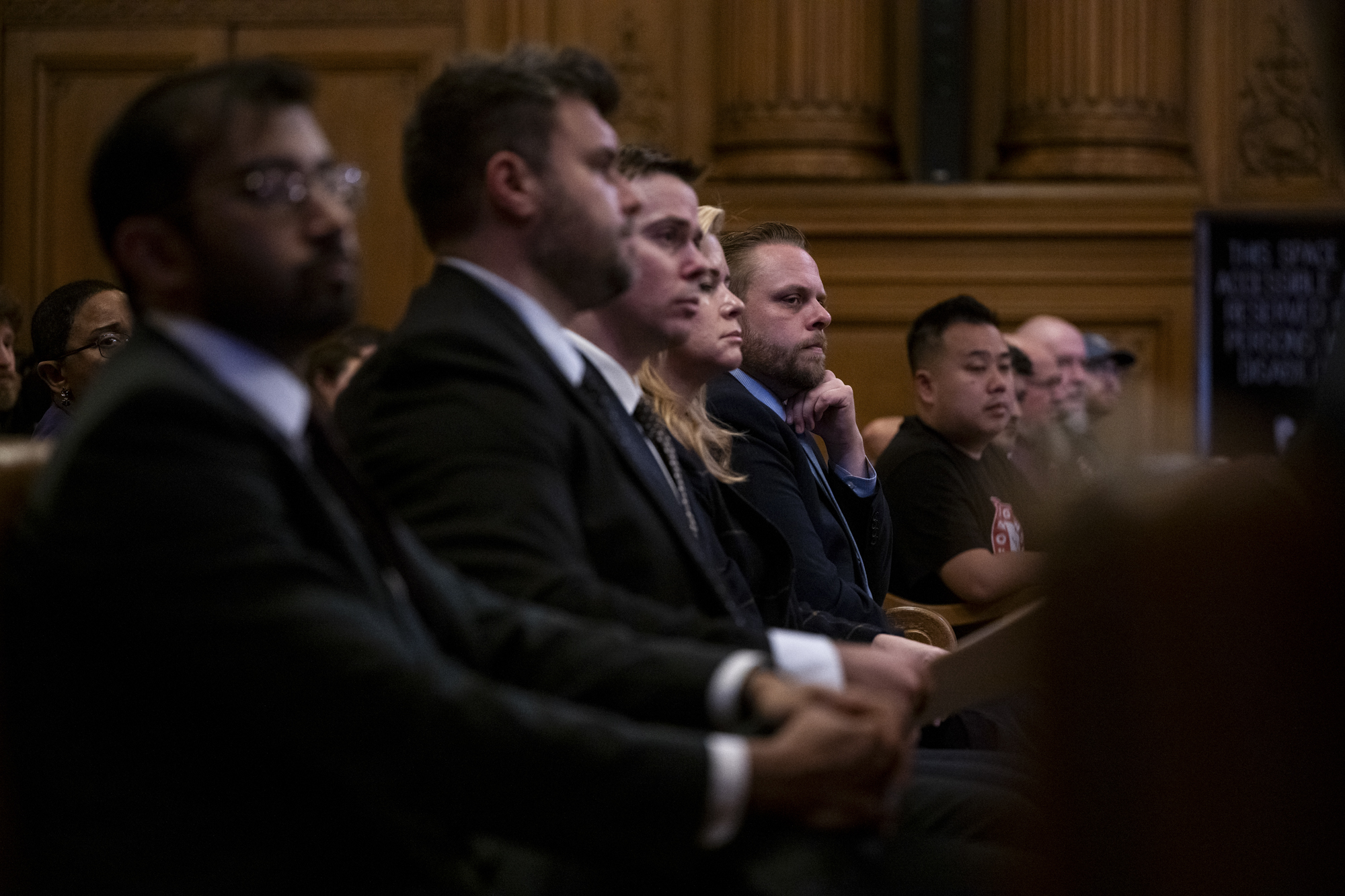
"caption": "Waymo representatives wait to speak during a Board of Supervisors hearing on Waymo’s emergency operations at City Hall in San Francisco on March 2, 2026. A December power outage left Waymo’s autonomous vehicles stalled on city streets.",
"credit": "Beth LaBerge/KQED",
"altTag": null,
"description": null,
"imgSizes": {
"thumbnail": {
"file": "https://cdn.kqed.org/wp-content/uploads/sites/10/2026/03/260302-WAYMOOUTAGEREPORT-23-BL-KQED-160x107.jpg",
"width": 160,
"height": 107,
"mimeType": "image/jpeg"
},
"1536x1536": {
"file": "https://cdn.kqed.org/wp-content/uploads/sites/10/2026/03/260302-WAYMOOUTAGEREPORT-23-BL-KQED-1536x1024.jpg",
"width": 1536,
"height": 1024,
"mimeType": "image/jpeg"
},
"post-thumbnail": {
"file": "https://cdn.kqed.org/wp-content/uploads/sites/10/2026/03/260302-WAYMOOUTAGEREPORT-23-BL-KQED-672x372.jpg",
"width": 672,
"height": 372,
"mimeType": "image/jpeg"
},
"twentyfourteen-full-width": {
"file": "https://cdn.kqed.org/wp-content/uploads/sites/10/2026/03/260302-WAYMOOUTAGEREPORT-23-BL-KQED-1038x576.jpg",
"width": 1038,
"height": 576,
"mimeType": "image/jpeg"
},
"npr-cds-wide": {
"file": "https://cdn.kqed.org/wp-content/uploads/sites/10/2026/03/260302-WAYMOOUTAGEREPORT-23-BL-KQED-1200x675.jpg",
"width": 1200,
"height": 675,
"mimeType": "image/jpeg"
},
"kqedFullSize": {
"file": "https://cdn.kqed.org/wp-content/uploads/sites/10/2026/03/260302-WAYMOOUTAGEREPORT-23-BL-KQED.jpg",
"width": 2000,
"height": 1333
}
},
"isLoading": false,
"fetchFailed": false
},
"news_12074883": {
"type": "attachments",
"id": "news_12074883",
"meta": {
"index": "attachments_1716263798",
"site": "news",
"id": "12074883",
"found": true
},
"title": "250730-waymofile_00306_TV_qed",
"publishDate": 1772218672,
"status": "inherit",
"parent": 12074861,
"modified": 1772218684,
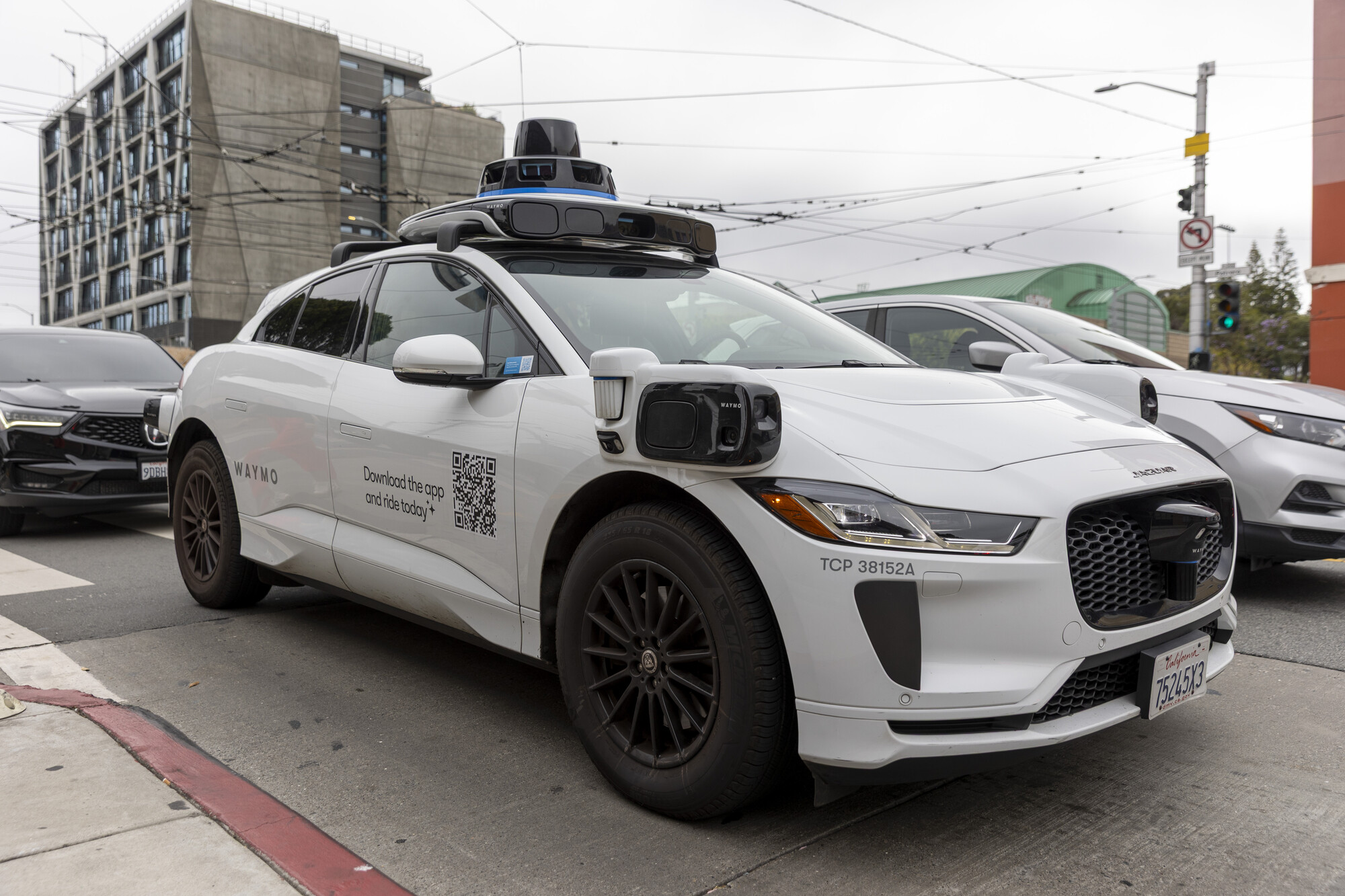
"caption": "A Waymo autonomous vehicle drives through 16th Street and Potrero in San Francisco on July 22, 2025.",
"credit": "Tâm Vũ/KQED",
"altTag": null,
"description": null,
"imgSizes": {
"thumbnail": {
"file": "https://cdn.kqed.org/wp-content/uploads/sites/10/2026/02/250730-waymofile_00306_TV_qed-160x107.jpg",
"width": 160,
"height": 107,
"mimeType": "image/jpeg"
},
"1536x1536": {
"file": "https://cdn.kqed.org/wp-content/uploads/sites/10/2026/02/250730-waymofile_00306_TV_qed-1536x1024.jpg",
"width": 1536,
"height": 1024,
"mimeType": "image/jpeg"
},
"post-thumbnail": {
"file": "https://cdn.kqed.org/wp-content/uploads/sites/10/2026/02/250730-waymofile_00306_TV_qed-672x372.jpg",
"width": 672,
"height": 372,
"mimeType": "image/jpeg"
},
"twentyfourteen-full-width": {
"file": "https://cdn.kqed.org/wp-content/uploads/sites/10/2026/02/250730-waymofile_00306_TV_qed-1038x576.jpg",
"width": 1038,
"height": 576,
"mimeType": "image/jpeg"
},
"npr-cds-wide": {
"file": "https://cdn.kqed.org/wp-content/uploads/sites/10/2026/02/250730-waymofile_00306_TV_qed-1200x675.jpg",
"width": 1200,
"height": 675,
"mimeType": "image/jpeg"
},
"kqedFullSize": {
"file": "https://cdn.kqed.org/wp-content/uploads/sites/10/2026/02/250730-waymofile_00306_TV_qed.jpg",
"width": 2000,
"height": 1333
}
},
"isLoading": false,
"fetchFailed": false
},
"news_12040186": {
"type": "attachments",
"id": "news_12040186",
"meta": {
"index": "attachments_1716263798",
"site": "news",
"id": "12040186",
"found": true
},
"title": "20241204-BART-JY-002_qed",
"publishDate": 1747263386,
"status": "inherit",
"parent": 0,
"modified": 1757194100,
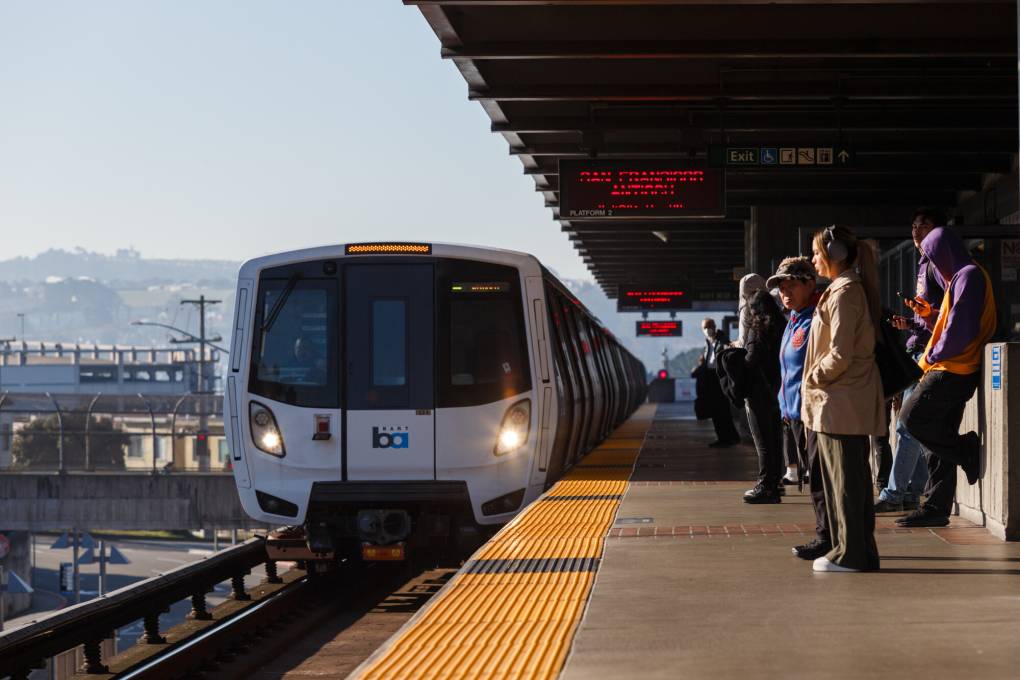
"caption": "A BART car approaches the platform at Daly City Station in Daly City, on Dec. 4, 2024.",
"credit": "Juliana Yamada/KQED",
"altTag": null,
"description": null,
"imgSizes": {
"medium": {
"file": "https://cdn.kqed.org/wp-content/uploads/sites/10/2025/05/20241204-BART-JY-002_qed-800x533.jpg",
"width": 800,
"height": 533,
"mimeType": "image/jpeg"
},
"large": {
"file": "https://cdn.kqed.org/wp-content/uploads/sites/10/2025/05/20241204-BART-JY-002_qed-1020x680.jpg",
"width": 1020,
"height": 680,
"mimeType": "image/jpeg"
},
"thumbnail": {
"file": "https://cdn.kqed.org/wp-content/uploads/sites/10/2025/05/20241204-BART-JY-002_qed-160x107.jpg",
"width": 160,
"height": 107,
"mimeType": "image/jpeg"
},
"1536x1536": {
"file": "https://cdn.kqed.org/wp-content/uploads/sites/10/2025/05/20241204-BART-JY-002_qed-1536x1024.jpg",
"width": 1536,
"height": 1024,
"mimeType": "image/jpeg"
},
"post-thumbnail": {
"file": "https://cdn.kqed.org/wp-content/uploads/sites/10/2025/05/20241204-BART-JY-002_qed-672x372.jpg",
"width": 672,
"height": 372,
"mimeType": "image/jpeg"
},
"twentyfourteen-full-width": {
"file": "https://cdn.kqed.org/wp-content/uploads/sites/10/2025/05/20241204-BART-JY-002_qed-1038x576.jpg",
"width": 1038,
"height": 576,
"mimeType": "image/jpeg"
},
"full-width": {
"file": "https://cdn.kqed.org/wp-content/uploads/sites/10/2025/05/20241204-BART-JY-002_qed-1920x1280.jpg",
"width": 1920,
"height": 1280,
"mimeType": "image/jpeg"
},
"kqedFullSize": {
"file": "https://cdn.kqed.org/wp-content/uploads/sites/10/2025/05/20241204-BART-JY-002_qed.jpg",
"width": 2000,
"height": 1333
}
},
"isLoading": false,
"fetchFailed": false
},
"news_12051372": {
"type": "attachments",
"id": "news_12051372",
"meta": {
"index": "attachments_1716263798",
"site": "news",
"id": "12051372",
"found": true
},
"title": "20241204-BART-JY-027_qed",
"publishDate": 1754609631,
"status": "inherit",
"parent": 12051362,
"modified": 1754609652,
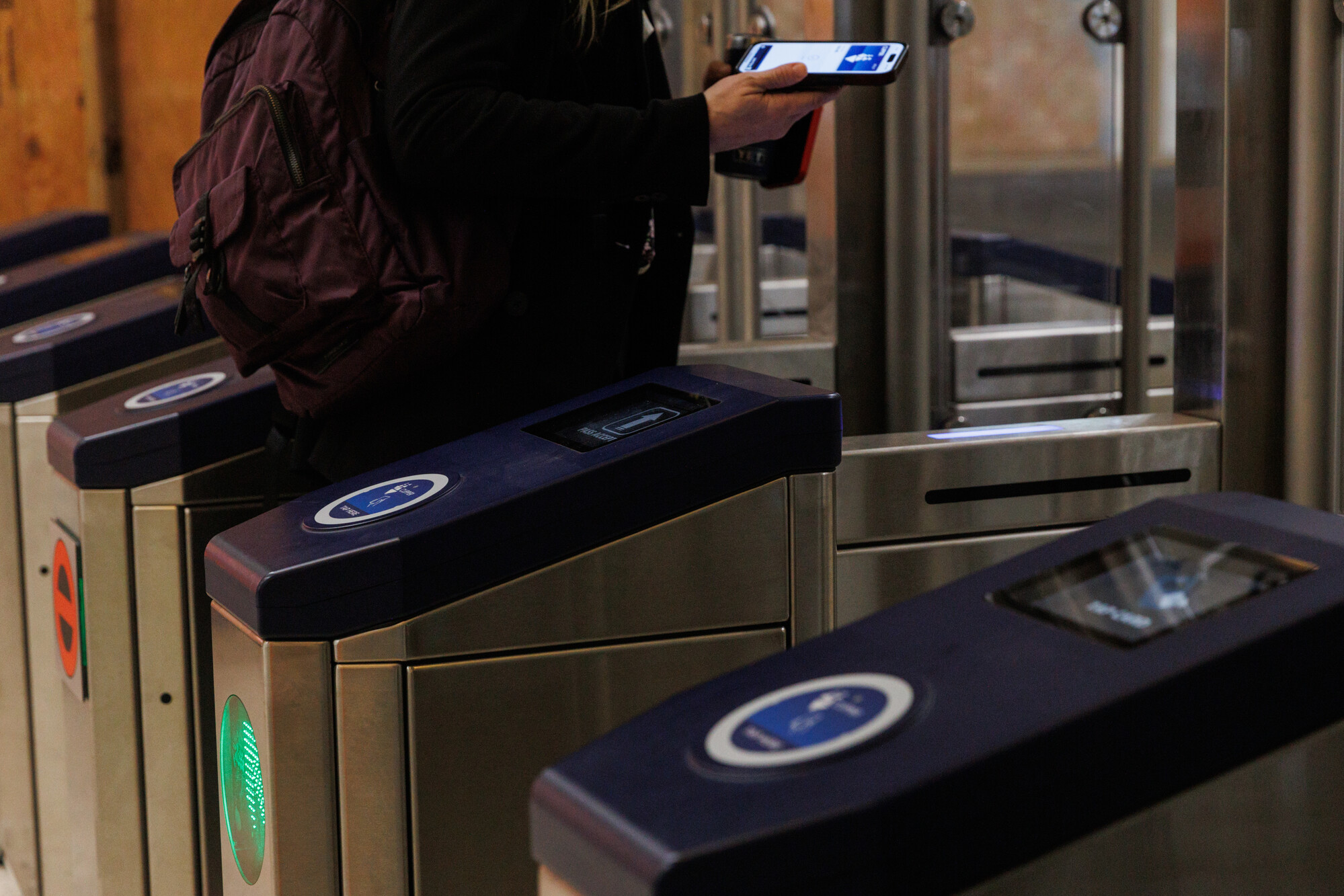
"caption": "A passenger tags their Clipper card at Montgomery BART Station in San Francisco on Dec. 4, 2024.",
"credit": "Juliana Yamada/KQED",
"altTag": null,
"description": null,
"imgSizes": {
"thumbnail": {
"file": "https://cdn.kqed.org/wp-content/uploads/sites/10/2025/08/20241204-BART-JY-027_qed-160x107.jpg",
"width": 160,
"height": 107,
"mimeType": "image/jpeg"
},
"1536x1536": {
"file": "https://cdn.kqed.org/wp-content/uploads/sites/10/2025/08/20241204-BART-JY-027_qed-1536x1024.jpg",
"width": 1536,
"height": 1024,
"mimeType": "image/jpeg"
},
"post-thumbnail": {
"file": "https://cdn.kqed.org/wp-content/uploads/sites/10/2025/08/20241204-BART-JY-027_qed-672x372.jpg",
"width": 672,
"height": 372,
"mimeType": "image/jpeg"
},
"twentyfourteen-full-width": {
"file": "https://cdn.kqed.org/wp-content/uploads/sites/10/2025/08/20241204-BART-JY-027_qed-1038x576.jpg",
"width": 1038,
"height": 576,
"mimeType": "image/jpeg"
},
"kqedFullSize": {
"file": "https://cdn.kqed.org/wp-content/uploads/sites/10/2025/08/20241204-BART-JY-027_qed.jpg",
"width": 1999,
"height": 1333
}
},
"isLoading": false,
"fetchFailed": false
},
"news_12074263": {
"type": "attachments",
"id": "news_12074263",
"meta": {
"index": "attachments_1716263798",
"site": "news",
"id": "12074263",
"found": true
},
"title": "A westbound BART train enters the transbay tube in Oakland, Calif. on Friday, Feb. 16, 2018. BART officials will begin a study on the feasibility of a second tube under the bay",
"publishDate": 1771874275,
"status": "inherit",
"parent": 12074259,
"modified": 1771879718,
"caption": "A westbound BART train enters the Transbay Tube in Oakland, California, on Feb. 16, 2018.",
"credit": "Paul Chinn/The San Francisco Chronicle via Getty Images",
"altTag": null,
"description": null,
"imgSizes": {
"thumbnail": {
"file": "https://cdn.kqed.org/wp-content/uploads/sites/10/2026/02/TransBayTubeGetty-160x110.jpg",
"width": 160,
"height": 110,
"mimeType": "image/jpeg"
},
"1536x1536": {
"file": "https://cdn.kqed.org/wp-content/uploads/sites/10/2026/02/TransBayTubeGetty-1536x1060.jpg",
"width": 1536,
"height": 1060,
"mimeType": "image/jpeg"
},
"post-thumbnail": {
"file": "https://cdn.kqed.org/wp-content/uploads/sites/10/2026/02/TransBayTubeGetty-672x372.jpg",
"width": 672,
"height": 372,
"mimeType": "image/jpeg"
},
"twentyfourteen-full-width": {
"file": "https://cdn.kqed.org/wp-content/uploads/sites/10/2026/02/TransBayTubeGetty-1038x576.jpg",
"width": 1038,
"height": 576,
"mimeType": "image/jpeg"
},
"npr-cds-wide": {
"file": "https://cdn.kqed.org/wp-content/uploads/sites/10/2026/02/TransBayTubeGetty-1200x675.jpg",
"width": 1200,
"height": 675,
"mimeType": "image/jpeg"
},
"kqedFullSize": {
"file": "https://cdn.kqed.org/wp-content/uploads/sites/10/2026/02/TransBayTubeGetty.jpg",
"width": 2000,
"height": 1380
}
},
"isLoading": false,
"fetchFailed": false
},
"news_12074013": {
"type": "attachments",
"id": "news_12074013",
"meta": {
"index": "attachments_1716263798",
"site": "news",
"id": "12074013",
"found": true
},
"title": "Governor Newsom signs legislation authorizing $590 million emergency loan to Bay Area Transit",
"publishDate": 1771610547,
"status": "inherit",
"parent": 0,
"modified": 1771620962,
"caption": "Gov. Gavin Newsom speaks at BART Colma Maintenance Yard before he signs legislation authorizing $590 million emergency loan to Bay Area Transit in Colma, south of San Francisco, California, on Feb. 19, 2026.",
"credit": "Tayfun Coskun/Anadolu via Getty Images",
"altTag": null,
"description": null,
"imgSizes": {
"thumbnail": {
"file": "https://cdn.kqed.org/wp-content/uploads/sites/10/2026/02/GETTYIMAGES-2262016709-KQED-160x118.jpg",
"width": 160,
"height": 118,
"mimeType": "image/jpeg"
},
"1536x1536": {
"file": "https://cdn.kqed.org/wp-content/uploads/sites/10/2026/02/GETTYIMAGES-2262016709-KQED-1536x1130.jpg",
"width": 1536,
"height": 1130,
"mimeType": "image/jpeg"
},
"post-thumbnail": {
"file": "https://cdn.kqed.org/wp-content/uploads/sites/10/2026/02/GETTYIMAGES-2262016709-KQED-672x372.jpg",
"width": 672,
"height": 372,
"mimeType": "image/jpeg"
},
"twentyfourteen-full-width": {
"file": "https://cdn.kqed.org/wp-content/uploads/sites/10/2026/02/GETTYIMAGES-2262016709-KQED-1038x576.jpg",
"width": 1038,
"height": 576,
"mimeType": "image/jpeg"
},
"npr-cds-wide": {
"file": "https://cdn.kqed.org/wp-content/uploads/sites/10/2026/02/GETTYIMAGES-2262016709-KQED-1200x675.jpg",
"width": 1200,
"height": 675,
"mimeType": "image/jpeg"
},
"kqedFullSize": {
"file": "https://cdn.kqed.org/wp-content/uploads/sites/10/2026/02/GETTYIMAGES-2262016709-KQED.jpg",
"width": 2000,
"height": 1472
}
},
"isLoading": false,
"fetchFailed": false
},
"news_12073258": {
"type": "attachments",
"id": "news_12073258",
"meta": {
"index": "attachments_1716263798",
"site": "news",
"id": "12073258",
"found": true
},
"title": "260209-SFOSLEEPING-01-BL-KQED",
"publishDate": 1770855873,
"status": "inherit",
"parent": 0,
"modified": 1770855925,
"caption": "Sylvia Bambra (left) and Ivan Marquez, case managers with the LifeMoves Homeless Outreach Team, speak with an unhoused person during an outreach visit at San Francisco International Airport on Feb. 9, 2026.",
"credit": "Beth LaBerge/KQED",
"altTag": null,
"description": null,
"imgSizes": {
"thumbnail": {
"file": "https://cdn.kqed.org/wp-content/uploads/sites/10/2026/02/260209-SFOSLEEPING-01-BL-KQED-160x107.jpg",
"width": 160,
"height": 107,
"mimeType": "image/jpeg"
},
"1536x1536": {
"file": "https://cdn.kqed.org/wp-content/uploads/sites/10/2026/02/260209-SFOSLEEPING-01-BL-KQED-1536x1024.jpg",
"width": 1536,
"height": 1024,
"mimeType": "image/jpeg"
},
"post-thumbnail": {
"file": "https://cdn.kqed.org/wp-content/uploads/sites/10/2026/02/260209-SFOSLEEPING-01-BL-KQED-672x372.jpg",
"width": 672,
"height": 372,
"mimeType": "image/jpeg"
},
"twentyfourteen-full-width": {
"file": "https://cdn.kqed.org/wp-content/uploads/sites/10/2026/02/260209-SFOSLEEPING-01-BL-KQED-1038x576.jpg",
"width": 1038,
"height": 576,
"mimeType": "image/jpeg"
},
"npr-cds-wide": {
"file": "https://cdn.kqed.org/wp-content/uploads/sites/10/2026/02/260209-SFOSLEEPING-01-BL-KQED-1200x675.jpg",
"width": 1200,
"height": 675,
"mimeType": "image/jpeg"
},
"kqedFullSize": {
"file": "https://cdn.kqed.org/wp-content/uploads/sites/10/2026/02/260209-SFOSLEEPING-01-BL-KQED.jpg",
"width": 2000,
"height": 1333
}
},
"isLoading": false,
"fetchFailed": false
},
"news_12072135": {
"type": "attachments",
"id": "news_12072135",
"meta": {
"index": "attachments_1716263798",
"site": "news",
"id": "12072135",
"found": true
},
"title": "020226-DUI-Laws-FG-CM-05",
"publishDate": 1770161665,
"status": "inherit",
"parent": 12072132,
"modified": 1770161691,
"caption": "Flanked by Democratic and Republican lawmakers, Assemblymember Cottie Petrie-Norris addresses the media at the state Capitol in Sacramento about a series of bills that aim to reduce DUI fatalities and injuries in the state, on Feb. 2, 2026. ",
"credit": "Fred Greaves/CalMatters",
"altTag": null,
"description": null,
"imgSizes": {
"thumbnail": {
"file": "https://cdn.kqed.org/wp-content/uploads/sites/10/2026/02/020226-DUI-Laws-FG-CM-05-160x107.jpg",
"width": 160,
"height": 107,
"mimeType": "image/jpeg"
},
"1536x1536": {
"file": "https://cdn.kqed.org/wp-content/uploads/sites/10/2026/02/020226-DUI-Laws-FG-CM-05-1536x1024.jpg",
"width": 1536,
"height": 1024,
"mimeType": "image/jpeg"
},
"post-thumbnail": {
"file": "https://cdn.kqed.org/wp-content/uploads/sites/10/2026/02/020226-DUI-Laws-FG-CM-05-672x372.jpg",
"width": 672,
"height": 372,
"mimeType": "image/jpeg"
},
"twentyfourteen-full-width": {
"file": "https://cdn.kqed.org/wp-content/uploads/sites/10/2026/02/020226-DUI-Laws-FG-CM-05-1038x576.jpg",
"width": 1038,
"height": 576,
"mimeType": "image/jpeg"
},
"npr-cds-wide": {
"file": "https://cdn.kqed.org/wp-content/uploads/sites/10/2026/02/020226-DUI-Laws-FG-CM-05-1200x675.jpg",
"width": 1200,
"height": 675,
"mimeType": "image/jpeg"
},
"kqedFullSize": {
"file": "https://cdn.kqed.org/wp-content/uploads/sites/10/2026/02/020226-DUI-Laws-FG-CM-05.jpg",
"width": 2000,
"height": 1333
}
},
"isLoading": false,
"fetchFailed": false
},
"news_11984097": {
"type": "attachments",
"id": "news_11984097",
"meta": {
"index": "attachments_1716263798",
"site": "news",
"id": "11984097",
"found": true
},
"title": "SAN JOSE LICENSE PLATE READERS-11-KQED",
"publishDate": 1714086991,
"status": "inherit",
"parent": 11983813,
"modified": 1766004900,
"caption": "A Flock Safety worker holds up a new automated license plate reader that was being installed in East San José on April 23, 2024.",
"credit": "Joseph Geha/KQED",
"altTag": "A man with a fluorescent yellow coat holds a black machine.",
"description": null,
"imgSizes": {
"medium": {
"file": "https://cdn.kqed.org/wp-content/uploads/sites/10/2024/04/SAN-JOSE-LICENSE-PLATE-READERS-11-KQED-800x533.jpg",
"width": 800,
"height": 533,
"mimeType": "image/jpeg"
},
"large": {
"file": "https://cdn.kqed.org/wp-content/uploads/sites/10/2024/04/SAN-JOSE-LICENSE-PLATE-READERS-11-KQED-1020x680.jpg",
"width": 1020,
"height": 680,
"mimeType": "image/jpeg"
},
"thumbnail": {
"file": "https://cdn.kqed.org/wp-content/uploads/sites/10/2024/04/SAN-JOSE-LICENSE-PLATE-READERS-11-KQED-160x107.jpg",
"width": 160,
"height": 107,
"mimeType": "image/jpeg"
},
"1536x1536": {
"file": "https://cdn.kqed.org/wp-content/uploads/sites/10/2024/04/SAN-JOSE-LICENSE-PLATE-READERS-11-KQED-1536x1024.jpg",
"width": 1536,
"height": 1024,
"mimeType": "image/jpeg"
},
"post-thumbnail": {
"file": "https://cdn.kqed.org/wp-content/uploads/sites/10/2024/04/SAN-JOSE-LICENSE-PLATE-READERS-11-KQED-672x372.jpg",
"width": 672,
"height": 372,
"mimeType": "image/jpeg"
},
"twentyfourteen-full-width": {
"file": "https://cdn.kqed.org/wp-content/uploads/sites/10/2024/04/SAN-JOSE-LICENSE-PLATE-READERS-11-KQED-1038x576.jpg",
"width": 1038,
"height": 576,
"mimeType": "image/jpeg"
},
"full-width": {
"file": "https://cdn.kqed.org/wp-content/uploads/sites/10/2024/04/SAN-JOSE-LICENSE-PLATE-READERS-11-KQED-1920x1280.jpg",
"width": 1920,
"height": 1280,
"mimeType": "image/jpeg"
},
"kqedFullSize": {
"file": "https://cdn.kqed.org/wp-content/uploads/sites/10/2024/04/SAN-JOSE-LICENSE-PLATE-READERS-11-KQED.jpg",
"width": 2000,
"height": 1333
}
},
"isLoading": false,
"fetchFailed": false
},
"news_12072103": {
"type": "attachments",
"id": "news_12072103",
"meta": {
"index": "attachments_1716263798",
"site": "news",
"id": "12072103",
"found": true
},
"title": "030623-High-Speed-Rail-LV_CM_04",
"publishDate": 1770154021,
"status": "inherit",
"parent": 12072100,
"modified": 1770154052,
"caption": "Construction on the high-speed rail project above Highway 99 in south Fresno on March 3, 2023.",
"credit": "Larry Valenzuela/CalMatters via CatchLight Local",
"altTag": null,
"description": null,
"imgSizes": {
"thumbnail": {
"file": "https://cdn.kqed.org/wp-content/uploads/sites/10/2026/02/030623-High-Speed-Rail-LV_CM_04-160x107.jpg",
"width": 160,
"height": 107,
"mimeType": "image/jpeg"
},
"1536x1536": {
"file": "https://cdn.kqed.org/wp-content/uploads/sites/10/2026/02/030623-High-Speed-Rail-LV_CM_04-1536x1024.jpg",
"width": 1536,
"height": 1024,
"mimeType": "image/jpeg"
},
"post-thumbnail": {
"file": "https://cdn.kqed.org/wp-content/uploads/sites/10/2026/02/030623-High-Speed-Rail-LV_CM_04-672x372.jpg",
"width": 672,
"height": 372,
"mimeType": "image/jpeg"
},
"twentyfourteen-full-width": {
"file": "https://cdn.kqed.org/wp-content/uploads/sites/10/2026/02/030623-High-Speed-Rail-LV_CM_04-1038x576.jpg",
"width": 1038,
"height": 576,
"mimeType": "image/jpeg"
},
"npr-cds-wide": {
"file": "https://cdn.kqed.org/wp-content/uploads/sites/10/2026/02/030623-High-Speed-Rail-LV_CM_04-1200x675.jpg",
"width": 1200,
"height": 675,
"mimeType": "image/jpeg"
},
"kqedFullSize": {
"file": "https://cdn.kqed.org/wp-content/uploads/sites/10/2026/02/030623-High-Speed-Rail-LV_CM_04.jpg",
"width": 2000,
"height": 1333
}
},
"isLoading": false,
"fetchFailed": false
},
"news_12067062": {
"type": "attachments",
"id": "news_12067062",
"meta": {
"index": "attachments_1716263798",
"site": "news",
"id": "12067062",
"found": true
},
"title": "251210-SFOEATING-87-BL-KQED",
"publishDate": 1765586622,
"status": "inherit",
"parent": 12072458,
"modified": 1770325149,
"caption": "Passengers wait for their flight at San Francisco International Airport on Dec. 10, 2025.",
"credit": "Beth LaBerge/KQED",
"altTag": null,
"description": null,
"imgSizes": {
"thumbnail": {
"file": "https://cdn.kqed.org/wp-content/uploads/sites/10/2025/12/251210-SFOEATING-87-BL-KQED-160x107.jpg",
"width": 160,
"height": 107,
"mimeType": "image/jpeg"
},
"1536x1536": {
"file": "https://cdn.kqed.org/wp-content/uploads/sites/10/2025/12/251210-SFOEATING-87-BL-KQED-1536x1024.jpg",
"width": 1536,
"height": 1024,
"mimeType": "image/jpeg"
},
"post-thumbnail": {
"file": "https://cdn.kqed.org/wp-content/uploads/sites/10/2025/12/251210-SFOEATING-87-BL-KQED-672x372.jpg",
"width": 672,
"height": 372,
"mimeType": "image/jpeg"
},
"twentyfourteen-full-width": {
"file": "https://cdn.kqed.org/wp-content/uploads/sites/10/2025/12/251210-SFOEATING-87-BL-KQED-1038x576.jpg",
"width": 1038,
"height": 576,
"mimeType": "image/jpeg"
},
"npr-cds-wide": {
"file": "https://cdn.kqed.org/wp-content/uploads/sites/10/2025/12/251210-SFOEATING-87-BL-KQED-1200x675.jpg",
"width": 1200,
"height": 675,
"mimeType": "image/jpeg"
},
"kqedFullSize": {
"file": "https://cdn.kqed.org/wp-content/uploads/sites/10/2025/12/251210-SFOEATING-87-BL-KQED.jpg",
"width": 2000,
"height": 1333
}
},
"isLoading": false,
"fetchFailed": false
},
"news_12071769": {
"type": "attachments",
"id": "news_12071769",
"meta": {
"index": "attachments_1716263798",
"site": "news",
"id": "12071769",
"found": true
},
"title": "Dozens of new driverless Waymo cars on the streets and inside the garage on West Los Angeles.",
"publishDate": 1769809364,
"status": "inherit",
"parent": 12071764,
"modified": 1769823047,
"caption": "Dozens of new driverless Waymo cars on the streets and inside the garage in West Los Angeles, in Los Angeles, California, on July 11, 2025.",
"credit": "Citizen of the Planet/Universal Images Group via Getty Images",
"altTag": null,
"description": null,
"imgSizes": {
"thumbnail": {
"file": "https://cdn.kqed.org/wp-content/uploads/sites/10/2026/01/WaymoLosAngelesGetty-160x107.jpg",
"width": 160,
"height": 107,
"mimeType": "image/jpeg"
},
"1536x1536": {
"file": "https://cdn.kqed.org/wp-content/uploads/sites/10/2026/01/WaymoLosAngelesGetty-1536x1024.jpg",
"width": 1536,
"height": 1024,
"mimeType": "image/jpeg"
},
"post-thumbnail": {
"file": "https://cdn.kqed.org/wp-content/uploads/sites/10/2026/01/WaymoLosAngelesGetty-672x372.jpg",
"width": 672,
"height": 372,
"mimeType": "image/jpeg"
},
"twentyfourteen-full-width": {
"file": "https://cdn.kqed.org/wp-content/uploads/sites/10/2026/01/WaymoLosAngelesGetty-1038x576.jpg",
"width": 1038,
"height": 576,
"mimeType": "image/jpeg"
},
"npr-cds-wide": {
"file": "https://cdn.kqed.org/wp-content/uploads/sites/10/2026/01/WaymoLosAngelesGetty-1200x675.jpg",
"width": 1200,
"height": 675,
"mimeType": "image/jpeg"
},
"kqedFullSize": {
"file": "https://cdn.kqed.org/wp-content/uploads/sites/10/2026/01/WaymoLosAngelesGetty.jpg",
"width": 2000,
"height": 1333
}
},
"isLoading": false,
"fetchFailed": false
}
},
"audioPlayerReducer": {
"postId": "stream_live",
"isPaused": true,
"isPlaying": false,
"pfsActive": false,
"pledgeModalIsOpen": true,
"playerDrawerIsOpen": false,
"liveAudioPlayStartedAt": 0,
"liveAudioPlayContext": ""
},
"authorsReducer": {
"byline_news_12073006": {
"type": "authors",
"id": "byline_news_12073006",
"meta": {
"override": true
},
"slug": "byline_news_12073006",
"name": "Erin Bump ",
"isLoading": false
},
"byline_news_12072132": {
"type": "authors",
"id": "byline_news_12072132",
"meta": {
"override": true
},
"slug": "byline_news_12072132",
"name": "\u003ca href=\"https://calmatters.org/author/robert-lewis/\">Robert Lewis\u003c/a>, \u003ca href=\"https://calmatters.org/author/laurenhepler/\">Lauren Hepler\u003c/a>, CalMatters",
"isLoading": false
},
"byline_news_12072100": {
"type": "authors",
"id": "byline_news_12072100",
"meta": {
"override": true
},
"slug": "byline_news_12072100",
"name": "Yue Stella Yu, CalMatters",
"isLoading": false
},
"rachael-myrow": {
"type": "authors",
"id": "251",
"meta": {
"index": "authors_1716337520",
"id": "251",
"found": true
},
"name": "Rachael Myrow",
"firstName": "Rachael",
"lastName": "Myrow",
"slug": "rachael-myrow",
"email": "rmyrow@kqed.org",
"display_author_email": true,
"staff_mastheads": [
"news"
],
"title": "Senior Editor of KQED's Silicon Valley News Desk",
"bio": "• I write and edit stories about how Silicon Valley power and policies shape everyday life in California. I’m also passionate about making Bay Area history and culture more accessible to a broad public. • I’ve been a journalist for most of my life, starting in high school with The Franklin Press in Los Angeles, where I grew up. While earning my first degree in English at UC Berkeley, I got my start in public radio at KALX-FM. After completing a second degree in journalism at Cal, I landed my first professional job at Marketplace, then moved on to KPCC (now LAist), and then KQED, where I hosted The California Report for more than seven years. • My reporting has appeared on NPR, The World, WBUR’s \u003ci>Here & Now\u003c/i>, and the BBC. I also guest host for KQED’s \u003ci>Forum\u003c/i>, as well as the Commonwealth Club in San Francisco. • I speak periodically on media, democracy and technology issues, and do voiceover work for documentaries and educational video projects. • Outside of the studio, you'll find me hiking Bay Area trails and whipping up Insta-ready meals in my kitchen. • I do not accept gifts, money, or favors from anyone connected to my reporting, I don't pay people for information, and I do not support or donate to political causes. • I strive to treat the people I report on with fairness, honesty, and respect. I also recognize there are often multiple sides to a story and work to verify information through multiple sources and documentation. If I get something wrong, I correct it.",
"avatar": "https://secure.gravatar.com/avatar/3ed8a3c5f26025e4a805ba634cda8cd764906b97438a6d9ce216b044e340da4e?s=600&d=blank&r=g",
"twitter": "rachaelmyrow",
"bluesky": null,
"facebook": null,
"instagram": null,
"linkedin": "https://www.linkedin.com/in/rachaelmyrow/",
"sites": [
{
"site": "arts",
"roles": [
"administrator"
]
},
{
"site": "news",
"roles": [
"edit_others_posts",
"editor"
]
},
{
"site": "futureofyou",
"roles": [
"editor"
]
},
{
"site": "bayareabites",
"roles": [
"editor"
]
},
{
"site": "stateofhealth",
"roles": [
"editor"
]
},
{
"site": "science",
"roles": [
"editor"
]
},
{
"site": "food",
"roles": [
"editor"
]
},
{
"site": "forum",
"roles": [
"editor"
]
},
{
"site": "liveblog",
"roles": [
"author"
]
}
],
"headData": {
"title": "Rachael Myrow | KQED",
"description": "Senior Editor of KQED's Silicon Valley News Desk",
"ogImgSrc": "https://secure.gravatar.com/avatar/3ed8a3c5f26025e4a805ba634cda8cd764906b97438a6d9ce216b044e340da4e?s=600&d=blank&r=g",
"twImgSrc": "https://secure.gravatar.com/avatar/3ed8a3c5f26025e4a805ba634cda8cd764906b97438a6d9ce216b044e340da4e?s=600&d=blank&r=g"
},
"isLoading": false,
"link": "/author/rachael-myrow"
},
"carlysevern": {
"type": "authors",
"id": "3243",
"meta": {
"index": "authors_1716337520",
"id": "3243",
"found": true
},
"name": "Carly Severn",
"firstName": "Carly",
"lastName": "Severn",
"slug": "carlysevern",
"email": "csevern@kqed.org",
"display_author_email": false,
"staff_mastheads": [
"news"
],
"title": "Senior Editor, Audience News ",
"bio": "Carly is KQED's Senior Editor of Audience News on the Digital News team, and has reported for the California Report Magazine, Bay Curious and KQED Arts. She's formerly the host of \u003ca href=\"http://ww2.kqed.org/pop/category/the-cooler/\" rel=\"noopener noreferrer\">The Cooler\u003c/a> podcast.",
"avatar": "https://secure.gravatar.com/avatar/54037bf5c128fe678f0ef26cec97a93f2e7f220a22d7285703328f12c42c1b1d?s=600&d=blank&r=g",
"twitter": "teacupinthebay",
"bluesky": null,
"facebook": null,
"instagram": null,
"linkedin": null,
"sites": [
{
"site": "",
"roles": [
"editor"
]
},
{
"site": "arts",
"roles": [
"editor"
]
},
{
"site": "news",
"roles": [
"administrator"
]
},
{
"site": "pop",
"roles": [
"editor"
]
},
{
"site": "futureofyou",
"roles": [
"editor"
]
},
{
"site": "about",
"roles": [
"administrator"
]
},
{
"site": "mindshift",
"roles": [
"editor"
]
},
{
"site": "bayareabites",
"roles": [
"editor"
]
},
{
"site": "stateofhealth",
"roles": [
"editor"
]
},
{
"site": "science",
"roles": [
"editor"
]
},
{
"site": "food",
"roles": [
"contributor"
]
},
{
"site": "forum",
"roles": [
"editor"
]
},
{
"site": "perspectives",
"roles": [
"administrator"
]
},
{
"site": "liveblog",
"roles": [
"editor"
]
}
],
"headData": {
"title": "Carly Severn | KQED",
"description": "Senior Editor, Audience News ",
"ogImgSrc": "https://secure.gravatar.com/avatar/54037bf5c128fe678f0ef26cec97a93f2e7f220a22d7285703328f12c42c1b1d?s=600&d=blank&r=g",
"twImgSrc": "https://secure.gravatar.com/avatar/54037bf5c128fe678f0ef26cec97a93f2e7f220a22d7285703328f12c42c1b1d?s=600&d=blank&r=g"
},
"isLoading": false,
"link": "/author/carlysevern"
},
"adahlstromeckman": {
"type": "authors",
"id": "11785",
"meta": {
"index": "authors_1716337520",
"id": "11785",
"found": true
},
"name": "Azul Dahlstrom-Eckman",
"firstName": "Azul",
"lastName": "Dahlstrom-Eckman",
"slug": "adahlstromeckman",
"email": "adahlstrom-eckman@kqed.org",
"display_author_email": true,
"staff_mastheads": [],
"title": "Reporter",
"bio": "Azul is a reporter for KQED focusing on transportation and features. He joined KQED in 2021 as an alumna of KALW's Audio Academy radio journalism training program.",
"avatar": "https://secure.gravatar.com/avatar/9cb750298435add7815a777f55bf1f46845c1386bb8452555c60a7b820b5aba3?s=600&d=blank&r=g",
"twitter": "@zuliemann",
"bluesky": "@azul415.bsky.social",
"facebook": null,
"instagram": null,
"linkedin": null,
"sites": [
{
"site": "arts",
"roles": [
"editor"
]
},
{
"site": "news",
"roles": [
"editor"
]
},
{
"site": "science",
"roles": [
"editor"
]
},
{
"site": "liveblog",
"roles": [
"author"
]
}
],
"headData": {
"title": "Azul Dahlstrom-Eckman | KQED",
"description": "Reporter",
"ogImgSrc": "https://secure.gravatar.com/avatar/9cb750298435add7815a777f55bf1f46845c1386bb8452555c60a7b820b5aba3?s=600&d=blank&r=g",
"twImgSrc": "https://secure.gravatar.com/avatar/9cb750298435add7815a777f55bf1f46845c1386bb8452555c60a7b820b5aba3?s=600&d=blank&r=g"
},
"isLoading": false,
"link": "/author/adahlstromeckman"
},
"kdebenedetti": {
"type": "authors",
"id": "11913",
"meta": {
"index": "authors_1716337520",
"id": "11913",
"found": true
},
"name": "Katie DeBenedetti",
"firstName": "Katie",
"lastName": "DeBenedetti",
"slug": "kdebenedetti",
"email": "kdebenedetti@kqed.org",
"display_author_email": false,
"staff_mastheads": [
"news",
"science"
],
"title": "KQED Contributor",
"bio": "Katie DeBenedetti is a digital reporter covering daily news for the Express Desk. Prior to joining KQED as a culture reporting intern in January 2024, she covered education and city government for the Napa Valley Register.",
"avatar": "https://secure.gravatar.com/avatar/6e31073cb8f7e4214ab03f42771d0f45?s=600&d=blank&r=g",
"twitter": null,
"facebook": null,
"instagram": null,
"linkedin": null,
"sites": [
{
"site": "news",
"roles": [
"author"
]
},
{
"site": "science",
"roles": [
"author"
]
},
{
"site": "liveblog",
"roles": [
"author"
]
}
],
"headData": {
"title": "Katie DeBenedetti | KQED",
"description": "KQED Contributor",
"ogImgSrc": "https://secure.gravatar.com/avatar/6e31073cb8f7e4214ab03f42771d0f45?s=600&d=blank&r=g",
"twImgSrc": "https://secure.gravatar.com/avatar/6e31073cb8f7e4214ab03f42771d0f45?s=600&d=blank&r=g"
},
"isLoading": false,
"link": "/author/kdebenedetti"
},
"aaliahmad": {
"type": "authors",
"id": "11986",
"meta": {
"index": "authors_1716337520",
"id": "11986",
"found": true
},
"name": "Ayah Ali-Ahmad",
"firstName": "Ayah",
"lastName": "Ali-Ahmad",
"slug": "aaliahmad",
"email": "aaliahmad@KQED.org",
"display_author_email": false,
"staff_mastheads": [],
"title": "KQED Contributor",
"bio": null,
"avatar": "https://secure.gravatar.com/avatar/1cf54f187a5e1064b2cfef3f3d2f1e4f93e453395d56912aca6382a6071ec3ed?s=600&d=blank&r=g",
"twitter": "ayahaliahmad",
"bluesky": null,
"facebook": null,
"instagram": null,
"linkedin": null,
"sites": [
{
"site": "news",
"roles": [
"subscriber"
]
}
],
"headData": {
"title": "Ayah Ali-Ahmad | KQED",
"description": "KQED Contributor",
"ogImgSrc": "https://secure.gravatar.com/avatar/1cf54f187a5e1064b2cfef3f3d2f1e4f93e453395d56912aca6382a6071ec3ed?s=600&d=blank&r=g",
"twImgSrc": "https://secure.gravatar.com/avatar/1cf54f187a5e1064b2cfef3f3d2f1e4f93e453395d56912aca6382a6071ec3ed?s=600&d=blank&r=g"
},
"isLoading": false,
"link": "/author/aaliahmad"
}
},
"pagesReducer": {
"news_category_transportation": {
"type": "terms",
"id": "news_1397",
"meta": {
"index": "terms_1716263798",
"site": "news",
"id": "1397",
"score": 12.939732
},
"featImg": null,
"name": "Transportation",
"description": null,
"taxonomy": "category",
"headData": {
"twImgId": null,
"twTitle": null,
"ogTitle": null,
"ogImgId": null,
"twDescription": null,
"description": null,
"title": "Transportation Archives | KQED News",
"ogDescription": null
},
"ttid": 1409,
"slug": "transportation",
"isLoading": false,
"title": "Transportation",
"pageMeta": {
"site": "news",
"WpPageTemplate": "page-topic-editorial",
"currentPage": 9
},
"blocks": [
{
"blockName": "kqed/post-list",
"attrs": {
"layout": "cardArticle2",
"query": "posts/news?category=transportation",
"seeMore": false,
"paginated": true,
"page": 9
}
},
{
"blockName": "kqed/ad"
}
]
}
},
"pfsSessionReducer": {},
"postsReducer": {
"stream_live": {
"type": "live",
"id": "stream_live",
"audioUrl": "https://streams.kqed.org/kqedradio",
"title": "Live Stream",
"excerpt": "Live Stream information currently unavailable.",
"link": "/radio",
"featImg": "",
"label": {
"name": "KQED Live",
"link": "/"
}
},
"stream_kqedNewscast": {
"type": "posts",
"id": "stream_kqedNewscast",
"audioUrl": "https://www.kqed.org/.stream/anon/radio/RDnews/newscast.mp3?_=1",
"title": "KQED Newscast",
"featImg": "",
"label": {
"name": "88.5 FM",
"link": "/"
}
},
"news_12075147": {
"type": "posts",
"id": "news_12075147",
"meta": {
"index": "posts_1716263798",
"site": "news",
"id": "12075147",
"score": null,
"sort": [
1772575930000
]
},
"guestAuthors": [],
"slug": "is-waymo-ready-for-another-emergency-san-francisco-supervisors-are-skeptical",
"title": "Is Waymo Ready for Another Emergency? San Francisco Supervisors Are Skeptical",
"publishDate": 1772575930,
"format": "standard",
"headTitle": "Is Waymo Ready for Another Emergency? San Francisco Supervisors Are Skeptical | KQED",
"labelTerm": {
"site": "news"
},
"content": "\u003cp>As a fire at a \u003ca href=\"https://www.kqed.org/pge\">PG&E\u003c/a> substation plunged a third of \u003ca href=\"https://www.kqed.org/news/tag/san-francisco\">San Francisco\u003c/a> into darkness on the evening of Dec. 20, one of the city’s 911 dispatchers sat on hold with Waymo’s first responder hotline for 53 minutes.\u003c/p>\n\u003cp>The company’s systems had become overwhelmed with requests from the more than 1,500 confused robotaxis trying to navigate intersections without functioning traffic signals, rendering them inoperable for two minutes or more.\u003c/p>\n\u003cp>How the stalled Waymos complicated the city’s emergency response efforts and what measures the company is putting in place to prevent service stoppages during a future emergency were the subject of a meeting of the city’s Land Use and Transportation Committee on Monday.\u003c/p>\n\u003cp>[ad fullwidth]\u003c/p>\n\u003cp>In it, representatives from city departments revealed the severity of Waymo’s service outage and its effect on the city, which lasted overnight and into the next day.\u003c/p>\n\u003cp>Department of Emergency Management Executive Director Mary Ellen Carroll, whose department staffs the city’s 911 dispatch center, said she lost sleep over the incident.\u003c/p>\n\u003cp>“ I definitely stay awake at night thinking about things that could happen and how do we integrate this new technology into our emergency response,” Carroll told city supervisors.\u003c/p>\n\u003cfigure id=\"attachment_12075233\" class=\"wp-caption aligncenter\" style=\"max-width: 2000px\">\u003cimg loading=\"lazy\" decoding=\"async\" class=\"size-full wp-image-12075233\" src=\"https://cdn.kqed.org/wp-content/uploads/sites/10/2026/03/260302-WaymoOutageReport-24-BL_qed.jpg\" alt=\"\" width=\"2000\" height=\"1333\" srcset=\"https://cdn.kqed.org/wp-content/uploads/sites/10/2026/03/260302-WaymoOutageReport-24-BL_qed.jpg 2000w, https://cdn.kqed.org/wp-content/uploads/sites/10/2026/03/260302-WaymoOutageReport-24-BL_qed-160x107.jpg 160w, https://cdn.kqed.org/wp-content/uploads/sites/10/2026/03/260302-WaymoOutageReport-24-BL_qed-1536x1024.jpg 1536w\" sizes=\"auto, (max-width: 2000px) 100vw, 2000px\">\u003cfigcaption class=\"wp-caption-text\">Mary Ellen Carroll, executive director of the San Francisco Department of Emergency Management, speaks during a Board of Supervisors hearing on Waymo’s emergency operations at City Hall in San Francisco on March 2, 2026. \u003ccite>(Beth LaBerge/KQED)\u003c/cite>\u003c/figcaption>\u003c/figure>\n\u003cp>Broadly, representatives from Waymo apologized for the inconveniences their vehicles caused that day and said they were putting in place safeguards to prevent a similar service outage from happening again.\u003c/p>\n\u003cp>“ I want to be very clear that Waymo takes full responsibility for the communication gaps that occurred that evening,” said Sam Cooper, the program manager for incident response at Waymo.\u003c/p>\n\u003cp>But it did little to mollify some supervisors, who expressed ire over stalled Waymos blocking intersections and the path of emergency vehicles, a problem that sometimes required intervention by first responders. The hearing came just a day after a \u003ca href=\"https://www.axios.com/local/austin/2026/03/02/waymo-vehicle-blocks-ems-austin-mass-shooting\">Waymo blocked an ambulance\u003c/a> responding to a mass shooting in Austin, Texas.\u003c/p>\n\u003cp>Patrick Rabbitt, the deputy chief of operations for the San Francisco Fire Department, said firefighters can call Waymo and request a remote operator to move a stalled vehicle, but they can’t always reach the company by phone, and sometimes the remote operators are unable to move the vehicle, requiring first responders to do it themselves.[aside postID=news_12074861 hero='https://cdn.kqed.org/wp-content/uploads/sites/10/2026/02/250730-waymofile_00306_TV_qed.jpg']Waymo spokesperson Ethan Teicher told KQED Waymo is aware of 62 manual retrievals of its stalled vehicles during the blackout, which were done by Waymo’s own roadside assistance or tow trucks. In two instances, he said, first responders had to manually move a Waymo.\u003c/p>\n\u003cp>Carroll and other city leaders lamented that when that happens, it forces valuable first responders to become “default roadside assistance.”\u003c/p>\n\u003cp>“ Anything that brings a high volume of calls to 911 can delay our response time for people that have true life-and-death situations,” Caroll said.\u003c/p>\n\u003cp>The main reason for the service stoppage, according to Waymo, was a high number of remote assistance requests generated by the vehicles attempting to navigate intersections without functioning streetlights, although the company did note that its vehicles traversed 7,000 darkened intersections during the blackout without incident.\u003c/p>\n\u003cp>The cars idled as they waited for their remote assistance requests to be fulfilled.\u003c/p>\n\u003cp>Remote assistance requests are handled by operators located in countries as far away as the Philippines, who can provide guidance to the autonomous vehicles. The company said it currently employs 70 remote operators, who are responsible for handling requests from its fleet of about 3,000 vehicles across the country.\u003c/p>\n\u003cp>San Francisco Supervisor Bilal Mahmood was incredulous that Waymo representatives didn’t think the location or number of remote operators would be an issue in future emergencies.\u003c/p>\n\u003cp>“If we’re reliant in an emergency situation on operators in the Philippines to have to assess the condition here, how can you explain or justify that?” Mahmood asked.\u003c/p>\n\u003cfigure id=\"attachment_12075118\" class=\"wp-caption aligncenter\" style=\"max-width: 2000px\">\u003cimg loading=\"lazy\" decoding=\"async\" class=\"size-full wp-image-12075118\" src=\"https://cdn.kqed.org/wp-content/uploads/sites/10/2026/03/260302-WAYMOOUTAGEREPORT-30-BL-KQED.jpg\" alt=\"\" width=\"2000\" height=\"1333\" srcset=\"https://cdn.kqed.org/wp-content/uploads/sites/10/2026/03/260302-WAYMOOUTAGEREPORT-30-BL-KQED.jpg 2000w, https://cdn.kqed.org/wp-content/uploads/sites/10/2026/03/260302-WAYMOOUTAGEREPORT-30-BL-KQED-160x107.jpg 160w, https://cdn.kqed.org/wp-content/uploads/sites/10/2026/03/260302-WAYMOOUTAGEREPORT-30-BL-KQED-1536x1024.jpg 1536w\" sizes=\"auto, (max-width: 2000px) 100vw, 2000px\">\u003cfigcaption class=\"wp-caption-text\">Chinmay Jain, director of product management at Waymo, speaks during a Board of Supervisors hearing on Waymo’s emergency operations at City Hall in San Francisco on March 2, 2026. \u003ccite>(Beth LaBerge/KQED)\u003c/cite>\u003c/figcaption>\u003c/figure>\n\u003cp>Chinmay Jain, Waymo’s director of product management, said the location of the remote assistants “had no implications” in the San Francisco power outage.\u003c/p>\n\u003cp>“ We do a very detailed analysis on the demand for such requests, and hence, have these dynamic systems where we can increase the supply of remote assistance accordingly,” Jain said.\u003c/p>\n\u003cp>But Cooper said the company did change its practices in response to the December outage in other ways. Waymo rolled out fleet-wide updates that allow its vehicles to better navigate intersections without working traffic signals, revised how its operations team responds to power outage events, and improved its staffing capabilities during significant incidents, he said.\u003c/p>\n\u003cp>But the representatives largely dodged questions from supervisors seeking explicit commitments. Cooper said he could not provide numbers at the time on the number of additional staff the company had hired to handle surges.\u003c/p>\n\u003cp>Both the San Francisco Department of Emergency Management and Fire Department recommended integrating their “avoid the area” notifications with Waymo software to prevent the driverless cars from entering emergency response zones, but Cooper said he couldn’t commit to that in the meeting.\u003c/p>\n\u003cfigure id=\"attachment_12075116\" class=\"wp-caption aligncenter\" style=\"max-width: 2000px\">\u003cimg loading=\"lazy\" decoding=\"async\" class=\"size-full wp-image-12075116\" src=\"https://cdn.kqed.org/wp-content/uploads/sites/10/2026/03/260302-WAYMOOUTAGEREPORT-13-BL-KQED.jpg\" alt=\"\" width=\"2000\" height=\"1333\" srcset=\"https://cdn.kqed.org/wp-content/uploads/sites/10/2026/03/260302-WAYMOOUTAGEREPORT-13-BL-KQED.jpg 2000w, https://cdn.kqed.org/wp-content/uploads/sites/10/2026/03/260302-WAYMOOUTAGEREPORT-13-BL-KQED-160x107.jpg 160w, https://cdn.kqed.org/wp-content/uploads/sites/10/2026/03/260302-WAYMOOUTAGEREPORT-13-BL-KQED-1536x1024.jpg 1536w\" sizes=\"auto, (max-width: 2000px) 100vw, 2000px\">\u003cfigcaption class=\"wp-caption-text\">Gig workers, union members and labor advocates fill a Board of Supervisors meeting at City Hall in San Francisco on March 2, 2026, to discuss Waymo’s emergency operations following a December power outage that left the company’s autonomous vehicles stalled on city streets. \u003ccite>(Beth LaBerge/KQED)\u003c/cite>\u003c/figcaption>\u003c/figure>\n\u003cp>“ We’re absolutely willing to have the conversations at the conclusion of this hearing to make sure that we are hearing everyone on the table,” he said.\u003c/p>\n\u003cp>Local unions and gig workers for Uber and Lyft hosted a rally on the steps of City Hall before the meeting, calling for greater regulation of Waymo.\u003c/p>\n\u003cp>“ We just want to be part of the conversation and make sure that these vehicles operate safely in emergencies. We can’t have roads being blocked,” said Sam Gebler, the president of San Francisco Firefighters Local 798.\u003c/p>\n\u003cp>The meeting also featured lengthy public comment with many speakers largely expressing their opposition to Waymo over safety and other concerns.\u003c/p>\n\u003cp>Kristin Hardy, the regional vice president of SEIU 1021, read a statement written by her daughter, who said her dog, Leo, was hit and killed by a Waymo in the city’s Western Addition neighborhood.\u003c/p>\n\u003cfigure id=\"attachment_12075120\" class=\"wp-caption aligncenter\" style=\"max-width: 2000px\">\u003cimg loading=\"lazy\" decoding=\"async\" class=\"size-full wp-image-12075120\" src=\"https://cdn.kqed.org/wp-content/uploads/sites/10/2026/03/260302-WAYMOOUTAGEREPORT-42-BL-KQED.jpg\" alt=\"\" width=\"2000\" height=\"1333\" srcset=\"https://cdn.kqed.org/wp-content/uploads/sites/10/2026/03/260302-WAYMOOUTAGEREPORT-42-BL-KQED.jpg 2000w, https://cdn.kqed.org/wp-content/uploads/sites/10/2026/03/260302-WAYMOOUTAGEREPORT-42-BL-KQED-160x107.jpg 160w, https://cdn.kqed.org/wp-content/uploads/sites/10/2026/03/260302-WAYMOOUTAGEREPORT-42-BL-KQED-1536x1024.jpg 1536w\" sizes=\"auto, (max-width: 2000px) 100vw, 2000px\">\u003cfigcaption class=\"wp-caption-text\">Kristin Hardy, region vice president for SEIU 1021, speaks on behalf of her daughter, Kayla Craig, whose dog, Leo, had to be put down after being hit by a Waymo, during a Board of Supervisors hearing on Waymo’s emergency operations at City Hall in San Francisco on March 2, 2026. \u003ccite>(Beth LaBerge/KQED)\u003c/cite>\u003c/figcaption>\u003c/figure>\n\u003cp>“When a self-driving car makes a mistake, who suffers? Not the company, not the executives, the community does. Safety should never come second. It should never be tested on real people in real time,” Hardy said.\u003c/p>\n\u003cp>Waymo said its vehicles have shown an 88% reduction in serious injury-or-worse crashes compared to human drivers in San Francisco.\u003c/p>\n\u003cp>That safety record, however, came into question last year when \u003ca href=\"https://www.kqed.org/news/12062777/san-francisco-supervisor-calls-for-robotaxi-reform-after-waymo-kills-neighborhood-cat\">one of its vehicles ran over a beloved bodega cat in the city’s Mission District\u003c/a>.[aside postID=news_12071764 hero='https://cdn.kqed.org/wp-content/uploads/sites/10/2026/01/WaymoLosAngelesGetty.jpg']The incident sparked calls by city Supervisor Jackie Fielder for more local control over autonomous vehicle regulations, but she has yet to introduce a resolution that could drive that process forward. Most of the jurisdiction for regulating Waymo currently sits with state agencies, not San Francisco.\u003c/p>\n\u003cp>Casting a long shadow over the meeting is AB 1777, a 2024 state law that by July 1 of this year will require, among other things, that autonomous vehicle operators staff a phone line that allows first responders to reach a human operator within \u003ca href=\"https://leginfo.legislature.ca.gov/faces/billTextClient.xhtml?bill_id=202320240AB1777\">30 seconds\u003c/a>.\u003c/p>\n\u003cp>“The gulf between the 30 seconds that the law requires and the 50 minutes that we heard about today is massive,” Mahmood said. “The results of today show that there are dire consequences if we don’t get public safety right.”\u003c/p>\n\u003cp>Speaking to KQED on Tuesday at a separate event, Supervisor Myrna Melgar said she was “disappointed that Waymo had no answers at all.”\u003c/p>\n\u003cp>“ I feel like their whole support infrastructure — it is not adequate for disaster preparedness,” Melgar said. “It’s adequate for the day-to-day. So I hope this prompts them to rethink that.”\u003c/p>\n\u003cp>\u003cem>Editor’s Note: This story was updated to clarify the number of times first responders had to manually move a Waymo during the December power outage.\u003c/em>\u003c/p>\n\u003cp>[ad floatright]\u003c/p>\n",
"blocks": [],
"excerpt": "Representatives from Waymo answered questions about cars left inoperable during a recent blackout and promised changes. Supervisors weren’t convinced those promises were sufficient.",
"status": "publish",
"parent": 0,
"modified": 1772654123,
"stats": {
"hasAudio": false,
"hasVideo": false,
"hasChartOrMap": false,
"iframeSrcs": [],
"hasGoogleForm": false,
"hasGallery": false,
"hasHearkenModule": false,
"hasPolis": false,
"paragraphCount": 37,
"wordCount": 1537
},
"headData": {
"title": "Is Waymo Ready for Another Emergency? San Francisco Supervisors Are Skeptical | KQED",
"description": "Representatives from Waymo answered questions about cars left inoperable during a recent blackout and promised changes. Supervisors weren’t convinced those promises were sufficient.",
"ogTitle": "",
"ogDescription": "",
"ogImgId": "",
"twTitle": "",
"twDescription": "",
"twImgId": "",
"schema": {
"@context": "https://schema.org",
"@type": "NewsArticle",
"headline": "Is Waymo Ready for Another Emergency? San Francisco Supervisors Are Skeptical",
"datePublished": "2026-03-03T14:12:10-08:00",
"dateModified": "2026-03-04T11:55:23-08:00",
"image": "https://cdn.kqed.org/wp-content/uploads/2020/02/KQED-OG-Image@1x.png",
"isAccessibleForFree": "True",
"publisher": {
"@type": "NewsMediaOrganization",
"@id": "https://www.kqed.org/#organization",
"name": "KQED",
"logo": "https://cdn.kqed.org/wp-content/uploads/2020/02/KQED-OG-Image@1x.png",
"url": "https://www.kqed.org",
"sameAs": [
"https://www.facebook.com/KQED",
"https://twitter.com/KQED",
"https://www.instagram.com/kqed/",
"https://www.tiktok.com/@kqedofficial",
"https://www.linkedin.com/company/kqed",
"https://www.youtube.com/channel/UCeC0IOo7i1P_61zVUWbJ4nw"
]
}
}
},
"primaryCategory": {
"termId": 1397,
"slug": "transportation",
"name": "Transportation"
},
"audioUrl": "https://traffic.omny.fm/d/clips/0af137ef-751e-4b19-a055-aaef00d2d578/ffca7e9f-6831-41c5-bcaf-aaef00f5a073/963f291d-6abc-43c2-a6b1-b403012ced08/audio.mp3",
"sticky": false,
"nprStoryId": "kqed-12075147",
"templateType": "standard",
"featuredImageType": "standard",
"excludeFromSiteSearch": "Include",
"articleAge": "0",
"path": "/news/12075147/is-waymo-ready-for-another-emergency-san-francisco-supervisors-are-skeptical",
"audioTrackLength": null,
"parsedContent": [
{
"type": "contentString",
"content": "\u003cdiv class=\"post-body\">\u003cp>\u003cp>As a fire at a \u003ca href=\"https://www.kqed.org/pge\">PG&E\u003c/a> substation plunged a third of \u003ca href=\"https://www.kqed.org/news/tag/san-francisco\">San Francisco\u003c/a> into darkness on the evening of Dec. 20, one of the city’s 911 dispatchers sat on hold with Waymo’s first responder hotline for 53 minutes.\u003c/p>\n\u003cp>The company’s systems had become overwhelmed with requests from the more than 1,500 confused robotaxis trying to navigate intersections without functioning traffic signals, rendering them inoperable for two minutes or more.\u003c/p>\n\u003cp>How the stalled Waymos complicated the city’s emergency response efforts and what measures the company is putting in place to prevent service stoppages during a future emergency were the subject of a meeting of the city’s Land Use and Transportation Committee on Monday.\u003c/p>\n\u003cp>\u003c/p>\u003c/div>",
"attributes": {
"named": {},
"numeric": []
}
},
{
"type": "component",
"content": "",
"name": "ad",
"attributes": {
"named": {
"label": "fullwidth"
},
"numeric": [
"fullwidth"
]
}
},
{
"type": "contentString",
"content": "\u003cdiv class=\"post-body\">\u003cp>\u003c/p>\n\u003cp>In it, representatives from city departments revealed the severity of Waymo’s service outage and its effect on the city, which lasted overnight and into the next day.\u003c/p>\n\u003cp>Department of Emergency Management Executive Director Mary Ellen Carroll, whose department staffs the city’s 911 dispatch center, said she lost sleep over the incident.\u003c/p>\n\u003cp>“ I definitely stay awake at night thinking about things that could happen and how do we integrate this new technology into our emergency response,” Carroll told city supervisors.\u003c/p>\n\u003cfigure id=\"attachment_12075233\" class=\"wp-caption aligncenter\" style=\"max-width: 2000px\">\u003cimg loading=\"lazy\" decoding=\"async\" class=\"size-full wp-image-12075233\" src=\"https://cdn.kqed.org/wp-content/uploads/sites/10/2026/03/260302-WaymoOutageReport-24-BL_qed.jpg\" alt=\"\" width=\"2000\" height=\"1333\" srcset=\"https://cdn.kqed.org/wp-content/uploads/sites/10/2026/03/260302-WaymoOutageReport-24-BL_qed.jpg 2000w, https://cdn.kqed.org/wp-content/uploads/sites/10/2026/03/260302-WaymoOutageReport-24-BL_qed-160x107.jpg 160w, https://cdn.kqed.org/wp-content/uploads/sites/10/2026/03/260302-WaymoOutageReport-24-BL_qed-1536x1024.jpg 1536w\" sizes=\"auto, (max-width: 2000px) 100vw, 2000px\">\u003cfigcaption class=\"wp-caption-text\">Mary Ellen Carroll, executive director of the San Francisco Department of Emergency Management, speaks during a Board of Supervisors hearing on Waymo’s emergency operations at City Hall in San Francisco on March 2, 2026. \u003ccite>(Beth LaBerge/KQED)\u003c/cite>\u003c/figcaption>\u003c/figure>\n\u003cp>Broadly, representatives from Waymo apologized for the inconveniences their vehicles caused that day and said they were putting in place safeguards to prevent a similar service outage from happening again.\u003c/p>\n\u003cp>“ I want to be very clear that Waymo takes full responsibility for the communication gaps that occurred that evening,” said Sam Cooper, the program manager for incident response at Waymo.\u003c/p>\n\u003cp>But it did little to mollify some supervisors, who expressed ire over stalled Waymos blocking intersections and the path of emergency vehicles, a problem that sometimes required intervention by first responders. The hearing came just a day after a \u003ca href=\"https://www.axios.com/local/austin/2026/03/02/waymo-vehicle-blocks-ems-austin-mass-shooting\">Waymo blocked an ambulance\u003c/a> responding to a mass shooting in Austin, Texas.\u003c/p>\n\u003cp>Patrick Rabbitt, the deputy chief of operations for the San Francisco Fire Department, said firefighters can call Waymo and request a remote operator to move a stalled vehicle, but they can’t always reach the company by phone, and sometimes the remote operators are unable to move the vehicle, requiring first responders to do it themselves.\u003c/p>\u003c/div>",
"attributes": {
"named": {},
"numeric": []
}
},
{
"type": "component",
"content": "",
"name": "aside",
"attributes": {
"named": {
"postid": "news_12074861",
"hero": "https://cdn.kqed.org/wp-content/uploads/sites/10/2026/02/250730-waymofile_00306_TV_qed.jpg",
"label": ""
},
"numeric": []
}
},
{
"type": "contentString",
"content": "\u003cdiv class=\"post-body\">\u003cp>Waymo spokesperson Ethan Teicher told KQED Waymo is aware of 62 manual retrievals of its stalled vehicles during the blackout, which were done by Waymo’s own roadside assistance or tow trucks. In two instances, he said, first responders had to manually move a Waymo.\u003c/p>\n\u003cp>Carroll and other city leaders lamented that when that happens, it forces valuable first responders to become “default roadside assistance.”\u003c/p>\n\u003cp>“ Anything that brings a high volume of calls to 911 can delay our response time for people that have true life-and-death situations,” Caroll said.\u003c/p>\n\u003cp>The main reason for the service stoppage, according to Waymo, was a high number of remote assistance requests generated by the vehicles attempting to navigate intersections without functioning streetlights, although the company did note that its vehicles traversed 7,000 darkened intersections during the blackout without incident.\u003c/p>\n\u003cp>The cars idled as they waited for their remote assistance requests to be fulfilled.\u003c/p>\n\u003cp>Remote assistance requests are handled by operators located in countries as far away as the Philippines, who can provide guidance to the autonomous vehicles. The company said it currently employs 70 remote operators, who are responsible for handling requests from its fleet of about 3,000 vehicles across the country.\u003c/p>\n\u003cp>San Francisco Supervisor Bilal Mahmood was incredulous that Waymo representatives didn’t think the location or number of remote operators would be an issue in future emergencies.\u003c/p>\n\u003cp>“If we’re reliant in an emergency situation on operators in the Philippines to have to assess the condition here, how can you explain or justify that?” Mahmood asked.\u003c/p>\n\u003cfigure id=\"attachment_12075118\" class=\"wp-caption aligncenter\" style=\"max-width: 2000px\">\u003cimg loading=\"lazy\" decoding=\"async\" class=\"size-full wp-image-12075118\" src=\"https://cdn.kqed.org/wp-content/uploads/sites/10/2026/03/260302-WAYMOOUTAGEREPORT-30-BL-KQED.jpg\" alt=\"\" width=\"2000\" height=\"1333\" srcset=\"https://cdn.kqed.org/wp-content/uploads/sites/10/2026/03/260302-WAYMOOUTAGEREPORT-30-BL-KQED.jpg 2000w, https://cdn.kqed.org/wp-content/uploads/sites/10/2026/03/260302-WAYMOOUTAGEREPORT-30-BL-KQED-160x107.jpg 160w, https://cdn.kqed.org/wp-content/uploads/sites/10/2026/03/260302-WAYMOOUTAGEREPORT-30-BL-KQED-1536x1024.jpg 1536w\" sizes=\"auto, (max-width: 2000px) 100vw, 2000px\">\u003cfigcaption class=\"wp-caption-text\">Chinmay Jain, director of product management at Waymo, speaks during a Board of Supervisors hearing on Waymo’s emergency operations at City Hall in San Francisco on March 2, 2026. \u003ccite>(Beth LaBerge/KQED)\u003c/cite>\u003c/figcaption>\u003c/figure>\n\u003cp>Chinmay Jain, Waymo’s director of product management, said the location of the remote assistants “had no implications” in the San Francisco power outage.\u003c/p>\n\u003cp>“ We do a very detailed analysis on the demand for such requests, and hence, have these dynamic systems where we can increase the supply of remote assistance accordingly,” Jain said.\u003c/p>\n\u003cp>But Cooper said the company did change its practices in response to the December outage in other ways. Waymo rolled out fleet-wide updates that allow its vehicles to better navigate intersections without working traffic signals, revised how its operations team responds to power outage events, and improved its staffing capabilities during significant incidents, he said.\u003c/p>\n\u003cp>But the representatives largely dodged questions from supervisors seeking explicit commitments. Cooper said he could not provide numbers at the time on the number of additional staff the company had hired to handle surges.\u003c/p>\n\u003cp>Both the San Francisco Department of Emergency Management and Fire Department recommended integrating their “avoid the area” notifications with Waymo software to prevent the driverless cars from entering emergency response zones, but Cooper said he couldn’t commit to that in the meeting.\u003c/p>\n\u003cfigure id=\"attachment_12075116\" class=\"wp-caption aligncenter\" style=\"max-width: 2000px\">\u003cimg loading=\"lazy\" decoding=\"async\" class=\"size-full wp-image-12075116\" src=\"https://cdn.kqed.org/wp-content/uploads/sites/10/2026/03/260302-WAYMOOUTAGEREPORT-13-BL-KQED.jpg\" alt=\"\" width=\"2000\" height=\"1333\" srcset=\"https://cdn.kqed.org/wp-content/uploads/sites/10/2026/03/260302-WAYMOOUTAGEREPORT-13-BL-KQED.jpg 2000w, https://cdn.kqed.org/wp-content/uploads/sites/10/2026/03/260302-WAYMOOUTAGEREPORT-13-BL-KQED-160x107.jpg 160w, https://cdn.kqed.org/wp-content/uploads/sites/10/2026/03/260302-WAYMOOUTAGEREPORT-13-BL-KQED-1536x1024.jpg 1536w\" sizes=\"auto, (max-width: 2000px) 100vw, 2000px\">\u003cfigcaption class=\"wp-caption-text\">Gig workers, union members and labor advocates fill a Board of Supervisors meeting at City Hall in San Francisco on March 2, 2026, to discuss Waymo’s emergency operations following a December power outage that left the company’s autonomous vehicles stalled on city streets. \u003ccite>(Beth LaBerge/KQED)\u003c/cite>\u003c/figcaption>\u003c/figure>\n\u003cp>“ We’re absolutely willing to have the conversations at the conclusion of this hearing to make sure that we are hearing everyone on the table,” he said.\u003c/p>\n\u003cp>Local unions and gig workers for Uber and Lyft hosted a rally on the steps of City Hall before the meeting, calling for greater regulation of Waymo.\u003c/p>\n\u003cp>“ We just want to be part of the conversation and make sure that these vehicles operate safely in emergencies. We can’t have roads being blocked,” said Sam Gebler, the president of San Francisco Firefighters Local 798.\u003c/p>\n\u003cp>The meeting also featured lengthy public comment with many speakers largely expressing their opposition to Waymo over safety and other concerns.\u003c/p>\n\u003cp>Kristin Hardy, the regional vice president of SEIU 1021, read a statement written by her daughter, who said her dog, Leo, was hit and killed by a Waymo in the city’s Western Addition neighborhood.\u003c/p>\n\u003cfigure id=\"attachment_12075120\" class=\"wp-caption aligncenter\" style=\"max-width: 2000px\">\u003cimg loading=\"lazy\" decoding=\"async\" class=\"size-full wp-image-12075120\" src=\"https://cdn.kqed.org/wp-content/uploads/sites/10/2026/03/260302-WAYMOOUTAGEREPORT-42-BL-KQED.jpg\" alt=\"\" width=\"2000\" height=\"1333\" srcset=\"https://cdn.kqed.org/wp-content/uploads/sites/10/2026/03/260302-WAYMOOUTAGEREPORT-42-BL-KQED.jpg 2000w, https://cdn.kqed.org/wp-content/uploads/sites/10/2026/03/260302-WAYMOOUTAGEREPORT-42-BL-KQED-160x107.jpg 160w, https://cdn.kqed.org/wp-content/uploads/sites/10/2026/03/260302-WAYMOOUTAGEREPORT-42-BL-KQED-1536x1024.jpg 1536w\" sizes=\"auto, (max-width: 2000px) 100vw, 2000px\">\u003cfigcaption class=\"wp-caption-text\">Kristin Hardy, region vice president for SEIU 1021, speaks on behalf of her daughter, Kayla Craig, whose dog, Leo, had to be put down after being hit by a Waymo, during a Board of Supervisors hearing on Waymo’s emergency operations at City Hall in San Francisco on March 2, 2026. \u003ccite>(Beth LaBerge/KQED)\u003c/cite>\u003c/figcaption>\u003c/figure>\n\u003cp>“When a self-driving car makes a mistake, who suffers? Not the company, not the executives, the community does. Safety should never come second. It should never be tested on real people in real time,” Hardy said.\u003c/p>\n\u003cp>Waymo said its vehicles have shown an 88% reduction in serious injury-or-worse crashes compared to human drivers in San Francisco.\u003c/p>\n\u003cp>That safety record, however, came into question last year when \u003ca href=\"https://www.kqed.org/news/12062777/san-francisco-supervisor-calls-for-robotaxi-reform-after-waymo-kills-neighborhood-cat\">one of its vehicles ran over a beloved bodega cat in the city’s Mission District\u003c/a>.\u003c/p>\u003c/div>",
"attributes": {
"named": {},
"numeric": []
}
},
{
"type": "component",
"content": "",
"name": "aside",
"attributes": {
"named": {
"postid": "news_12071764",
"hero": "https://cdn.kqed.org/wp-content/uploads/sites/10/2026/01/WaymoLosAngelesGetty.jpg",
"label": ""
},
"numeric": []
}
},
{
"type": "contentString",
"content": "\u003cdiv class=\"post-body\">\u003cp>The incident sparked calls by city Supervisor Jackie Fielder for more local control over autonomous vehicle regulations, but she has yet to introduce a resolution that could drive that process forward. Most of the jurisdiction for regulating Waymo currently sits with state agencies, not San Francisco.\u003c/p>\n\u003cp>Casting a long shadow over the meeting is AB 1777, a 2024 state law that by July 1 of this year will require, among other things, that autonomous vehicle operators staff a phone line that allows first responders to reach a human operator within \u003ca href=\"https://leginfo.legislature.ca.gov/faces/billTextClient.xhtml?bill_id=202320240AB1777\">30 seconds\u003c/a>.\u003c/p>\n\u003cp>“The gulf between the 30 seconds that the law requires and the 50 minutes that we heard about today is massive,” Mahmood said. “The results of today show that there are dire consequences if we don’t get public safety right.”\u003c/p>\n\u003cp>Speaking to KQED on Tuesday at a separate event, Supervisor Myrna Melgar said she was “disappointed that Waymo had no answers at all.”\u003c/p>\n\u003cp>“ I feel like their whole support infrastructure — it is not adequate for disaster preparedness,” Melgar said. “It’s adequate for the day-to-day. So I hope this prompts them to rethink that.”\u003c/p>\n\u003cp>\u003cem>Editor’s Note: This story was updated to clarify the number of times first responders had to manually move a Waymo during the December power outage.\u003c/em>\u003c/p>\n\u003cp>\u003c/p>\u003c/div>",
"attributes": {
"named": {},
"numeric": []
}
},
{
"type": "component",
"content": "",
"name": "ad",
"attributes": {
"named": {
"label": "floatright"
},
"numeric": [
"floatright"
]
}
},
{
"type": "contentString",
"content": "\u003cdiv class=\"post-body\">\u003cp>\u003c/p>\n\u003c/div>\u003c/p>",
"attributes": {
"named": {},
"numeric": []
}
}
],
"link": "/news/12075147/is-waymo-ready-for-another-emergency-san-francisco-supervisors-are-skeptical",
"authors": [
"11785"
],
"categories": [
"news_28250",
"news_8",
"news_1397"
],
"tags": [
"news_34043",
"news_33010",
"news_27626",
"news_38",
"news_196",
"news_20517",
"news_20576"
],
"featImg": "news_12075117",
"label": "news"
},
"news_12074861": {
"type": "posts",
"id": "news_12074861",
"meta": {
"index": "posts_1716263798",
"site": "news",
"id": "12074861",
"score": null,
"sort": [
1772467200000
]
},
"guestAuthors": [],
"slug": "waymo-to-report-on-mass-stranding-event-during-sf-december-blackout",
"title": "Waymo to Report on Mass Stranding Event During SF December Blackout",
"publishDate": 1772467200,
"format": "standard",
"headTitle": "Waymo to Report on Mass Stranding Event During SF December Blackout | KQED",
"labelTerm": {
"site": "news"
},
"content": "\u003cp>San Francisco supervisors want Waymo to explain why a \u003ca href=\"https://www.kqed.org/news/12068177/pge-outage-leaves-130000-across-san-francisco-without-power\">widespread power outage\u003c/a> last December caused a mass-stranding of their robotaxis, and what they’re doing to prevent future meltdowns.\u003c/p>\n\u003cp>Calling for greater accountability, San Francisco District 5 Supervisor Bilal Mahmood told the company to report to City Hall on Monday and explain what caused vehicles to fail during the mass blackout.\u003c/p>\n\u003cp>“The purpose of the hearing is to get answers from Waymo about what were the causes of the technical failure for some of their vehicles that day,” Mahmood said, “and simultaneously, what are they doing to prevent this from happening again.”\u003c/p>\n\u003cp>[ad fullwidth]\u003c/p>\n\u003cp>On Dec. 20, a fire at a PG&E substation plunged over 130,000 of the utility’s customers — about a third of the city — into darkness. The blackout also disabled many of the city’s traffic lights, which in turn rendered many of Waymo’s self-driving cars nonfunctional.\u003c/p>\n\u003cp>The cars idled in the streets and blocked traffic as the company’s network became overwhelmed with assistance requests from the robotic cars. Waymo’s outage lasted into the next day, while some San Franciscans remained without power for days longer.\u003c/p>\n\u003cfigure id=\"attachment_12040902\" class=\"wp-caption aligncenter\" style=\"max-width: 2000px\">\u003cimg loading=\"lazy\" decoding=\"async\" class=\"size-full wp-image-12040902\" src=\"https://cdn.kqed.org/wp-content/uploads/sites/10/2025/05/GETTYIMAGES-1788126569-KQED.jpg\" alt=\"\" width=\"2000\" height=\"1333\" srcset=\"https://cdn.kqed.org/wp-content/uploads/sites/10/2025/05/GETTYIMAGES-1788126569-KQED.jpg 2000w, https://cdn.kqed.org/wp-content/uploads/sites/10/2025/05/GETTYIMAGES-1788126569-KQED-800x533.jpg 800w, https://cdn.kqed.org/wp-content/uploads/sites/10/2025/05/GETTYIMAGES-1788126569-KQED-1020x680.jpg 1020w, https://cdn.kqed.org/wp-content/uploads/sites/10/2025/05/GETTYIMAGES-1788126569-KQED-160x107.jpg 160w, https://cdn.kqed.org/wp-content/uploads/sites/10/2025/05/GETTYIMAGES-1788126569-KQED-1536x1024.jpg 1536w, https://cdn.kqed.org/wp-content/uploads/sites/10/2025/05/GETTYIMAGES-1788126569-KQED-1920x1280.jpg 1920w\" sizes=\"auto, (max-width: 2000px) 100vw, 2000px\">\u003cfigcaption class=\"wp-caption-text\">A Waymo autonomous vehicle on Steiner Street in San Francisco on Nov. 17, 2023. \u003ccite>(Jason Henry/AFP via Getty Images)\u003c/cite>\u003c/figcaption>\u003c/figure>\n\u003cp>Mahmood, who recalls seeing traffic snarled as the robotaxis blocked darkened intersections in the city, said the impaired Waymo’s complicated emergency response efforts.\u003c/p>\n\u003cp>“ The stalled Waymos were actually disrupting emergency vehicles from accessing the PG&E substation that caused the fire in the first place,” said Mahmood, who is sponsoring Monday’s meeting of the Land Use and Transportation Committee, where Waymo is set to report.\u003c/p>\n\u003cp>Waymo did not respond to KQED’s request for comment. But, \u003ca href=\"https://waymo.com/blog/2025/12/autonomously-navigating-the-real-world\">in a blog post\u003c/a> shortly after the incident, representatives from the company said its cars successfully traversed over 7,000 dark signals during the initial stages of the power outage. Waymo representatives, however, have so far remained tight-lipped about the actual number of cars affected, with a lawyer for the company telling an administrative judge in January that the information was a “trade secret,” \u003ca href=\"https://www.sfchronicle.com/sf/article/waymo-power-outage-21286323.php\">according to reporting from the \u003cem>San Francisco Chronicle\u003c/em>\u003c/a>.[aside postID=news_12071764 hero='https://cdn.kqed.org/wp-content/uploads/sites/10/2026/01/WaymoLosAngelesGetty.jpg']In the December blog post, Waymo representatives wrote, “the scale of the outage and the sheer number of disabled traffic lights were the primary contributors to city-wide gridlock,” adding that it has taken steps to improve the company’s operations during future blackouts by updating software to respond to outages and changing the company’s emergency preparedness and response policies.\u003c/p>\n\u003cp>Mahmood said during the December outage, San Francisco Mayor Daniel Lurie had to personally call company leaders to get them to move the cars and allow emergency vehicles to access the burning substation.\u003c/p>\n\u003cp>While regulation of Waymo is largely handled at the state level, out of the jurisdiction of the city’s Board of Supervisors, Mahmood said the purpose of the informational hearing is to hold Waymo publicly accountable.\u003c/p>\n\u003cp>He added that at a \u003ca href=\"https://www.kqed.org/news/12073229/san-francisco-supervisors-probe-pge-after-widespread-winter-power-outages\">recent meeting\u003c/a> meant to hold PG&E to account for the substation fire and resulting power outage, he revealed previously undisclosed facts about the company’s response and has allowed the city to put pressure on the utility to make changes to its protocols.\u003c/p>\n\u003cp>“ We need to make sure that there is a precedent for good, sustainable emergency vehicle response, and what we saw in December [from Waymo] was not a good response,” Mahmood said. “The purpose of this hearing is to also to set an example to other companies, that if they want to do business in San Francisco, they have to make sure that they have the right procedures in place.”\u003c/p>\n\u003cp>\u003c/p>\n",
"blocks": [],
"excerpt": "A San Francisco Supervisor said he will seek answers from Waymo on why many of its vehicles were disabled amid a blackout last December, and how it would prevent future outages.",
"status": "publish",
"parent": 0,
"modified": 1772225629,
"stats": {
"hasAudio": false,
"hasVideo": false,
"hasChartOrMap": false,
"iframeSrcs": [],
"hasGoogleForm": false,
"hasGallery": false,
"hasHearkenModule": false,
"hasPolis": false,
"paragraphCount": 14,
"wordCount": 666
},
"headData": {
"title": "Waymo to Report on Mass Stranding Event During SF December Blackout | KQED",
"description": "A San Francisco Supervisor said he will seek answers from Waymo on why many of its vehicles were disabled amid a blackout last December, and how it would prevent future outages.",
"ogTitle": "",
"ogDescription": "",
"ogImgId": "",
"twTitle": "",
"twDescription": "",
"twImgId": "",
"schema": {
"@context": "https://schema.org",
"@type": "NewsArticle",
"headline": "Waymo to Report on Mass Stranding Event During SF December Blackout",
"datePublished": "2026-03-02T08:00:00-08:00",
"dateModified": "2026-02-27T12:53:49-08:00",
"image": "https://cdn.kqed.org/wp-content/uploads/2020/02/KQED-OG-Image@1x.png",
"isAccessibleForFree": "True",
"publisher": {
"@type": "NewsMediaOrganization",
"@id": "https://www.kqed.org/#organization",
"name": "KQED",
"logo": "https://cdn.kqed.org/wp-content/uploads/2020/02/KQED-OG-Image@1x.png",
"url": "https://www.kqed.org",
"sameAs": [
"https://www.facebook.com/KQED",
"https://twitter.com/KQED",
"https://www.instagram.com/kqed/",
"https://www.tiktok.com/@kqedofficial",
"https://www.linkedin.com/company/kqed",
"https://www.youtube.com/channel/UCeC0IOo7i1P_61zVUWbJ4nw"
]
}
}
},
"primaryCategory": {
"termId": 1397,
"slug": "transportation",
"name": "Transportation"
},
"sticky": false,
"templateType": "standard",
"featuredImageType": "standard",
"excludeFromSiteSearch": "Include",
"articleAge": "0",
"path": "/news/12074861/waymo-to-report-on-mass-stranding-event-during-sf-december-blackout",
"audioTrackLength": null,
"parsedContent": [
{
"type": "contentString",
"content": "\u003cdiv class=\"post-body\">\u003cp>\u003cp>San Francisco supervisors want Waymo to explain why a \u003ca href=\"https://www.kqed.org/news/12068177/pge-outage-leaves-130000-across-san-francisco-without-power\">widespread power outage\u003c/a> last December caused a mass-stranding of their robotaxis, and what they’re doing to prevent future meltdowns.\u003c/p>\n\u003cp>Calling for greater accountability, San Francisco District 5 Supervisor Bilal Mahmood told the company to report to City Hall on Monday and explain what caused vehicles to fail during the mass blackout.\u003c/p>\n\u003cp>“The purpose of the hearing is to get answers from Waymo about what were the causes of the technical failure for some of their vehicles that day,” Mahmood said, “and simultaneously, what are they doing to prevent this from happening again.”\u003c/p>\n\u003cp>\u003c/p>\u003c/div>",
"attributes": {
"named": {},
"numeric": []
}
},
{
"type": "component",
"content": "",
"name": "ad",
"attributes": {
"named": {
"label": "fullwidth"
},
"numeric": [
"fullwidth"
]
}
},
{
"type": "contentString",
"content": "\u003cdiv class=\"post-body\">\u003cp>\u003c/p>\n\u003cp>On Dec. 20, a fire at a PG&E substation plunged over 130,000 of the utility’s customers — about a third of the city — into darkness. The blackout also disabled many of the city’s traffic lights, which in turn rendered many of Waymo’s self-driving cars nonfunctional.\u003c/p>\n\u003cp>The cars idled in the streets and blocked traffic as the company’s network became overwhelmed with assistance requests from the robotic cars. Waymo’s outage lasted into the next day, while some San Franciscans remained without power for days longer.\u003c/p>\n\u003cfigure id=\"attachment_12040902\" class=\"wp-caption aligncenter\" style=\"max-width: 2000px\">\u003cimg loading=\"lazy\" decoding=\"async\" class=\"size-full wp-image-12040902\" src=\"https://cdn.kqed.org/wp-content/uploads/sites/10/2025/05/GETTYIMAGES-1788126569-KQED.jpg\" alt=\"\" width=\"2000\" height=\"1333\" srcset=\"https://cdn.kqed.org/wp-content/uploads/sites/10/2025/05/GETTYIMAGES-1788126569-KQED.jpg 2000w, https://cdn.kqed.org/wp-content/uploads/sites/10/2025/05/GETTYIMAGES-1788126569-KQED-800x533.jpg 800w, https://cdn.kqed.org/wp-content/uploads/sites/10/2025/05/GETTYIMAGES-1788126569-KQED-1020x680.jpg 1020w, https://cdn.kqed.org/wp-content/uploads/sites/10/2025/05/GETTYIMAGES-1788126569-KQED-160x107.jpg 160w, https://cdn.kqed.org/wp-content/uploads/sites/10/2025/05/GETTYIMAGES-1788126569-KQED-1536x1024.jpg 1536w, https://cdn.kqed.org/wp-content/uploads/sites/10/2025/05/GETTYIMAGES-1788126569-KQED-1920x1280.jpg 1920w\" sizes=\"auto, (max-width: 2000px) 100vw, 2000px\">\u003cfigcaption class=\"wp-caption-text\">A Waymo autonomous vehicle on Steiner Street in San Francisco on Nov. 17, 2023. \u003ccite>(Jason Henry/AFP via Getty Images)\u003c/cite>\u003c/figcaption>\u003c/figure>\n\u003cp>Mahmood, who recalls seeing traffic snarled as the robotaxis blocked darkened intersections in the city, said the impaired Waymo’s complicated emergency response efforts.\u003c/p>\n\u003cp>“ The stalled Waymos were actually disrupting emergency vehicles from accessing the PG&E substation that caused the fire in the first place,” said Mahmood, who is sponsoring Monday’s meeting of the Land Use and Transportation Committee, where Waymo is set to report.\u003c/p>\n\u003cp>Waymo did not respond to KQED’s request for comment. But, \u003ca href=\"https://waymo.com/blog/2025/12/autonomously-navigating-the-real-world\">in a blog post\u003c/a> shortly after the incident, representatives from the company said its cars successfully traversed over 7,000 dark signals during the initial stages of the power outage. Waymo representatives, however, have so far remained tight-lipped about the actual number of cars affected, with a lawyer for the company telling an administrative judge in January that the information was a “trade secret,” \u003ca href=\"https://www.sfchronicle.com/sf/article/waymo-power-outage-21286323.php\">according to reporting from the \u003cem>San Francisco Chronicle\u003c/em>\u003c/a>.\u003c/p>\u003c/div>",
"attributes": {
"named": {},
"numeric": []
}
},
{
"type": "component",
"content": "",
"name": "aside",
"attributes": {
"named": {
"postid": "news_12071764",
"hero": "https://cdn.kqed.org/wp-content/uploads/sites/10/2026/01/WaymoLosAngelesGetty.jpg",
"label": ""
},
"numeric": []
}
},
{
"type": "contentString",
"content": "\u003cdiv class=\"post-body\">\u003cp>In the December blog post, Waymo representatives wrote, “the scale of the outage and the sheer number of disabled traffic lights were the primary contributors to city-wide gridlock,” adding that it has taken steps to improve the company’s operations during future blackouts by updating software to respond to outages and changing the company’s emergency preparedness and response policies.\u003c/p>\n\u003cp>Mahmood said during the December outage, San Francisco Mayor Daniel Lurie had to personally call company leaders to get them to move the cars and allow emergency vehicles to access the burning substation.\u003c/p>\n\u003cp>While regulation of Waymo is largely handled at the state level, out of the jurisdiction of the city’s Board of Supervisors, Mahmood said the purpose of the informational hearing is to hold Waymo publicly accountable.\u003c/p>\n\u003cp>He added that at a \u003ca href=\"https://www.kqed.org/news/12073229/san-francisco-supervisors-probe-pge-after-widespread-winter-power-outages\">recent meeting\u003c/a> meant to hold PG&E to account for the substation fire and resulting power outage, he revealed previously undisclosed facts about the company’s response and has allowed the city to put pressure on the utility to make changes to its protocols.\u003c/p>\n\u003cp>“ We need to make sure that there is a precedent for good, sustainable emergency vehicle response, and what we saw in December [from Waymo] was not a good response,” Mahmood said. “The purpose of this hearing is to also to set an example to other companies, that if they want to do business in San Francisco, they have to make sure that they have the right procedures in place.”\u003c/p>\n\u003cp>\u003c/p>\n\u003c/div>\u003c/p>",
"attributes": {
"named": {},
"numeric": []
}
}
],
"link": "/news/12074861/waymo-to-report-on-mass-stranding-event-during-sf-december-blackout",
"authors": [
"11785"
],
"categories": [
"news_28250",
"news_8",
"news_1397"
],
"tags": [
"news_1386",
"news_35666",
"news_27626",
"news_26823",
"news_38",
"news_20517",
"news_20576"
],
"featImg": "news_12074883",
"label": "news"
},
"news_12074729": {
"type": "posts",
"id": "news_12074729",
"meta": {
"index": "posts_1716263798",
"site": "news",
"id": "12074729",
"score": null,
"sort": [
1772126816000
]
},
"guestAuthors": [],
"slug": "network-fail-disrupts-transbay-bart-service-delaying-morning-commuters",
"title": "BART Service Resumes After Network Failure Disrupts Morning Commute",
"publishDate": 1772126816,
"format": "standard",
"headTitle": "BART Service Resumes After Network Failure Disrupts Morning Commute | KQED",
"labelTerm": {
"site": "news"
},
"content": "\u003cp>\u003ca href=\"https://www.kqed.org/news/tag/bart\">BART\u003c/a> service resumed Thursday morning after a computer hardware failure caused a temporary disruption, according to the transit agency.\u003c/p>\n\u003cp>The issue temporarily shut down service between West Oakland and 24th Street, and halted the Red and Green Lines, affecting thousands of riders during the morning commute. Service was restored just before 9 a.m.\u003c/p>\n\u003cp>Jenny Orbell, a BART rider in West Oakland, said she was going to have to take multiple buses to get to her office in downtown San Francisco, where she has to deliver a presentation at 11:30 a.m.\u003c/p>\n\u003cp>[ad fullwidth]\u003c/p>\n\u003cp>“Hopefully I’ll make it in time,” she said, noting that there also were no Ubers picking up from the station. “Not ideal.”\u003c/p>\n\u003cp>During the 45-minute outage, BART’s operations control center was unable to control routing, and its public announcement system was down, according to BART assistant general manager Shane Edwards. He told the agency’s board of directors Thursday that a computer network hardware failure at the Lake Merritt station caused the outage.\u003c/p>\n\u003cp>“That was a single-point of failure,” Edwards said.\u003c/p>\n\u003cp>In an update on social media, BART said that it was able to restore service after cutting to another device.\u003c/p>\n\u003cp>Edwards said the agency would look “tonight” for a long-term fix for the issue.[aside postID=news_12074359 hero='https://cdn.kqed.org/wp-content/uploads/sites/10/2025/08/20241204-BART-JY-027_qed.jpg']The meltdown is the second service disruption on BART this week, after \u003ca href=\"https://www.kqed.org/news/12074259/west-oakland-rv-fire-cause-of-hours-long-bart-transbay-tube-shutdown\">an RV fire in West Oakland\u003c/a> sizzled critical radio communication cables, and the latest in a series of \u003ca href=\"https://www.kqed.org/news/12070756/frustrating-bart-board-directors-react-to-inconclusive-report-on-systemwide-delays\">major incidents affecting service\u003c/a> in the past year, as the agency deals with a major financial crisis. BART has struggled to rebound after the COVID-19 pandemic, which tanked ridership and led to an increase in long-term remote work.\u003c/p>\n\u003cp>Board Director Janice Li said the repeated outages hurt the transit system’s efforts to recoup daily riders.\u003c/p>\n\u003cp>“I was already seeing people being like, ‘Is BART the right decision for me right now?’” she said during the Thursday directors’ meeting. “We could be in such an even better place if we weren’t having these service outages. It just breaks trust with our riders.”\u003c/p>\n\u003cp>She said even though the disruption was short, 45 minutes “makes all the difference” for commuters.\u003c/p>\n\u003cp>At MacArthur Station in Oakland, Katherine Sanderlin was left hanging during her commute into San Francisco. She said she moved here from New York City, where she said she believes buses would have been “ready to go” if the subway were interrupted.\u003c/p>\n\u003cp>“The frustrating thing for me about the infrastructure here is that it’s not centered on the experience of people trying to do their work in the city. And that is hard,” she told KQED.\u003c/p>\n\u003cp>\u003cem>KQED’s \u003c/em>\u003ca href=\"https://www.kqed.org/author/btorres\">\u003cem>Blanca Torres,\u003c/em>\u003c/a> \u003ca href=\"https://www.kqed.org/author/epeppel\">\u003cem>Eliza Peppel\u003c/em>\u003c/a>\u003cem> and \u003c/em>\u003ca href=\"https://www.kqed.org/author/abandlamudi\">\u003cem>Adhiti Bandlamudi\u003c/em>\u003c/a>\u003cem> contributed to this report.\u003c/em>\u003c/p>\n\u003cp> \u003c/p>\n\u003cp> \u003c/p>\n\u003cp>\u003c/p>\n",
"blocks": [],
"excerpt": "The meltdown is the second service disruption this week, and the latest in a series of major incidents affecting transit riders. ",
"status": "publish",
"parent": 0,
"modified": 1772138108,
"stats": {
"hasAudio": false,
"hasVideo": false,
"hasChartOrMap": false,
"iframeSrcs": [],
"hasGoogleForm": false,
"hasGallery": false,
"hasHearkenModule": false,
"hasPolis": false,
"paragraphCount": 16,
"wordCount": 506
},
"headData": {
"title": "BART Service Resumes After Network Failure Disrupts Morning Commute | KQED",
"description": "The meltdown is the second service disruption this week, and the latest in a series of major incidents affecting transit riders. ",
"ogTitle": "",
"ogDescription": "",
"ogImgId": "",
"twTitle": "",
"twDescription": "",
"twImgId": "",
"schema": {
"@context": "https://schema.org",
"@type": "NewsArticle",
"headline": "BART Service Resumes After Network Failure Disrupts Morning Commute",
"datePublished": "2026-02-26T09:26:56-08:00",
"dateModified": "2026-02-26T12:35:08-08:00",
"image": "https://cdn.kqed.org/wp-content/uploads/2020/02/KQED-OG-Image@1x.png",
"isAccessibleForFree": "True",
"publisher": {
"@type": "NewsMediaOrganization",
"@id": "https://www.kqed.org/#organization",
"name": "KQED",
"logo": "https://cdn.kqed.org/wp-content/uploads/2020/02/KQED-OG-Image@1x.png",
"url": "https://www.kqed.org",
"sameAs": [
"https://www.facebook.com/KQED",
"https://twitter.com/KQED",
"https://www.instagram.com/kqed/",
"https://www.tiktok.com/@kqedofficial",
"https://www.linkedin.com/company/kqed",
"https://www.youtube.com/channel/UCeC0IOo7i1P_61zVUWbJ4nw"
]
}
}
},
"primaryCategory": {
"termId": 1397,
"slug": "transportation",
"name": "Transportation"
},
"sticky": false,
"nprStoryId": "kqed-12074729",
"templateType": "standard",
"featuredImageType": "standard",
"excludeFromSiteSearch": "Include",
"articleAge": "0",
"path": "/news/12074729/network-fail-disrupts-transbay-bart-service-delaying-morning-commuters",
"audioTrackLength": null,
"parsedContent": [
{
"type": "contentString",
"content": "\u003cdiv class=\"post-body\">\u003cp>\u003cp>\u003ca href=\"https://www.kqed.org/news/tag/bart\">BART\u003c/a> service resumed Thursday morning after a computer hardware failure caused a temporary disruption, according to the transit agency.\u003c/p>\n\u003cp>The issue temporarily shut down service between West Oakland and 24th Street, and halted the Red and Green Lines, affecting thousands of riders during the morning commute. Service was restored just before 9 a.m.\u003c/p>\n\u003cp>Jenny Orbell, a BART rider in West Oakland, said she was going to have to take multiple buses to get to her office in downtown San Francisco, where she has to deliver a presentation at 11:30 a.m.\u003c/p>\n\u003cp>\u003c/p>\u003c/div>",
"attributes": {
"named": {},
"numeric": []
}
},
{
"type": "component",
"content": "",
"name": "ad",
"attributes": {
"named": {
"label": "fullwidth"
},
"numeric": [
"fullwidth"
]
}
},
{
"type": "contentString",
"content": "\u003cdiv class=\"post-body\">\u003cp>\u003c/p>\n\u003cp>“Hopefully I’ll make it in time,” she said, noting that there also were no Ubers picking up from the station. “Not ideal.”\u003c/p>\n\u003cp>During the 45-minute outage, BART’s operations control center was unable to control routing, and its public announcement system was down, according to BART assistant general manager Shane Edwards. He told the agency’s board of directors Thursday that a computer network hardware failure at the Lake Merritt station caused the outage.\u003c/p>\n\u003cp>“That was a single-point of failure,” Edwards said.\u003c/p>\n\u003cp>In an update on social media, BART said that it was able to restore service after cutting to another device.\u003c/p>\n\u003cp>Edwards said the agency would look “tonight” for a long-term fix for the issue.\u003c/p>\u003c/div>",
"attributes": {
"named": {},
"numeric": []
}
},
{
"type": "component",
"content": "",
"name": "aside",
"attributes": {
"named": {
"postid": "news_12074359",
"hero": "https://cdn.kqed.org/wp-content/uploads/sites/10/2025/08/20241204-BART-JY-027_qed.jpg",
"label": ""
},
"numeric": []
}
},
{
"type": "contentString",
"content": "\u003cdiv class=\"post-body\">\u003cp>The meltdown is the second service disruption on BART this week, after \u003ca href=\"https://www.kqed.org/news/12074259/west-oakland-rv-fire-cause-of-hours-long-bart-transbay-tube-shutdown\">an RV fire in West Oakland\u003c/a> sizzled critical radio communication cables, and the latest in a series of \u003ca href=\"https://www.kqed.org/news/12070756/frustrating-bart-board-directors-react-to-inconclusive-report-on-systemwide-delays\">major incidents affecting service\u003c/a> in the past year, as the agency deals with a major financial crisis. BART has struggled to rebound after the COVID-19 pandemic, which tanked ridership and led to an increase in long-term remote work.\u003c/p>\n\u003cp>Board Director Janice Li said the repeated outages hurt the transit system’s efforts to recoup daily riders.\u003c/p>\n\u003cp>“I was already seeing people being like, ‘Is BART the right decision for me right now?’” she said during the Thursday directors’ meeting. “We could be in such an even better place if we weren’t having these service outages. It just breaks trust with our riders.”\u003c/p>\n\u003cp>She said even though the disruption was short, 45 minutes “makes all the difference” for commuters.\u003c/p>\n\u003cp>At MacArthur Station in Oakland, Katherine Sanderlin was left hanging during her commute into San Francisco. She said she moved here from New York City, where she said she believes buses would have been “ready to go” if the subway were interrupted.\u003c/p>\n\u003cp>“The frustrating thing for me about the infrastructure here is that it’s not centered on the experience of people trying to do their work in the city. And that is hard,” she told KQED.\u003c/p>\n\u003cp>\u003cem>KQED’s \u003c/em>\u003ca href=\"https://www.kqed.org/author/btorres\">\u003cem>Blanca Torres,\u003c/em>\u003c/a> \u003ca href=\"https://www.kqed.org/author/epeppel\">\u003cem>Eliza Peppel\u003c/em>\u003c/a>\u003cem> and \u003c/em>\u003ca href=\"https://www.kqed.org/author/abandlamudi\">\u003cem>Adhiti Bandlamudi\u003c/em>\u003c/a>\u003cem> contributed to this report.\u003c/em>\u003c/p>\n\u003cp> \u003c/p>\n\u003cp> \u003c/p>\n\u003cp>\u003c/p>\n\u003c/div>\u003c/p>",
"attributes": {
"named": {},
"numeric": []
}
}
],
"link": "/news/12074729/network-fail-disrupts-transbay-bart-service-delaying-morning-commuters",
"authors": [
"11913"
],
"categories": [
"news_28250",
"news_8",
"news_1397"
],
"tags": [
"news_269",
"news_5226",
"news_33084",
"news_17768",
"news_1764",
"news_1533",
"news_20517"
],
"featImg": "news_12040186",
"label": "news"
},
"news_12074359": {
"type": "posts",
"id": "news_12074359",
"meta": {
"index": "posts_1716263798",
"site": "news",
"id": "12074359",
"score": null,
"sort": [
1771959626000
]
},
"guestAuthors": [],
"slug": "ongoing-clipper-2-0-issues-plague-bay-area-transit-agencies-seniors-and-low-income-riders",
"title": "Ongoing Clipper 2.0 Issues Plague Bay Area Transit Agencies, Seniors and Low-Income Riders",
"publishDate": 1771959626,
"format": "standard",
"headTitle": "Ongoing Clipper 2.0 Issues Plague Bay Area Transit Agencies, Seniors and Low-Income Riders | KQED",
"labelTerm": {
"site": "news"
},
"content": "\u003cp>More than two months after the debut of \u003ca href=\"https://www.kqed.org/news/12065714/clipper-card-new-bart-caltrain-login-next-generation-discounts\">next generation Clipper\u003c/a>, glitches continue to plague the fare payment system, leaving transit agencies unsure of their revenue, riders guessing at how much money is on their cards and the entire project far behind schedule.\u003c/p>\n\u003cp>Representatives from Cubic Transportation Systems, which holds the over $400 million contract to develop and run the new payment system, also known as Clipper 2.0, appeared before the Clipper Executive Board on Monday to once again deliver a laundry list of problems with the long-awaited update, and a timeline for solutions.\u003c/p>\n\u003cp>“We have remaining issues that continue to affect riders, frontline staff and operators, and we take those issues seriously and continue to work to resolve specific issues with vending machines, inspection devices, and account transitions,” said Peter Montgomery-Torrellas, the president of Cubic Transportation Systems.\u003c/p>\n\u003cp>[ad fullwidth]\u003c/p>\n\u003cp>Next generation Clipper promised long-awaited improvements like transfer discounts, the option to pay with a credit or debit card and the ability to apply for discounted accounts online. It’s the first major update to the Clipper system since it debuted — then known as TransLink — in 2006. But the rollout of the system has been plagued with errors that have taken months to fix, frustrating transit agencies and riders alike.\u003c/p>\n\u003cp>Transit riders who have been upgraded to next-generation Clipper have experienced a variety of issues, including being overcharged, the inability to access their accounts, and customer service representatives who themselves are stymied by software issues.\u003c/p>\n\u003cp>At Monday’s meeting, transit officials from around the region emphasized the negative effects Clipper 2.0 has had on their customers.\u003c/p>\n\u003cfigure id=\"attachment_12074395\" class=\"wp-caption aligncenter\" style=\"max-width: 1999px\">\u003cimg loading=\"lazy\" decoding=\"async\" class=\"wp-image-12074395 size-full\" src=\"https://cdn.kqed.org/wp-content/uploads/sites/10/2026/02/250722-deadcomuni_00059_TV_qed.jpg\" alt=\"\" width=\"1999\" height=\"1333\" srcset=\"https://cdn.kqed.org/wp-content/uploads/sites/10/2026/02/250722-deadcomuni_00059_TV_qed.jpg 1999w, https://cdn.kqed.org/wp-content/uploads/sites/10/2026/02/250722-deadcomuni_00059_TV_qed-160x107.jpg 160w, https://cdn.kqed.org/wp-content/uploads/sites/10/2026/02/250722-deadcomuni_00059_TV_qed-1536x1024.jpg 1536w\" sizes=\"auto, (max-width: 1999px) 100vw, 1999px\">\u003cfigcaption class=\"wp-caption-text\">Mayor Daniel Lurie (left) and SFMTA Director Julie Kirschbaum (right) pose for a picture in one of the psychedelic-themed buses in the Haight Ashbury District in San Francisco on July 22, 2025. \u003ccite>(Tâm Vũ/KQED)\u003c/cite>\u003c/figcaption>\u003c/figure>\n\u003cp>“It feels to me like we have made the first next-generation Clipper users beta testers,” said Julie Kirschbaum, director of transportation at the San Francisco Municipal Transportation Agency.\u003c/p>\n\u003cp>The new system has also caused unreliability in the fare inspection devices used by transit agencies like Caltrain and Muni.\u003c/p>\n\u003cp>“If we can’t check proof of payment, that affects our ability to collect the funding that we need to run our agency,” said Jason Baker, director of government affairs for Caltrain.\u003c/p>\n\u003cp>Cubic acknowledged issues with fare inspection devices, including overly long transaction times, and said that it was in the process of updating the machines to fix them, with work on that front set to continue into April.[aside postID=news_12071026 hero='https://cdn.kqed.org/wp-content/uploads/sites/10/2025/08/20241204-BART-JY-023_qed.jpg']“We do fare inspections on 100-person crowded Muni buses, and that transaction time is just making fair compliance impossible,” Kirschbaum said.\u003c/p>\n\u003cp>Data from WSP USA Services Inc., the company contracted to staff the Clipper customer service center, indicates many customers are still experiencing issues with the system. About 2,000 Clipper customers call the customer service center each weekday, although average wait times have trended downward over the last few weeks — around 26 minutes, down from over 40.\u003c/p>\n\u003cp>In Clipper 2.0’s implementation, the Metropolitan Transportation Commission prioritized upgrading the accounts of users on Clipper START, a discounted fare program for low-income riders and those with discounted youth or senior accounts. People also had the opportunity to jumpstart the upgrade by calling Clipper customer service.\u003c/p>\n\u003cp>At Monday’s meeting, Denis Mulligan, the general manager of the Golden Gate Highway & Transportation District, lamented that those groups, in particular, have suffered the brunt of next generation Clipper’s faults.\u003c/p>\n\u003cp>‘For the last two and a half months, seniors trying to ride transit to see their grandkids or go to appointments have had challenges with Clipper. The same thing for poor people in our community,” Mulligan said. “They did not do anything wrong. Cubic rolled out Clipper 2.0, and they lost the ability to live their lives like they normally do.”\u003c/p>\n\u003cfigure id=\"attachment_12067633\" class=\"wp-caption aligncenter\" style=\"max-width: 2000px\">\u003cimg loading=\"lazy\" decoding=\"async\" class=\"size-full wp-image-12067633\" src=\"https://cdn.kqed.org/wp-content/uploads/sites/10/2025/12/251217-CLIPPER-EQUITY-MD-01-KQED.jpg\" alt=\"\" width=\"2000\" height=\"1334\" srcset=\"https://cdn.kqed.org/wp-content/uploads/sites/10/2025/12/251217-CLIPPER-EQUITY-MD-01-KQED.jpg 2000w, https://cdn.kqed.org/wp-content/uploads/sites/10/2025/12/251217-CLIPPER-EQUITY-MD-01-KQED-160x107.jpg 160w, https://cdn.kqed.org/wp-content/uploads/sites/10/2025/12/251217-CLIPPER-EQUITY-MD-01-KQED-1536x1025.jpg 1536w\" sizes=\"auto, (max-width: 2000px) 100vw, 2000px\">\u003cfigcaption class=\"wp-caption-text\">Passengers board a bus at the Eastmont Transit Center in Oakland on Dec. 17, 2025. \u003ccite>(Martin do Nascimento/KQED)\u003c/cite>\u003c/figcaption>\u003c/figure>\n\u003cp>The MTC originally estimated that it would take eight to 12 weeks to upgrade all Clipper users’ accounts to the new version, but as that date draws near, less than 10%of the estimated 15 million cards have been upgraded.\u003c/p>\n\u003cp>Initially, the MTC planned to migrate Clipper users’ accounts in large batches, but the intensity of the glitches has meant that Cubic has only been able to do the upgrades “on demand,” when customers contact customer service.\u003c/p>\n\u003cp>Mulligan implored Cubic to hold off on larger-batch transfers to Clipper 2.0 until all the glitches were ironed out.\u003c/p>\n\u003cp>“Until we address all the outstanding seniors and poor individuals who have a dysfunctioning Clipper account, we should not do bulk migration,” he said.[aside postID=news_12073891 hero='https://cdn.kqed.org/wp-content/uploads/sites/10/2026/02/GETTYIMAGES-2262016709-KQED.jpg']Christy Wegener, the executive director of the Livermore Amador Valley Transit Authority, said that at the current rate, with about seven to eight thousand accounts upgraded per day, it would take over three years to fully transition all accounts to next-generation Clipper.\u003c/p>\n\u003cp>Last month, BART General Manager Robert Powers said Cubic needed to make a “180-degree turn in the performance of this system and the rider experience, because if it isn’t and it’s much of the same, then it may be a bridge too far to recover from.”\u003c/p>\n\u003cp>At Monday’s meeting, it appeared that threshold had not been reached, although some board members suggested that after the dust settles, the MTC should review what went wrong with Clipper 2.0.\u003c/p>\n\u003cp>“What went wrong from when Clipper 2.0 was tested to whoever made the decision and said ‘Yes, let’s go live?’” said Danielle Schmitz, executive director of Napa Valley Transportation Authority, who indicated support for an “after-action review.”\u003c/p>\n\u003cp>Cubic has laid out a timeline for resolution of existing problems, with most expected to be solved by mid-March. The company said that less than 1% of the 920,000 cards that have been upgraded to next generation Clipper still have issues.\u003c/p>\n\u003cp>In the meantime, some transit agencies reported being skittish about recommending Clipper to riders during high-profile events, a choice made all the more consequential by the\u003ca href=\"https://www.kqed.org/news/12070685/campaign-to-avert-bay-area-public-transit-death-spiral-gets-underway\"> looming budget crisis\u003c/a> for many of them.\u003c/p>\n\u003cp>“During the Super Bowl or anything that whole week, we really just sort of focused on [tap to pay debit and credit cards,]” said Carolyn Gonot, the general manager of the Santa Clara Valley Transportation Authority. “Buying Clipper cards was a little nerve-racking because we didn’t know if they would work.”\u003c/p>\n\u003cp>[ad floatright]\u003c/p>\n",
"blocks": [],
"excerpt": "The company responsible for Clipper’s new fare payment system said that it was making progress on resolving issues, as transit agency leaders voiced their frustration with ongoing glitches.",
"status": "publish",
"parent": 0,
"modified": 1771961054,
"stats": {
"hasAudio": false,
"hasVideo": false,
"hasChartOrMap": false,
"iframeSrcs": [],
"hasGoogleForm": false,
"hasGallery": false,
"hasHearkenModule": false,
"hasPolis": false,
"paragraphCount": 26,
"wordCount": 1166
},
"headData": {
"title": "Ongoing Clipper 2.0 Issues Plague Bay Area Transit Agencies, Seniors and Low-Income Riders | KQED",
"description": "The company responsible for Clipper’s new fare payment system said that it was making progress on resolving issues, as transit agency leaders voiced their frustration with ongoing glitches.",
"ogTitle": "",
"ogDescription": "",
"ogImgId": "",
"twTitle": "",
"twDescription": "",
"twImgId": "",
"schema": {
"@context": "https://schema.org",
"@type": "NewsArticle",
"headline": "Ongoing Clipper 2.0 Issues Plague Bay Area Transit Agencies, Seniors and Low-Income Riders",
"datePublished": "2026-02-24T11:00:26-08:00",
"dateModified": "2026-02-24T11:24:14-08:00",
"image": "https://cdn.kqed.org/wp-content/uploads/2020/02/KQED-OG-Image@1x.png",
"isAccessibleForFree": "True",
"publisher": {
"@type": "NewsMediaOrganization",
"@id": "https://www.kqed.org/#organization",
"name": "KQED",
"logo": "https://cdn.kqed.org/wp-content/uploads/2020/02/KQED-OG-Image@1x.png",
"url": "https://www.kqed.org",
"sameAs": [
"https://www.facebook.com/KQED",
"https://twitter.com/KQED",
"https://www.instagram.com/kqed/",
"https://www.tiktok.com/@kqedofficial",
"https://www.linkedin.com/company/kqed",
"https://www.youtube.com/channel/UCeC0IOo7i1P_61zVUWbJ4nw"
]
}
}
},
"primaryCategory": {
"termId": 1397,
"slug": "transportation",
"name": "Transportation"
},
"sticky": false,
"nprStoryId": "kqed-12074359",
"templateType": "standard",
"featuredImageType": "standard",
"excludeFromSiteSearch": "Include",
"articleAge": "0",
"path": "/news/12074359/ongoing-clipper-2-0-issues-plague-bay-area-transit-agencies-seniors-and-low-income-riders",
"audioTrackLength": null,
"parsedContent": [
{
"type": "contentString",
"content": "\u003cdiv class=\"post-body\">\u003cp>\u003cp>More than two months after the debut of \u003ca href=\"https://www.kqed.org/news/12065714/clipper-card-new-bart-caltrain-login-next-generation-discounts\">next generation Clipper\u003c/a>, glitches continue to plague the fare payment system, leaving transit agencies unsure of their revenue, riders guessing at how much money is on their cards and the entire project far behind schedule.\u003c/p>\n\u003cp>Representatives from Cubic Transportation Systems, which holds the over $400 million contract to develop and run the new payment system, also known as Clipper 2.0, appeared before the Clipper Executive Board on Monday to once again deliver a laundry list of problems with the long-awaited update, and a timeline for solutions.\u003c/p>\n\u003cp>“We have remaining issues that continue to affect riders, frontline staff and operators, and we take those issues seriously and continue to work to resolve specific issues with vending machines, inspection devices, and account transitions,” said Peter Montgomery-Torrellas, the president of Cubic Transportation Systems.\u003c/p>\n\u003cp>\u003c/p>\u003c/div>",
"attributes": {
"named": {},
"numeric": []
}
},
{
"type": "component",
"content": "",
"name": "ad",
"attributes": {
"named": {
"label": "fullwidth"
},
"numeric": [
"fullwidth"
]
}
},
{
"type": "contentString",
"content": "\u003cdiv class=\"post-body\">\u003cp>\u003c/p>\n\u003cp>Next generation Clipper promised long-awaited improvements like transfer discounts, the option to pay with a credit or debit card and the ability to apply for discounted accounts online. It’s the first major update to the Clipper system since it debuted — then known as TransLink — in 2006. But the rollout of the system has been plagued with errors that have taken months to fix, frustrating transit agencies and riders alike.\u003c/p>\n\u003cp>Transit riders who have been upgraded to next-generation Clipper have experienced a variety of issues, including being overcharged, the inability to access their accounts, and customer service representatives who themselves are stymied by software issues.\u003c/p>\n\u003cp>At Monday’s meeting, transit officials from around the region emphasized the negative effects Clipper 2.0 has had on their customers.\u003c/p>\n\u003cfigure id=\"attachment_12074395\" class=\"wp-caption aligncenter\" style=\"max-width: 1999px\">\u003cimg loading=\"lazy\" decoding=\"async\" class=\"wp-image-12074395 size-full\" src=\"https://cdn.kqed.org/wp-content/uploads/sites/10/2026/02/250722-deadcomuni_00059_TV_qed.jpg\" alt=\"\" width=\"1999\" height=\"1333\" srcset=\"https://cdn.kqed.org/wp-content/uploads/sites/10/2026/02/250722-deadcomuni_00059_TV_qed.jpg 1999w, https://cdn.kqed.org/wp-content/uploads/sites/10/2026/02/250722-deadcomuni_00059_TV_qed-160x107.jpg 160w, https://cdn.kqed.org/wp-content/uploads/sites/10/2026/02/250722-deadcomuni_00059_TV_qed-1536x1024.jpg 1536w\" sizes=\"auto, (max-width: 1999px) 100vw, 1999px\">\u003cfigcaption class=\"wp-caption-text\">Mayor Daniel Lurie (left) and SFMTA Director Julie Kirschbaum (right) pose for a picture in one of the psychedelic-themed buses in the Haight Ashbury District in San Francisco on July 22, 2025. \u003ccite>(Tâm Vũ/KQED)\u003c/cite>\u003c/figcaption>\u003c/figure>\n\u003cp>“It feels to me like we have made the first next-generation Clipper users beta testers,” said Julie Kirschbaum, director of transportation at the San Francisco Municipal Transportation Agency.\u003c/p>\n\u003cp>The new system has also caused unreliability in the fare inspection devices used by transit agencies like Caltrain and Muni.\u003c/p>\n\u003cp>“If we can’t check proof of payment, that affects our ability to collect the funding that we need to run our agency,” said Jason Baker, director of government affairs for Caltrain.\u003c/p>\n\u003cp>Cubic acknowledged issues with fare inspection devices, including overly long transaction times, and said that it was in the process of updating the machines to fix them, with work on that front set to continue into April.\u003c/p>\u003c/div>",
"attributes": {
"named": {},
"numeric": []
}
},
{
"type": "component",
"content": "",
"name": "aside",
"attributes": {
"named": {
"postid": "news_12071026",
"hero": "https://cdn.kqed.org/wp-content/uploads/sites/10/2025/08/20241204-BART-JY-023_qed.jpg",
"label": ""
},
"numeric": []
}
},
{
"type": "contentString",
"content": "\u003cdiv class=\"post-body\">\u003cp>“We do fare inspections on 100-person crowded Muni buses, and that transaction time is just making fair compliance impossible,” Kirschbaum said.\u003c/p>\n\u003cp>Data from WSP USA Services Inc., the company contracted to staff the Clipper customer service center, indicates many customers are still experiencing issues with the system. About 2,000 Clipper customers call the customer service center each weekday, although average wait times have trended downward over the last few weeks — around 26 minutes, down from over 40.\u003c/p>\n\u003cp>In Clipper 2.0’s implementation, the Metropolitan Transportation Commission prioritized upgrading the accounts of users on Clipper START, a discounted fare program for low-income riders and those with discounted youth or senior accounts. People also had the opportunity to jumpstart the upgrade by calling Clipper customer service.\u003c/p>\n\u003cp>At Monday’s meeting, Denis Mulligan, the general manager of the Golden Gate Highway & Transportation District, lamented that those groups, in particular, have suffered the brunt of next generation Clipper’s faults.\u003c/p>\n\u003cp>‘For the last two and a half months, seniors trying to ride transit to see their grandkids or go to appointments have had challenges with Clipper. The same thing for poor people in our community,” Mulligan said. “They did not do anything wrong. Cubic rolled out Clipper 2.0, and they lost the ability to live their lives like they normally do.”\u003c/p>\n\u003cfigure id=\"attachment_12067633\" class=\"wp-caption aligncenter\" style=\"max-width: 2000px\">\u003cimg loading=\"lazy\" decoding=\"async\" class=\"size-full wp-image-12067633\" src=\"https://cdn.kqed.org/wp-content/uploads/sites/10/2025/12/251217-CLIPPER-EQUITY-MD-01-KQED.jpg\" alt=\"\" width=\"2000\" height=\"1334\" srcset=\"https://cdn.kqed.org/wp-content/uploads/sites/10/2025/12/251217-CLIPPER-EQUITY-MD-01-KQED.jpg 2000w, https://cdn.kqed.org/wp-content/uploads/sites/10/2025/12/251217-CLIPPER-EQUITY-MD-01-KQED-160x107.jpg 160w, https://cdn.kqed.org/wp-content/uploads/sites/10/2025/12/251217-CLIPPER-EQUITY-MD-01-KQED-1536x1025.jpg 1536w\" sizes=\"auto, (max-width: 2000px) 100vw, 2000px\">\u003cfigcaption class=\"wp-caption-text\">Passengers board a bus at the Eastmont Transit Center in Oakland on Dec. 17, 2025. \u003ccite>(Martin do Nascimento/KQED)\u003c/cite>\u003c/figcaption>\u003c/figure>\n\u003cp>The MTC originally estimated that it would take eight to 12 weeks to upgrade all Clipper users’ accounts to the new version, but as that date draws near, less than 10%of the estimated 15 million cards have been upgraded.\u003c/p>\n\u003cp>Initially, the MTC planned to migrate Clipper users’ accounts in large batches, but the intensity of the glitches has meant that Cubic has only been able to do the upgrades “on demand,” when customers contact customer service.\u003c/p>\n\u003cp>Mulligan implored Cubic to hold off on larger-batch transfers to Clipper 2.0 until all the glitches were ironed out.\u003c/p>\n\u003cp>“Until we address all the outstanding seniors and poor individuals who have a dysfunctioning Clipper account, we should not do bulk migration,” he said.\u003c/p>\u003c/div>",
"attributes": {
"named": {},
"numeric": []
}
},
{
"type": "component",
"content": "",
"name": "aside",
"attributes": {
"named": {
"postid": "news_12073891",
"hero": "https://cdn.kqed.org/wp-content/uploads/sites/10/2026/02/GETTYIMAGES-2262016709-KQED.jpg",
"label": ""
},
"numeric": []
}
},
{
"type": "contentString",
"content": "\u003cdiv class=\"post-body\">\u003cp>Christy Wegener, the executive director of the Livermore Amador Valley Transit Authority, said that at the current rate, with about seven to eight thousand accounts upgraded per day, it would take over three years to fully transition all accounts to next-generation Clipper.\u003c/p>\n\u003cp>Last month, BART General Manager Robert Powers said Cubic needed to make a “180-degree turn in the performance of this system and the rider experience, because if it isn’t and it’s much of the same, then it may be a bridge too far to recover from.”\u003c/p>\n\u003cp>At Monday’s meeting, it appeared that threshold had not been reached, although some board members suggested that after the dust settles, the MTC should review what went wrong with Clipper 2.0.\u003c/p>\n\u003cp>“What went wrong from when Clipper 2.0 was tested to whoever made the decision and said ‘Yes, let’s go live?’” said Danielle Schmitz, executive director of Napa Valley Transportation Authority, who indicated support for an “after-action review.”\u003c/p>\n\u003cp>Cubic has laid out a timeline for resolution of existing problems, with most expected to be solved by mid-March. The company said that less than 1% of the 920,000 cards that have been upgraded to next generation Clipper still have issues.\u003c/p>\n\u003cp>In the meantime, some transit agencies reported being skittish about recommending Clipper to riders during high-profile events, a choice made all the more consequential by the\u003ca href=\"https://www.kqed.org/news/12070685/campaign-to-avert-bay-area-public-transit-death-spiral-gets-underway\"> looming budget crisis\u003c/a> for many of them.\u003c/p>\n\u003cp>“During the Super Bowl or anything that whole week, we really just sort of focused on [tap to pay debit and credit cards,]” said Carolyn Gonot, the general manager of the Santa Clara Valley Transportation Authority. “Buying Clipper cards was a little nerve-racking because we didn’t know if they would work.”\u003c/p>\n\u003cp>\u003c/p>\u003c/div>",
"attributes": {
"named": {},
"numeric": []
}
},
{
"type": "component",
"content": "",
"name": "ad",
"attributes": {
"named": {
"label": "floatright"
},
"numeric": [
"floatright"
]
}
},
{
"type": "contentString",
"content": "\u003cdiv class=\"post-body\">\u003cp>\u003c/p>\n\u003c/div>\u003c/p>",
"attributes": {
"named": {},
"numeric": []
}
}
],
"link": "/news/12074359/ongoing-clipper-2-0-issues-plague-bay-area-transit-agencies-seniors-and-low-income-riders",
"authors": [
"11785"
],
"categories": [
"news_28250",
"news_8",
"news_1397"
],
"tags": [
"news_269",
"news_31530",
"news_1386",
"news_17768",
"news_20008",
"news_1764",
"news_1533",
"news_38",
"news_4096",
"news_1334",
"news_20517"
],
"featImg": "news_12051372",
"label": "news"
},
"news_12074259": {
"type": "posts",
"id": "news_12074259",
"meta": {
"index": "posts_1716263798",
"site": "news",
"id": "12074259",
"score": null,
"sort": [
1771879504000
]
},
"guestAuthors": [],
"slug": "west-oakland-rv-fire-cause-of-hours-long-bart-transbay-tube-shutdown",
"title": "West Oakland RV Fire Cause of Hourslong BART Transbay Tube Shutdown",
"publishDate": 1771879504,
"format": "standard",
"headTitle": "West Oakland RV Fire Cause of Hourslong BART Transbay Tube Shutdown | KQED",
"labelTerm": {
"site": "news"
},
"content": "\u003cp>\u003ca href=\"https://www.kqed.org/news/tag/bart\">BART\u003c/a>’s Transbay Tube shutdown on Sunday was sparked by flames from an RV fire in \u003ca href=\"https://www.kqed.org/news/tag/west-oakland\">West Oakland\u003c/a>, which damaged essential communication cables, officials said Monday.\u003c/p>\n\u003cp>BART announced around 4 p.m. Sunday that it was halting transbay service after the agency’s dispatch lost contact with train operators in the tube. The damage triggered hours of delays for commuters trying to cross the Bay Area.\u003c/p>\n\u003cp>Around 11 p.m., the agency announced that crews found damaged cables from a “street-level fire not caused by BART,” and were working to fix the issue. BART later confirmed that the damage was caused by an RV fire at Fifth and Filbert streets in West Oakland.\u003c/p>\n\u003cp>[ad fullwidth]\u003c/p>\n\u003cp>“This fire damaged cables that allow for communication and safe train operations inside the Transbay Tube,” BART Communications Officer Chris Filippi told KQED.\u003c/p>\n\u003cp>The Oakland Fire Department sent three engines to respond to the fire shortly before BART cut transbay service on Sunday afternoon.\u003c/p>\n\u003cp>Oakland Fire spokesperson Michael Hunt said in a statement to KQED that the cause was likely accidental in nature, and that no one was injured or harmed in the fire. \u003c/p>\n\u003cp>“It is my understanding that this was not intentionally set, so there is no pending criminal investigation underway,” Hunt said. “RV fires are unfortunately rather common. This incident, however, was noteworthy due to the location and its broader impact on transportation services.”[aside postID=news_12073891 hero='https://cdn.kqed.org/wp-content/uploads/sites/10/2026/02/GETTYIMAGES-2262016709-KQED.jpg']An RV fire at a homeless encampment in West Oakland forced BART to temporarily shut down its West Oakland station last year, according to \u003ca href=\"https://www.mercurynews.com/2025/06/27/oakland-rv-fire-homeless-encampment-woman-hospitalized-bart-temporarily-closed/\">reporting\u003c/a> from \u003cem>The Mercury News\u003c/em>.\u003c/p>\n\u003cp>Although BART said that it was working with AC Transit and Muni to establish bus bridges to provide alternative transportation, many public transit riders took to social media to complain about the effect the shutdown had on their weekend plans.\u003c/p>\n\u003cp>“None of the station agents announced anything about the Transbay being closed, so people had no idea what was going on. Finally realize something is wrong when no trains go to SF. The station agent at 12th St says there’s a shuttle on the corner of Broadway and 12th. I go up, and there’s literally 500+ people waiting on the corner. No bus comes for 45 minutes, and people are increasingly getting annoyed,” \u003ca href=\"https://www.reddit.com/r/sanfrancisco/comments/1rc8935/bart_transbay_is_down_and_the_replacement_is_a/\">wrote Reddit user nbaballer\u003c/a>, who took BART to attend Sunday’s Black Joy Parade in Oakland.\u003c/p>\n\u003cp>On the other side of the bay, public transit riders in San Francisco also took to social media to report significant delays.\u003c/p>\n\u003cp>“It was a total mess at Salesforce transit center. Hundreds lined up waiting for buses that never came,” \u003ca href=\"https://www.reddit.com/r/Bart/comments/1rcctjj/todays_transbay_tube_outage_attributed_to_cable/\">Reddit user earinsound wrote\u003c/a>.\u003c/p>\n\u003cp>BART announced that Transbay Tube service had been restored at 4:29 a.m., just in time for the Monday morning commute.\u003c/p>\n\u003cp>\u003c/p>\n",
"blocks": [],
"excerpt": "The fire created a communications failure that shut down service between Oakland and San Francisco for nearly 12 hours.",
"status": "publish",
"parent": 0,
"modified": 1771880638,
"stats": {
"hasAudio": false,
"hasVideo": false,
"hasChartOrMap": false,
"iframeSrcs": [],
"hasGoogleForm": false,
"hasGallery": false,
"hasHearkenModule": false,
"hasPolis": false,
"paragraphCount": 14,
"wordCount": 494
},
"headData": {
"title": "West Oakland RV Fire Cause of Hourslong BART Transbay Tube Shutdown | KQED",
"description": "The fire created a communications failure that shut down service between Oakland and San Francisco for nearly 12 hours.",
"ogTitle": "",
"ogDescription": "",
"ogImgId": "",
"twTitle": "",
"twDescription": "",
"twImgId": "",
"schema": {
"@context": "https://schema.org",
"@type": "NewsArticle",
"headline": "West Oakland RV Fire Cause of Hourslong BART Transbay Tube Shutdown",
"datePublished": "2026-02-23T12:45:04-08:00",
"dateModified": "2026-02-23T13:03:58-08:00",
"image": "https://cdn.kqed.org/wp-content/uploads/2020/02/KQED-OG-Image@1x.png",
"isAccessibleForFree": "True",
"publisher": {
"@type": "NewsMediaOrganization",
"@id": "https://www.kqed.org/#organization",
"name": "KQED",
"logo": "https://cdn.kqed.org/wp-content/uploads/2020/02/KQED-OG-Image@1x.png",
"url": "https://www.kqed.org",
"sameAs": [
"https://www.facebook.com/KQED",
"https://twitter.com/KQED",
"https://www.instagram.com/kqed/",
"https://www.tiktok.com/@kqedofficial",
"https://www.linkedin.com/company/kqed",
"https://www.youtube.com/channel/UCeC0IOo7i1P_61zVUWbJ4nw"
]
}
}
},
"primaryCategory": {
"termId": 1397,
"slug": "transportation",
"name": "Transportation"
},
"sticky": false,
"nprStoryId": "kqed-12074259",
"templateType": "standard",
"featuredImageType": "standard",
"excludeFromSiteSearch": "Include",
"articleAge": "0",
"path": "/news/12074259/west-oakland-rv-fire-cause-of-hours-long-bart-transbay-tube-shutdown",
"audioTrackLength": null,
"parsedContent": [
{
"type": "contentString",
"content": "\u003cdiv class=\"post-body\">\u003cp>\u003cp>\u003ca href=\"https://www.kqed.org/news/tag/bart\">BART\u003c/a>’s Transbay Tube shutdown on Sunday was sparked by flames from an RV fire in \u003ca href=\"https://www.kqed.org/news/tag/west-oakland\">West Oakland\u003c/a>, which damaged essential communication cables, officials said Monday.\u003c/p>\n\u003cp>BART announced around 4 p.m. Sunday that it was halting transbay service after the agency’s dispatch lost contact with train operators in the tube. The damage triggered hours of delays for commuters trying to cross the Bay Area.\u003c/p>\n\u003cp>Around 11 p.m., the agency announced that crews found damaged cables from a “street-level fire not caused by BART,” and were working to fix the issue. BART later confirmed that the damage was caused by an RV fire at Fifth and Filbert streets in West Oakland.\u003c/p>\n\u003cp>\u003c/p>\u003c/div>",
"attributes": {
"named": {},
"numeric": []
}
},
{
"type": "component",
"content": "",
"name": "ad",
"attributes": {
"named": {
"label": "fullwidth"
},
"numeric": [
"fullwidth"
]
}
},
{
"type": "contentString",
"content": "\u003cdiv class=\"post-body\">\u003cp>\u003c/p>\n\u003cp>“This fire damaged cables that allow for communication and safe train operations inside the Transbay Tube,” BART Communications Officer Chris Filippi told KQED.\u003c/p>\n\u003cp>The Oakland Fire Department sent three engines to respond to the fire shortly before BART cut transbay service on Sunday afternoon.\u003c/p>\n\u003cp>Oakland Fire spokesperson Michael Hunt said in a statement to KQED that the cause was likely accidental in nature, and that no one was injured or harmed in the fire. \u003c/p>\n\u003cp>“It is my understanding that this was not intentionally set, so there is no pending criminal investigation underway,” Hunt said. “RV fires are unfortunately rather common. This incident, however, was noteworthy due to the location and its broader impact on transportation services.”\u003c/p>\u003c/div>",
"attributes": {
"named": {},
"numeric": []
}
},
{
"type": "component",
"content": "",
"name": "aside",
"attributes": {
"named": {
"postid": "news_12073891",
"hero": "https://cdn.kqed.org/wp-content/uploads/sites/10/2026/02/GETTYIMAGES-2262016709-KQED.jpg",
"label": ""
},
"numeric": []
}
},
{
"type": "contentString",
"content": "\u003cdiv class=\"post-body\">\u003cp>An RV fire at a homeless encampment in West Oakland forced BART to temporarily shut down its West Oakland station last year, according to \u003ca href=\"https://www.mercurynews.com/2025/06/27/oakland-rv-fire-homeless-encampment-woman-hospitalized-bart-temporarily-closed/\">reporting\u003c/a> from \u003cem>The Mercury News\u003c/em>.\u003c/p>\n\u003cp>Although BART said that it was working with AC Transit and Muni to establish bus bridges to provide alternative transportation, many public transit riders took to social media to complain about the effect the shutdown had on their weekend plans.\u003c/p>\n\u003cp>“None of the station agents announced anything about the Transbay being closed, so people had no idea what was going on. Finally realize something is wrong when no trains go to SF. The station agent at 12th St says there’s a shuttle on the corner of Broadway and 12th. I go up, and there’s literally 500+ people waiting on the corner. No bus comes for 45 minutes, and people are increasingly getting annoyed,” \u003ca href=\"https://www.reddit.com/r/sanfrancisco/comments/1rc8935/bart_transbay_is_down_and_the_replacement_is_a/\">wrote Reddit user nbaballer\u003c/a>, who took BART to attend Sunday’s Black Joy Parade in Oakland.\u003c/p>\n\u003cp>On the other side of the bay, public transit riders in San Francisco also took to social media to report significant delays.\u003c/p>\n\u003cp>“It was a total mess at Salesforce transit center. Hundreds lined up waiting for buses that never came,” \u003ca href=\"https://www.reddit.com/r/Bart/comments/1rcctjj/todays_transbay_tube_outage_attributed_to_cable/\">Reddit user earinsound wrote\u003c/a>.\u003c/p>\n\u003cp>BART announced that Transbay Tube service had been restored at 4:29 a.m., just in time for the Monday morning commute.\u003c/p>\n\u003cp>\u003c/p>\n\u003c/div>\u003c/p>",
"attributes": {
"named": {},
"numeric": []
}
}
],
"link": "/news/12074259/west-oakland-rv-fire-cause-of-hours-long-bart-transbay-tube-shutdown",
"authors": [
"11785"
],
"categories": [
"news_28250",
"news_8",
"news_1397"
],
"tags": [
"news_269",
"news_5226",
"news_33084",
"news_17768",
"news_34054",
"news_1764",
"news_1533",
"news_38",
"news_5642",
"news_20517",
"news_2318"
],
"featImg": "news_12074263",
"label": "news"
},
"news_12073891": {
"type": "posts",
"id": "news_12073891",
"meta": {
"index": "posts_1716263798",
"site": "news",
"id": "12073891",
"score": null,
"sort": [
1771614018000
]
},
"guestAuthors": [],
"slug": "newsom-signs-590-million-loan-to-avert-drastic-bay-area-transit-cuts",
"title": "Newsom Signs $590 Million Loan to Avert Drastic Bay Area Transit Cuts",
"publishDate": 1771614018,
"format": "standard",
"headTitle": "Newsom Signs $590 Million Loan to Avert Drastic Bay Area Transit Cuts | KQED",
"labelTerm": {
"site": "news"
},
"content": "\u003cp>Gov. \u003ca href=\"https://www.kqed.org/news/tag/gavin-newsom\">Gavin Newsom\u003c/a> authorized a $590 million emergency bridge loan on Thursday to prevent \u003ca href=\"https://www.kqed.org/news/tag/bay-area\">Bay Area\u003c/a> transit agencies from shuttering stations and slashing service.\u003c/p>\n\u003cp>The financing supports the region’s four largest transit operators: BART, Muni, Caltrain and AC Transit. The agencies face a combined $\u003ca href=\"https://www.kqed.org/news/12026627/with-bay-area-transit-crisis-looming-lawmaker-pushes-for-urgent-state-funding\">800 million deficit\u003c/a>, triggered by the slow recovery of ridership following the pandemic, rising costs and the exhaustion of federal emergency relief funds.\u003c/p>\n\u003cp>While much smaller than the $2 billion in emergency funds that Bay Area lawmakers requested in 2025 — \u003ca href=\"https://www.kqed.org/news/12040042/transit-advocates-warn-fiscal-crisis-after-newsom-passes-on-emergency-funding\">which Newsom rejected last May — state Sen. Scott Wiener said Thursday the loan is \u003c/a>critical to preventing an “unraveling” of the system that connects the region.\u003c/p>\n\u003cp>[ad fullwidth]\u003c/p>\n\u003cp>“If we don’t do anything, if we just let inertia sit in, we’re going to lose our public transportation systems,” Wiener said. “They will either be a shadow of what they were, or they will not exist at all.”\u003c/p>\n\u003cp>Facing a \u003ca href=\"https://www.kqed.org/forum/2010101912988/bart-proposes-station-closures-and-fare-hikes-to-deal-with-massive-budget-shortfall\">$357 million deficit\u003c/a>, BART officials warned earlier this month that without a significant infusion of cash, the agency could be forced to move to a \u003ca href=\"https://www.kqed.org/forum/2010101912988/bart-proposes-station-closures-and-fare-hikes-to-deal-with-massive-budget-shortfall\">“doomsday” schedule\u003c/a> that threatens to close up to 15 stations and terminate service at 9 p.m. nightly.\u003c/p>\n\u003cfigure id=\"attachment_12070961\" class=\"wp-caption aligncenter\" style=\"max-width: 2000px\">\u003cimg loading=\"lazy\" decoding=\"async\" class=\"size-full wp-image-12070961\" src=\"https://cdn.kqed.org/wp-content/uploads/sites/10/2026/01/260123-SIGNATUREKICKOFF00063_TV-KQED.jpg\" alt=\"\" width=\"2000\" height=\"1333\" srcset=\"https://cdn.kqed.org/wp-content/uploads/sites/10/2026/01/260123-SIGNATUREKICKOFF00063_TV-KQED.jpg 2000w, https://cdn.kqed.org/wp-content/uploads/sites/10/2026/01/260123-SIGNATUREKICKOFF00063_TV-KQED-160x107.jpg 160w, https://cdn.kqed.org/wp-content/uploads/sites/10/2026/01/260123-SIGNATUREKICKOFF00063_TV-KQED-1536x1024.jpg 1536w\" sizes=\"auto, (max-width: 2000px) 100vw, 2000px\">\u003cfigcaption class=\"wp-caption-text\">Sen. Scott Wiener speaks on his support for California Senate Bill 63 at a press conference at Embarcadero Plaza in San Francisco on Jan. 23, 2026. \u003ccite>(Tâm Vũ/KQED)\u003c/cite>\u003c/figcaption>\u003c/figure>\n\u003cp>Speaking outside a BART train at the Colma yard, Newsom described the loan as a “value proposition” for the region’s identity and economic future.\u003c/p>\n\u003cp>“We’ve been frankly living off our inheritance,” Newsom said. “We’ve taken a lot of these systems for granted. We haven’t invested in them over the course of many, many decades.”\u003c/p>\n\u003cp>According to the governor’s office, the agreement aims to protect service for more than three million monthly riders while agencies pursue a long-term funding solution on the November 2026 ballot.\u003c/p>\n\u003cp>\u003ca href=\"https://leginfo.legislature.ca.gov/faces/billTextClient.xhtml?bill_id=202520260AB117\">Assembly Bill 117\u003c/a> authorizes the state to lend the money for a 12-year term. The first two years are interest-free, after which the interest rate will be tied to the state’s surplus money investment fund to ensure the general fund is not “short-changed,” according to Newsom.[aside postID=news_12070685 hero='https://cdn.kqed.org/wp-content/uploads/sites/10/2026/01/260123-SIGNATUREKICKOFF00248_TV-KQED.jpg']The Metropolitan Transportation Commission, the transportation planning and financing agency for nine Bay Area counties, will administer the funds. The commission is responsible for distributing the loan proceeds to the four operators and overseeing the quarterly repayment installments to the state.\u003c/p>\n\u003cp>To secure the debt, transit agencies must pledge their future state transit assistance revenues as collateral. If the agencies fail to repay the loan, the MTC has the authority to redirect those funds.\u003c/p>\n\u003cp>MTC Chair Sue Noack described the bill as a “must-pass” measure to protect the 900,000 trips taken daily across the region’s networks.\u003c/p>\n\u003cp>In November, voters in five counties — San Francisco, Alameda, San Mateo, Contra Costa and Santa Clara — will vote on a \u003ca href=\"https://www.kqed.org/news/12032607/first-look-at-2026-tax-proposal-to-keep-bay-area-transit-running\">regional transportation sales tax\u003c/a> measure to fund the struggling agencies. And San Francisco residents will vote on a parcel tax to shore up municipal transit.\u003c/p>\n\u003cp>While the state loan provides some immediate stability, Newsom warned that local transit leaders must “step up their game” and find more efficient ways to manage their budgets.\u003c/p>\n\u003cp>“We can’t continue to do what we’ve done because we’ll be right back here in a few years,” Newsom said.\u003c/p>\n\u003cp>\u003c/p>\n",
"blocks": [],
"excerpt": "Like transit systems across the country, BART, Muni, Caltrain and AC Transit were hit hard by the pandemic and have since struggled to stay afloat. ",
"status": "publish",
"parent": 0,
"modified": 1771621213,
"stats": {
"hasAudio": false,
"hasVideo": false,
"hasChartOrMap": false,
"iframeSrcs": [],
"hasGoogleForm": false,
"hasGallery": false,
"hasHearkenModule": false,
"hasPolis": false,
"paragraphCount": 16,
"wordCount": 624
},
"headData": {
"title": "Newsom Signs $590 Million Loan to Avert Drastic Bay Area Transit Cuts | KQED",
"description": "Like transit systems across the country, BART, Muni, Caltrain and AC Transit were hit hard by the pandemic and have since struggled to stay afloat. ",
"ogTitle": "",
"ogDescription": "",
"ogImgId": "",
"twTitle": "",
"twDescription": "",
"twImgId": "",
"schema": {
"@context": "https://schema.org",
"@type": "NewsArticle",
"headline": "Newsom Signs $590 Million Loan to Avert Drastic Bay Area Transit Cuts",
"datePublished": "2026-02-20T11:00:18-08:00",
"dateModified": "2026-02-20T13:00:13-08:00",
"image": "https://cdn.kqed.org/wp-content/uploads/2020/02/KQED-OG-Image@1x.png",
"isAccessibleForFree": "True",
"publisher": {
"@type": "NewsMediaOrganization",
"@id": "https://www.kqed.org/#organization",
"name": "KQED",
"logo": "https://cdn.kqed.org/wp-content/uploads/2020/02/KQED-OG-Image@1x.png",
"url": "https://www.kqed.org",
"sameAs": [
"https://www.facebook.com/KQED",
"https://twitter.com/KQED",
"https://www.instagram.com/kqed/",
"https://www.tiktok.com/@kqedofficial",
"https://www.linkedin.com/company/kqed",
"https://www.youtube.com/channel/UCeC0IOo7i1P_61zVUWbJ4nw"
]
}
}
},
"primaryCategory": {
"termId": 1397,
"slug": "transportation",
"name": "Transportation"
},
"sticky": false,
"nprStoryId": "kqed-12073891",
"templateType": "standard",
"featuredImageType": "standard",
"excludeFromSiteSearch": "Include",
"articleAge": "0",
"path": "/news/12073891/newsom-signs-590-million-loan-to-avert-drastic-bay-area-transit-cuts",
"audioTrackLength": null,
"parsedContent": [
{
"type": "contentString",
"content": "\u003cdiv class=\"post-body\">\u003cp>\u003cp>Gov. \u003ca href=\"https://www.kqed.org/news/tag/gavin-newsom\">Gavin Newsom\u003c/a> authorized a $590 million emergency bridge loan on Thursday to prevent \u003ca href=\"https://www.kqed.org/news/tag/bay-area\">Bay Area\u003c/a> transit agencies from shuttering stations and slashing service.\u003c/p>\n\u003cp>The financing supports the region’s four largest transit operators: BART, Muni, Caltrain and AC Transit. The agencies face a combined $\u003ca href=\"https://www.kqed.org/news/12026627/with-bay-area-transit-crisis-looming-lawmaker-pushes-for-urgent-state-funding\">800 million deficit\u003c/a>, triggered by the slow recovery of ridership following the pandemic, rising costs and the exhaustion of federal emergency relief funds.\u003c/p>\n\u003cp>While much smaller than the $2 billion in emergency funds that Bay Area lawmakers requested in 2025 — \u003ca href=\"https://www.kqed.org/news/12040042/transit-advocates-warn-fiscal-crisis-after-newsom-passes-on-emergency-funding\">which Newsom rejected last May — state Sen. Scott Wiener said Thursday the loan is \u003c/a>critical to preventing an “unraveling” of the system that connects the region.\u003c/p>\n\u003cp>\u003c/p>\u003c/div>",
"attributes": {
"named": {},
"numeric": []
}
},
{
"type": "component",
"content": "",
"name": "ad",
"attributes": {
"named": {
"label": "fullwidth"
},
"numeric": [
"fullwidth"
]
}
},
{
"type": "contentString",
"content": "\u003cdiv class=\"post-body\">\u003cp>\u003c/p>\n\u003cp>“If we don’t do anything, if we just let inertia sit in, we’re going to lose our public transportation systems,” Wiener said. “They will either be a shadow of what they were, or they will not exist at all.”\u003c/p>\n\u003cp>Facing a \u003ca href=\"https://www.kqed.org/forum/2010101912988/bart-proposes-station-closures-and-fare-hikes-to-deal-with-massive-budget-shortfall\">$357 million deficit\u003c/a>, BART officials warned earlier this month that without a significant infusion of cash, the agency could be forced to move to a \u003ca href=\"https://www.kqed.org/forum/2010101912988/bart-proposes-station-closures-and-fare-hikes-to-deal-with-massive-budget-shortfall\">“doomsday” schedule\u003c/a> that threatens to close up to 15 stations and terminate service at 9 p.m. nightly.\u003c/p>\n\u003cfigure id=\"attachment_12070961\" class=\"wp-caption aligncenter\" style=\"max-width: 2000px\">\u003cimg loading=\"lazy\" decoding=\"async\" class=\"size-full wp-image-12070961\" src=\"https://cdn.kqed.org/wp-content/uploads/sites/10/2026/01/260123-SIGNATUREKICKOFF00063_TV-KQED.jpg\" alt=\"\" width=\"2000\" height=\"1333\" srcset=\"https://cdn.kqed.org/wp-content/uploads/sites/10/2026/01/260123-SIGNATUREKICKOFF00063_TV-KQED.jpg 2000w, https://cdn.kqed.org/wp-content/uploads/sites/10/2026/01/260123-SIGNATUREKICKOFF00063_TV-KQED-160x107.jpg 160w, https://cdn.kqed.org/wp-content/uploads/sites/10/2026/01/260123-SIGNATUREKICKOFF00063_TV-KQED-1536x1024.jpg 1536w\" sizes=\"auto, (max-width: 2000px) 100vw, 2000px\">\u003cfigcaption class=\"wp-caption-text\">Sen. Scott Wiener speaks on his support for California Senate Bill 63 at a press conference at Embarcadero Plaza in San Francisco on Jan. 23, 2026. \u003ccite>(Tâm Vũ/KQED)\u003c/cite>\u003c/figcaption>\u003c/figure>\n\u003cp>Speaking outside a BART train at the Colma yard, Newsom described the loan as a “value proposition” for the region’s identity and economic future.\u003c/p>\n\u003cp>“We’ve been frankly living off our inheritance,” Newsom said. “We’ve taken a lot of these systems for granted. We haven’t invested in them over the course of many, many decades.”\u003c/p>\n\u003cp>According to the governor’s office, the agreement aims to protect service for more than three million monthly riders while agencies pursue a long-term funding solution on the November 2026 ballot.\u003c/p>\n\u003cp>\u003ca href=\"https://leginfo.legislature.ca.gov/faces/billTextClient.xhtml?bill_id=202520260AB117\">Assembly Bill 117\u003c/a> authorizes the state to lend the money for a 12-year term. The first two years are interest-free, after which the interest rate will be tied to the state’s surplus money investment fund to ensure the general fund is not “short-changed,” according to Newsom.\u003c/p>\u003c/div>",
"attributes": {
"named": {},
"numeric": []
}
},
{
"type": "component",
"content": "",
"name": "aside",
"attributes": {
"named": {
"postid": "news_12070685",
"hero": "https://cdn.kqed.org/wp-content/uploads/sites/10/2026/01/260123-SIGNATUREKICKOFF00248_TV-KQED.jpg",
"label": ""
},
"numeric": []
}
},
{
"type": "contentString",
"content": "\u003cdiv class=\"post-body\">\u003cp>The Metropolitan Transportation Commission, the transportation planning and financing agency for nine Bay Area counties, will administer the funds. The commission is responsible for distributing the loan proceeds to the four operators and overseeing the quarterly repayment installments to the state.\u003c/p>\n\u003cp>To secure the debt, transit agencies must pledge their future state transit assistance revenues as collateral. If the agencies fail to repay the loan, the MTC has the authority to redirect those funds.\u003c/p>\n\u003cp>MTC Chair Sue Noack described the bill as a “must-pass” measure to protect the 900,000 trips taken daily across the region’s networks.\u003c/p>\n\u003cp>In November, voters in five counties — San Francisco, Alameda, San Mateo, Contra Costa and Santa Clara — will vote on a \u003ca href=\"https://www.kqed.org/news/12032607/first-look-at-2026-tax-proposal-to-keep-bay-area-transit-running\">regional transportation sales tax\u003c/a> measure to fund the struggling agencies. And San Francisco residents will vote on a parcel tax to shore up municipal transit.\u003c/p>\n\u003cp>While the state loan provides some immediate stability, Newsom warned that local transit leaders must “step up their game” and find more efficient ways to manage their budgets.\u003c/p>\n\u003cp>“We can’t continue to do what we’ve done because we’ll be right back here in a few years,” Newsom said.\u003c/p>\n\u003cp>\u003c/p>\n\u003c/div>\u003c/p>",
"attributes": {
"named": {},
"numeric": []
}
}
],
"link": "/news/12073891/newsom-signs-590-million-loan-to-avert-drastic-bay-area-transit-cuts",
"authors": [
"11986"
],
"categories": [
"news_31795",
"news_8",
"news_13",
"news_1397"
],
"tags": [
"news_269",
"news_1386",
"news_3070",
"news_34388",
"news_16",
"news_17968",
"news_1764",
"news_1533",
"news_20517"
],
"featImg": "news_12074013",
"label": "news"
},
"news_12073006": {
"type": "posts",
"id": "news_12073006",
"meta": {
"index": "posts_1716263798",
"site": "news",
"id": "12073006",
"score": null,
"sort": [
1771002040000
]
},
"guestAuthors": [],
"slug": "once-a-last-stop-for-the-citys-homeless-sfo-ramps-up-outreach-and-support",
"title": "Once a Last Stop for the City’s Homeless, SFO Ramps Up Outreach and Support",
"publishDate": 1771002040,
"format": "standard",
"headTitle": "Once a Last Stop for the City’s Homeless, SFO Ramps Up Outreach and Support | KQED",
"labelTerm": {
"term": 26731,
"site": "news"
},
"content": "\u003ch2>I. LIZBETH, SFO INTERNATIONAL TERMINAL, 5:00 a.m.\u003c/h2>\n\u003cp>It’s 5 a.m., and \u003cu>San Francisco International Airport\u003c/u>’s International Terminal is surprisingly quiet. A janitor pushes a cart full of cleaning supplies. A Transportation Security Administration agent straggles in with her lunchbox. And Lizbeth Sanchez prepares for a day of work.\u003c/p>\n\u003cp>In the Special Services area outside of security, where Sanchez works, a few passengers are asleep on top of their bags, waiting for the ticket counters to open. When they wake up, Sanchez will be ready to help them out by giving directions, pushing wheelchairs and offering language translation.\u003c/p>\n\u003cp>But some other people asleep in this seating nook aren’t actually traveling anywhere. She points to a person lying on the floor in a far corner of the Special Services area, their body mostly blocked from view by a row of seats. They look like any other traveler. But to Sanchez, it’s clear that they’re not.\u003c/p>\n\u003cp>[ad fullwidth]\u003c/p>\n\u003cp>“I see feet, and I don’t see luggage,” she says. “So you notice when it’s a homeless [person], and you notice when it’s people who are missing the flights, and they decide to stay in the airport.”\u003c/p>\n\u003cp>Sanchez sees what many others don’t: Unhoused people are staying at SFO — some just to sleep for the night, others to live. And while technically not part of her job, Sanchez has made it her duty to help them, too. She lets them rest in her seating area when it’s not too busy, and she brings extra sandwiches from home to share. But it didn’t take long for Sanchez to realize she could not offer people experiencing homelessness something they really needed: housing.\u003c/p>\n\u003cp>“I said, ‘God, please send me someone to help all these people,’” Sanchez says. “‘Like some Robin Hood or something like that?’”\u003c/p>\n\u003ch2>II. JAMES, SFO, 6:30 a.m.\u003c/h2>\n\u003cp>James Paxton is Sanchez’s Robin Hood. For over a year, he made outreach trips to the airport as a case manager for LifeMoves, a San Mateo County-based organization that connects unhoused people with housing and resources.\u003c/p>\n\u003cp>People experiencing homelessness have had a presence at the airport since at least 2018, but airport officials say their number has grown. The San Francisco Police Department says it encounters about 35 unhoused people at the airport every day. Records show that in the first week of December 2025, they made contact with nearly 250 people experiencing homelessness.\u003c/p>\n\u003cfigure id=\"attachment_12073262\" class=\"wp-caption aligncenter\" style=\"max-width: 2000px\">\u003ca href=\"https://cdn.kqed.org/wp-content/uploads/sites/10/2026/02/260209-SFOSLEEPING-27-BL-KQED.jpg\">\u003cimg loading=\"lazy\" decoding=\"async\" class=\"size-full wp-image-12073262\" src=\"https://cdn.kqed.org/wp-content/uploads/sites/10/2026/02/260209-SFOSLEEPING-27-BL-KQED.jpg\" alt=\"\" width=\"2000\" height=\"1333\" srcset=\"https://cdn.kqed.org/wp-content/uploads/sites/10/2026/02/260209-SFOSLEEPING-27-BL-KQED.jpg 2000w, https://cdn.kqed.org/wp-content/uploads/sites/10/2026/02/260209-SFOSLEEPING-27-BL-KQED-160x107.jpg 160w, https://cdn.kqed.org/wp-content/uploads/sites/10/2026/02/260209-SFOSLEEPING-27-BL-KQED-1536x1024.jpg 1536w\" sizes=\"auto, (max-width: 2000px) 100vw, 2000px\">\u003c/a>\u003cfigcaption class=\"wp-caption-text\">An unhoused person sits on a bench at San Francisco International Airport on Feb. 9, 2026. \u003ccite>(Beth LaBerge/KQED)\u003c/cite>\u003c/figcaption>\u003c/figure>\n\u003cp>While LifeMoves tries to help these individuals find a stable place to live, the process can be complicated, and the program is, at present, limited to only 4 hours per month.\u003c/p>\n\u003cp>In 2018, LifeMoves was contracted to do homeless outreach at SFO because the airport is physically located in San Mateo County, even though the city and county of San Francisco own SFO.\u003c/p>\n\u003cp>LifeMoves staff has led outreach trips at the airport ever since.\u003c/p>\n\u003cp>Such airport outreach is not unique to SFO. Since 2020, a homeless outreach team has been staffed at Los Angeles International Airport for 40 hours a week. Their presence makes a difference: In the team’s first six months at LAX, the airport’s unhoused population decreased by 90%.\u003c/p>\n\u003cp>On this August morning, Paxton and his team arrive at the airport before dawn to connect with unhoused folks as they’re waking up, before they start moving around and become harder to find. Paxton leads his team all over SFO, looking for people who want help. Paxton wears a backpack filled with food and hygiene products, ready to provide unhoused folks whatever they say they need: from shelter beds to medical care to Lyft rides.[aside postID=news_12068758 hero='https://cdn.kqed.org/wp-content/uploads/sites/10/2025/12/251213-FEAROFFLYING00262_TV-KQED.jpg']“A lot of the clients, I need to reestablish their ID, I need to get their Social Security, their birth certificate,” Paxton says. “A lot of them don’t have any of those items, and it makes it hard to get services.”\u003c/p>\n\u003cp>Since Paxton only makes outreach trips to the airport once a month, he leans on people who work at SFO — food workers, bag checkers, rental car staff — to act as his unofficial eyes when he’s not there. People like Sanchez.\u003c/p>\n\u003cp>“They’ll call me and be like, ‘Hey, I think this person needs help,’ and I’ll be on my way,” Paxton says. “We like to make sure that we communicate with them so we can build a better system to reach more people.”\u003c/p>\n\u003cp>Paxton says that there are lots of reasons people choose to stay at SFO. It’s open around the clock. It has food, water and bathrooms. The airport is secure. It’s also easier for people experiencing homelessness to blend in at the airport as they lug around their bags or sleep. In fact, it can be hard to distinguish them from travelers.\u003c/p>\n\u003cp>“ Little cues that we’ve noticed to look for, like the tag on the bag shows that he’s flying out soon,” Paxton says, pointing at a passenger’s bag. “And then other clients that we’ll notice, they’ll have bag tags, but it’ll be for like weeks ago. [That] kind of give[s] us an inclination that they may need services.”\u003c/p>\n\u003cp>Paxton offered services to dozens of unhoused people he met at the airport during his year or so as a case manager for LifeMoves. He placed 15 of them into temporary shelters.\u003c/p>\n\u003ch2>III. KIM, SAFE HARBOR SHELTER, 4:30 p.m.\u003c/h2>\n\u003cp>One of Paxton’s clients is Kim Snodgrass, who became homeless after he retired.\u003c/p>\n\u003cp>“Got a fairly nice pension and Social Security, but even with that in San José, I could not live on that,” Snodgrass says.\u003c/p>\n\u003cp>So, he got a job — and then an unexpected tax bill for thousands of dollars.\u003c/p>\n\u003cfigure id=\"attachment_12073263\" class=\"wp-caption aligncenter\" style=\"max-width: 2000px\">\u003ca href=\"https://cdn.kqed.org/wp-content/uploads/sites/10/2026/02/260209-SFOSLEEPING-29-BL-KQED.jpg\">\u003cimg loading=\"lazy\" decoding=\"async\" class=\"size-full wp-image-12073263\" src=\"https://cdn.kqed.org/wp-content/uploads/sites/10/2026/02/260209-SFOSLEEPING-29-BL-KQED.jpg\" alt=\"\" width=\"2000\" height=\"1333\" srcset=\"https://cdn.kqed.org/wp-content/uploads/sites/10/2026/02/260209-SFOSLEEPING-29-BL-KQED.jpg 2000w, https://cdn.kqed.org/wp-content/uploads/sites/10/2026/02/260209-SFOSLEEPING-29-BL-KQED-160x107.jpg 160w, https://cdn.kqed.org/wp-content/uploads/sites/10/2026/02/260209-SFOSLEEPING-29-BL-KQED-1536x1024.jpg 1536w\" sizes=\"auto, (max-width: 2000px) 100vw, 2000px\">\u003c/a>\u003cfigcaption class=\"wp-caption-text\">Ivan Marquez, a case manager with the LifeMoves Homeless Outreach Team in northern San Mateo County, speaks with an unhoused person during an outreach visit at San Francisco International Airport on Feb. 9, 2026. \u003ccite>(Beth LaBerge/KQED)\u003c/cite>\u003c/figcaption>\u003c/figure>\n\u003cp>“That’s when I started going downhill.”\u003c/p>\n\u003cp>Snodgrass moved to Mexico in search of a cheaper lifestyle, but ended up flying back to SFO with only a few hundred dollars in his pocket. He says he didn’t want to put out either of his sons, both of whom live in the Bay Area. So, after Snodgrass’s flight landed, he just stayed at the airport.\u003c/p>\n\u003cp>“I had no idea where else to go, and I saw other people there that were staying there,” Snodgrass says. “I mean, you can kind of tell people that are not passengers.”\u003c/p>\n\u003cp>Snodgrass lived at the airport for more than six months.\u003c/p>\n\u003cp>Each morning, Snodgrass would head to a bathroom to wash up. Then he’d take a long walk between terminals. He’d spend time watching planes from the Reflection Room, visit one of the airport’s museum exhibits, or chat with travelers. At around 6 p.m., Snodgrass would stake out a good place to sleep for the night. He had a favorite spot: a dimly lit seating area tucked in between check-in counters in a domestic terminal.\u003c/p>\n\u003cp>“It was pretty comfortable to sleep,” Snodgrass says. “You know, you have to sleep sitting up — and that’s kind of hard to do, too. There’s lots of people that want to sleep there. Not just homeless people, but also travelers that maybe are catching a flight the next day.”[aside postID=news_12051236 hero='https://cdn.kqed.org/wp-content/uploads/sites/10/2025/07/250626-GRANTSPASSDECISIONANNI-03-BL-KQED.jpg']Snodgrass says most travelers didn’t seem to notice the unhoused community around them.\u003c/p>\n\u003cp>“They’re in their own world,” Snodgrass says. “They’re going somewhere nice or coming back from someplace nice, and are just oblivious to you, really. It’s like you don’t even exist.”\u003c/p>\n\u003cp>Eventually, Snodgrass did get noticed. Police officers, who had always patrolled the airport, began asking unhoused people to show their boarding passes. When they didn’t have plane tickets, the cops would tell them to leave.\u003c/p>\n\u003cp>Even though SFO is a public place, it has restricted public hours. In May, the airport shortened the time it’s open to the public — so anyone found at the airport without a plane ticket from 6 p.m. to 8 a.m. the next day would be considered trespassing. This shift didn’t prevent unhoused people from seeking shelter at SFO, but it did change the way they were treated.\u003c/p>\n\u003cp>“I was really harassed,” Snodgrass says. “One morning, a policeman woke me up, and he told me that I was trespassing and that I needed to leave and not to come back. He wasn’t kind at all.”\u003c/p>\n\u003cp>The police made living at the airport a challenge. But getting enough to eat was even harder.\u003c/p>\n\u003cp>Snodgrass befriended a pastor who regularly traveled to SFO, who would buy him food when he came to town. When the pastor was not around, Snodgrass would eat one Wendy’s chicken sandwich a day.\u003c/p>\n\u003cp>Snodgrass made sure other folks living at the airport had food, too. He would stand by the security line, and when travelers went to throw out their water or food, he would ask if he could have it or grab it from the trash.\u003c/p>\n\u003cfigure id=\"attachment_12073260\" class=\"wp-caption aligncenter\" style=\"max-width: 2000px\">\u003ca href=\"https://cdn.kqed.org/wp-content/uploads/sites/10/2026/02/260209-SFOSLEEPING-10-BL-KQED.jpg\">\u003cimg loading=\"lazy\" decoding=\"async\" class=\"size-full wp-image-12073260\" src=\"https://cdn.kqed.org/wp-content/uploads/sites/10/2026/02/260209-SFOSLEEPING-10-BL-KQED.jpg\" alt=\"\" width=\"2000\" height=\"1333\" srcset=\"https://cdn.kqed.org/wp-content/uploads/sites/10/2026/02/260209-SFOSLEEPING-10-BL-KQED.jpg 2000w, https://cdn.kqed.org/wp-content/uploads/sites/10/2026/02/260209-SFOSLEEPING-10-BL-KQED-160x107.jpg 160w, https://cdn.kqed.org/wp-content/uploads/sites/10/2026/02/260209-SFOSLEEPING-10-BL-KQED-1536x1024.jpg 1536w\" sizes=\"auto, (max-width: 2000px) 100vw, 2000px\">\u003c/a>\u003cfigcaption class=\"wp-caption-text\">Sylvia Bambra, a case manager with the LifeMoves Homeless Outreach Team, walks through San Francisco International Airport on Feb. 9, 2026, during an outreach visit. \u003ccite>(Beth LaBerge/KQED)\u003c/cite>\u003c/figcaption>\u003c/figure>\n\u003cp>“I would hand it out to some other homeless people that were, like, in really bad shape.”\u003c/p>\n\u003cp>Eventually, Snodgrass could no longer afford food — and he was in really bad shape, himself. He considered suicide.\u003c/p>\n\u003cp>“You get so hungry,” Snodgrass says. “That’s very painful. I think it was after I was hungry for, hadn’t eaten for, like seven or eight days, that I contacted James [Paxton] and said, ‘I can’t deal with this anymore. Can you get me in a shelter?’”\u003c/p>\n\u003cp>Paxton jumped into action and found Snodgrass an open bed at \u003ca href=\"https://safeharborhope.org/\">Safe Harbor Shelter\u003c/a> in San Mateo County. But getting unhoused folks at SFO into temporary housing does not always work out. Sometimes, when people want to move to a shelter, Paxton can’t place them where they want to go.\u003c/p>\n\u003ch2>IV. SFPD AMBASSADORS AND OFFICER WHITNEY, SAMTRANS STOP, 7:30 a.m.\u003c/h2>\n\u003cp>Back at SFO, in an empty hallway somewhere along Paxton’s route, he runs into two men in bright blue shirts. They’re “ambassadors,” retired San Francisco police officers stationed at the airport, whose job is to assist passengers and employees. Ambassadors don’t actually do any law enforcement, but they do help Paxton locate people experiencing homelessness.\u003c/p>\n\u003cp>They point Paxton toward the SamTrans bus stop on the lower level, where an unhoused man lies on the floor next to a curved bench, almost entirely hidden from people passing by.[aside postID=news_12065083 hero='https://cdn.kqed.org/wp-content/uploads/sites/10/2025/11/wmn-afrofuturism-gallery-03-2000x1337.jpg']Paxton offers him a snack pack with fruit, a Danish and beef ravioli. The man takes it, along with a hygiene kit filled with products like soap, a toothbrush and an eye mask. But the unhoused man does not accept Paxton’s offer of shelter.\u003c/p>\n\u003cp>“He is a San Francisco native,” Paxton says. “He said that he’d like services in San Francisco. That’s where he’s from.”\u003c/p>\n\u003cp>But LifeMoves cannot offer shelter in San Francisco, because the organization operates in San Mateo County — where the airport is located — and connects folks with services there. And that’s a problem: Unhoused people arrive at SFO from all over the region, just like travelers do — and 95% of the Bay Area’s unhoused population lives outside of San Mateo County.\u003c/p>\n\u003cp>While the local homeless community is fluid, the Bay Area’s housing strategies are not. The region’s homelessness efforts are largely siloed by county, and this fragmentation challenges the Bay Area’s ability to provide services to unhoused folks where they need them, when they need them. So, when people experiencing homelessness at the airport want shelter, LifeMoves cannot house most of them in the county where they need it.\u003c/p>\n\u003cp>The SFPD says none of the unhoused folks officers encountered in December received “admonishments” or “citations”; none were arrested.\u003c/p>\n\u003cp>At the SamTrans stop, SFPD Officer Erik Whitney also spots the unhoused man.\u003c/p>\n\u003cp>“You can get on the bus,” Officer Whitney tells the man. “Out there. Not here. It’s trespassing.”\u003c/p>\n\u003cp>The SFPD and LifeMoves share a goal: They both want people experiencing homelessness at the airport to leave. But there’s a key difference. Paxton and his team attempt to get them shelter beds in San Mateo County before they go, while the police usually just give unhoused folks a bus ticket to go somewhere else.\u003c/p>\n\u003cp>And at certain hours, it seems that the police make sure unhoused folks don’t get into the airport in the first place.\u003c/p>\n\u003ch2>V. MARTIN, SFO BART STATION, 1:15 a.m.\u003c/h2>\n\u003cp>When the last train of the night pulls up to the SFO BART station at 1:15 a.m., about a dozen police officers on segues greet it. But no unhoused folks come off the train, and the cops whiz back into the airport on their two-wheelers.\u003c/p>\n\u003cp>“They’re here to make sure anybody [that] gets off the last train is flying,” BART station agent Martin Croskery says. As he locks up, he says that SFPD officers are there every night. “Cause there used to be a problem with a lot of homeless coming off the last train and then staying in the airport overnight.”\u003c/p>\n\u003cfigure id=\"attachment_12073261\" class=\"wp-caption aligncenter\" style=\"max-width: 2000px\">\u003ca href=\"https://cdn.kqed.org/wp-content/uploads/sites/10/2026/02/260209-SFOSLEEPING-24-BL-KQED.jpg\">\u003cimg loading=\"lazy\" decoding=\"async\" class=\"size-full wp-image-12073261\" src=\"https://cdn.kqed.org/wp-content/uploads/sites/10/2026/02/260209-SFOSLEEPING-24-BL-KQED.jpg\" alt=\"\" width=\"2000\" height=\"1333\" srcset=\"https://cdn.kqed.org/wp-content/uploads/sites/10/2026/02/260209-SFOSLEEPING-24-BL-KQED.jpg 2000w, https://cdn.kqed.org/wp-content/uploads/sites/10/2026/02/260209-SFOSLEEPING-24-BL-KQED-160x107.jpg 160w, https://cdn.kqed.org/wp-content/uploads/sites/10/2026/02/260209-SFOSLEEPING-24-BL-KQED-1536x1024.jpg 1536w\" sizes=\"auto, (max-width: 2000px) 100vw, 2000px\">\u003c/a>\u003cfigcaption class=\"wp-caption-text\">Sylvia Bambra (left) and Ivan Marquez, case managers with the LifeMoves Homeless Outreach Team, speak with an unhoused person during an outreach visit at San Francisco International Airport on Feb. 9, 2026. \u003ccite>(Beth LaBerge/KQED)\u003c/cite>\u003c/figcaption>\u003c/figure>\n\u003cp>According to public records, the SFPD made contact with nearly 100 unhoused people coming off of the last two BART trains of the night during the first week of December. But Croskery says he hardly sees people experiencing homelessness get off the last train these days, in part because the line no longer ends at SFO. In 2021, BART changed the train route to end in Millbrae, further south in San Mateo County.\u003c/p>\n\u003cp>“Millbrae now has issues, but the last train has to go somewhere,” Croskrey says. “The problem has shifted from — it’s gone back and forward for years. It used to be the airport, then it was Millbrae, then back [to] the airport. And the airport says, ‘We can’t have this.’”\u003c/p>\n\u003ch2>VI. JAMES, MILLBRAE BART STATION, 8:30 a.m.\u003c/h2>\n\u003cp>At the end of Paxton’s monthly homeless outreach shift at SFO, he heads out to find more unhoused people right where Croskery says they’d be: at the Millbrae BART station. There, Paxton easily finds two people who want services in San Mateo County. They fill out LifeMoves intake forms and begin the process of getting shelter.\u003c/p>\n\u003cp>And with that, Paxton’s four hours of monthly outreach come to a close. But soon, the LifeMoves team may be working longer hours.\u003c/p>\n\u003cp>In June, the SFO Airport Commission approved a contract to staff a homeless outreach team at the airport 40 hours a week. The SFO contract is still being amended, but is expected to take effect in the spring.\u003c/p>\n\u003cp>Still, Paxton knows that solving the Bay Area’s homelessness crisis is beyond LifeMoves’ capacity. The region needs more housing to ensure that people like Snodgrass have permanent places to live after their time at shelters runs out.\u003c/p>\n\u003cp>“We do need more housing, I believe, in order to help this problem,” Paxton says. “That seems like that would be the best answer to help. But [we’re] just going to have to wait on that.”\u003c/p>\n\u003cp>\u003cem>Erin Bump is a radio reporter and podcast producer who lives in San Francisco. Find more of her work at \u003c/em>\u003ca href=\"http://kalw.org\">\u003cem>kalw.org\u003c/em>\u003c/a>\u003cem> or in the Century Lives podcast feed.\u003c/em>\u003c/p>\n\u003cp>[ad floatright]\u003c/p>\n",
"blocks": [],
"excerpt": "San Francisco police say officers encounter about 35 unhoused people at the airport daily. A growing program with San Mateo County aims to support them.",
"status": "publish",
"parent": 0,
"modified": 1771968597,
"stats": {
"hasAudio": false,
"hasVideo": false,
"hasChartOrMap": false,
"iframeSrcs": [],
"hasGoogleForm": false,
"hasGallery": false,
"hasHearkenModule": false,
"hasPolis": false,
"paragraphCount": 60,
"wordCount": 2877
},
"headData": {
"title": "Once a Last Stop for the City’s Homeless, SFO Ramps Up Outreach and Support | KQED",
"description": "San Francisco police say officers encounter about 35 unhoused people at the airport daily. A growing program with San Mateo County aims to support them.",
"ogTitle": "",
"ogDescription": "",
"ogImgId": "",
"twTitle": "",
"twDescription": "",
"twImgId": "",
"schema": {
"@context": "https://schema.org",
"@type": "NewsArticle",
"headline": "Once a Last Stop for the City’s Homeless, SFO Ramps Up Outreach and Support",
"datePublished": "2026-02-13T09:00:40-08:00",
"dateModified": "2026-02-24T13:29:57-08:00",
"image": "https://cdn.kqed.org/wp-content/uploads/2020/02/KQED-OG-Image@1x.png",
"isAccessibleForFree": "True",
"publisher": {
"@type": "NewsMediaOrganization",
"@id": "https://www.kqed.org/#organization",
"name": "KQED",
"logo": "https://cdn.kqed.org/wp-content/uploads/2020/02/KQED-OG-Image@1x.png",
"url": "https://www.kqed.org",
"sameAs": [
"https://www.facebook.com/KQED",
"https://twitter.com/KQED",
"https://www.instagram.com/kqed/",
"https://www.tiktok.com/@kqedofficial",
"https://www.linkedin.com/company/kqed",
"https://www.youtube.com/channel/UCeC0IOo7i1P_61zVUWbJ4nw"
]
}
}
},
"primaryCategory": {
"termId": 6266,
"slug": "housing",
"name": "Housing"
},
"audioUrl": "https://www.podtrac.com/pts/redirect.mp3/traffic.megaphone.fm/KQINC6171801655.mp3",
"sticky": false,
"nprByline": "Erin Bump ",
"nprStoryId": "kqed-12073006",
"templateType": "standard",
"featuredImageType": "standard",
"excludeFromSiteSearch": "Include",
"showOnAuthorArchivePages": "No",
"articleAge": "0",
"path": "/news/12073006/once-a-last-stop-for-the-citys-homeless-sfo-ramps-up-outreach-and-support",
"audioTrackLength": null,
"parsedContent": [
{
"type": "contentString",
"content": "\u003cdiv class=\"post-body\">\u003cp>\u003ch2>I. LIZBETH, SFO INTERNATIONAL TERMINAL, 5:00 a.m.\u003c/h2>\n\u003cp>It’s 5 a.m., and \u003cu>San Francisco International Airport\u003c/u>’s International Terminal is surprisingly quiet. A janitor pushes a cart full of cleaning supplies. A Transportation Security Administration agent straggles in with her lunchbox. And Lizbeth Sanchez prepares for a day of work.\u003c/p>\n\u003cp>In the Special Services area outside of security, where Sanchez works, a few passengers are asleep on top of their bags, waiting for the ticket counters to open. When they wake up, Sanchez will be ready to help them out by giving directions, pushing wheelchairs and offering language translation.\u003c/p>\n\u003cp>But some other people asleep in this seating nook aren’t actually traveling anywhere. She points to a person lying on the floor in a far corner of the Special Services area, their body mostly blocked from view by a row of seats. They look like any other traveler. But to Sanchez, it’s clear that they’re not.\u003c/p>\n\u003cp>\u003c/p>\u003c/div>",
"attributes": {
"named": {},
"numeric": []
}
},
{
"type": "component",
"content": "",
"name": "ad",
"attributes": {
"named": {
"label": "fullwidth"
},
"numeric": [
"fullwidth"
]
}
},
{
"type": "contentString",
"content": "\u003cdiv class=\"post-body\">\u003cp>\u003c/p>\n\u003cp>“I see feet, and I don’t see luggage,” she says. “So you notice when it’s a homeless [person], and you notice when it’s people who are missing the flights, and they decide to stay in the airport.”\u003c/p>\n\u003cp>Sanchez sees what many others don’t: Unhoused people are staying at SFO — some just to sleep for the night, others to live. And while technically not part of her job, Sanchez has made it her duty to help them, too. She lets them rest in her seating area when it’s not too busy, and she brings extra sandwiches from home to share. But it didn’t take long for Sanchez to realize she could not offer people experiencing homelessness something they really needed: housing.\u003c/p>\n\u003cp>“I said, ‘God, please send me someone to help all these people,’” Sanchez says. “‘Like some Robin Hood or something like that?’”\u003c/p>\n\u003ch2>II. JAMES, SFO, 6:30 a.m.\u003c/h2>\n\u003cp>James Paxton is Sanchez’s Robin Hood. For over a year, he made outreach trips to the airport as a case manager for LifeMoves, a San Mateo County-based organization that connects unhoused people with housing and resources.\u003c/p>\n\u003cp>People experiencing homelessness have had a presence at the airport since at least 2018, but airport officials say their number has grown. The San Francisco Police Department says it encounters about 35 unhoused people at the airport every day. Records show that in the first week of December 2025, they made contact with nearly 250 people experiencing homelessness.\u003c/p>\n\u003cfigure id=\"attachment_12073262\" class=\"wp-caption aligncenter\" style=\"max-width: 2000px\">\u003ca href=\"https://cdn.kqed.org/wp-content/uploads/sites/10/2026/02/260209-SFOSLEEPING-27-BL-KQED.jpg\">\u003cimg loading=\"lazy\" decoding=\"async\" class=\"size-full wp-image-12073262\" src=\"https://cdn.kqed.org/wp-content/uploads/sites/10/2026/02/260209-SFOSLEEPING-27-BL-KQED.jpg\" alt=\"\" width=\"2000\" height=\"1333\" srcset=\"https://cdn.kqed.org/wp-content/uploads/sites/10/2026/02/260209-SFOSLEEPING-27-BL-KQED.jpg 2000w, https://cdn.kqed.org/wp-content/uploads/sites/10/2026/02/260209-SFOSLEEPING-27-BL-KQED-160x107.jpg 160w, https://cdn.kqed.org/wp-content/uploads/sites/10/2026/02/260209-SFOSLEEPING-27-BL-KQED-1536x1024.jpg 1536w\" sizes=\"auto, (max-width: 2000px) 100vw, 2000px\">\u003c/a>\u003cfigcaption class=\"wp-caption-text\">An unhoused person sits on a bench at San Francisco International Airport on Feb. 9, 2026. \u003ccite>(Beth LaBerge/KQED)\u003c/cite>\u003c/figcaption>\u003c/figure>\n\u003cp>While LifeMoves tries to help these individuals find a stable place to live, the process can be complicated, and the program is, at present, limited to only 4 hours per month.\u003c/p>\n\u003cp>In 2018, LifeMoves was contracted to do homeless outreach at SFO because the airport is physically located in San Mateo County, even though the city and county of San Francisco own SFO.\u003c/p>\n\u003cp>LifeMoves staff has led outreach trips at the airport ever since.\u003c/p>\n\u003cp>Such airport outreach is not unique to SFO. Since 2020, a homeless outreach team has been staffed at Los Angeles International Airport for 40 hours a week. Their presence makes a difference: In the team’s first six months at LAX, the airport’s unhoused population decreased by 90%.\u003c/p>\n\u003cp>On this August morning, Paxton and his team arrive at the airport before dawn to connect with unhoused folks as they’re waking up, before they start moving around and become harder to find. Paxton leads his team all over SFO, looking for people who want help. Paxton wears a backpack filled with food and hygiene products, ready to provide unhoused folks whatever they say they need: from shelter beds to medical care to Lyft rides.\u003c/p>\u003c/div>",
"attributes": {
"named": {},
"numeric": []
}
},
{
"type": "component",
"content": "",
"name": "aside",
"attributes": {
"named": {
"postid": "news_12068758",
"hero": "https://cdn.kqed.org/wp-content/uploads/sites/10/2025/12/251213-FEAROFFLYING00262_TV-KQED.jpg",
"label": ""
},
"numeric": []
}
},
{
"type": "contentString",
"content": "\u003cdiv class=\"post-body\">\u003cp>“A lot of the clients, I need to reestablish their ID, I need to get their Social Security, their birth certificate,” Paxton says. “A lot of them don’t have any of those items, and it makes it hard to get services.”\u003c/p>\n\u003cp>Since Paxton only makes outreach trips to the airport once a month, he leans on people who work at SFO — food workers, bag checkers, rental car staff — to act as his unofficial eyes when he’s not there. People like Sanchez.\u003c/p>\n\u003cp>“They’ll call me and be like, ‘Hey, I think this person needs help,’ and I’ll be on my way,” Paxton says. “We like to make sure that we communicate with them so we can build a better system to reach more people.”\u003c/p>\n\u003cp>Paxton says that there are lots of reasons people choose to stay at SFO. It’s open around the clock. It has food, water and bathrooms. The airport is secure. It’s also easier for people experiencing homelessness to blend in at the airport as they lug around their bags or sleep. In fact, it can be hard to distinguish them from travelers.\u003c/p>\n\u003cp>“ Little cues that we’ve noticed to look for, like the tag on the bag shows that he’s flying out soon,” Paxton says, pointing at a passenger’s bag. “And then other clients that we’ll notice, they’ll have bag tags, but it’ll be for like weeks ago. [That] kind of give[s] us an inclination that they may need services.”\u003c/p>\n\u003cp>Paxton offered services to dozens of unhoused people he met at the airport during his year or so as a case manager for LifeMoves. He placed 15 of them into temporary shelters.\u003c/p>\n\u003ch2>III. KIM, SAFE HARBOR SHELTER, 4:30 p.m.\u003c/h2>\n\u003cp>One of Paxton’s clients is Kim Snodgrass, who became homeless after he retired.\u003c/p>\n\u003cp>“Got a fairly nice pension and Social Security, but even with that in San José, I could not live on that,” Snodgrass says.\u003c/p>\n\u003cp>So, he got a job — and then an unexpected tax bill for thousands of dollars.\u003c/p>\n\u003cfigure id=\"attachment_12073263\" class=\"wp-caption aligncenter\" style=\"max-width: 2000px\">\u003ca href=\"https://cdn.kqed.org/wp-content/uploads/sites/10/2026/02/260209-SFOSLEEPING-29-BL-KQED.jpg\">\u003cimg loading=\"lazy\" decoding=\"async\" class=\"size-full wp-image-12073263\" src=\"https://cdn.kqed.org/wp-content/uploads/sites/10/2026/02/260209-SFOSLEEPING-29-BL-KQED.jpg\" alt=\"\" width=\"2000\" height=\"1333\" srcset=\"https://cdn.kqed.org/wp-content/uploads/sites/10/2026/02/260209-SFOSLEEPING-29-BL-KQED.jpg 2000w, https://cdn.kqed.org/wp-content/uploads/sites/10/2026/02/260209-SFOSLEEPING-29-BL-KQED-160x107.jpg 160w, https://cdn.kqed.org/wp-content/uploads/sites/10/2026/02/260209-SFOSLEEPING-29-BL-KQED-1536x1024.jpg 1536w\" sizes=\"auto, (max-width: 2000px) 100vw, 2000px\">\u003c/a>\u003cfigcaption class=\"wp-caption-text\">Ivan Marquez, a case manager with the LifeMoves Homeless Outreach Team in northern San Mateo County, speaks with an unhoused person during an outreach visit at San Francisco International Airport on Feb. 9, 2026. \u003ccite>(Beth LaBerge/KQED)\u003c/cite>\u003c/figcaption>\u003c/figure>\n\u003cp>“That’s when I started going downhill.”\u003c/p>\n\u003cp>Snodgrass moved to Mexico in search of a cheaper lifestyle, but ended up flying back to SFO with only a few hundred dollars in his pocket. He says he didn’t want to put out either of his sons, both of whom live in the Bay Area. So, after Snodgrass’s flight landed, he just stayed at the airport.\u003c/p>\n\u003cp>“I had no idea where else to go, and I saw other people there that were staying there,” Snodgrass says. “I mean, you can kind of tell people that are not passengers.”\u003c/p>\n\u003cp>Snodgrass lived at the airport for more than six months.\u003c/p>\n\u003cp>Each morning, Snodgrass would head to a bathroom to wash up. Then he’d take a long walk between terminals. He’d spend time watching planes from the Reflection Room, visit one of the airport’s museum exhibits, or chat with travelers. At around 6 p.m., Snodgrass would stake out a good place to sleep for the night. He had a favorite spot: a dimly lit seating area tucked in between check-in counters in a domestic terminal.\u003c/p>\n\u003cp>“It was pretty comfortable to sleep,” Snodgrass says. “You know, you have to sleep sitting up — and that’s kind of hard to do, too. There’s lots of people that want to sleep there. Not just homeless people, but also travelers that maybe are catching a flight the next day.”\u003c/p>\u003c/div>",
"attributes": {
"named": {},
"numeric": []
}
},
{
"type": "component",
"content": "",
"name": "aside",
"attributes": {
"named": {
"postid": "news_12051236",
"hero": "https://cdn.kqed.org/wp-content/uploads/sites/10/2025/07/250626-GRANTSPASSDECISIONANNI-03-BL-KQED.jpg",
"label": ""
},
"numeric": []
}
},
{
"type": "contentString",
"content": "\u003cdiv class=\"post-body\">\u003cp>Snodgrass says most travelers didn’t seem to notice the unhoused community around them.\u003c/p>\n\u003cp>“They’re in their own world,” Snodgrass says. “They’re going somewhere nice or coming back from someplace nice, and are just oblivious to you, really. It’s like you don’t even exist.”\u003c/p>\n\u003cp>Eventually, Snodgrass did get noticed. Police officers, who had always patrolled the airport, began asking unhoused people to show their boarding passes. When they didn’t have plane tickets, the cops would tell them to leave.\u003c/p>\n\u003cp>Even though SFO is a public place, it has restricted public hours. In May, the airport shortened the time it’s open to the public — so anyone found at the airport without a plane ticket from 6 p.m. to 8 a.m. the next day would be considered trespassing. This shift didn’t prevent unhoused people from seeking shelter at SFO, but it did change the way they were treated.\u003c/p>\n\u003cp>“I was really harassed,” Snodgrass says. “One morning, a policeman woke me up, and he told me that I was trespassing and that I needed to leave and not to come back. He wasn’t kind at all.”\u003c/p>\n\u003cp>The police made living at the airport a challenge. But getting enough to eat was even harder.\u003c/p>\n\u003cp>Snodgrass befriended a pastor who regularly traveled to SFO, who would buy him food when he came to town. When the pastor was not around, Snodgrass would eat one Wendy’s chicken sandwich a day.\u003c/p>\n\u003cp>Snodgrass made sure other folks living at the airport had food, too. He would stand by the security line, and when travelers went to throw out their water or food, he would ask if he could have it or grab it from the trash.\u003c/p>\n\u003cfigure id=\"attachment_12073260\" class=\"wp-caption aligncenter\" style=\"max-width: 2000px\">\u003ca href=\"https://cdn.kqed.org/wp-content/uploads/sites/10/2026/02/260209-SFOSLEEPING-10-BL-KQED.jpg\">\u003cimg loading=\"lazy\" decoding=\"async\" class=\"size-full wp-image-12073260\" src=\"https://cdn.kqed.org/wp-content/uploads/sites/10/2026/02/260209-SFOSLEEPING-10-BL-KQED.jpg\" alt=\"\" width=\"2000\" height=\"1333\" srcset=\"https://cdn.kqed.org/wp-content/uploads/sites/10/2026/02/260209-SFOSLEEPING-10-BL-KQED.jpg 2000w, https://cdn.kqed.org/wp-content/uploads/sites/10/2026/02/260209-SFOSLEEPING-10-BL-KQED-160x107.jpg 160w, https://cdn.kqed.org/wp-content/uploads/sites/10/2026/02/260209-SFOSLEEPING-10-BL-KQED-1536x1024.jpg 1536w\" sizes=\"auto, (max-width: 2000px) 100vw, 2000px\">\u003c/a>\u003cfigcaption class=\"wp-caption-text\">Sylvia Bambra, a case manager with the LifeMoves Homeless Outreach Team, walks through San Francisco International Airport on Feb. 9, 2026, during an outreach visit. \u003ccite>(Beth LaBerge/KQED)\u003c/cite>\u003c/figcaption>\u003c/figure>\n\u003cp>“I would hand it out to some other homeless people that were, like, in really bad shape.”\u003c/p>\n\u003cp>Eventually, Snodgrass could no longer afford food — and he was in really bad shape, himself. He considered suicide.\u003c/p>\n\u003cp>“You get so hungry,” Snodgrass says. “That’s very painful. I think it was after I was hungry for, hadn’t eaten for, like seven or eight days, that I contacted James [Paxton] and said, ‘I can’t deal with this anymore. Can you get me in a shelter?’”\u003c/p>\n\u003cp>Paxton jumped into action and found Snodgrass an open bed at \u003ca href=\"https://safeharborhope.org/\">Safe Harbor Shelter\u003c/a> in San Mateo County. But getting unhoused folks at SFO into temporary housing does not always work out. Sometimes, when people want to move to a shelter, Paxton can’t place them where they want to go.\u003c/p>\n\u003ch2>IV. SFPD AMBASSADORS AND OFFICER WHITNEY, SAMTRANS STOP, 7:30 a.m.\u003c/h2>\n\u003cp>Back at SFO, in an empty hallway somewhere along Paxton’s route, he runs into two men in bright blue shirts. They’re “ambassadors,” retired San Francisco police officers stationed at the airport, whose job is to assist passengers and employees. Ambassadors don’t actually do any law enforcement, but they do help Paxton locate people experiencing homelessness.\u003c/p>\n\u003cp>They point Paxton toward the SamTrans bus stop on the lower level, where an unhoused man lies on the floor next to a curved bench, almost entirely hidden from people passing by.\u003c/p>\u003c/div>",
"attributes": {
"named": {},
"numeric": []
}
},
{
"type": "component",
"content": "",
"name": "aside",
"attributes": {
"named": {
"postid": "news_12065083",
"hero": "https://cdn.kqed.org/wp-content/uploads/sites/10/2025/11/wmn-afrofuturism-gallery-03-2000x1337.jpg",
"label": ""
},
"numeric": []
}
},
{
"type": "contentString",
"content": "\u003cdiv class=\"post-body\">\u003cp>Paxton offers him a snack pack with fruit, a Danish and beef ravioli. The man takes it, along with a hygiene kit filled with products like soap, a toothbrush and an eye mask. But the unhoused man does not accept Paxton’s offer of shelter.\u003c/p>\n\u003cp>“He is a San Francisco native,” Paxton says. “He said that he’d like services in San Francisco. That’s where he’s from.”\u003c/p>\n\u003cp>But LifeMoves cannot offer shelter in San Francisco, because the organization operates in San Mateo County — where the airport is located — and connects folks with services there. And that’s a problem: Unhoused people arrive at SFO from all over the region, just like travelers do — and 95% of the Bay Area’s unhoused population lives outside of San Mateo County.\u003c/p>\n\u003cp>While the local homeless community is fluid, the Bay Area’s housing strategies are not. The region’s homelessness efforts are largely siloed by county, and this fragmentation challenges the Bay Area’s ability to provide services to unhoused folks where they need them, when they need them. So, when people experiencing homelessness at the airport want shelter, LifeMoves cannot house most of them in the county where they need it.\u003c/p>\n\u003cp>The SFPD says none of the unhoused folks officers encountered in December received “admonishments” or “citations”; none were arrested.\u003c/p>\n\u003cp>At the SamTrans stop, SFPD Officer Erik Whitney also spots the unhoused man.\u003c/p>\n\u003cp>“You can get on the bus,” Officer Whitney tells the man. “Out there. Not here. It’s trespassing.”\u003c/p>\n\u003cp>The SFPD and LifeMoves share a goal: They both want people experiencing homelessness at the airport to leave. But there’s a key difference. Paxton and his team attempt to get them shelter beds in San Mateo County before they go, while the police usually just give unhoused folks a bus ticket to go somewhere else.\u003c/p>\n\u003cp>And at certain hours, it seems that the police make sure unhoused folks don’t get into the airport in the first place.\u003c/p>\n\u003ch2>V. MARTIN, SFO BART STATION, 1:15 a.m.\u003c/h2>\n\u003cp>When the last train of the night pulls up to the SFO BART station at 1:15 a.m., about a dozen police officers on segues greet it. But no unhoused folks come off the train, and the cops whiz back into the airport on their two-wheelers.\u003c/p>\n\u003cp>“They’re here to make sure anybody [that] gets off the last train is flying,” BART station agent Martin Croskery says. As he locks up, he says that SFPD officers are there every night. “Cause there used to be a problem with a lot of homeless coming off the last train and then staying in the airport overnight.”\u003c/p>\n\u003cfigure id=\"attachment_12073261\" class=\"wp-caption aligncenter\" style=\"max-width: 2000px\">\u003ca href=\"https://cdn.kqed.org/wp-content/uploads/sites/10/2026/02/260209-SFOSLEEPING-24-BL-KQED.jpg\">\u003cimg loading=\"lazy\" decoding=\"async\" class=\"size-full wp-image-12073261\" src=\"https://cdn.kqed.org/wp-content/uploads/sites/10/2026/02/260209-SFOSLEEPING-24-BL-KQED.jpg\" alt=\"\" width=\"2000\" height=\"1333\" srcset=\"https://cdn.kqed.org/wp-content/uploads/sites/10/2026/02/260209-SFOSLEEPING-24-BL-KQED.jpg 2000w, https://cdn.kqed.org/wp-content/uploads/sites/10/2026/02/260209-SFOSLEEPING-24-BL-KQED-160x107.jpg 160w, https://cdn.kqed.org/wp-content/uploads/sites/10/2026/02/260209-SFOSLEEPING-24-BL-KQED-1536x1024.jpg 1536w\" sizes=\"auto, (max-width: 2000px) 100vw, 2000px\">\u003c/a>\u003cfigcaption class=\"wp-caption-text\">Sylvia Bambra (left) and Ivan Marquez, case managers with the LifeMoves Homeless Outreach Team, speak with an unhoused person during an outreach visit at San Francisco International Airport on Feb. 9, 2026. \u003ccite>(Beth LaBerge/KQED)\u003c/cite>\u003c/figcaption>\u003c/figure>\n\u003cp>According to public records, the SFPD made contact with nearly 100 unhoused people coming off of the last two BART trains of the night during the first week of December. But Croskery says he hardly sees people experiencing homelessness get off the last train these days, in part because the line no longer ends at SFO. In 2021, BART changed the train route to end in Millbrae, further south in San Mateo County.\u003c/p>\n\u003cp>“Millbrae now has issues, but the last train has to go somewhere,” Croskrey says. “The problem has shifted from — it’s gone back and forward for years. It used to be the airport, then it was Millbrae, then back [to] the airport. And the airport says, ‘We can’t have this.’”\u003c/p>\n\u003ch2>VI. JAMES, MILLBRAE BART STATION, 8:30 a.m.\u003c/h2>\n\u003cp>At the end of Paxton’s monthly homeless outreach shift at SFO, he heads out to find more unhoused people right where Croskery says they’d be: at the Millbrae BART station. There, Paxton easily finds two people who want services in San Mateo County. They fill out LifeMoves intake forms and begin the process of getting shelter.\u003c/p>\n\u003cp>And with that, Paxton’s four hours of monthly outreach come to a close. But soon, the LifeMoves team may be working longer hours.\u003c/p>\n\u003cp>In June, the SFO Airport Commission approved a contract to staff a homeless outreach team at the airport 40 hours a week. The SFO contract is still being amended, but is expected to take effect in the spring.\u003c/p>\n\u003cp>Still, Paxton knows that solving the Bay Area’s homelessness crisis is beyond LifeMoves’ capacity. The region needs more housing to ensure that people like Snodgrass have permanent places to live after their time at shelters runs out.\u003c/p>\n\u003cp>“We do need more housing, I believe, in order to help this problem,” Paxton says. “That seems like that would be the best answer to help. But [we’re] just going to have to wait on that.”\u003c/p>\n\u003cp>\u003cem>Erin Bump is a radio reporter and podcast producer who lives in San Francisco. Find more of her work at \u003c/em>\u003ca href=\"http://kalw.org\">\u003cem>kalw.org\u003c/em>\u003c/a>\u003cem> or in the Century Lives podcast feed.\u003c/em>\u003c/p>\n\u003cp>\u003c/p>\u003c/div>",
"attributes": {
"named": {},
"numeric": []
}
},
{
"type": "component",
"content": "",
"name": "ad",
"attributes": {
"named": {
"label": "floatright"
},
"numeric": [
"floatright"
]
}
},
{
"type": "contentString",
"content": "\u003cdiv class=\"post-body\">\u003cp>\u003c/p>\n\u003c/div>\u003c/p>",
"attributes": {
"named": {},
"numeric": []
}
}
],
"link": "/news/12073006/once-a-last-stop-for-the-citys-homeless-sfo-ramps-up-outreach-and-support",
"authors": [
"byline_news_12073006"
],
"programs": [
"news_72",
"news_26731"
],
"categories": [
"news_31795",
"news_6266",
"news_8",
"news_1397"
],
"tags": [
"news_21043",
"news_18538",
"news_38",
"news_2767",
"news_451"
],
"featImg": "news_12073258",
"label": "news_26731"
},
"news_12072132": {
"type": "posts",
"id": "news_12072132",
"meta": {
"index": "posts_1716263798",
"site": "news",
"id": "12072132",
"score": null,
"sort": [
1770217210000
]
},
"guestAuthors": [],
"slug": "california-has-a-dangerous-driver-problem-a-bipartisan-group-of-lawmakers-wants-to-fix-that",
"title": "California Has a Dangerous Driver Problem. A Bipartisan Group of Lawmakers Wants to Fix That",
"publishDate": 1770217210,
"format": "standard",
"headTitle": "California Has a Dangerous Driver Problem. A Bipartisan Group of Lawmakers Wants to Fix That | KQED",
"labelTerm": {
"term": 18481,
"site": "news"
},
"content": "\u003cp>\u003cem>This story was originally published by \u003ca href=\"https://calmatters.org/\">CalMatters\u003c/a>. \u003ca href=\"https://calmatters.org/subscribe-to-calmatters/\">Sign up\u003c/a> for their newsletters.\u003c/em>\u003c/p>\n\u003cp>A bipartisan group of \u003ca href=\"https://www.kqed.org/news/tag/california-assembly\">state Assembly members\u003c/a> announced a package of bills Monday to crack down on dangerous drivers and address some of the roadway safety issues CalMatters uncovered as part of its ongoing \u003ca href=\"https://calmatters.org/series/license-to-kill/\">License to Kill\u003c/a> series.\u003c/p>\n\u003cp>The proposals take aim at laws and practices that have allowed dangerous drivers to stay on California’s roads and contributed to a spike in traffic deaths. The bills would: require first-time DUI offenders to install in-car breathalyzers, lengthen many license suspensions and revocations, increase DUI training for law enforcement and close a loophole that allows people who’ve killed with their car to avoid consequences through a diversion program.\u003c/p>\n\u003cp>[ad fullwidth]\u003c/p>\n\u003cp>“Sacramento is listening. We see that there is a problem and we are doing what we can, crossing that partisan divide and trying to identify real solutions that we can deliver now to make our communities safer,” said Democratic Assemblymember Nick Schultz of Burbank, chair of the Assembly Public Safety Committee.\u003c/p>\n\u003cp>The Assembly proposals are one component of a \u003ca href=\"https://www.kqed.org/news/12041243/san-franciscos-streets-still-deadly-advocates-want-lurie-to-do-more\">broader reckoning over years of rising traffic deaths\u003c/a> playing out at the Capitol. Next week, a separate event is expected to include more details about new bills from the California Senate, related budget proposals and the perspective of families who have lost loved ones to drunk drivers.\u003c/p>\n\u003cp>Last month, Schultz \u003ca href=\"https://calmatters.org/investigation/2026/01/californa-dui-law-reform/\">introduced \u003c/a>a bill to increase penalties for repeat DUI offenders. Assembly members detailed several additional legislative efforts at Monday’s press conference that would:\u003cstrong> \u003c/strong>\u003c/p>\n\u003cp>\u003cstrong>Close a diversion loophole.\u003c/strong>\u003c/p>\n\u003cp>We reported in December that a criminal justice reform law from a few years ago was allowing judges to dismiss misdemeanor vehicular manslaughter charges for drivers who agreed to take part in what’s known as a \u003ca href=\"https://calmatters.org/investigation/2025/12/california-vehicular-manslaughter-diversion/\">diversion program\u003c/a>. But in an unintended twist, that has meant the drivers not only avoided a criminal conviction but also kept a clean driving record.\u003c/p>\n\u003cp>Assembly Member Lori Wilson, a Democrat from Suisun City who chairs the Assembly Transportation Committee, introduced \u003ca href=\"https://leginfo.legislature.ca.gov/faces/billNavClient.xhtml?bill_id=202520260AB1662\">a new bill\u003c/a> that would require the DMV to add points to a driver’s license when they’re granted misdemeanor diversion.\u003c/p>\n\u003cp>\u003cstrong>Make license suspensions and revocations start when a driver is released from custody as opposed to at the time of conviction.\u003c/strong>\u003c/p>\n\u003cp>Currently, someone who is convicted of felony vehicular manslaughter would likely by law have their license revoked for three years. But the revocation would often start while they’re in prison and they might be eligible to get their license back as soon as they’re out.\u003c/p>\n\u003cp>Wilson said her office is finalizing language on another bill that would change that.\u003c/p>\n\u003cp>\u003cstrong>“\u003c/strong>Driving is a privilege,” Wilson said. “This package holds dangerous drivers accountable and keeps our streets safer for everyone.”\u003c/p>\n\u003cp>\u003cstrong>Force first-time DUI offenders to install what’s known as an ignition interlock device on their vehicles.\u003c/strong>\u003c/p>\n\u003cp>This is now the third time that Assemblymember Cottie Petrie-Norris, a Democrat from Irvine, has introduced this measure.[aside postID=forum_2010101909751 hero='https://cdn.kqed.org/wp-content/uploads/sites/43/2025/04/GettyImages-1230256771-1-1020x574.jpg']California is currently one of the few states that doesn’t require first time offenders to install the technology, which forces a driver to blow into a breathalyzer and prove they haven’t been drinking in order to start their car. Her \u003ca href=\"https://calmatters.org/investigation/2025/12/california-roadway-deaths-inaction/\">previous efforts failed\u003c/a> after the Department of Motor Vehicles raised budget concerns and civil liberties groups worried it would disproportionately impact the poor and people of color.\u003c/p>\n\u003cp>\u003cstrong>“\u003c/strong>California is the \u003ca href=\"https://www.kqed.org/news/12035925/license-to-kill\">epicenter of America’s DUI and drunk driving epidemic\u003c/a>. As moms, as dads, as Californians, it’s horrifying. And as policymakers, we have an opportunity and we have an obligation to do something about this,” Petrie-Norris said. “We know these devices work. We know that they can save lives.”\u003c/p>\n\u003cp>\u003cstrong>Increase training for law enforcement officers on how to enforce the state’s DUI laws.\u003c/strong>\u003c/p>\n\u003cp>Assembly Member Juan Alanis, a Republican from Modesto, said currently many officers only get basic training at the academy on drunk and drugged driving and must often wait for colleagues with more specialized training to assess a driver’s sobriety level.\u003c/p>\n\u003cp>“This is to help those agencies and officers to be able to have that training so that way we can identify DUI drivers faster, quicker and get them off the streets,” Alanis said.\u003c/p>\n\u003cp>Schultz called the package of proposals a “starting point” and said he expects his colleagues in the state Senate will also be proposing changes to save lives on the road.\u003c/p>\n\u003cp>Indeed, last month state Sen. Bob Archuleta, a Democrat from Norwalk, \u003ca href=\"https://leginfo.legislature.ca.gov/faces/billNavClient.xhtml?bill_id=202520260SB907\">introduced a bill\u003c/a> to crack down on DUIs – increasing punishment and making it easier for prosecutors to charge repeat offenders with murder.\u003c/p>\n\u003cp>Archuleta is expected to hold a press conference later this month along with Mothers Against Drunk Driving, road safety advocates and other lawmakers to announce further road safety bills.\u003c/p>\n\u003cp>\u003cem>This article was \u003ca href=\"https://calmatters.org/investigation/2026/02/assembly-driving-bills/\">originally published on CalMatters\u003c/a> and was republished under the \u003ca href=\"https://creativecommons.org/licenses/by-nc-nd/4.0/\">Creative Commons Attribution-NonCommercial-NoDerivatives\u003c/a> license.\u003c/em>\u003c/p>\n\u003cp>\u003c/p>\n",
"blocks": [],
"excerpt": "The Assembly proposals are part of a broader push at the Capitol to reform California’s weak driving laws.",
"status": "publish",
"parent": 0,
"modified": 1770163066,
"stats": {
"hasAudio": false,
"hasVideo": false,
"hasChartOrMap": false,
"iframeSrcs": [],
"hasGoogleForm": false,
"hasGallery": false,
"hasHearkenModule": false,
"hasPolis": false,
"paragraphCount": 25,
"wordCount": 871
},
"headData": {
"title": "California Has a Dangerous Driver Problem. A Bipartisan Group of Lawmakers Wants to Fix That | KQED",
"description": "The Assembly proposals are part of a broader push at the Capitol to reform California’s weak driving laws.",
"ogTitle": "",
"ogDescription": "",
"ogImgId": "",
"twTitle": "",
"twDescription": "",
"twImgId": "",
"schema": {
"@context": "https://schema.org",
"@type": "NewsArticle",
"headline": "California Has a Dangerous Driver Problem. A Bipartisan Group of Lawmakers Wants to Fix That",
"datePublished": "2026-02-04T07:00:10-08:00",
"dateModified": "2026-02-03T15:57:46-08:00",
"image": "https://cdn.kqed.org/wp-content/uploads/2020/02/KQED-OG-Image@1x.png",
"isAccessibleForFree": "True",
"publisher": {
"@type": "NewsMediaOrganization",
"@id": "https://www.kqed.org/#organization",
"name": "KQED",
"logo": "https://cdn.kqed.org/wp-content/uploads/2020/02/KQED-OG-Image@1x.png",
"url": "https://www.kqed.org",
"sameAs": [
"https://www.facebook.com/KQED",
"https://twitter.com/KQED",
"https://www.instagram.com/kqed/",
"https://www.tiktok.com/@kqedofficial",
"https://www.linkedin.com/company/kqed",
"https://www.youtube.com/channel/UCeC0IOo7i1P_61zVUWbJ4nw"
]
}
}
},
"primaryCategory": {
"termId": 13,
"slug": "politics",
"name": "Politics"
},
"sticky": false,
"nprByline": "\u003ca href=\"https://calmatters.org/author/robert-lewis/\">Robert Lewis\u003c/a>, \u003ca href=\"https://calmatters.org/author/laurenhepler/\">Lauren Hepler\u003c/a>, CalMatters",
"nprStoryId": "kqed-12035925",
"templateType": "standard",
"featuredImageType": "standard",
"excludeFromSiteSearch": "Include",
"showOnAuthorArchivePages": "No",
"articleAge": "0",
"path": "/news/12072132/california-has-a-dangerous-driver-problem-a-bipartisan-group-of-lawmakers-wants-to-fix-that",
"audioTrackLength": null,
"parsedContent": [
{
"type": "contentString",
"content": "\u003cdiv class=\"post-body\">\u003cp>\u003cp>\u003cem>This story was originally published by \u003ca href=\"https://calmatters.org/\">CalMatters\u003c/a>. \u003ca href=\"https://calmatters.org/subscribe-to-calmatters/\">Sign up\u003c/a> for their newsletters.\u003c/em>\u003c/p>\n\u003cp>A bipartisan group of \u003ca href=\"https://www.kqed.org/news/tag/california-assembly\">state Assembly members\u003c/a> announced a package of bills Monday to crack down on dangerous drivers and address some of the roadway safety issues CalMatters uncovered as part of its ongoing \u003ca href=\"https://calmatters.org/series/license-to-kill/\">License to Kill\u003c/a> series.\u003c/p>\n\u003cp>The proposals take aim at laws and practices that have allowed dangerous drivers to stay on California’s roads and contributed to a spike in traffic deaths. The bills would: require first-time DUI offenders to install in-car breathalyzers, lengthen many license suspensions and revocations, increase DUI training for law enforcement and close a loophole that allows people who’ve killed with their car to avoid consequences through a diversion program.\u003c/p>\n\u003cp>\u003c/p>\u003c/div>",
"attributes": {
"named": {},
"numeric": []
}
},
{
"type": "component",
"content": "",
"name": "ad",
"attributes": {
"named": {
"label": "fullwidth"
},
"numeric": [
"fullwidth"
]
}
},
{
"type": "contentString",
"content": "\u003cdiv class=\"post-body\">\u003cp>\u003c/p>\n\u003cp>“Sacramento is listening. We see that there is a problem and we are doing what we can, crossing that partisan divide and trying to identify real solutions that we can deliver now to make our communities safer,” said Democratic Assemblymember Nick Schultz of Burbank, chair of the Assembly Public Safety Committee.\u003c/p>\n\u003cp>The Assembly proposals are one component of a \u003ca href=\"https://www.kqed.org/news/12041243/san-franciscos-streets-still-deadly-advocates-want-lurie-to-do-more\">broader reckoning over years of rising traffic deaths\u003c/a> playing out at the Capitol. Next week, a separate event is expected to include more details about new bills from the California Senate, related budget proposals and the perspective of families who have lost loved ones to drunk drivers.\u003c/p>\n\u003cp>Last month, Schultz \u003ca href=\"https://calmatters.org/investigation/2026/01/californa-dui-law-reform/\">introduced \u003c/a>a bill to increase penalties for repeat DUI offenders. Assembly members detailed several additional legislative efforts at Monday’s press conference that would:\u003cstrong> \u003c/strong>\u003c/p>\n\u003cp>\u003cstrong>Close a diversion loophole.\u003c/strong>\u003c/p>\n\u003cp>We reported in December that a criminal justice reform law from a few years ago was allowing judges to dismiss misdemeanor vehicular manslaughter charges for drivers who agreed to take part in what’s known as a \u003ca href=\"https://calmatters.org/investigation/2025/12/california-vehicular-manslaughter-diversion/\">diversion program\u003c/a>. But in an unintended twist, that has meant the drivers not only avoided a criminal conviction but also kept a clean driving record.\u003c/p>\n\u003cp>Assembly Member Lori Wilson, a Democrat from Suisun City who chairs the Assembly Transportation Committee, introduced \u003ca href=\"https://leginfo.legislature.ca.gov/faces/billNavClient.xhtml?bill_id=202520260AB1662\">a new bill\u003c/a> that would require the DMV to add points to a driver’s license when they’re granted misdemeanor diversion.\u003c/p>\n\u003cp>\u003cstrong>Make license suspensions and revocations start when a driver is released from custody as opposed to at the time of conviction.\u003c/strong>\u003c/p>\n\u003cp>Currently, someone who is convicted of felony vehicular manslaughter would likely by law have their license revoked for three years. But the revocation would often start while they’re in prison and they might be eligible to get their license back as soon as they’re out.\u003c/p>\n\u003cp>Wilson said her office is finalizing language on another bill that would change that.\u003c/p>\n\u003cp>\u003cstrong>“\u003c/strong>Driving is a privilege,” Wilson said. “This package holds dangerous drivers accountable and keeps our streets safer for everyone.”\u003c/p>\n\u003cp>\u003cstrong>Force first-time DUI offenders to install what’s known as an ignition interlock device on their vehicles.\u003c/strong>\u003c/p>\n\u003cp>This is now the third time that Assemblymember Cottie Petrie-Norris, a Democrat from Irvine, has introduced this measure.\u003c/p>\u003c/div>",
"attributes": {
"named": {},
"numeric": []
}
},
{
"type": "component",
"content": "",
"name": "aside",
"attributes": {
"named": {
"postid": "forum_2010101909751",
"hero": "https://cdn.kqed.org/wp-content/uploads/sites/43/2025/04/GettyImages-1230256771-1-1020x574.jpg",
"label": ""
},
"numeric": []
}
},
{
"type": "contentString",
"content": "\u003cdiv class=\"post-body\">\u003cp>California is currently one of the few states that doesn’t require first time offenders to install the technology, which forces a driver to blow into a breathalyzer and prove they haven’t been drinking in order to start their car. Her \u003ca href=\"https://calmatters.org/investigation/2025/12/california-roadway-deaths-inaction/\">previous efforts failed\u003c/a> after the Department of Motor Vehicles raised budget concerns and civil liberties groups worried it would disproportionately impact the poor and people of color.\u003c/p>\n\u003cp>\u003cstrong>“\u003c/strong>California is the \u003ca href=\"https://www.kqed.org/news/12035925/license-to-kill\">epicenter of America’s DUI and drunk driving epidemic\u003c/a>. As moms, as dads, as Californians, it’s horrifying. And as policymakers, we have an opportunity and we have an obligation to do something about this,” Petrie-Norris said. “We know these devices work. We know that they can save lives.”\u003c/p>\n\u003cp>\u003cstrong>Increase training for law enforcement officers on how to enforce the state’s DUI laws.\u003c/strong>\u003c/p>\n\u003cp>Assembly Member Juan Alanis, a Republican from Modesto, said currently many officers only get basic training at the academy on drunk and drugged driving and must often wait for colleagues with more specialized training to assess a driver’s sobriety level.\u003c/p>\n\u003cp>“This is to help those agencies and officers to be able to have that training so that way we can identify DUI drivers faster, quicker and get them off the streets,” Alanis said.\u003c/p>\n\u003cp>Schultz called the package of proposals a “starting point” and said he expects his colleagues in the state Senate will also be proposing changes to save lives on the road.\u003c/p>\n\u003cp>Indeed, last month state Sen. Bob Archuleta, a Democrat from Norwalk, \u003ca href=\"https://leginfo.legislature.ca.gov/faces/billNavClient.xhtml?bill_id=202520260SB907\">introduced a bill\u003c/a> to crack down on DUIs – increasing punishment and making it easier for prosecutors to charge repeat offenders with murder.\u003c/p>\n\u003cp>Archuleta is expected to hold a press conference later this month along with Mothers Against Drunk Driving, road safety advocates and other lawmakers to announce further road safety bills.\u003c/p>\n\u003cp>\u003cem>This article was \u003ca href=\"https://calmatters.org/investigation/2026/02/assembly-driving-bills/\">originally published on CalMatters\u003c/a> and was republished under the \u003ca href=\"https://creativecommons.org/licenses/by-nc-nd/4.0/\">Creative Commons Attribution-NonCommercial-NoDerivatives\u003c/a> license.\u003c/em>\u003c/p>\n\u003cp>\u003c/p>\n\u003c/div>\u003c/p>",
"attributes": {
"named": {},
"numeric": []
}
}
],
"link": "/news/12072132/california-has-a-dangerous-driver-problem-a-bipartisan-group-of-lawmakers-wants-to-fix-that",
"authors": [
"byline_news_12072132"
],
"categories": [
"news_31795",
"news_8",
"news_13",
"news_1397"
],
"tags": [
"news_18538",
"news_35344",
"news_22456"
],
"affiliates": [
"news_18481"
],
"featImg": "news_12072135",
"label": "news_18481"
},
"news_12072077": {
"type": "posts",
"id": "news_12072077",
"meta": {
"index": "posts_1716263798",
"site": "news",
"id": "12072077",
"score": null,
"sort": [
1770165119000
]
},
"guestAuthors": [],
"slug": "as-california-cities-grow-wary-of-flock-safety-cameras-mountain-views-shuts-its-off",
"title": "As California Cities Grow Wary of Flock Safety Cameras, Mountain View Shuts Its Off",
"publishDate": 1770165119,
"format": "standard",
"headTitle": "As California Cities Grow Wary of Flock Safety Cameras, Mountain View Shuts Its Off | KQED",
"labelTerm": {
"site": "news"
},
"content": "\u003cp>The Mountain View Police Department has joined a growing list of law enforcement agencies to turn off \u003ca href=\"https://www.kqed.org/news/12066989/california-cities-double-down-on-license-plate-readers-as-federal-surveillance-grows\">automated license plate reading cameras\u003c/a> operated by Flock Safety amid rising concerns about the company’s data privacy practices.\u003c/p>\n\u003cp>Police Chief Mike Canfield said in a public message on Monday that he made that decision after the city discovered that out-of-state agencies were illegally accessing its data.\u003c/p>\n\u003cp>“Community trust is more important than any individual tool,” he wrote. “I share your anger and frustration regarding how Flock Safety’s system enabled out-of-state agencies to search our license plate data, and I am sorry that such searches occurred.”\u003c/p>\n\u003cp>[ad fullwidth]\u003c/p>\n\u003cp>Last month, the Mountain View Police Department said it had discovered during an audit of its Flock program that federal agencies accessed its cameras’ data through a nationwide search tool during a brief period in 2024.\u003c/p>\n\u003cp>The department said the feature was “enabled without MVPD’s permission or knowledge.” It also said that 29 of its 30 cameras were accessed by other California law enforcement agencies that had not been approved to do so.\u003c/p>\n\u003cp>“That was against how we had designed the system,” Canfield told KQED on Tuesday.\u003c/p>\n\u003cfigure id=\"attachment_12072164\" class=\"wp-caption aligncenter\" style=\"max-width: 2000px\">\u003cimg loading=\"lazy\" decoding=\"async\" class=\"size-full wp-image-12072164\" src=\"https://cdn.kqed.org/wp-content/uploads/sites/10/2026/02/MountainViewPoliceDeptGetty.jpg\" alt=\"\" width=\"2000\" height=\"1333\" srcset=\"https://cdn.kqed.org/wp-content/uploads/sites/10/2026/02/MountainViewPoliceDeptGetty.jpg 2000w, https://cdn.kqed.org/wp-content/uploads/sites/10/2026/02/MountainViewPoliceDeptGetty-160x107.jpg 160w, https://cdn.kqed.org/wp-content/uploads/sites/10/2026/02/MountainViewPoliceDeptGetty-1536x1024.jpg 1536w\" sizes=\"auto, (max-width: 2000px) 100vw, 2000px\">\u003cfigcaption class=\"wp-caption-text\">The Mountain View Police Department building in Mountain View, California, on May 3, 2019. \u003ccite>(Smith Collection/Gado via Getty Images)\u003c/cite>\u003c/figcaption>\u003c/figure>\n\u003cp>Over the last year, more than two dozen municipalities across the U.S. have terminated contracts with Flock over reports that federal immigration agencies have used its searchable license plate database amid the Trump administration’s escalating crackdown.\u003c/p>\n\u003cp>In early January, \u003ca href=\"https://www.kqed.org/news/12069705/santa-cruz-the-first-in-california-to-terminate-its-contract-with-flock-safety\">Santa Cruz became the first\u003c/a> city in California to sever relations with Flock, and Los Altos Hills quickly followed. Last week, Santa Clara County Supervisor Betty Duong moved to delay renewing the county’s Flock contract by a month while officials investigate data-sharing concerns.\u003c/p>\n\u003cp>Other cities across the Bay Area have opted to \u003ca href=\"https://www.kqed.org/news/12066989/california-cities-double-down-on-license-plate-readers-as-federal-surveillance-grows\">continue using Flock’s systems\u003c/a>, including San Francisco and Oakland, which renewed and \u003ca href=\"https://www.kqed.org/news/12067461/oakland-council-expands-flock-license-plate-reader-network-despite-privacy-concerns\">expanded its contract\u003c/a> with the company in December.\u003c/p>\n\u003cp>Flock’s cameras record and store license plate data that its customers, such as city police departments, use to aid their investigations. The company offers contracted agencies multiple data sharing options, including “National” and “State” lookups, which share data between Flock Safety customers who opt in across the U.S., or only in the agency’s home state, respectively. Alternatively, customers can choose a 1:1 sharing option, which requires that they add agencies they would like to share data with individually.[aside postID=news_12069705 hero='https://cdn.kqed.org/wp-content/uploads/sites/10/2026/01/SFFlockSafetyGetty.jpg']In California, a 2015 state law prohibits state and local law enforcement agencies from sharing license plate reader data with out-of-state or federal agencies.\u003c/p>\n\u003cp>According to Canfield, the system MVPD built did not allow out-of-state agencies to access its data and required in-state agencies to get approval from him, or a designee, as well as sign a memorandum of understanding regarding how the information was used.\u003c/p>\n\u003cp>“We had built it to have very strong access controls, and we were under the impression that that’s exactly how it was functioning,” Canfield said.\u003c/p>\n\u003cp>But Brian Hofer, the executive director of the privacy nonprofit Secure Justice, said that the department likely did allow the sharing, regardless of whether it intended to.\u003c/p>\n\u003cp>“What did Flock do? Did Flock force a code change on you and lie to you about it?” he asked. “Statistically, it’s most likely to be the Mountain View Police Department that turned those things on.”\u003c/p>\n\u003cp>He said when similar concerns arose in Illinois and Colorado, “the local police had opted into these things and just didn’t understand the consequences.”\u003c/p>\n\u003cp>Canfield said it’s not clear whether any data recorded by Mountain View’s Flock cameras was actually shared, but it was accessible to national agencies for a three-month period, and has been accessible to other state agencies longer.\u003c/p>\n\u003cfigure id=\"attachment_12005552\" class=\"wp-caption aligncenter\" style=\"max-width: 2000px\">\u003cimg loading=\"lazy\" decoding=\"async\" class=\"size-full wp-image-12005552\" src=\"https://cdn.kqed.org/wp-content/uploads/sites/10/2024/09/SFLicensePlateReader.jpg\" alt=\"\" width=\"2000\" height=\"1323\" srcset=\"https://cdn.kqed.org/wp-content/uploads/sites/10/2024/09/SFLicensePlateReader.jpg 2000w, https://cdn.kqed.org/wp-content/uploads/sites/10/2024/09/SFLicensePlateReader-800x529.jpg 800w, https://cdn.kqed.org/wp-content/uploads/sites/10/2024/09/SFLicensePlateReader-1020x675.jpg 1020w, https://cdn.kqed.org/wp-content/uploads/sites/10/2024/09/SFLicensePlateReader-160x106.jpg 160w, https://cdn.kqed.org/wp-content/uploads/sites/10/2024/09/SFLicensePlateReader-1536x1016.jpg 1536w, https://cdn.kqed.org/wp-content/uploads/sites/10/2024/09/SFLicensePlateReader-1920x1270.jpg 1920w\" sizes=\"auto, (max-width: 2000px) 100vw, 2000px\">\u003cfigcaption class=\"wp-caption-text\">An automated license plate reader is seen mounted on a pole on June 13, 2024, in San Francisco, California. Just across the Bay Bridge, Oakland is installing new automated license plate readers from the state. \u003ccite>(Justin Sullivan/Getty Images)\u003c/cite>\u003c/figcaption>\u003c/figure>\n\u003cp>“I haven’t seen anything that’s particularly concerning, like search terms that would be alarming to my community,” he said. “However, there’s a lot of searches that come through that data, so unfortunately, there’s no records to know exactly what was or was not gleaned from it.”\u003c/p>\n\u003cp>At least one California police department, El Cajon, in San Diego County, has come under fire for sharing other in-state departments’ data with out-of-state agencies.\u003c/p>\n\u003cp>California Attorney General Rob Bonta sued the El Cajon Police Department in October over the practice, which violates California law.[aside postID=news_12071559 hero='https://cdn.kqed.org/wp-content/uploads/sites/10/2026/01/ElonMuskInaugurationTechGetty.jpg']Just this week, he wrote a motion asking the San Diego Superior Court to compel the department to stop, writing that the “data raises serious privacy concerns because of its ability to capture and track the movements of anyone who passes through a given area, thereby creating a database with millions of images, including individuals in vulnerable circumstances, such as undocumented individuals or people seeking reproductive care.”\u003c/p>\n\u003cp>Canfield said that despite the concerns, he believes there is “absolutely” a possibility that Mountain View’s police department will continue to use license plate reader data in the future.\u003c/p>\n\u003cp>“I believe in its value, and I’m proud of how we used it,” Canfield told KQED.\u003c/p>\n\u003cp>Whether it will be a continuation of the current pilot system or with Flock is not yet known, though. In a statement, Flock said it was addressing the department’s concerns and looked forward to resuming its “successful partnership.”\u003c/p>\n\u003cp>“We have a council meeting at the end of the month where we will present recommendations from staff to the City Council, and they will make a decision on the future of our pilot ALPR program,” Canfield said.\u003c/p>\n\u003cp>\u003cem>KQED’s \u003c/em>\u003ca href=\"https://www.kqed.org/author/ahall\">\u003cem>Alex Hall\u003c/em>\u003c/a>\u003cem> contributed to this report.\u003c/em>\u003c/p>\n\u003cp>\u003c/p>\n",
"blocks": [],
"excerpt": "After finding that federal agencies accessed its automated license plate reader data, the Mountain View Police Department said this week that it has turned the cameras off.",
"status": "publish",
"parent": 0,
"modified": 1770169756,
"stats": {
"hasAudio": false,
"hasVideo": false,
"hasChartOrMap": false,
"iframeSrcs": [],
"hasGoogleForm": false,
"hasGallery": false,
"hasHearkenModule": false,
"hasPolis": false,
"paragraphCount": 26,
"wordCount": 1069
},
"headData": {
"title": "As California Cities Grow Wary of Flock Safety Cameras, Mountain View Shuts Its Off | KQED",
"description": "After finding that federal agencies accessed its automated license plate reader data, the Mountain View Police Department said this week that it has turned the cameras off.",
"ogTitle": "",
"ogDescription": "",
"ogImgId": "",
"twTitle": "",
"twDescription": "",
"twImgId": "",
"schema": {
"@context": "https://schema.org",
"@type": "NewsArticle",
"headline": "As California Cities Grow Wary of Flock Safety Cameras, Mountain View Shuts Its Off",
"datePublished": "2026-02-03T16:31:59-08:00",
"dateModified": "2026-02-03T17:49:16-08:00",
"image": "https://cdn.kqed.org/wp-content/uploads/2020/02/KQED-OG-Image@1x.png",
"isAccessibleForFree": "True",
"publisher": {
"@type": "NewsMediaOrganization",
"@id": "https://www.kqed.org/#organization",
"name": "KQED",
"logo": "https://cdn.kqed.org/wp-content/uploads/2020/02/KQED-OG-Image@1x.png",
"url": "https://www.kqed.org",
"sameAs": [
"https://www.facebook.com/KQED",
"https://twitter.com/KQED",
"https://www.instagram.com/kqed/",
"https://www.tiktok.com/@kqedofficial",
"https://www.linkedin.com/company/kqed",
"https://www.youtube.com/channel/UCeC0IOo7i1P_61zVUWbJ4nw"
]
}
}
},
"primaryCategory": {
"termId": 8,
"slug": "news",
"name": "News"
},
"sticky": false,
"nprStoryId": "kqed-12072077",
"templateType": "standard",
"featuredImageType": "standard",
"excludeFromSiteSearch": "Include",
"articleAge": "0",
"path": "/news/12072077/as-california-cities-grow-wary-of-flock-safety-cameras-mountain-views-shuts-its-off",
"audioTrackLength": null,
"parsedContent": [
{
"type": "contentString",
"content": "\u003cdiv class=\"post-body\">\u003cp>\u003cp>The Mountain View Police Department has joined a growing list of law enforcement agencies to turn off \u003ca href=\"https://www.kqed.org/news/12066989/california-cities-double-down-on-license-plate-readers-as-federal-surveillance-grows\">automated license plate reading cameras\u003c/a> operated by Flock Safety amid rising concerns about the company’s data privacy practices.\u003c/p>\n\u003cp>Police Chief Mike Canfield said in a public message on Monday that he made that decision after the city discovered that out-of-state agencies were illegally accessing its data.\u003c/p>\n\u003cp>“Community trust is more important than any individual tool,” he wrote. “I share your anger and frustration regarding how Flock Safety’s system enabled out-of-state agencies to search our license plate data, and I am sorry that such searches occurred.”\u003c/p>\n\u003cp>\u003c/p>\u003c/div>",
"attributes": {
"named": {},
"numeric": []
}
},
{
"type": "component",
"content": "",
"name": "ad",
"attributes": {
"named": {
"label": "fullwidth"
},
"numeric": [
"fullwidth"
]
}
},
{
"type": "contentString",
"content": "\u003cdiv class=\"post-body\">\u003cp>\u003c/p>\n\u003cp>Last month, the Mountain View Police Department said it had discovered during an audit of its Flock program that federal agencies accessed its cameras’ data through a nationwide search tool during a brief period in 2024.\u003c/p>\n\u003cp>The department said the feature was “enabled without MVPD’s permission or knowledge.” It also said that 29 of its 30 cameras were accessed by other California law enforcement agencies that had not been approved to do so.\u003c/p>\n\u003cp>“That was against how we had designed the system,” Canfield told KQED on Tuesday.\u003c/p>\n\u003cfigure id=\"attachment_12072164\" class=\"wp-caption aligncenter\" style=\"max-width: 2000px\">\u003cimg loading=\"lazy\" decoding=\"async\" class=\"size-full wp-image-12072164\" src=\"https://cdn.kqed.org/wp-content/uploads/sites/10/2026/02/MountainViewPoliceDeptGetty.jpg\" alt=\"\" width=\"2000\" height=\"1333\" srcset=\"https://cdn.kqed.org/wp-content/uploads/sites/10/2026/02/MountainViewPoliceDeptGetty.jpg 2000w, https://cdn.kqed.org/wp-content/uploads/sites/10/2026/02/MountainViewPoliceDeptGetty-160x107.jpg 160w, https://cdn.kqed.org/wp-content/uploads/sites/10/2026/02/MountainViewPoliceDeptGetty-1536x1024.jpg 1536w\" sizes=\"auto, (max-width: 2000px) 100vw, 2000px\">\u003cfigcaption class=\"wp-caption-text\">The Mountain View Police Department building in Mountain View, California, on May 3, 2019. \u003ccite>(Smith Collection/Gado via Getty Images)\u003c/cite>\u003c/figcaption>\u003c/figure>\n\u003cp>Over the last year, more than two dozen municipalities across the U.S. have terminated contracts with Flock over reports that federal immigration agencies have used its searchable license plate database amid the Trump administration’s escalating crackdown.\u003c/p>\n\u003cp>In early January, \u003ca href=\"https://www.kqed.org/news/12069705/santa-cruz-the-first-in-california-to-terminate-its-contract-with-flock-safety\">Santa Cruz became the first\u003c/a> city in California to sever relations with Flock, and Los Altos Hills quickly followed. Last week, Santa Clara County Supervisor Betty Duong moved to delay renewing the county’s Flock contract by a month while officials investigate data-sharing concerns.\u003c/p>\n\u003cp>Other cities across the Bay Area have opted to \u003ca href=\"https://www.kqed.org/news/12066989/california-cities-double-down-on-license-plate-readers-as-federal-surveillance-grows\">continue using Flock’s systems\u003c/a>, including San Francisco and Oakland, which renewed and \u003ca href=\"https://www.kqed.org/news/12067461/oakland-council-expands-flock-license-plate-reader-network-despite-privacy-concerns\">expanded its contract\u003c/a> with the company in December.\u003c/p>\n\u003cp>Flock’s cameras record and store license plate data that its customers, such as city police departments, use to aid their investigations. The company offers contracted agencies multiple data sharing options, including “National” and “State” lookups, which share data between Flock Safety customers who opt in across the U.S., or only in the agency’s home state, respectively. Alternatively, customers can choose a 1:1 sharing option, which requires that they add agencies they would like to share data with individually.\u003c/p>\u003c/div>",
"attributes": {
"named": {},
"numeric": []
}
},
{
"type": "component",
"content": "",
"name": "aside",
"attributes": {
"named": {
"postid": "news_12069705",
"hero": "https://cdn.kqed.org/wp-content/uploads/sites/10/2026/01/SFFlockSafetyGetty.jpg",
"label": ""
},
"numeric": []
}
},
{
"type": "contentString",
"content": "\u003cdiv class=\"post-body\">\u003cp>In California, a 2015 state law prohibits state and local law enforcement agencies from sharing license plate reader data with out-of-state or federal agencies.\u003c/p>\n\u003cp>According to Canfield, the system MVPD built did not allow out-of-state agencies to access its data and required in-state agencies to get approval from him, or a designee, as well as sign a memorandum of understanding regarding how the information was used.\u003c/p>\n\u003cp>“We had built it to have very strong access controls, and we were under the impression that that’s exactly how it was functioning,” Canfield said.\u003c/p>\n\u003cp>But Brian Hofer, the executive director of the privacy nonprofit Secure Justice, said that the department likely did allow the sharing, regardless of whether it intended to.\u003c/p>\n\u003cp>“What did Flock do? Did Flock force a code change on you and lie to you about it?” he asked. “Statistically, it’s most likely to be the Mountain View Police Department that turned those things on.”\u003c/p>\n\u003cp>He said when similar concerns arose in Illinois and Colorado, “the local police had opted into these things and just didn’t understand the consequences.”\u003c/p>\n\u003cp>Canfield said it’s not clear whether any data recorded by Mountain View’s Flock cameras was actually shared, but it was accessible to national agencies for a three-month period, and has been accessible to other state agencies longer.\u003c/p>\n\u003cfigure id=\"attachment_12005552\" class=\"wp-caption aligncenter\" style=\"max-width: 2000px\">\u003cimg loading=\"lazy\" decoding=\"async\" class=\"size-full wp-image-12005552\" src=\"https://cdn.kqed.org/wp-content/uploads/sites/10/2024/09/SFLicensePlateReader.jpg\" alt=\"\" width=\"2000\" height=\"1323\" srcset=\"https://cdn.kqed.org/wp-content/uploads/sites/10/2024/09/SFLicensePlateReader.jpg 2000w, https://cdn.kqed.org/wp-content/uploads/sites/10/2024/09/SFLicensePlateReader-800x529.jpg 800w, https://cdn.kqed.org/wp-content/uploads/sites/10/2024/09/SFLicensePlateReader-1020x675.jpg 1020w, https://cdn.kqed.org/wp-content/uploads/sites/10/2024/09/SFLicensePlateReader-160x106.jpg 160w, https://cdn.kqed.org/wp-content/uploads/sites/10/2024/09/SFLicensePlateReader-1536x1016.jpg 1536w, https://cdn.kqed.org/wp-content/uploads/sites/10/2024/09/SFLicensePlateReader-1920x1270.jpg 1920w\" sizes=\"auto, (max-width: 2000px) 100vw, 2000px\">\u003cfigcaption class=\"wp-caption-text\">An automated license plate reader is seen mounted on a pole on June 13, 2024, in San Francisco, California. Just across the Bay Bridge, Oakland is installing new automated license plate readers from the state. \u003ccite>(Justin Sullivan/Getty Images)\u003c/cite>\u003c/figcaption>\u003c/figure>\n\u003cp>“I haven’t seen anything that’s particularly concerning, like search terms that would be alarming to my community,” he said. “However, there’s a lot of searches that come through that data, so unfortunately, there’s no records to know exactly what was or was not gleaned from it.”\u003c/p>\n\u003cp>At least one California police department, El Cajon, in San Diego County, has come under fire for sharing other in-state departments’ data with out-of-state agencies.\u003c/p>\n\u003cp>California Attorney General Rob Bonta sued the El Cajon Police Department in October over the practice, which violates California law.\u003c/p>\u003c/div>",
"attributes": {
"named": {},
"numeric": []
}
},
{
"type": "component",
"content": "",
"name": "aside",
"attributes": {
"named": {
"postid": "news_12071559",
"hero": "https://cdn.kqed.org/wp-content/uploads/sites/10/2026/01/ElonMuskInaugurationTechGetty.jpg",
"label": ""
},
"numeric": []
}
},
{
"type": "contentString",
"content": "\u003cdiv class=\"post-body\">\u003cp>Just this week, he wrote a motion asking the San Diego Superior Court to compel the department to stop, writing that the “data raises serious privacy concerns because of its ability to capture and track the movements of anyone who passes through a given area, thereby creating a database with millions of images, including individuals in vulnerable circumstances, such as undocumented individuals or people seeking reproductive care.”\u003c/p>\n\u003cp>Canfield said that despite the concerns, he believes there is “absolutely” a possibility that Mountain View’s police department will continue to use license plate reader data in the future.\u003c/p>\n\u003cp>“I believe in its value, and I’m proud of how we used it,” Canfield told KQED.\u003c/p>\n\u003cp>Whether it will be a continuation of the current pilot system or with Flock is not yet known, though. In a statement, Flock said it was addressing the department’s concerns and looked forward to resuming its “successful partnership.”\u003c/p>\n\u003cp>“We have a council meeting at the end of the month where we will present recommendations from staff to the City Council, and they will make a decision on the future of our pilot ALPR program,” Canfield said.\u003c/p>\n\u003cp>\u003cem>KQED’s \u003c/em>\u003ca href=\"https://www.kqed.org/author/ahall\">\u003cem>Alex Hall\u003c/em>\u003c/a>\u003cem> contributed to this report.\u003c/em>\u003c/p>\n\u003cp>\u003c/p>\n\u003c/div>\u003c/p>",
"attributes": {
"named": {},
"numeric": []
}
}
],
"link": "/news/12072077/as-california-cities-grow-wary-of-flock-safety-cameras-mountain-views-shuts-its-off",
"authors": [
"11913"
],
"categories": [
"news_8",
"news_248",
"news_1397"
],
"tags": [
"news_36200",
"news_32939",
"news_1386",
"news_36201",
"news_638"
],
"featImg": "news_11984097",
"label": "news"
},
"news_12072100": {
"type": "posts",
"id": "news_12072100",
"meta": {
"index": "posts_1716263798",
"site": "news",
"id": "12072100",
"score": null,
"sort": [
1770154471000
]
},
"guestAuthors": [],
"slug": "some-california-high-speed-rail-records-could-remain-secret-under-proposed-law",
"title": "Some California High-Speed Rail Records Could Remain Secret Under Proposed Law",
"publishDate": 1770154471,
"format": "standard",
"headTitle": "Some California High-Speed Rail Records Could Remain Secret Under Proposed Law | KQED",
"labelTerm": {
"term": 18481,
"site": "news"
},
"content": "\u003cp>\u003cem>This story was originally published by \u003ca href=\"https://calmatters.org/\">CalMatters\u003c/a>. \u003ca href=\"https://calmatters.org/subscribe-to-calmatters/\">Sign up\u003c/a> for their newsletters.\u003c/em>\u003c/p>\n\u003cp>The auditor of \u003ca href=\"https://www.kqed.org/news/tag/california-high-speed-rail\">California’s High-Speed Rail Authority\u003c/a> wants the power to keep certain records confidential, drawing concerns from transparency advocates that the agency could shield vital information about a controversial and costly public infrastructure project from the public.\u003c/p>\n\u003cp>\u003ca href=\"https://leginfo.legislature.ca.gov/faces/billNavClient.xhtml?bill_id=202120220AB1608\">Assembly Bill 1608\u003c/a>, authored by Assembly Transportation \u003ca href=\"https://www.kqed.org/news/11937950/lori-wilson-on-her-faith-family-and-the-special-session-on-oil-prices\">Committee Chair Lori Wilson\u003c/a>, would allow the inspector general overseeing the high-speed rail authority to withhold records that the official believes would “reveal weaknesses” that could harm the state or benefit someone inappropriately.\u003c/p>\n\u003cp>The bill would also prevent the release of internal discussions and “personal papers and correspondence” if the person involved submits a written request to keep their records private.\u003c/p>\n\u003cp>[ad fullwidth]\u003c/p>\n\u003cp>The legislation appears to have the blessing of Gov. Gavin Newsom, whose administration released a nearly identical \u003ca href=\"https://trailerbill.dof.ca.gov/public/trailerBill/pdf/1379\">budget trailer bill\u003c/a> — a vehicle for the governor and legislative leaders to adopt major reforms swiftly with minimal public input — on Monday. The language for both proposals came from the inspector general’s office, said H.D. Palmer, spokesperson of the state Department of Finance.\u003c/p>\n\u003cp>The Office of the Inspector General of High-Speed Rail Authority, which audits, monitors and makes policy recommendations to the authority, \u003ca href=\"https://calmatters.org/economy/2022/07/high-speed-rail-california/\">was formed in 2022\u003c/a> after Assembly Democrats held bullet train funding hostage in exchange for increased oversight.\u003c/p>\n\u003cfigure id=\"attachment_11913625\" class=\"wp-caption aligncenter\" style=\"max-width: 1920px\">\u003ca href=\"https://cdn.kqed.org/wp-content/uploads/sites/10/2022/05/IMG_7164-scaled-e1652127989772.jpeg\">\u003cimg loading=\"lazy\" decoding=\"async\" class=\"size-full wp-image-11913625\" src=\"https://cdn.kqed.org/wp-content/uploads/sites/10/2022/05/IMG_7164-scaled-e1652127989772.jpeg\" alt=\"A construction worker walks down a steep bridge arch.\" width=\"1920\" height=\"1440\">\u003c/a>\u003cfigcaption class=\"wp-caption-text\">A worker on the partially constructed Cedar Viaduct in Fresno in March. The 3,700-foot-long structure, with four massive arches, is part of California’s high-speed rail project. \u003ccite>(Saul Gonzalez/KQED)\u003c/cite>\u003c/figcaption>\u003c/figure>\n\u003cp>The rail line, designed to connect San Francisco and Los Angeles, was approved by voters in 2008. At the time, it was estimated to cost $33 billion and be completed by 2020. It is now estimated to cost more than $100 billion, with only a 171-mile segment connecting Merced and Bakersfield planned for completion by 2033.\u003c/p>\n\u003cp>The project delays and ever-increasing price tag have frustrated both Democrats and Republicans. Former Assembly Speaker Anthony Rendon, a Los Angeles Democrat who held up the funding in 2022, said at the time there was \u003ca href=\"https://calmatters.org/politics/2022/05/california-high-speed-rail-standoff/\">“no confidence”\u003c/a> in the project. U.S. Rep. Kevin Kiley, a Rocklin Republican, has fiercely criticized it as a waste of money and \u003ca href=\"https://kiley.house.gov/posts/representative-kiley-introduces-legislation-to-eliminate-funding-for-the-ca-high-speed-rail-project\">introduced legislation to gut federal funding\u003c/a> for it.\u003c/p>\n\u003cp>Wilson, a Suisun City Democrat and a former county auditor, said her bill would empower the inspector general’s office and shield it from public records requests for sensitive data, such as whistleblowers’ identities, details of fraud, documents regarding pending litigation and records about security risks. High-speed rail authority officials often will not turn over sensitive records to the oversight agency out of fear that the office would be compelled to release them, forcing the inspector general’s office to jump through hoops to obtain information for audits, she argued.\u003c/p>\n\u003cp>“The only way we’ll get the level of transparency and the accountability that the Legislature requires is to make sure that our (inspector general’s office), who are technically the eyes and ears of the public … have every protection they need to be able to take the full deep dive without hindrance,” Wilson told CalMatters in an interview last week.\u003c/p>\n\u003cp>Palmer echoed Wilson’s point, arguing that the governor’s proposal aims to allow the inspector general’s office to “communicate sensitive findings to external bodies in position to take corrective action.”[aside postID=news_12057238 hero='https://cdn.kqed.org/wp-content/uploads/sites/10/2025/09/AP25265725194713-1-2000x1333.jpg']But some good government groups see the measure as offering the inspector general’s office blanket authority to withhold anything it doesn’t want to disclose.\u003c/p>\n\u003cp>“This is a wholesale atom bomb on disclosure,” said Chuck Champion, president of the California News Publishers Association.\u003c/p>\n\u003cp>And the measure is drawing opposition from Republicans who already consider the project a failure. Assemblymember \u003ca href=\"https://calmatters.digitaldemocracy.org/legislators/alexandra-macedo-187421\">Alexandra Macedo\u003c/a>, a Visalia Republican, said it is “insulting” that the project began when she was in middle school and remains far from complete. She called the empty concrete high-speed rail structures throughout her district a “modern day Stonehenge.”\u003c/p>\n\u003cp>“As far as I’m concerned, every ounce of this project should be available for public consumption and should be presented factually and in entirety to the entire legislative body,” she said.\u003c/p>\n\u003cp>Officials from the High-Speed Rail Authority and the inspector general that oversees it declined CalMatters’ request for comment. Newsom’s office also did not respond to CalMatters’ questions.\u003c/p>\n\u003cp>The bill is the latest in a series of legislative attempts to shield records and agencies from the public. Last year, lawmakers passed laws that loosened public meeting requirements for various groups, from \u003ca href=\"https://calmatters.digitaldemocracy.org/bills/ca_202520260sb707\">local governments\u003c/a> to \u003ca href=\"https://calmatters.digitaldemocracy.org/bills/ca_202520260ab1103\">research review organizations\u003c/a>, and exempted \u003ca href=\"https://calmatters.digitaldemocracy.org/bills/ca_202520260sb495\">insurers\u003c/a> from having to disclose information they report to the Legislature. State Treasurer Fiona Ma sponsored a measure to establish a new infrastructure agency within her office while exempting much of its operations from public disclosure, a bill that was ultimately watered down and killed last year.\u003c/p>\n\u003cp>The California Public Records Act, which applies to all state and local agencies except the state Legislature and judicial offices, already exempts disclosure of various types of sensitive information Wilson’s measure aims to protect, said Ginny LaRoe, advocacy director at the First Amendment Coalition, which champions press freedom and transparency.\u003c/p>\n\u003cp>For example, state law \u003ca href=\"https://law.justia.com/codes/california/code-gov/title-1/division-10/part-2/chapter-3/article-1/section-7922-000/\">broadly allows\u003c/a> agencies to withhold records when they believe it serves the public interest. There are also specific protections for \u003ca href=\"https://law.justia.com/codes/california/code-gov/title-1/division-10/part-5/chapter-11/section-7927-500/\">preliminary drafts\u003c/a> and internal discussions, \u003ca href=\"https://law.justia.com/codes/california/code-gov/title-1/division-10/part-5/chapter-12/section-7927-605/\">trade secrets\u003c/a> and \u003ca href=\"https://law.justia.com/codes/california/code-gov/title-1/division-10/part-5/chapter-8/section-7927-200/\">documents related to pending litigation\u003c/a> involving a public agency, which are disclosable once a lawsuit is resolved.\u003c/p>\n\u003cfigure>\u003cimg decoding=\"async\" src=\"https://calmatters.org/wp-content/uploads/2022/06/030623-High-Speed-Rail-LV_CM_17-1024x682.jpg\" alt=\"Construction on the High-Speed Rail above Highway 99 in south Fresno on March 6, 2023. Photo by Larry Valenzuela, CalMatters/CatchLight Local\">\u003cfigcaption>Construction on the high-speed rail project above Highway 99 in south Fresno on March 6, 2023. Photo by Larry Valenzuela, CalMatters/CatchLight Local\u003c/figcaption>\u003c/figure>\n\u003cp>But interpreting the public records law would take up a lot of the inspector general’s capacity, said Wilson’s chief of staff Taylor Woolfork.\u003c/p>\n\u003cp>“The bill’s objective is for this small oversight body to concentrate on generating meaningful reports that strengthen the high speed rail program, not to divert limited resources toward interpreting complex CPRA questions or defending disclosure decisions in court,” he said in an email.\u003c/p>\n\u003cp>While Woolfork acknowledged the existing exemptions for the agency in the public records law, he said it does not go far enough to protect the inspector general’s office. Under current law, if the high-speed rail authority is being sued, the inspector general’s office could be required to release information because the agency itself isn’t being sued, he said.\u003c/p>\n\u003cp>Both proposals would allow people who communicate with the inspector general’s office to stay confidential as long as they make a written request, a practice in laws that govern the state auditor’s office and inspectors general at other agencies, such as the state departments of transportation and corrections and rehabilitation.\u003c/p>\n\u003cfigure>\n\u003cblockquote>\u003cp>‘If any project should have intense transparency and scrutiny, it’s the high-speed rail.’\u003c/p>\n\u003cp>\u003ccite>Chuck Champion, president of the California News Publishers Association\u003c/cite>\u003c/p>\u003c/blockquote>\n\u003c/figure>\n\u003cp>But the decision to withhold that information should be based on a set of “objective legitimate criteria … independent of someone’s personal wishes,” LaRoe said.\u003c/p>\n\u003cp>“A whistleblower … understandably may have fear of coming forward with important information about waste, fraud or abuse, but that doesn’t mean that they should unilaterally be able to control what the public has access to.”\u003c/p>\n\u003cp>LaRoe also took issue with allowing the inspector general to shield information due to potential “weaknesses” such as “information security, physical security, fraud detection controls, or pending litigation” — language that CalMatters could not find anywhere else in state public records access laws.\u003c/p>\n\u003cp>“On its face, I could see an agency refusing to disclose information because it’s embarrassing, because it shows a weakness,” LaRoe said. “Too often, we see agencies interpreting words in ways that ultimately protect people or decisions that maybe look embarrassing or are uncomfortable or create controversy.”\u003c/p>\n\u003cp>When asked about the language, Wilson said she expects the proposal will be “honed in” on through the legislative process. “This was, we felt, a good starting point,” she said.\u003c/p>\n\u003cp>But it is troubling whenever lawmakers seek to further shield public agencies from disclosure requirements — especially a watchdog agency overseeing such a controversial project, LaRoe and Champion said.\u003c/p>\n\u003cp>“If any project should have intense transparency and scrutiny, it’s the high-speed rail,” Champion said. “This project has been a disaster from jump street. And what else is in there that we have not yet found that they could tuck into this loophole?”\u003c/p>\n\u003cp>\u003cem>This article was \u003ca href=\"https://calmatters.org/politics/2026/02/california-high-speed-rail-record-exemption/\">originally published on CalMatters\u003c/a> and was republished under the \u003ca href=\"https://creativecommons.org/licenses/by-nc-nd/4.0/\">Creative Commons Attribution-NonCommercial-NoDerivatives\u003c/a> license.\u003c/em>\u003c/p>\n\u003cp>[ad floatright]\u003c/p>\n",
"blocks": [],
"excerpt": "California created an inspector general to monitor its long-delayed high-speed rail project. Now, one lawmaker wants to allow that office to withhold some investigative records from the public.\r\n\r\n",
"status": "publish",
"parent": 0,
"modified": 1770154471,
"stats": {
"hasAudio": false,
"hasVideo": false,
"hasChartOrMap": false,
"iframeSrcs": [],
"hasGoogleForm": false,
"hasGallery": false,
"hasHearkenModule": false,
"hasPolis": false,
"paragraphCount": 34,
"wordCount": 1519
},
"headData": {
"title": "Some California High-Speed Rail Records Could Remain Secret Under Proposed Law | KQED",
"description": "California created an inspector general to monitor its long-delayed high-speed rail project. Now, one lawmaker wants to allow that office to withhold some investigative records from the public.\r\n\r\n",
"ogTitle": "",
"ogDescription": "",
"ogImgId": "",
"twTitle": "",
"twDescription": "",
"twImgId": "",
"schema": {
"@context": "https://schema.org",
"@type": "NewsArticle",
"headline": "Some California High-Speed Rail Records Could Remain Secret Under Proposed Law",
"datePublished": "2026-02-03T13:34:31-08:00",
"dateModified": "2026-02-03T13:34:31-08:00",
"image": "https://cdn.kqed.org/wp-content/uploads/2020/02/KQED-OG-Image@1x.png",
"isAccessibleForFree": "True",
"publisher": {
"@type": "NewsMediaOrganization",
"@id": "https://www.kqed.org/#organization",
"name": "KQED",
"logo": "https://cdn.kqed.org/wp-content/uploads/2020/02/KQED-OG-Image@1x.png",
"url": "https://www.kqed.org",
"sameAs": [
"https://www.facebook.com/KQED",
"https://twitter.com/KQED",
"https://www.instagram.com/kqed/",
"https://www.tiktok.com/@kqedofficial",
"https://www.linkedin.com/company/kqed",
"https://www.youtube.com/channel/UCeC0IOo7i1P_61zVUWbJ4nw"
]
}
}
},
"primaryCategory": {
"termId": 1397,
"slug": "transportation",
"name": "Transportation"
},
"sticky": false,
"nprByline": "Yue Stella Yu, CalMatters",
"nprStoryId": "kqed-12072100",
"templateType": "standard",
"featuredImageType": "standard",
"excludeFromSiteSearch": "Include",
"showOnAuthorArchivePages": "No",
"articleAge": "0",
"path": "/news/12072100/some-california-high-speed-rail-records-could-remain-secret-under-proposed-law",
"audioTrackLength": null,
"parsedContent": [
{
"type": "contentString",
"content": "\u003cdiv class=\"post-body\">\u003cp>\u003cp>\u003cem>This story was originally published by \u003ca href=\"https://calmatters.org/\">CalMatters\u003c/a>. \u003ca href=\"https://calmatters.org/subscribe-to-calmatters/\">Sign up\u003c/a> for their newsletters.\u003c/em>\u003c/p>\n\u003cp>The auditor of \u003ca href=\"https://www.kqed.org/news/tag/california-high-speed-rail\">California’s High-Speed Rail Authority\u003c/a> wants the power to keep certain records confidential, drawing concerns from transparency advocates that the agency could shield vital information about a controversial and costly public infrastructure project from the public.\u003c/p>\n\u003cp>\u003ca href=\"https://leginfo.legislature.ca.gov/faces/billNavClient.xhtml?bill_id=202120220AB1608\">Assembly Bill 1608\u003c/a>, authored by Assembly Transportation \u003ca href=\"https://www.kqed.org/news/11937950/lori-wilson-on-her-faith-family-and-the-special-session-on-oil-prices\">Committee Chair Lori Wilson\u003c/a>, would allow the inspector general overseeing the high-speed rail authority to withhold records that the official believes would “reveal weaknesses” that could harm the state or benefit someone inappropriately.\u003c/p>\n\u003cp>The bill would also prevent the release of internal discussions and “personal papers and correspondence” if the person involved submits a written request to keep their records private.\u003c/p>\n\u003cp>\u003c/p>\u003c/div>",
"attributes": {
"named": {},
"numeric": []
}
},
{
"type": "component",
"content": "",
"name": "ad",
"attributes": {
"named": {
"label": "fullwidth"
},
"numeric": [
"fullwidth"
]
}
},
{
"type": "contentString",
"content": "\u003cdiv class=\"post-body\">\u003cp>\u003c/p>\n\u003cp>The legislation appears to have the blessing of Gov. Gavin Newsom, whose administration released a nearly identical \u003ca href=\"https://trailerbill.dof.ca.gov/public/trailerBill/pdf/1379\">budget trailer bill\u003c/a> — a vehicle for the governor and legislative leaders to adopt major reforms swiftly with minimal public input — on Monday. The language for both proposals came from the inspector general’s office, said H.D. Palmer, spokesperson of the state Department of Finance.\u003c/p>\n\u003cp>The Office of the Inspector General of High-Speed Rail Authority, which audits, monitors and makes policy recommendations to the authority, \u003ca href=\"https://calmatters.org/economy/2022/07/high-speed-rail-california/\">was formed in 2022\u003c/a> after Assembly Democrats held bullet train funding hostage in exchange for increased oversight.\u003c/p>\n\u003cfigure id=\"attachment_11913625\" class=\"wp-caption aligncenter\" style=\"max-width: 1920px\">\u003ca href=\"https://cdn.kqed.org/wp-content/uploads/sites/10/2022/05/IMG_7164-scaled-e1652127989772.jpeg\">\u003cimg loading=\"lazy\" decoding=\"async\" class=\"size-full wp-image-11913625\" src=\"https://cdn.kqed.org/wp-content/uploads/sites/10/2022/05/IMG_7164-scaled-e1652127989772.jpeg\" alt=\"A construction worker walks down a steep bridge arch.\" width=\"1920\" height=\"1440\">\u003c/a>\u003cfigcaption class=\"wp-caption-text\">A worker on the partially constructed Cedar Viaduct in Fresno in March. The 3,700-foot-long structure, with four massive arches, is part of California’s high-speed rail project. \u003ccite>(Saul Gonzalez/KQED)\u003c/cite>\u003c/figcaption>\u003c/figure>\n\u003cp>The rail line, designed to connect San Francisco and Los Angeles, was approved by voters in 2008. At the time, it was estimated to cost $33 billion and be completed by 2020. It is now estimated to cost more than $100 billion, with only a 171-mile segment connecting Merced and Bakersfield planned for completion by 2033.\u003c/p>\n\u003cp>The project delays and ever-increasing price tag have frustrated both Democrats and Republicans. Former Assembly Speaker Anthony Rendon, a Los Angeles Democrat who held up the funding in 2022, said at the time there was \u003ca href=\"https://calmatters.org/politics/2022/05/california-high-speed-rail-standoff/\">“no confidence”\u003c/a> in the project. U.S. Rep. Kevin Kiley, a Rocklin Republican, has fiercely criticized it as a waste of money and \u003ca href=\"https://kiley.house.gov/posts/representative-kiley-introduces-legislation-to-eliminate-funding-for-the-ca-high-speed-rail-project\">introduced legislation to gut federal funding\u003c/a> for it.\u003c/p>\n\u003cp>Wilson, a Suisun City Democrat and a former county auditor, said her bill would empower the inspector general’s office and shield it from public records requests for sensitive data, such as whistleblowers’ identities, details of fraud, documents regarding pending litigation and records about security risks. High-speed rail authority officials often will not turn over sensitive records to the oversight agency out of fear that the office would be compelled to release them, forcing the inspector general’s office to jump through hoops to obtain information for audits, she argued.\u003c/p>\n\u003cp>“The only way we’ll get the level of transparency and the accountability that the Legislature requires is to make sure that our (inspector general’s office), who are technically the eyes and ears of the public … have every protection they need to be able to take the full deep dive without hindrance,” Wilson told CalMatters in an interview last week.\u003c/p>\n\u003cp>Palmer echoed Wilson’s point, arguing that the governor’s proposal aims to allow the inspector general’s office to “communicate sensitive findings to external bodies in position to take corrective action.”\u003c/p>\u003c/div>",
"attributes": {
"named": {},
"numeric": []
}
},
{
"type": "component",
"content": "",
"name": "aside",
"attributes": {
"named": {
"postid": "news_12057238",
"hero": "https://cdn.kqed.org/wp-content/uploads/sites/10/2025/09/AP25265725194713-1-2000x1333.jpg",
"label": ""
},
"numeric": []
}
},
{
"type": "contentString",
"content": "\u003cdiv class=\"post-body\">\u003cp>But some good government groups see the measure as offering the inspector general’s office blanket authority to withhold anything it doesn’t want to disclose.\u003c/p>\n\u003cp>“This is a wholesale atom bomb on disclosure,” said Chuck Champion, president of the California News Publishers Association.\u003c/p>\n\u003cp>And the measure is drawing opposition from Republicans who already consider the project a failure. Assemblymember \u003ca href=\"https://calmatters.digitaldemocracy.org/legislators/alexandra-macedo-187421\">Alexandra Macedo\u003c/a>, a Visalia Republican, said it is “insulting” that the project began when she was in middle school and remains far from complete. She called the empty concrete high-speed rail structures throughout her district a “modern day Stonehenge.”\u003c/p>\n\u003cp>“As far as I’m concerned, every ounce of this project should be available for public consumption and should be presented factually and in entirety to the entire legislative body,” she said.\u003c/p>\n\u003cp>Officials from the High-Speed Rail Authority and the inspector general that oversees it declined CalMatters’ request for comment. Newsom’s office also did not respond to CalMatters’ questions.\u003c/p>\n\u003cp>The bill is the latest in a series of legislative attempts to shield records and agencies from the public. Last year, lawmakers passed laws that loosened public meeting requirements for various groups, from \u003ca href=\"https://calmatters.digitaldemocracy.org/bills/ca_202520260sb707\">local governments\u003c/a> to \u003ca href=\"https://calmatters.digitaldemocracy.org/bills/ca_202520260ab1103\">research review organizations\u003c/a>, and exempted \u003ca href=\"https://calmatters.digitaldemocracy.org/bills/ca_202520260sb495\">insurers\u003c/a> from having to disclose information they report to the Legislature. State Treasurer Fiona Ma sponsored a measure to establish a new infrastructure agency within her office while exempting much of its operations from public disclosure, a bill that was ultimately watered down and killed last year.\u003c/p>\n\u003cp>The California Public Records Act, which applies to all state and local agencies except the state Legislature and judicial offices, already exempts disclosure of various types of sensitive information Wilson’s measure aims to protect, said Ginny LaRoe, advocacy director at the First Amendment Coalition, which champions press freedom and transparency.\u003c/p>\n\u003cp>For example, state law \u003ca href=\"https://law.justia.com/codes/california/code-gov/title-1/division-10/part-2/chapter-3/article-1/section-7922-000/\">broadly allows\u003c/a> agencies to withhold records when they believe it serves the public interest. There are also specific protections for \u003ca href=\"https://law.justia.com/codes/california/code-gov/title-1/division-10/part-5/chapter-11/section-7927-500/\">preliminary drafts\u003c/a> and internal discussions, \u003ca href=\"https://law.justia.com/codes/california/code-gov/title-1/division-10/part-5/chapter-12/section-7927-605/\">trade secrets\u003c/a> and \u003ca href=\"https://law.justia.com/codes/california/code-gov/title-1/division-10/part-5/chapter-8/section-7927-200/\">documents related to pending litigation\u003c/a> involving a public agency, which are disclosable once a lawsuit is resolved.\u003c/p>\n\u003cfigure>\u003cimg decoding=\"async\" src=\"https://calmatters.org/wp-content/uploads/2022/06/030623-High-Speed-Rail-LV_CM_17-1024x682.jpg\" alt=\"Construction on the High-Speed Rail above Highway 99 in south Fresno on March 6, 2023. Photo by Larry Valenzuela, CalMatters/CatchLight Local\">\u003cfigcaption>Construction on the high-speed rail project above Highway 99 in south Fresno on March 6, 2023. Photo by Larry Valenzuela, CalMatters/CatchLight Local\u003c/figcaption>\u003c/figure>\n\u003cp>But interpreting the public records law would take up a lot of the inspector general’s capacity, said Wilson’s chief of staff Taylor Woolfork.\u003c/p>\n\u003cp>“The bill’s objective is for this small oversight body to concentrate on generating meaningful reports that strengthen the high speed rail program, not to divert limited resources toward interpreting complex CPRA questions or defending disclosure decisions in court,” he said in an email.\u003c/p>\n\u003cp>While Woolfork acknowledged the existing exemptions for the agency in the public records law, he said it does not go far enough to protect the inspector general’s office. Under current law, if the high-speed rail authority is being sued, the inspector general’s office could be required to release information because the agency itself isn’t being sued, he said.\u003c/p>\n\u003cp>Both proposals would allow people who communicate with the inspector general’s office to stay confidential as long as they make a written request, a practice in laws that govern the state auditor’s office and inspectors general at other agencies, such as the state departments of transportation and corrections and rehabilitation.\u003c/p>\n\u003cfigure>\n\u003cblockquote>\u003cp>‘If any project should have intense transparency and scrutiny, it’s the high-speed rail.’\u003c/p>\n\u003cp>\u003ccite>Chuck Champion, president of the California News Publishers Association\u003c/cite>\u003c/p>\u003c/blockquote>\n\u003c/figure>\n\u003cp>But the decision to withhold that information should be based on a set of “objective legitimate criteria … independent of someone’s personal wishes,” LaRoe said.\u003c/p>\n\u003cp>“A whistleblower … understandably may have fear of coming forward with important information about waste, fraud or abuse, but that doesn’t mean that they should unilaterally be able to control what the public has access to.”\u003c/p>\n\u003cp>LaRoe also took issue with allowing the inspector general to shield information due to potential “weaknesses” such as “information security, physical security, fraud detection controls, or pending litigation” — language that CalMatters could not find anywhere else in state public records access laws.\u003c/p>\n\u003cp>“On its face, I could see an agency refusing to disclose information because it’s embarrassing, because it shows a weakness,” LaRoe said. “Too often, we see agencies interpreting words in ways that ultimately protect people or decisions that maybe look embarrassing or are uncomfortable or create controversy.”\u003c/p>\n\u003cp>When asked about the language, Wilson said she expects the proposal will be “honed in” on through the legislative process. “This was, we felt, a good starting point,” she said.\u003c/p>\n\u003cp>But it is troubling whenever lawmakers seek to further shield public agencies from disclosure requirements — especially a watchdog agency overseeing such a controversial project, LaRoe and Champion said.\u003c/p>\n\u003cp>“If any project should have intense transparency and scrutiny, it’s the high-speed rail,” Champion said. “This project has been a disaster from jump street. And what else is in there that we have not yet found that they could tuck into this loophole?”\u003c/p>\n\u003cp>\u003cem>This article was \u003ca href=\"https://calmatters.org/politics/2026/02/california-high-speed-rail-record-exemption/\">originally published on CalMatters\u003c/a> and was republished under the \u003ca href=\"https://creativecommons.org/licenses/by-nc-nd/4.0/\">Creative Commons Attribution-NonCommercial-NoDerivatives\u003c/a> license.\u003c/em>\u003c/p>\n\u003cp>\u003c/p>\u003c/div>",
"attributes": {
"named": {},
"numeric": []
}
},
{
"type": "component",
"content": "",
"name": "ad",
"attributes": {
"named": {
"label": "floatright"
},
"numeric": [
"floatright"
]
}
},
{
"type": "contentString",
"content": "\u003cdiv class=\"post-body\">\u003cp>\u003c/p>\n\u003c/div>\u003c/p>",
"attributes": {
"named": {},
"numeric": []
}
}
],
"link": "/news/12072100/some-california-high-speed-rail-records-could-remain-secret-under-proposed-law",
"authors": [
"byline_news_12072100"
],
"categories": [
"news_31795",
"news_8",
"news_13",
"news_1397"
],
"tags": [
"news_20290",
"news_22772",
"news_16",
"news_309",
"news_4",
"news_1764",
"news_38"
],
"affiliates": [
"news_18481"
],
"featImg": "news_12072103",
"label": "news_18481"
},
"news_12069729": {
"type": "posts",
"id": "news_12069729",
"meta": {
"index": "posts_1716263798",
"site": "news",
"id": "12069729",
"score": null,
"sort": [
1770048953000
]
},
"guestAuthors": [],
"slug": "no-real-id-tsa-fee-fine-feb-1-how-to-pay-requirements-passport-california-sfo-oak",
"title": "No REAL ID? TSA Will Now Charge You $45 at the Airport",
"publishDate": 1770048953,
"format": "standard",
"headTitle": "No REAL ID? TSA Will Now Charge You $45 at the Airport | KQED",
"labelTerm": {
"site": "news"
},
"content": "\u003cp>Are you taking a domestic flight soon?\u003c/p>\n\u003cp>You should know: As of Sunday, if you don’t have \u003ca href=\"https://www.kqed.org/news/12027050/apply-for-real-id-deadline-may-7-can-i-fly-without\">a REAL ID driver’s license\u003c/a> — or another \u003ca href=\"https://www.kqed.org/news/11643609/what-you-need-to-know-about-california-real-id-drivers-licenses\">federally approved document like a passport \u003c/a>— you’ll now need to pay a $45 fee at the airport to be able to get on your flight.\u003c/p>\n\u003cp>This new fee was \u003ca href=\"https://www.kqed.org/news/12027050/apply-for-real-id-deadline-may-7-can-i-fly-without\">announced by the Transportation Security Administration\u003c/a> back in December.\u003c/p>\n\u003cp>Federal REAL ID requirements were originally introduced for domestic air travelers in May 2025. Until now, anyone who lacked a REAL ID license or other acceptable form of identification was still allowed to go through airport security, albeit with additional screening.\u003c/p>\n\u003cp>[ad fullwidth]\u003c/p>\n\u003cp>But starting Feb. 1, every person 18 or older attempting to board a domestic flight without a REAL ID will face the $45 fee – or won’t be allowed through TSA screening to board their flight.\u003c/p>\n\u003cp>While \u003ca href=\"https://www.tsa.gov/news/press/releases/2025/12/01/tsa-introduces-new-45-fee-option-for-travelers-without-real-id\">TSA says that “more than 94% of passengers already use their REAL ID \u003c/a>or other acceptable forms of identification,” in 2025, the California DMV reported that only about 58% of all driver’s license and ID cardholders in the state were REAL ID-compliant.\u003c/p>\n\u003cp>So if you’re one of those people who \u003cem>doesn’t \u003c/em>have a REAL ID yet, here’s what to know about making sure you’re still able to travel, from how to swiftly apply for a REAL ID driver’s license to how to pay the $45 TSA fee, either the day you travel or before you arrive at the airport.\u003c/p>\n\u003cp>\u003cstrong>Jump straight to:\u003c/strong>\u003c/p>\n\u003cul>\n\u003cli>\u003cstrong>\u003ca href=\"#Howdoesthenew45TSAfeework\">How does the new $45 TSA fee work?\u003c/a>\u003c/strong>\u003c/li>\n\u003cli>\u003cstrong>\u003ca href=\"#HowcanIapplyforREALIDASAP\">How can I apply for REAL ID ASAP?\u003c/a>\u003c/strong>\u003c/li>\n\u003c/ul>\n\u003ch2>What kind of REAL ID identification do I need to avoid the new $45 TSA fee?\u003c/h2>\n\u003cp>Remember, if you’ve applied for or renewed your driver’s license in the past few years, there’s a good chance you already \u003cem>have\u003c/em> a REAL ID. (\u003ca href=\"https://www.kqed.org/news/12027050/apply-for-real-id-deadline-may-7-can-i-fly-without#do-i-already-have-real-id\">Here’s more information on how to tell\u003c/a>, but in short: look for the golden bear with a white star in the top right of your license.)\u003c/p>\n\u003cp>If you don’t have a REAL ID driver’s license yet, you might have access to \u003ca href=\"https://www.kqed.org/news/12027050/apply-for-real-id-deadline-may-7-can-i-fly-without#may\">several other documents you can show TSA instead of a REAL ID\u003c/a>, like:\u003c/p>\n\u003cfigure id=\"attachment_12027114\" class=\"wp-caption aligncenter\" style=\"max-width: 1920px\">\u003cimg loading=\"lazy\" decoding=\"async\" class=\"size-full wp-image-12027114\" src=\"https://cdn.kqed.org/wp-content/uploads/sites/10/2025/02/DL-real-id-768x986-1.png\" alt=\"\" width=\"1920\" height=\"1185\" srcset=\"https://cdn.kqed.org/wp-content/uploads/sites/10/2025/02/DL-real-id-768x986-1.png 1920w, https://cdn.kqed.org/wp-content/uploads/sites/10/2025/02/DL-real-id-768x986-1-800x494.png 800w, https://cdn.kqed.org/wp-content/uploads/sites/10/2025/02/DL-real-id-768x986-1-1020x630.png 1020w, https://cdn.kqed.org/wp-content/uploads/sites/10/2025/02/DL-real-id-768x986-1-160x99.png 160w, https://cdn.kqed.org/wp-content/uploads/sites/10/2025/02/DL-real-id-768x986-1-1536x948.png 1536w\" sizes=\"auto, (max-width: 1920px) 100vw, 1920px\">\u003cfigcaption class=\"wp-caption-text\">A side-by-side comparison of a REAL ID driver’s license (left) with a non-REAL ID driver’s license. \u003ccite>(Courtesy of California DMV)\u003c/cite>\u003c/figcaption>\u003c/figure>\n\u003cul>\n\u003cli>A U.S. or foreign passport\u003c/li>\n\u003cli>A green card (permanent resident card)\u003c/li>\n\u003cli>A Department of Homeland Security (DHS) trusted traveler card, like Global Entry\u003c/li>\n\u003cli>A military ID\u003c/li>\n\u003cli>A Tribal Nation ID\u003c/li>\n\u003c/ul>\n\u003cp>See \u003ca href=\"https://www.tsa.gov/travel/security-screening/identification\">other federally recognized documents\u003c/a> that TSA says are an “acceptable alternative” to a REAL ID.\u003c/p>\n\u003ch2>I don’t have a REAL ID, a passport or other compliant documents. Why will I now be charged a $45 TSA fee?\u003c/h2>\n\u003cp>Since REAL ID requirements were introduced across U.S. airports for domestic flights in May 2025, passengers who don’t have REAL ID-compliant identification have still been able to fly — but they’ve been asked to undergo extra checks to verify their identity before entering the TSA security line, through a process called TSA ConfirmID.\u003c/p>\n\u003cp>According to TSA, this \u003ca href=\"https://www.tsa.gov/travel/security-screening/identification\">entails completing “an identity verification process\u003c/a> which includes collecting information such as your name and current address to confirm your identity.”[aside postID=news_12065737 hero='https://cdn.kqed.org/wp-content/uploads/sites/10/2025/10/YosemiteGetty.jpg']And while TSA says using TSA ConfirmID is “optional,” they warn that if you choose not to use it “and don’t have an acceptable ID, \u003ca href=\"https://www.tsa.gov/tsaconfirm-id\">you may not be allowed through security and may miss your flight.\u003c/a>”\u003c/p>\n\u003cp>What changed on Feb. 1: TSA is now \u003ca href=\"https://www.tsa.gov/travel/security-screening/identification\">passing on the costs of those extra checks directly \u003cem>to \u003c/em>the passenger\u003c/a>, by charging them this $45 fee to receive the TSA ConfirmID identity verification and make their flight.\u003c/p>\n\u003cp>Be warned, though: TSA says even if you pay the new $45 TSA fee, \u003ca href=\"https://www.tsa.gov/tsaconfirm-id/confirmid-faqs\">“there is no guarantee” they’ll be able to successfully verify your identity \u003c/a>through TSA ConfirmID.\u003c/p>\n\u003cp>A spokesperson for TSA confirmed to KQED by email that the $45 fee is non-refundable in this instance. But because payments are “valid for a 10-day period after their original first flight date,” travelers who miss their flight because their identity couldn’t be verified can “use the receipt once they are able to rebook their flight within that 10-day period,” the spokesperson says.\u003c/p>\n\u003ch2>\u003ca id=\"Howdoesthenew45TSAfeework\">\u003c/a>Where do I pay the $45 TSA fee?\u003c/h2>\n\u003cp>You can pay at the airport itself, or beforehand, but either way, TSA says you have to \u003ca href=\"https://www.tsa.gov/tsaconfirm-id\">pay online at \u003c/a>\u003ca href=\"http://pay.gov\">pay.gov\u003c/a>, the same federal website that processes payments like Department of Veterans Affairs medical bills and Social Security remittances.\u003c/p>\n\u003cp>You can’t pay TSA staff directly at the airport.\u003c/p>\n\u003cfigure id=\"attachment_12067060\" class=\"wp-caption aligncenter\" style=\"max-width: 2000px\">\u003cimg loading=\"lazy\" decoding=\"async\" class=\"size-full wp-image-12067060\" src=\"https://cdn.kqed.org/wp-content/uploads/sites/10/2025/12/251210-SFOEATING-80-BL-KQED.jpg\" alt=\"\" width=\"2000\" height=\"1333\" srcset=\"https://cdn.kqed.org/wp-content/uploads/sites/10/2025/12/251210-SFOEATING-80-BL-KQED.jpg 2000w, https://cdn.kqed.org/wp-content/uploads/sites/10/2025/12/251210-SFOEATING-80-BL-KQED-160x107.jpg 160w, https://cdn.kqed.org/wp-content/uploads/sites/10/2025/12/251210-SFOEATING-80-BL-KQED-1536x1024.jpg 1536w\" sizes=\"auto, (max-width: 2000px) 100vw, 2000px\">\u003cfigcaption class=\"wp-caption-text\">Passengers walk through Terminal 2 at San Francisco International Airport on Dec. 10, 2025. \u003ccite>(Beth LaBerge/KQED)\u003c/cite>\u003c/figcaption>\u003c/figure>\n\u003cp>You can create a \u003ca href=\"http://pay.gov\">pay.gov\u003c/a> account to make the $45 payment or check out as a guest. TSA says it will accept credit cards, debit cards, bank account details, PayPal and Venmo.\u003c/p>\n\u003cp>Make sure you enter an email address you have instant access to, as you’ll need to open the \u003ca href=\"http://pay.gov\">pay.gov\u003c/a> receipt that will be sent to that inbox and show it to TSA staff at the airport to prove you’ve paid the $45 fee for TSA ConfirmID identity verification.\u003c/p>\n\u003ch2>Will TSA automatically know I’ve paid my $45 fee?\u003c/h2>\n\u003cp>No, TSA says \u003ca href=\"https://www.tsa.gov/tsaconfirm-id/confirmid-faqs\">you’ll need to manually show staff in the security line\u003c/a> proof of payment by producing the email receipt.\u003c/p>\n\u003cp>The agency says that \u003ca href=\"https://www.pay.gov/public/form/start/1820857221\">your receipt should arrive via email “immediately”\u003c/a> after payment. Consider screenshotting the email receipt as soon as you receive it to be sure.\u003c/p>\n\u003cp>“If a traveler is unable to produce a confirmation email at the checkpoint, \u003ca href=\"https://www.tsa.gov/tsaconfirm-id/confirmid-faqs\">you may need to pay again,” TSA says.\u003c/a>\u003c/p>\n\u003ch2>If I’m having trouble paying online, can someone else do it for me?\u003c/h2>\n\u003cp>Yes, as long as the name and travel dates match the traveler who needs TSA ConfirmID identity verification, \u003ca href=\"https://www.tsa.gov/tsaconfirm-id/confirmid-faqs\">someone else can pay online for you, TSA says. \u003c/a>The payment card does not have to match the traveler’s name.\u003c/p>\n\u003ch2>Will I have to pay another $45 TSA fee when I fly home?\u003c/h2>\n\u003cp>TSA says\u003ca href=\"https://www.tsa.gov/tsaconfirm-id\"> the ConfirmID service is valid for 10 days\u003c/a>, so if your trip is 10 days or less, you won’t have to pay again — but \u003ca href=\"https://www.pay.gov/public/form/start/1820857221\">“any travel beyond the expiration date will require a new payment.”\u003c/a>\u003c/p>\n\u003cp>However, you’ll need to show your original receipt of payment to \u003ca href=\"http://pay.gov\">pay.gov\u003c/a> that arrived in your email when you first paid online, so make sure you don’t delete it on your trip.\u003c/p>\n\u003ch2>How long will all this take?\u003c/h2>\n\u003cp>In general, TSA warns you to expect \u003ca href=\"https://www.tsa.gov/news/press/releases/2025/12/01/tsa-introduces-new-45-fee-option-for-travelers-without-real-id\">“increased wait times for passengers who do not provide an acceptable ID.”\u003c/a>\u003c/p>\n\u003cp>For one thing, expect the actual process of verifying your identity through TSA ConfirmID to take a while. Even if you pay the $45 in advance, \u003ca href=\"https://www.tsa.gov/tsaconfirm-id/confirmid-faqs\">the actual identity verification will take place at the airport itself\u003c/a>.\u003c/p>\n\u003cfigure id=\"attachment_12067051\" class=\"wp-caption aligncenter\" style=\"max-width: 2000px\">\u003cimg loading=\"lazy\" decoding=\"async\" class=\"size-full wp-image-12067051\" src=\"https://cdn.kqed.org/wp-content/uploads/sites/10/2025/12/251210-SFOEATING-49-BL-KQED.jpg\" alt=\"\" width=\"2000\" height=\"1333\" srcset=\"https://cdn.kqed.org/wp-content/uploads/sites/10/2025/12/251210-SFOEATING-49-BL-KQED.jpg 2000w, https://cdn.kqed.org/wp-content/uploads/sites/10/2025/12/251210-SFOEATING-49-BL-KQED-160x107.jpg 160w, https://cdn.kqed.org/wp-content/uploads/sites/10/2025/12/251210-SFOEATING-49-BL-KQED-1536x1024.jpg 1536w\" sizes=\"auto, (max-width: 2000px) 100vw, 2000px\">\u003cfigcaption class=\"wp-caption-text\">A person walks to their destination at San Francisco International Airport on Dec. 10, 2025. \u003ccite>(Beth LaBerge/KQED)\u003c/cite>\u003c/figcaption>\u003c/figure>\n\u003cp>You should also factor in the time required beforehand for paying your $45 online, either before you leave or at the airport itself. And if you don’t have a REAL ID-compliant ID and you haven’t already paid the $45 fee when you arrive for your flight, \u003ca href=\"https://www.tsa.gov/tsaconfirm-id/confirmid-faqs\">TSA says that “you must leave the [security] line to pay” \u003c/a>and return to the end of the line once you’ve done it.\u003c/p>\n\u003cp>So, in short, if you don’t have a REAL ID driver’s license or other compatible ID, you should arrive at the airport with a lot of time to spare.\u003c/p>\n\u003ch2>Do the REAL ID requirements and TSA fee apply to children?\u003c/h2>\n\u003cp>\u003ca href=\"https://www.tsa.gov/travel/security-screening/identification\">TSA says it “does not require children under 18 to provide identification\u003c/a> when traveling within the United States” — so the REAL ID requirements, and the TSA fee for those who don’t have them, don’t apply to kids.\u003c/p>\n\u003cp>However, “unaccompanied minors who are eligible for TSA PreCheck must show an acceptable ID to receive expedited screening,” and the agency suggests you contact the airline you’re flying with about any specific ID requirements they may have for passengers under 18.\u003c/p>\n\u003cp>[ad fullwidth]\u003c/p>\n\u003ch2>\u003ca id=\"HowcanIapplyforREALIDASAP\">\u003c/a>OK, how do I get a REAL ID ASAP to avoid this new TSA fee?\u003c/h2>\n\u003cp>Firstly, remember that even if you don’t have a REAL ID driver’s licence yet, you might have access to \u003ca href=\"https://www.kqed.org/news/12027050/apply-for-real-id-deadline-may-7-can-i-fly-without#may\">several other documents you can show TSA instead of a REAL ID\u003c/a> — like a U.S. or foreign passport, a green card (permanent resident card) or a Tribal Nation ID — that mean you won’t have to pay the $45 TSA fee as of Feb. 1.\u003c/p>\n\u003cp>To \u003ca href=\"https://www.kqed.org/news/12027050/apply-for-real-id-deadline-may-7-can-i-fly-without#where\">apply for a REAL ID driver’s license\u003c/a> or identification card in California, you’ll need \u003ca href=\"https://www.dmv.ca.gov/portal/driver-licenses-identification-cards/real-id/real-id-checklist/\">several documents, including one that proves your identity \u003c/a>and contains your full name, like a U.S. passport or a permanent resident card (green card).[aside postID=news_12067167 hero='https://cdn.kqed.org/wp-content/uploads/sites/10/2025/12/251210-SFOEATING-62-BL-KQED.jpg']You’ll need to visit a California DMV office to obtain your REAL ID card, with or without an appointment, but you can \u003ca href=\"https://www.dmv.ca.gov/portal/driver-licenses-identification-cards/real-id/\">upload your documents online in advance to save time\u003c/a> in the field office. Check \u003ca href=\"https://www.dmv.ca.gov/portal/current-field-office-wait-times/\">current wait times for your closest California DMV office \u003c/a>without an appointment.\u003c/p>\n\u003cp>According to the REAL ID Act, states must require individuals to prove that they are either U.S. citizens or are in the country “lawfully.”\u003c/p>\n\u003cp>\u003ca href=\"https://www.dmv.ca.gov/portal/driver-licenses-identification-cards/real-id/what-is-real-id/real-id-info-non-u-s-citizens/\">Non-U.S. citizens who can apply for a REAL ID\u003c/a> include permanent residents (green card holders), holders of a valid student or employment visa and recipients of Deferred Action for Childhood Arrivals (DACA).\u003c/p>\n\u003cp>If you don’t have any type of legal status, like the ones above, then you will not be able to request a REAL ID.\u003c/p>\n\u003cp>\u003cem>This story contains reporting from KQED’s\u003c/em> \u003cem>\u003ca href=\"https://www.kqed.org/author/ccabreralomeli\">Carlos Cabrera-Lomelí\u003c/a>.\u003c/em>\u003c/p>\n\u003cp>[ad floatright]\u003c/p>\n",
"blocks": [],
"excerpt": "TSA is now charging air travelers without a REAL ID driver’s license — or other acceptable ID — a $45 fee. How will this all work?",
"status": "publish",
"parent": 0,
"modified": 1770064802,
"stats": {
"hasAudio": false,
"hasVideo": false,
"hasChartOrMap": false,
"iframeSrcs": [],
"hasGoogleForm": false,
"hasGallery": false,
"hasHearkenModule": false,
"hasPolis": false,
"paragraphCount": 41,
"wordCount": 1773
},
"headData": {
"title": "No REAL ID? TSA Will Now Charge You $45 at the Airport | KQED",
"description": "TSA is now charging air travelers without a REAL ID driver’s license — or other acceptable ID — a $45 fee. How will this all work?",
"ogTitle": "",
"ogDescription": "",
"ogImgId": "",
"twTitle": "",
"twDescription": "",
"twImgId": "",
"schema": {
"@context": "https://schema.org",
"@type": "NewsArticle",
"headline": "No REAL ID? TSA Will Now Charge You $45 at the Airport",
"datePublished": "2026-02-02T08:15:53-08:00",
"dateModified": "2026-02-02T12:40:02-08:00",
"image": "https://cdn.kqed.org/wp-content/uploads/2020/02/KQED-OG-Image@1x.png",
"isAccessibleForFree": "True",
"publisher": {
"@type": "NewsMediaOrganization",
"@id": "https://www.kqed.org/#organization",
"name": "KQED",
"logo": "https://cdn.kqed.org/wp-content/uploads/2020/02/KQED-OG-Image@1x.png",
"url": "https://www.kqed.org",
"sameAs": [
"https://www.facebook.com/KQED",
"https://twitter.com/KQED",
"https://www.instagram.com/kqed/",
"https://www.tiktok.com/@kqedofficial",
"https://www.linkedin.com/company/kqed",
"https://www.youtube.com/channel/UCeC0IOo7i1P_61zVUWbJ4nw"
]
}
}
},
"primaryCategory": {
"termId": 34168,
"slug": "guides-and-explainers",
"name": "Guides and Explainers"
},
"sticky": false,
"nprStoryId": "kqed-12069729",
"templateType": "standard",
"featuredImageType": "standard",
"excludeFromSiteSearch": "Include",
"articleAge": "0",
"path": "/news/12069729/no-real-id-tsa-fee-fine-feb-1-how-to-pay-requirements-passport-california-sfo-oak",
"audioTrackLength": null,
"parsedContent": [
{
"type": "contentString",
"content": "\u003cdiv class=\"post-body\">\u003cp>\u003cp>Are you taking a domestic flight soon?\u003c/p>\n\u003cp>You should know: As of Sunday, if you don’t have \u003ca href=\"https://www.kqed.org/news/12027050/apply-for-real-id-deadline-may-7-can-i-fly-without\">a REAL ID driver’s license\u003c/a> — or another \u003ca href=\"https://www.kqed.org/news/11643609/what-you-need-to-know-about-california-real-id-drivers-licenses\">federally approved document like a passport \u003c/a>— you’ll now need to pay a $45 fee at the airport to be able to get on your flight.\u003c/p>\n\u003cp>This new fee was \u003ca href=\"https://www.kqed.org/news/12027050/apply-for-real-id-deadline-may-7-can-i-fly-without\">announced by the Transportation Security Administration\u003c/a> back in December.\u003c/p>\n\u003cp>Federal REAL ID requirements were originally introduced for domestic air travelers in May 2025. Until now, anyone who lacked a REAL ID license or other acceptable form of identification was still allowed to go through airport security, albeit with additional screening.\u003c/p>\n\u003cp>\u003c/p>\u003c/div>",
"attributes": {
"named": {},
"numeric": []
}
},
{
"type": "component",
"content": "",
"name": "ad",
"attributes": {
"named": {
"label": "fullwidth"
},
"numeric": [
"fullwidth"
]
}
},
{
"type": "contentString",
"content": "\u003cdiv class=\"post-body\">\u003cp>\u003c/p>\n\u003cp>But starting Feb. 1, every person 18 or older attempting to board a domestic flight without a REAL ID will face the $45 fee – or won’t be allowed through TSA screening to board their flight.\u003c/p>\n\u003cp>While \u003ca href=\"https://www.tsa.gov/news/press/releases/2025/12/01/tsa-introduces-new-45-fee-option-for-travelers-without-real-id\">TSA says that “more than 94% of passengers already use their REAL ID \u003c/a>or other acceptable forms of identification,” in 2025, the California DMV reported that only about 58% of all driver’s license and ID cardholders in the state were REAL ID-compliant.\u003c/p>\n\u003cp>So if you’re one of those people who \u003cem>doesn’t \u003c/em>have a REAL ID yet, here’s what to know about making sure you’re still able to travel, from how to swiftly apply for a REAL ID driver’s license to how to pay the $45 TSA fee, either the day you travel or before you arrive at the airport.\u003c/p>\n\u003cp>\u003cstrong>Jump straight to:\u003c/strong>\u003c/p>\n\u003cul>\n\u003cli>\u003cstrong>\u003ca href=\"#Howdoesthenew45TSAfeework\">How does the new $45 TSA fee work?\u003c/a>\u003c/strong>\u003c/li>\n\u003cli>\u003cstrong>\u003ca href=\"#HowcanIapplyforREALIDASAP\">How can I apply for REAL ID ASAP?\u003c/a>\u003c/strong>\u003c/li>\n\u003c/ul>\n\u003ch2>What kind of REAL ID identification do I need to avoid the new $45 TSA fee?\u003c/h2>\n\u003cp>Remember, if you’ve applied for or renewed your driver’s license in the past few years, there’s a good chance you already \u003cem>have\u003c/em> a REAL ID. (\u003ca href=\"https://www.kqed.org/news/12027050/apply-for-real-id-deadline-may-7-can-i-fly-without#do-i-already-have-real-id\">Here’s more information on how to tell\u003c/a>, but in short: look for the golden bear with a white star in the top right of your license.)\u003c/p>\n\u003cp>If you don’t have a REAL ID driver’s license yet, you might have access to \u003ca href=\"https://www.kqed.org/news/12027050/apply-for-real-id-deadline-may-7-can-i-fly-without#may\">several other documents you can show TSA instead of a REAL ID\u003c/a>, like:\u003c/p>\n\u003cfigure id=\"attachment_12027114\" class=\"wp-caption aligncenter\" style=\"max-width: 1920px\">\u003cimg loading=\"lazy\" decoding=\"async\" class=\"size-full wp-image-12027114\" src=\"https://cdn.kqed.org/wp-content/uploads/sites/10/2025/02/DL-real-id-768x986-1.png\" alt=\"\" width=\"1920\" height=\"1185\" srcset=\"https://cdn.kqed.org/wp-content/uploads/sites/10/2025/02/DL-real-id-768x986-1.png 1920w, https://cdn.kqed.org/wp-content/uploads/sites/10/2025/02/DL-real-id-768x986-1-800x494.png 800w, https://cdn.kqed.org/wp-content/uploads/sites/10/2025/02/DL-real-id-768x986-1-1020x630.png 1020w, https://cdn.kqed.org/wp-content/uploads/sites/10/2025/02/DL-real-id-768x986-1-160x99.png 160w, https://cdn.kqed.org/wp-content/uploads/sites/10/2025/02/DL-real-id-768x986-1-1536x948.png 1536w\" sizes=\"auto, (max-width: 1920px) 100vw, 1920px\">\u003cfigcaption class=\"wp-caption-text\">A side-by-side comparison of a REAL ID driver’s license (left) with a non-REAL ID driver’s license. \u003ccite>(Courtesy of California DMV)\u003c/cite>\u003c/figcaption>\u003c/figure>\n\u003cul>\n\u003cli>A U.S. or foreign passport\u003c/li>\n\u003cli>A green card (permanent resident card)\u003c/li>\n\u003cli>A Department of Homeland Security (DHS) trusted traveler card, like Global Entry\u003c/li>\n\u003cli>A military ID\u003c/li>\n\u003cli>A Tribal Nation ID\u003c/li>\n\u003c/ul>\n\u003cp>See \u003ca href=\"https://www.tsa.gov/travel/security-screening/identification\">other federally recognized documents\u003c/a> that TSA says are an “acceptable alternative” to a REAL ID.\u003c/p>\n\u003ch2>I don’t have a REAL ID, a passport or other compliant documents. Why will I now be charged a $45 TSA fee?\u003c/h2>\n\u003cp>Since REAL ID requirements were introduced across U.S. airports for domestic flights in May 2025, passengers who don’t have REAL ID-compliant identification have still been able to fly — but they’ve been asked to undergo extra checks to verify their identity before entering the TSA security line, through a process called TSA ConfirmID.\u003c/p>\n\u003cp>According to TSA, this \u003ca href=\"https://www.tsa.gov/travel/security-screening/identification\">entails completing “an identity verification process\u003c/a> which includes collecting information such as your name and current address to confirm your identity.”\u003c/p>\u003c/div>",
"attributes": {
"named": {},
"numeric": []
}
},
{
"type": "component",
"content": "",
"name": "aside",
"attributes": {
"named": {
"postid": "news_12065737",
"hero": "https://cdn.kqed.org/wp-content/uploads/sites/10/2025/10/YosemiteGetty.jpg",
"label": ""
},
"numeric": []
}
},
{
"type": "contentString",
"content": "\u003cdiv class=\"post-body\">\u003cp>And while TSA says using TSA ConfirmID is “optional,” they warn that if you choose not to use it “and don’t have an acceptable ID, \u003ca href=\"https://www.tsa.gov/tsaconfirm-id\">you may not be allowed through security and may miss your flight.\u003c/a>”\u003c/p>\n\u003cp>What changed on Feb. 1: TSA is now \u003ca href=\"https://www.tsa.gov/travel/security-screening/identification\">passing on the costs of those extra checks directly \u003cem>to \u003c/em>the passenger\u003c/a>, by charging them this $45 fee to receive the TSA ConfirmID identity verification and make their flight.\u003c/p>\n\u003cp>Be warned, though: TSA says even if you pay the new $45 TSA fee, \u003ca href=\"https://www.tsa.gov/tsaconfirm-id/confirmid-faqs\">“there is no guarantee” they’ll be able to successfully verify your identity \u003c/a>through TSA ConfirmID.\u003c/p>\n\u003cp>A spokesperson for TSA confirmed to KQED by email that the $45 fee is non-refundable in this instance. But because payments are “valid for a 10-day period after their original first flight date,” travelers who miss their flight because their identity couldn’t be verified can “use the receipt once they are able to rebook their flight within that 10-day period,” the spokesperson says.\u003c/p>\n\u003ch2>\u003ca id=\"Howdoesthenew45TSAfeework\">\u003c/a>Where do I pay the $45 TSA fee?\u003c/h2>\n\u003cp>You can pay at the airport itself, or beforehand, but either way, TSA says you have to \u003ca href=\"https://www.tsa.gov/tsaconfirm-id\">pay online at \u003c/a>\u003ca href=\"http://pay.gov\">pay.gov\u003c/a>, the same federal website that processes payments like Department of Veterans Affairs medical bills and Social Security remittances.\u003c/p>\n\u003cp>You can’t pay TSA staff directly at the airport.\u003c/p>\n\u003cfigure id=\"attachment_12067060\" class=\"wp-caption aligncenter\" style=\"max-width: 2000px\">\u003cimg loading=\"lazy\" decoding=\"async\" class=\"size-full wp-image-12067060\" src=\"https://cdn.kqed.org/wp-content/uploads/sites/10/2025/12/251210-SFOEATING-80-BL-KQED.jpg\" alt=\"\" width=\"2000\" height=\"1333\" srcset=\"https://cdn.kqed.org/wp-content/uploads/sites/10/2025/12/251210-SFOEATING-80-BL-KQED.jpg 2000w, https://cdn.kqed.org/wp-content/uploads/sites/10/2025/12/251210-SFOEATING-80-BL-KQED-160x107.jpg 160w, https://cdn.kqed.org/wp-content/uploads/sites/10/2025/12/251210-SFOEATING-80-BL-KQED-1536x1024.jpg 1536w\" sizes=\"auto, (max-width: 2000px) 100vw, 2000px\">\u003cfigcaption class=\"wp-caption-text\">Passengers walk through Terminal 2 at San Francisco International Airport on Dec. 10, 2025. \u003ccite>(Beth LaBerge/KQED)\u003c/cite>\u003c/figcaption>\u003c/figure>\n\u003cp>You can create a \u003ca href=\"http://pay.gov\">pay.gov\u003c/a> account to make the $45 payment or check out as a guest. TSA says it will accept credit cards, debit cards, bank account details, PayPal and Venmo.\u003c/p>\n\u003cp>Make sure you enter an email address you have instant access to, as you’ll need to open the \u003ca href=\"http://pay.gov\">pay.gov\u003c/a> receipt that will be sent to that inbox and show it to TSA staff at the airport to prove you’ve paid the $45 fee for TSA ConfirmID identity verification.\u003c/p>\n\u003ch2>Will TSA automatically know I’ve paid my $45 fee?\u003c/h2>\n\u003cp>No, TSA says \u003ca href=\"https://www.tsa.gov/tsaconfirm-id/confirmid-faqs\">you’ll need to manually show staff in the security line\u003c/a> proof of payment by producing the email receipt.\u003c/p>\n\u003cp>The agency says that \u003ca href=\"https://www.pay.gov/public/form/start/1820857221\">your receipt should arrive via email “immediately”\u003c/a> after payment. Consider screenshotting the email receipt as soon as you receive it to be sure.\u003c/p>\n\u003cp>“If a traveler is unable to produce a confirmation email at the checkpoint, \u003ca href=\"https://www.tsa.gov/tsaconfirm-id/confirmid-faqs\">you may need to pay again,” TSA says.\u003c/a>\u003c/p>\n\u003ch2>If I’m having trouble paying online, can someone else do it for me?\u003c/h2>\n\u003cp>Yes, as long as the name and travel dates match the traveler who needs TSA ConfirmID identity verification, \u003ca href=\"https://www.tsa.gov/tsaconfirm-id/confirmid-faqs\">someone else can pay online for you, TSA says. \u003c/a>The payment card does not have to match the traveler’s name.\u003c/p>\n\u003ch2>Will I have to pay another $45 TSA fee when I fly home?\u003c/h2>\n\u003cp>TSA says\u003ca href=\"https://www.tsa.gov/tsaconfirm-id\"> the ConfirmID service is valid for 10 days\u003c/a>, so if your trip is 10 days or less, you won’t have to pay again — but \u003ca href=\"https://www.pay.gov/public/form/start/1820857221\">“any travel beyond the expiration date will require a new payment.”\u003c/a>\u003c/p>\n\u003cp>However, you’ll need to show your original receipt of payment to \u003ca href=\"http://pay.gov\">pay.gov\u003c/a> that arrived in your email when you first paid online, so make sure you don’t delete it on your trip.\u003c/p>\n\u003ch2>How long will all this take?\u003c/h2>\n\u003cp>In general, TSA warns you to expect \u003ca href=\"https://www.tsa.gov/news/press/releases/2025/12/01/tsa-introduces-new-45-fee-option-for-travelers-without-real-id\">“increased wait times for passengers who do not provide an acceptable ID.”\u003c/a>\u003c/p>\n\u003cp>For one thing, expect the actual process of verifying your identity through TSA ConfirmID to take a while. Even if you pay the $45 in advance, \u003ca href=\"https://www.tsa.gov/tsaconfirm-id/confirmid-faqs\">the actual identity verification will take place at the airport itself\u003c/a>.\u003c/p>\n\u003cfigure id=\"attachment_12067051\" class=\"wp-caption aligncenter\" style=\"max-width: 2000px\">\u003cimg loading=\"lazy\" decoding=\"async\" class=\"size-full wp-image-12067051\" src=\"https://cdn.kqed.org/wp-content/uploads/sites/10/2025/12/251210-SFOEATING-49-BL-KQED.jpg\" alt=\"\" width=\"2000\" height=\"1333\" srcset=\"https://cdn.kqed.org/wp-content/uploads/sites/10/2025/12/251210-SFOEATING-49-BL-KQED.jpg 2000w, https://cdn.kqed.org/wp-content/uploads/sites/10/2025/12/251210-SFOEATING-49-BL-KQED-160x107.jpg 160w, https://cdn.kqed.org/wp-content/uploads/sites/10/2025/12/251210-SFOEATING-49-BL-KQED-1536x1024.jpg 1536w\" sizes=\"auto, (max-width: 2000px) 100vw, 2000px\">\u003cfigcaption class=\"wp-caption-text\">A person walks to their destination at San Francisco International Airport on Dec. 10, 2025. \u003ccite>(Beth LaBerge/KQED)\u003c/cite>\u003c/figcaption>\u003c/figure>\n\u003cp>You should also factor in the time required beforehand for paying your $45 online, either before you leave or at the airport itself. And if you don’t have a REAL ID-compliant ID and you haven’t already paid the $45 fee when you arrive for your flight, \u003ca href=\"https://www.tsa.gov/tsaconfirm-id/confirmid-faqs\">TSA says that “you must leave the [security] line to pay” \u003c/a>and return to the end of the line once you’ve done it.\u003c/p>\n\u003cp>So, in short, if you don’t have a REAL ID driver’s license or other compatible ID, you should arrive at the airport with a lot of time to spare.\u003c/p>\n\u003ch2>Do the REAL ID requirements and TSA fee apply to children?\u003c/h2>\n\u003cp>\u003ca href=\"https://www.tsa.gov/travel/security-screening/identification\">TSA says it “does not require children under 18 to provide identification\u003c/a> when traveling within the United States” — so the REAL ID requirements, and the TSA fee for those who don’t have them, don’t apply to kids.\u003c/p>\n\u003cp>However, “unaccompanied minors who are eligible for TSA PreCheck must show an acceptable ID to receive expedited screening,” and the agency suggests you contact the airline you’re flying with about any specific ID requirements they may have for passengers under 18.\u003c/p>\n\u003cp>\u003c/p>\u003c/div>",
"attributes": {
"named": {},
"numeric": []
}
},
{
"type": "component",
"content": "",
"name": "ad",
"attributes": {
"named": {
"label": "fullwidth"
},
"numeric": [
"fullwidth"
]
}
},
{
"type": "contentString",
"content": "\u003cdiv class=\"post-body\">\u003cp>\u003c/p>\n\u003ch2>\u003ca id=\"HowcanIapplyforREALIDASAP\">\u003c/a>OK, how do I get a REAL ID ASAP to avoid this new TSA fee?\u003c/h2>\n\u003cp>Firstly, remember that even if you don’t have a REAL ID driver’s licence yet, you might have access to \u003ca href=\"https://www.kqed.org/news/12027050/apply-for-real-id-deadline-may-7-can-i-fly-without#may\">several other documents you can show TSA instead of a REAL ID\u003c/a> — like a U.S. or foreign passport, a green card (permanent resident card) or a Tribal Nation ID — that mean you won’t have to pay the $45 TSA fee as of Feb. 1.\u003c/p>\n\u003cp>To \u003ca href=\"https://www.kqed.org/news/12027050/apply-for-real-id-deadline-may-7-can-i-fly-without#where\">apply for a REAL ID driver’s license\u003c/a> or identification card in California, you’ll need \u003ca href=\"https://www.dmv.ca.gov/portal/driver-licenses-identification-cards/real-id/real-id-checklist/\">several documents, including one that proves your identity \u003c/a>and contains your full name, like a U.S. passport or a permanent resident card (green card).\u003c/p>\u003c/div>",
"attributes": {
"named": {},
"numeric": []
}
},
{
"type": "component",
"content": "",
"name": "aside",
"attributes": {
"named": {
"postid": "news_12067167",
"hero": "https://cdn.kqed.org/wp-content/uploads/sites/10/2025/12/251210-SFOEATING-62-BL-KQED.jpg",
"label": ""
},
"numeric": []
}
},
{
"type": "contentString",
"content": "\u003cdiv class=\"post-body\">\u003cp>You’ll need to visit a California DMV office to obtain your REAL ID card, with or without an appointment, but you can \u003ca href=\"https://www.dmv.ca.gov/portal/driver-licenses-identification-cards/real-id/\">upload your documents online in advance to save time\u003c/a> in the field office. Check \u003ca href=\"https://www.dmv.ca.gov/portal/current-field-office-wait-times/\">current wait times for your closest California DMV office \u003c/a>without an appointment.\u003c/p>\n\u003cp>According to the REAL ID Act, states must require individuals to prove that they are either U.S. citizens or are in the country “lawfully.”\u003c/p>\n\u003cp>\u003ca href=\"https://www.dmv.ca.gov/portal/driver-licenses-identification-cards/real-id/what-is-real-id/real-id-info-non-u-s-citizens/\">Non-U.S. citizens who can apply for a REAL ID\u003c/a> include permanent residents (green card holders), holders of a valid student or employment visa and recipients of Deferred Action for Childhood Arrivals (DACA).\u003c/p>\n\u003cp>If you don’t have any type of legal status, like the ones above, then you will not be able to request a REAL ID.\u003c/p>\n\u003cp>\u003cem>This story contains reporting from KQED’s\u003c/em> \u003cem>\u003ca href=\"https://www.kqed.org/author/ccabreralomeli\">Carlos Cabrera-Lomelí\u003c/a>.\u003c/em>\u003c/p>\n\u003cp>\u003c/p>\u003c/div>",
"attributes": {
"named": {},
"numeric": []
}
},
{
"type": "component",
"content": "",
"name": "ad",
"attributes": {
"named": {
"label": "floatright"
},
"numeric": [
"floatright"
]
}
},
{
"type": "contentString",
"content": "\u003cdiv class=\"post-body\">\u003cp>\u003c/p>\n\u003c/div>\u003c/p>",
"attributes": {
"named": {},
"numeric": []
}
}
],
"link": "/news/12069729/no-real-id-tsa-fee-fine-feb-1-how-to-pay-requirements-passport-california-sfo-oak",
"authors": [
"3243"
],
"categories": [
"news_31795",
"news_34168",
"news_8",
"news_1397"
],
"tags": [
"news_20281",
"news_32707",
"news_18538",
"news_22883",
"news_1323",
"news_35346",
"news_17940",
"news_35888",
"news_28094",
"news_35347",
"news_34515",
"news_20517",
"news_1855",
"news_264"
],
"featImg": "news_12067062",
"label": "news"
},
"news_12071764": {
"type": "posts",
"id": "news_12071764",
"meta": {
"index": "posts_1716263798",
"site": "news",
"id": "12071764",
"score": null,
"sort": [
1769820153000
]
},
"guestAuthors": [],
"slug": "waymo-under-federal-investigation-after-robotaxi-strikes-child-outside-elementary-school",
"title": "Waymo Under Federal Investigation After Robotaxi Strikes Child Outside Elementary School",
"publishDate": 1769820153,
"format": "standard",
"headTitle": "Waymo Under Federal Investigation After Robotaxi Strikes Child Outside Elementary School | KQED",
"labelTerm": {
"site": "news"
},
"content": "\u003cp>\u003ca href=\"https://www.kqed.org/siliconvalley\">Silicon Valley\u003c/a>-based \u003ca href=\"https://www.kqed.org/news/tag/waymo\">Waymo\u003c/a> is under federal investigation after a driverless robotaxi struck a child outside of a Santa Monica elementary school last week — the second time a Waymo autonomous vehicle made contact with a child, according to federal records.\u003c/p>\n\u003cp>Waymo reported the Santa Monica crash to the National Highway Traffic Safety Administration and told the agency the child sustained minor injuries.\u003c/p>\n\u003cp>The collision happened during morning drop-off on Jan. 23. The child stepped onto the street from behind an SUV, the \u003ca href=\"https://waymo.com/blog/2026/01/a-commitment-to-transparency-and-road-safety\">company\u003c/a> said in a blog post describing the incident. The Waymo detected the child and braked, reducing speed from approximately 17 mph to under 6 mph before impact.\u003c/p>\n\u003cp>[ad fullwidth]\u003c/p>\n\u003cp>The company, a subsidiary of Google’s parent Alphabet, said the child walked to the sidewalk and Waymo called 911.\u003c/p>\n\u003cp>Waymo asserted the collision demonstrates the value of its safety systems: “Our \u003ca href=\"https://waymo.com/blog/2022/09/benchmarking-av-safety\">peer-reviewed model\u003c/a> shows that a fully attentive human driver in this same situation would have made contact with the pedestrian at approximately 14 mph,” the post stated.\u003c/p>\n\u003cp>The California Department of Motor Vehicles and California Highway Patrol met with Waymo and reviewed the incident, a spokesperson for the DMV said in an email to KQED, noting the agency is collaborating with NHTSA and the National Transportation Safety Board in their investigations.\u003c/p>\n\u003cfigure id=\"attachment_12050416\" class=\"wp-caption aligncenter\" style=\"max-width: 2000px\">\u003cimg loading=\"lazy\" decoding=\"async\" class=\"size-full wp-image-12050416\" src=\"https://cdn.kqed.org/wp-content/uploads/sites/10/2025/07/250730-WAYMOFILE_00515_TV-KQED_1.jpg\" alt=\"\" width=\"2000\" height=\"1333\" srcset=\"https://cdn.kqed.org/wp-content/uploads/sites/10/2025/07/250730-WAYMOFILE_00515_TV-KQED_1.jpg 2000w, https://cdn.kqed.org/wp-content/uploads/sites/10/2025/07/250730-WAYMOFILE_00515_TV-KQED_1-160x107.jpg 160w, https://cdn.kqed.org/wp-content/uploads/sites/10/2025/07/250730-WAYMOFILE_00515_TV-KQED_1-1536x1024.jpg 1536w\" sizes=\"auto, (max-width: 2000px) 100vw, 2000px\">\u003cfigcaption class=\"wp-caption-text\">A Waymo autonomous vehicle drives through 16th Street and Potrero in San Francisco on July 22, 2025. \u003ccite>(Tâm Vũ/KQED)\u003c/cite>\u003c/figcaption>\u003c/figure>\n\u003cp>The \u003ca href=\"https://www.kqed.org/news/12067511/death-robotaxis-and-a-cat-named-kitkat\">safety of autonomous vehicles\u003c/a> has come under intense scrutiny as Waymo and its rivals mass deploy robotic taxis on U.S. streets. Waymo offers fully autonomous rides without a human safety monitor in half a dozen American cities, including Los Angeles, Phoenix, Austin and the Bay Area. On Thursday, Waymo \u003ca href=\"https://waymo.com/blog/2026/01/waymo-rides-at-sfo\">announced\u003c/a> it would begin taking passengers to and from San Francisco International Airport.\u003c/p>\n\u003cp>The company came under fire in the Bay Area in October after one of its \u003ca href=\"https://www.kqed.org/news/12062777/san-francisco-supervisor-calls-for-robotaxi-reform-after-waymo-kills-neighborhood-cat\">robotaxis struck and killed Kitkat\u003c/a>, a beloved neighborhood cat, prompting outcry and calls for more intense regulation. A week later, another Waymo \u003ca href=\"https://www.sfchronicle.com/bayarea/article/waymo-robotaxi-hits-dog-san-francisco-21217764.php\">struck\u003c/a> a small unleashed dog.\u003c/p>\n\u003cp>And in November, a Waymo vehicle came to a stop on the foot of an exiting teenage passenger in Scottsdale, Arizona, according to an NHTSA incident report. The Waymo “remained stopped on top of the passenger’s foot until emergency services arrived and lifted the right side of the vehicle,” after which the passenger was taken to the hospital “with moderate injuries to the foot.”[aside postID=news_12063035 hero='https://cdn.kqed.org/wp-content/uploads/sites/10/2025/11/251105-Waymo-Discriminate-03-KQED.jpg']A passerby called first responders after hearing a male juvenile “screaming for help,” according to the police report. The officer who responded overheard the passenger saying the Waymo “told him to get out of the vehicle, even though it was in the middle of the street.”\u003c/p>\n\u003cp>A Waymo spokesperson told the\u003ca href=\"https://www.washingtonpost.com/technology/2026/01/29/waymo-autonomous-vehicle-crash/\"> \u003cem>Washington Post\u003c/em>\u003c/a> the teen opened the door while the vehicle was traveling 35 mph, and attempted to exit before the vehicle had come to a complete stop.\u003c/p>\n\u003cp>“Waymo — over the past few months — doesn’t have a great track record of being overtly transparent with their data,” said Billy Riggs, a professor at the University of San Francisco School of Management and the director of the Autonomous Vehicles and the City Initiative.\u003c/p>\n\u003cp>Riggs was referring to Dec. 22, when many of \u003ca href=\"https://www.kqed.org/news/12068177/pge-outage-leaves-130000-across-san-francisco-without-power\">Waymo’s self-driving cars blocked streets\u003c/a> of San Francisco during a mass power outage and forced the company to temporarily suspend service, raising questions about the autonomous vehicles’ ability to adapt to real-world driving conditions.\u003c/p>\n\u003cp>The vehicles, Riggs said, “are driving based on the rules of the road that we give them.” Waymos, he said, follow the speed limit, unlike many humans in a school zone.\u003c/p>\n\u003cp>“That collision would have been a lot more severe at a higher speed,” he added.\u003c/p>\n\u003cp>The Santa Monica crash happened the same day that the NTSB \u003ca href=\"https://x.com/NTSB_Newsroom/status/2014817506477703198?s=20\">said\u003c/a> it was opening an investigation into Waymo’s behavior around school buses in Austin.\u003ca href=\"https://static.nhtsa.gov/odi/inv/2025/INOT-PE25013-30888P1.pdf\"> Austin Independent School \u003c/a>District officials \u003ca href=\"https://static.nhtsa.gov/odi/inv/2025/INOT-PE25013-30888P1.pdf\">said \u003c/a>in November they documented 19 cases of Waymos “illegally and dangerously” passing buses since the beginning of the 2025-26 school year.\u003c/p>\n\u003cp>Riggs said he’s looked into those cases and found Waymos were not entirely at fault in all the incidents. “Some of these situations are a little more complex,” he said. “Similar situations are being reported as if they were the same, and they’re not precisely the same.”\u003c/p>\n\u003cp>Additionally, he said, “The fleet learns as it scales, and so they can issue these patches, and it shouldn’t repeat the same error twice.”\u003c/p>\n\u003cp>\u003c/p>\n",
"blocks": [],
"excerpt": "The Alphabet-owned company is under federal investigation for a crash outside of a Santa Monica elementary school last week, raising questions about the safety of autonomous vehicles in school zones.",
"status": "publish",
"parent": 0,
"modified": 1770151038,
"stats": {
"hasAudio": false,
"hasVideo": false,
"hasChartOrMap": false,
"iframeSrcs": [],
"hasGoogleForm": false,
"hasGallery": false,
"hasHearkenModule": false,
"hasPolis": false,
"paragraphCount": 19,
"wordCount": 811
},
"headData": {
"title": "Waymo Under Federal Investigation After Robotaxi Strikes Child Outside Elementary School | KQED",
"description": "The Alphabet-owned company is under federal investigation for a crash outside of a Santa Monica elementary school last week, raising questions about the safety of autonomous vehicles in school zones.",
"ogTitle": "",
"ogDescription": "",
"ogImgId": "",
"twTitle": "",
"twDescription": "",
"twImgId": "",
"schema": {
"@context": "https://schema.org",
"@type": "NewsArticle",
"headline": "Waymo Under Federal Investigation After Robotaxi Strikes Child Outside Elementary School",
"datePublished": "2026-01-30T16:42:33-08:00",
"dateModified": "2026-02-03T12:37:18-08:00",
"image": "https://cdn.kqed.org/wp-content/uploads/2020/02/KQED-OG-Image@1x.png",
"isAccessibleForFree": "True",
"publisher": {
"@type": "NewsMediaOrganization",
"@id": "https://www.kqed.org/#organization",
"name": "KQED",
"logo": "https://cdn.kqed.org/wp-content/uploads/2020/02/KQED-OG-Image@1x.png",
"url": "https://www.kqed.org",
"sameAs": [
"https://www.facebook.com/KQED",
"https://twitter.com/KQED",
"https://www.instagram.com/kqed/",
"https://www.tiktok.com/@kqedofficial",
"https://www.linkedin.com/company/kqed",
"https://www.youtube.com/channel/UCeC0IOo7i1P_61zVUWbJ4nw"
]
}
}
},
"primaryCategory": {
"termId": 6188,
"slug": "law-and-justice",
"name": "Law and Justice"
},
"sticky": false,
"nprStoryId": "kqed-12071764",
"templateType": "standard",
"featuredImageType": "standard",
"excludeFromSiteSearch": "Include",
"articleAge": "0",
"path": "/news/12071764/waymo-under-federal-investigation-after-robotaxi-strikes-child-outside-elementary-school",
"audioTrackLength": null,
"parsedContent": [
{
"type": "contentString",
"content": "\u003cdiv class=\"post-body\">\u003cp>\u003cp>\u003ca href=\"https://www.kqed.org/siliconvalley\">Silicon Valley\u003c/a>-based \u003ca href=\"https://www.kqed.org/news/tag/waymo\">Waymo\u003c/a> is under federal investigation after a driverless robotaxi struck a child outside of a Santa Monica elementary school last week — the second time a Waymo autonomous vehicle made contact with a child, according to federal records.\u003c/p>\n\u003cp>Waymo reported the Santa Monica crash to the National Highway Traffic Safety Administration and told the agency the child sustained minor injuries.\u003c/p>\n\u003cp>The collision happened during morning drop-off on Jan. 23. The child stepped onto the street from behind an SUV, the \u003ca href=\"https://waymo.com/blog/2026/01/a-commitment-to-transparency-and-road-safety\">company\u003c/a> said in a blog post describing the incident. The Waymo detected the child and braked, reducing speed from approximately 17 mph to under 6 mph before impact.\u003c/p>\n\u003cp>\u003c/p>\u003c/div>",
"attributes": {
"named": {},
"numeric": []
}
},
{
"type": "component",
"content": "",
"name": "ad",
"attributes": {
"named": {
"label": "fullwidth"
},
"numeric": [
"fullwidth"
]
}
},
{
"type": "contentString",
"content": "\u003cdiv class=\"post-body\">\u003cp>\u003c/p>\n\u003cp>The company, a subsidiary of Google’s parent Alphabet, said the child walked to the sidewalk and Waymo called 911.\u003c/p>\n\u003cp>Waymo asserted the collision demonstrates the value of its safety systems: “Our \u003ca href=\"https://waymo.com/blog/2022/09/benchmarking-av-safety\">peer-reviewed model\u003c/a> shows that a fully attentive human driver in this same situation would have made contact with the pedestrian at approximately 14 mph,” the post stated.\u003c/p>\n\u003cp>The California Department of Motor Vehicles and California Highway Patrol met with Waymo and reviewed the incident, a spokesperson for the DMV said in an email to KQED, noting the agency is collaborating with NHTSA and the National Transportation Safety Board in their investigations.\u003c/p>\n\u003cfigure id=\"attachment_12050416\" class=\"wp-caption aligncenter\" style=\"max-width: 2000px\">\u003cimg loading=\"lazy\" decoding=\"async\" class=\"size-full wp-image-12050416\" src=\"https://cdn.kqed.org/wp-content/uploads/sites/10/2025/07/250730-WAYMOFILE_00515_TV-KQED_1.jpg\" alt=\"\" width=\"2000\" height=\"1333\" srcset=\"https://cdn.kqed.org/wp-content/uploads/sites/10/2025/07/250730-WAYMOFILE_00515_TV-KQED_1.jpg 2000w, https://cdn.kqed.org/wp-content/uploads/sites/10/2025/07/250730-WAYMOFILE_00515_TV-KQED_1-160x107.jpg 160w, https://cdn.kqed.org/wp-content/uploads/sites/10/2025/07/250730-WAYMOFILE_00515_TV-KQED_1-1536x1024.jpg 1536w\" sizes=\"auto, (max-width: 2000px) 100vw, 2000px\">\u003cfigcaption class=\"wp-caption-text\">A Waymo autonomous vehicle drives through 16th Street and Potrero in San Francisco on July 22, 2025. \u003ccite>(Tâm Vũ/KQED)\u003c/cite>\u003c/figcaption>\u003c/figure>\n\u003cp>The \u003ca href=\"https://www.kqed.org/news/12067511/death-robotaxis-and-a-cat-named-kitkat\">safety of autonomous vehicles\u003c/a> has come under intense scrutiny as Waymo and its rivals mass deploy robotic taxis on U.S. streets. Waymo offers fully autonomous rides without a human safety monitor in half a dozen American cities, including Los Angeles, Phoenix, Austin and the Bay Area. On Thursday, Waymo \u003ca href=\"https://waymo.com/blog/2026/01/waymo-rides-at-sfo\">announced\u003c/a> it would begin taking passengers to and from San Francisco International Airport.\u003c/p>\n\u003cp>The company came under fire in the Bay Area in October after one of its \u003ca href=\"https://www.kqed.org/news/12062777/san-francisco-supervisor-calls-for-robotaxi-reform-after-waymo-kills-neighborhood-cat\">robotaxis struck and killed Kitkat\u003c/a>, a beloved neighborhood cat, prompting outcry and calls for more intense regulation. A week later, another Waymo \u003ca href=\"https://www.sfchronicle.com/bayarea/article/waymo-robotaxi-hits-dog-san-francisco-21217764.php\">struck\u003c/a> a small unleashed dog.\u003c/p>\n\u003cp>And in November, a Waymo vehicle came to a stop on the foot of an exiting teenage passenger in Scottsdale, Arizona, according to an NHTSA incident report. The Waymo “remained stopped on top of the passenger’s foot until emergency services arrived and lifted the right side of the vehicle,” after which the passenger was taken to the hospital “with moderate injuries to the foot.”\u003c/p>\u003c/div>",
"attributes": {
"named": {},
"numeric": []
}
},
{
"type": "component",
"content": "",
"name": "aside",
"attributes": {
"named": {
"postid": "news_12063035",
"hero": "https://cdn.kqed.org/wp-content/uploads/sites/10/2025/11/251105-Waymo-Discriminate-03-KQED.jpg",
"label": ""
},
"numeric": []
}
},
{
"type": "contentString",
"content": "\u003cdiv class=\"post-body\">\u003cp>A passerby called first responders after hearing a male juvenile “screaming for help,” according to the police report. The officer who responded overheard the passenger saying the Waymo “told him to get out of the vehicle, even though it was in the middle of the street.”\u003c/p>\n\u003cp>A Waymo spokesperson told the\u003ca href=\"https://www.washingtonpost.com/technology/2026/01/29/waymo-autonomous-vehicle-crash/\"> \u003cem>Washington Post\u003c/em>\u003c/a> the teen opened the door while the vehicle was traveling 35 mph, and attempted to exit before the vehicle had come to a complete stop.\u003c/p>\n\u003cp>“Waymo — over the past few months — doesn’t have a great track record of being overtly transparent with their data,” said Billy Riggs, a professor at the University of San Francisco School of Management and the director of the Autonomous Vehicles and the City Initiative.\u003c/p>\n\u003cp>Riggs was referring to Dec. 22, when many of \u003ca href=\"https://www.kqed.org/news/12068177/pge-outage-leaves-130000-across-san-francisco-without-power\">Waymo’s self-driving cars blocked streets\u003c/a> of San Francisco during a mass power outage and forced the company to temporarily suspend service, raising questions about the autonomous vehicles’ ability to adapt to real-world driving conditions.\u003c/p>\n\u003cp>The vehicles, Riggs said, “are driving based on the rules of the road that we give them.” Waymos, he said, follow the speed limit, unlike many humans in a school zone.\u003c/p>\n\u003cp>“That collision would have been a lot more severe at a higher speed,” he added.\u003c/p>\n\u003cp>The Santa Monica crash happened the same day that the NTSB \u003ca href=\"https://x.com/NTSB_Newsroom/status/2014817506477703198?s=20\">said\u003c/a> it was opening an investigation into Waymo’s behavior around school buses in Austin.\u003ca href=\"https://static.nhtsa.gov/odi/inv/2025/INOT-PE25013-30888P1.pdf\"> Austin Independent School \u003c/a>District officials \u003ca href=\"https://static.nhtsa.gov/odi/inv/2025/INOT-PE25013-30888P1.pdf\">said \u003c/a>in November they documented 19 cases of Waymos “illegally and dangerously” passing buses since the beginning of the 2025-26 school year.\u003c/p>\n\u003cp>Riggs said he’s looked into those cases and found Waymos were not entirely at fault in all the incidents. “Some of these situations are a little more complex,” he said. “Similar situations are being reported as if they were the same, and they’re not precisely the same.”\u003c/p>\n\u003cp>Additionally, he said, “The fleet learns as it scales, and so they can issue these patches, and it shouldn’t repeat the same error twice.”\u003c/p>\n\u003cp>\u003c/p>\n\u003c/div>\u003c/p>",
"attributes": {
"named": {},
"numeric": []
}
}
],
"link": "/news/12071764/waymo-under-federal-investigation-after-robotaxi-strikes-child-outside-elementary-school",
"authors": [
"251"
],
"categories": [
"news_6188",
"news_8",
"news_248",
"news_1397"
],
"tags": [
"news_1386",
"news_22456",
"news_34586",
"news_18355",
"news_20517",
"news_20576"
],
"featImg": "news_12071769",
"label": "news"
}
},
"podcastsReducer": {
"isFetching": false,
"fetchFailed": false,
"hasFetched": false,
"podcasts": {}
},
"radioProgramsReducer": {
"isFetching": false,
"fetchFailed": false,
"hasFetched": false,
"radioPrograms": {}
},
"radioSearchSegmentsReducer": {},
"programsReducer": {
"all-things-considered": {
"id": "all-things-considered",
"title": "All Things Considered",
"info": "Every weekday, \u003cem>All Things Considered\u003c/em> hosts Robert Siegel, Audie Cornish, Ari Shapiro, and Kelly McEvers present the program's trademark mix of news, interviews, commentaries, reviews, and offbeat features. Michel Martin hosts on the weekends.",
"airtime": "MON-FRI 1pm-2pm, 4:30pm-6:30pm\u003cbr />SAT-SUN 5pm-6pm",
"imageSrc": "https://cdn.kqed.org/wp-content/uploads/2024/04/All-Things-Considered-Podcast-Tile-360x360-1.jpg",
"officialWebsiteLink": "https://www.npr.org/programs/all-things-considered/",
"meta": {
"site": "news",
"source": "npr"
},
"link": "/radio/program/all-things-considered"
},
"american-suburb-podcast": {
"id": "american-suburb-podcast",
"title": "American Suburb: The Podcast",
"tagline": "The flip side of gentrification, told through one town",
"info": "Gentrification is changing cities across America, forcing people from neighborhoods they have long called home. Call them the displaced. Now those priced out of the Bay Area are looking for a better life in an unlikely place. American Suburb follows this migration to one California town along the Delta, 45 miles from San Francisco. But is this once sleepy suburb ready for them?",
"imageSrc": "https://cdn.kqed.org/wp-content/uploads/2024/04/American-Suburb-Podcast-Tile-703x703-1.jpg",
"officialWebsiteLink": "/news/series/american-suburb-podcast",
"meta": {
"site": "news",
"source": "kqed",
"order": 19
},
"link": "/news/series/american-suburb-podcast/",
"subscribe": {
"npr": "https://rpb3r.app.goo.gl/RBrW",
"apple": "https://itunes.apple.com/WebObjects/MZStore.woa/wa/viewPodcast?mt=2&id=1287748328",
"tuneIn": "https://tunein.com/radio/American-Suburb-p1086805/",
"rss": "https://ww2.kqed.org/news/series/american-suburb-podcast/feed/podcast",
"google": "https://podcasts.google.com/feed/aHR0cHM6Ly9mZWVkcy5tZWdhcGhvbmUuZm0vS1FJTkMzMDExODgxNjA5"
}
},
"baycurious": {
"id": "baycurious",
"title": "Bay Curious",
"tagline": "Exploring the Bay Area, one question at a time",
"info": "KQED’s new podcast, Bay Curious, gets to the bottom of the mysteries — both profound and peculiar — that give the Bay Area its unique identity. And we’ll do it with your help! You ask the questions. You decide what Bay Curious investigates. And you join us on the journey to find the answers.",
"imageSrc": "https://cdn.kqed.org/wp-content/uploads/2024/04/Bay-Curious-Podcast-Tile-703x703-1.jpg",
"imageAlt": "KQED Bay Curious",
"officialWebsiteLink": "/news/series/baycurious",
"meta": {
"site": "news",
"source": "kqed",
"order": 3
},
"link": "/podcasts/baycurious",
"subscribe": {
"apple": "https://podcasts.apple.com/us/podcast/bay-curious/id1172473406",
"npr": "https://www.npr.org/podcasts/500557090/bay-curious",
"rss": "https://ww2.kqed.org/news/category/bay-curious-podcast/feed/podcast",
"amazon": "https://music.amazon.com/podcasts/9a90d476-aa04-455d-9a4c-0871ed6216d4/bay-curious",
"stitcher": "https://www.stitcher.com/podcast/kqed/bay-curious",
"spotify": "https://open.spotify.com/show/6O76IdmhixfijmhTZLIJ8k"
}
},
"bbc-world-service": {
"id": "bbc-world-service",
"title": "BBC World Service",
"info": "The day's top stories from BBC News compiled twice daily in the week, once at weekends.",
"airtime": "MON-FRI 9pm-10pm, TUE-FRI 1am-2am",
"imageSrc": "https://cdn.kqed.org/wp-content/uploads/2024/04/BBC-World-Service-Podcast-Tile-360x360-1.jpg",
"officialWebsiteLink": "https://www.bbc.co.uk/sounds/play/live:bbc_world_service",
"meta": {
"site": "news",
"source": "BBC World Service"
},
"link": "/radio/program/bbc-world-service",
"subscribe": {
"apple": "https://itunes.apple.com/us/podcast/global-news-podcast/id135067274?mt=2",
"tuneIn": "https://tunein.com/radio/BBC-World-Service-p455581/",
"rss": "https://podcasts.files.bbci.co.uk/p02nq0gn.rss"
}
},
"californiareport": {
"id": "californiareport",
"title": "The California Report",
"tagline": "California, day by day",
"info": "KQED’s statewide radio news program providing daily coverage of issues, trends and public policy decisions.",
"imageSrc": "https://cdn.kqed.org/wp-content/uploads/2024/04/The-California-Report-Podcast-Tile-703x703-1.jpg",
"imageAlt": "KQED The California Report",
"officialWebsiteLink": "/californiareport",
"meta": {
"site": "news",
"source": "kqed",
"order": 8
},
"link": "/californiareport",
"subscribe": {
"apple": "https://podcasts.apple.com/us/podcast/kqeds-the-california-report/id79681292",
"amazon": "https://music.amazon.com/podcasts/26099305-72af-4542-9dde-ac1807fe36d5/kqed-s-the-california-report",
"npr": "https://www.npr.org/podcasts/432285393/the-california-report",
"stitcher": "https://www.stitcher.com/podcast/kqedfm-kqeds-the-california-report-podcast-8838",
"rss": "https://ww2.kqed.org/news/tag/tcram/feed/podcast"
}
},
"californiareportmagazine": {
"id": "californiareportmagazine",
"title": "The California Report Magazine",
"tagline": "Your state, your stories",
"info": "Every week, The California Report Magazine takes you on a road trip for the ears: to visit the places and meet the people who make California unique. The in-depth storytelling podcast from the California Report.",
"airtime": "FRI 4:30pm-5pm, 6:30pm-7pm, 11pm-11:30pm",
"imageSrc": "https://cdn.kqed.org/wp-content/uploads/2024/04/The-California-Report-Magazine-Podcast-Tile-703x703-1.jpg",
"imageAlt": "KQED The California Report Magazine",
"officialWebsiteLink": "/californiareportmagazine",
"meta": {
"site": "news",
"source": "kqed",
"order": 10
},
"link": "/californiareportmagazine",
"subscribe": {
"apple": "https://podcasts.apple.com/us/podcast/the-california-report-magazine/id1314750545",
"google": "https://podcasts.google.com/feed/aHR0cHM6Ly9mZWVkcy5tZWdhcGhvbmUuZm0vS1FJTkM3NjkwNjk1OTAz",
"npr": "https://www.npr.org/podcasts/564733126/the-california-report-magazine",
"stitcher": "https://www.stitcher.com/podcast/kqed/the-california-report-magazine",
"rss": "https://ww2.kqed.org/news/tag/tcrmag/feed/podcast"
}
},
"city-arts": {
"id": "city-arts",
"title": "City Arts & Lectures",
"info": "A one-hour radio program to hear celebrated writers, artists and thinkers address contemporary ideas and values, often discussing the creative process. Please note: tapes or transcripts are not available",
"imageSrc": "https://ww2.kqed.org/radio/wp-content/uploads/sites/50/2018/05/cityartsandlecture-300x300.jpg",
"officialWebsiteLink": "https://www.cityarts.net/",
"airtime": "SUN 1pm-2pm, TUE 10pm, WED 1am",
"meta": {
"site": "news",
"source": "City Arts & Lectures"
},
"link": "https://www.cityarts.net",
"subscribe": {
"tuneIn": "https://tunein.com/radio/City-Arts-and-Lectures-p692/",
"rss": "https://www.cityarts.net/feed/"
}
},
"closealltabs": {
"id": "closealltabs",
"title": "Close All Tabs",
"tagline": "Your irreverent guide to the trends redefining our world",
"info": "Close All Tabs breaks down how digital culture shapes our world through thoughtful insights and irreverent humor.",
"imageSrc": "https://cdn.kqed.org/wp-content/uploads/2025/02/CAT_2_Tile-scaled.jpg",
"imageAlt": "KQED Close All Tabs",
"officialWebsiteLink": "/podcasts/closealltabs",
"meta": {
"site": "news",
"source": "kqed",
"order": 1
},
"link": "/podcasts/closealltabs",
"subscribe": {
"apple": "https://podcasts.apple.com/us/podcast/close-all-tabs/id214663465",
"rss": "https://feeds.megaphone.fm/KQINC6993880386",
"amazon": "https://music.amazon.com/podcasts/92d9d4ac-67a3-4eed-b10a-fb45d45b1ef2/close-all-tabs",
"spotify": "https://open.spotify.com/show/6LAJFHnGK1pYXYzv6SIol6?si=deb0cae19813417c"
}
},
"code-switch-life-kit": {
"id": "code-switch-life-kit",
"title": "Code Switch / Life Kit",
"info": "\u003cem>Code Switch\u003c/em>, which listeners will hear in the first part of the hour, has fearless and much-needed conversations about race. Hosted by journalists of color, the show tackles the subject of race head-on, exploring how it impacts every part of society — from politics and pop culture to history, sports and more.\u003cbr />\u003cbr />\u003cem>Life Kit\u003c/em>, which will be in the second part of the hour, guides you through spaces and feelings no one prepares you for — from finances to mental health, from workplace microaggressions to imposter syndrome, from relationships to parenting. The show features experts with real world experience and shares their knowledge. Because everyone needs a little help being human.\u003cbr />\u003cbr />\u003ca href=\"https://www.npr.org/podcasts/510312/codeswitch\">\u003cem>Code Switch\u003c/em> offical site and podcast\u003c/a>\u003cbr />\u003ca href=\"https://www.npr.org/lifekit\">\u003cem>Life Kit\u003c/em> offical site and podcast\u003c/a>\u003cbr />",
"airtime": "SUN 9pm-10pm",
"imageSrc": "https://cdn.kqed.org/wp-content/uploads/2024/04/Code-Switch-Life-Kit-Podcast-Tile-360x360-1.jpg",
"meta": {
"site": "radio",
"source": "npr"
},
"link": "/radio/program/code-switch-life-kit",
"subscribe": {
"apple": "https://podcasts.apple.com/podcast/1112190608?mt=2&at=11l79Y&ct=nprdirectory",
"google": "https://podcasts.google.com/feed/aHR0cHM6Ly93d3cubnByLm9yZy9yc3MvcG9kY2FzdC5waHA_aWQ9NTEwMzEy",
"spotify": "https://open.spotify.com/show/3bExJ9JQpkwNhoHvaIIuyV",
"rss": "https://feeds.npr.org/510312/podcast.xml"
}
},
"commonwealth-club": {
"id": "commonwealth-club",
"title": "Commonwealth Club of California Podcast",
"info": "The Commonwealth Club of California is the nation's oldest and largest public affairs forum. As a non-partisan forum, The Club brings to the public airwaves diverse viewpoints on important topics. The Club's weekly radio broadcast - the oldest in the U.S., dating back to 1924 - is carried across the nation on public radio stations and is now podcasting. Our website archive features audio of our recent programs, as well as selected speeches from our long and distinguished history. This podcast feed is usually updated twice a week and is always un-edited.",
"airtime": "THU 10pm, FRI 1am",
"imageSrc": "https://cdn.kqed.org/wp-content/uploads/2024/04/Commonwealth-Club-Podcast-Tile-360x360-1.jpg",
"officialWebsiteLink": "https://www.commonwealthclub.org/podcasts",
"meta": {
"site": "news",
"source": "Commonwealth Club of California"
},
"link": "/radio/program/commonwealth-club",
"subscribe": {
"apple": "https://itunes.apple.com/us/podcast/commonwealth-club-of-california-podcast/id976334034?mt=2",
"google": "https://podcasts.google.com/feed/aHR0cDovL3d3dy5jb21tb253ZWFsdGhjbHViLm9yZy9hdWRpby9wb2RjYXN0L3dlZWtseS54bWw",
"tuneIn": "https://tunein.com/radio/Commonwealth-Club-of-California-p1060/"
}
},
"forum": {
"id": "forum",
"title": "Forum",
"tagline": "The conversation starts here",
"info": "KQED’s live call-in program discussing local, state, national and international issues, as well as in-depth interviews.",
"airtime": "MON-FRI 9am-11am, 10pm-11pm",
"imageSrc": "https://cdn.kqed.org/wp-content/uploads/2024/04/Forum-Podcast-Tile-703x703-1.jpg",
"imageAlt": "KQED Forum with Mina Kim and Alexis Madrigal",
"officialWebsiteLink": "/forum",
"meta": {
"site": "news",
"source": "kqed",
"order": 9
},
"link": "/forum",
"subscribe": {
"apple": "https://podcasts.apple.com/us/podcast/kqeds-forum/id73329719",
"google": "https://podcasts.google.com/feed/aHR0cHM6Ly9mZWVkcy5tZWdhcGhvbmUuZm0vS1FJTkM5NTU3MzgxNjMz",
"npr": "https://www.npr.org/podcasts/432307980/forum",
"stitcher": "https://www.stitcher.com/podcast/kqedfm-kqeds-forum-podcast",
"rss": "https://feeds.megaphone.fm/KQINC9557381633"
}
},
"freakonomics-radio": {
"id": "freakonomics-radio",
"title": "Freakonomics Radio",
"info": "Freakonomics Radio is a one-hour award-winning podcast and public-radio project hosted by Stephen Dubner, with co-author Steve Levitt as a regular guest. It is produced in partnership with WNYC.",
"imageSrc": "https://ww2.kqed.org/news/wp-content/uploads/sites/10/2018/05/freakonomicsRadio.png",
"officialWebsiteLink": "http://freakonomics.com/",
"airtime": "SUN 1am-2am, SAT 3pm-4pm",
"meta": {
"site": "radio",
"source": "WNYC"
},
"link": "/radio/program/freakonomics-radio",
"subscribe": {
"npr": "https://rpb3r.app.goo.gl/4s8b",
"apple": "https://itunes.apple.com/us/podcast/freakonomics-radio/id354668519",
"tuneIn": "https://tunein.com/podcasts/WNYC-Podcasts/Freakonomics-Radio-p272293/",
"rss": "https://feeds.feedburner.com/freakonomicsradio"
}
},
"fresh-air": {
"id": "fresh-air",
"title": "Fresh Air",
"info": "Hosted by Terry Gross, \u003cem>Fresh Air from WHYY\u003c/em> is the Peabody Award-winning weekday magazine of contemporary arts and issues. One of public radio's most popular programs, Fresh Air features intimate conversations with today's biggest luminaries.",
"airtime": "MON-FRI 7pm-8pm",
"imageSrc": "https://cdn.kqed.org/wp-content/uploads/2024/04/Fresh-Air-Podcast-Tile-360x360-1.jpg",
"officialWebsiteLink": "https://www.npr.org/programs/fresh-air/",
"meta": {
"site": "radio",
"source": "npr"
},
"link": "/radio/program/fresh-air",
"subscribe": {
"npr": "https://rpb3r.app.goo.gl/4s8b",
"apple": "https://itunes.apple.com/WebObjects/MZStore.woa/wa/viewPodcast?s=143441&mt=2&id=214089682&at=11l79Y&ct=nprdirectory",
"tuneIn": "https://tunein.com/radio/Fresh-Air-p17/",
"rss": "https://feeds.npr.org/381444908/podcast.xml"
}
},
"here-and-now": {
"id": "here-and-now",
"title": "Here & Now",
"info": "A live production of NPR and WBUR Boston, in collaboration with stations across the country, Here & Now reflects the fluid world of news as it's happening in the middle of the day, with timely, in-depth news, interviews and conversation. Hosted by Robin Young, Jeremy Hobson and Tonya Mosley.",
"airtime": "MON-THU 11am-12pm",
"imageSrc": "https://cdn.kqed.org/wp-content/uploads/2024/04/Here-And-Now-Podcast-Tile-360x360-1.jpg",
"officialWebsiteLink": "http://www.wbur.org/hereandnow",
"meta": {
"site": "news",
"source": "npr"
},
"link": "/radio/program/here-and-now",
"subsdcribe": {
"apple": "https://itunes.apple.com/WebObjects/MZStore.woa/wa/viewPodcast?mt=2&id=426698661",
"tuneIn": "https://tunein.com/radio/Here--Now-p211/",
"rss": "https://feeds.npr.org/510051/podcast.xml"
}
},
"hidden-brain": {
"id": "hidden-brain",
"title": "Hidden Brain",
"info": "Shankar Vedantam uses science and storytelling to reveal the unconscious patterns that drive human behavior, shape our choices and direct our relationships.",
"imageSrc": "https://ww2.kqed.org/radio/wp-content/uploads/sites/50/2018/05/hiddenbrain.jpg",
"officialWebsiteLink": "https://www.npr.org/series/423302056/hidden-brain",
"airtime": "SUN 7pm-8pm",
"meta": {
"site": "news",
"source": "NPR"
},
"link": "/radio/program/hidden-brain",
"subscribe": {
"apple": "https://itunes.apple.com/us/podcast/hidden-brain/id1028908750?mt=2",
"tuneIn": "https://tunein.com/podcasts/Science-Podcasts/Hidden-Brain-p787503/",
"rss": "https://feeds.npr.org/510308/podcast.xml"
}
},
"how-i-built-this": {
"id": "how-i-built-this",
"title": "How I Built This with Guy Raz",
"info": "Guy Raz dives into the stories behind some of the world's best known companies. How I Built This weaves a narrative journey about innovators, entrepreneurs and idealists—and the movements they built.",
"imageSrc": "https://ww2.kqed.org/news/wp-content/uploads/sites/10/2018/05/howIBuiltThis.png",
"officialWebsiteLink": "https://www.npr.org/podcasts/510313/how-i-built-this",
"airtime": "SUN 7:30pm-8pm",
"meta": {
"site": "news",
"source": "npr"
},
"link": "/radio/program/how-i-built-this",
"subscribe": {
"npr": "https://rpb3r.app.goo.gl/3zxy",
"apple": "https://itunes.apple.com/us/podcast/how-i-built-this-with-guy-raz/id1150510297?mt=2",
"tuneIn": "https://tunein.com/podcasts/Arts--Culture-Podcasts/How-I-Built-This-p910896/",
"rss": "https://feeds.npr.org/510313/podcast.xml"
}
},
"hyphenacion": {
"id": "hyphenacion",
"title": "Hyphenación",
"tagline": "Where conversation and cultura meet",
"info": "What kind of no sabo word is Hyphenación? For us, it’s about living within a hyphenation. Like being a third-gen Mexican-American from the Texas border now living that Bay Area Chicano life. Like Xorje! Each week we bring together a couple of hyphenated Latinos to talk all about personal life choices: family, careers, relationships, belonging … everything is on the table. ",
"imageSrc": "https://cdn.kqed.org/wp-content/uploads/2025/03/Hyphenacion_FinalAssets_PodcastTile.png",
"imageAlt": "KQED Hyphenación",
"officialWebsiteLink": "/podcasts/hyphenacion",
"meta": {
"site": "news",
"source": "kqed",
"order": 15
},
"link": "/podcasts/hyphenacion",
"subscribe": {
"apple": "https://podcasts.apple.com/us/podcast/hyphenaci%C3%B3n/id1191591838",
"spotify": "https://open.spotify.com/show/2p3Fifq96nw9BPcmFdIq0o?si=39209f7b25774f38",
"youtube": "https://www.youtube.com/c/kqedarts",
"amazon": "https://music.amazon.com/podcasts/6c3dd23c-93fb-4aab-97ba-1725fa6315f1/hyphenaci%C3%B3n",
"rss": "https://feeds.megaphone.fm/KQINC2275451163"
}
},
"jerrybrown": {
"id": "jerrybrown",
"title": "The Political Mind of Jerry Brown",
"tagline": "Lessons from a lifetime in politics",
"info": "The Political Mind of Jerry Brown brings listeners the wisdom of the former Governor, Mayor, and presidential candidate. Scott Shafer interviewed Brown for more than 40 hours, covering the former governor's life and half-century in the political game – and Brown has some lessons he'd like to share. ",
"imageSrc": "https://cdn.kqed.org/wp-content/uploads/2024/04/The-Political-Mind-of-Jerry-Brown-Podcast-Tile-703x703-1.jpg",
"imageAlt": "KQED The Political Mind of Jerry Brown",
"officialWebsiteLink": "/podcasts/jerrybrown",
"meta": {
"site": "news",
"source": "kqed",
"order": 18
},
"link": "/podcasts/jerrybrown",
"subscribe": {
"npr": "https://www.npr.org/podcasts/790253322/the-political-mind-of-jerry-brown",
"apple": "https://itunes.apple.com/us/podcast/id1492194549",
"rss": "https://ww2.kqed.org/news/series/jerrybrown/feed/podcast/",
"tuneIn": "http://tun.in/pjGcK",
"stitcher": "https://www.stitcher.com/podcast/kqed/the-political-mind-of-jerry-brown",
"spotify": "https://open.spotify.com/show/54C1dmuyFyKMFttY6X2j6r?si=K8SgRCoISNK6ZbjpXrX5-w",
"amazon": "https://music.amazon.com/podcasts/44420f75-3b0e-4301-ab3b-16da6b09e543/the-political-mind-of-jerry-brown"
}
},
"latino-usa": {
"id": "latino-usa",
"title": "Latino USA",
"airtime": "MON 1am-2am, SUN 6pm-7pm",
"info": "Latino USA, the radio journal of news and culture, is the only national, English-language radio program produced from a Latino perspective.",
"imageSrc": "https://ww2.kqed.org/radio/wp-content/uploads/sites/50/2018/04/latinoUsa.jpg",
"officialWebsiteLink": "http://latinousa.org/",
"meta": {
"site": "news",
"source": "npr"
},
"link": "/radio/program/latino-usa",
"subscribe": {
"npr": "https://rpb3r.app.goo.gl/xtTd",
"apple": "https://itunes.apple.com/WebObjects/MZStore.woa/wa/viewPodcast?s=143441&mt=2&id=79681317&at=11l79Y&ct=nprdirectory",
"tuneIn": "https://tunein.com/radio/Latino-USA-p621/",
"rss": "https://feeds.npr.org/510016/podcast.xml"
}
},
"marketplace": {
"id": "marketplace",
"title": "Marketplace",
"info": "Our flagship program, helmed by Kai Ryssdal, examines what the day in money delivered, through stories, conversations, newsworthy numbers and more. Updated Monday through Friday at about 3:30 p.m. PT.",
"airtime": "MON-FRI 4pm-4:30pm, MON-WED 6:30pm-7pm",
"imageSrc": "https://cdn.kqed.org/wp-content/uploads/2024/04/Marketplace-Podcast-Tile-360x360-1.jpg",
"officialWebsiteLink": "https://www.marketplace.org/",
"meta": {
"site": "news",
"source": "American Public Media"
},
"link": "/radio/program/marketplace",
"subscribe": {
"apple": "https://itunes.apple.com/WebObjects/MZStore.woa/wa/viewPodcast?s=143441&mt=2&id=201853034&at=11l79Y&ct=nprdirectory",
"tuneIn": "https://tunein.com/radio/APM-Marketplace-p88/",
"rss": "https://feeds.publicradio.org/public_feeds/marketplace-pm/rss/rss"
}
},
"masters-of-scale": {
"id": "masters-of-scale",
"title": "Masters of Scale",
"info": "Masters of Scale is an original podcast in which LinkedIn co-founder and Greylock Partner Reid Hoffman sets out to describe and prove theories that explain how great entrepreneurs take their companies from zero to a gazillion in ingenious fashion.",
"airtime": "Every other Wednesday June 12 through October 16 at 8pm (repeats Thursdays at 2am)",
"imageSrc": "https://cdn.kqed.org/wp-content/uploads/2024/04/Masters-of-Scale-Podcast-Tile-360x360-1.jpg",
"officialWebsiteLink": "https://mastersofscale.com/",
"meta": {
"site": "radio",
"source": "WaitWhat"
},
"link": "/radio/program/masters-of-scale",
"subscribe": {
"apple": "http://mastersofscale.app.link/",
"rss": "https://rss.art19.com/masters-of-scale"
}
},
"mindshift": {
"id": "mindshift",
"title": "MindShift",
"tagline": "A podcast about the future of learning and how we raise our kids",
"info": "The MindShift podcast explores the innovations in education that are shaping how kids learn. Hosts Ki Sung and Katrina Schwartz introduce listeners to educators, researchers, parents and students who are developing effective ways to improve how kids learn. We cover topics like how fed-up administrators are developing surprising tactics to deal with classroom disruptions; how listening to podcasts are helping kids develop reading skills; the consequences of overparenting; and why interdisciplinary learning can engage students on all ends of the traditional achievement spectrum. This podcast is part of the MindShift education site, a division of KQED News. KQED is an NPR/PBS member station based in San Francisco. You can also visit the MindShift website for episodes and supplemental blog posts or tweet us \u003ca href=\"https://twitter.com/MindShiftKQED\">@MindShiftKQED\u003c/a> or visit us at \u003ca href=\"/mindshift\">MindShift.KQED.org\u003c/a>",
"imageSrc": "https://cdn.kqed.org/wp-content/uploads/2024/04/Mindshift-Podcast-Tile-703x703-1.jpg",
"imageAlt": "KQED MindShift: How We Will Learn",
"officialWebsiteLink": "/mindshift/",
"meta": {
"site": "news",
"source": "kqed",
"order": 12
},
"link": "/podcasts/mindshift",
"subscribe": {
"apple": "https://podcasts.apple.com/us/podcast/mindshift-podcast/id1078765985",
"google": "https://podcasts.google.com/feed/aHR0cHM6Ly9mZWVkcy5tZWdhcGhvbmUuZm0vS1FJTkM1NzY0NjAwNDI5",
"npr": "https://www.npr.org/podcasts/464615685/mind-shift-podcast",
"stitcher": "https://www.stitcher.com/podcast/kqed/stories-teachers-share",
"spotify": "https://open.spotify.com/show/0MxSpNYZKNprFLCl7eEtyx"
}
},
"morning-edition": {
"id": "morning-edition",
"title": "Morning Edition",
"info": "\u003cem>Morning Edition\u003c/em> takes listeners around the country and the world with multi-faceted stories and commentaries every weekday. Hosts Steve Inskeep, David Greene and Rachel Martin bring you the latest breaking news and features to prepare you for the day.",
"airtime": "MON-FRI 3am-9am",
"imageSrc": "https://cdn.kqed.org/wp-content/uploads/2024/04/Morning-Edition-Podcast-Tile-360x360-1.jpg",
"officialWebsiteLink": "https://www.npr.org/programs/morning-edition/",
"meta": {
"site": "news",
"source": "npr"
},
"link": "/radio/program/morning-edition"
},
"onourwatch": {
"id": "onourwatch",
"title": "On Our Watch",
"tagline": "Deeply-reported investigative journalism",
"info": "For decades, the process for how police police themselves has been inconsistent – if not opaque. In some states, like California, these proceedings were completely hidden. After a new police transparency law unsealed scores of internal affairs files, our reporters set out to examine these cases and the shadow world of police discipline. On Our Watch brings listeners into the rooms where officers are questioned and witnesses are interrogated to find out who this system is really protecting. Is it the officers, or the public they've sworn to serve?",
"imageSrc": "https://cdn.kqed.org/wp-content/uploads/2024/04/On-Our-Watch-Podcast-Tile-703x703-1.jpg",
"imageAlt": "On Our Watch from NPR and KQED",
"officialWebsiteLink": "/podcasts/onourwatch",
"meta": {
"site": "news",
"source": "kqed",
"order": 11
},
"link": "/podcasts/onourwatch",
"subscribe": {
"apple": "https://podcasts.apple.com/podcast/id1567098962",
"google": "https://podcasts.google.com/feed/aHR0cHM6Ly9mZWVkcy5ucHIub3JnLzUxMDM2MC9wb2RjYXN0LnhtbD9zYz1nb29nbGVwb2RjYXN0cw",
"npr": "https://rpb3r.app.goo.gl/onourwatch",
"spotify": "https://open.spotify.com/show/0OLWoyizopu6tY1XiuX70x",
"tuneIn": "https://tunein.com/radio/On-Our-Watch-p1436229/",
"stitcher": "https://www.stitcher.com/show/on-our-watch",
"rss": "https://feeds.npr.org/510360/podcast.xml"
}
},
"on-the-media": {
"id": "on-the-media",
"title": "On The Media",
"info": "Our weekly podcast explores how the media 'sausage' is made, casts an incisive eye on fluctuations in the marketplace of ideas, and examines threats to the freedom of information and expression in America and abroad. For one hour a week, the show tries to lift the veil from the process of \"making media,\" especially news media, because it's through that lens that we see the world and the world sees us",
"airtime": "SUN 2pm-3pm, MON 12am-1am",
"imageSrc": "https://ww2.kqed.org/radio/wp-content/uploads/sites/50/2018/04/onTheMedia.png",
"officialWebsiteLink": "https://www.wnycstudios.org/shows/otm",
"meta": {
"site": "news",
"source": "wnyc"
},
"link": "/radio/program/on-the-media",
"subscribe": {
"apple": "https://itunes.apple.com/us/podcast/on-the-media/id73330715?mt=2",
"tuneIn": "https://tunein.com/radio/On-the-Media-p69/",
"rss": "http://feeds.wnyc.org/onthemedia"
}
},
"pbs-newshour": {
"id": "pbs-newshour",
"title": "PBS NewsHour",
"info": "Analysis, background reports and updates from the PBS NewsHour putting today's news in context.",
"airtime": "MON-FRI 3pm-4pm",
"imageSrc": "https://cdn.kqed.org/wp-content/uploads/2024/04/PBS-News-Hour-Podcast-Tile-360x360-1.jpg",
"officialWebsiteLink": "https://www.pbs.org/newshour/",
"meta": {
"site": "news",
"source": "pbs"
},
"link": "/radio/program/pbs-newshour",
"subscribe": {
"apple": "https://itunes.apple.com/us/podcast/pbs-newshour-full-show/id394432287?mt=2",
"tuneIn": "https://tunein.com/radio/PBS-NewsHour---Full-Show-p425698/",
"rss": "https://www.pbs.org/newshour/feeds/rss/podcasts/show"
}
},
"perspectives": {
"id": "perspectives",
"title": "Perspectives",
"tagline": "KQED's series of daily listener commentaries since 1991",
"info": "KQED's series of daily listener commentaries since 1991.",
"imageSrc": "https://cdn.kqed.org/wp-content/uploads/2025/01/Perspectives_Tile_Final.jpg",
"imageAlt": "KQED Perspectives",
"officialWebsiteLink": "/perspectives/",
"meta": {
"site": "radio",
"source": "kqed",
"order": 14
},
"link": "/perspectives",
"subscribe": {
"apple": "https://podcasts.apple.com/us/podcast/id73801135",
"npr": "https://www.npr.org/podcasts/432309616/perspectives",
"rss": "https://ww2.kqed.org/perspectives/category/perspectives/feed/",
"google": "https://podcasts.google.com/feed/aHR0cHM6Ly93dzIua3FlZC5vcmcvcGVyc3BlY3RpdmVzL2NhdGVnb3J5L3BlcnNwZWN0aXZlcy9mZWVkLw"
}
},
"planet-money": {
"id": "planet-money",
"title": "Planet Money",
"info": "The economy explained. Imagine you could call up a friend and say, Meet me at the bar and tell me what's going on with the economy. Now imagine that's actually a fun evening.",
"airtime": "SUN 3pm-4pm",
"imageSrc": "https://ww2.kqed.org/radio/wp-content/uploads/sites/50/2018/04/planetmoney.jpg",
"officialWebsiteLink": "https://www.npr.org/sections/money/",
"meta": {
"site": "news",
"source": "npr"
},
"link": "/radio/program/planet-money",
"subscribe": {
"npr": "https://rpb3r.app.goo.gl/M4f5",
"apple": "https://itunes.apple.com/us/podcast/planet-money/id290783428?mt=2",
"tuneIn": "https://tunein.com/podcasts/Business--Economics-Podcasts/Planet-Money-p164680/",
"rss": "https://feeds.npr.org/510289/podcast.xml"
}
},
"politicalbreakdown": {
"id": "politicalbreakdown",
"title": "Political Breakdown",
"tagline": "Politics from a personal perspective",
"info": "Political Breakdown is a new series that explores the political intersection of California and the nation. Each week hosts Scott Shafer and Marisa Lagos are joined with a new special guest to unpack politics -- with personality — and offer an insider’s glimpse at how politics happens.",
"airtime": "THU 6:30pm-7pm",
"imageSrc": "https://cdn.kqed.org/wp-content/uploads/2024/04/Political-Breakdown-2024-Podcast-Tile-703x703-1.jpg",
"imageAlt": "KQED Political Breakdown",
"officialWebsiteLink": "/podcasts/politicalbreakdown",
"meta": {
"site": "radio",
"source": "kqed",
"order": 5
},
"link": "/podcasts/politicalbreakdown",
"subscribe": {
"apple": "https://podcasts.apple.com/us/podcast/political-breakdown/id1327641087",
"amazon": "https://music.amazon.com/podcasts/e0c2d153-ad36-4c8d-901d-f1da6a724824/political-breakdown",
"npr": "https://www.npr.org/podcasts/572155894/political-breakdown",
"stitcher": "https://www.stitcher.com/podcast/kqed/political-breakdown",
"spotify": "https://open.spotify.com/show/07RVyIjIdk2WDuVehvBMoN",
"rss": "https://ww2.kqed.org/news/tag/political-breakdown/feed/podcast"
}
},
"possible": {
"id": "possible",
"title": "Possible",
"info": "Possible is hosted by entrepreneur Reid Hoffman and writer Aria Finger. Together in Possible, Hoffman and Finger lead enlightening discussions about building a brighter collective future. The show features interviews with visionary guests like Trevor Noah, Sam Altman and Janette Sadik-Khan. Possible paints an optimistic portrait of the world we can create through science, policy, business, art and our shared humanity. It asks: What if everything goes right for once? How can we get there? Each episode also includes a short fiction story generated by advanced AI GPT-4, serving as a thought-provoking springboard to speculate how humanity could leverage technology for good.",
"airtime": "SUN 2pm",
"imageSrc": "https://cdn.kqed.org/wp-content/uploads/2024/04/Possible-Podcast-Tile-360x360-1.jpg",
"officialWebsiteLink": "https://www.possible.fm/",
"meta": {
"site": "news",
"source": "Possible"
},
"link": "/radio/program/possible",
"subscribe": {
"apple": "https://podcasts.apple.com/us/podcast/possible/id1677184070",
"spotify": "https://open.spotify.com/show/730YpdUSNlMyPQwNnyjp4k"
}
},
"pri-the-world": {
"id": "pri-the-world",
"title": "PRI's The World: Latest Edition",
"info": "Each weekday, host Marco Werman and his team of producers bring you the world's most interesting stories in an hour of radio that reminds us just how small our planet really is.",
"airtime": "MON-FRI 2pm-3pm",
"imageSrc": "https://cdn.kqed.org/wp-content/uploads/2024/04/The-World-Podcast-Tile-360x360-1.jpg",
"officialWebsiteLink": "https://www.pri.org/programs/the-world",
"meta": {
"site": "news",
"source": "PRI"
},
"link": "/radio/program/pri-the-world",
"subscribe": {
"apple": "https://itunes.apple.com/us/podcast/pris-the-world-latest-edition/id278196007?mt=2",
"tuneIn": "https://tunein.com/podcasts/News--Politics-Podcasts/PRIs-The-World-p24/",
"rss": "http://feeds.feedburner.com/pri/theworld"
}
},
"radiolab": {
"id": "radiolab",
"title": "Radiolab",
"info": "A two-time Peabody Award-winner, Radiolab is an investigation told through sounds and stories, and centered around one big idea. In the Radiolab world, information sounds like music and science and culture collide. Hosted by Jad Abumrad and Robert Krulwich, the show is designed for listeners who demand skepticism, but appreciate wonder. WNYC Studios is the producer of other leading podcasts including Freakonomics Radio, Death, Sex & Money, On the Media and many more.",
"airtime": "SUN 12am-1am, SAT 2pm-3pm",
"imageSrc": "https://ww2.kqed.org/radio/wp-content/uploads/sites/50/2018/04/radiolab1400.png",
"officialWebsiteLink": "https://www.wnycstudios.org/shows/radiolab/",
"meta": {
"site": "science",
"source": "WNYC"
},
"link": "/radio/program/radiolab",
"subscribe": {
"apple": "https://itunes.apple.com/us/podcast/radiolab/id152249110?mt=2",
"tuneIn": "https://tunein.com/radio/RadioLab-p68032/",
"rss": "https://feeds.wnyc.org/radiolab"
}
},
"reveal": {
"id": "reveal",
"title": "Reveal",
"info": "Created by The Center for Investigative Reporting and PRX, Reveal is public radios first one-hour weekly radio show and podcast dedicated to investigative reporting. Credible, fact based and without a partisan agenda, Reveal combines the power and artistry of driveway moment storytelling with data-rich reporting on critically important issues. The result is stories that inform and inspire, arming our listeners with information to right injustices, hold the powerful accountable and improve lives.Reveal is hosted by Al Letson and showcases the award-winning work of CIR and newsrooms large and small across the nation. In a radio and podcast market crowded with choices, Reveal focuses on important and often surprising stories that illuminate the world for our listeners.",
"airtime": "SAT 4pm-5pm",
"imageSrc": "https://ww2.kqed.org/radio/wp-content/uploads/sites/50/2018/04/reveal300px.png",
"officialWebsiteLink": "https://www.revealnews.org/episodes/",
"meta": {
"site": "news",
"source": "npr"
},
"link": "/radio/program/reveal",
"subscribe": {
"apple": "https://itunes.apple.com/us/podcast/reveal/id886009669",
"tuneIn": "https://tunein.com/radio/Reveal-p679597/",
"rss": "http://feeds.revealradio.org/revealpodcast"
}
},
"rightnowish": {
"id": "rightnowish",
"title": "Rightnowish",
"tagline": "Art is where you find it",
"info": "Rightnowish digs into life in the Bay Area right now… ish. Journalist Pendarvis Harshaw takes us to galleries painted on the sides of liquor stores in West Oakland. We'll dance in warehouses in the Bayview, make smoothies with kids in South Berkeley, and listen to classical music in a 1984 Cutlass Supreme in Richmond. Every week, Pen talks to movers and shakers about how the Bay Area shapes what they create, and how they shape the place we call home.",
"imageSrc": "https://cdn.kqed.org/wp-content/uploads/2024/04/Rightnowish-Podcast-Tile-500x500-1.jpg",
"imageAlt": "KQED Rightnowish with Pendarvis Harshaw",
"officialWebsiteLink": "/podcasts/rightnowish",
"meta": {
"site": "arts",
"source": "kqed",
"order": 16
},
"link": "/podcasts/rightnowish",
"subscribe": {
"npr": "https://www.npr.org/podcasts/721590300/rightnowish",
"rss": "https://ww2.kqed.org/arts/programs/rightnowish/feed/podcast",
"apple": "https://podcasts.apple.com/us/podcast/rightnowish/id1482187648",
"stitcher": "https://www.stitcher.com/podcast/kqed/rightnowish",
"google": "https://podcasts.google.com/feed/aHR0cHM6Ly9mZWVkcy5tZWdhcGhvbmUuZm0vS1FJTkMxMjU5MTY3NDc4",
"spotify": "https://open.spotify.com/show/7kEJuafTzTVan7B78ttz1I"
}
},
"science-friday": {
"id": "science-friday",
"title": "Science Friday",
"info": "Science Friday is a weekly science talk show, broadcast live over public radio stations nationwide. Each week, the show focuses on science topics that are in the news and tries to bring an educated, balanced discussion to bear on the scientific issues at hand. Panels of expert guests join host Ira Flatow, a veteran science journalist, to discuss science and to take questions from listeners during the call-in portion of the program.",
"airtime": "FRI 11am-1pm",
"imageSrc": "https://cdn.kqed.org/wp-content/uploads/2024/04/Science-Friday-Podcast-Tile-360x360-1.jpg",
"officialWebsiteLink": "https://www.wnycstudios.org/shows/science-friday",
"meta": {
"site": "news",
"source": "npr"
},
"link": "/radio/program/science-friday",
"subscribe": {
"apple": "https://itunes.apple.com/WebObjects/MZStore.woa/wa/viewPodcast?s=143441&mt=2&id=73329284&at=11l79Y&ct=nprdirectory",
"tuneIn": "https://tunein.com/radio/Science-Friday-p394/",
"rss": "http://feeds.wnyc.org/science-friday"
}
},
"snap-judgment": {
"id": "snap-judgment",
"title": "Snap Judgment",
"tagline": "Real stories with killer beats",
"info": "The Snap Judgment radio show and podcast mixes real stories with killer beats to produce cinematic, dramatic radio. Snap's musical brand of storytelling dares listeners to see the world through the eyes of another. This is storytelling... with a BEAT!! Snap first aired on public radio stations nationwide in July 2010. Today, Snap Judgment airs on over 450 public radio stations and is brought to the airwaves by KQED & PRX.",
"airtime": "SAT 1pm-2pm, 9pm-10pm",
"imageSrc": "https://cdn.kqed.org/wp-content/uploads/2024/05/Snap-Judgment-Podcast-Tile-703x703-1.jpg",
"imageAlt": "KQED Snap Judgment",
"officialWebsiteLink": "https://snapjudgment.org",
"meta": {
"site": "arts",
"source": "kqed",
"order": 4
},
"link": "https://snapjudgment.org",
"subscribe": {
"apple": "https://podcasts.apple.com/us/podcast/snap-judgment/id283657561",
"npr": "https://www.npr.org/podcasts/449018144/snap-judgment",
"stitcher": "https://www.pandora.com/podcast/snap-judgment/PC:241?source=stitcher-sunset",
"spotify": "https://open.spotify.com/show/3Cct7ZWmxHNAtLgBTqjC5v",
"rss": "https://snap.feed.snapjudgment.org/"
}
},
"soldout": {
"id": "soldout",
"title": "SOLD OUT: Rethinking Housing in America",
"tagline": "A new future for housing",
"info": "Sold Out: Rethinking Housing in America",
"imageSrc": "https://cdn.kqed.org/wp-content/uploads/2024/04/Sold-Out-Podcast-Tile-703x703-1.jpg",
"imageAlt": "KQED Sold Out: Rethinking Housing in America",
"officialWebsiteLink": "/podcasts/soldout",
"meta": {
"site": "news",
"source": "kqed",
"order": 13
},
"link": "/podcasts/soldout",
"subscribe": {
"npr": "https://www.npr.org/podcasts/911586047/s-o-l-d-o-u-t-a-new-future-for-housing",
"apple": "https://podcasts.apple.com/us/podcast/introducing-sold-out-rethinking-housing-in-america/id1531354937",
"rss": "https://feeds.megaphone.fm/soldout",
"spotify": "https://open.spotify.com/show/38dTBSk2ISFoPiyYNoKn1X",
"stitcher": "https://www.stitcher.com/podcast/kqed/sold-out-rethinking-housing-in-america",
"tunein": "https://tunein.com/radio/SOLD-OUT-Rethinking-Housing-in-America-p1365871/"
}
},
"spooked": {
"id": "spooked",
"title": "Spooked",
"tagline": "True-life supernatural stories",
"info": "",
"imageSrc": "https://cdn.kqed.org/wp-content/uploads/2024/10/Spooked-Podcast-Tile-703x703-1.jpg",
"imageAlt": "KQED Spooked",
"officialWebsiteLink": "https://spookedpodcast.org/",
"meta": {
"site": "news",
"source": "kqed",
"order": 7
},
"link": "https://spookedpodcast.org/",
"subscribe": {
"apple": "https://podcasts.apple.com/us/podcast/spooked/id1279361017",
"npr": "https://www.npr.org/podcasts/549547848/snap-judgment-presents-spooked",
"spotify": "https://open.spotify.com/show/76571Rfl3m7PLJQZKQIGCT",
"rss": "https://feeds.simplecast.com/TBotaapn"
}
},
"tech-nation": {
"id": "tech-nation",
"title": "Tech Nation Radio Podcast",
"info": "Tech Nation is a weekly public radio program, hosted by Dr. Moira Gunn. Founded in 1993, it has grown from a simple interview show to a multi-faceted production, featuring conversations with noted technology and science leaders, and a weekly science and technology-related commentary.",
"airtime": "FRI 10pm",
"imageSrc": "https://cdn.kqed.org/wp-content/uploads/2024/04/Tech-Nation-Radio-Podcast-Tile-360x360-1.jpg",
"officialWebsiteLink": "http://technation.podomatic.com/",
"meta": {
"site": "science",
"source": "Tech Nation Media"
},
"link": "/radio/program/tech-nation",
"subscribe": {
"rss": "https://technation.podomatic.com/rss2.xml"
}
},
"ted-radio-hour": {
"id": "ted-radio-hour",
"title": "TED Radio Hour",
"info": "The TED Radio Hour is a journey through fascinating ideas, astonishing inventions, fresh approaches to old problems, and new ways to think and create.",
"airtime": "SUN 3pm-4pm, SAT 10pm-11pm",
"imageSrc": "https://ww2.kqed.org/radio/wp-content/uploads/sites/50/2018/04/tedRadioHour.jpg",
"officialWebsiteLink": "https://www.npr.org/programs/ted-radio-hour/?showDate=2018-06-22",
"meta": {
"site": "news",
"source": "npr"
},
"link": "/radio/program/ted-radio-hour",
"subscribe": {
"npr": "https://rpb3r.app.goo.gl/8vsS",
"apple": "https://itunes.apple.com/WebObjects/MZStore.woa/wa/viewPodcast?s=143441&mt=2&id=523121474&at=11l79Y&ct=nprdirectory",
"tuneIn": "https://tunein.com/radio/TED-Radio-Hour-p418021/",
"rss": "https://feeds.npr.org/510298/podcast.xml"
}
},
"thebay": {
"id": "thebay",
"title": "The Bay",
"tagline": "Local news to keep you rooted",
"info": "Host Devin Katayama walks you through the biggest story of the day with reporters and newsmakers.",
"imageSrc": "https://cdn.kqed.org/wp-content/uploads/2024/04/The-Bay-Podcast-Tile-703x703-1.jpg",
"imageAlt": "KQED The Bay",
"officialWebsiteLink": "/podcasts/thebay",
"meta": {
"site": "radio",
"source": "kqed",
"order": 2
},
"link": "/podcasts/thebay",
"subscribe": {
"apple": "https://podcasts.apple.com/us/podcast/the-bay/id1350043452",
"amazon": "https://music.amazon.com/podcasts/d800ea4c-7a2c-42f2-b861-edaf78a5db0b/the-bay",
"npr": "https://www.npr.org/podcasts/586725995/the-bay",
"stitcher": "https://www.stitcher.com/podcast/kqed/the-bay",
"spotify": "https://open.spotify.com/show/4BIKBKIujizLHlIlBNaAqQ",
"rss": "https://feeds.megaphone.fm/KQINC8259786327"
}
},
"thelatest": {
"id": "thelatest",
"title": "The Latest",
"tagline": "Trusted local news in real time",
"info": "",
"imageSrc": "https://cdn.kqed.org/wp-content/uploads/2025/05/The-Latest-2025-Podcast-Tile-703x703-1.jpg",
"imageAlt": "KQED The Latest",
"officialWebsiteLink": "/thelatest",
"meta": {
"site": "news",
"source": "kqed",
"order": 6
},
"link": "/thelatest",
"subscribe": {
"apple": "https://podcasts.apple.com/us/podcast/the-latest-from-kqed/id1197721799",
"npr": "https://www.npr.org/podcasts/1257949365/the-latest-from-k-q-e-d",
"spotify": "https://open.spotify.com/show/5KIIXMgM9GTi5AepwOYvIZ?si=bd3053fec7244dba",
"rss": "https://feeds.megaphone.fm/KQINC9137121918"
}
},
"theleap": {
"id": "theleap",
"title": "The Leap",
"tagline": "What if you closed your eyes, and jumped?",
"info": "Stories about people making dramatic, risky changes, told by award-winning public radio reporter Judy Campbell.",
"imageSrc": "https://cdn.kqed.org/wp-content/uploads/2024/04/The-Leap-Podcast-Tile-703x703-1.jpg",
"imageAlt": "KQED The Leap",
"officialWebsiteLink": "/podcasts/theleap",
"meta": {
"site": "news",
"source": "kqed",
"order": 17
},
"link": "/podcasts/theleap",
"subscribe": {
"apple": "https://podcasts.apple.com/us/podcast/the-leap/id1046668171",
"npr": "https://www.npr.org/podcasts/447248267/the-leap",
"stitcher": "https://www.stitcher.com/podcast/kqed/the-leap",
"spotify": "https://open.spotify.com/show/3sSlVHHzU0ytLwuGs1SD1U",
"rss": "https://ww2.kqed.org/news/programs/the-leap/feed/podcast"
}
},
"the-moth-radio-hour": {
"id": "the-moth-radio-hour",
"title": "The Moth Radio Hour",
"info": "Since its launch in 1997, The Moth has presented thousands of true stories, told live and without notes, to standing-room-only crowds worldwide. Moth storytellers stand alone, under a spotlight, with only a microphone and a roomful of strangers. The storyteller and the audience embark on a high-wire act of shared experience which is both terrifying and exhilarating. Since 2008, The Moth podcast has featured many of our favorite stories told live on Moth stages around the country. For information on all of our programs and live events, visit themoth.org.",
"airtime": "SAT 8pm-9pm and SUN 11am-12pm",
"imageSrc": "https://ww2.kqed.org/radio/wp-content/uploads/sites/50/2018/04/theMoth.jpg",
"officialWebsiteLink": "https://themoth.org/",
"meta": {
"site": "arts",
"source": "prx"
},
"link": "/radio/program/the-moth-radio-hour",
"subscribe": {
"apple": "https://itunes.apple.com/us/podcast/the-moth-podcast/id275699983?mt=2",
"tuneIn": "https://tunein.com/radio/The-Moth-p273888/",
"rss": "http://feeds.themoth.org/themothpodcast"
}
},
"the-new-yorker-radio-hour": {
"id": "the-new-yorker-radio-hour",
"title": "The New Yorker Radio Hour",
"info": "The New Yorker Radio Hour is a weekly program presented by the magazine's editor, David Remnick, and produced by WNYC Studios and The New Yorker. Each episode features a diverse mix of interviews, profiles, storytelling, and an occasional burst of humor inspired by the magazine, and shaped by its writers, artists, and editors. This isn't a radio version of a magazine, but something all its own, reflecting the rich possibilities of audio storytelling and conversation. Theme music for the show was composed and performed by Merrill Garbus of tUnE-YArDs.",
"airtime": "SAT 10am-11am",
"imageSrc": "https://cdn.kqed.org/wp-content/uploads/2024/04/The-New-Yorker-Podcast-Tile-360x360-1.jpg",
"officialWebsiteLink": "https://www.wnycstudios.org/shows/tnyradiohour",
"meta": {
"site": "arts",
"source": "WNYC"
},
"link": "/radio/program/the-new-yorker-radio-hour",
"subscribe": {
"apple": "https://itunes.apple.com/us/podcast/id1050430296",
"tuneIn": "https://tunein.com/podcasts/WNYC-Podcasts/New-Yorker-Radio-Hour-p803804/",
"rss": "https://feeds.feedburner.com/newyorkerradiohour"
}
},
"the-sam-sanders-show": {
"id": "the-sam-sanders-show",
"title": "The Sam Sanders Show",
"info": "One of public radio's most dynamic voices, Sam Sanders helped launch The NPR Politics Podcast and hosted NPR's hit show It's Been A Minute. Now, the award-winning host returns with something brand new, The Sam Sanders Show. Every week, Sam Sanders and friends dig into the culture that shapes our lives: what's driving the biggest trends, how artists really think, and even the memes you can't stop scrolling past. Sam is beloved for his way of unpacking the world and bringing you up close to fresh currents and engaging conversations. The Sam Sanders Show is smart, funny and always a good time.",
"airtime": "FRI 12-1pm AND SAT 11am-12pm",
"imageSrc": "https://cdn.kqed.org/wp-content/uploads/2025/11/The-Sam-Sanders-Show-Podcast-Tile-400x400-1.jpg",
"officialWebsiteLink": "https://www.kcrw.com/shows/the-sam-sanders-show/latest",
"meta": {
"site": "arts",
"source": "KCRW"
},
"link": "https://www.kcrw.com/shows/the-sam-sanders-show/latest",
"subscribe": {
"rss": "https://feed.cdnstream1.com/zjb/feed/download/ac/28/59/ac28594c-e1d0-4231-8728-61865cdc80e8.xml"
}
},
"the-splendid-table": {
"id": "the-splendid-table",
"title": "The Splendid Table",
"info": "\u003cem>The Splendid Table\u003c/em> hosts our nation's conversations about cooking, sustainability and food culture.",
"imageSrc": "https://cdn.kqed.org/wp-content/uploads/2024/04/The-Splendid-Table-Podcast-Tile-360x360-1.jpg",
"officialWebsiteLink": "https://www.splendidtable.org/",
"airtime": "SUN 10-11 pm",
"meta": {
"site": "radio",
"source": "npr"
},
"link": "/radio/program/the-splendid-table"
},
"this-american-life": {
"id": "this-american-life",
"title": "This American Life",
"info": "This American Life is a weekly public radio show, heard by 2.2 million people on more than 500 stations. Another 2.5 million people download the weekly podcast. It is hosted by Ira Glass, produced in collaboration with Chicago Public Media, delivered to stations by PRX The Public Radio Exchange, and has won all of the major broadcasting awards.",
"airtime": "SAT 12pm-1pm, 7pm-8pm",
"imageSrc": "https://ww2.kqed.org/radio/wp-content/uploads/sites/50/2018/04/thisAmericanLife.png",
"officialWebsiteLink": "https://www.thisamericanlife.org/",
"meta": {
"site": "news",
"source": "wbez"
},
"link": "/radio/program/this-american-life",
"subscribe": {
"apple": "https://itunes.apple.com/WebObjects/MZStore.woa/wa/viewPodcast?s=143441&mt=2&id=201671138&at=11l79Y&ct=nprdirectory",
"rss": "https://www.thisamericanlife.org/podcast/rss.xml"
}
},
"tinydeskradio": {
"id": "tinydeskradio",
"title": "Tiny Desk Radio",
"info": "We're bringing the best of Tiny Desk to the airwaves, only on public radio.",
"airtime": "SUN 8pm and SAT 9pm",
"imageSrc": "https://cdn.kqed.org/wp-content/uploads/2025/04/300x300-For-Member-Station-Logo-Tiny-Desk-Radio-@2x.png",
"officialWebsiteLink": "https://www.npr.org/series/g-s1-52030/tiny-desk-radio",
"meta": {
"site": "news",
"source": "npr"
},
"link": "/radio/program/tinydeskradio",
"subscribe": {
"rss": "https://feeds.npr.org/g-s1-52030/rss.xml"
}
},
"wait-wait-dont-tell-me": {
"id": "wait-wait-dont-tell-me",
"title": "Wait Wait... Don't Tell Me!",
"info": "Peter Sagal and Bill Kurtis host the weekly NPR News quiz show alongside some of the best and brightest news and entertainment personalities.",
"airtime": "SUN 10am-11am, SAT 11am-12pm, SAT 6pm-7pm",
"imageSrc": "https://cdn.kqed.org/wp-content/uploads/2024/04/Wait-Wait-Podcast-Tile-300x300-1.jpg",
"officialWebsiteLink": "https://www.npr.org/programs/wait-wait-dont-tell-me/",
"meta": {
"site": "news",
"source": "npr"
},
"link": "/radio/program/wait-wait-dont-tell-me",
"subscribe": {
"npr": "https://rpb3r.app.goo.gl/Xogv",
"apple": "https://itunes.apple.com/WebObjects/MZStore.woa/wa/viewPodcast?s=143441&mt=2&id=121493804&at=11l79Y&ct=nprdirectory",
"tuneIn": "https://tunein.com/radio/Wait-Wait-Dont-Tell-Me-p46/",
"rss": "https://feeds.npr.org/344098539/podcast.xml"
}
},
"weekend-edition-saturday": {
"id": "weekend-edition-saturday",
"title": "Weekend Edition Saturday",
"info": "Weekend Edition Saturday wraps up the week's news and offers a mix of analysis and features on a wide range of topics, including arts, sports, entertainment, and human interest stories. The two-hour program is hosted by NPR's Peabody Award-winning Scott Simon.",
"airtime": "SAT 5am-10am",
"imageSrc": "https://cdn.kqed.org/wp-content/uploads/2024/04/Weekend-Edition-Podcast-Tile-360x360-1.jpg",
"officialWebsiteLink": "https://www.npr.org/programs/weekend-edition-saturday/",
"meta": {
"site": "news",
"source": "npr"
},
"link": "/radio/program/weekend-edition-saturday"
},
"weekend-edition-sunday": {
"id": "weekend-edition-sunday",
"title": "Weekend Edition Sunday",
"info": "Weekend Edition Sunday features interviews with newsmakers, artists, scientists, politicians, musicians, writers, theologians and historians. The program has covered news events from Nelson Mandela's 1990 release from a South African prison to the capture of Saddam Hussein.",
"airtime": "SUN 5am-10am",
"imageSrc": "https://cdn.kqed.org/wp-content/uploads/2024/04/Weekend-Edition-Podcast-Tile-360x360-1.jpg",
"officialWebsiteLink": "https://www.npr.org/programs/weekend-edition-sunday/",
"meta": {
"site": "news",
"source": "npr"
},
"link": "/radio/program/weekend-edition-sunday"
}
},
"racesReducer": {},
"racesGenElectionReducer": {},
"racesGenElection2026Reducer": {},
"radioSchedulesReducer": {},
"listsReducer": {
"posts/news?category=transportation": {
"isFetching": false,
"latestQuery": {
"from": 96,
"size": 12
},
"vitalsOnly": false,
"totalRequested": 12,
"isLoading": false,
"isLoadingMore": true,
"total": {
"value": 1950,
"relation": "eq"
},
"items": [
"news_12075147",
"news_12074861",
"news_12074729",
"news_12074359",
"news_12074259",
"news_12073891",
"news_12073006",
"news_12072132",
"news_12072077",
"news_12072100",
"news_12069729",
"news_12071764"
],
"complete": true
}
},
"recallGuideReducer": {
"intros": {},
"policy": {},
"candidates": {}
},
"savedArticleReducer": {
"articles": [],
"status": {}
},
"newslettersReducer": {
"isFetching": false,
"fetchFailed": false,
"hasFetched": false,
"newsletters": {},
"isSubscribing": false,
"isUnsubscribing": false,
"subscribedNewsletters": {}
},
"termsReducer": {
"about": {
"name": "About",
"type": "terms",
"id": "about",
"slug": "about",
"link": "/about",
"taxonomy": "site"
},
"arts": {
"name": "Arts & Culture",
"grouping": [
"arts",
"pop",
"trulyca"
],
"description": "KQED Arts provides daily in-depth coverage of the Bay Area's music, art, film, performing arts, literature and arts news, as well as cultural commentary and criticism.",
"type": "terms",
"id": "arts",
"slug": "arts",
"link": "/arts",
"taxonomy": "site"
},
"artschool": {
"name": "Art School",
"parent": "arts",
"type": "terms",
"id": "artschool",
"slug": "artschool",
"link": "/artschool",
"taxonomy": "site"
},
"bayareabites": {
"name": "KQED food",
"grouping": [
"food",
"bayareabites",
"checkplease"
],
"parent": "food",
"type": "terms",
"id": "bayareabites",
"slug": "bayareabites",
"link": "/food",
"taxonomy": "site"
},
"bayareahiphop": {
"name": "Bay Area Hiphop",
"type": "terms",
"id": "bayareahiphop",
"slug": "bayareahiphop",
"link": "/bayareahiphop",
"taxonomy": "site"
},
"campaign21": {
"name": "Campaign 21",
"type": "terms",
"id": "campaign21",
"slug": "campaign21",
"link": "/campaign21",
"taxonomy": "site"
},
"careers": {
"name": "Careers",
"type": "terms",
"id": "careers",
"slug": "careers",
"link": "/careers",
"taxonomy": "site"
},
"checkplease": {
"name": "KQED food",
"grouping": [
"food",
"bayareabites",
"checkplease"
],
"parent": "food",
"type": "terms",
"id": "checkplease",
"slug": "checkplease",
"link": "/food",
"taxonomy": "site"
},
"education": {
"name": "Education",
"grouping": [
"education"
],
"type": "terms",
"id": "education",
"slug": "education",
"link": "/education",
"taxonomy": "site"
},
"elections": {
"name": "Elections",
"type": "terms",
"id": "elections",
"slug": "elections",
"link": "/elections",
"taxonomy": "site"
},
"events": {
"name": "Events",
"type": "terms",
"id": "events",
"slug": "events",
"link": "/events",
"taxonomy": "site"
},
"event": {
"name": "Event",
"alias": "events",
"type": "terms",
"id": "event",
"slug": "event",
"link": "/event",
"taxonomy": "site"
},
"filmschoolshorts": {
"name": "Film School Shorts",
"type": "terms",
"id": "filmschoolshorts",
"slug": "filmschoolshorts",
"link": "/filmschoolshorts",
"taxonomy": "site"
},
"food": {
"name": "KQED food",
"grouping": [
"food",
"bayareabites",
"checkplease"
],
"type": "terms",
"id": "food",
"slug": "food",
"link": "/food",
"taxonomy": "site"
},
"forum": {
"name": "Forum",
"relatedContentQuery": "posts/forum?",
"parent": "news",
"type": "terms",
"id": "forum",
"slug": "forum",
"link": "/forum",
"taxonomy": "site"
},
"futureofyou": {
"name": "Future of You",
"grouping": [
"science",
"futureofyou"
],
"parent": "science",
"type": "terms",
"id": "futureofyou",
"slug": "futureofyou",
"link": "/futureofyou",
"taxonomy": "site"
},
"jpepinheart": {
"name": "KQED food",
"relatedContentQuery": "posts/food,bayareabites,checkplease",
"parent": "food",
"type": "terms",
"id": "jpepinheart",
"slug": "jpepinheart",
"link": "/food",
"taxonomy": "site"
},
"liveblog": {
"name": "Live Blog",
"type": "terms",
"id": "liveblog",
"slug": "liveblog",
"link": "/liveblog",
"taxonomy": "site"
},
"livetv": {
"name": "Live TV",
"parent": "tv",
"type": "terms",
"id": "livetv",
"slug": "livetv",
"link": "/livetv",
"taxonomy": "site"
},
"lowdown": {
"name": "The Lowdown",
"relatedContentQuery": "posts/lowdown?",
"parent": "news",
"type": "terms",
"id": "lowdown",
"slug": "lowdown",
"link": "/lowdown",
"taxonomy": "site"
},
"mindshift": {
"name": "Mindshift",
"parent": "news",
"description": "MindShift explores the future of education by highlighting the innovative – and sometimes counterintuitive – ways educators and parents are helping all children succeed.",
"type": "terms",
"id": "mindshift",
"slug": "mindshift",
"link": "/mindshift",
"taxonomy": "site"
},
"news": {
"name": "News",
"grouping": [
"news",
"forum"
],
"type": "terms",
"id": "news",
"slug": "news",
"link": "/news",
"taxonomy": "site"
},
"newsletters": {
"name": "newsletters",
"type": "terms",
"id": "newsletters",
"slug": "newsletters",
"link": "/newsletters",
"taxonomy": "site"
},
"perspectives": {
"name": "Perspectives",
"parent": "radio",
"type": "terms",
"id": "perspectives",
"slug": "perspectives",
"link": "/perspectives",
"taxonomy": "site"
},
"podcasts": {
"name": "Podcasts",
"type": "terms",
"id": "podcasts",
"slug": "podcasts",
"link": "/podcasts",
"taxonomy": "site"
},
"pop": {
"name": "Pop",
"parent": "arts",
"type": "terms",
"id": "pop",
"slug": "pop",
"link": "/pop",
"taxonomy": "site"
},
"pressroom": {
"name": "Pressroom",
"type": "terms",
"id": "pressroom",
"slug": "pressroom",
"link": "/pressroom",
"taxonomy": "site"
},
"quest": {
"name": "Quest",
"parent": "science",
"type": "terms",
"id": "quest",
"slug": "quest",
"link": "/quest",
"taxonomy": "site"
},
"radio": {
"name": "Radio",
"grouping": [
"forum",
"perspectives"
],
"description": "Listen to KQED Public Radio – home of Forum and The California Report – on 88.5 FM in San Francisco, 89.3 FM in Sacramento, 88.3 FM in Santa Rosa and 88.1 FM in Martinez.",
"type": "terms",
"id": "radio",
"slug": "radio",
"link": "/radio",
"taxonomy": "site"
},
"root": {
"name": "KQED",
"image": "https://ww2.kqed.org/app/uploads/2020/02/KQED-OG-Image@1x.png",
"imageWidth": 1200,
"imageHeight": 630,
"headData": {
"title": "KQED | News, Radio, Podcasts, TV | Public Media for Northern California",
"description": "KQED provides public radio, television, and independent reporting on issues that matter to the Bay Area. We’re the NPR and PBS member station for Northern California."
},
"type": "terms",
"id": "root",
"slug": "root",
"link": "/root",
"taxonomy": "site"
},
"science": {
"name": "Science",
"grouping": [
"science",
"futureofyou"
],
"description": "KQED Science brings you award-winning science and environment coverage from the Bay Area and beyond.",
"type": "terms",
"id": "science",
"slug": "science",
"link": "/science",
"taxonomy": "site"
},
"stateofhealth": {
"name": "State of Health",
"parent": "science",
"type": "terms",
"id": "stateofhealth",
"slug": "stateofhealth",
"link": "/stateofhealth",
"taxonomy": "site"
},
"support": {
"name": "Support",
"type": "terms",
"id": "support",
"slug": "support",
"link": "/support",
"taxonomy": "site"
},
"thedolist": {
"name": "The Do List",
"parent": "arts",
"type": "terms",
"id": "thedolist",
"slug": "thedolist",
"link": "/thedolist",
"taxonomy": "site"
},
"trulyca": {
"name": "Truly CA",
"grouping": [
"arts",
"pop",
"trulyca"
],
"parent": "arts",
"type": "terms",
"id": "trulyca",
"slug": "trulyca",
"link": "/trulyca",
"taxonomy": "site"
},
"tv": {
"name": "TV",
"type": "terms",
"id": "tv",
"slug": "tv",
"link": "/tv",
"taxonomy": "site"
},
"voterguide": {
"name": "Voter Guide",
"parent": "elections",
"alias": "elections",
"type": "terms",
"id": "voterguide",
"slug": "voterguide",
"link": "/voterguide",
"taxonomy": "site"
},
"guiaelectoral": {
"name": "Guia Electoral",
"parent": "elections",
"alias": "elections",
"type": "terms",
"id": "guiaelectoral",
"slug": "guiaelectoral",
"link": "/guiaelectoral",
"taxonomy": "site"
},
"news_category_transportation": {
"isLoading": true
},
"news_1397": {
"type": "terms",
"id": "news_1397",
"meta": {
"index": "terms_1716263798",
"site": "news",
"id": "1397",
"found": true
},
"relationships": {},
"featImg": null,
"name": "Transportation",
"description": null,
"taxonomy": "category",
"headData": {
"twImgId": null,
"twTitle": null,
"ogTitle": null,
"ogImgId": null,
"twDescription": null,
"description": null,
"title": "Transportation Archives | KQED News",
"ogDescription": null
},
"ttid": 1409,
"slug": "transportation",
"isLoading": false,
"link": "/news/category/transportation"
},
"news_28250": {
"type": "terms",
"id": "news_28250",
"meta": {
"index": "terms_1716263798",
"site": "news",
"id": "28250",
"found": true
},
"relationships": {},
"featImg": null,
"name": "Local",
"description": null,
"taxonomy": "category",
"headData": {
"twImgId": null,
"twTitle": null,
"ogTitle": null,
"ogImgId": null,
"twDescription": null,
"description": null,
"title": "Local Archives | KQED News",
"ogDescription": null
},
"ttid": 28267,
"slug": "local",
"isLoading": false,
"link": "/news/category/local"
},
"news_8": {
"type": "terms",
"id": "news_8",
"meta": {
"index": "terms_1716263798",
"site": "news",
"id": "8",
"found": true
},
"relationships": {},
"featImg": null,
"name": "News",
"description": null,
"taxonomy": "category",
"headData": {
"twImgId": null,
"twTitle": null,
"ogTitle": null,
"ogImgId": null,
"twDescription": null,
"description": null,
"title": "News Archives | KQED News",
"ogDescription": null
},
"ttid": 8,
"slug": "news",
"isLoading": false,
"link": "/news/category/news"
},
"news_34043": {
"type": "terms",
"id": "news_34043",
"meta": {
"index": "terms_1716263798",
"site": "news",
"id": "34043",
"found": true
},
"relationships": {},
"featImg": null,
"name": "autonomous vehicles",
"description": null,
"taxonomy": "tag",
"headData": {
"twImgId": null,
"twTitle": null,
"ogTitle": null,
"ogImgId": null,
"twDescription": null,
"description": null,
"title": "autonomous vehicles Archives | KQED News",
"ogDescription": null
},
"ttid": 34060,
"slug": "autonomous-vehicles",
"isLoading": false,
"link": "/news/tag/autonomous-vehicles"
},
"news_33010": {
"type": "terms",
"id": "news_33010",
"meta": {
"index": "terms_1716263798",
"site": "news",
"id": "33010",
"found": true
},
"relationships": {},
"featImg": null,
"name": "driverless taxis",
"description": null,
"taxonomy": "tag",
"headData": {
"twImgId": null,
"twTitle": null,
"ogTitle": null,
"ogImgId": null,
"twDescription": null,
"description": null,
"title": "driverless taxis Archives | KQED News",
"ogDescription": null
},
"ttid": 33027,
"slug": "driverless-taxis",
"isLoading": false,
"link": "/news/tag/driverless-taxis"
},
"news_27626": {
"type": "terms",
"id": "news_27626",
"meta": {
"index": "terms_1716263798",
"site": "news",
"id": "27626",
"found": true
},
"relationships": {},
"featImg": null,
"name": "featured-news",
"description": null,
"taxonomy": "tag",
"headData": {
"twImgId": null,
"twTitle": null,
"ogTitle": null,
"ogImgId": null,
"twDescription": null,
"description": null,
"title": "featured-news Archives | KQED News",
"ogDescription": null
},
"ttid": 27643,
"slug": "featured-news",
"isLoading": false,
"link": "/news/tag/featured-news"
},
"news_38": {
"type": "terms",
"id": "news_38",
"meta": {
"index": "terms_1716263798",
"site": "news",
"id": "38",
"found": true
},
"relationships": {},
"featImg": null,
"name": "San Francisco",
"description": null,
"taxonomy": "tag",
"headData": {
"twImgId": null,
"twTitle": null,
"ogTitle": null,
"ogImgId": null,
"twDescription": null,
"description": null,
"title": "San Francisco Archives | KQED News",
"ogDescription": null
},
"ttid": 58,
"slug": "san-francisco",
"isLoading": false,
"link": "/news/tag/san-francisco"
},
"news_196": {
"type": "terms",
"id": "news_196",
"meta": {
"index": "terms_1716263798",
"site": "news",
"id": "196",
"found": true
},
"relationships": {},
"featImg": null,
"name": "San Francisco Board of Supervisors",
"description": null,
"taxonomy": "tag",
"headData": {
"twImgId": null,
"twTitle": null,
"ogTitle": null,
"ogImgId": null,
"twDescription": null,
"description": null,
"title": "San Francisco Board of Supervisors Archives | KQED News",
"ogDescription": null
},
"ttid": 204,
"slug": "san-francisco-board-of-supervisors",
"isLoading": false,
"link": "/news/tag/san-francisco-board-of-supervisors"
},
"news_20517": {
"type": "terms",
"id": "news_20517",
"meta": {
"index": "terms_1716263798",
"site": "news",
"id": "20517",
"found": true
},
"relationships": {},
"featImg": null,
"name": "transportation",
"description": null,
"taxonomy": "tag",
"headData": {
"twImgId": null,
"twTitle": null,
"ogTitle": null,
"ogImgId": null,
"twDescription": null,
"description": null,
"title": "transportation Archives | KQED News",
"ogDescription": null
},
"ttid": 20534,
"slug": "transportation",
"isLoading": false,
"link": "/news/tag/transportation"
},
"news_20576": {
"type": "terms",
"id": "news_20576",
"meta": {
"index": "terms_1716263798",
"site": "news",
"id": "20576",
"found": true
},
"relationships": {},
"featImg": null,
"name": "Waymo",
"description": null,
"taxonomy": "tag",
"headData": {
"twImgId": null,
"twTitle": null,
"ogTitle": null,
"ogImgId": null,
"twDescription": null,
"description": null,
"title": "Waymo Archives | KQED News",
"ogDescription": null
},
"ttid": 20593,
"slug": "waymo",
"isLoading": false,
"link": "/news/tag/waymo"
},
"news_33733": {
"type": "terms",
"id": "news_33733",
"meta": {
"index": "terms_1716263798",
"site": "news",
"id": "33733",
"found": true
},
"relationships": {},
"featImg": null,
"name": "News",
"description": null,
"taxonomy": "interest",
"headData": {
"twImgId": null,
"twTitle": null,
"ogTitle": null,
"ogImgId": null,
"twDescription": null,
"description": null,
"title": "News Archives | KQED News",
"ogDescription": null
},
"ttid": 33750,
"slug": "news",
"isLoading": false,
"link": "/news/interest/news"
},
"news_33729": {
"type": "terms",
"id": "news_33729",
"meta": {
"index": "terms_1716263798",
"site": "news",
"id": "33729",
"found": true
},
"relationships": {},
"featImg": null,
"name": "San Francisco",
"description": null,
"taxonomy": "interest",
"headData": {
"twImgId": null,
"twTitle": null,
"ogTitle": null,
"ogImgId": null,
"twDescription": null,
"description": null,
"title": "San Francisco Archives | KQED News",
"ogDescription": null
},
"ttid": 33746,
"slug": "san-francisco",
"isLoading": false,
"link": "/news/interest/san-francisco"
},
"news_1386": {
"type": "terms",
"id": "news_1386",
"meta": {
"index": "terms_1716263798",
"site": "news",
"id": "1386",
"found": true
},
"relationships": {},
"featImg": null,
"name": "Bay Area",
"description": null,
"taxonomy": "tag",
"headData": {
"twImgId": null,
"twTitle": null,
"ogTitle": null,
"ogImgId": null,
"twDescription": null,
"description": null,
"title": "Bay Area Archives | KQED News",
"ogDescription": null
},
"ttid": 1398,
"slug": "bay-area",
"isLoading": false,
"link": "/news/tag/bay-area"
},
"news_35666": {
"type": "terms",
"id": "news_35666",
"meta": {
"index": "terms_1716263798",
"site": "news",
"id": "35666",
"found": true
},
"relationships": {},
"name": "bilal mahmood",
"slug": "bilal-mahmood",
"taxonomy": "tag",
"description": null,
"featImg": null,
"headData": {
"title": "bilal mahmood | KQED News",
"description": null,
"ogTitle": null,
"ogDescription": null,
"ogImgId": null,
"twTitle": null,
"twDescription": null,
"twImgId": null
},
"ttid": 35683,
"isLoading": false,
"link": "/news/tag/bilal-mahmood"
},
"news_26823": {
"type": "terms",
"id": "news_26823",
"meta": {
"index": "terms_1716263798",
"site": "news",
"id": "26823",
"found": true
},
"relationships": {},
"featImg": null,
"name": "power outages",
"description": null,
"taxonomy": "tag",
"headData": {
"twImgId": null,
"twTitle": null,
"ogTitle": null,
"ogImgId": null,
"twDescription": null,
"description": null,
"title": "power outages Archives | KQED News",
"ogDescription": null
},
"ttid": 26840,
"slug": "power-outages",
"isLoading": false,
"link": "/news/tag/power-outages"
},
"news_269": {
"type": "terms",
"id": "news_269",
"meta": {
"index": "terms_1716263798",
"site": "news",
"id": "269",
"found": true
},
"relationships": {},
"featImg": null,
"name": "BART",
"description": null,
"taxonomy": "tag",
"headData": {
"twImgId": null,
"twTitle": null,
"ogTitle": null,
"ogImgId": null,
"twDescription": null,
"description": null,
"title": "BART Archives | KQED News",
"ogDescription": null
},
"ttid": 277,
"slug": "bart",
"isLoading": false,
"link": "/news/tag/bart"
},
"news_5226": {
"type": "terms",
"id": "news_5226",
"meta": {
"index": "terms_1716263798",
"site": "news",
"id": "5226",
"found": true
},
"relationships": {},
"featImg": null,
"name": "BART delays",
"description": null,
"taxonomy": "tag",
"headData": {
"twImgId": null,
"twTitle": null,
"ogTitle": null,
"ogImgId": null,
"twDescription": null,
"description": null,
"title": "BART delays Archives | KQED News",
"ogDescription": null
},
"ttid": 5247,
"slug": "bart-delays",
"isLoading": false,
"link": "/news/tag/bart-delays"
},
"news_33084": {
"type": "terms",
"id": "news_33084",
"meta": {
"index": "terms_1716263798",
"site": "news",
"id": "33084",
"found": true
},
"relationships": {},
"featImg": null,
"name": "BART schedule",
"description": null,
"taxonomy": "tag",
"headData": {
"twImgId": null,
"twTitle": null,
"ogTitle": null,
"ogImgId": null,
"twDescription": null,
"description": null,
"title": "BART schedule Archives | KQED News",
"ogDescription": null
},
"ttid": 33101,
"slug": "bart-schedule",
"isLoading": false,
"link": "/news/tag/bart-schedule"
},
"news_17768": {
"type": "terms",
"id": "news_17768",
"meta": {
"index": "terms_1716263798",
"site": "news",
"id": "17768",
"found": true
},
"relationships": {},
"featImg": null,
"name": "commuting",
"description": null,
"taxonomy": "tag",
"headData": {
"twImgId": null,
"twTitle": null,
"ogTitle": null,
"ogImgId": null,
"twDescription": null,
"description": null,
"title": "commuting Archives | KQED News",
"ogDescription": null
},
"ttid": 17802,
"slug": "commuting",
"isLoading": false,
"link": "/news/tag/commuting"
},
"news_1764": {
"type": "terms",
"id": "news_1764",
"meta": {
"index": "terms_1716263798",
"site": "news",
"id": "1764",
"found": true
},
"relationships": {},
"featImg": null,
"name": "public transit",
"description": null,
"taxonomy": "tag",
"headData": {
"twImgId": null,
"twTitle": null,
"ogTitle": null,
"ogImgId": null,
"twDescription": null,
"description": null,
"title": "public transit Archives | KQED News",
"ogDescription": null
},
"ttid": 1777,
"slug": "public-transit",
"isLoading": false,
"link": "/news/tag/public-transit"
},
"news_1533": {
"type": "terms",
"id": "news_1533",
"meta": {
"index": "terms_1716263798",
"site": "news",
"id": "1533",
"found": true
},
"relationships": {},
"featImg": null,
"name": "public transportation",
"description": null,
"taxonomy": "tag",
"headData": {
"twImgId": null,
"twTitle": null,
"ogTitle": null,
"ogImgId": null,
"twDescription": null,
"description": null,
"title": "public transportation Archives | KQED News",
"ogDescription": null
},
"ttid": 1545,
"slug": "public-transportation",
"isLoading": false,
"link": "/news/tag/public-transportation"
},
"news_31530": {
"type": "terms",
"id": "news_31530",
"meta": {
"index": "terms_1716263798",
"site": "news",
"id": "31530",
"found": true
},
"relationships": {},
"featImg": null,
"name": "BART fares",
"description": null,
"taxonomy": "tag",
"headData": {
"twImgId": null,
"twTitle": null,
"ogTitle": null,
"ogImgId": null,
"twDescription": null,
"description": null,
"title": "BART fares Archives | KQED News",
"ogDescription": null
},
"ttid": 31547,
"slug": "bart-fares",
"isLoading": false,
"link": "/news/tag/bart-fares"
},
"news_20008": {
"type": "terms",
"id": "news_20008",
"meta": {
"index": "terms_1716263798",
"site": "news",
"id": "20008",
"found": true
},
"relationships": {},
"featImg": null,
"name": "Metropolitan Transportation Commission",
"description": null,
"taxonomy": "tag",
"headData": {
"twImgId": null,
"twTitle": null,
"ogTitle": null,
"ogImgId": null,
"twDescription": null,
"description": null,
"title": "Metropolitan Transportation Commission Archives | KQED News",
"ogDescription": null
},
"ttid": 20025,
"slug": "metropolitan-transportation-commission",
"isLoading": false,
"link": "/news/tag/metropolitan-transportation-commission"
},
"news_4096": {
"type": "terms",
"id": "news_4096",
"meta": {
"index": "terms_1716263798",
"site": "news",
"id": "4096",
"found": true
},
"relationships": {},
"featImg": null,
"name": "San Francisco Municipal Transportation Agency",
"description": null,
"taxonomy": "tag",
"headData": {
"twImgId": null,
"twTitle": null,
"ogTitle": null,
"ogImgId": null,
"twDescription": null,
"description": null,
"title": "San Francisco Municipal Transportation Agency Archives | KQED News",
"ogDescription": null
},
"ttid": 4115,
"slug": "san-francisco-municipal-transportation-agency",
"isLoading": false,
"link": "/news/tag/san-francisco-municipal-transportation-agency"
},
"news_1334": {
"type": "terms",
"id": "news_1334",
"meta": {
"index": "terms_1716263798",
"site": "news",
"id": "1334",
"found": true
},
"relationships": {},
"featImg": null,
"name": "SFMTA",
"description": null,
"taxonomy": "tag",
"headData": {
"twImgId": null,
"twTitle": null,
"ogTitle": null,
"ogImgId": null,
"twDescription": null,
"description": null,
"title": "SFMTA Archives | KQED News",
"ogDescription": null
},
"ttid": 1346,
"slug": "sfmta",
"isLoading": false,
"link": "/news/tag/sfmta"
},
"news_34054": {
"type": "terms",
"id": "news_34054",
"meta": {
"index": "terms_1716263798",
"site": "news",
"id": "34054",
"found": true
},
"relationships": {},
"featImg": null,
"name": "oakland",
"description": null,
"taxonomy": "tag",
"headData": {
"twImgId": null,
"twTitle": null,
"ogTitle": null,
"ogImgId": null,
"twDescription": null,
"description": null,
"title": "oakland Archives | KQED News",
"ogDescription": null
},
"ttid": 34071,
"slug": "oakland",
"isLoading": false,
"link": "/news/tag/oakland"
},
"news_5642": {
"type": "terms",
"id": "news_5642",
"meta": {
"index": "terms_1716263798",
"site": "news",
"id": "5642",
"found": true
},
"relationships": {},
"featImg": null,
"name": "Transbay tube",
"description": null,
"taxonomy": "tag",
"headData": {
"twImgId": null,
"twTitle": null,
"ogTitle": null,
"ogImgId": null,
"twDescription": null,
"description": null,
"title": "Transbay tube Archives | KQED News",
"ogDescription": null
},
"ttid": 5666,
"slug": "transbay-tube",
"isLoading": false,
"link": "/news/tag/transbay-tube"
},
"news_2318": {
"type": "terms",
"id": "news_2318",
"meta": {
"index": "terms_1716263798",
"site": "news",
"id": "2318",
"found": true
},
"relationships": {},
"featImg": null,
"name": "West Oakland",
"description": null,
"taxonomy": "tag",
"headData": {
"twImgId": null,
"twTitle": null,
"ogTitle": null,
"ogImgId": null,
"twDescription": null,
"description": null,
"title": "West Oakland Archives | KQED News",
"ogDescription": null
},
"ttid": 2333,
"slug": "west-oakland",
"isLoading": false,
"link": "/news/tag/west-oakland"
},
"news_33730": {
"type": "terms",
"id": "news_33730",
"meta": {
"index": "terms_1716263798",
"site": "news",
"id": "33730",
"found": true
},
"relationships": {},
"featImg": null,
"name": "Oakland",
"description": null,
"taxonomy": "interest",
"headData": {
"twImgId": null,
"twTitle": null,
"ogTitle": null,
"ogImgId": null,
"twDescription": null,
"description": null,
"title": "Oakland Archives | KQED News",
"ogDescription": null
},
"ttid": 33747,
"slug": "oakland",
"isLoading": false,
"link": "/news/interest/oakland"
},
"news_31795": {
"type": "terms",
"id": "news_31795",
"meta": {
"index": "terms_1716263798",
"site": "news",
"id": "31795",
"found": true
},
"relationships": {},
"featImg": null,
"name": "California",
"description": null,
"taxonomy": "category",
"headData": {
"twImgId": null,
"twTitle": null,
"ogTitle": null,
"ogImgId": null,
"twDescription": null,
"description": null,
"title": "California Archives | KQED News",
"ogDescription": null
},
"ttid": 31812,
"slug": "california",
"isLoading": false,
"link": "/news/category/california"
},
"news_13": {
"type": "terms",
"id": "news_13",
"meta": {
"index": "terms_1716263798",
"site": "news",
"id": "13",
"found": true
},
"relationships": {},
"name": "Politics",
"slug": "politics",
"taxonomy": "category",
"description": null,
"featImg": null,
"headData": {
"title": "Politics | KQED News",
"description": null,
"ogTitle": null,
"ogDescription": null,
"ogImgId": null,
"twTitle": null,
"twDescription": null,
"twImgId": null
},
"ttid": 13,
"isLoading": false,
"link": "/news/category/politics"
},
"news_3070": {
"type": "terms",
"id": "news_3070",
"meta": {
"index": "terms_1716263798",
"site": "news",
"id": "3070",
"found": true
},
"relationships": {},
"featImg": null,
"name": "Colma",
"description": null,
"taxonomy": "tag",
"headData": {
"twImgId": null,
"twTitle": null,
"ogTitle": null,
"ogImgId": null,
"twDescription": null,
"description": null,
"title": "Colma Archives | KQED News",
"ogDescription": null
},
"ttid": 3088,
"slug": "colma",
"isLoading": false,
"link": "/news/tag/colma"
},
"news_34388": {
"type": "terms",
"id": "news_34388",
"meta": {
"index": "terms_1716263798",
"site": "news",
"id": "34388",
"found": true
},
"relationships": {},
"name": "funding",
"slug": "funding",
"taxonomy": "tag",
"description": null,
"featImg": null,
"headData": {
"title": "funding Archives | KQED News",
"description": null,
"ogTitle": null,
"ogDescription": null,
"ogImgId": null,
"twTitle": null,
"twDescription": null,
"twImgId": null
},
"ttid": 34405,
"isLoading": false,
"link": "/news/tag/funding"
},
"news_16": {
"type": "terms",
"id": "news_16",
"meta": {
"index": "terms_1716263798",
"site": "news",
"id": "16",
"found": true
},
"relationships": {},
"featImg": null,
"name": "Gavin Newsom",
"description": null,
"taxonomy": "tag",
"headData": {
"twImgId": null,
"twTitle": null,
"ogTitle": null,
"ogImgId": null,
"twDescription": null,
"description": null,
"title": "Gavin Newsom Archives | KQED News",
"ogDescription": null
},
"ttid": 16,
"slug": "gavin-newsom",
"isLoading": false,
"link": "/news/tag/gavin-newsom"
},
"news_17968": {
"type": "terms",
"id": "news_17968",
"meta": {
"index": "terms_1716263798",
"site": "news",
"id": "17968",
"found": true
},
"relationships": {},
"name": "Politics",
"slug": "politics",
"taxonomy": "tag",
"description": null,
"featImg": null,
"headData": {
"title": "Politics | KQED News",
"description": null,
"ogTitle": null,
"ogDescription": null,
"ogImgId": null,
"twTitle": null,
"twDescription": null,
"twImgId": null
},
"ttid": 18002,
"isLoading": false,
"link": "/news/tag/politics"
},
"news_33738": {
"type": "terms",
"id": "news_33738",
"meta": {
"index": "terms_1716263798",
"site": "news",
"id": "33738",
"found": true
},
"relationships": {},
"featImg": null,
"name": "California",
"description": null,
"taxonomy": "interest",
"headData": {
"twImgId": null,
"twTitle": null,
"ogTitle": null,
"ogImgId": null,
"twDescription": null,
"description": null,
"title": "California Archives | KQED News",
"ogDescription": null
},
"ttid": 33755,
"slug": "california",
"isLoading": false,
"link": "/news/interest/california"
},
"news_33734": {
"type": "terms",
"id": "news_33734",
"meta": {
"index": "terms_1716263798",
"site": "news",
"id": "33734",
"found": true
},
"relationships": {},
"featImg": null,
"name": "Local Politics",
"description": null,
"taxonomy": "interest",
"headData": {
"twImgId": null,
"twTitle": null,
"ogTitle": null,
"ogImgId": null,
"twDescription": null,
"description": null,
"title": "Local Politics Archives | KQED News",
"ogDescription": null
},
"ttid": 33751,
"slug": "local-politics",
"isLoading": false,
"link": "/news/interest/local-politics"
},
"news_72": {
"type": "terms",
"id": "news_72",
"meta": {
"index": "terms_1716263798",
"site": "news",
"id": "72",
"found": true
},
"relationships": {},
"featImg": "https://ww2.kqed.org/app/uploads/sites/10/2014/10/TCR-2-Logo-Web-Banners-03.png",
"name": "The California Report",
"description": null,
"taxonomy": "program",
"headData": {
"twImgId": null,
"twTitle": null,
"ogTitle": null,
"ogImgId": null,
"twDescription": null,
"description": null,
"title": "The California Report Archives | KQED News",
"ogDescription": null
},
"ttid": 6969,
"slug": "the-california-report",
"isLoading": false,
"link": "/news/program/the-california-report"
},
"news_26731": {
"type": "terms",
"id": "news_26731",
"meta": {
"index": "terms_1716263798",
"site": "news",
"id": "26731",
"found": true
},
"relationships": {},
"featImg": null,
"name": "The California Report Magazine",
"description": null,
"taxonomy": "program",
"headData": {
"twImgId": null,
"twTitle": null,
"ogTitle": null,
"ogImgId": null,
"twDescription": null,
"description": null,
"title": "The California Report Magazine Archives | KQED News",
"ogDescription": null
},
"ttid": 26748,
"slug": "the-california-report-magazine",
"isLoading": false,
"link": "/news/program/the-california-report-magazine"
},
"news_6266": {
"type": "terms",
"id": "news_6266",
"meta": {
"index": "terms_1716263798",
"site": "news",
"id": "6266",
"found": true
},
"relationships": {},
"featImg": null,
"name": "Housing",
"description": null,
"taxonomy": "category",
"headData": {
"twImgId": null,
"twTitle": null,
"ogTitle": null,
"ogImgId": null,
"twDescription": null,
"description": null,
"title": "Housing Archives | KQED News",
"ogDescription": null
},
"ttid": 6290,
"slug": "housing",
"isLoading": false,
"link": "/news/category/housing"
},
"news_21043": {
"type": "terms",
"id": "news_21043",
"meta": {
"index": "terms_1716263798",
"site": "news",
"id": "21043",
"found": true
},
"relationships": {},
"featImg": null,
"name": "aviation",
"description": null,
"taxonomy": "tag",
"headData": {
"twImgId": null,
"twTitle": null,
"ogTitle": null,
"ogImgId": null,
"twDescription": null,
"description": null,
"title": "aviation Archives | KQED News",
"ogDescription": null
},
"ttid": 21060,
"slug": "aviation",
"isLoading": false,
"link": "/news/tag/aviation"
},
"news_18538": {
"type": "terms",
"id": "news_18538",
"meta": {
"index": "terms_1716263798",
"site": "news",
"id": "18538",
"found": true
},
"relationships": {},
"featImg": null,
"name": "California",
"description": null,
"taxonomy": "tag",
"headData": {
"twImgId": null,
"twTitle": null,
"ogTitle": null,
"ogImgId": null,
"twDescription": null,
"description": null,
"title": "California Archives | KQED News",
"ogDescription": null
},
"ttid": 31,
"slug": "california",
"isLoading": false,
"link": "/news/tag/california"
},
"news_2767": {
"type": "terms",
"id": "news_2767",
"meta": {
"index": "terms_1716263798",
"site": "news",
"id": "2767",
"found": true
},
"relationships": {},
"featImg": null,
"name": "San Francisco international Airport",
"description": null,
"taxonomy": "tag",
"headData": {
"twImgId": null,
"twTitle": null,
"ogTitle": null,
"ogImgId": null,
"twDescription": null,
"description": null,
"title": "San Francisco international Airport Archives | KQED News",
"ogDescription": null
},
"ttid": 2785,
"slug": "san-francisco-international-airport",
"isLoading": false,
"link": "/news/tag/san-francisco-international-airport"
},
"news_451": {
"type": "terms",
"id": "news_451",
"meta": {
"index": "terms_1716263798",
"site": "news",
"id": "451",
"found": true
},
"relationships": {},
"featImg": null,
"name": "SFO",
"description": null,
"taxonomy": "tag",
"headData": {
"twImgId": null,
"twTitle": null,
"ogTitle": null,
"ogImgId": null,
"twDescription": null,
"description": null,
"title": "SFO Archives | KQED News",
"ogDescription": null
},
"ttid": 460,
"slug": "sfo",
"isLoading": false,
"link": "/news/tag/sfo"
},
"news_35344": {
"type": "terms",
"id": "news_35344",
"meta": {
"index": "terms_1716263798",
"site": "news",
"id": "35344",
"found": true
},
"relationships": {},
"name": "California DMV",
"slug": "california-dmv",
"taxonomy": "tag",
"description": null,
"featImg": null,
"headData": {
"title": "California DMV | KQED News",
"description": null,
"ogTitle": null,
"ogDescription": null,
"ogImgId": null,
"twTitle": null,
"twDescription": null,
"twImgId": null
},
"ttid": 35361,
"isLoading": false,
"link": "/news/tag/california-dmv"
},
"news_22456": {
"type": "terms",
"id": "news_22456",
"meta": {
"index": "terms_1716263798",
"site": "news",
"id": "22456",
"found": true
},
"relationships": {},
"featImg": null,
"name": "public safety",
"description": null,
"taxonomy": "tag",
"headData": {
"twImgId": null,
"twTitle": null,
"ogTitle": null,
"ogImgId": null,
"twDescription": null,
"description": null,
"title": "public safety Archives | KQED News",
"ogDescription": null
},
"ttid": 22473,
"slug": "public-safety",
"isLoading": false,
"link": "/news/tag/public-safety"
},
"news_18481": {
"type": "terms",
"id": "news_18481",
"meta": {
"index": "terms_1716263798",
"site": "news",
"id": "18481",
"found": true
},
"relationships": {},
"featImg": null,
"name": "CALmatters",
"description": null,
"taxonomy": "affiliate",
"headData": {
"twImgId": null,
"twTitle": null,
"ogTitle": null,
"ogImgId": null,
"twDescription": null,
"description": null,
"title": "CALmatters Archives | KQED Arts",
"ogDescription": null
},
"ttid": 18515,
"slug": "calmatters",
"isLoading": false,
"link": "/news/affiliate/calmatters"
},
"news_248": {
"type": "terms",
"id": "news_248",
"meta": {
"index": "terms_1716263798",
"site": "news",
"id": "248",
"found": true
},
"relationships": {},
"featImg": null,
"name": "Technology",
"description": null,
"taxonomy": "category",
"headData": {
"twImgId": null,
"twTitle": null,
"ogTitle": null,
"ogImgId": null,
"twDescription": null,
"description": null,
"title": "Technology Archives | KQED News",
"ogDescription": null
},
"ttid": 256,
"slug": "technology",
"isLoading": false,
"link": "/news/category/technology"
},
"news_36200": {
"type": "terms",
"id": "news_36200",
"meta": {
"index": "terms_1716263798",
"site": "news",
"id": "36200",
"found": true
},
"relationships": {},
"name": "automated license plate readers",
"slug": "automated-license-plate-readers",
"taxonomy": "tag",
"description": null,
"featImg": null,
"headData": {
"title": "automated license plate readers | KQED News",
"description": null,
"ogTitle": null,
"ogDescription": null,
"ogImgId": null,
"twTitle": null,
"twDescription": null,
"twImgId": null
},
"ttid": 36217,
"isLoading": false,
"link": "/news/tag/automated-license-plate-readers"
},
"news_32939": {
"type": "terms",
"id": "news_32939",
"meta": {
"index": "terms_1716263798",
"site": "news",
"id": "32939",
"found": true
},
"relationships": {},
"featImg": null,
"name": "automated speeding tickets",
"description": null,
"taxonomy": "tag",
"headData": {
"twImgId": null,
"twTitle": null,
"ogTitle": null,
"ogImgId": null,
"twDescription": null,
"description": null,
"title": "automated speeding tickets Archives | KQED News",
"ogDescription": null
},
"ttid": 32956,
"slug": "automated-speeding-tickets",
"isLoading": false,
"link": "/news/tag/automated-speeding-tickets"
},
"news_36201": {
"type": "terms",
"id": "news_36201",
"meta": {
"index": "terms_1716263798",
"site": "news",
"id": "36201",
"found": true
},
"relationships": {},
"name": "Flock Safety",
"slug": "flock-safety",
"taxonomy": "tag",
"description": null,
"featImg": null,
"headData": {
"title": "Flock Safety | KQED News",
"description": null,
"ogTitle": null,
"ogDescription": null,
"ogImgId": null,
"twTitle": null,
"twDescription": null,
"twImgId": null
},
"ttid": 36218,
"isLoading": false,
"link": "/news/tag/flock-safety"
},
"news_638": {
"type": "terms",
"id": "news_638",
"meta": {
"index": "terms_1716263798",
"site": "news",
"id": "638",
"found": true
},
"relationships": {},
"featImg": null,
"name": "Mountain View",
"description": null,
"taxonomy": "tag",
"headData": {
"twImgId": null,
"twTitle": null,
"ogTitle": null,
"ogImgId": null,
"twDescription": null,
"description": null,
"title": "Mountain View Archives | KQED News",
"ogDescription": null
},
"ttid": 647,
"slug": "mountain-view",
"isLoading": false,
"link": "/news/tag/mountain-view"
},
"news_20290": {
"type": "terms",
"id": "news_20290",
"meta": {
"index": "terms_1716263798",
"site": "news",
"id": "20290",
"found": true
},
"relationships": {},
"featImg": null,
"name": "California High-Speed Rail",
"description": null,
"taxonomy": "tag",
"headData": {
"twImgId": null,
"twTitle": null,
"ogTitle": null,
"ogImgId": null,
"twDescription": null,
"description": null,
"title": "California High-Speed Rail Archives | KQED News",
"ogDescription": null
},
"ttid": 20307,
"slug": "california-high-speed-rail",
"isLoading": false,
"link": "/news/tag/california-high-speed-rail"
},
"news_22772": {
"type": "terms",
"id": "news_22772",
"meta": {
"index": "terms_1716263798",
"site": "news",
"id": "22772",
"found": true
},
"relationships": {},
"featImg": null,
"name": "CALmatters",
"description": null,
"taxonomy": "tag",
"headData": {
"twImgId": null,
"twTitle": null,
"ogTitle": null,
"ogImgId": null,
"twDescription": null,
"description": null,
"title": "CALmatters Archives | KQED News",
"ogDescription": null
},
"ttid": 22789,
"slug": "calmatters",
"isLoading": false,
"link": "/news/tag/calmatters"
},
"news_309": {
"type": "terms",
"id": "news_309",
"meta": {
"index": "terms_1716263798",
"site": "news",
"id": "309",
"found": true
},
"relationships": {},
"featImg": null,
"name": "high-speed rail",
"description": null,
"taxonomy": "tag",
"headData": {
"twImgId": null,
"twTitle": null,
"ogTitle": null,
"ogImgId": null,
"twDescription": null,
"description": null,
"title": "high-speed rail Archives | KQED News",
"ogDescription": null
},
"ttid": 317,
"slug": "high-speed-rail",
"isLoading": false,
"link": "/news/tag/high-speed-rail"
},
"news_4": {
"type": "terms",
"id": "news_4",
"meta": {
"index": "terms_1716263798",
"site": "news",
"id": "4",
"found": true
},
"relationships": {},
"featImg": null,
"name": "los angeles",
"description": null,
"taxonomy": "tag",
"headData": {
"twImgId": null,
"twTitle": null,
"ogTitle": null,
"ogImgId": null,
"twDescription": null,
"description": null,
"title": "los angeles Archives | KQED News",
"ogDescription": null
},
"ttid": 4,
"slug": "los-angeles",
"isLoading": false,
"link": "/news/tag/los-angeles"
},
"news_34168": {
"type": "terms",
"id": "news_34168",
"meta": {
"index": "terms_1716263798",
"site": "news",
"id": "34168",
"found": true
},
"relationships": {},
"name": "Guides and Explainers",
"slug": "guides-and-explainers",
"taxonomy": "category",
"description": null,
"featImg": null,
"headData": {
"title": "Guides and Explainers Archives | KQED News",
"description": null,
"ogTitle": null,
"ogDescription": null,
"ogImgId": null,
"twTitle": null,
"twDescription": null,
"twImgId": null
},
"ttid": 34185,
"isLoading": false,
"link": "/news/category/guides-and-explainers"
},
"news_20281": {
"type": "terms",
"id": "news_20281",
"meta": {
"index": "terms_1716263798",
"site": "news",
"id": "20281",
"found": true
},
"relationships": {},
"featImg": null,
"name": "air travel",
"description": null,
"taxonomy": "tag",
"headData": {
"twImgId": null,
"twTitle": null,
"ogTitle": null,
"ogImgId": null,
"twDescription": null,
"description": null,
"title": "air travel Archives | KQED News",
"ogDescription": null
},
"ttid": 20298,
"slug": "air-travel",
"isLoading": false,
"link": "/news/tag/air-travel"
},
"news_32707": {
"type": "terms",
"id": "news_32707",
"meta": {
"index": "terms_1716263798",
"site": "news",
"id": "32707",
"found": true
},
"relationships": {},
"featImg": null,
"name": "audience-news",
"description": null,
"taxonomy": "tag",
"headData": {
"twImgId": null,
"twTitle": null,
"ogTitle": null,
"ogImgId": null,
"twDescription": null,
"description": null,
"title": "audience-news Archives | KQED News",
"ogDescription": null
},
"ttid": 32724,
"slug": "audience-news",
"isLoading": false,
"link": "/news/tag/audience-news"
},
"news_22883": {
"type": "terms",
"id": "news_22883",
"meta": {
"index": "terms_1716263798",
"site": "news",
"id": "22883",
"found": true
},
"relationships": {},
"featImg": null,
"name": "citizenship",
"description": null,
"taxonomy": "tag",
"headData": {
"twImgId": null,
"twTitle": null,
"ogTitle": null,
"ogImgId": null,
"twDescription": null,
"description": null,
"title": "citizenship Archives | KQED News",
"ogDescription": null
},
"ttid": 22900,
"slug": "citizenship",
"isLoading": false,
"link": "/news/tag/citizenship"
},
"news_1323": {
"type": "terms",
"id": "news_1323",
"meta": {
"index": "terms_1716263798",
"site": "news",
"id": "1323",
"found": true
},
"relationships": {},
"featImg": null,
"name": "Donald Trump",
"description": null,
"taxonomy": "tag",
"headData": {
"twImgId": null,
"twTitle": null,
"ogTitle": null,
"ogImgId": null,
"twDescription": null,
"description": null,
"title": "Donald Trump Archives | KQED News",
"ogDescription": null
},
"ttid": 1335,
"slug": "donald-trump",
"isLoading": false,
"link": "/news/tag/donald-trump"
},
"news_35346": {
"type": "terms",
"id": "news_35346",
"meta": {
"index": "terms_1716263798",
"site": "news",
"id": "35346",
"found": true
},
"relationships": {},
"name": "Drivers License",
"slug": "drivers-license",
"taxonomy": "tag",
"description": null,
"featImg": null,
"headData": {
"title": "Drivers License | KQED News",
"description": null,
"ogTitle": null,
"ogDescription": null,
"ogImgId": null,
"twTitle": null,
"twDescription": null,
"twImgId": null
},
"ttid": 35363,
"isLoading": false,
"link": "/news/tag/drivers-license"
},
"news_17940": {
"type": "terms",
"id": "news_17940",
"meta": {
"index": "terms_1716263798",
"site": "news",
"id": "17940",
"found": true
},
"relationships": {},
"featImg": null,
"name": "Drivers' Licenses",
"description": null,
"taxonomy": "tag",
"headData": {
"twImgId": null,
"twTitle": null,
"ogTitle": null,
"ogImgId": null,
"twDescription": null,
"description": null,
"title": "Drivers' Licenses Archives | KQED News",
"ogDescription": null
},
"ttid": 17974,
"slug": "drivers-licenses",
"isLoading": false,
"link": "/news/tag/drivers-licenses"
},
"news_35888": {
"type": "terms",
"id": "news_35888",
"meta": {
"index": "terms_1716263798",
"site": "news",
"id": "35888",
"found": true
},
"relationships": {},
"name": "featured-audience-news",
"slug": "featured-audience-news",
"taxonomy": "tag",
"description": null,
"featImg": null,
"headData": {
"title": "featured-audience-news | KQED News",
"description": null,
"ogTitle": null,
"ogDescription": null,
"ogImgId": null,
"twTitle": null,
"twDescription": null,
"twImgId": null
},
"ttid": 35905,
"isLoading": false,
"link": "/news/tag/featured-audience-news"
},
"news_28094": {
"type": "terms",
"id": "news_28094",
"meta": {
"index": "terms_1716263798",
"site": "news",
"id": "28094",
"found": true
},
"relationships": {},
"featImg": null,
"name": "identity",
"description": null,
"taxonomy": "tag",
"headData": {
"twImgId": null,
"twTitle": null,
"ogTitle": null,
"ogImgId": null,
"twDescription": null,
"description": null,
"title": "identity Archives | KQED News",
"ogDescription": null
},
"ttid": 28111,
"slug": "identity",
"isLoading": false,
"link": "/news/tag/identity"
},
"news_35347": {
"type": "terms",
"id": "news_35347",
"meta": {
"index": "terms_1716263798",
"site": "news",
"id": "35347",
"found": true
},
"relationships": {},
"name": "Licenses",
"slug": "licenses",
"taxonomy": "tag",
"description": null,
"featImg": null,
"headData": {
"title": "Licenses | KQED News",
"description": null,
"ogTitle": null,
"ogDescription": null,
"ogImgId": null,
"twTitle": null,
"twDescription": null,
"twImgId": null
},
"ttid": 35364,
"isLoading": false,
"link": "/news/tag/licenses"
},
"news_34515": {
"type": "terms",
"id": "news_34515",
"meta": {
"index": "terms_1716263798",
"site": "news",
"id": "34515",
"found": true
},
"relationships": {},
"name": "non-citizens",
"slug": "non-citizens",
"taxonomy": "tag",
"description": null,
"featImg": null,
"headData": {
"title": "non-citizens | KQED News",
"description": null,
"ogTitle": null,
"ogDescription": null,
"ogImgId": null,
"twTitle": null,
"twDescription": null,
"twImgId": null,
"metaRobotsNoIndex": "noindex"
},
"ttid": 34532,
"isLoading": false,
"link": "/news/tag/non-citizens"
},
"news_1855": {
"type": "terms",
"id": "news_1855",
"meta": {
"index": "terms_1716263798",
"site": "news",
"id": "1855",
"found": true
},
"relationships": {},
"featImg": null,
"name": "travel",
"description": null,
"taxonomy": "tag",
"headData": {
"twImgId": null,
"twTitle": null,
"ogTitle": null,
"ogImgId": null,
"twDescription": null,
"description": null,
"title": "travel Archives | KQED News",
"ogDescription": null
},
"ttid": 1870,
"slug": "travel",
"isLoading": false,
"link": "/news/tag/travel"
},
"news_264": {
"type": "terms",
"id": "news_264",
"meta": {
"index": "terms_1716263798",
"site": "news",
"id": "264",
"found": true
},
"relationships": {},
"featImg": null,
"name": "TSA",
"description": null,
"taxonomy": "tag",
"headData": {
"twImgId": null,
"twTitle": null,
"ogTitle": null,
"ogImgId": null,
"twDescription": null,
"description": null,
"title": "TSA Archives | KQED News",
"ogDescription": null
},
"ttid": 272,
"slug": "tsa",
"isLoading": false,
"link": "/news/tag/tsa"
},
"news_6188": {
"type": "terms",
"id": "news_6188",
"meta": {
"index": "terms_1716263798",
"site": "news",
"id": "6188",
"found": true
},
"relationships": {},
"featImg": null,
"name": "Law and Justice",
"description": null,
"taxonomy": "category",
"headData": {
"twImgId": null,
"twTitle": null,
"ogTitle": null,
"ogImgId": null,
"twDescription": null,
"description": null,
"title": "Law and Justice Archives | KQED News",
"ogDescription": null
},
"ttid": 6212,
"slug": "law-and-justice",
"isLoading": false,
"link": "/news/category/law-and-justice"
},
"news_34586": {
"type": "terms",
"id": "news_34586",
"meta": {
"index": "terms_1716263798",
"site": "news",
"id": "34586",
"found": true
},
"relationships": {},
"name": "Silicon Valley",
"slug": "silicon-valley",
"taxonomy": "tag",
"description": null,
"featImg": null,
"headData": {
"title": "Silicon Valley | KQED News",
"description": null,
"ogTitle": null,
"ogDescription": null,
"ogImgId": null,
"twTitle": null,
"twDescription": null,
"twImgId": null
},
"ttid": 34603,
"isLoading": false,
"link": "/news/tag/silicon-valley"
},
"news_18355": {
"type": "terms",
"id": "news_18355",
"meta": {
"index": "terms_1716263798",
"site": "news",
"id": "18355",
"found": true
},
"relationships": {},
"featImg": null,
"name": "Southern California",
"description": null,
"taxonomy": "tag",
"headData": {
"twImgId": null,
"twTitle": null,
"ogTitle": null,
"ogImgId": null,
"twDescription": null,
"description": null,
"title": "Southern California Archives | KQED News",
"ogDescription": null
},
"ttid": 18389,
"slug": "southern-california",
"isLoading": false,
"link": "/news/tag/southern-california"
}
},
"userPermissionsReducer": {
"wpLoggedIn": false
},
"eventsReducer": {},
"fssReducer": {},
"tvDailyScheduleReducer": {},
"tvWeeklyScheduleReducer": {},
"tvPrimetimeScheduleReducer": {},
"tvMonthlyScheduleReducer": {},
"userAccountReducer": {
"user": {
"email": null,
"emailStatus": "EMAIL_UNVALIDATED",
"loggedStatus": "LOGGED_OUT",
"loggingChecked": false,
"articles": [],
"firstName": null,
"lastName": null,
"phoneNumber": null,
"fetchingMembership": false,
"membershipError": false,
"memberships": [
{
"id": null,
"startDate": null,
"firstName": null,
"lastName": null,
"familyNumber": null,
"memberNumber": null,
"memberSince": null,
"expirationDate": null,
"pfsEligible": false,
"isSustaining": false,
"membershipLevel": "Prospect",
"membershipStatus": "Non Member",
"lastGiftDate": null,
"renewalDate": null,
"lastDonationAmount": null
}
]
},
"authModal": {
"isOpen": false,
"view": "LANDING_VIEW"
},
"error": null
},
"youthMediaReducer": {},
"checkPleaseReducer": {
"filterData": {
"region": {
"key": "Restaurant Region",
"filters": [
"Any Region"
]
},
"cuisine": {
"key": "Restaurant Cuisine",
"filters": [
"Any Cuisine"
]
}
},
"restaurantDataById": {},
"restaurantIdsSorted": [],
"error": null
},
"userAgentReducer": {
"userAgent": "Mozilla/5.0 AppleWebKit/537.36 (KHTML, like Gecko; compatible; ClaudeBot/1.0; +claudebot@anthropic.com)",
"isBot": true
},
"requestOutcomesReducer": {
"notFound": []
}
}